window.__IS_SSR__=true
window.__INITIAL_STATE__={
"attachmentsReducer": {
"audio_0": {
"type": "attachments",
"id": "audio_0",
"imgSizes": {
"kqedFullSize": {
"file": "https://ww2.kqed.org/news/wp-content/themes/KQED-unified/img/audio_bgs/background0.jpg"
}
}
},
"audio_1": {
"type": "attachments",
"id": "audio_1",
"imgSizes": {
"kqedFullSize": {
"file": "https://ww2.kqed.org/news/wp-content/themes/KQED-unified/img/audio_bgs/background1.jpg"
}
}
},
"audio_2": {
"type": "attachments",
"id": "audio_2",
"imgSizes": {
"kqedFullSize": {
"file": "https://ww2.kqed.org/news/wp-content/themes/KQED-unified/img/audio_bgs/background2.jpg"
}
}
},
"audio_3": {
"type": "attachments",
"id": "audio_3",
"imgSizes": {
"kqedFullSize": {
"file": "https://ww2.kqed.org/news/wp-content/themes/KQED-unified/img/audio_bgs/background3.jpg"
}
}
},
"audio_4": {
"type": "attachments",
"id": "audio_4",
"imgSizes": {
"kqedFullSize": {
"file": "https://ww2.kqed.org/news/wp-content/themes/KQED-unified/img/audio_bgs/background4.jpg"
}
}
},
"placeholder": {
"type": "attachments",
"id": "placeholder",
"imgSizes": {
"thumbnail": {
"file": "https://cdn.kqed.org/wp-content/uploads/2024/12/KQED-Default-Image-816638274-2000x1333-1-160x107.jpg",
"width": 160,
"height": 107,
"mimeType": "image/jpeg"
},
"medium": {
"file": "https://cdn.kqed.org/wp-content/uploads/2024/12/KQED-Default-Image-816638274-2000x1333-1-800x533.jpg",
"width": 800,
"height": 533,
"mimeType": "image/jpeg"
},
"medium_large": {
"file": "https://cdn.kqed.org/wp-content/uploads/2024/12/KQED-Default-Image-816638274-2000x1333-1-768x512.jpg",
"width": 768,
"height": 512,
"mimeType": "image/jpeg"
},
"large": {
"file": "https://cdn.kqed.org/wp-content/uploads/2024/12/KQED-Default-Image-816638274-2000x1333-1-1020x680.jpg",
"width": 1020,
"height": 680,
"mimeType": "image/jpeg"
},
"1536x1536": {
"file": "https://cdn.kqed.org/wp-content/uploads/2024/12/KQED-Default-Image-816638274-2000x1333-1-1536x1024.jpg",
"width": 1536,
"height": 1024,
"mimeType": "image/jpeg"
},
"fd-lrg": {
"file": "https://cdn.kqed.org/wp-content/uploads/2024/12/KQED-Default-Image-816638274-2000x1333-1-1536x1024.jpg",
"width": 1536,
"height": 1024,
"mimeType": "image/jpeg"
},
"fd-med": {
"file": "https://cdn.kqed.org/wp-content/uploads/2024/12/KQED-Default-Image-816638274-2000x1333-1-1020x680.jpg",
"width": 1020,
"height": 680,
"mimeType": "image/jpeg"
},
"fd-sm": {
"file": "https://cdn.kqed.org/wp-content/uploads/2024/12/KQED-Default-Image-816638274-2000x1333-1-800x533.jpg",
"width": 800,
"height": 533,
"mimeType": "image/jpeg"
},
"post-thumbnail": {
"file": "https://cdn.kqed.org/wp-content/uploads/2024/12/KQED-Default-Image-816638274-2000x1333-1-672x372.jpg",
"width": 672,
"height": 372,
"mimeType": "image/jpeg"
},
"twentyfourteen-full-width": {
"file": "https://cdn.kqed.org/wp-content/uploads/2024/12/KQED-Default-Image-816638274-2000x1333-1-1038x576.jpg",
"width": 1038,
"height": 576,
"mimeType": "image/jpeg"
},
"xxsmall": {
"file": "https://cdn.kqed.org/wp-content/uploads/2024/12/KQED-Default-Image-816638274-2000x1333-1-160x107.jpg",
"width": 160,
"height": 107,
"mimeType": "image/jpeg"
},
"xsmall": {
"file": "https://cdn.kqed.org/wp-content/uploads/2024/12/KQED-Default-Image-816638274-2000x1333-1-672x372.jpg",
"width": 672,
"height": 372,
"mimeType": "image/jpeg"
},
"small": {
"file": "https://cdn.kqed.org/wp-content/uploads/2024/12/KQED-Default-Image-816638274-2000x1333-1-672x372.jpg",
"width": 672,
"height": 372,
"mimeType": "image/jpeg"
},
"xlarge": {
"file": "https://cdn.kqed.org/wp-content/uploads/2024/12/KQED-Default-Image-816638274-2000x1333-1-1020x680.jpg",
"width": 1020,
"height": 680,
"mimeType": "image/jpeg"
},
"full-width": {
"file": "https://cdn.kqed.org/wp-content/uploads/2024/12/KQED-Default-Image-816638274-2000x1333-1-1920x1280.jpg",
"width": 1920,
"height": 1280,
"mimeType": "image/jpeg"
},
"guest-author-32": {
"file": "https://cdn.kqed.org/wp-content/uploads/2025/01/KQED-Default-Image-816638274-1333x1333-1-160x160.jpg",
"width": 32,
"height": 32,
"mimeType": "image/jpeg"
},
"guest-author-50": {
"file": "https://cdn.kqed.org/wp-content/uploads/2025/01/KQED-Default-Image-816638274-1333x1333-1-160x160.jpg",
"width": 50,
"height": 50,
"mimeType": "image/jpeg"
},
"guest-author-64": {
"file": "https://cdn.kqed.org/wp-content/uploads/2025/01/KQED-Default-Image-816638274-1333x1333-1-160x160.jpg",
"width": 64,
"height": 64,
"mimeType": "image/jpeg"
},
"guest-author-96": {
"file": "https://cdn.kqed.org/wp-content/uploads/2025/01/KQED-Default-Image-816638274-1333x1333-1-160x160.jpg",
"width": 96,
"height": 96,
"mimeType": "image/jpeg"
},
"guest-author-128": {
"file": "https://cdn.kqed.org/wp-content/uploads/2025/01/KQED-Default-Image-816638274-1333x1333-1-160x160.jpg",
"width": 128,
"height": 128,
"mimeType": "image/jpeg"
},
"detail": {
"file": "https://cdn.kqed.org/wp-content/uploads/2025/01/KQED-Default-Image-816638274-1333x1333-1-160x160.jpg",
"width": 160,
"height": 160,
"mimeType": "image/jpeg"
},
"kqedFullSize": {
"file": "https://cdn.kqed.org/wp-content/uploads/2024/12/KQED-Default-Image-816638274-2000x1333-1.jpg",
"width": 2000,
"height": 1333
}
}
},
"news_11904374": {
"type": "attachments",
"id": "news_11904374",
"meta": {
"index": "attachments_1716263798",
"site": "news",
"id": "11904374",
"found": true
},
"parent": 11904328,
"imgSizes": {
"twentyfourteen-full-width": {
"file": "https://ww2.kqed.org/app/uploads/sites/10/2022/02/RS53524_olympic-sign-qut-1038x576.jpg",
"width": 1038,
"mimeType": "image/jpeg",
"height": 576
},
"thumbnail": {
"file": "https://ww2.kqed.org/app/uploads/sites/10/2022/02/RS53524_olympic-sign-qut-160x120.jpg",
"width": 160,
"mimeType": "image/jpeg",
"height": 120
},
"post-thumbnail": {
"file": "https://ww2.kqed.org/app/uploads/sites/10/2022/02/RS53524_olympic-sign-qut-672x372.jpg",
"width": 672,
"mimeType": "image/jpeg",
"height": 372
},
"kqedFullSize": {
"file": "https://ww2.kqed.org/app/uploads/sites/10/2022/02/RS53524_olympic-sign-qut.jpg",
"width": 1920,
"height": 1440
},
"large": {
"file": "https://ww2.kqed.org/app/uploads/sites/10/2022/02/RS53524_olympic-sign-qut-1020x765.jpg",
"width": 1020,
"mimeType": "image/jpeg",
"height": 765
},
"1536x1536": {
"file": "https://ww2.kqed.org/app/uploads/sites/10/2022/02/RS53524_olympic-sign-qut-1536x1152.jpg",
"width": 1536,
"mimeType": "image/jpeg",
"height": 1152
},
"medium": {
"file": "https://ww2.kqed.org/app/uploads/sites/10/2022/02/RS53524_olympic-sign-qut-800x600.jpg",
"width": 800,
"mimeType": "image/jpeg",
"height": 600
}
},
"publishDate": 1644273096,
"modified": 1644273243,
"caption": "An Olympic symbol at Palisades Tahoe reminds visitors today of the ski resort's history as host of the 1960 Winter Games.",
"description": "Olympic symbol of five interlocking circles in blue, black, red, yellow and green on a wall at the Palisades Tahoe ski resort.",
"title": "RS53524_olympic sign-qut",
"credit": "Chloe Veltman/KQED",
"status": "inherit",
"altTag": null,
"isLoading": false,
"fetchFailed": false
},
"news_11900289": {
"type": "attachments",
"id": "news_11900289",
"meta": {
"index": "attachments_1716263798",
"site": "news",
"id": "11900289",
"found": true
},
"parent": 11900284,
"imgSizes": {
"twentyfourteen-full-width": {
"file": "https://ww2.kqed.org/app/uploads/sites/10/2021/12/HW89-1038x532.jpg",
"width": 1038,
"mimeType": "image/jpeg",
"height": 532
},
"thumbnail": {
"file": "https://ww2.kqed.org/app/uploads/sites/10/2021/12/HW89-160x81.jpg",
"width": 160,
"mimeType": "image/jpeg",
"height": 81
},
"post-thumbnail": {
"file": "https://ww2.kqed.org/app/uploads/sites/10/2021/12/HW89-672x372.jpg",
"width": 672,
"mimeType": "image/jpeg",
"height": 372
},
"kqedFullSize": {
"file": "https://ww2.kqed.org/app/uploads/sites/10/2021/12/HW89.jpg",
"width": 1045,
"height": 532
},
"large": {
"file": "https://ww2.kqed.org/app/uploads/sites/10/2021/12/HW89-1020x519.jpg",
"width": 1020,
"mimeType": "image/jpeg",
"height": 519
},
"medium": {
"file": "https://ww2.kqed.org/app/uploads/sites/10/2021/12/HW89-800x407.jpg",
"width": 800,
"mimeType": "image/jpeg",
"height": 407
}
},
"publishDate": 1640633268,
"modified": 1640899550,
"caption": "State Route 89, shown here from the view of a traffic camera, was closed from Tahoe City to Olympic Valley due to an avalanche. It's one of many road closures throughout Northern California prompted by snow over the holiday weekend.",
"description": null,
"title": "HW89",
"credit": "Courtesy Caltrans",
"status": "inherit",
"altTag": "A look at State Route 89 from a webcam, showing it completely covered in snow, with snowy trees along it.",
"isLoading": false,
"fetchFailed": false
},
"news_11888311": {
"type": "attachments",
"id": "news_11888311",
"meta": {
"index": "attachments_1716263798",
"site": "news",
"id": "11888311",
"found": true
},
"parent": 11888310,
"imgSizes": {
"twentyfourteen-full-width": {
"file": "https://ww2.kqed.org/app/uploads/sites/10/2021/09/ski-resort-1038x576.jpg",
"width": 1038,
"mimeType": "image/jpeg",
"height": 576
},
"thumbnail": {
"file": "https://ww2.kqed.org/app/uploads/sites/10/2021/09/ski-resort-160x100.jpg",
"width": 160,
"mimeType": "image/jpeg",
"height": 100
},
"post-thumbnail": {
"file": "https://ww2.kqed.org/app/uploads/sites/10/2021/09/ski-resort-672x372.jpg",
"width": 672,
"mimeType": "image/jpeg",
"height": 372
},
"kqedFullSize": {
"file": "https://ww2.kqed.org/app/uploads/sites/10/2021/09/ski-resort-scaled-e1631568400607.jpg",
"width": 1920,
"height": 1199
},
"2048x2048": {
"file": "https://ww2.kqed.org/app/uploads/sites/10/2021/09/ski-resort-2048x1280.jpg",
"width": 2048,
"mimeType": "image/jpeg",
"height": 1280
},
"large": {
"file": "https://ww2.kqed.org/app/uploads/sites/10/2021/09/ski-resort-1020x637.jpg",
"width": 1020,
"mimeType": "image/jpeg",
"height": 637
},
"1536x1536": {
"file": "https://ww2.kqed.org/app/uploads/sites/10/2021/09/ski-resort-1536x960.jpg",
"width": 1536,
"mimeType": "image/jpeg",
"height": 960
},
"full-width": {
"file": "https://ww2.kqed.org/app/uploads/sites/10/2021/09/ski-resort-1920x1200.jpg",
"width": 1920,
"mimeType": "image/jpeg",
"height": 1200
},
"medium": {
"file": "https://ww2.kqed.org/app/uploads/sites/10/2021/09/ski-resort-800x500.jpg",
"width": 800,
"mimeType": "image/jpeg",
"height": 500
}
},
"publishDate": 1631566889,
"modified": 1631574404,
"caption": "A skier leaves for the day at the newly named Palisades Tahoe on March 14, 2020, in Olympic Valley, California. The popular ski resort, whose name used to include a derogatory term for Native American women, changed its name on Sept. 13, 2021. Resort officials had begun searching for a new name last year amid a national reckoning over racial injustice.",
"description": "A skier leaves for the day at Squaw Valley Resort on March 14, 2020 in Olympic Valley, California. The popular ski resort, whose name included a derogatory term for Native American women, changed its name to Palisades Tahoe on Sept. 13, 2021. Resort officials had begun searching for a new name last year amid a reckoning over racial injustice.",
"title": "Coronavirus Pandemic Causes Climate Of Anxiety And Changing Routines In America",
"credit": "Ezra Shaw/Getty Images North America",
"status": "inherit",
"altTag": "A skier in a bright blue ski outfit holding skis walks in the snow in front of a sign with the Olympic rings",
"isLoading": false,
"fetchFailed": false
},
"news_11887329": {
"type": "attachments",
"id": "news_11887329",
"meta": {
"index": "attachments_1716263798",
"site": "news",
"id": "11887329",
"found": true
},
"parent": 11887328,
"imgSizes": {
"twentyfourteen-full-width": {
"file": "https://ww2.kqed.org/app/uploads/sites/10/2021/09/Image-from-iOS-4-1038x576.jpg",
"width": 1038,
"mimeType": "image/jpeg",
"height": 576
},
"thumbnail": {
"file": "https://ww2.kqed.org/app/uploads/sites/10/2021/09/Image-from-iOS-4-160x120.jpg",
"width": 160,
"mimeType": "image/jpeg",
"height": 120
},
"post-thumbnail": {
"file": "https://ww2.kqed.org/app/uploads/sites/10/2021/09/Image-from-iOS-4-672x372.jpg",
"width": 672,
"mimeType": "image/jpeg",
"height": 372
},
"kqedFullSize": {
"file": "https://ww2.kqed.org/app/uploads/sites/10/2021/09/Image-from-iOS-4-scaled-e1630697795815.jpg",
"width": 1920,
"height": 1440
},
"2048x2048": {
"file": "https://ww2.kqed.org/app/uploads/sites/10/2021/09/Image-from-iOS-4-2048x1536.jpg",
"width": 2048,
"mimeType": "image/jpeg",
"height": 1536
},
"large": {
"file": "https://ww2.kqed.org/app/uploads/sites/10/2021/09/Image-from-iOS-4-1020x765.jpg",
"width": 1020,
"mimeType": "image/jpeg",
"height": 765
},
"1536x1536": {
"file": "https://ww2.kqed.org/app/uploads/sites/10/2021/09/Image-from-iOS-4-1536x1152.jpg",
"width": 1536,
"mimeType": "image/jpeg",
"height": 1152
},
"full-width": {
"file": "https://ww2.kqed.org/app/uploads/sites/10/2021/09/Image-from-iOS-4-1920x1440.jpg",
"width": 1920,
"mimeType": "image/jpeg",
"height": 1440
},
"medium": {
"file": "https://ww2.kqed.org/app/uploads/sites/10/2021/09/Image-from-iOS-4-800x600.jpg",
"width": 800,
"mimeType": "image/jpeg",
"height": 600
}
},
"publishDate": 1630539350,
"modified": 1630708724,
"caption": "Jose Mora (right) and Henry Jose Mendoza, both construction workers, fled South Lake Tahoe on Monday, taking shelter at an evacuation center in Carson City, Nevada.",
"description": null,
"title": "Image from iOS (4)",
"credit": "Ezra David Romero/KQED",
"status": "inherit",
"altTag": "Two men wearing masks and sweatshirts pose between two parked vehicles.",
"isLoading": false,
"fetchFailed": false
}
},
"audioPlayerReducer": {
"postId": "stream_live",
"isPaused": true,
"isPlaying": false,
"pfsActive": false,
"pledgeModalIsOpen": true,
"playerDrawerIsOpen": false,
"liveAudioPlayStartedAt": 0,
"liveAudioPlayContext": ""
},
"authorsReducer": {
"byline_news_11888310": {
"type": "authors",
"id": "byline_news_11888310",
"meta": {
"override": true
},
"slug": "byline_news_11888310",
"name": "Olga R. Rodriguez\u003cbr>Associated Press",
"isLoading": false
},
"kqednewsstaffandwires": {
"type": "authors",
"id": "237",
"meta": {
"index": "authors_1716337520",
"id": "237",
"found": true
},
"name": "KQED News Staff and Wires",
"firstName": "KQED News Staff and Wires",
"lastName": null,
"slug": "kqednewsstaffandwires",
"email": "onlinenewsstaff@kqed.org",
"display_author_email": false,
"staff_mastheads": [],
"title": null,
"bio": null,
"avatar": "https://secure.gravatar.com/avatar/72295af8ebbfbd19a4948f5271285664?s=600&d=blank&r=g",
"twitter": null,
"facebook": null,
"instagram": null,
"linkedin": null,
"sites": [
{
"site": "arts",
"roles": [
"contributor"
]
},
{
"site": "news",
"roles": [
"contributor"
]
},
{
"site": "lowdown",
"roles": [
"author"
]
},
{
"site": "stateofhealth",
"roles": [
"contributor"
]
},
{
"site": "food",
"roles": [
"author"
]
}
],
"headData": {
"title": "KQED News Staff and Wires | KQED",
"description": null,
"ogImgSrc": "https://secure.gravatar.com/avatar/72295af8ebbfbd19a4948f5271285664?s=600&d=blank&r=g",
"twImgSrc": "https://secure.gravatar.com/avatar/72295af8ebbfbd19a4948f5271285664?s=600&d=blank&r=g"
},
"isLoading": false,
"link": "/author/kqednewsstaffandwires"
},
"matthewgreen": {
"type": "authors",
"id": "1263",
"meta": {
"index": "authors_1716337520",
"id": "1263",
"found": true
},
"name": "Matthew Green",
"firstName": "Matthew",
"lastName": "Green",
"slug": "matthewgreen",
"email": "mgreen@kqed.org",
"display_author_email": false,
"staff_mastheads": [],
"title": "KQED Editor/Reporter",
"bio": "Matthew Green is a digital media producer for KQED News. He previously produced \u003ca href=\"http://www.kqed.org/lowdown\">The Lowdown\u003c/a>, KQED’s multimedia news education blog. Matthew's written for numerous Bay Area publications, including the Oakland Tribune and San Francisco Chronicle. He also taught journalism classes at Fremont High School in East Oakland.\r\n\r\nEmail: mgreen@kqed.org; Twitter: @MGreenKQED",
"avatar": "https://secure.gravatar.com/avatar/3bf498d1267ca02c8494f33d8cfc575e?s=600&d=blank&r=g",
"twitter": "MGreenKQED",
"facebook": null,
"instagram": null,
"linkedin": null,
"sites": [
{
"site": "news",
"roles": []
},
{
"site": "lowdown",
"roles": []
},
{
"site": "science",
"roles": []
},
{
"site": "education",
"roles": []
},
{
"site": "quest",
"roles": []
},
{
"site": "liveblog",
"roles": []
}
],
"headData": {
"title": "Matthew Green | KQED",
"description": "KQED Editor/Reporter",
"ogImgSrc": "https://secure.gravatar.com/avatar/3bf498d1267ca02c8494f33d8cfc575e?s=600&d=blank&r=g",
"twImgSrc": "https://secure.gravatar.com/avatar/3bf498d1267ca02c8494f33d8cfc575e?s=600&d=blank&r=g"
},
"isLoading": false,
"link": "/author/matthewgreen"
},
"cveltman": {
"type": "authors",
"id": "8608",
"meta": {
"index": "authors_1716337520",
"id": "8608",
"found": true
},
"name": "Chloe Veltman",
"firstName": "Chloe",
"lastName": "Veltman",
"slug": "cveltman",
"email": "cveltman@kqed.org",
"display_author_email": true,
"staff_mastheads": [],
"title": "Arts and Culture Reporter",
"bio": "Chloe Veltman is a former arts and culture reporter for KQED. Prior to joining the organization, she launched and led the arts bureau at Colorado Public Radio, served as the Bay Area's culture columnist for the New York Times, and was the founder, host and executive producer of VoiceBox, a national award-winning weekly podcast/radio show and live events series all about the human voice. Chloe is the recipient of numerous prizes, grants and fellowships including a Webby Award for her work on interactive storytelling, both the John S Knight Journalism Fellowship and Humanities Center Fellowship at Stanford University, the Sundance Arts Writing Fellowship and a Library of Congress Research Fellowship. She is the author of the book \"On Acting\" and has appeared as a guest lecturer at Yale University and the San Francisco Conservatory of Music among other institutions. She holds a BA in english literature from King's College, Cambridge, and a Masters in Dramaturgy from the Central School of Speech and Drama/Harvard Institute for Advanced Theater Training.\r\n\u003ca href=\"https://www.chloeveltman.com\">www.chloeveltman.com\u003c/a>",
"avatar": "https://secure.gravatar.com/avatar/55403394b00a1ddab683952c2eb2cf85?s=600&d=blank&r=g",
"twitter": "chloeveltman",
"facebook": null,
"instagram": null,
"linkedin": null,
"sites": [
{
"site": "arts",
"roles": []
},
{
"site": "news",
"roles": [
"author"
]
},
{
"site": "pop",
"roles": [
"editor"
]
},
{
"site": "science",
"roles": []
}
],
"headData": {
"title": "Chloe Veltman | KQED",
"description": "Arts and Culture Reporter",
"ogImgSrc": "https://secure.gravatar.com/avatar/55403394b00a1ddab683952c2eb2cf85?s=600&d=blank&r=g",
"twImgSrc": "https://secure.gravatar.com/avatar/55403394b00a1ddab683952c2eb2cf85?s=600&d=blank&r=g"
},
"isLoading": false,
"link": "/author/cveltman"
},
"eromero": {
"type": "authors",
"id": "11746",
"meta": {
"index": "authors_1716337520",
"id": "11746",
"found": true
},
"name": "Ezra David Romero",
"firstName": "Ezra David",
"lastName": "Romero",
"slug": "eromero",
"email": "eromero@kqed.org",
"display_author_email": true,
"staff_mastheads": [
"news",
"science"
],
"title": "Climate Reporter",
"bio": "Ezra David Romero is a climate reporter for KQED News. He covers the absence and excess of water in the Bay Area — think sea level rise, flooding and drought. For nearly a decade he’s covered how warming temperatures are altering the lives of Californians. He’s reported on farmers worried their pistachio trees aren’t getting enough sleep, families desperate for water, scientists studying dying giant sequoias, and alongside firefighters containing wildfires. His work has appeared on local stations across California and nationally on public radio shows like Morning Edition, Here and Now, All Things Considered and Science Friday. ",
"avatar": "https://secure.gravatar.com/avatar/c76404d287c10ed40224227551ac36e24352c7306f106632caf6fead76f8801f?s=600&d=blank&r=g",
"twitter": "ezraromero",
"bluesky": null,
"facebook": null,
"instagram": null,
"linkedin": null,
"sites": [
{
"site": "arts",
"roles": [
"editor"
]
},
{
"site": "news",
"roles": [
"editor"
]
},
{
"site": "science",
"roles": [
"editor"
]
},
{
"site": "liveblog",
"roles": [
"author"
]
}
],
"headData": {
"title": "Ezra David Romero | KQED",
"description": "Climate Reporter",
"ogImgSrc": "https://secure.gravatar.com/avatar/c76404d287c10ed40224227551ac36e24352c7306f106632caf6fead76f8801f?s=600&d=blank&r=g",
"twImgSrc": "https://secure.gravatar.com/avatar/c76404d287c10ed40224227551ac36e24352c7306f106632caf6fead76f8801f?s=600&d=blank&r=g"
},
"isLoading": false,
"link": "/author/eromero"
}
},
"pagesReducer": {
"news_tag_tahoe": {
"type": "terms",
"id": "news_29871",
"meta": {
"index": "terms_1716263798",
"site": "news",
"id": "29871",
"score": 9.105345
},
"featImg": null,
"name": "tahoe",
"description": null,
"taxonomy": "tag",
"headData": {
"twImgId": null,
"twTitle": null,
"ogTitle": null,
"ogImgId": null,
"twDescription": null,
"description": null,
"title": "tahoe Archives | KQED News",
"ogDescription": null
},
"ttid": 29888,
"slug": "tahoe",
"isLoading": false,
"title": "tahoe",
"pageMeta": {
"site": "news",
"WpPageTemplate": "page-topic-editorial",
"currentPage": 3
},
"blocks": [
{
"blockName": "kqed/post-list",
"attrs": {
"layout": "cardArticle2",
"query": "posts/news?tag=tahoe",
"seeMore": false,
"paginated": true,
"page": 3
}
},
{
"blockName": "kqed/ad"
}
]
}
},
"pfsSessionReducer": {},
"postsReducer": {
"stream_live": {
"type": "live",
"id": "stream_live",
"audioUrl": "https://streams.kqed.org/kqedradio",
"title": "Live Stream",
"excerpt": "Live Stream information currently unavailable.",
"link": "/radio",
"featImg": "",
"label": {
"name": "KQED Live",
"link": "/"
}
},
"stream_kqedNewscast": {
"type": "posts",
"id": "stream_kqedNewscast",
"audioUrl": "https://www.kqed.org/.stream/anon/radio/RDnews/newscast.mp3?_=1",
"title": "KQED Newscast",
"featImg": "",
"label": {
"name": "88.5 FM",
"link": "/"
}
},
"news_11904328": {
"type": "posts",
"id": "news_11904328",
"meta": {
"index": "posts_1716263798",
"site": "news",
"id": "11904328",
"score": null,
"sort": [
1644490814000
]
},
"guestAuthors": [],
"slug": "the-world-was-shocked-how-the-winter-olympics-came-to-tahoe-in-1960",
"title": "'The World Was Shocked': How the Winter Olympics Came to Tahoe in 1960",
"publishDate": 1644490814,
"format": "standard",
"headTitle": "‘The World Was Shocked’: How the Winter Olympics Came to Tahoe in 1960 | KQED",
"labelTerm": {},
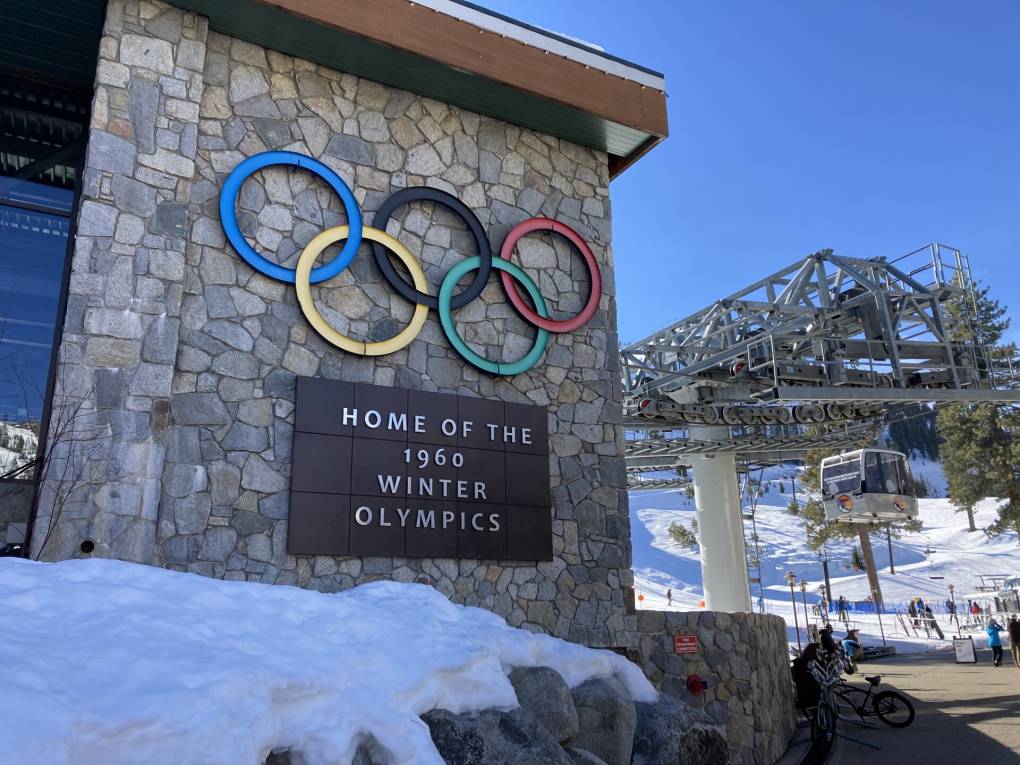
"content": "\u003cp>The \u003ca href=\"https://olympics.com/en/beijing-2022/#:~:text=When%20is%20the%20next%20Winter,scheduled%20for%2020%20February%202022.\" target=\"_blank\" rel=\"noopener noreferrer\">24th Winter Olympics\u003c/a> are unfolding in Beijing right now with endless hours of coverage and athlete profiles. It’s a much bigger event than the winter games held in the Tahoe valley back in 1960. At that time, there were no huge ski resorts and bustling crowds. The Olympics jump-started Tahoe’s reputation as a winter sports destination.\u003c/p>\n\u003cp>[baycuriouspodcastinfo]\u003c/p>\n\u003cp>Osvaldo and Eddy Ancinas live in Olympic Valley near Lake Tahoe — right where the \u003ca href=\"https://olympics.com/en/olympic-games/squaw-valley-1960\" target=\"_blank\" rel=\"noopener noreferrer\">1960 Olympics\u003c/a> took place. Both remember those winter games as if they were yesterday. Back then, \u003ca href=\"https://olympics.com/en/athletes/osvaldo-a-ancinas\" target=\"_blank\" rel=\"noopener noreferrer\">Osvaldo\u003c/a> was a dashing member of Argentina’s ski team, who competed in three alpine events — downhill, giant slalom and slalom. Eddy was one of the young multilingual women employed to make the visiting dignitaries feel welcome.\u003c/p>\n\u003cp>“It’s like when you meet a wonderful family,” said Osvaldo, who can remember the folk song he performed at the athlete’s talent show held during the games one night.\u003c/p>\n\u003cfigure id=\"attachment_11904458\" class=\"wp-caption aligncenter\" style=\"max-width: 765px\">\u003cimg loading=\"lazy\" decoding=\"async\" class=\"size-full wp-image-11904458\" src=\"https://ww2.kqed.org/app/uploads/sites/10/2022/02/RS53559_Olympic-Athlete-Village-qut.jpg\" alt=\"\" width=\"765\" height=\"768\" srcset=\"https://cdn.kqed.org/wp-content/uploads/sites/10/2022/02/RS53559_Olympic-Athlete-Village-qut.jpg 765w, https://cdn.kqed.org/wp-content/uploads/sites/10/2022/02/RS53559_Olympic-Athlete-Village-qut-160x161.jpg 160w\" sizes=\"(max-width: 765px) 100vw, 765px\">\u003cfigcaption class=\"wp-caption-text\">The Olympic Village, 1960. The complex housed athletes and was mostly off-limits to others. \u003ccite>(Courtesy Bill Briner)\u003c/cite>\u003c/figcaption>\u003c/figure>\n\u003ch2>\u003cstrong>Outsized and lasting impact\u003c/strong>\u003c/h2>\n\u003cp>The Ancinases said the 1960 Olympics weren’t just memorable for the people who were there, like them. The event also had an outsized and lasting impact worldwide because of the many firsts and innovations that happened there.\u003c/p>\n\u003cp>[ad fullwidth]\u003c/p>\n\u003cp>Technologies that we consider commonplace today, like instant replay and a first-of-its-kind refrigeration mechanism for the speed-skating oval, were pioneered or developed at those games. Also, this was the first time the Olympics were televised live nationwide. CBS bought the exclusive rights for $50,000, and Walter Cronkite reported live throughout the event.\u003c/p>\n\u003cfigure id=\"attachment_11904460\" class=\"wp-caption aligncenter\" style=\"max-width: 800px\">\u003cimg loading=\"lazy\" decoding=\"async\" class=\"size-medium wp-image-11904460\" src=\"https://ww2.kqed.org/app/uploads/sites/10/2022/02/RS53562_Disney-qut-800x790.jpg\" alt=\"\" width=\"800\" height=\"790\" srcset=\"https://cdn.kqed.org/wp-content/uploads/sites/10/2022/02/RS53562_Disney-qut-800x790.jpg 800w, https://cdn.kqed.org/wp-content/uploads/sites/10/2022/02/RS53562_Disney-qut-1020x1008.jpg 1020w, https://cdn.kqed.org/wp-content/uploads/sites/10/2022/02/RS53562_Disney-qut-160x158.jpg 160w, https://cdn.kqed.org/wp-content/uploads/sites/10/2022/02/RS53562_Disney-qut-1536x1518.jpg 1536w, https://cdn.kqed.org/wp-content/uploads/sites/10/2022/02/RS53562_Disney-qut.jpg 1920w\" sizes=\"(max-width: 800px) 100vw, 800px\">\u003cfigcaption class=\"wp-caption-text\">Pageantry chair Walt Disney at the 1960 Olympics. \u003ccite>(Courtesy Bill Briner)\u003c/cite>\u003c/figcaption>\u003c/figure>\n\u003cp>\u003ca href=\"https://en.wikipedia.org/wiki/Walt_Disney\" target=\"_blank\" rel=\"noopener noreferrer\">Walt Disney himself \u003c/a>was the pageantry chair. The entertainment king and winter sports enthusiast turned the event into a theatrical extravaganza worthy of TV.\u003c/p>\n\u003cp>Disney’s team booked choirs and bands to play in Olympic Village and created giant, white statues of athletes that looked like they were carved out of ice (though in reality they were fashioned from wire and papier-mâché). At various points they released fireworks, balloons and even pigeons into the sky.\u003c/p>\n\u003cp>Eddy Ancinas said the event took on an almost supernatural quality under Disney’s direction, especially after a heavy snowstorm delayed the start of the opening ceremony.\u003c/p>\n\u003cfigure id=\"attachment_11904461\" class=\"wp-caption aligncenter\" style=\"max-width: 800px\">\u003cimg loading=\"lazy\" decoding=\"async\" class=\"size-medium wp-image-11904461\" src=\"https://ww2.kqed.org/app/uploads/sites/10/2022/02/RS53561_Sculpture-1-qut-800x1007.jpg\" alt=\"\" width=\"800\" height=\"1007\" srcset=\"https://cdn.kqed.org/wp-content/uploads/sites/10/2022/02/RS53561_Sculpture-1-qut-800x1007.jpg 800w, https://cdn.kqed.org/wp-content/uploads/sites/10/2022/02/RS53561_Sculpture-1-qut-1020x1284.jpg 1020w, https://cdn.kqed.org/wp-content/uploads/sites/10/2022/02/RS53561_Sculpture-1-qut-160x201.jpg 160w, https://cdn.kqed.org/wp-content/uploads/sites/10/2022/02/RS53561_Sculpture-1-qut-1221x1536.jpg 1221w, https://cdn.kqed.org/wp-content/uploads/sites/10/2022/02/RS53561_Sculpture-1-qut.jpg 1498w\" sizes=\"(max-width: 800px) 100vw, 800px\">\u003cfigcaption class=\"wp-caption-text\">One of the massive athlete sculptures created by Walt Disney’s team for the 1960 Olympics. \u003ccite>(Courtesy Bill Briner)\u003c/cite>\u003c/figcaption>\u003c/figure>\n\u003cp>“The blizzard suddenly ended, the sun came out and the sky was blue,” she said. “It was kind of like maybe God had a hand in this or something.”\u003c/p>\n\u003ch2>\u003cstrong>Myth-making vs. lost reality\u003c/strong>\u003c/h2>\n\u003cp>The weather wasn’t the only element to give the 1960 Olympics an almost mythological aura. Another is the U.S. men’s ice hockey team’s triumph against the fearsome Soviets — a big deal during the Cold War.\u003c/p>\n\u003cfigure id=\"attachment_11904386\" class=\"wp-caption aligncenter\" style=\"max-width: 540px\">\u003cimg loading=\"lazy\" decoding=\"async\" class=\"size-full wp-image-11904386\" src=\"https://ww2.kqed.org/app/uploads/sites/10/2022/02/RS53532_Squaw-Valley-US-Russia-Final_Buzzer-1960-qut.jpg\" alt=\"\" width=\"540\" height=\"316\" srcset=\"https://cdn.kqed.org/wp-content/uploads/sites/10/2022/02/RS53532_Squaw-Valley-US-Russia-Final_Buzzer-1960-qut.jpg 540w, https://cdn.kqed.org/wp-content/uploads/sites/10/2022/02/RS53532_Squaw-Valley-US-Russia-Final_Buzzer-1960-qut-160x94.jpg 160w\" sizes=\"(max-width: 540px) 100vw, 540px\">\u003cfigcaption class=\"wp-caption-text\">Historic ice hockey game between the U.S. and Soviet Union at the 1960 Olympics. The U.S. won 3-2. \u003ccite>(Wikimedia Commons)\u003c/cite>\u003c/figcaption>\u003c/figure>\n\u003cp>And then there’s the narrative about how the games even made it to an obscure corner (at the time) of the Sierra Nevada in the first place.\u003c/p>\n\u003cp>“It’s a David and Goliath story,” said Eddy, who wrote \u003ca href=\"https://www.talesfromtwovalleysbook.com/book/\">a 2019 book about the region’s ski history\u003c/a>. “There was nothing there, so they had a clean slate. To make that into an Olympic site was quite a feat.”\u003c/p>\n\u003cp>But what tends to get lost in accounts of the 1960 Olympic Games is the fact that they took place on unceded Indigenous lands — stolen land that had belonged to Native people for thousands of years.\u003c/p>\n\u003cp>“People view this land as pristine and untouched,” said Herman Fillmore, culture and language resources director for the \u003ca href=\"https://washoetribe.us/\" target=\"_blank\" rel=\"noopener noreferrer\">Washoe Tribe of Nevada and California\u003c/a>. “But this land was actually shaped by Indigenous peoples and our cultures.”\u003c/p>\n\u003cp>At the time of the Olympics, Fillmore said his tribe was in the middle of a \u003ca href=\"https://www.onlinenevada.org/articles/washoe-tribe-indian-claims-commission\" target=\"_blank\" rel=\"noopener noreferrer\">decades-long lawsuit against the federal government\u003c/a> for the theft of roughly 6 million acres of Washoe lands, including the area where the Olympics were held. The Washoe had never formally entered into a treaty nor received compensation for land occupied by the United States.\u003c/p>\n\u003cp>“While Washoe people were undergoing a court case to gain any sort of restitution for the taking of our land, we coincidentally have the 1960 Olympics, where other nations are freely welcome to Washoe homelands, a place that Washoe people were no longer allowed to be,” Fillmore said.\u003c/p>\n\u003cfigure id=\"attachment_11904384\" class=\"wp-caption aligncenter\" style=\"max-width: 640px\">\u003cimg loading=\"lazy\" decoding=\"async\" class=\"size-full wp-image-11904384\" src=\"https://ww2.kqed.org/app/uploads/sites/10/2022/02/RS53530_library-of-congress-1866-washoe-indians-valley-of-lake-tahoe-qut.jpg\" alt=\"\" width=\"640\" height=\"569\" srcset=\"https://cdn.kqed.org/wp-content/uploads/sites/10/2022/02/RS53530_library-of-congress-1866-washoe-indians-valley-of-lake-tahoe-qut.jpg 640w, https://cdn.kqed.org/wp-content/uploads/sites/10/2022/02/RS53530_library-of-congress-1866-washoe-indians-valley-of-lake-tahoe-qut-160x142.jpg 160w\" sizes=\"(max-width: 640px) 100vw, 640px\">\u003cfigcaption class=\"wp-caption-text\">Washoe tribespeople in their ancestral lands in the valley of Lake Tahoe. \u003ccite>(Library of Congress)\u003c/cite>\u003c/figcaption>\u003c/figure>\n\u003cp>Both the tribe and local historians say the organizers of the Olympic Games did not consult Washoe people about their plans.\u003c/p>\n\u003cp>To make matters worse, owners named the resort that hosted the games Squaw Valley, \u003ca href=\"https://www.kqed.org/arts/13885276/squaw-valley-ski-resort-will-change-its-name\">a racist and misogynistic term used for Indigenous women\u003c/a>. European settlers had given the land that name in the mid-19th century.\u003c/p>\n\u003cp>The resort kept the name until September 2021, when \u003ca href=\"https://www.palisadestahoe.com/new-name\" target=\"_blank\" rel=\"noopener noreferrer\">management rebranded it Palisades Tahoe\u003c/a>. Tribal members had been asking for the derogatory name to be removed for years.\u003c/p>\n\u003cp>“The renaming of Palisades was long overdue,” said Fillmore.\u003c/p>\n\u003ch2>\u003cstrong>The 1960 Olympic story\u003c/strong>\u003c/h2>\n\u003cp>Most historical accounts of the Tahoe Olympics begin with a picture of a sparkling white landscape, practically untouched by human hands.\u003c/p>\n\u003cp>“There was almost nothing here: one lift, two rope tows, a lodge and a dirt road leading to it off the highway. And there were only two year-round families that lived in the valley itself,” said \u003ca href=\"http://www.tahoefacts.com/about\" target=\"_blank\" rel=\"noopener noreferrer\">David Antonucci\u003c/a>, an avid cross-country skier, long-time Tahoe resident and author of the book “\u003ca href=\"https://www.amazon.com/dp/B002Y5VTCC/ref=dp-kindle-redirect?_encoding=UTF8&btkr=1\" target=\"_blank\" rel=\"noopener noreferrer\">Snowball’s Chance: The Story of the 1960 Olympic Winter Games\u003c/a>.”\u003c/p>\n\u003cp>The Tahoe Olympic story began in the waning days of 1954.\u003c/p>\n\u003cp>“Alex Cushing, who is a co-founder of what was then known as the Squaw Valley ski area, was reading the paper,” said Antonucci. “And he saw that the city of Reno was submitting a bid to host the 1960 Winter Olympics.”\u003c/p>\n\u003cp>That was all it took to give Cushing the improbable idea of pitching his own little ski resort as a contender for the privilege of hosting the 1960 Olympics, said Antonucci.\u003c/p>\n\u003cp>“He thought, ‘Heck, Squaw Valley is a better mountain. I’ve got better conditions here. I wonder if I could submit a bid and just get some publicity for it?'”\u003c/p>\n\u003cp>Cushing was a Harvard-educated lawyer with many rich and powerful friends. He hurriedly put together a proposal, got financial backing from the California state Legislature, and traveled to New York to pitch the U.S. Olympic Committee.\u003c/p>\n\u003cp>“And much to the surprise of everybody, the U.S. Olympic Committee decided to nominate Squaw Valley to host the 1960 Winter Olympics,” Antonucci said.\u003c/p>\n\u003cfigure id=\"attachment_11904462\" class=\"wp-caption aligncenter\" style=\"max-width: 755px\">\u003cimg loading=\"lazy\" decoding=\"async\" class=\"size-full wp-image-11904462\" src=\"https://ww2.kqed.org/app/uploads/sites/10/2022/02/RS53560_Opening-2-qut.jpg\" alt=\"\" width=\"755\" height=\"768\" srcset=\"https://cdn.kqed.org/wp-content/uploads/sites/10/2022/02/RS53560_Opening-2-qut.jpg 755w, https://cdn.kqed.org/wp-content/uploads/sites/10/2022/02/RS53560_Opening-2-qut-160x163.jpg 160w\" sizes=\"(max-width: 755px) 100vw, 755px\">\u003cfigcaption class=\"wp-caption-text\">A view of the opening ceremonies at the 1960 Olympics. \u003ccite>(Courtesy Bill Briner)\u003c/cite>\u003c/figcaption>\u003c/figure>\n\u003cp>But Cushing still had to go to Paris and convince the International Olympic Committee (IOC) that Tahoe should host the Games. Even though by this point he had the support of both the state of California and the U.S. federal government, his chances of winning looked pretty slim.\u003c/p>\n\u003cp>“He’s being told, ‘Forget it. You’ve got no chance. You’re just wasting your time,'” said Antonucci. “People in the Olympic orbit said, ‘Innsbruck, Austria, has it tied up.'”\u003c/p>\n\u003cp>But Cushing and his team didn’t give up. They started working their contacts around the globe. The lobbying effort included the then-unorthodox step of printing their proposal in Spanish — not just the official Olympic languages of English and French. [emailsignup newslettername=\"baycurious\" align=\"right\"]“He actually traveled or had representatives travel to South America to visit with IOC representatives that normally wouldn’t be interested in the Winter Olympics to get their support and make sure they would be in attendance and could vote,” Antonucci said.\u003c/p>\n\u003cp>And it worked.\u003c/p>\n\u003cp>After two nail-biting rounds of voting, California prevailed, beating Innsbruck by just a couple of votes.\u003c/p>\n\u003cp>“The world was shocked,” said Antonucci, adding that another year would pass before the IOC definitively green-lit Cushing’s winning bid, asking him to raise several million dollars in funding first.\u003c/p>\n\u003ch2>\u003cstrong>Disappearing history\u003c/strong>\u003c/h2>\n\u003cp>If you visit \u003ca href=\"https://www.palisadestahoe.com/\" target=\"_blank\" rel=\"noopener noreferrer\">Palisades Tahoe\u003c/a>, the massive white mountains set against the limitless blue sky are just as awe-striking today as they likely were back in 1960. Antonucci points out where some of the Olympic races took place.\u003c/p>\n\u003cp>“If we look up this canyon here, this was the men’s downhill course,” he said. “It started up on that peak, which is called Palisades.”\u003c/p>\n\u003cp>And the Olympic logo, with its five, colorful interlocking circles symbolizing global unity, is a favorite location for a photo opp.\u003c/p>\n\u003cp>But only a smattering of the original Olympic era structures remain. One such building is the Olympic Village Lodge, part of the complex that was used to house the athletes for the duration of the games.\u003c/p>\n\u003cp>The Olympic Village Lodge’s cavernous dining hall is where the athletes came together to socialize, eat and enjoy evening performances by some of the leading acts of the day like Bing Crosby and Danny Kaye.\u003c/p>\n\u003cp>“Walt Disney arranged for entertainment every night, and that was held in this room,” said Antonucci.\u003c/p>\n\u003cfigure id=\"attachment_11904380\" class=\"wp-caption aligncenter\" style=\"max-width: 800px\">\u003cimg loading=\"lazy\" decoding=\"async\" class=\"size-medium wp-image-11904380\" src=\"https://ww2.kqed.org/app/uploads/sites/10/2022/02/RS53529_olympic-village-lodge-dining-hall-qut-800x600.jpg\" alt=\"\" width=\"800\" height=\"600\" srcset=\"https://cdn.kqed.org/wp-content/uploads/sites/10/2022/02/RS53529_olympic-village-lodge-dining-hall-qut-800x600.jpg 800w, https://cdn.kqed.org/wp-content/uploads/sites/10/2022/02/RS53529_olympic-village-lodge-dining-hall-qut-1020x765.jpg 1020w, https://cdn.kqed.org/wp-content/uploads/sites/10/2022/02/RS53529_olympic-village-lodge-dining-hall-qut-160x120.jpg 160w, https://cdn.kqed.org/wp-content/uploads/sites/10/2022/02/RS53529_olympic-village-lodge-dining-hall-qut-1536x1152.jpg 1536w, https://cdn.kqed.org/wp-content/uploads/sites/10/2022/02/RS53529_olympic-village-lodge-dining-hall-qut.jpg 1920w\" sizes=\"(max-width: 800px) 100vw, 800px\">\u003cfigcaption class=\"wp-caption-text\">Inside the dining room at Olympic Village Lodge, one of just a few spaces built for the 1960 Olympics that remain at Palisades Tahoe. \u003ccite>(Chloe Veltman/KQED)\u003c/cite>\u003c/figcaption>\u003c/figure>\n\u003cp>But this historic building, like most of the others still standing at Palisades Tahoe, isn’t in great shape. The dining room roof is currently propped up by steel columns, following snow damage from a few years ago.\u003c/p>\n\u003cp>“After the Olympics, the facilities were originally to be operated by the state of California through its Department of Parks and Recreation as a public winter recreation site,” said Antonucci. “But it never became viable.”\u003c/p>\n\u003cp>Antonucci said the state eventually sold the buildings off bit by bit to developers and investors, until it all ended up under control of a privately owned resort.\u003c/p>\n\u003ch2>\u003cstrong>New developments\u003c/strong>\u003c/h2>\n\u003cp>The current resort owner, \u003ca href=\"https://www.alterramtnco.com/\" target=\"_blank\" rel=\"noopener noreferrer\">Alterra Mountain Company\u003c/a>, proposed a \u003ca href=\"https://www.placer.ca.gov/DocumentCenter/View/9344/Specific-Plan-for-Village-at-Squaw-Valley-PDF\">plan in 2016 to demolish the historic buildings\u003c/a> in order to make way for new development, including high-rise hotels and an indoor waterpark.\u003c/p>\n\u003cp>Local anti-development activists managed to stall these plans in court last year.\u003c/p>\n\u003cp>[baycuriouspodcastinfo]\u003c/p>\n\u003cp>“People who really value the sense of place that we still feel in the Tahoe Sierra are working together to demand something better,” said Tom Mooers, executive director of the Nevada City-based conservation group \u003ca href=\"https://www.sierrawatch.org/\" target=\"_blank\" rel=\"noopener noreferrer\">Sierra Watch\u003c/a>.\u003c/p>\n\u003cp>“We are committed to carrying out a responsible development project,” said \u003ca href=\"https://blog.palisadestahoe.com/press/dee-byrne-named-president-coo-of-squaw-valley-alpine-meadows/\" target=\"_blank\" rel=\"noopener noreferrer\">Palisades Tahoe President and COO Dee Byrne\u003c/a> in an email. “This project will provide significant benefits to our community, such as new jobs, increased tax revenue, new affordable housing units and millions in funds for conservation and transit to Olympic Valley and the region. Unfortunately, due to the 2021 court decision, we will now have to wait longer to see those benefits come to fruition and begin to serve our community.”\u003c/p>\n\u003cp>Regardless of what happens next in court, David Antonucci is resigned to the idea that eventually the historic buildings will likely come down. He expressed sadness, but said the structures mostly fall short of current ADA and energy conservation standards.\u003c/p>\n\u003cp>“Something has to happen,” Antonucci said. “These buildings are at the end of their useful life.”\u003c/p>\n\u003ch2>\u003cstrong>Olympic future at Tahoe\u003c/strong>\u003c/h2>\n\u003cp>Ever since the 1980s, a variety of local groups, such as the \u003ca href=\"https://www.renotahoewintergames.org/\" target=\"_blank\" rel=\"noopener noreferrer\">Reno Tahoe Winter Games Coalition\u003c/a>, have been working to bring the Olympics back to the Sierra Nevada.\u003c/p>\n\u003cp>The most recent efforts fell by the wayside in 2018. But that doesn’t put a definitive end to the possibility of the games returning at some point down the line.\u003c/p>\n\u003cfigure id=\"attachment_11904381\" class=\"wp-caption aligncenter\" style=\"max-width: 800px\">\u003cimg loading=\"lazy\" decoding=\"async\" class=\"wp-image-11904381 size-medium\" src=\"https://ww2.kqed.org/app/uploads/sites/10/2022/02/RS53528_eddy-osvaldo-and-dave-qut-800x600.jpg\" alt=\"\" width=\"800\" height=\"600\" srcset=\"https://cdn.kqed.org/wp-content/uploads/sites/10/2022/02/RS53528_eddy-osvaldo-and-dave-qut-800x600.jpg 800w, https://cdn.kqed.org/wp-content/uploads/sites/10/2022/02/RS53528_eddy-osvaldo-and-dave-qut-1020x765.jpg 1020w, https://cdn.kqed.org/wp-content/uploads/sites/10/2022/02/RS53528_eddy-osvaldo-and-dave-qut-160x120.jpg 160w, https://cdn.kqed.org/wp-content/uploads/sites/10/2022/02/RS53528_eddy-osvaldo-and-dave-qut-1536x1152.jpg 1536w, https://cdn.kqed.org/wp-content/uploads/sites/10/2022/02/RS53528_eddy-osvaldo-and-dave-qut.jpg 1920w\" sizes=\"(max-width: 800px) 100vw, 800px\">\u003cfigcaption class=\"wp-caption-text\">Eddy Ancinas, David Antonucci and Osvaldo Ancinas in Tahoe City. \u003ccite>(Chloe Veltman/KQED)\u003c/cite>\u003c/figcaption>\u003c/figure>\n\u003cp>The idea, however, holds little interest for Eddy and Osvaldo Ancinas, even though they hold cherished memories of the 1960 event.\u003cbr>\n\u003cbr>\n“It’s just so different right now,” said Osvaldo. “The cost is going to be horrible. Billions.”\u003c/p>\n\u003cp>“So many people,” said Eddy.\u003c/p>\n\u003cp>In the meantime, the couple, together with David Antonucci, are part of a group working to salvage the region’s Olympic history as best as they can. They’re planning to build a \u003ca href=\"https://www.thesnowmuseum.org/\" target=\"_blank\" rel=\"noopener noreferrer\">20,000-square-foot museum\u003c/a> at the entrance to Olympic Valley, right where the Olympic torch still burns.\u003c/p>\n\u003cp>[ad floatright]\u003c/p>\n\u003cp>[baycuriousquestion]\u003c/p>\n\n",
"blocks": [],
"excerpt": "The 1960 Winter Olympics held in the Sierra Nevada transformed a sleepy valley into a ski haven. Organizers tried out new ideas, like instant replay and nationally televising the events — ideas that are commonplace now.",
"status": "publish",
"parent": 0,
"modified": 1721130548,
"stats": {
"hasAudio": false,
"hasVideo": false,
"hasChartOrMap": false,
"iframeSrcs": [],
"hasGoogleForm": false,
"hasGallery": false,
"hasHearkenModule": true,
"hasPolis": false,
"paragraphCount": 59,
"wordCount": 2174
},
"headData": {
"title": "'The World Was Shocked': How the Winter Olympics Came to Tahoe in 1960 | KQED",
"description": "The 1960 Winter Olympics held in the Sierra Nevada transformed a sleepy valley into a ski haven. Organizers tried out new ideas, like instant replay and nationally televising the events — ideas that are commonplace now.",
"ogTitle": "",
"ogDescription": "",
"ogImgId": "",
"twTitle": "",
"twDescription": "",
"twImgId": "",
"schema": {
"@context": "https://schema.org",
"@type": "NewsArticle",
"headline": "'The World Was Shocked': How the Winter Olympics Came to Tahoe in 1960",
"datePublished": "2022-02-10T03:00:14-08:00",
"dateModified": "2024-07-16T04:49:08-07:00",
"image": "https://cdn.kqed.org/wp-content/uploads/2020/02/KQED-OG-Image@1x.png",
"isAccessibleForFree": "True",
"publisher": {
"@type": "NewsMediaOrganization",
"@id": "https://www.kqed.org/#organization",
"name": "KQED",
"logo": "https://cdn.kqed.org/wp-content/uploads/2020/02/KQED-OG-Image@1x.png",
"url": "https://www.kqed.org",
"sameAs": [
"https://www.facebook.com/KQED",
"https://twitter.com/KQED",
"https://www.instagram.com/kqed/",
"https://www.tiktok.com/@kqedofficial",
"https://www.linkedin.com/company/kqed",
"https://www.youtube.com/channel/UCeC0IOo7i1P_61zVUWbJ4nw"
]
}
}
},
"source": "Bay Curious",
"sourceUrl": "https://kqed.org/baycurious",
"audioUrl": "https://www.podtrac.com/pts/redirect.mp3/traffic.megaphone.fm/KQINC3597706913.mp3?updated=1644454366",
"sticky": false,
"subhead": "The behind-the-scenes story of the 1960 Tahoe Winter Olympics.",
"excludeFromSiteSearch": "Include",
"articleAge": "0",
"path": "/news/11904328/the-world-was-shocked-how-the-winter-olympics-came-to-tahoe-in-1960",
"audioTrackLength": null,
"parsedContent": [
{
"type": "contentString",
"content": "\u003cdiv class=\"post-body\">\u003cp>\u003cp>The \u003ca href=\"https://olympics.com/en/beijing-2022/#:~:text=When%20is%20the%20next%20Winter,scheduled%20for%2020%20February%202022.\" target=\"_blank\" rel=\"noopener noreferrer\">24th Winter Olympics\u003c/a> are unfolding in Beijing right now with endless hours of coverage and athlete profiles. It’s a much bigger event than the winter games held in the Tahoe valley back in 1960. At that time, there were no huge ski resorts and bustling crowds. The Olympics jump-started Tahoe’s reputation as a winter sports destination.\u003c/p>\n\u003cp>\u003c/p>\u003cp>\u003caside class=\"alignleft utils-parseShortcode-shortcodes-__bayCuriousPodcastShortcode__bayCurious\">\u003cimg src=https://cdn.kqed.org/wp-content/uploads/2023/02/bayCuriousLogo.png alt=\"Bay Curious Podcast\" loading=\"lazy\" />\n \u003ca href=\"/news/series/baycurious\">Bay Curious\u003c/a> is a podcast that answers your questions about the Bay Area.\n Subscribe on \u003ca href=\"https://itunes.apple.com/us/podcast/bay-curious/id1172473406\" target=\"_blank\" rel=\"noopener noreferrer\">Apple Podcasts\u003c/a>,\n \u003ca href=\"http://www.npr.org/podcasts/500557090/bay-curious\" target=\"_blank\" rel=\"noopener noreferrer\">NPR One\u003c/a> or your favorite podcast platform.\u003c/aside>\u003c/p>\u003cp>\u003c/p>\n\u003cp>Osvaldo and Eddy Ancinas live in Olympic Valley near Lake Tahoe — right where the \u003ca href=\"https://olympics.com/en/olympic-games/squaw-valley-1960\" target=\"_blank\" rel=\"noopener noreferrer\">1960 Olympics\u003c/a> took place. Both remember those winter games as if they were yesterday. Back then, \u003ca href=\"https://olympics.com/en/athletes/osvaldo-a-ancinas\" target=\"_blank\" rel=\"noopener noreferrer\">Osvaldo\u003c/a> was a dashing member of Argentina’s ski team, who competed in three alpine events — downhill, giant slalom and slalom. Eddy was one of the young multilingual women employed to make the visiting dignitaries feel welcome.\u003c/p>\n\u003cp>“It’s like when you meet a wonderful family,” said Osvaldo, who can remember the folk song he performed at the athlete’s talent show held during the games one night.\u003c/p>\n\u003cfigure id=\"attachment_11904458\" class=\"wp-caption aligncenter\" style=\"max-width: 765px\">\u003cimg loading=\"lazy\" decoding=\"async\" class=\"size-full wp-image-11904458\" src=\"https://ww2.kqed.org/app/uploads/sites/10/2022/02/RS53559_Olympic-Athlete-Village-qut.jpg\" alt=\"\" width=\"765\" height=\"768\" srcset=\"https://cdn.kqed.org/wp-content/uploads/sites/10/2022/02/RS53559_Olympic-Athlete-Village-qut.jpg 765w, https://cdn.kqed.org/wp-content/uploads/sites/10/2022/02/RS53559_Olympic-Athlete-Village-qut-160x161.jpg 160w\" sizes=\"(max-width: 765px) 100vw, 765px\">\u003cfigcaption class=\"wp-caption-text\">The Olympic Village, 1960. The complex housed athletes and was mostly off-limits to others. \u003ccite>(Courtesy Bill Briner)\u003c/cite>\u003c/figcaption>\u003c/figure>\n\u003ch2>\u003cstrong>Outsized and lasting impact\u003c/strong>\u003c/h2>\n\u003cp>The Ancinases said the 1960 Olympics weren’t just memorable for the people who were there, like them. The event also had an outsized and lasting impact worldwide because of the many firsts and innovations that happened there.\u003c/p>\n\u003cp>\u003c/p>\u003c/div>",
"attributes": {
"named": {},
"numeric": []
}
},
{
"type": "component",
"content": "",
"name": "ad",
"attributes": {
"named": {
"label": "fullwidth"
},
"numeric": [
"fullwidth"
]
}
},
{
"type": "contentString",
"content": "\u003cdiv class=\"post-body\">\u003cp>\u003c/p>\n\u003cp>Technologies that we consider commonplace today, like instant replay and a first-of-its-kind refrigeration mechanism for the speed-skating oval, were pioneered or developed at those games. Also, this was the first time the Olympics were televised live nationwide. CBS bought the exclusive rights for $50,000, and Walter Cronkite reported live throughout the event.\u003c/p>\n\u003cfigure id=\"attachment_11904460\" class=\"wp-caption aligncenter\" style=\"max-width: 800px\">\u003cimg loading=\"lazy\" decoding=\"async\" class=\"size-medium wp-image-11904460\" src=\"https://ww2.kqed.org/app/uploads/sites/10/2022/02/RS53562_Disney-qut-800x790.jpg\" alt=\"\" width=\"800\" height=\"790\" srcset=\"https://cdn.kqed.org/wp-content/uploads/sites/10/2022/02/RS53562_Disney-qut-800x790.jpg 800w, https://cdn.kqed.org/wp-content/uploads/sites/10/2022/02/RS53562_Disney-qut-1020x1008.jpg 1020w, https://cdn.kqed.org/wp-content/uploads/sites/10/2022/02/RS53562_Disney-qut-160x158.jpg 160w, https://cdn.kqed.org/wp-content/uploads/sites/10/2022/02/RS53562_Disney-qut-1536x1518.jpg 1536w, https://cdn.kqed.org/wp-content/uploads/sites/10/2022/02/RS53562_Disney-qut.jpg 1920w\" sizes=\"(max-width: 800px) 100vw, 800px\">\u003cfigcaption class=\"wp-caption-text\">Pageantry chair Walt Disney at the 1960 Olympics. \u003ccite>(Courtesy Bill Briner)\u003c/cite>\u003c/figcaption>\u003c/figure>\n\u003cp>\u003ca href=\"https://en.wikipedia.org/wiki/Walt_Disney\" target=\"_blank\" rel=\"noopener noreferrer\">Walt Disney himself \u003c/a>was the pageantry chair. The entertainment king and winter sports enthusiast turned the event into a theatrical extravaganza worthy of TV.\u003c/p>\n\u003cp>Disney’s team booked choirs and bands to play in Olympic Village and created giant, white statues of athletes that looked like they were carved out of ice (though in reality they were fashioned from wire and papier-mâché). At various points they released fireworks, balloons and even pigeons into the sky.\u003c/p>\n\u003cp>Eddy Ancinas said the event took on an almost supernatural quality under Disney’s direction, especially after a heavy snowstorm delayed the start of the opening ceremony.\u003c/p>\n\u003cfigure id=\"attachment_11904461\" class=\"wp-caption aligncenter\" style=\"max-width: 800px\">\u003cimg loading=\"lazy\" decoding=\"async\" class=\"size-medium wp-image-11904461\" src=\"https://ww2.kqed.org/app/uploads/sites/10/2022/02/RS53561_Sculpture-1-qut-800x1007.jpg\" alt=\"\" width=\"800\" height=\"1007\" srcset=\"https://cdn.kqed.org/wp-content/uploads/sites/10/2022/02/RS53561_Sculpture-1-qut-800x1007.jpg 800w, https://cdn.kqed.org/wp-content/uploads/sites/10/2022/02/RS53561_Sculpture-1-qut-1020x1284.jpg 1020w, https://cdn.kqed.org/wp-content/uploads/sites/10/2022/02/RS53561_Sculpture-1-qut-160x201.jpg 160w, https://cdn.kqed.org/wp-content/uploads/sites/10/2022/02/RS53561_Sculpture-1-qut-1221x1536.jpg 1221w, https://cdn.kqed.org/wp-content/uploads/sites/10/2022/02/RS53561_Sculpture-1-qut.jpg 1498w\" sizes=\"(max-width: 800px) 100vw, 800px\">\u003cfigcaption class=\"wp-caption-text\">One of the massive athlete sculptures created by Walt Disney’s team for the 1960 Olympics. \u003ccite>(Courtesy Bill Briner)\u003c/cite>\u003c/figcaption>\u003c/figure>\n\u003cp>“The blizzard suddenly ended, the sun came out and the sky was blue,” she said. “It was kind of like maybe God had a hand in this or something.”\u003c/p>\n\u003ch2>\u003cstrong>Myth-making vs. lost reality\u003c/strong>\u003c/h2>\n\u003cp>The weather wasn’t the only element to give the 1960 Olympics an almost mythological aura. Another is the U.S. men’s ice hockey team’s triumph against the fearsome Soviets — a big deal during the Cold War.\u003c/p>\n\u003cfigure id=\"attachment_11904386\" class=\"wp-caption aligncenter\" style=\"max-width: 540px\">\u003cimg loading=\"lazy\" decoding=\"async\" class=\"size-full wp-image-11904386\" src=\"https://ww2.kqed.org/app/uploads/sites/10/2022/02/RS53532_Squaw-Valley-US-Russia-Final_Buzzer-1960-qut.jpg\" alt=\"\" width=\"540\" height=\"316\" srcset=\"https://cdn.kqed.org/wp-content/uploads/sites/10/2022/02/RS53532_Squaw-Valley-US-Russia-Final_Buzzer-1960-qut.jpg 540w, https://cdn.kqed.org/wp-content/uploads/sites/10/2022/02/RS53532_Squaw-Valley-US-Russia-Final_Buzzer-1960-qut-160x94.jpg 160w\" sizes=\"(max-width: 540px) 100vw, 540px\">\u003cfigcaption class=\"wp-caption-text\">Historic ice hockey game between the U.S. and Soviet Union at the 1960 Olympics. The U.S. won 3-2. \u003ccite>(Wikimedia Commons)\u003c/cite>\u003c/figcaption>\u003c/figure>\n\u003cp>And then there’s the narrative about how the games even made it to an obscure corner (at the time) of the Sierra Nevada in the first place.\u003c/p>\n\u003cp>“It’s a David and Goliath story,” said Eddy, who wrote \u003ca href=\"https://www.talesfromtwovalleysbook.com/book/\">a 2019 book about the region’s ski history\u003c/a>. “There was nothing there, so they had a clean slate. To make that into an Olympic site was quite a feat.”\u003c/p>\n\u003cp>But what tends to get lost in accounts of the 1960 Olympic Games is the fact that they took place on unceded Indigenous lands — stolen land that had belonged to Native people for thousands of years.\u003c/p>\n\u003cp>“People view this land as pristine and untouched,” said Herman Fillmore, culture and language resources director for the \u003ca href=\"https://washoetribe.us/\" target=\"_blank\" rel=\"noopener noreferrer\">Washoe Tribe of Nevada and California\u003c/a>. “But this land was actually shaped by Indigenous peoples and our cultures.”\u003c/p>\n\u003cp>At the time of the Olympics, Fillmore said his tribe was in the middle of a \u003ca href=\"https://www.onlinenevada.org/articles/washoe-tribe-indian-claims-commission\" target=\"_blank\" rel=\"noopener noreferrer\">decades-long lawsuit against the federal government\u003c/a> for the theft of roughly 6 million acres of Washoe lands, including the area where the Olympics were held. The Washoe had never formally entered into a treaty nor received compensation for land occupied by the United States.\u003c/p>\n\u003cp>“While Washoe people were undergoing a court case to gain any sort of restitution for the taking of our land, we coincidentally have the 1960 Olympics, where other nations are freely welcome to Washoe homelands, a place that Washoe people were no longer allowed to be,” Fillmore said.\u003c/p>\n\u003cfigure id=\"attachment_11904384\" class=\"wp-caption aligncenter\" style=\"max-width: 640px\">\u003cimg loading=\"lazy\" decoding=\"async\" class=\"size-full wp-image-11904384\" src=\"https://ww2.kqed.org/app/uploads/sites/10/2022/02/RS53530_library-of-congress-1866-washoe-indians-valley-of-lake-tahoe-qut.jpg\" alt=\"\" width=\"640\" height=\"569\" srcset=\"https://cdn.kqed.org/wp-content/uploads/sites/10/2022/02/RS53530_library-of-congress-1866-washoe-indians-valley-of-lake-tahoe-qut.jpg 640w, https://cdn.kqed.org/wp-content/uploads/sites/10/2022/02/RS53530_library-of-congress-1866-washoe-indians-valley-of-lake-tahoe-qut-160x142.jpg 160w\" sizes=\"(max-width: 640px) 100vw, 640px\">\u003cfigcaption class=\"wp-caption-text\">Washoe tribespeople in their ancestral lands in the valley of Lake Tahoe. \u003ccite>(Library of Congress)\u003c/cite>\u003c/figcaption>\u003c/figure>\n\u003cp>Both the tribe and local historians say the organizers of the Olympic Games did not consult Washoe people about their plans.\u003c/p>\n\u003cp>To make matters worse, owners named the resort that hosted the games Squaw Valley, \u003ca href=\"https://www.kqed.org/arts/13885276/squaw-valley-ski-resort-will-change-its-name\">a racist and misogynistic term used for Indigenous women\u003c/a>. European settlers had given the land that name in the mid-19th century.\u003c/p>\n\u003cp>The resort kept the name until September 2021, when \u003ca href=\"https://www.palisadestahoe.com/new-name\" target=\"_blank\" rel=\"noopener noreferrer\">management rebranded it Palisades Tahoe\u003c/a>. Tribal members had been asking for the derogatory name to be removed for years.\u003c/p>\n\u003cp>“The renaming of Palisades was long overdue,” said Fillmore.\u003c/p>\n\u003ch2>\u003cstrong>The 1960 Olympic story\u003c/strong>\u003c/h2>\n\u003cp>Most historical accounts of the Tahoe Olympics begin with a picture of a sparkling white landscape, practically untouched by human hands.\u003c/p>\n\u003cp>“There was almost nothing here: one lift, two rope tows, a lodge and a dirt road leading to it off the highway. And there were only two year-round families that lived in the valley itself,” said \u003ca href=\"http://www.tahoefacts.com/about\" target=\"_blank\" rel=\"noopener noreferrer\">David Antonucci\u003c/a>, an avid cross-country skier, long-time Tahoe resident and author of the book “\u003ca href=\"https://www.amazon.com/dp/B002Y5VTCC/ref=dp-kindle-redirect?_encoding=UTF8&btkr=1\" target=\"_blank\" rel=\"noopener noreferrer\">Snowball’s Chance: The Story of the 1960 Olympic Winter Games\u003c/a>.”\u003c/p>\n\u003cp>The Tahoe Olympic story began in the waning days of 1954.\u003c/p>\n\u003cp>“Alex Cushing, who is a co-founder of what was then known as the Squaw Valley ski area, was reading the paper,” said Antonucci. “And he saw that the city of Reno was submitting a bid to host the 1960 Winter Olympics.”\u003c/p>\n\u003cp>That was all it took to give Cushing the improbable idea of pitching his own little ski resort as a contender for the privilege of hosting the 1960 Olympics, said Antonucci.\u003c/p>\n\u003cp>“He thought, ‘Heck, Squaw Valley is a better mountain. I’ve got better conditions here. I wonder if I could submit a bid and just get some publicity for it?'”\u003c/p>\n\u003cp>Cushing was a Harvard-educated lawyer with many rich and powerful friends. He hurriedly put together a proposal, got financial backing from the California state Legislature, and traveled to New York to pitch the U.S. Olympic Committee.\u003c/p>\n\u003cp>“And much to the surprise of everybody, the U.S. Olympic Committee decided to nominate Squaw Valley to host the 1960 Winter Olympics,” Antonucci said.\u003c/p>\n\u003cfigure id=\"attachment_11904462\" class=\"wp-caption aligncenter\" style=\"max-width: 755px\">\u003cimg loading=\"lazy\" decoding=\"async\" class=\"size-full wp-image-11904462\" src=\"https://ww2.kqed.org/app/uploads/sites/10/2022/02/RS53560_Opening-2-qut.jpg\" alt=\"\" width=\"755\" height=\"768\" srcset=\"https://cdn.kqed.org/wp-content/uploads/sites/10/2022/02/RS53560_Opening-2-qut.jpg 755w, https://cdn.kqed.org/wp-content/uploads/sites/10/2022/02/RS53560_Opening-2-qut-160x163.jpg 160w\" sizes=\"(max-width: 755px) 100vw, 755px\">\u003cfigcaption class=\"wp-caption-text\">A view of the opening ceremonies at the 1960 Olympics. \u003ccite>(Courtesy Bill Briner)\u003c/cite>\u003c/figcaption>\u003c/figure>\n\u003cp>But Cushing still had to go to Paris and convince the International Olympic Committee (IOC) that Tahoe should host the Games. Even though by this point he had the support of both the state of California and the U.S. federal government, his chances of winning looked pretty slim.\u003c/p>\n\u003cp>“He’s being told, ‘Forget it. You’ve got no chance. You’re just wasting your time,'” said Antonucci. “People in the Olympic orbit said, ‘Innsbruck, Austria, has it tied up.'”\u003c/p>\n\u003cp>But Cushing and his team didn’t give up. They started working their contacts around the globe. The lobbying effort included the then-unorthodox step of printing their proposal in Spanish — not just the official Olympic languages of English and French. \u003c/p>\u003c/div>",
"attributes": {
"named": {},
"numeric": []
}
},
{
"type": "component",
"content": "",
"name": "emailsignup",
"attributes": {
"named": {
"newslettername": "baycurious",
"align": "right",
"label": ""
},
"numeric": []
}
},
{
"type": "contentString",
"content": "\u003cdiv class=\"post-body\">\u003cp>“He actually traveled or had representatives travel to South America to visit with IOC representatives that normally wouldn’t be interested in the Winter Olympics to get their support and make sure they would be in attendance and could vote,” Antonucci said.\u003c/p>\n\u003cp>And it worked.\u003c/p>\n\u003cp>After two nail-biting rounds of voting, California prevailed, beating Innsbruck by just a couple of votes.\u003c/p>\n\u003cp>“The world was shocked,” said Antonucci, adding that another year would pass before the IOC definitively green-lit Cushing’s winning bid, asking him to raise several million dollars in funding first.\u003c/p>\n\u003ch2>\u003cstrong>Disappearing history\u003c/strong>\u003c/h2>\n\u003cp>If you visit \u003ca href=\"https://www.palisadestahoe.com/\" target=\"_blank\" rel=\"noopener noreferrer\">Palisades Tahoe\u003c/a>, the massive white mountains set against the limitless blue sky are just as awe-striking today as they likely were back in 1960. Antonucci points out where some of the Olympic races took place.\u003c/p>\n\u003cp>“If we look up this canyon here, this was the men’s downhill course,” he said. “It started up on that peak, which is called Palisades.”\u003c/p>\n\u003cp>And the Olympic logo, with its five, colorful interlocking circles symbolizing global unity, is a favorite location for a photo opp.\u003c/p>\n\u003cp>But only a smattering of the original Olympic era structures remain. One such building is the Olympic Village Lodge, part of the complex that was used to house the athletes for the duration of the games.\u003c/p>\n\u003cp>The Olympic Village Lodge’s cavernous dining hall is where the athletes came together to socialize, eat and enjoy evening performances by some of the leading acts of the day like Bing Crosby and Danny Kaye.\u003c/p>\n\u003cp>“Walt Disney arranged for entertainment every night, and that was held in this room,” said Antonucci.\u003c/p>\n\u003cfigure id=\"attachment_11904380\" class=\"wp-caption aligncenter\" style=\"max-width: 800px\">\u003cimg loading=\"lazy\" decoding=\"async\" class=\"size-medium wp-image-11904380\" src=\"https://ww2.kqed.org/app/uploads/sites/10/2022/02/RS53529_olympic-village-lodge-dining-hall-qut-800x600.jpg\" alt=\"\" width=\"800\" height=\"600\" srcset=\"https://cdn.kqed.org/wp-content/uploads/sites/10/2022/02/RS53529_olympic-village-lodge-dining-hall-qut-800x600.jpg 800w, https://cdn.kqed.org/wp-content/uploads/sites/10/2022/02/RS53529_olympic-village-lodge-dining-hall-qut-1020x765.jpg 1020w, https://cdn.kqed.org/wp-content/uploads/sites/10/2022/02/RS53529_olympic-village-lodge-dining-hall-qut-160x120.jpg 160w, https://cdn.kqed.org/wp-content/uploads/sites/10/2022/02/RS53529_olympic-village-lodge-dining-hall-qut-1536x1152.jpg 1536w, https://cdn.kqed.org/wp-content/uploads/sites/10/2022/02/RS53529_olympic-village-lodge-dining-hall-qut.jpg 1920w\" sizes=\"(max-width: 800px) 100vw, 800px\">\u003cfigcaption class=\"wp-caption-text\">Inside the dining room at Olympic Village Lodge, one of just a few spaces built for the 1960 Olympics that remain at Palisades Tahoe. \u003ccite>(Chloe Veltman/KQED)\u003c/cite>\u003c/figcaption>\u003c/figure>\n\u003cp>But this historic building, like most of the others still standing at Palisades Tahoe, isn’t in great shape. The dining room roof is currently propped up by steel columns, following snow damage from a few years ago.\u003c/p>\n\u003cp>“After the Olympics, the facilities were originally to be operated by the state of California through its Department of Parks and Recreation as a public winter recreation site,” said Antonucci. “But it never became viable.”\u003c/p>\n\u003cp>Antonucci said the state eventually sold the buildings off bit by bit to developers and investors, until it all ended up under control of a privately owned resort.\u003c/p>\n\u003ch2>\u003cstrong>New developments\u003c/strong>\u003c/h2>\n\u003cp>The current resort owner, \u003ca href=\"https://www.alterramtnco.com/\" target=\"_blank\" rel=\"noopener noreferrer\">Alterra Mountain Company\u003c/a>, proposed a \u003ca href=\"https://www.placer.ca.gov/DocumentCenter/View/9344/Specific-Plan-for-Village-at-Squaw-Valley-PDF\">plan in 2016 to demolish the historic buildings\u003c/a> in order to make way for new development, including high-rise hotels and an indoor waterpark.\u003c/p>\n\u003cp>Local anti-development activists managed to stall these plans in court last year.\u003c/p>\n\u003cp>\u003c/p>\u003cp>\u003caside class=\"alignleft utils-parseShortcode-shortcodes-__bayCuriousPodcastShortcode__bayCurious\">\u003cimg src=https://cdn.kqed.org/wp-content/uploads/2023/02/bayCuriousLogo.png alt=\"Bay Curious Podcast\" loading=\"lazy\" />\n \u003ca href=\"/news/series/baycurious\">Bay Curious\u003c/a> is a podcast that answers your questions about the Bay Area.\n Subscribe on \u003ca href=\"https://itunes.apple.com/us/podcast/bay-curious/id1172473406\" target=\"_blank\" rel=\"noopener noreferrer\">Apple Podcasts\u003c/a>,\n \u003ca href=\"http://www.npr.org/podcasts/500557090/bay-curious\" target=\"_blank\" rel=\"noopener noreferrer\">NPR One\u003c/a> or your favorite podcast platform.\u003c/aside>\u003c/p>\u003cp>\u003c/p>\n\u003cp>“People who really value the sense of place that we still feel in the Tahoe Sierra are working together to demand something better,” said Tom Mooers, executive director of the Nevada City-based conservation group \u003ca href=\"https://www.sierrawatch.org/\" target=\"_blank\" rel=\"noopener noreferrer\">Sierra Watch\u003c/a>.\u003c/p>\n\u003cp>“We are committed to carrying out a responsible development project,” said \u003ca href=\"https://blog.palisadestahoe.com/press/dee-byrne-named-president-coo-of-squaw-valley-alpine-meadows/\" target=\"_blank\" rel=\"noopener noreferrer\">Palisades Tahoe President and COO Dee Byrne\u003c/a> in an email. “This project will provide significant benefits to our community, such as new jobs, increased tax revenue, new affordable housing units and millions in funds for conservation and transit to Olympic Valley and the region. Unfortunately, due to the 2021 court decision, we will now have to wait longer to see those benefits come to fruition and begin to serve our community.”\u003c/p>\n\u003cp>Regardless of what happens next in court, David Antonucci is resigned to the idea that eventually the historic buildings will likely come down. He expressed sadness, but said the structures mostly fall short of current ADA and energy conservation standards.\u003c/p>\n\u003cp>“Something has to happen,” Antonucci said. “These buildings are at the end of their useful life.”\u003c/p>\n\u003ch2>\u003cstrong>Olympic future at Tahoe\u003c/strong>\u003c/h2>\n\u003cp>Ever since the 1980s, a variety of local groups, such as the \u003ca href=\"https://www.renotahoewintergames.org/\" target=\"_blank\" rel=\"noopener noreferrer\">Reno Tahoe Winter Games Coalition\u003c/a>, have been working to bring the Olympics back to the Sierra Nevada.\u003c/p>\n\u003cp>The most recent efforts fell by the wayside in 2018. But that doesn’t put a definitive end to the possibility of the games returning at some point down the line.\u003c/p>\n\u003cfigure id=\"attachment_11904381\" class=\"wp-caption aligncenter\" style=\"max-width: 800px\">\u003cimg loading=\"lazy\" decoding=\"async\" class=\"wp-image-11904381 size-medium\" src=\"https://ww2.kqed.org/app/uploads/sites/10/2022/02/RS53528_eddy-osvaldo-and-dave-qut-800x600.jpg\" alt=\"\" width=\"800\" height=\"600\" srcset=\"https://cdn.kqed.org/wp-content/uploads/sites/10/2022/02/RS53528_eddy-osvaldo-and-dave-qut-800x600.jpg 800w, https://cdn.kqed.org/wp-content/uploads/sites/10/2022/02/RS53528_eddy-osvaldo-and-dave-qut-1020x765.jpg 1020w, https://cdn.kqed.org/wp-content/uploads/sites/10/2022/02/RS53528_eddy-osvaldo-and-dave-qut-160x120.jpg 160w, https://cdn.kqed.org/wp-content/uploads/sites/10/2022/02/RS53528_eddy-osvaldo-and-dave-qut-1536x1152.jpg 1536w, https://cdn.kqed.org/wp-content/uploads/sites/10/2022/02/RS53528_eddy-osvaldo-and-dave-qut.jpg 1920w\" sizes=\"(max-width: 800px) 100vw, 800px\">\u003cfigcaption class=\"wp-caption-text\">Eddy Ancinas, David Antonucci and Osvaldo Ancinas in Tahoe City. \u003ccite>(Chloe Veltman/KQED)\u003c/cite>\u003c/figcaption>\u003c/figure>\n\u003cp>The idea, however, holds little interest for Eddy and Osvaldo Ancinas, even though they hold cherished memories of the 1960 event.\u003cbr>\n\u003cbr>\n“It’s just so different right now,” said Osvaldo. “The cost is going to be horrible. Billions.”\u003c/p>\n\u003cp>“So many people,” said Eddy.\u003c/p>\n\u003cp>In the meantime, the couple, together with David Antonucci, are part of a group working to salvage the region’s Olympic history as best as they can. They’re planning to build a \u003ca href=\"https://www.thesnowmuseum.org/\" target=\"_blank\" rel=\"noopener noreferrer\">20,000-square-foot museum\u003c/a> at the entrance to Olympic Valley, right where the Olympic torch still burns.\u003c/p>\n\u003cp>\u003c/p>\u003c/div>",
"attributes": {
"named": {},
"numeric": []
}
},
{
"type": "component",
"content": "",
"name": "ad",
"attributes": {
"named": {
"label": "floatright"
},
"numeric": [
"floatright"
]
}
},
{
"type": "contentString",
"content": "\u003cdiv class=\"post-body\">\u003cp>\u003c/p>\n\u003cp>\u003c/p>\u003c/div>",
"attributes": {
"named": {},
"numeric": []
}
},
{
"type": "component",
"content": "",
"name": "baycuriousquestion",
"attributes": {
"named": {
"label": ""
},
"numeric": []
}
},
{
"type": "contentString",
"content": "\u003cdiv class=\"post-body\">\u003cp>\u003c/p>\n\n\u003c/div>\u003c/p>",
"attributes": {
"named": {},
"numeric": []
}
}
],
"link": "/news/11904328/the-world-was-shocked-how-the-winter-olympics-came-to-tahoe-in-1960",
"authors": [
"8608"
],
"programs": [
"news_33523"
],
"series": [
"news_17986"
],
"categories": [
"news_8",
"news_33520",
"news_10"
],
"tags": [
"news_20397",
"news_27626",
"news_2808",
"news_34078",
"news_29871",
"news_5637"
],
"featImg": "news_11904374",
"label": "source_news_11904328"
},
"news_11900284": {
"type": "posts",
"id": "news_11900284",
"meta": {
"index": "posts_1716263798",
"site": "news",
"id": "11900284",
"score": null,
"sort": [
1640633513000
]
},
"guestAuthors": [],
"slug": "major-storm-dumps-snow-closes-northern-california-mountain-routes",
"title": "Major Storm Dumps Snow Across Sierras, Closes Northern California Highways",
"publishDate": 1640633513,
"format": "standard",
"headTitle": "Major Storm Dumps Snow Across Sierras, Closes Northern California Highways | KQED",
"labelTerm": {
"site": "news"
},
"content": "\u003cp>A major Christmas weekend storm caused whiteout conditions across the Sierras, breaking a 51-year record for snowfall.\u003c/p>\n\u003cp>It also closed key highways amid blowing snow in mountains of Northern California and Nevada, with forecasters warning that travel in the Sierra Nevada could be difficult for several days.\u003c/p>\n\u003cp class=\"Component-root-0-2-55 Component-p-0-2-46\">Authorities near Reno said three people were injured in a \u003ca class=\"\" href=\"https://apnews.com/article/environment-and-nature-california-nevada-storms-weather-a79b14904ad7ae7461c9a5c2136698bf\">20-car pileup on U.S. Route 395\u003c/a>, where drivers described limited visibility on Sunday. Further west, a 70-mile stretch of Interstate 80 was shut until at least Monday from Colfax, California, through the Lake Tahoe region to the Nevada state line.\u003c/p>\n\u003cp>https://twitter.com/CHP_Truckee/status/1475236703174467584\u003c/p>\n\u003cp class=\"Component-root-0-2-55 Component-p-0-2-46\">The California Department of Transportation also closed many other roads, including State Route 89 from Sierraville to Sattley on Monday morning, while warning of slippery conditions for motorists.\u003c/p>\n\u003cp>“Crews are working around the clock to get the highways reopened,” Caltrans wrote, on Twitter Monday morning.\u003c/p>\n\u003cp>The UC Berkeley Central Sierra Snow Lab, which is headquartered at Donner Pass in the Sierra Nevada, said the area’s 193.7 inches of snow “smashed” its previous record for a 24-hour period, which was originally set in December 1970. The snow rates could break the 200-inch mark Monday, the lab said on Twitter.\u003c/p>\n\u003cp>Across the California border, roads were at a standstill, too.\u003c/p>\n\u003cp class=\"Component-root-0-2-55 Component-p-0-2-46\">“Expect major travel delays on all roads,” the National Weather Service office in Reno, Nevada, said Sunday on \u003ca class=\"\" href=\"https://twitter.com/NWSReno\" target=\"_blank\" rel=\"noopener noreferrer\">Twitter\u003c/a>. “Today is the type of day to just stay home if you can. More snow is on the way too!”\u003c/p>\n\u003cp class=\"Component-root-0-2-55 Component-p-0-2-46\">The weather service issued a winter storm warning for greater Lake Tahoe until 1 a.m. Tuesday because of possible “widespread whiteout conditions” and wind gusts that could top 45 mph.\u003c/p>\n\u003cp class=\"Component-root-0-2-55 Component-p-0-2-46\">Turbulent weather stretched from San Diego to Seattle. More than a foot of snow was reported near Port Angeles on Washington state’s Puget Sound. Portland, Oregon received a dusting, but the city was expected to get another 2.5 inches (6 centimeters) by Monday morning, according to the weather service.\u003c/p>\n\u003cp class=\"Component-root-0-2-55 Component-p-0-2-46\">In California, rockslides caused by heavy rain closed more than 40 miles of coastal Highway 1 in the Big Sur region south of the San Francisco Bay Area. There was no estimate for the reopening of the scenic stretch that is frequently shut after wet weather.\u003c/p>\n\u003cp>Caltrans\u003ca href=\"https://twitter.com/CHP_Truckee/status/1475534721601839114\"> continued to lose snow-covered roads Monday morning\u003c/a>, closing State Route 267 from Northstar to Kings Bings Beach and State Route 89 from Truckee to Sierraville. State Route 89 from Tahoe City to Squaw Valley Road was also closed, due to an avalanche.\u003c/p>\n\u003cp>https://twitter.com/UCB_CSSL/status/1475511462588211200\u003c/p>\n\u003cp class=\"Component-root-0-2-55 Component-p-0-2-46\">The latest in a series of blustery storms hit Southern California with heavy rain and wind that flooded streets and knocked down power lines late Saturday. Powerful gusts toppled trees, damaged carports and blew a track-and-field shed from a Goleta high school into a front yard two blocks away, according to the Santa Barbara County Fire Department. No injuries were reported.\u003c/p>\n\u003cp class=\"Component-root-0-2-55 Component-p-0-2-46\">More than 1.8 inches of rain fell over 24 hours in Santa Barbara County’s San Marcos pass, while Rocky Butte in San Luis Obispo County recorded 1.61 inches, the weather service said.\u003c/p>\n\u003cp class=\"Component-root-0-2-55 Component-p-0-2-46\">Los Angeles International Airport said a “storm-related electrical issue” forced a partial closure of Terminal 5, causing post-Christmas passengers to divert to other terminals for certain services.\u003c/p>\n\u003cp class=\"Component-root-0-2-55 Component-p-0-2-46\">“Cancellations and delays are possible, so it will be important to check your flight status today if flying through Terminal 5,” \u003ca class=\"\" href=\"https://twitter.com/flyLAXairport\" target=\"_blank\" rel=\"noopener noreferrer\">LAX\u003c/a> tweeted.\u003c/p>\n\u003cp class=\"Component-root-0-2-55 Component-p-0-2-46\">In the San Bernardino Mountains east of Los Angeles, crews were repairing a section of State Route 18 that washed down a hillside after heavy rain late Thursday. The closure of the major route into the Big Bear ski resort area could last for weeks, officials said.\u003c/p>\n\u003cp>https://twitter.com/CHP_Truckee/status/1475156083320651777\u003c/p>\n\u003cp class=\"Component-root-0-2-55 Component-p-0-2-46\">The continuing storms were welcomed in parched California, where the Sierra snowpack had been at dangerously low levels after weeks for dry weather. The state Department of Water Resources reported on Christmas Eve that the snowpack was between 114% and 137% of normal across the range with more snow expected.\u003c/p>\n\u003cp class=\"Component-root-0-2-55 Component-p-0-2-46\">Up to 8 feet of snow was predicted at the highest elevations of the Sierra.\u003c/p>\n\u003cp class=\"Component-root-0-2-55 Component-p-0-2-46\">Before Sunday, 20 inches of snow already had fallen at Homewood on Lake Tahoe’s west shore. About a foot was reported at Northstar near Truckee, California, and 10 inches at the Mount Rose ski resort on the southwest edge of Reno.\u003c/p>\n\u003cp>\u003cem>KQED’s Joe Fitzgerald Rodriguez contributed to this report.\u003c/em>\u003cbr>\n[ad fullwidth]\u003c/p>\n\u003cp>\u003c/p>\n",
"blocks": [],
"excerpt": "Authorities asked people in the most affected regions, including the Tahoe region, to stay home and shelter due to slippery and snow-packed roads.",
"status": "publish",
"parent": 0,
"modified": 1721131802,
"stats": {
"hasAudio": false,
"hasVideo": false,
"hasChartOrMap": false,
"iframeSrcs": [],
"hasGoogleForm": false,
"hasGallery": false,
"hasHearkenModule": false,
"hasPolis": false,
"paragraphCount": 8,
"wordCount": 780
},
"headData": {
"title": "Major Storm Dumps Snow Across Sierras, Closes Northern California Highways | KQED",
"description": "Authorities asked people in the most affected regions, including the Tahoe region, to stay home and shelter due to slippery and snow-packed roads.",
"ogTitle": "",
"ogDescription": "",
"ogImgId": "",
"twTitle": "",
"twDescription": "",
"twImgId": "",
"schema": {
"@context": "https://schema.org",
"@type": "NewsArticle",
"headline": "Major Storm Dumps Snow Across Sierras, Closes Northern California Highways",
"datePublished": "2021-12-27T11:31:53-08:00",
"dateModified": "2024-07-16T05:10:02-07:00",
"image": "https://cdn.kqed.org/wp-content/uploads/2020/02/KQED-OG-Image@1x.png",
"isAccessibleForFree": "True",
"publisher": {
"@type": "NewsMediaOrganization",
"@id": "https://www.kqed.org/#organization",
"name": "KQED",
"logo": "https://cdn.kqed.org/wp-content/uploads/2020/02/KQED-OG-Image@1x.png",
"url": "https://www.kqed.org",
"sameAs": [
"https://www.facebook.com/KQED",
"https://twitter.com/KQED",
"https://www.instagram.com/kqed/",
"https://www.tiktok.com/@kqedofficial",
"https://www.linkedin.com/company/kqed",
"https://www.youtube.com/channel/UCeC0IOo7i1P_61zVUWbJ4nw"
]
}
}
},
"sticky": false,
"excludeFromSiteSearch": "Include",
"path": "/news/11900284/major-storm-dumps-snow-closes-northern-california-mountain-routes",
"audioTrackLength": null,
"parsedContent": [
{
"type": "contentString",
"content": "\u003cdiv class=\"post-body\">\u003cp>\u003cp>A major Christmas weekend storm caused whiteout conditions across the Sierras, breaking a 51-year record for snowfall.\u003c/p>\n\u003cp>It also closed key highways amid blowing snow in mountains of Northern California and Nevada, with forecasters warning that travel in the Sierra Nevada could be difficult for several days.\u003c/p>\n\u003cp class=\"Component-root-0-2-55 Component-p-0-2-46\">Authorities near Reno said three people were injured in a \u003ca class=\"\" href=\"https://apnews.com/article/environment-and-nature-california-nevada-storms-weather-a79b14904ad7ae7461c9a5c2136698bf\">20-car pileup on U.S. Route 395\u003c/a>, where drivers described limited visibility on Sunday. Further west, a 70-mile stretch of Interstate 80 was shut until at least Monday from Colfax, California, through the Lake Tahoe region to the Nevada state line.\u003c/p>\u003c/p>\u003c/div>",
"attributes": {
"named": {},
"numeric": []
}
},
{
"type": "component",
"content": "",
"name": "singleTwitterStatus",
"attributes": {
"named": {
"id": "1475236703174467584"
},
"numeric": []
}
},
{
"type": "contentString",
"content": "\u003cdiv class=\"post-body\">\u003cp>\n\u003cp class=\"Component-root-0-2-55 Component-p-0-2-46\">The California Department of Transportation also closed many other roads, including State Route 89 from Sierraville to Sattley on Monday morning, while warning of slippery conditions for motorists.\u003c/p>\n\u003cp>“Crews are working around the clock to get the highways reopened,” Caltrans wrote, on Twitter Monday morning.\u003c/p>\n\u003cp>The UC Berkeley Central Sierra Snow Lab, which is headquartered at Donner Pass in the Sierra Nevada, said the area’s 193.7 inches of snow “smashed” its previous record for a 24-hour period, which was originally set in December 1970. The snow rates could break the 200-inch mark Monday, the lab said on Twitter.\u003c/p>\n\u003cp>Across the California border, roads were at a standstill, too.\u003c/p>\n\u003cp class=\"Component-root-0-2-55 Component-p-0-2-46\">“Expect major travel delays on all roads,” the National Weather Service office in Reno, Nevada, said Sunday on \u003ca class=\"\" href=\"https://twitter.com/NWSReno\" target=\"_blank\" rel=\"noopener noreferrer\">Twitter\u003c/a>. “Today is the type of day to just stay home if you can. More snow is on the way too!”\u003c/p>\n\u003cp class=\"Component-root-0-2-55 Component-p-0-2-46\">The weather service issued a winter storm warning for greater Lake Tahoe until 1 a.m. Tuesday because of possible “widespread whiteout conditions” and wind gusts that could top 45 mph.\u003c/p>\n\u003cp class=\"Component-root-0-2-55 Component-p-0-2-46\">Turbulent weather stretched from San Diego to Seattle. More than a foot of snow was reported near Port Angeles on Washington state’s Puget Sound. Portland, Oregon received a dusting, but the city was expected to get another 2.5 inches (6 centimeters) by Monday morning, according to the weather service.\u003c/p>\n\u003cp class=\"Component-root-0-2-55 Component-p-0-2-46\">In California, rockslides caused by heavy rain closed more than 40 miles of coastal Highway 1 in the Big Sur region south of the San Francisco Bay Area. There was no estimate for the reopening of the scenic stretch that is frequently shut after wet weather.\u003c/p>\n\u003cp>Caltrans\u003ca href=\"https://twitter.com/CHP_Truckee/status/1475534721601839114\"> continued to lose snow-covered roads Monday morning\u003c/a>, closing State Route 267 from Northstar to Kings Bings Beach and State Route 89 from Truckee to Sierraville. State Route 89 from Tahoe City to Squaw Valley Road was also closed, due to an avalanche.\u003c/p>\u003c/p>\u003c/div>",
"attributes": {
"named": {},
"numeric": []
}
},
{
"type": "component",
"content": "",
"name": "singleTwitterStatus",
"attributes": {
"named": {
"id": "1475511462588211200"
},
"numeric": []
}
},
{
"type": "contentString",
"content": "\u003cdiv class=\"post-body\">\u003cp>\n\u003cp class=\"Component-root-0-2-55 Component-p-0-2-46\">The latest in a series of blustery storms hit Southern California with heavy rain and wind that flooded streets and knocked down power lines late Saturday. Powerful gusts toppled trees, damaged carports and blew a track-and-field shed from a Goleta high school into a front yard two blocks away, according to the Santa Barbara County Fire Department. No injuries were reported.\u003c/p>\n\u003cp class=\"Component-root-0-2-55 Component-p-0-2-46\">More than 1.8 inches of rain fell over 24 hours in Santa Barbara County’s San Marcos pass, while Rocky Butte in San Luis Obispo County recorded 1.61 inches, the weather service said.\u003c/p>\n\u003cp class=\"Component-root-0-2-55 Component-p-0-2-46\">Los Angeles International Airport said a “storm-related electrical issue” forced a partial closure of Terminal 5, causing post-Christmas passengers to divert to other terminals for certain services.\u003c/p>\n\u003cp class=\"Component-root-0-2-55 Component-p-0-2-46\">“Cancellations and delays are possible, so it will be important to check your flight status today if flying through Terminal 5,” \u003ca class=\"\" href=\"https://twitter.com/flyLAXairport\" target=\"_blank\" rel=\"noopener noreferrer\">LAX\u003c/a> tweeted.\u003c/p>\n\u003cp class=\"Component-root-0-2-55 Component-p-0-2-46\">In the San Bernardino Mountains east of Los Angeles, crews were repairing a section of State Route 18 that washed down a hillside after heavy rain late Thursday. The closure of the major route into the Big Bear ski resort area could last for weeks, officials said.\u003c/p>\u003c/p>\u003c/div>",
"attributes": {
"named": {},
"numeric": []
}
},
{
"type": "component",
"content": "",
"name": "singleTwitterStatus",
"attributes": {
"named": {
"id": "1475156083320651777"
},
"numeric": []
}
},
{
"type": "contentString",
"content": "\u003cdiv class=\"post-body\">\u003cp>\n\u003cp class=\"Component-root-0-2-55 Component-p-0-2-46\">The continuing storms were welcomed in parched California, where the Sierra snowpack had been at dangerously low levels after weeks for dry weather. The state Department of Water Resources reported on Christmas Eve that the snowpack was between 114% and 137% of normal across the range with more snow expected.\u003c/p>\n\u003cp class=\"Component-root-0-2-55 Component-p-0-2-46\">Up to 8 feet of snow was predicted at the highest elevations of the Sierra.\u003c/p>\n\u003cp class=\"Component-root-0-2-55 Component-p-0-2-46\">Before Sunday, 20 inches of snow already had fallen at Homewood on Lake Tahoe’s west shore. About a foot was reported at Northstar near Truckee, California, and 10 inches at the Mount Rose ski resort on the southwest edge of Reno.\u003c/p>\n\u003cp>\u003cem>KQED’s Joe Fitzgerald Rodriguez contributed to this report.\u003c/em>\u003cbr>\n\u003c/p>\u003c/div>",
"attributes": {
"named": {},
"numeric": []
}
},
{
"type": "component",
"content": "",
"name": "ad",
"attributes": {
"named": {
"label": "fullwidth"
},
"numeric": [
"fullwidth"
]
}
},
{
"type": "contentString",
"content": "\u003cdiv class=\"post-body\">\u003cp>\u003c/p>\n\u003cp>\u003c/p>\n\u003c/div>\u003c/p>",
"attributes": {
"named": {},
"numeric": []
}
}
],
"link": "/news/11900284/major-storm-dumps-snow-closes-northern-california-mountain-routes",
"authors": [
"237"
],
"categories": [
"news_8"
],
"tags": [
"news_21546",
"news_23064",
"news_27081",
"news_27626",
"news_1430",
"news_466",
"news_29871",
"news_3"
],
"featImg": "news_11900289",
"label": "news"
},
"news_11888310": {
"type": "posts",
"id": "news_11888310",
"meta": {
"index": "posts_1716263798",
"site": "news",
"id": "11888310",
"score": null,
"sort": [
1631574414000
]
},
"guestAuthors": [],
"slug": "tahoe-ski-resort-changes-name-to-remove-offensive-term-for-native-american-women",
"title": "Tahoe Ski Resort Changes Name to Remove Offensive Term for Native American Women",
"publishDate": 1631574414,
"format": "standard",
"headTitle": "Tahoe Ski Resort Changes Name to Remove Offensive Term for Native American Women | KQED",
"labelTerm": {
"site": "news"
},
"content": "\u003cp>\u003cspan style=\"font-weight: 400\">A popular California ski resort whose name included a derogatory term for Native American women changed its name to Palisades Tahoe on Monday. Resort officials had begun searching for a new name last year amid a U.S. reckoning over racial injustice. Tribes in the region had been asking the resort for a name change for decades.\u003c/span>\u003c/p>\n\u003cp>\u003cspan style=\"font-weight: 400\">The renaming of Squaw Valley Ski Resort is one of many efforts nationally to address a history of colonialism and systems of oppression against Native Americans and other people of color that includes removing statues of Christopher Columbus and \u003c/span>\u003ca href=\"https://profootballtalk.nbcsports.com/2021/07/10/washington-football-team-will-unveil-new-name-and-logo-in-early-2022/\">\u003cspan style=\"font-weight: 400\">renaming sports teams with racist names\u003c/span>\u003c/a>\u003cspan style=\"font-weight: 400\">.\u003c/span>\u003c/p>\n\u003cp>\u003cspan style=\"font-weight: 400\">The word “squaw,” derived from the Algonquin language, may have once simply meant “woman,” but over generations, the word morphed into a misogynist and racist term to disparage Native American women, according to experts.\u003c/span>\u003c/p>\n\u003cp>\u003cspan style=\"font-weight: 400\">“It was the right thing to do and I think it’s going to make a difference. I think we’re going to be seen as a more welcoming, inclusive resort and community,” said Palisades Tahoe President and COO Dee Byrne.\u003c/span>\u003c/p>\n\u003cp>\u003cspan style=\"font-weight: 400\">Byrne said that after studying the issue for the past year, the resort concluded the word is very offensive “not just to Indigenous women but to all women.”\u003c/span>\u003c/p>\n\u003cp>[ad fullwidth]\u003c/p>\n\u003cp>\u003cspan style=\"font-weight: 400\">The resort is in Olympic Valley, which was known as Squaw Valley until it hosted the 1960 Winter Olympics. \u003c/span>\u003cspan style=\"font-weight: 400\">The valley, in the Lake Tahoe area about 200 miles northeast of San Francisco, is within the ancestral homeland of the Washoe people, Darrel Cruz of the Washoe Tribal Historic Preservation Office said in a statement. He said the word is a “constant reminder of those time periods when it was not good for us. It’s a term that was inflicted upon us by somebody else and we don’t agree with it.”\u003c/span>\u003c/p>\n\u003cp>\u003cspan style=\"font-weight: 400\">Washoe Tribal Chair Serrell Smokey said the tribal council expressed “its great appreciation for this positive step forward.”\u003c/span>\u003c/p>\n\u003cp>\u003cspan style=\"font-weight: 400\">“There’s been a lot of progress but there’s still a lot of work to be done,” he added. “We need to continue to capitalize on that progress and continue to push forward.”\u003c/span>\u003c/p>\n\u003cp>\u003cspan style=\"font-weight: 400\">Smokey said the tribe plans to work with the resort as well as Placer County officials to rename other public places and features in the Olympic Valley that continue to use the derogatory word.\u003c/span>\u003c/p>\n\u003cp>\u003cspan style=\"font-weight: 400\">Company officials said the resort’s new logo honors the two legendary mountains that are part of it. The company also said it is partnering with the Washoe Tribe to educate resort guests about tribal culture. This summer, the resort launched the Washoe Cultural Tour series, offering a monthly talk by Cruz. The resort also will install an exhibit on the Washoe way of life.\u003c/span>\u003c/p>\n\u003cp>\u003c/p>\n\u003cp>\u003ci>\u003cspan style=\"font-weight: 400\">Associated Press writer Sam Metz contributed to this report from Carson City, Nevada. Metz is a corps member of The Associated Press/Report for America Statehouse News Initiative. Report for America is a nonprofit national service program that places journalists in local newsrooms to report on undercovered issues.\u003c/span>\u003c/i>\u003c/p>\n\n",
"blocks": [],
"excerpt": "The renaming of the popular ski resort is one of many efforts nationally to address a history of colonialism and systems of oppression against Native Americans and other people of color. ",
"status": "publish",
"parent": 0,
"modified": 1721130553,
"stats": {
"hasAudio": false,
"hasVideo": false,
"hasChartOrMap": false,
"iframeSrcs": [],
"hasGoogleForm": false,
"hasGallery": false,
"hasHearkenModule": false,
"hasPolis": false,
"paragraphCount": 13,
"wordCount": 523
},
"headData": {
"title": "Tahoe Ski Resort Changes Name to Remove Offensive Term for Native American Women | KQED",
"description": "The renaming of the popular ski resort is one of many efforts nationally to address a history of colonialism and systems of oppression against Native Americans and other people of color. ",
"ogTitle": "",
"ogDescription": "",
"ogImgId": "",
"twTitle": "",
"twDescription": "",
"twImgId": "",
"schema": {
"@context": "https://schema.org",
"@type": "NewsArticle",
"headline": "Tahoe Ski Resort Changes Name to Remove Offensive Term for Native American Women",
"datePublished": "2021-09-13T16:06:54-07:00",
"dateModified": "2024-07-16T04:49:13-07:00",
"image": "https://cdn.kqed.org/wp-content/uploads/2020/02/KQED-OG-Image@1x.png",
"isAccessibleForFree": "True",
"publisher": {
"@type": "NewsMediaOrganization",
"@id": "https://www.kqed.org/#organization",
"name": "KQED",
"logo": "https://cdn.kqed.org/wp-content/uploads/2020/02/KQED-OG-Image@1x.png",
"url": "https://www.kqed.org",
"sameAs": [
"https://www.facebook.com/KQED",
"https://twitter.com/KQED",
"https://www.instagram.com/kqed/",
"https://www.tiktok.com/@kqedofficial",
"https://www.linkedin.com/company/kqed",
"https://www.youtube.com/channel/UCeC0IOo7i1P_61zVUWbJ4nw"
]
}
}
},
"sticky": false,
"nprByline": "Olga R. Rodriguez\u003cbr>Associated Press",
"path": "/news/11888310/tahoe-ski-resort-changes-name-to-remove-offensive-term-for-native-american-women",
"audioTrackLength": null,
"parsedContent": [
{
"type": "contentString",
"content": "\u003cdiv class=\"post-body\">\u003cp>\u003cp>\u003cspan style=\"font-weight: 400\">A popular California ski resort whose name included a derogatory term for Native American women changed its name to Palisades Tahoe on Monday. Resort officials had begun searching for a new name last year amid a U.S. reckoning over racial injustice. Tribes in the region had been asking the resort for a name change for decades.\u003c/span>\u003c/p>\n\u003cp>\u003cspan style=\"font-weight: 400\">The renaming of Squaw Valley Ski Resort is one of many efforts nationally to address a history of colonialism and systems of oppression against Native Americans and other people of color that includes removing statues of Christopher Columbus and \u003c/span>\u003ca href=\"https://profootballtalk.nbcsports.com/2021/07/10/washington-football-team-will-unveil-new-name-and-logo-in-early-2022/\">\u003cspan style=\"font-weight: 400\">renaming sports teams with racist names\u003c/span>\u003c/a>\u003cspan style=\"font-weight: 400\">.\u003c/span>\u003c/p>\n\u003cp>\u003cspan style=\"font-weight: 400\">The word “squaw,” derived from the Algonquin language, may have once simply meant “woman,” but over generations, the word morphed into a misogynist and racist term to disparage Native American women, according to experts.\u003c/span>\u003c/p>\n\u003cp>\u003cspan style=\"font-weight: 400\">“It was the right thing to do and I think it’s going to make a difference. I think we’re going to be seen as a more welcoming, inclusive resort and community,” said Palisades Tahoe President and COO Dee Byrne.\u003c/span>\u003c/p>\n\u003cp>\u003cspan style=\"font-weight: 400\">Byrne said that after studying the issue for the past year, the resort concluded the word is very offensive “not just to Indigenous women but to all women.”\u003c/span>\u003c/p>\n\u003cp>\u003c/p>\u003c/div>",
"attributes": {
"named": {},
"numeric": []
}
},
{
"type": "component",
"content": "",
"name": "ad",
"attributes": {
"named": {
"label": "fullwidth"
},
"numeric": [
"fullwidth"
]
}
},
{
"type": "contentString",
"content": "\u003cdiv class=\"post-body\">\u003cp>\u003c/p>\n\u003cp>\u003cspan style=\"font-weight: 400\">The resort is in Olympic Valley, which was known as Squaw Valley until it hosted the 1960 Winter Olympics. \u003c/span>\u003cspan style=\"font-weight: 400\">The valley, in the Lake Tahoe area about 200 miles northeast of San Francisco, is within the ancestral homeland of the Washoe people, Darrel Cruz of the Washoe Tribal Historic Preservation Office said in a statement. He said the word is a “constant reminder of those time periods when it was not good for us. It’s a term that was inflicted upon us by somebody else and we don’t agree with it.”\u003c/span>\u003c/p>\n\u003cp>\u003cspan style=\"font-weight: 400\">Washoe Tribal Chair Serrell Smokey said the tribal council expressed “its great appreciation for this positive step forward.”\u003c/span>\u003c/p>\n\u003cp>\u003cspan style=\"font-weight: 400\">“There’s been a lot of progress but there’s still a lot of work to be done,” he added. “We need to continue to capitalize on that progress and continue to push forward.”\u003c/span>\u003c/p>\n\u003cp>\u003cspan style=\"font-weight: 400\">Smokey said the tribe plans to work with the resort as well as Placer County officials to rename other public places and features in the Olympic Valley that continue to use the derogatory word.\u003c/span>\u003c/p>\n\u003cp>\u003cspan style=\"font-weight: 400\">Company officials said the resort’s new logo honors the two legendary mountains that are part of it. The company also said it is partnering with the Washoe Tribe to educate resort guests about tribal culture. This summer, the resort launched the Washoe Cultural Tour series, offering a monthly talk by Cruz. The resort also will install an exhibit on the Washoe way of life.\u003c/span>\u003c/p>\n\u003cp>\u003c/p>\n\u003cp>\u003ci>\u003cspan style=\"font-weight: 400\">Associated Press writer Sam Metz contributed to this report from Carson City, Nevada. Metz is a corps member of The Associated Press/Report for America Statehouse News Initiative. Report for America is a nonprofit national service program that places journalists in local newsrooms to report on undercovered issues.\u003c/span>\u003c/i>\u003c/p>\n\n\u003c/div>\u003c/p>",
"attributes": {
"named": {},
"numeric": []
}
}
],
"link": "/news/11888310/tahoe-ski-resort-changes-name-to-remove-offensive-term-for-native-american-women",
"authors": [
"byline_news_11888310"
],
"categories": [
"news_8"
],
"tags": [
"news_29871"
],
"featImg": "news_11888311",
"label": "news"
},
"news_11887328": {
"type": "posts",
"id": "news_11887328",
"meta": {
"index": "posts_1716263798",
"site": "news",
"id": "11887328",
"score": null,
"sort": [
1630699445000
]
},
"guestAuthors": [],
"slug": "for-many-low-income-tahoe-residents-losing-a-home-to-fire-could-mean-never-coming-back",
"title": "For Many Lower-Income Tahoe Residents, Losing a Home to Fire Could Mean Never Coming Back",
"publishDate": 1630699445,
"format": "standard",
"headTitle": "For Many Lower-Income Tahoe Residents, Losing a Home to Fire Could Mean Never Coming Back | KQED",
"labelTerm": {
"site": "news"
},
"content": "\u003cp>Longtime South Lake Tahoe resident Bill Schaeffer has been unhoused, on and off, for years.\u003c/p>\n\u003cp>But just two weeks ago, in a stroke of luck, a local support group for unhoused people helped him move into a small affordable unit in town.[pullquote align=\"right\" size=\"medium\" citation=\"Chelsea Cunningham, South Lake Tahoe resident\"]‘If it burns, then I can’t afford to live in Tahoe anymore, which is unfortunate, because I was born and raised there.’[/pullquote]“It was like hitting the lottery to find a place for $350 a month, which I can afford on my social security check,” said Schaeffer, 68, who first settled by the lake nearly 50 years ago. “Bought a lot of things to fix it up. Hopefully it’ll still be there.”\u003c/p>\n\u003cp>Now, with \u003ca href=\"https://www.kqed.org/news/11886590/despite-containment-gains-caldor-fire-continues-march-toward-tahoe-basin\">the Caldor Fire\u003c/a> burning in the Tahoe basin, Schaeffer is once again temporarily without a home. Since Monday, when all 22,000 South Lake Tahoe residents were ordered to leave, he’s been staying at an evacuation center in Carson City, across the border in Nevada.\u003c/p>\n\u003cp>“If I lose my place to live, then I’m going to probably be forced back to being homeless again,” he said, noting that rents here, like elsewhere throughout California, have risen to be “sky high.” While tiny by big-city standards, the \u003ca href=\"https://6cb80729-440c-4afe-b99d-5ce53610bec0.filesusr.com/ugd/f089b3_c27be1a605434fd894ff1cd5cdcb5234.pdf\">unhoused population in and around South Lake Tahoe\u003c/a> has increased with the rents, numbering roughly 110 at last official count.\u003c/p>\n\u003cfigure id=\"attachment_11887574\" class=\"wp-caption aligncenter\" style=\"max-width: 1898px\">\u003ca href=\"https://ww2.kqed.org/app/uploads/sites/10/2021/09/Image-from-iOS-2-1.jpg\">\u003cimg loading=\"lazy\" decoding=\"async\" class=\"wp-image-11887574 size-full\" src=\"https://ww2.kqed.org/app/uploads/sites/10/2021/09/Image-from-iOS-2-1.jpg\" alt=\"Man with long gray hair and beard reclines on a grassy lawn, facing the camera and holding a cellphone.\" width=\"1898\" height=\"1760\" srcset=\"https://cdn.kqed.org/wp-content/uploads/sites/10/2021/09/Image-from-iOS-2-1.jpg 1898w, https://cdn.kqed.org/wp-content/uploads/sites/10/2021/09/Image-from-iOS-2-1-800x742.jpg 800w, https://cdn.kqed.org/wp-content/uploads/sites/10/2021/09/Image-from-iOS-2-1-1020x946.jpg 1020w, https://cdn.kqed.org/wp-content/uploads/sites/10/2021/09/Image-from-iOS-2-1-160x148.jpg 160w, https://cdn.kqed.org/wp-content/uploads/sites/10/2021/09/Image-from-iOS-2-1-1536x1424.jpg 1536w\" sizes=\"(max-width: 1898px) 100vw, 1898px\">\u003c/a>\u003cfigcaption class=\"wp-caption-text\">South Lake Tahoe resident Bill Schaeffer, 68, who was formerly unhoused, evacuated on Monday, just two weeks after moving into an affordable housing unit in town. \u003ccite>(Ezra David Romero/KQED)\u003c/cite>\u003c/figcaption>\u003c/figure>\n\u003cp>Tahoe is known for its million-dollar ski villas and sleek Airbnbs — and, more recently, as a pandemic escape for city dwellers. But thousands of lower-income workers live here year round, keeping this tourist destination operating.\u003c/p>\n\u003cp>And if their homes are lost in the fire, many fear they won’t have the luxury of moving back.\u003c/p>\n\u003cp>That concern was evident this week among some residents staying in the evacuation center in Carson City.\u003c/p>\n\u003cp>Among them is José Mora, a 37-year-old construction worker from South Lake Tahoe\u003cstrong>,\u003c/strong> who waited until Monday’s evacuation order to flee in his car with just a bag of clothes. Mora moved here as a young child from his native Jalisco, Mexico, a region many of South Lake’s Latino residents come from.\u003c/p>\n\u003cp>\u003ca href=\"https://www.census.gov/quickfacts/southlaketahoecitycalifornia\">The Latino community here\u003c/a>, which has grown markedly in recent years, now makes up more than 30% of the city’s population. Many work low-wage construction and service jobs, which only since the pandemic have more widely come to be recognized as “essential.”\u003c/p>\n\u003cp>Mora says if the area is hit hard by the fire, he’ll likely have to relocate in search of work.\u003c/p>\n\u003cp>“If it burns, it’s going to be hard, a lot of years to recover, and it’s not going to be the same,” he said. “It’s going to take years to be where we’re at right now.”\u003c/p>\n\u003cfigure id=\"attachment_11887577\" class=\"wp-caption aligncenter\" style=\"max-width: 2560px\">\u003ca href=\"https://ww2.kqed.org/app/uploads/sites/10/2021/09/Image-from-iOS-3-1-scaled.jpg\">\u003cimg loading=\"lazy\" decoding=\"async\" class=\"wp-image-11887577 size-full\" src=\"https://ww2.kqed.org/app/uploads/sites/10/2021/09/Image-from-iOS-3-1-scaled.jpg\" alt=\"Four people, one holding a dog, stand on a grassy island alongside a parking lot in front of a large camping tent.\" width=\"2560\" height=\"1886\" srcset=\"https://cdn.kqed.org/wp-content/uploads/sites/10/2021/09/Image-from-iOS-3-1-scaled.jpg 2560w, https://cdn.kqed.org/wp-content/uploads/sites/10/2021/09/Image-from-iOS-3-1-800x590.jpg 800w, https://cdn.kqed.org/wp-content/uploads/sites/10/2021/09/Image-from-iOS-3-1-1020x752.jpg 1020w, https://cdn.kqed.org/wp-content/uploads/sites/10/2021/09/Image-from-iOS-3-1-160x118.jpg 160w, https://cdn.kqed.org/wp-content/uploads/sites/10/2021/09/Image-from-iOS-3-1-1536x1132.jpg 1536w, https://cdn.kqed.org/wp-content/uploads/sites/10/2021/09/Image-from-iOS-3-1-2048x1509.jpg 2048w, https://cdn.kqed.org/wp-content/uploads/sites/10/2021/09/Image-from-iOS-3-1-1920x1415.jpg 1920w\" sizes=\"(max-width: 2560px) 100vw, 2560px\">\u003c/a>\u003cfigcaption class=\"wp-caption-text\">The Cunningham family, who left their homes in South Lake Tahoe and Meyers on Monday, are waiting out the blaze at the Carson City evacuation center. \u003ccite>(Ezra David Romero/KQED)\u003c/cite>\u003c/figcaption>\u003c/figure>\n\u003cp>That’s the same possibility 34-year-old Chelsea Cunningham foresees. A South Lake Tahoe native, she lives with her husband in a trailer they rent for $600 a month.\u003c/p>\n\u003cp>“If it burns, then I can’t afford to live in Tahoe anymore, which is unfortunate, because I was born and raised there,” she said. “Tahoe has changed drastically over the course of my time being there. And it makes me sad to say that I can’t live in the place where I was born.”\u003c/p>\n\u003cp>Cunningham evacuated earlier this week with her parents, who live in nearby Meyers.\u003c/p>\n\u003cp>[aside postID=news_11886903 hero='https://ww2.kqed.org/app/uploads/sites/10/2021/08/RS51240_GettyImages-1337303910-qut-1020x674.jpg']Her father, Clay Cunningham, says he’s frustrated fire managers didn’t expect the blaze to breach the summit and cascade into the basin, as it did Monday.\u003c/p>\n\u003cp>“I think that they just really were overly confident,” he said. “They really thought they had a handle on this. That’s what they kept saying on the news. That’s why a lot of people were not prepared. And just nothing they told us really came out to be what was really happening.”\u003c/p>\n\u003cp>Notwithstanding, Cunningham credited the heroic work of fire crews, who have so far successfully steered the flames away from South Lake and protected scores of houses in neighboring communities.\u003c/p>\n\u003cp>Now, he says, there’s a real possibility the blaze could wipe out a large chunk of the region’s increasingly scarce and pricey housing stock, leaves those on the lower end of the economic spectrum in the lurch.\u003c/p>\n\u003cp>“There’s a real housing shortage in Lake Tahoe,” he said. “So now when you get rid of this much more housing, where’s everybody gonna live?”\u003c/p>\n\u003cp>He says there are already plenty of restaurants and other businesses around town that can’t find enough employees to stay open full time.\u003c/p>\n\u003cp>“It’s gonna put a real damper on business in Lake Tahoe when there’s no housing — you’ll have no employees to take care of people when they come up here.”\u003cbr>\n[ad fullwidth]\u003c/p>\n\u003cp>\u003c/p>\n",
"blocks": [],
"excerpt": "Tahoe is known for its million-dollar ski villas and sleek Airbnbs, but thousands of lower-income workers keep the tourist destination humming — and worry the Caldor Fire could wipe out more of the region's scarce affordable housing stock.",
"status": "publish",
"parent": 0,
"modified": 1725927305,
"stats": {
"hasAudio": false,
"hasVideo": false,
"hasChartOrMap": false,
"iframeSrcs": [],
"hasGoogleForm": false,
"hasGallery": false,
"hasHearkenModule": false,
"hasPolis": false,
"paragraphCount": 22,
"wordCount": 950
},
"headData": {
"title": "For Many Lower-Income Tahoe Residents, Losing a Home to Fire Could Mean Never Coming Back | KQED",
"description": "Tahoe is known for its million-dollar ski villas and sleek Airbnbs, but thousands of lower-income workers keep the tourist destination humming — and worry the Caldor Fire could wipe out more of the region's scarce affordable housing stock.",
"ogTitle": "",
"ogDescription": "",
"ogImgId": "",
"twTitle": "",
"twDescription": "",
"twImgId": "",
"schema": {
"@context": "https://schema.org",
"@type": "NewsArticle",
"headline": "For Many Lower-Income Tahoe Residents, Losing a Home to Fire Could Mean Never Coming Back",
"datePublished": "2021-09-03T13:04:05-07:00",
"dateModified": "2024-09-09T17:15:05-07:00",
"image": "https://cdn.kqed.org/wp-content/uploads/2020/02/KQED-OG-Image@1x.png",
"isAccessibleForFree": "True",
"publisher": {
"@type": "NewsMediaOrganization",
"@id": "https://www.kqed.org/#organization",
"name": "KQED",
"logo": "https://cdn.kqed.org/wp-content/uploads/2020/02/KQED-OG-Image@1x.png",
"url": "https://www.kqed.org",
"sameAs": [
"https://www.facebook.com/KQED",
"https://twitter.com/KQED",
"https://www.instagram.com/kqed/",
"https://www.tiktok.com/@kqedofficial",
"https://www.linkedin.com/company/kqed",
"https://www.youtube.com/channel/UCeC0IOo7i1P_61zVUWbJ4nw"
]
}
}
},
"sticky": false,
"path": "/news/11887328/for-many-low-income-tahoe-residents-losing-a-home-to-fire-could-mean-never-coming-back",
"audioTrackLength": null,
"parsedContent": [
{
"type": "contentString",
"content": "\u003cdiv class=\"post-body\">\u003cp>\u003cp>Longtime South Lake Tahoe resident Bill Schaeffer has been unhoused, on and off, for years.\u003c/p>\n\u003cp>But just two weeks ago, in a stroke of luck, a local support group for unhoused people helped him move into a small affordable unit in town.\u003c/p>\u003c/div>",
"attributes": {
"named": {},
"numeric": []
}
},
{
"type": "component",
"content": "‘If it burns, then I can’t afford to live in Tahoe anymore, which is unfortunate, because I was born and raised there.’",
"name": "pullquote",
"attributes": {
"named": {
"align": "right",
"size": "medium",
"citation": "Chelsea Cunningham, South Lake Tahoe resident",
"label": ""
},
"numeric": []
}
},
{
"type": "contentString",
"content": "\u003cdiv class=\"post-body\">\u003cp>“It was like hitting the lottery to find a place for $350 a month, which I can afford on my social security check,” said Schaeffer, 68, who first settled by the lake nearly 50 years ago. “Bought a lot of things to fix it up. Hopefully it’ll still be there.”\u003c/p>\n\u003cp>Now, with \u003ca href=\"https://www.kqed.org/news/11886590/despite-containment-gains-caldor-fire-continues-march-toward-tahoe-basin\">the Caldor Fire\u003c/a> burning in the Tahoe basin, Schaeffer is once again temporarily without a home. Since Monday, when all 22,000 South Lake Tahoe residents were ordered to leave, he’s been staying at an evacuation center in Carson City, across the border in Nevada.\u003c/p>\n\u003cp>“If I lose my place to live, then I’m going to probably be forced back to being homeless again,” he said, noting that rents here, like elsewhere throughout California, have risen to be “sky high.” While tiny by big-city standards, the \u003ca href=\"https://6cb80729-440c-4afe-b99d-5ce53610bec0.filesusr.com/ugd/f089b3_c27be1a605434fd894ff1cd5cdcb5234.pdf\">unhoused population in and around South Lake Tahoe\u003c/a> has increased with the rents, numbering roughly 110 at last official count.\u003c/p>\n\u003cfigure id=\"attachment_11887574\" class=\"wp-caption aligncenter\" style=\"max-width: 1898px\">\u003ca href=\"https://ww2.kqed.org/app/uploads/sites/10/2021/09/Image-from-iOS-2-1.jpg\">\u003cimg loading=\"lazy\" decoding=\"async\" class=\"wp-image-11887574 size-full\" src=\"https://ww2.kqed.org/app/uploads/sites/10/2021/09/Image-from-iOS-2-1.jpg\" alt=\"Man with long gray hair and beard reclines on a grassy lawn, facing the camera and holding a cellphone.\" width=\"1898\" height=\"1760\" srcset=\"https://cdn.kqed.org/wp-content/uploads/sites/10/2021/09/Image-from-iOS-2-1.jpg 1898w, https://cdn.kqed.org/wp-content/uploads/sites/10/2021/09/Image-from-iOS-2-1-800x742.jpg 800w, https://cdn.kqed.org/wp-content/uploads/sites/10/2021/09/Image-from-iOS-2-1-1020x946.jpg 1020w, https://cdn.kqed.org/wp-content/uploads/sites/10/2021/09/Image-from-iOS-2-1-160x148.jpg 160w, https://cdn.kqed.org/wp-content/uploads/sites/10/2021/09/Image-from-iOS-2-1-1536x1424.jpg 1536w\" sizes=\"(max-width: 1898px) 100vw, 1898px\">\u003c/a>\u003cfigcaption class=\"wp-caption-text\">South Lake Tahoe resident Bill Schaeffer, 68, who was formerly unhoused, evacuated on Monday, just two weeks after moving into an affordable housing unit in town. \u003ccite>(Ezra David Romero/KQED)\u003c/cite>\u003c/figcaption>\u003c/figure>\n\u003cp>Tahoe is known for its million-dollar ski villas and sleek Airbnbs — and, more recently, as a pandemic escape for city dwellers. But thousands of lower-income workers live here year round, keeping this tourist destination operating.\u003c/p>\n\u003cp>And if their homes are lost in the fire, many fear they won’t have the luxury of moving back.\u003c/p>\n\u003cp>That concern was evident this week among some residents staying in the evacuation center in Carson City.\u003c/p>\n\u003cp>Among them is José Mora, a 37-year-old construction worker from South Lake Tahoe\u003cstrong>,\u003c/strong> who waited until Monday’s evacuation order to flee in his car with just a bag of clothes. Mora moved here as a young child from his native Jalisco, Mexico, a region many of South Lake’s Latino residents come from.\u003c/p>\n\u003cp>\u003ca href=\"https://www.census.gov/quickfacts/southlaketahoecitycalifornia\">The Latino community here\u003c/a>, which has grown markedly in recent years, now makes up more than 30% of the city’s population. Many work low-wage construction and service jobs, which only since the pandemic have more widely come to be recognized as “essential.”\u003c/p>\n\u003cp>Mora says if the area is hit hard by the fire, he’ll likely have to relocate in search of work.\u003c/p>\n\u003cp>“If it burns, it’s going to be hard, a lot of years to recover, and it’s not going to be the same,” he said. “It’s going to take years to be where we’re at right now.”\u003c/p>\n\u003cfigure id=\"attachment_11887577\" class=\"wp-caption aligncenter\" style=\"max-width: 2560px\">\u003ca href=\"https://ww2.kqed.org/app/uploads/sites/10/2021/09/Image-from-iOS-3-1-scaled.jpg\">\u003cimg loading=\"lazy\" decoding=\"async\" class=\"wp-image-11887577 size-full\" src=\"https://ww2.kqed.org/app/uploads/sites/10/2021/09/Image-from-iOS-3-1-scaled.jpg\" alt=\"Four people, one holding a dog, stand on a grassy island alongside a parking lot in front of a large camping tent.\" width=\"2560\" height=\"1886\" srcset=\"https://cdn.kqed.org/wp-content/uploads/sites/10/2021/09/Image-from-iOS-3-1-scaled.jpg 2560w, https://cdn.kqed.org/wp-content/uploads/sites/10/2021/09/Image-from-iOS-3-1-800x590.jpg 800w, https://cdn.kqed.org/wp-content/uploads/sites/10/2021/09/Image-from-iOS-3-1-1020x752.jpg 1020w, https://cdn.kqed.org/wp-content/uploads/sites/10/2021/09/Image-from-iOS-3-1-160x118.jpg 160w, https://cdn.kqed.org/wp-content/uploads/sites/10/2021/09/Image-from-iOS-3-1-1536x1132.jpg 1536w, https://cdn.kqed.org/wp-content/uploads/sites/10/2021/09/Image-from-iOS-3-1-2048x1509.jpg 2048w, https://cdn.kqed.org/wp-content/uploads/sites/10/2021/09/Image-from-iOS-3-1-1920x1415.jpg 1920w\" sizes=\"(max-width: 2560px) 100vw, 2560px\">\u003c/a>\u003cfigcaption class=\"wp-caption-text\">The Cunningham family, who left their homes in South Lake Tahoe and Meyers on Monday, are waiting out the blaze at the Carson City evacuation center. \u003ccite>(Ezra David Romero/KQED)\u003c/cite>\u003c/figcaption>\u003c/figure>\n\u003cp>That’s the same possibility 34-year-old Chelsea Cunningham foresees. A South Lake Tahoe native, she lives with her husband in a trailer they rent for $600 a month.\u003c/p>\n\u003cp>“If it burns, then I can’t afford to live in Tahoe anymore, which is unfortunate, because I was born and raised there,” she said. “Tahoe has changed drastically over the course of my time being there. And it makes me sad to say that I can’t live in the place where I was born.”\u003c/p>\n\u003cp>Cunningham evacuated earlier this week with her parents, who live in nearby Meyers.\u003c/p>\n\u003cp>\u003c/p>\u003c/div>",
"attributes": {
"named": {},
"numeric": []
}
},
{
"type": "component",
"content": "",
"name": "aside",
"attributes": {
"named": {
"postid": "news_11886903",
"hero": "https://ww2.kqed.org/app/uploads/sites/10/2021/08/RS51240_GettyImages-1337303910-qut-1020x674.jpg",
"label": ""
},
"numeric": []
}
},
{
"type": "contentString",
"content": "\u003cdiv class=\"post-body\">\u003cp>Her father, Clay Cunningham, says he’s frustrated fire managers didn’t expect the blaze to breach the summit and cascade into the basin, as it did Monday.\u003c/p>\n\u003cp>“I think that they just really were overly confident,” he said. “They really thought they had a handle on this. That’s what they kept saying on the news. That’s why a lot of people were not prepared. And just nothing they told us really came out to be what was really happening.”\u003c/p>\n\u003cp>Notwithstanding, Cunningham credited the heroic work of fire crews, who have so far successfully steered the flames away from South Lake and protected scores of houses in neighboring communities.\u003c/p>\n\u003cp>Now, he says, there’s a real possibility the blaze could wipe out a large chunk of the region’s increasingly scarce and pricey housing stock, leaves those on the lower end of the economic spectrum in the lurch.\u003c/p>\n\u003cp>“There’s a real housing shortage in Lake Tahoe,” he said. “So now when you get rid of this much more housing, where’s everybody gonna live?”\u003c/p>\n\u003cp>He says there are already plenty of restaurants and other businesses around town that can’t find enough employees to stay open full time.\u003c/p>\n\u003cp>“It’s gonna put a real damper on business in Lake Tahoe when there’s no housing — you’ll have no employees to take care of people when they come up here.”\u003cbr>\n\u003c/p>\u003c/div>",
"attributes": {
"named": {},
"numeric": []
}
},
{
"type": "component",
"content": "",
"name": "ad",
"attributes": {
"named": {
"label": "fullwidth"
},
"numeric": [
"fullwidth"
]
}
},
{
"type": "contentString",
"content": "\u003cdiv class=\"post-body\">\u003cp>\u003c/p>\n\u003cp>\u003c/p>\n\u003c/div>\u003c/p>",
"attributes": {
"named": {},
"numeric": []
}
}
],
"link": "/news/11887328/for-many-low-income-tahoe-residents-losing-a-home-to-fire-could-mean-never-coming-back",
"authors": [
"1263",
"11746"
],
"categories": [
"news_6266",
"news_8"
],
"tags": [
"news_3921",
"news_29842",
"news_25259",
"news_29871",
"news_4463"
],
"featImg": "news_11887329",
"label": "news"
}
},
"podcastsReducer": {
"isFetching": false,
"fetchFailed": false,
"hasFetched": false,
"podcasts": {}
},
"radioProgramsReducer": {
"isFetching": false,
"fetchFailed": false,
"hasFetched": false,
"radioPrograms": {}
},
"radioSearchSegmentsReducer": {},
"programsReducer": {
"all-things-considered": {
"id": "all-things-considered",
"title": "All Things Considered",
"info": "Every weekday, \u003cem>All Things Considered\u003c/em> hosts Robert Siegel, Audie Cornish, Ari Shapiro, and Kelly McEvers present the program's trademark mix of news, interviews, commentaries, reviews, and offbeat features. Michel Martin hosts on the weekends.",
"airtime": "MON-FRI 1pm-2pm, 4:30pm-6:30pm\u003cbr />SAT-SUN 5pm-6pm",
"imageSrc": "https://cdn.kqed.org/wp-content/uploads/2024/04/All-Things-Considered-Podcast-Tile-360x360-1.jpg",
"officialWebsiteLink": "https://www.npr.org/programs/all-things-considered/",
"meta": {
"site": "news",
"source": "npr"
},
"link": "/radio/program/all-things-considered"
},
"american-suburb-podcast": {
"id": "american-suburb-podcast",
"title": "American Suburb: The Podcast",
"tagline": "The flip side of gentrification, told through one town",
"info": "Gentrification is changing cities across America, forcing people from neighborhoods they have long called home. Call them the displaced. Now those priced out of the Bay Area are looking for a better life in an unlikely place. American Suburb follows this migration to one California town along the Delta, 45 miles from San Francisco. But is this once sleepy suburb ready for them?",
"imageSrc": "https://cdn.kqed.org/wp-content/uploads/2024/04/American-Suburb-Podcast-Tile-703x703-1.jpg",
"officialWebsiteLink": "/news/series/american-suburb-podcast",
"meta": {
"site": "news",
"source": "kqed",
"order": 19
},
"link": "/news/series/american-suburb-podcast/",
"subscribe": {
"npr": "https://rpb3r.app.goo.gl/RBrW",
"apple": "https://itunes.apple.com/WebObjects/MZStore.woa/wa/viewPodcast?mt=2&id=1287748328",
"tuneIn": "https://tunein.com/radio/American-Suburb-p1086805/",
"rss": "https://ww2.kqed.org/news/series/american-suburb-podcast/feed/podcast",
"google": "https://podcasts.google.com/feed/aHR0cHM6Ly9mZWVkcy5tZWdhcGhvbmUuZm0vS1FJTkMzMDExODgxNjA5"
}
},
"baycurious": {
"id": "baycurious",
"title": "Bay Curious",
"tagline": "Exploring the Bay Area, one question at a time",
"info": "KQED’s new podcast, Bay Curious, gets to the bottom of the mysteries — both profound and peculiar — that give the Bay Area its unique identity. And we’ll do it with your help! You ask the questions. You decide what Bay Curious investigates. And you join us on the journey to find the answers.",
"imageSrc": "https://cdn.kqed.org/wp-content/uploads/2024/04/Bay-Curious-Podcast-Tile-703x703-1.jpg",
"imageAlt": "KQED Bay Curious",
"officialWebsiteLink": "/news/series/baycurious",
"meta": {
"site": "news",
"source": "kqed",
"order": 3
},
"link": "/podcasts/baycurious",
"subscribe": {
"apple": "https://podcasts.apple.com/us/podcast/bay-curious/id1172473406",
"npr": "https://www.npr.org/podcasts/500557090/bay-curious",
"rss": "https://ww2.kqed.org/news/category/bay-curious-podcast/feed/podcast",
"amazon": "https://music.amazon.com/podcasts/9a90d476-aa04-455d-9a4c-0871ed6216d4/bay-curious",
"stitcher": "https://www.stitcher.com/podcast/kqed/bay-curious",
"spotify": "https://open.spotify.com/show/6O76IdmhixfijmhTZLIJ8k"
}
},
"bbc-world-service": {
"id": "bbc-world-service",
"title": "BBC World Service",
"info": "The day's top stories from BBC News compiled twice daily in the week, once at weekends.",
"airtime": "MON-FRI 9pm-10pm, TUE-FRI 1am-2am",
"imageSrc": "https://cdn.kqed.org/wp-content/uploads/2024/04/BBC-World-Service-Podcast-Tile-360x360-1.jpg",
"officialWebsiteLink": "https://www.bbc.co.uk/sounds/play/live:bbc_world_service",
"meta": {
"site": "news",
"source": "BBC World Service"
},
"link": "/radio/program/bbc-world-service",
"subscribe": {
"apple": "https://itunes.apple.com/us/podcast/global-news-podcast/id135067274?mt=2",
"tuneIn": "https://tunein.com/radio/BBC-World-Service-p455581/",
"rss": "https://podcasts.files.bbci.co.uk/p02nq0gn.rss"
}
},
"californiareport": {
"id": "californiareport",
"title": "The California Report",
"tagline": "California, day by day",
"info": "KQED’s statewide radio news program providing daily coverage of issues, trends and public policy decisions.",
"imageSrc": "https://cdn.kqed.org/wp-content/uploads/2024/04/The-California-Report-Podcast-Tile-703x703-1.jpg",
"imageAlt": "KQED The California Report",
"officialWebsiteLink": "/californiareport",
"meta": {
"site": "news",
"source": "kqed",
"order": 8
},
"link": "/californiareport",
"subscribe": {
"apple": "https://podcasts.apple.com/us/podcast/kqeds-the-california-report/id79681292",
"amazon": "https://music.amazon.com/podcasts/26099305-72af-4542-9dde-ac1807fe36d5/kqed-s-the-california-report",
"npr": "https://www.npr.org/podcasts/432285393/the-california-report",
"stitcher": "https://www.stitcher.com/podcast/kqedfm-kqeds-the-california-report-podcast-8838",
"rss": "https://ww2.kqed.org/news/tag/tcram/feed/podcast"
}
},
"californiareportmagazine": {
"id": "californiareportmagazine",
"title": "The California Report Magazine",
"tagline": "Your state, your stories",
"info": "Every week, The California Report Magazine takes you on a road trip for the ears: to visit the places and meet the people who make California unique. The in-depth storytelling podcast from the California Report.",
"airtime": "FRI 4:30pm-5pm, 6:30pm-7pm, 11pm-11:30pm",
"imageSrc": "https://cdn.kqed.org/wp-content/uploads/2024/04/The-California-Report-Magazine-Podcast-Tile-703x703-1.jpg",
"imageAlt": "KQED The California Report Magazine",
"officialWebsiteLink": "/californiareportmagazine",
"meta": {
"site": "news",
"source": "kqed",
"order": 10
},
"link": "/californiareportmagazine",
"subscribe": {
"apple": "https://podcasts.apple.com/us/podcast/the-california-report-magazine/id1314750545",
"google": "https://podcasts.google.com/feed/aHR0cHM6Ly9mZWVkcy5tZWdhcGhvbmUuZm0vS1FJTkM3NjkwNjk1OTAz",
"npr": "https://www.npr.org/podcasts/564733126/the-california-report-magazine",
"stitcher": "https://www.stitcher.com/podcast/kqed/the-california-report-magazine",
"rss": "https://ww2.kqed.org/news/tag/tcrmag/feed/podcast"
}
},
"city-arts": {
"id": "city-arts",
"title": "City Arts & Lectures",
"info": "A one-hour radio program to hear celebrated writers, artists and thinkers address contemporary ideas and values, often discussing the creative process. Please note: tapes or transcripts are not available",
"imageSrc": "https://ww2.kqed.org/radio/wp-content/uploads/sites/50/2018/05/cityartsandlecture-300x300.jpg",
"officialWebsiteLink": "https://www.cityarts.net/",
"airtime": "SUN 1pm-2pm, TUE 10pm, WED 1am",
"meta": {
"site": "news",
"source": "City Arts & Lectures"
},
"link": "https://www.cityarts.net",
"subscribe": {
"tuneIn": "https://tunein.com/radio/City-Arts-and-Lectures-p692/",
"rss": "https://www.cityarts.net/feed/"
}
},
"closealltabs": {
"id": "closealltabs",
"title": "Close All Tabs",
"tagline": "Your irreverent guide to the trends redefining our world",
"info": "Close All Tabs breaks down how digital culture shapes our world through thoughtful insights and irreverent humor.",
"imageSrc": "https://cdn.kqed.org/wp-content/uploads/2025/02/CAT_2_Tile-scaled.jpg",
"imageAlt": "KQED Close All Tabs",
"officialWebsiteLink": "/podcasts/closealltabs",
"meta": {
"site": "news",
"source": "kqed",
"order": 1
},
"link": "/podcasts/closealltabs",
"subscribe": {
"apple": "https://podcasts.apple.com/us/podcast/close-all-tabs/id214663465",
"rss": "https://feeds.megaphone.fm/KQINC6993880386",
"amazon": "https://music.amazon.com/podcasts/92d9d4ac-67a3-4eed-b10a-fb45d45b1ef2/close-all-tabs",
"spotify": "https://open.spotify.com/show/6LAJFHnGK1pYXYzv6SIol6?si=deb0cae19813417c"
}
},
"code-switch-life-kit": {
"id": "code-switch-life-kit",
"title": "Code Switch / Life Kit",
"info": "\u003cem>Code Switch\u003c/em>, which listeners will hear in the first part of the hour, has fearless and much-needed conversations about race. Hosted by journalists of color, the show tackles the subject of race head-on, exploring how it impacts every part of society — from politics and pop culture to history, sports and more.\u003cbr />\u003cbr />\u003cem>Life Kit\u003c/em>, which will be in the second part of the hour, guides you through spaces and feelings no one prepares you for — from finances to mental health, from workplace microaggressions to imposter syndrome, from relationships to parenting. The show features experts with real world experience and shares their knowledge. Because everyone needs a little help being human.\u003cbr />\u003cbr />\u003ca href=\"https://www.npr.org/podcasts/510312/codeswitch\">\u003cem>Code Switch\u003c/em> offical site and podcast\u003c/a>\u003cbr />\u003ca href=\"https://www.npr.org/lifekit\">\u003cem>Life Kit\u003c/em> offical site and podcast\u003c/a>\u003cbr />",
"airtime": "SUN 9pm-10pm",
"imageSrc": "https://cdn.kqed.org/wp-content/uploads/2024/04/Code-Switch-Life-Kit-Podcast-Tile-360x360-1.jpg",
"meta": {
"site": "radio",
"source": "npr"
},
"link": "/radio/program/code-switch-life-kit",
"subscribe": {
"apple": "https://podcasts.apple.com/podcast/1112190608?mt=2&at=11l79Y&ct=nprdirectory",
"google": "https://podcasts.google.com/feed/aHR0cHM6Ly93d3cubnByLm9yZy9yc3MvcG9kY2FzdC5waHA_aWQ9NTEwMzEy",
"spotify": "https://open.spotify.com/show/3bExJ9JQpkwNhoHvaIIuyV",
"rss": "https://feeds.npr.org/510312/podcast.xml"
}
},
"commonwealth-club": {
"id": "commonwealth-club",
"title": "Commonwealth Club of California Podcast",
"info": "The Commonwealth Club of California is the nation's oldest and largest public affairs forum. As a non-partisan forum, The Club brings to the public airwaves diverse viewpoints on important topics. The Club's weekly radio broadcast - the oldest in the U.S., dating back to 1924 - is carried across the nation on public radio stations and is now podcasting. Our website archive features audio of our recent programs, as well as selected speeches from our long and distinguished history. This podcast feed is usually updated twice a week and is always un-edited.",
"airtime": "THU 10pm, FRI 1am",
"imageSrc": "https://cdn.kqed.org/wp-content/uploads/2024/04/Commonwealth-Club-Podcast-Tile-360x360-1.jpg",
"officialWebsiteLink": "https://www.commonwealthclub.org/podcasts",
"meta": {
"site": "news",
"source": "Commonwealth Club of California"
},
"link": "/radio/program/commonwealth-club",
"subscribe": {
"apple": "https://itunes.apple.com/us/podcast/commonwealth-club-of-california-podcast/id976334034?mt=2",
"google": "https://podcasts.google.com/feed/aHR0cDovL3d3dy5jb21tb253ZWFsdGhjbHViLm9yZy9hdWRpby9wb2RjYXN0L3dlZWtseS54bWw",
"tuneIn": "https://tunein.com/radio/Commonwealth-Club-of-California-p1060/"
}
},
"forum": {
"id": "forum",
"title": "Forum",
"tagline": "The conversation starts here",
"info": "KQED’s live call-in program discussing local, state, national and international issues, as well as in-depth interviews.",
"airtime": "MON-FRI 9am-11am, 10pm-11pm",
"imageSrc": "https://cdn.kqed.org/wp-content/uploads/2024/04/Forum-Podcast-Tile-703x703-1.jpg",
"imageAlt": "KQED Forum with Mina Kim and Alexis Madrigal",
"officialWebsiteLink": "/forum",
"meta": {
"site": "news",
"source": "kqed",
"order": 9
},
"link": "/forum",
"subscribe": {
"apple": "https://podcasts.apple.com/us/podcast/kqeds-forum/id73329719",
"google": "https://podcasts.google.com/feed/aHR0cHM6Ly9mZWVkcy5tZWdhcGhvbmUuZm0vS1FJTkM5NTU3MzgxNjMz",
"npr": "https://www.npr.org/podcasts/432307980/forum",
"stitcher": "https://www.stitcher.com/podcast/kqedfm-kqeds-forum-podcast",
"rss": "https://feeds.megaphone.fm/KQINC9557381633"
}
},
"freakonomics-radio": {
"id": "freakonomics-radio",
"title": "Freakonomics Radio",
"info": "Freakonomics Radio is a one-hour award-winning podcast and public-radio project hosted by Stephen Dubner, with co-author Steve Levitt as a regular guest. It is produced in partnership with WNYC.",
"imageSrc": "https://ww2.kqed.org/news/wp-content/uploads/sites/10/2018/05/freakonomicsRadio.png",
"officialWebsiteLink": "http://freakonomics.com/",
"airtime": "SUN 1am-2am, SAT 3pm-4pm",
"meta": {
"site": "radio",
"source": "WNYC"
},
"link": "/radio/program/freakonomics-radio",
"subscribe": {
"npr": "https://rpb3r.app.goo.gl/4s8b",
"apple": "https://itunes.apple.com/us/podcast/freakonomics-radio/id354668519",
"tuneIn": "https://tunein.com/podcasts/WNYC-Podcasts/Freakonomics-Radio-p272293/",
"rss": "https://feeds.feedburner.com/freakonomicsradio"
}
},
"fresh-air": {
"id": "fresh-air",
"title": "Fresh Air",
"info": "Hosted by Terry Gross, \u003cem>Fresh Air from WHYY\u003c/em> is the Peabody Award-winning weekday magazine of contemporary arts and issues. One of public radio's most popular programs, Fresh Air features intimate conversations with today's biggest luminaries.",
"airtime": "MON-FRI 7pm-8pm",
"imageSrc": "https://cdn.kqed.org/wp-content/uploads/2024/04/Fresh-Air-Podcast-Tile-360x360-1.jpg",
"officialWebsiteLink": "https://www.npr.org/programs/fresh-air/",
"meta": {
"site": "radio",
"source": "npr"
},
"link": "/radio/program/fresh-air",
"subscribe": {
"npr": "https://rpb3r.app.goo.gl/4s8b",
"apple": "https://itunes.apple.com/WebObjects/MZStore.woa/wa/viewPodcast?s=143441&mt=2&id=214089682&at=11l79Y&ct=nprdirectory",
"tuneIn": "https://tunein.com/radio/Fresh-Air-p17/",
"rss": "https://feeds.npr.org/381444908/podcast.xml"
}
},
"here-and-now": {
"id": "here-and-now",
"title": "Here & Now",
"info": "A live production of NPR and WBUR Boston, in collaboration with stations across the country, Here & Now reflects the fluid world of news as it's happening in the middle of the day, with timely, in-depth news, interviews and conversation. Hosted by Robin Young, Jeremy Hobson and Tonya Mosley.",
"airtime": "MON-THU 11am-12pm",
"imageSrc": "https://cdn.kqed.org/wp-content/uploads/2024/04/Here-And-Now-Podcast-Tile-360x360-1.jpg",
"officialWebsiteLink": "http://www.wbur.org/hereandnow",
"meta": {
"site": "news",
"source": "npr"
},
"link": "/radio/program/here-and-now",
"subsdcribe": {
"apple": "https://itunes.apple.com/WebObjects/MZStore.woa/wa/viewPodcast?mt=2&id=426698661",
"tuneIn": "https://tunein.com/radio/Here--Now-p211/",
"rss": "https://feeds.npr.org/510051/podcast.xml"
}
},
"hidden-brain": {
"id": "hidden-brain",
"title": "Hidden Brain",
"info": "Shankar Vedantam uses science and storytelling to reveal the unconscious patterns that drive human behavior, shape our choices and direct our relationships.",
"imageSrc": "https://ww2.kqed.org/radio/wp-content/uploads/sites/50/2018/05/hiddenbrain.jpg",
"officialWebsiteLink": "https://www.npr.org/series/423302056/hidden-brain",
"airtime": "SUN 7pm-8pm",
"meta": {
"site": "news",
"source": "NPR"
},
"link": "/radio/program/hidden-brain",
"subscribe": {
"apple": "https://itunes.apple.com/us/podcast/hidden-brain/id1028908750?mt=2",
"tuneIn": "https://tunein.com/podcasts/Science-Podcasts/Hidden-Brain-p787503/",
"rss": "https://feeds.npr.org/510308/podcast.xml"
}
},
"how-i-built-this": {
"id": "how-i-built-this",
"title": "How I Built This with Guy Raz",
"info": "Guy Raz dives into the stories behind some of the world's best known companies. How I Built This weaves a narrative journey about innovators, entrepreneurs and idealists—and the movements they built.",
"imageSrc": "https://ww2.kqed.org/news/wp-content/uploads/sites/10/2018/05/howIBuiltThis.png",
"officialWebsiteLink": "https://www.npr.org/podcasts/510313/how-i-built-this",
"airtime": "SUN 7:30pm-8pm",
"meta": {
"site": "news",
"source": "npr"
},
"link": "/radio/program/how-i-built-this",
"subscribe": {
"npr": "https://rpb3r.app.goo.gl/3zxy",
"apple": "https://itunes.apple.com/us/podcast/how-i-built-this-with-guy-raz/id1150510297?mt=2",
"tuneIn": "https://tunein.com/podcasts/Arts--Culture-Podcasts/How-I-Built-This-p910896/",
"rss": "https://feeds.npr.org/510313/podcast.xml"
}
},
"hyphenacion": {
"id": "hyphenacion",
"title": "Hyphenación",
"tagline": "Where conversation and cultura meet",
"info": "What kind of no sabo word is Hyphenación? For us, it’s about living within a hyphenation. Like being a third-gen Mexican-American from the Texas border now living that Bay Area Chicano life. Like Xorje! Each week we bring together a couple of hyphenated Latinos to talk all about personal life choices: family, careers, relationships, belonging … everything is on the table. ",
"imageSrc": "https://cdn.kqed.org/wp-content/uploads/2025/03/Hyphenacion_FinalAssets_PodcastTile.png",
"imageAlt": "KQED Hyphenación",
"officialWebsiteLink": "/podcasts/hyphenacion",
"meta": {
"site": "news",
"source": "kqed",
"order": 15
},
"link": "/podcasts/hyphenacion",
"subscribe": {
"apple": "https://podcasts.apple.com/us/podcast/hyphenaci%C3%B3n/id1191591838",
"spotify": "https://open.spotify.com/show/2p3Fifq96nw9BPcmFdIq0o?si=39209f7b25774f38",
"youtube": "https://www.youtube.com/c/kqedarts",
"amazon": "https://music.amazon.com/podcasts/6c3dd23c-93fb-4aab-97ba-1725fa6315f1/hyphenaci%C3%B3n",
"rss": "https://feeds.megaphone.fm/KQINC2275451163"
}
},
"jerrybrown": {
"id": "jerrybrown",
"title": "The Political Mind of Jerry Brown",
"tagline": "Lessons from a lifetime in politics",
"info": "The Political Mind of Jerry Brown brings listeners the wisdom of the former Governor, Mayor, and presidential candidate. Scott Shafer interviewed Brown for more than 40 hours, covering the former governor's life and half-century in the political game – and Brown has some lessons he'd like to share. ",
"imageSrc": "https://cdn.kqed.org/wp-content/uploads/2024/04/The-Political-Mind-of-Jerry-Brown-Podcast-Tile-703x703-1.jpg",
"imageAlt": "KQED The Political Mind of Jerry Brown",
"officialWebsiteLink": "/podcasts/jerrybrown",
"meta": {
"site": "news",
"source": "kqed",
"order": 18
},
"link": "/podcasts/jerrybrown",
"subscribe": {
"npr": "https://www.npr.org/podcasts/790253322/the-political-mind-of-jerry-brown",
"apple": "https://itunes.apple.com/us/podcast/id1492194549",
"rss": "https://ww2.kqed.org/news/series/jerrybrown/feed/podcast/",
"tuneIn": "http://tun.in/pjGcK",
"stitcher": "https://www.stitcher.com/podcast/kqed/the-political-mind-of-jerry-brown",
"spotify": "https://open.spotify.com/show/54C1dmuyFyKMFttY6X2j6r?si=K8SgRCoISNK6ZbjpXrX5-w",
"amazon": "https://music.amazon.com/podcasts/44420f75-3b0e-4301-ab3b-16da6b09e543/the-political-mind-of-jerry-brown"
}
},
"latino-usa": {
"id": "latino-usa",
"title": "Latino USA",
"airtime": "MON 1am-2am, SUN 6pm-7pm",
"info": "Latino USA, the radio journal of news and culture, is the only national, English-language radio program produced from a Latino perspective.",
"imageSrc": "https://ww2.kqed.org/radio/wp-content/uploads/sites/50/2018/04/latinoUsa.jpg",
"officialWebsiteLink": "http://latinousa.org/",
"meta": {
"site": "news",
"source": "npr"
},
"link": "/radio/program/latino-usa",
"subscribe": {
"npr": "https://rpb3r.app.goo.gl/xtTd",
"apple": "https://itunes.apple.com/WebObjects/MZStore.woa/wa/viewPodcast?s=143441&mt=2&id=79681317&at=11l79Y&ct=nprdirectory",
"tuneIn": "https://tunein.com/radio/Latino-USA-p621/",
"rss": "https://feeds.npr.org/510016/podcast.xml"
}
},
"marketplace": {
"id": "marketplace",
"title": "Marketplace",
"info": "Our flagship program, helmed by Kai Ryssdal, examines what the day in money delivered, through stories, conversations, newsworthy numbers and more. Updated Monday through Friday at about 3:30 p.m. PT.",
"airtime": "MON-FRI 4pm-4:30pm, MON-WED 6:30pm-7pm",
"imageSrc": "https://cdn.kqed.org/wp-content/uploads/2024/04/Marketplace-Podcast-Tile-360x360-1.jpg",
"officialWebsiteLink": "https://www.marketplace.org/",
"meta": {
"site": "news",
"source": "American Public Media"
},
"link": "/radio/program/marketplace",
"subscribe": {
"apple": "https://itunes.apple.com/WebObjects/MZStore.woa/wa/viewPodcast?s=143441&mt=2&id=201853034&at=11l79Y&ct=nprdirectory",
"tuneIn": "https://tunein.com/radio/APM-Marketplace-p88/",
"rss": "https://feeds.publicradio.org/public_feeds/marketplace-pm/rss/rss"
}
},
"masters-of-scale": {
"id": "masters-of-scale",
"title": "Masters of Scale",
"info": "Masters of Scale is an original podcast in which LinkedIn co-founder and Greylock Partner Reid Hoffman sets out to describe and prove theories that explain how great entrepreneurs take their companies from zero to a gazillion in ingenious fashion.",
"airtime": "Every other Wednesday June 12 through October 16 at 8pm (repeats Thursdays at 2am)",
"imageSrc": "https://cdn.kqed.org/wp-content/uploads/2024/04/Masters-of-Scale-Podcast-Tile-360x360-1.jpg",
"officialWebsiteLink": "https://mastersofscale.com/",
"meta": {
"site": "radio",
"source": "WaitWhat"
},
"link": "/radio/program/masters-of-scale",
"subscribe": {
"apple": "http://mastersofscale.app.link/",
"rss": "https://rss.art19.com/masters-of-scale"
}
},
"mindshift": {
"id": "mindshift",
"title": "MindShift",
"tagline": "A podcast about the future of learning and how we raise our kids",
"info": "The MindShift podcast explores the innovations in education that are shaping how kids learn. Hosts Ki Sung and Katrina Schwartz introduce listeners to educators, researchers, parents and students who are developing effective ways to improve how kids learn. We cover topics like how fed-up administrators are developing surprising tactics to deal with classroom disruptions; how listening to podcasts are helping kids develop reading skills; the consequences of overparenting; and why interdisciplinary learning can engage students on all ends of the traditional achievement spectrum. This podcast is part of the MindShift education site, a division of KQED News. KQED is an NPR/PBS member station based in San Francisco. You can also visit the MindShift website for episodes and supplemental blog posts or tweet us \u003ca href=\"https://twitter.com/MindShiftKQED\">@MindShiftKQED\u003c/a> or visit us at \u003ca href=\"/mindshift\">MindShift.KQED.org\u003c/a>",
"imageSrc": "https://cdn.kqed.org/wp-content/uploads/2024/04/Mindshift-Podcast-Tile-703x703-1.jpg",
"imageAlt": "KQED MindShift: How We Will Learn",
"officialWebsiteLink": "/mindshift/",
"meta": {
"site": "news",
"source": "kqed",
"order": 12
},
"link": "/podcasts/mindshift",
"subscribe": {
"apple": "https://podcasts.apple.com/us/podcast/mindshift-podcast/id1078765985",
"google": "https://podcasts.google.com/feed/aHR0cHM6Ly9mZWVkcy5tZWdhcGhvbmUuZm0vS1FJTkM1NzY0NjAwNDI5",
"npr": "https://www.npr.org/podcasts/464615685/mind-shift-podcast",
"stitcher": "https://www.stitcher.com/podcast/kqed/stories-teachers-share",
"spotify": "https://open.spotify.com/show/0MxSpNYZKNprFLCl7eEtyx"
}
},
"morning-edition": {
"id": "morning-edition",
"title": "Morning Edition",
"info": "\u003cem>Morning Edition\u003c/em> takes listeners around the country and the world with multi-faceted stories and commentaries every weekday. Hosts Steve Inskeep, David Greene and Rachel Martin bring you the latest breaking news and features to prepare you for the day.",
"airtime": "MON-FRI 3am-9am",
"imageSrc": "https://cdn.kqed.org/wp-content/uploads/2024/04/Morning-Edition-Podcast-Tile-360x360-1.jpg",
"officialWebsiteLink": "https://www.npr.org/programs/morning-edition/",
"meta": {
"site": "news",
"source": "npr"
},
"link": "/radio/program/morning-edition"
},
"onourwatch": {
"id": "onourwatch",
"title": "On Our Watch",
"tagline": "Deeply-reported investigative journalism",
"info": "For decades, the process for how police police themselves has been inconsistent – if not opaque. In some states, like California, these proceedings were completely hidden. After a new police transparency law unsealed scores of internal affairs files, our reporters set out to examine these cases and the shadow world of police discipline. On Our Watch brings listeners into the rooms where officers are questioned and witnesses are interrogated to find out who this system is really protecting. Is it the officers, or the public they've sworn to serve?",
"imageSrc": "https://cdn.kqed.org/wp-content/uploads/2024/04/On-Our-Watch-Podcast-Tile-703x703-1.jpg",
"imageAlt": "On Our Watch from NPR and KQED",
"officialWebsiteLink": "/podcasts/onourwatch",
"meta": {
"site": "news",
"source": "kqed",
"order": 11
},
"link": "/podcasts/onourwatch",
"subscribe": {
"apple": "https://podcasts.apple.com/podcast/id1567098962",
"google": "https://podcasts.google.com/feed/aHR0cHM6Ly9mZWVkcy5ucHIub3JnLzUxMDM2MC9wb2RjYXN0LnhtbD9zYz1nb29nbGVwb2RjYXN0cw",
"npr": "https://rpb3r.app.goo.gl/onourwatch",
"spotify": "https://open.spotify.com/show/0OLWoyizopu6tY1XiuX70x",
"tuneIn": "https://tunein.com/radio/On-Our-Watch-p1436229/",
"stitcher": "https://www.stitcher.com/show/on-our-watch",
"rss": "https://feeds.npr.org/510360/podcast.xml"
}
},
"on-the-media": {
"id": "on-the-media",
"title": "On The Media",
"info": "Our weekly podcast explores how the media 'sausage' is made, casts an incisive eye on fluctuations in the marketplace of ideas, and examines threats to the freedom of information and expression in America and abroad. For one hour a week, the show tries to lift the veil from the process of \"making media,\" especially news media, because it's through that lens that we see the world and the world sees us",
"airtime": "SUN 2pm-3pm, MON 12am-1am",
"imageSrc": "https://ww2.kqed.org/radio/wp-content/uploads/sites/50/2018/04/onTheMedia.png",
"officialWebsiteLink": "https://www.wnycstudios.org/shows/otm",
"meta": {
"site": "news",
"source": "wnyc"
},
"link": "/radio/program/on-the-media",
"subscribe": {
"apple": "https://itunes.apple.com/us/podcast/on-the-media/id73330715?mt=2",
"tuneIn": "https://tunein.com/radio/On-the-Media-p69/",
"rss": "http://feeds.wnyc.org/onthemedia"
}
},
"pbs-newshour": {
"id": "pbs-newshour",
"title": "PBS NewsHour",
"info": "Analysis, background reports and updates from the PBS NewsHour putting today's news in context.",
"airtime": "MON-FRI 3pm-4pm",
"imageSrc": "https://cdn.kqed.org/wp-content/uploads/2024/04/PBS-News-Hour-Podcast-Tile-360x360-1.jpg",
"officialWebsiteLink": "https://www.pbs.org/newshour/",
"meta": {
"site": "news",
"source": "pbs"
},
"link": "/radio/program/pbs-newshour",
"subscribe": {
"apple": "https://itunes.apple.com/us/podcast/pbs-newshour-full-show/id394432287?mt=2",
"tuneIn": "https://tunein.com/radio/PBS-NewsHour---Full-Show-p425698/",
"rss": "https://www.pbs.org/newshour/feeds/rss/podcasts/show"
}
},
"perspectives": {
"id": "perspectives",
"title": "Perspectives",
"tagline": "KQED's series of daily listener commentaries since 1991",
"info": "KQED's series of daily listener commentaries since 1991.",
"imageSrc": "https://cdn.kqed.org/wp-content/uploads/2025/01/Perspectives_Tile_Final.jpg",
"imageAlt": "KQED Perspectives",
"officialWebsiteLink": "/perspectives/",
"meta": {
"site": "radio",
"source": "kqed",
"order": 14
},
"link": "/perspectives",
"subscribe": {
"apple": "https://podcasts.apple.com/us/podcast/id73801135",
"npr": "https://www.npr.org/podcasts/432309616/perspectives",
"rss": "https://ww2.kqed.org/perspectives/category/perspectives/feed/",
"google": "https://podcasts.google.com/feed/aHR0cHM6Ly93dzIua3FlZC5vcmcvcGVyc3BlY3RpdmVzL2NhdGVnb3J5L3BlcnNwZWN0aXZlcy9mZWVkLw"
}
},
"planet-money": {
"id": "planet-money",
"title": "Planet Money",
"info": "The economy explained. Imagine you could call up a friend and say, Meet me at the bar and tell me what's going on with the economy. Now imagine that's actually a fun evening.",
"airtime": "SUN 3pm-4pm",
"imageSrc": "https://ww2.kqed.org/radio/wp-content/uploads/sites/50/2018/04/planetmoney.jpg",
"officialWebsiteLink": "https://www.npr.org/sections/money/",
"meta": {
"site": "news",
"source": "npr"
},
"link": "/radio/program/planet-money",
"subscribe": {
"npr": "https://rpb3r.app.goo.gl/M4f5",
"apple": "https://itunes.apple.com/us/podcast/planet-money/id290783428?mt=2",
"tuneIn": "https://tunein.com/podcasts/Business--Economics-Podcasts/Planet-Money-p164680/",
"rss": "https://feeds.npr.org/510289/podcast.xml"
}
},
"politicalbreakdown": {
"id": "politicalbreakdown",
"title": "Political Breakdown",
"tagline": "Politics from a personal perspective",
"info": "Political Breakdown is a new series that explores the political intersection of California and the nation. Each week hosts Scott Shafer and Marisa Lagos are joined with a new special guest to unpack politics -- with personality — and offer an insider’s glimpse at how politics happens.",
"airtime": "THU 6:30pm-7pm",
"imageSrc": "https://cdn.kqed.org/wp-content/uploads/2024/04/Political-Breakdown-2024-Podcast-Tile-703x703-1.jpg",
"imageAlt": "KQED Political Breakdown",
"officialWebsiteLink": "/podcasts/politicalbreakdown",
"meta": {
"site": "radio",
"source": "kqed",
"order": 5
},
"link": "/podcasts/politicalbreakdown",
"subscribe": {
"apple": "https://podcasts.apple.com/us/podcast/political-breakdown/id1327641087",
"amazon": "https://music.amazon.com/podcasts/e0c2d153-ad36-4c8d-901d-f1da6a724824/political-breakdown",
"npr": "https://www.npr.org/podcasts/572155894/political-breakdown",
"stitcher": "https://www.stitcher.com/podcast/kqed/political-breakdown",
"spotify": "https://open.spotify.com/show/07RVyIjIdk2WDuVehvBMoN",
"rss": "https://ww2.kqed.org/news/tag/political-breakdown/feed/podcast"
}
},
"possible": {
"id": "possible",
"title": "Possible",
"info": "Possible is hosted by entrepreneur Reid Hoffman and writer Aria Finger. Together in Possible, Hoffman and Finger lead enlightening discussions about building a brighter collective future. The show features interviews with visionary guests like Trevor Noah, Sam Altman and Janette Sadik-Khan. Possible paints an optimistic portrait of the world we can create through science, policy, business, art and our shared humanity. It asks: What if everything goes right for once? How can we get there? Each episode also includes a short fiction story generated by advanced AI GPT-4, serving as a thought-provoking springboard to speculate how humanity could leverage technology for good.",
"airtime": "SUN 2pm",
"imageSrc": "https://cdn.kqed.org/wp-content/uploads/2024/04/Possible-Podcast-Tile-360x360-1.jpg",
"officialWebsiteLink": "https://www.possible.fm/",
"meta": {
"site": "news",
"source": "Possible"
},
"link": "/radio/program/possible",
"subscribe": {
"apple": "https://podcasts.apple.com/us/podcast/possible/id1677184070",
"spotify": "https://open.spotify.com/show/730YpdUSNlMyPQwNnyjp4k"
}
},
"pri-the-world": {
"id": "pri-the-world",
"title": "PRI's The World: Latest Edition",
"info": "Each weekday, host Marco Werman and his team of producers bring you the world's most interesting stories in an hour of radio that reminds us just how small our planet really is.",
"airtime": "MON-FRI 2pm-3pm",
"imageSrc": "https://cdn.kqed.org/wp-content/uploads/2024/04/The-World-Podcast-Tile-360x360-1.jpg",
"officialWebsiteLink": "https://www.pri.org/programs/the-world",
"meta": {
"site": "news",
"source": "PRI"
},
"link": "/radio/program/pri-the-world",
"subscribe": {
"apple": "https://itunes.apple.com/us/podcast/pris-the-world-latest-edition/id278196007?mt=2",
"tuneIn": "https://tunein.com/podcasts/News--Politics-Podcasts/PRIs-The-World-p24/",
"rss": "http://feeds.feedburner.com/pri/theworld"
}
},
"radiolab": {
"id": "radiolab",
"title": "Radiolab",
"info": "A two-time Peabody Award-winner, Radiolab is an investigation told through sounds and stories, and centered around one big idea. In the Radiolab world, information sounds like music and science and culture collide. Hosted by Jad Abumrad and Robert Krulwich, the show is designed for listeners who demand skepticism, but appreciate wonder. WNYC Studios is the producer of other leading podcasts including Freakonomics Radio, Death, Sex & Money, On the Media and many more.",
"airtime": "SUN 12am-1am, SAT 2pm-3pm",
"imageSrc": "https://ww2.kqed.org/radio/wp-content/uploads/sites/50/2018/04/radiolab1400.png",
"officialWebsiteLink": "https://www.wnycstudios.org/shows/radiolab/",
"meta": {
"site": "science",
"source": "WNYC"
},
"link": "/radio/program/radiolab",
"subscribe": {
"apple": "https://itunes.apple.com/us/podcast/radiolab/id152249110?mt=2",
"tuneIn": "https://tunein.com/radio/RadioLab-p68032/",
"rss": "https://feeds.wnyc.org/radiolab"
}
},
"reveal": {
"id": "reveal",
"title": "Reveal",
"info": "Created by The Center for Investigative Reporting and PRX, Reveal is public radios first one-hour weekly radio show and podcast dedicated to investigative reporting. Credible, fact based and without a partisan agenda, Reveal combines the power and artistry of driveway moment storytelling with data-rich reporting on critically important issues. The result is stories that inform and inspire, arming our listeners with information to right injustices, hold the powerful accountable and improve lives.Reveal is hosted by Al Letson and showcases the award-winning work of CIR and newsrooms large and small across the nation. In a radio and podcast market crowded with choices, Reveal focuses on important and often surprising stories that illuminate the world for our listeners.",
"airtime": "SAT 4pm-5pm",
"imageSrc": "https://ww2.kqed.org/radio/wp-content/uploads/sites/50/2018/04/reveal300px.png",
"officialWebsiteLink": "https://www.revealnews.org/episodes/",
"meta": {
"site": "news",
"source": "npr"
},
"link": "/radio/program/reveal",
"subscribe": {
"apple": "https://itunes.apple.com/us/podcast/reveal/id886009669",
"tuneIn": "https://tunein.com/radio/Reveal-p679597/",
"rss": "http://feeds.revealradio.org/revealpodcast"
}
},
"rightnowish": {
"id": "rightnowish",
"title": "Rightnowish",
"tagline": "Art is where you find it",
"info": "Rightnowish digs into life in the Bay Area right now… ish. Journalist Pendarvis Harshaw takes us to galleries painted on the sides of liquor stores in West Oakland. We'll dance in warehouses in the Bayview, make smoothies with kids in South Berkeley, and listen to classical music in a 1984 Cutlass Supreme in Richmond. Every week, Pen talks to movers and shakers about how the Bay Area shapes what they create, and how they shape the place we call home.",
"imageSrc": "https://cdn.kqed.org/wp-content/uploads/2024/04/Rightnowish-Podcast-Tile-500x500-1.jpg",
"imageAlt": "KQED Rightnowish with Pendarvis Harshaw",
"officialWebsiteLink": "/podcasts/rightnowish",
"meta": {
"site": "arts",
"source": "kqed",
"order": 16
},
"link": "/podcasts/rightnowish",
"subscribe": {
"npr": "https://www.npr.org/podcasts/721590300/rightnowish",
"rss": "https://ww2.kqed.org/arts/programs/rightnowish/feed/podcast",
"apple": "https://podcasts.apple.com/us/podcast/rightnowish/id1482187648",
"stitcher": "https://www.stitcher.com/podcast/kqed/rightnowish",
"google": "https://podcasts.google.com/feed/aHR0cHM6Ly9mZWVkcy5tZWdhcGhvbmUuZm0vS1FJTkMxMjU5MTY3NDc4",
"spotify": "https://open.spotify.com/show/7kEJuafTzTVan7B78ttz1I"
}
},
"science-friday": {
"id": "science-friday",
"title": "Science Friday",
"info": "Science Friday is a weekly science talk show, broadcast live over public radio stations nationwide. Each week, the show focuses on science topics that are in the news and tries to bring an educated, balanced discussion to bear on the scientific issues at hand. Panels of expert guests join host Ira Flatow, a veteran science journalist, to discuss science and to take questions from listeners during the call-in portion of the program.",
"airtime": "FRI 11am-1pm",
"imageSrc": "https://cdn.kqed.org/wp-content/uploads/2024/04/Science-Friday-Podcast-Tile-360x360-1.jpg",
"officialWebsiteLink": "https://www.wnycstudios.org/shows/science-friday",
"meta": {
"site": "news",
"source": "npr"
},
"link": "/radio/program/science-friday",
"subscribe": {
"apple": "https://itunes.apple.com/WebObjects/MZStore.woa/wa/viewPodcast?s=143441&mt=2&id=73329284&at=11l79Y&ct=nprdirectory",
"tuneIn": "https://tunein.com/radio/Science-Friday-p394/",
"rss": "http://feeds.wnyc.org/science-friday"
}
},
"snap-judgment": {
"id": "snap-judgment",
"title": "Snap Judgment",
"tagline": "Real stories with killer beats",
"info": "The Snap Judgment radio show and podcast mixes real stories with killer beats to produce cinematic, dramatic radio. Snap's musical brand of storytelling dares listeners to see the world through the eyes of another. This is storytelling... with a BEAT!! Snap first aired on public radio stations nationwide in July 2010. Today, Snap Judgment airs on over 450 public radio stations and is brought to the airwaves by KQED & PRX.",
"airtime": "SAT 1pm-2pm, 9pm-10pm",
"imageSrc": "https://cdn.kqed.org/wp-content/uploads/2024/05/Snap-Judgment-Podcast-Tile-703x703-1.jpg",
"imageAlt": "KQED Snap Judgment",
"officialWebsiteLink": "https://snapjudgment.org",
"meta": {
"site": "arts",
"source": "kqed",
"order": 4
},
"link": "https://snapjudgment.org",
"subscribe": {
"apple": "https://podcasts.apple.com/us/podcast/snap-judgment/id283657561",
"npr": "https://www.npr.org/podcasts/449018144/snap-judgment",
"stitcher": "https://www.pandora.com/podcast/snap-judgment/PC:241?source=stitcher-sunset",
"spotify": "https://open.spotify.com/show/3Cct7ZWmxHNAtLgBTqjC5v",
"rss": "https://snap.feed.snapjudgment.org/"
}
},
"soldout": {
"id": "soldout",
"title": "SOLD OUT: Rethinking Housing in America",
"tagline": "A new future for housing",
"info": "Sold Out: Rethinking Housing in America",
"imageSrc": "https://cdn.kqed.org/wp-content/uploads/2024/04/Sold-Out-Podcast-Tile-703x703-1.jpg",
"imageAlt": "KQED Sold Out: Rethinking Housing in America",
"officialWebsiteLink": "/podcasts/soldout",
"meta": {
"site": "news",
"source": "kqed",
"order": 13
},
"link": "/podcasts/soldout",
"subscribe": {
"npr": "https://www.npr.org/podcasts/911586047/s-o-l-d-o-u-t-a-new-future-for-housing",
"apple": "https://podcasts.apple.com/us/podcast/introducing-sold-out-rethinking-housing-in-america/id1531354937",
"rss": "https://feeds.megaphone.fm/soldout",
"spotify": "https://open.spotify.com/show/38dTBSk2ISFoPiyYNoKn1X",
"stitcher": "https://www.stitcher.com/podcast/kqed/sold-out-rethinking-housing-in-america",
"tunein": "https://tunein.com/radio/SOLD-OUT-Rethinking-Housing-in-America-p1365871/"
}
},
"spooked": {
"id": "spooked",
"title": "Spooked",
"tagline": "True-life supernatural stories",
"info": "",
"imageSrc": "https://cdn.kqed.org/wp-content/uploads/2024/10/Spooked-Podcast-Tile-703x703-1.jpg",
"imageAlt": "KQED Spooked",
"officialWebsiteLink": "https://spookedpodcast.org/",
"meta": {
"site": "news",
"source": "kqed",
"order": 7
},
"link": "https://spookedpodcast.org/",
"subscribe": {
"apple": "https://podcasts.apple.com/us/podcast/spooked/id1279361017",
"npr": "https://www.npr.org/podcasts/549547848/snap-judgment-presents-spooked",
"spotify": "https://open.spotify.com/show/76571Rfl3m7PLJQZKQIGCT",
"rss": "https://feeds.simplecast.com/TBotaapn"
}
},
"tech-nation": {
"id": "tech-nation",
"title": "Tech Nation Radio Podcast",
"info": "Tech Nation is a weekly public radio program, hosted by Dr. Moira Gunn. Founded in 1993, it has grown from a simple interview show to a multi-faceted production, featuring conversations with noted technology and science leaders, and a weekly science and technology-related commentary.",
"airtime": "FRI 10pm",
"imageSrc": "https://cdn.kqed.org/wp-content/uploads/2024/04/Tech-Nation-Radio-Podcast-Tile-360x360-1.jpg",
"officialWebsiteLink": "http://technation.podomatic.com/",
"meta": {
"site": "science",
"source": "Tech Nation Media"
},
"link": "/radio/program/tech-nation",
"subscribe": {
"rss": "https://technation.podomatic.com/rss2.xml"
}
},
"ted-radio-hour": {
"id": "ted-radio-hour",
"title": "TED Radio Hour",
"info": "The TED Radio Hour is a journey through fascinating ideas, astonishing inventions, fresh approaches to old problems, and new ways to think and create.",
"airtime": "SUN 3pm-4pm, SAT 10pm-11pm",
"imageSrc": "https://ww2.kqed.org/radio/wp-content/uploads/sites/50/2018/04/tedRadioHour.jpg",
"officialWebsiteLink": "https://www.npr.org/programs/ted-radio-hour/?showDate=2018-06-22",
"meta": {
"site": "news",
"source": "npr"
},
"link": "/radio/program/ted-radio-hour",
"subscribe": {
"npr": "https://rpb3r.app.goo.gl/8vsS",
"apple": "https://itunes.apple.com/WebObjects/MZStore.woa/wa/viewPodcast?s=143441&mt=2&id=523121474&at=11l79Y&ct=nprdirectory",
"tuneIn": "https://tunein.com/radio/TED-Radio-Hour-p418021/",
"rss": "https://feeds.npr.org/510298/podcast.xml"
}
},
"thebay": {
"id": "thebay",
"title": "The Bay",
"tagline": "Local news to keep you rooted",
"info": "Host Devin Katayama walks you through the biggest story of the day with reporters and newsmakers.",
"imageSrc": "https://cdn.kqed.org/wp-content/uploads/2024/04/The-Bay-Podcast-Tile-703x703-1.jpg",
"imageAlt": "KQED The Bay",
"officialWebsiteLink": "/podcasts/thebay",
"meta": {
"site": "radio",
"source": "kqed",
"order": 2
},
"link": "/podcasts/thebay",
"subscribe": {
"apple": "https://podcasts.apple.com/us/podcast/the-bay/id1350043452",
"amazon": "https://music.amazon.com/podcasts/d800ea4c-7a2c-42f2-b861-edaf78a5db0b/the-bay",
"npr": "https://www.npr.org/podcasts/586725995/the-bay",
"stitcher": "https://www.stitcher.com/podcast/kqed/the-bay",
"spotify": "https://open.spotify.com/show/4BIKBKIujizLHlIlBNaAqQ",
"rss": "https://feeds.megaphone.fm/KQINC8259786327"
}
},
"thelatest": {
"id": "thelatest",
"title": "The Latest",
"tagline": "Trusted local news in real time",
"info": "",
"imageSrc": "https://cdn.kqed.org/wp-content/uploads/2025/05/The-Latest-2025-Podcast-Tile-703x703-1.jpg",
"imageAlt": "KQED The Latest",
"officialWebsiteLink": "/thelatest",
"meta": {
"site": "news",
"source": "kqed",
"order": 6
},
"link": "/thelatest",
"subscribe": {
"apple": "https://podcasts.apple.com/us/podcast/the-latest-from-kqed/id1197721799",
"npr": "https://www.npr.org/podcasts/1257949365/the-latest-from-k-q-e-d",
"spotify": "https://open.spotify.com/show/5KIIXMgM9GTi5AepwOYvIZ?si=bd3053fec7244dba",
"rss": "https://feeds.megaphone.fm/KQINC9137121918"
}
},
"theleap": {
"id": "theleap",
"title": "The Leap",
"tagline": "What if you closed your eyes, and jumped?",
"info": "Stories about people making dramatic, risky changes, told by award-winning public radio reporter Judy Campbell.",
"imageSrc": "https://cdn.kqed.org/wp-content/uploads/2024/04/The-Leap-Podcast-Tile-703x703-1.jpg",
"imageAlt": "KQED The Leap",
"officialWebsiteLink": "/podcasts/theleap",
"meta": {
"site": "news",
"source": "kqed",
"order": 17
},
"link": "/podcasts/theleap",
"subscribe": {
"apple": "https://podcasts.apple.com/us/podcast/the-leap/id1046668171",
"npr": "https://www.npr.org/podcasts/447248267/the-leap",
"stitcher": "https://www.stitcher.com/podcast/kqed/the-leap",
"spotify": "https://open.spotify.com/show/3sSlVHHzU0ytLwuGs1SD1U",
"rss": "https://ww2.kqed.org/news/programs/the-leap/feed/podcast"
}
},
"the-moth-radio-hour": {
"id": "the-moth-radio-hour",
"title": "The Moth Radio Hour",
"info": "Since its launch in 1997, The Moth has presented thousands of true stories, told live and without notes, to standing-room-only crowds worldwide. Moth storytellers stand alone, under a spotlight, with only a microphone and a roomful of strangers. The storyteller and the audience embark on a high-wire act of shared experience which is both terrifying and exhilarating. Since 2008, The Moth podcast has featured many of our favorite stories told live on Moth stages around the country. For information on all of our programs and live events, visit themoth.org.",
"airtime": "SAT 8pm-9pm and SUN 11am-12pm",
"imageSrc": "https://ww2.kqed.org/radio/wp-content/uploads/sites/50/2018/04/theMoth.jpg",
"officialWebsiteLink": "https://themoth.org/",
"meta": {
"site": "arts",
"source": "prx"
},
"link": "/radio/program/the-moth-radio-hour",
"subscribe": {
"apple": "https://itunes.apple.com/us/podcast/the-moth-podcast/id275699983?mt=2",
"tuneIn": "https://tunein.com/radio/The-Moth-p273888/",
"rss": "http://feeds.themoth.org/themothpodcast"
}
},
"the-new-yorker-radio-hour": {
"id": "the-new-yorker-radio-hour",
"title": "The New Yorker Radio Hour",
"info": "The New Yorker Radio Hour is a weekly program presented by the magazine's editor, David Remnick, and produced by WNYC Studios and The New Yorker. Each episode features a diverse mix of interviews, profiles, storytelling, and an occasional burst of humor inspired by the magazine, and shaped by its writers, artists, and editors. This isn't a radio version of a magazine, but something all its own, reflecting the rich possibilities of audio storytelling and conversation. Theme music for the show was composed and performed by Merrill Garbus of tUnE-YArDs.",
"airtime": "SAT 10am-11am",
"imageSrc": "https://cdn.kqed.org/wp-content/uploads/2024/04/The-New-Yorker-Podcast-Tile-360x360-1.jpg",
"officialWebsiteLink": "https://www.wnycstudios.org/shows/tnyradiohour",
"meta": {
"site": "arts",
"source": "WNYC"
},
"link": "/radio/program/the-new-yorker-radio-hour",
"subscribe": {
"apple": "https://itunes.apple.com/us/podcast/id1050430296",
"tuneIn": "https://tunein.com/podcasts/WNYC-Podcasts/New-Yorker-Radio-Hour-p803804/",
"rss": "https://feeds.feedburner.com/newyorkerradiohour"
}
},
"the-sam-sanders-show": {
"id": "the-sam-sanders-show",
"title": "The Sam Sanders Show",
"info": "One of public radio's most dynamic voices, Sam Sanders helped launch The NPR Politics Podcast and hosted NPR's hit show It's Been A Minute. Now, the award-winning host returns with something brand new, The Sam Sanders Show. Every week, Sam Sanders and friends dig into the culture that shapes our lives: what's driving the biggest trends, how artists really think, and even the memes you can't stop scrolling past. Sam is beloved for his way of unpacking the world and bringing you up close to fresh currents and engaging conversations. The Sam Sanders Show is smart, funny and always a good time.",
"airtime": "FRI 12-1pm AND SAT 11am-12pm",
"imageSrc": "https://cdn.kqed.org/wp-content/uploads/2025/11/The-Sam-Sanders-Show-Podcast-Tile-400x400-1.jpg",
"officialWebsiteLink": "https://www.kcrw.com/shows/the-sam-sanders-show/latest",
"meta": {
"site": "arts",
"source": "KCRW"
},
"link": "https://www.kcrw.com/shows/the-sam-sanders-show/latest",
"subscribe": {
"rss": "https://feed.cdnstream1.com/zjb/feed/download/ac/28/59/ac28594c-e1d0-4231-8728-61865cdc80e8.xml"
}
},
"the-splendid-table": {
"id": "the-splendid-table",
"title": "The Splendid Table",
"info": "\u003cem>The Splendid Table\u003c/em> hosts our nation's conversations about cooking, sustainability and food culture.",
"imageSrc": "https://cdn.kqed.org/wp-content/uploads/2024/04/The-Splendid-Table-Podcast-Tile-360x360-1.jpg",
"officialWebsiteLink": "https://www.splendidtable.org/",
"airtime": "SUN 10-11 pm",
"meta": {
"site": "radio",
"source": "npr"
},
"link": "/radio/program/the-splendid-table"
},
"this-american-life": {
"id": "this-american-life",
"title": "This American Life",
"info": "This American Life is a weekly public radio show, heard by 2.2 million people on more than 500 stations. Another 2.5 million people download the weekly podcast. It is hosted by Ira Glass, produced in collaboration with Chicago Public Media, delivered to stations by PRX The Public Radio Exchange, and has won all of the major broadcasting awards.",
"airtime": "SAT 12pm-1pm, 7pm-8pm",
"imageSrc": "https://ww2.kqed.org/radio/wp-content/uploads/sites/50/2018/04/thisAmericanLife.png",
"officialWebsiteLink": "https://www.thisamericanlife.org/",
"meta": {
"site": "news",
"source": "wbez"
},
"link": "/radio/program/this-american-life",
"subscribe": {
"apple": "https://itunes.apple.com/WebObjects/MZStore.woa/wa/viewPodcast?s=143441&mt=2&id=201671138&at=11l79Y&ct=nprdirectory",
"rss": "https://www.thisamericanlife.org/podcast/rss.xml"
}
},
"tinydeskradio": {
"id": "tinydeskradio",
"title": "Tiny Desk Radio",
"info": "We're bringing the best of Tiny Desk to the airwaves, only on public radio.",
"airtime": "SUN 8pm and SAT 9pm",
"imageSrc": "https://cdn.kqed.org/wp-content/uploads/2025/04/300x300-For-Member-Station-Logo-Tiny-Desk-Radio-@2x.png",
"officialWebsiteLink": "https://www.npr.org/series/g-s1-52030/tiny-desk-radio",
"meta": {
"site": "news",
"source": "npr"
},
"link": "/radio/program/tinydeskradio",
"subscribe": {
"rss": "https://feeds.npr.org/g-s1-52030/rss.xml"
}
},
"wait-wait-dont-tell-me": {
"id": "wait-wait-dont-tell-me",
"title": "Wait Wait... Don't Tell Me!",
"info": "Peter Sagal and Bill Kurtis host the weekly NPR News quiz show alongside some of the best and brightest news and entertainment personalities.",
"airtime": "SUN 10am-11am, SAT 11am-12pm, SAT 6pm-7pm",
"imageSrc": "https://cdn.kqed.org/wp-content/uploads/2024/04/Wait-Wait-Podcast-Tile-300x300-1.jpg",
"officialWebsiteLink": "https://www.npr.org/programs/wait-wait-dont-tell-me/",
"meta": {
"site": "news",
"source": "npr"
},
"link": "/radio/program/wait-wait-dont-tell-me",
"subscribe": {
"npr": "https://rpb3r.app.goo.gl/Xogv",
"apple": "https://itunes.apple.com/WebObjects/MZStore.woa/wa/viewPodcast?s=143441&mt=2&id=121493804&at=11l79Y&ct=nprdirectory",
"tuneIn": "https://tunein.com/radio/Wait-Wait-Dont-Tell-Me-p46/",
"rss": "https://feeds.npr.org/344098539/podcast.xml"
}
},
"weekend-edition-saturday": {
"id": "weekend-edition-saturday",
"title": "Weekend Edition Saturday",
"info": "Weekend Edition Saturday wraps up the week's news and offers a mix of analysis and features on a wide range of topics, including arts, sports, entertainment, and human interest stories. The two-hour program is hosted by NPR's Peabody Award-winning Scott Simon.",
"airtime": "SAT 5am-10am",
"imageSrc": "https://cdn.kqed.org/wp-content/uploads/2024/04/Weekend-Edition-Podcast-Tile-360x360-1.jpg",
"officialWebsiteLink": "https://www.npr.org/programs/weekend-edition-saturday/",
"meta": {
"site": "news",
"source": "npr"
},
"link": "/radio/program/weekend-edition-saturday"
},
"weekend-edition-sunday": {
"id": "weekend-edition-sunday",
"title": "Weekend Edition Sunday",
"info": "Weekend Edition Sunday features interviews with newsmakers, artists, scientists, politicians, musicians, writers, theologians and historians. The program has covered news events from Nelson Mandela's 1990 release from a South African prison to the capture of Saddam Hussein.",
"airtime": "SUN 5am-10am",
"imageSrc": "https://cdn.kqed.org/wp-content/uploads/2024/04/Weekend-Edition-Podcast-Tile-360x360-1.jpg",
"officialWebsiteLink": "https://www.npr.org/programs/weekend-edition-sunday/",
"meta": {
"site": "news",
"source": "npr"
},
"link": "/radio/program/weekend-edition-sunday"
}
},
"racesReducer": {},
"racesGenElectionReducer": {},
"racesGenElection2026Reducer": {},
"racesGenElection2026PresidentialReducer": {},
"radioSchedulesReducer": {},
"listsReducer": {
"posts/news?tag=tahoe": {
"isFetching": false,
"latestQuery": {
"from": 24,
"size": 12
},
"vitalsOnly": false,
"totalRequested": 4,
"isLoading": false,
"isLoadingMore": true,
"total": {
"value": 28,
"relation": "eq"
},
"items": [
"news_11904328",
"news_11900284",
"news_11888310",
"news_11887328"
],
"complete": true
}
},
"recallGuideReducer": {
"intros": {},
"policy": {},
"candidates": {}
},
"savedArticleReducer": {
"articles": [],
"status": {}
},
"newslettersReducer": {
"isFetching": false,
"fetchFailed": false,
"hasFetched": false,
"newsletters": {},
"isSubscribing": false,
"isUnsubscribing": false,
"subscribedNewsletters": {}
},
"termsReducer": {
"about": {
"name": "About",
"type": "terms",
"id": "about",
"slug": "about",
"link": "/about",
"taxonomy": "site"
},
"arts": {
"name": "Arts & Culture",
"grouping": [
"arts",
"pop",
"trulyca"
],
"description": "KQED Arts provides daily in-depth coverage of the Bay Area's music, art, film, performing arts, literature and arts news, as well as cultural commentary and criticism.",
"type": "terms",
"id": "arts",
"slug": "arts",
"link": "/arts",
"taxonomy": "site"
},
"artschool": {
"name": "Art School",
"parent": "arts",
"type": "terms",
"id": "artschool",
"slug": "artschool",
"link": "/artschool",
"taxonomy": "site"
},
"bayareabites": {
"name": "KQED food",
"grouping": [
"food",
"bayareabites",
"checkplease"
],
"parent": "food",
"type": "terms",
"id": "bayareabites",
"slug": "bayareabites",
"link": "/food",
"taxonomy": "site"
},
"bayareahiphop": {
"name": "Bay Area Hiphop",
"type": "terms",
"id": "bayareahiphop",
"slug": "bayareahiphop",
"link": "/bayareahiphop",
"taxonomy": "site"
},
"campaign21": {
"name": "Campaign 21",
"type": "terms",
"id": "campaign21",
"slug": "campaign21",
"link": "/campaign21",
"taxonomy": "site"
},
"careers": {
"name": "Careers",
"type": "terms",
"id": "careers",
"slug": "careers",
"link": "/careers",
"taxonomy": "site"
},
"checkplease": {
"name": "KQED food",
"grouping": [
"food",
"bayareabites",
"checkplease"
],
"parent": "food",
"type": "terms",
"id": "checkplease",
"slug": "checkplease",
"link": "/food",
"taxonomy": "site"
},
"education": {
"name": "Education",
"grouping": [
"education"
],
"type": "terms",
"id": "education",
"slug": "education",
"link": "/education",
"taxonomy": "site"
},
"elections": {
"name": "Elections",
"type": "terms",
"id": "elections",
"slug": "elections",
"link": "/elections",
"taxonomy": "site"
},
"events": {
"name": "Events",
"type": "terms",
"id": "events",
"slug": "events",
"link": "/events",
"taxonomy": "site"
},
"event": {
"name": "Event",
"alias": "events",
"type": "terms",
"id": "event",
"slug": "event",
"link": "/event",
"taxonomy": "site"
},
"filmschoolshorts": {
"name": "Film School Shorts",
"type": "terms",
"id": "filmschoolshorts",
"slug": "filmschoolshorts",
"link": "/filmschoolshorts",
"taxonomy": "site"
},
"food": {
"name": "KQED food",
"grouping": [
"food",
"bayareabites",
"checkplease"
],
"type": "terms",
"id": "food",
"slug": "food",
"link": "/food",
"taxonomy": "site"
},
"forum": {
"name": "Forum",
"relatedContentQuery": "posts/forum?",
"parent": "news",
"type": "terms",
"id": "forum",
"slug": "forum",
"link": "/forum",
"taxonomy": "site"
},
"futureofyou": {
"name": "Future of You",
"grouping": [
"science",
"futureofyou"
],
"parent": "science",
"type": "terms",
"id": "futureofyou",
"slug": "futureofyou",
"link": "/futureofyou",
"taxonomy": "site"
},
"jpepinheart": {
"name": "KQED food",
"relatedContentQuery": "posts/food,bayareabites,checkplease",
"parent": "food",
"type": "terms",
"id": "jpepinheart",
"slug": "jpepinheart",
"link": "/food",
"taxonomy": "site"
},
"liveblog": {
"name": "Live Blog",
"type": "terms",
"id": "liveblog",
"slug": "liveblog",
"link": "/liveblog",
"taxonomy": "site"
},
"livetv": {
"name": "Live TV",
"parent": "tv",
"type": "terms",
"id": "livetv",
"slug": "livetv",
"link": "/livetv",
"taxonomy": "site"
},
"lowdown": {
"name": "The Lowdown",
"relatedContentQuery": "posts/lowdown?",
"parent": "news",
"type": "terms",
"id": "lowdown",
"slug": "lowdown",
"link": "/lowdown",
"taxonomy": "site"
},
"mindshift": {
"name": "Mindshift",
"parent": "news",
"description": "MindShift explores the future of education by highlighting the innovative – and sometimes counterintuitive – ways educators and parents are helping all children succeed.",
"type": "terms",
"id": "mindshift",
"slug": "mindshift",
"link": "/mindshift",
"taxonomy": "site"
},
"news": {
"name": "News",
"grouping": [
"news",
"forum"
],
"type": "terms",
"id": "news",
"slug": "news",
"link": "/news",
"taxonomy": "site"
},
"newsletters": {
"name": "newsletters",
"type": "terms",
"id": "newsletters",
"slug": "newsletters",
"link": "/newsletters",
"taxonomy": "site"
},
"perspectives": {
"name": "Perspectives",
"parent": "radio",
"type": "terms",
"id": "perspectives",
"slug": "perspectives",
"link": "/perspectives",
"taxonomy": "site"
},
"podcasts": {
"name": "Podcasts",
"type": "terms",
"id": "podcasts",
"slug": "podcasts",
"link": "/podcasts",
"taxonomy": "site"
},
"pop": {
"name": "Pop",
"parent": "arts",
"type": "terms",
"id": "pop",
"slug": "pop",
"link": "/pop",
"taxonomy": "site"
},
"pressroom": {
"name": "Pressroom",
"type": "terms",
"id": "pressroom",
"slug": "pressroom",
"link": "/pressroom",
"taxonomy": "site"
},
"quest": {
"name": "Quest",
"parent": "science",
"type": "terms",
"id": "quest",
"slug": "quest",
"link": "/quest",
"taxonomy": "site"
},
"radio": {
"name": "Radio",
"grouping": [
"forum",
"perspectives"
],
"description": "Listen to KQED Public Radio – home of Forum and The California Report – on 88.5 FM in San Francisco, 89.3 FM in Sacramento, 88.3 FM in Santa Rosa and 88.1 FM in Martinez.",
"type": "terms",
"id": "radio",
"slug": "radio",
"link": "/radio",
"taxonomy": "site"
},
"root": {
"name": "KQED",
"image": "https://ww2.kqed.org/app/uploads/2020/02/KQED-OG-Image@1x.png",
"imageWidth": 1200,
"imageHeight": 630,
"headData": {
"title": "KQED | News, Radio, Podcasts, TV | Public Media for Northern California",
"description": "KQED provides public radio, television, and independent reporting on issues that matter to the Bay Area. We’re the NPR and PBS member station for Northern California."
},
"type": "terms",
"id": "root",
"slug": "root",
"link": "/root",
"taxonomy": "site"
},
"science": {
"name": "Science",
"grouping": [
"science",
"futureofyou"
],
"description": "KQED Science brings you award-winning science and environment coverage from the Bay Area and beyond.",
"type": "terms",
"id": "science",
"slug": "science",
"link": "/science",
"taxonomy": "site"
},
"stateofhealth": {
"name": "State of Health",
"parent": "science",
"type": "terms",
"id": "stateofhealth",
"slug": "stateofhealth",
"link": "/stateofhealth",
"taxonomy": "site"
},
"support": {
"name": "Support",
"type": "terms",
"id": "support",
"slug": "support",
"link": "/support",
"taxonomy": "site"
},
"thedolist": {
"name": "The Do List",
"parent": "arts",
"type": "terms",
"id": "thedolist",
"slug": "thedolist",
"link": "/thedolist",
"taxonomy": "site"
},
"trulyca": {
"name": "Truly CA",
"grouping": [
"arts",
"pop",
"trulyca"
],
"parent": "arts",
"type": "terms",
"id": "trulyca",
"slug": "trulyca",
"link": "/trulyca",
"taxonomy": "site"
},
"tv": {
"name": "TV",
"type": "terms",
"id": "tv",
"slug": "tv",
"link": "/tv",
"taxonomy": "site"
},
"voterguide": {
"name": "Voter Guide",
"parent": "elections",
"alias": "elections",
"type": "terms",
"id": "voterguide",
"slug": "voterguide",
"link": "/voterguide",
"taxonomy": "site"
},
"guiaelectoral": {
"name": "Guia Electoral",
"parent": "elections",
"alias": "elections",
"type": "terms",
"id": "guiaelectoral",
"slug": "guiaelectoral",
"link": "/guiaelectoral",
"taxonomy": "site"
},
"news_tag_tahoe": {
"isLoading": true
},
"news_29871": {
"type": "terms",
"id": "news_29871",
"meta": {
"index": "terms_1716263798",
"site": "news",
"id": "29871",
"found": true
},
"relationships": {},
"featImg": null,
"name": "tahoe",
"description": null,
"taxonomy": "tag",
"headData": {
"twImgId": null,
"twTitle": null,
"ogTitle": null,
"ogImgId": null,
"twDescription": null,
"description": null,
"title": "tahoe Archives | KQED News",
"ogDescription": null
},
"ttid": 29888,
"slug": "tahoe",
"isLoading": false,
"link": "/news/tag/tahoe"
},
"source_news_11904328": {
"type": "terms",
"id": "source_news_11904328",
"meta": {
"override": true
},
"name": "Bay Curious",
"link": "https://kqed.org/baycurious",
"isLoading": false
},
"news_33523": {
"type": "terms",
"id": "news_33523",
"meta": {
"index": "terms_1716263798",
"site": "news",
"id": "33523",
"found": true
},
"relationships": {},
"featImg": null,
"name": "Bay Curious",
"description": null,
"taxonomy": "program",
"headData": {
"twImgId": null,
"twTitle": null,
"ogTitle": null,
"ogImgId": null,
"twDescription": null,
"description": null,
"title": "Bay Curious Archives | KQED News",
"ogDescription": null
},
"ttid": 33540,
"slug": "bay-curious",
"isLoading": false,
"link": "/news/program/bay-curious"
},
"news_17986": {
"type": "terms",
"id": "news_17986",
"meta": {
"index": "terms_1716263798",
"site": "news",
"id": "17986",
"found": true
},
"relationships": {},
"featImg": "https://ww2.kqed.org/app/uploads/sites/10/2016/11/BayCuriousLogoFinal01-e1493662037229.png",
"name": "Bay Curious",
"description": "\u003ch2>A podcast exploring the Bay Area one question at a time\u003c/h2>\r\n\r\n\u003caside>\r\n\u003cdiv style=\"width: 100%; padding-right: 20px;\">\r\n\r\nKQED’s \u003cstrong>Bay Curious\u003c/strong> gets to the bottom of the mysteries — both profound and peculiar — that give the Bay Area its unique identity. And we’ll do it with your help! You ask the questions. You decide what Bay Curious investigates. And you join us on the journey to find the answers.\r\n\u003cbr />\r\n\u003cspan class=\"alignleft\">\u003ca href=\"https://itunes.apple.com/us/podcast/id1172473406\">\u003cimg width=\"75px\" src=\"https://ww2.kqed.org/news/wp-content/uploads/sites/10/2016/11/DownloadOniTunes_100x100.png\">\u003c/a> \u003ca href=\"https://goo.gl/app/playmusic?ibi=com.google.PlayMusic&isi=691797987&ius=googleplaymusic&link=https://play.google.com/music/m/Ipi2mc5aqfen4nr2daayiziiyuy?t%3DBay_Curious\">\u003cimg width=\"75px\" src=\"https://ww2.kqed.org/news/wp-content/uploads/sites/10/2016/11/Google_Play_100x100.png\">\u003c/a>\u003c/span>\u003c/div>\r\n\u003c/aside> \r\n\u003ch2>What's your question?\u003c/h2>\r\n\u003cdiv id=\"huxq6\" class=\"curiosity-module\" data-pym-src=\"//modules.wearehearken.com/kqed/curiosity_modules/133\">\u003c/div>\r\n\u003cscript src=\"//assets.wearehearken.com/production/thirdparty/p.m.js\">\u003c/script>\r\n\u003ch2>Bay Curious monthly newsletter\u003c/h2>\r\nWe're launching it soon! \u003ca href=\"https://docs.google.com/forms/d/e/1FAIpQLSdEtzbyNbSQkRHCCAkKhoGiAl3Bd0zWxhk0ZseJ1KH_o_ZDjQ/viewform\" target=\"_blank\">Sign up\u003c/a> so you don't miss it when it drops.\r\n",
"taxonomy": "series",
"headData": {
"twImgId": null,
"twTitle": null,
"ogTitle": null,
"ogImgId": null,
"twDescription": null,
"description": "A podcast exploring the Bay Area one question at a time KQED’s Bay Curious gets to the bottom of the mysteries — both profound and peculiar — that give the Bay Area its unique identity. And we’ll do it with your help! You ask the questions. You decide what Bay Curious investigates. And you join us on the journey to find the answers. What's your question? Bay Curious monthly newsletter We're launching it soon! Sign up so you don't miss it when it drops.",
"title": "Bay Curious Archives | KQED News",
"ogDescription": null
},
"ttid": 18020,
"slug": "baycurious",
"isLoading": false,
"link": "/news/series/baycurious"
},
"news_8": {
"type": "terms",
"id": "news_8",
"meta": {
"index": "terms_1716263798",
"site": "news",
"id": "8",
"found": true
},
"relationships": {},
"featImg": null,
"name": "News",
"description": null,
"taxonomy": "category",
"headData": {
"twImgId": null,
"twTitle": null,
"ogTitle": null,
"ogImgId": null,
"twDescription": null,
"description": null,
"title": "News Archives | KQED News",
"ogDescription": null
},
"ttid": 8,
"slug": "news",
"isLoading": false,
"link": "/news/category/news"
},
"news_33520": {
"type": "terms",
"id": "news_33520",
"meta": {
"index": "terms_1716263798",
"site": "news",
"id": "33520",
"found": true
},
"relationships": {},
"featImg": null,
"name": "Podcast",
"description": null,
"taxonomy": "category",
"headData": {
"twImgId": null,
"twTitle": null,
"ogTitle": null,
"ogImgId": null,
"twDescription": null,
"description": null,
"title": "Podcast Archives | KQED News",
"ogDescription": null
},
"ttid": 33537,
"slug": "podcast",
"isLoading": false,
"link": "/news/category/podcast"
},
"news_10": {
"type": "terms",
"id": "news_10",
"meta": {
"index": "terms_1716263798",
"site": "news",
"id": "10",
"found": true
},
"relationships": {},
"featImg": null,
"name": "Sports",
"description": null,
"taxonomy": "category",
"headData": {
"twImgId": null,
"twTitle": null,
"ogTitle": null,
"ogImgId": null,
"twDescription": null,
"description": null,
"title": "Sports Archives | KQED News",
"ogDescription": null
},
"ttid": 10,
"slug": "sports",
"isLoading": false,
"link": "/news/category/sports"
},
"news_20397": {
"type": "terms",
"id": "news_20397",
"meta": {
"index": "terms_1716263798",
"site": "news",
"id": "20397",
"found": true
},
"relationships": {},
"featImg": null,
"name": "California history",
"description": null,
"taxonomy": "tag",
"headData": {
"twImgId": null,
"twTitle": null,
"ogTitle": null,
"ogImgId": null,
"twDescription": null,
"description": null,
"title": "California history Archives | KQED News",
"ogDescription": null
},
"ttid": 20414,
"slug": "california-history",
"isLoading": false,
"link": "/news/tag/california-history"
},
"news_27626": {
"type": "terms",
"id": "news_27626",
"meta": {
"index": "terms_1716263798",
"site": "news",
"id": "27626",
"found": true
},
"relationships": {},
"featImg": null,
"name": "featured-news",
"description": null,
"taxonomy": "tag",
"headData": {
"twImgId": null,
"twTitle": null,
"ogTitle": null,
"ogImgId": null,
"twDescription": null,
"description": null,
"title": "featured-news Archives | KQED News",
"ogDescription": null
},
"ttid": 27643,
"slug": "featured-news",
"isLoading": false,
"link": "/news/tag/featured-news"
},
"news_2808": {
"type": "terms",
"id": "news_2808",
"meta": {
"index": "terms_1716263798",
"site": "news",
"id": "2808",
"found": true
},
"relationships": {},
"featImg": null,
"name": "Olympics",
"description": null,
"taxonomy": "tag",
"headData": {
"twImgId": null,
"twTitle": null,
"ogTitle": null,
"ogImgId": null,
"twDescription": null,
"description": null,
"title": "Olympics Archives | KQED News",
"ogDescription": null
},
"ttid": 2826,
"slug": "olympics",
"isLoading": false,
"link": "/news/tag/olympics"
},
"news_34078": {
"type": "terms",
"id": "news_34078",
"meta": {
"index": "terms_1716263798",
"site": "news",
"id": "34078",
"found": true
},
"relationships": {},
"featImg": null,
"name": "sports",
"description": null,
"taxonomy": "tag",
"headData": {
"twImgId": null,
"twTitle": null,
"ogTitle": null,
"ogImgId": null,
"twDescription": null,
"description": null,
"title": "sports Archives | KQED News",
"ogDescription": null
},
"ttid": 34095,
"slug": "sports",
"isLoading": false,
"link": "/news/tag/sports"
},
"news_5637": {
"type": "terms",
"id": "news_5637",
"meta": {
"index": "terms_1716263798",
"site": "news",
"id": "5637",
"found": true
},
"relationships": {},
"featImg": null,
"name": "Winter Olympics",
"description": null,
"taxonomy": "tag",
"headData": {
"twImgId": null,
"twTitle": null,
"ogTitle": null,
"ogImgId": null,
"twDescription": null,
"description": null,
"title": "Winter Olympics Archives | KQED News",
"ogDescription": null
},
"ttid": 5661,
"slug": "winter-olympics",
"isLoading": false,
"link": "/news/tag/winter-olympics"
},
"news_21546": {
"type": "terms",
"id": "news_21546",
"meta": {
"index": "terms_1716263798",
"site": "news",
"id": "21546",
"found": true
},
"relationships": {},
"featImg": null,
"name": "California Highway Patrol",
"description": null,
"taxonomy": "tag",
"headData": {
"twImgId": null,
"twTitle": null,
"ogTitle": null,
"ogImgId": null,
"twDescription": null,
"description": null,
"title": "California Highway Patrol Archives | KQED News",
"ogDescription": null
},
"ttid": 21563,
"slug": "california-highway-patrol",
"isLoading": false,
"link": "/news/tag/california-highway-patrol"
},
"news_23064": {
"type": "terms",
"id": "news_23064",
"meta": {
"index": "terms_1716263798",
"site": "news",
"id": "23064",
"found": true
},
"relationships": {},
"featImg": null,
"name": "California weather",
"description": null,
"taxonomy": "tag",
"headData": {
"twImgId": null,
"twTitle": null,
"ogTitle": null,
"ogImgId": null,
"twDescription": null,
"description": null,
"title": "California weather Archives | KQED News",
"ogDescription": null
},
"ttid": 23081,
"slug": "california-weather",
"isLoading": false,
"link": "/news/tag/california-weather"
},
"news_27081": {
"type": "terms",
"id": "news_27081",
"meta": {
"index": "terms_1716263798",
"site": "news",
"id": "27081",
"found": true
},
"relationships": {},
"featImg": null,
"name": "cold weather",
"description": null,
"taxonomy": "tag",
"headData": {
"twImgId": null,
"twTitle": null,
"ogTitle": null,
"ogImgId": null,
"twDescription": null,
"description": null,
"title": "cold weather Archives | KQED News",
"ogDescription": null
},
"ttid": 27098,
"slug": "cold-weather",
"isLoading": false,
"link": "/news/tag/cold-weather"
},
"news_1430": {
"type": "terms",
"id": "news_1430",
"meta": {
"index": "terms_1716263798",
"site": "news",
"id": "1430",
"found": true
},
"relationships": {},
"featImg": null,
"name": "Lake Tahoe",
"description": null,
"taxonomy": "tag",
"headData": {
"twImgId": null,
"twTitle": null,
"ogTitle": null,
"ogImgId": null,
"twDescription": null,
"description": null,
"title": "Lake Tahoe Archives | KQED News",
"ogDescription": null
},
"ttid": 1442,
"slug": "lake-tahoe",
"isLoading": false,
"link": "/news/tag/lake-tahoe"
},
"news_466": {
"type": "terms",
"id": "news_466",
"meta": {
"index": "terms_1716263798",
"site": "news",
"id": "466",
"found": true
},
"relationships": {},
"featImg": null,
"name": "snow",
"description": null,
"taxonomy": "tag",
"headData": {
"twImgId": null,
"twTitle": null,
"ogTitle": null,
"ogImgId": null,
"twDescription": null,
"description": null,
"title": "snow Archives | KQED News",
"ogDescription": null
},
"ttid": 475,
"slug": "snow",
"isLoading": false,
"link": "/news/tag/snow"
},
"news_3": {
"type": "terms",
"id": "news_3",
"meta": {
"index": "terms_1716263798",
"site": "news",
"id": "3",
"found": true
},
"relationships": {},
"featImg": null,
"name": "weather",
"description": null,
"taxonomy": "tag",
"headData": {
"twImgId": null,
"twTitle": null,
"ogTitle": null,
"ogImgId": null,
"twDescription": null,
"description": null,
"title": "weather Archives | KQED News",
"ogDescription": null
},
"ttid": 3,
"slug": "weather",
"isLoading": false,
"link": "/news/tag/weather"
},
"news_6266": {
"type": "terms",
"id": "news_6266",
"meta": {
"index": "terms_1716263798",
"site": "news",
"id": "6266",
"found": true
},
"relationships": {},
"featImg": null,
"name": "Housing",
"description": null,
"taxonomy": "category",
"headData": {
"twImgId": null,
"twTitle": null,
"ogTitle": null,
"ogImgId": null,
"twDescription": null,
"description": null,
"title": "Housing Archives | KQED News",
"ogDescription": null
},
"ttid": 6290,
"slug": "housing",
"isLoading": false,
"link": "/news/category/housing"
},
"news_3921": {
"type": "terms",
"id": "news_3921",
"meta": {
"index": "terms_1716263798",
"site": "news",
"id": "3921",
"found": true
},
"relationships": {},
"featImg": null,
"name": "affordable housing",
"description": null,
"taxonomy": "tag",
"headData": {
"twImgId": null,
"twTitle": null,
"ogTitle": null,
"ogImgId": null,
"twDescription": null,
"description": null,
"title": "affordable housing Archives | KQED News",
"ogDescription": null
},
"ttid": 3940,
"slug": "affordable-housing",
"isLoading": false,
"link": "/news/tag/affordable-housing"
},
"news_29842": {
"type": "terms",
"id": "news_29842",
"meta": {
"index": "terms_1716263798",
"site": "news",
"id": "29842",
"found": true
},
"relationships": {},
"featImg": null,
"name": "caldor fire",
"description": null,
"taxonomy": "tag",
"headData": {
"twImgId": null,
"twTitle": null,
"ogTitle": null,
"ogImgId": null,
"twDescription": null,
"description": null,
"title": "caldor fire Archives | KQED News",
"ogDescription": null
},
"ttid": 29859,
"slug": "caldor-fire",
"isLoading": false,
"link": "/news/tag/caldor-fire"
},
"news_25259": {
"type": "terms",
"id": "news_25259",
"meta": {
"index": "terms_1716263798",
"site": "news",
"id": "25259",
"found": true
},
"relationships": {},
"featImg": null,
"name": "South Lake Tahoe",
"description": null,
"taxonomy": "tag",
"headData": {
"twImgId": null,
"twTitle": null,
"ogTitle": null,
"ogImgId": null,
"twDescription": null,
"description": null,
"title": "South Lake Tahoe Archives | KQED News",
"ogDescription": null
},
"ttid": 25276,
"slug": "south-lake-tahoe",
"isLoading": false,
"link": "/news/tag/south-lake-tahoe"
},
"news_4463": {
"type": "terms",
"id": "news_4463",
"meta": {
"index": "terms_1716263798",
"site": "news",
"id": "4463",
"found": true
},
"relationships": {},
"featImg": null,
"name": "wildfires",
"description": null,
"taxonomy": "tag",
"headData": {
"twImgId": null,
"twTitle": null,
"ogTitle": null,
"ogImgId": null,
"twDescription": null,
"description": null,
"title": "wildfires Archives | KQED News",
"ogDescription": null
},
"ttid": 4482,
"slug": "wildfires",
"isLoading": false,
"link": "/news/tag/wildfires"
}
},
"userPermissionsReducer": {
"wpLoggedIn": false
},
"eventsReducer": {},
"fssReducer": {},
"tvDailyScheduleReducer": {},
"tvWeeklyScheduleReducer": {},
"tvPrimetimeScheduleReducer": {},
"tvMonthlyScheduleReducer": {},
"userAccountReducer": {
"user": {
"email": null,
"emailStatus": "EMAIL_UNVALIDATED",
"loggedStatus": "LOGGED_OUT",
"loggingChecked": false,
"articles": [],
"firstName": null,
"lastName": null,
"phoneNumber": null,
"fetchingMembership": false,
"membershipError": false,
"memberships": [
{
"id": null,
"startDate": null,
"firstName": null,
"lastName": null,
"familyNumber": null,
"memberNumber": null,
"memberSince": null,
"expirationDate": null,
"pfsEligible": false,
"isSustaining": false,
"membershipLevel": "Prospect",
"membershipStatus": "Non Member",
"lastGiftDate": null,
"renewalDate": null,
"lastDonationAmount": null
}
]
},
"authModal": {
"isOpen": false,
"view": "LANDING_VIEW"
},
"error": null
},
"youthMediaReducer": {},
"checkPleaseReducer": {
"filterData": {
"region": {
"key": "Restaurant Region",
"filters": [
"Any Region"
]
},
"cuisine": {
"key": "Restaurant Cuisine",
"filters": [
"Any Cuisine"
]
}
},
"restaurantDataById": {},
"restaurantIdsSorted": [],
"error": null
},
"userAgentReducer": {
"userAgent": "Mozilla/5.0 AppleWebKit/537.36 (KHTML, like Gecko; compatible; ClaudeBot/1.0; +claudebot@anthropic.com)",
"isBot": true
},
"requestOutcomesReducer": {
"notFound": []
}
}