window.__IS_SSR__=true
window.__INITIAL_STATE__={
"attachmentsReducer": {
"audio_0": {
"type": "attachments",
"id": "audio_0",
"imgSizes": {
"kqedFullSize": {
"file": "https://ww2.kqed.org/news/wp-content/themes/KQED-unified/img/audio_bgs/background0.jpg"
}
}
},
"audio_1": {
"type": "attachments",
"id": "audio_1",
"imgSizes": {
"kqedFullSize": {
"file": "https://ww2.kqed.org/news/wp-content/themes/KQED-unified/img/audio_bgs/background1.jpg"
}
}
},
"audio_2": {
"type": "attachments",
"id": "audio_2",
"imgSizes": {
"kqedFullSize": {
"file": "https://ww2.kqed.org/news/wp-content/themes/KQED-unified/img/audio_bgs/background2.jpg"
}
}
},
"audio_3": {
"type": "attachments",
"id": "audio_3",
"imgSizes": {
"kqedFullSize": {
"file": "https://ww2.kqed.org/news/wp-content/themes/KQED-unified/img/audio_bgs/background3.jpg"
}
}
},
"audio_4": {
"type": "attachments",
"id": "audio_4",
"imgSizes": {
"kqedFullSize": {
"file": "https://ww2.kqed.org/news/wp-content/themes/KQED-unified/img/audio_bgs/background4.jpg"
}
}
},
"placeholder": {
"type": "attachments",
"id": "placeholder",
"imgSizes": {
"thumbnail": {
"file": "https://cdn.kqed.org/wp-content/uploads/2024/12/KQED-Default-Image-816638274-2000x1333-1-160x107.jpg",
"width": 160,
"height": 107,
"mimeType": "image/jpeg"
},
"medium": {
"file": "https://cdn.kqed.org/wp-content/uploads/2024/12/KQED-Default-Image-816638274-2000x1333-1-800x533.jpg",
"width": 800,
"height": 533,
"mimeType": "image/jpeg"
},
"medium_large": {
"file": "https://cdn.kqed.org/wp-content/uploads/2024/12/KQED-Default-Image-816638274-2000x1333-1-768x512.jpg",
"width": 768,
"height": 512,
"mimeType": "image/jpeg"
},
"large": {
"file": "https://cdn.kqed.org/wp-content/uploads/2024/12/KQED-Default-Image-816638274-2000x1333-1-1020x680.jpg",
"width": 1020,
"height": 680,
"mimeType": "image/jpeg"
},
"1536x1536": {
"file": "https://cdn.kqed.org/wp-content/uploads/2024/12/KQED-Default-Image-816638274-2000x1333-1-1536x1024.jpg",
"width": 1536,
"height": 1024,
"mimeType": "image/jpeg"
},
"fd-lrg": {
"file": "https://cdn.kqed.org/wp-content/uploads/2024/12/KQED-Default-Image-816638274-2000x1333-1-1536x1024.jpg",
"width": 1536,
"height": 1024,
"mimeType": "image/jpeg"
},
"fd-med": {
"file": "https://cdn.kqed.org/wp-content/uploads/2024/12/KQED-Default-Image-816638274-2000x1333-1-1020x680.jpg",
"width": 1020,
"height": 680,
"mimeType": "image/jpeg"
},
"fd-sm": {
"file": "https://cdn.kqed.org/wp-content/uploads/2024/12/KQED-Default-Image-816638274-2000x1333-1-800x533.jpg",
"width": 800,
"height": 533,
"mimeType": "image/jpeg"
},
"post-thumbnail": {
"file": "https://cdn.kqed.org/wp-content/uploads/2024/12/KQED-Default-Image-816638274-2000x1333-1-672x372.jpg",
"width": 672,
"height": 372,
"mimeType": "image/jpeg"
},
"twentyfourteen-full-width": {
"file": "https://cdn.kqed.org/wp-content/uploads/2024/12/KQED-Default-Image-816638274-2000x1333-1-1038x576.jpg",
"width": 1038,
"height": 576,
"mimeType": "image/jpeg"
},
"xxsmall": {
"file": "https://cdn.kqed.org/wp-content/uploads/2024/12/KQED-Default-Image-816638274-2000x1333-1-160x107.jpg",
"width": 160,
"height": 107,
"mimeType": "image/jpeg"
},
"xsmall": {
"file": "https://cdn.kqed.org/wp-content/uploads/2024/12/KQED-Default-Image-816638274-2000x1333-1-672x372.jpg",
"width": 672,
"height": 372,
"mimeType": "image/jpeg"
},
"small": {
"file": "https://cdn.kqed.org/wp-content/uploads/2024/12/KQED-Default-Image-816638274-2000x1333-1-672x372.jpg",
"width": 672,
"height": 372,
"mimeType": "image/jpeg"
},
"xlarge": {
"file": "https://cdn.kqed.org/wp-content/uploads/2024/12/KQED-Default-Image-816638274-2000x1333-1-1020x680.jpg",
"width": 1020,
"height": 680,
"mimeType": "image/jpeg"
},
"full-width": {
"file": "https://cdn.kqed.org/wp-content/uploads/2024/12/KQED-Default-Image-816638274-2000x1333-1-1920x1280.jpg",
"width": 1920,
"height": 1280,
"mimeType": "image/jpeg"
},
"guest-author-32": {
"file": "https://cdn.kqed.org/wp-content/uploads/2025/01/KQED-Default-Image-816638274-1333x1333-1-160x160.jpg",
"width": 32,
"height": 32,
"mimeType": "image/jpeg"
},
"guest-author-50": {
"file": "https://cdn.kqed.org/wp-content/uploads/2025/01/KQED-Default-Image-816638274-1333x1333-1-160x160.jpg",
"width": 50,
"height": 50,
"mimeType": "image/jpeg"
},
"guest-author-64": {
"file": "https://cdn.kqed.org/wp-content/uploads/2025/01/KQED-Default-Image-816638274-1333x1333-1-160x160.jpg",
"width": 64,
"height": 64,
"mimeType": "image/jpeg"
},
"guest-author-96": {
"file": "https://cdn.kqed.org/wp-content/uploads/2025/01/KQED-Default-Image-816638274-1333x1333-1-160x160.jpg",
"width": 96,
"height": 96,
"mimeType": "image/jpeg"
},
"guest-author-128": {
"file": "https://cdn.kqed.org/wp-content/uploads/2025/01/KQED-Default-Image-816638274-1333x1333-1-160x160.jpg",
"width": 128,
"height": 128,
"mimeType": "image/jpeg"
},
"detail": {
"file": "https://cdn.kqed.org/wp-content/uploads/2025/01/KQED-Default-Image-816638274-1333x1333-1-160x160.jpg",
"width": 160,
"height": 160,
"mimeType": "image/jpeg"
},
"kqedFullSize": {
"file": "https://cdn.kqed.org/wp-content/uploads/2024/12/KQED-Default-Image-816638274-2000x1333-1.jpg",
"width": 2000,
"height": 1333
}
}
},
"news_11786071": {
"type": "attachments",
"id": "news_11786071",
"meta": {
"index": "attachments_1716263798",
"site": "news",
"id": "11786071",
"found": true
},
"parent": 11785978,
"imgSizes": {
"apple_news_ca_landscape_5_5": {
"file": "https://ww2.kqed.org/app/uploads/sites/10/2019/11/CalFreshprofilesphoto7-1044x783.jpg",
"width": 1044,
"mimeType": "image/jpeg",
"height": 783
},
"apple_news_ca_square_4_0": {
"file": "https://ww2.kqed.org/app/uploads/sites/10/2019/11/CalFreshprofilesphoto7-470x470.jpg",
"width": 470,
"mimeType": "image/jpeg",
"height": 470
},
"twentyfourteen-full-width": {
"file": "https://ww2.kqed.org/app/uploads/sites/10/2019/11/CalFreshprofilesphoto7-1038x576.jpg",
"width": 1038,
"mimeType": "image/jpeg",
"height": 576
},
"thumbnail": {
"file": "https://ww2.kqed.org/app/uploads/sites/10/2019/11/CalFreshprofilesphoto7-160x122.jpg",
"width": 160,
"mimeType": "image/jpeg",
"height": 122
},
"post-thumbnail": {
"file": "https://ww2.kqed.org/app/uploads/sites/10/2019/11/CalFreshprofilesphoto7-672x372.jpg",
"width": 672,
"mimeType": "image/jpeg",
"height": 372
},
"kqedFullSize": {
"file": "https://ww2.kqed.org/app/uploads/sites/10/2019/11/CalFreshprofilesphoto7.jpg",
"width": 1920,
"height": 1458
},
"apple_news_ca_landscape_4_7": {
"file": "https://ww2.kqed.org/app/uploads/sites/10/2019/11/CalFreshprofilesphoto7-632x474.jpg",
"width": 632,
"mimeType": "image/jpeg",
"height": 474
},
"large": {
"file": "https://ww2.kqed.org/app/uploads/sites/10/2019/11/CalFreshprofilesphoto7-1020x775.jpg",
"width": 1020,
"mimeType": "image/jpeg",
"height": 775
},
"complete_open_graph": {
"file": "https://ww2.kqed.org/app/uploads/sites/10/2019/11/CalFreshprofilesphoto7-1200x911.jpg",
"width": 1200,
"mimeType": "image/jpeg",
"height": 911
},
"apple_news_ca_landscape_4_0": {
"file": "https://ww2.kqed.org/app/uploads/sites/10/2019/11/CalFreshprofilesphoto7-536x402.jpg",
"width": 536,
"mimeType": "image/jpeg",
"height": 402
},
"apple_news_ca_portrait_12_9": {
"file": "https://ww2.kqed.org/app/uploads/sites/10/2019/11/CalFreshprofilesphoto7-1122x1458.jpg",
"width": 1122,
"mimeType": "image/jpeg",
"height": 1458
},
"medium": {
"file": "https://ww2.kqed.org/app/uploads/sites/10/2019/11/CalFreshprofilesphoto7-800x608.jpg",
"width": 800,
"mimeType": "image/jpeg",
"height": 608
},
"apple_news_ca_portrait_4_0": {
"file": "https://ww2.kqed.org/app/uploads/sites/10/2019/11/CalFreshprofilesphoto7-354x472.jpg",
"width": 354,
"mimeType": "image/jpeg",
"height": 472
},
"apple_news_ca_portrait_9_7": {
"file": "https://ww2.kqed.org/app/uploads/sites/10/2019/11/CalFreshprofilesphoto7-840x1120.jpg",
"width": 840,
"mimeType": "image/jpeg",
"height": 1120
},
"apple_news_ca_landscape_12_9": {
"file": "https://ww2.kqed.org/app/uploads/sites/10/2019/11/CalFreshprofilesphoto7-1832x1374.jpg",
"width": 1832,
"mimeType": "image/jpeg",
"height": 1374
},
"apple_news_ca_square_9_7": {
"file": "https://ww2.kqed.org/app/uploads/sites/10/2019/11/CalFreshprofilesphoto7-1104x1104.jpg",
"width": 1104,
"mimeType": "image/jpeg",
"height": 1104
},
"apple_news_ca_portrait_4_7": {
"file": "https://ww2.kqed.org/app/uploads/sites/10/2019/11/CalFreshprofilesphoto7-414x552.jpg",
"width": 414,
"mimeType": "image/jpeg",
"height": 552
},
"apple_news_ca_square_12_9": {
"file": "https://ww2.kqed.org/app/uploads/sites/10/2019/11/CalFreshprofilesphoto7-1472x1458.jpg",
"width": 1472,
"mimeType": "image/jpeg",
"height": 1458
},
"apple_news_ca_portrait_5_5": {
"file": "https://ww2.kqed.org/app/uploads/sites/10/2019/11/CalFreshprofilesphoto7-687x916.jpg",
"width": 687,
"mimeType": "image/jpeg",
"height": 916
},
"full-width": {
"file": "https://ww2.kqed.org/app/uploads/sites/10/2019/11/CalFreshprofilesphoto7-1920x1458.jpg",
"width": 1920,
"mimeType": "image/jpeg",
"height": 1458
},
"apple_news_ca_square_4_7": {
"file": "https://ww2.kqed.org/app/uploads/sites/10/2019/11/CalFreshprofilesphoto7-550x550.jpg",
"width": 550,
"mimeType": "image/jpeg",
"height": 550
},
"apple_news_ca_landscape_9_7": {
"file": "https://ww2.kqed.org/app/uploads/sites/10/2019/11/CalFreshprofilesphoto7-1376x1032.jpg",
"width": 1376,
"mimeType": "image/jpeg",
"height": 1032
},
"apple_news_ca_square_5_5": {
"file": "https://ww2.kqed.org/app/uploads/sites/10/2019/11/CalFreshprofilesphoto7-912x912.jpg",
"width": 912,
"mimeType": "image/jpeg",
"height": 912
}
},
"publishDate": 1573493596,
"modified": 1669210011,
"caption": null,
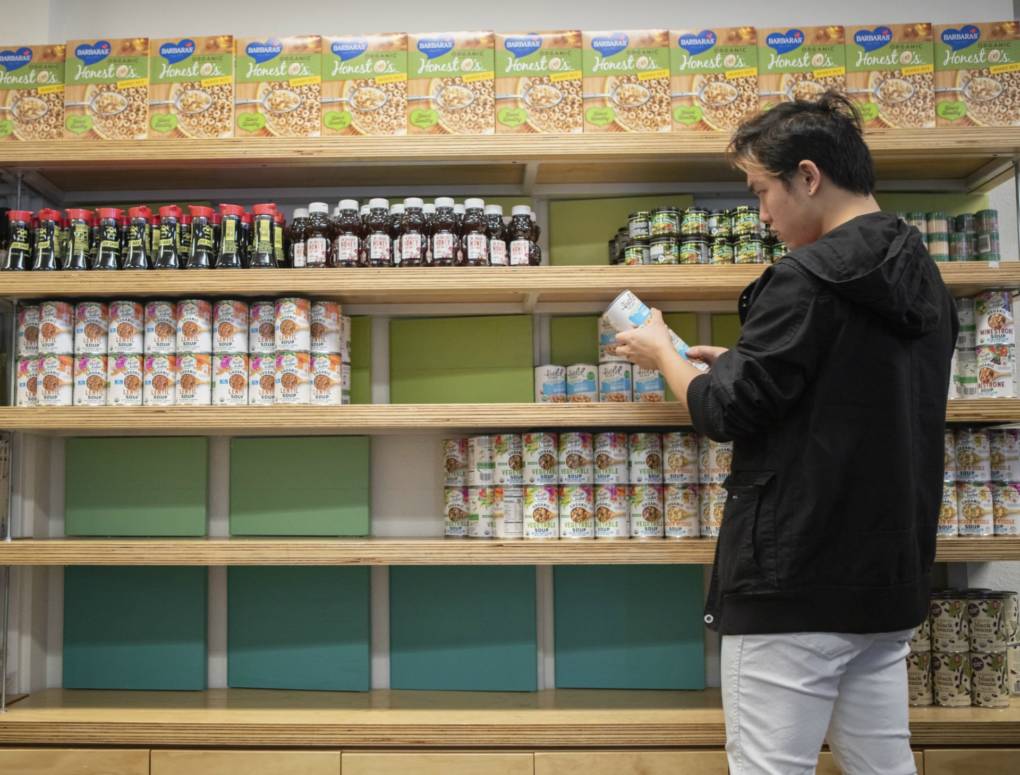
"description": "Student volunteer Yongjie He restocks shelves with canned goods at the UC Berkeley campus food pantry. (Anne Wernikoff for CalMatters)",
"title": "CalFreshprofilesphoto7",
"credit": "Anne Wernikoff for CalMatters",
"status": "inherit",
"altTag": "Man restocks shelves with canned food",
"isLoading": false,
"fetchFailed": false
},
"news_11781039": {
"type": "attachments",
"id": "news_11781039",
"meta": {
"index": "attachments_1716263798",
"site": "news",
"id": "11781039",
"found": true
},
"parent": 11781032,
"imgSizes": {
"apple_news_ca_landscape_5_5": {
"file": "https://ww2.kqed.org/app/uploads/sites/10/2019/10/10182019_SE_Main-Photo-Darryl-and-Cecilia-qut-1044x783.jpg",
"width": 1044,
"mimeType": "image/jpeg",
"height": 783
},
"apple_news_ca_square_4_0": {
"file": "https://ww2.kqed.org/app/uploads/sites/10/2019/10/10182019_SE_Main-Photo-Darryl-and-Cecilia-qut-470x470.jpg",
"width": 470,
"mimeType": "image/jpeg",
"height": 470
},
"twentyfourteen-full-width": {
"file": "https://ww2.kqed.org/app/uploads/sites/10/2019/10/10182019_SE_Main-Photo-Darryl-and-Cecilia-qut-1038x576.jpg",
"width": 1038,
"mimeType": "image/jpeg",
"height": 576
},
"thumbnail": {
"file": "https://ww2.kqed.org/app/uploads/sites/10/2019/10/10182019_SE_Main-Photo-Darryl-and-Cecilia-qut-160x120.jpg",
"width": 160,
"mimeType": "image/jpeg",
"height": 120
},
"post-thumbnail": {
"file": "https://ww2.kqed.org/app/uploads/sites/10/2019/10/10182019_SE_Main-Photo-Darryl-and-Cecilia-qut-672x372.jpg",
"width": 672,
"mimeType": "image/jpeg",
"height": 372
},
"kqedFullSize": {
"file": "https://ww2.kqed.org/app/uploads/sites/10/2019/10/10182019_SE_Main-Photo-Darryl-and-Cecilia-qut.jpg",
"width": 1920,
"height": 1440
},
"apple_news_ca_landscape_4_7": {
"file": "https://ww2.kqed.org/app/uploads/sites/10/2019/10/10182019_SE_Main-Photo-Darryl-and-Cecilia-qut-632x474.jpg",
"width": 632,
"mimeType": "image/jpeg",
"height": 474
},
"large": {
"file": "https://ww2.kqed.org/app/uploads/sites/10/2019/10/10182019_SE_Main-Photo-Darryl-and-Cecilia-qut-1020x765.jpg",
"width": 1020,
"mimeType": "image/jpeg",
"height": 765
},
"complete_open_graph": {
"file": "https://ww2.kqed.org/app/uploads/sites/10/2019/10/10182019_SE_Main-Photo-Darryl-and-Cecilia-qut-1200x900.jpg",
"width": 1200,
"mimeType": "image/jpeg",
"height": 900
},
"apple_news_ca_landscape_4_0": {
"file": "https://ww2.kqed.org/app/uploads/sites/10/2019/10/10182019_SE_Main-Photo-Darryl-and-Cecilia-qut-536x402.jpg",
"width": 536,
"mimeType": "image/jpeg",
"height": 402
},
"apple_news_ca_portrait_12_9": {
"file": "https://ww2.kqed.org/app/uploads/sites/10/2019/10/10182019_SE_Main-Photo-Darryl-and-Cecilia-qut-1122x1440.jpg",
"width": 1122,
"mimeType": "image/jpeg",
"height": 1440
},
"medium": {
"file": "https://ww2.kqed.org/app/uploads/sites/10/2019/10/10182019_SE_Main-Photo-Darryl-and-Cecilia-qut-800x600.jpg",
"width": 800,
"mimeType": "image/jpeg",
"height": 600
},
"apple_news_ca_portrait_4_0": {
"file": "https://ww2.kqed.org/app/uploads/sites/10/2019/10/10182019_SE_Main-Photo-Darryl-and-Cecilia-qut-354x472.jpg",
"width": 354,
"mimeType": "image/jpeg",
"height": 472
},
"apple_news_ca_portrait_9_7": {
"file": "https://ww2.kqed.org/app/uploads/sites/10/2019/10/10182019_SE_Main-Photo-Darryl-and-Cecilia-qut-840x1120.jpg",
"width": 840,
"mimeType": "image/jpeg",
"height": 1120
},
"apple_news_ca_landscape_12_9": {
"file": "https://ww2.kqed.org/app/uploads/sites/10/2019/10/10182019_SE_Main-Photo-Darryl-and-Cecilia-qut-1832x1374.jpg",
"width": 1832,
"mimeType": "image/jpeg",
"height": 1374
},
"apple_news_ca_square_9_7": {
"file": "https://ww2.kqed.org/app/uploads/sites/10/2019/10/10182019_SE_Main-Photo-Darryl-and-Cecilia-qut-1104x1104.jpg",
"width": 1104,
"mimeType": "image/jpeg",
"height": 1104
},
"apple_news_ca_portrait_4_7": {
"file": "https://ww2.kqed.org/app/uploads/sites/10/2019/10/10182019_SE_Main-Photo-Darryl-and-Cecilia-qut-414x552.jpg",
"width": 414,
"mimeType": "image/jpeg",
"height": 552
},
"apple_news_ca_square_12_9": {
"file": "https://ww2.kqed.org/app/uploads/sites/10/2019/10/10182019_SE_Main-Photo-Darryl-and-Cecilia-qut-1472x1440.jpg",
"width": 1472,
"mimeType": "image/jpeg",
"height": 1440
},
"apple_news_ca_portrait_5_5": {
"file": "https://ww2.kqed.org/app/uploads/sites/10/2019/10/10182019_SE_Main-Photo-Darryl-and-Cecilia-qut-687x916.jpg",
"width": 687,
"mimeType": "image/jpeg",
"height": 916
},
"full-width": {
"file": "https://ww2.kqed.org/app/uploads/sites/10/2019/10/10182019_SE_Main-Photo-Darryl-and-Cecilia-qut-1920x1440.jpg",
"width": 1920,
"mimeType": "image/jpeg",
"height": 1440
},
"apple_news_ca_square_4_7": {
"file": "https://ww2.kqed.org/app/uploads/sites/10/2019/10/10182019_SE_Main-Photo-Darryl-and-Cecilia-qut-550x550.jpg",
"width": 550,
"mimeType": "image/jpeg",
"height": 550
},
"apple_news_ca_landscape_9_7": {
"file": "https://ww2.kqed.org/app/uploads/sites/10/2019/10/10182019_SE_Main-Photo-Darryl-and-Cecilia-qut-1376x1032.jpg",
"width": 1376,
"mimeType": "image/jpeg",
"height": 1032
},
"apple_news_ca_square_5_5": {
"file": "https://ww2.kqed.org/app/uploads/sites/10/2019/10/10182019_SE_Main-Photo-Darryl-and-Cecilia-qut-912x912.jpg",
"width": 912,
"mimeType": "image/jpeg",
"height": 912
}
},
"publishDate": 1571427584,
"modified": 1571437504,
"caption": "Darryl and Cecilia Lester at their home in a redeveloped housing project in Tacoma, Washington. Darryl never knew he was the lead plaintiff in a landmark California special education lawsuit filed in 1971 — or that his pseudonym was “Larry P” — until a reporter tracked him down.",
"description": "Darryl and Cecilia Lester at their home in a redeveloped housing project in Tacoma, Washington. Darryl never knew he was the lead plaintiff in a landmark California special education lawsuit filed in 1971 — or that his pseudonym was “Larry P” — until a reporter tracked him down.",
"title": "10182019_SE_Main Photo Darryl and Cecilia-qut",
"credit": "Lee Romney/KQED",
"status": "inherit",
"isLoading": false,
"fetchFailed": false
},
"news_11769221": {
"type": "attachments",
"id": "news_11769221",
"meta": {
"index": "attachments_1716263798",
"site": "news",
"id": "11769221",
"found": true
},
"parent": 11769211,
"imgSizes": {
"apple_news_ca_landscape_5_5": {
"file": "https://ww2.kqed.org/app/uploads/sites/10/2019/08/iStock-941758360-1044x783.jpg",
"width": 1044,
"mimeType": "image/jpeg",
"height": 783
},
"apple_news_ca_square_4_0": {
"file": "https://ww2.kqed.org/app/uploads/sites/10/2019/08/iStock-941758360-470x470.jpg",
"width": 470,
"mimeType": "image/jpeg",
"height": 470
},
"twentyfourteen-full-width": {
"file": "https://ww2.kqed.org/app/uploads/sites/10/2019/08/iStock-941758360-1038x576.jpg",
"width": 1038,
"mimeType": "image/jpeg",
"height": 576
},
"thumbnail": {
"file": "https://ww2.kqed.org/app/uploads/sites/10/2019/08/iStock-941758360-160x106.jpg",
"width": 160,
"mimeType": "image/jpeg",
"height": 106
},
"post-thumbnail": {
"file": "https://ww2.kqed.org/app/uploads/sites/10/2019/08/iStock-941758360-672x372.jpg",
"width": 672,
"mimeType": "image/jpeg",
"height": 372
},
"kqedFullSize": {
"file": "https://ww2.kqed.org/app/uploads/sites/10/2019/08/iStock-941758360-e1566596084172.jpg",
"width": 1920,
"height": 1278
},
"apple_news_ca_landscape_4_7": {
"file": "https://ww2.kqed.org/app/uploads/sites/10/2019/08/iStock-941758360-632x474.jpg",
"width": 632,
"mimeType": "image/jpeg",
"height": 474
},
"large": {
"file": "https://ww2.kqed.org/app/uploads/sites/10/2019/08/iStock-941758360-1020x679.jpg",
"width": 1020,
"mimeType": "image/jpeg",
"height": 679
},
"complete_open_graph": {
"file": "https://ww2.kqed.org/app/uploads/sites/10/2019/08/iStock-941758360-1200x799.jpg",
"width": 1200,
"mimeType": "image/jpeg",
"height": 799
},
"apple_news_ca_landscape_4_0": {
"file": "https://ww2.kqed.org/app/uploads/sites/10/2019/08/iStock-941758360-536x402.jpg",
"width": 536,
"mimeType": "image/jpeg",
"height": 402
},
"apple_news_ca_portrait_12_9": {
"file": "https://ww2.kqed.org/app/uploads/sites/10/2019/08/iStock-941758360-1122x1413.jpg",
"width": 1122,
"mimeType": "image/jpeg",
"height": 1413
},
"medium": {
"file": "https://ww2.kqed.org/app/uploads/sites/10/2019/08/iStock-941758360-800x532.jpg",
"width": 800,
"mimeType": "image/jpeg",
"height": 532
},
"apple_news_ca_portrait_4_0": {
"file": "https://ww2.kqed.org/app/uploads/sites/10/2019/08/iStock-941758360-354x472.jpg",
"width": 354,
"mimeType": "image/jpeg",
"height": 472
},
"apple_news_ca_portrait_9_7": {
"file": "https://ww2.kqed.org/app/uploads/sites/10/2019/08/iStock-941758360-840x1120.jpg",
"width": 840,
"mimeType": "image/jpeg",
"height": 1120
},
"apple_news_ca_landscape_12_9": {
"file": "https://ww2.kqed.org/app/uploads/sites/10/2019/08/iStock-941758360-1832x1374.jpg",
"width": 1832,
"mimeType": "image/jpeg",
"height": 1374
},
"apple_news_ca_square_9_7": {
"file": "https://ww2.kqed.org/app/uploads/sites/10/2019/08/iStock-941758360-1104x1104.jpg",
"width": 1104,
"mimeType": "image/jpeg",
"height": 1104
},
"apple_news_ca_portrait_4_7": {
"file": "https://ww2.kqed.org/app/uploads/sites/10/2019/08/iStock-941758360-414x552.jpg",
"width": 414,
"mimeType": "image/jpeg",
"height": 552
},
"apple_news_ca_square_12_9": {
"file": "https://ww2.kqed.org/app/uploads/sites/10/2019/08/iStock-941758360-1472x1413.jpg",
"width": 1472,
"mimeType": "image/jpeg",
"height": 1413
},
"apple_news_ca_portrait_5_5": {
"file": "https://ww2.kqed.org/app/uploads/sites/10/2019/08/iStock-941758360-687x916.jpg",
"width": 687,
"mimeType": "image/jpeg",
"height": 916
},
"full-width": {
"file": "https://ww2.kqed.org/app/uploads/sites/10/2019/08/iStock-941758360-1920x1278.jpg",
"width": 1920,
"mimeType": "image/jpeg",
"height": 1278
},
"apple_news_ca_square_4_7": {
"file": "https://ww2.kqed.org/app/uploads/sites/10/2019/08/iStock-941758360-550x550.jpg",
"width": 550,
"mimeType": "image/jpeg",
"height": 550
},
"apple_news_ca_landscape_9_7": {
"file": "https://ww2.kqed.org/app/uploads/sites/10/2019/08/iStock-941758360-1376x1032.jpg",
"width": 1376,
"mimeType": "image/jpeg",
"height": 1032
},
"apple_news_ca_square_5_5": {
"file": "https://ww2.kqed.org/app/uploads/sites/10/2019/08/iStock-941758360-912x912.jpg",
"width": 912,
"mimeType": "image/jpeg",
"height": 912
}
},
"publishDate": 1566498521,
"modified": 1566498573,
"caption": "Anxiety is on the rise among American students.",
"description": "Anxiety is on the rise among American students.",
"title": "Teenager girl in math class overwhelmed by the math formula. Pressure, Education, Success concept.",
"credit": "Andrea Obzerova/Getty Images",
"status": "inherit",
"isLoading": false,
"fetchFailed": false
},
"news_11714878": {
"type": "attachments",
"id": "news_11714878",
"meta": {
"index": "attachments_1716263798",
"site": "news",
"id": "11714878",
"found": true
},
"parent": 11714761,
"imgSizes": {
"small": {
"file": "https://ww2.kqed.org/app/uploads/sites/10/2018/12/IMG_4323-520x390.jpeg",
"width": 520,
"mimeType": "image/jpeg",
"height": 390
},
"twentyfourteen-full-width": {
"file": "https://ww2.kqed.org/app/uploads/sites/10/2018/12/IMG_4323-1038x576.jpeg",
"width": 1038,
"mimeType": "image/jpeg",
"height": 576
},
"thumbnail": {
"file": "https://ww2.kqed.org/app/uploads/sites/10/2018/12/IMG_4323-160x120.jpeg",
"width": 160,
"mimeType": "image/jpeg",
"height": 120
},
"fd-sm": {
"file": "https://ww2.kqed.org/app/uploads/sites/10/2018/12/IMG_4323-960x720.jpeg",
"width": 960,
"mimeType": "image/jpeg",
"height": 720
},
"post-thumbnail": {
"file": "https://ww2.kqed.org/app/uploads/sites/10/2018/12/IMG_4323-672x372.jpeg",
"width": 672,
"mimeType": "image/jpeg",
"height": 372
},
"xsmall": {
"file": "https://ww2.kqed.org/app/uploads/sites/10/2018/12/IMG_4323-375x281.jpeg",
"width": 375,
"mimeType": "image/jpeg",
"height": 281
},
"kqedFullSize": {
"file": "https://ww2.kqed.org/app/uploads/sites/10/2018/12/IMG_4323.jpeg",
"width": 4032,
"height": 3024
},
"large": {
"file": "https://ww2.kqed.org/app/uploads/sites/10/2018/12/IMG_4323-1020x765.jpeg",
"width": 1020,
"mimeType": "image/jpeg",
"height": 765
},
"xlarge": {
"file": "https://ww2.kqed.org/app/uploads/sites/10/2018/12/IMG_4323-1180x885.jpeg",
"width": 1180,
"mimeType": "image/jpeg",
"height": 885
},
"complete_open_graph": {
"file": "https://ww2.kqed.org/app/uploads/sites/10/2018/12/IMG_4323-1200x900.jpeg",
"width": 1200,
"mimeType": "image/jpeg",
"height": 900
},
"guest-author-50": {
"file": "https://ww2.kqed.org/app/uploads/sites/10/2018/12/IMG_4323-50x50.jpeg",
"width": 50,
"mimeType": "image/jpeg",
"height": 50
},
"guest-author-96": {
"file": "https://ww2.kqed.org/app/uploads/sites/10/2018/12/IMG_4323-96x96.jpeg",
"width": 96,
"mimeType": "image/jpeg",
"height": 96
},
"medium": {
"file": "https://ww2.kqed.org/app/uploads/sites/10/2018/12/IMG_4323-800x600.jpeg",
"width": 800,
"mimeType": "image/jpeg",
"height": 600
},
"guest-author-64": {
"file": "https://ww2.kqed.org/app/uploads/sites/10/2018/12/IMG_4323-64x64.jpeg",
"width": 64,
"mimeType": "image/jpeg",
"height": 64
},
"guest-author-32": {
"file": "https://ww2.kqed.org/app/uploads/sites/10/2018/12/IMG_4323-32x32.jpeg",
"width": 32,
"mimeType": "image/jpeg",
"height": 32
},
"fd-lrg": {
"file": "https://ww2.kqed.org/app/uploads/sites/10/2018/12/IMG_4323-1920x1440.jpeg",
"width": 1920,
"mimeType": "image/jpeg",
"height": 1440
},
"fd-med": {
"file": "https://ww2.kqed.org/app/uploads/sites/10/2018/12/IMG_4323-1180x885.jpeg",
"width": 1180,
"mimeType": "image/jpeg",
"height": 885
},
"full-width": {
"file": "https://ww2.kqed.org/app/uploads/sites/10/2018/12/IMG_4323-1920x1440.jpeg",
"width": 1920,
"mimeType": "image/jpeg",
"height": 1440
},
"detail": {
"file": "https://ww2.kqed.org/app/uploads/sites/10/2018/12/IMG_4323-150x150.jpeg",
"width": 150,
"mimeType": "image/jpeg",
"height": 150
},
"guest-author-128": {
"file": "https://ww2.kqed.org/app/uploads/sites/10/2018/12/IMG_4323-128x128.jpeg",
"width": 128,
"mimeType": "image/jpeg",
"height": 128
},
"xxsmall": {
"file": "https://ww2.kqed.org/app/uploads/sites/10/2018/12/IMG_4323-240x180.jpeg",
"width": 240,
"mimeType": "image/jpeg",
"height": 180
}
},
"publishDate": 1545952151,
"modified": 1545960940,
"caption": "Tonya Mosley and 11-year-old Audrey check her assignments and work progress through the school portal \"School Loop.\" ",
"description": "Tonya Mosley and 11-year-old Audrey check her assignments and work progress through the school portal \"School Loop.\" ",
"title": "IMG_4323",
"credit": "Courtesy of Tonya Mosley/KQED",
"status": "inherit",
"isLoading": false,
"fetchFailed": false
},
"news_11693737": {
"type": "attachments",
"id": "news_11693737",
"meta": {
"index": "attachments_1716263798",
"site": "news",
"id": "11693737",
"found": true
},
"parent": 11693730,
"imgSizes": {
"small": {
"file": "https://ww2.kqed.org/app/uploads/sites/10/2018/09/headdesk-520x347.jpg",
"width": 520,
"mimeType": "image/jpeg",
"height": 347
},
"twentyfourteen-full-width": {
"file": "https://ww2.kqed.org/app/uploads/sites/10/2018/09/headdesk-1038x576.jpg",
"width": 1038,
"mimeType": "image/jpeg",
"height": 576
},
"thumbnail": {
"file": "https://ww2.kqed.org/app/uploads/sites/10/2018/09/headdesk-160x107.jpg",
"width": 160,
"mimeType": "image/jpeg",
"height": 107
},
"fd-sm": {
"file": "https://ww2.kqed.org/app/uploads/sites/10/2018/09/headdesk-960x640.jpg",
"width": 960,
"mimeType": "image/jpeg",
"height": 640
},
"post-thumbnail": {
"file": "https://ww2.kqed.org/app/uploads/sites/10/2018/09/headdesk-672x372.jpg",
"width": 672,
"mimeType": "image/jpeg",
"height": 372
},
"xsmall": {
"file": "https://ww2.kqed.org/app/uploads/sites/10/2018/09/headdesk-375x250.jpg",
"width": 375,
"mimeType": "image/jpeg",
"height": 250
},
"kqedFullSize": {
"file": "https://ww2.kqed.org/app/uploads/sites/10/2018/09/headdesk.jpg",
"width": 1920,
"height": 1280
},
"large": {
"file": "https://ww2.kqed.org/app/uploads/sites/10/2018/09/headdesk-1020x680.jpg",
"width": 1020,
"mimeType": "image/jpeg",
"height": 680
},
"xlarge": {
"file": "https://ww2.kqed.org/app/uploads/sites/10/2018/09/headdesk-1180x787.jpg",
"width": 1180,
"mimeType": "image/jpeg",
"height": 787
},
"complete_open_graph": {
"file": "https://ww2.kqed.org/app/uploads/sites/10/2018/09/headdesk-1200x800.jpg",
"width": 1200,
"mimeType": "image/jpeg",
"height": 800
},
"guest-author-50": {
"file": "https://ww2.kqed.org/app/uploads/sites/10/2018/09/headdesk-50x50.jpg",
"width": 50,
"mimeType": "image/jpeg",
"height": 50
},
"guest-author-96": {
"file": "https://ww2.kqed.org/app/uploads/sites/10/2018/09/headdesk-96x96.jpg",
"width": 96,
"mimeType": "image/jpeg",
"height": 96
},
"medium": {
"file": "https://ww2.kqed.org/app/uploads/sites/10/2018/09/headdesk-800x533.jpg",
"width": 800,
"mimeType": "image/jpeg",
"height": 533
},
"guest-author-64": {
"file": "https://ww2.kqed.org/app/uploads/sites/10/2018/09/headdesk-64x64.jpg",
"width": 64,
"mimeType": "image/jpeg",
"height": 64
},
"guest-author-32": {
"file": "https://ww2.kqed.org/app/uploads/sites/10/2018/09/headdesk-32x32.jpg",
"width": 32,
"mimeType": "image/jpeg",
"height": 32
},
"fd-lrg": {
"file": "https://ww2.kqed.org/app/uploads/sites/10/2018/09/headdesk-1920x1280.jpg",
"width": 1920,
"mimeType": "image/jpeg",
"height": 1280
},
"fd-med": {
"file": "https://ww2.kqed.org/app/uploads/sites/10/2018/09/headdesk-1180x787.jpg",
"width": 1180,
"mimeType": "image/jpeg",
"height": 787
},
"full-width": {
"file": "https://ww2.kqed.org/app/uploads/sites/10/2018/09/headdesk-1920x1280.jpg",
"width": 1920,
"mimeType": "image/jpeg",
"height": 1280
},
"detail": {
"file": "https://ww2.kqed.org/app/uploads/sites/10/2018/09/headdesk-150x150.jpg",
"width": 150,
"mimeType": "image/jpeg",
"height": 150
},
"guest-author-128": {
"file": "https://ww2.kqed.org/app/uploads/sites/10/2018/09/headdesk-128x128.jpg",
"width": 128,
"mimeType": "image/jpeg",
"height": 128
},
"xxsmall": {
"file": "https://ww2.kqed.org/app/uploads/sites/10/2018/09/headdesk-240x160.jpg",
"width": 240,
"mimeType": "image/jpeg",
"height": 160
}
},
"publishDate": 1537481922,
"modified": 1537482027,
"caption": "California's teenagers won't be getting any extra sleep under Senate Bill 328, which would have made California the first state in the nation to prohibit public middle and high schools from starting any earlier than 8:30 a.m. Gov. Brown vetoed the bill on Thursday.",
"description": "California's teenagers won't be getting any extra sleep under Senate Bill 328, which would have made California the first state in the nation to prohibit public middle and high schools from starting any earlier than 8:30 a.m. Gov. Brown vetoed the bill on Thursday.",
"title": "headdesk",
"credit": "Getty Images",
"status": "inherit",
"isLoading": false,
"fetchFailed": false
},
"news_11681656": {
"type": "attachments",
"id": "news_11681656",
"meta": {
"index": "attachments_1716263798",
"site": "news",
"id": "11681656",
"found": true
},
"parent": 11681655,
"imgSizes": {
"small": {
"file": "https://ww2.kqed.org/app/uploads/sites/10/2018/07/ap_18172691458042_wide-e114593b4a0f1ef2e56b1eb7d3e41cffa79b6f84-520x292.jpg",
"width": 520,
"mimeType": "image/jpeg",
"height": 292
},
"twentyfourteen-full-width": {
"file": "https://ww2.kqed.org/app/uploads/sites/10/2018/07/ap_18172691458042_wide-e114593b4a0f1ef2e56b1eb7d3e41cffa79b6f84-1038x576.jpg",
"width": 1038,
"mimeType": "image/jpeg",
"height": 576
},
"thumbnail": {
"file": "https://ww2.kqed.org/app/uploads/sites/10/2018/07/ap_18172691458042_wide-e114593b4a0f1ef2e56b1eb7d3e41cffa79b6f84-160x90.jpg",
"width": 160,
"mimeType": "image/jpeg",
"height": 90
},
"fd-sm": {
"file": "https://ww2.kqed.org/app/uploads/sites/10/2018/07/ap_18172691458042_wide-e114593b4a0f1ef2e56b1eb7d3e41cffa79b6f84-960x540.jpg",
"width": 960,
"mimeType": "image/jpeg",
"height": 540
},
"post-thumbnail": {
"file": "https://ww2.kqed.org/app/uploads/sites/10/2018/07/ap_18172691458042_wide-e114593b4a0f1ef2e56b1eb7d3e41cffa79b6f84-672x372.jpg",
"width": 672,
"mimeType": "image/jpeg",
"height": 372
},
"xsmall": {
"file": "https://ww2.kqed.org/app/uploads/sites/10/2018/07/ap_18172691458042_wide-e114593b4a0f1ef2e56b1eb7d3e41cffa79b6f84-375x211.jpg",
"width": 375,
"mimeType": "image/jpeg",
"height": 211
},
"kqedFullSize": {
"file": "https://ww2.kqed.org/app/uploads/sites/10/2018/07/ap_18172691458042_wide-e114593b4a0f1ef2e56b1eb7d3e41cffa79b6f84-e1532113017532.jpg",
"width": 1920,
"height": 1080
},
"large": {
"file": "https://ww2.kqed.org/app/uploads/sites/10/2018/07/ap_18172691458042_wide-e114593b4a0f1ef2e56b1eb7d3e41cffa79b6f84-1020x574.jpg",
"width": 1020,
"mimeType": "image/jpeg",
"height": 574
},
"xlarge": {
"file": "https://ww2.kqed.org/app/uploads/sites/10/2018/07/ap_18172691458042_wide-e114593b4a0f1ef2e56b1eb7d3e41cffa79b6f84-1180x664.jpg",
"width": 1180,
"mimeType": "image/jpeg",
"height": 664
},
"complete_open_graph": {
"file": "https://ww2.kqed.org/app/uploads/sites/10/2018/07/ap_18172691458042_wide-e114593b4a0f1ef2e56b1eb7d3e41cffa79b6f84-1200x675.jpg",
"width": 1200,
"mimeType": "image/jpeg",
"height": 675
},
"guest-author-50": {
"file": "https://ww2.kqed.org/app/uploads/sites/10/2018/07/ap_18172691458042_wide-e114593b4a0f1ef2e56b1eb7d3e41cffa79b6f84-50x50.jpg",
"width": 50,
"mimeType": "image/jpeg",
"height": 50
},
"guest-author-96": {
"file": "https://ww2.kqed.org/app/uploads/sites/10/2018/07/ap_18172691458042_wide-e114593b4a0f1ef2e56b1eb7d3e41cffa79b6f84-96x96.jpg",
"width": 96,
"mimeType": "image/jpeg",
"height": 96
},
"medium": {
"file": "https://ww2.kqed.org/app/uploads/sites/10/2018/07/ap_18172691458042_wide-e114593b4a0f1ef2e56b1eb7d3e41cffa79b6f84-800x450.jpg",
"width": 800,
"mimeType": "image/jpeg",
"height": 450
},
"guest-author-64": {
"file": "https://ww2.kqed.org/app/uploads/sites/10/2018/07/ap_18172691458042_wide-e114593b4a0f1ef2e56b1eb7d3e41cffa79b6f84-64x64.jpg",
"width": 64,
"mimeType": "image/jpeg",
"height": 64
},
"guest-author-32": {
"file": "https://ww2.kqed.org/app/uploads/sites/10/2018/07/ap_18172691458042_wide-e114593b4a0f1ef2e56b1eb7d3e41cffa79b6f84-32x32.jpg",
"width": 32,
"mimeType": "image/jpeg",
"height": 32
},
"fd-lrg": {
"file": "https://ww2.kqed.org/app/uploads/sites/10/2018/07/ap_18172691458042_wide-e114593b4a0f1ef2e56b1eb7d3e41cffa79b6f84-1920x1080.jpg",
"width": 1920,
"mimeType": "image/jpeg",
"height": 1080
},
"fd-med": {
"file": "https://ww2.kqed.org/app/uploads/sites/10/2018/07/ap_18172691458042_wide-e114593b4a0f1ef2e56b1eb7d3e41cffa79b6f84-1180x664.jpg",
"width": 1180,
"mimeType": "image/jpeg",
"height": 664
},
"full-width": {
"file": "https://ww2.kqed.org/app/uploads/sites/10/2018/07/ap_18172691458042_wide-e114593b4a0f1ef2e56b1eb7d3e41cffa79b6f84-1920x1080.jpg",
"width": 1920,
"mimeType": "image/jpeg",
"height": 1080
},
"detail": {
"file": "https://ww2.kqed.org/app/uploads/sites/10/2018/07/ap_18172691458042_wide-e114593b4a0f1ef2e56b1eb7d3e41cffa79b6f84-150x150.jpg",
"width": 150,
"mimeType": "image/jpeg",
"height": 150
},
"guest-author-128": {
"file": "https://ww2.kqed.org/app/uploads/sites/10/2018/07/ap_18172691458042_wide-e114593b4a0f1ef2e56b1eb7d3e41cffa79b6f84-128x128.jpg",
"width": 128,
"mimeType": "image/jpeg",
"height": 128
},
"xxsmall": {
"file": "https://ww2.kqed.org/app/uploads/sites/10/2018/07/ap_18172691458042_wide-e114593b4a0f1ef2e56b1eb7d3e41cffa79b6f84-240x135.jpg",
"width": 240,
"mimeType": "image/jpeg",
"height": 135
}
},
"publishDate": 1532112931,
"modified": 1532113037,
"caption": "Secretary of Education Betsy DeVos listens as President Donald Trump speaks during a cabinet meeting at the White House on June 21, 2018. DeVos issued new guidance last fall on how campuses should handle cases of sexual assault.",
"description": "Secretary of Education Betsy DeVos listens as President Donald Trump speaks during a cabinet meeting at the White House on June 21, 2018. DeVos issued new guidance last fall on how campuses should handle cases of sexual assau",
"title": "Secretary of Education Betsy DeVos listens as President Donald Trump speaks during a cabinet meeting at the White House on June 21, 2018. DeVos issued new guidance last fall on how campuses should handle cases of sexual assault.",
"credit": "Evan Vucci/AP",
"status": "inherit",
"isLoading": false,
"fetchFailed": false
},
"news_11677605": {
"type": "attachments",
"id": "news_11677605",
"meta": {
"index": "attachments_1716263798",
"site": "news",
"id": "11677605",
"found": true
},
"parent": 11677438,
"imgSizes": {
"small": {
"file": "https://ww2.kqed.org/app/uploads/sites/10/2018/06/RS31589_Marina_Friends007-520x347.jpg",
"width": 520,
"mimeType": "image/jpeg",
"height": 347
},
"twentyfourteen-full-width": {
"file": "https://ww2.kqed.org/app/uploads/sites/10/2018/06/RS31589_Marina_Friends007-1038x576.jpg",
"width": 1038,
"mimeType": "image/jpeg",
"height": 576
},
"thumbnail": {
"file": "https://ww2.kqed.org/app/uploads/sites/10/2018/06/RS31589_Marina_Friends007-160x107.jpg",
"width": 160,
"mimeType": "image/jpeg",
"height": 107
},
"fd-sm": {
"file": "https://ww2.kqed.org/app/uploads/sites/10/2018/06/RS31589_Marina_Friends007-960x640.jpg",
"width": 960,
"mimeType": "image/jpeg",
"height": 640
},
"post-thumbnail": {
"file": "https://ww2.kqed.org/app/uploads/sites/10/2018/06/RS31589_Marina_Friends007-672x372.jpg",
"width": 672,
"mimeType": "image/jpeg",
"height": 372
},
"xsmall": {
"file": "https://ww2.kqed.org/app/uploads/sites/10/2018/06/RS31589_Marina_Friends007-375x250.jpg",
"width": 375,
"mimeType": "image/jpeg",
"height": 250
},
"kqedFullSize": {
"file": "https://ww2.kqed.org/app/uploads/sites/10/2018/06/RS31589_Marina_Friends007.jpg",
"width": 1600,
"height": 1067
},
"large": {
"file": "https://ww2.kqed.org/app/uploads/sites/10/2018/06/RS31589_Marina_Friends007-1020x680.jpg",
"width": 1020,
"mimeType": "image/jpeg",
"height": 680
},
"xlarge": {
"file": "https://ww2.kqed.org/app/uploads/sites/10/2018/06/RS31589_Marina_Friends007-1180x787.jpg",
"width": 1180,
"mimeType": "image/jpeg",
"height": 787
},
"complete_open_graph": {
"file": "https://ww2.kqed.org/app/uploads/sites/10/2018/06/RS31589_Marina_Friends007-1200x800.jpg",
"width": 1200,
"mimeType": "image/jpeg",
"height": 800
},
"guest-author-50": {
"file": "https://ww2.kqed.org/app/uploads/sites/10/2018/06/RS31589_Marina_Friends007-50x50.jpg",
"width": 50,
"mimeType": "image/jpeg",
"height": 50
},
"guest-author-96": {
"file": "https://ww2.kqed.org/app/uploads/sites/10/2018/06/RS31589_Marina_Friends007-96x96.jpg",
"width": 96,
"mimeType": "image/jpeg",
"height": 96
},
"medium": {
"file": "https://ww2.kqed.org/app/uploads/sites/10/2018/06/RS31589_Marina_Friends007-800x534.jpg",
"width": 800,
"mimeType": "image/jpeg",
"height": 534
},
"guest-author-64": {
"file": "https://ww2.kqed.org/app/uploads/sites/10/2018/06/RS31589_Marina_Friends007-64x64.jpg",
"width": 64,
"mimeType": "image/jpeg",
"height": 64
},
"guest-author-32": {
"file": "https://ww2.kqed.org/app/uploads/sites/10/2018/06/RS31589_Marina_Friends007-32x32.jpg",
"width": 32,
"mimeType": "image/jpeg",
"height": 32
},
"fd-med": {
"file": "https://ww2.kqed.org/app/uploads/sites/10/2018/06/RS31589_Marina_Friends007-1180x787.jpg",
"width": 1180,
"mimeType": "image/jpeg",
"height": 787
},
"detail": {
"file": "https://ww2.kqed.org/app/uploads/sites/10/2018/06/RS31589_Marina_Friends007-150x150.jpg",
"width": 150,
"mimeType": "image/jpeg",
"height": 150
},
"guest-author-128": {
"file": "https://ww2.kqed.org/app/uploads/sites/10/2018/06/RS31589_Marina_Friends007-128x128.jpg",
"width": 128,
"mimeType": "image/jpeg",
"height": 128
},
"xxsmall": {
"file": "https://ww2.kqed.org/app/uploads/sites/10/2018/06/RS31589_Marina_Friends007-240x160.jpg",
"width": 240,
"mimeType": "image/jpeg",
"height": 160
}
},
"publishDate": 1530119955,
"modified": 1530133347,
"caption": "A portrait of Yesica Prado holding her Yashica Electro 35 analog camera. ",
"description": null,
"title": "RS31589_Marina_Friends007",
"credit": "Christian Torres",
"status": "inherit",
"isLoading": false,
"fetchFailed": false
},
"news_11665564": {
"type": "attachments",
"id": "news_11665564",
"meta": {
"index": "attachments_1716263798",
"site": "news",
"id": "11665564",
"found": true
},
"parent": 11665546,
"imgSizes": {
"small": {
"file": "https://ww2.kqed.org/app/uploads/sites/10/2018/04/CollegeStudentBooks-520x325.jpg",
"width": 520,
"mimeType": "image/jpeg",
"height": 325
},
"twentyfourteen-full-width": {
"file": "https://ww2.kqed.org/app/uploads/sites/10/2018/04/CollegeStudentBooks-1038x576.jpg",
"width": 1038,
"mimeType": "image/jpeg",
"height": 576
},
"thumbnail": {
"file": "https://ww2.kqed.org/app/uploads/sites/10/2018/04/CollegeStudentBooks-160x100.jpg",
"width": 160,
"mimeType": "image/jpeg",
"height": 100
},
"fd-sm": {
"file": "https://ww2.kqed.org/app/uploads/sites/10/2018/04/CollegeStudentBooks-960x600.jpg",
"width": 960,
"mimeType": "image/jpeg",
"height": 600
},
"post-thumbnail": {
"file": "https://ww2.kqed.org/app/uploads/sites/10/2018/04/CollegeStudentBooks-672x372.jpg",
"width": 672,
"mimeType": "image/jpeg",
"height": 372
},
"xsmall": {
"file": "https://ww2.kqed.org/app/uploads/sites/10/2018/04/CollegeStudentBooks-375x234.jpg",
"width": 375,
"mimeType": "image/jpeg",
"height": 234
},
"kqedFullSize": {
"file": "https://ww2.kqed.org/app/uploads/sites/10/2018/04/CollegeStudentBooks.jpg",
"width": 1280,
"height": 800
},
"large": {
"file": "https://ww2.kqed.org/app/uploads/sites/10/2018/04/CollegeStudentBooks-1020x638.jpg",
"width": 1020,
"mimeType": "image/jpeg",
"height": 638
},
"xlarge": {
"file": "https://ww2.kqed.org/app/uploads/sites/10/2018/04/CollegeStudentBooks-1180x738.jpg",
"width": 1180,
"mimeType": "image/jpeg",
"height": 738
},
"complete_open_graph": {
"file": "https://ww2.kqed.org/app/uploads/sites/10/2018/04/CollegeStudentBooks-1200x750.jpg",
"width": 1200,
"mimeType": "image/jpeg",
"height": 750
},
"guest-author-50": {
"file": "https://ww2.kqed.org/app/uploads/sites/10/2018/04/CollegeStudentBooks-50x50.jpg",
"width": 50,
"mimeType": "image/jpeg",
"height": 50
},
"guest-author-96": {
"file": "https://ww2.kqed.org/app/uploads/sites/10/2018/04/CollegeStudentBooks-96x96.jpg",
"width": 96,
"mimeType": "image/jpeg",
"height": 96
},
"medium": {
"file": "https://ww2.kqed.org/app/uploads/sites/10/2018/04/CollegeStudentBooks-800x500.jpg",
"width": 800,
"mimeType": "image/jpeg",
"height": 500
},
"guest-author-64": {
"file": "https://ww2.kqed.org/app/uploads/sites/10/2018/04/CollegeStudentBooks-64x64.jpg",
"width": 64,
"mimeType": "image/jpeg",
"height": 64
},
"guest-author-32": {
"file": "https://ww2.kqed.org/app/uploads/sites/10/2018/04/CollegeStudentBooks-32x32.jpg",
"width": 32,
"mimeType": "image/jpeg",
"height": 32
},
"fd-med": {
"file": "https://ww2.kqed.org/app/uploads/sites/10/2018/04/CollegeStudentBooks-1180x738.jpg",
"width": 1180,
"mimeType": "image/jpeg",
"height": 738
},
"detail": {
"file": "https://ww2.kqed.org/app/uploads/sites/10/2018/04/CollegeStudentBooks-150x150.jpg",
"width": 150,
"mimeType": "image/jpeg",
"height": 150
},
"guest-author-128": {
"file": "https://ww2.kqed.org/app/uploads/sites/10/2018/04/CollegeStudentBooks-128x128.jpg",
"width": 128,
"mimeType": "image/jpeg",
"height": 128
},
"xxsmall": {
"file": "https://ww2.kqed.org/app/uploads/sites/10/2018/04/CollegeStudentBooks-240x150.jpg",
"width": 240,
"mimeType": "image/jpeg",
"height": 150
}
},
"publishDate": 1525123206,
"modified": 1525123277,
"caption": "California students are increasingly clamoring for more on-campus services that can help them cope with anxiety, depression and the stresses of a contentious political climate and rising living expenses. ",
"description": "California students are increasingly clamoring for more on-campus services that can help them cope with anxiety, depression and the stresses of a contentious political climate and rising living expenses. ",
"title": "CollegeStudentBooks",
"credit": "Getty Images",
"status": "inherit",
"isLoading": false,
"fetchFailed": false
},
"news_11662635": {
"type": "attachments",
"id": "news_11662635",
"meta": {
"index": "attachments_1716263798",
"site": "news",
"id": "11662635",
"found": true
},
"parent": 11662628,
"imgSizes": {
"small": {
"file": "https://ww2.kqed.org/app/uploads/sites/10/2018/04/HandRaised-520x346.jpg",
"width": 520,
"mimeType": "image/jpeg",
"height": 346
},
"twentyfourteen-full-width": {
"file": "https://ww2.kqed.org/app/uploads/sites/10/2018/04/HandRaised-1038x576.jpg",
"width": 1038,
"mimeType": "image/jpeg",
"height": 576
},
"thumbnail": {
"file": "https://ww2.kqed.org/app/uploads/sites/10/2018/04/HandRaised-160x106.jpg",
"width": 160,
"mimeType": "image/jpeg",
"height": 106
},
"fd-sm": {
"file": "https://ww2.kqed.org/app/uploads/sites/10/2018/04/HandRaised-960x639.jpg",
"width": 960,
"mimeType": "image/jpeg",
"height": 639
},
"post-thumbnail": {
"file": "https://ww2.kqed.org/app/uploads/sites/10/2018/04/HandRaised-672x372.jpg",
"width": 672,
"mimeType": "image/jpeg",
"height": 372
},
"xsmall": {
"file": "https://ww2.kqed.org/app/uploads/sites/10/2018/04/HandRaised-375x249.jpg",
"width": 375,
"mimeType": "image/jpeg",
"height": 249
},
"kqedFullSize": {
"file": "https://ww2.kqed.org/app/uploads/sites/10/2018/04/HandRaised.jpg",
"width": 1920,
"height": 1277
},
"large": {
"file": "https://ww2.kqed.org/app/uploads/sites/10/2018/04/HandRaised-1020x678.jpg",
"width": 1020,
"mimeType": "image/jpeg",
"height": 678
},
"xlarge": {
"file": "https://ww2.kqed.org/app/uploads/sites/10/2018/04/HandRaised-1180x785.jpg",
"width": 1180,
"mimeType": "image/jpeg",
"height": 785
},
"complete_open_graph": {
"file": "https://ww2.kqed.org/app/uploads/sites/10/2018/04/HandRaised-1200x798.jpg",
"width": 1200,
"mimeType": "image/jpeg",
"height": 798
},
"guest-author-50": {
"file": "https://ww2.kqed.org/app/uploads/sites/10/2018/04/HandRaised-50x50.jpg",
"width": 50,
"mimeType": "image/jpeg",
"height": 50
},
"guest-author-96": {
"file": "https://ww2.kqed.org/app/uploads/sites/10/2018/04/HandRaised-96x96.jpg",
"width": 96,
"mimeType": "image/jpeg",
"height": 96
},
"medium": {
"file": "https://ww2.kqed.org/app/uploads/sites/10/2018/04/HandRaised-800x532.jpg",
"width": 800,
"mimeType": "image/jpeg",
"height": 532
},
"guest-author-64": {
"file": "https://ww2.kqed.org/app/uploads/sites/10/2018/04/HandRaised-64x64.jpg",
"width": 64,
"mimeType": "image/jpeg",
"height": 64
},
"guest-author-32": {
"file": "https://ww2.kqed.org/app/uploads/sites/10/2018/04/HandRaised-32x32.jpg",
"width": 32,
"mimeType": "image/jpeg",
"height": 32
},
"fd-lrg": {
"file": "https://ww2.kqed.org/app/uploads/sites/10/2018/04/HandRaised-1920x1277.jpg",
"width": 1920,
"mimeType": "image/jpeg",
"height": 1277
},
"fd-med": {
"file": "https://ww2.kqed.org/app/uploads/sites/10/2018/04/HandRaised-1180x785.jpg",
"width": 1180,
"mimeType": "image/jpeg",
"height": 785
},
"full-width": {
"file": "https://ww2.kqed.org/app/uploads/sites/10/2018/04/HandRaised-1920x1277.jpg",
"width": 1920,
"mimeType": "image/jpeg",
"height": 1277
},
"detail": {
"file": "https://ww2.kqed.org/app/uploads/sites/10/2018/04/HandRaised-150x150.jpg",
"width": 150,
"mimeType": "image/jpeg",
"height": 150
},
"guest-author-128": {
"file": "https://ww2.kqed.org/app/uploads/sites/10/2018/04/HandRaised-128x128.jpg",
"width": 128,
"mimeType": "image/jpeg",
"height": 128
},
"xxsmall": {
"file": "https://ww2.kqed.org/app/uploads/sites/10/2018/04/HandRaised-240x160.jpg",
"width": 240,
"mimeType": "image/jpeg",
"height": 160
}
},
"publishDate": 1523906620,
"modified": 1523906719,
"caption": "California's African-American boys are struggling the most, according to national test data.",
"description": "California's African-American boys are struggling the most, according to national test data.",
"title": "HandRaised",
"credit": "Getty Images",
"status": "inherit",
"isLoading": false,
"fetchFailed": false
},
"news_11656308": {
"type": "attachments",
"id": "news_11656308",
"meta": {
"index": "attachments_1716263798",
"site": "news",
"id": "11656308",
"found": true
},
"parent": 11656303,
"imgSizes": {
"small": {
"file": "https://ww2.kqed.org/app/uploads/sites/10/2018/03/IMG_2937-520x390.jpg",
"width": 520,
"mimeType": "image/jpeg",
"height": 390
},
"twentyfourteen-full-width": {
"file": "https://ww2.kqed.org/app/uploads/sites/10/2018/03/IMG_2937-1038x576.jpg",
"width": 1038,
"mimeType": "image/jpeg",
"height": 576
},
"thumbnail": {
"file": "https://ww2.kqed.org/app/uploads/sites/10/2018/03/IMG_2937-160x120.jpg",
"width": 160,
"mimeType": "image/jpeg",
"height": 120
},
"fd-sm": {
"file": "https://ww2.kqed.org/app/uploads/sites/10/2018/03/IMG_2937-960x720.jpg",
"width": 960,
"mimeType": "image/jpeg",
"height": 720
},
"post-thumbnail": {
"file": "https://ww2.kqed.org/app/uploads/sites/10/2018/03/IMG_2937-672x372.jpg",
"width": 672,
"mimeType": "image/jpeg",
"height": 372
},
"xsmall": {
"file": "https://ww2.kqed.org/app/uploads/sites/10/2018/03/IMG_2937-375x281.jpg",
"width": 375,
"mimeType": "image/jpeg",
"height": 281
},
"kqedFullSize": {
"file": "https://ww2.kqed.org/app/uploads/sites/10/2018/03/IMG_2937.jpg",
"width": 4032,
"height": 3024
},
"large": {
"file": "https://ww2.kqed.org/app/uploads/sites/10/2018/03/IMG_2937-1020x765.jpg",
"width": 1020,
"mimeType": "image/jpeg",
"height": 765
},
"xlarge": {
"file": "https://ww2.kqed.org/app/uploads/sites/10/2018/03/IMG_2937-1180x885.jpg",
"width": 1180,
"mimeType": "image/jpeg",
"height": 885
},
"guest-author-50": {
"file": "https://ww2.kqed.org/app/uploads/sites/10/2018/03/IMG_2937-50x50.jpg",
"width": 50,
"mimeType": "image/jpeg",
"height": 50
},
"guest-author-96": {
"file": "https://ww2.kqed.org/app/uploads/sites/10/2018/03/IMG_2937-96x96.jpg",
"width": 96,
"mimeType": "image/jpeg",
"height": 96
},
"medium": {
"file": "https://ww2.kqed.org/app/uploads/sites/10/2018/03/IMG_2937-800x600.jpg",
"width": 800,
"mimeType": "image/jpeg",
"height": 600
},
"guest-author-64": {
"file": "https://ww2.kqed.org/app/uploads/sites/10/2018/03/IMG_2937-64x64.jpg",
"width": 64,
"mimeType": "image/jpeg",
"height": 64
},
"guest-author-32": {
"file": "https://ww2.kqed.org/app/uploads/sites/10/2018/03/IMG_2937-32x32.jpg",
"width": 32,
"mimeType": "image/jpeg",
"height": 32
},
"fd-lrg": {
"file": "https://ww2.kqed.org/app/uploads/sites/10/2018/03/IMG_2937-1920x1440.jpg",
"width": 1920,
"mimeType": "image/jpeg",
"height": 1440
},
"fd-med": {
"file": "https://ww2.kqed.org/app/uploads/sites/10/2018/03/IMG_2937-1180x885.jpg",
"width": 1180,
"mimeType": "image/jpeg",
"height": 885
},
"full-width": {
"file": "https://ww2.kqed.org/app/uploads/sites/10/2018/03/IMG_2937-1920x1440.jpg",
"width": 1920,
"mimeType": "image/jpeg",
"height": 1440
},
"detail": {
"file": "https://ww2.kqed.org/app/uploads/sites/10/2018/03/IMG_2937-150x150.jpg",
"width": 150,
"mimeType": "image/jpeg",
"height": 150
},
"guest-author-128": {
"file": "https://ww2.kqed.org/app/uploads/sites/10/2018/03/IMG_2937-128x128.jpg",
"width": 128,
"mimeType": "image/jpeg",
"height": 128
},
"xxsmall": {
"file": "https://ww2.kqed.org/app/uploads/sites/10/2018/03/IMG_2937-240x180.jpg",
"width": 240,
"mimeType": "image/jpeg",
"height": 180
}
},
"publishDate": 1521248620,
"modified": 1521248620,
"caption": null,
"description": null,
"title": "IMG_2937",
"credit": null,
"status": "inherit",
"isLoading": false,
"fetchFailed": false
},
"news_11626357": {
"type": "attachments",
"id": "news_11626357",
"meta": {
"index": "attachments_1716263798",
"site": "news",
"id": "11626357",
"found": true
},
"parent": 11626285,
"imgSizes": {
"small": {
"file": "https://ww2.kqed.org/app/uploads/sites/10/2017/10/RS27752_IMG_9537-qut-520x347.jpg",
"width": 520,
"mimeType": "image/jpeg",
"height": 347
},
"twentyfourteen-full-width": {
"file": "https://ww2.kqed.org/app/uploads/sites/10/2017/10/RS27752_IMG_9537-qut-1038x576.jpg",
"width": 1038,
"mimeType": "image/jpeg",
"height": 576
},
"thumbnail": {
"file": "https://ww2.kqed.org/app/uploads/sites/10/2017/10/RS27752_IMG_9537-qut-160x107.jpg",
"width": 160,
"mimeType": "image/jpeg",
"height": 107
},
"fd-sm": {
"file": "https://ww2.kqed.org/app/uploads/sites/10/2017/10/RS27752_IMG_9537-qut-960x640.jpg",
"width": 960,
"mimeType": "image/jpeg",
"height": 640
},
"post-thumbnail": {
"file": "https://ww2.kqed.org/app/uploads/sites/10/2017/10/RS27752_IMG_9537-qut-672x372.jpg",
"width": 672,
"mimeType": "image/jpeg",
"height": 372
},
"xsmall": {
"file": "https://ww2.kqed.org/app/uploads/sites/10/2017/10/RS27752_IMG_9537-qut-375x250.jpg",
"width": 375,
"mimeType": "image/jpeg",
"height": 250
},
"kqedFullSize": {
"file": "https://ww2.kqed.org/app/uploads/sites/10/2017/10/RS27752_IMG_9537-qut.jpg",
"width": 1920,
"height": 1280
},
"large": {
"file": "https://ww2.kqed.org/app/uploads/sites/10/2017/10/RS27752_IMG_9537-qut-1020x680.jpg",
"width": 1020,
"mimeType": "image/jpeg",
"height": 680
},
"xlarge": {
"file": "https://ww2.kqed.org/app/uploads/sites/10/2017/10/RS27752_IMG_9537-qut-1180x787.jpg",
"width": 1180,
"mimeType": "image/jpeg",
"height": 787
},
"guest-author-50": {
"file": "https://ww2.kqed.org/app/uploads/sites/10/2017/10/RS27752_IMG_9537-qut-50x50.jpg",
"width": 50,
"mimeType": "image/jpeg",
"height": 50
},
"guest-author-96": {
"file": "https://ww2.kqed.org/app/uploads/sites/10/2017/10/RS27752_IMG_9537-qut-96x96.jpg",
"width": 96,
"mimeType": "image/jpeg",
"height": 96
},
"medium": {
"file": "https://ww2.kqed.org/app/uploads/sites/10/2017/10/RS27752_IMG_9537-qut-800x533.jpg",
"width": 800,
"mimeType": "image/jpeg",
"height": 533
},
"guest-author-64": {
"file": "https://ww2.kqed.org/app/uploads/sites/10/2017/10/RS27752_IMG_9537-qut-64x64.jpg",
"width": 64,
"mimeType": "image/jpeg",
"height": 64
},
"guest-author-32": {
"file": "https://ww2.kqed.org/app/uploads/sites/10/2017/10/RS27752_IMG_9537-qut-32x32.jpg",
"width": 32,
"mimeType": "image/jpeg",
"height": 32
},
"fd-lrg": {
"file": "https://ww2.kqed.org/app/uploads/sites/10/2017/10/RS27752_IMG_9537-qut-1920x1280.jpg",
"width": 1920,
"mimeType": "image/jpeg",
"height": 1280
},
"fd-med": {
"file": "https://ww2.kqed.org/app/uploads/sites/10/2017/10/RS27752_IMG_9537-qut-1180x787.jpg",
"width": 1180,
"mimeType": "image/jpeg",
"height": 787
},
"full-width": {
"file": "https://ww2.kqed.org/app/uploads/sites/10/2017/10/RS27752_IMG_9537-qut-1920x1280.jpg",
"width": 1920,
"mimeType": "image/jpeg",
"height": 1280
},
"detail": {
"file": "https://ww2.kqed.org/app/uploads/sites/10/2017/10/RS27752_IMG_9537-qut-150x150.jpg",
"width": 150,
"mimeType": "image/jpeg",
"height": 150
},
"guest-author-128": {
"file": "https://ww2.kqed.org/app/uploads/sites/10/2017/10/RS27752_IMG_9537-qut-128x128.jpg",
"width": 128,
"mimeType": "image/jpeg",
"height": 128
},
"xxsmall": {
"file": "https://ww2.kqed.org/app/uploads/sites/10/2017/10/RS27752_IMG_9537-qut-240x160.jpg",
"width": 240,
"mimeType": "image/jpeg",
"height": 160
}
},
"publishDate": 1509057956,
"modified": 1509578650,
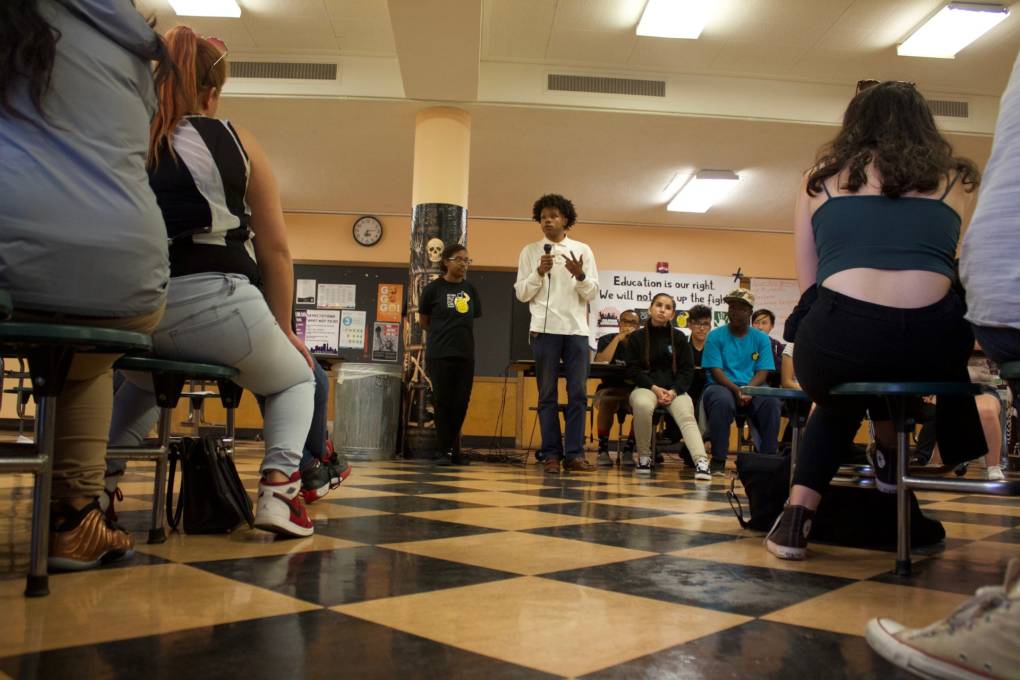
"caption": "Leroy Gatlin, representative from Causa Justa, speaks along with other youth leaders at a town hall in San Francisco, California, on Oct. 25, 2017.",
"description": "Leroy Gatlin, representative from Causa Justa, speaks along with other youth leaders at a town hall in San Francisco, California, on Oct. 25, 2017.",
"title": "RS27752_IMG_9537-qut",
"credit": "Audrey Garces/KQED",
"status": "inherit",
"isLoading": false,
"fetchFailed": false
},
"news_11611031": {
"type": "attachments",
"id": "news_11611031",
"meta": {
"index": "attachments_1716263798",
"site": "news",
"id": "11611031",
"found": true
},
"parent": 11611028,
"imgSizes": {
"small": {
"file": "https://ww2.kqed.org/app/uploads/sites/10/2017/08/SleepyStudents-520x347.jpg",
"width": 520,
"mimeType": "image/jpeg",
"height": 347
},
"twentyfourteen-full-width": {
"file": "https://ww2.kqed.org/app/uploads/sites/10/2017/08/SleepyStudents-1038x576.jpg",
"width": 1038,
"mimeType": "image/jpeg",
"height": 576
},
"thumbnail": {
"file": "https://ww2.kqed.org/app/uploads/sites/10/2017/08/SleepyStudents-160x107.jpg",
"width": 160,
"mimeType": "image/jpeg",
"height": 107
},
"fd-sm": {
"file": "https://ww2.kqed.org/app/uploads/sites/10/2017/08/SleepyStudents-960x640.jpg",
"width": 960,
"mimeType": "image/jpeg",
"height": 640
},
"post-thumbnail": {
"file": "https://ww2.kqed.org/app/uploads/sites/10/2017/08/SleepyStudents-672x372.jpg",
"width": 672,
"mimeType": "image/jpeg",
"height": 372
},
"xsmall": {
"file": "https://ww2.kqed.org/app/uploads/sites/10/2017/08/SleepyStudents-375x250.jpg",
"width": 375,
"mimeType": "image/jpeg",
"height": 250
},
"kqedFullSize": {
"file": "https://ww2.kqed.org/app/uploads/sites/10/2017/08/SleepyStudents.jpg",
"width": 1920,
"height": 1280
},
"large": {
"file": "https://ww2.kqed.org/app/uploads/sites/10/2017/08/SleepyStudents-1020x680.jpg",
"width": 1020,
"mimeType": "image/jpeg",
"height": 680
},
"xlarge": {
"file": "https://ww2.kqed.org/app/uploads/sites/10/2017/08/SleepyStudents-1180x787.jpg",
"width": 1180,
"mimeType": "image/jpeg",
"height": 787
},
"guest-author-50": {
"file": "https://ww2.kqed.org/app/uploads/sites/10/2017/08/SleepyStudents-50x50.jpg",
"width": 50,
"mimeType": "image/jpeg",
"height": 50
},
"guest-author-96": {
"file": "https://ww2.kqed.org/app/uploads/sites/10/2017/08/SleepyStudents-96x96.jpg",
"width": 96,
"mimeType": "image/jpeg",
"height": 96
},
"medium": {
"file": "https://ww2.kqed.org/app/uploads/sites/10/2017/08/SleepyStudents-800x533.jpg",
"width": 800,
"mimeType": "image/jpeg",
"height": 533
},
"guest-author-64": {
"file": "https://ww2.kqed.org/app/uploads/sites/10/2017/08/SleepyStudents-64x64.jpg",
"width": 64,
"mimeType": "image/jpeg",
"height": 64
},
"guest-author-32": {
"file": "https://ww2.kqed.org/app/uploads/sites/10/2017/08/SleepyStudents-32x32.jpg",
"width": 32,
"mimeType": "image/jpeg",
"height": 32
},
"fd-lrg": {
"file": "https://ww2.kqed.org/app/uploads/sites/10/2017/08/SleepyStudents-1920x1280.jpg",
"width": 1920,
"mimeType": "image/jpeg",
"height": 1280
},
"fd-med": {
"file": "https://ww2.kqed.org/app/uploads/sites/10/2017/08/SleepyStudents-1180x787.jpg",
"width": 1180,
"mimeType": "image/jpeg",
"height": 787
},
"full-width": {
"file": "https://ww2.kqed.org/app/uploads/sites/10/2017/08/SleepyStudents-1920x1280.jpg",
"width": 1920,
"mimeType": "image/jpeg",
"height": 1280
},
"detail": {
"file": "https://ww2.kqed.org/app/uploads/sites/10/2017/08/SleepyStudents-150x150.jpg",
"width": 150,
"mimeType": "image/jpeg",
"height": 150
},
"guest-author-128": {
"file": "https://ww2.kqed.org/app/uploads/sites/10/2017/08/SleepyStudents-128x128.jpg",
"width": 128,
"mimeType": "image/jpeg",
"height": 128
},
"xxsmall": {
"file": "https://ww2.kqed.org/app/uploads/sites/10/2017/08/SleepyStudents-240x160.jpg",
"width": 240,
"mimeType": "image/jpeg",
"height": 160
}
},
"publishDate": 1502401713,
"modified": 1502401754,
"caption": "Research shows two-thirds of adolescents aren’t getting enough sleep, and that the consequences are far-reaching. ",
"description": "Research shows two-thirds of adolescents aren’t getting enough sleep, and that the consequences are far-reaching. ",
"title": "SleepyStudents",
"credit": "Thinkstock",
"status": "inherit",
"isLoading": false,
"fetchFailed": false
}
},
"audioPlayerReducer": {
"postId": "stream_live",
"isPaused": true,
"isPlaying": false,
"pfsActive": false,
"pledgeModalIsOpen": true,
"playerDrawerIsOpen": false,
"liveAudioPlayStartedAt": 0,
"liveAudioPlayContext": ""
},
"authorsReducer": {
"byline_news_11785978": {
"type": "authors",
"id": "byline_news_11785978",
"meta": {
"override": true
},
"slug": "byline_news_11785978",
"name": "\u003ca href= https://calmatters.org/author/jackie-botts/\"> Jackie Botts \u003ca/> \u003cbr>\u003ca href= https://calmatters.org/author/feliciacalmatters-org/\"> Felicia Mello \u003ca/>",
"isLoading": false
},
"byline_news_11781032": {
"type": "authors",
"id": "byline_news_11781032",
"meta": {
"override": true
},
"slug": "byline_news_11781032",
"name": "\u003cstrong>Lee Romney\u003c/strong>",
"isLoading": false
},
"byline_news_11693730": {
"type": "authors",
"id": "byline_news_11693730",
"meta": {
"override": true
},
"slug": "byline_news_11693730",
"name": "Jocelyn Gecker \u003cbr> Associated Press",
"isLoading": false
},
"byline_news_11681655": {
"type": "authors",
"id": "byline_news_11681655",
"meta": {
"override": true
},
"slug": "byline_news_11681655",
"name": "Tovia Smith",
"isLoading": false
},
"byline_news_11677438": {
"type": "authors",
"id": "byline_news_11677438",
"meta": {
"override": true
},
"slug": "byline_news_11677438",
"name": "Yesica Prado",
"isLoading": false
},
"byline_news_11665546": {
"type": "authors",
"id": "byline_news_11665546",
"meta": {
"override": true
},
"slug": "byline_news_11665546",
"name": "\u003cstrong>\u003ca href=\"https://calmatters.org/articles/author/feliciacalmatters-org/\">Felicia Mello\u003c/a>\u003c/strong>",
"isLoading": false
},
"byline_news_11662628": {
"type": "authors",
"id": "byline_news_11662628",
"meta": {
"override": true
},
"slug": "byline_news_11662628",
"name": "\u003cstrong>\u003ca href=\"https://calmatters.org/articles/author/jessica-calefati/\">Jessica Calefati\u003c/a>\u003c/strong>",
"isLoading": false
},
"byline_news_11611028": {
"type": "authors",
"id": "byline_news_11611028",
"meta": {
"override": true
},
"slug": "byline_news_11611028",
"name": "\u003cstrong>\u003ca href=\"https://calmatters.org/articles/author/jessica-calefati/\">Jessica Calefati\u003c/a>\u003c/strong>",
"isLoading": false
},
"kqed": {
"type": "authors",
"id": "236",
"meta": {
"index": "authors_1716337520",
"id": "236",
"found": true
},
"name": "KQED News Staff",
"firstName": "KQED News Staff",
"lastName": null,
"slug": "kqed",
"email": "faq@kqed.org",
"display_author_email": false,
"staff_mastheads": [],
"title": null,
"bio": null,
"avatar": "https://secure.gravatar.com/avatar/ef0e801a68c4c54afa9180db14084167?s=600&d=blank&r=g",
"twitter": null,
"facebook": null,
"instagram": null,
"linkedin": null,
"sites": [
{
"site": "arts",
"roles": [
"contributor"
]
},
{
"site": "news",
"roles": [
"editor"
]
},
{
"site": "futureofyou",
"roles": [
"author"
]
}
],
"headData": {
"title": "KQED News Staff | KQED",
"description": null,
"ogImgSrc": "https://secure.gravatar.com/avatar/ef0e801a68c4c54afa9180db14084167?s=600&d=blank&r=g",
"twImgSrc": "https://secure.gravatar.com/avatar/ef0e801a68c4c54afa9180db14084167?s=600&d=blank&r=g"
},
"isLoading": false,
"link": "/author/kqed"
},
"sasha-khokha": {
"type": "authors",
"id": "254",
"meta": {
"index": "authors_1716337520",
"id": "254",
"found": true
},
"name": "Sasha Khokha",
"firstName": "Sasha",
"lastName": "Khokha",
"slug": "sasha-khokha",
"email": "skhokha@kqed.org",
"display_author_email": true,
"staff_mastheads": [
"news"
],
"title": "Host, The California Report Magazine",
"bio": "Sasha Khokha is the host of \u003cem>The California Report's \u003c/em> weekly magazine program, which takes listeners on sound-rich excursions to meet the people that make the Golden State unique -- through audio documentaries and long-form stories. As \u003cem>The California Report's\u003c/em> Central Valley Bureau Chief based in Fresno for nearly a dozen years, Sasha brought the lives and concerns of rural Californians to listeners around the state. Her reporting helped expose the hidden price immigrant women janitors and farmworkers may pay to keep their jobs: sexual assault at work. It inspired two new California laws to protect them from sexual harassment. She was a key member of the reporting team for the Frontline film \u003cem>Rape on the Night Shift, \u003c/em>which was nominated for two national Emmys. Sasha has also won a national Edward R. Murrow and a national PRNDI award for investigative reporting, as well as multiple prizes from the Society for Professional Journalists. Sasha is a proud alum of the UC Berkeley Graduate School of Journalism and Brown University and a member of the South Asian Journalists Association.",
"avatar": "https://secure.gravatar.com/avatar/e4b5e1541aaeea2aa356aa1fb2a68950?s=600&d=blank&r=g",
"twitter": "KQEDSashaKhokha",
"facebook": null,
"instagram": null,
"linkedin": null,
"sites": [
{
"site": "news",
"roles": [
"editor"
]
},
{
"site": "stateofhealth",
"roles": [
"author"
]
},
{
"site": "science",
"roles": [
"author"
]
},
{
"site": "quest",
"roles": [
"subscriber"
]
}
],
"headData": {
"title": "Sasha Khokha | KQED",
"description": "Host, The California Report Magazine",
"ogImgSrc": "https://secure.gravatar.com/avatar/e4b5e1541aaeea2aa356aa1fb2a68950?s=600&d=blank&r=g",
"twImgSrc": "https://secure.gravatar.com/avatar/e4b5e1541aaeea2aa356aa1fb2a68950?s=600&d=blank&r=g"
},
"isLoading": false,
"link": "/author/sasha-khokha"
},
"agarces": {
"type": "authors",
"id": "11367",
"meta": {
"index": "authors_1716337520",
"id": "11367",
"found": true
},
"name": "Audrey Garces",
"firstName": "Audrey",
"lastName": "Garces",
"slug": "agarces",
"email": "agarces@kqed.org",
"display_author_email": false,
"staff_mastheads": [
"news"
],
"title": "Digital Producer",
"bio": "Audrey is a former digital producer at KQED News. Previously, she was a KQED Raul Ramirez Diversity Fund intern where she developed stories that focused on highlighting diverse voices in journalism. Prior to her work at KQED, she worked as a news intern at the San Francisco Examiner. Audrey graduated from San Francisco State University with a B.A. in journalism and a minor in political science.",
"avatar": "https://secure.gravatar.com/avatar/5211bc2e6a809b9956da169e35ce63d5?s=600&d=blank&r=g",
"twitter": "audgar",
"facebook": null,
"instagram": null,
"linkedin": null,
"sites": [
{
"site": "arts",
"roles": []
},
{
"site": "news",
"roles": [
"subscriber"
]
},
{
"site": "science",
"roles": [
"editor"
]
},
{
"site": "forum",
"roles": [
"editor"
]
},
{
"site": "perspectives",
"roles": [
"administrator"
]
}
],
"headData": {
"title": "Audrey Garces | KQED",
"description": "Digital Producer",
"ogImgSrc": "https://secure.gravatar.com/avatar/5211bc2e6a809b9956da169e35ce63d5?s=600&d=blank&r=g",
"twImgSrc": "https://secure.gravatar.com/avatar/5211bc2e6a809b9956da169e35ce63d5?s=600&d=blank&r=g"
},
"isLoading": false,
"link": "/author/agarces"
},
"tmosley": {
"type": "authors",
"id": "11373",
"meta": {
"index": "authors_1716337520",
"id": "11373",
"found": true
},
"name": "Tonya Mosley",
"firstName": "Tonya",
"lastName": "Mosley",
"slug": "tmosley",
"email": "tmosley@kqed.org",
"display_author_email": false,
"staff_mastheads": [],
"title": "KQED Contributor",
"bio": "Tonya Mosley is a former Silicon Valley bureau chief for KQED. She served as the senior editor, leading a team of journalists covering the impacts of technology companies on the South Bay and society. Tonya is also a former host and reporter for KQED.\r\n\r\nPrior to KQED, Tonya served as a television reporter & anchor for several media outlets, including Al Jazeera America.\r\n\r\nIn 2015, Tonya was awarded a John S. Knight Journalism Fellowship at Stanford University where she co-created a workshop for journalists on the impacts of implicit bias, and co-wrote a Belgian/American experimental study on the effects of protest coverage.\r\n\r\nTonya has won several national awards for her work, most recently an Emmy Award in 2016 for her televised piece \"Beyond Ferguson,\" and a national Edward R. Murrow award for her public radio series \"Black in Seattle.\"\r\n\r\nYou can reach Tonya at: tmosley@kqed.org.",
"avatar": "https://secure.gravatar.com/avatar/0b2ea2bbfed6bafaacd21e9398c68e5e?s=600&d=blank&r=g",
"twitter": "tonyamosley",
"facebook": null,
"instagram": null,
"linkedin": null,
"sites": [
{
"site": "arts",
"roles": [
"editor"
]
},
{
"site": "news",
"roles": [
"subscriber"
]
},
{
"site": "about",
"roles": [
"author"
]
},
{
"site": "forum",
"roles": [
"author"
]
}
],
"headData": {
"title": "Tonya Mosley | KQED",
"description": "KQED Contributor",
"ogImgSrc": "https://secure.gravatar.com/avatar/0b2ea2bbfed6bafaacd21e9398c68e5e?s=600&d=blank&r=g",
"twImgSrc": "https://secure.gravatar.com/avatar/0b2ea2bbfed6bafaacd21e9398c68e5e?s=600&d=blank&r=g"
},
"isLoading": false,
"link": "/author/tmosley"
}
},
"pagesReducer": {
"news_tag_students": {
"type": "terms",
"id": "news_3457",
"meta": {
"index": "terms_1716263798",
"site": "news",
"id": "3457",
"score": 8.557341
},
"name": "Students",
"slug": "students",
"taxonomy": "tag",
"description": null,
"featImg": null,
"headData": {
"title": "Students | KQED News",
"description": null,
"ogTitle": null,
"ogDescription": null,
"ogImgId": null,
"twTitle": null,
"twDescription": null,
"twImgId": null
},
"ttid": 3475,
"isLoading": false,
"title": "Students",
"pageMeta": {
"site": "news",
"WpPageTemplate": "page-topic-editorial",
"currentPage": 9
},
"blocks": [
{
"blockName": "kqed/post-list",
"attrs": {
"layout": "cardArticle2",
"query": "posts/news?tag=students",
"seeMore": false,
"paginated": true,
"page": 9
}
},
{
"blockName": "kqed/ad"
}
]
}
},
"pfsSessionReducer": {},
"postsReducer": {
"stream_live": {
"type": "live",
"id": "stream_live",
"audioUrl": "https://streams.kqed.org/kqedradio",
"title": "Live Stream",
"excerpt": "Live Stream information currently unavailable.",
"link": "/radio",
"featImg": "",
"label": {
"name": "KQED Live",
"link": "/"
}
},
"stream_kqedNewscast": {
"type": "posts",
"id": "stream_kqedNewscast",
"audioUrl": "https://www.kqed.org/.stream/anon/radio/RDnews/newscast.mp3?_=1",
"title": "KQED Newscast",
"featImg": "",
"label": {
"name": "88.5 FM",
"link": "/"
}
},
"news_11785978": {
"type": "posts",
"id": "news_11785978",
"meta": {
"index": "posts_1716263798",
"site": "news",
"id": "11785978",
"score": null,
"sort": [
1573490241000
]
},
"guestAuthors": [],
"slug": "college-students-seniors-and-immigrants-miss-out-on-food-stamps-heres-why",
"title": "College Students, Seniors and Immigrants Miss Out on Food Stamps. Here’s Why.",
"publishDate": 1573490241,
"format": "image",
"headTitle": "College Students, Seniors and Immigrants Miss Out on Food Stamps. Here’s Why. | KQED",
"labelTerm": {},
"content": "\u003cp>A college student in Fresno who struggles with hunger has applied for food stamps three times. Another student, who is homeless in Sacramento, has applied twice. Each time, they were denied.\u003c/p>\n\u003cp>A 61-year-old in-home caretaker in Oakland was cut off from food stamps last year when her paperwork got lost. Out of work, she can’t afford groceries.\u003c/p>\n\u003cp>While picking up a monthly box of free food, a 62-year-old senior in San Diego told outreach workers that she won’t apply for food stamps because she worries that it might prevent her from qualifying for U.S. citizenship.\u003c/p>\n\u003cfigure id=\"attachment_11785986\" class=\"wp-caption aligncenter\" style=\"max-width: 800px\">\u003cimg loading=\"lazy\" decoding=\"async\" class=\"size-medium wp-image-11785986\" src=\"https://ww2.kqed.org/news/wp-content/uploads/sites/10/2019/11/CalFreshprofilesphoto1-800x533.jpg\" alt=\"Photo of Beverly Callupe preparing lunch.\" width=\"800\" height=\"533\" srcset=\"https://cdn.kqed.org/wp-content/uploads/sites/10/2019/11/CalFreshprofilesphoto1-800x533.jpg 800w, https://cdn.kqed.org/wp-content/uploads/sites/10/2019/11/CalFreshprofilesphoto1-160x107.jpg 160w, https://cdn.kqed.org/wp-content/uploads/sites/10/2019/11/CalFreshprofilesphoto1-1020x680.jpg 1020w, https://cdn.kqed.org/wp-content/uploads/sites/10/2019/11/CalFreshprofilesphoto1-1200x800.jpg 1200w, https://cdn.kqed.org/wp-content/uploads/sites/10/2019/11/CalFreshprofilesphoto1.jpg 1920w\" sizes=\"auto, (max-width: 800px) 100vw, 800px\">\u003cfigcaption class=\"wp-caption-text\">Beverly Callupe, 20, prepares lunch in a homeless shelter after an English class at Sacramento City College. Some days, she skipped lunch to save money. She recently dropped all her classes so she could focus on finding work. \u003ccite>(Anne Wernikoff for CalMatters)\u003c/cite>\u003c/figcaption>\u003c/figure>\n\u003cp>All told, roughly 1.6 million Californians are not getting help from the federal Supplemental Nutrition Assistance Program, known as CalFresh here, even though they are eligible. That means \u003ca href=\"https://calmatters.org/poverty/2019/07/california-food-stamp-enrollment-rate-calfresh/\" target=\"_blank\" rel=\"noopener\">28% of people\u003c/a> with poverty-level budgets didn’t receive the food assistance they needed, according to 2017 \u003ca href=\"https://public.tableau.com/profile/california.department.of.social.services#!/vizhome/CFdashboard-PUBLIC/Home?publish=yes\" target=\"_blank\" rel=\"noopener\">state data\u003c/a>.\u003c/p>\n\u003cp>At the bookends of adulthood, college students and seniors increasingly struggle to pay their bills yet they are among the groups most likely to miss out on the food stamps they qualify for, according to interviews with more than a dozen outreach workers and state and county officials. Obstacles also face immigrants, working families and homeless people, experts said. When these categories overlap, the hurdles to obtaining food stamps are often higher.\u003c/p>\n\u003cp>At California State University\u003ca href=\"https://www2.calstate.edu/impact-of-the-csu/student-success/basic-needs-initiative/Documents/BasicNeedsStudy_phaseII_withAccessibilityComments.pdf\" target=\"_blank\" rel=\"noopener\"> campuses\u003c/a> in 2016, just 5% of students were getting food stamps even though one in every four is eligible. For \u003ca href=\"https://frac.org/research/resource-library/snap-map-snap-matters-to-seniors\" target=\"_blank\" rel=\"noopener\">seniors in California\u003c/a>, just 19% get the assistance, compared with 42% of seniors nationally, according to 2015 data. And citizens who are immigrants are less likely to sign up than those who were born in the United States.\u003cbr>\n\u003c!-- iframe plugin v.4.3 wordpress.org/plugins/iframe/ -->\u003cbr>\n\u003ciframe loading=\"lazy\" src=\"https://e.infogram.com/959f427a-1571-4e5a-9290-65ae23e5533d?src=embed\" title=\"CalFresh participation gaps among college students, seniors, working poor\" width=\"400\" height=\"550\" align=\"left\" scrolling=\"no\" frameborder=\"0\" style=\"border:none;\" allowfullscreen=\"allowfullscreen\" class=\"iframe-class\">\u003c/iframe>\u003c/p>\n\u003cp>For those living on the edge, food stamps can make a big difference: The \u003ca href=\"https://fns-prod.azureedge.net/sites/default/files/resource-files/Characteristics2017.pdf\" target=\"_blank\" rel=\"noopener\">average CalFresh\u003c/a> household each month earns $735 and gets $272 in food stamps, which amounts to $3 per meal. A family of two qualifies with $16,920 per year after paying expenses such as housing and childcare.\u003c/p>\n\u003cp>“On a human level, what that means is that we continue to allow Californians to go without food,” said Jessica Bartholow, a policy advocate at the Western Center on Law and Poverty.\u003c/p>\n\u003cp>California’s low enrollment is not inevitable. Nine states, including neighbors Oregon and Washington, enrolled nearly every eligible person in 2016, according to federal data, while California had the \u003ca href=\"https://fns-prod.azureedge.net/sites/default/files/ops/Reaching2016.pdf\" target=\"_blank\" rel=\"noopener\">fifth lowest rate\u003c/a> in the nation.\u003c/p>\n\u003cp>Nearly \u003ca href=\"https://map.feedingamerica.org/county/2017/overall/california\" target=\"_blank\" rel=\"noopener\">4.4 million Californians\u003c/a> lack reliable access to sufficient food, including 644,300 \u003ca href=\"https://www.feedingamerica.org/sites/default/files/2019-06/The%20State%20of%20Senior%20Hunger%20in%202017_F2.pdf\" target=\"_blank\" rel=\"noopener\">seniors\u003c/a> and 1,638,430 \u003ca href=\"https://map.feedingamerica.org/county/2017/child/california\" target=\"_blank\" rel=\"noopener\">children\u003c/a>. In a statewide survey of college students, 35% were\u003ca href=\"https://www.csac.ca.gov/sites/main/files/file-attachments/2018-19_student_expenses_and_resources_survey_web.pdf\" target=\"_blank\" rel=\"noopener\"> food insecure\u003c/a>.\u003c/p>\n\u003cp>Each story of someone who loses out on food stamps provides a lesson for how county officials and state lawmakers could clear the roadblocks that prevent people from getting help.\u003c/p>\n\u003cp>Here are some of their stories.\u003c/p>\n\u003ch3>“It’s like a job itself to apply”\u003c/h3>\n\u003cp>On an empty stomach, Beverly Callupe’s brain felt hazy and slow while her English instructor reviewed possible exam questions on the memoir \u003cem>The Glass Castle\u003c/em>.\u003c/p>\n\u003cp>“I just try to write down everything and try to make sense of it after, when I’ve gotten some food,” said Callupe, 20, a Sacramento City College student. “Doing something as simple as reading just becomes so exhausting. Paying attention is really difficult. It is not the best state to go to class.”\u003c/p>\n\u003cp>Hunger has been a constant for Callupe since June, when she left what she describes as the abusive household of a parent and became homeless overnight. Now living in a shelter, she supplements free dinners there with the cheapest foods she can find: canned soup, pancake mix, granola bars, canned peaches. She often skips lunch, and said she goes to bed hungry “almost every single night.”\u003c/p>\n\u003cfigure id=\"attachment_11785988\" class=\"wp-caption aligncenter\" style=\"max-width: 800px\">\u003cimg loading=\"lazy\" decoding=\"async\" class=\"size-medium wp-image-11785988\" src=\"https://ww2.kqed.org/news/wp-content/uploads/sites/10/2019/11/CalFreshprofilesphoto6-800x548.jpg\" alt=\"Photo of Beverly Callupe eating soup.\" width=\"800\" height=\"548\" srcset=\"https://cdn.kqed.org/wp-content/uploads/sites/10/2019/11/CalFreshprofilesphoto6-800x548.jpg 800w, https://cdn.kqed.org/wp-content/uploads/sites/10/2019/11/CalFreshprofilesphoto6-160x110.jpg 160w, https://cdn.kqed.org/wp-content/uploads/sites/10/2019/11/CalFreshprofilesphoto6-1020x699.jpg 1020w, https://cdn.kqed.org/wp-content/uploads/sites/10/2019/11/CalFreshprofilesphoto6-1200x822.jpg 1200w, https://cdn.kqed.org/wp-content/uploads/sites/10/2019/11/CalFreshprofilesphoto6.jpg 1920w\" sizes=\"auto, (max-width: 800px) 100vw, 800px\">\u003cfigcaption class=\"wp-caption-text\">Beverly Callupe, 20, eats a bowl of soup after class. Callupe knows that she should eat more but would rather save money in case she loses her housing. She was turned down for food stamps twice. \u003ccite>(Anne Wernikoff for CalMatters)\u003c/cite>\u003c/figcaption>\u003c/figure>\n\u003cp>The first time Sacramento County denied Callupe’s CalFresh application, several months ago, she wasn’t sure why. The second time, a county worker told her that she needed to work more hours to qualify.\u003c/p>\n\u003cp>That’s because federal law bars full-time students from receiving CalFresh benefits unless they meet one of several exceptions or work at least 20 hours per week — an amount that can hurt their grades and delay graduation.\u003c/p>\n\u003cp>“I was really sad and frustrated because I was really depending on that,” said Callupe.\u003c/p>\n\u003cp>In late October, she dropped all of her courses to focus on finding a job. She is hesitant to apply for CalFresh again because she plans to enroll as a full-time student again next semester.\u003c/p>\n\u003cp>Many students also struggle to navigate the complex rules. Ruby Sultan first learned about CalFresh in a class for her major in Food Science and Nutrition at Fresno State University. The instructor assigned the students to live for one week on just $21 worth of food — a typical food stamp budget. To Sultan, the assignment felt like an abstract exercise.\u003c/p>\n\u003cp>“Now it’s like my real life,” said Sultan, 26, who has since moved out of her mother’s house, become financially independent and unsuccessfully applied for CalFresh three times.\u003c/p>\n\u003cp>Between odd jobs and teaching classes at three fitness studios, Sultan said she hardly has enough money to cover food and rent. But the aspiring dietitian refuses to let her budget diminish the quality of her diet, so she meticulously plans meals with fresh veggies, seeds and grains. Meanwhile, she holds off on other expenses, like textbooks.\u003c/p>\n\u003cp>Apart from the $25-$30 she spends on groceries each week, she relies on free rice, beans and oranges from a food pantry, and weekly hot meals at a local church.\u003c/p>\n\u003cp>Sultan frequently works over 20 hours a week but has struggled to prove it to Fresno County. The first time she was denied CalFresh, she couldn’t get pay stubs for one job in time. The second time, she hadn’t worked enough hours to qualify. The last time, in September, she was working enough hours but failed to get a boss to sign a form before time ran out.\u003c/p>\n\u003cfigure id=\"attachment_11785989\" class=\"wp-caption aligncenter\" style=\"max-width: 800px\">\u003cimg loading=\"lazy\" decoding=\"async\" class=\"size-medium wp-image-11785989\" src=\"https://ww2.kqed.org/news/wp-content/uploads/sites/10/2019/11/CalFreshprofilesphoto8-800x563.jpg\" alt=\"Photo of Ruby Sultan lifting weights. \" width=\"800\" height=\"563\" srcset=\"https://cdn.kqed.org/wp-content/uploads/sites/10/2019/11/CalFreshprofilesphoto8-800x563.jpg 800w, https://cdn.kqed.org/wp-content/uploads/sites/10/2019/11/CalFreshprofilesphoto8-160x113.jpg 160w, https://cdn.kqed.org/wp-content/uploads/sites/10/2019/11/CalFreshprofilesphoto8-1020x718.jpg 1020w, https://cdn.kqed.org/wp-content/uploads/sites/10/2019/11/CalFreshprofilesphoto8-1200x845.jpg 1200w, https://cdn.kqed.org/wp-content/uploads/sites/10/2019/11/CalFreshprofilesphoto8.jpg 1920w\" sizes=\"auto, (max-width: 800px) 100vw, 800px\">\u003cfigcaption class=\"wp-caption-text\">Ruby Sultan, 26, teaches a fitness class at Fresno State’s Student Recreation Center in Fresno. \u003ccite>(Eric Zamora/The Fresno Bee)\u003c/cite>\u003c/figcaption>\u003c/figure>\n\u003cp>Student \u003ca href=\"https://www.google.com/search?q=california+campuses+confront+a+growing+challenge+homeless+kqed&oq=california+campuses+confront+a+growing+challenge+homeless+kqed&aqs=chrome..69i57.8118j0j4&sourceid=chrome&ie=UTF-8\" target=\"_blank\" rel=\"noopener\">hunger and homelessness\u003c/a> in California is widespread. In a 2018 \u003ca href=\"https://www2.calstate.edu/impact-of-the-csu/student-success/basic-needs-initiative/Documents/BasicNeedsStudy_phaseII_withAccessibilityComments.pdf\" target=\"_blank\" rel=\"noopener\">survey\u003c/a> at 23 California State University campuses, more than 40% of students reported food insecurity while one in ten said they experienced homelessness in the past year.\u003c/p>\n\u003cp>“It really has to do with this kind of mythology about students that comes from the history of education being reserved for elite and middle class people,” said Bartholow of the Western Center on Law and Poverty. While previous generations might have been able to rely on their parents for help with food costs, she said, many of today’s students come from families already grappling with hunger.\u003c/p>\n\u003cp>Students who have children or receive certain other forms of aid — such as Cal Grants and federal work-study jobs — are still eligible for food stamps.\u003c/p>\n\u003cp>In recent years, California campuses have stepped up their efforts to help students like Callupe and Sultan negotiate the CalFresh bureaucracy. Some hold \u003ca href=\"http://triton.news/2018/02/hundreds-students-seek-calfresh-information-benefits/\" target=\"_blank\" rel=\"noopener\">fairs\u003c/a> in which hundreds sign up en masse.\u003c/p>\n\u003cp>Sacramento County sends county workers to fairs at two area colleges — though not to Callupe’s — several times a year to help students apply on the spot, said Media Officer Janna Haynes. Fresno County has trained staff at campuses to help students apply and has clarified letters to students, said Social Service Program Manager Angela Stillwell.\u003c/p>\n\u003cp>“The support is there if [students] have the time to seek it,” said Stillwell. But she said there’s only so much Fresno County can do to simplify the process given federal regulations.\u003c/p>\n\u003cp>[ad fullwidth]\u003c/p>\n\u003cp>Campus outreach workers say their biggest challenge is meeting the growing demand from students who want to apply but need support.\u003c/p>\n\u003cp>When Fresno State added a CalFresh application link to its class registration system, interest among students skyrocketed, said Jessica Medina, who runs the school’s food security project. Nearly 400 students have applied this quarter alone, she said, compared with a total of about 200 over the previous two years. Medina estimates she’d need two to three assistants to handle the volume of questions her office receives. Right now, she has one part-time helper.\u003c/p>\n\u003cp>One new California \u003ca href=\"https://leginfo.legislature.ca.gov/faces/billTextClient.xhtml?bill_id=201920200SB173\" target=\"_blank\" rel=\"noopener\">law\u003c/a> might make a dent by streamlining the student application for CalFresh. \u003ca href=\"https://www.congress.gov/bill/116th-congress/senate-bill/2143/related-bills?r=2\" target=\"_blank\" rel=\"noopener\">Two bills\u003c/a> pending in Congress would expand student eligibility for food stamps.\u003c/p>\n\u003cp>A few days after her third denial, Sultan said she was too discouraged to apply again.\u003c/p>\n\u003cp>“It’s too much time. It’s like a job itself to apply.”\u003c/p>\n\u003cfigure id=\"attachment_11785990\" class=\"wp-caption aligncenter\" style=\"max-width: 800px\">\u003cimg loading=\"lazy\" decoding=\"async\" class=\"size-medium wp-image-11785990\" src=\"https://ww2.kqed.org/news/wp-content/uploads/sites/10/2019/11/CalFreshprofilesphoto9-800x533.jpg\" alt=\"Photo of students sitting outside the food pantry room at UC Berkeley.\" width=\"800\" height=\"533\" srcset=\"https://cdn.kqed.org/wp-content/uploads/sites/10/2019/11/CalFreshprofilesphoto9-800x533.jpg 800w, https://cdn.kqed.org/wp-content/uploads/sites/10/2019/11/CalFreshprofilesphoto9-160x107.jpg 160w, https://cdn.kqed.org/wp-content/uploads/sites/10/2019/11/CalFreshprofilesphoto9-1020x680.jpg 1020w, https://cdn.kqed.org/wp-content/uploads/sites/10/2019/11/CalFreshprofilesphoto9-1200x800.jpg 1200w, https://cdn.kqed.org/wp-content/uploads/sites/10/2019/11/CalFreshprofilesphoto9.jpg 1920w\" sizes=\"auto, (max-width: 800px) 100vw, 800px\">\u003cfigcaption class=\"wp-caption-text\">Students sit against the wall while they wait for the campus food pantry to open at UC Berkeley. \u003ccite>( Anne Wernikoff for CalMatters)\u003c/cite>\u003c/figcaption>\u003c/figure>\n\u003ch3>“I don’t know why they cut me off.”\u003c/h3>\n\u003cp>It’s not only students who struggle to navigate CalFresh. A year ago, Ruth Aquino, 61, received a letter from Alameda County saying that her CalFresh benefits had ended because she failed to turn in a report verifying that she was still eligible. But Aquino says she did submit the report, and left a voicemail to confirm it.\u003c/p>\n\u003cp>“I don’t know why they cut me off when I submitted the papers. I have the receipt,” said Aquino.\u003c/p>\n\u003cp>She had come to count on the $91 per month. Now, between jobs as an in-home caretaker after a client died, she has no income. To save money, she stopped filling prescriptions to treat her high cholesterol.\u003c/p>\n\u003cp>In September, she learned that she could sign up for CalFresh in the lobby of her low-income senior apartment building in West Oakland. She decided it was time to apply again, no matter how frustrating her last experience had been.\u003c/p>\n\u003cp>“Sometimes I’m looking at food that I want to buy that I cannot afford,” Aquino said. With the extra grocery money, she’d be able to buy meat with less saturated fat. She daydreamed about making a big spaghetti dish with lots of vegetables.\u003c/p>\n\u003cp>With the help of an outreach worker from the Alameda County Community Food Bank, it took half an hour to upload Aquino’s documents — ID, rent receipt, utility bills — and answer the application’s many \u003ca href=\"https://www.cdss.ca.gov/cdssweb/entres/forms/English/CF285.pdf\" target=\"_blank\" rel=\"noopener\">questions\u003c/a>. Days later, a county worker called Aquino for a required interview. When her application was approved about a week later, she received $194, the maximum amount per month for a single person.\u003c/p>\n\u003cp>To veteran CalFresh outreach workers, the phenomenon of people reapplying after they accidentally fall off is called “churn.”\u003c/p>\n\u003cp>In the first quarter of 2019, 23% of all new CalFresh applications statewide came from people who had received the food aid within the last 90 days.\u003c/p>\n\u003cp>Sometimes people churn because their income temporarily rises above the limit, but more often it’s due to paperwork problems. Often people miss the deadline for their six-month \u003ca href=\"https://www.cdss.ca.gov/cdssweb/entres/forms/English/SAR7.pdf\" target=\"_blank\" rel=\"noopener\">status report\u003c/a> or annual \u003ca href=\"https://www.cdss.ca.gov/cdssweb/entres/forms/English/CF37.pdf\" target=\"_blank\" rel=\"noopener\">recertification\u003c/a>, or their paperwork is deemed incomplete. It’s not uncommon that documents get lost at the county, according to outreach workers.\u003c/p>\n\u003cfigure id=\"attachment_11785992\" class=\"wp-caption aligncenter\" style=\"max-width: 800px\">\u003cimg loading=\"lazy\" decoding=\"async\" class=\"size-medium wp-image-11785992\" src=\"https://ww2.kqed.org/news/wp-content/uploads/sites/10/2019/11/CalFreshprofilesphoto2-800x600.jpg\" alt=\"Photo of Sharon Johnston-Corson stands in the middle of the street with a plastic bag on her hand and a rolling bag on the other. \" width=\"800\" height=\"600\" srcset=\"https://cdn.kqed.org/wp-content/uploads/sites/10/2019/11/CalFreshprofilesphoto2-800x600.jpg 800w, https://cdn.kqed.org/wp-content/uploads/sites/10/2019/11/CalFreshprofilesphoto2-160x120.jpg 160w, https://cdn.kqed.org/wp-content/uploads/sites/10/2019/11/CalFreshprofilesphoto2-1020x765.jpg 1020w, https://cdn.kqed.org/wp-content/uploads/sites/10/2019/11/CalFreshprofilesphoto2-1200x900.jpg 1200w, https://cdn.kqed.org/wp-content/uploads/sites/10/2019/11/CalFreshprofilesphoto2.jpg 1920w, https://cdn.kqed.org/wp-content/uploads/sites/10/2019/11/CalFreshprofilesphoto2-1832x1374.jpg 1832w, https://cdn.kqed.org/wp-content/uploads/sites/10/2019/11/CalFreshprofilesphoto2-1376x1032.jpg 1376w, https://cdn.kqed.org/wp-content/uploads/sites/10/2019/11/CalFreshprofilesphoto2-1044x783.jpg 1044w, https://cdn.kqed.org/wp-content/uploads/sites/10/2019/11/CalFreshprofilesphoto2-632x474.jpg 632w, https://cdn.kqed.org/wp-content/uploads/sites/10/2019/11/CalFreshprofilesphoto2-536x402.jpg 536w\" sizes=\"auto, (max-width: 800px) 100vw, 800px\">\u003cfigcaption class=\"wp-caption-text\">Sharon Johnston-Corson, 50, leaves the River City Food Bank in Sacramento, where she reapplied for CalFresh and picked up food for herself, her husband and her teenage twins. \u003ccite>(Jackie Botts for CalMatters)\u003c/cite>\u003c/figcaption>\u003c/figure>\n\u003cp>For Sharon Johnston-Corson, 50, of Sacramento, it took losing a job to have time to deal with CalFresh. Without a computer at home, she said she and her husband had struggled to find time outside of their full-time jobs to go to a library where they could upload required documents. A month ago their CalFresh was cut off.\u003c/p>\n\u003cp>But now that Johnston-Corson’s temporary job has ended, their family — including teenage twins — is living on the $11 per hour her husband makes.\u003c/p>\n\u003cp>“One thing being out of work is that I do have time to get to the food bank and get all of that (CalFresh) stuff done,” she said.\u003c/p>\n\u003cp>In California, about 61% of eligible working poor people participated in CalFresh in 2016, compared to 75% across the country, \u003ca href=\"https://fns-prod.azureedge.net/sites/default/files/resource-files/Reaching2016.pdf\" target=\"_blank\" rel=\"noopener\">according to federal data\u003c/a>.\u003c/p>\n\u003cp>Incomplete applications and churn are especially common among homeless people, who often lack an address and cellphone, said Amy Dierlam, CalFresh outreach director at the River City Food Bank, a lifeline for Sacramento’s growing homeless population. Some have trouble keeping track of papers and appointments due to disability, mental illness or addiction.\u003c/p>\n\u003cp>While waiting for Dierlam’s help on a recent afternoon, Antonio Chaquies, a middle-aged homeless man, railed off a list of things that have gone wrong: His CalFresh card was stolen, his benefits were cut because he didn’t turn in one of his interim reports, his backpack containing personal documents was stolen. He’d missed multiple county meetings.\u003c/p>\n\u003cp>“They just don’t get through the hoops,” Dierlam said. Her job often feels like detective work, piecing together clients’ stories with letters from the county to figure out why their CalFresh was cut.\u003c/p>\n\u003cp>“For some, it’s life or death.”\u003c/p>\n\u003cfigure id=\"attachment_11785993\" class=\"wp-caption aligncenter\" style=\"max-width: 800px\">\u003cimg loading=\"lazy\" decoding=\"async\" class=\"size-medium wp-image-11785993\" src=\"https://ww2.kqed.org/news/wp-content/uploads/sites/10/2019/11/CalFreshprofilesphoto3-800x600.jpg\" alt=\"Photo of Richard Valentin standing in line to pick up food from the River City Food Bank. He places the bags of food on his walker.\" width=\"800\" height=\"600\" srcset=\"https://cdn.kqed.org/wp-content/uploads/sites/10/2019/11/CalFreshprofilesphoto3-800x600.jpg 800w, https://cdn.kqed.org/wp-content/uploads/sites/10/2019/11/CalFreshprofilesphoto3-160x120.jpg 160w, https://cdn.kqed.org/wp-content/uploads/sites/10/2019/11/CalFreshprofilesphoto3-1020x765.jpg 1020w, https://cdn.kqed.org/wp-content/uploads/sites/10/2019/11/CalFreshprofilesphoto3-1200x900.jpg 1200w, https://cdn.kqed.org/wp-content/uploads/sites/10/2019/11/CalFreshprofilesphoto3.jpg 1920w, https://cdn.kqed.org/wp-content/uploads/sites/10/2019/11/CalFreshprofilesphoto3-1832x1374.jpg 1832w, https://cdn.kqed.org/wp-content/uploads/sites/10/2019/11/CalFreshprofilesphoto3-1376x1032.jpg 1376w, https://cdn.kqed.org/wp-content/uploads/sites/10/2019/11/CalFreshprofilesphoto3-1044x783.jpg 1044w, https://cdn.kqed.org/wp-content/uploads/sites/10/2019/11/CalFreshprofilesphoto3-632x474.jpg 632w, https://cdn.kqed.org/wp-content/uploads/sites/10/2019/11/CalFreshprofilesphoto3-536x402.jpg 536w\" sizes=\"auto, (max-width: 800px) 100vw, 800px\">\u003cfigcaption class=\"wp-caption-text\">Richard Valentine, 70, picks up food from the River City Food Bank in Sacramento for himself and his brother Antonio Chaquies, who struggles to hold onto CalFresh. The two brothers are homeless. \u003ccite>(Jackie Botts for CalMatters)\u003c/cite>\u003c/figcaption>\u003c/figure>\n\u003ch3>“This program is not for me anymore”\u003c/h3>\n\u003cp>Nearly two decades ago, when Evangelina Castaneda’s husband passed away, food stamps helped her family make ends meet. But now the 62-year-old San Diego resident doesn’t want to depend on governmental assistance.\u003c/p>\n\u003cp>“I have fear that I will lose my papers,” said Castaneda who is originally from Mexico, but as a lawful permanent resident for decades, is eligible for food stamps. “Now it’s a little scary because of the president…. I hear about what he says sometimes in the news.”\u003c/p>\n\u003cp>Castaneda said she usually has enough to eat, and when she doesn’t, she picks up boxes from the food bank or attends meals at a local church. Of her four adult children, she said, “They don’t know I go to these places to eat food…. I’m not going to tell them, because they have their own families.”\u003c/p>\n\u003cp>Castaneda’s concern has become increasingly common among immigrant communities since early 2017, said food bank outreach workers. That’s when a version was first leaked of \u003ca href=\"https://www.kqed.org/news/11776046/immigrants-afraid-of-trumps-public-charge-rule-are-dropping-food-stamps-medical\" target=\"_blank\" rel=\"noopener\">a Trump administration rule\u003c/a> that would make it harder for immigrants to get a green card if they were likely to use safety net benefits like food stamps or Medicaid.\u003c/p>\n\u003cp>California and other states sued the Trump administration and federal courts blocked the rule on Oct. 11, days before it would it take effect.\u003c/p>\n\u003cp>The court battle hasn’t made a difference on the ground. Maria Lewis, a San Diego Food Bank CalFresh outreach coordinator, estimates that she talks to about 10 people each week who worry applying for CalFresh would harm their or a family member’s green card application.\u003c/p>\n\u003cp>Across the state, social services providers have reported that even those, like Castaneda, who would be unaffected by the federal rule increasingly are avoiding safety net programs because of uncertainty and confusion.\u003c/p>\n\u003cdiv class=\"mceTemp\">\u003c/div>\n\u003cfigure id=\"attachment_11785994\" class=\"wp-caption aligncenter\" style=\"max-width: 1920px\">\u003ca href=\"https://ww2.kqed.org/news/2019/11/11/college-students-seniors-and-immigrants-miss-out-on-food-stamps-heres-why/calfreshprofilesphoto5/\" rel=\"attachment wp-att-11785994\">\u003cimg loading=\"lazy\" decoding=\"async\" class=\"size-full wp-image-11785994\" src=\"https://ww2.kqed.org/news/wp-content/uploads/sites/10/2019/11/CalFreshprofilesphoto5.jpg\" alt=\"Photo of a man signing a document at a table with an ad that says CalFresh.\" width=\"1920\" height=\"1280\" srcset=\"https://cdn.kqed.org/wp-content/uploads/sites/10/2019/11/CalFreshprofilesphoto5.jpg 1920w, https://cdn.kqed.org/wp-content/uploads/sites/10/2019/11/CalFreshprofilesphoto5-160x107.jpg 160w, https://cdn.kqed.org/wp-content/uploads/sites/10/2019/11/CalFreshprofilesphoto5-800x533.jpg 800w, https://cdn.kqed.org/wp-content/uploads/sites/10/2019/11/CalFreshprofilesphoto5-1020x680.jpg 1020w, https://cdn.kqed.org/wp-content/uploads/sites/10/2019/11/CalFreshprofilesphoto5-1200x800.jpg 1200w\" sizes=\"auto, (max-width: 1920px) 100vw, 1920px\">\u003c/a>\u003cfigcaption class=\"wp-caption-text\">A man signs up for food stamps, known as CalFresh in California, at a low-income health clinic in Contra Costa County. \u003ccite>(Anne Wernikoff for CalMatters)\u003c/cite>\u003c/figcaption>\u003c/figure>\n\u003cp>The fear has made it harder to get CalFresh to immigrants. But the puzzle of \u003ca href=\"https://www.fns.usda.gov/snap/eligibility/citizen/non-citizen-policy\" target=\"_blank\" rel=\"noopener\">federal eligibility requirements for non-citizens\u003c/a> has long been difficult for county workers to explain in English, let alone in other languages.\u003c/p>\n\u003cp>Among U.S. citizens who fall below the income limit for the program, the rate of immigrants who reported participating in CalFresh is 70% that of people born in the U.S., \u003ca href=\"http://healthpolicy.ucla.edu/chis/Pages/default.aspx\" target=\"_blank\" rel=\"noopener\">according to 2018 California Health Interview Survey data\u003c/a>.\u003c/p>\n\u003cp>Counties can fight the chilling effect by ensuring that all paperwork is well-translated into locally-spoken languages, said Almas Sayeed, deputy director of California Immigrant Policy Center. She said county offices dedicated to providing immigrants with a welcoming space in Los Angeles, San Francisco, San Mateo and Santa Clara provide a model.\u003c/p>\n\u003cp>Castaneda also didn’t want to accept food stamps because she thought it should go to needier people, a belief common among seniors. “These programs are good but I feel that this program is not for me anymore because I’m healthy,” said Castaneda. “I don’t want to take advantage.”\u003c/p>\n\u003cp>Limited knowledge of the program and the intimidating amount of paperwork also are significant barriers for seniors, said Lorena Carranza, CalFresh outreach manager at the Sacramento Food Bank.\u003c/p>\n\u003cp>One recent policy change may help educate seniors and dispel myths. Until June of this year, low-income seniors and disabled people receiving Supplemental Security Income (SSI) were barred from getting CalFresh. But California lawmakers voted last year to expand the program to SSI recipients, so counties and food bank mobilized \u003ca href=\"https://www.sacbee.com/news/local/article234714092.html\" target=\"_blank\" rel=\"noopener\">a statewide enrollment campaign\u003c/a>. As of Oct. 1, nearly \u003ca href=\"https://public.tableau.com/profile/california.department.of.social.services#!/vizhome/CFdashboard-PUBLIC/Home?publish=yes\" target=\"_blank\" rel=\"noopener\">243,000\u003c/a> SSI recipients had enrolled.\u003c/p>\n\u003cp>\u003c!-- iframe plugin v.4.3 wordpress.org/plugins/iframe/ -->\u003cbr>\n\u003ciframe loading=\"lazy\" src=\"https://e.infogram.com/22910855-23f0-4f3f-a1e4-14d9a80b7939?src=embed\" title=\"California Food Insecurity\" width=\"800\" height=\"715\" scrolling=\"no\" frameborder=\"0\" style=\"border:none;\" allowfullscreen=\"allowfullscreen\" class=\"iframe-class\">\u003c/iframe>\u003c/p>\n\u003ch3>Lessons learned\u003c/h3>\n\u003cp>There are common themes among these tales of Californians — college students, immigrants, seniors, people working long hours and those without homes — who are not getting the food they need.\u003c/p>\n\u003cp>Misconceptions about who’s entitled to food stamps abound. Getting on and staying on the program requires a lot of time, diligent record-keeping and comfort navigating bureaucracy. Many need the support of food banks and non-profits to guide them through the program.\u003c/p>\n\u003cp>Alexis Fernandez, acting chief of the California Department of Social Services CalFresh branch, said increasing participation among students, working people and seniors is a priority for the state. Some progress already has been made: The state has dropped requirements for fingerprints, a test of financial assets and a lifetime ban on people with drug-related felonies.\u003c/p>\n\u003cp>Allowing people to apply and be approved for the program all in the same day, as Washington state has done, would greatly reduce barriers, said policy advocate Bartholow. Some California counties have moved towards this model by checking state databases rather than requiring people to track down documents, offering applications entirely over the phone and letting people do the interview on-demand.\u003c/p>\n\u003cp>But the roll-out hasn’t been uniform across the state’s 58 counties, which each run the program separately. State leaders have \u003ca href=\"https://calmatters.org/california-divide/2019/09/california-food-stamp-participation-counties-challenges/?_thumbnail_id=86399\" target=\"_blank\" rel=\"noopener\">clashed\u003c/a> over how much improvement can be gained by pressuring counties to be more efficient and how much depends on the state providing more funding for workers and outreach.\u003c/p>\n\u003cp>The stakes are high as populations who are vulnerable to hunger swell. Seniors, who are increasingly poor and immigrant, are the \u003ca href=\"https://grayingcalifornia.org/stories/data/\" target=\"_blank\" rel=\"noopener\">fastest growing age group in the state\u003c/a>. More low-income students are attending California colleges than in the past. And homelessness is rising rapidly amid a housing affordability crisis.\u003c/p>\n\u003cp>But closing the gap between those who need food stamps and those who aren’t getting them is doable, Bartholow said.\u003c/p>\n\u003cp>“It’s not as complicated as being hungry and trying to go to school, or being hungry and trying to find housing, or being hungry and trying to care for your kids, or being hungry and needing to take medication with your meals,” Bartholow said.\u003c/p>\n\u003cp>“There’s a meal with their name on it.”\u003c/p>\n\u003cfigure id=\"attachment_11785995\" class=\"wp-caption aligncenter\" style=\"max-width: 800px\">\u003cimg loading=\"lazy\" decoding=\"async\" class=\"size-medium wp-image-11785995\" src=\"https://ww2.kqed.org/news/wp-content/uploads/sites/10/2019/11/CalFreshprofilesphoto4-800x415.jpg\" alt='Photo of people going through an assembly line to pick up groceries. There is a sign above the line that reads \"nutrition.\"' width=\"800\" height=\"415\" srcset=\"https://cdn.kqed.org/wp-content/uploads/sites/10/2019/11/CalFreshprofilesphoto4-800x415.jpg 800w, https://cdn.kqed.org/wp-content/uploads/sites/10/2019/11/CalFreshprofilesphoto4-160x83.jpg 160w, https://cdn.kqed.org/wp-content/uploads/sites/10/2019/11/CalFreshprofilesphoto4-1020x529.jpg 1020w, https://cdn.kqed.org/wp-content/uploads/sites/10/2019/11/CalFreshprofilesphoto4-1200x622.jpg 1200w, https://cdn.kqed.org/wp-content/uploads/sites/10/2019/11/CalFreshprofilesphoto4.jpg 1920w\" sizes=\"auto, (max-width: 800px) 100vw, 800px\">\u003cfigcaption class=\"wp-caption-text\">People pick up produce, canned goods, meat, dairy and bread at the River City Food Bank in Sacramento. \u003ccite>(Jackie Botts for CalMatters)\u003c/cite>\u003c/figcaption>\u003c/figure>\n\u003cp>\u003cem>Jackie Botts and Felicia Mellow are CalMatters journalists. Botts is part of \u003ca href=\"https://calmatters.org/divide/\" target=\"_blank\" rel=\"noopener\">The California Divide\u003c/a>, a collaboration among newsrooms examining income inequity and economic survival in California.\u003c/em>\u003c/p>\n\u003cp>[ad floatright]\u003c/p>\n",
"blocks": [],
"excerpt": "Each story of someone who loses out on food stamps provides a lesson for how county officials and state lawmakers could clear the roadblocks that prevent people from getting help. Here are some of their stories.",
"status": "publish",
"parent": 0,
"modified": 1740612916,
"stats": {
"hasAudio": false,
"hasVideo": false,
"hasChartOrMap": true,
"iframeSrcs": [
"https://e.infogram.com/959f427a-1571-4e5a-9290-65ae23e5533d",
"https://e.infogram.com/22910855-23f0-4f3f-a1e4-14d9a80b7939"
],
"hasGoogleForm": false,
"hasGallery": false,
"hasHearkenModule": false,
"hasPolis": false,
"paragraphCount": 78,
"wordCount": 3424
},
"headData": {
"title": "College Students, Seniors and Immigrants Miss Out on Food Stamps. Here’s Why. | KQED",
"description": "Each story of someone who loses out on food stamps provides a lesson for how county officials and state lawmakers could clear the roadblocks that prevent people from getting help. Here are some of their stories.",
"ogTitle": "",
"ogDescription": "",
"ogImgId": "",
"twTitle": "",
"twDescription": "",
"twImgId": "",
"schema": {
"@context": "https://schema.org",
"@type": "NewsArticle",
"headline": "College Students, Seniors and Immigrants Miss Out on Food Stamps. Here’s Why.",
"datePublished": "2019-11-11T08:37:21-08:00",
"dateModified": "2025-02-26T15:35:16-08:00",
"image": "https://cdn.kqed.org/wp-content/uploads/2020/02/KQED-OG-Image@1x.png",
"isAccessibleForFree": "True",
"publisher": {
"@type": "NewsMediaOrganization",
"@id": "https://www.kqed.org/#organization",
"name": "KQED",
"logo": "https://cdn.kqed.org/wp-content/uploads/2020/02/KQED-OG-Image@1x.png",
"url": "https://www.kqed.org",
"sameAs": [
"https://www.facebook.com/KQED",
"https://twitter.com/KQED",
"https://www.instagram.com/kqed/",
"https://www.tiktok.com/@kqedofficial",
"https://www.linkedin.com/company/kqed",
"https://www.youtube.com/channel/UCeC0IOo7i1P_61zVUWbJ4nw"
]
}
}
},
"source": "CALmatters",
"sourceUrl": "https://calmatters.org/projects/california-food-stamp-gap-seniors-students-immigrants-calfresh/",
"sticky": false,
"nprByline": "\u003ca href= https://calmatters.org/author/jackie-botts/\"> Jackie Botts \u003ca/> \u003cbr>\u003ca href= https://calmatters.org/author/feliciacalmatters-org/\"> Felicia Mello \u003ca/>",
"path": "/news/11785978/college-students-seniors-and-immigrants-miss-out-on-food-stamps-heres-why",
"audioTrackLength": null,
"parsedContent": [
{
"type": "contentString",
"content": "\u003cdiv class=\"post-body\">\u003cp>\u003cp>A college student in Fresno who struggles with hunger has applied for food stamps three times. Another student, who is homeless in Sacramento, has applied twice. Each time, they were denied.\u003c/p>\n\u003cp>A 61-year-old in-home caretaker in Oakland was cut off from food stamps last year when her paperwork got lost. Out of work, she can’t afford groceries.\u003c/p>\n\u003cp>While picking up a monthly box of free food, a 62-year-old senior in San Diego told outreach workers that she won’t apply for food stamps because she worries that it might prevent her from qualifying for U.S. citizenship.\u003c/p>\n\u003cfigure id=\"attachment_11785986\" class=\"wp-caption aligncenter\" style=\"max-width: 800px\">\u003cimg loading=\"lazy\" decoding=\"async\" class=\"size-medium wp-image-11785986\" src=\"https://ww2.kqed.org/news/wp-content/uploads/sites/10/2019/11/CalFreshprofilesphoto1-800x533.jpg\" alt=\"Photo of Beverly Callupe preparing lunch.\" width=\"800\" height=\"533\" srcset=\"https://cdn.kqed.org/wp-content/uploads/sites/10/2019/11/CalFreshprofilesphoto1-800x533.jpg 800w, https://cdn.kqed.org/wp-content/uploads/sites/10/2019/11/CalFreshprofilesphoto1-160x107.jpg 160w, https://cdn.kqed.org/wp-content/uploads/sites/10/2019/11/CalFreshprofilesphoto1-1020x680.jpg 1020w, https://cdn.kqed.org/wp-content/uploads/sites/10/2019/11/CalFreshprofilesphoto1-1200x800.jpg 1200w, https://cdn.kqed.org/wp-content/uploads/sites/10/2019/11/CalFreshprofilesphoto1.jpg 1920w\" sizes=\"auto, (max-width: 800px) 100vw, 800px\">\u003cfigcaption class=\"wp-caption-text\">Beverly Callupe, 20, prepares lunch in a homeless shelter after an English class at Sacramento City College. Some days, she skipped lunch to save money. She recently dropped all her classes so she could focus on finding work. \u003ccite>(Anne Wernikoff for CalMatters)\u003c/cite>\u003c/figcaption>\u003c/figure>\n\u003cp>All told, roughly 1.6 million Californians are not getting help from the federal Supplemental Nutrition Assistance Program, known as CalFresh here, even though they are eligible. That means \u003ca href=\"https://calmatters.org/poverty/2019/07/california-food-stamp-enrollment-rate-calfresh/\" target=\"_blank\" rel=\"noopener\">28% of people\u003c/a> with poverty-level budgets didn’t receive the food assistance they needed, according to 2017 \u003ca href=\"https://public.tableau.com/profile/california.department.of.social.services#!/vizhome/CFdashboard-PUBLIC/Home?publish=yes\" target=\"_blank\" rel=\"noopener\">state data\u003c/a>.\u003c/p>\n\u003cp>At the bookends of adulthood, college students and seniors increasingly struggle to pay their bills yet they are among the groups most likely to miss out on the food stamps they qualify for, according to interviews with more than a dozen outreach workers and state and county officials. Obstacles also face immigrants, working families and homeless people, experts said. When these categories overlap, the hurdles to obtaining food stamps are often higher.\u003c/p>\n\u003cp>At California State University\u003ca href=\"https://www2.calstate.edu/impact-of-the-csu/student-success/basic-needs-initiative/Documents/BasicNeedsStudy_phaseII_withAccessibilityComments.pdf\" target=\"_blank\" rel=\"noopener\"> campuses\u003c/a> in 2016, just 5% of students were getting food stamps even though one in every four is eligible. For \u003ca href=\"https://frac.org/research/resource-library/snap-map-snap-matters-to-seniors\" target=\"_blank\" rel=\"noopener\">seniors in California\u003c/a>, just 19% get the assistance, compared with 42% of seniors nationally, according to 2015 data. And citizens who are immigrants are less likely to sign up than those who were born in the United States.\u003cbr>\n\u003c!-- iframe plugin v.4.3 wordpress.org/plugins/iframe/ -->\u003cbr>\n\u003ciframe loading=\"lazy\" src=\"https://e.infogram.com/959f427a-1571-4e5a-9290-65ae23e5533d?src=embed\" title=\"CalFresh participation gaps among college students, seniors, working poor\" width=\"400\" height=\"550\" align=\"left\" scrolling=\"no\" frameborder=\"0\" style=\"border:none;\" allowfullscreen=\"allowfullscreen\" class=\"iframe-class\">\u003c/iframe>\u003c/p>\n\u003cp>For those living on the edge, food stamps can make a big difference: The \u003ca href=\"https://fns-prod.azureedge.net/sites/default/files/resource-files/Characteristics2017.pdf\" target=\"_blank\" rel=\"noopener\">average CalFresh\u003c/a> household each month earns $735 and gets $272 in food stamps, which amounts to $3 per meal. A family of two qualifies with $16,920 per year after paying expenses such as housing and childcare.\u003c/p>\n\u003cp>“On a human level, what that means is that we continue to allow Californians to go without food,” said Jessica Bartholow, a policy advocate at the Western Center on Law and Poverty.\u003c/p>\n\u003cp>California’s low enrollment is not inevitable. Nine states, including neighbors Oregon and Washington, enrolled nearly every eligible person in 2016, according to federal data, while California had the \u003ca href=\"https://fns-prod.azureedge.net/sites/default/files/ops/Reaching2016.pdf\" target=\"_blank\" rel=\"noopener\">fifth lowest rate\u003c/a> in the nation.\u003c/p>\n\u003cp>Nearly \u003ca href=\"https://map.feedingamerica.org/county/2017/overall/california\" target=\"_blank\" rel=\"noopener\">4.4 million Californians\u003c/a> lack reliable access to sufficient food, including 644,300 \u003ca href=\"https://www.feedingamerica.org/sites/default/files/2019-06/The%20State%20of%20Senior%20Hunger%20in%202017_F2.pdf\" target=\"_blank\" rel=\"noopener\">seniors\u003c/a> and 1,638,430 \u003ca href=\"https://map.feedingamerica.org/county/2017/child/california\" target=\"_blank\" rel=\"noopener\">children\u003c/a>. In a statewide survey of college students, 35% were\u003ca href=\"https://www.csac.ca.gov/sites/main/files/file-attachments/2018-19_student_expenses_and_resources_survey_web.pdf\" target=\"_blank\" rel=\"noopener\"> food insecure\u003c/a>.\u003c/p>\n\u003cp>Each story of someone who loses out on food stamps provides a lesson for how county officials and state lawmakers could clear the roadblocks that prevent people from getting help.\u003c/p>\n\u003cp>Here are some of their stories.\u003c/p>\n\u003ch3>“It’s like a job itself to apply”\u003c/h3>\n\u003cp>On an empty stomach, Beverly Callupe’s brain felt hazy and slow while her English instructor reviewed possible exam questions on the memoir \u003cem>The Glass Castle\u003c/em>.\u003c/p>\n\u003cp>“I just try to write down everything and try to make sense of it after, when I’ve gotten some food,” said Callupe, 20, a Sacramento City College student. “Doing something as simple as reading just becomes so exhausting. Paying attention is really difficult. It is not the best state to go to class.”\u003c/p>\n\u003cp>Hunger has been a constant for Callupe since June, when she left what she describes as the abusive household of a parent and became homeless overnight. Now living in a shelter, she supplements free dinners there with the cheapest foods she can find: canned soup, pancake mix, granola bars, canned peaches. She often skips lunch, and said she goes to bed hungry “almost every single night.”\u003c/p>\n\u003cfigure id=\"attachment_11785988\" class=\"wp-caption aligncenter\" style=\"max-width: 800px\">\u003cimg loading=\"lazy\" decoding=\"async\" class=\"size-medium wp-image-11785988\" src=\"https://ww2.kqed.org/news/wp-content/uploads/sites/10/2019/11/CalFreshprofilesphoto6-800x548.jpg\" alt=\"Photo of Beverly Callupe eating soup.\" width=\"800\" height=\"548\" srcset=\"https://cdn.kqed.org/wp-content/uploads/sites/10/2019/11/CalFreshprofilesphoto6-800x548.jpg 800w, https://cdn.kqed.org/wp-content/uploads/sites/10/2019/11/CalFreshprofilesphoto6-160x110.jpg 160w, https://cdn.kqed.org/wp-content/uploads/sites/10/2019/11/CalFreshprofilesphoto6-1020x699.jpg 1020w, https://cdn.kqed.org/wp-content/uploads/sites/10/2019/11/CalFreshprofilesphoto6-1200x822.jpg 1200w, https://cdn.kqed.org/wp-content/uploads/sites/10/2019/11/CalFreshprofilesphoto6.jpg 1920w\" sizes=\"auto, (max-width: 800px) 100vw, 800px\">\u003cfigcaption class=\"wp-caption-text\">Beverly Callupe, 20, eats a bowl of soup after class. Callupe knows that she should eat more but would rather save money in case she loses her housing. She was turned down for food stamps twice. \u003ccite>(Anne Wernikoff for CalMatters)\u003c/cite>\u003c/figcaption>\u003c/figure>\n\u003cp>The first time Sacramento County denied Callupe’s CalFresh application, several months ago, she wasn’t sure why. The second time, a county worker told her that she needed to work more hours to qualify.\u003c/p>\n\u003cp>That’s because federal law bars full-time students from receiving CalFresh benefits unless they meet one of several exceptions or work at least 20 hours per week — an amount that can hurt their grades and delay graduation.\u003c/p>\n\u003cp>“I was really sad and frustrated because I was really depending on that,” said Callupe.\u003c/p>\n\u003cp>In late October, she dropped all of her courses to focus on finding a job. She is hesitant to apply for CalFresh again because she plans to enroll as a full-time student again next semester.\u003c/p>\n\u003cp>Many students also struggle to navigate the complex rules. Ruby Sultan first learned about CalFresh in a class for her major in Food Science and Nutrition at Fresno State University. The instructor assigned the students to live for one week on just $21 worth of food — a typical food stamp budget. To Sultan, the assignment felt like an abstract exercise.\u003c/p>\n\u003cp>“Now it’s like my real life,” said Sultan, 26, who has since moved out of her mother’s house, become financially independent and unsuccessfully applied for CalFresh three times.\u003c/p>\n\u003cp>Between odd jobs and teaching classes at three fitness studios, Sultan said she hardly has enough money to cover food and rent. But the aspiring dietitian refuses to let her budget diminish the quality of her diet, so she meticulously plans meals with fresh veggies, seeds and grains. Meanwhile, she holds off on other expenses, like textbooks.\u003c/p>\n\u003cp>Apart from the $25-$30 she spends on groceries each week, she relies on free rice, beans and oranges from a food pantry, and weekly hot meals at a local church.\u003c/p>\n\u003cp>Sultan frequently works over 20 hours a week but has struggled to prove it to Fresno County. The first time she was denied CalFresh, she couldn’t get pay stubs for one job in time. The second time, she hadn’t worked enough hours to qualify. The last time, in September, she was working enough hours but failed to get a boss to sign a form before time ran out.\u003c/p>\n\u003cfigure id=\"attachment_11785989\" class=\"wp-caption aligncenter\" style=\"max-width: 800px\">\u003cimg loading=\"lazy\" decoding=\"async\" class=\"size-medium wp-image-11785989\" src=\"https://ww2.kqed.org/news/wp-content/uploads/sites/10/2019/11/CalFreshprofilesphoto8-800x563.jpg\" alt=\"Photo of Ruby Sultan lifting weights. \" width=\"800\" height=\"563\" srcset=\"https://cdn.kqed.org/wp-content/uploads/sites/10/2019/11/CalFreshprofilesphoto8-800x563.jpg 800w, https://cdn.kqed.org/wp-content/uploads/sites/10/2019/11/CalFreshprofilesphoto8-160x113.jpg 160w, https://cdn.kqed.org/wp-content/uploads/sites/10/2019/11/CalFreshprofilesphoto8-1020x718.jpg 1020w, https://cdn.kqed.org/wp-content/uploads/sites/10/2019/11/CalFreshprofilesphoto8-1200x845.jpg 1200w, https://cdn.kqed.org/wp-content/uploads/sites/10/2019/11/CalFreshprofilesphoto8.jpg 1920w\" sizes=\"auto, (max-width: 800px) 100vw, 800px\">\u003cfigcaption class=\"wp-caption-text\">Ruby Sultan, 26, teaches a fitness class at Fresno State’s Student Recreation Center in Fresno. \u003ccite>(Eric Zamora/The Fresno Bee)\u003c/cite>\u003c/figcaption>\u003c/figure>\n\u003cp>Student \u003ca href=\"https://www.google.com/search?q=california+campuses+confront+a+growing+challenge+homeless+kqed&oq=california+campuses+confront+a+growing+challenge+homeless+kqed&aqs=chrome..69i57.8118j0j4&sourceid=chrome&ie=UTF-8\" target=\"_blank\" rel=\"noopener\">hunger and homelessness\u003c/a> in California is widespread. In a 2018 \u003ca href=\"https://www2.calstate.edu/impact-of-the-csu/student-success/basic-needs-initiative/Documents/BasicNeedsStudy_phaseII_withAccessibilityComments.pdf\" target=\"_blank\" rel=\"noopener\">survey\u003c/a> at 23 California State University campuses, more than 40% of students reported food insecurity while one in ten said they experienced homelessness in the past year.\u003c/p>\n\u003cp>“It really has to do with this kind of mythology about students that comes from the history of education being reserved for elite and middle class people,” said Bartholow of the Western Center on Law and Poverty. While previous generations might have been able to rely on their parents for help with food costs, she said, many of today’s students come from families already grappling with hunger.\u003c/p>\n\u003cp>Students who have children or receive certain other forms of aid — such as Cal Grants and federal work-study jobs — are still eligible for food stamps.\u003c/p>\n\u003cp>In recent years, California campuses have stepped up their efforts to help students like Callupe and Sultan negotiate the CalFresh bureaucracy. Some hold \u003ca href=\"http://triton.news/2018/02/hundreds-students-seek-calfresh-information-benefits/\" target=\"_blank\" rel=\"noopener\">fairs\u003c/a> in which hundreds sign up en masse.\u003c/p>\n\u003cp>Sacramento County sends county workers to fairs at two area colleges — though not to Callupe’s — several times a year to help students apply on the spot, said Media Officer Janna Haynes. Fresno County has trained staff at campuses to help students apply and has clarified letters to students, said Social Service Program Manager Angela Stillwell.\u003c/p>\n\u003cp>“The support is there if [students] have the time to seek it,” said Stillwell. But she said there’s only so much Fresno County can do to simplify the process given federal regulations.\u003c/p>\n\u003cp>\u003c/p>\u003c/div>",
"attributes": {
"named": {},
"numeric": []
}
},
{
"type": "component",
"content": "",
"name": "ad",
"attributes": {
"named": {
"label": "fullwidth"
},
"numeric": [
"fullwidth"
]
}
},
{
"type": "contentString",
"content": "\u003cdiv class=\"post-body\">\u003cp>\u003c/p>\n\u003cp>Campus outreach workers say their biggest challenge is meeting the growing demand from students who want to apply but need support.\u003c/p>\n\u003cp>When Fresno State added a CalFresh application link to its class registration system, interest among students skyrocketed, said Jessica Medina, who runs the school’s food security project. Nearly 400 students have applied this quarter alone, she said, compared with a total of about 200 over the previous two years. Medina estimates she’d need two to three assistants to handle the volume of questions her office receives. Right now, she has one part-time helper.\u003c/p>\n\u003cp>One new California \u003ca href=\"https://leginfo.legislature.ca.gov/faces/billTextClient.xhtml?bill_id=201920200SB173\" target=\"_blank\" rel=\"noopener\">law\u003c/a> might make a dent by streamlining the student application for CalFresh. \u003ca href=\"https://www.congress.gov/bill/116th-congress/senate-bill/2143/related-bills?r=2\" target=\"_blank\" rel=\"noopener\">Two bills\u003c/a> pending in Congress would expand student eligibility for food stamps.\u003c/p>\n\u003cp>A few days after her third denial, Sultan said she was too discouraged to apply again.\u003c/p>\n\u003cp>“It’s too much time. It’s like a job itself to apply.”\u003c/p>\n\u003cfigure id=\"attachment_11785990\" class=\"wp-caption aligncenter\" style=\"max-width: 800px\">\u003cimg loading=\"lazy\" decoding=\"async\" class=\"size-medium wp-image-11785990\" src=\"https://ww2.kqed.org/news/wp-content/uploads/sites/10/2019/11/CalFreshprofilesphoto9-800x533.jpg\" alt=\"Photo of students sitting outside the food pantry room at UC Berkeley.\" width=\"800\" height=\"533\" srcset=\"https://cdn.kqed.org/wp-content/uploads/sites/10/2019/11/CalFreshprofilesphoto9-800x533.jpg 800w, https://cdn.kqed.org/wp-content/uploads/sites/10/2019/11/CalFreshprofilesphoto9-160x107.jpg 160w, https://cdn.kqed.org/wp-content/uploads/sites/10/2019/11/CalFreshprofilesphoto9-1020x680.jpg 1020w, https://cdn.kqed.org/wp-content/uploads/sites/10/2019/11/CalFreshprofilesphoto9-1200x800.jpg 1200w, https://cdn.kqed.org/wp-content/uploads/sites/10/2019/11/CalFreshprofilesphoto9.jpg 1920w\" sizes=\"auto, (max-width: 800px) 100vw, 800px\">\u003cfigcaption class=\"wp-caption-text\">Students sit against the wall while they wait for the campus food pantry to open at UC Berkeley. \u003ccite>( Anne Wernikoff for CalMatters)\u003c/cite>\u003c/figcaption>\u003c/figure>\n\u003ch3>“I don’t know why they cut me off.”\u003c/h3>\n\u003cp>It’s not only students who struggle to navigate CalFresh. A year ago, Ruth Aquino, 61, received a letter from Alameda County saying that her CalFresh benefits had ended because she failed to turn in a report verifying that she was still eligible. But Aquino says she did submit the report, and left a voicemail to confirm it.\u003c/p>\n\u003cp>“I don’t know why they cut me off when I submitted the papers. I have the receipt,” said Aquino.\u003c/p>\n\u003cp>She had come to count on the $91 per month. Now, between jobs as an in-home caretaker after a client died, she has no income. To save money, she stopped filling prescriptions to treat her high cholesterol.\u003c/p>\n\u003cp>In September, she learned that she could sign up for CalFresh in the lobby of her low-income senior apartment building in West Oakland. She decided it was time to apply again, no matter how frustrating her last experience had been.\u003c/p>\n\u003cp>“Sometimes I’m looking at food that I want to buy that I cannot afford,” Aquino said. With the extra grocery money, she’d be able to buy meat with less saturated fat. She daydreamed about making a big spaghetti dish with lots of vegetables.\u003c/p>\n\u003cp>With the help of an outreach worker from the Alameda County Community Food Bank, it took half an hour to upload Aquino’s documents — ID, rent receipt, utility bills — and answer the application’s many \u003ca href=\"https://www.cdss.ca.gov/cdssweb/entres/forms/English/CF285.pdf\" target=\"_blank\" rel=\"noopener\">questions\u003c/a>. Days later, a county worker called Aquino for a required interview. When her application was approved about a week later, she received $194, the maximum amount per month for a single person.\u003c/p>\n\u003cp>To veteran CalFresh outreach workers, the phenomenon of people reapplying after they accidentally fall off is called “churn.”\u003c/p>\n\u003cp>In the first quarter of 2019, 23% of all new CalFresh applications statewide came from people who had received the food aid within the last 90 days.\u003c/p>\n\u003cp>Sometimes people churn because their income temporarily rises above the limit, but more often it’s due to paperwork problems. Often people miss the deadline for their six-month \u003ca href=\"https://www.cdss.ca.gov/cdssweb/entres/forms/English/SAR7.pdf\" target=\"_blank\" rel=\"noopener\">status report\u003c/a> or annual \u003ca href=\"https://www.cdss.ca.gov/cdssweb/entres/forms/English/CF37.pdf\" target=\"_blank\" rel=\"noopener\">recertification\u003c/a>, or their paperwork is deemed incomplete. It’s not uncommon that documents get lost at the county, according to outreach workers.\u003c/p>\n\u003cfigure id=\"attachment_11785992\" class=\"wp-caption aligncenter\" style=\"max-width: 800px\">\u003cimg loading=\"lazy\" decoding=\"async\" class=\"size-medium wp-image-11785992\" src=\"https://ww2.kqed.org/news/wp-content/uploads/sites/10/2019/11/CalFreshprofilesphoto2-800x600.jpg\" alt=\"Photo of Sharon Johnston-Corson stands in the middle of the street with a plastic bag on her hand and a rolling bag on the other. \" width=\"800\" height=\"600\" srcset=\"https://cdn.kqed.org/wp-content/uploads/sites/10/2019/11/CalFreshprofilesphoto2-800x600.jpg 800w, https://cdn.kqed.org/wp-content/uploads/sites/10/2019/11/CalFreshprofilesphoto2-160x120.jpg 160w, https://cdn.kqed.org/wp-content/uploads/sites/10/2019/11/CalFreshprofilesphoto2-1020x765.jpg 1020w, https://cdn.kqed.org/wp-content/uploads/sites/10/2019/11/CalFreshprofilesphoto2-1200x900.jpg 1200w, https://cdn.kqed.org/wp-content/uploads/sites/10/2019/11/CalFreshprofilesphoto2.jpg 1920w, https://cdn.kqed.org/wp-content/uploads/sites/10/2019/11/CalFreshprofilesphoto2-1832x1374.jpg 1832w, https://cdn.kqed.org/wp-content/uploads/sites/10/2019/11/CalFreshprofilesphoto2-1376x1032.jpg 1376w, https://cdn.kqed.org/wp-content/uploads/sites/10/2019/11/CalFreshprofilesphoto2-1044x783.jpg 1044w, https://cdn.kqed.org/wp-content/uploads/sites/10/2019/11/CalFreshprofilesphoto2-632x474.jpg 632w, https://cdn.kqed.org/wp-content/uploads/sites/10/2019/11/CalFreshprofilesphoto2-536x402.jpg 536w\" sizes=\"auto, (max-width: 800px) 100vw, 800px\">\u003cfigcaption class=\"wp-caption-text\">Sharon Johnston-Corson, 50, leaves the River City Food Bank in Sacramento, where she reapplied for CalFresh and picked up food for herself, her husband and her teenage twins. \u003ccite>(Jackie Botts for CalMatters)\u003c/cite>\u003c/figcaption>\u003c/figure>\n\u003cp>For Sharon Johnston-Corson, 50, of Sacramento, it took losing a job to have time to deal with CalFresh. Without a computer at home, she said she and her husband had struggled to find time outside of their full-time jobs to go to a library where they could upload required documents. A month ago their CalFresh was cut off.\u003c/p>\n\u003cp>But now that Johnston-Corson’s temporary job has ended, their family — including teenage twins — is living on the $11 per hour her husband makes.\u003c/p>\n\u003cp>“One thing being out of work is that I do have time to get to the food bank and get all of that (CalFresh) stuff done,” she said.\u003c/p>\n\u003cp>In California, about 61% of eligible working poor people participated in CalFresh in 2016, compared to 75% across the country, \u003ca href=\"https://fns-prod.azureedge.net/sites/default/files/resource-files/Reaching2016.pdf\" target=\"_blank\" rel=\"noopener\">according to federal data\u003c/a>.\u003c/p>\n\u003cp>Incomplete applications and churn are especially common among homeless people, who often lack an address and cellphone, said Amy Dierlam, CalFresh outreach director at the River City Food Bank, a lifeline for Sacramento’s growing homeless population. Some have trouble keeping track of papers and appointments due to disability, mental illness or addiction.\u003c/p>\n\u003cp>While waiting for Dierlam’s help on a recent afternoon, Antonio Chaquies, a middle-aged homeless man, railed off a list of things that have gone wrong: His CalFresh card was stolen, his benefits were cut because he didn’t turn in one of his interim reports, his backpack containing personal documents was stolen. He’d missed multiple county meetings.\u003c/p>\n\u003cp>“They just don’t get through the hoops,” Dierlam said. Her job often feels like detective work, piecing together clients’ stories with letters from the county to figure out why their CalFresh was cut.\u003c/p>\n\u003cp>“For some, it’s life or death.”\u003c/p>\n\u003cfigure id=\"attachment_11785993\" class=\"wp-caption aligncenter\" style=\"max-width: 800px\">\u003cimg loading=\"lazy\" decoding=\"async\" class=\"size-medium wp-image-11785993\" src=\"https://ww2.kqed.org/news/wp-content/uploads/sites/10/2019/11/CalFreshprofilesphoto3-800x600.jpg\" alt=\"Photo of Richard Valentin standing in line to pick up food from the River City Food Bank. He places the bags of food on his walker.\" width=\"800\" height=\"600\" srcset=\"https://cdn.kqed.org/wp-content/uploads/sites/10/2019/11/CalFreshprofilesphoto3-800x600.jpg 800w, https://cdn.kqed.org/wp-content/uploads/sites/10/2019/11/CalFreshprofilesphoto3-160x120.jpg 160w, https://cdn.kqed.org/wp-content/uploads/sites/10/2019/11/CalFreshprofilesphoto3-1020x765.jpg 1020w, https://cdn.kqed.org/wp-content/uploads/sites/10/2019/11/CalFreshprofilesphoto3-1200x900.jpg 1200w, https://cdn.kqed.org/wp-content/uploads/sites/10/2019/11/CalFreshprofilesphoto3.jpg 1920w, https://cdn.kqed.org/wp-content/uploads/sites/10/2019/11/CalFreshprofilesphoto3-1832x1374.jpg 1832w, https://cdn.kqed.org/wp-content/uploads/sites/10/2019/11/CalFreshprofilesphoto3-1376x1032.jpg 1376w, https://cdn.kqed.org/wp-content/uploads/sites/10/2019/11/CalFreshprofilesphoto3-1044x783.jpg 1044w, https://cdn.kqed.org/wp-content/uploads/sites/10/2019/11/CalFreshprofilesphoto3-632x474.jpg 632w, https://cdn.kqed.org/wp-content/uploads/sites/10/2019/11/CalFreshprofilesphoto3-536x402.jpg 536w\" sizes=\"auto, (max-width: 800px) 100vw, 800px\">\u003cfigcaption class=\"wp-caption-text\">Richard Valentine, 70, picks up food from the River City Food Bank in Sacramento for himself and his brother Antonio Chaquies, who struggles to hold onto CalFresh. The two brothers are homeless. \u003ccite>(Jackie Botts for CalMatters)\u003c/cite>\u003c/figcaption>\u003c/figure>\n\u003ch3>“This program is not for me anymore”\u003c/h3>\n\u003cp>Nearly two decades ago, when Evangelina Castaneda’s husband passed away, food stamps helped her family make ends meet. But now the 62-year-old San Diego resident doesn’t want to depend on governmental assistance.\u003c/p>\n\u003cp>“I have fear that I will lose my papers,” said Castaneda who is originally from Mexico, but as a lawful permanent resident for decades, is eligible for food stamps. “Now it’s a little scary because of the president…. I hear about what he says sometimes in the news.”\u003c/p>\n\u003cp>Castaneda said she usually has enough to eat, and when she doesn’t, she picks up boxes from the food bank or attends meals at a local church. Of her four adult children, she said, “They don’t know I go to these places to eat food…. I’m not going to tell them, because they have their own families.”\u003c/p>\n\u003cp>Castaneda’s concern has become increasingly common among immigrant communities since early 2017, said food bank outreach workers. That’s when a version was first leaked of \u003ca href=\"https://www.kqed.org/news/11776046/immigrants-afraid-of-trumps-public-charge-rule-are-dropping-food-stamps-medical\" target=\"_blank\" rel=\"noopener\">a Trump administration rule\u003c/a> that would make it harder for immigrants to get a green card if they were likely to use safety net benefits like food stamps or Medicaid.\u003c/p>\n\u003cp>California and other states sued the Trump administration and federal courts blocked the rule on Oct. 11, days before it would it take effect.\u003c/p>\n\u003cp>The court battle hasn’t made a difference on the ground. Maria Lewis, a San Diego Food Bank CalFresh outreach coordinator, estimates that she talks to about 10 people each week who worry applying for CalFresh would harm their or a family member’s green card application.\u003c/p>\n\u003cp>Across the state, social services providers have reported that even those, like Castaneda, who would be unaffected by the federal rule increasingly are avoiding safety net programs because of uncertainty and confusion.\u003c/p>\n\u003cdiv class=\"mceTemp\">\u003c/div>\n\u003cfigure id=\"attachment_11785994\" class=\"wp-caption aligncenter\" style=\"max-width: 1920px\">\u003ca href=\"https://ww2.kqed.org/news/2019/11/11/college-students-seniors-and-immigrants-miss-out-on-food-stamps-heres-why/calfreshprofilesphoto5/\" rel=\"attachment wp-att-11785994\">\u003cimg loading=\"lazy\" decoding=\"async\" class=\"size-full wp-image-11785994\" src=\"https://ww2.kqed.org/news/wp-content/uploads/sites/10/2019/11/CalFreshprofilesphoto5.jpg\" alt=\"Photo of a man signing a document at a table with an ad that says CalFresh.\" width=\"1920\" height=\"1280\" srcset=\"https://cdn.kqed.org/wp-content/uploads/sites/10/2019/11/CalFreshprofilesphoto5.jpg 1920w, https://cdn.kqed.org/wp-content/uploads/sites/10/2019/11/CalFreshprofilesphoto5-160x107.jpg 160w, https://cdn.kqed.org/wp-content/uploads/sites/10/2019/11/CalFreshprofilesphoto5-800x533.jpg 800w, https://cdn.kqed.org/wp-content/uploads/sites/10/2019/11/CalFreshprofilesphoto5-1020x680.jpg 1020w, https://cdn.kqed.org/wp-content/uploads/sites/10/2019/11/CalFreshprofilesphoto5-1200x800.jpg 1200w\" sizes=\"auto, (max-width: 1920px) 100vw, 1920px\">\u003c/a>\u003cfigcaption class=\"wp-caption-text\">A man signs up for food stamps, known as CalFresh in California, at a low-income health clinic in Contra Costa County. \u003ccite>(Anne Wernikoff for CalMatters)\u003c/cite>\u003c/figcaption>\u003c/figure>\n\u003cp>The fear has made it harder to get CalFresh to immigrants. But the puzzle of \u003ca href=\"https://www.fns.usda.gov/snap/eligibility/citizen/non-citizen-policy\" target=\"_blank\" rel=\"noopener\">federal eligibility requirements for non-citizens\u003c/a> has long been difficult for county workers to explain in English, let alone in other languages.\u003c/p>\n\u003cp>Among U.S. citizens who fall below the income limit for the program, the rate of immigrants who reported participating in CalFresh is 70% that of people born in the U.S., \u003ca href=\"http://healthpolicy.ucla.edu/chis/Pages/default.aspx\" target=\"_blank\" rel=\"noopener\">according to 2018 California Health Interview Survey data\u003c/a>.\u003c/p>\n\u003cp>Counties can fight the chilling effect by ensuring that all paperwork is well-translated into locally-spoken languages, said Almas Sayeed, deputy director of California Immigrant Policy Center. She said county offices dedicated to providing immigrants with a welcoming space in Los Angeles, San Francisco, San Mateo and Santa Clara provide a model.\u003c/p>\n\u003cp>Castaneda also didn’t want to accept food stamps because she thought it should go to needier people, a belief common among seniors. “These programs are good but I feel that this program is not for me anymore because I’m healthy,” said Castaneda. “I don’t want to take advantage.”\u003c/p>\n\u003cp>Limited knowledge of the program and the intimidating amount of paperwork also are significant barriers for seniors, said Lorena Carranza, CalFresh outreach manager at the Sacramento Food Bank.\u003c/p>\n\u003cp>One recent policy change may help educate seniors and dispel myths. Until June of this year, low-income seniors and disabled people receiving Supplemental Security Income (SSI) were barred from getting CalFresh. But California lawmakers voted last year to expand the program to SSI recipients, so counties and food bank mobilized \u003ca href=\"https://www.sacbee.com/news/local/article234714092.html\" target=\"_blank\" rel=\"noopener\">a statewide enrollment campaign\u003c/a>. As of Oct. 1, nearly \u003ca href=\"https://public.tableau.com/profile/california.department.of.social.services#!/vizhome/CFdashboard-PUBLIC/Home?publish=yes\" target=\"_blank\" rel=\"noopener\">243,000\u003c/a> SSI recipients had enrolled.\u003c/p>\n\u003cp>\u003c!-- iframe plugin v.4.3 wordpress.org/plugins/iframe/ -->\u003cbr>\n\u003ciframe loading=\"lazy\" src=\"https://e.infogram.com/22910855-23f0-4f3f-a1e4-14d9a80b7939?src=embed\" title=\"California Food Insecurity\" width=\"800\" height=\"715\" scrolling=\"no\" frameborder=\"0\" style=\"border:none;\" allowfullscreen=\"allowfullscreen\" class=\"iframe-class\">\u003c/iframe>\u003c/p>\n\u003ch3>Lessons learned\u003c/h3>\n\u003cp>There are common themes among these tales of Californians — college students, immigrants, seniors, people working long hours and those without homes — who are not getting the food they need.\u003c/p>\n\u003cp>Misconceptions about who’s entitled to food stamps abound. Getting on and staying on the program requires a lot of time, diligent record-keeping and comfort navigating bureaucracy. Many need the support of food banks and non-profits to guide them through the program.\u003c/p>\n\u003cp>Alexis Fernandez, acting chief of the California Department of Social Services CalFresh branch, said increasing participation among students, working people and seniors is a priority for the state. Some progress already has been made: The state has dropped requirements for fingerprints, a test of financial assets and a lifetime ban on people with drug-related felonies.\u003c/p>\n\u003cp>Allowing people to apply and be approved for the program all in the same day, as Washington state has done, would greatly reduce barriers, said policy advocate Bartholow. Some California counties have moved towards this model by checking state databases rather than requiring people to track down documents, offering applications entirely over the phone and letting people do the interview on-demand.\u003c/p>\n\u003cp>But the roll-out hasn’t been uniform across the state’s 58 counties, which each run the program separately. State leaders have \u003ca href=\"https://calmatters.org/california-divide/2019/09/california-food-stamp-participation-counties-challenges/?_thumbnail_id=86399\" target=\"_blank\" rel=\"noopener\">clashed\u003c/a> over how much improvement can be gained by pressuring counties to be more efficient and how much depends on the state providing more funding for workers and outreach.\u003c/p>\n\u003cp>The stakes are high as populations who are vulnerable to hunger swell. Seniors, who are increasingly poor and immigrant, are the \u003ca href=\"https://grayingcalifornia.org/stories/data/\" target=\"_blank\" rel=\"noopener\">fastest growing age group in the state\u003c/a>. More low-income students are attending California colleges than in the past. And homelessness is rising rapidly amid a housing affordability crisis.\u003c/p>\n\u003cp>But closing the gap between those who need food stamps and those who aren’t getting them is doable, Bartholow said.\u003c/p>\n\u003cp>“It’s not as complicated as being hungry and trying to go to school, or being hungry and trying to find housing, or being hungry and trying to care for your kids, or being hungry and needing to take medication with your meals,” Bartholow said.\u003c/p>\n\u003cp>“There’s a meal with their name on it.”\u003c/p>\n\u003cfigure id=\"attachment_11785995\" class=\"wp-caption aligncenter\" style=\"max-width: 800px\">\u003cimg loading=\"lazy\" decoding=\"async\" class=\"size-medium wp-image-11785995\" src=\"https://ww2.kqed.org/news/wp-content/uploads/sites/10/2019/11/CalFreshprofilesphoto4-800x415.jpg\" alt='Photo of people going through an assembly line to pick up groceries. There is a sign above the line that reads \"nutrition.\"' width=\"800\" height=\"415\" srcset=\"https://cdn.kqed.org/wp-content/uploads/sites/10/2019/11/CalFreshprofilesphoto4-800x415.jpg 800w, https://cdn.kqed.org/wp-content/uploads/sites/10/2019/11/CalFreshprofilesphoto4-160x83.jpg 160w, https://cdn.kqed.org/wp-content/uploads/sites/10/2019/11/CalFreshprofilesphoto4-1020x529.jpg 1020w, https://cdn.kqed.org/wp-content/uploads/sites/10/2019/11/CalFreshprofilesphoto4-1200x622.jpg 1200w, https://cdn.kqed.org/wp-content/uploads/sites/10/2019/11/CalFreshprofilesphoto4.jpg 1920w\" sizes=\"auto, (max-width: 800px) 100vw, 800px\">\u003cfigcaption class=\"wp-caption-text\">People pick up produce, canned goods, meat, dairy and bread at the River City Food Bank in Sacramento. \u003ccite>(Jackie Botts for CalMatters)\u003c/cite>\u003c/figcaption>\u003c/figure>\n\u003cp>\u003cem>Jackie Botts and Felicia Mellow are CalMatters journalists. Botts is part of \u003ca href=\"https://calmatters.org/divide/\" target=\"_blank\" rel=\"noopener\">The California Divide\u003c/a>, a collaboration among newsrooms examining income inequity and economic survival in California.\u003c/em>\u003c/p>\n\u003cp>\u003c/p>\u003c/div>",
"attributes": {
"named": {},
"numeric": []
}
},
{
"type": "component",
"content": "",
"name": "ad",
"attributes": {
"named": {
"label": "floatright"
},
"numeric": [
"floatright"
]
}
},
{
"type": "contentString",
"content": "\u003cdiv class=\"post-body\">\u003cp>\u003c/p>\n\u003c/div>\u003c/p>",
"attributes": {
"named": {},
"numeric": []
}
}
],
"link": "/news/11785978/college-students-seniors-and-immigrants-miss-out-on-food-stamps-heres-why",
"authors": [
"byline_news_11785978"
],
"programs": [
"news_72"
],
"categories": [
"news_1758",
"news_24114",
"news_8",
"news_33520"
],
"tags": [
"news_22578",
"news_19994",
"news_25798",
"news_22992",
"news_3457"
],
"affiliates": [
"news_18481"
],
"featImg": "news_11786071",
"label": "source_news_11785978"
},
"news_11781032": {
"type": "posts",
"id": "news_11781032",
"meta": {
"index": "posts_1716263798",
"site": "news",
"id": "11781032",
"score": null,
"sort": [
1571443327000
]
},
"guestAuthors": [],
"slug": "a-landmark-lawsuit-aimed-to-fix-special-ed-for-californias-black-students-it-didnt",
"title": "A Landmark Lawsuit Aimed to Fix Special Ed for California's Black Students. It Didn’t.",
"publishDate": 1571443327,
"format": "audio",
"headTitle": "A Landmark Lawsuit Aimed to Fix Special Ed for California’s Black Students. It Didn’t. | KQED",
"labelTerm": {
"term": 72,
"site": "news"
},
"content": "\u003cp>Darryl Lester was at his mom’s place in Tacoma, Washington, when a letter he’d been waiting for arrived in the mail. At 40, he was destitute, in pain and out of work.\u003c/p>\n\u003cp>[pullquote size='medium' align='right' citation='Darryl Lester, lead plaintiff in landmark special education lawsuit in California']‘My dream is to be able to pick up a book and read it by myself.’[/pullquote]The letter delivered good news: Lester would be getting disability benefits after blowing out his back in a sheet metal accident. But he crumpled it up and threw it in the trash.\u003c/p>\n\u003cp>Why? Because he couldn’t read it. From first through seventh grades, Lester had attended three public schools in San Francisco. At each, he struggled with reading and didn’t get the help he needed for it.\u003c/p>\n\u003cp>What he didn’t know until last year: His reading difficulties had made him the lead plaintiff — under the pseudonym Larry P. — in a landmark lawsuit that changed special education for black students across California. October marks the 40th anniversary of the judge’s ruling, which was supposed to help fix a system he had deemed discriminatory. But many educators, black parents and advocates for black students say plenty remains broken.\u003c/p>\n\u003cp>\u003cstrong>‘Educable Mentally Retarded’\u003c/strong>\u003c/p>\n\u003cp>Before the Larry P. case, California education code \u003ca href=\"https://law.justia.com/cases/federal/district-courts/FSupp/495/926/2007878/\" target=\"_blank\" rel=\"noopener\">required\u003c/a> school districts to use IQ scores when assessing students for special education.\u003c/p>\n\u003cp>Based on the test results, black students statewide — young Darryl included — wound up categorized as “educable mentally retarded” at disproportionate rates: 27% labeled that way in 1968 were black — even though black students made up less than 9% of the student body.\u003c/p>\n\u003cp>That same year, a group of black psychologists broke off from the American Psychological Association in protest over black community concerns that they believed the larger organization was too slow to address. Their top priority was to stop districts from using IQ tests, which they thought were culturally biased, to decide who belonged in special education, said one of the breakaway group’s founders, Harold Dent.\u003c/p>\n\u003cp>When the Bay Area chapter of the Association of Black Psychologists learned of complaints from black parents in San Francisco, they teamed up with civil rights lawyers and sued in 1971.\u003c/p>\n\u003cp>As a group, African Americans across the country scored lower on IQ tests. The \u003ca href=\"https://law.justia.com/cases/federal/district-courts/FSupp/495/926/2007878/\" target=\"_blank\" rel=\"noopener\">lawsuit\u003c/a> alleged that was because the tests were biased toward Eurocentric culture. Questions like, ”Who wrote Romeo and Juliet,” they argued, didn’t assess a student’s innate capacity to learn. It tested knowledge that some – and not others — had acquired at home or school.\u003c/p>\n\u003cp>U.S. District Judge Robert Peckham agreed, calling the tests “racially and culturally biased” and “discriminatory.” He ordered a permanent ban on IQ testing of black students across California for purposes of special education placement. Today, California is the only state that has such a ban.\u003c/p>\n\u003cp>The students who landed in classes for the “educable mentally retarded,” Peckham wrote, were doomed to fall “farther and farther behind,” because — instead of academics — the classes emphasized “personal hygiene and grooming” and “basic home and community living skills.”\u003c/p>\n\u003cp>Darryl Lester remembers those classes: lots of recess time and plenty of field trips.\u003c/p>\n\u003cp>“I walked to school and cried all the way,” he said. “I just didn’t like it, you know, because they wasn’t teaching us nothing.”\u003c/p>\n\u003cp>\u003cstrong>The District Labeled Her Son Mentally Retarded — and Didn’t Tell Her\u003c/strong>\u003c/p>\n\u003cp>Lester and his mom and older brothers moved from Marietta, Georgia, to San Francisco in 1965, he said, because “she didn’t want to find us dead one day hanging by a tree.”\u003c/p>\n\u003cp>[pullquote size='medium' align='right' citation='Darryl Lester, lead plaintiff in landmark special education lawsuit in California']‘I walked to school and cried all the way. I just didn’t like it, you know, because they wasn’t teaching us nothing.’[/pullquote]Their first home was a Victorian in the Fillmore District. Lester said he learned his way around the “gorgeous” city by bus and bicycle. Life was pretty good, except in school. Although he was “very good at math,” Lester said, he had a hard time with reading.\u003c/p>\n\u003cp>Lester said he remembers a teacher telling him he was looking at words backwards as he sought to pronounce them. People with dyslexia see words the same way as everyone else — but have a neurobiological language processing disorder that’s often responsive to intervention.\u003c/p>\n\u003cp>Whether Lester has dyslexia is unclear. What is clear is that instead of getting help with his reading, he got teased, into fights and suspended.\u003c/p>\n\u003cp>“I would get frustrated, agitated, upset, and then I’d get sent to the principal’s office,” he said.\u003c/p>\n\u003cp>Lester’s mom, Lucille Lester, didn’t learn that the school district had labeled her son “mentally retarded” until one of the black psychologists visited their home to evaluate Darryl and go through some tests.\u003c/p>\n\u003cp>“After he talked to Darryl, he turns to me and says, ‘Well, there is nothing wrong with this child,’ ” she testified in court in 1977.\u003c/p>\n\u003cp>That, she said, is when he told her what kind of classes Darryl had been attending.\u003c/p>\n\u003cp>“Naturally I didn’t feel good about it, and I got angry about it,” she told the court. “This is when I really found out what was really going on.”\u003c/p>\n\u003cfigure id=\"attachment_11781040\" class=\"wp-caption alignnone\" style=\"max-width: 800px\">\u003cimg loading=\"lazy\" decoding=\"async\" class=\"size-medium wp-image-11781040\" src=\"https://ww2.kqed.org/news/wp-content/uploads/sites/10/2019/10/10182019_SE_mom-qut-800x600.jpg\" alt=\"Family photos adorn the walls of Darryl and Cecilia Lester’s home in Tacoma, Washington. On the right is Darryl’s mother, Lucille Lester, now 91.\" width=\"800\" height=\"600\" srcset=\"https://cdn.kqed.org/wp-content/uploads/sites/10/2019/10/10182019_SE_mom-qut-800x600.jpg 800w, https://cdn.kqed.org/wp-content/uploads/sites/10/2019/10/10182019_SE_mom-qut-160x120.jpg 160w, https://cdn.kqed.org/wp-content/uploads/sites/10/2019/10/10182019_SE_mom-qut-1020x764.jpg 1020w, https://cdn.kqed.org/wp-content/uploads/sites/10/2019/10/10182019_SE_mom-qut-1200x899.jpg 1200w, https://cdn.kqed.org/wp-content/uploads/sites/10/2019/10/10182019_SE_mom-qut-1376x1032.jpg 1376w, https://cdn.kqed.org/wp-content/uploads/sites/10/2019/10/10182019_SE_mom-qut-1044x783.jpg 1044w, https://cdn.kqed.org/wp-content/uploads/sites/10/2019/10/10182019_SE_mom-qut-632x474.jpg 632w, https://cdn.kqed.org/wp-content/uploads/sites/10/2019/10/10182019_SE_mom-qut-536x402.jpg 536w, https://cdn.kqed.org/wp-content/uploads/sites/10/2019/10/10182019_SE_mom-qut.jpg 1680w\" sizes=\"auto, (max-width: 800px) 100vw, 800px\">\u003cfigcaption class=\"wp-caption-text\">Family photos adorn the walls of Darryl and Cecilia Lester’s home in Tacoma, Washington. On the right is Darryl’s mother, Lucille Lester, now 91. \u003ccite>(Lee Romney/KQED)\u003c/cite>\u003c/figcaption>\u003c/figure>\n\u003cp>Not long after, Lucille Lester packed up the family and headed to Tacoma, where an older son was serving on a nearby military base. There, Darryl continued to struggle, because as Judge Peckham had predicted, he had fallen behind.\u003c/p>\n\u003cp>His new high school placed him in a half-day special education program. The other half, he spent at Safeway. Every morning, Lester said, he reported at 7:30 a.m. to the grocery store, where he worked for high school credits — but no pay — until 11 a.m. before attending a few classes in the back of the campus.\u003c/p>\n\u003cp>After his family protested, the school put him in with the other kids.\u003c/p>\n\u003cp>He tried hard, going to “summer school, night classes, hardly getting any sleep,” but fell two credits short of a high school diploma, Lester said.\u003c/p>\n\u003cp>To this day, Lester, now 60, can barely read.\u003c/p>\n\u003cp>Lester knew he was part of a lawsuit. His mom had joined it on his behalf in 1971 — the year it was filed and when the family moved to Tacoma.\u003c/p>\n\u003cp>But until a reporter tracked him down last year, he never knew his pseudonym was “Larry P.” And he knew nothing of the ruling’s lasting impact on California schools.\u003c/p>\n\u003cp>Of the 1977 trip to the courthouse, Lester, then 18, recalled: “I asked my momma, ‘Are we done?’ And she said, ‘Yes son, we done.’ ”\u003c/p>\n\u003cp>They never spoke of it again.\u003c/p>\n\u003cfigure id=\"attachment_11781037\" class=\"wp-caption aligncenter\" style=\"max-width: 800px\">\u003cimg loading=\"lazy\" decoding=\"async\" class=\"size-medium wp-image-11781037\" src=\"https://ww2.kqed.org/news/wp-content/uploads/sites/10/2019/10/10182019_SE_conference-qut-800x472.jpg\" alt=\"Darryl Lester gets ready to share his experiences on a March 2019 panel of black San Francisco parents who are navigating the special education system.\" width=\"800\" height=\"472\" srcset=\"https://cdn.kqed.org/wp-content/uploads/sites/10/2019/10/10182019_SE_conference-qut-800x472.jpg 800w, https://cdn.kqed.org/wp-content/uploads/sites/10/2019/10/10182019_SE_conference-qut-160x94.jpg 160w, https://cdn.kqed.org/wp-content/uploads/sites/10/2019/10/10182019_SE_conference-qut-1020x601.jpg 1020w, https://cdn.kqed.org/wp-content/uploads/sites/10/2019/10/10182019_SE_conference-qut-1200x708.jpg 1200w, https://cdn.kqed.org/wp-content/uploads/sites/10/2019/10/10182019_SE_conference-qut.jpg 1920w\" sizes=\"auto, (max-width: 800px) 100vw, 800px\">\u003cfigcaption class=\"wp-caption-text\">Darryl Lester gets ready to share his experiences on a March 2019 panel of black San Francisco parents who are navigating the special education system. \u003ccite>(Joe Goyos/Support for Families of Children With Disabilities)\u003c/cite>\u003c/figcaption>\u003c/figure>\n\u003cp>\u003cstrong>Special Education Today\u003c/strong>\u003c/p>\n\u003cp>The Larry P. judge made California school districts reassess all black students who’d been designated “educable mentally retarded” — without IQ tests — and the numbers dropped. He banned the use of the tests specifically for black students. In time, more subtle special education categories replaced the old ones.\u003c/p>\n\u003cp>By the time the judge ruled in 1979, a new \u003ca href=\"https://www2.ed.gov/policy/speced/leg/idea/history.html\" target=\"_blank\" rel=\"noopener\">federal law\u003c/a> enacted in 1975 guaranteed students with disabilities equal access to public education. Today, each special education student gets an Individualized Education Program, or IEP, which spells out their struggles and the support they’ll get at school.\u003c/p>\n\u003cp>[pullquote size='medium' align='right' citation='Jean Robertson, chief of special education services for San Francisco Unified School District, on deciding who belongs in special education and who requires other types of support']‘That’s the crux of my tension in this work. That is with me every single day, particularly for black children.’[/pullquote]But \u003ca href=\"https://www2.ed.gov/programs/osepidea/618-data/LEA-racial-ethnic-disparities-tables/disproportionality-analysis-by-state-analysis-category.pdf\" target=\"_blank\" rel=\"noopener\">data\u003c/a> released in 2016 show that black students nationwide are still being placed disproportionately in special education — particularly in categories like “emotional disturbance,” which are tied to behavior. They’re underassessed in categories such as autism spectrum disorder. And some who need special education don’t get assessed for anything. That, parents and special education advocates say, is because some teachers expect so little of them.\u003c/p>\n\u003cp>Despite those risks, plenty of black parents want their kids in special education because it gives families a legal avenue to hold schools accountable. Last year, a group of black parents gathered at a San Francisco school to talk about their struggles getting their kids assessed and making sure they receive the support guaranteed under the law.\u003c/p>\n\u003cp>Many black families find themselves navigating the system because nearly one in three black students in San Francisco Unified School District (SFUSD) is in special education — compared to one in eight non-black students, district data \u003ca href=\"//drive.google.com/open?id=13EX-vu62Ie1EcPO0VcoM-lI2lp-eEmwE\" target=\"_blank\" rel=\"noopener\">shows\u003c/a>.\u003c/p>\n\u003cp>That overrepresentation is highest in special education categories dealing with behavior. And educators, \u003ca href=\"http://kirwaninstitute.osu.edu/racial-disproportionality-in-school-discipline-implicit-bias-is-heavily-implicated/\" target=\"_blank\" rel=\"noopener\">studies show\u003c/a>, are more likely to perceive the behavior of black boys as aggressive or defiant. That’s why black boys routinely post the highest rates of suspensions and expulsions in the country.\u003c/p>\n\u003cp>[ad fullwidth]\u003c/p>\n\u003cp>Mauricha Robinson said it’s not just boys: Her daughter Zariah excelled in school until sixth grade — when the curriculum got more complex. She tanked in her studies for the next two years.\u003c/p>\n\u003cp>Instead of seeking to assess Zariah for special needs, Robinson said, the school was kicking her out of class, sending her home or to the principal’s office.\u003c/p>\n\u003cp>“It was just, ‘How do we curb the behavior, behavior, behavior,’ ” she said. “And it was all punitive.”\u003c/p>\n\u003cp>Like all districts in California, SFUSD is working to reduce the disproportionately high numbers of black students in special education. Robinson speculates maybe that’s why no one in Zariah’s school sought to have her assessed, “to avoid stigmatizing another black child with a special education label.” But she thinks stereotypes played in, too, “of her being a black girl. Aggressive, ‘adultifying’ her, or ‘she’s sassy’ or ‘she’s outspoken.’ ”\u003c/p>\n\u003cp>[pullquote size='medium' align='right' citation='Darryl Lester, lead plaintiff in landmark special education lawsuit in California']‘If you’re a kid that can’t read something, it’s embarrassing.’[/pullquote]That’s also common: \u003ca href=\"https://www.aecf.org/blog/new-study-the-adultification-of-black-girls/\" target=\"_blank\" rel=\"noopener\">Research\u003c/a> has shown that adults at school often treat black girls “as less innocent and more adult-like than white girls of the same age” and punish them more harshly as a result.\u003c/p>\n\u003cp>So Robinson got some advice: If she requested her daughter get assessed, she’d be inoculated against expulsion. And she did: The assessment showed Zariah has a learning disability — a cognitive processing disorder that affects short-term memory and comprehension.\u003c/p>\n\u003cp>For eighth grade, Robinson moved Zariah into a regular class in a new school with some special assistance. It’s called “full inclusion” and aims to keep special education students from being singled out. Zariah’s grades shot up.\u003c/p>\n\u003cp>Jean Robertson, chief of special education services for SFUSD, said the push for “full inclusion” is among many changes the district has been implementing since a 2010 audit found black students were more likely to be segregated from the mainstream student population in special classes.\u003c/p>\n\u003cp>The \u003ca href=\"https://drive.google.com/open?id=1ApjCq-tEsycdkQD9UkeUkik-8owoQsCwXtrs0P6Cw8w\" target=\"_blank\" rel=\"noopener\">audit\u003c/a> also found black students were significantly overrepresented in several special education categories, like “emotional disturbance”: They were 8.5 times more likely than non-black students to be designated “emotionally disturbed.” Today, that number is down to about four times more likely.\u003c/p>\n\u003cfigure id=\"attachment_11781036\" class=\"wp-caption alignnone\" style=\"max-width: 800px\">\u003cimg loading=\"lazy\" decoding=\"async\" class=\"size-medium wp-image-11781036\" src=\"https://ww2.kqed.org/news/wp-content/uploads/sites/10/2019/10/10182019_Chart-of-Emotional-Disturbance-Risk-Ratios-qut-800x543.jpg\" alt=\"In 2010, black students at SF Unified School District were 8.5 times more likely than non-black students to be labeled “emotionally disturbed.” Today, that’s down to about four times more likely.\" width=\"800\" height=\"543\" srcset=\"https://cdn.kqed.org/wp-content/uploads/sites/10/2019/10/10182019_Chart-of-Emotional-Disturbance-Risk-Ratios-qut-800x543.jpg 800w, https://cdn.kqed.org/wp-content/uploads/sites/10/2019/10/10182019_Chart-of-Emotional-Disturbance-Risk-Ratios-qut-160x109.jpg 160w, https://cdn.kqed.org/wp-content/uploads/sites/10/2019/10/10182019_Chart-of-Emotional-Disturbance-Risk-Ratios-qut-1020x692.jpg 1020w, https://cdn.kqed.org/wp-content/uploads/sites/10/2019/10/10182019_Chart-of-Emotional-Disturbance-Risk-Ratios-qut-1200x814.jpg 1200w, https://cdn.kqed.org/wp-content/uploads/sites/10/2019/10/10182019_Chart-of-Emotional-Disturbance-Risk-Ratios-qut.jpg 1802w\" sizes=\"auto, (max-width: 800px) 100vw, 800px\">\u003cfigcaption class=\"wp-caption-text\">In 2010, black students at SFUSD were 8.5 times more likely than non-black students to be labeled “emotionally disturbed.” Today, that’s down to about four times more likely. \u003ccite>(San Francisco Unified School District)\u003c/cite>\u003c/figcaption>\u003c/figure>\n\u003cp>California Department of Education data received in response to a public records request show 28 of the state’s nearly 1,000 school districts faring worse for black students in that category. The relatively low number of 28 is not surprising since many districts serve a very small number of black students, or none at all. At the high end, the data showed that one Southern California district is 12 times more likely to categorize black students as “emotionally disturbed.”\u003c/p>\n\u003cp>Other changes SFUSD has made over the past decade include working to support students early on so they don’t land in special education, doing deeper assessments and better tailoring services to each special education student instead of putting them in cookie-cutter programs.\u003c/p>\n\u003cp>But deciding who belongs in special education and who requires other types of support remains a huge challenge.\u003c/p>\n\u003cp>“That’s the crux of my tension in this work,” Robertson said. “That is with me every single day, particularly for black children.”\u003c/p>\n\u003cp>\u003cstrong>Putting an IQ Label on Students Is Like ‘Walking Around With Dynamite’\u003c/strong>\u003c/p>\n\u003cp>The IQ testing ban at the heart of the Larry P. ruling has created tensions of its own. The California Association of School Psychologists wants it lifted, noting that the persistent overrepresentation of black students in special education shows the ban hasn’t served its purpose.\u003c/p>\n\u003cp>[pullquote size='medium' align='right' citation='Mauricha Robinson, on trying to get help for her daughter, Zariah, an SFUSD student']“It was just, ‘How do we curb the behavior, behavior, behavior. And it was all punitive.’ “[/pullquote]\u003c/p>\n\u003cp>But many advocates for black students want the ban to remain in place, saying so many other biases still exist in the educational system.\u003c/p>\n\u003cp>John Affeldt, a managing attorney at Public Advocates, one of the civil rights firms that filed the Larry P. lawsuit, acknowledged IQ tests have improved since then — but not by enough.\u003c/p>\n\u003cp>Putting an intelligence label on a student is “like walking around with dynamite,” he said. “It’s not going to blow up for every kid.”\u003c/p>\n\u003cp>But when it does, the cost is simply too high.\u003c/p>\n\u003cp>That’s what happened to Darryl Lester. His lack of an education, inability to read and the shame he carried cost him. He struggled with addiction and low-wage jobs before hard physical labor left him disabled.\u003c/p>\n\u003cp>Lester said he has worked hard to rise above all that. He has been sober for 18 years now, happily married for 14. He and his wife, Cecilia Lester, now live in a redeveloped Tacoma housing project.\u003c/p>\n\u003cp>But Cecilia sometimes finds him alone, crying.\u003c/p>\n\u003cp>“It hurts on the inside, but you have to swallow your pride and look over it and just find some strength somewhere and say, ‘Hey, come on, you can do this. I’m better than this,’ and that gets me through the day,” he said.\u003c/p>\n\u003cfigure id=\"attachment_11781165\" class=\"wp-caption alignnone\" style=\"max-width: 800px\">\u003cimg loading=\"lazy\" decoding=\"async\" class=\"size-medium wp-image-11781165\" src=\"https://ww2.kqed.org/news/wp-content/uploads/sites/10/2019/10/10182019_SE_Lester_SF-800x600.jpeg\" alt=\"Darryl Lester at Fisherman’s Wharf in March 2019 on his first visit to San Francisco since he testified in the “Larry P.” trial in 1977.\" width=\"800\" height=\"600\" srcset=\"https://cdn.kqed.org/wp-content/uploads/sites/10/2019/10/10182019_SE_Lester_SF-800x600.jpeg 800w, https://cdn.kqed.org/wp-content/uploads/sites/10/2019/10/10182019_SE_Lester_SF-160x120.jpeg 160w, https://cdn.kqed.org/wp-content/uploads/sites/10/2019/10/10182019_SE_Lester_SF-1020x765.jpeg 1020w, https://cdn.kqed.org/wp-content/uploads/sites/10/2019/10/10182019_SE_Lester_SF-1200x900.jpeg 1200w, https://cdn.kqed.org/wp-content/uploads/sites/10/2019/10/10182019_SE_Lester_SF-1044x783.jpeg 1044w, https://cdn.kqed.org/wp-content/uploads/sites/10/2019/10/10182019_SE_Lester_SF-632x474.jpeg 632w, https://cdn.kqed.org/wp-content/uploads/sites/10/2019/10/10182019_SE_Lester_SF-536x402.jpeg 536w, https://cdn.kqed.org/wp-content/uploads/sites/10/2019/10/10182019_SE_Lester_SF.jpeg 1280w\" sizes=\"auto, (max-width: 800px) 100vw, 800px\">\u003cfigcaption class=\"wp-caption-text\">Darryl Lester at Fisherman’s Wharf in March 2019 on his first visit to San Francisco since he testified in the “Larry P.” trial in 1977. \u003ccite>(Lee Romney/KQED)\u003c/cite>\u003c/figcaption>\u003c/figure>\n\u003cp>\u003cstrong>‘To Be Able to Pick Up a Book and Read it by Myself’\u003c/strong>\u003c/p>\n\u003cp>The Larry P. case remains the subject of \u003ca href=\"https://scholar.google.com/scholar?hl=en&as_sdt=0%2C5&q=%22larry+p%22+%22special+education%22&btnG=\" target=\"_blank\" rel=\"noopener\">academic articles\u003c/a>, online tutorials and plenty of debate. But for decades, the identity of Larry P. — and what happened to him — remained a mystery.\u003c/p>\n\u003cp>That’s no longer true, and Darryl Lester said he wants some good to come of it.\u003c/p>\n\u003cp>[aside tag='schools' label='Related Coverage']Revisiting his schooling and the burden he carried into adulthood has been painful, he said. But it has driven him to share his experience in hopes that it might help today’s black students who aren’t getting the support they need.\u003c/p>\n\u003cp>Last spring, Lester returned to San Francisco for the first time since he testified. He was the guest of honor on a panel that included mothers of current black special education students.\u003c/p>\n\u003cp>“If a teacher’s not helping you, that is not good,” Lester told the gathering of educators, disability rights advocates and black parents, his voice cracking. “You’ve got other kids that will make fun of you. And if you’re a kid that can’t read something, it’s embarrassing.”\u003c/p>\n\u003cp>To the few students who attended the event, Lester said he had a special message: They should fight for an education and never feel ashamed.\u003c/p>\n\u003cp>Next week, he’ll tell his story again at the convention of the California Association of School Psychologists, the organization trying to lift that Larry P. ban.\u003c/p>\n\u003cp>Meanwhile, the grassroots group Decoding Dyslexia CA and the Northern California branch of the International Dyslexia Association are fundraising to create a “Larry P.” scholarship for African American students in Northern California who are struggling to read.\u003c/p>\n\u003cp>Decoding Dyslexia CA has also found a tutor in Tacoma to teach Lester to read. Lester knows it will be hard work, but he said: “My dream is to be able to pick up a book and read it by myself.”\u003c/p>\n\u003cp>\u003cem>An \u003ca href=\"https://www.kalw.org/post/legacy-mistreatment-san-francisco-s-black-special-ed-students#stream/0\" target=\"_blank\" rel=\"noopener\">earlier version\u003c/a> of this story aired on KALW’s news magazine, Crosscurrents. This story was reported with the \u003ca href=\"http://www.centerforhealthjournalism.org/\" target=\"_blank\" rel=\"noopener\">support\u003c/a> of the Fund for Journalism on Child Well-Being, a program of the University of Southern California Center for Health Journalism.\u003c/em>\u003c/p>\n\u003cp>[ad floatright]\u003c/p>\n",
"blocks": [],
"excerpt": "A landmark ruling in 1977 changed special education for black students across California. But many educators, black parents and advocates for black students say plenty remains broken.",
"status": "publish",
"parent": 0,
"modified": 1740613050,
"stats": {
"hasAudio": false,
"hasVideo": false,
"hasChartOrMap": false,
"iframeSrcs": [],
"hasGoogleForm": false,
"hasGallery": false,
"hasHearkenModule": false,
"hasPolis": false,
"paragraphCount": 77,
"wordCount": 3049
},
"headData": {
"title": "A Landmark Lawsuit Aimed to Fix Special Ed for California's Black Students. It Didn’t. | KQED",
"description": "A landmark ruling in 1977 changed special education for black students across California. But many educators, black parents and advocates for black students say plenty remains broken.",
"ogTitle": "",
"ogDescription": "",
"ogImgId": "",
"twTitle": "",
"twDescription": "",
"twImgId": "",
"schema": {
"@context": "https://schema.org",
"@type": "NewsArticle",
"headline": "A Landmark Lawsuit Aimed to Fix Special Ed for California's Black Students. It Didn’t.",
"datePublished": "2019-10-18T17:02:07-07:00",
"dateModified": "2025-02-26T15:37:30-08:00",
"image": "https://cdn.kqed.org/wp-content/uploads/2020/02/KQED-OG-Image@1x.png",
"isAccessibleForFree": "True",
"publisher": {
"@type": "NewsMediaOrganization",
"@id": "https://www.kqed.org/#organization",
"name": "KQED",
"logo": "https://cdn.kqed.org/wp-content/uploads/2020/02/KQED-OG-Image@1x.png",
"url": "https://www.kqed.org",
"sameAs": [
"https://www.facebook.com/KQED",
"https://twitter.com/KQED",
"https://www.instagram.com/kqed/",
"https://www.tiktok.com/@kqedofficial",
"https://www.linkedin.com/company/kqed",
"https://www.youtube.com/channel/UCeC0IOo7i1P_61zVUWbJ4nw"
]
}
}
},
"audioUrl": "https://www.kqed.org/.stream/anon/radio/tcrmag/2019/10/TCRPM20191018.mp3",
"sticky": false,
"nprByline": "\u003cstrong>Lee Romney\u003c/strong>",
"audioTrackLength": 1726,
"path": "/news/11781032/a-landmark-lawsuit-aimed-to-fix-special-ed-for-californias-black-students-it-didnt",
"audioDuration": 1723000,
"parsedContent": [
{
"type": "contentString",
"content": "\u003cdiv class=\"post-body\">\u003cp>\u003cp>Darryl Lester was at his mom’s place in Tacoma, Washington, when a letter he’d been waiting for arrived in the mail. At 40, he was destitute, in pain and out of work.\u003c/p>\n\u003cp>\u003c/p>\u003c/div>",
"attributes": {
"named": {},
"numeric": []
}
},
{
"type": "component",
"content": "‘My dream is to be able to pick up a book and read it by myself.’",
"name": "pullquote",
"attributes": {
"named": {
"size": "medium",
"align": "right",
"citation": "Darryl Lester, lead plaintiff in landmark special education lawsuit in California",
"label": ""
},
"numeric": []
}
},
{
"type": "contentString",
"content": "\u003cdiv class=\"post-body\">\u003cp>The letter delivered good news: Lester would be getting disability benefits after blowing out his back in a sheet metal accident. But he crumpled it up and threw it in the trash.\u003c/p>\n\u003cp>Why? Because he couldn’t read it. From first through seventh grades, Lester had attended three public schools in San Francisco. At each, he struggled with reading and didn’t get the help he needed for it.\u003c/p>\n\u003cp>What he didn’t know until last year: His reading difficulties had made him the lead plaintiff — under the pseudonym Larry P. — in a landmark lawsuit that changed special education for black students across California. October marks the 40th anniversary of the judge’s ruling, which was supposed to help fix a system he had deemed discriminatory. But many educators, black parents and advocates for black students say plenty remains broken.\u003c/p>\n\u003cp>\u003cstrong>‘Educable Mentally Retarded’\u003c/strong>\u003c/p>\n\u003cp>Before the Larry P. case, California education code \u003ca href=\"https://law.justia.com/cases/federal/district-courts/FSupp/495/926/2007878/\" target=\"_blank\" rel=\"noopener\">required\u003c/a> school districts to use IQ scores when assessing students for special education.\u003c/p>\n\u003cp>Based on the test results, black students statewide — young Darryl included — wound up categorized as “educable mentally retarded” at disproportionate rates: 27% labeled that way in 1968 were black — even though black students made up less than 9% of the student body.\u003c/p>\n\u003cp>That same year, a group of black psychologists broke off from the American Psychological Association in protest over black community concerns that they believed the larger organization was too slow to address. Their top priority was to stop districts from using IQ tests, which they thought were culturally biased, to decide who belonged in special education, said one of the breakaway group’s founders, Harold Dent.\u003c/p>\n\u003cp>When the Bay Area chapter of the Association of Black Psychologists learned of complaints from black parents in San Francisco, they teamed up with civil rights lawyers and sued in 1971.\u003c/p>\n\u003cp>As a group, African Americans across the country scored lower on IQ tests. The \u003ca href=\"https://law.justia.com/cases/federal/district-courts/FSupp/495/926/2007878/\" target=\"_blank\" rel=\"noopener\">lawsuit\u003c/a> alleged that was because the tests were biased toward Eurocentric culture. Questions like, ”Who wrote Romeo and Juliet,” they argued, didn’t assess a student’s innate capacity to learn. It tested knowledge that some – and not others — had acquired at home or school.\u003c/p>\n\u003cp>U.S. District Judge Robert Peckham agreed, calling the tests “racially and culturally biased” and “discriminatory.” He ordered a permanent ban on IQ testing of black students across California for purposes of special education placement. Today, California is the only state that has such a ban.\u003c/p>\n\u003cp>The students who landed in classes for the “educable mentally retarded,” Peckham wrote, were doomed to fall “farther and farther behind,” because — instead of academics — the classes emphasized “personal hygiene and grooming” and “basic home and community living skills.”\u003c/p>\n\u003cp>Darryl Lester remembers those classes: lots of recess time and plenty of field trips.\u003c/p>\n\u003cp>“I walked to school and cried all the way,” he said. “I just didn’t like it, you know, because they wasn’t teaching us nothing.”\u003c/p>\n\u003cp>\u003cstrong>The District Labeled Her Son Mentally Retarded — and Didn’t Tell Her\u003c/strong>\u003c/p>\n\u003cp>Lester and his mom and older brothers moved from Marietta, Georgia, to San Francisco in 1965, he said, because “she didn’t want to find us dead one day hanging by a tree.”\u003c/p>\n\u003cp>\u003c/p>\u003c/div>",
"attributes": {
"named": {},
"numeric": []
}
},
{
"type": "component",
"content": "‘I walked to school and cried all the way. I just didn’t like it, you know, because they wasn’t teaching us nothing.’",
"name": "pullquote",
"attributes": {
"named": {
"size": "medium",
"align": "right",
"citation": "Darryl Lester, lead plaintiff in landmark special education lawsuit in California",
"label": ""
},
"numeric": []
}
},
{
"type": "contentString",
"content": "\u003cdiv class=\"post-body\">\u003cp>Their first home was a Victorian in the Fillmore District. Lester said he learned his way around the “gorgeous” city by bus and bicycle. Life was pretty good, except in school. Although he was “very good at math,” Lester said, he had a hard time with reading.\u003c/p>\n\u003cp>Lester said he remembers a teacher telling him he was looking at words backwards as he sought to pronounce them. People with dyslexia see words the same way as everyone else — but have a neurobiological language processing disorder that’s often responsive to intervention.\u003c/p>\n\u003cp>Whether Lester has dyslexia is unclear. What is clear is that instead of getting help with his reading, he got teased, into fights and suspended.\u003c/p>\n\u003cp>“I would get frustrated, agitated, upset, and then I’d get sent to the principal’s office,” he said.\u003c/p>\n\u003cp>Lester’s mom, Lucille Lester, didn’t learn that the school district had labeled her son “mentally retarded” until one of the black psychologists visited their home to evaluate Darryl and go through some tests.\u003c/p>\n\u003cp>“After he talked to Darryl, he turns to me and says, ‘Well, there is nothing wrong with this child,’ ” she testified in court in 1977.\u003c/p>\n\u003cp>That, she said, is when he told her what kind of classes Darryl had been attending.\u003c/p>\n\u003cp>“Naturally I didn’t feel good about it, and I got angry about it,” she told the court. “This is when I really found out what was really going on.”\u003c/p>\n\u003cfigure id=\"attachment_11781040\" class=\"wp-caption alignnone\" style=\"max-width: 800px\">\u003cimg loading=\"lazy\" decoding=\"async\" class=\"size-medium wp-image-11781040\" src=\"https://ww2.kqed.org/news/wp-content/uploads/sites/10/2019/10/10182019_SE_mom-qut-800x600.jpg\" alt=\"Family photos adorn the walls of Darryl and Cecilia Lester’s home in Tacoma, Washington. On the right is Darryl’s mother, Lucille Lester, now 91.\" width=\"800\" height=\"600\" srcset=\"https://cdn.kqed.org/wp-content/uploads/sites/10/2019/10/10182019_SE_mom-qut-800x600.jpg 800w, https://cdn.kqed.org/wp-content/uploads/sites/10/2019/10/10182019_SE_mom-qut-160x120.jpg 160w, https://cdn.kqed.org/wp-content/uploads/sites/10/2019/10/10182019_SE_mom-qut-1020x764.jpg 1020w, https://cdn.kqed.org/wp-content/uploads/sites/10/2019/10/10182019_SE_mom-qut-1200x899.jpg 1200w, https://cdn.kqed.org/wp-content/uploads/sites/10/2019/10/10182019_SE_mom-qut-1376x1032.jpg 1376w, https://cdn.kqed.org/wp-content/uploads/sites/10/2019/10/10182019_SE_mom-qut-1044x783.jpg 1044w, https://cdn.kqed.org/wp-content/uploads/sites/10/2019/10/10182019_SE_mom-qut-632x474.jpg 632w, https://cdn.kqed.org/wp-content/uploads/sites/10/2019/10/10182019_SE_mom-qut-536x402.jpg 536w, https://cdn.kqed.org/wp-content/uploads/sites/10/2019/10/10182019_SE_mom-qut.jpg 1680w\" sizes=\"auto, (max-width: 800px) 100vw, 800px\">\u003cfigcaption class=\"wp-caption-text\">Family photos adorn the walls of Darryl and Cecilia Lester’s home in Tacoma, Washington. On the right is Darryl’s mother, Lucille Lester, now 91. \u003ccite>(Lee Romney/KQED)\u003c/cite>\u003c/figcaption>\u003c/figure>\n\u003cp>Not long after, Lucille Lester packed up the family and headed to Tacoma, where an older son was serving on a nearby military base. There, Darryl continued to struggle, because as Judge Peckham had predicted, he had fallen behind.\u003c/p>\n\u003cp>His new high school placed him in a half-day special education program. The other half, he spent at Safeway. Every morning, Lester said, he reported at 7:30 a.m. to the grocery store, where he worked for high school credits — but no pay — until 11 a.m. before attending a few classes in the back of the campus.\u003c/p>\n\u003cp>After his family protested, the school put him in with the other kids.\u003c/p>\n\u003cp>He tried hard, going to “summer school, night classes, hardly getting any sleep,” but fell two credits short of a high school diploma, Lester said.\u003c/p>\n\u003cp>To this day, Lester, now 60, can barely read.\u003c/p>\n\u003cp>Lester knew he was part of a lawsuit. His mom had joined it on his behalf in 1971 — the year it was filed and when the family moved to Tacoma.\u003c/p>\n\u003cp>But until a reporter tracked him down last year, he never knew his pseudonym was “Larry P.” And he knew nothing of the ruling’s lasting impact on California schools.\u003c/p>\n\u003cp>Of the 1977 trip to the courthouse, Lester, then 18, recalled: “I asked my momma, ‘Are we done?’ And she said, ‘Yes son, we done.’ ”\u003c/p>\n\u003cp>They never spoke of it again.\u003c/p>\n\u003cfigure id=\"attachment_11781037\" class=\"wp-caption aligncenter\" style=\"max-width: 800px\">\u003cimg loading=\"lazy\" decoding=\"async\" class=\"size-medium wp-image-11781037\" src=\"https://ww2.kqed.org/news/wp-content/uploads/sites/10/2019/10/10182019_SE_conference-qut-800x472.jpg\" alt=\"Darryl Lester gets ready to share his experiences on a March 2019 panel of black San Francisco parents who are navigating the special education system.\" width=\"800\" height=\"472\" srcset=\"https://cdn.kqed.org/wp-content/uploads/sites/10/2019/10/10182019_SE_conference-qut-800x472.jpg 800w, https://cdn.kqed.org/wp-content/uploads/sites/10/2019/10/10182019_SE_conference-qut-160x94.jpg 160w, https://cdn.kqed.org/wp-content/uploads/sites/10/2019/10/10182019_SE_conference-qut-1020x601.jpg 1020w, https://cdn.kqed.org/wp-content/uploads/sites/10/2019/10/10182019_SE_conference-qut-1200x708.jpg 1200w, https://cdn.kqed.org/wp-content/uploads/sites/10/2019/10/10182019_SE_conference-qut.jpg 1920w\" sizes=\"auto, (max-width: 800px) 100vw, 800px\">\u003cfigcaption class=\"wp-caption-text\">Darryl Lester gets ready to share his experiences on a March 2019 panel of black San Francisco parents who are navigating the special education system. \u003ccite>(Joe Goyos/Support for Families of Children With Disabilities)\u003c/cite>\u003c/figcaption>\u003c/figure>\n\u003cp>\u003cstrong>Special Education Today\u003c/strong>\u003c/p>\n\u003cp>The Larry P. judge made California school districts reassess all black students who’d been designated “educable mentally retarded” — without IQ tests — and the numbers dropped. He banned the use of the tests specifically for black students. In time, more subtle special education categories replaced the old ones.\u003c/p>\n\u003cp>By the time the judge ruled in 1979, a new \u003ca href=\"https://www2.ed.gov/policy/speced/leg/idea/history.html\" target=\"_blank\" rel=\"noopener\">federal law\u003c/a> enacted in 1975 guaranteed students with disabilities equal access to public education. Today, each special education student gets an Individualized Education Program, or IEP, which spells out their struggles and the support they’ll get at school.\u003c/p>\n\u003cp>\u003c/p>\u003c/div>",
"attributes": {
"named": {},
"numeric": []
}
},
{
"type": "component",
"content": "‘That’s the crux of my tension in this work. That is with me every single day, particularly for black children.’",
"name": "pullquote",
"attributes": {
"named": {
"size": "medium",
"align": "right",
"citation": "Jean Robertson, chief of special education services for San Francisco Unified School District, on deciding who belongs in special education and who requires other types of support",
"label": ""
},
"numeric": []
}
},
{
"type": "contentString",
"content": "\u003cdiv class=\"post-body\">\u003cp>But \u003ca href=\"https://www2.ed.gov/programs/osepidea/618-data/LEA-racial-ethnic-disparities-tables/disproportionality-analysis-by-state-analysis-category.pdf\" target=\"_blank\" rel=\"noopener\">data\u003c/a> released in 2016 show that black students nationwide are still being placed disproportionately in special education — particularly in categories like “emotional disturbance,” which are tied to behavior. They’re underassessed in categories such as autism spectrum disorder. And some who need special education don’t get assessed for anything. That, parents and special education advocates say, is because some teachers expect so little of them.\u003c/p>\n\u003cp>Despite those risks, plenty of black parents want their kids in special education because it gives families a legal avenue to hold schools accountable. Last year, a group of black parents gathered at a San Francisco school to talk about their struggles getting their kids assessed and making sure they receive the support guaranteed under the law.\u003c/p>\n\u003cp>Many black families find themselves navigating the system because nearly one in three black students in San Francisco Unified School District (SFUSD) is in special education — compared to one in eight non-black students, district data \u003ca href=\"//drive.google.com/open?id=13EX-vu62Ie1EcPO0VcoM-lI2lp-eEmwE\" target=\"_blank\" rel=\"noopener\">shows\u003c/a>.\u003c/p>\n\u003cp>That overrepresentation is highest in special education categories dealing with behavior. And educators, \u003ca href=\"http://kirwaninstitute.osu.edu/racial-disproportionality-in-school-discipline-implicit-bias-is-heavily-implicated/\" target=\"_blank\" rel=\"noopener\">studies show\u003c/a>, are more likely to perceive the behavior of black boys as aggressive or defiant. That’s why black boys routinely post the highest rates of suspensions and expulsions in the country.\u003c/p>\n\u003cp>\u003c/p>\u003c/div>",
"attributes": {
"named": {},
"numeric": []
}
},
{
"type": "component",
"content": "",
"name": "ad",
"attributes": {
"named": {
"label": "fullwidth"
},
"numeric": [
"fullwidth"
]
}
},
{
"type": "contentString",
"content": "\u003cdiv class=\"post-body\">\u003cp>\u003c/p>\n\u003cp>Mauricha Robinson said it’s not just boys: Her daughter Zariah excelled in school until sixth grade — when the curriculum got more complex. She tanked in her studies for the next two years.\u003c/p>\n\u003cp>Instead of seeking to assess Zariah for special needs, Robinson said, the school was kicking her out of class, sending her home or to the principal’s office.\u003c/p>\n\u003cp>“It was just, ‘How do we curb the behavior, behavior, behavior,’ ” she said. “And it was all punitive.”\u003c/p>\n\u003cp>Like all districts in California, SFUSD is working to reduce the disproportionately high numbers of black students in special education. Robinson speculates maybe that’s why no one in Zariah’s school sought to have her assessed, “to avoid stigmatizing another black child with a special education label.” But she thinks stereotypes played in, too, “of her being a black girl. Aggressive, ‘adultifying’ her, or ‘she’s sassy’ or ‘she’s outspoken.’ ”\u003c/p>\n\u003cp>\u003c/p>\u003c/div>",
"attributes": {
"named": {},
"numeric": []
}
},
{
"type": "component",
"content": "‘If you’re a kid that can’t read something, it’s embarrassing.’",
"name": "pullquote",
"attributes": {
"named": {
"size": "medium",
"align": "right",
"citation": "Darryl Lester, lead plaintiff in landmark special education lawsuit in California",
"label": ""
},
"numeric": []
}
},
{
"type": "contentString",
"content": "\u003cdiv class=\"post-body\">\u003cp>That’s also common: \u003ca href=\"https://www.aecf.org/blog/new-study-the-adultification-of-black-girls/\" target=\"_blank\" rel=\"noopener\">Research\u003c/a> has shown that adults at school often treat black girls “as less innocent and more adult-like than white girls of the same age” and punish them more harshly as a result.\u003c/p>\n\u003cp>So Robinson got some advice: If she requested her daughter get assessed, she’d be inoculated against expulsion. And she did: The assessment showed Zariah has a learning disability — a cognitive processing disorder that affects short-term memory and comprehension.\u003c/p>\n\u003cp>For eighth grade, Robinson moved Zariah into a regular class in a new school with some special assistance. It’s called “full inclusion” and aims to keep special education students from being singled out. Zariah’s grades shot up.\u003c/p>\n\u003cp>Jean Robertson, chief of special education services for SFUSD, said the push for “full inclusion” is among many changes the district has been implementing since a 2010 audit found black students were more likely to be segregated from the mainstream student population in special classes.\u003c/p>\n\u003cp>The \u003ca href=\"https://drive.google.com/open?id=1ApjCq-tEsycdkQD9UkeUkik-8owoQsCwXtrs0P6Cw8w\" target=\"_blank\" rel=\"noopener\">audit\u003c/a> also found black students were significantly overrepresented in several special education categories, like “emotional disturbance”: They were 8.5 times more likely than non-black students to be designated “emotionally disturbed.” Today, that number is down to about four times more likely.\u003c/p>\n\u003cfigure id=\"attachment_11781036\" class=\"wp-caption alignnone\" style=\"max-width: 800px\">\u003cimg loading=\"lazy\" decoding=\"async\" class=\"size-medium wp-image-11781036\" src=\"https://ww2.kqed.org/news/wp-content/uploads/sites/10/2019/10/10182019_Chart-of-Emotional-Disturbance-Risk-Ratios-qut-800x543.jpg\" alt=\"In 2010, black students at SF Unified School District were 8.5 times more likely than non-black students to be labeled “emotionally disturbed.” Today, that’s down to about four times more likely.\" width=\"800\" height=\"543\" srcset=\"https://cdn.kqed.org/wp-content/uploads/sites/10/2019/10/10182019_Chart-of-Emotional-Disturbance-Risk-Ratios-qut-800x543.jpg 800w, https://cdn.kqed.org/wp-content/uploads/sites/10/2019/10/10182019_Chart-of-Emotional-Disturbance-Risk-Ratios-qut-160x109.jpg 160w, https://cdn.kqed.org/wp-content/uploads/sites/10/2019/10/10182019_Chart-of-Emotional-Disturbance-Risk-Ratios-qut-1020x692.jpg 1020w, https://cdn.kqed.org/wp-content/uploads/sites/10/2019/10/10182019_Chart-of-Emotional-Disturbance-Risk-Ratios-qut-1200x814.jpg 1200w, https://cdn.kqed.org/wp-content/uploads/sites/10/2019/10/10182019_Chart-of-Emotional-Disturbance-Risk-Ratios-qut.jpg 1802w\" sizes=\"auto, (max-width: 800px) 100vw, 800px\">\u003cfigcaption class=\"wp-caption-text\">In 2010, black students at SFUSD were 8.5 times more likely than non-black students to be labeled “emotionally disturbed.” Today, that’s down to about four times more likely. \u003ccite>(San Francisco Unified School District)\u003c/cite>\u003c/figcaption>\u003c/figure>\n\u003cp>California Department of Education data received in response to a public records request show 28 of the state’s nearly 1,000 school districts faring worse for black students in that category. The relatively low number of 28 is not surprising since many districts serve a very small number of black students, or none at all. At the high end, the data showed that one Southern California district is 12 times more likely to categorize black students as “emotionally disturbed.”\u003c/p>\n\u003cp>Other changes SFUSD has made over the past decade include working to support students early on so they don’t land in special education, doing deeper assessments and better tailoring services to each special education student instead of putting them in cookie-cutter programs.\u003c/p>\n\u003cp>But deciding who belongs in special education and who requires other types of support remains a huge challenge.\u003c/p>\n\u003cp>“That’s the crux of my tension in this work,” Robertson said. “That is with me every single day, particularly for black children.”\u003c/p>\n\u003cp>\u003cstrong>Putting an IQ Label on Students Is Like ‘Walking Around With Dynamite’\u003c/strong>\u003c/p>\n\u003cp>The IQ testing ban at the heart of the Larry P. ruling has created tensions of its own. The California Association of School Psychologists wants it lifted, noting that the persistent overrepresentation of black students in special education shows the ban hasn’t served its purpose.\u003c/p>\n\u003cp>\u003c/p>\u003c/div>",
"attributes": {
"named": {},
"numeric": []
}
},
{
"type": "component",
"content": "“It was just, ‘How do we curb the behavior, behavior, behavior. And it was all punitive.’ “",
"name": "pullquote",
"attributes": {
"named": {
"size": "medium",
"align": "right",
"citation": "Mauricha Robinson, on trying to get help for her daughter, Zariah, an SFUSD student",
"label": ""
},
"numeric": []
}
},
{
"type": "contentString",
"content": "\u003cdiv class=\"post-body\">\u003cp>\u003c/p>\n\u003cp>But many advocates for black students want the ban to remain in place, saying so many other biases still exist in the educational system.\u003c/p>\n\u003cp>John Affeldt, a managing attorney at Public Advocates, one of the civil rights firms that filed the Larry P. lawsuit, acknowledged IQ tests have improved since then — but not by enough.\u003c/p>\n\u003cp>Putting an intelligence label on a student is “like walking around with dynamite,” he said. “It’s not going to blow up for every kid.”\u003c/p>\n\u003cp>But when it does, the cost is simply too high.\u003c/p>\n\u003cp>That’s what happened to Darryl Lester. His lack of an education, inability to read and the shame he carried cost him. He struggled with addiction and low-wage jobs before hard physical labor left him disabled.\u003c/p>\n\u003cp>Lester said he has worked hard to rise above all that. He has been sober for 18 years now, happily married for 14. He and his wife, Cecilia Lester, now live in a redeveloped Tacoma housing project.\u003c/p>\n\u003cp>But Cecilia sometimes finds him alone, crying.\u003c/p>\n\u003cp>“It hurts on the inside, but you have to swallow your pride and look over it and just find some strength somewhere and say, ‘Hey, come on, you can do this. I’m better than this,’ and that gets me through the day,” he said.\u003c/p>\n\u003cfigure id=\"attachment_11781165\" class=\"wp-caption alignnone\" style=\"max-width: 800px\">\u003cimg loading=\"lazy\" decoding=\"async\" class=\"size-medium wp-image-11781165\" src=\"https://ww2.kqed.org/news/wp-content/uploads/sites/10/2019/10/10182019_SE_Lester_SF-800x600.jpeg\" alt=\"Darryl Lester at Fisherman’s Wharf in March 2019 on his first visit to San Francisco since he testified in the “Larry P.” trial in 1977.\" width=\"800\" height=\"600\" srcset=\"https://cdn.kqed.org/wp-content/uploads/sites/10/2019/10/10182019_SE_Lester_SF-800x600.jpeg 800w, https://cdn.kqed.org/wp-content/uploads/sites/10/2019/10/10182019_SE_Lester_SF-160x120.jpeg 160w, https://cdn.kqed.org/wp-content/uploads/sites/10/2019/10/10182019_SE_Lester_SF-1020x765.jpeg 1020w, https://cdn.kqed.org/wp-content/uploads/sites/10/2019/10/10182019_SE_Lester_SF-1200x900.jpeg 1200w, https://cdn.kqed.org/wp-content/uploads/sites/10/2019/10/10182019_SE_Lester_SF-1044x783.jpeg 1044w, https://cdn.kqed.org/wp-content/uploads/sites/10/2019/10/10182019_SE_Lester_SF-632x474.jpeg 632w, https://cdn.kqed.org/wp-content/uploads/sites/10/2019/10/10182019_SE_Lester_SF-536x402.jpeg 536w, https://cdn.kqed.org/wp-content/uploads/sites/10/2019/10/10182019_SE_Lester_SF.jpeg 1280w\" sizes=\"auto, (max-width: 800px) 100vw, 800px\">\u003cfigcaption class=\"wp-caption-text\">Darryl Lester at Fisherman’s Wharf in March 2019 on his first visit to San Francisco since he testified in the “Larry P.” trial in 1977. \u003ccite>(Lee Romney/KQED)\u003c/cite>\u003c/figcaption>\u003c/figure>\n\u003cp>\u003cstrong>‘To Be Able to Pick Up a Book and Read it by Myself’\u003c/strong>\u003c/p>\n\u003cp>The Larry P. case remains the subject of \u003ca href=\"https://scholar.google.com/scholar?hl=en&as_sdt=0%2C5&q=%22larry+p%22+%22special+education%22&btnG=\" target=\"_blank\" rel=\"noopener\">academic articles\u003c/a>, online tutorials and plenty of debate. But for decades, the identity of Larry P. — and what happened to him — remained a mystery.\u003c/p>\n\u003cp>That’s no longer true, and Darryl Lester said he wants some good to come of it.\u003c/p>\n\u003cp>\u003c/p>\u003c/div>",
"attributes": {
"named": {},
"numeric": []
}
},
{
"type": "component",
"content": "",
"name": "aside",
"attributes": {
"named": {
"tag": "schools",
"label": "Related Coverage "
},
"numeric": []
}
},
{
"type": "contentString",
"content": "\u003cdiv class=\"post-body\">\u003cp>Revisiting his schooling and the burden he carried into adulthood has been painful, he said. But it has driven him to share his experience in hopes that it might help today’s black students who aren’t getting the support they need.\u003c/p>\n\u003cp>Last spring, Lester returned to San Francisco for the first time since he testified. He was the guest of honor on a panel that included mothers of current black special education students.\u003c/p>\n\u003cp>“If a teacher’s not helping you, that is not good,” Lester told the gathering of educators, disability rights advocates and black parents, his voice cracking. “You’ve got other kids that will make fun of you. And if you’re a kid that can’t read something, it’s embarrassing.”\u003c/p>\n\u003cp>To the few students who attended the event, Lester said he had a special message: They should fight for an education and never feel ashamed.\u003c/p>\n\u003cp>Next week, he’ll tell his story again at the convention of the California Association of School Psychologists, the organization trying to lift that Larry P. ban.\u003c/p>\n\u003cp>Meanwhile, the grassroots group Decoding Dyslexia CA and the Northern California branch of the International Dyslexia Association are fundraising to create a “Larry P.” scholarship for African American students in Northern California who are struggling to read.\u003c/p>\n\u003cp>Decoding Dyslexia CA has also found a tutor in Tacoma to teach Lester to read. Lester knows it will be hard work, but he said: “My dream is to be able to pick up a book and read it by myself.”\u003c/p>\n\u003cp>\u003cem>An \u003ca href=\"https://www.kalw.org/post/legacy-mistreatment-san-francisco-s-black-special-ed-students#stream/0\" target=\"_blank\" rel=\"noopener\">earlier version\u003c/a> of this story aired on KALW’s news magazine, Crosscurrents. This story was reported with the \u003ca href=\"http://www.centerforhealthjournalism.org/\" target=\"_blank\" rel=\"noopener\">support\u003c/a> of the Fund for Journalism on Child Well-Being, a program of the University of Southern California Center for Health Journalism.\u003c/em>\u003c/p>\n\u003cp>\u003c/p>\u003c/div>",
"attributes": {
"named": {},
"numeric": []
}
},
{
"type": "component",
"content": "",
"name": "ad",
"attributes": {
"named": {
"label": "floatright"
},
"numeric": [
"floatright"
]
}
},
{
"type": "contentString",
"content": "\u003cdiv class=\"post-body\">\u003cp>\u003c/p>\n\u003c/div>\u003c/p>",
"attributes": {
"named": {},
"numeric": []
}
}
],
"link": "/news/11781032/a-landmark-lawsuit-aimed-to-fix-special-ed-for-californias-black-students-it-didnt",
"authors": [
"byline_news_11781032"
],
"programs": [
"news_72"
],
"categories": [
"news_18540",
"news_6188",
"news_8",
"news_33520"
],
"tags": [
"news_23778",
"news_3946",
"news_2998",
"news_1290",
"news_4449",
"news_3457",
"news_17041"
],
"featImg": "news_11781039",
"label": "news_72"
},
"news_11769211": {
"type": "posts",
"id": "news_11769211",
"meta": {
"index": "posts_1716263798",
"site": "news",
"id": "11769211",
"score": null,
"sort": [
1566603014000
]
},
"guestAuthors": [],
"slug": "as-students-struggle-with-anxiety-a-california-school-tries-to-help",
"title": "As Students Struggle With Anxiety, a California School Tries to Help",
"publishDate": 1566603014,
"format": "audio",
"headTitle": "As Students Struggle With Anxiety, a California School Tries to Help | KQED",
"labelTerm": {},
"content": "\u003cp>\u003cem>\u003ca href=\"http://itunes.apple.com/us/podcast/the-california-report-magazine/id1314750545?mt=2\" rel=\"noopener noreferrer\" target=\"_blank\">Listen to this and more in-depth storytelling by subscribing to The California Report Magazine podcast.\u003c/a>\u003c/em>\u003c/p>\n\u003cp>Teachers and parents all over the country are noticing\u003ca href=\"https://www.washingtonpost.com/news/to-your-health/wp/2018/05/10/why-kids-and-teens-may-face-far-more-anxiety-these-days/\"> an increase in mental health issues\u003c/a>, including anxiety, among students.\u003c/p>\n\u003cp>[aside postID=\"mindshift_54144\" label=\"Read the Full Story From Mindshift\"]\u003c/p>\n\u003cp>In 2004, the \u003ca href=\"https://www.nimh.nih.gov/health/statistics/any-anxiety-disorder.shtml#part_155096\">National Institute of Mental Health estimated \u003c/a>that about a third of adolescents (ages 13-18) have been or will be seriously affected by anxiety in their lifetimes. More recently, a study published in the \u003ca href=\"https://journals.lww.com/jrnldbp/Citation/2018/06000/Epidemiology_and_Impact_of_Health_Care.6.aspx\">Journal of Developmental and Behavioral Pediatrics \u003c/a>concluded that more than one in twenty U.S. children (ages 6-17) had anxiety or depression in 2011-2012. And a \u003ca href=\"https://www.heri.ucla.edu/monographs/TheAmericanFreshman2017.pdf\">UCLA survey of college freshman\u003c/a> conducted each year, found in 2017 that close to 39 percent frequently felt “overwhelmed by all I had to do.”\u003c/p>\n\u003cp>Parents and educators are scrambling to understand why kids seem to be more anxious and how to help them.\u003c/p>\n\u003cp>[ad fullwidth]\u003c/p>\n\u003cp>This week, The California Report Magazine welcomes Katrina Schwartz to share findings from her recent time spent reporting on student anxiety for the \u003ca href=\"https://www.kqed.org/mindshift\">MindShift podcast.\u003c/a>\u003c/p>\n\u003cp>\u003cstrong>Sasha Khokha: Why did you guys decide to focus on anxiety?\u003cbr>\n\u003c/strong>\u003cbr>\nKatrina Schwartz: This season we asked our audience what they were interested in and what mattered most to them, and anxiety kept coming up over and over. Teachers and parents are genuinely confused about why so many kids are struggling with anxiety. They want some tips on how to deal with it. It seems like the problem is growing.\u003c/p>\n\u003cp>\u003cstrong>SK: I’m married to someone who’s a teacher, who comes home all the time with stories about how anxious high school kids seem to be these days. Do we know why anxiety seems to be such a problem for kids?\u003cbr>\n\u003c/strong>\u003cbr>\nKS: It’s really hard to say. Adults love to blame it on social media – and I’m sure that that does play a role – but it’s worth noting that there are all kinds of reasons that kids experience anxiety no matter what socio-economic situation they come from.\u003c/p>\n\u003cp>\u003cstrong>SK: So whether it’s violence in the home, or struggling to have enough food to eat, or AP tests or stress about college applications?\u003c/strong>\u003c/p>\n\u003cp>KS: Yeah, totally. One thing we do know is that anxiety is way more debilitating than just plain old stress. It’s actually a condition that can get in the way of relationships and stuff like work and school.\u003c/p>\n\u003cp>\u003cstrong>SK: This high school you visited for your story, El Cerrito High School, it sounds like they actually have a lot of resources to help students dealing with anxiety?\u003cbr>\n\u003c/strong>\u003cbr>\nKS: They have this center called the James Morehouse Project. It’s their wellness center. They’ve been trying to look at the problem holistically and support students with all kinds of problems. One way they’re able to do that, is they host a clinical social work internship program, which gives them a lot more adults in the building to be doing therapy, and running groups.\u003c/p>\n\u003cp>\u003cstrong>SK: So what are some specific things they’re doing to help kids with anxiety?\u003c/strong>\u003c/p>\n\u003cp>KS: There’s some big macro things. Stuff like giving kids more time between classes, so it’s a little less frenetic, or changing up the way the schedule works, so kids are on a block schedule and only have four classes instead of seven. But then, at a more specific level, they’re doing things like running these anxiety groups where they’re giving students specific strategies to cope with their own anxiety.\u003c/p>\n\u003cp>\u003cstrong>SK: Is mindfulness part of it? I know that’s a big push now in schools these days.\u003c/strong>\u003c/p>\n\u003cp>KS: Yeah. With anxiety there’s this bodily response, this physical response, and then there’s what’s going on in your head. So the mindfulness stuff really helps ground students, get them to calm down, so then they can challenge their thoughts. Many students describe [anxiety] as overthinking or negative thinking. Social workers are trying to get them to tell themselves a different story about what’s going on.\u003c/p>\n\u003cp>\u003cstrong>SK: What can parents do to help kids who are dealing with anxiety?\u003c/strong>\u003c/p>\n\u003cp>KS: The first one is kind of obvious, but hard to do — try not to put a ton of pressure on your kids. They’re probably already feeling it, so don’t add to it. If they are struggling, don’t be judgmental. I think a lot of times parents see the behaviors that come from anxiety, like procrastination or not doing their work, and they jump in and get on a kid’s case without stopping to think, “Where is this coming from?” And if you can approach it with a little more curiosity and ask your kid whats going on, they might be more willing to share what’s at the root of the problem.\u003c/p>\n\u003cp>\u003cstrong>SK: So back off. Easier said than done!\u003c/strong>\u003c/p>\n\u003cp>KS: If you do that work up front you can do the hardest part, which is helping kids face their anxiety. It’s trying to control them. Sometimes the role of the parents is to push back against the anxiety and ask kids to face it.\u003c/p>\n\u003cp>\u003c/p>\n\u003cp>\u003cem>Hear the stories of two students working through their problems with anxiety by pressing play at the top of this page. Or, read the full web story from MindShift, \u003ca href=\"https://www.kqed.org/mindshift/54144/how-can-schools-help-kids-with-anxiety\">“How Can Schools Help Kids With Anxiety?”\u003c/a> You can also subscribe MindShift on \u003ca href=\"https://podcasts.apple.com/us/podcast/mindshift-podcast/id1078765985?mt=2\">Apple Podcasts\u003c/a>, \u003ca href=\"https://one.npr.org/?sharedMediaId=750851136:750851138\">NPR One\u003c/a>, or wherever you get your podcasts.\u003c/em>\u003c/p>\n\n",
"blocks": [],
"excerpt": "Some schools are teaching kids how to deal with the physical and mental impacts of anxiety.",
"status": "publish",
"parent": 0,
"modified": 1740613383,
"stats": {
"hasAudio": false,
"hasVideo": false,
"hasChartOrMap": false,
"iframeSrcs": [],
"hasGoogleForm": false,
"hasGallery": false,
"hasHearkenModule": false,
"hasPolis": false,
"paragraphCount": 22,
"wordCount": 961
},
"headData": {
"title": "As Students Struggle With Anxiety, a California School Tries to Help | KQED",
"description": "Some schools are teaching kids how to deal with the physical and mental impacts of anxiety.",
"ogTitle": "",
"ogDescription": "",
"ogImgId": "",
"twTitle": "",
"twDescription": "",
"twImgId": "",
"schema": {
"@context": "https://schema.org",
"@type": "NewsArticle",
"headline": "As Students Struggle With Anxiety, a California School Tries to Help",
"datePublished": "2019-08-23T16:30:14-07:00",
"dateModified": "2025-02-26T15:43:03-08:00",
"image": "https://cdn.kqed.org/wp-content/uploads/2020/02/KQED-OG-Image@1x.png",
"isAccessibleForFree": "True",
"publisher": {
"@type": "NewsMediaOrganization",
"@id": "https://www.kqed.org/#organization",
"name": "KQED",
"logo": "https://cdn.kqed.org/wp-content/uploads/2020/02/KQED-OG-Image@1x.png",
"url": "https://www.kqed.org",
"sameAs": [
"https://www.facebook.com/KQED",
"https://twitter.com/KQED",
"https://www.instagram.com/kqed/",
"https://www.tiktok.com/@kqedofficial",
"https://www.linkedin.com/company/kqed",
"https://www.youtube.com/channel/UCeC0IOo7i1P_61zVUWbJ4nw"
]
}
}
},
"source": "The California Report Magazine",
"sourceUrl": "https://www.kqed.org/news/tag/tcrmag/",
"audioUrl": "https://www.kqed.org/.stream/anon/radio/tcrmag/2019/08/TCRMAG20190823.mp3",
"sticky": false,
"audioTrackLength": 1722,
"path": "/news/11769211/as-students-struggle-with-anxiety-a-california-school-tries-to-help",
"audioDuration": 1720000,
"parsedContent": [
{
"type": "contentString",
"content": "\u003cdiv class=\"post-body\">\u003cp>\u003cp>\u003cem>\u003ca href=\"http://itunes.apple.com/us/podcast/the-california-report-magazine/id1314750545?mt=2\" rel=\"noopener noreferrer\" target=\"_blank\">Listen to this and more in-depth storytelling by subscribing to The California Report Magazine podcast.\u003c/a>\u003c/em>\u003c/p>\n\u003cp>Teachers and parents all over the country are noticing\u003ca href=\"https://www.washingtonpost.com/news/to-your-health/wp/2018/05/10/why-kids-and-teens-may-face-far-more-anxiety-these-days/\"> an increase in mental health issues\u003c/a>, including anxiety, among students.\u003c/p>\n\u003cp>\u003c/p>\u003c/div>",
"attributes": {
"named": {},
"numeric": []
}
},
{
"type": "component",
"content": "",
"name": "aside",
"attributes": {
"named": {
"postid": "mindshift_54144",
"label": "Read the Full Story From Mindshift "
},
"numeric": []
}
},
{
"type": "contentString",
"content": "\u003cdiv class=\"post-body\">\u003cp>\u003c/p>\n\u003cp>In 2004, the \u003ca href=\"https://www.nimh.nih.gov/health/statistics/any-anxiety-disorder.shtml#part_155096\">National Institute of Mental Health estimated \u003c/a>that about a third of adolescents (ages 13-18) have been or will be seriously affected by anxiety in their lifetimes. More recently, a study published in the \u003ca href=\"https://journals.lww.com/jrnldbp/Citation/2018/06000/Epidemiology_and_Impact_of_Health_Care.6.aspx\">Journal of Developmental and Behavioral Pediatrics \u003c/a>concluded that more than one in twenty U.S. children (ages 6-17) had anxiety or depression in 2011-2012. And a \u003ca href=\"https://www.heri.ucla.edu/monographs/TheAmericanFreshman2017.pdf\">UCLA survey of college freshman\u003c/a> conducted each year, found in 2017 that close to 39 percent frequently felt “overwhelmed by all I had to do.”\u003c/p>\n\u003cp>Parents and educators are scrambling to understand why kids seem to be more anxious and how to help them.\u003c/p>\n\u003cp>\u003c/p>\u003c/div>",
"attributes": {
"named": {},
"numeric": []
}
},
{
"type": "component",
"content": "",
"name": "ad",
"attributes": {
"named": {
"label": "fullwidth"
},
"numeric": [
"fullwidth"
]
}
},
{
"type": "contentString",
"content": "\u003cdiv class=\"post-body\">\u003cp>\u003c/p>\n\u003cp>This week, The California Report Magazine welcomes Katrina Schwartz to share findings from her recent time spent reporting on student anxiety for the \u003ca href=\"https://www.kqed.org/mindshift\">MindShift podcast.\u003c/a>\u003c/p>\n\u003cp>\u003cstrong>Sasha Khokha: Why did you guys decide to focus on anxiety?\u003cbr>\n\u003c/strong>\u003cbr>\nKatrina Schwartz: This season we asked our audience what they were interested in and what mattered most to them, and anxiety kept coming up over and over. Teachers and parents are genuinely confused about why so many kids are struggling with anxiety. They want some tips on how to deal with it. It seems like the problem is growing.\u003c/p>\n\u003cp>\u003cstrong>SK: I’m married to someone who’s a teacher, who comes home all the time with stories about how anxious high school kids seem to be these days. Do we know why anxiety seems to be such a problem for kids?\u003cbr>\n\u003c/strong>\u003cbr>\nKS: It’s really hard to say. Adults love to blame it on social media – and I’m sure that that does play a role – but it’s worth noting that there are all kinds of reasons that kids experience anxiety no matter what socio-economic situation they come from.\u003c/p>\n\u003cp>\u003cstrong>SK: So whether it’s violence in the home, or struggling to have enough food to eat, or AP tests or stress about college applications?\u003c/strong>\u003c/p>\n\u003cp>KS: Yeah, totally. One thing we do know is that anxiety is way more debilitating than just plain old stress. It’s actually a condition that can get in the way of relationships and stuff like work and school.\u003c/p>\n\u003cp>\u003cstrong>SK: This high school you visited for your story, El Cerrito High School, it sounds like they actually have a lot of resources to help students dealing with anxiety?\u003cbr>\n\u003c/strong>\u003cbr>\nKS: They have this center called the James Morehouse Project. It’s their wellness center. They’ve been trying to look at the problem holistically and support students with all kinds of problems. One way they’re able to do that, is they host a clinical social work internship program, which gives them a lot more adults in the building to be doing therapy, and running groups.\u003c/p>\n\u003cp>\u003cstrong>SK: So what are some specific things they’re doing to help kids with anxiety?\u003c/strong>\u003c/p>\n\u003cp>KS: There’s some big macro things. Stuff like giving kids more time between classes, so it’s a little less frenetic, or changing up the way the schedule works, so kids are on a block schedule and only have four classes instead of seven. But then, at a more specific level, they’re doing things like running these anxiety groups where they’re giving students specific strategies to cope with their own anxiety.\u003c/p>\n\u003cp>\u003cstrong>SK: Is mindfulness part of it? I know that’s a big push now in schools these days.\u003c/strong>\u003c/p>\n\u003cp>KS: Yeah. With anxiety there’s this bodily response, this physical response, and then there’s what’s going on in your head. So the mindfulness stuff really helps ground students, get them to calm down, so then they can challenge their thoughts. Many students describe [anxiety] as overthinking or negative thinking. Social workers are trying to get them to tell themselves a different story about what’s going on.\u003c/p>\n\u003cp>\u003cstrong>SK: What can parents do to help kids who are dealing with anxiety?\u003c/strong>\u003c/p>\n\u003cp>KS: The first one is kind of obvious, but hard to do — try not to put a ton of pressure on your kids. They’re probably already feeling it, so don’t add to it. If they are struggling, don’t be judgmental. I think a lot of times parents see the behaviors that come from anxiety, like procrastination or not doing their work, and they jump in and get on a kid’s case without stopping to think, “Where is this coming from?” And if you can approach it with a little more curiosity and ask your kid whats going on, they might be more willing to share what’s at the root of the problem.\u003c/p>\n\u003cp>\u003cstrong>SK: So back off. Easier said than done!\u003c/strong>\u003c/p>\n\u003cp>KS: If you do that work up front you can do the hardest part, which is helping kids face their anxiety. It’s trying to control them. Sometimes the role of the parents is to push back against the anxiety and ask kids to face it.\u003c/p>\n\u003cp>\u003c/p>\n\u003cp>\u003cem>Hear the stories of two students working through their problems with anxiety by pressing play at the top of this page. Or, read the full web story from MindShift, \u003ca href=\"https://www.kqed.org/mindshift/54144/how-can-schools-help-kids-with-anxiety\">“How Can Schools Help Kids With Anxiety?”\u003c/a> You can also subscribe MindShift on \u003ca href=\"https://podcasts.apple.com/us/podcast/mindshift-podcast/id1078765985?mt=2\">Apple Podcasts\u003c/a>, \u003ca href=\"https://one.npr.org/?sharedMediaId=750851136:750851138\">NPR One\u003c/a>, or wherever you get your podcasts.\u003c/em>\u003c/p>\n\n\u003c/div>\u003c/p>",
"attributes": {
"named": {},
"numeric": []
}
}
],
"link": "/news/11769211/as-students-struggle-with-anxiety-a-california-school-tries-to-help",
"authors": [
"254"
],
"programs": [
"news_72"
],
"categories": [
"news_18540",
"news_457",
"news_33520"
],
"tags": [
"news_25806",
"news_2109",
"news_21560",
"news_3457",
"news_21268",
"news_22018",
"news_28233"
],
"featImg": "news_11769221",
"label": "source_news_11769211"
},
"news_11714761": {
"type": "posts",
"id": "news_11714761",
"meta": {
"index": "posts_1716263798",
"site": "news",
"id": "11714761",
"score": null,
"sort": [
1546005640000
]
},
"parent": 0,
"labelTerm": {
"site": "news",
"term": 72
},
"blocks": [],
"publishDate": 1546005640,
"format": "image",
"disqusTitle": "Mental Health Experts Worry Digital 'Open Grade Books' Are Stressing Kids Out",
"title": "Mental Health Experts Worry Digital 'Open Grade Books' Are Stressing Kids Out",
"headTitle": "The California Report | KQED News",
"content": "\u003cp>Soon, students will be receiving their latest report cards, even though many already know their grades. Thousands of schools nationwide have adopted what's called “open grade books,\" online portals that allow both parents and kids to get up-to-the-minute progress reports.\u003c/p>\n\u003cp>The purpose of open grade books is to allow students and parents to keep up with assignments, message teachers and see the latest grade tabulation. The idea is to get ahead of potential struggles before the final report cards.\u003c/p>\n\u003cp>Recently, I've noticed this whole system stresses out my 11-year-old daughter, Audrey, who says she often thinks about how I will react to the daily email I receive listing her grades.\u003c/p>\n\u003cp>\"It seems that if my grades do decrease, I’m worried on what my parents are going to say,\" Audrey said during one late-night conversation. Hearing her say this breaks my heart. I wonder: Do other parents and kids feel this way? I put a call out to my network and found Carrie Du Bois.\u003c/p>\n\u003cp>\"I thought it was a mistake,\" says Du Bois, in reference to the open grade books. \"I thought our system was malfunctioning!\"\u003c/p>\n\u003cp>[ad fullwidth]\u003c/p>\n\u003cp>About three years ago, Du Bois called the school superintendent of the Sequoia Union High School District in San Mateo County to find out why she was receiving a daily email of her son’s grades. The superintendent at the time told her the portal was working as it should.\u003c/p>\n\u003cp>\"I went crazy,\" said Du Bois. \"I couldn’t believe that was our intent.\"\u003c/p>\n\u003cp>Du Bois called every mental health professional she knew and they all told her the same thing: The supply of constant data on academic progress can overemphasize the importance of grades. Her district has since changed systems and no longer sends out daily grade updates.\u003c/p>\n\u003cp>However, hundreds of other schools in the Bay Area still do. Steven Adelsheim, a clinical professor of psychiatry at Stanford University, said it takes away student's freedom to make mistakes, to work through and solve problems.\u003c/p>\n\u003cp>\"We talk about innovation in this area a lot. But you know the notion of innovation also includes being able to feel comfortable trying things and risking and failing,\" said Adelsheim. \"When our focus is always on being successful and getting the A, we're not allowing necessarily the room for creativity in the room to attempt things.\"\u003c/p>\n\u003cp>Adelsheim said that while there are no scientific studies out there about the mental health impacts, he has had troubling conversations with students about daily grades.\u003c/p>\n\u003cp>\"There’s already a great deal of pressure that they’re feeling on their own and from their friends, and this potentially adds to it. It creates both stress and anxiety,\" Adelsheim said.\u003c/p>\n\u003cp>A spokeswoman for the Santa Clara Unified School District, the one my family is part of, said the feedback they’ve received from parents is overwhelmingly positive. The district uses the portal School Loop, which is also used by more than 3,500 schools in 30 states. Other parents have also told me the portals give them insights into their kids' lives and open up conversations beyond “how was your day.”\u003c/p>\n\u003cp>But other critics say the portals have become a thorn in the sides of educators. Former high school English teacher Amanda Parrish Morgan wrote an op-ed piece in\u003cem> \u003ca href=\"https://www.washingtonpost.com/news/parenting/wp/2018/09/25/how-instant-access-to-grades-and-other-data-is-contributing-to-helicopter-parenting/?noredirect=on&utm_term=.6ffadbd0e58f\">The Washington Post\u003c/a>\u003c/em> about how disturbed she was, watching students in the hallways between classes frantically checking their phones to see their latest grades.\u003c/p>\n\u003cp>\"We could stand in front of a classroom and do a mental health initiative where we're trying to talk about ... being a whole person is more important than your accomplishments,\" said Parrish Morgan. \"But I feel like it really sends the message to kids that this number is what matters.\"\u003c/p>\n\u003cp>Most of the portals offer parents the option of turning off daily notifications.\u003c/p>\n\u003cp>Mental health care professionals advise that a healthier and more accurate measure of progress is checking grades once a week or even once a month.\u003c/p>\n\u003cp>\u003c/p>\n\u003cp>It’s what I have decided to do, so that Audrey and I can spend our time talking about the important things, her experiences in life, what she’s learning, and the stuff that makes being 11 cool.\u003c/p>\n\n",
"disqusIdentifier": "11714761 https://ww2.kqed.org/news/?p=11714761",
"disqusUrl": "https://ww2.kqed.org/news/2018/12/28/mental-health-experts-worry-digital-open-grade-books-are-stressing-kids-out/",
"stats": {
"hasVideo": false,
"hasChartOrMap": false,
"hasAudio": false,
"hasPolis": false,
"wordCount": 724,
"hasGoogleForm": false,
"hasGallery": false,
"hasHearkenModule": false,
"iframeSrcs": [],
"paragraphCount": 20
},
"modified": 1545961093,
"excerpt": "Thousands of schools throughout the country have adopted online portals that allow both parents and kids to get up-to-the-minute progress reports.\r\n",
"headData": {
"twImgId": "",
"twTitle": "",
"ogTitle": "",
"ogImgId": "",
"twDescription": "",
"description": "Thousands of schools throughout the country have adopted online portals that allow both parents and kids to get up-to-the-minute progress reports.\r\n",
"title": "Mental Health Experts Worry Digital 'Open Grade Books' Are Stressing Kids Out | KQED",
"ogDescription": "",
"schema": {
"@context": "https://schema.org",
"@type": "NewsArticle",
"headline": "Mental Health Experts Worry Digital 'Open Grade Books' Are Stressing Kids Out",
"datePublished": "2018-12-28T06:00:40-08:00",
"dateModified": "2018-12-27T17:38:13-08:00",
"image": "https://cdn.kqed.org/wp-content/uploads/2020/02/KQED-OG-Image@1x.png",
"isAccessibleForFree": "True",
"publisher": {
"@type": "NewsMediaOrganization",
"@id": "https://www.kqed.org/#organization",
"name": "KQED",
"logo": "https://cdn.kqed.org/wp-content/uploads/2020/02/KQED-OG-Image@1x.png",
"url": "https://www.kqed.org",
"sameAs": [
"https://www.facebook.com/KQED",
"https://twitter.com/KQED",
"https://www.instagram.com/kqed/",
"https://www.tiktok.com/@kqedofficial",
"https://www.linkedin.com/company/kqed",
"https://www.youtube.com/channel/UCeC0IOo7i1P_61zVUWbJ4nw"
]
}
}
},
"guestAuthors": [],
"slug": "mental-health-experts-worry-digital-open-grade-books-are-stressing-kids-out",
"status": "publish",
"audioUrl": "https://www.kqed.org/.stream/anon/radio/RDnews/2018/12/MosleyStudentGradePortals.mp3",
"audioTrackLength": 292,
"path": "/news/11714761/mental-health-experts-worry-digital-open-grade-books-are-stressing-kids-out",
"audioDuration": 279000,
"parsedContent": [
{
"type": "contentString",
"content": "\u003cdiv class=\"post-body\">\u003cp>\u003cp>Soon, students will be receiving their latest report cards, even though many already know their grades. Thousands of schools nationwide have adopted what's called “open grade books,\" online portals that allow both parents and kids to get up-to-the-minute progress reports.\u003c/p>\n\u003cp>The purpose of open grade books is to allow students and parents to keep up with assignments, message teachers and see the latest grade tabulation. The idea is to get ahead of potential struggles before the final report cards.\u003c/p>\n\u003cp>Recently, I've noticed this whole system stresses out my 11-year-old daughter, Audrey, who says she often thinks about how I will react to the daily email I receive listing her grades.\u003c/p>\n\u003cp>\"It seems that if my grades do decrease, I’m worried on what my parents are going to say,\" Audrey said during one late-night conversation. Hearing her say this breaks my heart. I wonder: Do other parents and kids feel this way? I put a call out to my network and found Carrie Du Bois.\u003c/p>\n\u003cp>\"I thought it was a mistake,\" says Du Bois, in reference to the open grade books. \"I thought our system was malfunctioning!\"\u003c/p>\n\u003cp>\u003c/p>\u003c/div>",
"attributes": {
"named": {},
"numeric": []
}
},
{
"type": "component",
"content": "",
"name": "ad",
"attributes": {
"named": {
"label": "fullwidth"
},
"numeric": [
"fullwidth"
]
}
},
{
"type": "contentString",
"content": "\u003cdiv class=\"post-body\">\u003cp>\u003c/p>\n\u003cp>About three years ago, Du Bois called the school superintendent of the Sequoia Union High School District in San Mateo County to find out why she was receiving a daily email of her son’s grades. The superintendent at the time told her the portal was working as it should.\u003c/p>\n\u003cp>\"I went crazy,\" said Du Bois. \"I couldn’t believe that was our intent.\"\u003c/p>\n\u003cp>Du Bois called every mental health professional she knew and they all told her the same thing: The supply of constant data on academic progress can overemphasize the importance of grades. Her district has since changed systems and no longer sends out daily grade updates.\u003c/p>\n\u003cp>However, hundreds of other schools in the Bay Area still do. Steven Adelsheim, a clinical professor of psychiatry at Stanford University, said it takes away student's freedom to make mistakes, to work through and solve problems.\u003c/p>\n\u003cp>\"We talk about innovation in this area a lot. But you know the notion of innovation also includes being able to feel comfortable trying things and risking and failing,\" said Adelsheim. \"When our focus is always on being successful and getting the A, we're not allowing necessarily the room for creativity in the room to attempt things.\"\u003c/p>\n\u003cp>Adelsheim said that while there are no scientific studies out there about the mental health impacts, he has had troubling conversations with students about daily grades.\u003c/p>\n\u003cp>\"There’s already a great deal of pressure that they’re feeling on their own and from their friends, and this potentially adds to it. It creates both stress and anxiety,\" Adelsheim said.\u003c/p>\n\u003cp>A spokeswoman for the Santa Clara Unified School District, the one my family is part of, said the feedback they’ve received from parents is overwhelmingly positive. The district uses the portal School Loop, which is also used by more than 3,500 schools in 30 states. Other parents have also told me the portals give them insights into their kids' lives and open up conversations beyond “how was your day.”\u003c/p>\n\u003cp>But other critics say the portals have become a thorn in the sides of educators. Former high school English teacher Amanda Parrish Morgan wrote an op-ed piece in\u003cem> \u003ca href=\"https://www.washingtonpost.com/news/parenting/wp/2018/09/25/how-instant-access-to-grades-and-other-data-is-contributing-to-helicopter-parenting/?noredirect=on&utm_term=.6ffadbd0e58f\">The Washington Post\u003c/a>\u003c/em> about how disturbed she was, watching students in the hallways between classes frantically checking their phones to see their latest grades.\u003c/p>\n\u003cp>\"We could stand in front of a classroom and do a mental health initiative where we're trying to talk about ... being a whole person is more important than your accomplishments,\" said Parrish Morgan. \"But I feel like it really sends the message to kids that this number is what matters.\"\u003c/p>\n\u003cp>Most of the portals offer parents the option of turning off daily notifications.\u003c/p>\n\u003cp>Mental health care professionals advise that a healthier and more accurate measure of progress is checking grades once a week or even once a month.\u003c/p>\n\u003cp>\u003c/p>\n\u003cp>It’s what I have decided to do, so that Audrey and I can spend our time talking about the important things, her experiences in life, what she’s learning, and the stuff that makes being 11 cool.\u003c/p>\n\n\u003c/div>\u003c/p>",
"attributes": {
"named": {},
"numeric": []
}
}
],
"link": "/news/11714761/mental-health-experts-worry-digital-open-grade-books-are-stressing-kids-out",
"authors": [
"11373"
],
"programs": [
"news_72"
],
"categories": [
"news_18540",
"news_8",
"news_248"
],
"tags": [
"news_24739",
"news_3457",
"news_23369",
"news_23395"
],
"featImg": "news_11714878",
"label": "news_72"
},
"news_11693730": {
"type": "posts",
"id": "news_11693730",
"meta": {
"index": "posts_1716263798",
"site": "news",
"id": "11693730",
"score": null,
"sort": [
1537482245000
]
},
"guestAuthors": [],
"slug": "jerry-brown-vetoes-bill-requiring-later-school-start-times",
"title": "Jerry Brown Vetoes Bill Requiring Later School Start Times",
"publishDate": 1537482245,
"format": "standard",
"headTitle": "Jerry Brown Vetoes Bill Requiring Later School Start Times | KQED",
"labelTerm": {
"term": 72,
"site": "news"
},
"content": "\u003cp>Gov. Jerry Brown rejected legislation on Thursday requiring that California middle and high schools start no earlier than 8:30 a.m.\u003c/p>\n\u003cp>Supporters of the bill cited research that says delaying school start times could result in better grades, attendance and graduation rates.\u003c/p>\n\u003cp>A study by the American Academy of Pediatrics said insufficient sleep for teens was “an important public health issue that significantly affects the health and safety” of adolescents.\u003c/p>\n\u003cp>State Sen. Anthony Portantino, \u003ca href=\"https://www.kqed.org/news/11611028/a-later-start-to-the-school-day-why-california-could-delay-the-bell\" target=\"_blank\" rel=\"noopener\">who carried SB 328\u003c/a>, cited that study and one by the Centers for Disease Control and Prevention that both suggested schools start at 8:30 a.m. or later to help students get the optimal amount of sleep of at least eight hours a night.\u003c/p>\n\u003cp>Middle and high schools in California start their school day on average at 8:07 a.m., according to the CDC study.\u003c/p>\n\u003cp>[ad fullwidth]\u003c/p>\n\u003cp>Critics of the La Canada-Flintridge Democrat’s legislation say kids could just go to bed earlier.\u003c/p>\n\u003cp>But it’s not so simple, the CDC study said, noting that as adolescents go through puberty, their biological rhythms typically shift, so they get sleepy later at night.\u003c/p>\n\u003cp>“The combination of delayed bedtimes and early school start times results in inadequate sleep for a large portion of the adolescent population,” said the CDC study. It found that approximately 70 percent of high schoolers do not get sufficient sleep.\u003c/p>\n\u003cp>Opponents of the bill don’t dispute the research but say school boards should decide how to run their schools.\u003c/p>\n\u003cp>The California School Boards Association and the California Teachers Association were among those that fought the legislation. They argued for local control, saying schools, not the state, should assess their communities’ needs, given the diversity of California’s school districts.\u003c/p>\n\u003cp>“What we oppose is a one-size-fits-all statewide mandate,” said Eric Heins, president of the CTA, which pressured lawmakers to reject a different version of the legislation last year.\u003c/p>\n\u003cp>A revised bill, which added an exemption for rural school districts, passed the Legislature in August, with the CTA still opposed.\u003c/p>\n\u003cp>Heins and other opponents say later start times could result in unintended costs and consequences, particularly for working parents, who may have to arrange child care or struggle to get to work on time if dropping their kids at school later.\u003c/p>\n\u003cp>\u003c/p>\n\u003cp>There could also be added costs for school districts if they need to pay for additional buses to accommodate the time changes, he said.\u003c/p>\n\n",
"blocks": [],
"excerpt": "California's teens won't be getting any extra sleep under SB 328. Gov. Brown rejected the bill, which would have made California the first state to prohibit public middle and high schools from starting any earlier than 8:30 a.m.",
"status": "publish",
"parent": 0,
"modified": 1740613389,
"stats": {
"hasAudio": false,
"hasVideo": false,
"hasChartOrMap": false,
"iframeSrcs": [],
"hasGoogleForm": false,
"hasGallery": false,
"hasHearkenModule": false,
"hasPolis": false,
"paragraphCount": 16,
"wordCount": 418
},
"headData": {
"title": "Jerry Brown Vetoes Bill Requiring Later School Start Times | KQED",
"description": "California's teens won't be getting any extra sleep under SB 328. Gov. Brown rejected the bill, which would have made California the first state to prohibit public middle and high schools from starting any earlier than 8:30 a.m.",
"ogTitle": "",
"ogDescription": "",
"ogImgId": "",
"twTitle": "",
"twDescription": "",
"twImgId": "",
"schema": {
"@context": "https://schema.org",
"@type": "NewsArticle",
"headline": "Jerry Brown Vetoes Bill Requiring Later School Start Times",
"datePublished": "2018-09-20T15:24:05-07:00",
"dateModified": "2025-02-26T15:43:09-08:00",
"image": "https://cdn.kqed.org/wp-content/uploads/2020/02/KQED-OG-Image@1x.png",
"isAccessibleForFree": "True",
"publisher": {
"@type": "NewsMediaOrganization",
"@id": "https://www.kqed.org/#organization",
"name": "KQED",
"logo": "https://cdn.kqed.org/wp-content/uploads/2020/02/KQED-OG-Image@1x.png",
"url": "https://www.kqed.org",
"sameAs": [
"https://www.facebook.com/KQED",
"https://twitter.com/KQED",
"https://www.instagram.com/kqed/",
"https://www.tiktok.com/@kqedofficial",
"https://www.linkedin.com/company/kqed",
"https://www.youtube.com/channel/UCeC0IOo7i1P_61zVUWbJ4nw"
]
}
}
},
"sticky": false,
"nprByline": "Jocelyn Gecker \u003cbr> Associated Press",
"path": "/news/11693730/jerry-brown-vetoes-bill-requiring-later-school-start-times",
"audioTrackLength": null,
"parsedContent": [
{
"type": "contentString",
"content": "\u003cdiv class=\"post-body\">\u003cp>\u003cp>Gov. Jerry Brown rejected legislation on Thursday requiring that California middle and high schools start no earlier than 8:30 a.m.\u003c/p>\n\u003cp>Supporters of the bill cited research that says delaying school start times could result in better grades, attendance and graduation rates.\u003c/p>\n\u003cp>A study by the American Academy of Pediatrics said insufficient sleep for teens was “an important public health issue that significantly affects the health and safety” of adolescents.\u003c/p>\n\u003cp>State Sen. Anthony Portantino, \u003ca href=\"https://www.kqed.org/news/11611028/a-later-start-to-the-school-day-why-california-could-delay-the-bell\" target=\"_blank\" rel=\"noopener\">who carried SB 328\u003c/a>, cited that study and one by the Centers for Disease Control and Prevention that both suggested schools start at 8:30 a.m. or later to help students get the optimal amount of sleep of at least eight hours a night.\u003c/p>\n\u003cp>Middle and high schools in California start their school day on average at 8:07 a.m., according to the CDC study.\u003c/p>\n\u003cp>\u003c/p>\u003c/div>",
"attributes": {
"named": {},
"numeric": []
}
},
{
"type": "component",
"content": "",
"name": "ad",
"attributes": {
"named": {
"label": "fullwidth"
},
"numeric": [
"fullwidth"
]
}
},
{
"type": "contentString",
"content": "\u003cdiv class=\"post-body\">\u003cp>\u003c/p>\n\u003cp>Critics of the La Canada-Flintridge Democrat’s legislation say kids could just go to bed earlier.\u003c/p>\n\u003cp>But it’s not so simple, the CDC study said, noting that as adolescents go through puberty, their biological rhythms typically shift, so they get sleepy later at night.\u003c/p>\n\u003cp>“The combination of delayed bedtimes and early school start times results in inadequate sleep for a large portion of the adolescent population,” said the CDC study. It found that approximately 70 percent of high schoolers do not get sufficient sleep.\u003c/p>\n\u003cp>Opponents of the bill don’t dispute the research but say school boards should decide how to run their schools.\u003c/p>\n\u003cp>The California School Boards Association and the California Teachers Association were among those that fought the legislation. They argued for local control, saying schools, not the state, should assess their communities’ needs, given the diversity of California’s school districts.\u003c/p>\n\u003cp>“What we oppose is a one-size-fits-all statewide mandate,” said Eric Heins, president of the CTA, which pressured lawmakers to reject a different version of the legislation last year.\u003c/p>\n\u003cp>A revised bill, which added an exemption for rural school districts, passed the Legislature in August, with the CTA still opposed.\u003c/p>\n\u003cp>Heins and other opponents say later start times could result in unintended costs and consequences, particularly for working parents, who may have to arrange child care or struggle to get to work on time if dropping their kids at school later.\u003c/p>\n\u003cp>\u003c/p>\n\u003cp>There could also be added costs for school districts if they need to pay for additional buses to accommodate the time changes, he said.\u003c/p>\n\n\u003c/div>\u003c/p>",
"attributes": {
"named": {},
"numeric": []
}
}
],
"link": "/news/11693730/jerry-brown-vetoes-bill-requiring-later-school-start-times",
"authors": [
"byline_news_11693730"
],
"programs": [
"news_72"
],
"categories": [
"news_18540",
"news_457",
"news_8",
"news_33520",
"news_13"
],
"tags": [
"news_20013",
"news_30",
"news_3457",
"news_21121"
],
"featImg": "news_11693737",
"label": "news_72"
},
"news_11681655": {
"type": "posts",
"id": "news_11681655",
"meta": {
"index": "posts_1716263798",
"site": "news",
"id": "11681655",
"score": null,
"sort": [
1532117727000
]
},
"guestAuthors": [],
"slug": "trump-administration-defends-campus-sexual-assault-rules",
"title": "Trump Administration Defends New Campus Sexual Assault Rules in Court",
"publishDate": 1532117727,
"format": "audio",
"headTitle": "Trump Administration Defends New Campus Sexual Assault Rules in Court | KQED",
"labelTerm": {},
"content": "\u003cp>Trump administration lawyers are defending their new rules on how campuses should handle cases of sexual assault. Education Secretary Betsy DeVos issued the new guidance last fall, after scrapping Obama-era rules that she said were forcing schools to violate the due process rights of the accused. But survivors’ advocates filed a federal lawsuit shortly after, arguing DeVos’ replacement guidelines discriminate against alleged victims and discourage them from reporting assaults.\u003c/p>\n\u003cp>“The message that is sent is that the administration believes that women who report sexual harassment and violence are liars,” says Jennifer Reisch, legal director of Equal Rights Advocates, one of three groups who brought the lawsuit. She spoke to reporters Thursday, after a hearing on the lawsuit at the U.S. District Court in San Francisco.\u003c/p>\n\u003cp>DeVos’ interim guidelines allow schools to demand a higher standard of evidence that would make it tougher to prove an assault, permit schools to hear appeals only from the accused, and let investigations go on for an indefinite amount of time. \u003c/p>\n\u003cp>None of that was allowed in the Obama era.\u003c/p>\n\u003cp>The prior administration also used to require schools to protect alleged victims during investigations; now, that’s up to schools’ discretion. And the old norm of making the accused student stay away from the accuser is now considered unfair. Schools are supposed to be even-handed — prompting some to rely on “no-contact” orders that apply mutually to both students. But Reisch argues that putting the onus on alleged victims unfairly punishes them, by restricting where they can go and live.\u003c/p>\n\u003cp>[ad fullwidth]\u003c/p>\n\u003cp>“It is sending a message that you come forward at your peril,” she says.\u003c/p>\n\u003cp>Robin Thurston, a senior counsel for the Democracy Forward Foundation and one of the attorneys bringing the lawsuit against the Trump administration’s guidance says that “survivors are being chilled from coming forward.” \u003c/p>\n\u003cp>“The guidance harms women,” Thurston says. “And we think there’s really significant evidence that the decision-makers at the Department of Education were motivated by a view that women and girls in general make false accusations of sexual assault. And the law is very clear that if the government was motivated by a discriminatory mindset, that’s unconstitutional.” \u003c/p>\n\u003cp>The lawsuit cites public comments from DeVos that plaintiffs say exaggerate the problem of false accusations. It also \u003ca href=\"https://www.npr.org/2017/07/13/537082095/education-department-official-apologizes-for-flippant-campus-sexual-assault-comm\">points to a comment\u003c/a> from the then-acting Assistant Secretary for Civil Rights Candice Jackson, who told \u003cem>The New York Times\u003c/em> last summer that she believed “90 percent” of campus sexual assault allegations are really just about drunk sex, or morning-after regrets. Jackson later apologized for the “flippant” remark, insisting it poorly characterized her actual beliefs. \u003c/p>\n\u003cp>The lawsuit also cites comments from President Trump, who has dismissed women who’ve accused him as “phony accusers” out for “some free fame.” \u003c/p>\n\u003cp>“This discriminatory and stereotyped view of women and girls has become formal White House policy” the suit argues, and the “administration’s animus toward woman gives license to … Executive branch decision makers who share the same discriminatory views.” \u003c/p>\n\u003cp>Government officials declined to comment on pending litigation, but in court papers, attorneys argue that a “handful of statements” do not prove “sexism” or discriminatory intent. They argue the case should be thrown out on procedural grounds, because the plaintiffs haven’t sufficiently established that they were harmed by the new guidance, and because the guidance is only temporary anyway.\u003c/p>\n\u003cp>Defense attorney Justin Dillon, who represents students accused of sexual assault and who’s not involved with the case, calls it “completely frivolous.”\u003c/p>\n\u003cfigure id=\"attachment_11681657\" class=\"wp-caption aligncenter\" style=\"max-width: 800px\">\u003cimg loading=\"lazy\" decoding=\"async\" src=\"https://ww2.kqed.org/news/wp-content/uploads/sites/10/2018/07/ap_17250578528580-e29ca125915e0a954a2f2c4c03069c9f19ad33b3-800x600.jpg\" alt='Sonja Breda, 23, right, holds a sign saying \"Stop Betsy\" as a group of survivors of sexual violence and their supporters gathered to protest proposed changes to Title IX before a speech by Education Secretary Betsy DeVos on Sept. 7, 2017, at the George Mason University Arlington, Va., campus.' width=\"800\" height=\"600\" class=\"size-medium wp-image-11681657\" srcset=\"https://cdn.kqed.org/wp-content/uploads/sites/10/2018/07/ap_17250578528580-e29ca125915e0a954a2f2c4c03069c9f19ad33b3-800x600.jpg 800w, https://cdn.kqed.org/wp-content/uploads/sites/10/2018/07/ap_17250578528580-e29ca125915e0a954a2f2c4c03069c9f19ad33b3-160x120.jpg 160w, https://cdn.kqed.org/wp-content/uploads/sites/10/2018/07/ap_17250578528580-e29ca125915e0a954a2f2c4c03069c9f19ad33b3-1020x765.jpg 1020w, https://cdn.kqed.org/wp-content/uploads/sites/10/2018/07/ap_17250578528580-e29ca125915e0a954a2f2c4c03069c9f19ad33b3-1200x900.jpg 1200w, https://cdn.kqed.org/wp-content/uploads/sites/10/2018/07/ap_17250578528580-e29ca125915e0a954a2f2c4c03069c9f19ad33b3-1920x1440.jpg 1920w, https://cdn.kqed.org/wp-content/uploads/sites/10/2018/07/ap_17250578528580-e29ca125915e0a954a2f2c4c03069c9f19ad33b3-1180x885.jpg 1180w, https://cdn.kqed.org/wp-content/uploads/sites/10/2018/07/ap_17250578528580-e29ca125915e0a954a2f2c4c03069c9f19ad33b3-960x720.jpg 960w, https://cdn.kqed.org/wp-content/uploads/sites/10/2018/07/ap_17250578528580-e29ca125915e0a954a2f2c4c03069c9f19ad33b3-240x180.jpg 240w, https://cdn.kqed.org/wp-content/uploads/sites/10/2018/07/ap_17250578528580-e29ca125915e0a954a2f2c4c03069c9f19ad33b3-375x281.jpg 375w, https://cdn.kqed.org/wp-content/uploads/sites/10/2018/07/ap_17250578528580-e29ca125915e0a954a2f2c4c03069c9f19ad33b3-520x390.jpg 520w\" sizes=\"auto, (max-width: 800px) 100vw, 800px\">\u003cfigcaption class=\"wp-caption-text\">Sonja Breda, 23, right, holds a sign saying “Stop Betsy” as a group of survivors of sexual violence and their supporters gathered to protest proposed changes to Title IX before a speech by Education Secretary Betsy DeVos on Sept. 7, 2017, at the George Mason University Arlington, Va., campus. \u003ccite>(Jacquelyn Martin/AP)\u003c/cite>\u003c/figcaption>\u003c/figure>\n\u003cp>Dillon was the lawyer who sued the Obama administration in 2016, arguing its guidance was unlawful because it didn’t go through the proper approval process. But he says that case was different because it specifically named a student and a school harmed by the policy. That lawsuit was withdrawn after the Obama-era guidance was revoked by the Trump administration.\u003c/p>\n\u003cp>Dillon calls DeVos’ September 2017 guidance a “good tonal shift, and a good signal to universities that the era of ignoring due process is over.” While he says he’s disappointed that it hasn’t yet sparked more changes in campus policies, he says campuses that are making changes are making things more fair.\u003c/p>\n\u003cp>For example, he says DeVos’ new rules protect students from being “ambushed” without knowing the charges or evidence against them, and interim measures now tend to be less “draconian.” And if not, Dillon says, the new guidance makes it easier to assert accused students’ due process rights, as happened when a school kicked one of his clients off campus while an investigation was still pending.\u003c/p>\n\u003cp>“I went to them and cited the guidance and said, ‘You can’t do this, you’re interfering with his education,’ ” he recalls. “And in that case I was able to persuade them to let him back on campus.” \u003c/p>\n\u003cp>For schools, the change has brought some measure of confusion. Most are taking a wait-and-see approach, as DeVos is expected to propose permanent rules this fall. It may take until the end of the school year, or longer, for those rules to be finalized.\u003c/p>\n\u003cp>In the meantime, campuses continue to face lawsuits from alleged victims and increasingly successful legal challenges from accused students.\u003c/p>\n\u003cp>“In a lot of ways, it does feel like you’re a bit caught in the middle,” says Martha Alexander, executive director of the Office Of Institutional Equity and Equal Opportunity and Title IX coordinator for the University of Kentucky.\u003c/p>\n\u003cp>UK just changed its policy in June. It keeps the standard of evidence low, but Alexander says “to make it a more balanced policy to make sure all parties had a fair shot,” it builds in more due process protections for accused students. Hearing panels now need to be unanimous when finding a student at fault, and only accused students are now allowed to bring appeals.\u003c/p>\n\u003cp>“I think that this policy, and these changes, really is a step towards getting to a more fair system,” Alexander says.\u003c/p>\n\u003cp>Many campuses say they welcome what they see as more freedom to set rules as they see fit, with less onerous oversight from the government. \u003c/p>\n\u003cp>Peter McDonough, vice president and general counsel for the American Council on Education, a group that represents college and university presidents, says many college presidents are no longer operating in constant fear of the Department of Education’s Office for Civil Rights, which oversees enforcement of Title IX, the federal law that bars gender discrimination in education.\u003c/p>\n\u003cp>Back in the days of the Obama administration, when an individual student complained to the OCR about his or her school, the office would not only investigate that case — it would automatically trigger a systemic investigation of the school, checking for anything else that might be amiss, which could take years. Campuses felt investigations would stay open “until something was found,” McDonough says, which was viewed as a “gotcha approach.”\u003c/p>\n\u003cp>Under the Trump administration, a student complaint to the government is treated more like an isolated incident. McDonough says schools now see the government as more ally than adversary.\u003c/p>\n\u003cp>But Catherine Lhamon, assistant secretary for civil rights in the Department of Education during the Obama administration, says the OCR must be more aggressive in trying to uncover whether schools are handling all cases fairly.\u003c/p>\n\u003cp>“If the government only investigates [complaints that a student] thinks to bring to the government, the government’s not doing its job,” she says. “And I worry every day that [schools are getting] effectively a pass on complying with the law. And that will ruin young lives,” she says.\u003c/p>\n\u003cp>But if the Trump administration’s approach prompts some schools to ease up on how they handle sexual assault cases, it’s also already prompting others schools to double down, according to Andrew Miltenberg, an attorney who has represented hundreds of accused students.\u003c/p>\n\u003cp>“It’s driven very much by personal politics … as opposed to institutional policy,” he says. “There has been a very palpable sense of, ‘Hell no! Women have rights, and I’m not turning around and changing how we treat rape victims just because we have Donald Trump as a president.’ I’ve heard it too many times to discount,” he says.\u003c/p>\n\u003cp>[ad floatright]\u003c/p>\n\u003cp>Miltenberg says policy corrections are needed, but they must be consistent and measured. Campuses that flout due process protections are as troubling, he says, as schools that are now meting out probations for offenses that used to get expulsions. \u003c/p>\n\u003cdiv class=\"fullattribution\">Copyright 2018 NPR. To see more, visit http://www.npr.org/.\u003cimg decoding=\"async\" src=\"https://www.google-analytics.com/__utm.gif?utmac=UA-5828686-4&utmdt=Trump+Administration+Defends+Campus+Sexual+Assault+Rules&utme=8(APIKey)9(MDAxOTAwOTE4MDEyMTkxMDAzNjczZDljZA004)\">\u003c/div>\n\n",
"blocks": [],
"excerpt": "Trump administration lawyers were in federal court Thursday defending their new rules that would allow schools to demand a higher standard of evidence that would make it tougher to prove an assault. ",
"status": "publish",
"parent": 0,
"modified": 1740612924,
"stats": {
"hasAudio": false,
"hasVideo": false,
"hasChartOrMap": false,
"iframeSrcs": [],
"hasGoogleForm": false,
"hasGallery": false,
"hasHearkenModule": false,
"hasPolis": false,
"paragraphCount": 33,
"wordCount": 1566
},
"headData": {
"title": "Trump Administration Defends New Campus Sexual Assault Rules in Court | KQED",
"description": "Trump administration lawyers were in federal court Thursday defending their new rules that would allow schools to demand a higher standard of evidence that would make it tougher to prove an assault. ",
"ogTitle": "",
"ogDescription": "",
"ogImgId": "",
"twTitle": "",
"twDescription": "",
"twImgId": "",
"schema": {
"@context": "https://schema.org",
"@type": "NewsArticle",
"headline": "Trump Administration Defends New Campus Sexual Assault Rules in Court",
"datePublished": "2018-07-20T13:15:27-07:00",
"dateModified": "2025-02-26T15:35:24-08:00",
"image": "https://cdn.kqed.org/wp-content/uploads/2020/02/KQED-OG-Image@1x.png",
"isAccessibleForFree": "True",
"publisher": {
"@type": "NewsMediaOrganization",
"@id": "https://www.kqed.org/#organization",
"name": "KQED",
"logo": "https://cdn.kqed.org/wp-content/uploads/2020/02/KQED-OG-Image@1x.png",
"url": "https://www.kqed.org",
"sameAs": [
"https://www.facebook.com/KQED",
"https://twitter.com/KQED",
"https://www.instagram.com/kqed/",
"https://www.tiktok.com/@kqedofficial",
"https://www.linkedin.com/company/kqed",
"https://www.youtube.com/channel/UCeC0IOo7i1P_61zVUWbJ4nw"
]
}
}
},
"source": "NPR",
"sourceUrl": "https://www.npr.org/",
"audioUrl": "https://www.kqed.org/.stream/anon/radio/tcr/2018/07/DevosTitle9dillon180720.mp3",
"sticky": false,
"nprImageCredit": "Evan Vucci",
"nprByline": "Tovia Smith",
"nprImageAgency": "AP",
"nprStoryId": "630742928",
"nprApiLink": "http://api.npr.org/query?id=630742928&apiKey=MDAxOTAwOTE4MDEyMTkxMDAzNjczZDljZA004",
"nprHtmlLink": "https://www.npr.org/2018/07/20/630742928/trump-administration-defends-campus-sexual-assault-rules?ft=nprml&f=630742928",
"nprRetrievedStory": "1",
"nprPubDate": "Fri, 20 Jul 2018 13:42:00 -0400",
"nprStoryDate": "Fri, 20 Jul 2018 05:11:00 -0400",
"nprLastModifiedDate": "Fri, 20 Jul 2018 14:39:07 -0400",
"nprAudio": "https://ondemand.npr.org/anon.npr-mp3/npr/me/2018/07/20180720_me_trump_administration_defends_campus_sexual_assault_rules.mp3?orgId=1&topicId=1013&d=293&p=3&story=630742928&ft=nprml&f=630742928",
"nprAudioM3u": "http://api.npr.org/m3u/1630742929-1b63f7.m3u?orgId=1&topicId=1013&d=293&p=3&story=630742928&ft=nprml&f=630742928",
"path": "/news/11681655/trump-administration-defends-campus-sexual-assault-rules",
"audioTrackLength": null,
"parsedContent": [
{
"type": "contentString",
"content": "\u003cdiv class=\"post-body\">\u003cp>\u003cp>Trump administration lawyers are defending their new rules on how campuses should handle cases of sexual assault. Education Secretary Betsy DeVos issued the new guidance last fall, after scrapping Obama-era rules that she said were forcing schools to violate the due process rights of the accused. But survivors’ advocates filed a federal lawsuit shortly after, arguing DeVos’ replacement guidelines discriminate against alleged victims and discourage them from reporting assaults.\u003c/p>\n\u003cp>“The message that is sent is that the administration believes that women who report sexual harassment and violence are liars,” says Jennifer Reisch, legal director of Equal Rights Advocates, one of three groups who brought the lawsuit. She spoke to reporters Thursday, after a hearing on the lawsuit at the U.S. District Court in San Francisco.\u003c/p>\n\u003cp>DeVos’ interim guidelines allow schools to demand a higher standard of evidence that would make it tougher to prove an assault, permit schools to hear appeals only from the accused, and let investigations go on for an indefinite amount of time. \u003c/p>\n\u003cp>None of that was allowed in the Obama era.\u003c/p>\n\u003cp>The prior administration also used to require schools to protect alleged victims during investigations; now, that’s up to schools’ discretion. And the old norm of making the accused student stay away from the accuser is now considered unfair. Schools are supposed to be even-handed — prompting some to rely on “no-contact” orders that apply mutually to both students. But Reisch argues that putting the onus on alleged victims unfairly punishes them, by restricting where they can go and live.\u003c/p>\n\u003cp>\u003c/p>\u003c/div>",
"attributes": {
"named": {},
"numeric": []
}
},
{
"type": "component",
"content": "",
"name": "ad",
"attributes": {
"named": {
"label": "fullwidth"
},
"numeric": [
"fullwidth"
]
}
},
{
"type": "contentString",
"content": "\u003cdiv class=\"post-body\">\u003cp>\u003c/p>\n\u003cp>“It is sending a message that you come forward at your peril,” she says.\u003c/p>\n\u003cp>Robin Thurston, a senior counsel for the Democracy Forward Foundation and one of the attorneys bringing the lawsuit against the Trump administration’s guidance says that “survivors are being chilled from coming forward.” \u003c/p>\n\u003cp>“The guidance harms women,” Thurston says. “And we think there’s really significant evidence that the decision-makers at the Department of Education were motivated by a view that women and girls in general make false accusations of sexual assault. And the law is very clear that if the government was motivated by a discriminatory mindset, that’s unconstitutional.” \u003c/p>\n\u003cp>The lawsuit cites public comments from DeVos that plaintiffs say exaggerate the problem of false accusations. It also \u003ca href=\"https://www.npr.org/2017/07/13/537082095/education-department-official-apologizes-for-flippant-campus-sexual-assault-comm\">points to a comment\u003c/a> from the then-acting Assistant Secretary for Civil Rights Candice Jackson, who told \u003cem>The New York Times\u003c/em> last summer that she believed “90 percent” of campus sexual assault allegations are really just about drunk sex, or morning-after regrets. Jackson later apologized for the “flippant” remark, insisting it poorly characterized her actual beliefs. \u003c/p>\n\u003cp>The lawsuit also cites comments from President Trump, who has dismissed women who’ve accused him as “phony accusers” out for “some free fame.” \u003c/p>\n\u003cp>“This discriminatory and stereotyped view of women and girls has become formal White House policy” the suit argues, and the “administration’s animus toward woman gives license to … Executive branch decision makers who share the same discriminatory views.” \u003c/p>\n\u003cp>Government officials declined to comment on pending litigation, but in court papers, attorneys argue that a “handful of statements” do not prove “sexism” or discriminatory intent. They argue the case should be thrown out on procedural grounds, because the plaintiffs haven’t sufficiently established that they were harmed by the new guidance, and because the guidance is only temporary anyway.\u003c/p>\n\u003cp>Defense attorney Justin Dillon, who represents students accused of sexual assault and who’s not involved with the case, calls it “completely frivolous.”\u003c/p>\n\u003cfigure id=\"attachment_11681657\" class=\"wp-caption aligncenter\" style=\"max-width: 800px\">\u003cimg loading=\"lazy\" decoding=\"async\" src=\"https://ww2.kqed.org/news/wp-content/uploads/sites/10/2018/07/ap_17250578528580-e29ca125915e0a954a2f2c4c03069c9f19ad33b3-800x600.jpg\" alt='Sonja Breda, 23, right, holds a sign saying \"Stop Betsy\" as a group of survivors of sexual violence and their supporters gathered to protest proposed changes to Title IX before a speech by Education Secretary Betsy DeVos on Sept. 7, 2017, at the George Mason University Arlington, Va., campus.' width=\"800\" height=\"600\" class=\"size-medium wp-image-11681657\" srcset=\"https://cdn.kqed.org/wp-content/uploads/sites/10/2018/07/ap_17250578528580-e29ca125915e0a954a2f2c4c03069c9f19ad33b3-800x600.jpg 800w, https://cdn.kqed.org/wp-content/uploads/sites/10/2018/07/ap_17250578528580-e29ca125915e0a954a2f2c4c03069c9f19ad33b3-160x120.jpg 160w, https://cdn.kqed.org/wp-content/uploads/sites/10/2018/07/ap_17250578528580-e29ca125915e0a954a2f2c4c03069c9f19ad33b3-1020x765.jpg 1020w, https://cdn.kqed.org/wp-content/uploads/sites/10/2018/07/ap_17250578528580-e29ca125915e0a954a2f2c4c03069c9f19ad33b3-1200x900.jpg 1200w, https://cdn.kqed.org/wp-content/uploads/sites/10/2018/07/ap_17250578528580-e29ca125915e0a954a2f2c4c03069c9f19ad33b3-1920x1440.jpg 1920w, https://cdn.kqed.org/wp-content/uploads/sites/10/2018/07/ap_17250578528580-e29ca125915e0a954a2f2c4c03069c9f19ad33b3-1180x885.jpg 1180w, https://cdn.kqed.org/wp-content/uploads/sites/10/2018/07/ap_17250578528580-e29ca125915e0a954a2f2c4c03069c9f19ad33b3-960x720.jpg 960w, https://cdn.kqed.org/wp-content/uploads/sites/10/2018/07/ap_17250578528580-e29ca125915e0a954a2f2c4c03069c9f19ad33b3-240x180.jpg 240w, https://cdn.kqed.org/wp-content/uploads/sites/10/2018/07/ap_17250578528580-e29ca125915e0a954a2f2c4c03069c9f19ad33b3-375x281.jpg 375w, https://cdn.kqed.org/wp-content/uploads/sites/10/2018/07/ap_17250578528580-e29ca125915e0a954a2f2c4c03069c9f19ad33b3-520x390.jpg 520w\" sizes=\"auto, (max-width: 800px) 100vw, 800px\">\u003cfigcaption class=\"wp-caption-text\">Sonja Breda, 23, right, holds a sign saying “Stop Betsy” as a group of survivors of sexual violence and their supporters gathered to protest proposed changes to Title IX before a speech by Education Secretary Betsy DeVos on Sept. 7, 2017, at the George Mason University Arlington, Va., campus. \u003ccite>(Jacquelyn Martin/AP)\u003c/cite>\u003c/figcaption>\u003c/figure>\n\u003cp>Dillon was the lawyer who sued the Obama administration in 2016, arguing its guidance was unlawful because it didn’t go through the proper approval process. But he says that case was different because it specifically named a student and a school harmed by the policy. That lawsuit was withdrawn after the Obama-era guidance was revoked by the Trump administration.\u003c/p>\n\u003cp>Dillon calls DeVos’ September 2017 guidance a “good tonal shift, and a good signal to universities that the era of ignoring due process is over.” While he says he’s disappointed that it hasn’t yet sparked more changes in campus policies, he says campuses that are making changes are making things more fair.\u003c/p>\n\u003cp>For example, he says DeVos’ new rules protect students from being “ambushed” without knowing the charges or evidence against them, and interim measures now tend to be less “draconian.” And if not, Dillon says, the new guidance makes it easier to assert accused students’ due process rights, as happened when a school kicked one of his clients off campus while an investigation was still pending.\u003c/p>\n\u003cp>“I went to them and cited the guidance and said, ‘You can’t do this, you’re interfering with his education,’ ” he recalls. “And in that case I was able to persuade them to let him back on campus.” \u003c/p>\n\u003cp>For schools, the change has brought some measure of confusion. Most are taking a wait-and-see approach, as DeVos is expected to propose permanent rules this fall. It may take until the end of the school year, or longer, for those rules to be finalized.\u003c/p>\n\u003cp>In the meantime, campuses continue to face lawsuits from alleged victims and increasingly successful legal challenges from accused students.\u003c/p>\n\u003cp>“In a lot of ways, it does feel like you’re a bit caught in the middle,” says Martha Alexander, executive director of the Office Of Institutional Equity and Equal Opportunity and Title IX coordinator for the University of Kentucky.\u003c/p>\n\u003cp>UK just changed its policy in June. It keeps the standard of evidence low, but Alexander says “to make it a more balanced policy to make sure all parties had a fair shot,” it builds in more due process protections for accused students. Hearing panels now need to be unanimous when finding a student at fault, and only accused students are now allowed to bring appeals.\u003c/p>\n\u003cp>“I think that this policy, and these changes, really is a step towards getting to a more fair system,” Alexander says.\u003c/p>\n\u003cp>Many campuses say they welcome what they see as more freedom to set rules as they see fit, with less onerous oversight from the government. \u003c/p>\n\u003cp>Peter McDonough, vice president and general counsel for the American Council on Education, a group that represents college and university presidents, says many college presidents are no longer operating in constant fear of the Department of Education’s Office for Civil Rights, which oversees enforcement of Title IX, the federal law that bars gender discrimination in education.\u003c/p>\n\u003cp>Back in the days of the Obama administration, when an individual student complained to the OCR about his or her school, the office would not only investigate that case — it would automatically trigger a systemic investigation of the school, checking for anything else that might be amiss, which could take years. Campuses felt investigations would stay open “until something was found,” McDonough says, which was viewed as a “gotcha approach.”\u003c/p>\n\u003cp>Under the Trump administration, a student complaint to the government is treated more like an isolated incident. McDonough says schools now see the government as more ally than adversary.\u003c/p>\n\u003cp>But Catherine Lhamon, assistant secretary for civil rights in the Department of Education during the Obama administration, says the OCR must be more aggressive in trying to uncover whether schools are handling all cases fairly.\u003c/p>\n\u003cp>“If the government only investigates [complaints that a student] thinks to bring to the government, the government’s not doing its job,” she says. “And I worry every day that [schools are getting] effectively a pass on complying with the law. And that will ruin young lives,” she says.\u003c/p>\n\u003cp>But if the Trump administration’s approach prompts some schools to ease up on how they handle sexual assault cases, it’s also already prompting others schools to double down, according to Andrew Miltenberg, an attorney who has represented hundreds of accused students.\u003c/p>\n\u003cp>“It’s driven very much by personal politics … as opposed to institutional policy,” he says. “There has been a very palpable sense of, ‘Hell no! Women have rights, and I’m not turning around and changing how we treat rape victims just because we have Donald Trump as a president.’ I’ve heard it too many times to discount,” he says.\u003c/p>\n\u003cp>\u003c/p>\u003c/div>",
"attributes": {
"named": {},
"numeric": []
}
},
{
"type": "component",
"content": "",
"name": "ad",
"attributes": {
"named": {
"label": "floatright"
},
"numeric": [
"floatright"
]
}
},
{
"type": "contentString",
"content": "\u003cdiv class=\"post-body\">\u003cp>\u003c/p>\n\u003cp>Miltenberg says policy corrections are needed, but they must be consistent and measured. Campuses that flout due process protections are as troubling, he says, as schools that are now meting out probations for offenses that used to get expulsions. \u003c/p>\n\u003cdiv class=\"fullattribution\">Copyright 2018 NPR. To see more, visit http://www.npr.org/.\u003cimg decoding=\"async\" src=\"https://www.google-analytics.com/__utm.gif?utmac=UA-5828686-4&utmdt=Trump+Administration+Defends+Campus+Sexual+Assault+Rules&utme=8(APIKey)9(MDAxOTAwOTE4MDEyMTkxMDAzNjczZDljZA004)\">\u003c/div>\n\n\u003c/div>\u003c/p>",
"attributes": {
"named": {},
"numeric": []
}
}
],
"link": "/news/11681655/trump-administration-defends-campus-sexual-assault-rules",
"authors": [
"byline_news_11681655"
],
"programs": [
"news_72"
],
"categories": [
"news_34167",
"news_18540",
"news_457",
"news_6188",
"news_8",
"news_33520",
"news_13"
],
"tags": [
"news_20504",
"news_17725",
"news_1323",
"news_21804",
"news_1527",
"news_3457",
"news_6215"
],
"affiliates": [
"news_253"
],
"featImg": "news_11681656",
"label": "source_news_11681655"
},
"news_11677438": {
"type": "posts",
"id": "news_11677438",
"meta": {
"index": "posts_1716263798",
"site": "news",
"id": "11677438",
"score": null,
"sort": [
1530136238000
]
},
"guestAuthors": [],
"slug": "berkeley-grad-student-finds-home-and-community-on-four-wheels",
"title": "Former Cal Grad Student Finds Home and Community on Four Wheels",
"publishDate": 1530136238,
"format": "standard",
"headTitle": "Former Cal Grad Student Finds Home and Community on Four Wheels | KQED",
"labelTerm": {
"term": 72,
"site": "news"
},
"content": "\u003cp>\u003cem>As part of \u003ca href=\"https://www.kqed.org/news/series/sf-homeless-project\" target=\"_blank\" rel=\"noopener\">the SF Homeless Project\u003c/a> we’re once again concentrating coverage around housing affordability this June. Here’s a first-person account of what it’s like to be a grad student and live in an RV in the Berkeley Marina.\u003c/em>\u003c/p>\n\u003cp>My name is Yesica Prado and I am 26 years old. I moved to the Bay Area four years ago from the South Side of Chicago, but I was born in Mexico City. I came to live at the Berkeley Marina after my second semester of graduate school.\u003c/p>\n\u003caside class=\"alignright\">\n\u003ch4 style=\"text-align: center\">\u003ca href=\"https://www.kqed.org/news/series/sf-homeless-project\" target=\"_blank\" rel=\"noopener\">\u003cspan style=\"color: #000000\">Read More of KQED’s Coverage for the SF Homeless Project\u003c/span>\u003c/a>\u003c/h4>\n\u003cfigure>\u003ca href=\"https://www.kqed.org/news/series/sf-homeless-project\" target=\"_blank\" rel=\"noopener\">\u003cimg decoding=\"async\" src=\"https://ww2.kqed.org/news/wp-content/uploads/sites/10/2016/06/SFHomeless_long_Horizontal-02-e1467163328567.png\" alt=\"\">\u003c/a>\u003c/figure>\n\u003c/aside>\n\u003cp>I had bounced around the bay, chasing stories while studying at the \u003ca href=\"https://journalism.berkeley.edu/\" target=\"_blank\" rel=\"noopener\">UC Berkeley Graduate School of Journalism. \u003c/a>I worked the night shift at Whole Foods in San Francisco, and went to school during the day for a year before deciding to quit the job, the rent and the long commute, and buy an RV last summer.\u003c/p>\n\u003cp>I lost my housing in San Francisco more than a year ago after not keeping up with rent, but I never considered myself homeless. Being on the streets gave me a mission. It helped me stay alert about what really happens in our cities.\u003c/p>\n\u003cp>I would get shamed at school sometimes for not reading the news, but living from phone charge to phone charge forces compromises. I used the power on my cellphone to navigate the cities, hunting for story sources, food, restrooms and gyms to complete daily tasks and homework.\u003c/p>\n\u003cp>[ad fullwidth]\u003c/p>\n\u003cp>Today I’m part of a community of four families, including nine children, living out of eight vehicles in a parking lot at the marina.\u003c/p>\n\u003cp>As humans, we all want to be directors of our own dream. Our relationships with one another help us grow: financially, physically, spiritually and morally.\u003c/p>\n\u003cp>\u003c/p>\n\u003cp>We have created a network of neighbors, family, friends, comrades. The Berkeley Marina Friends on Wheels is an example of how poverty is a shared experience in the world, regardless of education, color or nationality.\u003c/p>\n\u003cfigure id=\"attachment_11677599\" class=\"wp-caption alignnone\" style=\"max-width: 640px\">\u003cimg loading=\"lazy\" decoding=\"async\" class=\"size-large wp-image-11677599\" src=\"https://ww2.kqed.org/news/wp-content/uploads/sites/10/2018/06/RS31591_Marina_Friends027-copy-1020x681.jpg\" alt=\"\" width=\"640\" height=\"427\" srcset=\"https://cdn.kqed.org/wp-content/uploads/sites/10/2018/06/RS31591_Marina_Friends027-copy-1020x681.jpg 1020w, https://cdn.kqed.org/wp-content/uploads/sites/10/2018/06/RS31591_Marina_Friends027-copy-160x107.jpg 160w, https://cdn.kqed.org/wp-content/uploads/sites/10/2018/06/RS31591_Marina_Friends027-copy-800x534.jpg 800w, https://cdn.kqed.org/wp-content/uploads/sites/10/2018/06/RS31591_Marina_Friends027-copy-1200x801.jpg 1200w, https://cdn.kqed.org/wp-content/uploads/sites/10/2018/06/RS31591_Marina_Friends027-copy-1180x788.jpg 1180w, https://cdn.kqed.org/wp-content/uploads/sites/10/2018/06/RS31591_Marina_Friends027-copy-960x641.jpg 960w, https://cdn.kqed.org/wp-content/uploads/sites/10/2018/06/RS31591_Marina_Friends027-copy-240x160.jpg 240w, https://cdn.kqed.org/wp-content/uploads/sites/10/2018/06/RS31591_Marina_Friends027-copy-375x250.jpg 375w, https://cdn.kqed.org/wp-content/uploads/sites/10/2018/06/RS31591_Marina_Friends027-copy-520x347.jpg 520w, https://cdn.kqed.org/wp-content/uploads/sites/10/2018/06/RS31591_Marina_Friends027-copy.jpg 1600w\" sizes=\"auto, (max-width: 640px) 100vw, 640px\">\u003cfigcaption class=\"wp-caption-text\">Community meetings are held weekly, and neighbors gather to share concerns and issues that happened throughout the week. Amber leads the discussions, encouraging neighbors to know their rights on the street. \u003ccite>(Christian Torres)\u003c/cite>\u003c/figcaption>\u003c/figure>\n\u003cfigure id=\"attachment_11677601\" class=\"wp-caption alignnone\" style=\"max-width: 640px\">\u003cimg loading=\"lazy\" decoding=\"async\" class=\"size-large wp-image-11677601\" src=\"https://ww2.kqed.org/news/wp-content/uploads/sites/10/2018/06/RS31593_Marina_Friends033-1020x680.jpg\" alt=\"\" width=\"640\" height=\"427\" srcset=\"https://cdn.kqed.org/wp-content/uploads/sites/10/2018/06/RS31593_Marina_Friends033-1020x680.jpg 1020w, https://cdn.kqed.org/wp-content/uploads/sites/10/2018/06/RS31593_Marina_Friends033-160x107.jpg 160w, https://cdn.kqed.org/wp-content/uploads/sites/10/2018/06/RS31593_Marina_Friends033-800x533.jpg 800w, https://cdn.kqed.org/wp-content/uploads/sites/10/2018/06/RS31593_Marina_Friends033-1200x800.jpg 1200w, https://cdn.kqed.org/wp-content/uploads/sites/10/2018/06/RS31593_Marina_Friends033-1180x786.jpg 1180w, https://cdn.kqed.org/wp-content/uploads/sites/10/2018/06/RS31593_Marina_Friends033-960x640.jpg 960w, https://cdn.kqed.org/wp-content/uploads/sites/10/2018/06/RS31593_Marina_Friends033-240x160.jpg 240w, https://cdn.kqed.org/wp-content/uploads/sites/10/2018/06/RS31593_Marina_Friends033-375x250.jpg 375w, https://cdn.kqed.org/wp-content/uploads/sites/10/2018/06/RS31593_Marina_Friends033-520x346.jpg 520w, https://cdn.kqed.org/wp-content/uploads/sites/10/2018/06/RS31593_Marina_Friends033.jpg 1600w\" sizes=\"auto, (max-width: 640px) 100vw, 640px\">\u003cfigcaption class=\"wp-caption-text\">Kevin Sweeney, the grandfather in the Bockover family, prepares and eats a ribeye steak from Whole Foods Market. He enjoys the small pleasures of life: good food and dancing. He works with his son-in-law in San Francisco. \u003ccite>(Yesica Prado)\u003c/cite>\u003c/figcaption>\u003c/figure>\n\u003cfigure id=\"attachment_11677603\" class=\"wp-caption alignnone\" style=\"max-width: 640px\">\u003cimg loading=\"lazy\" decoding=\"async\" class=\"size-large wp-image-11677603\" src=\"https://ww2.kqed.org/news/wp-content/uploads/sites/10/2018/06/RS31595_Marina_Friends008-copy-1020x680.jpg\" alt=\"\" width=\"640\" height=\"427\" srcset=\"https://cdn.kqed.org/wp-content/uploads/sites/10/2018/06/RS31595_Marina_Friends008-copy-1020x680.jpg 1020w, https://cdn.kqed.org/wp-content/uploads/sites/10/2018/06/RS31595_Marina_Friends008-copy-160x107.jpg 160w, https://cdn.kqed.org/wp-content/uploads/sites/10/2018/06/RS31595_Marina_Friends008-copy-800x534.jpg 800w, https://cdn.kqed.org/wp-content/uploads/sites/10/2018/06/RS31595_Marina_Friends008-copy-1200x800.jpg 1200w, https://cdn.kqed.org/wp-content/uploads/sites/10/2018/06/RS31595_Marina_Friends008-copy-1180x787.jpg 1180w, https://cdn.kqed.org/wp-content/uploads/sites/10/2018/06/RS31595_Marina_Friends008-copy-960x640.jpg 960w, https://cdn.kqed.org/wp-content/uploads/sites/10/2018/06/RS31595_Marina_Friends008-copy-240x160.jpg 240w, https://cdn.kqed.org/wp-content/uploads/sites/10/2018/06/RS31595_Marina_Friends008-copy-375x250.jpg 375w, https://cdn.kqed.org/wp-content/uploads/sites/10/2018/06/RS31595_Marina_Friends008-copy-520x347.jpg 520w, https://cdn.kqed.org/wp-content/uploads/sites/10/2018/06/RS31595_Marina_Friends008-copy.jpg 1600w\" sizes=\"auto, (max-width: 640px) 100vw, 640px\">\u003cfigcaption class=\"wp-caption-text\">Christian Torres, Prado’s friend, smiles for a portrait inside her RV at the Berkeley Marina. Their daily routine is to make breakfast with their camping stove, hit the gym, shower, commute around the city for food, and linger at coffee shops or libraries to charge up battery packs and electronics for the day. \u003ccite>(Yesica Prado)\u003c/cite>\u003c/figcaption>\u003c/figure>\n\u003cfigure id=\"attachment_11677607\" class=\"wp-caption alignnone\" style=\"max-width: 640px\">\u003cimg loading=\"lazy\" decoding=\"async\" class=\"size-large wp-image-11677607\" src=\"https://ww2.kqed.org/news/wp-content/uploads/sites/10/2018/06/RS31596_RS31596_Prado_MarinaFriends010-1020x681.jpg\" alt=\"\" width=\"640\" height=\"427\">\u003cfigcaption class=\"wp-caption-text\">Paul Schrager Jr., age 5, plays inside an inflatable ball outside his motorhome at the Hs Lordships parking lot. Paul was the first child in the Berkeley Marina Friends on Wheels. He attends pre-kindergarten at the Berkeley Technology Academy. \u003ccite>(Yesica Prado)\u003c/cite>\u003c/figcaption>\u003c/figure>\n\u003cfigure id=\"attachment_11677600\" class=\"wp-caption alignnone\" style=\"max-width: 640px\">\u003cimg loading=\"lazy\" decoding=\"async\" class=\"size-large wp-image-11677600\" src=\"https://ww2.kqed.org/news/wp-content/uploads/sites/10/2018/06/RS31592_RS31592_Marina_Friends028-copy-1020x680.jpg\" alt=\"\" width=\"640\" height=\"427\" srcset=\"https://cdn.kqed.org/wp-content/uploads/sites/10/2018/06/RS31592_RS31592_Marina_Friends028-copy-1020x680.jpg 1020w, https://cdn.kqed.org/wp-content/uploads/sites/10/2018/06/RS31592_RS31592_Marina_Friends028-copy-160x107.jpg 160w, https://cdn.kqed.org/wp-content/uploads/sites/10/2018/06/RS31592_RS31592_Marina_Friends028-copy-800x533.jpg 800w, https://cdn.kqed.org/wp-content/uploads/sites/10/2018/06/RS31592_RS31592_Marina_Friends028-copy-1200x800.jpg 1200w, https://cdn.kqed.org/wp-content/uploads/sites/10/2018/06/RS31592_RS31592_Marina_Friends028-copy-1180x786.jpg 1180w, https://cdn.kqed.org/wp-content/uploads/sites/10/2018/06/RS31592_RS31592_Marina_Friends028-copy-960x640.jpg 960w, https://cdn.kqed.org/wp-content/uploads/sites/10/2018/06/RS31592_RS31592_Marina_Friends028-copy-240x160.jpg 240w, https://cdn.kqed.org/wp-content/uploads/sites/10/2018/06/RS31592_RS31592_Marina_Friends028-copy-375x250.jpg 375w, https://cdn.kqed.org/wp-content/uploads/sites/10/2018/06/RS31592_RS31592_Marina_Friends028-copy-520x346.jpg 520w, https://cdn.kqed.org/wp-content/uploads/sites/10/2018/06/RS31592_RS31592_Marina_Friends028-copy.jpg 1600w\" sizes=\"auto, (max-width: 640px) 100vw, 640px\">\u003cfigcaption class=\"wp-caption-text\">Christian and Jim Hauso prepare hamburgers and hot dogs at a community barbecue on Sunday afternoon at Hs Lordships. \u003ccite>(Yesica Prado)\u003c/cite>\u003c/figcaption>\u003c/figure>\n\u003cfigure id=\"attachment_11677606\" class=\"wp-caption alignnone\" style=\"max-width: 640px\">\u003cimg loading=\"lazy\" decoding=\"async\" class=\"size-large wp-image-11677606\" src=\"https://ww2.kqed.org/news/wp-content/uploads/sites/10/2018/06/RS31590_Marina_Friends025-1020x681.jpg\" alt=\"\" width=\"640\" height=\"427\" srcset=\"https://cdn.kqed.org/wp-content/uploads/sites/10/2018/06/RS31590_Marina_Friends025-1020x681.jpg 1020w, https://cdn.kqed.org/wp-content/uploads/sites/10/2018/06/RS31590_Marina_Friends025-160x107.jpg 160w, https://cdn.kqed.org/wp-content/uploads/sites/10/2018/06/RS31590_Marina_Friends025-800x534.jpg 800w, https://cdn.kqed.org/wp-content/uploads/sites/10/2018/06/RS31590_Marina_Friends025-1200x801.jpg 1200w, https://cdn.kqed.org/wp-content/uploads/sites/10/2018/06/RS31590_Marina_Friends025-1180x788.jpg 1180w, https://cdn.kqed.org/wp-content/uploads/sites/10/2018/06/RS31590_Marina_Friends025-960x641.jpg 960w, https://cdn.kqed.org/wp-content/uploads/sites/10/2018/06/RS31590_Marina_Friends025-240x160.jpg 240w, https://cdn.kqed.org/wp-content/uploads/sites/10/2018/06/RS31590_Marina_Friends025-375x250.jpg 375w, https://cdn.kqed.org/wp-content/uploads/sites/10/2018/06/RS31590_Marina_Friends025-520x347.jpg 520w, https://cdn.kqed.org/wp-content/uploads/sites/10/2018/06/RS31590_Marina_Friends025.jpg 1600w\" sizes=\"auto, (max-width: 640px) 100vw, 640px\">\u003cfigcaption class=\"wp-caption-text\">The Hs Lordships parking lot is a popular spot to come race and make car doughnuts. \u003ccite>(Yesica Prado)\u003c/cite>\u003c/figcaption>\u003c/figure>\n\u003cfigure id=\"attachment_11677602\" class=\"wp-caption alignnone\" style=\"max-width: 640px\">\u003cimg loading=\"lazy\" decoding=\"async\" class=\"size-large wp-image-11677602\" src=\"https://ww2.kqed.org/news/wp-content/uploads/sites/10/2018/06/RS31594_Marina_Friends036edit-1020x680.jpg\" alt=\"\" width=\"640\" height=\"427\" srcset=\"https://cdn.kqed.org/wp-content/uploads/sites/10/2018/06/RS31594_Marina_Friends036edit-1020x680.jpg 1020w, https://cdn.kqed.org/wp-content/uploads/sites/10/2018/06/RS31594_Marina_Friends036edit-160x107.jpg 160w, https://cdn.kqed.org/wp-content/uploads/sites/10/2018/06/RS31594_Marina_Friends036edit-800x534.jpg 800w, https://cdn.kqed.org/wp-content/uploads/sites/10/2018/06/RS31594_Marina_Friends036edit-1200x800.jpg 1200w, https://cdn.kqed.org/wp-content/uploads/sites/10/2018/06/RS31594_Marina_Friends036edit-1180x787.jpg 1180w, https://cdn.kqed.org/wp-content/uploads/sites/10/2018/06/RS31594_Marina_Friends036edit-960x640.jpg 960w, https://cdn.kqed.org/wp-content/uploads/sites/10/2018/06/RS31594_Marina_Friends036edit-240x160.jpg 240w, https://cdn.kqed.org/wp-content/uploads/sites/10/2018/06/RS31594_Marina_Friends036edit-375x250.jpg 375w, https://cdn.kqed.org/wp-content/uploads/sites/10/2018/06/RS31594_Marina_Friends036edit-520x347.jpg 520w, https://cdn.kqed.org/wp-content/uploads/sites/10/2018/06/RS31594_Marina_Friends036edit.jpg 1600w\" sizes=\"auto, (max-width: 640px) 100vw, 640px\">\u003cfigcaption class=\"wp-caption-text\">Paul reads an encyclopedia about animals before going to bed. While living at the marina, Paul has learned about the animals, plants and geology you can find here. \u003ccite>(Yesica Prado)\u003c/cite>\u003c/figcaption>\u003c/figure>\n\n",
"blocks": [],
"excerpt": "Photographer Yesica Prado says people in the vehicle community at the Berkeley Marina look out for each other.",
"status": "publish",
"parent": 0,
"modified": 1740611975,
"stats": {
"hasAudio": false,
"hasVideo": false,
"hasChartOrMap": false,
"iframeSrcs": [],
"hasGoogleForm": false,
"hasGallery": false,
"hasHearkenModule": false,
"hasPolis": false,
"paragraphCount": 10,
"wordCount": 589
},
"headData": {
"title": "Former Cal Grad Student Finds Home and Community on Four Wheels | KQED",
"description": "Photographer Yesica Prado says people in the vehicle community at the Berkeley Marina look out for each other.",
"ogTitle": "",
"ogDescription": "",
"ogImgId": "",
"twTitle": "",
"twDescription": "",
"twImgId": "",
"schema": {
"@context": "https://schema.org",
"@type": "NewsArticle",
"headline": "Former Cal Grad Student Finds Home and Community on Four Wheels",
"datePublished": "2018-06-27T14:50:38-07:00",
"dateModified": "2025-02-26T15:19:35-08:00",
"image": "https://cdn.kqed.org/wp-content/uploads/2020/02/KQED-OG-Image@1x.png",
"isAccessibleForFree": "True",
"publisher": {
"@type": "NewsMediaOrganization",
"@id": "https://www.kqed.org/#organization",
"name": "KQED",
"logo": "https://cdn.kqed.org/wp-content/uploads/2020/02/KQED-OG-Image@1x.png",
"url": "https://www.kqed.org",
"sameAs": [
"https://www.facebook.com/KQED",
"https://twitter.com/KQED",
"https://www.instagram.com/kqed/",
"https://www.tiktok.com/@kqedofficial",
"https://www.linkedin.com/company/kqed",
"https://www.youtube.com/channel/UCeC0IOo7i1P_61zVUWbJ4nw"
]
}
}
},
"sticky": false,
"nprByline": "Yesica Prado",
"path": "/news/11677438/berkeley-grad-student-finds-home-and-community-on-four-wheels",
"audioTrackLength": null,
"parsedContent": [
{
"type": "contentString",
"content": "\u003cdiv class=\"post-body\">\u003cp>\u003cp>\u003cem>As part of \u003ca href=\"https://www.kqed.org/news/series/sf-homeless-project\" target=\"_blank\" rel=\"noopener\">the SF Homeless Project\u003c/a> we’re once again concentrating coverage around housing affordability this June. Here’s a first-person account of what it’s like to be a grad student and live in an RV in the Berkeley Marina.\u003c/em>\u003c/p>\n\u003cp>My name is Yesica Prado and I am 26 years old. I moved to the Bay Area four years ago from the South Side of Chicago, but I was born in Mexico City. I came to live at the Berkeley Marina after my second semester of graduate school.\u003c/p>\n\u003caside class=\"alignright\">\n\u003ch4 style=\"text-align: center\">\u003ca href=\"https://www.kqed.org/news/series/sf-homeless-project\" target=\"_blank\" rel=\"noopener\">\u003cspan style=\"color: #000000\">Read More of KQED’s Coverage for the SF Homeless Project\u003c/span>\u003c/a>\u003c/h4>\n\u003cfigure>\u003ca href=\"https://www.kqed.org/news/series/sf-homeless-project\" target=\"_blank\" rel=\"noopener\">\u003cimg decoding=\"async\" src=\"https://ww2.kqed.org/news/wp-content/uploads/sites/10/2016/06/SFHomeless_long_Horizontal-02-e1467163328567.png\" alt=\"\">\u003c/a>\u003c/figure>\n\u003c/aside>\n\u003cp>I had bounced around the bay, chasing stories while studying at the \u003ca href=\"https://journalism.berkeley.edu/\" target=\"_blank\" rel=\"noopener\">UC Berkeley Graduate School of Journalism. \u003c/a>I worked the night shift at Whole Foods in San Francisco, and went to school during the day for a year before deciding to quit the job, the rent and the long commute, and buy an RV last summer.\u003c/p>\n\u003cp>I lost my housing in San Francisco more than a year ago after not keeping up with rent, but I never considered myself homeless. Being on the streets gave me a mission. It helped me stay alert about what really happens in our cities.\u003c/p>\n\u003cp>I would get shamed at school sometimes for not reading the news, but living from phone charge to phone charge forces compromises. I used the power on my cellphone to navigate the cities, hunting for story sources, food, restrooms and gyms to complete daily tasks and homework.\u003c/p>\n\u003cp>\u003c/p>\u003c/div>",
"attributes": {
"named": {},
"numeric": []
}
},
{
"type": "component",
"content": "",
"name": "ad",
"attributes": {
"named": {
"label": "fullwidth"
},
"numeric": [
"fullwidth"
]
}
},
{
"type": "contentString",
"content": "\u003cdiv class=\"post-body\">\u003cp>\u003c/p>\n\u003cp>Today I’m part of a community of four families, including nine children, living out of eight vehicles in a parking lot at the marina.\u003c/p>\n\u003cp>As humans, we all want to be directors of our own dream. Our relationships with one another help us grow: financially, physically, spiritually and morally.\u003c/p>\n\u003cp>\u003c/p>\n\u003cp>We have created a network of neighbors, family, friends, comrades. The Berkeley Marina Friends on Wheels is an example of how poverty is a shared experience in the world, regardless of education, color or nationality.\u003c/p>\n\u003cfigure id=\"attachment_11677599\" class=\"wp-caption alignnone\" style=\"max-width: 640px\">\u003cimg loading=\"lazy\" decoding=\"async\" class=\"size-large wp-image-11677599\" src=\"https://ww2.kqed.org/news/wp-content/uploads/sites/10/2018/06/RS31591_Marina_Friends027-copy-1020x681.jpg\" alt=\"\" width=\"640\" height=\"427\" srcset=\"https://cdn.kqed.org/wp-content/uploads/sites/10/2018/06/RS31591_Marina_Friends027-copy-1020x681.jpg 1020w, https://cdn.kqed.org/wp-content/uploads/sites/10/2018/06/RS31591_Marina_Friends027-copy-160x107.jpg 160w, https://cdn.kqed.org/wp-content/uploads/sites/10/2018/06/RS31591_Marina_Friends027-copy-800x534.jpg 800w, https://cdn.kqed.org/wp-content/uploads/sites/10/2018/06/RS31591_Marina_Friends027-copy-1200x801.jpg 1200w, https://cdn.kqed.org/wp-content/uploads/sites/10/2018/06/RS31591_Marina_Friends027-copy-1180x788.jpg 1180w, https://cdn.kqed.org/wp-content/uploads/sites/10/2018/06/RS31591_Marina_Friends027-copy-960x641.jpg 960w, https://cdn.kqed.org/wp-content/uploads/sites/10/2018/06/RS31591_Marina_Friends027-copy-240x160.jpg 240w, https://cdn.kqed.org/wp-content/uploads/sites/10/2018/06/RS31591_Marina_Friends027-copy-375x250.jpg 375w, https://cdn.kqed.org/wp-content/uploads/sites/10/2018/06/RS31591_Marina_Friends027-copy-520x347.jpg 520w, https://cdn.kqed.org/wp-content/uploads/sites/10/2018/06/RS31591_Marina_Friends027-copy.jpg 1600w\" sizes=\"auto, (max-width: 640px) 100vw, 640px\">\u003cfigcaption class=\"wp-caption-text\">Community meetings are held weekly, and neighbors gather to share concerns and issues that happened throughout the week. Amber leads the discussions, encouraging neighbors to know their rights on the street. \u003ccite>(Christian Torres)\u003c/cite>\u003c/figcaption>\u003c/figure>\n\u003cfigure id=\"attachment_11677601\" class=\"wp-caption alignnone\" style=\"max-width: 640px\">\u003cimg loading=\"lazy\" decoding=\"async\" class=\"size-large wp-image-11677601\" src=\"https://ww2.kqed.org/news/wp-content/uploads/sites/10/2018/06/RS31593_Marina_Friends033-1020x680.jpg\" alt=\"\" width=\"640\" height=\"427\" srcset=\"https://cdn.kqed.org/wp-content/uploads/sites/10/2018/06/RS31593_Marina_Friends033-1020x680.jpg 1020w, https://cdn.kqed.org/wp-content/uploads/sites/10/2018/06/RS31593_Marina_Friends033-160x107.jpg 160w, https://cdn.kqed.org/wp-content/uploads/sites/10/2018/06/RS31593_Marina_Friends033-800x533.jpg 800w, https://cdn.kqed.org/wp-content/uploads/sites/10/2018/06/RS31593_Marina_Friends033-1200x800.jpg 1200w, https://cdn.kqed.org/wp-content/uploads/sites/10/2018/06/RS31593_Marina_Friends033-1180x786.jpg 1180w, https://cdn.kqed.org/wp-content/uploads/sites/10/2018/06/RS31593_Marina_Friends033-960x640.jpg 960w, https://cdn.kqed.org/wp-content/uploads/sites/10/2018/06/RS31593_Marina_Friends033-240x160.jpg 240w, https://cdn.kqed.org/wp-content/uploads/sites/10/2018/06/RS31593_Marina_Friends033-375x250.jpg 375w, https://cdn.kqed.org/wp-content/uploads/sites/10/2018/06/RS31593_Marina_Friends033-520x346.jpg 520w, https://cdn.kqed.org/wp-content/uploads/sites/10/2018/06/RS31593_Marina_Friends033.jpg 1600w\" sizes=\"auto, (max-width: 640px) 100vw, 640px\">\u003cfigcaption class=\"wp-caption-text\">Kevin Sweeney, the grandfather in the Bockover family, prepares and eats a ribeye steak from Whole Foods Market. He enjoys the small pleasures of life: good food and dancing. He works with his son-in-law in San Francisco. \u003ccite>(Yesica Prado)\u003c/cite>\u003c/figcaption>\u003c/figure>\n\u003cfigure id=\"attachment_11677603\" class=\"wp-caption alignnone\" style=\"max-width: 640px\">\u003cimg loading=\"lazy\" decoding=\"async\" class=\"size-large wp-image-11677603\" src=\"https://ww2.kqed.org/news/wp-content/uploads/sites/10/2018/06/RS31595_Marina_Friends008-copy-1020x680.jpg\" alt=\"\" width=\"640\" height=\"427\" srcset=\"https://cdn.kqed.org/wp-content/uploads/sites/10/2018/06/RS31595_Marina_Friends008-copy-1020x680.jpg 1020w, https://cdn.kqed.org/wp-content/uploads/sites/10/2018/06/RS31595_Marina_Friends008-copy-160x107.jpg 160w, https://cdn.kqed.org/wp-content/uploads/sites/10/2018/06/RS31595_Marina_Friends008-copy-800x534.jpg 800w, https://cdn.kqed.org/wp-content/uploads/sites/10/2018/06/RS31595_Marina_Friends008-copy-1200x800.jpg 1200w, https://cdn.kqed.org/wp-content/uploads/sites/10/2018/06/RS31595_Marina_Friends008-copy-1180x787.jpg 1180w, https://cdn.kqed.org/wp-content/uploads/sites/10/2018/06/RS31595_Marina_Friends008-copy-960x640.jpg 960w, https://cdn.kqed.org/wp-content/uploads/sites/10/2018/06/RS31595_Marina_Friends008-copy-240x160.jpg 240w, https://cdn.kqed.org/wp-content/uploads/sites/10/2018/06/RS31595_Marina_Friends008-copy-375x250.jpg 375w, https://cdn.kqed.org/wp-content/uploads/sites/10/2018/06/RS31595_Marina_Friends008-copy-520x347.jpg 520w, https://cdn.kqed.org/wp-content/uploads/sites/10/2018/06/RS31595_Marina_Friends008-copy.jpg 1600w\" sizes=\"auto, (max-width: 640px) 100vw, 640px\">\u003cfigcaption class=\"wp-caption-text\">Christian Torres, Prado’s friend, smiles for a portrait inside her RV at the Berkeley Marina. Their daily routine is to make breakfast with their camping stove, hit the gym, shower, commute around the city for food, and linger at coffee shops or libraries to charge up battery packs and electronics for the day. \u003ccite>(Yesica Prado)\u003c/cite>\u003c/figcaption>\u003c/figure>\n\u003cfigure id=\"attachment_11677607\" class=\"wp-caption alignnone\" style=\"max-width: 640px\">\u003cimg loading=\"lazy\" decoding=\"async\" class=\"size-large wp-image-11677607\" src=\"https://ww2.kqed.org/news/wp-content/uploads/sites/10/2018/06/RS31596_RS31596_Prado_MarinaFriends010-1020x681.jpg\" alt=\"\" width=\"640\" height=\"427\">\u003cfigcaption class=\"wp-caption-text\">Paul Schrager Jr., age 5, plays inside an inflatable ball outside his motorhome at the Hs Lordships parking lot. Paul was the first child in the Berkeley Marina Friends on Wheels. He attends pre-kindergarten at the Berkeley Technology Academy. \u003ccite>(Yesica Prado)\u003c/cite>\u003c/figcaption>\u003c/figure>\n\u003cfigure id=\"attachment_11677600\" class=\"wp-caption alignnone\" style=\"max-width: 640px\">\u003cimg loading=\"lazy\" decoding=\"async\" class=\"size-large wp-image-11677600\" src=\"https://ww2.kqed.org/news/wp-content/uploads/sites/10/2018/06/RS31592_RS31592_Marina_Friends028-copy-1020x680.jpg\" alt=\"\" width=\"640\" height=\"427\" srcset=\"https://cdn.kqed.org/wp-content/uploads/sites/10/2018/06/RS31592_RS31592_Marina_Friends028-copy-1020x680.jpg 1020w, https://cdn.kqed.org/wp-content/uploads/sites/10/2018/06/RS31592_RS31592_Marina_Friends028-copy-160x107.jpg 160w, https://cdn.kqed.org/wp-content/uploads/sites/10/2018/06/RS31592_RS31592_Marina_Friends028-copy-800x533.jpg 800w, https://cdn.kqed.org/wp-content/uploads/sites/10/2018/06/RS31592_RS31592_Marina_Friends028-copy-1200x800.jpg 1200w, https://cdn.kqed.org/wp-content/uploads/sites/10/2018/06/RS31592_RS31592_Marina_Friends028-copy-1180x786.jpg 1180w, https://cdn.kqed.org/wp-content/uploads/sites/10/2018/06/RS31592_RS31592_Marina_Friends028-copy-960x640.jpg 960w, https://cdn.kqed.org/wp-content/uploads/sites/10/2018/06/RS31592_RS31592_Marina_Friends028-copy-240x160.jpg 240w, https://cdn.kqed.org/wp-content/uploads/sites/10/2018/06/RS31592_RS31592_Marina_Friends028-copy-375x250.jpg 375w, https://cdn.kqed.org/wp-content/uploads/sites/10/2018/06/RS31592_RS31592_Marina_Friends028-copy-520x346.jpg 520w, https://cdn.kqed.org/wp-content/uploads/sites/10/2018/06/RS31592_RS31592_Marina_Friends028-copy.jpg 1600w\" sizes=\"auto, (max-width: 640px) 100vw, 640px\">\u003cfigcaption class=\"wp-caption-text\">Christian and Jim Hauso prepare hamburgers and hot dogs at a community barbecue on Sunday afternoon at Hs Lordships. \u003ccite>(Yesica Prado)\u003c/cite>\u003c/figcaption>\u003c/figure>\n\u003cfigure id=\"attachment_11677606\" class=\"wp-caption alignnone\" style=\"max-width: 640px\">\u003cimg loading=\"lazy\" decoding=\"async\" class=\"size-large wp-image-11677606\" src=\"https://ww2.kqed.org/news/wp-content/uploads/sites/10/2018/06/RS31590_Marina_Friends025-1020x681.jpg\" alt=\"\" width=\"640\" height=\"427\" srcset=\"https://cdn.kqed.org/wp-content/uploads/sites/10/2018/06/RS31590_Marina_Friends025-1020x681.jpg 1020w, https://cdn.kqed.org/wp-content/uploads/sites/10/2018/06/RS31590_Marina_Friends025-160x107.jpg 160w, https://cdn.kqed.org/wp-content/uploads/sites/10/2018/06/RS31590_Marina_Friends025-800x534.jpg 800w, https://cdn.kqed.org/wp-content/uploads/sites/10/2018/06/RS31590_Marina_Friends025-1200x801.jpg 1200w, https://cdn.kqed.org/wp-content/uploads/sites/10/2018/06/RS31590_Marina_Friends025-1180x788.jpg 1180w, https://cdn.kqed.org/wp-content/uploads/sites/10/2018/06/RS31590_Marina_Friends025-960x641.jpg 960w, https://cdn.kqed.org/wp-content/uploads/sites/10/2018/06/RS31590_Marina_Friends025-240x160.jpg 240w, https://cdn.kqed.org/wp-content/uploads/sites/10/2018/06/RS31590_Marina_Friends025-375x250.jpg 375w, https://cdn.kqed.org/wp-content/uploads/sites/10/2018/06/RS31590_Marina_Friends025-520x347.jpg 520w, https://cdn.kqed.org/wp-content/uploads/sites/10/2018/06/RS31590_Marina_Friends025.jpg 1600w\" sizes=\"auto, (max-width: 640px) 100vw, 640px\">\u003cfigcaption class=\"wp-caption-text\">The Hs Lordships parking lot is a popular spot to come race and make car doughnuts. \u003ccite>(Yesica Prado)\u003c/cite>\u003c/figcaption>\u003c/figure>\n\u003cfigure id=\"attachment_11677602\" class=\"wp-caption alignnone\" style=\"max-width: 640px\">\u003cimg loading=\"lazy\" decoding=\"async\" class=\"size-large wp-image-11677602\" src=\"https://ww2.kqed.org/news/wp-content/uploads/sites/10/2018/06/RS31594_Marina_Friends036edit-1020x680.jpg\" alt=\"\" width=\"640\" height=\"427\" srcset=\"https://cdn.kqed.org/wp-content/uploads/sites/10/2018/06/RS31594_Marina_Friends036edit-1020x680.jpg 1020w, https://cdn.kqed.org/wp-content/uploads/sites/10/2018/06/RS31594_Marina_Friends036edit-160x107.jpg 160w, https://cdn.kqed.org/wp-content/uploads/sites/10/2018/06/RS31594_Marina_Friends036edit-800x534.jpg 800w, https://cdn.kqed.org/wp-content/uploads/sites/10/2018/06/RS31594_Marina_Friends036edit-1200x800.jpg 1200w, https://cdn.kqed.org/wp-content/uploads/sites/10/2018/06/RS31594_Marina_Friends036edit-1180x787.jpg 1180w, https://cdn.kqed.org/wp-content/uploads/sites/10/2018/06/RS31594_Marina_Friends036edit-960x640.jpg 960w, https://cdn.kqed.org/wp-content/uploads/sites/10/2018/06/RS31594_Marina_Friends036edit-240x160.jpg 240w, https://cdn.kqed.org/wp-content/uploads/sites/10/2018/06/RS31594_Marina_Friends036edit-375x250.jpg 375w, https://cdn.kqed.org/wp-content/uploads/sites/10/2018/06/RS31594_Marina_Friends036edit-520x347.jpg 520w, https://cdn.kqed.org/wp-content/uploads/sites/10/2018/06/RS31594_Marina_Friends036edit.jpg 1600w\" sizes=\"auto, (max-width: 640px) 100vw, 640px\">\u003cfigcaption class=\"wp-caption-text\">Paul reads an encyclopedia about animals before going to bed. While living at the marina, Paul has learned about the animals, plants and geology you can find here. \u003ccite>(Yesica Prado)\u003c/cite>\u003c/figcaption>\u003c/figure>\n\n\u003c/div>\u003c/p>",
"attributes": {
"named": {},
"numeric": []
}
}
],
"link": "/news/11677438/berkeley-grad-student-finds-home-and-community-on-four-wheels",
"authors": [
"byline_news_11677438"
],
"programs": [
"news_72"
],
"series": [
"news_19491"
],
"categories": [
"news_6266",
"news_8",
"news_33520"
],
"tags": [
"news_3921",
"news_129",
"news_4020",
"news_3457"
],
"featImg": "news_11677605",
"label": "news_72"
},
"news_11665546": {
"type": "posts",
"id": "news_11665546",
"meta": {
"index": "posts_1716263798",
"site": "news",
"id": "11665546",
"score": null,
"sort": [
1525124492000
]
},
"parent": 0,
"labelTerm": {},
"blocks": [],
"publishDate": 1525124492,
"format": "standard",
"disqusTitle": "A Push for Mental Health Care at Colleges: Depression and Anxiety 'Really Eat Up Our Kids'",
"title": "A Push for Mental Health Care at Colleges: Depression and Anxiety 'Really Eat Up Our Kids'",
"headTitle": "The California Report | KQED News",
"content": "\u003cp>When student leaders from all 23 California State University campuses came together last fall to set priorities for the academic year, improving campus mental health services received more nominations than any other issue. It beat out even that perennial concern, tuition costs.\u003c/p>\n\u003cp>Cal State Student Association President Maggie White said she’s not surprised.\u003c/p>\n\u003cp>“We’re seeing wait times at counseling centers that are exceeding two or three weeks, people turned away after a few appointments because they’ve exceeded the maximum allotment, and students not feeling comfortable going to counselors because no one looks like them or reflects their experience,” White said.\u003c/p>\n\u003cp>As the stigma attached to mental health care fades, California students are increasingly clamoring for more on-campus services that can help them cope with anxiety, depression and the stresses of a contentious political climate and rising living expenses. Several bills pending in the California Legislature would set aside resources for mental health care at the state’s public colleges and universities.\u003c/p>\n\u003cp>Mental health advocates say on-campus care is especially important because people often first experience psychological problems during their young adult years.\u003c/p>\n\u003cp>[ad fullwidth]\u003c/p>\n\u003cp>“It’s so much the age when serious mental illness manifests itself, and here we have these institutions that could absolutely be identifying this early on,” said Deborah Anderluh, a spokesperson for the Steinberg Institute, which lobbies for more funding for mental health treatment.\u003c/p>\n\u003cp>Only eight of the Cal State system’s 23 campuses meet the standard of one counselor per 1,000 to 1,500 students set by the International Association of Counseling Services — the national accreditor for campus counseling centers — according to a survey by the student association.\u003c/p>\n\u003cp>Many community colleges don’t have a counseling center at all, or rely on graduate student interns to provide care. The University of California system is in the midst of a five-year hiring push to add counselors on its campuses, funded by student fees.\u003c/p>\n\u003cp>The number of college students seeking counseling on campuses nationwide grew five times faster than enrollment between 2009 and 2015, according to the Center for Collegiate Mental Health, a national consortium. Depression and anxiety were the biggest problems.\u003c/p>\n\u003cp>\u003c!-- iframe plugin v.4.3 wordpress.org/plugins/iframe/ -->\u003cbr>\n\u003ciframe src=\"https://e.infogram.com/8e7e2aac-98b6-44c7-b9c6-2c0922e23178?src=embed\" title=\"Demand for college mental health services is growing nationwide\" width=\"800\" height=\"700\" scrolling=\"no\" frameborder=\"0\" style=\"border:none;\" allowfullscreen=\"allowfullscreen\" class=\"iframe-class\">\u003c/iframe>\u003c/p>\n\u003cp>Saba Ansari, a third-year politics major at CSU Fullerton, said panic attacks during her freshman year often kept her from sleeping through the night.\u003c/p>\n\u003cp>“I have very traditional, conservative parents who wanted me to become a scientist,” Ansari said. But she wanted to go into politics. And the polarized atmosphere that accompanied President Trump’s election exacerbated the social pressures she was already experiencing as a Muslim woman, Ansari said. \"I was having this identity crisis and feeling really threatened.\"\u003c/p>\n\u003cp>It wasn’t until starting on-campus therapy, Ansari said, that she realized she wasn’t the only one dealing with those challenges. Her grades improved, and she took on more responsibility in student government.\u003c/p>\n\u003cp>But when she recommended the campus counseling center to a friend who was grieving after a death in the family, said Ansari, the friend couldn’t get an appointment.\u003c/p>\n\u003cp>The center staff said, “‘We’re all filled up; can you call back in two weeks?’” Ansari said.\u003c/p>\n\u003cp>Legislators are considering a \u003ca href=\"https://leginfo.legislature.ca.gov/faces/billTextClient.xhtml?bill_id=201720180SB968\" target=\"_blank\">proposal\u003c/a> to ease that backlog by requiring public campuses to have one full-time counselor for every 1,500 students.\u003c/p>\n\u003cp>“We’ve put a lot of emphasis on how to get students to graduate on time,” state Sen. Richard Pan, a Sacramento Democrat and the bill’s author, told CALmatters. “One of the barriers is mental health issues, and we should be helping [students] overcome them. Otherwise, we’re not maximizing our investment.”\u003c/p>\n\u003caside class=\"pullquote alignright\">'We see PTSD, bipolar, eating disorders and schizophrenia, but depression and anxiety are the two that really eat up our kids.'\u003ccite>Peg Scott, American River College psychology professor\u003c/cite>\u003c/aside>\n\u003cp>CSU and the community colleges would have to hire hundreds of new counselors to meet the ratio Pan is proposing, according to a legislative analysis. The community college system has more than 7,000 students for every counselor systemwide, according to the analysis, while CSU has more than 2,000. Staffing at the University of California is more robust, with about 1,100 students per counselor overall.\u003c/p>\n\u003cp>None of the university systems has taken a position on the bill. But Denise Bevly, CSU’s director of wellness, questioned whether mandating staff levels for counselors was the best way to improve care.\u003c/p>\n\u003cp>“One-on-one counseling may not be it for all students,” she said. Some issues might be better addressed through prevention and early intervention such as “a stress-management workshop, or a peer counseling group, or a yoga class.”\u003c/p>\n\u003cp>“There’s still a gap, if we’re honest,” between the increasing demand for counseling services and the supply, Bevly said.\u003c/p>\n\u003cp>The schools are doing what they can with the resources they have, she added. In June, the university will start training a few faculty and staff from each campus to be “wellness ambassadors.” They’ll be able to direct students who are struggling with mental health or financial pressures to the right campus programs, Bevly said.\u003c/p>\n\u003cp>Pan’s legislation may mean the most change for community colleges. \u003c/p>\n\u003cfigure id=\"attachment_11665552\" class=\"wp-caption aligncenter\" style=\"max-width: 800px\">\u003cimg src=\"https://ww2.kqed.org/news/wp-content/uploads/sites/10/2018/04/MentalHealthConversation-800x588.jpg\" alt=\"American River College students Grace Swint and Shamona Thompson Ross talk about mental health.\" width=\"800\" height=\"588\" class=\"size-medium wp-image-11665552\" srcset=\"https://ww2.kqed.org/app/uploads/sites/10/2018/04/MentalHealthConversation-800x588.jpg 800w, https://ww2.kqed.org/app/uploads/sites/10/2018/04/MentalHealthConversation-160x118.jpg 160w, https://ww2.kqed.org/app/uploads/sites/10/2018/04/MentalHealthConversation-1020x750.jpg 1020w, https://ww2.kqed.org/app/uploads/sites/10/2018/04/MentalHealthConversation-1200x882.jpg 1200w, https://ww2.kqed.org/app/uploads/sites/10/2018/04/MentalHealthConversation.jpg 1920w, https://ww2.kqed.org/app/uploads/sites/10/2018/04/MentalHealthConversation-1180x867.jpg 1180w, https://ww2.kqed.org/app/uploads/sites/10/2018/04/MentalHealthConversation-960x706.jpg 960w, https://ww2.kqed.org/app/uploads/sites/10/2018/04/MentalHealthConversation-240x176.jpg 240w, https://ww2.kqed.org/app/uploads/sites/10/2018/04/MentalHealthConversation-375x276.jpg 375w, https://ww2.kqed.org/app/uploads/sites/10/2018/04/MentalHealthConversation-520x382.jpg 520w\" sizes=\"(max-width: 800px) 100vw, 800px\">\u003cfigcaption class=\"wp-caption-text\">American River College students Grace Swint and Shamona Thompson Ross talk about mental health. \u003ccite>(Felicia Mello/CALmatters)\u003c/cite>\u003c/figcaption>\u003c/figure>\n\u003cp>In a 2016 \u003ca href=\"https://calmatters.org/wp-content/uploads/NCHA-II-SPRING-2016-HSACCC-REFERENCE-GROUP-DATA-REPORT-1.pdf\" target=\"_blank\">survey\u003c/a> of 10 California community colleges, more than half of students said they had felt overwhelming anxiety at some time in the past year, with 39 percent saying they had been so depressed it was hard to function. One in 10 said they had seriously considered suicide.\u003c/p>\n\u003cp>Last year, the Legislature budgeted $4.5 million for new mental health programs at community colleges — but only 15 of the state’s 114 colleges will receive the competitive grants of up to $300,000 each.\u003c/p>\n\u003cp>American River College psychology professor Peg Scott says every week, two to three students approach her with mental health problems.\u003c/p>\n\u003cp>“We see PTSD, bipolar, eating disorders and schizophrenia, but depression and anxiety are the two that really eat up our kids,” Scott said.\u003c/p>\n\u003cp>There’s no counseling center at her Sacramento County community college, which has two nurses for more than 30,000 students. So Scott refers students to a county crisis center several miles away. The center provides transportation, Scott says, but it’s just not practical for her to send them every student who needs help.\u003c/p>\n\u003cp>“Students need somewhere on campus to go when they have a panic attack or are just having a really bad day,” Scott said. “Finals are coming up and they need support.”\u003c/p>\n\u003cp>California has a dedicated funding source for mental health programs: In 2004, voters passed Proposition 63, a 1 percent tax on incomes of more than $1 million a year. Counties can decide how to use most of the money, and a \u003ca href=\"http://www.auditor.ca.gov/pdfs/reports/2017-117.pdf\" target=\"_blank\">recent state audit\u003c/a> found that hundreds of millions have gone unspent.\u003c/p>\n\u003cp>Some lawmakers want the state to set priorities for how counties should spend those funds. Under a bipartisan \u003ca href=\"https://leginfo.legislature.ca.gov/faces/billTextClient.xhtml?bill_id=201720180SB1004\" target=\"_blank\">measure\u003c/a> also pending in the Legislature, counties would have to use some of the money for one of three types of mental health programs, including college counseling, or justify to the state why they did not.\u003c/p>\n\u003cp>Another \u003ca href=\"http://leginfo.legislature.ca.gov/faces/billTextClient.xhtml?bill_id=201720180AB2933\" target=\"_blank\">proposal\u003c/a> would require that every county social-services agency have a liaison to help professors like Scott send students for help.\u003c/p>\n\u003cp>California’s last major effort to upgrade college counseling failed in 2016, when Gov. Jerry Brown vetoed a bill that would have set up a campus mental health trust fund, citing its lack of a specific price tag or funding source. But Proposition 63 has had some effect. UC, CSU and community colleges were all able to use some of its proceeds to launch campaigns to raise awareness of mental health issues and suicide prevention.\u003c/p>\n\u003cp>And students say it’s become easier to talk about mental health.\u003c/p>\n\u003cp>\"I feel like there’s more of an open discussion of it,” said Courtney Cooper, president of the Student Senate for California Community Colleges. “I had a panic attack before class the other day ... and this other girl was like, ‘Oh, I deal with anxiety, too.’ I didn’t feel like I was the only one or that anyone in class was going to judge me.\"\u003c/p>\n\u003cp>Students on a number of campuses have started mental health conferences and formed chapters of \u003ca href=\"http://www.activeminds.org/\" target=\"_blank\">Active Minds\u003c/a>, a student-run advocacy organization.\u003c/p>\n\u003cp>Scott’s students decided not to wait for their college to provide counseling. They’re partnering with the National Alliance on Mental Illness to create peer support groups for struggling students.\u003c/p>\n\u003cp>“The need is there, and our students are so forward-looking that they recognize it,” Scott said.\u003c/p>\n\u003cp>[ad floatright]\u003c/p>\n\u003cp>\u003ca href=\"http://calmatters.org/\" target=\"_blank\">\u003cem>CALmatters.org\u003c/em>\u003c/a>\u003cem> is a nonprofit, nonpartisan media venture explaining California policies and politics.\u003c/em> \u003cem>This story and other higher education coverage are supported by the College Futures Foundation.\u003c/em>\u003c/p>\n\n",
"disqusIdentifier": "11665546 https://ww2.kqed.org/news/?p=11665546",
"disqusUrl": "https://ww2.kqed.org/news/2018/04/30/a-push-for-mental-health-care-at-colleges-depression-and-anxiety-really-eat-up-our-kids/",
"stats": {
"hasVideo": false,
"hasChartOrMap": false,
"hasAudio": false,
"hasPolis": false,
"wordCount": 1536,
"hasGoogleForm": false,
"hasGallery": false,
"hasHearkenModule": false,
"iframeSrcs": [],
"paragraphCount": 41
},
"modified": 1525135557,
"excerpt": "California students are clamoring for more on-campus services to help them cope with anxiety, depression and the stresses of a contentious political climate and rising living expenses.",
"headData": {
"twImgId": "",
"twTitle": "",
"ogTitle": "",
"ogImgId": "",
"twDescription": "",
"description": "California students are clamoring for more on-campus services to help them cope with anxiety, depression and the stresses of a contentious political climate and rising living expenses.",
"title": "A Push for Mental Health Care at Colleges: Depression and Anxiety 'Really Eat Up Our Kids' | KQED",
"ogDescription": "",
"schema": {
"@context": "https://schema.org",
"@type": "NewsArticle",
"headline": "A Push for Mental Health Care at Colleges: Depression and Anxiety 'Really Eat Up Our Kids'",
"datePublished": "2018-04-30T14:41:32-07:00",
"dateModified": "2018-04-30T17:45:57-07:00",
"image": "https://cdn.kqed.org/wp-content/uploads/2020/02/KQED-OG-Image@1x.png",
"isAccessibleForFree": "True",
"publisher": {
"@type": "NewsMediaOrganization",
"@id": "https://www.kqed.org/#organization",
"name": "KQED",
"logo": "https://cdn.kqed.org/wp-content/uploads/2020/02/KQED-OG-Image@1x.png",
"url": "https://www.kqed.org",
"sameAs": [
"https://www.facebook.com/KQED",
"https://twitter.com/KQED",
"https://www.instagram.com/kqed/",
"https://www.tiktok.com/@kqedofficial",
"https://www.linkedin.com/company/kqed",
"https://www.youtube.com/channel/UCeC0IOo7i1P_61zVUWbJ4nw"
]
}
}
},
"guestAuthors": [],
"slug": "a-push-for-mental-health-care-at-colleges-depression-and-anxiety-really-eat-up-our-kids",
"status": "publish",
"sourceUrl": "https://calmatters.org/",
"nprByline": "\u003cstrong>\u003ca href=\"https://calmatters.org/articles/author/feliciacalmatters-org/\">Felicia Mello\u003c/a>\u003c/strong>",
"source": "CALmatters",
"path": "/news/11665546/a-push-for-mental-health-care-at-colleges-depression-and-anxiety-really-eat-up-our-kids",
"audioTrackLength": null,
"parsedContent": [
{
"type": "contentString",
"content": "\u003cdiv class=\"post-body\">\u003cp>\u003cp>When student leaders from all 23 California State University campuses came together last fall to set priorities for the academic year, improving campus mental health services received more nominations than any other issue. It beat out even that perennial concern, tuition costs.\u003c/p>\n\u003cp>Cal State Student Association President Maggie White said she’s not surprised.\u003c/p>\n\u003cp>“We’re seeing wait times at counseling centers that are exceeding two or three weeks, people turned away after a few appointments because they’ve exceeded the maximum allotment, and students not feeling comfortable going to counselors because no one looks like them or reflects their experience,” White said.\u003c/p>\n\u003cp>As the stigma attached to mental health care fades, California students are increasingly clamoring for more on-campus services that can help them cope with anxiety, depression and the stresses of a contentious political climate and rising living expenses. Several bills pending in the California Legislature would set aside resources for mental health care at the state’s public colleges and universities.\u003c/p>\n\u003cp>Mental health advocates say on-campus care is especially important because people often first experience psychological problems during their young adult years.\u003c/p>\n\u003cp>\u003c/p>\u003c/div>",
"attributes": {
"named": {},
"numeric": []
}
},
{
"type": "component",
"content": "",
"name": "ad",
"attributes": {
"named": {
"label": "fullwidth"
},
"numeric": [
"fullwidth"
]
}
},
{
"type": "contentString",
"content": "\u003cdiv class=\"post-body\">\u003cp>\u003c/p>\n\u003cp>“It’s so much the age when serious mental illness manifests itself, and here we have these institutions that could absolutely be identifying this early on,” said Deborah Anderluh, a spokesperson for the Steinberg Institute, which lobbies for more funding for mental health treatment.\u003c/p>\n\u003cp>Only eight of the Cal State system’s 23 campuses meet the standard of one counselor per 1,000 to 1,500 students set by the International Association of Counseling Services — the national accreditor for campus counseling centers — according to a survey by the student association.\u003c/p>\n\u003cp>Many community colleges don’t have a counseling center at all, or rely on graduate student interns to provide care. The University of California system is in the midst of a five-year hiring push to add counselors on its campuses, funded by student fees.\u003c/p>\n\u003cp>The number of college students seeking counseling on campuses nationwide grew five times faster than enrollment between 2009 and 2015, according to the Center for Collegiate Mental Health, a national consortium. Depression and anxiety were the biggest problems.\u003c/p>\n\u003cp>\u003c!-- iframe plugin v.4.3 wordpress.org/plugins/iframe/ -->\u003cbr>\n\u003ciframe src=\"https://e.infogram.com/8e7e2aac-98b6-44c7-b9c6-2c0922e23178?src=embed\" title=\"Demand for college mental health services is growing nationwide\" width=\"800\" height=\"700\" scrolling=\"no\" frameborder=\"0\" style=\"border:none;\" allowfullscreen=\"allowfullscreen\" class=\"iframe-class\">\u003c/iframe>\u003c/p>\n\u003cp>Saba Ansari, a third-year politics major at CSU Fullerton, said panic attacks during her freshman year often kept her from sleeping through the night.\u003c/p>\n\u003cp>“I have very traditional, conservative parents who wanted me to become a scientist,” Ansari said. But she wanted to go into politics. And the polarized atmosphere that accompanied President Trump’s election exacerbated the social pressures she was already experiencing as a Muslim woman, Ansari said. \"I was having this identity crisis and feeling really threatened.\"\u003c/p>\n\u003cp>It wasn’t until starting on-campus therapy, Ansari said, that she realized she wasn’t the only one dealing with those challenges. Her grades improved, and she took on more responsibility in student government.\u003c/p>\n\u003cp>But when she recommended the campus counseling center to a friend who was grieving after a death in the family, said Ansari, the friend couldn’t get an appointment.\u003c/p>\n\u003cp>The center staff said, “‘We’re all filled up; can you call back in two weeks?’” Ansari said.\u003c/p>\n\u003cp>Legislators are considering a \u003ca href=\"https://leginfo.legislature.ca.gov/faces/billTextClient.xhtml?bill_id=201720180SB968\" target=\"_blank\">proposal\u003c/a> to ease that backlog by requiring public campuses to have one full-time counselor for every 1,500 students.\u003c/p>\n\u003cp>“We’ve put a lot of emphasis on how to get students to graduate on time,” state Sen. Richard Pan, a Sacramento Democrat and the bill’s author, told CALmatters. “One of the barriers is mental health issues, and we should be helping [students] overcome them. Otherwise, we’re not maximizing our investment.”\u003c/p>\n\u003caside class=\"pullquote alignright\">'We see PTSD, bipolar, eating disorders and schizophrenia, but depression and anxiety are the two that really eat up our kids.'\u003ccite>Peg Scott, American River College psychology professor\u003c/cite>\u003c/aside>\n\u003cp>CSU and the community colleges would have to hire hundreds of new counselors to meet the ratio Pan is proposing, according to a legislative analysis. The community college system has more than 7,000 students for every counselor systemwide, according to the analysis, while CSU has more than 2,000. Staffing at the University of California is more robust, with about 1,100 students per counselor overall.\u003c/p>\n\u003cp>None of the university systems has taken a position on the bill. But Denise Bevly, CSU’s director of wellness, questioned whether mandating staff levels for counselors was the best way to improve care.\u003c/p>\n\u003cp>“One-on-one counseling may not be it for all students,” she said. Some issues might be better addressed through prevention and early intervention such as “a stress-management workshop, or a peer counseling group, or a yoga class.”\u003c/p>\n\u003cp>“There’s still a gap, if we’re honest,” between the increasing demand for counseling services and the supply, Bevly said.\u003c/p>\n\u003cp>The schools are doing what they can with the resources they have, she added. In June, the university will start training a few faculty and staff from each campus to be “wellness ambassadors.” They’ll be able to direct students who are struggling with mental health or financial pressures to the right campus programs, Bevly said.\u003c/p>\n\u003cp>Pan’s legislation may mean the most change for community colleges. \u003c/p>\n\u003cfigure id=\"attachment_11665552\" class=\"wp-caption aligncenter\" style=\"max-width: 800px\">\u003cimg src=\"https://ww2.kqed.org/news/wp-content/uploads/sites/10/2018/04/MentalHealthConversation-800x588.jpg\" alt=\"American River College students Grace Swint and Shamona Thompson Ross talk about mental health.\" width=\"800\" height=\"588\" class=\"size-medium wp-image-11665552\" srcset=\"https://ww2.kqed.org/app/uploads/sites/10/2018/04/MentalHealthConversation-800x588.jpg 800w, https://ww2.kqed.org/app/uploads/sites/10/2018/04/MentalHealthConversation-160x118.jpg 160w, https://ww2.kqed.org/app/uploads/sites/10/2018/04/MentalHealthConversation-1020x750.jpg 1020w, https://ww2.kqed.org/app/uploads/sites/10/2018/04/MentalHealthConversation-1200x882.jpg 1200w, https://ww2.kqed.org/app/uploads/sites/10/2018/04/MentalHealthConversation.jpg 1920w, https://ww2.kqed.org/app/uploads/sites/10/2018/04/MentalHealthConversation-1180x867.jpg 1180w, https://ww2.kqed.org/app/uploads/sites/10/2018/04/MentalHealthConversation-960x706.jpg 960w, https://ww2.kqed.org/app/uploads/sites/10/2018/04/MentalHealthConversation-240x176.jpg 240w, https://ww2.kqed.org/app/uploads/sites/10/2018/04/MentalHealthConversation-375x276.jpg 375w, https://ww2.kqed.org/app/uploads/sites/10/2018/04/MentalHealthConversation-520x382.jpg 520w\" sizes=\"(max-width: 800px) 100vw, 800px\">\u003cfigcaption class=\"wp-caption-text\">American River College students Grace Swint and Shamona Thompson Ross talk about mental health. \u003ccite>(Felicia Mello/CALmatters)\u003c/cite>\u003c/figcaption>\u003c/figure>\n\u003cp>In a 2016 \u003ca href=\"https://calmatters.org/wp-content/uploads/NCHA-II-SPRING-2016-HSACCC-REFERENCE-GROUP-DATA-REPORT-1.pdf\" target=\"_blank\">survey\u003c/a> of 10 California community colleges, more than half of students said they had felt overwhelming anxiety at some time in the past year, with 39 percent saying they had been so depressed it was hard to function. One in 10 said they had seriously considered suicide.\u003c/p>\n\u003cp>Last year, the Legislature budgeted $4.5 million for new mental health programs at community colleges — but only 15 of the state’s 114 colleges will receive the competitive grants of up to $300,000 each.\u003c/p>\n\u003cp>American River College psychology professor Peg Scott says every week, two to three students approach her with mental health problems.\u003c/p>\n\u003cp>“We see PTSD, bipolar, eating disorders and schizophrenia, but depression and anxiety are the two that really eat up our kids,” Scott said.\u003c/p>\n\u003cp>There’s no counseling center at her Sacramento County community college, which has two nurses for more than 30,000 students. So Scott refers students to a county crisis center several miles away. The center provides transportation, Scott says, but it’s just not practical for her to send them every student who needs help.\u003c/p>\n\u003cp>“Students need somewhere on campus to go when they have a panic attack or are just having a really bad day,” Scott said. “Finals are coming up and they need support.”\u003c/p>\n\u003cp>California has a dedicated funding source for mental health programs: In 2004, voters passed Proposition 63, a 1 percent tax on incomes of more than $1 million a year. Counties can decide how to use most of the money, and a \u003ca href=\"http://www.auditor.ca.gov/pdfs/reports/2017-117.pdf\" target=\"_blank\">recent state audit\u003c/a> found that hundreds of millions have gone unspent.\u003c/p>\n\u003cp>Some lawmakers want the state to set priorities for how counties should spend those funds. Under a bipartisan \u003ca href=\"https://leginfo.legislature.ca.gov/faces/billTextClient.xhtml?bill_id=201720180SB1004\" target=\"_blank\">measure\u003c/a> also pending in the Legislature, counties would have to use some of the money for one of three types of mental health programs, including college counseling, or justify to the state why they did not.\u003c/p>\n\u003cp>Another \u003ca href=\"http://leginfo.legislature.ca.gov/faces/billTextClient.xhtml?bill_id=201720180AB2933\" target=\"_blank\">proposal\u003c/a> would require that every county social-services agency have a liaison to help professors like Scott send students for help.\u003c/p>\n\u003cp>California’s last major effort to upgrade college counseling failed in 2016, when Gov. Jerry Brown vetoed a bill that would have set up a campus mental health trust fund, citing its lack of a specific price tag or funding source. But Proposition 63 has had some effect. UC, CSU and community colleges were all able to use some of its proceeds to launch campaigns to raise awareness of mental health issues and suicide prevention.\u003c/p>\n\u003cp>And students say it’s become easier to talk about mental health.\u003c/p>\n\u003cp>\"I feel like there’s more of an open discussion of it,” said Courtney Cooper, president of the Student Senate for California Community Colleges. “I had a panic attack before class the other day ... and this other girl was like, ‘Oh, I deal with anxiety, too.’ I didn’t feel like I was the only one or that anyone in class was going to judge me.\"\u003c/p>\n\u003cp>Students on a number of campuses have started mental health conferences and formed chapters of \u003ca href=\"http://www.activeminds.org/\" target=\"_blank\">Active Minds\u003c/a>, a student-run advocacy organization.\u003c/p>\n\u003cp>Scott’s students decided not to wait for their college to provide counseling. They’re partnering with the National Alliance on Mental Illness to create peer support groups for struggling students.\u003c/p>\n\u003cp>“The need is there, and our students are so forward-looking that they recognize it,” Scott said.\u003c/p>\n\u003cp>\u003c/p>\u003c/div>",
"attributes": {
"named": {},
"numeric": []
}
},
{
"type": "component",
"content": "",
"name": "ad",
"attributes": {
"named": {
"label": "floatright"
},
"numeric": [
"floatright"
]
}
},
{
"type": "contentString",
"content": "\u003cdiv class=\"post-body\">\u003cp>\u003c/p>\n\u003cp>\u003ca href=\"http://calmatters.org/\" target=\"_blank\">\u003cem>CALmatters.org\u003c/em>\u003c/a>\u003cem> is a nonprofit, nonpartisan media venture explaining California policies and politics.\u003c/em> \u003cem>This story and other higher education coverage are supported by the College Futures Foundation.\u003c/em>\u003c/p>\n\n\u003c/div>\u003c/p>",
"attributes": {
"named": {},
"numeric": []
}
}
],
"link": "/news/11665546/a-push-for-mental-health-care-at-colleges-depression-and-anxiety-really-eat-up-our-kids",
"authors": [
"byline_news_11665546"
],
"programs": [
"news_72"
],
"categories": [
"news_18540",
"news_457",
"news_6266",
"news_8",
"news_13"
],
"tags": [
"news_2704",
"news_221",
"news_18085",
"news_2109",
"news_3457",
"news_206"
],
"affiliates": [
"news_18481"
],
"featImg": "news_11665564",
"label": "source_news_11665546"
},
"news_11662628": {
"type": "posts",
"id": "news_11662628",
"meta": {
"index": "posts_1716263798",
"site": "news",
"id": "11662628",
"score": null,
"sort": [
1523906957000
]
},
"parent": 0,
"labelTerm": {},
"blocks": [],
"publishDate": 1523906957,
"format": "standard",
"disqusTitle": "California's Poor Students Rank Next to Last on National Test",
"title": "California's Poor Students Rank Next to Last on National Test",
"headTitle": "The California Report | KQED News",
"content": "\u003cp>California’s poor students performed worse on a national exam than needy kids from all but one other state, according to results released this week by the National Center for Education Statistics.\u003c/p>\n\u003cp>Congratulations, folks. We beat Alaska.\u003c/p>\n\u003cp>These students’ lackluster \u003ca href=\"https://nces.ed.gov/nationsreportcard/\">scores\u003c/a> on the most recent National Assessment of Educational Progress come despite the state’s $31.2 billion investment in their learning under a new school funding method championed by Gov. Jerry Brown in 2013.\u003c/p>\n\u003cp>And although the average California fourth-grader from a low-income family scored a few points higher on this most recent test than a decade ago, poor students’ scores on the test have declined since the state’s investment.\u003c/p>\n\u003cp>CALmatters \u003ca href=\"https://calmatters.org/articles/california-big-investment-needy-students-few-signs-achievement-gap-closing/\">reported\u003c/a> last year that Brown’s school funding policy, known as the Local Control Funding Formula, has largely failed to bridge the academic achievement gap between the state’s poor students and their wealthier peers.\u003c/p>\n\u003cp>[ad fullwidth]\u003c/p>\n\u003cp>\u003ca href=\"https://e.infogram.com/js/dist/embed.js?uqt\">https://e.infogram.com/js/dist/embed.js?uqt\u003c/a>\u003c/p>\n\u003cp>Poor black boys’ performance on the exam is driving down the disadvantaged students’ average score.\u003c/p>\n\u003cp>African-American fourth-graders from low-income families scored 210 on a 500-point scale in math—10 points worse than poor Hispanic boys and almost 15 points worse than poor white boys.\u003c/p>\n\u003cp>CALmatters recently \u003ca href=\"https://calmatters.org/articles/san-francisco-states-worst-county-black-student-achievement/\">examined\u003c/a> these disparities in San Francisco, a hub for technological innovation that also happens to be the state’s worst county for black student achievement.\u003c/p>\n\u003cp>California’s black boys are struggling the most of all, the national test data show.\u003c/p>\n\u003cp>\u003ca href=\"https://e.infogram.com/js/dist/embed.js?wX1\">https://e.infogram.com/js/dist/embed.js?wX1\u003c/a>\u003c/p>\n\u003cp>Poor fourth-grade African-American boys scored almost 10 points below their female counterparts, a phenomenon CALmatters \u003ca href=\"https://calmatters.org/articles/data-exclusive-75-of-black-california-boys-dont-meet-reading-standards/\">examined\u003c/a> last year as well.\u003c/p>\n\u003cp>\u003ca href=\"https://e.infogram.com/js/dist/embed.js?ol3\">https://e.infogram.com/js/dist/embed.js?ol3\u003c/a>\u003c/p>\n\u003cp>\u003c/p>\n\u003cp>\u003cem>CALmatters.org is a nonprofit, nonpartisan media venture explaining California policies and politics.\u003c/em>\u003c/p>\n\n",
"disqusIdentifier": "11662628 https://ww2.kqed.org/news/?p=11662628",
"disqusUrl": "https://ww2.kqed.org/news/2018/04/16/californias-poor-students-rank-next-to-last-on-national-test/",
"stats": {
"hasVideo": false,
"hasChartOrMap": false,
"hasAudio": false,
"hasPolis": false,
"wordCount": 316,
"hasGoogleForm": false,
"hasGallery": false,
"hasHearkenModule": false,
"iframeSrcs": [],
"paragraphCount": 13
},
"modified": 1523924307,
"excerpt": "Lackluster scores come despite California’s $31.2 billion investment in poorer students under a new school funding method championed by Gov. Jerry Brown in 2013.",
"headData": {
"twImgId": "",
"twTitle": "",
"ogTitle": "",
"ogImgId": "",
"twDescription": "",
"description": "Lackluster scores come despite California’s $31.2 billion investment in poorer students under a new school funding method championed by Gov. Jerry Brown in 2013.",
"title": "California's Poor Students Rank Next to Last on National Test | KQED",
"ogDescription": "",
"schema": {
"@context": "https://schema.org",
"@type": "NewsArticle",
"headline": "California's Poor Students Rank Next to Last on National Test",
"datePublished": "2018-04-16T12:29:17-07:00",
"dateModified": "2018-04-16T17:18:27-07:00",
"image": "https://cdn.kqed.org/wp-content/uploads/2020/02/KQED-OG-Image@1x.png",
"isAccessibleForFree": "True",
"publisher": {
"@type": "NewsMediaOrganization",
"@id": "https://www.kqed.org/#organization",
"name": "KQED",
"logo": "https://cdn.kqed.org/wp-content/uploads/2020/02/KQED-OG-Image@1x.png",
"url": "https://www.kqed.org",
"sameAs": [
"https://www.facebook.com/KQED",
"https://twitter.com/KQED",
"https://www.instagram.com/kqed/",
"https://www.tiktok.com/@kqedofficial",
"https://www.linkedin.com/company/kqed",
"https://www.youtube.com/channel/UCeC0IOo7i1P_61zVUWbJ4nw"
]
}
}
},
"guestAuthors": [],
"slug": "californias-poor-students-rank-next-to-last-on-national-test",
"status": "publish",
"sourceUrl": "https://calmatters.org/",
"nprByline": "\u003cstrong>\u003ca href=\"https://calmatters.org/articles/author/jessica-calefati/\">Jessica Calefati\u003c/a>\u003c/strong>",
"source": "CALmatters",
"path": "/news/11662628/californias-poor-students-rank-next-to-last-on-national-test",
"audioTrackLength": null,
"parsedContent": [
{
"type": "contentString",
"content": "\u003cdiv class=\"post-body\">\u003cp>\u003cp>California’s poor students performed worse on a national exam than needy kids from all but one other state, according to results released this week by the National Center for Education Statistics.\u003c/p>\n\u003cp>Congratulations, folks. We beat Alaska.\u003c/p>\n\u003cp>These students’ lackluster \u003ca href=\"https://nces.ed.gov/nationsreportcard/\">scores\u003c/a> on the most recent National Assessment of Educational Progress come despite the state’s $31.2 billion investment in their learning under a new school funding method championed by Gov. Jerry Brown in 2013.\u003c/p>\n\u003cp>And although the average California fourth-grader from a low-income family scored a few points higher on this most recent test than a decade ago, poor students’ scores on the test have declined since the state’s investment.\u003c/p>\n\u003cp>CALmatters \u003ca href=\"https://calmatters.org/articles/california-big-investment-needy-students-few-signs-achievement-gap-closing/\">reported\u003c/a> last year that Brown’s school funding policy, known as the Local Control Funding Formula, has largely failed to bridge the academic achievement gap between the state’s poor students and their wealthier peers.\u003c/p>\n\u003cp>\u003c/p>\u003c/div>",
"attributes": {
"named": {},
"numeric": []
}
},
{
"type": "component",
"content": "",
"name": "ad",
"attributes": {
"named": {
"label": "fullwidth"
},
"numeric": [
"fullwidth"
]
}
},
{
"type": "contentString",
"content": "\u003cdiv class=\"post-body\">\u003cp>\u003c/p>\n\u003cp>\u003ca href=\"https://e.infogram.com/js/dist/embed.js?uqt\">https://e.infogram.com/js/dist/embed.js?uqt\u003c/a>\u003c/p>\n\u003cp>Poor black boys’ performance on the exam is driving down the disadvantaged students’ average score.\u003c/p>\n\u003cp>African-American fourth-graders from low-income families scored 210 on a 500-point scale in math—10 points worse than poor Hispanic boys and almost 15 points worse than poor white boys.\u003c/p>\n\u003cp>CALmatters recently \u003ca href=\"https://calmatters.org/articles/san-francisco-states-worst-county-black-student-achievement/\">examined\u003c/a> these disparities in San Francisco, a hub for technological innovation that also happens to be the state’s worst county for black student achievement.\u003c/p>\n\u003cp>California’s black boys are struggling the most of all, the national test data show.\u003c/p>\n\u003cp>\u003ca href=\"https://e.infogram.com/js/dist/embed.js?wX1\">https://e.infogram.com/js/dist/embed.js?wX1\u003c/a>\u003c/p>\n\u003cp>Poor fourth-grade African-American boys scored almost 10 points below their female counterparts, a phenomenon CALmatters \u003ca href=\"https://calmatters.org/articles/data-exclusive-75-of-black-california-boys-dont-meet-reading-standards/\">examined\u003c/a> last year as well.\u003c/p>\n\u003cp>\u003ca href=\"https://e.infogram.com/js/dist/embed.js?ol3\">https://e.infogram.com/js/dist/embed.js?ol3\u003c/a>\u003c/p>\n\u003cp>\u003c/p>\n\u003cp>\u003cem>CALmatters.org is a nonprofit, nonpartisan media venture explaining California policies and politics.\u003c/em>\u003c/p>\n\n\u003c/div>\u003c/p>",
"attributes": {
"named": {},
"numeric": []
}
}
],
"link": "/news/11662628/californias-poor-students-rank-next-to-last-on-national-test",
"authors": [
"byline_news_11662628"
],
"programs": [
"news_72"
],
"categories": [
"news_1758",
"news_18540",
"news_8"
],
"tags": [
"news_22569",
"news_2043",
"news_1585",
"news_3457"
],
"affiliates": [
"news_18481"
],
"featImg": "news_11662635",
"label": "source_news_11662628"
},
"news_11656303": {
"type": "posts",
"id": "news_11656303",
"meta": {
"index": "posts_1716263798",
"site": "news",
"id": "11656303",
"score": null,
"sort": [
1521248970000
]
},
"guestAuthors": [],
"slug": "california-politics-debate-over-arming-teachers-national-student-walkout",
"title": "California Politics, Debate Over Arming Teachers, National Student Walkout",
"publishDate": 1521248970,
"format": "video",
"headTitle": "California Politics, Debate Over Arming Teachers, National Student Walkout | KQED",
"labelTerm": {
"term": 7052,
"site": "news"
},
"content": "\u003cp>\u003cb>California Politics and Analysis\u003cbr>\n\u003c/b>\u003cspan style=\"font-weight: 400\">This week, President Trump made his first visit to California since taking office. He examined wall prototypes at the U.S.-Mexico border and criticized Gov. Jerry Brown and Oakland Mayor Libby Schaaf for their stances on immigration policy. Also this week, an Immigration and Customs Enforcement spokesman resigned, saying he did not want to be responsible for spreading falsehoods on behalf of the Trump administration. Plus, state lawmakers appointed the first undocumented immigrant to a statewide office, according to Senate President Pro Tem Kevin de León’s office.\u003c/span>\u003c/p>\n\u003cp>\u003cspan style=\"font-weight: 400\">Guests:\u003c/span>\u003c/p>\n\u003cul>\n\u003cli style=\"font-weight: 400\">\u003cspan style=\"font-weight: 400\">Lanhee Chen, Hoover Institution fellow\u003c/span>\u003c/li>\n\u003cli style=\"font-weight: 400\">\u003cspan style=\"font-weight: 400\">Carla Marinucci, Politico senior writer \u003c/span>\u003c/li>\n\u003cli style=\"font-weight: 400\">\u003cspan style=\"font-weight: 400\">Joe Garofoli, San Francisco Chronicle reporter\u003c/span>\u003c/li>\n\u003c/ul>\n\u003cp>\u003cb>The Debate Over Arming Teachers\u003cbr>\n\u003c/b>\u003cspan style=\"font-weight: 400\">One month after 17 people were killed at Marjory Stoneman Douglas High School in Parkland, Florida, a debate rages around whether to arm teachers in the classroom, energized by President Trump’s support for the proposal. We get the perspective of Bay Area educators and law enforcement.\u003c/span>\u003c/p>\n\u003cp>\u003cspan style=\"font-weight: 400\">Guests:\u003c/span>\u003c/p>\n\u003cul>\n\u003cli style=\"font-weight: 400\">\u003cspan style=\"font-weight: 400\">Chief Jeff Godown, Oakland Unified School District Police \u003c/span>\u003c/li>\n\u003cli style=\"font-weight: 400\">\u003cspan style=\"font-weight: 400\">Jill Tucker, San Francisco Chronicle education reporter\u003c/span>\u003c/li>\n\u003cli style=\"font-weight: 400\">\u003cspan style=\"font-weight: 400\">Peter Garellick, Pittsburg High School teacher \u003c/span>\u003c/li>\n\u003c/ul>\n\u003cp>\u003cb>#WalkoutWednesday at Encinal High School\u003cbr>\n\u003c/b>\u003cspan style=\"font-weight: 400\">Thousands of students across the country walked out of school on Wednesday to protest gun violence and what they see as continued inaction in Congress on gun control. We catch up with student Lily Conable, who organized a walkout of hundreds of students at Encinal High School in Alameda.\u003c/span>\u003c/p>\n\u003cp>[ad fullwidth]\u003c/p>\u003cp>\u003c/p>\n",
"blocks": [],
"excerpt": "Thousands of students across the country walked out of school on Wednesday to protest gun violence and what they see as continued inaction in Congress on gun control. ",
"status": "publish",
"parent": 0,
"modified": 1740613395,
"stats": {
"hasAudio": false,
"hasVideo": false,
"hasChartOrMap": false,
"iframeSrcs": [],
"hasGoogleForm": false,
"hasGallery": false,
"hasHearkenModule": false,
"hasPolis": false,
"paragraphCount": 7,
"wordCount": 244
},
"headData": {
"title": "California Politics, Debate Over Arming Teachers, National Student Walkout | KQED",
"description": "Thousands of students across the country walked out of school on Wednesday to protest gun violence and what they see as continued inaction in Congress on gun control. ",
"ogTitle": "",
"ogDescription": "",
"ogImgId": "",
"twTitle": "",
"twDescription": "",
"twImgId": "",
"schema": {
"@context": "https://schema.org",
"@type": "NewsArticle",
"headline": "California Politics, Debate Over Arming Teachers, National Student Walkout",
"datePublished": "2018-03-16T18:09:30-07:00",
"dateModified": "2025-02-26T15:43:15-08:00",
"image": "https://cdn.kqed.org/wp-content/uploads/2020/02/KQED-OG-Image@1x.png",
"isAccessibleForFree": "True",
"publisher": {
"@type": "NewsMediaOrganization",
"@id": "https://www.kqed.org/#organization",
"name": "KQED",
"logo": "https://cdn.kqed.org/wp-content/uploads/2020/02/KQED-OG-Image@1x.png",
"url": "https://www.kqed.org",
"sameAs": [
"https://www.facebook.com/KQED",
"https://twitter.com/KQED",
"https://www.instagram.com/kqed/",
"https://www.tiktok.com/@kqedofficial",
"https://www.linkedin.com/company/kqed",
"https://www.youtube.com/channel/UCeC0IOo7i1P_61zVUWbJ4nw"
]
}
}
},
"videoEmbed": "https://youtu.be/QKyJq8nv3Rs",
"sticky": false,
"path": "/news/11656303/california-politics-debate-over-arming-teachers-national-student-walkout",
"audioTrackLength": null,
"parsedContent": [
{
"type": "contentString",
"content": "\u003cdiv class=\"post-body\">\u003cp>\u003cp>\u003cb>California Politics and Analysis\u003cbr>\n\u003c/b>\u003cspan style=\"font-weight: 400\">This week, President Trump made his first visit to California since taking office. He examined wall prototypes at the U.S.-Mexico border and criticized Gov. Jerry Brown and Oakland Mayor Libby Schaaf for their stances on immigration policy. Also this week, an Immigration and Customs Enforcement spokesman resigned, saying he did not want to be responsible for spreading falsehoods on behalf of the Trump administration. Plus, state lawmakers appointed the first undocumented immigrant to a statewide office, according to Senate President Pro Tem Kevin de León’s office.\u003c/span>\u003c/p>\n\u003cp>\u003cspan style=\"font-weight: 400\">Guests:\u003c/span>\u003c/p>\n\u003cul>\n\u003cli style=\"font-weight: 400\">\u003cspan style=\"font-weight: 400\">Lanhee Chen, Hoover Institution fellow\u003c/span>\u003c/li>\n\u003cli style=\"font-weight: 400\">\u003cspan style=\"font-weight: 400\">Carla Marinucci, Politico senior writer \u003c/span>\u003c/li>\n\u003cli style=\"font-weight: 400\">\u003cspan style=\"font-weight: 400\">Joe Garofoli, San Francisco Chronicle reporter\u003c/span>\u003c/li>\n\u003c/ul>\n\u003cp>\u003cb>The Debate Over Arming Teachers\u003cbr>\n\u003c/b>\u003cspan style=\"font-weight: 400\">One month after 17 people were killed at Marjory Stoneman Douglas High School in Parkland, Florida, a debate rages around whether to arm teachers in the classroom, energized by President Trump’s support for the proposal. We get the perspective of Bay Area educators and law enforcement.\u003c/span>\u003c/p>\n\u003cp>\u003cspan style=\"font-weight: 400\">Guests:\u003c/span>\u003c/p>\n\u003cul>\n\u003cli style=\"font-weight: 400\">\u003cspan style=\"font-weight: 400\">Chief Jeff Godown, Oakland Unified School District Police \u003c/span>\u003c/li>\n\u003cli style=\"font-weight: 400\">\u003cspan style=\"font-weight: 400\">Jill Tucker, San Francisco Chronicle education reporter\u003c/span>\u003c/li>\n\u003cli style=\"font-weight: 400\">\u003cspan style=\"font-weight: 400\">Peter Garellick, Pittsburg High School teacher \u003c/span>\u003c/li>\n\u003c/ul>\n\u003cp>\u003cb>#WalkoutWednesday at Encinal High School\u003cbr>\n\u003c/b>\u003cspan style=\"font-weight: 400\">Thousands of students across the country walked out of school on Wednesday to protest gun violence and what they see as continued inaction in Congress on gun control. We catch up with student Lily Conable, who organized a walkout of hundreds of students at Encinal High School in Alameda.\u003c/span>\u003c/p>\n\u003cp>\u003c/p>\u003c/div>",
"attributes": {
"named": {},
"numeric": []
}
},
{
"type": "component",
"content": "",
"name": "ad",
"attributes": {
"named": {
"label": "fullwidth"
},
"numeric": [
"fullwidth"
]
}
},
{
"type": "contentString",
"content": "\u003cdiv class=\"post-body\">\u003cp>\u003c/p>\u003cp>\u003c/p>\n\u003c/div>\u003c/p>",
"attributes": {
"named": {},
"numeric": []
}
}
],
"link": "/news/11656303/california-politics-debate-over-arming-teachers-national-student-walkout",
"authors": [
"236"
],
"programs": [
"news_7052"
],
"categories": [
"news_34167",
"news_18540",
"news_1169",
"news_6188",
"news_8",
"news_13"
],
"tags": [
"news_18538",
"news_262",
"news_17725",
"news_1323",
"news_20013",
"news_22608",
"news_2795",
"news_21027",
"news_3682",
"news_20297",
"news_19177",
"news_21899",
"news_6905",
"news_22756",
"news_17968",
"news_745",
"news_3457",
"news_20529"
],
"featImg": "news_11656308",
"label": "news_7052"
},
"news_11626285": {
"type": "posts",
"id": "news_11626285",
"meta": {
"index": "posts_1716263798",
"site": "news",
"id": "11626285",
"score": null,
"sort": [
1509578825000
]
},
"parent": 0,
"labelTerm": {
"site": "news",
"term": 6944
},
"blocks": [],
"publishDate": 1509578825,
"format": "standard",
"disqusTitle": "Suspensions of Black Students on the Increase in San Francisco",
"title": "Suspensions of Black Students on the Increase in San Francisco",
"headTitle": "News Fix | KQED News",
"content": "\u003cp>The suspension rate of black students in the San Francisco Unified School District increased last year during the fall semester for the first time since the district began a \u003ca href=\"http://www.sfusd.edu/en/programs-and-services/restorative-practices.html\">restorative practices program\u003c/a> and adopted a \u003ca href=\"http://www.sfusd.edu/en/news/current-news/2014-news-archive/02/board-establishes-policy-to-further-improve-school-climate-and-reduce-school-suspensions.html\">policy\u003c/a> to curb school suspensions.\u003c/p>\n\u003cp>Black students constituted \u003ca href=\"http://www.sfusd.edu/en/assets/sfusd-staff/about-SFUSD/files/sfusd-facts-at-a-glance.pdf\">only 7 percent\u003c/a> of the student population last year, yet they accounted for nearly 44 percent of all suspensions in the fall semester, according to \u003ca href=\"https://ww2.kqed.org/news/wp-content/uploads/sites/10/2017/11/SFUSD-Suspension-Data-Analysis-Town-Hall.pdf\">data from SFUSD's intervention tracking system.\u003c/a>\u003c/p>\n\u003cp>SFUSD adopted the \u003ca href=\"http://blogs.kqed.org/americangraduate/2014/02/07/s-f-gate-s-f-schools-move-away-from-suspensions/\">\u003cspan style=\"font-weight: 400\">Safe and Supportive Schools Policy\u003c/span>\u003c/a>\u003cspan style=\"font-weight: 400\"> three years ago to put an emphasis on less punitive and more restorative disciplinary practices that provide encouragement for positive behavior. It was slated to be fully implemented by this school year, but SFUSD did not meet this goal.\u003c/span>\u003c/p>\n\u003cp>[contextly_sidebar id=\"wfCGirsXEv8KzMydlpTgZWkyf1egKZ1M\"]\u003c/p>\n\u003cp>SFUSD officials had not commented on the report or the policy's implementation status by the time of publication.\u003c/p>\n\u003cp>[ad fullwidth]\u003c/p>\n\u003cp>“Although, especially here in San Francisco, the black student population is actually very low, black students are still highly disproportionately targeted in suspensions than anyone else,” said Neva Walker, executive director of \u003ca href=\"https://colemanadvocates.org\">\u003cspan style=\"font-weight: 400\">Coleman Advocates for Children and Youth\u003c/span>\u003c/a>\u003cspan style=\"font-weight: 400\">, a nonprofit that advocates for equitable public schools. \u003c/span>\u003c/p>\n\u003cp>Although suspensions went up for students overall in the first semester of 2016 versus 2015, SFUSD’s data reveal black students continue to be the most impacted. Black students experienced an increase of 13 percent for suspensions in that time span, even though their enrollment numbers dropped by 10 percent.\u003c/p>\n\u003cfigure id=\"attachment_11626364\" class=\"wp-caption alignnone\" style=\"max-width: 800px\">\u003cimg class=\"size-medium wp-image-11626364\" src=\"https://ww2.kqed.org/news/wp-content/uploads/sites/10/2017/10/RS27754_IMG_9534-qut-800x533.jpg\" alt=\"\" width=\"800\" height=\"533\" srcset=\"https://ww2.kqed.org/app/uploads/sites/10/2017/10/RS27754_IMG_9534-qut-800x533.jpg 800w, https://ww2.kqed.org/app/uploads/sites/10/2017/10/RS27754_IMG_9534-qut-160x107.jpg 160w, https://ww2.kqed.org/app/uploads/sites/10/2017/10/RS27754_IMG_9534-qut-1020x680.jpg 1020w, https://ww2.kqed.org/app/uploads/sites/10/2017/10/RS27754_IMG_9534-qut.jpg 1920w, https://ww2.kqed.org/app/uploads/sites/10/2017/10/RS27754_IMG_9534-qut-1180x787.jpg 1180w, https://ww2.kqed.org/app/uploads/sites/10/2017/10/RS27754_IMG_9534-qut-960x640.jpg 960w, https://ww2.kqed.org/app/uploads/sites/10/2017/10/RS27754_IMG_9534-qut-240x160.jpg 240w, https://ww2.kqed.org/app/uploads/sites/10/2017/10/RS27754_IMG_9534-qut-375x250.jpg 375w, https://ww2.kqed.org/app/uploads/sites/10/2017/10/RS27754_IMG_9534-qut-520x347.jpg 520w\" sizes=\"(max-width: 800px) 100vw, 800px\">\u003cfigcaption class=\"wp-caption-text\">More than 80 attendees, mostly youth, pack into the cafeteria at the June Jordan School for Equity for a town hall about youth leadership in San Francisco on Oct. 25, 2017. \u003ccite>(Audrey Garces/KQED)\u003c/cite>\u003c/figcaption>\u003c/figure>\n\u003cp>More than 80 people, mostly students from a variety of youth organizations, gathered last week for a town hall to rally youth leadership and discuss the recent data.\u003c/p>\n\u003cp>The host of the event, Coleman Advocates, encourages youth to organize efforts to achieve equitable public schools and disciplinary practices. The organization, along with 30 partners, launched the Solutions Not Suspensions movement that eventually spearheaded the district’s adoption of the policy in 2014.\u003c/p>\n\u003cp>“For true change to happen, it has to be you leading us, and us supporting you along the way,” Walker told the students at the meeting. “It’s going to be interesting to see how you all stand and where we go.”\u003c/p>\n\u003cfigure id=\"attachment_11626371\" class=\"wp-caption alignnone\" style=\"max-width: 800px\">\u003cimg class=\"size-medium wp-image-11626371\" src=\"https://ww2.kqed.org/news/wp-content/uploads/sites/10/2017/10/RS27755_IMG_9517-qut-800x533.jpg\" alt=\"\" width=\"800\" height=\"533\" srcset=\"https://ww2.kqed.org/app/uploads/sites/10/2017/10/RS27755_IMG_9517-qut-800x533.jpg 800w, https://ww2.kqed.org/app/uploads/sites/10/2017/10/RS27755_IMG_9517-qut-160x107.jpg 160w, https://ww2.kqed.org/app/uploads/sites/10/2017/10/RS27755_IMG_9517-qut-1020x680.jpg 1020w, https://ww2.kqed.org/app/uploads/sites/10/2017/10/RS27755_IMG_9517-qut.jpg 1920w, https://ww2.kqed.org/app/uploads/sites/10/2017/10/RS27755_IMG_9517-qut-1180x787.jpg 1180w, https://ww2.kqed.org/app/uploads/sites/10/2017/10/RS27755_IMG_9517-qut-960x640.jpg 960w, https://ww2.kqed.org/app/uploads/sites/10/2017/10/RS27755_IMG_9517-qut-240x160.jpg 240w, https://ww2.kqed.org/app/uploads/sites/10/2017/10/RS27755_IMG_9517-qut-375x250.jpg 375w, https://ww2.kqed.org/app/uploads/sites/10/2017/10/RS27755_IMG_9517-qut-520x347.jpg 520w\" sizes=\"(max-width: 800px) 100vw, 800px\">\u003cfigcaption class=\"wp-caption-text\">A student vote reveals that one of the issues that concerns them the most is that “schools are too racially segregated” in San Francisco. \u003ccite>(Audrey Garces/KQED)\u003c/cite>\u003c/figcaption>\u003c/figure>\n\u003ch2>Disproportionate Punishment\u003c/h2>\n\u003cp>SFUSD saw an initial decline in the number of suspensions overall, and specifically for black students, since adopting the policy in 2014. Fall 2016 is the first fall semester since 2012 that the district has seen an increase in suspensions of black students.\u003c/p>\n\u003cp>Kevine Boggess, director of policy at Coleman Advocates, said the policy has been only partially implemented at some schools, so they are continuing to push for full implementation to truly shift the dynamic toward making the SFUSD a “community school district.”\u003c/p>\n\u003cp>“Our assessment is that the school community as a whole wasn’t united enough, and there wasn’t enough communication and understanding and dialogue, to really successfully transform the institution of the school district,” Boggess said.\u003c/p>\n\u003cfigure id=\"attachment_11626374\" class=\"wp-caption alignnone\" style=\"max-width: 800px\">\u003cimg class=\"wp-image-11626374 size-medium\" src=\"https://ww2.kqed.org/news/wp-content/uploads/sites/10/2017/10/RS27753_IMG_9523-qut-800x533.jpg\" alt=\"\" width=\"800\" height=\"533\" srcset=\"https://ww2.kqed.org/app/uploads/sites/10/2017/10/RS27753_IMG_9523-qut-800x533.jpg 800w, https://ww2.kqed.org/app/uploads/sites/10/2017/10/RS27753_IMG_9523-qut-160x107.jpg 160w, https://ww2.kqed.org/app/uploads/sites/10/2017/10/RS27753_IMG_9523-qut-1020x680.jpg 1020w, https://ww2.kqed.org/app/uploads/sites/10/2017/10/RS27753_IMG_9523-qut.jpg 1920w, https://ww2.kqed.org/app/uploads/sites/10/2017/10/RS27753_IMG_9523-qut-1180x787.jpg 1180w, https://ww2.kqed.org/app/uploads/sites/10/2017/10/RS27753_IMG_9523-qut-960x640.jpg 960w, https://ww2.kqed.org/app/uploads/sites/10/2017/10/RS27753_IMG_9523-qut-240x160.jpg 240w, https://ww2.kqed.org/app/uploads/sites/10/2017/10/RS27753_IMG_9523-qut-375x250.jpg 375w, https://ww2.kqed.org/app/uploads/sites/10/2017/10/RS27753_IMG_9523-qut-520x347.jpg 520w\" sizes=\"(max-width: 800px) 100vw, 800px\">\u003cfigcaption class=\"wp-caption-text\">Youth sign in at a town hall at the June Jordan School for Equity on Oct. 25, 2017, and receive information about Coleman Advocates in San Francisco. \u003ccite>(Audrey Garces/KQED)\u003c/cite>\u003c/figcaption>\u003c/figure>\n\u003cp>Leaders also presented data at the town hall meeting that revealed the number of disciplinary referrals for all students has increased every year since 2013-14, since the new policy has been gradually rolled out. Again, black students are disproportionately affected by this disciplinary practice.\u003c/p>\n\u003cp>In the fall 2016 semester, 4,565 referrals were given to black students. That is more than the total number of black students that attended SFUSD that year.\u003c/p>\n\u003cp>The most common reason cited for referral was disruption, but Walker suggested this is cause for concern. “Disruption can mean dropping a pen. Disruption can mean you ask the question at the wrong time,” she said.\u003c/p>\n\u003cp>Black students also made up more than half of on-campus arrests last fall -- 20 total -- while Latinos were the second-highest ethnicity category, totaling seven arrests.\u003c/p>\n\u003cfigure id=\"attachment_11626369\" class=\"wp-caption alignnone\" style=\"max-width: 800px\">\u003cimg class=\"size-medium wp-image-11626369\" src=\"https://ww2.kqed.org/news/wp-content/uploads/sites/10/2017/10/RS27756_IMG_9506-qut-800x533.jpg\" alt=\"\" width=\"800\" height=\"533\" srcset=\"https://ww2.kqed.org/app/uploads/sites/10/2017/10/RS27756_IMG_9506-qut-800x533.jpg 800w, https://ww2.kqed.org/app/uploads/sites/10/2017/10/RS27756_IMG_9506-qut-160x107.jpg 160w, https://ww2.kqed.org/app/uploads/sites/10/2017/10/RS27756_IMG_9506-qut-1020x680.jpg 1020w, https://ww2.kqed.org/app/uploads/sites/10/2017/10/RS27756_IMG_9506-qut.jpg 1920w, https://ww2.kqed.org/app/uploads/sites/10/2017/10/RS27756_IMG_9506-qut-1180x787.jpg 1180w, https://ww2.kqed.org/app/uploads/sites/10/2017/10/RS27756_IMG_9506-qut-960x640.jpg 960w, https://ww2.kqed.org/app/uploads/sites/10/2017/10/RS27756_IMG_9506-qut-240x160.jpg 240w, https://ww2.kqed.org/app/uploads/sites/10/2017/10/RS27756_IMG_9506-qut-375x250.jpg 375w, https://ww2.kqed.org/app/uploads/sites/10/2017/10/RS27756_IMG_9506-qut-520x347.jpg 520w\" sizes=\"(max-width: 800px) 100vw, 800px\">\u003cfigcaption class=\"wp-caption-text\">Kevine Boggess, director of policy at Coleman Advocates, sits in front of a mural at the organization’s building in San Francisco on Oct. 19, 2017. \u003ccite>(Audrey Garces/KQED)\u003c/cite>\u003c/figcaption>\u003c/figure>\n\u003ch2>Not Only Here\u003c/h2>\n\u003cp>This is not an issue unique to San Francisco public schools. The ACLU found in a \u003ca href=\"https://www.aclu-mo.org/files/2515/0731/5330/ACLU_MO_STPP_Report_for_web.pdf\">\u003cspan style=\"font-weight: 400\">September 2017 study\u003c/span>\u003c/a>\u003cspan style=\"font-weight: 400\"> that black students in Missouri are punished in schools at far higher rates than white students.\u003c/span>\u003c/p>\n\u003cp>According to Boggess, youth leadership is key to addressing this, and it starts with making students feel like they matter.\u003c/p>\n\u003cp>“I would say that most students, and I would even say a lot of parents, don’t feel that their voice is heard,” Boggess said. “They feel forgotten and neglected a lot of times in schools because there’s such big communities it sometimes feels like people fall through the cracks.”\u003c/p>\n\u003cp>Coleman Advocates has two programs, “Youth Making a Change” and “Parents Making a Change,” which were developed to organize low-income parents and students of color around advocacy causes. The group hopes to plan more events throughout the year like the town hall to build engagement between youth.\u003c/p>\n\u003cp>\u003c/p>\n\u003cp>“I don’t like to go off of that notion that youth are the future, because youth are the present,” said Violet Vasquez, representative of \u003ca href=\"http://5elementssf.org\">5 Elements\u003c/a>, speaking at the town hall. “We have the loudest voice, we have the most energy, we have the brightest spirits.”\u003c/p>\n\n",
"disqusIdentifier": "11626285 https://ww2.kqed.org/news/?p=11626285",
"disqusUrl": "https://ww2.kqed.org/news/2017/11/01/suspensions-of-black-students-on-the-increase-in-san-francisco/",
"stats": {
"hasVideo": false,
"hasChartOrMap": false,
"hasAudio": false,
"hasPolis": false,
"wordCount": 974,
"hasGoogleForm": false,
"hasGallery": false,
"hasHearkenModule": false,
"iframeSrcs": [],
"paragraphCount": 24
},
"modified": 1509579838,
"excerpt": "Although only 7 percent of the student population last year, black students got nearly 44 percent of suspensions.",
"headData": {
"twImgId": "",
"twTitle": "",
"ogTitle": "",
"ogImgId": "",
"twDescription": "",
"description": "Although only 7 percent of the student population last year, black students got nearly 44 percent of suspensions.",
"title": "Suspensions of Black Students on the Increase in San Francisco | KQED",
"ogDescription": "",
"schema": {
"@context": "https://schema.org",
"@type": "NewsArticle",
"headline": "Suspensions of Black Students on the Increase in San Francisco",
"datePublished": "2017-11-01T16:27:05-07:00",
"dateModified": "2017-11-01T16:43:58-07:00",
"image": "https://cdn.kqed.org/wp-content/uploads/2020/02/KQED-OG-Image@1x.png",
"isAccessibleForFree": "True",
"publisher": {
"@type": "NewsMediaOrganization",
"@id": "https://www.kqed.org/#organization",
"name": "KQED",
"logo": "https://cdn.kqed.org/wp-content/uploads/2020/02/KQED-OG-Image@1x.png",
"url": "https://www.kqed.org",
"sameAs": [
"https://www.facebook.com/KQED",
"https://twitter.com/KQED",
"https://www.instagram.com/kqed/",
"https://www.tiktok.com/@kqedofficial",
"https://www.linkedin.com/company/kqed",
"https://www.youtube.com/channel/UCeC0IOo7i1P_61zVUWbJ4nw"
]
}
}
},
"guestAuthors": [],
"slug": "suspensions-of-black-students-on-the-increase-in-san-francisco",
"status": "publish",
"path": "/news/11626285/suspensions-of-black-students-on-the-increase-in-san-francisco",
"audioTrackLength": null,
"parsedContent": [
{
"type": "contentString",
"content": "\u003cdiv class=\"post-body\">\u003cp>\u003cp>The suspension rate of black students in the San Francisco Unified School District increased last year during the fall semester for the first time since the district began a \u003ca href=\"http://www.sfusd.edu/en/programs-and-services/restorative-practices.html\">restorative practices program\u003c/a> and adopted a \u003ca href=\"http://www.sfusd.edu/en/news/current-news/2014-news-archive/02/board-establishes-policy-to-further-improve-school-climate-and-reduce-school-suspensions.html\">policy\u003c/a> to curb school suspensions.\u003c/p>\n\u003cp>Black students constituted \u003ca href=\"http://www.sfusd.edu/en/assets/sfusd-staff/about-SFUSD/files/sfusd-facts-at-a-glance.pdf\">only 7 percent\u003c/a> of the student population last year, yet they accounted for nearly 44 percent of all suspensions in the fall semester, according to \u003ca href=\"https://ww2.kqed.org/news/wp-content/uploads/sites/10/2017/11/SFUSD-Suspension-Data-Analysis-Town-Hall.pdf\">data from SFUSD's intervention tracking system.\u003c/a>\u003c/p>\n\u003cp>SFUSD adopted the \u003ca href=\"http://blogs.kqed.org/americangraduate/2014/02/07/s-f-gate-s-f-schools-move-away-from-suspensions/\">\u003cspan style=\"font-weight: 400\">Safe and Supportive Schools Policy\u003c/span>\u003c/a>\u003cspan style=\"font-weight: 400\"> three years ago to put an emphasis on less punitive and more restorative disciplinary practices that provide encouragement for positive behavior. It was slated to be fully implemented by this school year, but SFUSD did not meet this goal.\u003c/span>\u003c/p>\n\u003cp>\u003c/p>\u003cp>\u003c/p>\u003cp>\u003c/p>\n\u003cp>SFUSD officials had not commented on the report or the policy's implementation status by the time of publication.\u003c/p>\n\u003cp>\u003c/p>\u003c/div>",
"attributes": {
"named": {},
"numeric": []
}
},
{
"type": "component",
"content": "",
"name": "ad",
"attributes": {
"named": {
"label": "fullwidth"
},
"numeric": [
"fullwidth"
]
}
},
{
"type": "contentString",
"content": "\u003cdiv class=\"post-body\">\u003cp>\u003c/p>\n\u003cp>“Although, especially here in San Francisco, the black student population is actually very low, black students are still highly disproportionately targeted in suspensions than anyone else,” said Neva Walker, executive director of \u003ca href=\"https://colemanadvocates.org\">\u003cspan style=\"font-weight: 400\">Coleman Advocates for Children and Youth\u003c/span>\u003c/a>\u003cspan style=\"font-weight: 400\">, a nonprofit that advocates for equitable public schools. \u003c/span>\u003c/p>\n\u003cp>Although suspensions went up for students overall in the first semester of 2016 versus 2015, SFUSD’s data reveal black students continue to be the most impacted. Black students experienced an increase of 13 percent for suspensions in that time span, even though their enrollment numbers dropped by 10 percent.\u003c/p>\n\u003cfigure id=\"attachment_11626364\" class=\"wp-caption alignnone\" style=\"max-width: 800px\">\u003cimg class=\"size-medium wp-image-11626364\" src=\"https://ww2.kqed.org/news/wp-content/uploads/sites/10/2017/10/RS27754_IMG_9534-qut-800x533.jpg\" alt=\"\" width=\"800\" height=\"533\" srcset=\"https://ww2.kqed.org/app/uploads/sites/10/2017/10/RS27754_IMG_9534-qut-800x533.jpg 800w, https://ww2.kqed.org/app/uploads/sites/10/2017/10/RS27754_IMG_9534-qut-160x107.jpg 160w, https://ww2.kqed.org/app/uploads/sites/10/2017/10/RS27754_IMG_9534-qut-1020x680.jpg 1020w, https://ww2.kqed.org/app/uploads/sites/10/2017/10/RS27754_IMG_9534-qut.jpg 1920w, https://ww2.kqed.org/app/uploads/sites/10/2017/10/RS27754_IMG_9534-qut-1180x787.jpg 1180w, https://ww2.kqed.org/app/uploads/sites/10/2017/10/RS27754_IMG_9534-qut-960x640.jpg 960w, https://ww2.kqed.org/app/uploads/sites/10/2017/10/RS27754_IMG_9534-qut-240x160.jpg 240w, https://ww2.kqed.org/app/uploads/sites/10/2017/10/RS27754_IMG_9534-qut-375x250.jpg 375w, https://ww2.kqed.org/app/uploads/sites/10/2017/10/RS27754_IMG_9534-qut-520x347.jpg 520w\" sizes=\"(max-width: 800px) 100vw, 800px\">\u003cfigcaption class=\"wp-caption-text\">More than 80 attendees, mostly youth, pack into the cafeteria at the June Jordan School for Equity for a town hall about youth leadership in San Francisco on Oct. 25, 2017. \u003ccite>(Audrey Garces/KQED)\u003c/cite>\u003c/figcaption>\u003c/figure>\n\u003cp>More than 80 people, mostly students from a variety of youth organizations, gathered last week for a town hall to rally youth leadership and discuss the recent data.\u003c/p>\n\u003cp>The host of the event, Coleman Advocates, encourages youth to organize efforts to achieve equitable public schools and disciplinary practices. The organization, along with 30 partners, launched the Solutions Not Suspensions movement that eventually spearheaded the district’s adoption of the policy in 2014.\u003c/p>\n\u003cp>“For true change to happen, it has to be you leading us, and us supporting you along the way,” Walker told the students at the meeting. “It’s going to be interesting to see how you all stand and where we go.”\u003c/p>\n\u003cfigure id=\"attachment_11626371\" class=\"wp-caption alignnone\" style=\"max-width: 800px\">\u003cimg class=\"size-medium wp-image-11626371\" src=\"https://ww2.kqed.org/news/wp-content/uploads/sites/10/2017/10/RS27755_IMG_9517-qut-800x533.jpg\" alt=\"\" width=\"800\" height=\"533\" srcset=\"https://ww2.kqed.org/app/uploads/sites/10/2017/10/RS27755_IMG_9517-qut-800x533.jpg 800w, https://ww2.kqed.org/app/uploads/sites/10/2017/10/RS27755_IMG_9517-qut-160x107.jpg 160w, https://ww2.kqed.org/app/uploads/sites/10/2017/10/RS27755_IMG_9517-qut-1020x680.jpg 1020w, https://ww2.kqed.org/app/uploads/sites/10/2017/10/RS27755_IMG_9517-qut.jpg 1920w, https://ww2.kqed.org/app/uploads/sites/10/2017/10/RS27755_IMG_9517-qut-1180x787.jpg 1180w, https://ww2.kqed.org/app/uploads/sites/10/2017/10/RS27755_IMG_9517-qut-960x640.jpg 960w, https://ww2.kqed.org/app/uploads/sites/10/2017/10/RS27755_IMG_9517-qut-240x160.jpg 240w, https://ww2.kqed.org/app/uploads/sites/10/2017/10/RS27755_IMG_9517-qut-375x250.jpg 375w, https://ww2.kqed.org/app/uploads/sites/10/2017/10/RS27755_IMG_9517-qut-520x347.jpg 520w\" sizes=\"(max-width: 800px) 100vw, 800px\">\u003cfigcaption class=\"wp-caption-text\">A student vote reveals that one of the issues that concerns them the most is that “schools are too racially segregated” in San Francisco. \u003ccite>(Audrey Garces/KQED)\u003c/cite>\u003c/figcaption>\u003c/figure>\n\u003ch2>Disproportionate Punishment\u003c/h2>\n\u003cp>SFUSD saw an initial decline in the number of suspensions overall, and specifically for black students, since adopting the policy in 2014. Fall 2016 is the first fall semester since 2012 that the district has seen an increase in suspensions of black students.\u003c/p>\n\u003cp>Kevine Boggess, director of policy at Coleman Advocates, said the policy has been only partially implemented at some schools, so they are continuing to push for full implementation to truly shift the dynamic toward making the SFUSD a “community school district.”\u003c/p>\n\u003cp>“Our assessment is that the school community as a whole wasn’t united enough, and there wasn’t enough communication and understanding and dialogue, to really successfully transform the institution of the school district,” Boggess said.\u003c/p>\n\u003cfigure id=\"attachment_11626374\" class=\"wp-caption alignnone\" style=\"max-width: 800px\">\u003cimg class=\"wp-image-11626374 size-medium\" src=\"https://ww2.kqed.org/news/wp-content/uploads/sites/10/2017/10/RS27753_IMG_9523-qut-800x533.jpg\" alt=\"\" width=\"800\" height=\"533\" srcset=\"https://ww2.kqed.org/app/uploads/sites/10/2017/10/RS27753_IMG_9523-qut-800x533.jpg 800w, https://ww2.kqed.org/app/uploads/sites/10/2017/10/RS27753_IMG_9523-qut-160x107.jpg 160w, https://ww2.kqed.org/app/uploads/sites/10/2017/10/RS27753_IMG_9523-qut-1020x680.jpg 1020w, https://ww2.kqed.org/app/uploads/sites/10/2017/10/RS27753_IMG_9523-qut.jpg 1920w, https://ww2.kqed.org/app/uploads/sites/10/2017/10/RS27753_IMG_9523-qut-1180x787.jpg 1180w, https://ww2.kqed.org/app/uploads/sites/10/2017/10/RS27753_IMG_9523-qut-960x640.jpg 960w, https://ww2.kqed.org/app/uploads/sites/10/2017/10/RS27753_IMG_9523-qut-240x160.jpg 240w, https://ww2.kqed.org/app/uploads/sites/10/2017/10/RS27753_IMG_9523-qut-375x250.jpg 375w, https://ww2.kqed.org/app/uploads/sites/10/2017/10/RS27753_IMG_9523-qut-520x347.jpg 520w\" sizes=\"(max-width: 800px) 100vw, 800px\">\u003cfigcaption class=\"wp-caption-text\">Youth sign in at a town hall at the June Jordan School for Equity on Oct. 25, 2017, and receive information about Coleman Advocates in San Francisco. \u003ccite>(Audrey Garces/KQED)\u003c/cite>\u003c/figcaption>\u003c/figure>\n\u003cp>Leaders also presented data at the town hall meeting that revealed the number of disciplinary referrals for all students has increased every year since 2013-14, since the new policy has been gradually rolled out. Again, black students are disproportionately affected by this disciplinary practice.\u003c/p>\n\u003cp>In the fall 2016 semester, 4,565 referrals were given to black students. That is more than the total number of black students that attended SFUSD that year.\u003c/p>\n\u003cp>The most common reason cited for referral was disruption, but Walker suggested this is cause for concern. “Disruption can mean dropping a pen. Disruption can mean you ask the question at the wrong time,” she said.\u003c/p>\n\u003cp>Black students also made up more than half of on-campus arrests last fall -- 20 total -- while Latinos were the second-highest ethnicity category, totaling seven arrests.\u003c/p>\n\u003cfigure id=\"attachment_11626369\" class=\"wp-caption alignnone\" style=\"max-width: 800px\">\u003cimg class=\"size-medium wp-image-11626369\" src=\"https://ww2.kqed.org/news/wp-content/uploads/sites/10/2017/10/RS27756_IMG_9506-qut-800x533.jpg\" alt=\"\" width=\"800\" height=\"533\" srcset=\"https://ww2.kqed.org/app/uploads/sites/10/2017/10/RS27756_IMG_9506-qut-800x533.jpg 800w, https://ww2.kqed.org/app/uploads/sites/10/2017/10/RS27756_IMG_9506-qut-160x107.jpg 160w, https://ww2.kqed.org/app/uploads/sites/10/2017/10/RS27756_IMG_9506-qut-1020x680.jpg 1020w, https://ww2.kqed.org/app/uploads/sites/10/2017/10/RS27756_IMG_9506-qut.jpg 1920w, https://ww2.kqed.org/app/uploads/sites/10/2017/10/RS27756_IMG_9506-qut-1180x787.jpg 1180w, https://ww2.kqed.org/app/uploads/sites/10/2017/10/RS27756_IMG_9506-qut-960x640.jpg 960w, https://ww2.kqed.org/app/uploads/sites/10/2017/10/RS27756_IMG_9506-qut-240x160.jpg 240w, https://ww2.kqed.org/app/uploads/sites/10/2017/10/RS27756_IMG_9506-qut-375x250.jpg 375w, https://ww2.kqed.org/app/uploads/sites/10/2017/10/RS27756_IMG_9506-qut-520x347.jpg 520w\" sizes=\"(max-width: 800px) 100vw, 800px\">\u003cfigcaption class=\"wp-caption-text\">Kevine Boggess, director of policy at Coleman Advocates, sits in front of a mural at the organization’s building in San Francisco on Oct. 19, 2017. \u003ccite>(Audrey Garces/KQED)\u003c/cite>\u003c/figcaption>\u003c/figure>\n\u003ch2>Not Only Here\u003c/h2>\n\u003cp>This is not an issue unique to San Francisco public schools. The ACLU found in a \u003ca href=\"https://www.aclu-mo.org/files/2515/0731/5330/ACLU_MO_STPP_Report_for_web.pdf\">\u003cspan style=\"font-weight: 400\">September 2017 study\u003c/span>\u003c/a>\u003cspan style=\"font-weight: 400\"> that black students in Missouri are punished in schools at far higher rates than white students.\u003c/span>\u003c/p>\n\u003cp>According to Boggess, youth leadership is key to addressing this, and it starts with making students feel like they matter.\u003c/p>\n\u003cp>“I would say that most students, and I would even say a lot of parents, don’t feel that their voice is heard,” Boggess said. “They feel forgotten and neglected a lot of times in schools because there’s such big communities it sometimes feels like people fall through the cracks.”\u003c/p>\n\u003cp>Coleman Advocates has two programs, “Youth Making a Change” and “Parents Making a Change,” which were developed to organize low-income parents and students of color around advocacy causes. The group hopes to plan more events throughout the year like the town hall to build engagement between youth.\u003c/p>\n\u003cp>\u003c/p>\n\u003cp>“I don’t like to go off of that notion that youth are the future, because youth are the present,” said Violet Vasquez, representative of \u003ca href=\"http://5elementssf.org\">5 Elements\u003c/a>, speaking at the town hall. “We have the loudest voice, we have the most energy, we have the brightest spirits.”\u003c/p>\n\n\u003c/div>\u003c/p>",
"attributes": {
"named": {},
"numeric": []
}
}
],
"link": "/news/11626285/suspensions-of-black-students-on-the-increase-in-san-francisco",
"authors": [
"11367"
],
"programs": [
"news_6944"
],
"categories": [
"news_18540",
"news_8"
],
"tags": [
"news_6385",
"news_38",
"news_3457"
],
"featImg": "news_11626357",
"label": "news_6944"
},
"news_11611028": {
"type": "posts",
"id": "news_11611028",
"meta": {
"index": "posts_1716263798",
"site": "news",
"id": "11611028",
"score": null,
"sort": [
1502403449000
]
},
"parent": 0,
"labelTerm": {},
"blocks": [],
"publishDate": 1502403449,
"format": "image",
"disqusTitle": "A Later Start to the Schoolday? Why California Could Delay the Bell",
"title": "A Later Start to the Schoolday? Why California Could Delay the Bell",
"headTitle": "The California Report | KQED News",
"content": "\u003cp>Coaxing groggy teenagers out of bed and onto an early morning school bus is a challenge for many parents.\u003c/p>\n\u003cp>Democratic state Sen. Anthony Portantino of La Cañada Flintridge says you can count him among them.\u003c/p>\n\u003cp>He’s struggled to get his own sleepy teenage daughter up and out the door on schooldays, and now he’s carrying \u003ca href=\"http://leginfo.legislature.ca.gov/faces/billTextClient.xhtml?bill_id=201720180SB328\">Senate Bill 328\u003c/a>, which would make California the first state in the nation to prohibit public middle and high schools from starting first period any earlier than 8:30 a.m.\u003c/p>\n\u003cp>“If we want healthy kids and healthy schools, we should have a healthy start time based on science, biology and results,” Portantino said.\u003c/p>\n\u003cp>\u003ca href=\"http://nahic.ucsf.edu/wp-content/uploads/2014/08/Sleep-Brief-FINAL.pdf\">Research\u003c/a> shows two-thirds of adolescents aren’t getting enough sleep and that the consequences are far-reaching. The onset of puberty triggers changes in the body’s circadian rhythms, and the result, notes the National Sleep Foundation, is that the typical high schooler’s natural time to fall asleep shifts to 11 p.m. or later. Sleepy teens are more likely to slip into depression or use drugs and less likely to graduate from high school.\u003c/p>\n\u003cp>[ad fullwidth]\u003c/p>\n\u003cp>But there’s disagreement on the best way to address the problem.\u003c/p>\n\u003cp>Some observers say parents need to buckle down and impose stricter bedtimes, while others, like the \u003ca href=\"https://www.aap.org/en-us/about-the-aap/aap-press-room/pages/let-them-sleep-aap-recommends-delaying-start-times-of-middle-and-high-schools-to-combat-teen-sleep-deprivation.aspx\">American Academy of Pediatrics\u003c/a>, point to a “substantial body of research” showing that later school start times alone can reverse the negative effects of sleep deprivation among teens.\u003c/p>\n\u003cp>Currently, California schools are free to begin the schoolday whenever they’d like, and only one in five middle and high schools start as late as Portantino’s bill would require. Many also host sports practices and offer “zero period” classes before the schoolday technically begins, although the bill would not prohibit these early options.\u003c/p>\n\u003cp>Opponents such as the California School Boards Association say SB 328 would wreak havoc on working parents’ schedules and cause districts’ transportation costs to skyrocket.\u003c/p>\n\u003cp>Still, Portantino says he’s siding with science and calls the proposal a response to a “public health crisis” that California shouldn’t ignore.\u003c/p>\n\u003cp>“Schools can’t use ceiling tiles with asbestos because we know it causes cancer. They can’t put lead paint on the walls because we know it causes brain damage. And we shouldn’t let them start school so early when we know it leaves our children sleep-deprived,” Portantino said.\u003c/p>\n\u003cp>[contextly_sidebar id=\"wvOJgWaMZ4fXUuRAox6qI0FF98VuBJvW\"]\u003c/p>\n\u003cp>The value of a good night’s sleep isn’t in dispute, said Nancy Chaires Espinoza, a lobbyist for the California School Boards Association, the measure’s biggest critic.\u003c/p>\n\u003cp>“We recognize the importance of sleep. Of course we do. And we don’t oppose later school start times,” Chaires Espinoza said. “We oppose this bill because we don’t think a one-size-fits-all approach will result in kids getting any more rest.”\u003c/p>\n\u003cp>Chaires Espinoza predicts that most parents won’t be able to modify their work schedules to accommodate the policy change and that they’ll wind up dropping off their children around the same time they do now, regardless of whether school is in session.\u003c/p>\n\u003cp>The California State PTA, however, supports the bill.\u003c/p>\n\u003cp>Flipping the busing schedule so that young children who naturally shoot up out of bed early get driven to school first isn’t cost prohibitive, but it wouldn’t work either, she said. That would require sending kids to elementary school in the dark for part of the year—something parents oppose.\u003c/p>\n\u003cp>She also rejected the applicability of \u003ca href=\"https://www.spps.org/cms/lib/MN01910242/Centricity/Domain/6207/final_version_3-11-14_start_time_report.pdf\">research\u003c/a> frequently cited by Portantino as proof of his proposal’s value, noting that the 2014 study, authored by University of Minnesota researcher Kyla Wahlstrom, wasn’t conducted in California.\u003c/p>\n\u003cp>The study tracked 9,000 students attending eight public high schools in three states and found that when schools start later than 8:30 am, more than 60 percent of students are able to get at least eight hours of sleep. Those students report fewer signs of depression, less caffeine use, better grades, higher standardized test scores and fewer absences.\u003c/p>\n\u003cp>And when schools shifted their start times from 7:35 a.m. to 8:55 a.m., the number of car crashes involving teen drivers ages 16 to 18 dropped by 70 percent, the study found.\u003c/p>\n\u003cp>“The health benefits and the reduction in risky behavior are clear,” Wahlstrom said. “Whether the public health arguments outweigh the local control arguments is for the Legislature to decide.”\u003c/p>\n\u003cp>The short-term benefits of later school start times may be well documented, but the long-term benefits are more murky, say Ian Campbell and Irwin Feinberg, University of California at Davis researchers who study adolescent sleep and warn that Portantino’s promises about what the bill can do may not pan out.\u003c/p>\n\u003cp>They pointed to a 2016 \u003ca href=\"https://www.ncbi.nlm.nih.gov/pmc/articles/PMC4712391/\">study\u003c/a> that examined the impact of a New York high school’s delayed start over several years and found that the increases in sleep that students experienced at first dissipated over time as they gradually pushed back their bedtimes. Sleepiness among adolescents may also be a function of biology, they said.\u003c/p>\n\u003cp>“It would be reckless to make such a sweeping change without the evidence to back it up, and we find the evidence in this case to be pretty weak,” said Feinberg, who called the American Academy of Pediatrics’ recommendation “premature.”\u003c/p>\n\u003cp>SB 328 has already cleared the state Senate and will be taken up by the Assembly Appropriations Committee when lawmakers return from summer recess later this month.\u003c/p>\n\u003cp>Gov. Jerry Brown hasn’t commented on the legislation, but given his penchant for local control, some observers say he’s unlikely to support the measure should it reach his desk.\u003c/p>\n\u003cp>\u003c/p>\n\u003cp>\u003ca href=\"http://calmatters.org\">\u003cem>CALmatters.org\u003c/em>\u003c/a>\u003cem> is a nonprofit, nonpartisan media venture explaining California policies and politics.\u003c/em>\u003c/p>\n\n",
"disqusIdentifier": "11611028 https://ww2.kqed.org/news/?p=11611028",
"disqusUrl": "https://ww2.kqed.org/news/2017/08/10/a-later-start-to-the-school-day-why-california-could-delay-the-bell/",
"stats": {
"hasVideo": false,
"hasChartOrMap": false,
"hasAudio": false,
"hasPolis": false,
"wordCount": 1019,
"hasGoogleForm": false,
"hasGallery": false,
"hasHearkenModule": false,
"iframeSrcs": [],
"paragraphCount": 29
},
"modified": 1502409632,
"excerpt": "Senate Bill 328 would make California the first state to prohibit public middle and high schools from starting earlier than 8:30 a.m.",
"headData": {
"twImgId": "",
"twTitle": "",
"ogTitle": "",
"ogImgId": "",
"twDescription": "",
"description": "Senate Bill 328 would make California the first state to prohibit public middle and high schools from starting earlier than 8:30 a.m.",
"title": "A Later Start to the Schoolday? Why California Could Delay the Bell | KQED",
"ogDescription": "",
"schema": {
"@context": "https://schema.org",
"@type": "NewsArticle",
"headline": "A Later Start to the Schoolday? Why California Could Delay the Bell",
"datePublished": "2017-08-10T15:17:29-07:00",
"dateModified": "2017-08-10T17:00:32-07:00",
"image": "https://cdn.kqed.org/wp-content/uploads/2020/02/KQED-OG-Image@1x.png",
"isAccessibleForFree": "True",
"publisher": {
"@type": "NewsMediaOrganization",
"@id": "https://www.kqed.org/#organization",
"name": "KQED",
"logo": "https://cdn.kqed.org/wp-content/uploads/2020/02/KQED-OG-Image@1x.png",
"url": "https://www.kqed.org",
"sameAs": [
"https://www.facebook.com/KQED",
"https://twitter.com/KQED",
"https://www.instagram.com/kqed/",
"https://www.tiktok.com/@kqedofficial",
"https://www.linkedin.com/company/kqed",
"https://www.youtube.com/channel/UCeC0IOo7i1P_61zVUWbJ4nw"
]
}
}
},
"guestAuthors": [],
"slug": "a-later-start-to-the-school-day-why-california-could-delay-the-bell",
"status": "publish",
"sourceUrl": "https://calmatters.org/",
"nprByline": "\u003cstrong>\u003ca href=\"https://calmatters.org/articles/author/jessica-calefati/\">Jessica Calefati\u003c/a>\u003c/strong>",
"source": "CALmatters",
"path": "/news/11611028/a-later-start-to-the-school-day-why-california-could-delay-the-bell",
"audioTrackLength": null,
"parsedContent": [
{
"type": "contentString",
"content": "\u003cdiv class=\"post-body\">\u003cp>\u003cp>Coaxing groggy teenagers out of bed and onto an early morning school bus is a challenge for many parents.\u003c/p>\n\u003cp>Democratic state Sen. Anthony Portantino of La Cañada Flintridge says you can count him among them.\u003c/p>\n\u003cp>He’s struggled to get his own sleepy teenage daughter up and out the door on schooldays, and now he’s carrying \u003ca href=\"http://leginfo.legislature.ca.gov/faces/billTextClient.xhtml?bill_id=201720180SB328\">Senate Bill 328\u003c/a>, which would make California the first state in the nation to prohibit public middle and high schools from starting first period any earlier than 8:30 a.m.\u003c/p>\n\u003cp>“If we want healthy kids and healthy schools, we should have a healthy start time based on science, biology and results,” Portantino said.\u003c/p>\n\u003cp>\u003ca href=\"http://nahic.ucsf.edu/wp-content/uploads/2014/08/Sleep-Brief-FINAL.pdf\">Research\u003c/a> shows two-thirds of adolescents aren’t getting enough sleep and that the consequences are far-reaching. The onset of puberty triggers changes in the body’s circadian rhythms, and the result, notes the National Sleep Foundation, is that the typical high schooler’s natural time to fall asleep shifts to 11 p.m. or later. Sleepy teens are more likely to slip into depression or use drugs and less likely to graduate from high school.\u003c/p>\n\u003cp>\u003c/p>\u003c/div>",
"attributes": {
"named": {},
"numeric": []
}
},
{
"type": "component",
"content": "",
"name": "ad",
"attributes": {
"named": {
"label": "fullwidth"
},
"numeric": [
"fullwidth"
]
}
},
{
"type": "contentString",
"content": "\u003cdiv class=\"post-body\">\u003cp>\u003c/p>\n\u003cp>But there’s disagreement on the best way to address the problem.\u003c/p>\n\u003cp>Some observers say parents need to buckle down and impose stricter bedtimes, while others, like the \u003ca href=\"https://www.aap.org/en-us/about-the-aap/aap-press-room/pages/let-them-sleep-aap-recommends-delaying-start-times-of-middle-and-high-schools-to-combat-teen-sleep-deprivation.aspx\">American Academy of Pediatrics\u003c/a>, point to a “substantial body of research” showing that later school start times alone can reverse the negative effects of sleep deprivation among teens.\u003c/p>\n\u003cp>Currently, California schools are free to begin the schoolday whenever they’d like, and only one in five middle and high schools start as late as Portantino’s bill would require. Many also host sports practices and offer “zero period” classes before the schoolday technically begins, although the bill would not prohibit these early options.\u003c/p>\n\u003cp>Opponents such as the California School Boards Association say SB 328 would wreak havoc on working parents’ schedules and cause districts’ transportation costs to skyrocket.\u003c/p>\n\u003cp>Still, Portantino says he’s siding with science and calls the proposal a response to a “public health crisis” that California shouldn’t ignore.\u003c/p>\n\u003cp>“Schools can’t use ceiling tiles with asbestos because we know it causes cancer. They can’t put lead paint on the walls because we know it causes brain damage. And we shouldn’t let them start school so early when we know it leaves our children sleep-deprived,” Portantino said.\u003c/p>\n\u003cp>\u003c/p>\u003cp>\u003c/p>\u003cp>\u003c/p>\n\u003cp>The value of a good night’s sleep isn’t in dispute, said Nancy Chaires Espinoza, a lobbyist for the California School Boards Association, the measure’s biggest critic.\u003c/p>\n\u003cp>“We recognize the importance of sleep. Of course we do. And we don’t oppose later school start times,” Chaires Espinoza said. “We oppose this bill because we don’t think a one-size-fits-all approach will result in kids getting any more rest.”\u003c/p>\n\u003cp>Chaires Espinoza predicts that most parents won’t be able to modify their work schedules to accommodate the policy change and that they’ll wind up dropping off their children around the same time they do now, regardless of whether school is in session.\u003c/p>\n\u003cp>The California State PTA, however, supports the bill.\u003c/p>\n\u003cp>Flipping the busing schedule so that young children who naturally shoot up out of bed early get driven to school first isn’t cost prohibitive, but it wouldn’t work either, she said. That would require sending kids to elementary school in the dark for part of the year—something parents oppose.\u003c/p>\n\u003cp>She also rejected the applicability of \u003ca href=\"https://www.spps.org/cms/lib/MN01910242/Centricity/Domain/6207/final_version_3-11-14_start_time_report.pdf\">research\u003c/a> frequently cited by Portantino as proof of his proposal’s value, noting that the 2014 study, authored by University of Minnesota researcher Kyla Wahlstrom, wasn’t conducted in California.\u003c/p>\n\u003cp>The study tracked 9,000 students attending eight public high schools in three states and found that when schools start later than 8:30 am, more than 60 percent of students are able to get at least eight hours of sleep. Those students report fewer signs of depression, less caffeine use, better grades, higher standardized test scores and fewer absences.\u003c/p>\n\u003cp>And when schools shifted their start times from 7:35 a.m. to 8:55 a.m., the number of car crashes involving teen drivers ages 16 to 18 dropped by 70 percent, the study found.\u003c/p>\n\u003cp>“The health benefits and the reduction in risky behavior are clear,” Wahlstrom said. “Whether the public health arguments outweigh the local control arguments is for the Legislature to decide.”\u003c/p>\n\u003cp>The short-term benefits of later school start times may be well documented, but the long-term benefits are more murky, say Ian Campbell and Irwin Feinberg, University of California at Davis researchers who study adolescent sleep and warn that Portantino’s promises about what the bill can do may not pan out.\u003c/p>\n\u003cp>They pointed to a 2016 \u003ca href=\"https://www.ncbi.nlm.nih.gov/pmc/articles/PMC4712391/\">study\u003c/a> that examined the impact of a New York high school’s delayed start over several years and found that the increases in sleep that students experienced at first dissipated over time as they gradually pushed back their bedtimes. Sleepiness among adolescents may also be a function of biology, they said.\u003c/p>\n\u003cp>“It would be reckless to make such a sweeping change without the evidence to back it up, and we find the evidence in this case to be pretty weak,” said Feinberg, who called the American Academy of Pediatrics’ recommendation “premature.”\u003c/p>\n\u003cp>SB 328 has already cleared the state Senate and will be taken up by the Assembly Appropriations Committee when lawmakers return from summer recess later this month.\u003c/p>\n\u003cp>Gov. Jerry Brown hasn’t commented on the legislation, but given his penchant for local control, some observers say he’s unlikely to support the measure should it reach his desk.\u003c/p>\n\u003cp>\u003c/p>\n\u003cp>\u003ca href=\"http://calmatters.org\">\u003cem>CALmatters.org\u003c/em>\u003c/a>\u003cem> is a nonprofit, nonpartisan media venture explaining California policies and politics.\u003c/em>\u003c/p>\n\n\u003c/div>\u003c/p>",
"attributes": {
"named": {},
"numeric": []
}
}
],
"link": "/news/11611028/a-later-start-to-the-school-day-why-california-could-delay-the-bell",
"authors": [
"byline_news_11611028"
],
"programs": [
"news_6944",
"news_72"
],
"categories": [
"news_18540",
"news_457",
"news_8"
],
"tags": [
"news_3457",
"news_17286",
"news_20385"
],
"affiliates": [
"news_18481"
],
"featImg": "news_11611031",
"label": "source_news_11611028"
}
},
"podcastsReducer": {
"isFetching": false,
"fetchFailed": false,
"hasFetched": false,
"podcasts": {}
},
"radioProgramsReducer": {
"isFetching": false,
"fetchFailed": false,
"hasFetched": false,
"radioPrograms": {}
},
"radioSearchSegmentsReducer": {},
"programsReducer": {
"all-things-considered": {
"id": "all-things-considered",
"title": "All Things Considered",
"info": "Every weekday, \u003cem>All Things Considered\u003c/em> hosts Robert Siegel, Audie Cornish, Ari Shapiro, and Kelly McEvers present the program's trademark mix of news, interviews, commentaries, reviews, and offbeat features. Michel Martin hosts on the weekends.",
"airtime": "MON-FRI 1pm-2pm, 4:30pm-6:30pm\u003cbr />SAT-SUN 5pm-6pm",
"imageSrc": "https://cdn.kqed.org/wp-content/uploads/2024/04/All-Things-Considered-Podcast-Tile-360x360-1.jpg",
"officialWebsiteLink": "https://www.npr.org/programs/all-things-considered/",
"meta": {
"site": "news",
"source": "npr"
},
"link": "/radio/program/all-things-considered"
},
"american-suburb-podcast": {
"id": "american-suburb-podcast",
"title": "American Suburb: The Podcast",
"tagline": "The flip side of gentrification, told through one town",
"info": "Gentrification is changing cities across America, forcing people from neighborhoods they have long called home. Call them the displaced. Now those priced out of the Bay Area are looking for a better life in an unlikely place. American Suburb follows this migration to one California town along the Delta, 45 miles from San Francisco. But is this once sleepy suburb ready for them?",
"imageSrc": "https://cdn.kqed.org/wp-content/uploads/2024/04/American-Suburb-Podcast-Tile-703x703-1.jpg",
"officialWebsiteLink": "/news/series/american-suburb-podcast",
"meta": {
"site": "news",
"source": "kqed",
"order": 19
},
"link": "/news/series/american-suburb-podcast/",
"subscribe": {
"npr": "https://rpb3r.app.goo.gl/RBrW",
"apple": "https://itunes.apple.com/WebObjects/MZStore.woa/wa/viewPodcast?mt=2&id=1287748328",
"tuneIn": "https://tunein.com/radio/American-Suburb-p1086805/",
"rss": "https://ww2.kqed.org/news/series/american-suburb-podcast/feed/podcast",
"google": "https://podcasts.google.com/feed/aHR0cHM6Ly9mZWVkcy5tZWdhcGhvbmUuZm0vS1FJTkMzMDExODgxNjA5"
}
},
"baycurious": {
"id": "baycurious",
"title": "Bay Curious",
"tagline": "Exploring the Bay Area, one question at a time",
"info": "KQED’s new podcast, Bay Curious, gets to the bottom of the mysteries — both profound and peculiar — that give the Bay Area its unique identity. And we’ll do it with your help! You ask the questions. You decide what Bay Curious investigates. And you join us on the journey to find the answers.",
"imageSrc": "https://cdn.kqed.org/wp-content/uploads/2024/04/Bay-Curious-Podcast-Tile-703x703-1.jpg",
"imageAlt": "KQED Bay Curious",
"officialWebsiteLink": "/news/series/baycurious",
"meta": {
"site": "news",
"source": "kqed",
"order": 3
},
"link": "/podcasts/baycurious",
"subscribe": {
"apple": "https://podcasts.apple.com/us/podcast/bay-curious/id1172473406",
"npr": "https://www.npr.org/podcasts/500557090/bay-curious",
"rss": "https://ww2.kqed.org/news/category/bay-curious-podcast/feed/podcast",
"amazon": "https://music.amazon.com/podcasts/9a90d476-aa04-455d-9a4c-0871ed6216d4/bay-curious",
"stitcher": "https://www.stitcher.com/podcast/kqed/bay-curious",
"spotify": "https://open.spotify.com/show/6O76IdmhixfijmhTZLIJ8k"
}
},
"bbc-world-service": {
"id": "bbc-world-service",
"title": "BBC World Service",
"info": "The day's top stories from BBC News compiled twice daily in the week, once at weekends.",
"airtime": "MON-FRI 9pm-10pm, TUE-FRI 1am-2am",
"imageSrc": "https://cdn.kqed.org/wp-content/uploads/2024/04/BBC-World-Service-Podcast-Tile-360x360-1.jpg",
"officialWebsiteLink": "https://www.bbc.co.uk/sounds/play/live:bbc_world_service",
"meta": {
"site": "news",
"source": "BBC World Service"
},
"link": "/radio/program/bbc-world-service",
"subscribe": {
"apple": "https://itunes.apple.com/us/podcast/global-news-podcast/id135067274?mt=2",
"tuneIn": "https://tunein.com/radio/BBC-World-Service-p455581/",
"rss": "https://podcasts.files.bbci.co.uk/p02nq0gn.rss"
}
},
"californiareport": {
"id": "californiareport",
"title": "The California Report",
"tagline": "California, day by day",
"info": "KQED’s statewide radio news program providing daily coverage of issues, trends and public policy decisions.",
"imageSrc": "https://cdn.kqed.org/wp-content/uploads/2024/04/The-California-Report-Podcast-Tile-703x703-1.jpg",
"imageAlt": "KQED The California Report",
"officialWebsiteLink": "/californiareport",
"meta": {
"site": "news",
"source": "kqed",
"order": 8
},
"link": "/californiareport",
"subscribe": {
"apple": "https://podcasts.apple.com/us/podcast/kqeds-the-california-report/id79681292",
"amazon": "https://music.amazon.com/podcasts/26099305-72af-4542-9dde-ac1807fe36d5/kqed-s-the-california-report",
"npr": "https://www.npr.org/podcasts/432285393/the-california-report",
"stitcher": "https://www.stitcher.com/podcast/kqedfm-kqeds-the-california-report-podcast-8838",
"rss": "https://ww2.kqed.org/news/tag/tcram/feed/podcast"
}
},
"californiareportmagazine": {
"id": "californiareportmagazine",
"title": "The California Report Magazine",
"tagline": "Your state, your stories",
"info": "Every week, The California Report Magazine takes you on a road trip for the ears: to visit the places and meet the people who make California unique. The in-depth storytelling podcast from the California Report.",
"airtime": "FRI 4:30pm-5pm, 6:30pm-7pm, 11pm-11:30pm",
"imageSrc": "https://cdn.kqed.org/wp-content/uploads/2024/04/The-California-Report-Magazine-Podcast-Tile-703x703-1.jpg",
"imageAlt": "KQED The California Report Magazine",
"officialWebsiteLink": "/californiareportmagazine",
"meta": {
"site": "news",
"source": "kqed",
"order": 10
},
"link": "/californiareportmagazine",
"subscribe": {
"apple": "https://podcasts.apple.com/us/podcast/the-california-report-magazine/id1314750545",
"google": "https://podcasts.google.com/feed/aHR0cHM6Ly9mZWVkcy5tZWdhcGhvbmUuZm0vS1FJTkM3NjkwNjk1OTAz",
"npr": "https://www.npr.org/podcasts/564733126/the-california-report-magazine",
"stitcher": "https://www.stitcher.com/podcast/kqed/the-california-report-magazine",
"rss": "https://ww2.kqed.org/news/tag/tcrmag/feed/podcast"
}
},
"city-arts": {
"id": "city-arts",
"title": "City Arts & Lectures",
"info": "A one-hour radio program to hear celebrated writers, artists and thinkers address contemporary ideas and values, often discussing the creative process. Please note: tapes or transcripts are not available",
"imageSrc": "https://ww2.kqed.org/radio/wp-content/uploads/sites/50/2018/05/cityartsandlecture-300x300.jpg",
"officialWebsiteLink": "https://www.cityarts.net/",
"airtime": "SUN 1pm-2pm, TUE 10pm, WED 1am",
"meta": {
"site": "news",
"source": "City Arts & Lectures"
},
"link": "https://www.cityarts.net",
"subscribe": {
"tuneIn": "https://tunein.com/radio/City-Arts-and-Lectures-p692/",
"rss": "https://www.cityarts.net/feed/"
}
},
"closealltabs": {
"id": "closealltabs",
"title": "Close All Tabs",
"tagline": "Your irreverent guide to the trends redefining our world",
"info": "Close All Tabs breaks down how digital culture shapes our world through thoughtful insights and irreverent humor.",
"imageSrc": "https://cdn.kqed.org/wp-content/uploads/2025/02/CAT_2_Tile-scaled.jpg",
"imageAlt": "KQED Close All Tabs",
"officialWebsiteLink": "/podcasts/closealltabs",
"meta": {
"site": "news",
"source": "kqed",
"order": 1
},
"link": "/podcasts/closealltabs",
"subscribe": {
"apple": "https://podcasts.apple.com/us/podcast/close-all-tabs/id214663465",
"rss": "https://feeds.megaphone.fm/KQINC6993880386",
"amazon": "https://music.amazon.com/podcasts/92d9d4ac-67a3-4eed-b10a-fb45d45b1ef2/close-all-tabs",
"spotify": "https://open.spotify.com/show/6LAJFHnGK1pYXYzv6SIol6?si=deb0cae19813417c"
}
},
"code-switch-life-kit": {
"id": "code-switch-life-kit",
"title": "Code Switch / Life Kit",
"info": "\u003cem>Code Switch\u003c/em>, which listeners will hear in the first part of the hour, has fearless and much-needed conversations about race. Hosted by journalists of color, the show tackles the subject of race head-on, exploring how it impacts every part of society — from politics and pop culture to history, sports and more.\u003cbr />\u003cbr />\u003cem>Life Kit\u003c/em>, which will be in the second part of the hour, guides you through spaces and feelings no one prepares you for — from finances to mental health, from workplace microaggressions to imposter syndrome, from relationships to parenting. The show features experts with real world experience and shares their knowledge. Because everyone needs a little help being human.\u003cbr />\u003cbr />\u003ca href=\"https://www.npr.org/podcasts/510312/codeswitch\">\u003cem>Code Switch\u003c/em> offical site and podcast\u003c/a>\u003cbr />\u003ca href=\"https://www.npr.org/lifekit\">\u003cem>Life Kit\u003c/em> offical site and podcast\u003c/a>\u003cbr />",
"airtime": "SUN 9pm-10pm",
"imageSrc": "https://cdn.kqed.org/wp-content/uploads/2024/04/Code-Switch-Life-Kit-Podcast-Tile-360x360-1.jpg",
"meta": {
"site": "radio",
"source": "npr"
},
"link": "/radio/program/code-switch-life-kit",
"subscribe": {
"apple": "https://podcasts.apple.com/podcast/1112190608?mt=2&at=11l79Y&ct=nprdirectory",
"google": "https://podcasts.google.com/feed/aHR0cHM6Ly93d3cubnByLm9yZy9yc3MvcG9kY2FzdC5waHA_aWQ9NTEwMzEy",
"spotify": "https://open.spotify.com/show/3bExJ9JQpkwNhoHvaIIuyV",
"rss": "https://feeds.npr.org/510312/podcast.xml"
}
},
"commonwealth-club": {
"id": "commonwealth-club",
"title": "Commonwealth Club of California Podcast",
"info": "The Commonwealth Club of California is the nation's oldest and largest public affairs forum. As a non-partisan forum, The Club brings to the public airwaves diverse viewpoints on important topics. The Club's weekly radio broadcast - the oldest in the U.S., dating back to 1924 - is carried across the nation on public radio stations and is now podcasting. Our website archive features audio of our recent programs, as well as selected speeches from our long and distinguished history. This podcast feed is usually updated twice a week and is always un-edited.",
"airtime": "THU 10pm, FRI 1am",
"imageSrc": "https://cdn.kqed.org/wp-content/uploads/2024/04/Commonwealth-Club-Podcast-Tile-360x360-1.jpg",
"officialWebsiteLink": "https://www.commonwealthclub.org/podcasts",
"meta": {
"site": "news",
"source": "Commonwealth Club of California"
},
"link": "/radio/program/commonwealth-club",
"subscribe": {
"apple": "https://itunes.apple.com/us/podcast/commonwealth-club-of-california-podcast/id976334034?mt=2",
"google": "https://podcasts.google.com/feed/aHR0cDovL3d3dy5jb21tb253ZWFsdGhjbHViLm9yZy9hdWRpby9wb2RjYXN0L3dlZWtseS54bWw",
"tuneIn": "https://tunein.com/radio/Commonwealth-Club-of-California-p1060/"
}
},
"forum": {
"id": "forum",
"title": "Forum",
"tagline": "The conversation starts here",
"info": "KQED’s live call-in program discussing local, state, national and international issues, as well as in-depth interviews.",
"airtime": "MON-FRI 9am-11am, 10pm-11pm",
"imageSrc": "https://cdn.kqed.org/wp-content/uploads/2024/04/Forum-Podcast-Tile-703x703-1.jpg",
"imageAlt": "KQED Forum with Mina Kim and Alexis Madrigal",
"officialWebsiteLink": "/forum",
"meta": {
"site": "news",
"source": "kqed",
"order": 9
},
"link": "/forum",
"subscribe": {
"apple": "https://podcasts.apple.com/us/podcast/kqeds-forum/id73329719",
"google": "https://podcasts.google.com/feed/aHR0cHM6Ly9mZWVkcy5tZWdhcGhvbmUuZm0vS1FJTkM5NTU3MzgxNjMz",
"npr": "https://www.npr.org/podcasts/432307980/forum",
"stitcher": "https://www.stitcher.com/podcast/kqedfm-kqeds-forum-podcast",
"rss": "https://feeds.megaphone.fm/KQINC9557381633"
}
},
"freakonomics-radio": {
"id": "freakonomics-radio",
"title": "Freakonomics Radio",
"info": "Freakonomics Radio is a one-hour award-winning podcast and public-radio project hosted by Stephen Dubner, with co-author Steve Levitt as a regular guest. It is produced in partnership with WNYC.",
"imageSrc": "https://ww2.kqed.org/news/wp-content/uploads/sites/10/2018/05/freakonomicsRadio.png",
"officialWebsiteLink": "http://freakonomics.com/",
"airtime": "SUN 1am-2am, SAT 3pm-4pm",
"meta": {
"site": "radio",
"source": "WNYC"
},
"link": "/radio/program/freakonomics-radio",
"subscribe": {
"npr": "https://rpb3r.app.goo.gl/4s8b",
"apple": "https://itunes.apple.com/us/podcast/freakonomics-radio/id354668519",
"tuneIn": "https://tunein.com/podcasts/WNYC-Podcasts/Freakonomics-Radio-p272293/",
"rss": "https://feeds.feedburner.com/freakonomicsradio"
}
},
"fresh-air": {
"id": "fresh-air",
"title": "Fresh Air",
"info": "Hosted by Terry Gross, \u003cem>Fresh Air from WHYY\u003c/em> is the Peabody Award-winning weekday magazine of contemporary arts and issues. One of public radio's most popular programs, Fresh Air features intimate conversations with today's biggest luminaries.",
"airtime": "MON-FRI 7pm-8pm",
"imageSrc": "https://cdn.kqed.org/wp-content/uploads/2024/04/Fresh-Air-Podcast-Tile-360x360-1.jpg",
"officialWebsiteLink": "https://www.npr.org/programs/fresh-air/",
"meta": {
"site": "radio",
"source": "npr"
},
"link": "/radio/program/fresh-air",
"subscribe": {
"npr": "https://rpb3r.app.goo.gl/4s8b",
"apple": "https://itunes.apple.com/WebObjects/MZStore.woa/wa/viewPodcast?s=143441&mt=2&id=214089682&at=11l79Y&ct=nprdirectory",
"tuneIn": "https://tunein.com/radio/Fresh-Air-p17/",
"rss": "https://feeds.npr.org/381444908/podcast.xml"
}
},
"here-and-now": {
"id": "here-and-now",
"title": "Here & Now",
"info": "A live production of NPR and WBUR Boston, in collaboration with stations across the country, Here & Now reflects the fluid world of news as it's happening in the middle of the day, with timely, in-depth news, interviews and conversation. Hosted by Robin Young, Jeremy Hobson and Tonya Mosley.",
"airtime": "MON-THU 11am-12pm",
"imageSrc": "https://cdn.kqed.org/wp-content/uploads/2024/04/Here-And-Now-Podcast-Tile-360x360-1.jpg",
"officialWebsiteLink": "http://www.wbur.org/hereandnow",
"meta": {
"site": "news",
"source": "npr"
},
"link": "/radio/program/here-and-now",
"subsdcribe": {
"apple": "https://itunes.apple.com/WebObjects/MZStore.woa/wa/viewPodcast?mt=2&id=426698661",
"tuneIn": "https://tunein.com/radio/Here--Now-p211/",
"rss": "https://feeds.npr.org/510051/podcast.xml"
}
},
"hidden-brain": {
"id": "hidden-brain",
"title": "Hidden Brain",
"info": "Shankar Vedantam uses science and storytelling to reveal the unconscious patterns that drive human behavior, shape our choices and direct our relationships.",
"imageSrc": "https://ww2.kqed.org/radio/wp-content/uploads/sites/50/2018/05/hiddenbrain.jpg",
"officialWebsiteLink": "https://www.npr.org/series/423302056/hidden-brain",
"airtime": "SUN 7pm-8pm",
"meta": {
"site": "news",
"source": "NPR"
},
"link": "/radio/program/hidden-brain",
"subscribe": {
"apple": "https://itunes.apple.com/us/podcast/hidden-brain/id1028908750?mt=2",
"tuneIn": "https://tunein.com/podcasts/Science-Podcasts/Hidden-Brain-p787503/",
"rss": "https://feeds.npr.org/510308/podcast.xml"
}
},
"how-i-built-this": {
"id": "how-i-built-this",
"title": "How I Built This with Guy Raz",
"info": "Guy Raz dives into the stories behind some of the world's best known companies. How I Built This weaves a narrative journey about innovators, entrepreneurs and idealists—and the movements they built.",
"imageSrc": "https://ww2.kqed.org/news/wp-content/uploads/sites/10/2018/05/howIBuiltThis.png",
"officialWebsiteLink": "https://www.npr.org/podcasts/510313/how-i-built-this",
"airtime": "SUN 7:30pm-8pm",
"meta": {
"site": "news",
"source": "npr"
},
"link": "/radio/program/how-i-built-this",
"subscribe": {
"npr": "https://rpb3r.app.goo.gl/3zxy",
"apple": "https://itunes.apple.com/us/podcast/how-i-built-this-with-guy-raz/id1150510297?mt=2",
"tuneIn": "https://tunein.com/podcasts/Arts--Culture-Podcasts/How-I-Built-This-p910896/",
"rss": "https://feeds.npr.org/510313/podcast.xml"
}
},
"hyphenacion": {
"id": "hyphenacion",
"title": "Hyphenación",
"tagline": "Where conversation and cultura meet",
"info": "What kind of no sabo word is Hyphenación? For us, it’s about living within a hyphenation. Like being a third-gen Mexican-American from the Texas border now living that Bay Area Chicano life. Like Xorje! Each week we bring together a couple of hyphenated Latinos to talk all about personal life choices: family, careers, relationships, belonging … everything is on the table. ",
"imageSrc": "https://cdn.kqed.org/wp-content/uploads/2025/03/Hyphenacion_FinalAssets_PodcastTile.png",
"imageAlt": "KQED Hyphenación",
"officialWebsiteLink": "/podcasts/hyphenacion",
"meta": {
"site": "news",
"source": "kqed",
"order": 15
},
"link": "/podcasts/hyphenacion",
"subscribe": {
"apple": "https://podcasts.apple.com/us/podcast/hyphenaci%C3%B3n/id1191591838",
"spotify": "https://open.spotify.com/show/2p3Fifq96nw9BPcmFdIq0o?si=39209f7b25774f38",
"youtube": "https://www.youtube.com/c/kqedarts",
"amazon": "https://music.amazon.com/podcasts/6c3dd23c-93fb-4aab-97ba-1725fa6315f1/hyphenaci%C3%B3n",
"rss": "https://feeds.megaphone.fm/KQINC2275451163"
}
},
"jerrybrown": {
"id": "jerrybrown",
"title": "The Political Mind of Jerry Brown",
"tagline": "Lessons from a lifetime in politics",
"info": "The Political Mind of Jerry Brown brings listeners the wisdom of the former Governor, Mayor, and presidential candidate. Scott Shafer interviewed Brown for more than 40 hours, covering the former governor's life and half-century in the political game – and Brown has some lessons he'd like to share. ",
"imageSrc": "https://cdn.kqed.org/wp-content/uploads/2024/04/The-Political-Mind-of-Jerry-Brown-Podcast-Tile-703x703-1.jpg",
"imageAlt": "KQED The Political Mind of Jerry Brown",
"officialWebsiteLink": "/podcasts/jerrybrown",
"meta": {
"site": "news",
"source": "kqed",
"order": 18
},
"link": "/podcasts/jerrybrown",
"subscribe": {
"npr": "https://www.npr.org/podcasts/790253322/the-political-mind-of-jerry-brown",
"apple": "https://itunes.apple.com/us/podcast/id1492194549",
"rss": "https://ww2.kqed.org/news/series/jerrybrown/feed/podcast/",
"tuneIn": "http://tun.in/pjGcK",
"stitcher": "https://www.stitcher.com/podcast/kqed/the-political-mind-of-jerry-brown",
"spotify": "https://open.spotify.com/show/54C1dmuyFyKMFttY6X2j6r?si=K8SgRCoISNK6ZbjpXrX5-w",
"amazon": "https://music.amazon.com/podcasts/44420f75-3b0e-4301-ab3b-16da6b09e543/the-political-mind-of-jerry-brown"
}
},
"latino-usa": {
"id": "latino-usa",
"title": "Latino USA",
"airtime": "MON 1am-2am, SUN 6pm-7pm",
"info": "Latino USA, the radio journal of news and culture, is the only national, English-language radio program produced from a Latino perspective.",
"imageSrc": "https://ww2.kqed.org/radio/wp-content/uploads/sites/50/2018/04/latinoUsa.jpg",
"officialWebsiteLink": "http://latinousa.org/",
"meta": {
"site": "news",
"source": "npr"
},
"link": "/radio/program/latino-usa",
"subscribe": {
"npr": "https://rpb3r.app.goo.gl/xtTd",
"apple": "https://itunes.apple.com/WebObjects/MZStore.woa/wa/viewPodcast?s=143441&mt=2&id=79681317&at=11l79Y&ct=nprdirectory",
"tuneIn": "https://tunein.com/radio/Latino-USA-p621/",
"rss": "https://feeds.npr.org/510016/podcast.xml"
}
},
"marketplace": {
"id": "marketplace",
"title": "Marketplace",
"info": "Our flagship program, helmed by Kai Ryssdal, examines what the day in money delivered, through stories, conversations, newsworthy numbers and more. Updated Monday through Friday at about 3:30 p.m. PT.",
"airtime": "MON-FRI 4pm-4:30pm, MON-WED 6:30pm-7pm",
"imageSrc": "https://cdn.kqed.org/wp-content/uploads/2024/04/Marketplace-Podcast-Tile-360x360-1.jpg",
"officialWebsiteLink": "https://www.marketplace.org/",
"meta": {
"site": "news",
"source": "American Public Media"
},
"link": "/radio/program/marketplace",
"subscribe": {
"apple": "https://itunes.apple.com/WebObjects/MZStore.woa/wa/viewPodcast?s=143441&mt=2&id=201853034&at=11l79Y&ct=nprdirectory",
"tuneIn": "https://tunein.com/radio/APM-Marketplace-p88/",
"rss": "https://feeds.publicradio.org/public_feeds/marketplace-pm/rss/rss"
}
},
"masters-of-scale": {
"id": "masters-of-scale",
"title": "Masters of Scale",
"info": "Masters of Scale is an original podcast in which LinkedIn co-founder and Greylock Partner Reid Hoffman sets out to describe and prove theories that explain how great entrepreneurs take their companies from zero to a gazillion in ingenious fashion.",
"airtime": "Every other Wednesday June 12 through October 16 at 8pm (repeats Thursdays at 2am)",
"imageSrc": "https://cdn.kqed.org/wp-content/uploads/2024/04/Masters-of-Scale-Podcast-Tile-360x360-1.jpg",
"officialWebsiteLink": "https://mastersofscale.com/",
"meta": {
"site": "radio",
"source": "WaitWhat"
},
"link": "/radio/program/masters-of-scale",
"subscribe": {
"apple": "http://mastersofscale.app.link/",
"rss": "https://rss.art19.com/masters-of-scale"
}
},
"mindshift": {
"id": "mindshift",
"title": "MindShift",
"tagline": "A podcast about the future of learning and how we raise our kids",
"info": "The MindShift podcast explores the innovations in education that are shaping how kids learn. Hosts Ki Sung and Katrina Schwartz introduce listeners to educators, researchers, parents and students who are developing effective ways to improve how kids learn. We cover topics like how fed-up administrators are developing surprising tactics to deal with classroom disruptions; how listening to podcasts are helping kids develop reading skills; the consequences of overparenting; and why interdisciplinary learning can engage students on all ends of the traditional achievement spectrum. This podcast is part of the MindShift education site, a division of KQED News. KQED is an NPR/PBS member station based in San Francisco. You can also visit the MindShift website for episodes and supplemental blog posts or tweet us \u003ca href=\"https://twitter.com/MindShiftKQED\">@MindShiftKQED\u003c/a> or visit us at \u003ca href=\"/mindshift\">MindShift.KQED.org\u003c/a>",
"imageSrc": "https://cdn.kqed.org/wp-content/uploads/2024/04/Mindshift-Podcast-Tile-703x703-1.jpg",
"imageAlt": "KQED MindShift: How We Will Learn",
"officialWebsiteLink": "/mindshift/",
"meta": {
"site": "news",
"source": "kqed",
"order": 12
},
"link": "/podcasts/mindshift",
"subscribe": {
"apple": "https://podcasts.apple.com/us/podcast/mindshift-podcast/id1078765985",
"google": "https://podcasts.google.com/feed/aHR0cHM6Ly9mZWVkcy5tZWdhcGhvbmUuZm0vS1FJTkM1NzY0NjAwNDI5",
"npr": "https://www.npr.org/podcasts/464615685/mind-shift-podcast",
"stitcher": "https://www.stitcher.com/podcast/kqed/stories-teachers-share",
"spotify": "https://open.spotify.com/show/0MxSpNYZKNprFLCl7eEtyx"
}
},
"morning-edition": {
"id": "morning-edition",
"title": "Morning Edition",
"info": "\u003cem>Morning Edition\u003c/em> takes listeners around the country and the world with multi-faceted stories and commentaries every weekday. Hosts Steve Inskeep, David Greene and Rachel Martin bring you the latest breaking news and features to prepare you for the day.",
"airtime": "MON-FRI 3am-9am",
"imageSrc": "https://cdn.kqed.org/wp-content/uploads/2024/04/Morning-Edition-Podcast-Tile-360x360-1.jpg",
"officialWebsiteLink": "https://www.npr.org/programs/morning-edition/",
"meta": {
"site": "news",
"source": "npr"
},
"link": "/radio/program/morning-edition"
},
"onourwatch": {
"id": "onourwatch",
"title": "On Our Watch",
"tagline": "Deeply-reported investigative journalism",
"info": "For decades, the process for how police police themselves has been inconsistent – if not opaque. In some states, like California, these proceedings were completely hidden. After a new police transparency law unsealed scores of internal affairs files, our reporters set out to examine these cases and the shadow world of police discipline. On Our Watch brings listeners into the rooms where officers are questioned and witnesses are interrogated to find out who this system is really protecting. Is it the officers, or the public they've sworn to serve?",
"imageSrc": "https://cdn.kqed.org/wp-content/uploads/2024/04/On-Our-Watch-Podcast-Tile-703x703-1.jpg",
"imageAlt": "On Our Watch from NPR and KQED",
"officialWebsiteLink": "/podcasts/onourwatch",
"meta": {
"site": "news",
"source": "kqed",
"order": 11
},
"link": "/podcasts/onourwatch",
"subscribe": {
"apple": "https://podcasts.apple.com/podcast/id1567098962",
"google": "https://podcasts.google.com/feed/aHR0cHM6Ly9mZWVkcy5ucHIub3JnLzUxMDM2MC9wb2RjYXN0LnhtbD9zYz1nb29nbGVwb2RjYXN0cw",
"npr": "https://rpb3r.app.goo.gl/onourwatch",
"spotify": "https://open.spotify.com/show/0OLWoyizopu6tY1XiuX70x",
"tuneIn": "https://tunein.com/radio/On-Our-Watch-p1436229/",
"stitcher": "https://www.stitcher.com/show/on-our-watch",
"rss": "https://feeds.npr.org/510360/podcast.xml"
}
},
"on-the-media": {
"id": "on-the-media",
"title": "On The Media",
"info": "Our weekly podcast explores how the media 'sausage' is made, casts an incisive eye on fluctuations in the marketplace of ideas, and examines threats to the freedom of information and expression in America and abroad. For one hour a week, the show tries to lift the veil from the process of \"making media,\" especially news media, because it's through that lens that we see the world and the world sees us",
"airtime": "SUN 2pm-3pm, MON 12am-1am",
"imageSrc": "https://ww2.kqed.org/radio/wp-content/uploads/sites/50/2018/04/onTheMedia.png",
"officialWebsiteLink": "https://www.wnycstudios.org/shows/otm",
"meta": {
"site": "news",
"source": "wnyc"
},
"link": "/radio/program/on-the-media",
"subscribe": {
"apple": "https://itunes.apple.com/us/podcast/on-the-media/id73330715?mt=2",
"tuneIn": "https://tunein.com/radio/On-the-Media-p69/",
"rss": "http://feeds.wnyc.org/onthemedia"
}
},
"pbs-newshour": {
"id": "pbs-newshour",
"title": "PBS NewsHour",
"info": "Analysis, background reports and updates from the PBS NewsHour putting today's news in context.",
"airtime": "MON-FRI 3pm-4pm",
"imageSrc": "https://cdn.kqed.org/wp-content/uploads/2024/04/PBS-News-Hour-Podcast-Tile-360x360-1.jpg",
"officialWebsiteLink": "https://www.pbs.org/newshour/",
"meta": {
"site": "news",
"source": "pbs"
},
"link": "/radio/program/pbs-newshour",
"subscribe": {
"apple": "https://itunes.apple.com/us/podcast/pbs-newshour-full-show/id394432287?mt=2",
"tuneIn": "https://tunein.com/radio/PBS-NewsHour---Full-Show-p425698/",
"rss": "https://www.pbs.org/newshour/feeds/rss/podcasts/show"
}
},
"perspectives": {
"id": "perspectives",
"title": "Perspectives",
"tagline": "KQED's series of daily listener commentaries since 1991",
"info": "KQED's series of daily listener commentaries since 1991.",
"imageSrc": "https://cdn.kqed.org/wp-content/uploads/2025/01/Perspectives_Tile_Final.jpg",
"imageAlt": "KQED Perspectives",
"officialWebsiteLink": "/perspectives/",
"meta": {
"site": "radio",
"source": "kqed",
"order": 14
},
"link": "/perspectives",
"subscribe": {
"apple": "https://podcasts.apple.com/us/podcast/id73801135",
"npr": "https://www.npr.org/podcasts/432309616/perspectives",
"rss": "https://ww2.kqed.org/perspectives/category/perspectives/feed/",
"google": "https://podcasts.google.com/feed/aHR0cHM6Ly93dzIua3FlZC5vcmcvcGVyc3BlY3RpdmVzL2NhdGVnb3J5L3BlcnNwZWN0aXZlcy9mZWVkLw"
}
},
"planet-money": {
"id": "planet-money",
"title": "Planet Money",
"info": "The economy explained. Imagine you could call up a friend and say, Meet me at the bar and tell me what's going on with the economy. Now imagine that's actually a fun evening.",
"airtime": "SUN 3pm-4pm",
"imageSrc": "https://ww2.kqed.org/radio/wp-content/uploads/sites/50/2018/04/planetmoney.jpg",
"officialWebsiteLink": "https://www.npr.org/sections/money/",
"meta": {
"site": "news",
"source": "npr"
},
"link": "/radio/program/planet-money",
"subscribe": {
"npr": "https://rpb3r.app.goo.gl/M4f5",
"apple": "https://itunes.apple.com/us/podcast/planet-money/id290783428?mt=2",
"tuneIn": "https://tunein.com/podcasts/Business--Economics-Podcasts/Planet-Money-p164680/",
"rss": "https://feeds.npr.org/510289/podcast.xml"
}
},
"politicalbreakdown": {
"id": "politicalbreakdown",
"title": "Political Breakdown",
"tagline": "Politics from a personal perspective",
"info": "Political Breakdown is a new series that explores the political intersection of California and the nation. Each week hosts Scott Shafer and Marisa Lagos are joined with a new special guest to unpack politics -- with personality — and offer an insider’s glimpse at how politics happens.",
"airtime": "THU 6:30pm-7pm",
"imageSrc": "https://cdn.kqed.org/wp-content/uploads/2024/04/Political-Breakdown-2024-Podcast-Tile-703x703-1.jpg",
"imageAlt": "KQED Political Breakdown",
"officialWebsiteLink": "/podcasts/politicalbreakdown",
"meta": {
"site": "radio",
"source": "kqed",
"order": 5
},
"link": "/podcasts/politicalbreakdown",
"subscribe": {
"apple": "https://podcasts.apple.com/us/podcast/political-breakdown/id1327641087",
"amazon": "https://music.amazon.com/podcasts/e0c2d153-ad36-4c8d-901d-f1da6a724824/political-breakdown",
"npr": "https://www.npr.org/podcasts/572155894/political-breakdown",
"stitcher": "https://www.stitcher.com/podcast/kqed/political-breakdown",
"spotify": "https://open.spotify.com/show/07RVyIjIdk2WDuVehvBMoN",
"rss": "https://ww2.kqed.org/news/tag/political-breakdown/feed/podcast"
}
},
"possible": {
"id": "possible",
"title": "Possible",
"info": "Possible is hosted by entrepreneur Reid Hoffman and writer Aria Finger. Together in Possible, Hoffman and Finger lead enlightening discussions about building a brighter collective future. The show features interviews with visionary guests like Trevor Noah, Sam Altman and Janette Sadik-Khan. Possible paints an optimistic portrait of the world we can create through science, policy, business, art and our shared humanity. It asks: What if everything goes right for once? How can we get there? Each episode also includes a short fiction story generated by advanced AI GPT-4, serving as a thought-provoking springboard to speculate how humanity could leverage technology for good.",
"airtime": "SUN 2pm",
"imageSrc": "https://cdn.kqed.org/wp-content/uploads/2024/04/Possible-Podcast-Tile-360x360-1.jpg",
"officialWebsiteLink": "https://www.possible.fm/",
"meta": {
"site": "news",
"source": "Possible"
},
"link": "/radio/program/possible",
"subscribe": {
"apple": "https://podcasts.apple.com/us/podcast/possible/id1677184070",
"spotify": "https://open.spotify.com/show/730YpdUSNlMyPQwNnyjp4k"
}
},
"pri-the-world": {
"id": "pri-the-world",
"title": "PRI's The World: Latest Edition",
"info": "Each weekday, host Marco Werman and his team of producers bring you the world's most interesting stories in an hour of radio that reminds us just how small our planet really is.",
"airtime": "MON-FRI 2pm-3pm",
"imageSrc": "https://cdn.kqed.org/wp-content/uploads/2024/04/The-World-Podcast-Tile-360x360-1.jpg",
"officialWebsiteLink": "https://www.pri.org/programs/the-world",
"meta": {
"site": "news",
"source": "PRI"
},
"link": "/radio/program/pri-the-world",
"subscribe": {
"apple": "https://itunes.apple.com/us/podcast/pris-the-world-latest-edition/id278196007?mt=2",
"tuneIn": "https://tunein.com/podcasts/News--Politics-Podcasts/PRIs-The-World-p24/",
"rss": "http://feeds.feedburner.com/pri/theworld"
}
},
"radiolab": {
"id": "radiolab",
"title": "Radiolab",
"info": "A two-time Peabody Award-winner, Radiolab is an investigation told through sounds and stories, and centered around one big idea. In the Radiolab world, information sounds like music and science and culture collide. Hosted by Jad Abumrad and Robert Krulwich, the show is designed for listeners who demand skepticism, but appreciate wonder. WNYC Studios is the producer of other leading podcasts including Freakonomics Radio, Death, Sex & Money, On the Media and many more.",
"airtime": "SUN 12am-1am, SAT 2pm-3pm",
"imageSrc": "https://ww2.kqed.org/radio/wp-content/uploads/sites/50/2018/04/radiolab1400.png",
"officialWebsiteLink": "https://www.wnycstudios.org/shows/radiolab/",
"meta": {
"site": "science",
"source": "WNYC"
},
"link": "/radio/program/radiolab",
"subscribe": {
"apple": "https://itunes.apple.com/us/podcast/radiolab/id152249110?mt=2",
"tuneIn": "https://tunein.com/radio/RadioLab-p68032/",
"rss": "https://feeds.wnyc.org/radiolab"
}
},
"reveal": {
"id": "reveal",
"title": "Reveal",
"info": "Created by The Center for Investigative Reporting and PRX, Reveal is public radios first one-hour weekly radio show and podcast dedicated to investigative reporting. Credible, fact based and without a partisan agenda, Reveal combines the power and artistry of driveway moment storytelling with data-rich reporting on critically important issues. The result is stories that inform and inspire, arming our listeners with information to right injustices, hold the powerful accountable and improve lives.Reveal is hosted by Al Letson and showcases the award-winning work of CIR and newsrooms large and small across the nation. In a radio and podcast market crowded with choices, Reveal focuses on important and often surprising stories that illuminate the world for our listeners.",
"airtime": "SAT 4pm-5pm",
"imageSrc": "https://ww2.kqed.org/radio/wp-content/uploads/sites/50/2018/04/reveal300px.png",
"officialWebsiteLink": "https://www.revealnews.org/episodes/",
"meta": {
"site": "news",
"source": "npr"
},
"link": "/radio/program/reveal",
"subscribe": {
"apple": "https://itunes.apple.com/us/podcast/reveal/id886009669",
"tuneIn": "https://tunein.com/radio/Reveal-p679597/",
"rss": "http://feeds.revealradio.org/revealpodcast"
}
},
"rightnowish": {
"id": "rightnowish",
"title": "Rightnowish",
"tagline": "Art is where you find it",
"info": "Rightnowish digs into life in the Bay Area right now… ish. Journalist Pendarvis Harshaw takes us to galleries painted on the sides of liquor stores in West Oakland. We'll dance in warehouses in the Bayview, make smoothies with kids in South Berkeley, and listen to classical music in a 1984 Cutlass Supreme in Richmond. Every week, Pen talks to movers and shakers about how the Bay Area shapes what they create, and how they shape the place we call home.",
"imageSrc": "https://cdn.kqed.org/wp-content/uploads/2024/04/Rightnowish-Podcast-Tile-500x500-1.jpg",
"imageAlt": "KQED Rightnowish with Pendarvis Harshaw",
"officialWebsiteLink": "/podcasts/rightnowish",
"meta": {
"site": "arts",
"source": "kqed",
"order": 16
},
"link": "/podcasts/rightnowish",
"subscribe": {
"npr": "https://www.npr.org/podcasts/721590300/rightnowish",
"rss": "https://ww2.kqed.org/arts/programs/rightnowish/feed/podcast",
"apple": "https://podcasts.apple.com/us/podcast/rightnowish/id1482187648",
"stitcher": "https://www.stitcher.com/podcast/kqed/rightnowish",
"google": "https://podcasts.google.com/feed/aHR0cHM6Ly9mZWVkcy5tZWdhcGhvbmUuZm0vS1FJTkMxMjU5MTY3NDc4",
"spotify": "https://open.spotify.com/show/7kEJuafTzTVan7B78ttz1I"
}
},
"science-friday": {
"id": "science-friday",
"title": "Science Friday",
"info": "Science Friday is a weekly science talk show, broadcast live over public radio stations nationwide. Each week, the show focuses on science topics that are in the news and tries to bring an educated, balanced discussion to bear on the scientific issues at hand. Panels of expert guests join host Ira Flatow, a veteran science journalist, to discuss science and to take questions from listeners during the call-in portion of the program.",
"airtime": "FRI 11am-1pm",
"imageSrc": "https://cdn.kqed.org/wp-content/uploads/2024/04/Science-Friday-Podcast-Tile-360x360-1.jpg",
"officialWebsiteLink": "https://www.wnycstudios.org/shows/science-friday",
"meta": {
"site": "news",
"source": "npr"
},
"link": "/radio/program/science-friday",
"subscribe": {
"apple": "https://itunes.apple.com/WebObjects/MZStore.woa/wa/viewPodcast?s=143441&mt=2&id=73329284&at=11l79Y&ct=nprdirectory",
"tuneIn": "https://tunein.com/radio/Science-Friday-p394/",
"rss": "http://feeds.wnyc.org/science-friday"
}
},
"snap-judgment": {
"id": "snap-judgment",
"title": "Snap Judgment",
"tagline": "Real stories with killer beats",
"info": "The Snap Judgment radio show and podcast mixes real stories with killer beats to produce cinematic, dramatic radio. Snap's musical brand of storytelling dares listeners to see the world through the eyes of another. This is storytelling... with a BEAT!! Snap first aired on public radio stations nationwide in July 2010. Today, Snap Judgment airs on over 450 public radio stations and is brought to the airwaves by KQED & PRX.",
"airtime": "SAT 1pm-2pm, 9pm-10pm",
"imageSrc": "https://cdn.kqed.org/wp-content/uploads/2024/05/Snap-Judgment-Podcast-Tile-703x703-1.jpg",
"imageAlt": "KQED Snap Judgment",
"officialWebsiteLink": "https://snapjudgment.org",
"meta": {
"site": "arts",
"source": "kqed",
"order": 4
},
"link": "https://snapjudgment.org",
"subscribe": {
"apple": "https://podcasts.apple.com/us/podcast/snap-judgment/id283657561",
"npr": "https://www.npr.org/podcasts/449018144/snap-judgment",
"stitcher": "https://www.pandora.com/podcast/snap-judgment/PC:241?source=stitcher-sunset",
"spotify": "https://open.spotify.com/show/3Cct7ZWmxHNAtLgBTqjC5v",
"rss": "https://snap.feed.snapjudgment.org/"
}
},
"soldout": {
"id": "soldout",
"title": "SOLD OUT: Rethinking Housing in America",
"tagline": "A new future for housing",
"info": "Sold Out: Rethinking Housing in America",
"imageSrc": "https://cdn.kqed.org/wp-content/uploads/2024/04/Sold-Out-Podcast-Tile-703x703-1.jpg",
"imageAlt": "KQED Sold Out: Rethinking Housing in America",
"officialWebsiteLink": "/podcasts/soldout",
"meta": {
"site": "news",
"source": "kqed",
"order": 13
},
"link": "/podcasts/soldout",
"subscribe": {
"npr": "https://www.npr.org/podcasts/911586047/s-o-l-d-o-u-t-a-new-future-for-housing",
"apple": "https://podcasts.apple.com/us/podcast/introducing-sold-out-rethinking-housing-in-america/id1531354937",
"rss": "https://feeds.megaphone.fm/soldout",
"spotify": "https://open.spotify.com/show/38dTBSk2ISFoPiyYNoKn1X",
"stitcher": "https://www.stitcher.com/podcast/kqed/sold-out-rethinking-housing-in-america",
"tunein": "https://tunein.com/radio/SOLD-OUT-Rethinking-Housing-in-America-p1365871/"
}
},
"spooked": {
"id": "spooked",
"title": "Spooked",
"tagline": "True-life supernatural stories",
"info": "",
"imageSrc": "https://cdn.kqed.org/wp-content/uploads/2024/10/Spooked-Podcast-Tile-703x703-1.jpg",
"imageAlt": "KQED Spooked",
"officialWebsiteLink": "https://spookedpodcast.org/",
"meta": {
"site": "news",
"source": "kqed",
"order": 7
},
"link": "https://spookedpodcast.org/",
"subscribe": {
"apple": "https://podcasts.apple.com/us/podcast/spooked/id1279361017",
"npr": "https://www.npr.org/podcasts/549547848/snap-judgment-presents-spooked",
"spotify": "https://open.spotify.com/show/76571Rfl3m7PLJQZKQIGCT",
"rss": "https://feeds.simplecast.com/TBotaapn"
}
},
"tech-nation": {
"id": "tech-nation",
"title": "Tech Nation Radio Podcast",
"info": "Tech Nation is a weekly public radio program, hosted by Dr. Moira Gunn. Founded in 1993, it has grown from a simple interview show to a multi-faceted production, featuring conversations with noted technology and science leaders, and a weekly science and technology-related commentary.",
"airtime": "FRI 10pm",
"imageSrc": "https://cdn.kqed.org/wp-content/uploads/2024/04/Tech-Nation-Radio-Podcast-Tile-360x360-1.jpg",
"officialWebsiteLink": "http://technation.podomatic.com/",
"meta": {
"site": "science",
"source": "Tech Nation Media"
},
"link": "/radio/program/tech-nation",
"subscribe": {
"rss": "https://technation.podomatic.com/rss2.xml"
}
},
"ted-radio-hour": {
"id": "ted-radio-hour",
"title": "TED Radio Hour",
"info": "The TED Radio Hour is a journey through fascinating ideas, astonishing inventions, fresh approaches to old problems, and new ways to think and create.",
"airtime": "SUN 3pm-4pm, SAT 10pm-11pm",
"imageSrc": "https://ww2.kqed.org/radio/wp-content/uploads/sites/50/2018/04/tedRadioHour.jpg",
"officialWebsiteLink": "https://www.npr.org/programs/ted-radio-hour/?showDate=2018-06-22",
"meta": {
"site": "news",
"source": "npr"
},
"link": "/radio/program/ted-radio-hour",
"subscribe": {
"npr": "https://rpb3r.app.goo.gl/8vsS",
"apple": "https://itunes.apple.com/WebObjects/MZStore.woa/wa/viewPodcast?s=143441&mt=2&id=523121474&at=11l79Y&ct=nprdirectory",
"tuneIn": "https://tunein.com/radio/TED-Radio-Hour-p418021/",
"rss": "https://feeds.npr.org/510298/podcast.xml"
}
},
"thebay": {
"id": "thebay",
"title": "The Bay",
"tagline": "Local news to keep you rooted",
"info": "Host Devin Katayama walks you through the biggest story of the day with reporters and newsmakers.",
"imageSrc": "https://cdn.kqed.org/wp-content/uploads/2024/04/The-Bay-Podcast-Tile-703x703-1.jpg",
"imageAlt": "KQED The Bay",
"officialWebsiteLink": "/podcasts/thebay",
"meta": {
"site": "radio",
"source": "kqed",
"order": 2
},
"link": "/podcasts/thebay",
"subscribe": {
"apple": "https://podcasts.apple.com/us/podcast/the-bay/id1350043452",
"amazon": "https://music.amazon.com/podcasts/d800ea4c-7a2c-42f2-b861-edaf78a5db0b/the-bay",
"npr": "https://www.npr.org/podcasts/586725995/the-bay",
"stitcher": "https://www.stitcher.com/podcast/kqed/the-bay",
"spotify": "https://open.spotify.com/show/4BIKBKIujizLHlIlBNaAqQ",
"rss": "https://feeds.megaphone.fm/KQINC8259786327"
}
},
"thelatest": {
"id": "thelatest",
"title": "The Latest",
"tagline": "Trusted local news in real time",
"info": "",
"imageSrc": "https://cdn.kqed.org/wp-content/uploads/2025/05/The-Latest-2025-Podcast-Tile-703x703-1.jpg",
"imageAlt": "KQED The Latest",
"officialWebsiteLink": "/thelatest",
"meta": {
"site": "news",
"source": "kqed",
"order": 6
},
"link": "/thelatest",
"subscribe": {
"apple": "https://podcasts.apple.com/us/podcast/the-latest-from-kqed/id1197721799",
"npr": "https://www.npr.org/podcasts/1257949365/the-latest-from-k-q-e-d",
"spotify": "https://open.spotify.com/show/5KIIXMgM9GTi5AepwOYvIZ?si=bd3053fec7244dba",
"rss": "https://feeds.megaphone.fm/KQINC9137121918"
}
},
"theleap": {
"id": "theleap",
"title": "The Leap",
"tagline": "What if you closed your eyes, and jumped?",
"info": "Stories about people making dramatic, risky changes, told by award-winning public radio reporter Judy Campbell.",
"imageSrc": "https://cdn.kqed.org/wp-content/uploads/2024/04/The-Leap-Podcast-Tile-703x703-1.jpg",
"imageAlt": "KQED The Leap",
"officialWebsiteLink": "/podcasts/theleap",
"meta": {
"site": "news",
"source": "kqed",
"order": 17
},
"link": "/podcasts/theleap",
"subscribe": {
"apple": "https://podcasts.apple.com/us/podcast/the-leap/id1046668171",
"npr": "https://www.npr.org/podcasts/447248267/the-leap",
"stitcher": "https://www.stitcher.com/podcast/kqed/the-leap",
"spotify": "https://open.spotify.com/show/3sSlVHHzU0ytLwuGs1SD1U",
"rss": "https://ww2.kqed.org/news/programs/the-leap/feed/podcast"
}
},
"the-moth-radio-hour": {
"id": "the-moth-radio-hour",
"title": "The Moth Radio Hour",
"info": "Since its launch in 1997, The Moth has presented thousands of true stories, told live and without notes, to standing-room-only crowds worldwide. Moth storytellers stand alone, under a spotlight, with only a microphone and a roomful of strangers. The storyteller and the audience embark on a high-wire act of shared experience which is both terrifying and exhilarating. Since 2008, The Moth podcast has featured many of our favorite stories told live on Moth stages around the country. For information on all of our programs and live events, visit themoth.org.",
"airtime": "SAT 8pm-9pm and SUN 11am-12pm",
"imageSrc": "https://ww2.kqed.org/radio/wp-content/uploads/sites/50/2018/04/theMoth.jpg",
"officialWebsiteLink": "https://themoth.org/",
"meta": {
"site": "arts",
"source": "prx"
},
"link": "/radio/program/the-moth-radio-hour",
"subscribe": {
"apple": "https://itunes.apple.com/us/podcast/the-moth-podcast/id275699983?mt=2",
"tuneIn": "https://tunein.com/radio/The-Moth-p273888/",
"rss": "http://feeds.themoth.org/themothpodcast"
}
},
"the-new-yorker-radio-hour": {
"id": "the-new-yorker-radio-hour",
"title": "The New Yorker Radio Hour",
"info": "The New Yorker Radio Hour is a weekly program presented by the magazine's editor, David Remnick, and produced by WNYC Studios and The New Yorker. Each episode features a diverse mix of interviews, profiles, storytelling, and an occasional burst of humor inspired by the magazine, and shaped by its writers, artists, and editors. This isn't a radio version of a magazine, but something all its own, reflecting the rich possibilities of audio storytelling and conversation. Theme music for the show was composed and performed by Merrill Garbus of tUnE-YArDs.",
"airtime": "SAT 10am-11am",
"imageSrc": "https://cdn.kqed.org/wp-content/uploads/2024/04/The-New-Yorker-Podcast-Tile-360x360-1.jpg",
"officialWebsiteLink": "https://www.wnycstudios.org/shows/tnyradiohour",
"meta": {
"site": "arts",
"source": "WNYC"
},
"link": "/radio/program/the-new-yorker-radio-hour",
"subscribe": {
"apple": "https://itunes.apple.com/us/podcast/id1050430296",
"tuneIn": "https://tunein.com/podcasts/WNYC-Podcasts/New-Yorker-Radio-Hour-p803804/",
"rss": "https://feeds.feedburner.com/newyorkerradiohour"
}
},
"the-sam-sanders-show": {
"id": "the-sam-sanders-show",
"title": "The Sam Sanders Show",
"info": "One of public radio's most dynamic voices, Sam Sanders helped launch The NPR Politics Podcast and hosted NPR's hit show It's Been A Minute. Now, the award-winning host returns with something brand new, The Sam Sanders Show. Every week, Sam Sanders and friends dig into the culture that shapes our lives: what's driving the biggest trends, how artists really think, and even the memes you can't stop scrolling past. Sam is beloved for his way of unpacking the world and bringing you up close to fresh currents and engaging conversations. The Sam Sanders Show is smart, funny and always a good time.",
"airtime": "FRI 12-1pm AND SAT 11am-12pm",
"imageSrc": "https://cdn.kqed.org/wp-content/uploads/2025/11/The-Sam-Sanders-Show-Podcast-Tile-400x400-1.jpg",
"officialWebsiteLink": "https://www.kcrw.com/shows/the-sam-sanders-show/latest",
"meta": {
"site": "arts",
"source": "KCRW"
},
"link": "https://www.kcrw.com/shows/the-sam-sanders-show/latest",
"subscribe": {
"rss": "https://feed.cdnstream1.com/zjb/feed/download/ac/28/59/ac28594c-e1d0-4231-8728-61865cdc80e8.xml"
}
},
"the-splendid-table": {
"id": "the-splendid-table",
"title": "The Splendid Table",
"info": "\u003cem>The Splendid Table\u003c/em> hosts our nation's conversations about cooking, sustainability and food culture.",
"imageSrc": "https://cdn.kqed.org/wp-content/uploads/2024/04/The-Splendid-Table-Podcast-Tile-360x360-1.jpg",
"officialWebsiteLink": "https://www.splendidtable.org/",
"airtime": "SUN 10-11 pm",
"meta": {
"site": "radio",
"source": "npr"
},
"link": "/radio/program/the-splendid-table"
},
"this-american-life": {
"id": "this-american-life",
"title": "This American Life",
"info": "This American Life is a weekly public radio show, heard by 2.2 million people on more than 500 stations. Another 2.5 million people download the weekly podcast. It is hosted by Ira Glass, produced in collaboration with Chicago Public Media, delivered to stations by PRX The Public Radio Exchange, and has won all of the major broadcasting awards.",
"airtime": "SAT 12pm-1pm, 7pm-8pm",
"imageSrc": "https://ww2.kqed.org/radio/wp-content/uploads/sites/50/2018/04/thisAmericanLife.png",
"officialWebsiteLink": "https://www.thisamericanlife.org/",
"meta": {
"site": "news",
"source": "wbez"
},
"link": "/radio/program/this-american-life",
"subscribe": {
"apple": "https://itunes.apple.com/WebObjects/MZStore.woa/wa/viewPodcast?s=143441&mt=2&id=201671138&at=11l79Y&ct=nprdirectory",
"rss": "https://www.thisamericanlife.org/podcast/rss.xml"
}
},
"tinydeskradio": {
"id": "tinydeskradio",
"title": "Tiny Desk Radio",
"info": "We're bringing the best of Tiny Desk to the airwaves, only on public radio.",
"airtime": "SUN 8pm and SAT 9pm",
"imageSrc": "https://cdn.kqed.org/wp-content/uploads/2025/04/300x300-For-Member-Station-Logo-Tiny-Desk-Radio-@2x.png",
"officialWebsiteLink": "https://www.npr.org/series/g-s1-52030/tiny-desk-radio",
"meta": {
"site": "news",
"source": "npr"
},
"link": "/radio/program/tinydeskradio",
"subscribe": {
"rss": "https://feeds.npr.org/g-s1-52030/rss.xml"
}
},
"wait-wait-dont-tell-me": {
"id": "wait-wait-dont-tell-me",
"title": "Wait Wait... Don't Tell Me!",
"info": "Peter Sagal and Bill Kurtis host the weekly NPR News quiz show alongside some of the best and brightest news and entertainment personalities.",
"airtime": "SUN 10am-11am, SAT 11am-12pm, SAT 6pm-7pm",
"imageSrc": "https://cdn.kqed.org/wp-content/uploads/2024/04/Wait-Wait-Podcast-Tile-300x300-1.jpg",
"officialWebsiteLink": "https://www.npr.org/programs/wait-wait-dont-tell-me/",
"meta": {
"site": "news",
"source": "npr"
},
"link": "/radio/program/wait-wait-dont-tell-me",
"subscribe": {
"npr": "https://rpb3r.app.goo.gl/Xogv",
"apple": "https://itunes.apple.com/WebObjects/MZStore.woa/wa/viewPodcast?s=143441&mt=2&id=121493804&at=11l79Y&ct=nprdirectory",
"tuneIn": "https://tunein.com/radio/Wait-Wait-Dont-Tell-Me-p46/",
"rss": "https://feeds.npr.org/344098539/podcast.xml"
}
},
"weekend-edition-saturday": {
"id": "weekend-edition-saturday",
"title": "Weekend Edition Saturday",
"info": "Weekend Edition Saturday wraps up the week's news and offers a mix of analysis and features on a wide range of topics, including arts, sports, entertainment, and human interest stories. The two-hour program is hosted by NPR's Peabody Award-winning Scott Simon.",
"airtime": "SAT 5am-10am",
"imageSrc": "https://cdn.kqed.org/wp-content/uploads/2024/04/Weekend-Edition-Podcast-Tile-360x360-1.jpg",
"officialWebsiteLink": "https://www.npr.org/programs/weekend-edition-saturday/",
"meta": {
"site": "news",
"source": "npr"
},
"link": "/radio/program/weekend-edition-saturday"
},
"weekend-edition-sunday": {
"id": "weekend-edition-sunday",
"title": "Weekend Edition Sunday",
"info": "Weekend Edition Sunday features interviews with newsmakers, artists, scientists, politicians, musicians, writers, theologians and historians. The program has covered news events from Nelson Mandela's 1990 release from a South African prison to the capture of Saddam Hussein.",
"airtime": "SUN 5am-10am",
"imageSrc": "https://cdn.kqed.org/wp-content/uploads/2024/04/Weekend-Edition-Podcast-Tile-360x360-1.jpg",
"officialWebsiteLink": "https://www.npr.org/programs/weekend-edition-sunday/",
"meta": {
"site": "news",
"source": "npr"
},
"link": "/radio/program/weekend-edition-sunday"
}
},
"racesReducer": {},
"racesGenElectionReducer": {},
"racesGenElection2026Reducer": {},
"radioSchedulesReducer": {},
"listsReducer": {
"posts/news?tag=students": {
"isFetching": false,
"latestQuery": {
"from": 96,
"size": 12
},
"vitalsOnly": false,
"totalRequested": 12,
"isLoading": false,
"isLoadingMore": true,
"total": {
"value": 114,
"relation": "eq"
},
"items": [
"news_11785978",
"news_11781032",
"news_11769211",
"news_11714761",
"news_11693730",
"news_11681655",
"news_11677438",
"news_11665546",
"news_11662628",
"news_11656303",
"news_11626285",
"news_11611028"
],
"complete": true
}
},
"recallGuideReducer": {
"intros": {},
"policy": {},
"candidates": {}
},
"savedArticleReducer": {
"articles": [],
"status": {}
},
"newslettersReducer": {
"isFetching": false,
"fetchFailed": false,
"hasFetched": false,
"newsletters": {},
"isSubscribing": false,
"isUnsubscribing": false,
"subscribedNewsletters": {}
},
"termsReducer": {
"about": {
"name": "About",
"type": "terms",
"id": "about",
"slug": "about",
"link": "/about",
"taxonomy": "site"
},
"arts": {
"name": "Arts & Culture",
"grouping": [
"arts",
"pop",
"trulyca"
],
"description": "KQED Arts provides daily in-depth coverage of the Bay Area's music, art, film, performing arts, literature and arts news, as well as cultural commentary and criticism.",
"type": "terms",
"id": "arts",
"slug": "arts",
"link": "/arts",
"taxonomy": "site"
},
"artschool": {
"name": "Art School",
"parent": "arts",
"type": "terms",
"id": "artschool",
"slug": "artschool",
"link": "/artschool",
"taxonomy": "site"
},
"bayareabites": {
"name": "KQED food",
"grouping": [
"food",
"bayareabites",
"checkplease"
],
"parent": "food",
"type": "terms",
"id": "bayareabites",
"slug": "bayareabites",
"link": "/food",
"taxonomy": "site"
},
"bayareahiphop": {
"name": "Bay Area Hiphop",
"type": "terms",
"id": "bayareahiphop",
"slug": "bayareahiphop",
"link": "/bayareahiphop",
"taxonomy": "site"
},
"campaign21": {
"name": "Campaign 21",
"type": "terms",
"id": "campaign21",
"slug": "campaign21",
"link": "/campaign21",
"taxonomy": "site"
},
"careers": {
"name": "Careers",
"type": "terms",
"id": "careers",
"slug": "careers",
"link": "/careers",
"taxonomy": "site"
},
"checkplease": {
"name": "KQED food",
"grouping": [
"food",
"bayareabites",
"checkplease"
],
"parent": "food",
"type": "terms",
"id": "checkplease",
"slug": "checkplease",
"link": "/food",
"taxonomy": "site"
},
"education": {
"name": "Education",
"grouping": [
"education"
],
"type": "terms",
"id": "education",
"slug": "education",
"link": "/education",
"taxonomy": "site"
},
"elections": {
"name": "Elections",
"type": "terms",
"id": "elections",
"slug": "elections",
"link": "/elections",
"taxonomy": "site"
},
"events": {
"name": "Events",
"type": "terms",
"id": "events",
"slug": "events",
"link": "/events",
"taxonomy": "site"
},
"event": {
"name": "Event",
"alias": "events",
"type": "terms",
"id": "event",
"slug": "event",
"link": "/event",
"taxonomy": "site"
},
"filmschoolshorts": {
"name": "Film School Shorts",
"type": "terms",
"id": "filmschoolshorts",
"slug": "filmschoolshorts",
"link": "/filmschoolshorts",
"taxonomy": "site"
},
"food": {
"name": "KQED food",
"grouping": [
"food",
"bayareabites",
"checkplease"
],
"type": "terms",
"id": "food",
"slug": "food",
"link": "/food",
"taxonomy": "site"
},
"forum": {
"name": "Forum",
"relatedContentQuery": "posts/forum?",
"parent": "news",
"type": "terms",
"id": "forum",
"slug": "forum",
"link": "/forum",
"taxonomy": "site"
},
"futureofyou": {
"name": "Future of You",
"grouping": [
"science",
"futureofyou"
],
"parent": "science",
"type": "terms",
"id": "futureofyou",
"slug": "futureofyou",
"link": "/futureofyou",
"taxonomy": "site"
},
"jpepinheart": {
"name": "KQED food",
"relatedContentQuery": "posts/food,bayareabites,checkplease",
"parent": "food",
"type": "terms",
"id": "jpepinheart",
"slug": "jpepinheart",
"link": "/food",
"taxonomy": "site"
},
"liveblog": {
"name": "Live Blog",
"type": "terms",
"id": "liveblog",
"slug": "liveblog",
"link": "/liveblog",
"taxonomy": "site"
},
"livetv": {
"name": "Live TV",
"parent": "tv",
"type": "terms",
"id": "livetv",
"slug": "livetv",
"link": "/livetv",
"taxonomy": "site"
},
"lowdown": {
"name": "The Lowdown",
"relatedContentQuery": "posts/lowdown?",
"parent": "news",
"type": "terms",
"id": "lowdown",
"slug": "lowdown",
"link": "/lowdown",
"taxonomy": "site"
},
"mindshift": {
"name": "Mindshift",
"parent": "news",
"description": "MindShift explores the future of education by highlighting the innovative – and sometimes counterintuitive – ways educators and parents are helping all children succeed.",
"type": "terms",
"id": "mindshift",
"slug": "mindshift",
"link": "/mindshift",
"taxonomy": "site"
},
"news": {
"name": "News",
"grouping": [
"news",
"forum"
],
"type": "terms",
"id": "news",
"slug": "news",
"link": "/news",
"taxonomy": "site"
},
"newsletters": {
"name": "newsletters",
"type": "terms",
"id": "newsletters",
"slug": "newsletters",
"link": "/newsletters",
"taxonomy": "site"
},
"perspectives": {
"name": "Perspectives",
"parent": "radio",
"type": "terms",
"id": "perspectives",
"slug": "perspectives",
"link": "/perspectives",
"taxonomy": "site"
},
"podcasts": {
"name": "Podcasts",
"type": "terms",
"id": "podcasts",
"slug": "podcasts",
"link": "/podcasts",
"taxonomy": "site"
},
"pop": {
"name": "Pop",
"parent": "arts",
"type": "terms",
"id": "pop",
"slug": "pop",
"link": "/pop",
"taxonomy": "site"
},
"pressroom": {
"name": "Pressroom",
"type": "terms",
"id": "pressroom",
"slug": "pressroom",
"link": "/pressroom",
"taxonomy": "site"
},
"quest": {
"name": "Quest",
"parent": "science",
"type": "terms",
"id": "quest",
"slug": "quest",
"link": "/quest",
"taxonomy": "site"
},
"radio": {
"name": "Radio",
"grouping": [
"forum",
"perspectives"
],
"description": "Listen to KQED Public Radio – home of Forum and The California Report – on 88.5 FM in San Francisco, 89.3 FM in Sacramento, 88.3 FM in Santa Rosa and 88.1 FM in Martinez.",
"type": "terms",
"id": "radio",
"slug": "radio",
"link": "/radio",
"taxonomy": "site"
},
"root": {
"name": "KQED",
"image": "https://ww2.kqed.org/app/uploads/2020/02/KQED-OG-Image@1x.png",
"imageWidth": 1200,
"imageHeight": 630,
"headData": {
"title": "KQED | News, Radio, Podcasts, TV | Public Media for Northern California",
"description": "KQED provides public radio, television, and independent reporting on issues that matter to the Bay Area. We’re the NPR and PBS member station for Northern California."
},
"type": "terms",
"id": "root",
"slug": "root",
"link": "/root",
"taxonomy": "site"
},
"science": {
"name": "Science",
"grouping": [
"science",
"futureofyou"
],
"description": "KQED Science brings you award-winning science and environment coverage from the Bay Area and beyond.",
"type": "terms",
"id": "science",
"slug": "science",
"link": "/science",
"taxonomy": "site"
},
"stateofhealth": {
"name": "State of Health",
"parent": "science",
"type": "terms",
"id": "stateofhealth",
"slug": "stateofhealth",
"link": "/stateofhealth",
"taxonomy": "site"
},
"support": {
"name": "Support",
"type": "terms",
"id": "support",
"slug": "support",
"link": "/support",
"taxonomy": "site"
},
"thedolist": {
"name": "The Do List",
"parent": "arts",
"type": "terms",
"id": "thedolist",
"slug": "thedolist",
"link": "/thedolist",
"taxonomy": "site"
},
"trulyca": {
"name": "Truly CA",
"grouping": [
"arts",
"pop",
"trulyca"
],
"parent": "arts",
"type": "terms",
"id": "trulyca",
"slug": "trulyca",
"link": "/trulyca",
"taxonomy": "site"
},
"tv": {
"name": "TV",
"type": "terms",
"id": "tv",
"slug": "tv",
"link": "/tv",
"taxonomy": "site"
},
"voterguide": {
"name": "Voter Guide",
"parent": "elections",
"alias": "elections",
"type": "terms",
"id": "voterguide",
"slug": "voterguide",
"link": "/voterguide",
"taxonomy": "site"
},
"guiaelectoral": {
"name": "Guia Electoral",
"parent": "elections",
"alias": "elections",
"type": "terms",
"id": "guiaelectoral",
"slug": "guiaelectoral",
"link": "/guiaelectoral",
"taxonomy": "site"
},
"news_tag_students": {
"isLoading": true
},
"news_3457": {
"type": "terms",
"id": "news_3457",
"meta": {
"index": "terms_1716263798",
"site": "news",
"id": "3457",
"found": true
},
"relationships": {},
"name": "Students",
"slug": "students",
"taxonomy": "tag",
"description": null,
"featImg": null,
"headData": {
"title": "Students | KQED News",
"description": null,
"ogTitle": null,
"ogDescription": null,
"ogImgId": null,
"twTitle": null,
"twDescription": null,
"twImgId": null
},
"ttid": 3475,
"isLoading": false,
"link": "/news/tag/students"
},
"source_news_11785978": {
"type": "terms",
"id": "source_news_11785978",
"meta": {
"override": true
},
"name": "CALmatters",
"link": "https://calmatters.org/projects/california-food-stamp-gap-seniors-students-immigrants-calfresh/",
"isLoading": false
},
"source_news_11769211": {
"type": "terms",
"id": "source_news_11769211",
"meta": {
"override": true
},
"name": "The California Report Magazine",
"link": "https://www.kqed.org/news/tag/tcrmag/",
"isLoading": false
},
"source_news_11681655": {
"type": "terms",
"id": "source_news_11681655",
"meta": {
"override": true
},
"name": "NPR",
"link": "https://www.npr.org/",
"isLoading": false
},
"source_news_11665546": {
"type": "terms",
"id": "source_news_11665546",
"meta": {
"override": true
},
"name": "CALmatters",
"link": "https://calmatters.org/",
"isLoading": false
},
"source_news_11662628": {
"type": "terms",
"id": "source_news_11662628",
"meta": {
"override": true
},
"name": "CALmatters",
"link": "https://calmatters.org/",
"isLoading": false
},
"source_news_11611028": {
"type": "terms",
"id": "source_news_11611028",
"meta": {
"override": true
},
"name": "CALmatters",
"link": "https://calmatters.org/",
"isLoading": false
},
"news_72": {
"type": "terms",
"id": "news_72",
"meta": {
"index": "terms_1716263798",
"site": "news",
"id": "72",
"found": true
},
"relationships": {},
"featImg": "https://ww2.kqed.org/app/uploads/sites/10/2014/10/TCR-2-Logo-Web-Banners-03.png",
"name": "The California Report",
"description": null,
"taxonomy": "program",
"headData": {
"twImgId": null,
"twTitle": null,
"ogTitle": null,
"ogImgId": null,
"twDescription": null,
"description": null,
"title": "The California Report Archives | KQED News",
"ogDescription": null
},
"ttid": 6969,
"slug": "the-california-report",
"isLoading": false,
"link": "/news/program/the-california-report"
},
"news_1758": {
"type": "terms",
"id": "news_1758",
"meta": {
"index": "terms_1716263798",
"site": "news",
"id": "1758",
"found": true
},
"relationships": {},
"featImg": null,
"name": "Economy",
"description": null,
"taxonomy": "category",
"headData": {
"twImgId": null,
"twTitle": null,
"ogTitle": null,
"ogImgId": null,
"twDescription": null,
"description": "Full coverage of the economy",
"title": "Economy Archives | KQED News",
"ogDescription": null
},
"ttid": 2648,
"slug": "economy",
"isLoading": false,
"link": "/news/category/economy"
},
"news_24114": {
"type": "terms",
"id": "news_24114",
"meta": {
"index": "terms_1716263798",
"site": "news",
"id": "24114",
"found": true
},
"relationships": {},
"featImg": null,
"name": "Food",
"description": null,
"taxonomy": "category",
"headData": {
"twImgId": null,
"twTitle": null,
"ogTitle": null,
"ogImgId": null,
"twDescription": null,
"description": null,
"title": "Food Archives | KQED News",
"ogDescription": null
},
"ttid": 24131,
"slug": "food",
"isLoading": false,
"link": "/news/category/food"
},
"news_8": {
"type": "terms",
"id": "news_8",
"meta": {
"index": "terms_1716263798",
"site": "news",
"id": "8",
"found": true
},
"relationships": {},
"featImg": null,
"name": "News",
"description": null,
"taxonomy": "category",
"headData": {
"twImgId": null,
"twTitle": null,
"ogTitle": null,
"ogImgId": null,
"twDescription": null,
"description": null,
"title": "News Archives | KQED News",
"ogDescription": null
},
"ttid": 8,
"slug": "news",
"isLoading": false,
"link": "/news/category/news"
},
"news_33520": {
"type": "terms",
"id": "news_33520",
"meta": {
"index": "terms_1716263798",
"site": "news",
"id": "33520",
"found": true
},
"relationships": {},
"featImg": null,
"name": "Podcast",
"description": null,
"taxonomy": "category",
"headData": {
"twImgId": null,
"twTitle": null,
"ogTitle": null,
"ogImgId": null,
"twDescription": null,
"description": null,
"title": "Podcast Archives | KQED News",
"ogDescription": null
},
"ttid": 33537,
"slug": "podcast",
"isLoading": false,
"link": "/news/category/podcast"
},
"news_22578": {
"type": "terms",
"id": "news_22578",
"meta": {
"index": "terms_1716263798",
"site": "news",
"id": "22578",
"found": true
},
"relationships": {},
"featImg": null,
"name": "CalFresh",
"description": null,
"taxonomy": "tag",
"headData": {
"twImgId": null,
"twTitle": null,
"ogTitle": null,
"ogImgId": null,
"twDescription": null,
"description": null,
"title": "CalFresh Archives | KQED News",
"ogDescription": null
},
"ttid": 22595,
"slug": "calfresh",
"isLoading": false,
"link": "/news/tag/calfresh"
},
"news_19994": {
"type": "terms",
"id": "news_19994",
"meta": {
"index": "terms_1716263798",
"site": "news",
"id": "19994",
"found": true
},
"relationships": {},
"featImg": null,
"name": "food stamps",
"description": null,
"taxonomy": "tag",
"headData": {
"twImgId": null,
"twTitle": null,
"ogTitle": null,
"ogImgId": null,
"twDescription": null,
"description": null,
"title": "food stamps Archives | KQED News",
"ogDescription": null
},
"ttid": 20011,
"slug": "food-stamps",
"isLoading": false,
"link": "/news/tag/food-stamps"
},
"news_25798": {
"type": "terms",
"id": "news_25798",
"meta": {
"index": "terms_1716263798",
"site": "news",
"id": "25798",
"found": true
},
"relationships": {},
"featImg": null,
"name": "senior citizens",
"description": null,
"taxonomy": "tag",
"headData": {
"twImgId": null,
"twTitle": null,
"ogTitle": null,
"ogImgId": null,
"twDescription": null,
"description": null,
"title": "senior citizens Archives | KQED News",
"ogDescription": null
},
"ttid": 25815,
"slug": "senior-citizens",
"isLoading": false,
"link": "/news/tag/senior-citizens"
},
"news_22992": {
"type": "terms",
"id": "news_22992",
"meta": {
"index": "terms_1716263798",
"site": "news",
"id": "22992",
"found": true
},
"relationships": {},
"featImg": null,
"name": "snap",
"description": null,
"taxonomy": "tag",
"headData": {
"twImgId": null,
"twTitle": null,
"ogTitle": null,
"ogImgId": null,
"twDescription": null,
"description": null,
"title": "snap Archives | KQED News",
"ogDescription": null
},
"ttid": 23009,
"slug": "snap",
"isLoading": false,
"link": "/news/tag/snap"
},
"news_18481": {
"type": "terms",
"id": "news_18481",
"meta": {
"index": "terms_1716263798",
"site": "news",
"id": "18481",
"found": true
},
"relationships": {},
"featImg": null,
"name": "CALmatters",
"description": null,
"taxonomy": "affiliate",
"headData": {
"twImgId": null,
"twTitle": null,
"ogTitle": null,
"ogImgId": null,
"twDescription": null,
"description": null,
"title": "CALmatters Archives | KQED Arts",
"ogDescription": null
},
"ttid": 18515,
"slug": "calmatters",
"isLoading": false,
"link": "/news/affiliate/calmatters"
},
"news_18540": {
"type": "terms",
"id": "news_18540",
"meta": {
"index": "terms_1716263798",
"site": "news",
"id": "18540",
"found": true
},
"relationships": {},
"featImg": null,
"name": "Education",
"description": null,
"taxonomy": "category",
"headData": {
"twImgId": null,
"twTitle": null,
"ogTitle": null,
"ogImgId": null,
"twDescription": null,
"description": null,
"title": "Education Archives | KQED News",
"ogDescription": null
},
"ttid": 2595,
"slug": "education",
"isLoading": false,
"link": "/news/category/education"
},
"news_6188": {
"type": "terms",
"id": "news_6188",
"meta": {
"index": "terms_1716263798",
"site": "news",
"id": "6188",
"found": true
},
"relationships": {},
"featImg": null,
"name": "Law and Justice",
"description": null,
"taxonomy": "category",
"headData": {
"twImgId": null,
"twTitle": null,
"ogTitle": null,
"ogImgId": null,
"twDescription": null,
"description": null,
"title": "Law and Justice Archives | KQED News",
"ogDescription": null
},
"ttid": 6212,
"slug": "law-and-justice",
"isLoading": false,
"link": "/news/category/law-and-justice"
},
"news_23778": {
"type": "terms",
"id": "news_23778",
"meta": {
"index": "terms_1716263798",
"site": "news",
"id": "23778",
"found": true
},
"relationships": {},
"featImg": null,
"name": "California Board of Education",
"description": null,
"taxonomy": "tag",
"headData": {
"twImgId": null,
"twTitle": null,
"ogTitle": null,
"ogImgId": null,
"twDescription": null,
"description": null,
"title": "California Board of Education Archives | KQED News",
"ogDescription": null
},
"ttid": 23795,
"slug": "california-board-of-education",
"isLoading": false,
"link": "/news/tag/california-board-of-education"
},
"news_3946": {
"type": "terms",
"id": "news_3946",
"meta": {
"index": "terms_1716263798",
"site": "news",
"id": "3946",
"found": true
},
"relationships": {},
"featImg": null,
"name": "San Francisco Unified School District",
"description": null,
"taxonomy": "tag",
"headData": {
"twImgId": null,
"twTitle": null,
"ogTitle": null,
"ogImgId": null,
"twDescription": null,
"description": null,
"title": "San Francisco Unified School District Archives | KQED News",
"ogDescription": null
},
"ttid": 3965,
"slug": "san-francisco-unified-school-district",
"isLoading": false,
"link": "/news/tag/san-francisco-unified-school-district"
},
"news_2998": {
"type": "terms",
"id": "news_2998",
"meta": {
"index": "terms_1716263798",
"site": "news",
"id": "2998",
"found": true
},
"relationships": {},
"featImg": null,
"name": "schools",
"description": null,
"taxonomy": "tag",
"headData": {
"twImgId": null,
"twTitle": null,
"ogTitle": null,
"ogImgId": null,
"twDescription": null,
"description": null,
"title": "schools Archives | KQED News",
"ogDescription": null
},
"ttid": 3016,
"slug": "schools",
"isLoading": false,
"link": "/news/tag/schools"
},
"news_1290": {
"type": "terms",
"id": "news_1290",
"meta": {
"index": "terms_1716263798",
"site": "news",
"id": "1290",
"found": true
},
"relationships": {},
"featImg": null,
"name": "SFUSD",
"description": null,
"taxonomy": "tag",
"headData": {
"twImgId": null,
"twTitle": null,
"ogTitle": null,
"ogImgId": null,
"twDescription": null,
"description": null,
"title": "SFUSD Archives | KQED News",
"ogDescription": null
},
"ttid": 1302,
"slug": "sfusd",
"isLoading": false,
"link": "/news/tag/sfusd"
},
"news_4449": {
"type": "terms",
"id": "news_4449",
"meta": {
"index": "terms_1716263798",
"site": "news",
"id": "4449",
"found": true
},
"relationships": {},
"featImg": null,
"name": "special education",
"description": null,
"taxonomy": "tag",
"headData": {
"twImgId": null,
"twTitle": null,
"ogTitle": null,
"ogImgId": null,
"twDescription": null,
"description": null,
"title": "special education Archives | KQED News",
"ogDescription": null
},
"ttid": 4468,
"slug": "special-education",
"isLoading": false,
"link": "/news/tag/special-education"
},
"news_17041": {
"type": "terms",
"id": "news_17041",
"meta": {
"index": "terms_1716263798",
"site": "news",
"id": "17041",
"found": true
},
"relationships": {},
"featImg": null,
"name": "the-california-report-featured",
"description": null,
"taxonomy": "tag",
"headData": {
"twImgId": null,
"twTitle": null,
"ogTitle": null,
"ogImgId": null,
"twDescription": null,
"description": null,
"title": "the-california-report-featured Archives | KQED News",
"ogDescription": null
},
"ttid": 17067,
"slug": "the-california-report-featured",
"isLoading": false,
"link": "/news/tag/the-california-report-featured"
},
"news_457": {
"type": "terms",
"id": "news_457",
"meta": {
"index": "terms_1716263798",
"site": "news",
"id": "457",
"found": true
},
"relationships": {},
"featImg": null,
"name": "Health",
"description": null,
"taxonomy": "category",
"headData": {
"twImgId": null,
"twTitle": null,
"ogTitle": null,
"ogImgId": null,
"twDescription": null,
"description": null,
"title": "Health Archives | KQED News",
"ogDescription": null
},
"ttid": 16998,
"slug": "health",
"isLoading": false,
"link": "/news/category/health"
},
"news_25806": {
"type": "terms",
"id": "news_25806",
"meta": {
"index": "terms_1716263798",
"site": "news",
"id": "25806",
"found": true
},
"relationships": {},
"featImg": null,
"name": "anxiety",
"description": null,
"taxonomy": "tag",
"headData": {
"twImgId": null,
"twTitle": null,
"ogTitle": null,
"ogImgId": null,
"twDescription": null,
"description": null,
"title": "anxiety Archives | KQED News",
"ogDescription": null
},
"ttid": 25823,
"slug": "anxiety",
"isLoading": false,
"link": "/news/tag/anxiety"
},
"news_2109": {
"type": "terms",
"id": "news_2109",
"meta": {
"index": "terms_1716263798",
"site": "news",
"id": "2109",
"found": true
},
"relationships": {},
"featImg": null,
"name": "mental health",
"description": null,
"taxonomy": "tag",
"headData": {
"twImgId": null,
"twTitle": null,
"ogTitle": null,
"ogImgId": null,
"twDescription": null,
"description": null,
"title": "mental health Archives | KQED News",
"ogDescription": null
},
"ttid": 2124,
"slug": "mental-health",
"isLoading": false,
"link": "/news/tag/mental-health"
},
"news_21560": {
"type": "terms",
"id": "news_21560",
"meta": {
"index": "terms_1716263798",
"site": "news",
"id": "21560",
"found": true
},
"relationships": {},
"name": "MindShift",
"slug": "mindshift",
"taxonomy": "tag",
"description": null,
"featImg": null,
"headData": {
"title": "MindShift | KQED News",
"description": null,
"ogTitle": null,
"ogDescription": null,
"ogImgId": null,
"twTitle": null,
"twDescription": null,
"twImgId": null,
"metaRobotsNoIndex": "noindex"
},
"ttid": 21577,
"isLoading": false,
"link": "/news/tag/mindshift"
},
"news_21268": {
"type": "terms",
"id": "news_21268",
"meta": {
"index": "terms_1716263798",
"site": "news",
"id": "21268",
"found": true
},
"relationships": {},
"featImg": null,
"name": "tcrarchive",
"description": null,
"taxonomy": "tag",
"headData": {
"twImgId": null,
"twTitle": null,
"ogTitle": null,
"ogImgId": null,
"twDescription": null,
"description": null,
"title": "tcrarchive Archives | KQED News",
"ogDescription": null
},
"ttid": 21285,
"slug": "tcrarchive",
"isLoading": false,
"link": "/news/tag/tcrarchive"
},
"news_22018": {
"type": "terms",
"id": "news_22018",
"meta": {
"index": "terms_1716263798",
"site": "news",
"id": "22018",
"found": true
},
"relationships": {},
"featImg": null,
"name": "TCRMag",
"description": null,
"taxonomy": "tag",
"headData": {
"twImgId": null,
"twTitle": null,
"ogTitle": null,
"ogImgId": null,
"twDescription": null,
"description": null,
"title": "TCRMag Archives | KQED News",
"ogDescription": null
},
"ttid": 22035,
"slug": "tcrmag",
"isLoading": false,
"link": "/news/tag/tcrmag"
},
"news_28233": {
"type": "terms",
"id": "news_28233",
"meta": {
"index": "terms_1716263798",
"site": "news",
"id": "28233",
"found": true
},
"relationships": {},
"featImg": null,
"name": "tcrmag2",
"description": null,
"taxonomy": "tag",
"headData": {
"twImgId": null,
"twTitle": null,
"ogTitle": null,
"ogImgId": null,
"twDescription": null,
"description": null,
"title": "tcrmag2 Archives | KQED News",
"ogDescription": null
},
"ttid": 28250,
"slug": "tcrmag2",
"isLoading": false,
"link": "/news/tag/tcrmag2"
},
"news_248": {
"type": "terms",
"id": "news_248",
"meta": {
"index": "terms_1716263798",
"site": "news",
"id": "248",
"found": true
},
"relationships": {},
"featImg": null,
"name": "Technology",
"description": null,
"taxonomy": "category",
"headData": {
"twImgId": null,
"twTitle": null,
"ogTitle": null,
"ogImgId": null,
"twDescription": null,
"description": null,
"title": "Technology Archives | KQED News",
"ogDescription": null
},
"ttid": 256,
"slug": "technology",
"isLoading": false,
"link": "/news/category/technology"
},
"news_24739": {
"type": "terms",
"id": "news_24739",
"meta": {
"index": "terms_1716263798",
"site": "news",
"id": "24739",
"found": true
},
"relationships": {},
"featImg": null,
"name": "stress",
"description": null,
"taxonomy": "tag",
"headData": {
"twImgId": null,
"twTitle": null,
"ogTitle": null,
"ogImgId": null,
"twDescription": null,
"description": null,
"title": "stress Archives | KQED News",
"ogDescription": null
},
"ttid": 24756,
"slug": "stress",
"isLoading": false,
"link": "/news/tag/stress"
},
"news_23369": {
"type": "terms",
"id": "news_23369",
"meta": {
"index": "terms_1716263798",
"site": "news",
"id": "23369",
"found": true
},
"relationships": {},
"featImg": null,
"name": "SV feature",
"description": null,
"taxonomy": "tag",
"headData": {
"twImgId": null,
"twTitle": null,
"ogTitle": null,
"ogImgId": null,
"twDescription": null,
"description": null,
"title": "SV feature Archives | KQED News",
"ogDescription": null
},
"ttid": 23386,
"slug": "sv-feature",
"isLoading": false,
"link": "/news/tag/sv-feature"
},
"news_23395": {
"type": "terms",
"id": "news_23395",
"meta": {
"index": "terms_1716263798",
"site": "news",
"id": "23395",
"found": true
},
"relationships": {},
"featImg": null,
"name": "SVfeature",
"description": null,
"taxonomy": "tag",
"headData": {
"twImgId": null,
"twTitle": null,
"ogTitle": null,
"ogImgId": null,
"twDescription": null,
"description": null,
"title": "SVfeature Archives | KQED News",
"ogDescription": null
},
"ttid": 23412,
"slug": "svfeature",
"isLoading": false,
"link": "/news/tag/svfeature"
},
"news_13": {
"type": "terms",
"id": "news_13",
"meta": {
"index": "terms_1716263798",
"site": "news",
"id": "13",
"found": true
},
"relationships": {},
"name": "Politics",
"slug": "politics",
"taxonomy": "category",
"description": null,
"featImg": null,
"headData": {
"title": "Politics | KQED News",
"description": null,
"ogTitle": null,
"ogDescription": null,
"ogImgId": null,
"twTitle": null,
"twDescription": null,
"twImgId": null
},
"ttid": 13,
"isLoading": false,
"link": "/news/category/politics"
},
"news_20013": {
"type": "terms",
"id": "news_20013",
"meta": {
"index": "terms_1716263798",
"site": "news",
"id": "20013",
"found": true
},
"relationships": {},
"featImg": null,
"name": "education",
"description": null,
"taxonomy": "tag",
"headData": {
"twImgId": null,
"twTitle": null,
"ogTitle": null,
"ogImgId": null,
"twDescription": null,
"description": null,
"title": "education Archives | KQED News",
"ogDescription": null
},
"ttid": 20030,
"slug": "education",
"isLoading": false,
"link": "/news/tag/education"
},
"news_30": {
"type": "terms",
"id": "news_30",
"meta": {
"index": "terms_1716263798",
"site": "news",
"id": "30",
"found": true
},
"relationships": {},
"featImg": null,
"name": "Jerry Brown",
"description": null,
"taxonomy": "tag",
"headData": {
"twImgId": null,
"twTitle": null,
"ogTitle": null,
"ogImgId": null,
"twDescription": null,
"description": null,
"title": "Jerry Brown Archives | KQED News",
"ogDescription": null
},
"ttid": 30,
"slug": "jerry-brown",
"isLoading": false,
"link": "/news/tag/jerry-brown"
},
"news_21121": {
"type": "terms",
"id": "news_21121",
"meta": {
"index": "terms_1716263798",
"site": "news",
"id": "21121",
"found": true
},
"relationships": {},
"featImg": null,
"name": "Teenagers",
"description": null,
"taxonomy": "tag",
"headData": {
"twImgId": null,
"twTitle": null,
"ogTitle": null,
"ogImgId": null,
"twDescription": null,
"description": null,
"title": "Teenagers Archives | KQED News",
"ogDescription": null
},
"ttid": 21138,
"slug": "teenagers",
"isLoading": false,
"link": "/news/tag/teenagers"
},
"news_34167": {
"type": "terms",
"id": "news_34167",
"meta": {
"index": "terms_1716263798",
"site": "news",
"id": "34167",
"found": true
},
"relationships": {},
"name": "Criminal Justice",
"slug": "criminal-justice",
"taxonomy": "category",
"description": null,
"featImg": null,
"headData": {
"title": "Criminal Justice Archives | KQED News",
"description": null,
"ogTitle": null,
"ogDescription": null,
"ogImgId": null,
"twTitle": null,
"twDescription": null,
"twImgId": null
},
"ttid": 34184,
"isLoading": false,
"link": "/news/category/criminal-justice"
},
"news_20504": {
"type": "terms",
"id": "news_20504",
"meta": {
"index": "terms_1716263798",
"site": "news",
"id": "20504",
"found": true
},
"relationships": {},
"featImg": null,
"name": "Betsy DeVos",
"description": null,
"taxonomy": "tag",
"headData": {
"twImgId": null,
"twTitle": null,
"ogTitle": null,
"ogImgId": null,
"twDescription": null,
"description": null,
"title": "Betsy DeVos Archives | KQED News",
"ogDescription": null
},
"ttid": 20521,
"slug": "betsy-devos",
"isLoading": false,
"link": "/news/tag/betsy-devos"
},
"news_17725": {
"type": "terms",
"id": "news_17725",
"meta": {
"index": "terms_1716263798",
"site": "news",
"id": "17725",
"found": true
},
"relationships": {},
"featImg": null,
"name": "criminal justice",
"description": null,
"taxonomy": "tag",
"headData": {
"twImgId": null,
"twTitle": null,
"ogTitle": null,
"ogImgId": null,
"twDescription": null,
"description": null,
"title": "criminal justice Archives | KQED News",
"ogDescription": null
},
"ttid": 17759,
"slug": "criminal-justice",
"isLoading": false,
"link": "/news/tag/criminal-justice"
},
"news_1323": {
"type": "terms",
"id": "news_1323",
"meta": {
"index": "terms_1716263798",
"site": "news",
"id": "1323",
"found": true
},
"relationships": {},
"featImg": null,
"name": "Donald Trump",
"description": null,
"taxonomy": "tag",
"headData": {
"twImgId": null,
"twTitle": null,
"ogTitle": null,
"ogImgId": null,
"twDescription": null,
"description": null,
"title": "Donald Trump Archives | KQED News",
"ogDescription": null
},
"ttid": 1335,
"slug": "donald-trump",
"isLoading": false,
"link": "/news/tag/donald-trump"
},
"news_21804": {
"type": "terms",
"id": "news_21804",
"meta": {
"index": "terms_1716263798",
"site": "news",
"id": "21804",
"found": true
},
"relationships": {},
"featImg": null,
"name": "MeToo",
"description": null,
"taxonomy": "tag",
"headData": {
"twImgId": null,
"twTitle": null,
"ogTitle": null,
"ogImgId": null,
"twDescription": null,
"description": null,
"title": "MeToo Archives | KQED News",
"ogDescription": null
},
"ttid": 21821,
"slug": "metoo",
"isLoading": false,
"link": "/news/tag/metoo"
},
"news_1527": {
"type": "terms",
"id": "news_1527",
"meta": {
"index": "terms_1716263798",
"site": "news",
"id": "1527",
"found": true
},
"relationships": {},
"featImg": null,
"name": "sexual assault",
"description": null,
"taxonomy": "tag",
"headData": {
"twImgId": null,
"twTitle": null,
"ogTitle": null,
"ogImgId": null,
"twDescription": null,
"description": null,
"title": "sexual assault Archives | KQED News",
"ogDescription": null
},
"ttid": 1539,
"slug": "sexual-assault",
"isLoading": false,
"link": "/news/tag/sexual-assault"
},
"news_6215": {
"type": "terms",
"id": "news_6215",
"meta": {
"index": "terms_1716263798",
"site": "news",
"id": "6215",
"found": true
},
"relationships": {},
"featImg": null,
"name": "Title IX",
"description": null,
"taxonomy": "tag",
"headData": {
"twImgId": null,
"twTitle": null,
"ogTitle": null,
"ogImgId": null,
"twDescription": null,
"description": null,
"title": "Title IX Archives | KQED News",
"ogDescription": null
},
"ttid": 6239,
"slug": "title-ix",
"isLoading": false,
"link": "/news/tag/title-ix"
},
"news_253": {
"type": "terms",
"id": "news_253",
"meta": {
"index": "terms_1716263798",
"site": "news",
"id": "253",
"found": true
},
"relationships": {},
"featImg": null,
"name": "NPR",
"description": null,
"taxonomy": "affiliate",
"headData": {
"twImgId": null,
"twTitle": null,
"ogTitle": null,
"ogImgId": null,
"twDescription": null,
"description": "KQED is the NPR station for the Bay Area, providing award-winning news, programming, and community engagement.",
"title": "NPR Archives - Get the Latest News and Reports from California | KQED",
"ogDescription": null
},
"ttid": 7083,
"slug": "npr",
"isLoading": false,
"link": "/news/affiliate/npr"
},
"news_19491": {
"type": "terms",
"id": "news_19491",
"meta": {
"index": "terms_1716263798",
"site": "news",
"id": "19491",
"found": true
},
"relationships": {},
"featImg": "https://ww2.kqed.org/app/uploads/sites/10/2016/06/SFHomeless_long_Horizontal-02-e1467163328567.png",
"name": "SF Homeless Project",
"description": "Thousands of people are homeless in San Francisco, and even more throughout the Bay Area. Despite years of concern and millions of dollars of investment, the problem persists.\r\n\r\nWho are the people who live on the streets and on the edge of homelessness? Why have we failed to create lasting change? And are there solutions that offer hope for the future? \u003cstrong>As part of a collaboration with dozens of Bay Area news organizations, KQED is exploring these questions, and more.\u003c/strong>",
"taxonomy": "series",
"headData": {
"twImgId": null,
"twTitle": null,
"ogTitle": null,
"ogImgId": null,
"twDescription": null,
"description": "KQED's SF Homeless Project is an in-depth look at homelessness in SF. We explore the causes, the challenges, and the efforts being made to address this crisis.",
"title": "SF Homeless Project: Diving into Homelessness in SF | KQED",
"ogDescription": null
},
"ttid": 19508,
"slug": "sf-homeless-project",
"isLoading": false,
"link": "/news/series/sf-homeless-project"
},
"news_6266": {
"type": "terms",
"id": "news_6266",
"meta": {
"index": "terms_1716263798",
"site": "news",
"id": "6266",
"found": true
},
"relationships": {},
"featImg": null,
"name": "Housing",
"description": null,
"taxonomy": "category",
"headData": {
"twImgId": null,
"twTitle": null,
"ogTitle": null,
"ogImgId": null,
"twDescription": null,
"description": null,
"title": "Housing Archives | KQED News",
"ogDescription": null
},
"ttid": 6290,
"slug": "housing",
"isLoading": false,
"link": "/news/category/housing"
},
"news_3921": {
"type": "terms",
"id": "news_3921",
"meta": {
"index": "terms_1716263798",
"site": "news",
"id": "3921",
"found": true
},
"relationships": {},
"featImg": null,
"name": "affordable housing",
"description": null,
"taxonomy": "tag",
"headData": {
"twImgId": null,
"twTitle": null,
"ogTitle": null,
"ogImgId": null,
"twDescription": null,
"description": null,
"title": "affordable housing Archives | KQED News",
"ogDescription": null
},
"ttid": 3940,
"slug": "affordable-housing",
"isLoading": false,
"link": "/news/tag/affordable-housing"
},
"news_129": {
"type": "terms",
"id": "news_129",
"meta": {
"index": "terms_1716263798",
"site": "news",
"id": "129",
"found": true
},
"relationships": {},
"featImg": null,
"name": "Berkeley",
"description": null,
"taxonomy": "tag",
"headData": {
"twImgId": null,
"twTitle": null,
"ogTitle": null,
"ogImgId": null,
"twDescription": null,
"description": null,
"title": "Berkeley Archives | KQED News",
"ogDescription": null
},
"ttid": 133,
"slug": "berkeley",
"isLoading": false,
"link": "/news/tag/berkeley"
},
"news_4020": {
"type": "terms",
"id": "news_4020",
"meta": {
"index": "terms_1716263798",
"site": "news",
"id": "4020",
"found": true
},
"relationships": {},
"name": "Homelessness",
"slug": "homelessness",
"taxonomy": "tag",
"description": null,
"featImg": null,
"headData": {
"title": "Homelessness | KQED News",
"description": null,
"ogTitle": null,
"ogDescription": null,
"ogImgId": null,
"twTitle": null,
"twDescription": null,
"twImgId": null,
"metaRobotsNoIndex": "index"
},
"ttid": 4039,
"isLoading": false,
"link": "/news/tag/homelessness"
},
"news_2704": {
"type": "terms",
"id": "news_2704",
"meta": {
"index": "terms_1716263798",
"site": "news",
"id": "2704",
"found": true
},
"relationships": {},
"featImg": null,
"name": "California Legislature",
"description": null,
"taxonomy": "tag",
"headData": {
"twImgId": null,
"twTitle": null,
"ogTitle": null,
"ogImgId": null,
"twDescription": null,
"description": null,
"title": "California Legislature Archives | KQED News",
"ogDescription": null
},
"ttid": 2722,
"slug": "california-legislature",
"isLoading": false,
"link": "/news/tag/california-legislature"
},
"news_221": {
"type": "terms",
"id": "news_221",
"meta": {
"index": "terms_1716263798",
"site": "news",
"id": "221",
"found": true
},
"relationships": {},
"featImg": null,
"name": "California State University",
"description": null,
"taxonomy": "tag",
"headData": {
"twImgId": null,
"twTitle": null,
"ogTitle": null,
"ogImgId": null,
"twDescription": null,
"description": null,
"title": "California State University Archives | KQED News",
"ogDescription": null
},
"ttid": 229,
"slug": "california-state-university",
"isLoading": false,
"link": "/news/tag/california-state-university"
},
"news_18085": {
"type": "terms",
"id": "news_18085",
"meta": {
"index": "terms_1716263798",
"site": "news",
"id": "18085",
"found": true
},
"relationships": {},
"name": "College",
"slug": "college",
"taxonomy": "tag",
"description": null,
"featImg": null,
"headData": {
"title": "College | KQED News",
"description": null,
"ogTitle": null,
"ogDescription": null,
"ogImgId": null,
"twTitle": null,
"twDescription": null,
"twImgId": null
},
"ttid": 18119,
"isLoading": false,
"link": "/news/tag/college"
},
"news_206": {
"type": "terms",
"id": "news_206",
"meta": {
"index": "terms_1716263798",
"site": "news",
"id": "206",
"found": true
},
"relationships": {},
"featImg": null,
"name": "University of California",
"description": null,
"taxonomy": "tag",
"headData": {
"twImgId": null,
"twTitle": null,
"ogTitle": null,
"ogImgId": null,
"twDescription": null,
"description": null,
"title": "University of California Archives | KQED News",
"ogDescription": null
},
"ttid": 214,
"slug": "university-of-california",
"isLoading": false,
"link": "/news/tag/university-of-california"
},
"news_22569": {
"type": "terms",
"id": "news_22569",
"meta": {
"index": "terms_1716263798",
"site": "news",
"id": "22569",
"found": true
},
"relationships": {},
"featImg": null,
"name": "childhood poverty",
"description": null,
"taxonomy": "tag",
"headData": {
"twImgId": null,
"twTitle": null,
"ogTitle": null,
"ogImgId": null,
"twDescription": null,
"description": null,
"title": "childhood poverty Archives | KQED News",
"ogDescription": null
},
"ttid": 22586,
"slug": "childhood-poverty",
"isLoading": false,
"link": "/news/tag/childhood-poverty"
},
"news_2043": {
"type": "terms",
"id": "news_2043",
"meta": {
"index": "terms_1716263798",
"site": "news",
"id": "2043",
"found": true
},
"relationships": {},
"featImg": null,
"name": "children",
"description": null,
"taxonomy": "tag",
"headData": {
"twImgId": null,
"twTitle": null,
"ogTitle": null,
"ogImgId": null,
"twDescription": null,
"description": null,
"title": "children Archives | KQED News",
"ogDescription": null
},
"ttid": 2058,
"slug": "children",
"isLoading": false,
"link": "/news/tag/children"
},
"news_1585": {
"type": "terms",
"id": "news_1585",
"meta": {
"index": "terms_1716263798",
"site": "news",
"id": "1585",
"found": true
},
"relationships": {},
"featImg": null,
"name": "poverty",
"description": null,
"taxonomy": "tag",
"headData": {
"twImgId": null,
"twTitle": null,
"ogTitle": null,
"ogImgId": null,
"twDescription": null,
"description": null,
"title": "poverty Archives | KQED News",
"ogDescription": null
},
"ttid": 1597,
"slug": "poverty",
"isLoading": false,
"link": "/news/tag/poverty"
},
"news_7052": {
"type": "terms",
"id": "news_7052",
"meta": {
"index": "terms_1716263798",
"site": "news",
"id": "7052",
"found": true
},
"relationships": {
"ogImgId": {
"data": {
"type": "attachments",
"id": "news_117396"
}
}
},
"featImg": "https://ww2.kqed.org/app/uploads/sites/10/2014/10/KQED-Newsroom-Logo-Web-Banners-051.png",
"name": "KQED Newsroom",
"description": null,
"taxonomy": "program",
"headData": {
"twImgId": null,
"twTitle": null,
"ogTitle": "KQED Newsroom",
"ogImgId": "news_117396",
"twDescription": null,
"description": "KQED Newsroom airs every Friday on KQED-9",
"title": "KQED Newsroom | KQED Arts",
"ogDescription": "KQED Newsroom is our weekly show highlighting the issues that matter most to the people of Northern California."
},
"ttid": 7078,
"slug": "kqed-newsroom",
"isLoading": false,
"link": "/news/program/kqed-newsroom"
},
"news_1169": {
"type": "terms",
"id": "news_1169",
"meta": {
"index": "terms_1716263798",
"site": "news",
"id": "1169",
"found": true
},
"relationships": {},
"featImg": null,
"name": "Immigration",
"description": null,
"taxonomy": "category",
"headData": {
"twImgId": null,
"twTitle": null,
"ogTitle": null,
"ogImgId": null,
"twDescription": null,
"description": null,
"title": "Immigration Archives | KQED News",
"ogDescription": null
},
"ttid": 1180,
"slug": "immigration",
"isLoading": false,
"link": "/news/category/immigration"
},
"news_18538": {
"type": "terms",
"id": "news_18538",
"meta": {
"index": "terms_1716263798",
"site": "news",
"id": "18538",
"found": true
},
"relationships": {},
"featImg": null,
"name": "California",
"description": null,
"taxonomy": "tag",
"headData": {
"twImgId": null,
"twTitle": null,
"ogTitle": null,
"ogImgId": null,
"twDescription": null,
"description": null,
"title": "California Archives | KQED News",
"ogDescription": null
},
"ttid": 31,
"slug": "california",
"isLoading": false,
"link": "/news/tag/california"
},
"news_262": {
"type": "terms",
"id": "news_262",
"meta": {
"index": "terms_1716263798",
"site": "news",
"id": "262",
"found": true
},
"relationships": {},
"featImg": null,
"name": "Carla Marinucci",
"description": null,
"taxonomy": "tag",
"headData": {
"twImgId": null,
"twTitle": null,
"ogTitle": null,
"ogImgId": null,
"twDescription": null,
"description": null,
"title": "Carla Marinucci Archives | KQED News",
"ogDescription": null
},
"ttid": 270,
"slug": "carla-marinucci",
"isLoading": false,
"link": "/news/tag/carla-marinucci"
},
"news_22608": {
"type": "terms",
"id": "news_22608",
"meta": {
"index": "terms_1716263798",
"site": "news",
"id": "22608",
"found": true
},
"relationships": {},
"featImg": null,
"name": "Florida",
"description": null,
"taxonomy": "tag",
"headData": {
"twImgId": null,
"twTitle": null,
"ogTitle": null,
"ogImgId": null,
"twDescription": null,
"description": null,
"title": "Florida Archives | KQED News",
"ogDescription": null
},
"ttid": 22625,
"slug": "florida",
"isLoading": false,
"link": "/news/tag/florida"
},
"news_2795": {
"type": "terms",
"id": "news_2795",
"meta": {
"index": "terms_1716263798",
"site": "news",
"id": "2795",
"found": true
},
"relationships": {},
"featImg": null,
"name": "gun control",
"description": null,
"taxonomy": "tag",
"headData": {
"twImgId": null,
"twTitle": null,
"ogTitle": null,
"ogImgId": null,
"twDescription": null,
"description": null,
"title": "gun control Archives | KQED News",
"ogDescription": null
},
"ttid": 2813,
"slug": "gun-control",
"isLoading": false,
"link": "/news/tag/gun-control"
},
"news_21027": {
"type": "terms",
"id": "news_21027",
"meta": {
"index": "terms_1716263798",
"site": "news",
"id": "21027",
"found": true
},
"relationships": {},
"featImg": null,
"name": "ICE",
"description": null,
"taxonomy": "tag",
"headData": {
"twImgId": null,
"twTitle": null,
"ogTitle": null,
"ogImgId": null,
"twDescription": null,
"description": null,
"title": "ICE Archives | KQED News",
"ogDescription": null
},
"ttid": 21044,
"slug": "ice",
"isLoading": false,
"link": "/news/tag/ice"
},
"news_3682": {
"type": "terms",
"id": "news_3682",
"meta": {
"index": "terms_1716263798",
"site": "news",
"id": "3682",
"found": true
},
"relationships": {},
"featImg": null,
"name": "Joe Garofoli",
"description": null,
"taxonomy": "tag",
"headData": {
"twImgId": null,
"twTitle": null,
"ogTitle": null,
"ogImgId": null,
"twDescription": null,
"description": null,
"title": "Joe Garofoli Archives | KQED News",
"ogDescription": null
},
"ttid": 3700,
"slug": "joe-garofoli",
"isLoading": false,
"link": "/news/tag/joe-garofoli"
},
"news_20297": {
"type": "terms",
"id": "news_20297",
"meta": {
"index": "terms_1716263798",
"site": "news",
"id": "20297",
"found": true
},
"relationships": {},
"featImg": "https://ww2.kqed.org/app/uploads/sites/10/2014/10/KQED-Newsroom-Logo-Web-Banners-051.png",
"name": "KQED Newsroom Full Episodes",
"description": null,
"taxonomy": "tag",
"headData": {
"twImgId": null,
"twTitle": null,
"ogTitle": null,
"ogImgId": null,
"twDescription": null,
"description": null,
"title": "KQED Newsroom Full Episodes Archives | KQED News",
"ogDescription": null
},
"ttid": 20314,
"slug": "kqed-newsroom-episode",
"isLoading": false,
"link": "/news/tag/kqed-newsroom-episode"
},
"news_19177": {
"type": "terms",
"id": "news_19177",
"meta": {
"index": "terms_1716263798",
"site": "news",
"id": "19177",
"found": true
},
"relationships": {},
"featImg": null,
"name": "kqed-newsroom-featured",
"description": null,
"taxonomy": "tag",
"headData": {
"twImgId": null,
"twTitle": null,
"ogTitle": null,
"ogImgId": null,
"twDescription": null,
"description": null,
"title": "kqed-newsroom-featured Archives | KQED News",
"ogDescription": null
},
"ttid": 19194,
"slug": "kqed-newsroom-featured",
"isLoading": false,
"link": "/news/tag/kqed-newsroom-featured"
},
"news_21899": {
"type": "terms",
"id": "news_21899",
"meta": {
"index": "terms_1716263798",
"site": "news",
"id": "21899",
"found": true
},
"relationships": {},
"featImg": null,
"name": "Lanhee Chen",
"description": null,
"taxonomy": "tag",
"headData": {
"twImgId": null,
"twTitle": null,
"ogTitle": null,
"ogImgId": null,
"twDescription": null,
"description": null,
"title": "Lanhee Chen Archives | KQED News",
"ogDescription": null
},
"ttid": 21916,
"slug": "lanhee-chen",
"isLoading": false,
"link": "/news/tag/lanhee-chen"
},
"news_6905": {
"type": "terms",
"id": "news_6905",
"meta": {
"index": "terms_1716263798",
"site": "news",
"id": "6905",
"found": true
},
"relationships": {},
"featImg": null,
"name": "Libby Schaaf",
"description": null,
"taxonomy": "tag",
"headData": {
"twImgId": null,
"twTitle": null,
"ogTitle": null,
"ogImgId": null,
"twDescription": null,
"description": null,
"title": "Libby Schaaf Archives | KQED News",
"ogDescription": null
},
"ttid": 6929,
"slug": "libby-schaaf",
"isLoading": false,
"link": "/news/tag/libby-schaaf"
},
"news_22756": {
"type": "terms",
"id": "news_22756",
"meta": {
"index": "terms_1716263798",
"site": "news",
"id": "22756",
"found": true
},
"relationships": {},
"featImg": null,
"name": "National School Walkout",
"description": null,
"taxonomy": "tag",
"headData": {
"twImgId": null,
"twTitle": null,
"ogTitle": null,
"ogImgId": null,
"twDescription": null,
"description": null,
"title": "National School Walkout Archives | KQED News",
"ogDescription": null
},
"ttid": 22773,
"slug": "national-school-walkout",
"isLoading": false,
"link": "/news/tag/national-school-walkout"
},
"news_17968": {
"type": "terms",
"id": "news_17968",
"meta": {
"index": "terms_1716263798",
"site": "news",
"id": "17968",
"found": true
},
"relationships": {},
"name": "Politics",
"slug": "politics",
"taxonomy": "tag",
"description": null,
"featImg": null,
"headData": {
"title": "Politics | KQED News",
"description": null,
"ogTitle": null,
"ogDescription": null,
"ogImgId": null,
"twTitle": null,
"twDescription": null,
"twImgId": null
},
"ttid": 18002,
"isLoading": false,
"link": "/news/tag/politics"
},
"news_745": {
"type": "terms",
"id": "news_745",
"meta": {
"index": "terms_1716263798",
"site": "news",
"id": "745",
"found": true
},
"relationships": {},
"featImg": null,
"name": "protests",
"description": null,
"taxonomy": "tag",
"headData": {
"twImgId": null,
"twTitle": null,
"ogTitle": null,
"ogImgId": null,
"twDescription": null,
"description": null,
"title": "protests Archives | KQED News",
"ogDescription": null
},
"ttid": 754,
"slug": "protests",
"isLoading": false,
"link": "/news/tag/protests"
},
"news_20529": {
"type": "terms",
"id": "news_20529",
"meta": {
"index": "terms_1716263798",
"site": "news",
"id": "20529",
"found": true
},
"relationships": {},
"featImg": null,
"name": "U.S. Immigration and Customs Enforcement",
"description": null,
"taxonomy": "tag",
"headData": {
"twImgId": null,
"twTitle": null,
"ogTitle": null,
"ogImgId": null,
"twDescription": null,
"description": null,
"title": "U.S. Immigration and Customs Enforcement Archives | KQED News",
"ogDescription": null
},
"ttid": 20546,
"slug": "u-s-immigration-and-customs-enforcement",
"isLoading": false,
"link": "/news/tag/u-s-immigration-and-customs-enforcement"
},
"news_6944": {
"type": "terms",
"id": "news_6944",
"meta": {
"index": "terms_1716263798",
"site": "news",
"id": "6944",
"found": true
},
"relationships": {},
"featImg": "https://ww2.kqed.org/app/uploads/sites/10/2014/10/News-Fix-Logo-Web-Banners-04.png",
"name": "News Fix",
"description": null,
"taxonomy": "program",
"headData": {
"twImgId": null,
"twTitle": null,
"ogTitle": null,
"ogImgId": null,
"twDescription": null,
"description": "The News Fix is a daily news podcast from KQED that breaks down the latest headlines and provides in-depth analysis of the stories that matter to the Bay Area.",
"title": "News Fix - Daily Dose of Bay Area News | KQED",
"ogDescription": null
},
"ttid": 6968,
"slug": "news-fix",
"isLoading": false,
"link": "/news/program/news-fix"
},
"news_6385": {
"type": "terms",
"id": "news_6385",
"meta": {
"index": "terms_1716263798",
"site": "news",
"id": "6385",
"found": true
},
"relationships": {},
"featImg": null,
"name": "African Americans",
"description": null,
"taxonomy": "tag",
"headData": {
"twImgId": null,
"twTitle": null,
"ogTitle": null,
"ogImgId": null,
"twDescription": null,
"description": null,
"title": "African Americans Archives | KQED News",
"ogDescription": null
},
"ttid": 6409,
"slug": "african-americans",
"isLoading": false,
"link": "/news/tag/african-americans"
},
"news_38": {
"type": "terms",
"id": "news_38",
"meta": {
"index": "terms_1716263798",
"site": "news",
"id": "38",
"found": true
},
"relationships": {},
"featImg": null,
"name": "San Francisco",
"description": null,
"taxonomy": "tag",
"headData": {
"twImgId": null,
"twTitle": null,
"ogTitle": null,
"ogImgId": null,
"twDescription": null,
"description": null,
"title": "San Francisco Archives | KQED News",
"ogDescription": null
},
"ttid": 58,
"slug": "san-francisco",
"isLoading": false,
"link": "/news/tag/san-francisco"
},
"news_17286": {
"type": "terms",
"id": "news_17286",
"meta": {
"index": "terms_1716263798",
"site": "news",
"id": "17286",
"found": true
},
"relationships": {},
"featImg": null,
"name": "tcr",
"description": null,
"taxonomy": "tag",
"headData": {
"twImgId": null,
"twTitle": null,
"ogTitle": null,
"ogImgId": null,
"twDescription": null,
"description": null,
"title": "tcr Archives | KQED News",
"ogDescription": null
},
"ttid": 17318,
"slug": "tcr",
"isLoading": false,
"link": "/news/tag/tcr"
},
"news_20385": {
"type": "terms",
"id": "news_20385",
"meta": {
"index": "terms_1716263798",
"site": "news",
"id": "20385",
"found": true
},
"relationships": {},
"featImg": null,
"name": "teens",
"description": null,
"taxonomy": "tag",
"headData": {
"twImgId": null,
"twTitle": null,
"ogTitle": null,
"ogImgId": null,
"twDescription": null,
"description": null,
"title": "teens Archives | KQED News",
"ogDescription": null
},
"ttid": 20402,
"slug": "teens",
"isLoading": false,
"link": "/news/tag/teens"
}
},
"userPermissionsReducer": {
"wpLoggedIn": false
},
"eventsReducer": {},
"fssReducer": {},
"tvDailyScheduleReducer": {},
"tvWeeklyScheduleReducer": {},
"tvPrimetimeScheduleReducer": {},
"tvMonthlyScheduleReducer": {},
"userAccountReducer": {
"user": {
"email": null,
"emailStatus": "EMAIL_UNVALIDATED",
"loggedStatus": "LOGGED_OUT",
"loggingChecked": false,
"articles": [],
"firstName": null,
"lastName": null,
"phoneNumber": null,
"fetchingMembership": false,
"membershipError": false,
"memberships": [
{
"id": null,
"startDate": null,
"firstName": null,
"lastName": null,
"familyNumber": null,
"memberNumber": null,
"memberSince": null,
"expirationDate": null,
"pfsEligible": false,
"isSustaining": false,
"membershipLevel": "Prospect",
"membershipStatus": "Non Member",
"lastGiftDate": null,
"renewalDate": null,
"lastDonationAmount": null
}
]
},
"authModal": {
"isOpen": false,
"view": "LANDING_VIEW"
},
"error": null
},
"youthMediaReducer": {},
"checkPleaseReducer": {
"filterData": {
"region": {
"key": "Restaurant Region",
"filters": [
"Any Region"
]
},
"cuisine": {
"key": "Restaurant Cuisine",
"filters": [
"Any Cuisine"
]
}
},
"restaurantDataById": {},
"restaurantIdsSorted": [],
"error": null
},
"userAgentReducer": {
"userAgent": "Mozilla/5.0 AppleWebKit/537.36 (KHTML, like Gecko; compatible; ClaudeBot/1.0; +claudebot@anthropic.com)",
"isBot": true
},
"requestOutcomesReducer": {
"notFound": []
}
}