window.__IS_SSR__=true
window.__INITIAL_STATE__={
"attachmentsReducer": {
"audio_0": {
"type": "attachments",
"id": "audio_0",
"imgSizes": {
"kqedFullSize": {
"file": "https://ww2.kqed.org/news/wp-content/themes/KQED-unified/img/audio_bgs/background0.jpg"
}
}
},
"audio_1": {
"type": "attachments",
"id": "audio_1",
"imgSizes": {
"kqedFullSize": {
"file": "https://ww2.kqed.org/news/wp-content/themes/KQED-unified/img/audio_bgs/background1.jpg"
}
}
},
"audio_2": {
"type": "attachments",
"id": "audio_2",
"imgSizes": {
"kqedFullSize": {
"file": "https://ww2.kqed.org/news/wp-content/themes/KQED-unified/img/audio_bgs/background2.jpg"
}
}
},
"audio_3": {
"type": "attachments",
"id": "audio_3",
"imgSizes": {
"kqedFullSize": {
"file": "https://ww2.kqed.org/news/wp-content/themes/KQED-unified/img/audio_bgs/background3.jpg"
}
}
},
"audio_4": {
"type": "attachments",
"id": "audio_4",
"imgSizes": {
"kqedFullSize": {
"file": "https://ww2.kqed.org/news/wp-content/themes/KQED-unified/img/audio_bgs/background4.jpg"
}
}
},
"placeholder": {
"type": "attachments",
"id": "placeholder",
"imgSizes": {
"thumbnail": {
"file": "https://cdn.kqed.org/wp-content/uploads/2024/12/KQED-Default-Image-816638274-2000x1333-1-160x107.jpg",
"width": 160,
"height": 107,
"mimeType": "image/jpeg"
},
"medium": {
"file": "https://cdn.kqed.org/wp-content/uploads/2024/12/KQED-Default-Image-816638274-2000x1333-1-800x533.jpg",
"width": 800,
"height": 533,
"mimeType": "image/jpeg"
},
"medium_large": {
"file": "https://cdn.kqed.org/wp-content/uploads/2024/12/KQED-Default-Image-816638274-2000x1333-1-768x512.jpg",
"width": 768,
"height": 512,
"mimeType": "image/jpeg"
},
"large": {
"file": "https://cdn.kqed.org/wp-content/uploads/2024/12/KQED-Default-Image-816638274-2000x1333-1-1020x680.jpg",
"width": 1020,
"height": 680,
"mimeType": "image/jpeg"
},
"1536x1536": {
"file": "https://cdn.kqed.org/wp-content/uploads/2024/12/KQED-Default-Image-816638274-2000x1333-1-1536x1024.jpg",
"width": 1536,
"height": 1024,
"mimeType": "image/jpeg"
},
"fd-lrg": {
"file": "https://cdn.kqed.org/wp-content/uploads/2024/12/KQED-Default-Image-816638274-2000x1333-1-1536x1024.jpg",
"width": 1536,
"height": 1024,
"mimeType": "image/jpeg"
},
"fd-med": {
"file": "https://cdn.kqed.org/wp-content/uploads/2024/12/KQED-Default-Image-816638274-2000x1333-1-1020x680.jpg",
"width": 1020,
"height": 680,
"mimeType": "image/jpeg"
},
"fd-sm": {
"file": "https://cdn.kqed.org/wp-content/uploads/2024/12/KQED-Default-Image-816638274-2000x1333-1-800x533.jpg",
"width": 800,
"height": 533,
"mimeType": "image/jpeg"
},
"post-thumbnail": {
"file": "https://cdn.kqed.org/wp-content/uploads/2024/12/KQED-Default-Image-816638274-2000x1333-1-672x372.jpg",
"width": 672,
"height": 372,
"mimeType": "image/jpeg"
},
"twentyfourteen-full-width": {
"file": "https://cdn.kqed.org/wp-content/uploads/2024/12/KQED-Default-Image-816638274-2000x1333-1-1038x576.jpg",
"width": 1038,
"height": 576,
"mimeType": "image/jpeg"
},
"xxsmall": {
"file": "https://cdn.kqed.org/wp-content/uploads/2024/12/KQED-Default-Image-816638274-2000x1333-1-160x107.jpg",
"width": 160,
"height": 107,
"mimeType": "image/jpeg"
},
"xsmall": {
"file": "https://cdn.kqed.org/wp-content/uploads/2024/12/KQED-Default-Image-816638274-2000x1333-1-672x372.jpg",
"width": 672,
"height": 372,
"mimeType": "image/jpeg"
},
"small": {
"file": "https://cdn.kqed.org/wp-content/uploads/2024/12/KQED-Default-Image-816638274-2000x1333-1-672x372.jpg",
"width": 672,
"height": 372,
"mimeType": "image/jpeg"
},
"xlarge": {
"file": "https://cdn.kqed.org/wp-content/uploads/2024/12/KQED-Default-Image-816638274-2000x1333-1-1020x680.jpg",
"width": 1020,
"height": 680,
"mimeType": "image/jpeg"
},
"full-width": {
"file": "https://cdn.kqed.org/wp-content/uploads/2024/12/KQED-Default-Image-816638274-2000x1333-1-1920x1280.jpg",
"width": 1920,
"height": 1280,
"mimeType": "image/jpeg"
},
"guest-author-32": {
"file": "https://cdn.kqed.org/wp-content/uploads/2025/01/KQED-Default-Image-816638274-1333x1333-1-160x160.jpg",
"width": 32,
"height": 32,
"mimeType": "image/jpeg"
},
"guest-author-50": {
"file": "https://cdn.kqed.org/wp-content/uploads/2025/01/KQED-Default-Image-816638274-1333x1333-1-160x160.jpg",
"width": 50,
"height": 50,
"mimeType": "image/jpeg"
},
"guest-author-64": {
"file": "https://cdn.kqed.org/wp-content/uploads/2025/01/KQED-Default-Image-816638274-1333x1333-1-160x160.jpg",
"width": 64,
"height": 64,
"mimeType": "image/jpeg"
},
"guest-author-96": {
"file": "https://cdn.kqed.org/wp-content/uploads/2025/01/KQED-Default-Image-816638274-1333x1333-1-160x160.jpg",
"width": 96,
"height": 96,
"mimeType": "image/jpeg"
},
"guest-author-128": {
"file": "https://cdn.kqed.org/wp-content/uploads/2025/01/KQED-Default-Image-816638274-1333x1333-1-160x160.jpg",
"width": 128,
"height": 128,
"mimeType": "image/jpeg"
},
"detail": {
"file": "https://cdn.kqed.org/wp-content/uploads/2025/01/KQED-Default-Image-816638274-1333x1333-1-160x160.jpg",
"width": 160,
"height": 160,
"mimeType": "image/jpeg"
},
"kqedFullSize": {
"file": "https://cdn.kqed.org/wp-content/uploads/2024/12/KQED-Default-Image-816638274-2000x1333-1.jpg",
"width": 2000,
"height": 1333
}
}
},
"news_12065185": {
"type": "attachments",
"id": "news_12065185",
"meta": {
"index": "attachments_1716263798",
"site": "news",
"id": "12065185",
"found": true
},
"title": "251120-FAMILIESFINANCIALINSECURITY-23-BL-KQED",
"publishDate": 1764000850,
"status": "inherit",
"parent": 0,
"modified": 1764000904,
"caption": "Zar Blue Paw (left) and Ah Po leave a food distribution event hosted by Trybe at San Antonio Park in Oakland on Nov. 20, 2025. Trybe is a local nonprofit offering food assistance and family support services. Parents of young children are often first to feel the affordability crisis, experts say, because they’re in the most expensive phase of life.\r\n",
"credit": "Beth LaBerge/KQED",
"altTag": null,
"description": null,
"imgSizes": {
"thumbnail": {
"file": "https://cdn.kqed.org/wp-content/uploads/sites/10/2025/11/251120-FAMILIESFINANCIALINSECURITY-23-BL-KQED-160x107.jpg",
"width": 160,
"height": 107,
"mimeType": "image/jpeg"
},
"1536x1536": {
"file": "https://cdn.kqed.org/wp-content/uploads/sites/10/2025/11/251120-FAMILIESFINANCIALINSECURITY-23-BL-KQED-1536x1024.jpg",
"width": 1536,
"height": 1024,
"mimeType": "image/jpeg"
},
"post-thumbnail": {
"file": "https://cdn.kqed.org/wp-content/uploads/sites/10/2025/11/251120-FAMILIESFINANCIALINSECURITY-23-BL-KQED-672x372.jpg",
"width": 672,
"height": 372,
"mimeType": "image/jpeg"
},
"twentyfourteen-full-width": {
"file": "https://cdn.kqed.org/wp-content/uploads/sites/10/2025/11/251120-FAMILIESFINANCIALINSECURITY-23-BL-KQED-1038x576.jpg",
"width": 1038,
"height": 576,
"mimeType": "image/jpeg"
},
"npr-cds-wide": {
"file": "https://cdn.kqed.org/wp-content/uploads/sites/10/2025/11/251120-FAMILIESFINANCIALINSECURITY-23-BL-KQED-1200x675.jpg",
"width": 1200,
"height": 675,
"mimeType": "image/jpeg"
},
"kqedFullSize": {
"file": "https://cdn.kqed.org/wp-content/uploads/sites/10/2025/11/251120-FAMILIESFINANCIALINSECURITY-23-BL-KQED.jpg",
"width": 2000,
"height": 1333
}
},
"isLoading": false,
"fetchFailed": false
},
"news_12064522": {
"type": "attachments",
"id": "news_12064522",
"meta": {
"index": "attachments_1716263798",
"site": "news",
"id": "12064522",
"found": true
},
"title": "251117-STANFORDTRIAL-JG-7_qed",
"publishDate": 1763426345,
"status": "inherit",
"parent": 12064351,
"modified": 1763426356,
"caption": "Germán González, who is one of five pro-Palestinian protesters going to trial for breaking into the Stanford University president’s office, speaks to a group of supporters outside the Hall of Justice in San José on Monday, Nov. 17, 2025.",
"credit": "Joseph Geha/KQED",
"altTag": null,
"description": null,
"imgSizes": {
"thumbnail": {
"file": "https://cdn.kqed.org/wp-content/uploads/sites/10/2025/11/251117-STANFORDTRIAL-JG-7_qed-160x107.jpg",
"width": 160,
"height": 107,
"mimeType": "image/jpeg"
},
"1536x1536": {
"file": "https://cdn.kqed.org/wp-content/uploads/sites/10/2025/11/251117-STANFORDTRIAL-JG-7_qed-1536x1024.jpg",
"width": 1536,
"height": 1024,
"mimeType": "image/jpeg"
},
"post-thumbnail": {
"file": "https://cdn.kqed.org/wp-content/uploads/sites/10/2025/11/251117-STANFORDTRIAL-JG-7_qed-672x372.jpg",
"width": 672,
"height": 372,
"mimeType": "image/jpeg"
},
"twentyfourteen-full-width": {
"file": "https://cdn.kqed.org/wp-content/uploads/sites/10/2025/11/251117-STANFORDTRIAL-JG-7_qed-1038x576.jpg",
"width": 1038,
"height": 576,
"mimeType": "image/jpeg"
},
"npr-cds-wide": {
"file": "https://cdn.kqed.org/wp-content/uploads/sites/10/2025/11/251117-STANFORDTRIAL-JG-7_qed-1200x675.jpg",
"width": 1200,
"height": 675,
"mimeType": "image/jpeg"
},
"kqedFullSize": {
"file": "https://cdn.kqed.org/wp-content/uploads/sites/10/2025/11/251117-STANFORDTRIAL-JG-7_qed.jpg",
"width": 1999,
"height": 1333
}
},
"isLoading": false,
"fetchFailed": false
},
"news_12061781": {
"type": "attachments",
"id": "news_12061781",
"meta": {
"index": "attachments_1716263798",
"site": "news",
"id": "12061781",
"found": true
},
"title": "251027-JANE STANFORD ARCHIVAL-03-KQED",
"publishDate": 1761604939,
"status": "inherit",
"parent": 0,
"modified": 1761605047,
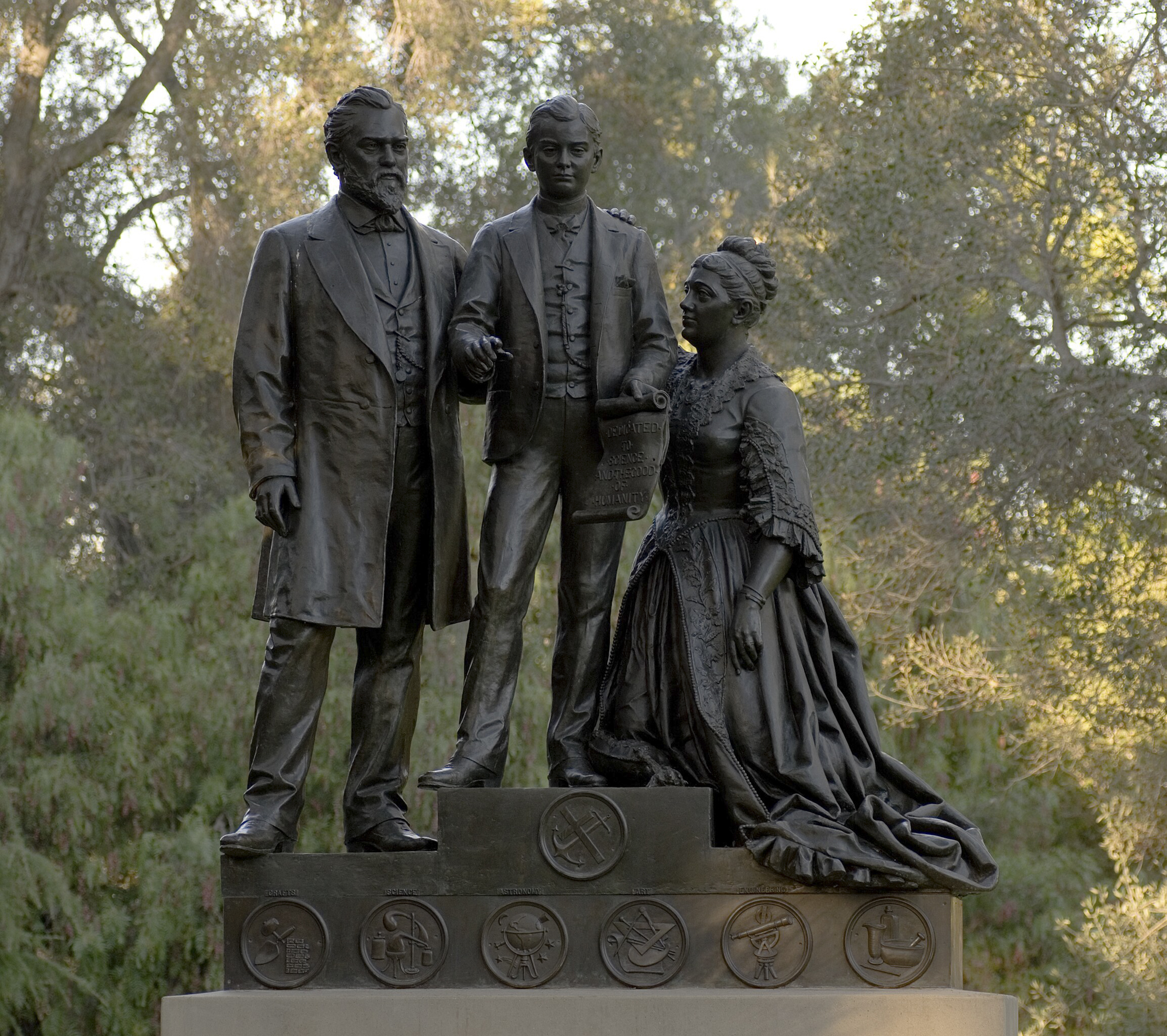
"caption": "This bronze statue of the Stanford family is located on Stanford University’s campus. Crafted by Larkin Goldsmith Mead in 1899.",
"credit": "Wikimedia Commons",
"altTag": null,
"description": null,
"imgSizes": {
"thumbnail": {
"file": "https://cdn.kqed.org/wp-content/uploads/sites/10/2025/10/251027-JANE-STANFORD-ARCHIVAL-03-KQED-160x142.jpg",
"width": 160,
"height": 142,
"mimeType": "image/jpeg"
},
"1536x1536": {
"file": "https://cdn.kqed.org/wp-content/uploads/sites/10/2025/10/251027-JANE-STANFORD-ARCHIVAL-03-KQED-1536x1363.jpg",
"width": 1536,
"height": 1363,
"mimeType": "image/jpeg"
},
"post-thumbnail": {
"file": "https://cdn.kqed.org/wp-content/uploads/sites/10/2025/10/251027-JANE-STANFORD-ARCHIVAL-03-KQED-672x372.jpg",
"width": 672,
"height": 372,
"mimeType": "image/jpeg"
},
"twentyfourteen-full-width": {
"file": "https://cdn.kqed.org/wp-content/uploads/sites/10/2025/10/251027-JANE-STANFORD-ARCHIVAL-03-KQED-1038x576.jpg",
"width": 1038,
"height": 576,
"mimeType": "image/jpeg"
},
"npr-cds-wide": {
"file": "https://cdn.kqed.org/wp-content/uploads/sites/10/2025/10/251027-JANE-STANFORD-ARCHIVAL-03-KQED-1600x900.jpg",
"width": 1600,
"height": 900,
"mimeType": "image/jpeg"
},
"kqedFullSize": {
"file": "https://cdn.kqed.org/wp-content/uploads/sites/10/2025/10/251027-JANE-STANFORD-ARCHIVAL-03-KQED.jpg",
"width": 2000,
"height": 1775
}
},
"isLoading": false,
"fetchFailed": false
},
"news_12061007": {
"type": "attachments",
"id": "news_12061007",
"meta": {
"index": "attachments_1716263798",
"site": "news",
"id": "12061007",
"found": true
},
"title": "ChessStory1",
"publishDate": 1761152146,
"status": "inherit",
"parent": 12060859,
"modified": 1761156156,
"caption": "Daniel Narodistky at Stanford Chess Club's \"Big Mindgame\" competition with UC Berkeley in 2019.",
"credit": "Courtesy of Stanford Chess Club",
"altTag": null,
"description": null,
"imgSizes": {
"thumbnail": {
"file": "https://cdn.kqed.org/wp-content/uploads/sites/10/2025/10/ChessStory1-160x106.jpg",
"width": 160,
"height": 106,
"mimeType": "image/jpeg"
},
"1536x1536": {
"file": "https://cdn.kqed.org/wp-content/uploads/sites/10/2025/10/ChessStory1-1536x1018.jpg",
"width": 1536,
"height": 1018,
"mimeType": "image/jpeg"
},
"post-thumbnail": {
"file": "https://cdn.kqed.org/wp-content/uploads/sites/10/2025/10/ChessStory1-672x372.jpg",
"width": 672,
"height": 372,
"mimeType": "image/jpeg"
},
"twentyfourteen-full-width": {
"file": "https://cdn.kqed.org/wp-content/uploads/sites/10/2025/10/ChessStory1-1038x576.jpg",
"width": 1038,
"height": 576,
"mimeType": "image/jpeg"
},
"kqedFullSize": {
"file": "https://cdn.kqed.org/wp-content/uploads/sites/10/2025/10/ChessStory1.jpg",
"width": 1920,
"height": 1272
}
},
"isLoading": false,
"fetchFailed": false
},
"news_12014213": {
"type": "attachments",
"id": "news_12014213",
"meta": {
"index": "attachments_1716263798",
"site": "news",
"id": "12014213",
"found": true
},
"title": "Stanford campus on May 30, 2023.",
"publishDate": 1731521794,
"status": "inherit",
"parent": 0,
"modified": 1733786946,
"caption": "Stanford University campus on May 30, 2023.",
"credit": "Beth LaBerge/KQED",
"altTag": null,
"description": null,
"imgSizes": {
"medium": {
"file": "https://cdn.kqed.org/wp-content/uploads/sites/10/2024/11/005_KQED_StanfordGradUnion_05302023_qed-800x533.jpg",
"width": 800,
"height": 533,
"mimeType": "image/jpeg"
},
"large": {
"file": "https://cdn.kqed.org/wp-content/uploads/sites/10/2024/11/005_KQED_StanfordGradUnion_05302023_qed-1020x680.jpg",
"width": 1020,
"height": 680,
"mimeType": "image/jpeg"
},
"thumbnail": {
"file": "https://cdn.kqed.org/wp-content/uploads/sites/10/2024/11/005_KQED_StanfordGradUnion_05302023_qed-160x107.jpg",
"width": 160,
"height": 107,
"mimeType": "image/jpeg"
},
"1536x1536": {
"file": "https://cdn.kqed.org/wp-content/uploads/sites/10/2024/11/005_KQED_StanfordGradUnion_05302023_qed-1536x1024.jpg",
"width": 1536,
"height": 1024,
"mimeType": "image/jpeg"
},
"post-thumbnail": {
"file": "https://cdn.kqed.org/wp-content/uploads/sites/10/2024/11/005_KQED_StanfordGradUnion_05302023_qed-672x372.jpg",
"width": 672,
"height": 372,
"mimeType": "image/jpeg"
},
"twentyfourteen-full-width": {
"file": "https://cdn.kqed.org/wp-content/uploads/sites/10/2024/11/005_KQED_StanfordGradUnion_05302023_qed-1038x576.jpg",
"width": 1038,
"height": 576,
"mimeType": "image/jpeg"
},
"full-width": {
"file": "https://cdn.kqed.org/wp-content/uploads/sites/10/2024/11/005_KQED_StanfordGradUnion_05302023_qed-1920x1280.jpg",
"width": 1920,
"height": 1280,
"mimeType": "image/jpeg"
},
"kqedFullSize": {
"file": "https://cdn.kqed.org/wp-content/uploads/sites/10/2024/11/005_KQED_StanfordGradUnion_05302023_qed.jpg",
"width": 2000,
"height": 1333
}
},
"isLoading": false,
"fetchFailed": false
},
"news_11886687": {
"type": "attachments",
"id": "news_11886687",
"meta": {
"index": "attachments_1716263798",
"site": "news",
"id": "11886687",
"found": true
},
"title": "Middlebrook 2",
"publishDate": 1630111529,
"status": "inherit",
"parent": 11886683,
"modified": 1758235118,
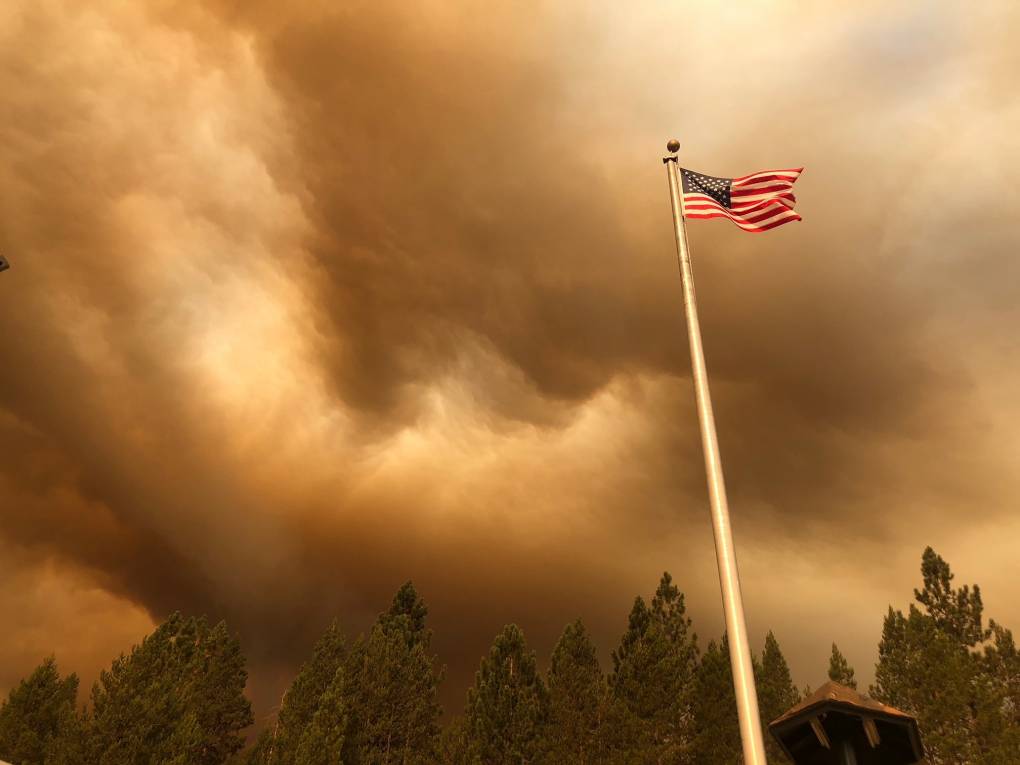
"caption": "South Lake Tahoe in enshrouded in smoke as the Caldor Fire burns along Highway 50.",
"credit": "Courtesy of Devin Middlebrook",
"altTag": null,
"description": "South Lake Tahoe in enshrouded in smoke as the Caldor Fire burns along Highway 50.",
"imgSizes": {
"medium": {
"file": "https://cdn.kqed.org/wp-content/uploads/sites/10/2021/08/Middlebrook-2-800x600.jpg",
"width": 800,
"height": 600,
"mimeType": "image/jpeg"
},
"large": {
"file": "https://cdn.kqed.org/wp-content/uploads/sites/10/2021/08/Middlebrook-2-1020x765.jpg",
"width": 1020,
"height": 765,
"mimeType": "image/jpeg"
},
"thumbnail": {
"file": "https://cdn.kqed.org/wp-content/uploads/sites/10/2021/08/Middlebrook-2-160x120.jpg",
"width": 160,
"height": 120,
"mimeType": "image/jpeg"
},
"1536x1536": {
"file": "https://cdn.kqed.org/wp-content/uploads/sites/10/2021/08/Middlebrook-2-1536x1152.jpg",
"width": 1536,
"height": 1152,
"mimeType": "image/jpeg"
},
"post-thumbnail": {
"file": "https://cdn.kqed.org/wp-content/uploads/sites/10/2021/08/Middlebrook-2-672x372.jpg",
"width": 672,
"height": 372,
"mimeType": "image/jpeg"
},
"twentyfourteen-full-width": {
"file": "https://cdn.kqed.org/wp-content/uploads/sites/10/2021/08/Middlebrook-2-1038x576.jpg",
"width": 1038,
"height": 576,
"mimeType": "image/jpeg"
},
"full-width": {
"file": "https://cdn.kqed.org/wp-content/uploads/sites/10/2021/08/Middlebrook-2-1920x1440.jpg",
"width": 1920,
"height": 1440,
"mimeType": "image/jpeg"
},
"kqedFullSize": {
"file": "https://cdn.kqed.org/wp-content/uploads/sites/10/2021/08/Middlebrook-2-e1758228624465.jpg",
"width": 2000,
"height": 1500
}
},
"isLoading": false,
"fetchFailed": false
},
"news_11732929": {
"type": "attachments",
"id": "news_11732929",
"meta": {
"index": "attachments_1716263798",
"site": "news",
"id": "11732929",
"found": true
},
"parent": 11732835,
"imgSizes": {
"twentyfourteen-full-width": {
"file": "https://ww2.kqed.org/app/uploads/sites/10/2019/03/GettyImages-1135386368-1038x576.jpg",
"width": 1038,
"mimeType": "image/jpeg",
"height": 576
},
"thumbnail": {
"file": "https://ww2.kqed.org/app/uploads/sites/10/2019/03/GettyImages-1135386368-160x106.jpg",
"width": 160,
"mimeType": "image/jpeg",
"height": 106
},
"post-thumbnail": {
"file": "https://ww2.kqed.org/app/uploads/sites/10/2019/03/GettyImages-1135386368-672x372.jpg",
"width": 672,
"mimeType": "image/jpeg",
"height": 372
},
"kqedFullSize": {
"file": "https://ww2.kqed.org/app/uploads/sites/10/2019/03/GettyImages-1135386368-e1552589629977.jpg",
"width": 1920,
"height": 1278
},
"large": {
"file": "https://ww2.kqed.org/app/uploads/sites/10/2019/03/GettyImages-1135386368-1020x679.jpg",
"width": 1020,
"mimeType": "image/jpeg",
"height": 679
},
"complete_open_graph": {
"file": "https://ww2.kqed.org/app/uploads/sites/10/2019/03/GettyImages-1135386368-1200x799.jpg",
"width": 1200,
"mimeType": "image/jpeg",
"height": 799
},
"guest-author-50": {
"file": "https://ww2.kqed.org/app/uploads/sites/10/2019/03/GettyImages-1135386368-50x50.jpg",
"width": 50,
"mimeType": "image/jpeg",
"height": 50
},
"guest-author-96": {
"file": "https://ww2.kqed.org/app/uploads/sites/10/2019/03/GettyImages-1135386368-96x96.jpg",
"width": 96,
"mimeType": "image/jpeg",
"height": 96
},
"medium": {
"file": "https://ww2.kqed.org/app/uploads/sites/10/2019/03/GettyImages-1135386368-800x532.jpg",
"width": 800,
"mimeType": "image/jpeg",
"height": 532
},
"guest-author-64": {
"file": "https://ww2.kqed.org/app/uploads/sites/10/2019/03/GettyImages-1135386368-64x64.jpg",
"width": 64,
"mimeType": "image/jpeg",
"height": 64
},
"guest-author-32": {
"file": "https://ww2.kqed.org/app/uploads/sites/10/2019/03/GettyImages-1135386368-32x32.jpg",
"width": 32,
"mimeType": "image/jpeg",
"height": 32
},
"full-width": {
"file": "https://ww2.kqed.org/app/uploads/sites/10/2019/03/GettyImages-1135386368-1920x1278.jpg",
"width": 1920,
"mimeType": "image/jpeg",
"height": 1278
},
"guest-author-128": {
"file": "https://ww2.kqed.org/app/uploads/sites/10/2019/03/GettyImages-1135386368-128x128.jpg",
"width": 128,
"mimeType": "image/jpeg",
"height": 128
}
},
"publishDate": 1552589542,
"modified": 1552601592,
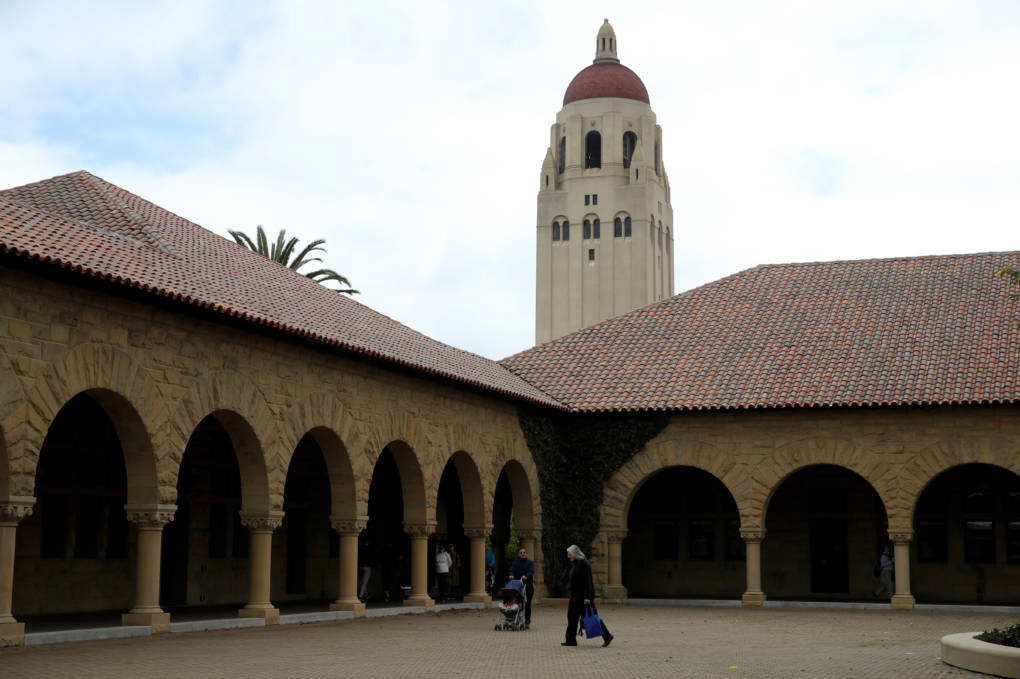
"caption": "People walk by Hoover Tower on the Stanford University campus on March 12, 2019. Fifty people, including actresses Lori Loughlin and Felicity Huffman, have been charged in a widespread elite college admission bribery scheme. Parents, ACT and SAT administrators and coaches at universities including Stanford, Georgetown, Yale and the University of Southern California have been charged.",
"description": null,
"title": "More Than 30 People Charged In Elite College Entry Bribery Scheme",
"credit": "Justin Sullivan/Getty Images",
"status": "inherit",
"isLoading": false,
"fetchFailed": false
},
"news_12044237": {
"type": "attachments",
"id": "news_12044237",
"meta": {
"index": "attachments_1716263798",
"site": "news",
"id": "12044237",
"found": true
},
"title": "VaccinationsStory",
"publishDate": 1749843923,
"status": "inherit",
"parent": 12044201,
"modified": 1749845881,
"caption": "Dr. Yvonne Maldonado, a professor of Global Health and Infectious Diseases at Stanford University School of Medicine.",
"credit": "Courtesy of Stanford Medicine",
"altTag": null,
"description": null,
"imgSizes": {
"thumbnail": {
"file": "https://cdn.kqed.org/wp-content/uploads/sites/10/2025/06/VaccinationsStory-160x107.jpg",
"width": 160,
"height": 107,
"mimeType": "image/jpeg"
},
"1536x1536": {
"file": "https://cdn.kqed.org/wp-content/uploads/sites/10/2025/06/VaccinationsStory-1536x1024.jpg",
"width": 1536,
"height": 1024,
"mimeType": "image/jpeg"
},
"post-thumbnail": {
"file": "https://cdn.kqed.org/wp-content/uploads/sites/10/2025/06/VaccinationsStory-672x372.jpg",
"width": 672,
"height": 372,
"mimeType": "image/jpeg"
},
"twentyfourteen-full-width": {
"file": "https://cdn.kqed.org/wp-content/uploads/sites/10/2025/06/VaccinationsStory-1038x576.jpg",
"width": 1038,
"height": 576,
"mimeType": "image/jpeg"
},
"kqedFullSize": {
"file": "https://cdn.kqed.org/wp-content/uploads/sites/10/2025/06/VaccinationsStory.jpg",
"width": 2000,
"height": 1333
}
},
"isLoading": false,
"fetchFailed": false
},
"news_12042885": {
"type": "attachments",
"id": "news_12042885",
"meta": {
"index": "attachments_1716263798",
"site": "news",
"id": "12042885",
"found": true
},
"title": "Stanford University Hunger Strike",
"publishDate": 1749144329,
"status": "inherit",
"parent": 12042881,
"modified": 1749150182,
"caption": "Owen Martin, right, listens to Shaykh Alauddin Elbakri speak at White Memorial Plaza in Stanford, California, on Monday, May 19, 2025. Several Stanford University students have been on a hunger strike for more than a week, pledging not to eat until the university agrees to divest from companies that they say are supporting Israel’s war in Gaza.",
"credit": "Estefany Gonzalez for KQED",
"altTag": null,
"description": null,
"imgSizes": {
"medium": {
"file": "https://cdn.kqed.org/wp-content/uploads/sites/10/2025/06/05192025_StanfordHungerStrike_EG030_qed-800x533.jpg",
"width": 800,
"height": 533,
"mimeType": "image/jpeg"
},
"large": {
"file": "https://cdn.kqed.org/wp-content/uploads/sites/10/2025/06/05192025_StanfordHungerStrike_EG030_qed-1020x680.jpg",
"width": 1020,
"height": 680,
"mimeType": "image/jpeg"
},
"thumbnail": {
"file": "https://cdn.kqed.org/wp-content/uploads/sites/10/2025/06/05192025_StanfordHungerStrike_EG030_qed-160x107.jpg",
"width": 160,
"height": 107,
"mimeType": "image/jpeg"
},
"1536x1536": {
"file": "https://cdn.kqed.org/wp-content/uploads/sites/10/2025/06/05192025_StanfordHungerStrike_EG030_qed-1536x1024.jpg",
"width": 1536,
"height": 1024,
"mimeType": "image/jpeg"
},
"post-thumbnail": {
"file": "https://cdn.kqed.org/wp-content/uploads/sites/10/2025/06/05192025_StanfordHungerStrike_EG030_qed-672x372.jpg",
"width": 672,
"height": 372,
"mimeType": "image/jpeg"
},
"twentyfourteen-full-width": {
"file": "https://cdn.kqed.org/wp-content/uploads/sites/10/2025/06/05192025_StanfordHungerStrike_EG030_qed-1038x576.jpg",
"width": 1038,
"height": 576,
"mimeType": "image/jpeg"
},
"full-width": {
"file": "https://cdn.kqed.org/wp-content/uploads/sites/10/2025/06/05192025_StanfordHungerStrike_EG030_qed-1920x1280.jpg",
"width": 1920,
"height": 1280,
"mimeType": "image/jpeg"
},
"kqedFullSize": {
"file": "https://cdn.kqed.org/wp-content/uploads/sites/10/2025/06/05192025_StanfordHungerStrike_EG030_qed.jpg",
"width": 2000,
"height": 1333
}
},
"isLoading": false,
"fetchFailed": false
},
"news_11996462": {
"type": "attachments",
"id": "news_11996462",
"meta": {
"index": "attachments_1716263798",
"site": "news",
"id": "11996462",
"found": true
},
"title": "Crowdstrike Microsoft Tech Glitch Halts Operations At Delhi Airports",
"publishDate": 1721421034,
"status": "inherit",
"parent": 11996430,
"modified": 1748550922,
"caption": "Passengers are seen waiting after a major disruption in Microsoft Corp.'s cloud services caused widespread flight cancellations and delays at T3 IGI Airport on July 19, 2024, in New Delhi, India.",
"credit": "Vipin Kumar/Hindustan Times via Getty Images",
"altTag": null,
"description": null,
"imgSizes": {
"medium": {
"file": "https://cdn.kqed.org/wp-content/uploads/sites/10/2024/07/Cybersecurity-800x479.jpg",
"width": 800,
"height": 479,
"mimeType": "image/jpeg"
},
"large": {
"file": "https://cdn.kqed.org/wp-content/uploads/sites/10/2024/07/Cybersecurity-1020x610.jpg",
"width": 1020,
"height": 610,
"mimeType": "image/jpeg"
},
"thumbnail": {
"file": "https://cdn.kqed.org/wp-content/uploads/sites/10/2024/07/Cybersecurity-160x96.jpg",
"width": 160,
"height": 96,
"mimeType": "image/jpeg"
},
"1536x1536": {
"file": "https://cdn.kqed.org/wp-content/uploads/sites/10/2024/07/Cybersecurity-1536x919.jpg",
"width": 1536,
"height": 919,
"mimeType": "image/jpeg"
},
"post-thumbnail": {
"file": "https://cdn.kqed.org/wp-content/uploads/sites/10/2024/07/Cybersecurity-672x372.jpg",
"width": 672,
"height": 372,
"mimeType": "image/jpeg"
},
"twentyfourteen-full-width": {
"file": "https://cdn.kqed.org/wp-content/uploads/sites/10/2024/07/Cybersecurity-1038x576.jpg",
"width": 1038,
"height": 576,
"mimeType": "image/jpeg"
},
"full-width": {
"file": "https://cdn.kqed.org/wp-content/uploads/sites/10/2024/07/Cybersecurity-1920x1149.jpg",
"width": 1920,
"height": 1149,
"mimeType": "image/jpeg"
},
"kqedFullSize": {
"file": "https://cdn.kqed.org/wp-content/uploads/sites/10/2024/07/Cybersecurity.jpg",
"width": 2000,
"height": 1197
}
},
"isLoading": false,
"fetchFailed": false
},
"news_12040877": {
"type": "attachments",
"id": "news_12040877",
"meta": {
"index": "attachments_1716263798",
"site": "news",
"id": "12040877",
"found": true
},
"title": "Stanford University Hunger Strike",
"publishDate": 1747759054,
"status": "inherit",
"parent": 0,
"modified": 1747773632,
"caption": "People listen as Shaykh Alauddin Elbakri leads a prayer at White Memorial Plaza in Stanford, California, on Monday, May 19, 2025. Several Stanford University students have been on a hunger strike for more than a week, pledging not to eat until the university agrees to divest from companies that they say are supporting Israel’s war in Gaza.",
"credit": "Estefany Gonzalez for KQED",
"altTag": null,
"description": null,
"imgSizes": {
"medium": {
"file": "https://cdn.kqed.org/wp-content/uploads/sites/10/2025/05/05192025_STANFORDHUNGERSTRIKE_EG044-KQED-800x533.jpg",
"width": 800,
"height": 533,
"mimeType": "image/jpeg"
},
"large": {
"file": "https://cdn.kqed.org/wp-content/uploads/sites/10/2025/05/05192025_STANFORDHUNGERSTRIKE_EG044-KQED-1020x680.jpg",
"width": 1020,
"height": 680,
"mimeType": "image/jpeg"
},
"thumbnail": {
"file": "https://cdn.kqed.org/wp-content/uploads/sites/10/2025/05/05192025_STANFORDHUNGERSTRIKE_EG044-KQED-160x107.jpg",
"width": 160,
"height": 107,
"mimeType": "image/jpeg"
},
"1536x1536": {
"file": "https://cdn.kqed.org/wp-content/uploads/sites/10/2025/05/05192025_STANFORDHUNGERSTRIKE_EG044-KQED-1536x1024.jpg",
"width": 1536,
"height": 1024,
"mimeType": "image/jpeg"
},
"post-thumbnail": {
"file": "https://cdn.kqed.org/wp-content/uploads/sites/10/2025/05/05192025_STANFORDHUNGERSTRIKE_EG044-KQED-672x372.jpg",
"width": 672,
"height": 372,
"mimeType": "image/jpeg"
},
"twentyfourteen-full-width": {
"file": "https://cdn.kqed.org/wp-content/uploads/sites/10/2025/05/05192025_STANFORDHUNGERSTRIKE_EG044-KQED-1038x576.jpg",
"width": 1038,
"height": 576,
"mimeType": "image/jpeg"
},
"full-width": {
"file": "https://cdn.kqed.org/wp-content/uploads/sites/10/2025/05/05192025_STANFORDHUNGERSTRIKE_EG044-KQED-1920x1280.jpg",
"width": 1920,
"height": 1280,
"mimeType": "image/jpeg"
},
"kqedFullSize": {
"file": "https://cdn.kqed.org/wp-content/uploads/sites/10/2025/05/05192025_STANFORDHUNGERSTRIKE_EG044-KQED.jpg",
"width": 2000,
"height": 1333
}
},
"isLoading": false,
"fetchFailed": false
}
},
"audioPlayerReducer": {
"postId": "stream_live",
"isPaused": true,
"isPlaying": false,
"pfsActive": false,
"pledgeModalIsOpen": true,
"playerDrawerIsOpen": false,
"liveAudioPlayStartedAt": 0,
"liveAudioPlayContext": ""
},
"authorsReducer": {
"rachael-myrow": {
"type": "authors",
"id": "251",
"meta": {
"index": "authors_1716337520",
"id": "251",
"found": true
},
"name": "Rachael Myrow",
"firstName": "Rachael",
"lastName": "Myrow",
"slug": "rachael-myrow",
"email": "rmyrow@kqed.org",
"display_author_email": true,
"staff_mastheads": [
"news"
],
"title": "Senior Editor of KQED's Silicon Valley News Desk",
"bio": "• I write and edit stories about how Silicon Valley power and policies shape everyday life in California. I’m also passionate about making Bay Area history and culture more accessible to a broad public. • I’ve been a journalist for most of my life, starting in high school with The Franklin Press in Los Angeles, where I grew up. While earning my first degree in English at UC Berkeley, I got my start in public radio at KALX-FM. After completing a second degree in journalism at Cal, I landed my first professional job at Marketplace, then moved on to KPCC (now LAist), and then KQED, where I hosted The California Report for more than seven years. • My reporting has appeared on NPR, The World, WBUR’s \u003ci>Here & Now\u003c/i>, and the BBC. I also guest host for KQED’s \u003ci>Forum\u003c/i>, as well as the Commonwealth Club in San Francisco. • I speak periodically on media, democracy and technology issues, and do voiceover work for documentaries and educational video projects. • Outside of the studio, you'll find me hiking Bay Area trails and whipping up Insta-ready meals in my kitchen. • I do not accept gifts, money, or favors from anyone connected to my reporting, I don't pay people for information, and I do not support or donate to political causes. • I strive to treat the people I report on with fairness, honesty, and respect. I also recognize there are often multiple sides to a story and work to verify information through multiple sources and documentation. If I get something wrong, I correct it.",
"avatar": "https://secure.gravatar.com/avatar/3ed8a3c5f26025e4a805ba634cda8cd764906b97438a6d9ce216b044e340da4e?s=600&d=blank&r=g",
"twitter": "rachaelmyrow",
"bluesky": null,
"facebook": null,
"instagram": null,
"linkedin": "https://www.linkedin.com/in/rachaelmyrow/",
"sites": [
{
"site": "arts",
"roles": [
"administrator"
]
},
{
"site": "news",
"roles": [
"edit_others_posts",
"editor"
]
},
{
"site": "futureofyou",
"roles": [
"editor"
]
},
{
"site": "bayareabites",
"roles": [
"editor"
]
},
{
"site": "stateofhealth",
"roles": [
"editor"
]
},
{
"site": "science",
"roles": [
"editor"
]
},
{
"site": "food",
"roles": [
"editor"
]
},
{
"site": "forum",
"roles": [
"editor"
]
},
{
"site": "liveblog",
"roles": [
"author"
]
}
],
"headData": {
"title": "Rachael Myrow | KQED",
"description": "Senior Editor of KQED's Silicon Valley News Desk",
"ogImgSrc": "https://secure.gravatar.com/avatar/3ed8a3c5f26025e4a805ba634cda8cd764906b97438a6d9ce216b044e340da4e?s=600&d=blank&r=g",
"twImgSrc": "https://secure.gravatar.com/avatar/3ed8a3c5f26025e4a805ba634cda8cd764906b97438a6d9ce216b044e340da4e?s=600&d=blank&r=g"
},
"isLoading": false,
"link": "/author/rachael-myrow"
},
"carlysevern": {
"type": "authors",
"id": "3243",
"meta": {
"index": "authors_1716337520",
"id": "3243",
"found": true
},
"name": "Carly Severn",
"firstName": "Carly",
"lastName": "Severn",
"slug": "carlysevern",
"email": "csevern@kqed.org",
"display_author_email": false,
"staff_mastheads": [
"news"
],
"title": "Senior Editor, Audience News ",
"bio": "Carly is KQED's Senior Editor of Audience News on the Digital News team, and has reported for the California Report Magazine, Bay Curious and KQED Arts. She's formerly the host of \u003ca href=\"http://ww2.kqed.org/pop/category/the-cooler/\" rel=\"noopener noreferrer\">The Cooler\u003c/a> podcast.",
"avatar": "https://secure.gravatar.com/avatar/54037bf5c128fe678f0ef26cec97a93f2e7f220a22d7285703328f12c42c1b1d?s=600&d=blank&r=g",
"twitter": "teacupinthebay",
"bluesky": null,
"facebook": null,
"instagram": null,
"linkedin": null,
"sites": [
{
"site": "",
"roles": [
"editor"
]
},
{
"site": "arts",
"roles": [
"editor"
]
},
{
"site": "news",
"roles": [
"administrator"
]
},
{
"site": "pop",
"roles": [
"editor"
]
},
{
"site": "futureofyou",
"roles": [
"editor"
]
},
{
"site": "about",
"roles": [
"administrator"
]
},
{
"site": "mindshift",
"roles": [
"editor"
]
},
{
"site": "bayareabites",
"roles": [
"editor"
]
},
{
"site": "stateofhealth",
"roles": [
"editor"
]
},
{
"site": "science",
"roles": [
"editor"
]
},
{
"site": "food",
"roles": [
"contributor"
]
},
{
"site": "forum",
"roles": [
"editor"
]
},
{
"site": "perspectives",
"roles": [
"administrator"
]
},
{
"site": "liveblog",
"roles": [
"editor"
]
}
],
"headData": {
"title": "Carly Severn | KQED",
"description": "Senior Editor, Audience News ",
"ogImgSrc": "https://secure.gravatar.com/avatar/54037bf5c128fe678f0ef26cec97a93f2e7f220a22d7285703328f12c42c1b1d?s=600&d=blank&r=g",
"twImgSrc": "https://secure.gravatar.com/avatar/54037bf5c128fe678f0ef26cec97a93f2e7f220a22d7285703328f12c42c1b1d?s=600&d=blank&r=g"
},
"isLoading": false,
"link": "/author/carlysevern"
},
"slewis": {
"type": "authors",
"id": "8676",
"meta": {
"index": "authors_1716337520",
"id": "8676",
"found": true
},
"name": "Sukey Lewis",
"firstName": "Sukey",
"lastName": "Lewis",
"slug": "slewis",
"email": "slewis@kqed.org",
"display_author_email": true,
"staff_mastheads": [
"news"
],
"title": "KQED Contributor",
"bio": "Sukey Lewis is a criminal justice reporter and host of \u003cem>On Our Watch\u003c/em>, a new podcast from NPR and KQED about the shadow world of police discipline. In 2018, she co-founded the California Reporting Project, a coalition of newsrooms across the state focused on obtaining previously sealed internal affairs records from law enforcement. In addition to her reporting on police accountability, Sukey has investigated the bail bonds industry, California's wildfires and the high cost of prison phone calls. Sukey earned a master's degree in journalism from the University of California at Berkeley. Send news tips to slewis@kqed.org.",
"avatar": "https://secure.gravatar.com/avatar/03fd6b21024f99d8b0a1966654586de7?s=600&d=blank&r=g",
"twitter": "SukeyLewis",
"facebook": null,
"instagram": null,
"linkedin": null,
"sites": [
{
"site": "news",
"roles": [
"author",
"edit_others_posts"
]
}
],
"headData": {
"title": "Sukey Lewis | KQED",
"description": "KQED Contributor",
"ogImgSrc": "https://secure.gravatar.com/avatar/03fd6b21024f99d8b0a1966654586de7?s=600&d=blank&r=g",
"twImgSrc": "https://secure.gravatar.com/avatar/03fd6b21024f99d8b0a1966654586de7?s=600&d=blank&r=g"
},
"isLoading": false,
"link": "/author/slewis"
},
"daisynguyen": {
"type": "authors",
"id": "11829",
"meta": {
"index": "authors_1716337520",
"id": "11829",
"found": true
},
"name": "Daisy Nguyen",
"firstName": "Daisy",
"lastName": "Nguyen",
"slug": "daisynguyen",
"email": "daisynguyen@kqed.org",
"display_author_email": true,
"staff_mastheads": [
"news"
],
"title": "KQED Contributor",
"bio": "I have covered early childhood education and child care for KQED since 2022. I focus on policies aimed at increasing access to early care and education and how they shape individual lives. I've been a journalist for more than two decades, with most of that time devoted to covering breaking news throughout California for The Associated Press. I grew up in San Francisco and studied at UC Davis and Columbia University's Graduate School of Journalism. I live in Oakland with my husband and two kids.",
"avatar": "https://secure.gravatar.com/avatar/2da2127c27f7143b53ebd419800fd55f?s=600&d=blank&r=g",
"twitter": null,
"facebook": null,
"instagram": null,
"linkedin": "https://www.linkedin.com/in/daisynguyen/",
"sites": [
{
"site": "news",
"roles": [
"author"
]
},
{
"site": "liveblog",
"roles": [
"author"
]
}
],
"headData": {
"title": "Daisy Nguyen | KQED",
"description": "KQED Contributor",
"ogImgSrc": "https://secure.gravatar.com/avatar/2da2127c27f7143b53ebd419800fd55f?s=600&d=blank&r=g",
"twImgSrc": "https://secure.gravatar.com/avatar/2da2127c27f7143b53ebd419800fd55f?s=600&d=blank&r=g"
},
"isLoading": false,
"link": "/author/daisynguyen"
},
"jgeha": {
"type": "authors",
"id": "11906",
"meta": {
"index": "authors_1716337520",
"id": "11906",
"found": true
},
"name": "Joseph Geha",
"firstName": "Joseph",
"lastName": "Geha",
"slug": "jgeha",
"email": "jgeha@kqed.org",
"display_author_email": false,
"staff_mastheads": [
"news",
"science"
],
"title": "KQED Contributor",
"bio": null,
"avatar": "https://secure.gravatar.com/avatar/ea84d2b6dd93d6369d453edf19dd583f117cd1759d2d9c9c92f9de77017354fe?s=600&d=blank&r=g",
"twitter": null,
"bluesky": null,
"facebook": null,
"instagram": null,
"linkedin": null,
"sites": [
{
"site": "news",
"roles": [
"editor"
]
},
{
"site": "liveblog",
"roles": [
"author"
]
}
],
"headData": {
"title": "Joseph Geha | KQED",
"description": "KQED Contributor",
"ogImgSrc": "https://secure.gravatar.com/avatar/ea84d2b6dd93d6369d453edf19dd583f117cd1759d2d9c9c92f9de77017354fe?s=600&d=blank&r=g",
"twImgSrc": "https://secure.gravatar.com/avatar/ea84d2b6dd93d6369d453edf19dd583f117cd1759d2d9c9c92f9de77017354fe?s=600&d=blank&r=g"
},
"isLoading": false,
"link": "/author/jgeha"
},
"kdebenedetti": {
"type": "authors",
"id": "11913",
"meta": {
"index": "authors_1716337520",
"id": "11913",
"found": true
},
"name": "Katie DeBenedetti",
"firstName": "Katie",
"lastName": "DeBenedetti",
"slug": "kdebenedetti",
"email": "kdebenedetti@kqed.org",
"display_author_email": false,
"staff_mastheads": [
"news",
"science"
],
"title": "KQED Contributor",
"bio": "Katie DeBenedetti is a digital reporter covering daily news for the Express Desk. Prior to joining KQED as a culture reporting intern in January 2024, she covered education and city government for the Napa Valley Register.",
"avatar": "https://secure.gravatar.com/avatar/6e31073cb8f7e4214ab03f42771d0f45?s=600&d=blank&r=g",
"twitter": null,
"facebook": null,
"instagram": null,
"linkedin": null,
"sites": [
{
"site": "news",
"roles": [
"author"
]
},
{
"site": "science",
"roles": [
"author"
]
},
{
"site": "liveblog",
"roles": [
"author"
]
}
],
"headData": {
"title": "Katie DeBenedetti | KQED",
"description": "KQED Contributor",
"ogImgSrc": "https://secure.gravatar.com/avatar/6e31073cb8f7e4214ab03f42771d0f45?s=600&d=blank&r=g",
"twImgSrc": "https://secure.gravatar.com/avatar/6e31073cb8f7e4214ab03f42771d0f45?s=600&d=blank&r=g"
},
"isLoading": false,
"link": "/author/kdebenedetti"
},
"emanoukian": {
"type": "authors",
"id": "11925",
"meta": {
"index": "authors_1716337520",
"id": "11925",
"found": true
},
"name": "Elize Manoukian",
"firstName": "Elize",
"lastName": "Manoukian",
"slug": "emanoukian",
"email": "emanoukian@KQED.org",
"display_author_email": false,
"staff_mastheads": [
"news"
],
"title": "Digital News Editor",
"bio": "Elize Manoukian is an award-winning audio producer and Senior Editor on the Express Desk, KQED's digital news platform. Her work has appeared on KPFA, Interlochen Public Radio, Oregon Public Broadcast, the New York Daily News, LA Times and the San Diego Union-Tribune.",
"avatar": "https://secure.gravatar.com/avatar/4525f1a8e46ccb30933b32653d9772064cfefe3fa655eb45b3b3a80341f6bdad?s=600&d=blank&r=g",
"twitter": null,
"bluesky": null,
"facebook": null,
"instagram": null,
"linkedin": null,
"sites": [
{
"site": "arts",
"roles": [
"editor"
]
},
{
"site": "news",
"roles": [
"editor"
]
},
{
"site": "science",
"roles": [
"editor"
]
}
],
"headData": {
"title": "Elize Manoukian | KQED",
"description": "Digital News Editor",
"ogImgSrc": "https://secure.gravatar.com/avatar/4525f1a8e46ccb30933b32653d9772064cfefe3fa655eb45b3b3a80341f6bdad?s=600&d=blank&r=g",
"twImgSrc": "https://secure.gravatar.com/avatar/4525f1a8e46ccb30933b32653d9772064cfefe3fa655eb45b3b3a80341f6bdad?s=600&d=blank&r=g"
},
"isLoading": false,
"link": "/author/emanoukian"
},
"gzada": {
"type": "authors",
"id": "11929",
"meta": {
"index": "authors_1716337520",
"id": "11929",
"found": true
},
"name": "Gilare Zada",
"firstName": "Gilare",
"lastName": "Zada",
"slug": "gzada",
"email": "gzada@kqed.org",
"display_author_email": true,
"staff_mastheads": [
"news"
],
"title": null,
"bio": "Gilare Zada is a Kurdish-American from San Diego, CA. Storytelling, fitness, and binge reading are some of her passions outside of news reporting. Her work has appeared in Mission Local, the Peninsula Press, the San Francisco Press Club, and more. She also writes as a class correspondent for the Stanford Magazine - go Card!",
"avatar": "https://secure.gravatar.com/avatar/33a75f2b947669a488a805edec3fbf3838c1cedaedda710e983770633b4d6a75?s=600&d=blank&r=g",
"twitter": null,
"bluesky": null,
"facebook": null,
"instagram": null,
"linkedin": null,
"sites": [
{
"site": "",
"roles": [
"editor"
]
},
{
"site": "arts",
"roles": [
"editor"
]
},
{
"site": "news",
"roles": [
"administrator"
]
},
{
"site": "science",
"roles": [
"editor"
]
}
],
"headData": {
"title": "Gilare Zada | KQED",
"description": null,
"ogImgSrc": "https://secure.gravatar.com/avatar/33a75f2b947669a488a805edec3fbf3838c1cedaedda710e983770633b4d6a75?s=600&d=blank&r=g",
"twImgSrc": "https://secure.gravatar.com/avatar/33a75f2b947669a488a805edec3fbf3838c1cedaedda710e983770633b4d6a75?s=600&d=blank&r=g"
},
"isLoading": false,
"link": "/author/gzada"
}
},
"pagesReducer": {
"news_tag_stanford": {
"type": "terms",
"id": "news_178",
"meta": {
"index": "terms_1716263798",
"site": "news",
"id": "178",
"score": 8.367239
},
"featImg": null,
"name": "Stanford",
"description": null,
"taxonomy": "tag",
"headData": {
"twImgId": null,
"twTitle": null,
"ogTitle": null,
"ogImgId": null,
"twDescription": null,
"description": null,
"title": "Stanford Archives | KQED News",
"ogDescription": null
},
"ttid": 185,
"slug": "stanford",
"isLoading": false,
"title": "Stanford",
"pageMeta": {
"site": "news",
"WpPageTemplate": "page-topic-editorial",
"currentPage": 2
},
"blocks": [
{
"blockName": "kqed/post-list",
"attrs": {
"layout": "cardArticle2",
"query": "posts/news?tag=stanford",
"seeMore": false,
"paginated": true,
"page": 2
}
},
{
"blockName": "kqed/ad"
}
]
}
},
"pfsSessionReducer": {},
"postsReducer": {
"stream_live": {
"type": "live",
"id": "stream_live",
"audioUrl": "https://streams.kqed.org/kqedradio",
"title": "Live Stream",
"excerpt": "Live Stream information currently unavailable.",
"link": "/radio",
"featImg": "",
"label": {
"name": "KQED Live",
"link": "/"
}
},
"stream_kqedNewscast": {
"type": "posts",
"id": "stream_kqedNewscast",
"audioUrl": "https://www.kqed.org/.stream/anon/radio/RDnews/newscast.mp3?_=1",
"title": "KQED Newscast",
"featImg": "",
"label": {
"name": "88.5 FM",
"link": "/"
}
},
"news_12065196": {
"type": "posts",
"id": "news_12065196",
"meta": {
"index": "posts_1716263798",
"site": "news",
"id": "12065196",
"score": null,
"sort": [
1764608420000
]
},
"guestAuthors": [],
"slug": "3-out-of-4-california-families-with-young-kids-cant-afford-at-least-one-basic-need",
"title": "3 Out of 4 California Families With Young Kids Can’t Afford At Least 1 Basic Need",
"publishDate": 1764608420,
"format": "standard",
"headTitle": "3 Out of 4 California Families With Young Kids Can’t Afford At Least 1 Basic Need | KQED",
"labelTerm": {
"site": "news"
},
"content": "\u003cp>Veronica Martinez woke up early one recent morning to make a fresh batch of cookies. She packed them in a box and headed to a community center in \u003ca href=\"https://www.kqed.org/news/tag/east-oakland\">East Oakland\u003c/a>, where a \u003ca href=\"https://www.oaklandtrybe.org/\">nonprofit called Trybe\u003c/a> invites families to get the things they need — produce, milk, eggs and even diapers.\u003c/p>\n\u003cp>Most of the families set up appointments first, but Martinez didn’t have one, so she shared the box of homemade cookies with staff in exchange for access to the pantry.\u003c/p>\n\u003cp>“They do a lot of hard work, you know, and I appreciate the community for helping us out,” Martinez said.\u003c/p>\n\u003cp>[ad fullwidth]\u003c/p>\n\u003cp>The longest-ever federal government shutdown \u003ca href=\"https://www.kqed.org/news/12060770/snap-calfresh-food-stamps-government-shutdown-november-payments-ebt\">delayed Martinez’s monthly food benefits\u003c/a>, and she needed help to feed herself and her teenage son and daughter.\u003c/p>\n\u003cp>“When [the shutdown] happened, wow, it was a shock because I only get paid once a month, and that money goes right away to bills, rent and whatnot, and then the rest I had to save for groceries,” Martinez said. “This month I didn’t even pay my rent on time.”\u003c/p>\n\u003cfigure id=\"attachment_12065189\" class=\"wp-caption aligncenter\" style=\"max-width: 2000px\">\u003ca href=\"https://cdn.kqed.org/wp-content/uploads/sites/10/2025/11/251120-FAMILIESFINANCIALINSECURITY-21-BL-KQED.jpg\">\u003cimg loading=\"lazy\" decoding=\"async\" class=\"size-full wp-image-12065189\" src=\"https://cdn.kqed.org/wp-content/uploads/sites/10/2025/11/251120-FAMILIESFINANCIALINSECURITY-21-BL-KQED.jpg\" alt=\"\" width=\"2000\" height=\"1333\" srcset=\"https://cdn.kqed.org/wp-content/uploads/sites/10/2025/11/251120-FAMILIESFINANCIALINSECURITY-21-BL-KQED.jpg 2000w, https://cdn.kqed.org/wp-content/uploads/sites/10/2025/11/251120-FAMILIESFINANCIALINSECURITY-21-BL-KQED-160x107.jpg 160w, https://cdn.kqed.org/wp-content/uploads/sites/10/2025/11/251120-FAMILIESFINANCIALINSECURITY-21-BL-KQED-1536x1024.jpg 1536w\" sizes=\"auto, (max-width: 2000px) 100vw, 2000px\">\u003c/a>\u003cfigcaption class=\"wp-caption-text\">A child holds a carton of eggs during a food distribution event hosted by Trybe at San Antonio Park in Oakland on Nov. 20, 2025. \u003ccite>(Beth LaBerge/KQED)\u003c/cite>\u003c/figcaption>\u003c/figure>\n\u003cp>Martinez makes a living caring for the young sons of her sister-in-law, Berenis Miranda, while she goes to work as a security guard. Miranda receives a $2,000 monthly state child care subsidy to pay Martinez for her work, but Martinez said that isn’t enough to get by in a region where the cost of living is outpacing wages.\u003c/p>\n\u003cp>“It’s hard to afford stuff nowadays,” Martinez said. “You go to the grocery store, you spend $100, and you come back out with nothing, actually. And you’re like, where did my $100 go?”\u003c/p>\n\u003cp>Miranda said she wishes she could pay Martinez more, but she’s struggling too.\u003c/p>\n\u003cp>“The Bay Area is not cheap,” she said. “Sometimes I have to rely on the food bank as well.”[aside postID=news_12061440 hero='https://cdn.kqed.org/wp-content/uploads/sites/10/2025/06/013_KQED_SanFranciscoMarinFoodBank_03182020_9229_qed.jpg']Both women’s situations underscore the precarity of raising young children in an expensive state. The Stanford Center on Early Childhood recently \u003ca href=\"https://rapidsurveyproject.com/article/three-years-of-california-parent-voices-show-families-struggle-to-meet-basic-needs-and-experience-emotional-distress-as-a-result/\">reported\u003c/a> that three in four California families with young children can’t cover at least one basic need, such as food, housing, utilities, child care or health care — the highest level of families experiencing material hardship since the center began its RAPID survey in 2022.\u003c/p>\n\u003cp>The findings come on the heels of a report from Tipping Point Community that the \u003ca href=\"https://www.kqed.org/news/12064764/how-a-surge-in-bay-area-poverty-wiped-out-a-decade-of-progress\">Bay Area’s poverty rate climbed \u003c/a>over 4 percentage points after a decade of steady decline.\u003c/p>\n\u003cp>And it’s not just low-income families who are feeling the pinch. In July, 86% of middle-income families reported having difficulty meeting a basic need, according to the RAPID survey. A higher percentage of parents in rural areas faced material hardship (93%) than parents in urban and suburban areas (72%).\u003c/p>\n\u003cp>A separate RAPID survey found that an increasing number of \u003ca href=\"https://rapidsurveyproject.com/article/hunger-is-increasing-among-those-who-provide-care-to-young-children/\">child care providers nationwide are experiencing hunger.\u003c/a> Nearly 45% of child care providers reported experiencing hunger between June 2021 and May of this year. The figure jumped to 58% in June — the highest level in four years of the survey.\u003c/p>\n\u003cp>Parents of young kids are often first to experience economic strain because they’re in the most expensive phase of life, said Abigail Stewart-Kahn, managing director of the Stanford Center on Early Childhood.\u003c/p>\n\u003cfigure id=\"attachment_12065182\" class=\"wp-caption aligncenter\" style=\"max-width: 2000px\">\u003ca href=\"https://cdn.kqed.org/wp-content/uploads/sites/10/2025/11/251120-FAMILIESFINANCIALINSECURITY-07-BL-KQED.jpg\">\u003cimg loading=\"lazy\" decoding=\"async\" class=\"size-full wp-image-12065182\" src=\"https://cdn.kqed.org/wp-content/uploads/sites/10/2025/11/251120-FAMILIESFINANCIALINSECURITY-07-BL-KQED.jpg\" alt=\"\" width=\"2000\" height=\"1333\" srcset=\"https://cdn.kqed.org/wp-content/uploads/sites/10/2025/11/251120-FAMILIESFINANCIALINSECURITY-07-BL-KQED.jpg 2000w, https://cdn.kqed.org/wp-content/uploads/sites/10/2025/11/251120-FAMILIESFINANCIALINSECURITY-07-BL-KQED-160x107.jpg 160w, https://cdn.kqed.org/wp-content/uploads/sites/10/2025/11/251120-FAMILIESFINANCIALINSECURITY-07-BL-KQED-1536x1024.jpg 1536w\" sizes=\"auto, (max-width: 2000px) 100vw, 2000px\">\u003c/a>\u003cfigcaption class=\"wp-caption-text\">Yolanda Monroe picks up items at a food distribution event hosted by Trybe at San Antonio Park in Oakland on Nov. 20, 2025. \u003ccite>(Beth LaBerge/KQED)\u003c/cite>\u003c/figcaption>\u003c/figure>\n\u003cp>“They’re usually earlier in their career — perhaps earning less as a result — their costs are higher because they have to pay for child care or stay home to provide it themselves,” she said. “There’s no public school system to take care of their children yet.\u003c/p>\n\u003cp>A majority of the parents surveyed said they experienced elevated levels of anxiety, depression and stress. Stewart-Kahn said that’s a concern, because their emotional distress can negatively affect \u003ca href=\"https://www.kqed.org/news/12051850/as-californias-electricity-rates-rise-parents-struggle-to-pay-their-bills\">their kids’ development\u003c/a>.\u003c/p>\n\u003cp>Miranda said she’s aware of the potential ripple effects on her sons’ development, but as a single-income earner in her household, she’s focused on making ends meet.\u003c/p>\n\u003cp>“I can’t be depressed, I can’t be sad, because I have to do what I have to do for my kids,” she said. “The only thing I can do is stay strong and just stay on survival mode.”\u003c/p>\n\u003cp>\u003c/p>\n",
"blocks": [],
"excerpt": "Parents of young children are often the first to feel the affordability crisis, experts say, because they’re in the most expensive phase of life.\r\n",
"status": "publish",
"parent": 0,
"modified": 1764202659,
"stats": {
"hasAudio": false,
"hasVideo": false,
"hasChartOrMap": false,
"iframeSrcs": [],
"hasGoogleForm": false,
"hasGallery": false,
"hasHearkenModule": false,
"hasPolis": false,
"paragraphCount": 19,
"wordCount": 810
},
"headData": {
"title": "3 Out of 4 California Families With Young Kids Can’t Afford At Least 1 Basic Need | KQED",
"description": "Parents of young children are often the first to feel the affordability crisis, experts say, because they’re in the most expensive phase of life.\r\n",
"ogTitle": "",
"ogDescription": "",
"ogImgId": "",
"twTitle": "",
"twDescription": "",
"twImgId": "",
"schema": {
"@context": "https://schema.org",
"@type": "NewsArticle",
"headline": "3 Out of 4 California Families With Young Kids Can’t Afford At Least 1 Basic Need",
"datePublished": "2025-12-01T09:00:20-08:00",
"dateModified": "2025-11-26T16:17:39-08:00",
"image": "https://cdn.kqed.org/wp-content/uploads/2020/02/KQED-OG-Image@1x.png",
"isAccessibleForFree": "True",
"publisher": {
"@type": "NewsMediaOrganization",
"@id": "https://www.kqed.org/#organization",
"name": "KQED",
"logo": "https://cdn.kqed.org/wp-content/uploads/2020/02/KQED-OG-Image@1x.png",
"url": "https://www.kqed.org",
"sameAs": [
"https://www.facebook.com/KQED",
"https://twitter.com/KQED",
"https://www.instagram.com/kqed/",
"https://www.tiktok.com/@kqedofficial",
"https://www.linkedin.com/company/kqed",
"https://www.youtube.com/channel/UCeC0IOo7i1P_61zVUWbJ4nw"
]
}
}
},
"primaryCategory": {
"termId": 8,
"slug": "news",
"name": "News"
},
"audioUrl": "https://traffic.omny.fm/d/clips/0af137ef-751e-4b19-a055-aaef00d2d578/ffca7e9f-6831-4[…]f-aaef00f5a073/50796f4a-38a5-4d23-a6bc-b3a1011bc040/audio.mp3",
"sticky": false,
"templateType": "standard",
"featuredImageType": "standard",
"excludeFromSiteSearch": "Include",
"articleAge": "0",
"path": "/news/12065196/3-out-of-4-california-families-with-young-kids-cant-afford-at-least-one-basic-need",
"audioTrackLength": null,
"parsedContent": [
{
"type": "contentString",
"content": "\u003cdiv class=\"post-body\">\u003cp>\u003cp>Veronica Martinez woke up early one recent morning to make a fresh batch of cookies. She packed them in a box and headed to a community center in \u003ca href=\"https://www.kqed.org/news/tag/east-oakland\">East Oakland\u003c/a>, where a \u003ca href=\"https://www.oaklandtrybe.org/\">nonprofit called Trybe\u003c/a> invites families to get the things they need — produce, milk, eggs and even diapers.\u003c/p>\n\u003cp>Most of the families set up appointments first, but Martinez didn’t have one, so she shared the box of homemade cookies with staff in exchange for access to the pantry.\u003c/p>\n\u003cp>“They do a lot of hard work, you know, and I appreciate the community for helping us out,” Martinez said.\u003c/p>\n\u003cp>\u003c/p>\u003c/div>",
"attributes": {
"named": {},
"numeric": []
}
},
{
"type": "component",
"content": "",
"name": "ad",
"attributes": {
"named": {
"label": "fullwidth"
},
"numeric": [
"fullwidth"
]
}
},
{
"type": "contentString",
"content": "\u003cdiv class=\"post-body\">\u003cp>\u003c/p>\n\u003cp>The longest-ever federal government shutdown \u003ca href=\"https://www.kqed.org/news/12060770/snap-calfresh-food-stamps-government-shutdown-november-payments-ebt\">delayed Martinez’s monthly food benefits\u003c/a>, and she needed help to feed herself and her teenage son and daughter.\u003c/p>\n\u003cp>“When [the shutdown] happened, wow, it was a shock because I only get paid once a month, and that money goes right away to bills, rent and whatnot, and then the rest I had to save for groceries,” Martinez said. “This month I didn’t even pay my rent on time.”\u003c/p>\n\u003cfigure id=\"attachment_12065189\" class=\"wp-caption aligncenter\" style=\"max-width: 2000px\">\u003ca href=\"https://cdn.kqed.org/wp-content/uploads/sites/10/2025/11/251120-FAMILIESFINANCIALINSECURITY-21-BL-KQED.jpg\">\u003cimg loading=\"lazy\" decoding=\"async\" class=\"size-full wp-image-12065189\" src=\"https://cdn.kqed.org/wp-content/uploads/sites/10/2025/11/251120-FAMILIESFINANCIALINSECURITY-21-BL-KQED.jpg\" alt=\"\" width=\"2000\" height=\"1333\" srcset=\"https://cdn.kqed.org/wp-content/uploads/sites/10/2025/11/251120-FAMILIESFINANCIALINSECURITY-21-BL-KQED.jpg 2000w, https://cdn.kqed.org/wp-content/uploads/sites/10/2025/11/251120-FAMILIESFINANCIALINSECURITY-21-BL-KQED-160x107.jpg 160w, https://cdn.kqed.org/wp-content/uploads/sites/10/2025/11/251120-FAMILIESFINANCIALINSECURITY-21-BL-KQED-1536x1024.jpg 1536w\" sizes=\"auto, (max-width: 2000px) 100vw, 2000px\">\u003c/a>\u003cfigcaption class=\"wp-caption-text\">A child holds a carton of eggs during a food distribution event hosted by Trybe at San Antonio Park in Oakland on Nov. 20, 2025. \u003ccite>(Beth LaBerge/KQED)\u003c/cite>\u003c/figcaption>\u003c/figure>\n\u003cp>Martinez makes a living caring for the young sons of her sister-in-law, Berenis Miranda, while she goes to work as a security guard. Miranda receives a $2,000 monthly state child care subsidy to pay Martinez for her work, but Martinez said that isn’t enough to get by in a region where the cost of living is outpacing wages.\u003c/p>\n\u003cp>“It’s hard to afford stuff nowadays,” Martinez said. “You go to the grocery store, you spend $100, and you come back out with nothing, actually. And you’re like, where did my $100 go?”\u003c/p>\n\u003cp>Miranda said she wishes she could pay Martinez more, but she’s struggling too.\u003c/p>\n\u003cp>“The Bay Area is not cheap,” she said. “Sometimes I have to rely on the food bank as well.”\u003c/p>\u003c/div>",
"attributes": {
"named": {},
"numeric": []
}
},
{
"type": "component",
"content": "",
"name": "aside",
"attributes": {
"named": {
"postid": "news_12061440",
"hero": "https://cdn.kqed.org/wp-content/uploads/sites/10/2025/06/013_KQED_SanFranciscoMarinFoodBank_03182020_9229_qed.jpg",
"label": ""
},
"numeric": []
}
},
{
"type": "contentString",
"content": "\u003cdiv class=\"post-body\">\u003cp>Both women’s situations underscore the precarity of raising young children in an expensive state. The Stanford Center on Early Childhood recently \u003ca href=\"https://rapidsurveyproject.com/article/three-years-of-california-parent-voices-show-families-struggle-to-meet-basic-needs-and-experience-emotional-distress-as-a-result/\">reported\u003c/a> that three in four California families with young children can’t cover at least one basic need, such as food, housing, utilities, child care or health care — the highest level of families experiencing material hardship since the center began its RAPID survey in 2022.\u003c/p>\n\u003cp>The findings come on the heels of a report from Tipping Point Community that the \u003ca href=\"https://www.kqed.org/news/12064764/how-a-surge-in-bay-area-poverty-wiped-out-a-decade-of-progress\">Bay Area’s poverty rate climbed \u003c/a>over 4 percentage points after a decade of steady decline.\u003c/p>\n\u003cp>And it’s not just low-income families who are feeling the pinch. In July, 86% of middle-income families reported having difficulty meeting a basic need, according to the RAPID survey. A higher percentage of parents in rural areas faced material hardship (93%) than parents in urban and suburban areas (72%).\u003c/p>\n\u003cp>A separate RAPID survey found that an increasing number of \u003ca href=\"https://rapidsurveyproject.com/article/hunger-is-increasing-among-those-who-provide-care-to-young-children/\">child care providers nationwide are experiencing hunger.\u003c/a> Nearly 45% of child care providers reported experiencing hunger between June 2021 and May of this year. The figure jumped to 58% in June — the highest level in four years of the survey.\u003c/p>\n\u003cp>Parents of young kids are often first to experience economic strain because they’re in the most expensive phase of life, said Abigail Stewart-Kahn, managing director of the Stanford Center on Early Childhood.\u003c/p>\n\u003cfigure id=\"attachment_12065182\" class=\"wp-caption aligncenter\" style=\"max-width: 2000px\">\u003ca href=\"https://cdn.kqed.org/wp-content/uploads/sites/10/2025/11/251120-FAMILIESFINANCIALINSECURITY-07-BL-KQED.jpg\">\u003cimg loading=\"lazy\" decoding=\"async\" class=\"size-full wp-image-12065182\" src=\"https://cdn.kqed.org/wp-content/uploads/sites/10/2025/11/251120-FAMILIESFINANCIALINSECURITY-07-BL-KQED.jpg\" alt=\"\" width=\"2000\" height=\"1333\" srcset=\"https://cdn.kqed.org/wp-content/uploads/sites/10/2025/11/251120-FAMILIESFINANCIALINSECURITY-07-BL-KQED.jpg 2000w, https://cdn.kqed.org/wp-content/uploads/sites/10/2025/11/251120-FAMILIESFINANCIALINSECURITY-07-BL-KQED-160x107.jpg 160w, https://cdn.kqed.org/wp-content/uploads/sites/10/2025/11/251120-FAMILIESFINANCIALINSECURITY-07-BL-KQED-1536x1024.jpg 1536w\" sizes=\"auto, (max-width: 2000px) 100vw, 2000px\">\u003c/a>\u003cfigcaption class=\"wp-caption-text\">Yolanda Monroe picks up items at a food distribution event hosted by Trybe at San Antonio Park in Oakland on Nov. 20, 2025. \u003ccite>(Beth LaBerge/KQED)\u003c/cite>\u003c/figcaption>\u003c/figure>\n\u003cp>“They’re usually earlier in their career — perhaps earning less as a result — their costs are higher because they have to pay for child care or stay home to provide it themselves,” she said. “There’s no public school system to take care of their children yet.\u003c/p>\n\u003cp>A majority of the parents surveyed said they experienced elevated levels of anxiety, depression and stress. Stewart-Kahn said that’s a concern, because their emotional distress can negatively affect \u003ca href=\"https://www.kqed.org/news/12051850/as-californias-electricity-rates-rise-parents-struggle-to-pay-their-bills\">their kids’ development\u003c/a>.\u003c/p>\n\u003cp>Miranda said she’s aware of the potential ripple effects on her sons’ development, but as a single-income earner in her household, she’s focused on making ends meet.\u003c/p>\n\u003cp>“I can’t be depressed, I can’t be sad, because I have to do what I have to do for my kids,” she said. “The only thing I can do is stay strong and just stay on survival mode.”\u003c/p>\n\u003cp>\u003c/p>\n\u003c/div>\u003c/p>",
"attributes": {
"named": {},
"numeric": []
}
}
],
"link": "/news/12065196/3-out-of-4-california-families-with-young-kids-cant-afford-at-least-one-basic-need",
"authors": [
"11829"
],
"categories": [
"news_31795",
"news_18540",
"news_457",
"news_28250",
"news_8"
],
"tags": [
"news_1386",
"news_20013",
"news_23333",
"news_27626",
"news_23122",
"news_20337",
"news_21602",
"news_178"
],
"featImg": "news_12065185",
"label": "news"
},
"news_12064351": {
"type": "posts",
"id": "news_12064351",
"meta": {
"index": "posts_1716263798",
"site": "news",
"id": "12064351",
"score": null,
"sort": [
1763426841000
]
},
"guestAuthors": [],
"slug": "stanford-protesters-negotiating-plea-deals-as-trial-begins",
"title": "Stanford Protesters Negotiating Plea Deals as Trial Begins",
"publishDate": 1763426841,
"format": "standard",
"headTitle": "Stanford Protesters Negotiating Plea Deals as Trial Begins | KQED",
"labelTerm": {
"site": "news"
},
"content": "\u003cp>Nearly a year and a half after a group of \u003ca href=\"https://www.kqed.org/news/tag/pro-palestinian-protest\">pro-Palestinian protesters\u003c/a> were arrested for breaking into and vandalizing the \u003ca href=\"https://www.kqed.org/news/tag/stanford-university\">Stanford University\u003c/a> president’s office, a trial is set to get underway.\u003c/p>\n\u003cp>A group of five protesters is scheduled to go to trial on Nov. 24. They face felony vandalism and conspiracy charges stemming from a grand jury indictment.\u003c/p>\n\u003cp>While hundreds of students have been arrested at college campuses across the country for protest-related activity since the war in \u003ca href=\"https://www.kqed.org/news/tag/gaza\">Gaza\u003c/a> began, few of the cases have progressed this far. Attorneys for the defendants and their supporters have accused the Santa Clara County District Attorney’s Office of seeking overly harsh punishment to quell further protests and speech.\u003c/p>\n\u003cp>[ad fullwidth]\u003c/p>\n\u003cp>On Monday morning, three other protesters told the court they intend to take a deal offered to them by a judge, which would require them to plead guilty to misdemeanors, a plan opposed by prosecutors. Three other protesters recently enrolled in mental health diversion programs.\u003c/p>\n\u003cp>The details of the misdemeanor deal remain vague for now, but attorneys for those defendants said it would likely include a path for their clients to ultimately have the charges dismissed.\u003c/p>\n\u003cp>EmilyRose Johns, an attorney representing Cameron Pennington, said the deal would likely require her client to perform community service and avoid any criminal behavior for a certain amount of time.\u003c/p>\n\u003cfigure id=\"attachment_12064524\" class=\"wp-caption aligncenter\" style=\"max-width: 2000px\">\u003cimg loading=\"lazy\" decoding=\"async\" class=\"size-full wp-image-12064524\" src=\"https://cdn.kqed.org/wp-content/uploads/sites/10/2025/11/251117-STANFORDTRIAL-JG-2_qed.jpg\" alt=\"\" width=\"2000\" height=\"1333\" srcset=\"https://cdn.kqed.org/wp-content/uploads/sites/10/2025/11/251117-STANFORDTRIAL-JG-2_qed.jpg 2000w, https://cdn.kqed.org/wp-content/uploads/sites/10/2025/11/251117-STANFORDTRIAL-JG-2_qed-160x107.jpg 160w, https://cdn.kqed.org/wp-content/uploads/sites/10/2025/11/251117-STANFORDTRIAL-JG-2_qed-1536x1024.jpg 1536w\" sizes=\"auto, (max-width: 2000px) 100vw, 2000px\">\u003cfigcaption class=\"wp-caption-text\">Hunter Taylor-Black, center, one of five pro-Palestinian protesters going to trial for breaking into the Stanford University president’s office, speaks to a group of supporters outside the Hall of Justice in San José on Monday, Nov. 17, 2025. \u003ccite>(Joseph Geha/KQED)\u003c/cite>\u003c/figcaption>\u003c/figure>\n\u003cp>“The court has indicated that if they’re successful, it may ultimately allow withdrawal of the plea and a diversion deal, which would mean that the clients have no conviction history,” Johns told KQED after a court hearing on Monday.\u003c/p>\n\u003cp>Prosecutors from the Santa Clara County District Attorney’s Office oppose the deal, which attorneys said was offered late last week to all the defendants by Judge Deborah Ryan, following private discussions between attorneys and Ryan in court chambers.\u003c/p>\n\u003cp>A spokesperson for the District Attorney’s Office didn’t respond to a request for comment on Monday afternoon.\u003c/p>\n\u003cp>“The judge is the current arbiter of justice. The judge is the person who decides what is just and appropriate and can dismiss cases over the district attorney’s objection and can make court offers to clients over the district attorney’s objection,” Johns said.[aside postID=news_12035346 hero='https://cdn.kqed.org/wp-content/uploads/sites/10/2024/06/240605-STANFORD-JG-10-KQED-1020x680.jpg']“The reason that misdemeanors are even on the table is that Judge Ryan has indicated that she didn’t believe this resembled felony conduct,” Johns said.\u003c/p>\n\u003cp>The case stems from a June 5, 2024, action by a group of a dozen protesters, mostly made up of current or former Stanford students at the time, who broke into the president’s office in the early morning hours and barricaded themselves inside before being arrested.\u003c/p>\n\u003cp>The group said on social media at the time they wanted Stanford leaders to “address their role in enabling and profiting from the ongoing genocide in Gaza.” It came amid a series of larger campus demonstrations aimed at pressuring the school to divest from companies that support Israel’s military bombardment in Gaza.\u003c/p>\n\u003cp>District Attorney Jeff Rosen said in April, when he brought initial felony charges against the group, that they “crossed the clear and bright line between dissent and destruction.”\u003c/p>\n\u003cp>Kaiden Wang, one of the defendants who intends to take the court deal, said the group’s actions fit into a legacy of protest in the region.\u003c/p>\n\u003cp>“I think that our action is part of the long history of activism in the Bay Area,” Wang said. “The Bay Area seems to be one of the earliest brewing grounds for these types of actions and these kinds of resistance towards systems of oppression.”\u003c/p>\n\u003cfigure id=\"attachment_11989555\" class=\"wp-caption aligncenter\" style=\"max-width: 2000px\">\u003cimg loading=\"lazy\" decoding=\"async\" class=\"size-full wp-image-11989555\" src=\"https://cdn.kqed.org/wp-content/uploads/sites/10/2024/06/240605-STANFORD-JG-15-1-e1744310968489.jpg\" alt=\"\" width=\"2000\" height=\"1333\">\u003cfigcaption class=\"wp-caption-text\">Building 10 at Stanford University, where pro-Palestinian protesters broke into the university president’s office and occupied it before being arrested on Wednesday, June 5, 2024. \u003ccite>(Joseph Geha/KQED)\u003c/cite>\u003c/figcaption>\u003c/figure>\n\u003cp>The protesters who intend to take the deal, as well as those who are headed to trial, will all still have to contend with the issue of a $329,000 claim for restitution by Stanford for damages caused by the group.\u003c/p>\n\u003cp>Tony Brass, an attorney representing Hunter Taylor-Black, who is proceeding to trial, said Stanford has refused to talk with attorneys about the figure, which could amount to “crippling debt” for some of the protesters.\u003c/p>\n\u003cp>Brass said the number could increase or decrease after a restitution hearing, and Stanford’s lack of engagement on the topic makes it hard to know what consequences his client and others may face, and is part of the reason they are going to trial.\u003c/p>\n\u003cp>Stanford did not immediately respond to a request for comment.\u003c/p>\n\u003cp>“What they’re trying to avoid is unknown consequences, unfair consequences, extreme consequences. And this could all be clarified,” he said.\u003c/p>\n\u003cfigure id=\"attachment_12064526\" class=\"wp-caption aligncenter\" style=\"max-width: 1999px\">\u003cimg loading=\"lazy\" decoding=\"async\" class=\"size-full wp-image-12064526\" src=\"https://cdn.kqed.org/wp-content/uploads/sites/10/2025/11/251117-STANFORDTRIAL-JG-1_qed.jpg\" alt=\"\" width=\"1999\" height=\"1333\" srcset=\"https://cdn.kqed.org/wp-content/uploads/sites/10/2025/11/251117-STANFORDTRIAL-JG-1_qed.jpg 1999w, https://cdn.kqed.org/wp-content/uploads/sites/10/2025/11/251117-STANFORDTRIAL-JG-1_qed-160x107.jpg 160w, https://cdn.kqed.org/wp-content/uploads/sites/10/2025/11/251117-STANFORDTRIAL-JG-1_qed-1536x1024.jpg 1536w\" sizes=\"auto, (max-width: 1999px) 100vw, 1999px\">\u003cfigcaption class=\"wp-caption-text\">A group of supporters gathered for a rally outside the Hall of Justice in San José on Nov. 17, 2025, after a court hearing for a group of pro-Palestinian protesters indicted for breaking into the Stanford University president’s office. \u003ccite>(Joseph Geha/KQED)\u003c/cite>\u003c/figcaption>\u003c/figure>\n\u003cp>One other protester, Jack Richardson, served as a witness for prosecutors in the grand jury and is now enrolled in a youth deferred judgment program.\u003c/p>\n\u003cp>Brass and other attorneys have also taken issue with the district attorney’s motions asking a judge to ban any mention of the word “genocide” from the trial. In those filings, the DA’s office said the word “genocide” is “inflammatory” and would prejudice the case.\u003c/p>\n\u003cp>Rosen’s office also filed motions asking to exclude the motives behind the actions of the protesters, saying the defense will likely “attempt to use this trial as another form of protest,” instead of focusing on guilt or innocence.[aside postID=news_12063531 hero='https://cdn.kqed.org/wp-content/uploads/sites/10/2024/02/240214-GOLDEN-GATE-BRIDGE-PROTEST-JCL-02-KQED-1020x680.jpg']“What matters is only that they agreed to occupy the building and that vandalism was necessary to accomplish the occupation. Their reasons for doing so have no relevance to the issues the jury will be asked to decide,” the filings say. “While such evidence might be relevant at sentencing, it serves no purpose at jury trial.”\u003c/p>\n\u003cp>The DA’s filings said the defense will attempt to “make this proceeding an extension of the June 5, 2024, political protest by falsely accusing Stanford University of supporting genocide.”\u003c/p>\n\u003cp>Brass said those motions show Rosen is trying to “present this trial completely sanitized,” without full context.\u003c/p>\n\u003cp>“These students were acting for a greater good. And their inaction was something they, out of a sense of conscience, couldn’t live with,” Brass said. “They had to draw more attention to it, had to amplify their voice, and this is what they did.”\u003c/p>\n\u003cp>He also noted that the protesters went into the building when it was empty and did not harm anyone or threaten anyone.\u003c/p>\n\u003cp>Maya Burke, one of the protesters going to trial, said the motions trying to limit the scope of the defendant’s arguments are “alarming.”\u003c/p>\n\u003cp>Burke said they are seeking justice.\u003c/p>\n\u003cp>“There are war crimes on,” Burke said, “and I would hope to see that acknowledged in the court and acknowledged in public.”\u003c/p>\n\u003cp>[ad floatright]\u003c/p>\n",
"blocks": [],
"excerpt": "While some of the former students seek deals, five are expected to go to trial. ",
"status": "publish",
"parent": 0,
"modified": 1764010223,
"stats": {
"hasAudio": false,
"hasVideo": false,
"hasChartOrMap": false,
"iframeSrcs": [],
"hasGoogleForm": false,
"hasGallery": false,
"hasHearkenModule": false,
"hasPolis": false,
"paragraphCount": 32,
"wordCount": 1316
},
"headData": {
"title": "Stanford Protesters Negotiating Plea Deals as Trial Begins | KQED",
"description": "While some of the former students seek deals, five are expected to go to trial. ",
"ogTitle": "",
"ogDescription": "",
"ogImgId": "",
"twTitle": "",
"twDescription": "",
"twImgId": "",
"schema": {
"@context": "https://schema.org",
"@type": "NewsArticle",
"headline": "Stanford Protesters Negotiating Plea Deals as Trial Begins",
"datePublished": "2025-11-17T16:47:21-08:00",
"dateModified": "2025-11-24T10:50:23-08:00",
"image": "https://cdn.kqed.org/wp-content/uploads/2020/02/KQED-OG-Image@1x.png",
"isAccessibleForFree": "True",
"publisher": {
"@type": "NewsMediaOrganization",
"@id": "https://www.kqed.org/#organization",
"name": "KQED",
"logo": "https://cdn.kqed.org/wp-content/uploads/2020/02/KQED-OG-Image@1x.png",
"url": "https://www.kqed.org",
"sameAs": [
"https://www.facebook.com/KQED",
"https://twitter.com/KQED",
"https://www.instagram.com/kqed/",
"https://www.tiktok.com/@kqedofficial",
"https://www.linkedin.com/company/kqed",
"https://www.youtube.com/channel/UCeC0IOo7i1P_61zVUWbJ4nw"
]
}
}
},
"primaryCategory": {
"termId": 34167,
"slug": "criminal-justice",
"name": "Criminal Justice"
},
"audioUrl": "https://traffic.omny.fm/d/clips/0af137ef-751e-4b19-a055-aaef00d2d578/ffca7e9f-6831-41c5-bcaf-aaef00f5a073/ba6f9650-0f5d-4a22-a0f3-b39f011e317d/audio.mp3",
"sticky": false,
"nprStoryId": "kqed-12064351",
"templateType": "standard",
"featuredImageType": "standard",
"excludeFromSiteSearch": "Include",
"articleAge": "0",
"path": "/news/12064351/stanford-protesters-negotiating-plea-deals-as-trial-begins",
"audioTrackLength": null,
"parsedContent": [
{
"type": "contentString",
"content": "\u003cdiv class=\"post-body\">\u003cp>\u003cp>Nearly a year and a half after a group of \u003ca href=\"https://www.kqed.org/news/tag/pro-palestinian-protest\">pro-Palestinian protesters\u003c/a> were arrested for breaking into and vandalizing the \u003ca href=\"https://www.kqed.org/news/tag/stanford-university\">Stanford University\u003c/a> president’s office, a trial is set to get underway.\u003c/p>\n\u003cp>A group of five protesters is scheduled to go to trial on Nov. 24. They face felony vandalism and conspiracy charges stemming from a grand jury indictment.\u003c/p>\n\u003cp>While hundreds of students have been arrested at college campuses across the country for protest-related activity since the war in \u003ca href=\"https://www.kqed.org/news/tag/gaza\">Gaza\u003c/a> began, few of the cases have progressed this far. Attorneys for the defendants and their supporters have accused the Santa Clara County District Attorney’s Office of seeking overly harsh punishment to quell further protests and speech.\u003c/p>\n\u003cp>\u003c/p>\u003c/div>",
"attributes": {
"named": {},
"numeric": []
}
},
{
"type": "component",
"content": "",
"name": "ad",
"attributes": {
"named": {
"label": "fullwidth"
},
"numeric": [
"fullwidth"
]
}
},
{
"type": "contentString",
"content": "\u003cdiv class=\"post-body\">\u003cp>\u003c/p>\n\u003cp>On Monday morning, three other protesters told the court they intend to take a deal offered to them by a judge, which would require them to plead guilty to misdemeanors, a plan opposed by prosecutors. Three other protesters recently enrolled in mental health diversion programs.\u003c/p>\n\u003cp>The details of the misdemeanor deal remain vague for now, but attorneys for those defendants said it would likely include a path for their clients to ultimately have the charges dismissed.\u003c/p>\n\u003cp>EmilyRose Johns, an attorney representing Cameron Pennington, said the deal would likely require her client to perform community service and avoid any criminal behavior for a certain amount of time.\u003c/p>\n\u003cfigure id=\"attachment_12064524\" class=\"wp-caption aligncenter\" style=\"max-width: 2000px\">\u003cimg loading=\"lazy\" decoding=\"async\" class=\"size-full wp-image-12064524\" src=\"https://cdn.kqed.org/wp-content/uploads/sites/10/2025/11/251117-STANFORDTRIAL-JG-2_qed.jpg\" alt=\"\" width=\"2000\" height=\"1333\" srcset=\"https://cdn.kqed.org/wp-content/uploads/sites/10/2025/11/251117-STANFORDTRIAL-JG-2_qed.jpg 2000w, https://cdn.kqed.org/wp-content/uploads/sites/10/2025/11/251117-STANFORDTRIAL-JG-2_qed-160x107.jpg 160w, https://cdn.kqed.org/wp-content/uploads/sites/10/2025/11/251117-STANFORDTRIAL-JG-2_qed-1536x1024.jpg 1536w\" sizes=\"auto, (max-width: 2000px) 100vw, 2000px\">\u003cfigcaption class=\"wp-caption-text\">Hunter Taylor-Black, center, one of five pro-Palestinian protesters going to trial for breaking into the Stanford University president’s office, speaks to a group of supporters outside the Hall of Justice in San José on Monday, Nov. 17, 2025. \u003ccite>(Joseph Geha/KQED)\u003c/cite>\u003c/figcaption>\u003c/figure>\n\u003cp>“The court has indicated that if they’re successful, it may ultimately allow withdrawal of the plea and a diversion deal, which would mean that the clients have no conviction history,” Johns told KQED after a court hearing on Monday.\u003c/p>\n\u003cp>Prosecutors from the Santa Clara County District Attorney’s Office oppose the deal, which attorneys said was offered late last week to all the defendants by Judge Deborah Ryan, following private discussions between attorneys and Ryan in court chambers.\u003c/p>\n\u003cp>A spokesperson for the District Attorney’s Office didn’t respond to a request for comment on Monday afternoon.\u003c/p>\n\u003cp>“The judge is the current arbiter of justice. The judge is the person who decides what is just and appropriate and can dismiss cases over the district attorney’s objection and can make court offers to clients over the district attorney’s objection,” Johns said.\u003c/p>\u003c/div>",
"attributes": {
"named": {},
"numeric": []
}
},
{
"type": "component",
"content": "",
"name": "aside",
"attributes": {
"named": {
"postid": "news_12035346",
"hero": "https://cdn.kqed.org/wp-content/uploads/sites/10/2024/06/240605-STANFORD-JG-10-KQED-1020x680.jpg",
"label": ""
},
"numeric": []
}
},
{
"type": "contentString",
"content": "\u003cdiv class=\"post-body\">\u003cp>“The reason that misdemeanors are even on the table is that Judge Ryan has indicated that she didn’t believe this resembled felony conduct,” Johns said.\u003c/p>\n\u003cp>The case stems from a June 5, 2024, action by a group of a dozen protesters, mostly made up of current or former Stanford students at the time, who broke into the president’s office in the early morning hours and barricaded themselves inside before being arrested.\u003c/p>\n\u003cp>The group said on social media at the time they wanted Stanford leaders to “address their role in enabling and profiting from the ongoing genocide in Gaza.” It came amid a series of larger campus demonstrations aimed at pressuring the school to divest from companies that support Israel’s military bombardment in Gaza.\u003c/p>\n\u003cp>District Attorney Jeff Rosen said in April, when he brought initial felony charges against the group, that they “crossed the clear and bright line between dissent and destruction.”\u003c/p>\n\u003cp>Kaiden Wang, one of the defendants who intends to take the court deal, said the group’s actions fit into a legacy of protest in the region.\u003c/p>\n\u003cp>“I think that our action is part of the long history of activism in the Bay Area,” Wang said. “The Bay Area seems to be one of the earliest brewing grounds for these types of actions and these kinds of resistance towards systems of oppression.”\u003c/p>\n\u003cfigure id=\"attachment_11989555\" class=\"wp-caption aligncenter\" style=\"max-width: 2000px\">\u003cimg loading=\"lazy\" decoding=\"async\" class=\"size-full wp-image-11989555\" src=\"https://cdn.kqed.org/wp-content/uploads/sites/10/2024/06/240605-STANFORD-JG-15-1-e1744310968489.jpg\" alt=\"\" width=\"2000\" height=\"1333\">\u003cfigcaption class=\"wp-caption-text\">Building 10 at Stanford University, where pro-Palestinian protesters broke into the university president’s office and occupied it before being arrested on Wednesday, June 5, 2024. \u003ccite>(Joseph Geha/KQED)\u003c/cite>\u003c/figcaption>\u003c/figure>\n\u003cp>The protesters who intend to take the deal, as well as those who are headed to trial, will all still have to contend with the issue of a $329,000 claim for restitution by Stanford for damages caused by the group.\u003c/p>\n\u003cp>Tony Brass, an attorney representing Hunter Taylor-Black, who is proceeding to trial, said Stanford has refused to talk with attorneys about the figure, which could amount to “crippling debt” for some of the protesters.\u003c/p>\n\u003cp>Brass said the number could increase or decrease after a restitution hearing, and Stanford’s lack of engagement on the topic makes it hard to know what consequences his client and others may face, and is part of the reason they are going to trial.\u003c/p>\n\u003cp>Stanford did not immediately respond to a request for comment.\u003c/p>\n\u003cp>“What they’re trying to avoid is unknown consequences, unfair consequences, extreme consequences. And this could all be clarified,” he said.\u003c/p>\n\u003cfigure id=\"attachment_12064526\" class=\"wp-caption aligncenter\" style=\"max-width: 1999px\">\u003cimg loading=\"lazy\" decoding=\"async\" class=\"size-full wp-image-12064526\" src=\"https://cdn.kqed.org/wp-content/uploads/sites/10/2025/11/251117-STANFORDTRIAL-JG-1_qed.jpg\" alt=\"\" width=\"1999\" height=\"1333\" srcset=\"https://cdn.kqed.org/wp-content/uploads/sites/10/2025/11/251117-STANFORDTRIAL-JG-1_qed.jpg 1999w, https://cdn.kqed.org/wp-content/uploads/sites/10/2025/11/251117-STANFORDTRIAL-JG-1_qed-160x107.jpg 160w, https://cdn.kqed.org/wp-content/uploads/sites/10/2025/11/251117-STANFORDTRIAL-JG-1_qed-1536x1024.jpg 1536w\" sizes=\"auto, (max-width: 1999px) 100vw, 1999px\">\u003cfigcaption class=\"wp-caption-text\">A group of supporters gathered for a rally outside the Hall of Justice in San José on Nov. 17, 2025, after a court hearing for a group of pro-Palestinian protesters indicted for breaking into the Stanford University president’s office. \u003ccite>(Joseph Geha/KQED)\u003c/cite>\u003c/figcaption>\u003c/figure>\n\u003cp>One other protester, Jack Richardson, served as a witness for prosecutors in the grand jury and is now enrolled in a youth deferred judgment program.\u003c/p>\n\u003cp>Brass and other attorneys have also taken issue with the district attorney’s motions asking a judge to ban any mention of the word “genocide” from the trial. In those filings, the DA’s office said the word “genocide” is “inflammatory” and would prejudice the case.\u003c/p>\n\u003cp>Rosen’s office also filed motions asking to exclude the motives behind the actions of the protesters, saying the defense will likely “attempt to use this trial as another form of protest,” instead of focusing on guilt or innocence.\u003c/p>\u003c/div>",
"attributes": {
"named": {},
"numeric": []
}
},
{
"type": "component",
"content": "",
"name": "aside",
"attributes": {
"named": {
"postid": "news_12063531",
"hero": "https://cdn.kqed.org/wp-content/uploads/sites/10/2024/02/240214-GOLDEN-GATE-BRIDGE-PROTEST-JCL-02-KQED-1020x680.jpg",
"label": ""
},
"numeric": []
}
},
{
"type": "contentString",
"content": "\u003cdiv class=\"post-body\">\u003cp>“What matters is only that they agreed to occupy the building and that vandalism was necessary to accomplish the occupation. Their reasons for doing so have no relevance to the issues the jury will be asked to decide,” the filings say. “While such evidence might be relevant at sentencing, it serves no purpose at jury trial.”\u003c/p>\n\u003cp>The DA’s filings said the defense will attempt to “make this proceeding an extension of the June 5, 2024, political protest by falsely accusing Stanford University of supporting genocide.”\u003c/p>\n\u003cp>Brass said those motions show Rosen is trying to “present this trial completely sanitized,” without full context.\u003c/p>\n\u003cp>“These students were acting for a greater good. And their inaction was something they, out of a sense of conscience, couldn’t live with,” Brass said. “They had to draw more attention to it, had to amplify their voice, and this is what they did.”\u003c/p>\n\u003cp>He also noted that the protesters went into the building when it was empty and did not harm anyone or threaten anyone.\u003c/p>\n\u003cp>Maya Burke, one of the protesters going to trial, said the motions trying to limit the scope of the defendant’s arguments are “alarming.”\u003c/p>\n\u003cp>Burke said they are seeking justice.\u003c/p>\n\u003cp>“There are war crimes on,” Burke said, “and I would hope to see that acknowledged in the court and acknowledged in public.”\u003c/p>\n\u003cp>\u003c/p>\u003c/div>",
"attributes": {
"named": {},
"numeric": []
}
},
{
"type": "component",
"content": "",
"name": "ad",
"attributes": {
"named": {
"label": "floatright"
},
"numeric": [
"floatright"
]
}
},
{
"type": "contentString",
"content": "\u003cdiv class=\"post-body\">\u003cp>\u003c/p>\n\u003c/div>\u003c/p>",
"attributes": {
"named": {},
"numeric": []
}
}
],
"link": "/news/12064351/stanford-protesters-negotiating-plea-deals-as-trial-begins",
"authors": [
"11906"
],
"categories": [
"news_34167",
"news_6188",
"news_28250",
"news_8"
],
"tags": [
"news_17725",
"news_6631",
"news_33333",
"news_19954",
"news_33647",
"news_21285",
"news_178",
"news_1928"
],
"featImg": "news_12064522",
"label": "news"
},
"news_12062097": {
"type": "posts",
"id": "news_12062097",
"meta": {
"index": "posts_1716263798",
"site": "news",
"id": "12062097",
"score": null,
"sort": [
1761818404000
]
},
"guestAuthors": [],
"slug": "who-killed-jane-stanford-inside-a-120-year-old-mystery",
"title": "Who Killed Jane Stanford? Inside a 120-Year-Old Mystery",
"publishDate": 1761818404,
"format": "standard",
"headTitle": "Who Killed Jane Stanford? Inside a 120-Year-Old Mystery | KQED",
"labelTerm": {},
"content": "\u003cp>\u003ca href=\"#episode-transcript\">\u003ci>View the full episode transcript.\u003c/i>\u003c/a>\u003cbr>\n[baycuriouspodcastinfo]\u003cbr>\nFounded in 1885, Stanford University is famed for its world-class research in medicine, business, law and the humanities, not to mention its 20 living Nobel laureates.\u003cbr>\nThis manicured institution on the San Francisco peninsula isn’t necessarily the kind of place you’d expect to harbor a century-old murder mystery.\u003c/p>\n\u003cp>But 120 years ago this year, the university’s co-founder, Jane Stanford, died suddenly one winter evening. And although the official verdict was natural causes, the original coroner’s report indicated something far more sinister: poisoning.\u003c/p>\n\u003cp>So what really happened to Jane Stanford in 1905? It’s a question that preoccupies Richard White, Stanford University history professor emeritus and author of \u003ca href=\"https://history.stanford.edu/people/richard-white\">\u003cem>Who Killed Jane Stanford\u003c/em>\u003c/a>\u003cem>?\u003c/em>\u003c/p>\n\u003cp>[ad fullwidth]\u003c/p>\n\u003cp>Several years ago, White was teaching his students how to use the Stanford University archives. He asked them to research the curious history of Jane Stanford.\u003c/p>\n\u003cp>“I thought, if I can’t get them interested in the story that supposedly somebody murdered the founder of the university, I cannot get them interested in anything,” White said.\u003c/p>\n\u003cfigure id=\"attachment_12061787\" class=\"wp-caption alignright\" style=\"max-width: 1594px\">\u003ca href=\"https://cdn.kqed.org/wp-content/uploads/sites/10/2025/10/251027-JANE-STANFORD-ARCHIVAL-06-KQED.jpg\">\u003cimg loading=\"lazy\" decoding=\"async\" class=\"size-full wp-image-12061787\" src=\"https://cdn.kqed.org/wp-content/uploads/sites/10/2025/10/251027-JANE-STANFORD-ARCHIVAL-06-KQED.jpg\" alt=\"\" width=\"1594\" height=\"2500\" srcset=\"https://cdn.kqed.org/wp-content/uploads/sites/10/2025/10/251027-JANE-STANFORD-ARCHIVAL-06-KQED.jpg 1594w, https://cdn.kqed.org/wp-content/uploads/sites/10/2025/10/251027-JANE-STANFORD-ARCHIVAL-06-KQED-160x251.jpg 160w, https://cdn.kqed.org/wp-content/uploads/sites/10/2025/10/251027-JANE-STANFORD-ARCHIVAL-06-KQED-979x1536.jpg 979w, https://cdn.kqed.org/wp-content/uploads/sites/10/2025/10/251027-JANE-STANFORD-ARCHIVAL-06-KQED-1306x2048.jpg 1306w\" sizes=\"auto, (max-width: 1594px) 100vw, 1594px\">\u003c/a>\u003cfigcaption class=\"wp-caption-text\">A Portrait of Jane Stanford with her son, Leland Jr., before he died of typhoid in 1884. \u003ccite>(Special Collections & University Archives, Stanford University Libraries)\u003c/cite>\u003c/figcaption>\u003c/figure>\n\u003cp>When his students kept hitting roadblocks in the archives, an intrigued White couldn’t resist looking into the story himself — and soon found himself baffled that the death of Jane Stanford wasn’t a bigger source of intrigue. Especially since Stanford Medical School physician Robert Cutler had \u003ca href=\"https://www.sup.org/books/history/mysterious-death-jane-stanford\">already published a 2003 book\u003c/a> concluding that she did not die of natural causes, but had instead been killed by strychnine poisoning.\u003c/p>\n\u003cp>“The university had contended from the very beginning that she’d died of a heart attack,” White said. “And that contradiction, I thought, would have a lot of public interest and certainly bring some response from the university — but it hadn’t.”\u003c/p>\n\u003cp>\u003ca href=\"https://www.stanford.edu/about/history/\">The university’s history webpage\u003c/a> doesn’t mention the death of Jane Stanford at all, let alone the fact that she may well have been murdered. (Stanford University didn’t respond to our request for official comment on their co-founder’s death.)\u003c/p>\n\u003cp>But one thing is certain: strychnine poisoning is a particularly horrible way to die. When this white powder gets into the body, it attacks the chemical that normally controls nerve signals to a person’s muscles, inducing waves of painful spasms. The jaw locks tight and the limbs start twisting in on themselves. In high amounts, strychnine can kill within minutes.\u003c/p>\n\u003cp>Strychnine tastes bitter but is odorless, making it a notoriously popular way to poison a person in the 19th and early 20th centuries. It was also an ingredient in rat bait — and even some medicines — making it easy to obtain.\u003c/p>\n\u003cp>“You have to be able to follow the evidence, and I follow the evidence,” White said. And after much research, he has a theory about who ended Jane Stanford’s life.\u003c/p>\n\u003ch2>A ‘personal fiefdom’\u003c/h2>\n\u003cp>Jane Stanford was born Jane Lathrop in 1828 in upstate New York. At the age of 22, she married Leland Stanford, a railroad baron, who briefly served as governor of California from 1862 to 1863, and then a U.S. senator for almost a decade starting in 1885.\u003c/p>\n\u003cp>At age 39, Jane Stanford gave birth to \u003ca href=\"https://stanfordmag.org/contents/about-a-boy\">her only child, Leland Stanford Jr\u003c/a>., but Leland Jr. died from typhoid in his teens. “She never gets over that,” White said. “She will be in mourning for the rest of her life.”[aside postID=news_11893685 hero='https://cdn.kqed.org/wp-content/uploads/sites/10/2019/10/RS39771_4.34-qut.jpg']In their grief, the Stanfords sought ways to honor Leland Jr.’s memory. At this time, “California has great ambitions beyond just being a sort of outpost of wealth in the West,” White said. “It wants to become a cultural leader, an industrial leader. And so, founding universities and founding colleges is very much in the mind of the San Francisco elite.”\u003c/p>\n\u003cp>So, in 1891, Jane and Leland opened their university on the San Francisco Peninsula, called Leland Stanford Junior University. But Leland Stanford Sr would only live two more years before he too died, in 1893.\u003c/p>\n\u003cp>At age 65, Jane Stanford found herself in charge of the new university — a heavy responsibility compounded, White said, by Leland Sr’s financial mismanagement of both the university’s funds and the Stanfords’ own money.\u003c/p>\n\u003cp>“It turned out that Leland Stanford was not nearly as competent as most people thought,” White said.\u003c/p>\n\u003cp>For the next several years, Jane Stanford was constantly fighting to keep the university afloat in a way that wouldn’t further tank her considerable fortune. But her methods of managing the university’s affairs swiftly made her very unpopular.\u003c/p>\n\u003cp>“Once she gets power, she uses it ruthlessly,” White said. “She knows the power of wealth and she exerts that power — so much so that she makes a great many enemies.”\u003c/p>\n\u003cp>Jane Stanford was a walking contradiction. She was an advocate for women’s rights and insisted Stanford admit female students, but then treated those same students poorly. The women in her personal life found this out firsthand — chief among them her longtime companion and secretary, Bertha Berner, “who wasn’t really a servant, but Jane Stanford often treated her like one,” White said.\u003c/p>\n\u003cfigure id=\"attachment_12061782\" class=\"wp-caption aligncenter\" style=\"max-width: 2000px\">\u003ca href=\"https://cdn.kqed.org/wp-content/uploads/sites/10/2025/10/251027-JANE-STANFORD-ARCHIVAL-04-KQED.jpg\">\u003cimg loading=\"lazy\" decoding=\"async\" class=\"size-full wp-image-12061782\" src=\"https://cdn.kqed.org/wp-content/uploads/sites/10/2025/10/251027-JANE-STANFORD-ARCHIVAL-04-KQED.jpg\" alt=\"\" width=\"2000\" height=\"1387\" srcset=\"https://cdn.kqed.org/wp-content/uploads/sites/10/2025/10/251027-JANE-STANFORD-ARCHIVAL-04-KQED.jpg 2000w, https://cdn.kqed.org/wp-content/uploads/sites/10/2025/10/251027-JANE-STANFORD-ARCHIVAL-04-KQED-160x111.jpg 160w, https://cdn.kqed.org/wp-content/uploads/sites/10/2025/10/251027-JANE-STANFORD-ARCHIVAL-04-KQED-1536x1065.jpg 1536w\" sizes=\"auto, (max-width: 2000px) 100vw, 2000px\">\u003c/a>\u003cfigcaption class=\"wp-caption-text\">The Stanford women’s basketball team circa 1896. Jane Stanford, co-founder of Stanford University, insisted that women be admitted from the school’s inception in 1891. \u003ccite>(Special Collections & University Archives, Stanford University Libraries)\u003c/cite>\u003c/figcaption>\u003c/figure>\n\u003cp>While running the university as what White called “a personal fiefdom,” Jane Stanford butted heads often with the institution’s president, David Starr Jordan. While “devoted” to the university, Jordan knew “that the university and his own job depend on pleasing Jane Stanford,” White said.\u003c/p>\n\u003cp>Jane Stanford’s religious beliefs were also a major headache for Jordan. She was a Spiritualist: a belief system that hinged on making contact with the dead. Like many people who turned to Spiritualism in the 19th century, Stanford was motivated by the losses in her own life: the death of her son and husband.\u003c/p>\n\u003cp>Back in the Victorian era, the sheer prevalence of death through disease and infant mortality meant that virtually everyone was surrounded by tragedies like Stanford’s. But it was one thing for well-to-do ladies to be conducting seances in their free time, and quite another for the leader of a major university. Not least because Stanford told people that she was using those seances to receive instructions on how to run the university.\u003c/p>\n\u003cp>Jordan and his Stanford University colleagues lived in fear of their boss’s Spiritualism becoming common knowledge, White said.\u003c/p>\n\u003cp>“That’s going to endanger all the legal documents she signs,” he said. “It’s very hard to uphold a legal document when you say the ghosts are the ones telling you to sign it or not.”\u003c/p>\n\u003cp>But for Jordan, things soon got even worse, White said – when he realized “that Leland Stanford had endowed the university in such a way that the university really has no free and clear access to its funds or even a guarantee of its funds until Jane Stanford is dead.”\u003c/p>\n\u003cp>All of this leads us to 1905, when 76-year-old Jane Stanford was poisoned not once but twice. She did not survive the second attempt.\u003c/p>\n\u003ch2>A cover-up across an ocean\u003c/h2>\n\u003cp>The first poisoning attempt in January 1905, inside Jane Stanford’s San Francisco mansion, was unsuccessful.\u003c/p>\n\u003cp>Stanford complained of feeling sick after drinking from a bottle of Poland Spring water and called out for her household staff, including her secretary and companion, Bertha Berner. After vomiting, Stanford recovered — and when the water was tested, strychnine was found.[aside postID=news_11700225 hero='https://cdn.kqed.org/wp-content/uploads/sites/10/2018/10/RS33251_composite_2-qut.jpg'] However, it wasn’t a pure form of the poison in the bottle. “Somebody who didn’t know much about poisoning people had dumped rat poison in it,” White said. Other ingredients in the rat poison had caused Stanford to vomit, which saved her life.\u003c/p>\n\u003cp>Stanford’s inner circle advised her to keep the incident under wraps to prevent a scandal that could taint the university, and to get far away from San Francisco and a poisoner who might try again. So just over a month later, Stanford departed for Hawaii with just two trusted employees: a maid and Bertha Berner.\u003c/p>\n\u003cp>Her attempts to evade her poisoner proved unsuccessful. On February 28, 1905, Stanford woke up in her Oahu hotel in the middle of the night and screamed out for Berner. She knew she’d been poisoned again.\u003c/p>\n\u003cp>“She died within 10 minutes of the doctor coming in,” White said — and the medical evaluation swiftly concluded she showed all the symptoms of strychnine poisoning. “Later on, the coroner’s jury would determine that it had been strychnine poisoning and that she had been poisoned by party or parties unknown,” White said.\u003c/p>\n\u003cp>This was the story reported by the earliest newspaper accounts, like that of \u003ca href=\"https://cdnc.ucr.edu/?a=d&d=BT19050304.2.29&srpos=10&e=------190-en--20--1--txt-txIN-%22jane+stanford%22----1905---\">the Oceanside Blade in Southern California\u003c/a> on March 4, 1905, which noted the “suspicious circumstances which point to poisoning by strychnine.\u003cstrong>”\u003c/strong>\u003c/p>\n\u003cfigure id=\"attachment_12061783\" class=\"wp-caption alignright\" style=\"max-width: 2047px\">\u003ca href=\"https://cdn.kqed.org/wp-content/uploads/sites/10/2025/10/251027-JANE-STANFORD-ARCHIVAL-05-KQED-scaled.jpg\">\u003cimg loading=\"lazy\" decoding=\"async\" class=\"size-full wp-image-12061783\" src=\"https://cdn.kqed.org/wp-content/uploads/sites/10/2025/10/251027-JANE-STANFORD-ARCHIVAL-05-KQED-scaled.jpg\" alt=\"\" width=\"2047\" height=\"2560\" srcset=\"https://cdn.kqed.org/wp-content/uploads/sites/10/2025/10/251027-JANE-STANFORD-ARCHIVAL-05-KQED-scaled.jpg 2047w, https://cdn.kqed.org/wp-content/uploads/sites/10/2025/10/251027-JANE-STANFORD-ARCHIVAL-05-KQED-2000x2501.jpg 2000w, https://cdn.kqed.org/wp-content/uploads/sites/10/2025/10/251027-JANE-STANFORD-ARCHIVAL-05-KQED-160x200.jpg 160w, https://cdn.kqed.org/wp-content/uploads/sites/10/2025/10/251027-JANE-STANFORD-ARCHIVAL-05-KQED-1228x1536.jpg 1228w, https://cdn.kqed.org/wp-content/uploads/sites/10/2025/10/251027-JANE-STANFORD-ARCHIVAL-05-KQED-1638x2048.jpg 1638w\" sizes=\"auto, (max-width: 2047px) 100vw, 2047px\">\u003c/a>\u003cfigcaption class=\"wp-caption-text\">David Starr Jordan was the first president of Stanford University and butted heads with Jane Stanford often. He died in 1931, outliving Jane by more than 20 years. \u003ccite>(Courtesy of the San Francisco History Center, San Francisco Public Library)\u003c/cite>\u003c/figcaption>\u003c/figure>\n\u003cp>While Stanford’s household fell under suspicion, another person absolutely had the motive, White said: Stanford University’s president, David Starr Jordan. Just a few weeks before the first poisoning attempt, Jordan had not only discovered that Stanford intended to fire him, but had been working with colleagues to try to take control of the university’s finances.\u003c/p>\n\u003cp>At the news of Jane Stanford’s death, Jordan jumped on a boat to Oahu: “Ostensibly to bring her body home,” White said, “but what he’s really in Hawaii for is to suppress the coroner’s jury verdict.”\u003c/p>\n\u003cp>On arrival in Honolulu, Jordan hired another doctor to deliver a verdict on the death, one who contradicted the earlier account of strychnine poisoning, “though he has not examined the body,” and “doesn’t know anything about strychnine poisoning,” White said.\u003c/p>\n\u003cp>Jordan then used that new verdict to suppress the investigation back in San Francisco, an inquiry which neatly concluded that rather than being poisoned, Stanford had instead died of a heart attack. \u003ca href=\"https://cdnc.ucr.edu/?a=d&d=SRPD19051231.2.17&srpos=5&e=------190-en--20--1--txt-txIN-%22jane+stanford%22----1905---\">He also used the local papers\u003c/a> to discredit the Hawaii authorities, creating a general air of — as White put it — “There’s nothing to see here, there’s nothing to look at, let’s get on with things.”\u003c/p>\n\u003cp>“For a long time, this becomes the official story from Stanford University: That she died a natural death and that she was not poisoned by strychnine,” he said.\u003c/p>\n\u003ch2>A suspect in plain sight\u003c/h2>\n\u003cp>While Jordan certainly acted suspiciously, White said that “the other stuff with Jordan doesn’t really add up.”\u003c/p>\n\u003cp>Jordan may have had several reasons to want Jane Stanford out of the picture, but he wasn’t actually present at either poisoning attempt. He lacked the opportunity to poison her himself. “Sometimes you just get really lucky,” White said. “He wanted her killed, and she was killed.\u003cbr>\n[aside postID=news_11894939 hero='https://ww2.kqed.org/app/uploads/sites/10/2021/11/3738571926_99e9526967_o-1020x683.jpg']For White, there’s a far more persuasive suspect hiding in plain sight: Stanford’s longtime, long-suffering companion and secretary Bertha Berner.\u003c/p>\n\u003cp>Berner had been in Stanford’s service from a young age, ever since they met at the memorial service for Leland Junior. She was, by all accounts, “a very attractive, very smart, and very capable woman,” White said — and he believes Berner’s decision not to marry was a strategic, practical move.\u003c/p>\n\u003cp>Not only would marriage have meant giving up traveling the world with Jane Stanford and access to high society, but Berner was also the sole caretaker for her sick mother. “She really cannot afford to give up this job,” White said. And Stanford knew it, even going so far as to sabotage any romantic relationships Berner dared to have.\u003c/p>\n\u003cp>The relationship between the two women became “incredibly rocky,” White said, to the point where Berner quit Stanford’s employ several times. “But she always comes back.”\u003c/p>\n\u003cp>Not convinced? How about this for motive — Berner was a beneficiary in Jane Stanford’s will.\u003c/p>\n\u003cp>And at the time of the second poisoning attempt, Berner’s mother became even sicker. Berner even declined to join Stanford on her Hawaii trip due to fears about her mother’s ailing health, but her employer insisted that Berner make the trip if she wanted to keep the job.\u003c/p>\n\u003cp>While Stanford clearly did not harbor any suspicions that her trusted companion and secretary of many years had anything to do with the first attempt on her life, she was nonetheless aware that Berner was romantically involved with Stanford’s own butler — and that the pair had been “embezzling money from her,” White said. “She can hang that over Bertha Berner’s head.”\u003c/p>\n\u003ch2>A killer walks free?\u003c/h2>\n\u003cp>To White, when added together, Berner’s motives are convincing. Her trusted position meant she also had the opportunity to poison Stanford, and she was present at both attempts.\u003c/p>\n\u003cp>White’s research shows Berner also had the means to kill Jane Stanford. By the time Berner left for Hawaii, she’d started a relationship with a Palo Alto pharmacist. This association provided “a place where Bertha Berner can get free, pure strychnine,” White said. “Otherwise, that would be very difficult to do.”\u003c/p>\n\u003cfigure id=\"attachment_12061780\" class=\"wp-caption aligncenter\" style=\"max-width: 2000px\">\u003ca href=\"https://cdn.kqed.org/wp-content/uploads/sites/10/2025/10/251027-JANE-STANFORD-ARCHIVAL-02-KQED.jpg\">\u003cimg loading=\"lazy\" decoding=\"async\" class=\"size-full wp-image-12061780\" src=\"https://cdn.kqed.org/wp-content/uploads/sites/10/2025/10/251027-JANE-STANFORD-ARCHIVAL-02-KQED.jpg\" alt=\"\" width=\"2000\" height=\"1362\" srcset=\"https://cdn.kqed.org/wp-content/uploads/sites/10/2025/10/251027-JANE-STANFORD-ARCHIVAL-02-KQED.jpg 2000w, https://cdn.kqed.org/wp-content/uploads/sites/10/2025/10/251027-JANE-STANFORD-ARCHIVAL-02-KQED-160x109.jpg 160w, https://cdn.kqed.org/wp-content/uploads/sites/10/2025/10/251027-JANE-STANFORD-ARCHIVAL-02-KQED-1536x1046.jpg 1536w\" sizes=\"auto, (max-width: 2000px) 100vw, 2000px\">\u003c/a>\u003cfigcaption class=\"wp-caption-text\">David Starr Jordan, the first president of Stanford University, bats in a faculty versus student baseball game, a tradition on campus. Jordan often butted heads with Jane Stanford over how to run the university and covered up her death by poisoning in 1905. \u003ccite>(Special Collections & University Archives, Stanford University Libraries)\u003c/cite>\u003c/figcaption>\u003c/figure>\n\u003cp>White suspects that university president Jordan may have suspected Berner at the time, and that he may have actively protected her after Jane Stanford’s demise.\u003c/p>\n\u003cp>“He does it in writing,” White said: “He reassures her that, ‘we know you didn’t do it; we’re going take care of you; you have nothing to worry about.’”\u003c/p>\n\u003cp>And even if other people close to Jane Stanford suspected there’d been a murder and a cover-up, nobody wanted to bring that kind of scandal upon Stanford University, White said.\u003c/p>\n\u003cp>Jane Stanford was buried in the mausoleum at Stanford University, next to her husband and son. As her body was carried to its final resting place, the procession was full of people who had butted heads with her while she was alive.\u003c/p>\n\u003cp>The man who led the cover-up of her murder now led the walk from the church to her tomb. And walking pride of place, behind the casket, was Bertha Berner.\u003c/p>\n\u003cp>\u003c!-- iframe plugin v.4.3 wordpress.org/plugins/iframe/ -->\u003cbr>\n\u003ciframe loading=\"lazy\" data-testid=\"embed-iframe\" style=\"border-radius:12px\" src=\"https://open.spotify.com/embed/playlist/63j9eNYdy78nVPUzUJ791e?utm_source=generator&theme=0\" width=\"100%\" height=\"352\" frameborder=\"0\" allowfullscreen allow=\"autoplay; clipboard-write; encrypted-media; fullscreen; picture-in-picture\" scrolling=\"yes\" class=\"iframe-class\">\u003c/iframe>\u003c/p>\n\u003cp>[baycuriousquestion]\u003c/p>\n\u003ch2 id=\"episode-transcript\">Episode Transcript\u003c/h2>\n\u003cp>\u003cstrong>Katrina Schwartz:\u003c/strong> Stanford University is undeniably a Bay Area icon with the pedigree to match.\u003c/p>\n\u003cp>Founded back in the late 19th century, this private institution sprawling over 8,000 manicured acres on the sunny San Francisco peninsula is famed for its world-class research in medicine, business, law and the humanities. It has 20 living Nobel laureates.\u003c/p>\n\u003cp>In short: not the kind of place you’d necessarily expect to harbor a century-old mystery full of skulduggery, lies and poison.\u003c/p>\n\u003cp>But that’s exactly what lies beneath Stanford’s history. Because the woman who co-founded this place, Jane Stanford, died in very strange circumstances in 1905. And although the official verdict was natural causes, some suspect something far more sinister happened.\u003c/p>\n\u003cp>Today on Bay Curious, we’re following the historic breadcrumbs to discover who might have been responsible. Stay with us.\u003c/p>\n\u003cp>\u003cem>Sponsor message\u003c/em>\u003c/p>\n\u003cp>\u003cstrong>Katrina Schwartz:\u003c/strong> What really happened to Jane Stanford, co-founder of Stanford University, who died suddenly in 1905?\u003c/p>\n\u003cp>KQED’s Carly Severn brings us the historic mystery — and dastardly cover-up — that a lot of people in the Bay Area still don’t know about.\u003c/p>\n\u003cp>\u003cstrong>Carly Severn:\u003c/strong> Death by poisoning is a nasty way to go. But strychnine poisoning is a particularly horrible way to die.\u003c/p>\n\u003cp>When this white powder gets into your body, it attacks the chemical that normally controls nerve signals to your muscles resulting in overwhelming, painful spasms all over. Your jaw locks tight. Your limbs start twisting in on themselves. In high amounts, strychnine can kill you within minutes.\u003c/p>\n\u003cp>Strychnine tastes bitter but it doesn’t smell of anything. And as an ingredient in rat bait, and even some medicines in the 19th and early twentieth centuries, it was a very popular way to poison someone.\u003c/p>\n\u003cp>So what if I told you that 120 years ago, the co-founder of Stanford University found this out first-hand. And almost nobody is talking about it.\u003c/p>\n\u003cp>\u003cstrong>Richard White: \u003c/strong>You have to be able to follow the evidence, and I follow the evidence.\u003c/p>\n\u003cp>\u003cstrong>Carly Severn: \u003c/strong>Richard White is a professor emeritus in Stanford University’s history department. Several years ago he was TEACHING students how to use the university’s own archives to investigate historical conundrums … and he asked them to find out what happened to Jane Stanford.\u003c/p>\n\u003cp>\u003cstrong>Richard White: \u003c/strong>I thought, if I can’t get them interested in the story that supposedly somebody murdered the founder of the university, I cannot get them interested in anything.\u003c/p>\n\u003cp>\u003cstrong>Carly Severn: \u003c/strong>Richard found there was a lot his students couldn’t uncover about this case, prompting him to turn historical detective after the class had long ended.\u003c/p>\n\u003cp>When he started looking into it he was baffled this wasn’t a bigger source of intrigue. Especially because a physician at Stanford Medical School had already written a book showing that Jane Stanford had 100% been killed by strychnine poisoning.\u003c/p>\n\u003cp>\u003cstrong>Richard White: \u003c/strong>And the university had contended from the very beginning that she’d died of a heart attack. And that contradiction, I thought, would have a lot of public interest and certainly bring some response from the university, but it hadn’t.\u003c/p>\n\u003cp>\u003cstrong>Carly Severn: \u003c/strong>To get to the bottom of this mystery, let’s wind back all the way to 1828 when Jane Stanford entered this world in upstate New York.\u003c/p>\n\u003cp>As a young woman, Jane married Leland Stanford, a businessman and politician who made his fortune in the railroad business, and who briefly served as governor of California in the 1860s.\u003c/p>\n\u003cp>Jane gave birth to her only child — also called Leland — when she was 39. And she doted on him.\u003c/p>\n\u003cp>But then tragedy struck in 1884, when that son died of typhoid. And in their grief, the Stanfords looked for ways to honor his memory.\u003c/p>\n\u003cp>\u003cstrong>Richard White: \u003c/strong>Founding universities and founding colleges is very much in the mind of the San Francisco elite.\u003c/p>\n\u003cp>\u003cstrong>Carly Severn: \u003c/strong>And so, in 1891, Jane and Leland opened a university on the Peninsula calling it Leland Stanford Junior University, after their son.\u003c/p>\n\u003cp>But just two years later, Jane’s husband died. And at age 65, Jane found herself in charge of the university.\u003c/p>\n\u003cp>\u003cstrong>Richard White: \u003c/strong>But it turned out that Leland Stanford was not nearly as competent as most people thought.\u003c/p>\n\u003cp>\u003cstrong>Carly Severn: \u003c/strong>Richard says Leland Stanford had mismanaged University funds and his own fortune for a long time. So for the next several years, Jane was constantly fighting to keep the university afloat in a way that wouldn’t tank her considerable fortune.\u003c/p>\n\u003cp>And this is really where the trouble began. Because Jane’s way of managing affairs at Stanford University made her very unpopular.\u003c/p>\n\u003cp>\u003cstrong>Richard White:\u003c/strong> Once she gets power she uses it ruthlessly. She knows the power of wealth and she exerts that power, so much so that she makes a great many enemies.\u003c/p>\n\u003cp>\u003cstrong>Carly Severn: \u003c/strong>Jane was a walking contradiction. She was an advocate for women’s rights and insisted Stanford admit female students, but treated those students terribly.\u003c/p>\n\u003cp>And when it came to men, Jane particularly butted heads with the president of Stanford University: David Starr Jordan.\u003c/p>\n\u003cp>\u003cstrong>Richard White: \u003c/strong>Jane Stanford runs Stanford University as a personal fiefdom. David Starr Jordan is devoted to the university, but he knows that the university and his own job depend on pleasing Jane Stanford.\u003c/p>\n\u003cp>\u003cstrong>Carly Severn: \u003c/strong>Jane Stanford was also a Spiritualist, a belief system that hinged on making contact with the dead. And like many people who turned to Spiritualism in the 19th century, Jane was motivated by personal tragedy beginning with the death of her son.\u003c/p>\n\u003cp>\u003cstrong>Richard White: \u003c/strong>She never gets over that. She will be in mourning for the rest of her life.\u003c/p>\n\u003cp>\u003cstrong>Carly Severn: \u003c/strong>But it was one thing for well-to-do ladies to be conducting seances in their free time and quite another for the leader of a major university.\u003c/p>\n\u003cp>Jane’s Spiritualism became a big problem for Stanford University and for its president, Jordan. Because Jane told people that she was using her seances to receive instructions from her dead husband and son on how to run Stanford.\u003c/p>\n\u003cp>\u003cstrong>Richard White: \u003c/strong>The great fear of Stanford University is that they’re gonna discover that Jane Stanford is a spiritualist and that’s gonna endanger all the legal documents she signs. It’s very hard to uphold the legal document when you say the ghosts are the ones telling you to sign it or not.\u003c/p>\n\u003cp>\u003cstrong>Carly Severn: \u003c/strong>Jane’s beliefs were a constant source of stress for Jordan. And their relationship deteriorated even further when Jane made him fire a professor friend of his, sparking a scandal about academic freedom.\u003c/p>\n\u003cp>And while trying to navigate all of this, Jordan made a discovery:\u003c/p>\n\u003cp>\u003cstrong>Richard White: \u003c/strong>He also realizes that Leland Stanford had endowed the university in such a way that the university really has no free and clear access to its funds or even a guarantee of its funds until Jane Stanford is dead.\u003c/p>\n\u003cp>\u003cstrong>Carly Severn: \u003c/strong>In 1905, when Jane was 76, someone tried to poison her not once, but twice.\u003c/p>\n\u003cp>The first attempt, at her Nob Hill mansion, was unsuccessful. Jane complained of feeling sick after drinking from a bottle of spring water and called for her staff.\u003c/p>\n\u003cp>\u003cstrong>Richard White: \u003c/strong>One of them was her secretary and companion, Bertha Berner, who wasn’t really a servant, but Jane Stanford often treated her like one.\u003c/p>\n\u003cp>\u003cstrong>Carly Severn: \u003c/strong>Bertha and the maids helped Jane to vomit. And when that water bottle was tested, the verdict came back: it was strychnine.\u003c/p>\n\u003cp>\u003cstrong>Richard White: \u003c/strong>But it wasn’t pure strychnine. Somebody who didn’t know much about poisoning people, had dumped rat poison in it. The rat poison had caused her to vomit. She felt very sick, but she recovered from it.\u003c/p>\n\u003cp>\u003cstrong>Carly Severn: \u003c/strong>The people around Jane advised her to keep the incident under wraps to prevent a scandal. And to get the hell out of dodge away from the poisoner who might try again with something even stronger than rat poison this time.\u003c/p>\n\u003cp>So Jane left for Hawaii with just two trusted employees: a maid and Bertha Berner.\u003c/p>\n\u003cp>Which leads us to the second poisoning. Just over a month after the first attempt, Jane woke up in the middle of the night in her Oahu hotel and screamed for Bertha. She knew she’d been poisoned again.\u003c/p>\n\u003cp>\u003cstrong>Richard White: \u003c/strong>Somebody obtained pure strychnine, put it in her water and she died within 10 minutes of the doctor coming in. The doctors looked at her, she showed all the symptoms of strychnine poisoning. Later on, the coroner’s jury would determine that it had been strychnine poisoning and that she had been poisoned by party or parties unknown.\u003c/p>\n\u003cp>\u003cstrong>Carly Severn: \u003c/strong>And this was the story that was reported by the earliest newspaper accounts.\u003c/p>\n\u003cp>\u003cstrong>Voice reads newspaper clipping: \u003c/strong>Oceanside Blade, March 1905: Mrs. Jane Stanford of San Francisco … died at Honolulu Wednesday under suspicious circumstances which point to poisoning by strychnine which had been mixed with bicarbonate of soda taken as a medicine … Mrs. Stanford had taken the medicine and retired but was soon afterward seized with violent convulsions dying in a few minutes.\u003c/p>\n\u003cp>\u003cstrong>Carly Severn: \u003c/strong>Naturally, Jane’s household was under suspicion. But another person absolutely had the motive — David Starr Jordan, the president of Stanford University.\u003c/p>\n\u003cp>Just a few weeks before Jane was poisoned the first time he’d found out that she was planning to fire him. And Richard says Jordan had also been trying to take control from Jane of those Stanford finances via some pretty shady means.\u003c/p>\n\u003cp>And now, Jane was dead and Jordan was on a boat to Hawaii.\u003c/p>\n\u003cp>\u003cstrong>Richard White: \u003c/strong>Ostensibly to bring her body home, but what he’s really in Hawaii for is to suppress the coroner’s jury verdict. He hires another doctor. He says she didn’t die of strychnine poisoning, though he has not examined the body, doesn’t know anything about strychnine poisoning, and he discredits doctors who in fact are much more senior and well-known than him.\u003c/p>\n\u003cp>\u003cstrong>Carly Severn: \u003c/strong>Jordan then used that new verdict to suppress the investigation back in San Francisco, which neatly concluded that instead of being poisoned, Jane had died of a heart attack.\u003c/p>\n\u003cp>Jordan also used the newspapers to discredit the Hawaii authorities.\u003c/p>\n\u003cp>\u003cstrong>Voice reading newspaper clipping: \u003c/strong>Press Democrat, December 1905: According to Dr. Jordan no strychnine was found in Mrs. Stanford’s room.\u003c/p>\n\u003cp>\u003cstrong>Richard White: \u003c/strong>There’s nothing to see here. There’s nothing to look at. Let’s get on with things. And it is a conspiracy to cover up her death and the conspiracy worked.\u003c/p>\n\u003cp>\u003cstrong>Carly Severn: \u003c/strong>Because in 1905 — before widespread telephones, before the internet — covering up someone’s death like this across an ocean no less was in many ways a lot simpler.\u003c/p>\n\u003cp>\u003cstrong>Richard White: \u003c/strong>For a long time, this becomes the official story from Stanford University, that she died a natural death and that she was not poisoned by strychnine.\u003c/p>\n\u003cp>\u003cstrong>Carly Severn: \u003c/strong>So you’re hearing all this and thinking: well, it’s so clearly this guy right? David Starr Jordan’s the murderer? He’s the one trying to cover up her death! I mean, what more do we need??\u003c/p>\n\u003cp>\u003cstrong>Richard White: \u003c/strong>And that’s what a lot of people think, except that the other stuff with Jordan doesn’t really add up.\u003c/p>\n\u003cp>\u003cstrong>Carly Severn: \u003c/strong>For one thing, he’s not present at the scene of either poisoning attempt. And he definitely wasn’t anywhere near Hawaii the second time. So while he had the motive, he doesn’t actually have the opportunity to poison her himself.\u003c/p>\n\u003cp>\u003cstrong>Richard White: \u003c/strong>It’s one of those times where for David Starr Jordan, you just think sometimes you just get really lucky. He wanted her killed and she was killed.\u003c/p>\n\u003cp>\u003cstrong>Carly Severn: \u003c/strong>So if it wasn’t David Starr Jordan, who did kill Jane Stanford?\u003c/p>\n\u003cp>Well if you’ve watched one murder mystery in your life, you’ve probably learned to watch out for that one “harmless” background character who keeps popping up.\u003c/p>\n\u003cp>And so you might be wondering, what about Jane’s longtime, long-suffering companion and secretary: Bertha Berner?\u003c/p>\n\u003cp>Bertha had been employed by Jane from a young age, ever since they met at the memorial service for Jane’s son.\u003c/p>\n\u003cp>\u003cstrong>Richard White: \u003c/strong>And Bertha Berner, by all accounts, was both a very attractive, very smart, and very capable woman.\u003c/p>\n\u003cp>\u003cstrong>Carly Severn: \u003c/strong>Bertha never married, which wasn’t that unusual for the time, but Richard says that was a strategic, practical decision she made.\u003c/p>\n\u003cp>\u003cstrong>Richard White: \u003c/strong>First of all, it would give up her job that she has with Stanford, traveling around the world, the access to a society which otherwise she would have no access to. And secondly, she becomes the sole support of her mother. She really cannot afford to give up this job.\u003c/p>\n\u003cp>\u003cstrong>Carly Severn: \u003c/strong>And Jane knew it. Richard says this gave her carte blanche to treat Bertha like a true “frenemy,” even going so far as to sabotage Bertha’s romantic relationships when she dared to have them.\u003c/p>\n\u003cp>\u003cstrong>Richard White: \u003c/strong>Their relationship becomes incredibly rocky. Bertha Berner refuses to put up with it. And several times, which rarely shows up until I started looking at it, she leaves Jane Stanford’s employ, sometimes for years at a time. But she always comes back.\u003c/p>\n\u003cp>\u003cstrong>Carly Severn: \u003c/strong>Another reason that Bertha stuck around through it all … she was in Jane Stanford’s will.\u003c/p>\n\u003cp>And this is where we come to Richard’s theory about Bertha.\u003c/p>\n\u003cp>Because the second poisoning attempt coincides with Bertha’s mother getting really sick.\u003c/p>\n\u003cp>\u003cstrong>Richard White: \u003c/strong>When Jane Stanford asked her to come to Hawaii, says, I can’t. My mother’s dying. I have to stay here and take care of her.\u003c/p>\n\u003cp>\u003cstrong>Carly Severn: \u003c/strong>But Jane insisted she make the journey if she wanted to keep the job.\u003c/p>\n\u003cp>Jane clearly still trusted Bertha and harbored zero suspicions she’d been involved in the first poisoning. Although she did have some dirt on Bertha:\u003c/p>\n\u003cp>\u003cstrong>Richard White: \u003c/strong>Bertha Berner has had an affair with Albert Beverly, who’s Jane Stanford’s butler at the time.\u003c/p>\n\u003cp>\u003cstrong>Carly Severn: \u003c/strong>Yup, there’s a shady butler in this mystery.\u003c/p>\n\u003cp>\u003cstrong>Richard White: \u003c/strong>Jane Stanford knows about that. And she also knows that both of them have been embezzling money from her. She can hang that over Bertha Berners head.\u003c/p>\n\u003cp>\u003cstrong>Carly Severn: \u003c/strong>As all good mysteries show, a killer needs the means, the motive, and the opportunity. And according to Richard, Bertha had all three.\u003c/p>\n\u003cp>She had the motive: anger at her years of mistreatment by Jane, fear that her embezzlement might be exposed, and financial incentive, from being in the will.\u003c/p>\n\u003cp>\u003cstrong>Richard White: \u003c/strong>If she can get away with the murder, she will have money in the will. She will in fact be able to continue to take care of her mother and she can set herself up not comfortably, but well enough to last for the rest of her life, which she does do.\u003c/p>\n\u003cp>\u003cstrong>Carly Severn: \u003c/strong>She also had the physical opportunity. All of Jane’s servants were suspects in the first poisoning, but Bertha was the only one who’d been present for both attempts.\u003c/p>\n\u003cp>Which brings us to the means. That first poisoning, with the rat poison, had been clumsy. But by the time Bertha left for Hawaii, Richard says she’d started a relationship with a Palo Alto pharmacist.\u003c/p>\n\u003cp>\u003cstrong>Richard White: \u003c/strong>He becomes a place where Bertha Berner can get free, pure strychnine. Otherwise, that would be very difficult to do.\u003c/p>\n\u003cp>\u003cstrong>Carly Severn: \u003c/strong>Guess the Butler was out of the picture?\u003c/p>\n\u003cp>Some time after Jane died, Bertha also did something really weird. She wrote a tell-all book about Jane.\u003c/p>\n\u003cp>\u003cstrong>Richard White: \u003c/strong>She doesn’t mention the affairs, she doesn’t mentioned the embezzling, but what she says is Jane Stanford had money and she knew the power of money. She used it like a queen. She dominated everyone around her. She got what she wanted and she forced people to do what she want them to do because she has control over her money. Which sounds very much like the reason why, in fact, in the end, she will kill her.\u003c/p>\n\u003cp>\u003cstrong>Carly Severn: \u003c/strong>So if it was Bertha, even if Stanford president David Starr Jordan wasn’t in on it, did he know?\u003c/p>\n\u003cp>Richard says he’s pretty sure the answer is yes, given how Jordan treated Bertha after the murder:\u003c/p>\n\u003cp>\u003cstrong>Richard White: \u003c/strong>What he does, and this he does in writing, is he reassures her that we know you didn’t do it, we’re gonna take care of you, you have nothing to worry about.\u003c/p>\n\u003cp>\u003cstrong>Carly Severn: \u003c/strong>And even if other people close to Jane suspected there’d been a murder and a cover-up, they didn’t want to bring that kind of smoke to Stanford.\u003c/p>\n\u003cp>Jane was buried in the mausoleum at Stanford University next to her husband and son. As her body was carried to her final resting place, the procession was full of people who had butted heads with her while she was alive.\u003c/p>\n\u003cp>David Starr Jordan — the man who led the cover-up of her murder — led the walk from the church to her tomb.\u003c/p>\n\u003cp>And the final insult? Walking pride of place, behind the casket, was Bertha Berner.\u003c/p>\n\u003cp>\u003cstrong>Richard White: \u003c/strong>The woman I think, murdered her.\u003cstrong> \u003c/strong>\u003c/p>\n\u003cp>\u003cstrong>Carly Severn: \u003c/strong>When you made as many enemies in life as Jane Stanford not even your funeral is safe.\u003c/p>\n\u003cp>\u003cstrong>Katrina Schwartz:\u003c/strong> That was KQED’s Carly Severn.\u003c/p>\n\u003cp>Bay Curious has published many episodes over the years that get into the spookier side of Bay Area history. If you’re looking for a little thrill this All Hallow’s Eve, check out our spooky Spotify playlist linked in the show notes.\u003c/p>\n\u003cp>And, don’t forget to grab yourself a ticket to our trivia night. It’s on Thursday, November 13 at KQED headquarters in San Francisco. Come alone or with a team. It will be a lot of fun! Tickets are at kqed.org/events.\u003c/p>\n\u003cp>Bay Curious is produced at member-supported KQED in San Francisco.\u003c/p>\n\u003cp>Our show is made by Christopher Beale, Gabriela Glueck, Olivia Allen-Price, and me, Katrina Schwartz.\u003c/p>\n\u003cp>With extra support from Maha Sanad, Katie Sprenger, Jen Chien, Ethan Toven-Lindsey and everyone on team KQED.\u003c/p>\n\u003cp>Some members of the KQED podcast team are represented by The Screen Actors Guild, American Federation of Television and Radio Artists. San Francisco Northern California Local.\u003c/p>\n\u003cp>I hope everyone has a fun and safe Halloween tomorrow. See you next week!\u003c/p>\n\u003cp>[ad floatright]\u003c/p>\n",
"blocks": [],
"excerpt": "In 1905, Stanford University’s cofounder died suddenly under mysterious circumstances. This professor has a theory on who’s responsible.\r\n",
"status": "publish",
"parent": 0,
"modified": 1761784445,
"stats": {
"hasAudio": false,
"hasVideo": false,
"hasChartOrMap": false,
"iframeSrcs": [],
"hasGoogleForm": false,
"hasGallery": false,
"hasHearkenModule": true,
"hasPolis": false,
"paragraphCount": 165,
"wordCount": 5858
},
"headData": {
"title": "Who Killed Jane Stanford? Inside a 120-Year-Old Mystery | KQED",
"description": "In 1905, Stanford University’s cofounder died suddenly under mysterious circumstances. This professor has a theory on who’s responsible.\r\n",
"ogTitle": "",
"ogDescription": "",
"ogImgId": "",
"twTitle": "",
"twDescription": "",
"twImgId": "",
"schema": {
"@context": "https://schema.org",
"@type": "NewsArticle",
"headline": "Who Killed Jane Stanford? Inside a 120-Year-Old Mystery",
"datePublished": "2025-10-30T03:00:04-07:00",
"dateModified": "2025-10-29T17:34:05-07:00",
"image": "https://cdn.kqed.org/wp-content/uploads/2020/02/KQED-OG-Image@1x.png",
"isAccessibleForFree": "True",
"publisher": {
"@type": "NewsMediaOrganization",
"@id": "https://www.kqed.org/#organization",
"name": "KQED",
"logo": "https://cdn.kqed.org/wp-content/uploads/2020/02/KQED-OG-Image@1x.png",
"url": "https://www.kqed.org",
"sameAs": [
"https://www.facebook.com/KQED",
"https://twitter.com/KQED",
"https://www.instagram.com/kqed/",
"https://www.tiktok.com/@kqedofficial",
"https://www.linkedin.com/company/kqed",
"https://www.youtube.com/channel/UCeC0IOo7i1P_61zVUWbJ4nw"
]
}
}
},
"primaryCategory": {
"termId": 33520,
"slug": "podcast",
"name": "Podcast"
},
"source": "Bay Curious",
"sourceUrl": "https://www.kqed.org/podcasts/baycurious",
"audioUrl": "https://dcs-spotify.megaphone.fm/KQINC7981493048.mp3?key=c42c67d3a8c0b16f837a466cd0171926&request_event_id=7ae14c67-a7b6-4c6a-b1a9-5a66892f14dc&session_id=7ae14c67-a7b6-4c6a-b1a9-5a66892f14dc&timetoken=1761782484_618AA9DEA804588BEF7EE03A444E16D2",
"sticky": false,
"templateType": "standard",
"featuredImageType": "standard",
"excludeFromSiteSearch": "Include",
"articleAge": "0",
"path": "/news/12062097/who-killed-jane-stanford-inside-a-120-year-old-mystery",
"audioTrackLength": null,
"parsedContent": [
{
"type": "contentString",
"content": "\u003cdiv class=\"post-body\">\u003cp>\u003cp>\u003ca href=\"#episode-transcript\">\u003ci>View the full episode transcript.\u003c/i>\u003c/a>\u003cbr>\n\u003c/p>\u003cp>\u003caside class=\"alignleft utils-parseShortcode-shortcodes-__bayCuriousPodcastShortcode__bayCurious\">\u003cimg src=https://cdn.kqed.org/wp-content/uploads/2023/02/bayCuriousLogo.png alt=\"Bay Curious Podcast\" loading=\"lazy\" />\n \u003ca href=\"/news/series/baycurious\">Bay Curious\u003c/a> is a podcast that answers your questions about the Bay Area.\n Subscribe on \u003ca href=\"https://itunes.apple.com/us/podcast/bay-curious/id1172473406\" target=\"_blank\" rel=\"noopener noreferrer\">Apple Podcasts\u003c/a>,\n \u003ca href=\"http://www.npr.org/podcasts/500557090/bay-curious\" target=\"_blank\" rel=\"noopener noreferrer\">NPR One\u003c/a> or your favorite podcast platform.\u003c/aside>\u003c/p>\u003cp>\u003cbr>\nFounded in 1885, Stanford University is famed for its world-class research in medicine, business, law and the humanities, not to mention its 20 living Nobel laureates.\u003cbr>\nThis manicured institution on the San Francisco peninsula isn’t necessarily the kind of place you’d expect to harbor a century-old murder mystery.\u003c/p>\n\u003cp>But 120 years ago this year, the university’s co-founder, Jane Stanford, died suddenly one winter evening. And although the official verdict was natural causes, the original coroner’s report indicated something far more sinister: poisoning.\u003c/p>\n\u003cp>So what really happened to Jane Stanford in 1905? It’s a question that preoccupies Richard White, Stanford University history professor emeritus and author of \u003ca href=\"https://history.stanford.edu/people/richard-white\">\u003cem>Who Killed Jane Stanford\u003c/em>\u003c/a>\u003cem>?\u003c/em>\u003c/p>\n\u003cp>\u003c/p>\u003c/div>",
"attributes": {
"named": {},
"numeric": []
}
},
{
"type": "component",
"content": "",
"name": "ad",
"attributes": {
"named": {
"label": "fullwidth"
},
"numeric": [
"fullwidth"
]
}
},
{
"type": "contentString",
"content": "\u003cdiv class=\"post-body\">\u003cp>\u003c/p>\n\u003cp>Several years ago, White was teaching his students how to use the Stanford University archives. He asked them to research the curious history of Jane Stanford.\u003c/p>\n\u003cp>“I thought, if I can’t get them interested in the story that supposedly somebody murdered the founder of the university, I cannot get them interested in anything,” White said.\u003c/p>\n\u003cfigure id=\"attachment_12061787\" class=\"wp-caption alignright\" style=\"max-width: 1594px\">\u003ca href=\"https://cdn.kqed.org/wp-content/uploads/sites/10/2025/10/251027-JANE-STANFORD-ARCHIVAL-06-KQED.jpg\">\u003cimg loading=\"lazy\" decoding=\"async\" class=\"size-full wp-image-12061787\" src=\"https://cdn.kqed.org/wp-content/uploads/sites/10/2025/10/251027-JANE-STANFORD-ARCHIVAL-06-KQED.jpg\" alt=\"\" width=\"1594\" height=\"2500\" srcset=\"https://cdn.kqed.org/wp-content/uploads/sites/10/2025/10/251027-JANE-STANFORD-ARCHIVAL-06-KQED.jpg 1594w, https://cdn.kqed.org/wp-content/uploads/sites/10/2025/10/251027-JANE-STANFORD-ARCHIVAL-06-KQED-160x251.jpg 160w, https://cdn.kqed.org/wp-content/uploads/sites/10/2025/10/251027-JANE-STANFORD-ARCHIVAL-06-KQED-979x1536.jpg 979w, https://cdn.kqed.org/wp-content/uploads/sites/10/2025/10/251027-JANE-STANFORD-ARCHIVAL-06-KQED-1306x2048.jpg 1306w\" sizes=\"auto, (max-width: 1594px) 100vw, 1594px\">\u003c/a>\u003cfigcaption class=\"wp-caption-text\">A Portrait of Jane Stanford with her son, Leland Jr., before he died of typhoid in 1884. \u003ccite>(Special Collections & University Archives, Stanford University Libraries)\u003c/cite>\u003c/figcaption>\u003c/figure>\n\u003cp>When his students kept hitting roadblocks in the archives, an intrigued White couldn’t resist looking into the story himself — and soon found himself baffled that the death of Jane Stanford wasn’t a bigger source of intrigue. Especially since Stanford Medical School physician Robert Cutler had \u003ca href=\"https://www.sup.org/books/history/mysterious-death-jane-stanford\">already published a 2003 book\u003c/a> concluding that she did not die of natural causes, but had instead been killed by strychnine poisoning.\u003c/p>\n\u003cp>“The university had contended from the very beginning that she’d died of a heart attack,” White said. “And that contradiction, I thought, would have a lot of public interest and certainly bring some response from the university — but it hadn’t.”\u003c/p>\n\u003cp>\u003ca href=\"https://www.stanford.edu/about/history/\">The university’s history webpage\u003c/a> doesn’t mention the death of Jane Stanford at all, let alone the fact that she may well have been murdered. (Stanford University didn’t respond to our request for official comment on their co-founder’s death.)\u003c/p>\n\u003cp>But one thing is certain: strychnine poisoning is a particularly horrible way to die. When this white powder gets into the body, it attacks the chemical that normally controls nerve signals to a person’s muscles, inducing waves of painful spasms. The jaw locks tight and the limbs start twisting in on themselves. In high amounts, strychnine can kill within minutes.\u003c/p>\n\u003cp>Strychnine tastes bitter but is odorless, making it a notoriously popular way to poison a person in the 19th and early 20th centuries. It was also an ingredient in rat bait — and even some medicines — making it easy to obtain.\u003c/p>\n\u003cp>“You have to be able to follow the evidence, and I follow the evidence,” White said. And after much research, he has a theory about who ended Jane Stanford’s life.\u003c/p>\n\u003ch2>A ‘personal fiefdom’\u003c/h2>\n\u003cp>Jane Stanford was born Jane Lathrop in 1828 in upstate New York. At the age of 22, she married Leland Stanford, a railroad baron, who briefly served as governor of California from 1862 to 1863, and then a U.S. senator for almost a decade starting in 1885.\u003c/p>\n\u003cp>At age 39, Jane Stanford gave birth to \u003ca href=\"https://stanfordmag.org/contents/about-a-boy\">her only child, Leland Stanford Jr\u003c/a>., but Leland Jr. died from typhoid in his teens. “She never gets over that,” White said. “She will be in mourning for the rest of her life.”\u003c/p>\u003c/div>",
"attributes": {
"named": {},
"numeric": []
}
},
{
"type": "component",
"content": "",
"name": "aside",
"attributes": {
"named": {
"postid": "news_11893685",
"hero": "https://cdn.kqed.org/wp-content/uploads/sites/10/2019/10/RS39771_4.34-qut.jpg",
"label": ""
},
"numeric": []
}
},
{
"type": "contentString",
"content": "\u003cdiv class=\"post-body\">\u003cp>In their grief, the Stanfords sought ways to honor Leland Jr.’s memory. At this time, “California has great ambitions beyond just being a sort of outpost of wealth in the West,” White said. “It wants to become a cultural leader, an industrial leader. And so, founding universities and founding colleges is very much in the mind of the San Francisco elite.”\u003c/p>\n\u003cp>So, in 1891, Jane and Leland opened their university on the San Francisco Peninsula, called Leland Stanford Junior University. But Leland Stanford Sr would only live two more years before he too died, in 1893.\u003c/p>\n\u003cp>At age 65, Jane Stanford found herself in charge of the new university — a heavy responsibility compounded, White said, by Leland Sr’s financial mismanagement of both the university’s funds and the Stanfords’ own money.\u003c/p>\n\u003cp>“It turned out that Leland Stanford was not nearly as competent as most people thought,” White said.\u003c/p>\n\u003cp>For the next several years, Jane Stanford was constantly fighting to keep the university afloat in a way that wouldn’t further tank her considerable fortune. But her methods of managing the university’s affairs swiftly made her very unpopular.\u003c/p>\n\u003cp>“Once she gets power, she uses it ruthlessly,” White said. “She knows the power of wealth and she exerts that power — so much so that she makes a great many enemies.”\u003c/p>\n\u003cp>Jane Stanford was a walking contradiction. She was an advocate for women’s rights and insisted Stanford admit female students, but then treated those same students poorly. The women in her personal life found this out firsthand — chief among them her longtime companion and secretary, Bertha Berner, “who wasn’t really a servant, but Jane Stanford often treated her like one,” White said.\u003c/p>\n\u003cfigure id=\"attachment_12061782\" class=\"wp-caption aligncenter\" style=\"max-width: 2000px\">\u003ca href=\"https://cdn.kqed.org/wp-content/uploads/sites/10/2025/10/251027-JANE-STANFORD-ARCHIVAL-04-KQED.jpg\">\u003cimg loading=\"lazy\" decoding=\"async\" class=\"size-full wp-image-12061782\" src=\"https://cdn.kqed.org/wp-content/uploads/sites/10/2025/10/251027-JANE-STANFORD-ARCHIVAL-04-KQED.jpg\" alt=\"\" width=\"2000\" height=\"1387\" srcset=\"https://cdn.kqed.org/wp-content/uploads/sites/10/2025/10/251027-JANE-STANFORD-ARCHIVAL-04-KQED.jpg 2000w, https://cdn.kqed.org/wp-content/uploads/sites/10/2025/10/251027-JANE-STANFORD-ARCHIVAL-04-KQED-160x111.jpg 160w, https://cdn.kqed.org/wp-content/uploads/sites/10/2025/10/251027-JANE-STANFORD-ARCHIVAL-04-KQED-1536x1065.jpg 1536w\" sizes=\"auto, (max-width: 2000px) 100vw, 2000px\">\u003c/a>\u003cfigcaption class=\"wp-caption-text\">The Stanford women’s basketball team circa 1896. Jane Stanford, co-founder of Stanford University, insisted that women be admitted from the school’s inception in 1891. \u003ccite>(Special Collections & University Archives, Stanford University Libraries)\u003c/cite>\u003c/figcaption>\u003c/figure>\n\u003cp>While running the university as what White called “a personal fiefdom,” Jane Stanford butted heads often with the institution’s president, David Starr Jordan. While “devoted” to the university, Jordan knew “that the university and his own job depend on pleasing Jane Stanford,” White said.\u003c/p>\n\u003cp>Jane Stanford’s religious beliefs were also a major headache for Jordan. She was a Spiritualist: a belief system that hinged on making contact with the dead. Like many people who turned to Spiritualism in the 19th century, Stanford was motivated by the losses in her own life: the death of her son and husband.\u003c/p>\n\u003cp>Back in the Victorian era, the sheer prevalence of death through disease and infant mortality meant that virtually everyone was surrounded by tragedies like Stanford’s. But it was one thing for well-to-do ladies to be conducting seances in their free time, and quite another for the leader of a major university. Not least because Stanford told people that she was using those seances to receive instructions on how to run the university.\u003c/p>\n\u003cp>Jordan and his Stanford University colleagues lived in fear of their boss’s Spiritualism becoming common knowledge, White said.\u003c/p>\n\u003cp>“That’s going to endanger all the legal documents she signs,” he said. “It’s very hard to uphold a legal document when you say the ghosts are the ones telling you to sign it or not.”\u003c/p>\n\u003cp>But for Jordan, things soon got even worse, White said – when he realized “that Leland Stanford had endowed the university in such a way that the university really has no free and clear access to its funds or even a guarantee of its funds until Jane Stanford is dead.”\u003c/p>\n\u003cp>All of this leads us to 1905, when 76-year-old Jane Stanford was poisoned not once but twice. She did not survive the second attempt.\u003c/p>\n\u003ch2>A cover-up across an ocean\u003c/h2>\n\u003cp>The first poisoning attempt in January 1905, inside Jane Stanford’s San Francisco mansion, was unsuccessful.\u003c/p>\n\u003cp>Stanford complained of feeling sick after drinking from a bottle of Poland Spring water and called out for her household staff, including her secretary and companion, Bertha Berner. After vomiting, Stanford recovered — and when the water was tested, strychnine was found.\u003c/p>\u003c/div>",
"attributes": {
"named": {},
"numeric": []
}
},
{
"type": "component",
"content": "",
"name": "aside",
"attributes": {
"named": {
"postid": "news_11700225",
"hero": "https://cdn.kqed.org/wp-content/uploads/sites/10/2018/10/RS33251_composite_2-qut.jpg",
"label": ""
},
"numeric": []
}
},
{
"type": "contentString",
"content": "\u003cdiv class=\"post-body\">\u003cp> However, it wasn’t a pure form of the poison in the bottle. “Somebody who didn’t know much about poisoning people had dumped rat poison in it,” White said. Other ingredients in the rat poison had caused Stanford to vomit, which saved her life.\u003c/p>\n\u003cp>Stanford’s inner circle advised her to keep the incident under wraps to prevent a scandal that could taint the university, and to get far away from San Francisco and a poisoner who might try again. So just over a month later, Stanford departed for Hawaii with just two trusted employees: a maid and Bertha Berner.\u003c/p>\n\u003cp>Her attempts to evade her poisoner proved unsuccessful. On February 28, 1905, Stanford woke up in her Oahu hotel in the middle of the night and screamed out for Berner. She knew she’d been poisoned again.\u003c/p>\n\u003cp>“She died within 10 minutes of the doctor coming in,” White said — and the medical evaluation swiftly concluded she showed all the symptoms of strychnine poisoning. “Later on, the coroner’s jury would determine that it had been strychnine poisoning and that she had been poisoned by party or parties unknown,” White said.\u003c/p>\n\u003cp>This was the story reported by the earliest newspaper accounts, like that of \u003ca href=\"https://cdnc.ucr.edu/?a=d&d=BT19050304.2.29&srpos=10&e=------190-en--20--1--txt-txIN-%22jane+stanford%22----1905---\">the Oceanside Blade in Southern California\u003c/a> on March 4, 1905, which noted the “suspicious circumstances which point to poisoning by strychnine.\u003cstrong>”\u003c/strong>\u003c/p>\n\u003cfigure id=\"attachment_12061783\" class=\"wp-caption alignright\" style=\"max-width: 2047px\">\u003ca href=\"https://cdn.kqed.org/wp-content/uploads/sites/10/2025/10/251027-JANE-STANFORD-ARCHIVAL-05-KQED-scaled.jpg\">\u003cimg loading=\"lazy\" decoding=\"async\" class=\"size-full wp-image-12061783\" src=\"https://cdn.kqed.org/wp-content/uploads/sites/10/2025/10/251027-JANE-STANFORD-ARCHIVAL-05-KQED-scaled.jpg\" alt=\"\" width=\"2047\" height=\"2560\" srcset=\"https://cdn.kqed.org/wp-content/uploads/sites/10/2025/10/251027-JANE-STANFORD-ARCHIVAL-05-KQED-scaled.jpg 2047w, https://cdn.kqed.org/wp-content/uploads/sites/10/2025/10/251027-JANE-STANFORD-ARCHIVAL-05-KQED-2000x2501.jpg 2000w, https://cdn.kqed.org/wp-content/uploads/sites/10/2025/10/251027-JANE-STANFORD-ARCHIVAL-05-KQED-160x200.jpg 160w, https://cdn.kqed.org/wp-content/uploads/sites/10/2025/10/251027-JANE-STANFORD-ARCHIVAL-05-KQED-1228x1536.jpg 1228w, https://cdn.kqed.org/wp-content/uploads/sites/10/2025/10/251027-JANE-STANFORD-ARCHIVAL-05-KQED-1638x2048.jpg 1638w\" sizes=\"auto, (max-width: 2047px) 100vw, 2047px\">\u003c/a>\u003cfigcaption class=\"wp-caption-text\">David Starr Jordan was the first president of Stanford University and butted heads with Jane Stanford often. He died in 1931, outliving Jane by more than 20 years. \u003ccite>(Courtesy of the San Francisco History Center, San Francisco Public Library)\u003c/cite>\u003c/figcaption>\u003c/figure>\n\u003cp>While Stanford’s household fell under suspicion, another person absolutely had the motive, White said: Stanford University’s president, David Starr Jordan. Just a few weeks before the first poisoning attempt, Jordan had not only discovered that Stanford intended to fire him, but had been working with colleagues to try to take control of the university’s finances.\u003c/p>\n\u003cp>At the news of Jane Stanford’s death, Jordan jumped on a boat to Oahu: “Ostensibly to bring her body home,” White said, “but what he’s really in Hawaii for is to suppress the coroner’s jury verdict.”\u003c/p>\n\u003cp>On arrival in Honolulu, Jordan hired another doctor to deliver a verdict on the death, one who contradicted the earlier account of strychnine poisoning, “though he has not examined the body,” and “doesn’t know anything about strychnine poisoning,” White said.\u003c/p>\n\u003cp>Jordan then used that new verdict to suppress the investigation back in San Francisco, an inquiry which neatly concluded that rather than being poisoned, Stanford had instead died of a heart attack. \u003ca href=\"https://cdnc.ucr.edu/?a=d&d=SRPD19051231.2.17&srpos=5&e=------190-en--20--1--txt-txIN-%22jane+stanford%22----1905---\">He also used the local papers\u003c/a> to discredit the Hawaii authorities, creating a general air of — as White put it — “There’s nothing to see here, there’s nothing to look at, let’s get on with things.”\u003c/p>\n\u003cp>“For a long time, this becomes the official story from Stanford University: That she died a natural death and that she was not poisoned by strychnine,” he said.\u003c/p>\n\u003ch2>A suspect in plain sight\u003c/h2>\n\u003cp>While Jordan certainly acted suspiciously, White said that “the other stuff with Jordan doesn’t really add up.”\u003c/p>\n\u003cp>Jordan may have had several reasons to want Jane Stanford out of the picture, but he wasn’t actually present at either poisoning attempt. He lacked the opportunity to poison her himself. “Sometimes you just get really lucky,” White said. “He wanted her killed, and she was killed.\u003cbr>\n\u003c/p>\u003c/div>",
"attributes": {
"named": {},
"numeric": []
}
},
{
"type": "component",
"content": "",
"name": "aside",
"attributes": {
"named": {
"postid": "news_11894939",
"hero": "https://ww2.kqed.org/app/uploads/sites/10/2021/11/3738571926_99e9526967_o-1020x683.jpg",
"label": ""
},
"numeric": []
}
},
{
"type": "contentString",
"content": "\u003cdiv class=\"post-body\">\u003cp>For White, there’s a far more persuasive suspect hiding in plain sight: Stanford’s longtime, long-suffering companion and secretary Bertha Berner.\u003c/p>\n\u003cp>Berner had been in Stanford’s service from a young age, ever since they met at the memorial service for Leland Junior. She was, by all accounts, “a very attractive, very smart, and very capable woman,” White said — and he believes Berner’s decision not to marry was a strategic, practical move.\u003c/p>\n\u003cp>Not only would marriage have meant giving up traveling the world with Jane Stanford and access to high society, but Berner was also the sole caretaker for her sick mother. “She really cannot afford to give up this job,” White said. And Stanford knew it, even going so far as to sabotage any romantic relationships Berner dared to have.\u003c/p>\n\u003cp>The relationship between the two women became “incredibly rocky,” White said, to the point where Berner quit Stanford’s employ several times. “But she always comes back.”\u003c/p>\n\u003cp>Not convinced? How about this for motive — Berner was a beneficiary in Jane Stanford’s will.\u003c/p>\n\u003cp>And at the time of the second poisoning attempt, Berner’s mother became even sicker. Berner even declined to join Stanford on her Hawaii trip due to fears about her mother’s ailing health, but her employer insisted that Berner make the trip if she wanted to keep the job.\u003c/p>\n\u003cp>While Stanford clearly did not harbor any suspicions that her trusted companion and secretary of many years had anything to do with the first attempt on her life, she was nonetheless aware that Berner was romantically involved with Stanford’s own butler — and that the pair had been “embezzling money from her,” White said. “She can hang that over Bertha Berner’s head.”\u003c/p>\n\u003ch2>A killer walks free?\u003c/h2>\n\u003cp>To White, when added together, Berner’s motives are convincing. Her trusted position meant she also had the opportunity to poison Stanford, and she was present at both attempts.\u003c/p>\n\u003cp>White’s research shows Berner also had the means to kill Jane Stanford. By the time Berner left for Hawaii, she’d started a relationship with a Palo Alto pharmacist. This association provided “a place where Bertha Berner can get free, pure strychnine,” White said. “Otherwise, that would be very difficult to do.”\u003c/p>\n\u003cfigure id=\"attachment_12061780\" class=\"wp-caption aligncenter\" style=\"max-width: 2000px\">\u003ca href=\"https://cdn.kqed.org/wp-content/uploads/sites/10/2025/10/251027-JANE-STANFORD-ARCHIVAL-02-KQED.jpg\">\u003cimg loading=\"lazy\" decoding=\"async\" class=\"size-full wp-image-12061780\" src=\"https://cdn.kqed.org/wp-content/uploads/sites/10/2025/10/251027-JANE-STANFORD-ARCHIVAL-02-KQED.jpg\" alt=\"\" width=\"2000\" height=\"1362\" srcset=\"https://cdn.kqed.org/wp-content/uploads/sites/10/2025/10/251027-JANE-STANFORD-ARCHIVAL-02-KQED.jpg 2000w, https://cdn.kqed.org/wp-content/uploads/sites/10/2025/10/251027-JANE-STANFORD-ARCHIVAL-02-KQED-160x109.jpg 160w, https://cdn.kqed.org/wp-content/uploads/sites/10/2025/10/251027-JANE-STANFORD-ARCHIVAL-02-KQED-1536x1046.jpg 1536w\" sizes=\"auto, (max-width: 2000px) 100vw, 2000px\">\u003c/a>\u003cfigcaption class=\"wp-caption-text\">David Starr Jordan, the first president of Stanford University, bats in a faculty versus student baseball game, a tradition on campus. Jordan often butted heads with Jane Stanford over how to run the university and covered up her death by poisoning in 1905. \u003ccite>(Special Collections & University Archives, Stanford University Libraries)\u003c/cite>\u003c/figcaption>\u003c/figure>\n\u003cp>White suspects that university president Jordan may have suspected Berner at the time, and that he may have actively protected her after Jane Stanford’s demise.\u003c/p>\n\u003cp>“He does it in writing,” White said: “He reassures her that, ‘we know you didn’t do it; we’re going take care of you; you have nothing to worry about.’”\u003c/p>\n\u003cp>And even if other people close to Jane Stanford suspected there’d been a murder and a cover-up, nobody wanted to bring that kind of scandal upon Stanford University, White said.\u003c/p>\n\u003cp>Jane Stanford was buried in the mausoleum at Stanford University, next to her husband and son. As her body was carried to its final resting place, the procession was full of people who had butted heads with her while she was alive.\u003c/p>\n\u003cp>The man who led the cover-up of her murder now led the walk from the church to her tomb. And walking pride of place, behind the casket, was Bertha Berner.\u003c/p>\n\u003cp>\u003c!-- iframe plugin v.4.3 wordpress.org/plugins/iframe/ -->\u003cbr>\n\u003ciframe loading=\"lazy\" data-testid=\"embed-iframe\" style=\"border-radius:12px\" src=\"https://open.spotify.com/embed/playlist/63j9eNYdy78nVPUzUJ791e?utm_source=generator&theme=0\" width=\"100%\" height=\"352\" frameborder=\"0\" allowfullscreen allow=\"autoplay; clipboard-write; encrypted-media; fullscreen; picture-in-picture\" scrolling=\"yes\" class=\"iframe-class\">\u003c/iframe>\u003c/p>\n\u003cp>\u003c/p>\u003c/div>",
"attributes": {
"named": {},
"numeric": []
}
},
{
"type": "component",
"content": "",
"name": "baycuriousquestion",
"attributes": {
"named": {
"label": ""
},
"numeric": []
}
},
{
"type": "contentString",
"content": "\u003cdiv class=\"post-body\">\u003c/div>",
"attributes": {
"named": {},
"numeric": []
}
},
{
"type": "contentString",
"content": "\u003cdiv class=\"post-content post-body\">\u003ch2 id=\"episode-transcript\">Episode Transcript\u003c/h2>\n\u003cp>\u003cstrong>Katrina Schwartz:\u003c/strong> Stanford University is undeniably a Bay Area icon with the pedigree to match.\u003c/p>\n\u003cp>Founded back in the late 19th century, this private institution sprawling over 8,000 manicured acres on the sunny San Francisco peninsula is famed for its world-class research in medicine, business, law and the humanities. It has 20 living Nobel laureates.\u003c/p>\n\u003cp>In short: not the kind of place you’d necessarily expect to harbor a century-old mystery full of skulduggery, lies and poison.\u003c/p>\n\u003cp>But that’s exactly what lies beneath Stanford’s history. Because the woman who co-founded this place, Jane Stanford, died in very strange circumstances in 1905. And although the official verdict was natural causes, some suspect something far more sinister happened.\u003c/p>\n\u003cp>Today on Bay Curious, we’re following the historic breadcrumbs to discover who might have been responsible. Stay with us.\u003c/p>\n\u003cp>\u003cem>Sponsor message\u003c/em>\u003c/p>\n\u003cp>\u003cstrong>Katrina Schwartz:\u003c/strong> What really happened to Jane Stanford, co-founder of Stanford University, who died suddenly in 1905?\u003c/p>\n\u003cp>KQED’s Carly Severn brings us the historic mystery — and dastardly cover-up — that a lot of people in the Bay Area still don’t know about.\u003c/p>\n\u003cp>\u003cstrong>Carly Severn:\u003c/strong> Death by poisoning is a nasty way to go. But strychnine poisoning is a particularly horrible way to die.\u003c/p>\n\u003cp>When this white powder gets into your body, it attacks the chemical that normally controls nerve signals to your muscles resulting in overwhelming, painful spasms all over. Your jaw locks tight. Your limbs start twisting in on themselves. In high amounts, strychnine can kill you within minutes.\u003c/p>\n\u003cp>Strychnine tastes bitter but it doesn’t smell of anything. And as an ingredient in rat bait, and even some medicines in the 19th and early twentieth centuries, it was a very popular way to poison someone.\u003c/p>\n\u003cp>So what if I told you that 120 years ago, the co-founder of Stanford University found this out first-hand. And almost nobody is talking about it.\u003c/p>\n\u003cp>\u003cstrong>Richard White: \u003c/strong>You have to be able to follow the evidence, and I follow the evidence.\u003c/p>\n\u003cp>\u003cstrong>Carly Severn: \u003c/strong>Richard White is a professor emeritus in Stanford University’s history department. Several years ago he was TEACHING students how to use the university’s own archives to investigate historical conundrums … and he asked them to find out what happened to Jane Stanford.\u003c/p>\n\u003cp>\u003cstrong>Richard White: \u003c/strong>I thought, if I can’t get them interested in the story that supposedly somebody murdered the founder of the university, I cannot get them interested in anything.\u003c/p>\n\u003cp>\u003cstrong>Carly Severn: \u003c/strong>Richard found there was a lot his students couldn’t uncover about this case, prompting him to turn historical detective after the class had long ended.\u003c/p>\n\u003cp>When he started looking into it he was baffled this wasn’t a bigger source of intrigue. Especially because a physician at Stanford Medical School had already written a book showing that Jane Stanford had 100% been killed by strychnine poisoning.\u003c/p>\n\u003cp>\u003cstrong>Richard White: \u003c/strong>And the university had contended from the very beginning that she’d died of a heart attack. And that contradiction, I thought, would have a lot of public interest and certainly bring some response from the university, but it hadn’t.\u003c/p>\n\u003cp>\u003cstrong>Carly Severn: \u003c/strong>To get to the bottom of this mystery, let’s wind back all the way to 1828 when Jane Stanford entered this world in upstate New York.\u003c/p>\n\u003cp>As a young woman, Jane married Leland Stanford, a businessman and politician who made his fortune in the railroad business, and who briefly served as governor of California in the 1860s.\u003c/p>\n\u003cp>Jane gave birth to her only child — also called Leland — when she was 39. And she doted on him.\u003c/p>\n\u003cp>But then tragedy struck in 1884, when that son died of typhoid. And in their grief, the Stanfords looked for ways to honor his memory.\u003c/p>\n\u003cp>\u003cstrong>Richard White: \u003c/strong>Founding universities and founding colleges is very much in the mind of the San Francisco elite.\u003c/p>\n\u003cp>\u003cstrong>Carly Severn: \u003c/strong>And so, in 1891, Jane and Leland opened a university on the Peninsula calling it Leland Stanford Junior University, after their son.\u003c/p>\n\u003cp>But just two years later, Jane’s husband died. And at age 65, Jane found herself in charge of the university.\u003c/p>\n\u003cp>\u003cstrong>Richard White: \u003c/strong>But it turned out that Leland Stanford was not nearly as competent as most people thought.\u003c/p>\n\u003cp>\u003cstrong>Carly Severn: \u003c/strong>Richard says Leland Stanford had mismanaged University funds and his own fortune for a long time. So for the next several years, Jane was constantly fighting to keep the university afloat in a way that wouldn’t tank her considerable fortune.\u003c/p>\n\u003cp>And this is really where the trouble began. Because Jane’s way of managing affairs at Stanford University made her very unpopular.\u003c/p>\n\u003cp>\u003cstrong>Richard White:\u003c/strong> Once she gets power she uses it ruthlessly. She knows the power of wealth and she exerts that power, so much so that she makes a great many enemies.\u003c/p>\n\u003cp>\u003cstrong>Carly Severn: \u003c/strong>Jane was a walking contradiction. She was an advocate for women’s rights and insisted Stanford admit female students, but treated those students terribly.\u003c/p>\n\u003cp>And when it came to men, Jane particularly butted heads with the president of Stanford University: David Starr Jordan.\u003c/p>\n\u003cp>\u003cstrong>Richard White: \u003c/strong>Jane Stanford runs Stanford University as a personal fiefdom. David Starr Jordan is devoted to the university, but he knows that the university and his own job depend on pleasing Jane Stanford.\u003c/p>\n\u003cp>\u003cstrong>Carly Severn: \u003c/strong>Jane Stanford was also a Spiritualist, a belief system that hinged on making contact with the dead. And like many people who turned to Spiritualism in the 19th century, Jane was motivated by personal tragedy beginning with the death of her son.\u003c/p>\n\u003cp>\u003cstrong>Richard White: \u003c/strong>She never gets over that. She will be in mourning for the rest of her life.\u003c/p>\n\u003cp>\u003cstrong>Carly Severn: \u003c/strong>But it was one thing for well-to-do ladies to be conducting seances in their free time and quite another for the leader of a major university.\u003c/p>\n\u003cp>Jane’s Spiritualism became a big problem for Stanford University and for its president, Jordan. Because Jane told people that she was using her seances to receive instructions from her dead husband and son on how to run Stanford.\u003c/p>\n\u003cp>\u003cstrong>Richard White: \u003c/strong>The great fear of Stanford University is that they’re gonna discover that Jane Stanford is a spiritualist and that’s gonna endanger all the legal documents she signs. It’s very hard to uphold the legal document when you say the ghosts are the ones telling you to sign it or not.\u003c/p>\n\u003cp>\u003cstrong>Carly Severn: \u003c/strong>Jane’s beliefs were a constant source of stress for Jordan. And their relationship deteriorated even further when Jane made him fire a professor friend of his, sparking a scandal about academic freedom.\u003c/p>\n\u003cp>And while trying to navigate all of this, Jordan made a discovery:\u003c/p>\n\u003cp>\u003cstrong>Richard White: \u003c/strong>He also realizes that Leland Stanford had endowed the university in such a way that the university really has no free and clear access to its funds or even a guarantee of its funds until Jane Stanford is dead.\u003c/p>\n\u003cp>\u003cstrong>Carly Severn: \u003c/strong>In 1905, when Jane was 76, someone tried to poison her not once, but twice.\u003c/p>\n\u003cp>The first attempt, at her Nob Hill mansion, was unsuccessful. Jane complained of feeling sick after drinking from a bottle of spring water and called for her staff.\u003c/p>\n\u003cp>\u003cstrong>Richard White: \u003c/strong>One of them was her secretary and companion, Bertha Berner, who wasn’t really a servant, but Jane Stanford often treated her like one.\u003c/p>\n\u003cp>\u003cstrong>Carly Severn: \u003c/strong>Bertha and the maids helped Jane to vomit. And when that water bottle was tested, the verdict came back: it was strychnine.\u003c/p>\n\u003cp>\u003cstrong>Richard White: \u003c/strong>But it wasn’t pure strychnine. Somebody who didn’t know much about poisoning people, had dumped rat poison in it. The rat poison had caused her to vomit. She felt very sick, but she recovered from it.\u003c/p>\n\u003cp>\u003cstrong>Carly Severn: \u003c/strong>The people around Jane advised her to keep the incident under wraps to prevent a scandal. And to get the hell out of dodge away from the poisoner who might try again with something even stronger than rat poison this time.\u003c/p>\n\u003cp>So Jane left for Hawaii with just two trusted employees: a maid and Bertha Berner.\u003c/p>\n\u003cp>Which leads us to the second poisoning. Just over a month after the first attempt, Jane woke up in the middle of the night in her Oahu hotel and screamed for Bertha. She knew she’d been poisoned again.\u003c/p>\n\u003cp>\u003cstrong>Richard White: \u003c/strong>Somebody obtained pure strychnine, put it in her water and she died within 10 minutes of the doctor coming in. The doctors looked at her, she showed all the symptoms of strychnine poisoning. Later on, the coroner’s jury would determine that it had been strychnine poisoning and that she had been poisoned by party or parties unknown.\u003c/p>\n\u003cp>\u003cstrong>Carly Severn: \u003c/strong>And this was the story that was reported by the earliest newspaper accounts.\u003c/p>\n\u003cp>\u003cstrong>Voice reads newspaper clipping: \u003c/strong>Oceanside Blade, March 1905: Mrs. Jane Stanford of San Francisco … died at Honolulu Wednesday under suspicious circumstances which point to poisoning by strychnine which had been mixed with bicarbonate of soda taken as a medicine … Mrs. Stanford had taken the medicine and retired but was soon afterward seized with violent convulsions dying in a few minutes.\u003c/p>\n\u003cp>\u003cstrong>Carly Severn: \u003c/strong>Naturally, Jane’s household was under suspicion. But another person absolutely had the motive — David Starr Jordan, the president of Stanford University.\u003c/p>\n\u003cp>Just a few weeks before Jane was poisoned the first time he’d found out that she was planning to fire him. And Richard says Jordan had also been trying to take control from Jane of those Stanford finances via some pretty shady means.\u003c/p>\n\u003cp>And now, Jane was dead and Jordan was on a boat to Hawaii.\u003c/p>\n\u003cp>\u003cstrong>Richard White: \u003c/strong>Ostensibly to bring her body home, but what he’s really in Hawaii for is to suppress the coroner’s jury verdict. He hires another doctor. He says she didn’t die of strychnine poisoning, though he has not examined the body, doesn’t know anything about strychnine poisoning, and he discredits doctors who in fact are much more senior and well-known than him.\u003c/p>\n\u003cp>\u003cstrong>Carly Severn: \u003c/strong>Jordan then used that new verdict to suppress the investigation back in San Francisco, which neatly concluded that instead of being poisoned, Jane had died of a heart attack.\u003c/p>\n\u003cp>Jordan also used the newspapers to discredit the Hawaii authorities.\u003c/p>\n\u003cp>\u003cstrong>Voice reading newspaper clipping: \u003c/strong>Press Democrat, December 1905: According to Dr. Jordan no strychnine was found in Mrs. Stanford’s room.\u003c/p>\n\u003cp>\u003cstrong>Richard White: \u003c/strong>There’s nothing to see here. There’s nothing to look at. Let’s get on with things. And it is a conspiracy to cover up her death and the conspiracy worked.\u003c/p>\n\u003cp>\u003cstrong>Carly Severn: \u003c/strong>Because in 1905 — before widespread telephones, before the internet — covering up someone’s death like this across an ocean no less was in many ways a lot simpler.\u003c/p>\n\u003cp>\u003cstrong>Richard White: \u003c/strong>For a long time, this becomes the official story from Stanford University, that she died a natural death and that she was not poisoned by strychnine.\u003c/p>\n\u003cp>\u003cstrong>Carly Severn: \u003c/strong>So you’re hearing all this and thinking: well, it’s so clearly this guy right? David Starr Jordan’s the murderer? He’s the one trying to cover up her death! I mean, what more do we need??\u003c/p>\n\u003cp>\u003cstrong>Richard White: \u003c/strong>And that’s what a lot of people think, except that the other stuff with Jordan doesn’t really add up.\u003c/p>\n\u003cp>\u003cstrong>Carly Severn: \u003c/strong>For one thing, he’s not present at the scene of either poisoning attempt. And he definitely wasn’t anywhere near Hawaii the second time. So while he had the motive, he doesn’t actually have the opportunity to poison her himself.\u003c/p>\n\u003cp>\u003cstrong>Richard White: \u003c/strong>It’s one of those times where for David Starr Jordan, you just think sometimes you just get really lucky. He wanted her killed and she was killed.\u003c/p>\n\u003cp>\u003cstrong>Carly Severn: \u003c/strong>So if it wasn’t David Starr Jordan, who did kill Jane Stanford?\u003c/p>\n\u003cp>Well if you’ve watched one murder mystery in your life, you’ve probably learned to watch out for that one “harmless” background character who keeps popping up.\u003c/p>\n\u003cp>And so you might be wondering, what about Jane’s longtime, long-suffering companion and secretary: Bertha Berner?\u003c/p>\n\u003cp>Bertha had been employed by Jane from a young age, ever since they met at the memorial service for Jane’s son.\u003c/p>\n\u003cp>\u003cstrong>Richard White: \u003c/strong>And Bertha Berner, by all accounts, was both a very attractive, very smart, and very capable woman.\u003c/p>\n\u003cp>\u003cstrong>Carly Severn: \u003c/strong>Bertha never married, which wasn’t that unusual for the time, but Richard says that was a strategic, practical decision she made.\u003c/p>\n\u003cp>\u003cstrong>Richard White: \u003c/strong>First of all, it would give up her job that she has with Stanford, traveling around the world, the access to a society which otherwise she would have no access to. And secondly, she becomes the sole support of her mother. She really cannot afford to give up this job.\u003c/p>\n\u003cp>\u003cstrong>Carly Severn: \u003c/strong>And Jane knew it. Richard says this gave her carte blanche to treat Bertha like a true “frenemy,” even going so far as to sabotage Bertha’s romantic relationships when she dared to have them.\u003c/p>\n\u003cp>\u003cstrong>Richard White: \u003c/strong>Their relationship becomes incredibly rocky. Bertha Berner refuses to put up with it. And several times, which rarely shows up until I started looking at it, she leaves Jane Stanford’s employ, sometimes for years at a time. But she always comes back.\u003c/p>\n\u003cp>\u003cstrong>Carly Severn: \u003c/strong>Another reason that Bertha stuck around through it all … she was in Jane Stanford’s will.\u003c/p>\n\u003cp>And this is where we come to Richard’s theory about Bertha.\u003c/p>\n\u003cp>Because the second poisoning attempt coincides with Bertha’s mother getting really sick.\u003c/p>\n\u003cp>\u003cstrong>Richard White: \u003c/strong>When Jane Stanford asked her to come to Hawaii, says, I can’t. My mother’s dying. I have to stay here and take care of her.\u003c/p>\n\u003cp>\u003cstrong>Carly Severn: \u003c/strong>But Jane insisted she make the journey if she wanted to keep the job.\u003c/p>\n\u003cp>Jane clearly still trusted Bertha and harbored zero suspicions she’d been involved in the first poisoning. Although she did have some dirt on Bertha:\u003c/p>\n\u003cp>\u003cstrong>Richard White: \u003c/strong>Bertha Berner has had an affair with Albert Beverly, who’s Jane Stanford’s butler at the time.\u003c/p>\n\u003cp>\u003cstrong>Carly Severn: \u003c/strong>Yup, there’s a shady butler in this mystery.\u003c/p>\n\u003cp>\u003cstrong>Richard White: \u003c/strong>Jane Stanford knows about that. And she also knows that both of them have been embezzling money from her. She can hang that over Bertha Berners head.\u003c/p>\n\u003cp>\u003cstrong>Carly Severn: \u003c/strong>As all good mysteries show, a killer needs the means, the motive, and the opportunity. And according to Richard, Bertha had all three.\u003c/p>\n\u003cp>She had the motive: anger at her years of mistreatment by Jane, fear that her embezzlement might be exposed, and financial incentive, from being in the will.\u003c/p>\n\u003cp>\u003cstrong>Richard White: \u003c/strong>If she can get away with the murder, she will have money in the will. She will in fact be able to continue to take care of her mother and she can set herself up not comfortably, but well enough to last for the rest of her life, which she does do.\u003c/p>\n\u003cp>\u003cstrong>Carly Severn: \u003c/strong>She also had the physical opportunity. All of Jane’s servants were suspects in the first poisoning, but Bertha was the only one who’d been present for both attempts.\u003c/p>\n\u003cp>Which brings us to the means. That first poisoning, with the rat poison, had been clumsy. But by the time Bertha left for Hawaii, Richard says she’d started a relationship with a Palo Alto pharmacist.\u003c/p>\n\u003cp>\u003cstrong>Richard White: \u003c/strong>He becomes a place where Bertha Berner can get free, pure strychnine. Otherwise, that would be very difficult to do.\u003c/p>\n\u003cp>\u003cstrong>Carly Severn: \u003c/strong>Guess the Butler was out of the picture?\u003c/p>\n\u003cp>Some time after Jane died, Bertha also did something really weird. She wrote a tell-all book about Jane.\u003c/p>\n\u003cp>\u003cstrong>Richard White: \u003c/strong>She doesn’t mention the affairs, she doesn’t mentioned the embezzling, but what she says is Jane Stanford had money and she knew the power of money. She used it like a queen. She dominated everyone around her. She got what she wanted and she forced people to do what she want them to do because she has control over her money. Which sounds very much like the reason why, in fact, in the end, she will kill her.\u003c/p>\n\u003cp>\u003cstrong>Carly Severn: \u003c/strong>So if it was Bertha, even if Stanford president David Starr Jordan wasn’t in on it, did he know?\u003c/p>\n\u003cp>Richard says he’s pretty sure the answer is yes, given how Jordan treated Bertha after the murder:\u003c/p>\n\u003cp>\u003cstrong>Richard White: \u003c/strong>What he does, and this he does in writing, is he reassures her that we know you didn’t do it, we’re gonna take care of you, you have nothing to worry about.\u003c/p>\n\u003cp>\u003cstrong>Carly Severn: \u003c/strong>And even if other people close to Jane suspected there’d been a murder and a cover-up, they didn’t want to bring that kind of smoke to Stanford.\u003c/p>\n\u003cp>Jane was buried in the mausoleum at Stanford University next to her husband and son. As her body was carried to her final resting place, the procession was full of people who had butted heads with her while she was alive.\u003c/p>\n\u003cp>David Starr Jordan — the man who led the cover-up of her murder — led the walk from the church to her tomb.\u003c/p>\n\u003cp>And the final insult? Walking pride of place, behind the casket, was Bertha Berner.\u003c/p>\n\u003cp>\u003cstrong>Richard White: \u003c/strong>The woman I think, murdered her.\u003cstrong> \u003c/strong>\u003c/p>\n\u003cp>\u003cstrong>Carly Severn: \u003c/strong>When you made as many enemies in life as Jane Stanford not even your funeral is safe.\u003c/p>\n\u003cp>\u003cstrong>Katrina Schwartz:\u003c/strong> That was KQED’s Carly Severn.\u003c/p>\n\u003cp>Bay Curious has published many episodes over the years that get into the spookier side of Bay Area history. If you’re looking for a little thrill this All Hallow’s Eve, check out our spooky Spotify playlist linked in the show notes.\u003c/p>\n\u003cp>And, don’t forget to grab yourself a ticket to our trivia night. It’s on Thursday, November 13 at KQED headquarters in San Francisco. Come alone or with a team. It will be a lot of fun! Tickets are at kqed.org/events.\u003c/p>\n\u003cp>Bay Curious is produced at member-supported KQED in San Francisco.\u003c/p>\n\u003cp>Our show is made by Christopher Beale, Gabriela Glueck, Olivia Allen-Price, and me, Katrina Schwartz.\u003c/p>\n\u003cp>With extra support from Maha Sanad, Katie Sprenger, Jen Chien, Ethan Toven-Lindsey and everyone on team KQED.\u003c/p>\n\u003cp>Some members of the KQED podcast team are represented by The Screen Actors Guild, American Federation of Television and Radio Artists. San Francisco Northern California Local.\u003c/p>\n\u003cp>I hope everyone has a fun and safe Halloween tomorrow. See you next week!\u003c/p>\n\u003cp>\u003c/p>\n\u003c/div>"
}
],
"link": "/news/12062097/who-killed-jane-stanford-inside-a-120-year-old-mystery",
"authors": [
"3243"
],
"programs": [
"news_33523",
"news_34552"
],
"series": [
"news_17986"
],
"categories": [
"news_28250",
"news_8",
"news_33520"
],
"tags": [
"news_3631",
"news_18426",
"news_18538",
"news_28426",
"news_178",
"news_1928"
],
"featImg": "news_12061781",
"label": "source_news_12062097"
},
"news_12060859": {
"type": "posts",
"id": "news_12060859",
"meta": {
"index": "posts_1716263798",
"site": "news",
"id": "12060859",
"score": null,
"sort": [
1761157710000
]
},
"guestAuthors": [],
"slug": "chess-grandmaster-daniel-naroditsky-a-bay-area-child-prodigy-dies-at-29",
"title": "Chess Grandmaster Daniel Naroditsky, a Bay Area Child Prodigy, Dies at 29",
"publishDate": 1761157710,
"format": "standard",
"headTitle": "Chess Grandmaster Daniel Naroditsky, a Bay Area Child Prodigy, Dies at 29 | KQED",
"labelTerm": {
"site": "news"
},
"content": "\u003cp>Chess grandmaster Daniel Naroditsky, a child prodigy and professional player who grew up in the \u003ca href=\"https://www.kqed.org/news/tag/bay-area\">Bay Area\u003c/a>, died Monday. He was 29.\u003c/p>\n\u003cp>Naroditsky rose quickly through the ranks to the highest title in the sport — aside from World Chess Champion — at 18. Through social media and livestreaming, he became one of the most influential teachers and players in the sport.\u003c/p>\n\u003cp>“Let us remember Daniel for his passion and love for the game of chess, and for the joy and inspiration he brought to us all every day,” his family said in a statement through the Charlotte Chess Center in North Carolina, where Naroditsky worked and trained professionally.\u003c/p>\n\u003cp>[ad fullwidth]\u003c/p>\n\u003cp>Naroditsky grew up in Foster City in San Mateo County. At 6, he began playing chess with his father, Vladimir, and brother, Alan, \u003ca href=\"https://www.smdailyjournal.com/news/local/local-youth-wins-chess-championship/article_2f1e5805-c7c2-5841-9489-57e2fde2f489.html\">according to the \u003cem>San Mateo Daily Journal\u003c/em>\u003c/a>.\u003c/p>\n\u003cp>“To the world, Daniel is the chess grandmaster, passionate commentator and the gifted educator who we know and love. To me, he is all of those things — but he will always be Danya, my little brother,” Alan told KQED in a statement. He said the two loved watching Warriors games together, calling each other to discuss NBA highlights and swapping puns and inside jokes.\u003c/p>\n\u003cp>“He was my best friend, and one of the best human beings I have ever known,” he continued. “His death is a huge loss to us all.”\u003c/p>\n\u003cp>As a child, he won tournaments across the world, from his first locally in Burlingame to the under-12 world championship in Turkey.\u003c/p>\n\u003cp>“Chess is its own world,” Naroditsky told the \u003cem>San Mateo Daily Journal\u003c/em> in 2007. “I enjoy being in it and staying in it; the tactics and strategies.”\u003c/p>\n\u003cp>He attended Crystal Springs Uplands School, a private middle and high school in Hillsborough.\u003c/p>\n\u003cp>“During his years at Crystal, Daniel was known not only for his extraordinary intellect and chess mastery, but also for his warmth, humility, and kindness,” Head of School Kelly Sortino said in a statement.\u003c/p>\n\u003cp>Through the years, the school has shared updates on Naroditsky’s burgeoning career, and he played \u003ca href=\"https://www.crystal.org/news-detail?pk=718336\">against a chess computer\u003c/a> there in an educational event organized by other alumni after his graduation.[aside postID=news_12060853 hero='https://cdn.kqed.org/wp-content/uploads/sites/10/2025/10/DougMartinRaidersGetty.jpg']“Our hearts go out to his family and loved ones, as well as to all who were inspired by his talent and character. His loss is felt deeply within the Crystal community,” Sortino’s statement continued.\u003c/p>\n\u003cp>As an undergraduate at Stanford University from 2015 to 2019, \u003ca href=\"https://www.twitch.tv/stanfordchess/about\">Naroditsky was part of the chess club\u003c/a>. He served as president during his senior year, helping host events like a rivalry match between Stanford and UC Berkeley and sharing livestreams of the team’s matches on Twitch.\u003c/p>\n\u003cp>After graduating, he moved to North Carolina, where he continued to stream professionally and coached top junior chess players at the Charlotte Chess Center.\u003c/p>\n\u003cp>Naroditsky also posted frequent videos on YouTube that taught the sport to hundreds of thousands of followers, many of whom called him “Danya” or “Sensei.”\u003c/p>\n\u003cp>His \u003ca href=\"https://www.youtube.com/watch?v=-rqPeGKVPbA\">most recent video last week\u003c/a> marked his return after a monthslong break.\u003c/p>\n\u003cp>“You thought I was gone forever, but little do you know I am back and better than ever,” he said, adding that he’d been posting less frequently in recent months as part of a “creative break.”\u003c/p>\n\u003cp>Since his death, comments from fans thanked him for piquing their interest in the sport and helping them with their mental health.\u003c/p>\n\u003cp>“His passion for the game was contagious,” wrote one viewer, who said they watched his streams with their husband.\u003c/p>\n\u003cp>“I can’t even guess how many hours I spent watching his content and how much it comforted me in my own time of depression,” another said. “He didn’t only get me into chess, but also helped me — and I’m certain many others as well — through an extremely difficult time.”\u003c/p>\n\u003cp>\u003c/p>\n",
"blocks": [],
"excerpt": "Naroditsky, who grew up in Foster City and won tournaments across the world as a child, became one of the sport’s most influential figures through social media and livestreaming.",
"status": "publish",
"parent": 0,
"modified": 1761171206,
"stats": {
"hasAudio": false,
"hasVideo": false,
"hasChartOrMap": false,
"iframeSrcs": [],
"hasGoogleForm": false,
"hasGallery": false,
"hasHearkenModule": false,
"hasPolis": false,
"paragraphCount": 21,
"wordCount": 694
},
"headData": {
"title": "Chess Grandmaster Daniel Naroditsky, a Bay Area Child Prodigy, Dies at 29 | KQED",
"description": "Naroditsky, who grew up in Foster City and won tournaments across the world as a child, became one of the sport’s most influential figures through social media and livestreaming.",
"ogTitle": "",
"ogDescription": "",
"ogImgId": "",
"twTitle": "",
"twDescription": "",
"twImgId": "",
"schema": {
"@context": "https://schema.org",
"@type": "NewsArticle",
"headline": "Chess Grandmaster Daniel Naroditsky, a Bay Area Child Prodigy, Dies at 29",
"datePublished": "2025-10-22T11:28:30-07:00",
"dateModified": "2025-10-22T15:13:26-07:00",
"image": "https://cdn.kqed.org/wp-content/uploads/2020/02/KQED-OG-Image@1x.png",
"isAccessibleForFree": "True",
"publisher": {
"@type": "NewsMediaOrganization",
"@id": "https://www.kqed.org/#organization",
"name": "KQED",
"logo": "https://cdn.kqed.org/wp-content/uploads/2020/02/KQED-OG-Image@1x.png",
"url": "https://www.kqed.org",
"sameAs": [
"https://www.facebook.com/KQED",
"https://twitter.com/KQED",
"https://www.instagram.com/kqed/",
"https://www.tiktok.com/@kqedofficial",
"https://www.linkedin.com/company/kqed",
"https://www.youtube.com/channel/UCeC0IOo7i1P_61zVUWbJ4nw"
]
}
}
},
"primaryCategory": {
"termId": 8,
"slug": "news",
"name": "News"
},
"sticky": false,
"nprStoryId": "kqed-12060859",
"templateType": "standard",
"featuredImageType": "standard",
"excludeFromSiteSearch": "Include",
"articleAge": "0",
"path": "/news/12060859/chess-grandmaster-daniel-naroditsky-a-bay-area-child-prodigy-dies-at-29",
"audioTrackLength": null,
"parsedContent": [
{
"type": "contentString",
"content": "\u003cdiv class=\"post-body\">\u003cp>\u003cp>Chess grandmaster Daniel Naroditsky, a child prodigy and professional player who grew up in the \u003ca href=\"https://www.kqed.org/news/tag/bay-area\">Bay Area\u003c/a>, died Monday. He was 29.\u003c/p>\n\u003cp>Naroditsky rose quickly through the ranks to the highest title in the sport — aside from World Chess Champion — at 18. Through social media and livestreaming, he became one of the most influential teachers and players in the sport.\u003c/p>\n\u003cp>“Let us remember Daniel for his passion and love for the game of chess, and for the joy and inspiration he brought to us all every day,” his family said in a statement through the Charlotte Chess Center in North Carolina, where Naroditsky worked and trained professionally.\u003c/p>\n\u003cp>\u003c/p>\u003c/div>",
"attributes": {
"named": {},
"numeric": []
}
},
{
"type": "component",
"content": "",
"name": "ad",
"attributes": {
"named": {
"label": "fullwidth"
},
"numeric": [
"fullwidth"
]
}
},
{
"type": "contentString",
"content": "\u003cdiv class=\"post-body\">\u003cp>\u003c/p>\n\u003cp>Naroditsky grew up in Foster City in San Mateo County. At 6, he began playing chess with his father, Vladimir, and brother, Alan, \u003ca href=\"https://www.smdailyjournal.com/news/local/local-youth-wins-chess-championship/article_2f1e5805-c7c2-5841-9489-57e2fde2f489.html\">according to the \u003cem>San Mateo Daily Journal\u003c/em>\u003c/a>.\u003c/p>\n\u003cp>“To the world, Daniel is the chess grandmaster, passionate commentator and the gifted educator who we know and love. To me, he is all of those things — but he will always be Danya, my little brother,” Alan told KQED in a statement. He said the two loved watching Warriors games together, calling each other to discuss NBA highlights and swapping puns and inside jokes.\u003c/p>\n\u003cp>“He was my best friend, and one of the best human beings I have ever known,” he continued. “His death is a huge loss to us all.”\u003c/p>\n\u003cp>As a child, he won tournaments across the world, from his first locally in Burlingame to the under-12 world championship in Turkey.\u003c/p>\n\u003cp>“Chess is its own world,” Naroditsky told the \u003cem>San Mateo Daily Journal\u003c/em> in 2007. “I enjoy being in it and staying in it; the tactics and strategies.”\u003c/p>\n\u003cp>He attended Crystal Springs Uplands School, a private middle and high school in Hillsborough.\u003c/p>\n\u003cp>“During his years at Crystal, Daniel was known not only for his extraordinary intellect and chess mastery, but also for his warmth, humility, and kindness,” Head of School Kelly Sortino said in a statement.\u003c/p>\n\u003cp>Through the years, the school has shared updates on Naroditsky’s burgeoning career, and he played \u003ca href=\"https://www.crystal.org/news-detail?pk=718336\">against a chess computer\u003c/a> there in an educational event organized by other alumni after his graduation.\u003c/p>\u003c/div>",
"attributes": {
"named": {},
"numeric": []
}
},
{
"type": "component",
"content": "",
"name": "aside",
"attributes": {
"named": {
"postid": "news_12060853",
"hero": "https://cdn.kqed.org/wp-content/uploads/sites/10/2025/10/DougMartinRaidersGetty.jpg",
"label": ""
},
"numeric": []
}
},
{
"type": "contentString",
"content": "\u003cdiv class=\"post-body\">\u003cp>“Our hearts go out to his family and loved ones, as well as to all who were inspired by his talent and character. His loss is felt deeply within the Crystal community,” Sortino’s statement continued.\u003c/p>\n\u003cp>As an undergraduate at Stanford University from 2015 to 2019, \u003ca href=\"https://www.twitch.tv/stanfordchess/about\">Naroditsky was part of the chess club\u003c/a>. He served as president during his senior year, helping host events like a rivalry match between Stanford and UC Berkeley and sharing livestreams of the team’s matches on Twitch.\u003c/p>\n\u003cp>After graduating, he moved to North Carolina, where he continued to stream professionally and coached top junior chess players at the Charlotte Chess Center.\u003c/p>\n\u003cp>Naroditsky also posted frequent videos on YouTube that taught the sport to hundreds of thousands of followers, many of whom called him “Danya” or “Sensei.”\u003c/p>\n\u003cp>His \u003ca href=\"https://www.youtube.com/watch?v=-rqPeGKVPbA\">most recent video last week\u003c/a> marked his return after a monthslong break.\u003c/p>\n\u003cp>“You thought I was gone forever, but little do you know I am back and better than ever,” he said, adding that he’d been posting less frequently in recent months as part of a “creative break.”\u003c/p>\n\u003cp>Since his death, comments from fans thanked him for piquing their interest in the sport and helping them with their mental health.\u003c/p>\n\u003cp>“His passion for the game was contagious,” wrote one viewer, who said they watched his streams with their husband.\u003c/p>\n\u003cp>“I can’t even guess how many hours I spent watching his content and how much it comforted me in my own time of depression,” another said. “He didn’t only get me into chess, but also helped me — and I’m certain many others as well — through an extremely difficult time.”\u003c/p>\n\u003cp>\u003c/p>\n\u003c/div>\u003c/p>",
"attributes": {
"named": {},
"numeric": []
}
}
],
"link": "/news/12060859/chess-grandmaster-daniel-naroditsky-a-bay-area-child-prodigy-dies-at-29",
"authors": [
"11913"
],
"categories": [
"news_28250",
"news_8"
],
"tags": [
"news_1386",
"news_22434",
"news_2109",
"news_19192",
"news_34078",
"news_178"
],
"featImg": "news_12061007",
"label": "news"
},
"news_12059265": {
"type": "posts",
"id": "news_12059265",
"meta": {
"index": "posts_1716263798",
"site": "news",
"id": "12059265",
"score": null,
"sort": [
1760124696000
]
},
"guestAuthors": [],
"slug": "california-journalist-others-on-2nd-gaza-aid-flotilla-released-from-israeli-captivity",
"title": "California Journalist, Others on Second Gaza Aid Flotilla Released From Israeli Prison",
"publishDate": 1760124696,
"format": "standard",
"headTitle": "California Journalist, Others on Second Gaza Aid Flotilla Released From Israeli Prison | KQED",
"labelTerm": {
"site": "news"
},
"content": "\u003cp>Less than a week after Israeli forces \u003ca href=\"https://www.kqed.org/news/12058820/ca-families-officials-call-for-release-of-us-citizens-detained-with-gaza-aid-flotilla\">intercepted a global flotilla\u003c/a> attempting to deliver aid to \u003ca href=\"https://www.kqed.org/news/tag/gaza\">Gaza\u003c/a> and detained hundreds of participants, a second contingent of international activists, medical workers and journalists was captured on Wednesday — including a California-based journalist reporting on the barriers to covering the ongoing war.\u003c/p>\n\u003cp>Emily Wilder, a Stanford University graduate and former reporter for Santa Rosa’s \u003cem>Press Democrat\u003c/em>, had joined the second flotilla as a reporter for \u003cem>Jewish Currents\u003c/em>, a left-leaning magazine based in New York. Israel deported her to Istanbul on Friday alongside many others from the flotilla, \u003ca href=\"https://x.com/JewishCurrents/status/1976650360530804938\">according to \u003cem>Jewish Currents\u003c/em>\u003c/a>, and U.S. Rep. Jimmy Gomez \u003ca href=\"https://x.com/RepJimmyGomez/status/1976653231326638395\">said\u003c/a> she “is on her way home\u003cem>.\u003c/em>”\u003c/p>\n\u003cp>One of Wilder’s goals was to shed light on the struggle journalists are facing to report on the war and conditions in Gaza from the ground, two years after Israel blocked foreign journalists from accessing the region, \u003cem>Jewish Currents\u003c/em> associate editor Mari Cohen said.\u003c/p>\n\u003cp>[ad fullwidth]\u003c/p>\n\u003cp>“There was a specific call for media and medical workers to join [the flotilla] with the idea … for there to be an opportunity for journalists to cover Gaza on the ground,” Cohen said. “She went on this mission partly for the sake of this broader coverage — to cover the Israeli blockade of Gaza.”\u003c/p>\n\u003cp>Her release came as Israeli forces began pulling back from Gaza after Prime Minister Benjamin Netanyahu’s cabinet \u003ca href=\"https://www.npr.org/2025/10/10/nx-s1-5567998/israeli-forces-begin-pullback-in-gaza-after-government-agrees-to-ceasefire-plan\">approved phase one of a ceasefire deal\u003c/a> that would end the two-year war. Many details remain unknown, but NPR reported that as of midday Friday in Gaza, Israeli forces had retreated to an agreed-upon line and airstrikes had ceased. The deal, brokered by the Trump administration, would mean the release of Israeli hostages in Gaza next week.\u003c/p>\n\u003cfigure id=\"attachment_12059497\" class=\"wp-caption aligncenter\" style=\"max-width: 2000px\">\u003cimg loading=\"lazy\" decoding=\"async\" class=\"size-full wp-image-12059497\" src=\"https://cdn.kqed.org/wp-content/uploads/sites/10/2025/10/GazaFlotillaGetty-1.jpg\" alt=\"\" width=\"2000\" height=\"1333\" srcset=\"https://cdn.kqed.org/wp-content/uploads/sites/10/2025/10/GazaFlotillaGetty-1.jpg 2000w, https://cdn.kqed.org/wp-content/uploads/sites/10/2025/10/GazaFlotillaGetty-1-160x107.jpg 160w, https://cdn.kqed.org/wp-content/uploads/sites/10/2025/10/GazaFlotillaGetty-1-1536x1024.jpg 1536w\" sizes=\"auto, (max-width: 2000px) 100vw, 2000px\">\u003cfigcaption class=\"wp-caption-text\">A vessel of the Gaza-bound flotilla is tugged toward the port of Ashdod in southern Israel on Oct. 8, 2025. The Israeli Navy intercepted an international aid flotilla on its way to Gaza in the Mediterranean Sea on Wednesday, the Israeli Foreign Ministry said in a statement. \u003ccite>(Jamal Awad/Xinhua via Getty Images)\u003c/cite>\u003c/figcaption>\u003c/figure>\n\u003cp>Wilder, a freelance journalist based in Los Angeles, was aboard the Conscience, a 100-person boat that set sail on Sept. 30 with a\u003ca href=\"https://www.instagram.com/p/DPjOfGTAB4M/?img_index=2\"> fleet of international ships\u003c/a> carrying humanitarian aid days after the high-profile Global Sumud Flotilla. Both were part of an ongoing movement to break Israel’s yearslong blockade of Gaza.\u003c/p>\n\u003cp>Throughout Wilder’s career, much of her work has focused on social justice, including reporting on the ongoing conflict in the Middle East, according to Alana Minkler, a former coworker and close friend.\u003c/p>\n\u003cp>“I know her as someone who is very brave and fearless, and also just very committed to reporting about the conditions in Gaza,” said Minkler, who worked with Wilder at the \u003cem>Press Democrat \u003c/em>from 2021 to 2022.\u003c/p>\n\u003cp>Minkler met Wilder when they were both interns at the Phoenix-based \u003cem>Arizona Republic, \u003c/em>covering the Black Lives Matter protests following George Floyd’s murder in 2020.[aside postID=news_12058820 hero='https://cdn.kqed.org/wp-content/uploads/sites/10/2025/10/GazaFlotillaGetty.jpg']“She’s always been incredibly dedicated to covering social justice and human rights issues across the world and in her own communities,” Minkler said.\u003c/p>\n\u003cp>Minkler said she wasn’t surprised to hear that Wilder would be joining the flotilla last month.\u003c/p>\n\u003cp>“Emily was already aware of a lot of the backlash that a lot of journalists, including herself, have faced when reporting on these issues,” she told KQED.\u003c/p>\n\u003cp>In 2021, Wilder was hired as a news associate for the \u003cem>Associated Press\u003c/em> but was fired after a little more than two weeks over “violations of its social media policy that took place after she became an employee.”\u003c/p>\n\u003cp>At the time, the organization \u003ca href=\"https://apnews.com/article/middle-east-journalists-797ea15c03fadff692ced0f6dfc4281c\">reported on its decision\u003c/a>, citing in its coverage a number of posts Wilder had retweeted on the social media platform X, then known as Twitter, that were “sympathetic to Palestinians in the current Gaza conflict,” including a video in which demonstrators chanted “Free Palestine!”\u003c/p>\n\u003cp>Wilder’s termination came days after a student group at Stanford blasted the AP on social media, calling it biased against Israel for hiring her, since she had formerly been a “leader” in pro-Palestinian student organizations at the university.\u003c/p>\n\u003cp>According to Cohen, Wilder had brought the idea to join the Conscience to \u003cem>Jewish Currents\u003c/em>, in part to bring attention to the difficulty and danger of reporting on the war and conflict in Gaza generally. Throughout her time on the boat, which set off Sept. 30, Wilder shared updates from the journey via social media that the outlet was re-sharing.\u003c/p>\n\u003cfigure id=\"attachment_11956028\" class=\"wp-caption aligncenter\" style=\"max-width: 2000px\">\u003cimg loading=\"lazy\" decoding=\"async\" class=\"size-full wp-image-11956028\" src=\"https://cdn.kqed.org/wp-content/uploads/sites/10/2023/07/230719-STANFORD-GETTY-DM-KQED.jpg\" alt=\"An ornate sandstone-colored building with a series of arches sitting on a brick plaza.\" width=\"2000\" height=\"1320\" srcset=\"https://cdn.kqed.org/wp-content/uploads/sites/10/2023/07/230719-STANFORD-GETTY-DM-KQED.jpg 2000w, https://cdn.kqed.org/wp-content/uploads/sites/10/2023/07/230719-STANFORD-GETTY-DM-KQED-800x528.jpg 800w, https://cdn.kqed.org/wp-content/uploads/sites/10/2023/07/230719-STANFORD-GETTY-DM-KQED-1020x673.jpg 1020w, https://cdn.kqed.org/wp-content/uploads/sites/10/2023/07/230719-STANFORD-GETTY-DM-KQED-160x106.jpg 160w, https://cdn.kqed.org/wp-content/uploads/sites/10/2023/07/230719-STANFORD-GETTY-DM-KQED-1536x1014.jpg 1536w, https://cdn.kqed.org/wp-content/uploads/sites/10/2023/07/230719-STANFORD-GETTY-DM-KQED-1920x1267.jpg 1920w\" sizes=\"auto, (max-width: 2000px) 100vw, 2000px\">\u003cfigcaption class=\"wp-caption-text\">The arches of the Main Quadrangle buildings on the campus of Stanford University in Palo Alto on Oct. 2, 2021. \u003ccite>(David Madison/Getty Images)\u003c/cite>\u003c/figcaption>\u003c/figure>\n\u003cp>Up until the day before the Conscience was intercepted, Cohen said they were in touch daily, discussing what reporting would come out of the endeavor. She said she last heard from Wilder the afternoon before Israeli military forces intercepted the Conscience.\u003c/p>\n\u003cp>“She went to bed and we knew that it was possible the following morning,” Cohen said. “The next time I got updates and was in communication with her family was that evening when we saw on the live feed [streamed from the ship] that they were being intercepted and that they were on the deck and wearing life jackets and putting their hands up and preparing for arrest.”\u003c/p>\n\u003cp>Cohen said the detainees were taken to Israel’s Ashdod Port and were held in Ketziot Prison, like members of the Global Sumud Flotilla were last week.\u003c/p>\n\u003cp>While most of the more than 400 people detained as part of that fleet have now been deported, \u003ca href=\"https://www.instagram.com/p/DPlhCZvAs1T/\">according to organizers\u003c/a>, many Americans remained in custody for nearly a week, where they \u003ca href=\"https://www.kqed.org/news/12058820/ca-families-officials-call-for-release-of-us-citizens-detained-with-gaza-aid-flotilla\">reportedly went without food, water and medication\u003c/a> and had to sleep in overcrowded cells and on floors with little support from the U.S. government.[aside postID=news_12059351 hero='https://cdn.kqed.org/wp-content/uploads/sites/10/2025/10/68e5df0e9817d.jpg']San Francisco resident Sidney Hollar, whose son Logan Hollarsmith was among the American detainees from the Global Sumud Flotilla, told KQED that she struggled to get support from state and federal lawmakers despite repeated attempts, and that “the U.S. Embassy offered no help [to detainees] when they were deported.”\u003c/p>\n\u003cp>Cohen said it appears the Embassy was responding more quickly to support detainees from the Conscience and had visited Wilder, who they said was safe.\u003c/p>\n\u003cp>She was deported to Turkey on Friday morning and would be flying back to Los Angeles from there, according to Minkler.\u003c/p>\n\u003cp>Cohen said that while the magazine’s decision to send Wilder on the flotilla might have been different after hearing reports of the treatment of Global Sumud Flotilla participants, “it was her decision and something she wanted to do.”\u003c/p>\n\u003cp>“One of the reasons that Emily went on this trip was to shed light on the conditions of the free press and trying to report on these issues in Gaza,” Minkler said.\u003c/p>\n\u003cp>Israeli attacks have killed at least 245 media workers since the war began two years ago, according to lists published by Palestinian journalists. The United Nations has reported a similar number killed. More have been taken into captivity.\u003c/p>\n\u003cp>“I can’t speak for Emily, but she really wanted to raise awareness about the need to have journalism in the ongoing conflict,” Minkler said. “Emily would not want this story to be about Emily. This is about what she was trying to cover as a journalist, which is the conditions in Palestine and about these efforts to deliver humanitarian aid.”\u003c/p>\n\u003cp>\u003cem>KQED’s \u003c/em>\u003ca href=\"https://www.kqed.org/author/jlara\">\u003cem>Juan Carlos Lara\u003c/em>\u003c/a>\u003cem> contributed to this report.\u003c/em>\u003c/p>\n\u003cp>[ad floatright]\u003c/p>\n",
"blocks": [],
"excerpt": "Emily Wilder, a Stanford graduate and former Press Democrat journalist, was reporting for Jewish Currents on the barriers to covering Israel’s war in Gaza.",
"status": "publish",
"parent": 0,
"modified": 1760133158,
"stats": {
"hasAudio": false,
"hasVideo": false,
"hasChartOrMap": false,
"iframeSrcs": [],
"hasGoogleForm": false,
"hasGallery": false,
"hasHearkenModule": false,
"hasPolis": false,
"paragraphCount": 28,
"wordCount": 1330
},
"headData": {
"title": "California Journalist, Others on Second Gaza Aid Flotilla Released From Israeli Prison | KQED",
"description": "Emily Wilder, a Stanford graduate and former Press Democrat journalist, was reporting for Jewish Currents on the barriers to covering Israel’s war in Gaza.",
"ogTitle": "",
"ogDescription": "",
"ogImgId": "",
"twTitle": "",
"twDescription": "",
"twImgId": "",
"schema": {
"@context": "https://schema.org",
"@type": "NewsArticle",
"headline": "California Journalist, Others on Second Gaza Aid Flotilla Released From Israeli Prison",
"datePublished": "2025-10-10T12:31:36-07:00",
"dateModified": "2025-10-10T14:52:38-07:00",
"image": "https://cdn.kqed.org/wp-content/uploads/2020/02/KQED-OG-Image@1x.png",
"isAccessibleForFree": "True",
"publisher": {
"@type": "NewsMediaOrganization",
"@id": "https://www.kqed.org/#organization",
"name": "KQED",
"logo": "https://cdn.kqed.org/wp-content/uploads/2020/02/KQED-OG-Image@1x.png",
"url": "https://www.kqed.org",
"sameAs": [
"https://www.facebook.com/KQED",
"https://twitter.com/KQED",
"https://www.instagram.com/kqed/",
"https://www.tiktok.com/@kqedofficial",
"https://www.linkedin.com/company/kqed",
"https://www.youtube.com/channel/UCeC0IOo7i1P_61zVUWbJ4nw"
]
}
}
},
"primaryCategory": {
"termId": 13,
"slug": "politics",
"name": "Politics"
},
"sticky": false,
"nprStoryId": "kqed-12059265",
"templateType": "standard",
"featuredImageType": "standard",
"excludeFromSiteSearch": "Include",
"articleAge": "0",
"path": "/news/12059265/california-journalist-others-on-2nd-gaza-aid-flotilla-released-from-israeli-captivity",
"audioTrackLength": null,
"parsedContent": [
{
"type": "contentString",
"content": "\u003cdiv class=\"post-body\">\u003cp>\u003cp>Less than a week after Israeli forces \u003ca href=\"https://www.kqed.org/news/12058820/ca-families-officials-call-for-release-of-us-citizens-detained-with-gaza-aid-flotilla\">intercepted a global flotilla\u003c/a> attempting to deliver aid to \u003ca href=\"https://www.kqed.org/news/tag/gaza\">Gaza\u003c/a> and detained hundreds of participants, a second contingent of international activists, medical workers and journalists was captured on Wednesday — including a California-based journalist reporting on the barriers to covering the ongoing war.\u003c/p>\n\u003cp>Emily Wilder, a Stanford University graduate and former reporter for Santa Rosa’s \u003cem>Press Democrat\u003c/em>, had joined the second flotilla as a reporter for \u003cem>Jewish Currents\u003c/em>, a left-leaning magazine based in New York. Israel deported her to Istanbul on Friday alongside many others from the flotilla, \u003ca href=\"https://x.com/JewishCurrents/status/1976650360530804938\">according to \u003cem>Jewish Currents\u003c/em>\u003c/a>, and U.S. Rep. Jimmy Gomez \u003ca href=\"https://x.com/RepJimmyGomez/status/1976653231326638395\">said\u003c/a> she “is on her way home\u003cem>.\u003c/em>”\u003c/p>\n\u003cp>One of Wilder’s goals was to shed light on the struggle journalists are facing to report on the war and conditions in Gaza from the ground, two years after Israel blocked foreign journalists from accessing the region, \u003cem>Jewish Currents\u003c/em> associate editor Mari Cohen said.\u003c/p>\n\u003cp>\u003c/p>\u003c/div>",
"attributes": {
"named": {},
"numeric": []
}
},
{
"type": "component",
"content": "",
"name": "ad",
"attributes": {
"named": {
"label": "fullwidth"
},
"numeric": [
"fullwidth"
]
}
},
{
"type": "contentString",
"content": "\u003cdiv class=\"post-body\">\u003cp>\u003c/p>\n\u003cp>“There was a specific call for media and medical workers to join [the flotilla] with the idea … for there to be an opportunity for journalists to cover Gaza on the ground,” Cohen said. “She went on this mission partly for the sake of this broader coverage — to cover the Israeli blockade of Gaza.”\u003c/p>\n\u003cp>Her release came as Israeli forces began pulling back from Gaza after Prime Minister Benjamin Netanyahu’s cabinet \u003ca href=\"https://www.npr.org/2025/10/10/nx-s1-5567998/israeli-forces-begin-pullback-in-gaza-after-government-agrees-to-ceasefire-plan\">approved phase one of a ceasefire deal\u003c/a> that would end the two-year war. Many details remain unknown, but NPR reported that as of midday Friday in Gaza, Israeli forces had retreated to an agreed-upon line and airstrikes had ceased. The deal, brokered by the Trump administration, would mean the release of Israeli hostages in Gaza next week.\u003c/p>\n\u003cfigure id=\"attachment_12059497\" class=\"wp-caption aligncenter\" style=\"max-width: 2000px\">\u003cimg loading=\"lazy\" decoding=\"async\" class=\"size-full wp-image-12059497\" src=\"https://cdn.kqed.org/wp-content/uploads/sites/10/2025/10/GazaFlotillaGetty-1.jpg\" alt=\"\" width=\"2000\" height=\"1333\" srcset=\"https://cdn.kqed.org/wp-content/uploads/sites/10/2025/10/GazaFlotillaGetty-1.jpg 2000w, https://cdn.kqed.org/wp-content/uploads/sites/10/2025/10/GazaFlotillaGetty-1-160x107.jpg 160w, https://cdn.kqed.org/wp-content/uploads/sites/10/2025/10/GazaFlotillaGetty-1-1536x1024.jpg 1536w\" sizes=\"auto, (max-width: 2000px) 100vw, 2000px\">\u003cfigcaption class=\"wp-caption-text\">A vessel of the Gaza-bound flotilla is tugged toward the port of Ashdod in southern Israel on Oct. 8, 2025. The Israeli Navy intercepted an international aid flotilla on its way to Gaza in the Mediterranean Sea on Wednesday, the Israeli Foreign Ministry said in a statement. \u003ccite>(Jamal Awad/Xinhua via Getty Images)\u003c/cite>\u003c/figcaption>\u003c/figure>\n\u003cp>Wilder, a freelance journalist based in Los Angeles, was aboard the Conscience, a 100-person boat that set sail on Sept. 30 with a\u003ca href=\"https://www.instagram.com/p/DPjOfGTAB4M/?img_index=2\"> fleet of international ships\u003c/a> carrying humanitarian aid days after the high-profile Global Sumud Flotilla. Both were part of an ongoing movement to break Israel’s yearslong blockade of Gaza.\u003c/p>\n\u003cp>Throughout Wilder’s career, much of her work has focused on social justice, including reporting on the ongoing conflict in the Middle East, according to Alana Minkler, a former coworker and close friend.\u003c/p>\n\u003cp>“I know her as someone who is very brave and fearless, and also just very committed to reporting about the conditions in Gaza,” said Minkler, who worked with Wilder at the \u003cem>Press Democrat \u003c/em>from 2021 to 2022.\u003c/p>\n\u003cp>Minkler met Wilder when they were both interns at the Phoenix-based \u003cem>Arizona Republic, \u003c/em>covering the Black Lives Matter protests following George Floyd’s murder in 2020.\u003c/p>\u003c/div>",
"attributes": {
"named": {},
"numeric": []
}
},
{
"type": "component",
"content": "",
"name": "aside",
"attributes": {
"named": {
"postid": "news_12058820",
"hero": "https://cdn.kqed.org/wp-content/uploads/sites/10/2025/10/GazaFlotillaGetty.jpg",
"label": ""
},
"numeric": []
}
},
{
"type": "contentString",
"content": "\u003cdiv class=\"post-body\">\u003cp>“She’s always been incredibly dedicated to covering social justice and human rights issues across the world and in her own communities,” Minkler said.\u003c/p>\n\u003cp>Minkler said she wasn’t surprised to hear that Wilder would be joining the flotilla last month.\u003c/p>\n\u003cp>“Emily was already aware of a lot of the backlash that a lot of journalists, including herself, have faced when reporting on these issues,” she told KQED.\u003c/p>\n\u003cp>In 2021, Wilder was hired as a news associate for the \u003cem>Associated Press\u003c/em> but was fired after a little more than two weeks over “violations of its social media policy that took place after she became an employee.”\u003c/p>\n\u003cp>At the time, the organization \u003ca href=\"https://apnews.com/article/middle-east-journalists-797ea15c03fadff692ced0f6dfc4281c\">reported on its decision\u003c/a>, citing in its coverage a number of posts Wilder had retweeted on the social media platform X, then known as Twitter, that were “sympathetic to Palestinians in the current Gaza conflict,” including a video in which demonstrators chanted “Free Palestine!”\u003c/p>\n\u003cp>Wilder’s termination came days after a student group at Stanford blasted the AP on social media, calling it biased against Israel for hiring her, since she had formerly been a “leader” in pro-Palestinian student organizations at the university.\u003c/p>\n\u003cp>According to Cohen, Wilder had brought the idea to join the Conscience to \u003cem>Jewish Currents\u003c/em>, in part to bring attention to the difficulty and danger of reporting on the war and conflict in Gaza generally. Throughout her time on the boat, which set off Sept. 30, Wilder shared updates from the journey via social media that the outlet was re-sharing.\u003c/p>\n\u003cfigure id=\"attachment_11956028\" class=\"wp-caption aligncenter\" style=\"max-width: 2000px\">\u003cimg loading=\"lazy\" decoding=\"async\" class=\"size-full wp-image-11956028\" src=\"https://cdn.kqed.org/wp-content/uploads/sites/10/2023/07/230719-STANFORD-GETTY-DM-KQED.jpg\" alt=\"An ornate sandstone-colored building with a series of arches sitting on a brick plaza.\" width=\"2000\" height=\"1320\" srcset=\"https://cdn.kqed.org/wp-content/uploads/sites/10/2023/07/230719-STANFORD-GETTY-DM-KQED.jpg 2000w, https://cdn.kqed.org/wp-content/uploads/sites/10/2023/07/230719-STANFORD-GETTY-DM-KQED-800x528.jpg 800w, https://cdn.kqed.org/wp-content/uploads/sites/10/2023/07/230719-STANFORD-GETTY-DM-KQED-1020x673.jpg 1020w, https://cdn.kqed.org/wp-content/uploads/sites/10/2023/07/230719-STANFORD-GETTY-DM-KQED-160x106.jpg 160w, https://cdn.kqed.org/wp-content/uploads/sites/10/2023/07/230719-STANFORD-GETTY-DM-KQED-1536x1014.jpg 1536w, https://cdn.kqed.org/wp-content/uploads/sites/10/2023/07/230719-STANFORD-GETTY-DM-KQED-1920x1267.jpg 1920w\" sizes=\"auto, (max-width: 2000px) 100vw, 2000px\">\u003cfigcaption class=\"wp-caption-text\">The arches of the Main Quadrangle buildings on the campus of Stanford University in Palo Alto on Oct. 2, 2021. \u003ccite>(David Madison/Getty Images)\u003c/cite>\u003c/figcaption>\u003c/figure>\n\u003cp>Up until the day before the Conscience was intercepted, Cohen said they were in touch daily, discussing what reporting would come out of the endeavor. She said she last heard from Wilder the afternoon before Israeli military forces intercepted the Conscience.\u003c/p>\n\u003cp>“She went to bed and we knew that it was possible the following morning,” Cohen said. “The next time I got updates and was in communication with her family was that evening when we saw on the live feed [streamed from the ship] that they were being intercepted and that they were on the deck and wearing life jackets and putting their hands up and preparing for arrest.”\u003c/p>\n\u003cp>Cohen said the detainees were taken to Israel’s Ashdod Port and were held in Ketziot Prison, like members of the Global Sumud Flotilla were last week.\u003c/p>\n\u003cp>While most of the more than 400 people detained as part of that fleet have now been deported, \u003ca href=\"https://www.instagram.com/p/DPlhCZvAs1T/\">according to organizers\u003c/a>, many Americans remained in custody for nearly a week, where they \u003ca href=\"https://www.kqed.org/news/12058820/ca-families-officials-call-for-release-of-us-citizens-detained-with-gaza-aid-flotilla\">reportedly went without food, water and medication\u003c/a> and had to sleep in overcrowded cells and on floors with little support from the U.S. government.\u003c/p>\u003c/div>",
"attributes": {
"named": {},
"numeric": []
}
},
{
"type": "component",
"content": "",
"name": "aside",
"attributes": {
"named": {
"postid": "news_12059351",
"hero": "https://cdn.kqed.org/wp-content/uploads/sites/10/2025/10/68e5df0e9817d.jpg",
"label": ""
},
"numeric": []
}
},
{
"type": "contentString",
"content": "\u003cdiv class=\"post-body\">\u003cp>San Francisco resident Sidney Hollar, whose son Logan Hollarsmith was among the American detainees from the Global Sumud Flotilla, told KQED that she struggled to get support from state and federal lawmakers despite repeated attempts, and that “the U.S. Embassy offered no help [to detainees] when they were deported.”\u003c/p>\n\u003cp>Cohen said it appears the Embassy was responding more quickly to support detainees from the Conscience and had visited Wilder, who they said was safe.\u003c/p>\n\u003cp>She was deported to Turkey on Friday morning and would be flying back to Los Angeles from there, according to Minkler.\u003c/p>\n\u003cp>Cohen said that while the magazine’s decision to send Wilder on the flotilla might have been different after hearing reports of the treatment of Global Sumud Flotilla participants, “it was her decision and something she wanted to do.”\u003c/p>\n\u003cp>“One of the reasons that Emily went on this trip was to shed light on the conditions of the free press and trying to report on these issues in Gaza,” Minkler said.\u003c/p>\n\u003cp>Israeli attacks have killed at least 245 media workers since the war began two years ago, according to lists published by Palestinian journalists. The United Nations has reported a similar number killed. More have been taken into captivity.\u003c/p>\n\u003cp>“I can’t speak for Emily, but she really wanted to raise awareness about the need to have journalism in the ongoing conflict,” Minkler said. “Emily would not want this story to be about Emily. This is about what she was trying to cover as a journalist, which is the conditions in Palestine and about these efforts to deliver humanitarian aid.”\u003c/p>\n\u003cp>\u003cem>KQED’s \u003c/em>\u003ca href=\"https://www.kqed.org/author/jlara\">\u003cem>Juan Carlos Lara\u003c/em>\u003c/a>\u003cem> contributed to this report.\u003c/em>\u003c/p>\n\u003cp>\u003c/p>\u003c/div>",
"attributes": {
"named": {},
"numeric": []
}
},
{
"type": "component",
"content": "",
"name": "ad",
"attributes": {
"named": {
"label": "floatright"
},
"numeric": [
"floatright"
]
}
},
{
"type": "contentString",
"content": "\u003cdiv class=\"post-body\">\u003cp>\u003c/p>\n\u003c/div>\u003c/p>",
"attributes": {
"named": {},
"numeric": []
}
}
],
"link": "/news/12059265/california-journalist-others-on-2nd-gaza-aid-flotilla-released-from-israeli-captivity",
"authors": [
"11913"
],
"categories": [
"news_31795",
"news_28250",
"news_8",
"news_13"
],
"tags": [
"news_6631",
"news_33333",
"news_33440",
"news_17968",
"news_33647",
"news_178",
"news_1928"
],
"featImg": "news_12014213",
"label": "news"
},
"news_12056655": {
"type": "posts",
"id": "news_12056655",
"meta": {
"index": "posts_1716263798",
"site": "news",
"id": "12056655",
"score": null,
"sort": [
1758290456000
]
},
"guestAuthors": [],
"slug": "wildfire-smoke-could-kill-over-5000-californians-a-year-by-2050-study-shows",
"title": "Wildfire Smoke Could Kill Over 5,000 Californians a Year By 2050, Study Shows",
"publishDate": 1758290456,
"format": "standard",
"headTitle": "Wildfire Smoke Could Kill Over 5,000 Californians a Year By 2050, Study Shows | KQED",
"labelTerm": {
"site": "news"
},
"content": "\u003cp>If the planet continues to warm at the current rate, smoke from \u003ca href=\"https://www.kqed.org/wildfires\">wildfires\u003c/a> will kill as many as 70,000 Americans a year by 2050, according to new research from Stanford University.\u003c/p>\n\u003cp>The research, published Thursday in the journal \u003ca href=\"https://www.nature.com/articles/s41586-025-09611-w\">Nature\u003c/a>, found that wildfire smoke is already killing around 40,000 people a year in the U.S.\u003c/p>\n\u003cp>The study is some of the strongest evidence available suggesting that the harms of wildfire smoke could become among the most dangerous consequences of climate change in the U.S. It contributes to a growing body of evidence demonstrating the link between human-caused climate change and worsening public health outcomes.\u003c/p>\n\u003cp>[ad fullwidth]\u003c/p>\n\u003cp>Californians are \u003ca href=\"https://www.kqed.org/news/11929330/in-california-unhealthy-pollution-from-wildfire-smoke-has-become-dangerously-common\">disproportionately at risk\u003c/a> due to a substantial increase in wildfire activity in the Western U.S., said Marshall Burke, an environmental economist at Stanford and co-author of the study. The researchers estimate an excess of 5,060 deaths in the Golden State per year, compared to 2011–2020 — deaths that wouldn’t have happened if not for the effects of wildfire smoke.\u003c/p>\n\u003cp>“Northern California in particular has experienced immense wildfire smoke exposure in the past five to 10 years,” Burke told KQED. “Unfortunately, we project that’s going to increase in the future.”\u003c/p>\n\u003cfigure id=\"attachment_11960144\" class=\"wp-caption aligncenter\" style=\"max-width: 2000px\">\u003cimg loading=\"lazy\" decoding=\"async\" class=\"size-full wp-image-11960144\" src=\"https://cdn.kqed.org/wp-content/uploads/sites/10/2023/09/CMWildfire02.jpg\" alt=\"The San Francisco skyline is illuminated in a burnt, orange smog during wildfire season.\" width=\"2000\" height=\"1333\" srcset=\"https://cdn.kqed.org/wp-content/uploads/sites/10/2023/09/CMWildfire02.jpg 2000w, https://cdn.kqed.org/wp-content/uploads/sites/10/2023/09/CMWildfire02-800x533.jpg 800w, https://cdn.kqed.org/wp-content/uploads/sites/10/2023/09/CMWildfire02-1020x680.jpg 1020w, https://cdn.kqed.org/wp-content/uploads/sites/10/2023/09/CMWildfire02-160x107.jpg 160w, https://cdn.kqed.org/wp-content/uploads/sites/10/2023/09/CMWildfire02-1536x1024.jpg 1536w, https://cdn.kqed.org/wp-content/uploads/sites/10/2023/09/CMWildfire02-1920x1280.jpg 1920w\" sizes=\"auto, (max-width: 2000px) 100vw, 2000px\">\u003cfigcaption class=\"wp-caption-text\">The San Francisco skyline in the distance behind Crissy Field is barely visible due to smoke from wildfires burning across California on Sept. 9, 2020. \u003ccite>(Eric Risberg/AP Photo)\u003c/cite>\u003c/figcaption>\u003c/figure>\n\u003cp>Decades of research have shown the relationship between a warming climate and more intense, more frequent wildfire activity. In California, this was most evident in \u003ca href=\"https://www.kqed.org/science/1998245/the-summer-that-changed-california-forever\">the fire season of 2020\u003c/a>, which saw more land burned than any year in recorded state history.\u003c/p>\n\u003cp>“We wanted to understand, what does that mean for the future?” Burke said. “Can we project how changes in wildfire activities and resulting smoke exposure will change under future climate, and can we map that all the way to health impacts, try to understand the health burden?”\u003c/p>\n\u003cp>Wildfire smoke is so dangerous because it contains \u003ca href=\"https://www.kqed.org/news/12051870/smoke-from-californias-largest-wildfire-this-year-is-expected-to-hit-bay-area-today\">fine particulate matter\u003c/a> — small particles of ash and soot that can get deep into the lungs and bloodstream.[aside postID=science_1998512 hero='https://cdn.kqed.org/wp-content/uploads/sites/35/2025/09/GETTYIMAGES-1409142795-KQED.jpg']In many parts of the Western U.S., the particulate matter from wildfire smoke in extreme smoke years has accounted for more than half of all air pollution, the study noted, and has led to reversals of 20-year gains in air quality since the passage of the Clean Air Act.\u003c/p>\n\u003cp>Other research has found that Indigenous Californians are \u003ca href=\"https://www.kqed.org/science/1994434/how-researchers-measure-wildfire-smoke-exposure-doesnt-capture-long-term-health-effects-%E2%88%92-and-hides-racial-disparities\">disproportionately exposed \u003c/a>to fine particulate matter from wildfires, experiencing 1.68 times more than expected.\u003c/p>\n\u003cp>Of course, every year will not be as drastic as 2020, but Burke said the overall trend is clear. The study found that what has played out in the state over the past decade “is likely to increase in the future.”\u003c/p>\n\u003cp>These deaths will also exact a heavy financial toll, exceeding estimates of climate-caused damages from all other causes in the U.S. combined.\u003c/p>\n\u003cp>The study pointed to an “urgent need” for wildfire smoke adaptation and mitigation if these damages are to be avoided. Burke recommended forest management strategies like thinning and prescribed burns to reduce the dry vegetation that acts as a fuel for forest fires. Californians, especially those who are more vulnerable to wildfire smoke, can also reduce their exposure and protect themselves by staying indoors on hazy days and using air filters.\u003c/p>\n\u003cp>“These are projections, not inevitabilities,” Burke said. “There’s a lot that we can do to hopefully make sure they don’t come to pass, that our projections are in fact wrong.”\u003c/p>\n\u003cp>\u003cem>KQED’s Amanda Hernandez contributed to this report.\u003c/em>\u003c/p>\n\u003cp>\u003c/p>\n",
"blocks": [],
"excerpt": "New research from Stanford University estimates an increase to as many as 70,000 annual deaths across the U.S. from wildfire smoke as climate change drives up fire activity. ",
"status": "publish",
"parent": 0,
"modified": 1758243599,
"stats": {
"hasAudio": false,
"hasVideo": false,
"hasChartOrMap": false,
"iframeSrcs": [],
"hasGoogleForm": false,
"hasGallery": false,
"hasHearkenModule": false,
"hasPolis": false,
"paragraphCount": 16,
"wordCount": 643
},
"headData": {
"title": "Wildfire Smoke Could Kill Over 5,000 Californians a Year By 2050, Study Shows | KQED",
"description": "New research from Stanford University estimates an increase to as many as 70,000 annual deaths across the U.S. from wildfire smoke as climate change drives up fire activity. ",
"ogTitle": "",
"ogDescription": "",
"ogImgId": "",
"twTitle": "",
"twDescription": "",
"twImgId": "",
"schema": {
"@context": "https://schema.org",
"@type": "NewsArticle",
"headline": "Wildfire Smoke Could Kill Over 5,000 Californians a Year By 2050, Study Shows",
"datePublished": "2025-09-19T07:00:56-07:00",
"dateModified": "2025-09-18T17:59:59-07:00",
"image": "https://cdn.kqed.org/wp-content/uploads/2020/02/KQED-OG-Image@1x.png",
"isAccessibleForFree": "True",
"publisher": {
"@type": "NewsMediaOrganization",
"@id": "https://www.kqed.org/#organization",
"name": "KQED",
"logo": "https://cdn.kqed.org/wp-content/uploads/2020/02/KQED-OG-Image@1x.png",
"url": "https://www.kqed.org",
"sameAs": [
"https://www.facebook.com/KQED",
"https://twitter.com/KQED",
"https://www.instagram.com/kqed/",
"https://www.tiktok.com/@kqedofficial",
"https://www.linkedin.com/company/kqed",
"https://www.youtube.com/channel/UCeC0IOo7i1P_61zVUWbJ4nw"
]
}
}
},
"primaryCategory": {
"termId": 34165,
"slug": "climate",
"name": "Climate"
},
"sticky": false,
"templateType": "standard",
"featuredImageType": "standard",
"excludeFromSiteSearch": "Include",
"articleAge": "0",
"path": "/news/12056655/wildfire-smoke-could-kill-over-5000-californians-a-year-by-2050-study-shows",
"audioTrackLength": null,
"parsedContent": [
{
"type": "contentString",
"content": "\u003cdiv class=\"post-body\">\u003cp>\u003cp>If the planet continues to warm at the current rate, smoke from \u003ca href=\"https://www.kqed.org/wildfires\">wildfires\u003c/a> will kill as many as 70,000 Americans a year by 2050, according to new research from Stanford University.\u003c/p>\n\u003cp>The research, published Thursday in the journal \u003ca href=\"https://www.nature.com/articles/s41586-025-09611-w\">Nature\u003c/a>, found that wildfire smoke is already killing around 40,000 people a year in the U.S.\u003c/p>\n\u003cp>The study is some of the strongest evidence available suggesting that the harms of wildfire smoke could become among the most dangerous consequences of climate change in the U.S. It contributes to a growing body of evidence demonstrating the link between human-caused climate change and worsening public health outcomes.\u003c/p>\n\u003cp>\u003c/p>\u003c/div>",
"attributes": {
"named": {},
"numeric": []
}
},
{
"type": "component",
"content": "",
"name": "ad",
"attributes": {
"named": {
"label": "fullwidth"
},
"numeric": [
"fullwidth"
]
}
},
{
"type": "contentString",
"content": "\u003cdiv class=\"post-body\">\u003cp>\u003c/p>\n\u003cp>Californians are \u003ca href=\"https://www.kqed.org/news/11929330/in-california-unhealthy-pollution-from-wildfire-smoke-has-become-dangerously-common\">disproportionately at risk\u003c/a> due to a substantial increase in wildfire activity in the Western U.S., said Marshall Burke, an environmental economist at Stanford and co-author of the study. The researchers estimate an excess of 5,060 deaths in the Golden State per year, compared to 2011–2020 — deaths that wouldn’t have happened if not for the effects of wildfire smoke.\u003c/p>\n\u003cp>“Northern California in particular has experienced immense wildfire smoke exposure in the past five to 10 years,” Burke told KQED. “Unfortunately, we project that’s going to increase in the future.”\u003c/p>\n\u003cfigure id=\"attachment_11960144\" class=\"wp-caption aligncenter\" style=\"max-width: 2000px\">\u003cimg loading=\"lazy\" decoding=\"async\" class=\"size-full wp-image-11960144\" src=\"https://cdn.kqed.org/wp-content/uploads/sites/10/2023/09/CMWildfire02.jpg\" alt=\"The San Francisco skyline is illuminated in a burnt, orange smog during wildfire season.\" width=\"2000\" height=\"1333\" srcset=\"https://cdn.kqed.org/wp-content/uploads/sites/10/2023/09/CMWildfire02.jpg 2000w, https://cdn.kqed.org/wp-content/uploads/sites/10/2023/09/CMWildfire02-800x533.jpg 800w, https://cdn.kqed.org/wp-content/uploads/sites/10/2023/09/CMWildfire02-1020x680.jpg 1020w, https://cdn.kqed.org/wp-content/uploads/sites/10/2023/09/CMWildfire02-160x107.jpg 160w, https://cdn.kqed.org/wp-content/uploads/sites/10/2023/09/CMWildfire02-1536x1024.jpg 1536w, https://cdn.kqed.org/wp-content/uploads/sites/10/2023/09/CMWildfire02-1920x1280.jpg 1920w\" sizes=\"auto, (max-width: 2000px) 100vw, 2000px\">\u003cfigcaption class=\"wp-caption-text\">The San Francisco skyline in the distance behind Crissy Field is barely visible due to smoke from wildfires burning across California on Sept. 9, 2020. \u003ccite>(Eric Risberg/AP Photo)\u003c/cite>\u003c/figcaption>\u003c/figure>\n\u003cp>Decades of research have shown the relationship between a warming climate and more intense, more frequent wildfire activity. In California, this was most evident in \u003ca href=\"https://www.kqed.org/science/1998245/the-summer-that-changed-california-forever\">the fire season of 2020\u003c/a>, which saw more land burned than any year in recorded state history.\u003c/p>\n\u003cp>“We wanted to understand, what does that mean for the future?” Burke said. “Can we project how changes in wildfire activities and resulting smoke exposure will change under future climate, and can we map that all the way to health impacts, try to understand the health burden?”\u003c/p>\n\u003cp>Wildfire smoke is so dangerous because it contains \u003ca href=\"https://www.kqed.org/news/12051870/smoke-from-californias-largest-wildfire-this-year-is-expected-to-hit-bay-area-today\">fine particulate matter\u003c/a> — small particles of ash and soot that can get deep into the lungs and bloodstream.\u003c/p>\u003c/div>",
"attributes": {
"named": {},
"numeric": []
}
},
{
"type": "component",
"content": "",
"name": "aside",
"attributes": {
"named": {
"postid": "science_1998512",
"hero": "https://cdn.kqed.org/wp-content/uploads/sites/35/2025/09/GETTYIMAGES-1409142795-KQED.jpg",
"label": ""
},
"numeric": []
}
},
{
"type": "contentString",
"content": "\u003cdiv class=\"post-body\">\u003cp>In many parts of the Western U.S., the particulate matter from wildfire smoke in extreme smoke years has accounted for more than half of all air pollution, the study noted, and has led to reversals of 20-year gains in air quality since the passage of the Clean Air Act.\u003c/p>\n\u003cp>Other research has found that Indigenous Californians are \u003ca href=\"https://www.kqed.org/science/1994434/how-researchers-measure-wildfire-smoke-exposure-doesnt-capture-long-term-health-effects-%E2%88%92-and-hides-racial-disparities\">disproportionately exposed \u003c/a>to fine particulate matter from wildfires, experiencing 1.68 times more than expected.\u003c/p>\n\u003cp>Of course, every year will not be as drastic as 2020, but Burke said the overall trend is clear. The study found that what has played out in the state over the past decade “is likely to increase in the future.”\u003c/p>\n\u003cp>These deaths will also exact a heavy financial toll, exceeding estimates of climate-caused damages from all other causes in the U.S. combined.\u003c/p>\n\u003cp>The study pointed to an “urgent need” for wildfire smoke adaptation and mitigation if these damages are to be avoided. Burke recommended forest management strategies like thinning and prescribed burns to reduce the dry vegetation that acts as a fuel for forest fires. Californians, especially those who are more vulnerable to wildfire smoke, can also reduce their exposure and protect themselves by staying indoors on hazy days and using air filters.\u003c/p>\n\u003cp>“These are projections, not inevitabilities,” Burke said. “There’s a lot that we can do to hopefully make sure they don’t come to pass, that our projections are in fact wrong.”\u003c/p>\n\u003cp>\u003cem>KQED’s Amanda Hernandez contributed to this report.\u003c/em>\u003c/p>\n\u003cp>\u003c/p>\n\u003c/div>\u003c/p>",
"attributes": {
"named": {},
"numeric": []
}
}
],
"link": "/news/12056655/wildfire-smoke-could-kill-over-5000-californians-a-year-by-2050-study-shows",
"authors": [
"11925"
],
"categories": [
"news_34165",
"news_19906",
"news_457",
"news_8",
"news_356"
],
"tags": [
"news_18538",
"news_19204",
"news_255",
"news_35486",
"news_22434",
"news_27626",
"news_18543",
"news_19960",
"news_35563",
"news_178",
"news_29851",
"news_4463"
],
"featImg": "news_11886687",
"label": "news"
},
"news_12052024": {
"type": "posts",
"id": "news_12052024",
"meta": {
"index": "posts_1716263798",
"site": "news",
"id": "12052024",
"score": null,
"sort": [
1755126297000
]
},
"guestAuthors": [],
"slug": "california-banned-legacy-admissions-at-private-schools-stanford-is-sticking-with-it",
"title": "California Banned Legacy Admissions at Private Schools. Stanford Is Sticking With It",
"publishDate": 1755126297,
"format": "standard",
"headTitle": "California Banned Legacy Admissions at Private Schools. Stanford Is Sticking With It | KQED",
"labelTerm": {
"site": "news"
},
"content": "\u003cp>\u003ca href=\"https://www.kqed.org/news/tag/stanford-university\">Stanford University\u003c/a> will continue to use legacy and donor status in its admissions process by opting out of the state’s Cal Grant financial aid program, a move that would allow it to skirt a statewide ban on legacy admissions.\u003c/p>\n\u003cp>The announcement comes just a few weeks before \u003ca href=\"https://leginfo.legislature.ca.gov/faces/billNavClient.xhtml?bill_id=202320240AB1780\">Assembly Bill 1780\u003c/a>, which was signed into law last year, takes effect Sept. 1. The law \u003ca href=\"https://calmatters.org/education/higher-education/2024/10/college-admissions-2/\">prohibits legacy or donor-driven preferences\u003c/a> in admissions at any university “that receives, or benefits from, state-funded student financial assistance or that enrolls students who receive state-funded student financial assistance,” including private institutions like Stanford.\u003c/p>\n\u003cp>Colleges that receive state funding and continue to give legacy preference risk an increased burden of reporting requirements to the state government, as well as being publicly listed as noncompliant on the California Department of Justice’s website.\u003c/p>\n\u003cp>[ad fullwidth]\u003c/p>\n\u003cp>By withdrawing from Cal Grant, the state-funded financial aid program that provides millions of dollars a year to support hundreds of its students, Stanford will be able to continue those admissions practices without being subject to the law.\u003c/p>\n\u003cp>In a statement posted \u003ca href=\"https://news.stanford.edu/stories/2025/07/admissions-criteria-application-period\">online\u003c/a> July 29, university officials said Stanford will use university scholarship funding instead of state financial assistance programs, including Cal Grant.\u003c/p>\n\u003cp>A spokesperson for Stanford told KQED that the university will continue to evaluate how legacy status is considered in its admissions process.\u003c/p>\n\u003cfigure id=\"attachment_12052037\" class=\"wp-caption aligncenter\" style=\"max-width: 2000px\">\u003cimg loading=\"lazy\" decoding=\"async\" class=\"size-full wp-image-12052037\" src=\"https://cdn.kqed.org/wp-content/uploads/sites/10/2025/08/StanfordUniversity.jpg\" alt=\"\" width=\"2000\" height=\"1513\" srcset=\"https://cdn.kqed.org/wp-content/uploads/sites/10/2025/08/StanfordUniversity.jpg 2000w, https://cdn.kqed.org/wp-content/uploads/sites/10/2025/08/StanfordUniversity-160x121.jpg 160w, https://cdn.kqed.org/wp-content/uploads/sites/10/2025/08/StanfordUniversity-1536x1162.jpg 1536w\" sizes=\"auto, (max-width: 2000px) 100vw, 2000px\">\u003cfigcaption class=\"wp-caption-text\">One of the entrances to the Main Quad on the Stanford University campus on April 9, 2019. \u003ccite>(Rachael Myrow/KQED)\u003c/cite>\u003c/figcaption>\u003c/figure>\n\u003cp>Assemblymember Phil Ting, who introduced AB 1780, has said he was inspired to target legacy admissions by the \u003ca href=\"https://www.kqed.org/arts/13887290/lies-money-and-cheating-the-deeper-story-of-the-college-admissions-scandal\">Varsity Blues scandal\u003c/a>, in which wealthy parents paid bribes to get their children into elite schools, including Stanford, USC, UC Berkeley and UCLA through side doors.\u003c/p>\n\u003cp>Student organizers, meanwhile, have also taken aim at university admissions policies that they say favor the children of wealthy and influential parents.\u003c/p>\n\u003cp>Ryan Cieslikowski, a Stanford alum who benefited from financial aid for students from less privileged backgrounds, said his experience there led him to \u003ca href=\"https://www.joinclassaction.us/\">Class Action\u003c/a>, a nationwide nonprofit of students, alumni and faculty members who advocate for tackling classism and inequality within higher education.[aside postID=news_12050989 hero='https://ww2.kqed.org/app/uploads/sites/10/2019/03/GettyImages-1135386368-1020x679.jpg']Now a lead organizer for the nonprofit, he said his research showed schools like Stanford accept “more students from the top 1% of the income distribution than the entire bottom 50%.”\u003c/p>\n\u003cp>His fellow Stanford organizers traveled to Sacramento three times to testify before the state Legislature when AB 1780 was still in the process of becoming law.\u003c/p>\n\u003cp>“These are the various students whose children stand to benefit from legacy admissions in the future,” Cieslikowski said. “Even the people who stand to benefit from it disproportionately don’t think that their institution should practice it.”\u003c/p>\n\u003cp>He said that while the Trump administration is “exploiting America’s mistrust” of elite education for political purposes, universities should be striving to demonstrate that they serve the public interest, but “Stanford’s decision to continue legacy and donor preference does the exact opposite of that.”\u003c/p>\n\u003cp>The university’s legacy admissions statement was posted just two days before it announced sweeping \u003ca href=\"https://www.kqed.org/news/12050989/stanford-university-lays-off-363-employees-citing-trump-cuts\">layoffs\u003c/a> of over 350 employees and a $140 million budget cut.\u003c/p>\n\u003cfigure id=\"attachment_11956028\" class=\"wp-caption aligncenter\" style=\"max-width: 2000px\">\u003cimg loading=\"lazy\" decoding=\"async\" class=\"size-full wp-image-11956028\" src=\"https://cdn.kqed.org/wp-content/uploads/sites/10/2023/07/230719-STANFORD-GETTY-DM-KQED.jpg\" alt=\"An ornate sandstone-colored building with a series of arches sitting on a brick plaza.\" width=\"2000\" height=\"1320\" srcset=\"https://cdn.kqed.org/wp-content/uploads/sites/10/2023/07/230719-STANFORD-GETTY-DM-KQED.jpg 2000w, https://cdn.kqed.org/wp-content/uploads/sites/10/2023/07/230719-STANFORD-GETTY-DM-KQED-800x528.jpg 800w, https://cdn.kqed.org/wp-content/uploads/sites/10/2023/07/230719-STANFORD-GETTY-DM-KQED-1020x673.jpg 1020w, https://cdn.kqed.org/wp-content/uploads/sites/10/2023/07/230719-STANFORD-GETTY-DM-KQED-160x106.jpg 160w, https://cdn.kqed.org/wp-content/uploads/sites/10/2023/07/230719-STANFORD-GETTY-DM-KQED-1536x1014.jpg 1536w, https://cdn.kqed.org/wp-content/uploads/sites/10/2023/07/230719-STANFORD-GETTY-DM-KQED-1920x1267.jpg 1920w\" sizes=\"auto, (max-width: 2000px) 100vw, 2000px\">\u003cfigcaption class=\"wp-caption-text\">The arches of the Main Quadrangle buildings on the campus of Stanford University in Palo Alto on Oct. 2, 2021. \u003ccite>(David Madison/Getty Images)\u003c/cite>\u003c/figcaption>\u003c/figure>\n\u003cp>“Stanford has decided that accepting the disproportionately privileged children of Stanford alumni and Stanford donors is more important than taking free money from the state of California in order to provide financial aid for their low-income students,” Cieslikowski said. “Especially in the face of massive layoffs.”\u003c/p>\n\u003cp>The Stanford spokesperson did not respond to a follow-up question seeking to specify whether the decision to substitute university funding for Cal Grant was a factor or point of discussion in the budget cut.\u003c/p>\n\u003cp>Cieslikowski referenced Leland Stanford’s quote upon founding the institution in 1885: that “The children of California shall be our children.”\u003c/p>\n\u003cp>“By clinging to legacy preference, the university is sending the exact opposite message,” he said. “Saying that the children of wealthy alumni and donors come first, they shall be our children.”\u003c/p>\n\u003cp>\u003c/p>\n",
"blocks": [],
"excerpt": "Stanford University said it will continue giving admissions preference to children and relatives of alumni by withdrawing from the Cal Grant program to avoid using state financial aid.",
"status": "publish",
"parent": 0,
"modified": 1755127287,
"stats": {
"hasAudio": false,
"hasVideo": false,
"hasChartOrMap": false,
"iframeSrcs": [],
"hasGoogleForm": false,
"hasGallery": false,
"hasHearkenModule": false,
"hasPolis": false,
"paragraphCount": 19,
"wordCount": 728
},
"headData": {
"title": "California Banned Legacy Admissions at Private Schools. Stanford Is Sticking With It | KQED",
"description": "Stanford University said it will continue giving admissions preference to children and relatives of alumni by withdrawing from the Cal Grant program to avoid using state financial aid.",
"ogTitle": "",
"ogDescription": "",
"ogImgId": "",
"twTitle": "",
"twDescription": "",
"twImgId": "",
"schema": {
"@context": "https://schema.org",
"@type": "NewsArticle",
"headline": "California Banned Legacy Admissions at Private Schools. Stanford Is Sticking With It",
"datePublished": "2025-08-13T16:04:57-07:00",
"dateModified": "2025-08-13T16:21:27-07:00",
"image": "https://cdn.kqed.org/wp-content/uploads/2020/02/KQED-OG-Image@1x.png",
"isAccessibleForFree": "True",
"publisher": {
"@type": "NewsMediaOrganization",
"@id": "https://www.kqed.org/#organization",
"name": "KQED",
"logo": "https://cdn.kqed.org/wp-content/uploads/2020/02/KQED-OG-Image@1x.png",
"url": "https://www.kqed.org",
"sameAs": [
"https://www.facebook.com/KQED",
"https://twitter.com/KQED",
"https://www.instagram.com/kqed/",
"https://www.tiktok.com/@kqedofficial",
"https://www.linkedin.com/company/kqed",
"https://www.youtube.com/channel/UCeC0IOo7i1P_61zVUWbJ4nw"
]
}
}
},
"primaryCategory": {
"termId": 8,
"slug": "news",
"name": "News"
},
"sticky": false,
"nprStoryId": "kqed-12052024",
"templateType": "standard",
"featuredImageType": "standard",
"excludeFromSiteSearch": "Include",
"articleAge": "0",
"path": "/news/12052024/california-banned-legacy-admissions-at-private-schools-stanford-is-sticking-with-it",
"audioTrackLength": null,
"parsedContent": [
{
"type": "contentString",
"content": "\u003cdiv class=\"post-body\">\u003cp>\u003cp>\u003ca href=\"https://www.kqed.org/news/tag/stanford-university\">Stanford University\u003c/a> will continue to use legacy and donor status in its admissions process by opting out of the state’s Cal Grant financial aid program, a move that would allow it to skirt a statewide ban on legacy admissions.\u003c/p>\n\u003cp>The announcement comes just a few weeks before \u003ca href=\"https://leginfo.legislature.ca.gov/faces/billNavClient.xhtml?bill_id=202320240AB1780\">Assembly Bill 1780\u003c/a>, which was signed into law last year, takes effect Sept. 1. The law \u003ca href=\"https://calmatters.org/education/higher-education/2024/10/college-admissions-2/\">prohibits legacy or donor-driven preferences\u003c/a> in admissions at any university “that receives, or benefits from, state-funded student financial assistance or that enrolls students who receive state-funded student financial assistance,” including private institutions like Stanford.\u003c/p>\n\u003cp>Colleges that receive state funding and continue to give legacy preference risk an increased burden of reporting requirements to the state government, as well as being publicly listed as noncompliant on the California Department of Justice’s website.\u003c/p>\n\u003cp>\u003c/p>\u003c/div>",
"attributes": {
"named": {},
"numeric": []
}
},
{
"type": "component",
"content": "",
"name": "ad",
"attributes": {
"named": {
"label": "fullwidth"
},
"numeric": [
"fullwidth"
]
}
},
{
"type": "contentString",
"content": "\u003cdiv class=\"post-body\">\u003cp>\u003c/p>\n\u003cp>By withdrawing from Cal Grant, the state-funded financial aid program that provides millions of dollars a year to support hundreds of its students, Stanford will be able to continue those admissions practices without being subject to the law.\u003c/p>\n\u003cp>In a statement posted \u003ca href=\"https://news.stanford.edu/stories/2025/07/admissions-criteria-application-period\">online\u003c/a> July 29, university officials said Stanford will use university scholarship funding instead of state financial assistance programs, including Cal Grant.\u003c/p>\n\u003cp>A spokesperson for Stanford told KQED that the university will continue to evaluate how legacy status is considered in its admissions process.\u003c/p>\n\u003cfigure id=\"attachment_12052037\" class=\"wp-caption aligncenter\" style=\"max-width: 2000px\">\u003cimg loading=\"lazy\" decoding=\"async\" class=\"size-full wp-image-12052037\" src=\"https://cdn.kqed.org/wp-content/uploads/sites/10/2025/08/StanfordUniversity.jpg\" alt=\"\" width=\"2000\" height=\"1513\" srcset=\"https://cdn.kqed.org/wp-content/uploads/sites/10/2025/08/StanfordUniversity.jpg 2000w, https://cdn.kqed.org/wp-content/uploads/sites/10/2025/08/StanfordUniversity-160x121.jpg 160w, https://cdn.kqed.org/wp-content/uploads/sites/10/2025/08/StanfordUniversity-1536x1162.jpg 1536w\" sizes=\"auto, (max-width: 2000px) 100vw, 2000px\">\u003cfigcaption class=\"wp-caption-text\">One of the entrances to the Main Quad on the Stanford University campus on April 9, 2019. \u003ccite>(Rachael Myrow/KQED)\u003c/cite>\u003c/figcaption>\u003c/figure>\n\u003cp>Assemblymember Phil Ting, who introduced AB 1780, has said he was inspired to target legacy admissions by the \u003ca href=\"https://www.kqed.org/arts/13887290/lies-money-and-cheating-the-deeper-story-of-the-college-admissions-scandal\">Varsity Blues scandal\u003c/a>, in which wealthy parents paid bribes to get their children into elite schools, including Stanford, USC, UC Berkeley and UCLA through side doors.\u003c/p>\n\u003cp>Student organizers, meanwhile, have also taken aim at university admissions policies that they say favor the children of wealthy and influential parents.\u003c/p>\n\u003cp>Ryan Cieslikowski, a Stanford alum who benefited from financial aid for students from less privileged backgrounds, said his experience there led him to \u003ca href=\"https://www.joinclassaction.us/\">Class Action\u003c/a>, a nationwide nonprofit of students, alumni and faculty members who advocate for tackling classism and inequality within higher education.\u003c/p>\u003c/div>",
"attributes": {
"named": {},
"numeric": []
}
},
{
"type": "component",
"content": "",
"name": "aside",
"attributes": {
"named": {
"postid": "news_12050989",
"hero": "https://ww2.kqed.org/app/uploads/sites/10/2019/03/GettyImages-1135386368-1020x679.jpg",
"label": ""
},
"numeric": []
}
},
{
"type": "contentString",
"content": "\u003cdiv class=\"post-body\">\u003cp>Now a lead organizer for the nonprofit, he said his research showed schools like Stanford accept “more students from the top 1% of the income distribution than the entire bottom 50%.”\u003c/p>\n\u003cp>His fellow Stanford organizers traveled to Sacramento three times to testify before the state Legislature when AB 1780 was still in the process of becoming law.\u003c/p>\n\u003cp>“These are the various students whose children stand to benefit from legacy admissions in the future,” Cieslikowski said. “Even the people who stand to benefit from it disproportionately don’t think that their institution should practice it.”\u003c/p>\n\u003cp>He said that while the Trump administration is “exploiting America’s mistrust” of elite education for political purposes, universities should be striving to demonstrate that they serve the public interest, but “Stanford’s decision to continue legacy and donor preference does the exact opposite of that.”\u003c/p>\n\u003cp>The university’s legacy admissions statement was posted just two days before it announced sweeping \u003ca href=\"https://www.kqed.org/news/12050989/stanford-university-lays-off-363-employees-citing-trump-cuts\">layoffs\u003c/a> of over 350 employees and a $140 million budget cut.\u003c/p>\n\u003cfigure id=\"attachment_11956028\" class=\"wp-caption aligncenter\" style=\"max-width: 2000px\">\u003cimg loading=\"lazy\" decoding=\"async\" class=\"size-full wp-image-11956028\" src=\"https://cdn.kqed.org/wp-content/uploads/sites/10/2023/07/230719-STANFORD-GETTY-DM-KQED.jpg\" alt=\"An ornate sandstone-colored building with a series of arches sitting on a brick plaza.\" width=\"2000\" height=\"1320\" srcset=\"https://cdn.kqed.org/wp-content/uploads/sites/10/2023/07/230719-STANFORD-GETTY-DM-KQED.jpg 2000w, https://cdn.kqed.org/wp-content/uploads/sites/10/2023/07/230719-STANFORD-GETTY-DM-KQED-800x528.jpg 800w, https://cdn.kqed.org/wp-content/uploads/sites/10/2023/07/230719-STANFORD-GETTY-DM-KQED-1020x673.jpg 1020w, https://cdn.kqed.org/wp-content/uploads/sites/10/2023/07/230719-STANFORD-GETTY-DM-KQED-160x106.jpg 160w, https://cdn.kqed.org/wp-content/uploads/sites/10/2023/07/230719-STANFORD-GETTY-DM-KQED-1536x1014.jpg 1536w, https://cdn.kqed.org/wp-content/uploads/sites/10/2023/07/230719-STANFORD-GETTY-DM-KQED-1920x1267.jpg 1920w\" sizes=\"auto, (max-width: 2000px) 100vw, 2000px\">\u003cfigcaption class=\"wp-caption-text\">The arches of the Main Quadrangle buildings on the campus of Stanford University in Palo Alto on Oct. 2, 2021. \u003ccite>(David Madison/Getty Images)\u003c/cite>\u003c/figcaption>\u003c/figure>\n\u003cp>“Stanford has decided that accepting the disproportionately privileged children of Stanford alumni and Stanford donors is more important than taking free money from the state of California in order to provide financial aid for their low-income students,” Cieslikowski said. “Especially in the face of massive layoffs.”\u003c/p>\n\u003cp>The Stanford spokesperson did not respond to a follow-up question seeking to specify whether the decision to substitute university funding for Cal Grant was a factor or point of discussion in the budget cut.\u003c/p>\n\u003cp>Cieslikowski referenced Leland Stanford’s quote upon founding the institution in 1885: that “The children of California shall be our children.”\u003c/p>\n\u003cp>“By clinging to legacy preference, the university is sending the exact opposite message,” he said. “Saying that the children of wealthy alumni and donors come first, they shall be our children.”\u003c/p>\n\u003cp>\u003c/p>\n\u003c/div>\u003c/p>",
"attributes": {
"named": {},
"numeric": []
}
}
],
"link": "/news/12052024/california-banned-legacy-admissions-at-private-schools-stanford-is-sticking-with-it",
"authors": [
"11929"
],
"categories": [
"news_31795",
"news_18540",
"news_8"
],
"tags": [
"news_18538",
"news_22810",
"news_22809",
"news_20013",
"news_27626",
"news_35063",
"news_178",
"news_1928"
],
"featImg": "news_12014213",
"label": "news"
},
"news_12050989": {
"type": "posts",
"id": "news_12050989",
"meta": {
"index": "posts_1716263798",
"site": "news",
"id": "12050989",
"score": null,
"sort": [
1754440919000
]
},
"guestAuthors": [],
"slug": "stanford-university-lays-off-363-employees-citing-trump-cuts",
"title": "Stanford University Lays Off 363 Employees, Citing Trump Cuts",
"publishDate": 1754440919,
"format": "standard",
"headTitle": "Stanford University Lays Off 363 Employees, Citing Trump Cuts | KQED",
"labelTerm": {
"site": "news"
},
"content": "\u003cp>\u003ca href=\"https://www.kqed.org/news/tag/stanford-university\">Stanford University\u003c/a> is laying off hundreds of employees as part of sweeping budget reductions forced by federal policies championed by the Trump administration, according to documents filed by the school.\u003c/p>\n\u003cp>The layoffs will impact 363 staff members across departments, cutting roles in administrative services, research, facilities, communications, libraries, marketing and student services — according to a list Stanford provided to the state as part of required worker layoff notification filing, known as a WARN notice. The layoffs include workers in the School of Medicine, although it appears educators will be largely unaffected.\u003c/p>\n\u003cp>The notice adds more clarity to a major announcement by the school’s president and provost in late June, which said Stanford would cut $140 million in general funding from its coming year budget.\u003c/p>\n\u003cp>[ad fullwidth]\u003c/p>\n\u003cp>In a July 31 letter to the state’s Employment Development Department, Stanford’s head of human resources, Elizabeth Zacharias, said the layoffs, which are set to take effect between Sept. 30 and Nov. 1, are chiefly due to ongoing economic uncertainty stemming from anticipated changes in federal policy.\u003c/p>\n\u003cp>The government’s cutting of federal research funding and planned increases to its endowment tax “are expected to have significant budgetary consequences,” she said.\u003c/p>\n\u003cp>Zacharias also pointed to “rising operational costs, shifts in funding sources, and programmatic changes” as contributing to the layoff decision.\u003c/p>\n\u003cp>The school declined an interview request on Tuesday.\u003c/p>\n\u003cp>Stanford’s roughly $37.6 billion \u003ca href=\"https://facts.stanford.edu/administration/finances/\">endowment\u003c/a> was previously taxed at a rate of 1.4% annually on its investment earnings. Under President Donald Trump’s so-called “One Big Beautiful Bill,” approved by the Republican-controlled Congress, the endowment will now face an 8% tax.[aside postID=news_12044201 hero='https://cdn.kqed.org/wp-content/uploads/sites/10/2025/06/VaccinationsStory.jpg']Stanford President Jonathan Levin and Provost Jenny Martinez said in a July 31 \u003ca href=\"https://news.stanford.edu/stories/2025/07/budget-staffing-update\">statement\u003c/a> to the school community that many schools and units at Stanford have made staff reductions.\u003c/p>\n\u003cp>“The university is providing support resources as well as layoff benefits to eligible employees. Nonetheless, these are difficult actions that affect valued colleagues and friends who have made important contributions to Stanford,” Levin and Martinez said.\u003c/p>\n\u003cp>A Stanford spokesperson, Luisa Rapport, told KQED in an email that laid off eligible employees will receive “severance based on their years of service to the university, contributions to their benefits premiums for three months, and outplacement assistance.”\u003c/p>\n\u003cp>In a June \u003ca href=\"https://news.stanford.edu/stories/2025/06/update-2025-2026-budget\">announcement\u003c/a>, Levin and Martinez noted that the school would continue \u003ca href=\"https://www.kqed.org/news/12029016/stanford-freezes-staff-hiring-as-it-braces-for-possible-federal-funding-cuts\">its hiring freeze for staff members\u003c/a>, but faculty hiring would likely continue, though possibly at a slower rate than normal.\u003c/p>\n\u003cp>“We believe deeply in the value of universities, in federal support for basic research, and in the endowment model that underpins financial aid and graduate fellowships. We will continue to advocate for these things,” they wrote.\u003c/p>\n\u003cp>“At the same time, we need to be realistic about the current landscape and its consequences. There is significant uncertainty about how federal support for universities will evolve, but it is clear that the status quo has changed.”\u003c/p>\n\u003cp>\u003c/p>\n",
"blocks": [],
"excerpt": "President Donald Trump’s “One Big Beautiful Bill” raised the tax rate for Stanford’s endowment, among other factors, pushing the school to lay off hundreds.",
"status": "publish",
"parent": 0,
"modified": 1754501032,
"stats": {
"hasAudio": false,
"hasVideo": false,
"hasChartOrMap": false,
"iframeSrcs": [],
"hasGoogleForm": false,
"hasGallery": false,
"hasHearkenModule": false,
"hasPolis": false,
"paragraphCount": 15,
"wordCount": 522
},
"headData": {
"title": "Stanford University Lays Off 363 Employees, Citing Trump Cuts | KQED",
"description": "President Donald Trump’s “One Big Beautiful Bill” raised the tax rate for Stanford’s endowment, among other factors, pushing the school to lay off hundreds.",
"ogTitle": "",
"ogDescription": "",
"ogImgId": "",
"twTitle": "",
"twDescription": "",
"twImgId": "",
"schema": {
"@context": "https://schema.org",
"@type": "NewsArticle",
"headline": "Stanford University Lays Off 363 Employees, Citing Trump Cuts",
"datePublished": "2025-08-05T17:41:59-07:00",
"dateModified": "2025-08-06T10:23:52-07:00",
"image": "https://cdn.kqed.org/wp-content/uploads/2020/02/KQED-OG-Image@1x.png",
"isAccessibleForFree": "True",
"publisher": {
"@type": "NewsMediaOrganization",
"@id": "https://www.kqed.org/#organization",
"name": "KQED",
"logo": "https://cdn.kqed.org/wp-content/uploads/2020/02/KQED-OG-Image@1x.png",
"url": "https://www.kqed.org",
"sameAs": [
"https://www.facebook.com/KQED",
"https://twitter.com/KQED",
"https://www.instagram.com/kqed/",
"https://www.tiktok.com/@kqedofficial",
"https://www.linkedin.com/company/kqed",
"https://www.youtube.com/channel/UCeC0IOo7i1P_61zVUWbJ4nw"
]
}
}
},
"primaryCategory": {
"termId": 8,
"slug": "news",
"name": "News"
},
"sticky": false,
"nprStoryId": "kqed-12050989",
"templateType": "standard",
"featuredImageType": "standard",
"excludeFromSiteSearch": "Include",
"articleAge": "0",
"path": "/news/12050989/stanford-university-lays-off-363-employees-citing-trump-cuts",
"audioTrackLength": null,
"parsedContent": [
{
"type": "contentString",
"content": "\u003cdiv class=\"post-body\">\u003cp>\u003cp>\u003ca href=\"https://www.kqed.org/news/tag/stanford-university\">Stanford University\u003c/a> is laying off hundreds of employees as part of sweeping budget reductions forced by federal policies championed by the Trump administration, according to documents filed by the school.\u003c/p>\n\u003cp>The layoffs will impact 363 staff members across departments, cutting roles in administrative services, research, facilities, communications, libraries, marketing and student services — according to a list Stanford provided to the state as part of required worker layoff notification filing, known as a WARN notice. The layoffs include workers in the School of Medicine, although it appears educators will be largely unaffected.\u003c/p>\n\u003cp>The notice adds more clarity to a major announcement by the school’s president and provost in late June, which said Stanford would cut $140 million in general funding from its coming year budget.\u003c/p>\n\u003cp>\u003c/p>\u003c/div>",
"attributes": {
"named": {},
"numeric": []
}
},
{
"type": "component",
"content": "",
"name": "ad",
"attributes": {
"named": {
"label": "fullwidth"
},
"numeric": [
"fullwidth"
]
}
},
{
"type": "contentString",
"content": "\u003cdiv class=\"post-body\">\u003cp>\u003c/p>\n\u003cp>In a July 31 letter to the state’s Employment Development Department, Stanford’s head of human resources, Elizabeth Zacharias, said the layoffs, which are set to take effect between Sept. 30 and Nov. 1, are chiefly due to ongoing economic uncertainty stemming from anticipated changes in federal policy.\u003c/p>\n\u003cp>The government’s cutting of federal research funding and planned increases to its endowment tax “are expected to have significant budgetary consequences,” she said.\u003c/p>\n\u003cp>Zacharias also pointed to “rising operational costs, shifts in funding sources, and programmatic changes” as contributing to the layoff decision.\u003c/p>\n\u003cp>The school declined an interview request on Tuesday.\u003c/p>\n\u003cp>Stanford’s roughly $37.6 billion \u003ca href=\"https://facts.stanford.edu/administration/finances/\">endowment\u003c/a> was previously taxed at a rate of 1.4% annually on its investment earnings. Under President Donald Trump’s so-called “One Big Beautiful Bill,” approved by the Republican-controlled Congress, the endowment will now face an 8% tax.\u003c/p>\u003c/div>",
"attributes": {
"named": {},
"numeric": []
}
},
{
"type": "component",
"content": "",
"name": "aside",
"attributes": {
"named": {
"postid": "news_12044201",
"hero": "https://cdn.kqed.org/wp-content/uploads/sites/10/2025/06/VaccinationsStory.jpg",
"label": ""
},
"numeric": []
}
},
{
"type": "contentString",
"content": "\u003cdiv class=\"post-body\">\u003cp>Stanford President Jonathan Levin and Provost Jenny Martinez said in a July 31 \u003ca href=\"https://news.stanford.edu/stories/2025/07/budget-staffing-update\">statement\u003c/a> to the school community that many schools and units at Stanford have made staff reductions.\u003c/p>\n\u003cp>“The university is providing support resources as well as layoff benefits to eligible employees. Nonetheless, these are difficult actions that affect valued colleagues and friends who have made important contributions to Stanford,” Levin and Martinez said.\u003c/p>\n\u003cp>A Stanford spokesperson, Luisa Rapport, told KQED in an email that laid off eligible employees will receive “severance based on their years of service to the university, contributions to their benefits premiums for three months, and outplacement assistance.”\u003c/p>\n\u003cp>In a June \u003ca href=\"https://news.stanford.edu/stories/2025/06/update-2025-2026-budget\">announcement\u003c/a>, Levin and Martinez noted that the school would continue \u003ca href=\"https://www.kqed.org/news/12029016/stanford-freezes-staff-hiring-as-it-braces-for-possible-federal-funding-cuts\">its hiring freeze for staff members\u003c/a>, but faculty hiring would likely continue, though possibly at a slower rate than normal.\u003c/p>\n\u003cp>“We believe deeply in the value of universities, in federal support for basic research, and in the endowment model that underpins financial aid and graduate fellowships. We will continue to advocate for these things,” they wrote.\u003c/p>\n\u003cp>“At the same time, we need to be realistic about the current landscape and its consequences. There is significant uncertainty about how federal support for universities will evolve, but it is clear that the status quo has changed.”\u003c/p>\n\u003cp>\u003c/p>\n\u003c/div>\u003c/p>",
"attributes": {
"named": {},
"numeric": []
}
}
],
"link": "/news/12050989/stanford-university-lays-off-363-employees-citing-trump-cuts",
"authors": [
"11906"
],
"categories": [
"news_31795",
"news_18540",
"news_34551",
"news_28250",
"news_8",
"news_13"
],
"tags": [
"news_3854",
"news_1323",
"news_20013",
"news_20466",
"news_27626",
"news_19904",
"news_21285",
"news_178",
"news_1928"
],
"featImg": "news_11732929",
"label": "news"
},
"news_12044201": {
"type": "posts",
"id": "news_12044201",
"meta": {
"index": "posts_1716263798",
"site": "news",
"id": "12044201",
"score": null,
"sort": [
1749844694000
]
},
"guestAuthors": [],
"slug": "uncharted-waters-stanford-doctor-fired-from-us-vaccine-panel-by-rfk-jr-speaks-out",
"title": "‘Uncharted Waters’: Stanford Doctor Fired From US Vaccine Panel by RFK Jr. Speaks Out",
"publishDate": 1749844694,
"format": "standard",
"headTitle": "‘Uncharted Waters’: Stanford Doctor Fired From US Vaccine Panel by RFK Jr. Speaks Out | KQED",
"labelTerm": {
"site": "news"
},
"content": "\u003cp>Dr. Yvonne Maldonado found out she’d been fired from a key federal \u003ca href=\"https://www.kqed.org/news/tag/vaccines\">vaccine\u003c/a> advisory panel by reading Secretary Robert F. Kennedy Jr.’s \u003ca href=\"https://www.wsj.com/opinion/rfk-jr-hhs-moves-to-restore-public-trust-in-vaccines-45495112?gaa_at=eafs&gaa_n=ASWzDAji51vpAHsuKWZfPY89FhA_4sa21P7wzVeDdGVy6qs6tM3gaXS0SxOqUyT-pW8%3D&gaa_ts=684c4a11&gaa_sig=cU1qn6Qf9A0JKr1DboBOWCasud9iiXPv_CJQsrrOrQAU3dkDDzVGfp5WSQl-MsUjJ7zRPh5K8dFlfJyi01ADhQ%3D%3D\">op-ed\u003c/a> in the \u003cem>Wall Street Journal\u003c/em> on Monday.\u003c/p>\n\u003cp>While her firing wasn’t entirely surprising, she said, “I was still shocked at the method and the unprecedented termination of all 17” members of the Advisory Committee on Immunization Practices.\u003c/p>\n\u003cp>The committee, which was relatively obscure until this week, wields tremendous influence over vaccine adoption across the country. Its \u003ca href=\"https://www.cdc.gov/acip/vaccine-recommendations/index.html\">recommendations to the Centers for Disease Control\u003c/a> set the grounds for which vaccines are provided free of charge \u003ca href=\"https://www.cdc.gov/vaccines-for-children/about/index.html\">to low-income children\u003c/a> and which immunizations insurance companies can be expected to cover.\u003c/p>\n\u003cp>[ad fullwidth]\u003c/p>\n\u003cp>Two days after the \u003ca href=\"https://www.npr.org/sections/shots-health-news/2025/06/09/nx-s1-5428533/rfk-jr-vaccine-advisory-committee-acip\">mass firing\u003c/a>, Kennedy \u003ca href=\"https://x.com/seckennedy/status/1932899858920120692?s=46&t=O4iiIRBxcQIWS1gpe-pilA\">appointed\u003c/a> eight new members to the committee, saying the complete turnover of the board was a “major step towards restoring public trust in vaccines.”\u003c/p>\n\u003cp>“ I think it’s pretty disruptive,” Maldonado said. “And so, disruption generally doesn’t sow trust.”\u003c/p>\n\u003cp>Maldonado is a professor of global health and infectious diseases at the Stanford University School of Medicine, and an infectious disease epidemiologist and vaccinologist. She has been a voting member of ACIP since last June and served as liaison to the committee for the American Academy of Pediatrics from 2018 to 2022.\u003c/p>\n\u003cfigure id=\"attachment_12015813\" class=\"wp-caption aligncenter\" style=\"max-width: 2000px\">\u003cimg loading=\"lazy\" decoding=\"async\" class=\"size-full wp-image-12015813\" src=\"https://cdn.kqed.org/wp-content/uploads/sites/10/2024/11/112224-RFK-Jr.-MM-REUTERS-01-CM.jpg\" alt=\"\" width=\"2000\" height=\"1333\" srcset=\"https://cdn.kqed.org/wp-content/uploads/sites/10/2024/11/112224-RFK-Jr.-MM-REUTERS-01-CM.jpg 2000w, https://cdn.kqed.org/wp-content/uploads/sites/10/2024/11/112224-RFK-Jr.-MM-REUTERS-01-CM-800x533.jpg 800w, https://cdn.kqed.org/wp-content/uploads/sites/10/2024/11/112224-RFK-Jr.-MM-REUTERS-01-CM-1020x680.jpg 1020w, https://cdn.kqed.org/wp-content/uploads/sites/10/2024/11/112224-RFK-Jr.-MM-REUTERS-01-CM-160x107.jpg 160w, https://cdn.kqed.org/wp-content/uploads/sites/10/2024/11/112224-RFK-Jr.-MM-REUTERS-01-CM-1536x1024.jpg 1536w, https://cdn.kqed.org/wp-content/uploads/sites/10/2024/11/112224-RFK-Jr.-MM-REUTERS-01-CM-1920x1280.jpg 1920w\" sizes=\"auto, (max-width: 2000px) 100vw, 2000px\">\u003cfigcaption class=\"wp-caption-text\">Robert F. Kennedy Jr. holds for applause during his remarks at the Tucker Carlson Live Tour finale at Desert Diamond Arena in Glendale on Oct. 31, 2024. \u003ccite>(Megan Mendoza/Reuters)\u003c/cite>\u003c/figcaption>\u003c/figure>\n\u003cp>Dr. John Swartzberg, a vaccine expert and professor emeritus at the UC Berkeley School of Public Health, likened the firings of Maldonado and her colleagues to the CDC “cutting off half its brain.” In an email, the California Department of Public Health called the “abrupt removal” of the committee members “deeply troubling for the health of the nation.” The governors of California, Oregon and Washington have also \u003ca href=\"https://www.gov.ca.gov/2025/06/12/california-oregon-washington-condemn-dismissal-of-cdc-vaccine-panel-call-on-other-states-to-join-them/\">condemned\u003c/a> the move.\u003c/p>\n\u003cp>Continuity has been a key feature of the committee up until now. Members are generally appointed to staggered four-year terms, and usually, there is a vetting process for approving new members that Maldonado said can take months or even years. Because the committee’s recommendations have such a broad reach, she said, it is key to have members who work with a range of demographic populations — from infants to people who are immunocompromised — and who represent expertise in a range of fields.\u003c/p>\n\u003cp>“We’re in completely uncharted waters here. Completely,” Maldonado said. “We have no knowledge of, number one, how these committee members were selected, when they were selected, what information they had to submit; that may or may not become public — we don’t know.”[aside postID=science_1997008 hero='https://cdn.kqed.org/wp-content/uploads/sites/35/2025/05/250515-CRUNCHYTOALTRIGHT-10-BL-KQED-1020x680.jpg']The U.S. Department of Health and Human Services did not directly respond to KQED’s questions about how the new panelists were chosen or vetted.\u003c/p>\n\u003cp>The \u003ca href=\"https://www.advisory.com/daily-briefing/2025/06/12/acip-members\">new members\u003c/a> include doctors who have served on federal vaccine advisory committees in the past, as well as an emergency room doctor from Los Angeles and a professor of operations management at the Massachusetts Institute of Technology. Many of them have expressed skepticism about vaccines and the COVID-19 vaccine in particular.\u003c/p>\n\u003cp>“Secretary Kennedy has replaced vaccine groupthink with a diversity of viewpoints on ACIP,” a spokesperson for the agency wrote in an email. She also said that “the new members’ ethics agreements will be made public” before they start work on the committee, which is \u003ca href=\"https://www.cdc.gov/acip/meetings/index.html#cdc_toolkit_main_toolkit_cat_3-upcoming-meetings\">scheduled to meet on June 25\u003c/a>.\u003c/p>\n\u003cp>In his op-ed, Kennedy said that part of the reason a “clean sweep” was needed was because members of the board who were fired “have received substantial funding from pharmaceutical companies, including those marketing vaccines.”\u003c/p>\n\u003cp>On the CDC’s website, a \u003ca href=\"https://www.cdc.gov/acip/disclosures/by-member.html\">page\u003c/a> listing the former members’ stated conflicts of interest shows that Maldonado, who was part of the team working on the Pfizer COVID-19 and RSV vaccine trials, abstained from voting on those vaccines.\u003c/p>\n\u003cfigure id=\"attachment_12041429\" class=\"wp-caption aligncenter\" style=\"max-width: 1600px\">\u003cimg loading=\"lazy\" decoding=\"async\" class=\"size-full wp-image-12041429\" src=\"https://cdn.kqed.org/wp-content/uploads/sites/10/2025/05/npr.brightspotcdn-copy-8.jpg\" alt=\"\" width=\"1600\" height=\"1067\" srcset=\"https://cdn.kqed.org/wp-content/uploads/sites/10/2025/05/npr.brightspotcdn-copy-8.jpg 1600w, https://cdn.kqed.org/wp-content/uploads/sites/10/2025/05/npr.brightspotcdn-copy-8-800x534.jpg 800w, https://cdn.kqed.org/wp-content/uploads/sites/10/2025/05/npr.brightspotcdn-copy-8-1020x680.jpg 1020w, https://cdn.kqed.org/wp-content/uploads/sites/10/2025/05/npr.brightspotcdn-copy-8-160x107.jpg 160w, https://cdn.kqed.org/wp-content/uploads/sites/10/2025/05/npr.brightspotcdn-copy-8-1536x1024.jpg 1536w\" sizes=\"auto, (max-width: 1600px) 100vw, 1600px\">\u003cfigcaption class=\"wp-caption-text\">People participate in a candlelight vigil in front of the main offices of the Centers for Disease Control in Atlanta on March 28, days before thousands of CDC employees were laid off. \u003ccite>(Elijah Nouvelage/Getty Images)\u003c/cite>\u003c/figcaption>\u003c/figure>\n\u003cp>Maldonado did not want to comment on the makeup of the new board, saying “it wouldn’t be fair” to judge ahead of time.\u003c/p>\n\u003cp>Her concern was more practical. A number of different vaccines for different populations are discussed at committee meetings, and she said preparation involves ingesting a great deal of material from working groups and subject matter experts.\u003c/p>\n\u003cp>“For every single member to be able to have that information at their fingertips, review it and be ready for this meeting is going to be, I would say, challenging,” she said.\u003c/p>\n\u003cp>According to the Federal Register, the newly formed committee \u003ca href=\"https://www.federalregister.gov/documents/2025/06/09/2025-10432/meeting-of-the-advisory-committee-on-immunization-practices#:~:text=Matters%20To%20Be%20Considered:%20The,cdc.gov/%E2%80%8Bacip.\">is expected to vote on\u003c/a> recommendations for “COVID-19 vaccines, HPV vaccine, influenza vaccines, meningococcal vaccine, RSV vaccines for adults, and RSV vaccine for maternal and pediatric populations” at its June meeting.\u003c/p>\n\u003cp>In the short term, Maldonado said her biggest question is about the upcoming fall, when we can expect to see flu, COVID-19 and RSV make a resurgence.\u003c/p>\n\u003cp>”Are those vaccines going to be recommended?” She asked. “Are they not?”\u003c/p>\n\u003cp>Whatever the committee decides will have a huge impact on public health.\u003c/p>\n\u003cp>In the wake of the pandemic, Maldonado acknowledged that there are “ significant issues around vaccine confidence.” She said she hopes that this doesn’t make those issues worse.\u003c/p>\n\u003cp>“We don’t see a pathway to that yet,” she said.\u003c/p>\n\u003cp>\u003c/p>\n",
"blocks": [],
"excerpt": "After Secretary Robert F. Kennedy Jr. fired the entire Advisory Committee on Immunization Practices this week, one Bay Area doctor who was on the panel warned that the move will be disruptive.",
"status": "publish",
"parent": 0,
"modified": 1749848105,
"stats": {
"hasAudio": false,
"hasVideo": false,
"hasChartOrMap": false,
"iframeSrcs": [],
"hasGoogleForm": false,
"hasGallery": false,
"hasHearkenModule": false,
"hasPolis": false,
"paragraphCount": 24,
"wordCount": 990
},
"headData": {
"title": "‘Uncharted Waters’: Stanford Doctor Fired From US Vaccine Panel by RFK Jr. Speaks Out | KQED",
"description": "After Secretary Robert F. Kennedy Jr. fired the entire Advisory Committee on Immunization Practices this week, one Bay Area doctor who was on the panel warned that the move will be disruptive.",
"ogTitle": "",
"ogDescription": "",
"ogImgId": "",
"twTitle": "",
"twDescription": "",
"twImgId": "",
"schema": {
"@context": "https://schema.org",
"@type": "NewsArticle",
"headline": "‘Uncharted Waters’: Stanford Doctor Fired From US Vaccine Panel by RFK Jr. Speaks Out",
"datePublished": "2025-06-13T12:58:14-07:00",
"dateModified": "2025-06-13T13:55:05-07:00",
"image": "https://cdn.kqed.org/wp-content/uploads/2020/02/KQED-OG-Image@1x.png",
"isAccessibleForFree": "True",
"publisher": {
"@type": "NewsMediaOrganization",
"@id": "https://www.kqed.org/#organization",
"name": "KQED",
"logo": "https://cdn.kqed.org/wp-content/uploads/2020/02/KQED-OG-Image@1x.png",
"url": "https://www.kqed.org",
"sameAs": [
"https://www.facebook.com/KQED",
"https://twitter.com/KQED",
"https://www.instagram.com/kqed/",
"https://www.tiktok.com/@kqedofficial",
"https://www.linkedin.com/company/kqed",
"https://www.youtube.com/channel/UCeC0IOo7i1P_61zVUWbJ4nw"
]
}
}
},
"sticky": false,
"nprStoryId": "kqed-12044201",
"templateType": "standard",
"featuredImageType": "standard",
"excludeFromSiteSearch": "Include",
"articleAge": "0",
"path": "/news/12044201/uncharted-waters-stanford-doctor-fired-from-us-vaccine-panel-by-rfk-jr-speaks-out",
"audioTrackLength": null,
"parsedContent": [
{
"type": "contentString",
"content": "\u003cdiv class=\"post-body\">\u003cp>\u003cp>Dr. Yvonne Maldonado found out she’d been fired from a key federal \u003ca href=\"https://www.kqed.org/news/tag/vaccines\">vaccine\u003c/a> advisory panel by reading Secretary Robert F. Kennedy Jr.’s \u003ca href=\"https://www.wsj.com/opinion/rfk-jr-hhs-moves-to-restore-public-trust-in-vaccines-45495112?gaa_at=eafs&gaa_n=ASWzDAji51vpAHsuKWZfPY89FhA_4sa21P7wzVeDdGVy6qs6tM3gaXS0SxOqUyT-pW8%3D&gaa_ts=684c4a11&gaa_sig=cU1qn6Qf9A0JKr1DboBOWCasud9iiXPv_CJQsrrOrQAU3dkDDzVGfp5WSQl-MsUjJ7zRPh5K8dFlfJyi01ADhQ%3D%3D\">op-ed\u003c/a> in the \u003cem>Wall Street Journal\u003c/em> on Monday.\u003c/p>\n\u003cp>While her firing wasn’t entirely surprising, she said, “I was still shocked at the method and the unprecedented termination of all 17” members of the Advisory Committee on Immunization Practices.\u003c/p>\n\u003cp>The committee, which was relatively obscure until this week, wields tremendous influence over vaccine adoption across the country. Its \u003ca href=\"https://www.cdc.gov/acip/vaccine-recommendations/index.html\">recommendations to the Centers for Disease Control\u003c/a> set the grounds for which vaccines are provided free of charge \u003ca href=\"https://www.cdc.gov/vaccines-for-children/about/index.html\">to low-income children\u003c/a> and which immunizations insurance companies can be expected to cover.\u003c/p>\n\u003cp>\u003c/p>\u003c/div>",
"attributes": {
"named": {},
"numeric": []
}
},
{
"type": "component",
"content": "",
"name": "ad",
"attributes": {
"named": {
"label": "fullwidth"
},
"numeric": [
"fullwidth"
]
}
},
{
"type": "contentString",
"content": "\u003cdiv class=\"post-body\">\u003cp>\u003c/p>\n\u003cp>Two days after the \u003ca href=\"https://www.npr.org/sections/shots-health-news/2025/06/09/nx-s1-5428533/rfk-jr-vaccine-advisory-committee-acip\">mass firing\u003c/a>, Kennedy \u003ca href=\"https://x.com/seckennedy/status/1932899858920120692?s=46&t=O4iiIRBxcQIWS1gpe-pilA\">appointed\u003c/a> eight new members to the committee, saying the complete turnover of the board was a “major step towards restoring public trust in vaccines.”\u003c/p>\n\u003cp>“ I think it’s pretty disruptive,” Maldonado said. “And so, disruption generally doesn’t sow trust.”\u003c/p>\n\u003cp>Maldonado is a professor of global health and infectious diseases at the Stanford University School of Medicine, and an infectious disease epidemiologist and vaccinologist. She has been a voting member of ACIP since last June and served as liaison to the committee for the American Academy of Pediatrics from 2018 to 2022.\u003c/p>\n\u003cfigure id=\"attachment_12015813\" class=\"wp-caption aligncenter\" style=\"max-width: 2000px\">\u003cimg loading=\"lazy\" decoding=\"async\" class=\"size-full wp-image-12015813\" src=\"https://cdn.kqed.org/wp-content/uploads/sites/10/2024/11/112224-RFK-Jr.-MM-REUTERS-01-CM.jpg\" alt=\"\" width=\"2000\" height=\"1333\" srcset=\"https://cdn.kqed.org/wp-content/uploads/sites/10/2024/11/112224-RFK-Jr.-MM-REUTERS-01-CM.jpg 2000w, https://cdn.kqed.org/wp-content/uploads/sites/10/2024/11/112224-RFK-Jr.-MM-REUTERS-01-CM-800x533.jpg 800w, https://cdn.kqed.org/wp-content/uploads/sites/10/2024/11/112224-RFK-Jr.-MM-REUTERS-01-CM-1020x680.jpg 1020w, https://cdn.kqed.org/wp-content/uploads/sites/10/2024/11/112224-RFK-Jr.-MM-REUTERS-01-CM-160x107.jpg 160w, https://cdn.kqed.org/wp-content/uploads/sites/10/2024/11/112224-RFK-Jr.-MM-REUTERS-01-CM-1536x1024.jpg 1536w, https://cdn.kqed.org/wp-content/uploads/sites/10/2024/11/112224-RFK-Jr.-MM-REUTERS-01-CM-1920x1280.jpg 1920w\" sizes=\"auto, (max-width: 2000px) 100vw, 2000px\">\u003cfigcaption class=\"wp-caption-text\">Robert F. Kennedy Jr. holds for applause during his remarks at the Tucker Carlson Live Tour finale at Desert Diamond Arena in Glendale on Oct. 31, 2024. \u003ccite>(Megan Mendoza/Reuters)\u003c/cite>\u003c/figcaption>\u003c/figure>\n\u003cp>Dr. John Swartzberg, a vaccine expert and professor emeritus at the UC Berkeley School of Public Health, likened the firings of Maldonado and her colleagues to the CDC “cutting off half its brain.” In an email, the California Department of Public Health called the “abrupt removal” of the committee members “deeply troubling for the health of the nation.” The governors of California, Oregon and Washington have also \u003ca href=\"https://www.gov.ca.gov/2025/06/12/california-oregon-washington-condemn-dismissal-of-cdc-vaccine-panel-call-on-other-states-to-join-them/\">condemned\u003c/a> the move.\u003c/p>\n\u003cp>Continuity has been a key feature of the committee up until now. Members are generally appointed to staggered four-year terms, and usually, there is a vetting process for approving new members that Maldonado said can take months or even years. Because the committee’s recommendations have such a broad reach, she said, it is key to have members who work with a range of demographic populations — from infants to people who are immunocompromised — and who represent expertise in a range of fields.\u003c/p>\n\u003cp>“We’re in completely uncharted waters here. Completely,” Maldonado said. “We have no knowledge of, number one, how these committee members were selected, when they were selected, what information they had to submit; that may or may not become public — we don’t know.”\u003c/p>\u003c/div>",
"attributes": {
"named": {},
"numeric": []
}
},
{
"type": "component",
"content": "",
"name": "aside",
"attributes": {
"named": {
"postid": "science_1997008",
"hero": "https://cdn.kqed.org/wp-content/uploads/sites/35/2025/05/250515-CRUNCHYTOALTRIGHT-10-BL-KQED-1020x680.jpg",
"label": ""
},
"numeric": []
}
},
{
"type": "contentString",
"content": "\u003cdiv class=\"post-body\">\u003cp>The U.S. Department of Health and Human Services did not directly respond to KQED’s questions about how the new panelists were chosen or vetted.\u003c/p>\n\u003cp>The \u003ca href=\"https://www.advisory.com/daily-briefing/2025/06/12/acip-members\">new members\u003c/a> include doctors who have served on federal vaccine advisory committees in the past, as well as an emergency room doctor from Los Angeles and a professor of operations management at the Massachusetts Institute of Technology. Many of them have expressed skepticism about vaccines and the COVID-19 vaccine in particular.\u003c/p>\n\u003cp>“Secretary Kennedy has replaced vaccine groupthink with a diversity of viewpoints on ACIP,” a spokesperson for the agency wrote in an email. She also said that “the new members’ ethics agreements will be made public” before they start work on the committee, which is \u003ca href=\"https://www.cdc.gov/acip/meetings/index.html#cdc_toolkit_main_toolkit_cat_3-upcoming-meetings\">scheduled to meet on June 25\u003c/a>.\u003c/p>\n\u003cp>In his op-ed, Kennedy said that part of the reason a “clean sweep” was needed was because members of the board who were fired “have received substantial funding from pharmaceutical companies, including those marketing vaccines.”\u003c/p>\n\u003cp>On the CDC’s website, a \u003ca href=\"https://www.cdc.gov/acip/disclosures/by-member.html\">page\u003c/a> listing the former members’ stated conflicts of interest shows that Maldonado, who was part of the team working on the Pfizer COVID-19 and RSV vaccine trials, abstained from voting on those vaccines.\u003c/p>\n\u003cfigure id=\"attachment_12041429\" class=\"wp-caption aligncenter\" style=\"max-width: 1600px\">\u003cimg loading=\"lazy\" decoding=\"async\" class=\"size-full wp-image-12041429\" src=\"https://cdn.kqed.org/wp-content/uploads/sites/10/2025/05/npr.brightspotcdn-copy-8.jpg\" alt=\"\" width=\"1600\" height=\"1067\" srcset=\"https://cdn.kqed.org/wp-content/uploads/sites/10/2025/05/npr.brightspotcdn-copy-8.jpg 1600w, https://cdn.kqed.org/wp-content/uploads/sites/10/2025/05/npr.brightspotcdn-copy-8-800x534.jpg 800w, https://cdn.kqed.org/wp-content/uploads/sites/10/2025/05/npr.brightspotcdn-copy-8-1020x680.jpg 1020w, https://cdn.kqed.org/wp-content/uploads/sites/10/2025/05/npr.brightspotcdn-copy-8-160x107.jpg 160w, https://cdn.kqed.org/wp-content/uploads/sites/10/2025/05/npr.brightspotcdn-copy-8-1536x1024.jpg 1536w\" sizes=\"auto, (max-width: 1600px) 100vw, 1600px\">\u003cfigcaption class=\"wp-caption-text\">People participate in a candlelight vigil in front of the main offices of the Centers for Disease Control in Atlanta on March 28, days before thousands of CDC employees were laid off. \u003ccite>(Elijah Nouvelage/Getty Images)\u003c/cite>\u003c/figcaption>\u003c/figure>\n\u003cp>Maldonado did not want to comment on the makeup of the new board, saying “it wouldn’t be fair” to judge ahead of time.\u003c/p>\n\u003cp>Her concern was more practical. A number of different vaccines for different populations are discussed at committee meetings, and she said preparation involves ingesting a great deal of material from working groups and subject matter experts.\u003c/p>\n\u003cp>“For every single member to be able to have that information at their fingertips, review it and be ready for this meeting is going to be, I would say, challenging,” she said.\u003c/p>\n\u003cp>According to the Federal Register, the newly formed committee \u003ca href=\"https://www.federalregister.gov/documents/2025/06/09/2025-10432/meeting-of-the-advisory-committee-on-immunization-practices#:~:text=Matters%20To%20Be%20Considered:%20The,cdc.gov/%E2%80%8Bacip.\">is expected to vote on\u003c/a> recommendations for “COVID-19 vaccines, HPV vaccine, influenza vaccines, meningococcal vaccine, RSV vaccines for adults, and RSV vaccine for maternal and pediatric populations” at its June meeting.\u003c/p>\n\u003cp>In the short term, Maldonado said her biggest question is about the upcoming fall, when we can expect to see flu, COVID-19 and RSV make a resurgence.\u003c/p>\n\u003cp>”Are those vaccines going to be recommended?” She asked. “Are they not?”\u003c/p>\n\u003cp>Whatever the committee decides will have a huge impact on public health.\u003c/p>\n\u003cp>In the wake of the pandemic, Maldonado acknowledged that there are “ significant issues around vaccine confidence.” She said she hopes that this doesn’t make those issues worse.\u003c/p>\n\u003cp>“We don’t see a pathway to that yet,” she said.\u003c/p>\n\u003cp>\u003c/p>\n\u003c/div>\u003c/p>",
"attributes": {
"named": {},
"numeric": []
}
}
],
"link": "/news/12044201/uncharted-waters-stanford-doctor-fired-from-us-vaccine-panel-by-rfk-jr-speaks-out",
"authors": [
"8676"
],
"categories": [
"news_457",
"news_8",
"news_13"
],
"tags": [
"news_1386",
"news_22221",
"news_23099",
"news_27626",
"news_34377",
"news_18543",
"news_2496",
"news_17968",
"news_19960",
"news_22456",
"news_33927",
"news_178",
"news_25434",
"news_1928",
"news_17615",
"news_981"
],
"featImg": "news_12044237",
"label": "news"
},
"news_12042881": {
"type": "posts",
"id": "news_12042881",
"meta": {
"index": "posts_1716263798",
"site": "news",
"id": "12042881",
"score": null,
"sort": [
1749150017000
]
},
"guestAuthors": [],
"slug": "as-stanford-hunger-strike-over-gaza-ends-students-say-protests-will-resume-next-year",
"title": "As Stanford Hunger Strike Over Gaza Ends, Students Say Protests Will Resume Next Year",
"publishDate": 1749150017,
"format": "standard",
"headTitle": "As Stanford Hunger Strike Over Gaza Ends, Students Say Protests Will Resume Next Year | KQED",
"labelTerm": {
"site": "news"
},
"content": "\u003cp>Students at \u003ca href=\"https://www.kqed.org/news/tag/stanford\">Stanford University\u003c/a> have ended what they say is the longest university \u003ca href=\"https://www.kqed.org/news/12040753/at-stanford-growing-pro-palestinian-hunger-strike-silence-from-university\">hunger strike in solidarity with Palestine\u003c/a> in U.S. history.\u003c/p>\n\u003cp>More than three dozen students, staff and alumni have participated in the 24-day effort, which was launched in May in \u003ca href=\"https://www.kqed.org/news/12039733/california-students-hunger-strike-gaza-spreads-stanford\">solidarity with Palestinians at risk of starving in Gaza\u003c/a> due to Israel’s \u003ca href=\"https://www.npr.org/2025/05/11/nx-s1-5389740/10-weeks-into-israels-aid-blockade-in-gaza-desperate-families-grind-lentils-for-flour\">monthslong blockade of aid\u003c/a> to the region.\u003c/p>\n\u003cp>The strike began after \u003ca href=\"https://www.kqed.org/news/12038896/student-hunger-strikers-want-sf-states-divestment-deal-to-spread-across-csu-system\">similar movements took root across California State University\u003c/a> campuses in the Bay Area, calling for university leaders to meet protesters’ demands to divest from companies they say fund Israel’s war in Gaza and take actions meant to ensure campus free speech.\u003c/p>\n\u003cp>[ad fullwidth]\u003c/p>\n\u003cp>Despite a goal to continue until administrators agreed to negotiate, the protesters announced they would end their effort following the final day of classes, calling the school’s failure to meet with them “shameful.”\u003c/p>\n\u003cp>“We are stopping the hunger strike, but that doesn’t mean we’re going to stop pushing for what we want in general,” said Yousef Helal, a first-year master’s student who participated in the strike. “It just means we’re going to seek different methods and we’ll do whatever we need to do until we meet our demands and until we can guarantee peace and safety for every Palestinian.”\u003c/p>\n\u003cfigure id=\"attachment_12042883\" class=\"wp-caption aligncenter\" style=\"max-width: 2000px\">\u003cimg loading=\"lazy\" decoding=\"async\" class=\"size-full wp-image-12042883\" src=\"https://cdn.kqed.org/wp-content/uploads/sites/10/2025/06/05192025_StanfordHungerStrike_EG004_qed.jpg\" alt=\"\" width=\"2000\" height=\"1333\" srcset=\"https://cdn.kqed.org/wp-content/uploads/sites/10/2025/06/05192025_StanfordHungerStrike_EG004_qed.jpg 2000w, https://cdn.kqed.org/wp-content/uploads/sites/10/2025/06/05192025_StanfordHungerStrike_EG004_qed-800x533.jpg 800w, https://cdn.kqed.org/wp-content/uploads/sites/10/2025/06/05192025_StanfordHungerStrike_EG004_qed-1020x680.jpg 1020w, https://cdn.kqed.org/wp-content/uploads/sites/10/2025/06/05192025_StanfordHungerStrike_EG004_qed-160x107.jpg 160w, https://cdn.kqed.org/wp-content/uploads/sites/10/2025/06/05192025_StanfordHungerStrike_EG004_qed-1536x1024.jpg 1536w, https://cdn.kqed.org/wp-content/uploads/sites/10/2025/06/05192025_StanfordHungerStrike_EG004_qed-1920x1280.jpg 1920w\" sizes=\"auto, (max-width: 2000px) 100vw, 2000px\">\u003cfigcaption class=\"wp-caption-text\">A person writes “Gaza is starving” at White Memorial Plaza in Stanford, California, on May 19, 2025. Several Stanford University students have been on a hunger strike for more than a week, pledging not to eat until the university agrees to divest from companies that they say are supporting Israel’s war in Gaza. \u003ccite>(Estefany Gonzalez for KQED)\u003c/cite>\u003c/figcaption>\u003c/figure>\n\u003cp>In addition to making Stanford’s investments public and divesting from companies that provide surveillance technology and weapons to Israel, the hunger strikers also called for the school to roll back strict protest regulations put in place last fall, to urge the Santa Clara County district attorney to drop charges against a dozen people linked to a protest on campus last June and to denounce the Trump administration’s targeting of pro-Palestinian student activists.\u003c/p>\n\u003cp>The strike took place in waves, with about a dozen protesters at a time refusing food for about a week in solidarity. Some participated for at least 10 days, Helal said. Others had to end their protest early due to severe health impacts, according to a health professional supporting the strikers.\u003c/p>\n\u003cp>Throughout, “the administration has refused to talk to us at all,” Helal said. “Their students are literally at their doorsteps, two minutes away from the president’s office, starving, suffering … It’s very shameful.”[aside postID=news_12040753 hero='https://cdn.kqed.org/wp-content/uploads/sites/10/2025/05/05192025_STANFORDHUNGERSTRIKE_EG044-KQED-1020x680.jpg']In a statement last month, Stanford spokesperson Luisa Rapport said the university respects the rights of students to express their views in ways “within the limits of the university’s viewpoint-neutral time, place, and manner rules.”\u003c/p>\n\u003cp>“We have urged them to consider forms of expression that do not jeopardize their health and well-being,” she said via email.\u003c/p>\n\u003cp>The end of the strike reflects a year of growing hostility between pro-Palestinian protesters and administrators on Stanford’s campus, strikers said.\u003c/p>\n\u003cp>Stanford was among more than 130 schools across the country whose students spent weeks \u003ca href=\"https://www.kqed.org/news/11984203/pro-palestinian-protests-sweep-california-college-campuses-amid-israel-hamas-war\">camped out on their campuses last spring\u003c/a>, bringing attention to U.S. support for Israel and pressuring their universities to pull financial investments from companies that supply weapons or surveillance technology to the country.\u003c/p>\n\u003cp>After a group of protesters\u003ca href=\"https://www.kqed.org/news/11989050/pro-palestinian-stanford-protesters-detained-after-occupying-presidents-office\"> occupied the university president’s office\u003c/a> in June and refused to leave until they were arrested, administrators shut down Stanford’s encampment.\u003c/p>\n\u003cp>Twelve of the protesters face\u003ca href=\"https://www.kqed.org/news/12035346/santa-clara-da-charges-12-pro-palestinian-protesters-took-over-stanford-university-presidents-office\"> felony vandalism and trespassing charges\u003c/a>. (In March, the Santa Clara County district attorney \u003ca href=\"https://www.kqed.org/news/12030271/stanford-journalist-can-finally-breathe-after-avoiding-charges-for-reporting-on-protest\">declined to charge a student journalist\u003c/a> who was also arrested while covering the demonstration.)\u003c/p>\n\u003cfigure id=\"attachment_12042884\" class=\"wp-caption aligncenter\" style=\"max-width: 2000px\">\u003cimg loading=\"lazy\" decoding=\"async\" class=\"size-full wp-image-12042884\" src=\"https://cdn.kqed.org/wp-content/uploads/sites/10/2025/06/05192025_StanfordHungerStrike_EG008_qed.jpg\" alt=\"\" width=\"2000\" height=\"1333\" srcset=\"https://cdn.kqed.org/wp-content/uploads/sites/10/2025/06/05192025_StanfordHungerStrike_EG008_qed.jpg 2000w, https://cdn.kqed.org/wp-content/uploads/sites/10/2025/06/05192025_StanfordHungerStrike_EG008_qed-800x533.jpg 800w, https://cdn.kqed.org/wp-content/uploads/sites/10/2025/06/05192025_StanfordHungerStrike_EG008_qed-1020x680.jpg 1020w, https://cdn.kqed.org/wp-content/uploads/sites/10/2025/06/05192025_StanfordHungerStrike_EG008_qed-160x107.jpg 160w, https://cdn.kqed.org/wp-content/uploads/sites/10/2025/06/05192025_StanfordHungerStrike_EG008_qed-1536x1024.jpg 1536w, https://cdn.kqed.org/wp-content/uploads/sites/10/2025/06/05192025_StanfordHungerStrike_EG008_qed-1920x1280.jpg 1920w\" sizes=\"auto, (max-width: 2000px) 100vw, 2000px\">\u003cfigcaption class=\"wp-caption-text\">Mark Allen Cu, 21, a third-year student at Stanford University, stands for a portrait at White Memorial Plaza in Stanford, California, on Monday, May 19, 2025. Cu is one of the several Stanford University students participating in a hunger strike, pledging not to eat until the university agrees to divest from companies that they say are supporting Israel’s war in Gaza. \u003ccite>(Estefany Gonzalez for KQED)\u003c/cite>\u003c/figcaption>\u003c/figure>\n\u003cp>Just before the current academic year began, the university announced updated “freedom of expression” policies, including a new requirement that demonstrators remove face coverings when asked and a clarification of their camping policy, requiring that tents and structures be removed overnight regardless of whether people are present.\u003c/p>\n\u003cp>“We’ve had one major rally where we marched here from White Plaza around the main quad and back, and within five minutes, you saw administrators swarming, asking us to disperse, threatening to send the police to come and disperse us,” first-year Owen Martin told KQED in May. He said the relationship between the protesters and the school had changed since the previous spring, when he visited the encampment during a campus tour.[aside postID=news_12042393 hero='https://cdn.kqed.org/wp-content/uploads/sites/10/2025/06/BoulderColoradoAttackGetty-1020x680.jpg']Other students said they felt like the protests were held to a “double standard” by the school.\u003c/p>\n\u003cp>In the fall, the university also declined to take action on students’ requests to make its investments public and divest from companies protesters have said were benefiting Israel’s war in Gaza, citing their interest that the school’s massive endowment remain unpolitical and confidential.\u003c/p>\n\u003cp>“Just as the University does not take positions on partisan or political issues, the Trustees maintain a strong presumption against using the endowment as an instrument to advance any particular social or political agenda,” the Board of Trustees’ Special Committee on Investment Responsibility said in a statement in October.\u003c/p>\n\u003cp>Helal said Stanford Students for Justice in Palestine plans to find new ways to put pressure on the administration next fall. Throughout the summer, Stanford’s Students for Justice in Palestine will be holding an online “summer school” focused on the history of the Israeli-Palestinian conflict and U.S. involvement.\u003c/p>\n\u003cp>“We’re really trying to keep the energy high,” he said. “While maybe the hunger strike wasn’t as effective as we had hoped, that only means that we have to find other methods, and we will continue to push. We will not stop, we will not be scared into silence.”\u003c/p>\n\u003cp>[ad floatright]\u003c/p>\n",
"blocks": [],
"excerpt": "Three dozen students and staff ended their Stanford hunger strike in solidarity with Palestinians at risk of starving in Gaza, after the university refused to negotiate.",
"status": "publish",
"parent": 0,
"modified": 1749152362,
"stats": {
"hasAudio": false,
"hasVideo": false,
"hasChartOrMap": false,
"iframeSrcs": [],
"hasGoogleForm": false,
"hasGallery": false,
"hasHearkenModule": false,
"hasPolis": false,
"paragraphCount": 21,
"wordCount": 1124
},
"headData": {
"title": "As Stanford Hunger Strike Over Gaza Ends, Students Say Protests Will Resume Next Year | KQED",
"description": "Three dozen students and staff ended their Stanford hunger strike in solidarity with Palestinians at risk of starving in Gaza, after the university refused to negotiate.",
"ogTitle": "",
"ogDescription": "",
"ogImgId": "",
"twTitle": "",
"twDescription": "",
"twImgId": "",
"schema": {
"@context": "https://schema.org",
"@type": "NewsArticle",
"headline": "As Stanford Hunger Strike Over Gaza Ends, Students Say Protests Will Resume Next Year",
"datePublished": "2025-06-05T12:00:17-07:00",
"dateModified": "2025-06-05T12:39:22-07:00",
"image": "https://cdn.kqed.org/wp-content/uploads/2020/02/KQED-OG-Image@1x.png",
"isAccessibleForFree": "True",
"publisher": {
"@type": "NewsMediaOrganization",
"@id": "https://www.kqed.org/#organization",
"name": "KQED",
"logo": "https://cdn.kqed.org/wp-content/uploads/2020/02/KQED-OG-Image@1x.png",
"url": "https://www.kqed.org",
"sameAs": [
"https://www.facebook.com/KQED",
"https://twitter.com/KQED",
"https://www.instagram.com/kqed/",
"https://www.tiktok.com/@kqedofficial",
"https://www.linkedin.com/company/kqed",
"https://www.youtube.com/channel/UCeC0IOo7i1P_61zVUWbJ4nw"
]
}
}
},
"sticky": false,
"nprStoryId": "kqed-12042881",
"templateType": "standard",
"featuredImageType": "standard",
"excludeFromSiteSearch": "Include",
"articleAge": "0",
"path": "/news/12042881/as-stanford-hunger-strike-over-gaza-ends-students-say-protests-will-resume-next-year",
"audioTrackLength": null,
"parsedContent": [
{
"type": "contentString",
"content": "\u003cdiv class=\"post-body\">\u003cp>\u003cp>Students at \u003ca href=\"https://www.kqed.org/news/tag/stanford\">Stanford University\u003c/a> have ended what they say is the longest university \u003ca href=\"https://www.kqed.org/news/12040753/at-stanford-growing-pro-palestinian-hunger-strike-silence-from-university\">hunger strike in solidarity with Palestine\u003c/a> in U.S. history.\u003c/p>\n\u003cp>More than three dozen students, staff and alumni have participated in the 24-day effort, which was launched in May in \u003ca href=\"https://www.kqed.org/news/12039733/california-students-hunger-strike-gaza-spreads-stanford\">solidarity with Palestinians at risk of starving in Gaza\u003c/a> due to Israel’s \u003ca href=\"https://www.npr.org/2025/05/11/nx-s1-5389740/10-weeks-into-israels-aid-blockade-in-gaza-desperate-families-grind-lentils-for-flour\">monthslong blockade of aid\u003c/a> to the region.\u003c/p>\n\u003cp>The strike began after \u003ca href=\"https://www.kqed.org/news/12038896/student-hunger-strikers-want-sf-states-divestment-deal-to-spread-across-csu-system\">similar movements took root across California State University\u003c/a> campuses in the Bay Area, calling for university leaders to meet protesters’ demands to divest from companies they say fund Israel’s war in Gaza and take actions meant to ensure campus free speech.\u003c/p>\n\u003cp>\u003c/p>\u003c/div>",
"attributes": {
"named": {},
"numeric": []
}
},
{
"type": "component",
"content": "",
"name": "ad",
"attributes": {
"named": {
"label": "fullwidth"
},
"numeric": [
"fullwidth"
]
}
},
{
"type": "contentString",
"content": "\u003cdiv class=\"post-body\">\u003cp>\u003c/p>\n\u003cp>Despite a goal to continue until administrators agreed to negotiate, the protesters announced they would end their effort following the final day of classes, calling the school’s failure to meet with them “shameful.”\u003c/p>\n\u003cp>“We are stopping the hunger strike, but that doesn’t mean we’re going to stop pushing for what we want in general,” said Yousef Helal, a first-year master’s student who participated in the strike. “It just means we’re going to seek different methods and we’ll do whatever we need to do until we meet our demands and until we can guarantee peace and safety for every Palestinian.”\u003c/p>\n\u003cfigure id=\"attachment_12042883\" class=\"wp-caption aligncenter\" style=\"max-width: 2000px\">\u003cimg loading=\"lazy\" decoding=\"async\" class=\"size-full wp-image-12042883\" src=\"https://cdn.kqed.org/wp-content/uploads/sites/10/2025/06/05192025_StanfordHungerStrike_EG004_qed.jpg\" alt=\"\" width=\"2000\" height=\"1333\" srcset=\"https://cdn.kqed.org/wp-content/uploads/sites/10/2025/06/05192025_StanfordHungerStrike_EG004_qed.jpg 2000w, https://cdn.kqed.org/wp-content/uploads/sites/10/2025/06/05192025_StanfordHungerStrike_EG004_qed-800x533.jpg 800w, https://cdn.kqed.org/wp-content/uploads/sites/10/2025/06/05192025_StanfordHungerStrike_EG004_qed-1020x680.jpg 1020w, https://cdn.kqed.org/wp-content/uploads/sites/10/2025/06/05192025_StanfordHungerStrike_EG004_qed-160x107.jpg 160w, https://cdn.kqed.org/wp-content/uploads/sites/10/2025/06/05192025_StanfordHungerStrike_EG004_qed-1536x1024.jpg 1536w, https://cdn.kqed.org/wp-content/uploads/sites/10/2025/06/05192025_StanfordHungerStrike_EG004_qed-1920x1280.jpg 1920w\" sizes=\"auto, (max-width: 2000px) 100vw, 2000px\">\u003cfigcaption class=\"wp-caption-text\">A person writes “Gaza is starving” at White Memorial Plaza in Stanford, California, on May 19, 2025. Several Stanford University students have been on a hunger strike for more than a week, pledging not to eat until the university agrees to divest from companies that they say are supporting Israel’s war in Gaza. \u003ccite>(Estefany Gonzalez for KQED)\u003c/cite>\u003c/figcaption>\u003c/figure>\n\u003cp>In addition to making Stanford’s investments public and divesting from companies that provide surveillance technology and weapons to Israel, the hunger strikers also called for the school to roll back strict protest regulations put in place last fall, to urge the Santa Clara County district attorney to drop charges against a dozen people linked to a protest on campus last June and to denounce the Trump administration’s targeting of pro-Palestinian student activists.\u003c/p>\n\u003cp>The strike took place in waves, with about a dozen protesters at a time refusing food for about a week in solidarity. Some participated for at least 10 days, Helal said. Others had to end their protest early due to severe health impacts, according to a health professional supporting the strikers.\u003c/p>\n\u003cp>Throughout, “the administration has refused to talk to us at all,” Helal said. “Their students are literally at their doorsteps, two minutes away from the president’s office, starving, suffering … It’s very shameful.”\u003c/p>\u003c/div>",
"attributes": {
"named": {},
"numeric": []
}
},
{
"type": "component",
"content": "",
"name": "aside",
"attributes": {
"named": {
"postid": "news_12040753",
"hero": "https://cdn.kqed.org/wp-content/uploads/sites/10/2025/05/05192025_STANFORDHUNGERSTRIKE_EG044-KQED-1020x680.jpg",
"label": ""
},
"numeric": []
}
},
{
"type": "contentString",
"content": "\u003cdiv class=\"post-body\">\u003cp>In a statement last month, Stanford spokesperson Luisa Rapport said the university respects the rights of students to express their views in ways “within the limits of the university’s viewpoint-neutral time, place, and manner rules.”\u003c/p>\n\u003cp>“We have urged them to consider forms of expression that do not jeopardize their health and well-being,” she said via email.\u003c/p>\n\u003cp>The end of the strike reflects a year of growing hostility between pro-Palestinian protesters and administrators on Stanford’s campus, strikers said.\u003c/p>\n\u003cp>Stanford was among more than 130 schools across the country whose students spent weeks \u003ca href=\"https://www.kqed.org/news/11984203/pro-palestinian-protests-sweep-california-college-campuses-amid-israel-hamas-war\">camped out on their campuses last spring\u003c/a>, bringing attention to U.S. support for Israel and pressuring their universities to pull financial investments from companies that supply weapons or surveillance technology to the country.\u003c/p>\n\u003cp>After a group of protesters\u003ca href=\"https://www.kqed.org/news/11989050/pro-palestinian-stanford-protesters-detained-after-occupying-presidents-office\"> occupied the university president’s office\u003c/a> in June and refused to leave until they were arrested, administrators shut down Stanford’s encampment.\u003c/p>\n\u003cp>Twelve of the protesters face\u003ca href=\"https://www.kqed.org/news/12035346/santa-clara-da-charges-12-pro-palestinian-protesters-took-over-stanford-university-presidents-office\"> felony vandalism and trespassing charges\u003c/a>. (In March, the Santa Clara County district attorney \u003ca href=\"https://www.kqed.org/news/12030271/stanford-journalist-can-finally-breathe-after-avoiding-charges-for-reporting-on-protest\">declined to charge a student journalist\u003c/a> who was also arrested while covering the demonstration.)\u003c/p>\n\u003cfigure id=\"attachment_12042884\" class=\"wp-caption aligncenter\" style=\"max-width: 2000px\">\u003cimg loading=\"lazy\" decoding=\"async\" class=\"size-full wp-image-12042884\" src=\"https://cdn.kqed.org/wp-content/uploads/sites/10/2025/06/05192025_StanfordHungerStrike_EG008_qed.jpg\" alt=\"\" width=\"2000\" height=\"1333\" srcset=\"https://cdn.kqed.org/wp-content/uploads/sites/10/2025/06/05192025_StanfordHungerStrike_EG008_qed.jpg 2000w, https://cdn.kqed.org/wp-content/uploads/sites/10/2025/06/05192025_StanfordHungerStrike_EG008_qed-800x533.jpg 800w, https://cdn.kqed.org/wp-content/uploads/sites/10/2025/06/05192025_StanfordHungerStrike_EG008_qed-1020x680.jpg 1020w, https://cdn.kqed.org/wp-content/uploads/sites/10/2025/06/05192025_StanfordHungerStrike_EG008_qed-160x107.jpg 160w, https://cdn.kqed.org/wp-content/uploads/sites/10/2025/06/05192025_StanfordHungerStrike_EG008_qed-1536x1024.jpg 1536w, https://cdn.kqed.org/wp-content/uploads/sites/10/2025/06/05192025_StanfordHungerStrike_EG008_qed-1920x1280.jpg 1920w\" sizes=\"auto, (max-width: 2000px) 100vw, 2000px\">\u003cfigcaption class=\"wp-caption-text\">Mark Allen Cu, 21, a third-year student at Stanford University, stands for a portrait at White Memorial Plaza in Stanford, California, on Monday, May 19, 2025. Cu is one of the several Stanford University students participating in a hunger strike, pledging not to eat until the university agrees to divest from companies that they say are supporting Israel’s war in Gaza. \u003ccite>(Estefany Gonzalez for KQED)\u003c/cite>\u003c/figcaption>\u003c/figure>\n\u003cp>Just before the current academic year began, the university announced updated “freedom of expression” policies, including a new requirement that demonstrators remove face coverings when asked and a clarification of their camping policy, requiring that tents and structures be removed overnight regardless of whether people are present.\u003c/p>\n\u003cp>“We’ve had one major rally where we marched here from White Plaza around the main quad and back, and within five minutes, you saw administrators swarming, asking us to disperse, threatening to send the police to come and disperse us,” first-year Owen Martin told KQED in May. He said the relationship between the protesters and the school had changed since the previous spring, when he visited the encampment during a campus tour.\u003c/p>\u003c/div>",
"attributes": {
"named": {},
"numeric": []
}
},
{
"type": "component",
"content": "",
"name": "aside",
"attributes": {
"named": {
"postid": "news_12042393",
"hero": "https://cdn.kqed.org/wp-content/uploads/sites/10/2025/06/BoulderColoradoAttackGetty-1020x680.jpg",
"label": ""
},
"numeric": []
}
},
{
"type": "contentString",
"content": "\u003cdiv class=\"post-body\">\u003cp>Other students said they felt like the protests were held to a “double standard” by the school.\u003c/p>\n\u003cp>In the fall, the university also declined to take action on students’ requests to make its investments public and divest from companies protesters have said were benefiting Israel’s war in Gaza, citing their interest that the school’s massive endowment remain unpolitical and confidential.\u003c/p>\n\u003cp>“Just as the University does not take positions on partisan or political issues, the Trustees maintain a strong presumption against using the endowment as an instrument to advance any particular social or political agenda,” the Board of Trustees’ Special Committee on Investment Responsibility said in a statement in October.\u003c/p>\n\u003cp>Helal said Stanford Students for Justice in Palestine plans to find new ways to put pressure on the administration next fall. Throughout the summer, Stanford’s Students for Justice in Palestine will be holding an online “summer school” focused on the history of the Israeli-Palestinian conflict and U.S. involvement.\u003c/p>\n\u003cp>“We’re really trying to keep the energy high,” he said. “While maybe the hunger strike wasn’t as effective as we had hoped, that only means that we have to find other methods, and we will continue to push. We will not stop, we will not be scared into silence.”\u003c/p>\n\u003cp>\u003c/p>\u003c/div>",
"attributes": {
"named": {},
"numeric": []
}
},
{
"type": "component",
"content": "",
"name": "ad",
"attributes": {
"named": {
"label": "floatright"
},
"numeric": [
"floatright"
]
}
},
{
"type": "contentString",
"content": "\u003cdiv class=\"post-body\">\u003cp>\u003c/p>\n\u003c/div>\u003c/p>",
"attributes": {
"named": {},
"numeric": []
}
}
],
"link": "/news/12042881/as-stanford-hunger-strike-over-gaza-ends-students-say-protests-will-resume-next-year",
"authors": [
"11913"
],
"categories": [
"news_18540",
"news_28250",
"news_8",
"news_13"
],
"tags": [
"news_1386",
"news_20013",
"news_27626",
"news_6631",
"news_1925",
"news_33333",
"news_17968",
"news_33647",
"news_178",
"news_1928",
"news_2759"
],
"featImg": "news_12042885",
"label": "news"
},
"news_12041830": {
"type": "posts",
"id": "news_12041830",
"meta": {
"index": "posts_1716263798",
"site": "news",
"id": "12041830",
"score": null,
"sort": [
1748548812000
]
},
"guestAuthors": [],
"slug": "cybersecurity-experts-urge-dc-lawmakers-to-take-stronger-action-against-threats",
"title": "Cybersecurity Experts Urge DC Lawmakers to Take Stronger Action Against Threats",
"publishDate": 1748548812,
"format": "standard",
"headTitle": "Cybersecurity Experts Urge DC Lawmakers to Take Stronger Action Against Threats | KQED",
"labelTerm": {
"site": "news"
},
"content": "\u003cp>Tensions between Washington, D.C. and Silicon Valley’s cybersecurity lions have been running high this year, in large part because of \u003ca href=\"https://cyberscoop.com/doge-dismantles-cisa-cybersecurity-trump-elon-musk-eric-swallwell-op-ed/\">controversial staffing cuts\u003c/a> at the nation’s top cyber agency, the Cybersecurity and Infrastructure Security Agency (CISA). Cyber leaders have also decried what they call President Donald Trump’s “\u003ca href=\"https://www.csoonline.com/article/3973542/cybersecurity-leaders-decry-political-persecution-of-chris-krebs-in-a-letter-to-the-president.html\">political persecution\u003c/a>” of former CISA Director \u003ca href=\"https://video.kqed.org/video/shakeup-1605661366/\">Christopher Krebs\u003c/a>.\u003c/p>\n\u003cp>But at Stanford’s Hoover Institution on Wednesday, a surprisingly collegial \u003ca href=\"https://www.c-span.org/program/house-committee/house-homeland-security-field-hearing-on-us-cybersecurity-challenges/660500\">House Homeland Security Field Hearing on U.S. Cybersecurity Challenges\u003c/a> featured broad agreement on a host of urgent issues.\u003c/p>\n\u003cp>Lawmakers and experts alike expressed fear of the growing sophistication of cyber attacks like\u003ca href=\"https://www.cybersecuritydive.com/news/salt-typhoon-telecom-hacks-one-of-the-most-consequential-campaigns-against/746870/\"> Salt Typhoon\u003c/a> and \u003ca href=\"https://cyberscoop.com/volt-typhoon-critical-infrastructure-report/\">Volt Typhoon\u003c/a> on public and private organizations. Committee Chair Mark Green, a Republican of Tennessee, said it was no accident this field hearing was held in Silicon Valley.\u003c/p>\n\u003cp>[ad fullwidth]\u003c/p>\n\u003cp>“I have prioritized cybersecurity for myself in this Congress and for the Committee on Homeland Security, and I hope the industry partners that are here and across the country will join us in this mission to improve our cyber resilience against nation states, as well as criminal actors, strengthen our offensive posture, and develop new capabilities that incorporate security from the start,” Green said.\u003c/p>\n\u003cp>The hearing featured testimony from a panel of expert witnesses — all of them veterans of the federal government or military who are now working at the highest levels in Silicon Valley. They urged lawmakers to adopt a more collaborative approach to cybersecurity, emphasizing the importance of real-time information sharing between the government and the private sector, as well as a stronger national strategy to counter state-sponsored threats, particularly from China.\u003c/p>\n\u003cfigure id=\"attachment_12023603\" class=\"wp-caption aligncenter\" style=\"max-width: 2000px\">\u003ca href=\"https://cdn.kqed.org/wp-content/uploads/sites/10/2025/01/StanfordUniversity.jpg\">\u003cimg loading=\"lazy\" decoding=\"async\" class=\"size-full wp-image-12023603\" src=\"https://cdn.kqed.org/wp-content/uploads/sites/10/2025/01/StanfordUniversity.jpg\" alt=\"\" width=\"2000\" height=\"1499\" srcset=\"https://cdn.kqed.org/wp-content/uploads/sites/10/2025/01/StanfordUniversity.jpg 2000w, https://cdn.kqed.org/wp-content/uploads/sites/10/2025/01/StanfordUniversity-800x600.jpg 800w, https://cdn.kqed.org/wp-content/uploads/sites/10/2025/01/StanfordUniversity-1020x764.jpg 1020w, https://cdn.kqed.org/wp-content/uploads/sites/10/2025/01/StanfordUniversity-160x120.jpg 160w, https://cdn.kqed.org/wp-content/uploads/sites/10/2025/01/StanfordUniversity-1536x1151.jpg 1536w, https://cdn.kqed.org/wp-content/uploads/sites/10/2025/01/StanfordUniversity-1920x1439.jpg 1920w\" sizes=\"auto, (max-width: 2000px) 100vw, 2000px\">\u003c/a>\u003cfigcaption class=\"wp-caption-text\">Hoover Tower on the Stanford University campus on April 9, 2019. \u003ccite>(Rachael Myrow/KQED)\u003c/cite>\u003c/figcaption>\u003c/figure>\n\u003cp>“Our cyber adversaries — China, Russia, Iran, North Korea and others — are more active and aggressive than ever,” said Wendi Whitmore, chief security intelligence officer at Palo Alto Networks. “Every single day, Palo Alto Networks blocks up to 31 billion cyber attacks. Up to 9 million of those daily attacks represent novel methods never previously seen,” she said.\u003c/p>\n\u003cp>\u003ca href=\"https://techcrunch.com/2025/05/28/data-broker-giant-lexisnexis-says-breach-exposed-personal-information-of-over-364000-people/\">Data breaches\u003c/a> and ransomware attacks have become commonplace at hospitals, schools, utilities and\u003ca href=\"https://www.kqed.org/futureofyou/436414/the-crippling-ransomware-attack-on-kqed-the-inside-story\"> even KQED\u003c/a>. So have headlines about software systems \u003ca href=\"https://www.fbi.gov/news/stories/chinese-government-poses-broad-and-unrelenting-threat-to-u-s-critical-infrastructure-fbi-director-says\">infested with malicious code implanted by foreign state actors\u003c/a>.\u003c/p>\n\u003cp>\u003ca href=\"https://www.mckinsey.com/featured-insights/mckinsey-explainers/what-is-cybersecurity\">Global losses\u003c/a> to cyberattacks could exceed $10.5 trillion this year alone, according to the multinational consulting firm McKinsey.\u003c/p>\n\u003cp>[aside postID=news_12037518 hero='https://cdn.kqed.org/wp-content/uploads/sites/10/2025/04/GettyImages-2159615518-1020x680.jpg']\u003c/p>\n\u003cp>Whitmore argued that the era of isolated, disjointed or manual solutions should be over. But that doesn’t reflect the reality at many organizations and companies, where understaffing and limited budgets lead to poor cybersecurity hygiene.\u003c/p>\n\u003cp>“Most software attacks exploit preventable vulnerabilities in software products or insecure default configurations. This could be as simple as a default password that sits unchanged,” lamented Jack Cable, CEO and co-founder of San Francisco-based Corridor, which makes AI-powered development platforms.\u003c/p>\n\u003cp>Another point of agreement: the federal government could take advantage of its massive purchasing power to force Silicon Valley software contractors to increase the quality and security of their code, so that it’s “secure by design,” in cybersecurity lingo.\u003c/p>\n\u003cp>“The government has an obligation to set clearer security standards that are more consistent across the government,” said Jeanette Manfra, global director for security and compliance at Google Cloud, who served as a cybersecurity official during the Obama and first Trump administrations.\u003c/p>\n\u003cp>The expert witnesses touched only lightly on hopes for federal regulation or the recent \u003ca href=\"https://www.nextgov.com/people/2024/11/cisa-director-jen-easterly-depart-inauguration-day/401036/\">exodus\u003c/a> of technical talent from CISA. They seemed clear they were speaking to a friendly audience on the House Committee on Homeland Security, who already understand what needs to be done from a cybersecurity perspective in Washington D.C., as well as the political obstacles that lie in their way.\u003c/p>\n\u003cp>Industry watchers said the\u003ca href=\"https://cyberscoop.com/cisa-workforce-cuts-house-leaders-legislation/\"> ball is now in the court\u003c/a> of the committee’s Republican lawmakers to lobby the Trump administration to prioritize cybersecurity and turn the industry’s best practices into policy or even law.\u003c/p>\n\u003cp>\u003c/p>\n",
"blocks": [],
"excerpt": "At Stanford’s Hoover Institution, the House Committee on Homeland Security heard from experts who argue escalating threats highlight the need to modernize cyberdefenses.\r\n\r\n",
"status": "publish",
"parent": 0,
"modified": 1748551604,
"stats": {
"hasAudio": false,
"hasVideo": false,
"hasChartOrMap": false,
"iframeSrcs": [],
"hasGoogleForm": false,
"hasGallery": false,
"hasHearkenModule": false,
"hasPolis": false,
"paragraphCount": 17,
"wordCount": 698
},
"headData": {
"title": "Cybersecurity Experts Urge DC Lawmakers to Take Stronger Action Against Threats | KQED",
"description": "At Stanford’s Hoover Institution, the House Committee on Homeland Security heard from experts who argue escalating threats highlight the need to modernize cyberdefenses.\r\n\r\n",
"ogTitle": "",
"ogDescription": "",
"ogImgId": "",
"twTitle": "",
"twDescription": "",
"twImgId": "",
"schema": {
"@context": "https://schema.org",
"@type": "NewsArticle",
"headline": "Cybersecurity Experts Urge DC Lawmakers to Take Stronger Action Against Threats",
"datePublished": "2025-05-29T13:00:12-07:00",
"dateModified": "2025-05-29T13:46:44-07:00",
"image": "https://cdn.kqed.org/wp-content/uploads/2020/02/KQED-OG-Image@1x.png",
"isAccessibleForFree": "True",
"publisher": {
"@type": "NewsMediaOrganization",
"@id": "https://www.kqed.org/#organization",
"name": "KQED",
"logo": "https://cdn.kqed.org/wp-content/uploads/2020/02/KQED-OG-Image@1x.png",
"url": "https://www.kqed.org",
"sameAs": [
"https://www.facebook.com/KQED",
"https://twitter.com/KQED",
"https://www.instagram.com/kqed/",
"https://www.tiktok.com/@kqedofficial",
"https://www.linkedin.com/company/kqed",
"https://www.youtube.com/channel/UCeC0IOo7i1P_61zVUWbJ4nw"
]
}
}
},
"audioUrl": "https://traffic.omny.fm/d/clips/0af137ef-751e-4b19-a055-aaef00d2d578/ffca7e9f-6831-4[…]f-aaef00f5a073/eae91b6a-d601-48eb-8090-b2ec0101ae8c/audio.mp3",
"sticky": false,
"nprStoryId": "kqed-12041830",
"templateType": "standard",
"featuredImageType": "standard",
"excludeFromSiteSearch": "Include",
"articleAge": "0",
"path": "/news/12041830/cybersecurity-experts-urge-dc-lawmakers-to-take-stronger-action-against-threats",
"audioTrackLength": null,
"parsedContent": [
{
"type": "contentString",
"content": "\u003cdiv class=\"post-body\">\u003cp>\u003cp>Tensions between Washington, D.C. and Silicon Valley’s cybersecurity lions have been running high this year, in large part because of \u003ca href=\"https://cyberscoop.com/doge-dismantles-cisa-cybersecurity-trump-elon-musk-eric-swallwell-op-ed/\">controversial staffing cuts\u003c/a> at the nation’s top cyber agency, the Cybersecurity and Infrastructure Security Agency (CISA). Cyber leaders have also decried what they call President Donald Trump’s “\u003ca href=\"https://www.csoonline.com/article/3973542/cybersecurity-leaders-decry-political-persecution-of-chris-krebs-in-a-letter-to-the-president.html\">political persecution\u003c/a>” of former CISA Director \u003ca href=\"https://video.kqed.org/video/shakeup-1605661366/\">Christopher Krebs\u003c/a>.\u003c/p>\n\u003cp>But at Stanford’s Hoover Institution on Wednesday, a surprisingly collegial \u003ca href=\"https://www.c-span.org/program/house-committee/house-homeland-security-field-hearing-on-us-cybersecurity-challenges/660500\">House Homeland Security Field Hearing on U.S. Cybersecurity Challenges\u003c/a> featured broad agreement on a host of urgent issues.\u003c/p>\n\u003cp>Lawmakers and experts alike expressed fear of the growing sophistication of cyber attacks like\u003ca href=\"https://www.cybersecuritydive.com/news/salt-typhoon-telecom-hacks-one-of-the-most-consequential-campaigns-against/746870/\"> Salt Typhoon\u003c/a> and \u003ca href=\"https://cyberscoop.com/volt-typhoon-critical-infrastructure-report/\">Volt Typhoon\u003c/a> on public and private organizations. Committee Chair Mark Green, a Republican of Tennessee, said it was no accident this field hearing was held in Silicon Valley.\u003c/p>\n\u003cp>\u003c/p>\u003c/div>",
"attributes": {
"named": {},
"numeric": []
}
},
{
"type": "component",
"content": "",
"name": "ad",
"attributes": {
"named": {
"label": "fullwidth"
},
"numeric": [
"fullwidth"
]
}
},
{
"type": "contentString",
"content": "\u003cdiv class=\"post-body\">\u003cp>\u003c/p>\n\u003cp>“I have prioritized cybersecurity for myself in this Congress and for the Committee on Homeland Security, and I hope the industry partners that are here and across the country will join us in this mission to improve our cyber resilience against nation states, as well as criminal actors, strengthen our offensive posture, and develop new capabilities that incorporate security from the start,” Green said.\u003c/p>\n\u003cp>The hearing featured testimony from a panel of expert witnesses — all of them veterans of the federal government or military who are now working at the highest levels in Silicon Valley. They urged lawmakers to adopt a more collaborative approach to cybersecurity, emphasizing the importance of real-time information sharing between the government and the private sector, as well as a stronger national strategy to counter state-sponsored threats, particularly from China.\u003c/p>\n\u003cfigure id=\"attachment_12023603\" class=\"wp-caption aligncenter\" style=\"max-width: 2000px\">\u003ca href=\"https://cdn.kqed.org/wp-content/uploads/sites/10/2025/01/StanfordUniversity.jpg\">\u003cimg loading=\"lazy\" decoding=\"async\" class=\"size-full wp-image-12023603\" src=\"https://cdn.kqed.org/wp-content/uploads/sites/10/2025/01/StanfordUniversity.jpg\" alt=\"\" width=\"2000\" height=\"1499\" srcset=\"https://cdn.kqed.org/wp-content/uploads/sites/10/2025/01/StanfordUniversity.jpg 2000w, https://cdn.kqed.org/wp-content/uploads/sites/10/2025/01/StanfordUniversity-800x600.jpg 800w, https://cdn.kqed.org/wp-content/uploads/sites/10/2025/01/StanfordUniversity-1020x764.jpg 1020w, https://cdn.kqed.org/wp-content/uploads/sites/10/2025/01/StanfordUniversity-160x120.jpg 160w, https://cdn.kqed.org/wp-content/uploads/sites/10/2025/01/StanfordUniversity-1536x1151.jpg 1536w, https://cdn.kqed.org/wp-content/uploads/sites/10/2025/01/StanfordUniversity-1920x1439.jpg 1920w\" sizes=\"auto, (max-width: 2000px) 100vw, 2000px\">\u003c/a>\u003cfigcaption class=\"wp-caption-text\">Hoover Tower on the Stanford University campus on April 9, 2019. \u003ccite>(Rachael Myrow/KQED)\u003c/cite>\u003c/figcaption>\u003c/figure>\n\u003cp>“Our cyber adversaries — China, Russia, Iran, North Korea and others — are more active and aggressive than ever,” said Wendi Whitmore, chief security intelligence officer at Palo Alto Networks. “Every single day, Palo Alto Networks blocks up to 31 billion cyber attacks. Up to 9 million of those daily attacks represent novel methods never previously seen,” she said.\u003c/p>\n\u003cp>\u003ca href=\"https://techcrunch.com/2025/05/28/data-broker-giant-lexisnexis-says-breach-exposed-personal-information-of-over-364000-people/\">Data breaches\u003c/a> and ransomware attacks have become commonplace at hospitals, schools, utilities and\u003ca href=\"https://www.kqed.org/futureofyou/436414/the-crippling-ransomware-attack-on-kqed-the-inside-story\"> even KQED\u003c/a>. So have headlines about software systems \u003ca href=\"https://www.fbi.gov/news/stories/chinese-government-poses-broad-and-unrelenting-threat-to-u-s-critical-infrastructure-fbi-director-says\">infested with malicious code implanted by foreign state actors\u003c/a>.\u003c/p>\n\u003cp>\u003ca href=\"https://www.mckinsey.com/featured-insights/mckinsey-explainers/what-is-cybersecurity\">Global losses\u003c/a> to cyberattacks could exceed $10.5 trillion this year alone, according to the multinational consulting firm McKinsey.\u003c/p>\n\u003cp>\u003c/p>\u003c/div>",
"attributes": {
"named": {},
"numeric": []
}
},
{
"type": "component",
"content": "",
"name": "aside",
"attributes": {
"named": {
"postid": "news_12037518",
"hero": "https://cdn.kqed.org/wp-content/uploads/sites/10/2025/04/GettyImages-2159615518-1020x680.jpg",
"label": ""
},
"numeric": []
}
},
{
"type": "contentString",
"content": "\u003cdiv class=\"post-body\">\u003cp>\u003c/p>\n\u003cp>Whitmore argued that the era of isolated, disjointed or manual solutions should be over. But that doesn’t reflect the reality at many organizations and companies, where understaffing and limited budgets lead to poor cybersecurity hygiene.\u003c/p>\n\u003cp>“Most software attacks exploit preventable vulnerabilities in software products or insecure default configurations. This could be as simple as a default password that sits unchanged,” lamented Jack Cable, CEO and co-founder of San Francisco-based Corridor, which makes AI-powered development platforms.\u003c/p>\n\u003cp>Another point of agreement: the federal government could take advantage of its massive purchasing power to force Silicon Valley software contractors to increase the quality and security of their code, so that it’s “secure by design,” in cybersecurity lingo.\u003c/p>\n\u003cp>“The government has an obligation to set clearer security standards that are more consistent across the government,” said Jeanette Manfra, global director for security and compliance at Google Cloud, who served as a cybersecurity official during the Obama and first Trump administrations.\u003c/p>\n\u003cp>The expert witnesses touched only lightly on hopes for federal regulation or the recent \u003ca href=\"https://www.nextgov.com/people/2024/11/cisa-director-jen-easterly-depart-inauguration-day/401036/\">exodus\u003c/a> of technical talent from CISA. They seemed clear they were speaking to a friendly audience on the House Committee on Homeland Security, who already understand what needs to be done from a cybersecurity perspective in Washington D.C., as well as the political obstacles that lie in their way.\u003c/p>\n\u003cp>Industry watchers said the\u003ca href=\"https://cyberscoop.com/cisa-workforce-cuts-house-leaders-legislation/\"> ball is now in the court\u003c/a> of the committee’s Republican lawmakers to lobby the Trump administration to prioritize cybersecurity and turn the industry’s best practices into policy or even law.\u003c/p>\n\u003cp>\u003c/p>\n\u003c/div>\u003c/p>",
"attributes": {
"named": {},
"numeric": []
}
}
],
"link": "/news/12041830/cybersecurity-experts-urge-dc-lawmakers-to-take-stronger-action-against-threats",
"authors": [
"251"
],
"categories": [
"news_31795",
"news_8",
"news_248"
],
"tags": [
"news_18538",
"news_17619",
"news_34586",
"news_178",
"news_1928",
"news_1631"
],
"featImg": "news_11996462",
"label": "news"
},
"news_12040753": {
"type": "posts",
"id": "news_12040753",
"meta": {
"index": "posts_1716263798",
"site": "news",
"id": "12040753",
"score": null,
"sort": [
1747832417000
]
},
"guestAuthors": [],
"slug": "at-stanford-growing-pro-palestinian-hunger-strike-silence-from-university",
"title": "At Stanford, a Growing Pro-Palestinian Hunger Strike Gets Silence From the University",
"publishDate": 1747832417,
"format": "standard",
"headTitle": "At Stanford, a Growing Pro-Palestinian Hunger Strike Gets Silence From the University | KQED",
"labelTerm": {
"site": "news"
},
"content": "\u003cp>In the center of \u003ca href=\"https://www.kqed.org/news/tag/stanford\">Stanford\u003c/a>’s campus on Monday evening, students biked to and from class, lounged outside the coffeehouse and passed through in white dresses and red sashes, taking pictures to commemorate graduation in a few short weeks.\u003c/p>\n\u003cp>Among them, 100 or so students, faculty, staff and community members wrapped in keffiyehs gathered to support a growing group of protesters on a\u003ca href=\"https://www.kqed.org/news/12039733/california-students-hunger-strike-gaza-spreads-stanford\"> hunger strike\u003c/a> in solidarity with Palestinians at risk of starving in Gaza.\u003c/p>\n\u003cp>The movement started with 15 students, faculty and staff members who pledged May 12 to stop eating until Stanford’s administration meets their demands, \u003ca href=\"https://www.kqed.org/news/12038896/student-hunger-strikers-want-sf-states-divestment-deal-to-spread-across-csu-system\">following a hunger strike\u003c/a> that spread across the California State University system the week prior. A dozen more joined the Stanford strike this week, pushing the university to divest from companies that they say are supporting Israel’s war in Gaza and take actions to ensure campus free speech.\u003c/p>\n\u003cp>[ad fullwidth]\u003c/p>\n\u003cp>So far, the university has said it does not plan to negotiate with the strikers. In the fall, it declined to meet students’ divestment demands, and it said it keeps specific investments and endowment strategies private to ensure “continued and robust financial support.”\u003c/p>\n\u003cp>The protesters gather nightly on the grassy White Plaza, which has become the \u003ca href=\"https://www.kqed.org/news/11984203/pro-palestinian-protests-sweep-california-college-campuses-amid-israel-hamas-war\">de facto home base for pro-Palestinian campus demonstrations\u003c/a> since October 2023. This escalation from the protests that Stanford students have held since the war began comes at the tail end of a school year that many told KQED has been wrought with increasing hostility from the university’s administration.\u003c/p>\n\u003cp>Enforcement of new protest guidelines, the Santa Clara County district attorney’s felony charges against Stanford protesters and a lack of movement on their divestment demands have pushed hunger strikers to this point of desperation, they said.\u003c/p>\n\u003cfigure id=\"attachment_12040872\" class=\"wp-caption aligncenter\" style=\"max-width: 2000px\">\u003cimg loading=\"lazy\" decoding=\"async\" class=\"wp-image-12040872 size-full\" src=\"https://cdn.kqed.org/wp-content/uploads/sites/10/2025/05/05192025_STANFORDHUNGERSTRIKE_EG007-KQED.jpg\" alt=\"\" width=\"2000\" height=\"1333\" srcset=\"https://cdn.kqed.org/wp-content/uploads/sites/10/2025/05/05192025_STANFORDHUNGERSTRIKE_EG007-KQED.jpg 2000w, https://cdn.kqed.org/wp-content/uploads/sites/10/2025/05/05192025_STANFORDHUNGERSTRIKE_EG007-KQED-800x533.jpg 800w, https://cdn.kqed.org/wp-content/uploads/sites/10/2025/05/05192025_STANFORDHUNGERSTRIKE_EG007-KQED-1020x680.jpg 1020w, https://cdn.kqed.org/wp-content/uploads/sites/10/2025/05/05192025_STANFORDHUNGERSTRIKE_EG007-KQED-160x107.jpg 160w, https://cdn.kqed.org/wp-content/uploads/sites/10/2025/05/05192025_STANFORDHUNGERSTRIKE_EG007-KQED-1536x1024.jpg 1536w, https://cdn.kqed.org/wp-content/uploads/sites/10/2025/05/05192025_STANFORDHUNGERSTRIKE_EG007-KQED-1920x1280.jpg 1920w\" sizes=\"auto, (max-width: 2000px) 100vw, 2000px\">\u003cfigcaption class=\"wp-caption-text\">A sign with student demands is displayed at the intake table at White Memorial Plaza in Stanford, California, on Monday, May 19, 2025. \u003ccite>(Estefany Gonzalez for KQED)\u003c/cite>\u003c/figcaption>\u003c/figure>\n\u003cp>“The university seems to think that they can put their fingers in their ears and ignore us, but we’re here to show them that they can’t do that,” said Owen Martin, a first-year student who has been part of the strike since last week. “Clearly, Stanford doesn’t seem to care that the companies they’re investing in are causing the mass starvation and death of thousands upon thousands of people, but maybe they’ll care that students are starving on their campus.”\u003c/p>\n\u003cp>Martin said he felt called to join the hunger strike because of its parallel to Israel’s 11-week blockade of food and aid to Gaza. Israeli officials \u003ca href=\"https://www.bbc.com/news/articles/c3d4kz8p00eo\">announced Monday\u003c/a> amid mounting international pressure that they had allowed five aid trucks into Gaza to prevent starvation, but the United Nations said it would only be a “drop in [the] ocean.”\u003c/p>\n\u003cp>“I sort of think of my own ancestors,” said Martin, who is Irish American. “We came here during the most severe man-made famine in history at the time, the Great Irish Famine, and now the same thing is happening to our brothers and sisters in Gaza.”[aside postID=news_12039733 hero='https://cdn.kqed.org/wp-content/uploads/sites/10/2025/05/240425-StanfordGazaProtest-036-BL_qed-1020x680.jpg']Since last week, Martin said he has lost more than 10% of his body weight and experienced extreme dips in his blood glucose levels. On Monday, medical staffers supplied him and other strikers with a plastic bag full of vitamins and a 10-gram glucose tablet, with instructions to take it in an emergency situation.\u003c/p>\n\u003cp>“I don’t want to have to do any permanent damage to my body … but I’m prepared to stand for my brothers and sisters,” Martin told KQED.\u003c/p>\n\u003cp>Last spring, Stanford was among more than 130 schools across the country whose students built nests of tents, tarps, blankets, Palestinian flags and large banners and spent weeks camped out on their campuses, bringing attention to U.S. support for Israel and pressuring their universities to pull financial investments from companies that supply weapons or surveillance technology to the country.\u003c/p>\n\u003cp>After a group of protesters \u003ca href=\"https://www.kqed.org/news/11989050/pro-palestinian-stanford-protesters-detained-after-occupying-presidents-office\">occupied the university president’s office\u003c/a> in June and refused to leave until they were arrested, administrators shut down Stanford’s encampment and later updated “freedom of expression” policies with a new policy requiring demonstrators to remove face coverings when asked a clarification of the camping policy, requiring that tents and structures be removed overnight regardless of whether people are present.\u003c/p>\n\u003cfigure id=\"attachment_12040875\" class=\"wp-caption aligncenter\" style=\"max-width: 2000px\">\u003cimg loading=\"lazy\" decoding=\"async\" class=\"wp-image-12040875 size-full\" src=\"https://cdn.kqed.org/wp-content/uploads/sites/10/2025/05/05192025_STANFORDHUNGERSTRIKE_EG037-KQED.jpg\" alt=\"\" width=\"2000\" height=\"1333\" srcset=\"https://cdn.kqed.org/wp-content/uploads/sites/10/2025/05/05192025_STANFORDHUNGERSTRIKE_EG037-KQED.jpg 2000w, https://cdn.kqed.org/wp-content/uploads/sites/10/2025/05/05192025_STANFORDHUNGERSTRIKE_EG037-KQED-800x533.jpg 800w, https://cdn.kqed.org/wp-content/uploads/sites/10/2025/05/05192025_STANFORDHUNGERSTRIKE_EG037-KQED-1020x680.jpg 1020w, https://cdn.kqed.org/wp-content/uploads/sites/10/2025/05/05192025_STANFORDHUNGERSTRIKE_EG037-KQED-160x107.jpg 160w, https://cdn.kqed.org/wp-content/uploads/sites/10/2025/05/05192025_STANFORDHUNGERSTRIKE_EG037-KQED-1536x1024.jpg 1536w, https://cdn.kqed.org/wp-content/uploads/sites/10/2025/05/05192025_STANFORDHUNGERSTRIKE_EG037-KQED-1920x1280.jpg 1920w\" sizes=\"auto, (max-width: 2000px) 100vw, 2000px\">\u003cfigcaption class=\"wp-caption-text\">Shaykh Alauddin Elbakri leads a prayer at White Memorial Plaza in Stanford, California, on May 19, 2025. \u003ccite>(Estefany Gonzalez for KQED)\u003c/cite>\u003c/figcaption>\u003c/figure>\n\u003cp>Now, 12 protesters face felony charges for the occupation of the president’s office, and other student activists have rallied around them.\u003c/p>\n\u003cp>Martin said that since he arrived on campus in the fall, there’s been a feeling of hostility between protesters and the administration.\u003c/p>\n\u003cp>“We’ve had one major rally where we marched here from White Plaza around the main quad and back, and within five minutes, you saw administrators swarming, asking us to disperse, threatening to send the police to come and disperse us,” he said.\u003c/p>\n\u003cp>Brian Liu, a graduate student studying computational and mathematical engineering, has also felt a shift.\u003c/p>\n\u003cp>“I’ve felt more of a double standard,” he told KQED on Monday.\u003c/p>\n\u003cfigure id=\"attachment_12040871\" class=\"wp-caption aligncenter\" style=\"max-width: 2000px\">\u003cimg loading=\"lazy\" decoding=\"async\" class=\"size-full wp-image-12040871\" src=\"https://cdn.kqed.org/wp-content/uploads/sites/10/2025/05/05192025_STANFORDHUNGERSTRIKE_EG003-KQED.jpg\" alt=\"\" width=\"2000\" height=\"1333\" srcset=\"https://cdn.kqed.org/wp-content/uploads/sites/10/2025/05/05192025_STANFORDHUNGERSTRIKE_EG003-KQED.jpg 2000w, https://cdn.kqed.org/wp-content/uploads/sites/10/2025/05/05192025_STANFORDHUNGERSTRIKE_EG003-KQED-800x533.jpg 800w, https://cdn.kqed.org/wp-content/uploads/sites/10/2025/05/05192025_STANFORDHUNGERSTRIKE_EG003-KQED-1020x680.jpg 1020w, https://cdn.kqed.org/wp-content/uploads/sites/10/2025/05/05192025_STANFORDHUNGERSTRIKE_EG003-KQED-160x107.jpg 160w, https://cdn.kqed.org/wp-content/uploads/sites/10/2025/05/05192025_STANFORDHUNGERSTRIKE_EG003-KQED-1536x1024.jpg 1536w, https://cdn.kqed.org/wp-content/uploads/sites/10/2025/05/05192025_STANFORDHUNGERSTRIKE_EG003-KQED-1920x1280.jpg 1920w\" sizes=\"auto, (max-width: 2000px) 100vw, 2000px\">\u003cfigcaption class=\"wp-caption-text\">Brian Liu, 25, a second-year graduate student at Stanford University, stands for a portrait at White Memorial Plaza on May 19, 2025. Liu is one of the several Stanford University students who have been on a hunger strike, pledging not to eat until the university agrees to divest from companies that they say are supporting Israel’s war in Gaza. \u003ccite>(Estefany Gonzalez for KQED)\u003c/cite>\u003c/figcaption>\u003c/figure>\n\u003cp>While Liu said he’s often seen party details or advocacy messages chalked by fraternities and clubs stay on campus bike paths for weeks, “whenever [it’s] something that we talk about Palestine and bringing attention to the people whom Israel kills in Palestine, there’s immediate suspicion if there’s any university agent who walks over.”\u003c/p>\n\u003cp>“And even if no one asks immediately, [the messages] usually get washed away or erased within just a few days,” Liu said.\u003c/p>\n\u003cp>On Monday evening, students kneeled on the sidewalks surrounding White Plaza, drawing Palestinian flags and writing messages in colorful chalk. One student wrote “There is no clean water in Gaza” in block letters.\u003c/p>\n\u003cp>Liu, who has also been a part of the strike since last week, said that as a member of Stanford’s Graduate Student Council, he’s been invited to have discussions with administrators about the ongoing conflict, and has been told repeatedly that they welcome engagement from students. Now, he said, they’re refusing.\u003c/p>\n\u003cfigure id=\"attachment_12040873\" class=\"wp-caption aligncenter\" style=\"max-width: 2000px\">\u003cimg loading=\"lazy\" decoding=\"async\" class=\"wp-image-12040873 size-full\" src=\"https://cdn.kqed.org/wp-content/uploads/sites/10/2025/05/05192025_STANFORDHUNGERSTRIKE_EG013-KQED.jpg\" alt=\"\" width=\"2000\" height=\"1333\" srcset=\"https://cdn.kqed.org/wp-content/uploads/sites/10/2025/05/05192025_STANFORDHUNGERSTRIKE_EG013-KQED.jpg 2000w, https://cdn.kqed.org/wp-content/uploads/sites/10/2025/05/05192025_STANFORDHUNGERSTRIKE_EG013-KQED-800x533.jpg 800w, https://cdn.kqed.org/wp-content/uploads/sites/10/2025/05/05192025_STANFORDHUNGERSTRIKE_EG013-KQED-1020x680.jpg 1020w, https://cdn.kqed.org/wp-content/uploads/sites/10/2025/05/05192025_STANFORDHUNGERSTRIKE_EG013-KQED-160x107.jpg 160w, https://cdn.kqed.org/wp-content/uploads/sites/10/2025/05/05192025_STANFORDHUNGERSTRIKE_EG013-KQED-1536x1024.jpg 1536w, https://cdn.kqed.org/wp-content/uploads/sites/10/2025/05/05192025_STANFORDHUNGERSTRIKE_EG013-KQED-1920x1280.jpg 1920w\" sizes=\"auto, (max-width: 2000px) 100vw, 2000px\">\u003cfigcaption class=\"wp-caption-text\">Brian Liu holds a packet of supplements medical staff provided after getting his blood pressure checked at a pop-up station at White Memorial Plaza on May 19, 2025. \u003ccite>(Estefany Gonzalez for KQED)\u003c/cite>\u003c/figcaption>\u003c/figure>\n\u003cp>“So far, they’ve been taking a completely opposite stance, and that’s very hypocritical,” Liu said. “We want them to apply the same standards to us and allow us to engage with them as well.”\u003c/p>\n\u003cp>Liu said Stanford has a history of sit-ins against the Vietnam War and apartheid South Africa that led to \u003ca href=\"https://www.kqed.org/news/12039733/california-students-hunger-strike-gaza-spreads-stanford\">campus policy changes\u003c/a> — and added that choosing not to see the June action as the same is shortsighted.\u003c/p>\n\u003cp>“Today, we celebrate those protests of the past,” he said. “We hope that the university can learn its lessons from the past, and not wait until decades later to celebrate things that happened like last year’s occupation of the president’s office, but really take action now.”[aside postID=news_12035346 hero='https://cdn.kqed.org/wp-content/uploads/sites/10/2024/06/240605-STANFORD-JG-10-KQED-1020x680.jpg']On Monday, another dozen students joined Liu, Martin and others who are continuing their action into a second week. Some of the original participants have had to end their strikes because of medical reasons.\u003c/p>\n\u003cp>“I’ve been really galvanized by seeing so many people make that sacrifice for their bodies to really call [administration] to the forefront,” Max Allen Cu, a third-year student joining the strike this week, told KQED.\u003c/p>\n\u003cp>Cu said the university can feel very insulated, and students often don’t see all of the issues happening outside of their inner world on campus.\u003c/p>\n\u003cp>“There is such an important reason to bring this fight to campus because I really do believe that Gaza and Palestine are our campus,” he said. “We really want everyone here at Stanford’s campus to understand that Gaza and Palestine are the center of not only our education, but also the ways that we look at life and politics.”\u003c/p>\n\u003cp>He and other strikers plan to continue to meet at White Plaza just before sunset each day that the strike continues. As of now, there doesn’t seem to be an end in sight.\u003c/p>\n\u003cp>“We all want to end the hunger strike, but we know that our hunger for justice for our siblings in Palestine is greater than the hunger we are feeling physically,” Liu said. “Looking back, you don’t want to say that you were silent in the face of a genocide.”\u003c/p>\n\u003cp>[ad floatright]\u003c/p>\n",
"blocks": [],
"excerpt": "A dozen more protesters have joined the Stanford hunger strike in solidarity with Palestinians at risk of starving in Gaza. So far, the university has said it does not plan to negotiate.",
"status": "publish",
"parent": 0,
"modified": 1747790214,
"stats": {
"hasAudio": false,
"hasVideo": false,
"hasChartOrMap": false,
"iframeSrcs": [],
"hasGoogleForm": false,
"hasGallery": false,
"hasHearkenModule": false,
"hasPolis": false,
"paragraphCount": 31,
"wordCount": 1615
},
"headData": {
"title": "At Stanford, a Growing Pro-Palestinian Hunger Strike Gets Silence From the University | KQED",
"description": "A dozen more protesters have joined the Stanford hunger strike in solidarity with Palestinians at risk of starving in Gaza. So far, the university has said it does not plan to negotiate.",
"ogTitle": "",
"ogDescription": "",
"ogImgId": "",
"twTitle": "",
"twDescription": "",
"twImgId": "",
"schema": {
"@context": "https://schema.org",
"@type": "NewsArticle",
"headline": "At Stanford, a Growing Pro-Palestinian Hunger Strike Gets Silence From the University",
"datePublished": "2025-05-21T06:00:17-07:00",
"dateModified": "2025-05-20T18:16:54-07:00",
"image": "https://cdn.kqed.org/wp-content/uploads/2020/02/KQED-OG-Image@1x.png",
"isAccessibleForFree": "True",
"publisher": {
"@type": "NewsMediaOrganization",
"@id": "https://www.kqed.org/#organization",
"name": "KQED",
"logo": "https://cdn.kqed.org/wp-content/uploads/2020/02/KQED-OG-Image@1x.png",
"url": "https://www.kqed.org",
"sameAs": [
"https://www.facebook.com/KQED",
"https://twitter.com/KQED",
"https://www.instagram.com/kqed/",
"https://www.tiktok.com/@kqedofficial",
"https://www.linkedin.com/company/kqed",
"https://www.youtube.com/channel/UCeC0IOo7i1P_61zVUWbJ4nw"
]
}
}
},
"sticky": false,
"templateType": "standard",
"featuredImageType": "standard",
"excludeFromSiteSearch": "Include",
"articleAge": "0",
"path": "/news/12040753/at-stanford-growing-pro-palestinian-hunger-strike-silence-from-university",
"audioTrackLength": null,
"parsedContent": [
{
"type": "contentString",
"content": "\u003cdiv class=\"post-body\">\u003cp>\u003cp>In the center of \u003ca href=\"https://www.kqed.org/news/tag/stanford\">Stanford\u003c/a>’s campus on Monday evening, students biked to and from class, lounged outside the coffeehouse and passed through in white dresses and red sashes, taking pictures to commemorate graduation in a few short weeks.\u003c/p>\n\u003cp>Among them, 100 or so students, faculty, staff and community members wrapped in keffiyehs gathered to support a growing group of protesters on a\u003ca href=\"https://www.kqed.org/news/12039733/california-students-hunger-strike-gaza-spreads-stanford\"> hunger strike\u003c/a> in solidarity with Palestinians at risk of starving in Gaza.\u003c/p>\n\u003cp>The movement started with 15 students, faculty and staff members who pledged May 12 to stop eating until Stanford’s administration meets their demands, \u003ca href=\"https://www.kqed.org/news/12038896/student-hunger-strikers-want-sf-states-divestment-deal-to-spread-across-csu-system\">following a hunger strike\u003c/a> that spread across the California State University system the week prior. A dozen more joined the Stanford strike this week, pushing the university to divest from companies that they say are supporting Israel’s war in Gaza and take actions to ensure campus free speech.\u003c/p>\n\u003cp>\u003c/p>\u003c/div>",
"attributes": {
"named": {},
"numeric": []
}
},
{
"type": "component",
"content": "",
"name": "ad",
"attributes": {
"named": {
"label": "fullwidth"
},
"numeric": [
"fullwidth"
]
}
},
{
"type": "contentString",
"content": "\u003cdiv class=\"post-body\">\u003cp>\u003c/p>\n\u003cp>So far, the university has said it does not plan to negotiate with the strikers. In the fall, it declined to meet students’ divestment demands, and it said it keeps specific investments and endowment strategies private to ensure “continued and robust financial support.”\u003c/p>\n\u003cp>The protesters gather nightly on the grassy White Plaza, which has become the \u003ca href=\"https://www.kqed.org/news/11984203/pro-palestinian-protests-sweep-california-college-campuses-amid-israel-hamas-war\">de facto home base for pro-Palestinian campus demonstrations\u003c/a> since October 2023. This escalation from the protests that Stanford students have held since the war began comes at the tail end of a school year that many told KQED has been wrought with increasing hostility from the university’s administration.\u003c/p>\n\u003cp>Enforcement of new protest guidelines, the Santa Clara County district attorney’s felony charges against Stanford protesters and a lack of movement on their divestment demands have pushed hunger strikers to this point of desperation, they said.\u003c/p>\n\u003cfigure id=\"attachment_12040872\" class=\"wp-caption aligncenter\" style=\"max-width: 2000px\">\u003cimg loading=\"lazy\" decoding=\"async\" class=\"wp-image-12040872 size-full\" src=\"https://cdn.kqed.org/wp-content/uploads/sites/10/2025/05/05192025_STANFORDHUNGERSTRIKE_EG007-KQED.jpg\" alt=\"\" width=\"2000\" height=\"1333\" srcset=\"https://cdn.kqed.org/wp-content/uploads/sites/10/2025/05/05192025_STANFORDHUNGERSTRIKE_EG007-KQED.jpg 2000w, https://cdn.kqed.org/wp-content/uploads/sites/10/2025/05/05192025_STANFORDHUNGERSTRIKE_EG007-KQED-800x533.jpg 800w, https://cdn.kqed.org/wp-content/uploads/sites/10/2025/05/05192025_STANFORDHUNGERSTRIKE_EG007-KQED-1020x680.jpg 1020w, https://cdn.kqed.org/wp-content/uploads/sites/10/2025/05/05192025_STANFORDHUNGERSTRIKE_EG007-KQED-160x107.jpg 160w, https://cdn.kqed.org/wp-content/uploads/sites/10/2025/05/05192025_STANFORDHUNGERSTRIKE_EG007-KQED-1536x1024.jpg 1536w, https://cdn.kqed.org/wp-content/uploads/sites/10/2025/05/05192025_STANFORDHUNGERSTRIKE_EG007-KQED-1920x1280.jpg 1920w\" sizes=\"auto, (max-width: 2000px) 100vw, 2000px\">\u003cfigcaption class=\"wp-caption-text\">A sign with student demands is displayed at the intake table at White Memorial Plaza in Stanford, California, on Monday, May 19, 2025. \u003ccite>(Estefany Gonzalez for KQED)\u003c/cite>\u003c/figcaption>\u003c/figure>\n\u003cp>“The university seems to think that they can put their fingers in their ears and ignore us, but we’re here to show them that they can’t do that,” said Owen Martin, a first-year student who has been part of the strike since last week. “Clearly, Stanford doesn’t seem to care that the companies they’re investing in are causing the mass starvation and death of thousands upon thousands of people, but maybe they’ll care that students are starving on their campus.”\u003c/p>\n\u003cp>Martin said he felt called to join the hunger strike because of its parallel to Israel’s 11-week blockade of food and aid to Gaza. Israeli officials \u003ca href=\"https://www.bbc.com/news/articles/c3d4kz8p00eo\">announced Monday\u003c/a> amid mounting international pressure that they had allowed five aid trucks into Gaza to prevent starvation, but the United Nations said it would only be a “drop in [the] ocean.”\u003c/p>\n\u003cp>“I sort of think of my own ancestors,” said Martin, who is Irish American. “We came here during the most severe man-made famine in history at the time, the Great Irish Famine, and now the same thing is happening to our brothers and sisters in Gaza.”\u003c/p>\u003c/div>",
"attributes": {
"named": {},
"numeric": []
}
},
{
"type": "component",
"content": "",
"name": "aside",
"attributes": {
"named": {
"postid": "news_12039733",
"hero": "https://cdn.kqed.org/wp-content/uploads/sites/10/2025/05/240425-StanfordGazaProtest-036-BL_qed-1020x680.jpg",
"label": ""
},
"numeric": []
}
},
{
"type": "contentString",
"content": "\u003cdiv class=\"post-body\">\u003cp>Since last week, Martin said he has lost more than 10% of his body weight and experienced extreme dips in his blood glucose levels. On Monday, medical staffers supplied him and other strikers with a plastic bag full of vitamins and a 10-gram glucose tablet, with instructions to take it in an emergency situation.\u003c/p>\n\u003cp>“I don’t want to have to do any permanent damage to my body … but I’m prepared to stand for my brothers and sisters,” Martin told KQED.\u003c/p>\n\u003cp>Last spring, Stanford was among more than 130 schools across the country whose students built nests of tents, tarps, blankets, Palestinian flags and large banners and spent weeks camped out on their campuses, bringing attention to U.S. support for Israel and pressuring their universities to pull financial investments from companies that supply weapons or surveillance technology to the country.\u003c/p>\n\u003cp>After a group of protesters \u003ca href=\"https://www.kqed.org/news/11989050/pro-palestinian-stanford-protesters-detained-after-occupying-presidents-office\">occupied the university president’s office\u003c/a> in June and refused to leave until they were arrested, administrators shut down Stanford’s encampment and later updated “freedom of expression” policies with a new policy requiring demonstrators to remove face coverings when asked a clarification of the camping policy, requiring that tents and structures be removed overnight regardless of whether people are present.\u003c/p>\n\u003cfigure id=\"attachment_12040875\" class=\"wp-caption aligncenter\" style=\"max-width: 2000px\">\u003cimg loading=\"lazy\" decoding=\"async\" class=\"wp-image-12040875 size-full\" src=\"https://cdn.kqed.org/wp-content/uploads/sites/10/2025/05/05192025_STANFORDHUNGERSTRIKE_EG037-KQED.jpg\" alt=\"\" width=\"2000\" height=\"1333\" srcset=\"https://cdn.kqed.org/wp-content/uploads/sites/10/2025/05/05192025_STANFORDHUNGERSTRIKE_EG037-KQED.jpg 2000w, https://cdn.kqed.org/wp-content/uploads/sites/10/2025/05/05192025_STANFORDHUNGERSTRIKE_EG037-KQED-800x533.jpg 800w, https://cdn.kqed.org/wp-content/uploads/sites/10/2025/05/05192025_STANFORDHUNGERSTRIKE_EG037-KQED-1020x680.jpg 1020w, https://cdn.kqed.org/wp-content/uploads/sites/10/2025/05/05192025_STANFORDHUNGERSTRIKE_EG037-KQED-160x107.jpg 160w, https://cdn.kqed.org/wp-content/uploads/sites/10/2025/05/05192025_STANFORDHUNGERSTRIKE_EG037-KQED-1536x1024.jpg 1536w, https://cdn.kqed.org/wp-content/uploads/sites/10/2025/05/05192025_STANFORDHUNGERSTRIKE_EG037-KQED-1920x1280.jpg 1920w\" sizes=\"auto, (max-width: 2000px) 100vw, 2000px\">\u003cfigcaption class=\"wp-caption-text\">Shaykh Alauddin Elbakri leads a prayer at White Memorial Plaza in Stanford, California, on May 19, 2025. \u003ccite>(Estefany Gonzalez for KQED)\u003c/cite>\u003c/figcaption>\u003c/figure>\n\u003cp>Now, 12 protesters face felony charges for the occupation of the president’s office, and other student activists have rallied around them.\u003c/p>\n\u003cp>Martin said that since he arrived on campus in the fall, there’s been a feeling of hostility between protesters and the administration.\u003c/p>\n\u003cp>“We’ve had one major rally where we marched here from White Plaza around the main quad and back, and within five minutes, you saw administrators swarming, asking us to disperse, threatening to send the police to come and disperse us,” he said.\u003c/p>\n\u003cp>Brian Liu, a graduate student studying computational and mathematical engineering, has also felt a shift.\u003c/p>\n\u003cp>“I’ve felt more of a double standard,” he told KQED on Monday.\u003c/p>\n\u003cfigure id=\"attachment_12040871\" class=\"wp-caption aligncenter\" style=\"max-width: 2000px\">\u003cimg loading=\"lazy\" decoding=\"async\" class=\"size-full wp-image-12040871\" src=\"https://cdn.kqed.org/wp-content/uploads/sites/10/2025/05/05192025_STANFORDHUNGERSTRIKE_EG003-KQED.jpg\" alt=\"\" width=\"2000\" height=\"1333\" srcset=\"https://cdn.kqed.org/wp-content/uploads/sites/10/2025/05/05192025_STANFORDHUNGERSTRIKE_EG003-KQED.jpg 2000w, https://cdn.kqed.org/wp-content/uploads/sites/10/2025/05/05192025_STANFORDHUNGERSTRIKE_EG003-KQED-800x533.jpg 800w, https://cdn.kqed.org/wp-content/uploads/sites/10/2025/05/05192025_STANFORDHUNGERSTRIKE_EG003-KQED-1020x680.jpg 1020w, https://cdn.kqed.org/wp-content/uploads/sites/10/2025/05/05192025_STANFORDHUNGERSTRIKE_EG003-KQED-160x107.jpg 160w, https://cdn.kqed.org/wp-content/uploads/sites/10/2025/05/05192025_STANFORDHUNGERSTRIKE_EG003-KQED-1536x1024.jpg 1536w, https://cdn.kqed.org/wp-content/uploads/sites/10/2025/05/05192025_STANFORDHUNGERSTRIKE_EG003-KQED-1920x1280.jpg 1920w\" sizes=\"auto, (max-width: 2000px) 100vw, 2000px\">\u003cfigcaption class=\"wp-caption-text\">Brian Liu, 25, a second-year graduate student at Stanford University, stands for a portrait at White Memorial Plaza on May 19, 2025. Liu is one of the several Stanford University students who have been on a hunger strike, pledging not to eat until the university agrees to divest from companies that they say are supporting Israel’s war in Gaza. \u003ccite>(Estefany Gonzalez for KQED)\u003c/cite>\u003c/figcaption>\u003c/figure>\n\u003cp>While Liu said he’s often seen party details or advocacy messages chalked by fraternities and clubs stay on campus bike paths for weeks, “whenever [it’s] something that we talk about Palestine and bringing attention to the people whom Israel kills in Palestine, there’s immediate suspicion if there’s any university agent who walks over.”\u003c/p>\n\u003cp>“And even if no one asks immediately, [the messages] usually get washed away or erased within just a few days,” Liu said.\u003c/p>\n\u003cp>On Monday evening, students kneeled on the sidewalks surrounding White Plaza, drawing Palestinian flags and writing messages in colorful chalk. One student wrote “There is no clean water in Gaza” in block letters.\u003c/p>\n\u003cp>Liu, who has also been a part of the strike since last week, said that as a member of Stanford’s Graduate Student Council, he’s been invited to have discussions with administrators about the ongoing conflict, and has been told repeatedly that they welcome engagement from students. Now, he said, they’re refusing.\u003c/p>\n\u003cfigure id=\"attachment_12040873\" class=\"wp-caption aligncenter\" style=\"max-width: 2000px\">\u003cimg loading=\"lazy\" decoding=\"async\" class=\"wp-image-12040873 size-full\" src=\"https://cdn.kqed.org/wp-content/uploads/sites/10/2025/05/05192025_STANFORDHUNGERSTRIKE_EG013-KQED.jpg\" alt=\"\" width=\"2000\" height=\"1333\" srcset=\"https://cdn.kqed.org/wp-content/uploads/sites/10/2025/05/05192025_STANFORDHUNGERSTRIKE_EG013-KQED.jpg 2000w, https://cdn.kqed.org/wp-content/uploads/sites/10/2025/05/05192025_STANFORDHUNGERSTRIKE_EG013-KQED-800x533.jpg 800w, https://cdn.kqed.org/wp-content/uploads/sites/10/2025/05/05192025_STANFORDHUNGERSTRIKE_EG013-KQED-1020x680.jpg 1020w, https://cdn.kqed.org/wp-content/uploads/sites/10/2025/05/05192025_STANFORDHUNGERSTRIKE_EG013-KQED-160x107.jpg 160w, https://cdn.kqed.org/wp-content/uploads/sites/10/2025/05/05192025_STANFORDHUNGERSTRIKE_EG013-KQED-1536x1024.jpg 1536w, https://cdn.kqed.org/wp-content/uploads/sites/10/2025/05/05192025_STANFORDHUNGERSTRIKE_EG013-KQED-1920x1280.jpg 1920w\" sizes=\"auto, (max-width: 2000px) 100vw, 2000px\">\u003cfigcaption class=\"wp-caption-text\">Brian Liu holds a packet of supplements medical staff provided after getting his blood pressure checked at a pop-up station at White Memorial Plaza on May 19, 2025. \u003ccite>(Estefany Gonzalez for KQED)\u003c/cite>\u003c/figcaption>\u003c/figure>\n\u003cp>“So far, they’ve been taking a completely opposite stance, and that’s very hypocritical,” Liu said. “We want them to apply the same standards to us and allow us to engage with them as well.”\u003c/p>\n\u003cp>Liu said Stanford has a history of sit-ins against the Vietnam War and apartheid South Africa that led to \u003ca href=\"https://www.kqed.org/news/12039733/california-students-hunger-strike-gaza-spreads-stanford\">campus policy changes\u003c/a> — and added that choosing not to see the June action as the same is shortsighted.\u003c/p>\n\u003cp>“Today, we celebrate those protests of the past,” he said. “We hope that the university can learn its lessons from the past, and not wait until decades later to celebrate things that happened like last year’s occupation of the president’s office, but really take action now.”\u003c/p>\u003c/div>",
"attributes": {
"named": {},
"numeric": []
}
},
{
"type": "component",
"content": "",
"name": "aside",
"attributes": {
"named": {
"postid": "news_12035346",
"hero": "https://cdn.kqed.org/wp-content/uploads/sites/10/2024/06/240605-STANFORD-JG-10-KQED-1020x680.jpg",
"label": ""
},
"numeric": []
}
},
{
"type": "contentString",
"content": "\u003cdiv class=\"post-body\">\u003cp>On Monday, another dozen students joined Liu, Martin and others who are continuing their action into a second week. Some of the original participants have had to end their strikes because of medical reasons.\u003c/p>\n\u003cp>“I’ve been really galvanized by seeing so many people make that sacrifice for their bodies to really call [administration] to the forefront,” Max Allen Cu, a third-year student joining the strike this week, told KQED.\u003c/p>\n\u003cp>Cu said the university can feel very insulated, and students often don’t see all of the issues happening outside of their inner world on campus.\u003c/p>\n\u003cp>“There is such an important reason to bring this fight to campus because I really do believe that Gaza and Palestine are our campus,” he said. “We really want everyone here at Stanford’s campus to understand that Gaza and Palestine are the center of not only our education, but also the ways that we look at life and politics.”\u003c/p>\n\u003cp>He and other strikers plan to continue to meet at White Plaza just before sunset each day that the strike continues. As of now, there doesn’t seem to be an end in sight.\u003c/p>\n\u003cp>“We all want to end the hunger strike, but we know that our hunger for justice for our siblings in Palestine is greater than the hunger we are feeling physically,” Liu said. “Looking back, you don’t want to say that you were silent in the face of a genocide.”\u003c/p>\n\u003cp>\u003c/p>\u003c/div>",
"attributes": {
"named": {},
"numeric": []
}
},
{
"type": "component",
"content": "",
"name": "ad",
"attributes": {
"named": {
"label": "floatright"
},
"numeric": [
"floatright"
]
}
},
{
"type": "contentString",
"content": "\u003cdiv class=\"post-body\">\u003cp>\u003c/p>\n\u003c/div>\u003c/p>",
"attributes": {
"named": {},
"numeric": []
}
}
],
"link": "/news/12040753/at-stanford-growing-pro-palestinian-hunger-strike-silence-from-university",
"authors": [
"11913"
],
"categories": [
"news_31795",
"news_18540",
"news_8",
"news_13"
],
"tags": [
"news_18538",
"news_20013",
"news_27626",
"news_6631",
"news_1925",
"news_33333",
"news_17968",
"news_33647",
"news_178",
"news_1928",
"news_2792"
],
"featImg": "news_12040877",
"label": "news"
}
},
"podcastsReducer": {
"isFetching": false,
"fetchFailed": false,
"hasFetched": false,
"podcasts": {}
},
"radioProgramsReducer": {
"isFetching": false,
"fetchFailed": false,
"hasFetched": false,
"radioPrograms": {}
},
"radioSearchSegmentsReducer": {},
"programsReducer": {
"all-things-considered": {
"id": "all-things-considered",
"title": "All Things Considered",
"info": "Every weekday, \u003cem>All Things Considered\u003c/em> hosts Robert Siegel, Audie Cornish, Ari Shapiro, and Kelly McEvers present the program's trademark mix of news, interviews, commentaries, reviews, and offbeat features. Michel Martin hosts on the weekends.",
"airtime": "MON-FRI 1pm-2pm, 4:30pm-6:30pm\u003cbr />SAT-SUN 5pm-6pm",
"imageSrc": "https://cdn.kqed.org/wp-content/uploads/2024/04/All-Things-Considered-Podcast-Tile-360x360-1.jpg",
"officialWebsiteLink": "https://www.npr.org/programs/all-things-considered/",
"meta": {
"site": "news",
"source": "npr"
},
"link": "/radio/program/all-things-considered"
},
"american-suburb-podcast": {
"id": "american-suburb-podcast",
"title": "American Suburb: The Podcast",
"tagline": "The flip side of gentrification, told through one town",
"info": "Gentrification is changing cities across America, forcing people from neighborhoods they have long called home. Call them the displaced. Now those priced out of the Bay Area are looking for a better life in an unlikely place. American Suburb follows this migration to one California town along the Delta, 45 miles from San Francisco. But is this once sleepy suburb ready for them?",
"imageSrc": "https://cdn.kqed.org/wp-content/uploads/2024/04/American-Suburb-Podcast-Tile-703x703-1.jpg",
"officialWebsiteLink": "/news/series/american-suburb-podcast",
"meta": {
"site": "news",
"source": "kqed",
"order": 19
},
"link": "/news/series/american-suburb-podcast/",
"subscribe": {
"npr": "https://rpb3r.app.goo.gl/RBrW",
"apple": "https://itunes.apple.com/WebObjects/MZStore.woa/wa/viewPodcast?mt=2&id=1287748328",
"tuneIn": "https://tunein.com/radio/American-Suburb-p1086805/",
"rss": "https://ww2.kqed.org/news/series/american-suburb-podcast/feed/podcast",
"google": "https://podcasts.google.com/feed/aHR0cHM6Ly9mZWVkcy5tZWdhcGhvbmUuZm0vS1FJTkMzMDExODgxNjA5"
}
},
"baycurious": {
"id": "baycurious",
"title": "Bay Curious",
"tagline": "Exploring the Bay Area, one question at a time",
"info": "KQED’s new podcast, Bay Curious, gets to the bottom of the mysteries — both profound and peculiar — that give the Bay Area its unique identity. And we’ll do it with your help! You ask the questions. You decide what Bay Curious investigates. And you join us on the journey to find the answers.",
"imageSrc": "https://cdn.kqed.org/wp-content/uploads/2024/04/Bay-Curious-Podcast-Tile-703x703-1.jpg",
"imageAlt": "KQED Bay Curious",
"officialWebsiteLink": "/news/series/baycurious",
"meta": {
"site": "news",
"source": "kqed",
"order": 3
},
"link": "/podcasts/baycurious",
"subscribe": {
"apple": "https://podcasts.apple.com/us/podcast/bay-curious/id1172473406",
"npr": "https://www.npr.org/podcasts/500557090/bay-curious",
"rss": "https://ww2.kqed.org/news/category/bay-curious-podcast/feed/podcast",
"amazon": "https://music.amazon.com/podcasts/9a90d476-aa04-455d-9a4c-0871ed6216d4/bay-curious",
"stitcher": "https://www.stitcher.com/podcast/kqed/bay-curious",
"spotify": "https://open.spotify.com/show/6O76IdmhixfijmhTZLIJ8k"
}
},
"bbc-world-service": {
"id": "bbc-world-service",
"title": "BBC World Service",
"info": "The day's top stories from BBC News compiled twice daily in the week, once at weekends.",
"airtime": "MON-FRI 9pm-10pm, TUE-FRI 1am-2am",
"imageSrc": "https://cdn.kqed.org/wp-content/uploads/2024/04/BBC-World-Service-Podcast-Tile-360x360-1.jpg",
"officialWebsiteLink": "https://www.bbc.co.uk/sounds/play/live:bbc_world_service",
"meta": {
"site": "news",
"source": "BBC World Service"
},
"link": "/radio/program/bbc-world-service",
"subscribe": {
"apple": "https://itunes.apple.com/us/podcast/global-news-podcast/id135067274?mt=2",
"tuneIn": "https://tunein.com/radio/BBC-World-Service-p455581/",
"rss": "https://podcasts.files.bbci.co.uk/p02nq0gn.rss"
}
},
"californiareport": {
"id": "californiareport",
"title": "The California Report",
"tagline": "California, day by day",
"info": "KQED’s statewide radio news program providing daily coverage of issues, trends and public policy decisions.",
"imageSrc": "https://cdn.kqed.org/wp-content/uploads/2024/04/The-California-Report-Podcast-Tile-703x703-1.jpg",
"imageAlt": "KQED The California Report",
"officialWebsiteLink": "/californiareport",
"meta": {
"site": "news",
"source": "kqed",
"order": 8
},
"link": "/californiareport",
"subscribe": {
"apple": "https://podcasts.apple.com/us/podcast/kqeds-the-california-report/id79681292",
"amazon": "https://music.amazon.com/podcasts/26099305-72af-4542-9dde-ac1807fe36d5/kqed-s-the-california-report",
"npr": "https://www.npr.org/podcasts/432285393/the-california-report",
"stitcher": "https://www.stitcher.com/podcast/kqedfm-kqeds-the-california-report-podcast-8838",
"rss": "https://ww2.kqed.org/news/tag/tcram/feed/podcast"
}
},
"californiareportmagazine": {
"id": "californiareportmagazine",
"title": "The California Report Magazine",
"tagline": "Your state, your stories",
"info": "Every week, The California Report Magazine takes you on a road trip for the ears: to visit the places and meet the people who make California unique. The in-depth storytelling podcast from the California Report.",
"airtime": "FRI 4:30pm-5pm, 6:30pm-7pm, 11pm-11:30pm",
"imageSrc": "https://cdn.kqed.org/wp-content/uploads/2024/04/The-California-Report-Magazine-Podcast-Tile-703x703-1.jpg",
"imageAlt": "KQED The California Report Magazine",
"officialWebsiteLink": "/californiareportmagazine",
"meta": {
"site": "news",
"source": "kqed",
"order": 10
},
"link": "/californiareportmagazine",
"subscribe": {
"apple": "https://podcasts.apple.com/us/podcast/the-california-report-magazine/id1314750545",
"google": "https://podcasts.google.com/feed/aHR0cHM6Ly9mZWVkcy5tZWdhcGhvbmUuZm0vS1FJTkM3NjkwNjk1OTAz",
"npr": "https://www.npr.org/podcasts/564733126/the-california-report-magazine",
"stitcher": "https://www.stitcher.com/podcast/kqed/the-california-report-magazine",
"rss": "https://ww2.kqed.org/news/tag/tcrmag/feed/podcast"
}
},
"city-arts": {
"id": "city-arts",
"title": "City Arts & Lectures",
"info": "A one-hour radio program to hear celebrated writers, artists and thinkers address contemporary ideas and values, often discussing the creative process. Please note: tapes or transcripts are not available",
"imageSrc": "https://ww2.kqed.org/radio/wp-content/uploads/sites/50/2018/05/cityartsandlecture-300x300.jpg",
"officialWebsiteLink": "https://www.cityarts.net/",
"airtime": "SUN 1pm-2pm, TUE 10pm, WED 1am",
"meta": {
"site": "news",
"source": "City Arts & Lectures"
},
"link": "https://www.cityarts.net",
"subscribe": {
"tuneIn": "https://tunein.com/radio/City-Arts-and-Lectures-p692/",
"rss": "https://www.cityarts.net/feed/"
}
},
"closealltabs": {
"id": "closealltabs",
"title": "Close All Tabs",
"tagline": "Your irreverent guide to the trends redefining our world",
"info": "Close All Tabs breaks down how digital culture shapes our world through thoughtful insights and irreverent humor.",
"imageSrc": "https://cdn.kqed.org/wp-content/uploads/2025/02/CAT_2_Tile-scaled.jpg",
"imageAlt": "KQED Close All Tabs",
"officialWebsiteLink": "/podcasts/closealltabs",
"meta": {
"site": "news",
"source": "kqed",
"order": 1
},
"link": "/podcasts/closealltabs",
"subscribe": {
"apple": "https://podcasts.apple.com/us/podcast/close-all-tabs/id214663465",
"rss": "https://feeds.megaphone.fm/KQINC6993880386",
"amazon": "https://music.amazon.com/podcasts/92d9d4ac-67a3-4eed-b10a-fb45d45b1ef2/close-all-tabs",
"spotify": "https://open.spotify.com/show/6LAJFHnGK1pYXYzv6SIol6?si=deb0cae19813417c"
}
},
"code-switch-life-kit": {
"id": "code-switch-life-kit",
"title": "Code Switch / Life Kit",
"info": "\u003cem>Code Switch\u003c/em>, which listeners will hear in the first part of the hour, has fearless and much-needed conversations about race. Hosted by journalists of color, the show tackles the subject of race head-on, exploring how it impacts every part of society — from politics and pop culture to history, sports and more.\u003cbr />\u003cbr />\u003cem>Life Kit\u003c/em>, which will be in the second part of the hour, guides you through spaces and feelings no one prepares you for — from finances to mental health, from workplace microaggressions to imposter syndrome, from relationships to parenting. The show features experts with real world experience and shares their knowledge. Because everyone needs a little help being human.\u003cbr />\u003cbr />\u003ca href=\"https://www.npr.org/podcasts/510312/codeswitch\">\u003cem>Code Switch\u003c/em> offical site and podcast\u003c/a>\u003cbr />\u003ca href=\"https://www.npr.org/lifekit\">\u003cem>Life Kit\u003c/em> offical site and podcast\u003c/a>\u003cbr />",
"airtime": "SUN 9pm-10pm",
"imageSrc": "https://cdn.kqed.org/wp-content/uploads/2024/04/Code-Switch-Life-Kit-Podcast-Tile-360x360-1.jpg",
"meta": {
"site": "radio",
"source": "npr"
},
"link": "/radio/program/code-switch-life-kit",
"subscribe": {
"apple": "https://podcasts.apple.com/podcast/1112190608?mt=2&at=11l79Y&ct=nprdirectory",
"google": "https://podcasts.google.com/feed/aHR0cHM6Ly93d3cubnByLm9yZy9yc3MvcG9kY2FzdC5waHA_aWQ9NTEwMzEy",
"spotify": "https://open.spotify.com/show/3bExJ9JQpkwNhoHvaIIuyV",
"rss": "https://feeds.npr.org/510312/podcast.xml"
}
},
"commonwealth-club": {
"id": "commonwealth-club",
"title": "Commonwealth Club of California Podcast",
"info": "The Commonwealth Club of California is the nation's oldest and largest public affairs forum. As a non-partisan forum, The Club brings to the public airwaves diverse viewpoints on important topics. The Club's weekly radio broadcast - the oldest in the U.S., dating back to 1924 - is carried across the nation on public radio stations and is now podcasting. Our website archive features audio of our recent programs, as well as selected speeches from our long and distinguished history. This podcast feed is usually updated twice a week and is always un-edited.",
"airtime": "THU 10pm, FRI 1am",
"imageSrc": "https://cdn.kqed.org/wp-content/uploads/2024/04/Commonwealth-Club-Podcast-Tile-360x360-1.jpg",
"officialWebsiteLink": "https://www.commonwealthclub.org/podcasts",
"meta": {
"site": "news",
"source": "Commonwealth Club of California"
},
"link": "/radio/program/commonwealth-club",
"subscribe": {
"apple": "https://itunes.apple.com/us/podcast/commonwealth-club-of-california-podcast/id976334034?mt=2",
"google": "https://podcasts.google.com/feed/aHR0cDovL3d3dy5jb21tb253ZWFsdGhjbHViLm9yZy9hdWRpby9wb2RjYXN0L3dlZWtseS54bWw",
"tuneIn": "https://tunein.com/radio/Commonwealth-Club-of-California-p1060/"
}
},
"forum": {
"id": "forum",
"title": "Forum",
"tagline": "The conversation starts here",
"info": "KQED’s live call-in program discussing local, state, national and international issues, as well as in-depth interviews.",
"airtime": "MON-FRI 9am-11am, 10pm-11pm",
"imageSrc": "https://cdn.kqed.org/wp-content/uploads/2024/04/Forum-Podcast-Tile-703x703-1.jpg",
"imageAlt": "KQED Forum with Mina Kim and Alexis Madrigal",
"officialWebsiteLink": "/forum",
"meta": {
"site": "news",
"source": "kqed",
"order": 9
},
"link": "/forum",
"subscribe": {
"apple": "https://podcasts.apple.com/us/podcast/kqeds-forum/id73329719",
"google": "https://podcasts.google.com/feed/aHR0cHM6Ly9mZWVkcy5tZWdhcGhvbmUuZm0vS1FJTkM5NTU3MzgxNjMz",
"npr": "https://www.npr.org/podcasts/432307980/forum",
"stitcher": "https://www.stitcher.com/podcast/kqedfm-kqeds-forum-podcast",
"rss": "https://feeds.megaphone.fm/KQINC9557381633"
}
},
"freakonomics-radio": {
"id": "freakonomics-radio",
"title": "Freakonomics Radio",
"info": "Freakonomics Radio is a one-hour award-winning podcast and public-radio project hosted by Stephen Dubner, with co-author Steve Levitt as a regular guest. It is produced in partnership with WNYC.",
"imageSrc": "https://ww2.kqed.org/news/wp-content/uploads/sites/10/2018/05/freakonomicsRadio.png",
"officialWebsiteLink": "http://freakonomics.com/",
"airtime": "SUN 1am-2am, SAT 3pm-4pm",
"meta": {
"site": "radio",
"source": "WNYC"
},
"link": "/radio/program/freakonomics-radio",
"subscribe": {
"npr": "https://rpb3r.app.goo.gl/4s8b",
"apple": "https://itunes.apple.com/us/podcast/freakonomics-radio/id354668519",
"tuneIn": "https://tunein.com/podcasts/WNYC-Podcasts/Freakonomics-Radio-p272293/",
"rss": "https://feeds.feedburner.com/freakonomicsradio"
}
},
"fresh-air": {
"id": "fresh-air",
"title": "Fresh Air",
"info": "Hosted by Terry Gross, \u003cem>Fresh Air from WHYY\u003c/em> is the Peabody Award-winning weekday magazine of contemporary arts and issues. One of public radio's most popular programs, Fresh Air features intimate conversations with today's biggest luminaries.",
"airtime": "MON-FRI 7pm-8pm",
"imageSrc": "https://cdn.kqed.org/wp-content/uploads/2024/04/Fresh-Air-Podcast-Tile-360x360-1.jpg",
"officialWebsiteLink": "https://www.npr.org/programs/fresh-air/",
"meta": {
"site": "radio",
"source": "npr"
},
"link": "/radio/program/fresh-air",
"subscribe": {
"npr": "https://rpb3r.app.goo.gl/4s8b",
"apple": "https://itunes.apple.com/WebObjects/MZStore.woa/wa/viewPodcast?s=143441&mt=2&id=214089682&at=11l79Y&ct=nprdirectory",
"tuneIn": "https://tunein.com/radio/Fresh-Air-p17/",
"rss": "https://feeds.npr.org/381444908/podcast.xml"
}
},
"here-and-now": {
"id": "here-and-now",
"title": "Here & Now",
"info": "A live production of NPR and WBUR Boston, in collaboration with stations across the country, Here & Now reflects the fluid world of news as it's happening in the middle of the day, with timely, in-depth news, interviews and conversation. Hosted by Robin Young, Jeremy Hobson and Tonya Mosley.",
"airtime": "MON-THU 11am-12pm",
"imageSrc": "https://cdn.kqed.org/wp-content/uploads/2024/04/Here-And-Now-Podcast-Tile-360x360-1.jpg",
"officialWebsiteLink": "http://www.wbur.org/hereandnow",
"meta": {
"site": "news",
"source": "npr"
},
"link": "/radio/program/here-and-now",
"subsdcribe": {
"apple": "https://itunes.apple.com/WebObjects/MZStore.woa/wa/viewPodcast?mt=2&id=426698661",
"tuneIn": "https://tunein.com/radio/Here--Now-p211/",
"rss": "https://feeds.npr.org/510051/podcast.xml"
}
},
"hidden-brain": {
"id": "hidden-brain",
"title": "Hidden Brain",
"info": "Shankar Vedantam uses science and storytelling to reveal the unconscious patterns that drive human behavior, shape our choices and direct our relationships.",
"imageSrc": "https://ww2.kqed.org/radio/wp-content/uploads/sites/50/2018/05/hiddenbrain.jpg",
"officialWebsiteLink": "https://www.npr.org/series/423302056/hidden-brain",
"airtime": "SUN 7pm-8pm",
"meta": {
"site": "news",
"source": "NPR"
},
"link": "/radio/program/hidden-brain",
"subscribe": {
"apple": "https://itunes.apple.com/us/podcast/hidden-brain/id1028908750?mt=2",
"tuneIn": "https://tunein.com/podcasts/Science-Podcasts/Hidden-Brain-p787503/",
"rss": "https://feeds.npr.org/510308/podcast.xml"
}
},
"how-i-built-this": {
"id": "how-i-built-this",
"title": "How I Built This with Guy Raz",
"info": "Guy Raz dives into the stories behind some of the world's best known companies. How I Built This weaves a narrative journey about innovators, entrepreneurs and idealists—and the movements they built.",
"imageSrc": "https://ww2.kqed.org/news/wp-content/uploads/sites/10/2018/05/howIBuiltThis.png",
"officialWebsiteLink": "https://www.npr.org/podcasts/510313/how-i-built-this",
"airtime": "SUN 7:30pm-8pm",
"meta": {
"site": "news",
"source": "npr"
},
"link": "/radio/program/how-i-built-this",
"subscribe": {
"npr": "https://rpb3r.app.goo.gl/3zxy",
"apple": "https://itunes.apple.com/us/podcast/how-i-built-this-with-guy-raz/id1150510297?mt=2",
"tuneIn": "https://tunein.com/podcasts/Arts--Culture-Podcasts/How-I-Built-This-p910896/",
"rss": "https://feeds.npr.org/510313/podcast.xml"
}
},
"hyphenacion": {
"id": "hyphenacion",
"title": "Hyphenación",
"tagline": "Where conversation and cultura meet",
"info": "What kind of no sabo word is Hyphenación? For us, it’s about living within a hyphenation. Like being a third-gen Mexican-American from the Texas border now living that Bay Area Chicano life. Like Xorje! Each week we bring together a couple of hyphenated Latinos to talk all about personal life choices: family, careers, relationships, belonging … everything is on the table. ",
"imageSrc": "https://cdn.kqed.org/wp-content/uploads/2025/03/Hyphenacion_FinalAssets_PodcastTile.png",
"imageAlt": "KQED Hyphenación",
"officialWebsiteLink": "/podcasts/hyphenacion",
"meta": {
"site": "news",
"source": "kqed",
"order": 15
},
"link": "/podcasts/hyphenacion",
"subscribe": {
"apple": "https://podcasts.apple.com/us/podcast/hyphenaci%C3%B3n/id1191591838",
"spotify": "https://open.spotify.com/show/2p3Fifq96nw9BPcmFdIq0o?si=39209f7b25774f38",
"youtube": "https://www.youtube.com/c/kqedarts",
"amazon": "https://music.amazon.com/podcasts/6c3dd23c-93fb-4aab-97ba-1725fa6315f1/hyphenaci%C3%B3n",
"rss": "https://feeds.megaphone.fm/KQINC2275451163"
}
},
"jerrybrown": {
"id": "jerrybrown",
"title": "The Political Mind of Jerry Brown",
"tagline": "Lessons from a lifetime in politics",
"info": "The Political Mind of Jerry Brown brings listeners the wisdom of the former Governor, Mayor, and presidential candidate. Scott Shafer interviewed Brown for more than 40 hours, covering the former governor's life and half-century in the political game – and Brown has some lessons he'd like to share. ",
"imageSrc": "https://cdn.kqed.org/wp-content/uploads/2024/04/The-Political-Mind-of-Jerry-Brown-Podcast-Tile-703x703-1.jpg",
"imageAlt": "KQED The Political Mind of Jerry Brown",
"officialWebsiteLink": "/podcasts/jerrybrown",
"meta": {
"site": "news",
"source": "kqed",
"order": 18
},
"link": "/podcasts/jerrybrown",
"subscribe": {
"npr": "https://www.npr.org/podcasts/790253322/the-political-mind-of-jerry-brown",
"apple": "https://itunes.apple.com/us/podcast/id1492194549",
"rss": "https://ww2.kqed.org/news/series/jerrybrown/feed/podcast/",
"tuneIn": "http://tun.in/pjGcK",
"stitcher": "https://www.stitcher.com/podcast/kqed/the-political-mind-of-jerry-brown",
"spotify": "https://open.spotify.com/show/54C1dmuyFyKMFttY6X2j6r?si=K8SgRCoISNK6ZbjpXrX5-w",
"amazon": "https://music.amazon.com/podcasts/44420f75-3b0e-4301-ab3b-16da6b09e543/the-political-mind-of-jerry-brown"
}
},
"latino-usa": {
"id": "latino-usa",
"title": "Latino USA",
"airtime": "MON 1am-2am, SUN 6pm-7pm",
"info": "Latino USA, the radio journal of news and culture, is the only national, English-language radio program produced from a Latino perspective.",
"imageSrc": "https://ww2.kqed.org/radio/wp-content/uploads/sites/50/2018/04/latinoUsa.jpg",
"officialWebsiteLink": "http://latinousa.org/",
"meta": {
"site": "news",
"source": "npr"
},
"link": "/radio/program/latino-usa",
"subscribe": {
"npr": "https://rpb3r.app.goo.gl/xtTd",
"apple": "https://itunes.apple.com/WebObjects/MZStore.woa/wa/viewPodcast?s=143441&mt=2&id=79681317&at=11l79Y&ct=nprdirectory",
"tuneIn": "https://tunein.com/radio/Latino-USA-p621/",
"rss": "https://feeds.npr.org/510016/podcast.xml"
}
},
"marketplace": {
"id": "marketplace",
"title": "Marketplace",
"info": "Our flagship program, helmed by Kai Ryssdal, examines what the day in money delivered, through stories, conversations, newsworthy numbers and more. Updated Monday through Friday at about 3:30 p.m. PT.",
"airtime": "MON-FRI 4pm-4:30pm, MON-WED 6:30pm-7pm",
"imageSrc": "https://cdn.kqed.org/wp-content/uploads/2024/04/Marketplace-Podcast-Tile-360x360-1.jpg",
"officialWebsiteLink": "https://www.marketplace.org/",
"meta": {
"site": "news",
"source": "American Public Media"
},
"link": "/radio/program/marketplace",
"subscribe": {
"apple": "https://itunes.apple.com/WebObjects/MZStore.woa/wa/viewPodcast?s=143441&mt=2&id=201853034&at=11l79Y&ct=nprdirectory",
"tuneIn": "https://tunein.com/radio/APM-Marketplace-p88/",
"rss": "https://feeds.publicradio.org/public_feeds/marketplace-pm/rss/rss"
}
},
"masters-of-scale": {
"id": "masters-of-scale",
"title": "Masters of Scale",
"info": "Masters of Scale is an original podcast in which LinkedIn co-founder and Greylock Partner Reid Hoffman sets out to describe and prove theories that explain how great entrepreneurs take their companies from zero to a gazillion in ingenious fashion.",
"airtime": "Every other Wednesday June 12 through October 16 at 8pm (repeats Thursdays at 2am)",
"imageSrc": "https://cdn.kqed.org/wp-content/uploads/2024/04/Masters-of-Scale-Podcast-Tile-360x360-1.jpg",
"officialWebsiteLink": "https://mastersofscale.com/",
"meta": {
"site": "radio",
"source": "WaitWhat"
},
"link": "/radio/program/masters-of-scale",
"subscribe": {
"apple": "http://mastersofscale.app.link/",
"rss": "https://rss.art19.com/masters-of-scale"
}
},
"mindshift": {
"id": "mindshift",
"title": "MindShift",
"tagline": "A podcast about the future of learning and how we raise our kids",
"info": "The MindShift podcast explores the innovations in education that are shaping how kids learn. Hosts Ki Sung and Katrina Schwartz introduce listeners to educators, researchers, parents and students who are developing effective ways to improve how kids learn. We cover topics like how fed-up administrators are developing surprising tactics to deal with classroom disruptions; how listening to podcasts are helping kids develop reading skills; the consequences of overparenting; and why interdisciplinary learning can engage students on all ends of the traditional achievement spectrum. This podcast is part of the MindShift education site, a division of KQED News. KQED is an NPR/PBS member station based in San Francisco. You can also visit the MindShift website for episodes and supplemental blog posts or tweet us \u003ca href=\"https://twitter.com/MindShiftKQED\">@MindShiftKQED\u003c/a> or visit us at \u003ca href=\"/mindshift\">MindShift.KQED.org\u003c/a>",
"imageSrc": "https://cdn.kqed.org/wp-content/uploads/2024/04/Mindshift-Podcast-Tile-703x703-1.jpg",
"imageAlt": "KQED MindShift: How We Will Learn",
"officialWebsiteLink": "/mindshift/",
"meta": {
"site": "news",
"source": "kqed",
"order": 12
},
"link": "/podcasts/mindshift",
"subscribe": {
"apple": "https://podcasts.apple.com/us/podcast/mindshift-podcast/id1078765985",
"google": "https://podcasts.google.com/feed/aHR0cHM6Ly9mZWVkcy5tZWdhcGhvbmUuZm0vS1FJTkM1NzY0NjAwNDI5",
"npr": "https://www.npr.org/podcasts/464615685/mind-shift-podcast",
"stitcher": "https://www.stitcher.com/podcast/kqed/stories-teachers-share",
"spotify": "https://open.spotify.com/show/0MxSpNYZKNprFLCl7eEtyx"
}
},
"morning-edition": {
"id": "morning-edition",
"title": "Morning Edition",
"info": "\u003cem>Morning Edition\u003c/em> takes listeners around the country and the world with multi-faceted stories and commentaries every weekday. Hosts Steve Inskeep, David Greene and Rachel Martin bring you the latest breaking news and features to prepare you for the day.",
"airtime": "MON-FRI 3am-9am",
"imageSrc": "https://cdn.kqed.org/wp-content/uploads/2024/04/Morning-Edition-Podcast-Tile-360x360-1.jpg",
"officialWebsiteLink": "https://www.npr.org/programs/morning-edition/",
"meta": {
"site": "news",
"source": "npr"
},
"link": "/radio/program/morning-edition"
},
"onourwatch": {
"id": "onourwatch",
"title": "On Our Watch",
"tagline": "Deeply-reported investigative journalism",
"info": "For decades, the process for how police police themselves has been inconsistent – if not opaque. In some states, like California, these proceedings were completely hidden. After a new police transparency law unsealed scores of internal affairs files, our reporters set out to examine these cases and the shadow world of police discipline. On Our Watch brings listeners into the rooms where officers are questioned and witnesses are interrogated to find out who this system is really protecting. Is it the officers, or the public they've sworn to serve?",
"imageSrc": "https://cdn.kqed.org/wp-content/uploads/2024/04/On-Our-Watch-Podcast-Tile-703x703-1.jpg",
"imageAlt": "On Our Watch from NPR and KQED",
"officialWebsiteLink": "/podcasts/onourwatch",
"meta": {
"site": "news",
"source": "kqed",
"order": 11
},
"link": "/podcasts/onourwatch",
"subscribe": {
"apple": "https://podcasts.apple.com/podcast/id1567098962",
"google": "https://podcasts.google.com/feed/aHR0cHM6Ly9mZWVkcy5ucHIub3JnLzUxMDM2MC9wb2RjYXN0LnhtbD9zYz1nb29nbGVwb2RjYXN0cw",
"npr": "https://rpb3r.app.goo.gl/onourwatch",
"spotify": "https://open.spotify.com/show/0OLWoyizopu6tY1XiuX70x",
"tuneIn": "https://tunein.com/radio/On-Our-Watch-p1436229/",
"stitcher": "https://www.stitcher.com/show/on-our-watch",
"rss": "https://feeds.npr.org/510360/podcast.xml"
}
},
"on-the-media": {
"id": "on-the-media",
"title": "On The Media",
"info": "Our weekly podcast explores how the media 'sausage' is made, casts an incisive eye on fluctuations in the marketplace of ideas, and examines threats to the freedom of information and expression in America and abroad. For one hour a week, the show tries to lift the veil from the process of \"making media,\" especially news media, because it's through that lens that we see the world and the world sees us",
"airtime": "SUN 2pm-3pm, MON 12am-1am",
"imageSrc": "https://ww2.kqed.org/radio/wp-content/uploads/sites/50/2018/04/onTheMedia.png",
"officialWebsiteLink": "https://www.wnycstudios.org/shows/otm",
"meta": {
"site": "news",
"source": "wnyc"
},
"link": "/radio/program/on-the-media",
"subscribe": {
"apple": "https://itunes.apple.com/us/podcast/on-the-media/id73330715?mt=2",
"tuneIn": "https://tunein.com/radio/On-the-Media-p69/",
"rss": "http://feeds.wnyc.org/onthemedia"
}
},
"pbs-newshour": {
"id": "pbs-newshour",
"title": "PBS NewsHour",
"info": "Analysis, background reports and updates from the PBS NewsHour putting today's news in context.",
"airtime": "MON-FRI 3pm-4pm",
"imageSrc": "https://cdn.kqed.org/wp-content/uploads/2024/04/PBS-News-Hour-Podcast-Tile-360x360-1.jpg",
"officialWebsiteLink": "https://www.pbs.org/newshour/",
"meta": {
"site": "news",
"source": "pbs"
},
"link": "/radio/program/pbs-newshour",
"subscribe": {
"apple": "https://itunes.apple.com/us/podcast/pbs-newshour-full-show/id394432287?mt=2",
"tuneIn": "https://tunein.com/radio/PBS-NewsHour---Full-Show-p425698/",
"rss": "https://www.pbs.org/newshour/feeds/rss/podcasts/show"
}
},
"perspectives": {
"id": "perspectives",
"title": "Perspectives",
"tagline": "KQED's series of daily listener commentaries since 1991",
"info": "KQED's series of daily listener commentaries since 1991.",
"imageSrc": "https://cdn.kqed.org/wp-content/uploads/2025/01/Perspectives_Tile_Final.jpg",
"imageAlt": "KQED Perspectives",
"officialWebsiteLink": "/perspectives/",
"meta": {
"site": "radio",
"source": "kqed",
"order": 14
},
"link": "/perspectives",
"subscribe": {
"apple": "https://podcasts.apple.com/us/podcast/id73801135",
"npr": "https://www.npr.org/podcasts/432309616/perspectives",
"rss": "https://ww2.kqed.org/perspectives/category/perspectives/feed/",
"google": "https://podcasts.google.com/feed/aHR0cHM6Ly93dzIua3FlZC5vcmcvcGVyc3BlY3RpdmVzL2NhdGVnb3J5L3BlcnNwZWN0aXZlcy9mZWVkLw"
}
},
"planet-money": {
"id": "planet-money",
"title": "Planet Money",
"info": "The economy explained. Imagine you could call up a friend and say, Meet me at the bar and tell me what's going on with the economy. Now imagine that's actually a fun evening.",
"airtime": "SUN 3pm-4pm",
"imageSrc": "https://ww2.kqed.org/radio/wp-content/uploads/sites/50/2018/04/planetmoney.jpg",
"officialWebsiteLink": "https://www.npr.org/sections/money/",
"meta": {
"site": "news",
"source": "npr"
},
"link": "/radio/program/planet-money",
"subscribe": {
"npr": "https://rpb3r.app.goo.gl/M4f5",
"apple": "https://itunes.apple.com/us/podcast/planet-money/id290783428?mt=2",
"tuneIn": "https://tunein.com/podcasts/Business--Economics-Podcasts/Planet-Money-p164680/",
"rss": "https://feeds.npr.org/510289/podcast.xml"
}
},
"politicalbreakdown": {
"id": "politicalbreakdown",
"title": "Political Breakdown",
"tagline": "Politics from a personal perspective",
"info": "Political Breakdown is a new series that explores the political intersection of California and the nation. Each week hosts Scott Shafer and Marisa Lagos are joined with a new special guest to unpack politics -- with personality — and offer an insider’s glimpse at how politics happens.",
"airtime": "THU 6:30pm-7pm",
"imageSrc": "https://cdn.kqed.org/wp-content/uploads/2024/04/Political-Breakdown-2024-Podcast-Tile-703x703-1.jpg",
"imageAlt": "KQED Political Breakdown",
"officialWebsiteLink": "/podcasts/politicalbreakdown",
"meta": {
"site": "radio",
"source": "kqed",
"order": 5
},
"link": "/podcasts/politicalbreakdown",
"subscribe": {
"apple": "https://podcasts.apple.com/us/podcast/political-breakdown/id1327641087",
"amazon": "https://music.amazon.com/podcasts/e0c2d153-ad36-4c8d-901d-f1da6a724824/political-breakdown",
"npr": "https://www.npr.org/podcasts/572155894/political-breakdown",
"stitcher": "https://www.stitcher.com/podcast/kqed/political-breakdown",
"spotify": "https://open.spotify.com/show/07RVyIjIdk2WDuVehvBMoN",
"rss": "https://ww2.kqed.org/news/tag/political-breakdown/feed/podcast"
}
},
"possible": {
"id": "possible",
"title": "Possible",
"info": "Possible is hosted by entrepreneur Reid Hoffman and writer Aria Finger. Together in Possible, Hoffman and Finger lead enlightening discussions about building a brighter collective future. The show features interviews with visionary guests like Trevor Noah, Sam Altman and Janette Sadik-Khan. Possible paints an optimistic portrait of the world we can create through science, policy, business, art and our shared humanity. It asks: What if everything goes right for once? How can we get there? Each episode also includes a short fiction story generated by advanced AI GPT-4, serving as a thought-provoking springboard to speculate how humanity could leverage technology for good.",
"airtime": "SUN 2pm",
"imageSrc": "https://cdn.kqed.org/wp-content/uploads/2024/04/Possible-Podcast-Tile-360x360-1.jpg",
"officialWebsiteLink": "https://www.possible.fm/",
"meta": {
"site": "news",
"source": "Possible"
},
"link": "/radio/program/possible",
"subscribe": {
"apple": "https://podcasts.apple.com/us/podcast/possible/id1677184070",
"spotify": "https://open.spotify.com/show/730YpdUSNlMyPQwNnyjp4k"
}
},
"pri-the-world": {
"id": "pri-the-world",
"title": "PRI's The World: Latest Edition",
"info": "Each weekday, host Marco Werman and his team of producers bring you the world's most interesting stories in an hour of radio that reminds us just how small our planet really is.",
"airtime": "MON-FRI 2pm-3pm",
"imageSrc": "https://cdn.kqed.org/wp-content/uploads/2024/04/The-World-Podcast-Tile-360x360-1.jpg",
"officialWebsiteLink": "https://www.pri.org/programs/the-world",
"meta": {
"site": "news",
"source": "PRI"
},
"link": "/radio/program/pri-the-world",
"subscribe": {
"apple": "https://itunes.apple.com/us/podcast/pris-the-world-latest-edition/id278196007?mt=2",
"tuneIn": "https://tunein.com/podcasts/News--Politics-Podcasts/PRIs-The-World-p24/",
"rss": "http://feeds.feedburner.com/pri/theworld"
}
},
"radiolab": {
"id": "radiolab",
"title": "Radiolab",
"info": "A two-time Peabody Award-winner, Radiolab is an investigation told through sounds and stories, and centered around one big idea. In the Radiolab world, information sounds like music and science and culture collide. Hosted by Jad Abumrad and Robert Krulwich, the show is designed for listeners who demand skepticism, but appreciate wonder. WNYC Studios is the producer of other leading podcasts including Freakonomics Radio, Death, Sex & Money, On the Media and many more.",
"airtime": "SUN 12am-1am, SAT 2pm-3pm",
"imageSrc": "https://ww2.kqed.org/radio/wp-content/uploads/sites/50/2018/04/radiolab1400.png",
"officialWebsiteLink": "https://www.wnycstudios.org/shows/radiolab/",
"meta": {
"site": "science",
"source": "WNYC"
},
"link": "/radio/program/radiolab",
"subscribe": {
"apple": "https://itunes.apple.com/us/podcast/radiolab/id152249110?mt=2",
"tuneIn": "https://tunein.com/radio/RadioLab-p68032/",
"rss": "https://feeds.wnyc.org/radiolab"
}
},
"reveal": {
"id": "reveal",
"title": "Reveal",
"info": "Created by The Center for Investigative Reporting and PRX, Reveal is public radios first one-hour weekly radio show and podcast dedicated to investigative reporting. Credible, fact based and without a partisan agenda, Reveal combines the power and artistry of driveway moment storytelling with data-rich reporting on critically important issues. The result is stories that inform and inspire, arming our listeners with information to right injustices, hold the powerful accountable and improve lives.Reveal is hosted by Al Letson and showcases the award-winning work of CIR and newsrooms large and small across the nation. In a radio and podcast market crowded with choices, Reveal focuses on important and often surprising stories that illuminate the world for our listeners.",
"airtime": "SAT 4pm-5pm",
"imageSrc": "https://ww2.kqed.org/radio/wp-content/uploads/sites/50/2018/04/reveal300px.png",
"officialWebsiteLink": "https://www.revealnews.org/episodes/",
"meta": {
"site": "news",
"source": "npr"
},
"link": "/radio/program/reveal",
"subscribe": {
"apple": "https://itunes.apple.com/us/podcast/reveal/id886009669",
"tuneIn": "https://tunein.com/radio/Reveal-p679597/",
"rss": "http://feeds.revealradio.org/revealpodcast"
}
},
"rightnowish": {
"id": "rightnowish",
"title": "Rightnowish",
"tagline": "Art is where you find it",
"info": "Rightnowish digs into life in the Bay Area right now… ish. Journalist Pendarvis Harshaw takes us to galleries painted on the sides of liquor stores in West Oakland. We'll dance in warehouses in the Bayview, make smoothies with kids in South Berkeley, and listen to classical music in a 1984 Cutlass Supreme in Richmond. Every week, Pen talks to movers and shakers about how the Bay Area shapes what they create, and how they shape the place we call home.",
"imageSrc": "https://cdn.kqed.org/wp-content/uploads/2024/04/Rightnowish-Podcast-Tile-500x500-1.jpg",
"imageAlt": "KQED Rightnowish with Pendarvis Harshaw",
"officialWebsiteLink": "/podcasts/rightnowish",
"meta": {
"site": "arts",
"source": "kqed",
"order": 16
},
"link": "/podcasts/rightnowish",
"subscribe": {
"npr": "https://www.npr.org/podcasts/721590300/rightnowish",
"rss": "https://ww2.kqed.org/arts/programs/rightnowish/feed/podcast",
"apple": "https://podcasts.apple.com/us/podcast/rightnowish/id1482187648",
"stitcher": "https://www.stitcher.com/podcast/kqed/rightnowish",
"google": "https://podcasts.google.com/feed/aHR0cHM6Ly9mZWVkcy5tZWdhcGhvbmUuZm0vS1FJTkMxMjU5MTY3NDc4",
"spotify": "https://open.spotify.com/show/7kEJuafTzTVan7B78ttz1I"
}
},
"science-friday": {
"id": "science-friday",
"title": "Science Friday",
"info": "Science Friday is a weekly science talk show, broadcast live over public radio stations nationwide. Each week, the show focuses on science topics that are in the news and tries to bring an educated, balanced discussion to bear on the scientific issues at hand. Panels of expert guests join host Ira Flatow, a veteran science journalist, to discuss science and to take questions from listeners during the call-in portion of the program.",
"airtime": "FRI 11am-1pm",
"imageSrc": "https://cdn.kqed.org/wp-content/uploads/2024/04/Science-Friday-Podcast-Tile-360x360-1.jpg",
"officialWebsiteLink": "https://www.wnycstudios.org/shows/science-friday",
"meta": {
"site": "news",
"source": "npr"
},
"link": "/radio/program/science-friday",
"subscribe": {
"apple": "https://itunes.apple.com/WebObjects/MZStore.woa/wa/viewPodcast?s=143441&mt=2&id=73329284&at=11l79Y&ct=nprdirectory",
"tuneIn": "https://tunein.com/radio/Science-Friday-p394/",
"rss": "http://feeds.wnyc.org/science-friday"
}
},
"snap-judgment": {
"id": "snap-judgment",
"title": "Snap Judgment",
"tagline": "Real stories with killer beats",
"info": "The Snap Judgment radio show and podcast mixes real stories with killer beats to produce cinematic, dramatic radio. Snap's musical brand of storytelling dares listeners to see the world through the eyes of another. This is storytelling... with a BEAT!! Snap first aired on public radio stations nationwide in July 2010. Today, Snap Judgment airs on over 450 public radio stations and is brought to the airwaves by KQED & PRX.",
"airtime": "SAT 1pm-2pm, 9pm-10pm",
"imageSrc": "https://cdn.kqed.org/wp-content/uploads/2024/05/Snap-Judgment-Podcast-Tile-703x703-1.jpg",
"imageAlt": "KQED Snap Judgment",
"officialWebsiteLink": "https://snapjudgment.org",
"meta": {
"site": "arts",
"source": "kqed",
"order": 4
},
"link": "https://snapjudgment.org",
"subscribe": {
"apple": "https://podcasts.apple.com/us/podcast/snap-judgment/id283657561",
"npr": "https://www.npr.org/podcasts/449018144/snap-judgment",
"stitcher": "https://www.pandora.com/podcast/snap-judgment/PC:241?source=stitcher-sunset",
"spotify": "https://open.spotify.com/show/3Cct7ZWmxHNAtLgBTqjC5v",
"rss": "https://snap.feed.snapjudgment.org/"
}
},
"soldout": {
"id": "soldout",
"title": "SOLD OUT: Rethinking Housing in America",
"tagline": "A new future for housing",
"info": "Sold Out: Rethinking Housing in America",
"imageSrc": "https://cdn.kqed.org/wp-content/uploads/2024/04/Sold-Out-Podcast-Tile-703x703-1.jpg",
"imageAlt": "KQED Sold Out: Rethinking Housing in America",
"officialWebsiteLink": "/podcasts/soldout",
"meta": {
"site": "news",
"source": "kqed",
"order": 13
},
"link": "/podcasts/soldout",
"subscribe": {
"npr": "https://www.npr.org/podcasts/911586047/s-o-l-d-o-u-t-a-new-future-for-housing",
"apple": "https://podcasts.apple.com/us/podcast/introducing-sold-out-rethinking-housing-in-america/id1531354937",
"rss": "https://feeds.megaphone.fm/soldout",
"spotify": "https://open.spotify.com/show/38dTBSk2ISFoPiyYNoKn1X",
"stitcher": "https://www.stitcher.com/podcast/kqed/sold-out-rethinking-housing-in-america",
"tunein": "https://tunein.com/radio/SOLD-OUT-Rethinking-Housing-in-America-p1365871/"
}
},
"spooked": {
"id": "spooked",
"title": "Spooked",
"tagline": "True-life supernatural stories",
"info": "",
"imageSrc": "https://cdn.kqed.org/wp-content/uploads/2024/10/Spooked-Podcast-Tile-703x703-1.jpg",
"imageAlt": "KQED Spooked",
"officialWebsiteLink": "https://spookedpodcast.org/",
"meta": {
"site": "news",
"source": "kqed",
"order": 7
},
"link": "https://spookedpodcast.org/",
"subscribe": {
"apple": "https://podcasts.apple.com/us/podcast/spooked/id1279361017",
"npr": "https://www.npr.org/podcasts/549547848/snap-judgment-presents-spooked",
"spotify": "https://open.spotify.com/show/76571Rfl3m7PLJQZKQIGCT",
"rss": "https://feeds.simplecast.com/TBotaapn"
}
},
"tech-nation": {
"id": "tech-nation",
"title": "Tech Nation Radio Podcast",
"info": "Tech Nation is a weekly public radio program, hosted by Dr. Moira Gunn. Founded in 1993, it has grown from a simple interview show to a multi-faceted production, featuring conversations with noted technology and science leaders, and a weekly science and technology-related commentary.",
"airtime": "FRI 10pm",
"imageSrc": "https://cdn.kqed.org/wp-content/uploads/2024/04/Tech-Nation-Radio-Podcast-Tile-360x360-1.jpg",
"officialWebsiteLink": "http://technation.podomatic.com/",
"meta": {
"site": "science",
"source": "Tech Nation Media"
},
"link": "/radio/program/tech-nation",
"subscribe": {
"rss": "https://technation.podomatic.com/rss2.xml"
}
},
"ted-radio-hour": {
"id": "ted-radio-hour",
"title": "TED Radio Hour",
"info": "The TED Radio Hour is a journey through fascinating ideas, astonishing inventions, fresh approaches to old problems, and new ways to think and create.",
"airtime": "SUN 3pm-4pm, SAT 10pm-11pm",
"imageSrc": "https://ww2.kqed.org/radio/wp-content/uploads/sites/50/2018/04/tedRadioHour.jpg",
"officialWebsiteLink": "https://www.npr.org/programs/ted-radio-hour/?showDate=2018-06-22",
"meta": {
"site": "news",
"source": "npr"
},
"link": "/radio/program/ted-radio-hour",
"subscribe": {
"npr": "https://rpb3r.app.goo.gl/8vsS",
"apple": "https://itunes.apple.com/WebObjects/MZStore.woa/wa/viewPodcast?s=143441&mt=2&id=523121474&at=11l79Y&ct=nprdirectory",
"tuneIn": "https://tunein.com/radio/TED-Radio-Hour-p418021/",
"rss": "https://feeds.npr.org/510298/podcast.xml"
}
},
"thebay": {
"id": "thebay",
"title": "The Bay",
"tagline": "Local news to keep you rooted",
"info": "Host Devin Katayama walks you through the biggest story of the day with reporters and newsmakers.",
"imageSrc": "https://cdn.kqed.org/wp-content/uploads/2024/04/The-Bay-Podcast-Tile-703x703-1.jpg",
"imageAlt": "KQED The Bay",
"officialWebsiteLink": "/podcasts/thebay",
"meta": {
"site": "radio",
"source": "kqed",
"order": 2
},
"link": "/podcasts/thebay",
"subscribe": {
"apple": "https://podcasts.apple.com/us/podcast/the-bay/id1350043452",
"amazon": "https://music.amazon.com/podcasts/d800ea4c-7a2c-42f2-b861-edaf78a5db0b/the-bay",
"npr": "https://www.npr.org/podcasts/586725995/the-bay",
"stitcher": "https://www.stitcher.com/podcast/kqed/the-bay",
"spotify": "https://open.spotify.com/show/4BIKBKIujizLHlIlBNaAqQ",
"rss": "https://feeds.megaphone.fm/KQINC8259786327"
}
},
"thelatest": {
"id": "thelatest",
"title": "The Latest",
"tagline": "Trusted local news in real time",
"info": "",
"imageSrc": "https://cdn.kqed.org/wp-content/uploads/2025/05/The-Latest-2025-Podcast-Tile-703x703-1.jpg",
"imageAlt": "KQED The Latest",
"officialWebsiteLink": "/thelatest",
"meta": {
"site": "news",
"source": "kqed",
"order": 6
},
"link": "/thelatest",
"subscribe": {
"apple": "https://podcasts.apple.com/us/podcast/the-latest-from-kqed/id1197721799",
"npr": "https://www.npr.org/podcasts/1257949365/the-latest-from-k-q-e-d",
"spotify": "https://open.spotify.com/show/5KIIXMgM9GTi5AepwOYvIZ?si=bd3053fec7244dba",
"rss": "https://feeds.megaphone.fm/KQINC9137121918"
}
},
"theleap": {
"id": "theleap",
"title": "The Leap",
"tagline": "What if you closed your eyes, and jumped?",
"info": "Stories about people making dramatic, risky changes, told by award-winning public radio reporter Judy Campbell.",
"imageSrc": "https://cdn.kqed.org/wp-content/uploads/2024/04/The-Leap-Podcast-Tile-703x703-1.jpg",
"imageAlt": "KQED The Leap",
"officialWebsiteLink": "/podcasts/theleap",
"meta": {
"site": "news",
"source": "kqed",
"order": 17
},
"link": "/podcasts/theleap",
"subscribe": {
"apple": "https://podcasts.apple.com/us/podcast/the-leap/id1046668171",
"npr": "https://www.npr.org/podcasts/447248267/the-leap",
"stitcher": "https://www.stitcher.com/podcast/kqed/the-leap",
"spotify": "https://open.spotify.com/show/3sSlVHHzU0ytLwuGs1SD1U",
"rss": "https://ww2.kqed.org/news/programs/the-leap/feed/podcast"
}
},
"the-moth-radio-hour": {
"id": "the-moth-radio-hour",
"title": "The Moth Radio Hour",
"info": "Since its launch in 1997, The Moth has presented thousands of true stories, told live and without notes, to standing-room-only crowds worldwide. Moth storytellers stand alone, under a spotlight, with only a microphone and a roomful of strangers. The storyteller and the audience embark on a high-wire act of shared experience which is both terrifying and exhilarating. Since 2008, The Moth podcast has featured many of our favorite stories told live on Moth stages around the country. For information on all of our programs and live events, visit themoth.org.",
"airtime": "SAT 8pm-9pm and SUN 11am-12pm",
"imageSrc": "https://ww2.kqed.org/radio/wp-content/uploads/sites/50/2018/04/theMoth.jpg",
"officialWebsiteLink": "https://themoth.org/",
"meta": {
"site": "arts",
"source": "prx"
},
"link": "/radio/program/the-moth-radio-hour",
"subscribe": {
"apple": "https://itunes.apple.com/us/podcast/the-moth-podcast/id275699983?mt=2",
"tuneIn": "https://tunein.com/radio/The-Moth-p273888/",
"rss": "http://feeds.themoth.org/themothpodcast"
}
},
"the-new-yorker-radio-hour": {
"id": "the-new-yorker-radio-hour",
"title": "The New Yorker Radio Hour",
"info": "The New Yorker Radio Hour is a weekly program presented by the magazine's editor, David Remnick, and produced by WNYC Studios and The New Yorker. Each episode features a diverse mix of interviews, profiles, storytelling, and an occasional burst of humor inspired by the magazine, and shaped by its writers, artists, and editors. This isn't a radio version of a magazine, but something all its own, reflecting the rich possibilities of audio storytelling and conversation. Theme music for the show was composed and performed by Merrill Garbus of tUnE-YArDs.",
"airtime": "SAT 10am-11am",
"imageSrc": "https://cdn.kqed.org/wp-content/uploads/2024/04/The-New-Yorker-Podcast-Tile-360x360-1.jpg",
"officialWebsiteLink": "https://www.wnycstudios.org/shows/tnyradiohour",
"meta": {
"site": "arts",
"source": "WNYC"
},
"link": "/radio/program/the-new-yorker-radio-hour",
"subscribe": {
"apple": "https://itunes.apple.com/us/podcast/id1050430296",
"tuneIn": "https://tunein.com/podcasts/WNYC-Podcasts/New-Yorker-Radio-Hour-p803804/",
"rss": "https://feeds.feedburner.com/newyorkerradiohour"
}
},
"the-sam-sanders-show": {
"id": "the-sam-sanders-show",
"title": "The Sam Sanders Show",
"info": "One of public radio's most dynamic voices, Sam Sanders helped launch The NPR Politics Podcast and hosted NPR's hit show It's Been A Minute. Now, the award-winning host returns with something brand new, The Sam Sanders Show. Every week, Sam Sanders and friends dig into the culture that shapes our lives: what's driving the biggest trends, how artists really think, and even the memes you can't stop scrolling past. Sam is beloved for his way of unpacking the world and bringing you up close to fresh currents and engaging conversations. The Sam Sanders Show is smart, funny and always a good time.",
"airtime": "FRI 12-1pm AND SAT 11am-12pm",
"imageSrc": "https://cdn.kqed.org/wp-content/uploads/2025/11/The-Sam-Sanders-Show-Podcast-Tile-400x400-1.jpg",
"officialWebsiteLink": "https://www.kcrw.com/shows/the-sam-sanders-show/latest",
"meta": {
"site": "arts",
"source": "KCRW"
},
"link": "https://www.kcrw.com/shows/the-sam-sanders-show/latest",
"subscribe": {
"rss": "https://feed.cdnstream1.com/zjb/feed/download/ac/28/59/ac28594c-e1d0-4231-8728-61865cdc80e8.xml"
}
},
"the-splendid-table": {
"id": "the-splendid-table",
"title": "The Splendid Table",
"info": "\u003cem>The Splendid Table\u003c/em> hosts our nation's conversations about cooking, sustainability and food culture.",
"imageSrc": "https://cdn.kqed.org/wp-content/uploads/2024/04/The-Splendid-Table-Podcast-Tile-360x360-1.jpg",
"officialWebsiteLink": "https://www.splendidtable.org/",
"airtime": "SUN 10-11 pm",
"meta": {
"site": "radio",
"source": "npr"
},
"link": "/radio/program/the-splendid-table"
},
"this-american-life": {
"id": "this-american-life",
"title": "This American Life",
"info": "This American Life is a weekly public radio show, heard by 2.2 million people on more than 500 stations. Another 2.5 million people download the weekly podcast. It is hosted by Ira Glass, produced in collaboration with Chicago Public Media, delivered to stations by PRX The Public Radio Exchange, and has won all of the major broadcasting awards.",
"airtime": "SAT 12pm-1pm, 7pm-8pm",
"imageSrc": "https://ww2.kqed.org/radio/wp-content/uploads/sites/50/2018/04/thisAmericanLife.png",
"officialWebsiteLink": "https://www.thisamericanlife.org/",
"meta": {
"site": "news",
"source": "wbez"
},
"link": "/radio/program/this-american-life",
"subscribe": {
"apple": "https://itunes.apple.com/WebObjects/MZStore.woa/wa/viewPodcast?s=143441&mt=2&id=201671138&at=11l79Y&ct=nprdirectory",
"rss": "https://www.thisamericanlife.org/podcast/rss.xml"
}
},
"tinydeskradio": {
"id": "tinydeskradio",
"title": "Tiny Desk Radio",
"info": "We're bringing the best of Tiny Desk to the airwaves, only on public radio.",
"airtime": "SUN 8pm and SAT 9pm",
"imageSrc": "https://cdn.kqed.org/wp-content/uploads/2025/04/300x300-For-Member-Station-Logo-Tiny-Desk-Radio-@2x.png",
"officialWebsiteLink": "https://www.npr.org/series/g-s1-52030/tiny-desk-radio",
"meta": {
"site": "news",
"source": "npr"
},
"link": "/radio/program/tinydeskradio",
"subscribe": {
"rss": "https://feeds.npr.org/g-s1-52030/rss.xml"
}
},
"wait-wait-dont-tell-me": {
"id": "wait-wait-dont-tell-me",
"title": "Wait Wait... Don't Tell Me!",
"info": "Peter Sagal and Bill Kurtis host the weekly NPR News quiz show alongside some of the best and brightest news and entertainment personalities.",
"airtime": "SUN 10am-11am, SAT 11am-12pm, SAT 6pm-7pm",
"imageSrc": "https://cdn.kqed.org/wp-content/uploads/2024/04/Wait-Wait-Podcast-Tile-300x300-1.jpg",
"officialWebsiteLink": "https://www.npr.org/programs/wait-wait-dont-tell-me/",
"meta": {
"site": "news",
"source": "npr"
},
"link": "/radio/program/wait-wait-dont-tell-me",
"subscribe": {
"npr": "https://rpb3r.app.goo.gl/Xogv",
"apple": "https://itunes.apple.com/WebObjects/MZStore.woa/wa/viewPodcast?s=143441&mt=2&id=121493804&at=11l79Y&ct=nprdirectory",
"tuneIn": "https://tunein.com/radio/Wait-Wait-Dont-Tell-Me-p46/",
"rss": "https://feeds.npr.org/344098539/podcast.xml"
}
},
"weekend-edition-saturday": {
"id": "weekend-edition-saturday",
"title": "Weekend Edition Saturday",
"info": "Weekend Edition Saturday wraps up the week's news and offers a mix of analysis and features on a wide range of topics, including arts, sports, entertainment, and human interest stories. The two-hour program is hosted by NPR's Peabody Award-winning Scott Simon.",
"airtime": "SAT 5am-10am",
"imageSrc": "https://cdn.kqed.org/wp-content/uploads/2024/04/Weekend-Edition-Podcast-Tile-360x360-1.jpg",
"officialWebsiteLink": "https://www.npr.org/programs/weekend-edition-saturday/",
"meta": {
"site": "news",
"source": "npr"
},
"link": "/radio/program/weekend-edition-saturday"
},
"weekend-edition-sunday": {
"id": "weekend-edition-sunday",
"title": "Weekend Edition Sunday",
"info": "Weekend Edition Sunday features interviews with newsmakers, artists, scientists, politicians, musicians, writers, theologians and historians. The program has covered news events from Nelson Mandela's 1990 release from a South African prison to the capture of Saddam Hussein.",
"airtime": "SUN 5am-10am",
"imageSrc": "https://cdn.kqed.org/wp-content/uploads/2024/04/Weekend-Edition-Podcast-Tile-360x360-1.jpg",
"officialWebsiteLink": "https://www.npr.org/programs/weekend-edition-sunday/",
"meta": {
"site": "news",
"source": "npr"
},
"link": "/radio/program/weekend-edition-sunday"
}
},
"racesReducer": {},
"racesGenElectionReducer": {},
"racesGenElection2026Reducer": {},
"racesGenElection2026PresidentialReducer": {},
"radioSchedulesReducer": {},
"listsReducer": {
"posts/news?tag=stanford": {
"isFetching": false,
"latestQuery": {
"from": 12,
"size": 12
},
"vitalsOnly": false,
"totalRequested": 12,
"isLoading": false,
"isLoadingMore": true,
"total": {
"value": 134,
"relation": "eq"
},
"items": [
"news_12065196",
"news_12064351",
"news_12062097",
"news_12060859",
"news_12059265",
"news_12056655",
"news_12052024",
"news_12050989",
"news_12044201",
"news_12042881",
"news_12041830",
"news_12040753"
],
"complete": true
}
},
"recallGuideReducer": {
"intros": {},
"policy": {},
"candidates": {}
},
"savedArticleReducer": {
"articles": [],
"status": {}
},
"newslettersReducer": {
"isFetching": false,
"fetchFailed": false,
"hasFetched": false,
"newsletters": {},
"isSubscribing": false,
"isUnsubscribing": false,
"subscribedNewsletters": {}
},
"termsReducer": {
"about": {
"name": "About",
"type": "terms",
"id": "about",
"slug": "about",
"link": "/about",
"taxonomy": "site"
},
"arts": {
"name": "Arts & Culture",
"grouping": [
"arts",
"pop",
"trulyca"
],
"description": "KQED Arts provides daily in-depth coverage of the Bay Area's music, art, film, performing arts, literature and arts news, as well as cultural commentary and criticism.",
"type": "terms",
"id": "arts",
"slug": "arts",
"link": "/arts",
"taxonomy": "site"
},
"artschool": {
"name": "Art School",
"parent": "arts",
"type": "terms",
"id": "artschool",
"slug": "artschool",
"link": "/artschool",
"taxonomy": "site"
},
"bayareabites": {
"name": "KQED food",
"grouping": [
"food",
"bayareabites",
"checkplease"
],
"parent": "food",
"type": "terms",
"id": "bayareabites",
"slug": "bayareabites",
"link": "/food",
"taxonomy": "site"
},
"bayareahiphop": {
"name": "Bay Area Hiphop",
"type": "terms",
"id": "bayareahiphop",
"slug": "bayareahiphop",
"link": "/bayareahiphop",
"taxonomy": "site"
},
"campaign21": {
"name": "Campaign 21",
"type": "terms",
"id": "campaign21",
"slug": "campaign21",
"link": "/campaign21",
"taxonomy": "site"
},
"careers": {
"name": "Careers",
"type": "terms",
"id": "careers",
"slug": "careers",
"link": "/careers",
"taxonomy": "site"
},
"checkplease": {
"name": "KQED food",
"grouping": [
"food",
"bayareabites",
"checkplease"
],
"parent": "food",
"type": "terms",
"id": "checkplease",
"slug": "checkplease",
"link": "/food",
"taxonomy": "site"
},
"education": {
"name": "Education",
"grouping": [
"education"
],
"type": "terms",
"id": "education",
"slug": "education",
"link": "/education",
"taxonomy": "site"
},
"elections": {
"name": "Elections",
"type": "terms",
"id": "elections",
"slug": "elections",
"link": "/elections",
"taxonomy": "site"
},
"events": {
"name": "Events",
"type": "terms",
"id": "events",
"slug": "events",
"link": "/events",
"taxonomy": "site"
},
"event": {
"name": "Event",
"alias": "events",
"type": "terms",
"id": "event",
"slug": "event",
"link": "/event",
"taxonomy": "site"
},
"filmschoolshorts": {
"name": "Film School Shorts",
"type": "terms",
"id": "filmschoolshorts",
"slug": "filmschoolshorts",
"link": "/filmschoolshorts",
"taxonomy": "site"
},
"food": {
"name": "KQED food",
"grouping": [
"food",
"bayareabites",
"checkplease"
],
"type": "terms",
"id": "food",
"slug": "food",
"link": "/food",
"taxonomy": "site"
},
"forum": {
"name": "Forum",
"relatedContentQuery": "posts/forum?",
"parent": "news",
"type": "terms",
"id": "forum",
"slug": "forum",
"link": "/forum",
"taxonomy": "site"
},
"futureofyou": {
"name": "Future of You",
"grouping": [
"science",
"futureofyou"
],
"parent": "science",
"type": "terms",
"id": "futureofyou",
"slug": "futureofyou",
"link": "/futureofyou",
"taxonomy": "site"
},
"jpepinheart": {
"name": "KQED food",
"relatedContentQuery": "posts/food,bayareabites,checkplease",
"parent": "food",
"type": "terms",
"id": "jpepinheart",
"slug": "jpepinheart",
"link": "/food",
"taxonomy": "site"
},
"liveblog": {
"name": "Live Blog",
"type": "terms",
"id": "liveblog",
"slug": "liveblog",
"link": "/liveblog",
"taxonomy": "site"
},
"livetv": {
"name": "Live TV",
"parent": "tv",
"type": "terms",
"id": "livetv",
"slug": "livetv",
"link": "/livetv",
"taxonomy": "site"
},
"lowdown": {
"name": "The Lowdown",
"relatedContentQuery": "posts/lowdown?",
"parent": "news",
"type": "terms",
"id": "lowdown",
"slug": "lowdown",
"link": "/lowdown",
"taxonomy": "site"
},
"mindshift": {
"name": "Mindshift",
"parent": "news",
"description": "MindShift explores the future of education by highlighting the innovative – and sometimes counterintuitive – ways educators and parents are helping all children succeed.",
"type": "terms",
"id": "mindshift",
"slug": "mindshift",
"link": "/mindshift",
"taxonomy": "site"
},
"news": {
"name": "News",
"grouping": [
"news",
"forum"
],
"type": "terms",
"id": "news",
"slug": "news",
"link": "/news",
"taxonomy": "site"
},
"newsletters": {
"name": "newsletters",
"type": "terms",
"id": "newsletters",
"slug": "newsletters",
"link": "/newsletters",
"taxonomy": "site"
},
"perspectives": {
"name": "Perspectives",
"parent": "radio",
"type": "terms",
"id": "perspectives",
"slug": "perspectives",
"link": "/perspectives",
"taxonomy": "site"
},
"podcasts": {
"name": "Podcasts",
"type": "terms",
"id": "podcasts",
"slug": "podcasts",
"link": "/podcasts",
"taxonomy": "site"
},
"pop": {
"name": "Pop",
"parent": "arts",
"type": "terms",
"id": "pop",
"slug": "pop",
"link": "/pop",
"taxonomy": "site"
},
"pressroom": {
"name": "Pressroom",
"type": "terms",
"id": "pressroom",
"slug": "pressroom",
"link": "/pressroom",
"taxonomy": "site"
},
"quest": {
"name": "Quest",
"parent": "science",
"type": "terms",
"id": "quest",
"slug": "quest",
"link": "/quest",
"taxonomy": "site"
},
"radio": {
"name": "Radio",
"grouping": [
"forum",
"perspectives"
],
"description": "Listen to KQED Public Radio – home of Forum and The California Report – on 88.5 FM in San Francisco, 89.3 FM in Sacramento, 88.3 FM in Santa Rosa and 88.1 FM in Martinez.",
"type": "terms",
"id": "radio",
"slug": "radio",
"link": "/radio",
"taxonomy": "site"
},
"root": {
"name": "KQED",
"image": "https://ww2.kqed.org/app/uploads/2020/02/KQED-OG-Image@1x.png",
"imageWidth": 1200,
"imageHeight": 630,
"headData": {
"title": "KQED | News, Radio, Podcasts, TV | Public Media for Northern California",
"description": "KQED provides public radio, television, and independent reporting on issues that matter to the Bay Area. We’re the NPR and PBS member station for Northern California."
},
"type": "terms",
"id": "root",
"slug": "root",
"link": "/root",
"taxonomy": "site"
},
"science": {
"name": "Science",
"grouping": [
"science",
"futureofyou"
],
"description": "KQED Science brings you award-winning science and environment coverage from the Bay Area and beyond.",
"type": "terms",
"id": "science",
"slug": "science",
"link": "/science",
"taxonomy": "site"
},
"stateofhealth": {
"name": "State of Health",
"parent": "science",
"type": "terms",
"id": "stateofhealth",
"slug": "stateofhealth",
"link": "/stateofhealth",
"taxonomy": "site"
},
"support": {
"name": "Support",
"type": "terms",
"id": "support",
"slug": "support",
"link": "/support",
"taxonomy": "site"
},
"thedolist": {
"name": "The Do List",
"parent": "arts",
"type": "terms",
"id": "thedolist",
"slug": "thedolist",
"link": "/thedolist",
"taxonomy": "site"
},
"trulyca": {
"name": "Truly CA",
"grouping": [
"arts",
"pop",
"trulyca"
],
"parent": "arts",
"type": "terms",
"id": "trulyca",
"slug": "trulyca",
"link": "/trulyca",
"taxonomy": "site"
},
"tv": {
"name": "TV",
"type": "terms",
"id": "tv",
"slug": "tv",
"link": "/tv",
"taxonomy": "site"
},
"voterguide": {
"name": "Voter Guide",
"parent": "elections",
"alias": "elections",
"type": "terms",
"id": "voterguide",
"slug": "voterguide",
"link": "/voterguide",
"taxonomy": "site"
},
"guiaelectoral": {
"name": "Guia Electoral",
"parent": "elections",
"alias": "elections",
"type": "terms",
"id": "guiaelectoral",
"slug": "guiaelectoral",
"link": "/guiaelectoral",
"taxonomy": "site"
},
"news_tag_stanford": {
"isLoading": true
},
"news_178": {
"type": "terms",
"id": "news_178",
"meta": {
"index": "terms_1716263798",
"site": "news",
"id": "178",
"found": true
},
"relationships": {},
"featImg": null,
"name": "Stanford",
"description": null,
"taxonomy": "tag",
"headData": {
"twImgId": null,
"twTitle": null,
"ogTitle": null,
"ogImgId": null,
"twDescription": null,
"description": null,
"title": "Stanford Archives | KQED News",
"ogDescription": null
},
"ttid": 185,
"slug": "stanford",
"isLoading": false,
"link": "/news/tag/stanford"
},
"source_news_12062097": {
"type": "terms",
"id": "source_news_12062097",
"meta": {
"override": true
},
"name": "Bay Curious",
"link": "https://www.kqed.org/podcasts/baycurious",
"isLoading": false
},
"news_31795": {
"type": "terms",
"id": "news_31795",
"meta": {
"index": "terms_1716263798",
"site": "news",
"id": "31795",
"found": true
},
"relationships": {},
"featImg": null,
"name": "California",
"description": null,
"taxonomy": "category",
"headData": {
"twImgId": null,
"twTitle": null,
"ogTitle": null,
"ogImgId": null,
"twDescription": null,
"description": null,
"title": "California Archives | KQED News",
"ogDescription": null
},
"ttid": 31812,
"slug": "california",
"isLoading": false,
"link": "/news/category/california"
},
"news_18540": {
"type": "terms",
"id": "news_18540",
"meta": {
"index": "terms_1716263798",
"site": "news",
"id": "18540",
"found": true
},
"relationships": {},
"featImg": null,
"name": "Education",
"description": null,
"taxonomy": "category",
"headData": {
"twImgId": null,
"twTitle": null,
"ogTitle": null,
"ogImgId": null,
"twDescription": null,
"description": null,
"title": "Education Archives | KQED News",
"ogDescription": null
},
"ttid": 2595,
"slug": "education",
"isLoading": false,
"link": "/news/category/education"
},
"news_457": {
"type": "terms",
"id": "news_457",
"meta": {
"index": "terms_1716263798",
"site": "news",
"id": "457",
"found": true
},
"relationships": {},
"featImg": null,
"name": "Health",
"description": null,
"taxonomy": "category",
"headData": {
"twImgId": null,
"twTitle": null,
"ogTitle": null,
"ogImgId": null,
"twDescription": null,
"description": null,
"title": "Health Archives | KQED News",
"ogDescription": null
},
"ttid": 16998,
"slug": "health",
"isLoading": false,
"link": "/news/category/health"
},
"news_28250": {
"type": "terms",
"id": "news_28250",
"meta": {
"index": "terms_1716263798",
"site": "news",
"id": "28250",
"found": true
},
"relationships": {},
"featImg": null,
"name": "Local",
"description": null,
"taxonomy": "category",
"headData": {
"twImgId": null,
"twTitle": null,
"ogTitle": null,
"ogImgId": null,
"twDescription": null,
"description": null,
"title": "Local Archives | KQED News",
"ogDescription": null
},
"ttid": 28267,
"slug": "local",
"isLoading": false,
"link": "/news/category/local"
},
"news_8": {
"type": "terms",
"id": "news_8",
"meta": {
"index": "terms_1716263798",
"site": "news",
"id": "8",
"found": true
},
"relationships": {},
"featImg": null,
"name": "News",
"description": null,
"taxonomy": "category",
"headData": {
"twImgId": null,
"twTitle": null,
"ogTitle": null,
"ogImgId": null,
"twDescription": null,
"description": null,
"title": "News Archives | KQED News",
"ogDescription": null
},
"ttid": 8,
"slug": "news",
"isLoading": false,
"link": "/news/category/news"
},
"news_1386": {
"type": "terms",
"id": "news_1386",
"meta": {
"index": "terms_1716263798",
"site": "news",
"id": "1386",
"found": true
},
"relationships": {},
"featImg": null,
"name": "Bay Area",
"description": null,
"taxonomy": "tag",
"headData": {
"twImgId": null,
"twTitle": null,
"ogTitle": null,
"ogImgId": null,
"twDescription": null,
"description": null,
"title": "Bay Area Archives | KQED News",
"ogDescription": null
},
"ttid": 1398,
"slug": "bay-area",
"isLoading": false,
"link": "/news/tag/bay-area"
},
"news_20013": {
"type": "terms",
"id": "news_20013",
"meta": {
"index": "terms_1716263798",
"site": "news",
"id": "20013",
"found": true
},
"relationships": {},
"featImg": null,
"name": "education",
"description": null,
"taxonomy": "tag",
"headData": {
"twImgId": null,
"twTitle": null,
"ogTitle": null,
"ogImgId": null,
"twDescription": null,
"description": null,
"title": "education Archives | KQED News",
"ogDescription": null
},
"ttid": 20030,
"slug": "education",
"isLoading": false,
"link": "/news/tag/education"
},
"news_23333": {
"type": "terms",
"id": "news_23333",
"meta": {
"index": "terms_1716263798",
"site": "news",
"id": "23333",
"found": true
},
"relationships": {},
"featImg": null,
"name": "families",
"description": null,
"taxonomy": "tag",
"headData": {
"twImgId": null,
"twTitle": null,
"ogTitle": null,
"ogImgId": null,
"twDescription": null,
"description": null,
"title": "families Archives | KQED News",
"ogDescription": null
},
"ttid": 23350,
"slug": "families",
"isLoading": false,
"link": "/news/tag/families"
},
"news_27626": {
"type": "terms",
"id": "news_27626",
"meta": {
"index": "terms_1716263798",
"site": "news",
"id": "27626",
"found": true
},
"relationships": {},
"featImg": null,
"name": "featured-news",
"description": null,
"taxonomy": "tag",
"headData": {
"twImgId": null,
"twTitle": null,
"ogTitle": null,
"ogImgId": null,
"twDescription": null,
"description": null,
"title": "featured-news Archives | KQED News",
"ogDescription": null
},
"ttid": 27643,
"slug": "featured-news",
"isLoading": false,
"link": "/news/tag/featured-news"
},
"news_23122": {
"type": "terms",
"id": "news_23122",
"meta": {
"index": "terms_1716263798",
"site": "news",
"id": "23122",
"found": true
},
"relationships": {},
"featImg": null,
"name": "food assistance",
"description": null,
"taxonomy": "tag",
"headData": {
"twImgId": null,
"twTitle": null,
"ogTitle": null,
"ogImgId": null,
"twDescription": null,
"description": null,
"title": "food assistance Archives | KQED News",
"ogDescription": null
},
"ttid": 23139,
"slug": "food-assistance",
"isLoading": false,
"link": "/news/tag/food-assistance"
},
"news_20337": {
"type": "terms",
"id": "news_20337",
"meta": {
"index": "terms_1716263798",
"site": "news",
"id": "20337",
"found": true
},
"relationships": {},
"featImg": null,
"name": "food banks",
"description": null,
"taxonomy": "tag",
"headData": {
"twImgId": null,
"twTitle": null,
"ogTitle": null,
"ogImgId": null,
"twDescription": null,
"description": null,
"title": "food banks Archives | KQED News",
"ogDescription": null
},
"ttid": 20354,
"slug": "food-banks",
"isLoading": false,
"link": "/news/tag/food-banks"
},
"news_21602": {
"type": "terms",
"id": "news_21602",
"meta": {
"index": "terms_1716263798",
"site": "news",
"id": "21602",
"found": true
},
"relationships": {},
"featImg": null,
"name": "food insecurity",
"description": null,
"taxonomy": "tag",
"headData": {
"twImgId": null,
"twTitle": null,
"ogTitle": null,
"ogImgId": null,
"twDescription": null,
"description": null,
"title": "food insecurity Archives | KQED News",
"ogDescription": null
},
"ttid": 21619,
"slug": "food-insecurity",
"isLoading": false,
"link": "/news/tag/food-insecurity"
},
"news_33746": {
"type": "terms",
"id": "news_33746",
"meta": {
"index": "terms_1716263798",
"site": "news",
"id": "33746",
"found": true
},
"relationships": {},
"featImg": null,
"name": "Education",
"description": null,
"taxonomy": "interest",
"headData": {
"twImgId": null,
"twTitle": null,
"ogTitle": null,
"ogImgId": null,
"twDescription": null,
"description": null,
"title": "Education Archives | KQED News",
"ogDescription": null
},
"ttid": 33763,
"slug": "education",
"isLoading": false,
"link": "/news/interest/education"
},
"news_33747": {
"type": "terms",
"id": "news_33747",
"meta": {
"index": "terms_1716263798",
"site": "news",
"id": "33747",
"found": true
},
"relationships": {},
"featImg": null,
"name": "Health",
"description": null,
"taxonomy": "interest",
"headData": {
"twImgId": null,
"twTitle": null,
"ogTitle": null,
"ogImgId": null,
"twDescription": null,
"description": null,
"title": "Health Archives | KQED News",
"ogDescription": null
},
"ttid": 33764,
"slug": "health",
"isLoading": false,
"link": "/news/interest/health"
},
"news_33733": {
"type": "terms",
"id": "news_33733",
"meta": {
"index": "terms_1716263798",
"site": "news",
"id": "33733",
"found": true
},
"relationships": {},
"featImg": null,
"name": "News",
"description": null,
"taxonomy": "interest",
"headData": {
"twImgId": null,
"twTitle": null,
"ogTitle": null,
"ogImgId": null,
"twDescription": null,
"description": null,
"title": "News Archives | KQED News",
"ogDescription": null
},
"ttid": 33750,
"slug": "news",
"isLoading": false,
"link": "/news/interest/news"
},
"news_34167": {
"type": "terms",
"id": "news_34167",
"meta": {
"index": "terms_1716263798",
"site": "news",
"id": "34167",
"found": true
},
"relationships": {},
"name": "Criminal Justice",
"slug": "criminal-justice",
"taxonomy": "category",
"description": null,
"featImg": null,
"headData": {
"title": "Criminal Justice Archives | KQED News",
"description": null,
"ogTitle": null,
"ogDescription": null,
"ogImgId": null,
"twTitle": null,
"twDescription": null,
"twImgId": null
},
"ttid": 34184,
"isLoading": false,
"link": "/news/category/criminal-justice"
},
"news_6188": {
"type": "terms",
"id": "news_6188",
"meta": {
"index": "terms_1716263798",
"site": "news",
"id": "6188",
"found": true
},
"relationships": {},
"featImg": null,
"name": "Law and Justice",
"description": null,
"taxonomy": "category",
"headData": {
"twImgId": null,
"twTitle": null,
"ogTitle": null,
"ogImgId": null,
"twDescription": null,
"description": null,
"title": "Law and Justice Archives | KQED News",
"ogDescription": null
},
"ttid": 6212,
"slug": "law-and-justice",
"isLoading": false,
"link": "/news/category/law-and-justice"
},
"news_17725": {
"type": "terms",
"id": "news_17725",
"meta": {
"index": "terms_1716263798",
"site": "news",
"id": "17725",
"found": true
},
"relationships": {},
"featImg": null,
"name": "criminal justice",
"description": null,
"taxonomy": "tag",
"headData": {
"twImgId": null,
"twTitle": null,
"ogTitle": null,
"ogImgId": null,
"twDescription": null,
"description": null,
"title": "criminal justice Archives | KQED News",
"ogDescription": null
},
"ttid": 17759,
"slug": "criminal-justice",
"isLoading": false,
"link": "/news/tag/criminal-justice"
},
"news_6631": {
"type": "terms",
"id": "news_6631",
"meta": {
"index": "terms_1716263798",
"site": "news",
"id": "6631",
"found": true
},
"relationships": {},
"featImg": null,
"name": "Gaza",
"description": null,
"taxonomy": "tag",
"headData": {
"twImgId": null,
"twTitle": null,
"ogTitle": null,
"ogImgId": null,
"twDescription": null,
"description": null,
"title": "Gaza Archives | KQED News",
"ogDescription": null
},
"ttid": 6655,
"slug": "gaza",
"isLoading": false,
"link": "/news/tag/gaza"
},
"news_33333": {
"type": "terms",
"id": "news_33333",
"meta": {
"index": "terms_1716263798",
"site": "news",
"id": "33333",
"found": true
},
"relationships": {},
"featImg": null,
"name": "Israel-Hamas War",
"description": null,
"taxonomy": "tag",
"headData": {
"twImgId": null,
"twTitle": null,
"ogTitle": null,
"ogImgId": null,
"twDescription": null,
"description": null,
"title": "Israel-Hamas War Archives | KQED News",
"ogDescription": null
},
"ttid": 33350,
"slug": "israel-hamas-war",
"isLoading": false,
"link": "/news/tag/israel-hamas-war"
},
"news_19954": {
"type": "terms",
"id": "news_19954",
"meta": {
"index": "terms_1716263798",
"site": "news",
"id": "19954",
"found": true
},
"relationships": {},
"featImg": null,
"name": "Law and Justice",
"description": null,
"taxonomy": "tag",
"headData": {
"twImgId": null,
"twTitle": null,
"ogTitle": null,
"ogImgId": null,
"twDescription": null,
"description": null,
"title": "Law and Justice Archives | KQED News",
"ogDescription": null
},
"ttid": 19971,
"slug": "law-and-justice",
"isLoading": false,
"link": "/news/tag/law-and-justice"
},
"news_33647": {
"type": "terms",
"id": "news_33647",
"meta": {
"index": "terms_1716263798",
"site": "news",
"id": "33647",
"found": true
},
"relationships": {},
"featImg": null,
"name": "pro-palestinian protest",
"description": null,
"taxonomy": "tag",
"headData": {
"twImgId": null,
"twTitle": null,
"ogTitle": null,
"ogImgId": null,
"twDescription": null,
"description": null,
"title": "pro-palestinian protest Archives | KQED News",
"ogDescription": null
},
"ttid": 33664,
"slug": "pro-palestinian-protest",
"isLoading": false,
"link": "/news/tag/pro-palestinian-protest"
},
"news_21285": {
"type": "terms",
"id": "news_21285",
"meta": {
"index": "terms_1716263798",
"site": "news",
"id": "21285",
"found": true
},
"relationships": {},
"featImg": null,
"name": "South Bay",
"description": null,
"taxonomy": "tag",
"headData": {
"twImgId": null,
"twTitle": null,
"ogTitle": null,
"ogImgId": null,
"twDescription": null,
"description": null,
"title": "South Bay Archives | KQED News",
"ogDescription": null
},
"ttid": 21302,
"slug": "south-bay",
"isLoading": false,
"link": "/news/tag/south-bay"
},
"news_1928": {
"type": "terms",
"id": "news_1928",
"meta": {
"index": "terms_1716263798",
"site": "news",
"id": "1928",
"found": true
},
"relationships": {},
"featImg": null,
"name": "Stanford University",
"description": null,
"taxonomy": "tag",
"headData": {
"twImgId": null,
"twTitle": null,
"ogTitle": null,
"ogImgId": null,
"twDescription": null,
"description": null,
"title": "Stanford University Archives | KQED News",
"ogDescription": null
},
"ttid": 1943,
"slug": "stanford-university",
"isLoading": false,
"link": "/news/tag/stanford-university"
},
"news_33745": {
"type": "terms",
"id": "news_33745",
"meta": {
"index": "terms_1716263798",
"site": "news",
"id": "33745",
"found": true
},
"relationships": {},
"featImg": null,
"name": "Criminal Justice",
"description": null,
"taxonomy": "interest",
"headData": {
"twImgId": null,
"twTitle": null,
"ogTitle": null,
"ogImgId": null,
"twDescription": null,
"description": null,
"title": "Criminal Justice Archives | KQED News",
"ogDescription": null
},
"ttid": 33762,
"slug": "criminal-justice",
"isLoading": false,
"link": "/news/interest/criminal-justice"
},
"news_33731": {
"type": "terms",
"id": "news_33731",
"meta": {
"index": "terms_1716263798",
"site": "news",
"id": "33731",
"found": true
},
"relationships": {},
"featImg": null,
"name": "South Bay",
"description": null,
"taxonomy": "interest",
"headData": {
"twImgId": null,
"twTitle": null,
"ogTitle": null,
"ogImgId": null,
"twDescription": null,
"description": null,
"title": "South Bay Archives | KQED News",
"ogDescription": null
},
"ttid": 33748,
"slug": "south-bay",
"isLoading": false,
"link": "/news/interest/south-bay"
},
"news_33523": {
"type": "terms",
"id": "news_33523",
"meta": {
"index": "terms_1716263798",
"site": "news",
"id": "33523",
"found": true
},
"relationships": {},
"featImg": null,
"name": "Bay Curious",
"description": null,
"taxonomy": "program",
"headData": {
"twImgId": null,
"twTitle": null,
"ogTitle": null,
"ogImgId": null,
"twDescription": null,
"description": null,
"title": "Bay Curious Archives | KQED News",
"ogDescription": null
},
"ttid": 33540,
"slug": "bay-curious",
"isLoading": false,
"link": "/news/program/bay-curious"
},
"news_34552": {
"type": "terms",
"id": "news_34552",
"meta": {
"index": "terms_1716263798",
"site": "news",
"id": "34552",
"found": true
},
"relationships": {},
"name": "baycurious",
"slug": "baycurious",
"taxonomy": "program",
"description": null,
"featImg": null,
"headData": {
"title": "baycurious | KQED News",
"description": null,
"ogTitle": null,
"ogDescription": null,
"ogImgId": null,
"twTitle": null,
"twDescription": null,
"twImgId": null
},
"ttid": 34569,
"isLoading": false,
"link": "/news/program/baycurious"
},
"news_17986": {
"type": "terms",
"id": "news_17986",
"meta": {
"index": "terms_1716263798",
"site": "news",
"id": "17986",
"found": true
},
"relationships": {},
"featImg": "https://ww2.kqed.org/app/uploads/sites/10/2016/11/BayCuriousLogoFinal01-e1493662037229.png",
"name": "Bay Curious",
"description": "\u003ch2>A podcast exploring the Bay Area one question at a time\u003c/h2>\r\n\r\n\u003caside>\r\n\u003cdiv style=\"width: 100%; padding-right: 20px;\">\r\n\r\nKQED’s \u003cstrong>Bay Curious\u003c/strong> gets to the bottom of the mysteries — both profound and peculiar — that give the Bay Area its unique identity. And we’ll do it with your help! You ask the questions. You decide what Bay Curious investigates. And you join us on the journey to find the answers.\r\n\u003cbr />\r\n\u003cspan class=\"alignleft\">\u003ca href=\"https://itunes.apple.com/us/podcast/id1172473406\">\u003cimg width=\"75px\" src=\"https://ww2.kqed.org/news/wp-content/uploads/sites/10/2016/11/DownloadOniTunes_100x100.png\">\u003c/a> \u003ca href=\"https://goo.gl/app/playmusic?ibi=com.google.PlayMusic&isi=691797987&ius=googleplaymusic&link=https://play.google.com/music/m/Ipi2mc5aqfen4nr2daayiziiyuy?t%3DBay_Curious\">\u003cimg width=\"75px\" src=\"https://ww2.kqed.org/news/wp-content/uploads/sites/10/2016/11/Google_Play_100x100.png\">\u003c/a>\u003c/span>\u003c/div>\r\n\u003c/aside> \r\n\u003ch2>What's your question?\u003c/h2>\r\n\u003cdiv id=\"huxq6\" class=\"curiosity-module\" data-pym-src=\"//modules.wearehearken.com/kqed/curiosity_modules/133\">\u003c/div>\r\n\u003cscript src=\"//assets.wearehearken.com/production/thirdparty/p.m.js\">\u003c/script>\r\n\u003ch2>Bay Curious monthly newsletter\u003c/h2>\r\nWe're launching it soon! \u003ca href=\"https://docs.google.com/forms/d/e/1FAIpQLSdEtzbyNbSQkRHCCAkKhoGiAl3Bd0zWxhk0ZseJ1KH_o_ZDjQ/viewform\" target=\"_blank\">Sign up\u003c/a> so you don't miss it when it drops.\r\n",
"taxonomy": "series",
"headData": {
"twImgId": null,
"twTitle": null,
"ogTitle": null,
"ogImgId": null,
"twDescription": null,
"description": "A podcast exploring the Bay Area one question at a time KQED’s Bay Curious gets to the bottom of the mysteries — both profound and peculiar — that give the Bay Area its unique identity. And we’ll do it with your help! You ask the questions. You decide what Bay Curious investigates. And you join us on the journey to find the answers. What's your question? Bay Curious monthly newsletter We're launching it soon! Sign up so you don't miss it when it drops.",
"title": "Bay Curious Archives | KQED News",
"ogDescription": null
},
"ttid": 18020,
"slug": "baycurious",
"isLoading": false,
"link": "/news/series/baycurious"
},
"news_33520": {
"type": "terms",
"id": "news_33520",
"meta": {
"index": "terms_1716263798",
"site": "news",
"id": "33520",
"found": true
},
"relationships": {},
"featImg": null,
"name": "Podcast",
"description": null,
"taxonomy": "category",
"headData": {
"twImgId": null,
"twTitle": null,
"ogTitle": null,
"ogImgId": null,
"twDescription": null,
"description": null,
"title": "Podcast Archives | KQED News",
"ogDescription": null
},
"ttid": 33537,
"slug": "podcast",
"isLoading": false,
"link": "/news/category/podcast"
},
"news_3631": {
"type": "terms",
"id": "news_3631",
"meta": {
"index": "terms_1716263798",
"site": "news",
"id": "3631",
"found": true
},
"relationships": {},
"featImg": null,
"name": "Bay Area History",
"description": null,
"taxonomy": "tag",
"headData": {
"twImgId": null,
"twTitle": null,
"ogTitle": null,
"ogImgId": null,
"twDescription": null,
"description": null,
"title": "Bay Area History Archives | KQED News",
"ogDescription": null
},
"ttid": 3649,
"slug": "bay-area-history",
"isLoading": false,
"link": "/news/tag/bay-area-history"
},
"news_18426": {
"type": "terms",
"id": "news_18426",
"meta": {
"index": "terms_1716263798",
"site": "news",
"id": "18426",
"found": true
},
"relationships": {},
"featImg": null,
"name": "Bay Curious",
"description": null,
"taxonomy": "tag",
"headData": {
"twImgId": null,
"twTitle": null,
"ogTitle": null,
"ogImgId": null,
"twDescription": null,
"description": null,
"title": "Bay Curious Archives | KQED News",
"ogDescription": null
},
"ttid": 18460,
"slug": "bay-curious",
"isLoading": false,
"link": "/news/tag/bay-curious"
},
"news_18538": {
"type": "terms",
"id": "news_18538",
"meta": {
"index": "terms_1716263798",
"site": "news",
"id": "18538",
"found": true
},
"relationships": {},
"featImg": null,
"name": "California",
"description": null,
"taxonomy": "tag",
"headData": {
"twImgId": null,
"twTitle": null,
"ogTitle": null,
"ogImgId": null,
"twDescription": null,
"description": null,
"title": "California Archives | KQED News",
"ogDescription": null
},
"ttid": 31,
"slug": "california",
"isLoading": false,
"link": "/news/tag/california"
},
"news_28426": {
"type": "terms",
"id": "news_28426",
"meta": {
"index": "terms_1716263798",
"site": "news",
"id": "28426",
"found": true
},
"relationships": {},
"featImg": null,
"name": "podcast",
"description": null,
"taxonomy": "tag",
"headData": {
"twImgId": null,
"twTitle": null,
"ogTitle": null,
"ogImgId": null,
"twDescription": null,
"description": null,
"title": "podcast Archives | KQED News",
"ogDescription": null
},
"ttid": 28443,
"slug": "podcast",
"isLoading": false,
"link": "/news/tag/podcast"
},
"news_33736": {
"type": "terms",
"id": "news_33736",
"meta": {
"index": "terms_1716263798",
"site": "news",
"id": "33736",
"found": true
},
"relationships": {},
"featImg": null,
"name": "Arts and Culture",
"description": null,
"taxonomy": "interest",
"headData": {
"twImgId": null,
"twTitle": null,
"ogTitle": null,
"ogImgId": null,
"twDescription": null,
"description": null,
"title": "Arts and Culture Archives | KQED News",
"ogDescription": null
},
"ttid": 33753,
"slug": "arts-and-culture",
"isLoading": false,
"link": "/news/interest/arts-and-culture"
},
"news_33738": {
"type": "terms",
"id": "news_33738",
"meta": {
"index": "terms_1716263798",
"site": "news",
"id": "33738",
"found": true
},
"relationships": {},
"featImg": null,
"name": "California",
"description": null,
"taxonomy": "interest",
"headData": {
"twImgId": null,
"twTitle": null,
"ogTitle": null,
"ogImgId": null,
"twDescription": null,
"description": null,
"title": "California Archives | KQED News",
"ogDescription": null
},
"ttid": 33755,
"slug": "california",
"isLoading": false,
"link": "/news/interest/california"
},
"news_33729": {
"type": "terms",
"id": "news_33729",
"meta": {
"index": "terms_1716263798",
"site": "news",
"id": "33729",
"found": true
},
"relationships": {},
"featImg": null,
"name": "San Francisco",
"description": null,
"taxonomy": "interest",
"headData": {
"twImgId": null,
"twTitle": null,
"ogTitle": null,
"ogImgId": null,
"twDescription": null,
"description": null,
"title": "San Francisco Archives | KQED News",
"ogDescription": null
},
"ttid": 33746,
"slug": "san-francisco",
"isLoading": false,
"link": "/news/interest/san-francisco"
},
"news_22434": {
"type": "terms",
"id": "news_22434",
"meta": {
"index": "terms_1716263798",
"site": "news",
"id": "22434",
"found": true
},
"relationships": {},
"featImg": null,
"name": "death",
"description": null,
"taxonomy": "tag",
"headData": {
"twImgId": null,
"twTitle": null,
"ogTitle": null,
"ogImgId": null,
"twDescription": null,
"description": null,
"title": "death Archives | KQED News",
"ogDescription": null
},
"ttid": 22451,
"slug": "death",
"isLoading": false,
"link": "/news/tag/death"
},
"news_2109": {
"type": "terms",
"id": "news_2109",
"meta": {
"index": "terms_1716263798",
"site": "news",
"id": "2109",
"found": true
},
"relationships": {},
"featImg": null,
"name": "mental health",
"description": null,
"taxonomy": "tag",
"headData": {
"twImgId": null,
"twTitle": null,
"ogTitle": null,
"ogImgId": null,
"twDescription": null,
"description": null,
"title": "mental health Archives | KQED News",
"ogDescription": null
},
"ttid": 2124,
"slug": "mental-health",
"isLoading": false,
"link": "/news/tag/mental-health"
},
"news_19192": {
"type": "terms",
"id": "news_19192",
"meta": {
"index": "terms_1716263798",
"site": "news",
"id": "19192",
"found": true
},
"relationships": {},
"featImg": null,
"name": "San Mateo",
"description": null,
"taxonomy": "tag",
"headData": {
"twImgId": null,
"twTitle": null,
"ogTitle": null,
"ogImgId": null,
"twDescription": null,
"description": null,
"title": "San Mateo Archives | KQED News",
"ogDescription": null
},
"ttid": 19209,
"slug": "san-mateo",
"isLoading": false,
"link": "/news/tag/san-mateo"
},
"news_34078": {
"type": "terms",
"id": "news_34078",
"meta": {
"index": "terms_1716263798",
"site": "news",
"id": "34078",
"found": true
},
"relationships": {},
"featImg": null,
"name": "sports",
"description": null,
"taxonomy": "tag",
"headData": {
"twImgId": null,
"twTitle": null,
"ogTitle": null,
"ogImgId": null,
"twDescription": null,
"description": null,
"title": "sports Archives | KQED News",
"ogDescription": null
},
"ttid": 34095,
"slug": "sports",
"isLoading": false,
"link": "/news/tag/sports"
},
"news_13": {
"type": "terms",
"id": "news_13",
"meta": {
"index": "terms_1716263798",
"site": "news",
"id": "13",
"found": true
},
"relationships": {},
"name": "Politics",
"slug": "politics",
"taxonomy": "category",
"description": null,
"featImg": null,
"headData": {
"title": "Politics | KQED News",
"description": null,
"ogTitle": null,
"ogDescription": null,
"ogImgId": null,
"twTitle": null,
"twDescription": null,
"twImgId": null
},
"ttid": 13,
"isLoading": false,
"link": "/news/category/politics"
},
"news_33440": {
"type": "terms",
"id": "news_33440",
"meta": {
"index": "terms_1716263798",
"site": "news",
"id": "33440",
"found": true
},
"relationships": {},
"featImg": null,
"name": "Palestinians",
"description": null,
"taxonomy": "tag",
"headData": {
"twImgId": null,
"twTitle": null,
"ogTitle": null,
"ogImgId": null,
"twDescription": null,
"description": null,
"title": "Palestinians Archives | KQED News",
"ogDescription": null
},
"ttid": 33457,
"slug": "palestinians",
"isLoading": false,
"link": "/news/tag/palestinians"
},
"news_17968": {
"type": "terms",
"id": "news_17968",
"meta": {
"index": "terms_1716263798",
"site": "news",
"id": "17968",
"found": true
},
"relationships": {},
"name": "Politics",
"slug": "politics",
"taxonomy": "tag",
"description": null,
"featImg": null,
"headData": {
"title": "Politics | KQED News",
"description": null,
"ogTitle": null,
"ogDescription": null,
"ogImgId": null,
"twTitle": null,
"twDescription": null,
"twImgId": null
},
"ttid": 18002,
"isLoading": false,
"link": "/news/tag/politics"
},
"news_33734": {
"type": "terms",
"id": "news_33734",
"meta": {
"index": "terms_1716263798",
"site": "news",
"id": "33734",
"found": true
},
"relationships": {},
"featImg": null,
"name": "Local Politics",
"description": null,
"taxonomy": "interest",
"headData": {
"twImgId": null,
"twTitle": null,
"ogTitle": null,
"ogImgId": null,
"twDescription": null,
"description": null,
"title": "Local Politics Archives | KQED News",
"ogDescription": null
},
"ttid": 33751,
"slug": "local-politics",
"isLoading": false,
"link": "/news/interest/local-politics"
},
"news_34165": {
"type": "terms",
"id": "news_34165",
"meta": {
"index": "terms_1716263798",
"site": "news",
"id": "34165",
"found": true
},
"relationships": {},
"name": "Climate",
"slug": "climate",
"taxonomy": "category",
"description": null,
"featImg": null,
"headData": {
"title": "Climate Archives | KQED News",
"description": null,
"ogTitle": null,
"ogDescription": null,
"ogImgId": null,
"twTitle": null,
"twDescription": null,
"twImgId": null
},
"ttid": 34182,
"isLoading": false,
"link": "/news/category/climate"
},
"news_19906": {
"type": "terms",
"id": "news_19906",
"meta": {
"index": "terms_1716263798",
"site": "news",
"id": "19906",
"found": true
},
"relationships": {},
"featImg": null,
"name": "Environment",
"description": null,
"taxonomy": "category",
"headData": {
"twImgId": null,
"twTitle": null,
"ogTitle": null,
"ogImgId": null,
"twDescription": null,
"description": null,
"title": "Environment Archives | KQED News",
"ogDescription": null
},
"ttid": 19923,
"slug": "environment",
"isLoading": false,
"link": "/news/category/environment"
},
"news_356": {
"type": "terms",
"id": "news_356",
"meta": {
"index": "terms_1716263798",
"site": "news",
"id": "356",
"found": true
},
"relationships": {},
"featImg": null,
"name": "Science",
"description": null,
"taxonomy": "category",
"headData": {
"twImgId": null,
"twTitle": null,
"ogTitle": null,
"ogImgId": null,
"twDescription": null,
"description": null,
"title": "Science Archives | KQED News",
"ogDescription": null
},
"ttid": 364,
"slug": "science",
"isLoading": false,
"link": "/news/category/science"
},
"news_19204": {
"type": "terms",
"id": "news_19204",
"meta": {
"index": "terms_1716263798",
"site": "news",
"id": "19204",
"found": true
},
"relationships": {},
"featImg": null,
"name": "climate",
"description": null,
"taxonomy": "tag",
"headData": {
"twImgId": null,
"twTitle": null,
"ogTitle": null,
"ogImgId": null,
"twDescription": null,
"description": null,
"title": "climate Archives | KQED News",
"ogDescription": null
},
"ttid": 19221,
"slug": "climate",
"isLoading": false,
"link": "/news/tag/climate"
},
"news_255": {
"type": "terms",
"id": "news_255",
"meta": {
"index": "terms_1716263798",
"site": "news",
"id": "255",
"found": true
},
"relationships": {},
"featImg": null,
"name": "climate change",
"description": null,
"taxonomy": "tag",
"headData": {
"twImgId": null,
"twTitle": null,
"ogTitle": null,
"ogImgId": null,
"twDescription": null,
"description": null,
"title": "climate change Archives | KQED News",
"ogDescription": null
},
"ttid": 263,
"slug": "climate-change",
"isLoading": false,
"link": "/news/tag/climate-change"
},
"news_35486": {
"type": "terms",
"id": "news_35486",
"meta": {
"index": "terms_1716263798",
"site": "news",
"id": "35486",
"found": true
},
"relationships": {},
"name": "climate research",
"slug": "climate-research",
"taxonomy": "tag",
"description": null,
"featImg": null,
"headData": {
"title": "climate research | KQED News",
"description": null,
"ogTitle": null,
"ogDescription": null,
"ogImgId": null,
"twTitle": null,
"twDescription": null,
"twImgId": null
},
"ttid": 35503,
"isLoading": false,
"link": "/news/tag/climate-research"
},
"news_18543": {
"type": "terms",
"id": "news_18543",
"meta": {
"index": "terms_1716263798",
"site": "news",
"id": "18543",
"found": true
},
"relationships": {},
"featImg": null,
"name": "Health",
"description": null,
"taxonomy": "tag",
"headData": {
"twImgId": null,
"twTitle": null,
"ogTitle": null,
"ogImgId": null,
"twDescription": null,
"description": null,
"title": "Health Archives | KQED News",
"ogDescription": null
},
"ttid": 466,
"slug": "health",
"isLoading": false,
"link": "/news/tag/health"
},
"news_19960": {
"type": "terms",
"id": "news_19960",
"meta": {
"index": "terms_1716263798",
"site": "news",
"id": "19960",
"found": true
},
"relationships": {},
"featImg": null,
"name": "public health",
"description": null,
"taxonomy": "tag",
"headData": {
"twImgId": null,
"twTitle": null,
"ogTitle": null,
"ogImgId": null,
"twDescription": null,
"description": null,
"title": "public health Archives | KQED News",
"ogDescription": null
},
"ttid": 19977,
"slug": "public-health",
"isLoading": false,
"link": "/news/tag/public-health"
},
"news_35563": {
"type": "terms",
"id": "news_35563",
"meta": {
"index": "terms_1716263798",
"site": "news",
"id": "35563",
"found": true
},
"relationships": {},
"name": "scientists",
"slug": "scientists",
"taxonomy": "tag",
"description": null,
"featImg": null,
"headData": {
"title": "scientists | KQED News",
"description": null,
"ogTitle": null,
"ogDescription": null,
"ogImgId": null,
"twTitle": null,
"twDescription": null,
"twImgId": null
},
"ttid": 35580,
"isLoading": false,
"link": "/news/tag/scientists"
},
"news_29851": {
"type": "terms",
"id": "news_29851",
"meta": {
"index": "terms_1716263798",
"site": "news",
"id": "29851",
"found": true
},
"relationships": {},
"featImg": null,
"name": "wildfire smoke",
"description": null,
"taxonomy": "tag",
"headData": {
"twImgId": null,
"twTitle": null,
"ogTitle": null,
"ogImgId": null,
"twDescription": null,
"description": null,
"title": "wildfire smoke Archives | KQED News",
"ogDescription": null
},
"ttid": 29868,
"slug": "wildfire-smoke",
"isLoading": false,
"link": "/news/tag/wildfire-smoke"
},
"news_4463": {
"type": "terms",
"id": "news_4463",
"meta": {
"index": "terms_1716263798",
"site": "news",
"id": "4463",
"found": true
},
"relationships": {},
"featImg": null,
"name": "wildfires",
"description": null,
"taxonomy": "tag",
"headData": {
"twImgId": null,
"twTitle": null,
"ogTitle": null,
"ogImgId": null,
"twDescription": null,
"description": null,
"title": "wildfires Archives | KQED News",
"ogDescription": null
},
"ttid": 4482,
"slug": "wildfires",
"isLoading": false,
"link": "/news/tag/wildfires"
},
"news_33750": {
"type": "terms",
"id": "news_33750",
"meta": {
"index": "terms_1716263798",
"site": "news",
"id": "33750",
"found": true
},
"relationships": {},
"featImg": null,
"name": "Climate",
"description": null,
"taxonomy": "interest",
"headData": {
"twImgId": null,
"twTitle": null,
"ogTitle": null,
"ogImgId": null,
"twDescription": null,
"description": null,
"title": "Climate Archives | KQED News",
"ogDescription": null
},
"ttid": 33767,
"slug": "climate",
"isLoading": false,
"link": "/news/interest/climate"
},
"news_22810": {
"type": "terms",
"id": "news_22810",
"meta": {
"index": "terms_1716263798",
"site": "news",
"id": "22810",
"found": true
},
"relationships": {},
"featImg": null,
"name": "college access",
"description": null,
"taxonomy": "tag",
"headData": {
"twImgId": null,
"twTitle": null,
"ogTitle": null,
"ogImgId": null,
"twDescription": null,
"description": null,
"title": "college access Archives | KQED News",
"ogDescription": null
},
"ttid": 22827,
"slug": "college-access",
"isLoading": false,
"link": "/news/tag/college-access"
},
"news_22809": {
"type": "terms",
"id": "news_22809",
"meta": {
"index": "terms_1716263798",
"site": "news",
"id": "22809",
"found": true
},
"relationships": {},
"featImg": null,
"name": "college admissions",
"description": null,
"taxonomy": "tag",
"headData": {
"twImgId": null,
"twTitle": null,
"ogTitle": null,
"ogImgId": null,
"twDescription": null,
"description": null,
"title": "college admissions Archives | KQED News",
"ogDescription": null
},
"ttid": 22826,
"slug": "college-admissions",
"isLoading": false,
"link": "/news/tag/college-admissions"
},
"news_35063": {
"type": "terms",
"id": "news_35063",
"meta": {
"index": "terms_1716263798",
"site": "news",
"id": "35063",
"found": true
},
"relationships": {},
"name": "federal funding",
"slug": "federal-funding",
"taxonomy": "tag",
"description": null,
"featImg": null,
"headData": {
"title": "federal funding | KQED News",
"description": null,
"ogTitle": null,
"ogDescription": null,
"ogImgId": null,
"twTitle": null,
"twDescription": null,
"twImgId": null
},
"ttid": 35080,
"isLoading": false,
"link": "/news/tag/federal-funding"
},
"news_34551": {
"type": "terms",
"id": "news_34551",
"meta": {
"index": "terms_1716263798",
"site": "news",
"id": "34551",
"found": true
},
"relationships": {},
"name": "Labor",
"slug": "labor",
"taxonomy": "category",
"description": "We examine worker safety, workplace regulation, employment trends and union organizing.",
"featImg": null,
"headData": {
"title": "Labor | KQED News",
"description": "We examine worker safety, workplace regulation, employment trends and union organizing.",
"ogTitle": null,
"ogDescription": null,
"ogImgId": null,
"twTitle": null,
"twDescription": null,
"twImgId": null
},
"ttid": 34568,
"isLoading": false,
"link": "/news/category/labor"
},
"news_3854": {
"type": "terms",
"id": "news_3854",
"meta": {
"index": "terms_1716263798",
"site": "news",
"id": "3854",
"found": true
},
"relationships": {},
"featImg": null,
"name": "budget cuts",
"description": null,
"taxonomy": "tag",
"headData": {
"twImgId": null,
"twTitle": null,
"ogTitle": null,
"ogImgId": null,
"twDescription": null,
"description": null,
"title": "budget cuts Archives | KQED News",
"ogDescription": null
},
"ttid": 3873,
"slug": "budget-cuts",
"isLoading": false,
"link": "/news/tag/budget-cuts"
},
"news_1323": {
"type": "terms",
"id": "news_1323",
"meta": {
"index": "terms_1716263798",
"site": "news",
"id": "1323",
"found": true
},
"relationships": {},
"featImg": null,
"name": "Donald Trump",
"description": null,
"taxonomy": "tag",
"headData": {
"twImgId": null,
"twTitle": null,
"ogTitle": null,
"ogImgId": null,
"twDescription": null,
"description": null,
"title": "Donald Trump Archives | KQED News",
"ogDescription": null
},
"ttid": 1335,
"slug": "donald-trump",
"isLoading": false,
"link": "/news/tag/donald-trump"
},
"news_20466": {
"type": "terms",
"id": "news_20466",
"meta": {
"index": "terms_1716263798",
"site": "news",
"id": "20466",
"found": true
},
"relationships": {},
"featImg": null,
"name": "Executive Order",
"description": null,
"taxonomy": "tag",
"headData": {
"twImgId": null,
"twTitle": null,
"ogTitle": null,
"ogImgId": null,
"twDescription": null,
"description": null,
"title": "Executive Order Archives | KQED News",
"ogDescription": null
},
"ttid": 20483,
"slug": "executive-order",
"isLoading": false,
"link": "/news/tag/executive-order"
},
"news_19904": {
"type": "terms",
"id": "news_19904",
"meta": {
"index": "terms_1716263798",
"site": "news",
"id": "19904",
"found": true
},
"relationships": {},
"name": "Labor",
"slug": "labor",
"taxonomy": "tag",
"description": null,
"featImg": null,
"headData": {
"title": "Labor | KQED News",
"description": null,
"ogTitle": null,
"ogDescription": null,
"ogImgId": null,
"twTitle": null,
"twDescription": null,
"twImgId": null
},
"ttid": 19921,
"isLoading": false,
"link": "/news/tag/labor"
},
"news_22221": {
"type": "terms",
"id": "news_22221",
"meta": {
"index": "terms_1716263798",
"site": "news",
"id": "22221",
"found": true
},
"relationships": {},
"featImg": null,
"name": "cdc",
"description": null,
"taxonomy": "tag",
"headData": {
"twImgId": null,
"twTitle": null,
"ogTitle": null,
"ogImgId": null,
"twDescription": null,
"description": null,
"title": "cdc Archives | KQED News",
"ogDescription": null
},
"ttid": 22238,
"slug": "cdc",
"isLoading": false,
"link": "/news/tag/cdc"
},
"news_23099": {
"type": "terms",
"id": "news_23099",
"meta": {
"index": "terms_1716263798",
"site": "news",
"id": "23099",
"found": true
},
"relationships": {},
"featImg": null,
"name": "Centers for Disease Control and Prevention",
"description": null,
"taxonomy": "tag",
"headData": {
"twImgId": null,
"twTitle": null,
"ogTitle": null,
"ogImgId": null,
"twDescription": null,
"description": null,
"title": "Centers for Disease Control and Prevention Archives | KQED News",
"ogDescription": null
},
"ttid": 23116,
"slug": "centers-for-disease-control-and-prevention",
"isLoading": false,
"link": "/news/tag/centers-for-disease-control-and-prevention"
},
"news_34377": {
"type": "terms",
"id": "news_34377",
"meta": {
"index": "terms_1716263798",
"site": "news",
"id": "34377",
"found": true
},
"relationships": {},
"name": "featured-politics",
"slug": "featured-politics",
"taxonomy": "tag",
"description": null,
"featImg": null,
"headData": {
"title": "featured-politics Archives | KQED News",
"description": null,
"ogTitle": null,
"ogDescription": null,
"ogImgId": null,
"twTitle": null,
"twDescription": null,
"twImgId": null
},
"ttid": 34394,
"isLoading": false,
"link": "/news/tag/featured-politics"
},
"news_2496": {
"type": "terms",
"id": "news_2496",
"meta": {
"index": "terms_1716263798",
"site": "news",
"id": "2496",
"found": true
},
"relationships": {},
"featImg": null,
"name": "infectious disease",
"description": null,
"taxonomy": "tag",
"headData": {
"twImgId": null,
"twTitle": null,
"ogTitle": null,
"ogImgId": null,
"twDescription": null,
"description": null,
"title": "infectious disease Archives | KQED News",
"ogDescription": null
},
"ttid": 2511,
"slug": "infectious-disease",
"isLoading": false,
"link": "/news/tag/infectious-disease"
},
"news_22456": {
"type": "terms",
"id": "news_22456",
"meta": {
"index": "terms_1716263798",
"site": "news",
"id": "22456",
"found": true
},
"relationships": {},
"featImg": null,
"name": "public safety",
"description": null,
"taxonomy": "tag",
"headData": {
"twImgId": null,
"twTitle": null,
"ogTitle": null,
"ogImgId": null,
"twDescription": null,
"description": null,
"title": "public safety Archives | KQED News",
"ogDescription": null
},
"ttid": 22473,
"slug": "public-safety",
"isLoading": false,
"link": "/news/tag/public-safety"
},
"news_33927": {
"type": "terms",
"id": "news_33927",
"meta": {
"index": "terms_1716263798",
"site": "news",
"id": "33927",
"found": true
},
"relationships": {},
"featImg": null,
"name": "RFK Jr.",
"description": null,
"taxonomy": "tag",
"headData": {
"twImgId": null,
"twTitle": null,
"ogTitle": null,
"ogImgId": null,
"twDescription": null,
"description": null,
"title": "RFK Jr. Archives | KQED News",
"ogDescription": null
},
"ttid": 33944,
"slug": "rfk-jr",
"isLoading": false,
"link": "/news/tag/rfk-jr"
},
"news_25434": {
"type": "terms",
"id": "news_25434",
"meta": {
"index": "terms_1716263798",
"site": "news",
"id": "25434",
"found": true
},
"relationships": {},
"featImg": null,
"name": "Stanford Hospital",
"description": null,
"taxonomy": "tag",
"headData": {
"twImgId": null,
"twTitle": null,
"ogTitle": null,
"ogImgId": null,
"twDescription": null,
"description": null,
"title": "Stanford Hospital Archives | KQED News",
"ogDescription": null
},
"ttid": 25451,
"slug": "stanford-hospital",
"isLoading": false,
"link": "/news/tag/stanford-hospital"
},
"news_17615": {
"type": "terms",
"id": "news_17615",
"meta": {
"index": "terms_1716263798",
"site": "news",
"id": "17615",
"found": true
},
"relationships": {},
"featImg": null,
"name": "vaccinations",
"description": null,
"taxonomy": "tag",
"headData": {
"twImgId": null,
"twTitle": null,
"ogTitle": null,
"ogImgId": null,
"twDescription": null,
"description": null,
"title": "vaccinations Archives | KQED News",
"ogDescription": null
},
"ttid": 17649,
"slug": "vaccinations",
"isLoading": false,
"link": "/news/tag/vaccinations"
},
"news_981": {
"type": "terms",
"id": "news_981",
"meta": {
"index": "terms_1716263798",
"site": "news",
"id": "981",
"found": true
},
"relationships": {},
"name": "Vaccines",
"slug": "vaccines",
"taxonomy": "tag",
"description": null,
"featImg": null,
"headData": {
"title": "Vaccines | KQED News",
"description": null,
"ogTitle": null,
"ogDescription": null,
"ogImgId": null,
"twTitle": null,
"twDescription": null,
"twImgId": null
},
"ttid": 991,
"isLoading": false,
"link": "/news/tag/vaccines"
},
"news_1925": {
"type": "terms",
"id": "news_1925",
"meta": {
"index": "terms_1716263798",
"site": "news",
"id": "1925",
"found": true
},
"relationships": {},
"featImg": null,
"name": "hunger strike",
"description": null,
"taxonomy": "tag",
"headData": {
"twImgId": null,
"twTitle": null,
"ogTitle": null,
"ogImgId": null,
"twDescription": null,
"description": null,
"title": "hunger strike Archives | KQED News",
"ogDescription": null
},
"ttid": 1940,
"slug": "hunger-strike",
"isLoading": false,
"link": "/news/tag/hunger-strike"
},
"news_2759": {
"type": "terms",
"id": "news_2759",
"meta": {
"index": "terms_1716263798",
"site": "news",
"id": "2759",
"found": true
},
"relationships": {},
"featImg": null,
"name": "Strike",
"description": null,
"taxonomy": "tag",
"headData": {
"twImgId": null,
"twTitle": null,
"ogTitle": null,
"ogImgId": null,
"twDescription": null,
"description": null,
"title": "Strike Archives | KQED News",
"ogDescription": null
},
"ttid": 2777,
"slug": "strike",
"isLoading": false,
"link": "/news/tag/strike"
},
"news_248": {
"type": "terms",
"id": "news_248",
"meta": {
"index": "terms_1716263798",
"site": "news",
"id": "248",
"found": true
},
"relationships": {},
"featImg": null,
"name": "Technology",
"description": null,
"taxonomy": "category",
"headData": {
"twImgId": null,
"twTitle": null,
"ogTitle": null,
"ogImgId": null,
"twDescription": null,
"description": null,
"title": "Technology Archives | KQED News",
"ogDescription": null
},
"ttid": 256,
"slug": "technology",
"isLoading": false,
"link": "/news/category/technology"
},
"news_17619": {
"type": "terms",
"id": "news_17619",
"meta": {
"index": "terms_1716263798",
"site": "news",
"id": "17619",
"found": true
},
"relationships": {},
"featImg": null,
"name": "cybersecurity",
"description": null,
"taxonomy": "tag",
"headData": {
"twImgId": null,
"twTitle": null,
"ogTitle": null,
"ogImgId": null,
"twDescription": null,
"description": null,
"title": "cybersecurity Archives | KQED News",
"ogDescription": null
},
"ttid": 17653,
"slug": "cybersecurity",
"isLoading": false,
"link": "/news/tag/cybersecurity"
},
"news_34586": {
"type": "terms",
"id": "news_34586",
"meta": {
"index": "terms_1716263798",
"site": "news",
"id": "34586",
"found": true
},
"relationships": {},
"name": "Silicon Valley",
"slug": "silicon-valley",
"taxonomy": "tag",
"description": null,
"featImg": null,
"headData": {
"title": "Silicon Valley | KQED News",
"description": null,
"ogTitle": null,
"ogDescription": null,
"ogImgId": null,
"twTitle": null,
"twDescription": null,
"twImgId": null
},
"ttid": 34603,
"isLoading": false,
"link": "/news/tag/silicon-valley"
},
"news_1631": {
"type": "terms",
"id": "news_1631",
"meta": {
"index": "terms_1716263798",
"site": "news",
"id": "1631",
"found": true
},
"relationships": {},
"name": "Technology",
"slug": "technology",
"taxonomy": "tag",
"description": null,
"featImg": null,
"headData": {
"title": "Technology | KQED News",
"description": null,
"ogTitle": null,
"ogDescription": null,
"ogImgId": null,
"twTitle": null,
"twDescription": null,
"twImgId": null
},
"ttid": 1643,
"isLoading": false,
"link": "/news/tag/technology"
},
"news_33732": {
"type": "terms",
"id": "news_33732",
"meta": {
"index": "terms_1716263798",
"site": "news",
"id": "33732",
"found": true
},
"relationships": {},
"featImg": null,
"name": "Technology",
"description": null,
"taxonomy": "interest",
"headData": {
"twImgId": null,
"twTitle": null,
"ogTitle": null,
"ogImgId": null,
"twDescription": null,
"description": null,
"title": "Technology Archives | KQED News",
"ogDescription": null
},
"ttid": 33749,
"slug": "technology",
"isLoading": false,
"link": "/news/interest/technology"
},
"news_2792": {
"type": "terms",
"id": "news_2792",
"meta": {
"index": "terms_1716263798",
"site": "news",
"id": "2792",
"found": true
},
"relationships": {},
"featImg": null,
"name": "UCLA",
"description": null,
"taxonomy": "tag",
"headData": {
"twImgId": null,
"twTitle": null,
"ogTitle": null,
"ogImgId": null,
"twDescription": null,
"description": null,
"title": "UCLA Archives | KQED News",
"ogDescription": null
},
"ttid": 2810,
"slug": "ucla",
"isLoading": false,
"link": "/news/tag/ucla"
}
},
"userPermissionsReducer": {
"wpLoggedIn": false
},
"eventsReducer": {},
"fssReducer": {},
"tvDailyScheduleReducer": {},
"tvWeeklyScheduleReducer": {},
"tvPrimetimeScheduleReducer": {},
"tvMonthlyScheduleReducer": {},
"userAccountReducer": {
"user": {
"email": null,
"emailStatus": "EMAIL_UNVALIDATED",
"loggedStatus": "LOGGED_OUT",
"loggingChecked": false,
"articles": [],
"firstName": null,
"lastName": null,
"phoneNumber": null,
"fetchingMembership": false,
"membershipError": false,
"memberships": [
{
"id": null,
"startDate": null,
"firstName": null,
"lastName": null,
"familyNumber": null,
"memberNumber": null,
"memberSince": null,
"expirationDate": null,
"pfsEligible": false,
"isSustaining": false,
"membershipLevel": "Prospect",
"membershipStatus": "Non Member",
"lastGiftDate": null,
"renewalDate": null,
"lastDonationAmount": null
}
]
},
"authModal": {
"isOpen": false,
"view": "LANDING_VIEW"
},
"error": null
},
"youthMediaReducer": {},
"checkPleaseReducer": {
"filterData": {
"region": {
"key": "Restaurant Region",
"filters": [
"Any Region"
]
},
"cuisine": {
"key": "Restaurant Cuisine",
"filters": [
"Any Cuisine"
]
}
},
"restaurantDataById": {},
"restaurantIdsSorted": [],
"error": null
},
"userAgentReducer": {
"userAgent": "Mozilla/5.0 AppleWebKit/537.36 (KHTML, like Gecko; compatible; ClaudeBot/1.0; +claudebot@anthropic.com)",
"isBot": true
},
"requestOutcomesReducer": {
"notFound": []
}
}