window.__IS_SSR__=true
window.__INITIAL_STATE__={
"attachmentsReducer": {
"audio_0": {
"type": "attachments",
"id": "audio_0",
"imgSizes": {
"kqedFullSize": {
"file": "https://ww2.kqed.org/news/wp-content/themes/KQED-unified/img/audio_bgs/background0.jpg"
}
}
},
"audio_1": {
"type": "attachments",
"id": "audio_1",
"imgSizes": {
"kqedFullSize": {
"file": "https://ww2.kqed.org/news/wp-content/themes/KQED-unified/img/audio_bgs/background1.jpg"
}
}
},
"audio_2": {
"type": "attachments",
"id": "audio_2",
"imgSizes": {
"kqedFullSize": {
"file": "https://ww2.kqed.org/news/wp-content/themes/KQED-unified/img/audio_bgs/background2.jpg"
}
}
},
"audio_3": {
"type": "attachments",
"id": "audio_3",
"imgSizes": {
"kqedFullSize": {
"file": "https://ww2.kqed.org/news/wp-content/themes/KQED-unified/img/audio_bgs/background3.jpg"
}
}
},
"audio_4": {
"type": "attachments",
"id": "audio_4",
"imgSizes": {
"kqedFullSize": {
"file": "https://ww2.kqed.org/news/wp-content/themes/KQED-unified/img/audio_bgs/background4.jpg"
}
}
},
"placeholder": {
"type": "attachments",
"id": "placeholder",
"imgSizes": {
"thumbnail": {
"file": "https://cdn.kqed.org/wp-content/uploads/2024/12/KQED-Default-Image-816638274-2000x1333-1-160x107.jpg",
"width": 160,
"height": 107,
"mimeType": "image/jpeg"
},
"medium": {
"file": "https://cdn.kqed.org/wp-content/uploads/2024/12/KQED-Default-Image-816638274-2000x1333-1-800x533.jpg",
"width": 800,
"height": 533,
"mimeType": "image/jpeg"
},
"medium_large": {
"file": "https://cdn.kqed.org/wp-content/uploads/2024/12/KQED-Default-Image-816638274-2000x1333-1-768x512.jpg",
"width": 768,
"height": 512,
"mimeType": "image/jpeg"
},
"large": {
"file": "https://cdn.kqed.org/wp-content/uploads/2024/12/KQED-Default-Image-816638274-2000x1333-1-1020x680.jpg",
"width": 1020,
"height": 680,
"mimeType": "image/jpeg"
},
"1536x1536": {
"file": "https://cdn.kqed.org/wp-content/uploads/2024/12/KQED-Default-Image-816638274-2000x1333-1-1536x1024.jpg",
"width": 1536,
"height": 1024,
"mimeType": "image/jpeg"
},
"fd-lrg": {
"file": "https://cdn.kqed.org/wp-content/uploads/2024/12/KQED-Default-Image-816638274-2000x1333-1-1536x1024.jpg",
"width": 1536,
"height": 1024,
"mimeType": "image/jpeg"
},
"fd-med": {
"file": "https://cdn.kqed.org/wp-content/uploads/2024/12/KQED-Default-Image-816638274-2000x1333-1-1020x680.jpg",
"width": 1020,
"height": 680,
"mimeType": "image/jpeg"
},
"fd-sm": {
"file": "https://cdn.kqed.org/wp-content/uploads/2024/12/KQED-Default-Image-816638274-2000x1333-1-800x533.jpg",
"width": 800,
"height": 533,
"mimeType": "image/jpeg"
},
"post-thumbnail": {
"file": "https://cdn.kqed.org/wp-content/uploads/2024/12/KQED-Default-Image-816638274-2000x1333-1-672x372.jpg",
"width": 672,
"height": 372,
"mimeType": "image/jpeg"
},
"twentyfourteen-full-width": {
"file": "https://cdn.kqed.org/wp-content/uploads/2024/12/KQED-Default-Image-816638274-2000x1333-1-1038x576.jpg",
"width": 1038,
"height": 576,
"mimeType": "image/jpeg"
},
"xxsmall": {
"file": "https://cdn.kqed.org/wp-content/uploads/2024/12/KQED-Default-Image-816638274-2000x1333-1-160x107.jpg",
"width": 160,
"height": 107,
"mimeType": "image/jpeg"
},
"xsmall": {
"file": "https://cdn.kqed.org/wp-content/uploads/2024/12/KQED-Default-Image-816638274-2000x1333-1-672x372.jpg",
"width": 672,
"height": 372,
"mimeType": "image/jpeg"
},
"small": {
"file": "https://cdn.kqed.org/wp-content/uploads/2024/12/KQED-Default-Image-816638274-2000x1333-1-672x372.jpg",
"width": 672,
"height": 372,
"mimeType": "image/jpeg"
},
"xlarge": {
"file": "https://cdn.kqed.org/wp-content/uploads/2024/12/KQED-Default-Image-816638274-2000x1333-1-1020x680.jpg",
"width": 1020,
"height": 680,
"mimeType": "image/jpeg"
},
"full-width": {
"file": "https://cdn.kqed.org/wp-content/uploads/2024/12/KQED-Default-Image-816638274-2000x1333-1-1920x1280.jpg",
"width": 1920,
"height": 1280,
"mimeType": "image/jpeg"
},
"guest-author-32": {
"file": "https://cdn.kqed.org/wp-content/uploads/2025/01/KQED-Default-Image-816638274-1333x1333-1-160x160.jpg",
"width": 32,
"height": 32,
"mimeType": "image/jpeg"
},
"guest-author-50": {
"file": "https://cdn.kqed.org/wp-content/uploads/2025/01/KQED-Default-Image-816638274-1333x1333-1-160x160.jpg",
"width": 50,
"height": 50,
"mimeType": "image/jpeg"
},
"guest-author-64": {
"file": "https://cdn.kqed.org/wp-content/uploads/2025/01/KQED-Default-Image-816638274-1333x1333-1-160x160.jpg",
"width": 64,
"height": 64,
"mimeType": "image/jpeg"
},
"guest-author-96": {
"file": "https://cdn.kqed.org/wp-content/uploads/2025/01/KQED-Default-Image-816638274-1333x1333-1-160x160.jpg",
"width": 96,
"height": 96,
"mimeType": "image/jpeg"
},
"guest-author-128": {
"file": "https://cdn.kqed.org/wp-content/uploads/2025/01/KQED-Default-Image-816638274-1333x1333-1-160x160.jpg",
"width": 128,
"height": 128,
"mimeType": "image/jpeg"
},
"detail": {
"file": "https://cdn.kqed.org/wp-content/uploads/2025/01/KQED-Default-Image-816638274-1333x1333-1-160x160.jpg",
"width": 160,
"height": 160,
"mimeType": "image/jpeg"
},
"kqedFullSize": {
"file": "https://cdn.kqed.org/wp-content/uploads/2024/12/KQED-Default-Image-816638274-2000x1333-1.jpg",
"width": 2000,
"height": 1333
}
}
},
"news_12071365": {
"type": "attachments",
"id": "news_12071365",
"meta": {
"index": "attachments_1716263798",
"site": "news",
"id": "12071365",
"found": true
},
"title": "Moscone_Super_Bowl_closures",
"publishDate": 1769626659,
"status": "inherit",
"parent": 0,
"modified": 1769631064,
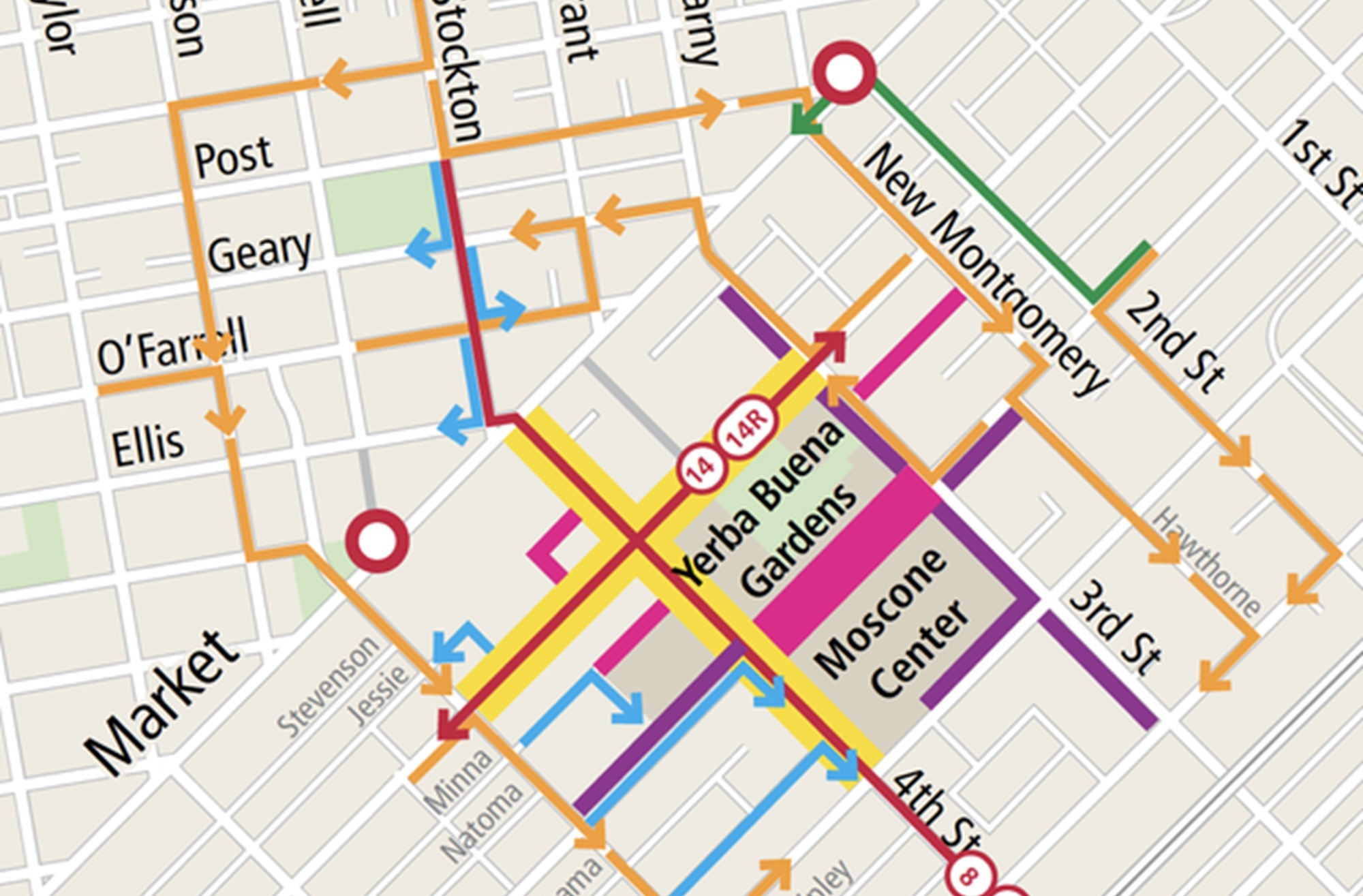
"caption": "Several areas in San Francisco will experience road closures around the Super Bowl, including streets around the Moscone Center which is hosting the Super Bowl Experience.",
"credit": "SFMTA/Bay Area Hosting Committee",
"altTag": null,
"description": null,
"imgSizes": {
"thumbnail": {
"file": "https://cdn.kqed.org/wp-content/uploads/sites/10/2026/01/Moscone_Super_Bowl_closures-160x105.jpg",
"width": 160,
"height": 105,
"mimeType": "image/jpeg"
},
"1536x1536": {
"file": "https://cdn.kqed.org/wp-content/uploads/sites/10/2026/01/Moscone_Super_Bowl_closures-1536x1010.jpg",
"width": 1536,
"height": 1010,
"mimeType": "image/jpeg"
},
"post-thumbnail": {
"file": "https://cdn.kqed.org/wp-content/uploads/sites/10/2026/01/Moscone_Super_Bowl_closures-672x372.jpg",
"width": 672,
"height": 372,
"mimeType": "image/jpeg"
},
"twentyfourteen-full-width": {
"file": "https://cdn.kqed.org/wp-content/uploads/sites/10/2026/01/Moscone_Super_Bowl_closures-1038x576.jpg",
"width": 1038,
"height": 576,
"mimeType": "image/jpeg"
},
"npr-cds-wide": {
"file": "https://cdn.kqed.org/wp-content/uploads/sites/10/2026/01/Moscone_Super_Bowl_closures-1200x675.jpg",
"width": 1200,
"height": 675,
"mimeType": "image/jpeg"
},
"kqedFullSize": {
"file": "https://cdn.kqed.org/wp-content/uploads/sites/10/2026/01/Moscone_Super_Bowl_closures.jpg",
"width": 2000,
"height": 1315
}
},
"isLoading": false,
"fetchFailed": false
},
"news_12070857": {
"type": "attachments",
"id": "news_12070857",
"meta": {
"index": "attachments_1716263798",
"site": "news",
"id": "12070857",
"found": true
},
"title": "260122-SJPDSHOOT-JG-2_qed",
"publishDate": 1769126680,
"status": "inherit",
"parent": 12070759,
"modified": 1769650566,
"caption": "Members of the San José City Council listen as San José Police Chief Paul Joseph speaks to the media during a Jan. 22, 2026, press conference about a police shooting in downtown that occurred on Wednesday.",
"credit": "Joseph Geha/KQED",
"altTag": null,
"description": null,
"imgSizes": {
"thumbnail": {
"file": "https://cdn.kqed.org/wp-content/uploads/sites/10/2026/01/260122-SJPDSHOOT-JG-2_qed-160x107.jpg",
"width": 160,
"height": 107,
"mimeType": "image/jpeg"
},
"1536x1536": {
"file": "https://cdn.kqed.org/wp-content/uploads/sites/10/2026/01/260122-SJPDSHOOT-JG-2_qed-1536x1024.jpg",
"width": 1536,
"height": 1024,
"mimeType": "image/jpeg"
},
"post-thumbnail": {
"file": "https://cdn.kqed.org/wp-content/uploads/sites/10/2026/01/260122-SJPDSHOOT-JG-2_qed-672x372.jpg",
"width": 672,
"height": 372,
"mimeType": "image/jpeg"
},
"twentyfourteen-full-width": {
"file": "https://cdn.kqed.org/wp-content/uploads/sites/10/2026/01/260122-SJPDSHOOT-JG-2_qed-1038x576.jpg",
"width": 1038,
"height": 576,
"mimeType": "image/jpeg"
},
"npr-cds-wide": {
"file": "https://cdn.kqed.org/wp-content/uploads/sites/10/2026/01/260122-SJPDSHOOT-JG-2_qed-1200x675.jpg",
"width": 1200,
"height": 675,
"mimeType": "image/jpeg"
},
"kqedFullSize": {
"file": "https://cdn.kqed.org/wp-content/uploads/sites/10/2026/01/260122-SJPDSHOOT-JG-2_qed.jpg",
"width": 1999,
"height": 1333
}
},
"isLoading": false,
"fetchFailed": false
},
"news_12015196": {
"type": "attachments",
"id": "news_12015196",
"meta": {
"index": "attachments_1716263798",
"site": "news",
"id": "12015196",
"found": true
},
"title": "241120-TransgenderAthletes-01",
"publishDate": 1732143963,
"status": "inherit",
"parent": 0,
"modified": 1769648999,
"caption": "The San José State Spartans volleyball team prepares for the serve from their opponents, the University of New Mexico Lobos, at their home game on Nov. 2, 2024.",
"credit": "Natalia Navarro/KQED",
"altTag": null,
"description": null,
"imgSizes": {
"medium": {
"file": "https://cdn.kqed.org/wp-content/uploads/sites/10/2024/11/241120-TransgenderAthletes-01-800x533.jpg",
"width": 800,
"height": 533,
"mimeType": "image/jpeg"
},
"large": {
"file": "https://cdn.kqed.org/wp-content/uploads/sites/10/2024/11/241120-TransgenderAthletes-01-1020x680.jpg",
"width": 1020,
"height": 680,
"mimeType": "image/jpeg"
},
"thumbnail": {
"file": "https://cdn.kqed.org/wp-content/uploads/sites/10/2024/11/241120-TransgenderAthletes-01-160x107.jpg",
"width": 160,
"height": 107,
"mimeType": "image/jpeg"
},
"1536x1536": {
"file": "https://cdn.kqed.org/wp-content/uploads/sites/10/2024/11/241120-TransgenderAthletes-01-1536x1024.jpg",
"width": 1536,
"height": 1024,
"mimeType": "image/jpeg"
},
"post-thumbnail": {
"file": "https://cdn.kqed.org/wp-content/uploads/sites/10/2024/11/241120-TransgenderAthletes-01-672x372.jpg",
"width": 672,
"height": 372,
"mimeType": "image/jpeg"
},
"twentyfourteen-full-width": {
"file": "https://cdn.kqed.org/wp-content/uploads/sites/10/2024/11/241120-TransgenderAthletes-01-1038x576.jpg",
"width": 1038,
"height": 576,
"mimeType": "image/jpeg"
},
"full-width": {
"file": "https://cdn.kqed.org/wp-content/uploads/sites/10/2024/11/241120-TransgenderAthletes-01-1920x1280.jpg",
"width": 1920,
"height": 1280,
"mimeType": "image/jpeg"
},
"kqedFullSize": {
"file": "https://cdn.kqed.org/wp-content/uploads/sites/10/2024/11/241120-TransgenderAthletes-01.jpg",
"width": 2000,
"height": 1333
}
},
"isLoading": false,
"fetchFailed": false
},
"news_11748206": {
"type": "attachments",
"id": "news_11748206",
"meta": {
"index": "attachments_1716263798",
"site": "news",
"id": "11748206",
"found": true
},
"title": "America's Cup - Finals Races 9 & 10",
"publishDate": 1558139942,
"status": "inherit",
"parent": 11748038,
"modified": 1558140358,
"caption": "You can see it from all over the Bay Area, but how many people who live here have actually been inside Coit Tower?",
"credit": "Jamie Squire/Getty Images",
"altTag": "You can see it from all over the Bay Area, but how many people who live here have actually been inside Coit Tower?",
"description": "You can see it from all over the Bay Area, but how many people who live here have actually been inside Coit Tower?",
"imgSizes": {
"thumbnail": {
"file": "https://cdn.kqed.org/wp-content/uploads/sites/10/2019/05/GettyImages-180658422-1-160x113.jpg",
"width": 160,
"height": 113,
"mimeType": "image/jpeg"
},
"medium": {
"file": "https://cdn.kqed.org/wp-content/uploads/sites/10/2019/05/GettyImages-180658422-1-800x565.jpg",
"width": 800,
"height": 565,
"mimeType": "image/jpeg"
},
"large": {
"file": "https://cdn.kqed.org/wp-content/uploads/sites/10/2019/05/GettyImages-180658422-1-1020x720.jpg",
"width": 1020,
"height": 720,
"mimeType": "image/jpeg"
},
"complete_open_graph": {
"file": "https://cdn.kqed.org/wp-content/uploads/sites/10/2019/05/GettyImages-180658422-1-1200x847.jpg",
"width": 1200,
"height": 847,
"mimeType": "image/jpeg"
},
"post-thumbnail": {
"file": "https://cdn.kqed.org/wp-content/uploads/sites/10/2019/05/GettyImages-180658422-1-672x372.jpg",
"width": 672,
"height": 372,
"mimeType": "image/jpeg"
},
"twentyfourteen-full-width": {
"file": "https://cdn.kqed.org/wp-content/uploads/sites/10/2019/05/GettyImages-180658422-1-1038x576.jpg",
"width": 1038,
"height": 576,
"mimeType": "image/jpeg"
},
"full-width": {
"file": "https://cdn.kqed.org/wp-content/uploads/sites/10/2019/05/GettyImages-180658422-1-1920x1355.jpg",
"width": 1920,
"height": 1355,
"mimeType": "image/jpeg"
},
"apple_news_ca_landscape_12_9": {
"file": "https://cdn.kqed.org/wp-content/uploads/sites/10/2019/05/GettyImages-180658422-1-1832x1374.jpg",
"width": 1832,
"height": 1374,
"mimeType": "image/jpeg"
},
"apple_news_ca_landscape_9_7": {
"file": "https://cdn.kqed.org/wp-content/uploads/sites/10/2019/05/GettyImages-180658422-1-1376x1032.jpg",
"width": 1376,
"height": 1032,
"mimeType": "image/jpeg"
},
"apple_news_ca_landscape_5_5": {
"file": "https://cdn.kqed.org/wp-content/uploads/sites/10/2019/05/GettyImages-180658422-1-1044x783.jpg",
"width": 1044,
"height": 783,
"mimeType": "image/jpeg"
},
"apple_news_ca_landscape_4_7": {
"file": "https://cdn.kqed.org/wp-content/uploads/sites/10/2019/05/GettyImages-180658422-1-632x474.jpg",
"width": 632,
"height": 474,
"mimeType": "image/jpeg"
},
"apple_news_ca_landscape_4_0": {
"file": "https://cdn.kqed.org/wp-content/uploads/sites/10/2019/05/GettyImages-180658422-1-536x402.jpg",
"width": 536,
"height": 402,
"mimeType": "image/jpeg"
},
"apple_news_ca_portrait_12_9": {
"file": "https://cdn.kqed.org/wp-content/uploads/sites/10/2019/05/GettyImages-180658422-1-1122x1496.jpg",
"width": 1122,
"height": 1496,
"mimeType": "image/jpeg"
},
"apple_news_ca_portrait_9_7": {
"file": "https://cdn.kqed.org/wp-content/uploads/sites/10/2019/05/GettyImages-180658422-1-840x1120.jpg",
"width": 840,
"height": 1120,
"mimeType": "image/jpeg"
},
"apple_news_ca_portrait_5_5": {
"file": "https://cdn.kqed.org/wp-content/uploads/sites/10/2019/05/GettyImages-180658422-1-687x916.jpg",
"width": 687,
"height": 916,
"mimeType": "image/jpeg"
},
"apple_news_ca_portrait_4_7": {
"file": "https://cdn.kqed.org/wp-content/uploads/sites/10/2019/05/GettyImages-180658422-1-414x552.jpg",
"width": 414,
"height": 552,
"mimeType": "image/jpeg"
},
"apple_news_ca_portrait_4_0": {
"file": "https://cdn.kqed.org/wp-content/uploads/sites/10/2019/05/GettyImages-180658422-1-354x472.jpg",
"width": 354,
"height": 472,
"mimeType": "image/jpeg"
},
"apple_news_ca_square_12_9": {
"file": "https://cdn.kqed.org/wp-content/uploads/sites/10/2019/05/GettyImages-180658422-1-1472x1472.jpg",
"width": 1472,
"height": 1472,
"mimeType": "image/jpeg"
},
"apple_news_ca_square_9_7": {
"file": "https://cdn.kqed.org/wp-content/uploads/sites/10/2019/05/GettyImages-180658422-1-1104x1104.jpg",
"width": 1104,
"height": 1104,
"mimeType": "image/jpeg"
},
"apple_news_ca_square_5_5": {
"file": "https://cdn.kqed.org/wp-content/uploads/sites/10/2019/05/GettyImages-180658422-1-912x912.jpg",
"width": 912,
"height": 912,
"mimeType": "image/jpeg"
},
"apple_news_ca_square_4_7": {
"file": "https://cdn.kqed.org/wp-content/uploads/sites/10/2019/05/GettyImages-180658422-1-550x550.jpg",
"width": 550,
"height": 550,
"mimeType": "image/jpeg"
},
"apple_news_ca_square_4_0": {
"file": "https://cdn.kqed.org/wp-content/uploads/sites/10/2019/05/GettyImages-180658422-1-470x470.jpg",
"width": 470,
"height": 470,
"mimeType": "image/jpeg"
},
"kqedFullSize": {
"file": "https://cdn.kqed.org/wp-content/uploads/sites/10/2019/05/GettyImages-180658422-1-e1769017310150.jpg",
"width": 2000,
"height": 1411
}
},
"isLoading": false,
"fetchFailed": false
},
"news_12053071": {
"type": "attachments",
"id": "news_12053071",
"meta": {
"index": "attachments_1716263798",
"site": "news",
"id": "12053071",
"found": true
},
"title": "250813_THEBATMANOFSANJOSES_GH-15-KQED",
"publishDate": 1755725352,
"status": "inherit",
"parent": 0,
"modified": 1768499602,
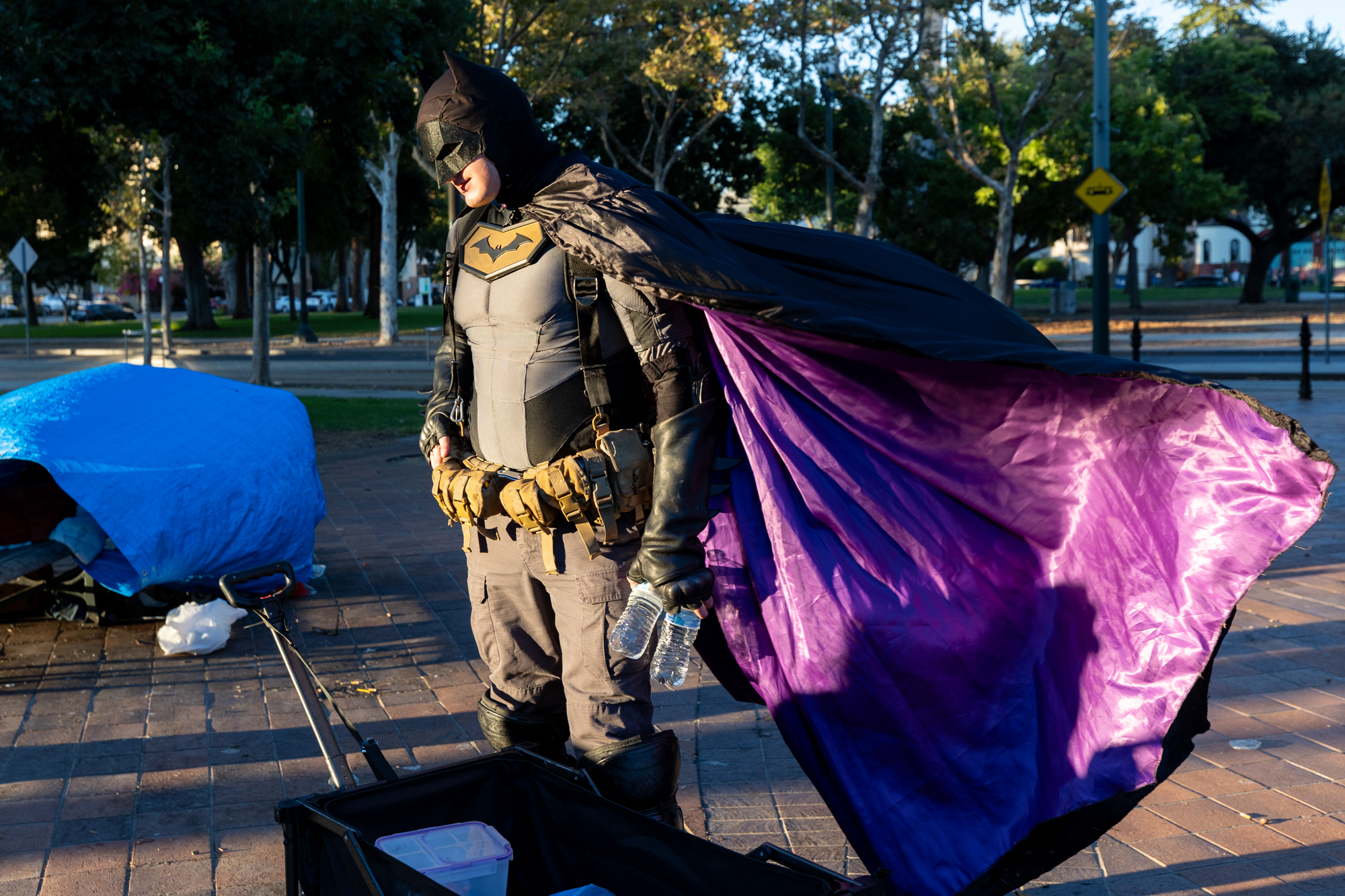
"caption": "With bottles of water in hand, the Batman of San José prepares to distribute supplies in San Jose on Aug. 13, 2025.",
"credit": "Gustavo Hernandez/KQED",
"altTag": null,
"description": null,
"imgSizes": {
"thumbnail": {
"file": "https://cdn.kqed.org/wp-content/uploads/sites/10/2025/08/250813_THEBATMANOFSANJOSES_GH-15-KQED-160x107.jpg",
"width": 160,
"height": 107,
"mimeType": "image/jpeg"
},
"1536x1536": {
"file": "https://cdn.kqed.org/wp-content/uploads/sites/10/2025/08/250813_THEBATMANOFSANJOSES_GH-15-KQED-1536x1024.jpg",
"width": 1536,
"height": 1024,
"mimeType": "image/jpeg"
},
"post-thumbnail": {
"file": "https://cdn.kqed.org/wp-content/uploads/sites/10/2025/08/250813_THEBATMANOFSANJOSES_GH-15-KQED-672x372.jpg",
"width": 672,
"height": 372,
"mimeType": "image/jpeg"
},
"twentyfourteen-full-width": {
"file": "https://cdn.kqed.org/wp-content/uploads/sites/10/2025/08/250813_THEBATMANOFSANJOSES_GH-15-KQED-1038x576.jpg",
"width": 1038,
"height": 576,
"mimeType": "image/jpeg"
},
"kqedFullSize": {
"file": "https://cdn.kqed.org/wp-content/uploads/sites/10/2025/08/250813_THEBATMANOFSANJOSES_GH-15-KQED.jpg",
"width": 2000,
"height": 1333
}
},
"isLoading": false,
"fetchFailed": false
},
"news_12069851": {
"type": "attachments",
"id": "news_12069851",
"meta": {
"index": "attachments_1716263798",
"site": "news",
"id": "12069851",
"found": true
},
"title": "A sign for Creekside San José on Dec. 8, 2025.",
"publishDate": 1768431731,
"status": "inherit",
"parent": 0,
"modified": 1768431862,
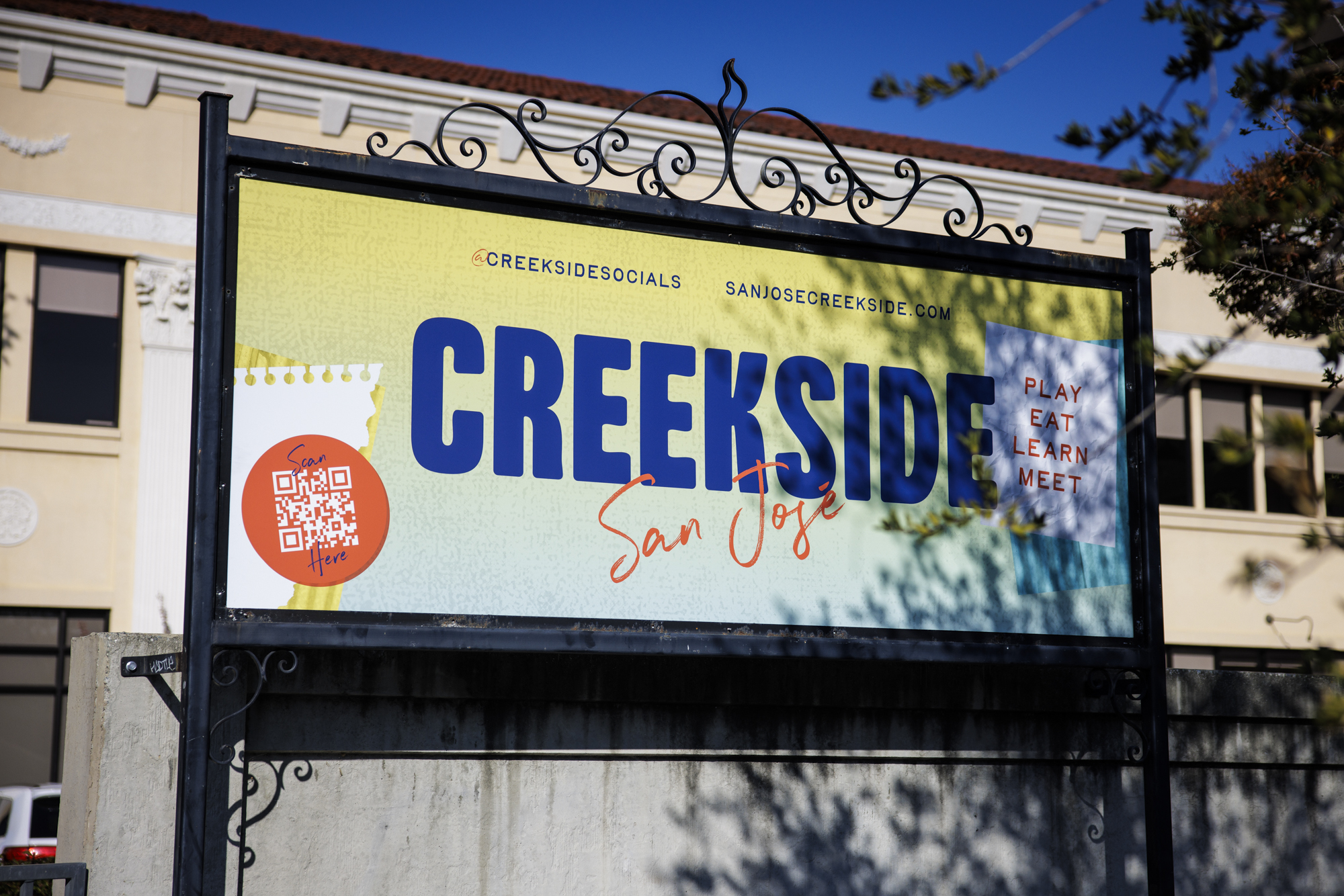
"caption": "A sign for Creekside San José in San José on Dec. 8, 2025.",
"credit": "Martin do Nascimento/KQED",
"altTag": null,
"description": null,
"imgSizes": {
"thumbnail": {
"file": "https://cdn.kqed.org/wp-content/uploads/sites/10/2026/01/251208-DOWNTOWN-WEST-MD-08-KQED-160x107.jpg",
"width": 160,
"height": 107,
"mimeType": "image/jpeg"
},
"1536x1536": {
"file": "https://cdn.kqed.org/wp-content/uploads/sites/10/2026/01/251208-DOWNTOWN-WEST-MD-08-KQED-1536x1025.jpg",
"width": 1536,
"height": 1025,
"mimeType": "image/jpeg"
},
"post-thumbnail": {
"file": "https://cdn.kqed.org/wp-content/uploads/sites/10/2026/01/251208-DOWNTOWN-WEST-MD-08-KQED-672x372.jpg",
"width": 672,
"height": 372,
"mimeType": "image/jpeg"
},
"twentyfourteen-full-width": {
"file": "https://cdn.kqed.org/wp-content/uploads/sites/10/2026/01/251208-DOWNTOWN-WEST-MD-08-KQED-1038x576.jpg",
"width": 1038,
"height": 576,
"mimeType": "image/jpeg"
},
"npr-cds-wide": {
"file": "https://cdn.kqed.org/wp-content/uploads/sites/10/2026/01/251208-DOWNTOWN-WEST-MD-08-KQED-1200x675.jpg",
"width": 1200,
"height": 675,
"mimeType": "image/jpeg"
},
"kqedFullSize": {
"file": "https://cdn.kqed.org/wp-content/uploads/sites/10/2026/01/251208-DOWNTOWN-WEST-MD-08-KQED.jpg",
"width": 2000,
"height": 1334
}
},
"isLoading": false,
"fetchFailed": false
},
"news_12069436": {
"type": "attachments",
"id": "news_12069436",
"meta": {
"index": "attachments_1716263798",
"site": "news",
"id": "12069436",
"found": true
},
"title": "260112-SANBRUNOAFFORDABLEHOUSING00141_TV-KQED",
"publishDate": 1768253245,
"status": "inherit",
"parent": 0,
"modified": 1768267849,
"caption": "AbilityPath Housing opens a new affordable housing building on 381 Huntington Ave. in San Bruno on January 12, 2026. AbilityPath, an organization that helps adults with developmental disabilities, holds a ribbon-cutting ceremony for a new affordable housing building in San Bruno that is meant to serve adults with developmental disabilities.",
"credit": "Tâm Vũ/KQED",
"altTag": null,
"description": null,
"imgSizes": {
"thumbnail": {
"file": "https://cdn.kqed.org/wp-content/uploads/sites/10/2026/01/260112-SANBRUNOAFFORDABLEHOUSING00141_TV-KQED-160x107.jpg",
"width": 160,
"height": 107,
"mimeType": "image/jpeg"
},
"1536x1536": {
"file": "https://cdn.kqed.org/wp-content/uploads/sites/10/2026/01/260112-SANBRUNOAFFORDABLEHOUSING00141_TV-KQED-1536x1024.jpg",
"width": 1536,
"height": 1024,
"mimeType": "image/jpeg"
},
"post-thumbnail": {
"file": "https://cdn.kqed.org/wp-content/uploads/sites/10/2026/01/260112-SANBRUNOAFFORDABLEHOUSING00141_TV-KQED-672x372.jpg",
"width": 672,
"height": 372,
"mimeType": "image/jpeg"
},
"twentyfourteen-full-width": {
"file": "https://cdn.kqed.org/wp-content/uploads/sites/10/2026/01/260112-SANBRUNOAFFORDABLEHOUSING00141_TV-KQED-1038x576.jpg",
"width": 1038,
"height": 576,
"mimeType": "image/jpeg"
},
"npr-cds-wide": {
"file": "https://cdn.kqed.org/wp-content/uploads/sites/10/2026/01/260112-SANBRUNOAFFORDABLEHOUSING00141_TV-KQED-1200x675.jpg",
"width": 1200,
"height": 675,
"mimeType": "image/jpeg"
},
"kqedFullSize": {
"file": "https://cdn.kqed.org/wp-content/uploads/sites/10/2026/01/260112-SANBRUNOAFFORDABLEHOUSING00141_TV-KQED.jpg",
"width": 2000,
"height": 1333
}
},
"isLoading": false,
"fetchFailed": false
},
"news_12069330": {
"type": "attachments",
"id": "news_12069330",
"meta": {
"index": "attachments_1716263798",
"site": "news",
"id": "12069330",
"found": true
},
"title": "Group of university students staring at mobile phones Announcement of academic results or test scores",
"publishDate": 1768004932,
"status": "inherit",
"parent": 12069286,
"modified": 1768007574,
"caption": "A group of university students stares at a mobile phone.",
"credit": "Pranithan Chorruangsak/Getty Images",
"altTag": null,
"description": null,
"imgSizes": {
"thumbnail": {
"file": "https://cdn.kqed.org/wp-content/uploads/sites/10/2026/01/OpenAI-160x107.jpg",
"width": 160,
"height": 107,
"mimeType": "image/jpeg"
},
"1536x1536": {
"file": "https://cdn.kqed.org/wp-content/uploads/sites/10/2026/01/OpenAI-1536x1024.jpg",
"width": 1536,
"height": 1024,
"mimeType": "image/jpeg"
},
"post-thumbnail": {
"file": "https://cdn.kqed.org/wp-content/uploads/sites/10/2026/01/OpenAI-672x372.jpg",
"width": 672,
"height": 372,
"mimeType": "image/jpeg"
},
"twentyfourteen-full-width": {
"file": "https://cdn.kqed.org/wp-content/uploads/sites/10/2026/01/OpenAI-1038x576.jpg",
"width": 1038,
"height": 576,
"mimeType": "image/jpeg"
},
"npr-cds-wide": {
"file": "https://cdn.kqed.org/wp-content/uploads/sites/10/2026/01/OpenAI-1200x675.jpg",
"width": 1200,
"height": 675,
"mimeType": "image/jpeg"
},
"kqedFullSize": {
"file": "https://cdn.kqed.org/wp-content/uploads/sites/10/2026/01/OpenAI.jpg",
"width": 2000,
"height": 1333
}
},
"isLoading": false,
"fetchFailed": false
},
"news_12069165": {
"type": "attachments",
"id": "news_12069165",
"meta": {
"index": "attachments_1716263798",
"site": "news",
"id": "12069165",
"found": true
},
"title": "Measles Outbreak",
"publishDate": 1767916977,
"status": "inherit",
"parent": 12069161,
"modified": 1767917017,
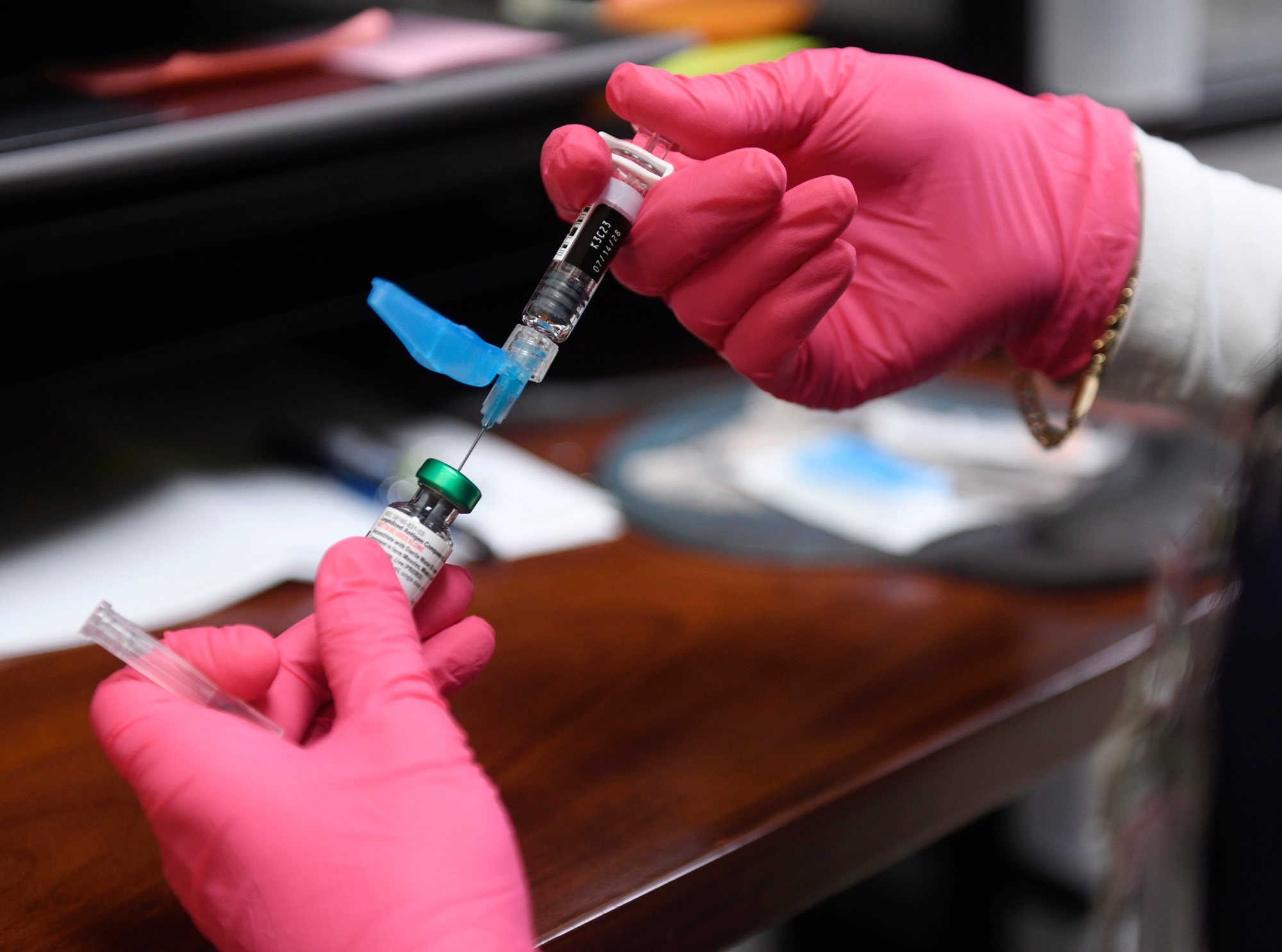
"caption": "A nurse prepares a measles, mumps and rubella vaccine at the Andrews County Health Department on April 8, 2025, in Andrews, Texas. ",
"credit": "Annie Rice/AP Photo",
"altTag": null,
"description": null,
"imgSizes": {
"thumbnail": {
"file": "https://cdn.kqed.org/wp-content/uploads/sites/10/2026/01/MeaslesAP-160x119.jpg",
"width": 160,
"height": 119,
"mimeType": "image/jpeg"
},
"1536x1536": {
"file": "https://cdn.kqed.org/wp-content/uploads/sites/10/2026/01/MeaslesAP-1536x1140.jpg",
"width": 1536,
"height": 1140,
"mimeType": "image/jpeg"
},
"post-thumbnail": {
"file": "https://cdn.kqed.org/wp-content/uploads/sites/10/2026/01/MeaslesAP-672x372.jpg",
"width": 672,
"height": 372,
"mimeType": "image/jpeg"
},
"twentyfourteen-full-width": {
"file": "https://cdn.kqed.org/wp-content/uploads/sites/10/2026/01/MeaslesAP-1038x576.jpg",
"width": 1038,
"height": 576,
"mimeType": "image/jpeg"
},
"npr-cds-wide": {
"file": "https://cdn.kqed.org/wp-content/uploads/sites/10/2026/01/MeaslesAP-1200x675.jpg",
"width": 1200,
"height": 675,
"mimeType": "image/jpeg"
},
"kqedFullSize": {
"file": "https://cdn.kqed.org/wp-content/uploads/sites/10/2026/01/MeaslesAP.jpg",
"width": 2000,
"height": 1485
}
},
"isLoading": false,
"fetchFailed": false
},
"news_12069091": {
"type": "attachments",
"id": "news_12069091",
"meta": {
"index": "attachments_1716263798",
"site": "news",
"id": "12069091",
"found": true
},
"title": "San Francisco Sees Historically Cold Summer With Record Rain In July",
"publishDate": 1767896015,
"status": "inherit",
"parent": 12069084,
"modified": 1767911736,
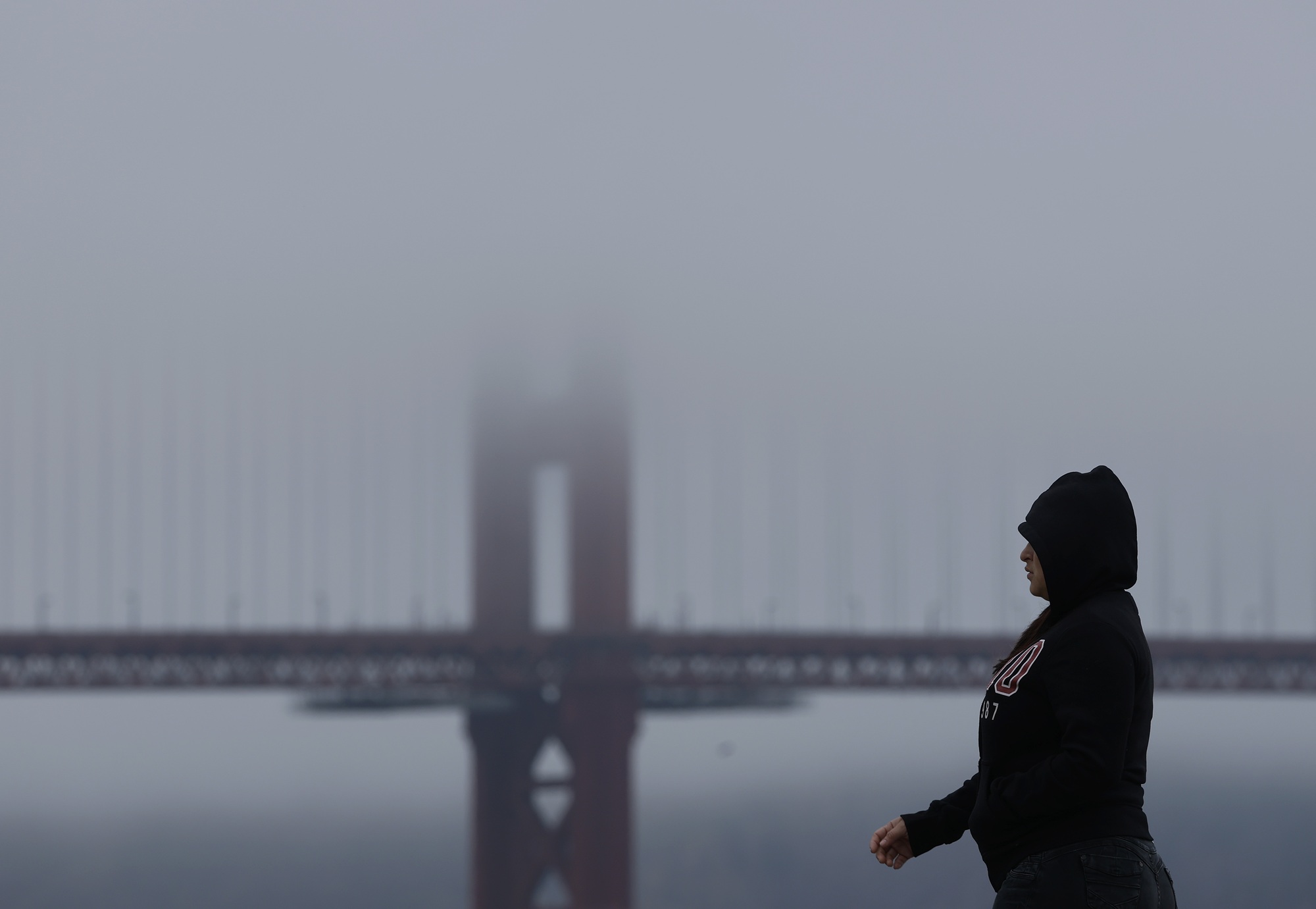
"caption": "A pedestrian walks by a fog-shrouded Golden Gate Bridge on July 30, 2025, in San Francisco, California. As summer temperatures soar to record highs across much of the U.S., San Francisco is experiencing a historically cold summer as a persistent marine layer hangs over the city on most days, keeping daily temperatures in the 50s and 60s. The constant fog has produced five days of measurable precipitation in July for the first time since 1850. Since May, San Francisco has only once reached a daytime high temperature of 70 degrees.",
"credit": "Justin Sullivan/Getty Images",
"altTag": null,
"description": null,
"imgSizes": {
"thumbnail": {
"file": "https://cdn.kqed.org/wp-content/uploads/sites/10/2026/01/BayAreaColdWeatherSFGetty-160x110.jpg",
"width": 160,
"height": 110,
"mimeType": "image/jpeg"
},
"1536x1536": {
"file": "https://cdn.kqed.org/wp-content/uploads/sites/10/2026/01/BayAreaColdWeatherSFGetty-1536x1061.jpg",
"width": 1536,
"height": 1061,
"mimeType": "image/jpeg"
},
"post-thumbnail": {
"file": "https://cdn.kqed.org/wp-content/uploads/sites/10/2026/01/BayAreaColdWeatherSFGetty-672x372.jpg",
"width": 672,
"height": 372,
"mimeType": "image/jpeg"
},
"twentyfourteen-full-width": {
"file": "https://cdn.kqed.org/wp-content/uploads/sites/10/2026/01/BayAreaColdWeatherSFGetty-1038x576.jpg",
"width": 1038,
"height": 576,
"mimeType": "image/jpeg"
},
"npr-cds-wide": {
"file": "https://cdn.kqed.org/wp-content/uploads/sites/10/2026/01/BayAreaColdWeatherSFGetty-1200x675.jpg",
"width": 1200,
"height": 675,
"mimeType": "image/jpeg"
},
"kqedFullSize": {
"file": "https://cdn.kqed.org/wp-content/uploads/sites/10/2026/01/BayAreaColdWeatherSFGetty.jpg",
"width": 2000,
"height": 1381
}
},
"isLoading": false,
"fetchFailed": false
},
"news_12068688": {
"type": "attachments",
"id": "news_12068688",
"meta": {
"index": "attachments_1716263798",
"site": "news",
"id": "12068688",
"found": true
},
"title": "IMG_6335",
"publishDate": 1767649009,
"status": "inherit",
"parent": 0,
"modified": 1767650263,
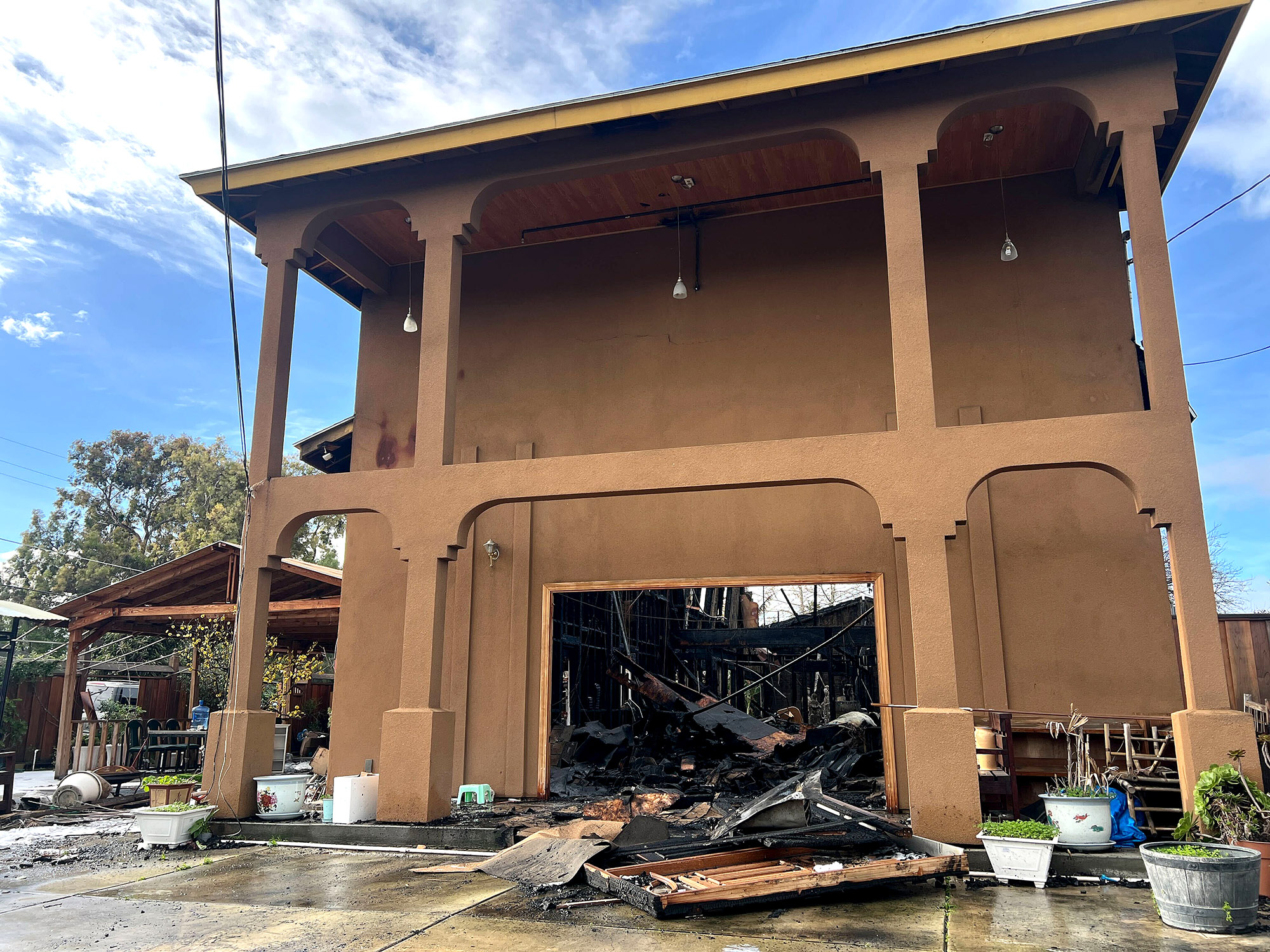
"caption": "The remains of the Chua Duyen Giac Buddhist temple on Foss Avenue stand in San José on Jan. 5, 2026, after a three-alarm fire gutted the two-story building. The structure was declared a total loss by fire officials, marking the second time the temple has been heavily damaged by a blaze in the last 20 months.",
"credit": "Ayah Ali-Ahmad/KQED",
"altTag": null,
"description": null,
"imgSizes": {
"thumbnail": {
"file": "https://cdn.kqed.org/wp-content/uploads/sites/10/2026/01/IMG_6335-160x120.jpg",
"width": 160,
"height": 120,
"mimeType": "image/jpeg"
},
"1536x1536": {
"file": "https://cdn.kqed.org/wp-content/uploads/sites/10/2026/01/IMG_6335-1536x1152.jpg",
"width": 1536,
"height": 1152,
"mimeType": "image/jpeg"
},
"post-thumbnail": {
"file": "https://cdn.kqed.org/wp-content/uploads/sites/10/2026/01/IMG_6335-672x372.jpg",
"width": 672,
"height": 372,
"mimeType": "image/jpeg"
},
"twentyfourteen-full-width": {
"file": "https://cdn.kqed.org/wp-content/uploads/sites/10/2026/01/IMG_6335-1038x576.jpg",
"width": 1038,
"height": 576,
"mimeType": "image/jpeg"
},
"npr-cds-wide": {
"file": "https://cdn.kqed.org/wp-content/uploads/sites/10/2026/01/IMG_6335-1200x675.jpg",
"width": 1200,
"height": 675,
"mimeType": "image/jpeg"
},
"kqedFullSize": {
"file": "https://cdn.kqed.org/wp-content/uploads/sites/10/2026/01/IMG_6335.jpg",
"width": 2000,
"height": 1500
}
},
"isLoading": false,
"fetchFailed": false
},
"news_11987469": {
"type": "attachments",
"id": "news_11987469",
"meta": {
"index": "attachments_1716263798",
"site": "news",
"id": "11987469",
"found": true
},
"title": "240404-District5BOSRedistricting-010-BL_qut",
"publishDate": 1716424806,
"status": "inherit",
"parent": 11987465,
"modified": 1716424849,
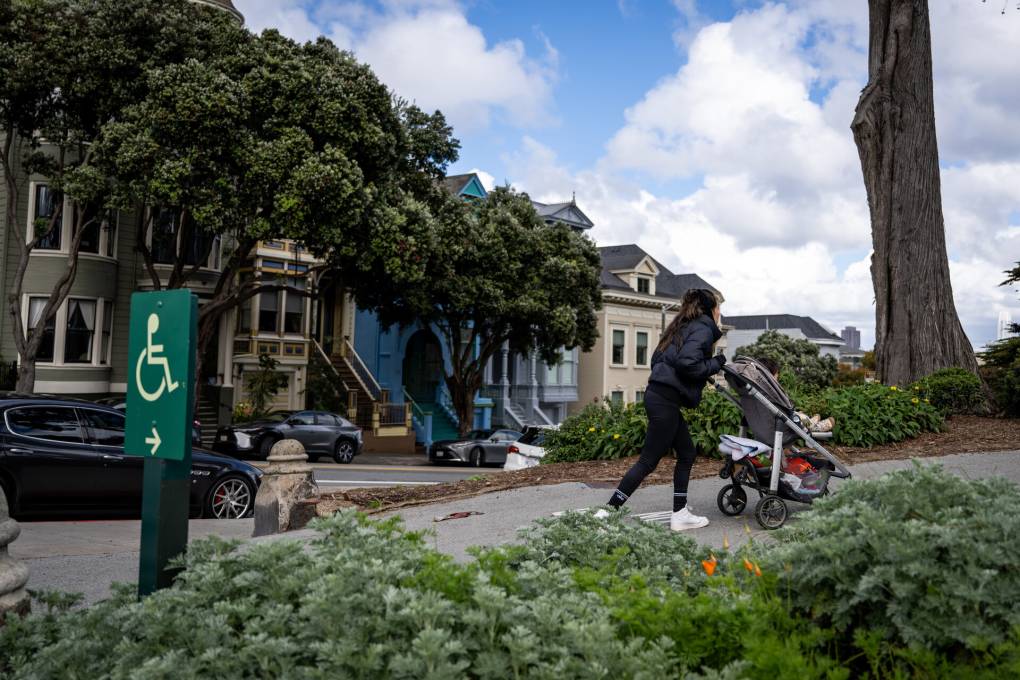
"caption": "A woman pushes a stroller through Alamo Square Park in San Francisco on April 4, 2024.",
"credit": "Beth LaBerge/KQED",
"altTag": null,
"description": null,
"imgSizes": {
"medium": {
"file": "https://cdn.kqed.org/wp-content/uploads/sites/10/2024/05/240404-District5BOSRedistricting-010-BL_qut-800x533.jpg",
"width": 800,
"height": 533,
"mimeType": "image/jpeg"
},
"large": {
"file": "https://cdn.kqed.org/wp-content/uploads/sites/10/2024/05/240404-District5BOSRedistricting-010-BL_qut-1020x680.jpg",
"width": 1020,
"height": 680,
"mimeType": "image/jpeg"
},
"thumbnail": {
"file": "https://cdn.kqed.org/wp-content/uploads/sites/10/2024/05/240404-District5BOSRedistricting-010-BL_qut-160x107.jpg",
"width": 160,
"height": 107,
"mimeType": "image/jpeg"
},
"1536x1536": {
"file": "https://cdn.kqed.org/wp-content/uploads/sites/10/2024/05/240404-District5BOSRedistricting-010-BL_qut-1536x1024.jpg",
"width": 1536,
"height": 1024,
"mimeType": "image/jpeg"
},
"post-thumbnail": {
"file": "https://cdn.kqed.org/wp-content/uploads/sites/10/2024/05/240404-District5BOSRedistricting-010-BL_qut-672x372.jpg",
"width": 672,
"height": 372,
"mimeType": "image/jpeg"
},
"twentyfourteen-full-width": {
"file": "https://cdn.kqed.org/wp-content/uploads/sites/10/2024/05/240404-District5BOSRedistricting-010-BL_qut-1038x576.jpg",
"width": 1038,
"height": 576,
"mimeType": "image/jpeg"
},
"kqedFullSize": {
"file": "https://cdn.kqed.org/wp-content/uploads/sites/10/2024/05/240404-District5BOSRedistricting-010-BL_qut.jpg",
"width": 1920,
"height": 1280
}
},
"isLoading": false,
"fetchFailed": false
}
},
"audioPlayerReducer": {
"postId": "stream_live",
"isPaused": true,
"isPlaying": false,
"pfsActive": false,
"pledgeModalIsOpen": true,
"playerDrawerIsOpen": false,
"liveAudioPlayStartedAt": 0,
"liveAudioPlayContext": ""
},
"authorsReducer": {
"byline_news_12070561": {
"type": "authors",
"id": "byline_news_12070561",
"meta": {
"override": true
},
"slug": "byline_news_12070561",
"name": "KQED News and Arts Staff",
"isLoading": false
},
"rachael-myrow": {
"type": "authors",
"id": "251",
"meta": {
"index": "authors_1716337520",
"id": "251",
"found": true
},
"name": "Rachael Myrow",
"firstName": "Rachael",
"lastName": "Myrow",
"slug": "rachael-myrow",
"email": "rmyrow@kqed.org",
"display_author_email": true,
"staff_mastheads": [
"news"
],
"title": "Senior Editor of KQED's Silicon Valley News Desk",
"bio": "• I write and edit stories about how Silicon Valley power and policies shape everyday life in California. I’m also passionate about making Bay Area history and culture more accessible to a broad public. • I’ve been a journalist for most of my life, starting in high school with The Franklin Press in Los Angeles, where I grew up. While earning my first degree in English at UC Berkeley, I got my start in public radio at KALX-FM. After completing a second degree in journalism at Cal, I landed my first professional job at Marketplace, then moved on to KPCC (now LAist), and then KQED, where I hosted The California Report for more than seven years. • My reporting has appeared on NPR, The World, WBUR’s \u003ci>Here & Now\u003c/i>, and the BBC. I also guest host for KQED’s \u003ci>Forum\u003c/i>, as well as the Commonwealth Club in San Francisco. • I speak periodically on media, democracy and technology issues, and do voiceover work for documentaries and educational video projects. • Outside of the studio, you'll find me hiking Bay Area trails and whipping up Insta-ready meals in my kitchen. • I do not accept gifts, money, or favors from anyone connected to my reporting, I don't pay people for information, and I do not support or donate to political causes. • I strive to treat the people I report on with fairness, honesty, and respect. I also recognize there are often multiple sides to a story and work to verify information through multiple sources and documentation. If I get something wrong, I correct it.",
"avatar": "https://secure.gravatar.com/avatar/3ed8a3c5f26025e4a805ba634cda8cd764906b97438a6d9ce216b044e340da4e?s=600&d=blank&r=g",
"twitter": "rachaelmyrow",
"bluesky": null,
"facebook": null,
"instagram": null,
"linkedin": "https://www.linkedin.com/in/rachaelmyrow/",
"sites": [
{
"site": "arts",
"roles": [
"administrator"
]
},
{
"site": "news",
"roles": [
"edit_others_posts",
"editor"
]
},
{
"site": "futureofyou",
"roles": [
"editor"
]
},
{
"site": "bayareabites",
"roles": [
"editor"
]
},
{
"site": "stateofhealth",
"roles": [
"editor"
]
},
{
"site": "science",
"roles": [
"editor"
]
},
{
"site": "food",
"roles": [
"editor"
]
},
{
"site": "forum",
"roles": [
"editor"
]
},
{
"site": "liveblog",
"roles": [
"author"
]
}
],
"headData": {
"title": "Rachael Myrow | KQED",
"description": "Senior Editor of KQED's Silicon Valley News Desk",
"ogImgSrc": "https://secure.gravatar.com/avatar/3ed8a3c5f26025e4a805ba634cda8cd764906b97438a6d9ce216b044e340da4e?s=600&d=blank&r=g",
"twImgSrc": "https://secure.gravatar.com/avatar/3ed8a3c5f26025e4a805ba634cda8cd764906b97438a6d9ce216b044e340da4e?s=600&d=blank&r=g"
},
"isLoading": false,
"link": "/author/rachael-myrow"
},
"carlysevern": {
"type": "authors",
"id": "3243",
"meta": {
"index": "authors_1716337520",
"id": "3243",
"found": true
},
"name": "Carly Severn",
"firstName": "Carly",
"lastName": "Severn",
"slug": "carlysevern",
"email": "csevern@kqed.org",
"display_author_email": false,
"staff_mastheads": [
"news"
],
"title": "Senior Editor, Audience News ",
"bio": "Carly is KQED's Senior Editor of Audience News on the Digital News team, and has reported for the California Report Magazine, Bay Curious and KQED Arts. She's formerly the host of \u003ca href=\"http://ww2.kqed.org/pop/category/the-cooler/\" rel=\"noopener noreferrer\">The Cooler\u003c/a> podcast.",
"avatar": "https://secure.gravatar.com/avatar/54037bf5c128fe678f0ef26cec97a93f2e7f220a22d7285703328f12c42c1b1d?s=600&d=blank&r=g",
"twitter": "teacupinthebay",
"bluesky": null,
"facebook": null,
"instagram": null,
"linkedin": null,
"sites": [
{
"site": "",
"roles": [
"editor"
]
},
{
"site": "arts",
"roles": [
"editor"
]
},
{
"site": "news",
"roles": [
"administrator"
]
},
{
"site": "pop",
"roles": [
"editor"
]
},
{
"site": "futureofyou",
"roles": [
"editor"
]
},
{
"site": "about",
"roles": [
"administrator"
]
},
{
"site": "mindshift",
"roles": [
"editor"
]
},
{
"site": "bayareabites",
"roles": [
"editor"
]
},
{
"site": "stateofhealth",
"roles": [
"editor"
]
},
{
"site": "science",
"roles": [
"editor"
]
},
{
"site": "food",
"roles": [
"contributor"
]
},
{
"site": "forum",
"roles": [
"editor"
]
},
{
"site": "perspectives",
"roles": [
"administrator"
]
},
{
"site": "liveblog",
"roles": [
"editor"
]
}
],
"headData": {
"title": "Carly Severn | KQED",
"description": "Senior Editor, Audience News ",
"ogImgSrc": "https://secure.gravatar.com/avatar/54037bf5c128fe678f0ef26cec97a93f2e7f220a22d7285703328f12c42c1b1d?s=600&d=blank&r=g",
"twImgSrc": "https://secure.gravatar.com/avatar/54037bf5c128fe678f0ef26cec97a93f2e7f220a22d7285703328f12c42c1b1d?s=600&d=blank&r=g"
},
"isLoading": false,
"link": "/author/carlysevern"
},
"jgeha": {
"type": "authors",
"id": "11906",
"meta": {
"index": "authors_1716337520",
"id": "11906",
"found": true
},
"name": "Joseph Geha",
"firstName": "Joseph",
"lastName": "Geha",
"slug": "jgeha",
"email": "jgeha@kqed.org",
"display_author_email": false,
"staff_mastheads": [
"news",
"science"
],
"title": "KQED Contributor",
"bio": null,
"avatar": "https://secure.gravatar.com/avatar/ea84d2b6dd93d6369d453edf19dd583f117cd1759d2d9c9c92f9de77017354fe?s=600&d=blank&r=g",
"twitter": null,
"bluesky": null,
"facebook": null,
"instagram": null,
"linkedin": null,
"sites": [
{
"site": "news",
"roles": [
"editor"
]
},
{
"site": "liveblog",
"roles": [
"author"
]
}
],
"headData": {
"title": "Joseph Geha | KQED",
"description": "KQED Contributor",
"ogImgSrc": "https://secure.gravatar.com/avatar/ea84d2b6dd93d6369d453edf19dd583f117cd1759d2d9c9c92f9de77017354fe?s=600&d=blank&r=g",
"twImgSrc": "https://secure.gravatar.com/avatar/ea84d2b6dd93d6369d453edf19dd583f117cd1759d2d9c9c92f9de77017354fe?s=600&d=blank&r=g"
},
"isLoading": false,
"link": "/author/jgeha"
},
"emanoukian": {
"type": "authors",
"id": "11925",
"meta": {
"index": "authors_1716337520",
"id": "11925",
"found": true
},
"name": "Elize Manoukian",
"firstName": "Elize",
"lastName": "Manoukian",
"slug": "emanoukian",
"email": "emanoukian@KQED.org",
"display_author_email": false,
"staff_mastheads": [
"news"
],
"title": "Digital News Editor",
"bio": "Elize Manoukian is an award-winning audio producer and Senior Editor on the Express Desk, KQED's digital news platform. Her work has appeared on KPFA, Interlochen Public Radio, Oregon Public Broadcast, the New York Daily News, LA Times and the San Diego Union-Tribune.",
"avatar": "https://secure.gravatar.com/avatar/4525f1a8e46ccb30933b32653d9772064cfefe3fa655eb45b3b3a80341f6bdad?s=600&d=blank&r=g",
"twitter": null,
"bluesky": null,
"facebook": null,
"instagram": null,
"linkedin": null,
"sites": [
{
"site": "arts",
"roles": [
"editor"
]
},
{
"site": "news",
"roles": [
"editor"
]
},
{
"site": "science",
"roles": [
"editor"
]
}
],
"headData": {
"title": "Elize Manoukian | KQED",
"description": "Digital News Editor",
"ogImgSrc": "https://secure.gravatar.com/avatar/4525f1a8e46ccb30933b32653d9772064cfefe3fa655eb45b3b3a80341f6bdad?s=600&d=blank&r=g",
"twImgSrc": "https://secure.gravatar.com/avatar/4525f1a8e46ccb30933b32653d9772064cfefe3fa655eb45b3b3a80341f6bdad?s=600&d=blank&r=g"
},
"isLoading": false,
"link": "/author/emanoukian"
},
"sarahwright": {
"type": "authors",
"id": "11956",
"meta": {
"index": "authors_1716337520",
"id": "11956",
"found": true
},
"name": "Sarah Wright",
"firstName": "Sarah",
"lastName": "Wright",
"slug": "sarahwright",
"email": "swright@kqed.org",
"display_author_email": true,
"staff_mastheads": [],
"title": "Outdoors Engagement Reporter",
"bio": "Sarah Wright is KQED's Outdoors Engagement Reporter. Originally from Lake Tahoe, she completed a thru-hike of the Pacific Crest Trail in 2019 and was a U.S. Fulbright Program grantee to Argentina in 2023. Her journalism has appeared in The Guardian, The San Francisco Standard, The Palo Alto Weekly and the Half Moon Bay Review.",
"avatar": "https://secure.gravatar.com/avatar/c161a3d6441865cba25e6db4fa561099ad665799e9432e34da2b84d7e371524c?s=600&d=blank&r=g",
"twitter": null,
"bluesky": null,
"facebook": null,
"instagram": null,
"linkedin": null,
"sites": [
{
"site": "arts",
"roles": [
"editor"
]
},
{
"site": "news",
"roles": [
"editor"
]
},
{
"site": "science",
"roles": [
"contributor",
"author"
]
},
{
"site": "forum",
"roles": [
"editor"
]
}
],
"headData": {
"title": "Sarah Wright | KQED",
"description": "Outdoors Engagement Reporter",
"ogImgSrc": "https://secure.gravatar.com/avatar/c161a3d6441865cba25e6db4fa561099ad665799e9432e34da2b84d7e371524c?s=600&d=blank&r=g",
"twImgSrc": "https://secure.gravatar.com/avatar/c161a3d6441865cba25e6db4fa561099ad665799e9432e34da2b84d7e371524c?s=600&d=blank&r=g"
},
"isLoading": false,
"link": "/author/sarahwright"
},
"sprabha": {
"type": "authors",
"id": "11976",
"meta": {
"index": "authors_1716337520",
"id": "11976",
"found": true
},
"name": "Srishti Prabha",
"firstName": "Srishti",
"lastName": "Prabha",
"slug": "sprabha",
"email": "sprabha@KQED.org",
"display_author_email": false,
"staff_mastheads": [],
"title": "KQED Contributor",
"bio": "Srishti Prabha is a producer and reporter for KQED news and podcasts. They also work on longform human-interest features as a Beat Reporting Fellow with KALW. Their reporting has appeared on NPR, Morning Edition, All Things Considered, The California Report Magazine, and more. Most recently, Prabha covered education for CapRadio as a Report for America corps member, focusing on issues affecting communities of color in the Sacramento region. They previously served as managing editor of India Currents, where they reported on immigration, cultural identity, and health in South Asian communities. Prabha's work has been recognized by the San Francisco Press Club, the California News Publishers Association, and the Edward R. Murrow Awards.",
"avatar": "https://secure.gravatar.com/avatar/cc4d8ef770090714faad7e1d24857f806d09340456c5734167b9a6361b175d7d?s=600&d=blank&r=g",
"twitter": null,
"bluesky": null,
"facebook": null,
"instagram": null,
"linkedin": null,
"sites": [
{
"site": "news",
"roles": [
"editor"
]
}
],
"headData": {
"title": "Srishti Prabha | KQED",
"description": "KQED Contributor",
"ogImgSrc": "https://secure.gravatar.com/avatar/cc4d8ef770090714faad7e1d24857f806d09340456c5734167b9a6361b175d7d?s=600&d=blank&r=g",
"twImgSrc": "https://secure.gravatar.com/avatar/cc4d8ef770090714faad7e1d24857f806d09340456c5734167b9a6361b175d7d?s=600&d=blank&r=g"
},
"isLoading": false,
"link": "/author/sprabha"
},
"aaliahmad": {
"type": "authors",
"id": "11986",
"meta": {
"index": "authors_1716337520",
"id": "11986",
"found": true
},
"name": "Ayah Ali-Ahmad",
"firstName": "Ayah",
"lastName": "Ali-Ahmad",
"slug": "aaliahmad",
"email": "aaliahmad@KQED.org",
"display_author_email": false,
"staff_mastheads": [],
"title": "KQED Contributor",
"bio": null,
"avatar": "https://secure.gravatar.com/avatar/1cf54f187a5e1064b2cfef3f3d2f1e4f93e453395d56912aca6382a6071ec3ed?s=600&d=blank&r=g",
"twitter": "ayahaliahmad",
"bluesky": null,
"facebook": null,
"instagram": null,
"linkedin": null,
"sites": [
{
"site": "news",
"roles": [
"subscriber"
]
}
],
"headData": {
"title": "Ayah Ali-Ahmad | KQED",
"description": "KQED Contributor",
"ogImgSrc": "https://secure.gravatar.com/avatar/1cf54f187a5e1064b2cfef3f3d2f1e4f93e453395d56912aca6382a6071ec3ed?s=600&d=blank&r=g",
"twImgSrc": "https://secure.gravatar.com/avatar/1cf54f187a5e1064b2cfef3f3d2f1e4f93e453395d56912aca6382a6071ec3ed?s=600&d=blank&r=g"
},
"isLoading": false,
"link": "/author/aaliahmad"
}
},
"pagesReducer": {
"news_tag_south-bay": {
"type": "terms",
"id": "news_21285",
"meta": {
"index": "terms_1716263798",
"site": "news",
"id": "21285",
"score": 7.0832872
},
"featImg": null,
"name": "South Bay",
"description": null,
"taxonomy": "tag",
"headData": {
"twImgId": null,
"twTitle": null,
"ogTitle": null,
"ogImgId": null,
"twDescription": null,
"description": null,
"title": "South Bay Archives | KQED News",
"ogDescription": null
},
"ttid": 21302,
"slug": "south-bay",
"isLoading": false,
"title": "South Bay",
"pageMeta": {
"site": "news",
"WpPageTemplate": "page-topic-editorial",
"currentPage": 10
},
"blocks": [
{
"blockName": "kqed/post-list",
"attrs": {
"layout": "cardArticle2",
"query": "posts/news?tag=south-bay",
"seeMore": false,
"paginated": true,
"page": 10
}
},
{
"blockName": "kqed/ad"
}
]
}
},
"pfsSessionReducer": {},
"postsReducer": {
"stream_live": {
"type": "live",
"id": "stream_live",
"audioUrl": "https://streams.kqed.org/kqedradio",
"title": "Live Stream",
"excerpt": "Live Stream information currently unavailable.",
"link": "/radio",
"featImg": "",
"label": {
"name": "KQED Live",
"link": "/"
}
},
"stream_kqedNewscast": {
"type": "posts",
"id": "stream_kqedNewscast",
"audioUrl": "https://www.kqed.org/.stream/anon/radio/RDnews/newscast.mp3?_=1",
"title": "KQED Newscast",
"featImg": "",
"label": {
"name": "88.5 FM",
"link": "/"
}
},
"news_12071347": {
"type": "posts",
"id": "news_12071347",
"meta": {
"index": "posts_1716263798",
"site": "news",
"id": "12071347",
"score": null,
"sort": [
1769688023000
]
},
"guestAuthors": [],
"slug": "super-bowl-2026-santa-clara-road-closures-traffic-san-francisco-bay-area-levis-stadium",
"title": "Super Bowl Road Closures and Traffic: Check if Your Route Is Affected This Week",
"publishDate": 1769688023,
"format": "standard",
"headTitle": "Super Bowl Road Closures and Traffic: Check if Your Route Is Affected This Week | KQED",
"labelTerm": {
"site": "news"
},
"content": "\u003cp>On Sunday, Feb. 8,\u003ca href=\"https://www.kqed.org/news/12070878/watch-super-bowl-lx-santa-clara-2026-levis-stadium-nfl-tickets-parking-bag-policy\"> the Bay Area will host another Super Bowl\u003c/a> — where the Seattle Seahawks will face off against the New England Patriots in Santa Clara.\u003c/p>\n\u003cp>But even if you don’t intend to be anywhere near Levi’s Stadium itself on Super Bowl Sunday, the big game — which will draw \u003ca href=\"https://www.smcgov.org/ceo/news/one-text-could-change-your-super-bowl-week\">an estimated 90,000 fans\u003c/a> to the Bay, according to the Bay Area Host Committee — will mean not just heavier traffic on the region’s roads overall, but a score of road closures and detours in Santa Clara that have already begun ahead of Super Bowl LX.\u003c/p>\n\u003cp>And if you’re assuming the worst travel impacts will be restricted to the South Bay, you should know: there’ll be several official Super Bowl events taking place in San Francisco and San José over the next week that will mean street closures and traffic detours in those cities that could affect your commute.\u003c/p>\n\u003cp>[ad fullwidth]\u003c/p>\n\u003cp>Here are all of the street closures, route changes and anticipated traffic impacts to be aware of leading up to the Super Bowl, what to expect on Super Bowl Sunday itself and which roads will even remain closed well into February in the aftermath of the big game.\u003c/p>\n\u003cp>And remember: If you need to get around this coming week, especially on Super Bowl Sunday itself, public transit, which is generally \u003ca href=\"https://www.kqed.org/news/12070878/watch-super-bowl-lx-santa-clara-2026-levis-stadium-nfl-tickets-parking-bag-policy\">less affected by the following traffic closures and detours\u003c/a>, may be your best bet.\u003c/p>\n\u003cp>For the most up-to-the-minute information on road closures, see \u003ca href=\"https://www.sfbayareasuperbowl.com/getting-around\">sfbayareasuperbowl.com\u003c/a>.\u003c/p>\n\u003cp>\u003cimg loading=\"lazy\" decoding=\"async\" class=\"size-full wp-image-11671429\" style=\"font-weight: bold;background-color: transparent;font-size: 16px\" src=\"https://cdn.kqed.org/wp-content/uploads/sites/10/2018/05/GettyImages-459889074-e1527640015234.jpg\" alt=\"\" width=\"1920\" height=\"1279\">\u003c/p>\n\u003cp>Heavy traffic on U.S. 101 in Mill Valley.\u003c/p>\n\u003cp>\u003cstrong>Jump straight to:\u003c/strong>\u003c/p>\n\u003cul>\n\u003cli>\u003cstrong>\u003ca href=\"#StreetclosuresinSantaClara\">Street closures in Santa Clara\u003c/a>\u003c/strong>\u003c/li>\n\u003cli>\u003cstrong>\u003ca href=\"#StreetclosuresinSanFrancisco\">Street closures in San Francisco\u003c/a>\u003c/strong>\u003c/li>\n\u003cli>\u003cstrong>\u003ca href=\"#StreetclosuresinSanJose\">Street closures in San José\u003c/a>\u003c/strong>\u003c/li>\n\u003cli>\u003cstrong>\u003ca href=\"#WhattoknowaboutBayAreaairportsandtheSuperBowl\">What to know about Bay Area airports and the Super Bowl\u003c/a>\u003c/strong>\u003c/li>\n\u003c/ul>\n\u003ch2>Traffic around the South Bay — and Bay Area generally — for Super Bowl LX\u003c/h2>\n\u003cp>\u003cem>When: Feb. 8\u003c/em>\u003c/p>\n\u003cp>If you’re wondering, “What time is Super Bowl LX?” Kickoff is at \u003ca href=\"https://www.nfl.com/super-bowl/event-info/gameday-guide\">3:30 p.m. PST\u003c/a> on Feb. 8. However, gates to Levi’s Stadium open several hours before, at 11:30 a.m — meaning you can expect the traffic from event attendees and dedicated tailgaters to begin on Sunday morning.\u003c/p>\n\u003cp>As for how long the Super Bowl will last — and when exit traffic will begin — that’s far less clear. A 2017 analysis from \u003cem>The Verge\u003c/em> found that in previous years, \u003ca href=\"https://www.theverge.com/2017/2/4/14403598/how-long-is-the-super-bowl\">the average length of the Super Bowl was just under four hours\u003c/a>, but there’s no way to predict the exact length of the game.\u003c/p>\n\u003cp>But regardless of when it ends, remember that the “Super Bowl’s over” traffic won’t be limited to Santa Clara: Wherever you are, the roads and public transit systems will gradually fill up with Bay Area residents leaving Super Bowl watch parties to return home.\u003c/p>\n\u003ch2>\u003ca id=\"StreetclosuresinSantaClara\">\u003c/a>Santa Clara street closures around Levi’s Stadium\u003c/h2>\n\u003cp>\u003cstrong>Stars & Stripes Drive closure\u003c/strong>\u003c/p>\n\u003cp>\u003cem>When: Now through Feb. 22\u003c/em>\u003c/p>\n\u003cp>\u003ca href=\"https://www.google.com/maps/place/Stars+and+Stripes+Dr,+Santa+Clara,+CA+95054/@37.4064675,-121.968941,19z/data=!4m6!3m5!1s0x808fc9b636681aa5:0xcf870246caa6b46f!8m2!3d37.4066497!4d-121.968937!16s%2Fg%2F11b6gl_n9g?entry=ttu&g_ep=EgoyMDI2MDEyNS4wIKXMDSoASAFQAw%3D%3D\">Stars & Stripes Drive\u003c/a> outside Levi’s Stadium has been closed since Jan. 5 and will remain off-limits to the public through Feb. 22.[aside postID=news_12070878 hero='https://cdn.kqed.org/wp-content/uploads/sites/10/2026/01/GettyImages-2255009703-2000x1333.jpg']The nearby Great America Transit Station — which serves VTA, Amtrak and Capitol Corridor networks — will remain open, but parking, shuttle and Uber/Lyft pickup and dropoff are relocated to the parking areas at 2111 West Tasman Drive.\u003c/p>\n\u003cul>\n\u003cli>\u003ca href=\"https://images.squarespace-cdn.com/content/v1/678d63d21448c064ff06f050/0b57ef5c-12cd-4ea0-8162-4c375c1efa3b/City+of+Santa+Clara+Bike+Detour+-+Jan+5+-+Feb+22?format=1000w\">Bike detours in place\u003c/a>\u003c/li>\n\u003c/ul>\n\u003cp>\u003cstrong>Tasman Drive closure\u003c/strong>\u003c/p>\n\u003cp>\u003cem>When: Now through Feb.13\u003c/em>\u003c/p>\n\u003cp>Tasman Drive is now closed east of the Great America Parkway through Feb. 13, necessitating several vehicle detours in Santa Clara, including Highways 101 and 237:\u003c/p>\n\u003cul>\n\u003cli>\u003ca href=\"https://images.squarespace-cdn.com/content/v1/678d63d21448c064ff06f050/67b2a073-77a9-4379-b3a9-431f2dac5b8a/Santa+Clara+Jan+28%2B+Comms+Package+-+1-21-26_Page_01.png?format=1000w\">Local and regional vehicle detours\u003c/a>\u003c/li>\n\u003cli>\u003ca href=\"https://images.squarespace-cdn.com/content/v1/678d63d21448c064ff06f050/d889740c-3638-4f4a-a8cd-1fb421709e01/Santa+Clara+Jan+28%2B+Comms+Package+-+1-21-26_Page_02.png?format=1000w\">Expanded local vehicle detour on Feb. 8 \u003c/a>\u003c/li>\n\u003c/ul>\n\u003cp>Pedestrians will also face significant detours due to the Tasman Drive closure:\u003c/p>\n\u003cul>\n\u003cli>\u003ca href=\"https://images.squarespace-cdn.com/content/v1/678d63d21448c064ff06f050/6d1a7241-c025-48f7-b08b-6bbe5cc25730/Santa+Clara+Pedestrian+Detour+Super+Bowl+Jan+28-Feb+13?format=1000w\">Pedestrian detour on foot\u003c/a>\u003c/li>\n\u003cli>\u003ca href=\"https://images.squarespace-cdn.com/content/v1/678d63d21448c064ff06f050/53bfefd0-45e7-47ff-921e-5bd6efd1efae/Santa+Clara+Pedestrian+Detour+Jan+28-Feb13?format=1000w\">Pedestrian detour using VTA light rail\u003c/a>\u003c/li>\n\u003cli>\u003ca href=\"https://images.squarespace-cdn.com/content/v1/678d63d21448c064ff06f050/f12c6960-d9bb-4408-8668-9b5b71a8cab4/Santa+Clara+Pedestrian+Detour+-+Super+Bowl+Sunday%2C+Feb+8?format=1000w\">Expanded pedestrian detour on Feb. 8\u003c/a>\u003c/li>\n\u003c/ul>\n\u003cp>Other impacts of the Tasman Drive closure:\u003c/p>\n\u003cul>\n\u003cli>\u003ca href=\"https://images.squarespace-cdn.com/content/v1/678d63d21448c064ff06f050/9ecbf6c7-cfe2-4310-8f1b-010cc2e86004/Santa+Clara+Bike+Detour+-+Jan+28+-+Feb+13?format=1000w\">Bike detours in place\u003c/a>\u003c/li>\n\u003cli>\u003ca href=\"https://images.squarespace-cdn.com/content/v1/678d63d21448c064ff06f050/39bbfde1-49aa-4a2b-b5b5-687d307f0928/Santa+Clara+Bike+Detour+Super+Bowl+Sunday-+Feb+8?format=1000w\">Expanded bike detour on Feb. 8 due to Great America Parkway closure\u003c/a>\u003c/li>\n\u003cli>\u003ca href=\"https://images.squarespace-cdn.com/content/v1/678d63d21448c064ff06f050/39d8035a-d3cf-4b64-9b7d-66cacbd9ce12/Santa+Clara+Jan+28%2B+Comms+Package+-+1-21-26_Page_03.png?format=1000w\">Access to the Hilton Santa Clara\u003c/a>\u003c/li>\n\u003cli>\u003ca href=\"https://images.squarespace-cdn.com/content/v1/678d63d21448c064ff06f050/d332af70-7ff9-43fa-91e6-e70d5391a864/Santa+Clara+Jan+28%2B+Comms+Package+-+1-21-26_Page_04.png?format=1000w\">Access to Yellow 1 garage\u003c/a>\u003c/li>\n\u003c/ul>\n\u003cp>\u003cstrong>San Tomas Aquino Creek Trail closure\u003c/strong>\u003c/p>\n\u003cp>\u003cem>When: now through Feb. 10\u003c/em>\u003c/p>\n\u003cul>\n\u003cli>\u003ca href=\"https://images.squarespace-cdn.com/content/v1/678d63d21448c064ff06f050/0d1d7b3e-f0ba-43a6-9ad0-969a47a35a52/Santa+Clara+Pedestrian+Detour+-+Jan+29-Feb10?format=1000w\">Pedestrian detour\u003c/a>\u003c/li>\n\u003cli>\u003ca href=\"https://images.squarespace-cdn.com/content/v1/678d63d21448c064ff06f050/9aff8e15-64e5-4194-8988-4bfdc3f35a6a/Santa+Clara+Bike+Detour+-+Jan+28-Feb+10?format=1000w\">Bike trail detour\u003c/a>\u003c/li>\n\u003c/ul>\n\u003ch2>\u003ca id=\"StreetclosuresinSanFrancisco\">\u003c/a>San Francisco street closures for Super Bowl events\u003c/h2>\n\u003cp>\u003cstrong>Super Bowl Experience at Moscone Center \u003c/strong>\u003c/p>\n\u003cp>\u003cem>When: Jan. 30-Feb 10\u003c/em>\u003c/p>\n\u003cp>\u003ca href=\"https://www.nfl.com/super-bowl/event-info/super-bowl-experience/\">The Super Bowl Experience\u003c/a> will be held at Moscone Center Feb. 3-7, and this means several closures in the surrounding area around Yerba Buena Gardens and Union Square:\u003c/p>\n\u003cul>\n\u003cli>\u003ca href=\"https://images.squarespace-cdn.com/content/v1/678d63d21448c064ff06f050/100ab573-649e-402f-bd35-6b41ad283901/Moscone+Center+Super+Bowl+Experience+Street+Closures?format=1000w\">Daytime street closures \u003c/a>\u003c/li>\n\u003cli>\u003ca href=\"https://images.squarespace-cdn.com/content/v1/678d63d21448c064ff06f050/e1de024f-f82a-4fc7-a161-8ae6f5b74fa0/Moscone+Center+Super+Bowl+Experience+Overnight+Street+Closer?format=1000w\">Overnight street closures\u003c/a>\u003c/li>\n\u003c/ul>\n\u003cfigure id=\"attachment_11929219\" class=\"wp-caption aligncenter\" style=\"max-width: 1920px\">\u003cimg loading=\"lazy\" decoding=\"async\" class=\"size-full wp-image-11929219\" src=\"https://cdn.kqed.org/wp-content/uploads/sites/10/2022/10/RS37097_IMG_3297-qut.jpg\" alt=\"Several cars are on the road along with people crossing the street.\" width=\"1920\" height=\"1149\" srcset=\"https://cdn.kqed.org/wp-content/uploads/sites/10/2022/10/RS37097_IMG_3297-qut.jpg 1920w, https://cdn.kqed.org/wp-content/uploads/sites/10/2022/10/RS37097_IMG_3297-qut-800x479.jpg 800w, https://cdn.kqed.org/wp-content/uploads/sites/10/2022/10/RS37097_IMG_3297-qut-1020x610.jpg 1020w, https://cdn.kqed.org/wp-content/uploads/sites/10/2022/10/RS37097_IMG_3297-qut-160x96.jpg 160w, https://cdn.kqed.org/wp-content/uploads/sites/10/2022/10/RS37097_IMG_3297-qut-1536x919.jpg 1536w\" sizes=\"auto, (max-width: 1920px) 100vw, 1920px\">\u003cfigcaption class=\"wp-caption-text\">Rush-hour traffic piles up between Bryant and Third streets in San Francisco on May 13, 2019. \u003ccite>(Sruti Mamidanna/KQED)\u003c/cite>\u003c/figcaption>\u003c/figure>\n\u003cp>\u003cstrong>NFL Culture Club at The Pearl \u003c/strong>\u003c/p>\n\u003cp>\u003cem>When: Feb. 4-7\u003c/em>\u003c/p>\n\u003cp>This four-day event at Dogpatch venue The Pearl will mean \u003ca href=\"https://images.squarespace-cdn.com/content/v1/678d63d21448c064ff06f050/8e383ab7-f207-4401-b654-729850ddf962/Screenshot+2026-01-23+at+1.53.21%E2%80%AFPM.png?format=1000w\">more minor closures.\u003c/a>\u003c/p>\n\u003cp>\u003cstrong>The Marina: NFL Honors and Studio 60 at the Palace of Fine Arts \u003c/strong>\u003c/p>\n\u003cp>\u003cem>When: Feb. 5-7\u003c/em>\u003c/p>\n\u003cp>Expect\u003ca href=\"https://images.squarespace-cdn.com/content/v1/678d63d21448c064ff06f050/39d4ade9-9f52-4785-88ee-e83683728870/Palace+of+Fine+Arts+NFL+Honors+Map+of+Road+Closers?format=1000w\"> closures and (smaller) detours\u003c/a> for these two events over the Super Bowl weekend.\u003c/p>\n\u003cp>\u003cstrong>BAHC Live! at Bill Graham Civic Auditorium and a Super Bowl private event at San Francisco City Hall \u003c/strong>\u003c/p>\n\u003cp>\u003cem>When: Feb. 5-7\u003c/em>\u003c/p>\n\u003cp>The Super Bowl weekend will also bring \u003ca href=\"https://images.squarespace-cdn.com/content/v1/678d63d21448c064ff06f050/1d671366-3a6c-40d7-9fe0-7f6d0325b717/Map+of+Road+Closures+around+Bill+Graham+Civic+Auditorium+From+Thursday+2%2F5+to+Saturday+2%2F7?format=1000w\">traffic detours and closures around Civic Center.\u003c/a>\u003c/p>\n\u003cp>\u003cstrong>Super Bowl private event at Grace Cathedral\u003c/strong>\u003c/p>\n\u003cp>\u003cem>When: Feb. 6\u003c/em>\u003c/p>\n\u003cp>Expect \u003ca href=\"https://images.squarespace-cdn.com/content/v1/678d63d21448c064ff06f050/9f00cb9d-fad5-4bc0-b9f1-dc62efddf790/Screenshot+2026-01-21+at+1.45.13%E2%80%AFPM.png?format=1000w\">minor detours and closures\u003c/a> in this patch of Nob Hill.\u003c/p>\n\u003cp>\u003cstrong>The Taste of NFL at The Hibernia\u003c/strong>\u003c/p>\n\u003cp>\u003cem>When: Feb. 7\u003c/em>\u003c/p>\n\u003cp>You’ll find \u003ca href=\"https://images.squarespace-cdn.com/content/v1/678d63d21448c064ff06f050/b1708e81-3397-44bd-9ba4-f98b0e9f0e74/Screenshot+2026-01-21+at+1.47.08%E2%80%AFPM.png?format=1000w\">more widespread street closures \u003c/a>in the Tenderloin the day before the Super Bowl for this event.\u003c/p>\n\u003cp>\u003cstrong>Private event at the Ferry Building \u003c/strong>\u003c/p>\n\u003cp>\u003cem>When: Feb. 5-7\u003c/em>\u003c/p>\n\u003cp>Expect\u003ca href=\"https://images.squarespace-cdn.com/content/v1/678d63d21448c064ff06f050/b804ac13-817b-4543-8e97-b45e1eeec69a/Screenshot+2026-01-21+at+1.48.11%E2%80%AFPM.png?format=1000w\"> no parking permitted \u003c/a>around the Ferry Building for these three days.\u003c/p>\n\u003cfigure id=\"attachment_11973030\" class=\"wp-caption aligncenter\" style=\"max-width: 1920px\">\u003cimg loading=\"lazy\" decoding=\"async\" class=\"size-full wp-image-11973030\" src=\"https://cdn.kqed.org/wp-content/uploads/sites/10/2024/01/BayBridgeTrafficGetty.jpg\" alt=\"Bay Bridge aerial shot with traffic. The San Francisco city skyline in the background.\" width=\"1920\" height=\"1280\" srcset=\"https://cdn.kqed.org/wp-content/uploads/sites/10/2024/01/BayBridgeTrafficGetty.jpg 1920w, https://cdn.kqed.org/wp-content/uploads/sites/10/2024/01/BayBridgeTrafficGetty-800x533.jpg 800w, https://cdn.kqed.org/wp-content/uploads/sites/10/2024/01/BayBridgeTrafficGetty-1020x680.jpg 1020w, https://cdn.kqed.org/wp-content/uploads/sites/10/2024/01/BayBridgeTrafficGetty-160x107.jpg 160w, https://cdn.kqed.org/wp-content/uploads/sites/10/2024/01/BayBridgeTrafficGetty-1536x1024.jpg 1536w\" sizes=\"auto, (max-width: 1920px) 100vw, 1920px\">\u003cfigcaption class=\"wp-caption-text\">Under the Express Lanes START trial program, a person can get 50% off if they drive alone in an I-880 Express Lane. If two people are in your car, the discount will be 75%. \u003ccite>(Paul Chinn/The San Francisco Chronicle via Getty Images)\u003c/cite>\u003c/figcaption>\u003c/figure>\n\u003ch2>\u003ca id=\"StreetclosuresinSanJose\">\u003c/a>San José street closures around Opening Night\u003c/h2>\n\u003cp>\u003cem>When: Jan. 31 through Feb. 9\u003c/em>\u003c/p>\n\u003cp>\u003ca href=\"https://www.sfbayareasuperbowl.com/super-bowl-lx-events/super-bowl-opening-night-fueled-by-gatorade\">The Super Bowl LX Opening Night event\u003c/a> will be held Feb. 2 at the San José McEnery Convention Center, which means a whole bunch of closures and route changes around this area. These include:\u003c/p>\n\u003cul>\n\u003cli>\u003ca href=\"https://images.squarespace-cdn.com/content/v1/678d63d21448c064ff06f050/2c66d02a-f3bc-4e6a-8ae2-a5f14a9ca9ad/Road+Closers+and+Detours+in+the+area+around+the+Mcenery+Convetion+Center?format=1000w\">Closure of eastbound San Carlos Street\u003c/a> …\u003c/li>\n\u003cli>\u003ca href=\"https://images.squarespace-cdn.com/content/v1/678d63d21448c064ff06f050/cf98d6aa-5c1d-4dc1-ad39-fcef3f0ad8b0/Road+Closures+On+February+2nd+around+McEnery+Convention+Center?format=1000w\">… then westbound San Carlos Street closure (Feb. 2)\u003c/a> and \u003ca href=\"https://images.squarespace-cdn.com/content/v1/678d63d21448c064ff06f050/9d7867bd-da76-4111-969c-e9b11eeb875a/Road+Closure+around+San+Jose+McEnery+Convention+Center?format=1000w\">continues (Feb. 3-9)\u003c/a>\u003c/li>\n\u003cli>\u003ca href=\"https://images.squarespace-cdn.com/content/v1/678d63d21448c064ff06f050/2ef1ccea-85a3-4e10-b14a-dadfa4568908/Road+Closers+and+Detours+around+Hilton+San+Jose+from+January+31+to+February+9?format=1000w\">Access to Hilton San José\u003c/a>\u003c/li>\n\u003cli>\u003ca href=\"https://images.squarespace-cdn.com/content/v1/678d63d21448c064ff06f050/81a9438e-0b43-4f3c-b969-c59660834f6e/Road+Closures+around+San+Jose+University?format=1000w\">Closure of Humboldt Street affecting access to San José University\u003c/a> (Feb. 1-7)\u003c/li>\n\u003c/ul>\n\u003ch2>\u003ca id=\"WhattoknowaboutBayAreaairportsandtheSuperBowl\">\u003c/a>Don’t forget the traffic around the Bay Area’s airports\u003c/h2>\n\u003cp>The Super Bowl will be drawing fans from around the United States — and many of them will be flying into San José Mineta International Airport, San Francisco International Airport and Oakland San Francisco Bay Airport.\u003c/p>\n\u003cp>This means you can expect higher-than-usual traffic on the roads around SJC, SFO and OAK in the run-up to Super Bowl Sunday — and after, too. According to an SFO spokesperson, \u003ca href=\"https://www.sfgate.com/news/bayarea/article/regional-airports-look-to-score-a-touchdown-as-21307786.php\">Monday is the busiest Super Bowl-related travel day\u003c/a>, as attendees head home the day after the game.\u003c/p>\n\u003cp>If you’re catching a flight before, during or after Super Bowl Sunday, you should also be prepared for above-average crowds within the Bay Area’s airports — so arrive early to make sure you make it through the TSA security line in time, \u003ca href=\"https://www.kqed.org/news/12069729/no-real-id-tsa-fee-fine-feb-1-how-to-pay-requirements-passport-california-sfo-oak\">especially if you don’t yet have a REAL ID\u003c/a>.\u003c/p>\n\u003cp>You may also want to brace for \u003ca href=\"https://www.sfgate.com/news/bayarea/article/regional-airports-look-to-score-a-touchdown-as-21307786.php\">possible flight delays at SJC, too\u003c/a>, due to temporary flight restrictions to manage demand.\u003c/p>\n\u003cp>[ad floatright]\u003c/p>\n",
"blocks": [],
"excerpt": "Just because you’re not attending the Super Bowl in person doesn’t mean you’ll escape the impending traffic impacts and road closures.",
"status": "publish",
"parent": 0,
"modified": 1769631107,
"stats": {
"hasAudio": false,
"hasVideo": false,
"hasChartOrMap": false,
"iframeSrcs": [],
"hasGoogleForm": false,
"hasGallery": false,
"hasHearkenModule": false,
"hasPolis": false,
"paragraphCount": 52,
"wordCount": 1281
},
"headData": {
"title": "Super Bowl Road Closures and Traffic: Check if Your Route Is Affected This Week | KQED",
"description": "Just because you’re not attending the Super Bowl in person doesn’t mean you’ll escape the impending traffic impacts and road closures.",
"ogTitle": "",
"ogDescription": "",
"ogImgId": "",
"twTitle": "",
"twDescription": "",
"twImgId": "",
"schema": {
"@context": "https://schema.org",
"@type": "NewsArticle",
"headline": "Super Bowl Road Closures and Traffic: Check if Your Route Is Affected This Week",
"datePublished": "2026-01-29T04:00:23-08:00",
"dateModified": "2026-01-28T12:11:47-08:00",
"image": "https://cdn.kqed.org/wp-content/uploads/2020/02/KQED-OG-Image@1x.png",
"isAccessibleForFree": "True",
"publisher": {
"@type": "NewsMediaOrganization",
"@id": "https://www.kqed.org/#organization",
"name": "KQED",
"logo": "https://cdn.kqed.org/wp-content/uploads/2020/02/KQED-OG-Image@1x.png",
"url": "https://www.kqed.org",
"sameAs": [
"https://www.facebook.com/KQED",
"https://twitter.com/KQED",
"https://www.instagram.com/kqed/",
"https://www.tiktok.com/@kqedofficial",
"https://www.linkedin.com/company/kqed",
"https://www.youtube.com/channel/UCeC0IOo7i1P_61zVUWbJ4nw"
]
}
}
},
"primaryCategory": {
"termId": 34168,
"slug": "guides-and-explainers",
"name": "Guides and Explainers"
},
"sticky": false,
"templateType": "standard",
"featuredImageType": "standard",
"excludeFromSiteSearch": "Include",
"articleAge": "0",
"path": "/news/12071347/super-bowl-2026-santa-clara-road-closures-traffic-san-francisco-bay-area-levis-stadium",
"audioTrackLength": null,
"parsedContent": [
{
"type": "contentString",
"content": "\u003cdiv class=\"post-body\">\u003cp>\u003cp>On Sunday, Feb. 8,\u003ca href=\"https://www.kqed.org/news/12070878/watch-super-bowl-lx-santa-clara-2026-levis-stadium-nfl-tickets-parking-bag-policy\"> the Bay Area will host another Super Bowl\u003c/a> — where the Seattle Seahawks will face off against the New England Patriots in Santa Clara.\u003c/p>\n\u003cp>But even if you don’t intend to be anywhere near Levi’s Stadium itself on Super Bowl Sunday, the big game — which will draw \u003ca href=\"https://www.smcgov.org/ceo/news/one-text-could-change-your-super-bowl-week\">an estimated 90,000 fans\u003c/a> to the Bay, according to the Bay Area Host Committee — will mean not just heavier traffic on the region’s roads overall, but a score of road closures and detours in Santa Clara that have already begun ahead of Super Bowl LX.\u003c/p>\n\u003cp>And if you’re assuming the worst travel impacts will be restricted to the South Bay, you should know: there’ll be several official Super Bowl events taking place in San Francisco and San José over the next week that will mean street closures and traffic detours in those cities that could affect your commute.\u003c/p>\n\u003cp>\u003c/p>\u003c/div>",
"attributes": {
"named": {},
"numeric": []
}
},
{
"type": "component",
"content": "",
"name": "ad",
"attributes": {
"named": {
"label": "fullwidth"
},
"numeric": [
"fullwidth"
]
}
},
{
"type": "contentString",
"content": "\u003cdiv class=\"post-body\">\u003cp>\u003c/p>\n\u003cp>Here are all of the street closures, route changes and anticipated traffic impacts to be aware of leading up to the Super Bowl, what to expect on Super Bowl Sunday itself and which roads will even remain closed well into February in the aftermath of the big game.\u003c/p>\n\u003cp>And remember: If you need to get around this coming week, especially on Super Bowl Sunday itself, public transit, which is generally \u003ca href=\"https://www.kqed.org/news/12070878/watch-super-bowl-lx-santa-clara-2026-levis-stadium-nfl-tickets-parking-bag-policy\">less affected by the following traffic closures and detours\u003c/a>, may be your best bet.\u003c/p>\n\u003cp>For the most up-to-the-minute information on road closures, see \u003ca href=\"https://www.sfbayareasuperbowl.com/getting-around\">sfbayareasuperbowl.com\u003c/a>.\u003c/p>\n\u003cp>\u003cimg loading=\"lazy\" decoding=\"async\" class=\"size-full wp-image-11671429\" style=\"font-weight: bold;background-color: transparent;font-size: 16px\" src=\"https://cdn.kqed.org/wp-content/uploads/sites/10/2018/05/GettyImages-459889074-e1527640015234.jpg\" alt=\"\" width=\"1920\" height=\"1279\">\u003c/p>\n\u003cp>Heavy traffic on U.S. 101 in Mill Valley.\u003c/p>\n\u003cp>\u003cstrong>Jump straight to:\u003c/strong>\u003c/p>\n\u003cul>\n\u003cli>\u003cstrong>\u003ca href=\"#StreetclosuresinSantaClara\">Street closures in Santa Clara\u003c/a>\u003c/strong>\u003c/li>\n\u003cli>\u003cstrong>\u003ca href=\"#StreetclosuresinSanFrancisco\">Street closures in San Francisco\u003c/a>\u003c/strong>\u003c/li>\n\u003cli>\u003cstrong>\u003ca href=\"#StreetclosuresinSanJose\">Street closures in San José\u003c/a>\u003c/strong>\u003c/li>\n\u003cli>\u003cstrong>\u003ca href=\"#WhattoknowaboutBayAreaairportsandtheSuperBowl\">What to know about Bay Area airports and the Super Bowl\u003c/a>\u003c/strong>\u003c/li>\n\u003c/ul>\n\u003ch2>Traffic around the South Bay — and Bay Area generally — for Super Bowl LX\u003c/h2>\n\u003cp>\u003cem>When: Feb. 8\u003c/em>\u003c/p>\n\u003cp>If you’re wondering, “What time is Super Bowl LX?” Kickoff is at \u003ca href=\"https://www.nfl.com/super-bowl/event-info/gameday-guide\">3:30 p.m. PST\u003c/a> on Feb. 8. However, gates to Levi’s Stadium open several hours before, at 11:30 a.m — meaning you can expect the traffic from event attendees and dedicated tailgaters to begin on Sunday morning.\u003c/p>\n\u003cp>As for how long the Super Bowl will last — and when exit traffic will begin — that’s far less clear. A 2017 analysis from \u003cem>The Verge\u003c/em> found that in previous years, \u003ca href=\"https://www.theverge.com/2017/2/4/14403598/how-long-is-the-super-bowl\">the average length of the Super Bowl was just under four hours\u003c/a>, but there’s no way to predict the exact length of the game.\u003c/p>\n\u003cp>But regardless of when it ends, remember that the “Super Bowl’s over” traffic won’t be limited to Santa Clara: Wherever you are, the roads and public transit systems will gradually fill up with Bay Area residents leaving Super Bowl watch parties to return home.\u003c/p>\n\u003ch2>\u003ca id=\"StreetclosuresinSantaClara\">\u003c/a>Santa Clara street closures around Levi’s Stadium\u003c/h2>\n\u003cp>\u003cstrong>Stars & Stripes Drive closure\u003c/strong>\u003c/p>\n\u003cp>\u003cem>When: Now through Feb. 22\u003c/em>\u003c/p>\n\u003cp>\u003ca href=\"https://www.google.com/maps/place/Stars+and+Stripes+Dr,+Santa+Clara,+CA+95054/@37.4064675,-121.968941,19z/data=!4m6!3m5!1s0x808fc9b636681aa5:0xcf870246caa6b46f!8m2!3d37.4066497!4d-121.968937!16s%2Fg%2F11b6gl_n9g?entry=ttu&g_ep=EgoyMDI2MDEyNS4wIKXMDSoASAFQAw%3D%3D\">Stars & Stripes Drive\u003c/a> outside Levi’s Stadium has been closed since Jan. 5 and will remain off-limits to the public through Feb. 22.\u003c/p>\u003c/div>",
"attributes": {
"named": {},
"numeric": []
}
},
{
"type": "component",
"content": "",
"name": "aside",
"attributes": {
"named": {
"postid": "news_12070878",
"hero": "https://cdn.kqed.org/wp-content/uploads/sites/10/2026/01/GettyImages-2255009703-2000x1333.jpg",
"label": ""
},
"numeric": []
}
},
{
"type": "contentString",
"content": "\u003cdiv class=\"post-body\">\u003cp>The nearby Great America Transit Station — which serves VTA, Amtrak and Capitol Corridor networks — will remain open, but parking, shuttle and Uber/Lyft pickup and dropoff are relocated to the parking areas at 2111 West Tasman Drive.\u003c/p>\n\u003cul>\n\u003cli>\u003ca href=\"https://images.squarespace-cdn.com/content/v1/678d63d21448c064ff06f050/0b57ef5c-12cd-4ea0-8162-4c375c1efa3b/City+of+Santa+Clara+Bike+Detour+-+Jan+5+-+Feb+22?format=1000w\">Bike detours in place\u003c/a>\u003c/li>\n\u003c/ul>\n\u003cp>\u003cstrong>Tasman Drive closure\u003c/strong>\u003c/p>\n\u003cp>\u003cem>When: Now through Feb.13\u003c/em>\u003c/p>\n\u003cp>Tasman Drive is now closed east of the Great America Parkway through Feb. 13, necessitating several vehicle detours in Santa Clara, including Highways 101 and 237:\u003c/p>\n\u003cul>\n\u003cli>\u003ca href=\"https://images.squarespace-cdn.com/content/v1/678d63d21448c064ff06f050/67b2a073-77a9-4379-b3a9-431f2dac5b8a/Santa+Clara+Jan+28%2B+Comms+Package+-+1-21-26_Page_01.png?format=1000w\">Local and regional vehicle detours\u003c/a>\u003c/li>\n\u003cli>\u003ca href=\"https://images.squarespace-cdn.com/content/v1/678d63d21448c064ff06f050/d889740c-3638-4f4a-a8cd-1fb421709e01/Santa+Clara+Jan+28%2B+Comms+Package+-+1-21-26_Page_02.png?format=1000w\">Expanded local vehicle detour on Feb. 8 \u003c/a>\u003c/li>\n\u003c/ul>\n\u003cp>Pedestrians will also face significant detours due to the Tasman Drive closure:\u003c/p>\n\u003cul>\n\u003cli>\u003ca href=\"https://images.squarespace-cdn.com/content/v1/678d63d21448c064ff06f050/6d1a7241-c025-48f7-b08b-6bbe5cc25730/Santa+Clara+Pedestrian+Detour+Super+Bowl+Jan+28-Feb+13?format=1000w\">Pedestrian detour on foot\u003c/a>\u003c/li>\n\u003cli>\u003ca href=\"https://images.squarespace-cdn.com/content/v1/678d63d21448c064ff06f050/53bfefd0-45e7-47ff-921e-5bd6efd1efae/Santa+Clara+Pedestrian+Detour+Jan+28-Feb13?format=1000w\">Pedestrian detour using VTA light rail\u003c/a>\u003c/li>\n\u003cli>\u003ca href=\"https://images.squarespace-cdn.com/content/v1/678d63d21448c064ff06f050/f12c6960-d9bb-4408-8668-9b5b71a8cab4/Santa+Clara+Pedestrian+Detour+-+Super+Bowl+Sunday%2C+Feb+8?format=1000w\">Expanded pedestrian detour on Feb. 8\u003c/a>\u003c/li>\n\u003c/ul>\n\u003cp>Other impacts of the Tasman Drive closure:\u003c/p>\n\u003cul>\n\u003cli>\u003ca href=\"https://images.squarespace-cdn.com/content/v1/678d63d21448c064ff06f050/9ecbf6c7-cfe2-4310-8f1b-010cc2e86004/Santa+Clara+Bike+Detour+-+Jan+28+-+Feb+13?format=1000w\">Bike detours in place\u003c/a>\u003c/li>\n\u003cli>\u003ca href=\"https://images.squarespace-cdn.com/content/v1/678d63d21448c064ff06f050/39bbfde1-49aa-4a2b-b5b5-687d307f0928/Santa+Clara+Bike+Detour+Super+Bowl+Sunday-+Feb+8?format=1000w\">Expanded bike detour on Feb. 8 due to Great America Parkway closure\u003c/a>\u003c/li>\n\u003cli>\u003ca href=\"https://images.squarespace-cdn.com/content/v1/678d63d21448c064ff06f050/39d8035a-d3cf-4b64-9b7d-66cacbd9ce12/Santa+Clara+Jan+28%2B+Comms+Package+-+1-21-26_Page_03.png?format=1000w\">Access to the Hilton Santa Clara\u003c/a>\u003c/li>\n\u003cli>\u003ca href=\"https://images.squarespace-cdn.com/content/v1/678d63d21448c064ff06f050/d332af70-7ff9-43fa-91e6-e70d5391a864/Santa+Clara+Jan+28%2B+Comms+Package+-+1-21-26_Page_04.png?format=1000w\">Access to Yellow 1 garage\u003c/a>\u003c/li>\n\u003c/ul>\n\u003cp>\u003cstrong>San Tomas Aquino Creek Trail closure\u003c/strong>\u003c/p>\n\u003cp>\u003cem>When: now through Feb. 10\u003c/em>\u003c/p>\n\u003cul>\n\u003cli>\u003ca href=\"https://images.squarespace-cdn.com/content/v1/678d63d21448c064ff06f050/0d1d7b3e-f0ba-43a6-9ad0-969a47a35a52/Santa+Clara+Pedestrian+Detour+-+Jan+29-Feb10?format=1000w\">Pedestrian detour\u003c/a>\u003c/li>\n\u003cli>\u003ca href=\"https://images.squarespace-cdn.com/content/v1/678d63d21448c064ff06f050/9aff8e15-64e5-4194-8988-4bfdc3f35a6a/Santa+Clara+Bike+Detour+-+Jan+28-Feb+10?format=1000w\">Bike trail detour\u003c/a>\u003c/li>\n\u003c/ul>\n\u003ch2>\u003ca id=\"StreetclosuresinSanFrancisco\">\u003c/a>San Francisco street closures for Super Bowl events\u003c/h2>\n\u003cp>\u003cstrong>Super Bowl Experience at Moscone Center \u003c/strong>\u003c/p>\n\u003cp>\u003cem>When: Jan. 30-Feb 10\u003c/em>\u003c/p>\n\u003cp>\u003ca href=\"https://www.nfl.com/super-bowl/event-info/super-bowl-experience/\">The Super Bowl Experience\u003c/a> will be held at Moscone Center Feb. 3-7, and this means several closures in the surrounding area around Yerba Buena Gardens and Union Square:\u003c/p>\n\u003cul>\n\u003cli>\u003ca href=\"https://images.squarespace-cdn.com/content/v1/678d63d21448c064ff06f050/100ab573-649e-402f-bd35-6b41ad283901/Moscone+Center+Super+Bowl+Experience+Street+Closures?format=1000w\">Daytime street closures \u003c/a>\u003c/li>\n\u003cli>\u003ca href=\"https://images.squarespace-cdn.com/content/v1/678d63d21448c064ff06f050/e1de024f-f82a-4fc7-a161-8ae6f5b74fa0/Moscone+Center+Super+Bowl+Experience+Overnight+Street+Closer?format=1000w\">Overnight street closures\u003c/a>\u003c/li>\n\u003c/ul>\n\u003cfigure id=\"attachment_11929219\" class=\"wp-caption aligncenter\" style=\"max-width: 1920px\">\u003cimg loading=\"lazy\" decoding=\"async\" class=\"size-full wp-image-11929219\" src=\"https://cdn.kqed.org/wp-content/uploads/sites/10/2022/10/RS37097_IMG_3297-qut.jpg\" alt=\"Several cars are on the road along with people crossing the street.\" width=\"1920\" height=\"1149\" srcset=\"https://cdn.kqed.org/wp-content/uploads/sites/10/2022/10/RS37097_IMG_3297-qut.jpg 1920w, https://cdn.kqed.org/wp-content/uploads/sites/10/2022/10/RS37097_IMG_3297-qut-800x479.jpg 800w, https://cdn.kqed.org/wp-content/uploads/sites/10/2022/10/RS37097_IMG_3297-qut-1020x610.jpg 1020w, https://cdn.kqed.org/wp-content/uploads/sites/10/2022/10/RS37097_IMG_3297-qut-160x96.jpg 160w, https://cdn.kqed.org/wp-content/uploads/sites/10/2022/10/RS37097_IMG_3297-qut-1536x919.jpg 1536w\" sizes=\"auto, (max-width: 1920px) 100vw, 1920px\">\u003cfigcaption class=\"wp-caption-text\">Rush-hour traffic piles up between Bryant and Third streets in San Francisco on May 13, 2019. \u003ccite>(Sruti Mamidanna/KQED)\u003c/cite>\u003c/figcaption>\u003c/figure>\n\u003cp>\u003cstrong>NFL Culture Club at The Pearl \u003c/strong>\u003c/p>\n\u003cp>\u003cem>When: Feb. 4-7\u003c/em>\u003c/p>\n\u003cp>This four-day event at Dogpatch venue The Pearl will mean \u003ca href=\"https://images.squarespace-cdn.com/content/v1/678d63d21448c064ff06f050/8e383ab7-f207-4401-b654-729850ddf962/Screenshot+2026-01-23+at+1.53.21%E2%80%AFPM.png?format=1000w\">more minor closures.\u003c/a>\u003c/p>\n\u003cp>\u003cstrong>The Marina: NFL Honors and Studio 60 at the Palace of Fine Arts \u003c/strong>\u003c/p>\n\u003cp>\u003cem>When: Feb. 5-7\u003c/em>\u003c/p>\n\u003cp>Expect\u003ca href=\"https://images.squarespace-cdn.com/content/v1/678d63d21448c064ff06f050/39d4ade9-9f52-4785-88ee-e83683728870/Palace+of+Fine+Arts+NFL+Honors+Map+of+Road+Closers?format=1000w\"> closures and (smaller) detours\u003c/a> for these two events over the Super Bowl weekend.\u003c/p>\n\u003cp>\u003cstrong>BAHC Live! at Bill Graham Civic Auditorium and a Super Bowl private event at San Francisco City Hall \u003c/strong>\u003c/p>\n\u003cp>\u003cem>When: Feb. 5-7\u003c/em>\u003c/p>\n\u003cp>The Super Bowl weekend will also bring \u003ca href=\"https://images.squarespace-cdn.com/content/v1/678d63d21448c064ff06f050/1d671366-3a6c-40d7-9fe0-7f6d0325b717/Map+of+Road+Closures+around+Bill+Graham+Civic+Auditorium+From+Thursday+2%2F5+to+Saturday+2%2F7?format=1000w\">traffic detours and closures around Civic Center.\u003c/a>\u003c/p>\n\u003cp>\u003cstrong>Super Bowl private event at Grace Cathedral\u003c/strong>\u003c/p>\n\u003cp>\u003cem>When: Feb. 6\u003c/em>\u003c/p>\n\u003cp>Expect \u003ca href=\"https://images.squarespace-cdn.com/content/v1/678d63d21448c064ff06f050/9f00cb9d-fad5-4bc0-b9f1-dc62efddf790/Screenshot+2026-01-21+at+1.45.13%E2%80%AFPM.png?format=1000w\">minor detours and closures\u003c/a> in this patch of Nob Hill.\u003c/p>\n\u003cp>\u003cstrong>The Taste of NFL at The Hibernia\u003c/strong>\u003c/p>\n\u003cp>\u003cem>When: Feb. 7\u003c/em>\u003c/p>\n\u003cp>You’ll find \u003ca href=\"https://images.squarespace-cdn.com/content/v1/678d63d21448c064ff06f050/b1708e81-3397-44bd-9ba4-f98b0e9f0e74/Screenshot+2026-01-21+at+1.47.08%E2%80%AFPM.png?format=1000w\">more widespread street closures \u003c/a>in the Tenderloin the day before the Super Bowl for this event.\u003c/p>\n\u003cp>\u003cstrong>Private event at the Ferry Building \u003c/strong>\u003c/p>\n\u003cp>\u003cem>When: Feb. 5-7\u003c/em>\u003c/p>\n\u003cp>Expect\u003ca href=\"https://images.squarespace-cdn.com/content/v1/678d63d21448c064ff06f050/b804ac13-817b-4543-8e97-b45e1eeec69a/Screenshot+2026-01-21+at+1.48.11%E2%80%AFPM.png?format=1000w\"> no parking permitted \u003c/a>around the Ferry Building for these three days.\u003c/p>\n\u003cfigure id=\"attachment_11973030\" class=\"wp-caption aligncenter\" style=\"max-width: 1920px\">\u003cimg loading=\"lazy\" decoding=\"async\" class=\"size-full wp-image-11973030\" src=\"https://cdn.kqed.org/wp-content/uploads/sites/10/2024/01/BayBridgeTrafficGetty.jpg\" alt=\"Bay Bridge aerial shot with traffic. The San Francisco city skyline in the background.\" width=\"1920\" height=\"1280\" srcset=\"https://cdn.kqed.org/wp-content/uploads/sites/10/2024/01/BayBridgeTrafficGetty.jpg 1920w, https://cdn.kqed.org/wp-content/uploads/sites/10/2024/01/BayBridgeTrafficGetty-800x533.jpg 800w, https://cdn.kqed.org/wp-content/uploads/sites/10/2024/01/BayBridgeTrafficGetty-1020x680.jpg 1020w, https://cdn.kqed.org/wp-content/uploads/sites/10/2024/01/BayBridgeTrafficGetty-160x107.jpg 160w, https://cdn.kqed.org/wp-content/uploads/sites/10/2024/01/BayBridgeTrafficGetty-1536x1024.jpg 1536w\" sizes=\"auto, (max-width: 1920px) 100vw, 1920px\">\u003cfigcaption class=\"wp-caption-text\">Under the Express Lanes START trial program, a person can get 50% off if they drive alone in an I-880 Express Lane. If two people are in your car, the discount will be 75%. \u003ccite>(Paul Chinn/The San Francisco Chronicle via Getty Images)\u003c/cite>\u003c/figcaption>\u003c/figure>\n\u003ch2>\u003ca id=\"StreetclosuresinSanJose\">\u003c/a>San José street closures around Opening Night\u003c/h2>\n\u003cp>\u003cem>When: Jan. 31 through Feb. 9\u003c/em>\u003c/p>\n\u003cp>\u003ca href=\"https://www.sfbayareasuperbowl.com/super-bowl-lx-events/super-bowl-opening-night-fueled-by-gatorade\">The Super Bowl LX Opening Night event\u003c/a> will be held Feb. 2 at the San José McEnery Convention Center, which means a whole bunch of closures and route changes around this area. These include:\u003c/p>\n\u003cul>\n\u003cli>\u003ca href=\"https://images.squarespace-cdn.com/content/v1/678d63d21448c064ff06f050/2c66d02a-f3bc-4e6a-8ae2-a5f14a9ca9ad/Road+Closers+and+Detours+in+the+area+around+the+Mcenery+Convetion+Center?format=1000w\">Closure of eastbound San Carlos Street\u003c/a> …\u003c/li>\n\u003cli>\u003ca href=\"https://images.squarespace-cdn.com/content/v1/678d63d21448c064ff06f050/cf98d6aa-5c1d-4dc1-ad39-fcef3f0ad8b0/Road+Closures+On+February+2nd+around+McEnery+Convention+Center?format=1000w\">… then westbound San Carlos Street closure (Feb. 2)\u003c/a> and \u003ca href=\"https://images.squarespace-cdn.com/content/v1/678d63d21448c064ff06f050/9d7867bd-da76-4111-969c-e9b11eeb875a/Road+Closure+around+San+Jose+McEnery+Convention+Center?format=1000w\">continues (Feb. 3-9)\u003c/a>\u003c/li>\n\u003cli>\u003ca href=\"https://images.squarespace-cdn.com/content/v1/678d63d21448c064ff06f050/2ef1ccea-85a3-4e10-b14a-dadfa4568908/Road+Closers+and+Detours+around+Hilton+San+Jose+from+January+31+to+February+9?format=1000w\">Access to Hilton San José\u003c/a>\u003c/li>\n\u003cli>\u003ca href=\"https://images.squarespace-cdn.com/content/v1/678d63d21448c064ff06f050/81a9438e-0b43-4f3c-b969-c59660834f6e/Road+Closures+around+San+Jose+University?format=1000w\">Closure of Humboldt Street affecting access to San José University\u003c/a> (Feb. 1-7)\u003c/li>\n\u003c/ul>\n\u003ch2>\u003ca id=\"WhattoknowaboutBayAreaairportsandtheSuperBowl\">\u003c/a>Don’t forget the traffic around the Bay Area’s airports\u003c/h2>\n\u003cp>The Super Bowl will be drawing fans from around the United States — and many of them will be flying into San José Mineta International Airport, San Francisco International Airport and Oakland San Francisco Bay Airport.\u003c/p>\n\u003cp>This means you can expect higher-than-usual traffic on the roads around SJC, SFO and OAK in the run-up to Super Bowl Sunday — and after, too. According to an SFO spokesperson, \u003ca href=\"https://www.sfgate.com/news/bayarea/article/regional-airports-look-to-score-a-touchdown-as-21307786.php\">Monday is the busiest Super Bowl-related travel day\u003c/a>, as attendees head home the day after the game.\u003c/p>\n\u003cp>If you’re catching a flight before, during or after Super Bowl Sunday, you should also be prepared for above-average crowds within the Bay Area’s airports — so arrive early to make sure you make it through the TSA security line in time, \u003ca href=\"https://www.kqed.org/news/12069729/no-real-id-tsa-fee-fine-feb-1-how-to-pay-requirements-passport-california-sfo-oak\">especially if you don’t yet have a REAL ID\u003c/a>.\u003c/p>\n\u003cp>You may also want to brace for \u003ca href=\"https://www.sfgate.com/news/bayarea/article/regional-airports-look-to-score-a-touchdown-as-21307786.php\">possible flight delays at SJC, too\u003c/a>, due to temporary flight restrictions to manage demand.\u003c/p>\n\u003cp>\u003c/p>\u003c/div>",
"attributes": {
"named": {},
"numeric": []
}
},
{
"type": "component",
"content": "",
"name": "ad",
"attributes": {
"named": {
"label": "floatright"
},
"numeric": [
"floatright"
]
}
},
{
"type": "contentString",
"content": "\u003cdiv class=\"post-body\">\u003cp>\u003c/p>\n\u003c/div>\u003c/p>",
"attributes": {
"named": {},
"numeric": []
}
}
],
"link": "/news/12071347/super-bowl-2026-santa-clara-road-closures-traffic-san-francisco-bay-area-levis-stadium",
"authors": [
"3243"
],
"categories": [
"news_34168",
"news_28250",
"news_8",
"news_10",
"news_1397"
],
"tags": [
"news_32707",
"news_1386",
"news_35888",
"news_27626",
"news_2231",
"news_5379",
"news_499",
"news_22456",
"news_1764",
"news_31012",
"news_38",
"news_18541",
"news_18188",
"news_21285",
"news_783",
"news_20517"
],
"featImg": "news_12071365",
"label": "news"
},
"news_12071428": {
"type": "posts",
"id": "news_12071428",
"meta": {
"index": "posts_1716263798",
"site": "news",
"id": "12071428",
"score": null,
"sort": [
1769650193000
]
},
"guestAuthors": [],
"slug": "authorities-arrest-carjacking-accomplice-linked-to-man-who-shot-police-sergeant",
"title": "Authorities Arrest Carjacking Accomplice Linked to Man Who Shot Police Sergeant",
"publishDate": 1769650193,
"format": "standard",
"headTitle": "Authorities Arrest Carjacking Accomplice Linked to Man Who Shot Police Sergeant | KQED",
"labelTerm": {
"site": "news"
},
"content": "\u003cp>Local and federal authorities arrested a \u003ca href=\"https://www.kqed.org/news/tag/central-valley\">Central Valley\u003c/a> man in connection with a string of armed robberies and carjackings across the \u003ca href=\"https://www.kqed.org/news/tag/bay-area\">Bay Area\u003c/a> and beyond, alleging he is the accomplice of the man who later led law enforcement on a multi-county chase and got into a deadly shootout with police in downtown San José last week.\u003c/p>\n\u003cp>The San José Police Department and U.S. Marshals said this week Edward Macias of Santa Nella was arrested in Los Banos during the early morning hours of Jan. 22. Jail records show he is being held at Elmwood Correctional Facility in Milpitas.\u003c/p>\n\u003cp>Authorities said Macias, 29, was with Mohamed Husien, 30, of Davis, when the pair allegedly committed a series of armed robberies on the Peninsula and in the South Bay last week, including robbing cash from a liquor store on McKee Road in San José on Jan. 17. On the same day, the pair stole a red Corvette in Sacramento, police said.\u003c/p>\n\u003cp>[ad fullwidth]\u003c/p>\n\u003cp>On Jan. 18, Macias and Husien allegedly robbed a 7-Eleven store on Coleman Avenue in San José. In both robberies, authorities say the suspects brandished a knife at store clerks, and in the first robbery, threatened to kill the clerk, while in the second, threatened to shoot the clerk.\u003c/p>\n\u003cp>U.S. Marshals said Macias dropped Husien off at a Capitol Expressway Auto Mall dealership in South San José on Jan. 21, where Husien is alleged to have stolen a green Corvette at gunpoint.\u003c/p>\n\u003cp>Husien then drove south to Hollister while being followed by a San José police helicopter, and ultimately was confronted by Hollister police and San Benito County Sheriff’s deputies in two locations, where police said he exchanged gunfire with officers twice.\u003c/p>\n\u003cfigure id=\"attachment_12047902\" class=\"wp-caption aligncenter\" style=\"max-width: 2000px\">\u003cimg loading=\"lazy\" decoding=\"async\" class=\"size-full wp-image-12047902\" src=\"https://cdn.kqed.org/wp-content/uploads/sites/10/2025/07/240418-SJPDFILE-JG-6_qed.jpg\" alt=\"\" width=\"2000\" height=\"1333\" srcset=\"https://cdn.kqed.org/wp-content/uploads/sites/10/2025/07/240418-SJPDFILE-JG-6_qed.jpg 2000w, https://cdn.kqed.org/wp-content/uploads/sites/10/2025/07/240418-SJPDFILE-JG-6_qed-160x107.jpg 160w, https://cdn.kqed.org/wp-content/uploads/sites/10/2025/07/240418-SJPDFILE-JG-6_qed-1536x1024.jpg 1536w\" sizes=\"auto, (max-width: 2000px) 100vw, 2000px\">\u003cfigcaption class=\"wp-caption-text\">The exterior of the San José Police Department headquarters on April 18, 2024. \u003ccite>(Joseph Geha/KQED)\u003c/cite>\u003c/figcaption>\u003c/figure>\n\u003cp>Husien fled back into San José, allegedly firing at California Highway Patrol officers while on the highway, and ultimately ended up in a shootout with a San José sergeant in the middle of a busy downtown intersection near Notre Dame Avenue and Julian Street.\u003c/p>\n\u003cp>A shot from Husien hit the sergeant on the side of his head, but the two remained in a close-range shootout. Husien attempted to flee and was shot at by several other officers, and then run over by a police car after collapsing to the ground.\u003c/p>\n\u003cp>Officers then fired on him many more times, and he was declared dead at the scene, ending a wild and dangerous confrontation that was captured on video by several bystanders.[aside postID=news_12070759 hero='https://cdn.kqed.org/wp-content/uploads/sites/10/2026/01/260122-SJPDSHOOT-JG-5_qed.jpg']The U.S. Marshals said local police had “immediately identified Macias as Husien’s accomplice.”\u003c/p>\n\u003cp>San José Police detectives and members of the department’s Covert Response Unit, along with U.S. Marshals, located Macias at a home in Los Banos and arrested him around 4 a.m., authorities said.\u003c/p>\n\u003cp>“During the search of his residence, detectives located evidence related to the crimes. The suspect was booked into the Santa Clara County Jail for crimes related to robbery and conspiracy,” police said in a statement on Wednesday.\u003c/p>\n\u003cp>Police did not share information about Macias or his arrest on the afternoon of Jan. 22, when the department held a press conference hours after he was detained to discuss the string of violent crimes Husien was alleged to have perpetrated, which ended in his death and a sergeant’s serious injury. The sergeant has since been released from the hospital.\u003c/p>\n\u003cp>A criminal complaint against Macias filed by the Santa Clara County District Attorney’s Office on Monday charges him with two felony counts of second-degree robbery and one count of felony carjacking for the incident in South San José.\u003c/p>\n\u003cp>\u003c/p>\n",
"blocks": [],
"excerpt": "South Bay authorities charged a Central Valley man with three felonies and labeled him as an accomplice to a man who got into multiple shootouts with police before being killed.",
"status": "publish",
"parent": 0,
"modified": 1769652660,
"stats": {
"hasAudio": false,
"hasVideo": false,
"hasChartOrMap": false,
"iframeSrcs": [],
"hasGoogleForm": false,
"hasGallery": false,
"hasHearkenModule": false,
"hasPolis": false,
"paragraphCount": 15,
"wordCount": 653
},
"headData": {
"title": "Authorities Arrest Carjacking Accomplice Linked to Man Who Shot Police Sergeant | KQED",
"description": "South Bay authorities charged a Central Valley man with three felonies and labeled him as an accomplice to a man who got into multiple shootouts with police before being killed.",
"ogTitle": "",
"ogDescription": "",
"ogImgId": "",
"twTitle": "",
"twDescription": "",
"twImgId": "",
"schema": {
"@context": "https://schema.org",
"@type": "NewsArticle",
"headline": "Authorities Arrest Carjacking Accomplice Linked to Man Who Shot Police Sergeant",
"datePublished": "2026-01-28T17:29:53-08:00",
"dateModified": "2026-01-28T18:11:00-08:00",
"image": "https://cdn.kqed.org/wp-content/uploads/2020/02/KQED-OG-Image@1x.png",
"isAccessibleForFree": "True",
"publisher": {
"@type": "NewsMediaOrganization",
"@id": "https://www.kqed.org/#organization",
"name": "KQED",
"logo": "https://cdn.kqed.org/wp-content/uploads/2020/02/KQED-OG-Image@1x.png",
"url": "https://www.kqed.org",
"sameAs": [
"https://www.facebook.com/KQED",
"https://twitter.com/KQED",
"https://www.instagram.com/kqed/",
"https://www.tiktok.com/@kqedofficial",
"https://www.linkedin.com/company/kqed",
"https://www.youtube.com/channel/UCeC0IOo7i1P_61zVUWbJ4nw"
]
}
}
},
"primaryCategory": {
"termId": 34167,
"slug": "criminal-justice",
"name": "Criminal Justice"
},
"sticky": false,
"nprStoryId": "kqed-12071428",
"templateType": "standard",
"featuredImageType": "standard",
"excludeFromSiteSearch": "Include",
"articleAge": "0",
"path": "/news/12071428/authorities-arrest-carjacking-accomplice-linked-to-man-who-shot-police-sergeant",
"audioTrackLength": null,
"parsedContent": [
{
"type": "contentString",
"content": "\u003cdiv class=\"post-body\">\u003cp>\u003cp>Local and federal authorities arrested a \u003ca href=\"https://www.kqed.org/news/tag/central-valley\">Central Valley\u003c/a> man in connection with a string of armed robberies and carjackings across the \u003ca href=\"https://www.kqed.org/news/tag/bay-area\">Bay Area\u003c/a> and beyond, alleging he is the accomplice of the man who later led law enforcement on a multi-county chase and got into a deadly shootout with police in downtown San José last week.\u003c/p>\n\u003cp>The San José Police Department and U.S. Marshals said this week Edward Macias of Santa Nella was arrested in Los Banos during the early morning hours of Jan. 22. Jail records show he is being held at Elmwood Correctional Facility in Milpitas.\u003c/p>\n\u003cp>Authorities said Macias, 29, was with Mohamed Husien, 30, of Davis, when the pair allegedly committed a series of armed robberies on the Peninsula and in the South Bay last week, including robbing cash from a liquor store on McKee Road in San José on Jan. 17. On the same day, the pair stole a red Corvette in Sacramento, police said.\u003c/p>\n\u003cp>\u003c/p>\u003c/div>",
"attributes": {
"named": {},
"numeric": []
}
},
{
"type": "component",
"content": "",
"name": "ad",
"attributes": {
"named": {
"label": "fullwidth"
},
"numeric": [
"fullwidth"
]
}
},
{
"type": "contentString",
"content": "\u003cdiv class=\"post-body\">\u003cp>\u003c/p>\n\u003cp>On Jan. 18, Macias and Husien allegedly robbed a 7-Eleven store on Coleman Avenue in San José. In both robberies, authorities say the suspects brandished a knife at store clerks, and in the first robbery, threatened to kill the clerk, while in the second, threatened to shoot the clerk.\u003c/p>\n\u003cp>U.S. Marshals said Macias dropped Husien off at a Capitol Expressway Auto Mall dealership in South San José on Jan. 21, where Husien is alleged to have stolen a green Corvette at gunpoint.\u003c/p>\n\u003cp>Husien then drove south to Hollister while being followed by a San José police helicopter, and ultimately was confronted by Hollister police and San Benito County Sheriff’s deputies in two locations, where police said he exchanged gunfire with officers twice.\u003c/p>\n\u003cfigure id=\"attachment_12047902\" class=\"wp-caption aligncenter\" style=\"max-width: 2000px\">\u003cimg loading=\"lazy\" decoding=\"async\" class=\"size-full wp-image-12047902\" src=\"https://cdn.kqed.org/wp-content/uploads/sites/10/2025/07/240418-SJPDFILE-JG-6_qed.jpg\" alt=\"\" width=\"2000\" height=\"1333\" srcset=\"https://cdn.kqed.org/wp-content/uploads/sites/10/2025/07/240418-SJPDFILE-JG-6_qed.jpg 2000w, https://cdn.kqed.org/wp-content/uploads/sites/10/2025/07/240418-SJPDFILE-JG-6_qed-160x107.jpg 160w, https://cdn.kqed.org/wp-content/uploads/sites/10/2025/07/240418-SJPDFILE-JG-6_qed-1536x1024.jpg 1536w\" sizes=\"auto, (max-width: 2000px) 100vw, 2000px\">\u003cfigcaption class=\"wp-caption-text\">The exterior of the San José Police Department headquarters on April 18, 2024. \u003ccite>(Joseph Geha/KQED)\u003c/cite>\u003c/figcaption>\u003c/figure>\n\u003cp>Husien fled back into San José, allegedly firing at California Highway Patrol officers while on the highway, and ultimately ended up in a shootout with a San José sergeant in the middle of a busy downtown intersection near Notre Dame Avenue and Julian Street.\u003c/p>\n\u003cp>A shot from Husien hit the sergeant on the side of his head, but the two remained in a close-range shootout. Husien attempted to flee and was shot at by several other officers, and then run over by a police car after collapsing to the ground.\u003c/p>\n\u003cp>Officers then fired on him many more times, and he was declared dead at the scene, ending a wild and dangerous confrontation that was captured on video by several bystanders.\u003c/p>\u003c/div>",
"attributes": {
"named": {},
"numeric": []
}
},
{
"type": "component",
"content": "",
"name": "aside",
"attributes": {
"named": {
"postid": "news_12070759",
"hero": "https://cdn.kqed.org/wp-content/uploads/sites/10/2026/01/260122-SJPDSHOOT-JG-5_qed.jpg",
"label": ""
},
"numeric": []
}
},
{
"type": "contentString",
"content": "\u003cdiv class=\"post-body\">\u003cp>The U.S. Marshals said local police had “immediately identified Macias as Husien’s accomplice.”\u003c/p>\n\u003cp>San José Police detectives and members of the department’s Covert Response Unit, along with U.S. Marshals, located Macias at a home in Los Banos and arrested him around 4 a.m., authorities said.\u003c/p>\n\u003cp>“During the search of his residence, detectives located evidence related to the crimes. The suspect was booked into the Santa Clara County Jail for crimes related to robbery and conspiracy,” police said in a statement on Wednesday.\u003c/p>\n\u003cp>Police did not share information about Macias or his arrest on the afternoon of Jan. 22, when the department held a press conference hours after he was detained to discuss the string of violent crimes Husien was alleged to have perpetrated, which ended in his death and a sergeant’s serious injury. The sergeant has since been released from the hospital.\u003c/p>\n\u003cp>A criminal complaint against Macias filed by the Santa Clara County District Attorney’s Office on Monday charges him with two felony counts of second-degree robbery and one count of felony carjacking for the incident in South San José.\u003c/p>\n\u003cp>\u003c/p>\n\u003c/div>\u003c/p>",
"attributes": {
"named": {},
"numeric": []
}
}
],
"link": "/news/12071428/authorities-arrest-carjacking-accomplice-linked-to-man-who-shot-police-sergeant",
"authors": [
"11906"
],
"categories": [
"news_34167",
"news_6188",
"news_8"
],
"tags": [
"news_17725",
"news_35784",
"news_19954",
"news_18541",
"news_667",
"news_21285"
],
"featImg": "news_12070857",
"label": "news"
},
"news_12071407": {
"type": "posts",
"id": "news_12071407",
"meta": {
"index": "posts_1716263798",
"site": "news",
"id": "12071407",
"score": null,
"sort": [
1769648196000
]
},
"guestAuthors": [],
"slug": "trump-officials-say-san-jose-state-broke-civil-rights-law-by-letting-trans-athlete-play",
"title": "Trump Officials Say San José State Broke Civil Rights Law by Letting Trans Athlete Play",
"publishDate": 1769648196,
"format": "standard",
"headTitle": "Trump Officials Say San José State Broke Civil Rights Law by Letting Trans Athlete Play | KQED",
"labelTerm": {
"site": "news"
},
"content": "\u003cp>The \u003ca href=\"https://www.kqed.org/news/12025974/federal-officials-investigate-san-jose-state-under-trumps-order-trans-athletes\">Trump administration accused San José State University\u003c/a> on Wednesday of violating federal anti-discrimination law by allowing a transgender athlete to play on the women’s volleyball team, the latest step in the government’s wide-ranging campaign to restrict the rights of trans people.\u003c/p>\n\u003cp>The U.S. Department of Education launched its Title IX sex-discrimination investigation in February, after President Donald Trump signed an executive order threatening to rescind funding from schools over policies on trans athletes.\u003c/p>\n\u003cp>As part of a resolution deal offered to the university, the department’s Office for Civil Rights \u003ca href=\"https://www.ed.gov/about/news/press-release/us-department-of-educations-office-civil-rights-finds-san-jose-state-university-violated-title-ix\">demanded \u003c/a>that San José State apologize to players and acknowledge that the “sex of a human — male or female — is unchangeable,” officials said in a statement.\u003c/p>\n\u003cp>[ad fullwidth]\u003c/p>\n\u003cp>San José State, which has never acknowledged whether a transgender athlete played on the team, said it is in the process of reviewing the Education Department’s findings.\u003c/p>\n\u003cp>The Trump administration first targeted San José State after former volleyball co-captain Brooke Slusser joined a lawsuit against the school and the Mountain West Conference, alleging that allowing trans players to compete violates the rights of women. Following Trump’s executive order, the NCAA said it would change its policy to \u003ca href=\"https://www.kqed.org/news/12025974/federal-officials-investigate-san-jose-state-under-trumps-order-trans-athletes\">bar trans athletes\u003c/a> from women’s sports.\u003c/p>\n\u003cfigure id=\"attachment_12007557\" class=\"wp-caption aligncenter\" style=\"max-width: 2000px\">\u003cimg loading=\"lazy\" decoding=\"async\" class=\"size-full wp-image-12007557\" src=\"https://cdn.kqed.org/wp-content/uploads/sites/10/2024/10/SanJoseStateUniversityGetty1.jpg\" alt=\"\" width=\"2000\" height=\"1124\" srcset=\"https://cdn.kqed.org/wp-content/uploads/sites/10/2024/10/SanJoseStateUniversityGetty1.jpg 2000w, https://cdn.kqed.org/wp-content/uploads/sites/10/2024/10/SanJoseStateUniversityGetty1-800x450.jpg 800w, https://cdn.kqed.org/wp-content/uploads/sites/10/2024/10/SanJoseStateUniversityGetty1-1020x573.jpg 1020w, https://cdn.kqed.org/wp-content/uploads/sites/10/2024/10/SanJoseStateUniversityGetty1-160x90.jpg 160w, https://cdn.kqed.org/wp-content/uploads/sites/10/2024/10/SanJoseStateUniversityGetty1-1536x863.jpg 1536w, https://cdn.kqed.org/wp-content/uploads/sites/10/2024/10/SanJoseStateUniversityGetty1-1920x1079.jpg 1920w\" sizes=\"auto, (max-width: 2000px) 100vw, 2000px\">\u003cfigcaption class=\"wp-caption-text\">San José State University’s Washington Square Hall located in downtown San José. \u003ccite>(Sundry Photography/Getty Images)\u003c/cite>\u003c/figcaption>\u003c/figure>\n\u003cp>Slusser, who spoke out about the case on Fox News and other outlets, sought to stop a teammate she said was transgender from competing. The player had not spoken publicly about her gender identity. Other plaintiffs included players from conference rivals such as the University of Wyoming and Boise State University, which forfeited games against San José State.\u003c/p>\n\u003cp>The Education Department also accused San José State of retaliating against players who spoke out and “subjecting one female SJSU athlete to a Title IX complaint for allegedly ‘misgendering’” a teammate, Assistant Secretary for Civil Rights Kimberly Richey said.\u003c/p>\n\u003cp>“We will not relent until SJSU is held to account for these abuses and commits to upholding Title IX to protect future athletes from the same indignities,” Richey said.[aside postID=news_12026277 hero='https://cdn.kqed.org/wp-content/uploads/sites/10/2024/11/241120-TransgenderAthletes-03-1020x680.jpg']Title IX is a landmark 1979 law prohibiting sex-based discrimination in education programs and activities that receive federal financial assistance. Last year, the Trump administration \u003ca href=\"https://www.ed.gov/about/news/press-release/us-department-of-education-announces-university-of-pennsylvania-has-entered-resolution-agreement-resolve-its-title-ix-violations\">pursued \u003c/a>a similar Title IX investigation against the University of Pennsylvania, which agreed to no longer allow transgender women to participate in female sports.\u003c/p>\n\u003cp>Shiwali Patel, a senior director of education justice at the National Women’s Law Center and a Title IX attorney, called the Trump administration’s interpretation of Title IX “fundamentally flawed.”\u003c/p>\n\u003cp>“Title IX protects every student from sex discrimination,” Patel said. “That includes students of all genders; that includes students who are trans. No federal circuit court has ever said that Title IX requires schools to prohibit trans students from accessing bathrooms or playing sports.”\u003c/p>\n\u003cp>From his first day in office, Trump sought to \u003ca href=\"https://www.kqed.org/news/12023124/trump-says-us-will-honor-only-two-genders-after-anti-trans-campaign-rhetoric\">roll back federal protections\u003c/a> for transgender girls, women and individuals. On Wednesday, the Department of Education also \u003ca href=\"https://www.ed.gov/about/news/press-release/us-department-of-education-finds-california-department-of-education-violated-federal-law-hiding-students-gender-transitions-parents\">accused \u003c/a>California of violating federal law “by pressuring school officials to withhold information about students’ so-called ‘gender transitions’ from their parents,” Education Secretary Linda McMahon said.\u003c/p>\n\u003cp>And earlier this month, the \u003ca href=\"https://www.kqed.org/news/12069570/california-advocates-fearful-as-supreme-court-weighs-bans-of-trans-student-athletes\">Supreme Court\u003c/a> heard arguments for and against bans on transgender athletes. The court, which is expected to rule sometime this summer, appeared inclined to uphold state bans in Idaho and West Virginia.\u003c/p>\n\u003cp>Patel denounced the administration for using the Education Department’s limited resources “to go after the rights of trans kids and to not actually address sex discrimination.”\u003c/p>\n\u003cp>“There was recent reporting that showed that last year the administration \u003ca href=\"https://www.edweek.org/policy-politics/ed-dept-opens-fewer-sexual-violence-investigations-as-trump-dismantles-it/2026/01\">opened \u003c/a>only 10 investigations addressing sexual assault,” Patel said. “[And] we’ve all heard stories of girls’ softball fields not comparing to the boys’ baseball fields and the millions of dollars of lost scholarship money that college women athletes face compared to men. There are actual inequities and these anti-trans sports bans are doing nothing to solve them. Really, they’re just legitimizing and pushing discrimination against a vulnerable group.”\u003c/p>\n\u003cp>\u003c/p>\n",
"blocks": [],
"excerpt": "As part of a deal offered to San José State, the U.S. Department of Education demanded that the university apologize to players and acknowledge that sex “is unchangeable.”",
"status": "publish",
"parent": 0,
"modified": 1769649452,
"stats": {
"hasAudio": false,
"hasVideo": false,
"hasChartOrMap": false,
"iframeSrcs": [],
"hasGoogleForm": false,
"hasGallery": false,
"hasHearkenModule": false,
"hasPolis": false,
"paragraphCount": 16,
"wordCount": 748
},
"headData": {
"title": "Trump Officials Say San José State Broke Civil Rights Law by Letting Trans Athlete Play | KQED",
"description": "As part of a deal offered to San José State, the U.S. Department of Education demanded that the university apologize to players and acknowledge that sex “is unchangeable.”",
"ogTitle": "",
"ogDescription": "",
"ogImgId": "",
"twTitle": "",
"twDescription": "",
"twImgId": "",
"schema": {
"@context": "https://schema.org",
"@type": "NewsArticle",
"headline": "Trump Officials Say San José State Broke Civil Rights Law by Letting Trans Athlete Play",
"datePublished": "2026-01-28T16:56:36-08:00",
"dateModified": "2026-01-28T17:17:32-08:00",
"image": "https://cdn.kqed.org/wp-content/uploads/2020/02/KQED-OG-Image@1x.png",
"isAccessibleForFree": "True",
"publisher": {
"@type": "NewsMediaOrganization",
"@id": "https://www.kqed.org/#organization",
"name": "KQED",
"logo": "https://cdn.kqed.org/wp-content/uploads/2020/02/KQED-OG-Image@1x.png",
"url": "https://www.kqed.org",
"sameAs": [
"https://www.facebook.com/KQED",
"https://twitter.com/KQED",
"https://www.instagram.com/kqed/",
"https://www.tiktok.com/@kqedofficial",
"https://www.linkedin.com/company/kqed",
"https://www.youtube.com/channel/UCeC0IOo7i1P_61zVUWbJ4nw"
]
}
}
},
"primaryCategory": {
"termId": 13,
"slug": "politics",
"name": "Politics"
},
"sticky": false,
"nprStoryId": "kqed-12071407",
"templateType": "standard",
"featuredImageType": "standard",
"excludeFromSiteSearch": "Include",
"articleAge": "0",
"path": "/news/12071407/trump-officials-say-san-jose-state-broke-civil-rights-law-by-letting-trans-athlete-play",
"audioTrackLength": null,
"parsedContent": [
{
"type": "contentString",
"content": "\u003cdiv class=\"post-body\">\u003cp>\u003cp>The \u003ca href=\"https://www.kqed.org/news/12025974/federal-officials-investigate-san-jose-state-under-trumps-order-trans-athletes\">Trump administration accused San José State University\u003c/a> on Wednesday of violating federal anti-discrimination law by allowing a transgender athlete to play on the women’s volleyball team, the latest step in the government’s wide-ranging campaign to restrict the rights of trans people.\u003c/p>\n\u003cp>The U.S. Department of Education launched its Title IX sex-discrimination investigation in February, after President Donald Trump signed an executive order threatening to rescind funding from schools over policies on trans athletes.\u003c/p>\n\u003cp>As part of a resolution deal offered to the university, the department’s Office for Civil Rights \u003ca href=\"https://www.ed.gov/about/news/press-release/us-department-of-educations-office-civil-rights-finds-san-jose-state-university-violated-title-ix\">demanded \u003c/a>that San José State apologize to players and acknowledge that the “sex of a human — male or female — is unchangeable,” officials said in a statement.\u003c/p>\n\u003cp>\u003c/p>\u003c/div>",
"attributes": {
"named": {},
"numeric": []
}
},
{
"type": "component",
"content": "",
"name": "ad",
"attributes": {
"named": {
"label": "fullwidth"
},
"numeric": [
"fullwidth"
]
}
},
{
"type": "contentString",
"content": "\u003cdiv class=\"post-body\">\u003cp>\u003c/p>\n\u003cp>San José State, which has never acknowledged whether a transgender athlete played on the team, said it is in the process of reviewing the Education Department’s findings.\u003c/p>\n\u003cp>The Trump administration first targeted San José State after former volleyball co-captain Brooke Slusser joined a lawsuit against the school and the Mountain West Conference, alleging that allowing trans players to compete violates the rights of women. Following Trump’s executive order, the NCAA said it would change its policy to \u003ca href=\"https://www.kqed.org/news/12025974/federal-officials-investigate-san-jose-state-under-trumps-order-trans-athletes\">bar trans athletes\u003c/a> from women’s sports.\u003c/p>\n\u003cfigure id=\"attachment_12007557\" class=\"wp-caption aligncenter\" style=\"max-width: 2000px\">\u003cimg loading=\"lazy\" decoding=\"async\" class=\"size-full wp-image-12007557\" src=\"https://cdn.kqed.org/wp-content/uploads/sites/10/2024/10/SanJoseStateUniversityGetty1.jpg\" alt=\"\" width=\"2000\" height=\"1124\" srcset=\"https://cdn.kqed.org/wp-content/uploads/sites/10/2024/10/SanJoseStateUniversityGetty1.jpg 2000w, https://cdn.kqed.org/wp-content/uploads/sites/10/2024/10/SanJoseStateUniversityGetty1-800x450.jpg 800w, https://cdn.kqed.org/wp-content/uploads/sites/10/2024/10/SanJoseStateUniversityGetty1-1020x573.jpg 1020w, https://cdn.kqed.org/wp-content/uploads/sites/10/2024/10/SanJoseStateUniversityGetty1-160x90.jpg 160w, https://cdn.kqed.org/wp-content/uploads/sites/10/2024/10/SanJoseStateUniversityGetty1-1536x863.jpg 1536w, https://cdn.kqed.org/wp-content/uploads/sites/10/2024/10/SanJoseStateUniversityGetty1-1920x1079.jpg 1920w\" sizes=\"auto, (max-width: 2000px) 100vw, 2000px\">\u003cfigcaption class=\"wp-caption-text\">San José State University’s Washington Square Hall located in downtown San José. \u003ccite>(Sundry Photography/Getty Images)\u003c/cite>\u003c/figcaption>\u003c/figure>\n\u003cp>Slusser, who spoke out about the case on Fox News and other outlets, sought to stop a teammate she said was transgender from competing. The player had not spoken publicly about her gender identity. Other plaintiffs included players from conference rivals such as the University of Wyoming and Boise State University, which forfeited games against San José State.\u003c/p>\n\u003cp>The Education Department also accused San José State of retaliating against players who spoke out and “subjecting one female SJSU athlete to a Title IX complaint for allegedly ‘misgendering’” a teammate, Assistant Secretary for Civil Rights Kimberly Richey said.\u003c/p>\n\u003cp>“We will not relent until SJSU is held to account for these abuses and commits to upholding Title IX to protect future athletes from the same indignities,” Richey said.\u003c/p>\u003c/div>",
"attributes": {
"named": {},
"numeric": []
}
},
{
"type": "component",
"content": "",
"name": "aside",
"attributes": {
"named": {
"postid": "news_12026277",
"hero": "https://cdn.kqed.org/wp-content/uploads/sites/10/2024/11/241120-TransgenderAthletes-03-1020x680.jpg",
"label": ""
},
"numeric": []
}
},
{
"type": "contentString",
"content": "\u003cdiv class=\"post-body\">\u003cp>Title IX is a landmark 1979 law prohibiting sex-based discrimination in education programs and activities that receive federal financial assistance. Last year, the Trump administration \u003ca href=\"https://www.ed.gov/about/news/press-release/us-department-of-education-announces-university-of-pennsylvania-has-entered-resolution-agreement-resolve-its-title-ix-violations\">pursued \u003c/a>a similar Title IX investigation against the University of Pennsylvania, which agreed to no longer allow transgender women to participate in female sports.\u003c/p>\n\u003cp>Shiwali Patel, a senior director of education justice at the National Women’s Law Center and a Title IX attorney, called the Trump administration’s interpretation of Title IX “fundamentally flawed.”\u003c/p>\n\u003cp>“Title IX protects every student from sex discrimination,” Patel said. “That includes students of all genders; that includes students who are trans. No federal circuit court has ever said that Title IX requires schools to prohibit trans students from accessing bathrooms or playing sports.”\u003c/p>\n\u003cp>From his first day in office, Trump sought to \u003ca href=\"https://www.kqed.org/news/12023124/trump-says-us-will-honor-only-two-genders-after-anti-trans-campaign-rhetoric\">roll back federal protections\u003c/a> for transgender girls, women and individuals. On Wednesday, the Department of Education also \u003ca href=\"https://www.ed.gov/about/news/press-release/us-department-of-education-finds-california-department-of-education-violated-federal-law-hiding-students-gender-transitions-parents\">accused \u003c/a>California of violating federal law “by pressuring school officials to withhold information about students’ so-called ‘gender transitions’ from their parents,” Education Secretary Linda McMahon said.\u003c/p>\n\u003cp>And earlier this month, the \u003ca href=\"https://www.kqed.org/news/12069570/california-advocates-fearful-as-supreme-court-weighs-bans-of-trans-student-athletes\">Supreme Court\u003c/a> heard arguments for and against bans on transgender athletes. The court, which is expected to rule sometime this summer, appeared inclined to uphold state bans in Idaho and West Virginia.\u003c/p>\n\u003cp>Patel denounced the administration for using the Education Department’s limited resources “to go after the rights of trans kids and to not actually address sex discrimination.”\u003c/p>\n\u003cp>“There was recent reporting that showed that last year the administration \u003ca href=\"https://www.edweek.org/policy-politics/ed-dept-opens-fewer-sexual-violence-investigations-as-trump-dismantles-it/2026/01\">opened \u003c/a>only 10 investigations addressing sexual assault,” Patel said. “[And] we’ve all heard stories of girls’ softball fields not comparing to the boys’ baseball fields and the millions of dollars of lost scholarship money that college women athletes face compared to men. There are actual inequities and these anti-trans sports bans are doing nothing to solve them. Really, they’re just legitimizing and pushing discrimination against a vulnerable group.”\u003c/p>\n\u003cp>\u003c/p>\n\u003c/div>\u003c/p>",
"attributes": {
"named": {},
"numeric": []
}
}
],
"link": "/news/12071407/trump-officials-say-san-jose-state-broke-civil-rights-law-by-letting-trans-athlete-play",
"authors": [
"11925"
],
"categories": [
"news_8",
"news_13",
"news_10"
],
"tags": [
"news_4750",
"news_34547",
"news_1323",
"news_20013",
"news_20004",
"news_17968",
"news_1405",
"news_5711",
"news_34586",
"news_21285",
"news_34078",
"news_35615",
"news_35628",
"news_25293"
],
"featImg": "news_12015196",
"label": "news"
},
"news_12070561": {
"type": "posts",
"id": "news_12070561",
"meta": {
"index": "posts_1716263798",
"site": "news",
"id": "12070561",
"score": null,
"sort": [
1769018668000
]
},
"guestAuthors": [],
"slug": "free-things-to-do-san-francisco-bay-area-kids-hikes-museums",
"title": "More Free Things to Do in the Bay Area in 2026",
"publishDate": 1769018668,
"format": "standard",
"headTitle": "More Free Things to Do in the Bay Area in 2026 | KQED",
"labelTerm": {
"site": "news"
},
"content": "\u003cp>The first weeks of \u003ca href=\"https://www.kqed.org/news/12069387/no-alcohol-tips-stop-drinking-dry-january-good-for-you-timeline\">the new year \u003c/a>can feel tough in many ways — not least financially. And if your wallet continues to feel the strain after the holiday season, rest assured, you’re not alone.\u003c/p>\n\u003cp>While \u003ca href=\"https://www.sfgate.com/local/article/bay-area-cities-dominate-list-expensive-places-20238581.php\">the cost of living here \u003c/a>\u003cem>is \u003c/em>an ever-present concern for so many in the Bay Area — and some days it feels like just leaving your home costs money — luckily, this region still offers a surprising amount of \u003ca href=\"https://www.kqed.org/news/12022427/things-to-do-in-the-bay-area-families-events-live-music-listings-newsletters\">things to do that are 100% free.\u003c/a>\u003c/p>\n\u003cp>So if you find you’ve exhausted all the usual options for free activities around the Bay Area, we’ve rounded up some extra ideas for things to do in San Francisco and beyond in the coming week that require no admission fee.\u003c/p>\n\u003cp>[ad fullwidth]\u003c/p>\n\u003cp>\u003cstrong>Jump straight to free activities in:\u003c/strong>\u003c/p>\n\u003cul>\n\u003cli>\u003cstrong>\u003ca href=\"#EastBay\">East Bay\u003c/a>\u003c/strong>\u003c/li>\n\u003cli>\u003cstrong>\u003ca href=\"#NorthBay\">North Bay\u003c/a>\u003c/strong>\u003c/li>\n\u003cli>\u003cstrong>\u003ca href=\"#SouthBayandPeninsula\">South Bay and Peninsula\u003c/a>\u003c/strong>\u003c/li>\n\u003c/ul>\n\u003ch2>A few free things to do in San Francisco this winter\u003c/h2>\n\u003cp>\u003cstrong>Explore Fort Point\u003cbr>\n\u003c/strong>\u003c/p>\n\u003cp>There’s \u003ca href=\"https://www.nps.gov/fopo/planyourvisit/fees.htm\">no entrance fee required \u003c/a>to tour this San Francisco national park structure that dates from 1853, most famous today as a filming location for Alfred Hitchcock’s 1958 thriller \u003cem>Vertigo\u003c/em>. The parking lot is free, too.\u003c/p>\n\u003cfigure id=\"attachment_12058363\" class=\"wp-caption aligncenter\" style=\"max-width: 2000px\">\u003cimg loading=\"lazy\" decoding=\"async\" class=\"size-full wp-image-12058363\" src=\"https://cdn.kqed.org/wp-content/uploads/sites/10/2025/10/GGBridgeGetty.jpg\" alt=\"\" width=\"2000\" height=\"1333\" srcset=\"https://cdn.kqed.org/wp-content/uploads/sites/10/2025/10/GGBridgeGetty.jpg 2000w, https://cdn.kqed.org/wp-content/uploads/sites/10/2025/10/GGBridgeGetty-160x107.jpg 160w, https://cdn.kqed.org/wp-content/uploads/sites/10/2025/10/GGBridgeGetty-1536x1024.jpg 1536w\" sizes=\"auto, (max-width: 2000px) 100vw, 2000px\">\u003cfigcaption class=\"wp-caption-text\">Fort Point, a signature landmark located beneath the Golden Gate Bridge in San Francisco, California, on April 16, 2025. \u003ccite>(EyeEm Mobile GmbH/iStock via Getty Images)\u003c/cite>\u003c/figcaption>\u003c/figure>\n\u003cp>\u003cstrong>Make the most of a museum free day \u003c/strong>\u003c/p>\n\u003cp>Many local museums have regular monthly free days; for example, the de Young Museum and the Legion of Honor both offer free admission for Bay Area residents every Saturday. You can also get free access to many museums with your EBT card or to certain local locations every first full weekend of the month with a Bank of America or Merrill bank card. For more, check out \u003ca href=\"https://www.kqed.org/news/11943906/how-to-find-free-museum-tickets-in-the-bay-area\">our full list of Bay Area museums’ free days.\u003c/a>\u003c/p>\n\u003cp>\u003cstrong>Sketch in a gallery \u003c/strong>\u003c/p>\n\u003cp>Speaking of the de Young Museum, you’ll find \u003ca href=\"https://www.famsf.org/events/sketching-in-the-galleries\">free art materials – and a stool – provided on certain Saturdays\u003c/a> as part of their Sketching in the Galleries program.\u003c/p>\n\u003cp>\u003cstrong>Take a tour of the Coit Tower Murals \u003c/strong>\u003c/p>\n\u003cp>Start your Saturday or Wednesday morning with \u003ca href=\"https://sfcityguides.org/tour/coit-tower-murals/\">an in-depth guided tour, courtesy of SF City Guides, to Coit Tower’s stunning murals \u003c/a>honoring the working people of 1930s California. Learn more about the 26 contributing artists, Lillie Coit herself and the folks who’ve taken care of the art over the years (sign-up in advance is required).\u003c/p>\n\u003cp>\u003cstrong>Visit Golden Gate Park’s Bison Paddock \u003c/strong>\u003c/p>\n\u003cp>Head to the western end of John F. Kennedy Drive and marvel at the majestic ladies of \u003ca href=\"https://sfrecpark.org/facilities/facility/details/bison-paddock-224\">the Bison Paddock\u003c/a>. (The herd has been all-female since the 1990s, after multiple escapes led by males.) \u003ca href=\"https://www.kqed.org/news/11495697/whats-with-the-bison-in-golden-gate-park\">A mainstay of Golden Gate Park since 1891\u003c/a>, these San Francisco icons offer a glimpse into America’s wild history.\u003c/p>\n\u003cfigure id=\"attachment_11497001\" class=\"wp-caption aligncenter\" style=\"max-width: 1920px\">\u003cimg loading=\"lazy\" decoding=\"async\" class=\"wp-image-11497001 size-full\" src=\"https://cdn.kqed.org/wp-content/uploads/sites/10/2017/06/Bison_3.jpg\" alt=\"A bison at Golden Gate Park\" width=\"1920\" height=\"1080\" srcset=\"https://cdn.kqed.org/wp-content/uploads/sites/10/2017/06/Bison_3.jpg 1920w, https://cdn.kqed.org/wp-content/uploads/sites/10/2017/06/Bison_3-160x90.jpg 160w, https://cdn.kqed.org/wp-content/uploads/sites/10/2017/06/Bison_3-800x450.jpg 800w, https://cdn.kqed.org/wp-content/uploads/sites/10/2017/06/Bison_3-1020x574.jpg 1020w, https://cdn.kqed.org/wp-content/uploads/sites/10/2017/06/Bison_3-1180x664.jpg 1180w, https://cdn.kqed.org/wp-content/uploads/sites/10/2017/06/Bison_3-960x540.jpg 960w, https://cdn.kqed.org/wp-content/uploads/sites/10/2017/06/Bison_3-240x135.jpg 240w, https://cdn.kqed.org/wp-content/uploads/sites/10/2017/06/Bison_3-375x211.jpg 375w, https://cdn.kqed.org/wp-content/uploads/sites/10/2017/06/Bison_3-520x293.jpg 520w\" sizes=\"auto, (max-width: 1920px) 100vw, 1920px\">\u003cfigcaption class=\"wp-caption-text\">A bison at Golden Gate Park. \u003ccite>(Erasmo Martinez/KQED)\u003c/cite>\u003c/figcaption>\u003c/figure>\n\u003cp>\u003cstrong>Tour the Mission District’s free art galleries …\u003c/strong>\u003c/p>\n\u003cp>The Mission is peppered with fantastic independent small galleries that highlight the work of local artists and are free for all to visit. This very walkable list includes: The Drawing Room, City Art Cooperative Gallery, Rossi Mission SF, Incline Gallery, Voss Gallery, Artist’s Television Access, MRKT Gallery and Luna Rienne.\u003c/p>\n\u003cp>\u003cstrong>… and then go for a stroll through the Mission’s alley murals\u003c/strong>\u003c/p>\n\u003cp>[ad fullwidth]\u003c/p>\n\u003cp>For decades, muralists, graffiti artists and other community members have collectively covered the walls of many of the neighborhood’s alleyways — with different alleys developing specific themes. You can learn about the migration history of the Mission’s various diasporas at Balmy Alley (accessible on 24th Street between Treat Avenue and Harrison Street), get a walkthrough of the many social justice movements present in the Bay Area at Clarion Alley (accessible on Mission Street between 17th and 18th streets) and see how different generations of the city’s graffiti artists have covered large parts of both Lilac and Cypress Streets, along 24th Street.\u003c/p>\n\u003cfigure id=\"attachment_11931036\" class=\"wp-caption aligncenter\" style=\"max-width: 2000px\">\u003cimg loading=\"lazy\" decoding=\"async\" class=\"size-full wp-image-11931036\" src=\"https://cdn.kqed.org/wp-content/uploads/sites/10/2022/11/012_Calle24_PaseoArtistico_12092017_7693-scaled-e1769018300454.jpg\" alt=\"Aztec dancer in traditional dresswith head raised dances with others in a Mission District alley surrounded by colorful murals\" width=\"2000\" height=\"1330\">\u003cfigcaption class=\"wp-caption-text\">Louie Gutierrez (foreground), director of Danza Azteca Coyolxauhqui, and other Aztec dancers commemorate the Day of the Virgin Guadalupe by dancing in front of murals depicting the Virgin of Guadalupe around the Mission District during Paseo Artistico on Dec. 9, 2017. \u003ccite>(Beth LaBerge/KQED)\u003c/cite>\u003c/figcaption>\u003c/figure>\n\u003cp>\u003cstrong>Watch the sunset from Bernal Hill \u003c/strong>\u003c/p>\n\u003cp>Watch as the setting sun lights up each corner of San Francisco from above at \u003ca href=\"https://sfrecpark.org/facilities/facility/details/Bernal-Heights-Park-151\">Bernal Hill\u003c/a>, with vistas of the Golden Gate Bridge, San Bruno Mountain and across the bay on clear days. The park is free, small and easy to navigate, but never feels overly crowded with visitors, plus it’s dog-friendly.\u003c/p>\n\u003cp>\u003cstrong>Take a free dance class \u003c/strong>\u003c/p>\n\u003cp>San Francisco’s UN Plaza hosts \u003ca href=\"https://sfciviccenter.org/event/un-plaza-fitness-classes-dance-yoga-strength-more/\">free dance classes\u003c/a> soundtracked to all different types of genres, from salsa to K-pop, but be aware that RSVPs are usually required. ODC in the Mission District also has \u003ca href=\"https://odc.dance/dance101\">free dance classes\u003c/a>, taught through Zoom.\u003c/p>\n\u003cp>\u003cstrong>Visit the San Francisco Cable Car Museum \u003c/strong>\u003c/p>\n\u003cp>See historic cable cars and learn how they operate at this small-but-worth-a-visit free museum on Nob Hill’s Mason Street. After your visit, you can stroll into neighboring Chinatown.\u003c/p>\n\u003cp>\u003cstrong>Go to Musee Mecanique\u003c/strong>\u003c/p>\n\u003cp>This pick counts as \u003cem>almost\u003c/em>-free, since the Musee’s array of old-timey arcade games, attractions and photo booths admittedly require varying levels of quarters (available from the change machines) — but entry is no-cost, and even just wandering this sprawling Fisherman’s Wharf warehouse is a vibe.\u003c/p>\n\u003ch2>\u003ca id=\"EastBay\">\u003c/a>A few free things to do in the East Bay this winter\u003c/h2>\n\u003cp>\u003cstrong>Get a free workout in Claremont Canyon \u003c/strong>\u003c/p>\n\u003cp>When the costs of a gym membership or class feel prohibitive, it’s good to remember that the Bay Area is blessed with many steep trails that offer a semi-punishing workout with a glorious view at the end as your reward. \u003ca href=\"https://www.alltrails.com/trail/us/california/stonewall-panoramic-trail-to-viewpoint\">The Stonewall-Panoramic Trail in Berkeley’s Claremont Canyon\u003c/a> is, rightly, a classic example.\u003c/p>\n\u003cfigure id=\"attachment_12022193\" class=\"wp-caption aligncenter\" style=\"max-width: 2000px\">\u003cimg loading=\"lazy\" decoding=\"async\" class=\"wp-image-12022193 size-full\" src=\"https://cdn.kqed.org/wp-content/uploads/sites/10/2025/01/20250113_Oakland-Fires_DMB_02798.jpg\" alt=\"\" width=\"2000\" height=\"1333\" srcset=\"https://cdn.kqed.org/wp-content/uploads/sites/10/2025/01/20250113_Oakland-Fires_DMB_02798.jpg 2000w, https://cdn.kqed.org/wp-content/uploads/sites/10/2025/01/20250113_Oakland-Fires_DMB_02798-800x533.jpg 800w, https://cdn.kqed.org/wp-content/uploads/sites/10/2025/01/20250113_Oakland-Fires_DMB_02798-1020x680.jpg 1020w, https://cdn.kqed.org/wp-content/uploads/sites/10/2025/01/20250113_Oakland-Fires_DMB_02798-160x107.jpg 160w, https://cdn.kqed.org/wp-content/uploads/sites/10/2025/01/20250113_Oakland-Fires_DMB_02798-1536x1024.jpg 1536w, https://cdn.kqed.org/wp-content/uploads/sites/10/2025/01/20250113_Oakland-Fires_DMB_02798-1920x1280.jpg 1920w\" sizes=\"auto, (max-width: 2000px) 100vw, 2000px\">\u003cfigcaption class=\"wp-caption-text\">The Golden Gate, as seen from Claremont Canyon Regional Preserve. \u003ccite>(David M. Barreda/KQED)\u003c/cite>\u003c/figcaption>\u003c/figure>\n\u003cp>\u003cstrong>Explore Mountain View Cemetery\u003c/strong>\u003c/p>\n\u003cp>Not only is this historic Oakland cemetery full of picturesque views and elaborate crypts, but it also offers the chance to pay your respects to a plethora of Bay Area legends, including Black Panther Bobby Hutton, poet Ina Coolbrith, architect \u003ca href=\"https://www.kqed.org/arts/13886781/californias-trailblazing-female-architect-built-lavishly-lived-simply\">Julia Morgan\u003c/a>, rapper \u003ca href=\"https://www.kqed.org/arts/13967351/mac-dre-20-years-death-furly-ghost-bay-area\">Mac Dre\u003c/a> and actor \u003ca href=\"https://www.kqed.org/arts/13932485/tributes-angus-cloud-euphoria-oakland-osa-kehlani-zendaya-kev-choice-jwalt\">Angus Cloud\u003c/a>. It’s also the final resting place of Elizabeth Short, aka \u003ca href=\"https://en.wikipedia.org/wiki/Black_Dahlia\">the Black Dahlia\u003c/a>.\u003c/p>\n\u003cp>[ad fullwidth]\u003c/p>\n\u003cp>\u003cstrong>Pay a visit to Rosie the Riveter \u003c/strong>\u003c/p>\n\u003cp>This museum on the Richmond waterfront — \u003ca href=\"https://www.nps.gov/rori/planyourvisit/fees.htm\">the Rosie the Riveter WWII Home Front National Historical Park\u003c/a>, to acknowledge its full name — explores the lives of local people on the WWII home front, and has no entry fee.\u003c/p>\n\u003ch2>\u003ca id=\"SouthBayandPeninsula\">\u003c/a>A few free things to do in the South Bay and the Peninsula this winter\u003c/h2>\n\u003cp>\u003cstrong>Birdwatch at the Baylands \u003c/strong>\u003c/p>\n\u003cp>Winter is one of the best times to get into birdwatching, and \u003ca href=\"https://www.paloalto.gov/Departments/Community-Services/Parks-Open-Space-Golf-Division/Neighborhood-Parks/Baylands-Nature-Preserve\">Palo Alto’s Baylands Nature Preserve\u003c/a> boasts hundreds of bird species that call its nearly 2,000 acres of marshland home. The preserve is entirely free to enter.\u003c/p>\n\u003cfigure id=\"attachment_12040916\" class=\"wp-caption aligncenter\" style=\"max-width: 2000px\">\u003cimg loading=\"lazy\" decoding=\"async\" class=\"size-full wp-image-12040916\" src=\"https://cdn.kqed.org/wp-content/uploads/sites/10/2025/05/BaylandsGetty.jpg\" alt=\"\" width=\"2000\" height=\"1278\" srcset=\"https://cdn.kqed.org/wp-content/uploads/sites/10/2025/05/BaylandsGetty.jpg 2000w, https://cdn.kqed.org/wp-content/uploads/sites/10/2025/05/BaylandsGetty-800x511.jpg 800w, https://cdn.kqed.org/wp-content/uploads/sites/10/2025/05/BaylandsGetty-1020x652.jpg 1020w, https://cdn.kqed.org/wp-content/uploads/sites/10/2025/05/BaylandsGetty-160x102.jpg 160w, https://cdn.kqed.org/wp-content/uploads/sites/10/2025/05/BaylandsGetty-1536x982.jpg 1536w, https://cdn.kqed.org/wp-content/uploads/sites/10/2025/05/BaylandsGetty-1920x1227.jpg 1920w\" sizes=\"auto, (max-width: 2000px) 100vw, 2000px\">\u003cfigcaption class=\"wp-caption-text\">Sixth graders from Jane Lathrop Middle School in Palo Alto line the banks of San Francisquito Creek to help plant 500 native wetland seedlings as part of a “Save The Bay” restoration project at the Palo Alto Baylands Nature Preserve. \u003ccite>(Michael Macor/The San Francisco Chronicle via Getty Images)\u003c/cite>\u003c/figcaption>\u003c/figure>\n\u003cp>\u003cstrong>Bring a picnic to the Pulgas Water Temple \u003c/strong>\u003c/p>\n\u003cp>Don’t want to spring for\u003ca href=\"https://filoli.org/\"> a visit to Filoli\u003c/a>? The \u003ca href=\"https://www.sfpuc.gov/learning/come-visit/pulgas-water-temple\">Pulgas Water Temple\u003c/a> is a small slice of garden heaven that’s completely free, with a serene tree-lined pool and Instagram-worthy Corinthian design that pays tribute to the extensive network that brings fresh mountain water all the way from Hetch Hetchy Reservoir in the Sierra Nevada mountains to the Bay Area. Monday through Friday, the parking lot is open and free to enter — but on weekends, you’ll have to walk or bike around half a mile to the grounds via Cañada Road from Highway 92 or Edgewood Road.\u003c/p>\n\u003ch2>\u003ca id=\"NorthBay\">\u003c/a>A few free things to do in the North Bay this winter\u003c/h2>\n\u003cp>\u003cstrong>Try magnet fishing in Santa Rosa’s Lake Ralphine …\u003c/strong>\u003c/p>\n\u003cp>… or anywhere you feel like dropping a cheap neodymium magnet attached to a long rope (note: check for any local prohibitions in that area first) and seeing what ancient metal objects you can pull out of the water. It’s that simple — but sure, you can read \u003ca href=\"https://www.popularmechanics.com/adventure/outdoor-gear/a39679643/everything-you-need-to-get-started-in-magnet-fishing/\">a long explainer\u003c/a> if you’d like.[aside postID=news_11943906 hero='https://cdn.kqed.org/wp-content/uploads/sites/10/2022/05/RS47523_009_SanFrancisco_SkyStarWheel_03042021-qut-1020x680.jpg']\u003cstrong>Bring a picnic to Bartholomew \u003c/strong>\u003c/p>\n\u003cp>Craft a picnic according to your personal budget and take it to the Bartholomew Estate just outside the town of Sonoma.\u003c/p>\n\u003cp>While outside food isn’t permitted in the patio or grounds directly outside the winery, there is a whole hillside of spots with picnic tables — and trails — \u003ca href=\"https://www.bartholomewestate.com/hiking/\">across the street in Bartholomew Park\u003c/a>, where you get the same fancy view without buying a bottle (although you can do that too, of course.)\u003c/p>\n\u003cp>\u003cstrong>Gravity Hill\u003c/strong>\u003c/p>\n\u003cp>Put your car in neutral on \u003ca href=\"https://maps.app.goo.gl/8AiVX2qj73d7yUg56\">Lichau Road in rural Sonoma County\u003c/a> just east of Rohnert Park, and then question reality as you watch it slowly roll uphill. Yes, \u003cem>uphill\u003c/em>!\u003c/p>\n\u003cp>\u003cem>KQED’s Carly Severn, Rae Alexandra, Gabe Meline, Sarah Wright, Carlos Cabrera-Lomelí, Nisa Khan and Emily DeRuy contributed reporting to this story.\u003c/em>\u003c/p>\n\u003cp>[ad floatright]\u003c/p>\n",
"blocks": [],
"excerpt": "Wallet still hurting after the holidays? We have free things to do around the San Francisco Bay Area — beyond the usual suspects.",
"status": "publish",
"parent": 0,
"modified": 1772477530,
"stats": {
"hasAudio": false,
"hasVideo": false,
"hasChartOrMap": false,
"iframeSrcs": [],
"hasGoogleForm": false,
"hasGallery": false,
"hasHearkenModule": false,
"hasPolis": false,
"paragraphCount": 47,
"wordCount": 1610
},
"headData": {
"title": "More Free Things to Do in the Bay Area in 2026 | KQED",
"description": "Wallet still hurting after the holidays? We have free things to do around the San Francisco Bay Area — beyond the usual suspects.",
"ogTitle": "",
"ogDescription": "",
"ogImgId": "",
"twTitle": "",
"twDescription": "",
"twImgId": "",
"schema": {
"@context": "https://schema.org",
"@type": "NewsArticle",
"headline": "More Free Things to Do in the Bay Area in 2026",
"datePublished": "2026-01-21T10:04:28-08:00",
"dateModified": "2026-03-02T10:52:10-08:00",
"image": "https://cdn.kqed.org/wp-content/uploads/2020/02/KQED-OG-Image@1x.png",
"isAccessibleForFree": "True",
"publisher": {
"@type": "NewsMediaOrganization",
"@id": "https://www.kqed.org/#organization",
"name": "KQED",
"logo": "https://cdn.kqed.org/wp-content/uploads/2020/02/KQED-OG-Image@1x.png",
"url": "https://www.kqed.org",
"sameAs": [
"https://www.facebook.com/KQED",
"https://twitter.com/KQED",
"https://www.instagram.com/kqed/",
"https://www.tiktok.com/@kqedofficial",
"https://www.linkedin.com/company/kqed",
"https://www.youtube.com/channel/UCeC0IOo7i1P_61zVUWbJ4nw"
]
}
}
},
"primaryCategory": {
"termId": 34168,
"slug": "guides-and-explainers",
"name": "Guides and Explainers"
},
"sticky": false,
"nprByline": "KQED News and Arts Staff",
"nprStoryId": "kqed-12070561",
"templateType": "standard",
"featuredImageType": "standard",
"excludeFromSiteSearch": "Include",
"showOnAuthorArchivePages": "No",
"articleAge": "0",
"path": "/news/12070561/free-things-to-do-san-francisco-bay-area-kids-hikes-museums",
"audioTrackLength": null,
"parsedContent": [
{
"type": "contentString",
"content": "\u003cdiv class=\"post-body\">\u003cp>\u003cp>The first weeks of \u003ca href=\"https://www.kqed.org/news/12069387/no-alcohol-tips-stop-drinking-dry-january-good-for-you-timeline\">the new year \u003c/a>can feel tough in many ways — not least financially. And if your wallet continues to feel the strain after the holiday season, rest assured, you’re not alone.\u003c/p>\n\u003cp>While \u003ca href=\"https://www.sfgate.com/local/article/bay-area-cities-dominate-list-expensive-places-20238581.php\">the cost of living here \u003c/a>\u003cem>is \u003c/em>an ever-present concern for so many in the Bay Area — and some days it feels like just leaving your home costs money — luckily, this region still offers a surprising amount of \u003ca href=\"https://www.kqed.org/news/12022427/things-to-do-in-the-bay-area-families-events-live-music-listings-newsletters\">things to do that are 100% free.\u003c/a>\u003c/p>\n\u003cp>So if you find you’ve exhausted all the usual options for free activities around the Bay Area, we’ve rounded up some extra ideas for things to do in San Francisco and beyond in the coming week that require no admission fee.\u003c/p>\n\u003cp>\u003c/p>\u003c/div>",
"attributes": {
"named": {},
"numeric": []
}
},
{
"type": "component",
"content": "",
"name": "ad",
"attributes": {
"named": {
"label": "fullwidth"
},
"numeric": [
"fullwidth"
]
}
},
{
"type": "contentString",
"content": "\u003cdiv class=\"post-body\">\u003cp>\u003c/p>\n\u003cp>\u003cstrong>Jump straight to free activities in:\u003c/strong>\u003c/p>\n\u003cul>\n\u003cli>\u003cstrong>\u003ca href=\"#EastBay\">East Bay\u003c/a>\u003c/strong>\u003c/li>\n\u003cli>\u003cstrong>\u003ca href=\"#NorthBay\">North Bay\u003c/a>\u003c/strong>\u003c/li>\n\u003cli>\u003cstrong>\u003ca href=\"#SouthBayandPeninsula\">South Bay and Peninsula\u003c/a>\u003c/strong>\u003c/li>\n\u003c/ul>\n\u003ch2>A few free things to do in San Francisco this winter\u003c/h2>\n\u003cp>\u003cstrong>Explore Fort Point\u003cbr>\n\u003c/strong>\u003c/p>\n\u003cp>There’s \u003ca href=\"https://www.nps.gov/fopo/planyourvisit/fees.htm\">no entrance fee required \u003c/a>to tour this San Francisco national park structure that dates from 1853, most famous today as a filming location for Alfred Hitchcock’s 1958 thriller \u003cem>Vertigo\u003c/em>. The parking lot is free, too.\u003c/p>\n\u003cfigure id=\"attachment_12058363\" class=\"wp-caption aligncenter\" style=\"max-width: 2000px\">\u003cimg loading=\"lazy\" decoding=\"async\" class=\"size-full wp-image-12058363\" src=\"https://cdn.kqed.org/wp-content/uploads/sites/10/2025/10/GGBridgeGetty.jpg\" alt=\"\" width=\"2000\" height=\"1333\" srcset=\"https://cdn.kqed.org/wp-content/uploads/sites/10/2025/10/GGBridgeGetty.jpg 2000w, https://cdn.kqed.org/wp-content/uploads/sites/10/2025/10/GGBridgeGetty-160x107.jpg 160w, https://cdn.kqed.org/wp-content/uploads/sites/10/2025/10/GGBridgeGetty-1536x1024.jpg 1536w\" sizes=\"auto, (max-width: 2000px) 100vw, 2000px\">\u003cfigcaption class=\"wp-caption-text\">Fort Point, a signature landmark located beneath the Golden Gate Bridge in San Francisco, California, on April 16, 2025. \u003ccite>(EyeEm Mobile GmbH/iStock via Getty Images)\u003c/cite>\u003c/figcaption>\u003c/figure>\n\u003cp>\u003cstrong>Make the most of a museum free day \u003c/strong>\u003c/p>\n\u003cp>Many local museums have regular monthly free days; for example, the de Young Museum and the Legion of Honor both offer free admission for Bay Area residents every Saturday. You can also get free access to many museums with your EBT card or to certain local locations every first full weekend of the month with a Bank of America or Merrill bank card. For more, check out \u003ca href=\"https://www.kqed.org/news/11943906/how-to-find-free-museum-tickets-in-the-bay-area\">our full list of Bay Area museums’ free days.\u003c/a>\u003c/p>\n\u003cp>\u003cstrong>Sketch in a gallery \u003c/strong>\u003c/p>\n\u003cp>Speaking of the de Young Museum, you’ll find \u003ca href=\"https://www.famsf.org/events/sketching-in-the-galleries\">free art materials – and a stool – provided on certain Saturdays\u003c/a> as part of their Sketching in the Galleries program.\u003c/p>\n\u003cp>\u003cstrong>Take a tour of the Coit Tower Murals \u003c/strong>\u003c/p>\n\u003cp>Start your Saturday or Wednesday morning with \u003ca href=\"https://sfcityguides.org/tour/coit-tower-murals/\">an in-depth guided tour, courtesy of SF City Guides, to Coit Tower’s stunning murals \u003c/a>honoring the working people of 1930s California. Learn more about the 26 contributing artists, Lillie Coit herself and the folks who’ve taken care of the art over the years (sign-up in advance is required).\u003c/p>\n\u003cp>\u003cstrong>Visit Golden Gate Park’s Bison Paddock \u003c/strong>\u003c/p>\n\u003cp>Head to the western end of John F. Kennedy Drive and marvel at the majestic ladies of \u003ca href=\"https://sfrecpark.org/facilities/facility/details/bison-paddock-224\">the Bison Paddock\u003c/a>. (The herd has been all-female since the 1990s, after multiple escapes led by males.) \u003ca href=\"https://www.kqed.org/news/11495697/whats-with-the-bison-in-golden-gate-park\">A mainstay of Golden Gate Park since 1891\u003c/a>, these San Francisco icons offer a glimpse into America’s wild history.\u003c/p>\n\u003cfigure id=\"attachment_11497001\" class=\"wp-caption aligncenter\" style=\"max-width: 1920px\">\u003cimg loading=\"lazy\" decoding=\"async\" class=\"wp-image-11497001 size-full\" src=\"https://cdn.kqed.org/wp-content/uploads/sites/10/2017/06/Bison_3.jpg\" alt=\"A bison at Golden Gate Park\" width=\"1920\" height=\"1080\" srcset=\"https://cdn.kqed.org/wp-content/uploads/sites/10/2017/06/Bison_3.jpg 1920w, https://cdn.kqed.org/wp-content/uploads/sites/10/2017/06/Bison_3-160x90.jpg 160w, https://cdn.kqed.org/wp-content/uploads/sites/10/2017/06/Bison_3-800x450.jpg 800w, https://cdn.kqed.org/wp-content/uploads/sites/10/2017/06/Bison_3-1020x574.jpg 1020w, https://cdn.kqed.org/wp-content/uploads/sites/10/2017/06/Bison_3-1180x664.jpg 1180w, https://cdn.kqed.org/wp-content/uploads/sites/10/2017/06/Bison_3-960x540.jpg 960w, https://cdn.kqed.org/wp-content/uploads/sites/10/2017/06/Bison_3-240x135.jpg 240w, https://cdn.kqed.org/wp-content/uploads/sites/10/2017/06/Bison_3-375x211.jpg 375w, https://cdn.kqed.org/wp-content/uploads/sites/10/2017/06/Bison_3-520x293.jpg 520w\" sizes=\"auto, (max-width: 1920px) 100vw, 1920px\">\u003cfigcaption class=\"wp-caption-text\">A bison at Golden Gate Park. \u003ccite>(Erasmo Martinez/KQED)\u003c/cite>\u003c/figcaption>\u003c/figure>\n\u003cp>\u003cstrong>Tour the Mission District’s free art galleries …\u003c/strong>\u003c/p>\n\u003cp>The Mission is peppered with fantastic independent small galleries that highlight the work of local artists and are free for all to visit. This very walkable list includes: The Drawing Room, City Art Cooperative Gallery, Rossi Mission SF, Incline Gallery, Voss Gallery, Artist’s Television Access, MRKT Gallery and Luna Rienne.\u003c/p>\n\u003cp>\u003cstrong>… and then go for a stroll through the Mission’s alley murals\u003c/strong>\u003c/p>\n\u003cp>\u003c/p>\u003c/div>",
"attributes": {
"named": {},
"numeric": []
}
},
{
"type": "component",
"content": "",
"name": "ad",
"attributes": {
"named": {
"label": "fullwidth"
},
"numeric": [
"fullwidth"
]
}
},
{
"type": "contentString",
"content": "\u003cdiv class=\"post-body\">\u003cp>\u003c/p>\n\u003cp>For decades, muralists, graffiti artists and other community members have collectively covered the walls of many of the neighborhood’s alleyways — with different alleys developing specific themes. You can learn about the migration history of the Mission’s various diasporas at Balmy Alley (accessible on 24th Street between Treat Avenue and Harrison Street), get a walkthrough of the many social justice movements present in the Bay Area at Clarion Alley (accessible on Mission Street between 17th and 18th streets) and see how different generations of the city’s graffiti artists have covered large parts of both Lilac and Cypress Streets, along 24th Street.\u003c/p>\n\u003cfigure id=\"attachment_11931036\" class=\"wp-caption aligncenter\" style=\"max-width: 2000px\">\u003cimg loading=\"lazy\" decoding=\"async\" class=\"size-full wp-image-11931036\" src=\"https://cdn.kqed.org/wp-content/uploads/sites/10/2022/11/012_Calle24_PaseoArtistico_12092017_7693-scaled-e1769018300454.jpg\" alt=\"Aztec dancer in traditional dresswith head raised dances with others in a Mission District alley surrounded by colorful murals\" width=\"2000\" height=\"1330\">\u003cfigcaption class=\"wp-caption-text\">Louie Gutierrez (foreground), director of Danza Azteca Coyolxauhqui, and other Aztec dancers commemorate the Day of the Virgin Guadalupe by dancing in front of murals depicting the Virgin of Guadalupe around the Mission District during Paseo Artistico on Dec. 9, 2017. \u003ccite>(Beth LaBerge/KQED)\u003c/cite>\u003c/figcaption>\u003c/figure>\n\u003cp>\u003cstrong>Watch the sunset from Bernal Hill \u003c/strong>\u003c/p>\n\u003cp>Watch as the setting sun lights up each corner of San Francisco from above at \u003ca href=\"https://sfrecpark.org/facilities/facility/details/Bernal-Heights-Park-151\">Bernal Hill\u003c/a>, with vistas of the Golden Gate Bridge, San Bruno Mountain and across the bay on clear days. The park is free, small and easy to navigate, but never feels overly crowded with visitors, plus it’s dog-friendly.\u003c/p>\n\u003cp>\u003cstrong>Take a free dance class \u003c/strong>\u003c/p>\n\u003cp>San Francisco’s UN Plaza hosts \u003ca href=\"https://sfciviccenter.org/event/un-plaza-fitness-classes-dance-yoga-strength-more/\">free dance classes\u003c/a> soundtracked to all different types of genres, from salsa to K-pop, but be aware that RSVPs are usually required. ODC in the Mission District also has \u003ca href=\"https://odc.dance/dance101\">free dance classes\u003c/a>, taught through Zoom.\u003c/p>\n\u003cp>\u003cstrong>Visit the San Francisco Cable Car Museum \u003c/strong>\u003c/p>\n\u003cp>See historic cable cars and learn how they operate at this small-but-worth-a-visit free museum on Nob Hill’s Mason Street. After your visit, you can stroll into neighboring Chinatown.\u003c/p>\n\u003cp>\u003cstrong>Go to Musee Mecanique\u003c/strong>\u003c/p>\n\u003cp>This pick counts as \u003cem>almost\u003c/em>-free, since the Musee’s array of old-timey arcade games, attractions and photo booths admittedly require varying levels of quarters (available from the change machines) — but entry is no-cost, and even just wandering this sprawling Fisherman’s Wharf warehouse is a vibe.\u003c/p>\n\u003ch2>\u003ca id=\"EastBay\">\u003c/a>A few free things to do in the East Bay this winter\u003c/h2>\n\u003cp>\u003cstrong>Get a free workout in Claremont Canyon \u003c/strong>\u003c/p>\n\u003cp>When the costs of a gym membership or class feel prohibitive, it’s good to remember that the Bay Area is blessed with many steep trails that offer a semi-punishing workout with a glorious view at the end as your reward. \u003ca href=\"https://www.alltrails.com/trail/us/california/stonewall-panoramic-trail-to-viewpoint\">The Stonewall-Panoramic Trail in Berkeley’s Claremont Canyon\u003c/a> is, rightly, a classic example.\u003c/p>\n\u003cfigure id=\"attachment_12022193\" class=\"wp-caption aligncenter\" style=\"max-width: 2000px\">\u003cimg loading=\"lazy\" decoding=\"async\" class=\"wp-image-12022193 size-full\" src=\"https://cdn.kqed.org/wp-content/uploads/sites/10/2025/01/20250113_Oakland-Fires_DMB_02798.jpg\" alt=\"\" width=\"2000\" height=\"1333\" srcset=\"https://cdn.kqed.org/wp-content/uploads/sites/10/2025/01/20250113_Oakland-Fires_DMB_02798.jpg 2000w, https://cdn.kqed.org/wp-content/uploads/sites/10/2025/01/20250113_Oakland-Fires_DMB_02798-800x533.jpg 800w, https://cdn.kqed.org/wp-content/uploads/sites/10/2025/01/20250113_Oakland-Fires_DMB_02798-1020x680.jpg 1020w, https://cdn.kqed.org/wp-content/uploads/sites/10/2025/01/20250113_Oakland-Fires_DMB_02798-160x107.jpg 160w, https://cdn.kqed.org/wp-content/uploads/sites/10/2025/01/20250113_Oakland-Fires_DMB_02798-1536x1024.jpg 1536w, https://cdn.kqed.org/wp-content/uploads/sites/10/2025/01/20250113_Oakland-Fires_DMB_02798-1920x1280.jpg 1920w\" sizes=\"auto, (max-width: 2000px) 100vw, 2000px\">\u003cfigcaption class=\"wp-caption-text\">The Golden Gate, as seen from Claremont Canyon Regional Preserve. \u003ccite>(David M. Barreda/KQED)\u003c/cite>\u003c/figcaption>\u003c/figure>\n\u003cp>\u003cstrong>Explore Mountain View Cemetery\u003c/strong>\u003c/p>\n\u003cp>Not only is this historic Oakland cemetery full of picturesque views and elaborate crypts, but it also offers the chance to pay your respects to a plethora of Bay Area legends, including Black Panther Bobby Hutton, poet Ina Coolbrith, architect \u003ca href=\"https://www.kqed.org/arts/13886781/californias-trailblazing-female-architect-built-lavishly-lived-simply\">Julia Morgan\u003c/a>, rapper \u003ca href=\"https://www.kqed.org/arts/13967351/mac-dre-20-years-death-furly-ghost-bay-area\">Mac Dre\u003c/a> and actor \u003ca href=\"https://www.kqed.org/arts/13932485/tributes-angus-cloud-euphoria-oakland-osa-kehlani-zendaya-kev-choice-jwalt\">Angus Cloud\u003c/a>. It’s also the final resting place of Elizabeth Short, aka \u003ca href=\"https://en.wikipedia.org/wiki/Black_Dahlia\">the Black Dahlia\u003c/a>.\u003c/p>\n\u003cp>\u003c/p>\u003c/div>",
"attributes": {
"named": {},
"numeric": []
}
},
{
"type": "component",
"content": "",
"name": "ad",
"attributes": {
"named": {
"label": "fullwidth"
},
"numeric": [
"fullwidth"
]
}
},
{
"type": "contentString",
"content": "\u003cdiv class=\"post-body\">\u003cp>\u003c/p>\n\u003cp>\u003cstrong>Pay a visit to Rosie the Riveter \u003c/strong>\u003c/p>\n\u003cp>This museum on the Richmond waterfront — \u003ca href=\"https://www.nps.gov/rori/planyourvisit/fees.htm\">the Rosie the Riveter WWII Home Front National Historical Park\u003c/a>, to acknowledge its full name — explores the lives of local people on the WWII home front, and has no entry fee.\u003c/p>\n\u003ch2>\u003ca id=\"SouthBayandPeninsula\">\u003c/a>A few free things to do in the South Bay and the Peninsula this winter\u003c/h2>\n\u003cp>\u003cstrong>Birdwatch at the Baylands \u003c/strong>\u003c/p>\n\u003cp>Winter is one of the best times to get into birdwatching, and \u003ca href=\"https://www.paloalto.gov/Departments/Community-Services/Parks-Open-Space-Golf-Division/Neighborhood-Parks/Baylands-Nature-Preserve\">Palo Alto’s Baylands Nature Preserve\u003c/a> boasts hundreds of bird species that call its nearly 2,000 acres of marshland home. The preserve is entirely free to enter.\u003c/p>\n\u003cfigure id=\"attachment_12040916\" class=\"wp-caption aligncenter\" style=\"max-width: 2000px\">\u003cimg loading=\"lazy\" decoding=\"async\" class=\"size-full wp-image-12040916\" src=\"https://cdn.kqed.org/wp-content/uploads/sites/10/2025/05/BaylandsGetty.jpg\" alt=\"\" width=\"2000\" height=\"1278\" srcset=\"https://cdn.kqed.org/wp-content/uploads/sites/10/2025/05/BaylandsGetty.jpg 2000w, https://cdn.kqed.org/wp-content/uploads/sites/10/2025/05/BaylandsGetty-800x511.jpg 800w, https://cdn.kqed.org/wp-content/uploads/sites/10/2025/05/BaylandsGetty-1020x652.jpg 1020w, https://cdn.kqed.org/wp-content/uploads/sites/10/2025/05/BaylandsGetty-160x102.jpg 160w, https://cdn.kqed.org/wp-content/uploads/sites/10/2025/05/BaylandsGetty-1536x982.jpg 1536w, https://cdn.kqed.org/wp-content/uploads/sites/10/2025/05/BaylandsGetty-1920x1227.jpg 1920w\" sizes=\"auto, (max-width: 2000px) 100vw, 2000px\">\u003cfigcaption class=\"wp-caption-text\">Sixth graders from Jane Lathrop Middle School in Palo Alto line the banks of San Francisquito Creek to help plant 500 native wetland seedlings as part of a “Save The Bay” restoration project at the Palo Alto Baylands Nature Preserve. \u003ccite>(Michael Macor/The San Francisco Chronicle via Getty Images)\u003c/cite>\u003c/figcaption>\u003c/figure>\n\u003cp>\u003cstrong>Bring a picnic to the Pulgas Water Temple \u003c/strong>\u003c/p>\n\u003cp>Don’t want to spring for\u003ca href=\"https://filoli.org/\"> a visit to Filoli\u003c/a>? The \u003ca href=\"https://www.sfpuc.gov/learning/come-visit/pulgas-water-temple\">Pulgas Water Temple\u003c/a> is a small slice of garden heaven that’s completely free, with a serene tree-lined pool and Instagram-worthy Corinthian design that pays tribute to the extensive network that brings fresh mountain water all the way from Hetch Hetchy Reservoir in the Sierra Nevada mountains to the Bay Area. Monday through Friday, the parking lot is open and free to enter — but on weekends, you’ll have to walk or bike around half a mile to the grounds via Cañada Road from Highway 92 or Edgewood Road.\u003c/p>\n\u003ch2>\u003ca id=\"NorthBay\">\u003c/a>A few free things to do in the North Bay this winter\u003c/h2>\n\u003cp>\u003cstrong>Try magnet fishing in Santa Rosa’s Lake Ralphine …\u003c/strong>\u003c/p>\n\u003cp>… or anywhere you feel like dropping a cheap neodymium magnet attached to a long rope (note: check for any local prohibitions in that area first) and seeing what ancient metal objects you can pull out of the water. It’s that simple — but sure, you can read \u003ca href=\"https://www.popularmechanics.com/adventure/outdoor-gear/a39679643/everything-you-need-to-get-started-in-magnet-fishing/\">a long explainer\u003c/a> if you’d like.\u003c/p>\u003c/div>",
"attributes": {
"named": {},
"numeric": []
}
},
{
"type": "component",
"content": "",
"name": "aside",
"attributes": {
"named": {
"postid": "news_11943906",
"hero": "https://cdn.kqed.org/wp-content/uploads/sites/10/2022/05/RS47523_009_SanFrancisco_SkyStarWheel_03042021-qut-1020x680.jpg",
"label": ""
},
"numeric": []
}
},
{
"type": "contentString",
"content": "\u003cdiv class=\"post-body\">\u003cp>\u003cstrong>Bring a picnic to Bartholomew \u003c/strong>\u003c/p>\n\u003cp>Craft a picnic according to your personal budget and take it to the Bartholomew Estate just outside the town of Sonoma.\u003c/p>\n\u003cp>While outside food isn’t permitted in the patio or grounds directly outside the winery, there is a whole hillside of spots with picnic tables — and trails — \u003ca href=\"https://www.bartholomewestate.com/hiking/\">across the street in Bartholomew Park\u003c/a>, where you get the same fancy view without buying a bottle (although you can do that too, of course.)\u003c/p>\n\u003cp>\u003cstrong>Gravity Hill\u003c/strong>\u003c/p>\n\u003cp>Put your car in neutral on \u003ca href=\"https://maps.app.goo.gl/8AiVX2qj73d7yUg56\">Lichau Road in rural Sonoma County\u003c/a> just east of Rohnert Park, and then question reality as you watch it slowly roll uphill. Yes, \u003cem>uphill\u003c/em>!\u003c/p>\n\u003cp>\u003cem>KQED’s Carly Severn, Rae Alexandra, Gabe Meline, Sarah Wright, Carlos Cabrera-Lomelí, Nisa Khan and Emily DeRuy contributed reporting to this story.\u003c/em>\u003c/p>\n\u003cp>\u003c/p>\u003c/div>",
"attributes": {
"named": {},
"numeric": []
}
},
{
"type": "component",
"content": "",
"name": "ad",
"attributes": {
"named": {
"label": "floatright"
},
"numeric": [
"floatright"
]
}
},
{
"type": "contentString",
"content": "\u003cdiv class=\"post-body\">\u003cp>\u003c/p>\n\u003c/div>\u003c/p>",
"attributes": {
"named": {},
"numeric": []
}
}
],
"link": "/news/12070561/free-things-to-do-san-francisco-bay-area-kids-hikes-museums",
"authors": [
"byline_news_12070561"
],
"categories": [
"news_29992",
"news_31795",
"news_34168",
"news_28250",
"news_8"
],
"tags": [
"news_19133",
"news_32662",
"news_32707",
"news_1386",
"news_18352",
"news_34081",
"news_35888",
"news_1247",
"news_6615",
"news_34054",
"news_1259",
"news_38",
"news_21285",
"news_35466",
"news_3868"
],
"featImg": "news_11748206",
"label": "news"
},
"news_12069815": {
"type": "posts",
"id": "news_12069815",
"meta": {
"index": "posts_1716263798",
"site": "news",
"id": "12069815",
"score": null,
"sort": [
1768582833000
]
},
"guestAuthors": [],
"slug": "san-joses-batman-fighting-for-the-unhoused-is-the-real-life-superhero-we-need",
"title": "San José’s Batman, Fighting for the Unhoused, Is the Real Life Superhero ‘We Need’",
"publishDate": 1768582833,
"format": "standard",
"headTitle": "San José’s Batman, Fighting for the Unhoused, Is the Real Life Superhero ‘We Need’ | KQED",
"labelTerm": {
"term": 26731,
"site": "news"
},
"content": "\u003cp>Downtown \u003ca href=\"https://www.kqed.org/news/tag/san-jose\">San José\u003c/a> residents aren’t startled by the daunting figure in a billowing black-and-purple cape beneath the streetlights. They know what comes next: the gravelly rattle of a rolling cart stocked with water bottles and food.\u003c/p>\n\u003cp>“Hey, Batman! Do what you do best,” one passerby shouted on a warm August night last year — an enthusiastic acknowledgement of Batman, and the superhero’s mission.\u003c/p>\n\u003cp>Some nights, Batman meets new people. On others, he reconnects with familiar faces — like Miguel, who walked over when he saw Batman wheeling his cart.\u003c/p>\n\u003cp>[ad fullwidth]\u003c/p>\n\u003cp>“This is a good man,” Miguel said, as Batman kneeled to pour water for Miguel’s dog Lorio.\u003c/p>\n\u003cp>We’re only using Miguel’s first name to protect his privacy as someone who is unhoused and part of a vulnerable population. Miguel speaks with certainty: “He’s my friend.”\u003c/p>\n\u003cp>Monica, whom we’re referring to by her first name for the same reason, spotted Batman across St. James Park and ran up to him.\u003c/p>\n\u003cfigure id=\"attachment_12053072\" class=\"wp-caption aligncenter\" style=\"max-width: 2000px\">\u003ca href=\"https://cdn.kqed.org/wp-content/uploads/sites/10/2025/08/250813_THEBATMANOFSANJOSES_GH-18-KQED.jpg\">\u003cimg loading=\"lazy\" decoding=\"async\" class=\"size-full wp-image-12053072\" src=\"https://cdn.kqed.org/wp-content/uploads/sites/10/2025/08/250813_THEBATMANOFSANJOSES_GH-18-KQED.jpg\" alt=\"\" width=\"2000\" height=\"1333\" srcset=\"https://cdn.kqed.org/wp-content/uploads/sites/10/2025/08/250813_THEBATMANOFSANJOSES_GH-18-KQED.jpg 2000w, https://cdn.kqed.org/wp-content/uploads/sites/10/2025/08/250813_THEBATMANOFSANJOSES_GH-18-KQED-160x107.jpg 160w, https://cdn.kqed.org/wp-content/uploads/sites/10/2025/08/250813_THEBATMANOFSANJOSES_GH-18-KQED-1536x1024.jpg 1536w\" sizes=\"auto, (max-width: 2000px) 100vw, 2000px\">\u003c/a>\u003cfigcaption class=\"wp-caption-text\">Miguel reaches out to shake hands with the Batman of San José after receiving water and snacks at St. James Park in San José on Aug. 13, 2025. \u003ccite>(Gustavo Hernandez/KQED)\u003c/cite>\u003c/figcaption>\u003c/figure>\n\u003cp>“I’ve known him a long time,” she said excitedly, receiving the water Batman was handing out. “That’s my super[hero].”\u003c/p>\n\u003cp>This is the Batman of San José — a masked volunteer who has spent nearly eight years walking the city at night to help unhoused residents. He’s a far cry from the vigilantes of comic books. He isn’t swooping from rooftops, seeking revenge or delivering justice through fists. His superpower is noticing people who feel ignored and offering them food, first aid supplies, and sometimes, being someone they can confide in.\u003c/p>\n\u003ch2>Disguise as a form of protest\u003c/h2>\n\u003cp>In recent years, whimsical costumes — inflatable frogs, unicorns, oversized creatures — have become a \u003ca href=\"https://www.npr.org/2025/10/24/g-s1-94724/trump-inflatable-animals-frog-no-kings-protest-portland\">national protest language\u003c/a>, mitigating tension between demonstrators and law enforcement.\u003c/p>\n\u003cp>But the tradition goes deeper.\u003c/p>\n\u003cp>In 1974, California’s own \u003ca href=\"https://www.latimes.com/archives/la-xpm-1986-12-17-me-3053-story.html\">Captain Sticky\u003c/a> became the first widely documented \u003ca href=\"https://wiki.rlsh.net/wiki/RLSH_Map\">“real-life superhero,”\u003c/a> testifying before the Federal Trade Commission about health insurance fraud while dressed in a peanut-butter-and-jelly-themed cape. \u003cem>CBS San Diego\u003c/em>’s cameras \u003ca href=\"https://www.youtube.com/watch?v=cf8Ibh1Y5JE\">captured\u003c/a> the contradiction at the heart of Captain Sticky: a quirky, outsized persona paired with a deadly serious mission — confronting “evil” by leading investigations into convalescent hospitals he said were defrauding consumers.\u003c/p>\n\u003cp>Others followed: \u003ca href=\"https://www.lametrochurches.org/dangerman-warns-la-is-not-safe-be-careful\">Danger Man\u003c/a> in Los Angeles, \u003ca href=\"https://wiki.rlsh.net/wiki/Shadarko\">Shadarko\u003c/a> in San Francisco — every day people donning costumes to protect their neighbors, deter violence, or simply show up when institutions didn’t. Batman of San José joined their ranks in 2018, when he was a high school junior.\u003c/p>\n\u003ch2>An origin story that starts with one act of discrimination\u003c/h2>\n\u003cp>Batman’s story began on an ordinary drive home from school. He was 17 when he spotted an unhoused single mother stranded on the side of the road with a broken-down car. A nearby mechanic refused to help her.\u003c/p>\n\u003cp>When Batman asked the mechanic for the same assistance on her behalf later, the mechanic agreed.[aside postID=news_12051236 hero='https://cdn.kqed.org/wp-content/uploads/sites/10/2025/07/250626-GRANTSPASSDECISIONANNI-03-BL-KQED.jpg']“She tried to do exactly what I did,” he remembered. “But for some reason, I was allowed to do that and not her. That very clear sense of discrimination stuck with me.”\u003c/p>\n\u003cp>He went home unsettled — and then decided not to let the moment pass. Within days, he began figuring out how to help people like the single mother he’d seen on the roadside.\u003c/p>\n\u003cp>At first, the effort was modest. His costume was bare-bones — just a sweatshirt with a Batman logo — and the supplies he handed out came from money saved from summer jobs. He stashed pieces of the outfit in his backpack or under his clothes, slipping into his Batman persona after class to check on people downtown.\u003c/p>\n\u003cp>His choice of Batman was deliberate.\u003c/p>\n\u003cp>“I appreciate that the character is human,” he said. “[He] wants to do the right thing despite having no superpowers [and] turns personal struggle into something that helps others.”\u003c/p>\n\u003cp>He said his own struggles with a learning disability propelled him to become Batman. Now, helping others is a way to heal some of the pain he felt as a kid.\u003c/p>\n\u003cp>Then he grinned: “And the character looks cool. I won’t deny it.”\u003c/p>\n\u003cp>He embodied the character, not sharing his identity with even his parents. For Batman, anonymity is part of the work.\u003c/p>\n\u003cp>[ad fullwidth]\u003c/p>\n\u003cp>“It means I can keep myself out of this,” he said. “And it helps people recognize me from a distance.” He added that it also makes him more approachable, using levity to connect with the unhoused.\u003c/p>\n\u003cp>When Batman of San José walked beneath the Highway 87 underpass in 2020, the familiarity of the costume drew immediate attention — especially from a 3-year-old child living there with his mother.\u003c/p>\n\u003cfigure id=\"attachment_12053070\" class=\"wp-caption aligncenter\" style=\"max-width: 2000px\">\u003ca href=\"https://cdn.kqed.org/wp-content/uploads/sites/10/2025/08/250813_THEBATMANOFSANJOSES_GH-13-KQED.jpg\">\u003cimg loading=\"lazy\" decoding=\"async\" class=\"size-full wp-image-12053070\" src=\"https://cdn.kqed.org/wp-content/uploads/sites/10/2025/08/250813_THEBATMANOFSANJOSES_GH-13-KQED.jpg\" alt=\"\" width=\"2000\" height=\"1333\" srcset=\"https://cdn.kqed.org/wp-content/uploads/sites/10/2025/08/250813_THEBATMANOFSANJOSES_GH-13-KQED.jpg 2000w, https://cdn.kqed.org/wp-content/uploads/sites/10/2025/08/250813_THEBATMANOFSANJOSES_GH-13-KQED-160x107.jpg 160w, https://cdn.kqed.org/wp-content/uploads/sites/10/2025/08/250813_THEBATMANOFSANJOSES_GH-13-KQED-1536x1024.jpg 1536w\" sizes=\"auto, (max-width: 2000px) 100vw, 2000px\">\u003c/a>\u003cfigcaption class=\"wp-caption-text\">With bottles of water in hand, the Batman of San José prepares to distribute supplies in San José on Aug. 13, 2025. \u003ccite>(Gustavo Hernandez/KQED)\u003c/cite>\u003c/figcaption>\u003c/figure>\n\u003cp>“The kid was absolutely fascinated,” Batman recalled. “He was grabbing at the ears of the mask and the cape.”\u003c/p>\n\u003cp>The tender moment caught him off guard, and he found he was grateful to be wearing a mask.\u003c/p>\n\u003cp>“I lost it almost immediately,” he said, recalling the sadness of seeing a child so young without shelter. “The mask helped hide that.”\u003c/p>\n\u003cp>The family was trying to get the child into school, he explained, but life on the street made regular attendance nearly impossible. Over the next several years, Batman worked alongside case managers, providing groceries, financial assistance and a steady presence as the family navigated housing instability.\u003c/p>\n\u003cp>After about two years, when the family received more permanent housing, the child finally started attending school. Batman was there for his kindergarten graduation.\u003c/p>\n\u003cp>“It wasn’t high school or college,” he said. “But to that family, it meant everything, [and] that mom is my personal hero.”\u003c/p>\n\u003cfigure id=\"attachment_12053074\" class=\"wp-caption aligncenter\" style=\"max-width: 2000px\">\u003ca href=\"https://cdn.kqed.org/wp-content/uploads/sites/10/2025/08/250820-BATMAN-OF-SAN-JOSE-MD-01-KQED.jpg\">\u003cimg loading=\"lazy\" decoding=\"async\" class=\"size-full wp-image-12053074\" src=\"https://cdn.kqed.org/wp-content/uploads/sites/10/2025/08/250820-BATMAN-OF-SAN-JOSE-MD-01-KQED.jpg\" alt=\"\" width=\"2000\" height=\"1334\" srcset=\"https://cdn.kqed.org/wp-content/uploads/sites/10/2025/08/250820-BATMAN-OF-SAN-JOSE-MD-01-KQED.jpg 2000w, https://cdn.kqed.org/wp-content/uploads/sites/10/2025/08/250820-BATMAN-OF-SAN-JOSE-MD-01-KQED-160x107.jpg 160w, https://cdn.kqed.org/wp-content/uploads/sites/10/2025/08/250820-BATMAN-OF-SAN-JOSE-MD-01-KQED-1536x1025.jpg 1536w\" sizes=\"auto, (max-width: 2000px) 100vw, 2000px\">\u003c/a>\u003cfigcaption class=\"wp-caption-text\">The Batman of San Jose films the clearing of the homeless encampment at Columbus Park in San Jose on Aug. 18, 2025. \u003ccite>(Martin do Nascimento/KQED)\u003c/cite>\u003c/figcaption>\u003c/figure>\n\u003cp>The mother told him her child now runs around clutching a piece of black fabric, pretending it’s Batman — something that keeps him safe.\u003c/p>\n\u003cp>“I never thought I’d have that kind of impact,” Batman said. “It taught me I don’t have to do everything — to that kid, that was everything.”\u003c/p>\n\u003cp>Since then, he has designed the costume with intention: gloves for scrambling up riverbanks, shin guards for kneeling beside tents, a belt filled with first-aid supplies, tools and tape. And the dramatic cape? It doubles as an emergency blanket.\u003c/p>\n\u003cp>“I can give it to someone if I run out of everything else,” he said.\u003c/p>\n\u003ch2>The weight of friendship and loss\u003c/h2>\n\u003cp>Batman has become a quiet keeper of stories and routes — able to trace who’s still around, who’s disappeared, and how lives on the margins shift over time. He has forged authentic relationships with the people he encounters, and each person leaves a mark.\u003c/p>\n\u003cp>“I consider a lot of the people I meet out here to be my friends,” he said.\u003c/p>\n\u003cp>He shared the story of Susie, an unhoused woman he checked on often, until police cleared the area where she was living.[aside postID=news_12058091 hero='https://cdn.kqed.org/wp-content/uploads/sites/10/2025/09/250831-CREATIVEMUTUALAID00140_TV-KQED.jpg']“She passed away recently,” he said. “She was swept [by police] and then got hit by a car [in the street] — that should have never happened to her.”\u003c/p>\n\u003cp>His grievance is with a system that he feels repeatedly casts unhoused people aside — clearing encampments without permanent housing solutions.\u003c/p>\n\u003cp>City officials have said that the cost and pace of building permanent housing have led the city to \u003ca href=\"https://www.kqed.org/news/12026437/san-jose-mayor-proposes-permanent-shift-homeless-funding-from-housing-shelter\">prioritize temporary shelter\u003c/a>. In an emailed statement, Mayor Matt Mahan’s office told KQED: “We’ve expanded temporary housing so that we can get people off the streets faster while continuing to invest in permanent supportive housing.”\u003c/p>\n\u003cp>The office pointed to city data showing that more than 800 affordable housing units were permitted last year and that funding fromMeasure E — a San José tax on property sales of $2 million or more passed by voters in 2020 — helped prevent more than 1,200 families from falling into homelessness.\u003c/p>\n\u003cp>But for Batman, those metrics don’t capture what he has watched unfold on the street.\u003c/p>\n\u003cp>“People should be alive that aren’t anymore, “ he said, holding back tears. “My friends are dying, and I’m losing people I care about.”\u003c/p>\n\u003cp>So, he keeps walking — beneath freeway ramps, through parks and along light rail stations — checking on people he hasn’t seen in days. Sometimes, he runs into someone he feared he’d lost.\u003c/p>\n\u003cp>On this night, he spotted KC approaching.\u003c/p>\n\u003cp>“It’s been a minute,” Batman said. “I’ve been worried about you.”\u003c/p>\n\u003cp>“I’ve been locked up for like 13 months,” KC replied. Their longstanding friendship bridges any discomfort over asking for resources — what Batman can bring next time: underwear, flashlights and a sleeping bag.\u003c/p>\n\u003cp>When asked how it feels to see Batman, “I feel happy,” KC said, smiling.\u003c/p>\n\u003ch2>Beyond the cape: advocacy, policy and mutual aid\u003c/h2>\n\u003cp>Batman’s work does not end on the sidewalk. He has spoken at \u003ca href=\"https://www.youtube.com/watch?v=vGfuMC9Y97E\">City Hall\u003c/a>, intervened during police sweeps and shown up at demonstrations. At a \u003ca href=\"https://www.youtube.com/watch?v=GoE1fkZyIjI&t=58s\">San José protest\u003c/a> last summer over human rights violations under the Trump administration, he addressed the crowd with his own understanding of resistance.\u003c/p>\n\u003cp>“When I look at people across the country standing up to authoritarianism, I see heroes,” he said. “And that’s the scariest thing — to be a hero.”\u003c/p>\n\u003cfigure id=\"attachment_12053075\" class=\"wp-caption aligncenter\" style=\"max-width: 2000px\">\u003ca href=\"https://cdn.kqed.org/wp-content/uploads/sites/10/2025/08/250820-BATMAN-OF-SAN-JOSE-MD-02-KQED.jpg\">\u003cimg loading=\"lazy\" decoding=\"async\" class=\"size-full wp-image-12053075\" src=\"https://cdn.kqed.org/wp-content/uploads/sites/10/2025/08/250820-BATMAN-OF-SAN-JOSE-MD-02-KQED.jpg\" alt=\"\" width=\"2000\" height=\"1334\" srcset=\"https://cdn.kqed.org/wp-content/uploads/sites/10/2025/08/250820-BATMAN-OF-SAN-JOSE-MD-02-KQED.jpg 2000w, https://cdn.kqed.org/wp-content/uploads/sites/10/2025/08/250820-BATMAN-OF-SAN-JOSE-MD-02-KQED-160x107.jpg 160w, https://cdn.kqed.org/wp-content/uploads/sites/10/2025/08/250820-BATMAN-OF-SAN-JOSE-MD-02-KQED-1536x1025.jpg 1536w\" sizes=\"auto, (max-width: 2000px) 100vw, 2000px\">\u003c/a>\u003cfigcaption class=\"wp-caption-text\">Batman walks through the former homeless encampment at Columbus Park in San José on Aug. 18, 2025. \u003ccite>(Martin do Nascimento/KQED)\u003c/cite>\u003c/figcaption>\u003c/figure>\n\u003cp>For him, that fear translated into urgency. He wanted the people he knew on the streets to live longer lives — not just endure them. He pushed back against the assumption that unhoused people were not trying hard enough.\u003c/p>\n\u003cp>“People think, ‘Why don’t they have to work for it?’” he said. “Quite a few [unhoused] people work — it’s that it can be impossible to fit everything into one day.”\u003c/p>\n\u003cp>For many, he explained, survival became a full-time job: finding food and water, staying clean, protecting belongings, getting to work — while also trying to secure housing. From what he has seen, the most common paths into being unhoused are job loss and medical debt.\u003c/p>\n\u003cp>“That’s why ‘Housing First’ is always the best way to go,” he said. “Research shows it’s the quickest way to stabilize someone.”\u003c/p>\n\u003cp>An \u003ca href=\"https://healthpolicy.ucla.edu/sites/default/files/2024-04/housing-healthy-california-program-evaluation-2024.pdf\">evaluation \u003c/a>by UCLA’s Center for Health Policy Research echoes that view. Researchers found that California’s \u003ca href=\"https://www.hcd.ca.gov/funding/archive/hhc\">Housing for a Healthy California\u003c/a> program — which follows a housing-first model that places people into stable housing before requiring medical treatment, employment or other conditions — improved long-term stability and health outcomes when paired with intensive case management and support services.\u003c/p>\n\u003cp>Batman advocates for housing, medical support and is vocal about how San José has carried out encampment abatements like the one in Columbus Park in August of last year.\u003c/p>\n\u003cp>“Why are we not waiting for 1,000 beds to be open before sweeping people?” he asked.[aside postID=news_12058952 hero='https://cdn.kqed.org/wp-content/uploads/sites/10/2025/06/20250616_UNHOUSEDCREEKRESTORATION_GC-37-KQED.jpg']Mayor Matt Mahan’s office said that temporary shelter was being rolled out in phases and maintained that there were sufficient beds for people \u003ca href=\"https://www.kqed.org/news/12052645/san-jose-begins-clearing-columbus-park-the-citys-biggest-homeless-encampment\">displaced from Columbus Park\u003c/a>, one of San José’s largest encampments.\u003c/p>\n\u003cp>“There were 370 people living there, and over a 70-day period of outreach before the abatement began, every single person was offered housing,” said Tasha Dean, a spokesperson for the mayor, in an email. “ About two-thirds of encampment residents accepted the city’s offer of housing, and no one who accepted housing was abated until their bed was ready for them to move in.”\u003c/p>\n\u003cp>\u003ca href=\"https://www.kqed.org/news/12052645/san-jose-begins-clearing-columbus-park-the-citys-biggest-homeless-encampment\">KQED’s reporting back in August\u003c/a> found there were people who were moved without consent — and some advocates felt the outreach period fell short in informing residents of the park about their possible outcomes.\u003c/p>\n\u003cp>Batman adds that clearing encampments before offering housing erodes trust, making people less likely to seek help: “The people who are trying to help them are also the people in their minds who are hurting them — they’re both wearing the city of San José logo.”\u003c/p>\n\u003cp>Officials frame the problem differently. They point to the cost of permanent housing — at about $1 million per unit — and the scale of unsheltered homelessness — around 5000 people — in San José, which they say makes a build-first approach untenable.\u003c/p>\n\u003cp>“We can’t build a permanent unit for the lucky few, while leaving the vast majority of people to suffer and far too often, die, on our streets,” Dean said. “We’ve chosen to get people indoors faster with a solution that is cheaper and faster to build, so they don’t have to wait on the streets indefinitely.”\u003c/p>\n\u003cp>[ad fullwidth]\u003c/p>\n\u003cp>As that debate continues, Batman’s work has grown beyond a one-person effort. What began as solo nighttime rounds has become a small mutual-aid collective called \u003ca href=\"https://www.instagram.com/bayareasuperheroes/?hl=en\">Bay Area Superheroes\u003c/a>. He has joined forces with the Crimson Fist, Black Phoenix and KaiKai Bee, expanding their reach to San Francisco and Oakland. But, for Batman, San José has remained his anchor.\u003c/p>\n\u003cp>“The fabric of San José is people who are from all different walks of life and they still come together and form a community, and I think the unhoused community is just that.”\u003c/p>\n\u003cfigure id=\"attachment_12053069\" class=\"wp-caption aligncenter\" style=\"max-width: 2000px\">\u003ca href=\"https://cdn.kqed.org/wp-content/uploads/sites/10/2025/08/250813_THEBATMANOFSANJOSES_GH-10-KQED.jpg\">\u003cimg loading=\"lazy\" decoding=\"async\" class=\"size-full wp-image-12053069\" src=\"https://cdn.kqed.org/wp-content/uploads/sites/10/2025/08/250813_THEBATMANOFSANJOSES_GH-10-KQED.jpg\" alt=\"\" width=\"2000\" height=\"1333\" srcset=\"https://cdn.kqed.org/wp-content/uploads/sites/10/2025/08/250813_THEBATMANOFSANJOSES_GH-10-KQED.jpg 2000w, https://cdn.kqed.org/wp-content/uploads/sites/10/2025/08/250813_THEBATMANOFSANJOSES_GH-10-KQED-160x107.jpg 160w, https://cdn.kqed.org/wp-content/uploads/sites/10/2025/08/250813_THEBATMANOFSANJOSES_GH-10-KQED-1536x1024.jpg 1536w\" sizes=\"auto, (max-width: 2000px) 100vw, 2000px\">\u003c/a>\u003cfigcaption class=\"wp-caption-text\">Aaron Fenton (left), a friend and former high school classmate of the Batman of San José, crosses paths with him during a routine outreach day on Aug. 14, 2025. \u003ccite>(Gustavo Hernandez/KQED)\u003c/cite>\u003c/figcaption>\u003c/figure>\n\u003cp>He pointed to moments that rarely made headlines: people sharing clothes and stepping in to protect neighbors during raids.\u003c/p>\n\u003cp>“If ICE shows up, they hide people,” he said. “They stand up for each other.”\u003c/p>\n\u003cp>Batman is woven into that fabric. In full costume, he cannot walk more than a few feet without running into someone he knows.\u003c/p>\n\u003cp>“It’s Batman!” one man called out. “Not the hero we deserve, but the hero we need.”\u003c/p>\n\u003cp>Batman smiled, waved, and disappeared into the dark with his cart of snacks and supplies, the shimmer of purple and black satin trailing behind him.\u003c/p>\n\u003cp>[ad floatright]\u003c/p>\n",
"blocks": [],
"excerpt": "With a homemade costume and a cart full of water bottles and supplies, the anonymous Bay Area resident advocates for housing and compassion for his neighbors. ",
"status": "publish",
"parent": 0,
"modified": 1768595490,
"stats": {
"hasAudio": false,
"hasVideo": false,
"hasChartOrMap": false,
"iframeSrcs": [],
"hasGoogleForm": false,
"hasGallery": false,
"hasHearkenModule": false,
"hasPolis": false,
"paragraphCount": 71,
"wordCount": 2621
},
"headData": {
"title": "San José’s Batman, Fighting for the Unhoused, Is the Real Life Superhero ‘We Need’ | KQED",
"description": "With a homemade costume and a cart full of water bottles and supplies, the anonymous Bay Area resident advocates for housing and compassion for his neighbors. ",
"ogTitle": "",
"ogDescription": "",
"ogImgId": "",
"twTitle": "",
"twDescription": "",
"twImgId": "",
"schema": {
"@context": "https://schema.org",
"@type": "NewsArticle",
"headline": "San José’s Batman, Fighting for the Unhoused, Is the Real Life Superhero ‘We Need’",
"datePublished": "2026-01-16T09:00:33-08:00",
"dateModified": "2026-01-16T12:31:30-08:00",
"image": "https://cdn.kqed.org/wp-content/uploads/2020/02/KQED-OG-Image@1x.png",
"isAccessibleForFree": "True",
"publisher": {
"@type": "NewsMediaOrganization",
"@id": "https://www.kqed.org/#organization",
"name": "KQED",
"logo": "https://cdn.kqed.org/wp-content/uploads/2020/02/KQED-OG-Image@1x.png",
"url": "https://www.kqed.org",
"sameAs": [
"https://www.facebook.com/KQED",
"https://twitter.com/KQED",
"https://www.instagram.com/kqed/",
"https://www.tiktok.com/@kqedofficial",
"https://www.linkedin.com/company/kqed",
"https://www.youtube.com/channel/UCeC0IOo7i1P_61zVUWbJ4nw"
]
}
}
},
"primaryCategory": {
"termId": 6266,
"slug": "housing",
"name": "Housing"
},
"audioUrl": "https://traffic.omny.fm/d/clips/0af137ef-751e-4b19-a055-aaef00d2d578/ffca7e9f-6831-41c5-bcaf-aaef00f5a073/29beff9e-29cf-46e0-b313-b3d1016d9ed6/audio.mp3",
"sticky": false,
"nprStoryId": "kqed-12069815",
"templateType": "standard",
"featuredImageType": "standard",
"excludeFromSiteSearch": "Include",
"showOnAuthorArchivePages": "Yes",
"articleAge": "0",
"path": "/news/12069815/san-joses-batman-fighting-for-the-unhoused-is-the-real-life-superhero-we-need",
"audioTrackLength": null,
"parsedContent": [
{
"type": "contentString",
"content": "\u003cdiv class=\"post-body\">\u003cp>\u003cp>Downtown \u003ca href=\"https://www.kqed.org/news/tag/san-jose\">San José\u003c/a> residents aren’t startled by the daunting figure in a billowing black-and-purple cape beneath the streetlights. They know what comes next: the gravelly rattle of a rolling cart stocked with water bottles and food.\u003c/p>\n\u003cp>“Hey, Batman! Do what you do best,” one passerby shouted on a warm August night last year — an enthusiastic acknowledgement of Batman, and the superhero’s mission.\u003c/p>\n\u003cp>Some nights, Batman meets new people. On others, he reconnects with familiar faces — like Miguel, who walked over when he saw Batman wheeling his cart.\u003c/p>\n\u003cp>\u003c/p>\u003c/div>",
"attributes": {
"named": {},
"numeric": []
}
},
{
"type": "component",
"content": "",
"name": "ad",
"attributes": {
"named": {
"label": "fullwidth"
},
"numeric": [
"fullwidth"
]
}
},
{
"type": "contentString",
"content": "\u003cdiv class=\"post-body\">\u003cp>\u003c/p>\n\u003cp>“This is a good man,” Miguel said, as Batman kneeled to pour water for Miguel’s dog Lorio.\u003c/p>\n\u003cp>We’re only using Miguel’s first name to protect his privacy as someone who is unhoused and part of a vulnerable population. Miguel speaks with certainty: “He’s my friend.”\u003c/p>\n\u003cp>Monica, whom we’re referring to by her first name for the same reason, spotted Batman across St. James Park and ran up to him.\u003c/p>\n\u003cfigure id=\"attachment_12053072\" class=\"wp-caption aligncenter\" style=\"max-width: 2000px\">\u003ca href=\"https://cdn.kqed.org/wp-content/uploads/sites/10/2025/08/250813_THEBATMANOFSANJOSES_GH-18-KQED.jpg\">\u003cimg loading=\"lazy\" decoding=\"async\" class=\"size-full wp-image-12053072\" src=\"https://cdn.kqed.org/wp-content/uploads/sites/10/2025/08/250813_THEBATMANOFSANJOSES_GH-18-KQED.jpg\" alt=\"\" width=\"2000\" height=\"1333\" srcset=\"https://cdn.kqed.org/wp-content/uploads/sites/10/2025/08/250813_THEBATMANOFSANJOSES_GH-18-KQED.jpg 2000w, https://cdn.kqed.org/wp-content/uploads/sites/10/2025/08/250813_THEBATMANOFSANJOSES_GH-18-KQED-160x107.jpg 160w, https://cdn.kqed.org/wp-content/uploads/sites/10/2025/08/250813_THEBATMANOFSANJOSES_GH-18-KQED-1536x1024.jpg 1536w\" sizes=\"auto, (max-width: 2000px) 100vw, 2000px\">\u003c/a>\u003cfigcaption class=\"wp-caption-text\">Miguel reaches out to shake hands with the Batman of San José after receiving water and snacks at St. James Park in San José on Aug. 13, 2025. \u003ccite>(Gustavo Hernandez/KQED)\u003c/cite>\u003c/figcaption>\u003c/figure>\n\u003cp>“I’ve known him a long time,” she said excitedly, receiving the water Batman was handing out. “That’s my super[hero].”\u003c/p>\n\u003cp>This is the Batman of San José — a masked volunteer who has spent nearly eight years walking the city at night to help unhoused residents. He’s a far cry from the vigilantes of comic books. He isn’t swooping from rooftops, seeking revenge or delivering justice through fists. His superpower is noticing people who feel ignored and offering them food, first aid supplies, and sometimes, being someone they can confide in.\u003c/p>\n\u003ch2>Disguise as a form of protest\u003c/h2>\n\u003cp>In recent years, whimsical costumes — inflatable frogs, unicorns, oversized creatures — have become a \u003ca href=\"https://www.npr.org/2025/10/24/g-s1-94724/trump-inflatable-animals-frog-no-kings-protest-portland\">national protest language\u003c/a>, mitigating tension between demonstrators and law enforcement.\u003c/p>\n\u003cp>But the tradition goes deeper.\u003c/p>\n\u003cp>In 1974, California’s own \u003ca href=\"https://www.latimes.com/archives/la-xpm-1986-12-17-me-3053-story.html\">Captain Sticky\u003c/a> became the first widely documented \u003ca href=\"https://wiki.rlsh.net/wiki/RLSH_Map\">“real-life superhero,”\u003c/a> testifying before the Federal Trade Commission about health insurance fraud while dressed in a peanut-butter-and-jelly-themed cape. \u003cem>CBS San Diego\u003c/em>’s cameras \u003ca href=\"https://www.youtube.com/watch?v=cf8Ibh1Y5JE\">captured\u003c/a> the contradiction at the heart of Captain Sticky: a quirky, outsized persona paired with a deadly serious mission — confronting “evil” by leading investigations into convalescent hospitals he said were defrauding consumers.\u003c/p>\n\u003cp>Others followed: \u003ca href=\"https://www.lametrochurches.org/dangerman-warns-la-is-not-safe-be-careful\">Danger Man\u003c/a> in Los Angeles, \u003ca href=\"https://wiki.rlsh.net/wiki/Shadarko\">Shadarko\u003c/a> in San Francisco — every day people donning costumes to protect their neighbors, deter violence, or simply show up when institutions didn’t. Batman of San José joined their ranks in 2018, when he was a high school junior.\u003c/p>\n\u003ch2>An origin story that starts with one act of discrimination\u003c/h2>\n\u003cp>Batman’s story began on an ordinary drive home from school. He was 17 when he spotted an unhoused single mother stranded on the side of the road with a broken-down car. A nearby mechanic refused to help her.\u003c/p>\n\u003cp>When Batman asked the mechanic for the same assistance on her behalf later, the mechanic agreed.\u003c/p>\u003c/div>",
"attributes": {
"named": {},
"numeric": []
}
},
{
"type": "component",
"content": "",
"name": "aside",
"attributes": {
"named": {
"postid": "news_12051236",
"hero": "https://cdn.kqed.org/wp-content/uploads/sites/10/2025/07/250626-GRANTSPASSDECISIONANNI-03-BL-KQED.jpg",
"label": ""
},
"numeric": []
}
},
{
"type": "contentString",
"content": "\u003cdiv class=\"post-body\">\u003cp>“She tried to do exactly what I did,” he remembered. “But for some reason, I was allowed to do that and not her. That very clear sense of discrimination stuck with me.”\u003c/p>\n\u003cp>He went home unsettled — and then decided not to let the moment pass. Within days, he began figuring out how to help people like the single mother he’d seen on the roadside.\u003c/p>\n\u003cp>At first, the effort was modest. His costume was bare-bones — just a sweatshirt with a Batman logo — and the supplies he handed out came from money saved from summer jobs. He stashed pieces of the outfit in his backpack or under his clothes, slipping into his Batman persona after class to check on people downtown.\u003c/p>\n\u003cp>His choice of Batman was deliberate.\u003c/p>\n\u003cp>“I appreciate that the character is human,” he said. “[He] wants to do the right thing despite having no superpowers [and] turns personal struggle into something that helps others.”\u003c/p>\n\u003cp>He said his own struggles with a learning disability propelled him to become Batman. Now, helping others is a way to heal some of the pain he felt as a kid.\u003c/p>\n\u003cp>Then he grinned: “And the character looks cool. I won’t deny it.”\u003c/p>\n\u003cp>He embodied the character, not sharing his identity with even his parents. For Batman, anonymity is part of the work.\u003c/p>\n\u003cp>\u003c/p>\u003c/div>",
"attributes": {
"named": {},
"numeric": []
}
},
{
"type": "component",
"content": "",
"name": "ad",
"attributes": {
"named": {
"label": "fullwidth"
},
"numeric": [
"fullwidth"
]
}
},
{
"type": "contentString",
"content": "\u003cdiv class=\"post-body\">\u003cp>\u003c/p>\n\u003cp>“It means I can keep myself out of this,” he said. “And it helps people recognize me from a distance.” He added that it also makes him more approachable, using levity to connect with the unhoused.\u003c/p>\n\u003cp>When Batman of San José walked beneath the Highway 87 underpass in 2020, the familiarity of the costume drew immediate attention — especially from a 3-year-old child living there with his mother.\u003c/p>\n\u003cfigure id=\"attachment_12053070\" class=\"wp-caption aligncenter\" style=\"max-width: 2000px\">\u003ca href=\"https://cdn.kqed.org/wp-content/uploads/sites/10/2025/08/250813_THEBATMANOFSANJOSES_GH-13-KQED.jpg\">\u003cimg loading=\"lazy\" decoding=\"async\" class=\"size-full wp-image-12053070\" src=\"https://cdn.kqed.org/wp-content/uploads/sites/10/2025/08/250813_THEBATMANOFSANJOSES_GH-13-KQED.jpg\" alt=\"\" width=\"2000\" height=\"1333\" srcset=\"https://cdn.kqed.org/wp-content/uploads/sites/10/2025/08/250813_THEBATMANOFSANJOSES_GH-13-KQED.jpg 2000w, https://cdn.kqed.org/wp-content/uploads/sites/10/2025/08/250813_THEBATMANOFSANJOSES_GH-13-KQED-160x107.jpg 160w, https://cdn.kqed.org/wp-content/uploads/sites/10/2025/08/250813_THEBATMANOFSANJOSES_GH-13-KQED-1536x1024.jpg 1536w\" sizes=\"auto, (max-width: 2000px) 100vw, 2000px\">\u003c/a>\u003cfigcaption class=\"wp-caption-text\">With bottles of water in hand, the Batman of San José prepares to distribute supplies in San José on Aug. 13, 2025. \u003ccite>(Gustavo Hernandez/KQED)\u003c/cite>\u003c/figcaption>\u003c/figure>\n\u003cp>“The kid was absolutely fascinated,” Batman recalled. “He was grabbing at the ears of the mask and the cape.”\u003c/p>\n\u003cp>The tender moment caught him off guard, and he found he was grateful to be wearing a mask.\u003c/p>\n\u003cp>“I lost it almost immediately,” he said, recalling the sadness of seeing a child so young without shelter. “The mask helped hide that.”\u003c/p>\n\u003cp>The family was trying to get the child into school, he explained, but life on the street made regular attendance nearly impossible. Over the next several years, Batman worked alongside case managers, providing groceries, financial assistance and a steady presence as the family navigated housing instability.\u003c/p>\n\u003cp>After about two years, when the family received more permanent housing, the child finally started attending school. Batman was there for his kindergarten graduation.\u003c/p>\n\u003cp>“It wasn’t high school or college,” he said. “But to that family, it meant everything, [and] that mom is my personal hero.”\u003c/p>\n\u003cfigure id=\"attachment_12053074\" class=\"wp-caption aligncenter\" style=\"max-width: 2000px\">\u003ca href=\"https://cdn.kqed.org/wp-content/uploads/sites/10/2025/08/250820-BATMAN-OF-SAN-JOSE-MD-01-KQED.jpg\">\u003cimg loading=\"lazy\" decoding=\"async\" class=\"size-full wp-image-12053074\" src=\"https://cdn.kqed.org/wp-content/uploads/sites/10/2025/08/250820-BATMAN-OF-SAN-JOSE-MD-01-KQED.jpg\" alt=\"\" width=\"2000\" height=\"1334\" srcset=\"https://cdn.kqed.org/wp-content/uploads/sites/10/2025/08/250820-BATMAN-OF-SAN-JOSE-MD-01-KQED.jpg 2000w, https://cdn.kqed.org/wp-content/uploads/sites/10/2025/08/250820-BATMAN-OF-SAN-JOSE-MD-01-KQED-160x107.jpg 160w, https://cdn.kqed.org/wp-content/uploads/sites/10/2025/08/250820-BATMAN-OF-SAN-JOSE-MD-01-KQED-1536x1025.jpg 1536w\" sizes=\"auto, (max-width: 2000px) 100vw, 2000px\">\u003c/a>\u003cfigcaption class=\"wp-caption-text\">The Batman of San Jose films the clearing of the homeless encampment at Columbus Park in San Jose on Aug. 18, 2025. \u003ccite>(Martin do Nascimento/KQED)\u003c/cite>\u003c/figcaption>\u003c/figure>\n\u003cp>The mother told him her child now runs around clutching a piece of black fabric, pretending it’s Batman — something that keeps him safe.\u003c/p>\n\u003cp>“I never thought I’d have that kind of impact,” Batman said. “It taught me I don’t have to do everything — to that kid, that was everything.”\u003c/p>\n\u003cp>Since then, he has designed the costume with intention: gloves for scrambling up riverbanks, shin guards for kneeling beside tents, a belt filled with first-aid supplies, tools and tape. And the dramatic cape? It doubles as an emergency blanket.\u003c/p>\n\u003cp>“I can give it to someone if I run out of everything else,” he said.\u003c/p>\n\u003ch2>The weight of friendship and loss\u003c/h2>\n\u003cp>Batman has become a quiet keeper of stories and routes — able to trace who’s still around, who’s disappeared, and how lives on the margins shift over time. He has forged authentic relationships with the people he encounters, and each person leaves a mark.\u003c/p>\n\u003cp>“I consider a lot of the people I meet out here to be my friends,” he said.\u003c/p>\n\u003cp>He shared the story of Susie, an unhoused woman he checked on often, until police cleared the area where she was living.\u003c/p>\u003c/div>",
"attributes": {
"named": {},
"numeric": []
}
},
{
"type": "component",
"content": "",
"name": "aside",
"attributes": {
"named": {
"postid": "news_12058091",
"hero": "https://cdn.kqed.org/wp-content/uploads/sites/10/2025/09/250831-CREATIVEMUTUALAID00140_TV-KQED.jpg",
"label": ""
},
"numeric": []
}
},
{
"type": "contentString",
"content": "\u003cdiv class=\"post-body\">\u003cp>“She passed away recently,” he said. “She was swept [by police] and then got hit by a car [in the street] — that should have never happened to her.”\u003c/p>\n\u003cp>His grievance is with a system that he feels repeatedly casts unhoused people aside — clearing encampments without permanent housing solutions.\u003c/p>\n\u003cp>City officials have said that the cost and pace of building permanent housing have led the city to \u003ca href=\"https://www.kqed.org/news/12026437/san-jose-mayor-proposes-permanent-shift-homeless-funding-from-housing-shelter\">prioritize temporary shelter\u003c/a>. In an emailed statement, Mayor Matt Mahan’s office told KQED: “We’ve expanded temporary housing so that we can get people off the streets faster while continuing to invest in permanent supportive housing.”\u003c/p>\n\u003cp>The office pointed to city data showing that more than 800 affordable housing units were permitted last year and that funding fromMeasure E — a San José tax on property sales of $2 million or more passed by voters in 2020 — helped prevent more than 1,200 families from falling into homelessness.\u003c/p>\n\u003cp>But for Batman, those metrics don’t capture what he has watched unfold on the street.\u003c/p>\n\u003cp>“People should be alive that aren’t anymore, “ he said, holding back tears. “My friends are dying, and I’m losing people I care about.”\u003c/p>\n\u003cp>So, he keeps walking — beneath freeway ramps, through parks and along light rail stations — checking on people he hasn’t seen in days. Sometimes, he runs into someone he feared he’d lost.\u003c/p>\n\u003cp>On this night, he spotted KC approaching.\u003c/p>\n\u003cp>“It’s been a minute,” Batman said. “I’ve been worried about you.”\u003c/p>\n\u003cp>“I’ve been locked up for like 13 months,” KC replied. Their longstanding friendship bridges any discomfort over asking for resources — what Batman can bring next time: underwear, flashlights and a sleeping bag.\u003c/p>\n\u003cp>When asked how it feels to see Batman, “I feel happy,” KC said, smiling.\u003c/p>\n\u003ch2>Beyond the cape: advocacy, policy and mutual aid\u003c/h2>\n\u003cp>Batman’s work does not end on the sidewalk. He has spoken at \u003ca href=\"https://www.youtube.com/watch?v=vGfuMC9Y97E\">City Hall\u003c/a>, intervened during police sweeps and shown up at demonstrations. At a \u003ca href=\"https://www.youtube.com/watch?v=GoE1fkZyIjI&t=58s\">San José protest\u003c/a> last summer over human rights violations under the Trump administration, he addressed the crowd with his own understanding of resistance.\u003c/p>\n\u003cp>“When I look at people across the country standing up to authoritarianism, I see heroes,” he said. “And that’s the scariest thing — to be a hero.”\u003c/p>\n\u003cfigure id=\"attachment_12053075\" class=\"wp-caption aligncenter\" style=\"max-width: 2000px\">\u003ca href=\"https://cdn.kqed.org/wp-content/uploads/sites/10/2025/08/250820-BATMAN-OF-SAN-JOSE-MD-02-KQED.jpg\">\u003cimg loading=\"lazy\" decoding=\"async\" class=\"size-full wp-image-12053075\" src=\"https://cdn.kqed.org/wp-content/uploads/sites/10/2025/08/250820-BATMAN-OF-SAN-JOSE-MD-02-KQED.jpg\" alt=\"\" width=\"2000\" height=\"1334\" srcset=\"https://cdn.kqed.org/wp-content/uploads/sites/10/2025/08/250820-BATMAN-OF-SAN-JOSE-MD-02-KQED.jpg 2000w, https://cdn.kqed.org/wp-content/uploads/sites/10/2025/08/250820-BATMAN-OF-SAN-JOSE-MD-02-KQED-160x107.jpg 160w, https://cdn.kqed.org/wp-content/uploads/sites/10/2025/08/250820-BATMAN-OF-SAN-JOSE-MD-02-KQED-1536x1025.jpg 1536w\" sizes=\"auto, (max-width: 2000px) 100vw, 2000px\">\u003c/a>\u003cfigcaption class=\"wp-caption-text\">Batman walks through the former homeless encampment at Columbus Park in San José on Aug. 18, 2025. \u003ccite>(Martin do Nascimento/KQED)\u003c/cite>\u003c/figcaption>\u003c/figure>\n\u003cp>For him, that fear translated into urgency. He wanted the people he knew on the streets to live longer lives — not just endure them. He pushed back against the assumption that unhoused people were not trying hard enough.\u003c/p>\n\u003cp>“People think, ‘Why don’t they have to work for it?’” he said. “Quite a few [unhoused] people work — it’s that it can be impossible to fit everything into one day.”\u003c/p>\n\u003cp>For many, he explained, survival became a full-time job: finding food and water, staying clean, protecting belongings, getting to work — while also trying to secure housing. From what he has seen, the most common paths into being unhoused are job loss and medical debt.\u003c/p>\n\u003cp>“That’s why ‘Housing First’ is always the best way to go,” he said. “Research shows it’s the quickest way to stabilize someone.”\u003c/p>\n\u003cp>An \u003ca href=\"https://healthpolicy.ucla.edu/sites/default/files/2024-04/housing-healthy-california-program-evaluation-2024.pdf\">evaluation \u003c/a>by UCLA’s Center for Health Policy Research echoes that view. Researchers found that California’s \u003ca href=\"https://www.hcd.ca.gov/funding/archive/hhc\">Housing for a Healthy California\u003c/a> program — which follows a housing-first model that places people into stable housing before requiring medical treatment, employment or other conditions — improved long-term stability and health outcomes when paired with intensive case management and support services.\u003c/p>\n\u003cp>Batman advocates for housing, medical support and is vocal about how San José has carried out encampment abatements like the one in Columbus Park in August of last year.\u003c/p>\n\u003cp>“Why are we not waiting for 1,000 beds to be open before sweeping people?” he asked.\u003c/p>\u003c/div>",
"attributes": {
"named": {},
"numeric": []
}
},
{
"type": "component",
"content": "",
"name": "aside",
"attributes": {
"named": {
"postid": "news_12058952",
"hero": "https://cdn.kqed.org/wp-content/uploads/sites/10/2025/06/20250616_UNHOUSEDCREEKRESTORATION_GC-37-KQED.jpg",
"label": ""
},
"numeric": []
}
},
{
"type": "contentString",
"content": "\u003cdiv class=\"post-body\">\u003cp>Mayor Matt Mahan’s office said that temporary shelter was being rolled out in phases and maintained that there were sufficient beds for people \u003ca href=\"https://www.kqed.org/news/12052645/san-jose-begins-clearing-columbus-park-the-citys-biggest-homeless-encampment\">displaced from Columbus Park\u003c/a>, one of San José’s largest encampments.\u003c/p>\n\u003cp>“There were 370 people living there, and over a 70-day period of outreach before the abatement began, every single person was offered housing,” said Tasha Dean, a spokesperson for the mayor, in an email. “ About two-thirds of encampment residents accepted the city’s offer of housing, and no one who accepted housing was abated until their bed was ready for them to move in.”\u003c/p>\n\u003cp>\u003ca href=\"https://www.kqed.org/news/12052645/san-jose-begins-clearing-columbus-park-the-citys-biggest-homeless-encampment\">KQED’s reporting back in August\u003c/a> found there were people who were moved without consent — and some advocates felt the outreach period fell short in informing residents of the park about their possible outcomes.\u003c/p>\n\u003cp>Batman adds that clearing encampments before offering housing erodes trust, making people less likely to seek help: “The people who are trying to help them are also the people in their minds who are hurting them — they’re both wearing the city of San José logo.”\u003c/p>\n\u003cp>Officials frame the problem differently. They point to the cost of permanent housing — at about $1 million per unit — and the scale of unsheltered homelessness — around 5000 people — in San José, which they say makes a build-first approach untenable.\u003c/p>\n\u003cp>“We can’t build a permanent unit for the lucky few, while leaving the vast majority of people to suffer and far too often, die, on our streets,” Dean said. “We’ve chosen to get people indoors faster with a solution that is cheaper and faster to build, so they don’t have to wait on the streets indefinitely.”\u003c/p>\n\u003cp>\u003c/p>\u003c/div>",
"attributes": {
"named": {},
"numeric": []
}
},
{
"type": "component",
"content": "",
"name": "ad",
"attributes": {
"named": {
"label": "fullwidth"
},
"numeric": [
"fullwidth"
]
}
},
{
"type": "contentString",
"content": "\u003cdiv class=\"post-body\">\u003cp>\u003c/p>\n\u003cp>As that debate continues, Batman’s work has grown beyond a one-person effort. What began as solo nighttime rounds has become a small mutual-aid collective called \u003ca href=\"https://www.instagram.com/bayareasuperheroes/?hl=en\">Bay Area Superheroes\u003c/a>. He has joined forces with the Crimson Fist, Black Phoenix and KaiKai Bee, expanding their reach to San Francisco and Oakland. But, for Batman, San José has remained his anchor.\u003c/p>\n\u003cp>“The fabric of San José is people who are from all different walks of life and they still come together and form a community, and I think the unhoused community is just that.”\u003c/p>\n\u003cfigure id=\"attachment_12053069\" class=\"wp-caption aligncenter\" style=\"max-width: 2000px\">\u003ca href=\"https://cdn.kqed.org/wp-content/uploads/sites/10/2025/08/250813_THEBATMANOFSANJOSES_GH-10-KQED.jpg\">\u003cimg loading=\"lazy\" decoding=\"async\" class=\"size-full wp-image-12053069\" src=\"https://cdn.kqed.org/wp-content/uploads/sites/10/2025/08/250813_THEBATMANOFSANJOSES_GH-10-KQED.jpg\" alt=\"\" width=\"2000\" height=\"1333\" srcset=\"https://cdn.kqed.org/wp-content/uploads/sites/10/2025/08/250813_THEBATMANOFSANJOSES_GH-10-KQED.jpg 2000w, https://cdn.kqed.org/wp-content/uploads/sites/10/2025/08/250813_THEBATMANOFSANJOSES_GH-10-KQED-160x107.jpg 160w, https://cdn.kqed.org/wp-content/uploads/sites/10/2025/08/250813_THEBATMANOFSANJOSES_GH-10-KQED-1536x1024.jpg 1536w\" sizes=\"auto, (max-width: 2000px) 100vw, 2000px\">\u003c/a>\u003cfigcaption class=\"wp-caption-text\">Aaron Fenton (left), a friend and former high school classmate of the Batman of San José, crosses paths with him during a routine outreach day on Aug. 14, 2025. \u003ccite>(Gustavo Hernandez/KQED)\u003c/cite>\u003c/figcaption>\u003c/figure>\n\u003cp>He pointed to moments that rarely made headlines: people sharing clothes and stepping in to protect neighbors during raids.\u003c/p>\n\u003cp>“If ICE shows up, they hide people,” he said. “They stand up for each other.”\u003c/p>\n\u003cp>Batman is woven into that fabric. In full costume, he cannot walk more than a few feet without running into someone he knows.\u003c/p>\n\u003cp>“It’s Batman!” one man called out. “Not the hero we deserve, but the hero we need.”\u003c/p>\n\u003cp>Batman smiled, waved, and disappeared into the dark with his cart of snacks and supplies, the shimmer of purple and black satin trailing behind him.\u003c/p>\n\u003cp>\u003c/p>\u003c/div>",
"attributes": {
"named": {},
"numeric": []
}
},
{
"type": "component",
"content": "",
"name": "ad",
"attributes": {
"named": {
"label": "floatright"
},
"numeric": [
"floatright"
]
}
},
{
"type": "contentString",
"content": "\u003cdiv class=\"post-body\">\u003cp>\u003c/p>\n\u003c/div>\u003c/p>",
"attributes": {
"named": {},
"numeric": []
}
}
],
"link": "/news/12069815/san-joses-batman-fighting-for-the-unhoused-is-the-real-life-superhero-we-need",
"authors": [
"11976"
],
"programs": [
"news_26731"
],
"categories": [
"news_31795",
"news_6266",
"news_8",
"news_33520"
],
"tags": [
"news_18538",
"news_1323",
"news_27626",
"news_1775",
"news_21027",
"news_18541",
"news_20242",
"news_20056",
"news_21285"
],
"featImg": "news_12053071",
"label": "news_26731"
},
"news_12069836": {
"type": "posts",
"id": "news_12069836",
"meta": {
"index": "posts_1716263798",
"site": "news",
"id": "12069836",
"score": null,
"sort": [
1768500019000
]
},
"guestAuthors": [],
"slug": "googles-once-grand-vision-for-downtown-west-in-san-jose-still-on-hold-apparently",
"title": "Google’s Once Grand Vision for Downtown West in San José Still on Hold (Apparently)",
"publishDate": 1768500019,
"format": "standard",
"headTitle": "Google’s Once Grand Vision for Downtown West in San José Still on Hold (Apparently) | KQED",
"labelTerm": {
"site": "news"
},
"content": "\u003cp>Nearly a decade has passed since \u003ca href=\"https://www.kqed.org/news/tag/san-jose\">San José\u003c/a> agreed to sell more than $110 million worth of land to \u003ca href=\"https://www.kqed.org/news/tag/google\">Google\u003c/a>, to support the tech giant’s plans to transform a flagging industrial area of downtown into a vibrant village filled with gleaming new offices, apartments, hotels, shops and parks.\u003c/p>\n\u003cp>To date, almost none of the grand development plans — which city and business leaders praised at the time as a once-in-a-generation economic opportunity for the self-proclaimed capital of Silicon Valley — have come to fruition.\u003c/p>\n\u003cp>Google has instead laid a thick coat of varnish, both literal and metaphorical, over portions of roughly 80 acres near Diridon Station and the SAP Center, a swath of land it dubbed Downtown West. But the Mountain View-based company has shared scant details publicly about its current timeline or strategy for the collection of land and buildings.\u003c/p>\n\u003cp>[ad fullwidth]\u003c/p>\n\u003cp>The void has left those living, working or investing here in limbo — without a clear idea of whether a full-blown mixed-use neighborhood will materialize and unable to bank on it when making personal and business decisions.\u003c/p>\n\u003cp>“It seems, quite frankly, pretty long ago where we were promised all of this,” said Alan “Gumby” Marques, the past board president and interim CEO of the San José Downtown Association at the time of an interview in December. “As much as I would like to see that happen, I’ve kind of moved on. I don’t have any dependency on Google coming in and building the campus that they had planned.”\u003c/p>\n\u003cp>Google declined a phone interview request from KQED.\u003c/p>\n\u003cfigure id=\"attachment_12001241\" class=\"wp-caption aligncenter\" style=\"max-width: 2000px\">\u003cimg loading=\"lazy\" decoding=\"async\" class=\"size-full wp-image-12001241\" src=\"https://cdn.kqed.org/wp-content/uploads/sites/10/2024/08/GETTYIMAGES-1411232503-KQED.jpg\" alt=\"\" width=\"2000\" height=\"1333\" srcset=\"https://cdn.kqed.org/wp-content/uploads/sites/10/2024/08/GETTYIMAGES-1411232503-KQED.jpg 2000w, https://cdn.kqed.org/wp-content/uploads/sites/10/2024/08/GETTYIMAGES-1411232503-KQED-800x533.jpg 800w, https://cdn.kqed.org/wp-content/uploads/sites/10/2024/08/GETTYIMAGES-1411232503-KQED-1020x680.jpg 1020w, https://cdn.kqed.org/wp-content/uploads/sites/10/2024/08/GETTYIMAGES-1411232503-KQED-160x107.jpg 160w, https://cdn.kqed.org/wp-content/uploads/sites/10/2024/08/GETTYIMAGES-1411232503-KQED-1536x1024.jpg 1536w, https://cdn.kqed.org/wp-content/uploads/sites/10/2024/08/GETTYIMAGES-1411232503-KQED-1920x1280.jpg 1920w\" sizes=\"auto, (max-width: 2000px) 100vw, 2000px\">\u003cfigcaption class=\"wp-caption-text\">Google’s Bay View campus in Mountain View on June 16, 2022. \u003ccite>(Zhang Yi/VCG via Getty Images)\u003c/cite>\u003c/figcaption>\u003c/figure>\n\u003cp>In emailed comments, a Google spokesperson did not clearly answer questions about whether it still intends to move forward with the development plans in San José, signaling that it is still evaluating the company’s real estate needs as a whole.\u003c/p>\n\u003cp>The company said it has already brought new social activities and gathering spaces to the long-overlooked area.\u003c/p>\n\u003cp>Large endeavors like Downtown West can take multiple decades to complete, and can ebb and flow over the years, Google spokesperson Ryan Lamont said, adding that the company still communicates with developers to evaluate potential future work.\u003c/p>\n\u003cp>Some business advocates and residents say they still believe Google intends to eventually build out the area, noting the company hasn’t sold any of the hundreds of millions of dollars worth of land it purchased from the city and private owners.[aside postID=news_12066245 hero='https://cdn.kqed.org/wp-content/uploads/sites/10/2025/12/251208-BART-SILICON-VALLEY-TOUR-MD-03-KQED.jpg']“I think at some point in time in history, they plan on following through,” said Walter Wilson, a co-founder of the Minority Business Consortium and longtime civil rights advocate. His organization was part of a now-inactive group that provided input to Google about its plans for the area.\u003c/p>\n\u003cp>“It was really going. And then all of a sudden it just didn’t,” Wilson said of the development momentum. “I’ve talked to some people at Google, and they say that this is a process that they’re still committed to. It’s not a matter of if, but when.”\u003c/p>\n\u003cp>What’s clear to anyone familiar with the area is that the project has been pushed far beyond its original timeline.\u003c/p>\n\u003cp>The San José City Council agreed to sell Google nearly a dozen acres of land in 2018, and the company later indicated some of the first buildings could be completed as soon as 2023 or 2024.\u003c/p>\n\u003cp>Colorful renderings presented by the company featured an “urban destination” touting more than 7 million square feet of office space, and at least 4,000 new homes in an area in desperate need of housing.\u003c/p>\n\u003cp>It also envisioned 500,000 square feet of mixed uses, such as retail shops, cultural and art spaces and hotels, along with 15 acres of parks and plazas. Between 2022 and 2024, the company demolished older structures, including the remnants of an old hardware store and a longtime \u003ca href=\"https://www.mercurynews.com/2021/08/01/farewell-to-pattys-inn-a-san-jose-bar-with-character/\">neighborhood bar called Patty’s Inn\u003c/a> that slung beer and other beverages for nearly 90 years, to make way for what was to come.\u003c/p>\n\u003cp>But with the lack of any new construction following those demolition efforts, some people have lost hope for a drastically reshaped neighborhood.\u003c/p>\n\u003cfigure id=\"attachment_12069845\" class=\"wp-caption aligncenter\" style=\"max-width: 2000px\">\u003cimg loading=\"lazy\" decoding=\"async\" class=\"size-full wp-image-12069845\" src=\"https://cdn.kqed.org/wp-content/uploads/sites/10/2026/01/251208-DOWNTOWN-WEST-MD-01-KQED.jpg\" alt=\"\" width=\"2000\" height=\"1334\" srcset=\"https://cdn.kqed.org/wp-content/uploads/sites/10/2026/01/251208-DOWNTOWN-WEST-MD-01-KQED.jpg 2000w, https://cdn.kqed.org/wp-content/uploads/sites/10/2026/01/251208-DOWNTOWN-WEST-MD-01-KQED-160x107.jpg 160w, https://cdn.kqed.org/wp-content/uploads/sites/10/2026/01/251208-DOWNTOWN-WEST-MD-01-KQED-1536x1025.jpg 1536w\" sizes=\"auto, (max-width: 2000px) 100vw, 2000px\">\u003cfigcaption class=\"wp-caption-text\">A sign for proposed development in front of San José Diridon Station in San José on Dec. 8, 2025. \u003ccite>(Martin do Nascimento/KQED)\u003c/cite>\u003c/figcaption>\u003c/figure>\n\u003cp>“To be honest, I’m not counting on it, you know?” said Jay Meduri, the owner of Poor House Bistro, a Cajun- and Italian-inspired restaurant that operated for years on the corner of Barack Obama Boulevard and San Fernando Street, before he sold the site to Google.\u003c/p>\n\u003cp>The company helped him relocate the restaurant to a new location in Little Italy in 2022, where he formally reopened in 2023 after operating temporarily out of food trucks and cloud kitchens. He said most of the people he used to communicate with at Google have moved on or been laid off.\u003c/p>\n\u003cp>Meduri said he has no hard feelings toward Google, but he does get a bit wistful sometimes.\u003c/p>\n\u003cp>“I have to say it’s bittersweet when I drive by there every day, and I used to see where we were located and now that’s completely dug out and getting leveled out. And then Patty’s Inn, which was across the street and kind of a historic staple to San José — now they have containers,” he said.[aside postID=news_12068653 hero='https://cdn.kqed.org/wp-content/uploads/sites/10/2026/01/IMG_6335.jpg']“Who knows when Google Downtown West is going to be completed. But hopefully it’s while I’m still operating the restaurant and can enjoy all these visions that I saw of making this Downtown West a hopping spot, right? So, it remains to be seen when that’s gonna happen or if it happens,” Meduri said.\u003c/p>\n\u003cp>Despite the lack of action, project supporters, including current and former city officials and business boosters, say they’re confident Google is still committed to the city.\u003c/p>\n\u003cp>Congressman Sam Liccardo, who spearheaded San José’s deals with Google when he was mayor from 2015 through 2022, said the city has already gained “enormous benefit” from the tech giant’s presence and its land-buying spree, which \u003ca href=\"https://www.mercurynews.com/2021/09/16/google-village-downtown-san-jose-property-value-jump-real-estate-tech/\">some estimates\u003c/a> have pegged at several hundred million dollars.\u003c/p>\n\u003cp>The properties the company bought have significantly increased in assessed value, boosting the tax base for the city and county. Google also donated $12.5 million to nonprofits and community-serving organizations and programs, out of a plan to eventually pour $200 million into such efforts, and is bringing in new tenants to give life to the area, Liccardo said.\u003c/p>\n\u003cp>“A whole host of things [are] bringing people into a part of downtown where a few years ago, you could shoot a cannon down the street and not hit anybody,” Liccardo said. “You’re now starting to see activity and that will make, obviously, that part of the downtown much more attractive for future office tenants.”\u003c/p>\n\u003cdiv class=\"mceTemp\">\u003c/div>\n\u003cfigure id=\"attachment_12069848\" class=\"wp-caption aligncenter\" style=\"max-width: 2000px\">\u003cimg loading=\"lazy\" decoding=\"async\" class=\"size-full wp-image-12069848\" src=\"https://cdn.kqed.org/wp-content/uploads/sites/10/2026/01/251208-DOWNTOWN-WEST-MD-04-KQED.jpg\" alt=\"\" width=\"2000\" height=\"1334\" srcset=\"https://cdn.kqed.org/wp-content/uploads/sites/10/2026/01/251208-DOWNTOWN-WEST-MD-04-KQED.jpg 2000w, https://cdn.kqed.org/wp-content/uploads/sites/10/2026/01/251208-DOWNTOWN-WEST-MD-04-KQED-160x107.jpg 160w, https://cdn.kqed.org/wp-content/uploads/sites/10/2026/01/251208-DOWNTOWN-WEST-MD-04-KQED-1536x1025.jpg 1536w\" sizes=\"auto, (max-width: 2000px) 100vw, 2000px\">\u003cfigcaption class=\"wp-caption-text\">The former Kearny Pattern Works and Foundry in San José on Dec. 8, 2025. \u003ccite>(Martin do Nascimento/KQED)\u003c/cite>\u003c/figcaption>\u003c/figure>\n\u003cp>Google, through a subcontractor, has boosted what it calls the Creekside area with the recent opening of a beer garden run by local favorite Hapa’s Brewing Company. It has also repurposed a parking lot where Patty’s Inn once stood for events centered around food trucks, including art, fitness, cultural gatherings and hockey watch parties.\u003c/p>\n\u003cp>Preservation Action Council of San José, which pushes for historic preservation, education and appreciation in the city, is opening a rummage and reuse hub soon in a former warehouse, and has plans for a racket sport facility where Poor House Bistro once stood.\u003c/p>\n\u003cp>Liccardo said it shouldn’t come as a surprise that Google is not putting shovels in the ground for new offices in the wake of the COVID-19 pandemic, which upended work culture and contributed to massive office space vacancies.\u003c/p>\n\u003cp>At the end of the third quarter of 2025, national vacancy rates were nearly 19%, according to\u003ca href=\"https://www.cbre.com/insights/figures/silicon-valley-office-snapshot-q3-2025\"> commercial real estate firm CBRE\u003c/a>. While the Silicon Valley office market was about 17%, in San José’s downtown core, it was 32%.\u003c/p>\n\u003cfigure id=\"attachment_12069846\" class=\"wp-caption aligncenter\" style=\"max-width: 2000px\">\u003cimg loading=\"lazy\" decoding=\"async\" class=\"size-full wp-image-12069846\" src=\"https://cdn.kqed.org/wp-content/uploads/sites/10/2026/01/251208-DOWNTOWN-WEST-MD-02-KQED.jpg\" alt=\"\" width=\"2000\" height=\"1334\" srcset=\"https://cdn.kqed.org/wp-content/uploads/sites/10/2026/01/251208-DOWNTOWN-WEST-MD-02-KQED.jpg 2000w, https://cdn.kqed.org/wp-content/uploads/sites/10/2026/01/251208-DOWNTOWN-WEST-MD-02-KQED-160x107.jpg 160w, https://cdn.kqed.org/wp-content/uploads/sites/10/2026/01/251208-DOWNTOWN-WEST-MD-02-KQED-1536x1025.jpg 1536w\" sizes=\"auto, (max-width: 2000px) 100vw, 2000px\">\u003cfigcaption class=\"wp-caption-text\">The Templo La Hermosa is boarded up and behind a chain link fence in San José on Dec. 8, 2025. \u003ccite>(Martin do Nascimento/KQED)\u003c/cite>\u003c/figcaption>\u003c/figure>\n\u003cp>“Google has tried to do something and ran headfirst into a global pandemic. And like virtually every other entity that planned to build offices or office expansion, they put the brakes on their plan. And I expect those brakes will be in place for several years,” Liccardo said.\u003c/p>\n\u003cp>Liccardo said he thinks Google is “going to act like any landowner would at a time of great economic uncertainty,” and may simply sit on the land until it’s clear they need more office space. “And that’s certainly not now, and it’s probably not going to be next year either,” he said.\u003c/p>\n\u003cp>While the potential expansion of the artificial intelligence-driven economy could push Google’s original development plans into reality, it’s also possible the company may need to “reimagine” uses for the land to skew more toward housing, Liccardo said.\u003c/p>\n\u003cp>Bert Weaver, a board member of the Delmas Park Neighborhood Association, representing residents whose homes abut Google’s planned village, said he thinks the company has been a good neighbor.\u003c/p>\n\u003cp>He said the company listened to input from residents and local organizations, maintains and secures the parking lots and buildings it owns, and puts on events at the Creekside area that are “very well attended.” Even if the development has stalled for now, Weaver said he’s “cautiously optimistic” the plans will eventually shape up.\u003c/p>\n\u003cfigure id=\"attachment_12069857\" class=\"wp-caption aligncenter\" style=\"max-width: 2000px\">\u003cimg loading=\"lazy\" decoding=\"async\" class=\"size-full wp-image-12069857\" src=\"https://cdn.kqed.org/wp-content/uploads/sites/10/2026/01/251208-DOWNTOWN-WEST-MD-16-KQED.jpg\" alt=\"\" width=\"2000\" height=\"1334\" srcset=\"https://cdn.kqed.org/wp-content/uploads/sites/10/2026/01/251208-DOWNTOWN-WEST-MD-16-KQED.jpg 2000w, https://cdn.kqed.org/wp-content/uploads/sites/10/2026/01/251208-DOWNTOWN-WEST-MD-16-KQED-160x107.jpg 160w, https://cdn.kqed.org/wp-content/uploads/sites/10/2026/01/251208-DOWNTOWN-WEST-MD-16-KQED-1536x1025.jpg 1536w\" sizes=\"auto, (max-width: 2000px) 100vw, 2000px\">\u003cfigcaption class=\"wp-caption-text\">A sign for Creekside San José in front of the lot where the Poor House stood in San José on Dec. 8, 2025. \u003ccite>(Martin do Nascimento/KQED)\u003c/cite>\u003c/figcaption>\u003c/figure>\n\u003cp>“I mean, I hear occasional comments from neighbors that ‘No, Google is never going to come here,’ and all that. But I really don’t feel that way. And a number of my friends, a number of leaders of our group, feel the same way, that one day they will. As business improves, things will begin to happen,” Weaver said.\u003c/p>\n\u003cp>He said the neighborhood association leaders had a meeting with a Google representative in October, where no timelines were shared, but the company “sort of tried to assuage our fears and remind us that the bad rumors are not necessarily true, but, you know, they’re still there.”\u003c/p>\n\u003cp>At Hannah Coffee, a cafe across from SAP Center, customers are mostly neighborhood residents and people who work nearby at local businesses or for the San José Sharks, according to Andrew Harms, a manager at the shop.\u003c/p>\n\u003cp>Harms said that since he moved to the area about three years ago, he has heard a lot about the Google development.\u003c/p>\n\u003cfigure id=\"attachment_12069859\" class=\"wp-caption aligncenter\" style=\"max-width: 2000px\">\u003cimg loading=\"lazy\" decoding=\"async\" class=\"size-full wp-image-12069859\" src=\"https://cdn.kqed.org/wp-content/uploads/sites/10/2026/01/251208-DOWNTOWN-WEST-MD-19-KQED.jpg\" alt=\"\" width=\"2000\" height=\"1334\" srcset=\"https://cdn.kqed.org/wp-content/uploads/sites/10/2026/01/251208-DOWNTOWN-WEST-MD-19-KQED.jpg 2000w, https://cdn.kqed.org/wp-content/uploads/sites/10/2026/01/251208-DOWNTOWN-WEST-MD-19-KQED-160x107.jpg 160w, https://cdn.kqed.org/wp-content/uploads/sites/10/2026/01/251208-DOWNTOWN-WEST-MD-19-KQED-1536x1025.jpg 1536w\" sizes=\"auto, (max-width: 2000px) 100vw, 2000px\">\u003cfigcaption class=\"wp-caption-text\">A sign on a fence commemorating the Stephen’s Meat Products sign in San José on Dec. 8, 2025. \u003ccite>(Martin do Nascimento/KQED)\u003c/cite>\u003c/figcaption>\u003c/figure>\n\u003cp>“The privatization of any amount of space here is always, I think, a concerning thing to people, whether or not it affects their day-to-day lives, because it’ll change the landscape of the city forever, potentially,” Harms said. When the project was moving through the city approval process years ago, many residents and community organizations expressed concerns about gentrification and whether the development would benefit some while hurting others. But more jobs, housing, liveliness and gathering spaces would be a net benefit for the area, he said.\u003c/p>\n\u003cp>Still, the lack of substantial progress on the plans has been noticeable, he said.\u003c/p>\n\u003cp>“It’s strange to hand the golden keys, so to speak, to Google and have them do basically nothing with the space,” he said.\u003c/p>\n\u003cp>Jen Baker, San José’s director of economic development, who came to the city last summer from the Pacific Northwest, sees the area with fresh eyes. She expressed optimism about the potential of not only Downtown West, but the broader 250-acre Diridon Station area, where the city has envisioned millions more square feet of office space and up to 12,000 homes, including Google’s original plans.\u003c/p>\n\u003cfigure id=\"attachment_12069860\" class=\"wp-caption aligncenter\" style=\"max-width: 2000px\">\u003cimg loading=\"lazy\" decoding=\"async\" class=\"size-full wp-image-12069860\" src=\"https://cdn.kqed.org/wp-content/uploads/sites/10/2026/01/251208-DOWNTOWN-WEST-MD-21-KQED.jpg\" alt=\"\" width=\"2000\" height=\"1334\" srcset=\"https://cdn.kqed.org/wp-content/uploads/sites/10/2026/01/251208-DOWNTOWN-WEST-MD-21-KQED.jpg 2000w, https://cdn.kqed.org/wp-content/uploads/sites/10/2026/01/251208-DOWNTOWN-WEST-MD-21-KQED-160x107.jpg 160w, https://cdn.kqed.org/wp-content/uploads/sites/10/2026/01/251208-DOWNTOWN-WEST-MD-21-KQED-1536x1025.jpg 1536w\" sizes=\"auto, (max-width: 2000px) 100vw, 2000px\">\u003cfigcaption class=\"wp-caption-text\">One of three Victorian-era homes on W. Julian Street in San José now owned by Google that could eventually be relocated as part of the company’s development plans for the area on Dec. 8, 2025. \u003ccite>(Martin do Nascimento/KQED)\u003c/cite>\u003c/figcaption>\u003c/figure>\n\u003cp>“It’s really a unique and amazing site and space. How many West Coast cities have potentially developable acreage that is in downtown or downtown adjacent to really accomplish a major vision?” Baker said.\u003c/p>\n\u003cp>The pandemic’s effects on the economy and office markets have meant that projects didn’t move at the pace many were hoping for, Baker said, but she sees “an amazing canvas of opportunity” there.\u003c/p>\n\u003cp>“I realize that the timeline for people is not what was anticipated,” Baker said, “but I’m very bullish that something amazing will be realized.”\u003c/p>\n\u003cp>[ad floatright]\u003c/p>\n",
"blocks": [],
"excerpt": "The Silicon Valley titan’s plans to reshape acres of downtown San José have not been realized, leaving locals playing a waiting game.",
"status": "publish",
"parent": 0,
"modified": 1769107522,
"stats": {
"hasAudio": false,
"hasVideo": false,
"hasChartOrMap": false,
"iframeSrcs": [],
"hasGoogleForm": false,
"hasGallery": false,
"hasHearkenModule": false,
"hasPolis": false,
"paragraphCount": 46,
"wordCount": 2319
},
"headData": {
"title": "Google’s Once Grand Vision for Downtown West in San José Still on Hold (Apparently) | KQED",
"description": "The Silicon Valley titan’s plans to reshape acres of downtown San José have not been realized, leaving locals playing a waiting game.",
"ogTitle": "",
"ogDescription": "",
"ogImgId": "",
"twTitle": "",
"twDescription": "",
"twImgId": "",
"schema": {
"@context": "https://schema.org",
"@type": "NewsArticle",
"headline": "Google’s Once Grand Vision for Downtown West in San José Still on Hold (Apparently)",
"datePublished": "2026-01-15T10:00:19-08:00",
"dateModified": "2026-01-22T10:45:22-08:00",
"image": "https://cdn.kqed.org/wp-content/uploads/2020/02/KQED-OG-Image@1x.png",
"isAccessibleForFree": "True",
"publisher": {
"@type": "NewsMediaOrganization",
"@id": "https://www.kqed.org/#organization",
"name": "KQED",
"logo": "https://cdn.kqed.org/wp-content/uploads/2020/02/KQED-OG-Image@1x.png",
"url": "https://www.kqed.org",
"sameAs": [
"https://www.facebook.com/KQED",
"https://twitter.com/KQED",
"https://www.instagram.com/kqed/",
"https://www.tiktok.com/@kqedofficial",
"https://www.linkedin.com/company/kqed",
"https://www.youtube.com/channel/UCeC0IOo7i1P_61zVUWbJ4nw"
]
}
}
},
"primaryCategory": {
"termId": 31795,
"slug": "california",
"name": "California"
},
"audioUrl": "https://traffic.omny.fm/d/clips/0af137ef-751e-4b19-a055-aaef00d2d578/ffca7e9f-6831-4[…]f-aaef00f5a073/f7e2bd27-1fc3-490c-b2f0-b3d9011f1cc7/audio.mp3",
"sticky": false,
"nprStoryId": "kqed-12069836",
"templateType": "standard",
"featuredImageType": "standard",
"excludeFromSiteSearch": "Include",
"articleAge": "0",
"path": "/news/12069836/googles-once-grand-vision-for-downtown-west-in-san-jose-still-on-hold-apparently",
"audioTrackLength": null,
"parsedContent": [
{
"type": "contentString",
"content": "\u003cdiv class=\"post-body\">\u003cp>\u003cp>Nearly a decade has passed since \u003ca href=\"https://www.kqed.org/news/tag/san-jose\">San José\u003c/a> agreed to sell more than $110 million worth of land to \u003ca href=\"https://www.kqed.org/news/tag/google\">Google\u003c/a>, to support the tech giant’s plans to transform a flagging industrial area of downtown into a vibrant village filled with gleaming new offices, apartments, hotels, shops and parks.\u003c/p>\n\u003cp>To date, almost none of the grand development plans — which city and business leaders praised at the time as a once-in-a-generation economic opportunity for the self-proclaimed capital of Silicon Valley — have come to fruition.\u003c/p>\n\u003cp>Google has instead laid a thick coat of varnish, both literal and metaphorical, over portions of roughly 80 acres near Diridon Station and the SAP Center, a swath of land it dubbed Downtown West. But the Mountain View-based company has shared scant details publicly about its current timeline or strategy for the collection of land and buildings.\u003c/p>\n\u003cp>\u003c/p>\u003c/div>",
"attributes": {
"named": {},
"numeric": []
}
},
{
"type": "component",
"content": "",
"name": "ad",
"attributes": {
"named": {
"label": "fullwidth"
},
"numeric": [
"fullwidth"
]
}
},
{
"type": "contentString",
"content": "\u003cdiv class=\"post-body\">\u003cp>\u003c/p>\n\u003cp>The void has left those living, working or investing here in limbo — without a clear idea of whether a full-blown mixed-use neighborhood will materialize and unable to bank on it when making personal and business decisions.\u003c/p>\n\u003cp>“It seems, quite frankly, pretty long ago where we were promised all of this,” said Alan “Gumby” Marques, the past board president and interim CEO of the San José Downtown Association at the time of an interview in December. “As much as I would like to see that happen, I’ve kind of moved on. I don’t have any dependency on Google coming in and building the campus that they had planned.”\u003c/p>\n\u003cp>Google declined a phone interview request from KQED.\u003c/p>\n\u003cfigure id=\"attachment_12001241\" class=\"wp-caption aligncenter\" style=\"max-width: 2000px\">\u003cimg loading=\"lazy\" decoding=\"async\" class=\"size-full wp-image-12001241\" src=\"https://cdn.kqed.org/wp-content/uploads/sites/10/2024/08/GETTYIMAGES-1411232503-KQED.jpg\" alt=\"\" width=\"2000\" height=\"1333\" srcset=\"https://cdn.kqed.org/wp-content/uploads/sites/10/2024/08/GETTYIMAGES-1411232503-KQED.jpg 2000w, https://cdn.kqed.org/wp-content/uploads/sites/10/2024/08/GETTYIMAGES-1411232503-KQED-800x533.jpg 800w, https://cdn.kqed.org/wp-content/uploads/sites/10/2024/08/GETTYIMAGES-1411232503-KQED-1020x680.jpg 1020w, https://cdn.kqed.org/wp-content/uploads/sites/10/2024/08/GETTYIMAGES-1411232503-KQED-160x107.jpg 160w, https://cdn.kqed.org/wp-content/uploads/sites/10/2024/08/GETTYIMAGES-1411232503-KQED-1536x1024.jpg 1536w, https://cdn.kqed.org/wp-content/uploads/sites/10/2024/08/GETTYIMAGES-1411232503-KQED-1920x1280.jpg 1920w\" sizes=\"auto, (max-width: 2000px) 100vw, 2000px\">\u003cfigcaption class=\"wp-caption-text\">Google’s Bay View campus in Mountain View on June 16, 2022. \u003ccite>(Zhang Yi/VCG via Getty Images)\u003c/cite>\u003c/figcaption>\u003c/figure>\n\u003cp>In emailed comments, a Google spokesperson did not clearly answer questions about whether it still intends to move forward with the development plans in San José, signaling that it is still evaluating the company’s real estate needs as a whole.\u003c/p>\n\u003cp>The company said it has already brought new social activities and gathering spaces to the long-overlooked area.\u003c/p>\n\u003cp>Large endeavors like Downtown West can take multiple decades to complete, and can ebb and flow over the years, Google spokesperson Ryan Lamont said, adding that the company still communicates with developers to evaluate potential future work.\u003c/p>\n\u003cp>Some business advocates and residents say they still believe Google intends to eventually build out the area, noting the company hasn’t sold any of the hundreds of millions of dollars worth of land it purchased from the city and private owners.\u003c/p>\u003c/div>",
"attributes": {
"named": {},
"numeric": []
}
},
{
"type": "component",
"content": "",
"name": "aside",
"attributes": {
"named": {
"postid": "news_12066245",
"hero": "https://cdn.kqed.org/wp-content/uploads/sites/10/2025/12/251208-BART-SILICON-VALLEY-TOUR-MD-03-KQED.jpg",
"label": ""
},
"numeric": []
}
},
{
"type": "contentString",
"content": "\u003cdiv class=\"post-body\">\u003cp>“I think at some point in time in history, they plan on following through,” said Walter Wilson, a co-founder of the Minority Business Consortium and longtime civil rights advocate. His organization was part of a now-inactive group that provided input to Google about its plans for the area.\u003c/p>\n\u003cp>“It was really going. And then all of a sudden it just didn’t,” Wilson said of the development momentum. “I’ve talked to some people at Google, and they say that this is a process that they’re still committed to. It’s not a matter of if, but when.”\u003c/p>\n\u003cp>What’s clear to anyone familiar with the area is that the project has been pushed far beyond its original timeline.\u003c/p>\n\u003cp>The San José City Council agreed to sell Google nearly a dozen acres of land in 2018, and the company later indicated some of the first buildings could be completed as soon as 2023 or 2024.\u003c/p>\n\u003cp>Colorful renderings presented by the company featured an “urban destination” touting more than 7 million square feet of office space, and at least 4,000 new homes in an area in desperate need of housing.\u003c/p>\n\u003cp>It also envisioned 500,000 square feet of mixed uses, such as retail shops, cultural and art spaces and hotels, along with 15 acres of parks and plazas. Between 2022 and 2024, the company demolished older structures, including the remnants of an old hardware store and a longtime \u003ca href=\"https://www.mercurynews.com/2021/08/01/farewell-to-pattys-inn-a-san-jose-bar-with-character/\">neighborhood bar called Patty’s Inn\u003c/a> that slung beer and other beverages for nearly 90 years, to make way for what was to come.\u003c/p>\n\u003cp>But with the lack of any new construction following those demolition efforts, some people have lost hope for a drastically reshaped neighborhood.\u003c/p>\n\u003cfigure id=\"attachment_12069845\" class=\"wp-caption aligncenter\" style=\"max-width: 2000px\">\u003cimg loading=\"lazy\" decoding=\"async\" class=\"size-full wp-image-12069845\" src=\"https://cdn.kqed.org/wp-content/uploads/sites/10/2026/01/251208-DOWNTOWN-WEST-MD-01-KQED.jpg\" alt=\"\" width=\"2000\" height=\"1334\" srcset=\"https://cdn.kqed.org/wp-content/uploads/sites/10/2026/01/251208-DOWNTOWN-WEST-MD-01-KQED.jpg 2000w, https://cdn.kqed.org/wp-content/uploads/sites/10/2026/01/251208-DOWNTOWN-WEST-MD-01-KQED-160x107.jpg 160w, https://cdn.kqed.org/wp-content/uploads/sites/10/2026/01/251208-DOWNTOWN-WEST-MD-01-KQED-1536x1025.jpg 1536w\" sizes=\"auto, (max-width: 2000px) 100vw, 2000px\">\u003cfigcaption class=\"wp-caption-text\">A sign for proposed development in front of San José Diridon Station in San José on Dec. 8, 2025. \u003ccite>(Martin do Nascimento/KQED)\u003c/cite>\u003c/figcaption>\u003c/figure>\n\u003cp>“To be honest, I’m not counting on it, you know?” said Jay Meduri, the owner of Poor House Bistro, a Cajun- and Italian-inspired restaurant that operated for years on the corner of Barack Obama Boulevard and San Fernando Street, before he sold the site to Google.\u003c/p>\n\u003cp>The company helped him relocate the restaurant to a new location in Little Italy in 2022, where he formally reopened in 2023 after operating temporarily out of food trucks and cloud kitchens. He said most of the people he used to communicate with at Google have moved on or been laid off.\u003c/p>\n\u003cp>Meduri said he has no hard feelings toward Google, but he does get a bit wistful sometimes.\u003c/p>\n\u003cp>“I have to say it’s bittersweet when I drive by there every day, and I used to see where we were located and now that’s completely dug out and getting leveled out. And then Patty’s Inn, which was across the street and kind of a historic staple to San José — now they have containers,” he said.\u003c/p>\u003c/div>",
"attributes": {
"named": {},
"numeric": []
}
},
{
"type": "component",
"content": "",
"name": "aside",
"attributes": {
"named": {
"postid": "news_12068653",
"hero": "https://cdn.kqed.org/wp-content/uploads/sites/10/2026/01/IMG_6335.jpg",
"label": ""
},
"numeric": []
}
},
{
"type": "contentString",
"content": "\u003cdiv class=\"post-body\">\u003cp>“Who knows when Google Downtown West is going to be completed. But hopefully it’s while I’m still operating the restaurant and can enjoy all these visions that I saw of making this Downtown West a hopping spot, right? So, it remains to be seen when that’s gonna happen or if it happens,” Meduri said.\u003c/p>\n\u003cp>Despite the lack of action, project supporters, including current and former city officials and business boosters, say they’re confident Google is still committed to the city.\u003c/p>\n\u003cp>Congressman Sam Liccardo, who spearheaded San José’s deals with Google when he was mayor from 2015 through 2022, said the city has already gained “enormous benefit” from the tech giant’s presence and its land-buying spree, which \u003ca href=\"https://www.mercurynews.com/2021/09/16/google-village-downtown-san-jose-property-value-jump-real-estate-tech/\">some estimates\u003c/a> have pegged at several hundred million dollars.\u003c/p>\n\u003cp>The properties the company bought have significantly increased in assessed value, boosting the tax base for the city and county. Google also donated $12.5 million to nonprofits and community-serving organizations and programs, out of a plan to eventually pour $200 million into such efforts, and is bringing in new tenants to give life to the area, Liccardo said.\u003c/p>\n\u003cp>“A whole host of things [are] bringing people into a part of downtown where a few years ago, you could shoot a cannon down the street and not hit anybody,” Liccardo said. “You’re now starting to see activity and that will make, obviously, that part of the downtown much more attractive for future office tenants.”\u003c/p>\n\u003cdiv class=\"mceTemp\">\u003c/div>\n\u003cfigure id=\"attachment_12069848\" class=\"wp-caption aligncenter\" style=\"max-width: 2000px\">\u003cimg loading=\"lazy\" decoding=\"async\" class=\"size-full wp-image-12069848\" src=\"https://cdn.kqed.org/wp-content/uploads/sites/10/2026/01/251208-DOWNTOWN-WEST-MD-04-KQED.jpg\" alt=\"\" width=\"2000\" height=\"1334\" srcset=\"https://cdn.kqed.org/wp-content/uploads/sites/10/2026/01/251208-DOWNTOWN-WEST-MD-04-KQED.jpg 2000w, https://cdn.kqed.org/wp-content/uploads/sites/10/2026/01/251208-DOWNTOWN-WEST-MD-04-KQED-160x107.jpg 160w, https://cdn.kqed.org/wp-content/uploads/sites/10/2026/01/251208-DOWNTOWN-WEST-MD-04-KQED-1536x1025.jpg 1536w\" sizes=\"auto, (max-width: 2000px) 100vw, 2000px\">\u003cfigcaption class=\"wp-caption-text\">The former Kearny Pattern Works and Foundry in San José on Dec. 8, 2025. \u003ccite>(Martin do Nascimento/KQED)\u003c/cite>\u003c/figcaption>\u003c/figure>\n\u003cp>Google, through a subcontractor, has boosted what it calls the Creekside area with the recent opening of a beer garden run by local favorite Hapa’s Brewing Company. It has also repurposed a parking lot where Patty’s Inn once stood for events centered around food trucks, including art, fitness, cultural gatherings and hockey watch parties.\u003c/p>\n\u003cp>Preservation Action Council of San José, which pushes for historic preservation, education and appreciation in the city, is opening a rummage and reuse hub soon in a former warehouse, and has plans for a racket sport facility where Poor House Bistro once stood.\u003c/p>\n\u003cp>Liccardo said it shouldn’t come as a surprise that Google is not putting shovels in the ground for new offices in the wake of the COVID-19 pandemic, which upended work culture and contributed to massive office space vacancies.\u003c/p>\n\u003cp>At the end of the third quarter of 2025, national vacancy rates were nearly 19%, according to\u003ca href=\"https://www.cbre.com/insights/figures/silicon-valley-office-snapshot-q3-2025\"> commercial real estate firm CBRE\u003c/a>. While the Silicon Valley office market was about 17%, in San José’s downtown core, it was 32%.\u003c/p>\n\u003cfigure id=\"attachment_12069846\" class=\"wp-caption aligncenter\" style=\"max-width: 2000px\">\u003cimg loading=\"lazy\" decoding=\"async\" class=\"size-full wp-image-12069846\" src=\"https://cdn.kqed.org/wp-content/uploads/sites/10/2026/01/251208-DOWNTOWN-WEST-MD-02-KQED.jpg\" alt=\"\" width=\"2000\" height=\"1334\" srcset=\"https://cdn.kqed.org/wp-content/uploads/sites/10/2026/01/251208-DOWNTOWN-WEST-MD-02-KQED.jpg 2000w, https://cdn.kqed.org/wp-content/uploads/sites/10/2026/01/251208-DOWNTOWN-WEST-MD-02-KQED-160x107.jpg 160w, https://cdn.kqed.org/wp-content/uploads/sites/10/2026/01/251208-DOWNTOWN-WEST-MD-02-KQED-1536x1025.jpg 1536w\" sizes=\"auto, (max-width: 2000px) 100vw, 2000px\">\u003cfigcaption class=\"wp-caption-text\">The Templo La Hermosa is boarded up and behind a chain link fence in San José on Dec. 8, 2025. \u003ccite>(Martin do Nascimento/KQED)\u003c/cite>\u003c/figcaption>\u003c/figure>\n\u003cp>“Google has tried to do something and ran headfirst into a global pandemic. And like virtually every other entity that planned to build offices or office expansion, they put the brakes on their plan. And I expect those brakes will be in place for several years,” Liccardo said.\u003c/p>\n\u003cp>Liccardo said he thinks Google is “going to act like any landowner would at a time of great economic uncertainty,” and may simply sit on the land until it’s clear they need more office space. “And that’s certainly not now, and it’s probably not going to be next year either,” he said.\u003c/p>\n\u003cp>While the potential expansion of the artificial intelligence-driven economy could push Google’s original development plans into reality, it’s also possible the company may need to “reimagine” uses for the land to skew more toward housing, Liccardo said.\u003c/p>\n\u003cp>Bert Weaver, a board member of the Delmas Park Neighborhood Association, representing residents whose homes abut Google’s planned village, said he thinks the company has been a good neighbor.\u003c/p>\n\u003cp>He said the company listened to input from residents and local organizations, maintains and secures the parking lots and buildings it owns, and puts on events at the Creekside area that are “very well attended.” Even if the development has stalled for now, Weaver said he’s “cautiously optimistic” the plans will eventually shape up.\u003c/p>\n\u003cfigure id=\"attachment_12069857\" class=\"wp-caption aligncenter\" style=\"max-width: 2000px\">\u003cimg loading=\"lazy\" decoding=\"async\" class=\"size-full wp-image-12069857\" src=\"https://cdn.kqed.org/wp-content/uploads/sites/10/2026/01/251208-DOWNTOWN-WEST-MD-16-KQED.jpg\" alt=\"\" width=\"2000\" height=\"1334\" srcset=\"https://cdn.kqed.org/wp-content/uploads/sites/10/2026/01/251208-DOWNTOWN-WEST-MD-16-KQED.jpg 2000w, https://cdn.kqed.org/wp-content/uploads/sites/10/2026/01/251208-DOWNTOWN-WEST-MD-16-KQED-160x107.jpg 160w, https://cdn.kqed.org/wp-content/uploads/sites/10/2026/01/251208-DOWNTOWN-WEST-MD-16-KQED-1536x1025.jpg 1536w\" sizes=\"auto, (max-width: 2000px) 100vw, 2000px\">\u003cfigcaption class=\"wp-caption-text\">A sign for Creekside San José in front of the lot where the Poor House stood in San José on Dec. 8, 2025. \u003ccite>(Martin do Nascimento/KQED)\u003c/cite>\u003c/figcaption>\u003c/figure>\n\u003cp>“I mean, I hear occasional comments from neighbors that ‘No, Google is never going to come here,’ and all that. But I really don’t feel that way. And a number of my friends, a number of leaders of our group, feel the same way, that one day they will. As business improves, things will begin to happen,” Weaver said.\u003c/p>\n\u003cp>He said the neighborhood association leaders had a meeting with a Google representative in October, where no timelines were shared, but the company “sort of tried to assuage our fears and remind us that the bad rumors are not necessarily true, but, you know, they’re still there.”\u003c/p>\n\u003cp>At Hannah Coffee, a cafe across from SAP Center, customers are mostly neighborhood residents and people who work nearby at local businesses or for the San José Sharks, according to Andrew Harms, a manager at the shop.\u003c/p>\n\u003cp>Harms said that since he moved to the area about three years ago, he has heard a lot about the Google development.\u003c/p>\n\u003cfigure id=\"attachment_12069859\" class=\"wp-caption aligncenter\" style=\"max-width: 2000px\">\u003cimg loading=\"lazy\" decoding=\"async\" class=\"size-full wp-image-12069859\" src=\"https://cdn.kqed.org/wp-content/uploads/sites/10/2026/01/251208-DOWNTOWN-WEST-MD-19-KQED.jpg\" alt=\"\" width=\"2000\" height=\"1334\" srcset=\"https://cdn.kqed.org/wp-content/uploads/sites/10/2026/01/251208-DOWNTOWN-WEST-MD-19-KQED.jpg 2000w, https://cdn.kqed.org/wp-content/uploads/sites/10/2026/01/251208-DOWNTOWN-WEST-MD-19-KQED-160x107.jpg 160w, https://cdn.kqed.org/wp-content/uploads/sites/10/2026/01/251208-DOWNTOWN-WEST-MD-19-KQED-1536x1025.jpg 1536w\" sizes=\"auto, (max-width: 2000px) 100vw, 2000px\">\u003cfigcaption class=\"wp-caption-text\">A sign on a fence commemorating the Stephen’s Meat Products sign in San José on Dec. 8, 2025. \u003ccite>(Martin do Nascimento/KQED)\u003c/cite>\u003c/figcaption>\u003c/figure>\n\u003cp>“The privatization of any amount of space here is always, I think, a concerning thing to people, whether or not it affects their day-to-day lives, because it’ll change the landscape of the city forever, potentially,” Harms said. When the project was moving through the city approval process years ago, many residents and community organizations expressed concerns about gentrification and whether the development would benefit some while hurting others. But more jobs, housing, liveliness and gathering spaces would be a net benefit for the area, he said.\u003c/p>\n\u003cp>Still, the lack of substantial progress on the plans has been noticeable, he said.\u003c/p>\n\u003cp>“It’s strange to hand the golden keys, so to speak, to Google and have them do basically nothing with the space,” he said.\u003c/p>\n\u003cp>Jen Baker, San José’s director of economic development, who came to the city last summer from the Pacific Northwest, sees the area with fresh eyes. She expressed optimism about the potential of not only Downtown West, but the broader 250-acre Diridon Station area, where the city has envisioned millions more square feet of office space and up to 12,000 homes, including Google’s original plans.\u003c/p>\n\u003cfigure id=\"attachment_12069860\" class=\"wp-caption aligncenter\" style=\"max-width: 2000px\">\u003cimg loading=\"lazy\" decoding=\"async\" class=\"size-full wp-image-12069860\" src=\"https://cdn.kqed.org/wp-content/uploads/sites/10/2026/01/251208-DOWNTOWN-WEST-MD-21-KQED.jpg\" alt=\"\" width=\"2000\" height=\"1334\" srcset=\"https://cdn.kqed.org/wp-content/uploads/sites/10/2026/01/251208-DOWNTOWN-WEST-MD-21-KQED.jpg 2000w, https://cdn.kqed.org/wp-content/uploads/sites/10/2026/01/251208-DOWNTOWN-WEST-MD-21-KQED-160x107.jpg 160w, https://cdn.kqed.org/wp-content/uploads/sites/10/2026/01/251208-DOWNTOWN-WEST-MD-21-KQED-1536x1025.jpg 1536w\" sizes=\"auto, (max-width: 2000px) 100vw, 2000px\">\u003cfigcaption class=\"wp-caption-text\">One of three Victorian-era homes on W. Julian Street in San José now owned by Google that could eventually be relocated as part of the company’s development plans for the area on Dec. 8, 2025. \u003ccite>(Martin do Nascimento/KQED)\u003c/cite>\u003c/figcaption>\u003c/figure>\n\u003cp>“It’s really a unique and amazing site and space. How many West Coast cities have potentially developable acreage that is in downtown or downtown adjacent to really accomplish a major vision?” Baker said.\u003c/p>\n\u003cp>The pandemic’s effects on the economy and office markets have meant that projects didn’t move at the pace many were hoping for, Baker said, but she sees “an amazing canvas of opportunity” there.\u003c/p>\n\u003cp>“I realize that the timeline for people is not what was anticipated,” Baker said, “but I’m very bullish that something amazing will be realized.”\u003c/p>\n\u003cp>\u003c/p>\u003c/div>",
"attributes": {
"named": {},
"numeric": []
}
},
{
"type": "component",
"content": "",
"name": "ad",
"attributes": {
"named": {
"label": "floatright"
},
"numeric": [
"floatright"
]
}
},
{
"type": "contentString",
"content": "\u003cdiv class=\"post-body\">\u003cp>\u003c/p>\n\u003c/div>\u003c/p>",
"attributes": {
"named": {},
"numeric": []
}
}
],
"link": "/news/12069836/googles-once-grand-vision-for-downtown-west-in-san-jose-still-on-hold-apparently",
"authors": [
"11906"
],
"categories": [
"news_31795",
"news_28250",
"news_8",
"news_248"
],
"tags": [
"news_21863",
"news_32847",
"news_27626",
"news_93",
"news_17996",
"news_6413",
"news_18541",
"news_34586",
"news_21285",
"news_1631"
],
"featImg": "news_12069851",
"label": "news"
},
"news_12069407": {
"type": "posts",
"id": "news_12069407",
"meta": {
"index": "posts_1716263798",
"site": "news",
"id": "12069407",
"score": null,
"sort": [
1768316412000
]
},
"guestAuthors": [],
"slug": "new-san-bruno-home-offers-independence-for-adults-with-developmental-disabilities",
"title": "New San Bruno Home Offers Independence for Adults With Developmental Disabilities",
"publishDate": 1768316412,
"format": "standard",
"headTitle": "New San Bruno Home Offers Independence for Adults With Developmental Disabilities | KQED",
"labelTerm": {
"site": "news"
},
"content": "\u003cp>Community leaders gathered Monday to celebrate the opening of a new affordable \u003ca href=\"https://www.kqed.org/housing\">housing\u003c/a> project in \u003ca href=\"https://www.kqed.org/news/tag/san-bruno\">San Bruno\u003c/a> designed specifically for adults with \u003ca href=\"https://www.kqed.org/news/tag/disability\">developmental disabilities\u003c/a> — a population facing a severe shortage of stable living options in San Mateo County.\u003c/p>\n\u003cp>The Huntington House, purchased by the Peninsula Health Care District for approximately $1.8 million, will provide long-term housing for six people. The project is a collaboration between the health care district, the nonprofit AbilityPath and the Golden Gate Regional Center, a publicly funded nonprofit. It’s one of only a few of its kind on the Peninsula, joining another cooperative home in San Mateo.\u003c/p>\n\u003cp>Bryan Neider, CEO of AbilityPath and AbilityPath Housing, said the investment demonstrates that “housing is healthcare.”\u003c/p>\n\u003cp>[ad fullwidth]\u003c/p>\n\u003cp>“The healthcare district is fulfilling the highest claim in their charter, which is addressing the unmet needs of our most vulnerable residents,” Neider said. “They know that providing a stable home reduces emergency room visits and improves mental health.”\u003c/p>\n\u003cp>The home follows a cooperative living model where residents share communal spaces — including a kitchen, living room and a dedicated gaming or activity area — while maintaining five private bedrooms and one shared bedroom. Rent is capped at one-third of a resident’s income.\u003c/p>\n\u003cfigure id=\"attachment_12069437\" class=\"wp-caption aligncenter\" style=\"max-width: 2000px\">\u003cimg loading=\"lazy\" decoding=\"async\" class=\"wp-image-12069437 size-full\" src=\"https://cdn.kqed.org/wp-content/uploads/sites/10/2026/01/260112-SANBRUNOAFFORDABLEHOUSING00187_TV-KQED.jpg\" alt=\"\" width=\"2000\" height=\"1333\" srcset=\"https://cdn.kqed.org/wp-content/uploads/sites/10/2026/01/260112-SANBRUNOAFFORDABLEHOUSING00187_TV-KQED.jpg 2000w, https://cdn.kqed.org/wp-content/uploads/sites/10/2026/01/260112-SANBRUNOAFFORDABLEHOUSING00187_TV-KQED-160x107.jpg 160w, https://cdn.kqed.org/wp-content/uploads/sites/10/2026/01/260112-SANBRUNOAFFORDABLEHOUSING00187_TV-KQED-1536x1024.jpg 1536w\" sizes=\"auto, (max-width: 2000px) 100vw, 2000px\">\u003cfigcaption class=\"wp-caption-text\">Gabi Derek, a lifelong participant of AbilityPath, speaks at a ribbon-cutting ceremony for a new affordable housing building in San Bruno on Jan. 12, 2026. \u003ccite>(Tâm Vũ/KQED)\u003c/cite>\u003c/figcaption>\u003c/figure>\n\u003cp>The opening comes at a critical time for the Bay Area, where the cost of living often makes independence nearly impossible for those on fixed incomes. According to the California State Council on Developmental Disabilities, there are more than \u003ca href=\"https://scdd.ca.gov/wp-content/uploads/sites/33/2020/06/People-with-IDD-in-California-Snapshot-5.27.20-ACCESSIBLE.pdf\">450,000 adults\u003c/a> with intellectual and developmental disabilities in the state, with many \u003ca href=\"http://scdd.ca.gov/ca_empl_rate/\">unemployed\u003c/a> or who earn less than 30% of the area median income.\u003c/p>\n\u003cp>For 51-year-old Gabrielle Dedek, who has Down syndrome and was raised in the Bay Area, the wait for independence lasted nearly her entire adult life. Dedek lived with her parents before moving into a similar affordable apartment in Palo Alto with AbilityPath’s help last year. She said the transition allowed her to stay in her community while finally having a home of her own.\u003c/p>\n\u003cp>“I really do love my new home,” Dedek said. “I can never go back to the past. This is my future, and I’m staying and pushing to the future.”[aside postID=news_12069177 hero='https://cdn.kqed.org/wp-content/uploads/sites/10/2026/01/HJA_2939_SOTS_001-2000x1333.jpg']Reggie San Pablo, a director with AbilityPath, noted that the average rent for a studio apartment in the region often exceeds the total monthly income for adults receiving Supplemental Security Income.\u003c/p>\n\u003cp>He said the cooperative model is a deliberate alternative to traditional apartment living, which can lead to social isolation. While the home does not provide 24-hour on-site staffing, residents receive 20 to 25 hours of weekly support through the organization’s Independent Living Skills program. This includes coaching on budgeting, meal planning, community participation and tenancy stability.\u003c/p>\n\u003cp>The organization also operates a dedicated employment branch that currently supports nearly 300 people in obtaining and keeping work, with jobs in tech, retail and administrative roles, helping them through the application and interview process.\u003c/p>\n\u003cp>Huntington House is also located only a few blocks from the San Bruno Caltrain station and SamTrans bus routes, a detail officials said was intentional to ensure residents can access jobs and community amenities independently.\u003c/p>\n\u003cp>San Bruno Councilmember Tom Hamilton, a parent of two children with developmental disabilities, noted that while the city works hard to address the housing crisis for all families, the specific needs of people with developmental disabilities are often overlooked.\u003c/p>\n\u003cfigure id=\"attachment_12069435\" class=\"wp-caption aligncenter\" style=\"max-width: 2000px\">\u003cimg loading=\"lazy\" decoding=\"async\" class=\"size-full wp-image-12069435\" src=\"https://cdn.kqed.org/wp-content/uploads/sites/10/2026/01/260112-SANBRUNOAFFORDABLEHOUSING00130_TV-KQED.jpg\" alt=\"\" width=\"2000\" height=\"1333\" srcset=\"https://cdn.kqed.org/wp-content/uploads/sites/10/2026/01/260112-SANBRUNOAFFORDABLEHOUSING00130_TV-KQED.jpg 2000w, https://cdn.kqed.org/wp-content/uploads/sites/10/2026/01/260112-SANBRUNOAFFORDABLEHOUSING00130_TV-KQED-160x107.jpg 160w, https://cdn.kqed.org/wp-content/uploads/sites/10/2026/01/260112-SANBRUNOAFFORDABLEHOUSING00130_TV-KQED-1536x1024.jpg 1536w\" sizes=\"auto, (max-width: 2000px) 100vw, 2000px\">\u003cfigcaption class=\"wp-caption-text\">AbilityPath Housing opened a new affordable housing building in San Bruno on Jan. 12, 2026. \u003ccite>(Tâm Vũ/KQED)\u003c/cite>\u003c/figcaption>\u003c/figure>\n\u003cp>“Housing is a human right,” Hamilton said. “We work very hard to address our housing crisis, but not enough is being done in this space.”\u003c/p>\n\u003cp>The Golden Gate Regional Center and AbilityPath will manage the upcoming application process, which includes support for move-in and setting cooperative living expectations.\u003c/p>\n\u003cp>Because of the high demand, officials expect to use a lottery system to select the six residents who will call Huntington House home. Residents are expected to move in within the next two months.\u003c/p>\n\u003cp>“Housing [is] a crisis, not just for Silicon Valley, but for our special needs community,” said Jennifer Wagstaff-Hinton, board chair for AbilityPath. “It’s unacceptable to say, ‘I can’t solve that problem.’ Just get it done.”\u003c/p>\n\u003cp>\u003c/p>\n",
"blocks": [],
"excerpt": "The $1.8 million shared home is the second of its kind in San Mateo County.",
"status": "publish",
"parent": 0,
"modified": 1768423233,
"stats": {
"hasAudio": false,
"hasVideo": false,
"hasChartOrMap": false,
"iframeSrcs": [],
"hasGoogleForm": false,
"hasGallery": false,
"hasHearkenModule": false,
"hasPolis": false,
"paragraphCount": 18,
"wordCount": 787
},
"headData": {
"title": "New San Bruno Home Offers Independence for Adults With Developmental Disabilities | KQED",
"description": "The $1.8 million shared home is the second of its kind in San Mateo County.",
"ogTitle": "",
"ogDescription": "",
"ogImgId": "",
"twTitle": "",
"twDescription": "",
"twImgId": "",
"schema": {
"@context": "https://schema.org",
"@type": "NewsArticle",
"headline": "New San Bruno Home Offers Independence for Adults With Developmental Disabilities",
"datePublished": "2026-01-13T07:00:12-08:00",
"dateModified": "2026-01-14T12:40:33-08:00",
"image": "https://cdn.kqed.org/wp-content/uploads/2020/02/KQED-OG-Image@1x.png",
"isAccessibleForFree": "True",
"publisher": {
"@type": "NewsMediaOrganization",
"@id": "https://www.kqed.org/#organization",
"name": "KQED",
"logo": "https://cdn.kqed.org/wp-content/uploads/2020/02/KQED-OG-Image@1x.png",
"url": "https://www.kqed.org",
"sameAs": [
"https://www.facebook.com/KQED",
"https://twitter.com/KQED",
"https://www.instagram.com/kqed/",
"https://www.tiktok.com/@kqedofficial",
"https://www.linkedin.com/company/kqed",
"https://www.youtube.com/channel/UCeC0IOo7i1P_61zVUWbJ4nw"
]
}
}
},
"primaryCategory": {
"termId": 6266,
"slug": "housing",
"name": "Housing"
},
"audioUrl": "https://traffic.omny.fm/d/clips/0af137ef-751e-4b19-a055-aaef00d2d578/ffca7e9f-6831-41c5-bcaf-aaef00f5a073/af9f5c49-bb28-411e-a776-b3d2013e43b7/audio.mp3",
"sticky": false,
"nprStoryId": "kqed-12069407",
"templateType": "standard",
"featuredImageType": "standard",
"excludeFromSiteSearch": "Include",
"articleAge": "0",
"path": "/news/12069407/new-san-bruno-home-offers-independence-for-adults-with-developmental-disabilities",
"audioTrackLength": null,
"parsedContent": [
{
"type": "contentString",
"content": "\u003cdiv class=\"post-body\">\u003cp>\u003cp>Community leaders gathered Monday to celebrate the opening of a new affordable \u003ca href=\"https://www.kqed.org/housing\">housing\u003c/a> project in \u003ca href=\"https://www.kqed.org/news/tag/san-bruno\">San Bruno\u003c/a> designed specifically for adults with \u003ca href=\"https://www.kqed.org/news/tag/disability\">developmental disabilities\u003c/a> — a population facing a severe shortage of stable living options in San Mateo County.\u003c/p>\n\u003cp>The Huntington House, purchased by the Peninsula Health Care District for approximately $1.8 million, will provide long-term housing for six people. The project is a collaboration between the health care district, the nonprofit AbilityPath and the Golden Gate Regional Center, a publicly funded nonprofit. It’s one of only a few of its kind on the Peninsula, joining another cooperative home in San Mateo.\u003c/p>\n\u003cp>Bryan Neider, CEO of AbilityPath and AbilityPath Housing, said the investment demonstrates that “housing is healthcare.”\u003c/p>\n\u003cp>\u003c/p>\u003c/div>",
"attributes": {
"named": {},
"numeric": []
}
},
{
"type": "component",
"content": "",
"name": "ad",
"attributes": {
"named": {
"label": "fullwidth"
},
"numeric": [
"fullwidth"
]
}
},
{
"type": "contentString",
"content": "\u003cdiv class=\"post-body\">\u003cp>\u003c/p>\n\u003cp>“The healthcare district is fulfilling the highest claim in their charter, which is addressing the unmet needs of our most vulnerable residents,” Neider said. “They know that providing a stable home reduces emergency room visits and improves mental health.”\u003c/p>\n\u003cp>The home follows a cooperative living model where residents share communal spaces — including a kitchen, living room and a dedicated gaming or activity area — while maintaining five private bedrooms and one shared bedroom. Rent is capped at one-third of a resident’s income.\u003c/p>\n\u003cfigure id=\"attachment_12069437\" class=\"wp-caption aligncenter\" style=\"max-width: 2000px\">\u003cimg loading=\"lazy\" decoding=\"async\" class=\"wp-image-12069437 size-full\" src=\"https://cdn.kqed.org/wp-content/uploads/sites/10/2026/01/260112-SANBRUNOAFFORDABLEHOUSING00187_TV-KQED.jpg\" alt=\"\" width=\"2000\" height=\"1333\" srcset=\"https://cdn.kqed.org/wp-content/uploads/sites/10/2026/01/260112-SANBRUNOAFFORDABLEHOUSING00187_TV-KQED.jpg 2000w, https://cdn.kqed.org/wp-content/uploads/sites/10/2026/01/260112-SANBRUNOAFFORDABLEHOUSING00187_TV-KQED-160x107.jpg 160w, https://cdn.kqed.org/wp-content/uploads/sites/10/2026/01/260112-SANBRUNOAFFORDABLEHOUSING00187_TV-KQED-1536x1024.jpg 1536w\" sizes=\"auto, (max-width: 2000px) 100vw, 2000px\">\u003cfigcaption class=\"wp-caption-text\">Gabi Derek, a lifelong participant of AbilityPath, speaks at a ribbon-cutting ceremony for a new affordable housing building in San Bruno on Jan. 12, 2026. \u003ccite>(Tâm Vũ/KQED)\u003c/cite>\u003c/figcaption>\u003c/figure>\n\u003cp>The opening comes at a critical time for the Bay Area, where the cost of living often makes independence nearly impossible for those on fixed incomes. According to the California State Council on Developmental Disabilities, there are more than \u003ca href=\"https://scdd.ca.gov/wp-content/uploads/sites/33/2020/06/People-with-IDD-in-California-Snapshot-5.27.20-ACCESSIBLE.pdf\">450,000 adults\u003c/a> with intellectual and developmental disabilities in the state, with many \u003ca href=\"http://scdd.ca.gov/ca_empl_rate/\">unemployed\u003c/a> or who earn less than 30% of the area median income.\u003c/p>\n\u003cp>For 51-year-old Gabrielle Dedek, who has Down syndrome and was raised in the Bay Area, the wait for independence lasted nearly her entire adult life. Dedek lived with her parents before moving into a similar affordable apartment in Palo Alto with AbilityPath’s help last year. She said the transition allowed her to stay in her community while finally having a home of her own.\u003c/p>\n\u003cp>“I really do love my new home,” Dedek said. “I can never go back to the past. This is my future, and I’m staying and pushing to the future.”\u003c/p>\u003c/div>",
"attributes": {
"named": {},
"numeric": []
}
},
{
"type": "component",
"content": "",
"name": "aside",
"attributes": {
"named": {
"postid": "news_12069177",
"hero": "https://cdn.kqed.org/wp-content/uploads/sites/10/2026/01/HJA_2939_SOTS_001-2000x1333.jpg",
"label": ""
},
"numeric": []
}
},
{
"type": "contentString",
"content": "\u003cdiv class=\"post-body\">\u003cp>Reggie San Pablo, a director with AbilityPath, noted that the average rent for a studio apartment in the region often exceeds the total monthly income for adults receiving Supplemental Security Income.\u003c/p>\n\u003cp>He said the cooperative model is a deliberate alternative to traditional apartment living, which can lead to social isolation. While the home does not provide 24-hour on-site staffing, residents receive 20 to 25 hours of weekly support through the organization’s Independent Living Skills program. This includes coaching on budgeting, meal planning, community participation and tenancy stability.\u003c/p>\n\u003cp>The organization also operates a dedicated employment branch that currently supports nearly 300 people in obtaining and keeping work, with jobs in tech, retail and administrative roles, helping them through the application and interview process.\u003c/p>\n\u003cp>Huntington House is also located only a few blocks from the San Bruno Caltrain station and SamTrans bus routes, a detail officials said was intentional to ensure residents can access jobs and community amenities independently.\u003c/p>\n\u003cp>San Bruno Councilmember Tom Hamilton, a parent of two children with developmental disabilities, noted that while the city works hard to address the housing crisis for all families, the specific needs of people with developmental disabilities are often overlooked.\u003c/p>\n\u003cfigure id=\"attachment_12069435\" class=\"wp-caption aligncenter\" style=\"max-width: 2000px\">\u003cimg loading=\"lazy\" decoding=\"async\" class=\"size-full wp-image-12069435\" src=\"https://cdn.kqed.org/wp-content/uploads/sites/10/2026/01/260112-SANBRUNOAFFORDABLEHOUSING00130_TV-KQED.jpg\" alt=\"\" width=\"2000\" height=\"1333\" srcset=\"https://cdn.kqed.org/wp-content/uploads/sites/10/2026/01/260112-SANBRUNOAFFORDABLEHOUSING00130_TV-KQED.jpg 2000w, https://cdn.kqed.org/wp-content/uploads/sites/10/2026/01/260112-SANBRUNOAFFORDABLEHOUSING00130_TV-KQED-160x107.jpg 160w, https://cdn.kqed.org/wp-content/uploads/sites/10/2026/01/260112-SANBRUNOAFFORDABLEHOUSING00130_TV-KQED-1536x1024.jpg 1536w\" sizes=\"auto, (max-width: 2000px) 100vw, 2000px\">\u003cfigcaption class=\"wp-caption-text\">AbilityPath Housing opened a new affordable housing building in San Bruno on Jan. 12, 2026. \u003ccite>(Tâm Vũ/KQED)\u003c/cite>\u003c/figcaption>\u003c/figure>\n\u003cp>“Housing is a human right,” Hamilton said. “We work very hard to address our housing crisis, but not enough is being done in this space.”\u003c/p>\n\u003cp>The Golden Gate Regional Center and AbilityPath will manage the upcoming application process, which includes support for move-in and setting cooperative living expectations.\u003c/p>\n\u003cp>Because of the high demand, officials expect to use a lottery system to select the six residents who will call Huntington House home. Residents are expected to move in within the next two months.\u003c/p>\n\u003cp>“Housing [is] a crisis, not just for Silicon Valley, but for our special needs community,” said Jennifer Wagstaff-Hinton, board chair for AbilityPath. “It’s unacceptable to say, ‘I can’t solve that problem.’ Just get it done.”\u003c/p>\n\u003cp>\u003c/p>\n\u003c/div>\u003c/p>",
"attributes": {
"named": {},
"numeric": []
}
}
],
"link": "/news/12069407/new-san-bruno-home-offers-independence-for-adults-with-developmental-disabilities",
"authors": [
"11986"
],
"categories": [
"news_6266",
"news_8"
],
"tags": [
"news_3921",
"news_34553",
"news_27626",
"news_1775",
"news_930",
"news_21285"
],
"featImg": "news_12069436",
"label": "news"
},
"news_12069286": {
"type": "posts",
"id": "news_12069286",
"meta": {
"index": "posts_1716263798",
"site": "news",
"id": "12069286",
"score": null,
"sort": [
1768005363000
]
},
"guestAuthors": [],
"slug": "openai-and-common-sense-media-partner-on-new-kids-ai-safety-ballot-measure",
"title": "OpenAI and Common Sense Media Partner on New Kids AI Safety Ballot Measure",
"publishDate": 1768005363,
"format": "standard",
"headTitle": "OpenAI and Common Sense Media Partner on New Kids AI Safety Ballot Measure | KQED",
"labelTerm": {
"site": "news"
},
"content": "\u003cp>Common Sense Media and \u003ca href=\"https://www.kqed.org/news/tag/openai\">OpenAI\u003c/a> announced Friday they’re backing a consolidated effort to deliver AI chatbot guardrails for children, after dropping their competing ballot measures on the issue.\u003c/p>\n\u003cp>The announcement was a surprising turn of events, pairing two players in the space who have often been at odds with each other.\u003c/p>\n\u003cp>Lobbyists for OpenAI and other major tech industry groups \u003ca href=\"https://www.kqed.org/news/12059714/newsom-vetoes-most-watched-childrens-ai-bill-signs-16-others-targeting-tech\">actively opposed a similar bill\u003c/a> co-sponsored by the child advocacy group Common Sense Media in the last legislative session. Gov. Gavin Newsom ultimately \u003ca href=\"https://www.kqed.org/news/12059714/newsom-vetoes-most-watched-childrens-ai-bill-signs-16-others-targeting-tech\">vetoed the bill\u003c/a> in October 2025.\u003c/p>\n\u003cp>[ad fullwidth]\u003c/p>\n\u003cp>The Parents & Kids Safe AI Act would require companies to identify youth users and deliver an experience designed to block emotional manipulation and child-targeted advertising, as well as give parents more control. The state’s attorney general’s office would enforce the provisions, and independent annual safety audits would provide accountability.\u003c/p>\n\u003cp>\u003cstrong>What’s in it for OpenAI?\u003c/strong> Chris Lehane, chief global affairs officer for the San Francisco-based AI developer, said there’s great appeal for the company to partner with Common Sense Media, because it has credibility with voters, lawmakers and parents. “How you build this trust is incredibly important for the societal license to be able to operate,” Lehane said.\u003c/p>\n\u003cfigure id=\"attachment_12069332\" class=\"wp-caption aligncenter\" style=\"max-width: 2000px\">\u003cimg loading=\"lazy\" decoding=\"async\" class=\"wp-image-12069332 size-full\" src=\"https://cdn.kqed.org/wp-content/uploads/sites/10/2026/01/phones-at-school-getty.jpg\" alt=\"\" width=\"2000\" height=\"1333\" srcset=\"https://cdn.kqed.org/wp-content/uploads/sites/10/2026/01/phones-at-school-getty.jpg 2000w, https://cdn.kqed.org/wp-content/uploads/sites/10/2026/01/phones-at-school-getty-160x107.jpg 160w, https://cdn.kqed.org/wp-content/uploads/sites/10/2026/01/phones-at-school-getty-1536x1024.jpg 1536w\" sizes=\"auto, (max-width: 2000px) 100vw, 2000px\">\u003cfigcaption class=\"wp-caption-text\">In September 2024, Gov. Gavin Newsom signed the Phone‑Free Schools Act (AB 3216), which requires every school district, charter school and county education office to adopt policies by July 1, 2026, that limit or prohibit the use of smartphones by students while on campus or under school supervision.\u003c/figcaption>\u003c/figure>\n\u003cp>Not mentioned: the company is facing several \u003ca href=\"https://www.kqed.org/news/12063401/openai-faces-legal-storm-over-claims-its-ai-drove-users-to-suicide-delusions\">lawsuits\u003c/a> from plaintiffs claiming ChatGPT brought on mental delusions and, in four cases, drove people to suicide.\u003c/p>\n\u003cp>\u003cstrong>What’s in it for Common Sense Media?\u003c/strong> Jim Steyer, the advocacy group’s founder and CEO, said their polling shows overwhelming numbers of California voters, regardless of their party, support stronger AI protections for kids, teens and families. “This is so core to the long-term future of this industry that there are the right kind of protections, and that the public trusts these platforms and the big frontier labs,” Steyer said.\u003c/p>\n\u003cp>“I’m pleased to see a leading child safety organization and a large tech company joining forces on this critical safety issue affecting our children,” wrote Asm. Rebecca Bauer-Kahan, D-Orinda, who authored the similar bill Newsom vetoed last year. “The legislature’s role remains unchanged; we have both the role and responsibility to protect California’s children and to represent our constituents.”[aside postID=news_12060365 hero='https://cdn.kqed.org/wp-content/uploads/sites/10/2025/10/SamAltmanGetty.jpg']“While this is an important milestone, there’s more work to be done and I continue to believe this issue should be tackled by the legislature and governor through a public process inviting all stakeholders to participate,” wrote Sen. Steve Padilla, D-San Diego, who authored SB 243, an AI chatbot safety bill that \u003ca href=\"https://www.kqed.org/news/12058013/newsom-signs-california-ai-transparency-bill-tailored-to-meet-tech-industry-tastes\">did get the governor’s signature\u003c/a> last year.\u003c/p>\n\u003cp>Padilla, however, disagrees with the proposal to put the law into the state constitution, warning that it would create an unnecessarily high bar to revise and update that law in the future.\u003c/p>\n\u003cp>When asked about opting to promote a ballot measure, Steyer argued he’s interested in whatever strategy or combination of strategies gets child safety regulations on the books.\u003c/p>\n\u003cp>In the last year alone, Common Sense Media has sponsored or supported a variety of bills aimed at protecting children online, including social media warning labels and an age verification mandate. “At this pivotal moment for AI, we cannot make the same mistake that we did with social media,” Steyer said, criticizing Silicon Valley companies that have been using children as guinea pigs, and “fueled a youth mental health crisis here in California, and quite frankly, across the world.”\u003c/p>\n\u003cp>Lehane predictably used more measured terms. “We do believe AI is an empowerment tool. It helps people solve really hard problems,” he began, finishing with “Part and parcel of that is making sure parents have the control and are empowered to exercise control in terms of how their kids use it.”\u003c/p>\n\u003cp>The initiative’s backers still need to gather signatures to qualify it for the California ballot this November, an effort that Lehane said is likely to begin next month.\u003c/p>\n\u003cp>\u003c/p>\n",
"blocks": [],
"excerpt": "Common Sense Media and OpenAI announced a California initiative they say would, if voters approve, establish the strongest youth AI safety protections in the nation, in the absence of federal mandates. ",
"status": "publish",
"parent": 0,
"modified": 1768008189,
"stats": {
"hasAudio": false,
"hasVideo": false,
"hasChartOrMap": false,
"iframeSrcs": [],
"hasGoogleForm": false,
"hasGallery": false,
"hasHearkenModule": false,
"hasPolis": false,
"paragraphCount": 15,
"wordCount": 749
},
"headData": {
"title": "OpenAI and Common Sense Media Partner on New Kids AI Safety Ballot Measure | KQED",
"description": "Common Sense Media and OpenAI announced a California initiative they say would, if voters approve, establish the strongest youth AI safety protections in the nation, in the absence of federal mandates. ",
"ogTitle": "",
"ogDescription": "",
"ogImgId": "",
"twTitle": "",
"twDescription": "",
"twImgId": "",
"schema": {
"@context": "https://schema.org",
"@type": "NewsArticle",
"headline": "OpenAI and Common Sense Media Partner on New Kids AI Safety Ballot Measure",
"datePublished": "2026-01-09T16:36:03-08:00",
"dateModified": "2026-01-09T17:23:09-08:00",
"image": "https://cdn.kqed.org/wp-content/uploads/2020/02/KQED-OG-Image@1x.png",
"isAccessibleForFree": "True",
"publisher": {
"@type": "NewsMediaOrganization",
"@id": "https://www.kqed.org/#organization",
"name": "KQED",
"logo": "https://cdn.kqed.org/wp-content/uploads/2020/02/KQED-OG-Image@1x.png",
"url": "https://www.kqed.org",
"sameAs": [
"https://www.facebook.com/KQED",
"https://twitter.com/KQED",
"https://www.instagram.com/kqed/",
"https://www.tiktok.com/@kqedofficial",
"https://www.linkedin.com/company/kqed",
"https://www.youtube.com/channel/UCeC0IOo7i1P_61zVUWbJ4nw"
]
}
}
},
"primaryCategory": {
"termId": 248,
"slug": "technology",
"name": "Technology"
},
"sticky": false,
"nprStoryId": "kqed-12069286",
"templateType": "standard",
"featuredImageType": "standard",
"excludeFromSiteSearch": "Include",
"articleAge": "0",
"path": "/news/12069286/openai-and-common-sense-media-partner-on-new-kids-ai-safety-ballot-measure",
"audioTrackLength": null,
"parsedContent": [
{
"type": "contentString",
"content": "\u003cdiv class=\"post-body\">\u003cp>\u003cp>Common Sense Media and \u003ca href=\"https://www.kqed.org/news/tag/openai\">OpenAI\u003c/a> announced Friday they’re backing a consolidated effort to deliver AI chatbot guardrails for children, after dropping their competing ballot measures on the issue.\u003c/p>\n\u003cp>The announcement was a surprising turn of events, pairing two players in the space who have often been at odds with each other.\u003c/p>\n\u003cp>Lobbyists for OpenAI and other major tech industry groups \u003ca href=\"https://www.kqed.org/news/12059714/newsom-vetoes-most-watched-childrens-ai-bill-signs-16-others-targeting-tech\">actively opposed a similar bill\u003c/a> co-sponsored by the child advocacy group Common Sense Media in the last legislative session. Gov. Gavin Newsom ultimately \u003ca href=\"https://www.kqed.org/news/12059714/newsom-vetoes-most-watched-childrens-ai-bill-signs-16-others-targeting-tech\">vetoed the bill\u003c/a> in October 2025.\u003c/p>\n\u003cp>\u003c/p>\u003c/div>",
"attributes": {
"named": {},
"numeric": []
}
},
{
"type": "component",
"content": "",
"name": "ad",
"attributes": {
"named": {
"label": "fullwidth"
},
"numeric": [
"fullwidth"
]
}
},
{
"type": "contentString",
"content": "\u003cdiv class=\"post-body\">\u003cp>\u003c/p>\n\u003cp>The Parents & Kids Safe AI Act would require companies to identify youth users and deliver an experience designed to block emotional manipulation and child-targeted advertising, as well as give parents more control. The state’s attorney general’s office would enforce the provisions, and independent annual safety audits would provide accountability.\u003c/p>\n\u003cp>\u003cstrong>What’s in it for OpenAI?\u003c/strong> Chris Lehane, chief global affairs officer for the San Francisco-based AI developer, said there’s great appeal for the company to partner with Common Sense Media, because it has credibility with voters, lawmakers and parents. “How you build this trust is incredibly important for the societal license to be able to operate,” Lehane said.\u003c/p>\n\u003cfigure id=\"attachment_12069332\" class=\"wp-caption aligncenter\" style=\"max-width: 2000px\">\u003cimg loading=\"lazy\" decoding=\"async\" class=\"wp-image-12069332 size-full\" src=\"https://cdn.kqed.org/wp-content/uploads/sites/10/2026/01/phones-at-school-getty.jpg\" alt=\"\" width=\"2000\" height=\"1333\" srcset=\"https://cdn.kqed.org/wp-content/uploads/sites/10/2026/01/phones-at-school-getty.jpg 2000w, https://cdn.kqed.org/wp-content/uploads/sites/10/2026/01/phones-at-school-getty-160x107.jpg 160w, https://cdn.kqed.org/wp-content/uploads/sites/10/2026/01/phones-at-school-getty-1536x1024.jpg 1536w\" sizes=\"auto, (max-width: 2000px) 100vw, 2000px\">\u003cfigcaption class=\"wp-caption-text\">In September 2024, Gov. Gavin Newsom signed the Phone‑Free Schools Act (AB 3216), which requires every school district, charter school and county education office to adopt policies by July 1, 2026, that limit or prohibit the use of smartphones by students while on campus or under school supervision.\u003c/figcaption>\u003c/figure>\n\u003cp>Not mentioned: the company is facing several \u003ca href=\"https://www.kqed.org/news/12063401/openai-faces-legal-storm-over-claims-its-ai-drove-users-to-suicide-delusions\">lawsuits\u003c/a> from plaintiffs claiming ChatGPT brought on mental delusions and, in four cases, drove people to suicide.\u003c/p>\n\u003cp>\u003cstrong>What’s in it for Common Sense Media?\u003c/strong> Jim Steyer, the advocacy group’s founder and CEO, said their polling shows overwhelming numbers of California voters, regardless of their party, support stronger AI protections for kids, teens and families. “This is so core to the long-term future of this industry that there are the right kind of protections, and that the public trusts these platforms and the big frontier labs,” Steyer said.\u003c/p>\n\u003cp>“I’m pleased to see a leading child safety organization and a large tech company joining forces on this critical safety issue affecting our children,” wrote Asm. Rebecca Bauer-Kahan, D-Orinda, who authored the similar bill Newsom vetoed last year. “The legislature’s role remains unchanged; we have both the role and responsibility to protect California’s children and to represent our constituents.”\u003c/p>\u003c/div>",
"attributes": {
"named": {},
"numeric": []
}
},
{
"type": "component",
"content": "",
"name": "aside",
"attributes": {
"named": {
"postid": "news_12060365",
"hero": "https://cdn.kqed.org/wp-content/uploads/sites/10/2025/10/SamAltmanGetty.jpg",
"label": ""
},
"numeric": []
}
},
{
"type": "contentString",
"content": "\u003cdiv class=\"post-body\">\u003cp>“While this is an important milestone, there’s more work to be done and I continue to believe this issue should be tackled by the legislature and governor through a public process inviting all stakeholders to participate,” wrote Sen. Steve Padilla, D-San Diego, who authored SB 243, an AI chatbot safety bill that \u003ca href=\"https://www.kqed.org/news/12058013/newsom-signs-california-ai-transparency-bill-tailored-to-meet-tech-industry-tastes\">did get the governor’s signature\u003c/a> last year.\u003c/p>\n\u003cp>Padilla, however, disagrees with the proposal to put the law into the state constitution, warning that it would create an unnecessarily high bar to revise and update that law in the future.\u003c/p>\n\u003cp>When asked about opting to promote a ballot measure, Steyer argued he’s interested in whatever strategy or combination of strategies gets child safety regulations on the books.\u003c/p>\n\u003cp>In the last year alone, Common Sense Media has sponsored or supported a variety of bills aimed at protecting children online, including social media warning labels and an age verification mandate. “At this pivotal moment for AI, we cannot make the same mistake that we did with social media,” Steyer said, criticizing Silicon Valley companies that have been using children as guinea pigs, and “fueled a youth mental health crisis here in California, and quite frankly, across the world.”\u003c/p>\n\u003cp>Lehane predictably used more measured terms. “We do believe AI is an empowerment tool. It helps people solve really hard problems,” he began, finishing with “Part and parcel of that is making sure parents have the control and are empowered to exercise control in terms of how their kids use it.”\u003c/p>\n\u003cp>The initiative’s backers still need to gather signatures to qualify it for the California ballot this November, an effort that Lehane said is likely to begin next month.\u003c/p>\n\u003cp>\u003c/p>\n\u003c/div>\u003c/p>",
"attributes": {
"named": {},
"numeric": []
}
}
],
"link": "/news/12069286/openai-and-common-sense-media-partner-on-new-kids-ai-safety-ballot-measure",
"authors": [
"251"
],
"categories": [
"news_31795",
"news_8",
"news_13",
"news_248"
],
"tags": [
"news_18538",
"news_22307",
"news_32668",
"news_33542",
"news_38",
"news_34586",
"news_21285",
"news_1631"
],
"featImg": "news_12069330",
"label": "news"
},
"news_12069161": {
"type": "posts",
"id": "news_12069161",
"meta": {
"index": "posts_1716263798",
"site": "news",
"id": "12069161",
"score": null,
"sort": [
1767919208000
]
},
"guestAuthors": [],
"slug": "californias-first-measles-case-of-2026-appears-to-be-unvaccinated-patient-in-bay-area",
"title": "California’s First Measles Case of 2026 Is an Unvaccinated Patient in the Bay Area",
"publishDate": 1767919208,
"format": "standard",
"headTitle": "California’s First Measles Case of 2026 Is an Unvaccinated Patient in the Bay Area | KQED",
"labelTerm": {
"site": "news"
},
"content": "\u003cp>\u003ca href=\"https://www.kqed.org/news/tag/san-mateo-county\">San Mateo County\u003c/a> public health officials confirmed Thursday that a positive case of \u003ca href=\"https://www.kqed.org/news/tag/measles\">measles\u003c/a> has been reported in the area — making it California’s first measles case of 2026.\u003c/p>\n\u003cp>The case was detected in an unvaccinated adult who had traveled outside the United States, according to San Mateo County Health spokesperson Preston Merchant.\u003c/p>\n\u003cp>“We are still working on reaching anyone who may have been exposed, but so far no one else has developed symptoms,” Merchant said.\u003c/p>\n\u003cp>[ad fullwidth]\u003c/p>\n\u003cp>In 2025, the county confirmed a previous measles case that also followed international travel, Merchant noted.\u003c/p>\n\u003cp>In its weekly report, \u003ca href=\"https://www.cdph.ca.gov/Programs/CID/DCDC/Pages/Immunization/measles.aspx\">the California Department of Public Health has recorded one measles case statewide\u003c/a> in 2026. The agency confirmed Friday that this remains the current statewide count, but would not confirm directly whether this one case was the same as the San Mateo case.\u003c/p>\n\u003cp>\u003ca href=\"https://www.cdc.gov/measles/data-research/index.html\">The Centers for Disease Control and Prevention’s own measles reporting \u003c/a>indicates that three cases of the virus have been recorded nationwide since Jan. 1, but it said \u003ca href=\"https://www.cdc.gov/measles/data-research/index.html\">these cases were reported in North Carolina and South Carolina\u003c/a> — indicating the California case has not yet been included.\u003c/p>\n\u003ch2>Measles on the rise\u003c/h2>\n\u003cp>\u003ca href=\"https://www.cdph.ca.gov/Programs/CID/DCDC/Pages/Immunization/Measles-Activity-Archive.aspx\">California saw 25 cases of measles in 2025\u003c/a>, including Bay Area cases in Contra Costa, San Mateo and Santa Clara counties — contributing to \u003ca href=\"https://www.cdc.gov/measles/data-research/index.html\">a total of 2,144 confirmed cases \u003c/a>nationwide. Last year saw the country’s highest number of measles cases since the disease was eliminated in the year 2000, according to the CDC data.\u003c/p>\n\u003cp>Last year saw the country’s highest number of measles cases since the disease was eliminated in the year 2000, according to the CDC data.[aside postID=news_12033049 hero='https://cdn.kqed.org/wp-content/uploads/sites/10/2025/03/GettyImages-1140854350-1020x587.jpg']Symptoms of measles — a highly contagious virus that spreads through direct contact with infectious droplets — include fever, cough, runny nose and pink eye, followed a few days later by a rash. \u003ca href=\"https://www.cdc.gov/measles/signs-symptoms/\">These symptoms can emerge between seven and 21 days after exposure.\u003c/a>\u003c/p>\n\u003cp>About 1 in 5 unvaccinated people who become infected with measles \u003ca href=\"https://www.cdc.gov/measles/signs-symptoms/\">will require hospitalization\u003c/a>, according to the CDC. In some people, the disease can be fatal.\u003c/p>\n\u003cp>The San Mateo County case this week comes on the heels of Contra Costa Health’s Dec. 29 announcement that \u003ca href=\"https://www.cchealth.org/Home/Components/News/News/979/415\">a case of measles had been confirmed in that county\u003c/a>, in an individual who had been contagious in public between Dec. 17 and Dec. 24.\u003c/p>\n\u003cp>According to CDC data from the 2023-24 school year, California has \u003ca href=\"https://www.cdc.gov/measles/data-research/index.html\">a 96.2% vaccination rate\u003c/a> against measles.\u003c/p>\n\u003cp>\u003c/p>\n",
"blocks": [],
"excerpt": "San Mateo County health officials confirmed one case and said that \"so far no one else has developed symptoms\" of the highly contagious virus.",
"status": "publish",
"parent": 0,
"modified": 1769105206,
"stats": {
"hasAudio": false,
"hasVideo": false,
"hasChartOrMap": false,
"iframeSrcs": [],
"hasGoogleForm": false,
"hasGallery": false,
"hasHearkenModule": false,
"hasPolis": false,
"paragraphCount": 13,
"wordCount": 435
},
"headData": {
"title": "California’s First Measles Case of 2026 Is an Unvaccinated Patient in the Bay Area | KQED",
"description": "San Mateo County health officials confirmed one case and said that "so far no one else has developed symptoms" of the highly contagious virus.",
"ogTitle": "",
"ogDescription": "",
"ogImgId": "",
"twTitle": "",
"twDescription": "",
"twImgId": "",
"schema": {
"@context": "https://schema.org",
"@type": "NewsArticle",
"headline": "California’s First Measles Case of 2026 Is an Unvaccinated Patient in the Bay Area",
"datePublished": "2026-01-08T16:40:08-08:00",
"dateModified": "2026-01-22T10:06:46-08:00",
"image": "https://cdn.kqed.org/wp-content/uploads/2020/02/KQED-OG-Image@1x.png",
"isAccessibleForFree": "True",
"publisher": {
"@type": "NewsMediaOrganization",
"@id": "https://www.kqed.org/#organization",
"name": "KQED",
"logo": "https://cdn.kqed.org/wp-content/uploads/2020/02/KQED-OG-Image@1x.png",
"url": "https://www.kqed.org",
"sameAs": [
"https://www.facebook.com/KQED",
"https://twitter.com/KQED",
"https://www.instagram.com/kqed/",
"https://www.tiktok.com/@kqedofficial",
"https://www.linkedin.com/company/kqed",
"https://www.youtube.com/channel/UCeC0IOo7i1P_61zVUWbJ4nw"
]
}
}
},
"primaryCategory": {
"termId": 457,
"slug": "health",
"name": "Health"
},
"sticky": false,
"nprStoryId": "kqed-12069161",
"templateType": "standard",
"featuredImageType": "standard",
"excludeFromSiteSearch": "Include",
"articleAge": "0",
"path": "/news/12069161/californias-first-measles-case-of-2026-appears-to-be-unvaccinated-patient-in-bay-area",
"audioTrackLength": null,
"parsedContent": [
{
"type": "contentString",
"content": "\u003cdiv class=\"post-body\">\u003cp>\u003cp>\u003ca href=\"https://www.kqed.org/news/tag/san-mateo-county\">San Mateo County\u003c/a> public health officials confirmed Thursday that a positive case of \u003ca href=\"https://www.kqed.org/news/tag/measles\">measles\u003c/a> has been reported in the area — making it California’s first measles case of 2026.\u003c/p>\n\u003cp>The case was detected in an unvaccinated adult who had traveled outside the United States, according to San Mateo County Health spokesperson Preston Merchant.\u003c/p>\n\u003cp>“We are still working on reaching anyone who may have been exposed, but so far no one else has developed symptoms,” Merchant said.\u003c/p>\n\u003cp>\u003c/p>\u003c/div>",
"attributes": {
"named": {},
"numeric": []
}
},
{
"type": "component",
"content": "",
"name": "ad",
"attributes": {
"named": {
"label": "fullwidth"
},
"numeric": [
"fullwidth"
]
}
},
{
"type": "contentString",
"content": "\u003cdiv class=\"post-body\">\u003cp>\u003c/p>\n\u003cp>In 2025, the county confirmed a previous measles case that also followed international travel, Merchant noted.\u003c/p>\n\u003cp>In its weekly report, \u003ca href=\"https://www.cdph.ca.gov/Programs/CID/DCDC/Pages/Immunization/measles.aspx\">the California Department of Public Health has recorded one measles case statewide\u003c/a> in 2026. The agency confirmed Friday that this remains the current statewide count, but would not confirm directly whether this one case was the same as the San Mateo case.\u003c/p>\n\u003cp>\u003ca href=\"https://www.cdc.gov/measles/data-research/index.html\">The Centers for Disease Control and Prevention’s own measles reporting \u003c/a>indicates that three cases of the virus have been recorded nationwide since Jan. 1, but it said \u003ca href=\"https://www.cdc.gov/measles/data-research/index.html\">these cases were reported in North Carolina and South Carolina\u003c/a> — indicating the California case has not yet been included.\u003c/p>\n\u003ch2>Measles on the rise\u003c/h2>\n\u003cp>\u003ca href=\"https://www.cdph.ca.gov/Programs/CID/DCDC/Pages/Immunization/Measles-Activity-Archive.aspx\">California saw 25 cases of measles in 2025\u003c/a>, including Bay Area cases in Contra Costa, San Mateo and Santa Clara counties — contributing to \u003ca href=\"https://www.cdc.gov/measles/data-research/index.html\">a total of 2,144 confirmed cases \u003c/a>nationwide. Last year saw the country’s highest number of measles cases since the disease was eliminated in the year 2000, according to the CDC data.\u003c/p>\n\u003cp>Last year saw the country’s highest number of measles cases since the disease was eliminated in the year 2000, according to the CDC data.\u003c/p>\u003c/div>",
"attributes": {
"named": {},
"numeric": []
}
},
{
"type": "component",
"content": "",
"name": "aside",
"attributes": {
"named": {
"postid": "news_12033049",
"hero": "https://cdn.kqed.org/wp-content/uploads/sites/10/2025/03/GettyImages-1140854350-1020x587.jpg",
"label": ""
},
"numeric": []
}
},
{
"type": "contentString",
"content": "\u003cdiv class=\"post-body\">\u003cp>Symptoms of measles — a highly contagious virus that spreads through direct contact with infectious droplets — include fever, cough, runny nose and pink eye, followed a few days later by a rash. \u003ca href=\"https://www.cdc.gov/measles/signs-symptoms/\">These symptoms can emerge between seven and 21 days after exposure.\u003c/a>\u003c/p>\n\u003cp>About 1 in 5 unvaccinated people who become infected with measles \u003ca href=\"https://www.cdc.gov/measles/signs-symptoms/\">will require hospitalization\u003c/a>, according to the CDC. In some people, the disease can be fatal.\u003c/p>\n\u003cp>The San Mateo County case this week comes on the heels of Contra Costa Health’s Dec. 29 announcement that \u003ca href=\"https://www.cchealth.org/Home/Components/News/News/979/415\">a case of measles had been confirmed in that county\u003c/a>, in an individual who had been contagious in public between Dec. 17 and Dec. 24.\u003c/p>\n\u003cp>According to CDC data from the 2023-24 school year, California has \u003ca href=\"https://www.cdc.gov/measles/data-research/index.html\">a 96.2% vaccination rate\u003c/a> against measles.\u003c/p>\n\u003cp>\u003c/p>\n\u003c/div>\u003c/p>",
"attributes": {
"named": {},
"numeric": []
}
}
],
"link": "/news/12069161/californias-first-measles-case-of-2026-appears-to-be-unvaccinated-patient-in-bay-area",
"authors": [
"3243"
],
"categories": [
"news_31795",
"news_457",
"news_28250",
"news_8"
],
"tags": [
"news_32707",
"news_1386",
"news_18538",
"news_35888",
"news_17604",
"news_19960",
"news_19192",
"news_551",
"news_34586",
"news_21285"
],
"featImg": "news_12069165",
"label": "news"
},
"news_12069084": {
"type": "posts",
"id": "news_12069084",
"meta": {
"index": "posts_1716263798",
"site": "news",
"id": "12069084",
"score": null,
"sort": [
1767911081000
]
},
"guestAuthors": [],
"slug": "bay-area-faces-first-ever-extreme-cold-warning-as-temperatures-plunge-overnight",
"title": "Bay Area Faces First-Ever Extreme Cold Warning as Temperatures Plunge Overnight",
"publishDate": 1767911081,
"format": "standard",
"headTitle": "Bay Area Faces First-Ever Extreme Cold Warning as Temperatures Plunge Overnight | KQED",
"labelTerm": {
"site": "news"
},
"content": "\u003cp>The \u003ca href=\"https://www.kqed.org/news/tag/national-weather-service\">National Weather Service\u003c/a> has issued its first-ever \u003ca href=\"https://www.weather.gov/mtr/\">“extreme cold warning”\u003c/a> for the eastern \u003ca href=\"https://www.kqed.org/news/tag/santa-clara-county\">Santa Clara\u003c/a> Hills and a cold weather advisory for much of the Bay Area Thursday night and Friday morning.\u003c/p>\n\u003cp>Temperatures in the South Bay and inland valleys are forecast to drop into the mid-20s and low-30s overnight. National Weather Service meteorologist Dalton Behringer said the cold snap follows a recent atmospheric river, as clearing skies allow heat to escape the atmosphere more efficiently.\u003c/p>\n\u003cp>This shift marks a change in weather messaging, Behringer said, with the new “extreme cold” designation moving away from agricultural terminology to focus on broader human health risks.\u003c/p>\n\u003cp>[ad fullwidth]\u003c/p>\n\u003cp>“While some people may see this and say 32 degrees is not extreme cold. For us in the Bay Area, it can be dangerous, especially for people experiencing homelessness,” Behringer said. “Infrastructure and people are not built for this here.”\u003c/p>\n\u003cp>Meteorologists are advising commuters to allow extra time on Friday morning to scrape frost off windshields and are urging residents to protect the “four Ps”: plants, pipes, people and pets. Behringer noted the hills may remain slightly warmer than valley floors because of a warm air mass aloft, but the risk of frost remains high.\u003c/p>\n\u003cp>The life-threatening drop in temperature has prompted Santa Clara County’s Office of Emergency Management to activate its cold weather response.\u003c/p>\n\u003cfigure id=\"attachment_12068301\" class=\"wp-caption aligncenter\" style=\"max-width: 2560px\">\u003cimg loading=\"lazy\" decoding=\"async\" class=\"wp-image-12068301 size-full\" src=\"https://cdn.kqed.org/wp-content/uploads/sites/10/2025/12/GettyImages-2252316412-scaled.jpg\" alt=\"\" width=\"2560\" height=\"1707\" srcset=\"https://cdn.kqed.org/wp-content/uploads/sites/10/2025/12/GettyImages-2252316412-scaled.jpg 2560w, https://cdn.kqed.org/wp-content/uploads/sites/10/2025/12/GettyImages-2252316412-2000x1333.jpg 2000w, https://cdn.kqed.org/wp-content/uploads/sites/10/2025/12/GettyImages-2252316412-160x107.jpg 160w, https://cdn.kqed.org/wp-content/uploads/sites/10/2025/12/GettyImages-2252316412-1536x1024.jpg 1536w, https://cdn.kqed.org/wp-content/uploads/sites/10/2025/12/GettyImages-2252316412-2048x1365.jpg 2048w\" sizes=\"auto, (max-width: 2560px) 100vw, 2560px\">\u003cfigcaption class=\"wp-caption-text\">A couple walks near Fort Point as the Golden Gate Bridge is covered with dense fog during cold as rainy weather, as an atmospheric river hits the San Francisco Bay Area on Dec. 20, 2025. \u003ccite>(Tayfun Coskun/Anadolu via Getty Images)\u003c/cite>\u003c/figcaption>\u003c/figure>\n\u003cp>Charles Harris, with the county’s emergency office, said officials are working closely with public health and supportive housing departments to reach those most at risk. While the county cannot mandate that individuals move indoors, outreach teams are working to distribute survival gear to unhoused encampments through the evening.\u003c/p>\n\u003cp>“We give out emergency blankets, we give out water, tents, tarps, blankets,” Harris said. “As a county, we can’t force people into housing, but we can meet them where they are.”\u003c/p>\n\u003cp>The county is operating eight \u003ca href=\"https://oem.santaclaracounty.gov/disaster-preparedness/cold-weather-safety\">warming centers\u003c/a>, Harris said. In San José, the city has activated additional locations, including community rooms and libraries. The sites serve as temporary shelters during the cold weather, providing access to warm food and restrooms overnight before returning to normal public use during the day.\u003c/p>\n\u003cp>Beatriz Ramos, chief programs officer for HomeFirst, said teams are targeting specific geographic areas, including southern and western portions of San José. HomeFirst operates overnight warming locations at sites such as the Roosevelt Community Center and the Evergreen Library. While the sites are typically referral-based, Ramos said entry requirements are relaxed during inclement weather activations.[aside postID=news_12068963 hero='https://cdn.kqed.org/wp-content/uploads/sites/10/2025/02/Russian-River-flooding-15_qed-1020x680.jpg']“Currently, we do have a full program with a waitlist. However, if someone comes to the door, they would not be turned away,” Ramos said. “We would work for them to ensure that they have safety and protection against the elements for the night.”\u003c/p>\n\u003cp>Ramos said larger facilities, like the Boccardo Reception Center, have 250 beds and can increase capacity during emergencies. If a specific site is full, staff coordinate transportation to other shelters within the network.\u003c/p>\n\u003cp>Infrastructure officials are also on alert. Liann Walborsky, with San José Water, said the utility’s operations team is prepared for potential main breaks, noting local water mains are buried deep enough to provide natural insulation. Because water moves continuously through most of the system, that flow helps prevent freezing. The county roads department said it will monitor for hazards such as black ice.\u003c/p>\n\u003cp>County officials are coordinating with PG&E to monitor the power grid as residents increase heater use through Friday morning. Harris encouraged residents to sign up for \u003ca href=\"https://oem.santaclaracounty.gov/prepare-4-steps/register-alerts\">AlertSCC\u003c/a> to receive ZIP code-specific emergency notifications and urged the public to avoid using open flames or stoves to heat homes.\u003c/p>\n\u003cp>Along the coast, California State Parks rangers and lifeguards are monitoring conditions as a high surf advisory remains in effect through Friday night. In the Sonoma-Mendocino Coast District, beaches from Russian Gulch to Doran Park remain closed because of a recent \u003ca href=\"https://www.kqed.org/news/12068963/sonoma-county-storms-spill-wastewater-into-russian-river-residents-warned-to-stay-away\">sewage spill in the Russian River\u003c/a>. State Parks officials have also closed the Goat Rock gate at Sonoma Coast State Park to deter beach access in an area prone to strong backwash and sleeper waves.\u003c/p>\n\u003cp>Safety officials are urging visitors to view large surf only from paved parking lots and to avoid steep beaches, including Wrights Beach, Portuguese Beach and Schoolhouse Beach.\u003c/p>\n\u003cp>\u003c/p>\n",
"blocks": [],
"excerpt": "The National Weather Service has issued an extreme cold warning for parts of the Bay Area, prompting Santa Clara County to open warming centers as overnight temperatures drop into the 20s, raising health risks for unhoused residents and straining infrastructure.",
"status": "publish",
"parent": 0,
"modified": 1767913143,
"stats": {
"hasAudio": false,
"hasVideo": false,
"hasChartOrMap": false,
"iframeSrcs": [],
"hasGoogleForm": false,
"hasGallery": false,
"hasHearkenModule": false,
"hasPolis": false,
"paragraphCount": 17,
"wordCount": 796
},
"headData": {
"title": "Bay Area Faces First-Ever Extreme Cold Warning as Temperatures Plunge Overnight | KQED",
"description": "The National Weather Service has issued an extreme cold warning for parts of the Bay Area, prompting Santa Clara County to open warming centers as overnight temperatures drop into the 20s, raising health risks for unhoused residents and straining infrastructure.",
"ogTitle": "",
"ogDescription": "",
"ogImgId": "",
"twTitle": "",
"twDescription": "",
"twImgId": "",
"schema": {
"@context": "https://schema.org",
"@type": "NewsArticle",
"headline": "Bay Area Faces First-Ever Extreme Cold Warning as Temperatures Plunge Overnight",
"datePublished": "2026-01-08T14:24:41-08:00",
"dateModified": "2026-01-08T14:59:03-08:00",
"image": "https://cdn.kqed.org/wp-content/uploads/2020/02/KQED-OG-Image@1x.png",
"isAccessibleForFree": "True",
"publisher": {
"@type": "NewsMediaOrganization",
"@id": "https://www.kqed.org/#organization",
"name": "KQED",
"logo": "https://cdn.kqed.org/wp-content/uploads/2020/02/KQED-OG-Image@1x.png",
"url": "https://www.kqed.org",
"sameAs": [
"https://www.facebook.com/KQED",
"https://twitter.com/KQED",
"https://www.instagram.com/kqed/",
"https://www.tiktok.com/@kqedofficial",
"https://www.linkedin.com/company/kqed",
"https://www.youtube.com/channel/UCeC0IOo7i1P_61zVUWbJ4nw"
]
}
}
},
"primaryCategory": {
"termId": 34165,
"slug": "climate",
"name": "Climate"
},
"sticky": false,
"nprStoryId": "kqed-12069084",
"templateType": "standard",
"featuredImageType": "standard",
"excludeFromSiteSearch": "Include",
"articleAge": "0",
"path": "/news/12069084/bay-area-faces-first-ever-extreme-cold-warning-as-temperatures-plunge-overnight",
"audioTrackLength": null,
"parsedContent": [
{
"type": "contentString",
"content": "\u003cdiv class=\"post-body\">\u003cp>\u003cp>The \u003ca href=\"https://www.kqed.org/news/tag/national-weather-service\">National Weather Service\u003c/a> has issued its first-ever \u003ca href=\"https://www.weather.gov/mtr/\">“extreme cold warning”\u003c/a> for the eastern \u003ca href=\"https://www.kqed.org/news/tag/santa-clara-county\">Santa Clara\u003c/a> Hills and a cold weather advisory for much of the Bay Area Thursday night and Friday morning.\u003c/p>\n\u003cp>Temperatures in the South Bay and inland valleys are forecast to drop into the mid-20s and low-30s overnight. National Weather Service meteorologist Dalton Behringer said the cold snap follows a recent atmospheric river, as clearing skies allow heat to escape the atmosphere more efficiently.\u003c/p>\n\u003cp>This shift marks a change in weather messaging, Behringer said, with the new “extreme cold” designation moving away from agricultural terminology to focus on broader human health risks.\u003c/p>\n\u003cp>\u003c/p>\u003c/div>",
"attributes": {
"named": {},
"numeric": []
}
},
{
"type": "component",
"content": "",
"name": "ad",
"attributes": {
"named": {
"label": "fullwidth"
},
"numeric": [
"fullwidth"
]
}
},
{
"type": "contentString",
"content": "\u003cdiv class=\"post-body\">\u003cp>\u003c/p>\n\u003cp>“While some people may see this and say 32 degrees is not extreme cold. For us in the Bay Area, it can be dangerous, especially for people experiencing homelessness,” Behringer said. “Infrastructure and people are not built for this here.”\u003c/p>\n\u003cp>Meteorologists are advising commuters to allow extra time on Friday morning to scrape frost off windshields and are urging residents to protect the “four Ps”: plants, pipes, people and pets. Behringer noted the hills may remain slightly warmer than valley floors because of a warm air mass aloft, but the risk of frost remains high.\u003c/p>\n\u003cp>The life-threatening drop in temperature has prompted Santa Clara County’s Office of Emergency Management to activate its cold weather response.\u003c/p>\n\u003cfigure id=\"attachment_12068301\" class=\"wp-caption aligncenter\" style=\"max-width: 2560px\">\u003cimg loading=\"lazy\" decoding=\"async\" class=\"wp-image-12068301 size-full\" src=\"https://cdn.kqed.org/wp-content/uploads/sites/10/2025/12/GettyImages-2252316412-scaled.jpg\" alt=\"\" width=\"2560\" height=\"1707\" srcset=\"https://cdn.kqed.org/wp-content/uploads/sites/10/2025/12/GettyImages-2252316412-scaled.jpg 2560w, https://cdn.kqed.org/wp-content/uploads/sites/10/2025/12/GettyImages-2252316412-2000x1333.jpg 2000w, https://cdn.kqed.org/wp-content/uploads/sites/10/2025/12/GettyImages-2252316412-160x107.jpg 160w, https://cdn.kqed.org/wp-content/uploads/sites/10/2025/12/GettyImages-2252316412-1536x1024.jpg 1536w, https://cdn.kqed.org/wp-content/uploads/sites/10/2025/12/GettyImages-2252316412-2048x1365.jpg 2048w\" sizes=\"auto, (max-width: 2560px) 100vw, 2560px\">\u003cfigcaption class=\"wp-caption-text\">A couple walks near Fort Point as the Golden Gate Bridge is covered with dense fog during cold as rainy weather, as an atmospheric river hits the San Francisco Bay Area on Dec. 20, 2025. \u003ccite>(Tayfun Coskun/Anadolu via Getty Images)\u003c/cite>\u003c/figcaption>\u003c/figure>\n\u003cp>Charles Harris, with the county’s emergency office, said officials are working closely with public health and supportive housing departments to reach those most at risk. While the county cannot mandate that individuals move indoors, outreach teams are working to distribute survival gear to unhoused encampments through the evening.\u003c/p>\n\u003cp>“We give out emergency blankets, we give out water, tents, tarps, blankets,” Harris said. “As a county, we can’t force people into housing, but we can meet them where they are.”\u003c/p>\n\u003cp>The county is operating eight \u003ca href=\"https://oem.santaclaracounty.gov/disaster-preparedness/cold-weather-safety\">warming centers\u003c/a>, Harris said. In San José, the city has activated additional locations, including community rooms and libraries. The sites serve as temporary shelters during the cold weather, providing access to warm food and restrooms overnight before returning to normal public use during the day.\u003c/p>\n\u003cp>Beatriz Ramos, chief programs officer for HomeFirst, said teams are targeting specific geographic areas, including southern and western portions of San José. HomeFirst operates overnight warming locations at sites such as the Roosevelt Community Center and the Evergreen Library. While the sites are typically referral-based, Ramos said entry requirements are relaxed during inclement weather activations.\u003c/p>\u003c/div>",
"attributes": {
"named": {},
"numeric": []
}
},
{
"type": "component",
"content": "",
"name": "aside",
"attributes": {
"named": {
"postid": "news_12068963",
"hero": "https://cdn.kqed.org/wp-content/uploads/sites/10/2025/02/Russian-River-flooding-15_qed-1020x680.jpg",
"label": ""
},
"numeric": []
}
},
{
"type": "contentString",
"content": "\u003cdiv class=\"post-body\">\u003cp>“Currently, we do have a full program with a waitlist. However, if someone comes to the door, they would not be turned away,” Ramos said. “We would work for them to ensure that they have safety and protection against the elements for the night.”\u003c/p>\n\u003cp>Ramos said larger facilities, like the Boccardo Reception Center, have 250 beds and can increase capacity during emergencies. If a specific site is full, staff coordinate transportation to other shelters within the network.\u003c/p>\n\u003cp>Infrastructure officials are also on alert. Liann Walborsky, with San José Water, said the utility’s operations team is prepared for potential main breaks, noting local water mains are buried deep enough to provide natural insulation. Because water moves continuously through most of the system, that flow helps prevent freezing. The county roads department said it will monitor for hazards such as black ice.\u003c/p>\n\u003cp>County officials are coordinating with PG&E to monitor the power grid as residents increase heater use through Friday morning. Harris encouraged residents to sign up for \u003ca href=\"https://oem.santaclaracounty.gov/prepare-4-steps/register-alerts\">AlertSCC\u003c/a> to receive ZIP code-specific emergency notifications and urged the public to avoid using open flames or stoves to heat homes.\u003c/p>\n\u003cp>Along the coast, California State Parks rangers and lifeguards are monitoring conditions as a high surf advisory remains in effect through Friday night. In the Sonoma-Mendocino Coast District, beaches from Russian Gulch to Doran Park remain closed because of a recent \u003ca href=\"https://www.kqed.org/news/12068963/sonoma-county-storms-spill-wastewater-into-russian-river-residents-warned-to-stay-away\">sewage spill in the Russian River\u003c/a>. State Parks officials have also closed the Goat Rock gate at Sonoma Coast State Park to deter beach access in an area prone to strong backwash and sleeper waves.\u003c/p>\n\u003cp>Safety officials are urging visitors to view large surf only from paved parking lots and to avoid steep beaches, including Wrights Beach, Portuguese Beach and Schoolhouse Beach.\u003c/p>\n\u003cp>\u003c/p>\n\u003c/div>\u003c/p>",
"attributes": {
"named": {},
"numeric": []
}
}
],
"link": "/news/12069084/bay-area-faces-first-ever-extreme-cold-warning-as-temperatures-plunge-overnight",
"authors": [
"11986"
],
"categories": [
"news_34165",
"news_28250",
"news_8"
],
"tags": [
"news_1386",
"news_34945",
"news_19204",
"news_27081",
"news_18541",
"news_18188",
"news_21285"
],
"featImg": "news_12069091",
"label": "news"
},
"news_12068653": {
"type": "posts",
"id": "news_12068653",
"meta": {
"index": "posts_1716263798",
"site": "news",
"id": "12068653",
"score": null,
"sort": [
1767652779000
]
},
"guestAuthors": [],
"slug": "san-jose-buddhist-temple-destroyed-after-2nd-major-fire-in-two-years",
"title": "San José Buddhist Temple Destroyed After Second Major Fire in 2 Years",
"publishDate": 1767652779,
"format": "standard",
"headTitle": "San José Buddhist Temple Destroyed After Second Major Fire in 2 Years | KQED",
"labelTerm": {
"site": "news"
},
"content": "\u003cp>A massive three-alarm fire all but destroyed a \u003ca href=\"https://www.kqed.org/news/tag/san-jose\">San José\u003c/a> Buddhist temple on Monday morning, just 20 months after another blaze heavily damaged it.\u003c/p>\n\u003cp>San José fire officials responded to multiple calls just after 5:30 a.m. at the Chua Duyen Giac temple on Foss Avenue. By the time crews arrived, the two-story building was heavily engulfed. According to the department, the roof fully collapsed during the fire, which was brought under control by about 7 a.m.\u003c/p>\n\u003cp>The building is a total loss, with the remaining exterior walls at high risk of secondary collapse, said Hannah Denys, a spokesperson for the San José Fire Department.\u003c/p>\n\u003cp>[ad fullwidth]\u003c/p>\n\u003cp>No one was inside the temple at the time of the fire, and no injuries were reported. The Fire Department’s arson unit is investigating the cause.\u003c/p>\n\u003cp>For neighbors, including David Ho, who lives directly next to the temple, the morning was a blur of heat and haste.\u003c/p>\n\u003cp>“I woke up around 5:30 … I saw fire outside. So I got out,” Ho said. “When I came out, the fire was too much, and I had to run.”\u003c/p>\n\u003cfigure id=\"attachment_12068687\" class=\"wp-caption aligncenter\" style=\"max-width: 2560px\">\u003cimg loading=\"lazy\" decoding=\"async\" class=\"size-full wp-image-12068687\" src=\"https://cdn.kqed.org/wp-content/uploads/sites/10/2026/01/IMG_6346-scaled.jpg\" alt=\"\" width=\"2560\" height=\"1920\" srcset=\"https://cdn.kqed.org/wp-content/uploads/sites/10/2026/01/IMG_6346-scaled.jpg 2560w, https://cdn.kqed.org/wp-content/uploads/sites/10/2026/01/IMG_6346-2000x1500.jpg 2000w, https://cdn.kqed.org/wp-content/uploads/sites/10/2026/01/IMG_6346-160x120.jpg 160w, https://cdn.kqed.org/wp-content/uploads/sites/10/2026/01/IMG_6346-1536x1152.jpg 1536w, https://cdn.kqed.org/wp-content/uploads/sites/10/2026/01/IMG_6346-2048x1536.jpg 2048w\" sizes=\"auto, (max-width: 2560px) 100vw, 2560px\">\u003cfigcaption class=\"wp-caption-text\">The debris of a shared fence and temple shelving lie scattered in David Ho’s backyard in San José on Jan. 5, 2026, after a three-alarm fire destroyed the neighboring Chua Duyen Giac Buddhist temple. Ho said he woke up to a view of flames at 5:30 a.m. and rushed his wife to their daughter’s home to escape the smoke and heat. \u003ccite>(Ayah Ali-Ahmad/KQED)\u003c/cite>\u003c/figcaption>\u003c/figure>\n\u003cp>Embers melted parts of Ho’s backyard tarp awning, and firefighters had to push through the fence that his home shares with the temple property to get to the blaze. Despite the proximity, Ho’s pet doves and a parrot named Percy survived the ordeal, as did his wife’s many potted plants.\u003c/p>\n\u003cp>The timing of the disaster was particularly stressful for the Ho family; they had been planning to celebrate his wife Linda’s birthday. Instead, she spent the morning at their daughter’s house to escape the smoke and chaos.\u003c/p>\n\u003cp>“She [was] scared, so she [went] to my daughter’s house,” Ho said. “I woke her up and told her to go.”\u003c/p>\n\u003cp>While construction workers were seen on site on Monday morning, Denys clarified they were strictly board-up crews tasked with securing the property. She noted that repairs and compensation for neighbors must be handled through private homeowners’ insurance, for which the department will provide incident information.\u003c/p>\n\u003cp>This is the second time in less than two years that the Chua Duyen Giac community has faced a devastating fire. A previous blaze in May 2024 caused significant damage to the back of the building.\u003c/p>\n\u003cp>\u003c/p>\n",
"blocks": [],
"excerpt": "San José fire officials responded to multiple calls early Monday at the Chua Duyen Giac temple on Foss Avenue. The building was heavily engulfed, and its roof fully collapsed.",
"status": "publish",
"parent": 0,
"modified": 1767655053,
"stats": {
"hasAudio": false,
"hasVideo": false,
"hasChartOrMap": false,
"iframeSrcs": [],
"hasGoogleForm": false,
"hasGallery": false,
"hasHearkenModule": false,
"hasPolis": false,
"paragraphCount": 13,
"wordCount": 478
},
"headData": {
"title": "San José Buddhist Temple Destroyed After Second Major Fire in 2 Years | KQED",
"description": "San José fire officials responded to multiple calls early Monday at the Chua Duyen Giac temple on Foss Avenue. The building was heavily engulfed, and its roof fully collapsed.",
"ogTitle": "",
"ogDescription": "",
"ogImgId": "",
"twTitle": "",
"twDescription": "",
"twImgId": "",
"schema": {
"@context": "https://schema.org",
"@type": "NewsArticle",
"headline": "San José Buddhist Temple Destroyed After Second Major Fire in 2 Years",
"datePublished": "2026-01-05T14:39:39-08:00",
"dateModified": "2026-01-05T15:17:33-08:00",
"image": "https://cdn.kqed.org/wp-content/uploads/2020/02/KQED-OG-Image@1x.png",
"isAccessibleForFree": "True",
"publisher": {
"@type": "NewsMediaOrganization",
"@id": "https://www.kqed.org/#organization",
"name": "KQED",
"logo": "https://cdn.kqed.org/wp-content/uploads/2020/02/KQED-OG-Image@1x.png",
"url": "https://www.kqed.org",
"sameAs": [
"https://www.facebook.com/KQED",
"https://twitter.com/KQED",
"https://www.instagram.com/kqed/",
"https://www.tiktok.com/@kqedofficial",
"https://www.linkedin.com/company/kqed",
"https://www.youtube.com/channel/UCeC0IOo7i1P_61zVUWbJ4nw"
]
}
}
},
"primaryCategory": {
"termId": 8,
"slug": "news",
"name": "News"
},
"sticky": false,
"nprStoryId": "kqed-12068653",
"templateType": "standard",
"featuredImageType": "standard",
"excludeFromSiteSearch": "Include",
"articleAge": "0",
"path": "/news/12068653/san-jose-buddhist-temple-destroyed-after-2nd-major-fire-in-two-years",
"audioTrackLength": null,
"parsedContent": [
{
"type": "contentString",
"content": "\u003cdiv class=\"post-body\">\u003cp>\u003cp>A massive three-alarm fire all but destroyed a \u003ca href=\"https://www.kqed.org/news/tag/san-jose\">San José\u003c/a> Buddhist temple on Monday morning, just 20 months after another blaze heavily damaged it.\u003c/p>\n\u003cp>San José fire officials responded to multiple calls just after 5:30 a.m. at the Chua Duyen Giac temple on Foss Avenue. By the time crews arrived, the two-story building was heavily engulfed. According to the department, the roof fully collapsed during the fire, which was brought under control by about 7 a.m.\u003c/p>\n\u003cp>The building is a total loss, with the remaining exterior walls at high risk of secondary collapse, said Hannah Denys, a spokesperson for the San José Fire Department.\u003c/p>\n\u003cp>\u003c/p>\u003c/div>",
"attributes": {
"named": {},
"numeric": []
}
},
{
"type": "component",
"content": "",
"name": "ad",
"attributes": {
"named": {
"label": "fullwidth"
},
"numeric": [
"fullwidth"
]
}
},
{
"type": "contentString",
"content": "\u003cdiv class=\"post-body\">\u003cp>\u003c/p>\n\u003cp>No one was inside the temple at the time of the fire, and no injuries were reported. The Fire Department’s arson unit is investigating the cause.\u003c/p>\n\u003cp>For neighbors, including David Ho, who lives directly next to the temple, the morning was a blur of heat and haste.\u003c/p>\n\u003cp>“I woke up around 5:30 … I saw fire outside. So I got out,” Ho said. “When I came out, the fire was too much, and I had to run.”\u003c/p>\n\u003cfigure id=\"attachment_12068687\" class=\"wp-caption aligncenter\" style=\"max-width: 2560px\">\u003cimg loading=\"lazy\" decoding=\"async\" class=\"size-full wp-image-12068687\" src=\"https://cdn.kqed.org/wp-content/uploads/sites/10/2026/01/IMG_6346-scaled.jpg\" alt=\"\" width=\"2560\" height=\"1920\" srcset=\"https://cdn.kqed.org/wp-content/uploads/sites/10/2026/01/IMG_6346-scaled.jpg 2560w, https://cdn.kqed.org/wp-content/uploads/sites/10/2026/01/IMG_6346-2000x1500.jpg 2000w, https://cdn.kqed.org/wp-content/uploads/sites/10/2026/01/IMG_6346-160x120.jpg 160w, https://cdn.kqed.org/wp-content/uploads/sites/10/2026/01/IMG_6346-1536x1152.jpg 1536w, https://cdn.kqed.org/wp-content/uploads/sites/10/2026/01/IMG_6346-2048x1536.jpg 2048w\" sizes=\"auto, (max-width: 2560px) 100vw, 2560px\">\u003cfigcaption class=\"wp-caption-text\">The debris of a shared fence and temple shelving lie scattered in David Ho’s backyard in San José on Jan. 5, 2026, after a three-alarm fire destroyed the neighboring Chua Duyen Giac Buddhist temple. Ho said he woke up to a view of flames at 5:30 a.m. and rushed his wife to their daughter’s home to escape the smoke and heat. \u003ccite>(Ayah Ali-Ahmad/KQED)\u003c/cite>\u003c/figcaption>\u003c/figure>\n\u003cp>Embers melted parts of Ho’s backyard tarp awning, and firefighters had to push through the fence that his home shares with the temple property to get to the blaze. Despite the proximity, Ho’s pet doves and a parrot named Percy survived the ordeal, as did his wife’s many potted plants.\u003c/p>\n\u003cp>The timing of the disaster was particularly stressful for the Ho family; they had been planning to celebrate his wife Linda’s birthday. Instead, she spent the morning at their daughter’s house to escape the smoke and chaos.\u003c/p>\n\u003cp>“She [was] scared, so she [went] to my daughter’s house,” Ho said. “I woke her up and told her to go.”\u003c/p>\n\u003cp>While construction workers were seen on site on Monday morning, Denys clarified they were strictly board-up crews tasked with securing the property. She noted that repairs and compensation for neighbors must be handled through private homeowners’ insurance, for which the department will provide incident information.\u003c/p>\n\u003cp>This is the second time in less than two years that the Chua Duyen Giac community has faced a devastating fire. A previous blaze in May 2024 caused significant damage to the back of the building.\u003c/p>\n\u003cp>\u003c/p>\n\u003c/div>\u003c/p>",
"attributes": {
"named": {},
"numeric": []
}
}
],
"link": "/news/12068653/san-jose-buddhist-temple-destroyed-after-2nd-major-fire-in-two-years",
"authors": [
"11986"
],
"categories": [
"news_28250",
"news_8"
],
"tags": [
"news_1386",
"news_2975",
"news_17626",
"news_856",
"news_18541",
"news_21285"
],
"featImg": "news_12068688",
"label": "news"
},
"news_12068396": {
"type": "posts",
"id": "news_12068396",
"meta": {
"index": "posts_1716263798",
"site": "news",
"id": "12068396",
"score": null,
"sort": [
1767193227000
]
},
"guestAuthors": [],
"slug": "best-bay-area-stroller-hikes-to-bring-family-this-new-years",
"title": "Best Bay Area Stroller Hikes to Bring Family This New Years",
"publishDate": 1767193227,
"format": "standard",
"headTitle": "Best Bay Area Stroller Hikes to Bring Family This New Years | KQED",
"labelTerm": {
"site": "news"
},
"content": "\u003cp>With the holiday season almost at its end and the weather forecast clearing in the Bay Area, you may be looking for ways to entertain out-of-town guests, especially those with kids cooped up all week long.\u003c/p>\n\u003cp>We get it — and we’ve got you covered. Luckily, the Bay Area is full of stroller- and wheelchair-friendly hikes, so family and friends of all ages and abilities can get outside and start the new year on the right foot.\u003c/p>\n\u003cp>The key to an accessible hike, said Pamela Fox, founder of \u003ca href=\"https://www.marinmommies.com/\">Marin Mommies\u003c/a>, which publishes guides for parents and families in Marin County, is that trails are wide, relatively flat, easy to navigate with a bulky stroller, set in a “spectacular setting,” and feature something for kids to do along the way.\u003c/p>\n\u003cp>[ad fullwidth]\u003c/p>\n\u003cp>Fox highlighted North Bay hikes that fit the bill, from the \u003ca href=\"https://www.nps.gov/thingstodo/walk-the-cross-marin-trail.htm\">Cross Marin Trail\u003c/a> in \u003ca href=\"https://www.parks.ca.gov/?page_id=469\">Samuel P. Taylor State Park\u003c/a> to the old-growth redwoods of \u003ca href=\"https://www.nps.gov/muwo/index.htm\">Muir Woods National Monument\u003c/a> and the sweeping ocean views of Mill Valley’s \u003ca href=\"https://www.nps.gov/goga/planyourvisit/tennessee_valley.htm\">Tennessee Valley.\u003c/a> The visitor center at \u003ca href=\"https://www.nps.gov/pore/index.htm\">Point Reyes National Seashore\u003c/a> got a special shoutout, as did the \u003ca href=\"https://presidio.gov/explore/attractions/outpost-playground\">Tunnel Tops playground\u003c/a> at \u003ca href=\"https://www.parksconservancy.org/parks/crissy-field\">Crissy Field\u003c/a> in San Francisco. Fox also mentioned the \u003ca href=\"https://www.marinmommies.com/walk-or-bike-bay-trail-hamilton-novato\">Novato section of the Bay Trail\u003c/a>, which also has a playground and viewing binoculars for wildlife watching.\u003c/p>\n\u003cp>If you need gear to get started, check out your local library, as many lend hiking gear, \u003ca href=\"https://www.kqed.org/news/11910495/how-to-get-free-entry-to-california-state-parks-with-your-library-card\">state and local parks passes\u003c/a>, binoculars and nature guides made especially for kids.\u003c/p>\n\u003cfigure id=\"attachment_12068408\" class=\"wp-caption aligncenter\" style=\"max-width: 2000px\">\u003ca href=\"https://cdn.kqed.org/wp-content/uploads/sites/10/2025/12/ParksCA-SanMateo-21-scaled-e1766881784540.jpg\">\u003cimg loading=\"lazy\" decoding=\"async\" class=\"size-full wp-image-12068408\" title=\"\" src=\"https://cdn.kqed.org/wp-content/uploads/sites/10/2025/12/ParksCA-SanMateo-21-scaled-e1766881784540.jpg\" alt=\"\" width=\"2000\" height=\"1334\">\u003c/a>\u003cfigcaption class=\"wp-caption-text\">The San Mateo County Library system loans out backpacks and other hiking gear for free to anyone with a library card. \u003ccite>(Courtesy San Mateo County Libraries)\u003c/cite>\u003c/figcaption>\u003c/figure>\n\u003cp>That includes San Mateo County Libraries’ \u003ca href=\"https://smcl.org/blogs/post/library-of-things-for-the-nature-lovers/\">Library of Things\u003c/a>, said Francis Hebert, access services manager.\u003c/p>\n\u003cp>In addition to the \u003ca href=\"https://smcl.org/blogs/post/library-of-things-for-the-nature-lovers/\">Junior Explorer Backpacks\u003c/a> — which include “anything from equipment to binoculars, a magnifying glass, even some waterproof notepads, and also guides and books,” Hebert said — the library also offers data hotspots if you’re worried about being offline.\u003c/p>\n\u003cp>Everything is available on a first-come-first-served basis. Items can be borrowed for one to three weeks at a time. The \u003ca href=\"https://smplibrary.bibliocommons.com/v2/record/S76C3570319\">San Mateo City Library\u003c/a> also lends child carrier backpacks, telescopes and small first aid kits for three weeks at a time.\u003c/p>\n\u003cp>The libraries are open to suggestions from the public, so if there’s anything you think would make hiking with little ones easier give them a shout, Hebert said.\u003c/p>\n\u003cp>“We’re here to offer all these services, make things as accessible as possible,” he said.\u003c/p>\n\u003cp>Read on for more suggestions for kid friendly hikes, broken down by region:\u003c/p>\n\u003ch2>East Bay\u003c/h2>\n\u003cp>\u003ca href=\"https://www.alltrails.com/trail/us/california/lafayette-reservoir-loop\">\u003cstrong>Lafayette Reservoir Trail\u003c/strong>\u003c/a>\u003cstrong>, Lafayette\u003c/strong>: This 3-mile paved loop circles Lafayette Reservoir and has specific hours for people on roller skates, rollerblades and scooters. The trail is smooth, about 8 feet wide and lined with benches and picnic tables.[aside postID=news_11937204 hero='https://cdn.kqed.org/wp-content/uploads/sites/10/2023/01/RS61931_GettyImages-1244621387-qut-1536x1024.jpg']The nearby \u003ca href=\"https://www.ebparks.org/trails/interpark/lafayette-moraga\">Lafayette-Moraga Trail\u003c/a> is another accessible option, stretching 7.5 miles.\u003c/p>\n\u003cp>\u003cem>Parking: \u003c/em>$7 per vehicle all day or $2 per hour for 2 hours maximum. The lot off Mt. Diablo Boulevard has 15 accessible spaces.\u003c/p>\n\u003cp>\u003ca href=\"https://www.alltrails.com/trail/us/california/arroyo-del-valle-regional-trail\">\u003cstrong>Arroyo Del Valle Regional Trail\u003c/strong>\u003c/a>\u003cstrong>, Livermore\u003c/strong>: Located in \u003ca href=\"https://www.larpd.org/sycamore-grove-park\">Sycamore Grove Park\u003c/a>, this 5-mile round-trip paved trail winds through sycamore and oak trees. You can take detours to a botanical garden, picnic area and an unpaved nature loop for wildlife viewing. Along the way you’ll reach several viewpoints of the creek and even an almond orchard, olive grove and, during the holidays, a decorated Christmas tree. Be aware: \u003ca href=\"https://www.kqed.org/news/12052044/what-to-do-if-you-see-a-mountain-lion-while-hiking-in-the-bay-area\">Mountain lions\u003c/a> have been spotted in the area.\u003c/p>\n\u003cp>\u003cem>Parking: \u003c/em>Park at either the Arroyo Road or Wetmore entrances. Parking is $5, or free at nearby Independence Park.\u003c/p>\n\u003cp>\u003ca href=\"https://www.ebparks.org/trails/interpark/sf-bay-trail\">\u003cstrong>Bay Trail\u003c/strong>\u003c/a>\u003cstrong>, East Bay: \u003c/strong>While the \u003ca href=\"https://mtc.ca.gov/operations/regional-trails-parks/san-francisco-bay-trail\">San Francisco Bay Trail\u003c/a> spans more than 350 miles to circle the Bay, sections in \u003ca href=\"https://www.alltrails.com/trail/us/california/bay-trail-point-pinole-and-bayview-loop\">Pinole \u003c/a>and \u003ca href=\"https://www.alltrails.com/trail/us/california/san-francisco-bay-trail-emeryville-to-richmond-inner-harbor\">Emeryville\u003c/a> are especially welcoming for kids and wheelchair users. Both offer paved trails and stunning bay and skyline views.\u003c/p>\n\u003cp>\u003cem>Parking\u003c/em>: For the Pinole section, park at the\u003ca href=\"https://share.google/f40H8YfldUQWwzQHh\"> Dotson Family Marsh staging area\u003c/a> and head north to Point Pinole. Parking is $5 from April through October when the kiosk is attended — and free otherwise. At the \u003ca href=\"https://sfbaywatertrail.org/trailhead/emeryville-marina/\">Emeryville Marina\u003c/a>, parking is free for four hours.\u003c/p>\n\u003cfigure id=\"attachment_12068412\" class=\"wp-caption aligncenter\" style=\"max-width: 2000px\">\u003ca href=\"https://cdn.kqed.org/wp-content/uploads/sites/10/2025/12/Lafayette-Reservoir-EMBUD-scaled-e1766882756535.jpg\">\u003cimg loading=\"lazy\" decoding=\"async\" class=\"size-full wp-image-12068412\" title=\"\" src=\"https://cdn.kqed.org/wp-content/uploads/sites/10/2025/12/Lafayette-Reservoir-EMBUD-scaled-e1766882756535.jpg\" alt=\"\" width=\"2000\" height=\"1500\">\u003c/a>\u003cfigcaption class=\"wp-caption-text\">Hikers take a rest on a bench by Lafayette Reservoir in the East Bay. The 2.7-mile loop around the reservoir is wheelchair and stroller accessible. \u003ccite>(Courtesy East Bay Municipal Utilities District. )\u003c/cite>\u003c/figcaption>\u003c/figure>\n\u003cp>If you still need more East Bay ideas, try:\u003c/p>\n\u003cul>\n\u003cli>\u003ca href=\"https://www.ebparks.org/parks/coyote-hills\">Coyote Hills,\u003c/a> Fremont\u003c/li>\n\u003cli>\u003ca href=\"https://www.ebparks.org/trails/interpark/alameda-creek\">Alameda Creek Trail,\u003c/a> Fremont\u003c/li>\n\u003cli>\u003ca href=\"https://www.ebparks.org/trails/interpark/iron-horse\">Iron Horse Trail\u003c/a>, Concord to Pleasanton\u003c/li>\n\u003cli>\u003ca href=\"https://www.ebparks.org/trails/interpark/contra-costa-canal\">Contra Costa Canal Trail\u003c/a>, Contra Costa County\u003c/li>\n\u003c/ul>\n\u003ch2>North Bay\u003c/h2>\n\u003cp>\u003ca href=\"https://www.thingstodomarin.com/main/2019/8/13/best-flat-hikes-in-marin-old-rail-trail-in-tiburon\">\u003cstrong>Old Rail Trail\u003c/strong>\u003c/a>\u003cstrong>, Tiburon\u003c/strong>: This 5.2-mile roundtrip follows Tiburon’s shoreline all the way downtown. Start at Blackie’s Pasture, and if you don’t want to head all the way (or are looking for stunning views), veer right onto San Rafael Avenue instead. Along the way, there’s even a playground and ample benches for rest.\u003c/p>\n\u003cp>\u003cem>Parking: \u003c/em>The lots at Blackie’s Pasture are free, but fill up on popular weekends. Overflow parking is available on Greenwood Beach Road.\u003c/p>\n\u003cp>\u003ca href=\"https://www.marinmommies.com/scenic-wetland-walk-mcinnis-park\">\u003cstrong>McInnis Park Wetland Preserve\u003c/strong>\u003c/a>\u003cstrong>, San Rafael: \u003c/strong>Ideal for dog walking and birdwatching, this \u003ca href=\"https://www.alltrails.com/trail/us/california/mcinnis-pond-loop\">wide dirt path\u003c/a> goes for 2.4 miles past a golf course into wetlands with expansive Marin views. There’s no shade, so be sure to cover up during the sunny months. Bring your bird identification guide, as you’re sure to see your fill of waterfowl.\u003c/p>\n\u003cp>\u003cem>Parking: \u003c/em>Parking is free near the \u003ca href=\"https://maps.app.goo.gl/BhiUdke8ZDAifVvP9\">McInnis Park Golf Center\u003c/a>.\u003c/p>\n\u003cp>\u003ca href=\"https://www.alltrails.com/trail/us/california/verna-dunshee-loop\">\u003cstrong>Verna Dunshee Loop Trail\u003c/strong>\u003c/a>\u003cstrong>, Mill Valley: \u003c/strong>Looking for views of the North Bay from above? Drive nearly all the way up Mt. Tam to this short 0.7-mile loop with the best vantage points. Be warned: some small sections are moderately steep, but even the drive up to the trail feels like an adventure. And at East Peak, there’s a visitor center with information and snacks.\u003c/p>\n\u003cp>\u003cem>Parking: \u003c/em>Park at East Peak, which is $8 per vehicle.\u003c/p>\n\u003cp>If you still need more North Bay ideas, try:\u003c/p>\n\u003cul>\n\u003cli>\u003ca href=\"https://www.parks.ca.gov/?page_id=450\">Armstrong Redwoods\u003c/a>, Guerneville\u003c/li>\n\u003cli>\u003ca href=\"https://www.vinetrail.org/\">Napa Valley Vine Trail\u003c/a>, Napa\u003c/li>\n\u003cli>\u003ca href=\"https://www.alltrails.com/trail/us/california/tennessee-valley-trail\">Tennessee Valley Trail\u003c/a>, Mill Valley\u003c/li>\n\u003c/ul>\n\u003ch2>South Bay\u003c/h2>\n\u003cp>\u003ca href=\"https://www.alltrails.com/trail/us/california/lower-meadow-trail-to-farm-bypass-loop\">\u003cstrong>Rancho San Antonio Lower Meadow Trail\u003c/strong>\u003c/a>\u003cstrong>, Cupertino: \u003c/strong>Make it an out-and-back or a lollipop — and keep your eyes peeled for deer and wild turkeys on this mostly paved and somewhat shaded trail running alongside \u003ca href=\"https://www.deerhollowfarm.org/\">Deer Hollow Farm\u003c/a>, a 160-year-old apple farm turned educational nonprofit. Be aware: This trail can get quite busy, and if you choose the lollipop route there is one substantial hill.\u003c/p>\n\u003cp>\u003cem>Parking\u003c/em>: Free, but the \u003ca href=\"https://www.openspace.org/preserves/rancho-san-antonio#parking\">parking lots fill early at this preserve.\u003c/a> You can even check \u003ca href=\"https://www.openspace.org/rsa-parking\">availability at home\u003c/a> before you leave.\u003c/p>\n\u003cfigure id=\"attachment_11842373\" class=\"wp-caption aligncenter\" style=\"max-width: 1920px\">\u003ca href=\"https://cdn.kqed.org/wp-content/uploads/sites/10/2020/10/6937439237_b998d49f26_k.png\">\u003cimg loading=\"lazy\" decoding=\"async\" class=\"size-full wp-image-11842373\" title=\"\" src=\"https://cdn.kqed.org/wp-content/uploads/sites/10/2020/10/6937439237_b998d49f26_k.png\" alt=\"Brown, grassy hillsides under blue skies.\" width=\"1920\" height=\"1280\" srcset=\"https://cdn.kqed.org/wp-content/uploads/sites/10/2020/10/6937439237_b998d49f26_k.png 1920w, https://cdn.kqed.org/wp-content/uploads/sites/10/2020/10/6937439237_b998d49f26_k-800x533.png 800w, https://cdn.kqed.org/wp-content/uploads/sites/10/2020/10/6937439237_b998d49f26_k-1020x680.png 1020w, https://cdn.kqed.org/wp-content/uploads/sites/10/2020/10/6937439237_b998d49f26_k-160x107.png 160w, https://cdn.kqed.org/wp-content/uploads/sites/10/2020/10/6937439237_b998d49f26_k-1536x1024.png 1536w\" sizes=\"auto, (max-width: 1920px) 100vw, 1920px\">\u003c/a>\u003cfigcaption class=\"wp-caption-text\">Golden spaces in Rancho San Antonio County Park and Open Space Preserve \u003ccite>(Samuel Jacob/Flickr)\u003c/cite>\u003c/figcaption>\u003c/figure>\n\u003cp>\u003ca href=\"https://www.paloalto.gov/Departments/Community-Services/Parks-Open-Space-Golf-Division/Neighborhood-Parks/Baylands-Nature-Preserve\">\u003cstrong>Baylands Nature Preserve\u003c/strong>\u003c/a>\u003cstrong>, Palo Alto: \u003c/strong>A birdwatcher’s delight, this network of marshland is mostly undisturbed and contains 15 miles of mostly flat gravel trails. Families can also pop into the \u003ca href=\"https://www.paloalto.gov/Departments/Community-Services/Facility-Rentals/Nature-Interpretive-Centers/Baylands-Nature-Interpretive-Center\">Lucy Evans Baylands Nature Interpretive Center\u003c/a> to learn more about all the wildlife encountered on the walk.\u003c/p>\n\u003cp>\u003cem>Parking: \u003c/em>There are several free lots, but parking can fill up quickly.\u003c/p>\n\u003cp>\u003ca href=\"https://www.losgatosca.gov/907/Los-Gatos-Creek-Trail\">\u003cstrong>Los Gatos Creek Trail\u003c/strong>\u003c/a>\u003cstrong>, Santa Clara County\u003c/strong>: There are multiple access points for the over 10-mile trail with benches, restrooms and routes through downtown Los Gatos and Campbell for a coffee stop. Just be aware that this is a highly trafficked trail by runners and bikers, so slower travelers should stay to the right.\u003c/p>\n\u003cp>\u003cem>Parking: \u003c/em>Park anywhere along the trail or head to Oak Meadow Park for restrooms and a playground. Parking at the park is $6 per vehicle.\u003c/p>\n\u003cp>If you still need more South Bay ideas, try:\u003c/p>\n\u003cul>\n\u003cli>\u003ca href=\"https://www.sanjose.org/listings/coyote-creek-trail\">Coyote Creek Trail\u003c/a>, San Jose\u003c/li>\n\u003cli>\u003ca href=\"https://www.alltrails.com/trail/us/california/stanford-dish-loop-trail\">Stanford Dish Trail\u003c/a>, Stanford\u003c/li>\n\u003cli>\u003ca href=\"https://www.paloalto.gov/Departments/Community-Services/Parks-Open-Space-Golf-Division/Neighborhood-Parks/Pearson-Arastradero-Preserve\">Pearson-Arastradero Preserve\u003c/a>, Palo Alto\u003c/li>\n\u003c/ul>\n\u003ch2>Peninsula\u003c/h2>\n\u003cp>\u003ca href=\"https://www.alltrails.com/trail/us/california/sawyer-camp-trail\">\u003cstrong>Sawyer Camp Trail\u003c/strong>\u003c/a>\u003cstrong>, San Mateo County: \u003c/strong>Running along the shoreline of the pristine Lower Crystal Springs Reservoir, you’d never know this 11-mile trail is just minutes from bustling Highway 280. It’s paved with minimal elevation gain as it winds along a nature preserve and water reservoir. There are picnic tables but no drinking fountains, so make sure to bring your own water and even lunch.\u003c/p>\n\u003cp>\u003cem>Parking: \u003c/em>Free parking at the trailhead runs out quickly, but there are ample free spots along the adjacent roadway.\u003c/p>\n\u003cfigure id=\"attachment_11186497\" class=\"wp-caption aligncenter\" style=\"max-width: 1632px\">\u003ca href=\"https://cdn.kqed.org/wp-content/uploads/sites/10/2016/11/IMG_7101.jpg\">\u003cimg loading=\"lazy\" decoding=\"async\" class=\"size-full wp-image-11186497\" title=\"\" src=\"https://cdn.kqed.org/wp-content/uploads/sites/10/2016/11/IMG_7101.jpg\" alt=\"\" width=\"1632\" height=\"1224\" srcset=\"https://cdn.kqed.org/wp-content/uploads/sites/10/2016/11/IMG_7101.jpg 1632w, https://cdn.kqed.org/wp-content/uploads/sites/10/2016/11/IMG_7101-160x120.jpg 160w, https://cdn.kqed.org/wp-content/uploads/sites/10/2016/11/IMG_7101-800x600.jpg 800w, https://cdn.kqed.org/wp-content/uploads/sites/10/2016/11/IMG_7101-1020x765.jpg 1020w, https://cdn.kqed.org/wp-content/uploads/sites/10/2016/11/IMG_7101-1180x885.jpg 1180w, https://cdn.kqed.org/wp-content/uploads/sites/10/2016/11/IMG_7101-960x720.jpg 960w, https://cdn.kqed.org/wp-content/uploads/sites/10/2016/11/IMG_7101-240x180.jpg 240w, https://cdn.kqed.org/wp-content/uploads/sites/10/2016/11/IMG_7101-375x281.jpg 375w, https://cdn.kqed.org/wp-content/uploads/sites/10/2016/11/IMG_7101-520x390.jpg 520w\" sizes=\"auto, (max-width: 1632px) 100vw, 1632px\">\u003c/a>\u003cfigcaption class=\"wp-caption-text\">The Devil’s Slide is a paved 1.3-mile trail with benches and observation scopes over the edge of the Pacific Ocean on the former Highway 1 route. \u003ccite>(Miranda Leitsinger/KQED)\u003c/cite>\u003c/figcaption>\u003c/figure>\n\u003cp>\u003ca href=\"https://www.visithalfmoonbay.org/articles/half-moon-bay-trail-guide-hiking-and-biking-coastside/\">\u003cstrong>Half Moon Bay Coastal Trail\u003c/strong>\u003c/a>\u003cstrong>, Half Moon Bay: \u003c/strong>Stretching from Half Moon Bay to Moss Beach, this 11-mile segment offers spectacular cliffside coastal views and winds through Half Moon Bay’s harbor where you can grab a snack and trek out to the tidepools at \u003ca href=\"https://www.smcgov.org/parks/pillar-point-bluff\">Pillar Point\u003c/a>.\u003c/p>\n\u003cp>\u003cem>Parking: \u003c/em>Closer to downtown Half Moon Bay, park at the Poplar Beach lot for $10 per day or $2 per hour. Free parking is available at Princeton Harbor.\u003c/p>\n\u003cp>\u003ca href=\"https://www.smcgov.org/parks/devils-slide-trail\">\u003cstrong>Devil’s Slide Trail\u003c/strong>\u003c/a>\u003cstrong>, Pacifica: \u003c/strong>This 1.3-mile trail gets all the bang for your buck possible — it’s paved, features benches and observation scopes and teeters over the edge of the Pacific Ocean on the former Highway 1 route. Be aware: This is not an entirely flat trail, so make sure you’re willing to push up a small grade.\u003c/p>\n\u003cp>\u003cem>Parking: \u003c/em>There are parking lots on either side of the tunnel that are both free, but fill up quickly.\u003c/p>\n\u003cp>If you still need more Peninsula ideas, try:\u003c/p>\n\u003cul>\n\u003cli>\u003ca href=\"https://www.nps.gov/goga/planyourvisit/moripoint.htm\">Mori Point\u003c/a>, Pacifica\u003c/li>\n\u003cli>\u003ca href=\"https://www.alltrails.com/trail/us/california/redwood-shores-loop-trail\">Bay Trail\u003c/a>, Redwood Shores\u003c/li>\n\u003cli>\u003ca href=\"https://www.openspace.org/preserves/purisima-creek-redwoods\">Purisima Creek\u003c/a>, Half Moon Bay\u003c/li>\n\u003c/ul>\n\u003ch2>San Francisco\u003c/h2>\n\u003cp>\u003ca href=\"https://sfrecpark.org/1555/Sunset-Dunes\">\u003cstrong>Sunset Dunes\u003c/strong>\u003c/a>\u003cstrong>, San Francisco: \u003c/strong>San Francisco’s newest car-free promenade stretches 2 miles along the former Great Highway at Ocean Beach. Fully paved and directionally separated, you can go with the flow of traffic without worry. The park is evolving, with murals and kid-friendly equipment and amenities appearing along the route.\u003c/p>\n\u003cp>\u003cem>Parking: \u003c/em>Free street parking is available along the Lower Great Highway or in the lot near Lincoln Way.\u003c/p>\n\u003cfigure id=\"attachment_12046162\" class=\"wp-caption aligncenter\" style=\"max-width: 2000px\">\u003ca href=\"https://cdn.kqed.org/wp-content/uploads/sites/10/2025/06/250624-PARKFILE-28-BL-KQED.jpg\">\u003cimg loading=\"lazy\" decoding=\"async\" class=\"size-full wp-image-12046162\" title=\"\" src=\"https://cdn.kqed.org/wp-content/uploads/sites/10/2025/06/250624-PARKFILE-28-BL-KQED.jpg\" alt=\"\" width=\"2000\" height=\"1333\" srcset=\"https://cdn.kqed.org/wp-content/uploads/sites/10/2025/06/250624-PARKFILE-28-BL-KQED.jpg 2000w, https://cdn.kqed.org/wp-content/uploads/sites/10/2025/06/250624-PARKFILE-28-BL-KQED-160x107.jpg 160w, https://cdn.kqed.org/wp-content/uploads/sites/10/2025/06/250624-PARKFILE-28-BL-KQED-1536x1024.jpg 1536w\" sizes=\"auto, (max-width: 2000px) 100vw, 2000px\">\u003c/a>\u003cfigcaption class=\"wp-caption-text\">A waterfall at Blue Heron Lake in Golden Gate Park in San Francisco on June 24, 2025. \u003ccite>(Beth LaBerge/KQED)\u003c/cite>\u003c/figcaption>\u003c/figure>\n\u003cp>\u003ca href=\"https://www.alltrails.com/trail/us/california/stow-lake-and-strawberry-hill-loop\">\u003cstrong>Blue Heron Lake\u003c/strong>\u003c/a>\u003cstrong>, San Francisco: \u003c/strong>A world away from the bustling city, this interior lake — formerly Stow Lake — is a mini oasis in the middle of Golden Gate Park where you’ll see wildlife and tourists in pedal boats. It features a wheelchair- and stroller- accessible loop, and if you’re game for some off-roading, you can tackle Strawberry Hill.\u003c/p>\n\u003cp>\u003cem>Parking: \u003c/em>Be aware that driving through the park requires avoiding JFK Promenade, now closed to cars. Parking is free along Blue Heron Lake Drive, accessible via MLK Drive.\u003c/p>\n\u003cp>\u003ca href=\"https://presidio.gov/explore/attractions/presidio-promenade-trail\">\u003cstrong>Presidio Promenade Trail\u003c/strong>\u003c/a>\u003cstrong>, San Francisco: \u003c/strong>It doesn’t get any more San Francisco than sweeping views of the Golden Gate Bridge from the Presidio Promenade. The trail connects Tunnel Tops park and playground to Fort Point and the bridge itself. The entire trail is paved and easy for hikers of any age.\u003c/p>\n\u003cp>\u003cem>Parking: \u003c/em>From the east, you can park at the Letterman Digital Arts Center’s underground lot; from the west, use any of the many free parking areas near the bridge. Just remember: Don’t leave any valuables in your car!\u003c/p>\n\u003cp>If you still need more San Francisco ideas, try:\u003c/p>\n\u003cul>\n\u003cli>\u003ca href=\"https://sfrecpark.org/1538/JFK-Promenade\">JFK Promenade\u003c/a>, San Francisco\u003c/li>\n\u003cli>\u003ca href=\"https://gggp.org/san-francisco-botanical-garden/\">Botanical Gardens\u003c/a>, San Francisco\u003c/li>\n\u003cli>\u003ca href=\"https://www.alltrails.com/trail/us/california/lands-end-trail\">Lands End Trail\u003c/a>, San Francisco.\u003c/li>\n\u003c/ul>\n\u003cp>\u003cimg id=\"hzDownscaled\" style=\"position: absolute;top: -10000px\">\u003c/p>\n\u003cp>\u003cimg id=\"hzDownscaled\" style=\"position: absolute;top: -10000px\">\u003c/p>\n\u003cp>[ad floatright]\u003c/p>\n",
"blocks": [],
"excerpt": "These trails can accommodate even the youngest kids — and are wheelchair accessible, too.",
"status": "publish",
"parent": 0,
"modified": 1767206016,
"stats": {
"hasAudio": false,
"hasVideo": false,
"hasChartOrMap": false,
"iframeSrcs": [],
"hasGoogleForm": false,
"hasGallery": false,
"hasHearkenModule": false,
"hasPolis": false,
"paragraphCount": 50,
"wordCount": 1939
},
"headData": {
"title": "Best Bay Area Stroller Hikes to Bring Family This New Years | KQED",
"description": "These trails can accommodate even the youngest kids — and are wheelchair accessible, too.",
"ogTitle": "",
"ogDescription": "",
"ogImgId": "",
"twTitle": "",
"twDescription": "",
"twImgId": "",
"schema": {
"@context": "https://schema.org",
"@type": "NewsArticle",
"headline": "Best Bay Area Stroller Hikes to Bring Family This New Years",
"datePublished": "2025-12-31T07:00:27-08:00",
"dateModified": "2025-12-31T10:33:36-08:00",
"image": "https://cdn.kqed.org/wp-content/uploads/2020/02/KQED-OG-Image@1x.png",
"isAccessibleForFree": "True",
"publisher": {
"@type": "NewsMediaOrganization",
"@id": "https://www.kqed.org/#organization",
"name": "KQED",
"logo": "https://cdn.kqed.org/wp-content/uploads/2020/02/KQED-OG-Image@1x.png",
"url": "https://www.kqed.org",
"sameAs": [
"https://www.facebook.com/KQED",
"https://twitter.com/KQED",
"https://www.instagram.com/kqed/",
"https://www.tiktok.com/@kqedofficial",
"https://www.linkedin.com/company/kqed",
"https://www.youtube.com/channel/UCeC0IOo7i1P_61zVUWbJ4nw"
]
}
}
},
"primaryCategory": {
"termId": 19906,
"slug": "environment",
"name": "Environment"
},
"sticky": false,
"nprStoryId": "kqed-12068396",
"templateType": "standard",
"featuredImageType": "standard",
"excludeFromSiteSearch": "Include",
"articleAge": "0",
"path": "/news/12068396/best-bay-area-stroller-hikes-to-bring-family-this-new-years",
"audioTrackLength": null,
"parsedContent": [
{
"type": "contentString",
"content": "\u003cdiv class=\"post-body\">\u003cp>\u003cp>With the holiday season almost at its end and the weather forecast clearing in the Bay Area, you may be looking for ways to entertain out-of-town guests, especially those with kids cooped up all week long.\u003c/p>\n\u003cp>We get it — and we’ve got you covered. Luckily, the Bay Area is full of stroller- and wheelchair-friendly hikes, so family and friends of all ages and abilities can get outside and start the new year on the right foot.\u003c/p>\n\u003cp>The key to an accessible hike, said Pamela Fox, founder of \u003ca href=\"https://www.marinmommies.com/\">Marin Mommies\u003c/a>, which publishes guides for parents and families in Marin County, is that trails are wide, relatively flat, easy to navigate with a bulky stroller, set in a “spectacular setting,” and feature something for kids to do along the way.\u003c/p>\n\u003cp>\u003c/p>\u003c/div>",
"attributes": {
"named": {},
"numeric": []
}
},
{
"type": "component",
"content": "",
"name": "ad",
"attributes": {
"named": {
"label": "fullwidth"
},
"numeric": [
"fullwidth"
]
}
},
{
"type": "contentString",
"content": "\u003cdiv class=\"post-body\">\u003cp>\u003c/p>\n\u003cp>Fox highlighted North Bay hikes that fit the bill, from the \u003ca href=\"https://www.nps.gov/thingstodo/walk-the-cross-marin-trail.htm\">Cross Marin Trail\u003c/a> in \u003ca href=\"https://www.parks.ca.gov/?page_id=469\">Samuel P. Taylor State Park\u003c/a> to the old-growth redwoods of \u003ca href=\"https://www.nps.gov/muwo/index.htm\">Muir Woods National Monument\u003c/a> and the sweeping ocean views of Mill Valley’s \u003ca href=\"https://www.nps.gov/goga/planyourvisit/tennessee_valley.htm\">Tennessee Valley.\u003c/a> The visitor center at \u003ca href=\"https://www.nps.gov/pore/index.htm\">Point Reyes National Seashore\u003c/a> got a special shoutout, as did the \u003ca href=\"https://presidio.gov/explore/attractions/outpost-playground\">Tunnel Tops playground\u003c/a> at \u003ca href=\"https://www.parksconservancy.org/parks/crissy-field\">Crissy Field\u003c/a> in San Francisco. Fox also mentioned the \u003ca href=\"https://www.marinmommies.com/walk-or-bike-bay-trail-hamilton-novato\">Novato section of the Bay Trail\u003c/a>, which also has a playground and viewing binoculars for wildlife watching.\u003c/p>\n\u003cp>If you need gear to get started, check out your local library, as many lend hiking gear, \u003ca href=\"https://www.kqed.org/news/11910495/how-to-get-free-entry-to-california-state-parks-with-your-library-card\">state and local parks passes\u003c/a>, binoculars and nature guides made especially for kids.\u003c/p>\n\u003cfigure id=\"attachment_12068408\" class=\"wp-caption aligncenter\" style=\"max-width: 2000px\">\u003ca href=\"https://cdn.kqed.org/wp-content/uploads/sites/10/2025/12/ParksCA-SanMateo-21-scaled-e1766881784540.jpg\">\u003cimg loading=\"lazy\" decoding=\"async\" class=\"size-full wp-image-12068408\" title=\"\" src=\"https://cdn.kqed.org/wp-content/uploads/sites/10/2025/12/ParksCA-SanMateo-21-scaled-e1766881784540.jpg\" alt=\"\" width=\"2000\" height=\"1334\">\u003c/a>\u003cfigcaption class=\"wp-caption-text\">The San Mateo County Library system loans out backpacks and other hiking gear for free to anyone with a library card. \u003ccite>(Courtesy San Mateo County Libraries)\u003c/cite>\u003c/figcaption>\u003c/figure>\n\u003cp>That includes San Mateo County Libraries’ \u003ca href=\"https://smcl.org/blogs/post/library-of-things-for-the-nature-lovers/\">Library of Things\u003c/a>, said Francis Hebert, access services manager.\u003c/p>\n\u003cp>In addition to the \u003ca href=\"https://smcl.org/blogs/post/library-of-things-for-the-nature-lovers/\">Junior Explorer Backpacks\u003c/a> — which include “anything from equipment to binoculars, a magnifying glass, even some waterproof notepads, and also guides and books,” Hebert said — the library also offers data hotspots if you’re worried about being offline.\u003c/p>\n\u003cp>Everything is available on a first-come-first-served basis. Items can be borrowed for one to three weeks at a time. The \u003ca href=\"https://smplibrary.bibliocommons.com/v2/record/S76C3570319\">San Mateo City Library\u003c/a> also lends child carrier backpacks, telescopes and small first aid kits for three weeks at a time.\u003c/p>\n\u003cp>The libraries are open to suggestions from the public, so if there’s anything you think would make hiking with little ones easier give them a shout, Hebert said.\u003c/p>\n\u003cp>“We’re here to offer all these services, make things as accessible as possible,” he said.\u003c/p>\n\u003cp>Read on for more suggestions for kid friendly hikes, broken down by region:\u003c/p>\n\u003ch2>East Bay\u003c/h2>\n\u003cp>\u003ca href=\"https://www.alltrails.com/trail/us/california/lafayette-reservoir-loop\">\u003cstrong>Lafayette Reservoir Trail\u003c/strong>\u003c/a>\u003cstrong>, Lafayette\u003c/strong>: This 3-mile paved loop circles Lafayette Reservoir and has specific hours for people on roller skates, rollerblades and scooters. The trail is smooth, about 8 feet wide and lined with benches and picnic tables.\u003c/p>\u003c/div>",
"attributes": {
"named": {},
"numeric": []
}
},
{
"type": "component",
"content": "",
"name": "aside",
"attributes": {
"named": {
"postid": "news_11937204",
"hero": "https://cdn.kqed.org/wp-content/uploads/sites/10/2023/01/RS61931_GettyImages-1244621387-qut-1536x1024.jpg",
"label": ""
},
"numeric": []
}
},
{
"type": "contentString",
"content": "\u003cdiv class=\"post-body\">\u003cp>The nearby \u003ca href=\"https://www.ebparks.org/trails/interpark/lafayette-moraga\">Lafayette-Moraga Trail\u003c/a> is another accessible option, stretching 7.5 miles.\u003c/p>\n\u003cp>\u003cem>Parking: \u003c/em>$7 per vehicle all day or $2 per hour for 2 hours maximum. The lot off Mt. Diablo Boulevard has 15 accessible spaces.\u003c/p>\n\u003cp>\u003ca href=\"https://www.alltrails.com/trail/us/california/arroyo-del-valle-regional-trail\">\u003cstrong>Arroyo Del Valle Regional Trail\u003c/strong>\u003c/a>\u003cstrong>, Livermore\u003c/strong>: Located in \u003ca href=\"https://www.larpd.org/sycamore-grove-park\">Sycamore Grove Park\u003c/a>, this 5-mile round-trip paved trail winds through sycamore and oak trees. You can take detours to a botanical garden, picnic area and an unpaved nature loop for wildlife viewing. Along the way you’ll reach several viewpoints of the creek and even an almond orchard, olive grove and, during the holidays, a decorated Christmas tree. Be aware: \u003ca href=\"https://www.kqed.org/news/12052044/what-to-do-if-you-see-a-mountain-lion-while-hiking-in-the-bay-area\">Mountain lions\u003c/a> have been spotted in the area.\u003c/p>\n\u003cp>\u003cem>Parking: \u003c/em>Park at either the Arroyo Road or Wetmore entrances. Parking is $5, or free at nearby Independence Park.\u003c/p>\n\u003cp>\u003ca href=\"https://www.ebparks.org/trails/interpark/sf-bay-trail\">\u003cstrong>Bay Trail\u003c/strong>\u003c/a>\u003cstrong>, East Bay: \u003c/strong>While the \u003ca href=\"https://mtc.ca.gov/operations/regional-trails-parks/san-francisco-bay-trail\">San Francisco Bay Trail\u003c/a> spans more than 350 miles to circle the Bay, sections in \u003ca href=\"https://www.alltrails.com/trail/us/california/bay-trail-point-pinole-and-bayview-loop\">Pinole \u003c/a>and \u003ca href=\"https://www.alltrails.com/trail/us/california/san-francisco-bay-trail-emeryville-to-richmond-inner-harbor\">Emeryville\u003c/a> are especially welcoming for kids and wheelchair users. Both offer paved trails and stunning bay and skyline views.\u003c/p>\n\u003cp>\u003cem>Parking\u003c/em>: For the Pinole section, park at the\u003ca href=\"https://share.google/f40H8YfldUQWwzQHh\"> Dotson Family Marsh staging area\u003c/a> and head north to Point Pinole. Parking is $5 from April through October when the kiosk is attended — and free otherwise. At the \u003ca href=\"https://sfbaywatertrail.org/trailhead/emeryville-marina/\">Emeryville Marina\u003c/a>, parking is free for four hours.\u003c/p>\n\u003cfigure id=\"attachment_12068412\" class=\"wp-caption aligncenter\" style=\"max-width: 2000px\">\u003ca href=\"https://cdn.kqed.org/wp-content/uploads/sites/10/2025/12/Lafayette-Reservoir-EMBUD-scaled-e1766882756535.jpg\">\u003cimg loading=\"lazy\" decoding=\"async\" class=\"size-full wp-image-12068412\" title=\"\" src=\"https://cdn.kqed.org/wp-content/uploads/sites/10/2025/12/Lafayette-Reservoir-EMBUD-scaled-e1766882756535.jpg\" alt=\"\" width=\"2000\" height=\"1500\">\u003c/a>\u003cfigcaption class=\"wp-caption-text\">Hikers take a rest on a bench by Lafayette Reservoir in the East Bay. The 2.7-mile loop around the reservoir is wheelchair and stroller accessible. \u003ccite>(Courtesy East Bay Municipal Utilities District. )\u003c/cite>\u003c/figcaption>\u003c/figure>\n\u003cp>If you still need more East Bay ideas, try:\u003c/p>\n\u003cul>\n\u003cli>\u003ca href=\"https://www.ebparks.org/parks/coyote-hills\">Coyote Hills,\u003c/a> Fremont\u003c/li>\n\u003cli>\u003ca href=\"https://www.ebparks.org/trails/interpark/alameda-creek\">Alameda Creek Trail,\u003c/a> Fremont\u003c/li>\n\u003cli>\u003ca href=\"https://www.ebparks.org/trails/interpark/iron-horse\">Iron Horse Trail\u003c/a>, Concord to Pleasanton\u003c/li>\n\u003cli>\u003ca href=\"https://www.ebparks.org/trails/interpark/contra-costa-canal\">Contra Costa Canal Trail\u003c/a>, Contra Costa County\u003c/li>\n\u003c/ul>\n\u003ch2>North Bay\u003c/h2>\n\u003cp>\u003ca href=\"https://www.thingstodomarin.com/main/2019/8/13/best-flat-hikes-in-marin-old-rail-trail-in-tiburon\">\u003cstrong>Old Rail Trail\u003c/strong>\u003c/a>\u003cstrong>, Tiburon\u003c/strong>: This 5.2-mile roundtrip follows Tiburon’s shoreline all the way downtown. Start at Blackie’s Pasture, and if you don’t want to head all the way (or are looking for stunning views), veer right onto San Rafael Avenue instead. Along the way, there’s even a playground and ample benches for rest.\u003c/p>\n\u003cp>\u003cem>Parking: \u003c/em>The lots at Blackie’s Pasture are free, but fill up on popular weekends. Overflow parking is available on Greenwood Beach Road.\u003c/p>\n\u003cp>\u003ca href=\"https://www.marinmommies.com/scenic-wetland-walk-mcinnis-park\">\u003cstrong>McInnis Park Wetland Preserve\u003c/strong>\u003c/a>\u003cstrong>, San Rafael: \u003c/strong>Ideal for dog walking and birdwatching, this \u003ca href=\"https://www.alltrails.com/trail/us/california/mcinnis-pond-loop\">wide dirt path\u003c/a> goes for 2.4 miles past a golf course into wetlands with expansive Marin views. There’s no shade, so be sure to cover up during the sunny months. Bring your bird identification guide, as you’re sure to see your fill of waterfowl.\u003c/p>\n\u003cp>\u003cem>Parking: \u003c/em>Parking is free near the \u003ca href=\"https://maps.app.goo.gl/BhiUdke8ZDAifVvP9\">McInnis Park Golf Center\u003c/a>.\u003c/p>\n\u003cp>\u003ca href=\"https://www.alltrails.com/trail/us/california/verna-dunshee-loop\">\u003cstrong>Verna Dunshee Loop Trail\u003c/strong>\u003c/a>\u003cstrong>, Mill Valley: \u003c/strong>Looking for views of the North Bay from above? Drive nearly all the way up Mt. Tam to this short 0.7-mile loop with the best vantage points. Be warned: some small sections are moderately steep, but even the drive up to the trail feels like an adventure. And at East Peak, there’s a visitor center with information and snacks.\u003c/p>\n\u003cp>\u003cem>Parking: \u003c/em>Park at East Peak, which is $8 per vehicle.\u003c/p>\n\u003cp>If you still need more North Bay ideas, try:\u003c/p>\n\u003cul>\n\u003cli>\u003ca href=\"https://www.parks.ca.gov/?page_id=450\">Armstrong Redwoods\u003c/a>, Guerneville\u003c/li>\n\u003cli>\u003ca href=\"https://www.vinetrail.org/\">Napa Valley Vine Trail\u003c/a>, Napa\u003c/li>\n\u003cli>\u003ca href=\"https://www.alltrails.com/trail/us/california/tennessee-valley-trail\">Tennessee Valley Trail\u003c/a>, Mill Valley\u003c/li>\n\u003c/ul>\n\u003ch2>South Bay\u003c/h2>\n\u003cp>\u003ca href=\"https://www.alltrails.com/trail/us/california/lower-meadow-trail-to-farm-bypass-loop\">\u003cstrong>Rancho San Antonio Lower Meadow Trail\u003c/strong>\u003c/a>\u003cstrong>, Cupertino: \u003c/strong>Make it an out-and-back or a lollipop — and keep your eyes peeled for deer and wild turkeys on this mostly paved and somewhat shaded trail running alongside \u003ca href=\"https://www.deerhollowfarm.org/\">Deer Hollow Farm\u003c/a>, a 160-year-old apple farm turned educational nonprofit. Be aware: This trail can get quite busy, and if you choose the lollipop route there is one substantial hill.\u003c/p>\n\u003cp>\u003cem>Parking\u003c/em>: Free, but the \u003ca href=\"https://www.openspace.org/preserves/rancho-san-antonio#parking\">parking lots fill early at this preserve.\u003c/a> You can even check \u003ca href=\"https://www.openspace.org/rsa-parking\">availability at home\u003c/a> before you leave.\u003c/p>\n\u003cfigure id=\"attachment_11842373\" class=\"wp-caption aligncenter\" style=\"max-width: 1920px\">\u003ca href=\"https://cdn.kqed.org/wp-content/uploads/sites/10/2020/10/6937439237_b998d49f26_k.png\">\u003cimg loading=\"lazy\" decoding=\"async\" class=\"size-full wp-image-11842373\" title=\"\" src=\"https://cdn.kqed.org/wp-content/uploads/sites/10/2020/10/6937439237_b998d49f26_k.png\" alt=\"Brown, grassy hillsides under blue skies.\" width=\"1920\" height=\"1280\" srcset=\"https://cdn.kqed.org/wp-content/uploads/sites/10/2020/10/6937439237_b998d49f26_k.png 1920w, https://cdn.kqed.org/wp-content/uploads/sites/10/2020/10/6937439237_b998d49f26_k-800x533.png 800w, https://cdn.kqed.org/wp-content/uploads/sites/10/2020/10/6937439237_b998d49f26_k-1020x680.png 1020w, https://cdn.kqed.org/wp-content/uploads/sites/10/2020/10/6937439237_b998d49f26_k-160x107.png 160w, https://cdn.kqed.org/wp-content/uploads/sites/10/2020/10/6937439237_b998d49f26_k-1536x1024.png 1536w\" sizes=\"auto, (max-width: 1920px) 100vw, 1920px\">\u003c/a>\u003cfigcaption class=\"wp-caption-text\">Golden spaces in Rancho San Antonio County Park and Open Space Preserve \u003ccite>(Samuel Jacob/Flickr)\u003c/cite>\u003c/figcaption>\u003c/figure>\n\u003cp>\u003ca href=\"https://www.paloalto.gov/Departments/Community-Services/Parks-Open-Space-Golf-Division/Neighborhood-Parks/Baylands-Nature-Preserve\">\u003cstrong>Baylands Nature Preserve\u003c/strong>\u003c/a>\u003cstrong>, Palo Alto: \u003c/strong>A birdwatcher’s delight, this network of marshland is mostly undisturbed and contains 15 miles of mostly flat gravel trails. Families can also pop into the \u003ca href=\"https://www.paloalto.gov/Departments/Community-Services/Facility-Rentals/Nature-Interpretive-Centers/Baylands-Nature-Interpretive-Center\">Lucy Evans Baylands Nature Interpretive Center\u003c/a> to learn more about all the wildlife encountered on the walk.\u003c/p>\n\u003cp>\u003cem>Parking: \u003c/em>There are several free lots, but parking can fill up quickly.\u003c/p>\n\u003cp>\u003ca href=\"https://www.losgatosca.gov/907/Los-Gatos-Creek-Trail\">\u003cstrong>Los Gatos Creek Trail\u003c/strong>\u003c/a>\u003cstrong>, Santa Clara County\u003c/strong>: There are multiple access points for the over 10-mile trail with benches, restrooms and routes through downtown Los Gatos and Campbell for a coffee stop. Just be aware that this is a highly trafficked trail by runners and bikers, so slower travelers should stay to the right.\u003c/p>\n\u003cp>\u003cem>Parking: \u003c/em>Park anywhere along the trail or head to Oak Meadow Park for restrooms and a playground. Parking at the park is $6 per vehicle.\u003c/p>\n\u003cp>If you still need more South Bay ideas, try:\u003c/p>\n\u003cul>\n\u003cli>\u003ca href=\"https://www.sanjose.org/listings/coyote-creek-trail\">Coyote Creek Trail\u003c/a>, San Jose\u003c/li>\n\u003cli>\u003ca href=\"https://www.alltrails.com/trail/us/california/stanford-dish-loop-trail\">Stanford Dish Trail\u003c/a>, Stanford\u003c/li>\n\u003cli>\u003ca href=\"https://www.paloalto.gov/Departments/Community-Services/Parks-Open-Space-Golf-Division/Neighborhood-Parks/Pearson-Arastradero-Preserve\">Pearson-Arastradero Preserve\u003c/a>, Palo Alto\u003c/li>\n\u003c/ul>\n\u003ch2>Peninsula\u003c/h2>\n\u003cp>\u003ca href=\"https://www.alltrails.com/trail/us/california/sawyer-camp-trail\">\u003cstrong>Sawyer Camp Trail\u003c/strong>\u003c/a>\u003cstrong>, San Mateo County: \u003c/strong>Running along the shoreline of the pristine Lower Crystal Springs Reservoir, you’d never know this 11-mile trail is just minutes from bustling Highway 280. It’s paved with minimal elevation gain as it winds along a nature preserve and water reservoir. There are picnic tables but no drinking fountains, so make sure to bring your own water and even lunch.\u003c/p>\n\u003cp>\u003cem>Parking: \u003c/em>Free parking at the trailhead runs out quickly, but there are ample free spots along the adjacent roadway.\u003c/p>\n\u003cfigure id=\"attachment_11186497\" class=\"wp-caption aligncenter\" style=\"max-width: 1632px\">\u003ca href=\"https://cdn.kqed.org/wp-content/uploads/sites/10/2016/11/IMG_7101.jpg\">\u003cimg loading=\"lazy\" decoding=\"async\" class=\"size-full wp-image-11186497\" title=\"\" src=\"https://cdn.kqed.org/wp-content/uploads/sites/10/2016/11/IMG_7101.jpg\" alt=\"\" width=\"1632\" height=\"1224\" srcset=\"https://cdn.kqed.org/wp-content/uploads/sites/10/2016/11/IMG_7101.jpg 1632w, https://cdn.kqed.org/wp-content/uploads/sites/10/2016/11/IMG_7101-160x120.jpg 160w, https://cdn.kqed.org/wp-content/uploads/sites/10/2016/11/IMG_7101-800x600.jpg 800w, https://cdn.kqed.org/wp-content/uploads/sites/10/2016/11/IMG_7101-1020x765.jpg 1020w, https://cdn.kqed.org/wp-content/uploads/sites/10/2016/11/IMG_7101-1180x885.jpg 1180w, https://cdn.kqed.org/wp-content/uploads/sites/10/2016/11/IMG_7101-960x720.jpg 960w, https://cdn.kqed.org/wp-content/uploads/sites/10/2016/11/IMG_7101-240x180.jpg 240w, https://cdn.kqed.org/wp-content/uploads/sites/10/2016/11/IMG_7101-375x281.jpg 375w, https://cdn.kqed.org/wp-content/uploads/sites/10/2016/11/IMG_7101-520x390.jpg 520w\" sizes=\"auto, (max-width: 1632px) 100vw, 1632px\">\u003c/a>\u003cfigcaption class=\"wp-caption-text\">The Devil’s Slide is a paved 1.3-mile trail with benches and observation scopes over the edge of the Pacific Ocean on the former Highway 1 route. \u003ccite>(Miranda Leitsinger/KQED)\u003c/cite>\u003c/figcaption>\u003c/figure>\n\u003cp>\u003ca href=\"https://www.visithalfmoonbay.org/articles/half-moon-bay-trail-guide-hiking-and-biking-coastside/\">\u003cstrong>Half Moon Bay Coastal Trail\u003c/strong>\u003c/a>\u003cstrong>, Half Moon Bay: \u003c/strong>Stretching from Half Moon Bay to Moss Beach, this 11-mile segment offers spectacular cliffside coastal views and winds through Half Moon Bay’s harbor where you can grab a snack and trek out to the tidepools at \u003ca href=\"https://www.smcgov.org/parks/pillar-point-bluff\">Pillar Point\u003c/a>.\u003c/p>\n\u003cp>\u003cem>Parking: \u003c/em>Closer to downtown Half Moon Bay, park at the Poplar Beach lot for $10 per day or $2 per hour. Free parking is available at Princeton Harbor.\u003c/p>\n\u003cp>\u003ca href=\"https://www.smcgov.org/parks/devils-slide-trail\">\u003cstrong>Devil’s Slide Trail\u003c/strong>\u003c/a>\u003cstrong>, Pacifica: \u003c/strong>This 1.3-mile trail gets all the bang for your buck possible — it’s paved, features benches and observation scopes and teeters over the edge of the Pacific Ocean on the former Highway 1 route. Be aware: This is not an entirely flat trail, so make sure you’re willing to push up a small grade.\u003c/p>\n\u003cp>\u003cem>Parking: \u003c/em>There are parking lots on either side of the tunnel that are both free, but fill up quickly.\u003c/p>\n\u003cp>If you still need more Peninsula ideas, try:\u003c/p>\n\u003cul>\n\u003cli>\u003ca href=\"https://www.nps.gov/goga/planyourvisit/moripoint.htm\">Mori Point\u003c/a>, Pacifica\u003c/li>\n\u003cli>\u003ca href=\"https://www.alltrails.com/trail/us/california/redwood-shores-loop-trail\">Bay Trail\u003c/a>, Redwood Shores\u003c/li>\n\u003cli>\u003ca href=\"https://www.openspace.org/preserves/purisima-creek-redwoods\">Purisima Creek\u003c/a>, Half Moon Bay\u003c/li>\n\u003c/ul>\n\u003ch2>San Francisco\u003c/h2>\n\u003cp>\u003ca href=\"https://sfrecpark.org/1555/Sunset-Dunes\">\u003cstrong>Sunset Dunes\u003c/strong>\u003c/a>\u003cstrong>, San Francisco: \u003c/strong>San Francisco’s newest car-free promenade stretches 2 miles along the former Great Highway at Ocean Beach. Fully paved and directionally separated, you can go with the flow of traffic without worry. The park is evolving, with murals and kid-friendly equipment and amenities appearing along the route.\u003c/p>\n\u003cp>\u003cem>Parking: \u003c/em>Free street parking is available along the Lower Great Highway or in the lot near Lincoln Way.\u003c/p>\n\u003cfigure id=\"attachment_12046162\" class=\"wp-caption aligncenter\" style=\"max-width: 2000px\">\u003ca href=\"https://cdn.kqed.org/wp-content/uploads/sites/10/2025/06/250624-PARKFILE-28-BL-KQED.jpg\">\u003cimg loading=\"lazy\" decoding=\"async\" class=\"size-full wp-image-12046162\" title=\"\" src=\"https://cdn.kqed.org/wp-content/uploads/sites/10/2025/06/250624-PARKFILE-28-BL-KQED.jpg\" alt=\"\" width=\"2000\" height=\"1333\" srcset=\"https://cdn.kqed.org/wp-content/uploads/sites/10/2025/06/250624-PARKFILE-28-BL-KQED.jpg 2000w, https://cdn.kqed.org/wp-content/uploads/sites/10/2025/06/250624-PARKFILE-28-BL-KQED-160x107.jpg 160w, https://cdn.kqed.org/wp-content/uploads/sites/10/2025/06/250624-PARKFILE-28-BL-KQED-1536x1024.jpg 1536w\" sizes=\"auto, (max-width: 2000px) 100vw, 2000px\">\u003c/a>\u003cfigcaption class=\"wp-caption-text\">A waterfall at Blue Heron Lake in Golden Gate Park in San Francisco on June 24, 2025. \u003ccite>(Beth LaBerge/KQED)\u003c/cite>\u003c/figcaption>\u003c/figure>\n\u003cp>\u003ca href=\"https://www.alltrails.com/trail/us/california/stow-lake-and-strawberry-hill-loop\">\u003cstrong>Blue Heron Lake\u003c/strong>\u003c/a>\u003cstrong>, San Francisco: \u003c/strong>A world away from the bustling city, this interior lake — formerly Stow Lake — is a mini oasis in the middle of Golden Gate Park where you’ll see wildlife and tourists in pedal boats. It features a wheelchair- and stroller- accessible loop, and if you’re game for some off-roading, you can tackle Strawberry Hill.\u003c/p>\n\u003cp>\u003cem>Parking: \u003c/em>Be aware that driving through the park requires avoiding JFK Promenade, now closed to cars. Parking is free along Blue Heron Lake Drive, accessible via MLK Drive.\u003c/p>\n\u003cp>\u003ca href=\"https://presidio.gov/explore/attractions/presidio-promenade-trail\">\u003cstrong>Presidio Promenade Trail\u003c/strong>\u003c/a>\u003cstrong>, San Francisco: \u003c/strong>It doesn’t get any more San Francisco than sweeping views of the Golden Gate Bridge from the Presidio Promenade. The trail connects Tunnel Tops park and playground to Fort Point and the bridge itself. The entire trail is paved and easy for hikers of any age.\u003c/p>\n\u003cp>\u003cem>Parking: \u003c/em>From the east, you can park at the Letterman Digital Arts Center’s underground lot; from the west, use any of the many free parking areas near the bridge. Just remember: Don’t leave any valuables in your car!\u003c/p>\n\u003cp>If you still need more San Francisco ideas, try:\u003c/p>\n\u003cul>\n\u003cli>\u003ca href=\"https://sfrecpark.org/1538/JFK-Promenade\">JFK Promenade\u003c/a>, San Francisco\u003c/li>\n\u003cli>\u003ca href=\"https://gggp.org/san-francisco-botanical-garden/\">Botanical Gardens\u003c/a>, San Francisco\u003c/li>\n\u003cli>\u003ca href=\"https://www.alltrails.com/trail/us/california/lands-end-trail\">Lands End Trail\u003c/a>, San Francisco.\u003c/li>\n\u003c/ul>\n\u003cp>\u003cimg id=\"hzDownscaled\" style=\"position: absolute;top: -10000px\">\u003c/p>\n\u003cp>\u003cimg id=\"hzDownscaled\" style=\"position: absolute;top: -10000px\">\u003c/p>\n\u003cp>\u003c/p>\u003c/div>",
"attributes": {
"named": {},
"numeric": []
}
},
{
"type": "component",
"content": "",
"name": "ad",
"attributes": {
"named": {
"label": "floatright"
},
"numeric": [
"floatright"
]
}
},
{
"type": "contentString",
"content": "\u003cdiv class=\"post-body\">\u003cp>\u003c/p>\n\u003c/div>\u003c/p>",
"attributes": {
"named": {},
"numeric": []
}
}
],
"link": "/news/12068396/best-bay-area-stroller-hikes-to-bring-family-this-new-years",
"authors": [
"11956"
],
"categories": [
"news_34165",
"news_19906",
"news_34168",
"news_28250",
"news_8"
],
"tags": [
"news_32707",
"news_1386",
"news_35888",
"news_27626",
"news_20138",
"news_527",
"news_34054",
"news_38",
"news_18541",
"news_19192",
"news_21285"
],
"featImg": "news_11987469",
"label": "news"
}
},
"podcastsReducer": {
"isFetching": false,
"fetchFailed": false,
"hasFetched": false,
"podcasts": {}
},
"radioProgramsReducer": {
"isFetching": false,
"fetchFailed": false,
"hasFetched": false,
"radioPrograms": {}
},
"radioSearchSegmentsReducer": {},
"programsReducer": {
"all-things-considered": {
"id": "all-things-considered",
"title": "All Things Considered",
"info": "Every weekday, \u003cem>All Things Considered\u003c/em> hosts Robert Siegel, Audie Cornish, Ari Shapiro, and Kelly McEvers present the program's trademark mix of news, interviews, commentaries, reviews, and offbeat features. Michel Martin hosts on the weekends.",
"airtime": "MON-FRI 1pm-2pm, 4:30pm-6:30pm\u003cbr />SAT-SUN 5pm-6pm",
"imageSrc": "https://cdn.kqed.org/wp-content/uploads/2024/04/All-Things-Considered-Podcast-Tile-360x360-1.jpg",
"officialWebsiteLink": "https://www.npr.org/programs/all-things-considered/",
"meta": {
"site": "news",
"source": "npr"
},
"link": "/radio/program/all-things-considered"
},
"american-suburb-podcast": {
"id": "american-suburb-podcast",
"title": "American Suburb: The Podcast",
"tagline": "The flip side of gentrification, told through one town",
"info": "Gentrification is changing cities across America, forcing people from neighborhoods they have long called home. Call them the displaced. Now those priced out of the Bay Area are looking for a better life in an unlikely place. American Suburb follows this migration to one California town along the Delta, 45 miles from San Francisco. But is this once sleepy suburb ready for them?",
"imageSrc": "https://cdn.kqed.org/wp-content/uploads/2024/04/American-Suburb-Podcast-Tile-703x703-1.jpg",
"officialWebsiteLink": "/news/series/american-suburb-podcast",
"meta": {
"site": "news",
"source": "kqed",
"order": 19
},
"link": "/news/series/american-suburb-podcast/",
"subscribe": {
"npr": "https://rpb3r.app.goo.gl/RBrW",
"apple": "https://itunes.apple.com/WebObjects/MZStore.woa/wa/viewPodcast?mt=2&id=1287748328",
"tuneIn": "https://tunein.com/radio/American-Suburb-p1086805/",
"rss": "https://ww2.kqed.org/news/series/american-suburb-podcast/feed/podcast",
"google": "https://podcasts.google.com/feed/aHR0cHM6Ly9mZWVkcy5tZWdhcGhvbmUuZm0vS1FJTkMzMDExODgxNjA5"
}
},
"baycurious": {
"id": "baycurious",
"title": "Bay Curious",
"tagline": "Exploring the Bay Area, one question at a time",
"info": "KQED’s new podcast, Bay Curious, gets to the bottom of the mysteries — both profound and peculiar — that give the Bay Area its unique identity. And we’ll do it with your help! You ask the questions. You decide what Bay Curious investigates. And you join us on the journey to find the answers.",
"imageSrc": "https://cdn.kqed.org/wp-content/uploads/2024/04/Bay-Curious-Podcast-Tile-703x703-1.jpg",
"imageAlt": "KQED Bay Curious",
"officialWebsiteLink": "/news/series/baycurious",
"meta": {
"site": "news",
"source": "kqed",
"order": 3
},
"link": "/podcasts/baycurious",
"subscribe": {
"apple": "https://podcasts.apple.com/us/podcast/bay-curious/id1172473406",
"npr": "https://www.npr.org/podcasts/500557090/bay-curious",
"rss": "https://ww2.kqed.org/news/category/bay-curious-podcast/feed/podcast",
"amazon": "https://music.amazon.com/podcasts/9a90d476-aa04-455d-9a4c-0871ed6216d4/bay-curious",
"stitcher": "https://www.stitcher.com/podcast/kqed/bay-curious",
"spotify": "https://open.spotify.com/show/6O76IdmhixfijmhTZLIJ8k"
}
},
"bbc-world-service": {
"id": "bbc-world-service",
"title": "BBC World Service",
"info": "The day's top stories from BBC News compiled twice daily in the week, once at weekends.",
"airtime": "MON-FRI 9pm-10pm, TUE-FRI 1am-2am",
"imageSrc": "https://cdn.kqed.org/wp-content/uploads/2024/04/BBC-World-Service-Podcast-Tile-360x360-1.jpg",
"officialWebsiteLink": "https://www.bbc.co.uk/sounds/play/live:bbc_world_service",
"meta": {
"site": "news",
"source": "BBC World Service"
},
"link": "/radio/program/bbc-world-service",
"subscribe": {
"apple": "https://itunes.apple.com/us/podcast/global-news-podcast/id135067274?mt=2",
"tuneIn": "https://tunein.com/radio/BBC-World-Service-p455581/",
"rss": "https://podcasts.files.bbci.co.uk/p02nq0gn.rss"
}
},
"californiareport": {
"id": "californiareport",
"title": "The California Report",
"tagline": "California, day by day",
"info": "KQED’s statewide radio news program providing daily coverage of issues, trends and public policy decisions.",
"imageSrc": "https://cdn.kqed.org/wp-content/uploads/2024/04/The-California-Report-Podcast-Tile-703x703-1.jpg",
"imageAlt": "KQED The California Report",
"officialWebsiteLink": "/californiareport",
"meta": {
"site": "news",
"source": "kqed",
"order": 8
},
"link": "/californiareport",
"subscribe": {
"apple": "https://podcasts.apple.com/us/podcast/kqeds-the-california-report/id79681292",
"amazon": "https://music.amazon.com/podcasts/26099305-72af-4542-9dde-ac1807fe36d5/kqed-s-the-california-report",
"npr": "https://www.npr.org/podcasts/432285393/the-california-report",
"stitcher": "https://www.stitcher.com/podcast/kqedfm-kqeds-the-california-report-podcast-8838",
"rss": "https://ww2.kqed.org/news/tag/tcram/feed/podcast"
}
},
"californiareportmagazine": {
"id": "californiareportmagazine",
"title": "The California Report Magazine",
"tagline": "Your state, your stories",
"info": "Every week, The California Report Magazine takes you on a road trip for the ears: to visit the places and meet the people who make California unique. The in-depth storytelling podcast from the California Report.",
"airtime": "FRI 4:30pm-5pm, 6:30pm-7pm, 11pm-11:30pm",
"imageSrc": "https://cdn.kqed.org/wp-content/uploads/2024/04/The-California-Report-Magazine-Podcast-Tile-703x703-1.jpg",
"imageAlt": "KQED The California Report Magazine",
"officialWebsiteLink": "/californiareportmagazine",
"meta": {
"site": "news",
"source": "kqed",
"order": 10
},
"link": "/californiareportmagazine",
"subscribe": {
"apple": "https://podcasts.apple.com/us/podcast/the-california-report-magazine/id1314750545",
"google": "https://podcasts.google.com/feed/aHR0cHM6Ly9mZWVkcy5tZWdhcGhvbmUuZm0vS1FJTkM3NjkwNjk1OTAz",
"npr": "https://www.npr.org/podcasts/564733126/the-california-report-magazine",
"stitcher": "https://www.stitcher.com/podcast/kqed/the-california-report-magazine",
"rss": "https://ww2.kqed.org/news/tag/tcrmag/feed/podcast"
}
},
"city-arts": {
"id": "city-arts",
"title": "City Arts & Lectures",
"info": "A one-hour radio program to hear celebrated writers, artists and thinkers address contemporary ideas and values, often discussing the creative process. Please note: tapes or transcripts are not available",
"imageSrc": "https://ww2.kqed.org/radio/wp-content/uploads/sites/50/2018/05/cityartsandlecture-300x300.jpg",
"officialWebsiteLink": "https://www.cityarts.net/",
"airtime": "SUN 1pm-2pm, TUE 10pm, WED 1am",
"meta": {
"site": "news",
"source": "City Arts & Lectures"
},
"link": "https://www.cityarts.net",
"subscribe": {
"tuneIn": "https://tunein.com/radio/City-Arts-and-Lectures-p692/",
"rss": "https://www.cityarts.net/feed/"
}
},
"closealltabs": {
"id": "closealltabs",
"title": "Close All Tabs",
"tagline": "Your irreverent guide to the trends redefining our world",
"info": "Close All Tabs breaks down how digital culture shapes our world through thoughtful insights and irreverent humor.",
"imageSrc": "https://cdn.kqed.org/wp-content/uploads/2025/02/CAT_2_Tile-scaled.jpg",
"imageAlt": "KQED Close All Tabs",
"officialWebsiteLink": "/podcasts/closealltabs",
"meta": {
"site": "news",
"source": "kqed",
"order": 1
},
"link": "/podcasts/closealltabs",
"subscribe": {
"apple": "https://podcasts.apple.com/us/podcast/close-all-tabs/id214663465",
"rss": "https://feeds.megaphone.fm/KQINC6993880386",
"amazon": "https://music.amazon.com/podcasts/92d9d4ac-67a3-4eed-b10a-fb45d45b1ef2/close-all-tabs",
"spotify": "https://open.spotify.com/show/6LAJFHnGK1pYXYzv6SIol6?si=deb0cae19813417c"
}
},
"code-switch-life-kit": {
"id": "code-switch-life-kit",
"title": "Code Switch / Life Kit",
"info": "\u003cem>Code Switch\u003c/em>, which listeners will hear in the first part of the hour, has fearless and much-needed conversations about race. Hosted by journalists of color, the show tackles the subject of race head-on, exploring how it impacts every part of society — from politics and pop culture to history, sports and more.\u003cbr />\u003cbr />\u003cem>Life Kit\u003c/em>, which will be in the second part of the hour, guides you through spaces and feelings no one prepares you for — from finances to mental health, from workplace microaggressions to imposter syndrome, from relationships to parenting. The show features experts with real world experience and shares their knowledge. Because everyone needs a little help being human.\u003cbr />\u003cbr />\u003ca href=\"https://www.npr.org/podcasts/510312/codeswitch\">\u003cem>Code Switch\u003c/em> offical site and podcast\u003c/a>\u003cbr />\u003ca href=\"https://www.npr.org/lifekit\">\u003cem>Life Kit\u003c/em> offical site and podcast\u003c/a>\u003cbr />",
"airtime": "SUN 9pm-10pm",
"imageSrc": "https://cdn.kqed.org/wp-content/uploads/2024/04/Code-Switch-Life-Kit-Podcast-Tile-360x360-1.jpg",
"meta": {
"site": "radio",
"source": "npr"
},
"link": "/radio/program/code-switch-life-kit",
"subscribe": {
"apple": "https://podcasts.apple.com/podcast/1112190608?mt=2&at=11l79Y&ct=nprdirectory",
"google": "https://podcasts.google.com/feed/aHR0cHM6Ly93d3cubnByLm9yZy9yc3MvcG9kY2FzdC5waHA_aWQ9NTEwMzEy",
"spotify": "https://open.spotify.com/show/3bExJ9JQpkwNhoHvaIIuyV",
"rss": "https://feeds.npr.org/510312/podcast.xml"
}
},
"commonwealth-club": {
"id": "commonwealth-club",
"title": "Commonwealth Club of California Podcast",
"info": "The Commonwealth Club of California is the nation's oldest and largest public affairs forum. As a non-partisan forum, The Club brings to the public airwaves diverse viewpoints on important topics. The Club's weekly radio broadcast - the oldest in the U.S., dating back to 1924 - is carried across the nation on public radio stations and is now podcasting. Our website archive features audio of our recent programs, as well as selected speeches from our long and distinguished history. This podcast feed is usually updated twice a week and is always un-edited.",
"airtime": "THU 10pm, FRI 1am",
"imageSrc": "https://cdn.kqed.org/wp-content/uploads/2024/04/Commonwealth-Club-Podcast-Tile-360x360-1.jpg",
"officialWebsiteLink": "https://www.commonwealthclub.org/podcasts",
"meta": {
"site": "news",
"source": "Commonwealth Club of California"
},
"link": "/radio/program/commonwealth-club",
"subscribe": {
"apple": "https://itunes.apple.com/us/podcast/commonwealth-club-of-california-podcast/id976334034?mt=2",
"google": "https://podcasts.google.com/feed/aHR0cDovL3d3dy5jb21tb253ZWFsdGhjbHViLm9yZy9hdWRpby9wb2RjYXN0L3dlZWtseS54bWw",
"tuneIn": "https://tunein.com/radio/Commonwealth-Club-of-California-p1060/"
}
},
"forum": {
"id": "forum",
"title": "Forum",
"tagline": "The conversation starts here",
"info": "KQED’s live call-in program discussing local, state, national and international issues, as well as in-depth interviews.",
"airtime": "MON-FRI 9am-11am, 10pm-11pm",
"imageSrc": "https://cdn.kqed.org/wp-content/uploads/2024/04/Forum-Podcast-Tile-703x703-1.jpg",
"imageAlt": "KQED Forum with Mina Kim and Alexis Madrigal",
"officialWebsiteLink": "/forum",
"meta": {
"site": "news",
"source": "kqed",
"order": 9
},
"link": "/forum",
"subscribe": {
"apple": "https://podcasts.apple.com/us/podcast/kqeds-forum/id73329719",
"google": "https://podcasts.google.com/feed/aHR0cHM6Ly9mZWVkcy5tZWdhcGhvbmUuZm0vS1FJTkM5NTU3MzgxNjMz",
"npr": "https://www.npr.org/podcasts/432307980/forum",
"stitcher": "https://www.stitcher.com/podcast/kqedfm-kqeds-forum-podcast",
"rss": "https://feeds.megaphone.fm/KQINC9557381633"
}
},
"freakonomics-radio": {
"id": "freakonomics-radio",
"title": "Freakonomics Radio",
"info": "Freakonomics Radio is a one-hour award-winning podcast and public-radio project hosted by Stephen Dubner, with co-author Steve Levitt as a regular guest. It is produced in partnership with WNYC.",
"imageSrc": "https://ww2.kqed.org/news/wp-content/uploads/sites/10/2018/05/freakonomicsRadio.png",
"officialWebsiteLink": "http://freakonomics.com/",
"airtime": "SUN 1am-2am, SAT 3pm-4pm",
"meta": {
"site": "radio",
"source": "WNYC"
},
"link": "/radio/program/freakonomics-radio",
"subscribe": {
"npr": "https://rpb3r.app.goo.gl/4s8b",
"apple": "https://itunes.apple.com/us/podcast/freakonomics-radio/id354668519",
"tuneIn": "https://tunein.com/podcasts/WNYC-Podcasts/Freakonomics-Radio-p272293/",
"rss": "https://feeds.feedburner.com/freakonomicsradio"
}
},
"fresh-air": {
"id": "fresh-air",
"title": "Fresh Air",
"info": "Hosted by Terry Gross, \u003cem>Fresh Air from WHYY\u003c/em> is the Peabody Award-winning weekday magazine of contemporary arts and issues. One of public radio's most popular programs, Fresh Air features intimate conversations with today's biggest luminaries.",
"airtime": "MON-FRI 7pm-8pm",
"imageSrc": "https://cdn.kqed.org/wp-content/uploads/2024/04/Fresh-Air-Podcast-Tile-360x360-1.jpg",
"officialWebsiteLink": "https://www.npr.org/programs/fresh-air/",
"meta": {
"site": "radio",
"source": "npr"
},
"link": "/radio/program/fresh-air",
"subscribe": {
"npr": "https://rpb3r.app.goo.gl/4s8b",
"apple": "https://itunes.apple.com/WebObjects/MZStore.woa/wa/viewPodcast?s=143441&mt=2&id=214089682&at=11l79Y&ct=nprdirectory",
"tuneIn": "https://tunein.com/radio/Fresh-Air-p17/",
"rss": "https://feeds.npr.org/381444908/podcast.xml"
}
},
"here-and-now": {
"id": "here-and-now",
"title": "Here & Now",
"info": "A live production of NPR and WBUR Boston, in collaboration with stations across the country, Here & Now reflects the fluid world of news as it's happening in the middle of the day, with timely, in-depth news, interviews and conversation. Hosted by Robin Young, Jeremy Hobson and Tonya Mosley.",
"airtime": "MON-THU 11am-12pm",
"imageSrc": "https://cdn.kqed.org/wp-content/uploads/2024/04/Here-And-Now-Podcast-Tile-360x360-1.jpg",
"officialWebsiteLink": "http://www.wbur.org/hereandnow",
"meta": {
"site": "news",
"source": "npr"
},
"link": "/radio/program/here-and-now",
"subsdcribe": {
"apple": "https://itunes.apple.com/WebObjects/MZStore.woa/wa/viewPodcast?mt=2&id=426698661",
"tuneIn": "https://tunein.com/radio/Here--Now-p211/",
"rss": "https://feeds.npr.org/510051/podcast.xml"
}
},
"hidden-brain": {
"id": "hidden-brain",
"title": "Hidden Brain",
"info": "Shankar Vedantam uses science and storytelling to reveal the unconscious patterns that drive human behavior, shape our choices and direct our relationships.",
"imageSrc": "https://ww2.kqed.org/radio/wp-content/uploads/sites/50/2018/05/hiddenbrain.jpg",
"officialWebsiteLink": "https://www.npr.org/series/423302056/hidden-brain",
"airtime": "SUN 7pm-8pm",
"meta": {
"site": "news",
"source": "NPR"
},
"link": "/radio/program/hidden-brain",
"subscribe": {
"apple": "https://itunes.apple.com/us/podcast/hidden-brain/id1028908750?mt=2",
"tuneIn": "https://tunein.com/podcasts/Science-Podcasts/Hidden-Brain-p787503/",
"rss": "https://feeds.npr.org/510308/podcast.xml"
}
},
"how-i-built-this": {
"id": "how-i-built-this",
"title": "How I Built This with Guy Raz",
"info": "Guy Raz dives into the stories behind some of the world's best known companies. How I Built This weaves a narrative journey about innovators, entrepreneurs and idealists—and the movements they built.",
"imageSrc": "https://ww2.kqed.org/news/wp-content/uploads/sites/10/2018/05/howIBuiltThis.png",
"officialWebsiteLink": "https://www.npr.org/podcasts/510313/how-i-built-this",
"airtime": "SUN 7:30pm-8pm",
"meta": {
"site": "news",
"source": "npr"
},
"link": "/radio/program/how-i-built-this",
"subscribe": {
"npr": "https://rpb3r.app.goo.gl/3zxy",
"apple": "https://itunes.apple.com/us/podcast/how-i-built-this-with-guy-raz/id1150510297?mt=2",
"tuneIn": "https://tunein.com/podcasts/Arts--Culture-Podcasts/How-I-Built-This-p910896/",
"rss": "https://feeds.npr.org/510313/podcast.xml"
}
},
"hyphenacion": {
"id": "hyphenacion",
"title": "Hyphenación",
"tagline": "Where conversation and cultura meet",
"info": "What kind of no sabo word is Hyphenación? For us, it’s about living within a hyphenation. Like being a third-gen Mexican-American from the Texas border now living that Bay Area Chicano life. Like Xorje! Each week we bring together a couple of hyphenated Latinos to talk all about personal life choices: family, careers, relationships, belonging … everything is on the table. ",
"imageSrc": "https://cdn.kqed.org/wp-content/uploads/2025/03/Hyphenacion_FinalAssets_PodcastTile.png",
"imageAlt": "KQED Hyphenación",
"officialWebsiteLink": "/podcasts/hyphenacion",
"meta": {
"site": "news",
"source": "kqed",
"order": 15
},
"link": "/podcasts/hyphenacion",
"subscribe": {
"apple": "https://podcasts.apple.com/us/podcast/hyphenaci%C3%B3n/id1191591838",
"spotify": "https://open.spotify.com/show/2p3Fifq96nw9BPcmFdIq0o?si=39209f7b25774f38",
"youtube": "https://www.youtube.com/c/kqedarts",
"amazon": "https://music.amazon.com/podcasts/6c3dd23c-93fb-4aab-97ba-1725fa6315f1/hyphenaci%C3%B3n",
"rss": "https://feeds.megaphone.fm/KQINC2275451163"
}
},
"jerrybrown": {
"id": "jerrybrown",
"title": "The Political Mind of Jerry Brown",
"tagline": "Lessons from a lifetime in politics",
"info": "The Political Mind of Jerry Brown brings listeners the wisdom of the former Governor, Mayor, and presidential candidate. Scott Shafer interviewed Brown for more than 40 hours, covering the former governor's life and half-century in the political game – and Brown has some lessons he'd like to share. ",
"imageSrc": "https://cdn.kqed.org/wp-content/uploads/2024/04/The-Political-Mind-of-Jerry-Brown-Podcast-Tile-703x703-1.jpg",
"imageAlt": "KQED The Political Mind of Jerry Brown",
"officialWebsiteLink": "/podcasts/jerrybrown",
"meta": {
"site": "news",
"source": "kqed",
"order": 18
},
"link": "/podcasts/jerrybrown",
"subscribe": {
"npr": "https://www.npr.org/podcasts/790253322/the-political-mind-of-jerry-brown",
"apple": "https://itunes.apple.com/us/podcast/id1492194549",
"rss": "https://ww2.kqed.org/news/series/jerrybrown/feed/podcast/",
"tuneIn": "http://tun.in/pjGcK",
"stitcher": "https://www.stitcher.com/podcast/kqed/the-political-mind-of-jerry-brown",
"spotify": "https://open.spotify.com/show/54C1dmuyFyKMFttY6X2j6r?si=K8SgRCoISNK6ZbjpXrX5-w",
"amazon": "https://music.amazon.com/podcasts/44420f75-3b0e-4301-ab3b-16da6b09e543/the-political-mind-of-jerry-brown"
}
},
"latino-usa": {
"id": "latino-usa",
"title": "Latino USA",
"airtime": "MON 1am-2am, SUN 6pm-7pm",
"info": "Latino USA, the radio journal of news and culture, is the only national, English-language radio program produced from a Latino perspective.",
"imageSrc": "https://ww2.kqed.org/radio/wp-content/uploads/sites/50/2018/04/latinoUsa.jpg",
"officialWebsiteLink": "http://latinousa.org/",
"meta": {
"site": "news",
"source": "npr"
},
"link": "/radio/program/latino-usa",
"subscribe": {
"npr": "https://rpb3r.app.goo.gl/xtTd",
"apple": "https://itunes.apple.com/WebObjects/MZStore.woa/wa/viewPodcast?s=143441&mt=2&id=79681317&at=11l79Y&ct=nprdirectory",
"tuneIn": "https://tunein.com/radio/Latino-USA-p621/",
"rss": "https://feeds.npr.org/510016/podcast.xml"
}
},
"marketplace": {
"id": "marketplace",
"title": "Marketplace",
"info": "Our flagship program, helmed by Kai Ryssdal, examines what the day in money delivered, through stories, conversations, newsworthy numbers and more. Updated Monday through Friday at about 3:30 p.m. PT.",
"airtime": "MON-FRI 4pm-4:30pm, MON-WED 6:30pm-7pm",
"imageSrc": "https://cdn.kqed.org/wp-content/uploads/2024/04/Marketplace-Podcast-Tile-360x360-1.jpg",
"officialWebsiteLink": "https://www.marketplace.org/",
"meta": {
"site": "news",
"source": "American Public Media"
},
"link": "/radio/program/marketplace",
"subscribe": {
"apple": "https://itunes.apple.com/WebObjects/MZStore.woa/wa/viewPodcast?s=143441&mt=2&id=201853034&at=11l79Y&ct=nprdirectory",
"tuneIn": "https://tunein.com/radio/APM-Marketplace-p88/",
"rss": "https://feeds.publicradio.org/public_feeds/marketplace-pm/rss/rss"
}
},
"masters-of-scale": {
"id": "masters-of-scale",
"title": "Masters of Scale",
"info": "Masters of Scale is an original podcast in which LinkedIn co-founder and Greylock Partner Reid Hoffman sets out to describe and prove theories that explain how great entrepreneurs take their companies from zero to a gazillion in ingenious fashion.",
"airtime": "Every other Wednesday June 12 through October 16 at 8pm (repeats Thursdays at 2am)",
"imageSrc": "https://cdn.kqed.org/wp-content/uploads/2024/04/Masters-of-Scale-Podcast-Tile-360x360-1.jpg",
"officialWebsiteLink": "https://mastersofscale.com/",
"meta": {
"site": "radio",
"source": "WaitWhat"
},
"link": "/radio/program/masters-of-scale",
"subscribe": {
"apple": "http://mastersofscale.app.link/",
"rss": "https://rss.art19.com/masters-of-scale"
}
},
"mindshift": {
"id": "mindshift",
"title": "MindShift",
"tagline": "A podcast about the future of learning and how we raise our kids",
"info": "The MindShift podcast explores the innovations in education that are shaping how kids learn. Hosts Ki Sung and Katrina Schwartz introduce listeners to educators, researchers, parents and students who are developing effective ways to improve how kids learn. We cover topics like how fed-up administrators are developing surprising tactics to deal with classroom disruptions; how listening to podcasts are helping kids develop reading skills; the consequences of overparenting; and why interdisciplinary learning can engage students on all ends of the traditional achievement spectrum. This podcast is part of the MindShift education site, a division of KQED News. KQED is an NPR/PBS member station based in San Francisco. You can also visit the MindShift website for episodes and supplemental blog posts or tweet us \u003ca href=\"https://twitter.com/MindShiftKQED\">@MindShiftKQED\u003c/a> or visit us at \u003ca href=\"/mindshift\">MindShift.KQED.org\u003c/a>",
"imageSrc": "https://cdn.kqed.org/wp-content/uploads/2024/04/Mindshift-Podcast-Tile-703x703-1.jpg",
"imageAlt": "KQED MindShift: How We Will Learn",
"officialWebsiteLink": "/mindshift/",
"meta": {
"site": "news",
"source": "kqed",
"order": 12
},
"link": "/podcasts/mindshift",
"subscribe": {
"apple": "https://podcasts.apple.com/us/podcast/mindshift-podcast/id1078765985",
"google": "https://podcasts.google.com/feed/aHR0cHM6Ly9mZWVkcy5tZWdhcGhvbmUuZm0vS1FJTkM1NzY0NjAwNDI5",
"npr": "https://www.npr.org/podcasts/464615685/mind-shift-podcast",
"stitcher": "https://www.stitcher.com/podcast/kqed/stories-teachers-share",
"spotify": "https://open.spotify.com/show/0MxSpNYZKNprFLCl7eEtyx"
}
},
"morning-edition": {
"id": "morning-edition",
"title": "Morning Edition",
"info": "\u003cem>Morning Edition\u003c/em> takes listeners around the country and the world with multi-faceted stories and commentaries every weekday. Hosts Steve Inskeep, David Greene and Rachel Martin bring you the latest breaking news and features to prepare you for the day.",
"airtime": "MON-FRI 3am-9am",
"imageSrc": "https://cdn.kqed.org/wp-content/uploads/2024/04/Morning-Edition-Podcast-Tile-360x360-1.jpg",
"officialWebsiteLink": "https://www.npr.org/programs/morning-edition/",
"meta": {
"site": "news",
"source": "npr"
},
"link": "/radio/program/morning-edition"
},
"onourwatch": {
"id": "onourwatch",
"title": "On Our Watch",
"tagline": "Deeply-reported investigative journalism",
"info": "For decades, the process for how police police themselves has been inconsistent – if not opaque. In some states, like California, these proceedings were completely hidden. After a new police transparency law unsealed scores of internal affairs files, our reporters set out to examine these cases and the shadow world of police discipline. On Our Watch brings listeners into the rooms where officers are questioned and witnesses are interrogated to find out who this system is really protecting. Is it the officers, or the public they've sworn to serve?",
"imageSrc": "https://cdn.kqed.org/wp-content/uploads/2024/04/On-Our-Watch-Podcast-Tile-703x703-1.jpg",
"imageAlt": "On Our Watch from NPR and KQED",
"officialWebsiteLink": "/podcasts/onourwatch",
"meta": {
"site": "news",
"source": "kqed",
"order": 11
},
"link": "/podcasts/onourwatch",
"subscribe": {
"apple": "https://podcasts.apple.com/podcast/id1567098962",
"google": "https://podcasts.google.com/feed/aHR0cHM6Ly9mZWVkcy5ucHIub3JnLzUxMDM2MC9wb2RjYXN0LnhtbD9zYz1nb29nbGVwb2RjYXN0cw",
"npr": "https://rpb3r.app.goo.gl/onourwatch",
"spotify": "https://open.spotify.com/show/0OLWoyizopu6tY1XiuX70x",
"tuneIn": "https://tunein.com/radio/On-Our-Watch-p1436229/",
"stitcher": "https://www.stitcher.com/show/on-our-watch",
"rss": "https://feeds.npr.org/510360/podcast.xml"
}
},
"on-the-media": {
"id": "on-the-media",
"title": "On The Media",
"info": "Our weekly podcast explores how the media 'sausage' is made, casts an incisive eye on fluctuations in the marketplace of ideas, and examines threats to the freedom of information and expression in America and abroad. For one hour a week, the show tries to lift the veil from the process of \"making media,\" especially news media, because it's through that lens that we see the world and the world sees us",
"airtime": "SUN 2pm-3pm, MON 12am-1am",
"imageSrc": "https://ww2.kqed.org/radio/wp-content/uploads/sites/50/2018/04/onTheMedia.png",
"officialWebsiteLink": "https://www.wnycstudios.org/shows/otm",
"meta": {
"site": "news",
"source": "wnyc"
},
"link": "/radio/program/on-the-media",
"subscribe": {
"apple": "https://itunes.apple.com/us/podcast/on-the-media/id73330715?mt=2",
"tuneIn": "https://tunein.com/radio/On-the-Media-p69/",
"rss": "http://feeds.wnyc.org/onthemedia"
}
},
"pbs-newshour": {
"id": "pbs-newshour",
"title": "PBS NewsHour",
"info": "Analysis, background reports and updates from the PBS NewsHour putting today's news in context.",
"airtime": "MON-FRI 3pm-4pm",
"imageSrc": "https://cdn.kqed.org/wp-content/uploads/2024/04/PBS-News-Hour-Podcast-Tile-360x360-1.jpg",
"officialWebsiteLink": "https://www.pbs.org/newshour/",
"meta": {
"site": "news",
"source": "pbs"
},
"link": "/radio/program/pbs-newshour",
"subscribe": {
"apple": "https://itunes.apple.com/us/podcast/pbs-newshour-full-show/id394432287?mt=2",
"tuneIn": "https://tunein.com/radio/PBS-NewsHour---Full-Show-p425698/",
"rss": "https://www.pbs.org/newshour/feeds/rss/podcasts/show"
}
},
"perspectives": {
"id": "perspectives",
"title": "Perspectives",
"tagline": "KQED's series of daily listener commentaries since 1991",
"info": "KQED's series of daily listener commentaries since 1991.",
"imageSrc": "https://cdn.kqed.org/wp-content/uploads/2025/01/Perspectives_Tile_Final.jpg",
"imageAlt": "KQED Perspectives",
"officialWebsiteLink": "/perspectives/",
"meta": {
"site": "radio",
"source": "kqed",
"order": 14
},
"link": "/perspectives",
"subscribe": {
"apple": "https://podcasts.apple.com/us/podcast/id73801135",
"npr": "https://www.npr.org/podcasts/432309616/perspectives",
"rss": "https://ww2.kqed.org/perspectives/category/perspectives/feed/",
"google": "https://podcasts.google.com/feed/aHR0cHM6Ly93dzIua3FlZC5vcmcvcGVyc3BlY3RpdmVzL2NhdGVnb3J5L3BlcnNwZWN0aXZlcy9mZWVkLw"
}
},
"planet-money": {
"id": "planet-money",
"title": "Planet Money",
"info": "The economy explained. Imagine you could call up a friend and say, Meet me at the bar and tell me what's going on with the economy. Now imagine that's actually a fun evening.",
"airtime": "SUN 3pm-4pm",
"imageSrc": "https://ww2.kqed.org/radio/wp-content/uploads/sites/50/2018/04/planetmoney.jpg",
"officialWebsiteLink": "https://www.npr.org/sections/money/",
"meta": {
"site": "news",
"source": "npr"
},
"link": "/radio/program/planet-money",
"subscribe": {
"npr": "https://rpb3r.app.goo.gl/M4f5",
"apple": "https://itunes.apple.com/us/podcast/planet-money/id290783428?mt=2",
"tuneIn": "https://tunein.com/podcasts/Business--Economics-Podcasts/Planet-Money-p164680/",
"rss": "https://feeds.npr.org/510289/podcast.xml"
}
},
"politicalbreakdown": {
"id": "politicalbreakdown",
"title": "Political Breakdown",
"tagline": "Politics from a personal perspective",
"info": "Political Breakdown is a new series that explores the political intersection of California and the nation. Each week hosts Scott Shafer and Marisa Lagos are joined with a new special guest to unpack politics -- with personality — and offer an insider’s glimpse at how politics happens.",
"airtime": "THU 6:30pm-7pm",
"imageSrc": "https://cdn.kqed.org/wp-content/uploads/2024/04/Political-Breakdown-2024-Podcast-Tile-703x703-1.jpg",
"imageAlt": "KQED Political Breakdown",
"officialWebsiteLink": "/podcasts/politicalbreakdown",
"meta": {
"site": "radio",
"source": "kqed",
"order": 5
},
"link": "/podcasts/politicalbreakdown",
"subscribe": {
"apple": "https://podcasts.apple.com/us/podcast/political-breakdown/id1327641087",
"amazon": "https://music.amazon.com/podcasts/e0c2d153-ad36-4c8d-901d-f1da6a724824/political-breakdown",
"npr": "https://www.npr.org/podcasts/572155894/political-breakdown",
"stitcher": "https://www.stitcher.com/podcast/kqed/political-breakdown",
"spotify": "https://open.spotify.com/show/07RVyIjIdk2WDuVehvBMoN",
"rss": "https://ww2.kqed.org/news/tag/political-breakdown/feed/podcast"
}
},
"possible": {
"id": "possible",
"title": "Possible",
"info": "Possible is hosted by entrepreneur Reid Hoffman and writer Aria Finger. Together in Possible, Hoffman and Finger lead enlightening discussions about building a brighter collective future. The show features interviews with visionary guests like Trevor Noah, Sam Altman and Janette Sadik-Khan. Possible paints an optimistic portrait of the world we can create through science, policy, business, art and our shared humanity. It asks: What if everything goes right for once? How can we get there? Each episode also includes a short fiction story generated by advanced AI GPT-4, serving as a thought-provoking springboard to speculate how humanity could leverage technology for good.",
"airtime": "SUN 2pm",
"imageSrc": "https://cdn.kqed.org/wp-content/uploads/2024/04/Possible-Podcast-Tile-360x360-1.jpg",
"officialWebsiteLink": "https://www.possible.fm/",
"meta": {
"site": "news",
"source": "Possible"
},
"link": "/radio/program/possible",
"subscribe": {
"apple": "https://podcasts.apple.com/us/podcast/possible/id1677184070",
"spotify": "https://open.spotify.com/show/730YpdUSNlMyPQwNnyjp4k"
}
},
"pri-the-world": {
"id": "pri-the-world",
"title": "PRI's The World: Latest Edition",
"info": "Each weekday, host Marco Werman and his team of producers bring you the world's most interesting stories in an hour of radio that reminds us just how small our planet really is.",
"airtime": "MON-FRI 2pm-3pm",
"imageSrc": "https://cdn.kqed.org/wp-content/uploads/2024/04/The-World-Podcast-Tile-360x360-1.jpg",
"officialWebsiteLink": "https://www.pri.org/programs/the-world",
"meta": {
"site": "news",
"source": "PRI"
},
"link": "/radio/program/pri-the-world",
"subscribe": {
"apple": "https://itunes.apple.com/us/podcast/pris-the-world-latest-edition/id278196007?mt=2",
"tuneIn": "https://tunein.com/podcasts/News--Politics-Podcasts/PRIs-The-World-p24/",
"rss": "http://feeds.feedburner.com/pri/theworld"
}
},
"radiolab": {
"id": "radiolab",
"title": "Radiolab",
"info": "A two-time Peabody Award-winner, Radiolab is an investigation told through sounds and stories, and centered around one big idea. In the Radiolab world, information sounds like music and science and culture collide. Hosted by Jad Abumrad and Robert Krulwich, the show is designed for listeners who demand skepticism, but appreciate wonder. WNYC Studios is the producer of other leading podcasts including Freakonomics Radio, Death, Sex & Money, On the Media and many more.",
"airtime": "SUN 12am-1am, SAT 2pm-3pm",
"imageSrc": "https://ww2.kqed.org/radio/wp-content/uploads/sites/50/2018/04/radiolab1400.png",
"officialWebsiteLink": "https://www.wnycstudios.org/shows/radiolab/",
"meta": {
"site": "science",
"source": "WNYC"
},
"link": "/radio/program/radiolab",
"subscribe": {
"apple": "https://itunes.apple.com/us/podcast/radiolab/id152249110?mt=2",
"tuneIn": "https://tunein.com/radio/RadioLab-p68032/",
"rss": "https://feeds.wnyc.org/radiolab"
}
},
"reveal": {
"id": "reveal",
"title": "Reveal",
"info": "Created by The Center for Investigative Reporting and PRX, Reveal is public radios first one-hour weekly radio show and podcast dedicated to investigative reporting. Credible, fact based and without a partisan agenda, Reveal combines the power and artistry of driveway moment storytelling with data-rich reporting on critically important issues. The result is stories that inform and inspire, arming our listeners with information to right injustices, hold the powerful accountable and improve lives.Reveal is hosted by Al Letson and showcases the award-winning work of CIR and newsrooms large and small across the nation. In a radio and podcast market crowded with choices, Reveal focuses on important and often surprising stories that illuminate the world for our listeners.",
"airtime": "SAT 4pm-5pm",
"imageSrc": "https://ww2.kqed.org/radio/wp-content/uploads/sites/50/2018/04/reveal300px.png",
"officialWebsiteLink": "https://www.revealnews.org/episodes/",
"meta": {
"site": "news",
"source": "npr"
},
"link": "/radio/program/reveal",
"subscribe": {
"apple": "https://itunes.apple.com/us/podcast/reveal/id886009669",
"tuneIn": "https://tunein.com/radio/Reveal-p679597/",
"rss": "http://feeds.revealradio.org/revealpodcast"
}
},
"rightnowish": {
"id": "rightnowish",
"title": "Rightnowish",
"tagline": "Art is where you find it",
"info": "Rightnowish digs into life in the Bay Area right now… ish. Journalist Pendarvis Harshaw takes us to galleries painted on the sides of liquor stores in West Oakland. We'll dance in warehouses in the Bayview, make smoothies with kids in South Berkeley, and listen to classical music in a 1984 Cutlass Supreme in Richmond. Every week, Pen talks to movers and shakers about how the Bay Area shapes what they create, and how they shape the place we call home.",
"imageSrc": "https://cdn.kqed.org/wp-content/uploads/2024/04/Rightnowish-Podcast-Tile-500x500-1.jpg",
"imageAlt": "KQED Rightnowish with Pendarvis Harshaw",
"officialWebsiteLink": "/podcasts/rightnowish",
"meta": {
"site": "arts",
"source": "kqed",
"order": 16
},
"link": "/podcasts/rightnowish",
"subscribe": {
"npr": "https://www.npr.org/podcasts/721590300/rightnowish",
"rss": "https://ww2.kqed.org/arts/programs/rightnowish/feed/podcast",
"apple": "https://podcasts.apple.com/us/podcast/rightnowish/id1482187648",
"stitcher": "https://www.stitcher.com/podcast/kqed/rightnowish",
"google": "https://podcasts.google.com/feed/aHR0cHM6Ly9mZWVkcy5tZWdhcGhvbmUuZm0vS1FJTkMxMjU5MTY3NDc4",
"spotify": "https://open.spotify.com/show/7kEJuafTzTVan7B78ttz1I"
}
},
"science-friday": {
"id": "science-friday",
"title": "Science Friday",
"info": "Science Friday is a weekly science talk show, broadcast live over public radio stations nationwide. Each week, the show focuses on science topics that are in the news and tries to bring an educated, balanced discussion to bear on the scientific issues at hand. Panels of expert guests join host Ira Flatow, a veteran science journalist, to discuss science and to take questions from listeners during the call-in portion of the program.",
"airtime": "FRI 11am-1pm",
"imageSrc": "https://cdn.kqed.org/wp-content/uploads/2024/04/Science-Friday-Podcast-Tile-360x360-1.jpg",
"officialWebsiteLink": "https://www.wnycstudios.org/shows/science-friday",
"meta": {
"site": "news",
"source": "npr"
},
"link": "/radio/program/science-friday",
"subscribe": {
"apple": "https://itunes.apple.com/WebObjects/MZStore.woa/wa/viewPodcast?s=143441&mt=2&id=73329284&at=11l79Y&ct=nprdirectory",
"tuneIn": "https://tunein.com/radio/Science-Friday-p394/",
"rss": "http://feeds.wnyc.org/science-friday"
}
},
"snap-judgment": {
"id": "snap-judgment",
"title": "Snap Judgment",
"tagline": "Real stories with killer beats",
"info": "The Snap Judgment radio show and podcast mixes real stories with killer beats to produce cinematic, dramatic radio. Snap's musical brand of storytelling dares listeners to see the world through the eyes of another. This is storytelling... with a BEAT!! Snap first aired on public radio stations nationwide in July 2010. Today, Snap Judgment airs on over 450 public radio stations and is brought to the airwaves by KQED & PRX.",
"airtime": "SAT 1pm-2pm, 9pm-10pm",
"imageSrc": "https://cdn.kqed.org/wp-content/uploads/2024/05/Snap-Judgment-Podcast-Tile-703x703-1.jpg",
"imageAlt": "KQED Snap Judgment",
"officialWebsiteLink": "https://snapjudgment.org",
"meta": {
"site": "arts",
"source": "kqed",
"order": 4
},
"link": "https://snapjudgment.org",
"subscribe": {
"apple": "https://podcasts.apple.com/us/podcast/snap-judgment/id283657561",
"npr": "https://www.npr.org/podcasts/449018144/snap-judgment",
"stitcher": "https://www.pandora.com/podcast/snap-judgment/PC:241?source=stitcher-sunset",
"spotify": "https://open.spotify.com/show/3Cct7ZWmxHNAtLgBTqjC5v",
"rss": "https://snap.feed.snapjudgment.org/"
}
},
"soldout": {
"id": "soldout",
"title": "SOLD OUT: Rethinking Housing in America",
"tagline": "A new future for housing",
"info": "Sold Out: Rethinking Housing in America",
"imageSrc": "https://cdn.kqed.org/wp-content/uploads/2024/04/Sold-Out-Podcast-Tile-703x703-1.jpg",
"imageAlt": "KQED Sold Out: Rethinking Housing in America",
"officialWebsiteLink": "/podcasts/soldout",
"meta": {
"site": "news",
"source": "kqed",
"order": 13
},
"link": "/podcasts/soldout",
"subscribe": {
"npr": "https://www.npr.org/podcasts/911586047/s-o-l-d-o-u-t-a-new-future-for-housing",
"apple": "https://podcasts.apple.com/us/podcast/introducing-sold-out-rethinking-housing-in-america/id1531354937",
"rss": "https://feeds.megaphone.fm/soldout",
"spotify": "https://open.spotify.com/show/38dTBSk2ISFoPiyYNoKn1X",
"stitcher": "https://www.stitcher.com/podcast/kqed/sold-out-rethinking-housing-in-america",
"tunein": "https://tunein.com/radio/SOLD-OUT-Rethinking-Housing-in-America-p1365871/"
}
},
"spooked": {
"id": "spooked",
"title": "Spooked",
"tagline": "True-life supernatural stories",
"info": "",
"imageSrc": "https://cdn.kqed.org/wp-content/uploads/2024/10/Spooked-Podcast-Tile-703x703-1.jpg",
"imageAlt": "KQED Spooked",
"officialWebsiteLink": "https://spookedpodcast.org/",
"meta": {
"site": "news",
"source": "kqed",
"order": 7
},
"link": "https://spookedpodcast.org/",
"subscribe": {
"apple": "https://podcasts.apple.com/us/podcast/spooked/id1279361017",
"npr": "https://www.npr.org/podcasts/549547848/snap-judgment-presents-spooked",
"spotify": "https://open.spotify.com/show/76571Rfl3m7PLJQZKQIGCT",
"rss": "https://feeds.simplecast.com/TBotaapn"
}
},
"tech-nation": {
"id": "tech-nation",
"title": "Tech Nation Radio Podcast",
"info": "Tech Nation is a weekly public radio program, hosted by Dr. Moira Gunn. Founded in 1993, it has grown from a simple interview show to a multi-faceted production, featuring conversations with noted technology and science leaders, and a weekly science and technology-related commentary.",
"airtime": "FRI 10pm",
"imageSrc": "https://cdn.kqed.org/wp-content/uploads/2024/04/Tech-Nation-Radio-Podcast-Tile-360x360-1.jpg",
"officialWebsiteLink": "http://technation.podomatic.com/",
"meta": {
"site": "science",
"source": "Tech Nation Media"
},
"link": "/radio/program/tech-nation",
"subscribe": {
"rss": "https://technation.podomatic.com/rss2.xml"
}
},
"ted-radio-hour": {
"id": "ted-radio-hour",
"title": "TED Radio Hour",
"info": "The TED Radio Hour is a journey through fascinating ideas, astonishing inventions, fresh approaches to old problems, and new ways to think and create.",
"airtime": "SUN 3pm-4pm, SAT 10pm-11pm",
"imageSrc": "https://ww2.kqed.org/radio/wp-content/uploads/sites/50/2018/04/tedRadioHour.jpg",
"officialWebsiteLink": "https://www.npr.org/programs/ted-radio-hour/?showDate=2018-06-22",
"meta": {
"site": "news",
"source": "npr"
},
"link": "/radio/program/ted-radio-hour",
"subscribe": {
"npr": "https://rpb3r.app.goo.gl/8vsS",
"apple": "https://itunes.apple.com/WebObjects/MZStore.woa/wa/viewPodcast?s=143441&mt=2&id=523121474&at=11l79Y&ct=nprdirectory",
"tuneIn": "https://tunein.com/radio/TED-Radio-Hour-p418021/",
"rss": "https://feeds.npr.org/510298/podcast.xml"
}
},
"thebay": {
"id": "thebay",
"title": "The Bay",
"tagline": "Local news to keep you rooted",
"info": "Host Devin Katayama walks you through the biggest story of the day with reporters and newsmakers.",
"imageSrc": "https://cdn.kqed.org/wp-content/uploads/2024/04/The-Bay-Podcast-Tile-703x703-1.jpg",
"imageAlt": "KQED The Bay",
"officialWebsiteLink": "/podcasts/thebay",
"meta": {
"site": "radio",
"source": "kqed",
"order": 2
},
"link": "/podcasts/thebay",
"subscribe": {
"apple": "https://podcasts.apple.com/us/podcast/the-bay/id1350043452",
"amazon": "https://music.amazon.com/podcasts/d800ea4c-7a2c-42f2-b861-edaf78a5db0b/the-bay",
"npr": "https://www.npr.org/podcasts/586725995/the-bay",
"stitcher": "https://www.stitcher.com/podcast/kqed/the-bay",
"spotify": "https://open.spotify.com/show/4BIKBKIujizLHlIlBNaAqQ",
"rss": "https://feeds.megaphone.fm/KQINC8259786327"
}
},
"thelatest": {
"id": "thelatest",
"title": "The Latest",
"tagline": "Trusted local news in real time",
"info": "",
"imageSrc": "https://cdn.kqed.org/wp-content/uploads/2025/05/The-Latest-2025-Podcast-Tile-703x703-1.jpg",
"imageAlt": "KQED The Latest",
"officialWebsiteLink": "/thelatest",
"meta": {
"site": "news",
"source": "kqed",
"order": 6
},
"link": "/thelatest",
"subscribe": {
"apple": "https://podcasts.apple.com/us/podcast/the-latest-from-kqed/id1197721799",
"npr": "https://www.npr.org/podcasts/1257949365/the-latest-from-k-q-e-d",
"spotify": "https://open.spotify.com/show/5KIIXMgM9GTi5AepwOYvIZ?si=bd3053fec7244dba",
"rss": "https://feeds.megaphone.fm/KQINC9137121918"
}
},
"theleap": {
"id": "theleap",
"title": "The Leap",
"tagline": "What if you closed your eyes, and jumped?",
"info": "Stories about people making dramatic, risky changes, told by award-winning public radio reporter Judy Campbell.",
"imageSrc": "https://cdn.kqed.org/wp-content/uploads/2024/04/The-Leap-Podcast-Tile-703x703-1.jpg",
"imageAlt": "KQED The Leap",
"officialWebsiteLink": "/podcasts/theleap",
"meta": {
"site": "news",
"source": "kqed",
"order": 17
},
"link": "/podcasts/theleap",
"subscribe": {
"apple": "https://podcasts.apple.com/us/podcast/the-leap/id1046668171",
"npr": "https://www.npr.org/podcasts/447248267/the-leap",
"stitcher": "https://www.stitcher.com/podcast/kqed/the-leap",
"spotify": "https://open.spotify.com/show/3sSlVHHzU0ytLwuGs1SD1U",
"rss": "https://ww2.kqed.org/news/programs/the-leap/feed/podcast"
}
},
"the-moth-radio-hour": {
"id": "the-moth-radio-hour",
"title": "The Moth Radio Hour",
"info": "Since its launch in 1997, The Moth has presented thousands of true stories, told live and without notes, to standing-room-only crowds worldwide. Moth storytellers stand alone, under a spotlight, with only a microphone and a roomful of strangers. The storyteller and the audience embark on a high-wire act of shared experience which is both terrifying and exhilarating. Since 2008, The Moth podcast has featured many of our favorite stories told live on Moth stages around the country. For information on all of our programs and live events, visit themoth.org.",
"airtime": "SAT 8pm-9pm and SUN 11am-12pm",
"imageSrc": "https://ww2.kqed.org/radio/wp-content/uploads/sites/50/2018/04/theMoth.jpg",
"officialWebsiteLink": "https://themoth.org/",
"meta": {
"site": "arts",
"source": "prx"
},
"link": "/radio/program/the-moth-radio-hour",
"subscribe": {
"apple": "https://itunes.apple.com/us/podcast/the-moth-podcast/id275699983?mt=2",
"tuneIn": "https://tunein.com/radio/The-Moth-p273888/",
"rss": "http://feeds.themoth.org/themothpodcast"
}
},
"the-new-yorker-radio-hour": {
"id": "the-new-yorker-radio-hour",
"title": "The New Yorker Radio Hour",
"info": "The New Yorker Radio Hour is a weekly program presented by the magazine's editor, David Remnick, and produced by WNYC Studios and The New Yorker. Each episode features a diverse mix of interviews, profiles, storytelling, and an occasional burst of humor inspired by the magazine, and shaped by its writers, artists, and editors. This isn't a radio version of a magazine, but something all its own, reflecting the rich possibilities of audio storytelling and conversation. Theme music for the show was composed and performed by Merrill Garbus of tUnE-YArDs.",
"airtime": "SAT 10am-11am",
"imageSrc": "https://cdn.kqed.org/wp-content/uploads/2024/04/The-New-Yorker-Podcast-Tile-360x360-1.jpg",
"officialWebsiteLink": "https://www.wnycstudios.org/shows/tnyradiohour",
"meta": {
"site": "arts",
"source": "WNYC"
},
"link": "/radio/program/the-new-yorker-radio-hour",
"subscribe": {
"apple": "https://itunes.apple.com/us/podcast/id1050430296",
"tuneIn": "https://tunein.com/podcasts/WNYC-Podcasts/New-Yorker-Radio-Hour-p803804/",
"rss": "https://feeds.feedburner.com/newyorkerradiohour"
}
},
"the-sam-sanders-show": {
"id": "the-sam-sanders-show",
"title": "The Sam Sanders Show",
"info": "One of public radio's most dynamic voices, Sam Sanders helped launch The NPR Politics Podcast and hosted NPR's hit show It's Been A Minute. Now, the award-winning host returns with something brand new, The Sam Sanders Show. Every week, Sam Sanders and friends dig into the culture that shapes our lives: what's driving the biggest trends, how artists really think, and even the memes you can't stop scrolling past. Sam is beloved for his way of unpacking the world and bringing you up close to fresh currents and engaging conversations. The Sam Sanders Show is smart, funny and always a good time.",
"airtime": "FRI 12-1pm AND SAT 11am-12pm",
"imageSrc": "https://cdn.kqed.org/wp-content/uploads/2025/11/The-Sam-Sanders-Show-Podcast-Tile-400x400-1.jpg",
"officialWebsiteLink": "https://www.kcrw.com/shows/the-sam-sanders-show/latest",
"meta": {
"site": "arts",
"source": "KCRW"
},
"link": "https://www.kcrw.com/shows/the-sam-sanders-show/latest",
"subscribe": {
"rss": "https://feed.cdnstream1.com/zjb/feed/download/ac/28/59/ac28594c-e1d0-4231-8728-61865cdc80e8.xml"
}
},
"the-splendid-table": {
"id": "the-splendid-table",
"title": "The Splendid Table",
"info": "\u003cem>The Splendid Table\u003c/em> hosts our nation's conversations about cooking, sustainability and food culture.",
"imageSrc": "https://cdn.kqed.org/wp-content/uploads/2024/04/The-Splendid-Table-Podcast-Tile-360x360-1.jpg",
"officialWebsiteLink": "https://www.splendidtable.org/",
"airtime": "SUN 10-11 pm",
"meta": {
"site": "radio",
"source": "npr"
},
"link": "/radio/program/the-splendid-table"
},
"this-american-life": {
"id": "this-american-life",
"title": "This American Life",
"info": "This American Life is a weekly public radio show, heard by 2.2 million people on more than 500 stations. Another 2.5 million people download the weekly podcast. It is hosted by Ira Glass, produced in collaboration with Chicago Public Media, delivered to stations by PRX The Public Radio Exchange, and has won all of the major broadcasting awards.",
"airtime": "SAT 12pm-1pm, 7pm-8pm",
"imageSrc": "https://ww2.kqed.org/radio/wp-content/uploads/sites/50/2018/04/thisAmericanLife.png",
"officialWebsiteLink": "https://www.thisamericanlife.org/",
"meta": {
"site": "news",
"source": "wbez"
},
"link": "/radio/program/this-american-life",
"subscribe": {
"apple": "https://itunes.apple.com/WebObjects/MZStore.woa/wa/viewPodcast?s=143441&mt=2&id=201671138&at=11l79Y&ct=nprdirectory",
"rss": "https://www.thisamericanlife.org/podcast/rss.xml"
}
},
"tinydeskradio": {
"id": "tinydeskradio",
"title": "Tiny Desk Radio",
"info": "We're bringing the best of Tiny Desk to the airwaves, only on public radio.",
"airtime": "SUN 8pm and SAT 9pm",
"imageSrc": "https://cdn.kqed.org/wp-content/uploads/2025/04/300x300-For-Member-Station-Logo-Tiny-Desk-Radio-@2x.png",
"officialWebsiteLink": "https://www.npr.org/series/g-s1-52030/tiny-desk-radio",
"meta": {
"site": "news",
"source": "npr"
},
"link": "/radio/program/tinydeskradio",
"subscribe": {
"rss": "https://feeds.npr.org/g-s1-52030/rss.xml"
}
},
"wait-wait-dont-tell-me": {
"id": "wait-wait-dont-tell-me",
"title": "Wait Wait... Don't Tell Me!",
"info": "Peter Sagal and Bill Kurtis host the weekly NPR News quiz show alongside some of the best and brightest news and entertainment personalities.",
"airtime": "SUN 10am-11am, SAT 11am-12pm, SAT 6pm-7pm",
"imageSrc": "https://cdn.kqed.org/wp-content/uploads/2024/04/Wait-Wait-Podcast-Tile-300x300-1.jpg",
"officialWebsiteLink": "https://www.npr.org/programs/wait-wait-dont-tell-me/",
"meta": {
"site": "news",
"source": "npr"
},
"link": "/radio/program/wait-wait-dont-tell-me",
"subscribe": {
"npr": "https://rpb3r.app.goo.gl/Xogv",
"apple": "https://itunes.apple.com/WebObjects/MZStore.woa/wa/viewPodcast?s=143441&mt=2&id=121493804&at=11l79Y&ct=nprdirectory",
"tuneIn": "https://tunein.com/radio/Wait-Wait-Dont-Tell-Me-p46/",
"rss": "https://feeds.npr.org/344098539/podcast.xml"
}
},
"weekend-edition-saturday": {
"id": "weekend-edition-saturday",
"title": "Weekend Edition Saturday",
"info": "Weekend Edition Saturday wraps up the week's news and offers a mix of analysis and features on a wide range of topics, including arts, sports, entertainment, and human interest stories. The two-hour program is hosted by NPR's Peabody Award-winning Scott Simon.",
"airtime": "SAT 5am-10am",
"imageSrc": "https://cdn.kqed.org/wp-content/uploads/2024/04/Weekend-Edition-Podcast-Tile-360x360-1.jpg",
"officialWebsiteLink": "https://www.npr.org/programs/weekend-edition-saturday/",
"meta": {
"site": "news",
"source": "npr"
},
"link": "/radio/program/weekend-edition-saturday"
},
"weekend-edition-sunday": {
"id": "weekend-edition-sunday",
"title": "Weekend Edition Sunday",
"info": "Weekend Edition Sunday features interviews with newsmakers, artists, scientists, politicians, musicians, writers, theologians and historians. The program has covered news events from Nelson Mandela's 1990 release from a South African prison to the capture of Saddam Hussein.",
"airtime": "SUN 5am-10am",
"imageSrc": "https://cdn.kqed.org/wp-content/uploads/2024/04/Weekend-Edition-Podcast-Tile-360x360-1.jpg",
"officialWebsiteLink": "https://www.npr.org/programs/weekend-edition-sunday/",
"meta": {
"site": "news",
"source": "npr"
},
"link": "/radio/program/weekend-edition-sunday"
}
},
"racesReducer": {},
"racesGenElectionReducer": {},
"racesGenElection2026Reducer": {},
"radioSchedulesReducer": {},
"listsReducer": {
"posts/news?tag=south-bay": {
"isFetching": false,
"latestQuery": {
"from": 108,
"size": 12
},
"vitalsOnly": false,
"totalRequested": 12,
"isLoading": false,
"isLoadingMore": true,
"total": {
"value": 319,
"relation": "eq"
},
"items": [
"news_12071347",
"news_12071428",
"news_12071407",
"news_12070561",
"news_12069815",
"news_12069836",
"news_12069407",
"news_12069286",
"news_12069161",
"news_12069084",
"news_12068653",
"news_12068396"
],
"complete": true
}
},
"recallGuideReducer": {
"intros": {},
"policy": {},
"candidates": {}
},
"savedArticleReducer": {
"articles": [],
"status": {}
},
"newslettersReducer": {
"isFetching": false,
"fetchFailed": false,
"hasFetched": false,
"newsletters": {},
"isSubscribing": false,
"isUnsubscribing": false,
"subscribedNewsletters": {}
},
"termsReducer": {
"about": {
"name": "About",
"type": "terms",
"id": "about",
"slug": "about",
"link": "/about",
"taxonomy": "site"
},
"arts": {
"name": "Arts & Culture",
"grouping": [
"arts",
"pop",
"trulyca"
],
"description": "KQED Arts provides daily in-depth coverage of the Bay Area's music, art, film, performing arts, literature and arts news, as well as cultural commentary and criticism.",
"type": "terms",
"id": "arts",
"slug": "arts",
"link": "/arts",
"taxonomy": "site"
},
"artschool": {
"name": "Art School",
"parent": "arts",
"type": "terms",
"id": "artschool",
"slug": "artschool",
"link": "/artschool",
"taxonomy": "site"
},
"bayareabites": {
"name": "KQED food",
"grouping": [
"food",
"bayareabites",
"checkplease"
],
"parent": "food",
"type": "terms",
"id": "bayareabites",
"slug": "bayareabites",
"link": "/food",
"taxonomy": "site"
},
"bayareahiphop": {
"name": "Bay Area Hiphop",
"type": "terms",
"id": "bayareahiphop",
"slug": "bayareahiphop",
"link": "/bayareahiphop",
"taxonomy": "site"
},
"campaign21": {
"name": "Campaign 21",
"type": "terms",
"id": "campaign21",
"slug": "campaign21",
"link": "/campaign21",
"taxonomy": "site"
},
"careers": {
"name": "Careers",
"type": "terms",
"id": "careers",
"slug": "careers",
"link": "/careers",
"taxonomy": "site"
},
"checkplease": {
"name": "KQED food",
"grouping": [
"food",
"bayareabites",
"checkplease"
],
"parent": "food",
"type": "terms",
"id": "checkplease",
"slug": "checkplease",
"link": "/food",
"taxonomy": "site"
},
"education": {
"name": "Education",
"grouping": [
"education"
],
"type": "terms",
"id": "education",
"slug": "education",
"link": "/education",
"taxonomy": "site"
},
"elections": {
"name": "Elections",
"type": "terms",
"id": "elections",
"slug": "elections",
"link": "/elections",
"taxonomy": "site"
},
"events": {
"name": "Events",
"type": "terms",
"id": "events",
"slug": "events",
"link": "/events",
"taxonomy": "site"
},
"event": {
"name": "Event",
"alias": "events",
"type": "terms",
"id": "event",
"slug": "event",
"link": "/event",
"taxonomy": "site"
},
"filmschoolshorts": {
"name": "Film School Shorts",
"type": "terms",
"id": "filmschoolshorts",
"slug": "filmschoolshorts",
"link": "/filmschoolshorts",
"taxonomy": "site"
},
"food": {
"name": "KQED food",
"grouping": [
"food",
"bayareabites",
"checkplease"
],
"type": "terms",
"id": "food",
"slug": "food",
"link": "/food",
"taxonomy": "site"
},
"forum": {
"name": "Forum",
"relatedContentQuery": "posts/forum?",
"parent": "news",
"type": "terms",
"id": "forum",
"slug": "forum",
"link": "/forum",
"taxonomy": "site"
},
"futureofyou": {
"name": "Future of You",
"grouping": [
"science",
"futureofyou"
],
"parent": "science",
"type": "terms",
"id": "futureofyou",
"slug": "futureofyou",
"link": "/futureofyou",
"taxonomy": "site"
},
"jpepinheart": {
"name": "KQED food",
"relatedContentQuery": "posts/food,bayareabites,checkplease",
"parent": "food",
"type": "terms",
"id": "jpepinheart",
"slug": "jpepinheart",
"link": "/food",
"taxonomy": "site"
},
"liveblog": {
"name": "Live Blog",
"type": "terms",
"id": "liveblog",
"slug": "liveblog",
"link": "/liveblog",
"taxonomy": "site"
},
"livetv": {
"name": "Live TV",
"parent": "tv",
"type": "terms",
"id": "livetv",
"slug": "livetv",
"link": "/livetv",
"taxonomy": "site"
},
"lowdown": {
"name": "The Lowdown",
"relatedContentQuery": "posts/lowdown?",
"parent": "news",
"type": "terms",
"id": "lowdown",
"slug": "lowdown",
"link": "/lowdown",
"taxonomy": "site"
},
"mindshift": {
"name": "Mindshift",
"parent": "news",
"description": "MindShift explores the future of education by highlighting the innovative – and sometimes counterintuitive – ways educators and parents are helping all children succeed.",
"type": "terms",
"id": "mindshift",
"slug": "mindshift",
"link": "/mindshift",
"taxonomy": "site"
},
"news": {
"name": "News",
"grouping": [
"news",
"forum"
],
"type": "terms",
"id": "news",
"slug": "news",
"link": "/news",
"taxonomy": "site"
},
"newsletters": {
"name": "newsletters",
"type": "terms",
"id": "newsletters",
"slug": "newsletters",
"link": "/newsletters",
"taxonomy": "site"
},
"perspectives": {
"name": "Perspectives",
"parent": "radio",
"type": "terms",
"id": "perspectives",
"slug": "perspectives",
"link": "/perspectives",
"taxonomy": "site"
},
"podcasts": {
"name": "Podcasts",
"type": "terms",
"id": "podcasts",
"slug": "podcasts",
"link": "/podcasts",
"taxonomy": "site"
},
"pop": {
"name": "Pop",
"parent": "arts",
"type": "terms",
"id": "pop",
"slug": "pop",
"link": "/pop",
"taxonomy": "site"
},
"pressroom": {
"name": "Pressroom",
"type": "terms",
"id": "pressroom",
"slug": "pressroom",
"link": "/pressroom",
"taxonomy": "site"
},
"quest": {
"name": "Quest",
"parent": "science",
"type": "terms",
"id": "quest",
"slug": "quest",
"link": "/quest",
"taxonomy": "site"
},
"radio": {
"name": "Radio",
"grouping": [
"forum",
"perspectives"
],
"description": "Listen to KQED Public Radio – home of Forum and The California Report – on 88.5 FM in San Francisco, 89.3 FM in Sacramento, 88.3 FM in Santa Rosa and 88.1 FM in Martinez.",
"type": "terms",
"id": "radio",
"slug": "radio",
"link": "/radio",
"taxonomy": "site"
},
"root": {
"name": "KQED",
"image": "https://ww2.kqed.org/app/uploads/2020/02/KQED-OG-Image@1x.png",
"imageWidth": 1200,
"imageHeight": 630,
"headData": {
"title": "KQED | News, Radio, Podcasts, TV | Public Media for Northern California",
"description": "KQED provides public radio, television, and independent reporting on issues that matter to the Bay Area. We’re the NPR and PBS member station for Northern California."
},
"type": "terms",
"id": "root",
"slug": "root",
"link": "/root",
"taxonomy": "site"
},
"science": {
"name": "Science",
"grouping": [
"science",
"futureofyou"
],
"description": "KQED Science brings you award-winning science and environment coverage from the Bay Area and beyond.",
"type": "terms",
"id": "science",
"slug": "science",
"link": "/science",
"taxonomy": "site"
},
"stateofhealth": {
"name": "State of Health",
"parent": "science",
"type": "terms",
"id": "stateofhealth",
"slug": "stateofhealth",
"link": "/stateofhealth",
"taxonomy": "site"
},
"support": {
"name": "Support",
"type": "terms",
"id": "support",
"slug": "support",
"link": "/support",
"taxonomy": "site"
},
"thedolist": {
"name": "The Do List",
"parent": "arts",
"type": "terms",
"id": "thedolist",
"slug": "thedolist",
"link": "/thedolist",
"taxonomy": "site"
},
"trulyca": {
"name": "Truly CA",
"grouping": [
"arts",
"pop",
"trulyca"
],
"parent": "arts",
"type": "terms",
"id": "trulyca",
"slug": "trulyca",
"link": "/trulyca",
"taxonomy": "site"
},
"tv": {
"name": "TV",
"type": "terms",
"id": "tv",
"slug": "tv",
"link": "/tv",
"taxonomy": "site"
},
"voterguide": {
"name": "Voter Guide",
"parent": "elections",
"alias": "elections",
"type": "terms",
"id": "voterguide",
"slug": "voterguide",
"link": "/voterguide",
"taxonomy": "site"
},
"guiaelectoral": {
"name": "Guia Electoral",
"parent": "elections",
"alias": "elections",
"type": "terms",
"id": "guiaelectoral",
"slug": "guiaelectoral",
"link": "/guiaelectoral",
"taxonomy": "site"
},
"news_tag_south-bay": {
"isLoading": true
},
"news_21285": {
"type": "terms",
"id": "news_21285",
"meta": {
"index": "terms_1716263798",
"site": "news",
"id": "21285",
"found": true
},
"relationships": {},
"featImg": null,
"name": "South Bay",
"description": null,
"taxonomy": "tag",
"headData": {
"twImgId": null,
"twTitle": null,
"ogTitle": null,
"ogImgId": null,
"twDescription": null,
"description": null,
"title": "South Bay Archives | KQED News",
"ogDescription": null
},
"ttid": 21302,
"slug": "south-bay",
"isLoading": false,
"link": "/news/tag/south-bay"
},
"news_34168": {
"type": "terms",
"id": "news_34168",
"meta": {
"index": "terms_1716263798",
"site": "news",
"id": "34168",
"found": true
},
"relationships": {},
"name": "Guides and Explainers",
"slug": "guides-and-explainers",
"taxonomy": "category",
"description": null,
"featImg": null,
"headData": {
"title": "Guides and Explainers Archives | KQED News",
"description": null,
"ogTitle": null,
"ogDescription": null,
"ogImgId": null,
"twTitle": null,
"twDescription": null,
"twImgId": null
},
"ttid": 34185,
"isLoading": false,
"link": "/news/category/guides-and-explainers"
},
"news_28250": {
"type": "terms",
"id": "news_28250",
"meta": {
"index": "terms_1716263798",
"site": "news",
"id": "28250",
"found": true
},
"relationships": {},
"featImg": null,
"name": "Local",
"description": null,
"taxonomy": "category",
"headData": {
"twImgId": null,
"twTitle": null,
"ogTitle": null,
"ogImgId": null,
"twDescription": null,
"description": null,
"title": "Local Archives | KQED News",
"ogDescription": null
},
"ttid": 28267,
"slug": "local",
"isLoading": false,
"link": "/news/category/local"
},
"news_8": {
"type": "terms",
"id": "news_8",
"meta": {
"index": "terms_1716263798",
"site": "news",
"id": "8",
"found": true
},
"relationships": {},
"featImg": null,
"name": "News",
"description": null,
"taxonomy": "category",
"headData": {
"twImgId": null,
"twTitle": null,
"ogTitle": null,
"ogImgId": null,
"twDescription": null,
"description": null,
"title": "News Archives | KQED News",
"ogDescription": null
},
"ttid": 8,
"slug": "news",
"isLoading": false,
"link": "/news/category/news"
},
"news_10": {
"type": "terms",
"id": "news_10",
"meta": {
"index": "terms_1716263798",
"site": "news",
"id": "10",
"found": true
},
"relationships": {},
"featImg": null,
"name": "Sports",
"description": null,
"taxonomy": "category",
"headData": {
"twImgId": null,
"twTitle": null,
"ogTitle": null,
"ogImgId": null,
"twDescription": null,
"description": null,
"title": "Sports Archives | KQED News",
"ogDescription": null
},
"ttid": 10,
"slug": "sports",
"isLoading": false,
"link": "/news/category/sports"
},
"news_1397": {
"type": "terms",
"id": "news_1397",
"meta": {
"index": "terms_1716263798",
"site": "news",
"id": "1397",
"found": true
},
"relationships": {},
"featImg": null,
"name": "Transportation",
"description": null,
"taxonomy": "category",
"headData": {
"twImgId": null,
"twTitle": null,
"ogTitle": null,
"ogImgId": null,
"twDescription": null,
"description": null,
"title": "Transportation Archives | KQED News",
"ogDescription": null
},
"ttid": 1409,
"slug": "transportation",
"isLoading": false,
"link": "/news/category/transportation"
},
"news_32707": {
"type": "terms",
"id": "news_32707",
"meta": {
"index": "terms_1716263798",
"site": "news",
"id": "32707",
"found": true
},
"relationships": {},
"featImg": null,
"name": "audience-news",
"description": null,
"taxonomy": "tag",
"headData": {
"twImgId": null,
"twTitle": null,
"ogTitle": null,
"ogImgId": null,
"twDescription": null,
"description": null,
"title": "audience-news Archives | KQED News",
"ogDescription": null
},
"ttid": 32724,
"slug": "audience-news",
"isLoading": false,
"link": "/news/tag/audience-news"
},
"news_1386": {
"type": "terms",
"id": "news_1386",
"meta": {
"index": "terms_1716263798",
"site": "news",
"id": "1386",
"found": true
},
"relationships": {},
"featImg": null,
"name": "Bay Area",
"description": null,
"taxonomy": "tag",
"headData": {
"twImgId": null,
"twTitle": null,
"ogTitle": null,
"ogImgId": null,
"twDescription": null,
"description": null,
"title": "Bay Area Archives | KQED News",
"ogDescription": null
},
"ttid": 1398,
"slug": "bay-area",
"isLoading": false,
"link": "/news/tag/bay-area"
},
"news_35888": {
"type": "terms",
"id": "news_35888",
"meta": {
"index": "terms_1716263798",
"site": "news",
"id": "35888",
"found": true
},
"relationships": {},
"name": "featured-audience-news",
"slug": "featured-audience-news",
"taxonomy": "tag",
"description": null,
"featImg": null,
"headData": {
"title": "featured-audience-news | KQED News",
"description": null,
"ogTitle": null,
"ogDescription": null,
"ogImgId": null,
"twTitle": null,
"twDescription": null,
"twImgId": null
},
"ttid": 35905,
"isLoading": false,
"link": "/news/tag/featured-audience-news"
},
"news_27626": {
"type": "terms",
"id": "news_27626",
"meta": {
"index": "terms_1716263798",
"site": "news",
"id": "27626",
"found": true
},
"relationships": {},
"featImg": null,
"name": "featured-news",
"description": null,
"taxonomy": "tag",
"headData": {
"twImgId": null,
"twTitle": null,
"ogTitle": null,
"ogImgId": null,
"twDescription": null,
"description": null,
"title": "featured-news Archives | KQED News",
"ogDescription": null
},
"ttid": 27643,
"slug": "featured-news",
"isLoading": false,
"link": "/news/tag/featured-news"
},
"news_2231": {
"type": "terms",
"id": "news_2231",
"meta": {
"index": "terms_1716263798",
"site": "news",
"id": "2231",
"found": true
},
"relationships": {},
"featImg": null,
"name": "Football",
"description": null,
"taxonomy": "tag",
"headData": {
"twImgId": null,
"twTitle": null,
"ogTitle": null,
"ogImgId": null,
"twDescription": null,
"description": null,
"title": "Football Archives | KQED News",
"ogDescription": null
},
"ttid": 2246,
"slug": "football",
"isLoading": false,
"link": "/news/tag/football"
},
"news_5379": {
"type": "terms",
"id": "news_5379",
"meta": {
"index": "terms_1716263798",
"site": "news",
"id": "5379",
"found": true
},
"relationships": {},
"featImg": null,
"name": "Levi's Stadium",
"description": null,
"taxonomy": "tag",
"headData": {
"twImgId": null,
"twTitle": null,
"ogTitle": null,
"ogImgId": null,
"twDescription": null,
"description": null,
"title": "Levi's Stadium Archives | KQED News",
"ogDescription": null
},
"ttid": 5402,
"slug": "levis-stadium",
"isLoading": false,
"link": "/news/tag/levis-stadium"
},
"news_499": {
"type": "terms",
"id": "news_499",
"meta": {
"index": "terms_1716263798",
"site": "news",
"id": "499",
"found": true
},
"relationships": {},
"featImg": null,
"name": "NFL",
"description": null,
"taxonomy": "tag",
"headData": {
"twImgId": null,
"twTitle": null,
"ogTitle": null,
"ogImgId": null,
"twDescription": null,
"description": null,
"title": "NFL Archives | KQED News",
"ogDescription": null
},
"ttid": 508,
"slug": "nfl",
"isLoading": false,
"link": "/news/tag/nfl"
},
"news_22456": {
"type": "terms",
"id": "news_22456",
"meta": {
"index": "terms_1716263798",
"site": "news",
"id": "22456",
"found": true
},
"relationships": {},
"featImg": null,
"name": "public safety",
"description": null,
"taxonomy": "tag",
"headData": {
"twImgId": null,
"twTitle": null,
"ogTitle": null,
"ogImgId": null,
"twDescription": null,
"description": null,
"title": "public safety Archives | KQED News",
"ogDescription": null
},
"ttid": 22473,
"slug": "public-safety",
"isLoading": false,
"link": "/news/tag/public-safety"
},
"news_1764": {
"type": "terms",
"id": "news_1764",
"meta": {
"index": "terms_1716263798",
"site": "news",
"id": "1764",
"found": true
},
"relationships": {},
"featImg": null,
"name": "public transit",
"description": null,
"taxonomy": "tag",
"headData": {
"twImgId": null,
"twTitle": null,
"ogTitle": null,
"ogImgId": null,
"twDescription": null,
"description": null,
"title": "public transit Archives | KQED News",
"ogDescription": null
},
"ttid": 1777,
"slug": "public-transit",
"isLoading": false,
"link": "/news/tag/public-transit"
},
"news_31012": {
"type": "terms",
"id": "news_31012",
"meta": {
"index": "terms_1716263798",
"site": "news",
"id": "31012",
"found": true
},
"relationships": {},
"name": "road closure",
"slug": "road-closure",
"taxonomy": "tag",
"description": null,
"featImg": null,
"headData": {
"title": "road closure | KQED News",
"description": null,
"ogTitle": null,
"ogDescription": null,
"ogImgId": null,
"twTitle": null,
"twDescription": null,
"twImgId": null,
"metaRobotsNoIndex": "noindex"
},
"ttid": 31029,
"isLoading": false,
"link": "/news/tag/road-closure"
},
"news_38": {
"type": "terms",
"id": "news_38",
"meta": {
"index": "terms_1716263798",
"site": "news",
"id": "38",
"found": true
},
"relationships": {},
"featImg": null,
"name": "San Francisco",
"description": null,
"taxonomy": "tag",
"headData": {
"twImgId": null,
"twTitle": null,
"ogTitle": null,
"ogImgId": null,
"twDescription": null,
"description": null,
"title": "San Francisco Archives | KQED News",
"ogDescription": null
},
"ttid": 58,
"slug": "san-francisco",
"isLoading": false,
"link": "/news/tag/san-francisco"
},
"news_18541": {
"type": "terms",
"id": "news_18541",
"meta": {
"index": "terms_1716263798",
"site": "news",
"id": "18541",
"found": true
},
"relationships": {},
"featImg": null,
"name": "San Jose",
"description": null,
"taxonomy": "tag",
"headData": {
"twImgId": null,
"twTitle": null,
"ogTitle": null,
"ogImgId": null,
"twDescription": null,
"description": null,
"title": "San Jose Archives | KQED News",
"ogDescription": null
},
"ttid": 91,
"slug": "san-jose",
"isLoading": false,
"link": "/news/tag/san-jose"
},
"news_18188": {
"type": "terms",
"id": "news_18188",
"meta": {
"index": "terms_1716263798",
"site": "news",
"id": "18188",
"found": true
},
"relationships": {},
"featImg": null,
"name": "Santa Clara County",
"description": null,
"taxonomy": "tag",
"headData": {
"twImgId": null,
"twTitle": null,
"ogTitle": null,
"ogImgId": null,
"twDescription": null,
"description": null,
"title": "Santa Clara County Archives | KQED News",
"ogDescription": null
},
"ttid": 18222,
"slug": "santa-clara-county",
"isLoading": false,
"link": "/news/tag/santa-clara-county"
},
"news_783": {
"type": "terms",
"id": "news_783",
"meta": {
"index": "terms_1716263798",
"site": "news",
"id": "783",
"found": true
},
"relationships": {},
"featImg": null,
"name": "Super Bowl",
"description": null,
"taxonomy": "tag",
"headData": {
"twImgId": null,
"twTitle": null,
"ogTitle": null,
"ogImgId": null,
"twDescription": null,
"description": null,
"title": "Super Bowl Archives | KQED News",
"ogDescription": null
},
"ttid": 792,
"slug": "super-bowl",
"isLoading": false,
"link": "/news/tag/super-bowl"
},
"news_20517": {
"type": "terms",
"id": "news_20517",
"meta": {
"index": "terms_1716263798",
"site": "news",
"id": "20517",
"found": true
},
"relationships": {},
"featImg": null,
"name": "transportation",
"description": null,
"taxonomy": "tag",
"headData": {
"twImgId": null,
"twTitle": null,
"ogTitle": null,
"ogImgId": null,
"twDescription": null,
"description": null,
"title": "transportation Archives | KQED News",
"ogDescription": null
},
"ttid": 20534,
"slug": "transportation",
"isLoading": false,
"link": "/news/tag/transportation"
},
"news_33749": {
"type": "terms",
"id": "news_33749",
"meta": {
"index": "terms_1716263798",
"site": "news",
"id": "33749",
"found": true
},
"relationships": {},
"featImg": null,
"name": "Entertainment",
"description": null,
"taxonomy": "interest",
"headData": {
"twImgId": null,
"twTitle": null,
"ogTitle": null,
"ogImgId": null,
"twDescription": null,
"description": null,
"title": "Entertainment Archives | KQED News",
"ogDescription": null
},
"ttid": 33766,
"slug": "entertainment",
"isLoading": false,
"link": "/news/interest/entertainment"
},
"news_33733": {
"type": "terms",
"id": "news_33733",
"meta": {
"index": "terms_1716263798",
"site": "news",
"id": "33733",
"found": true
},
"relationships": {},
"featImg": null,
"name": "News",
"description": null,
"taxonomy": "interest",
"headData": {
"twImgId": null,
"twTitle": null,
"ogTitle": null,
"ogImgId": null,
"twDescription": null,
"description": null,
"title": "News Archives | KQED News",
"ogDescription": null
},
"ttid": 33750,
"slug": "news",
"isLoading": false,
"link": "/news/interest/news"
},
"news_33731": {
"type": "terms",
"id": "news_33731",
"meta": {
"index": "terms_1716263798",
"site": "news",
"id": "33731",
"found": true
},
"relationships": {},
"featImg": null,
"name": "South Bay",
"description": null,
"taxonomy": "interest",
"headData": {
"twImgId": null,
"twTitle": null,
"ogTitle": null,
"ogImgId": null,
"twDescription": null,
"description": null,
"title": "South Bay Archives | KQED News",
"ogDescription": null
},
"ttid": 33748,
"slug": "south-bay",
"isLoading": false,
"link": "/news/interest/south-bay"
},
"news_34167": {
"type": "terms",
"id": "news_34167",
"meta": {
"index": "terms_1716263798",
"site": "news",
"id": "34167",
"found": true
},
"relationships": {},
"name": "Criminal Justice",
"slug": "criminal-justice",
"taxonomy": "category",
"description": null,
"featImg": null,
"headData": {
"title": "Criminal Justice Archives | KQED News",
"description": null,
"ogTitle": null,
"ogDescription": null,
"ogImgId": null,
"twTitle": null,
"twDescription": null,
"twImgId": null
},
"ttid": 34184,
"isLoading": false,
"link": "/news/category/criminal-justice"
},
"news_6188": {
"type": "terms",
"id": "news_6188",
"meta": {
"index": "terms_1716263798",
"site": "news",
"id": "6188",
"found": true
},
"relationships": {},
"featImg": null,
"name": "Law and Justice",
"description": null,
"taxonomy": "category",
"headData": {
"twImgId": null,
"twTitle": null,
"ogTitle": null,
"ogImgId": null,
"twDescription": null,
"description": null,
"title": "Law and Justice Archives | KQED News",
"ogDescription": null
},
"ttid": 6212,
"slug": "law-and-justice",
"isLoading": false,
"link": "/news/category/law-and-justice"
},
"news_17725": {
"type": "terms",
"id": "news_17725",
"meta": {
"index": "terms_1716263798",
"site": "news",
"id": "17725",
"found": true
},
"relationships": {},
"featImg": null,
"name": "criminal justice",
"description": null,
"taxonomy": "tag",
"headData": {
"twImgId": null,
"twTitle": null,
"ogTitle": null,
"ogImgId": null,
"twDescription": null,
"description": null,
"title": "criminal justice Archives | KQED News",
"ogDescription": null
},
"ttid": 17759,
"slug": "criminal-justice",
"isLoading": false,
"link": "/news/tag/criminal-justice"
},
"news_35784": {
"type": "terms",
"id": "news_35784",
"meta": {
"index": "terms_1716263798",
"site": "news",
"id": "35784",
"found": true
},
"relationships": {},
"name": "gun violence",
"slug": "gun-violence",
"taxonomy": "tag",
"description": null,
"featImg": null,
"headData": {
"title": "gun violence | KQED News",
"description": null,
"ogTitle": null,
"ogDescription": null,
"ogImgId": null,
"twTitle": null,
"twDescription": null,
"twImgId": null
},
"ttid": 35801,
"isLoading": false,
"link": "/news/tag/gun-violence"
},
"news_19954": {
"type": "terms",
"id": "news_19954",
"meta": {
"index": "terms_1716263798",
"site": "news",
"id": "19954",
"found": true
},
"relationships": {},
"featImg": null,
"name": "Law and Justice",
"description": null,
"taxonomy": "tag",
"headData": {
"twImgId": null,
"twTitle": null,
"ogTitle": null,
"ogImgId": null,
"twDescription": null,
"description": null,
"title": "Law and Justice Archives | KQED News",
"ogDescription": null
},
"ttid": 19971,
"slug": "law-and-justice",
"isLoading": false,
"link": "/news/tag/law-and-justice"
},
"news_667": {
"type": "terms",
"id": "news_667",
"meta": {
"index": "terms_1716263798",
"site": "news",
"id": "667",
"found": true
},
"relationships": {},
"featImg": null,
"name": "San Jose police",
"description": null,
"taxonomy": "tag",
"headData": {
"twImgId": null,
"twTitle": null,
"ogTitle": null,
"ogImgId": null,
"twDescription": null,
"description": null,
"title": "San Jose police Archives | KQED News",
"ogDescription": null
},
"ttid": 676,
"slug": "san-jose-police",
"isLoading": false,
"link": "/news/tag/san-jose-police"
},
"news_33745": {
"type": "terms",
"id": "news_33745",
"meta": {
"index": "terms_1716263798",
"site": "news",
"id": "33745",
"found": true
},
"relationships": {},
"featImg": null,
"name": "Criminal Justice",
"description": null,
"taxonomy": "interest",
"headData": {
"twImgId": null,
"twTitle": null,
"ogTitle": null,
"ogImgId": null,
"twDescription": null,
"description": null,
"title": "Criminal Justice Archives | KQED News",
"ogDescription": null
},
"ttid": 33762,
"slug": "criminal-justice",
"isLoading": false,
"link": "/news/interest/criminal-justice"
},
"news_13": {
"type": "terms",
"id": "news_13",
"meta": {
"index": "terms_1716263798",
"site": "news",
"id": "13",
"found": true
},
"relationships": {},
"name": "Politics",
"slug": "politics",
"taxonomy": "category",
"description": null,
"featImg": null,
"headData": {
"title": "Politics | KQED News",
"description": null,
"ogTitle": null,
"ogDescription": null,
"ogImgId": null,
"twTitle": null,
"twDescription": null,
"twImgId": null
},
"ttid": 13,
"isLoading": false,
"link": "/news/category/politics"
},
"news_4750": {
"type": "terms",
"id": "news_4750",
"meta": {
"index": "terms_1716263798",
"site": "news",
"id": "4750",
"found": true
},
"relationships": {},
"featImg": null,
"name": "civil rights",
"description": null,
"taxonomy": "tag",
"headData": {
"twImgId": null,
"twTitle": null,
"ogTitle": null,
"ogImgId": null,
"twDescription": null,
"description": null,
"title": "civil rights Archives | KQED News",
"ogDescription": null
},
"ttid": 4769,
"slug": "civil-rights",
"isLoading": false,
"link": "/news/tag/civil-rights"
},
"news_34547": {
"type": "terms",
"id": "news_34547",
"meta": {
"index": "terms_1716263798",
"site": "news",
"id": "34547",
"found": true
},
"relationships": {},
"name": "college athletics",
"slug": "college-athletics",
"taxonomy": "tag",
"description": null,
"featImg": null,
"headData": {
"title": "college athletics | KQED News",
"description": null,
"ogTitle": null,
"ogDescription": null,
"ogImgId": null,
"twTitle": null,
"twDescription": null,
"twImgId": null
},
"ttid": 34564,
"isLoading": false,
"link": "/news/tag/college-athletics"
},
"news_1323": {
"type": "terms",
"id": "news_1323",
"meta": {
"index": "terms_1716263798",
"site": "news",
"id": "1323",
"found": true
},
"relationships": {},
"featImg": null,
"name": "Donald Trump",
"description": null,
"taxonomy": "tag",
"headData": {
"twImgId": null,
"twTitle": null,
"ogTitle": null,
"ogImgId": null,
"twDescription": null,
"description": null,
"title": "Donald Trump Archives | KQED News",
"ogDescription": null
},
"ttid": 1335,
"slug": "donald-trump",
"isLoading": false,
"link": "/news/tag/donald-trump"
},
"news_20013": {
"type": "terms",
"id": "news_20013",
"meta": {
"index": "terms_1716263798",
"site": "news",
"id": "20013",
"found": true
},
"relationships": {},
"featImg": null,
"name": "education",
"description": null,
"taxonomy": "tag",
"headData": {
"twImgId": null,
"twTitle": null,
"ogTitle": null,
"ogImgId": null,
"twDescription": null,
"description": null,
"title": "education Archives | KQED News",
"ogDescription": null
},
"ttid": 20030,
"slug": "education",
"isLoading": false,
"link": "/news/tag/education"
},
"news_20004": {
"type": "terms",
"id": "news_20004",
"meta": {
"index": "terms_1716263798",
"site": "news",
"id": "20004",
"found": true
},
"relationships": {},
"featImg": null,
"name": "LGBTQ",
"description": null,
"taxonomy": "tag",
"headData": {
"twImgId": null,
"twTitle": null,
"ogTitle": null,
"ogImgId": null,
"twDescription": null,
"description": null,
"title": "LGBTQ Archives | KQED News",
"ogDescription": null
},
"ttid": 20021,
"slug": "lgbtq",
"isLoading": false,
"link": "/news/tag/lgbtq"
},
"news_17968": {
"type": "terms",
"id": "news_17968",
"meta": {
"index": "terms_1716263798",
"site": "news",
"id": "17968",
"found": true
},
"relationships": {},
"name": "Politics",
"slug": "politics",
"taxonomy": "tag",
"description": null,
"featImg": null,
"headData": {
"title": "Politics | KQED News",
"description": null,
"ogTitle": null,
"ogDescription": null,
"ogImgId": null,
"twTitle": null,
"twDescription": null,
"twImgId": null
},
"ttid": 18002,
"isLoading": false,
"link": "/news/tag/politics"
},
"news_1405": {
"type": "terms",
"id": "news_1405",
"meta": {
"index": "terms_1716263798",
"site": "news",
"id": "1405",
"found": true
},
"relationships": {},
"featImg": null,
"name": "San Jose State",
"description": null,
"taxonomy": "tag",
"headData": {
"twImgId": null,
"twTitle": null,
"ogTitle": null,
"ogImgId": null,
"twDescription": null,
"description": null,
"title": "San Jose State Archives | KQED News",
"ogDescription": null
},
"ttid": 1417,
"slug": "san-jose-state",
"isLoading": false,
"link": "/news/tag/san-jose-state"
},
"news_5711": {
"type": "terms",
"id": "news_5711",
"meta": {
"index": "terms_1716263798",
"site": "news",
"id": "5711",
"found": true
},
"relationships": {},
"featImg": null,
"name": "San Jose State University",
"description": null,
"taxonomy": "tag",
"headData": {
"twImgId": null,
"twTitle": null,
"ogTitle": null,
"ogImgId": null,
"twDescription": null,
"description": null,
"title": "San Jose State University Archives | KQED News",
"ogDescription": null
},
"ttid": 5735,
"slug": "san-jose-state-university",
"isLoading": false,
"link": "/news/tag/san-jose-state-university"
},
"news_34586": {
"type": "terms",
"id": "news_34586",
"meta": {
"index": "terms_1716263798",
"site": "news",
"id": "34586",
"found": true
},
"relationships": {},
"name": "Silicon Valley",
"slug": "silicon-valley",
"taxonomy": "tag",
"description": null,
"featImg": null,
"headData": {
"title": "Silicon Valley | KQED News",
"description": null,
"ogTitle": null,
"ogDescription": null,
"ogImgId": null,
"twTitle": null,
"twDescription": null,
"twImgId": null
},
"ttid": 34603,
"isLoading": false,
"link": "/news/tag/silicon-valley"
},
"news_34078": {
"type": "terms",
"id": "news_34078",
"meta": {
"index": "terms_1716263798",
"site": "news",
"id": "34078",
"found": true
},
"relationships": {},
"featImg": null,
"name": "sports",
"description": null,
"taxonomy": "tag",
"headData": {
"twImgId": null,
"twTitle": null,
"ogTitle": null,
"ogImgId": null,
"twDescription": null,
"description": null,
"title": "sports Archives | KQED News",
"ogDescription": null
},
"ttid": 34095,
"slug": "sports",
"isLoading": false,
"link": "/news/tag/sports"
},
"news_35615": {
"type": "terms",
"id": "news_35615",
"meta": {
"index": "terms_1716263798",
"site": "news",
"id": "35615",
"found": true
},
"relationships": {},
"name": "trans athletes",
"slug": "trans-athletes",
"taxonomy": "tag",
"description": null,
"featImg": null,
"headData": {
"title": "trans athletes | KQED News",
"description": null,
"ogTitle": null,
"ogDescription": null,
"ogImgId": null,
"twTitle": null,
"twDescription": null,
"twImgId": null
},
"ttid": 35632,
"isLoading": false,
"link": "/news/tag/trans-athletes"
},
"news_35628": {
"type": "terms",
"id": "news_35628",
"meta": {
"index": "terms_1716263798",
"site": "news",
"id": "35628",
"found": true
},
"relationships": {},
"name": "transgender rights",
"slug": "transgender-rights",
"taxonomy": "tag",
"description": null,
"featImg": null,
"headData": {
"title": "transgender rights | KQED News",
"description": null,
"ogTitle": null,
"ogDescription": null,
"ogImgId": null,
"twTitle": null,
"twDescription": null,
"twImgId": null
},
"ttid": 35645,
"isLoading": false,
"link": "/news/tag/transgender-rights"
},
"news_25293": {
"type": "terms",
"id": "news_25293",
"meta": {
"index": "terms_1716263798",
"site": "news",
"id": "25293",
"found": true
},
"relationships": {},
"featImg": null,
"name": "women's sports",
"description": null,
"taxonomy": "tag",
"headData": {
"twImgId": null,
"twTitle": null,
"ogTitle": null,
"ogImgId": null,
"twDescription": null,
"description": null,
"title": "women's sports Archives | KQED News",
"ogDescription": null
},
"ttid": 25310,
"slug": "womens-sports",
"isLoading": false,
"link": "/news/tag/womens-sports"
},
"news_33734": {
"type": "terms",
"id": "news_33734",
"meta": {
"index": "terms_1716263798",
"site": "news",
"id": "33734",
"found": true
},
"relationships": {},
"featImg": null,
"name": "Local Politics",
"description": null,
"taxonomy": "interest",
"headData": {
"twImgId": null,
"twTitle": null,
"ogTitle": null,
"ogImgId": null,
"twDescription": null,
"description": null,
"title": "Local Politics Archives | KQED News",
"ogDescription": null
},
"ttid": 33751,
"slug": "local-politics",
"isLoading": false,
"link": "/news/interest/local-politics"
},
"news_29992": {
"type": "terms",
"id": "news_29992",
"meta": {
"index": "terms_1716263798",
"site": "news",
"id": "29992",
"found": true
},
"relationships": {},
"featImg": null,
"name": "Arts",
"description": null,
"taxonomy": "category",
"headData": {
"twImgId": null,
"twTitle": null,
"ogTitle": null,
"ogImgId": null,
"twDescription": null,
"description": null,
"title": "Arts Archives | KQED News",
"ogDescription": null
},
"ttid": 30009,
"slug": "arts",
"isLoading": false,
"link": "/news/category/arts"
},
"news_31795": {
"type": "terms",
"id": "news_31795",
"meta": {
"index": "terms_1716263798",
"site": "news",
"id": "31795",
"found": true
},
"relationships": {},
"featImg": null,
"name": "California",
"description": null,
"taxonomy": "category",
"headData": {
"twImgId": null,
"twTitle": null,
"ogTitle": null,
"ogImgId": null,
"twDescription": null,
"description": null,
"title": "California Archives | KQED News",
"ogDescription": null
},
"ttid": 31812,
"slug": "california",
"isLoading": false,
"link": "/news/category/california"
},
"news_19133": {
"type": "terms",
"id": "news_19133",
"meta": {
"index": "terms_1716263798",
"site": "news",
"id": "19133",
"found": true
},
"relationships": {},
"featImg": null,
"name": "Arts",
"description": null,
"taxonomy": "tag",
"headData": {
"twImgId": null,
"twTitle": null,
"ogTitle": null,
"ogImgId": null,
"twDescription": null,
"description": null,
"title": "Arts Archives | KQED News",
"ogDescription": null
},
"ttid": 19150,
"slug": "arts",
"isLoading": false,
"link": "/news/tag/arts"
},
"news_32662": {
"type": "terms",
"id": "news_32662",
"meta": {
"index": "terms_1716263798",
"site": "news",
"id": "32662",
"found": true
},
"relationships": {},
"featImg": null,
"name": "arts and culture",
"description": null,
"taxonomy": "tag",
"headData": {
"twImgId": null,
"twTitle": null,
"ogTitle": null,
"ogImgId": null,
"twDescription": null,
"description": null,
"title": "arts and culture Archives | KQED News",
"ogDescription": null
},
"ttid": 32679,
"slug": "arts-and-culture",
"isLoading": false,
"link": "/news/tag/arts-and-culture"
},
"news_18352": {
"type": "terms",
"id": "news_18352",
"meta": {
"index": "terms_1716263798",
"site": "news",
"id": "18352",
"found": true
},
"relationships": {},
"featImg": null,
"name": "East Bay",
"description": null,
"taxonomy": "tag",
"headData": {
"twImgId": null,
"twTitle": null,
"ogTitle": null,
"ogImgId": null,
"twDescription": null,
"description": null,
"title": "East Bay Archives | KQED News",
"ogDescription": null
},
"ttid": 18386,
"slug": "east-bay",
"isLoading": false,
"link": "/news/tag/east-bay"
},
"news_34081": {
"type": "terms",
"id": "news_34081",
"meta": {
"index": "terms_1716263798",
"site": "news",
"id": "34081",
"found": true
},
"relationships": {},
"featImg": null,
"name": "events",
"description": null,
"taxonomy": "tag",
"headData": {
"twImgId": null,
"twTitle": null,
"ogTitle": null,
"ogImgId": null,
"twDescription": null,
"description": null,
"title": "events Archives | KQED News",
"ogDescription": null
},
"ttid": 34098,
"slug": "events",
"isLoading": false,
"link": "/news/tag/events"
},
"news_1247": {
"type": "terms",
"id": "news_1247",
"meta": {
"index": "terms_1716263798",
"site": "news",
"id": "1247",
"found": true
},
"relationships": {},
"featImg": null,
"name": "mural",
"description": null,
"taxonomy": "tag",
"headData": {
"twImgId": null,
"twTitle": null,
"ogTitle": null,
"ogImgId": null,
"twDescription": null,
"description": null,
"title": "mural Archives | KQED News",
"ogDescription": null
},
"ttid": 1259,
"slug": "mural",
"isLoading": false,
"link": "/news/tag/mural"
},
"news_6615": {
"type": "terms",
"id": "news_6615",
"meta": {
"index": "terms_1716263798",
"site": "news",
"id": "6615",
"found": true
},
"relationships": {},
"featImg": null,
"name": "North Bay",
"description": null,
"taxonomy": "tag",
"headData": {
"twImgId": null,
"twTitle": null,
"ogTitle": null,
"ogImgId": null,
"twDescription": null,
"description": null,
"title": "North Bay Archives | KQED News",
"ogDescription": null
},
"ttid": 6639,
"slug": "north-bay",
"isLoading": false,
"link": "/news/tag/north-bay"
},
"news_34054": {
"type": "terms",
"id": "news_34054",
"meta": {
"index": "terms_1716263798",
"site": "news",
"id": "34054",
"found": true
},
"relationships": {},
"featImg": null,
"name": "oakland",
"description": null,
"taxonomy": "tag",
"headData": {
"twImgId": null,
"twTitle": null,
"ogTitle": null,
"ogImgId": null,
"twDescription": null,
"description": null,
"title": "oakland Archives | KQED News",
"ogDescription": null
},
"ttid": 34071,
"slug": "oakland",
"isLoading": false,
"link": "/news/tag/oakland"
},
"news_1259": {
"type": "terms",
"id": "news_1259",
"meta": {
"index": "terms_1716263798",
"site": "news",
"id": "1259",
"found": true
},
"relationships": {},
"featImg": null,
"name": "Peninsula",
"description": null,
"taxonomy": "tag",
"headData": {
"twImgId": null,
"twTitle": null,
"ogTitle": null,
"ogImgId": null,
"twDescription": null,
"description": null,
"title": "Peninsula Archives | KQED News",
"ogDescription": null
},
"ttid": 1271,
"slug": "peninsula",
"isLoading": false,
"link": "/news/tag/peninsula"
},
"news_35466": {
"type": "terms",
"id": "news_35466",
"meta": {
"index": "terms_1716263798",
"site": "news",
"id": "35466",
"found": true
},
"relationships": {},
"name": "thedolist",
"slug": "thedolist",
"taxonomy": "tag",
"description": null,
"featImg": null,
"headData": {
"title": "thedolist | KQED News",
"description": null,
"ogTitle": null,
"ogDescription": null,
"ogImgId": null,
"twTitle": null,
"twDescription": null,
"twImgId": null
},
"ttid": 35483,
"isLoading": false,
"link": "/news/tag/thedolist"
},
"news_3868": {
"type": "terms",
"id": "news_3868",
"meta": {
"index": "terms_1716263798",
"site": "news",
"id": "3868",
"found": true
},
"relationships": {},
"featImg": null,
"name": "winter",
"description": null,
"taxonomy": "tag",
"headData": {
"twImgId": null,
"twTitle": null,
"ogTitle": null,
"ogImgId": null,
"twDescription": null,
"description": null,
"title": "winter Archives | KQED News",
"ogDescription": null
},
"ttid": 3887,
"slug": "winter",
"isLoading": false,
"link": "/news/tag/winter"
},
"news_33740": {
"type": "terms",
"id": "news_33740",
"meta": {
"index": "terms_1716263798",
"site": "news",
"id": "33740",
"found": true
},
"relationships": {},
"featImg": null,
"name": "Events",
"description": null,
"taxonomy": "interest",
"headData": {
"twImgId": null,
"twTitle": null,
"ogTitle": null,
"ogImgId": null,
"twDescription": null,
"description": null,
"title": "Events Archives | KQED News",
"ogDescription": null
},
"ttid": 33757,
"slug": "events",
"isLoading": false,
"link": "/news/interest/events"
},
"news_26731": {
"type": "terms",
"id": "news_26731",
"meta": {
"index": "terms_1716263798",
"site": "news",
"id": "26731",
"found": true
},
"relationships": {},
"featImg": null,
"name": "The California Report Magazine",
"description": null,
"taxonomy": "program",
"headData": {
"twImgId": null,
"twTitle": null,
"ogTitle": null,
"ogImgId": null,
"twDescription": null,
"description": null,
"title": "The California Report Magazine Archives | KQED News",
"ogDescription": null
},
"ttid": 26748,
"slug": "the-california-report-magazine",
"isLoading": false,
"link": "/news/program/the-california-report-magazine"
},
"news_6266": {
"type": "terms",
"id": "news_6266",
"meta": {
"index": "terms_1716263798",
"site": "news",
"id": "6266",
"found": true
},
"relationships": {},
"featImg": null,
"name": "Housing",
"description": null,
"taxonomy": "category",
"headData": {
"twImgId": null,
"twTitle": null,
"ogTitle": null,
"ogImgId": null,
"twDescription": null,
"description": null,
"title": "Housing Archives | KQED News",
"ogDescription": null
},
"ttid": 6290,
"slug": "housing",
"isLoading": false,
"link": "/news/category/housing"
},
"news_33520": {
"type": "terms",
"id": "news_33520",
"meta": {
"index": "terms_1716263798",
"site": "news",
"id": "33520",
"found": true
},
"relationships": {},
"featImg": null,
"name": "Podcast",
"description": null,
"taxonomy": "category",
"headData": {
"twImgId": null,
"twTitle": null,
"ogTitle": null,
"ogImgId": null,
"twDescription": null,
"description": null,
"title": "Podcast Archives | KQED News",
"ogDescription": null
},
"ttid": 33537,
"slug": "podcast",
"isLoading": false,
"link": "/news/category/podcast"
},
"news_18538": {
"type": "terms",
"id": "news_18538",
"meta": {
"index": "terms_1716263798",
"site": "news",
"id": "18538",
"found": true
},
"relationships": {},
"featImg": null,
"name": "California",
"description": null,
"taxonomy": "tag",
"headData": {
"twImgId": null,
"twTitle": null,
"ogTitle": null,
"ogImgId": null,
"twDescription": null,
"description": null,
"title": "California Archives | KQED News",
"ogDescription": null
},
"ttid": 31,
"slug": "california",
"isLoading": false,
"link": "/news/tag/california"
},
"news_1775": {
"type": "terms",
"id": "news_1775",
"meta": {
"index": "terms_1716263798",
"site": "news",
"id": "1775",
"found": true
},
"relationships": {},
"featImg": null,
"name": "housing",
"description": null,
"taxonomy": "tag",
"headData": {
"twImgId": null,
"twTitle": null,
"ogTitle": null,
"ogImgId": null,
"twDescription": null,
"description": null,
"title": "housing Archives | KQED News",
"ogDescription": null
},
"ttid": 1790,
"slug": "housing",
"isLoading": false,
"link": "/news/tag/housing"
},
"news_21027": {
"type": "terms",
"id": "news_21027",
"meta": {
"index": "terms_1716263798",
"site": "news",
"id": "21027",
"found": true
},
"relationships": {},
"featImg": null,
"name": "ICE",
"description": null,
"taxonomy": "tag",
"headData": {
"twImgId": null,
"twTitle": null,
"ogTitle": null,
"ogImgId": null,
"twDescription": null,
"description": null,
"title": "ICE Archives | KQED News",
"ogDescription": null
},
"ttid": 21044,
"slug": "ice",
"isLoading": false,
"link": "/news/tag/ice"
},
"news_20242": {
"type": "terms",
"id": "news_20242",
"meta": {
"index": "terms_1716263798",
"site": "news",
"id": "20242",
"found": true
},
"relationships": {},
"featImg": null,
"name": "Sikh",
"description": null,
"taxonomy": "tag",
"headData": {
"twImgId": null,
"twTitle": null,
"ogTitle": null,
"ogImgId": null,
"twDescription": null,
"description": null,
"title": "Sikh Archives | KQED News",
"ogDescription": null
},
"ttid": 20259,
"slug": "sikh",
"isLoading": false,
"link": "/news/tag/sikh"
},
"news_20056": {
"type": "terms",
"id": "news_20056",
"meta": {
"index": "terms_1716263798",
"site": "news",
"id": "20056",
"found": true
},
"relationships": {},
"featImg": null,
"name": "Sikh Community",
"description": null,
"taxonomy": "tag",
"headData": {
"twImgId": null,
"twTitle": null,
"ogTitle": null,
"ogImgId": null,
"twDescription": null,
"description": null,
"title": "Sikh Community Archives | KQED News",
"ogDescription": null
},
"ttid": 20073,
"slug": "sikh-community",
"isLoading": false,
"link": "/news/tag/sikh-community"
},
"news_33738": {
"type": "terms",
"id": "news_33738",
"meta": {
"index": "terms_1716263798",
"site": "news",
"id": "33738",
"found": true
},
"relationships": {},
"featImg": null,
"name": "California",
"description": null,
"taxonomy": "interest",
"headData": {
"twImgId": null,
"twTitle": null,
"ogTitle": null,
"ogImgId": null,
"twDescription": null,
"description": null,
"title": "California Archives | KQED News",
"ogDescription": null
},
"ttid": 33755,
"slug": "california",
"isLoading": false,
"link": "/news/interest/california"
},
"news_248": {
"type": "terms",
"id": "news_248",
"meta": {
"index": "terms_1716263798",
"site": "news",
"id": "248",
"found": true
},
"relationships": {},
"featImg": null,
"name": "Technology",
"description": null,
"taxonomy": "category",
"headData": {
"twImgId": null,
"twTitle": null,
"ogTitle": null,
"ogImgId": null,
"twDescription": null,
"description": null,
"title": "Technology Archives | KQED News",
"ogDescription": null
},
"ttid": 256,
"slug": "technology",
"isLoading": false,
"link": "/news/category/technology"
},
"news_21863": {
"type": "terms",
"id": "news_21863",
"meta": {
"index": "terms_1716263798",
"site": "news",
"id": "21863",
"found": true
},
"relationships": {},
"featImg": null,
"name": "development",
"description": null,
"taxonomy": "tag",
"headData": {
"twImgId": null,
"twTitle": null,
"ogTitle": null,
"ogImgId": null,
"twDescription": null,
"description": null,
"title": "development Archives | KQED News",
"ogDescription": null
},
"ttid": 21880,
"slug": "development",
"isLoading": false,
"link": "/news/tag/development"
},
"news_32847": {
"type": "terms",
"id": "news_32847",
"meta": {
"index": "terms_1716263798",
"site": "news",
"id": "32847",
"found": true
},
"relationships": {},
"featImg": null,
"name": "downtown",
"description": null,
"taxonomy": "tag",
"headData": {
"twImgId": null,
"twTitle": null,
"ogTitle": null,
"ogImgId": null,
"twDescription": null,
"description": null,
"title": "downtown Archives | KQED News",
"ogDescription": null
},
"ttid": 32864,
"slug": "downtown",
"isLoading": false,
"link": "/news/tag/downtown"
},
"news_93": {
"type": "terms",
"id": "news_93",
"meta": {
"index": "terms_1716263798",
"site": "news",
"id": "93",
"found": true
},
"relationships": {},
"featImg": null,
"name": "Google",
"description": null,
"taxonomy": "tag",
"headData": {
"twImgId": null,
"twTitle": null,
"ogTitle": null,
"ogImgId": null,
"twDescription": null,
"description": null,
"title": "Google Archives | KQED News",
"ogDescription": null
},
"ttid": 96,
"slug": "google",
"isLoading": false,
"link": "/news/tag/google"
},
"news_17996": {
"type": "terms",
"id": "news_17996",
"meta": {
"index": "terms_1716263798",
"site": "news",
"id": "17996",
"found": true
},
"relationships": {},
"featImg": null,
"name": "News",
"description": null,
"taxonomy": "tag",
"headData": {
"twImgId": null,
"twTitle": null,
"ogTitle": null,
"ogImgId": null,
"twDescription": null,
"description": null,
"title": "News Archives | KQED News",
"ogDescription": null
},
"ttid": 18030,
"slug": "news",
"isLoading": false,
"link": "/news/tag/news"
},
"news_6413": {
"type": "terms",
"id": "news_6413",
"meta": {
"index": "terms_1716263798",
"site": "news",
"id": "6413",
"found": true
},
"relationships": {},
"featImg": null,
"name": "Sam Liccardo",
"description": null,
"taxonomy": "tag",
"headData": {
"twImgId": null,
"twTitle": null,
"ogTitle": null,
"ogImgId": null,
"twDescription": null,
"description": null,
"title": "Sam Liccardo Archives | KQED News",
"ogDescription": null
},
"ttid": 6437,
"slug": "sam-liccardo",
"isLoading": false,
"link": "/news/tag/sam-liccardo"
},
"news_1631": {
"type": "terms",
"id": "news_1631",
"meta": {
"index": "terms_1716263798",
"site": "news",
"id": "1631",
"found": true
},
"relationships": {},
"name": "Technology",
"slug": "technology",
"taxonomy": "tag",
"description": null,
"featImg": null,
"headData": {
"title": "Technology | KQED News",
"description": null,
"ogTitle": null,
"ogDescription": null,
"ogImgId": null,
"twTitle": null,
"twDescription": null,
"twImgId": null
},
"ttid": 1643,
"isLoading": false,
"link": "/news/tag/technology"
},
"news_33732": {
"type": "terms",
"id": "news_33732",
"meta": {
"index": "terms_1716263798",
"site": "news",
"id": "33732",
"found": true
},
"relationships": {},
"featImg": null,
"name": "Technology",
"description": null,
"taxonomy": "interest",
"headData": {
"twImgId": null,
"twTitle": null,
"ogTitle": null,
"ogImgId": null,
"twDescription": null,
"description": null,
"title": "Technology Archives | KQED News",
"ogDescription": null
},
"ttid": 33749,
"slug": "technology",
"isLoading": false,
"link": "/news/interest/technology"
},
"news_3921": {
"type": "terms",
"id": "news_3921",
"meta": {
"index": "terms_1716263798",
"site": "news",
"id": "3921",
"found": true
},
"relationships": {},
"featImg": null,
"name": "affordable housing",
"description": null,
"taxonomy": "tag",
"headData": {
"twImgId": null,
"twTitle": null,
"ogTitle": null,
"ogImgId": null,
"twDescription": null,
"description": null,
"title": "affordable housing Archives | KQED News",
"ogDescription": null
},
"ttid": 3940,
"slug": "affordable-housing",
"isLoading": false,
"link": "/news/tag/affordable-housing"
},
"news_34553": {
"type": "terms",
"id": "news_34553",
"meta": {
"index": "terms_1716263798",
"site": "news",
"id": "34553",
"found": true
},
"relationships": {},
"name": "developmental disabilities",
"slug": "developmental-disabilities",
"taxonomy": "tag",
"description": null,
"featImg": null,
"headData": {
"title": "developmental disabilities | KQED News",
"description": null,
"ogTitle": null,
"ogDescription": null,
"ogImgId": null,
"twTitle": null,
"twDescription": null,
"twImgId": null,
"metaRobotsNoIndex": "noindex"
},
"ttid": 34570,
"isLoading": false,
"link": "/news/tag/developmental-disabilities"
},
"news_930": {
"type": "terms",
"id": "news_930",
"meta": {
"index": "terms_1716263798",
"site": "news",
"id": "930",
"found": true
},
"relationships": {},
"featImg": null,
"name": "san bruno",
"description": null,
"taxonomy": "tag",
"headData": {
"twImgId": null,
"twTitle": null,
"ogTitle": null,
"ogImgId": null,
"twDescription": null,
"description": null,
"title": "san bruno Archives | KQED News",
"ogDescription": null
},
"ttid": 940,
"slug": "san-bruno",
"isLoading": false,
"link": "/news/tag/san-bruno"
},
"news_33739": {
"type": "terms",
"id": "news_33739",
"meta": {
"index": "terms_1716263798",
"site": "news",
"id": "33739",
"found": true
},
"relationships": {},
"featImg": null,
"name": "Housing",
"description": null,
"taxonomy": "interest",
"headData": {
"twImgId": null,
"twTitle": null,
"ogTitle": null,
"ogImgId": null,
"twDescription": null,
"description": null,
"title": "Housing Archives | KQED News",
"ogDescription": null
},
"ttid": 33756,
"slug": "housing",
"isLoading": false,
"link": "/news/interest/housing"
},
"news_22307": {
"type": "terms",
"id": "news_22307",
"meta": {
"index": "terms_1716263798",
"site": "news",
"id": "22307",
"found": true
},
"relationships": {},
"featImg": null,
"name": "california laws",
"description": null,
"taxonomy": "tag",
"headData": {
"twImgId": null,
"twTitle": null,
"ogTitle": null,
"ogImgId": null,
"twDescription": null,
"description": null,
"title": "california laws Archives | KQED News",
"ogDescription": null
},
"ttid": 22324,
"slug": "california-laws",
"isLoading": false,
"link": "/news/tag/california-laws"
},
"news_32668": {
"type": "terms",
"id": "news_32668",
"meta": {
"index": "terms_1716263798",
"site": "news",
"id": "32668",
"found": true
},
"relationships": {},
"featImg": null,
"name": "ChatGPT",
"description": null,
"taxonomy": "tag",
"headData": {
"twImgId": null,
"twTitle": null,
"ogTitle": null,
"ogImgId": null,
"twDescription": null,
"description": null,
"title": "ChatGPT Archives | KQED News",
"ogDescription": null
},
"ttid": 32685,
"slug": "chatgpt",
"isLoading": false,
"link": "/news/tag/chatgpt"
},
"news_33542": {
"type": "terms",
"id": "news_33542",
"meta": {
"index": "terms_1716263798",
"site": "news",
"id": "33542",
"found": true
},
"relationships": {},
"featImg": null,
"name": "OpenAI",
"description": null,
"taxonomy": "tag",
"headData": {
"twImgId": null,
"twTitle": null,
"ogTitle": null,
"ogImgId": null,
"twDescription": null,
"description": null,
"title": "OpenAI Archives | KQED News",
"ogDescription": null
},
"ttid": 33559,
"slug": "openai",
"isLoading": false,
"link": "/news/tag/openai"
},
"news_457": {
"type": "terms",
"id": "news_457",
"meta": {
"index": "terms_1716263798",
"site": "news",
"id": "457",
"found": true
},
"relationships": {},
"featImg": null,
"name": "Health",
"description": null,
"taxonomy": "category",
"headData": {
"twImgId": null,
"twTitle": null,
"ogTitle": null,
"ogImgId": null,
"twDescription": null,
"description": null,
"title": "Health Archives | KQED News",
"ogDescription": null
},
"ttid": 16998,
"slug": "health",
"isLoading": false,
"link": "/news/category/health"
},
"news_17604": {
"type": "terms",
"id": "news_17604",
"meta": {
"index": "terms_1716263798",
"site": "news",
"id": "17604",
"found": true
},
"relationships": {},
"featImg": null,
"name": "measles",
"description": null,
"taxonomy": "tag",
"headData": {
"twImgId": null,
"twTitle": null,
"ogTitle": null,
"ogImgId": null,
"twDescription": null,
"description": null,
"title": "measles Archives | KQED News",
"ogDescription": null
},
"ttid": 17638,
"slug": "measles",
"isLoading": false,
"link": "/news/tag/measles"
},
"news_19960": {
"type": "terms",
"id": "news_19960",
"meta": {
"index": "terms_1716263798",
"site": "news",
"id": "19960",
"found": true
},
"relationships": {},
"featImg": null,
"name": "public health",
"description": null,
"taxonomy": "tag",
"headData": {
"twImgId": null,
"twTitle": null,
"ogTitle": null,
"ogImgId": null,
"twDescription": null,
"description": null,
"title": "public health Archives | KQED News",
"ogDescription": null
},
"ttid": 19977,
"slug": "public-health",
"isLoading": false,
"link": "/news/tag/public-health"
},
"news_19192": {
"type": "terms",
"id": "news_19192",
"meta": {
"index": "terms_1716263798",
"site": "news",
"id": "19192",
"found": true
},
"relationships": {},
"featImg": null,
"name": "San Mateo",
"description": null,
"taxonomy": "tag",
"headData": {
"twImgId": null,
"twTitle": null,
"ogTitle": null,
"ogImgId": null,
"twDescription": null,
"description": null,
"title": "San Mateo Archives | KQED News",
"ogDescription": null
},
"ttid": 19209,
"slug": "san-mateo",
"isLoading": false,
"link": "/news/tag/san-mateo"
},
"news_551": {
"type": "terms",
"id": "news_551",
"meta": {
"index": "terms_1716263798",
"site": "news",
"id": "551",
"found": true
},
"relationships": {},
"featImg": null,
"name": "San Mateo County",
"description": null,
"taxonomy": "tag",
"headData": {
"twImgId": null,
"twTitle": null,
"ogTitle": null,
"ogImgId": null,
"twDescription": null,
"description": null,
"title": "San Mateo County Archives | KQED News",
"ogDescription": null
},
"ttid": 560,
"slug": "san-mateo-county",
"isLoading": false,
"link": "/news/tag/san-mateo-county"
},
"news_33747": {
"type": "terms",
"id": "news_33747",
"meta": {
"index": "terms_1716263798",
"site": "news",
"id": "33747",
"found": true
},
"relationships": {},
"featImg": null,
"name": "Health",
"description": null,
"taxonomy": "interest",
"headData": {
"twImgId": null,
"twTitle": null,
"ogTitle": null,
"ogImgId": null,
"twDescription": null,
"description": null,
"title": "Health Archives | KQED News",
"ogDescription": null
},
"ttid": 33764,
"slug": "health",
"isLoading": false,
"link": "/news/interest/health"
},
"news_34165": {
"type": "terms",
"id": "news_34165",
"meta": {
"index": "terms_1716263798",
"site": "news",
"id": "34165",
"found": true
},
"relationships": {},
"name": "Climate",
"slug": "climate",
"taxonomy": "category",
"description": null,
"featImg": null,
"headData": {
"title": "Climate Archives | KQED News",
"description": null,
"ogTitle": null,
"ogDescription": null,
"ogImgId": null,
"twTitle": null,
"twDescription": null,
"twImgId": null
},
"ttid": 34182,
"isLoading": false,
"link": "/news/category/climate"
},
"news_34945": {
"type": "terms",
"id": "news_34945",
"meta": {
"index": "terms_1716263798",
"site": "news",
"id": "34945",
"found": true
},
"relationships": {},
"name": "bay area weather",
"slug": "bay-area-weather",
"taxonomy": "tag",
"description": null,
"featImg": null,
"headData": {
"title": "bay area weather | KQED News",
"description": null,
"ogTitle": null,
"ogDescription": null,
"ogImgId": null,
"twTitle": null,
"twDescription": null,
"twImgId": null
},
"ttid": 34962,
"isLoading": false,
"link": "/news/tag/bay-area-weather"
},
"news_19204": {
"type": "terms",
"id": "news_19204",
"meta": {
"index": "terms_1716263798",
"site": "news",
"id": "19204",
"found": true
},
"relationships": {},
"featImg": null,
"name": "climate",
"description": null,
"taxonomy": "tag",
"headData": {
"twImgId": null,
"twTitle": null,
"ogTitle": null,
"ogImgId": null,
"twDescription": null,
"description": null,
"title": "climate Archives | KQED News",
"ogDescription": null
},
"ttid": 19221,
"slug": "climate",
"isLoading": false,
"link": "/news/tag/climate"
},
"news_27081": {
"type": "terms",
"id": "news_27081",
"meta": {
"index": "terms_1716263798",
"site": "news",
"id": "27081",
"found": true
},
"relationships": {},
"featImg": null,
"name": "cold weather",
"description": null,
"taxonomy": "tag",
"headData": {
"twImgId": null,
"twTitle": null,
"ogTitle": null,
"ogImgId": null,
"twDescription": null,
"description": null,
"title": "cold weather Archives | KQED News",
"ogDescription": null
},
"ttid": 27098,
"slug": "cold-weather",
"isLoading": false,
"link": "/news/tag/cold-weather"
},
"news_33750": {
"type": "terms",
"id": "news_33750",
"meta": {
"index": "terms_1716263798",
"site": "news",
"id": "33750",
"found": true
},
"relationships": {},
"featImg": null,
"name": "Climate",
"description": null,
"taxonomy": "interest",
"headData": {
"twImgId": null,
"twTitle": null,
"ogTitle": null,
"ogImgId": null,
"twDescription": null,
"description": null,
"title": "Climate Archives | KQED News",
"ogDescription": null
},
"ttid": 33767,
"slug": "climate",
"isLoading": false,
"link": "/news/interest/climate"
},
"news_2975": {
"type": "terms",
"id": "news_2975",
"meta": {
"index": "terms_1716263798",
"site": "news",
"id": "2975",
"found": true
},
"relationships": {},
"name": "Buddhism",
"slug": "buddhism",
"taxonomy": "tag",
"description": null,
"featImg": null,
"headData": {
"title": "Buddhism | KQED News",
"description": null,
"ogTitle": null,
"ogDescription": null,
"ogImgId": null,
"twTitle": null,
"twDescription": null,
"twImgId": null,
"metaRobotsNoIndex": "noindex"
},
"ttid": 2993,
"isLoading": false,
"link": "/news/tag/buddhism"
},
"news_17626": {
"type": "terms",
"id": "news_17626",
"meta": {
"index": "terms_1716263798",
"site": "news",
"id": "17626",
"found": true
},
"relationships": {},
"featImg": null,
"name": "crime",
"description": null,
"taxonomy": "tag",
"headData": {
"twImgId": null,
"twTitle": null,
"ogTitle": null,
"ogImgId": null,
"twDescription": null,
"description": null,
"title": "crime Archives | KQED News",
"ogDescription": null
},
"ttid": 17660,
"slug": "crime",
"isLoading": false,
"link": "/news/tag/crime"
},
"news_856": {
"type": "terms",
"id": "news_856",
"meta": {
"index": "terms_1716263798",
"site": "news",
"id": "856",
"found": true
},
"relationships": {},
"featImg": null,
"name": "Religion",
"description": null,
"taxonomy": "tag",
"headData": {
"twImgId": null,
"twTitle": null,
"ogTitle": null,
"ogImgId": null,
"twDescription": null,
"description": null,
"title": "Religion Archives | KQED News",
"ogDescription": null
},
"ttid": 866,
"slug": "religion",
"isLoading": false,
"link": "/news/tag/religion"
},
"news_19906": {
"type": "terms",
"id": "news_19906",
"meta": {
"index": "terms_1716263798",
"site": "news",
"id": "19906",
"found": true
},
"relationships": {},
"featImg": null,
"name": "Environment",
"description": null,
"taxonomy": "category",
"headData": {
"twImgId": null,
"twTitle": null,
"ogTitle": null,
"ogImgId": null,
"twDescription": null,
"description": null,
"title": "Environment Archives | KQED News",
"ogDescription": null
},
"ttid": 19923,
"slug": "environment",
"isLoading": false,
"link": "/news/category/environment"
},
"news_20138": {
"type": "terms",
"id": "news_20138",
"meta": {
"index": "terms_1716263798",
"site": "news",
"id": "20138",
"found": true
},
"relationships": {},
"featImg": null,
"name": "holidays",
"description": null,
"taxonomy": "tag",
"headData": {
"twImgId": null,
"twTitle": null,
"ogTitle": null,
"ogImgId": null,
"twDescription": null,
"description": null,
"title": "holidays Archives | KQED News",
"ogDescription": null
},
"ttid": 20155,
"slug": "holidays",
"isLoading": false,
"link": "/news/tag/holidays"
},
"news_527": {
"type": "terms",
"id": "news_527",
"meta": {
"index": "terms_1716263798",
"site": "news",
"id": "527",
"found": true
},
"relationships": {},
"featImg": null,
"name": "New Year's Eve",
"description": null,
"taxonomy": "tag",
"headData": {
"twImgId": null,
"twTitle": null,
"ogTitle": null,
"ogImgId": null,
"twDescription": null,
"description": null,
"title": "New Year's Eve Archives | KQED News",
"ogDescription": null
},
"ttid": 536,
"slug": "new-years-eve",
"isLoading": false,
"link": "/news/tag/new-years-eve"
},
"news_33735": {
"type": "terms",
"id": "news_33735",
"meta": {
"index": "terms_1716263798",
"site": "news",
"id": "33735",
"found": true
},
"relationships": {},
"featImg": null,
"name": "Food and Drink",
"description": null,
"taxonomy": "interest",
"headData": {
"twImgId": null,
"twTitle": null,
"ogTitle": null,
"ogImgId": null,
"twDescription": null,
"description": null,
"title": "Food and Drink Archives | KQED News",
"ogDescription": null
},
"ttid": 33752,
"slug": "food-and-drink",
"isLoading": false,
"link": "/news/interest/food-and-drink"
},
"news_33729": {
"type": "terms",
"id": "news_33729",
"meta": {
"index": "terms_1716263798",
"site": "news",
"id": "33729",
"found": true
},
"relationships": {},
"featImg": null,
"name": "San Francisco",
"description": null,
"taxonomy": "interest",
"headData": {
"twImgId": null,
"twTitle": null,
"ogTitle": null,
"ogImgId": null,
"twDescription": null,
"description": null,
"title": "San Francisco Archives | KQED News",
"ogDescription": null
},
"ttid": 33746,
"slug": "san-francisco",
"isLoading": false,
"link": "/news/interest/san-francisco"
}
},
"userPermissionsReducer": {
"wpLoggedIn": false
},
"eventsReducer": {},
"fssReducer": {},
"tvDailyScheduleReducer": {},
"tvWeeklyScheduleReducer": {},
"tvPrimetimeScheduleReducer": {},
"tvMonthlyScheduleReducer": {},
"userAccountReducer": {
"user": {
"email": null,
"emailStatus": "EMAIL_UNVALIDATED",
"loggedStatus": "LOGGED_OUT",
"loggingChecked": false,
"articles": [],
"firstName": null,
"lastName": null,
"phoneNumber": null,
"fetchingMembership": false,
"membershipError": false,
"memberships": [
{
"id": null,
"startDate": null,
"firstName": null,
"lastName": null,
"familyNumber": null,
"memberNumber": null,
"memberSince": null,
"expirationDate": null,
"pfsEligible": false,
"isSustaining": false,
"membershipLevel": "Prospect",
"membershipStatus": "Non Member",
"lastGiftDate": null,
"renewalDate": null,
"lastDonationAmount": null
}
]
},
"authModal": {
"isOpen": false,
"view": "LANDING_VIEW"
},
"error": null
},
"youthMediaReducer": {},
"checkPleaseReducer": {
"filterData": {
"region": {
"key": "Restaurant Region",
"filters": [
"Any Region"
]
},
"cuisine": {
"key": "Restaurant Cuisine",
"filters": [
"Any Cuisine"
]
}
},
"restaurantDataById": {},
"restaurantIdsSorted": [],
"error": null
},
"userAgentReducer": {
"userAgent": "Mozilla/5.0 AppleWebKit/537.36 (KHTML, like Gecko; compatible; ClaudeBot/1.0; +claudebot@anthropic.com)",
"isBot": true
},
"requestOutcomesReducer": {
"notFound": []
}
}