window.__IS_SSR__=true
window.__INITIAL_STATE__={
"attachmentsReducer": {
"audio_0": {
"type": "attachments",
"id": "audio_0",
"imgSizes": {
"kqedFullSize": {
"file": "https://ww2.kqed.org/news/wp-content/themes/KQED-unified/img/audio_bgs/background0.jpg"
}
}
},
"audio_1": {
"type": "attachments",
"id": "audio_1",
"imgSizes": {
"kqedFullSize": {
"file": "https://ww2.kqed.org/news/wp-content/themes/KQED-unified/img/audio_bgs/background1.jpg"
}
}
},
"audio_2": {
"type": "attachments",
"id": "audio_2",
"imgSizes": {
"kqedFullSize": {
"file": "https://ww2.kqed.org/news/wp-content/themes/KQED-unified/img/audio_bgs/background2.jpg"
}
}
},
"audio_3": {
"type": "attachments",
"id": "audio_3",
"imgSizes": {
"kqedFullSize": {
"file": "https://ww2.kqed.org/news/wp-content/themes/KQED-unified/img/audio_bgs/background3.jpg"
}
}
},
"audio_4": {
"type": "attachments",
"id": "audio_4",
"imgSizes": {
"kqedFullSize": {
"file": "https://ww2.kqed.org/news/wp-content/themes/KQED-unified/img/audio_bgs/background4.jpg"
}
}
},
"placeholder": {
"type": "attachments",
"id": "placeholder",
"imgSizes": {
"thumbnail": {
"file": "https://cdn.kqed.org/wp-content/uploads/2024/12/KQED-Default-Image-816638274-2000x1333-1-160x107.jpg",
"width": 160,
"height": 107,
"mimeType": "image/jpeg"
},
"medium": {
"file": "https://cdn.kqed.org/wp-content/uploads/2024/12/KQED-Default-Image-816638274-2000x1333-1-800x533.jpg",
"width": 800,
"height": 533,
"mimeType": "image/jpeg"
},
"medium_large": {
"file": "https://cdn.kqed.org/wp-content/uploads/2024/12/KQED-Default-Image-816638274-2000x1333-1-768x512.jpg",
"width": 768,
"height": 512,
"mimeType": "image/jpeg"
},
"large": {
"file": "https://cdn.kqed.org/wp-content/uploads/2024/12/KQED-Default-Image-816638274-2000x1333-1-1020x680.jpg",
"width": 1020,
"height": 680,
"mimeType": "image/jpeg"
},
"1536x1536": {
"file": "https://cdn.kqed.org/wp-content/uploads/2024/12/KQED-Default-Image-816638274-2000x1333-1-1536x1024.jpg",
"width": 1536,
"height": 1024,
"mimeType": "image/jpeg"
},
"fd-lrg": {
"file": "https://cdn.kqed.org/wp-content/uploads/2024/12/KQED-Default-Image-816638274-2000x1333-1-1536x1024.jpg",
"width": 1536,
"height": 1024,
"mimeType": "image/jpeg"
},
"fd-med": {
"file": "https://cdn.kqed.org/wp-content/uploads/2024/12/KQED-Default-Image-816638274-2000x1333-1-1020x680.jpg",
"width": 1020,
"height": 680,
"mimeType": "image/jpeg"
},
"fd-sm": {
"file": "https://cdn.kqed.org/wp-content/uploads/2024/12/KQED-Default-Image-816638274-2000x1333-1-800x533.jpg",
"width": 800,
"height": 533,
"mimeType": "image/jpeg"
},
"post-thumbnail": {
"file": "https://cdn.kqed.org/wp-content/uploads/2024/12/KQED-Default-Image-816638274-2000x1333-1-672x372.jpg",
"width": 672,
"height": 372,
"mimeType": "image/jpeg"
},
"twentyfourteen-full-width": {
"file": "https://cdn.kqed.org/wp-content/uploads/2024/12/KQED-Default-Image-816638274-2000x1333-1-1038x576.jpg",
"width": 1038,
"height": 576,
"mimeType": "image/jpeg"
},
"xxsmall": {
"file": "https://cdn.kqed.org/wp-content/uploads/2024/12/KQED-Default-Image-816638274-2000x1333-1-160x107.jpg",
"width": 160,
"height": 107,
"mimeType": "image/jpeg"
},
"xsmall": {
"file": "https://cdn.kqed.org/wp-content/uploads/2024/12/KQED-Default-Image-816638274-2000x1333-1-672x372.jpg",
"width": 672,
"height": 372,
"mimeType": "image/jpeg"
},
"small": {
"file": "https://cdn.kqed.org/wp-content/uploads/2024/12/KQED-Default-Image-816638274-2000x1333-1-672x372.jpg",
"width": 672,
"height": 372,
"mimeType": "image/jpeg"
},
"xlarge": {
"file": "https://cdn.kqed.org/wp-content/uploads/2024/12/KQED-Default-Image-816638274-2000x1333-1-1020x680.jpg",
"width": 1020,
"height": 680,
"mimeType": "image/jpeg"
},
"full-width": {
"file": "https://cdn.kqed.org/wp-content/uploads/2024/12/KQED-Default-Image-816638274-2000x1333-1-1920x1280.jpg",
"width": 1920,
"height": 1280,
"mimeType": "image/jpeg"
},
"guest-author-32": {
"file": "https://cdn.kqed.org/wp-content/uploads/2025/01/KQED-Default-Image-816638274-1333x1333-1-160x160.jpg",
"width": 32,
"height": 32,
"mimeType": "image/jpeg"
},
"guest-author-50": {
"file": "https://cdn.kqed.org/wp-content/uploads/2025/01/KQED-Default-Image-816638274-1333x1333-1-160x160.jpg",
"width": 50,
"height": 50,
"mimeType": "image/jpeg"
},
"guest-author-64": {
"file": "https://cdn.kqed.org/wp-content/uploads/2025/01/KQED-Default-Image-816638274-1333x1333-1-160x160.jpg",
"width": 64,
"height": 64,
"mimeType": "image/jpeg"
},
"guest-author-96": {
"file": "https://cdn.kqed.org/wp-content/uploads/2025/01/KQED-Default-Image-816638274-1333x1333-1-160x160.jpg",
"width": 96,
"height": 96,
"mimeType": "image/jpeg"
},
"guest-author-128": {
"file": "https://cdn.kqed.org/wp-content/uploads/2025/01/KQED-Default-Image-816638274-1333x1333-1-160x160.jpg",
"width": 128,
"height": 128,
"mimeType": "image/jpeg"
},
"detail": {
"file": "https://cdn.kqed.org/wp-content/uploads/2025/01/KQED-Default-Image-816638274-1333x1333-1-160x160.jpg",
"width": 160,
"height": 160,
"mimeType": "image/jpeg"
},
"kqedFullSize": {
"file": "https://cdn.kqed.org/wp-content/uploads/2024/12/KQED-Default-Image-816638274-2000x1333-1.jpg",
"width": 2000,
"height": 1333
}
}
},
"news_12003518": {
"type": "attachments",
"id": "news_12003518",
"meta": {
"index": "attachments_1716263798",
"site": "news",
"id": "12003518",
"found": true
},
"title": "IMG_0340_qed",
"publishDate": 1725670576,
"status": "inherit",
"parent": 12003512,
"modified": 1731029884,
"caption": "An outside view of the Sonoma County Sheriff's Office in Santa Rosa.",
"credit": "Farida Jhabvala Romero/KQED",
"altTag": "A glass window with a large badge symbol that says 'Sonoma County Sheriff's Office.'",
"description": null,
"imgSizes": {
"medium": {
"file": "https://cdn.kqed.org/wp-content/uploads/sites/10/2024/09/IMG_0340_qed-800x533.jpg",
"width": 800,
"height": 533,
"mimeType": "image/jpeg"
},
"large": {
"file": "https://cdn.kqed.org/wp-content/uploads/sites/10/2024/09/IMG_0340_qed-1020x680.jpg",
"width": 1020,
"height": 680,
"mimeType": "image/jpeg"
},
"thumbnail": {
"file": "https://cdn.kqed.org/wp-content/uploads/sites/10/2024/09/IMG_0340_qed-160x107.jpg",
"width": 160,
"height": 107,
"mimeType": "image/jpeg"
},
"1536x1536": {
"file": "https://cdn.kqed.org/wp-content/uploads/sites/10/2024/09/IMG_0340_qed-1536x1024.jpg",
"width": 1536,
"height": 1024,
"mimeType": "image/jpeg"
},
"post-thumbnail": {
"file": "https://cdn.kqed.org/wp-content/uploads/sites/10/2024/09/IMG_0340_qed-672x372.jpg",
"width": 672,
"height": 372,
"mimeType": "image/jpeg"
},
"twentyfourteen-full-width": {
"file": "https://cdn.kqed.org/wp-content/uploads/sites/10/2024/09/IMG_0340_qed-1038x576.jpg",
"width": 1038,
"height": 576,
"mimeType": "image/jpeg"
},
"full-width": {
"file": "https://cdn.kqed.org/wp-content/uploads/sites/10/2024/09/IMG_0340_qed-1920x1280.jpg",
"width": 1920,
"height": 1280,
"mimeType": "image/jpeg"
},
"kqedFullSize": {
"file": "https://cdn.kqed.org/wp-content/uploads/sites/10/2024/09/IMG_0340_qed.jpg",
"width": 2000,
"height": 1333
}
},
"isLoading": false,
"fetchFailed": false
},
"news_12001697": {
"type": "attachments",
"id": "news_12001697",
"meta": {
"index": "attachments_1716263798",
"site": "news",
"id": "12001697",
"found": true
},
"title": "Drought Woes Continue in Sonoma County",
"publishDate": 1724447947,
"status": "inherit",
"parent": 12001666,
"modified": 1724448014,
"caption": "The Russian River is viewed flowing near Wohler Bridge on June 3, 2021, near Healdsburg, California.",
"credit": "George Rose/Getty Images",
"altTag": null,
"description": null,
"imgSizes": {
"medium": {
"file": "https://cdn.kqed.org/wp-content/uploads/sites/10/2024/08/RussianRiverTreesGetty-800x539.jpg",
"width": 800,
"height": 539,
"mimeType": "image/jpeg"
},
"large": {
"file": "https://cdn.kqed.org/wp-content/uploads/sites/10/2024/08/RussianRiverTreesGetty-1020x687.jpg",
"width": 1020,
"height": 687,
"mimeType": "image/jpeg"
},
"thumbnail": {
"file": "https://cdn.kqed.org/wp-content/uploads/sites/10/2024/08/RussianRiverTreesGetty-160x108.jpg",
"width": 160,
"height": 108,
"mimeType": "image/jpeg"
},
"1536x1536": {
"file": "https://cdn.kqed.org/wp-content/uploads/sites/10/2024/08/RussianRiverTreesGetty-1536x1035.jpg",
"width": 1536,
"height": 1035,
"mimeType": "image/jpeg"
},
"post-thumbnail": {
"file": "https://cdn.kqed.org/wp-content/uploads/sites/10/2024/08/RussianRiverTreesGetty-672x372.jpg",
"width": 672,
"height": 372,
"mimeType": "image/jpeg"
},
"twentyfourteen-full-width": {
"file": "https://cdn.kqed.org/wp-content/uploads/sites/10/2024/08/RussianRiverTreesGetty-1038x576.jpg",
"width": 1038,
"height": 576,
"mimeType": "image/jpeg"
},
"full-width": {
"file": "https://cdn.kqed.org/wp-content/uploads/sites/10/2024/08/RussianRiverTreesGetty-1920x1294.jpg",
"width": 1920,
"height": 1294,
"mimeType": "image/jpeg"
},
"kqedFullSize": {
"file": "https://cdn.kqed.org/wp-content/uploads/sites/10/2024/08/RussianRiverTreesGetty.jpg",
"width": 2000,
"height": 1348
}
},
"isLoading": false,
"fetchFailed": false
},
"news_11997800": {
"type": "attachments",
"id": "news_11997800",
"meta": {
"index": "attachments_1716263798",
"site": "news",
"id": "11997800",
"found": true
},
"title": "20240728_FARMWORKERSMARCH_GC-14-KQED",
"publishDate": 1722267741,
"status": "inherit",
"parent": 0,
"modified": 1722295102,
"caption": "Hundreds of farmworkers with North Bay Jobs with Justice and community supporters march on the Healdsburg Memorial Bridge on July 28, 2024, demanding higher wages and disaster pay.",
"credit": "Gina Castro/KQED",
"altTag": null,
"description": null,
"imgSizes": {
"medium": {
"file": "https://cdn.kqed.org/wp-content/uploads/sites/10/2024/07/20240728_FARMWORKERSMARCH_GC-14-KQED-800x533.jpg",
"width": 800,
"height": 533,
"mimeType": "image/jpeg"
},
"large": {
"file": "https://cdn.kqed.org/wp-content/uploads/sites/10/2024/07/20240728_FARMWORKERSMARCH_GC-14-KQED-1020x680.jpg",
"width": 1020,
"height": 680,
"mimeType": "image/jpeg"
},
"thumbnail": {
"file": "https://cdn.kqed.org/wp-content/uploads/sites/10/2024/07/20240728_FARMWORKERSMARCH_GC-14-KQED-160x107.jpg",
"width": 160,
"height": 107,
"mimeType": "image/jpeg"
},
"1536x1536": {
"file": "https://cdn.kqed.org/wp-content/uploads/sites/10/2024/07/20240728_FARMWORKERSMARCH_GC-14-KQED-1536x1024.jpg",
"width": 1536,
"height": 1024,
"mimeType": "image/jpeg"
},
"post-thumbnail": {
"file": "https://cdn.kqed.org/wp-content/uploads/sites/10/2024/07/20240728_FARMWORKERSMARCH_GC-14-KQED-672x372.jpg",
"width": 672,
"height": 372,
"mimeType": "image/jpeg"
},
"twentyfourteen-full-width": {
"file": "https://cdn.kqed.org/wp-content/uploads/sites/10/2024/07/20240728_FARMWORKERSMARCH_GC-14-KQED-1038x576.jpg",
"width": 1038,
"height": 576,
"mimeType": "image/jpeg"
},
"full-width": {
"file": "https://cdn.kqed.org/wp-content/uploads/sites/10/2024/07/20240728_FARMWORKERSMARCH_GC-14-KQED-1920x1280.jpg",
"width": 1920,
"height": 1280,
"mimeType": "image/jpeg"
},
"kqedFullSize": {
"file": "https://cdn.kqed.org/wp-content/uploads/sites/10/2024/07/20240728_FARMWORKERSMARCH_GC-14-KQED.jpg",
"width": 2000,
"height": 1333
}
},
"isLoading": false,
"fetchFailed": false
},
"news_11992879": {
"type": "attachments",
"id": "news_11992879",
"meta": {
"index": "attachments_1716263798",
"site": "news",
"id": "11992879",
"found": true
},
"title": "US-FIRE-WEATHER-ENVIRONMENT",
"publishDate": 1719959054,
"status": "inherit",
"parent": 0,
"modified": 1719959258,
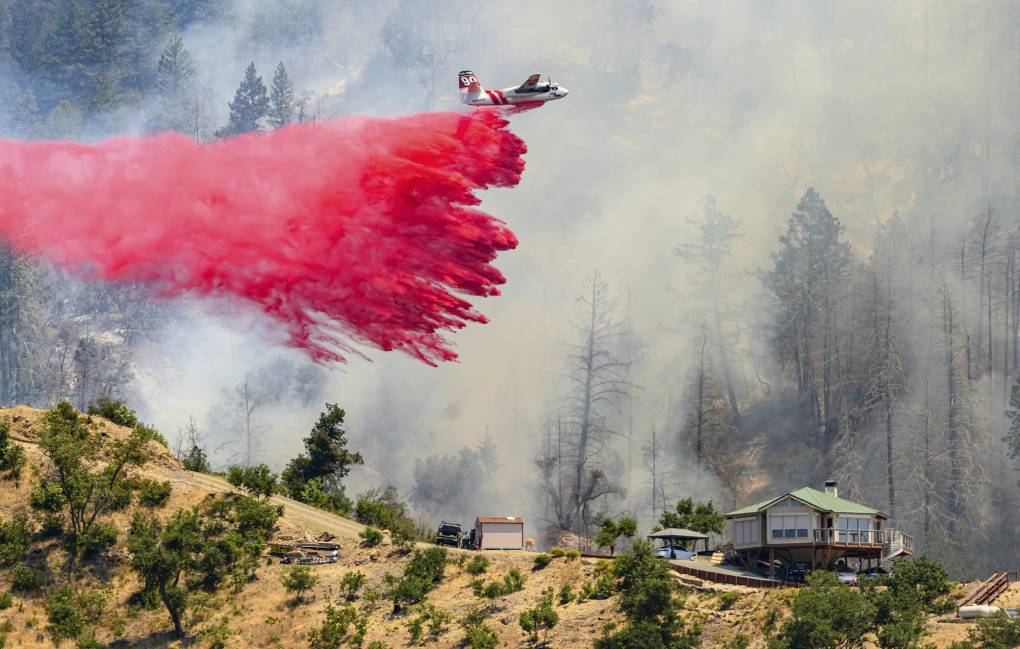
"caption": "An air tanker drops fire retardant near a house during the Toll Fire near Calistoga on July 2, 2024.",
"credit": "Josh Edelson/AFP via Getty Images",
"altTag": null,
"description": null,
"imgSizes": {
"medium": {
"file": "https://cdn.kqed.org/wp-content/uploads/sites/10/2024/07/GETTYIMAGES-2159738194-KQED-800x509.jpg",
"width": 800,
"height": 509,
"mimeType": "image/jpeg"
},
"large": {
"file": "https://cdn.kqed.org/wp-content/uploads/sites/10/2024/07/GETTYIMAGES-2159738194-KQED-1020x649.jpg",
"width": 1020,
"height": 649,
"mimeType": "image/jpeg"
},
"thumbnail": {
"file": "https://cdn.kqed.org/wp-content/uploads/sites/10/2024/07/GETTYIMAGES-2159738194-KQED-160x102.jpg",
"width": 160,
"height": 102,
"mimeType": "image/jpeg"
},
"1536x1536": {
"file": "https://cdn.kqed.org/wp-content/uploads/sites/10/2024/07/GETTYIMAGES-2159738194-KQED-1536x977.jpg",
"width": 1536,
"height": 977,
"mimeType": "image/jpeg"
},
"post-thumbnail": {
"file": "https://cdn.kqed.org/wp-content/uploads/sites/10/2024/07/GETTYIMAGES-2159738194-KQED-672x372.jpg",
"width": 672,
"height": 372,
"mimeType": "image/jpeg"
},
"twentyfourteen-full-width": {
"file": "https://cdn.kqed.org/wp-content/uploads/sites/10/2024/07/GETTYIMAGES-2159738194-KQED-1038x576.jpg",
"width": 1038,
"height": 576,
"mimeType": "image/jpeg"
},
"full-width": {
"file": "https://cdn.kqed.org/wp-content/uploads/sites/10/2024/07/GETTYIMAGES-2159738194-KQED-1920x1221.jpg",
"width": 1920,
"height": 1221,
"mimeType": "image/jpeg"
},
"kqedFullSize": {
"file": "https://cdn.kqed.org/wp-content/uploads/sites/10/2024/07/GETTYIMAGES-2159738194-KQED.jpg",
"width": 2000,
"height": 1272
}
},
"isLoading": false,
"fetchFailed": false
},
"news_11991440": {
"type": "attachments",
"id": "news_11991440",
"meta": {
"index": "attachments_1716263798",
"site": "news",
"id": "11991440",
"found": true
},
"title": "California Wildfires",
"publishDate": 1718993836,
"status": "inherit",
"parent": 11991438,
"modified": 1718996248,
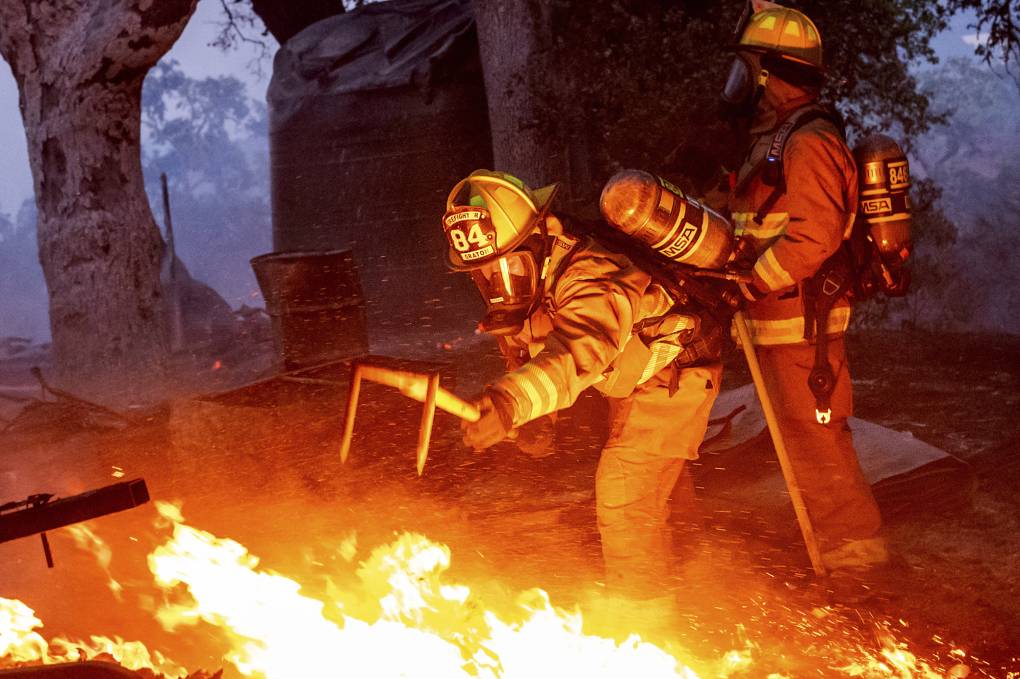
"caption": "A firefighter sprays water on a burning container as the Point Fire spreads along West Dry Creek Road in Healdsburg, California, on Sunday, June 16, 2024.",
"credit": "Noah Berger/AP Photo",
"altTag": null,
"description": null,
"imgSizes": {
"medium": {
"file": "https://cdn.kqed.org/wp-content/uploads/sites/10/2024/06/PointFireBurningStructure01-800x532.jpg",
"width": 800,
"height": 532,
"mimeType": "image/jpeg"
},
"large": {
"file": "https://cdn.kqed.org/wp-content/uploads/sites/10/2024/06/PointFireBurningStructure01-1020x678.jpg",
"width": 1020,
"height": 678,
"mimeType": "image/jpeg"
},
"thumbnail": {
"file": "https://cdn.kqed.org/wp-content/uploads/sites/10/2024/06/PointFireBurningStructure01-160x106.jpg",
"width": 160,
"height": 106,
"mimeType": "image/jpeg"
},
"1536x1536": {
"file": "https://cdn.kqed.org/wp-content/uploads/sites/10/2024/06/PointFireBurningStructure01-1536x1022.jpg",
"width": 1536,
"height": 1022,
"mimeType": "image/jpeg"
},
"post-thumbnail": {
"file": "https://cdn.kqed.org/wp-content/uploads/sites/10/2024/06/PointFireBurningStructure01-672x372.jpg",
"width": 672,
"height": 372,
"mimeType": "image/jpeg"
},
"twentyfourteen-full-width": {
"file": "https://cdn.kqed.org/wp-content/uploads/sites/10/2024/06/PointFireBurningStructure01-1038x576.jpg",
"width": 1038,
"height": 576,
"mimeType": "image/jpeg"
},
"kqedFullSize": {
"file": "https://cdn.kqed.org/wp-content/uploads/sites/10/2024/06/PointFireBurningStructure01.jpg",
"width": 1920,
"height": 1277
}
},
"isLoading": false,
"fetchFailed": false
},
"news_11990652": {
"type": "attachments",
"id": "news_11990652",
"meta": {
"index": "attachments_1716263798",
"site": "news",
"id": "11990652",
"found": true
},
"title": "California Wildfires",
"publishDate": 1718632288,
"status": "inherit",
"parent": 0,
"modified": 1718632356,
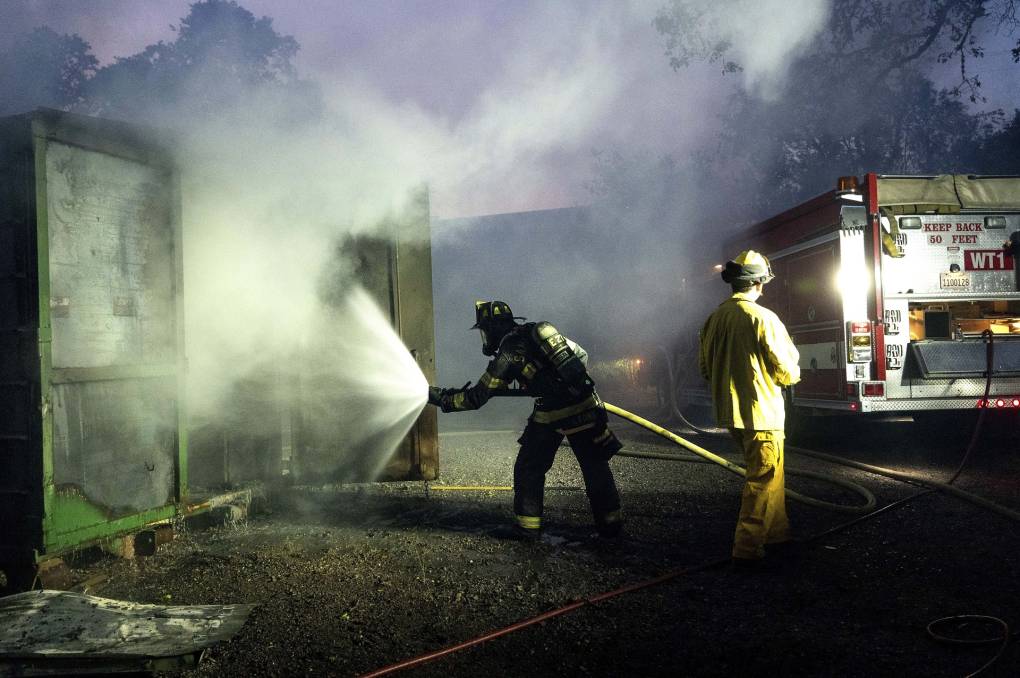
"caption": "Firefighters extinguish a burning outbuilding as the Point Fire spreads along West Dry Creek Road in Healdsburg on June 16, 2024.",
"credit": "Noah Berger/AP Photo",
"altTag": null,
"description": null,
"imgSizes": {
"medium": {
"file": "https://cdn.kqed.org/wp-content/uploads/sites/10/2024/06/AP24169207707642-KQED-800x532.jpg",
"width": 800,
"height": 532,
"mimeType": "image/jpeg"
},
"large": {
"file": "https://cdn.kqed.org/wp-content/uploads/sites/10/2024/06/AP24169207707642-KQED-1020x679.jpg",
"width": 1020,
"height": 679,
"mimeType": "image/jpeg"
},
"thumbnail": {
"file": "https://cdn.kqed.org/wp-content/uploads/sites/10/2024/06/AP24169207707642-KQED-160x106.jpg",
"width": 160,
"height": 106,
"mimeType": "image/jpeg"
},
"1536x1536": {
"file": "https://cdn.kqed.org/wp-content/uploads/sites/10/2024/06/AP24169207707642-KQED-1536x1022.jpg",
"width": 1536,
"height": 1022,
"mimeType": "image/jpeg"
},
"post-thumbnail": {
"file": "https://cdn.kqed.org/wp-content/uploads/sites/10/2024/06/AP24169207707642-KQED-672x372.jpg",
"width": 672,
"height": 372,
"mimeType": "image/jpeg"
},
"twentyfourteen-full-width": {
"file": "https://cdn.kqed.org/wp-content/uploads/sites/10/2024/06/AP24169207707642-KQED-1038x576.jpg",
"width": 1038,
"height": 576,
"mimeType": "image/jpeg"
},
"full-width": {
"file": "https://cdn.kqed.org/wp-content/uploads/sites/10/2024/06/AP24169207707642-KQED-1920x1278.jpg",
"width": 1920,
"height": 1278,
"mimeType": "image/jpeg"
},
"kqedFullSize": {
"file": "https://cdn.kqed.org/wp-content/uploads/sites/10/2024/06/AP24169207707642-KQED.jpg",
"width": 2000,
"height": 1331
}
},
"isLoading": false,
"fetchFailed": false
},
"news_11990146": {
"type": "attachments",
"id": "news_11990146",
"meta": {
"index": "attachments_1716263798",
"site": "news",
"id": "11990146",
"found": true
},
"title": "SANDRA CRUZ PICTURE",
"publishDate": 1718254689,
"status": "inherit",
"parent": 11990145,
"modified": 1718330382,
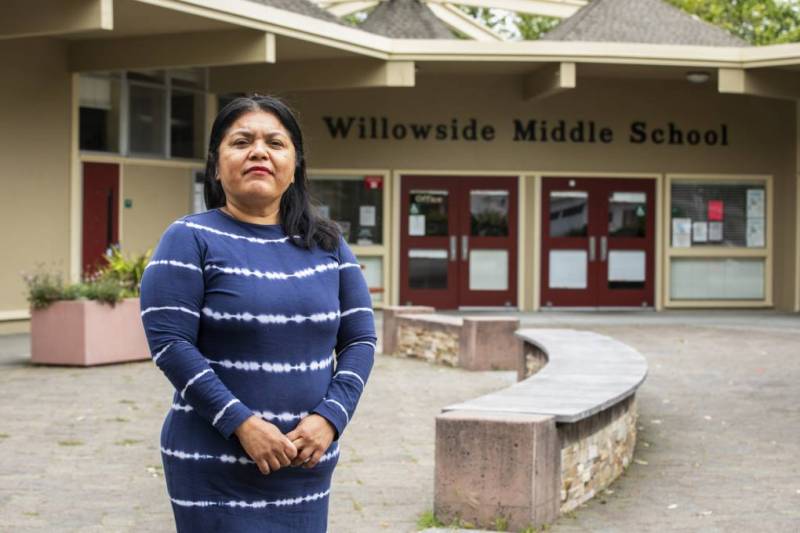
"caption": "Sandra Cruz, madre de un alumno de la Escuela Primaria Oak Grove, posa para un retrato en Santa Rosa el martes 14 de mayo de 2024. El Distrito Escolar Oak Grove Union votó a favor de despedir a su único traductor bilingüe al final del año escolar, y muchos padres latinos se han movilizado para exigir que la escuela revierta su decisión. Un tercio de los alumnos del Oak Grove Union School District proceden de hogares hispanohablantes.",
"credit": "Gina Castro/KQED",
"altTag": "Una mujer latina lleva puesta un vestido azul y ve directamente a la cámara. Ella está parada enfrente de la escuela Willowside Middle School.",
"description": null,
"imgSizes": {
"medium": {
"file": "https://cdn.kqed.org/wp-content/uploads/sites/10/2024/06/SANDRA-CRUZ-PICTURE-800x533.jpg",
"width": 800,
"height": 533,
"mimeType": "image/jpeg"
},
"thumbnail": {
"file": "https://cdn.kqed.org/wp-content/uploads/sites/10/2024/06/SANDRA-CRUZ-PICTURE-160x107.jpg",
"width": 160,
"height": 107,
"mimeType": "image/jpeg"
},
"post-thumbnail": {
"file": "https://cdn.kqed.org/wp-content/uploads/sites/10/2024/06/SANDRA-CRUZ-PICTURE-672x372.jpg",
"width": 672,
"height": 372,
"mimeType": "image/jpeg"
},
"twentyfourteen-full-width": {
"file": "https://cdn.kqed.org/wp-content/uploads/sites/10/2024/06/SANDRA-CRUZ-PICTURE-1020x576.jpg",
"width": 1020,
"height": 576,
"mimeType": "image/jpeg"
},
"kqedFullSize": {
"file": "https://cdn.kqed.org/wp-content/uploads/sites/10/2024/06/SANDRA-CRUZ-PICTURE.jpg",
"width": 1020,
"height": 680
}
},
"isLoading": false,
"fetchFailed": false
},
"news_11987635": {
"type": "attachments",
"id": "news_11987635",
"meta": {
"index": "attachments_1716263798",
"site": "news",
"id": "11987635",
"found": true
},
"title": "240523-CarnavalPutleco-BethLaBerge-01",
"publishDate": 1716539933,
"status": "inherit",
"parent": 0,
"modified": 1716588747,
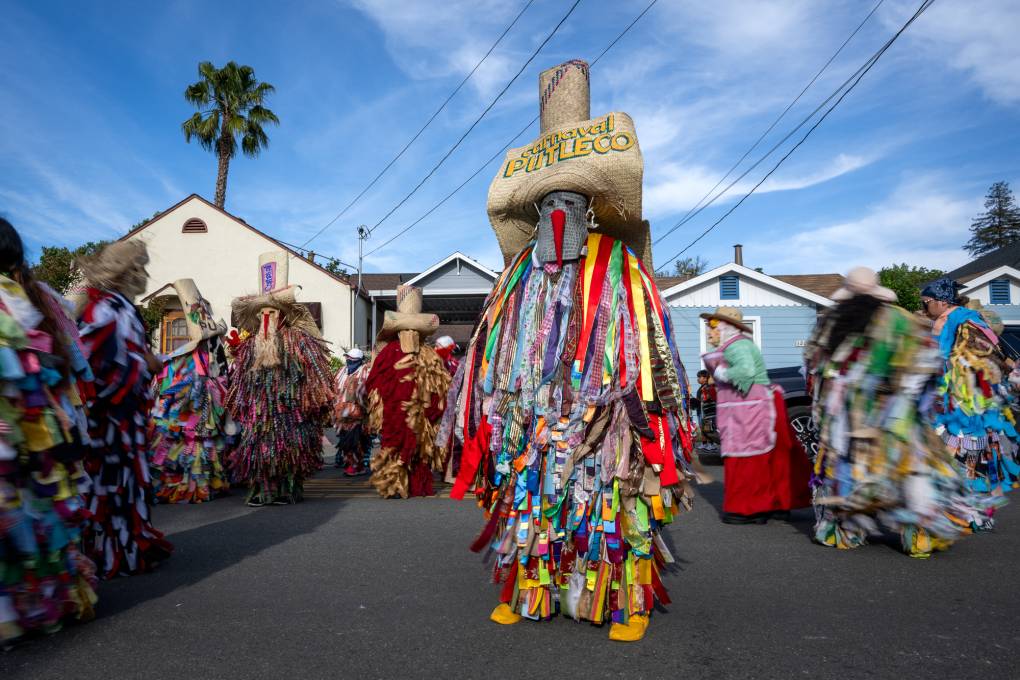
"caption": "Iván Olivera wears a tiliche alongside the group Carnaval Putleco during the Twilight Parade in Healdsburg on May 23, 2024.",
"credit": "Beth LaBerge/KQED",
"altTag": null,
"description": null,
"imgSizes": {
"medium": {
"file": "https://cdn.kqed.org/wp-content/uploads/sites/10/2024/05/240523-CarnavalPutleco-01-BL-800x533.jpg",
"width": 800,
"height": 533,
"mimeType": "image/jpeg"
},
"large": {
"file": "https://cdn.kqed.org/wp-content/uploads/sites/10/2024/05/240523-CarnavalPutleco-01-BL-1020x680.jpg",
"width": 1020,
"height": 680,
"mimeType": "image/jpeg"
},
"thumbnail": {
"file": "https://cdn.kqed.org/wp-content/uploads/sites/10/2024/05/240523-CarnavalPutleco-01-BL-160x107.jpg",
"width": 160,
"height": 107,
"mimeType": "image/jpeg"
},
"1536x1536": {
"file": "https://cdn.kqed.org/wp-content/uploads/sites/10/2024/05/240523-CarnavalPutleco-01-BL-1536x1024.jpg",
"width": 1536,
"height": 1024,
"mimeType": "image/jpeg"
},
"post-thumbnail": {
"file": "https://cdn.kqed.org/wp-content/uploads/sites/10/2024/05/240523-CarnavalPutleco-01-BL-672x372.jpg",
"width": 672,
"height": 372,
"mimeType": "image/jpeg"
},
"twentyfourteen-full-width": {
"file": "https://cdn.kqed.org/wp-content/uploads/sites/10/2024/05/240523-CarnavalPutleco-01-BL-1038x576.jpg",
"width": 1038,
"height": 576,
"mimeType": "image/jpeg"
},
"full-width": {
"file": "https://cdn.kqed.org/wp-content/uploads/sites/10/2024/05/240523-CarnavalPutleco-01-BL-1920x1280.jpg",
"width": 1920,
"height": 1280,
"mimeType": "image/jpeg"
},
"kqedFullSize": {
"file": "https://cdn.kqed.org/wp-content/uploads/sites/10/2024/05/240523-CarnavalPutleco-01-BL.jpg",
"width": 2000,
"height": 1333
}
},
"isLoading": false,
"fetchFailed": false
},
"news_11986140": {
"type": "attachments",
"id": "news_11986140",
"meta": {
"index": "attachments_1716263798",
"site": "news",
"id": "11986140",
"found": true
},
"parent": 0,
"imgSizes": {
"twentyfourteen-full-width": {
"file": "https://cdn.kqed.org/wp-content/uploads/sites/10/2024/05/20240514_OAKGROVEUNIONDISTRICTPARENTS-3-KQED-1038x576.jpg",
"width": 1038,
"mimeType": "image/jpeg",
"height": 576
},
"thumbnail": {
"file": "https://cdn.kqed.org/wp-content/uploads/sites/10/2024/05/20240514_OAKGROVEUNIONDISTRICTPARENTS-3-KQED-160x107.jpg",
"width": 160,
"mimeType": "image/jpeg",
"height": 107
},
"post-thumbnail": {
"file": "https://cdn.kqed.org/wp-content/uploads/sites/10/2024/05/20240514_OAKGROVEUNIONDISTRICTPARENTS-3-KQED-672x372.jpg",
"width": 672,
"mimeType": "image/jpeg",
"height": 372
},
"kqedFullSize": {
"file": "https://cdn.kqed.org/wp-content/uploads/sites/10/2024/05/20240514_OAKGROVEUNIONDISTRICTPARENTS-3-KQED.jpg",
"width": 2000,
"height": 1333
},
"large": {
"file": "https://cdn.kqed.org/wp-content/uploads/sites/10/2024/05/20240514_OAKGROVEUNIONDISTRICTPARENTS-3-KQED-1020x680.jpg",
"width": 1020,
"mimeType": "image/jpeg",
"height": 680
},
"1536x1536": {
"file": "https://cdn.kqed.org/wp-content/uploads/sites/10/2024/05/20240514_OAKGROVEUNIONDISTRICTPARENTS-3-KQED-1536x1024.jpg",
"width": 1536,
"mimeType": "image/jpeg",
"height": 1024
},
"full-width": {
"file": "https://cdn.kqed.org/wp-content/uploads/sites/10/2024/05/20240514_OAKGROVEUNIONDISTRICTPARENTS-3-KQED-1920x1280.jpg",
"width": 1920,
"mimeType": "image/jpeg",
"height": 1280
},
"medium": {
"file": "https://cdn.kqed.org/wp-content/uploads/sites/10/2024/05/20240514_OAKGROVEUNIONDISTRICTPARENTS-3-KQED-800x533.jpg",
"width": 800,
"mimeType": "image/jpeg",
"height": 533
}
},
"publishDate": 1715716565,
"modified": 1715991077,
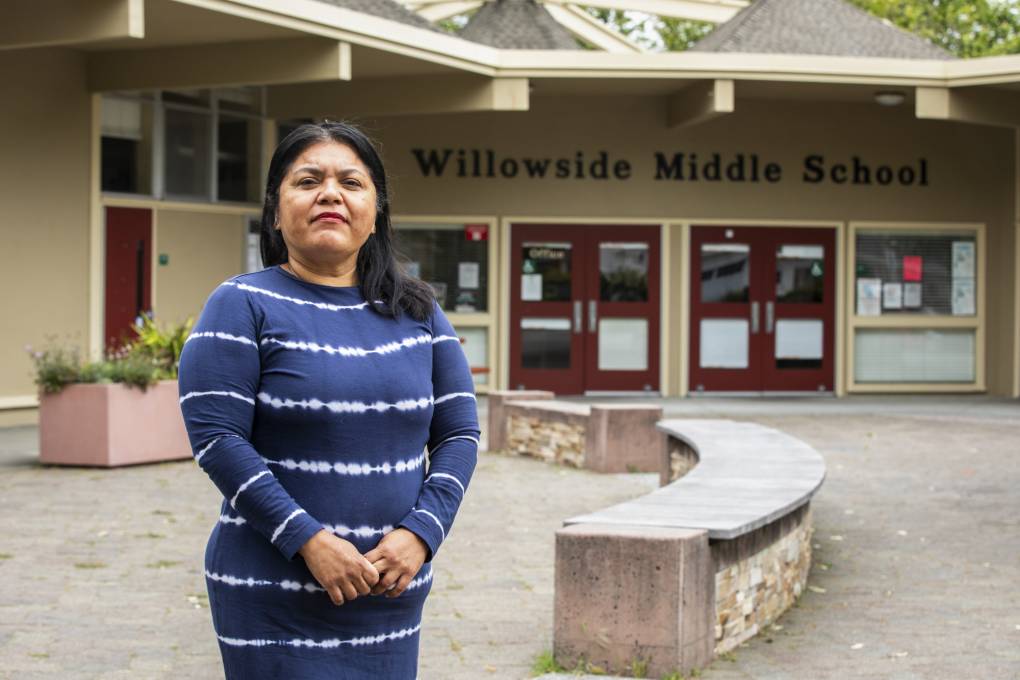
"caption": "Sandra Cruz, a parent of a student at Oak Grove Elementary School, poses for a portrait in Santa Rosa on Tuesday, May 14, 2024. Oak Grove Union School District voted to lay off its only bilingual translator by the end of the school year, and many Latino parents have mobilized to demand that the school revert its decision. A third of the students at Oak Grove Union School District come from Spanish-speaking homes.",
"description": null,
"title": "20240514_OAKGROVEUNIONDISTRICTPARENTS-3-KQED",
"credit": "Gina Castro/KQED",
"status": "inherit",
"altTag": null,
"isLoading": false,
"fetchFailed": false
},
"news_11984516": {
"type": "attachments",
"id": "news_11984516",
"meta": {
"index": "attachments_1716263798",
"site": "news",
"id": "11984516",
"found": true
},
"parent": 11984645,
"imgSizes": {
"twentyfourteen-full-width": {
"file": "https://cdn.kqed.org/wp-content/uploads/sites/10/2024/04/240429-SFSU-GAZA-RALLY-MD-11-KQED-1038x576.jpg",
"width": 1038,
"mimeType": "image/jpeg",
"height": 576
},
"thumbnail": {
"file": "https://cdn.kqed.org/wp-content/uploads/sites/10/2024/04/240429-SFSU-GAZA-RALLY-MD-11-KQED-160x107.jpg",
"width": 160,
"mimeType": "image/jpeg",
"height": 107
},
"post-thumbnail": {
"file": "https://cdn.kqed.org/wp-content/uploads/sites/10/2024/04/240429-SFSU-GAZA-RALLY-MD-11-KQED-672x372.jpg",
"width": 672,
"mimeType": "image/jpeg",
"height": 372
},
"kqedFullSize": {
"file": "https://cdn.kqed.org/wp-content/uploads/sites/10/2024/04/240429-SFSU-GAZA-RALLY-MD-11-KQED.jpg",
"width": 2000,
"height": 1333
},
"large": {
"file": "https://cdn.kqed.org/wp-content/uploads/sites/10/2024/04/240429-SFSU-GAZA-RALLY-MD-11-KQED-1020x680.jpg",
"width": 1020,
"mimeType": "image/jpeg",
"height": 680
},
"1536x1536": {
"file": "https://cdn.kqed.org/wp-content/uploads/sites/10/2024/04/240429-SFSU-GAZA-RALLY-MD-11-KQED-1536x1024.jpg",
"width": 1536,
"mimeType": "image/jpeg",
"height": 1024
},
"full-width": {
"file": "https://cdn.kqed.org/wp-content/uploads/sites/10/2024/04/240429-SFSU-GAZA-RALLY-MD-11-KQED-1920x1280.jpg",
"width": 1920,
"mimeType": "image/jpeg",
"height": 1280
},
"medium": {
"file": "https://cdn.kqed.org/wp-content/uploads/sites/10/2024/04/240429-SFSU-GAZA-RALLY-MD-11-KQED-800x533.jpg",
"width": 800,
"mimeType": "image/jpeg",
"height": 533
}
},
"publishDate": 1714504726,
"modified": 1714601006,
"caption": "San Francisco State University students rally outside SFSU's Cesar Chavez Student Center calling on the university to disclose its financial ties to Israel and divest from weapons manufacturers, on April 29.",
"description": null,
"title": "240429-SFSU GAZA RALLY-MD-11-KQED",
"credit": "Martin do Nascimento/KQED",
"status": "inherit",
"altTag": null,
"isLoading": false,
"fetchFailed": false
},
"news_11982284": {
"type": "attachments",
"id": "news_11982284",
"meta": {
"index": "attachments_1716263798",
"site": "news",
"id": "11982284",
"found": true
},
"parent": 11982237,
"imgSizes": {
"twentyfourteen-full-width": {
"file": "https://cdn.kqed.org/wp-content/uploads/sites/10/2024/04/012_Oakland_LakeviewVillageTinyHomes_11032021_qut-1038x576.jpg",
"width": 1038,
"mimeType": "image/jpeg",
"height": 576
},
"thumbnail": {
"file": "https://cdn.kqed.org/wp-content/uploads/sites/10/2024/04/012_Oakland_LakeviewVillageTinyHomes_11032021_qut-160x107.jpg",
"width": 160,
"mimeType": "image/jpeg",
"height": 107
},
"post-thumbnail": {
"file": "https://cdn.kqed.org/wp-content/uploads/sites/10/2024/04/012_Oakland_LakeviewVillageTinyHomes_11032021_qut-672x372.jpg",
"width": 672,
"mimeType": "image/jpeg",
"height": 372
},
"kqedFullSize": {
"file": "https://cdn.kqed.org/wp-content/uploads/sites/10/2024/04/012_Oakland_LakeviewVillageTinyHomes_11032021_qut.jpg",
"width": 1920,
"height": 1280
},
"large": {
"file": "https://cdn.kqed.org/wp-content/uploads/sites/10/2024/04/012_Oakland_LakeviewVillageTinyHomes_11032021_qut-1020x680.jpg",
"width": 1020,
"mimeType": "image/jpeg",
"height": 680
},
"1536x1536": {
"file": "https://cdn.kqed.org/wp-content/uploads/sites/10/2024/04/012_Oakland_LakeviewVillageTinyHomes_11032021_qut-1536x1024.jpg",
"width": 1536,
"mimeType": "image/jpeg",
"height": 1024
},
"medium": {
"file": "https://cdn.kqed.org/wp-content/uploads/sites/10/2024/04/012_Oakland_LakeviewVillageTinyHomes_11032021_qut-800x533.jpg",
"width": 800,
"mimeType": "image/jpeg",
"height": 533
}
},
"publishDate": 1712616483,
"modified": 1712616720,
"caption": "A tent encampment borders the side of Lakeview Village, a community that can house 71 people, in Oakland near Lake Merritt on Nov. 3, 2021.",
"description": null,
"title": "012_Oakland_LakeviewVillageTinyHomes_11032021_qut",
"credit": "Beth LaBerge/KQED",
"status": "inherit",
"altTag": null,
"isLoading": false,
"fetchFailed": false
},
"news_11969883": {
"type": "attachments",
"id": "news_11969883",
"meta": {
"index": "attachments_1716263798",
"site": "news",
"id": "11969883",
"found": true
},
"parent": 11969882,
"imgSizes": {
"twentyfourteen-full-width": {
"file": "https://cdn.kqed.org/wp-content/uploads/sites/10/2023/12/GettyImages-1183160371-qut-1038x576.jpg",
"width": 1038,
"mimeType": "image/jpeg",
"height": 576
},
"thumbnail": {
"file": "https://cdn.kqed.org/wp-content/uploads/sites/10/2023/12/GettyImages-1183160371-qut-160x107.jpg",
"width": 160,
"mimeType": "image/jpeg",
"height": 107
},
"post-thumbnail": {
"file": "https://cdn.kqed.org/wp-content/uploads/sites/10/2023/12/GettyImages-1183160371-qut-672x372.jpg",
"width": 672,
"mimeType": "image/jpeg",
"height": 372
},
"kqedFullSize": {
"file": "https://cdn.kqed.org/wp-content/uploads/sites/10/2023/12/GettyImages-1183160371-qut.jpg",
"width": 1920,
"height": 1280
},
"large": {
"file": "https://cdn.kqed.org/wp-content/uploads/sites/10/2023/12/GettyImages-1183160371-qut-1020x680.jpg",
"width": 1020,
"mimeType": "image/jpeg",
"height": 680
},
"1536x1536": {
"file": "https://cdn.kqed.org/wp-content/uploads/sites/10/2023/12/GettyImages-1183160371-qut-1536x1024.jpg",
"width": 1536,
"mimeType": "image/jpeg",
"height": 1024
},
"medium": {
"file": "https://cdn.kqed.org/wp-content/uploads/sites/10/2023/12/GettyImages-1183160371-qut-800x533.jpg",
"width": 800,
"mimeType": "image/jpeg",
"height": 533
}
},
"publishDate": 1702590151,
"modified": 1702590174,
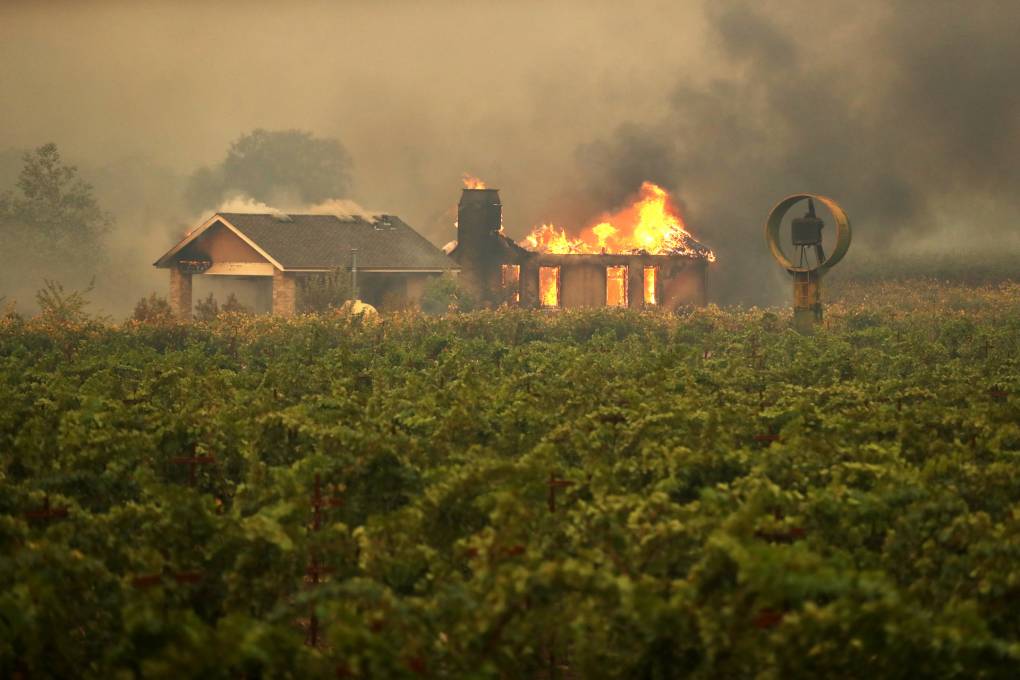
"caption": "A home burns near a vineyard after the Kincade Fire burned through the area on October 24, 2019 in Geyserville, California. Fueled by high winds, the Kincade Fire has burned over 10,000 acres in a matter of hours and has prompted evacuations in the Geyserville area. ",
"description": null,
"title": "Evacuations Issued For Parts of Sonoma County As Kincade Fire Spreads",
"credit": null,
"status": "inherit",
"altTag": null,
"isLoading": false,
"fetchFailed": false
}
},
"audioPlayerReducer": {
"postId": "stream_live",
"isPaused": true,
"isPlaying": false,
"pfsActive": false,
"pledgeModalIsOpen": true,
"playerDrawerIsOpen": false,
"liveAudioPlayStartedAt": 0,
"liveAudioPlayContext": ""
},
"authorsReducer": {
"kqed": {
"type": "authors",
"id": "236",
"meta": {
"index": "authors_1716337520",
"id": "236",
"found": true
},
"name": "KQED News Staff",
"firstName": "KQED News Staff",
"lastName": null,
"slug": "kqed",
"email": "faq@kqed.org",
"display_author_email": false,
"staff_mastheads": [],
"title": null,
"bio": null,
"avatar": "https://secure.gravatar.com/avatar/ef0e801a68c4c54afa9180db14084167?s=600&d=blank&r=g",
"twitter": null,
"facebook": null,
"instagram": null,
"linkedin": null,
"sites": [
{
"site": "arts",
"roles": [
"contributor"
]
},
{
"site": "news",
"roles": [
"editor"
]
},
{
"site": "futureofyou",
"roles": [
"author"
]
}
],
"headData": {
"title": "KQED News Staff | KQED",
"description": null,
"ogImgSrc": "https://secure.gravatar.com/avatar/ef0e801a68c4c54afa9180db14084167?s=600&d=blank&r=g",
"twImgSrc": "https://secure.gravatar.com/avatar/ef0e801a68c4c54afa9180db14084167?s=600&d=blank&r=g"
},
"isLoading": false,
"link": "/author/kqed"
},
"ecruzguevarra": {
"type": "authors",
"id": "8654",
"meta": {
"index": "authors_1716337520",
"id": "8654",
"found": true
},
"name": "Ericka Cruz Guevarra",
"firstName": "Ericka",
"lastName": "Cruz Guevarra",
"slug": "ecruzguevarra",
"email": "ecruzguevarra@kqed.org",
"display_author_email": true,
"staff_mastheads": [
"news"
],
"title": "Producer, The Bay Podcast",
"bio": "Ericka Cruz Guevarra is host of \u003ca href=\"https://www.kqed.org/podcasts/thebay\">\u003cem>The Bay\u003c/em>\u003c/a> podcast at KQED. Before host, she was the show’s producer. Her work in that capacity includes a three-part reported series on policing in Vallejo, which won a 2020 excellence in journalism award from the Society of Professional Journalists. Ericka has worked as a breaking news reporter at Oregon Public Broadcasting, helped produce the Code Switch podcast, and was KQED’s inaugural Raul Ramirez Diversity Fund intern. She’s also an alumna of NPR’s Next Generation Radio program. Send her an email if you have strong feelings about whether Fairfield and Suisun City are the Bay. Ericka is represented by SAG-AFTRA.",
"avatar": "https://secure.gravatar.com/avatar/accefc1de4bafc7e234b69bcb9b6f6536c130fd84709bc3069ef11a78787e1bb?s=600&d=blank&r=g",
"twitter": "NotoriousECG",
"bluesky": null,
"facebook": null,
"instagram": null,
"linkedin": null,
"sites": [
{
"site": "arts",
"roles": [
"subscriber"
]
},
{
"site": "news",
"roles": [
"editor",
"manage_categories"
]
},
{
"site": "futureofyou",
"roles": [
"subscriber"
]
},
{
"site": "stateofhealth",
"roles": [
"subscriber"
]
},
{
"site": "science",
"roles": [
"editor"
]
},
{
"site": "forum",
"roles": [
"subscriber"
]
}
],
"headData": {
"title": "Ericka Cruz Guevarra | KQED",
"description": "Producer, The Bay Podcast",
"ogImgSrc": "https://secure.gravatar.com/avatar/accefc1de4bafc7e234b69bcb9b6f6536c130fd84709bc3069ef11a78787e1bb?s=600&d=blank&r=g",
"twImgSrc": "https://secure.gravatar.com/avatar/accefc1de4bafc7e234b69bcb9b6f6536c130fd84709bc3069ef11a78787e1bb?s=600&d=blank&r=g"
},
"isLoading": false,
"link": "/author/ecruzguevarra"
},
"vrancano": {
"type": "authors",
"id": "11276",
"meta": {
"index": "authors_1716337520",
"id": "11276",
"found": true
},
"name": "Vanessa Rancaño",
"firstName": "Vanessa",
"lastName": "Rancaño",
"slug": "vrancano",
"email": "vrancano@kqed.org",
"display_author_email": false,
"staff_mastheads": [
"news"
],
"title": "Reporter",
"bio": "Vanessa Rancaño is a features reporter for KQED. She’s also covered homelessness and education for the station and reported from the Central Valley. Her work has aired across public radio, from flagship national news shows to longform narrative podcasts. Before taking up a mic, she worked as a freelance print journalist. She’s been recognized with a number of national and regional awards. Vanessa grew up in California's Central Valley. She's a former NPR Kroc Fellow, and a graduate of the UC Berkeley Graduate School of Journalism.",
"avatar": "https://secure.gravatar.com/avatar/b3a383dfb0e7ee1c17568f2cf067904ab654d6e3de9743fc661f3c788ade1bed?s=600&d=blank&r=g",
"twitter": "vanessarancano",
"bluesky": null,
"facebook": null,
"instagram": null,
"linkedin": null,
"sites": [
{
"site": "arts",
"roles": [
"editor"
]
},
{
"site": "news",
"roles": [
"editor"
]
},
{
"site": "liveblog",
"roles": [
"contributor"
]
}
],
"headData": {
"title": "Vanessa Rancaño | KQED",
"description": "Reporter",
"ogImgSrc": "https://secure.gravatar.com/avatar/b3a383dfb0e7ee1c17568f2cf067904ab654d6e3de9743fc661f3c788ade1bed?s=600&d=blank&r=g",
"twImgSrc": "https://secure.gravatar.com/avatar/b3a383dfb0e7ee1c17568f2cf067904ab654d6e3de9743fc661f3c788ade1bed?s=600&d=blank&r=g"
},
"isLoading": false,
"link": "/author/vrancano"
},
"amontecillo": {
"type": "authors",
"id": "11649",
"meta": {
"index": "authors_1716337520",
"id": "11649",
"found": true
},
"name": "Alan Montecillo",
"firstName": "Alan",
"lastName": "Montecillo",
"slug": "amontecillo",
"email": "amontecillo@kqed.org",
"display_author_email": false,
"staff_mastheads": [
"news"
],
"title": "KQED Contributor",
"bio": "Alan Montecillo is the senior editor of \u003cem>\u003ca href=\"http://kqed.org/thebay\">The Bay\u003c/a>, \u003c/em> KQED's local news podcast. Before moving to the Bay Area, he worked as a senior talk show producer for WILL in Champaign-Urbana, Illinois and at Oregon Public Broadcasting in Portland, Oregon. He has won journalism awards from the Society of Professional Journalists Northern California, the Public Media Journalists Association, The Signal Awards, and has also received a regional Edward R. Murrow award. Alan is a Filipino American from Hong Kong and a graduate of Reed College.",
"avatar": "https://secure.gravatar.com/avatar/268f53a2066899ea9efdd8a5900218b17c822d9862cbc9326cccec53ef41d349?s=600&d=blank&r=g",
"twitter": "alanmontecillo",
"bluesky": null,
"facebook": null,
"instagram": null,
"linkedin": null,
"sites": [
{
"site": "",
"roles": [
"editor"
]
},
{
"site": "news",
"roles": [
"editor",
"manage_categories"
]
}
],
"headData": {
"title": "Alan Montecillo | KQED",
"description": "KQED Contributor",
"ogImgSrc": "https://secure.gravatar.com/avatar/268f53a2066899ea9efdd8a5900218b17c822d9862cbc9326cccec53ef41d349?s=600&d=blank&r=g",
"twImgSrc": "https://secure.gravatar.com/avatar/268f53a2066899ea9efdd8a5900218b17c822d9862cbc9326cccec53ef41d349?s=600&d=blank&r=g"
},
"isLoading": false,
"link": "/author/amontecillo"
},
"blaberge": {
"type": "authors",
"id": "11667",
"meta": {
"index": "authors_1716337520",
"id": "11667",
"found": true
},
"name": "Beth LaBerge",
"firstName": "Beth",
"lastName": "LaBerge",
"slug": "blaberge",
"email": "blaberge@KQED.org",
"display_author_email": true,
"staff_mastheads": [
"news"
],
"title": "Photographer, News",
"bio": "Beth LaBerge is a visual journalist for \u003ca href=\"https://www.kqed.org/news\">KQED News\u003c/a>.",
"avatar": "https://secure.gravatar.com/avatar/ce49ecd7a1306685637b45a1f6f5dedfc4ae9481966eb596fea5160466dd6319?s=600&d=blank&r=g",
"twitter": null,
"bluesky": null,
"facebook": null,
"instagram": "https://www.instagram.com/bethlaberge/",
"linkedin": null,
"sites": [
{
"site": "arts",
"roles": [
"editor",
"manage_categories"
]
},
{
"site": "news",
"roles": [
"editor",
"edit_plugins",
"manage_categories"
]
},
{
"site": "science",
"roles": [
"editor",
"contributor",
"author",
"manage_categories"
]
},
{
"site": "perspectives",
"roles": [
"editor"
]
},
{
"site": "liveblog",
"roles": [
"editor"
]
}
],
"headData": {
"title": "Beth LaBerge | KQED",
"description": "Photographer, News",
"ogImgSrc": "https://secure.gravatar.com/avatar/ce49ecd7a1306685637b45a1f6f5dedfc4ae9481966eb596fea5160466dd6319?s=600&d=blank&r=g",
"twImgSrc": "https://secure.gravatar.com/avatar/ce49ecd7a1306685637b45a1f6f5dedfc4ae9481966eb596fea5160466dd6319?s=600&d=blank&r=g"
},
"isLoading": false,
"link": "/author/blaberge"
},
"ccabreralomeli": {
"type": "authors",
"id": "11708",
"meta": {
"index": "authors_1716337520",
"id": "11708",
"found": true
},
"name": "Carlos Cabrera-Lomelí",
"firstName": "Carlos",
"lastName": "Cabrera-Lomelí",
"slug": "ccabreralomeli",
"email": "ccabreralomeli@KQED.org",
"display_author_email": true,
"staff_mastheads": [
"news"
],
"title": "Community Reporter",
"bio": "Carlos Cabrera-Lomelí is a community reporter with KQED's digital engagement team. He also reports and co-produces for KQED's bilingual news hub KQED en Español. He grew up in San Francisco's Mission District and has previously worked with Univision, 48 Hills and REFORMA in Mexico City.",
"avatar": "https://secure.gravatar.com/avatar/c309be9665e484f887b818c89e273ecc673004f426f36b24d00a4d813a2e0518?s=600&d=blank&r=g",
"twitter": "@LomeliCabrera",
"bluesky": null,
"facebook": null,
"instagram": null,
"linkedin": null,
"sites": [
{
"site": "arts",
"roles": [
"editor"
]
},
{
"site": "news",
"roles": [
"editor"
]
},
{
"site": "about",
"roles": [
"editor"
]
},
{
"site": "science",
"roles": [
"editor"
]
},
{
"site": "perspectives",
"roles": [
"editor"
]
},
{
"site": "elections",
"roles": [
"editor"
]
},
{
"site": "liveblog",
"roles": [
"contributor"
]
}
],
"headData": {
"title": "Carlos Cabrera-Lomelí | KQED",
"description": "Community Reporter",
"ogImgSrc": "https://secure.gravatar.com/avatar/c309be9665e484f887b818c89e273ecc673004f426f36b24d00a4d813a2e0518?s=600&d=blank&r=g",
"twImgSrc": "https://secure.gravatar.com/avatar/c309be9665e484f887b818c89e273ecc673004f426f36b24d00a4d813a2e0518?s=600&d=blank&r=g"
},
"isLoading": false,
"link": "/author/ccabreralomeli"
},
"mesquinca": {
"type": "authors",
"id": "11802",
"meta": {
"index": "authors_1716337520",
"id": "11802",
"found": true
},
"name": "Maria Esquinca",
"firstName": "Maria",
"lastName": "Esquinca",
"slug": "mesquinca",
"email": "mesquinca@kqed.org",
"display_author_email": false,
"staff_mastheads": [],
"title": "Producer, The Bay",
"bio": "María Esquinca is a producer of The Bay. Before that, she was a New York Women’s Foundation IGNITE Fellow at Latino USA. She worked at Radio Bilingue where she covered the San Joaquin Valley. Maria has interned at WLRN, News 21, The New York Times Student Journalism Institute and at Crain’s Detroit Business as a Dow Jones News Fund Business Reporting Intern. She is an MFA graduate from the University of Miami. In 2017, she graduated from the Walter Cronkite School of Journalism and Mass Communication with a Master of Mass Communication. A fronteriza, she was born in Ciudad Juárez, Chihuahua, Mexico and grew up in El Paso, Texas.",
"avatar": "https://secure.gravatar.com/avatar/77cedba18aae91da775038ba06dcd8d0?s=600&d=blank&r=g",
"twitter": "@m_esquinca",
"facebook": null,
"instagram": null,
"linkedin": null,
"sites": [
{
"site": "news",
"roles": []
}
],
"headData": {
"title": "Maria Esquinca | KQED",
"description": "Producer, The Bay",
"ogImgSrc": "https://secure.gravatar.com/avatar/77cedba18aae91da775038ba06dcd8d0?s=600&d=blank&r=g",
"twImgSrc": "https://secure.gravatar.com/avatar/77cedba18aae91da775038ba06dcd8d0?s=600&d=blank&r=g"
},
"isLoading": false,
"link": "/author/mesquinca"
},
"jservantez": {
"type": "authors",
"id": "11909",
"meta": {
"index": "authors_1716337520",
"id": "11909",
"found": true
},
"name": "Jared Servantez",
"firstName": "Jared",
"lastName": "Servantez",
"slug": "jservantez",
"email": "jservantez@kqed.org",
"display_author_email": true,
"staff_mastheads": [
"news"
],
"title": "KQED Contributor",
"bio": "Jared Servantez is the editor of KQED's Express Desk, leading the newsroom's online breaking news operation. He most recently worked for the Los Angeles Times, where he served as a breaking news editor, the Metro Desk's night editor, and a copy editor. Jared is a graduate of the USC Annenberg School for Communication and Journalism.",
"avatar": "https://secure.gravatar.com/avatar/f0e317c67bb498c3f077f033d1cc79e62f3bc1303fa20a14e8880d31fbe7e01e?s=600&d=blank&r=g",
"twitter": "jservantez",
"bluesky": null,
"facebook": null,
"instagram": null,
"linkedin": null,
"sites": [
{
"site": "news",
"roles": [
"editor"
]
},
{
"site": "science",
"roles": [
"editor",
"author"
]
},
{
"site": "liveblog",
"roles": [
"editor"
]
}
],
"headData": {
"title": "Jared Servantez | KQED",
"description": "KQED Contributor",
"ogImgSrc": "https://secure.gravatar.com/avatar/f0e317c67bb498c3f077f033d1cc79e62f3bc1303fa20a14e8880d31fbe7e01e?s=600&d=blank&r=g",
"twImgSrc": "https://secure.gravatar.com/avatar/f0e317c67bb498c3f077f033d1cc79e62f3bc1303fa20a14e8880d31fbe7e01e?s=600&d=blank&r=g"
},
"isLoading": false,
"link": "/author/jservantez"
},
"kdebenedetti": {
"type": "authors",
"id": "11913",
"meta": {
"index": "authors_1716337520",
"id": "11913",
"found": true
},
"name": "Katie DeBenedetti",
"firstName": "Katie",
"lastName": "DeBenedetti",
"slug": "kdebenedetti",
"email": "kdebenedetti@kqed.org",
"display_author_email": false,
"staff_mastheads": [
"news",
"science"
],
"title": "KQED Contributor",
"bio": "Katie DeBenedetti is a digital reporter covering daily news for the Express Desk. Prior to joining KQED as a culture reporting intern in January 2024, she covered education and city government for the Napa Valley Register.",
"avatar": "https://secure.gravatar.com/avatar/6e31073cb8f7e4214ab03f42771d0f45?s=600&d=blank&r=g",
"twitter": null,
"facebook": null,
"instagram": null,
"linkedin": null,
"sites": [
{
"site": "news",
"roles": [
"author"
]
},
{
"site": "science",
"roles": [
"author"
]
},
{
"site": "liveblog",
"roles": [
"author"
]
}
],
"headData": {
"title": "Katie DeBenedetti | KQED",
"description": "KQED Contributor",
"ogImgSrc": "https://secure.gravatar.com/avatar/6e31073cb8f7e4214ab03f42771d0f45?s=600&d=blank&r=g",
"twImgSrc": "https://secure.gravatar.com/avatar/6e31073cb8f7e4214ab03f42771d0f45?s=600&d=blank&r=g"
},
"isLoading": false,
"link": "/author/kdebenedetti"
},
"slim": {
"type": "authors",
"id": "11920",
"meta": {
"index": "authors_1716337520",
"id": "11920",
"found": true
},
"name": "Samantha Lim",
"firstName": "Samantha",
"lastName": "Lim",
"slug": "slim",
"email": "slim@KQED.org",
"display_author_email": false,
"staff_mastheads": [],
"title": "KQED Contributor",
"bio": null,
"avatar": "https://secure.gravatar.com/avatar/82e592e6c15fe1a04d385e8ad0fb0b4e?s=600&d=blank&r=g",
"twitter": null,
"facebook": null,
"instagram": null,
"linkedin": null,
"sites": [
{
"site": "news",
"roles": []
}
],
"headData": {
"title": "Samantha Lim | KQED",
"description": "KQED Contributor",
"ogImgSrc": "https://secure.gravatar.com/avatar/82e592e6c15fe1a04d385e8ad0fb0b4e?s=600&d=blank&r=g",
"twImgSrc": "https://secure.gravatar.com/avatar/82e592e6c15fe1a04d385e8ad0fb0b4e?s=600&d=blank&r=g"
},
"isLoading": false,
"link": "/author/slim"
}
},
"pagesReducer": {
"news_tag_sonoma-county": {
"type": "terms",
"id": "news_4981",
"meta": {
"index": "terms_1716263798",
"site": "news",
"id": "4981",
"score": 9.104049
},
"featImg": null,
"name": "Sonoma County",
"description": null,
"taxonomy": "tag",
"headData": {
"twImgId": null,
"twTitle": null,
"ogTitle": null,
"ogImgId": null,
"twDescription": null,
"description": null,
"title": "Sonoma County Archives | KQED News",
"ogDescription": null
},
"ttid": 5000,
"slug": "sonoma-county",
"isLoading": false,
"title": "Sonoma County",
"pageMeta": {
"site": "news",
"WpPageTemplate": "page-topic-editorial",
"currentPage": 6
},
"blocks": [
{
"blockName": "kqed/post-list",
"attrs": {
"layout": "cardArticle2",
"query": "posts/news?tag=sonoma-county",
"seeMore": false,
"paginated": true,
"page": 6
}
},
{
"blockName": "kqed/ad"
}
]
}
},
"pfsSessionReducer": {},
"postsReducer": {
"stream_live": {
"type": "live",
"id": "stream_live",
"audioUrl": "https://streams.kqed.org/kqedradio",
"title": "Live Stream",
"excerpt": "Live Stream information currently unavailable.",
"link": "/radio",
"featImg": "",
"label": {
"name": "KQED Live",
"link": "/"
}
},
"stream_kqedNewscast": {
"type": "posts",
"id": "stream_kqedNewscast",
"audioUrl": "https://www.kqed.org/.stream/anon/radio/RDnews/newscast.mp3?_=1",
"title": "KQED Newscast",
"featImg": "",
"label": {
"name": "88.5 FM",
"link": "/"
}
},
"news_12003512": {
"type": "posts",
"id": "news_12003512",
"meta": {
"index": "posts_1716263798",
"site": "news",
"id": "12003512",
"score": null,
"sort": [
1725706842000
]
},
"guestAuthors": [],
"slug": "judge-weighs-limits-of-sheriffs-oversight-in-sonoma-county",
"title": "Judge Weighs Limits of Sheriff's Oversight in Sonoma County",
"publishDate": 1725706842,
"format": "standard",
"headTitle": "Judge Weighs Limits of Sheriff’s Oversight in Sonoma County | KQED",
"labelTerm": {
"site": "news"
},
"content": "\u003cp>A Sonoma County judge is weighing a decision that could determine the limits of independent oversight for California sheriffs.\u003c/p>\n\u003cp>The court is set to decide whether Sonoma County’s Independent Office of Law Enforcement Review and Outreach, or IOLERO, is permitted to subpoena information from the Sheriff’s Office during investigations into whistleblower complaints.\u003c/p>\n\u003cp>The oversight office issued subpoenas in late April for personnel files of three deputies and a fourth non-sworn employee. The sheriff declined to provide those records, while the union representing deputies threatened legal action if the sheriff complied with IOLERO’s subpoena.\u003c/p>\n\u003cp>IOLERO sought legal intervention July 9, and the court heard arguments in contempt proceedings on Thursday.\u003c/p>\n\u003cp>[ad fullwidth]\u003c/p>\n\u003cp>“The director of IOLERO has subpoena power, so if the Sheriff is obstructing, interfering or refusing to comply with the subpoena power then the implications of that are pretty far,“ said Carl Tennenbaum, a member of Community for Law Enforcement Accountability Now, a pro reform organization promoting independent oversight of sheriff’s offices throughout the state. “Depending on how the court decides, it’ll have a ripple effect on all of oversight at least in California.”\u003c/p>\n\u003cp>In an email to KQED, Sheriff Eddie Engram said he is committed to maintaining transparency in the Sheriff’s Office while also upholding the rights of employees.\u003c/p>\n\u003cp>“For the sheriff to refuse to comply just shows a continued pattern of attempting to subvert oversight and accountability, and the question is, why?” Tennenbaum said.\u003c/p>\n\u003cp>Attorneys representing the parties at the hearing referred to a letter of agreement that was originally drafted between Sonoma County and the Deputy Sheriff’s Association in 2022. It outlines the powers of IOLERO as an oversight board for the Sheriff’s Office following changes in state and local laws that granted the watchdog office more tools to enforce accountability.\u003c/p>\n\u003cp>Throughout the hearing, parties argued over three sources of IOLERO’s powers: the agreement, a \u003ca href=\"https://www.kqed.org/news/11844487/bay-area-police-accountability-measures-draw-strong-support-across-the-board#P\">voter-approved ordinance\u003c/a> providing more powers to the oversight office, and a \u003ca href=\"https://codes.findlaw.com/ca/government-code/gov-sect-25303-7/\">2021 state law\u003c/a> passed after the murder of George Floyd that explicitly grants subpoena power to agencies like IOLERO. They also debated over whether the commission was right to call its director “Inspector General,” a distinction that would further legitimize the agency’s power to compel the sheriff to provide information.\u003c/p>\n\u003cp>Geoffrey Spellberg, the attorney representing IOLERO, noted during the hearing that the terms listed in the letter of agreement governing the agency are “more than broad enough” to permit IOLERO’s subpoenas in the whistleblower case. He argued that a county ordinance and state law provided the oversight board with clear subpoena authority over the Sheriff’s Office.\u003c/p>\n\u003cp>“In furtherance of conducting an independent investigation, IOLERO may … [s]ubpoena testimony and/or documents as deemed necessary,” the letter of agreement cited by Spellberg says.\u003c/p>\n\u003cp>But attorneys with the Sheriff’s Office and the union disagree. According to the attorney representing the Deputy Sheriff’s Association, Jonathan Murphy, those powers do not apply to whistleblower complaints brought by sheriff’s employees. The agreement states that IOLERO’s independent investigation powers apply only in cases involving the death of someone in custody or those in which an initial sheriff’s investigation was deemed deficient.\u003c/p>\n\u003cp>The judge is set to issue a ruling on Sept. 26.\u003c/p>\n\u003cp>“This will be a seminal case in oversight of the Sheriff’s Office throughout California. Whatever the judgment ruling is for Sonoma County will reverberate throughout the state,” Tennenbaum said.\u003c/p>\n\u003cp>\u003c/p>\n",
"blocks": [],
"excerpt": "Sheriff and deputies union argues independent watchdog’s authority doesn’t extend to whistleblower cases. The case could help determine the limits of sheriff’s oversight agencies throughout California.",
"status": "publish",
"parent": 0,
"modified": 1725670764,
"stats": {
"hasAudio": false,
"hasVideo": false,
"hasChartOrMap": false,
"iframeSrcs": [],
"hasGoogleForm": false,
"hasGallery": false,
"hasHearkenModule": false,
"hasPolis": false,
"paragraphCount": 16,
"wordCount": 608
},
"headData": {
"title": "Judge Weighs Limits of Sheriff's Oversight in Sonoma County | KQED",
"description": "Sheriff and deputies union argues independent watchdog’s authority doesn’t extend to whistleblower cases. The case could help determine the limits of sheriff’s oversight agencies throughout California.",
"ogTitle": "",
"ogDescription": "",
"ogImgId": "",
"twTitle": "",
"twDescription": "",
"twImgId": "",
"schema": {
"@context": "https://schema.org",
"@type": "NewsArticle",
"headline": "Judge Weighs Limits of Sheriff's Oversight in Sonoma County",
"datePublished": "2024-09-07T04:00:42-07:00",
"dateModified": "2024-09-06T17:59:24-07:00",
"image": "https://cdn.kqed.org/wp-content/uploads/2020/02/KQED-OG-Image@1x.png",
"isAccessibleForFree": "True",
"publisher": {
"@type": "NewsMediaOrganization",
"@id": "https://www.kqed.org/#organization",
"name": "KQED",
"logo": "https://cdn.kqed.org/wp-content/uploads/2020/02/KQED-OG-Image@1x.png",
"url": "https://www.kqed.org",
"sameAs": [
"https://www.facebook.com/KQED",
"https://twitter.com/KQED",
"https://www.instagram.com/kqed/",
"https://www.tiktok.com/@kqedofficial",
"https://www.linkedin.com/company/kqed",
"https://www.youtube.com/channel/UCeC0IOo7i1P_61zVUWbJ4nw"
]
}
}
},
"sticky": false,
"excludeFromSiteSearch": "Include",
"articleAge": "0",
"path": "/news/12003512/judge-weighs-limits-of-sheriffs-oversight-in-sonoma-county",
"audioTrackLength": null,
"parsedContent": [
{
"type": "contentString",
"content": "\u003cdiv class=\"post-body\">\u003cp>\u003cp>A Sonoma County judge is weighing a decision that could determine the limits of independent oversight for California sheriffs.\u003c/p>\n\u003cp>The court is set to decide whether Sonoma County’s Independent Office of Law Enforcement Review and Outreach, or IOLERO, is permitted to subpoena information from the Sheriff’s Office during investigations into whistleblower complaints.\u003c/p>\n\u003cp>The oversight office issued subpoenas in late April for personnel files of three deputies and a fourth non-sworn employee. The sheriff declined to provide those records, while the union representing deputies threatened legal action if the sheriff complied with IOLERO’s subpoena.\u003c/p>\n\u003cp>IOLERO sought legal intervention July 9, and the court heard arguments in contempt proceedings on Thursday.\u003c/p>\n\u003cp>\u003c/p>\u003c/div>",
"attributes": {
"named": {},
"numeric": []
}
},
{
"type": "component",
"content": "",
"name": "ad",
"attributes": {
"named": {
"label": "fullwidth"
},
"numeric": [
"fullwidth"
]
}
},
{
"type": "contentString",
"content": "\u003cdiv class=\"post-body\">\u003cp>\u003c/p>\n\u003cp>“The director of IOLERO has subpoena power, so if the Sheriff is obstructing, interfering or refusing to comply with the subpoena power then the implications of that are pretty far,“ said Carl Tennenbaum, a member of Community for Law Enforcement Accountability Now, a pro reform organization promoting independent oversight of sheriff’s offices throughout the state. “Depending on how the court decides, it’ll have a ripple effect on all of oversight at least in California.”\u003c/p>\n\u003cp>In an email to KQED, Sheriff Eddie Engram said he is committed to maintaining transparency in the Sheriff’s Office while also upholding the rights of employees.\u003c/p>\n\u003cp>“For the sheriff to refuse to comply just shows a continued pattern of attempting to subvert oversight and accountability, and the question is, why?” Tennenbaum said.\u003c/p>\n\u003cp>Attorneys representing the parties at the hearing referred to a letter of agreement that was originally drafted between Sonoma County and the Deputy Sheriff’s Association in 2022. It outlines the powers of IOLERO as an oversight board for the Sheriff’s Office following changes in state and local laws that granted the watchdog office more tools to enforce accountability.\u003c/p>\n\u003cp>Throughout the hearing, parties argued over three sources of IOLERO’s powers: the agreement, a \u003ca href=\"https://www.kqed.org/news/11844487/bay-area-police-accountability-measures-draw-strong-support-across-the-board#P\">voter-approved ordinance\u003c/a> providing more powers to the oversight office, and a \u003ca href=\"https://codes.findlaw.com/ca/government-code/gov-sect-25303-7/\">2021 state law\u003c/a> passed after the murder of George Floyd that explicitly grants subpoena power to agencies like IOLERO. They also debated over whether the commission was right to call its director “Inspector General,” a distinction that would further legitimize the agency’s power to compel the sheriff to provide information.\u003c/p>\n\u003cp>Geoffrey Spellberg, the attorney representing IOLERO, noted during the hearing that the terms listed in the letter of agreement governing the agency are “more than broad enough” to permit IOLERO’s subpoenas in the whistleblower case. He argued that a county ordinance and state law provided the oversight board with clear subpoena authority over the Sheriff’s Office.\u003c/p>\n\u003cp>“In furtherance of conducting an independent investigation, IOLERO may … [s]ubpoena testimony and/or documents as deemed necessary,” the letter of agreement cited by Spellberg says.\u003c/p>\n\u003cp>But attorneys with the Sheriff’s Office and the union disagree. According to the attorney representing the Deputy Sheriff’s Association, Jonathan Murphy, those powers do not apply to whistleblower complaints brought by sheriff’s employees. The agreement states that IOLERO’s independent investigation powers apply only in cases involving the death of someone in custody or those in which an initial sheriff’s investigation was deemed deficient.\u003c/p>\n\u003cp>The judge is set to issue a ruling on Sept. 26.\u003c/p>\n\u003cp>“This will be a seminal case in oversight of the Sheriff’s Office throughout California. Whatever the judgment ruling is for Sonoma County will reverberate throughout the state,” Tennenbaum said.\u003c/p>\n\u003cp>\u003c/p>\n\u003c/div>\u003c/p>",
"attributes": {
"named": {},
"numeric": []
}
}
],
"link": "/news/12003512/judge-weighs-limits-of-sheriffs-oversight-in-sonoma-county",
"authors": [
"11920"
],
"categories": [
"news_6188",
"news_8"
],
"tags": [
"news_4981",
"news_4982"
],
"featImg": "news_12003518",
"label": "news"
},
"news_12001666": {
"type": "posts",
"id": "news_12001666",
"meta": {
"index": "posts_1716263798",
"site": "news",
"id": "12001666",
"score": null,
"sort": [
1724518814000
]
},
"guestAuthors": [],
"slug": "historic-redwood-grove-in-sonoma-county-acquired-for-conservation-public-access",
"title": "Historic Redwood Grove in Sonoma County Acquired for Conservation, Public Access",
"publishDate": 1724518814,
"format": "standard",
"headTitle": "Historic Redwood Grove in Sonoma County Acquired for Conservation, Public Access | KQED",
"labelTerm": {
"site": "news"
},
"content": "\u003cp>When Lynda Hopkins made an out-of-the-blue call to a \u003ca href=\"https://www.kqed.org/news/tag/sonoma-county\">Sonoma County\u003c/a> property owner, she didn’t think there was much hope of stopping the logging project planned on his land.\u003c/p>\n\u003cp>Hopkins, a Sonoma County supervisor, said it was an “11th-hour” effort to see if the owner would be open to selling their family’s nearly 400-acre expanse of land, mostly covered in redwood trees.\u003c/p>\n\u003cp>“To my shock, the property owner actually said yes,” Hopkins said.\u003c/p>\n\u003cp>[ad fullwidth]\u003c/p>\n\u003cp>So began a patchwork effort from community organizers, county leaders and a nonprofit partner to purchase the land for preservation. The $6 million deal is expected to be finalized next month.\u003c/p>\n\u003cp>On Tuesday, county officials voted to approve the funds needed to purchase the land known as the Russian River Redwoods. The land will be transferred to the Russian River Sanitation District, which will, according to a press release, ensure its “natural resources are conserved forever.”\u003c/p>\n\u003cfigure id=\"attachment_12001756\" class=\"wp-caption alignright\" style=\"max-width: 800px\">\u003cimg loading=\"lazy\" decoding=\"async\" class=\"size-medium wp-image-12001756\" src=\"https://cdn.kqed.org/wp-content/uploads/sites/10/2024/08/Russian-River-Redwoods-vivianchen-18-web-800x1199.jpg\" alt=\"\" width=\"800\" height=\"1199\" srcset=\"https://cdn.kqed.org/wp-content/uploads/sites/10/2024/08/Russian-River-Redwoods-vivianchen-18-web-800x1199.jpg 800w, https://cdn.kqed.org/wp-content/uploads/sites/10/2024/08/Russian-River-Redwoods-vivianchen-18-web-1020x1528.jpg 1020w, https://cdn.kqed.org/wp-content/uploads/sites/10/2024/08/Russian-River-Redwoods-vivianchen-18-web-160x240.jpg 160w, https://cdn.kqed.org/wp-content/uploads/sites/10/2024/08/Russian-River-Redwoods-vivianchen-18-web-1025x1536.jpg 1025w, https://cdn.kqed.org/wp-content/uploads/sites/10/2024/08/Russian-River-Redwoods-vivianchen-18-web.jpg 1068w\" sizes=\"(max-width: 800px) 100vw, 800px\">\u003cfigcaption class=\"wp-caption-text\">Sonoma County’s purchase of 394 acres along the Russian River, home to the county’s tallest redwood, has been approved, paving the way for protection and future research and public use. \u003ccite>(Courtesy of the Save the Redwoods League)\u003c/cite>\u003c/figcaption>\u003c/figure>\n\u003cp>Some trace the work of community advocates to protect the redwoods to one tree, one of the the tallest in Sonoma County, that sits on the property: the Clar Tree.\u003c/p>\n\u003cp>“It’s magnificent, and it’s hard to describe something that’s so immense,” Hopkins said. “You feel so small when you stand in front of it. The trunk is so huge. It’s almost like an ecosystem unto itself.”\u003c/p>\n\u003cp>While the nearly 2,000-year-old Clar Tree was not at risk of being cut down in the timber harvest, community members were worried about how the loss of surrounding trees would affect its ecosystem.\u003c/p>\n\u003cp>“Redwoods are a communal species,” Hopkins said. “Their roots actually link together under the ground. And when it comes to strong wind events, it’s actually the collective strength of the redwood forest, not the strength of individual trees, that actually enables that forest to survive.”\u003c/p>\n\u003cp>The surrounding forest also became important to community activists, who formed the Guerneville Forest Coalition to try to preserve the area.\u003c/p>\n\u003cp>“Guerneville was previously partly a logging town. There is an old nickname for Guerneville called Stumptown. But things changed in the 21st century,” Ed Yates, the GFC attorney, said. “The Guerneville area was no longer Stumptown.”\u003c/p>\n\u003cfigure id=\"attachment_12001758\" class=\"wp-caption aligncenter\" style=\"max-width: 1600px\">\u003cimg loading=\"lazy\" decoding=\"async\" class=\"size-full wp-image-12001758\" src=\"https://cdn.kqed.org/wp-content/uploads/sites/10/2024/08/Russian-River-Redwoods-vivianchen-16-web.jpg\" alt=\"\" width=\"1600\" height=\"1068\" srcset=\"https://cdn.kqed.org/wp-content/uploads/sites/10/2024/08/Russian-River-Redwoods-vivianchen-16-web.jpg 1600w, https://cdn.kqed.org/wp-content/uploads/sites/10/2024/08/Russian-River-Redwoods-vivianchen-16-web-800x534.jpg 800w, https://cdn.kqed.org/wp-content/uploads/sites/10/2024/08/Russian-River-Redwoods-vivianchen-16-web-1020x681.jpg 1020w, https://cdn.kqed.org/wp-content/uploads/sites/10/2024/08/Russian-River-Redwoods-vivianchen-16-web-160x107.jpg 160w, https://cdn.kqed.org/wp-content/uploads/sites/10/2024/08/Russian-River-Redwoods-vivianchen-16-web-1536x1025.jpg 1536w\" sizes=\"(max-width: 1600px) 100vw, 1600px\">\u003cfigcaption class=\"wp-caption-text\">On Tuesday, county officials voted to approve the funds needed to purchase the land known as the Russian River Redwoods. The land will be transferred to the Russian River Sanitation District, which will, according to a press release, ensure its “natural resources are conserved forever.” \u003ccite>(Courtesy of the Save the Redwoods League)\u003c/cite>\u003c/figcaption>\u003c/figure>\n\u003cp>He said that the coalition was concerned with maintaining the area’s natural beauty, preserving its biodiversity and protecting its ability to sequester carbon. When the owner of the Russian River Redwoods filed a timber harvest plan in 2020 and was eventually approved to begin logging in 2022, GFC initiated legal action to stop it.\u003c/p>\n\u003cp>Hopkins made her call and learned that a sale was on the table — if it could be completed within months.\u003c/p>\n\u003cp>That short window didn’t give the county’s Agricultural Preservation and Open Space District, which can make purchases to protect natural resources, time to go through the lengthy approval process to complete the transaction, so a nonprofit partner stepped in to make an interim purchase.\u003c/p>\n\u003cp>[aside postID=news_11953504 hero='https://ww2.kqed.org/app/uploads/sites/10/2023/06/RS40604_GettyImages-177068762-qut-1020x681.jpg']\u003c/p>\n\u003cp>Save the Redwoods League, a nonprofit that works to preserve redwood forests, agreed to lead a fundraising effort and closed on the property last September.\u003c/p>\n\u003cp>“That really took away a lot of the risk of the property immediately being harvested or sold to somebody else and gave us the time needed to put together the deal that you’re now seeing, where we’re spending a little over $6.1 million of local Sonoma County sales tax dollars to permanently conserve the property and its associated resources,” Misti Arias, the general manager of Sonoma County’s Agriculture and Open Space District, said.\u003c/p>\n\u003cp>The Russian River County Sanitation District, managed by Sonoma Water, will become the owner of the land thanks to funding from the county’s Agricultural Preservation and Open Space District, which will hold a conservation easement and recreation covenant to ensure that the property’s resources are conserved. The land will be made available for public use in the future.\u003c/p>\n\u003cp>“I think it’s a beautiful place for hiking trails, and we have a mile of riverfront of the Russian River, so there’s opportunity to boat in, come in from a canoe or a kayak and then explore,” Hopkins told KQED. “The property is a tremendous asset.”\u003c/p>\n\u003cp>\u003c/p>\n",
"blocks": [],
"excerpt": "Sonoma County’s purchase of 394 acres along the Russian River, home to the county’s tallest redwood, has been approved, paving the way for protection and future research and public use.",
"status": "publish",
"parent": 0,
"modified": 1724771352,
"stats": {
"hasAudio": false,
"hasVideo": false,
"hasChartOrMap": false,
"iframeSrcs": [],
"hasGoogleForm": false,
"hasGallery": false,
"hasHearkenModule": false,
"hasPolis": false,
"paragraphCount": 21,
"wordCount": 854
},
"headData": {
"title": "Historic Redwood Grove in Sonoma County Acquired for Conservation, Public Access | KQED",
"description": "Sonoma County’s purchase of 394 acres along the Russian River, home to the county’s tallest redwood, has been approved, paving the way for protection and future research and public use.",
"ogTitle": "",
"ogDescription": "",
"ogImgId": "",
"twTitle": "",
"twDescription": "",
"twImgId": "",
"schema": {
"@context": "https://schema.org",
"@type": "NewsArticle",
"headline": "Historic Redwood Grove in Sonoma County Acquired for Conservation, Public Access",
"datePublished": "2024-08-24T10:00:14-07:00",
"dateModified": "2024-08-27T08:09:12-07:00",
"image": "https://cdn.kqed.org/wp-content/uploads/2020/02/KQED-OG-Image@1x.png",
"isAccessibleForFree": "True",
"publisher": {
"@type": "NewsMediaOrganization",
"@id": "https://www.kqed.org/#organization",
"name": "KQED",
"logo": "https://cdn.kqed.org/wp-content/uploads/2020/02/KQED-OG-Image@1x.png",
"url": "https://www.kqed.org",
"sameAs": [
"https://www.facebook.com/KQED",
"https://twitter.com/KQED",
"https://www.instagram.com/kqed/",
"https://www.tiktok.com/@kqedofficial",
"https://www.linkedin.com/company/kqed",
"https://www.youtube.com/channel/UCeC0IOo7i1P_61zVUWbJ4nw"
]
}
}
},
"sticky": false,
"nprStoryId": "kqed-12001666",
"excludeFromSiteSearch": "Include",
"articleAge": "0",
"path": "/news/12001666/historic-redwood-grove-in-sonoma-county-acquired-for-conservation-public-access",
"audioTrackLength": null,
"parsedContent": [
{
"type": "contentString",
"content": "\u003cdiv class=\"post-body\">\u003cp>\u003cp>When Lynda Hopkins made an out-of-the-blue call to a \u003ca href=\"https://www.kqed.org/news/tag/sonoma-county\">Sonoma County\u003c/a> property owner, she didn’t think there was much hope of stopping the logging project planned on his land.\u003c/p>\n\u003cp>Hopkins, a Sonoma County supervisor, said it was an “11th-hour” effort to see if the owner would be open to selling their family’s nearly 400-acre expanse of land, mostly covered in redwood trees.\u003c/p>\n\u003cp>“To my shock, the property owner actually said yes,” Hopkins said.\u003c/p>\n\u003cp>\u003c/p>\u003c/div>",
"attributes": {
"named": {},
"numeric": []
}
},
{
"type": "component",
"content": "",
"name": "ad",
"attributes": {
"named": {
"label": "fullwidth"
},
"numeric": [
"fullwidth"
]
}
},
{
"type": "contentString",
"content": "\u003cdiv class=\"post-body\">\u003cp>\u003c/p>\n\u003cp>So began a patchwork effort from community organizers, county leaders and a nonprofit partner to purchase the land for preservation. The $6 million deal is expected to be finalized next month.\u003c/p>\n\u003cp>On Tuesday, county officials voted to approve the funds needed to purchase the land known as the Russian River Redwoods. The land will be transferred to the Russian River Sanitation District, which will, according to a press release, ensure its “natural resources are conserved forever.”\u003c/p>\n\u003cfigure id=\"attachment_12001756\" class=\"wp-caption alignright\" style=\"max-width: 800px\">\u003cimg loading=\"lazy\" decoding=\"async\" class=\"size-medium wp-image-12001756\" src=\"https://cdn.kqed.org/wp-content/uploads/sites/10/2024/08/Russian-River-Redwoods-vivianchen-18-web-800x1199.jpg\" alt=\"\" width=\"800\" height=\"1199\" srcset=\"https://cdn.kqed.org/wp-content/uploads/sites/10/2024/08/Russian-River-Redwoods-vivianchen-18-web-800x1199.jpg 800w, https://cdn.kqed.org/wp-content/uploads/sites/10/2024/08/Russian-River-Redwoods-vivianchen-18-web-1020x1528.jpg 1020w, https://cdn.kqed.org/wp-content/uploads/sites/10/2024/08/Russian-River-Redwoods-vivianchen-18-web-160x240.jpg 160w, https://cdn.kqed.org/wp-content/uploads/sites/10/2024/08/Russian-River-Redwoods-vivianchen-18-web-1025x1536.jpg 1025w, https://cdn.kqed.org/wp-content/uploads/sites/10/2024/08/Russian-River-Redwoods-vivianchen-18-web.jpg 1068w\" sizes=\"(max-width: 800px) 100vw, 800px\">\u003cfigcaption class=\"wp-caption-text\">Sonoma County’s purchase of 394 acres along the Russian River, home to the county’s tallest redwood, has been approved, paving the way for protection and future research and public use. \u003ccite>(Courtesy of the Save the Redwoods League)\u003c/cite>\u003c/figcaption>\u003c/figure>\n\u003cp>Some trace the work of community advocates to protect the redwoods to one tree, one of the the tallest in Sonoma County, that sits on the property: the Clar Tree.\u003c/p>\n\u003cp>“It’s magnificent, and it’s hard to describe something that’s so immense,” Hopkins said. “You feel so small when you stand in front of it. The trunk is so huge. It’s almost like an ecosystem unto itself.”\u003c/p>\n\u003cp>While the nearly 2,000-year-old Clar Tree was not at risk of being cut down in the timber harvest, community members were worried about how the loss of surrounding trees would affect its ecosystem.\u003c/p>\n\u003cp>“Redwoods are a communal species,” Hopkins said. “Their roots actually link together under the ground. And when it comes to strong wind events, it’s actually the collective strength of the redwood forest, not the strength of individual trees, that actually enables that forest to survive.”\u003c/p>\n\u003cp>The surrounding forest also became important to community activists, who formed the Guerneville Forest Coalition to try to preserve the area.\u003c/p>\n\u003cp>“Guerneville was previously partly a logging town. There is an old nickname for Guerneville called Stumptown. But things changed in the 21st century,” Ed Yates, the GFC attorney, said. “The Guerneville area was no longer Stumptown.”\u003c/p>\n\u003cfigure id=\"attachment_12001758\" class=\"wp-caption aligncenter\" style=\"max-width: 1600px\">\u003cimg loading=\"lazy\" decoding=\"async\" class=\"size-full wp-image-12001758\" src=\"https://cdn.kqed.org/wp-content/uploads/sites/10/2024/08/Russian-River-Redwoods-vivianchen-16-web.jpg\" alt=\"\" width=\"1600\" height=\"1068\" srcset=\"https://cdn.kqed.org/wp-content/uploads/sites/10/2024/08/Russian-River-Redwoods-vivianchen-16-web.jpg 1600w, https://cdn.kqed.org/wp-content/uploads/sites/10/2024/08/Russian-River-Redwoods-vivianchen-16-web-800x534.jpg 800w, https://cdn.kqed.org/wp-content/uploads/sites/10/2024/08/Russian-River-Redwoods-vivianchen-16-web-1020x681.jpg 1020w, https://cdn.kqed.org/wp-content/uploads/sites/10/2024/08/Russian-River-Redwoods-vivianchen-16-web-160x107.jpg 160w, https://cdn.kqed.org/wp-content/uploads/sites/10/2024/08/Russian-River-Redwoods-vivianchen-16-web-1536x1025.jpg 1536w\" sizes=\"(max-width: 1600px) 100vw, 1600px\">\u003cfigcaption class=\"wp-caption-text\">On Tuesday, county officials voted to approve the funds needed to purchase the land known as the Russian River Redwoods. The land will be transferred to the Russian River Sanitation District, which will, according to a press release, ensure its “natural resources are conserved forever.” \u003ccite>(Courtesy of the Save the Redwoods League)\u003c/cite>\u003c/figcaption>\u003c/figure>\n\u003cp>He said that the coalition was concerned with maintaining the area’s natural beauty, preserving its biodiversity and protecting its ability to sequester carbon. When the owner of the Russian River Redwoods filed a timber harvest plan in 2020 and was eventually approved to begin logging in 2022, GFC initiated legal action to stop it.\u003c/p>\n\u003cp>Hopkins made her call and learned that a sale was on the table — if it could be completed within months.\u003c/p>\n\u003cp>That short window didn’t give the county’s Agricultural Preservation and Open Space District, which can make purchases to protect natural resources, time to go through the lengthy approval process to complete the transaction, so a nonprofit partner stepped in to make an interim purchase.\u003c/p>\n\u003cp>\u003c/p>\u003c/div>",
"attributes": {
"named": {},
"numeric": []
}
},
{
"type": "component",
"content": "",
"name": "aside",
"attributes": {
"named": {
"postid": "news_11953504",
"hero": "https://ww2.kqed.org/app/uploads/sites/10/2023/06/RS40604_GettyImages-177068762-qut-1020x681.jpg",
"label": ""
},
"numeric": []
}
},
{
"type": "contentString",
"content": "\u003cdiv class=\"post-body\">\u003cp>\u003c/p>\n\u003cp>Save the Redwoods League, a nonprofit that works to preserve redwood forests, agreed to lead a fundraising effort and closed on the property last September.\u003c/p>\n\u003cp>“That really took away a lot of the risk of the property immediately being harvested or sold to somebody else and gave us the time needed to put together the deal that you’re now seeing, where we’re spending a little over $6.1 million of local Sonoma County sales tax dollars to permanently conserve the property and its associated resources,” Misti Arias, the general manager of Sonoma County’s Agriculture and Open Space District, said.\u003c/p>\n\u003cp>The Russian River County Sanitation District, managed by Sonoma Water, will become the owner of the land thanks to funding from the county’s Agricultural Preservation and Open Space District, which will hold a conservation easement and recreation covenant to ensure that the property’s resources are conserved. The land will be made available for public use in the future.\u003c/p>\n\u003cp>“I think it’s a beautiful place for hiking trails, and we have a mile of riverfront of the Russian River, so there’s opportunity to boat in, come in from a canoe or a kayak and then explore,” Hopkins told KQED. “The property is a tremendous asset.”\u003c/p>\n\u003cp>\u003c/p>\n\u003c/div>\u003c/p>",
"attributes": {
"named": {},
"numeric": []
}
}
],
"link": "/news/12001666/historic-redwood-grove-in-sonoma-county-acquired-for-conservation-public-access",
"authors": [
"11913"
],
"categories": [
"news_31795",
"news_19906",
"news_8",
"news_356"
],
"tags": [
"news_18538",
"news_21074",
"news_20023",
"news_27626",
"news_21176",
"news_25105",
"news_4981"
],
"featImg": "news_12001697",
"label": "news"
},
"news_11997877": {
"type": "posts",
"id": "news_11997877",
"meta": {
"index": "posts_1716263798",
"site": "news",
"id": "11997877",
"score": null,
"sort": [
1722294037000
]
},
"guestAuthors": [],
"slug": "farmworkers-remain-in-the-fields-during-wildfires-now-theyre-marching-for-hazard-pay",
"title": "Farmworkers Remain in the Fields During Wildfires. Now, They're Marching for Hazard Pay",
"publishDate": 1722294037,
"format": "standard",
"headTitle": "Farmworkers Remain in the Fields During Wildfires. Now, They’re Marching for Hazard Pay | KQED",
"labelTerm": {
"site": "news"
},
"content": "\u003cp>Sandra De León remembers the color of the sky when she and the rest of her work crew were out in the fields harvesting grapes \u003ca href=\"https://www.kqed.org/news/11622421/video-santa-rosa-reeling-from-devastating-tubbs-fire\">in October 2017 during the Tubbs Fire\u003c/a>.\u003c/p>\n\u003cp>“The sky was all black and red,” she said in Spanish. De León and her crew were only a few miles away from the flames. “The smoke from the wildfires covered everything,” she recalls. “And we still had to work.”\u003c/p>\n\u003cp>De León has worked as a farmworker in Sonoma County for eight years. An immigrant from Mexico, she has had to go out to the fields in almost every type of weather — smoke-filled skies, extreme heat, even floods — to work and make enough to support her family.\u003c/p>\n\u003cfigure id=\"attachment_11997883\" class=\"wp-caption aligncenter\" style=\"max-width: 1957px\">\u003cimg loading=\"lazy\" decoding=\"async\" class=\"size-full wp-image-11997883\" src=\"https://cdn.kqed.org/wp-content/uploads/sites/10/2024/07/20240728_FarmworkersMarch_GC-28_qed.jpg\" alt=\"\" width=\"1957\" height=\"1333\" srcset=\"https://cdn.kqed.org/wp-content/uploads/sites/10/2024/07/20240728_FarmworkersMarch_GC-28_qed.jpg 1957w, https://cdn.kqed.org/wp-content/uploads/sites/10/2024/07/20240728_FarmworkersMarch_GC-28_qed-800x545.jpg 800w, https://cdn.kqed.org/wp-content/uploads/sites/10/2024/07/20240728_FarmworkersMarch_GC-28_qed-1020x695.jpg 1020w, https://cdn.kqed.org/wp-content/uploads/sites/10/2024/07/20240728_FarmworkersMarch_GC-28_qed-160x109.jpg 160w, https://cdn.kqed.org/wp-content/uploads/sites/10/2024/07/20240728_FarmworkersMarch_GC-28_qed-1536x1046.jpg 1536w, https://cdn.kqed.org/wp-content/uploads/sites/10/2024/07/20240728_FarmworkersMarch_GC-28_qed-1920x1308.jpg 1920w\" sizes=\"(max-width: 1957px) 100vw, 1957px\">\u003cfigcaption class=\"wp-caption-text\">Sandra De León, a farmworker with North Bay Jobs with Justice, poses for a portrait in Healdsburg Plaza on July 28, 2024. \u003ccite>(Gina Castro/KQED)\u003c/cite>\u003c/figcaption>\u003c/figure>\n\u003cp>“If I don’t go to work, how are we going to live?” she asked. “When you look up at the sky, all black, covered in smoke, all you can think of is your family.”\u003c/p>\n\u003cp>“But what we get paid is not enough for us having to put our lives at risk.”\u003c/p>\n\u003cp>[ad fullwidth]\u003c/p>\n\u003cp>On Sunday, De León was one of hundreds of farmworkers who marched through the streets of Healdsburg in the heart of Sonoma County alongside organizers from multiple labor rights groups, including North Bay Jobs With Justice. Their demand: higher wages that take into account the risks farmworkers take.\u003c/p>\n\u003cfigure id=\"attachment_11997799\" class=\"wp-caption aligncenter\" style=\"max-width: 2000px\">\u003cimg loading=\"lazy\" decoding=\"async\" class=\"size-full wp-image-11997799\" src=\"https://cdn.kqed.org/wp-content/uploads/sites/10/2024/07/20240728_FARMWORKERSMARCH_GC-13-KQED.jpg\" alt=\"\" width=\"2000\" height=\"1333\" srcset=\"https://cdn.kqed.org/wp-content/uploads/sites/10/2024/07/20240728_FARMWORKERSMARCH_GC-13-KQED.jpg 2000w, https://cdn.kqed.org/wp-content/uploads/sites/10/2024/07/20240728_FARMWORKERSMARCH_GC-13-KQED-800x533.jpg 800w, https://cdn.kqed.org/wp-content/uploads/sites/10/2024/07/20240728_FARMWORKERSMARCH_GC-13-KQED-1020x680.jpg 1020w, https://cdn.kqed.org/wp-content/uploads/sites/10/2024/07/20240728_FARMWORKERSMARCH_GC-13-KQED-160x107.jpg 160w, https://cdn.kqed.org/wp-content/uploads/sites/10/2024/07/20240728_FARMWORKERSMARCH_GC-13-KQED-1536x1024.jpg 1536w, https://cdn.kqed.org/wp-content/uploads/sites/10/2024/07/20240728_FARMWORKERSMARCH_GC-13-KQED-1920x1280.jpg 1920w\" sizes=\"(max-width: 2000px) 100vw, 2000px\">\u003cfigcaption class=\"wp-caption-text\">Shaky records as hundreds of farmworkers with North Bay Jobs with Justice and community supporters march in downtown Healdsburg on July 28, 2024, demanding higher wages and disaster pay. \u003ccite>(Gina Castro/KQED)\u003c/cite>\u003c/figcaption>\u003c/figure>\n\u003cfigure id=\"attachment_11997798\" class=\"wp-caption aligncenter\" style=\"max-width: 2000px\">\u003cimg loading=\"lazy\" decoding=\"async\" class=\"size-full wp-image-11997798\" src=\"https://cdn.kqed.org/wp-content/uploads/sites/10/2024/07/20240728_FARMWORKERSMARCH_GC-11-KQED.jpg\" alt=\"\" width=\"2000\" height=\"1435\" srcset=\"https://cdn.kqed.org/wp-content/uploads/sites/10/2024/07/20240728_FARMWORKERSMARCH_GC-11-KQED.jpg 2000w, https://cdn.kqed.org/wp-content/uploads/sites/10/2024/07/20240728_FARMWORKERSMARCH_GC-11-KQED-800x574.jpg 800w, https://cdn.kqed.org/wp-content/uploads/sites/10/2024/07/20240728_FARMWORKERSMARCH_GC-11-KQED-1020x732.jpg 1020w, https://cdn.kqed.org/wp-content/uploads/sites/10/2024/07/20240728_FARMWORKERSMARCH_GC-11-KQED-160x115.jpg 160w, https://cdn.kqed.org/wp-content/uploads/sites/10/2024/07/20240728_FARMWORKERSMARCH_GC-11-KQED-1536x1102.jpg 1536w, https://cdn.kqed.org/wp-content/uploads/sites/10/2024/07/20240728_FARMWORKERSMARCH_GC-11-KQED-1920x1378.jpg 1920w\" sizes=\"(max-width: 2000px) 100vw, 2000px\">\u003cfigcaption class=\"wp-caption-text\">A mother and her kids march alongside hundreds of farmworkers with North Bay Jobs with Justice and community supporters in downtown Healdsburg on July 28, 2024, demanding higher wages and disaster pay. \u003ccite>(Gina Castro/KQED)\u003c/cite>\u003c/figcaption>\u003c/figure>\n\u003cp>With banners that read, “Pago por desastre y sueldo digno ya” — “Disaster pay and dignified wages now” and singing chants like “¡Cuando no se puede trabajar, los rancheros tienen que pagar!” (“When it’s not possible to work, the growers must pay!”) As the march moved through the town center, protesters momentarily took over the Healdsburg Memorial Bridge, blocking traffic.\u003c/p>\n\u003cfigure id=\"attachment_11997801\" class=\"wp-caption aligncenter\" style=\"max-width: 2000px\">\u003cimg loading=\"lazy\" decoding=\"async\" class=\"size-full wp-image-11997801\" src=\"https://cdn.kqed.org/wp-content/uploads/sites/10/2024/07/20240728_FARMWORKERSMARCH_GC-16-KQED.jpg\" alt=\"\" width=\"2000\" height=\"1367\" srcset=\"https://cdn.kqed.org/wp-content/uploads/sites/10/2024/07/20240728_FARMWORKERSMARCH_GC-16-KQED.jpg 2000w, https://cdn.kqed.org/wp-content/uploads/sites/10/2024/07/20240728_FARMWORKERSMARCH_GC-16-KQED-800x547.jpg 800w, https://cdn.kqed.org/wp-content/uploads/sites/10/2024/07/20240728_FARMWORKERSMARCH_GC-16-KQED-1020x697.jpg 1020w, https://cdn.kqed.org/wp-content/uploads/sites/10/2024/07/20240728_FARMWORKERSMARCH_GC-16-KQED-160x109.jpg 160w, https://cdn.kqed.org/wp-content/uploads/sites/10/2024/07/20240728_FARMWORKERSMARCH_GC-16-KQED-1536x1050.jpg 1536w, https://cdn.kqed.org/wp-content/uploads/sites/10/2024/07/20240728_FARMWORKERSMARCH_GC-16-KQED-1920x1312.jpg 1920w\" sizes=\"(max-width: 2000px) 100vw, 2000px\">\u003cfigcaption class=\"wp-caption-text\">Hundreds of farmworkers with North Bay Jobs with Justice, including Sandra De León, right, and community supporters march on the Healdsburg Memorial Bridge, demanding higher wages and disaster pay, on July 28, 2024. \u003ccite>(Gina Castro/KQED)\u003c/cite>\u003c/figcaption>\u003c/figure>\n\u003cfigure id=\"attachment_11997802\" class=\"wp-caption aligncenter\" style=\"max-width: 2000px\">\u003cimg loading=\"lazy\" decoding=\"async\" class=\"size-full wp-image-11997802\" src=\"https://cdn.kqed.org/wp-content/uploads/sites/10/2024/07/20240728_FARMWORKERSMARCH_GC-17-KQED.jpg\" alt=\"\" width=\"2000\" height=\"1308\" srcset=\"https://cdn.kqed.org/wp-content/uploads/sites/10/2024/07/20240728_FARMWORKERSMARCH_GC-17-KQED.jpg 2000w, https://cdn.kqed.org/wp-content/uploads/sites/10/2024/07/20240728_FARMWORKERSMARCH_GC-17-KQED-800x523.jpg 800w, https://cdn.kqed.org/wp-content/uploads/sites/10/2024/07/20240728_FARMWORKERSMARCH_GC-17-KQED-1020x667.jpg 1020w, https://cdn.kqed.org/wp-content/uploads/sites/10/2024/07/20240728_FARMWORKERSMARCH_GC-17-KQED-160x105.jpg 160w, https://cdn.kqed.org/wp-content/uploads/sites/10/2024/07/20240728_FARMWORKERSMARCH_GC-17-KQED-1536x1005.jpg 1536w, https://cdn.kqed.org/wp-content/uploads/sites/10/2024/07/20240728_FARMWORKERSMARCH_GC-17-KQED-1920x1256.jpg 1920w\" sizes=\"(max-width: 2000px) 100vw, 2000px\">\u003cfigcaption class=\"wp-caption-text\">LM Bogad, right, and Max Rosenblum pose for a photo on the Healdsburg Memorial Bridge on July 28, 2024. \u003ccite>(Gina Castro/KQED)\u003c/cite>\u003c/figcaption>\u003c/figure>\n\u003cp>Protest organizers say they chose Healdsburg as the location for the action as the town is a popular destination for wine enthusiasts — where wineries and vineyards headquartered see millions of dollars in revenue.\u003c/p>\n\u003cp>Under the hot Sonoma sun, protesters also handed out flyers to patrons dining out at restaurants and wine shops, which detailed the movement’s demands. Among them: a new minimum wage in the county for farmworkers at $25 per hour or $250 per ton of grapes picked; for growers to provide workers with additional “disaster pay” for work done during dangerous conditions like wildfires; and compensation for lost wages when it’s too dangerous for workers to be out in the fields.\u003c/p>\n\u003cfigure id=\"attachment_11997804\" class=\"wp-caption aligncenter\" style=\"max-width: 2000px\">\u003cimg loading=\"lazy\" decoding=\"async\" class=\"size-full wp-image-11997804\" src=\"https://cdn.kqed.org/wp-content/uploads/sites/10/2024/07/20240728_FARMWORKERSMARCH_GC-23-KQED.jpg\" alt=\"\" width=\"2000\" height=\"1384\" srcset=\"https://cdn.kqed.org/wp-content/uploads/sites/10/2024/07/20240728_FARMWORKERSMARCH_GC-23-KQED.jpg 2000w, https://cdn.kqed.org/wp-content/uploads/sites/10/2024/07/20240728_FARMWORKERSMARCH_GC-23-KQED-800x554.jpg 800w, https://cdn.kqed.org/wp-content/uploads/sites/10/2024/07/20240728_FARMWORKERSMARCH_GC-23-KQED-1020x706.jpg 1020w, https://cdn.kqed.org/wp-content/uploads/sites/10/2024/07/20240728_FARMWORKERSMARCH_GC-23-KQED-160x111.jpg 160w, https://cdn.kqed.org/wp-content/uploads/sites/10/2024/07/20240728_FARMWORKERSMARCH_GC-23-KQED-1536x1063.jpg 1536w, https://cdn.kqed.org/wp-content/uploads/sites/10/2024/07/20240728_FARMWORKERSMARCH_GC-23-KQED-1920x1329.jpg 1920w\" sizes=\"(max-width: 2000px) 100vw, 2000px\">\u003cfigcaption class=\"wp-caption-text\">Hundreds of farmworkers with North Bay Jobs with Justice and community supporters march through Healdsburg Plaza on July 28, 2024, demanding higher wages and disaster pay. \u003ccite>(Gina Castro/KQED)\u003c/cite>\u003c/figcaption>\u003c/figure>\n\u003cfigure id=\"attachment_11997805\" class=\"wp-caption aligncenter\" style=\"max-width: 2000px\">\u003cimg loading=\"lazy\" decoding=\"async\" class=\"size-full wp-image-11997805\" src=\"https://cdn.kqed.org/wp-content/uploads/sites/10/2024/07/20240728_FARMWORKERSMARCH_GC-24-KQED.jpg\" alt=\"\" width=\"2000\" height=\"1333\" srcset=\"https://cdn.kqed.org/wp-content/uploads/sites/10/2024/07/20240728_FARMWORKERSMARCH_GC-24-KQED.jpg 2000w, https://cdn.kqed.org/wp-content/uploads/sites/10/2024/07/20240728_FARMWORKERSMARCH_GC-24-KQED-800x533.jpg 800w, https://cdn.kqed.org/wp-content/uploads/sites/10/2024/07/20240728_FARMWORKERSMARCH_GC-24-KQED-1020x680.jpg 1020w, https://cdn.kqed.org/wp-content/uploads/sites/10/2024/07/20240728_FARMWORKERSMARCH_GC-24-KQED-160x107.jpg 160w, https://cdn.kqed.org/wp-content/uploads/sites/10/2024/07/20240728_FARMWORKERSMARCH_GC-24-KQED-1536x1024.jpg 1536w, https://cdn.kqed.org/wp-content/uploads/sites/10/2024/07/20240728_FARMWORKERSMARCH_GC-24-KQED-1920x1280.jpg 1920w\" sizes=\"(max-width: 2000px) 100vw, 2000px\">\u003cfigcaption class=\"wp-caption-text\">Children play instruments in Healdsburg Plaza after marching with hundreds of farmworkers and community supporters on July 28, 2024. \u003ccite>(Gina Castro/KQED)\u003c/cite>\u003c/figcaption>\u003c/figure>\n\u003cp>In Sonoma County, the minimum wage is currently $16.56 an hour for small employers and $17.60 an hour for larger employers. In many vineyards, farmworkers can also get a small bonus based on how many boxes of grapes they pick.\u003c/p>\n\u003cp>However, workers have been pushing growers and the county for years for higher pay, which takes into account the many risks that come with the job — risks that will continue to grow as wildfires intensify due to climate change.\u003c/p>\n\u003cfigure id=\"attachment_11997794\" class=\"wp-caption aligncenter\" style=\"max-width: 2000px\">\u003cimg loading=\"lazy\" decoding=\"async\" class=\"size-full wp-image-11997794\" src=\"https://cdn.kqed.org/wp-content/uploads/sites/10/2024/07/20240728_FARMWORKERSMARCH_GC-6-KQED.jpg\" alt=\"\" width=\"2000\" height=\"1333\" srcset=\"https://cdn.kqed.org/wp-content/uploads/sites/10/2024/07/20240728_FARMWORKERSMARCH_GC-6-KQED.jpg 2000w, https://cdn.kqed.org/wp-content/uploads/sites/10/2024/07/20240728_FARMWORKERSMARCH_GC-6-KQED-800x533.jpg 800w, https://cdn.kqed.org/wp-content/uploads/sites/10/2024/07/20240728_FARMWORKERSMARCH_GC-6-KQED-1020x680.jpg 1020w, https://cdn.kqed.org/wp-content/uploads/sites/10/2024/07/20240728_FARMWORKERSMARCH_GC-6-KQED-160x107.jpg 160w, https://cdn.kqed.org/wp-content/uploads/sites/10/2024/07/20240728_FARMWORKERSMARCH_GC-6-KQED-1536x1024.jpg 1536w, https://cdn.kqed.org/wp-content/uploads/sites/10/2024/07/20240728_FARMWORKERSMARCH_GC-6-KQED-1920x1280.jpg 1920w\" sizes=\"(max-width: 2000px) 100vw, 2000px\">\u003cfigcaption class=\"wp-caption-text\">A pair of shoes with dollar signs and grapes painted on them stands next to a North Bay Jobs with Justice sign in Healdsburg Plaza on July 28, 2024. \u003ccite>(Gina Castro/KQED)\u003c/cite>\u003c/figcaption>\u003c/figure>\n\u003cfigure id=\"attachment_11997793\" class=\"wp-caption aligncenter\" style=\"max-width: 2000px\">\u003cimg loading=\"lazy\" decoding=\"async\" class=\"size-full wp-image-11997793\" src=\"https://cdn.kqed.org/wp-content/uploads/sites/10/2024/07/20240728_FARMWORKERSMARCH_GC-3-KQED.jpg\" alt=\"\" width=\"2000\" height=\"1333\" srcset=\"https://cdn.kqed.org/wp-content/uploads/sites/10/2024/07/20240728_FARMWORKERSMARCH_GC-3-KQED.jpg 2000w, https://cdn.kqed.org/wp-content/uploads/sites/10/2024/07/20240728_FARMWORKERSMARCH_GC-3-KQED-800x533.jpg 800w, https://cdn.kqed.org/wp-content/uploads/sites/10/2024/07/20240728_FARMWORKERSMARCH_GC-3-KQED-1020x680.jpg 1020w, https://cdn.kqed.org/wp-content/uploads/sites/10/2024/07/20240728_FARMWORKERSMARCH_GC-3-KQED-160x107.jpg 160w, https://cdn.kqed.org/wp-content/uploads/sites/10/2024/07/20240728_FARMWORKERSMARCH_GC-3-KQED-1536x1024.jpg 1536w, https://cdn.kqed.org/wp-content/uploads/sites/10/2024/07/20240728_FARMWORKERSMARCH_GC-3-KQED-1920x1280.jpg 1920w\" sizes=\"(max-width: 2000px) 100vw, 2000px\">\u003cfigcaption class=\"wp-caption-text\">Workers hold up a woodpecker or “pájaro carpintero,” the North Bay Jobs with Justice logo, in Healdsburg Plaza on July 28, 2024. \u003ccite>(Gina Castro/KQED)\u003c/cite>\u003c/figcaption>\u003c/figure>\n\u003cp>The movement has already seen some wins. In 2022, the Sonoma County Board of Supervisors approved a $3 million fund to compensate farmworkers who can’t work during dangerous weather. A third of that was used during last year’s heavy winter storms to provide one-time $600 payments to affected families.\u003c/p>\n\u003cp>Some vineyards are also implementing their own responses, too: Boeschen Vineyards, over in neighboring Napa County, announced last year that it will provide workers with time-and-a-half pay or paid time off when the Air Quality Index is above 150.\u003c/p>\n\u003cp>But as climate change intensifies, there’s a lot of work still left, De León said.\u003c/p>\n\u003cp>\u003c/p>\n\u003cp>“We’re not asking for something we don’t deserve,” she said, “What we are asking for is respect. Dignity. That our work be valued.”\u003c/p>\n\u003cfigure id=\"attachment_11997796\" class=\"wp-caption aligncenter\" style=\"max-width: 2000px\">\u003cimg loading=\"lazy\" decoding=\"async\" class=\"size-full wp-image-11997796\" src=\"https://cdn.kqed.org/wp-content/uploads/sites/10/2024/07/20240728_FARMWORKERSMARCH_GC-8-KQED.jpg\" alt=\"\" width=\"2000\" height=\"1368\" srcset=\"https://cdn.kqed.org/wp-content/uploads/sites/10/2024/07/20240728_FARMWORKERSMARCH_GC-8-KQED.jpg 2000w, https://cdn.kqed.org/wp-content/uploads/sites/10/2024/07/20240728_FARMWORKERSMARCH_GC-8-KQED-800x547.jpg 800w, https://cdn.kqed.org/wp-content/uploads/sites/10/2024/07/20240728_FARMWORKERSMARCH_GC-8-KQED-1020x698.jpg 1020w, https://cdn.kqed.org/wp-content/uploads/sites/10/2024/07/20240728_FARMWORKERSMARCH_GC-8-KQED-160x109.jpg 160w, https://cdn.kqed.org/wp-content/uploads/sites/10/2024/07/20240728_FARMWORKERSMARCH_GC-8-KQED-1536x1051.jpg 1536w, https://cdn.kqed.org/wp-content/uploads/sites/10/2024/07/20240728_FARMWORKERSMARCH_GC-8-KQED-1920x1313.jpg 1920w\" sizes=\"(max-width: 2000px) 100vw, 2000px\">\u003cfigcaption class=\"wp-caption-text\">Hundreds of farmworkers with North Bay Jobs with Justice and community supporters march in downtown Healdsburg on July 28, 2024, demanding higher wages and disaster pay. \u003ccite>(Gina Castro/KQED)\u003c/cite>\u003c/figcaption>\u003c/figure>\n\n",
"blocks": [],
"excerpt": "Farmworkers in Sonoma County are asking for a new minimum wage of $25 per hour or $250 per ton of grapes picked and for growers to provide workers with additional “disaster pay” during dangerous conditions like wildfires.",
"status": "publish",
"parent": 0,
"modified": 1722978171,
"stats": {
"hasAudio": false,
"hasVideo": false,
"hasChartOrMap": false,
"iframeSrcs": [],
"hasGoogleForm": false,
"hasGallery": false,
"hasHearkenModule": false,
"hasPolis": false,
"paragraphCount": 17,
"wordCount": 959
},
"headData": {
"title": "Farmworkers Remain in the Fields During Wildfires. Now, They're Marching for Hazard Pay | KQED",
"description": "Farmworkers in Sonoma County are asking for a new minimum wage of $25 per hour or $250 per ton of grapes picked and for growers to provide workers with additional “disaster pay” during dangerous conditions like wildfires.",
"ogTitle": "",
"ogDescription": "",
"ogImgId": "",
"twTitle": "",
"twDescription": "",
"twImgId": "",
"schema": {
"@context": "https://schema.org",
"@type": "NewsArticle",
"headline": "Farmworkers Remain in the Fields During Wildfires. Now, They're Marching for Hazard Pay",
"datePublished": "2024-07-29T16:00:37-07:00",
"dateModified": "2024-08-06T14:02:51-07:00",
"image": "https://cdn.kqed.org/wp-content/uploads/2020/02/KQED-OG-Image@1x.png",
"isAccessibleForFree": "True",
"publisher": {
"@type": "NewsMediaOrganization",
"@id": "https://www.kqed.org/#organization",
"name": "KQED",
"logo": "https://cdn.kqed.org/wp-content/uploads/2020/02/KQED-OG-Image@1x.png",
"url": "https://www.kqed.org",
"sameAs": [
"https://www.facebook.com/KQED",
"https://twitter.com/KQED",
"https://www.instagram.com/kqed/",
"https://www.tiktok.com/@kqedofficial",
"https://www.linkedin.com/company/kqed",
"https://www.youtube.com/channel/UCeC0IOo7i1P_61zVUWbJ4nw"
]
}
}
},
"sticky": false,
"nprStoryId": "kqed-11997877",
"excludeFromSiteSearch": "Include",
"articleAge": "0",
"path": "/news/11997877/farmworkers-remain-in-the-fields-during-wildfires-now-theyre-marching-for-hazard-pay",
"audioTrackLength": null,
"parsedContent": [
{
"type": "contentString",
"content": "\u003cdiv class=\"post-body\">\u003cp>\u003cp>Sandra De León remembers the color of the sky when she and the rest of her work crew were out in the fields harvesting grapes \u003ca href=\"https://www.kqed.org/news/11622421/video-santa-rosa-reeling-from-devastating-tubbs-fire\">in October 2017 during the Tubbs Fire\u003c/a>.\u003c/p>\n\u003cp>“The sky was all black and red,” she said in Spanish. De León and her crew were only a few miles away from the flames. “The smoke from the wildfires covered everything,” she recalls. “And we still had to work.”\u003c/p>\n\u003cp>De León has worked as a farmworker in Sonoma County for eight years. An immigrant from Mexico, she has had to go out to the fields in almost every type of weather — smoke-filled skies, extreme heat, even floods — to work and make enough to support her family.\u003c/p>\n\u003cfigure id=\"attachment_11997883\" class=\"wp-caption aligncenter\" style=\"max-width: 1957px\">\u003cimg loading=\"lazy\" decoding=\"async\" class=\"size-full wp-image-11997883\" src=\"https://cdn.kqed.org/wp-content/uploads/sites/10/2024/07/20240728_FarmworkersMarch_GC-28_qed.jpg\" alt=\"\" width=\"1957\" height=\"1333\" srcset=\"https://cdn.kqed.org/wp-content/uploads/sites/10/2024/07/20240728_FarmworkersMarch_GC-28_qed.jpg 1957w, https://cdn.kqed.org/wp-content/uploads/sites/10/2024/07/20240728_FarmworkersMarch_GC-28_qed-800x545.jpg 800w, https://cdn.kqed.org/wp-content/uploads/sites/10/2024/07/20240728_FarmworkersMarch_GC-28_qed-1020x695.jpg 1020w, https://cdn.kqed.org/wp-content/uploads/sites/10/2024/07/20240728_FarmworkersMarch_GC-28_qed-160x109.jpg 160w, https://cdn.kqed.org/wp-content/uploads/sites/10/2024/07/20240728_FarmworkersMarch_GC-28_qed-1536x1046.jpg 1536w, https://cdn.kqed.org/wp-content/uploads/sites/10/2024/07/20240728_FarmworkersMarch_GC-28_qed-1920x1308.jpg 1920w\" sizes=\"(max-width: 1957px) 100vw, 1957px\">\u003cfigcaption class=\"wp-caption-text\">Sandra De León, a farmworker with North Bay Jobs with Justice, poses for a portrait in Healdsburg Plaza on July 28, 2024. \u003ccite>(Gina Castro/KQED)\u003c/cite>\u003c/figcaption>\u003c/figure>\n\u003cp>“If I don’t go to work, how are we going to live?” she asked. “When you look up at the sky, all black, covered in smoke, all you can think of is your family.”\u003c/p>\n\u003cp>“But what we get paid is not enough for us having to put our lives at risk.”\u003c/p>\n\u003cp>\u003c/p>\u003c/div>",
"attributes": {
"named": {},
"numeric": []
}
},
{
"type": "component",
"content": "",
"name": "ad",
"attributes": {
"named": {
"label": "fullwidth"
},
"numeric": [
"fullwidth"
]
}
},
{
"type": "contentString",
"content": "\u003cdiv class=\"post-body\">\u003cp>\u003c/p>\n\u003cp>On Sunday, De León was one of hundreds of farmworkers who marched through the streets of Healdsburg in the heart of Sonoma County alongside organizers from multiple labor rights groups, including North Bay Jobs With Justice. Their demand: higher wages that take into account the risks farmworkers take.\u003c/p>\n\u003cfigure id=\"attachment_11997799\" class=\"wp-caption aligncenter\" style=\"max-width: 2000px\">\u003cimg loading=\"lazy\" decoding=\"async\" class=\"size-full wp-image-11997799\" src=\"https://cdn.kqed.org/wp-content/uploads/sites/10/2024/07/20240728_FARMWORKERSMARCH_GC-13-KQED.jpg\" alt=\"\" width=\"2000\" height=\"1333\" srcset=\"https://cdn.kqed.org/wp-content/uploads/sites/10/2024/07/20240728_FARMWORKERSMARCH_GC-13-KQED.jpg 2000w, https://cdn.kqed.org/wp-content/uploads/sites/10/2024/07/20240728_FARMWORKERSMARCH_GC-13-KQED-800x533.jpg 800w, https://cdn.kqed.org/wp-content/uploads/sites/10/2024/07/20240728_FARMWORKERSMARCH_GC-13-KQED-1020x680.jpg 1020w, https://cdn.kqed.org/wp-content/uploads/sites/10/2024/07/20240728_FARMWORKERSMARCH_GC-13-KQED-160x107.jpg 160w, https://cdn.kqed.org/wp-content/uploads/sites/10/2024/07/20240728_FARMWORKERSMARCH_GC-13-KQED-1536x1024.jpg 1536w, https://cdn.kqed.org/wp-content/uploads/sites/10/2024/07/20240728_FARMWORKERSMARCH_GC-13-KQED-1920x1280.jpg 1920w\" sizes=\"(max-width: 2000px) 100vw, 2000px\">\u003cfigcaption class=\"wp-caption-text\">Shaky records as hundreds of farmworkers with North Bay Jobs with Justice and community supporters march in downtown Healdsburg on July 28, 2024, demanding higher wages and disaster pay. \u003ccite>(Gina Castro/KQED)\u003c/cite>\u003c/figcaption>\u003c/figure>\n\u003cfigure id=\"attachment_11997798\" class=\"wp-caption aligncenter\" style=\"max-width: 2000px\">\u003cimg loading=\"lazy\" decoding=\"async\" class=\"size-full wp-image-11997798\" src=\"https://cdn.kqed.org/wp-content/uploads/sites/10/2024/07/20240728_FARMWORKERSMARCH_GC-11-KQED.jpg\" alt=\"\" width=\"2000\" height=\"1435\" srcset=\"https://cdn.kqed.org/wp-content/uploads/sites/10/2024/07/20240728_FARMWORKERSMARCH_GC-11-KQED.jpg 2000w, https://cdn.kqed.org/wp-content/uploads/sites/10/2024/07/20240728_FARMWORKERSMARCH_GC-11-KQED-800x574.jpg 800w, https://cdn.kqed.org/wp-content/uploads/sites/10/2024/07/20240728_FARMWORKERSMARCH_GC-11-KQED-1020x732.jpg 1020w, https://cdn.kqed.org/wp-content/uploads/sites/10/2024/07/20240728_FARMWORKERSMARCH_GC-11-KQED-160x115.jpg 160w, https://cdn.kqed.org/wp-content/uploads/sites/10/2024/07/20240728_FARMWORKERSMARCH_GC-11-KQED-1536x1102.jpg 1536w, https://cdn.kqed.org/wp-content/uploads/sites/10/2024/07/20240728_FARMWORKERSMARCH_GC-11-KQED-1920x1378.jpg 1920w\" sizes=\"(max-width: 2000px) 100vw, 2000px\">\u003cfigcaption class=\"wp-caption-text\">A mother and her kids march alongside hundreds of farmworkers with North Bay Jobs with Justice and community supporters in downtown Healdsburg on July 28, 2024, demanding higher wages and disaster pay. \u003ccite>(Gina Castro/KQED)\u003c/cite>\u003c/figcaption>\u003c/figure>\n\u003cp>With banners that read, “Pago por desastre y sueldo digno ya” — “Disaster pay and dignified wages now” and singing chants like “¡Cuando no se puede trabajar, los rancheros tienen que pagar!” (“When it’s not possible to work, the growers must pay!”) As the march moved through the town center, protesters momentarily took over the Healdsburg Memorial Bridge, blocking traffic.\u003c/p>\n\u003cfigure id=\"attachment_11997801\" class=\"wp-caption aligncenter\" style=\"max-width: 2000px\">\u003cimg loading=\"lazy\" decoding=\"async\" class=\"size-full wp-image-11997801\" src=\"https://cdn.kqed.org/wp-content/uploads/sites/10/2024/07/20240728_FARMWORKERSMARCH_GC-16-KQED.jpg\" alt=\"\" width=\"2000\" height=\"1367\" srcset=\"https://cdn.kqed.org/wp-content/uploads/sites/10/2024/07/20240728_FARMWORKERSMARCH_GC-16-KQED.jpg 2000w, https://cdn.kqed.org/wp-content/uploads/sites/10/2024/07/20240728_FARMWORKERSMARCH_GC-16-KQED-800x547.jpg 800w, https://cdn.kqed.org/wp-content/uploads/sites/10/2024/07/20240728_FARMWORKERSMARCH_GC-16-KQED-1020x697.jpg 1020w, https://cdn.kqed.org/wp-content/uploads/sites/10/2024/07/20240728_FARMWORKERSMARCH_GC-16-KQED-160x109.jpg 160w, https://cdn.kqed.org/wp-content/uploads/sites/10/2024/07/20240728_FARMWORKERSMARCH_GC-16-KQED-1536x1050.jpg 1536w, https://cdn.kqed.org/wp-content/uploads/sites/10/2024/07/20240728_FARMWORKERSMARCH_GC-16-KQED-1920x1312.jpg 1920w\" sizes=\"(max-width: 2000px) 100vw, 2000px\">\u003cfigcaption class=\"wp-caption-text\">Hundreds of farmworkers with North Bay Jobs with Justice, including Sandra De León, right, and community supporters march on the Healdsburg Memorial Bridge, demanding higher wages and disaster pay, on July 28, 2024. \u003ccite>(Gina Castro/KQED)\u003c/cite>\u003c/figcaption>\u003c/figure>\n\u003cfigure id=\"attachment_11997802\" class=\"wp-caption aligncenter\" style=\"max-width: 2000px\">\u003cimg loading=\"lazy\" decoding=\"async\" class=\"size-full wp-image-11997802\" src=\"https://cdn.kqed.org/wp-content/uploads/sites/10/2024/07/20240728_FARMWORKERSMARCH_GC-17-KQED.jpg\" alt=\"\" width=\"2000\" height=\"1308\" srcset=\"https://cdn.kqed.org/wp-content/uploads/sites/10/2024/07/20240728_FARMWORKERSMARCH_GC-17-KQED.jpg 2000w, https://cdn.kqed.org/wp-content/uploads/sites/10/2024/07/20240728_FARMWORKERSMARCH_GC-17-KQED-800x523.jpg 800w, https://cdn.kqed.org/wp-content/uploads/sites/10/2024/07/20240728_FARMWORKERSMARCH_GC-17-KQED-1020x667.jpg 1020w, https://cdn.kqed.org/wp-content/uploads/sites/10/2024/07/20240728_FARMWORKERSMARCH_GC-17-KQED-160x105.jpg 160w, https://cdn.kqed.org/wp-content/uploads/sites/10/2024/07/20240728_FARMWORKERSMARCH_GC-17-KQED-1536x1005.jpg 1536w, https://cdn.kqed.org/wp-content/uploads/sites/10/2024/07/20240728_FARMWORKERSMARCH_GC-17-KQED-1920x1256.jpg 1920w\" sizes=\"(max-width: 2000px) 100vw, 2000px\">\u003cfigcaption class=\"wp-caption-text\">LM Bogad, right, and Max Rosenblum pose for a photo on the Healdsburg Memorial Bridge on July 28, 2024. \u003ccite>(Gina Castro/KQED)\u003c/cite>\u003c/figcaption>\u003c/figure>\n\u003cp>Protest organizers say they chose Healdsburg as the location for the action as the town is a popular destination for wine enthusiasts — where wineries and vineyards headquartered see millions of dollars in revenue.\u003c/p>\n\u003cp>Under the hot Sonoma sun, protesters also handed out flyers to patrons dining out at restaurants and wine shops, which detailed the movement’s demands. Among them: a new minimum wage in the county for farmworkers at $25 per hour or $250 per ton of grapes picked; for growers to provide workers with additional “disaster pay” for work done during dangerous conditions like wildfires; and compensation for lost wages when it’s too dangerous for workers to be out in the fields.\u003c/p>\n\u003cfigure id=\"attachment_11997804\" class=\"wp-caption aligncenter\" style=\"max-width: 2000px\">\u003cimg loading=\"lazy\" decoding=\"async\" class=\"size-full wp-image-11997804\" src=\"https://cdn.kqed.org/wp-content/uploads/sites/10/2024/07/20240728_FARMWORKERSMARCH_GC-23-KQED.jpg\" alt=\"\" width=\"2000\" height=\"1384\" srcset=\"https://cdn.kqed.org/wp-content/uploads/sites/10/2024/07/20240728_FARMWORKERSMARCH_GC-23-KQED.jpg 2000w, https://cdn.kqed.org/wp-content/uploads/sites/10/2024/07/20240728_FARMWORKERSMARCH_GC-23-KQED-800x554.jpg 800w, https://cdn.kqed.org/wp-content/uploads/sites/10/2024/07/20240728_FARMWORKERSMARCH_GC-23-KQED-1020x706.jpg 1020w, https://cdn.kqed.org/wp-content/uploads/sites/10/2024/07/20240728_FARMWORKERSMARCH_GC-23-KQED-160x111.jpg 160w, https://cdn.kqed.org/wp-content/uploads/sites/10/2024/07/20240728_FARMWORKERSMARCH_GC-23-KQED-1536x1063.jpg 1536w, https://cdn.kqed.org/wp-content/uploads/sites/10/2024/07/20240728_FARMWORKERSMARCH_GC-23-KQED-1920x1329.jpg 1920w\" sizes=\"(max-width: 2000px) 100vw, 2000px\">\u003cfigcaption class=\"wp-caption-text\">Hundreds of farmworkers with North Bay Jobs with Justice and community supporters march through Healdsburg Plaza on July 28, 2024, demanding higher wages and disaster pay. \u003ccite>(Gina Castro/KQED)\u003c/cite>\u003c/figcaption>\u003c/figure>\n\u003cfigure id=\"attachment_11997805\" class=\"wp-caption aligncenter\" style=\"max-width: 2000px\">\u003cimg loading=\"lazy\" decoding=\"async\" class=\"size-full wp-image-11997805\" src=\"https://cdn.kqed.org/wp-content/uploads/sites/10/2024/07/20240728_FARMWORKERSMARCH_GC-24-KQED.jpg\" alt=\"\" width=\"2000\" height=\"1333\" srcset=\"https://cdn.kqed.org/wp-content/uploads/sites/10/2024/07/20240728_FARMWORKERSMARCH_GC-24-KQED.jpg 2000w, https://cdn.kqed.org/wp-content/uploads/sites/10/2024/07/20240728_FARMWORKERSMARCH_GC-24-KQED-800x533.jpg 800w, https://cdn.kqed.org/wp-content/uploads/sites/10/2024/07/20240728_FARMWORKERSMARCH_GC-24-KQED-1020x680.jpg 1020w, https://cdn.kqed.org/wp-content/uploads/sites/10/2024/07/20240728_FARMWORKERSMARCH_GC-24-KQED-160x107.jpg 160w, https://cdn.kqed.org/wp-content/uploads/sites/10/2024/07/20240728_FARMWORKERSMARCH_GC-24-KQED-1536x1024.jpg 1536w, https://cdn.kqed.org/wp-content/uploads/sites/10/2024/07/20240728_FARMWORKERSMARCH_GC-24-KQED-1920x1280.jpg 1920w\" sizes=\"(max-width: 2000px) 100vw, 2000px\">\u003cfigcaption class=\"wp-caption-text\">Children play instruments in Healdsburg Plaza after marching with hundreds of farmworkers and community supporters on July 28, 2024. \u003ccite>(Gina Castro/KQED)\u003c/cite>\u003c/figcaption>\u003c/figure>\n\u003cp>In Sonoma County, the minimum wage is currently $16.56 an hour for small employers and $17.60 an hour for larger employers. In many vineyards, farmworkers can also get a small bonus based on how many boxes of grapes they pick.\u003c/p>\n\u003cp>However, workers have been pushing growers and the county for years for higher pay, which takes into account the many risks that come with the job — risks that will continue to grow as wildfires intensify due to climate change.\u003c/p>\n\u003cfigure id=\"attachment_11997794\" class=\"wp-caption aligncenter\" style=\"max-width: 2000px\">\u003cimg loading=\"lazy\" decoding=\"async\" class=\"size-full wp-image-11997794\" src=\"https://cdn.kqed.org/wp-content/uploads/sites/10/2024/07/20240728_FARMWORKERSMARCH_GC-6-KQED.jpg\" alt=\"\" width=\"2000\" height=\"1333\" srcset=\"https://cdn.kqed.org/wp-content/uploads/sites/10/2024/07/20240728_FARMWORKERSMARCH_GC-6-KQED.jpg 2000w, https://cdn.kqed.org/wp-content/uploads/sites/10/2024/07/20240728_FARMWORKERSMARCH_GC-6-KQED-800x533.jpg 800w, https://cdn.kqed.org/wp-content/uploads/sites/10/2024/07/20240728_FARMWORKERSMARCH_GC-6-KQED-1020x680.jpg 1020w, https://cdn.kqed.org/wp-content/uploads/sites/10/2024/07/20240728_FARMWORKERSMARCH_GC-6-KQED-160x107.jpg 160w, https://cdn.kqed.org/wp-content/uploads/sites/10/2024/07/20240728_FARMWORKERSMARCH_GC-6-KQED-1536x1024.jpg 1536w, https://cdn.kqed.org/wp-content/uploads/sites/10/2024/07/20240728_FARMWORKERSMARCH_GC-6-KQED-1920x1280.jpg 1920w\" sizes=\"(max-width: 2000px) 100vw, 2000px\">\u003cfigcaption class=\"wp-caption-text\">A pair of shoes with dollar signs and grapes painted on them stands next to a North Bay Jobs with Justice sign in Healdsburg Plaza on July 28, 2024. \u003ccite>(Gina Castro/KQED)\u003c/cite>\u003c/figcaption>\u003c/figure>\n\u003cfigure id=\"attachment_11997793\" class=\"wp-caption aligncenter\" style=\"max-width: 2000px\">\u003cimg loading=\"lazy\" decoding=\"async\" class=\"size-full wp-image-11997793\" src=\"https://cdn.kqed.org/wp-content/uploads/sites/10/2024/07/20240728_FARMWORKERSMARCH_GC-3-KQED.jpg\" alt=\"\" width=\"2000\" height=\"1333\" srcset=\"https://cdn.kqed.org/wp-content/uploads/sites/10/2024/07/20240728_FARMWORKERSMARCH_GC-3-KQED.jpg 2000w, https://cdn.kqed.org/wp-content/uploads/sites/10/2024/07/20240728_FARMWORKERSMARCH_GC-3-KQED-800x533.jpg 800w, https://cdn.kqed.org/wp-content/uploads/sites/10/2024/07/20240728_FARMWORKERSMARCH_GC-3-KQED-1020x680.jpg 1020w, https://cdn.kqed.org/wp-content/uploads/sites/10/2024/07/20240728_FARMWORKERSMARCH_GC-3-KQED-160x107.jpg 160w, https://cdn.kqed.org/wp-content/uploads/sites/10/2024/07/20240728_FARMWORKERSMARCH_GC-3-KQED-1536x1024.jpg 1536w, https://cdn.kqed.org/wp-content/uploads/sites/10/2024/07/20240728_FARMWORKERSMARCH_GC-3-KQED-1920x1280.jpg 1920w\" sizes=\"(max-width: 2000px) 100vw, 2000px\">\u003cfigcaption class=\"wp-caption-text\">Workers hold up a woodpecker or “pájaro carpintero,” the North Bay Jobs with Justice logo, in Healdsburg Plaza on July 28, 2024. \u003ccite>(Gina Castro/KQED)\u003c/cite>\u003c/figcaption>\u003c/figure>\n\u003cp>The movement has already seen some wins. In 2022, the Sonoma County Board of Supervisors approved a $3 million fund to compensate farmworkers who can’t work during dangerous weather. A third of that was used during last year’s heavy winter storms to provide one-time $600 payments to affected families.\u003c/p>\n\u003cp>Some vineyards are also implementing their own responses, too: Boeschen Vineyards, over in neighboring Napa County, announced last year that it will provide workers with time-and-a-half pay or paid time off when the Air Quality Index is above 150.\u003c/p>\n\u003cp>But as climate change intensifies, there’s a lot of work still left, De León said.\u003c/p>\n\u003cp>\u003c/p>\n\u003cp>“We’re not asking for something we don’t deserve,” she said, “What we are asking for is respect. Dignity. That our work be valued.”\u003c/p>\n\u003cfigure id=\"attachment_11997796\" class=\"wp-caption aligncenter\" style=\"max-width: 2000px\">\u003cimg loading=\"lazy\" decoding=\"async\" class=\"size-full wp-image-11997796\" src=\"https://cdn.kqed.org/wp-content/uploads/sites/10/2024/07/20240728_FARMWORKERSMARCH_GC-8-KQED.jpg\" alt=\"\" width=\"2000\" height=\"1368\" srcset=\"https://cdn.kqed.org/wp-content/uploads/sites/10/2024/07/20240728_FARMWORKERSMARCH_GC-8-KQED.jpg 2000w, https://cdn.kqed.org/wp-content/uploads/sites/10/2024/07/20240728_FARMWORKERSMARCH_GC-8-KQED-800x547.jpg 800w, https://cdn.kqed.org/wp-content/uploads/sites/10/2024/07/20240728_FARMWORKERSMARCH_GC-8-KQED-1020x698.jpg 1020w, https://cdn.kqed.org/wp-content/uploads/sites/10/2024/07/20240728_FARMWORKERSMARCH_GC-8-KQED-160x109.jpg 160w, https://cdn.kqed.org/wp-content/uploads/sites/10/2024/07/20240728_FARMWORKERSMARCH_GC-8-KQED-1536x1051.jpg 1536w, https://cdn.kqed.org/wp-content/uploads/sites/10/2024/07/20240728_FARMWORKERSMARCH_GC-8-KQED-1920x1313.jpg 1920w\" sizes=\"(max-width: 2000px) 100vw, 2000px\">\u003cfigcaption class=\"wp-caption-text\">Hundreds of farmworkers with North Bay Jobs with Justice and community supporters march in downtown Healdsburg on July 28, 2024, demanding higher wages and disaster pay. \u003ccite>(Gina Castro/KQED)\u003c/cite>\u003c/figcaption>\u003c/figure>\n\n\u003c/div>\u003c/p>",
"attributes": {
"named": {},
"numeric": []
}
}
],
"link": "/news/11997877/farmworkers-remain-in-the-fields-during-wildfires-now-theyre-marching-for-hazard-pay",
"authors": [
"11708"
],
"categories": [
"news_8"
],
"tags": [
"news_34339",
"news_27626",
"news_32889",
"news_25409",
"news_2672",
"news_4981",
"news_3800"
],
"featImg": "news_11997800",
"label": "news"
},
"news_11992832": {
"type": "posts",
"id": "news_11992832",
"meta": {
"index": "posts_1716263798",
"site": "news",
"id": "11992832",
"score": null,
"sort": [
1719948373000
]
},
"guestAuthors": [],
"slug": "wind-driven-toll-fire-forces-evacuation-orders-in-napa-county-amid-heat-wave",
"title": "Wind-Driven Toll Fire Forces Evacuation Orders in Napa County Amid Heat Wave",
"publishDate": 1719948373,
"format": "standard",
"headTitle": "Wind-Driven Toll Fire Forces Evacuation Orders in Napa County Amid Heat Wave | KQED",
"labelTerm": {
"site": "news"
},
"content": "\u003cp>\u003cem>Updated 1:34 p.m. Tuesday\u003c/em>\u003c/p>\n\u003cp>Evacuation orders and warnings are in effect in Napa County after a new \u003ca href=\"https://www.kqed.org/wildfires\">fire\u003c/a> broke out north of Calistoga on Tuesday morning amid windy, hot conditions.\u003c/p>\n\u003cp>The Toll Fire has burned 50 acres near Old Lawley Toll Road, according to Deputy Fire Marshal Erick Hernandez of the Napa County Fire Department. No structure damage has been reported.\u003c/p>\n\u003cp>As of noon on Tuesday, all of Old Lawley Toll Road and Palisades Road were issued evacuation orders, affecting more than 100 residents, Hernandez said.\u003c/p>\n\u003cp>Other nearby residents are under evacuation warnings and should be ready to leave if ordered. Updated information can be found on \u003ca href=\"https://readynapacounty.org/\">Napa County’s emergency response website\u003c/a>.\u003c/p>\n\u003cp>[ad fullwidth]\u003c/p>\n\u003cp>The fire is being driven by wind and is pushing down the valley, according to Cal Fire.\u003c/p>\n\u003cp>More than 300 firefighters, including air units, are making strong progress on the blaze, focused on preventing it from extending into nearby Jericho Canyon southwest of Old Lawley Road, Hernandez said.\u003c/p>\n\u003cp>“It’s all going to be up to the type of winds that we’re going to be getting,” he said. “Right now, it’s the heat and also the topography that’s making it challenging, but it’s going to be wind dependent. With the amount of resources that we have assigned to this fire, we are going to be able to contain it much faster before it continues expanding.”\u003c/p>\n\u003cp>The cause of the heavy brush fire is under investigation, according to Hernandez.\u003c/p>\n\u003cp>Pacific Gas & Electric Co. had started shutting down some power lines on Wednesday morning in an attempt to lessen the risk of sparking a fire, including some outages farther north of Calistoga along Highway 29, \u003ca href=\"https://pgealerts.alerts.pge.com/outage-tools/outage-map/\">according to PG&E’s map\u003c/a>.\u003c/p>\n\u003cp>Meanwhile, a red flag warning was in effect in Napa County and much of the North Bay due to the fire danger posed by the heat, low humidity and gusty winds.\u003c/p>\n\u003cp>The low humidity and high overnight temperatures expected throughout the \u003ca href=\"https://www.kqed.org/news/11992779/extreme-california-heat-wave-poses-danger-even-in-normally-cool-san-francisco\">current heat wave\u003c/a> across much of California could make fighting fires harder, UCLA climate scientist Daniel Swain said Monday during his “Weather West” office hours on YouTube.\u003c/p>\n\u003cp>“Wildfires will likely remain quite active at night during this event because it will remain unusually warm – perhaps record warm – with overnight humidity that does not increase very much relative to how much they normally would,” he said.\u003c/p>\n\u003cp>The heat wave is forecast to be long and intense, with triple-digit temperatures across inland areas and little reprieve overnight. An excessive heat warning was extended until next Tuesday, July 9, by the National Weather Service, which noted that “an event of this scale, magnitude, and longevity will likely rival anything we’ve seen in the last 18 years.”\u003c/p>\n\u003cp>\u003cem>This is a breaking story, and it will be updated.\u003c/em>\u003c/p>\n\u003cp>\u003c/p>\n",
"blocks": [],
"excerpt": "Evacuation orders and warnings are in effect north of Calistoga after the Toll Fire broke out amid windy, hot conditions.",
"status": "publish",
"parent": 0,
"modified": 1727905186,
"stats": {
"hasAudio": false,
"hasVideo": false,
"hasChartOrMap": false,
"iframeSrcs": [],
"hasGoogleForm": false,
"hasGallery": false,
"hasHearkenModule": false,
"hasPolis": false,
"paragraphCount": 17,
"wordCount": 488
},
"headData": {
"title": "Wind-Driven Toll Fire Forces Evacuation Orders in Napa County Amid Heat Wave | KQED",
"description": "Evacuation orders and warnings are in effect north of Calistoga after the Toll Fire broke out amid windy, hot conditions.",
"ogTitle": "",
"ogDescription": "",
"ogImgId": "",
"twTitle": "",
"twDescription": "",
"twImgId": "",
"schema": {
"@context": "https://schema.org",
"@type": "NewsArticle",
"headline": "Wind-Driven Toll Fire Forces Evacuation Orders in Napa County Amid Heat Wave",
"datePublished": "2024-07-02T12:26:13-07:00",
"dateModified": "2024-10-02T14:39:46-07:00",
"image": "https://cdn.kqed.org/wp-content/uploads/2020/02/KQED-OG-Image@1x.png",
"isAccessibleForFree": "True",
"publisher": {
"@type": "NewsMediaOrganization",
"@id": "https://www.kqed.org/#organization",
"name": "KQED",
"logo": "https://cdn.kqed.org/wp-content/uploads/2020/02/KQED-OG-Image@1x.png",
"url": "https://www.kqed.org",
"sameAs": [
"https://www.facebook.com/KQED",
"https://twitter.com/KQED",
"https://www.instagram.com/kqed/",
"https://www.tiktok.com/@kqedofficial",
"https://www.linkedin.com/company/kqed",
"https://www.youtube.com/channel/UCeC0IOo7i1P_61zVUWbJ4nw"
]
}
}
},
"sticky": false,
"nprStoryId": "kqed-11992832",
"excludeFromSiteSearch": "Include",
"articleAge": "0",
"path": "/news/11992832/wind-driven-toll-fire-forces-evacuation-orders-in-napa-county-amid-heat-wave",
"audioTrackLength": null,
"parsedContent": [
{
"type": "contentString",
"content": "\u003cdiv class=\"post-body\">\u003cp>\u003cp>\u003cem>Updated 1:34 p.m. Tuesday\u003c/em>\u003c/p>\n\u003cp>Evacuation orders and warnings are in effect in Napa County after a new \u003ca href=\"https://www.kqed.org/wildfires\">fire\u003c/a> broke out north of Calistoga on Tuesday morning amid windy, hot conditions.\u003c/p>\n\u003cp>The Toll Fire has burned 50 acres near Old Lawley Toll Road, according to Deputy Fire Marshal Erick Hernandez of the Napa County Fire Department. No structure damage has been reported.\u003c/p>\n\u003cp>As of noon on Tuesday, all of Old Lawley Toll Road and Palisades Road were issued evacuation orders, affecting more than 100 residents, Hernandez said.\u003c/p>\n\u003cp>Other nearby residents are under evacuation warnings and should be ready to leave if ordered. Updated information can be found on \u003ca href=\"https://readynapacounty.org/\">Napa County’s emergency response website\u003c/a>.\u003c/p>\n\u003cp>\u003c/p>\u003c/div>",
"attributes": {
"named": {},
"numeric": []
}
},
{
"type": "component",
"content": "",
"name": "ad",
"attributes": {
"named": {
"label": "fullwidth"
},
"numeric": [
"fullwidth"
]
}
},
{
"type": "contentString",
"content": "\u003cdiv class=\"post-body\">\u003cp>\u003c/p>\n\u003cp>The fire is being driven by wind and is pushing down the valley, according to Cal Fire.\u003c/p>\n\u003cp>More than 300 firefighters, including air units, are making strong progress on the blaze, focused on preventing it from extending into nearby Jericho Canyon southwest of Old Lawley Road, Hernandez said.\u003c/p>\n\u003cp>“It’s all going to be up to the type of winds that we’re going to be getting,” he said. “Right now, it’s the heat and also the topography that’s making it challenging, but it’s going to be wind dependent. With the amount of resources that we have assigned to this fire, we are going to be able to contain it much faster before it continues expanding.”\u003c/p>\n\u003cp>The cause of the heavy brush fire is under investigation, according to Hernandez.\u003c/p>\n\u003cp>Pacific Gas & Electric Co. had started shutting down some power lines on Wednesday morning in an attempt to lessen the risk of sparking a fire, including some outages farther north of Calistoga along Highway 29, \u003ca href=\"https://pgealerts.alerts.pge.com/outage-tools/outage-map/\">according to PG&E’s map\u003c/a>.\u003c/p>\n\u003cp>Meanwhile, a red flag warning was in effect in Napa County and much of the North Bay due to the fire danger posed by the heat, low humidity and gusty winds.\u003c/p>\n\u003cp>The low humidity and high overnight temperatures expected throughout the \u003ca href=\"https://www.kqed.org/news/11992779/extreme-california-heat-wave-poses-danger-even-in-normally-cool-san-francisco\">current heat wave\u003c/a> across much of California could make fighting fires harder, UCLA climate scientist Daniel Swain said Monday during his “Weather West” office hours on YouTube.\u003c/p>\n\u003cp>“Wildfires will likely remain quite active at night during this event because it will remain unusually warm – perhaps record warm – with overnight humidity that does not increase very much relative to how much they normally would,” he said.\u003c/p>\n\u003cp>The heat wave is forecast to be long and intense, with triple-digit temperatures across inland areas and little reprieve overnight. An excessive heat warning was extended until next Tuesday, July 9, by the National Weather Service, which noted that “an event of this scale, magnitude, and longevity will likely rival anything we’ve seen in the last 18 years.”\u003c/p>\n\u003cp>\u003cem>This is a breaking story, and it will be updated.\u003c/em>\u003c/p>\n\u003cp>\u003c/p>\n\u003c/div>\u003c/p>",
"attributes": {
"named": {},
"numeric": []
}
}
],
"link": "/news/11992832/wind-driven-toll-fire-forces-evacuation-orders-in-napa-county-amid-heat-wave",
"authors": [
"11909",
"11913"
],
"categories": [
"news_34165",
"news_8"
],
"tags": [
"news_6383",
"news_28610",
"news_19204",
"news_27626",
"news_18411",
"news_2520",
"news_6565",
"news_5930",
"news_140",
"news_26868",
"news_4981",
"news_4463"
],
"featImg": "news_11992879",
"label": "news"
},
"news_11991438": {
"type": "posts",
"id": "news_11991438",
"meta": {
"index": "posts_1716263798",
"site": "news",
"id": "11991438",
"score": null,
"sort": [
1718994119000
]
},
"guestAuthors": [],
"slug": "point-fire-in-sonoma-county-destroyed-three-homes-damaged-two-others",
"title": "Point Fire in Sonoma County Destroyed 3 Homes, Damaged 2 Others",
"publishDate": 1718994119,
"format": "standard",
"headTitle": "Point Fire in Sonoma County Destroyed 3 Homes, Damaged 2 Others | KQED",
"labelTerm": {
"site": "news"
},
"content": "\u003cp>A wildfire that has been \u003ca href=\"https://www.kqed.org/science/1993411/sonoma-county-point-fire-foreshadows-a-busy-summer-to-come-climate-expert-says\">burning near Lake Sonoma\u003c/a> for nearly a week destroyed 10 structures, including three homes, according to state fire officials.\u003c/p>\n\u003cp>Most of the other structures that burned down in the Point Fire were outbuildings such as barns and sheds, according to the California Department of Forestry and Fire Protection crews that assessed the damage. Two other homes were damaged.\u003c/p>\n\u003cp>The fire, which \u003ca href=\"https://www.kqed.org/news/11990619/evacuation-orders-given-for-fast-spreading-fire-in-sonoma-county\">started Sunday\u003c/a> near Dry Creek Valley north of Healdsburg, has burned more than 1,200 acres and is 75% contained. All evacuation orders were lifted on Wednesday.\u003c/p>\n\u003cp>[ad fullwidth]\u003c/p>\n\u003cp>Cal Fire officials said they don’t anticipate any further fire activity. Over 550 firefighters, 50 engines and eight dozers will be working Friday to reach full containment, \u003ca href=\"https://x.com/CALFIRELNU/status/1803985311476994142\">the agency said\u003c/a>.\u003c/p>\n\u003cp>Sonoma County has \u003ca href=\"https://socoemergency.org/recover/point-fire/\">launched a website\u003c/a> to help fire victims and residents return to their homes safely and find resources on recovery as well as coping with mental trauma and stress.\u003c/p>\n\u003cp>\u003cem>KQED’s \u003ca href=\"https://www.kqed.org/author/kmizuguchi\">Keith Mizuguchi\u003c/a> contributed to this report.\u003c/em>\u003c/p>\n\u003cp>\u003c/p>\n",
"blocks": [],
"excerpt": "The Northern California wildfire destroyed 10 structures total, most of them outbuildings such as barns and sheds, according to state fire crews.",
"status": "publish",
"parent": 0,
"modified": 1722635612,
"stats": {
"hasAudio": false,
"hasVideo": false,
"hasChartOrMap": false,
"iframeSrcs": [],
"hasGoogleForm": false,
"hasGallery": false,
"hasHearkenModule": false,
"hasPolis": false,
"paragraphCount": 8,
"wordCount": 167
},
"headData": {
"title": "Point Fire in Sonoma County Destroyed 3 Homes, Damaged 2 Others | KQED",
"description": "The Northern California wildfire destroyed 10 structures total, most of them outbuildings such as barns and sheds, according to state fire crews.",
"ogTitle": "",
"ogDescription": "",
"ogImgId": "",
"twTitle": "",
"twDescription": "",
"twImgId": "",
"schema": {
"@context": "https://schema.org",
"@type": "NewsArticle",
"headline": "Point Fire in Sonoma County Destroyed 3 Homes, Damaged 2 Others",
"datePublished": "2024-06-21T11:21:59-07:00",
"dateModified": "2024-08-02T14:53:32-07:00",
"image": "https://cdn.kqed.org/wp-content/uploads/2020/02/KQED-OG-Image@1x.png",
"isAccessibleForFree": "True",
"publisher": {
"@type": "NewsMediaOrganization",
"@id": "https://www.kqed.org/#organization",
"name": "KQED",
"logo": "https://cdn.kqed.org/wp-content/uploads/2020/02/KQED-OG-Image@1x.png",
"url": "https://www.kqed.org",
"sameAs": [
"https://www.facebook.com/KQED",
"https://twitter.com/KQED",
"https://www.instagram.com/kqed/",
"https://www.tiktok.com/@kqedofficial",
"https://www.linkedin.com/company/kqed",
"https://www.youtube.com/channel/UCeC0IOo7i1P_61zVUWbJ4nw"
]
}
}
},
"sticky": false,
"nprStoryId": "kqed-11991438",
"excludeFromSiteSearch": "Include",
"articleAge": "0",
"path": "/news/11991438/point-fire-in-sonoma-county-destroyed-three-homes-damaged-two-others",
"audioTrackLength": null,
"parsedContent": [
{
"type": "contentString",
"content": "\u003cdiv class=\"post-body\">\u003cp>\u003cp>A wildfire that has been \u003ca href=\"https://www.kqed.org/science/1993411/sonoma-county-point-fire-foreshadows-a-busy-summer-to-come-climate-expert-says\">burning near Lake Sonoma\u003c/a> for nearly a week destroyed 10 structures, including three homes, according to state fire officials.\u003c/p>\n\u003cp>Most of the other structures that burned down in the Point Fire were outbuildings such as barns and sheds, according to the California Department of Forestry and Fire Protection crews that assessed the damage. Two other homes were damaged.\u003c/p>\n\u003cp>The fire, which \u003ca href=\"https://www.kqed.org/news/11990619/evacuation-orders-given-for-fast-spreading-fire-in-sonoma-county\">started Sunday\u003c/a> near Dry Creek Valley north of Healdsburg, has burned more than 1,200 acres and is 75% contained. All evacuation orders were lifted on Wednesday.\u003c/p>\n\u003cp>\u003c/p>\u003c/div>",
"attributes": {
"named": {},
"numeric": []
}
},
{
"type": "component",
"content": "",
"name": "ad",
"attributes": {
"named": {
"label": "fullwidth"
},
"numeric": [
"fullwidth"
]
}
},
{
"type": "contentString",
"content": "\u003cdiv class=\"post-body\">\u003cp>\u003c/p>\n\u003cp>Cal Fire officials said they don’t anticipate any further fire activity. Over 550 firefighters, 50 engines and eight dozers will be working Friday to reach full containment, \u003ca href=\"https://x.com/CALFIRELNU/status/1803985311476994142\">the agency said\u003c/a>.\u003c/p>\n\u003cp>Sonoma County has \u003ca href=\"https://socoemergency.org/recover/point-fire/\">launched a website\u003c/a> to help fire victims and residents return to their homes safely and find resources on recovery as well as coping with mental trauma and stress.\u003c/p>\n\u003cp>\u003cem>KQED’s \u003ca href=\"https://www.kqed.org/author/kmizuguchi\">Keith Mizuguchi\u003c/a> contributed to this report.\u003c/em>\u003c/p>\n\u003cp>\u003c/p>\n\u003c/div>\u003c/p>",
"attributes": {
"named": {},
"numeric": []
}
}
],
"link": "/news/11991438/point-fire-in-sonoma-county-destroyed-three-homes-damaged-two-others",
"authors": [
"236"
],
"categories": [
"news_31795",
"news_34165",
"news_8"
],
"tags": [
"news_18512",
"news_4338",
"news_4981",
"news_4463"
],
"featImg": "news_11991440",
"label": "news"
},
"news_11990619": {
"type": "posts",
"id": "news_11990619",
"meta": {
"index": "posts_1716263798",
"site": "news",
"id": "11990619",
"score": null,
"sort": [
1718588481000
]
},
"guestAuthors": [],
"slug": "evacuation-orders-given-for-fast-spreading-fire-in-sonoma-county",
"title": "Hundreds Battle Sonoma County Fire as Evacuation Orders Remain in Place",
"publishDate": 1718588481,
"format": "standard",
"headTitle": "Hundreds Battle Sonoma County Fire as Evacuation Orders Remain in Place | KQED",
"labelTerm": {
"site": "news"
},
"content": "\u003cp>\u003cem>Updated 7:05 a.m. Monday\u003c/em>\u003cem>\u003cbr>\n\u003c/em>\u003c/p>\n\u003cp>Firefighters worked overnight with bulldozers and hand tools, constructing control lines around a fire in Sonoma County near the southeast end of Lake Sonoma. Three helicopters flew overhead, supporting that effort.\u003c/p>\n\u003cp>The blaze — named the \u003ca href=\"https://www.fire.ca.gov/incidents/2024/6/16/point-fire\">Point Fire\u003c/a> — touched off early Sunday afternoon and spread rapidly, driven by strong gusts of wind and burning through grass and dry brush.\u003c/p>\n\u003cfigure id=\"attachment_11990653\" class=\"wp-caption aligncenter\" style=\"max-width: 2000px\">\u003cimg loading=\"lazy\" decoding=\"async\" class=\"size-full wp-image-11990653\" src=\"https://cdn.kqed.org/wp-content/uploads/sites/10/2024/06/AP24169208466590-KQED.jpg\" alt=\"\" width=\"2000\" height=\"1331\" srcset=\"https://cdn.kqed.org/wp-content/uploads/sites/10/2024/06/AP24169208466590-KQED.jpg 2000w, https://cdn.kqed.org/wp-content/uploads/sites/10/2024/06/AP24169208466590-KQED-800x532.jpg 800w, https://cdn.kqed.org/wp-content/uploads/sites/10/2024/06/AP24169208466590-KQED-1020x679.jpg 1020w, https://cdn.kqed.org/wp-content/uploads/sites/10/2024/06/AP24169208466590-KQED-160x106.jpg 160w, https://cdn.kqed.org/wp-content/uploads/sites/10/2024/06/AP24169208466590-KQED-1536x1022.jpg 1536w, https://cdn.kqed.org/wp-content/uploads/sites/10/2024/06/AP24169208466590-KQED-1920x1278.jpg 1920w\" sizes=\"(max-width: 2000px) 100vw, 2000px\">\u003cfigcaption class=\"wp-caption-text\">People watch as the Point Fire burns over a vineyard in Healdsburg on June 16, 2024. \u003ccite>(Noah Berger/AP Photo)\u003c/cite>\u003c/figcaption>\u003c/figure>\n\u003cp>The fire has since spread to at least \u003ca href=\"https://www.fire.ca.gov/incidents/2024/6/16/point-fire\">1,100 acres\u003c/a> and is 20% contained as of around 6:00 a.m. Monday. Firefighters worked through the night trying to keep the fire from burning homes and other buildings near Bradford Mountain.\u003c/p>\n\u003cp>[ad fullwidth]\u003c/p>\n\u003cp>The \u003ca href=\"https://x.com/sonomasherif\"> Sonoma County Sheriff’s Office\u003c/a> ordered people to \u003ca href=\"https://nixle.us/FNZN7\">evacuate the area of Fall Creek Road to Stewarts Point Skaggs Spring Road to West Dry Creek Road.\u003c/a> Nearby areas are currently under \u003ca href=\"https://www.kqed.org/news/11834901/fire-evacuation-what-actually-happens-and-how-can-you-plan\">evacuation warnings.\u003c/a>\u003c/p>\n\u003cfigure id=\"attachment_11990655\" class=\"wp-caption aligncenter\" style=\"max-width: 2000px\">\u003cimg loading=\"lazy\" decoding=\"async\" class=\"size-full wp-image-11990655\" src=\"https://cdn.kqed.org/wp-content/uploads/sites/10/2024/06/AP24169211622898-KQED.jpg\" alt=\"\" width=\"2000\" height=\"1331\" srcset=\"https://cdn.kqed.org/wp-content/uploads/sites/10/2024/06/AP24169211622898-KQED.jpg 2000w, https://cdn.kqed.org/wp-content/uploads/sites/10/2024/06/AP24169211622898-KQED-800x532.jpg 800w, https://cdn.kqed.org/wp-content/uploads/sites/10/2024/06/AP24169211622898-KQED-1020x679.jpg 1020w, https://cdn.kqed.org/wp-content/uploads/sites/10/2024/06/AP24169211622898-KQED-160x106.jpg 160w, https://cdn.kqed.org/wp-content/uploads/sites/10/2024/06/AP24169211622898-KQED-1536x1022.jpg 1536w, https://cdn.kqed.org/wp-content/uploads/sites/10/2024/06/AP24169211622898-KQED-1920x1278.jpg 1920w\" sizes=\"(max-width: 2000px) 100vw, 2000px\">\u003cfigcaption class=\"wp-caption-text\">Firefighters battle the Point Fire burning along West Dry Creek Road in Healdsburg on June 16, 2024. \u003ccite>(Noah Berger/AP Photo)\u003c/cite>\u003c/figcaption>\u003c/figure>\n\u003cp>Cal Fire said Monday morning that around 400 firefighters were assigned to the fire. Smoke from the fire spread over Sonoma, Napa and Marin counties on Sunday, triggering a \u003ca href=\"https://www.sparetheair.org/\">Spare the Air warning\u003c/a> from the air district.\u003c/p>\n\u003cp>https://twitter.com/SpareTheAir/status/1802525435307470960\u003c/p>\n\u003cp>The National Weather Service has also issued a Red Flag Warning for parts of the North Bay starting Monday at 11 a.m. and extending to 8 p.m. The warning is for high-elevation portions of Sonoma and Napa counties — as well as farther north and east — where wind gusts are forecasted to reach 30 miles per hour.\u003c/p>\n\u003cp>https://twitter.com/NWSBayArea/status/1802426617781965053\u003c/p>\n\u003cp>The weather service issues Red Flag Warnings when hot temperatures and fast winds combine to create conditions that can easily and rapidly spread fires.\u003c/p>\n\u003cp>\u003cem>KQED’s Brian Krans, Kevin Stark, Ki Sung and Attila Pelit contributed to this report.\u003c/em>\u003c/p>\n\u003cp>\u003c/p>\n",
"blocks": [],
"excerpt": "The Point Fire in Sonoma County has spread to at least 1,100 acres on Monday morning as some mandatory evacuation orders and a Red Flag Warning are in place for the North Bay.",
"status": "publish",
"parent": 0,
"modified": 1722638075,
"stats": {
"hasAudio": false,
"hasVideo": false,
"hasChartOrMap": false,
"iframeSrcs": [],
"hasGoogleForm": false,
"hasGallery": false,
"hasHearkenModule": false,
"hasPolis": false,
"paragraphCount": 11,
"wordCount": 336
},
"headData": {
"title": "Hundreds Battle Sonoma County Fire as Evacuation Orders Remain in Place | KQED",
"description": "The Point Fire in Sonoma County has spread to at least 1,100 acres on Monday morning as some mandatory evacuation orders and a Red Flag Warning are in place for the North Bay.",
"ogTitle": "",
"ogDescription": "",
"ogImgId": "",
"twTitle": "",
"twDescription": "",
"twImgId": "",
"schema": {
"@context": "https://schema.org",
"@type": "NewsArticle",
"headline": "Hundreds Battle Sonoma County Fire as Evacuation Orders Remain in Place",
"datePublished": "2024-06-16T18:41:21-07:00",
"dateModified": "2024-08-02T15:34:35-07:00",
"image": "https://cdn.kqed.org/wp-content/uploads/2020/02/KQED-OG-Image@1x.png",
"isAccessibleForFree": "True",
"publisher": {
"@type": "NewsMediaOrganization",
"@id": "https://www.kqed.org/#organization",
"name": "KQED",
"logo": "https://cdn.kqed.org/wp-content/uploads/2020/02/KQED-OG-Image@1x.png",
"url": "https://www.kqed.org",
"sameAs": [
"https://www.facebook.com/KQED",
"https://twitter.com/KQED",
"https://www.instagram.com/kqed/",
"https://www.tiktok.com/@kqedofficial",
"https://www.linkedin.com/company/kqed",
"https://www.youtube.com/channel/UCeC0IOo7i1P_61zVUWbJ4nw"
]
}
}
},
"sticky": false,
"nprStoryId": "kqed-11990619",
"excludeFromSiteSearch": "Include",
"articleAge": "0",
"path": "/news/11990619/evacuation-orders-given-for-fast-spreading-fire-in-sonoma-county",
"audioTrackLength": null,
"parsedContent": [
{
"type": "contentString",
"content": "\u003cdiv class=\"post-body\">\u003cp>\u003cp>\u003cem>Updated 7:05 a.m. Monday\u003c/em>\u003cem>\u003cbr>\n\u003c/em>\u003c/p>\n\u003cp>Firefighters worked overnight with bulldozers and hand tools, constructing control lines around a fire in Sonoma County near the southeast end of Lake Sonoma. Three helicopters flew overhead, supporting that effort.\u003c/p>\n\u003cp>The blaze — named the \u003ca href=\"https://www.fire.ca.gov/incidents/2024/6/16/point-fire\">Point Fire\u003c/a> — touched off early Sunday afternoon and spread rapidly, driven by strong gusts of wind and burning through grass and dry brush.\u003c/p>\n\u003cfigure id=\"attachment_11990653\" class=\"wp-caption aligncenter\" style=\"max-width: 2000px\">\u003cimg loading=\"lazy\" decoding=\"async\" class=\"size-full wp-image-11990653\" src=\"https://cdn.kqed.org/wp-content/uploads/sites/10/2024/06/AP24169208466590-KQED.jpg\" alt=\"\" width=\"2000\" height=\"1331\" srcset=\"https://cdn.kqed.org/wp-content/uploads/sites/10/2024/06/AP24169208466590-KQED.jpg 2000w, https://cdn.kqed.org/wp-content/uploads/sites/10/2024/06/AP24169208466590-KQED-800x532.jpg 800w, https://cdn.kqed.org/wp-content/uploads/sites/10/2024/06/AP24169208466590-KQED-1020x679.jpg 1020w, https://cdn.kqed.org/wp-content/uploads/sites/10/2024/06/AP24169208466590-KQED-160x106.jpg 160w, https://cdn.kqed.org/wp-content/uploads/sites/10/2024/06/AP24169208466590-KQED-1536x1022.jpg 1536w, https://cdn.kqed.org/wp-content/uploads/sites/10/2024/06/AP24169208466590-KQED-1920x1278.jpg 1920w\" sizes=\"(max-width: 2000px) 100vw, 2000px\">\u003cfigcaption class=\"wp-caption-text\">People watch as the Point Fire burns over a vineyard in Healdsburg on June 16, 2024. \u003ccite>(Noah Berger/AP Photo)\u003c/cite>\u003c/figcaption>\u003c/figure>\n\u003cp>The fire has since spread to at least \u003ca href=\"https://www.fire.ca.gov/incidents/2024/6/16/point-fire\">1,100 acres\u003c/a> and is 20% contained as of around 6:00 a.m. Monday. Firefighters worked through the night trying to keep the fire from burning homes and other buildings near Bradford Mountain.\u003c/p>\n\u003cp>\u003c/p>\u003c/div>",
"attributes": {
"named": {},
"numeric": []
}
},
{
"type": "component",
"content": "",
"name": "ad",
"attributes": {
"named": {
"label": "fullwidth"
},
"numeric": [
"fullwidth"
]
}
},
{
"type": "contentString",
"content": "\u003cdiv class=\"post-body\">\u003cp>\u003c/p>\n\u003cp>The \u003ca href=\"https://x.com/sonomasherif\"> Sonoma County Sheriff’s Office\u003c/a> ordered people to \u003ca href=\"https://nixle.us/FNZN7\">evacuate the area of Fall Creek Road to Stewarts Point Skaggs Spring Road to West Dry Creek Road.\u003c/a> Nearby areas are currently under \u003ca href=\"https://www.kqed.org/news/11834901/fire-evacuation-what-actually-happens-and-how-can-you-plan\">evacuation warnings.\u003c/a>\u003c/p>\n\u003cfigure id=\"attachment_11990655\" class=\"wp-caption aligncenter\" style=\"max-width: 2000px\">\u003cimg loading=\"lazy\" decoding=\"async\" class=\"size-full wp-image-11990655\" src=\"https://cdn.kqed.org/wp-content/uploads/sites/10/2024/06/AP24169211622898-KQED.jpg\" alt=\"\" width=\"2000\" height=\"1331\" srcset=\"https://cdn.kqed.org/wp-content/uploads/sites/10/2024/06/AP24169211622898-KQED.jpg 2000w, https://cdn.kqed.org/wp-content/uploads/sites/10/2024/06/AP24169211622898-KQED-800x532.jpg 800w, https://cdn.kqed.org/wp-content/uploads/sites/10/2024/06/AP24169211622898-KQED-1020x679.jpg 1020w, https://cdn.kqed.org/wp-content/uploads/sites/10/2024/06/AP24169211622898-KQED-160x106.jpg 160w, https://cdn.kqed.org/wp-content/uploads/sites/10/2024/06/AP24169211622898-KQED-1536x1022.jpg 1536w, https://cdn.kqed.org/wp-content/uploads/sites/10/2024/06/AP24169211622898-KQED-1920x1278.jpg 1920w\" sizes=\"(max-width: 2000px) 100vw, 2000px\">\u003cfigcaption class=\"wp-caption-text\">Firefighters battle the Point Fire burning along West Dry Creek Road in Healdsburg on June 16, 2024. \u003ccite>(Noah Berger/AP Photo)\u003c/cite>\u003c/figcaption>\u003c/figure>\n\u003cp>Cal Fire said Monday morning that around 400 firefighters were assigned to the fire. Smoke from the fire spread over Sonoma, Napa and Marin counties on Sunday, triggering a \u003ca href=\"https://www.sparetheair.org/\">Spare the Air warning\u003c/a> from the air district.\u003c/p>\u003c/p>\u003c/div>",
"attributes": {
"named": {},
"numeric": []
}
},
{
"type": "component",
"content": "",
"name": "singleTwitterStatus",
"attributes": {
"named": {
"id": "1802525435307470960"
},
"numeric": []
}
},
{
"type": "contentString",
"content": "\u003cdiv class=\"post-body\">\u003cp>\n\u003cp>The National Weather Service has also issued a Red Flag Warning for parts of the North Bay starting Monday at 11 a.m. and extending to 8 p.m. The warning is for high-elevation portions of Sonoma and Napa counties — as well as farther north and east — where wind gusts are forecasted to reach 30 miles per hour.\u003c/p>\u003c/p>\u003c/div>",
"attributes": {
"named": {},
"numeric": []
}
},
{
"type": "component",
"content": "",
"name": "singleTwitterStatus",
"attributes": {
"named": {
"id": "1802426617781965053"
},
"numeric": []
}
},
{
"type": "contentString",
"content": "\u003cdiv class=\"post-body\">\u003cp>\n\u003cp>The weather service issues Red Flag Warnings when hot temperatures and fast winds combine to create conditions that can easily and rapidly spread fires.\u003c/p>\n\u003cp>\u003cem>KQED’s Brian Krans, Kevin Stark, Ki Sung and Attila Pelit contributed to this report.\u003c/em>\u003c/p>\n\u003cp>\u003c/p>\n\u003c/div>\u003c/p>",
"attributes": {
"named": {},
"numeric": []
}
}
],
"link": "/news/11990619/evacuation-orders-given-for-fast-spreading-fire-in-sonoma-county",
"authors": [
"236"
],
"categories": [
"news_19906",
"news_8",
"news_356"
],
"tags": [
"news_34196",
"news_27626",
"news_4981",
"news_4463"
],
"featImg": "news_11990652",
"label": "news"
},
"news_11990145": {
"type": "posts",
"id": "news_11990145",
"meta": {
"index": "posts_1716263798",
"site": "news",
"id": "11990145",
"score": null,
"sort": [
1718389281000
]
},
"guestAuthors": [],
"slug": "en-el-condado-de-sonoma-padres-inmigrantes-luchan-para-recuperar-el-enlace-bilingue-de-las-escuelas",
"title": "En el Condado de Sonoma, padres inmigrantes luchan para recuperar el enlace bilingüe de las escuelas",
"publishDate": 1718389281,
"format": "standard",
"headTitle": "En el Condado de Sonoma, padres inmigrantes luchan para recuperar el enlace bilingüe de las escuelas | KQED",
"labelTerm": {},
"content": "\u003cp>\u003cem>\u003ca href=\"https://www.kqed.org/news/11986750/sonoma-school-district-cuts-bilingual-liaison-immigrant-families-are-fighting-back\">Read in English\u003c/a>\u003c/em>\u003c/p>\n\u003cp>“Mi única meta en este país es que mis hijos logren llegar a la universidad”, dijo Sandra Cruz.\u003c/p>\n\u003cp>Cruz llegó a Santa Rosa en 2006 con su marido y sus dos hijos. Originarios de la ciudad mexicana de Puerto Vallarta, lo habían dejado todo atrás para empezar de nuevo en el Norte de la Bahía, donde matriculó a sus dos hijos en el Distrito escolar unificado de Oak Grove, que atiende a familias en la zona este de Santa Rosa.\u003c/p>\n\u003cp>A pesar de no hablar inglés y trabajar medio tiempo limpiando casas, Cruz quería formar parte de la educación de sus hijos y empezó a trabajar como voluntaria en eventos escolares y excursiones. “Fue como encontrar una familia”, dice, “te abrían cordialmente las puertas en cualquier evento de la escuela aunque no hablábamos su idioma”.\u003c/p>\n\u003cp>De los aproximadamente 800 alumnos matriculados en los dos centros escolares de Oak Grove, alrededor de un tercio son latinos, y muchos de ellos también están aprendiendo inglés como segundo idioma. Cuando sus hijos crecieron y se trasladaron a otro distrito para cursar la preparatoria, Cruz conservó muchas de las amistades que hizo con padres y maestros. Años más tarde, ella y su marido tuvieron un tercer hijo, una niña, supo que quería volver a Oak Grove.\u003c/p>\n\u003cp>Su hija pequeña tiene ahora 9 años y cursa tercero de primaria en Oak Grove. Esta vez, Cruz dice que los alumnos hispanoparlantes están aún más atendidos en las aulas, gracias a Ana Castillo-Williams, la enlace bilingüe de tiempo parcial del distrito. Castillo-Williams se encarga de que toda la comunicación con los padres esté disponible tanto en inglés como en español, traduce en las reuniones entre padres y maestros y además ayuda a organizar los eventos multiculturales del distrito, como la celebración del Día de los Niños.\u003c/p>\n\u003cp>“Ella se ganó la confianza de las familias, porque hay muchas familias que no se atreven a hacer presencia en las escuelas porque no tienen el idioma”, dijo Cruz. “Trabaja con ellas para que tengan el valor de hacer presencia, que su voz sea escuchada en las escuelas”.\u003c/p>\n\u003cp>Sin embargo, el 13 de marzo, la junta directiva de Oak Grove \u003ca href=\"https://drive.google.com/file/d/13QfcRaf_zQFgwVCBQvkgyvNvZlgrCzh7/view\">votó a favor de recortar las horas de 10 puestos\u003c/a>, eliminando la del enlace bilingüe, ya que el distrito busca cerrar las brechas presupuestarias.\u003c/p>\n\u003cp>Desde el anuncio del distrito, Cruz y docenas de otros padres \u003ca href=\"https://www.pressdemocrat.com/article/news/oak-grove-union-spanish-speaking-parents-protest-district-firing-its-only-t/\">han liderado protestas semanales exigiendo que el distrito revierta su decisión\u003c/a>. Han conseguido el apoyo de la comunidad en general, incluido el sindicato de maestros y grupos activistas como North Bay Organizing Project.\u003c/p>\n\u003cp>En todos los distritos escolares del Área de la Bahía, los padres inmigrantes han demostrado su capacidad de movilización, con o sin el inglés. En Oakland, los padres que hablan Mam \u003ca href=\"https://www.kqed.org/news/11855640/how-native-speakers-are-helping-1300-mam-students-in-oakland-through-remote-learning\">se organizaron para ayudar a otras familias indígenas adaptarse a la educación a distancia durante la pandemia\u003c/a>. En San Francisco, los padres de habla cantonesa lideraron los esfuerzos para aprobar la Propuesta N en 2016, \u003ca href=\"https://www.cbsnews.com/sanfrancisco/news/sf-school-board-non-citizen-voting-upheld-proposition-n-california-court-of-appeal/\">la cual permite a los padres y tutores no ciudadanos votar en las elecciones de la junta escolar\u003c/a>.\u003c/p>\n\u003cp>En Oak Grove, las familias argumentan que sin el puesto de enlace bilingüe, la brecha entre los estudiantes latinos y sus compañeros seguirá creciendo. Y los padres dicen que no piensan dar un paso atrás en sus demandas.\u003c/p>\n\u003ch3>\u003cstrong>Lucha por “la justicia del lenguaje”\u003c/strong>\u003c/h3>\n\u003cp>El 8 de marzo, administradores de Oak Grove tenían prevista su primera reunión desde haber aprobado los recortes de personal. Incluso antes de que comenzara la reunión, decenas de padres ya protestaban frente al gimnasio de Willowside Middle School, donde se reúne el consejo.\u003c/p>\n\u003cp>Con pancartas en las que se leía “protegamos a nuestro enlace bilingüe” y “justicia del lenguaje”, los padres y miembros de la comunidad coreaban: “¡Amber, escucha, estamos en la lucha!” en referencia a la Superintendente del distrito, Amber Stringfellow.\u003c/p>\n\u003cfigure id=\"attachment_11990148\" class=\"wp-caption aligncenter\" style=\"max-width: 1536px\">\u003cimg loading=\"lazy\" decoding=\"async\" class=\"wp-image-11990148 size-full\" src=\"https://cdn.kqed.org/wp-content/uploads/sites/10/2024/06/WILLOWSIDE-SCHOOL.jpg\" alt=\"El patio de una escuela. El espacio es amplio y hay bastantes árboles y lugares para sentarse.\" width=\"1536\" height=\"1008\" srcset=\"https://cdn.kqed.org/wp-content/uploads/sites/10/2024/06/WILLOWSIDE-SCHOOL.jpg 1536w, https://cdn.kqed.org/wp-content/uploads/sites/10/2024/06/WILLOWSIDE-SCHOOL-800x525.jpg 800w, https://cdn.kqed.org/wp-content/uploads/sites/10/2024/06/WILLOWSIDE-SCHOOL-1020x669.jpg 1020w, https://cdn.kqed.org/wp-content/uploads/sites/10/2024/06/WILLOWSIDE-SCHOOL-160x105.jpg 160w\" sizes=\"(max-width: 1536px) 100vw, 1536px\">\u003cfigcaption class=\"wp-caption-text\">Willowside Middle School en Santa Rosa el martes 14 de mayo de 2024. \u003ccite>(Gina Castro/KQED)\u003c/cite>\u003c/figcaption>\u003c/figure>\n\u003cp>En un comunicado, Stringfellow dijo a KQED que la Oficina de Educación del Condado de Sonoma ha ordenado al distrito recortar gastos para igualar la financiación estatal prevista. La publicación The Press Democrat informó por primera vez en febrero de que \u003ca href=\"https://www.pressdemocrat.com/article/news/state-budget-better-than-expected-but-sonoma-county-school-districts-still/\">Oak Grove es uno de los tres distritos en el condado que enfrentan una seria presión financiera\u003c/a> ya que sus reservas están por debajo de los requisitos estatales. Con todos los recortes de personal anunciados en marzo, el distrito espera ahorrar 237 mil 242 dólares, pero los funcionarios siguen buscando más opciones de frenar el gasto.\u003c/p>\n\u003cp>“El distrito entiende y se compromete a proporcionar vías de comunicación para nuestra comunidad, incluidos nuestros padres y tutores que no dominan el inglés”, dijo Stringfellow. Añadió que el distrito ofrece pago adicional a otros miembros del personal que son bilingües para que colaboren con los servicios de traducción.\u003c/p>\n\u003cp>Sin embargo, para algunos maestro, conseguir que otros empleados del distrito asuman el papel de enlace bilingüe no es una solución.\u003c/p>\n\u003cp>“Tenemos a 13 personas que reciben un pago adicional por asumir estas labores”, dijo la profesora de sexto grado Cari Cardle, quien también es una de las líderes del sindicato de maestros de primaria de Oak Grove Union. “Pero, ¿sabes qué? Esas 13 personas tienen un trabajo. Y no es ser enlace bilingüe. No es ser intérprete”.\u003c/p>\n\u003cp>Cardle lleva 25 años enseñando en Oak Grove. Sea cual sea el tema, ella dice que lo puede enseñar, pero añade que con el tiempo, la responsabilidad de los maestros en las aulas ha aumentado considerablemente. “La salud mental, la salud física, el aspecto de las redes sociales, todas esas cosas han cambiado este trabajo de manera dramática”, y añade, “esa es la parte que sí es difícil”.\u003c/p>\n\u003cp>Pero todo esto pasa para establecer relaciones con los alumnos y sus familias, dijo. Esto es especialmente importante para los estudiantes que estan aprendiendo inglés como segundo idioma, que tienen que aprender el material a doble velocidad para ponerse al nivel de sus compañeros.\u003c/p>\n\u003cp>“Lo único que importa en un sistema escolar para el éxito de los estudiantes son los vínculos”, dijo Cardle. “Si no tienes una conexión, no vas a sacar lo mejor del niño”.[aside label='Más en español' tag='kqed-en-espanol']Ahí es donde Castillo-Williams ha desempeñado un papel clave como enlace bilingüe, explica Cardle. Cuando ocurría algo en casa, los padres hispanohablantes llamaban al enlace bilingüe, no a los maestros ni a los administradores de la escuela. Varios padres comentaron a KQED que ellos sienten un gran nivel de confianza con Castillo-Williams y sostienen que ella es el único miembro del personal con quien podían hablar cómodamente sobre asuntos familiares delicados. (La propia Castillo-Williams no estaba disponible para hablar con KQED para este reportaje).\u003c/p>\n\u003cp>“Y no sólo se benefician las familias. También los maestros, ya que podemos ayudar a los niños porque tenemos una vía para saber qué está pasando”, dijo Cardle. En su reunión de marzo, más del 90% del sindicato de maestros votó a favor de apoyar la demanda de los padres de recuperar el enlace bilingüe.\u003c/p>\n\u003cp>“¿Cómo se llega a ese niño que no tiene lo que necesita?”. dijo Cardle. “Si tienen hambre, no pueden aprender”.\u003c/p>\n\u003cp>[ad fullwidth]\u003c/p>\n\u003ch3>\u003cstrong>‘No nos podemos quedar callados’\u003c/strong>\u003c/h3>\n\u003cp>Los distritos escolares de California se enfrentan a déficits cada vez mayores. El Distrito escolar unificado de San Francisco \u003ca href=\"https://www.kqed.org/news/11978035/sfusd-considers-school-closures-and-mergers-amid-declining-enrollment\">podría sufrir un déficit presupuestario de 100 millones de dólares el año que viene\u003c/a>, y el distrito prevé que el número de alumnos siga disminuyendo a lo largo de la década. Mientras tanto, \u003ca href=\"https://www.latimes.com/california/story/2024-05-08/thousands-rally-over-expected-cuts-to-l-a-schools-a-rebuke-to-lausds-no-layoff-claims\">el Distrito escolar unificado de Los Ángeles podría registrar un déficit de aproximadamente 1.75 mil millones de dólares el próximo año\u003c/a>.\u003c/p>\n\u003cp>Y a pesar de las recientes promesas del gobernador Gavin Newsom de \u003ca href=\"https://edsource.org/2024/newsom-again-pledges-to-spare-cuts-for-schools-and-community-colleges-but-not-for-csu-and-uc/711722\">proteger el presupuesto para la educación del nivel kinder hasta el bachillerato\u003c/a>, las subvenciones federales que ayudaron a mantener a flote a los distritos escolares durante la pandemia \u003ca href=\"https://www.npr.org/2024/03/20/1239609135/the-190-billion-in-emergency-funds-given-to-schools-during-the-pandemic-is-endin\">se han agotado\u003c/a>. En muchas reuniones de consejos escolares a lo largo del estado, la pregunta central es, “¿Qué recortar?”\u003c/p>\n\u003cp>Sin embargo, el grupo de padres hispanohablantes de Oak Grove afirma que sin el enlace bilingüe, será más difícil para los estudiantes latinos recuperar el aprendizaje perdido durante la pandemia.\u003c/p>\n\u003cp>Según los \u003ca href=\"https://caaspp-elpac.ets.org/caaspp/DashViewReportSB?ps=true&lstTestYear=2023&lstTestType=B&lstGroup=1&lstSubGroup=1&lstGrade=13&lstSchoolType=A&lstCounty=49&lstDistrict=70839-000&lstSchool=0000000&lstFocus=a\">datos de las pruebas estatales\u003c/a>, aproximadamente el 52% de todos los estudiantes en las escuelas de Oak Grove alcanzaron o superaron los estándares de lengua y literatura en inglés (o ELA por sus siglas en inglés) al final del año escolar 2022-23. En matemáticas, ese número fue del 42%. Entre los estudiantes que se identifican como latinos o hispanos, los números son más bajos: 42% en ELA y 28% en matemáticas. Si bien múltiples estudios han confirmado que los resultados de las pruebas estandarizadas \u003ca href=\"https://www.forbes.com/sites/petergreene/2024/02/10/research-shows-what-state-standardized-tests-actually-measure/?sh=352fad7375e5\">rara vez son buenos indicadores del éxito de los estudiantes\u003c/a>, estos datos pueden mejor usarse para identificar las necesidades de los estudiantes.[aside postID=\"news_11986750\" label=\"Lea este reportaje en inglés\" hero=\"https://ww2.kqed.org/app/uploads/sites/10/2024/05/20240514_OAKGROVEUNIONDISTRICTPARENTS-3-KQED-1020x680.jpg\"]“No podemos quedarnos calladas cuando vemos cómo continúan ignorando a nuestra comunidad hispana”, dijo la madre María Gayosso en la reunión del distrito del 8 de marzo.\u003c/p>\n\u003cp>Y si un grupo de estudiantes tiene dificultades, eso también podría afectar a otros estudiantes, dijo Rhianna Casesa, profesora de la Universidad estatal de California en Sonoma. Su investigación se centra en la educación bilingüe y trabaja con muchos jóvenes maestros que quieren enseñar en las escuelas de Sonoma.\u003c/p>\n\u003cp>“Desde 2017, el Condado de Sonoma ha pasado por un trauma tras otro, como los incendios forestales, COVID-19, inundaciones”, dijo. “Si no sabes cómo es desde la perspectiva de un niño o desde la perspectiva de un padre, realmente es difícil enseñar de manera apropiada a ese niño en ese salón de clases”.\u003c/p>\n\u003cp>Y por eso es tan importante que los padres digan lo que piensan, añade la investigadora.\u003c/p>\n\u003cp>“Algo que he visto que ocurre cada vez con mayor frecuencia es que los padres exigen lo que se merecen”, dice. “Los padres se sienten ahora con capacidad para plantear estas exigencias porque, en última instancia, es el dinero de sus impuestos”.\u003c/p>\n\u003cp>En Oak Grove, el consejo escolar está considerando un proceso para reincorporar puestos una vez que el presupuesto del próximo año esté finalizado en junio. La próxima reunión es el 17 de junio, la cual decenas de padres de familia planean asistir y exigir de nuevo que se recupera la posición del enlace bilingüe.\u003c/p>\n\u003cp>Seguirán manifestandose semana tras semana, dice Sandra Cruz. “Creo que lo más importante es la semilla que sembramos en nuestros hijos”, ella agregó. “Los hacemos sentir más fuertes”.\u003c/p>\n\u003chr>\n\u003cp>\u003cem>Este artículo fue traducido por la periodista \u003ca href=\"https://www.kqed.org/author/mpena/\">María Peña\u003c/a> y esa traducción fue editada por el periodista \u003ca href=\"https://www.kqed.org/author/ccabreralomeli\">Carlos Cabrera-Lomelí\u003c/a>.\u003c/em>\u003cbr>\n[ad fullwidth]\u003c/p>\n\u003cp>[ad floatright]\u003c/p>\n",
"blocks": [],
"excerpt": "Decenas de familias latinas se han mobilizado para defender la educación bilingüe en un distrito escolar ubicado en Santa Rosa, California.",
"status": "publish",
"parent": 0,
"modified": 1718390038,
"stats": {
"hasAudio": false,
"hasVideo": false,
"hasChartOrMap": false,
"iframeSrcs": [],
"hasGoogleForm": false,
"hasGallery": false,
"hasHearkenModule": false,
"hasPolis": false,
"paragraphCount": 35,
"wordCount": 2195
},
"headData": {
"title": "En el Condado de Sonoma, padres inmigrantes luchan para recuperar el enlace bilingüe de las escuelas | KQED",
"description": "Decenas de familias latinas se han mobilizado para defender la educación bilingüe en un distrito escolar ubicado en Santa Rosa, California.",
"ogTitle": "",
"ogDescription": "",
"ogImgId": "",
"twTitle": "",
"twDescription": "",
"twImgId": "",
"schema": {
"@context": "https://schema.org",
"@type": "NewsArticle",
"headline": "En el Condado de Sonoma, padres inmigrantes luchan para recuperar el enlace bilingüe de las escuelas",
"datePublished": "2024-06-14T11:21:21-07:00",
"dateModified": "2024-06-14T11:33:58-07:00",
"image": "https://cdn.kqed.org/wp-content/uploads/2020/02/KQED-OG-Image@1x.png",
"isAccessibleForFree": "True",
"publisher": {
"@type": "NewsMediaOrganization",
"@id": "https://www.kqed.org/#organization",
"name": "KQED",
"logo": "https://cdn.kqed.org/wp-content/uploads/2020/02/KQED-OG-Image@1x.png",
"url": "https://www.kqed.org",
"sameAs": [
"https://www.facebook.com/KQED",
"https://twitter.com/KQED",
"https://www.instagram.com/kqed/",
"https://www.tiktok.com/@kqedofficial",
"https://www.linkedin.com/company/kqed",
"https://www.youtube.com/channel/UCeC0IOo7i1P_61zVUWbJ4nw"
]
}
}
},
"source": "KQED en Español",
"sourceUrl": "https://www.kqed.org/kqedenespanol",
"sticky": false,
"nprStoryId": "kqed-11990145",
"excludeFromSiteSearch": "Include",
"articleAge": "0",
"path": "/news/11990145/en-el-condado-de-sonoma-padres-inmigrantes-luchan-para-recuperar-el-enlace-bilingue-de-las-escuelas",
"audioTrackLength": null,
"parsedContent": [
{
"type": "contentString",
"content": "\u003cdiv class=\"post-body\">\u003cp>\u003cp>\u003cem>\u003ca href=\"https://www.kqed.org/news/11986750/sonoma-school-district-cuts-bilingual-liaison-immigrant-families-are-fighting-back\">Read in English\u003c/a>\u003c/em>\u003c/p>\n\u003cp>“Mi única meta en este país es que mis hijos logren llegar a la universidad”, dijo Sandra Cruz.\u003c/p>\n\u003cp>Cruz llegó a Santa Rosa en 2006 con su marido y sus dos hijos. Originarios de la ciudad mexicana de Puerto Vallarta, lo habían dejado todo atrás para empezar de nuevo en el Norte de la Bahía, donde matriculó a sus dos hijos en el Distrito escolar unificado de Oak Grove, que atiende a familias en la zona este de Santa Rosa.\u003c/p>\n\u003cp>A pesar de no hablar inglés y trabajar medio tiempo limpiando casas, Cruz quería formar parte de la educación de sus hijos y empezó a trabajar como voluntaria en eventos escolares y excursiones. “Fue como encontrar una familia”, dice, “te abrían cordialmente las puertas en cualquier evento de la escuela aunque no hablábamos su idioma”.\u003c/p>\n\u003cp>De los aproximadamente 800 alumnos matriculados en los dos centros escolares de Oak Grove, alrededor de un tercio son latinos, y muchos de ellos también están aprendiendo inglés como segundo idioma. Cuando sus hijos crecieron y se trasladaron a otro distrito para cursar la preparatoria, Cruz conservó muchas de las amistades que hizo con padres y maestros. Años más tarde, ella y su marido tuvieron un tercer hijo, una niña, supo que quería volver a Oak Grove.\u003c/p>\n\u003cp>Su hija pequeña tiene ahora 9 años y cursa tercero de primaria en Oak Grove. Esta vez, Cruz dice que los alumnos hispanoparlantes están aún más atendidos en las aulas, gracias a Ana Castillo-Williams, la enlace bilingüe de tiempo parcial del distrito. Castillo-Williams se encarga de que toda la comunicación con los padres esté disponible tanto en inglés como en español, traduce en las reuniones entre padres y maestros y además ayuda a organizar los eventos multiculturales del distrito, como la celebración del Día de los Niños.\u003c/p>\n\u003cp>“Ella se ganó la confianza de las familias, porque hay muchas familias que no se atreven a hacer presencia en las escuelas porque no tienen el idioma”, dijo Cruz. “Trabaja con ellas para que tengan el valor de hacer presencia, que su voz sea escuchada en las escuelas”.\u003c/p>\n\u003cp>Sin embargo, el 13 de marzo, la junta directiva de Oak Grove \u003ca href=\"https://drive.google.com/file/d/13QfcRaf_zQFgwVCBQvkgyvNvZlgrCzh7/view\">votó a favor de recortar las horas de 10 puestos\u003c/a>, eliminando la del enlace bilingüe, ya que el distrito busca cerrar las brechas presupuestarias.\u003c/p>\n\u003cp>Desde el anuncio del distrito, Cruz y docenas de otros padres \u003ca href=\"https://www.pressdemocrat.com/article/news/oak-grove-union-spanish-speaking-parents-protest-district-firing-its-only-t/\">han liderado protestas semanales exigiendo que el distrito revierta su decisión\u003c/a>. Han conseguido el apoyo de la comunidad en general, incluido el sindicato de maestros y grupos activistas como North Bay Organizing Project.\u003c/p>\n\u003cp>En todos los distritos escolares del Área de la Bahía, los padres inmigrantes han demostrado su capacidad de movilización, con o sin el inglés. En Oakland, los padres que hablan Mam \u003ca href=\"https://www.kqed.org/news/11855640/how-native-speakers-are-helping-1300-mam-students-in-oakland-through-remote-learning\">se organizaron para ayudar a otras familias indígenas adaptarse a la educación a distancia durante la pandemia\u003c/a>. En San Francisco, los padres de habla cantonesa lideraron los esfuerzos para aprobar la Propuesta N en 2016, \u003ca href=\"https://www.cbsnews.com/sanfrancisco/news/sf-school-board-non-citizen-voting-upheld-proposition-n-california-court-of-appeal/\">la cual permite a los padres y tutores no ciudadanos votar en las elecciones de la junta escolar\u003c/a>.\u003c/p>\n\u003cp>En Oak Grove, las familias argumentan que sin el puesto de enlace bilingüe, la brecha entre los estudiantes latinos y sus compañeros seguirá creciendo. Y los padres dicen que no piensan dar un paso atrás en sus demandas.\u003c/p>\n\u003ch3>\u003cstrong>Lucha por “la justicia del lenguaje”\u003c/strong>\u003c/h3>\n\u003cp>El 8 de marzo, administradores de Oak Grove tenían prevista su primera reunión desde haber aprobado los recortes de personal. Incluso antes de que comenzara la reunión, decenas de padres ya protestaban frente al gimnasio de Willowside Middle School, donde se reúne el consejo.\u003c/p>\n\u003cp>Con pancartas en las que se leía “protegamos a nuestro enlace bilingüe” y “justicia del lenguaje”, los padres y miembros de la comunidad coreaban: “¡Amber, escucha, estamos en la lucha!” en referencia a la Superintendente del distrito, Amber Stringfellow.\u003c/p>\n\u003cfigure id=\"attachment_11990148\" class=\"wp-caption aligncenter\" style=\"max-width: 1536px\">\u003cimg loading=\"lazy\" decoding=\"async\" class=\"wp-image-11990148 size-full\" src=\"https://cdn.kqed.org/wp-content/uploads/sites/10/2024/06/WILLOWSIDE-SCHOOL.jpg\" alt=\"El patio de una escuela. El espacio es amplio y hay bastantes árboles y lugares para sentarse.\" width=\"1536\" height=\"1008\" srcset=\"https://cdn.kqed.org/wp-content/uploads/sites/10/2024/06/WILLOWSIDE-SCHOOL.jpg 1536w, https://cdn.kqed.org/wp-content/uploads/sites/10/2024/06/WILLOWSIDE-SCHOOL-800x525.jpg 800w, https://cdn.kqed.org/wp-content/uploads/sites/10/2024/06/WILLOWSIDE-SCHOOL-1020x669.jpg 1020w, https://cdn.kqed.org/wp-content/uploads/sites/10/2024/06/WILLOWSIDE-SCHOOL-160x105.jpg 160w\" sizes=\"(max-width: 1536px) 100vw, 1536px\">\u003cfigcaption class=\"wp-caption-text\">Willowside Middle School en Santa Rosa el martes 14 de mayo de 2024. \u003ccite>(Gina Castro/KQED)\u003c/cite>\u003c/figcaption>\u003c/figure>\n\u003cp>En un comunicado, Stringfellow dijo a KQED que la Oficina de Educación del Condado de Sonoma ha ordenado al distrito recortar gastos para igualar la financiación estatal prevista. La publicación The Press Democrat informó por primera vez en febrero de que \u003ca href=\"https://www.pressdemocrat.com/article/news/state-budget-better-than-expected-but-sonoma-county-school-districts-still/\">Oak Grove es uno de los tres distritos en el condado que enfrentan una seria presión financiera\u003c/a> ya que sus reservas están por debajo de los requisitos estatales. Con todos los recortes de personal anunciados en marzo, el distrito espera ahorrar 237 mil 242 dólares, pero los funcionarios siguen buscando más opciones de frenar el gasto.\u003c/p>\n\u003cp>“El distrito entiende y se compromete a proporcionar vías de comunicación para nuestra comunidad, incluidos nuestros padres y tutores que no dominan el inglés”, dijo Stringfellow. Añadió que el distrito ofrece pago adicional a otros miembros del personal que son bilingües para que colaboren con los servicios de traducción.\u003c/p>\n\u003cp>Sin embargo, para algunos maestro, conseguir que otros empleados del distrito asuman el papel de enlace bilingüe no es una solución.\u003c/p>\n\u003cp>“Tenemos a 13 personas que reciben un pago adicional por asumir estas labores”, dijo la profesora de sexto grado Cari Cardle, quien también es una de las líderes del sindicato de maestros de primaria de Oak Grove Union. “Pero, ¿sabes qué? Esas 13 personas tienen un trabajo. Y no es ser enlace bilingüe. No es ser intérprete”.\u003c/p>\n\u003cp>Cardle lleva 25 años enseñando en Oak Grove. Sea cual sea el tema, ella dice que lo puede enseñar, pero añade que con el tiempo, la responsabilidad de los maestros en las aulas ha aumentado considerablemente. “La salud mental, la salud física, el aspecto de las redes sociales, todas esas cosas han cambiado este trabajo de manera dramática”, y añade, “esa es la parte que sí es difícil”.\u003c/p>\n\u003cp>Pero todo esto pasa para establecer relaciones con los alumnos y sus familias, dijo. Esto es especialmente importante para los estudiantes que estan aprendiendo inglés como segundo idioma, que tienen que aprender el material a doble velocidad para ponerse al nivel de sus compañeros.\u003c/p>\n\u003cp>“Lo único que importa en un sistema escolar para el éxito de los estudiantes son los vínculos”, dijo Cardle. “Si no tienes una conexión, no vas a sacar lo mejor del niño”.\u003c/p>\u003c/div>",
"attributes": {
"named": {},
"numeric": []
}
},
{
"type": "component",
"content": "",
"name": "aside",
"attributes": {
"named": {
"label": "Más en español ",
"tag": "kqed-en-espanol"
},
"numeric": []
}
},
{
"type": "contentString",
"content": "\u003cdiv class=\"post-body\">\u003cp>Ahí es donde Castillo-Williams ha desempeñado un papel clave como enlace bilingüe, explica Cardle. Cuando ocurría algo en casa, los padres hispanohablantes llamaban al enlace bilingüe, no a los maestros ni a los administradores de la escuela. Varios padres comentaron a KQED que ellos sienten un gran nivel de confianza con Castillo-Williams y sostienen que ella es el único miembro del personal con quien podían hablar cómodamente sobre asuntos familiares delicados. (La propia Castillo-Williams no estaba disponible para hablar con KQED para este reportaje).\u003c/p>\n\u003cp>“Y no sólo se benefician las familias. También los maestros, ya que podemos ayudar a los niños porque tenemos una vía para saber qué está pasando”, dijo Cardle. En su reunión de marzo, más del 90% del sindicato de maestros votó a favor de apoyar la demanda de los padres de recuperar el enlace bilingüe.\u003c/p>\n\u003cp>“¿Cómo se llega a ese niño que no tiene lo que necesita?”. dijo Cardle. “Si tienen hambre, no pueden aprender”.\u003c/p>\n\u003cp>\u003c/p>\u003c/div>",
"attributes": {
"named": {},
"numeric": []
}
},
{
"type": "component",
"content": "",
"name": "ad",
"attributes": {
"named": {
"label": "fullwidth"
},
"numeric": [
"fullwidth"
]
}
},
{
"type": "contentString",
"content": "\u003cdiv class=\"post-body\">\u003cp>\u003c/p>\n\u003ch3>\u003cstrong>‘No nos podemos quedar callados’\u003c/strong>\u003c/h3>\n\u003cp>Los distritos escolares de California se enfrentan a déficits cada vez mayores. El Distrito escolar unificado de San Francisco \u003ca href=\"https://www.kqed.org/news/11978035/sfusd-considers-school-closures-and-mergers-amid-declining-enrollment\">podría sufrir un déficit presupuestario de 100 millones de dólares el año que viene\u003c/a>, y el distrito prevé que el número de alumnos siga disminuyendo a lo largo de la década. Mientras tanto, \u003ca href=\"https://www.latimes.com/california/story/2024-05-08/thousands-rally-over-expected-cuts-to-l-a-schools-a-rebuke-to-lausds-no-layoff-claims\">el Distrito escolar unificado de Los Ángeles podría registrar un déficit de aproximadamente 1.75 mil millones de dólares el próximo año\u003c/a>.\u003c/p>\n\u003cp>Y a pesar de las recientes promesas del gobernador Gavin Newsom de \u003ca href=\"https://edsource.org/2024/newsom-again-pledges-to-spare-cuts-for-schools-and-community-colleges-but-not-for-csu-and-uc/711722\">proteger el presupuesto para la educación del nivel kinder hasta el bachillerato\u003c/a>, las subvenciones federales que ayudaron a mantener a flote a los distritos escolares durante la pandemia \u003ca href=\"https://www.npr.org/2024/03/20/1239609135/the-190-billion-in-emergency-funds-given-to-schools-during-the-pandemic-is-endin\">se han agotado\u003c/a>. En muchas reuniones de consejos escolares a lo largo del estado, la pregunta central es, “¿Qué recortar?”\u003c/p>\n\u003cp>Sin embargo, el grupo de padres hispanohablantes de Oak Grove afirma que sin el enlace bilingüe, será más difícil para los estudiantes latinos recuperar el aprendizaje perdido durante la pandemia.\u003c/p>\n\u003cp>Según los \u003ca href=\"https://caaspp-elpac.ets.org/caaspp/DashViewReportSB?ps=true&lstTestYear=2023&lstTestType=B&lstGroup=1&lstSubGroup=1&lstGrade=13&lstSchoolType=A&lstCounty=49&lstDistrict=70839-000&lstSchool=0000000&lstFocus=a\">datos de las pruebas estatales\u003c/a>, aproximadamente el 52% de todos los estudiantes en las escuelas de Oak Grove alcanzaron o superaron los estándares de lengua y literatura en inglés (o ELA por sus siglas en inglés) al final del año escolar 2022-23. En matemáticas, ese número fue del 42%. Entre los estudiantes que se identifican como latinos o hispanos, los números son más bajos: 42% en ELA y 28% en matemáticas. Si bien múltiples estudios han confirmado que los resultados de las pruebas estandarizadas \u003ca href=\"https://www.forbes.com/sites/petergreene/2024/02/10/research-shows-what-state-standardized-tests-actually-measure/?sh=352fad7375e5\">rara vez son buenos indicadores del éxito de los estudiantes\u003c/a>, estos datos pueden mejor usarse para identificar las necesidades de los estudiantes.\u003c/p>\u003c/div>",
"attributes": {
"named": {},
"numeric": []
}
},
{
"type": "component",
"content": "",
"name": "aside",
"attributes": {
"named": {
"postid": "news_11986750",
"label": "Lea este reportaje en inglés ",
"hero": "https://ww2.kqed.org/app/uploads/sites/10/2024/05/20240514_OAKGROVEUNIONDISTRICTPARENTS-3-KQED-1020x680.jpg"
},
"numeric": []
}
},
{
"type": "contentString",
"content": "\u003cdiv class=\"post-body\">\u003cp>“No podemos quedarnos calladas cuando vemos cómo continúan ignorando a nuestra comunidad hispana”, dijo la madre María Gayosso en la reunión del distrito del 8 de marzo.\u003c/p>\n\u003cp>Y si un grupo de estudiantes tiene dificultades, eso también podría afectar a otros estudiantes, dijo Rhianna Casesa, profesora de la Universidad estatal de California en Sonoma. Su investigación se centra en la educación bilingüe y trabaja con muchos jóvenes maestros que quieren enseñar en las escuelas de Sonoma.\u003c/p>\n\u003cp>“Desde 2017, el Condado de Sonoma ha pasado por un trauma tras otro, como los incendios forestales, COVID-19, inundaciones”, dijo. “Si no sabes cómo es desde la perspectiva de un niño o desde la perspectiva de un padre, realmente es difícil enseñar de manera apropiada a ese niño en ese salón de clases”.\u003c/p>\n\u003cp>Y por eso es tan importante que los padres digan lo que piensan, añade la investigadora.\u003c/p>\n\u003cp>“Algo que he visto que ocurre cada vez con mayor frecuencia es que los padres exigen lo que se merecen”, dice. “Los padres se sienten ahora con capacidad para plantear estas exigencias porque, en última instancia, es el dinero de sus impuestos”.\u003c/p>\n\u003cp>En Oak Grove, el consejo escolar está considerando un proceso para reincorporar puestos una vez que el presupuesto del próximo año esté finalizado en junio. La próxima reunión es el 17 de junio, la cual decenas de padres de familia planean asistir y exigir de nuevo que se recupera la posición del enlace bilingüe.\u003c/p>\n\u003cp>Seguirán manifestandose semana tras semana, dice Sandra Cruz. “Creo que lo más importante es la semilla que sembramos en nuestros hijos”, ella agregó. “Los hacemos sentir más fuertes”.\u003c/p>\n\u003chr>\n\u003cp>\u003cem>Este artículo fue traducido por la periodista \u003ca href=\"https://www.kqed.org/author/mpena/\">María Peña\u003c/a> y esa traducción fue editada por el periodista \u003ca href=\"https://www.kqed.org/author/ccabreralomeli\">Carlos Cabrera-Lomelí\u003c/a>.\u003c/em>\u003cbr>\n\u003c/p>\u003c/div>",
"attributes": {
"named": {},
"numeric": []
}
},
{
"type": "component",
"content": "",
"name": "ad",
"attributes": {
"named": {
"label": "fullwidth"
},
"numeric": [
"fullwidth"
]
}
},
{
"type": "contentString",
"content": "\u003cdiv class=\"post-body\">\u003cp>\u003c/p>\n\u003cp>\u003c/p>\u003c/div>",
"attributes": {
"named": {},
"numeric": []
}
},
{
"type": "component",
"content": "",
"name": "ad",
"attributes": {
"named": {
"label": "floatright"
},
"numeric": [
"floatright"
]
}
},
{
"type": "contentString",
"content": "\u003cdiv class=\"post-body\">\u003cp>\u003c/p>\n\u003c/div>\u003c/p>",
"attributes": {
"named": {},
"numeric": []
}
}
],
"link": "/news/11990145/en-el-condado-de-sonoma-padres-inmigrantes-luchan-para-recuperar-el-enlace-bilingue-de-las-escuelas",
"authors": [
"11708"
],
"categories": [
"news_18540",
"news_28523",
"news_28250",
"news_8"
],
"tags": [
"news_20013",
"news_27775",
"news_28444",
"news_25409",
"news_474",
"news_4981"
],
"featImg": "news_11990146",
"label": "source_news_11990145"
},
"news_11987673": {
"type": "posts",
"id": "news_11987673",
"meta": {
"index": "posts_1716263798",
"site": "news",
"id": "11987673",
"score": null,
"sort": [
1716584423000
]
},
"guestAuthors": [],
"slug": "carnaval-putleco-brings-a-oaxacan-festival-of-colors-to-the-bay-area",
"title": "Carnaval Putleco Brings a Oaxacan Festival of Colors to the Bay Area",
"publishDate": 1716584423,
"format": "standard",
"headTitle": "Carnaval Putleco Brings a Oaxacan Festival of Colors to the Bay Area | KQED",
"labelTerm": {
"site": "news"
},
"content": "\u003cp>Iris Alejandra Arcos Cisneros, 18, was nervous. And excited, too.\u003c/p>\n\u003cp>The teen from Daly City was about to climb on top of a white pickup truck that would take her through the streets of Healdsburg. On Thursday, the small town in the heart of Sonoma County held its Twilight Parade, \u003ca href=\"https://www.pressdemocrat.com/article/news/healdsburg-twilight-parade-ffa-fair/\">marking the start of summer festivities that have existed in Wine Country for 75 years\u003c/a>.\u003c/p>\n\u003cp>But Arcos Cisneros was also there to represent her own tradition, bestowed upon her by her family and community.\u003c/p>\n\u003cp>In her right hand, she had a golden staff. On her head, she wore a sparkling crown. She is this year’s Queen of Carnaval Putleco, a title that pays homage to a celebration that has existed for almost two centuries in Putla, a town in the western mountains of Oaxaca, Mexico.\u003c/p>\n\u003cp>“It’s been my dream to be queen since I was a little girl,” she says. “I love to see the reactions of people who have never seen something like Carnaval Putleco before.”\u003c/p>\n\u003cfigure id=\"attachment_11987641\" class=\"wp-caption alignnone\" style=\"max-width: 2000px\">\u003cimg loading=\"lazy\" decoding=\"async\" class=\"size-full wp-image-11987641\" src=\"https://cdn.kqed.org/wp-content/uploads/sites/10/2024/05/240523-CarnavalPutleco-10-BL.jpg\" alt=\"\" width=\"2000\" height=\"1333\" srcset=\"https://cdn.kqed.org/wp-content/uploads/sites/10/2024/05/240523-CarnavalPutleco-10-BL.jpg 2000w, https://cdn.kqed.org/wp-content/uploads/sites/10/2024/05/240523-CarnavalPutleco-10-BL-800x533.jpg 800w, https://cdn.kqed.org/wp-content/uploads/sites/10/2024/05/240523-CarnavalPutleco-10-BL-1020x680.jpg 1020w, https://cdn.kqed.org/wp-content/uploads/sites/10/2024/05/240523-CarnavalPutleco-10-BL-160x107.jpg 160w, https://cdn.kqed.org/wp-content/uploads/sites/10/2024/05/240523-CarnavalPutleco-10-BL-1536x1024.jpg 1536w, https://cdn.kqed.org/wp-content/uploads/sites/10/2024/05/240523-CarnavalPutleco-10-BL-1920x1280.jpg 1920w\" sizes=\"(max-width: 2000px) 100vw, 2000px\">\u003cfigcaption class=\"wp-caption-text\">Iris Alejandra Arcos Cisneros, 18, this year’s Carnaval Putleco queen, poses for a photo alongside the group. \u003ccite>(Beth LaBerge/KQED)\u003c/cite>\u003c/figcaption>\u003c/figure>\n\u003cfigure id=\"attachment_11987637\" class=\"wp-caption alignnone\" style=\"max-width: 2000px\">\u003cimg loading=\"lazy\" decoding=\"async\" class=\"size-full wp-image-11987637\" src=\"https://cdn.kqed.org/wp-content/uploads/sites/10/2024/05/240523-CarnavalPutleco-03-BL.jpg\" alt=\"\" width=\"2000\" height=\"1333\" srcset=\"https://cdn.kqed.org/wp-content/uploads/sites/10/2024/05/240523-CarnavalPutleco-03-BL.jpg 2000w, https://cdn.kqed.org/wp-content/uploads/sites/10/2024/05/240523-CarnavalPutleco-03-BL-800x533.jpg 800w, https://cdn.kqed.org/wp-content/uploads/sites/10/2024/05/240523-CarnavalPutleco-03-BL-1020x680.jpg 1020w, https://cdn.kqed.org/wp-content/uploads/sites/10/2024/05/240523-CarnavalPutleco-03-BL-160x107.jpg 160w, https://cdn.kqed.org/wp-content/uploads/sites/10/2024/05/240523-CarnavalPutleco-03-BL-1536x1024.jpg 1536w, https://cdn.kqed.org/wp-content/uploads/sites/10/2024/05/240523-CarnavalPutleco-03-BL-1920x1280.jpg 1920w\" sizes=\"(max-width: 2000px) 100vw, 2000px\">\u003cfigcaption class=\"wp-caption-text\">Arcos Cisneros debuts as Carnaval Putleco queen atop a float that Amanda Herrera drives during the Twilight Parade. \u003ccite>(Beth LaBerge/KQED)\u003c/cite>\u003c/figcaption>\u003c/figure>\n\u003cp>Someone from Putla is called “putleco” or “putleca,” and in the past two decades, more and more putleco families have migrated to Bay Area cities. Despite Oaxaca and California being thousands of miles apart, putlecos have found each other in the Bay and pooled resources to continue the traditions of Carnaval Putleco — or the Carnaval of Putla — in their new home.\u003c/p>\n\u003cp>One of those traditions is to crown a queen each year who will lead Carnaval Putleco at different events throughout the region, like Healdsburg’s Twilight Festival and \u003ca href=\"https://www.kqed.org/news/11987214/11987214-revision-v1#wheretoseecarnavalsfparade\">the upcoming Grand Parade of San Francisco Carnaval, scheduled for Sunday, May 26\u003c/a>.\u003c/p>\n\u003cp>[ad fullwidth]\u003c/p>\n\u003cp>As the truck carrying Arcos Cisneros moves through the streets of Healdsburg, dozens of dancers follow closely behind. Each dancer is wearing a tiliche — an incredibly colorful and elaborate full-body suit made out of hundreds of ribbons that move in all directions as the dancer deftly skips and jumps to the rhythm of the music. When one person dances with a tiliche on, you start noticing more details: a mask made of animal fur and an oversized hat made of palm straw.\u003c/p>\n\u003cp>But seeing many tiliches together at once becomes an experience. Color seamlessly combines with rhythm. The space around them fills with energy as dynamic and graceful as their movements.\u003c/p>\n\u003cfigure id=\"attachment_11987640\" class=\"wp-caption alignnone\" style=\"max-width: 2000px\">\u003cimg loading=\"lazy\" decoding=\"async\" class=\"size-full wp-image-11987640\" src=\"https://cdn.kqed.org/wp-content/uploads/sites/10/2024/05/240523-CarnavalPutleco-07-BL.jpg\" alt=\"\" width=\"2000\" height=\"1333\" srcset=\"https://cdn.kqed.org/wp-content/uploads/sites/10/2024/05/240523-CarnavalPutleco-07-BL.jpg 2000w, https://cdn.kqed.org/wp-content/uploads/sites/10/2024/05/240523-CarnavalPutleco-07-BL-800x533.jpg 800w, https://cdn.kqed.org/wp-content/uploads/sites/10/2024/05/240523-CarnavalPutleco-07-BL-1020x680.jpg 1020w, https://cdn.kqed.org/wp-content/uploads/sites/10/2024/05/240523-CarnavalPutleco-07-BL-160x107.jpg 160w, https://cdn.kqed.org/wp-content/uploads/sites/10/2024/05/240523-CarnavalPutleco-07-BL-1536x1024.jpg 1536w, https://cdn.kqed.org/wp-content/uploads/sites/10/2024/05/240523-CarnavalPutleco-07-BL-1920x1280.jpg 1920w\" sizes=\"(max-width: 2000px) 100vw, 2000px\">\u003cfigcaption class=\"wp-caption-text\">Crowds line the streets as Carnaval Putleco dances in the Twilight Parade. \u003ccite>(Beth LaBerge/KQED)\u003c/cite>\u003c/figcaption>\u003c/figure>\n\u003cp>And at every block, they’re greeted by loud cheers.\u003c/p>\n\u003cp>“They’re definitely the highlight of the parade,” says Kate Howell, who lives in Sonoma County and has come to the Twilight Festival her whole life. Her young daughter, Maizey, jumped up as soon as she saw the tiliches and danced along with them. Carnaval Putleco adds something that Healdsburg needs now, Howell says, “the music, the color, the enthusiasm, the costumes, the joy of it all.”\u003c/p>\n\u003cp>Dozens of blocks of nonstop dancing later, Carnaval Putleco finally made it to the end of the parade. They gathered at the house of one of the member families in Healdsburg. As the dancers streamed into the backyard to relax, they removed their masks.\u003c/p>\n\u003cp>Everyone is soaked in sweat. Each tiliche weighs at least 20 pounds, and the more elaborate ones can weigh up to 40 pounds. It’s a serious workout under the hot Sonoma sun.\u003c/p>\n\u003cp>Thankfully, a giant pot of delicious pozole is ready — perfect to replenish body and soul.\u003c/p>\n\u003cfigure id=\"attachment_11987636\" class=\"wp-caption alignnone\" style=\"max-width: 2000px\">\u003cimg loading=\"lazy\" decoding=\"async\" class=\"size-full wp-image-11987636\" src=\"https://cdn.kqed.org/wp-content/uploads/sites/10/2024/05/CarnavalPutleco-Diptych2.jpg\" alt=\"\" width=\"2000\" height=\"1333\" srcset=\"https://cdn.kqed.org/wp-content/uploads/sites/10/2024/05/CarnavalPutleco-Diptych2.jpg 2000w, https://cdn.kqed.org/wp-content/uploads/sites/10/2024/05/CarnavalPutleco-Diptych2-800x533.jpg 800w, https://cdn.kqed.org/wp-content/uploads/sites/10/2024/05/CarnavalPutleco-Diptych2-1020x680.jpg 1020w, https://cdn.kqed.org/wp-content/uploads/sites/10/2024/05/CarnavalPutleco-Diptych2-160x107.jpg 160w, https://cdn.kqed.org/wp-content/uploads/sites/10/2024/05/CarnavalPutleco-Diptych2-1536x1024.jpg 1536w, https://cdn.kqed.org/wp-content/uploads/sites/10/2024/05/CarnavalPutleco-Diptych2-1920x1280.jpg 1920w\" sizes=\"(max-width: 2000px) 100vw, 2000px\">\u003cfigcaption class=\"wp-caption-text\">Left: Grismel Alonso Soto holds ‘el torito’ or little bull as she dances in the Twilight Parade. Right: The group Carnaval Putleco dances through Healdsburg. \u003ccite>(Beth LaBerge/KQED)\u003c/cite>\u003c/figcaption>\u003c/figure>\n\u003cfigure id=\"attachment_11987638\" class=\"wp-caption alignnone\" style=\"max-width: 2000px\">\u003cimg loading=\"lazy\" decoding=\"async\" class=\"size-full wp-image-11987638\" src=\"https://cdn.kqed.org/wp-content/uploads/sites/10/2024/05/240523-CarnavalPutleco-05-BL.jpg\" alt=\"\" width=\"2000\" height=\"1333\" srcset=\"https://cdn.kqed.org/wp-content/uploads/sites/10/2024/05/240523-CarnavalPutleco-05-BL.jpg 2000w, https://cdn.kqed.org/wp-content/uploads/sites/10/2024/05/240523-CarnavalPutleco-05-BL-800x533.jpg 800w, https://cdn.kqed.org/wp-content/uploads/sites/10/2024/05/240523-CarnavalPutleco-05-BL-1020x680.jpg 1020w, https://cdn.kqed.org/wp-content/uploads/sites/10/2024/05/240523-CarnavalPutleco-05-BL-160x107.jpg 160w, https://cdn.kqed.org/wp-content/uploads/sites/10/2024/05/240523-CarnavalPutleco-05-BL-1536x1024.jpg 1536w, https://cdn.kqed.org/wp-content/uploads/sites/10/2024/05/240523-CarnavalPutleco-05-BL-1920x1280.jpg 1920w\" sizes=\"(max-width: 2000px) 100vw, 2000px\">\u003cfigcaption class=\"wp-caption-text\">Iván Olivera wears a tiliche made with multicolor ribbons created by Martha Cortés Rojas as he dances with Carnaval Putleco. \u003ccite>(Beth LaBerge/KQED)\u003c/cite>\u003c/figcaption>\u003c/figure>\n\u003cp>\u003cspan style=\"font-weight: 400\">“Today wasn’t just any parade,” says Grismel Alonso Soto, who came all the way from Cloverdale with her 3-year-old son, Francisco, to dance. “All of this has such a deeper meaning.”\u003c/span>\u003c/p>\n\u003cp>\u003cspan style=\"font-weight: 400\">She shares that her grandmother, who taught her so much about Putla’s traditions, couldn’t make it to the celebrations because her health had been worsening. “I danced for her today,” she says. “When you dance, you connect with all those things you don’t want to forget.”\u003c/span>\u003c/p>\n\u003ch2>\u003cb data-stringify-type=\"bold\">Tiliches: An art, a tradition, a vision\u003c/b>\u003c/h2>\n\u003cfigure id=\"attachment_11987642\" class=\"wp-caption alignnone\" style=\"max-width: 2000px\">\u003cimg loading=\"lazy\" decoding=\"async\" class=\"size-full wp-image-11987642\" src=\"https://cdn.kqed.org/wp-content/uploads/sites/10/2024/05/240515-CarnavalPutleco-05-BL.jpg\" alt=\"\" width=\"2000\" height=\"1333\" srcset=\"https://cdn.kqed.org/wp-content/uploads/sites/10/2024/05/240515-CarnavalPutleco-05-BL.jpg 2000w, https://cdn.kqed.org/wp-content/uploads/sites/10/2024/05/240515-CarnavalPutleco-05-BL-800x533.jpg 800w, https://cdn.kqed.org/wp-content/uploads/sites/10/2024/05/240515-CarnavalPutleco-05-BL-1020x680.jpg 1020w, https://cdn.kqed.org/wp-content/uploads/sites/10/2024/05/240515-CarnavalPutleco-05-BL-160x107.jpg 160w, https://cdn.kqed.org/wp-content/uploads/sites/10/2024/05/240515-CarnavalPutleco-05-BL-1536x1024.jpg 1536w, https://cdn.kqed.org/wp-content/uploads/sites/10/2024/05/240515-CarnavalPutleco-05-BL-1920x1280.jpg 1920w\" sizes=\"(max-width: 2000px) 100vw, 2000px\">\u003cfigcaption class=\"wp-caption-text\">Martha Cortés Rojas works alongside her daughter Heather, 15, at their home in Healdsburg on May 15, 2024, to create garments for this year’s Carnaval Putleco parades in Healdsburg and San Francisco. \u003ccite>(Beth LaBerge/KQED)\u003c/cite>\u003c/figcaption>\u003c/figure>\n\u003cp>\u003cspan style=\"font-weight: 400\">Carnaval Putleco started 17 years ago when a group of families from Putla and the communities surrounding it formed Comité Pochtlán, a collective with the goal of promoting putleco culture in the Bay Area. \u003c/span>\u003c/p>\n\u003cp>\u003cspan style=\"font-weight: 400\">One of the members of Comité Pochtlán, Martha Cortés Rojas, who lives in Healdsburg, remembers how she and her husband, Amando Herrera Villa, went to that city’s Twilight Parade in 2007. As they both watched different floats pass by, Herrera Villa turned to her and told her they should join the following year wearing the tiliches they missed seeing so much in Putla.\u003c/span>\u003c/p>\n\u003cp>\u003cspan style=\"font-weight: 400\">“I agreed,” she says in Spanish, “but I told him we would need to find a way to make our own tiliches.”\u003c/span>\u003c/p>\n\u003cfigure id=\"attachment_11987643\" class=\"wp-caption alignnone\" style=\"max-width: 2000px\">\u003cimg loading=\"lazy\" decoding=\"async\" class=\"size-full wp-image-11987643\" src=\"https://cdn.kqed.org/wp-content/uploads/sites/10/2024/05/240515-CarnavalPutleco-Diptych.jpg\" alt=\"\" width=\"2000\" height=\"1333\" srcset=\"https://cdn.kqed.org/wp-content/uploads/sites/10/2024/05/240515-CarnavalPutleco-Diptych.jpg 2000w, https://cdn.kqed.org/wp-content/uploads/sites/10/2024/05/240515-CarnavalPutleco-Diptych-800x533.jpg 800w, https://cdn.kqed.org/wp-content/uploads/sites/10/2024/05/240515-CarnavalPutleco-Diptych-1020x680.jpg 1020w, https://cdn.kqed.org/wp-content/uploads/sites/10/2024/05/240515-CarnavalPutleco-Diptych-160x107.jpg 160w, https://cdn.kqed.org/wp-content/uploads/sites/10/2024/05/240515-CarnavalPutleco-Diptych-1536x1024.jpg 1536w, https://cdn.kqed.org/wp-content/uploads/sites/10/2024/05/240515-CarnavalPutleco-Diptych-1920x1280.jpg 1920w\" sizes=\"(max-width: 2000px) 100vw, 2000px\">\u003cfigcaption class=\"wp-caption-text\">Left: Martha Cortés Rojas strings beads and ayoyote shells onto a wire to create a tiliche. Right: Rojas shows a stitch she created for a tiliche made of woven palm leaves. \u003ccite>(Beth LaBerge/KQED)\u003c/cite>\u003c/figcaption>\u003c/figure>\n\u003cp>They started calling friends and family members they knew were now living in California. While many were in Sonoma County, others had settled in Daly City, Sunnyvale, San José and as far as Los Angeles.\u003c/p>\n\u003cp>Folks quickly got on board. Despite time and distance, Carnaval is something deeply entrenched in the memories of so many putlecos. In Putla, like other Carnaval celebrations held across Latin America, Carnaval happens right before the start of Lent, when Catholics must focus on prayer and self-control for 40 days.\u003c/p>\n\u003cp>But before Lent, one big party usually takes place — Carnaval, \u003ca href=\"https://www.mexicodesconocido.com.mx/carnaval-putleco.html\">the biggest celebration in Oaxaca after the Guelaguetza\u003c/a>. For three straight days, the streets of Putla fill up with parties, where you’ll see three different types of dances: la danza de los machos, la comparsa de copalas and la danza de los viejos. The last one, danza de los viejos, is where you see the tiliches appear.\u003c/p>\n\u003cp>The name, danza de los viejos, translates to “the dance of the old men,” and traditionally, the tiliches were meant to represent older men and women. The suits would be made up completely of old fabric and ribbons, but in contemporary celebrations, most tiliches are now made up of newer material and represent various characters, including animals, demons and mythical characters.\u003c/p>\n\u003cfigure id=\"attachment_11987645\" class=\"wp-caption alignnone\" style=\"max-width: 2000px\">\u003cimg loading=\"lazy\" decoding=\"async\" class=\"size-full wp-image-11987645\" src=\"https://cdn.kqed.org/wp-content/uploads/sites/10/2024/05/240515-CarnavalPutleco-07-BL.jpg\" alt=\"\" width=\"2000\" height=\"1333\" srcset=\"https://cdn.kqed.org/wp-content/uploads/sites/10/2024/05/240515-CarnavalPutleco-07-BL.jpg 2000w, https://cdn.kqed.org/wp-content/uploads/sites/10/2024/05/240515-CarnavalPutleco-07-BL-800x533.jpg 800w, https://cdn.kqed.org/wp-content/uploads/sites/10/2024/05/240515-CarnavalPutleco-07-BL-1020x680.jpg 1020w, https://cdn.kqed.org/wp-content/uploads/sites/10/2024/05/240515-CarnavalPutleco-07-BL-160x107.jpg 160w, https://cdn.kqed.org/wp-content/uploads/sites/10/2024/05/240515-CarnavalPutleco-07-BL-1536x1024.jpg 1536w, https://cdn.kqed.org/wp-content/uploads/sites/10/2024/05/240515-CarnavalPutleco-07-BL-1920x1280.jpg 1920w\" sizes=\"(max-width: 2000px) 100vw, 2000px\">\u003cfigcaption class=\"wp-caption-text\">Heather Herrera Cortés, 15, works with her mother, Martha, to paint a mask for this year’s Carnaval Putleco celebrations. \u003ccite>(Beth LaBerge/KQED)\u003c/cite>\u003c/figcaption>\u003c/figure>\n\u003cp>But when Cortés Rojas went about creating a tiliche back in 2007, she stuck close to tradition and designed her suit to look like an old man. It was the first tiliche she had ever made in her life, after all. As a young girl in Putla, she would watch the Carnaval each year but never got involved in the production. Now, as an adult living in Sonoma, she had to figure out the process by herself, using completely different materials. But that challenge proved to be an opportunity for her creativity to take over.\u003c/p>\n\u003cp>“I’m making tiliches in my own way now,” she says. In her backyard, she’s set up several of the tiliches she’s made over the years. She points at a tiliche made completely out of white chiffon ribbons. “This one varies from the traditional style,” she says, “back in Putla, each piece of cloth in the suit has to be of a completely different color from different pieces of clothing.”\u003c/p>\n\u003cp>But a tiliche made of only white ribbons will stand out wherever she says, adding, “White represents purity, and when someone dances with this, it almost looks like they are floating.”\u003c/p>\n\u003cp>With every tiliche she makes, her vision as an artist becomes bolder, and her skill as an artisan has only grown stronger.\u003c/p>\n\u003cp>Instead of pieces of cloth, she covered one tiliche with thousands of braided palm leaves. She didn’t braid the palm leaves herself — she bought them from Mexico readymade — but she sowed each of them one by one on the suit. The final result is a tiliche as vibrant as a traditional one but that responds to the dancer’s movement in a completely distinct way: The braids spring against each other as the dancer moves, giving a lighter and more ecstatic sensation.\u003c/p>\n\u003cp>“All of this represents a lot of time and money we have invested,” she says, adding that it takes her about a year to make one tiliche, “but this makes us happy. … my mind is always full of ideas for new tiliches, new ways to make each one more elaborate, more beautiful, more original.”\u003c/p>\n\u003cp>With only a few days left before Carnaval San Francisco, she’s rushing to finish the tiliche her husband will wear in that parade. This suit could be her most ambitious design yet: a tiliche covered entirely in colorful beads and ayoyotes.\u003c/p>\n\u003cfigure id=\"attachment_11987644\" class=\"wp-caption alignnone\" style=\"max-width: 2000px\">\u003cimg loading=\"lazy\" decoding=\"async\" class=\"size-full wp-image-11987644\" src=\"https://cdn.kqed.org/wp-content/uploads/sites/10/2024/05/240515-CarnavalPutleco-06-BL.jpg\" alt=\"\" width=\"2000\" height=\"1333\" srcset=\"https://cdn.kqed.org/wp-content/uploads/sites/10/2024/05/240515-CarnavalPutleco-06-BL.jpg 2000w, https://cdn.kqed.org/wp-content/uploads/sites/10/2024/05/240515-CarnavalPutleco-06-BL-800x533.jpg 800w, https://cdn.kqed.org/wp-content/uploads/sites/10/2024/05/240515-CarnavalPutleco-06-BL-1020x680.jpg 1020w, https://cdn.kqed.org/wp-content/uploads/sites/10/2024/05/240515-CarnavalPutleco-06-BL-160x107.jpg 160w, https://cdn.kqed.org/wp-content/uploads/sites/10/2024/05/240515-CarnavalPutleco-06-BL-1536x1024.jpg 1536w, https://cdn.kqed.org/wp-content/uploads/sites/10/2024/05/240515-CarnavalPutleco-06-BL-1920x1280.jpg 1920w\" sizes=\"(max-width: 2000px) 100vw, 2000px\">\u003cfigcaption class=\"wp-caption-text\">Martha Cortés Rojas hollows out an ayoyote shell to adorn a tiliche. Rojas makes all of her Carnaval Putleco attire by hand. \u003ccite>(Beth LaBerge/KQED)\u003c/cite>\u003c/figcaption>\u003c/figure>\n\u003cp>Ayoyotes are the shells of a nut that come from an ayoyote tree. Many dancers throughout Mexico and Central America use ayoyotes to make rattles that they can wear or carry during their performances (Aztec dancers, for example, cover their ankles with them so they make that familiar rattle as they move). Cortés Rojas has to crack open each ayoyote nut, carefully remove the toxic seeds, and drill a hole where she can run the string that will attach it to the suit.\u003c/p>\n\u003cp>“Each suit takes up a couple drops of blood, too,” she jokes but points to her fingertips, where she has poked herself countless times, drilling through ayoyotes. It’s taken almost two years to finish this tiliche. But the wait is absolutely worth it, she says. Nothing like this has ever been attempted before — not even in Oaxaca.\u003c/p>\n\u003cp>“The greatest reward is that someone sees one of my suits and is left in awe by its beauty and the effort that it requires. Everything is handmade,” she says. “When someone sees a tiliche, they know us putlecos are here.”\u003c/p>\n\u003ch2>\u003cstrong>‘¡Que viva Putla!’\u003c/strong>\u003c/h2>\n\u003cp>Perhaps those who have the deepest love for the traditions of Carnaval Putleco are young putlecos who grew up here in California, far away from Putla.\u003c/p>\n\u003cp>Iván Olivera, 33, came to the U.S. when he was 1, brought to Sonoma by his parents. He’s never had the chance to visit Putla, but he grew up hearing family always talk about its traditions. When he turned 17, he joined Carnaval Putleco and donned a tiliche. He hasn’t stopped since.\u003c/p>\n\u003cfigure id=\"attachment_11987652\" class=\"wp-caption alignnone\" style=\"max-width: 1999px\">\u003cimg loading=\"lazy\" decoding=\"async\" class=\"size-full wp-image-11987652\" src=\"https://cdn.kqed.org/wp-content/uploads/sites/10/2024/05/240420-CarnavalPutleco-19-BL-Recovered.jpg\" alt=\"\" width=\"1999\" height=\"1333\" srcset=\"https://cdn.kqed.org/wp-content/uploads/sites/10/2024/05/240420-CarnavalPutleco-19-BL-Recovered.jpg 1999w, https://cdn.kqed.org/wp-content/uploads/sites/10/2024/05/240420-CarnavalPutleco-19-BL-Recovered-800x533.jpg 800w, https://cdn.kqed.org/wp-content/uploads/sites/10/2024/05/240420-CarnavalPutleco-19-BL-Recovered-1020x680.jpg 1020w, https://cdn.kqed.org/wp-content/uploads/sites/10/2024/05/240420-CarnavalPutleco-19-BL-Recovered-160x107.jpg 160w, https://cdn.kqed.org/wp-content/uploads/sites/10/2024/05/240420-CarnavalPutleco-19-BL-Recovered-1536x1024.jpg 1536w, https://cdn.kqed.org/wp-content/uploads/sites/10/2024/05/240420-CarnavalPutleco-19-BL-Recovered-1920x1280.jpg 1920w\" sizes=\"(max-width: 1999px) 100vw, 1999px\">\u003cfigcaption class=\"wp-caption-text\">Left: Iván Olivera shows the stitches inside his tiliche, which Martha Cortés Rojas created. Right: Olivera puts on a tiliche over a backpack to create the traditional shape. \u003ccite>(Beth LaBerge/KQED)\u003c/cite>\u003c/figcaption>\u003c/figure>\n\u003cfigure id=\"attachment_11987653\" class=\"wp-caption alignnone\" style=\"max-width: 2000px\">\u003cimg loading=\"lazy\" decoding=\"async\" class=\"size-full wp-image-11987653\" src=\"https://cdn.kqed.org/wp-content/uploads/sites/10/2024/05/240420-CarnavalPutleco-26-BL-1.jpg\" alt=\"\" width=\"2000\" height=\"1333\" srcset=\"https://cdn.kqed.org/wp-content/uploads/sites/10/2024/05/240420-CarnavalPutleco-26-BL-1.jpg 2000w, https://cdn.kqed.org/wp-content/uploads/sites/10/2024/05/240420-CarnavalPutleco-26-BL-1-800x533.jpg 800w, https://cdn.kqed.org/wp-content/uploads/sites/10/2024/05/240420-CarnavalPutleco-26-BL-1-1020x680.jpg 1020w, https://cdn.kqed.org/wp-content/uploads/sites/10/2024/05/240420-CarnavalPutleco-26-BL-1-160x107.jpg 160w, https://cdn.kqed.org/wp-content/uploads/sites/10/2024/05/240420-CarnavalPutleco-26-BL-1-1536x1024.jpg 1536w, https://cdn.kqed.org/wp-content/uploads/sites/10/2024/05/240420-CarnavalPutleco-26-BL-1-1920x1280.jpg 1920w\" sizes=\"(max-width: 2000px) 100vw, 2000px\">\u003cfigcaption class=\"wp-caption-text\">Misael Olivera (left) and his brother Iván put on their tiliches at a coronation event for this year’s Carnaval Putleco queen hosted by Comité Pochtlán, a group promoting Oaxacan culture, at the Healdsburg Community Center. \u003ccite>(Beth LaBerge/KQED)\u003c/cite>\u003c/figcaption>\u003c/figure>\n\u003cp>“It’s something from our roots; we love doing it,” he says. His tiliche is perhaps one of the biggest — and heaviest — ones. He’s joined a crossfit class and regularly runs to stay in tiliche-ready shape throughout the year. After dancing for a couple of hours, it can get extremely hot inside the suit, but he says he doesn’t mind the heat.\u003c/p>\n\u003cp>“It’s the crowd — the rhythm of the music, that gets me going,” he says. Dancing with a tiliche, surrounded by other putlecos, with traditional Oaxacan music playing, it gives him a feeling of home and family that he can’t get anywhere else.\u003c/p>\n\u003cp>As he’s gotten older, he’s invited friends who grew up with him in Sonoma to dance with him. His brother, Misael, also dances with the group. The two brothers got to catch up and perform together on April 20 at the Healdsburg Community Center when Carnaval Putleco crowned Arcos Cisneros as the new queen.\u003c/p>\n\u003cfigure id=\"attachment_11987649\" class=\"wp-caption alignnone\" style=\"max-width: 1959px\">\u003cimg loading=\"lazy\" decoding=\"async\" class=\"size-full wp-image-11987649\" src=\"https://cdn.kqed.org/wp-content/uploads/sites/10/2024/05/CarnavalPutleco-Diptych4.jpg\" alt=\"\" width=\"1959\" height=\"1306\" srcset=\"https://cdn.kqed.org/wp-content/uploads/sites/10/2024/05/CarnavalPutleco-Diptych4.jpg 1959w, https://cdn.kqed.org/wp-content/uploads/sites/10/2024/05/CarnavalPutleco-Diptych4-800x533.jpg 800w, https://cdn.kqed.org/wp-content/uploads/sites/10/2024/05/CarnavalPutleco-Diptych4-1020x680.jpg 1020w, https://cdn.kqed.org/wp-content/uploads/sites/10/2024/05/CarnavalPutleco-Diptych4-160x107.jpg 160w, https://cdn.kqed.org/wp-content/uploads/sites/10/2024/05/CarnavalPutleco-Diptych4-1536x1024.jpg 1536w, https://cdn.kqed.org/wp-content/uploads/sites/10/2024/05/CarnavalPutleco-Diptych4-1920x1280.jpg 1920w\" sizes=\"(max-width: 1959px) 100vw, 1959px\">\u003cfigcaption class=\"wp-caption-text\">Left: Cecilia Carlos Montesinos, the 2023 queen, poses for a photo before she passes the crown to Iris Alejandra Arcos Cisneros. Right: Cecilia Carlos Montesinos (left) pins a crown on Arcos Cisneros, this year’s Carnaval Putleco queen, during a coronation ceremony. \u003ccite>(Beth LaBerge/KQED)\u003c/cite>\u003c/figcaption>\u003c/figure>\n\u003cp>Arcos Cisneros also grew up in the Bay, but she’s been lucky enough to visit Putla many times. “Growing up, this felt like a big party until I realized the cultural significance of it all,” she says.\u003c/p>\n\u003cp>“Over there, it’s a different \u003cem>ambiente —\u003c/em> everyone knows each other and the traditions,” she says. “Over here, it feels like we’re sharing something new with people.”\u003c/p>\n\u003cp>On Sunday, she will lead Carnaval Putleco through the streets of San Francisco’s Mission District as tens of thousands of people from all over California cheer them on. But this time around, she won’t be on top of the group’s float — instead, she’ll be dancing right along with all the other tiliches.\u003c/p>\n\u003cp>After all, she takes her role as queen seriously. At the end of her coronation ceremony, she told her fellow putlecos, “\u003cem>Es un orgullo para mi representar la comunidad putleca en estas tierras californianas.\u003c/em>” — “It is a great pride for me to represent the putleco community here in California.”\u003c/p>\n\u003cp>“\u003cem>¡Que viva Oaxaca! ¡Que viva Putla y sus comunidades! ¡Y que viva el Carnaval!\u003c/em>” — “Long live Oaxaca! Long live Putla and its surrounding communities! And long live Carnaval!”\u003c/p>\n\u003cfigure id=\"attachment_11987650\" class=\"wp-caption alignnone\" style=\"max-width: 2000px\">\u003cimg loading=\"lazy\" decoding=\"async\" class=\"size-full wp-image-11987650\" src=\"https://cdn.kqed.org/wp-content/uploads/sites/10/2024/05/240420-CarnavalPutleco-01-BL.jpg\" alt=\"\" width=\"2000\" height=\"1333\" srcset=\"https://cdn.kqed.org/wp-content/uploads/sites/10/2024/05/240420-CarnavalPutleco-01-BL.jpg 2000w, https://cdn.kqed.org/wp-content/uploads/sites/10/2024/05/240420-CarnavalPutleco-01-BL-800x533.jpg 800w, https://cdn.kqed.org/wp-content/uploads/sites/10/2024/05/240420-CarnavalPutleco-01-BL-1020x680.jpg 1020w, https://cdn.kqed.org/wp-content/uploads/sites/10/2024/05/240420-CarnavalPutleco-01-BL-160x107.jpg 160w, https://cdn.kqed.org/wp-content/uploads/sites/10/2024/05/240420-CarnavalPutleco-01-BL-1536x1024.jpg 1536w, https://cdn.kqed.org/wp-content/uploads/sites/10/2024/05/240420-CarnavalPutleco-01-BL-1920x1280.jpg 1920w\" sizes=\"(max-width: 2000px) 100vw, 2000px\">\u003cfigcaption class=\"wp-caption-text\">Iris Alejandra Arcos Cisneros, 18, this year’s Carnaval Putleco queen, holds ‘el torito’ as she dances during her coronation ceremony at an event hosted by Comité Pochtlán, a group promoting Oaxacan culture at the Healdsburg Community Center. \u003ccite>(Beth LaBerge/KQED)\u003c/cite>\u003c/figcaption>\u003c/figure>\n\u003cp>[ad floatright]\u003c/p>\n",
"blocks": [],
"excerpt": "Families from all over the Bay Area celebrated the tradition of the Putla Carnaval from their hometown of Putla Villa de Guerrero in Oaxaca, Mexico, with music, dance and elaborate costumes.",
"status": "publish",
"parent": 0,
"modified": 1717449583,
"stats": {
"hasAudio": false,
"hasVideo": false,
"hasChartOrMap": false,
"iframeSrcs": [],
"hasGoogleForm": false,
"hasGallery": false,
"hasHearkenModule": false,
"hasPolis": false,
"paragraphCount": 45,
"wordCount": 2561
},
"headData": {
"title": "Carnaval Putleco Brings a Oaxacan Festival of Colors to the Bay Area | KQED",
"description": "Families from all over the Bay Area celebrated the tradition of the Putla Carnaval from their hometown of Putla Villa de Guerrero in Oaxaca, Mexico, with music, dance and elaborate costumes.",
"ogTitle": "",
"ogDescription": "",
"ogImgId": "",
"twTitle": "",
"twDescription": "",
"twImgId": "",
"schema": {
"@context": "https://schema.org",
"@type": "NewsArticle",
"headline": "Carnaval Putleco Brings a Oaxacan Festival of Colors to the Bay Area",
"datePublished": "2024-05-24T14:00:23-07:00",
"dateModified": "2024-06-03T14:19:43-07:00",
"image": "https://cdn.kqed.org/wp-content/uploads/2020/02/KQED-OG-Image@1x.png",
"isAccessibleForFree": "True",
"publisher": {
"@type": "NewsMediaOrganization",
"@id": "https://www.kqed.org/#organization",
"name": "KQED",
"logo": "https://cdn.kqed.org/wp-content/uploads/2020/02/KQED-OG-Image@1x.png",
"url": "https://www.kqed.org",
"sameAs": [
"https://www.facebook.com/KQED",
"https://twitter.com/KQED",
"https://www.instagram.com/kqed/",
"https://www.tiktok.com/@kqedofficial",
"https://www.linkedin.com/company/kqed",
"https://www.youtube.com/channel/UCeC0IOo7i1P_61zVUWbJ4nw"
]
}
}
},
"sticky": false,
"nprStoryId": "kqed-11987673",
"excludeFromSiteSearch": "Include",
"articleAge": "0",
"path": "/news/11987673/carnaval-putleco-brings-a-oaxacan-festival-of-colors-to-the-bay-area",
"audioTrackLength": null,
"parsedContent": [
{
"type": "contentString",
"content": "\u003cdiv class=\"post-body\">\u003cp>\u003cp>Iris Alejandra Arcos Cisneros, 18, was nervous. And excited, too.\u003c/p>\n\u003cp>The teen from Daly City was about to climb on top of a white pickup truck that would take her through the streets of Healdsburg. On Thursday, the small town in the heart of Sonoma County held its Twilight Parade, \u003ca href=\"https://www.pressdemocrat.com/article/news/healdsburg-twilight-parade-ffa-fair/\">marking the start of summer festivities that have existed in Wine Country for 75 years\u003c/a>.\u003c/p>\n\u003cp>But Arcos Cisneros was also there to represent her own tradition, bestowed upon her by her family and community.\u003c/p>\n\u003cp>In her right hand, she had a golden staff. On her head, she wore a sparkling crown. She is this year’s Queen of Carnaval Putleco, a title that pays homage to a celebration that has existed for almost two centuries in Putla, a town in the western mountains of Oaxaca, Mexico.\u003c/p>\n\u003cp>“It’s been my dream to be queen since I was a little girl,” she says. “I love to see the reactions of people who have never seen something like Carnaval Putleco before.”\u003c/p>\n\u003cfigure id=\"attachment_11987641\" class=\"wp-caption alignnone\" style=\"max-width: 2000px\">\u003cimg loading=\"lazy\" decoding=\"async\" class=\"size-full wp-image-11987641\" src=\"https://cdn.kqed.org/wp-content/uploads/sites/10/2024/05/240523-CarnavalPutleco-10-BL.jpg\" alt=\"\" width=\"2000\" height=\"1333\" srcset=\"https://cdn.kqed.org/wp-content/uploads/sites/10/2024/05/240523-CarnavalPutleco-10-BL.jpg 2000w, https://cdn.kqed.org/wp-content/uploads/sites/10/2024/05/240523-CarnavalPutleco-10-BL-800x533.jpg 800w, https://cdn.kqed.org/wp-content/uploads/sites/10/2024/05/240523-CarnavalPutleco-10-BL-1020x680.jpg 1020w, https://cdn.kqed.org/wp-content/uploads/sites/10/2024/05/240523-CarnavalPutleco-10-BL-160x107.jpg 160w, https://cdn.kqed.org/wp-content/uploads/sites/10/2024/05/240523-CarnavalPutleco-10-BL-1536x1024.jpg 1536w, https://cdn.kqed.org/wp-content/uploads/sites/10/2024/05/240523-CarnavalPutleco-10-BL-1920x1280.jpg 1920w\" sizes=\"(max-width: 2000px) 100vw, 2000px\">\u003cfigcaption class=\"wp-caption-text\">Iris Alejandra Arcos Cisneros, 18, this year’s Carnaval Putleco queen, poses for a photo alongside the group. \u003ccite>(Beth LaBerge/KQED)\u003c/cite>\u003c/figcaption>\u003c/figure>\n\u003cfigure id=\"attachment_11987637\" class=\"wp-caption alignnone\" style=\"max-width: 2000px\">\u003cimg loading=\"lazy\" decoding=\"async\" class=\"size-full wp-image-11987637\" src=\"https://cdn.kqed.org/wp-content/uploads/sites/10/2024/05/240523-CarnavalPutleco-03-BL.jpg\" alt=\"\" width=\"2000\" height=\"1333\" srcset=\"https://cdn.kqed.org/wp-content/uploads/sites/10/2024/05/240523-CarnavalPutleco-03-BL.jpg 2000w, https://cdn.kqed.org/wp-content/uploads/sites/10/2024/05/240523-CarnavalPutleco-03-BL-800x533.jpg 800w, https://cdn.kqed.org/wp-content/uploads/sites/10/2024/05/240523-CarnavalPutleco-03-BL-1020x680.jpg 1020w, https://cdn.kqed.org/wp-content/uploads/sites/10/2024/05/240523-CarnavalPutleco-03-BL-160x107.jpg 160w, https://cdn.kqed.org/wp-content/uploads/sites/10/2024/05/240523-CarnavalPutleco-03-BL-1536x1024.jpg 1536w, https://cdn.kqed.org/wp-content/uploads/sites/10/2024/05/240523-CarnavalPutleco-03-BL-1920x1280.jpg 1920w\" sizes=\"(max-width: 2000px) 100vw, 2000px\">\u003cfigcaption class=\"wp-caption-text\">Arcos Cisneros debuts as Carnaval Putleco queen atop a float that Amanda Herrera drives during the Twilight Parade. \u003ccite>(Beth LaBerge/KQED)\u003c/cite>\u003c/figcaption>\u003c/figure>\n\u003cp>Someone from Putla is called “putleco” or “putleca,” and in the past two decades, more and more putleco families have migrated to Bay Area cities. Despite Oaxaca and California being thousands of miles apart, putlecos have found each other in the Bay and pooled resources to continue the traditions of Carnaval Putleco — or the Carnaval of Putla — in their new home.\u003c/p>\n\u003cp>One of those traditions is to crown a queen each year who will lead Carnaval Putleco at different events throughout the region, like Healdsburg’s Twilight Festival and \u003ca href=\"https://www.kqed.org/news/11987214/11987214-revision-v1#wheretoseecarnavalsfparade\">the upcoming Grand Parade of San Francisco Carnaval, scheduled for Sunday, May 26\u003c/a>.\u003c/p>\n\u003cp>\u003c/p>\u003c/div>",
"attributes": {
"named": {},
"numeric": []
}
},
{
"type": "component",
"content": "",
"name": "ad",
"attributes": {
"named": {
"label": "fullwidth"
},
"numeric": [
"fullwidth"
]
}
},
{
"type": "contentString",
"content": "\u003cdiv class=\"post-body\">\u003cp>\u003c/p>\n\u003cp>As the truck carrying Arcos Cisneros moves through the streets of Healdsburg, dozens of dancers follow closely behind. Each dancer is wearing a tiliche — an incredibly colorful and elaborate full-body suit made out of hundreds of ribbons that move in all directions as the dancer deftly skips and jumps to the rhythm of the music. When one person dances with a tiliche on, you start noticing more details: a mask made of animal fur and an oversized hat made of palm straw.\u003c/p>\n\u003cp>But seeing many tiliches together at once becomes an experience. Color seamlessly combines with rhythm. The space around them fills with energy as dynamic and graceful as their movements.\u003c/p>\n\u003cfigure id=\"attachment_11987640\" class=\"wp-caption alignnone\" style=\"max-width: 2000px\">\u003cimg loading=\"lazy\" decoding=\"async\" class=\"size-full wp-image-11987640\" src=\"https://cdn.kqed.org/wp-content/uploads/sites/10/2024/05/240523-CarnavalPutleco-07-BL.jpg\" alt=\"\" width=\"2000\" height=\"1333\" srcset=\"https://cdn.kqed.org/wp-content/uploads/sites/10/2024/05/240523-CarnavalPutleco-07-BL.jpg 2000w, https://cdn.kqed.org/wp-content/uploads/sites/10/2024/05/240523-CarnavalPutleco-07-BL-800x533.jpg 800w, https://cdn.kqed.org/wp-content/uploads/sites/10/2024/05/240523-CarnavalPutleco-07-BL-1020x680.jpg 1020w, https://cdn.kqed.org/wp-content/uploads/sites/10/2024/05/240523-CarnavalPutleco-07-BL-160x107.jpg 160w, https://cdn.kqed.org/wp-content/uploads/sites/10/2024/05/240523-CarnavalPutleco-07-BL-1536x1024.jpg 1536w, https://cdn.kqed.org/wp-content/uploads/sites/10/2024/05/240523-CarnavalPutleco-07-BL-1920x1280.jpg 1920w\" sizes=\"(max-width: 2000px) 100vw, 2000px\">\u003cfigcaption class=\"wp-caption-text\">Crowds line the streets as Carnaval Putleco dances in the Twilight Parade. \u003ccite>(Beth LaBerge/KQED)\u003c/cite>\u003c/figcaption>\u003c/figure>\n\u003cp>And at every block, they’re greeted by loud cheers.\u003c/p>\n\u003cp>“They’re definitely the highlight of the parade,” says Kate Howell, who lives in Sonoma County and has come to the Twilight Festival her whole life. Her young daughter, Maizey, jumped up as soon as she saw the tiliches and danced along with them. Carnaval Putleco adds something that Healdsburg needs now, Howell says, “the music, the color, the enthusiasm, the costumes, the joy of it all.”\u003c/p>\n\u003cp>Dozens of blocks of nonstop dancing later, Carnaval Putleco finally made it to the end of the parade. They gathered at the house of one of the member families in Healdsburg. As the dancers streamed into the backyard to relax, they removed their masks.\u003c/p>\n\u003cp>Everyone is soaked in sweat. Each tiliche weighs at least 20 pounds, and the more elaborate ones can weigh up to 40 pounds. It’s a serious workout under the hot Sonoma sun.\u003c/p>\n\u003cp>Thankfully, a giant pot of delicious pozole is ready — perfect to replenish body and soul.\u003c/p>\n\u003cfigure id=\"attachment_11987636\" class=\"wp-caption alignnone\" style=\"max-width: 2000px\">\u003cimg loading=\"lazy\" decoding=\"async\" class=\"size-full wp-image-11987636\" src=\"https://cdn.kqed.org/wp-content/uploads/sites/10/2024/05/CarnavalPutleco-Diptych2.jpg\" alt=\"\" width=\"2000\" height=\"1333\" srcset=\"https://cdn.kqed.org/wp-content/uploads/sites/10/2024/05/CarnavalPutleco-Diptych2.jpg 2000w, https://cdn.kqed.org/wp-content/uploads/sites/10/2024/05/CarnavalPutleco-Diptych2-800x533.jpg 800w, https://cdn.kqed.org/wp-content/uploads/sites/10/2024/05/CarnavalPutleco-Diptych2-1020x680.jpg 1020w, https://cdn.kqed.org/wp-content/uploads/sites/10/2024/05/CarnavalPutleco-Diptych2-160x107.jpg 160w, https://cdn.kqed.org/wp-content/uploads/sites/10/2024/05/CarnavalPutleco-Diptych2-1536x1024.jpg 1536w, https://cdn.kqed.org/wp-content/uploads/sites/10/2024/05/CarnavalPutleco-Diptych2-1920x1280.jpg 1920w\" sizes=\"(max-width: 2000px) 100vw, 2000px\">\u003cfigcaption class=\"wp-caption-text\">Left: Grismel Alonso Soto holds ‘el torito’ or little bull as she dances in the Twilight Parade. Right: The group Carnaval Putleco dances through Healdsburg. \u003ccite>(Beth LaBerge/KQED)\u003c/cite>\u003c/figcaption>\u003c/figure>\n\u003cfigure id=\"attachment_11987638\" class=\"wp-caption alignnone\" style=\"max-width: 2000px\">\u003cimg loading=\"lazy\" decoding=\"async\" class=\"size-full wp-image-11987638\" src=\"https://cdn.kqed.org/wp-content/uploads/sites/10/2024/05/240523-CarnavalPutleco-05-BL.jpg\" alt=\"\" width=\"2000\" height=\"1333\" srcset=\"https://cdn.kqed.org/wp-content/uploads/sites/10/2024/05/240523-CarnavalPutleco-05-BL.jpg 2000w, https://cdn.kqed.org/wp-content/uploads/sites/10/2024/05/240523-CarnavalPutleco-05-BL-800x533.jpg 800w, https://cdn.kqed.org/wp-content/uploads/sites/10/2024/05/240523-CarnavalPutleco-05-BL-1020x680.jpg 1020w, https://cdn.kqed.org/wp-content/uploads/sites/10/2024/05/240523-CarnavalPutleco-05-BL-160x107.jpg 160w, https://cdn.kqed.org/wp-content/uploads/sites/10/2024/05/240523-CarnavalPutleco-05-BL-1536x1024.jpg 1536w, https://cdn.kqed.org/wp-content/uploads/sites/10/2024/05/240523-CarnavalPutleco-05-BL-1920x1280.jpg 1920w\" sizes=\"(max-width: 2000px) 100vw, 2000px\">\u003cfigcaption class=\"wp-caption-text\">Iván Olivera wears a tiliche made with multicolor ribbons created by Martha Cortés Rojas as he dances with Carnaval Putleco. \u003ccite>(Beth LaBerge/KQED)\u003c/cite>\u003c/figcaption>\u003c/figure>\n\u003cp>\u003cspan style=\"font-weight: 400\">“Today wasn’t just any parade,” says Grismel Alonso Soto, who came all the way from Cloverdale with her 3-year-old son, Francisco, to dance. “All of this has such a deeper meaning.”\u003c/span>\u003c/p>\n\u003cp>\u003cspan style=\"font-weight: 400\">She shares that her grandmother, who taught her so much about Putla’s traditions, couldn’t make it to the celebrations because her health had been worsening. “I danced for her today,” she says. “When you dance, you connect with all those things you don’t want to forget.”\u003c/span>\u003c/p>\n\u003ch2>\u003cb data-stringify-type=\"bold\">Tiliches: An art, a tradition, a vision\u003c/b>\u003c/h2>\n\u003cfigure id=\"attachment_11987642\" class=\"wp-caption alignnone\" style=\"max-width: 2000px\">\u003cimg loading=\"lazy\" decoding=\"async\" class=\"size-full wp-image-11987642\" src=\"https://cdn.kqed.org/wp-content/uploads/sites/10/2024/05/240515-CarnavalPutleco-05-BL.jpg\" alt=\"\" width=\"2000\" height=\"1333\" srcset=\"https://cdn.kqed.org/wp-content/uploads/sites/10/2024/05/240515-CarnavalPutleco-05-BL.jpg 2000w, https://cdn.kqed.org/wp-content/uploads/sites/10/2024/05/240515-CarnavalPutleco-05-BL-800x533.jpg 800w, https://cdn.kqed.org/wp-content/uploads/sites/10/2024/05/240515-CarnavalPutleco-05-BL-1020x680.jpg 1020w, https://cdn.kqed.org/wp-content/uploads/sites/10/2024/05/240515-CarnavalPutleco-05-BL-160x107.jpg 160w, https://cdn.kqed.org/wp-content/uploads/sites/10/2024/05/240515-CarnavalPutleco-05-BL-1536x1024.jpg 1536w, https://cdn.kqed.org/wp-content/uploads/sites/10/2024/05/240515-CarnavalPutleco-05-BL-1920x1280.jpg 1920w\" sizes=\"(max-width: 2000px) 100vw, 2000px\">\u003cfigcaption class=\"wp-caption-text\">Martha Cortés Rojas works alongside her daughter Heather, 15, at their home in Healdsburg on May 15, 2024, to create garments for this year’s Carnaval Putleco parades in Healdsburg and San Francisco. \u003ccite>(Beth LaBerge/KQED)\u003c/cite>\u003c/figcaption>\u003c/figure>\n\u003cp>\u003cspan style=\"font-weight: 400\">Carnaval Putleco started 17 years ago when a group of families from Putla and the communities surrounding it formed Comité Pochtlán, a collective with the goal of promoting putleco culture in the Bay Area. \u003c/span>\u003c/p>\n\u003cp>\u003cspan style=\"font-weight: 400\">One of the members of Comité Pochtlán, Martha Cortés Rojas, who lives in Healdsburg, remembers how she and her husband, Amando Herrera Villa, went to that city’s Twilight Parade in 2007. As they both watched different floats pass by, Herrera Villa turned to her and told her they should join the following year wearing the tiliches they missed seeing so much in Putla.\u003c/span>\u003c/p>\n\u003cp>\u003cspan style=\"font-weight: 400\">“I agreed,” she says in Spanish, “but I told him we would need to find a way to make our own tiliches.”\u003c/span>\u003c/p>\n\u003cfigure id=\"attachment_11987643\" class=\"wp-caption alignnone\" style=\"max-width: 2000px\">\u003cimg loading=\"lazy\" decoding=\"async\" class=\"size-full wp-image-11987643\" src=\"https://cdn.kqed.org/wp-content/uploads/sites/10/2024/05/240515-CarnavalPutleco-Diptych.jpg\" alt=\"\" width=\"2000\" height=\"1333\" srcset=\"https://cdn.kqed.org/wp-content/uploads/sites/10/2024/05/240515-CarnavalPutleco-Diptych.jpg 2000w, https://cdn.kqed.org/wp-content/uploads/sites/10/2024/05/240515-CarnavalPutleco-Diptych-800x533.jpg 800w, https://cdn.kqed.org/wp-content/uploads/sites/10/2024/05/240515-CarnavalPutleco-Diptych-1020x680.jpg 1020w, https://cdn.kqed.org/wp-content/uploads/sites/10/2024/05/240515-CarnavalPutleco-Diptych-160x107.jpg 160w, https://cdn.kqed.org/wp-content/uploads/sites/10/2024/05/240515-CarnavalPutleco-Diptych-1536x1024.jpg 1536w, https://cdn.kqed.org/wp-content/uploads/sites/10/2024/05/240515-CarnavalPutleco-Diptych-1920x1280.jpg 1920w\" sizes=\"(max-width: 2000px) 100vw, 2000px\">\u003cfigcaption class=\"wp-caption-text\">Left: Martha Cortés Rojas strings beads and ayoyote shells onto a wire to create a tiliche. Right: Rojas shows a stitch she created for a tiliche made of woven palm leaves. \u003ccite>(Beth LaBerge/KQED)\u003c/cite>\u003c/figcaption>\u003c/figure>\n\u003cp>They started calling friends and family members they knew were now living in California. While many were in Sonoma County, others had settled in Daly City, Sunnyvale, San José and as far as Los Angeles.\u003c/p>\n\u003cp>Folks quickly got on board. Despite time and distance, Carnaval is something deeply entrenched in the memories of so many putlecos. In Putla, like other Carnaval celebrations held across Latin America, Carnaval happens right before the start of Lent, when Catholics must focus on prayer and self-control for 40 days.\u003c/p>\n\u003cp>But before Lent, one big party usually takes place — Carnaval, \u003ca href=\"https://www.mexicodesconocido.com.mx/carnaval-putleco.html\">the biggest celebration in Oaxaca after the Guelaguetza\u003c/a>. For three straight days, the streets of Putla fill up with parties, where you’ll see three different types of dances: la danza de los machos, la comparsa de copalas and la danza de los viejos. The last one, danza de los viejos, is where you see the tiliches appear.\u003c/p>\n\u003cp>The name, danza de los viejos, translates to “the dance of the old men,” and traditionally, the tiliches were meant to represent older men and women. The suits would be made up completely of old fabric and ribbons, but in contemporary celebrations, most tiliches are now made up of newer material and represent various characters, including animals, demons and mythical characters.\u003c/p>\n\u003cfigure id=\"attachment_11987645\" class=\"wp-caption alignnone\" style=\"max-width: 2000px\">\u003cimg loading=\"lazy\" decoding=\"async\" class=\"size-full wp-image-11987645\" src=\"https://cdn.kqed.org/wp-content/uploads/sites/10/2024/05/240515-CarnavalPutleco-07-BL.jpg\" alt=\"\" width=\"2000\" height=\"1333\" srcset=\"https://cdn.kqed.org/wp-content/uploads/sites/10/2024/05/240515-CarnavalPutleco-07-BL.jpg 2000w, https://cdn.kqed.org/wp-content/uploads/sites/10/2024/05/240515-CarnavalPutleco-07-BL-800x533.jpg 800w, https://cdn.kqed.org/wp-content/uploads/sites/10/2024/05/240515-CarnavalPutleco-07-BL-1020x680.jpg 1020w, https://cdn.kqed.org/wp-content/uploads/sites/10/2024/05/240515-CarnavalPutleco-07-BL-160x107.jpg 160w, https://cdn.kqed.org/wp-content/uploads/sites/10/2024/05/240515-CarnavalPutleco-07-BL-1536x1024.jpg 1536w, https://cdn.kqed.org/wp-content/uploads/sites/10/2024/05/240515-CarnavalPutleco-07-BL-1920x1280.jpg 1920w\" sizes=\"(max-width: 2000px) 100vw, 2000px\">\u003cfigcaption class=\"wp-caption-text\">Heather Herrera Cortés, 15, works with her mother, Martha, to paint a mask for this year’s Carnaval Putleco celebrations. \u003ccite>(Beth LaBerge/KQED)\u003c/cite>\u003c/figcaption>\u003c/figure>\n\u003cp>But when Cortés Rojas went about creating a tiliche back in 2007, she stuck close to tradition and designed her suit to look like an old man. It was the first tiliche she had ever made in her life, after all. As a young girl in Putla, she would watch the Carnaval each year but never got involved in the production. Now, as an adult living in Sonoma, she had to figure out the process by herself, using completely different materials. But that challenge proved to be an opportunity for her creativity to take over.\u003c/p>\n\u003cp>“I’m making tiliches in my own way now,” she says. In her backyard, she’s set up several of the tiliches she’s made over the years. She points at a tiliche made completely out of white chiffon ribbons. “This one varies from the traditional style,” she says, “back in Putla, each piece of cloth in the suit has to be of a completely different color from different pieces of clothing.”\u003c/p>\n\u003cp>But a tiliche made of only white ribbons will stand out wherever she says, adding, “White represents purity, and when someone dances with this, it almost looks like they are floating.”\u003c/p>\n\u003cp>With every tiliche she makes, her vision as an artist becomes bolder, and her skill as an artisan has only grown stronger.\u003c/p>\n\u003cp>Instead of pieces of cloth, she covered one tiliche with thousands of braided palm leaves. She didn’t braid the palm leaves herself — she bought them from Mexico readymade — but she sowed each of them one by one on the suit. The final result is a tiliche as vibrant as a traditional one but that responds to the dancer’s movement in a completely distinct way: The braids spring against each other as the dancer moves, giving a lighter and more ecstatic sensation.\u003c/p>\n\u003cp>“All of this represents a lot of time and money we have invested,” she says, adding that it takes her about a year to make one tiliche, “but this makes us happy. … my mind is always full of ideas for new tiliches, new ways to make each one more elaborate, more beautiful, more original.”\u003c/p>\n\u003cp>With only a few days left before Carnaval San Francisco, she’s rushing to finish the tiliche her husband will wear in that parade. This suit could be her most ambitious design yet: a tiliche covered entirely in colorful beads and ayoyotes.\u003c/p>\n\u003cfigure id=\"attachment_11987644\" class=\"wp-caption alignnone\" style=\"max-width: 2000px\">\u003cimg loading=\"lazy\" decoding=\"async\" class=\"size-full wp-image-11987644\" src=\"https://cdn.kqed.org/wp-content/uploads/sites/10/2024/05/240515-CarnavalPutleco-06-BL.jpg\" alt=\"\" width=\"2000\" height=\"1333\" srcset=\"https://cdn.kqed.org/wp-content/uploads/sites/10/2024/05/240515-CarnavalPutleco-06-BL.jpg 2000w, https://cdn.kqed.org/wp-content/uploads/sites/10/2024/05/240515-CarnavalPutleco-06-BL-800x533.jpg 800w, https://cdn.kqed.org/wp-content/uploads/sites/10/2024/05/240515-CarnavalPutleco-06-BL-1020x680.jpg 1020w, https://cdn.kqed.org/wp-content/uploads/sites/10/2024/05/240515-CarnavalPutleco-06-BL-160x107.jpg 160w, https://cdn.kqed.org/wp-content/uploads/sites/10/2024/05/240515-CarnavalPutleco-06-BL-1536x1024.jpg 1536w, https://cdn.kqed.org/wp-content/uploads/sites/10/2024/05/240515-CarnavalPutleco-06-BL-1920x1280.jpg 1920w\" sizes=\"(max-width: 2000px) 100vw, 2000px\">\u003cfigcaption class=\"wp-caption-text\">Martha Cortés Rojas hollows out an ayoyote shell to adorn a tiliche. Rojas makes all of her Carnaval Putleco attire by hand. \u003ccite>(Beth LaBerge/KQED)\u003c/cite>\u003c/figcaption>\u003c/figure>\n\u003cp>Ayoyotes are the shells of a nut that come from an ayoyote tree. Many dancers throughout Mexico and Central America use ayoyotes to make rattles that they can wear or carry during their performances (Aztec dancers, for example, cover their ankles with them so they make that familiar rattle as they move). Cortés Rojas has to crack open each ayoyote nut, carefully remove the toxic seeds, and drill a hole where she can run the string that will attach it to the suit.\u003c/p>\n\u003cp>“Each suit takes up a couple drops of blood, too,” she jokes but points to her fingertips, where she has poked herself countless times, drilling through ayoyotes. It’s taken almost two years to finish this tiliche. But the wait is absolutely worth it, she says. Nothing like this has ever been attempted before — not even in Oaxaca.\u003c/p>\n\u003cp>“The greatest reward is that someone sees one of my suits and is left in awe by its beauty and the effort that it requires. Everything is handmade,” she says. “When someone sees a tiliche, they know us putlecos are here.”\u003c/p>\n\u003ch2>\u003cstrong>‘¡Que viva Putla!’\u003c/strong>\u003c/h2>\n\u003cp>Perhaps those who have the deepest love for the traditions of Carnaval Putleco are young putlecos who grew up here in California, far away from Putla.\u003c/p>\n\u003cp>Iván Olivera, 33, came to the U.S. when he was 1, brought to Sonoma by his parents. He’s never had the chance to visit Putla, but he grew up hearing family always talk about its traditions. When he turned 17, he joined Carnaval Putleco and donned a tiliche. He hasn’t stopped since.\u003c/p>\n\u003cfigure id=\"attachment_11987652\" class=\"wp-caption alignnone\" style=\"max-width: 1999px\">\u003cimg loading=\"lazy\" decoding=\"async\" class=\"size-full wp-image-11987652\" src=\"https://cdn.kqed.org/wp-content/uploads/sites/10/2024/05/240420-CarnavalPutleco-19-BL-Recovered.jpg\" alt=\"\" width=\"1999\" height=\"1333\" srcset=\"https://cdn.kqed.org/wp-content/uploads/sites/10/2024/05/240420-CarnavalPutleco-19-BL-Recovered.jpg 1999w, https://cdn.kqed.org/wp-content/uploads/sites/10/2024/05/240420-CarnavalPutleco-19-BL-Recovered-800x533.jpg 800w, https://cdn.kqed.org/wp-content/uploads/sites/10/2024/05/240420-CarnavalPutleco-19-BL-Recovered-1020x680.jpg 1020w, https://cdn.kqed.org/wp-content/uploads/sites/10/2024/05/240420-CarnavalPutleco-19-BL-Recovered-160x107.jpg 160w, https://cdn.kqed.org/wp-content/uploads/sites/10/2024/05/240420-CarnavalPutleco-19-BL-Recovered-1536x1024.jpg 1536w, https://cdn.kqed.org/wp-content/uploads/sites/10/2024/05/240420-CarnavalPutleco-19-BL-Recovered-1920x1280.jpg 1920w\" sizes=\"(max-width: 1999px) 100vw, 1999px\">\u003cfigcaption class=\"wp-caption-text\">Left: Iván Olivera shows the stitches inside his tiliche, which Martha Cortés Rojas created. Right: Olivera puts on a tiliche over a backpack to create the traditional shape. \u003ccite>(Beth LaBerge/KQED)\u003c/cite>\u003c/figcaption>\u003c/figure>\n\u003cfigure id=\"attachment_11987653\" class=\"wp-caption alignnone\" style=\"max-width: 2000px\">\u003cimg loading=\"lazy\" decoding=\"async\" class=\"size-full wp-image-11987653\" src=\"https://cdn.kqed.org/wp-content/uploads/sites/10/2024/05/240420-CarnavalPutleco-26-BL-1.jpg\" alt=\"\" width=\"2000\" height=\"1333\" srcset=\"https://cdn.kqed.org/wp-content/uploads/sites/10/2024/05/240420-CarnavalPutleco-26-BL-1.jpg 2000w, https://cdn.kqed.org/wp-content/uploads/sites/10/2024/05/240420-CarnavalPutleco-26-BL-1-800x533.jpg 800w, https://cdn.kqed.org/wp-content/uploads/sites/10/2024/05/240420-CarnavalPutleco-26-BL-1-1020x680.jpg 1020w, https://cdn.kqed.org/wp-content/uploads/sites/10/2024/05/240420-CarnavalPutleco-26-BL-1-160x107.jpg 160w, https://cdn.kqed.org/wp-content/uploads/sites/10/2024/05/240420-CarnavalPutleco-26-BL-1-1536x1024.jpg 1536w, https://cdn.kqed.org/wp-content/uploads/sites/10/2024/05/240420-CarnavalPutleco-26-BL-1-1920x1280.jpg 1920w\" sizes=\"(max-width: 2000px) 100vw, 2000px\">\u003cfigcaption class=\"wp-caption-text\">Misael Olivera (left) and his brother Iván put on their tiliches at a coronation event for this year’s Carnaval Putleco queen hosted by Comité Pochtlán, a group promoting Oaxacan culture, at the Healdsburg Community Center. \u003ccite>(Beth LaBerge/KQED)\u003c/cite>\u003c/figcaption>\u003c/figure>\n\u003cp>“It’s something from our roots; we love doing it,” he says. His tiliche is perhaps one of the biggest — and heaviest — ones. He’s joined a crossfit class and regularly runs to stay in tiliche-ready shape throughout the year. After dancing for a couple of hours, it can get extremely hot inside the suit, but he says he doesn’t mind the heat.\u003c/p>\n\u003cp>“It’s the crowd — the rhythm of the music, that gets me going,” he says. Dancing with a tiliche, surrounded by other putlecos, with traditional Oaxacan music playing, it gives him a feeling of home and family that he can’t get anywhere else.\u003c/p>\n\u003cp>As he’s gotten older, he’s invited friends who grew up with him in Sonoma to dance with him. His brother, Misael, also dances with the group. The two brothers got to catch up and perform together on April 20 at the Healdsburg Community Center when Carnaval Putleco crowned Arcos Cisneros as the new queen.\u003c/p>\n\u003cfigure id=\"attachment_11987649\" class=\"wp-caption alignnone\" style=\"max-width: 1959px\">\u003cimg loading=\"lazy\" decoding=\"async\" class=\"size-full wp-image-11987649\" src=\"https://cdn.kqed.org/wp-content/uploads/sites/10/2024/05/CarnavalPutleco-Diptych4.jpg\" alt=\"\" width=\"1959\" height=\"1306\" srcset=\"https://cdn.kqed.org/wp-content/uploads/sites/10/2024/05/CarnavalPutleco-Diptych4.jpg 1959w, https://cdn.kqed.org/wp-content/uploads/sites/10/2024/05/CarnavalPutleco-Diptych4-800x533.jpg 800w, https://cdn.kqed.org/wp-content/uploads/sites/10/2024/05/CarnavalPutleco-Diptych4-1020x680.jpg 1020w, https://cdn.kqed.org/wp-content/uploads/sites/10/2024/05/CarnavalPutleco-Diptych4-160x107.jpg 160w, https://cdn.kqed.org/wp-content/uploads/sites/10/2024/05/CarnavalPutleco-Diptych4-1536x1024.jpg 1536w, https://cdn.kqed.org/wp-content/uploads/sites/10/2024/05/CarnavalPutleco-Diptych4-1920x1280.jpg 1920w\" sizes=\"(max-width: 1959px) 100vw, 1959px\">\u003cfigcaption class=\"wp-caption-text\">Left: Cecilia Carlos Montesinos, the 2023 queen, poses for a photo before she passes the crown to Iris Alejandra Arcos Cisneros. Right: Cecilia Carlos Montesinos (left) pins a crown on Arcos Cisneros, this year’s Carnaval Putleco queen, during a coronation ceremony. \u003ccite>(Beth LaBerge/KQED)\u003c/cite>\u003c/figcaption>\u003c/figure>\n\u003cp>Arcos Cisneros also grew up in the Bay, but she’s been lucky enough to visit Putla many times. “Growing up, this felt like a big party until I realized the cultural significance of it all,” she says.\u003c/p>\n\u003cp>“Over there, it’s a different \u003cem>ambiente —\u003c/em> everyone knows each other and the traditions,” she says. “Over here, it feels like we’re sharing something new with people.”\u003c/p>\n\u003cp>On Sunday, she will lead Carnaval Putleco through the streets of San Francisco’s Mission District as tens of thousands of people from all over California cheer them on. But this time around, she won’t be on top of the group’s float — instead, she’ll be dancing right along with all the other tiliches.\u003c/p>\n\u003cp>After all, she takes her role as queen seriously. At the end of her coronation ceremony, she told her fellow putlecos, “\u003cem>Es un orgullo para mi representar la comunidad putleca en estas tierras californianas.\u003c/em>” — “It is a great pride for me to represent the putleco community here in California.”\u003c/p>\n\u003cp>“\u003cem>¡Que viva Oaxaca! ¡Que viva Putla y sus comunidades! ¡Y que viva el Carnaval!\u003c/em>” — “Long live Oaxaca! Long live Putla and its surrounding communities! And long live Carnaval!”\u003c/p>\n\u003cfigure id=\"attachment_11987650\" class=\"wp-caption alignnone\" style=\"max-width: 2000px\">\u003cimg loading=\"lazy\" decoding=\"async\" class=\"size-full wp-image-11987650\" src=\"https://cdn.kqed.org/wp-content/uploads/sites/10/2024/05/240420-CarnavalPutleco-01-BL.jpg\" alt=\"\" width=\"2000\" height=\"1333\" srcset=\"https://cdn.kqed.org/wp-content/uploads/sites/10/2024/05/240420-CarnavalPutleco-01-BL.jpg 2000w, https://cdn.kqed.org/wp-content/uploads/sites/10/2024/05/240420-CarnavalPutleco-01-BL-800x533.jpg 800w, https://cdn.kqed.org/wp-content/uploads/sites/10/2024/05/240420-CarnavalPutleco-01-BL-1020x680.jpg 1020w, https://cdn.kqed.org/wp-content/uploads/sites/10/2024/05/240420-CarnavalPutleco-01-BL-160x107.jpg 160w, https://cdn.kqed.org/wp-content/uploads/sites/10/2024/05/240420-CarnavalPutleco-01-BL-1536x1024.jpg 1536w, https://cdn.kqed.org/wp-content/uploads/sites/10/2024/05/240420-CarnavalPutleco-01-BL-1920x1280.jpg 1920w\" sizes=\"(max-width: 2000px) 100vw, 2000px\">\u003cfigcaption class=\"wp-caption-text\">Iris Alejandra Arcos Cisneros, 18, this year’s Carnaval Putleco queen, holds ‘el torito’ as she dances during her coronation ceremony at an event hosted by Comité Pochtlán, a group promoting Oaxacan culture at the Healdsburg Community Center. \u003ccite>(Beth LaBerge/KQED)\u003c/cite>\u003c/figcaption>\u003c/figure>\n\u003cp>\u003c/p>\u003c/div>",
"attributes": {
"named": {},
"numeric": []
}
},
{
"type": "component",
"content": "",
"name": "ad",
"attributes": {
"named": {
"label": "floatright"
},
"numeric": [
"floatright"
]
}
},
{
"type": "contentString",
"content": "\u003cdiv class=\"post-body\">\u003cp>\u003c/p>\n\u003c/div>\u003c/p>",
"attributes": {
"named": {},
"numeric": []
}
}
],
"link": "/news/11987673/carnaval-putleco-brings-a-oaxacan-festival-of-colors-to-the-bay-area",
"authors": [
"11708",
"11667"
],
"categories": [
"news_223",
"news_8"
],
"tags": [
"news_1500",
"news_27626",
"news_4338",
"news_25409",
"news_23121",
"news_23478",
"news_2672",
"news_4981"
],
"featImg": "news_11987635",
"label": "news"
},
"news_11986750": {
"type": "posts",
"id": "news_11986750",
"meta": {
"index": "posts_1716263798",
"site": "news",
"id": "11986750",
"score": null,
"sort": [
1716202851000
]
},
"guestAuthors": [],
"slug": "sonoma-school-district-cuts-bilingual-liaison-immigrant-families-are-fighting-back",
"title": "Sonoma School District Cuts Bilingual Liaison. Immigrant Families Are Fighting Back",
"publishDate": 1716202851,
"format": "standard",
"headTitle": "Sonoma School District Cuts Bilingual Liaison. Immigrant Families Are Fighting Back | KQED",
"labelTerm": {
"site": "news"
},
"content": "\u003cp>\u003ca href=\"https://www.kqed.org/news/11990145/en-el-condado-de-sonoma-padres-inmigrantes-luchan-para-recuperar-el-enlace-bilingue-de-las-escuelas\">\u003cem>Leer en español\u003c/em>\u003c/a>\u003c/p>\n\u003cp>“My only goal in this country is that my children go to college,” Sandra Cruz said.\u003c/p>\n\u003cp>Cruz first arrived in Santa Rosa in 2006 with her husband and two children. Originally from Puerto Vallarta in Mexico, they had left everything behind to start all over again in the North Bay — where she enrolled her two kids in the Oak Grove Union School District, which serves families in west Santa Rosa and nearby communities.\u003c/p>\n\u003cp>Despite not speaking English and working as a housecleaner, Cruz wanted to be a part of her children’s education and began volunteering at school events and field trips. “It was like finding a family,” she said, “even though we didn’t speak the language, folks opened doors for us at every school event.”\u003c/p>\n\u003cp>Out of the roughly 800 students enrolled in Oak Grove’s two school sites, about a third are Latino, and many of them are also learning English as a second language. As her children grew up and moved on to a different district for high school, Cruz kept many of the friendships she made with parents and teachers. When she and her husband had a third child, a girl, she knew she wanted to go back to Oak Grove.\u003c/p>\n\u003cp>Her youngest is now 9 years old, a third-grader in Oak Grove Elementary. This time around, Cruz said that Spanish-speaking students are even more integrated into the classrooms, thanks to Ana Castillo-Williams, the district’s part-time bilingual liaison. Castillo-Williams makes sure all communication to parents is available in both English and Spanish, translates in parent-teacher meetings and helps organize the district’s multicultural events like the Día de los Niños celebration.\u003c/p>\n\u003cp>[ad fullwidth]\u003c/p>\n\u003cp>“She’s earned the trust of families as many parents don’t feel comfortable coming to the schools because they don’t know the language,” Cruz said. “But she works with them so they have the courage to show up, and she also makes sure that their voices are heard even when they don’t speak English.”\u003c/p>\n\u003cp>However, on March 13, the Oak Grove Board of Trustees \u003ca href=\"https://drive.google.com/file/d/13QfcRaf_zQFgwVCBQvkgyvNvZlgrCzh7/view\">voted to cut the hours of 10 positions\u003c/a> — eliminating the bilingual liaison — as the district seeks to close budget gaps.\u003c/p>\n\u003cp>Since the district’s announcement, Cruz and dozens of other parents \u003ca href=\"https://www.pressdemocrat.com/article/news/oak-grove-union-spanish-speaking-parents-protest-district-firing-its-only-t/\">have been leading weekly protests demanding the district revert its decision\u003c/a>. They’ve garnered the support of the community at large, including the teachers’ union and groups like the North Bay Organizing Project.\u003c/p>\n\u003cp>All over Bay Area school districts, immigrant parents have shown their organizing power — with or without English. In Oakland, Mam-speaking parents \u003ca href=\"https://www.kqed.org/news/11855640/how-native-speakers-are-helping-1300-mam-students-in-oakland-through-remote-learning\">mobilized to help out Indigenous families struggling with remote learning during the pandemic\u003c/a>. Over in San Francisco, Cantonese-speaking parents led the efforts to pass Proposition N in 2016, \u003ca href=\"https://www.cbsnews.com/sanfrancisco/news/sf-school-board-non-citizen-voting-upheld-proposition-n-california-court-of-appeal/\">allowing noncitizen parents and guardians to vote in school board elections\u003c/a>.\u003c/p>\n\u003cp>At Oak Grove, families argue that without the bilingual liaison position, the gap between Latino students and their peers will continue to grow. And parents said they’re not planning to step back on their demands.\u003c/p>\n\u003ch2>A fight for ‘language justice’\u003c/h2>\n\u003cp>On March 8, Oak Grove trustees were scheduled to have their first meeting since approving the staff layoffs. Even before the meeting began, dozens of parents were already protesting outside the gym of Willowside Middle School, where the board meets.\u003c/p>\n\u003cp>With signs that read, “Keep our bilingual liaison” and “Language justice,” parents and community members chanted: “¡Amber, escucha, estamos en la lucha!” — “Amber, listen to us, we’re in this fight!” referring to district Superintendent Amber Stringfellow.\u003c/p>\n\u003cfigure id=\"attachment_11986141\" class=\"wp-caption aligncenter\" style=\"max-width: 2000px\">\u003cimg loading=\"lazy\" decoding=\"async\" class=\"size-full wp-image-11986141\" src=\"https://cdn.kqed.org/wp-content/uploads/sites/10/2024/05/20240514_OAKGROVEUNIONDISTRICTPARENTS-10-KQED.jpg\" alt=\"\" width=\"2000\" height=\"1312\" srcset=\"https://cdn.kqed.org/wp-content/uploads/sites/10/2024/05/20240514_OAKGROVEUNIONDISTRICTPARENTS-10-KQED.jpg 2000w, https://cdn.kqed.org/wp-content/uploads/sites/10/2024/05/20240514_OAKGROVEUNIONDISTRICTPARENTS-10-KQED-800x525.jpg 800w, https://cdn.kqed.org/wp-content/uploads/sites/10/2024/05/20240514_OAKGROVEUNIONDISTRICTPARENTS-10-KQED-1020x669.jpg 1020w, https://cdn.kqed.org/wp-content/uploads/sites/10/2024/05/20240514_OAKGROVEUNIONDISTRICTPARENTS-10-KQED-160x105.jpg 160w, https://cdn.kqed.org/wp-content/uploads/sites/10/2024/05/20240514_OAKGROVEUNIONDISTRICTPARENTS-10-KQED-1536x1008.jpg 1536w, https://cdn.kqed.org/wp-content/uploads/sites/10/2024/05/20240514_OAKGROVEUNIONDISTRICTPARENTS-10-KQED-1920x1260.jpg 1920w\" sizes=\"(max-width: 2000px) 100vw, 2000px\">\u003cfigcaption class=\"wp-caption-text\">Willowside Middle School in Santa Rosa on Tuesday, May 14, 2024. \u003ccite>(Gina Castro/KQED)\u003c/cite>\u003c/figcaption>\u003c/figure>\n\u003cp>In a statement, Stringfellow told KQED that the Sonoma County Office of Education has directed the district to cut back on spending to match projected state funding. The \u003cem>Press Democrat\u003c/em> first reported in February \u003ca href=\"https://www.pressdemocrat.com/article/news/state-budget-better-than-expected-but-sonoma-county-school-districts-still/\">that Oak Grove is one of three districts in the county facing the most financial stress\u003c/a>, with cash reserves running below state requirements. With all the staff cuts announced in March, the district hopes to save $237,242, but officials are still looking for more ways to rein in spending.\u003c/p>\n\u003cp>“The district understands and is committed to providing avenues of communication for our community, including our parents and guardians who are not fluent in English,” Stringfellow said. She added that the district provides stipends to other bilingual staff who pitch in with translation services.\u003c/p>\n\u003cp>However, for some teachers, getting other district employees to fill the shoes of the bilingual liaison isn’t a solution.\u003c/p>\n\u003cp>“We have 13 people getting a stipend for bilingualism,” said sixth-grade teacher Cari Cardle, who is also the co-president of the Oak Grove Union Elementary Educators Association. “But you know what? Those 13 people have a job. And it’s not to be the bilingual liaison. It’s not to be an interpreter.”\u003c/p>\n\u003cp>Cardle has taught at Oak Grove for 25 years. Whatever the topic is, she can teach it, she said — but adds that over time, what teachers are responsible for has grown considerably. “The mental health, physical health, the social media aspect, all of those things combined have changed this job so dramatically,” she said, “and that’s the part that’s hard.”\u003c/p>\n\u003cp>But all of this goes into forming relationships with students and their families, she said. This is especially important for students learning English as a second language, who have to learn material twice as fast to catch up with their peers.\u003c/p>\n\u003cp>“The only thing that matters in a school system for student success is relationships,” Cardle said. “If you don’t have a relationship, you’re not going to get the best out of the kid.”\u003c/p>\n\u003cp>That’s where Castillo-Williams would play a key role as bilingual liaison, she explains. When something was going on at home, Spanish-speaking parents would call the bilingual liaison — not teachers or school administrators. Parents told KQED that Castillo-Williams felt like the only staff member they could comfortably talk about delicate family issues. (Castillo-Williams herself was not available to talk to KQED for this story.)\u003c/p>\n\u003cp>“And it’s not just the families that are benefiting. It’s also the teachers who can then help the kids because we have an avenue to find out what’s going on,” Cardle said. In its March meeting, over 90% of the Educators Association voted in favor of supporting parents’ demand to bring back the bilingual liaison.\u003c/p>\n\u003cp>“How do you reach that kid who doesn’t have what they need?” Cardle said. “If they’re hungry, they can’t learn.”\u003c/p>\n\u003ch2>‘We cannot stay quiet’\u003c/h2>\n\u003cp>School districts up and down California are struggling with widening deficits. San Francisco Unified \u003ca href=\"https://www.kqed.org/news/11978035/sfusd-considers-school-closures-and-mergers-amid-declining-enrollment\">could see a $100 million budget shortfall next year,\u003c/a> and the district projects student enrollment will continue to shrink for the rest of the decade. Over in Los Angeles, \u003ca href=\"https://www.latimes.com/california/story/2024-05-08/thousands-rally-over-expected-cuts-to-l-a-schools-a-rebuke-to-lausds-no-layoff-claims\">LAUSD could see a deficit of roughly $1.75 billion next year.\u003c/a>\u003c/p>\n\u003cp>And despite recent promises from Gov. Gavin Newsom \u003ca href=\"https://edsource.org/2024/newsom-again-pledges-to-spare-cuts-for-schools-and-community-colleges-but-not-for-csu-and-uc/711722\">to protect K–12 funding at the state level\u003c/a>, federal grants that helped buoy up school districts during the pandemic \u003ca href=\"https://www.npr.org/2024/03/20/1239609135/the-190-billion-in-emergency-funds-given-to-schools-during-the-pandemic-is-endin\">have essentially run out\u003c/a>. “What to cut?” is the top question at many school board meetings.\u003c/p>\n\u003cp>However, cutting the bilingual liaison could specifically make it harder for Latino students to make up lost learning, parents said.[aside label='Related Coverage' tag='education']According to \u003ca href=\"https://caaspp-elpac.ets.org/caaspp/DashViewReportSB?ps=true&lstTestYear=2023&lstTestType=B&lstGroup=1&lstSubGroup=1&lstGrade=13&lstSchoolType=A&lstCounty=49&lstDistrict=70839-000&lstSchool=0000000&lstFocus=a\">state testing data\u003c/a>, approximately 52% of all students in Oak Grove schools met or exceeded English Language Arts (ELA) standards at the end of the 2022–23 school year. In math, that number was 42%. Among students who identify as Latino or Hispanic, the numbers were lower: 42% in ELA and 28% in math. While research has confirmed that testing results \u003ca href=\"https://www.forbes.com/sites/petergreene/2024/02/10/research-shows-what-state-standardized-tests-actually-measure/?sh=352fad7375e5\">are rarely good indicators of student success\u003c/a>, this data can be used to identify student needs.\u003c/p>\n\u003cp>“We cannot stay quiet while we see the needs of our Hispanic community ignored,” said parent María Gayosso at the district’s March 8 meeting.\u003c/p>\n\u003cp>And if one group of students is struggling, that could also affect other students, said Rhianna Casesa, associate professor at Sonoma State University. She focuses on bilingual education and works with many young educators who want to teach in Sonoma schools.\u003c/p>\n\u003cp>“Since 2017, Sonoma County has gone through one trauma after another, with fires, COVID-19, flooding,” she said. “If you don’t know what it’s like from a child’s perspective or from a parent’s perspective, it’s really hard to appropriately teach that child in that classroom.”\u003c/p>\n\u003cp>And that is why it’s so important for parents to speak up, she adds.\u003c/p>\n\u003cp>“Something that I’ve seen happening more and more is that parents are demanding what they deserve,” she said. “Parents now feel that they have the agency to make these demands because, ultimately, it’s their tax money.”\u003c/p>\n\u003cp>In Oak Grove, the school board is considering a process for reinstating positions once next year’s budget is finalized in June.\u003c/p>\n\u003cp>Sandra Cruz says she and other parents will keep protesting every week until they get the bilingual liaison back.\u003c/p>\n\u003cp>“I think the most important thing is the seed we plant in our children,” she said. “The courage we show them.”\u003c/p>\n\u003cp>[ad floatright]\u003c/p>\n",
"blocks": [],
"excerpt": "Latino families in Santa Rosa's Oak Grove Union School District heavily depend on a bilingual liaison, but budget cuts eliminated the position. Since then, parents have held weekly protests against the decision.",
"status": "publish",
"parent": 0,
"modified": 1726011908,
"stats": {
"hasAudio": false,
"hasVideo": false,
"hasChartOrMap": false,
"iframeSrcs": [],
"hasGoogleForm": false,
"hasGallery": false,
"hasHearkenModule": false,
"hasPolis": false,
"paragraphCount": 36,
"wordCount": 1659
},
"headData": {
"title": "Sonoma School District Cuts Bilingual Liaison. Immigrant Families Are Fighting Back | KQED",
"description": "Latino families in Santa Rosa's Oak Grove Union School District heavily depend on a bilingual liaison, but budget cuts eliminated the position. Since then, parents have held weekly protests against the decision.",
"ogTitle": "",
"ogDescription": "",
"ogImgId": "",
"twTitle": "",
"twDescription": "",
"twImgId": "",
"schema": {
"@context": "https://schema.org",
"@type": "NewsArticle",
"headline": "Sonoma School District Cuts Bilingual Liaison. Immigrant Families Are Fighting Back",
"datePublished": "2024-05-20T04:00:51-07:00",
"dateModified": "2024-09-10T16:45:08-07:00",
"image": "https://cdn.kqed.org/wp-content/uploads/2020/02/KQED-OG-Image@1x.png",
"isAccessibleForFree": "True",
"publisher": {
"@type": "NewsMediaOrganization",
"@id": "https://www.kqed.org/#organization",
"name": "KQED",
"logo": "https://cdn.kqed.org/wp-content/uploads/2020/02/KQED-OG-Image@1x.png",
"url": "https://www.kqed.org",
"sameAs": [
"https://www.facebook.com/KQED",
"https://twitter.com/KQED",
"https://www.instagram.com/kqed/",
"https://www.tiktok.com/@kqedofficial",
"https://www.linkedin.com/company/kqed",
"https://www.youtube.com/channel/UCeC0IOo7i1P_61zVUWbJ4nw"
]
}
}
},
"sticky": false,
"nprStoryId": "kqed-11986750",
"excludeFromSiteSearch": "Include",
"articleAge": "0",
"path": "/news/11986750/sonoma-school-district-cuts-bilingual-liaison-immigrant-families-are-fighting-back",
"audioTrackLength": null,
"parsedContent": [
{
"type": "contentString",
"content": "\u003cdiv class=\"post-body\">\u003cp>\u003cp>\u003ca href=\"https://www.kqed.org/news/11990145/en-el-condado-de-sonoma-padres-inmigrantes-luchan-para-recuperar-el-enlace-bilingue-de-las-escuelas\">\u003cem>Leer en español\u003c/em>\u003c/a>\u003c/p>\n\u003cp>“My only goal in this country is that my children go to college,” Sandra Cruz said.\u003c/p>\n\u003cp>Cruz first arrived in Santa Rosa in 2006 with her husband and two children. Originally from Puerto Vallarta in Mexico, they had left everything behind to start all over again in the North Bay — where she enrolled her two kids in the Oak Grove Union School District, which serves families in west Santa Rosa and nearby communities.\u003c/p>\n\u003cp>Despite not speaking English and working as a housecleaner, Cruz wanted to be a part of her children’s education and began volunteering at school events and field trips. “It was like finding a family,” she said, “even though we didn’t speak the language, folks opened doors for us at every school event.”\u003c/p>\n\u003cp>Out of the roughly 800 students enrolled in Oak Grove’s two school sites, about a third are Latino, and many of them are also learning English as a second language. As her children grew up and moved on to a different district for high school, Cruz kept many of the friendships she made with parents and teachers. When she and her husband had a third child, a girl, she knew she wanted to go back to Oak Grove.\u003c/p>\n\u003cp>Her youngest is now 9 years old, a third-grader in Oak Grove Elementary. This time around, Cruz said that Spanish-speaking students are even more integrated into the classrooms, thanks to Ana Castillo-Williams, the district’s part-time bilingual liaison. Castillo-Williams makes sure all communication to parents is available in both English and Spanish, translates in parent-teacher meetings and helps organize the district’s multicultural events like the Día de los Niños celebration.\u003c/p>\n\u003cp>\u003c/p>\u003c/div>",
"attributes": {
"named": {},
"numeric": []
}
},
{
"type": "component",
"content": "",
"name": "ad",
"attributes": {
"named": {
"label": "fullwidth"
},
"numeric": [
"fullwidth"
]
}
},
{
"type": "contentString",
"content": "\u003cdiv class=\"post-body\">\u003cp>\u003c/p>\n\u003cp>“She’s earned the trust of families as many parents don’t feel comfortable coming to the schools because they don’t know the language,” Cruz said. “But she works with them so they have the courage to show up, and she also makes sure that their voices are heard even when they don’t speak English.”\u003c/p>\n\u003cp>However, on March 13, the Oak Grove Board of Trustees \u003ca href=\"https://drive.google.com/file/d/13QfcRaf_zQFgwVCBQvkgyvNvZlgrCzh7/view\">voted to cut the hours of 10 positions\u003c/a> — eliminating the bilingual liaison — as the district seeks to close budget gaps.\u003c/p>\n\u003cp>Since the district’s announcement, Cruz and dozens of other parents \u003ca href=\"https://www.pressdemocrat.com/article/news/oak-grove-union-spanish-speaking-parents-protest-district-firing-its-only-t/\">have been leading weekly protests demanding the district revert its decision\u003c/a>. They’ve garnered the support of the community at large, including the teachers’ union and groups like the North Bay Organizing Project.\u003c/p>\n\u003cp>All over Bay Area school districts, immigrant parents have shown their organizing power — with or without English. In Oakland, Mam-speaking parents \u003ca href=\"https://www.kqed.org/news/11855640/how-native-speakers-are-helping-1300-mam-students-in-oakland-through-remote-learning\">mobilized to help out Indigenous families struggling with remote learning during the pandemic\u003c/a>. Over in San Francisco, Cantonese-speaking parents led the efforts to pass Proposition N in 2016, \u003ca href=\"https://www.cbsnews.com/sanfrancisco/news/sf-school-board-non-citizen-voting-upheld-proposition-n-california-court-of-appeal/\">allowing noncitizen parents and guardians to vote in school board elections\u003c/a>.\u003c/p>\n\u003cp>At Oak Grove, families argue that without the bilingual liaison position, the gap between Latino students and their peers will continue to grow. And parents said they’re not planning to step back on their demands.\u003c/p>\n\u003ch2>A fight for ‘language justice’\u003c/h2>\n\u003cp>On March 8, Oak Grove trustees were scheduled to have their first meeting since approving the staff layoffs. Even before the meeting began, dozens of parents were already protesting outside the gym of Willowside Middle School, where the board meets.\u003c/p>\n\u003cp>With signs that read, “Keep our bilingual liaison” and “Language justice,” parents and community members chanted: “¡Amber, escucha, estamos en la lucha!” — “Amber, listen to us, we’re in this fight!” referring to district Superintendent Amber Stringfellow.\u003c/p>\n\u003cfigure id=\"attachment_11986141\" class=\"wp-caption aligncenter\" style=\"max-width: 2000px\">\u003cimg loading=\"lazy\" decoding=\"async\" class=\"size-full wp-image-11986141\" src=\"https://cdn.kqed.org/wp-content/uploads/sites/10/2024/05/20240514_OAKGROVEUNIONDISTRICTPARENTS-10-KQED.jpg\" alt=\"\" width=\"2000\" height=\"1312\" srcset=\"https://cdn.kqed.org/wp-content/uploads/sites/10/2024/05/20240514_OAKGROVEUNIONDISTRICTPARENTS-10-KQED.jpg 2000w, https://cdn.kqed.org/wp-content/uploads/sites/10/2024/05/20240514_OAKGROVEUNIONDISTRICTPARENTS-10-KQED-800x525.jpg 800w, https://cdn.kqed.org/wp-content/uploads/sites/10/2024/05/20240514_OAKGROVEUNIONDISTRICTPARENTS-10-KQED-1020x669.jpg 1020w, https://cdn.kqed.org/wp-content/uploads/sites/10/2024/05/20240514_OAKGROVEUNIONDISTRICTPARENTS-10-KQED-160x105.jpg 160w, https://cdn.kqed.org/wp-content/uploads/sites/10/2024/05/20240514_OAKGROVEUNIONDISTRICTPARENTS-10-KQED-1536x1008.jpg 1536w, https://cdn.kqed.org/wp-content/uploads/sites/10/2024/05/20240514_OAKGROVEUNIONDISTRICTPARENTS-10-KQED-1920x1260.jpg 1920w\" sizes=\"(max-width: 2000px) 100vw, 2000px\">\u003cfigcaption class=\"wp-caption-text\">Willowside Middle School in Santa Rosa on Tuesday, May 14, 2024. \u003ccite>(Gina Castro/KQED)\u003c/cite>\u003c/figcaption>\u003c/figure>\n\u003cp>In a statement, Stringfellow told KQED that the Sonoma County Office of Education has directed the district to cut back on spending to match projected state funding. The \u003cem>Press Democrat\u003c/em> first reported in February \u003ca href=\"https://www.pressdemocrat.com/article/news/state-budget-better-than-expected-but-sonoma-county-school-districts-still/\">that Oak Grove is one of three districts in the county facing the most financial stress\u003c/a>, with cash reserves running below state requirements. With all the staff cuts announced in March, the district hopes to save $237,242, but officials are still looking for more ways to rein in spending.\u003c/p>\n\u003cp>“The district understands and is committed to providing avenues of communication for our community, including our parents and guardians who are not fluent in English,” Stringfellow said. She added that the district provides stipends to other bilingual staff who pitch in with translation services.\u003c/p>\n\u003cp>However, for some teachers, getting other district employees to fill the shoes of the bilingual liaison isn’t a solution.\u003c/p>\n\u003cp>“We have 13 people getting a stipend for bilingualism,” said sixth-grade teacher Cari Cardle, who is also the co-president of the Oak Grove Union Elementary Educators Association. “But you know what? Those 13 people have a job. And it’s not to be the bilingual liaison. It’s not to be an interpreter.”\u003c/p>\n\u003cp>Cardle has taught at Oak Grove for 25 years. Whatever the topic is, she can teach it, she said — but adds that over time, what teachers are responsible for has grown considerably. “The mental health, physical health, the social media aspect, all of those things combined have changed this job so dramatically,” she said, “and that’s the part that’s hard.”\u003c/p>\n\u003cp>But all of this goes into forming relationships with students and their families, she said. This is especially important for students learning English as a second language, who have to learn material twice as fast to catch up with their peers.\u003c/p>\n\u003cp>“The only thing that matters in a school system for student success is relationships,” Cardle said. “If you don’t have a relationship, you’re not going to get the best out of the kid.”\u003c/p>\n\u003cp>That’s where Castillo-Williams would play a key role as bilingual liaison, she explains. When something was going on at home, Spanish-speaking parents would call the bilingual liaison — not teachers or school administrators. Parents told KQED that Castillo-Williams felt like the only staff member they could comfortably talk about delicate family issues. (Castillo-Williams herself was not available to talk to KQED for this story.)\u003c/p>\n\u003cp>“And it’s not just the families that are benefiting. It’s also the teachers who can then help the kids because we have an avenue to find out what’s going on,” Cardle said. In its March meeting, over 90% of the Educators Association voted in favor of supporting parents’ demand to bring back the bilingual liaison.\u003c/p>\n\u003cp>“How do you reach that kid who doesn’t have what they need?” Cardle said. “If they’re hungry, they can’t learn.”\u003c/p>\n\u003ch2>‘We cannot stay quiet’\u003c/h2>\n\u003cp>School districts up and down California are struggling with widening deficits. San Francisco Unified \u003ca href=\"https://www.kqed.org/news/11978035/sfusd-considers-school-closures-and-mergers-amid-declining-enrollment\">could see a $100 million budget shortfall next year,\u003c/a> and the district projects student enrollment will continue to shrink for the rest of the decade. Over in Los Angeles, \u003ca href=\"https://www.latimes.com/california/story/2024-05-08/thousands-rally-over-expected-cuts-to-l-a-schools-a-rebuke-to-lausds-no-layoff-claims\">LAUSD could see a deficit of roughly $1.75 billion next year.\u003c/a>\u003c/p>\n\u003cp>And despite recent promises from Gov. Gavin Newsom \u003ca href=\"https://edsource.org/2024/newsom-again-pledges-to-spare-cuts-for-schools-and-community-colleges-but-not-for-csu-and-uc/711722\">to protect K–12 funding at the state level\u003c/a>, federal grants that helped buoy up school districts during the pandemic \u003ca href=\"https://www.npr.org/2024/03/20/1239609135/the-190-billion-in-emergency-funds-given-to-schools-during-the-pandemic-is-endin\">have essentially run out\u003c/a>. “What to cut?” is the top question at many school board meetings.\u003c/p>\n\u003cp>However, cutting the bilingual liaison could specifically make it harder for Latino students to make up lost learning, parents said.\u003c/p>\u003c/div>",
"attributes": {
"named": {},
"numeric": []
}
},
{
"type": "component",
"content": "",
"name": "aside",
"attributes": {
"named": {
"label": "Related Coverage ",
"tag": "education"
},
"numeric": []
}
},
{
"type": "contentString",
"content": "\u003cdiv class=\"post-body\">\u003cp>According to \u003ca href=\"https://caaspp-elpac.ets.org/caaspp/DashViewReportSB?ps=true&lstTestYear=2023&lstTestType=B&lstGroup=1&lstSubGroup=1&lstGrade=13&lstSchoolType=A&lstCounty=49&lstDistrict=70839-000&lstSchool=0000000&lstFocus=a\">state testing data\u003c/a>, approximately 52% of all students in Oak Grove schools met or exceeded English Language Arts (ELA) standards at the end of the 2022–23 school year. In math, that number was 42%. Among students who identify as Latino or Hispanic, the numbers were lower: 42% in ELA and 28% in math. While research has confirmed that testing results \u003ca href=\"https://www.forbes.com/sites/petergreene/2024/02/10/research-shows-what-state-standardized-tests-actually-measure/?sh=352fad7375e5\">are rarely good indicators of student success\u003c/a>, this data can be used to identify student needs.\u003c/p>\n\u003cp>“We cannot stay quiet while we see the needs of our Hispanic community ignored,” said parent María Gayosso at the district’s March 8 meeting.\u003c/p>\n\u003cp>And if one group of students is struggling, that could also affect other students, said Rhianna Casesa, associate professor at Sonoma State University. She focuses on bilingual education and works with many young educators who want to teach in Sonoma schools.\u003c/p>\n\u003cp>“Since 2017, Sonoma County has gone through one trauma after another, with fires, COVID-19, flooding,” she said. “If you don’t know what it’s like from a child’s perspective or from a parent’s perspective, it’s really hard to appropriately teach that child in that classroom.”\u003c/p>\n\u003cp>And that is why it’s so important for parents to speak up, she adds.\u003c/p>\n\u003cp>“Something that I’ve seen happening more and more is that parents are demanding what they deserve,” she said. “Parents now feel that they have the agency to make these demands because, ultimately, it’s their tax money.”\u003c/p>\n\u003cp>In Oak Grove, the school board is considering a process for reinstating positions once next year’s budget is finalized in June.\u003c/p>\n\u003cp>Sandra Cruz says she and other parents will keep protesting every week until they get the bilingual liaison back.\u003c/p>\n\u003cp>“I think the most important thing is the seed we plant in our children,” she said. “The courage we show them.”\u003c/p>\n\u003cp>\u003c/p>\u003c/div>",
"attributes": {
"named": {},
"numeric": []
}
},
{
"type": "component",
"content": "",
"name": "ad",
"attributes": {
"named": {
"label": "floatright"
},
"numeric": [
"floatright"
]
}
},
{
"type": "contentString",
"content": "\u003cdiv class=\"post-body\">\u003cp>\u003c/p>\n\u003c/div>\u003c/p>",
"attributes": {
"named": {},
"numeric": []
}
}
],
"link": "/news/11986750/sonoma-school-district-cuts-bilingual-liaison-immigrant-families-are-fighting-back",
"authors": [
"11708"
],
"categories": [
"news_18540",
"news_34168",
"news_8"
],
"tags": [
"news_32707",
"news_20013",
"news_27626",
"news_16",
"news_474",
"news_4981"
],
"featImg": "news_11986140",
"label": "news"
},
"news_11984904": {
"type": "posts",
"id": "news_11984904",
"meta": {
"index": "posts_1716263798",
"site": "news",
"id": "11984904",
"score": null,
"sort": [
1714730412000
]
},
"guestAuthors": [],
"slug": "the-student-journalists-covering-pro-palestine-protests-on-college-campuses",
"title": "The Student Journalists Covering Pro-Palestine Protests on College Campuses",
"publishDate": 1714730412,
"format": "audio",
"headTitle": "The Student Journalists Covering Pro-Palestine Protests on College Campuses | KQED",
"labelTerm": {},
"content": "\u003cp>\u003ca href=\"#episode-transcript\">\u003ci>View the full episode transcript.\u003c/i>\u003c/a>\u003c/p>\n\u003cp>\u003cspan style=\"font-weight: 400\">Pro-Palestine protests have popped up on college campuses nationwide, with some becoming the epicenters of violent counter-protests and arrests by police. In the Bay Area, however, what have become known as ‘solidarity encampments’ have remained largely peaceful so far. \u003c/span>\u003c/p>\n\u003cp>\u003cspan style=\"font-weight: 400\">Today, we hear from student journalists at San Francisco State, UC Berkeley, and Sonoma State about what’s be\u003c/span>\u003cspan style=\"font-weight: 400\">en happening on their respective campuses.\u003c/span>\u003c/p>\n\u003cp>\u003c!-- iframe plugin v.4.3 wordpress.org/plugins/iframe/ -->\u003cbr>\n\u003ciframe loading=\"lazy\" frameborder=\"0\" height=\"200\" scrolling=\"no\" src=\"https://playlist.megaphone.fm/?e=KQINC6414477573\" width=\"100%\" class=\"iframe-class\">\u003c/iframe>\u003c/p>\n\u003ch2 id=\"episode-transcript\">Episode Transcript\u003c/h2>\n\u003cp class=\"p1\">\u003ci>This is a computer-generated transcript. While our team has reviewed it, there may be errors.\u003c/i>\u003c/p>\n\u003cp>[ad fullwidth]\u003c/p>\n\u003cp>\u003cstrong>Ericka Cruz Guevarra: \u003c/strong>I’m Ericka Cruz Guevarra, and welcome to the Bay. Local news to keep you rooted. This week, all eyes have been on pro-Palestine encampments at college campuses across the country. Police have moved in to arrest hundreds of students at schools like Columbia, UCLA, Cal Poly, Humboldt and many more. Here in the Bay. Pro-Palestine encampments at universities have continued to grow in.\u003c/p>\n\u003cp>\u003cstrong>SFSU GUPS President: \u003c/strong>Welcome to the rally for solidarity with Gaza.\u003c/p>\n\u003cp>\u003cstrong>Ericka Cruz Guevarra: \u003c/strong>On Monday, San Francisco State became one of the latest schools to erect a solidarity encampment with Gaza.\u003c/p>\n\u003cp>\u003cstrong>SFSU GUPS President: \u003c/strong>The legacy of the 1968 student strike, with the first ever black student union, and throw to a Liberation front where the College of Ethnic Studies was born. Reminds us who we are…\u003c/p>\n\u003cp>\u003cstrong>Ericka Cruz Guevarra: \u003c/strong>At UC Berkeley. An encampment set up across the steps of Sproul Hall has been there for nearly two weeks now, and it’s grown to about 150 tents.\u003c/p>\n\u003cp>\u003cstrong>Mike Sweeney: \u003c/strong>The US government, which is the primary sponsor of the genocide in Palestine, will not change unless we make it too costly for them not to change. That’s why we’re here to interrupt business as usual, and make it very crystal clear that we’re not going to stop, until Palestine is free.\u003c/p>\n\u003cp>\u003cstrong>Ericka Cruz Guevarra: \u003c/strong>And even as graduation approaches at Sonoma State, a smaller encampment at the heart of campus remains intact.\u003c/p>\n\u003cp>\u003cstrong>Ericka Cruz Guevarra: \u003c/strong>Across all three campuses. The key demands are pretty much the same. Students are pushing their universities to disclose financial ties to Israel. Divest from them. Defend students right to protest and stand up against Israel’s occupation and siege on Gaza. And students say they’re willing to keep protesting until their demands are met.\u003c/p>\n\u003cp>\u003cstrong>Malak: \u003c/strong>I really mean it when I say that all of us are fully prepared to stay until we achieve divestment, and we see that even with Columbia occupying Hamilton Hall today, that is a very powerful strategy that has been utilized also here in California at Cal Poly Humboldt. So we will do what it takes to make sure that divestment is achieved.\u003c/p>\n\u003cp>\u003cstrong>Ericka Cruz Guevarra: \u003c/strong>Student journalists have been at the forefront of covering what’s happening on college campuses and how their university administrations have responded. So today, we talk with three student journalists covering protests at college campuses around the Bay. Can you just actually start by introducing yourself and then your name and your title?\u003c/p>\n\u003cp>\u003cstrong>Cami Dominguez: \u003c/strong>So I’m Cami Dominguez I am a staff reporter for Golden Gate Express, which is San Francisco State University’s student publication.\u003c/p>\n\u003cp>\u003cstrong>Ericka Cruz Guevarra: \u003c/strong>An encampment was erected on Monday of this week. Can you tell me about that? What was the scene like?\u003c/p>\n\u003cp>\u003cstrong>Cami Dominguez: \u003c/strong>We noticed administration surrounding the area, but there was no police presence, which kind of definitely put us at ease a little bit more. It was relatively peaceful. Students just started setting up signs and posters and mic checking the stage. Malcolm X Plaza is always used as the place where it all starts. There’s a variety of speakers and then they go in like march around campus.\u003c/p>\n\u003cp>\u003cstrong>Ericka Cruz Guevarra: \u003c/strong>And what goes on at the encampments on the day to day.\u003c/p>\n\u003cp>\u003cstrong>Cami Dominguez: \u003c/strong>They have an agenda that they put up every morning of the things that will be going on. They had a poetry reading. They were having to teach in about the importance of labor and how it intersects with, like, the Palestinian struggle. And there was a good amount of people there. They have a medic tent, lanterns, sleeping bags, pillows, blankets, tents. It’s it’s very well planned out. It wasn’t as chaotic as we had anticipated it to be.\u003c/p>\n\u003cp>\u003cstrong>Ericka Cruz Guevarra: \u003c/strong>How many tents and how many people are camped out?\u003c/p>\n\u003cp>\u003cstrong>Cami Dominguez: \u003c/strong>50 ish tents. I’m not sure how many students are inside each, but the amount it grows every night is pretty impressive. Our quad is kind of divided in four little sections of grass. And at first it started with just one section, but now it’s half of our road is now just filled with tents.\u003c/p>\n\u003cp>\u003cstrong>Ericka Cruz Guevarra: \u003c/strong>It can be. I know that as a state is a huge commuter school meeting. Like most of the students who attend class out of state, don’t live on campus, don’t live nearby, are commuting from sometimes really far away, right? How has that affected students ability to organize or protest on campus?\u003c/p>\n\u003cp>\u003cstrong>Cami Dominguez: \u003c/strong>See, I think that that’s one of the most fascinating things about state is that, yes, we are a big commuter school, but the sense that I’ve gone off of the encampment is that if anyone is a commuter student and they want to participate in the encampments, the people who do live on campus have offered their places to these people.\u003c/p>\n\u003cp>\u003cstrong>Cami Dominguez: \u003c/strong>So if anyone just needs a space to reset and just like, I don’t know, take a quick shower, just change just anything that commuter students don’t have access to. The people that live on campus have offered that. So I feel it’s it’s a very uniting thing for students right now.\u003c/p>\n\u003cp>\u003cstrong>Ericka Cruz Guevarra: \u003c/strong>Well, what has been the university’s response so far to the encampment on Monday?\u003c/p>\n\u003cp>\u003cstrong>Cami Dominguez: \u003c/strong>We did have staff reporters reach out to Lynn Mahoney’s office. She gave Goldengate Express a statement directly, but it wasn’t something that was sent out to the entire university. She said, as a state has a long history of student activism and strong engagement with social and political issues.\u003c/p>\n\u003cp>\u003cstrong>Cami Dominguez: \u003c/strong>Campus activism is part of who we are. I have also repeatedly made clear my deep commitment to freedom of expression and academic freedom. Last fall, we experienced a number of protests. The university remains committed to providing space for peaceful protests.\u003c/p>\n\u003cp>\u003cstrong>Ericka Cruz Guevarra: \u003c/strong>Okay, so sounds like they’re going to sort of let the encampment be for now. And and no sense yet, though on where they’re at and meeting the demands of the student protesters.\u003c/p>\n\u003cp>\u003cstrong>Cami Dominguez: \u003c/strong>Yeah, I know it’s hard to tell for now.\u003c/p>\n\u003cp>\u003cstrong>Ericka Cruz Guevarra: \u003c/strong>How have faculty at the university responded?\u003c/p>\n\u003cp>\u003cstrong>Cami Dominguez: \u003c/strong>The faculty response to this has been also just overwhelming. Along with the students of Gaza that formed on campus, there was also a faculty for Gaza that formed. I think that the relationship that students and faculty have built over the past semester has been one that continues to develop.\u003c/p>\n\u003cp>\u003cstrong>Cami Dominguez: \u003c/strong>Our faculty went on strike last semester and organized closely with student organizers and faculty, made it very clear that they acknowledge the amount of student support, and faculty has made it clear that they are also in support of the student movement and like what they’re fighting for.\u003c/p>\n\u003cp>\u003cstrong>Ericka Cruz Guevarra: \u003c/strong>Have there been any tensions at all or any counterprotesters on campus?\u003c/p>\n\u003cp>\u003cstrong>Cami Dominguez: \u003c/strong>There has been no counter protests. We do have a Jewish organization on campus, and we do have a Jewish studies department. So we have a reporter going out there right now and kind of getting the sense of what the other side is thinking of right now, but no public demonstrations against the encampment.\u003c/p>\n\u003cp>\u003cstrong>Ericka Cruz Guevarra: \u003c/strong>The same day the solidarity encampment went up on campus, Assaf Hillel, a Jewish student organization at San Francisco State, posted on Instagram that it was offering space away from protests if students needed it. Well, you were kind of alluding to this, Cami, but I have to imagine that as a student journalist, you’re watching what’s happening on college campuses. How have you been navigating as a journalist, the sensitivities around this topic.\u003c/p>\n\u003cp>\u003cstrong>Cami Dominguez: \u003c/strong>It’s it’s been hard. This is something that we’ve been struggling with in the newsroom. Any student that is just participating and you go up to them and you ask them like, hey, can I ask you a few questions? They will always redirect us to someone who is media trained.\u003c/p>\n\u003cp>\u003cstrong>Cami Dominguez: \u003c/strong>So we have a very select group of people that can talk to us. We have been trying to see if there’s any way around that, but we also acknowledge the fact that there is a danger to attributing and putting students names out there.\u003c/p>\n\u003cp>\u003cstrong>Ericka Cruz Guevarra: \u003c/strong>Well, how would you, I guess, describe the mood of your most recent visit to the encampment and how things are are feeling at this moment?\u003c/p>\n\u003cp>\u003cstrong>Cami Dominguez: \u003c/strong>I don’t think that there’s any active anticipation that anything is going to happen, but there is that sense of just just being aware of surroundings.\u003c/p>\n\u003cp>\u003cstrong>Ericka Cruz Guevarra: \u003c/strong>Caution.\u003c/p>\n\u003cp>\u003cstrong>Cami Dominguez: \u003c/strong>Yeah, exactly. But generally when I went there last night, it was really the community was just so overwhelming. It was really endearing, almost, to see how receptive students are to each other, how supportive they are. There was a number of students that came in and asked, hey, do you have any extra tents?\u003c/p>\n\u003cp>\u003cstrong>Cami Dominguez: \u003c/strong>There were students that were like around there and say like, oh, I can help you put up that tent. And it would be like groups of three people who would go and help other students set up tents. That sense of community has been really touching.\u003c/p>\n\u003cp>\u003cstrong>Ericka Cruz Guevarra: \u003c/strong>Cami, thank you so much for taking the time to chat with me and share your reporting with us. I really appreciate it.\u003c/p>\n\u003cp>\u003cstrong>Cami Dominguez: \u003c/strong>Yeah. Of course.\u003c/p>\n\u003cp>\u003cstrong>Ericka Cruz Guevarra: \u003c/strong>Coming up, we’ll hear about the student encampments at UC Berkeley and Sonoma State. Stay with us.\u003c/p>\n\u003cp>\u003cstrong>Rae Wymer: \u003c/strong>My name is Rae Wymer . I’m a sophomore at the University of California, Berkeley, and I am a news reporter for the Daily Californian, the Berkeley’s independent student newspaper.\u003c/p>\n\u003cp>\u003cstrong>Ericka Cruz Guevarra: \u003c/strong>What does the encampment look like right now?\u003c/p>\n\u003cp>\u003cstrong>Rae Wymer: \u003c/strong>Right now, covering the almost literally the entirety of the green area. And the Mario Savio steps in front of Sproul Hall Architects. It started out with, like with around 12 tents. When the encampment first started on the 22nd. Now it’s obviously grown. There’s around 150 of them, I want to say, as of our last count.\u003c/p>\n\u003cp>\u003cstrong>Ericka Cruz Guevarra: \u003c/strong>I know you’ve done some reporting on what life is like at the encampment, including a story that kind of looked at 24 hours at the encampment. What is a typical day like?\u003c/p>\n\u003cp>\u003cstrong>Rae Wymer: \u003c/strong>We were there from the 23rd to the 24th of April. Honestly, 24 hours at the encampment was pretty calm. It was a lot of aid coming in. A lot of people donating. We spoke to some of the organizers, and they said that they were getting donations of like around $2,000 an hour.\u003c/p>\n\u003cp>\u003cstrong>Rae Wymer: \u003c/strong>The first two days they were getting aid, they were getting more food than they can handle. They were getting supplies. And people are just coming. And the numbers were just growing and students were sleeping out, going to class, doing class work, coming back, sleeping at the encampment.\u003c/p>\n\u003cp>\u003cstrong>Rae Wymer: \u003c/strong>And it was a very permeable barrier between sleeping and staying at the encampment and going to class within the last couple of days. It’s changed a little bit. We were there from the first to the second, and with the context of the recent events at LA, it changed. Things were a lot more tense.\u003c/p>\n\u003cp>\u003cstrong>Ericka Cruz Guevarra: \u003c/strong>Yeah. So it seems like there is this sense that some of the stuff that is happening nationally, some of the violence that we’re seeing nationally at some of these campuses could potentially spill over in Berkeley as well. It seems like.\u003c/p>\n\u003cp>\u003cstrong>Rae Wymer: \u003c/strong>Yeah, there was this lingering sense of. Oh, we think something is going to happen. They didn’t know if it’s going to be a counter-protest by pro-Israeli groups. They didn’t know if it was going to be a response by police. But a lot of people went home who weren’t comfortable staying there.\u003c/p>\n\u003cp>\u003cstrong>Rae Wymer: \u003c/strong>We noticed from our reporting that when people check into the tent, they have to like Mark on their tent with like a piece of tape, whether they are planning to stay for the full stay, if there is a raid or if there is a counter protest, or they mark if they want assistance leaving.\u003c/p>\n\u003cp>\u003cstrong>Ericka Cruz Guevarra: \u003c/strong>Oh, wow.\u003c/p>\n\u003cp>\u003cstrong>Rae Wymer: \u003c/strong>So even since the beginning, a lot of people seem to be more in tune of. It’s only a matter of when rather than it’s a matter of if. But then the university has been very, very agreeable.\u003c/p>\n\u003cp>\u003cstrong>Ericka Cruz Guevarra: \u003c/strong>How has the university administration, you see, generally speaking, responded.\u003c/p>\n\u003cp>\u003cstrong>Rae Wymer: \u003c/strong>To the university statement on it was that they were not planning on changing investment policies and practices, and that basically, as long as the protest and the occupation of the steps does not interfere with the day to day functioning of the university, it’s going to be there until students want to leave.\u003c/p>\n\u003cp>\u003cstrong>Ericka Cruz Guevarra: \u003c/strong>It seems like things have remained pretty peaceful on campus at this encampment so far. Have you seen any counter protesters there at all, or any pushback from pro-Israel groups on campus?\u003c/p>\n\u003cp>\u003cstrong>Rae Wymer: \u003c/strong>There has been some pushback. Not much. On the night of the first, there was a confrontation between pro-Israel protesters and pro-Palestinian protesters at the Free Palestine encampment. There was an altercation over a flag where a pro-Palestinian protester tried to grab, an Israeli flag from a counter protester.\u003c/p>\n\u003cp>\u003cstrong>Rae Wymer: \u003c/strong>The incident was kind of contained with controlled. Everything was safe afterwards, but they were more on edge Wednesday night than earlier nights that we’ve been there. There has been new kind of self-directed barricades that have been put up that does show an increased sense of need for security, but it’s hard to know at this point.\u003c/p>\n\u003cp>\u003cstrong>Ericka Cruz Guevarra: \u003c/strong>I mean, UC Berkeley in particular. I think in kind of be under the microscope sometimes nationally and in national news. Right. Like a lot of people outside the campus like to talk about what’s going on at UC Berkeley. But what do you want people to know about what’s going on?\u003c/p>\n\u003cp>\u003cstrong>Rae Wymer: \u003c/strong>Yeah, I think really the main thing that has been great to hear and has been great to tell people, is how safe it’s been in our own internal conversations with other staffers and with other people covering it. We keep reiterating how lucky we feel. It definitely compared to some of the other universities. It’s been nice to see a difference.\u003c/p>\n\u003cp>\u003cstrong>Ericka Cruz Guevarra: \u003c/strong>Well, Rae, I want to thank you so much for taking the time out of your busy schedule to chat with us. I really appreciate it.\u003c/p>\n\u003cp>\u003cstrong>Rae Wymer: \u003c/strong>Thank you so much for having me.\u003c/p>\n\u003cp>\u003cstrong>Ericka Cruz Guevarra: \u003c/strong>On Wednesday night, the Daily Cal reported that UC Berkeley administration began negotiations with organizers of the Free Palestine encampment. While the campus spokesperson would not confirm nor deny the meeting occurred.\u003c/p>\n\u003cp>\u003cstrong>Ericka Cruz Guevarra: \u003c/strong>The Daily Cal spoke with organizers of the camp, who said they’d met with Chancellor Carol Krist and other campus representatives to discuss the coalition’s demands and an end to the encampment. The Daily Cal reports the university made few concessions to protesters demands, and that it’s unclear whether additional meetings are planned.\u003c/p>\n\u003cp>\u003cstrong>Olivia Keeler: \u003c/strong>Hi, my name is Olivia Keeler and I am a senior Communication and Media Studies major at Sonoma State. And I’m also the editor in chief of the Sonoma State Star, which is a totally student run newspaper.\u003c/p>\n\u003cp>\u003cstrong>Ericka Cruz Guevarra: \u003c/strong>When did the encampments start at Sonoma State?\u003c/p>\n\u003cp>\u003cstrong>Olivia Keeler: \u003c/strong>The encampment was first set up Friday the 26th. They started with a few tents and a few supplies, and it’s just grown from there. It is the busiest area on campus. It is on Person Lawn, which is just east of the student center. So you have to walk through person line to get to basically anywhere on campus, any time there’s a tabling, anytime there’s like a social like event, it’s it’s on that lawn.\u003c/p>\n\u003cp>\u003cstrong>Olivia Keeler: \u003c/strong>And like that, that lawn is like the center. I feel like the school doesn’t have a big social justice like feeling to it. So when it comes to protests, I feel like this might be the most notable one we’ve had in decades.\u003c/p>\n\u003cp>\u003cstrong>Ericka Cruz Guevarra: \u003c/strong>Well, what does it look like right now? How many tents? How many people are we? Are we talking about?\u003c/p>\n\u003cp>\u003cstrong>Olivia Keeler: \u003c/strong>Last time I knew the exact number, it was 20 tents. I think there’s been a few more. There’s a few canopies. There’s like an art section where people can make art, make signs, and there’s like a whole study section with a with like desks and tables and like, charging stations.\u003c/p>\n\u003cp>\u003cstrong>Olivia Keeler: \u003c/strong>There’s, a little tent with, like, a library in it. So there’s like a bunch of books in there. So it’s probably spanning about probably like 60 by 60ft, and there’s probably about 30 people staying like overnight and at all times like 30 to 40 it’s gone pretty well.\u003c/p>\n\u003cp>\u003cstrong>Ericka Cruz Guevarra: \u003c/strong>And what goes on at the encampments on the day to day.\u003c/p>\n\u003cp>\u003cstrong>Olivia Keeler: \u003c/strong>Day to day, they have little study sessions together. They have like group discussions together. They have a chance. They usually have like a chanting and around like 12 to 1. They have speakers. They had a faculty walk out where, you know, they had four faculty members speak. It’s a very peaceful yet demanding energy.\u003c/p>\n\u003cp>\u003cstrong>Olivia Keeler: \u003c/strong>Like they’re still chanting, they’re still protesting, but they’re kind of staying in that vicinity. And they’ve all formed like a little community. A lot of them have said, like, they didn’t really know each other before the encampment, and they’ve all just grown so close.\u003c/p>\n\u003cp>\u003cstrong>Ericka Cruz Guevarra: \u003c/strong>How has the university administration responded so far to to students demands and to students?\u003c/p>\n\u003cp>\u003cstrong>Olivia Keeler: \u003c/strong>Encampment demands haven’t really been acknowledged yet. Administration has been has been saying like, you know, well, we haven’t seen the reason to take any action yet. That’s like a direct quote. They said, like, we respect all students and like we respect, the voice from all sides, basically, and not really acknowledging, like, okay, we want to hear your demands.\u003c/p>\n\u003cp>\u003cstrong>Olivia Keeler: \u003c/strong>It’s more so, you know, this is your First Amendment, right? So we’re going to let you be I know that, the students told me that the chief of police came by and said that, you know, as long as you guys are peaceful, there’s no reason for us to bother you guys. So, students for Justice in Palestine have told me that the police have been pretty relaxed and haven’t given them issues.\u003c/p>\n\u003cp>\u003cstrong>Ericka Cruz Guevarra: \u003c/strong>How has the broader Sonoma community responded to the encampment on campus?\u003c/p>\n\u003cp>\u003cstrong>Olivia Keeler: \u003c/strong>The community support has just been abundant because the they have so much food. They have so many supplies. People bring, you know, an air mattress every day, a tent every day. And they have, a food train where community members can sign up for like breakfast, lunch and dinner. And every time I stop by, you know, that they’re like, oh, we have Thai food, we have Mexican food, you know?\u003c/p>\n\u003cp>\u003cstrong>Olivia Keeler: \u003c/strong>So the community’s really shown up to give them supplies and give them support. And during the day, like when they have speakers and, the, the actual, like chanting through the student center, families come. There’s been families with children as young as 2 or 3 that show up and like, participate. There’s elderly people that said, you know, I did this in my day for Vietnam, you know?\u003c/p>\n\u003cp>\u003cstrong>Olivia Keeler: \u003c/strong>So I’m sure they feel like a deep support from the community. And obviously there’s always going to be the other side where, you know, you’re going to see those messages on the articles and you’re going to see that. But they felt that the support has way like overwhelmed the negative.\u003c/p>\n\u003cp>\u003cstrong>Ericka Cruz Guevarra: \u003c/strong>Yeah, I do want to ask you about that. I mean, have there been any counter. Protests at all. Any pushback?\u003c/p>\n\u003cp>\u003cstrong>Olivia Keeler: \u003c/strong>There hasn’t been any like significant push back where there’s like, like a face to face, like tense conversation. But there has been kind of like a social media thing in the background. There was a whole thing where there’s a Holocaust memorial on, our campus and someone wrote in chalk, like, is not real in front of the, memorial, which is obviously horrible. But, SJP, students for Justice in Palestine have like, urge like, this is not us.\u003c/p>\n\u003cp>\u003cstrong>Olivia Keeler: \u003c/strong>Like anti-Zionism is completely separate from antisemitism. And after that incident, you know, they didn’t want anyone to think that they were protesting, like the actual, like Jewish community and religion. So they put up a sign that said, like, we do not allow antisemitism in any way, like on this encampment, like if you bring anti-Semitic energy here, like we just we don’t allow it.\u003c/p>\n\u003cp>\u003cstrong>Olivia Keeler: \u003c/strong>This whole situation as of now. Like, it’s it’s just a very peaceful energy. But you can tell, like at the faculty walkout, I was, taking a lot of content, a lot of videos and everything there. And you could just feel the tension. Because they go from person one into the student center. And in the student center is where, like the frats and stuff for tabling instead of person lawn where they usually table.\u003c/p>\n\u003cp>\u003cstrong>Olivia Keeler: \u003c/strong>So administration was kind of almost like surrounding those tables. And you could you could feel that it was like a protective energy of the fraternity tables. You know, it was it was almost that like they were kind of like staring over. It was just a heavy tension that particular day.\u003c/p>\n\u003cp>\u003cstrong>Ericka Cruz Guevarra: \u003c/strong>It. Is there any fear that you’re sensing among students at Sonoma State recently?\u003c/p>\n\u003cp>\u003cstrong>Olivia Keeler: \u003c/strong>Even in my classes and stuff, like sometimes it isn’t even acknowledged. Almost. So I feel like people are trying to kind of glaze over it. Sometimes people are concerned because, you know, they’re like, where is this going to go? Like, is administration going to support or end up being like pro-Israel in the situation?\u003c/p>\n\u003cp>\u003cstrong>Olivia Keeler: \u003c/strong>Like it’s just like an unsure, earnest right now. It’s just they don’t know if administration is going to end up supporting or, you know, kicking them off. And with graduations so close, you know, with graduation only two weeks away.\u003c/p>\n\u003cp>\u003cstrong>Olivia Keeler: \u003c/strong>Particular like fear that I’ve sensed or the people have told me about right now, I think that the people of the encampment, their biggest fear is just being ignored by administration until like if they just allow them to be there but they don’t take any action. They said that they just feel like they wouldn’t know what the next step was.\u003c/p>\n\u003cp>\u003cstrong>Ericka Cruz Guevarra: \u003c/strong>Well, Olivia, thank you so much for making the time to chat with us. I really appreciate it.\u003c/p>\n\u003cp>\u003cstrong>Olivia Keeler: \u003c/strong>Yeah, thank you for having me.\u003c/p>\n\u003cp>\u003cstrong>Ericka Cruz Guevarra: \u003c/strong>Thank you so much to Cami Dominguez with the Golden Gate Express. Rae Wymer, a staff reporter for the Daily Californian, and Olivia Keeler with the Sonoma State Star. These conversations were cut down and edited by senior editor Alan Montecillo, producer Maria Esquinca and me. Music courtesy of the Audio Network. Thanks as well to KQED s forum team and reporter Sara Hossaini for some of the tape that you heard at the top of this episode.\u003c/p>\n\u003cp>[ad floatright]\u003c/p>\n\u003cp>\u003cstrong>Ericka Cruz Guevarra: \u003c/strong>The Bay is made by me along with Alan Montecillo, Maria Esquinca, Ellie Prickett-Morgan with support from Jen Chien, Katie Sprenger. Cesar Saldana, Maha Sanad, Holly Kernan. The Bay is a production of listener supported KQED in San Francisco. I’m Ericka Cruz Guevarra. Thanks so much for listening. Peace.\u003c/p>\n\n",
"blocks": [],
"excerpt": null,
"status": "publish",
"parent": 0,
"modified": 1721129557,
"stats": {
"hasAudio": true,
"hasVideo": false,
"hasChartOrMap": false,
"iframeSrcs": [],
"hasGoogleForm": false,
"hasGallery": false,
"hasHearkenModule": false,
"hasPolis": false,
"paragraphCount": 100,
"wordCount": 4380
},
"headData": {
"title": "The Student Journalists Covering Pro-Palestine Protests on College Campuses | KQED",
"description": "View the full episode transcript. Pro-Palestine protests have popped up on college campuses nationwide, with some becoming the epicenters of violent counter-protests and arrests by police. In the Bay Area, however, what have become known as ‘solidarity encampments’ have remained largely peaceful so far. Today, we hear from student journalists at San Francisco State, UC",
"ogTitle": "",
"ogDescription": "",
"ogImgId": "",
"twTitle": "",
"twDescription": "",
"twImgId": "",
"schema": {
"@context": "https://schema.org",
"@type": "NewsArticle",
"headline": "The Student Journalists Covering Pro-Palestine Protests on College Campuses",
"datePublished": "2024-05-03T03:00:12-07:00",
"dateModified": "2024-07-16T04:32:37-07:00",
"image": "https://cdn.kqed.org/wp-content/uploads/2020/02/KQED-OG-Image@1x.png",
"isAccessibleForFree": "True",
"publisher": {
"@type": "NewsMediaOrganization",
"@id": "https://www.kqed.org/#organization",
"name": "KQED",
"logo": "https://cdn.kqed.org/wp-content/uploads/2020/02/KQED-OG-Image@1x.png",
"url": "https://www.kqed.org",
"sameAs": [
"https://www.facebook.com/KQED",
"https://twitter.com/KQED",
"https://www.instagram.com/kqed/",
"https://www.tiktok.com/@kqedofficial",
"https://www.linkedin.com/company/kqed",
"https://www.youtube.com/channel/UCeC0IOo7i1P_61zVUWbJ4nw"
]
}
}
},
"source": "The Bay",
"sourceUrl": "https://www.kqed.org/podcasts/thebay",
"audioUrl": "https://www.podtrac.com/pts/redirect.mp3/chrt.fm/track/G6C7C3/traffic.megaphone.fm/KQINC6414477573.mp3?updated=1714690644",
"sticky": false,
"nprStoryId": "kqed-11984904",
"excludeFromSiteSearch": "Include",
"articleAge": "0",
"path": "/news/11984904/the-student-journalists-covering-pro-palestine-protests-on-college-campuses",
"audioTrackLength": null,
"parsedContent": [
{
"type": "contentString",
"content": "\u003cdiv class=\"post-body\">\u003cp>\u003cp>\u003ca href=\"#episode-transcript\">\u003ci>View the full episode transcript.\u003c/i>\u003c/a>\u003c/p>\n\u003cp>\u003cspan style=\"font-weight: 400\">Pro-Palestine protests have popped up on college campuses nationwide, with some becoming the epicenters of violent counter-protests and arrests by police. In the Bay Area, however, what have become known as ‘solidarity encampments’ have remained largely peaceful so far. \u003c/span>\u003c/p>\n\u003cp>\u003cspan style=\"font-weight: 400\">Today, we hear from student journalists at San Francisco State, UC Berkeley, and Sonoma State about what’s be\u003c/span>\u003cspan style=\"font-weight: 400\">en happening on their respective campuses.\u003c/span>\u003c/p>\n\u003cp>\u003c!-- iframe plugin v.4.3 wordpress.org/plugins/iframe/ -->\u003cbr>\n\u003ciframe loading=\"lazy\" frameborder=\"0\" height=\"200\" scrolling=\"no\" src=\"https://playlist.megaphone.fm/?e=KQINC6414477573\" width=\"100%\" class=\"iframe-class\">\u003c/iframe>\u003c/div>",
"attributes": {
"named": {},
"numeric": []
}
},
{
"type": "contentString",
"content": "\u003cdiv class=\"post-content post-body\">\u003ch2 id=\"episode-transcript\">Episode Transcript\u003c/h2>\n\u003cp class=\"p1\">\u003ci>This is a computer-generated transcript. While our team has reviewed it, there may be errors.\u003c/i>\u003c/p>\n\u003cp>\u003c/p>\n\u003cp>\u003cstrong>Ericka Cruz Guevarra: \u003c/strong>I’m Ericka Cruz Guevarra, and welcome to the Bay. Local news to keep you rooted. This week, all eyes have been on pro-Palestine encampments at college campuses across the country. Police have moved in to arrest hundreds of students at schools like Columbia, UCLA, Cal Poly, Humboldt and many more. Here in the Bay. Pro-Palestine encampments at universities have continued to grow in.\u003c/p>\n\u003cp>\u003cstrong>SFSU GUPS President: \u003c/strong>Welcome to the rally for solidarity with Gaza.\u003c/p>\n\u003cp>\u003cstrong>Ericka Cruz Guevarra: \u003c/strong>On Monday, San Francisco State became one of the latest schools to erect a solidarity encampment with Gaza.\u003c/p>\n\u003cp>\u003cstrong>SFSU GUPS President: \u003c/strong>The legacy of the 1968 student strike, with the first ever black student union, and throw to a Liberation front where the College of Ethnic Studies was born. Reminds us who we are…\u003c/p>\n\u003cp>\u003cstrong>Ericka Cruz Guevarra: \u003c/strong>At UC Berkeley. An encampment set up across the steps of Sproul Hall has been there for nearly two weeks now, and it’s grown to about 150 tents.\u003c/p>\n\u003cp>\u003cstrong>Mike Sweeney: \u003c/strong>The US government, which is the primary sponsor of the genocide in Palestine, will not change unless we make it too costly for them not to change. That’s why we’re here to interrupt business as usual, and make it very crystal clear that we’re not going to stop, until Palestine is free.\u003c/p>\n\u003cp>\u003cstrong>Ericka Cruz Guevarra: \u003c/strong>And even as graduation approaches at Sonoma State, a smaller encampment at the heart of campus remains intact.\u003c/p>\n\u003cp>\u003cstrong>Ericka Cruz Guevarra: \u003c/strong>Across all three campuses. The key demands are pretty much the same. Students are pushing their universities to disclose financial ties to Israel. Divest from them. Defend students right to protest and stand up against Israel’s occupation and siege on Gaza. And students say they’re willing to keep protesting until their demands are met.\u003c/p>\n\u003cp>\u003cstrong>Malak: \u003c/strong>I really mean it when I say that all of us are fully prepared to stay until we achieve divestment, and we see that even with Columbia occupying Hamilton Hall today, that is a very powerful strategy that has been utilized also here in California at Cal Poly Humboldt. So we will do what it takes to make sure that divestment is achieved.\u003c/p>\n\u003cp>\u003cstrong>Ericka Cruz Guevarra: \u003c/strong>Student journalists have been at the forefront of covering what’s happening on college campuses and how their university administrations have responded. So today, we talk with three student journalists covering protests at college campuses around the Bay. Can you just actually start by introducing yourself and then your name and your title?\u003c/p>\n\u003cp>\u003cstrong>Cami Dominguez: \u003c/strong>So I’m Cami Dominguez I am a staff reporter for Golden Gate Express, which is San Francisco State University’s student publication.\u003c/p>\n\u003cp>\u003cstrong>Ericka Cruz Guevarra: \u003c/strong>An encampment was erected on Monday of this week. Can you tell me about that? What was the scene like?\u003c/p>\n\u003cp>\u003cstrong>Cami Dominguez: \u003c/strong>We noticed administration surrounding the area, but there was no police presence, which kind of definitely put us at ease a little bit more. It was relatively peaceful. Students just started setting up signs and posters and mic checking the stage. Malcolm X Plaza is always used as the place where it all starts. There’s a variety of speakers and then they go in like march around campus.\u003c/p>\n\u003cp>\u003cstrong>Ericka Cruz Guevarra: \u003c/strong>And what goes on at the encampments on the day to day.\u003c/p>\n\u003cp>\u003cstrong>Cami Dominguez: \u003c/strong>They have an agenda that they put up every morning of the things that will be going on. They had a poetry reading. They were having to teach in about the importance of labor and how it intersects with, like, the Palestinian struggle. And there was a good amount of people there. They have a medic tent, lanterns, sleeping bags, pillows, blankets, tents. It’s it’s very well planned out. It wasn’t as chaotic as we had anticipated it to be.\u003c/p>\n\u003cp>\u003cstrong>Ericka Cruz Guevarra: \u003c/strong>How many tents and how many people are camped out?\u003c/p>\n\u003cp>\u003cstrong>Cami Dominguez: \u003c/strong>50 ish tents. I’m not sure how many students are inside each, but the amount it grows every night is pretty impressive. Our quad is kind of divided in four little sections of grass. And at first it started with just one section, but now it’s half of our road is now just filled with tents.\u003c/p>\n\u003cp>\u003cstrong>Ericka Cruz Guevarra: \u003c/strong>It can be. I know that as a state is a huge commuter school meeting. Like most of the students who attend class out of state, don’t live on campus, don’t live nearby, are commuting from sometimes really far away, right? How has that affected students ability to organize or protest on campus?\u003c/p>\n\u003cp>\u003cstrong>Cami Dominguez: \u003c/strong>See, I think that that’s one of the most fascinating things about state is that, yes, we are a big commuter school, but the sense that I’ve gone off of the encampment is that if anyone is a commuter student and they want to participate in the encampments, the people who do live on campus have offered their places to these people.\u003c/p>\n\u003cp>\u003cstrong>Cami Dominguez: \u003c/strong>So if anyone just needs a space to reset and just like, I don’t know, take a quick shower, just change just anything that commuter students don’t have access to. The people that live on campus have offered that. So I feel it’s it’s a very uniting thing for students right now.\u003c/p>\n\u003cp>\u003cstrong>Ericka Cruz Guevarra: \u003c/strong>Well, what has been the university’s response so far to the encampment on Monday?\u003c/p>\n\u003cp>\u003cstrong>Cami Dominguez: \u003c/strong>We did have staff reporters reach out to Lynn Mahoney’s office. She gave Goldengate Express a statement directly, but it wasn’t something that was sent out to the entire university. She said, as a state has a long history of student activism and strong engagement with social and political issues.\u003c/p>\n\u003cp>\u003cstrong>Cami Dominguez: \u003c/strong>Campus activism is part of who we are. I have also repeatedly made clear my deep commitment to freedom of expression and academic freedom. Last fall, we experienced a number of protests. The university remains committed to providing space for peaceful protests.\u003c/p>\n\u003cp>\u003cstrong>Ericka Cruz Guevarra: \u003c/strong>Okay, so sounds like they’re going to sort of let the encampment be for now. And and no sense yet, though on where they’re at and meeting the demands of the student protesters.\u003c/p>\n\u003cp>\u003cstrong>Cami Dominguez: \u003c/strong>Yeah, I know it’s hard to tell for now.\u003c/p>\n\u003cp>\u003cstrong>Ericka Cruz Guevarra: \u003c/strong>How have faculty at the university responded?\u003c/p>\n\u003cp>\u003cstrong>Cami Dominguez: \u003c/strong>The faculty response to this has been also just overwhelming. Along with the students of Gaza that formed on campus, there was also a faculty for Gaza that formed. I think that the relationship that students and faculty have built over the past semester has been one that continues to develop.\u003c/p>\n\u003cp>\u003cstrong>Cami Dominguez: \u003c/strong>Our faculty went on strike last semester and organized closely with student organizers and faculty, made it very clear that they acknowledge the amount of student support, and faculty has made it clear that they are also in support of the student movement and like what they’re fighting for.\u003c/p>\n\u003cp>\u003cstrong>Ericka Cruz Guevarra: \u003c/strong>Have there been any tensions at all or any counterprotesters on campus?\u003c/p>\n\u003cp>\u003cstrong>Cami Dominguez: \u003c/strong>There has been no counter protests. We do have a Jewish organization on campus, and we do have a Jewish studies department. So we have a reporter going out there right now and kind of getting the sense of what the other side is thinking of right now, but no public demonstrations against the encampment.\u003c/p>\n\u003cp>\u003cstrong>Ericka Cruz Guevarra: \u003c/strong>The same day the solidarity encampment went up on campus, Assaf Hillel, a Jewish student organization at San Francisco State, posted on Instagram that it was offering space away from protests if students needed it. Well, you were kind of alluding to this, Cami, but I have to imagine that as a student journalist, you’re watching what’s happening on college campuses. How have you been navigating as a journalist, the sensitivities around this topic.\u003c/p>\n\u003cp>\u003cstrong>Cami Dominguez: \u003c/strong>It’s it’s been hard. This is something that we’ve been struggling with in the newsroom. Any student that is just participating and you go up to them and you ask them like, hey, can I ask you a few questions? They will always redirect us to someone who is media trained.\u003c/p>\n\u003cp>\u003cstrong>Cami Dominguez: \u003c/strong>So we have a very select group of people that can talk to us. We have been trying to see if there’s any way around that, but we also acknowledge the fact that there is a danger to attributing and putting students names out there.\u003c/p>\n\u003cp>\u003cstrong>Ericka Cruz Guevarra: \u003c/strong>Well, how would you, I guess, describe the mood of your most recent visit to the encampment and how things are are feeling at this moment?\u003c/p>\n\u003cp>\u003cstrong>Cami Dominguez: \u003c/strong>I don’t think that there’s any active anticipation that anything is going to happen, but there is that sense of just just being aware of surroundings.\u003c/p>\n\u003cp>\u003cstrong>Ericka Cruz Guevarra: \u003c/strong>Caution.\u003c/p>\n\u003cp>\u003cstrong>Cami Dominguez: \u003c/strong>Yeah, exactly. But generally when I went there last night, it was really the community was just so overwhelming. It was really endearing, almost, to see how receptive students are to each other, how supportive they are. There was a number of students that came in and asked, hey, do you have any extra tents?\u003c/p>\n\u003cp>\u003cstrong>Cami Dominguez: \u003c/strong>There were students that were like around there and say like, oh, I can help you put up that tent. And it would be like groups of three people who would go and help other students set up tents. That sense of community has been really touching.\u003c/p>\n\u003cp>\u003cstrong>Ericka Cruz Guevarra: \u003c/strong>Cami, thank you so much for taking the time to chat with me and share your reporting with us. I really appreciate it.\u003c/p>\n\u003cp>\u003cstrong>Cami Dominguez: \u003c/strong>Yeah. Of course.\u003c/p>\n\u003cp>\u003cstrong>Ericka Cruz Guevarra: \u003c/strong>Coming up, we’ll hear about the student encampments at UC Berkeley and Sonoma State. Stay with us.\u003c/p>\n\u003cp>\u003cstrong>Rae Wymer: \u003c/strong>My name is Rae Wymer . I’m a sophomore at the University of California, Berkeley, and I am a news reporter for the Daily Californian, the Berkeley’s independent student newspaper.\u003c/p>\n\u003cp>\u003cstrong>Ericka Cruz Guevarra: \u003c/strong>What does the encampment look like right now?\u003c/p>\n\u003cp>\u003cstrong>Rae Wymer: \u003c/strong>Right now, covering the almost literally the entirety of the green area. And the Mario Savio steps in front of Sproul Hall Architects. It started out with, like with around 12 tents. When the encampment first started on the 22nd. Now it’s obviously grown. There’s around 150 of them, I want to say, as of our last count.\u003c/p>\n\u003cp>\u003cstrong>Ericka Cruz Guevarra: \u003c/strong>I know you’ve done some reporting on what life is like at the encampment, including a story that kind of looked at 24 hours at the encampment. What is a typical day like?\u003c/p>\n\u003cp>\u003cstrong>Rae Wymer: \u003c/strong>We were there from the 23rd to the 24th of April. Honestly, 24 hours at the encampment was pretty calm. It was a lot of aid coming in. A lot of people donating. We spoke to some of the organizers, and they said that they were getting donations of like around $2,000 an hour.\u003c/p>\n\u003cp>\u003cstrong>Rae Wymer: \u003c/strong>The first two days they were getting aid, they were getting more food than they can handle. They were getting supplies. And people are just coming. And the numbers were just growing and students were sleeping out, going to class, doing class work, coming back, sleeping at the encampment.\u003c/p>\n\u003cp>\u003cstrong>Rae Wymer: \u003c/strong>And it was a very permeable barrier between sleeping and staying at the encampment and going to class within the last couple of days. It’s changed a little bit. We were there from the first to the second, and with the context of the recent events at LA, it changed. Things were a lot more tense.\u003c/p>\n\u003cp>\u003cstrong>Ericka Cruz Guevarra: \u003c/strong>Yeah. So it seems like there is this sense that some of the stuff that is happening nationally, some of the violence that we’re seeing nationally at some of these campuses could potentially spill over in Berkeley as well. It seems like.\u003c/p>\n\u003cp>\u003cstrong>Rae Wymer: \u003c/strong>Yeah, there was this lingering sense of. Oh, we think something is going to happen. They didn’t know if it’s going to be a counter-protest by pro-Israeli groups. They didn’t know if it was going to be a response by police. But a lot of people went home who weren’t comfortable staying there.\u003c/p>\n\u003cp>\u003cstrong>Rae Wymer: \u003c/strong>We noticed from our reporting that when people check into the tent, they have to like Mark on their tent with like a piece of tape, whether they are planning to stay for the full stay, if there is a raid or if there is a counter protest, or they mark if they want assistance leaving.\u003c/p>\n\u003cp>\u003cstrong>Ericka Cruz Guevarra: \u003c/strong>Oh, wow.\u003c/p>\n\u003cp>\u003cstrong>Rae Wymer: \u003c/strong>So even since the beginning, a lot of people seem to be more in tune of. It’s only a matter of when rather than it’s a matter of if. But then the university has been very, very agreeable.\u003c/p>\n\u003cp>\u003cstrong>Ericka Cruz Guevarra: \u003c/strong>How has the university administration, you see, generally speaking, responded.\u003c/p>\n\u003cp>\u003cstrong>Rae Wymer: \u003c/strong>To the university statement on it was that they were not planning on changing investment policies and practices, and that basically, as long as the protest and the occupation of the steps does not interfere with the day to day functioning of the university, it’s going to be there until students want to leave.\u003c/p>\n\u003cp>\u003cstrong>Ericka Cruz Guevarra: \u003c/strong>It seems like things have remained pretty peaceful on campus at this encampment so far. Have you seen any counter protesters there at all, or any pushback from pro-Israel groups on campus?\u003c/p>\n\u003cp>\u003cstrong>Rae Wymer: \u003c/strong>There has been some pushback. Not much. On the night of the first, there was a confrontation between pro-Israel protesters and pro-Palestinian protesters at the Free Palestine encampment. There was an altercation over a flag where a pro-Palestinian protester tried to grab, an Israeli flag from a counter protester.\u003c/p>\n\u003cp>\u003cstrong>Rae Wymer: \u003c/strong>The incident was kind of contained with controlled. Everything was safe afterwards, but they were more on edge Wednesday night than earlier nights that we’ve been there. There has been new kind of self-directed barricades that have been put up that does show an increased sense of need for security, but it’s hard to know at this point.\u003c/p>\n\u003cp>\u003cstrong>Ericka Cruz Guevarra: \u003c/strong>I mean, UC Berkeley in particular. I think in kind of be under the microscope sometimes nationally and in national news. Right. Like a lot of people outside the campus like to talk about what’s going on at UC Berkeley. But what do you want people to know about what’s going on?\u003c/p>\n\u003cp>\u003cstrong>Rae Wymer: \u003c/strong>Yeah, I think really the main thing that has been great to hear and has been great to tell people, is how safe it’s been in our own internal conversations with other staffers and with other people covering it. We keep reiterating how lucky we feel. It definitely compared to some of the other universities. It’s been nice to see a difference.\u003c/p>\n\u003cp>\u003cstrong>Ericka Cruz Guevarra: \u003c/strong>Well, Rae, I want to thank you so much for taking the time out of your busy schedule to chat with us. I really appreciate it.\u003c/p>\n\u003cp>\u003cstrong>Rae Wymer: \u003c/strong>Thank you so much for having me.\u003c/p>\n\u003cp>\u003cstrong>Ericka Cruz Guevarra: \u003c/strong>On Wednesday night, the Daily Cal reported that UC Berkeley administration began negotiations with organizers of the Free Palestine encampment. While the campus spokesperson would not confirm nor deny the meeting occurred.\u003c/p>\n\u003cp>\u003cstrong>Ericka Cruz Guevarra: \u003c/strong>The Daily Cal spoke with organizers of the camp, who said they’d met with Chancellor Carol Krist and other campus representatives to discuss the coalition’s demands and an end to the encampment. The Daily Cal reports the university made few concessions to protesters demands, and that it’s unclear whether additional meetings are planned.\u003c/p>\n\u003cp>\u003cstrong>Olivia Keeler: \u003c/strong>Hi, my name is Olivia Keeler and I am a senior Communication and Media Studies major at Sonoma State. And I’m also the editor in chief of the Sonoma State Star, which is a totally student run newspaper.\u003c/p>\n\u003cp>\u003cstrong>Ericka Cruz Guevarra: \u003c/strong>When did the encampments start at Sonoma State?\u003c/p>\n\u003cp>\u003cstrong>Olivia Keeler: \u003c/strong>The encampment was first set up Friday the 26th. They started with a few tents and a few supplies, and it’s just grown from there. It is the busiest area on campus. It is on Person Lawn, which is just east of the student center. So you have to walk through person line to get to basically anywhere on campus, any time there’s a tabling, anytime there’s like a social like event, it’s it’s on that lawn.\u003c/p>\n\u003cp>\u003cstrong>Olivia Keeler: \u003c/strong>And like that, that lawn is like the center. I feel like the school doesn’t have a big social justice like feeling to it. So when it comes to protests, I feel like this might be the most notable one we’ve had in decades.\u003c/p>\n\u003cp>\u003cstrong>Ericka Cruz Guevarra: \u003c/strong>Well, what does it look like right now? How many tents? How many people are we? Are we talking about?\u003c/p>\n\u003cp>\u003cstrong>Olivia Keeler: \u003c/strong>Last time I knew the exact number, it was 20 tents. I think there’s been a few more. There’s a few canopies. There’s like an art section where people can make art, make signs, and there’s like a whole study section with a with like desks and tables and like, charging stations.\u003c/p>\n\u003cp>\u003cstrong>Olivia Keeler: \u003c/strong>There’s, a little tent with, like, a library in it. So there’s like a bunch of books in there. So it’s probably spanning about probably like 60 by 60ft, and there’s probably about 30 people staying like overnight and at all times like 30 to 40 it’s gone pretty well.\u003c/p>\n\u003cp>\u003cstrong>Ericka Cruz Guevarra: \u003c/strong>And what goes on at the encampments on the day to day.\u003c/p>\n\u003cp>\u003cstrong>Olivia Keeler: \u003c/strong>Day to day, they have little study sessions together. They have like group discussions together. They have a chance. They usually have like a chanting and around like 12 to 1. They have speakers. They had a faculty walk out where, you know, they had four faculty members speak. It’s a very peaceful yet demanding energy.\u003c/p>\n\u003cp>\u003cstrong>Olivia Keeler: \u003c/strong>Like they’re still chanting, they’re still protesting, but they’re kind of staying in that vicinity. And they’ve all formed like a little community. A lot of them have said, like, they didn’t really know each other before the encampment, and they’ve all just grown so close.\u003c/p>\n\u003cp>\u003cstrong>Ericka Cruz Guevarra: \u003c/strong>How has the university administration responded so far to to students demands and to students?\u003c/p>\n\u003cp>\u003cstrong>Olivia Keeler: \u003c/strong>Encampment demands haven’t really been acknowledged yet. Administration has been has been saying like, you know, well, we haven’t seen the reason to take any action yet. That’s like a direct quote. They said, like, we respect all students and like we respect, the voice from all sides, basically, and not really acknowledging, like, okay, we want to hear your demands.\u003c/p>\n\u003cp>\u003cstrong>Olivia Keeler: \u003c/strong>It’s more so, you know, this is your First Amendment, right? So we’re going to let you be I know that, the students told me that the chief of police came by and said that, you know, as long as you guys are peaceful, there’s no reason for us to bother you guys. So, students for Justice in Palestine have told me that the police have been pretty relaxed and haven’t given them issues.\u003c/p>\n\u003cp>\u003cstrong>Ericka Cruz Guevarra: \u003c/strong>How has the broader Sonoma community responded to the encampment on campus?\u003c/p>\n\u003cp>\u003cstrong>Olivia Keeler: \u003c/strong>The community support has just been abundant because the they have so much food. They have so many supplies. People bring, you know, an air mattress every day, a tent every day. And they have, a food train where community members can sign up for like breakfast, lunch and dinner. And every time I stop by, you know, that they’re like, oh, we have Thai food, we have Mexican food, you know?\u003c/p>\n\u003cp>\u003cstrong>Olivia Keeler: \u003c/strong>So the community’s really shown up to give them supplies and give them support. And during the day, like when they have speakers and, the, the actual, like chanting through the student center, families come. There’s been families with children as young as 2 or 3 that show up and like, participate. There’s elderly people that said, you know, I did this in my day for Vietnam, you know?\u003c/p>\n\u003cp>\u003cstrong>Olivia Keeler: \u003c/strong>So I’m sure they feel like a deep support from the community. And obviously there’s always going to be the other side where, you know, you’re going to see those messages on the articles and you’re going to see that. But they felt that the support has way like overwhelmed the negative.\u003c/p>\n\u003cp>\u003cstrong>Ericka Cruz Guevarra: \u003c/strong>Yeah, I do want to ask you about that. I mean, have there been any counter. Protests at all. Any pushback?\u003c/p>\n\u003cp>\u003cstrong>Olivia Keeler: \u003c/strong>There hasn’t been any like significant push back where there’s like, like a face to face, like tense conversation. But there has been kind of like a social media thing in the background. There was a whole thing where there’s a Holocaust memorial on, our campus and someone wrote in chalk, like, is not real in front of the, memorial, which is obviously horrible. But, SJP, students for Justice in Palestine have like, urge like, this is not us.\u003c/p>\n\u003cp>\u003cstrong>Olivia Keeler: \u003c/strong>Like anti-Zionism is completely separate from antisemitism. And after that incident, you know, they didn’t want anyone to think that they were protesting, like the actual, like Jewish community and religion. So they put up a sign that said, like, we do not allow antisemitism in any way, like on this encampment, like if you bring anti-Semitic energy here, like we just we don’t allow it.\u003c/p>\n\u003cp>\u003cstrong>Olivia Keeler: \u003c/strong>This whole situation as of now. Like, it’s it’s just a very peaceful energy. But you can tell, like at the faculty walkout, I was, taking a lot of content, a lot of videos and everything there. And you could just feel the tension. Because they go from person one into the student center. And in the student center is where, like the frats and stuff for tabling instead of person lawn where they usually table.\u003c/p>\n\u003cp>\u003cstrong>Olivia Keeler: \u003c/strong>So administration was kind of almost like surrounding those tables. And you could you could feel that it was like a protective energy of the fraternity tables. You know, it was it was almost that like they were kind of like staring over. It was just a heavy tension that particular day.\u003c/p>\n\u003cp>\u003cstrong>Ericka Cruz Guevarra: \u003c/strong>It. Is there any fear that you’re sensing among students at Sonoma State recently?\u003c/p>\n\u003cp>\u003cstrong>Olivia Keeler: \u003c/strong>Even in my classes and stuff, like sometimes it isn’t even acknowledged. Almost. So I feel like people are trying to kind of glaze over it. Sometimes people are concerned because, you know, they’re like, where is this going to go? Like, is administration going to support or end up being like pro-Israel in the situation?\u003c/p>\n\u003cp>\u003cstrong>Olivia Keeler: \u003c/strong>Like it’s just like an unsure, earnest right now. It’s just they don’t know if administration is going to end up supporting or, you know, kicking them off. And with graduations so close, you know, with graduation only two weeks away.\u003c/p>\n\u003cp>\u003cstrong>Olivia Keeler: \u003c/strong>Particular like fear that I’ve sensed or the people have told me about right now, I think that the people of the encampment, their biggest fear is just being ignored by administration until like if they just allow them to be there but they don’t take any action. They said that they just feel like they wouldn’t know what the next step was.\u003c/p>\n\u003cp>\u003cstrong>Ericka Cruz Guevarra: \u003c/strong>Well, Olivia, thank you so much for making the time to chat with us. I really appreciate it.\u003c/p>\n\u003cp>\u003cstrong>Olivia Keeler: \u003c/strong>Yeah, thank you for having me.\u003c/p>\n\u003cp>\u003cstrong>Ericka Cruz Guevarra: \u003c/strong>Thank you so much to Cami Dominguez with the Golden Gate Express. Rae Wymer, a staff reporter for the Daily Californian, and Olivia Keeler with the Sonoma State Star. These conversations were cut down and edited by senior editor Alan Montecillo, producer Maria Esquinca and me. Music courtesy of the Audio Network. Thanks as well to KQED s forum team and reporter Sara Hossaini for some of the tape that you heard at the top of this episode.\u003c/p>\n\u003cp>\u003c/p>\n\u003cp>\u003cstrong>Ericka Cruz Guevarra: \u003c/strong>The Bay is made by me along with Alan Montecillo, Maria Esquinca, Ellie Prickett-Morgan with support from Jen Chien, Katie Sprenger. Cesar Saldana, Maha Sanad, Holly Kernan. The Bay is a production of listener supported KQED in San Francisco. I’m Ericka Cruz Guevarra. Thanks so much for listening. Peace.\u003c/p>\n\n\u003c/div>"
}
],
"link": "/news/11984904/the-student-journalists-covering-pro-palestine-protests-on-college-campuses",
"authors": [
"8654",
"11649",
"11802"
],
"categories": [
"news_8"
],
"tags": [
"news_6631",
"news_33812",
"news_2200",
"news_4981",
"news_22598",
"news_17597"
],
"featImg": "news_11984516",
"label": "source_news_11984904"
},
"news_11982237": {
"type": "posts",
"id": "news_11982237",
"meta": {
"index": "posts_1716263798",
"site": "news",
"id": "11982237",
"score": null,
"sort": [
1712686009000
]
},
"guestAuthors": [],
"slug": "california-audit-questions-state-homelessness-spending-san-jose",
"title": "California's $20 Billion Effort to Combat Homelessness Fails to Curb Rising Unhoused Population",
"publishDate": 1712686009,
"format": "standard",
"headTitle": "California’s $20 Billion Effort to Combat Homelessness Fails to Curb Rising Unhoused Population | KQED",
"labelTerm": {
"site": "news"
},
"content": "\u003cp>California is not doing enough to track and evaluate efforts to address homelessness — despite billions of dollars spent to address the crisis, a state auditor found in a report released Tuesday.\u003c/p>\n\u003cp>The audit looked at spending in fiscal years 2020 through 2023 across California, as well as within the cities of San José and San Diego. It found a revolving door of homelessness, with most people who access services placed in interim housing. Of those, just 13% ended up with a permanent place to live, while 44% returned to homelessness.\u003c/p>\n\u003cp>State Sen. Dave Cortese (D-San José) \u003ca href=\"https://sd15.senate.ca.gov/news/senator-cortese-and-supervisor-chavez-initiate-audit-request-state-funding-san-joses-homeless\">requested the audit \u003c/a>in November 2022 after touring a sprawling San José encampment that has since been cleared. The audit request was approved in March 2023.[pullquote size=\"medium\" align=\"right\" citation=\"California Sen. Dave Cortese, D-San José, who requested the audit\"]‘There are not clear plans in place even at the local level to establish goals that would eradicate homelessness.’[/pullquote]On Tuesday, he said the audit revealed a “data desert” and added that there clearly wasn’t enough capacity — either planned or built — to ensure that people living on the streets could get permanent housing.\u003c/p>\n\u003cp>“There are not clear plans in place even at the local level to establish goals that would eradicate homelessness … on a bed-by-bed, project-by-project level,” Cortese said. “Basically, you have a system where cities are putting money out … but not based on a concrete plan.”\u003c/p>\n\u003cp>The report comes as homelessness in the state reached new heights. California now accounts for a third of the country’s unhoused population and half of its unsheltered homeless citizens. \u003ca href=\"https://docs.google.com/viewer?url=https%3A%2F%2Fwww.huduser.gov%2Fportal%2Fsites%2Fdefault%2Ffiles%2Fpdf%2F2023-AHAR-Part-1.pdf\">Over 181,000 Californians were unhoused (DOC)\u003c/a> in 2023, a nearly 20% uptick since 2019.\u003c/p>\n\u003cp>[ad fullwidth]\u003c/p>\n\u003cp>That’s despite an unprecedented nearly \u003ca href=\"https://lao.ca.gov/handouts/socservices/2023/2023-24-Budget-Housing-Homelessness-Proposed-Budget-Changes-032923.pdf\">$24 billion in state spending on homelessness over the same period (PDF)\u003c/a>, in addition to local and federal investments, according to the audit.\u003c/p>\n\u003cp>“California is facing a concerning paradox: despite an exorbitant amount of dollars spent, the state’s homeless population is not slowing down,” Sen. Roger Niello (R-Fair Oaks), vice chair of the Senate Budget Committee, said in a statement. “These audit results are a wake-up call for a shift toward solutions that prioritize self-sufficiency and cost-effectiveness.”\u003c/p>\n\u003cp>\u003c!-- iframe plugin v.4.3 wordpress.org/plugins/iframe/ -->\u003cbr>\n\u003ciframe loading=\"lazy\" title=\"California's Homeless Population, In Thousands\" aria-label=\"Column Chart\" id=\"datawrapper-chart-gPa5h\" src=\"https://datawrapper.dwcdn.net/gPa5h/3/\" scrolling=\"no\" frameborder=\"0\" style=\"width: 0; min-width: 100% !important; border: none;\" height=\"487\" data-external=\"1\" width=\"100%\" class=\"iframe-class\">\u003c/iframe>\u003c/p>\n\u003cp>At the state level, the auditor’s office focused on the California Interagency Council on Homelessness (Cal ICH) and reviewed five state-funded homelessness programs to assess cost-effectiveness. The review found the state lacks information in three of the five programs about how much they cost and whether or not they’re working — and doesn’t even have a consistent system for collecting this information for individual programs.\u003c/p>\n\u003cp>The auditor’s office found the Department of Housing and Community Development’s Homekey program and the California Department of Social Services’ CalWORKs Housing Support Program is cost‑effective but couldn’t determine whether the other three programs it studied — the State Rental Assistance Program, the Encampment Resolution Funding Program, and the Homeless Housing, Assistance and Prevention Grant Program — were because the state hasn’t collected enough data on outcomes.[aside postID=news_11981737 hero='https://cdn.kqed.org/wp-content/uploads/sites/10/2024/04/vallejo-nav-center-rendering-2-1020x680.jpg']“In the absence of this information, the State cannot determine whether these programs represent the best use of its funds,” the report states.\u003c/p>\n\u003cp>At the local level, neither city studied could account for all of its homelessness-related funding and spending despite receiving hundreds of millions of dollars, according to the report. The auditor blames a failure to establish a system for tracking and reporting spending.\u003c/p>\n\u003cp>“The absence of such a mechanism limits the transparency and accountability of the cities’ uses of funding to address homelessness,” State Auditor Grant Parks wrote in a letter to the governor and legislators.\u003c/p>\n\u003cp>The cities weren’t tracking how effective their contracts with service providers were or holding them to clear performance measures, the audit found.\u003c/p>\n\u003cp>And, despite clear evidence that placing people in permanent housing leads to better outcomes, both cities have invested heavily in developing temporary shelters and still lack the capacity to house their homeless residents at those sites. While both cities are developing permanent housing, neither “has a clear, long‑term plan to ensure that they have the housing necessary,” according to the report.\u003c/p>\n\u003cp>Susannah Parsons, director of policy and legislation for All Home, a Bay Area-based nonprofit, said that without ongoing funding to build housing at scale for people exiting homelessness, cities will continue to fall short. She was heartened, she said, by a proposed $10-$20 billion regional affordable housing bond for the Bay Area that \u003ca href=\"https://bayareahousingforall.org/frequently-asked-questions/\">could appear on the November ballot\u003c/a>.\u003c/p>\n\u003cp>“Without the ability to really fund more permanent housing solutions, folks will be stuck waiting outside for that permanent housing solution, or they will be moving inside to interim solutions, but without anywhere to go,” she said.\u003c/p>\n\u003ch2>Some other report findings included:\u003c/h2>\n\u003cul>\n\u003cli>The state agency in charge of coordinating and tracking the effectiveness of its programs — the California Interagency Council on Homelessness (Cal ICH) — has not tracked or reported on the state’s funding for homelessness programs since 2023, when it issued a report covering fiscal years 2018 through 2021. Currently, it has no plans to perform a similar assessment in the future, according to the report.\u003c/li>\n\u003cli>Cal ICH’s actions are not aligned with goals mandated by the Legislature. The report notes that without this alignment, the agency “lacks assurance that the actions it takes will effectively enable it to reach those goals.”\u003c/li>\n\u003cli>Cal ICH has no consistent method for gathering information on homelessness programs’ costs and outcomes. “As a result,” the report noted, “the state lacks information that would allow it to make data‑driven policy decisions and identify gaps in services.”\u003c/li>\n\u003cli>Cal ICH doesn’t know whether the data it gathers is accurate, nor has it used that data to evaluate whether programs to address homelessness are working.\u003c/li>\n\u003cli>The report found that 86% of people placed in housing statewide moved into interim housing rather than permanent housing.\u003c/li>\n\u003cli>When people left interim housing, only 13% moved into permanent housing. By contrast, 44% of the people who left interim housing returned to homelessness.\u003c/li>\n\u003cli>When people were placed in permanent housing, they returned to homelessness 4% of the time.\u003c/li>\n\u003c/ul>\n\u003cp>As street homelessness becomes increasingly visible, public skepticism of the state’s response has grown.\u003c/p>\n\u003cp>A demonstration of that skepticism came during the March election, when \u003ca href=\"https://www.kqed.org/news/11980236/california-voters-pass-proposition-1-requiring-counties-to-fund-programs-tackling-homelessness\">voters approved Gov. Gavin Newsom’s latest effort to tackle the homelessness crisis by the thinnest margins\u003c/a>.\u003c/p>\n\u003cp>Newsom raised more than $13 million promoting Proposition 1, which will compel county behavioral health departments to spend some of their funding on housing and drug treatment programs.[aside postID=news_11981595 hero='https://cdn.kqed.org/wp-content/uploads/sites/10/2019/08/RS37791__DSC0888-qut-1020x681.jpg']Californians continue to name homelessness as one of their \u003ca href=\"https://www.ppic.org/publication/ppic-statewide-survey-californians-and-their-government-february-2024/\">top concerns in polls\u003c/a>, and officials are increasingly responding to the pressure with calls for greater accountability over spending. Newsom has paired new funding with demands for greater oversight, while a federal judge in Los Angeles is \u003ca href=\"https://www.latimes.com/california/story/2024-03-08/federal-judge-seeks-audit-of-mayors-signature-program-inside-safe\">seeking an audit\u003c/a> of homelessness programs in the city, and auditors in \u003ca href=\"https://www.kqed.org/news/11981767/audit-finds-sf-homeless-housing-provider-misspent-taxpayer-money\">San Francisco\u003c/a> and \u003ca href=\"https://www.pressdemocrat.com/article/news/report-finds-homeless-service-provider-dema-unable-to-account-for-about-40/\">Sonoma County\u003c/a> recently investigated homeless services providers.\u003c/p>\n\u003cp>A \u003ca href=\"https://apnews.com/domestic-news-domestic-news-general-news-dac338003e3f78986bc9369430cddd0b\">scathing 2021 audit\u003c/a> found California’s management of homelessness was disjointed and lacked a centralized way to track spending or determine where efforts are duplicative. The report recommended California follow the example of other states in assigning oversight to a single entity tasked with developing a statewide strategic plan.\u003c/p>\n\u003cp>In San José, where more than 6,000 people are unhoused, Mayor Matt Mahan and his predecessor Sam Liccardo have pushed for the city to invest in interim housing as a way to quickly move unhoused residents off the streets.\u003c/p>\n\u003cp>\u003c!-- iframe plugin v.4.3 wordpress.org/plugins/iframe/ -->\u003cbr>\n\u003ciframe loading=\"lazy\" title=\"Sheltered and Unsheltered Homelessness in San Jose\" aria-label=\"Stacked Bars\" id=\"datawrapper-chart-Dw8zM\" src=\"https://datawrapper.dwcdn.net/Dw8zM/1/\" scrolling=\"no\" frameborder=\"0\" style=\"width: 0; min-width: 100% !important; border: none;\" height=\"385\" data-external=\"1\" width=\"100%\" class=\"iframe-class\">\u003c/iframe>\u003c/p>\n\u003cp>Homelessness increased in San José between 2015 to 2022, from just over 4,000 to 6,650. The population dipped slightly in 2023 to 6,340 — an accomplishment Mahan attributes to the city’s investment in interim housing.\u003c/p>\n\u003cp>In his budget proposal last month, \u003ca href=\"https://www.kqed.org/news/11979482/san-jose-mayor-matt-mahan-calls-for-urgent-action-on-homelessness-in-city-budget-plan\">Mahan proposed an increase in funding for temporary housing\u003c/a> and shelter, a shift that could result in fewer investments in building affordable housing.\u003c/p>\n\u003cp>A \u003ca href=\"https://www.kqed.org/news/11952913/san-jose-council-approves-modest-shift-toward-temporary-homeless-housing\">similar effort from the mayor was met with some resistance \u003c/a>from the council last year, but Mahan argued that a new mandate from regional water officials to clear encampments from the city’s river beds added urgency to his focus on short-term housing.\u003c/p>\n\u003cp>[aside tag=\"housing,homeless\" label=\"More Housing Stories\"]“More than anything, it seems like the audit calls for us to do more,” said Ray Bramson, chief operating officer for Destination Home, a research and advocacy organization that helps implement Santa Clara County’s plan to end homelessness. “That costs money, and at a time where we’re seeing the funds that we’re getting be reduced or cut.”\u003c/p>\n\u003cp>While local taxes and bonds have raised money in recent years, Bramson pointed out that federal housing and homelessness funding has been stagnant.\u003c/p>\n\u003cp>“This has been decades and decades of disinvestment in our poorest residents at both the state and the federal levels,” he said, reiterating a common refrain calling for ongoing — as opposed to one-time — state funding. “While there’s been more investments recently, we really need some permanent, reliable sources if we’re going to implement these big system changes.”\u003c/p>\n\u003cp>The audit report recommended the Legislature amend state law to require Cal ICH, by March 2025, to mandate reporting by state agencies on the costs and outcomes of its programs related to homelessness. To do that, Cal ICH has to establish guidelines for the agency to follow when it collects that information.\u003c/p>\n\u003cp>[pullquote size=\"medium\" align=\"right\" citation=\"Ray Bramson, chief operating officer, Destination Home\"]‘While there’s been more investments recently, we really need some permanent, reliable sources if we’re going to implement these big system changes.’[/pullquote]The audit also recommends Cal ICH determine how much it would cost to collect and publish this information annually and request the necessary funding. By September 2025, the agency should begin publishing this data on costs and outcomes annually and create a scorecard showing how well each program is doing.\u003c/p>\n\u003cp>The state is facing an estimated $73 billion budget, according to the Legislative Analysts’ Office. But despite this shortfall, Cortese said now was not the time to hold back on funding for homelessness programs.\u003c/p>\n\u003cp>“That said, it’s really really important that this [data] system that the state stood up last year starts delivering to us immediately the state’s analysis of the effectiveness of those dollars,” he said.\u003c/p>\n\u003cp>In response, Cal ICH Executive Officer Meghan Marshall said the agency “generally agrees” with the auditor’s recommendations and “will take appropriate measures to implement where possible.”\u003c/p>\n\u003cp>\u003cem>KQED correspondent \u003ca href=\"https://www.kqed.org/author/gmarzorati\">Guy Marzorati\u003c/a> contributed to this report. \u003c/em>\u003c/p>\n\u003cp>[ad floatright]\u003c/p>\n",
"blocks": [],
"excerpt": "Despite allocating about $20 billion to address homelessness in California since 2019, the state experienced a 19% increase in unhoused residents, surpassing 181,000 individuals in 2023. A state auditor reviewed both statewide and San José-specific spending.",
"status": "publish",
"parent": 0,
"modified": 1721152793,
"stats": {
"hasAudio": false,
"hasVideo": false,
"hasChartOrMap": true,
"iframeSrcs": [
"https://datawrapper.dwcdn.net/gPa5h/3/",
"https://datawrapper.dwcdn.net/Dw8zM/1/"
],
"hasGoogleForm": false,
"hasGallery": false,
"hasHearkenModule": false,
"hasPolis": false,
"paragraphCount": 36,
"wordCount": 1908
},
"headData": {
"title": "California's $20 Billion Effort to Combat Homelessness Fails to Curb Rising Unhoused Population | KQED",
"description": "Despite allocating about $20 billion to address homelessness in California since 2019, the state experienced a 19% increase in unhoused residents, surpassing 181,000 individuals in 2023. A state auditor reviewed both statewide and San José-specific spending.",
"ogTitle": "",
"ogDescription": "",
"ogImgId": "",
"twTitle": "",
"twDescription": "",
"twImgId": "",
"schema": {
"@context": "https://schema.org",
"@type": "NewsArticle",
"headline": "California's $20 Billion Effort to Combat Homelessness Fails to Curb Rising Unhoused Population",
"datePublished": "2024-04-09T11:06:49-07:00",
"dateModified": "2024-07-16T10:59:53-07:00",
"image": "https://cdn.kqed.org/wp-content/uploads/2020/02/KQED-OG-Image@1x.png",
"isAccessibleForFree": "True",
"publisher": {
"@type": "NewsMediaOrganization",
"@id": "https://www.kqed.org/#organization",
"name": "KQED",
"logo": "https://cdn.kqed.org/wp-content/uploads/2020/02/KQED-OG-Image@1x.png",
"url": "https://www.kqed.org",
"sameAs": [
"https://www.facebook.com/KQED",
"https://twitter.com/KQED",
"https://www.instagram.com/kqed/",
"https://www.tiktok.com/@kqedofficial",
"https://www.linkedin.com/company/kqed",
"https://www.youtube.com/channel/UCeC0IOo7i1P_61zVUWbJ4nw"
]
}
}
},
"sticky": false,
"excludeFromSiteSearch": "Include",
"articleAge": "0",
"path": "/news/11982237/california-audit-questions-state-homelessness-spending-san-jose",
"audioTrackLength": null,
"parsedContent": [
{
"type": "contentString",
"content": "\u003cdiv class=\"post-body\">\u003cp>\u003cp>California is not doing enough to track and evaluate efforts to address homelessness — despite billions of dollars spent to address the crisis, a state auditor found in a report released Tuesday.\u003c/p>\n\u003cp>The audit looked at spending in fiscal years 2020 through 2023 across California, as well as within the cities of San José and San Diego. It found a revolving door of homelessness, with most people who access services placed in interim housing. Of those, just 13% ended up with a permanent place to live, while 44% returned to homelessness.\u003c/p>\n\u003cp>State Sen. Dave Cortese (D-San José) \u003ca href=\"https://sd15.senate.ca.gov/news/senator-cortese-and-supervisor-chavez-initiate-audit-request-state-funding-san-joses-homeless\">requested the audit \u003c/a>in November 2022 after touring a sprawling San José encampment that has since been cleared. The audit request was approved in March 2023.\u003c/p>\u003c/div>",
"attributes": {
"named": {},
"numeric": []
}
},
{
"type": "component",
"content": "‘There are not clear plans in place even at the local level to establish goals that would eradicate homelessness.’",
"name": "pullquote",
"attributes": {
"named": {
"size": "medium",
"align": "right",
"citation": "California Sen. Dave Cortese, D-San José, who requested the audit",
"label": ""
},
"numeric": []
}
},
{
"type": "contentString",
"content": "\u003cdiv class=\"post-body\">\u003cp>On Tuesday, he said the audit revealed a “data desert” and added that there clearly wasn’t enough capacity — either planned or built — to ensure that people living on the streets could get permanent housing.\u003c/p>\n\u003cp>“There are not clear plans in place even at the local level to establish goals that would eradicate homelessness … on a bed-by-bed, project-by-project level,” Cortese said. “Basically, you have a system where cities are putting money out … but not based on a concrete plan.”\u003c/p>\n\u003cp>The report comes as homelessness in the state reached new heights. California now accounts for a third of the country’s unhoused population and half of its unsheltered homeless citizens. \u003ca href=\"https://docs.google.com/viewer?url=https%3A%2F%2Fwww.huduser.gov%2Fportal%2Fsites%2Fdefault%2Ffiles%2Fpdf%2F2023-AHAR-Part-1.pdf\">Over 181,000 Californians were unhoused (DOC)\u003c/a> in 2023, a nearly 20% uptick since 2019.\u003c/p>\n\u003cp>\u003c/p>\u003c/div>",
"attributes": {
"named": {},
"numeric": []
}
},
{
"type": "component",
"content": "",
"name": "ad",
"attributes": {
"named": {
"label": "fullwidth"
},
"numeric": [
"fullwidth"
]
}
},
{
"type": "contentString",
"content": "\u003cdiv class=\"post-body\">\u003cp>\u003c/p>\n\u003cp>That’s despite an unprecedented nearly \u003ca href=\"https://lao.ca.gov/handouts/socservices/2023/2023-24-Budget-Housing-Homelessness-Proposed-Budget-Changes-032923.pdf\">$24 billion in state spending on homelessness over the same period (PDF)\u003c/a>, in addition to local and federal investments, according to the audit.\u003c/p>\n\u003cp>“California is facing a concerning paradox: despite an exorbitant amount of dollars spent, the state’s homeless population is not slowing down,” Sen. Roger Niello (R-Fair Oaks), vice chair of the Senate Budget Committee, said in a statement. “These audit results are a wake-up call for a shift toward solutions that prioritize self-sufficiency and cost-effectiveness.”\u003c/p>\n\u003cp>\u003c!-- iframe plugin v.4.3 wordpress.org/plugins/iframe/ -->\u003cbr>\n\u003ciframe loading=\"lazy\" title=\"California's Homeless Population, In Thousands\" aria-label=\"Column Chart\" id=\"datawrapper-chart-gPa5h\" src=\"https://datawrapper.dwcdn.net/gPa5h/3/\" scrolling=\"no\" frameborder=\"0\" style=\"width: 0; min-width: 100% !important; border: none;\" height=\"487\" data-external=\"1\" width=\"100%\" class=\"iframe-class\">\u003c/iframe>\u003c/p>\n\u003cp>At the state level, the auditor’s office focused on the California Interagency Council on Homelessness (Cal ICH) and reviewed five state-funded homelessness programs to assess cost-effectiveness. The review found the state lacks information in three of the five programs about how much they cost and whether or not they’re working — and doesn’t even have a consistent system for collecting this information for individual programs.\u003c/p>\n\u003cp>The auditor’s office found the Department of Housing and Community Development’s Homekey program and the California Department of Social Services’ CalWORKs Housing Support Program is cost‑effective but couldn’t determine whether the other three programs it studied — the State Rental Assistance Program, the Encampment Resolution Funding Program, and the Homeless Housing, Assistance and Prevention Grant Program — were because the state hasn’t collected enough data on outcomes.\u003c/p>\u003c/div>",
"attributes": {
"named": {},
"numeric": []
}
},
{
"type": "component",
"content": "",
"name": "aside",
"attributes": {
"named": {
"postid": "news_11981737",
"hero": "https://cdn.kqed.org/wp-content/uploads/sites/10/2024/04/vallejo-nav-center-rendering-2-1020x680.jpg",
"label": ""
},
"numeric": []
}
},
{
"type": "contentString",
"content": "\u003cdiv class=\"post-body\">\u003cp>“In the absence of this information, the State cannot determine whether these programs represent the best use of its funds,” the report states.\u003c/p>\n\u003cp>At the local level, neither city studied could account for all of its homelessness-related funding and spending despite receiving hundreds of millions of dollars, according to the report. The auditor blames a failure to establish a system for tracking and reporting spending.\u003c/p>\n\u003cp>“The absence of such a mechanism limits the transparency and accountability of the cities’ uses of funding to address homelessness,” State Auditor Grant Parks wrote in a letter to the governor and legislators.\u003c/p>\n\u003cp>The cities weren’t tracking how effective their contracts with service providers were or holding them to clear performance measures, the audit found.\u003c/p>\n\u003cp>And, despite clear evidence that placing people in permanent housing leads to better outcomes, both cities have invested heavily in developing temporary shelters and still lack the capacity to house their homeless residents at those sites. While both cities are developing permanent housing, neither “has a clear, long‑term plan to ensure that they have the housing necessary,” according to the report.\u003c/p>\n\u003cp>Susannah Parsons, director of policy and legislation for All Home, a Bay Area-based nonprofit, said that without ongoing funding to build housing at scale for people exiting homelessness, cities will continue to fall short. She was heartened, she said, by a proposed $10-$20 billion regional affordable housing bond for the Bay Area that \u003ca href=\"https://bayareahousingforall.org/frequently-asked-questions/\">could appear on the November ballot\u003c/a>.\u003c/p>\n\u003cp>“Without the ability to really fund more permanent housing solutions, folks will be stuck waiting outside for that permanent housing solution, or they will be moving inside to interim solutions, but without anywhere to go,” she said.\u003c/p>\n\u003ch2>Some other report findings included:\u003c/h2>\n\u003cul>\n\u003cli>The state agency in charge of coordinating and tracking the effectiveness of its programs — the California Interagency Council on Homelessness (Cal ICH) — has not tracked or reported on the state’s funding for homelessness programs since 2023, when it issued a report covering fiscal years 2018 through 2021. Currently, it has no plans to perform a similar assessment in the future, according to the report.\u003c/li>\n\u003cli>Cal ICH’s actions are not aligned with goals mandated by the Legislature. The report notes that without this alignment, the agency “lacks assurance that the actions it takes will effectively enable it to reach those goals.”\u003c/li>\n\u003cli>Cal ICH has no consistent method for gathering information on homelessness programs’ costs and outcomes. “As a result,” the report noted, “the state lacks information that would allow it to make data‑driven policy decisions and identify gaps in services.”\u003c/li>\n\u003cli>Cal ICH doesn’t know whether the data it gathers is accurate, nor has it used that data to evaluate whether programs to address homelessness are working.\u003c/li>\n\u003cli>The report found that 86% of people placed in housing statewide moved into interim housing rather than permanent housing.\u003c/li>\n\u003cli>When people left interim housing, only 13% moved into permanent housing. By contrast, 44% of the people who left interim housing returned to homelessness.\u003c/li>\n\u003cli>When people were placed in permanent housing, they returned to homelessness 4% of the time.\u003c/li>\n\u003c/ul>\n\u003cp>As street homelessness becomes increasingly visible, public skepticism of the state’s response has grown.\u003c/p>\n\u003cp>A demonstration of that skepticism came during the March election, when \u003ca href=\"https://www.kqed.org/news/11980236/california-voters-pass-proposition-1-requiring-counties-to-fund-programs-tackling-homelessness\">voters approved Gov. Gavin Newsom’s latest effort to tackle the homelessness crisis by the thinnest margins\u003c/a>.\u003c/p>\n\u003cp>Newsom raised more than $13 million promoting Proposition 1, which will compel county behavioral health departments to spend some of their funding on housing and drug treatment programs.\u003c/p>\u003c/div>",
"attributes": {
"named": {},
"numeric": []
}
},
{
"type": "component",
"content": "",
"name": "aside",
"attributes": {
"named": {
"postid": "news_11981595",
"hero": "https://cdn.kqed.org/wp-content/uploads/sites/10/2019/08/RS37791__DSC0888-qut-1020x681.jpg",
"label": ""
},
"numeric": []
}
},
{
"type": "contentString",
"content": "\u003cdiv class=\"post-body\">\u003cp>Californians continue to name homelessness as one of their \u003ca href=\"https://www.ppic.org/publication/ppic-statewide-survey-californians-and-their-government-february-2024/\">top concerns in polls\u003c/a>, and officials are increasingly responding to the pressure with calls for greater accountability over spending. Newsom has paired new funding with demands for greater oversight, while a federal judge in Los Angeles is \u003ca href=\"https://www.latimes.com/california/story/2024-03-08/federal-judge-seeks-audit-of-mayors-signature-program-inside-safe\">seeking an audit\u003c/a> of homelessness programs in the city, and auditors in \u003ca href=\"https://www.kqed.org/news/11981767/audit-finds-sf-homeless-housing-provider-misspent-taxpayer-money\">San Francisco\u003c/a> and \u003ca href=\"https://www.pressdemocrat.com/article/news/report-finds-homeless-service-provider-dema-unable-to-account-for-about-40/\">Sonoma County\u003c/a> recently investigated homeless services providers.\u003c/p>\n\u003cp>A \u003ca href=\"https://apnews.com/domestic-news-domestic-news-general-news-dac338003e3f78986bc9369430cddd0b\">scathing 2021 audit\u003c/a> found California’s management of homelessness was disjointed and lacked a centralized way to track spending or determine where efforts are duplicative. The report recommended California follow the example of other states in assigning oversight to a single entity tasked with developing a statewide strategic plan.\u003c/p>\n\u003cp>In San José, where more than 6,000 people are unhoused, Mayor Matt Mahan and his predecessor Sam Liccardo have pushed for the city to invest in interim housing as a way to quickly move unhoused residents off the streets.\u003c/p>\n\u003cp>\u003c!-- iframe plugin v.4.3 wordpress.org/plugins/iframe/ -->\u003cbr>\n\u003ciframe loading=\"lazy\" title=\"Sheltered and Unsheltered Homelessness in San Jose\" aria-label=\"Stacked Bars\" id=\"datawrapper-chart-Dw8zM\" src=\"https://datawrapper.dwcdn.net/Dw8zM/1/\" scrolling=\"no\" frameborder=\"0\" style=\"width: 0; min-width: 100% !important; border: none;\" height=\"385\" data-external=\"1\" width=\"100%\" class=\"iframe-class\">\u003c/iframe>\u003c/p>\n\u003cp>Homelessness increased in San José between 2015 to 2022, from just over 4,000 to 6,650. The population dipped slightly in 2023 to 6,340 — an accomplishment Mahan attributes to the city’s investment in interim housing.\u003c/p>\n\u003cp>In his budget proposal last month, \u003ca href=\"https://www.kqed.org/news/11979482/san-jose-mayor-matt-mahan-calls-for-urgent-action-on-homelessness-in-city-budget-plan\">Mahan proposed an increase in funding for temporary housing\u003c/a> and shelter, a shift that could result in fewer investments in building affordable housing.\u003c/p>\n\u003cp>A \u003ca href=\"https://www.kqed.org/news/11952913/san-jose-council-approves-modest-shift-toward-temporary-homeless-housing\">similar effort from the mayor was met with some resistance \u003c/a>from the council last year, but Mahan argued that a new mandate from regional water officials to clear encampments from the city’s river beds added urgency to his focus on short-term housing.\u003c/p>\n\u003cp>\u003c/p>\u003c/div>",
"attributes": {
"named": {},
"numeric": []
}
},
{
"type": "component",
"content": "",
"name": "aside",
"attributes": {
"named": {
"tag": "housing,homeless",
"label": "More Housing Stories "
},
"numeric": []
}
},
{
"type": "contentString",
"content": "\u003cdiv class=\"post-body\">\u003cp>“More than anything, it seems like the audit calls for us to do more,” said Ray Bramson, chief operating officer for Destination Home, a research and advocacy organization that helps implement Santa Clara County’s plan to end homelessness. “That costs money, and at a time where we’re seeing the funds that we’re getting be reduced or cut.”\u003c/p>\n\u003cp>While local taxes and bonds have raised money in recent years, Bramson pointed out that federal housing and homelessness funding has been stagnant.\u003c/p>\n\u003cp>“This has been decades and decades of disinvestment in our poorest residents at both the state and the federal levels,” he said, reiterating a common refrain calling for ongoing — as opposed to one-time — state funding. “While there’s been more investments recently, we really need some permanent, reliable sources if we’re going to implement these big system changes.”\u003c/p>\n\u003cp>The audit report recommended the Legislature amend state law to require Cal ICH, by March 2025, to mandate reporting by state agencies on the costs and outcomes of its programs related to homelessness. To do that, Cal ICH has to establish guidelines for the agency to follow when it collects that information.\u003c/p>\n\u003cp>\u003c/p>\u003c/div>",
"attributes": {
"named": {},
"numeric": []
}
},
{
"type": "component",
"content": "‘While there’s been more investments recently, we really need some permanent, reliable sources if we’re going to implement these big system changes.’",
"name": "pullquote",
"attributes": {
"named": {
"size": "medium",
"align": "right",
"citation": "Ray Bramson, chief operating officer, Destination Home",
"label": ""
},
"numeric": []
}
},
{
"type": "contentString",
"content": "\u003cdiv class=\"post-body\">\u003cp>The audit also recommends Cal ICH determine how much it would cost to collect and publish this information annually and request the necessary funding. By September 2025, the agency should begin publishing this data on costs and outcomes annually and create a scorecard showing how well each program is doing.\u003c/p>\n\u003cp>The state is facing an estimated $73 billion budget, according to the Legislative Analysts’ Office. But despite this shortfall, Cortese said now was not the time to hold back on funding for homelessness programs.\u003c/p>\n\u003cp>“That said, it’s really really important that this [data] system that the state stood up last year starts delivering to us immediately the state’s analysis of the effectiveness of those dollars,” he said.\u003c/p>\n\u003cp>In response, Cal ICH Executive Officer Meghan Marshall said the agency “generally agrees” with the auditor’s recommendations and “will take appropriate measures to implement where possible.”\u003c/p>\n\u003cp>\u003cem>KQED correspondent \u003ca href=\"https://www.kqed.org/author/gmarzorati\">Guy Marzorati\u003c/a> contributed to this report. \u003c/em>\u003c/p>\n\u003cp>\u003c/p>\u003c/div>",
"attributes": {
"named": {},
"numeric": []
}
},
{
"type": "component",
"content": "",
"name": "ad",
"attributes": {
"named": {
"label": "floatright"
},
"numeric": [
"floatright"
]
}
},
{
"type": "contentString",
"content": "\u003cdiv class=\"post-body\">\u003cp>\u003c/p>\n\u003c/div>\u003c/p>",
"attributes": {
"named": {},
"numeric": []
}
}
],
"link": "/news/11982237/california-audit-questions-state-homelessness-spending-san-jose",
"authors": [
"11276"
],
"categories": [
"news_6266",
"news_8"
],
"tags": [
"news_18538",
"news_27626",
"news_4020",
"news_1775",
"news_38",
"news_18541",
"news_4981"
],
"featImg": "news_11982284",
"label": "news"
},
"news_11969882": {
"type": "posts",
"id": "news_11969882",
"meta": {
"index": "posts_1716263798",
"site": "news",
"id": "11969882",
"score": null,
"sort": [
1702638008000
]
},
"guestAuthors": [],
"slug": "when-disaster-strikes-in-english-only",
"title": "When Disaster Strikes in English Only",
"publishDate": 1702638008,
"format": "audio",
"headTitle": "When Disaster Strikes in English Only | KQED",
"labelTerm": {},
"content": "\u003cp>\u003ca href=\"#episode-transcript\">\u003ci>\u003cspan style=\"font-weight: 400\">View the full episode transcript.\u003c/span>\u003c/i>\u003c/a>\u003c/p>\n\u003cp>\u003cspan style=\"font-weight: 400\">Despite the many languages spoken in the Bay Area, Alameda and Solano Counties only send out emergency alerts in English, leaving at least one in ten Bay Area residents at risk of missing life-saving information in the face of disaster. El Timpano senior reporter \u003c/span>\u003ca href=\"https://www.eltimpano.org/author/jasmine-aguilera/\">\u003cspan style=\"font-weight: 400\">Jasmine Aguilera\u003c/span>\u003c/a>\u003cspan style=\"font-weight: 400\"> explains why that is, and which counties are succeeding in disseminating critical information to everyone. \u003c/span>\u003c/p>\n\u003cp>\u003c!-- iframe plugin v.4.3 wordpress.org/plugins/iframe/ -->\u003cbr>\n\u003ciframe loading=\"lazy\" frameborder=\"0\" height=\"200\" scrolling=\"no\" src=\"https://playlist.megaphone.fm/?e=KQINC5665754787\" width=\"100%\" class=\"iframe-class\">\u003c/iframe>\u003c/p>\n\u003cp>\u003cstrong>Links:\u003c/strong>\u003c/p>\n\u003cul>\n\u003cli>\u003ca href=\"https://www.eltimpano.org/public-safety/alert-this-is-an-emergency-but-for-english-speakers-only/\">ALERT: This is an emergency — but for English speakers only\u003c/a>\u003c/li>\n\u003cli>\u003ca href=\"https://www.kqed.org/news/11784071/in-latino-heavy-sonoma-a-tiny-radio-station-relays-critical-fire-information-in-indigenous-languages\">The Tiny Radio Station Relaying Critical Kincade Fire Information in Indigenous Languages\u003c/a>\u003c/li>\n\u003c/ul>\n\u003ch2 id=\"episode-transcript\">Episode Transcript\u003c/h2>\n\u003cp>\u003ci>\u003cspan style=\"font-weight: 400\">This is a computer-generated transcript. While our team has reviewed it, there may be errors.\u003c/span>\u003c/i>\u003c/p>\n\u003cp>[ad fullwidth]\u003c/p>\n\u003cp>\u003cstrong>Ericka Cruz Guevarra: \u003c/strong>I’m Ericka Cruz Guevarra and welcome to the bay. Local news to keep you rooted. Back in September when wildfire smoke hovered over the Bay Area, emergency alerts started popping up on people’s phones. Air quality reached hazardous levels for those with respiratory diseases, the alerts read. But for the thousands of Bay Area residents who speak a language other than English at home, it would take days for them to receive the same alert in their native language, if at all.\u003c/p>\n\u003cp>\u003cstrong>Alma Bowen: \u003c/strong>You know, if you’re not hearing that you’re evacuating because it’s misunderstood or they’re telling you the wrong area, you might not get out in time.\u003c/p>\n\u003cp>\u003cstrong>Ericka Cruz Guevarra: \u003c/strong>According to reporting from El Timpano, more than a quarter of non-English speakers living in the Bay Area don’t have access to emergency alerts in their native language. Today, we’re going to dig into this language gap in local emergency alert systems here in the bay and how one county has been working to change that. Jasmine, I wonder if you can maybe just start by explaining when a disaster strikes, do we have systems set up to let everyone know when stuff hits the fan?\u003c/p>\n\u003cp>\u003cstrong>Jasmine Aguilera: \u003c/strong>The short answer, unfortunately, is for a lot of people, no.\u003c/p>\n\u003cp>\u003cstrong>Ericka Cruz Guevarra: \u003c/strong>Jasmine Aguilera is a senior reporter for El Timpano.\u003c/p>\n\u003cp>\u003cstrong>Jasmine Aguilera: \u003c/strong>For the most part, not everybody will receive timely and accurate information and in their own language or analysis adulting. But I found that of California’s 58 counties, only 21 offer alerts in a language other than English. We’re also giving these counties the benefit of the doubt because a lot of times we cannot actually test whether or not these alerts will send out until we can actually test their systems. So we took a look at the nine Bay Area counties here and determined that 3.2 million people here speak a language other than English at home. And because Alameda County and Solano counties do not offer alerts in a language other than English, we’re talking about at least 27% of the population that doesn’t have access to emergency alerts in their native language.\u003c/p>\n\u003cp>\u003cstrong>Ericka Cruz Guevarra: \u003c/strong>So those two counties that you mentioned, Alameda and Solano County, are the only counties in the Bay Area who aren’t offering alerts in any language other than English.\u003c/p>\n\u003cp>\u003cstrong>Jasmine Aguilera: \u003c/strong>Exactly. And I mean, two out of the nine. You know, that’s not bad. But these are counties with gigantic non-English populations. So it is a significant part of the population.\u003c/p>\n\u003cp>\u003cstrong>Ericka Cruz Guevarra: \u003c/strong>Well, Jasmine, I wonder if we can step back a little bit and explain for us how these emergency alert systems work exactly and why is this happening? Where is the breakdown?\u003c/p>\n\u003cp>\u003cstrong>Jasmine Aguilera: \u003c/strong>So even signing up for alerts we found can be really challenging for non-English speakers. And we cover the Latino and Mayan immigrant communities here in the Bay Area. And we’ve done several surveys that show that often times, especially older immigrants do not have computers at home, do not have Internet at home. They may not even have an email address. And for the vast majority of California counties, you have to opt into the program. You have to actually go to the county website, put in your information.\u003c/p>\n\u003cp>\u003cstrong>Jasmine Aguilera: \u003c/strong>And oftentimes these websites are asking for first name, last name, email addresses and home addresses. It is pretty obvious that if you’re an undocumented person, older person not familiar with technology, you may feel nervous about, you know, giving the government your personal address or you may not even understand what’s going on on this Web page. Many of the Web pages technically may offer a translated version if you select a widget at the top of the page to change your language preferences.\u003c/p>\n\u003cp>\u003cstrong>Jasmine Aguilera: \u003c/strong>But if you’re not a tech savvy person, you may not know that at the top of the page where it says language, that means Ijeoma that you can change the language there. We found very few counties where you can text in to opt in, and even those it’s very hit or miss, whether or not even if you’re opting in, in your native language, whether you’ll actually receive ultimately those alerts in your native language.\u003c/p>\n\u003cp>\u003cstrong>Ericka Cruz Guevarra: \u003c/strong>Do we know anything about why it is an opt in system when any one of us would want to know what’s happening as soon as it happens, if there’s an emergency in our community?\u003c/p>\n\u003cp>\u003cstrong>Jasmine Aguilera: \u003c/strong>It sounds like a simple fix would be to create one gigantic system where people can opt in and then those that are at a federal level that exists. But we’re talking about a state that is gigantic, very complicated, very ecologically diverse. Disasters will vary depending on what part of the state you’re in. And so purposefully, the state of California has tried to make sure that each county is empowered to design their own individual opt in programs because they want to make sure that officials can handle whatever disaster is going on on a very localized level. But that means there isn’t one simple solution if you’re trying to make sure that disaster responses can be very, very localized.\u003c/p>\n\u003cp>\u003cstrong>Jasmine Aguilera: \u003c/strong>And we found that, you know, sometimes there are the best intentions, just a lack of resources or other times they really just isn’t enough willpower to try to, you know, create a system. Maybe the population of non-English speakers is small enough that it’s just not top of mind for people when they’ve got so many other things that are on their plate. And then we found other counties that are in the middle of actually trying as hard as possible to create a robust system. But at least at the time of reporting, we found, you know, the vast majority of California’s programs are not up to the task right now.\u003c/p>\n\u003cp>\u003cstrong>Ericka Cruz Guevarra: \u003c/strong>Coming up, we’ll talk about one Bay Area county that has put in the work to reach more residents in an emergency. Stay with us.\u003c/p>\n\u003cp>\u003cstrong>Ericka Cruz Guevarra: \u003c/strong>Your reporting kind of zoomed into one Bay Area county in particular that was really trying to get its act together specifically for the Spanish speaking population. Can you tell me about that and what what your reporting found?\u003c/p>\n\u003cp>\u003cstrong>Jasmine Aguilera: \u003c/strong>We didn’t have to look very far. We went over to Sonoma County and saw the steps that they’ve taken. Basically, I mean, officials, they themselves will say it’s because they’ve faced disaster after disaster after disaster essentially since 2017. And they realized since the Tubbs fire of 2017 that their communications were just lacking.\u003c/p>\n\u003cp>\u003cstrong>Alma Bowen: \u003c/strong>In 2017 when that fire hit. None of this was in place.\u003c/p>\n\u003cp>\u003cstrong>Jasmine Aguilera: \u003c/strong>We spoke to Alma Bowen, who is the founder and executive director of Nuestra Comunidad, a nonprofit organization that focuses on disaster preparedness and reaching specifically Spanish speaking communities.\u003c/p>\n\u003cp>\u003cstrong>Alma Bowen: \u003c/strong>And there was no organization. And so there were either duplication of services or there were needs that were not met because we simply didn’t know who could fill those needs.\u003c/p>\n\u003cp>\u003cstrong>Jasmine Aguilera: \u003c/strong>Ultimately, what they did is they revamped their Sonoma County coed community organizations active in disaster. That’s what the acronym for which was a coalition of nonprofit organizations that are all each doing their own individual work for the community.\u003c/p>\n\u003cp>\u003cstrong>Alma Bowen: \u003c/strong>As soon as they’re going to activate their EOC or emergency operations center. That call gets put to code. From that moment on, until the emergency sovereign shuts down, one of us is present in that room. The expectation is that the message is go out simultaneously and at least English and Spanish, because those are our highest populations. And then year round, that’s part of the conversations we’re always having with them.\u003c/p>\n\u003cp>\u003cstrong>Jasmine Aguilera: \u003c/strong>And also giving them a seat at the county government table so that everybody is in communication. Everybody knows what to do whenever a disaster strikes.\u003c/p>\n\u003cp>\u003cstrong>Alma Bowen: \u003c/strong>And so what’s happened is over time, we have become true partners now with the county.\u003c/p>\n\u003cp>\u003cstrong>Jasmine Aguilera: \u003c/strong>And then on top of that, they’ve also created essentially this bank of alerts prepared in advance in English and Spanish at the county level. So we’re talking about thousands of clips of audio in English and Spanish that are localized per Sonoma County zone.\u003c/p>\n\u003cp>\u003cstrong>Jasmine Aguilera: \u003c/strong>So if there’s, you know, flooding in zone four, you know, they’ve got a clip already prerecorded so that they can just send that out in a push of a button rather than, you know, trying to gather all of the people and find a translator and make sure, you know, that that it’s all recorded before sending. It saves potentially, you know, minutes or hours. It could save lives.\u003c/p>\n\u003cp>\u003cstrong>Alma Bowen: \u003c/strong>You know, if you’re not hearing that, you’re evacuating because it’s misunderstood or they’re telling you the wrong area, you might not get out in time.\u003c/p>\n\u003cp>\u003cstrong>Jasmine Aguilera: \u003c/strong>There’s still a lot of people who will be left out even now. But, you know, as far as we could see, they are the ones who have really taken on the task and have have tried to do as much as possible since 2017.\u003c/p>\n\u003cp>\u003cstrong>Ericka Cruz Guevarra: \u003c/strong>I’m wondering, Jasmine, why you think Sonoma County was able to get its act together in this where I guess address this and why haven’t other counties been able to do that?\u003c/p>\n\u003cp>\u003cstrong>Jasmine Aguilera: \u003c/strong>Alma Bowen said it best that Sonoma County really had no choice.\u003c/p>\n\u003cp>\u003cstrong>Alma Bowen: \u003c/strong>Had we not had Kincade Walbridge Glass, you know, all those different fires right out like almost on the heel of each other? I don’t know. It’s like every time a fire hit, it just kept smacking him into reality. You have to do something.\u003c/p>\n\u003cp>\u003cstrong>Jasmine Aguilera: \u003c/strong>She also said it’s important for these counties in California to realize that they have time right now. They can right now in this moment, try to revamp their programs, because when a disaster hits, that’s you know, that’s not the moment that you need to be trying to fix your system.\u003c/p>\n\u003cp>\u003cstrong>Alma Bowen: \u003c/strong>My words of advice is, don’t wait.\u003c/p>\n\u003cp>\u003cstrong>Ericka Cruz Guevarra: \u003c/strong>Well, how do we do that then, Jasmyne? How do we get other counties on the same level as Sonoma County here.\u003c/p>\n\u003cp>\u003cstrong>Jasmine Aguilera: \u003c/strong>In the state of California themselves will tell you that every county has to own this. Lisa California, for example, it is a government level organization that will aid counties in revamping their system, that will provide, you know, language already pre written and resources already established. But each county needs to be able to own. They don’t want to step on toes is what they told me. It’s a matter of willpower and it’s a matter of resources.\u003c/p>\n\u003cp>\u003cstrong>Jasmine Aguilera: \u003c/strong>There is not a one size fits all that will solve the problem for each each county. We did find examples of other counties who are making efforts. They are taking steps at the moment. It’s a it’s a process. It takes time. I even in Sonoma County, it’s taken years. It’s complicated, but it’s also not complicated in a weird way. You know, there are solutions, there are models. Sonoma County is an example.\u003c/p>\n\u003cp>\u003cstrong>Ericka Cruz Guevarra: \u003c/strong>It’s doable. It’s doable. What is your biggest takeaway from this story?\u003c/p>\n\u003cp>\u003cstrong>Jasmine Aguilera: \u003c/strong>My biggest takeaway really has been how essential language access is. It’s something that, you know, as an English speaker, as a bilingual speaker, but primarily English speaker. I realize the enormous privilege now that I have whenever I receive an alert about, you know, just a traffic jam in San Francisco that I can avoid, other people will probably get stuck up in that jam. Imagine, you know, just kind of the snowball effect there. If you get stuck in that traffic jam, you’re late for work.\u003c/p>\n\u003cp>\u003cstrong>Jasmine Aguilera: \u003c/strong>And for me, maybe being late for work isn’t so much a significant thing. But for someone else who is an hourly worker, that’s significant. It’s not even just emergencies. Sometimes it’s as simple as just getting through your daily life. Making things more accessible through language, I think is kind of the least we can do in California. You know, the state with the largest immigrant population in the country.\u003c/p>\n\u003cp>\u003cstrong>Ericka Cruz Guevarra: \u003c/strong>Well, Jasmine, thank you so much for sharing your reporting with us and joining us on the show. I really appreciate it.\u003c/p>\n\u003cp>\u003cstrong>Jasmine Aguilera: \u003c/strong>Thank you so much, Ericka. Really appreciate it.\u003c/p>\n\u003cp>\u003cstrong>Ericka Cruz Guevarra: \u003c/strong>That was Jasmine Aguilera, a senior reporter for El Timpano. We’ll leave you a link to Jasmine’s full story in El Timpano. In our show notes, this 30 minute conversation with Jasmine was cut down and edited by senior editor Alan Montecillo. Maria Esquinca is our producer, she scored this episode and added all the tape, additional production support from me.\u003c/p>\n\u003cp>[ad floatright]\u003c/p>\n\u003cp>\u003cstrong>Ericka Cruz Guevarra: \u003c/strong>The rest of our podcast squad here at KQED includes Jen Chien, our director of podcasts. Katie Sprenger, our podcast operations Manager. Cesar Saldana, our podcast engagement producer. Maha Sanad, our podcast engagement intern. And Holly Kernan, our Chief Content officer. The Bay is a production of your local public media station KQED in San Francisco. I’m Ericka Cruz Guevarra. Thanks for listening. Talk to you next time.\u003c/p>\n\n",
"blocks": [],
"excerpt": "At least one in ten Bay Area residents are at risk of missing life-saving information in the face of disaster.",
"status": "publish",
"parent": 0,
"modified": 1722631930,
"stats": {
"hasAudio": true,
"hasVideo": false,
"hasChartOrMap": false,
"iframeSrcs": [],
"hasGoogleForm": false,
"hasGallery": false,
"hasHearkenModule": false,
"hasPolis": false,
"paragraphCount": 51,
"wordCount": 2530
},
"headData": {
"title": "When Disaster Strikes in English Only | KQED",
"description": "At least one in ten Bay Area residents are at risk of missing life-saving information in the face of disaster.",
"ogTitle": "",
"ogDescription": "",
"ogImgId": "",
"twTitle": "",
"twDescription": "",
"twImgId": "",
"schema": {
"@context": "https://schema.org",
"@type": "NewsArticle",
"headline": "When Disaster Strikes in English Only",
"datePublished": "2023-12-15T03:00:08-08:00",
"dateModified": "2024-08-02T13:52:10-07:00",
"image": "https://cdn.kqed.org/wp-content/uploads/2020/02/KQED-OG-Image@1x.png",
"isAccessibleForFree": "True",
"publisher": {
"@type": "NewsMediaOrganization",
"@id": "https://www.kqed.org/#organization",
"name": "KQED",
"logo": "https://cdn.kqed.org/wp-content/uploads/2020/02/KQED-OG-Image@1x.png",
"url": "https://www.kqed.org",
"sameAs": [
"https://www.facebook.com/KQED",
"https://twitter.com/KQED",
"https://www.instagram.com/kqed/",
"https://www.tiktok.com/@kqedofficial",
"https://www.linkedin.com/company/kqed",
"https://www.youtube.com/channel/UCeC0IOo7i1P_61zVUWbJ4nw"
]
}
}
},
"source": "The Bay",
"sourceUrl": "https://www.kqed.org/podcasts/thebay",
"audioUrl": "https://www.podtrac.com/pts/redirect.mp3/chrt.fm/track/G6C7C3/traffic.megaphone.fm/KQINC5665754787.mp3?updated=1702590664",
"sticky": false,
"excludeFromSiteSearch": "Include",
"articleAge": "0",
"path": "/news/11969882/when-disaster-strikes-in-english-only",
"audioTrackLength": null,
"parsedContent": [
{
"type": "contentString",
"content": "\u003cdiv class=\"post-body\">\u003cp>\u003cp>\u003ca href=\"#episode-transcript\">\u003ci>\u003cspan style=\"font-weight: 400\">View the full episode transcript.\u003c/span>\u003c/i>\u003c/a>\u003c/p>\n\u003cp>\u003cspan style=\"font-weight: 400\">Despite the many languages spoken in the Bay Area, Alameda and Solano Counties only send out emergency alerts in English, leaving at least one in ten Bay Area residents at risk of missing life-saving information in the face of disaster. El Timpano senior reporter \u003c/span>\u003ca href=\"https://www.eltimpano.org/author/jasmine-aguilera/\">\u003cspan style=\"font-weight: 400\">Jasmine Aguilera\u003c/span>\u003c/a>\u003cspan style=\"font-weight: 400\"> explains why that is, and which counties are succeeding in disseminating critical information to everyone. \u003c/span>\u003c/p>\n\u003cp>\u003c!-- iframe plugin v.4.3 wordpress.org/plugins/iframe/ -->\u003cbr>\n\u003ciframe loading=\"lazy\" frameborder=\"0\" height=\"200\" scrolling=\"no\" src=\"https://playlist.megaphone.fm/?e=KQINC5665754787\" width=\"100%\" class=\"iframe-class\">\u003c/iframe>\u003c/p>\n\u003cp>\u003cstrong>Links:\u003c/strong>\u003c/p>\n\u003cul>\n\u003cli>\u003ca href=\"https://www.eltimpano.org/public-safety/alert-this-is-an-emergency-but-for-english-speakers-only/\">ALERT: This is an emergency — but for English speakers only\u003c/a>\u003c/li>\n\u003cli>\u003ca href=\"https://www.kqed.org/news/11784071/in-latino-heavy-sonoma-a-tiny-radio-station-relays-critical-fire-information-in-indigenous-languages\">The Tiny Radio Station Relaying Critical Kincade Fire Information in Indigenous Languages\u003c/a>\u003c/li>\n\u003c/ul>\u003c/div>",
"attributes": {
"named": {},
"numeric": []
}
},
{
"type": "contentString",
"content": "\u003cdiv class=\"post-content post-body\">\u003ch2 id=\"episode-transcript\">Episode Transcript\u003c/h2>\n\u003cp>\u003ci>\u003cspan style=\"font-weight: 400\">This is a computer-generated transcript. While our team has reviewed it, there may be errors.\u003c/span>\u003c/i>\u003c/p>\n\u003cp>\u003c/p>\n\u003cp>\u003cstrong>Ericka Cruz Guevarra: \u003c/strong>I’m Ericka Cruz Guevarra and welcome to the bay. Local news to keep you rooted. Back in September when wildfire smoke hovered over the Bay Area, emergency alerts started popping up on people’s phones. Air quality reached hazardous levels for those with respiratory diseases, the alerts read. But for the thousands of Bay Area residents who speak a language other than English at home, it would take days for them to receive the same alert in their native language, if at all.\u003c/p>\n\u003cp>\u003cstrong>Alma Bowen: \u003c/strong>You know, if you’re not hearing that you’re evacuating because it’s misunderstood or they’re telling you the wrong area, you might not get out in time.\u003c/p>\n\u003cp>\u003cstrong>Ericka Cruz Guevarra: \u003c/strong>According to reporting from El Timpano, more than a quarter of non-English speakers living in the Bay Area don’t have access to emergency alerts in their native language. Today, we’re going to dig into this language gap in local emergency alert systems here in the bay and how one county has been working to change that. Jasmine, I wonder if you can maybe just start by explaining when a disaster strikes, do we have systems set up to let everyone know when stuff hits the fan?\u003c/p>\n\u003cp>\u003cstrong>Jasmine Aguilera: \u003c/strong>The short answer, unfortunately, is for a lot of people, no.\u003c/p>\n\u003cp>\u003cstrong>Ericka Cruz Guevarra: \u003c/strong>Jasmine Aguilera is a senior reporter for El Timpano.\u003c/p>\n\u003cp>\u003cstrong>Jasmine Aguilera: \u003c/strong>For the most part, not everybody will receive timely and accurate information and in their own language or analysis adulting. But I found that of California’s 58 counties, only 21 offer alerts in a language other than English. We’re also giving these counties the benefit of the doubt because a lot of times we cannot actually test whether or not these alerts will send out until we can actually test their systems. So we took a look at the nine Bay Area counties here and determined that 3.2 million people here speak a language other than English at home. And because Alameda County and Solano counties do not offer alerts in a language other than English, we’re talking about at least 27% of the population that doesn’t have access to emergency alerts in their native language.\u003c/p>\n\u003cp>\u003cstrong>Ericka Cruz Guevarra: \u003c/strong>So those two counties that you mentioned, Alameda and Solano County, are the only counties in the Bay Area who aren’t offering alerts in any language other than English.\u003c/p>\n\u003cp>\u003cstrong>Jasmine Aguilera: \u003c/strong>Exactly. And I mean, two out of the nine. You know, that’s not bad. But these are counties with gigantic non-English populations. So it is a significant part of the population.\u003c/p>\n\u003cp>\u003cstrong>Ericka Cruz Guevarra: \u003c/strong>Well, Jasmine, I wonder if we can step back a little bit and explain for us how these emergency alert systems work exactly and why is this happening? Where is the breakdown?\u003c/p>\n\u003cp>\u003cstrong>Jasmine Aguilera: \u003c/strong>So even signing up for alerts we found can be really challenging for non-English speakers. And we cover the Latino and Mayan immigrant communities here in the Bay Area. And we’ve done several surveys that show that often times, especially older immigrants do not have computers at home, do not have Internet at home. They may not even have an email address. And for the vast majority of California counties, you have to opt into the program. You have to actually go to the county website, put in your information.\u003c/p>\n\u003cp>\u003cstrong>Jasmine Aguilera: \u003c/strong>And oftentimes these websites are asking for first name, last name, email addresses and home addresses. It is pretty obvious that if you’re an undocumented person, older person not familiar with technology, you may feel nervous about, you know, giving the government your personal address or you may not even understand what’s going on on this Web page. Many of the Web pages technically may offer a translated version if you select a widget at the top of the page to change your language preferences.\u003c/p>\n\u003cp>\u003cstrong>Jasmine Aguilera: \u003c/strong>But if you’re not a tech savvy person, you may not know that at the top of the page where it says language, that means Ijeoma that you can change the language there. We found very few counties where you can text in to opt in, and even those it’s very hit or miss, whether or not even if you’re opting in, in your native language, whether you’ll actually receive ultimately those alerts in your native language.\u003c/p>\n\u003cp>\u003cstrong>Ericka Cruz Guevarra: \u003c/strong>Do we know anything about why it is an opt in system when any one of us would want to know what’s happening as soon as it happens, if there’s an emergency in our community?\u003c/p>\n\u003cp>\u003cstrong>Jasmine Aguilera: \u003c/strong>It sounds like a simple fix would be to create one gigantic system where people can opt in and then those that are at a federal level that exists. But we’re talking about a state that is gigantic, very complicated, very ecologically diverse. Disasters will vary depending on what part of the state you’re in. And so purposefully, the state of California has tried to make sure that each county is empowered to design their own individual opt in programs because they want to make sure that officials can handle whatever disaster is going on on a very localized level. But that means there isn’t one simple solution if you’re trying to make sure that disaster responses can be very, very localized.\u003c/p>\n\u003cp>\u003cstrong>Jasmine Aguilera: \u003c/strong>And we found that, you know, sometimes there are the best intentions, just a lack of resources or other times they really just isn’t enough willpower to try to, you know, create a system. Maybe the population of non-English speakers is small enough that it’s just not top of mind for people when they’ve got so many other things that are on their plate. And then we found other counties that are in the middle of actually trying as hard as possible to create a robust system. But at least at the time of reporting, we found, you know, the vast majority of California’s programs are not up to the task right now.\u003c/p>\n\u003cp>\u003cstrong>Ericka Cruz Guevarra: \u003c/strong>Coming up, we’ll talk about one Bay Area county that has put in the work to reach more residents in an emergency. Stay with us.\u003c/p>\n\u003cp>\u003cstrong>Ericka Cruz Guevarra: \u003c/strong>Your reporting kind of zoomed into one Bay Area county in particular that was really trying to get its act together specifically for the Spanish speaking population. Can you tell me about that and what what your reporting found?\u003c/p>\n\u003cp>\u003cstrong>Jasmine Aguilera: \u003c/strong>We didn’t have to look very far. We went over to Sonoma County and saw the steps that they’ve taken. Basically, I mean, officials, they themselves will say it’s because they’ve faced disaster after disaster after disaster essentially since 2017. And they realized since the Tubbs fire of 2017 that their communications were just lacking.\u003c/p>\n\u003cp>\u003cstrong>Alma Bowen: \u003c/strong>In 2017 when that fire hit. None of this was in place.\u003c/p>\n\u003cp>\u003cstrong>Jasmine Aguilera: \u003c/strong>We spoke to Alma Bowen, who is the founder and executive director of Nuestra Comunidad, a nonprofit organization that focuses on disaster preparedness and reaching specifically Spanish speaking communities.\u003c/p>\n\u003cp>\u003cstrong>Alma Bowen: \u003c/strong>And there was no organization. And so there were either duplication of services or there were needs that were not met because we simply didn’t know who could fill those needs.\u003c/p>\n\u003cp>\u003cstrong>Jasmine Aguilera: \u003c/strong>Ultimately, what they did is they revamped their Sonoma County coed community organizations active in disaster. That’s what the acronym for which was a coalition of nonprofit organizations that are all each doing their own individual work for the community.\u003c/p>\n\u003cp>\u003cstrong>Alma Bowen: \u003c/strong>As soon as they’re going to activate their EOC or emergency operations center. That call gets put to code. From that moment on, until the emergency sovereign shuts down, one of us is present in that room. The expectation is that the message is go out simultaneously and at least English and Spanish, because those are our highest populations. And then year round, that’s part of the conversations we’re always having with them.\u003c/p>\n\u003cp>\u003cstrong>Jasmine Aguilera: \u003c/strong>And also giving them a seat at the county government table so that everybody is in communication. Everybody knows what to do whenever a disaster strikes.\u003c/p>\n\u003cp>\u003cstrong>Alma Bowen: \u003c/strong>And so what’s happened is over time, we have become true partners now with the county.\u003c/p>\n\u003cp>\u003cstrong>Jasmine Aguilera: \u003c/strong>And then on top of that, they’ve also created essentially this bank of alerts prepared in advance in English and Spanish at the county level. So we’re talking about thousands of clips of audio in English and Spanish that are localized per Sonoma County zone.\u003c/p>\n\u003cp>\u003cstrong>Jasmine Aguilera: \u003c/strong>So if there’s, you know, flooding in zone four, you know, they’ve got a clip already prerecorded so that they can just send that out in a push of a button rather than, you know, trying to gather all of the people and find a translator and make sure, you know, that that it’s all recorded before sending. It saves potentially, you know, minutes or hours. It could save lives.\u003c/p>\n\u003cp>\u003cstrong>Alma Bowen: \u003c/strong>You know, if you’re not hearing that, you’re evacuating because it’s misunderstood or they’re telling you the wrong area, you might not get out in time.\u003c/p>\n\u003cp>\u003cstrong>Jasmine Aguilera: \u003c/strong>There’s still a lot of people who will be left out even now. But, you know, as far as we could see, they are the ones who have really taken on the task and have have tried to do as much as possible since 2017.\u003c/p>\n\u003cp>\u003cstrong>Ericka Cruz Guevarra: \u003c/strong>I’m wondering, Jasmine, why you think Sonoma County was able to get its act together in this where I guess address this and why haven’t other counties been able to do that?\u003c/p>\n\u003cp>\u003cstrong>Jasmine Aguilera: \u003c/strong>Alma Bowen said it best that Sonoma County really had no choice.\u003c/p>\n\u003cp>\u003cstrong>Alma Bowen: \u003c/strong>Had we not had Kincade Walbridge Glass, you know, all those different fires right out like almost on the heel of each other? I don’t know. It’s like every time a fire hit, it just kept smacking him into reality. You have to do something.\u003c/p>\n\u003cp>\u003cstrong>Jasmine Aguilera: \u003c/strong>She also said it’s important for these counties in California to realize that they have time right now. They can right now in this moment, try to revamp their programs, because when a disaster hits, that’s you know, that’s not the moment that you need to be trying to fix your system.\u003c/p>\n\u003cp>\u003cstrong>Alma Bowen: \u003c/strong>My words of advice is, don’t wait.\u003c/p>\n\u003cp>\u003cstrong>Ericka Cruz Guevarra: \u003c/strong>Well, how do we do that then, Jasmyne? How do we get other counties on the same level as Sonoma County here.\u003c/p>\n\u003cp>\u003cstrong>Jasmine Aguilera: \u003c/strong>In the state of California themselves will tell you that every county has to own this. Lisa California, for example, it is a government level organization that will aid counties in revamping their system, that will provide, you know, language already pre written and resources already established. But each county needs to be able to own. They don’t want to step on toes is what they told me. It’s a matter of willpower and it’s a matter of resources.\u003c/p>\n\u003cp>\u003cstrong>Jasmine Aguilera: \u003c/strong>There is not a one size fits all that will solve the problem for each each county. We did find examples of other counties who are making efforts. They are taking steps at the moment. It’s a it’s a process. It takes time. I even in Sonoma County, it’s taken years. It’s complicated, but it’s also not complicated in a weird way. You know, there are solutions, there are models. Sonoma County is an example.\u003c/p>\n\u003cp>\u003cstrong>Ericka Cruz Guevarra: \u003c/strong>It’s doable. It’s doable. What is your biggest takeaway from this story?\u003c/p>\n\u003cp>\u003cstrong>Jasmine Aguilera: \u003c/strong>My biggest takeaway really has been how essential language access is. It’s something that, you know, as an English speaker, as a bilingual speaker, but primarily English speaker. I realize the enormous privilege now that I have whenever I receive an alert about, you know, just a traffic jam in San Francisco that I can avoid, other people will probably get stuck up in that jam. Imagine, you know, just kind of the snowball effect there. If you get stuck in that traffic jam, you’re late for work.\u003c/p>\n\u003cp>\u003cstrong>Jasmine Aguilera: \u003c/strong>And for me, maybe being late for work isn’t so much a significant thing. But for someone else who is an hourly worker, that’s significant. It’s not even just emergencies. Sometimes it’s as simple as just getting through your daily life. Making things more accessible through language, I think is kind of the least we can do in California. You know, the state with the largest immigrant population in the country.\u003c/p>\n\u003cp>\u003cstrong>Ericka Cruz Guevarra: \u003c/strong>Well, Jasmine, thank you so much for sharing your reporting with us and joining us on the show. I really appreciate it.\u003c/p>\n\u003cp>\u003cstrong>Jasmine Aguilera: \u003c/strong>Thank you so much, Ericka. Really appreciate it.\u003c/p>\n\u003cp>\u003cstrong>Ericka Cruz Guevarra: \u003c/strong>That was Jasmine Aguilera, a senior reporter for El Timpano. We’ll leave you a link to Jasmine’s full story in El Timpano. In our show notes, this 30 minute conversation with Jasmine was cut down and edited by senior editor Alan Montecillo. Maria Esquinca is our producer, she scored this episode and added all the tape, additional production support from me.\u003c/p>\n\u003cp>\u003c/p>\n\u003cp>\u003cstrong>Ericka Cruz Guevarra: \u003c/strong>The rest of our podcast squad here at KQED includes Jen Chien, our director of podcasts. Katie Sprenger, our podcast operations Manager. Cesar Saldana, our podcast engagement producer. Maha Sanad, our podcast engagement intern. And Holly Kernan, our Chief Content officer. The Bay is a production of your local public media station KQED in San Francisco. I’m Ericka Cruz Guevarra. Thanks for listening. Talk to you next time.\u003c/p>\n\n\u003c/div>"
}
],
"link": "/news/11969882/when-disaster-strikes-in-english-only",
"authors": [
"8654",
"11649",
"11802"
],
"categories": [
"news_8"
],
"tags": [
"news_24504",
"news_26914",
"news_4981",
"news_22598",
"news_4463"
],
"featImg": "news_11969883",
"label": "source_news_11969882"
}
},
"podcastsReducer": {
"isFetching": false,
"fetchFailed": false,
"hasFetched": false,
"podcasts": {}
},
"radioProgramsReducer": {
"isFetching": false,
"fetchFailed": false,
"hasFetched": false,
"radioPrograms": {}
},
"radioSearchSegmentsReducer": {},
"programsReducer": {
"all-things-considered": {
"id": "all-things-considered",
"title": "All Things Considered",
"info": "Every weekday, \u003cem>All Things Considered\u003c/em> hosts Robert Siegel, Audie Cornish, Ari Shapiro, and Kelly McEvers present the program's trademark mix of news, interviews, commentaries, reviews, and offbeat features. Michel Martin hosts on the weekends.",
"airtime": "MON-FRI 1pm-2pm, 4:30pm-6:30pm\u003cbr />SAT-SUN 5pm-6pm",
"imageSrc": "https://cdn.kqed.org/wp-content/uploads/2024/04/All-Things-Considered-Podcast-Tile-360x360-1.jpg",
"officialWebsiteLink": "https://www.npr.org/programs/all-things-considered/",
"meta": {
"site": "news",
"source": "npr"
},
"link": "/radio/program/all-things-considered"
},
"american-suburb-podcast": {
"id": "american-suburb-podcast",
"title": "American Suburb: The Podcast",
"tagline": "The flip side of gentrification, told through one town",
"info": "Gentrification is changing cities across America, forcing people from neighborhoods they have long called home. Call them the displaced. Now those priced out of the Bay Area are looking for a better life in an unlikely place. American Suburb follows this migration to one California town along the Delta, 45 miles from San Francisco. But is this once sleepy suburb ready for them?",
"imageSrc": "https://cdn.kqed.org/wp-content/uploads/2024/04/American-Suburb-Podcast-Tile-703x703-1.jpg",
"officialWebsiteLink": "/news/series/american-suburb-podcast",
"meta": {
"site": "news",
"source": "kqed",
"order": 19
},
"link": "/news/series/american-suburb-podcast/",
"subscribe": {
"npr": "https://rpb3r.app.goo.gl/RBrW",
"apple": "https://itunes.apple.com/WebObjects/MZStore.woa/wa/viewPodcast?mt=2&id=1287748328",
"tuneIn": "https://tunein.com/radio/American-Suburb-p1086805/",
"rss": "https://ww2.kqed.org/news/series/american-suburb-podcast/feed/podcast",
"google": "https://podcasts.google.com/feed/aHR0cHM6Ly9mZWVkcy5tZWdhcGhvbmUuZm0vS1FJTkMzMDExODgxNjA5"
}
},
"baycurious": {
"id": "baycurious",
"title": "Bay Curious",
"tagline": "Exploring the Bay Area, one question at a time",
"info": "KQED’s new podcast, Bay Curious, gets to the bottom of the mysteries — both profound and peculiar — that give the Bay Area its unique identity. And we’ll do it with your help! You ask the questions. You decide what Bay Curious investigates. And you join us on the journey to find the answers.",
"imageSrc": "https://cdn.kqed.org/wp-content/uploads/2024/04/Bay-Curious-Podcast-Tile-703x703-1.jpg",
"imageAlt": "KQED Bay Curious",
"officialWebsiteLink": "/news/series/baycurious",
"meta": {
"site": "news",
"source": "kqed",
"order": 3
},
"link": "/podcasts/baycurious",
"subscribe": {
"apple": "https://podcasts.apple.com/us/podcast/bay-curious/id1172473406",
"npr": "https://www.npr.org/podcasts/500557090/bay-curious",
"rss": "https://ww2.kqed.org/news/category/bay-curious-podcast/feed/podcast",
"amazon": "https://music.amazon.com/podcasts/9a90d476-aa04-455d-9a4c-0871ed6216d4/bay-curious",
"stitcher": "https://www.stitcher.com/podcast/kqed/bay-curious",
"spotify": "https://open.spotify.com/show/6O76IdmhixfijmhTZLIJ8k"
}
},
"bbc-world-service": {
"id": "bbc-world-service",
"title": "BBC World Service",
"info": "The day's top stories from BBC News compiled twice daily in the week, once at weekends.",
"airtime": "MON-FRI 9pm-10pm, TUE-FRI 1am-2am",
"imageSrc": "https://cdn.kqed.org/wp-content/uploads/2024/04/BBC-World-Service-Podcast-Tile-360x360-1.jpg",
"officialWebsiteLink": "https://www.bbc.co.uk/sounds/play/live:bbc_world_service",
"meta": {
"site": "news",
"source": "BBC World Service"
},
"link": "/radio/program/bbc-world-service",
"subscribe": {
"apple": "https://itunes.apple.com/us/podcast/global-news-podcast/id135067274?mt=2",
"tuneIn": "https://tunein.com/radio/BBC-World-Service-p455581/",
"rss": "https://podcasts.files.bbci.co.uk/p02nq0gn.rss"
}
},
"californiareport": {
"id": "californiareport",
"title": "The California Report",
"tagline": "California, day by day",
"info": "KQED’s statewide radio news program providing daily coverage of issues, trends and public policy decisions.",
"imageSrc": "https://cdn.kqed.org/wp-content/uploads/2024/04/The-California-Report-Podcast-Tile-703x703-1.jpg",
"imageAlt": "KQED The California Report",
"officialWebsiteLink": "/californiareport",
"meta": {
"site": "news",
"source": "kqed",
"order": 8
},
"link": "/californiareport",
"subscribe": {
"apple": "https://podcasts.apple.com/us/podcast/kqeds-the-california-report/id79681292",
"amazon": "https://music.amazon.com/podcasts/26099305-72af-4542-9dde-ac1807fe36d5/kqed-s-the-california-report",
"npr": "https://www.npr.org/podcasts/432285393/the-california-report",
"stitcher": "https://www.stitcher.com/podcast/kqedfm-kqeds-the-california-report-podcast-8838",
"rss": "https://ww2.kqed.org/news/tag/tcram/feed/podcast"
}
},
"californiareportmagazine": {
"id": "californiareportmagazine",
"title": "The California Report Magazine",
"tagline": "Your state, your stories",
"info": "Every week, The California Report Magazine takes you on a road trip for the ears: to visit the places and meet the people who make California unique. The in-depth storytelling podcast from the California Report.",
"airtime": "FRI 4:30pm-5pm, 6:30pm-7pm, 11pm-11:30pm",
"imageSrc": "https://cdn.kqed.org/wp-content/uploads/2024/04/The-California-Report-Magazine-Podcast-Tile-703x703-1.jpg",
"imageAlt": "KQED The California Report Magazine",
"officialWebsiteLink": "/californiareportmagazine",
"meta": {
"site": "news",
"source": "kqed",
"order": 10
},
"link": "/californiareportmagazine",
"subscribe": {
"apple": "https://podcasts.apple.com/us/podcast/the-california-report-magazine/id1314750545",
"google": "https://podcasts.google.com/feed/aHR0cHM6Ly9mZWVkcy5tZWdhcGhvbmUuZm0vS1FJTkM3NjkwNjk1OTAz",
"npr": "https://www.npr.org/podcasts/564733126/the-california-report-magazine",
"stitcher": "https://www.stitcher.com/podcast/kqed/the-california-report-magazine",
"rss": "https://ww2.kqed.org/news/tag/tcrmag/feed/podcast"
}
},
"city-arts": {
"id": "city-arts",
"title": "City Arts & Lectures",
"info": "A one-hour radio program to hear celebrated writers, artists and thinkers address contemporary ideas and values, often discussing the creative process. Please note: tapes or transcripts are not available",
"imageSrc": "https://ww2.kqed.org/radio/wp-content/uploads/sites/50/2018/05/cityartsandlecture-300x300.jpg",
"officialWebsiteLink": "https://www.cityarts.net/",
"airtime": "SUN 1pm-2pm, TUE 10pm, WED 1am",
"meta": {
"site": "news",
"source": "City Arts & Lectures"
},
"link": "https://www.cityarts.net",
"subscribe": {
"tuneIn": "https://tunein.com/radio/City-Arts-and-Lectures-p692/",
"rss": "https://www.cityarts.net/feed/"
}
},
"closealltabs": {
"id": "closealltabs",
"title": "Close All Tabs",
"tagline": "Your irreverent guide to the trends redefining our world",
"info": "Close All Tabs breaks down how digital culture shapes our world through thoughtful insights and irreverent humor.",
"imageSrc": "https://cdn.kqed.org/wp-content/uploads/2025/02/CAT_2_Tile-scaled.jpg",
"imageAlt": "KQED Close All Tabs",
"officialWebsiteLink": "/podcasts/closealltabs",
"meta": {
"site": "news",
"source": "kqed",
"order": 1
},
"link": "/podcasts/closealltabs",
"subscribe": {
"apple": "https://podcasts.apple.com/us/podcast/close-all-tabs/id214663465",
"rss": "https://feeds.megaphone.fm/KQINC6993880386",
"amazon": "https://music.amazon.com/podcasts/92d9d4ac-67a3-4eed-b10a-fb45d45b1ef2/close-all-tabs",
"spotify": "https://open.spotify.com/show/6LAJFHnGK1pYXYzv6SIol6?si=deb0cae19813417c"
}
},
"code-switch-life-kit": {
"id": "code-switch-life-kit",
"title": "Code Switch / Life Kit",
"info": "\u003cem>Code Switch\u003c/em>, which listeners will hear in the first part of the hour, has fearless and much-needed conversations about race. Hosted by journalists of color, the show tackles the subject of race head-on, exploring how it impacts every part of society — from politics and pop culture to history, sports and more.\u003cbr />\u003cbr />\u003cem>Life Kit\u003c/em>, which will be in the second part of the hour, guides you through spaces and feelings no one prepares you for — from finances to mental health, from workplace microaggressions to imposter syndrome, from relationships to parenting. The show features experts with real world experience and shares their knowledge. Because everyone needs a little help being human.\u003cbr />\u003cbr />\u003ca href=\"https://www.npr.org/podcasts/510312/codeswitch\">\u003cem>Code Switch\u003c/em> offical site and podcast\u003c/a>\u003cbr />\u003ca href=\"https://www.npr.org/lifekit\">\u003cem>Life Kit\u003c/em> offical site and podcast\u003c/a>\u003cbr />",
"airtime": "SUN 9pm-10pm",
"imageSrc": "https://cdn.kqed.org/wp-content/uploads/2024/04/Code-Switch-Life-Kit-Podcast-Tile-360x360-1.jpg",
"meta": {
"site": "radio",
"source": "npr"
},
"link": "/radio/program/code-switch-life-kit",
"subscribe": {
"apple": "https://podcasts.apple.com/podcast/1112190608?mt=2&at=11l79Y&ct=nprdirectory",
"google": "https://podcasts.google.com/feed/aHR0cHM6Ly93d3cubnByLm9yZy9yc3MvcG9kY2FzdC5waHA_aWQ9NTEwMzEy",
"spotify": "https://open.spotify.com/show/3bExJ9JQpkwNhoHvaIIuyV",
"rss": "https://feeds.npr.org/510312/podcast.xml"
}
},
"commonwealth-club": {
"id": "commonwealth-club",
"title": "Commonwealth Club of California Podcast",
"info": "The Commonwealth Club of California is the nation's oldest and largest public affairs forum. As a non-partisan forum, The Club brings to the public airwaves diverse viewpoints on important topics. The Club's weekly radio broadcast - the oldest in the U.S., dating back to 1924 - is carried across the nation on public radio stations and is now podcasting. Our website archive features audio of our recent programs, as well as selected speeches from our long and distinguished history. This podcast feed is usually updated twice a week and is always un-edited.",
"airtime": "THU 10pm, FRI 1am",
"imageSrc": "https://cdn.kqed.org/wp-content/uploads/2024/04/Commonwealth-Club-Podcast-Tile-360x360-1.jpg",
"officialWebsiteLink": "https://www.commonwealthclub.org/podcasts",
"meta": {
"site": "news",
"source": "Commonwealth Club of California"
},
"link": "/radio/program/commonwealth-club",
"subscribe": {
"apple": "https://itunes.apple.com/us/podcast/commonwealth-club-of-california-podcast/id976334034?mt=2",
"google": "https://podcasts.google.com/feed/aHR0cDovL3d3dy5jb21tb253ZWFsdGhjbHViLm9yZy9hdWRpby9wb2RjYXN0L3dlZWtseS54bWw",
"tuneIn": "https://tunein.com/radio/Commonwealth-Club-of-California-p1060/"
}
},
"forum": {
"id": "forum",
"title": "Forum",
"tagline": "The conversation starts here",
"info": "KQED’s live call-in program discussing local, state, national and international issues, as well as in-depth interviews.",
"airtime": "MON-FRI 9am-11am, 10pm-11pm",
"imageSrc": "https://cdn.kqed.org/wp-content/uploads/2024/04/Forum-Podcast-Tile-703x703-1.jpg",
"imageAlt": "KQED Forum with Mina Kim and Alexis Madrigal",
"officialWebsiteLink": "/forum",
"meta": {
"site": "news",
"source": "kqed",
"order": 9
},
"link": "/forum",
"subscribe": {
"apple": "https://podcasts.apple.com/us/podcast/kqeds-forum/id73329719",
"google": "https://podcasts.google.com/feed/aHR0cHM6Ly9mZWVkcy5tZWdhcGhvbmUuZm0vS1FJTkM5NTU3MzgxNjMz",
"npr": "https://www.npr.org/podcasts/432307980/forum",
"stitcher": "https://www.stitcher.com/podcast/kqedfm-kqeds-forum-podcast",
"rss": "https://feeds.megaphone.fm/KQINC9557381633"
}
},
"freakonomics-radio": {
"id": "freakonomics-radio",
"title": "Freakonomics Radio",
"info": "Freakonomics Radio is a one-hour award-winning podcast and public-radio project hosted by Stephen Dubner, with co-author Steve Levitt as a regular guest. It is produced in partnership with WNYC.",
"imageSrc": "https://ww2.kqed.org/news/wp-content/uploads/sites/10/2018/05/freakonomicsRadio.png",
"officialWebsiteLink": "http://freakonomics.com/",
"airtime": "SUN 1am-2am, SAT 3pm-4pm",
"meta": {
"site": "radio",
"source": "WNYC"
},
"link": "/radio/program/freakonomics-radio",
"subscribe": {
"npr": "https://rpb3r.app.goo.gl/4s8b",
"apple": "https://itunes.apple.com/us/podcast/freakonomics-radio/id354668519",
"tuneIn": "https://tunein.com/podcasts/WNYC-Podcasts/Freakonomics-Radio-p272293/",
"rss": "https://feeds.feedburner.com/freakonomicsradio"
}
},
"fresh-air": {
"id": "fresh-air",
"title": "Fresh Air",
"info": "Hosted by Terry Gross, \u003cem>Fresh Air from WHYY\u003c/em> is the Peabody Award-winning weekday magazine of contemporary arts and issues. One of public radio's most popular programs, Fresh Air features intimate conversations with today's biggest luminaries.",
"airtime": "MON-FRI 7pm-8pm",
"imageSrc": "https://cdn.kqed.org/wp-content/uploads/2024/04/Fresh-Air-Podcast-Tile-360x360-1.jpg",
"officialWebsiteLink": "https://www.npr.org/programs/fresh-air/",
"meta": {
"site": "radio",
"source": "npr"
},
"link": "/radio/program/fresh-air",
"subscribe": {
"npr": "https://rpb3r.app.goo.gl/4s8b",
"apple": "https://itunes.apple.com/WebObjects/MZStore.woa/wa/viewPodcast?s=143441&mt=2&id=214089682&at=11l79Y&ct=nprdirectory",
"tuneIn": "https://tunein.com/radio/Fresh-Air-p17/",
"rss": "https://feeds.npr.org/381444908/podcast.xml"
}
},
"here-and-now": {
"id": "here-and-now",
"title": "Here & Now",
"info": "A live production of NPR and WBUR Boston, in collaboration with stations across the country, Here & Now reflects the fluid world of news as it's happening in the middle of the day, with timely, in-depth news, interviews and conversation. Hosted by Robin Young, Jeremy Hobson and Tonya Mosley.",
"airtime": "MON-THU 11am-12pm",
"imageSrc": "https://cdn.kqed.org/wp-content/uploads/2024/04/Here-And-Now-Podcast-Tile-360x360-1.jpg",
"officialWebsiteLink": "http://www.wbur.org/hereandnow",
"meta": {
"site": "news",
"source": "npr"
},
"link": "/radio/program/here-and-now",
"subsdcribe": {
"apple": "https://itunes.apple.com/WebObjects/MZStore.woa/wa/viewPodcast?mt=2&id=426698661",
"tuneIn": "https://tunein.com/radio/Here--Now-p211/",
"rss": "https://feeds.npr.org/510051/podcast.xml"
}
},
"hidden-brain": {
"id": "hidden-brain",
"title": "Hidden Brain",
"info": "Shankar Vedantam uses science and storytelling to reveal the unconscious patterns that drive human behavior, shape our choices and direct our relationships.",
"imageSrc": "https://ww2.kqed.org/radio/wp-content/uploads/sites/50/2018/05/hiddenbrain.jpg",
"officialWebsiteLink": "https://www.npr.org/series/423302056/hidden-brain",
"airtime": "SUN 7pm-8pm",
"meta": {
"site": "news",
"source": "NPR"
},
"link": "/radio/program/hidden-brain",
"subscribe": {
"apple": "https://itunes.apple.com/us/podcast/hidden-brain/id1028908750?mt=2",
"tuneIn": "https://tunein.com/podcasts/Science-Podcasts/Hidden-Brain-p787503/",
"rss": "https://feeds.npr.org/510308/podcast.xml"
}
},
"how-i-built-this": {
"id": "how-i-built-this",
"title": "How I Built This with Guy Raz",
"info": "Guy Raz dives into the stories behind some of the world's best known companies. How I Built This weaves a narrative journey about innovators, entrepreneurs and idealists—and the movements they built.",
"imageSrc": "https://ww2.kqed.org/news/wp-content/uploads/sites/10/2018/05/howIBuiltThis.png",
"officialWebsiteLink": "https://www.npr.org/podcasts/510313/how-i-built-this",
"airtime": "SUN 7:30pm-8pm",
"meta": {
"site": "news",
"source": "npr"
},
"link": "/radio/program/how-i-built-this",
"subscribe": {
"npr": "https://rpb3r.app.goo.gl/3zxy",
"apple": "https://itunes.apple.com/us/podcast/how-i-built-this-with-guy-raz/id1150510297?mt=2",
"tuneIn": "https://tunein.com/podcasts/Arts--Culture-Podcasts/How-I-Built-This-p910896/",
"rss": "https://feeds.npr.org/510313/podcast.xml"
}
},
"hyphenacion": {
"id": "hyphenacion",
"title": "Hyphenación",
"tagline": "Where conversation and cultura meet",
"info": "What kind of no sabo word is Hyphenación? For us, it’s about living within a hyphenation. Like being a third-gen Mexican-American from the Texas border now living that Bay Area Chicano life. Like Xorje! Each week we bring together a couple of hyphenated Latinos to talk all about personal life choices: family, careers, relationships, belonging … everything is on the table. ",
"imageSrc": "https://cdn.kqed.org/wp-content/uploads/2025/03/Hyphenacion_FinalAssets_PodcastTile.png",
"imageAlt": "KQED Hyphenación",
"officialWebsiteLink": "/podcasts/hyphenacion",
"meta": {
"site": "news",
"source": "kqed",
"order": 15
},
"link": "/podcasts/hyphenacion",
"subscribe": {
"apple": "https://podcasts.apple.com/us/podcast/hyphenaci%C3%B3n/id1191591838",
"spotify": "https://open.spotify.com/show/2p3Fifq96nw9BPcmFdIq0o?si=39209f7b25774f38",
"youtube": "https://www.youtube.com/c/kqedarts",
"amazon": "https://music.amazon.com/podcasts/6c3dd23c-93fb-4aab-97ba-1725fa6315f1/hyphenaci%C3%B3n",
"rss": "https://feeds.megaphone.fm/KQINC2275451163"
}
},
"jerrybrown": {
"id": "jerrybrown",
"title": "The Political Mind of Jerry Brown",
"tagline": "Lessons from a lifetime in politics",
"info": "The Political Mind of Jerry Brown brings listeners the wisdom of the former Governor, Mayor, and presidential candidate. Scott Shafer interviewed Brown for more than 40 hours, covering the former governor's life and half-century in the political game – and Brown has some lessons he'd like to share. ",
"imageSrc": "https://cdn.kqed.org/wp-content/uploads/2024/04/The-Political-Mind-of-Jerry-Brown-Podcast-Tile-703x703-1.jpg",
"imageAlt": "KQED The Political Mind of Jerry Brown",
"officialWebsiteLink": "/podcasts/jerrybrown",
"meta": {
"site": "news",
"source": "kqed",
"order": 18
},
"link": "/podcasts/jerrybrown",
"subscribe": {
"npr": "https://www.npr.org/podcasts/790253322/the-political-mind-of-jerry-brown",
"apple": "https://itunes.apple.com/us/podcast/id1492194549",
"rss": "https://ww2.kqed.org/news/series/jerrybrown/feed/podcast/",
"tuneIn": "http://tun.in/pjGcK",
"stitcher": "https://www.stitcher.com/podcast/kqed/the-political-mind-of-jerry-brown",
"spotify": "https://open.spotify.com/show/54C1dmuyFyKMFttY6X2j6r?si=K8SgRCoISNK6ZbjpXrX5-w",
"amazon": "https://music.amazon.com/podcasts/44420f75-3b0e-4301-ab3b-16da6b09e543/the-political-mind-of-jerry-brown"
}
},
"latino-usa": {
"id": "latino-usa",
"title": "Latino USA",
"airtime": "MON 1am-2am, SUN 6pm-7pm",
"info": "Latino USA, the radio journal of news and culture, is the only national, English-language radio program produced from a Latino perspective.",
"imageSrc": "https://ww2.kqed.org/radio/wp-content/uploads/sites/50/2018/04/latinoUsa.jpg",
"officialWebsiteLink": "http://latinousa.org/",
"meta": {
"site": "news",
"source": "npr"
},
"link": "/radio/program/latino-usa",
"subscribe": {
"npr": "https://rpb3r.app.goo.gl/xtTd",
"apple": "https://itunes.apple.com/WebObjects/MZStore.woa/wa/viewPodcast?s=143441&mt=2&id=79681317&at=11l79Y&ct=nprdirectory",
"tuneIn": "https://tunein.com/radio/Latino-USA-p621/",
"rss": "https://feeds.npr.org/510016/podcast.xml"
}
},
"marketplace": {
"id": "marketplace",
"title": "Marketplace",
"info": "Our flagship program, helmed by Kai Ryssdal, examines what the day in money delivered, through stories, conversations, newsworthy numbers and more. Updated Monday through Friday at about 3:30 p.m. PT.",
"airtime": "MON-FRI 4pm-4:30pm, MON-WED 6:30pm-7pm",
"imageSrc": "https://cdn.kqed.org/wp-content/uploads/2024/04/Marketplace-Podcast-Tile-360x360-1.jpg",
"officialWebsiteLink": "https://www.marketplace.org/",
"meta": {
"site": "news",
"source": "American Public Media"
},
"link": "/radio/program/marketplace",
"subscribe": {
"apple": "https://itunes.apple.com/WebObjects/MZStore.woa/wa/viewPodcast?s=143441&mt=2&id=201853034&at=11l79Y&ct=nprdirectory",
"tuneIn": "https://tunein.com/radio/APM-Marketplace-p88/",
"rss": "https://feeds.publicradio.org/public_feeds/marketplace-pm/rss/rss"
}
},
"masters-of-scale": {
"id": "masters-of-scale",
"title": "Masters of Scale",
"info": "Masters of Scale is an original podcast in which LinkedIn co-founder and Greylock Partner Reid Hoffman sets out to describe and prove theories that explain how great entrepreneurs take their companies from zero to a gazillion in ingenious fashion.",
"airtime": "Every other Wednesday June 12 through October 16 at 8pm (repeats Thursdays at 2am)",
"imageSrc": "https://cdn.kqed.org/wp-content/uploads/2024/04/Masters-of-Scale-Podcast-Tile-360x360-1.jpg",
"officialWebsiteLink": "https://mastersofscale.com/",
"meta": {
"site": "radio",
"source": "WaitWhat"
},
"link": "/radio/program/masters-of-scale",
"subscribe": {
"apple": "http://mastersofscale.app.link/",
"rss": "https://rss.art19.com/masters-of-scale"
}
},
"mindshift": {
"id": "mindshift",
"title": "MindShift",
"tagline": "A podcast about the future of learning and how we raise our kids",
"info": "The MindShift podcast explores the innovations in education that are shaping how kids learn. Hosts Ki Sung and Katrina Schwartz introduce listeners to educators, researchers, parents and students who are developing effective ways to improve how kids learn. We cover topics like how fed-up administrators are developing surprising tactics to deal with classroom disruptions; how listening to podcasts are helping kids develop reading skills; the consequences of overparenting; and why interdisciplinary learning can engage students on all ends of the traditional achievement spectrum. This podcast is part of the MindShift education site, a division of KQED News. KQED is an NPR/PBS member station based in San Francisco. You can also visit the MindShift website for episodes and supplemental blog posts or tweet us \u003ca href=\"https://twitter.com/MindShiftKQED\">@MindShiftKQED\u003c/a> or visit us at \u003ca href=\"/mindshift\">MindShift.KQED.org\u003c/a>",
"imageSrc": "https://cdn.kqed.org/wp-content/uploads/2024/04/Mindshift-Podcast-Tile-703x703-1.jpg",
"imageAlt": "KQED MindShift: How We Will Learn",
"officialWebsiteLink": "/mindshift/",
"meta": {
"site": "news",
"source": "kqed",
"order": 12
},
"link": "/podcasts/mindshift",
"subscribe": {
"apple": "https://podcasts.apple.com/us/podcast/mindshift-podcast/id1078765985",
"google": "https://podcasts.google.com/feed/aHR0cHM6Ly9mZWVkcy5tZWdhcGhvbmUuZm0vS1FJTkM1NzY0NjAwNDI5",
"npr": "https://www.npr.org/podcasts/464615685/mind-shift-podcast",
"stitcher": "https://www.stitcher.com/podcast/kqed/stories-teachers-share",
"spotify": "https://open.spotify.com/show/0MxSpNYZKNprFLCl7eEtyx"
}
},
"morning-edition": {
"id": "morning-edition",
"title": "Morning Edition",
"info": "\u003cem>Morning Edition\u003c/em> takes listeners around the country and the world with multi-faceted stories and commentaries every weekday. Hosts Steve Inskeep, David Greene and Rachel Martin bring you the latest breaking news and features to prepare you for the day.",
"airtime": "MON-FRI 3am-9am",
"imageSrc": "https://cdn.kqed.org/wp-content/uploads/2024/04/Morning-Edition-Podcast-Tile-360x360-1.jpg",
"officialWebsiteLink": "https://www.npr.org/programs/morning-edition/",
"meta": {
"site": "news",
"source": "npr"
},
"link": "/radio/program/morning-edition"
},
"onourwatch": {
"id": "onourwatch",
"title": "On Our Watch",
"tagline": "Deeply-reported investigative journalism",
"info": "For decades, the process for how police police themselves has been inconsistent – if not opaque. In some states, like California, these proceedings were completely hidden. After a new police transparency law unsealed scores of internal affairs files, our reporters set out to examine these cases and the shadow world of police discipline. On Our Watch brings listeners into the rooms where officers are questioned and witnesses are interrogated to find out who this system is really protecting. Is it the officers, or the public they've sworn to serve?",
"imageSrc": "https://cdn.kqed.org/wp-content/uploads/2024/04/On-Our-Watch-Podcast-Tile-703x703-1.jpg",
"imageAlt": "On Our Watch from NPR and KQED",
"officialWebsiteLink": "/podcasts/onourwatch",
"meta": {
"site": "news",
"source": "kqed",
"order": 11
},
"link": "/podcasts/onourwatch",
"subscribe": {
"apple": "https://podcasts.apple.com/podcast/id1567098962",
"google": "https://podcasts.google.com/feed/aHR0cHM6Ly9mZWVkcy5ucHIub3JnLzUxMDM2MC9wb2RjYXN0LnhtbD9zYz1nb29nbGVwb2RjYXN0cw",
"npr": "https://rpb3r.app.goo.gl/onourwatch",
"spotify": "https://open.spotify.com/show/0OLWoyizopu6tY1XiuX70x",
"tuneIn": "https://tunein.com/radio/On-Our-Watch-p1436229/",
"stitcher": "https://www.stitcher.com/show/on-our-watch",
"rss": "https://feeds.npr.org/510360/podcast.xml"
}
},
"on-the-media": {
"id": "on-the-media",
"title": "On The Media",
"info": "Our weekly podcast explores how the media 'sausage' is made, casts an incisive eye on fluctuations in the marketplace of ideas, and examines threats to the freedom of information and expression in America and abroad. For one hour a week, the show tries to lift the veil from the process of \"making media,\" especially news media, because it's through that lens that we see the world and the world sees us",
"airtime": "SUN 2pm-3pm, MON 12am-1am",
"imageSrc": "https://ww2.kqed.org/radio/wp-content/uploads/sites/50/2018/04/onTheMedia.png",
"officialWebsiteLink": "https://www.wnycstudios.org/shows/otm",
"meta": {
"site": "news",
"source": "wnyc"
},
"link": "/radio/program/on-the-media",
"subscribe": {
"apple": "https://itunes.apple.com/us/podcast/on-the-media/id73330715?mt=2",
"tuneIn": "https://tunein.com/radio/On-the-Media-p69/",
"rss": "http://feeds.wnyc.org/onthemedia"
}
},
"pbs-newshour": {
"id": "pbs-newshour",
"title": "PBS NewsHour",
"info": "Analysis, background reports and updates from the PBS NewsHour putting today's news in context.",
"airtime": "MON-FRI 3pm-4pm",
"imageSrc": "https://cdn.kqed.org/wp-content/uploads/2024/04/PBS-News-Hour-Podcast-Tile-360x360-1.jpg",
"officialWebsiteLink": "https://www.pbs.org/newshour/",
"meta": {
"site": "news",
"source": "pbs"
},
"link": "/radio/program/pbs-newshour",
"subscribe": {
"apple": "https://itunes.apple.com/us/podcast/pbs-newshour-full-show/id394432287?mt=2",
"tuneIn": "https://tunein.com/radio/PBS-NewsHour---Full-Show-p425698/",
"rss": "https://www.pbs.org/newshour/feeds/rss/podcasts/show"
}
},
"perspectives": {
"id": "perspectives",
"title": "Perspectives",
"tagline": "KQED's series of daily listener commentaries since 1991",
"info": "KQED's series of daily listener commentaries since 1991.",
"imageSrc": "https://cdn.kqed.org/wp-content/uploads/2025/01/Perspectives_Tile_Final.jpg",
"imageAlt": "KQED Perspectives",
"officialWebsiteLink": "/perspectives/",
"meta": {
"site": "radio",
"source": "kqed",
"order": 14
},
"link": "/perspectives",
"subscribe": {
"apple": "https://podcasts.apple.com/us/podcast/id73801135",
"npr": "https://www.npr.org/podcasts/432309616/perspectives",
"rss": "https://ww2.kqed.org/perspectives/category/perspectives/feed/",
"google": "https://podcasts.google.com/feed/aHR0cHM6Ly93dzIua3FlZC5vcmcvcGVyc3BlY3RpdmVzL2NhdGVnb3J5L3BlcnNwZWN0aXZlcy9mZWVkLw"
}
},
"planet-money": {
"id": "planet-money",
"title": "Planet Money",
"info": "The economy explained. Imagine you could call up a friend and say, Meet me at the bar and tell me what's going on with the economy. Now imagine that's actually a fun evening.",
"airtime": "SUN 3pm-4pm",
"imageSrc": "https://ww2.kqed.org/radio/wp-content/uploads/sites/50/2018/04/planetmoney.jpg",
"officialWebsiteLink": "https://www.npr.org/sections/money/",
"meta": {
"site": "news",
"source": "npr"
},
"link": "/radio/program/planet-money",
"subscribe": {
"npr": "https://rpb3r.app.goo.gl/M4f5",
"apple": "https://itunes.apple.com/us/podcast/planet-money/id290783428?mt=2",
"tuneIn": "https://tunein.com/podcasts/Business--Economics-Podcasts/Planet-Money-p164680/",
"rss": "https://feeds.npr.org/510289/podcast.xml"
}
},
"politicalbreakdown": {
"id": "politicalbreakdown",
"title": "Political Breakdown",
"tagline": "Politics from a personal perspective",
"info": "Political Breakdown is a new series that explores the political intersection of California and the nation. Each week hosts Scott Shafer and Marisa Lagos are joined with a new special guest to unpack politics -- with personality — and offer an insider’s glimpse at how politics happens.",
"airtime": "THU 6:30pm-7pm",
"imageSrc": "https://cdn.kqed.org/wp-content/uploads/2024/04/Political-Breakdown-2024-Podcast-Tile-703x703-1.jpg",
"imageAlt": "KQED Political Breakdown",
"officialWebsiteLink": "/podcasts/politicalbreakdown",
"meta": {
"site": "radio",
"source": "kqed",
"order": 5
},
"link": "/podcasts/politicalbreakdown",
"subscribe": {
"apple": "https://podcasts.apple.com/us/podcast/political-breakdown/id1327641087",
"amazon": "https://music.amazon.com/podcasts/e0c2d153-ad36-4c8d-901d-f1da6a724824/political-breakdown",
"npr": "https://www.npr.org/podcasts/572155894/political-breakdown",
"stitcher": "https://www.stitcher.com/podcast/kqed/political-breakdown",
"spotify": "https://open.spotify.com/show/07RVyIjIdk2WDuVehvBMoN",
"rss": "https://ww2.kqed.org/news/tag/political-breakdown/feed/podcast"
}
},
"possible": {
"id": "possible",
"title": "Possible",
"info": "Possible is hosted by entrepreneur Reid Hoffman and writer Aria Finger. Together in Possible, Hoffman and Finger lead enlightening discussions about building a brighter collective future. The show features interviews with visionary guests like Trevor Noah, Sam Altman and Janette Sadik-Khan. Possible paints an optimistic portrait of the world we can create through science, policy, business, art and our shared humanity. It asks: What if everything goes right for once? How can we get there? Each episode also includes a short fiction story generated by advanced AI GPT-4, serving as a thought-provoking springboard to speculate how humanity could leverage technology for good.",
"airtime": "SUN 2pm",
"imageSrc": "https://cdn.kqed.org/wp-content/uploads/2024/04/Possible-Podcast-Tile-360x360-1.jpg",
"officialWebsiteLink": "https://www.possible.fm/",
"meta": {
"site": "news",
"source": "Possible"
},
"link": "/radio/program/possible",
"subscribe": {
"apple": "https://podcasts.apple.com/us/podcast/possible/id1677184070",
"spotify": "https://open.spotify.com/show/730YpdUSNlMyPQwNnyjp4k"
}
},
"pri-the-world": {
"id": "pri-the-world",
"title": "PRI's The World: Latest Edition",
"info": "Each weekday, host Marco Werman and his team of producers bring you the world's most interesting stories in an hour of radio that reminds us just how small our planet really is.",
"airtime": "MON-FRI 2pm-3pm",
"imageSrc": "https://cdn.kqed.org/wp-content/uploads/2024/04/The-World-Podcast-Tile-360x360-1.jpg",
"officialWebsiteLink": "https://www.pri.org/programs/the-world",
"meta": {
"site": "news",
"source": "PRI"
},
"link": "/radio/program/pri-the-world",
"subscribe": {
"apple": "https://itunes.apple.com/us/podcast/pris-the-world-latest-edition/id278196007?mt=2",
"tuneIn": "https://tunein.com/podcasts/News--Politics-Podcasts/PRIs-The-World-p24/",
"rss": "http://feeds.feedburner.com/pri/theworld"
}
},
"radiolab": {
"id": "radiolab",
"title": "Radiolab",
"info": "A two-time Peabody Award-winner, Radiolab is an investigation told through sounds and stories, and centered around one big idea. In the Radiolab world, information sounds like music and science and culture collide. Hosted by Jad Abumrad and Robert Krulwich, the show is designed for listeners who demand skepticism, but appreciate wonder. WNYC Studios is the producer of other leading podcasts including Freakonomics Radio, Death, Sex & Money, On the Media and many more.",
"airtime": "SUN 12am-1am, SAT 2pm-3pm",
"imageSrc": "https://ww2.kqed.org/radio/wp-content/uploads/sites/50/2018/04/radiolab1400.png",
"officialWebsiteLink": "https://www.wnycstudios.org/shows/radiolab/",
"meta": {
"site": "science",
"source": "WNYC"
},
"link": "/radio/program/radiolab",
"subscribe": {
"apple": "https://itunes.apple.com/us/podcast/radiolab/id152249110?mt=2",
"tuneIn": "https://tunein.com/radio/RadioLab-p68032/",
"rss": "https://feeds.wnyc.org/radiolab"
}
},
"reveal": {
"id": "reveal",
"title": "Reveal",
"info": "Created by The Center for Investigative Reporting and PRX, Reveal is public radios first one-hour weekly radio show and podcast dedicated to investigative reporting. Credible, fact based and without a partisan agenda, Reveal combines the power and artistry of driveway moment storytelling with data-rich reporting on critically important issues. The result is stories that inform and inspire, arming our listeners with information to right injustices, hold the powerful accountable and improve lives.Reveal is hosted by Al Letson and showcases the award-winning work of CIR and newsrooms large and small across the nation. In a radio and podcast market crowded with choices, Reveal focuses on important and often surprising stories that illuminate the world for our listeners.",
"airtime": "SAT 4pm-5pm",
"imageSrc": "https://ww2.kqed.org/radio/wp-content/uploads/sites/50/2018/04/reveal300px.png",
"officialWebsiteLink": "https://www.revealnews.org/episodes/",
"meta": {
"site": "news",
"source": "npr"
},
"link": "/radio/program/reveal",
"subscribe": {
"apple": "https://itunes.apple.com/us/podcast/reveal/id886009669",
"tuneIn": "https://tunein.com/radio/Reveal-p679597/",
"rss": "http://feeds.revealradio.org/revealpodcast"
}
},
"rightnowish": {
"id": "rightnowish",
"title": "Rightnowish",
"tagline": "Art is where you find it",
"info": "Rightnowish digs into life in the Bay Area right now… ish. Journalist Pendarvis Harshaw takes us to galleries painted on the sides of liquor stores in West Oakland. We'll dance in warehouses in the Bayview, make smoothies with kids in South Berkeley, and listen to classical music in a 1984 Cutlass Supreme in Richmond. Every week, Pen talks to movers and shakers about how the Bay Area shapes what they create, and how they shape the place we call home.",
"imageSrc": "https://cdn.kqed.org/wp-content/uploads/2024/04/Rightnowish-Podcast-Tile-500x500-1.jpg",
"imageAlt": "KQED Rightnowish with Pendarvis Harshaw",
"officialWebsiteLink": "/podcasts/rightnowish",
"meta": {
"site": "arts",
"source": "kqed",
"order": 16
},
"link": "/podcasts/rightnowish",
"subscribe": {
"npr": "https://www.npr.org/podcasts/721590300/rightnowish",
"rss": "https://ww2.kqed.org/arts/programs/rightnowish/feed/podcast",
"apple": "https://podcasts.apple.com/us/podcast/rightnowish/id1482187648",
"stitcher": "https://www.stitcher.com/podcast/kqed/rightnowish",
"google": "https://podcasts.google.com/feed/aHR0cHM6Ly9mZWVkcy5tZWdhcGhvbmUuZm0vS1FJTkMxMjU5MTY3NDc4",
"spotify": "https://open.spotify.com/show/7kEJuafTzTVan7B78ttz1I"
}
},
"science-friday": {
"id": "science-friday",
"title": "Science Friday",
"info": "Science Friday is a weekly science talk show, broadcast live over public radio stations nationwide. Each week, the show focuses on science topics that are in the news and tries to bring an educated, balanced discussion to bear on the scientific issues at hand. Panels of expert guests join host Ira Flatow, a veteran science journalist, to discuss science and to take questions from listeners during the call-in portion of the program.",
"airtime": "FRI 11am-1pm",
"imageSrc": "https://cdn.kqed.org/wp-content/uploads/2024/04/Science-Friday-Podcast-Tile-360x360-1.jpg",
"officialWebsiteLink": "https://www.wnycstudios.org/shows/science-friday",
"meta": {
"site": "news",
"source": "npr"
},
"link": "/radio/program/science-friday",
"subscribe": {
"apple": "https://itunes.apple.com/WebObjects/MZStore.woa/wa/viewPodcast?s=143441&mt=2&id=73329284&at=11l79Y&ct=nprdirectory",
"tuneIn": "https://tunein.com/radio/Science-Friday-p394/",
"rss": "http://feeds.wnyc.org/science-friday"
}
},
"snap-judgment": {
"id": "snap-judgment",
"title": "Snap Judgment",
"tagline": "Real stories with killer beats",
"info": "The Snap Judgment radio show and podcast mixes real stories with killer beats to produce cinematic, dramatic radio. Snap's musical brand of storytelling dares listeners to see the world through the eyes of another. This is storytelling... with a BEAT!! Snap first aired on public radio stations nationwide in July 2010. Today, Snap Judgment airs on over 450 public radio stations and is brought to the airwaves by KQED & PRX.",
"airtime": "SAT 1pm-2pm, 9pm-10pm",
"imageSrc": "https://cdn.kqed.org/wp-content/uploads/2024/05/Snap-Judgment-Podcast-Tile-703x703-1.jpg",
"imageAlt": "KQED Snap Judgment",
"officialWebsiteLink": "https://snapjudgment.org",
"meta": {
"site": "arts",
"source": "kqed",
"order": 4
},
"link": "https://snapjudgment.org",
"subscribe": {
"apple": "https://podcasts.apple.com/us/podcast/snap-judgment/id283657561",
"npr": "https://www.npr.org/podcasts/449018144/snap-judgment",
"stitcher": "https://www.pandora.com/podcast/snap-judgment/PC:241?source=stitcher-sunset",
"spotify": "https://open.spotify.com/show/3Cct7ZWmxHNAtLgBTqjC5v",
"rss": "https://snap.feed.snapjudgment.org/"
}
},
"soldout": {
"id": "soldout",
"title": "SOLD OUT: Rethinking Housing in America",
"tagline": "A new future for housing",
"info": "Sold Out: Rethinking Housing in America",
"imageSrc": "https://cdn.kqed.org/wp-content/uploads/2024/04/Sold-Out-Podcast-Tile-703x703-1.jpg",
"imageAlt": "KQED Sold Out: Rethinking Housing in America",
"officialWebsiteLink": "/podcasts/soldout",
"meta": {
"site": "news",
"source": "kqed",
"order": 13
},
"link": "/podcasts/soldout",
"subscribe": {
"npr": "https://www.npr.org/podcasts/911586047/s-o-l-d-o-u-t-a-new-future-for-housing",
"apple": "https://podcasts.apple.com/us/podcast/introducing-sold-out-rethinking-housing-in-america/id1531354937",
"rss": "https://feeds.megaphone.fm/soldout",
"spotify": "https://open.spotify.com/show/38dTBSk2ISFoPiyYNoKn1X",
"stitcher": "https://www.stitcher.com/podcast/kqed/sold-out-rethinking-housing-in-america",
"tunein": "https://tunein.com/radio/SOLD-OUT-Rethinking-Housing-in-America-p1365871/"
}
},
"spooked": {
"id": "spooked",
"title": "Spooked",
"tagline": "True-life supernatural stories",
"info": "",
"imageSrc": "https://cdn.kqed.org/wp-content/uploads/2024/10/Spooked-Podcast-Tile-703x703-1.jpg",
"imageAlt": "KQED Spooked",
"officialWebsiteLink": "https://spookedpodcast.org/",
"meta": {
"site": "news",
"source": "kqed",
"order": 7
},
"link": "https://spookedpodcast.org/",
"subscribe": {
"apple": "https://podcasts.apple.com/us/podcast/spooked/id1279361017",
"npr": "https://www.npr.org/podcasts/549547848/snap-judgment-presents-spooked",
"spotify": "https://open.spotify.com/show/76571Rfl3m7PLJQZKQIGCT",
"rss": "https://feeds.simplecast.com/TBotaapn"
}
},
"tech-nation": {
"id": "tech-nation",
"title": "Tech Nation Radio Podcast",
"info": "Tech Nation is a weekly public radio program, hosted by Dr. Moira Gunn. Founded in 1993, it has grown from a simple interview show to a multi-faceted production, featuring conversations with noted technology and science leaders, and a weekly science and technology-related commentary.",
"airtime": "FRI 10pm",
"imageSrc": "https://cdn.kqed.org/wp-content/uploads/2024/04/Tech-Nation-Radio-Podcast-Tile-360x360-1.jpg",
"officialWebsiteLink": "http://technation.podomatic.com/",
"meta": {
"site": "science",
"source": "Tech Nation Media"
},
"link": "/radio/program/tech-nation",
"subscribe": {
"rss": "https://technation.podomatic.com/rss2.xml"
}
},
"ted-radio-hour": {
"id": "ted-radio-hour",
"title": "TED Radio Hour",
"info": "The TED Radio Hour is a journey through fascinating ideas, astonishing inventions, fresh approaches to old problems, and new ways to think and create.",
"airtime": "SUN 3pm-4pm, SAT 10pm-11pm",
"imageSrc": "https://ww2.kqed.org/radio/wp-content/uploads/sites/50/2018/04/tedRadioHour.jpg",
"officialWebsiteLink": "https://www.npr.org/programs/ted-radio-hour/?showDate=2018-06-22",
"meta": {
"site": "news",
"source": "npr"
},
"link": "/radio/program/ted-radio-hour",
"subscribe": {
"npr": "https://rpb3r.app.goo.gl/8vsS",
"apple": "https://itunes.apple.com/WebObjects/MZStore.woa/wa/viewPodcast?s=143441&mt=2&id=523121474&at=11l79Y&ct=nprdirectory",
"tuneIn": "https://tunein.com/radio/TED-Radio-Hour-p418021/",
"rss": "https://feeds.npr.org/510298/podcast.xml"
}
},
"thebay": {
"id": "thebay",
"title": "The Bay",
"tagline": "Local news to keep you rooted",
"info": "Host Devin Katayama walks you through the biggest story of the day with reporters and newsmakers.",
"imageSrc": "https://cdn.kqed.org/wp-content/uploads/2024/04/The-Bay-Podcast-Tile-703x703-1.jpg",
"imageAlt": "KQED The Bay",
"officialWebsiteLink": "/podcasts/thebay",
"meta": {
"site": "radio",
"source": "kqed",
"order": 2
},
"link": "/podcasts/thebay",
"subscribe": {
"apple": "https://podcasts.apple.com/us/podcast/the-bay/id1350043452",
"amazon": "https://music.amazon.com/podcasts/d800ea4c-7a2c-42f2-b861-edaf78a5db0b/the-bay",
"npr": "https://www.npr.org/podcasts/586725995/the-bay",
"stitcher": "https://www.stitcher.com/podcast/kqed/the-bay",
"spotify": "https://open.spotify.com/show/4BIKBKIujizLHlIlBNaAqQ",
"rss": "https://feeds.megaphone.fm/KQINC8259786327"
}
},
"thelatest": {
"id": "thelatest",
"title": "The Latest",
"tagline": "Trusted local news in real time",
"info": "",
"imageSrc": "https://cdn.kqed.org/wp-content/uploads/2025/05/The-Latest-2025-Podcast-Tile-703x703-1.jpg",
"imageAlt": "KQED The Latest",
"officialWebsiteLink": "/thelatest",
"meta": {
"site": "news",
"source": "kqed",
"order": 6
},
"link": "/thelatest",
"subscribe": {
"apple": "https://podcasts.apple.com/us/podcast/the-latest-from-kqed/id1197721799",
"npr": "https://www.npr.org/podcasts/1257949365/the-latest-from-k-q-e-d",
"spotify": "https://open.spotify.com/show/5KIIXMgM9GTi5AepwOYvIZ?si=bd3053fec7244dba",
"rss": "https://feeds.megaphone.fm/KQINC9137121918"
}
},
"theleap": {
"id": "theleap",
"title": "The Leap",
"tagline": "What if you closed your eyes, and jumped?",
"info": "Stories about people making dramatic, risky changes, told by award-winning public radio reporter Judy Campbell.",
"imageSrc": "https://cdn.kqed.org/wp-content/uploads/2024/04/The-Leap-Podcast-Tile-703x703-1.jpg",
"imageAlt": "KQED The Leap",
"officialWebsiteLink": "/podcasts/theleap",
"meta": {
"site": "news",
"source": "kqed",
"order": 17
},
"link": "/podcasts/theleap",
"subscribe": {
"apple": "https://podcasts.apple.com/us/podcast/the-leap/id1046668171",
"npr": "https://www.npr.org/podcasts/447248267/the-leap",
"stitcher": "https://www.stitcher.com/podcast/kqed/the-leap",
"spotify": "https://open.spotify.com/show/3sSlVHHzU0ytLwuGs1SD1U",
"rss": "https://ww2.kqed.org/news/programs/the-leap/feed/podcast"
}
},
"the-moth-radio-hour": {
"id": "the-moth-radio-hour",
"title": "The Moth Radio Hour",
"info": "Since its launch in 1997, The Moth has presented thousands of true stories, told live and without notes, to standing-room-only crowds worldwide. Moth storytellers stand alone, under a spotlight, with only a microphone and a roomful of strangers. The storyteller and the audience embark on a high-wire act of shared experience which is both terrifying and exhilarating. Since 2008, The Moth podcast has featured many of our favorite stories told live on Moth stages around the country. For information on all of our programs and live events, visit themoth.org.",
"airtime": "SAT 8pm-9pm and SUN 11am-12pm",
"imageSrc": "https://ww2.kqed.org/radio/wp-content/uploads/sites/50/2018/04/theMoth.jpg",
"officialWebsiteLink": "https://themoth.org/",
"meta": {
"site": "arts",
"source": "prx"
},
"link": "/radio/program/the-moth-radio-hour",
"subscribe": {
"apple": "https://itunes.apple.com/us/podcast/the-moth-podcast/id275699983?mt=2",
"tuneIn": "https://tunein.com/radio/The-Moth-p273888/",
"rss": "http://feeds.themoth.org/themothpodcast"
}
},
"the-new-yorker-radio-hour": {
"id": "the-new-yorker-radio-hour",
"title": "The New Yorker Radio Hour",
"info": "The New Yorker Radio Hour is a weekly program presented by the magazine's editor, David Remnick, and produced by WNYC Studios and The New Yorker. Each episode features a diverse mix of interviews, profiles, storytelling, and an occasional burst of humor inspired by the magazine, and shaped by its writers, artists, and editors. This isn't a radio version of a magazine, but something all its own, reflecting the rich possibilities of audio storytelling and conversation. Theme music for the show was composed and performed by Merrill Garbus of tUnE-YArDs.",
"airtime": "SAT 10am-11am",
"imageSrc": "https://cdn.kqed.org/wp-content/uploads/2024/04/The-New-Yorker-Podcast-Tile-360x360-1.jpg",
"officialWebsiteLink": "https://www.wnycstudios.org/shows/tnyradiohour",
"meta": {
"site": "arts",
"source": "WNYC"
},
"link": "/radio/program/the-new-yorker-radio-hour",
"subscribe": {
"apple": "https://itunes.apple.com/us/podcast/id1050430296",
"tuneIn": "https://tunein.com/podcasts/WNYC-Podcasts/New-Yorker-Radio-Hour-p803804/",
"rss": "https://feeds.feedburner.com/newyorkerradiohour"
}
},
"the-sam-sanders-show": {
"id": "the-sam-sanders-show",
"title": "The Sam Sanders Show",
"info": "One of public radio's most dynamic voices, Sam Sanders helped launch The NPR Politics Podcast and hosted NPR's hit show It's Been A Minute. Now, the award-winning host returns with something brand new, The Sam Sanders Show. Every week, Sam Sanders and friends dig into the culture that shapes our lives: what's driving the biggest trends, how artists really think, and even the memes you can't stop scrolling past. Sam is beloved for his way of unpacking the world and bringing you up close to fresh currents and engaging conversations. The Sam Sanders Show is smart, funny and always a good time.",
"airtime": "FRI 12-1pm AND SAT 11am-12pm",
"imageSrc": "https://cdn.kqed.org/wp-content/uploads/2025/11/The-Sam-Sanders-Show-Podcast-Tile-400x400-1.jpg",
"officialWebsiteLink": "https://www.kcrw.com/shows/the-sam-sanders-show/latest",
"meta": {
"site": "arts",
"source": "KCRW"
},
"link": "https://www.kcrw.com/shows/the-sam-sanders-show/latest",
"subscribe": {
"rss": "https://feed.cdnstream1.com/zjb/feed/download/ac/28/59/ac28594c-e1d0-4231-8728-61865cdc80e8.xml"
}
},
"the-splendid-table": {
"id": "the-splendid-table",
"title": "The Splendid Table",
"info": "\u003cem>The Splendid Table\u003c/em> hosts our nation's conversations about cooking, sustainability and food culture.",
"imageSrc": "https://cdn.kqed.org/wp-content/uploads/2024/04/The-Splendid-Table-Podcast-Tile-360x360-1.jpg",
"officialWebsiteLink": "https://www.splendidtable.org/",
"airtime": "SUN 10-11 pm",
"meta": {
"site": "radio",
"source": "npr"
},
"link": "/radio/program/the-splendid-table"
},
"this-american-life": {
"id": "this-american-life",
"title": "This American Life",
"info": "This American Life is a weekly public radio show, heard by 2.2 million people on more than 500 stations. Another 2.5 million people download the weekly podcast. It is hosted by Ira Glass, produced in collaboration with Chicago Public Media, delivered to stations by PRX The Public Radio Exchange, and has won all of the major broadcasting awards.",
"airtime": "SAT 12pm-1pm, 7pm-8pm",
"imageSrc": "https://ww2.kqed.org/radio/wp-content/uploads/sites/50/2018/04/thisAmericanLife.png",
"officialWebsiteLink": "https://www.thisamericanlife.org/",
"meta": {
"site": "news",
"source": "wbez"
},
"link": "/radio/program/this-american-life",
"subscribe": {
"apple": "https://itunes.apple.com/WebObjects/MZStore.woa/wa/viewPodcast?s=143441&mt=2&id=201671138&at=11l79Y&ct=nprdirectory",
"rss": "https://www.thisamericanlife.org/podcast/rss.xml"
}
},
"tinydeskradio": {
"id": "tinydeskradio",
"title": "Tiny Desk Radio",
"info": "We're bringing the best of Tiny Desk to the airwaves, only on public radio.",
"airtime": "SUN 8pm and SAT 9pm",
"imageSrc": "https://cdn.kqed.org/wp-content/uploads/2025/04/300x300-For-Member-Station-Logo-Tiny-Desk-Radio-@2x.png",
"officialWebsiteLink": "https://www.npr.org/series/g-s1-52030/tiny-desk-radio",
"meta": {
"site": "news",
"source": "npr"
},
"link": "/radio/program/tinydeskradio",
"subscribe": {
"rss": "https://feeds.npr.org/g-s1-52030/rss.xml"
}
},
"wait-wait-dont-tell-me": {
"id": "wait-wait-dont-tell-me",
"title": "Wait Wait... Don't Tell Me!",
"info": "Peter Sagal and Bill Kurtis host the weekly NPR News quiz show alongside some of the best and brightest news and entertainment personalities.",
"airtime": "SUN 10am-11am, SAT 11am-12pm, SAT 6pm-7pm",
"imageSrc": "https://cdn.kqed.org/wp-content/uploads/2024/04/Wait-Wait-Podcast-Tile-300x300-1.jpg",
"officialWebsiteLink": "https://www.npr.org/programs/wait-wait-dont-tell-me/",
"meta": {
"site": "news",
"source": "npr"
},
"link": "/radio/program/wait-wait-dont-tell-me",
"subscribe": {
"npr": "https://rpb3r.app.goo.gl/Xogv",
"apple": "https://itunes.apple.com/WebObjects/MZStore.woa/wa/viewPodcast?s=143441&mt=2&id=121493804&at=11l79Y&ct=nprdirectory",
"tuneIn": "https://tunein.com/radio/Wait-Wait-Dont-Tell-Me-p46/",
"rss": "https://feeds.npr.org/344098539/podcast.xml"
}
},
"weekend-edition-saturday": {
"id": "weekend-edition-saturday",
"title": "Weekend Edition Saturday",
"info": "Weekend Edition Saturday wraps up the week's news and offers a mix of analysis and features on a wide range of topics, including arts, sports, entertainment, and human interest stories. The two-hour program is hosted by NPR's Peabody Award-winning Scott Simon.",
"airtime": "SAT 5am-10am",
"imageSrc": "https://cdn.kqed.org/wp-content/uploads/2024/04/Weekend-Edition-Podcast-Tile-360x360-1.jpg",
"officialWebsiteLink": "https://www.npr.org/programs/weekend-edition-saturday/",
"meta": {
"site": "news",
"source": "npr"
},
"link": "/radio/program/weekend-edition-saturday"
},
"weekend-edition-sunday": {
"id": "weekend-edition-sunday",
"title": "Weekend Edition Sunday",
"info": "Weekend Edition Sunday features interviews with newsmakers, artists, scientists, politicians, musicians, writers, theologians and historians. The program has covered news events from Nelson Mandela's 1990 release from a South African prison to the capture of Saddam Hussein.",
"airtime": "SUN 5am-10am",
"imageSrc": "https://cdn.kqed.org/wp-content/uploads/2024/04/Weekend-Edition-Podcast-Tile-360x360-1.jpg",
"officialWebsiteLink": "https://www.npr.org/programs/weekend-edition-sunday/",
"meta": {
"site": "news",
"source": "npr"
},
"link": "/radio/program/weekend-edition-sunday"
}
},
"racesReducer": {},
"racesGenElectionReducer": {},
"racesGenElection2026Reducer": {},
"radioSchedulesReducer": {},
"listsReducer": {
"posts/news?tag=sonoma-county": {
"isFetching": false,
"latestQuery": {
"from": 60,
"size": 12
},
"vitalsOnly": false,
"totalRequested": 12,
"isLoading": false,
"isLoadingMore": true,
"total": {
"value": 232,
"relation": "eq"
},
"items": [
"news_12003512",
"news_12001666",
"news_11997877",
"news_11992832",
"news_11991438",
"news_11990619",
"news_11990145",
"news_11987673",
"news_11986750",
"news_11984904",
"news_11982237",
"news_11969882"
],
"complete": true
}
},
"recallGuideReducer": {
"intros": {},
"policy": {},
"candidates": {}
},
"savedArticleReducer": {
"articles": [],
"status": {}
},
"newslettersReducer": {
"isFetching": false,
"fetchFailed": false,
"hasFetched": false,
"newsletters": {},
"isSubscribing": false,
"isUnsubscribing": false,
"subscribedNewsletters": {}
},
"termsReducer": {
"about": {
"name": "About",
"type": "terms",
"id": "about",
"slug": "about",
"link": "/about",
"taxonomy": "site"
},
"arts": {
"name": "Arts & Culture",
"grouping": [
"arts",
"pop",
"trulyca"
],
"description": "KQED Arts provides daily in-depth coverage of the Bay Area's music, art, film, performing arts, literature and arts news, as well as cultural commentary and criticism.",
"type": "terms",
"id": "arts",
"slug": "arts",
"link": "/arts",
"taxonomy": "site"
},
"artschool": {
"name": "Art School",
"parent": "arts",
"type": "terms",
"id": "artschool",
"slug": "artschool",
"link": "/artschool",
"taxonomy": "site"
},
"bayareabites": {
"name": "KQED food",
"grouping": [
"food",
"bayareabites",
"checkplease"
],
"parent": "food",
"type": "terms",
"id": "bayareabites",
"slug": "bayareabites",
"link": "/food",
"taxonomy": "site"
},
"bayareahiphop": {
"name": "Bay Area Hiphop",
"type": "terms",
"id": "bayareahiphop",
"slug": "bayareahiphop",
"link": "/bayareahiphop",
"taxonomy": "site"
},
"campaign21": {
"name": "Campaign 21",
"type": "terms",
"id": "campaign21",
"slug": "campaign21",
"link": "/campaign21",
"taxonomy": "site"
},
"careers": {
"name": "Careers",
"type": "terms",
"id": "careers",
"slug": "careers",
"link": "/careers",
"taxonomy": "site"
},
"checkplease": {
"name": "KQED food",
"grouping": [
"food",
"bayareabites",
"checkplease"
],
"parent": "food",
"type": "terms",
"id": "checkplease",
"slug": "checkplease",
"link": "/food",
"taxonomy": "site"
},
"education": {
"name": "Education",
"grouping": [
"education"
],
"type": "terms",
"id": "education",
"slug": "education",
"link": "/education",
"taxonomy": "site"
},
"elections": {
"name": "Elections",
"type": "terms",
"id": "elections",
"slug": "elections",
"link": "/elections",
"taxonomy": "site"
},
"events": {
"name": "Events",
"type": "terms",
"id": "events",
"slug": "events",
"link": "/events",
"taxonomy": "site"
},
"event": {
"name": "Event",
"alias": "events",
"type": "terms",
"id": "event",
"slug": "event",
"link": "/event",
"taxonomy": "site"
},
"filmschoolshorts": {
"name": "Film School Shorts",
"type": "terms",
"id": "filmschoolshorts",
"slug": "filmschoolshorts",
"link": "/filmschoolshorts",
"taxonomy": "site"
},
"food": {
"name": "KQED food",
"grouping": [
"food",
"bayareabites",
"checkplease"
],
"type": "terms",
"id": "food",
"slug": "food",
"link": "/food",
"taxonomy": "site"
},
"forum": {
"name": "Forum",
"relatedContentQuery": "posts/forum?",
"parent": "news",
"type": "terms",
"id": "forum",
"slug": "forum",
"link": "/forum",
"taxonomy": "site"
},
"futureofyou": {
"name": "Future of You",
"grouping": [
"science",
"futureofyou"
],
"parent": "science",
"type": "terms",
"id": "futureofyou",
"slug": "futureofyou",
"link": "/futureofyou",
"taxonomy": "site"
},
"jpepinheart": {
"name": "KQED food",
"relatedContentQuery": "posts/food,bayareabites,checkplease",
"parent": "food",
"type": "terms",
"id": "jpepinheart",
"slug": "jpepinheart",
"link": "/food",
"taxonomy": "site"
},
"liveblog": {
"name": "Live Blog",
"type": "terms",
"id": "liveblog",
"slug": "liveblog",
"link": "/liveblog",
"taxonomy": "site"
},
"livetv": {
"name": "Live TV",
"parent": "tv",
"type": "terms",
"id": "livetv",
"slug": "livetv",
"link": "/livetv",
"taxonomy": "site"
},
"lowdown": {
"name": "The Lowdown",
"relatedContentQuery": "posts/lowdown?",
"parent": "news",
"type": "terms",
"id": "lowdown",
"slug": "lowdown",
"link": "/lowdown",
"taxonomy": "site"
},
"mindshift": {
"name": "Mindshift",
"parent": "news",
"description": "MindShift explores the future of education by highlighting the innovative – and sometimes counterintuitive – ways educators and parents are helping all children succeed.",
"type": "terms",
"id": "mindshift",
"slug": "mindshift",
"link": "/mindshift",
"taxonomy": "site"
},
"news": {
"name": "News",
"grouping": [
"news",
"forum"
],
"type": "terms",
"id": "news",
"slug": "news",
"link": "/news",
"taxonomy": "site"
},
"newsletters": {
"name": "newsletters",
"type": "terms",
"id": "newsletters",
"slug": "newsletters",
"link": "/newsletters",
"taxonomy": "site"
},
"perspectives": {
"name": "Perspectives",
"parent": "radio",
"type": "terms",
"id": "perspectives",
"slug": "perspectives",
"link": "/perspectives",
"taxonomy": "site"
},
"podcasts": {
"name": "Podcasts",
"type": "terms",
"id": "podcasts",
"slug": "podcasts",
"link": "/podcasts",
"taxonomy": "site"
},
"pop": {
"name": "Pop",
"parent": "arts",
"type": "terms",
"id": "pop",
"slug": "pop",
"link": "/pop",
"taxonomy": "site"
},
"pressroom": {
"name": "Pressroom",
"type": "terms",
"id": "pressroom",
"slug": "pressroom",
"link": "/pressroom",
"taxonomy": "site"
},
"quest": {
"name": "Quest",
"parent": "science",
"type": "terms",
"id": "quest",
"slug": "quest",
"link": "/quest",
"taxonomy": "site"
},
"radio": {
"name": "Radio",
"grouping": [
"forum",
"perspectives"
],
"description": "Listen to KQED Public Radio – home of Forum and The California Report – on 88.5 FM in San Francisco, 89.3 FM in Sacramento, 88.3 FM in Santa Rosa and 88.1 FM in Martinez.",
"type": "terms",
"id": "radio",
"slug": "radio",
"link": "/radio",
"taxonomy": "site"
},
"root": {
"name": "KQED",
"image": "https://ww2.kqed.org/app/uploads/2020/02/KQED-OG-Image@1x.png",
"imageWidth": 1200,
"imageHeight": 630,
"headData": {
"title": "KQED | News, Radio, Podcasts, TV | Public Media for Northern California",
"description": "KQED provides public radio, television, and independent reporting on issues that matter to the Bay Area. We’re the NPR and PBS member station for Northern California."
},
"type": "terms",
"id": "root",
"slug": "root",
"link": "/root",
"taxonomy": "site"
},
"science": {
"name": "Science",
"grouping": [
"science",
"futureofyou"
],
"description": "KQED Science brings you award-winning science and environment coverage from the Bay Area and beyond.",
"type": "terms",
"id": "science",
"slug": "science",
"link": "/science",
"taxonomy": "site"
},
"stateofhealth": {
"name": "State of Health",
"parent": "science",
"type": "terms",
"id": "stateofhealth",
"slug": "stateofhealth",
"link": "/stateofhealth",
"taxonomy": "site"
},
"support": {
"name": "Support",
"type": "terms",
"id": "support",
"slug": "support",
"link": "/support",
"taxonomy": "site"
},
"thedolist": {
"name": "The Do List",
"parent": "arts",
"type": "terms",
"id": "thedolist",
"slug": "thedolist",
"link": "/thedolist",
"taxonomy": "site"
},
"trulyca": {
"name": "Truly CA",
"grouping": [
"arts",
"pop",
"trulyca"
],
"parent": "arts",
"type": "terms",
"id": "trulyca",
"slug": "trulyca",
"link": "/trulyca",
"taxonomy": "site"
},
"tv": {
"name": "TV",
"type": "terms",
"id": "tv",
"slug": "tv",
"link": "/tv",
"taxonomy": "site"
},
"voterguide": {
"name": "Voter Guide",
"parent": "elections",
"alias": "elections",
"type": "terms",
"id": "voterguide",
"slug": "voterguide",
"link": "/voterguide",
"taxonomy": "site"
},
"guiaelectoral": {
"name": "Guia Electoral",
"parent": "elections",
"alias": "elections",
"type": "terms",
"id": "guiaelectoral",
"slug": "guiaelectoral",
"link": "/guiaelectoral",
"taxonomy": "site"
},
"news_tag_sonoma-county": {
"isLoading": true
},
"news_4981": {
"type": "terms",
"id": "news_4981",
"meta": {
"index": "terms_1716263798",
"site": "news",
"id": "4981",
"found": true
},
"relationships": {},
"featImg": null,
"name": "Sonoma County",
"description": null,
"taxonomy": "tag",
"headData": {
"twImgId": null,
"twTitle": null,
"ogTitle": null,
"ogImgId": null,
"twDescription": null,
"description": null,
"title": "Sonoma County Archives | KQED News",
"ogDescription": null
},
"ttid": 5000,
"slug": "sonoma-county",
"isLoading": false,
"link": "/news/tag/sonoma-county"
},
"source_news_11990145": {
"type": "terms",
"id": "source_news_11990145",
"meta": {
"override": true
},
"name": "KQED en Español",
"link": "https://www.kqed.org/kqedenespanol",
"isLoading": false
},
"source_news_11984904": {
"type": "terms",
"id": "source_news_11984904",
"meta": {
"override": true
},
"name": "The Bay",
"link": "https://www.kqed.org/podcasts/thebay",
"isLoading": false
},
"source_news_11969882": {
"type": "terms",
"id": "source_news_11969882",
"meta": {
"override": true
},
"name": "The Bay",
"link": "https://www.kqed.org/podcasts/thebay",
"isLoading": false
},
"news_6188": {
"type": "terms",
"id": "news_6188",
"meta": {
"index": "terms_1716263798",
"site": "news",
"id": "6188",
"found": true
},
"relationships": {},
"featImg": null,
"name": "Law and Justice",
"description": null,
"taxonomy": "category",
"headData": {
"twImgId": null,
"twTitle": null,
"ogTitle": null,
"ogImgId": null,
"twDescription": null,
"description": null,
"title": "Law and Justice Archives | KQED News",
"ogDescription": null
},
"ttid": 6212,
"slug": "law-and-justice",
"isLoading": false,
"link": "/news/category/law-and-justice"
},
"news_8": {
"type": "terms",
"id": "news_8",
"meta": {
"index": "terms_1716263798",
"site": "news",
"id": "8",
"found": true
},
"relationships": {},
"featImg": null,
"name": "News",
"description": null,
"taxonomy": "category",
"headData": {
"twImgId": null,
"twTitle": null,
"ogTitle": null,
"ogImgId": null,
"twDescription": null,
"description": null,
"title": "News Archives | KQED News",
"ogDescription": null
},
"ttid": 8,
"slug": "news",
"isLoading": false,
"link": "/news/category/news"
},
"news_4982": {
"type": "terms",
"id": "news_4982",
"meta": {
"index": "terms_1716263798",
"site": "news",
"id": "4982",
"found": true
},
"relationships": {},
"featImg": null,
"name": "Sonoma County Sheriff's Office",
"description": null,
"taxonomy": "tag",
"headData": {
"twImgId": null,
"twTitle": null,
"ogTitle": null,
"ogImgId": null,
"twDescription": null,
"description": null,
"title": "Sonoma County Sheriff's Office Archives | KQED News",
"ogDescription": null
},
"ttid": 5001,
"slug": "sonoma-county-sheriffs-department",
"isLoading": false,
"link": "/news/tag/sonoma-county-sheriffs-department"
},
"news_33745": {
"type": "terms",
"id": "news_33745",
"meta": {
"index": "terms_1716263798",
"site": "news",
"id": "33745",
"found": true
},
"relationships": {},
"featImg": null,
"name": "Criminal Justice",
"description": null,
"taxonomy": "interest",
"headData": {
"twImgId": null,
"twTitle": null,
"ogTitle": null,
"ogImgId": null,
"twDescription": null,
"description": null,
"title": "Criminal Justice Archives | KQED News",
"ogDescription": null
},
"ttid": 33762,
"slug": "criminal-justice",
"isLoading": false,
"link": "/news/interest/criminal-justice"
},
"news_33733": {
"type": "terms",
"id": "news_33733",
"meta": {
"index": "terms_1716263798",
"site": "news",
"id": "33733",
"found": true
},
"relationships": {},
"featImg": null,
"name": "News",
"description": null,
"taxonomy": "interest",
"headData": {
"twImgId": null,
"twTitle": null,
"ogTitle": null,
"ogImgId": null,
"twDescription": null,
"description": null,
"title": "News Archives | KQED News",
"ogDescription": null
},
"ttid": 33750,
"slug": "news",
"isLoading": false,
"link": "/news/interest/news"
},
"news_33743": {
"type": "terms",
"id": "news_33743",
"meta": {
"index": "terms_1716263798",
"site": "news",
"id": "33743",
"found": true
},
"relationships": {},
"featImg": null,
"name": "North Bay",
"description": null,
"taxonomy": "interest",
"headData": {
"twImgId": null,
"twTitle": null,
"ogTitle": null,
"ogImgId": null,
"twDescription": null,
"description": null,
"title": "North Bay Archives | KQED News",
"ogDescription": null
},
"ttid": 33760,
"slug": "north-bay",
"isLoading": false,
"link": "/news/interest/north-bay"
},
"news_31795": {
"type": "terms",
"id": "news_31795",
"meta": {
"index": "terms_1716263798",
"site": "news",
"id": "31795",
"found": true
},
"relationships": {},
"featImg": null,
"name": "California",
"description": null,
"taxonomy": "category",
"headData": {
"twImgId": null,
"twTitle": null,
"ogTitle": null,
"ogImgId": null,
"twDescription": null,
"description": null,
"title": "California Archives | KQED News",
"ogDescription": null
},
"ttid": 31812,
"slug": "california",
"isLoading": false,
"link": "/news/category/california"
},
"news_19906": {
"type": "terms",
"id": "news_19906",
"meta": {
"index": "terms_1716263798",
"site": "news",
"id": "19906",
"found": true
},
"relationships": {},
"featImg": null,
"name": "Environment",
"description": null,
"taxonomy": "category",
"headData": {
"twImgId": null,
"twTitle": null,
"ogTitle": null,
"ogImgId": null,
"twDescription": null,
"description": null,
"title": "Environment Archives | KQED News",
"ogDescription": null
},
"ttid": 19923,
"slug": "environment",
"isLoading": false,
"link": "/news/category/environment"
},
"news_356": {
"type": "terms",
"id": "news_356",
"meta": {
"index": "terms_1716263798",
"site": "news",
"id": "356",
"found": true
},
"relationships": {},
"featImg": null,
"name": "Science",
"description": null,
"taxonomy": "category",
"headData": {
"twImgId": null,
"twTitle": null,
"ogTitle": null,
"ogImgId": null,
"twDescription": null,
"description": null,
"title": "Science Archives | KQED News",
"ogDescription": null
},
"ttid": 364,
"slug": "science",
"isLoading": false,
"link": "/news/category/science"
},
"news_18538": {
"type": "terms",
"id": "news_18538",
"meta": {
"index": "terms_1716263798",
"site": "news",
"id": "18538",
"found": true
},
"relationships": {},
"featImg": null,
"name": "California",
"description": null,
"taxonomy": "tag",
"headData": {
"twImgId": null,
"twTitle": null,
"ogTitle": null,
"ogImgId": null,
"twDescription": null,
"description": null,
"title": "California Archives | KQED News",
"ogDescription": null
},
"ttid": 31,
"slug": "california",
"isLoading": false,
"link": "/news/tag/california"
},
"news_21074": {
"type": "terms",
"id": "news_21074",
"meta": {
"index": "terms_1716263798",
"site": "news",
"id": "21074",
"found": true
},
"relationships": {},
"featImg": null,
"name": "Conservation",
"description": null,
"taxonomy": "tag",
"headData": {
"twImgId": null,
"twTitle": null,
"ogTitle": null,
"ogImgId": null,
"twDescription": null,
"description": null,
"title": "Conservation Archives | KQED News",
"ogDescription": null
},
"ttid": 21091,
"slug": "conservation",
"isLoading": false,
"link": "/news/tag/conservation"
},
"news_20023": {
"type": "terms",
"id": "news_20023",
"meta": {
"index": "terms_1716263798",
"site": "news",
"id": "20023",
"found": true
},
"relationships": {},
"featImg": null,
"name": "environment",
"description": null,
"taxonomy": "tag",
"headData": {
"twImgId": null,
"twTitle": null,
"ogTitle": null,
"ogImgId": null,
"twDescription": null,
"description": null,
"title": "environment Archives | KQED News",
"ogDescription": null
},
"ttid": 20040,
"slug": "environment",
"isLoading": false,
"link": "/news/tag/environment"
},
"news_27626": {
"type": "terms",
"id": "news_27626",
"meta": {
"index": "terms_1716263798",
"site": "news",
"id": "27626",
"found": true
},
"relationships": {},
"featImg": null,
"name": "featured-news",
"description": null,
"taxonomy": "tag",
"headData": {
"twImgId": null,
"twTitle": null,
"ogTitle": null,
"ogImgId": null,
"twDescription": null,
"description": null,
"title": "featured-news Archives | KQED News",
"ogDescription": null
},
"ttid": 27643,
"slug": "featured-news",
"isLoading": false,
"link": "/news/tag/featured-news"
},
"news_21176": {
"type": "terms",
"id": "news_21176",
"meta": {
"index": "terms_1716263798",
"site": "news",
"id": "21176",
"found": true
},
"relationships": {},
"featImg": null,
"name": "redwoods",
"description": null,
"taxonomy": "tag",
"headData": {
"twImgId": null,
"twTitle": null,
"ogTitle": null,
"ogImgId": null,
"twDescription": null,
"description": null,
"title": "redwoods Archives | KQED News",
"ogDescription": null
},
"ttid": 21193,
"slug": "redwoods",
"isLoading": false,
"link": "/news/tag/redwoods"
},
"news_25105": {
"type": "terms",
"id": "news_25105",
"meta": {
"index": "terms_1716263798",
"site": "news",
"id": "25105",
"found": true
},
"relationships": {},
"featImg": null,
"name": "Russian River",
"description": null,
"taxonomy": "tag",
"headData": {
"twImgId": null,
"twTitle": null,
"ogTitle": null,
"ogImgId": null,
"twDescription": null,
"description": null,
"title": "Russian River Archives | KQED News",
"ogDescription": null
},
"ttid": 25122,
"slug": "russian-river",
"isLoading": false,
"link": "/news/tag/russian-river"
},
"news_33738": {
"type": "terms",
"id": "news_33738",
"meta": {
"index": "terms_1716263798",
"site": "news",
"id": "33738",
"found": true
},
"relationships": {},
"featImg": null,
"name": "California",
"description": null,
"taxonomy": "interest",
"headData": {
"twImgId": null,
"twTitle": null,
"ogTitle": null,
"ogImgId": null,
"twDescription": null,
"description": null,
"title": "California Archives | KQED News",
"ogDescription": null
},
"ttid": 33755,
"slug": "california",
"isLoading": false,
"link": "/news/interest/california"
},
"news_34339": {
"type": "terms",
"id": "news_34339",
"meta": {
"index": "terms_1716263798",
"site": "news",
"id": "34339",
"found": true
},
"relationships": {},
"name": "farmworker",
"slug": "farmworker",
"taxonomy": "tag",
"description": null,
"featImg": null,
"headData": {
"title": "farmworker | KQED News",
"description": null,
"ogTitle": null,
"ogDescription": null,
"ogImgId": null,
"twTitle": null,
"twDescription": null,
"twImgId": null,
"metaRobotsNoIndex": "noindex"
},
"ttid": 34356,
"isLoading": false,
"link": "/news/tag/farmworker"
},
"news_32889": {
"type": "terms",
"id": "news_32889",
"meta": {
"index": "terms_1716263798",
"site": "news",
"id": "32889",
"found": true
},
"relationships": {},
"featImg": null,
"name": "immigrant farmworkers",
"description": null,
"taxonomy": "tag",
"headData": {
"twImgId": null,
"twTitle": null,
"ogTitle": null,
"ogImgId": null,
"twDescription": null,
"description": null,
"title": "immigrant farmworkers Archives | KQED News",
"ogDescription": null
},
"ttid": 32906,
"slug": "immigrant-farmworkers",
"isLoading": false,
"link": "/news/tag/immigrant-farmworkers"
},
"news_25409": {
"type": "terms",
"id": "news_25409",
"meta": {
"index": "terms_1716263798",
"site": "news",
"id": "25409",
"found": true
},
"relationships": {},
"featImg": null,
"name": "Latinx",
"description": null,
"taxonomy": "tag",
"headData": {
"twImgId": null,
"twTitle": null,
"ogTitle": null,
"ogImgId": null,
"twDescription": null,
"description": null,
"title": "Latinx Archives | KQED News",
"ogDescription": null
},
"ttid": 25426,
"slug": "latinx",
"isLoading": false,
"link": "/news/tag/latinx"
},
"news_2672": {
"type": "terms",
"id": "news_2672",
"meta": {
"index": "terms_1716263798",
"site": "news",
"id": "2672",
"found": true
},
"relationships": {},
"featImg": null,
"name": "Photography",
"description": "Witness the Bay Area through captivating images and compelling narratives. Explore the latest visually-driven storytelling by KQED and immerse yourself in the heart of our community.",
"taxonomy": "tag",
"headData": {
"twImgId": null,
"twTitle": null,
"ogTitle": null,
"ogImgId": null,
"twDescription": null,
"description": "Witness the Bay Area through captivating images and compelling narratives. Explore the latest visually-driven storytelling by KQED and immerse yourself in the heart of our community.",
"title": "Photography Archives | KQED News",
"ogDescription": null
},
"ttid": 2689,
"slug": "photography",
"isLoading": false,
"link": "/news/tag/photography"
},
"news_3800": {
"type": "terms",
"id": "news_3800",
"meta": {
"index": "terms_1716263798",
"site": "news",
"id": "3800",
"found": true
},
"relationships": {},
"featImg": null,
"name": "vineyards",
"description": null,
"taxonomy": "tag",
"headData": {
"twImgId": null,
"twTitle": null,
"ogTitle": null,
"ogImgId": null,
"twDescription": null,
"description": null,
"title": "vineyards Archives | KQED News",
"ogDescription": null
},
"ttid": 3819,
"slug": "vineyards",
"isLoading": false,
"link": "/news/tag/vineyards"
},
"news_33747": {
"type": "terms",
"id": "news_33747",
"meta": {
"index": "terms_1716263798",
"site": "news",
"id": "33747",
"found": true
},
"relationships": {},
"featImg": null,
"name": "Health",
"description": null,
"taxonomy": "interest",
"headData": {
"twImgId": null,
"twTitle": null,
"ogTitle": null,
"ogImgId": null,
"twDescription": null,
"description": null,
"title": "Health Archives | KQED News",
"ogDescription": null
},
"ttid": 33764,
"slug": "health",
"isLoading": false,
"link": "/news/interest/health"
},
"news_34165": {
"type": "terms",
"id": "news_34165",
"meta": {
"index": "terms_1716263798",
"site": "news",
"id": "34165",
"found": true
},
"relationships": {},
"name": "Climate",
"slug": "climate",
"taxonomy": "category",
"description": null,
"featImg": null,
"headData": {
"title": "Climate Archives | KQED News",
"description": null,
"ogTitle": null,
"ogDescription": null,
"ogImgId": null,
"twTitle": null,
"twDescription": null,
"twImgId": null
},
"ttid": 34182,
"isLoading": false,
"link": "/news/category/climate"
},
"news_6383": {
"type": "terms",
"id": "news_6383",
"meta": {
"index": "terms_1716263798",
"site": "news",
"id": "6383",
"found": true
},
"relationships": {},
"featImg": null,
"name": "Cal Fire",
"description": null,
"taxonomy": "tag",
"headData": {
"twImgId": null,
"twTitle": null,
"ogTitle": null,
"ogImgId": null,
"twDescription": null,
"description": null,
"title": "Cal Fire Archives | KQED News",
"ogDescription": null
},
"ttid": 6407,
"slug": "cal-fire",
"isLoading": false,
"link": "/news/tag/cal-fire"
},
"news_28610": {
"type": "terms",
"id": "news_28610",
"meta": {
"index": "terms_1716263798",
"site": "news",
"id": "28610",
"found": true
},
"relationships": {},
"featImg": null,
"name": "Calistoga",
"description": null,
"taxonomy": "tag",
"headData": {
"twImgId": null,
"twTitle": null,
"ogTitle": null,
"ogImgId": null,
"twDescription": null,
"description": null,
"title": "Calistoga Archives | KQED News",
"ogDescription": null
},
"ttid": 28627,
"slug": "calistoga",
"isLoading": false,
"link": "/news/tag/calistoga"
},
"news_19204": {
"type": "terms",
"id": "news_19204",
"meta": {
"index": "terms_1716263798",
"site": "news",
"id": "19204",
"found": true
},
"relationships": {},
"featImg": null,
"name": "climate",
"description": null,
"taxonomy": "tag",
"headData": {
"twImgId": null,
"twTitle": null,
"ogTitle": null,
"ogImgId": null,
"twDescription": null,
"description": null,
"title": "climate Archives | KQED News",
"ogDescription": null
},
"ttid": 19221,
"slug": "climate",
"isLoading": false,
"link": "/news/tag/climate"
},
"news_18411": {
"type": "terms",
"id": "news_18411",
"meta": {
"index": "terms_1716263798",
"site": "news",
"id": "18411",
"found": true
},
"relationships": {},
"featImg": null,
"name": "Lake County",
"description": null,
"taxonomy": "tag",
"headData": {
"twImgId": null,
"twTitle": null,
"ogTitle": null,
"ogImgId": null,
"twDescription": null,
"description": null,
"title": "Lake County Archives | KQED News",
"ogDescription": null
},
"ttid": 18445,
"slug": "lake-county",
"isLoading": false,
"link": "/news/tag/lake-county"
},
"news_2520": {
"type": "terms",
"id": "news_2520",
"meta": {
"index": "terms_1716263798",
"site": "news",
"id": "2520",
"found": true
},
"relationships": {},
"featImg": null,
"name": "Napa",
"description": null,
"taxonomy": "tag",
"headData": {
"twImgId": null,
"twTitle": null,
"ogTitle": null,
"ogImgId": null,
"twDescription": null,
"description": null,
"title": "Napa Archives | KQED News",
"ogDescription": null
},
"ttid": 2535,
"slug": "napa",
"isLoading": false,
"link": "/news/tag/napa"
},
"news_6565": {
"type": "terms",
"id": "news_6565",
"meta": {
"index": "terms_1716263798",
"site": "news",
"id": "6565",
"found": true
},
"relationships": {},
"featImg": null,
"name": "Napa County",
"description": null,
"taxonomy": "tag",
"headData": {
"twImgId": null,
"twTitle": null,
"ogTitle": null,
"ogImgId": null,
"twDescription": null,
"description": null,
"title": "Napa County Archives | KQED News",
"ogDescription": null
},
"ttid": 6589,
"slug": "napa-county",
"isLoading": false,
"link": "/news/tag/napa-county"
},
"news_5930": {
"type": "terms",
"id": "news_5930",
"meta": {
"index": "terms_1716263798",
"site": "news",
"id": "5930",
"found": true
},
"relationships": {},
"featImg": null,
"name": "Northern California",
"description": null,
"taxonomy": "tag",
"headData": {
"twImgId": null,
"twTitle": null,
"ogTitle": null,
"ogImgId": null,
"twDescription": null,
"description": null,
"title": "Northern California Archives | KQED News",
"ogDescription": null
},
"ttid": 5954,
"slug": "northern-california",
"isLoading": false,
"link": "/news/tag/northern-california"
},
"news_140": {
"type": "terms",
"id": "news_140",
"meta": {
"index": "terms_1716263798",
"site": "news",
"id": "140",
"found": true
},
"relationships": {},
"featImg": null,
"name": "PG&E",
"description": null,
"taxonomy": "tag",
"headData": {
"twImgId": null,
"twTitle": null,
"ogTitle": null,
"ogImgId": null,
"twDescription": null,
"description": null,
"title": "PG&E Archives | KQED News",
"ogDescription": null
},
"ttid": 144,
"slug": "pge",
"isLoading": false,
"link": "/news/tag/pge"
},
"news_26868": {
"type": "terms",
"id": "news_26868",
"meta": {
"index": "terms_1716263798",
"site": "news",
"id": "26868",
"found": true
},
"relationships": {},
"featImg": null,
"name": "PG&E power shutoffs",
"description": null,
"taxonomy": "tag",
"headData": {
"twImgId": null,
"twTitle": null,
"ogTitle": null,
"ogImgId": null,
"twDescription": null,
"description": null,
"title": "PG&E power shutoffs Archives | KQED News",
"ogDescription": null
},
"ttid": 26885,
"slug": "pge-power-shutoffs",
"isLoading": false,
"link": "/news/tag/pge-power-shutoffs"
},
"news_4463": {
"type": "terms",
"id": "news_4463",
"meta": {
"index": "terms_1716263798",
"site": "news",
"id": "4463",
"found": true
},
"relationships": {},
"featImg": null,
"name": "wildfires",
"description": null,
"taxonomy": "tag",
"headData": {
"twImgId": null,
"twTitle": null,
"ogTitle": null,
"ogImgId": null,
"twDescription": null,
"description": null,
"title": "wildfires Archives | KQED News",
"ogDescription": null
},
"ttid": 4482,
"slug": "wildfires",
"isLoading": false,
"link": "/news/tag/wildfires"
},
"news_33750": {
"type": "terms",
"id": "news_33750",
"meta": {
"index": "terms_1716263798",
"site": "news",
"id": "33750",
"found": true
},
"relationships": {},
"featImg": null,
"name": "Climate",
"description": null,
"taxonomy": "interest",
"headData": {
"twImgId": null,
"twTitle": null,
"ogTitle": null,
"ogImgId": null,
"twDescription": null,
"description": null,
"title": "Climate Archives | KQED News",
"ogDescription": null
},
"ttid": 33767,
"slug": "climate",
"isLoading": false,
"link": "/news/interest/climate"
},
"news_18512": {
"type": "terms",
"id": "news_18512",
"meta": {
"index": "terms_1716263798",
"site": "news",
"id": "18512",
"found": true
},
"relationships": {},
"featImg": null,
"name": "firefighters",
"description": null,
"taxonomy": "tag",
"headData": {
"twImgId": null,
"twTitle": null,
"ogTitle": null,
"ogImgId": null,
"twDescription": null,
"description": null,
"title": "firefighters Archives | KQED News",
"ogDescription": null
},
"ttid": 18546,
"slug": "firefighters",
"isLoading": false,
"link": "/news/tag/firefighters"
},
"news_4338": {
"type": "terms",
"id": "news_4338",
"meta": {
"index": "terms_1716263798",
"site": "news",
"id": "4338",
"found": true
},
"relationships": {},
"featImg": null,
"name": "Healdsburg",
"description": null,
"taxonomy": "tag",
"headData": {
"twImgId": null,
"twTitle": null,
"ogTitle": null,
"ogImgId": null,
"twDescription": null,
"description": null,
"title": "Healdsburg Archives | KQED News",
"ogDescription": null
},
"ttid": 4357,
"slug": "healdsburg",
"isLoading": false,
"link": "/news/tag/healdsburg"
},
"news_34196": {
"type": "terms",
"id": "news_34196",
"meta": {
"index": "terms_1716263798",
"site": "news",
"id": "34196",
"found": true
},
"relationships": {},
"name": "CalFire",
"slug": "calfire",
"taxonomy": "tag",
"description": null,
"featImg": null,
"headData": {
"title": "CalFire Archives | KQED News",
"description": null,
"ogTitle": null,
"ogDescription": null,
"ogImgId": null,
"twTitle": null,
"twDescription": null,
"twImgId": null
},
"ttid": 34213,
"isLoading": false,
"link": "/news/tag/calfire"
},
"news_33737": {
"type": "terms",
"id": "news_33737",
"meta": {
"index": "terms_1716263798",
"site": "news",
"id": "33737",
"found": true
},
"relationships": {},
"featImg": null,
"name": "Science",
"description": null,
"taxonomy": "interest",
"headData": {
"twImgId": null,
"twTitle": null,
"ogTitle": null,
"ogImgId": null,
"twDescription": null,
"description": null,
"title": "Science Archives | KQED News",
"ogDescription": null
},
"ttid": 33754,
"slug": "science",
"isLoading": false,
"link": "/news/interest/science"
},
"news_18540": {
"type": "terms",
"id": "news_18540",
"meta": {
"index": "terms_1716263798",
"site": "news",
"id": "18540",
"found": true
},
"relationships": {},
"featImg": null,
"name": "Education",
"description": null,
"taxonomy": "category",
"headData": {
"twImgId": null,
"twTitle": null,
"ogTitle": null,
"ogImgId": null,
"twDescription": null,
"description": null,
"title": "Education Archives | KQED News",
"ogDescription": null
},
"ttid": 2595,
"slug": "education",
"isLoading": false,
"link": "/news/category/education"
},
"news_28523": {
"type": "terms",
"id": "news_28523",
"meta": {
"index": "terms_1716263798",
"site": "news",
"id": "28523",
"found": true
},
"relationships": {},
"featImg": null,
"name": "KQED en Español",
"description": null,
"taxonomy": "category",
"headData": {
"twImgId": null,
"twTitle": null,
"ogTitle": null,
"ogImgId": null,
"twDescription": null,
"description": null,
"title": "KQED en Español Archives | KQED News",
"ogDescription": null
},
"ttid": 28540,
"slug": "kqed-en-espanol",
"isLoading": false,
"link": "/news/category/kqed-en-espanol"
},
"news_28250": {
"type": "terms",
"id": "news_28250",
"meta": {
"index": "terms_1716263798",
"site": "news",
"id": "28250",
"found": true
},
"relationships": {},
"featImg": null,
"name": "Local",
"description": null,
"taxonomy": "category",
"headData": {
"twImgId": null,
"twTitle": null,
"ogTitle": null,
"ogImgId": null,
"twDescription": null,
"description": null,
"title": "Local Archives | KQED News",
"ogDescription": null
},
"ttid": 28267,
"slug": "local",
"isLoading": false,
"link": "/news/category/local"
},
"news_20013": {
"type": "terms",
"id": "news_20013",
"meta": {
"index": "terms_1716263798",
"site": "news",
"id": "20013",
"found": true
},
"relationships": {},
"featImg": null,
"name": "education",
"description": null,
"taxonomy": "tag",
"headData": {
"twImgId": null,
"twTitle": null,
"ogTitle": null,
"ogImgId": null,
"twDescription": null,
"description": null,
"title": "education Archives | KQED News",
"ogDescription": null
},
"ttid": 20030,
"slug": "education",
"isLoading": false,
"link": "/news/tag/education"
},
"news_27775": {
"type": "terms",
"id": "news_27775",
"meta": {
"index": "terms_1716263798",
"site": "news",
"id": "27775",
"found": true
},
"relationships": {},
"featImg": null,
"name": "kqed en español",
"description": null,
"taxonomy": "tag",
"headData": {
"twImgId": null,
"twTitle": null,
"ogTitle": null,
"ogImgId": null,
"twDescription": null,
"description": null,
"title": "kqed en español Archives | KQED News",
"ogDescription": null
},
"ttid": 27792,
"slug": "kqed-en-espanol",
"isLoading": false,
"link": "/news/tag/kqed-en-espanol"
},
"news_28444": {
"type": "terms",
"id": "news_28444",
"meta": {
"index": "terms_1716263798",
"site": "news",
"id": "28444",
"found": true
},
"relationships": {},
"featImg": null,
"name": "kqedenespanol",
"description": null,
"taxonomy": "tag",
"headData": {
"twImgId": null,
"twTitle": null,
"ogTitle": null,
"ogImgId": null,
"twDescription": null,
"description": null,
"title": "kqedenespanol Archives | KQED News",
"ogDescription": null
},
"ttid": 28461,
"slug": "kqedenespanol",
"isLoading": false,
"link": "/news/tag/kqedenespanol"
},
"news_474": {
"type": "terms",
"id": "news_474",
"meta": {
"index": "terms_1716263798",
"site": "news",
"id": "474",
"found": true
},
"relationships": {},
"featImg": null,
"name": "Santa Rosa",
"description": null,
"taxonomy": "tag",
"headData": {
"twImgId": null,
"twTitle": null,
"ogTitle": null,
"ogImgId": null,
"twDescription": null,
"description": null,
"title": "Santa Rosa Archives | KQED News",
"ogDescription": null
},
"ttid": 483,
"slug": "santa-rosa",
"isLoading": false,
"link": "/news/tag/santa-rosa"
},
"news_33746": {
"type": "terms",
"id": "news_33746",
"meta": {
"index": "terms_1716263798",
"site": "news",
"id": "33746",
"found": true
},
"relationships": {},
"featImg": null,
"name": "Education",
"description": null,
"taxonomy": "interest",
"headData": {
"twImgId": null,
"twTitle": null,
"ogTitle": null,
"ogImgId": null,
"twDescription": null,
"description": null,
"title": "Education Archives | KQED News",
"ogDescription": null
},
"ttid": 33763,
"slug": "education",
"isLoading": false,
"link": "/news/interest/education"
},
"news_33748": {
"type": "terms",
"id": "news_33748",
"meta": {
"index": "terms_1716263798",
"site": "news",
"id": "33748",
"found": true
},
"relationships": {},
"featImg": null,
"name": "Immigration",
"description": null,
"taxonomy": "interest",
"headData": {
"twImgId": null,
"twTitle": null,
"ogTitle": null,
"ogImgId": null,
"twDescription": null,
"description": null,
"title": "Immigration Archives | KQED News",
"ogDescription": null
},
"ttid": 33765,
"slug": "immigration",
"isLoading": false,
"link": "/news/interest/immigration"
},
"news_223": {
"type": "terms",
"id": "news_223",
"meta": {
"index": "terms_1716263798",
"site": "news",
"id": "223",
"found": true
},
"relationships": {},
"featImg": null,
"name": "Arts and Culture",
"description": null,
"taxonomy": "category",
"headData": {
"twImgId": null,
"twTitle": null,
"ogTitle": null,
"ogImgId": null,
"twDescription": null,
"description": null,
"title": "Arts and Culture Archives | KQED News",
"ogDescription": null
},
"ttid": 231,
"slug": "arts-and-culture",
"isLoading": false,
"link": "/news/category/arts-and-culture"
},
"news_1500": {
"type": "terms",
"id": "news_1500",
"meta": {
"index": "terms_1716263798",
"site": "news",
"id": "1500",
"found": true
},
"relationships": {},
"featImg": null,
"name": "Carnaval",
"description": null,
"taxonomy": "tag",
"headData": {
"twImgId": null,
"twTitle": null,
"ogTitle": null,
"ogImgId": null,
"twDescription": null,
"description": null,
"title": "Carnaval Archives | KQED News",
"ogDescription": null
},
"ttid": 1512,
"slug": "carnaval",
"isLoading": false,
"link": "/news/tag/carnaval"
},
"news_23121": {
"type": "terms",
"id": "news_23121",
"meta": {
"index": "terms_1716263798",
"site": "news",
"id": "23121",
"found": true
},
"relationships": {},
"featImg": null,
"name": "Mexican Americans",
"description": null,
"taxonomy": "tag",
"headData": {
"twImgId": null,
"twTitle": null,
"ogTitle": null,
"ogImgId": null,
"twDescription": null,
"description": null,
"title": "Mexican Americans Archives | KQED News",
"ogDescription": null
},
"ttid": 23138,
"slug": "mexican-americans",
"isLoading": false,
"link": "/news/tag/mexican-americans"
},
"news_23478": {
"type": "terms",
"id": "news_23478",
"meta": {
"index": "terms_1716263798",
"site": "news",
"id": "23478",
"found": true
},
"relationships": {},
"name": "Oaxaca",
"slug": "oaxaca",
"taxonomy": "tag",
"description": null,
"featImg": null,
"headData": {
"title": "Oaxaca | KQED News",
"description": null,
"ogTitle": null,
"ogDescription": null,
"ogImgId": null,
"twTitle": null,
"twDescription": null,
"twImgId": null,
"metaRobotsNoIndex": "noindex"
},
"ttid": 23495,
"isLoading": false,
"link": "/news/tag/oaxaca"
},
"news_33736": {
"type": "terms",
"id": "news_33736",
"meta": {
"index": "terms_1716263798",
"site": "news",
"id": "33736",
"found": true
},
"relationships": {},
"featImg": null,
"name": "Arts and Culture",
"description": null,
"taxonomy": "interest",
"headData": {
"twImgId": null,
"twTitle": null,
"ogTitle": null,
"ogImgId": null,
"twDescription": null,
"description": null,
"title": "Arts and Culture Archives | KQED News",
"ogDescription": null
},
"ttid": 33753,
"slug": "arts-and-culture",
"isLoading": false,
"link": "/news/interest/arts-and-culture"
},
"news_33749": {
"type": "terms",
"id": "news_33749",
"meta": {
"index": "terms_1716263798",
"site": "news",
"id": "33749",
"found": true
},
"relationships": {},
"featImg": null,
"name": "Entertainment",
"description": null,
"taxonomy": "interest",
"headData": {
"twImgId": null,
"twTitle": null,
"ogTitle": null,
"ogImgId": null,
"twDescription": null,
"description": null,
"title": "Entertainment Archives | KQED News",
"ogDescription": null
},
"ttid": 33766,
"slug": "entertainment",
"isLoading": false,
"link": "/news/interest/entertainment"
},
"news_34168": {
"type": "terms",
"id": "news_34168",
"meta": {
"index": "terms_1716263798",
"site": "news",
"id": "34168",
"found": true
},
"relationships": {},
"name": "Guides and Explainers",
"slug": "guides-and-explainers",
"taxonomy": "category",
"description": null,
"featImg": null,
"headData": {
"title": "Guides and Explainers Archives | KQED News",
"description": null,
"ogTitle": null,
"ogDescription": null,
"ogImgId": null,
"twTitle": null,
"twDescription": null,
"twImgId": null
},
"ttid": 34185,
"isLoading": false,
"link": "/news/category/guides-and-explainers"
},
"news_32707": {
"type": "terms",
"id": "news_32707",
"meta": {
"index": "terms_1716263798",
"site": "news",
"id": "32707",
"found": true
},
"relationships": {},
"featImg": null,
"name": "audience-news",
"description": null,
"taxonomy": "tag",
"headData": {
"twImgId": null,
"twTitle": null,
"ogTitle": null,
"ogImgId": null,
"twDescription": null,
"description": null,
"title": "audience-news Archives | KQED News",
"ogDescription": null
},
"ttid": 32724,
"slug": "audience-news",
"isLoading": false,
"link": "/news/tag/audience-news"
},
"news_16": {
"type": "terms",
"id": "news_16",
"meta": {
"index": "terms_1716263798",
"site": "news",
"id": "16",
"found": true
},
"relationships": {},
"featImg": null,
"name": "Gavin Newsom",
"description": null,
"taxonomy": "tag",
"headData": {
"twImgId": null,
"twTitle": null,
"ogTitle": null,
"ogImgId": null,
"twDescription": null,
"description": null,
"title": "Gavin Newsom Archives | KQED News",
"ogDescription": null
},
"ttid": 16,
"slug": "gavin-newsom",
"isLoading": false,
"link": "/news/tag/gavin-newsom"
},
"news_6631": {
"type": "terms",
"id": "news_6631",
"meta": {
"index": "terms_1716263798",
"site": "news",
"id": "6631",
"found": true
},
"relationships": {},
"featImg": null,
"name": "Gaza",
"description": null,
"taxonomy": "tag",
"headData": {
"twImgId": null,
"twTitle": null,
"ogTitle": null,
"ogImgId": null,
"twDescription": null,
"description": null,
"title": "Gaza Archives | KQED News",
"ogDescription": null
},
"ttid": 6655,
"slug": "gaza",
"isLoading": false,
"link": "/news/tag/gaza"
},
"news_33812": {
"type": "terms",
"id": "news_33812",
"meta": {
"index": "terms_1716263798",
"site": "news",
"id": "33812",
"found": true
},
"relationships": {},
"featImg": null,
"name": "Interests",
"description": null,
"taxonomy": "tag",
"headData": {
"twImgId": null,
"twTitle": null,
"ogTitle": null,
"ogImgId": null,
"twDescription": null,
"description": null,
"title": "Interests Archives | KQED News",
"ogDescription": null
},
"ttid": 33829,
"slug": "interests",
"isLoading": false,
"link": "/news/tag/interests"
},
"news_2200": {
"type": "terms",
"id": "news_2200",
"meta": {
"index": "terms_1716263798",
"site": "news",
"id": "2200",
"found": true
},
"relationships": {},
"featImg": null,
"name": "San Francisco State University",
"description": null,
"taxonomy": "tag",
"headData": {
"twImgId": null,
"twTitle": null,
"ogTitle": null,
"ogImgId": null,
"twDescription": null,
"description": null,
"title": "San Francisco State University Archives | KQED News",
"ogDescription": null
},
"ttid": 2215,
"slug": "san-francisco-state-university",
"isLoading": false,
"link": "/news/tag/san-francisco-state-university"
},
"news_22598": {
"type": "terms",
"id": "news_22598",
"meta": {
"index": "terms_1716263798",
"site": "news",
"id": "22598",
"found": true
},
"relationships": {},
"featImg": null,
"name": "The Bay",
"description": "\u003cimg class=\"alignnone size-medium wp-image-11638190\" src=\"https://ww2.kqed.org/news/wp-content/uploads/sites/10/2018/02/TheBay_1200x6301.png\" alt=\"\" />\r\n\u003cbr/>\r\n\r\nEvery good story starts local. So that’s where we start. \u003ci>The Bay\u003c/i> is storytelling for daily news. KQED host Devin Katayama talks with reporters to help us make sense of what’s happening in the Bay Area. One story. One conversation. One idea.\r\n\r\n\u003cstrong>Subscribe to The Bay:\u003c/strong>\r\n\r\n\u003ca href=\"https://itunes.apple.com/us/podcast/the-bay/id1350043452?mt=2\">\u003cimg src=\"https://ww2.kqed.org/news/wp-content/uploads/sites/10/2018/01/Listen_on_Apple_Podcasts_sRGB_US-e1515635079510.png\" />\u003c/a>",
"taxonomy": "tag",
"headData": {
"twImgId": null,
"twTitle": null,
"ogTitle": null,
"ogImgId": null,
"twDescription": null,
"description": "Every good story starts local. So that’s where we start. The Bay is storytelling for daily news. KQED host Devin Katayama talks with reporters to help us make sense of what’s happening in the Bay Area. One story. One conversation. One idea. Subscribe to The Bay:",
"title": "The Bay Archives | KQED News",
"ogDescription": null
},
"ttid": 22615,
"slug": "the-bay",
"isLoading": false,
"link": "/news/tag/the-bay"
},
"news_17597": {
"type": "terms",
"id": "news_17597",
"meta": {
"index": "terms_1716263798",
"site": "news",
"id": "17597",
"found": true
},
"relationships": {},
"featImg": null,
"name": "UC Berkeley",
"description": null,
"taxonomy": "tag",
"headData": {
"twImgId": null,
"twTitle": null,
"ogTitle": null,
"ogImgId": null,
"twDescription": null,
"description": null,
"title": "UC Berkeley Archives | KQED News",
"ogDescription": null
},
"ttid": 17631,
"slug": "uc-berkeley",
"isLoading": false,
"link": "/news/tag/uc-berkeley"
},
"news_6266": {
"type": "terms",
"id": "news_6266",
"meta": {
"index": "terms_1716263798",
"site": "news",
"id": "6266",
"found": true
},
"relationships": {},
"featImg": null,
"name": "Housing",
"description": null,
"taxonomy": "category",
"headData": {
"twImgId": null,
"twTitle": null,
"ogTitle": null,
"ogImgId": null,
"twDescription": null,
"description": null,
"title": "Housing Archives | KQED News",
"ogDescription": null
},
"ttid": 6290,
"slug": "housing",
"isLoading": false,
"link": "/news/category/housing"
},
"news_4020": {
"type": "terms",
"id": "news_4020",
"meta": {
"index": "terms_1716263798",
"site": "news",
"id": "4020",
"found": true
},
"relationships": {},
"name": "Homelessness",
"slug": "homelessness",
"taxonomy": "tag",
"description": null,
"featImg": null,
"headData": {
"title": "Homelessness | KQED News",
"description": null,
"ogTitle": null,
"ogDescription": null,
"ogImgId": null,
"twTitle": null,
"twDescription": null,
"twImgId": null,
"metaRobotsNoIndex": "index"
},
"ttid": 4039,
"isLoading": false,
"link": "/news/tag/homelessness"
},
"news_1775": {
"type": "terms",
"id": "news_1775",
"meta": {
"index": "terms_1716263798",
"site": "news",
"id": "1775",
"found": true
},
"relationships": {},
"featImg": null,
"name": "housing",
"description": null,
"taxonomy": "tag",
"headData": {
"twImgId": null,
"twTitle": null,
"ogTitle": null,
"ogImgId": null,
"twDescription": null,
"description": null,
"title": "housing Archives | KQED News",
"ogDescription": null
},
"ttid": 1790,
"slug": "housing",
"isLoading": false,
"link": "/news/tag/housing"
},
"news_38": {
"type": "terms",
"id": "news_38",
"meta": {
"index": "terms_1716263798",
"site": "news",
"id": "38",
"found": true
},
"relationships": {},
"featImg": null,
"name": "San Francisco",
"description": null,
"taxonomy": "tag",
"headData": {
"twImgId": null,
"twTitle": null,
"ogTitle": null,
"ogImgId": null,
"twDescription": null,
"description": null,
"title": "San Francisco Archives | KQED News",
"ogDescription": null
},
"ttid": 58,
"slug": "san-francisco",
"isLoading": false,
"link": "/news/tag/san-francisco"
},
"news_18541": {
"type": "terms",
"id": "news_18541",
"meta": {
"index": "terms_1716263798",
"site": "news",
"id": "18541",
"found": true
},
"relationships": {},
"featImg": null,
"name": "San Jose",
"description": null,
"taxonomy": "tag",
"headData": {
"twImgId": null,
"twTitle": null,
"ogTitle": null,
"ogImgId": null,
"twDescription": null,
"description": null,
"title": "San Jose Archives | KQED News",
"ogDescription": null
},
"ttid": 91,
"slug": "san-jose",
"isLoading": false,
"link": "/news/tag/san-jose"
},
"news_33739": {
"type": "terms",
"id": "news_33739",
"meta": {
"index": "terms_1716263798",
"site": "news",
"id": "33739",
"found": true
},
"relationships": {},
"featImg": null,
"name": "Housing",
"description": null,
"taxonomy": "interest",
"headData": {
"twImgId": null,
"twTitle": null,
"ogTitle": null,
"ogImgId": null,
"twDescription": null,
"description": null,
"title": "Housing Archives | KQED News",
"ogDescription": null
},
"ttid": 33756,
"slug": "housing",
"isLoading": false,
"link": "/news/interest/housing"
},
"news_24504": {
"type": "terms",
"id": "news_24504",
"meta": {
"index": "terms_1716263798",
"site": "news",
"id": "24504",
"found": true
},
"relationships": {},
"featImg": null,
"name": "emergency alerts",
"description": null,
"taxonomy": "tag",
"headData": {
"twImgId": null,
"twTitle": null,
"ogTitle": null,
"ogImgId": null,
"twDescription": null,
"description": null,
"title": "emergency alerts Archives | KQED News",
"ogDescription": null
},
"ttid": 24521,
"slug": "emergency-alerts",
"isLoading": false,
"link": "/news/tag/emergency-alerts"
},
"news_26914": {
"type": "terms",
"id": "news_26914",
"meta": {
"index": "terms_1716263798",
"site": "news",
"id": "26914",
"found": true
},
"relationships": {},
"featImg": null,
"name": "Kincade Fire",
"description": null,
"taxonomy": "tag",
"headData": {
"twImgId": null,
"twTitle": null,
"ogTitle": null,
"ogImgId": null,
"twDescription": null,
"description": null,
"title": "Kincade Fire Archives | KQED News",
"ogDescription": null
},
"ttid": 26931,
"slug": "kincade-fire",
"isLoading": false,
"link": "/news/tag/kincade-fire"
}
},
"userPermissionsReducer": {
"wpLoggedIn": false
},
"eventsReducer": {},
"fssReducer": {},
"tvDailyScheduleReducer": {},
"tvWeeklyScheduleReducer": {},
"tvPrimetimeScheduleReducer": {},
"tvMonthlyScheduleReducer": {},
"userAccountReducer": {
"user": {
"email": null,
"emailStatus": "EMAIL_UNVALIDATED",
"loggedStatus": "LOGGED_OUT",
"loggingChecked": false,
"articles": [],
"firstName": null,
"lastName": null,
"phoneNumber": null,
"fetchingMembership": false,
"membershipError": false,
"memberships": [
{
"id": null,
"startDate": null,
"firstName": null,
"lastName": null,
"familyNumber": null,
"memberNumber": null,
"memberSince": null,
"expirationDate": null,
"pfsEligible": false,
"isSustaining": false,
"membershipLevel": "Prospect",
"membershipStatus": "Non Member",
"lastGiftDate": null,
"renewalDate": null,
"lastDonationAmount": null
}
]
},
"authModal": {
"isOpen": false,
"view": "LANDING_VIEW"
},
"error": null
},
"youthMediaReducer": {},
"checkPleaseReducer": {
"filterData": {
"region": {
"key": "Restaurant Region",
"filters": [
"Any Region"
]
},
"cuisine": {
"key": "Restaurant Cuisine",
"filters": [
"Any Cuisine"
]
}
},
"restaurantDataById": {},
"restaurantIdsSorted": [],
"error": null
},
"userAgentReducer": {
"userAgent": "Mozilla/5.0 AppleWebKit/537.36 (KHTML, like Gecko; compatible; ClaudeBot/1.0; +claudebot@anthropic.com)",
"isBot": true
},
"requestOutcomesReducer": {
"notFound": []
}
}