window.__IS_SSR__=true
window.__INITIAL_STATE__={
"attachmentsReducer": {
"audio_0": {
"type": "attachments",
"id": "audio_0",
"imgSizes": {
"kqedFullSize": {
"file": "https://ww2.kqed.org/news/wp-content/themes/KQED-unified/img/audio_bgs/background0.jpg"
}
}
},
"audio_1": {
"type": "attachments",
"id": "audio_1",
"imgSizes": {
"kqedFullSize": {
"file": "https://ww2.kqed.org/news/wp-content/themes/KQED-unified/img/audio_bgs/background1.jpg"
}
}
},
"audio_2": {
"type": "attachments",
"id": "audio_2",
"imgSizes": {
"kqedFullSize": {
"file": "https://ww2.kqed.org/news/wp-content/themes/KQED-unified/img/audio_bgs/background2.jpg"
}
}
},
"audio_3": {
"type": "attachments",
"id": "audio_3",
"imgSizes": {
"kqedFullSize": {
"file": "https://ww2.kqed.org/news/wp-content/themes/KQED-unified/img/audio_bgs/background3.jpg"
}
}
},
"audio_4": {
"type": "attachments",
"id": "audio_4",
"imgSizes": {
"kqedFullSize": {
"file": "https://ww2.kqed.org/news/wp-content/themes/KQED-unified/img/audio_bgs/background4.jpg"
}
}
},
"placeholder": {
"type": "attachments",
"id": "placeholder",
"imgSizes": {
"thumbnail": {
"file": "https://cdn.kqed.org/wp-content/uploads/2024/12/KQED-Default-Image-816638274-2000x1333-1-160x107.jpg",
"width": 160,
"height": 107,
"mimeType": "image/jpeg"
},
"medium": {
"file": "https://cdn.kqed.org/wp-content/uploads/2024/12/KQED-Default-Image-816638274-2000x1333-1-800x533.jpg",
"width": 800,
"height": 533,
"mimeType": "image/jpeg"
},
"medium_large": {
"file": "https://cdn.kqed.org/wp-content/uploads/2024/12/KQED-Default-Image-816638274-2000x1333-1-768x512.jpg",
"width": 768,
"height": 512,
"mimeType": "image/jpeg"
},
"large": {
"file": "https://cdn.kqed.org/wp-content/uploads/2024/12/KQED-Default-Image-816638274-2000x1333-1-1020x680.jpg",
"width": 1020,
"height": 680,
"mimeType": "image/jpeg"
},
"1536x1536": {
"file": "https://cdn.kqed.org/wp-content/uploads/2024/12/KQED-Default-Image-816638274-2000x1333-1-1536x1024.jpg",
"width": 1536,
"height": 1024,
"mimeType": "image/jpeg"
},
"fd-lrg": {
"file": "https://cdn.kqed.org/wp-content/uploads/2024/12/KQED-Default-Image-816638274-2000x1333-1-1536x1024.jpg",
"width": 1536,
"height": 1024,
"mimeType": "image/jpeg"
},
"fd-med": {
"file": "https://cdn.kqed.org/wp-content/uploads/2024/12/KQED-Default-Image-816638274-2000x1333-1-1020x680.jpg",
"width": 1020,
"height": 680,
"mimeType": "image/jpeg"
},
"fd-sm": {
"file": "https://cdn.kqed.org/wp-content/uploads/2024/12/KQED-Default-Image-816638274-2000x1333-1-800x533.jpg",
"width": 800,
"height": 533,
"mimeType": "image/jpeg"
},
"post-thumbnail": {
"file": "https://cdn.kqed.org/wp-content/uploads/2024/12/KQED-Default-Image-816638274-2000x1333-1-672x372.jpg",
"width": 672,
"height": 372,
"mimeType": "image/jpeg"
},
"twentyfourteen-full-width": {
"file": "https://cdn.kqed.org/wp-content/uploads/2024/12/KQED-Default-Image-816638274-2000x1333-1-1038x576.jpg",
"width": 1038,
"height": 576,
"mimeType": "image/jpeg"
},
"xxsmall": {
"file": "https://cdn.kqed.org/wp-content/uploads/2024/12/KQED-Default-Image-816638274-2000x1333-1-160x107.jpg",
"width": 160,
"height": 107,
"mimeType": "image/jpeg"
},
"xsmall": {
"file": "https://cdn.kqed.org/wp-content/uploads/2024/12/KQED-Default-Image-816638274-2000x1333-1-672x372.jpg",
"width": 672,
"height": 372,
"mimeType": "image/jpeg"
},
"small": {
"file": "https://cdn.kqed.org/wp-content/uploads/2024/12/KQED-Default-Image-816638274-2000x1333-1-672x372.jpg",
"width": 672,
"height": 372,
"mimeType": "image/jpeg"
},
"xlarge": {
"file": "https://cdn.kqed.org/wp-content/uploads/2024/12/KQED-Default-Image-816638274-2000x1333-1-1020x680.jpg",
"width": 1020,
"height": 680,
"mimeType": "image/jpeg"
},
"full-width": {
"file": "https://cdn.kqed.org/wp-content/uploads/2024/12/KQED-Default-Image-816638274-2000x1333-1-1920x1280.jpg",
"width": 1920,
"height": 1280,
"mimeType": "image/jpeg"
},
"guest-author-32": {
"file": "https://cdn.kqed.org/wp-content/uploads/2025/01/KQED-Default-Image-816638274-1333x1333-1-160x160.jpg",
"width": 32,
"height": 32,
"mimeType": "image/jpeg"
},
"guest-author-50": {
"file": "https://cdn.kqed.org/wp-content/uploads/2025/01/KQED-Default-Image-816638274-1333x1333-1-160x160.jpg",
"width": 50,
"height": 50,
"mimeType": "image/jpeg"
},
"guest-author-64": {
"file": "https://cdn.kqed.org/wp-content/uploads/2025/01/KQED-Default-Image-816638274-1333x1333-1-160x160.jpg",
"width": 64,
"height": 64,
"mimeType": "image/jpeg"
},
"guest-author-96": {
"file": "https://cdn.kqed.org/wp-content/uploads/2025/01/KQED-Default-Image-816638274-1333x1333-1-160x160.jpg",
"width": 96,
"height": 96,
"mimeType": "image/jpeg"
},
"guest-author-128": {
"file": "https://cdn.kqed.org/wp-content/uploads/2025/01/KQED-Default-Image-816638274-1333x1333-1-160x160.jpg",
"width": 128,
"height": 128,
"mimeType": "image/jpeg"
},
"detail": {
"file": "https://cdn.kqed.org/wp-content/uploads/2025/01/KQED-Default-Image-816638274-1333x1333-1-160x160.jpg",
"width": 160,
"height": 160,
"mimeType": "image/jpeg"
},
"kqedFullSize": {
"file": "https://cdn.kqed.org/wp-content/uploads/2024/12/KQED-Default-Image-816638274-2000x1333-1.jpg",
"width": 2000,
"height": 1333
}
}
},
"news_11624916": {
"type": "attachments",
"id": "news_11624916",
"meta": {
"index": "attachments_1716263798",
"site": "news",
"id": "11624916",
"found": true
},
"parent": 11624915,
"imgSizes": {
"small": {
"file": "https://ww2.kqed.org/app/uploads/sites/10/2017/10/GettyImages-860229740-520x347.jpg",
"width": 520,
"mimeType": "image/jpeg",
"height": 347
},
"twentyfourteen-full-width": {
"file": "https://ww2.kqed.org/app/uploads/sites/10/2017/10/GettyImages-860229740-1038x576.jpg",
"width": 1038,
"mimeType": "image/jpeg",
"height": 576
},
"thumbnail": {
"file": "https://ww2.kqed.org/app/uploads/sites/10/2017/10/GettyImages-860229740-160x107.jpg",
"width": 160,
"mimeType": "image/jpeg",
"height": 107
},
"fd-sm": {
"file": "https://ww2.kqed.org/app/uploads/sites/10/2017/10/GettyImages-860229740-960x641.jpg",
"width": 960,
"mimeType": "image/jpeg",
"height": 641
},
"post-thumbnail": {
"file": "https://ww2.kqed.org/app/uploads/sites/10/2017/10/GettyImages-860229740-672x372.jpg",
"width": 672,
"mimeType": "image/jpeg",
"height": 372
},
"xsmall": {
"file": "https://ww2.kqed.org/app/uploads/sites/10/2017/10/GettyImages-860229740-375x250.jpg",
"width": 375,
"mimeType": "image/jpeg",
"height": 250
},
"kqedFullSize": {
"file": "https://ww2.kqed.org/app/uploads/sites/10/2017/10/GettyImages-860229740-e1508514172940.jpg",
"width": 1920,
"height": 1282
},
"large": {
"file": "https://ww2.kqed.org/app/uploads/sites/10/2017/10/GettyImages-860229740-1020x681.jpg",
"width": 1020,
"mimeType": "image/jpeg",
"height": 681
},
"xlarge": {
"file": "https://ww2.kqed.org/app/uploads/sites/10/2017/10/GettyImages-860229740-1180x788.jpg",
"width": 1180,
"mimeType": "image/jpeg",
"height": 788
},
"guest-author-50": {
"file": "https://ww2.kqed.org/app/uploads/sites/10/2017/10/GettyImages-860229740-50x50.jpg",
"width": 50,
"mimeType": "image/jpeg",
"height": 50
},
"guest-author-96": {
"file": "https://ww2.kqed.org/app/uploads/sites/10/2017/10/GettyImages-860229740-96x96.jpg",
"width": 96,
"mimeType": "image/jpeg",
"height": 96
},
"medium": {
"file": "https://ww2.kqed.org/app/uploads/sites/10/2017/10/GettyImages-860229740-800x534.jpg",
"width": 800,
"mimeType": "image/jpeg",
"height": 534
},
"guest-author-64": {
"file": "https://ww2.kqed.org/app/uploads/sites/10/2017/10/GettyImages-860229740-64x64.jpg",
"width": 64,
"mimeType": "image/jpeg",
"height": 64
},
"guest-author-32": {
"file": "https://ww2.kqed.org/app/uploads/sites/10/2017/10/GettyImages-860229740-32x32.jpg",
"width": 32,
"mimeType": "image/jpeg",
"height": 32
},
"fd-lrg": {
"file": "https://ww2.kqed.org/app/uploads/sites/10/2017/10/GettyImages-860229740-1920x1282.jpg",
"width": 1920,
"mimeType": "image/jpeg",
"height": 1282
},
"fd-med": {
"file": "https://ww2.kqed.org/app/uploads/sites/10/2017/10/GettyImages-860229740-1180x788.jpg",
"width": 1180,
"mimeType": "image/jpeg",
"height": 788
},
"full-width": {
"file": "https://ww2.kqed.org/app/uploads/sites/10/2017/10/GettyImages-860229740-1920x1282.jpg",
"width": 1920,
"mimeType": "image/jpeg",
"height": 1282
},
"detail": {
"file": "https://ww2.kqed.org/app/uploads/sites/10/2017/10/GettyImages-860229740-150x150.jpg",
"width": 150,
"mimeType": "image/jpeg",
"height": 150
},
"guest-author-128": {
"file": "https://ww2.kqed.org/app/uploads/sites/10/2017/10/GettyImages-860229740-128x128.jpg",
"width": 128,
"mimeType": "image/jpeg",
"height": 128
},
"xxsmall": {
"file": "https://ww2.kqed.org/app/uploads/sites/10/2017/10/GettyImages-860229740-240x160.jpg",
"width": 240,
"mimeType": "image/jpeg",
"height": 160
}
},
"publishDate": 1508514105,
"modified": 1512600777,
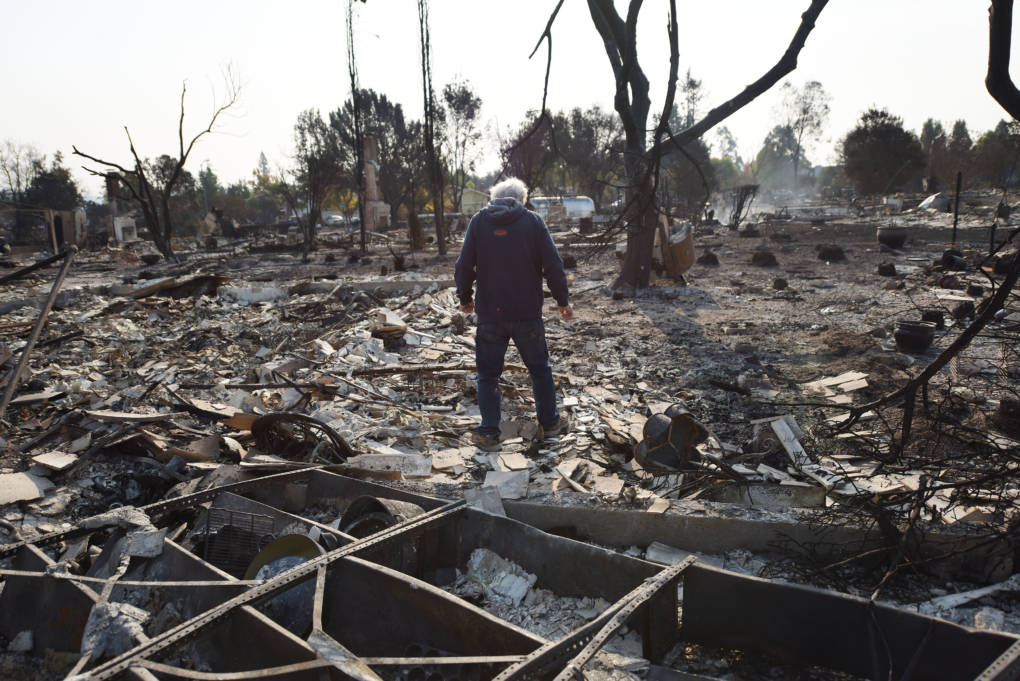
"caption": "Homeowner Phil Rush looks at the remains of his home destroyed by wildfire in Santa Rosa, California, on Oct. 11, 2017. Rush said he and his wife and dog escaped with only their medication and a bag of dog food when flames overtook their entire neighborhood on Oct. 9, 2017.",
"description": null,
"title": "TOPSHOT-US-FIRE-CALIFORNIA",
"credit": "Robyn Beck/AFP/Getty Images",
"status": "inherit",
"isLoading": false,
"fetchFailed": false
},
"news_11624598": {
"type": "attachments",
"id": "news_11624598",
"meta": {
"index": "attachments_1716263798",
"site": "news",
"id": "11624598",
"found": true
},
"parent": 11624593,
"imgSizes": {
"small": {
"file": "https://ww2.kqed.org/app/uploads/sites/10/2017/10/RS27595_GettyImages-861748748-qut-520x339.jpg",
"width": 520,
"mimeType": "image/jpeg",
"height": 339
},
"twentyfourteen-full-width": {
"file": "https://ww2.kqed.org/app/uploads/sites/10/2017/10/RS27595_GettyImages-861748748-qut-1038x576.jpg",
"width": 1038,
"mimeType": "image/jpeg",
"height": 576
},
"thumbnail": {
"file": "https://ww2.kqed.org/app/uploads/sites/10/2017/10/RS27595_GettyImages-861748748-qut-160x104.jpg",
"width": 160,
"mimeType": "image/jpeg",
"height": 104
},
"fd-sm": {
"file": "https://ww2.kqed.org/app/uploads/sites/10/2017/10/RS27595_GettyImages-861748748-qut-960x627.jpg",
"width": 960,
"mimeType": "image/jpeg",
"height": 627
},
"post-thumbnail": {
"file": "https://ww2.kqed.org/app/uploads/sites/10/2017/10/RS27595_GettyImages-861748748-qut-672x372.jpg",
"width": 672,
"mimeType": "image/jpeg",
"height": 372
},
"xsmall": {
"file": "https://ww2.kqed.org/app/uploads/sites/10/2017/10/RS27595_GettyImages-861748748-qut-375x245.jpg",
"width": 375,
"mimeType": "image/jpeg",
"height": 245
},
"kqedFullSize": {
"file": "https://ww2.kqed.org/app/uploads/sites/10/2017/10/RS27595_GettyImages-861748748-qut.jpg",
"width": 1920,
"height": 1253
},
"large": {
"file": "https://ww2.kqed.org/app/uploads/sites/10/2017/10/RS27595_GettyImages-861748748-qut-1020x666.jpg",
"width": 1020,
"mimeType": "image/jpeg",
"height": 666
},
"xlarge": {
"file": "https://ww2.kqed.org/app/uploads/sites/10/2017/10/RS27595_GettyImages-861748748-qut-1180x770.jpg",
"width": 1180,
"mimeType": "image/jpeg",
"height": 770
},
"guest-author-50": {
"file": "https://ww2.kqed.org/app/uploads/sites/10/2017/10/RS27595_GettyImages-861748748-qut-50x50.jpg",
"width": 50,
"mimeType": "image/jpeg",
"height": 50
},
"guest-author-96": {
"file": "https://ww2.kqed.org/app/uploads/sites/10/2017/10/RS27595_GettyImages-861748748-qut-96x96.jpg",
"width": 96,
"mimeType": "image/jpeg",
"height": 96
},
"medium": {
"file": "https://ww2.kqed.org/app/uploads/sites/10/2017/10/RS27595_GettyImages-861748748-qut-800x522.jpg",
"width": 800,
"mimeType": "image/jpeg",
"height": 522
},
"guest-author-64": {
"file": "https://ww2.kqed.org/app/uploads/sites/10/2017/10/RS27595_GettyImages-861748748-qut-64x64.jpg",
"width": 64,
"mimeType": "image/jpeg",
"height": 64
},
"guest-author-32": {
"file": "https://ww2.kqed.org/app/uploads/sites/10/2017/10/RS27595_GettyImages-861748748-qut-32x32.jpg",
"width": 32,
"mimeType": "image/jpeg",
"height": 32
},
"fd-lrg": {
"file": "https://ww2.kqed.org/app/uploads/sites/10/2017/10/RS27595_GettyImages-861748748-qut-1920x1253.jpg",
"width": 1920,
"mimeType": "image/jpeg",
"height": 1253
},
"fd-med": {
"file": "https://ww2.kqed.org/app/uploads/sites/10/2017/10/RS27595_GettyImages-861748748-qut-1180x770.jpg",
"width": 1180,
"mimeType": "image/jpeg",
"height": 770
},
"full-width": {
"file": "https://ww2.kqed.org/app/uploads/sites/10/2017/10/RS27595_GettyImages-861748748-qut-1920x1253.jpg",
"width": 1920,
"mimeType": "image/jpeg",
"height": 1253
},
"detail": {
"file": "https://ww2.kqed.org/app/uploads/sites/10/2017/10/RS27595_GettyImages-861748748-qut-150x150.jpg",
"width": 150,
"mimeType": "image/jpeg",
"height": 150
},
"guest-author-128": {
"file": "https://ww2.kqed.org/app/uploads/sites/10/2017/10/RS27595_GettyImages-861748748-qut-128x128.jpg",
"width": 128,
"mimeType": "image/jpeg",
"height": 128
},
"xxsmall": {
"file": "https://ww2.kqed.org/app/uploads/sites/10/2017/10/RS27595_GettyImages-861748748-qut-240x157.jpg",
"width": 240,
"mimeType": "image/jpeg",
"height": 157
}
},
"publishDate": 1508439160,
"modified": 1508447873,
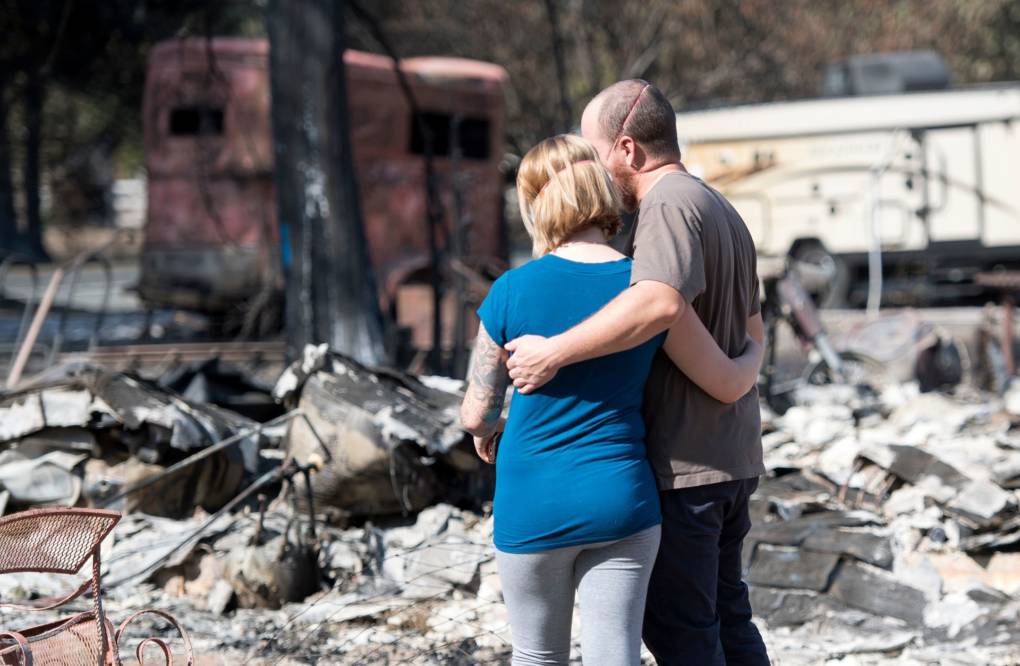
"caption": "Mandi and Lane Summit embrace before their fire-destroyed home in Redwood Valley, California, on Oct. 15, 2017.",
"description": null,
"title": "US-FIRE-CALIFORNIA",
"credit": "Josh Edelson/AFP/Getty Images",
"status": "inherit",
"isLoading": false,
"fetchFailed": false
},
"news_11624271": {
"type": "attachments",
"id": "news_11624271",
"meta": {
"index": "attachments_1716263798",
"site": "news",
"id": "11624271",
"found": true
},
"parent": 11624260,
"imgSizes": {
"small": {
"file": "https://ww2.kqed.org/app/uploads/sites/10/2017/10/KALW_PAMELA_TWITTER-520x303.jpg",
"width": 520,
"mimeType": "image/jpeg",
"height": 303
},
"thumbnail": {
"file": "https://ww2.kqed.org/app/uploads/sites/10/2017/10/KALW_PAMELA_TWITTER-160x93.jpg",
"width": 160,
"mimeType": "image/jpeg",
"height": 93
},
"post-thumbnail": {
"file": "https://ww2.kqed.org/app/uploads/sites/10/2017/10/KALW_PAMELA_TWITTER-672x372.jpg",
"width": 672,
"mimeType": "image/jpeg",
"height": 372
},
"xsmall": {
"file": "https://ww2.kqed.org/app/uploads/sites/10/2017/10/KALW_PAMELA_TWITTER-375x219.jpg",
"width": 375,
"mimeType": "image/jpeg",
"height": 219
},
"kqedFullSize": {
"file": "https://ww2.kqed.org/app/uploads/sites/10/2017/10/KALW_PAMELA_TWITTER.jpg",
"width": 798,
"height": 465
},
"guest-author-50": {
"file": "https://ww2.kqed.org/app/uploads/sites/10/2017/10/KALW_PAMELA_TWITTER-50x50.jpg",
"width": 50,
"mimeType": "image/jpeg",
"height": 50
},
"guest-author-96": {
"file": "https://ww2.kqed.org/app/uploads/sites/10/2017/10/KALW_PAMELA_TWITTER-96x96.jpg",
"width": 96,
"mimeType": "image/jpeg",
"height": 96
},
"guest-author-64": {
"file": "https://ww2.kqed.org/app/uploads/sites/10/2017/10/KALW_PAMELA_TWITTER-64x64.jpg",
"width": 64,
"mimeType": "image/jpeg",
"height": 64
},
"detail": {
"file": "https://ww2.kqed.org/app/uploads/sites/10/2017/10/KALW_PAMELA_TWITTER-150x150.jpg",
"width": 150,
"mimeType": "image/jpeg",
"height": 150
},
"guest-author-32": {
"file": "https://ww2.kqed.org/app/uploads/sites/10/2017/10/KALW_PAMELA_TWITTER-32x32.jpg",
"width": 32,
"mimeType": "image/jpeg",
"height": 32
},
"guest-author-128": {
"file": "https://ww2.kqed.org/app/uploads/sites/10/2017/10/KALW_PAMELA_TWITTER-128x128.jpg",
"width": 128,
"mimeType": "image/jpeg",
"height": 128
},
"xxsmall": {
"file": "https://ww2.kqed.org/app/uploads/sites/10/2017/10/KALW_PAMELA_TWITTER-240x140.jpg",
"width": 240,
"mimeType": "image/jpeg",
"height": 140
}
},
"publishDate": 1508352622,
"modified": 1508361270,
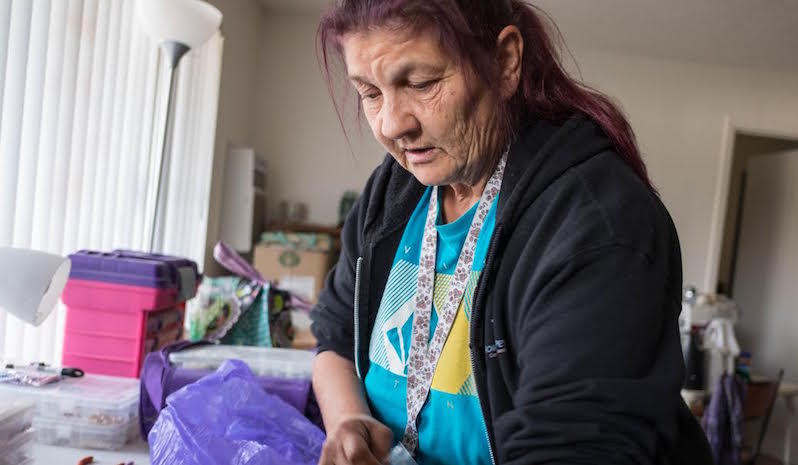
"caption": "Pamela Voyles shows some of the jewelry that she's made.",
"description": null,
"title": "KALW_PAMELA_TWITTER",
"credit": "Ninna Gaensler-Debs/KQED",
"status": "inherit",
"isLoading": false,
"fetchFailed": false
},
"news_11624217": {
"type": "attachments",
"id": "news_11624217",
"meta": {
"index": "attachments_1716263798",
"site": "news",
"id": "11624217",
"found": true
},
"parent": 11623746,
"imgSizes": {
"small": {
"file": "https://ww2.kqed.org/app/uploads/sites/10/2017/10/BackFire-520x347.jpg",
"width": 520,
"mimeType": "image/jpeg",
"height": 347
},
"twentyfourteen-full-width": {
"file": "https://ww2.kqed.org/app/uploads/sites/10/2017/10/BackFire-1038x576.jpg",
"width": 1038,
"mimeType": "image/jpeg",
"height": 576
},
"thumbnail": {
"file": "https://ww2.kqed.org/app/uploads/sites/10/2017/10/BackFire-160x107.jpg",
"width": 160,
"mimeType": "image/jpeg",
"height": 107
},
"fd-sm": {
"file": "https://ww2.kqed.org/app/uploads/sites/10/2017/10/BackFire-960x640.jpg",
"width": 960,
"mimeType": "image/jpeg",
"height": 640
},
"post-thumbnail": {
"file": "https://ww2.kqed.org/app/uploads/sites/10/2017/10/BackFire-672x372.jpg",
"width": 672,
"mimeType": "image/jpeg",
"height": 372
},
"xsmall": {
"file": "https://ww2.kqed.org/app/uploads/sites/10/2017/10/BackFire-375x250.jpg",
"width": 375,
"mimeType": "image/jpeg",
"height": 250
},
"kqedFullSize": {
"file": "https://ww2.kqed.org/app/uploads/sites/10/2017/10/BackFire.jpg",
"width": 1920,
"height": 1280
},
"large": {
"file": "https://ww2.kqed.org/app/uploads/sites/10/2017/10/BackFire-1020x680.jpg",
"width": 1020,
"mimeType": "image/jpeg",
"height": 680
},
"xlarge": {
"file": "https://ww2.kqed.org/app/uploads/sites/10/2017/10/BackFire-1180x787.jpg",
"width": 1180,
"mimeType": "image/jpeg",
"height": 787
},
"guest-author-50": {
"file": "https://ww2.kqed.org/app/uploads/sites/10/2017/10/BackFire-50x50.jpg",
"width": 50,
"mimeType": "image/jpeg",
"height": 50
},
"guest-author-96": {
"file": "https://ww2.kqed.org/app/uploads/sites/10/2017/10/BackFire-96x96.jpg",
"width": 96,
"mimeType": "image/jpeg",
"height": 96
},
"medium": {
"file": "https://ww2.kqed.org/app/uploads/sites/10/2017/10/BackFire-800x533.jpg",
"width": 800,
"mimeType": "image/jpeg",
"height": 533
},
"guest-author-64": {
"file": "https://ww2.kqed.org/app/uploads/sites/10/2017/10/BackFire-64x64.jpg",
"width": 64,
"mimeType": "image/jpeg",
"height": 64
},
"guest-author-32": {
"file": "https://ww2.kqed.org/app/uploads/sites/10/2017/10/BackFire-32x32.jpg",
"width": 32,
"mimeType": "image/jpeg",
"height": 32
},
"fd-lrg": {
"file": "https://ww2.kqed.org/app/uploads/sites/10/2017/10/BackFire-1920x1280.jpg",
"width": 1920,
"mimeType": "image/jpeg",
"height": 1280
},
"fd-med": {
"file": "https://ww2.kqed.org/app/uploads/sites/10/2017/10/BackFire-1180x787.jpg",
"width": 1180,
"mimeType": "image/jpeg",
"height": 787
},
"full-width": {
"file": "https://ww2.kqed.org/app/uploads/sites/10/2017/10/BackFire-1920x1280.jpg",
"width": 1920,
"mimeType": "image/jpeg",
"height": 1280
},
"detail": {
"file": "https://ww2.kqed.org/app/uploads/sites/10/2017/10/BackFire-150x150.jpg",
"width": 150,
"mimeType": "image/jpeg",
"height": 150
},
"guest-author-128": {
"file": "https://ww2.kqed.org/app/uploads/sites/10/2017/10/BackFire-128x128.jpg",
"width": 128,
"mimeType": "image/jpeg",
"height": 128
},
"xxsmall": {
"file": "https://ww2.kqed.org/app/uploads/sites/10/2017/10/BackFire-240x160.jpg",
"width": 240,
"mimeType": "image/jpeg",
"height": 160
}
},
"publishDate": 1508289387,
"modified": 1508289434,
"caption": "A firefighter uses a drip torch to set a backfire to protect houses in Adobe Canyon during the Nuns Fire on October 15, 2017 near Santa Rosa.",
"description": "A firefighter uses a drip torch to set a backfire to protect houses in Adobe Canyon during the Nuns Fire on October 15, 2017 near Santa Rosa.",
"title": "BackFire",
"credit": "David McNew/Getty Images",
"status": "inherit",
"isLoading": false,
"fetchFailed": false
},
"news_11622747": {
"type": "attachments",
"id": "news_11622747",
"meta": {
"index": "attachments_1716263798",
"site": "news",
"id": "11622747",
"found": true
},
"parent": 11621807,
"imgSizes": {
"small": {
"file": "https://ww2.kqed.org/app/uploads/sites/10/2017/10/FireShelter-520x350.jpg",
"width": 520,
"mimeType": "image/jpeg",
"height": 350
},
"twentyfourteen-full-width": {
"file": "https://ww2.kqed.org/app/uploads/sites/10/2017/10/FireShelter-1038x576.jpg",
"width": 1038,
"mimeType": "image/jpeg",
"height": 576
},
"thumbnail": {
"file": "https://ww2.kqed.org/app/uploads/sites/10/2017/10/FireShelter-160x108.jpg",
"width": 160,
"mimeType": "image/jpeg",
"height": 108
},
"fd-sm": {
"file": "https://ww2.kqed.org/app/uploads/sites/10/2017/10/FireShelter-960x647.jpg",
"width": 960,
"mimeType": "image/jpeg",
"height": 647
},
"post-thumbnail": {
"file": "https://ww2.kqed.org/app/uploads/sites/10/2017/10/FireShelter-672x372.jpg",
"width": 672,
"mimeType": "image/jpeg",
"height": 372
},
"xsmall": {
"file": "https://ww2.kqed.org/app/uploads/sites/10/2017/10/FireShelter-375x253.jpg",
"width": 375,
"mimeType": "image/jpeg",
"height": 253
},
"kqedFullSize": {
"file": "https://ww2.kqed.org/app/uploads/sites/10/2017/10/FireShelter.jpg",
"width": 1920,
"height": 1293
},
"large": {
"file": "https://ww2.kqed.org/app/uploads/sites/10/2017/10/FireShelter-1020x687.jpg",
"width": 1020,
"mimeType": "image/jpeg",
"height": 687
},
"xlarge": {
"file": "https://ww2.kqed.org/app/uploads/sites/10/2017/10/FireShelter-1180x795.jpg",
"width": 1180,
"mimeType": "image/jpeg",
"height": 795
},
"guest-author-50": {
"file": "https://ww2.kqed.org/app/uploads/sites/10/2017/10/FireShelter-50x50.jpg",
"width": 50,
"mimeType": "image/jpeg",
"height": 50
},
"guest-author-96": {
"file": "https://ww2.kqed.org/app/uploads/sites/10/2017/10/FireShelter-96x96.jpg",
"width": 96,
"mimeType": "image/jpeg",
"height": 96
},
"medium": {
"file": "https://ww2.kqed.org/app/uploads/sites/10/2017/10/FireShelter-800x539.jpg",
"width": 800,
"mimeType": "image/jpeg",
"height": 539
},
"guest-author-64": {
"file": "https://ww2.kqed.org/app/uploads/sites/10/2017/10/FireShelter-64x64.jpg",
"width": 64,
"mimeType": "image/jpeg",
"height": 64
},
"guest-author-32": {
"file": "https://ww2.kqed.org/app/uploads/sites/10/2017/10/FireShelter-32x32.jpg",
"width": 32,
"mimeType": "image/jpeg",
"height": 32
},
"fd-lrg": {
"file": "https://ww2.kqed.org/app/uploads/sites/10/2017/10/FireShelter-1920x1293.jpg",
"width": 1920,
"mimeType": "image/jpeg",
"height": 1293
},
"fd-med": {
"file": "https://ww2.kqed.org/app/uploads/sites/10/2017/10/FireShelter-1180x795.jpg",
"width": 1180,
"mimeType": "image/jpeg",
"height": 795
},
"full-width": {
"file": "https://ww2.kqed.org/app/uploads/sites/10/2017/10/FireShelter-1920x1293.jpg",
"width": 1920,
"mimeType": "image/jpeg",
"height": 1293
},
"detail": {
"file": "https://ww2.kqed.org/app/uploads/sites/10/2017/10/FireShelter-150x150.jpg",
"width": 150,
"mimeType": "image/jpeg",
"height": 150
},
"guest-author-128": {
"file": "https://ww2.kqed.org/app/uploads/sites/10/2017/10/FireShelter-128x128.jpg",
"width": 128,
"mimeType": "image/jpeg",
"height": 128
},
"xxsmall": {
"file": "https://ww2.kqed.org/app/uploads/sites/10/2017/10/FireShelter-240x162.jpg",
"width": 240,
"mimeType": "image/jpeg",
"height": 162
}
},
"publishDate": 1507773452,
"modified": 1507773502,
"caption": "A woman walks through the Sonoma County Fairgrounds evacuation center in Santa Rosa on Oct. 11, 2017.",
"description": "A woman walks through the Sonoma County Fairgrounds evacuation center in Santa Rosa on Oct. 11, 2017.",
"title": "FireShelter",
"credit": "ROBYN BECK/AFP/Getty Images",
"status": "inherit",
"isLoading": false,
"fetchFailed": false
},
"news_11623660": {
"type": "attachments",
"id": "news_11623660",
"meta": {
"index": "attachments_1716263798",
"site": "news",
"id": "11623660",
"found": true
},
"parent": 11623639,
"imgSizes": {
"small": {
"file": "https://ww2.kqed.org/app/uploads/sites/10/2017/10/IMG_0660-e1508100081609-520x390.jpg",
"width": 520,
"mimeType": "image/jpeg",
"height": 390
},
"twentyfourteen-full-width": {
"file": "https://ww2.kqed.org/app/uploads/sites/10/2017/10/IMG_0660-e1508100081609-1038x576.jpg",
"width": 1038,
"mimeType": "image/jpeg",
"height": 576
},
"thumbnail": {
"file": "https://ww2.kqed.org/app/uploads/sites/10/2017/10/IMG_0660-e1508100081609-160x120.jpg",
"width": 160,
"mimeType": "image/jpeg",
"height": 120
},
"fd-sm": {
"file": "https://ww2.kqed.org/app/uploads/sites/10/2017/10/IMG_0660-e1508100081609-960x720.jpg",
"width": 960,
"mimeType": "image/jpeg",
"height": 720
},
"post-thumbnail": {
"file": "https://ww2.kqed.org/app/uploads/sites/10/2017/10/IMG_0660-e1508100081609-672x372.jpg",
"width": 672,
"mimeType": "image/jpeg",
"height": 372
},
"xsmall": {
"file": "https://ww2.kqed.org/app/uploads/sites/10/2017/10/IMG_0660-e1508100081609-375x281.jpg",
"width": 375,
"mimeType": "image/jpeg",
"height": 281
},
"kqedFullSize": {
"file": "https://ww2.kqed.org/app/uploads/sites/10/2017/10/IMG_0660-e1508100081609.jpg",
"width": 4032,
"height": 3024
},
"large": {
"file": "https://ww2.kqed.org/app/uploads/sites/10/2017/10/IMG_0660-e1508100081609-1020x765.jpg",
"width": 1020,
"mimeType": "image/jpeg",
"height": 765
},
"xlarge": {
"file": "https://ww2.kqed.org/app/uploads/sites/10/2017/10/IMG_0660-e1508100081609-1180x885.jpg",
"width": 1180,
"mimeType": "image/jpeg",
"height": 885
},
"guest-author-50": {
"file": "https://ww2.kqed.org/app/uploads/sites/10/2017/10/IMG_0660-e1508100081609-50x50.jpg",
"width": 50,
"mimeType": "image/jpeg",
"height": 50
},
"guest-author-96": {
"file": "https://ww2.kqed.org/app/uploads/sites/10/2017/10/IMG_0660-e1508100081609-96x96.jpg",
"width": 96,
"mimeType": "image/jpeg",
"height": 96
},
"medium": {
"file": "https://ww2.kqed.org/app/uploads/sites/10/2017/10/IMG_0660-e1508100081609-800x600.jpg",
"width": 800,
"mimeType": "image/jpeg",
"height": 600
},
"guest-author-64": {
"file": "https://ww2.kqed.org/app/uploads/sites/10/2017/10/IMG_0660-e1508100081609-64x64.jpg",
"width": 64,
"mimeType": "image/jpeg",
"height": 64
},
"guest-author-32": {
"file": "https://ww2.kqed.org/app/uploads/sites/10/2017/10/IMG_0660-e1508100081609-32x32.jpg",
"width": 32,
"mimeType": "image/jpeg",
"height": 32
},
"fd-lrg": {
"file": "https://ww2.kqed.org/app/uploads/sites/10/2017/10/IMG_0660-e1508100081609-1920x1440.jpg",
"width": 1920,
"mimeType": "image/jpeg",
"height": 1440
},
"fd-med": {
"file": "https://ww2.kqed.org/app/uploads/sites/10/2017/10/IMG_0660-e1508100081609-1180x885.jpg",
"width": 1180,
"mimeType": "image/jpeg",
"height": 885
},
"full-width": {
"file": "https://ww2.kqed.org/app/uploads/sites/10/2017/10/IMG_0660-e1508100081609-1920x1440.jpg",
"width": 1920,
"mimeType": "image/jpeg",
"height": 1440
},
"detail": {
"file": "https://ww2.kqed.org/app/uploads/sites/10/2017/10/IMG_0660-e1508100081609-150x150.jpg",
"width": 150,
"mimeType": "image/jpeg",
"height": 150
},
"guest-author-128": {
"file": "https://ww2.kqed.org/app/uploads/sites/10/2017/10/IMG_0660-e1508100081609-128x128.jpg",
"width": 128,
"mimeType": "image/jpeg",
"height": 128
},
"xxsmall": {
"file": "https://ww2.kqed.org/app/uploads/sites/10/2017/10/IMG_0660-e1508100081609-240x180.jpg",
"width": 240,
"mimeType": "image/jpeg",
"height": 180
}
},
"publishDate": 1508099926,
"modified": 1508192204,
"caption": "Federal, state and local officials answer questions during a community meeting at Santa Rosa High School on Oct. 14. ",
"description": null,
"title": "IMG_0660",
"credit": "Guy Marzorati/KQED",
"status": "inherit",
"isLoading": false,
"fetchFailed": false
},
"news_11623376": {
"type": "attachments",
"id": "news_11623376",
"meta": {
"index": "attachments_1716263798",
"site": "news",
"id": "11623376",
"found": true
},
"parent": 11623289,
"imgSizes": {
"small": {
"file": "https://ww2.kqed.org/app/uploads/sites/10/2017/10/GettyImages-860798714-520x347.jpg",
"width": 520,
"mimeType": "image/jpeg",
"height": 347
},
"twentyfourteen-full-width": {
"file": "https://ww2.kqed.org/app/uploads/sites/10/2017/10/GettyImages-860798714-1038x576.jpg",
"width": 1038,
"mimeType": "image/jpeg",
"height": 576
},
"thumbnail": {
"file": "https://ww2.kqed.org/app/uploads/sites/10/2017/10/GettyImages-860798714-160x107.jpg",
"width": 160,
"mimeType": "image/jpeg",
"height": 107
},
"fd-sm": {
"file": "https://ww2.kqed.org/app/uploads/sites/10/2017/10/GettyImages-860798714-960x640.jpg",
"width": 960,
"mimeType": "image/jpeg",
"height": 640
},
"post-thumbnail": {
"file": "https://ww2.kqed.org/app/uploads/sites/10/2017/10/GettyImages-860798714-672x372.jpg",
"width": 672,
"mimeType": "image/jpeg",
"height": 372
},
"xsmall": {
"file": "https://ww2.kqed.org/app/uploads/sites/10/2017/10/GettyImages-860798714-375x250.jpg",
"width": 375,
"mimeType": "image/jpeg",
"height": 250
},
"kqedFullSize": {
"file": "https://ww2.kqed.org/app/uploads/sites/10/2017/10/GettyImages-860798714.jpg",
"width": 3500,
"height": 2334
},
"large": {
"file": "https://ww2.kqed.org/app/uploads/sites/10/2017/10/GettyImages-860798714-1020x680.jpg",
"width": 1020,
"mimeType": "image/jpeg",
"height": 680
},
"xlarge": {
"file": "https://ww2.kqed.org/app/uploads/sites/10/2017/10/GettyImages-860798714-1180x787.jpg",
"width": 1180,
"mimeType": "image/jpeg",
"height": 787
},
"guest-author-50": {
"file": "https://ww2.kqed.org/app/uploads/sites/10/2017/10/GettyImages-860798714-50x50.jpg",
"width": 50,
"mimeType": "image/jpeg",
"height": 50
},
"guest-author-96": {
"file": "https://ww2.kqed.org/app/uploads/sites/10/2017/10/GettyImages-860798714-96x96.jpg",
"width": 96,
"mimeType": "image/jpeg",
"height": 96
},
"medium": {
"file": "https://ww2.kqed.org/app/uploads/sites/10/2017/10/GettyImages-860798714-800x533.jpg",
"width": 800,
"mimeType": "image/jpeg",
"height": 533
},
"guest-author-64": {
"file": "https://ww2.kqed.org/app/uploads/sites/10/2017/10/GettyImages-860798714-64x64.jpg",
"width": 64,
"mimeType": "image/jpeg",
"height": 64
},
"guest-author-32": {
"file": "https://ww2.kqed.org/app/uploads/sites/10/2017/10/GettyImages-860798714-32x32.jpg",
"width": 32,
"mimeType": "image/jpeg",
"height": 32
},
"fd-lrg": {
"file": "https://ww2.kqed.org/app/uploads/sites/10/2017/10/GettyImages-860798714-1920x1280.jpg",
"width": 1920,
"mimeType": "image/jpeg",
"height": 1280
},
"fd-med": {
"file": "https://ww2.kqed.org/app/uploads/sites/10/2017/10/GettyImages-860798714-1180x787.jpg",
"width": 1180,
"mimeType": "image/jpeg",
"height": 787
},
"full-width": {
"file": "https://ww2.kqed.org/app/uploads/sites/10/2017/10/GettyImages-860798714-1920x1280.jpg",
"width": 1920,
"mimeType": "image/jpeg",
"height": 1280
},
"detail": {
"file": "https://ww2.kqed.org/app/uploads/sites/10/2017/10/GettyImages-860798714-150x150.jpg",
"width": 150,
"mimeType": "image/jpeg",
"height": 150
},
"guest-author-128": {
"file": "https://ww2.kqed.org/app/uploads/sites/10/2017/10/GettyImages-860798714-128x128.jpg",
"width": 128,
"mimeType": "image/jpeg",
"height": 128
},
"xxsmall": {
"file": "https://ww2.kqed.org/app/uploads/sites/10/2017/10/GettyImages-860798714-240x160.jpg",
"width": 240,
"mimeType": "image/jpeg",
"height": 160
}
},
"publishDate": 1507931038,
"modified": 1507938835,
"caption": "The Puerta la Cruz female inmate firefighter crew clears vegetation near homes in Dry Creek Canyon to try to save them as the Partrick Fire approaches on Oct. 12, 2017, west of Napa, California. Inmate hand crews work under the supervision of Cal Fire.",
"description": null,
"title": "Multiple Wildfires Continue To Ravage Through California Wine Country",
"credit": "DAVID MCNEW/AFP/Getty Images",
"status": "inherit",
"isLoading": false,
"fetchFailed": false
},
"news_11623358": {
"type": "attachments",
"id": "news_11623358",
"meta": {
"index": "attachments_1716263798",
"site": "news",
"id": "11623358",
"found": true
},
"parent": 11622851,
"imgSizes": {
"small": {
"file": "https://ww2.kqed.org/app/uploads/sites/10/2017/10/RS27322_IMG_3893-qut-520x347.jpg",
"width": 520,
"mimeType": "image/jpeg",
"height": 347
},
"twentyfourteen-full-width": {
"file": "https://ww2.kqed.org/app/uploads/sites/10/2017/10/RS27322_IMG_3893-qut-1038x576.jpg",
"width": 1038,
"mimeType": "image/jpeg",
"height": 576
},
"thumbnail": {
"file": "https://ww2.kqed.org/app/uploads/sites/10/2017/10/RS27322_IMG_3893-qut-160x107.jpg",
"width": 160,
"mimeType": "image/jpeg",
"height": 107
},
"fd-sm": {
"file": "https://ww2.kqed.org/app/uploads/sites/10/2017/10/RS27322_IMG_3893-qut-960x640.jpg",
"width": 960,
"mimeType": "image/jpeg",
"height": 640
},
"post-thumbnail": {
"file": "https://ww2.kqed.org/app/uploads/sites/10/2017/10/RS27322_IMG_3893-qut-672x372.jpg",
"width": 672,
"mimeType": "image/jpeg",
"height": 372
},
"xsmall": {
"file": "https://ww2.kqed.org/app/uploads/sites/10/2017/10/RS27322_IMG_3893-qut-375x250.jpg",
"width": 375,
"mimeType": "image/jpeg",
"height": 250
},
"kqedFullSize": {
"file": "https://ww2.kqed.org/app/uploads/sites/10/2017/10/RS27322_IMG_3893-qut.jpg",
"width": 1920,
"height": 1280
},
"large": {
"file": "https://ww2.kqed.org/app/uploads/sites/10/2017/10/RS27322_IMG_3893-qut-1020x680.jpg",
"width": 1020,
"mimeType": "image/jpeg",
"height": 680
},
"xlarge": {
"file": "https://ww2.kqed.org/app/uploads/sites/10/2017/10/RS27322_IMG_3893-qut-1180x787.jpg",
"width": 1180,
"mimeType": "image/jpeg",
"height": 787
},
"guest-author-50": {
"file": "https://ww2.kqed.org/app/uploads/sites/10/2017/10/RS27322_IMG_3893-qut-50x50.jpg",
"width": 50,
"mimeType": "image/jpeg",
"height": 50
},
"guest-author-96": {
"file": "https://ww2.kqed.org/app/uploads/sites/10/2017/10/RS27322_IMG_3893-qut-96x96.jpg",
"width": 96,
"mimeType": "image/jpeg",
"height": 96
},
"medium": {
"file": "https://ww2.kqed.org/app/uploads/sites/10/2017/10/RS27322_IMG_3893-qut-800x533.jpg",
"width": 800,
"mimeType": "image/jpeg",
"height": 533
},
"guest-author-64": {
"file": "https://ww2.kqed.org/app/uploads/sites/10/2017/10/RS27322_IMG_3893-qut-64x64.jpg",
"width": 64,
"mimeType": "image/jpeg",
"height": 64
},
"guest-author-32": {
"file": "https://ww2.kqed.org/app/uploads/sites/10/2017/10/RS27322_IMG_3893-qut-32x32.jpg",
"width": 32,
"mimeType": "image/jpeg",
"height": 32
},
"fd-lrg": {
"file": "https://ww2.kqed.org/app/uploads/sites/10/2017/10/RS27322_IMG_3893-qut-1920x1280.jpg",
"width": 1920,
"mimeType": "image/jpeg",
"height": 1280
},
"fd-med": {
"file": "https://ww2.kqed.org/app/uploads/sites/10/2017/10/RS27322_IMG_3893-qut-1180x787.jpg",
"width": 1180,
"mimeType": "image/jpeg",
"height": 787
},
"full-width": {
"file": "https://ww2.kqed.org/app/uploads/sites/10/2017/10/RS27322_IMG_3893-qut-1920x1280.jpg",
"width": 1920,
"mimeType": "image/jpeg",
"height": 1280
},
"detail": {
"file": "https://ww2.kqed.org/app/uploads/sites/10/2017/10/RS27322_IMG_3893-qut-150x150.jpg",
"width": 150,
"mimeType": "image/jpeg",
"height": 150
},
"guest-author-128": {
"file": "https://ww2.kqed.org/app/uploads/sites/10/2017/10/RS27322_IMG_3893-qut-128x128.jpg",
"width": 128,
"mimeType": "image/jpeg",
"height": 128
},
"xxsmall": {
"file": "https://ww2.kqed.org/app/uploads/sites/10/2017/10/RS27322_IMG_3893-qut-240x160.jpg",
"width": 240,
"mimeType": "image/jpeg",
"height": 160
}
},
"publishDate": 1507929884,
"modified": 1507929977,
"caption": "Incident command center set up at Silverado shopping center in Napa.",
"description": "Incident command center set up at Silverado shopping center in Napa.",
"title": "RS27322_IMG_3893-qut",
"credit": "Sheraz Sadiq/KQED",
"status": "inherit",
"isLoading": false,
"fetchFailed": false
},
"news_11622936": {
"type": "attachments",
"id": "news_11622936",
"meta": {
"index": "attachments_1716263798",
"site": "news",
"id": "11622936",
"found": true
},
"parent": 11622800,
"imgSizes": {
"small": {
"file": "https://ww2.kqed.org/app/uploads/sites/10/2017/10/RS27494_IMG_0994-qut-520x347.jpg",
"width": 520,
"mimeType": "image/jpeg",
"height": 347
},
"twentyfourteen-full-width": {
"file": "https://ww2.kqed.org/app/uploads/sites/10/2017/10/RS27494_IMG_0994-qut-1038x576.jpg",
"width": 1038,
"mimeType": "image/jpeg",
"height": 576
},
"thumbnail": {
"file": "https://ww2.kqed.org/app/uploads/sites/10/2017/10/RS27494_IMG_0994-qut-160x107.jpg",
"width": 160,
"mimeType": "image/jpeg",
"height": 107
},
"fd-sm": {
"file": "https://ww2.kqed.org/app/uploads/sites/10/2017/10/RS27494_IMG_0994-qut-960x640.jpg",
"width": 960,
"mimeType": "image/jpeg",
"height": 640
},
"post-thumbnail": {
"file": "https://ww2.kqed.org/app/uploads/sites/10/2017/10/RS27494_IMG_0994-qut-672x372.jpg",
"width": 672,
"mimeType": "image/jpeg",
"height": 372
},
"xsmall": {
"file": "https://ww2.kqed.org/app/uploads/sites/10/2017/10/RS27494_IMG_0994-qut-375x250.jpg",
"width": 375,
"mimeType": "image/jpeg",
"height": 250
},
"kqedFullSize": {
"file": "https://ww2.kqed.org/app/uploads/sites/10/2017/10/RS27494_IMG_0994-qut.jpg",
"width": 1920,
"height": 1280
},
"large": {
"file": "https://ww2.kqed.org/app/uploads/sites/10/2017/10/RS27494_IMG_0994-qut-1020x680.jpg",
"width": 1020,
"mimeType": "image/jpeg",
"height": 680
},
"xlarge": {
"file": "https://ww2.kqed.org/app/uploads/sites/10/2017/10/RS27494_IMG_0994-qut-1180x787.jpg",
"width": 1180,
"mimeType": "image/jpeg",
"height": 787
},
"guest-author-50": {
"file": "https://ww2.kqed.org/app/uploads/sites/10/2017/10/RS27494_IMG_0994-qut-50x50.jpg",
"width": 50,
"mimeType": "image/jpeg",
"height": 50
},
"guest-author-96": {
"file": "https://ww2.kqed.org/app/uploads/sites/10/2017/10/RS27494_IMG_0994-qut-96x96.jpg",
"width": 96,
"mimeType": "image/jpeg",
"height": 96
},
"medium": {
"file": "https://ww2.kqed.org/app/uploads/sites/10/2017/10/RS27494_IMG_0994-qut-800x533.jpg",
"width": 800,
"mimeType": "image/jpeg",
"height": 533
},
"guest-author-64": {
"file": "https://ww2.kqed.org/app/uploads/sites/10/2017/10/RS27494_IMG_0994-qut-64x64.jpg",
"width": 64,
"mimeType": "image/jpeg",
"height": 64
},
"guest-author-32": {
"file": "https://ww2.kqed.org/app/uploads/sites/10/2017/10/RS27494_IMG_0994-qut-32x32.jpg",
"width": 32,
"mimeType": "image/jpeg",
"height": 32
},
"fd-lrg": {
"file": "https://ww2.kqed.org/app/uploads/sites/10/2017/10/RS27494_IMG_0994-qut-1920x1280.jpg",
"width": 1920,
"mimeType": "image/jpeg",
"height": 1280
},
"fd-med": {
"file": "https://ww2.kqed.org/app/uploads/sites/10/2017/10/RS27494_IMG_0994-qut-1180x787.jpg",
"width": 1180,
"mimeType": "image/jpeg",
"height": 787
},
"full-width": {
"file": "https://ww2.kqed.org/app/uploads/sites/10/2017/10/RS27494_IMG_0994-qut-1920x1280.jpg",
"width": 1920,
"mimeType": "image/jpeg",
"height": 1280
},
"detail": {
"file": "https://ww2.kqed.org/app/uploads/sites/10/2017/10/RS27494_IMG_0994-qut-150x150.jpg",
"width": 150,
"mimeType": "image/jpeg",
"height": 150
},
"guest-author-128": {
"file": "https://ww2.kqed.org/app/uploads/sites/10/2017/10/RS27494_IMG_0994-qut-128x128.jpg",
"width": 128,
"mimeType": "image/jpeg",
"height": 128
},
"xxsmall": {
"file": "https://ww2.kqed.org/app/uploads/sites/10/2017/10/RS27494_IMG_0994-qut-240x160.jpg",
"width": 240,
"mimeType": "image/jpeg",
"height": 160
}
},
"publishDate": 1507840761,
"modified": 1507841546,
"caption": "Jose Diaz, 50, with grandson Jose Manuel, 11, by his truck and trailer at the Marin Center Exhibit Hall, which has become a shelter for many displaced Latino families. Diaz was working in renovations of a house that he believes burned down.",
"description": null,
"title": "RS27494_IMG_0994-qut",
"credit": "Farida Jhabvala Romero/KQED",
"status": "inherit",
"isLoading": false,
"fetchFailed": false
},
"news_11622642": {
"type": "attachments",
"id": "news_11622642",
"meta": {
"index": "attachments_1716263798",
"site": "news",
"id": "11622642",
"found": true
},
"parent": 11622616,
"imgSizes": {
"small": {
"file": "https://ww2.kqed.org/app/uploads/sites/10/2017/10/0M6A0276_DON-520x347.jpg",
"width": 520,
"mimeType": "image/jpeg",
"height": 347
},
"twentyfourteen-full-width": {
"file": "https://ww2.kqed.org/app/uploads/sites/10/2017/10/0M6A0276_DON-1038x576.jpg",
"width": 1038,
"mimeType": "image/jpeg",
"height": 576
},
"thumbnail": {
"file": "https://ww2.kqed.org/app/uploads/sites/10/2017/10/0M6A0276_DON-160x107.jpg",
"width": 160,
"mimeType": "image/jpeg",
"height": 107
},
"fd-sm": {
"file": "https://ww2.kqed.org/app/uploads/sites/10/2017/10/0M6A0276_DON-960x640.jpg",
"width": 960,
"mimeType": "image/jpeg",
"height": 640
},
"post-thumbnail": {
"file": "https://ww2.kqed.org/app/uploads/sites/10/2017/10/0M6A0276_DON-672x372.jpg",
"width": 672,
"mimeType": "image/jpeg",
"height": 372
},
"xsmall": {
"file": "https://ww2.kqed.org/app/uploads/sites/10/2017/10/0M6A0276_DON-375x250.jpg",
"width": 375,
"mimeType": "image/jpeg",
"height": 250
},
"kqedFullSize": {
"file": "https://ww2.kqed.org/app/uploads/sites/10/2017/10/0M6A0276_DON-e1507764260158.jpg",
"width": 1920,
"height": 1280
},
"large": {
"file": "https://ww2.kqed.org/app/uploads/sites/10/2017/10/0M6A0276_DON-1020x680.jpg",
"width": 1020,
"mimeType": "image/jpeg",
"height": 680
},
"xlarge": {
"file": "https://ww2.kqed.org/app/uploads/sites/10/2017/10/0M6A0276_DON-1180x787.jpg",
"width": 1180,
"mimeType": "image/jpeg",
"height": 787
},
"guest-author-50": {
"file": "https://ww2.kqed.org/app/uploads/sites/10/2017/10/0M6A0276_DON-50x50.jpg",
"width": 50,
"mimeType": "image/jpeg",
"height": 50
},
"guest-author-96": {
"file": "https://ww2.kqed.org/app/uploads/sites/10/2017/10/0M6A0276_DON-96x96.jpg",
"width": 96,
"mimeType": "image/jpeg",
"height": 96
},
"medium": {
"file": "https://ww2.kqed.org/app/uploads/sites/10/2017/10/0M6A0276_DON-800x533.jpg",
"width": 800,
"mimeType": "image/jpeg",
"height": 533
},
"guest-author-64": {
"file": "https://ww2.kqed.org/app/uploads/sites/10/2017/10/0M6A0276_DON-64x64.jpg",
"width": 64,
"mimeType": "image/jpeg",
"height": 64
},
"guest-author-32": {
"file": "https://ww2.kqed.org/app/uploads/sites/10/2017/10/0M6A0276_DON-32x32.jpg",
"width": 32,
"mimeType": "image/jpeg",
"height": 32
},
"fd-lrg": {
"file": "https://ww2.kqed.org/app/uploads/sites/10/2017/10/0M6A0276_DON-1920x1280.jpg",
"width": 1920,
"mimeType": "image/jpeg",
"height": 1280
},
"fd-med": {
"file": "https://ww2.kqed.org/app/uploads/sites/10/2017/10/0M6A0276_DON-1180x787.jpg",
"width": 1180,
"mimeType": "image/jpeg",
"height": 787
},
"full-width": {
"file": "https://ww2.kqed.org/app/uploads/sites/10/2017/10/0M6A0276_DON-1920x1280.jpg",
"width": 1920,
"mimeType": "image/jpeg",
"height": 1280
},
"detail": {
"file": "https://ww2.kqed.org/app/uploads/sites/10/2017/10/0M6A0276_DON-150x150.jpg",
"width": 150,
"mimeType": "image/jpeg",
"height": 150
},
"guest-author-128": {
"file": "https://ww2.kqed.org/app/uploads/sites/10/2017/10/0M6A0276_DON-128x128.jpg",
"width": 128,
"mimeType": "image/jpeg",
"height": 128
},
"xxsmall": {
"file": "https://ww2.kqed.org/app/uploads/sites/10/2017/10/0M6A0276_DON-240x160.jpg",
"width": 240,
"mimeType": "image/jpeg",
"height": 160
}
},
"publishDate": 1507764210,
"modified": 1507766393,
"caption": "Downed power lines in Santa Rosa on Coffey Lane on Oct. 11, 2017.",
"description": null,
"title": "0M6A0276_DON",
"credit": "Arash Malekzadeh/KQED",
"status": "inherit",
"isLoading": false,
"fetchFailed": false
},
"news_11622447": {
"type": "attachments",
"id": "news_11622447",
"meta": {
"index": "attachments_1716263798",
"site": "news",
"id": "11622447",
"found": true
},
"parent": 11622442,
"imgSizes": {
"small": {
"file": "https://ww2.kqed.org/app/uploads/sites/10/2017/10/IMG_1692-520x390.jpg",
"width": 520,
"mimeType": "image/jpeg",
"height": 390
},
"twentyfourteen-full-width": {
"file": "https://ww2.kqed.org/app/uploads/sites/10/2017/10/IMG_1692-1038x576.jpg",
"width": 1038,
"mimeType": "image/jpeg",
"height": 576
},
"thumbnail": {
"file": "https://ww2.kqed.org/app/uploads/sites/10/2017/10/IMG_1692-160x120.jpg",
"width": 160,
"mimeType": "image/jpeg",
"height": 120
},
"fd-sm": {
"file": "https://ww2.kqed.org/app/uploads/sites/10/2017/10/IMG_1692-960x720.jpg",
"width": 960,
"mimeType": "image/jpeg",
"height": 720
},
"post-thumbnail": {
"file": "https://ww2.kqed.org/app/uploads/sites/10/2017/10/IMG_1692-672x372.jpg",
"width": 672,
"mimeType": "image/jpeg",
"height": 372
},
"xsmall": {
"file": "https://ww2.kqed.org/app/uploads/sites/10/2017/10/IMG_1692-375x281.jpg",
"width": 375,
"mimeType": "image/jpeg",
"height": 281
},
"kqedFullSize": {
"file": "https://ww2.kqed.org/app/uploads/sites/10/2017/10/IMG_1692.jpg",
"width": 4032,
"height": 3024
},
"large": {
"file": "https://ww2.kqed.org/app/uploads/sites/10/2017/10/IMG_1692-1020x765.jpg",
"width": 1020,
"mimeType": "image/jpeg",
"height": 765
},
"xlarge": {
"file": "https://ww2.kqed.org/app/uploads/sites/10/2017/10/IMG_1692-1180x885.jpg",
"width": 1180,
"mimeType": "image/jpeg",
"height": 885
},
"guest-author-50": {
"file": "https://ww2.kqed.org/app/uploads/sites/10/2017/10/IMG_1692-50x50.jpg",
"width": 50,
"mimeType": "image/jpeg",
"height": 50
},
"guest-author-96": {
"file": "https://ww2.kqed.org/app/uploads/sites/10/2017/10/IMG_1692-96x96.jpg",
"width": 96,
"mimeType": "image/jpeg",
"height": 96
},
"medium": {
"file": "https://ww2.kqed.org/app/uploads/sites/10/2017/10/IMG_1692-800x600.jpg",
"width": 800,
"mimeType": "image/jpeg",
"height": 600
},
"guest-author-64": {
"file": "https://ww2.kqed.org/app/uploads/sites/10/2017/10/IMG_1692-64x64.jpg",
"width": 64,
"mimeType": "image/jpeg",
"height": 64
},
"guest-author-32": {
"file": "https://ww2.kqed.org/app/uploads/sites/10/2017/10/IMG_1692-32x32.jpg",
"width": 32,
"mimeType": "image/jpeg",
"height": 32
},
"fd-lrg": {
"file": "https://ww2.kqed.org/app/uploads/sites/10/2017/10/IMG_1692-1920x1440.jpg",
"width": 1920,
"mimeType": "image/jpeg",
"height": 1440
},
"fd-med": {
"file": "https://ww2.kqed.org/app/uploads/sites/10/2017/10/IMG_1692-1180x885.jpg",
"width": 1180,
"mimeType": "image/jpeg",
"height": 885
},
"full-width": {
"file": "https://ww2.kqed.org/app/uploads/sites/10/2017/10/IMG_1692-1920x1440.jpg",
"width": 1920,
"mimeType": "image/jpeg",
"height": 1440
},
"detail": {
"file": "https://ww2.kqed.org/app/uploads/sites/10/2017/10/IMG_1692-150x150.jpg",
"width": 150,
"mimeType": "image/jpeg",
"height": 150
},
"guest-author-128": {
"file": "https://ww2.kqed.org/app/uploads/sites/10/2017/10/IMG_1692-128x128.jpg",
"width": 128,
"mimeType": "image/jpeg",
"height": 128
},
"xxsmall": {
"file": "https://ww2.kqed.org/app/uploads/sites/10/2017/10/IMG_1692-240x180.jpg",
"width": 240,
"mimeType": "image/jpeg",
"height": 180
}
},
"publishDate": 1507744237,
"modified": 1507765837,
"caption": "Kayla Swaim, 27, stands in front of what remains of the house in Santa Rosa she's lived in for her whole life. She lived with her boyfriend, Juan Ferrel, who turned 27 on Tuesday. ",
"description": "Kayla Swaim, 27, stands in front of what remains of the house in Santa Rosa she's lived in for her whole life. She lived with her boyfriend Juan Ferrel, who turned 27 on Tuesday. ",
"title": "IMG_1692",
"credit": "Sukey Lewis/KQED",
"status": "inherit",
"isLoading": false,
"fetchFailed": false
},
"news_11622460": {
"type": "attachments",
"id": "news_11622460",
"meta": {
"index": "attachments_1716263798",
"site": "news",
"id": "11622460",
"found": true
},
"parent": 11622421,
"imgSizes": {
"small": {
"file": "https://ww2.kqed.org/app/uploads/sites/10/2017/10/dan-kanights-520x293.jpg",
"width": 520,
"mimeType": "image/jpeg",
"height": 293
},
"twentyfourteen-full-width": {
"file": "https://ww2.kqed.org/app/uploads/sites/10/2017/10/dan-kanights-1038x576.jpg",
"width": 1038,
"mimeType": "image/jpeg",
"height": 576
},
"thumbnail": {
"file": "https://ww2.kqed.org/app/uploads/sites/10/2017/10/dan-kanights-160x90.jpg",
"width": 160,
"mimeType": "image/jpeg",
"height": 90
},
"fd-sm": {
"file": "https://ww2.kqed.org/app/uploads/sites/10/2017/10/dan-kanights-960x540.jpg",
"width": 960,
"mimeType": "image/jpeg",
"height": 540
},
"post-thumbnail": {
"file": "https://ww2.kqed.org/app/uploads/sites/10/2017/10/dan-kanights-672x372.jpg",
"width": 672,
"mimeType": "image/jpeg",
"height": 372
},
"xsmall": {
"file": "https://ww2.kqed.org/app/uploads/sites/10/2017/10/dan-kanights-375x211.jpg",
"width": 375,
"mimeType": "image/jpeg",
"height": 211
},
"kqedFullSize": {
"file": "https://ww2.kqed.org/app/uploads/sites/10/2017/10/dan-kanights.jpg",
"width": 1920,
"height": 1080
},
"large": {
"file": "https://ww2.kqed.org/app/uploads/sites/10/2017/10/dan-kanights-1020x574.jpg",
"width": 1020,
"mimeType": "image/jpeg",
"height": 574
},
"xlarge": {
"file": "https://ww2.kqed.org/app/uploads/sites/10/2017/10/dan-kanights-1180x664.jpg",
"width": 1180,
"mimeType": "image/jpeg",
"height": 664
},
"guest-author-50": {
"file": "https://ww2.kqed.org/app/uploads/sites/10/2017/10/dan-kanights-50x50.jpg",
"width": 50,
"mimeType": "image/jpeg",
"height": 50
},
"guest-author-96": {
"file": "https://ww2.kqed.org/app/uploads/sites/10/2017/10/dan-kanights-96x96.jpg",
"width": 96,
"mimeType": "image/jpeg",
"height": 96
},
"medium": {
"file": "https://ww2.kqed.org/app/uploads/sites/10/2017/10/dan-kanights-800x450.jpg",
"width": 800,
"mimeType": "image/jpeg",
"height": 450
},
"guest-author-64": {
"file": "https://ww2.kqed.org/app/uploads/sites/10/2017/10/dan-kanights-64x64.jpg",
"width": 64,
"mimeType": "image/jpeg",
"height": 64
},
"guest-author-32": {
"file": "https://ww2.kqed.org/app/uploads/sites/10/2017/10/dan-kanights-32x32.jpg",
"width": 32,
"mimeType": "image/jpeg",
"height": 32
},
"fd-lrg": {
"file": "https://ww2.kqed.org/app/uploads/sites/10/2017/10/dan-kanights-1920x1080.jpg",
"width": 1920,
"mimeType": "image/jpeg",
"height": 1080
},
"fd-med": {
"file": "https://ww2.kqed.org/app/uploads/sites/10/2017/10/dan-kanights-1180x664.jpg",
"width": 1180,
"mimeType": "image/jpeg",
"height": 664
},
"full-width": {
"file": "https://ww2.kqed.org/app/uploads/sites/10/2017/10/dan-kanights-1920x1080.jpg",
"width": 1920,
"mimeType": "image/jpeg",
"height": 1080
},
"detail": {
"file": "https://ww2.kqed.org/app/uploads/sites/10/2017/10/dan-kanights-150x150.jpg",
"width": 150,
"mimeType": "image/jpeg",
"height": 150
},
"guest-author-128": {
"file": "https://ww2.kqed.org/app/uploads/sites/10/2017/10/dan-kanights-128x128.jpg",
"width": 128,
"mimeType": "image/jpeg",
"height": 128
},
"xxsmall": {
"file": "https://ww2.kqed.org/app/uploads/sites/10/2017/10/dan-kanights-240x135.jpg",
"width": 240,
"mimeType": "image/jpeg",
"height": 135
}
},
"publishDate": 1507746120,
"modified": 1507763251,
"caption": "Dan Kanights lives at Coddington Mobile Home Park in Santa Rosa directly across the street from 12 homes that were destroyed in the Tubbs Fire.",
"description": null,
"title": "dan kanights",
"credit": "Adam Grossberg/KQED",
"status": "inherit",
"isLoading": false,
"fetchFailed": false
}
},
"audioPlayerReducer": {
"postId": "stream_live",
"isPaused": true,
"isPlaying": false,
"pfsActive": false,
"pledgeModalIsOpen": true,
"playerDrawerIsOpen": false,
"liveAudioPlayStartedAt": 0,
"liveAudioPlayContext": ""
},
"authorsReducer": {
"byline_news_11624915": {
"type": "authors",
"id": "byline_news_11624915",
"meta": {
"override": true
},
"slug": "byline_news_11624915",
"name": "Janie Har and Michael R. Blood\u003cbr>Associated Press",
"isLoading": false
},
"byline_news_11624593": {
"type": "authors",
"id": "byline_news_11624593",
"meta": {
"override": true
},
"slug": "byline_news_11624593",
"name": "\u003cstrong>Janie Har\u003cbr />Associated Press\u003c/strong>",
"isLoading": false
},
"byline_news_11624260": {
"type": "authors",
"id": "byline_news_11624260",
"meta": {
"override": true
},
"slug": "byline_news_11624260",
"name": "\u003cstrong>\u003ca href=\"http://kalw.org/people/ninna-gaensler-debs\">Ninna Gaensler-Debs\u003c/a>\u003c/strong>",
"isLoading": false
},
"byline_news_11623746": {
"type": "authors",
"id": "byline_news_11623746",
"meta": {
"override": true
},
"slug": "byline_news_11623746",
"name": "Sudhin Thanawala and Brian Melly \u003cbr> Associated Press",
"isLoading": false
},
"byline_news_11622851": {
"type": "authors",
"id": "byline_news_11622851",
"meta": {
"override": true
},
"slug": "byline_news_11622851",
"name": "\u003cstrong>KQED News Staff\u003c/strong>",
"isLoading": false
},
"agrossberg": {
"type": "authors",
"id": "188",
"meta": {
"index": "authors_1716337520",
"id": "188",
"found": true
},
"name": "Adam Grossberg",
"firstName": "Adam",
"lastName": "Grossberg",
"slug": "agrossberg",
"email": "agrossberg@KQED.org",
"display_author_email": false,
"staff_mastheads": [],
"title": "KQED Contributor",
"bio": "Adam Grossberg is a former video producer at KQED News. Prior to coming to KQED, he produced videos for PBS, The New York Times, Current TV and The Center for Investigative Reporting. His work has received an Excellence in Journalism award from the Society of Professional Journalists, a regional Murrow award and two Northern California Emmy awards. He is a graduate of the UC Berkeley Graduate School of Journalism.",
"avatar": "https://secure.gravatar.com/avatar/8e96dbdaaf98f5959a2c778289e0f9b5?s=600&d=blank&r=g",
"twitter": null,
"facebook": null,
"instagram": null,
"linkedin": null,
"sites": [
{
"site": "arts",
"roles": [
"contributor"
]
},
{
"site": "news",
"roles": [
"subscriber"
]
},
{
"site": "stateofhealth",
"roles": [
"editor"
]
},
{
"site": "science",
"roles": [
"editor"
]
}
],
"headData": {
"title": "Adam Grossberg | KQED",
"description": "KQED Contributor",
"ogImgSrc": "https://secure.gravatar.com/avatar/8e96dbdaaf98f5959a2c778289e0f9b5?s=600&d=blank&r=g",
"twImgSrc": "https://secure.gravatar.com/avatar/8e96dbdaaf98f5959a2c778289e0f9b5?s=600&d=blank&r=g"
},
"isLoading": false,
"link": "/author/agrossberg"
},
"ahelmick": {
"type": "authors",
"id": "207",
"meta": {
"index": "authors_1716337520",
"id": "207",
"found": true
},
"name": "Alex Helmick",
"firstName": "Alex",
"lastName": "Helmick",
"slug": "ahelmick",
"email": "ahelmick@kqed.org",
"display_author_email": false,
"staff_mastheads": [],
"title": "KQED Contributor",
"bio": "Alex Helmick is a former supervising editor of KQED's newscast unit. He led a team of 10 and edited content for KQED’s 20 daily newscasts as well as occasionally editing \u003cem>The California Report.\u003c/em>\r\n\r\nBefore joining KQED, Alex worked in Geneva, Switzerland, where he reported from the United Nations European Headquarters and later hosted a 2-hour daily current events program. In 2009, he covered the war in Afghanistan and its impact on the humanitarian crisis in the country. He has also covered business in Chicago and produced the evening news for WBEZ.",
"avatar": "https://secure.gravatar.com/avatar/0a6dd12640740a1e6333d9102e3ae8a8?s=600&d=blank&r=g",
"twitter": null,
"facebook": null,
"instagram": null,
"linkedin": null,
"sites": [
{
"site": "news",
"roles": [
"subscriber"
]
},
{
"site": "science",
"roles": []
}
],
"headData": {
"title": "Alex Helmick | KQED",
"description": "KQED Contributor",
"ogImgSrc": "https://secure.gravatar.com/avatar/0a6dd12640740a1e6333d9102e3ae8a8?s=600&d=blank&r=g",
"twImgSrc": "https://secure.gravatar.com/avatar/0a6dd12640740a1e6333d9102e3ae8a8?s=600&d=blank&r=g"
},
"isLoading": false,
"link": "/author/ahelmick"
},
"gmarzorati": {
"type": "authors",
"id": "227",
"meta": {
"index": "authors_1716337520",
"id": "227",
"found": true
},
"name": "Guy Marzorati",
"firstName": "Guy",
"lastName": "Marzorati",
"slug": "gmarzorati",
"email": "gmarzorati@KQED.org",
"display_author_email": true,
"staff_mastheads": [
"news"
],
"title": "Correspondent",
"bio": "Guy Marzorati is a correspondent on KQED's California Politics and Government Desk, based in San Jose. A graduate of Santa Clara University, Guy joined KQED in 2013. He reports on state and local politics and produces KQED's digital voter guide.",
"avatar": "https://secure.gravatar.com/avatar/e7038b8dbfd55b104369b76b1cd0b9de?s=600&d=blank&r=g",
"twitter": "guymarzorati",
"facebook": null,
"instagram": null,
"linkedin": null,
"sites": [
{
"site": "",
"roles": [
"editor"
]
},
{
"site": "news",
"roles": [
"editor"
]
},
{
"site": "science",
"roles": [
"editor"
]
},
{
"site": "forum",
"roles": [
"editor"
]
},
{
"site": "elections",
"roles": [
"editor"
]
},
{
"site": "liveblog",
"roles": [
"editor"
]
}
],
"headData": {
"title": "Guy Marzorati | KQED",
"description": "Correspondent",
"ogImgSrc": "https://secure.gravatar.com/avatar/e7038b8dbfd55b104369b76b1cd0b9de?s=600&d=blank&r=g",
"twImgSrc": "https://secure.gravatar.com/avatar/e7038b8dbfd55b104369b76b1cd0b9de?s=600&d=blank&r=g"
},
"isLoading": false,
"link": "/author/gmarzorati"
},
"kqed": {
"type": "authors",
"id": "236",
"meta": {
"index": "authors_1716337520",
"id": "236",
"found": true
},
"name": "KQED News Staff",
"firstName": "KQED News Staff",
"lastName": null,
"slug": "kqed",
"email": "faq@kqed.org",
"display_author_email": false,
"staff_mastheads": [],
"title": null,
"bio": null,
"avatar": "https://secure.gravatar.com/avatar/ef0e801a68c4c54afa9180db14084167?s=600&d=blank&r=g",
"twitter": null,
"facebook": null,
"instagram": null,
"linkedin": null,
"sites": [
{
"site": "arts",
"roles": [
"contributor"
]
},
{
"site": "news",
"roles": [
"editor"
]
},
{
"site": "futureofyou",
"roles": [
"author"
]
}
],
"headData": {
"title": "KQED News Staff | KQED",
"description": null,
"ogImgSrc": "https://secure.gravatar.com/avatar/ef0e801a68c4c54afa9180db14084167?s=600&d=blank&r=g",
"twImgSrc": "https://secure.gravatar.com/avatar/ef0e801a68c4c54afa9180db14084167?s=600&d=blank&r=g"
},
"isLoading": false,
"link": "/author/kqed"
},
"sheraz-sadiq": {
"type": "authors",
"id": "6176",
"meta": {
"index": "authors_1716337520",
"id": "6176",
"found": true
},
"name": "Sheraz Sadiq",
"firstName": "Sheraz",
"lastName": "Sadiq",
"slug": "sheraz-sadiq",
"email": "ssadiq@kqed.org",
"display_author_email": false,
"staff_mastheads": [],
"title": "KQED Contributor",
"bio": "Sheraz Sadiq is an Emmy Award-winning producer at San Francisco PBS affiliate KQED. In 2012, he received the AAAS Kavli Science Journalism award for a story he produced about the seismic retrofit of the Hetch Hetchy water delivery system which serves the San Francisco Bay Area. In addition to producing television content for KQED Science, he has also created online features and written news articles on scientific subjects ranging from astronomy to synthetic biology.",
"avatar": "https://secure.gravatar.com/avatar/d88c61c214e477c4c6f0ebaed4f581bf7c9b1dafd94cd4361285d427107adb8d?s=600&d=blank&r=g",
"twitter": null,
"bluesky": null,
"facebook": null,
"instagram": null,
"linkedin": null,
"sites": [
{
"site": "arts",
"roles": [
"subscriber"
]
},
{
"site": "news",
"roles": [
"subscriber"
]
},
{
"site": "futureofyou",
"roles": [
"subscriber"
]
},
{
"site": "science",
"roles": [
"subscriber"
]
},
{
"site": "quest",
"roles": [
"leadcoordinator",
"subscriber"
]
}
],
"headData": {
"title": "Sheraz Sadiq | KQED",
"description": "KQED Contributor",
"ogImgSrc": "https://secure.gravatar.com/avatar/d88c61c214e477c4c6f0ebaed4f581bf7c9b1dafd94cd4361285d427107adb8d?s=600&d=blank&r=g",
"twImgSrc": "https://secure.gravatar.com/avatar/d88c61c214e477c4c6f0ebaed4f581bf7c9b1dafd94cd4361285d427107adb8d?s=600&d=blank&r=g"
},
"isLoading": false,
"link": "/author/sheraz-sadiq"
},
"fjhabvala": {
"type": "authors",
"id": "8659",
"meta": {
"index": "authors_1716337520",
"id": "8659",
"found": true
},
"name": "Farida Jhabvala Romero",
"firstName": "Farida",
"lastName": "Jhabvala Romero",
"slug": "fjhabvala",
"email": "fjhabvala@kqed.org",
"display_author_email": true,
"staff_mastheads": [
"news"
],
"title": "KQED Contributor",
"bio": "Farida Jhabvala Romero is a Labor Correspondent for KQED. She previously covered immigration. Farida was \u003ca href=\"https://www.ccnma.org/2022-most-influential-latina-journalists\">named\u003c/a> one of the 10 Most Influential Latina Journalists in California in 2022 by the California Chicano News Media Association. Her work has won awards from the Society of Professional Journalists (Northern California), as well as a national and regional Edward M. Murrow Award for the collaborative reporting projects “Dangerous Air” and “Graying California.” Before joining KQED, Farida worked as a producer at Radio Bilingüe, a national public radio network. Farida earned her master’s degree in journalism from Stanford University.",
"avatar": "https://secure.gravatar.com/avatar/f9f022d4e2609741874222a1e9d41f48fea74011aa7c615eef91d9a50c944ebe?s=600&d=blank&r=g",
"twitter": "FaridaJhabvala",
"bluesky": null,
"facebook": null,
"instagram": null,
"linkedin": "https://www.linkedin.com/in/faridajhabvala/",
"sites": [
{
"site": "news",
"roles": [
"editor"
]
},
{
"site": "stateofhealth",
"roles": [
"author"
]
},
{
"site": "liveblog",
"roles": [
"author"
]
}
],
"headData": {
"title": "Farida Jhabvala Romero | KQED",
"description": "KQED Contributor",
"ogImgSrc": "https://secure.gravatar.com/avatar/f9f022d4e2609741874222a1e9d41f48fea74011aa7c615eef91d9a50c944ebe?s=600&d=blank&r=g",
"twImgSrc": "https://secure.gravatar.com/avatar/f9f022d4e2609741874222a1e9d41f48fea74011aa7c615eef91d9a50c944ebe?s=600&d=blank&r=g"
},
"isLoading": false,
"link": "/author/fjhabvala"
},
"slewis": {
"type": "authors",
"id": "8676",
"meta": {
"index": "authors_1716337520",
"id": "8676",
"found": true
},
"name": "Sukey Lewis",
"firstName": "Sukey",
"lastName": "Lewis",
"slug": "slewis",
"email": "slewis@kqed.org",
"display_author_email": true,
"staff_mastheads": [
"news"
],
"title": "KQED Contributor",
"bio": "Sukey Lewis is a criminal justice reporter and host of \u003cem>On Our Watch\u003c/em>, a new podcast from NPR and KQED about the shadow world of police discipline. In 2018, she co-founded the California Reporting Project, a coalition of newsrooms across the state focused on obtaining previously sealed internal affairs records from law enforcement. In addition to her reporting on police accountability, Sukey has investigated the bail bonds industry, California's wildfires and the high cost of prison phone calls. Sukey earned a master's degree in journalism from the University of California at Berkeley. Send news tips to slewis@kqed.org.",
"avatar": "https://secure.gravatar.com/avatar/03fd6b21024f99d8b0a1966654586de7?s=600&d=blank&r=g",
"twitter": "SukeyLewis",
"facebook": null,
"instagram": null,
"linkedin": null,
"sites": [
{
"site": "news",
"roles": [
"author",
"edit_others_posts"
]
}
],
"headData": {
"title": "Sukey Lewis | KQED",
"description": "KQED Contributor",
"ogImgSrc": "https://secure.gravatar.com/avatar/03fd6b21024f99d8b0a1966654586de7?s=600&d=blank&r=g",
"twImgSrc": "https://secure.gravatar.com/avatar/03fd6b21024f99d8b0a1966654586de7?s=600&d=blank&r=g"
},
"isLoading": false,
"link": "/author/slewis"
}
},
"pagesReducer": {
"news_tag_sonoma-county": {
"type": "terms",
"id": "news_4981",
"meta": {
"index": "terms_1716263798",
"site": "news",
"id": "4981",
"score": 9.104131
},
"featImg": null,
"name": "Sonoma County",
"description": null,
"taxonomy": "tag",
"headData": {
"twImgId": null,
"twTitle": null,
"ogTitle": null,
"ogImgId": null,
"twDescription": null,
"description": null,
"title": "Sonoma County Archives | KQED News",
"ogDescription": null
},
"ttid": 5000,
"slug": "sonoma-county",
"isLoading": false,
"title": "Sonoma County",
"pageMeta": {
"site": "news",
"WpPageTemplate": "page-topic-editorial",
"currentPage": 13
},
"blocks": [
{
"blockName": "kqed/post-list",
"attrs": {
"layout": "cardArticle2",
"query": "posts/news?tag=sonoma-county",
"seeMore": false,
"paginated": true,
"page": 13
}
},
{
"blockName": "kqed/ad"
}
]
}
},
"pfsSessionReducer": {},
"postsReducer": {
"stream_live": {
"type": "live",
"id": "stream_live",
"audioUrl": "https://streams.kqed.org/kqedradio",
"title": "Live Stream",
"excerpt": "Live Stream information currently unavailable.",
"link": "/radio",
"featImg": "",
"label": {
"name": "KQED Live",
"link": "/"
}
},
"stream_kqedNewscast": {
"type": "posts",
"id": "stream_kqedNewscast",
"audioUrl": "https://www.kqed.org/.stream/anon/radio/RDnews/newscast.mp3?_=1",
"title": "KQED Newscast",
"featImg": "",
"label": {
"name": "88.5 FM",
"link": "/"
}
},
"news_11624915": {
"type": "posts",
"id": "news_11624915",
"meta": {
"index": "posts_1716263798",
"site": "news",
"id": "11624915",
"score": null,
"sort": [
1508514382000
]
},
"guestAuthors": [],
"slug": "california-fires-cause-1b-in-damage-burn-6900-buildings",
"title": "California Fires Cause $1B in Damage, Burn 6,900 buildings",
"publishDate": 1508514382,
"format": "standard",
"headTitle": "California Fires Cause $1B in Damage, Burn 6,900 buildings | KQED",
"labelTerm": {
"term": 72,
"site": "news"
},
"content": "\u003cp>The wildfires that have devastated Northern California this month caused at least $1 billion in damage to insured property, officials said Thursday, as authorities increased the count of homes and other buildings destroyed to nearly 7,000.\u003c/p>\n\u003cp>Both numbers were expected to rise as crews continued assessing areas scorched by the blazes that killed at least 42 people, a total that makes it the deadliest series of fires in state history.\u003c/p>\n\u003cp>State Insurance Commissioner Dave Jones said the preliminary dollar valuation of losses came from claims filed with the eight largest insurance companies in the affected areas and did not include uninsured property.\u003c/p>\n\u003cp>[contextly_sidebar id=”wbDLHTDICjwiWfbtOFxnzxVLFW2lwIkc”]\u003c/p>\n\u003cp>The loss total was expected to climb “probably dramatically so,” Jones told reporters, making it likely the fires also would become the costliest in California’s history.\u003c/p>\n\u003cp>[ad fullwidth]\u003c/p>\n\u003cp>The initial insurance total covered 4,177 partial residential losses, 5,449 total residential losses, 35 rental and condominium losses, 601 commercial property losses, more than 3,000 vehicle losses, 150 farm or agricultural equipment losses, and 39 boats. Those figures included some fire losses in Southern California — several dozen structures were destroyed or damaged in an Orange County fire — though most were from the northern part of the state, agency officials said.\u003c/p>\n\u003cp>Cal Fire’s estimate of homes and structures destroyed was boosted to 6,900 from 5,700 as fire crews returned to hard-hit neighborhoods and assessed remote and rural areas they could not get to earlier, spokesman Daniel Berlant said.\u003c/p>\n\u003cp>He said most of the newly counted destroyed buildings burned on Oct. 8 and Oct. 9 — when the wildfires broke out in wine country north of San Francisco and other nearby areas.\u003c/p>\n\u003cp>“The estimates are in structures and are mostly homes, but also includes commercial structures and outbuildings like barns and sheds,” Berlant said.\u003c/p>\n\u003cp>Twenty-two of the 42 deaths in California’s October fires happened in a Sonoma County wildfire, making it the third-deadliest in California history. A 1933 Los Angeles fire that killed 29 people was the deadliest, followed by the 1991 Oakland Hills fire killed 25.\u003c/p>\n\u003cp>When adjusted for inflation, the Oakland Hills fire is believed the costliest fire in California history at $2.8 billion. It destroyed about half as many homes and other buildings as the current series of fires.\u003c/p>\n\u003cp>California Gov. Jerry Brown late Wednesday issued an executive order to speed up recovery efforts as fire authorities say they’ve stopped the progress of wildfires.\u003c/p>\n\u003cp>More than 15,000 people remained evacuated Thursday, down from a high of 100,000 last Saturday.\u003c/p>\n\u003cp>Brown’s order also allowed disrupted wineries to relocate tasting rooms and suspended state fees for mobile home parks and manufactured homes.\u003c/p>\n\u003cp>The order extends the state’s prohibition on price gouging during emergencies until April 2018 and expedites hiring of personnel for emergency and recovery operations.\u003c/p>\n\u003cp>In Los Angeles County, authorities said a charred body was found on Mount Wilson, where crews were trying to surround a smoldering wildfire in steep terrain.\u003c/p>\n\u003cp>The male body discovered late Wednesday was recovered by the coroner’s office, which will try to identify it, Sheriff’s Sgt. Vincent Plair said.\u003c/p>\n\u003cp>California firefighters were also \u003ca href=\"https://ww2.kqed.org/news/2017/10/19/santa-cruz-mountains-wildfire-leads-to-evacuations-injures-firefighters/\" rel=\"noopener\" target=\"_blank\">battling a blaze\u003c/a> that sent smoke billowing into the college beach town of Santa Cruz.\u003c/p>\n\u003cp>The wildfire in steep and rugged terrain had grown to nearly half a square mile (1.3 square kilometers) and the number of houses threatened by the fire had doubled to 300.\u003c/p>\n\u003cp>Several firefighters suffered minor injuries.\u003c/p>\n\u003cp>\u003c/p>\n\u003cp>\u003cem>Blood reported from Los Angeles. Associated Press writers John Antczak and Christopher Weber contributed from Los Angeles.\u003c/em>\u003c/p>\n\n",
"blocks": [],
"excerpt": "The state insurance commissioner said the preliminary dollar valuation of losses came from claims filed with the eight largest insurance companies in the affected areas and did not include uninsured property.",
"status": "publish",
"parent": 0,
"modified": 1722635088,
"stats": {
"hasAudio": false,
"hasVideo": false,
"hasChartOrMap": false,
"iframeSrcs": [],
"hasGoogleForm": false,
"hasGallery": false,
"hasHearkenModule": false,
"hasPolis": false,
"paragraphCount": 23,
"wordCount": 616
},
"headData": {
"title": "California Fires Cause $1B in Damage, Burn 6,900 buildings | KQED",
"description": "The state insurance commissioner said the preliminary dollar valuation of losses came from claims filed with the eight largest insurance companies in the affected areas and did not include uninsured property.",
"ogTitle": "",
"ogDescription": "",
"ogImgId": "",
"twTitle": "",
"twDescription": "",
"twImgId": "",
"schema": {
"@context": "https://schema.org",
"@type": "NewsArticle",
"headline": "California Fires Cause $1B in Damage, Burn 6,900 buildings",
"datePublished": "2017-10-20T08:46:22-07:00",
"dateModified": "2024-08-02T14:44:48-07:00",
"image": "https://cdn.kqed.org/wp-content/uploads/2020/02/KQED-OG-Image@1x.png",
"isAccessibleForFree": "True",
"publisher": {
"@type": "NewsMediaOrganization",
"@id": "https://www.kqed.org/#organization",
"name": "KQED",
"logo": "https://cdn.kqed.org/wp-content/uploads/2020/02/KQED-OG-Image@1x.png",
"url": "https://www.kqed.org",
"sameAs": [
"https://www.facebook.com/KQED",
"https://twitter.com/KQED",
"https://www.instagram.com/kqed/",
"https://www.tiktok.com/@kqedofficial",
"https://www.linkedin.com/company/kqed",
"https://www.youtube.com/channel/UCeC0IOo7i1P_61zVUWbJ4nw"
]
}
}
},
"sticky": false,
"nprByline": "Janie Har and Michael R. Blood\u003cbr>Associated Press",
"path": "/news/11624915/california-fires-cause-1b-in-damage-burn-6900-buildings",
"audioTrackLength": null,
"parsedContent": [
{
"type": "contentString",
"content": "\u003cdiv class=\"post-body\">\u003cp>\u003cp>The wildfires that have devastated Northern California this month caused at least $1 billion in damage to insured property, officials said Thursday, as authorities increased the count of homes and other buildings destroyed to nearly 7,000.\u003c/p>\n\u003cp>Both numbers were expected to rise as crews continued assessing areas scorched by the blazes that killed at least 42 people, a total that makes it the deadliest series of fires in state history.\u003c/p>\n\u003cp>State Insurance Commissioner Dave Jones said the preliminary dollar valuation of losses came from claims filed with the eight largest insurance companies in the affected areas and did not include uninsured property.\u003c/p>\n\u003cp>\u003c/p>\u003cp>\u003c/p>\u003cp>\u003c/p>\n\u003cp>The loss total was expected to climb “probably dramatically so,” Jones told reporters, making it likely the fires also would become the costliest in California’s history.\u003c/p>\n\u003cp>\u003c/p>\u003c/div>",
"attributes": {
"named": {},
"numeric": []
}
},
{
"type": "component",
"content": "",
"name": "ad",
"attributes": {
"named": {
"label": "fullwidth"
},
"numeric": [
"fullwidth"
]
}
},
{
"type": "contentString",
"content": "\u003cdiv class=\"post-body\">\u003cp>\u003c/p>\n\u003cp>The initial insurance total covered 4,177 partial residential losses, 5,449 total residential losses, 35 rental and condominium losses, 601 commercial property losses, more than 3,000 vehicle losses, 150 farm or agricultural equipment losses, and 39 boats. Those figures included some fire losses in Southern California — several dozen structures were destroyed or damaged in an Orange County fire — though most were from the northern part of the state, agency officials said.\u003c/p>\n\u003cp>Cal Fire’s estimate of homes and structures destroyed was boosted to 6,900 from 5,700 as fire crews returned to hard-hit neighborhoods and assessed remote and rural areas they could not get to earlier, spokesman Daniel Berlant said.\u003c/p>\n\u003cp>He said most of the newly counted destroyed buildings burned on Oct. 8 and Oct. 9 — when the wildfires broke out in wine country north of San Francisco and other nearby areas.\u003c/p>\n\u003cp>“The estimates are in structures and are mostly homes, but also includes commercial structures and outbuildings like barns and sheds,” Berlant said.\u003c/p>\n\u003cp>Twenty-two of the 42 deaths in California’s October fires happened in a Sonoma County wildfire, making it the third-deadliest in California history. A 1933 Los Angeles fire that killed 29 people was the deadliest, followed by the 1991 Oakland Hills fire killed 25.\u003c/p>\n\u003cp>When adjusted for inflation, the Oakland Hills fire is believed the costliest fire in California history at $2.8 billion. It destroyed about half as many homes and other buildings as the current series of fires.\u003c/p>\n\u003cp>California Gov. Jerry Brown late Wednesday issued an executive order to speed up recovery efforts as fire authorities say they’ve stopped the progress of wildfires.\u003c/p>\n\u003cp>More than 15,000 people remained evacuated Thursday, down from a high of 100,000 last Saturday.\u003c/p>\n\u003cp>Brown’s order also allowed disrupted wineries to relocate tasting rooms and suspended state fees for mobile home parks and manufactured homes.\u003c/p>\n\u003cp>The order extends the state’s prohibition on price gouging during emergencies until April 2018 and expedites hiring of personnel for emergency and recovery operations.\u003c/p>\n\u003cp>In Los Angeles County, authorities said a charred body was found on Mount Wilson, where crews were trying to surround a smoldering wildfire in steep terrain.\u003c/p>\n\u003cp>The male body discovered late Wednesday was recovered by the coroner’s office, which will try to identify it, Sheriff’s Sgt. Vincent Plair said.\u003c/p>\n\u003cp>California firefighters were also \u003ca href=\"https://ww2.kqed.org/news/2017/10/19/santa-cruz-mountains-wildfire-leads-to-evacuations-injures-firefighters/\" rel=\"noopener\" target=\"_blank\">battling a blaze\u003c/a> that sent smoke billowing into the college beach town of Santa Cruz.\u003c/p>\n\u003cp>The wildfire in steep and rugged terrain had grown to nearly half a square mile (1.3 square kilometers) and the number of houses threatened by the fire had doubled to 300.\u003c/p>\n\u003cp>Several firefighters suffered minor injuries.\u003c/p>\n\u003cp>\u003c/p>\n\u003cp>\u003cem>Blood reported from Los Angeles. Associated Press writers John Antczak and Christopher Weber contributed from Los Angeles.\u003c/em>\u003c/p>\n\n\u003c/div>\u003c/p>",
"attributes": {
"named": {},
"numeric": []
}
}
],
"link": "/news/11624915/california-fires-cause-1b-in-damage-burn-6900-buildings",
"authors": [
"byline_news_11624915"
],
"programs": [
"news_6944",
"news_72"
],
"categories": [
"news_1758",
"news_6266",
"news_8"
],
"tags": [
"news_6565",
"news_4981",
"news_4463"
],
"featImg": "news_11624916",
"label": "news_72"
},
"news_11624593": {
"type": "posts",
"id": "news_11624593",
"meta": {
"index": "posts_1716263798",
"site": "news",
"id": "11624593",
"score": null,
"sort": [
1508439386000
]
},
"guestAuthors": [],
"slug": "6900-buildings-destroyed-in-deadly-california-wildfires",
"title": "6,900 Buildings Destroyed in Deadly California Wildfires",
"publishDate": 1508439386,
"format": "standard",
"headTitle": "6,900 Buildings Destroyed in Deadly California Wildfires | KQED",
"labelTerm": {
"term": 72,
"site": "news"
},
"content": "\u003cp>California officials have raised the number of homes and structures destroyed in this month’s wildfires to nearly 7,000 and said Thursday that the number will likely climb as crews continue assessing areas scorched by the blazes that killed 42 people.\u003c/p>\n\u003cp>The estimate of homes and structures burned was boosted to 6,900 from 5,700 as fire crews returned to hard-hit neighborhoods and assessed remote and rural areas they could not get to earlier, said Daniel Berlant, a spokesman with Cal Fire.\u003c/p>\n\u003cp>He said most of the newly counted destroyed buildings burned on Oct. 8 and Oct. 9 — when the wildfires broke out in Northern California’s wine country and other nearby areas.\u003c/p>\n\u003cp>“The estimates are in structures and are mostly homes, but also includes commercial structures and outbuildings like barns and sheds,” Berlant said.\u003c/p>\n\u003cp>[contextly_sidebar id=”xPQBZIbOqWmkcNiWbfOvHn5LgXpFknnV”]\u003c/p>\n\u003cp>Twenty-two of the 42 deaths in California’s October fires happened in a Sonoma County wildfire, making it the third deadliest in California history. A 1993 Los Angeles fire that killed 29 people was the deadliest, followed by a 1991 fire in the East Bay Hills that killed 25.\u003c/p>\n\u003cp>[ad fullwidth]\u003c/p>\n\u003cp>California Gov. Jerry Brown late Wednesday issued an executive order to speed up recovery efforts, as fire authorities say they’ve stopped the progress of wildfires.\u003c/p>\n\u003cp>Tens of thousands of people have been allowed back home but more than 15,000 people remain evacuated Thursday, down from a high of 100,000 last Saturday.\u003c/p>\n\u003cp>Brown’s order also allowed disrupted wineries to relocate tasting rooms and suspended state fees for mobile home parks and manufactured homes.\u003c/p>\n\u003cp>The order extends the state’s prohibition on price gouging during emergencies until April 2018 and expedites hiring of personnel for emergency and recovery operations.\u003c/p>\n\u003cp>In Los Angeles County, authorities said a charred body was found on Mount Wilson, where crews were trying to surround a smoldering wildfire in steep terrain.\u003c/p>\n\u003cp>The male body discovered late Wednesday was recovered by the coroner’s office, which will try to identify it, said Sheriff’s Sgt. Vincent Plair.\u003c/p>\n\u003cp>California firefighters were also \u003ca href=\"https://ww2.kqed.org/news/2017/10/19/santa-cruz-mountains-wildfire-leads-to-evacuations-injures-firefighters/\" target=\"_blank\" rel=\"noopener\">battling a blaze that sent smoke billowing into the college beach town of Santa Cruz\u003c/a>.\u003c/p>\n\u003cp>The wildfire in steep and rugged terrain had grown to nearly half a square mile and the number of houses threatened by the fire had doubled to 300.\u003c/p>\n\u003cp>Seven firefighters suffered minor injuries.\u003c/p>\n\u003cp>\u003c/p>\n\u003cp>\u003cem>AP reporter Christopher Weber contributed from Los Angeles.\u003c/em>\u003c/p>\n\n",
"blocks": [],
"excerpt": "Twenty-two of the 42 deaths in California's October fires happened in a Sonoma County wildfire, making it the third deadliest in California history.",
"status": "publish",
"parent": 0,
"modified": 1722635128,
"stats": {
"hasAudio": false,
"hasVideo": false,
"hasChartOrMap": false,
"iframeSrcs": [],
"hasGoogleForm": false,
"hasGallery": false,
"hasHearkenModule": false,
"hasPolis": false,
"paragraphCount": 18,
"wordCount": 418
},
"headData": {
"title": "6,900 Buildings Destroyed in Deadly California Wildfires | KQED",
"description": "Twenty-two of the 42 deaths in California's October fires happened in a Sonoma County wildfire, making it the third deadliest in California history.",
"ogTitle": "",
"ogDescription": "",
"ogImgId": "",
"twTitle": "",
"twDescription": "",
"twImgId": "",
"schema": {
"@context": "https://schema.org",
"@type": "NewsArticle",
"headline": "6,900 Buildings Destroyed in Deadly California Wildfires",
"datePublished": "2017-10-19T11:56:26-07:00",
"dateModified": "2024-08-02T14:45:28-07:00",
"image": "https://cdn.kqed.org/wp-content/uploads/2020/02/KQED-OG-Image@1x.png",
"isAccessibleForFree": "True",
"publisher": {
"@type": "NewsMediaOrganization",
"@id": "https://www.kqed.org/#organization",
"name": "KQED",
"logo": "https://cdn.kqed.org/wp-content/uploads/2020/02/KQED-OG-Image@1x.png",
"url": "https://www.kqed.org",
"sameAs": [
"https://www.facebook.com/KQED",
"https://twitter.com/KQED",
"https://www.instagram.com/kqed/",
"https://www.tiktok.com/@kqedofficial",
"https://www.linkedin.com/company/kqed",
"https://www.youtube.com/channel/UCeC0IOo7i1P_61zVUWbJ4nw"
]
}
}
},
"sticky": false,
"nprByline": "\u003cstrong>Janie Har\u003cbr />Associated Press\u003c/strong>",
"path": "/news/11624593/6900-buildings-destroyed-in-deadly-california-wildfires",
"audioTrackLength": null,
"parsedContent": [
{
"type": "contentString",
"content": "\u003cdiv class=\"post-body\">\u003cp>\u003cp>California officials have raised the number of homes and structures destroyed in this month’s wildfires to nearly 7,000 and said Thursday that the number will likely climb as crews continue assessing areas scorched by the blazes that killed 42 people.\u003c/p>\n\u003cp>The estimate of homes and structures burned was boosted to 6,900 from 5,700 as fire crews returned to hard-hit neighborhoods and assessed remote and rural areas they could not get to earlier, said Daniel Berlant, a spokesman with Cal Fire.\u003c/p>\n\u003cp>He said most of the newly counted destroyed buildings burned on Oct. 8 and Oct. 9 — when the wildfires broke out in Northern California’s wine country and other nearby areas.\u003c/p>\n\u003cp>“The estimates are in structures and are mostly homes, but also includes commercial structures and outbuildings like barns and sheds,” Berlant said.\u003c/p>\n\u003cp>\u003c/p>\u003cp>\u003c/p>\u003cp>\u003c/p>\n\u003cp>Twenty-two of the 42 deaths in California’s October fires happened in a Sonoma County wildfire, making it the third deadliest in California history. A 1993 Los Angeles fire that killed 29 people was the deadliest, followed by a 1991 fire in the East Bay Hills that killed 25.\u003c/p>\n\u003cp>\u003c/p>\u003c/div>",
"attributes": {
"named": {},
"numeric": []
}
},
{
"type": "component",
"content": "",
"name": "ad",
"attributes": {
"named": {
"label": "fullwidth"
},
"numeric": [
"fullwidth"
]
}
},
{
"type": "contentString",
"content": "\u003cdiv class=\"post-body\">\u003cp>\u003c/p>\n\u003cp>California Gov. Jerry Brown late Wednesday issued an executive order to speed up recovery efforts, as fire authorities say they’ve stopped the progress of wildfires.\u003c/p>\n\u003cp>Tens of thousands of people have been allowed back home but more than 15,000 people remain evacuated Thursday, down from a high of 100,000 last Saturday.\u003c/p>\n\u003cp>Brown’s order also allowed disrupted wineries to relocate tasting rooms and suspended state fees for mobile home parks and manufactured homes.\u003c/p>\n\u003cp>The order extends the state’s prohibition on price gouging during emergencies until April 2018 and expedites hiring of personnel for emergency and recovery operations.\u003c/p>\n\u003cp>In Los Angeles County, authorities said a charred body was found on Mount Wilson, where crews were trying to surround a smoldering wildfire in steep terrain.\u003c/p>\n\u003cp>The male body discovered late Wednesday was recovered by the coroner’s office, which will try to identify it, said Sheriff’s Sgt. Vincent Plair.\u003c/p>\n\u003cp>California firefighters were also \u003ca href=\"https://ww2.kqed.org/news/2017/10/19/santa-cruz-mountains-wildfire-leads-to-evacuations-injures-firefighters/\" target=\"_blank\" rel=\"noopener\">battling a blaze that sent smoke billowing into the college beach town of Santa Cruz\u003c/a>.\u003c/p>\n\u003cp>The wildfire in steep and rugged terrain had grown to nearly half a square mile and the number of houses threatened by the fire had doubled to 300.\u003c/p>\n\u003cp>Seven firefighters suffered minor injuries.\u003c/p>\n\u003cp>\u003c/p>\n\u003cp>\u003cem>AP reporter Christopher Weber contributed from Los Angeles.\u003c/em>\u003c/p>\n\n\u003c/div>\u003c/p>",
"attributes": {
"named": {},
"numeric": []
}
}
],
"link": "/news/11624593/6900-buildings-destroyed-in-deadly-california-wildfires",
"authors": [
"byline_news_11624593"
],
"programs": [
"news_6944",
"news_72"
],
"categories": [
"news_19906",
"news_8"
],
"tags": [
"news_6565",
"news_21774",
"news_4981",
"news_4463"
],
"featImg": "news_11624598",
"label": "news_72"
},
"news_11624260": {
"type": "posts",
"id": "news_11624260",
"meta": {
"index": "posts_1716263798",
"site": "news",
"id": "11624260",
"score": null,
"sort": [
1508361788000
]
},
"guestAuthors": [],
"slug": "after-losing-everything-in-the-valley-fire-one-woman-forced-to-flee-again",
"title": "After Losing Everything in the Valley Fire, One Woman Forced to Flee Again",
"publishDate": 1508361788,
"format": "audio",
"headTitle": "After Losing Everything in the Valley Fire, One Woman Forced to Flee Again | KQED",
"labelTerm": {
"term": 72,
"site": "news"
},
"content": "\u003cp>\u003cem>This story originally aired on \u003ca href=\"http://kalw.org/\" target=\"_blank\" rel=\"noopener\">KALW’s\u003c/a> program \u003ca href=\"http://kalw.org/programs/crosscurrents\" target=\"_blank\" rel=\"noopener\">Crosscurrents\u003c/a>.\u003c/em>\u003c/p>\n\u003cp>When Pamela Voyles got the knock on her door to leave, she already had a bag ready.\u003c/p>\n\u003cp>Pamela ticks off the supplies she had packed: “I had copies of certain pictures in my bag. I had emergency water, energy bars. I was more prepared than most people because I had been through fire before.”\u003c/p>\n\u003cp>I first met Pamela at an evacuation shelter at the Finley Community Center in Santa Rosa. She’s in her late 50s, with a slight limp and dark purple hair. She’s been staying there with her service dog, Blue.\u003c/p>\n\u003ch3>Things Were Getting Better\u003c/h3>\n\u003cp>In the fall of 2015, Pamela was living on Cobb Mountain in Lake County. Things were looking up for her. After a few run-ins with the law, she left an abusive relationship and got sober. She went through a rehabilitation program and cleared her record. She was managing some of her health issues; lung disease and chronic pain from an incident in 2000 in which she says someone attacked and robbed her.\u003c/p>\n\u003cp>[ad fullwidth]\u003c/p>\n\u003cp>“I’ve been in pain ever since,” Pamela tells me. “I had to teach myself how to walk all over. They wanted to put me in a wheelchair. And I was like, ‘nuh-uh, I’m not going.’ ”\u003c/p>\n\u003caside class=\"pullquote alignright\">“I don’t know exactly what they’re going through, but I know what I went through. So I help wherever I can help.” \u003ccite>Pamela Voyles\u003c/cite>\u003c/aside>\n\u003cp>Pamela was just starting to get back on her feet. But then, one September afternoon, \u003ca href=\"http://calfire.ca.gov/fire_protection/downloads/FireReports/Valley/J_Damage%20Assessment%20Report.pdf\" target=\"_blank\" rel=\"noopener\">a fire broke out\u003c/a> nearby. She had 20 minutes to gather her things and leave. By the time the Valley Fire was contained, almost 2,000 buildings were gone, including her apartment.\u003c/p>\n\u003cp>“I had no place to go back to,” she explains. “There just wasn’t anything that I could afford up there at the time, or housing. There wasn’t enough housing for people. And so that’s why I came down to Santa Rosa.”\u003c/p>\n\u003ch3>Homeless in Santa Rosa\u003c/h3>\n\u003cp>Pamela spent most of two years in and out of Santa Rosa homeless shelters. She’s now bracing herself for the psychological aftermath of having to flee from flames yet again.\u003c/p>\n\u003cp>“It just brought all those feelings and those flashbacks of the Valley Fire,” she says sadly.\u003c/p>\n\u003cp>Pamela also knows how hard it is to find housing after a fire, especially without a job — she’s on disability. Shelter workers helped her save money and rent an apartment in Santa Rosa. She says she must have put in 30 applications to different places.\u003c/p>\n\u003cp>After a long wait, she got a federal Section 8 voucher and found a one-bedroom apartment. She’s so grateful for all the support that she now volunteers with shelters, \u003ca href=\"http://www.thelivingroomsc.org/\" target=\"_blank\" rel=\"noopener\">The Living Room\u003c/a> and \u003ca href=\"https://www.facebook.com/redwoodgospelmission\" target=\"_blank\" rel=\"noopener\">The Rose\u003c/a>. Her favorite place to help out is \u003ca href=\"http://www.homelesswithpets.org/\" target=\"_blank\" rel=\"noopener\">Homeless With Pets\u003c/a>.\u003c/p>\n\u003cp>Pamela moved into her new place about seven months ago. It was an adjustment.\u003c/p>\n\u003cp>“You have to get used to being back in your home again,” she tells me. “It’s like, oh, I can walk around the corner and go to the bathroom. I don’t have to drive to a certain building and go. Or, I can take a shower whenever I want to. I can change my clothes whenever I want to.”\u003c/p>\n\u003ch3>Waiting for News\u003c/h3>\n\u003cp>When I talk to Pamela at the shelter, she’s waiting for news about her home. It’s just across the highway from the Fountaingrove neighborhood where the fire consumed hundreds of buildings.\u003c/p>\n\u003cp>Later that night, she calls me and tells me that she’s allowed to visit her place during the day as long as she’s out by the sunset curfew. So, the next morning we head over.\u003c/p>\n\u003ch3>Visiting Pamela’s Home\u003c/h3>\n\u003cp>Pamela’s apartment complex is in good shape. Her place is cozy, and filled with knickknacks. There are boxes piled in corners — she says she hadn’t had time to fully unpack yet. We walk around, inspecting her bedroom, the bathroom, the kitchen.\u003c/p>\n\u003cp>She has water, but still no electricity. Pamela shows me her jewelry table, which takes up most of one wall of her apartment.\u003c/p>\n\u003cp>“I do a lot of crafts,” she says, gesturing to the table. “I make owls out of pinecones. Before the Valley Fire I had picked up a lot of the pinecones before all the trees burnt.”\u003c/p>\n\u003ch3>Fire Victims Face Tough Times Ahead\u003c/h3>\n\u003cp>Two years after the Valley Fire, Lake County is still trying to rebuild. There was an estimated $1.5 billion in losses. Like Pamela, people left the area for better housing, though \u003ca href=\"http://www.pressdemocrat.com/news/6041674-181/a-year-later-valley-fires?gallery=6044366&artslide=0\" target=\"_blank\" rel=\"noopener\">it’s not clear exactly how many\u003c/a>.\u003c/p>\n\u003cp>Now, Santa Rosa will likely face the same problems. The fire destroyed \u003ca href=\"http://www.mercurynews.com/2017/10/13/infernos-could-worsen-bay-areas-already-brutal-housing-market/\" target=\"_blank\" rel=\"noopener\">4 percent of the city’s housing stock\u003c/a> in the midst of a regional housing crisis.\u003c/p>\n\u003cp>And thousands of people will be looking for a new place to call home.\u003c/p>\n\u003cp>“I don’t know exactly what they’re going through, but I know what I went through,” Pamela says. “So, I help wherever I can help.”\u003c/p>\n\u003cp>Pamela is back in her apartment now. She’s still waiting for the gas to be hooked up again. She’s grateful that her place and all her things are still here. And she empathizes with those who lost everything.\u003c/p>\n\u003cp>“I feel for them,” Pamela says, hand to her chest. “When I first went through the fire, it was confusing, devastating, mentally, emotionally and physically.”\u003c/p>\n\u003cp>Pamela is one of the lucky ones — this time. But for anybody who struggles to pay the rent, anybody who’s more vulnerable because they don’t have family support or have lost their job, and for the \u003ca href=\"https://sonoma-county-continuum-of-care.wikispaces.com/file/view/ExecutiveSummary_Sonoma.pdf/615371337/ExecutiveSummary_Sonoma.pdf\" target=\"_blank\" rel=\"noopener\">almost 3,000 homeless living in Sonoma County\u003c/a>, life will likely be harder.\u003c/p>\n\u003cp>\u003c/p>\n\u003cp>These fires have long-lasting ramifications for the people who had homes — but also for the ones who didn’t.\u003c/p>\n\n",
"blocks": [],
"excerpt": "By the time the Valley Fire was contained in 2015, almost 2,000 buildings were gone, including her apartment.",
"status": "publish",
"parent": 0,
"modified": 1722635161,
"stats": {
"hasAudio": false,
"hasVideo": false,
"hasChartOrMap": false,
"iframeSrcs": [],
"hasGoogleForm": false,
"hasGallery": false,
"hasHearkenModule": false,
"hasPolis": false,
"paragraphCount": 29,
"wordCount": 1051
},
"headData": {
"title": "After Losing Everything in the Valley Fire, One Woman Forced to Flee Again | KQED",
"description": "By the time the Valley Fire was contained in 2015, almost 2,000 buildings were gone, including her apartment.",
"ogTitle": "",
"ogDescription": "",
"ogImgId": "",
"twTitle": "",
"twDescription": "",
"twImgId": "",
"schema": {
"@context": "https://schema.org",
"@type": "NewsArticle",
"headline": "After Losing Everything in the Valley Fire, One Woman Forced to Flee Again",
"datePublished": "2017-10-18T14:23:08-07:00",
"dateModified": "2024-08-02T14:46:01-07:00",
"image": "https://cdn.kqed.org/wp-content/uploads/2020/02/KQED-OG-Image@1x.png",
"isAccessibleForFree": "True",
"publisher": {
"@type": "NewsMediaOrganization",
"@id": "https://www.kqed.org/#organization",
"name": "KQED",
"logo": "https://cdn.kqed.org/wp-content/uploads/2020/02/KQED-OG-Image@1x.png",
"url": "https://www.kqed.org",
"sameAs": [
"https://www.facebook.com/KQED",
"https://twitter.com/KQED",
"https://www.instagram.com/kqed/",
"https://www.tiktok.com/@kqedofficial",
"https://www.linkedin.com/company/kqed",
"https://www.youtube.com/channel/UCeC0IOo7i1P_61zVUWbJ4nw"
]
}
}
},
"audioUrl": "https://www.kqed.org/.stream/anon/radio/RDnews/2017/10/GaenslerTwiceEvac.mp3",
"sticky": false,
"nprByline": "\u003cstrong>\u003ca href=\"http://kalw.org/people/ninna-gaensler-debs\">Ninna Gaensler-Debs\u003c/a>\u003c/strong>",
"path": "/news/11624260/after-losing-everything-in-the-valley-fire-one-woman-forced-to-flee-again",
"audioTrackLength": null,
"parsedContent": [
{
"type": "contentString",
"content": "\u003cdiv class=\"post-body\">\u003cp>\u003cp>\u003cem>This story originally aired on \u003ca href=\"http://kalw.org/\" target=\"_blank\" rel=\"noopener\">KALW’s\u003c/a> program \u003ca href=\"http://kalw.org/programs/crosscurrents\" target=\"_blank\" rel=\"noopener\">Crosscurrents\u003c/a>.\u003c/em>\u003c/p>\n\u003cp>When Pamela Voyles got the knock on her door to leave, she already had a bag ready.\u003c/p>\n\u003cp>Pamela ticks off the supplies she had packed: “I had copies of certain pictures in my bag. I had emergency water, energy bars. I was more prepared than most people because I had been through fire before.”\u003c/p>\n\u003cp>I first met Pamela at an evacuation shelter at the Finley Community Center in Santa Rosa. She’s in her late 50s, with a slight limp and dark purple hair. She’s been staying there with her service dog, Blue.\u003c/p>\n\u003ch3>Things Were Getting Better\u003c/h3>\n\u003cp>In the fall of 2015, Pamela was living on Cobb Mountain in Lake County. Things were looking up for her. After a few run-ins with the law, she left an abusive relationship and got sober. She went through a rehabilitation program and cleared her record. She was managing some of her health issues; lung disease and chronic pain from an incident in 2000 in which she says someone attacked and robbed her.\u003c/p>\n\u003cp>\u003c/p>\u003c/div>",
"attributes": {
"named": {},
"numeric": []
}
},
{
"type": "component",
"content": "",
"name": "ad",
"attributes": {
"named": {
"label": "fullwidth"
},
"numeric": [
"fullwidth"
]
}
},
{
"type": "contentString",
"content": "\u003cdiv class=\"post-body\">\u003cp>\u003c/p>\n\u003cp>“I’ve been in pain ever since,” Pamela tells me. “I had to teach myself how to walk all over. They wanted to put me in a wheelchair. And I was like, ‘nuh-uh, I’m not going.’ ”\u003c/p>\n\u003caside class=\"pullquote alignright\">“I don’t know exactly what they’re going through, but I know what I went through. So I help wherever I can help.” \u003ccite>Pamela Voyles\u003c/cite>\u003c/aside>\n\u003cp>Pamela was just starting to get back on her feet. But then, one September afternoon, \u003ca href=\"http://calfire.ca.gov/fire_protection/downloads/FireReports/Valley/J_Damage%20Assessment%20Report.pdf\" target=\"_blank\" rel=\"noopener\">a fire broke out\u003c/a> nearby. She had 20 minutes to gather her things and leave. By the time the Valley Fire was contained, almost 2,000 buildings were gone, including her apartment.\u003c/p>\n\u003cp>“I had no place to go back to,” she explains. “There just wasn’t anything that I could afford up there at the time, or housing. There wasn’t enough housing for people. And so that’s why I came down to Santa Rosa.”\u003c/p>\n\u003ch3>Homeless in Santa Rosa\u003c/h3>\n\u003cp>Pamela spent most of two years in and out of Santa Rosa homeless shelters. She’s now bracing herself for the psychological aftermath of having to flee from flames yet again.\u003c/p>\n\u003cp>“It just brought all those feelings and those flashbacks of the Valley Fire,” she says sadly.\u003c/p>\n\u003cp>Pamela also knows how hard it is to find housing after a fire, especially without a job — she’s on disability. Shelter workers helped her save money and rent an apartment in Santa Rosa. She says she must have put in 30 applications to different places.\u003c/p>\n\u003cp>After a long wait, she got a federal Section 8 voucher and found a one-bedroom apartment. She’s so grateful for all the support that she now volunteers with shelters, \u003ca href=\"http://www.thelivingroomsc.org/\" target=\"_blank\" rel=\"noopener\">The Living Room\u003c/a> and \u003ca href=\"https://www.facebook.com/redwoodgospelmission\" target=\"_blank\" rel=\"noopener\">The Rose\u003c/a>. Her favorite place to help out is \u003ca href=\"http://www.homelesswithpets.org/\" target=\"_blank\" rel=\"noopener\">Homeless With Pets\u003c/a>.\u003c/p>\n\u003cp>Pamela moved into her new place about seven months ago. It was an adjustment.\u003c/p>\n\u003cp>“You have to get used to being back in your home again,” she tells me. “It’s like, oh, I can walk around the corner and go to the bathroom. I don’t have to drive to a certain building and go. Or, I can take a shower whenever I want to. I can change my clothes whenever I want to.”\u003c/p>\n\u003ch3>Waiting for News\u003c/h3>\n\u003cp>When I talk to Pamela at the shelter, she’s waiting for news about her home. It’s just across the highway from the Fountaingrove neighborhood where the fire consumed hundreds of buildings.\u003c/p>\n\u003cp>Later that night, she calls me and tells me that she’s allowed to visit her place during the day as long as she’s out by the sunset curfew. So, the next morning we head over.\u003c/p>\n\u003ch3>Visiting Pamela’s Home\u003c/h3>\n\u003cp>Pamela’s apartment complex is in good shape. Her place is cozy, and filled with knickknacks. There are boxes piled in corners — she says she hadn’t had time to fully unpack yet. We walk around, inspecting her bedroom, the bathroom, the kitchen.\u003c/p>\n\u003cp>She has water, but still no electricity. Pamela shows me her jewelry table, which takes up most of one wall of her apartment.\u003c/p>\n\u003cp>“I do a lot of crafts,” she says, gesturing to the table. “I make owls out of pinecones. Before the Valley Fire I had picked up a lot of the pinecones before all the trees burnt.”\u003c/p>\n\u003ch3>Fire Victims Face Tough Times Ahead\u003c/h3>\n\u003cp>Two years after the Valley Fire, Lake County is still trying to rebuild. There was an estimated $1.5 billion in losses. Like Pamela, people left the area for better housing, though \u003ca href=\"http://www.pressdemocrat.com/news/6041674-181/a-year-later-valley-fires?gallery=6044366&artslide=0\" target=\"_blank\" rel=\"noopener\">it’s not clear exactly how many\u003c/a>.\u003c/p>\n\u003cp>Now, Santa Rosa will likely face the same problems. The fire destroyed \u003ca href=\"http://www.mercurynews.com/2017/10/13/infernos-could-worsen-bay-areas-already-brutal-housing-market/\" target=\"_blank\" rel=\"noopener\">4 percent of the city’s housing stock\u003c/a> in the midst of a regional housing crisis.\u003c/p>\n\u003cp>And thousands of people will be looking for a new place to call home.\u003c/p>\n\u003cp>“I don’t know exactly what they’re going through, but I know what I went through,” Pamela says. “So, I help wherever I can help.”\u003c/p>\n\u003cp>Pamela is back in her apartment now. She’s still waiting for the gas to be hooked up again. She’s grateful that her place and all her things are still here. And she empathizes with those who lost everything.\u003c/p>\n\u003cp>“I feel for them,” Pamela says, hand to her chest. “When I first went through the fire, it was confusing, devastating, mentally, emotionally and physically.”\u003c/p>\n\u003cp>Pamela is one of the lucky ones — this time. But for anybody who struggles to pay the rent, anybody who’s more vulnerable because they don’t have family support or have lost their job, and for the \u003ca href=\"https://sonoma-county-continuum-of-care.wikispaces.com/file/view/ExecutiveSummary_Sonoma.pdf/615371337/ExecutiveSummary_Sonoma.pdf\" target=\"_blank\" rel=\"noopener\">almost 3,000 homeless living in Sonoma County\u003c/a>, life will likely be harder.\u003c/p>\n\u003cp>\u003c/p>\n\u003cp>These fires have long-lasting ramifications for the people who had homes — but also for the ones who didn’t.\u003c/p>\n\n\u003c/div>\u003c/p>",
"attributes": {
"named": {},
"numeric": []
}
}
],
"link": "/news/11624260/after-losing-everything-in-the-valley-fire-one-woman-forced-to-flee-again",
"authors": [
"byline_news_11624260"
],
"programs": [
"news_6944",
"news_72"
],
"categories": [
"news_6266",
"news_8"
],
"tags": [
"news_18411",
"news_474",
"news_4981",
"news_18586",
"news_4463"
],
"featImg": "news_11624271",
"label": "news_72"
},
"news_11623746": {
"type": "posts",
"id": "news_11623746",
"meta": {
"index": "posts_1716263798",
"site": "news",
"id": "11623746",
"score": null,
"sort": [
1508346317000
]
},
"guestAuthors": [],
"slug": "lighter-winds-help-crews-gain-on-california-wildfires",
"title": "Fire Crews Make Gains, But 'We're Not Out of the Woods' Yet",
"publishDate": 1508346317,
"format": "image",
"headTitle": "Fire Crews Make Gains, But ‘We’re Not Out of the Woods’ Yet | KQED",
"labelTerm": {
"term": 72,
"site": "news"
},
"content": "\u003cp>\u003cem>This post will be updated as new developments become available. It was last updated on Oct. 18, 2:05 p.m. There is an updating post of \u003ca href=\"https://ww2.kqed.org/news/2017/10/12/map-north-bay-fire-evacuation-zones/\" target=\"_blank\" rel=\"noopener\">evacuation notices\u003c/a> in the area and a \u003ca href=\"https://ww2.kqed.org/news/2017/10/14/napa-sonoma-county-fires-find-evacuation-centers-school-closures/\" target=\"_blank\" rel=\"noopener\">list of shelters and school closures\u003c/a>.\u003c/em>\u003c/p>\n\u003cp>California fire officials have reported significant progress on containing wildfires that have ravaged parts of Northern California and have killed at least 42 people and destroyed thousands of homes and businesses.\u003c/p>\n\u003cp>Cal Fire Deputy Chief Bret Gouvea told a news conference Wednesday that firefighters were getting “good containment” around the blazes and have “stopped the forward progress and movement of all these fires.”\u003c/p>\n\u003cp>However, in a news briefing Tuesday afternoon Cal Fire Director Kim Pimlott said that the agency is digging in for the long haul.\u003c/p>\n\u003cp>“While we’re making great progress there are still portions of the fires that are active,” he told reporters.\u003c/p>\n\u003cp>[ad fullwidth]\u003c/p>\n\u003cp>Pimlott was also not optimistic that predicted rainfall for Thursday or Friday could end the fires. He noted that fires are springing up in areas close to the coast that are normally wet, such as the fire that \u003ca href=\"https://ww2.kqed.org/news/2017/10/17/santa-cruz-mountains-wildfire-leads-to-evacuations-injures-firefighters/\" target=\"_blank\" rel=\"noopener\">erupted overnight in Santa Cruz\u003c/a>.\u003c/p>\n\u003cp>[contextly_sidebar id=”UKidH90JABoLwQkRxvKwDqs9zBrYkHoE”]\u003c/p>\n\u003cp>Twenty-three people have died in Sonoma County, eight in Mendocino County, six in Napa County and four in Yuba County.\u003c/p>\n\u003cp>About 60 people remain unaccounted for in Sonoma and Napa counties as of Tuesday. Authorities say they are conducting targeted searches for victims and the work is slow-going.\u003c/p>\n\u003cp>Santa Rosa’s Sutter Hospital re-opened Tuesday after evacuating nearly 80 patients a week ago within a frantic six hours as one of the wine country wildfires crept closer to the facility.\u003c/p>\n\u003cp>It was one of two hospitals to evacuate patients on Oct. 9. The other facility was Kaiser Permanente’s Santa Rosa Medical Center, which evacuated 130 patients.\u003c/p>\n\u003cp>After days of gusts that constantly fanned the fires, better weather offered a chance for crews to get the upper hand on Monday, more than a week after the blazes started chewing through the state’s celebrated wine country.\u003c/p>\n\u003cp>“The weather has not been in our favor over the past week in general, but we are still marching forward with our progress,” said Daniel Berlant, spokesman for Cal Fire.\u003c/p>\n\u003cp>[contextly_sidebar id=”8sObxb3UQN4aliBLDxE70ntEGJVJHvSj”]\u003c/p>\n\u003cp>Also Monday, a water truck driver died when his vehicle rolled over near one of the fires, which happened shortly before daybreak. Napa County authorities identified the driver as 38-year-old Garret Paiz of Missouri.\u003c/p>\n\u003cp>Paiz, who had been delivering water to the fire lines, crashed before dawn in Napa County on a road that climbs from vineyards into the mountains. No other details were available about the accident, which was under investigation, said Mike Wilson, a fire spokesman.\u003c/p>\n\u003cp>The smoky skies started to clear in some places, and thousands of people got the all-clear to return home. About 22,000 people were still under evacuation orders Wednesday, down from a high of 100,000 on Saturday.\u003c/p>\n\u003cp>“This is my home. I’m going to come back without question,” said Howard Lasker, 56, who returned Sunday with his daughter to their torched house in Santa Rosa. “I have to rebuild. I want to rebuild.”\u003c/p>\n\u003cp>Although the weather was still hot and dry, the calmer winds and the possibility of rain later in the week should help crews tamp down the deadliest, most destructive cluster of blazes in California history.\u003c/p>\n\u003cp>“Any sort of moisture is welcome at this point,” said Scott Rowe, a meteorologist with the National Weather Service. “In terms of fire, the weather outlook is looking to be improving.”\u003c/p>\n\u003cp>He predicted a quarter-inch would fall late Thursday in Sonoma and Napa counties.\u003c/p>\n\u003cfigure id=\"attachment_11623620\" class=\"wp-caption aligncenter\" style=\"max-width: 800px\">\u003cimg loading=\"lazy\" decoding=\"async\" class=\"size-medium wp-image-11623620\" src=\"https://ww2.kqed.org/news/wp-content/uploads/sites/10/2017/10/GettyImages-861028680-1-800x533.jpg\" alt=\"A sign is posted outside Cline Cellars on October 13, 2017 in Sonoma, California.\" width=\"800\" height=\"533\">\u003cfigcaption class=\"wp-caption-text\">A sign is posted outside Cline Cellars on Oct. 13, 2017, in Sonoma, California. \u003ccite>(Justin Sullivan/Getty Images)\u003c/cite>\u003c/figcaption>\u003c/figure>\n\u003cp>Hundreds of people remained unaccounted for, although authorities said many of them are probably safe but have not let anyone know.\u003c/p>\n\u003cp>In hard-hit Sonoma County, Sheriff Rob Giordano said authorities have located 1,560 of the more than 1,700 people once listed as missing. Many of those names were put on the list after people called from out of state to say they could not reach a friend or relative.\u003c/p>\n\u003cp>Authorities said they will not let people return home until it is safe and utilities are restored. Pacific Gas and Electric Company said it expects to restore power and gas to the area by late Monday.\u003c/p>\n\u003cp>Many evacuees grew increasingly impatient to go home — or at least find out whether their homes were still standing. Others were reluctant to go back or to look for another place to live.\u003c/p>\n\u003cp>Juan Hernandez, who escaped with his family from his apartment Oct. 9 before it burned down, still had his car packed and ready to go in case the fires flared up again and threatened his sister’s house, where they have been staying in Santa Rosa.\u003c/p>\n\u003cp>“Every day we keep hearing sirens at night, alarms,” Hernandez said. “We’re scared. When you see the fire close to your house, you’re scared.”\u003c/p>\n\u003cp>At the Sonoma County Fairgrounds Sunday, evacuees watched the San Francisco 49ers play the Redskins on television, received treatment from a chiropractor and got free haircuts.\u003c/p>\n\u003cp>Michael Estrada, who owns a barbershop in neighboring Marin County but grew up in one of the Santa Rosa neighborhoods hit hard by the blazes, brought his combs, clippers and scissors and displayed his barbering license in case anyone doubted his credentials.\u003c/p>\n\u003cp>“I’m not saving lives,” he said. “I’m just here to make somebody’s day feel better, make them feel normal.”\u003c/p>\n\u003cp>Lois Krier, 86, said it was hard to sleep on a cot in the shelter with people snoring and dogs barking through the night.\u003c/p>\n\u003cp>She and her husband, William Krier, 89, were eager to get home, but after being evacuated for a second time in a week Saturday, they didn’t want to risk having to leave again.\u003c/p>\n\u003cp>“We’re cautious,” she said. “We want to be safe.”\u003c/p>\n\u003cp>Nearly 11,000 firefighters were still battling 15 fires burning across a 100-mile swath of the state. The blazes have destroyed at least 6,000 homes and other structures.\u003c/p>\n\u003cp>Those who were allowed back into gutted neighborhoods returned to assess the damage and perhaps see if anything was salvageable.\u003c/p>\n\u003cp>Jack Daniels recently completed a yearlong remodel of his Napa house near the Silverado Country Club and watched it go up in flames last week as he, his wife, 7-year-old grandson and two pugs backed out of the driveway.\u003c/p>\n\u003cp>His neighbors, Charles Rippey, 100, and his wife, Sara, 98, were the oldest victims identified so far in the wildfires.\u003c/p>\n\u003cp>Daniels, 74, a wine importer and exporter, said he lost everything left behind, including his wife’s jewelry and 3,000 bottles of wine in his cellar.\u003c/p>\n\u003cp>“It’s heartbreaking,” the 74-year-old said. “This was going to be our last house. I guess we’ve got one more move. But we’re fortunate. We got away. Most things can be replaced. The bank didn’t burn down.”\u003c/p>\n\u003cp>\u003cem>Melley reported from San Francisco. Associated Press writers Ellen Knickmeyer in Santa Rosa and Janie Har and Daisy Nguyen in San Francisco contributed to this report.\u003c/em>\u003c/p>\n\u003cp>\u003cem>\u003cstrong>Below:\u003c/strong> A sortable list of the 44 people identified as having died as a result of the October fires in Northern California . To access links, right click (Windows) or control click (Mac OS X):\u003c/em>\u003c/p>\n\u003cp>\u003c!-- iframe plugin v.4.3 wordpress.org/plugins/iframe/ -->\u003cbr>\n\u003ciframe loading=\"lazy\" id=\"datawrapper-chart-gZjIF\" src=\"//datawrapper.dwcdn.net/gZjIF/19/\" scrolling=\"yes\" frameborder=\"0\" allowtransparency=\"true\" allowfullscreen=\"allowfullscreen\" webkitallowfullscreen=\"webkitallowfullscreen\" mozallowfullscreen=\"mozallowfullscreen\" oallowfullscreen=\"oallowfullscreen\" msallowfullscreen=\"msallowfullscreen\" style=\"width: 0; min-width: 100% !important;\" height=\"1680\" width=\"100%\" class=\"iframe-class\">\u003c/iframe>\u003c/p>\n\u003cp>[ad floatright]\u003c/p>\n\u003cp>\u003cem> \u003ca href=\"https://ww2.kqed.org/news/2017/10/13/your-questions-about-the-northern-california-wildfires-answered/\">Ask any fire questions here\u003c/a> and find out \u003ca href=\"https://ww2.kqed.org/news/2017/10/13/from-donations-to-volunteering-how-to-help-fire-victims/\">when and where you can donate here\u003c/a>. \u003c/em>\u003c/p>\n\n",
"blocks": [],
"excerpt": "After days of gusts that constantly fanned the fires, better weather offered a chance for crews to get the upper hand more than a week after the blazes started chewing through the state's celebrated wine country.",
"status": "publish",
"parent": 0,
"modified": 1722638631,
"stats": {
"hasAudio": false,
"hasVideo": false,
"hasChartOrMap": true,
"iframeSrcs": [
"//datawrapper.dwcdn.net/gZjIF/19/"
],
"hasGoogleForm": false,
"hasGallery": false,
"hasHearkenModule": false,
"hasPolis": false,
"paragraphCount": 45,
"wordCount": 1312
},
"headData": {
"title": "Fire Crews Make Gains, But 'We're Not Out of the Woods' Yet | KQED",
"description": "After days of gusts that constantly fanned the fires, better weather offered a chance for crews to get the upper hand more than a week after the blazes started chewing through the state's celebrated wine country.",
"ogTitle": "",
"ogDescription": "",
"ogImgId": "",
"twTitle": "",
"twDescription": "",
"twImgId": "",
"schema": {
"@context": "https://schema.org",
"@type": "NewsArticle",
"headline": "Fire Crews Make Gains, But 'We're Not Out of the Woods' Yet",
"datePublished": "2017-10-18T10:05:17-07:00",
"dateModified": "2024-08-02T15:43:51-07:00",
"image": "https://cdn.kqed.org/wp-content/uploads/2020/02/KQED-OG-Image@1x.png",
"isAccessibleForFree": "True",
"publisher": {
"@type": "NewsMediaOrganization",
"@id": "https://www.kqed.org/#organization",
"name": "KQED",
"logo": "https://cdn.kqed.org/wp-content/uploads/2020/02/KQED-OG-Image@1x.png",
"url": "https://www.kqed.org",
"sameAs": [
"https://www.facebook.com/KQED",
"https://twitter.com/KQED",
"https://www.instagram.com/kqed/",
"https://www.tiktok.com/@kqedofficial",
"https://www.linkedin.com/company/kqed",
"https://www.youtube.com/channel/UCeC0IOo7i1P_61zVUWbJ4nw"
]
}
}
},
"sticky": false,
"nprByline": "Sudhin Thanawala and Brian Melly \u003cbr> Associated Press",
"path": "/news/11623746/lighter-winds-help-crews-gain-on-california-wildfires",
"audioTrackLength": null,
"parsedContent": [
{
"type": "contentString",
"content": "\u003cdiv class=\"post-body\">\u003cp>\u003cp>\u003cem>This post will be updated as new developments become available. It was last updated on Oct. 18, 2:05 p.m. There is an updating post of \u003ca href=\"https://ww2.kqed.org/news/2017/10/12/map-north-bay-fire-evacuation-zones/\" target=\"_blank\" rel=\"noopener\">evacuation notices\u003c/a> in the area and a \u003ca href=\"https://ww2.kqed.org/news/2017/10/14/napa-sonoma-county-fires-find-evacuation-centers-school-closures/\" target=\"_blank\" rel=\"noopener\">list of shelters and school closures\u003c/a>.\u003c/em>\u003c/p>\n\u003cp>California fire officials have reported significant progress on containing wildfires that have ravaged parts of Northern California and have killed at least 42 people and destroyed thousands of homes and businesses.\u003c/p>\n\u003cp>Cal Fire Deputy Chief Bret Gouvea told a news conference Wednesday that firefighters were getting “good containment” around the blazes and have “stopped the forward progress and movement of all these fires.”\u003c/p>\n\u003cp>However, in a news briefing Tuesday afternoon Cal Fire Director Kim Pimlott said that the agency is digging in for the long haul.\u003c/p>\n\u003cp>“While we’re making great progress there are still portions of the fires that are active,” he told reporters.\u003c/p>\n\u003cp>\u003c/p>\u003c/div>",
"attributes": {
"named": {},
"numeric": []
}
},
{
"type": "component",
"content": "",
"name": "ad",
"attributes": {
"named": {
"label": "fullwidth"
},
"numeric": [
"fullwidth"
]
}
},
{
"type": "contentString",
"content": "\u003cdiv class=\"post-body\">\u003cp>\u003c/p>\n\u003cp>Pimlott was also not optimistic that predicted rainfall for Thursday or Friday could end the fires. He noted that fires are springing up in areas close to the coast that are normally wet, such as the fire that \u003ca href=\"https://ww2.kqed.org/news/2017/10/17/santa-cruz-mountains-wildfire-leads-to-evacuations-injures-firefighters/\" target=\"_blank\" rel=\"noopener\">erupted overnight in Santa Cruz\u003c/a>.\u003c/p>\n\u003cp>\u003c/p>\u003cp>\u003c/p>\u003cp>\u003c/p>\n\u003cp>Twenty-three people have died in Sonoma County, eight in Mendocino County, six in Napa County and four in Yuba County.\u003c/p>\n\u003cp>About 60 people remain unaccounted for in Sonoma and Napa counties as of Tuesday. Authorities say they are conducting targeted searches for victims and the work is slow-going.\u003c/p>\n\u003cp>Santa Rosa’s Sutter Hospital re-opened Tuesday after evacuating nearly 80 patients a week ago within a frantic six hours as one of the wine country wildfires crept closer to the facility.\u003c/p>\n\u003cp>It was one of two hospitals to evacuate patients on Oct. 9. The other facility was Kaiser Permanente’s Santa Rosa Medical Center, which evacuated 130 patients.\u003c/p>\n\u003cp>After days of gusts that constantly fanned the fires, better weather offered a chance for crews to get the upper hand on Monday, more than a week after the blazes started chewing through the state’s celebrated wine country.\u003c/p>\n\u003cp>“The weather has not been in our favor over the past week in general, but we are still marching forward with our progress,” said Daniel Berlant, spokesman for Cal Fire.\u003c/p>\n\u003cp>\u003c/p>\u003cp>\u003c/p>\u003cp>\u003c/p>\n\u003cp>Also Monday, a water truck driver died when his vehicle rolled over near one of the fires, which happened shortly before daybreak. Napa County authorities identified the driver as 38-year-old Garret Paiz of Missouri.\u003c/p>\n\u003cp>Paiz, who had been delivering water to the fire lines, crashed before dawn in Napa County on a road that climbs from vineyards into the mountains. No other details were available about the accident, which was under investigation, said Mike Wilson, a fire spokesman.\u003c/p>\n\u003cp>The smoky skies started to clear in some places, and thousands of people got the all-clear to return home. About 22,000 people were still under evacuation orders Wednesday, down from a high of 100,000 on Saturday.\u003c/p>\n\u003cp>“This is my home. I’m going to come back without question,” said Howard Lasker, 56, who returned Sunday with his daughter to their torched house in Santa Rosa. “I have to rebuild. I want to rebuild.”\u003c/p>\n\u003cp>Although the weather was still hot and dry, the calmer winds and the possibility of rain later in the week should help crews tamp down the deadliest, most destructive cluster of blazes in California history.\u003c/p>\n\u003cp>“Any sort of moisture is welcome at this point,” said Scott Rowe, a meteorologist with the National Weather Service. “In terms of fire, the weather outlook is looking to be improving.”\u003c/p>\n\u003cp>He predicted a quarter-inch would fall late Thursday in Sonoma and Napa counties.\u003c/p>\n\u003cfigure id=\"attachment_11623620\" class=\"wp-caption aligncenter\" style=\"max-width: 800px\">\u003cimg loading=\"lazy\" decoding=\"async\" class=\"size-medium wp-image-11623620\" src=\"https://ww2.kqed.org/news/wp-content/uploads/sites/10/2017/10/GettyImages-861028680-1-800x533.jpg\" alt=\"A sign is posted outside Cline Cellars on October 13, 2017 in Sonoma, California.\" width=\"800\" height=\"533\">\u003cfigcaption class=\"wp-caption-text\">A sign is posted outside Cline Cellars on Oct. 13, 2017, in Sonoma, California. \u003ccite>(Justin Sullivan/Getty Images)\u003c/cite>\u003c/figcaption>\u003c/figure>\n\u003cp>Hundreds of people remained unaccounted for, although authorities said many of them are probably safe but have not let anyone know.\u003c/p>\n\u003cp>In hard-hit Sonoma County, Sheriff Rob Giordano said authorities have located 1,560 of the more than 1,700 people once listed as missing. Many of those names were put on the list after people called from out of state to say they could not reach a friend or relative.\u003c/p>\n\u003cp>Authorities said they will not let people return home until it is safe and utilities are restored. Pacific Gas and Electric Company said it expects to restore power and gas to the area by late Monday.\u003c/p>\n\u003cp>Many evacuees grew increasingly impatient to go home — or at least find out whether their homes were still standing. Others were reluctant to go back or to look for another place to live.\u003c/p>\n\u003cp>Juan Hernandez, who escaped with his family from his apartment Oct. 9 before it burned down, still had his car packed and ready to go in case the fires flared up again and threatened his sister’s house, where they have been staying in Santa Rosa.\u003c/p>\n\u003cp>“Every day we keep hearing sirens at night, alarms,” Hernandez said. “We’re scared. When you see the fire close to your house, you’re scared.”\u003c/p>\n\u003cp>At the Sonoma County Fairgrounds Sunday, evacuees watched the San Francisco 49ers play the Redskins on television, received treatment from a chiropractor and got free haircuts.\u003c/p>\n\u003cp>Michael Estrada, who owns a barbershop in neighboring Marin County but grew up in one of the Santa Rosa neighborhoods hit hard by the blazes, brought his combs, clippers and scissors and displayed his barbering license in case anyone doubted his credentials.\u003c/p>\n\u003cp>“I’m not saving lives,” he said. “I’m just here to make somebody’s day feel better, make them feel normal.”\u003c/p>\n\u003cp>Lois Krier, 86, said it was hard to sleep on a cot in the shelter with people snoring and dogs barking through the night.\u003c/p>\n\u003cp>She and her husband, William Krier, 89, were eager to get home, but after being evacuated for a second time in a week Saturday, they didn’t want to risk having to leave again.\u003c/p>\n\u003cp>“We’re cautious,” she said. “We want to be safe.”\u003c/p>\n\u003cp>Nearly 11,000 firefighters were still battling 15 fires burning across a 100-mile swath of the state. The blazes have destroyed at least 6,000 homes and other structures.\u003c/p>\n\u003cp>Those who were allowed back into gutted neighborhoods returned to assess the damage and perhaps see if anything was salvageable.\u003c/p>\n\u003cp>Jack Daniels recently completed a yearlong remodel of his Napa house near the Silverado Country Club and watched it go up in flames last week as he, his wife, 7-year-old grandson and two pugs backed out of the driveway.\u003c/p>\n\u003cp>His neighbors, Charles Rippey, 100, and his wife, Sara, 98, were the oldest victims identified so far in the wildfires.\u003c/p>\n\u003cp>Daniels, 74, a wine importer and exporter, said he lost everything left behind, including his wife’s jewelry and 3,000 bottles of wine in his cellar.\u003c/p>\n\u003cp>“It’s heartbreaking,” the 74-year-old said. “This was going to be our last house. I guess we’ve got one more move. But we’re fortunate. We got away. Most things can be replaced. The bank didn’t burn down.”\u003c/p>\n\u003cp>\u003cem>Melley reported from San Francisco. Associated Press writers Ellen Knickmeyer in Santa Rosa and Janie Har and Daisy Nguyen in San Francisco contributed to this report.\u003c/em>\u003c/p>\n\u003cp>\u003cem>\u003cstrong>Below:\u003c/strong> A sortable list of the 44 people identified as having died as a result of the October fires in Northern California . To access links, right click (Windows) or control click (Mac OS X):\u003c/em>\u003c/p>\n\u003cp>\u003c!-- iframe plugin v.4.3 wordpress.org/plugins/iframe/ -->\u003cbr>\n\u003ciframe loading=\"lazy\" id=\"datawrapper-chart-gZjIF\" src=\"//datawrapper.dwcdn.net/gZjIF/19/\" scrolling=\"yes\" frameborder=\"0\" allowtransparency=\"true\" allowfullscreen=\"allowfullscreen\" webkitallowfullscreen=\"webkitallowfullscreen\" mozallowfullscreen=\"mozallowfullscreen\" oallowfullscreen=\"oallowfullscreen\" msallowfullscreen=\"msallowfullscreen\" style=\"width: 0; min-width: 100% !important;\" height=\"1680\" width=\"100%\" class=\"iframe-class\">\u003c/iframe>\u003c/p>\n\u003cp>\u003c/p>\u003c/div>",
"attributes": {
"named": {},
"numeric": []
}
},
{
"type": "component",
"content": "",
"name": "ad",
"attributes": {
"named": {
"label": "floatright"
},
"numeric": [
"floatright"
]
}
},
{
"type": "contentString",
"content": "\u003cdiv class=\"post-body\">\u003cp>\u003c/p>\n\u003cp>\u003cem> \u003ca href=\"https://ww2.kqed.org/news/2017/10/13/your-questions-about-the-northern-california-wildfires-answered/\">Ask any fire questions here\u003c/a> and find out \u003ca href=\"https://ww2.kqed.org/news/2017/10/13/from-donations-to-volunteering-how-to-help-fire-victims/\">when and where you can donate here\u003c/a>. \u003c/em>\u003c/p>\n\n\u003c/div>\u003c/p>",
"attributes": {
"named": {},
"numeric": []
}
}
],
"link": "/news/11623746/lighter-winds-help-crews-gain-on-california-wildfires",
"authors": [
"byline_news_11623746"
],
"programs": [
"news_6944",
"news_72"
],
"categories": [
"news_19906",
"news_457",
"news_8"
],
"tags": [
"news_19542",
"news_4981",
"news_17041",
"news_4463"
],
"featImg": "news_11624217",
"label": "news_72"
},
"news_11621807": {
"type": "posts",
"id": "news_11621807",
"meta": {
"index": "posts_1716263798",
"site": "news",
"id": "11621807",
"score": null,
"sort": [
1508269611000
]
},
"guestAuthors": [],
"slug": "napa-sonoma-county-fires-find-evacuation-centers-school-closures",
"title": "Find Shelters and School Closures for the North Bay Fires",
"publishDate": 1508269611,
"format": "standard",
"headTitle": "Find Shelters and School Closures for the North Bay Fires | KQED",
"labelTerm": {
"term": 72,
"site": "news"
},
"content": "\u003cp>Fires in Napa and Sonoma counties are forcing evacuations and school closures.\u003c/p>\n\u003cp>The map below shows information from the Federal Emergency Management Agency, and is synchronized every morning with the American Red Cross shelter database. It is then updated periodically by FEMA throughout the day.\u003c/p>\n\u003cp>[sheltersFEMA]\u003c/p>\n\u003ch2>School Closures\u003c/h2>\n\u003ch3>Napa County\u003c/h3>\n\u003cp>St. Helena Unified School District, Pope Valley Union Elementary School District, Howell Mountain Elementary School District and Napa County Office of Education schools are closed until Friday, Oct. 20 because of \u003ca href=\"http://www.sthelena.k12.ca.us/apps/news/show_news.jsp?REC_ID=475486&id=0\" target=\"_blank\" rel=\"noopener\">poor air quality\u003c/a>.\u003c/p>\n\u003cp>Calistoga Joint Unified School District and Napa Valley College are closed through at least Friday, Oct. 20.\u003c/p>\n\u003cp>[ad fullwidth]\u003c/p>\n\u003cp>Napa Valley Unified School District \u003ca href=\"http://www.nvusd.k12.ca.us/news/view?d=x&id=1508233157800&group_id=1286953923336&return_url=1508287273733\" target=\"_blank\" rel=\"noopener\">will not open\u003c/a> schools until Monday, Oct. 23 at the earliest.\u003c/p>\n\u003ch3>Sonoma County\u003c/h3>\n\u003cp>The following school districts plan to open Thursday, Oct. 19:\u003c/p>\n\u003cp>SCOE’s Alternative Education classes at Headwaters Academy\u003c/p>\n\u003cp>The following school districts will re-open on Monday, Oct. 23:\u003cbr>\nOak Grove\u003cbr>\nAmarosa Academy\u003cbr>\nBennett Valley\u003cbr>\nBellevue\u003cbr>\nRoseland\u003cbr>\nSonoma Valley\u003c/p>\n\u003cp>The following school districts will re-open on Tuesday, Oct. 24:\u003cbr>\nRincon Valley\u003cbr>\nSonoma Valley – Dunbar\u003cbr>\nKenwood – tentative\u003c/p>\n\u003cp>The following school districts will re-open on Wednesday, Oct. 25:\u003cbr>\nGeyserville – tentatively opening Oct. 25 – dependent on remediation timeline\u003c/p>\n\u003cp>The following school districts will re-open on Friday, Oct. 27:\u003cbr>\nSanta Rosa City Schools – opening schools in phases beginning on Oct. 27. More details \u003ca href=\"http://www.srcs.k12.ca.us/PublishingImages/Pages/Home/Parent%20Letter%2010-18-17.pdf\" target=\"_blank\" rel=\"noopener\">here\u003c/a>.\u003c/p>\n\u003cp>The following school districts will re-open on Monday, Oct. 30:\u003cbr>\nMark West – opening Oct. 30\u003cbr>\nPiner Olivet Union – opening Oct. 30\u003c/p>\n\u003cp>The map and lists below were last updated on Thursday, Oct. 19 at 4:37 p.m. KQED will no longer be updating the below information. However, you can still find more information on each shelter, including whether it accepts pets, by clicking on each dot.\u003c/p>\n\u003cp>[fireShelters10-9]\u003c/p>\n\u003cp>\u003c/p>\n\u003cp>\u003ca name=\"school\">\u003c/a>\u003c/p>\n\u003ch2>Shelters\u003c/h2>\n\u003ch3>Marin County\u003c/h3>\n\u003ctable dir=\"ltr\" border=\"1\" cellspacing=\"0\">\n\u003ccolgroup>\n\u003ccol width=\"406\">\n\u003ccol width=\"310\">\u003c/colgroup>\n\u003ctbody>\n\u003ctr>\n\u003cth>Place\u003c/th>\n\u003cth>Phone Number\u003c/th>\n\u003c/tr>\n\u003ctr>\n\u003ctd>The Seminary at Strawberry\u003c/td>\n\u003ctd>415-380-8500\u003c/td>\n\u003c/tr>\n\u003ctr>\n\u003ctd>Methodist Church of Novato\u003c/td>\n\u003ctd>415-892-9896\u003c/td>\n\u003c/tr>\n\u003ctr>\n\u003ctd>Marin Humane Center (animal shelter)\u003c/td>\n\u003ctd>415-883-4621\u003c/td>\n\u003c/tr>\n\u003ctr>\n\u003ctd>Talbot Theological Seminary\u003c/td>\n\u003ctd>562-903-6000\u003c/td>\n\u003c/tr>\n\u003ctr>\n\u003ctd>Terra Linda High School\u003c/td>\n\u003ctd>415-492-3100\u003c/td>\n\u003c/tr>\n\u003c/tbody>\n\u003c/table>\n\u003ch3>Napa County\u003c/h3>\n\u003ctable dir=\"ltr\" border=\"1\" cellspacing=\"0\" cellpadding=\"0\">\n\u003ccolgroup>\n\u003ccol width=\"406\">\n\u003ccol width=\"310\">\u003c/colgroup>\n\u003ctbody>\n\u003ctr>\n\u003cth>Place\u003c/th>\n\u003cth>Phone Number\u003c/th>\n\u003c/tr>\n\u003ctr>\n\u003ctd>Crosswalk Community Church\u003c/td>\n\u003ctd>707-226-1812\u003c/td>\n\u003c/tr>\n\u003ctr>\n\u003ctd>Vintage High School Farm (animal shelter)\u003c/td>\n\u003ctd>707-253-3601\u003c/td>\n\u003c/tr>\n\u003ctr>\n\u003ctd>Solano Community College Library\u003c/td>\n\u003ctd>707-864-7000\u003c/td>\n\u003c/tr>\n\u003ctr>\n\u003ctd>American Canyon High School\u003c/td>\n\u003ctd>707-265-2710\u003c/td>\n\u003c/tr>\n\u003ctr>\n\u003ctd>Napa County Animal Shelter\u003c/td>\n\u003ctd>707-253-4382\u003c/td>\n\u003c/tr>\n\u003ctr>\n\u003ctd>Napa Valley College\u003c/td>\n\u003ctd>707-256-7000\u003c/td>\n\u003c/tr>\n\u003c/tbody>\n\u003c/table>\n\u003ch3>Sonoma County\u003c/h3>\n\u003ctable dir=\"ltr\" border=\"1\" cellspacing=\"0\" cellpadding=\"0\">\n\u003ccolgroup>\n\u003ccol width=\"406\">\n\u003ccol width=\"310\">\u003c/colgroup>\n\u003ctbody>\n\u003ctr>\n\u003cth>Place\u003c/th>\n\u003cth>Phone Number\u003c/th>\n\u003c/tr>\n\u003ctr>\n\u003ctd>New Vintage Church\u003c/td>\n\u003ctd>707-545-7344\u003c/td>\n\u003c/tr>\n\u003ctr>\n\u003ctd>Vintage High School Farm\u003c/td>\n\u003ctd>707-253-3601\u003c/td>\n\u003c/tr>\n\u003ctr>\n\u003ctd>Sonoma County Fairgrounds\u003c/td>\n\u003ctd>707-545-4200\u003c/td>\n\u003c/tr>\n\u003ctr>\n\u003ctd>Elsie Allen High School\u003c/td>\n\u003ctd>707-528-5020\u003c/td>\n\u003c/tr>\n\u003ctr>\n\u003ctd>Napa County Animal Shelter\u003c/td>\n\u003ctd>707-253-4382\u003c/td>\n\u003c/tr>\n\u003ctr>\n\u003ctd>Analy High School Gym\u003c/td>\n\u003ctd>707-824-2300\u003c/td>\n\u003c/tr>\n\u003ctr>\n\u003ctd>Healdsburg Community Center\u003c/td>\n\u003ctd>707-431-3301\u003c/td>\n\u003c/tr>\n\u003ctr>\n\u003ctd>Petaluma Church of Christ\u003c/td>\n\u003ctd>707-763-2454\u003c/td>\n\u003c/tr>\n\u003ctr>\n\u003ctd>Guerneville Veterans Hall\u003c/td>\n\u003ctd>707-565-2041\u003c/td>\n\u003c/tr>\n\u003ctr>\n\u003ctd>Monte Rio School\u003c/td>\n\u003ctd>707-865-2266\u003c/td>\n\u003c/tr>\n\u003ctr>\n\u003ctd>Windsor High School\u003c/td>\n\u003ctd>707-837-7767\u003c/td>\n\u003c/tr>\n\u003ctr>\n\u003ctd>Finley Community Center\u003c/td>\n\u003ctd>707-543-3737\u003c/td>\n\u003c/tr>\n\u003ctr>\n\u003ctd>Adele Harrison Middle School\u003c/td>\n\u003ctd>707-935-6080\u003c/td>\n\u003c/tr>\n\u003ctr>\n\u003ctd>Santa Rosa Veterans Building\u003c/td>\n\u003ctd>844-301-8227\u003c/td>\n\u003c/tr>\n\u003ctr>\n\u003ctd>Petaluma Community Center\u003c/td>\n\u003ctd>707-778-4380\u003c/td>\n\u003c/tr>\n\u003ctr>\n\u003ctd>Sebastopol Community Center\u003c/td>\n\u003ctd>707-823-1511\u003c/td>\n\u003c/tr>\n\u003ctr>\n\u003ctd>Cloverdale Citrus Fair\u003c/td>\n\u003ctd>707-778-4677\u003c/td>\n\u003c/tr>\n\u003ctr>\n\u003ctd>Sonoma Raceway\u003c/td>\n\u003ctd>707-938-8448\u003c/td>\n\u003c/tr>\n\u003ctr>\n\u003ctd>Sonoma Valley High School\u003c/td>\n\u003ctd>707-933-4010\u003c/td>\n\u003c/tr>\n\u003ctr>\n\u003ctd>New Life Church\u003c/td>\n\u003ctd>707-894-3992\u003c/td>\n\u003c/tr>\n\u003ctr>\n\u003ctd>Sonoma Veterans Building\u003c/td>\n\u003ctd>707-938-4105\u003c/td>\n\u003c/tr>\n\u003ctr>\n\u003ctd>Adobe Christian Church\u003c/td>\n\u003ctd>707-763-2012\u003c/td>\n\u003c/tr>\n\u003ctr>\n\u003ctd>Altamira Middle School\u003c/td>\n\u003ctd>707-935-6020\u003c/td>\n\u003c/tr>\n\u003ctr>\n\u003ctd>Calvary Chapel of Petaluma\u003c/td>\n\u003ctd>707-766-1567\u003c/td>\n\u003c/tr>\n\u003ctr>\n\u003ctd>Huerta Gymnasium\u003c/td>\n\u003ctd>707-838-5943\u003c/td>\n\u003c/tr>\n\u003ctr>\n\u003ctd>Altamira Middle School\u003c/td>\n\u003ctd>707-935-6020\u003c/td>\n\u003c/tr>\n\u003ctr>\n\u003ctd>Sebastopol Center for the Arts\u003c/td>\n\u003ctd>707-829-4797\u003c/td>\n\u003c/tr>\n\u003ctr>\n\u003ctd>Sonoma-Marin Fairgrounds\u003c/td>\n\u003ctd>707-829-4797\u003c/td>\n\u003c/tr>\n\u003ctr>\n\u003ctd>Victory Outreach Church\u003c/td>\n\u003ctd>707-527-1557\u003c/td>\n\u003c/tr>\n\u003ctr>\n\u003ctd>Bridge Church\u003c/td>\n\u003ctd>707-595-3507\u003c/td>\n\u003c/tr>\n\u003ctr>\n\u003ctd>St. Stephen’s Episcopoal Church\u003c/td>\n\u003ctd>707-823-3281\u003c/td>\n\u003c/tr>\n\u003ctr>\n\u003ctd>Hessel Church\u003c/td>\n\u003ctd>707-823-8556\u003c/td>\n\u003c/tr>\n\u003ctr>\n\u003ctd>St. Eugene’s Cathedral School/Gym\u003c/td>\n\u003ctd>707-542-6984\u003c/td>\n\u003c/tr>\n\u003ctr>\n\u003ctd>Petaluma Veterans Memorial Hall\u003c/td>\n\u003ctd>707-762-8928\u003c/td>\n\u003c/tr>\n\u003ctr>\n\u003ctd>Cavanagh Youth Center\u003c/td>\n\u003ctd>707-778-4798\u003c/td>\n\u003c/tr>\n\u003ctr>\n\u003ctd>1st Presbyterian Church\u003c/td>\n\u003ctd>707-996-6024\u003c/td>\n\u003c/tr>\n\u003ctr>\n\u003ctd>First United Methodist Church\u003c/td>\n\u003ctd>510-236-0527\u003c/td>\n\u003c/tr>\n\u003c/tbody>\n\u003c/table>\n\u003ch3>Solano County\u003c/h3>\n\u003ctable dir=\"ltr\" border=\"1\" cellspacing=\"0\" cellpadding=\"0\">\n\u003ccolgroup>\n\u003ccol width=\"406\">\n\u003ccol width=\"310\">\u003c/colgroup>\n\u003ctbody>\n\u003ctr>\n\u003cth>Place\u003c/th>\n\u003cth>Phone Number\u003c/th>\n\u003c/tr>\n\u003ctr>\n\u003ctd>Solano County Fairgrounds (large animals)\u003c/td>\n\u003ctd>707-551-2008\u003c/td>\n\u003c/tr>\n\u003c/tbody>\n\u003c/table>\n\n",
"blocks": [],
"excerpt": "Wind-whipped fires continue to affect residents in Napa and Sonoma counties. Find evacuation centers and school closures.",
"status": "publish",
"parent": 0,
"modified": 1722638638,
"stats": {
"hasAudio": false,
"hasVideo": false,
"hasChartOrMap": false,
"iframeSrcs": [],
"hasGoogleForm": false,
"hasGallery": false,
"hasHearkenModule": false,
"hasPolis": false,
"paragraphCount": 18,
"wordCount": 648
},
"headData": {
"title": "Find Shelters and School Closures for the North Bay Fires | KQED",
"description": "Wind-whipped fires continue to affect residents in Napa and Sonoma counties. Find evacuation centers and school closures.",
"ogTitle": "",
"ogDescription": "",
"ogImgId": "",
"twTitle": "",
"twDescription": "",
"twImgId": "",
"schema": {
"@context": "https://schema.org",
"@type": "NewsArticle",
"headline": "Find Shelters and School Closures for the North Bay Fires",
"datePublished": "2017-10-17T12:46:51-07:00",
"dateModified": "2024-08-02T15:43:58-07:00",
"image": "https://cdn.kqed.org/wp-content/uploads/2020/02/KQED-OG-Image@1x.png",
"isAccessibleForFree": "True",
"publisher": {
"@type": "NewsMediaOrganization",
"@id": "https://www.kqed.org/#organization",
"name": "KQED",
"logo": "https://cdn.kqed.org/wp-content/uploads/2020/02/KQED-OG-Image@1x.png",
"url": "https://www.kqed.org",
"sameAs": [
"https://www.facebook.com/KQED",
"https://twitter.com/KQED",
"https://www.instagram.com/kqed/",
"https://www.tiktok.com/@kqedofficial",
"https://www.linkedin.com/company/kqed",
"https://www.youtube.com/channel/UCeC0IOo7i1P_61zVUWbJ4nw"
]
}
}
},
"sticky": false,
"path": "/news/11621807/napa-sonoma-county-fires-find-evacuation-centers-school-closures",
"audioTrackLength": null,
"parsedContent": [
{
"type": "contentString",
"content": "\u003cdiv class=\"post-body\">\u003cp>\u003cp>Fires in Napa and Sonoma counties are forcing evacuations and school closures.\u003c/p>\n\u003cp>The map below shows information from the Federal Emergency Management Agency, and is synchronized every morning with the American Red Cross shelter database. It is then updated periodically by FEMA throughout the day.\u003c/p>\n\u003cp>[sheltersFEMA]\u003c/p>\n\u003ch2>School Closures\u003c/h2>\n\u003ch3>Napa County\u003c/h3>\n\u003cp>St. Helena Unified School District, Pope Valley Union Elementary School District, Howell Mountain Elementary School District and Napa County Office of Education schools are closed until Friday, Oct. 20 because of \u003ca href=\"http://www.sthelena.k12.ca.us/apps/news/show_news.jsp?REC_ID=475486&id=0\" target=\"_blank\" rel=\"noopener\">poor air quality\u003c/a>.\u003c/p>\n\u003cp>Calistoga Joint Unified School District and Napa Valley College are closed through at least Friday, Oct. 20.\u003c/p>\n\u003cp>\u003c/p>\u003c/div>",
"attributes": {
"named": {},
"numeric": []
}
},
{
"type": "component",
"content": "",
"name": "ad",
"attributes": {
"named": {
"label": "fullwidth"
},
"numeric": [
"fullwidth"
]
}
},
{
"type": "contentString",
"content": "\u003cdiv class=\"post-body\">\u003cp>\u003c/p>\n\u003cp>Napa Valley Unified School District \u003ca href=\"http://www.nvusd.k12.ca.us/news/view?d=x&id=1508233157800&group_id=1286953923336&return_url=1508287273733\" target=\"_blank\" rel=\"noopener\">will not open\u003c/a> schools until Monday, Oct. 23 at the earliest.\u003c/p>\n\u003ch3>Sonoma County\u003c/h3>\n\u003cp>The following school districts plan to open Thursday, Oct. 19:\u003c/p>\n\u003cp>SCOE’s Alternative Education classes at Headwaters Academy\u003c/p>\n\u003cp>The following school districts will re-open on Monday, Oct. 23:\u003cbr>\nOak Grove\u003cbr>\nAmarosa Academy\u003cbr>\nBennett Valley\u003cbr>\nBellevue\u003cbr>\nRoseland\u003cbr>\nSonoma Valley\u003c/p>\n\u003cp>The following school districts will re-open on Tuesday, Oct. 24:\u003cbr>\nRincon Valley\u003cbr>\nSonoma Valley – Dunbar\u003cbr>\nKenwood – tentative\u003c/p>\n\u003cp>The following school districts will re-open on Wednesday, Oct. 25:\u003cbr>\nGeyserville – tentatively opening Oct. 25 – dependent on remediation timeline\u003c/p>\n\u003cp>The following school districts will re-open on Friday, Oct. 27:\u003cbr>\nSanta Rosa City Schools – opening schools in phases beginning on Oct. 27. More details \u003ca href=\"http://www.srcs.k12.ca.us/PublishingImages/Pages/Home/Parent%20Letter%2010-18-17.pdf\" target=\"_blank\" rel=\"noopener\">here\u003c/a>.\u003c/p>\n\u003cp>The following school districts will re-open on Monday, Oct. 30:\u003cbr>\nMark West – opening Oct. 30\u003cbr>\nPiner Olivet Union – opening Oct. 30\u003c/p>\n\u003cp>The map and lists below were last updated on Thursday, Oct. 19 at 4:37 p.m. KQED will no longer be updating the below information. However, you can still find more information on each shelter, including whether it accepts pets, by clicking on each dot.\u003c/p>\n\u003cp>[fireShelters10-9]\u003c/p>\n\u003cp>\u003c/p>\n\u003cp>\u003ca name=\"school\">\u003c/a>\u003c/p>\n\u003ch2>Shelters\u003c/h2>\n\u003ch3>Marin County\u003c/h3>\n\u003ctable dir=\"ltr\" border=\"1\" cellspacing=\"0\">\n\u003ccolgroup>\n\u003ccol width=\"406\">\n\u003ccol width=\"310\">\u003c/colgroup>\n\u003ctbody>\n\u003ctr>\n\u003cth>Place\u003c/th>\n\u003cth>Phone Number\u003c/th>\n\u003c/tr>\n\u003ctr>\n\u003ctd>The Seminary at Strawberry\u003c/td>\n\u003ctd>415-380-8500\u003c/td>\n\u003c/tr>\n\u003ctr>\n\u003ctd>Methodist Church of Novato\u003c/td>\n\u003ctd>415-892-9896\u003c/td>\n\u003c/tr>\n\u003ctr>\n\u003ctd>Marin Humane Center (animal shelter)\u003c/td>\n\u003ctd>415-883-4621\u003c/td>\n\u003c/tr>\n\u003ctr>\n\u003ctd>Talbot Theological Seminary\u003c/td>\n\u003ctd>562-903-6000\u003c/td>\n\u003c/tr>\n\u003ctr>\n\u003ctd>Terra Linda High School\u003c/td>\n\u003ctd>415-492-3100\u003c/td>\n\u003c/tr>\n\u003c/tbody>\n\u003c/table>\n\u003ch3>Napa County\u003c/h3>\n\u003ctable dir=\"ltr\" border=\"1\" cellspacing=\"0\" cellpadding=\"0\">\n\u003ccolgroup>\n\u003ccol width=\"406\">\n\u003ccol width=\"310\">\u003c/colgroup>\n\u003ctbody>\n\u003ctr>\n\u003cth>Place\u003c/th>\n\u003cth>Phone Number\u003c/th>\n\u003c/tr>\n\u003ctr>\n\u003ctd>Crosswalk Community Church\u003c/td>\n\u003ctd>707-226-1812\u003c/td>\n\u003c/tr>\n\u003ctr>\n\u003ctd>Vintage High School Farm (animal shelter)\u003c/td>\n\u003ctd>707-253-3601\u003c/td>\n\u003c/tr>\n\u003ctr>\n\u003ctd>Solano Community College Library\u003c/td>\n\u003ctd>707-864-7000\u003c/td>\n\u003c/tr>\n\u003ctr>\n\u003ctd>American Canyon High School\u003c/td>\n\u003ctd>707-265-2710\u003c/td>\n\u003c/tr>\n\u003ctr>\n\u003ctd>Napa County Animal Shelter\u003c/td>\n\u003ctd>707-253-4382\u003c/td>\n\u003c/tr>\n\u003ctr>\n\u003ctd>Napa Valley College\u003c/td>\n\u003ctd>707-256-7000\u003c/td>\n\u003c/tr>\n\u003c/tbody>\n\u003c/table>\n\u003ch3>Sonoma County\u003c/h3>\n\u003ctable dir=\"ltr\" border=\"1\" cellspacing=\"0\" cellpadding=\"0\">\n\u003ccolgroup>\n\u003ccol width=\"406\">\n\u003ccol width=\"310\">\u003c/colgroup>\n\u003ctbody>\n\u003ctr>\n\u003cth>Place\u003c/th>\n\u003cth>Phone Number\u003c/th>\n\u003c/tr>\n\u003ctr>\n\u003ctd>New Vintage Church\u003c/td>\n\u003ctd>707-545-7344\u003c/td>\n\u003c/tr>\n\u003ctr>\n\u003ctd>Vintage High School Farm\u003c/td>\n\u003ctd>707-253-3601\u003c/td>\n\u003c/tr>\n\u003ctr>\n\u003ctd>Sonoma County Fairgrounds\u003c/td>\n\u003ctd>707-545-4200\u003c/td>\n\u003c/tr>\n\u003ctr>\n\u003ctd>Elsie Allen High School\u003c/td>\n\u003ctd>707-528-5020\u003c/td>\n\u003c/tr>\n\u003ctr>\n\u003ctd>Napa County Animal Shelter\u003c/td>\n\u003ctd>707-253-4382\u003c/td>\n\u003c/tr>\n\u003ctr>\n\u003ctd>Analy High School Gym\u003c/td>\n\u003ctd>707-824-2300\u003c/td>\n\u003c/tr>\n\u003ctr>\n\u003ctd>Healdsburg Community Center\u003c/td>\n\u003ctd>707-431-3301\u003c/td>\n\u003c/tr>\n\u003ctr>\n\u003ctd>Petaluma Church of Christ\u003c/td>\n\u003ctd>707-763-2454\u003c/td>\n\u003c/tr>\n\u003ctr>\n\u003ctd>Guerneville Veterans Hall\u003c/td>\n\u003ctd>707-565-2041\u003c/td>\n\u003c/tr>\n\u003ctr>\n\u003ctd>Monte Rio School\u003c/td>\n\u003ctd>707-865-2266\u003c/td>\n\u003c/tr>\n\u003ctr>\n\u003ctd>Windsor High School\u003c/td>\n\u003ctd>707-837-7767\u003c/td>\n\u003c/tr>\n\u003ctr>\n\u003ctd>Finley Community Center\u003c/td>\n\u003ctd>707-543-3737\u003c/td>\n\u003c/tr>\n\u003ctr>\n\u003ctd>Adele Harrison Middle School\u003c/td>\n\u003ctd>707-935-6080\u003c/td>\n\u003c/tr>\n\u003ctr>\n\u003ctd>Santa Rosa Veterans Building\u003c/td>\n\u003ctd>844-301-8227\u003c/td>\n\u003c/tr>\n\u003ctr>\n\u003ctd>Petaluma Community Center\u003c/td>\n\u003ctd>707-778-4380\u003c/td>\n\u003c/tr>\n\u003ctr>\n\u003ctd>Sebastopol Community Center\u003c/td>\n\u003ctd>707-823-1511\u003c/td>\n\u003c/tr>\n\u003ctr>\n\u003ctd>Cloverdale Citrus Fair\u003c/td>\n\u003ctd>707-778-4677\u003c/td>\n\u003c/tr>\n\u003ctr>\n\u003ctd>Sonoma Raceway\u003c/td>\n\u003ctd>707-938-8448\u003c/td>\n\u003c/tr>\n\u003ctr>\n\u003ctd>Sonoma Valley High School\u003c/td>\n\u003ctd>707-933-4010\u003c/td>\n\u003c/tr>\n\u003ctr>\n\u003ctd>New Life Church\u003c/td>\n\u003ctd>707-894-3992\u003c/td>\n\u003c/tr>\n\u003ctr>\n\u003ctd>Sonoma Veterans Building\u003c/td>\n\u003ctd>707-938-4105\u003c/td>\n\u003c/tr>\n\u003ctr>\n\u003ctd>Adobe Christian Church\u003c/td>\n\u003ctd>707-763-2012\u003c/td>\n\u003c/tr>\n\u003ctr>\n\u003ctd>Altamira Middle School\u003c/td>\n\u003ctd>707-935-6020\u003c/td>\n\u003c/tr>\n\u003ctr>\n\u003ctd>Calvary Chapel of Petaluma\u003c/td>\n\u003ctd>707-766-1567\u003c/td>\n\u003c/tr>\n\u003ctr>\n\u003ctd>Huerta Gymnasium\u003c/td>\n\u003ctd>707-838-5943\u003c/td>\n\u003c/tr>\n\u003ctr>\n\u003ctd>Altamira Middle School\u003c/td>\n\u003ctd>707-935-6020\u003c/td>\n\u003c/tr>\n\u003ctr>\n\u003ctd>Sebastopol Center for the Arts\u003c/td>\n\u003ctd>707-829-4797\u003c/td>\n\u003c/tr>\n\u003ctr>\n\u003ctd>Sonoma-Marin Fairgrounds\u003c/td>\n\u003ctd>707-829-4797\u003c/td>\n\u003c/tr>\n\u003ctr>\n\u003ctd>Victory Outreach Church\u003c/td>\n\u003ctd>707-527-1557\u003c/td>\n\u003c/tr>\n\u003ctr>\n\u003ctd>Bridge Church\u003c/td>\n\u003ctd>707-595-3507\u003c/td>\n\u003c/tr>\n\u003ctr>\n\u003ctd>St. Stephen’s Episcopoal Church\u003c/td>\n\u003ctd>707-823-3281\u003c/td>\n\u003c/tr>\n\u003ctr>\n\u003ctd>Hessel Church\u003c/td>\n\u003ctd>707-823-8556\u003c/td>\n\u003c/tr>\n\u003ctr>\n\u003ctd>St. Eugene’s Cathedral School/Gym\u003c/td>\n\u003ctd>707-542-6984\u003c/td>\n\u003c/tr>\n\u003ctr>\n\u003ctd>Petaluma Veterans Memorial Hall\u003c/td>\n\u003ctd>707-762-8928\u003c/td>\n\u003c/tr>\n\u003ctr>\n\u003ctd>Cavanagh Youth Center\u003c/td>\n\u003ctd>707-778-4798\u003c/td>\n\u003c/tr>\n\u003ctr>\n\u003ctd>1st Presbyterian Church\u003c/td>\n\u003ctd>707-996-6024\u003c/td>\n\u003c/tr>\n\u003ctr>\n\u003ctd>First United Methodist Church\u003c/td>\n\u003ctd>510-236-0527\u003c/td>\n\u003c/tr>\n\u003c/tbody>\n\u003c/table>\n\u003ch3>Solano County\u003c/h3>\n\u003ctable dir=\"ltr\" border=\"1\" cellspacing=\"0\" cellpadding=\"0\">\n\u003ccolgroup>\n\u003ccol width=\"406\">\n\u003ccol width=\"310\">\u003c/colgroup>\n\u003ctbody>\n\u003ctr>\n\u003cth>Place\u003c/th>\n\u003cth>Phone Number\u003c/th>\n\u003c/tr>\n\u003ctr>\n\u003ctd>Solano County Fairgrounds (large animals)\u003c/td>\n\u003ctd>707-551-2008\u003c/td>\n\u003c/tr>\n\u003c/tbody>\n\u003c/table>\n\n\u003c/div>\u003c/p>",
"attributes": {
"named": {},
"numeric": []
}
}
],
"link": "/news/11621807/napa-sonoma-county-fires-find-evacuation-centers-school-closures",
"authors": [
"236"
],
"programs": [
"news_6944",
"news_72"
],
"categories": [
"news_6266",
"news_8"
],
"tags": [
"news_212",
"news_3729",
"news_6565",
"news_21774",
"news_4981",
"news_4463"
],
"featImg": "news_11622747",
"label": "news_72"
},
"news_11623639": {
"type": "posts",
"id": "news_11623639",
"meta": {
"index": "posts_1716263798",
"site": "news",
"id": "11623639",
"score": null,
"sort": [
1508103543000
]
},
"guestAuthors": [],
"slug": "north-bay-officials-answer-questions-about-fire-recovery",
"title": "North Bay Officials Answer Questions About Fire Recovery",
"publishDate": 1508103543,
"format": "standard",
"headTitle": "North Bay Officials Answer Questions About Fire Recovery | KQED",
"labelTerm": {
"term": 72,
"site": "news"
},
"content": "\u003cp>At a community meeting at Santa Rosa High School on Saturday, federal, state and local officials answered questions from Sonoma County residents about firefighting and recovery efforts.\u003c/p>\n\u003cp>Here are some questions residents raised about how the region will recover from the deadly fires.\u003c/p>\n\u003cp>\u003cstrong>How are residents going to be allowed back into their homes? \u003c/strong>\u003c/p>\n\u003cp>Many questions at the meeting focused on the timeline for residents to return to their homes.\u003c/p>\n\u003cp>\u003cspan style=\"font-weight: 400\">“Once it’s been deemed safe by the utilities, by Cal Fire, by the authorities that be, people will get an opportunity to go back in,” North Coast Assemblyman Jim Wood said. “Initially, probably under some sort of an escort.” \u003c/span>\u003c/p>\n\u003cp>[ad fullwidth]\u003c/p>\n\u003cp>Sonoma County \u003cspan style=\"font-weight: 400\">Sheriff Rob Giordano said that alerts about going back into neighborhoods will likely come from the Nixle notification system, which will tell residents from a neighborhood to meet at a specific location. \u003c/span>\u003c/p>\n\u003cp>\u003cspan style=\"font-weight: 400\">“We will escort you back into your house,” Giordano said. “We will broadcast out when it’s time to go back in and we’ll send National Guard troops with you.” \u003c/span>\u003c/p>\n\u003cp>\u003cstrong>Can undocumented immigrants receive aid from the Federal Emergency Management Agency? \u003c/strong>\u003c/p>\n\u003cp>Federal authorities at the meeting encouraged all residents to sign up for individual assistance by going \u003ca href=\"https://www.disasterassistance.gov/\" target=\"_blank\" rel=\"noopener\">on FEMA’s website, \u003c/a>or by calling 1-800-621-FEMA (3362). If one individual in a household (even a child) is a U.S citizen, they can qualify the household for assistance.\u003c/p>\n\u003cp>\u003cspan style=\"font-weight: 400\">FEMA Regional Administrator Robert Fenton Jr. said, “There’s much other assistance available” for undocumented immigrants beyond cash assistance programs. He added that DACA recipients are eligible. \u003c/span>\u003c/p>\n\u003cp>\u003cspan style=\"font-weight: 400\">“As long as they have special status or a Social Security card, they would be able to receive assistance,” Fenton Jr. said.\u003c/span>\u003c/p>\n\u003cp>\u003cstrong>Is there assistance available for renters who had to evacuate their apartments? \u003c/strong>\u003c/p>\n\u003cp>While renters are not eligible for aid covering direct damage on their property, Fenton Jr. said there are some forms of assistance that FEMA will cover.\u003c/p>\n\u003cp>\u003cspan style=\"font-weight: 400\">“We have transitioning shelter assistance, we’ll pay for hotels in the interim, until we can get you back into your rental,” he said. “It’s possible that if your rental is damaged we can give you temporary rental assistance to start you off on a new rental.” \u003c/span>\u003c/p>\n\u003cp>\u003cstrong>How can residents hoping to rebuild their homes find important architectural plans and blueprints? \u003c/strong>\u003c/p>\n\u003cp>Residents who are hoping to rebuild their homes were told that cities and counties may still have a copy of a building plan, if the residence is fairly new.\u003c/p>\n\u003cp>Sonoma County Clerk-Recorder-Assessor William Rousseau said his office can also serve as a last resort.\u003c/p>\n\u003cp>\u003cspan style=\"font-weight: 400\">“At the county assessor’s office, we draw at least a sketch of your property and we have what we call a building record that shows when it was built, the quality of construction, the permit numbers,” he said. “So we can at least give you a sketch of what was originally built or if you had additions and permits for that, we would have that for you.”\u003c/span>\u003c/p>\n\u003cp>\u003cstrong>Are toxins from burnt buildings going to flow into drains and drinking water when the rainy season begins? \u003c/strong>\u003c/p>\n\u003cp>Officials heard concerns over many aspects of the cleanup from the fires, which will be led by CalRecycle.\u003c/p>\n\u003cp>Chief Deputy Director Ken DaRosa said that as cleanup occurs, they’ll remain focused on making sure future rain won’t cause erosion and runoff into the ocean or drinking sources.\u003c/p>\n\u003cp>\u003cspan style=\"font-weight: 400\">“Erosion control is an active and engaged part of the cleanup effort that goes on,” he said. \u003c/span>\u003c/p>\n\u003cp>Another issue raised was the voluntary nature of CalRecycle cleanup programs, in which residents can allow government workers to enter their property for debris removal and cleanup.\u003c/p>\n\u003cp>Residents were worried that neighbors who don’t invite a cleanup crew could leave their property in danger of a runoff, which could affect an entire neighborhood.\u003c/p>\n\u003cp>\u003c/p>\n\u003cp>“\u003cspan style=\"font-weight: 400\">There are going to be certain property owners that do not clean up their property,” North Bay state Sen. Mike McGuire said. “\u003c/span>\u003cspan style=\"font-weight: 400\">County and cities will need to do abatement orders for property owners, and it takes time.” \u003c/span>\u003c/p>\n\n",
"blocks": [],
"excerpt": "Residents asked about repopulation, assistance for undocumented immigrants and renters, rebuilding homes and cleanup. ",
"status": "publish",
"parent": 0,
"modified": 1722638659,
"stats": {
"hasAudio": false,
"hasVideo": false,
"hasChartOrMap": false,
"iframeSrcs": [],
"hasGoogleForm": false,
"hasGallery": false,
"hasHearkenModule": false,
"hasPolis": false,
"paragraphCount": 27,
"wordCount": 727
},
"headData": {
"title": "North Bay Officials Answer Questions About Fire Recovery | KQED",
"description": "Residents asked about repopulation, assistance for undocumented immigrants and renters, rebuilding homes and cleanup. ",
"ogTitle": "",
"ogDescription": "",
"ogImgId": "",
"twTitle": "",
"twDescription": "",
"twImgId": "",
"schema": {
"@context": "https://schema.org",
"@type": "NewsArticle",
"headline": "North Bay Officials Answer Questions About Fire Recovery",
"datePublished": "2017-10-15T14:39:03-07:00",
"dateModified": "2024-08-02T15:44:19-07:00",
"image": "https://cdn.kqed.org/wp-content/uploads/2020/02/KQED-OG-Image@1x.png",
"isAccessibleForFree": "True",
"publisher": {
"@type": "NewsMediaOrganization",
"@id": "https://www.kqed.org/#organization",
"name": "KQED",
"logo": "https://cdn.kqed.org/wp-content/uploads/2020/02/KQED-OG-Image@1x.png",
"url": "https://www.kqed.org",
"sameAs": [
"https://www.facebook.com/KQED",
"https://twitter.com/KQED",
"https://www.instagram.com/kqed/",
"https://www.tiktok.com/@kqedofficial",
"https://www.linkedin.com/company/kqed",
"https://www.youtube.com/channel/UCeC0IOo7i1P_61zVUWbJ4nw"
]
}
}
},
"sticky": false,
"path": "/news/11623639/north-bay-officials-answer-questions-about-fire-recovery",
"audioTrackLength": null,
"parsedContent": [
{
"type": "contentString",
"content": "\u003cdiv class=\"post-body\">\u003cp>\u003cp>At a community meeting at Santa Rosa High School on Saturday, federal, state and local officials answered questions from Sonoma County residents about firefighting and recovery efforts.\u003c/p>\n\u003cp>Here are some questions residents raised about how the region will recover from the deadly fires.\u003c/p>\n\u003cp>\u003cstrong>How are residents going to be allowed back into their homes? \u003c/strong>\u003c/p>\n\u003cp>Many questions at the meeting focused on the timeline for residents to return to their homes.\u003c/p>\n\u003cp>\u003cspan style=\"font-weight: 400\">“Once it’s been deemed safe by the utilities, by Cal Fire, by the authorities that be, people will get an opportunity to go back in,” North Coast Assemblyman Jim Wood said. “Initially, probably under some sort of an escort.” \u003c/span>\u003c/p>\n\u003cp>\u003c/p>\u003c/div>",
"attributes": {
"named": {},
"numeric": []
}
},
{
"type": "component",
"content": "",
"name": "ad",
"attributes": {
"named": {
"label": "fullwidth"
},
"numeric": [
"fullwidth"
]
}
},
{
"type": "contentString",
"content": "\u003cdiv class=\"post-body\">\u003cp>\u003c/p>\n\u003cp>Sonoma County \u003cspan style=\"font-weight: 400\">Sheriff Rob Giordano said that alerts about going back into neighborhoods will likely come from the Nixle notification system, which will tell residents from a neighborhood to meet at a specific location. \u003c/span>\u003c/p>\n\u003cp>\u003cspan style=\"font-weight: 400\">“We will escort you back into your house,” Giordano said. “We will broadcast out when it’s time to go back in and we’ll send National Guard troops with you.” \u003c/span>\u003c/p>\n\u003cp>\u003cstrong>Can undocumented immigrants receive aid from the Federal Emergency Management Agency? \u003c/strong>\u003c/p>\n\u003cp>Federal authorities at the meeting encouraged all residents to sign up for individual assistance by going \u003ca href=\"https://www.disasterassistance.gov/\" target=\"_blank\" rel=\"noopener\">on FEMA’s website, \u003c/a>or by calling 1-800-621-FEMA (3362). If one individual in a household (even a child) is a U.S citizen, they can qualify the household for assistance.\u003c/p>\n\u003cp>\u003cspan style=\"font-weight: 400\">FEMA Regional Administrator Robert Fenton Jr. said, “There’s much other assistance available” for undocumented immigrants beyond cash assistance programs. He added that DACA recipients are eligible. \u003c/span>\u003c/p>\n\u003cp>\u003cspan style=\"font-weight: 400\">“As long as they have special status or a Social Security card, they would be able to receive assistance,” Fenton Jr. said.\u003c/span>\u003c/p>\n\u003cp>\u003cstrong>Is there assistance available for renters who had to evacuate their apartments? \u003c/strong>\u003c/p>\n\u003cp>While renters are not eligible for aid covering direct damage on their property, Fenton Jr. said there are some forms of assistance that FEMA will cover.\u003c/p>\n\u003cp>\u003cspan style=\"font-weight: 400\">“We have transitioning shelter assistance, we’ll pay for hotels in the interim, until we can get you back into your rental,” he said. “It’s possible that if your rental is damaged we can give you temporary rental assistance to start you off on a new rental.” \u003c/span>\u003c/p>\n\u003cp>\u003cstrong>How can residents hoping to rebuild their homes find important architectural plans and blueprints? \u003c/strong>\u003c/p>\n\u003cp>Residents who are hoping to rebuild their homes were told that cities and counties may still have a copy of a building plan, if the residence is fairly new.\u003c/p>\n\u003cp>Sonoma County Clerk-Recorder-Assessor William Rousseau said his office can also serve as a last resort.\u003c/p>\n\u003cp>\u003cspan style=\"font-weight: 400\">“At the county assessor’s office, we draw at least a sketch of your property and we have what we call a building record that shows when it was built, the quality of construction, the permit numbers,” he said. “So we can at least give you a sketch of what was originally built or if you had additions and permits for that, we would have that for you.”\u003c/span>\u003c/p>\n\u003cp>\u003cstrong>Are toxins from burnt buildings going to flow into drains and drinking water when the rainy season begins? \u003c/strong>\u003c/p>\n\u003cp>Officials heard concerns over many aspects of the cleanup from the fires, which will be led by CalRecycle.\u003c/p>\n\u003cp>Chief Deputy Director Ken DaRosa said that as cleanup occurs, they’ll remain focused on making sure future rain won’t cause erosion and runoff into the ocean or drinking sources.\u003c/p>\n\u003cp>\u003cspan style=\"font-weight: 400\">“Erosion control is an active and engaged part of the cleanup effort that goes on,” he said. \u003c/span>\u003c/p>\n\u003cp>Another issue raised was the voluntary nature of CalRecycle cleanup programs, in which residents can allow government workers to enter their property for debris removal and cleanup.\u003c/p>\n\u003cp>Residents were worried that neighbors who don’t invite a cleanup crew could leave their property in danger of a runoff, which could affect an entire neighborhood.\u003c/p>\n\u003cp>\u003c/p>\n\u003cp>“\u003cspan style=\"font-weight: 400\">There are going to be certain property owners that do not clean up their property,” North Bay state Sen. Mike McGuire said. “\u003c/span>\u003cspan style=\"font-weight: 400\">County and cities will need to do abatement orders for property owners, and it takes time.” \u003c/span>\u003c/p>\n\n\u003c/div>\u003c/p>",
"attributes": {
"named": {},
"numeric": []
}
}
],
"link": "/news/11623639/north-bay-officials-answer-questions-about-fire-recovery",
"authors": [
"227"
],
"programs": [
"news_72"
],
"categories": [
"news_6266",
"news_8"
],
"tags": [
"news_6565",
"news_21774",
"news_4981",
"news_17286",
"news_4463"
],
"featImg": "news_11623660",
"label": "news_72"
},
"news_11623289": {
"type": "posts",
"id": "news_11623289",
"meta": {
"index": "posts_1716263798",
"site": "news",
"id": "11623289",
"score": null,
"sort": [
1507936300000
]
},
"guestAuthors": [],
"slug": "hundreds-of-the-firefighters-battling-sonoma-fires-inmates",
"title": "Hundreds of the Firefighters Battling Sonoma Fires — Inmates",
"publishDate": 1507936300,
"format": "audio",
"headTitle": "Hundreds of the Firefighters Battling Sonoma Fires — Inmates | KQED",
"labelTerm": {
"term": 72,
"site": "news"
},
"content": "\u003cp>More than 650 inmates from California’s state prison system are currently battling the \u003ca href=\"http://www.fire.ca.gov/current_incidents/incidentdetails/Index/1883\">Pocket\u003c/a>, \u003ca href=\"http://www.fire.ca.gov/current_incidents/incidentdetails/Index/1867\">Tubbs \u003c/a>and \u003ca href=\"http://www.fire.ca.gov/current_incidents/incidentdetails/Index/1866\">Atlas \u003c/a>fires in the North Bay.\u003c/p>\n\u003cp>In all, that means about 7 percent of the 9,500 firefighters working those fires are inmates.\u003c/p>\n\u003cp>The California Department of Corrections and Rehabilitation’s \u003ca href=\"http://www.cdcr.ca.gov/Conservation_Camps/\">Conservation (Fire) Camps\u003c/a> program is made up of about 3,800 state prison inmates who are minimum-custody inmates deemed a low safety risk.\u003c/p>\n\u003cfigure id=\"attachment_11623374\" class=\"wp-caption alignnone\" style=\"max-width: 800px\">\u003cimg loading=\"lazy\" decoding=\"async\" class=\"size-medium wp-image-11623374\" src=\"https://ww2.kqed.org/news/wp-content/uploads/sites/10/2017/10/GettyImages-860663138-800x533.jpg\" alt=\"\" width=\"800\" height=\"533\" srcset=\"https://cdn.kqed.org/wp-content/uploads/sites/10/2017/10/GettyImages-860663138-800x533.jpg 800w, https://cdn.kqed.org/wp-content/uploads/sites/10/2017/10/GettyImages-860663138-160x107.jpg 160w, https://cdn.kqed.org/wp-content/uploads/sites/10/2017/10/GettyImages-860663138-1020x680.jpg 1020w, https://cdn.kqed.org/wp-content/uploads/sites/10/2017/10/GettyImages-860663138-1920x1280.jpg 1920w, https://cdn.kqed.org/wp-content/uploads/sites/10/2017/10/GettyImages-860663138-1180x787.jpg 1180w, https://cdn.kqed.org/wp-content/uploads/sites/10/2017/10/GettyImages-860663138-960x640.jpg 960w, https://cdn.kqed.org/wp-content/uploads/sites/10/2017/10/GettyImages-860663138-240x160.jpg 240w, https://cdn.kqed.org/wp-content/uploads/sites/10/2017/10/GettyImages-860663138-375x250.jpg 375w, https://cdn.kqed.org/wp-content/uploads/sites/10/2017/10/GettyImages-860663138-520x347.jpg 520w\" sizes=\"(max-width: 800px) 100vw, 800px\">\u003cfigcaption class=\"wp-caption-text\">Inmate firefighters from Oak Glen Conservation Camp are transported to a work assignment under the authority of Cal Fire, which calls and treats them as firefighters rather than inmates while they are away from the minimum-security prison on Sept. 28, 2017, near Yucaipa, California. \u003ccite>(DAVID MCNEW/AFP/Getty Images)\u003c/cite>\u003c/figcaption>\u003c/figure>\n\u003cp>“All of the inmate firefighters are volunteers,” said CDCR spokesman Bill Sessa. ” We also look for certain attributes that we know are critical for them to be able to work on a fire crew: whether they are willing to join in and work as a team, obey rules, be disciplined and be responsible.”\u003c/p>\n\u003cp>The inmates get firefighting training, and when working on wildfires mostly do a sort of valuable grunt work — like creating containment lines. The prisoners mostly operate in groups of 12 and are led by an expert firefighter from Cal Fire. They carry about 60 or more pounds of gear, including axes, chainsaws, food and other supplies.\u003c/p>\n\u003cfigure id=\"attachment_10715804\" class=\"wp-caption alignnone\" style=\"max-width: 800px\">\u003cimg loading=\"lazy\" decoding=\"async\" class=\"wp-image-10715804 size-medium\" src=\"https://ww2.kqed.org/news/wp-content/uploads/sites/10/2015/10/PrisonerCrew-800x450.jpg\" alt=\"An inmate firefighter crew returns to base camp in Redding, Calif. after a 24-hour shift fighting the Bully fire.\" width=\"800\" height=\"450\" srcset=\"https://cdn.kqed.org/wp-content/uploads/sites/10/2015/10/PrisonerCrew-800x450.jpg 800w, https://cdn.kqed.org/wp-content/uploads/sites/10/2015/10/PrisonerCrew-400x225.jpg 400w, https://cdn.kqed.org/wp-content/uploads/sites/10/2015/10/PrisonerCrew-1440x811.jpg 1440w, https://cdn.kqed.org/wp-content/uploads/sites/10/2015/10/PrisonerCrew.jpg 1920w, https://cdn.kqed.org/wp-content/uploads/sites/10/2015/10/PrisonerCrew-1180x664.jpg 1180w, https://cdn.kqed.org/wp-content/uploads/sites/10/2015/10/PrisonerCrew-960x541.jpg 960w\" sizes=\"(max-width: 800px) 100vw, 800px\">\u003cfigcaption class=\"wp-caption-text\">An inmate firefighter crew returns to base camp in Redding, California, after a 24-hour shift fighting the Bully Fire. \u003ccite>(Adam Grossberg/KQED)\u003c/cite>\u003c/figcaption>\u003c/figure>\n\u003cp>The first inmate crews to the Tubbs Fire in Sonoma County and Atlas Fire in Napa and Solano counties worked for 72 straight hours.\u003c/p>\n\u003cp>[ad fullwidth]\u003c/p>\n\u003cp>“Typically we get them back to a command center to get some rest,” said Sessa. “It’s just in the early stages of these fires they were working in the most extreme conditions we’ve seen in a long time.”\u003c/p>\n\u003cp>There are another 500 inmates on standby to help battle the two blazes, according to Sessa.\u003c/p>\n\u003cp>The inmates earn $2 a day while in the camps and $1 an hour when out battling fires. When not on the front lines, inmates work on infrastructure projects for the state and local communities.\u003c/p>\n\u003cp>The program saves the state $90-100 million a year, according to Sessa.\u003c/p>\n\u003cfigure id=\"attachment_11623371\" class=\"wp-caption alignnone\" style=\"max-width: 800px\">\u003cimg loading=\"lazy\" decoding=\"async\" class=\"wp-image-11623371 size-medium\" src=\"https://ww2.kqed.org/news/wp-content/uploads/sites/10/2017/10/GettyImages-860670932-800x533.jpg\" alt=\"\" width=\"800\" height=\"533\" srcset=\"https://cdn.kqed.org/wp-content/uploads/sites/10/2017/10/GettyImages-860670932-800x533.jpg 800w, https://cdn.kqed.org/wp-content/uploads/sites/10/2017/10/GettyImages-860670932-160x107.jpg 160w, https://cdn.kqed.org/wp-content/uploads/sites/10/2017/10/GettyImages-860670932-1020x680.jpg 1020w, https://cdn.kqed.org/wp-content/uploads/sites/10/2017/10/GettyImages-860670932-1920x1280.jpg 1920w, https://cdn.kqed.org/wp-content/uploads/sites/10/2017/10/GettyImages-860670932-1180x787.jpg 1180w, https://cdn.kqed.org/wp-content/uploads/sites/10/2017/10/GettyImages-860670932-960x640.jpg 960w, https://cdn.kqed.org/wp-content/uploads/sites/10/2017/10/GettyImages-860670932-240x160.jpg 240w, https://cdn.kqed.org/wp-content/uploads/sites/10/2017/10/GettyImages-860670932-375x250.jpg 375w, https://cdn.kqed.org/wp-content/uploads/sites/10/2017/10/GettyImages-860670932-520x347.jpg 520w\" sizes=\"(max-width: 800px) 100vw, 800px\">\u003cfigcaption class=\"wp-caption-text\">Prisoners at Oak Glen Conservation Camp leave the minimum-security prison for work deployment under the authority of Cal Fire, during which time they are called and treated as firefighters rather than inmates until they return to camp, on Sept. 28, 2017, near Yucaipa, California. \u003ccite>(AVID MCNEW/AFP/Getty Images)\u003c/cite>\u003c/figcaption>\u003c/figure>\n\u003cp>\u003ca href=\"https://ww2.kqed.org/science/2014/07/25/california-leans-heavily-on-thousands-of-inmate-firefighters/\">KQED has profiled inmate firefighting crews\u003c/a> in the past, and even produced the following video detailing their work.\u003c/p>\n\u003cp>https://vimeo.com/101666018\u003c/p>\n\u003cp>\u003c/p>\n\u003cp> \u003c/p>\n\n",
"blocks": [],
"excerpt": "All inmate firefighters are volunteers, and can earn pay and time off their prison sentences.",
"status": "publish",
"parent": 0,
"modified": 1722638684,
"stats": {
"hasAudio": false,
"hasVideo": false,
"hasChartOrMap": false,
"iframeSrcs": [],
"hasGoogleForm": false,
"hasGallery": false,
"hasHearkenModule": false,
"hasPolis": false,
"paragraphCount": 13,
"wordCount": 474
},
"headData": {
"title": "Hundreds of the Firefighters Battling Sonoma Fires — Inmates | KQED",
"description": "All inmate firefighters are volunteers, and can earn pay and time off their prison sentences.",
"ogTitle": "",
"ogDescription": "",
"ogImgId": "",
"twTitle": "",
"twDescription": "",
"twImgId": "",
"schema": {
"@context": "https://schema.org",
"@type": "NewsArticle",
"headline": "Hundreds of the Firefighters Battling Sonoma Fires — Inmates",
"datePublished": "2017-10-13T16:11:40-07:00",
"dateModified": "2024-08-02T15:44:44-07:00",
"image": "https://cdn.kqed.org/wp-content/uploads/2020/02/KQED-OG-Image@1x.png",
"isAccessibleForFree": "True",
"publisher": {
"@type": "NewsMediaOrganization",
"@id": "https://www.kqed.org/#organization",
"name": "KQED",
"logo": "https://cdn.kqed.org/wp-content/uploads/2020/02/KQED-OG-Image@1x.png",
"url": "https://www.kqed.org",
"sameAs": [
"https://www.facebook.com/KQED",
"https://twitter.com/KQED",
"https://www.instagram.com/kqed/",
"https://www.tiktok.com/@kqedofficial",
"https://www.linkedin.com/company/kqed",
"https://www.youtube.com/channel/UCeC0IOo7i1P_61zVUWbJ4nw"
]
}
}
},
"audioUrl": "https://www.kqed.org/.stream/anon/radio/RDnews/2017/10/InmateFireFighters.mp3",
"sticky": false,
"path": "/news/11623289/hundreds-of-the-firefighters-battling-sonoma-fires-inmates",
"audioTrackLength": null,
"parsedContent": [
{
"type": "contentString",
"content": "\u003cdiv class=\"post-body\">\u003cp>\u003cp>More than 650 inmates from California’s state prison system are currently battling the \u003ca href=\"http://www.fire.ca.gov/current_incidents/incidentdetails/Index/1883\">Pocket\u003c/a>, \u003ca href=\"http://www.fire.ca.gov/current_incidents/incidentdetails/Index/1867\">Tubbs \u003c/a>and \u003ca href=\"http://www.fire.ca.gov/current_incidents/incidentdetails/Index/1866\">Atlas \u003c/a>fires in the North Bay.\u003c/p>\n\u003cp>In all, that means about 7 percent of the 9,500 firefighters working those fires are inmates.\u003c/p>\n\u003cp>The California Department of Corrections and Rehabilitation’s \u003ca href=\"http://www.cdcr.ca.gov/Conservation_Camps/\">Conservation (Fire) Camps\u003c/a> program is made up of about 3,800 state prison inmates who are minimum-custody inmates deemed a low safety risk.\u003c/p>\n\u003cfigure id=\"attachment_11623374\" class=\"wp-caption alignnone\" style=\"max-width: 800px\">\u003cimg loading=\"lazy\" decoding=\"async\" class=\"size-medium wp-image-11623374\" src=\"https://ww2.kqed.org/news/wp-content/uploads/sites/10/2017/10/GettyImages-860663138-800x533.jpg\" alt=\"\" width=\"800\" height=\"533\" srcset=\"https://cdn.kqed.org/wp-content/uploads/sites/10/2017/10/GettyImages-860663138-800x533.jpg 800w, https://cdn.kqed.org/wp-content/uploads/sites/10/2017/10/GettyImages-860663138-160x107.jpg 160w, https://cdn.kqed.org/wp-content/uploads/sites/10/2017/10/GettyImages-860663138-1020x680.jpg 1020w, https://cdn.kqed.org/wp-content/uploads/sites/10/2017/10/GettyImages-860663138-1920x1280.jpg 1920w, https://cdn.kqed.org/wp-content/uploads/sites/10/2017/10/GettyImages-860663138-1180x787.jpg 1180w, https://cdn.kqed.org/wp-content/uploads/sites/10/2017/10/GettyImages-860663138-960x640.jpg 960w, https://cdn.kqed.org/wp-content/uploads/sites/10/2017/10/GettyImages-860663138-240x160.jpg 240w, https://cdn.kqed.org/wp-content/uploads/sites/10/2017/10/GettyImages-860663138-375x250.jpg 375w, https://cdn.kqed.org/wp-content/uploads/sites/10/2017/10/GettyImages-860663138-520x347.jpg 520w\" sizes=\"(max-width: 800px) 100vw, 800px\">\u003cfigcaption class=\"wp-caption-text\">Inmate firefighters from Oak Glen Conservation Camp are transported to a work assignment under the authority of Cal Fire, which calls and treats them as firefighters rather than inmates while they are away from the minimum-security prison on Sept. 28, 2017, near Yucaipa, California. \u003ccite>(DAVID MCNEW/AFP/Getty Images)\u003c/cite>\u003c/figcaption>\u003c/figure>\n\u003cp>“All of the inmate firefighters are volunteers,” said CDCR spokesman Bill Sessa. ” We also look for certain attributes that we know are critical for them to be able to work on a fire crew: whether they are willing to join in and work as a team, obey rules, be disciplined and be responsible.”\u003c/p>\n\u003cp>The inmates get firefighting training, and when working on wildfires mostly do a sort of valuable grunt work — like creating containment lines. The prisoners mostly operate in groups of 12 and are led by an expert firefighter from Cal Fire. They carry about 60 or more pounds of gear, including axes, chainsaws, food and other supplies.\u003c/p>\n\u003cfigure id=\"attachment_10715804\" class=\"wp-caption alignnone\" style=\"max-width: 800px\">\u003cimg loading=\"lazy\" decoding=\"async\" class=\"wp-image-10715804 size-medium\" src=\"https://ww2.kqed.org/news/wp-content/uploads/sites/10/2015/10/PrisonerCrew-800x450.jpg\" alt=\"An inmate firefighter crew returns to base camp in Redding, Calif. after a 24-hour shift fighting the Bully fire.\" width=\"800\" height=\"450\" srcset=\"https://cdn.kqed.org/wp-content/uploads/sites/10/2015/10/PrisonerCrew-800x450.jpg 800w, https://cdn.kqed.org/wp-content/uploads/sites/10/2015/10/PrisonerCrew-400x225.jpg 400w, https://cdn.kqed.org/wp-content/uploads/sites/10/2015/10/PrisonerCrew-1440x811.jpg 1440w, https://cdn.kqed.org/wp-content/uploads/sites/10/2015/10/PrisonerCrew.jpg 1920w, https://cdn.kqed.org/wp-content/uploads/sites/10/2015/10/PrisonerCrew-1180x664.jpg 1180w, https://cdn.kqed.org/wp-content/uploads/sites/10/2015/10/PrisonerCrew-960x541.jpg 960w\" sizes=\"(max-width: 800px) 100vw, 800px\">\u003cfigcaption class=\"wp-caption-text\">An inmate firefighter crew returns to base camp in Redding, California, after a 24-hour shift fighting the Bully Fire. \u003ccite>(Adam Grossberg/KQED)\u003c/cite>\u003c/figcaption>\u003c/figure>\n\u003cp>The first inmate crews to the Tubbs Fire in Sonoma County and Atlas Fire in Napa and Solano counties worked for 72 straight hours.\u003c/p>\n\u003cp>\u003c/p>\u003c/div>",
"attributes": {
"named": {},
"numeric": []
}
},
{
"type": "component",
"content": "",
"name": "ad",
"attributes": {
"named": {
"label": "fullwidth"
},
"numeric": [
"fullwidth"
]
}
},
{
"type": "contentString",
"content": "\u003cdiv class=\"post-body\">\u003cp>\u003c/p>\n\u003cp>“Typically we get them back to a command center to get some rest,” said Sessa. “It’s just in the early stages of these fires they were working in the most extreme conditions we’ve seen in a long time.”\u003c/p>\n\u003cp>There are another 500 inmates on standby to help battle the two blazes, according to Sessa.\u003c/p>\n\u003cp>The inmates earn $2 a day while in the camps and $1 an hour when out battling fires. When not on the front lines, inmates work on infrastructure projects for the state and local communities.\u003c/p>\n\u003cp>The program saves the state $90-100 million a year, according to Sessa.\u003c/p>\n\u003cfigure id=\"attachment_11623371\" class=\"wp-caption alignnone\" style=\"max-width: 800px\">\u003cimg loading=\"lazy\" decoding=\"async\" class=\"wp-image-11623371 size-medium\" src=\"https://ww2.kqed.org/news/wp-content/uploads/sites/10/2017/10/GettyImages-860670932-800x533.jpg\" alt=\"\" width=\"800\" height=\"533\" srcset=\"https://cdn.kqed.org/wp-content/uploads/sites/10/2017/10/GettyImages-860670932-800x533.jpg 800w, https://cdn.kqed.org/wp-content/uploads/sites/10/2017/10/GettyImages-860670932-160x107.jpg 160w, https://cdn.kqed.org/wp-content/uploads/sites/10/2017/10/GettyImages-860670932-1020x680.jpg 1020w, https://cdn.kqed.org/wp-content/uploads/sites/10/2017/10/GettyImages-860670932-1920x1280.jpg 1920w, https://cdn.kqed.org/wp-content/uploads/sites/10/2017/10/GettyImages-860670932-1180x787.jpg 1180w, https://cdn.kqed.org/wp-content/uploads/sites/10/2017/10/GettyImages-860670932-960x640.jpg 960w, https://cdn.kqed.org/wp-content/uploads/sites/10/2017/10/GettyImages-860670932-240x160.jpg 240w, https://cdn.kqed.org/wp-content/uploads/sites/10/2017/10/GettyImages-860670932-375x250.jpg 375w, https://cdn.kqed.org/wp-content/uploads/sites/10/2017/10/GettyImages-860670932-520x347.jpg 520w\" sizes=\"(max-width: 800px) 100vw, 800px\">\u003cfigcaption class=\"wp-caption-text\">Prisoners at Oak Glen Conservation Camp leave the minimum-security prison for work deployment under the authority of Cal Fire, during which time they are called and treated as firefighters rather than inmates until they return to camp, on Sept. 28, 2017, near Yucaipa, California. \u003ccite>(AVID MCNEW/AFP/Getty Images)\u003c/cite>\u003c/figcaption>\u003c/figure>\n\u003cp>\u003ca href=\"https://ww2.kqed.org/science/2014/07/25/california-leans-heavily-on-thousands-of-inmate-firefighters/\">KQED has profiled inmate firefighting crews\u003c/a> in the past, and even produced the following video detailing their work.\u003c/p>\u003c/p>\u003c/div>",
"attributes": {
"named": {},
"numeric": []
}
},
{
"type": "component",
"content": "",
"name": "vimeoLink",
"attributes": {
"named": {
"vimeoId": "101666018"
},
"numeric": []
}
},
{
"type": "contentString",
"content": "\u003cdiv class=\"post-body\">\u003cp>\u003cp>\u003c/p>\n\u003cp> \u003c/p>\n\n\u003c/div>\u003c/p>",
"attributes": {
"named": {},
"numeric": []
}
}
],
"link": "/news/11623289/hundreds-of-the-firefighters-battling-sonoma-fires-inmates",
"authors": [
"207"
],
"programs": [
"news_6944",
"news_72"
],
"categories": [
"news_19906",
"news_8"
],
"tags": [
"news_21241",
"news_4981",
"news_17286",
"news_21760",
"news_4463"
],
"featImg": "news_11623376",
"label": "news_72"
},
"news_11622851": {
"type": "posts",
"id": "news_11622851",
"meta": {
"index": "posts_1716263798",
"site": "news",
"id": "11622851",
"score": null,
"sort": [
1507927835000
]
},
"guestAuthors": [],
"slug": "your-questions-about-the-northern-california-wildfires-answered",
"title": "Your Questions About the Northern California Wildfires Answered",
"publishDate": 1507927835,
"format": "standard",
"headTitle": "Your Questions About the Northern California Wildfires Answered | KQED",
"labelTerm": {
"term": 72,
"site": "news"
},
"content": "\u003cp>\u003cem>\u003ca href=\"https://ww2.kqed.org/news/tag/north-bay-fires/\" rel=\"noopener\" target=\"_blank\">Click here for complete fire coverage\u003c/a>\u003c/em>.\u003c/p>\n\u003cp>Many listeners asked questions on KQED’s Forum about the wildfires currently burning in Northern California. We have some answers:\u003c/p>\n\u003cp>\u003cstrong>Where do we go for the most updated information about where the active fires are?\u003c/strong>\u003c/p>\n\u003cp>KQED has maps \u003ca href=\"https://ww2.kqed.org/news/2017/10/11/map-north-bay-fire-evacuation-zones/\" target=\"_blank\" rel=\"noopener\">here\u003c/a> and \u003ca href=\"https://ww2.kqed.org/lowdown/2017/10/11/map-where-fires-are-still-burning-in-napa-and-sonoma/\" target=\"_blank\" rel=\"noopener\">here\u003c/a>. Cal Fire also keeps an updated map \u003ca href=\"http://www.calfire.ca.gov/general/firemaps\" target=\"_blank\" rel=\"noopener\">here\u003c/a>.\u003c/p>\n\u003cp>To receive real-time alerts and advisories directly from your local police department or other agencies, text your ZIP code to 888777.\u003c/p>\n\u003cp>[ad fullwidth]\u003c/p>\n\u003cp>\u003cstrong>How do I protect myself from the wildfire smoke?\u003c/strong>\u003c/p>\n\u003cp>The Bay Area air quality is the worst on record. To check on air quality levels in your city go \u003ca href=\"https://ww2.kqed.org/science/2017/10/11/bay-area-air-quality-worst-on-record-check-out-your-city/\" target=\"_blank\" rel=\"noopener\">here\u003c/a>.\u003c/p>\n\u003cp>To learn more about what doctors are saying about the toxins and triggers in wildfire go \u003ca href=\"http://ww2.kqed.org/stateofhealth/2017/10/10/doctors-warn-against-the-toxins-and-triggers-hidden-in-wildfire-smoke/\" target=\"_blank\" rel=\"noopener\">here\u003c/a>.\u003c/p>\n\u003cp>Here are a few precautions to protect your health:\u003c/p>\n\u003cul>\n\u003cli>Minimize outdoor activities.\u003c/li>\n\u003cli>Stay indoors with windows and doors closed.\u003c/li>\n\u003cli>Do not run fans that draw smoky air inside.\u003c/li>\n\u003cli>Run your air-conditioner only if it does not bring smoke in from the outdoors.\u003c/li>\n\u003cli>Consider leaving the region until air quality improves.\u003c/li>\n\u003c/ul>\n\u003cp>\u003cstrong>What schools are closed, and where can I find shelters?\u003c/strong>\u003c/p>\n\u003cp>Fires in Napa and Sonoma counties are forcing \u003ca href=\"https://ww2.kqed.org/news/2017/10/11/napa-sonoma-county-fires-find-evacuation-centers-school-closures/#school\" target=\"_blank\" rel=\"noopener\">evacuations and school closures.\u003c/a> Find more information \u003ca href=\"https://ww2.kqed.org/news/2017/10/11/napa-sonoma-county-fires-find-evacuation-centers-school-closures/\" target=\"_blank\" rel=\"noopener\">here\u003c/a>.\u003c/p>\n\u003cp>\u003cstrong>Why aren’t cellphone towers restored?\u003c/strong>\u003c/p>\n\u003cp>\u003ca href=\"https://ww2.kqed.org/news/2017/10/10/fire-victims-frustrated-by-lack-of-wireless-connectivity/\" target=\"_blank\" rel=\"noopener\">Cell towers\u003c/a> need power and fiber cables to work. Often they won’t work in areas without power, where the utility poles have fallen or where the fiber lines have melted. Some areas are not yet safe to send workers in to make repairs.\u003c/p>\n\u003cp>“This is a multilayered process,” \u003ca href=\"http://california.comcast.com/2017/10/10/comcast-working-as-fast-as-possible-to-get-services-restored/\" target=\"_blank\" rel=\"noopener\">the Comcast blog post says\u003c/a>. “PG&E is responsible for installing new power poles and repairing the infrastructure needed to supply power to the community. Once that’s in place, we can then attach services to the home.”\u003c/p>\n\u003cp>As of Tuesday, AT&T has deployed mobile cell sites to Santa Rosa, Willits and the Napa Town & County Fairgrounds. Comcast has \u003ca href=\"http://wifi.xfinity.com/\" target=\"_blank\" rel=\"noopener\">expanded Wi-Fi hotspots to the public for free\u003c/a>.\u003c/p>\n\u003cp>Emergency communication experts say there are a couple of things that fire victims can do to relay messages in these situations:\u003c/p>\n\u003cul>\n\u003cli>Send text messages. They require less demand from cell towers.\u003c/li>\n\u003cli>Change your cellphone setting to allow voice calls over Wi-Fi.\u003c/li>\n\u003cli>Try using social media apps such as Facebook Messenger and WhatsApp to make Wi-Fi calls.\u003c/li>\n\u003cli>Update your social media profiles with your safety status, and tell friends and family when you’ll be checking in again.\u003c/li>\n\u003cli>Change your voicemail greetings when you get cell or Wi-Fi service, and use that to update friends and family on your safety status. So when calls don’t come through, people can hear the information.\u003c/li>\n\u003c/ul>\n\u003cp>\u003cstrong>How do I prepare for a disaster?\u003c/strong>\u003c/p>\n\u003cp>Disaster emergency bag checklist:\u003c/p>\n\u003cul>\n\u003cli>Medication\u003c/li>\n\u003cli>Extra set of keys\u003c/li>\n\u003cli>Eyeglasses or contact lenses\u003c/li>\n\u003cli>Change of clothes\u003c/li>\n\u003cli>Winter and snack bars\u003c/li>\n\u003cli>Cash in small bills\u003c/li>\n\u003cli>First-aid kit\u003c/li>\n\u003cli>Flashlight\u003c/li>\n\u003cli>Portable radio\u003c/li>\n\u003cli>Changing cables for cellphone\u003c/li>\n\u003cli>Portable battery pack\u003c/li>\n\u003cli>Copy of your ID\u003c/li>\n\u003c/ul>\n\u003cp>Exposed to wildfire smoke? Here’s what to do:\u003c/p>\n\u003cul>\n\u003cli>Wear a respirator mask labeled N95 or N100 (dust masks are not helpful).\u003c/li>\n\u003cli>Keep your house and car windows closed.\u003c/li>\n\u003cli>Wash your nose out, and gargle with clean water 5 times a day until the smoke clears.\u003c/li>\n\u003cli>Take a shower, and wash your clothes after being outside.\u003c/li>\n\u003c/ul>\n\u003cp>To learn more listen \u003ca href=\"https://ww2.kqed.org/forum/2017/10/10/how-to-prepare-for-a-disaster/\" target=\"_blank\" rel=\"noopener\">here.\u003c/a>\u003c/p>\n\u003cp>\u003cstrong>How can I help?\u003c/strong>\u003c/p>\n\u003cp>\u003c/p>\n\u003cp>There are many ways to help, from volunteering to disaster relief funds to donations. Learn how to help \u003ca href=\"https://ww2.kqed.org/news/2017/10/09/wildfires-destroy-countless-homes-how-can-you-help/\" target=\"_blank\" rel=\"noopener\">here\u003c/a>.\u003c/p>\n\n",
"blocks": [],
"excerpt": "Many listeners asked questions on KQED’s Forum about the wildfires currently burning in Northern California. We have some answers.",
"status": "publish",
"parent": 0,
"modified": 1722638701,
"stats": {
"hasAudio": false,
"hasVideo": false,
"hasChartOrMap": false,
"iframeSrcs": [],
"hasGoogleForm": false,
"hasGallery": false,
"hasHearkenModule": false,
"hasPolis": false,
"paragraphCount": 24,
"wordCount": 591
},
"headData": {
"title": "Your Questions About the Northern California Wildfires Answered | KQED",
"description": "Many listeners asked questions on KQED’s Forum about the wildfires currently burning in Northern California. We have some answers.",
"ogTitle": "",
"ogDescription": "",
"ogImgId": "",
"twTitle": "",
"twDescription": "",
"twImgId": "",
"schema": {
"@context": "https://schema.org",
"@type": "NewsArticle",
"headline": "Your Questions About the Northern California Wildfires Answered",
"datePublished": "2017-10-13T13:50:35-07:00",
"dateModified": "2024-08-02T15:45:01-07:00",
"image": "https://cdn.kqed.org/wp-content/uploads/2020/02/KQED-OG-Image@1x.png",
"isAccessibleForFree": "True",
"publisher": {
"@type": "NewsMediaOrganization",
"@id": "https://www.kqed.org/#organization",
"name": "KQED",
"logo": "https://cdn.kqed.org/wp-content/uploads/2020/02/KQED-OG-Image@1x.png",
"url": "https://www.kqed.org",
"sameAs": [
"https://www.facebook.com/KQED",
"https://twitter.com/KQED",
"https://www.instagram.com/kqed/",
"https://www.tiktok.com/@kqedofficial",
"https://www.linkedin.com/company/kqed",
"https://www.youtube.com/channel/UCeC0IOo7i1P_61zVUWbJ4nw"
]
}
}
},
"sticky": false,
"nprByline": "\u003cstrong>KQED News Staff\u003c/strong>",
"path": "/news/11622851/your-questions-about-the-northern-california-wildfires-answered",
"audioTrackLength": null,
"parsedContent": [
{
"type": "contentString",
"content": "\u003cdiv class=\"post-body\">\u003cp>\u003cp>\u003cem>\u003ca href=\"https://ww2.kqed.org/news/tag/north-bay-fires/\" rel=\"noopener\" target=\"_blank\">Click here for complete fire coverage\u003c/a>\u003c/em>.\u003c/p>\n\u003cp>Many listeners asked questions on KQED’s Forum about the wildfires currently burning in Northern California. We have some answers:\u003c/p>\n\u003cp>\u003cstrong>Where do we go for the most updated information about where the active fires are?\u003c/strong>\u003c/p>\n\u003cp>KQED has maps \u003ca href=\"https://ww2.kqed.org/news/2017/10/11/map-north-bay-fire-evacuation-zones/\" target=\"_blank\" rel=\"noopener\">here\u003c/a> and \u003ca href=\"https://ww2.kqed.org/lowdown/2017/10/11/map-where-fires-are-still-burning-in-napa-and-sonoma/\" target=\"_blank\" rel=\"noopener\">here\u003c/a>. Cal Fire also keeps an updated map \u003ca href=\"http://www.calfire.ca.gov/general/firemaps\" target=\"_blank\" rel=\"noopener\">here\u003c/a>.\u003c/p>\n\u003cp>To receive real-time alerts and advisories directly from your local police department or other agencies, text your ZIP code to 888777.\u003c/p>\n\u003cp>\u003c/p>\u003c/div>",
"attributes": {
"named": {},
"numeric": []
}
},
{
"type": "component",
"content": "",
"name": "ad",
"attributes": {
"named": {
"label": "fullwidth"
},
"numeric": [
"fullwidth"
]
}
},
{
"type": "contentString",
"content": "\u003cdiv class=\"post-body\">\u003cp>\u003c/p>\n\u003cp>\u003cstrong>How do I protect myself from the wildfire smoke?\u003c/strong>\u003c/p>\n\u003cp>The Bay Area air quality is the worst on record. To check on air quality levels in your city go \u003ca href=\"https://ww2.kqed.org/science/2017/10/11/bay-area-air-quality-worst-on-record-check-out-your-city/\" target=\"_blank\" rel=\"noopener\">here\u003c/a>.\u003c/p>\n\u003cp>To learn more about what doctors are saying about the toxins and triggers in wildfire go \u003ca href=\"http://ww2.kqed.org/stateofhealth/2017/10/10/doctors-warn-against-the-toxins-and-triggers-hidden-in-wildfire-smoke/\" target=\"_blank\" rel=\"noopener\">here\u003c/a>.\u003c/p>\n\u003cp>Here are a few precautions to protect your health:\u003c/p>\n\u003cul>\n\u003cli>Minimize outdoor activities.\u003c/li>\n\u003cli>Stay indoors with windows and doors closed.\u003c/li>\n\u003cli>Do not run fans that draw smoky air inside.\u003c/li>\n\u003cli>Run your air-conditioner only if it does not bring smoke in from the outdoors.\u003c/li>\n\u003cli>Consider leaving the region until air quality improves.\u003c/li>\n\u003c/ul>\n\u003cp>\u003cstrong>What schools are closed, and where can I find shelters?\u003c/strong>\u003c/p>\n\u003cp>Fires in Napa and Sonoma counties are forcing \u003ca href=\"https://ww2.kqed.org/news/2017/10/11/napa-sonoma-county-fires-find-evacuation-centers-school-closures/#school\" target=\"_blank\" rel=\"noopener\">evacuations and school closures.\u003c/a> Find more information \u003ca href=\"https://ww2.kqed.org/news/2017/10/11/napa-sonoma-county-fires-find-evacuation-centers-school-closures/\" target=\"_blank\" rel=\"noopener\">here\u003c/a>.\u003c/p>\n\u003cp>\u003cstrong>Why aren’t cellphone towers restored?\u003c/strong>\u003c/p>\n\u003cp>\u003ca href=\"https://ww2.kqed.org/news/2017/10/10/fire-victims-frustrated-by-lack-of-wireless-connectivity/\" target=\"_blank\" rel=\"noopener\">Cell towers\u003c/a> need power and fiber cables to work. Often they won’t work in areas without power, where the utility poles have fallen or where the fiber lines have melted. Some areas are not yet safe to send workers in to make repairs.\u003c/p>\n\u003cp>“This is a multilayered process,” \u003ca href=\"http://california.comcast.com/2017/10/10/comcast-working-as-fast-as-possible-to-get-services-restored/\" target=\"_blank\" rel=\"noopener\">the Comcast blog post says\u003c/a>. “PG&E is responsible for installing new power poles and repairing the infrastructure needed to supply power to the community. Once that’s in place, we can then attach services to the home.”\u003c/p>\n\u003cp>As of Tuesday, AT&T has deployed mobile cell sites to Santa Rosa, Willits and the Napa Town & County Fairgrounds. Comcast has \u003ca href=\"http://wifi.xfinity.com/\" target=\"_blank\" rel=\"noopener\">expanded Wi-Fi hotspots to the public for free\u003c/a>.\u003c/p>\n\u003cp>Emergency communication experts say there are a couple of things that fire victims can do to relay messages in these situations:\u003c/p>\n\u003cul>\n\u003cli>Send text messages. They require less demand from cell towers.\u003c/li>\n\u003cli>Change your cellphone setting to allow voice calls over Wi-Fi.\u003c/li>\n\u003cli>Try using social media apps such as Facebook Messenger and WhatsApp to make Wi-Fi calls.\u003c/li>\n\u003cli>Update your social media profiles with your safety status, and tell friends and family when you’ll be checking in again.\u003c/li>\n\u003cli>Change your voicemail greetings when you get cell or Wi-Fi service, and use that to update friends and family on your safety status. So when calls don’t come through, people can hear the information.\u003c/li>\n\u003c/ul>\n\u003cp>\u003cstrong>How do I prepare for a disaster?\u003c/strong>\u003c/p>\n\u003cp>Disaster emergency bag checklist:\u003c/p>\n\u003cul>\n\u003cli>Medication\u003c/li>\n\u003cli>Extra set of keys\u003c/li>\n\u003cli>Eyeglasses or contact lenses\u003c/li>\n\u003cli>Change of clothes\u003c/li>\n\u003cli>Winter and snack bars\u003c/li>\n\u003cli>Cash in small bills\u003c/li>\n\u003cli>First-aid kit\u003c/li>\n\u003cli>Flashlight\u003c/li>\n\u003cli>Portable radio\u003c/li>\n\u003cli>Changing cables for cellphone\u003c/li>\n\u003cli>Portable battery pack\u003c/li>\n\u003cli>Copy of your ID\u003c/li>\n\u003c/ul>\n\u003cp>Exposed to wildfire smoke? Here’s what to do:\u003c/p>\n\u003cul>\n\u003cli>Wear a respirator mask labeled N95 or N100 (dust masks are not helpful).\u003c/li>\n\u003cli>Keep your house and car windows closed.\u003c/li>\n\u003cli>Wash your nose out, and gargle with clean water 5 times a day until the smoke clears.\u003c/li>\n\u003cli>Take a shower, and wash your clothes after being outside.\u003c/li>\n\u003c/ul>\n\u003cp>To learn more listen \u003ca href=\"https://ww2.kqed.org/forum/2017/10/10/how-to-prepare-for-a-disaster/\" target=\"_blank\" rel=\"noopener\">here.\u003c/a>\u003c/p>\n\u003cp>\u003cstrong>How can I help?\u003c/strong>\u003c/p>\n\u003cp>\u003c/p>\n\u003cp>There are many ways to help, from volunteering to disaster relief funds to donations. Learn how to help \u003ca href=\"https://ww2.kqed.org/news/2017/10/09/wildfires-destroy-countless-homes-how-can-you-help/\" target=\"_blank\" rel=\"noopener\">here\u003c/a>.\u003c/p>\n\n\u003c/div>\u003c/p>",
"attributes": {
"named": {},
"numeric": []
}
}
],
"link": "/news/11622851/your-questions-about-the-northern-california-wildfires-answered",
"authors": [
"byline_news_11622851"
],
"programs": [
"news_6944",
"news_72"
],
"categories": [
"news_19906",
"news_457",
"news_8"
],
"tags": [
"news_6565",
"news_21774",
"news_4981",
"news_4463"
],
"featImg": "news_11623358",
"label": "news_72"
},
"news_11622800": {
"type": "posts",
"id": "news_11622800",
"meta": {
"index": "posts_1716263798",
"site": "news",
"id": "11622800",
"score": null,
"sort": [
1507851391000
]
},
"guestAuthors": [],
"slug": "sonoma-countys-latino-workforce-faces-job-losses-from-fires",
"title": "Sonoma County's Latino Workforce Faces Job Losses From Fires",
"publishDate": 1507851391,
"format": "audio",
"headTitle": "Sonoma County’s Latino Workforce Faces Job Losses From Fires | KQED",
"labelTerm": {
"term": 72,
"site": "news"
},
"content": "\u003cp>Marielena Flores and her family had just minutes to escape the inferno coming toward their home in northwest Santa Rosa Sunday night. By morning, Flores knew the Tubbs Fire had leveled entire neighborhoods on the city’s east side, jumped a six-lane highway and incinerated her home of six years. She had seen the remains.\u003c/p>\n\u003cp>“It was just ashes and dust. Only the chimney was left standing,” said Flores, 50, in Spanish. “My son’s car was outside and it melted, and my neighbors’ houses also burned.”\u003c/p>\n\u003cp>Like other evacuees, Flores said she was relieved her family, including her 71-year-old mother, is safe.\u003c/p>\n\u003cp>The fires have \u003ca href=\"https://ww2.kqed.org/news/2017/10/11/at-least-21-dead-3500-structures-destroyed-in-northern-california-fires/\" rel=\"noopener\" target=\"_blank\">killed at least 29 people\u003c/a> as of Thursday afternoon and have destroyed thousands of structures as the blazes tear through Northern California.\u003c/p>\n\u003cp>[contextly_sidebar id=”qTFLdAWIvCiwWZ8raJEOYK1BL0nkfJi2″]\u003c/p>\n\u003cp>The Tubbs Fire, which has destroyed wineries and hotels in Santa Rosa and nearby, is only 10 percent contained. Evacuees who work in agriculture and tourism in wine country worry if they’ll have a job to return to.\u003c/p>\n\u003cp>[ad fullwidth]\u003c/p>\n\u003cp>Marisol Paniagua, 37, was planning to work picking grapes this week at a winery located in the area that the Tubbs Fire devastated. Instead, she has been living at an evacuation center in Marin County for days, using donations of food, clothes and toiletries.\u003c/p>\n\u003cp>The mother of three has no savings, and she doesn’t know if her home will survive.\u003c/p>\n\u003cp>“It’s very difficult right now because we just have a little bit of gas left in our car. That’s how we are still able to drive around,” said Paniagua, who has lived in the Santa Rosa area for more than 20 years. “But the fact is, we have nothing.”\u003c/p>\n\u003cp>In California, Latinos make up 71 percent of the workforce at vineyards and other agricultural businesses, and more than 40 percent of the workforce in the tourism and hospitality industry, according to the state’s Employment Development Department.\u003c/p>\n\u003cfigure id=\"attachment_11622937\" class=\"wp-caption aligncenter\" style=\"max-width: 1920px\">\u003cimg loading=\"lazy\" decoding=\"async\" class=\"size-full wp-image-11622937\" src=\"https://ww2.kqed.org/news/wp-content/uploads/sites/10/2017/10/RS27493_IMG_0352-qut.jpg\" alt=\"\" width=\"1920\" height=\"1440\" srcset=\"https://cdn.kqed.org/wp-content/uploads/sites/10/2017/10/RS27493_IMG_0352-qut.jpg 1920w, https://cdn.kqed.org/wp-content/uploads/sites/10/2017/10/RS27493_IMG_0352-qut-160x120.jpg 160w, https://cdn.kqed.org/wp-content/uploads/sites/10/2017/10/RS27493_IMG_0352-qut-800x600.jpg 800w, https://cdn.kqed.org/wp-content/uploads/sites/10/2017/10/RS27493_IMG_0352-qut-1020x765.jpg 1020w, https://cdn.kqed.org/wp-content/uploads/sites/10/2017/10/RS27493_IMG_0352-qut-1180x885.jpg 1180w, https://cdn.kqed.org/wp-content/uploads/sites/10/2017/10/RS27493_IMG_0352-qut-960x720.jpg 960w, https://cdn.kqed.org/wp-content/uploads/sites/10/2017/10/RS27493_IMG_0352-qut-240x180.jpg 240w, https://cdn.kqed.org/wp-content/uploads/sites/10/2017/10/RS27493_IMG_0352-qut-375x281.jpg 375w, https://cdn.kqed.org/wp-content/uploads/sites/10/2017/10/RS27493_IMG_0352-qut-520x390.jpg 520w\" sizes=\"(max-width: 1920px) 100vw, 1920px\">\u003cfigcaption class=\"wp-caption-text\">Marielena Flores, 50, with her mother Maria del Carmen Velazquez, 71, and brother Alfredo Velazquez, 41, outside an evacuation center in Santa Rosa on Oct. 9, 2017. The family lost their home to the fires. \u003ccite>(Farida Jhabvala Romero/KQED)\u003c/cite>\u003c/figcaption>\u003c/figure>\n\u003cp>The fires have impacted both lower-income and wealthy residents — razing million-dollar homes and trailer parks alike. But for families living paycheck to paycheck who are left unemployed and homeless, it will be extremely difficult to recover, said Jose Diaz, a handyman and longtime resident.\u003c/p>\n\u003cp>Like many evacuees at shelters in the region, Diaz left his home in a rush, with his grandchildren and German Shepherd dog. He left behind thousands of dollars’ worth of electrical, plumbing and carpentry tools that he worries could have burned. He doesn’t have insurance, he said.\u003c/p>\n\u003cp>“I’m barely earning enough to get by,” said Diaz, who is also concerned the fire destruction will worsen the area’s skyrocketing housing costs. “Many families were left with nothing.”\u003c/p>\n\u003cp>[contextly_sidebar id=”Nt6ByVYs4Yq9sXUUBSI9Bv2UbkeHLfb2″]\u003c/p>\n\u003cp>Justin Hayman, manager of the Fountaingrove Inn, echoed that concern for low-income workers. Before the fires, it was hard to hire employees at the hotel because of housing costs, he said. But for now, Hayman is focused on finding the hotel’s 100 employees to give them their last paycheck.\u003c/p>\n\u003cp>“We had a total complete loss. The employees are obviously all unemployed at this time, and several of them have lost their homes as well,” said Hayman, whose own home is also threatened by the fire. “We are devastated, saddened beyond words.”\u003c/p>\n\u003cp>Hayman said the hotel owners are planning to rebuild, but the process could take years.\u003c/p>\n\u003cp>“The community is going to come together, and we’re going to figure this thing out, but it’s going to be a long road,” said Hayman, who worries tourists will stay away from the region. “Especially in a time when guests may be a little bit fearful to come to this area, it could spell a disastrous situation for the economy here.”\u003c/p>\n\u003cfigure id=\"attachment_11623121\" class=\"wp-caption aligncenter\" style=\"max-width: 800px\">\u003cimg loading=\"lazy\" decoding=\"async\" src=\"https://ww2.kqed.org/news/wp-content/uploads/sites/10/2017/10/Fountaingrove-800x533.jpg\" alt=\"The charred remains of the Fountaingrove Inn in Santa Rosa.\" width=\"800\" height=\"533\" class=\"size-medium wp-image-11623121\" srcset=\"https://cdn.kqed.org/wp-content/uploads/sites/10/2017/10/Fountaingrove-800x533.jpg 800w, https://cdn.kqed.org/wp-content/uploads/sites/10/2017/10/Fountaingrove-160x107.jpg 160w, https://cdn.kqed.org/wp-content/uploads/sites/10/2017/10/Fountaingrove-1020x680.jpg 1020w, https://cdn.kqed.org/wp-content/uploads/sites/10/2017/10/Fountaingrove.jpg 1920w, https://cdn.kqed.org/wp-content/uploads/sites/10/2017/10/Fountaingrove-1180x787.jpg 1180w, https://cdn.kqed.org/wp-content/uploads/sites/10/2017/10/Fountaingrove-960x640.jpg 960w, https://cdn.kqed.org/wp-content/uploads/sites/10/2017/10/Fountaingrove-240x160.jpg 240w, https://cdn.kqed.org/wp-content/uploads/sites/10/2017/10/Fountaingrove-375x250.jpg 375w, https://cdn.kqed.org/wp-content/uploads/sites/10/2017/10/Fountaingrove-520x347.jpg 520w\" sizes=\"(max-width: 800px) 100vw, 800px\">\u003cfigcaption class=\"wp-caption-text\">The charred remains of the Fountaingrove Inn in Santa Rosa. \u003ccite>(Sheraz Sadiq/KQED)\u003c/cite>\u003c/figcaption>\u003c/figure>\n\u003cp>A 2015 \u003ca href=\"http://www.cbrehotels.com/EN/Research/Pages/Hotel-Performance-Following-Natural-Disasters.aspx\" target=\"_blank\" rel=\"noopener\">report\u003c/a> on hotel performance after natural disasters found that short-term demand for local hotels that are operational may increase as displaced people look for temporary housing. But in the long term, demand goes down due to losses in tourism.\u003c/p>\n\u003cp>For the wine country, tourism, agriculture and retail are intertwined. These industries make up about a third of Sonoma County’s $25 billion economy, which until last week had seen record gains. Hotel occupancy in the county had reached a high of 77 percent, said Ben Stone, who directs the county’s economic development board.\u003c/p>\n\u003cp>Stone is anticipating a significant hit to the local economy due to the fires, including the temporary loss of some migrant workers. But about 90 percent of the grapes were picked before the fires, and most hotels and wineries are still standing, he said.\u003c/p>\n\u003cp>“We’ll see a downturn. But people will be finding ways to get back in business,” said Stone, whose home also burned in the Coffey Lane neighborhood. “These fires will eventually end, and our tourism bureau will do an excellent job of putting out the word that it’s a great time to come to wine country.”\u003c/p>\n\u003cp>Marielena Flores, one of the hundreds of Santa Rosa residents who lost their homes to the fire, said that of all the belongings she lost, it’s her kids’ photos she misses the most.\u003c/p>\n\u003cp>\u003c/p>\n\u003cp>“It’s very sad that all those memories stayed there and just burned,” she said, voice breaking. “It’s as if their life’s stories also burned.”\u003c/p>\n\n",
"blocks": [],
"excerpt": "The blazes in Northern California have burned thousands of structures so far, including wineries and hotels. Lower-income workers in those industries worry they won't have a job or home to return to.",
"status": "publish",
"parent": 0,
"modified": 1722638712,
"stats": {
"hasAudio": false,
"hasVideo": false,
"hasChartOrMap": false,
"iframeSrcs": [],
"hasGoogleForm": false,
"hasGallery": false,
"hasHearkenModule": false,
"hasPolis": false,
"paragraphCount": 26,
"wordCount": 997
},
"headData": {
"title": "Sonoma County's Latino Workforce Faces Job Losses From Fires | KQED",
"description": "The blazes in Northern California have burned thousands of structures so far, including wineries and hotels. Lower-income workers in those industries worry they won't have a job or home to return to.",
"ogTitle": "",
"ogDescription": "",
"ogImgId": "",
"twTitle": "",
"twDescription": "",
"twImgId": "",
"schema": {
"@context": "https://schema.org",
"@type": "NewsArticle",
"headline": "Sonoma County's Latino Workforce Faces Job Losses From Fires",
"datePublished": "2017-10-12T16:36:31-07:00",
"dateModified": "2024-08-02T15:45:12-07:00",
"image": "https://cdn.kqed.org/wp-content/uploads/2020/02/KQED-OG-Image@1x.png",
"isAccessibleForFree": "True",
"publisher": {
"@type": "NewsMediaOrganization",
"@id": "https://www.kqed.org/#organization",
"name": "KQED",
"logo": "https://cdn.kqed.org/wp-content/uploads/2020/02/KQED-OG-Image@1x.png",
"url": "https://www.kqed.org",
"sameAs": [
"https://www.facebook.com/KQED",
"https://twitter.com/KQED",
"https://www.instagram.com/kqed/",
"https://www.tiktok.com/@kqedofficial",
"https://www.linkedin.com/company/kqed",
"https://www.youtube.com/channel/UCeC0IOo7i1P_61zVUWbJ4nw"
]
}
}
},
"audioUrl": "https://www.kqed.org/.stream/anon/radio/RDnews/2017/10/RomeroLatinoFireVictims.mp3",
"sticky": false,
"path": "/news/11622800/sonoma-countys-latino-workforce-faces-job-losses-from-fires",
"audioTrackLength": null,
"parsedContent": [
{
"type": "contentString",
"content": "\u003cdiv class=\"post-body\">\u003cp>\u003cp>Marielena Flores and her family had just minutes to escape the inferno coming toward their home in northwest Santa Rosa Sunday night. By morning, Flores knew the Tubbs Fire had leveled entire neighborhoods on the city’s east side, jumped a six-lane highway and incinerated her home of six years. She had seen the remains.\u003c/p>\n\u003cp>“It was just ashes and dust. Only the chimney was left standing,” said Flores, 50, in Spanish. “My son’s car was outside and it melted, and my neighbors’ houses also burned.”\u003c/p>\n\u003cp>Like other evacuees, Flores said she was relieved her family, including her 71-year-old mother, is safe.\u003c/p>\n\u003cp>The fires have \u003ca href=\"https://ww2.kqed.org/news/2017/10/11/at-least-21-dead-3500-structures-destroyed-in-northern-california-fires/\" rel=\"noopener\" target=\"_blank\">killed at least 29 people\u003c/a> as of Thursday afternoon and have destroyed thousands of structures as the blazes tear through Northern California.\u003c/p>\n\u003cp>\u003c/p>\u003cp>\u003c/p>\u003cp>\u003c/p>\n\u003cp>The Tubbs Fire, which has destroyed wineries and hotels in Santa Rosa and nearby, is only 10 percent contained. Evacuees who work in agriculture and tourism in wine country worry if they’ll have a job to return to.\u003c/p>\n\u003cp>\u003c/p>\u003c/div>",
"attributes": {
"named": {},
"numeric": []
}
},
{
"type": "component",
"content": "",
"name": "ad",
"attributes": {
"named": {
"label": "fullwidth"
},
"numeric": [
"fullwidth"
]
}
},
{
"type": "contentString",
"content": "\u003cdiv class=\"post-body\">\u003cp>\u003c/p>\n\u003cp>Marisol Paniagua, 37, was planning to work picking grapes this week at a winery located in the area that the Tubbs Fire devastated. Instead, she has been living at an evacuation center in Marin County for days, using donations of food, clothes and toiletries.\u003c/p>\n\u003cp>The mother of three has no savings, and she doesn’t know if her home will survive.\u003c/p>\n\u003cp>“It’s very difficult right now because we just have a little bit of gas left in our car. That’s how we are still able to drive around,” said Paniagua, who has lived in the Santa Rosa area for more than 20 years. “But the fact is, we have nothing.”\u003c/p>\n\u003cp>In California, Latinos make up 71 percent of the workforce at vineyards and other agricultural businesses, and more than 40 percent of the workforce in the tourism and hospitality industry, according to the state’s Employment Development Department.\u003c/p>\n\u003cfigure id=\"attachment_11622937\" class=\"wp-caption aligncenter\" style=\"max-width: 1920px\">\u003cimg loading=\"lazy\" decoding=\"async\" class=\"size-full wp-image-11622937\" src=\"https://ww2.kqed.org/news/wp-content/uploads/sites/10/2017/10/RS27493_IMG_0352-qut.jpg\" alt=\"\" width=\"1920\" height=\"1440\" srcset=\"https://cdn.kqed.org/wp-content/uploads/sites/10/2017/10/RS27493_IMG_0352-qut.jpg 1920w, https://cdn.kqed.org/wp-content/uploads/sites/10/2017/10/RS27493_IMG_0352-qut-160x120.jpg 160w, https://cdn.kqed.org/wp-content/uploads/sites/10/2017/10/RS27493_IMG_0352-qut-800x600.jpg 800w, https://cdn.kqed.org/wp-content/uploads/sites/10/2017/10/RS27493_IMG_0352-qut-1020x765.jpg 1020w, https://cdn.kqed.org/wp-content/uploads/sites/10/2017/10/RS27493_IMG_0352-qut-1180x885.jpg 1180w, https://cdn.kqed.org/wp-content/uploads/sites/10/2017/10/RS27493_IMG_0352-qut-960x720.jpg 960w, https://cdn.kqed.org/wp-content/uploads/sites/10/2017/10/RS27493_IMG_0352-qut-240x180.jpg 240w, https://cdn.kqed.org/wp-content/uploads/sites/10/2017/10/RS27493_IMG_0352-qut-375x281.jpg 375w, https://cdn.kqed.org/wp-content/uploads/sites/10/2017/10/RS27493_IMG_0352-qut-520x390.jpg 520w\" sizes=\"(max-width: 1920px) 100vw, 1920px\">\u003cfigcaption class=\"wp-caption-text\">Marielena Flores, 50, with her mother Maria del Carmen Velazquez, 71, and brother Alfredo Velazquez, 41, outside an evacuation center in Santa Rosa on Oct. 9, 2017. The family lost their home to the fires. \u003ccite>(Farida Jhabvala Romero/KQED)\u003c/cite>\u003c/figcaption>\u003c/figure>\n\u003cp>The fires have impacted both lower-income and wealthy residents — razing million-dollar homes and trailer parks alike. But for families living paycheck to paycheck who are left unemployed and homeless, it will be extremely difficult to recover, said Jose Diaz, a handyman and longtime resident.\u003c/p>\n\u003cp>Like many evacuees at shelters in the region, Diaz left his home in a rush, with his grandchildren and German Shepherd dog. He left behind thousands of dollars’ worth of electrical, plumbing and carpentry tools that he worries could have burned. He doesn’t have insurance, he said.\u003c/p>\n\u003cp>“I’m barely earning enough to get by,” said Diaz, who is also concerned the fire destruction will worsen the area’s skyrocketing housing costs. “Many families were left with nothing.”\u003c/p>\n\u003cp>\u003c/p>\u003cp>\u003c/p>\u003cp>\u003c/p>\n\u003cp>Justin Hayman, manager of the Fountaingrove Inn, echoed that concern for low-income workers. Before the fires, it was hard to hire employees at the hotel because of housing costs, he said. But for now, Hayman is focused on finding the hotel’s 100 employees to give them their last paycheck.\u003c/p>\n\u003cp>“We had a total complete loss. The employees are obviously all unemployed at this time, and several of them have lost their homes as well,” said Hayman, whose own home is also threatened by the fire. “We are devastated, saddened beyond words.”\u003c/p>\n\u003cp>Hayman said the hotel owners are planning to rebuild, but the process could take years.\u003c/p>\n\u003cp>“The community is going to come together, and we’re going to figure this thing out, but it’s going to be a long road,” said Hayman, who worries tourists will stay away from the region. “Especially in a time when guests may be a little bit fearful to come to this area, it could spell a disastrous situation for the economy here.”\u003c/p>\n\u003cfigure id=\"attachment_11623121\" class=\"wp-caption aligncenter\" style=\"max-width: 800px\">\u003cimg loading=\"lazy\" decoding=\"async\" src=\"https://ww2.kqed.org/news/wp-content/uploads/sites/10/2017/10/Fountaingrove-800x533.jpg\" alt=\"The charred remains of the Fountaingrove Inn in Santa Rosa.\" width=\"800\" height=\"533\" class=\"size-medium wp-image-11623121\" srcset=\"https://cdn.kqed.org/wp-content/uploads/sites/10/2017/10/Fountaingrove-800x533.jpg 800w, https://cdn.kqed.org/wp-content/uploads/sites/10/2017/10/Fountaingrove-160x107.jpg 160w, https://cdn.kqed.org/wp-content/uploads/sites/10/2017/10/Fountaingrove-1020x680.jpg 1020w, https://cdn.kqed.org/wp-content/uploads/sites/10/2017/10/Fountaingrove.jpg 1920w, https://cdn.kqed.org/wp-content/uploads/sites/10/2017/10/Fountaingrove-1180x787.jpg 1180w, https://cdn.kqed.org/wp-content/uploads/sites/10/2017/10/Fountaingrove-960x640.jpg 960w, https://cdn.kqed.org/wp-content/uploads/sites/10/2017/10/Fountaingrove-240x160.jpg 240w, https://cdn.kqed.org/wp-content/uploads/sites/10/2017/10/Fountaingrove-375x250.jpg 375w, https://cdn.kqed.org/wp-content/uploads/sites/10/2017/10/Fountaingrove-520x347.jpg 520w\" sizes=\"(max-width: 800px) 100vw, 800px\">\u003cfigcaption class=\"wp-caption-text\">The charred remains of the Fountaingrove Inn in Santa Rosa. \u003ccite>(Sheraz Sadiq/KQED)\u003c/cite>\u003c/figcaption>\u003c/figure>\n\u003cp>A 2015 \u003ca href=\"http://www.cbrehotels.com/EN/Research/Pages/Hotel-Performance-Following-Natural-Disasters.aspx\" target=\"_blank\" rel=\"noopener\">report\u003c/a> on hotel performance after natural disasters found that short-term demand for local hotels that are operational may increase as displaced people look for temporary housing. But in the long term, demand goes down due to losses in tourism.\u003c/p>\n\u003cp>For the wine country, tourism, agriculture and retail are intertwined. These industries make up about a third of Sonoma County’s $25 billion economy, which until last week had seen record gains. Hotel occupancy in the county had reached a high of 77 percent, said Ben Stone, who directs the county’s economic development board.\u003c/p>\n\u003cp>Stone is anticipating a significant hit to the local economy due to the fires, including the temporary loss of some migrant workers. But about 90 percent of the grapes were picked before the fires, and most hotels and wineries are still standing, he said.\u003c/p>\n\u003cp>“We’ll see a downturn. But people will be finding ways to get back in business,” said Stone, whose home also burned in the Coffey Lane neighborhood. “These fires will eventually end, and our tourism bureau will do an excellent job of putting out the word that it’s a great time to come to wine country.”\u003c/p>\n\u003cp>Marielena Flores, one of the hundreds of Santa Rosa residents who lost their homes to the fire, said that of all the belongings she lost, it’s her kids’ photos she misses the most.\u003c/p>\n\u003cp>\u003c/p>\n\u003cp>“It’s very sad that all those memories stayed there and just burned,” she said, voice breaking. “It’s as if their life’s stories also burned.”\u003c/p>\n\n\u003c/div>\u003c/p>",
"attributes": {
"named": {},
"numeric": []
}
}
],
"link": "/news/11622800/sonoma-countys-latino-workforce-faces-job-losses-from-fires",
"authors": [
"8659"
],
"programs": [
"news_6944",
"news_72"
],
"categories": [
"news_1758",
"news_8"
],
"tags": [
"news_212",
"news_333",
"news_18142",
"news_474",
"news_4981",
"news_4463"
],
"featImg": "news_11622936",
"label": "news_72"
},
"news_11622616": {
"type": "posts",
"id": "news_11622616",
"meta": {
"index": "posts_1716263798",
"site": "news",
"id": "11622616",
"score": null,
"sort": [
1507767076000
]
},
"guestAuthors": [],
"slug": "investigators-look-into-downed-power-lines-exploding-transformers-as-possible-cause-of-fires",
"title": "Investigators Look Into Downed Power Lines, Exploding Transformers as Possible Cause of Fires",
"publishDate": 1507767076,
"format": "audio",
"headTitle": "Investigators Look Into Downed Power Lines, Exploding Transformers as Possible Cause of Fires | KQED",
"labelTerm": {
"term": 72,
"site": "news"
},
"content": "\u003cp>State fire investigators are looking into a possible connection between failures in Pacific Gas & Electric Co.’s electrical infrastructure and the \u003ca href=\"https://ww2.kqed.org/news/tag/north-bay-fires/\" rel=\"noopener\" target=\"_blank\">devastating wildfires\u003c/a> sweeping through Northern California.\u003c/p>\n\u003cp>The \u003ca href=\"http://www.mercurynews.com/2017/10/10/pge-power-lines-linked-to-wine-country-fires/\" target=\"_blank\" rel=\"noopener\">Bay Area News Group\u003c/a> reported Wednesday that Sonoma County dispatchers sent fire crews out to at least 10 locations over a 90-minute period, starting around 9:20 p.m. on Sunday, to respond to calls about electrical problems.\u003c/p>\n\u003cp>Cal Fire spokeswoman Janet Upton said the agency is investigating whether reports of power lines falling down and electrical transformers exploding in Sonoma County Sunday night may have caused some of the wildfires in the region.\u003c/p>\n\u003cp>The agency stresses that it’s investigating a number of potential causes. PG&E spokesman Jason King said the crews found wires down, broken poles and impacted infrastructure.\u003c/p>\n\u003cp>But he blamed the historic nature of the hurricane-strength wind — and trees weakened by years of drought impacting the company’s electric lines.\u003c/p>\n\u003cp>[ad fullwidth]\u003c/p>\n\u003cp>[contextly_sidebar id=”D2GN85BpKkCMdp8Gcqf4VvAuo7Qc4O1p”]\u003c/p>\n\u003cp>Cal Fire investigators determined the 2015 Butte Fire was started by a PG&E line coming in contact with a tree. State regulators fined the utility more than $8 million for failure to properly maintain the lines.\u003c/p>\n\u003cp>Authorities say the wildfires currently raging — \u003ca href=\"https://ww2.kqed.org/news/2017/10/11/at-least-21-dead-3500-structures-destroyed-in-northern-california-fires/\" target=\"_blank\" rel=\"noopener\">some of the most destructive in California’s history\u003c/a> — have killed 21 people so far. Eleven people have died in Sonoma County, six in Mendocino County, two in Napa County and two in Yuba County.\u003c/p>\n\u003cp>The blazes have burned almost 170,000 acres across Northern California with little containment, according to Cal Fire. Sonoma County officials said Wednesday that hundreds of people have been reported missing during the fires and that more than 100 have been located safely. People can call 707-565-3856 to report missing persons.\u003c/p>\n\u003cp>\u003c/p>\n\u003cp>\u003cem>KQED’s Ryan Levi and Peter Jon Shuler contributed to this post.\u003c/em>\u003c/p>\n\n",
"blocks": [],
"excerpt": "Cal Fire stresses that it’s investigating a number of potential causes. A PG&E spokesman says the crews found wires down, broken poles and impacted infrastructure. ",
"status": "publish",
"parent": 0,
"modified": 1722638731,
"stats": {
"hasAudio": false,
"hasVideo": false,
"hasChartOrMap": false,
"iframeSrcs": [],
"hasGoogleForm": false,
"hasGallery": false,
"hasHearkenModule": false,
"hasPolis": false,
"paragraphCount": 12,
"wordCount": 316
},
"headData": {
"title": "Investigators Look Into Downed Power Lines, Exploding Transformers as Possible Cause of Fires | KQED",
"description": "Cal Fire stresses that it’s investigating a number of potential causes. A PG&E spokesman says the crews found wires down, broken poles and impacted infrastructure. ",
"ogTitle": "",
"ogDescription": "",
"ogImgId": "",
"twTitle": "",
"twDescription": "",
"twImgId": "",
"schema": {
"@context": "https://schema.org",
"@type": "NewsArticle",
"headline": "Investigators Look Into Downed Power Lines, Exploding Transformers as Possible Cause of Fires",
"datePublished": "2017-10-11T17:11:16-07:00",
"dateModified": "2024-08-02T15:45:31-07:00",
"image": "https://cdn.kqed.org/wp-content/uploads/2020/02/KQED-OG-Image@1x.png",
"isAccessibleForFree": "True",
"publisher": {
"@type": "NewsMediaOrganization",
"@id": "https://www.kqed.org/#organization",
"name": "KQED",
"logo": "https://cdn.kqed.org/wp-content/uploads/2020/02/KQED-OG-Image@1x.png",
"url": "https://www.kqed.org",
"sameAs": [
"https://www.facebook.com/KQED",
"https://twitter.com/KQED",
"https://www.instagram.com/kqed/",
"https://www.tiktok.com/@kqedofficial",
"https://www.linkedin.com/company/kqed",
"https://www.youtube.com/channel/UCeC0IOo7i1P_61zVUWbJ4nw"
]
}
}
},
"audioUrl": "https://www.kqed.org/.stream/anon/radio/tcr/2017/10/171012PGEInvestigationArcuni.mp3",
"sticky": false,
"path": "/news/11622616/investigators-look-into-downed-power-lines-exploding-transformers-as-possible-cause-of-fires",
"audioTrackLength": null,
"parsedContent": [
{
"type": "contentString",
"content": "\u003cdiv class=\"post-body\">\u003cp>\u003cp>State fire investigators are looking into a possible connection between failures in Pacific Gas & Electric Co.’s electrical infrastructure and the \u003ca href=\"https://ww2.kqed.org/news/tag/north-bay-fires/\" rel=\"noopener\" target=\"_blank\">devastating wildfires\u003c/a> sweeping through Northern California.\u003c/p>\n\u003cp>The \u003ca href=\"http://www.mercurynews.com/2017/10/10/pge-power-lines-linked-to-wine-country-fires/\" target=\"_blank\" rel=\"noopener\">Bay Area News Group\u003c/a> reported Wednesday that Sonoma County dispatchers sent fire crews out to at least 10 locations over a 90-minute period, starting around 9:20 p.m. on Sunday, to respond to calls about electrical problems.\u003c/p>\n\u003cp>Cal Fire spokeswoman Janet Upton said the agency is investigating whether reports of power lines falling down and electrical transformers exploding in Sonoma County Sunday night may have caused some of the wildfires in the region.\u003c/p>\n\u003cp>The agency stresses that it’s investigating a number of potential causes. PG&E spokesman Jason King said the crews found wires down, broken poles and impacted infrastructure.\u003c/p>\n\u003cp>But he blamed the historic nature of the hurricane-strength wind — and trees weakened by years of drought impacting the company’s electric lines.\u003c/p>\n\u003cp>\u003c/p>\u003c/div>",
"attributes": {
"named": {},
"numeric": []
}
},
{
"type": "component",
"content": "",
"name": "ad",
"attributes": {
"named": {
"label": "fullwidth"
},
"numeric": [
"fullwidth"
]
}
},
{
"type": "contentString",
"content": "\u003cdiv class=\"post-body\">\u003cp>\u003c/p>\n\u003cp>\u003c/p>\u003cp>\u003c/p>\u003cp>\u003c/p>\n\u003cp>Cal Fire investigators determined the 2015 Butte Fire was started by a PG&E line coming in contact with a tree. State regulators fined the utility more than $8 million for failure to properly maintain the lines.\u003c/p>\n\u003cp>Authorities say the wildfires currently raging — \u003ca href=\"https://ww2.kqed.org/news/2017/10/11/at-least-21-dead-3500-structures-destroyed-in-northern-california-fires/\" target=\"_blank\" rel=\"noopener\">some of the most destructive in California’s history\u003c/a> — have killed 21 people so far. Eleven people have died in Sonoma County, six in Mendocino County, two in Napa County and two in Yuba County.\u003c/p>\n\u003cp>The blazes have burned almost 170,000 acres across Northern California with little containment, according to Cal Fire. Sonoma County officials said Wednesday that hundreds of people have been reported missing during the fires and that more than 100 have been located safely. People can call 707-565-3856 to report missing persons.\u003c/p>\n\u003cp>\u003c/p>\n\u003cp>\u003cem>KQED’s Ryan Levi and Peter Jon Shuler contributed to this post.\u003c/em>\u003c/p>\n\n\u003c/div>\u003c/p>",
"attributes": {
"named": {},
"numeric": []
}
}
],
"link": "/news/11622616/investigators-look-into-downed-power-lines-exploding-transformers-as-possible-cause-of-fires",
"authors": [
"236"
],
"programs": [
"news_6944",
"news_72"
],
"categories": [
"news_19906",
"news_8"
],
"tags": [
"news_6565",
"news_4981",
"news_4463"
],
"featImg": "news_11622642",
"label": "news_72"
},
"news_11622442": {
"type": "posts",
"id": "news_11622442",
"meta": {
"index": "posts_1716263798",
"site": "news",
"id": "11622442",
"score": null,
"sort": [
1507765504000
]
},
"guestAuthors": [],
"slug": "santa-rosa-fire-survivor-the-only-place-in-the-world-that-i-felt-safe",
"title": "Santa Rosa Fire Survivor: 'The Only Place in the World That I Felt Safe'",
"publishDate": 1507765504,
"format": "audio",
"headTitle": "Santa Rosa Fire Survivor: ‘The Only Place in the World That I Felt Safe’ | KQED",
"labelTerm": {
"term": 72,
"site": "news"
},
"content": "\u003cp>Fires burning \u003ca href=\"https://ww2.kqed.org/news/2017/10/11/at-least-21-dead-3500-structures-destroyed-in-northern-california-fires/\" target=\"_blank\" rel=\"noopener\">throughout Northern California\u003c/a> since Sunday night have killed at least 21 people and destroyed more than 3,500 structures, with more deaths and damage expected to come.\u003c/p>\n\u003cp>Thousands of people have been forced to leave their homes with little time to grab more than the essentials.\u003c/p>\n\u003cfigure id=\"attachment_11622446\" class=\"wp-caption aligncenter\" style=\"max-width: 800px\">\u003cimg loading=\"lazy\" decoding=\"async\" class=\"size-medium wp-image-11622446\" src=\"https://ww2.kqed.org/news/wp-content/uploads/sites/10/2017/10/IMG_1666-800x600.jpg\" alt=\"Don Millerick, 71, stands in front of the remains of his home near Coffey Park in Santa Rosa, California.\" width=\"800\" height=\"600\" srcset=\"https://cdn.kqed.org/wp-content/uploads/sites/10/2017/10/IMG_1666-800x600.jpg 800w, https://cdn.kqed.org/wp-content/uploads/sites/10/2017/10/IMG_1666-160x120.jpg 160w, https://cdn.kqed.org/wp-content/uploads/sites/10/2017/10/IMG_1666-1020x765.jpg 1020w, https://cdn.kqed.org/wp-content/uploads/sites/10/2017/10/IMG_1666-1920x1440.jpg 1920w, https://cdn.kqed.org/wp-content/uploads/sites/10/2017/10/IMG_1666-1180x885.jpg 1180w, https://cdn.kqed.org/wp-content/uploads/sites/10/2017/10/IMG_1666-960x720.jpg 960w, https://cdn.kqed.org/wp-content/uploads/sites/10/2017/10/IMG_1666-240x180.jpg 240w, https://cdn.kqed.org/wp-content/uploads/sites/10/2017/10/IMG_1666-375x281.jpg 375w, https://cdn.kqed.org/wp-content/uploads/sites/10/2017/10/IMG_1666-520x390.jpg 520w\" sizes=\"(max-width: 800px) 100vw, 800px\">\u003cfigcaption class=\"wp-caption-text\">Don Millerick, 71, stands in front of the remains of his home near Coffey Park in Santa Rosa. \u003ccite>(Sukey Lewis/KQED)\u003c/cite>\u003c/figcaption>\u003c/figure>\n\u003cp>Don Millerick, 71, stood over the remains of his home in the Coffey Park neighborhood of Santa Rosa. He lived there for 41 years and raised his three children in the house.\u003c/p>\n\u003cp>“I’m going to miss my old car there,” he said. “That was the car I drove to high school, and I’ve had it all these years. It was a 1935 Ford three-window coupe, and it’s a reasonably rare car. Not overly rare, but it’s worth a few dollars. So I’m going to miss that. Just little personal things actually more than anything. And I’m going to miss having a place to come home after work more than anything.”\u003c/p>\n\u003cp>Millerick said he’s still deciding whether he will rebuild or move on.\u003c/p>\n\u003cp>[ad fullwidth]\u003c/p>\n\u003cp>“Been here a long time, and it’s home, you know,” he said.\u003c/p>\n\u003cfigure id=\"attachment_11622448\" class=\"wp-caption aligncenter\" style=\"max-width: 800px\">\u003cimg loading=\"lazy\" decoding=\"async\" class=\"size-medium wp-image-11622448\" src=\"https://ww2.kqed.org/news/wp-content/uploads/sites/10/2017/10/IMG_1675-800x600.jpg\" alt=\"Linda Jacobson, a 70-year-old resident of Santa Rosa, lost her home and her two cats when the fast-moving Tubbs fire jumped the freeway and burned through this residential neighborhood.\" width=\"800\" height=\"600\" srcset=\"https://cdn.kqed.org/wp-content/uploads/sites/10/2017/10/IMG_1675-800x600.jpg 800w, https://cdn.kqed.org/wp-content/uploads/sites/10/2017/10/IMG_1675-160x120.jpg 160w, https://cdn.kqed.org/wp-content/uploads/sites/10/2017/10/IMG_1675-1020x765.jpg 1020w, https://cdn.kqed.org/wp-content/uploads/sites/10/2017/10/IMG_1675-1920x1440.jpg 1920w, https://cdn.kqed.org/wp-content/uploads/sites/10/2017/10/IMG_1675-1180x885.jpg 1180w, https://cdn.kqed.org/wp-content/uploads/sites/10/2017/10/IMG_1675-960x720.jpg 960w, https://cdn.kqed.org/wp-content/uploads/sites/10/2017/10/IMG_1675-240x180.jpg 240w, https://cdn.kqed.org/wp-content/uploads/sites/10/2017/10/IMG_1675-375x281.jpg 375w, https://cdn.kqed.org/wp-content/uploads/sites/10/2017/10/IMG_1675-520x390.jpg 520w\" sizes=\"(max-width: 800px) 100vw, 800px\">\u003cfigcaption class=\"wp-caption-text\">Linda Jacobson, a 70-year-old resident of Santa Rosa, lost her home and her two cats when the fast-moving Tubbs Fire jumped the freeway and burned through this residential neighborhood. \u003ccite>(Sukey Lewis/KQED)\u003c/cite>\u003c/figcaption>\u003c/figure>\n\u003cp>Linda Jacobson, a 70-year-old resident of Santa Rosa, lost her home of 40 years when the fast-moving fire jumped the freeway. She evacuated about 1:30 a.m. Monday with nothing but her shoes, her socks, a pair of pants and a sweatshirt.\u003c/p>\n\u003cp>“You just want to grade it, take it all down and start all over again, I guess,” Jacobson said. “But I lived here a long time, and I’m almost too old to start over again. I don’t want to do that.”\u003c/p>\n\u003cp>She says she misses most her two cats, Roxy and Buzz.\u003c/p>\n\u003cp>“I didn’t take them,” she said with tears in her eyes. She didn’t think the fire would really reach her and burn her home to the ground.\u003c/p>\n\u003cfigure id=\"attachment_11622456\" class=\"wp-caption aligncenter\" style=\"max-width: 800px\">\u003cimg loading=\"lazy\" decoding=\"async\" class=\"size-medium wp-image-11622456\" src=\"https://ww2.kqed.org/news/wp-content/uploads/sites/10/2017/10/IMG_1694-800x600.jpg\" alt=\"Kayla Swaim, 27, and Juan Ferrell, 27, look for mementos in the remains of their home in Santa Rosa.\" width=\"800\" height=\"600\" srcset=\"https://cdn.kqed.org/wp-content/uploads/sites/10/2017/10/IMG_1694-800x600.jpg 800w, https://cdn.kqed.org/wp-content/uploads/sites/10/2017/10/IMG_1694-160x120.jpg 160w, https://cdn.kqed.org/wp-content/uploads/sites/10/2017/10/IMG_1694-1020x765.jpg 1020w, https://cdn.kqed.org/wp-content/uploads/sites/10/2017/10/IMG_1694-1920x1440.jpg 1920w, https://cdn.kqed.org/wp-content/uploads/sites/10/2017/10/IMG_1694-1180x885.jpg 1180w, https://cdn.kqed.org/wp-content/uploads/sites/10/2017/10/IMG_1694-960x720.jpg 960w, https://cdn.kqed.org/wp-content/uploads/sites/10/2017/10/IMG_1694-240x180.jpg 240w, https://cdn.kqed.org/wp-content/uploads/sites/10/2017/10/IMG_1694-375x281.jpg 375w, https://cdn.kqed.org/wp-content/uploads/sites/10/2017/10/IMG_1694-520x390.jpg 520w\" sizes=\"(max-width: 800px) 100vw, 800px\">\u003cfigcaption class=\"wp-caption-text\">Kayla Swaim, 27, and Juan Ferrel, 27, look for mementos in the remains of their home in Santa Rosa. \u003ccite>(Sukey Lewis/KQED)\u003c/cite>\u003c/figcaption>\u003c/figure>\n\u003cp>Kayla Swaim, 27, has lived in her mother’s house in the Coffey Park neighborhood since she was born. Until it burned to the ground. She stood over the ruined remains of her home holding a small bell that she found in the ashes. It used to hang in the front room of the house.\u003c/p>\n\u003cp>“It was supposed to bring peace and love and positive energy,” she said, “and I found it in all the dirt and I said, ‘I’m going to take that.’ ”\u003c/p>\n\u003cp>All of her favorite possessions were in the home, she said.\u003c/p>\n\u003cp>“This is the only place in the world that I felt safe,” Swaim said of her home. “With all the chaos going on around the world I knew that I can come home, and I would be safe in my little bubble with my dogs and my boyfriend. I miss waking up in the morning and opening the shutters and having the sunshine through and watering all my plants.”\u003c/p>\n\u003cp>She said it was a beautiful place.\u003c/p>\n\u003cfigure id=\"attachment_11622601\" class=\"wp-caption aligncenter\" style=\"max-width: 800px\">\u003ca href=\"https://ww2.kqed.org/news/wp-content/uploads/sites/10/2017/10/RS27445_P1080495-qut.jpg\">\u003cimg loading=\"lazy\" decoding=\"async\" class=\"size-medium wp-image-11622601\" src=\"https://ww2.kqed.org/news/wp-content/uploads/sites/10/2017/10/RS27445_P1080495-qut-800x533.jpg\" alt=\"43-year-old Santa Rosa native Richard Kevin Weeks stands in his driveway after the Tubbs fire burned down his home.\" width=\"800\" height=\"533\" srcset=\"https://cdn.kqed.org/wp-content/uploads/sites/10/2017/10/RS27445_P1080495-qut-800x533.jpg 800w, https://cdn.kqed.org/wp-content/uploads/sites/10/2017/10/RS27445_P1080495-qut-160x107.jpg 160w, https://cdn.kqed.org/wp-content/uploads/sites/10/2017/10/RS27445_P1080495-qut-1020x680.jpg 1020w, https://cdn.kqed.org/wp-content/uploads/sites/10/2017/10/RS27445_P1080495-qut.jpg 1920w, https://cdn.kqed.org/wp-content/uploads/sites/10/2017/10/RS27445_P1080495-qut-1180x787.jpg 1180w, https://cdn.kqed.org/wp-content/uploads/sites/10/2017/10/RS27445_P1080495-qut-960x640.jpg 960w, https://cdn.kqed.org/wp-content/uploads/sites/10/2017/10/RS27445_P1080495-qut-240x160.jpg 240w, https://cdn.kqed.org/wp-content/uploads/sites/10/2017/10/RS27445_P1080495-qut-375x250.jpg 375w, https://cdn.kqed.org/wp-content/uploads/sites/10/2017/10/RS27445_P1080495-qut-520x347.jpg 520w\" sizes=\"(max-width: 800px) 100vw, 800px\">\u003c/a>\u003cfigcaption class=\"wp-caption-text\">Santa Rosa native Richard Kevin Weeks, 43, stands in his driveway after the Tubbs Fire burned down his home. \u003ccite>(Sheraz Sadiq/KQED)\u003c/cite>\u003c/figcaption>\u003c/figure>\n\u003cp>Richard Kevin Weeks also returned to the Coffey Park neighborhood to find his home had burned to the ground.\u003c/p>\n\u003cp>“There’s nothing. Everything that I had was inside there,” Weeks said. “I’m still in shock. I told someone today I’ll eventually give a good cry for an hour when it really kind of sinks in.”\u003c/p>\n\u003cp>When the Tubbs Fire started on Sunday night, devastating Santa Rosa, Weeks was at home asleep. Around 1:30 a.m., his sister called to tell him he needed to evacuate. He looked out his window and saw embers flying across the street, so he put on his contact lenses and jumped in his car to flee the approaching flames.\u003c/p>\n\u003cp>“It was complete chaos getting out of here,” he said. “It took 45 minutes just to go a block. You couldn’t see. Visibility was down to zero. I didn’t realize it was going to be such a big fire. I just grabbed the car I had and drove out of here.”\u003c/p>\n\u003cp>\u003c/p>\n\u003cp>Although he lost all his belongings, Weeks said he considers himself lucky to have friends and family nearby who have supported him by donating clothes and other supplies. He plans to rebuild his home, even if it takes a few years to do so.\u003c/p>\n\n",
"blocks": [],
"excerpt": "Survivors of the deadly fires that have swept through Northern California since Sunday night assess the damage.",
"status": "publish",
"parent": 0,
"modified": 1722633189,
"stats": {
"hasAudio": false,
"hasVideo": false,
"hasChartOrMap": false,
"iframeSrcs": [],
"hasGoogleForm": false,
"hasGallery": false,
"hasHearkenModule": false,
"hasPolis": false,
"paragraphCount": 22,
"wordCount": 858
},
"headData": {
"title": "Santa Rosa Fire Survivor: 'The Only Place in the World That I Felt Safe' | KQED",
"description": "Survivors of the deadly fires that have swept through Northern California since Sunday night assess the damage.",
"ogTitle": "",
"ogDescription": "",
"ogImgId": "",
"twTitle": "",
"twDescription": "",
"twImgId": "",
"schema": {
"@context": "https://schema.org",
"@type": "NewsArticle",
"headline": "Santa Rosa Fire Survivor: 'The Only Place in the World That I Felt Safe'",
"datePublished": "2017-10-11T16:45:04-07:00",
"dateModified": "2024-08-02T14:13:09-07:00",
"image": "https://cdn.kqed.org/wp-content/uploads/2020/02/KQED-OG-Image@1x.png",
"isAccessibleForFree": "True",
"publisher": {
"@type": "NewsMediaOrganization",
"@id": "https://www.kqed.org/#organization",
"name": "KQED",
"logo": "https://cdn.kqed.org/wp-content/uploads/2020/02/KQED-OG-Image@1x.png",
"url": "https://www.kqed.org",
"sameAs": [
"https://www.facebook.com/KQED",
"https://twitter.com/KQED",
"https://www.instagram.com/kqed/",
"https://www.tiktok.com/@kqedofficial",
"https://www.linkedin.com/company/kqed",
"https://www.youtube.com/channel/UCeC0IOo7i1P_61zVUWbJ4nw"
]
}
}
},
"audioUrl": "https://www.kqed.org/.stream/anon/radio/RDnews/2017/10/LewisSantaRosaReax.mp3",
"sticky": false,
"path": "/news/11622442/santa-rosa-fire-survivor-the-only-place-in-the-world-that-i-felt-safe",
"audioTrackLength": null,
"parsedContent": [
{
"type": "contentString",
"content": "\u003cdiv class=\"post-body\">\u003cp>\u003cp>Fires burning \u003ca href=\"https://ww2.kqed.org/news/2017/10/11/at-least-21-dead-3500-structures-destroyed-in-northern-california-fires/\" target=\"_blank\" rel=\"noopener\">throughout Northern California\u003c/a> since Sunday night have killed at least 21 people and destroyed more than 3,500 structures, with more deaths and damage expected to come.\u003c/p>\n\u003cp>Thousands of people have been forced to leave their homes with little time to grab more than the essentials.\u003c/p>\n\u003cfigure id=\"attachment_11622446\" class=\"wp-caption aligncenter\" style=\"max-width: 800px\">\u003cimg loading=\"lazy\" decoding=\"async\" class=\"size-medium wp-image-11622446\" src=\"https://ww2.kqed.org/news/wp-content/uploads/sites/10/2017/10/IMG_1666-800x600.jpg\" alt=\"Don Millerick, 71, stands in front of the remains of his home near Coffey Park in Santa Rosa, California.\" width=\"800\" height=\"600\" srcset=\"https://cdn.kqed.org/wp-content/uploads/sites/10/2017/10/IMG_1666-800x600.jpg 800w, https://cdn.kqed.org/wp-content/uploads/sites/10/2017/10/IMG_1666-160x120.jpg 160w, https://cdn.kqed.org/wp-content/uploads/sites/10/2017/10/IMG_1666-1020x765.jpg 1020w, https://cdn.kqed.org/wp-content/uploads/sites/10/2017/10/IMG_1666-1920x1440.jpg 1920w, https://cdn.kqed.org/wp-content/uploads/sites/10/2017/10/IMG_1666-1180x885.jpg 1180w, https://cdn.kqed.org/wp-content/uploads/sites/10/2017/10/IMG_1666-960x720.jpg 960w, https://cdn.kqed.org/wp-content/uploads/sites/10/2017/10/IMG_1666-240x180.jpg 240w, https://cdn.kqed.org/wp-content/uploads/sites/10/2017/10/IMG_1666-375x281.jpg 375w, https://cdn.kqed.org/wp-content/uploads/sites/10/2017/10/IMG_1666-520x390.jpg 520w\" sizes=\"(max-width: 800px) 100vw, 800px\">\u003cfigcaption class=\"wp-caption-text\">Don Millerick, 71, stands in front of the remains of his home near Coffey Park in Santa Rosa. \u003ccite>(Sukey Lewis/KQED)\u003c/cite>\u003c/figcaption>\u003c/figure>\n\u003cp>Don Millerick, 71, stood over the remains of his home in the Coffey Park neighborhood of Santa Rosa. He lived there for 41 years and raised his three children in the house.\u003c/p>\n\u003cp>“I’m going to miss my old car there,” he said. “That was the car I drove to high school, and I’ve had it all these years. It was a 1935 Ford three-window coupe, and it’s a reasonably rare car. Not overly rare, but it’s worth a few dollars. So I’m going to miss that. Just little personal things actually more than anything. And I’m going to miss having a place to come home after work more than anything.”\u003c/p>\n\u003cp>Millerick said he’s still deciding whether he will rebuild or move on.\u003c/p>\n\u003cp>\u003c/p>\u003c/div>",
"attributes": {
"named": {},
"numeric": []
}
},
{
"type": "component",
"content": "",
"name": "ad",
"attributes": {
"named": {
"label": "fullwidth"
},
"numeric": [
"fullwidth"
]
}
},
{
"type": "contentString",
"content": "\u003cdiv class=\"post-body\">\u003cp>\u003c/p>\n\u003cp>“Been here a long time, and it’s home, you know,” he said.\u003c/p>\n\u003cfigure id=\"attachment_11622448\" class=\"wp-caption aligncenter\" style=\"max-width: 800px\">\u003cimg loading=\"lazy\" decoding=\"async\" class=\"size-medium wp-image-11622448\" src=\"https://ww2.kqed.org/news/wp-content/uploads/sites/10/2017/10/IMG_1675-800x600.jpg\" alt=\"Linda Jacobson, a 70-year-old resident of Santa Rosa, lost her home and her two cats when the fast-moving Tubbs fire jumped the freeway and burned through this residential neighborhood.\" width=\"800\" height=\"600\" srcset=\"https://cdn.kqed.org/wp-content/uploads/sites/10/2017/10/IMG_1675-800x600.jpg 800w, https://cdn.kqed.org/wp-content/uploads/sites/10/2017/10/IMG_1675-160x120.jpg 160w, https://cdn.kqed.org/wp-content/uploads/sites/10/2017/10/IMG_1675-1020x765.jpg 1020w, https://cdn.kqed.org/wp-content/uploads/sites/10/2017/10/IMG_1675-1920x1440.jpg 1920w, https://cdn.kqed.org/wp-content/uploads/sites/10/2017/10/IMG_1675-1180x885.jpg 1180w, https://cdn.kqed.org/wp-content/uploads/sites/10/2017/10/IMG_1675-960x720.jpg 960w, https://cdn.kqed.org/wp-content/uploads/sites/10/2017/10/IMG_1675-240x180.jpg 240w, https://cdn.kqed.org/wp-content/uploads/sites/10/2017/10/IMG_1675-375x281.jpg 375w, https://cdn.kqed.org/wp-content/uploads/sites/10/2017/10/IMG_1675-520x390.jpg 520w\" sizes=\"(max-width: 800px) 100vw, 800px\">\u003cfigcaption class=\"wp-caption-text\">Linda Jacobson, a 70-year-old resident of Santa Rosa, lost her home and her two cats when the fast-moving Tubbs Fire jumped the freeway and burned through this residential neighborhood. \u003ccite>(Sukey Lewis/KQED)\u003c/cite>\u003c/figcaption>\u003c/figure>\n\u003cp>Linda Jacobson, a 70-year-old resident of Santa Rosa, lost her home of 40 years when the fast-moving fire jumped the freeway. She evacuated about 1:30 a.m. Monday with nothing but her shoes, her socks, a pair of pants and a sweatshirt.\u003c/p>\n\u003cp>“You just want to grade it, take it all down and start all over again, I guess,” Jacobson said. “But I lived here a long time, and I’m almost too old to start over again. I don’t want to do that.”\u003c/p>\n\u003cp>She says she misses most her two cats, Roxy and Buzz.\u003c/p>\n\u003cp>“I didn’t take them,” she said with tears in her eyes. She didn’t think the fire would really reach her and burn her home to the ground.\u003c/p>\n\u003cfigure id=\"attachment_11622456\" class=\"wp-caption aligncenter\" style=\"max-width: 800px\">\u003cimg loading=\"lazy\" decoding=\"async\" class=\"size-medium wp-image-11622456\" src=\"https://ww2.kqed.org/news/wp-content/uploads/sites/10/2017/10/IMG_1694-800x600.jpg\" alt=\"Kayla Swaim, 27, and Juan Ferrell, 27, look for mementos in the remains of their home in Santa Rosa.\" width=\"800\" height=\"600\" srcset=\"https://cdn.kqed.org/wp-content/uploads/sites/10/2017/10/IMG_1694-800x600.jpg 800w, https://cdn.kqed.org/wp-content/uploads/sites/10/2017/10/IMG_1694-160x120.jpg 160w, https://cdn.kqed.org/wp-content/uploads/sites/10/2017/10/IMG_1694-1020x765.jpg 1020w, https://cdn.kqed.org/wp-content/uploads/sites/10/2017/10/IMG_1694-1920x1440.jpg 1920w, https://cdn.kqed.org/wp-content/uploads/sites/10/2017/10/IMG_1694-1180x885.jpg 1180w, https://cdn.kqed.org/wp-content/uploads/sites/10/2017/10/IMG_1694-960x720.jpg 960w, https://cdn.kqed.org/wp-content/uploads/sites/10/2017/10/IMG_1694-240x180.jpg 240w, https://cdn.kqed.org/wp-content/uploads/sites/10/2017/10/IMG_1694-375x281.jpg 375w, https://cdn.kqed.org/wp-content/uploads/sites/10/2017/10/IMG_1694-520x390.jpg 520w\" sizes=\"(max-width: 800px) 100vw, 800px\">\u003cfigcaption class=\"wp-caption-text\">Kayla Swaim, 27, and Juan Ferrel, 27, look for mementos in the remains of their home in Santa Rosa. \u003ccite>(Sukey Lewis/KQED)\u003c/cite>\u003c/figcaption>\u003c/figure>\n\u003cp>Kayla Swaim, 27, has lived in her mother’s house in the Coffey Park neighborhood since she was born. Until it burned to the ground. She stood over the ruined remains of her home holding a small bell that she found in the ashes. It used to hang in the front room of the house.\u003c/p>\n\u003cp>“It was supposed to bring peace and love and positive energy,” she said, “and I found it in all the dirt and I said, ‘I’m going to take that.’ ”\u003c/p>\n\u003cp>All of her favorite possessions were in the home, she said.\u003c/p>\n\u003cp>“This is the only place in the world that I felt safe,” Swaim said of her home. “With all the chaos going on around the world I knew that I can come home, and I would be safe in my little bubble with my dogs and my boyfriend. I miss waking up in the morning and opening the shutters and having the sunshine through and watering all my plants.”\u003c/p>\n\u003cp>She said it was a beautiful place.\u003c/p>\n\u003cfigure id=\"attachment_11622601\" class=\"wp-caption aligncenter\" style=\"max-width: 800px\">\u003ca href=\"https://ww2.kqed.org/news/wp-content/uploads/sites/10/2017/10/RS27445_P1080495-qut.jpg\">\u003cimg loading=\"lazy\" decoding=\"async\" class=\"size-medium wp-image-11622601\" src=\"https://ww2.kqed.org/news/wp-content/uploads/sites/10/2017/10/RS27445_P1080495-qut-800x533.jpg\" alt=\"43-year-old Santa Rosa native Richard Kevin Weeks stands in his driveway after the Tubbs fire burned down his home.\" width=\"800\" height=\"533\" srcset=\"https://cdn.kqed.org/wp-content/uploads/sites/10/2017/10/RS27445_P1080495-qut-800x533.jpg 800w, https://cdn.kqed.org/wp-content/uploads/sites/10/2017/10/RS27445_P1080495-qut-160x107.jpg 160w, https://cdn.kqed.org/wp-content/uploads/sites/10/2017/10/RS27445_P1080495-qut-1020x680.jpg 1020w, https://cdn.kqed.org/wp-content/uploads/sites/10/2017/10/RS27445_P1080495-qut.jpg 1920w, https://cdn.kqed.org/wp-content/uploads/sites/10/2017/10/RS27445_P1080495-qut-1180x787.jpg 1180w, https://cdn.kqed.org/wp-content/uploads/sites/10/2017/10/RS27445_P1080495-qut-960x640.jpg 960w, https://cdn.kqed.org/wp-content/uploads/sites/10/2017/10/RS27445_P1080495-qut-240x160.jpg 240w, https://cdn.kqed.org/wp-content/uploads/sites/10/2017/10/RS27445_P1080495-qut-375x250.jpg 375w, https://cdn.kqed.org/wp-content/uploads/sites/10/2017/10/RS27445_P1080495-qut-520x347.jpg 520w\" sizes=\"(max-width: 800px) 100vw, 800px\">\u003c/a>\u003cfigcaption class=\"wp-caption-text\">Santa Rosa native Richard Kevin Weeks, 43, stands in his driveway after the Tubbs Fire burned down his home. \u003ccite>(Sheraz Sadiq/KQED)\u003c/cite>\u003c/figcaption>\u003c/figure>\n\u003cp>Richard Kevin Weeks also returned to the Coffey Park neighborhood to find his home had burned to the ground.\u003c/p>\n\u003cp>“There’s nothing. Everything that I had was inside there,” Weeks said. “I’m still in shock. I told someone today I’ll eventually give a good cry for an hour when it really kind of sinks in.”\u003c/p>\n\u003cp>When the Tubbs Fire started on Sunday night, devastating Santa Rosa, Weeks was at home asleep. Around 1:30 a.m., his sister called to tell him he needed to evacuate. He looked out his window and saw embers flying across the street, so he put on his contact lenses and jumped in his car to flee the approaching flames.\u003c/p>\n\u003cp>“It was complete chaos getting out of here,” he said. “It took 45 minutes just to go a block. You couldn’t see. Visibility was down to zero. I didn’t realize it was going to be such a big fire. I just grabbed the car I had and drove out of here.”\u003c/p>\n\u003cp>\u003c/p>\n\u003cp>Although he lost all his belongings, Weeks said he considers himself lucky to have friends and family nearby who have supported him by donating clothes and other supplies. He plans to rebuild his home, even if it takes a few years to do so.\u003c/p>\n\n\u003c/div>\u003c/p>",
"attributes": {
"named": {},
"numeric": []
}
}
],
"link": "/news/11622442/santa-rosa-fire-survivor-the-only-place-in-the-world-that-i-felt-safe",
"authors": [
"8676",
"6176"
],
"programs": [
"news_6944",
"news_72"
],
"categories": [
"news_8"
],
"tags": [
"news_474",
"news_4981",
"news_17286",
"news_21760",
"news_4463"
],
"featImg": "news_11622447",
"label": "news_72"
},
"news_11622421": {
"type": "posts",
"id": "news_11622421",
"meta": {
"index": "posts_1716263798",
"site": "news",
"id": "11622421",
"score": null,
"sort": [
1507746250000
]
},
"guestAuthors": [],
"slug": "video-santa-rosa-reeling-from-devastating-tubbs-fire",
"title": "Video: Santa Rosa Reeling From Devastating Tubbs Fire",
"publishDate": 1507746250,
"format": "video",
"headTitle": "Video: Santa Rosa Reeling From Devastating Tubbs Fire | KQED",
"labelTerm": {
"term": 72,
"site": "news"
},
"content": "\u003cp>Santa Rosa residents woke up early Monday morning to a blazing red sky and ash-filled air. The night before, howling winds began spreading smoldering ashes through the city, \u003ca href=\"https://ww2.kqed.org/news/2017/10/09/wind-whipped-wildfires-forcing-evacuations-in-napa-and-sonoma-counties/\" target=\"_blank\" rel=\"noopener\">causing untold devastation\u003c/a>.\u003c/p>\n\u003cp>“Blocks of homes burned down. Major businesses burned down. Infrastructure has burned down and is damaged,” Santa Rosa Mayor Chris Coursey said. “This is a very serious fire like nothing we’ve seen here before.”\u003c/p>\n\u003cp>The Tubbs Fire leveled the \u003ca href=\"https://ww2.kqed.org/science/2017/10/10/santa-rosa-residents-face-neighborhoods-destroyed-by-fire/\" target=\"_blank\" rel=\"noopener\">Coffey Park neighborhood\u003c/a> in northwest Santa Rosa, almost completed wiped out the Journey’s End mobile home park just east of Highway 101 and left dozens of businesses gutted.\u003c/p>\n\u003cp>“Nothing left, nothing left,” muttered Robert Attubato, a resident at Journey’s End, as he returned to find his former home in ashes.\u003c/p>\n\u003cp>[ad fullwidth]\u003c/p>\u003cp>\u003c/p>\n",
"blocks": [],
"excerpt": " 'This is a very serious fire like nothing we've seen here before,' says the city's mayor.",
"status": "publish",
"parent": 0,
"modified": 1722638739,
"stats": {
"hasAudio": false,
"hasVideo": false,
"hasChartOrMap": false,
"iframeSrcs": [],
"hasGoogleForm": false,
"hasGallery": false,
"hasHearkenModule": false,
"hasPolis": false,
"paragraphCount": 6,
"wordCount": 135
},
"headData": {
"title": "Video: Santa Rosa Reeling From Devastating Tubbs Fire | KQED",
"description": " 'This is a very serious fire like nothing we've seen here before,' says the city's mayor.",
"ogTitle": "",
"ogDescription": "",
"ogImgId": "",
"twTitle": "",
"twDescription": "",
"twImgId": "",
"schema": {
"@context": "https://schema.org",
"@type": "NewsArticle",
"headline": "Video: Santa Rosa Reeling From Devastating Tubbs Fire",
"datePublished": "2017-10-11T11:24:10-07:00",
"dateModified": "2024-08-02T15:45:39-07:00",
"image": "https://cdn.kqed.org/wp-content/uploads/2020/02/KQED-OG-Image@1x.png",
"isAccessibleForFree": "True",
"publisher": {
"@type": "NewsMediaOrganization",
"@id": "https://www.kqed.org/#organization",
"name": "KQED",
"logo": "https://cdn.kqed.org/wp-content/uploads/2020/02/KQED-OG-Image@1x.png",
"url": "https://www.kqed.org",
"sameAs": [
"https://www.facebook.com/KQED",
"https://twitter.com/KQED",
"https://www.instagram.com/kqed/",
"https://www.tiktok.com/@kqedofficial",
"https://www.linkedin.com/company/kqed",
"https://www.youtube.com/channel/UCeC0IOo7i1P_61zVUWbJ4nw"
]
}
}
},
"videoEmbed": "https://youtu.be/5C0feQ4UWAA",
"sticky": false,
"path": "/news/11622421/video-santa-rosa-reeling-from-devastating-tubbs-fire",
"audioTrackLength": null,
"parsedContent": [
{
"type": "contentString",
"content": "\u003cdiv class=\"post-body\">\u003cp>\u003cp>Santa Rosa residents woke up early Monday morning to a blazing red sky and ash-filled air. The night before, howling winds began spreading smoldering ashes through the city, \u003ca href=\"https://ww2.kqed.org/news/2017/10/09/wind-whipped-wildfires-forcing-evacuations-in-napa-and-sonoma-counties/\" target=\"_blank\" rel=\"noopener\">causing untold devastation\u003c/a>.\u003c/p>\n\u003cp>“Blocks of homes burned down. Major businesses burned down. Infrastructure has burned down and is damaged,” Santa Rosa Mayor Chris Coursey said. “This is a very serious fire like nothing we’ve seen here before.”\u003c/p>\n\u003cp>The Tubbs Fire leveled the \u003ca href=\"https://ww2.kqed.org/science/2017/10/10/santa-rosa-residents-face-neighborhoods-destroyed-by-fire/\" target=\"_blank\" rel=\"noopener\">Coffey Park neighborhood\u003c/a> in northwest Santa Rosa, almost completed wiped out the Journey’s End mobile home park just east of Highway 101 and left dozens of businesses gutted.\u003c/p>\n\u003cp>“Nothing left, nothing left,” muttered Robert Attubato, a resident at Journey’s End, as he returned to find his former home in ashes.\u003c/p>\n\u003cp>\u003c/p>\u003c/div>",
"attributes": {
"named": {},
"numeric": []
}
},
{
"type": "component",
"content": "",
"name": "ad",
"attributes": {
"named": {
"label": "fullwidth"
},
"numeric": [
"fullwidth"
]
}
},
{
"type": "contentString",
"content": "\u003cdiv class=\"post-body\">\u003cp>\u003c/p>\u003cp>\u003c/p>\n\u003c/div>\u003c/p>",
"attributes": {
"named": {},
"numeric": []
}
}
],
"link": "/news/11622421/video-santa-rosa-reeling-from-devastating-tubbs-fire",
"authors": [
"188"
],
"programs": [
"news_6944",
"news_72"
],
"categories": [
"news_8"
],
"tags": [
"news_474",
"news_4981",
"news_21760",
"news_150",
"news_4463"
],
"featImg": "news_11622460",
"label": "news_72"
}
},
"podcastsReducer": {
"isFetching": false,
"fetchFailed": false,
"hasFetched": false,
"podcasts": {}
},
"radioProgramsReducer": {
"isFetching": false,
"fetchFailed": false,
"hasFetched": false,
"radioPrograms": {}
},
"radioSearchSegmentsReducer": {},
"programsReducer": {
"all-things-considered": {
"id": "all-things-considered",
"title": "All Things Considered",
"info": "Every weekday, \u003cem>All Things Considered\u003c/em> hosts Robert Siegel, Audie Cornish, Ari Shapiro, and Kelly McEvers present the program's trademark mix of news, interviews, commentaries, reviews, and offbeat features. Michel Martin hosts on the weekends.",
"airtime": "MON-FRI 1pm-2pm, 4:30pm-6:30pm\u003cbr />SAT-SUN 5pm-6pm",
"imageSrc": "https://cdn.kqed.org/wp-content/uploads/2024/04/All-Things-Considered-Podcast-Tile-360x360-1.jpg",
"officialWebsiteLink": "https://www.npr.org/programs/all-things-considered/",
"meta": {
"site": "news",
"source": "npr"
},
"link": "/radio/program/all-things-considered"
},
"american-suburb-podcast": {
"id": "american-suburb-podcast",
"title": "American Suburb: The Podcast",
"tagline": "The flip side of gentrification, told through one town",
"info": "Gentrification is changing cities across America, forcing people from neighborhoods they have long called home. Call them the displaced. Now those priced out of the Bay Area are looking for a better life in an unlikely place. American Suburb follows this migration to one California town along the Delta, 45 miles from San Francisco. But is this once sleepy suburb ready for them?",
"imageSrc": "https://cdn.kqed.org/wp-content/uploads/2024/04/American-Suburb-Podcast-Tile-703x703-1.jpg",
"officialWebsiteLink": "/news/series/american-suburb-podcast",
"meta": {
"site": "news",
"source": "kqed",
"order": 19
},
"link": "/news/series/american-suburb-podcast/",
"subscribe": {
"npr": "https://rpb3r.app.goo.gl/RBrW",
"apple": "https://itunes.apple.com/WebObjects/MZStore.woa/wa/viewPodcast?mt=2&id=1287748328",
"tuneIn": "https://tunein.com/radio/American-Suburb-p1086805/",
"rss": "https://ww2.kqed.org/news/series/american-suburb-podcast/feed/podcast",
"google": "https://podcasts.google.com/feed/aHR0cHM6Ly9mZWVkcy5tZWdhcGhvbmUuZm0vS1FJTkMzMDExODgxNjA5"
}
},
"baycurious": {
"id": "baycurious",
"title": "Bay Curious",
"tagline": "Exploring the Bay Area, one question at a time",
"info": "KQED’s new podcast, Bay Curious, gets to the bottom of the mysteries — both profound and peculiar — that give the Bay Area its unique identity. And we’ll do it with your help! You ask the questions. You decide what Bay Curious investigates. And you join us on the journey to find the answers.",
"imageSrc": "https://cdn.kqed.org/wp-content/uploads/2024/04/Bay-Curious-Podcast-Tile-703x703-1.jpg",
"imageAlt": "KQED Bay Curious",
"officialWebsiteLink": "/news/series/baycurious",
"meta": {
"site": "news",
"source": "kqed",
"order": 3
},
"link": "/podcasts/baycurious",
"subscribe": {
"apple": "https://podcasts.apple.com/us/podcast/bay-curious/id1172473406",
"npr": "https://www.npr.org/podcasts/500557090/bay-curious",
"rss": "https://ww2.kqed.org/news/category/bay-curious-podcast/feed/podcast",
"amazon": "https://music.amazon.com/podcasts/9a90d476-aa04-455d-9a4c-0871ed6216d4/bay-curious",
"stitcher": "https://www.stitcher.com/podcast/kqed/bay-curious",
"spotify": "https://open.spotify.com/show/6O76IdmhixfijmhTZLIJ8k"
}
},
"bbc-world-service": {
"id": "bbc-world-service",
"title": "BBC World Service",
"info": "The day's top stories from BBC News compiled twice daily in the week, once at weekends.",
"airtime": "MON-FRI 9pm-10pm, TUE-FRI 1am-2am",
"imageSrc": "https://cdn.kqed.org/wp-content/uploads/2024/04/BBC-World-Service-Podcast-Tile-360x360-1.jpg",
"officialWebsiteLink": "https://www.bbc.co.uk/sounds/play/live:bbc_world_service",
"meta": {
"site": "news",
"source": "BBC World Service"
},
"link": "/radio/program/bbc-world-service",
"subscribe": {
"apple": "https://itunes.apple.com/us/podcast/global-news-podcast/id135067274?mt=2",
"tuneIn": "https://tunein.com/radio/BBC-World-Service-p455581/",
"rss": "https://podcasts.files.bbci.co.uk/p02nq0gn.rss"
}
},
"californiareport": {
"id": "californiareport",
"title": "The California Report",
"tagline": "California, day by day",
"info": "KQED’s statewide radio news program providing daily coverage of issues, trends and public policy decisions.",
"imageSrc": "https://cdn.kqed.org/wp-content/uploads/2024/04/The-California-Report-Podcast-Tile-703x703-1.jpg",
"imageAlt": "KQED The California Report",
"officialWebsiteLink": "/californiareport",
"meta": {
"site": "news",
"source": "kqed",
"order": 8
},
"link": "/californiareport",
"subscribe": {
"apple": "https://podcasts.apple.com/us/podcast/kqeds-the-california-report/id79681292",
"amazon": "https://music.amazon.com/podcasts/26099305-72af-4542-9dde-ac1807fe36d5/kqed-s-the-california-report",
"npr": "https://www.npr.org/podcasts/432285393/the-california-report",
"stitcher": "https://www.stitcher.com/podcast/kqedfm-kqeds-the-california-report-podcast-8838",
"rss": "https://ww2.kqed.org/news/tag/tcram/feed/podcast"
}
},
"californiareportmagazine": {
"id": "californiareportmagazine",
"title": "The California Report Magazine",
"tagline": "Your state, your stories",
"info": "Every week, The California Report Magazine takes you on a road trip for the ears: to visit the places and meet the people who make California unique. The in-depth storytelling podcast from the California Report.",
"airtime": "FRI 4:30pm-5pm, 6:30pm-7pm, 11pm-11:30pm",
"imageSrc": "https://cdn.kqed.org/wp-content/uploads/2024/04/The-California-Report-Magazine-Podcast-Tile-703x703-1.jpg",
"imageAlt": "KQED The California Report Magazine",
"officialWebsiteLink": "/californiareportmagazine",
"meta": {
"site": "news",
"source": "kqed",
"order": 10
},
"link": "/californiareportmagazine",
"subscribe": {
"apple": "https://podcasts.apple.com/us/podcast/the-california-report-magazine/id1314750545",
"google": "https://podcasts.google.com/feed/aHR0cHM6Ly9mZWVkcy5tZWdhcGhvbmUuZm0vS1FJTkM3NjkwNjk1OTAz",
"npr": "https://www.npr.org/podcasts/564733126/the-california-report-magazine",
"stitcher": "https://www.stitcher.com/podcast/kqed/the-california-report-magazine",
"rss": "https://ww2.kqed.org/news/tag/tcrmag/feed/podcast"
}
},
"city-arts": {
"id": "city-arts",
"title": "City Arts & Lectures",
"info": "A one-hour radio program to hear celebrated writers, artists and thinkers address contemporary ideas and values, often discussing the creative process. Please note: tapes or transcripts are not available",
"imageSrc": "https://ww2.kqed.org/radio/wp-content/uploads/sites/50/2018/05/cityartsandlecture-300x300.jpg",
"officialWebsiteLink": "https://www.cityarts.net/",
"airtime": "SUN 1pm-2pm, TUE 10pm, WED 1am",
"meta": {
"site": "news",
"source": "City Arts & Lectures"
},
"link": "https://www.cityarts.net",
"subscribe": {
"tuneIn": "https://tunein.com/radio/City-Arts-and-Lectures-p692/",
"rss": "https://www.cityarts.net/feed/"
}
},
"closealltabs": {
"id": "closealltabs",
"title": "Close All Tabs",
"tagline": "Your irreverent guide to the trends redefining our world",
"info": "Close All Tabs breaks down how digital culture shapes our world through thoughtful insights and irreverent humor.",
"imageSrc": "https://cdn.kqed.org/wp-content/uploads/2025/02/CAT_2_Tile-scaled.jpg",
"imageAlt": "KQED Close All Tabs",
"officialWebsiteLink": "/podcasts/closealltabs",
"meta": {
"site": "news",
"source": "kqed",
"order": 1
},
"link": "/podcasts/closealltabs",
"subscribe": {
"apple": "https://podcasts.apple.com/us/podcast/close-all-tabs/id214663465",
"rss": "https://feeds.megaphone.fm/KQINC6993880386",
"amazon": "https://music.amazon.com/podcasts/92d9d4ac-67a3-4eed-b10a-fb45d45b1ef2/close-all-tabs",
"spotify": "https://open.spotify.com/show/6LAJFHnGK1pYXYzv6SIol6?si=deb0cae19813417c"
}
},
"code-switch-life-kit": {
"id": "code-switch-life-kit",
"title": "Code Switch / Life Kit",
"info": "\u003cem>Code Switch\u003c/em>, which listeners will hear in the first part of the hour, has fearless and much-needed conversations about race. Hosted by journalists of color, the show tackles the subject of race head-on, exploring how it impacts every part of society — from politics and pop culture to history, sports and more.\u003cbr />\u003cbr />\u003cem>Life Kit\u003c/em>, which will be in the second part of the hour, guides you through spaces and feelings no one prepares you for — from finances to mental health, from workplace microaggressions to imposter syndrome, from relationships to parenting. The show features experts with real world experience and shares their knowledge. Because everyone needs a little help being human.\u003cbr />\u003cbr />\u003ca href=\"https://www.npr.org/podcasts/510312/codeswitch\">\u003cem>Code Switch\u003c/em> offical site and podcast\u003c/a>\u003cbr />\u003ca href=\"https://www.npr.org/lifekit\">\u003cem>Life Kit\u003c/em> offical site and podcast\u003c/a>\u003cbr />",
"airtime": "SUN 9pm-10pm",
"imageSrc": "https://cdn.kqed.org/wp-content/uploads/2024/04/Code-Switch-Life-Kit-Podcast-Tile-360x360-1.jpg",
"meta": {
"site": "radio",
"source": "npr"
},
"link": "/radio/program/code-switch-life-kit",
"subscribe": {
"apple": "https://podcasts.apple.com/podcast/1112190608?mt=2&at=11l79Y&ct=nprdirectory",
"google": "https://podcasts.google.com/feed/aHR0cHM6Ly93d3cubnByLm9yZy9yc3MvcG9kY2FzdC5waHA_aWQ9NTEwMzEy",
"spotify": "https://open.spotify.com/show/3bExJ9JQpkwNhoHvaIIuyV",
"rss": "https://feeds.npr.org/510312/podcast.xml"
}
},
"commonwealth-club": {
"id": "commonwealth-club",
"title": "Commonwealth Club of California Podcast",
"info": "The Commonwealth Club of California is the nation's oldest and largest public affairs forum. As a non-partisan forum, The Club brings to the public airwaves diverse viewpoints on important topics. The Club's weekly radio broadcast - the oldest in the U.S., dating back to 1924 - is carried across the nation on public radio stations and is now podcasting. Our website archive features audio of our recent programs, as well as selected speeches from our long and distinguished history. This podcast feed is usually updated twice a week and is always un-edited.",
"airtime": "THU 10pm, FRI 1am",
"imageSrc": "https://cdn.kqed.org/wp-content/uploads/2024/04/Commonwealth-Club-Podcast-Tile-360x360-1.jpg",
"officialWebsiteLink": "https://www.commonwealthclub.org/podcasts",
"meta": {
"site": "news",
"source": "Commonwealth Club of California"
},
"link": "/radio/program/commonwealth-club",
"subscribe": {
"apple": "https://itunes.apple.com/us/podcast/commonwealth-club-of-california-podcast/id976334034?mt=2",
"google": "https://podcasts.google.com/feed/aHR0cDovL3d3dy5jb21tb253ZWFsdGhjbHViLm9yZy9hdWRpby9wb2RjYXN0L3dlZWtseS54bWw",
"tuneIn": "https://tunein.com/radio/Commonwealth-Club-of-California-p1060/"
}
},
"forum": {
"id": "forum",
"title": "Forum",
"tagline": "The conversation starts here",
"info": "KQED’s live call-in program discussing local, state, national and international issues, as well as in-depth interviews.",
"airtime": "MON-FRI 9am-11am, 10pm-11pm",
"imageSrc": "https://cdn.kqed.org/wp-content/uploads/2024/04/Forum-Podcast-Tile-703x703-1.jpg",
"imageAlt": "KQED Forum with Mina Kim and Alexis Madrigal",
"officialWebsiteLink": "/forum",
"meta": {
"site": "news",
"source": "kqed",
"order": 9
},
"link": "/forum",
"subscribe": {
"apple": "https://podcasts.apple.com/us/podcast/kqeds-forum/id73329719",
"google": "https://podcasts.google.com/feed/aHR0cHM6Ly9mZWVkcy5tZWdhcGhvbmUuZm0vS1FJTkM5NTU3MzgxNjMz",
"npr": "https://www.npr.org/podcasts/432307980/forum",
"stitcher": "https://www.stitcher.com/podcast/kqedfm-kqeds-forum-podcast",
"rss": "https://feeds.megaphone.fm/KQINC9557381633"
}
},
"freakonomics-radio": {
"id": "freakonomics-radio",
"title": "Freakonomics Radio",
"info": "Freakonomics Radio is a one-hour award-winning podcast and public-radio project hosted by Stephen Dubner, with co-author Steve Levitt as a regular guest. It is produced in partnership with WNYC.",
"imageSrc": "https://ww2.kqed.org/news/wp-content/uploads/sites/10/2018/05/freakonomicsRadio.png",
"officialWebsiteLink": "http://freakonomics.com/",
"airtime": "SUN 1am-2am, SAT 3pm-4pm",
"meta": {
"site": "radio",
"source": "WNYC"
},
"link": "/radio/program/freakonomics-radio",
"subscribe": {
"npr": "https://rpb3r.app.goo.gl/4s8b",
"apple": "https://itunes.apple.com/us/podcast/freakonomics-radio/id354668519",
"tuneIn": "https://tunein.com/podcasts/WNYC-Podcasts/Freakonomics-Radio-p272293/",
"rss": "https://feeds.feedburner.com/freakonomicsradio"
}
},
"fresh-air": {
"id": "fresh-air",
"title": "Fresh Air",
"info": "Hosted by Terry Gross, \u003cem>Fresh Air from WHYY\u003c/em> is the Peabody Award-winning weekday magazine of contemporary arts and issues. One of public radio's most popular programs, Fresh Air features intimate conversations with today's biggest luminaries.",
"airtime": "MON-FRI 7pm-8pm",
"imageSrc": "https://cdn.kqed.org/wp-content/uploads/2024/04/Fresh-Air-Podcast-Tile-360x360-1.jpg",
"officialWebsiteLink": "https://www.npr.org/programs/fresh-air/",
"meta": {
"site": "radio",
"source": "npr"
},
"link": "/radio/program/fresh-air",
"subscribe": {
"npr": "https://rpb3r.app.goo.gl/4s8b",
"apple": "https://itunes.apple.com/WebObjects/MZStore.woa/wa/viewPodcast?s=143441&mt=2&id=214089682&at=11l79Y&ct=nprdirectory",
"tuneIn": "https://tunein.com/radio/Fresh-Air-p17/",
"rss": "https://feeds.npr.org/381444908/podcast.xml"
}
},
"here-and-now": {
"id": "here-and-now",
"title": "Here & Now",
"info": "A live production of NPR and WBUR Boston, in collaboration with stations across the country, Here & Now reflects the fluid world of news as it's happening in the middle of the day, with timely, in-depth news, interviews and conversation. Hosted by Robin Young, Jeremy Hobson and Tonya Mosley.",
"airtime": "MON-THU 11am-12pm",
"imageSrc": "https://cdn.kqed.org/wp-content/uploads/2024/04/Here-And-Now-Podcast-Tile-360x360-1.jpg",
"officialWebsiteLink": "http://www.wbur.org/hereandnow",
"meta": {
"site": "news",
"source": "npr"
},
"link": "/radio/program/here-and-now",
"subsdcribe": {
"apple": "https://itunes.apple.com/WebObjects/MZStore.woa/wa/viewPodcast?mt=2&id=426698661",
"tuneIn": "https://tunein.com/radio/Here--Now-p211/",
"rss": "https://feeds.npr.org/510051/podcast.xml"
}
},
"hidden-brain": {
"id": "hidden-brain",
"title": "Hidden Brain",
"info": "Shankar Vedantam uses science and storytelling to reveal the unconscious patterns that drive human behavior, shape our choices and direct our relationships.",
"imageSrc": "https://ww2.kqed.org/radio/wp-content/uploads/sites/50/2018/05/hiddenbrain.jpg",
"officialWebsiteLink": "https://www.npr.org/series/423302056/hidden-brain",
"airtime": "SUN 7pm-8pm",
"meta": {
"site": "news",
"source": "NPR"
},
"link": "/radio/program/hidden-brain",
"subscribe": {
"apple": "https://itunes.apple.com/us/podcast/hidden-brain/id1028908750?mt=2",
"tuneIn": "https://tunein.com/podcasts/Science-Podcasts/Hidden-Brain-p787503/",
"rss": "https://feeds.npr.org/510308/podcast.xml"
}
},
"how-i-built-this": {
"id": "how-i-built-this",
"title": "How I Built This with Guy Raz",
"info": "Guy Raz dives into the stories behind some of the world's best known companies. How I Built This weaves a narrative journey about innovators, entrepreneurs and idealists—and the movements they built.",
"imageSrc": "https://ww2.kqed.org/news/wp-content/uploads/sites/10/2018/05/howIBuiltThis.png",
"officialWebsiteLink": "https://www.npr.org/podcasts/510313/how-i-built-this",
"airtime": "SUN 7:30pm-8pm",
"meta": {
"site": "news",
"source": "npr"
},
"link": "/radio/program/how-i-built-this",
"subscribe": {
"npr": "https://rpb3r.app.goo.gl/3zxy",
"apple": "https://itunes.apple.com/us/podcast/how-i-built-this-with-guy-raz/id1150510297?mt=2",
"tuneIn": "https://tunein.com/podcasts/Arts--Culture-Podcasts/How-I-Built-This-p910896/",
"rss": "https://feeds.npr.org/510313/podcast.xml"
}
},
"hyphenacion": {
"id": "hyphenacion",
"title": "Hyphenación",
"tagline": "Where conversation and cultura meet",
"info": "What kind of no sabo word is Hyphenación? For us, it’s about living within a hyphenation. Like being a third-gen Mexican-American from the Texas border now living that Bay Area Chicano life. Like Xorje! Each week we bring together a couple of hyphenated Latinos to talk all about personal life choices: family, careers, relationships, belonging … everything is on the table. ",
"imageSrc": "https://cdn.kqed.org/wp-content/uploads/2025/03/Hyphenacion_FinalAssets_PodcastTile.png",
"imageAlt": "KQED Hyphenación",
"officialWebsiteLink": "/podcasts/hyphenacion",
"meta": {
"site": "news",
"source": "kqed",
"order": 15
},
"link": "/podcasts/hyphenacion",
"subscribe": {
"apple": "https://podcasts.apple.com/us/podcast/hyphenaci%C3%B3n/id1191591838",
"spotify": "https://open.spotify.com/show/2p3Fifq96nw9BPcmFdIq0o?si=39209f7b25774f38",
"youtube": "https://www.youtube.com/c/kqedarts",
"amazon": "https://music.amazon.com/podcasts/6c3dd23c-93fb-4aab-97ba-1725fa6315f1/hyphenaci%C3%B3n",
"rss": "https://feeds.megaphone.fm/KQINC2275451163"
}
},
"jerrybrown": {
"id": "jerrybrown",
"title": "The Political Mind of Jerry Brown",
"tagline": "Lessons from a lifetime in politics",
"info": "The Political Mind of Jerry Brown brings listeners the wisdom of the former Governor, Mayor, and presidential candidate. Scott Shafer interviewed Brown for more than 40 hours, covering the former governor's life and half-century in the political game – and Brown has some lessons he'd like to share. ",
"imageSrc": "https://cdn.kqed.org/wp-content/uploads/2024/04/The-Political-Mind-of-Jerry-Brown-Podcast-Tile-703x703-1.jpg",
"imageAlt": "KQED The Political Mind of Jerry Brown",
"officialWebsiteLink": "/podcasts/jerrybrown",
"meta": {
"site": "news",
"source": "kqed",
"order": 18
},
"link": "/podcasts/jerrybrown",
"subscribe": {
"npr": "https://www.npr.org/podcasts/790253322/the-political-mind-of-jerry-brown",
"apple": "https://itunes.apple.com/us/podcast/id1492194549",
"rss": "https://ww2.kqed.org/news/series/jerrybrown/feed/podcast/",
"tuneIn": "http://tun.in/pjGcK",
"stitcher": "https://www.stitcher.com/podcast/kqed/the-political-mind-of-jerry-brown",
"spotify": "https://open.spotify.com/show/54C1dmuyFyKMFttY6X2j6r?si=K8SgRCoISNK6ZbjpXrX5-w",
"amazon": "https://music.amazon.com/podcasts/44420f75-3b0e-4301-ab3b-16da6b09e543/the-political-mind-of-jerry-brown"
}
},
"latino-usa": {
"id": "latino-usa",
"title": "Latino USA",
"airtime": "MON 1am-2am, SUN 6pm-7pm",
"info": "Latino USA, the radio journal of news and culture, is the only national, English-language radio program produced from a Latino perspective.",
"imageSrc": "https://ww2.kqed.org/radio/wp-content/uploads/sites/50/2018/04/latinoUsa.jpg",
"officialWebsiteLink": "http://latinousa.org/",
"meta": {
"site": "news",
"source": "npr"
},
"link": "/radio/program/latino-usa",
"subscribe": {
"npr": "https://rpb3r.app.goo.gl/xtTd",
"apple": "https://itunes.apple.com/WebObjects/MZStore.woa/wa/viewPodcast?s=143441&mt=2&id=79681317&at=11l79Y&ct=nprdirectory",
"tuneIn": "https://tunein.com/radio/Latino-USA-p621/",
"rss": "https://feeds.npr.org/510016/podcast.xml"
}
},
"marketplace": {
"id": "marketplace",
"title": "Marketplace",
"info": "Our flagship program, helmed by Kai Ryssdal, examines what the day in money delivered, through stories, conversations, newsworthy numbers and more. Updated Monday through Friday at about 3:30 p.m. PT.",
"airtime": "MON-FRI 4pm-4:30pm, MON-WED 6:30pm-7pm",
"imageSrc": "https://cdn.kqed.org/wp-content/uploads/2024/04/Marketplace-Podcast-Tile-360x360-1.jpg",
"officialWebsiteLink": "https://www.marketplace.org/",
"meta": {
"site": "news",
"source": "American Public Media"
},
"link": "/radio/program/marketplace",
"subscribe": {
"apple": "https://itunes.apple.com/WebObjects/MZStore.woa/wa/viewPodcast?s=143441&mt=2&id=201853034&at=11l79Y&ct=nprdirectory",
"tuneIn": "https://tunein.com/radio/APM-Marketplace-p88/",
"rss": "https://feeds.publicradio.org/public_feeds/marketplace-pm/rss/rss"
}
},
"masters-of-scale": {
"id": "masters-of-scale",
"title": "Masters of Scale",
"info": "Masters of Scale is an original podcast in which LinkedIn co-founder and Greylock Partner Reid Hoffman sets out to describe and prove theories that explain how great entrepreneurs take their companies from zero to a gazillion in ingenious fashion.",
"airtime": "Every other Wednesday June 12 through October 16 at 8pm (repeats Thursdays at 2am)",
"imageSrc": "https://cdn.kqed.org/wp-content/uploads/2024/04/Masters-of-Scale-Podcast-Tile-360x360-1.jpg",
"officialWebsiteLink": "https://mastersofscale.com/",
"meta": {
"site": "radio",
"source": "WaitWhat"
},
"link": "/radio/program/masters-of-scale",
"subscribe": {
"apple": "http://mastersofscale.app.link/",
"rss": "https://rss.art19.com/masters-of-scale"
}
},
"mindshift": {
"id": "mindshift",
"title": "MindShift",
"tagline": "A podcast about the future of learning and how we raise our kids",
"info": "The MindShift podcast explores the innovations in education that are shaping how kids learn. Hosts Ki Sung and Katrina Schwartz introduce listeners to educators, researchers, parents and students who are developing effective ways to improve how kids learn. We cover topics like how fed-up administrators are developing surprising tactics to deal with classroom disruptions; how listening to podcasts are helping kids develop reading skills; the consequences of overparenting; and why interdisciplinary learning can engage students on all ends of the traditional achievement spectrum. This podcast is part of the MindShift education site, a division of KQED News. KQED is an NPR/PBS member station based in San Francisco. You can also visit the MindShift website for episodes and supplemental blog posts or tweet us \u003ca href=\"https://twitter.com/MindShiftKQED\">@MindShiftKQED\u003c/a> or visit us at \u003ca href=\"/mindshift\">MindShift.KQED.org\u003c/a>",
"imageSrc": "https://cdn.kqed.org/wp-content/uploads/2024/04/Mindshift-Podcast-Tile-703x703-1.jpg",
"imageAlt": "KQED MindShift: How We Will Learn",
"officialWebsiteLink": "/mindshift/",
"meta": {
"site": "news",
"source": "kqed",
"order": 12
},
"link": "/podcasts/mindshift",
"subscribe": {
"apple": "https://podcasts.apple.com/us/podcast/mindshift-podcast/id1078765985",
"google": "https://podcasts.google.com/feed/aHR0cHM6Ly9mZWVkcy5tZWdhcGhvbmUuZm0vS1FJTkM1NzY0NjAwNDI5",
"npr": "https://www.npr.org/podcasts/464615685/mind-shift-podcast",
"stitcher": "https://www.stitcher.com/podcast/kqed/stories-teachers-share",
"spotify": "https://open.spotify.com/show/0MxSpNYZKNprFLCl7eEtyx"
}
},
"morning-edition": {
"id": "morning-edition",
"title": "Morning Edition",
"info": "\u003cem>Morning Edition\u003c/em> takes listeners around the country and the world with multi-faceted stories and commentaries every weekday. Hosts Steve Inskeep, David Greene and Rachel Martin bring you the latest breaking news and features to prepare you for the day.",
"airtime": "MON-FRI 3am-9am",
"imageSrc": "https://cdn.kqed.org/wp-content/uploads/2024/04/Morning-Edition-Podcast-Tile-360x360-1.jpg",
"officialWebsiteLink": "https://www.npr.org/programs/morning-edition/",
"meta": {
"site": "news",
"source": "npr"
},
"link": "/radio/program/morning-edition"
},
"onourwatch": {
"id": "onourwatch",
"title": "On Our Watch",
"tagline": "Deeply-reported investigative journalism",
"info": "For decades, the process for how police police themselves has been inconsistent – if not opaque. In some states, like California, these proceedings were completely hidden. After a new police transparency law unsealed scores of internal affairs files, our reporters set out to examine these cases and the shadow world of police discipline. On Our Watch brings listeners into the rooms where officers are questioned and witnesses are interrogated to find out who this system is really protecting. Is it the officers, or the public they've sworn to serve?",
"imageSrc": "https://cdn.kqed.org/wp-content/uploads/2024/04/On-Our-Watch-Podcast-Tile-703x703-1.jpg",
"imageAlt": "On Our Watch from NPR and KQED",
"officialWebsiteLink": "/podcasts/onourwatch",
"meta": {
"site": "news",
"source": "kqed",
"order": 11
},
"link": "/podcasts/onourwatch",
"subscribe": {
"apple": "https://podcasts.apple.com/podcast/id1567098962",
"google": "https://podcasts.google.com/feed/aHR0cHM6Ly9mZWVkcy5ucHIub3JnLzUxMDM2MC9wb2RjYXN0LnhtbD9zYz1nb29nbGVwb2RjYXN0cw",
"npr": "https://rpb3r.app.goo.gl/onourwatch",
"spotify": "https://open.spotify.com/show/0OLWoyizopu6tY1XiuX70x",
"tuneIn": "https://tunein.com/radio/On-Our-Watch-p1436229/",
"stitcher": "https://www.stitcher.com/show/on-our-watch",
"rss": "https://feeds.npr.org/510360/podcast.xml"
}
},
"on-the-media": {
"id": "on-the-media",
"title": "On The Media",
"info": "Our weekly podcast explores how the media 'sausage' is made, casts an incisive eye on fluctuations in the marketplace of ideas, and examines threats to the freedom of information and expression in America and abroad. For one hour a week, the show tries to lift the veil from the process of \"making media,\" especially news media, because it's through that lens that we see the world and the world sees us",
"airtime": "SUN 2pm-3pm, MON 12am-1am",
"imageSrc": "https://ww2.kqed.org/radio/wp-content/uploads/sites/50/2018/04/onTheMedia.png",
"officialWebsiteLink": "https://www.wnycstudios.org/shows/otm",
"meta": {
"site": "news",
"source": "wnyc"
},
"link": "/radio/program/on-the-media",
"subscribe": {
"apple": "https://itunes.apple.com/us/podcast/on-the-media/id73330715?mt=2",
"tuneIn": "https://tunein.com/radio/On-the-Media-p69/",
"rss": "http://feeds.wnyc.org/onthemedia"
}
},
"pbs-newshour": {
"id": "pbs-newshour",
"title": "PBS NewsHour",
"info": "Analysis, background reports and updates from the PBS NewsHour putting today's news in context.",
"airtime": "MON-FRI 3pm-4pm",
"imageSrc": "https://cdn.kqed.org/wp-content/uploads/2024/04/PBS-News-Hour-Podcast-Tile-360x360-1.jpg",
"officialWebsiteLink": "https://www.pbs.org/newshour/",
"meta": {
"site": "news",
"source": "pbs"
},
"link": "/radio/program/pbs-newshour",
"subscribe": {
"apple": "https://itunes.apple.com/us/podcast/pbs-newshour-full-show/id394432287?mt=2",
"tuneIn": "https://tunein.com/radio/PBS-NewsHour---Full-Show-p425698/",
"rss": "https://www.pbs.org/newshour/feeds/rss/podcasts/show"
}
},
"perspectives": {
"id": "perspectives",
"title": "Perspectives",
"tagline": "KQED's series of daily listener commentaries since 1991",
"info": "KQED's series of daily listener commentaries since 1991.",
"imageSrc": "https://cdn.kqed.org/wp-content/uploads/2025/01/Perspectives_Tile_Final.jpg",
"imageAlt": "KQED Perspectives",
"officialWebsiteLink": "/perspectives/",
"meta": {
"site": "radio",
"source": "kqed",
"order": 14
},
"link": "/perspectives",
"subscribe": {
"apple": "https://podcasts.apple.com/us/podcast/id73801135",
"npr": "https://www.npr.org/podcasts/432309616/perspectives",
"rss": "https://ww2.kqed.org/perspectives/category/perspectives/feed/",
"google": "https://podcasts.google.com/feed/aHR0cHM6Ly93dzIua3FlZC5vcmcvcGVyc3BlY3RpdmVzL2NhdGVnb3J5L3BlcnNwZWN0aXZlcy9mZWVkLw"
}
},
"planet-money": {
"id": "planet-money",
"title": "Planet Money",
"info": "The economy explained. Imagine you could call up a friend and say, Meet me at the bar and tell me what's going on with the economy. Now imagine that's actually a fun evening.",
"airtime": "SUN 3pm-4pm",
"imageSrc": "https://ww2.kqed.org/radio/wp-content/uploads/sites/50/2018/04/planetmoney.jpg",
"officialWebsiteLink": "https://www.npr.org/sections/money/",
"meta": {
"site": "news",
"source": "npr"
},
"link": "/radio/program/planet-money",
"subscribe": {
"npr": "https://rpb3r.app.goo.gl/M4f5",
"apple": "https://itunes.apple.com/us/podcast/planet-money/id290783428?mt=2",
"tuneIn": "https://tunein.com/podcasts/Business--Economics-Podcasts/Planet-Money-p164680/",
"rss": "https://feeds.npr.org/510289/podcast.xml"
}
},
"politicalbreakdown": {
"id": "politicalbreakdown",
"title": "Political Breakdown",
"tagline": "Politics from a personal perspective",
"info": "Political Breakdown is a new series that explores the political intersection of California and the nation. Each week hosts Scott Shafer and Marisa Lagos are joined with a new special guest to unpack politics -- with personality — and offer an insider’s glimpse at how politics happens.",
"airtime": "THU 6:30pm-7pm",
"imageSrc": "https://cdn.kqed.org/wp-content/uploads/2024/04/Political-Breakdown-2024-Podcast-Tile-703x703-1.jpg",
"imageAlt": "KQED Political Breakdown",
"officialWebsiteLink": "/podcasts/politicalbreakdown",
"meta": {
"site": "radio",
"source": "kqed",
"order": 5
},
"link": "/podcasts/politicalbreakdown",
"subscribe": {
"apple": "https://podcasts.apple.com/us/podcast/political-breakdown/id1327641087",
"amazon": "https://music.amazon.com/podcasts/e0c2d153-ad36-4c8d-901d-f1da6a724824/political-breakdown",
"npr": "https://www.npr.org/podcasts/572155894/political-breakdown",
"stitcher": "https://www.stitcher.com/podcast/kqed/political-breakdown",
"spotify": "https://open.spotify.com/show/07RVyIjIdk2WDuVehvBMoN",
"rss": "https://ww2.kqed.org/news/tag/political-breakdown/feed/podcast"
}
},
"possible": {
"id": "possible",
"title": "Possible",
"info": "Possible is hosted by entrepreneur Reid Hoffman and writer Aria Finger. Together in Possible, Hoffman and Finger lead enlightening discussions about building a brighter collective future. The show features interviews with visionary guests like Trevor Noah, Sam Altman and Janette Sadik-Khan. Possible paints an optimistic portrait of the world we can create through science, policy, business, art and our shared humanity. It asks: What if everything goes right for once? How can we get there? Each episode also includes a short fiction story generated by advanced AI GPT-4, serving as a thought-provoking springboard to speculate how humanity could leverage technology for good.",
"airtime": "SUN 2pm",
"imageSrc": "https://cdn.kqed.org/wp-content/uploads/2024/04/Possible-Podcast-Tile-360x360-1.jpg",
"officialWebsiteLink": "https://www.possible.fm/",
"meta": {
"site": "news",
"source": "Possible"
},
"link": "/radio/program/possible",
"subscribe": {
"apple": "https://podcasts.apple.com/us/podcast/possible/id1677184070",
"spotify": "https://open.spotify.com/show/730YpdUSNlMyPQwNnyjp4k"
}
},
"pri-the-world": {
"id": "pri-the-world",
"title": "PRI's The World: Latest Edition",
"info": "Each weekday, host Marco Werman and his team of producers bring you the world's most interesting stories in an hour of radio that reminds us just how small our planet really is.",
"airtime": "MON-FRI 2pm-3pm",
"imageSrc": "https://cdn.kqed.org/wp-content/uploads/2024/04/The-World-Podcast-Tile-360x360-1.jpg",
"officialWebsiteLink": "https://www.pri.org/programs/the-world",
"meta": {
"site": "news",
"source": "PRI"
},
"link": "/radio/program/pri-the-world",
"subscribe": {
"apple": "https://itunes.apple.com/us/podcast/pris-the-world-latest-edition/id278196007?mt=2",
"tuneIn": "https://tunein.com/podcasts/News--Politics-Podcasts/PRIs-The-World-p24/",
"rss": "http://feeds.feedburner.com/pri/theworld"
}
},
"radiolab": {
"id": "radiolab",
"title": "Radiolab",
"info": "A two-time Peabody Award-winner, Radiolab is an investigation told through sounds and stories, and centered around one big idea. In the Radiolab world, information sounds like music and science and culture collide. Hosted by Jad Abumrad and Robert Krulwich, the show is designed for listeners who demand skepticism, but appreciate wonder. WNYC Studios is the producer of other leading podcasts including Freakonomics Radio, Death, Sex & Money, On the Media and many more.",
"airtime": "SUN 12am-1am, SAT 2pm-3pm",
"imageSrc": "https://ww2.kqed.org/radio/wp-content/uploads/sites/50/2018/04/radiolab1400.png",
"officialWebsiteLink": "https://www.wnycstudios.org/shows/radiolab/",
"meta": {
"site": "science",
"source": "WNYC"
},
"link": "/radio/program/radiolab",
"subscribe": {
"apple": "https://itunes.apple.com/us/podcast/radiolab/id152249110?mt=2",
"tuneIn": "https://tunein.com/radio/RadioLab-p68032/",
"rss": "https://feeds.wnyc.org/radiolab"
}
},
"reveal": {
"id": "reveal",
"title": "Reveal",
"info": "Created by The Center for Investigative Reporting and PRX, Reveal is public radios first one-hour weekly radio show and podcast dedicated to investigative reporting. Credible, fact based and without a partisan agenda, Reveal combines the power and artistry of driveway moment storytelling with data-rich reporting on critically important issues. The result is stories that inform and inspire, arming our listeners with information to right injustices, hold the powerful accountable and improve lives.Reveal is hosted by Al Letson and showcases the award-winning work of CIR and newsrooms large and small across the nation. In a radio and podcast market crowded with choices, Reveal focuses on important and often surprising stories that illuminate the world for our listeners.",
"airtime": "SAT 4pm-5pm",
"imageSrc": "https://ww2.kqed.org/radio/wp-content/uploads/sites/50/2018/04/reveal300px.png",
"officialWebsiteLink": "https://www.revealnews.org/episodes/",
"meta": {
"site": "news",
"source": "npr"
},
"link": "/radio/program/reveal",
"subscribe": {
"apple": "https://itunes.apple.com/us/podcast/reveal/id886009669",
"tuneIn": "https://tunein.com/radio/Reveal-p679597/",
"rss": "http://feeds.revealradio.org/revealpodcast"
}
},
"rightnowish": {
"id": "rightnowish",
"title": "Rightnowish",
"tagline": "Art is where you find it",
"info": "Rightnowish digs into life in the Bay Area right now… ish. Journalist Pendarvis Harshaw takes us to galleries painted on the sides of liquor stores in West Oakland. We'll dance in warehouses in the Bayview, make smoothies with kids in South Berkeley, and listen to classical music in a 1984 Cutlass Supreme in Richmond. Every week, Pen talks to movers and shakers about how the Bay Area shapes what they create, and how they shape the place we call home.",
"imageSrc": "https://cdn.kqed.org/wp-content/uploads/2024/04/Rightnowish-Podcast-Tile-500x500-1.jpg",
"imageAlt": "KQED Rightnowish with Pendarvis Harshaw",
"officialWebsiteLink": "/podcasts/rightnowish",
"meta": {
"site": "arts",
"source": "kqed",
"order": 16
},
"link": "/podcasts/rightnowish",
"subscribe": {
"npr": "https://www.npr.org/podcasts/721590300/rightnowish",
"rss": "https://ww2.kqed.org/arts/programs/rightnowish/feed/podcast",
"apple": "https://podcasts.apple.com/us/podcast/rightnowish/id1482187648",
"stitcher": "https://www.stitcher.com/podcast/kqed/rightnowish",
"google": "https://podcasts.google.com/feed/aHR0cHM6Ly9mZWVkcy5tZWdhcGhvbmUuZm0vS1FJTkMxMjU5MTY3NDc4",
"spotify": "https://open.spotify.com/show/7kEJuafTzTVan7B78ttz1I"
}
},
"science-friday": {
"id": "science-friday",
"title": "Science Friday",
"info": "Science Friday is a weekly science talk show, broadcast live over public radio stations nationwide. Each week, the show focuses on science topics that are in the news and tries to bring an educated, balanced discussion to bear on the scientific issues at hand. Panels of expert guests join host Ira Flatow, a veteran science journalist, to discuss science and to take questions from listeners during the call-in portion of the program.",
"airtime": "FRI 11am-1pm",
"imageSrc": "https://cdn.kqed.org/wp-content/uploads/2024/04/Science-Friday-Podcast-Tile-360x360-1.jpg",
"officialWebsiteLink": "https://www.wnycstudios.org/shows/science-friday",
"meta": {
"site": "news",
"source": "npr"
},
"link": "/radio/program/science-friday",
"subscribe": {
"apple": "https://itunes.apple.com/WebObjects/MZStore.woa/wa/viewPodcast?s=143441&mt=2&id=73329284&at=11l79Y&ct=nprdirectory",
"tuneIn": "https://tunein.com/radio/Science-Friday-p394/",
"rss": "http://feeds.wnyc.org/science-friday"
}
},
"snap-judgment": {
"id": "snap-judgment",
"title": "Snap Judgment",
"tagline": "Real stories with killer beats",
"info": "The Snap Judgment radio show and podcast mixes real stories with killer beats to produce cinematic, dramatic radio. Snap's musical brand of storytelling dares listeners to see the world through the eyes of another. This is storytelling... with a BEAT!! Snap first aired on public radio stations nationwide in July 2010. Today, Snap Judgment airs on over 450 public radio stations and is brought to the airwaves by KQED & PRX.",
"airtime": "SAT 1pm-2pm, 9pm-10pm",
"imageSrc": "https://cdn.kqed.org/wp-content/uploads/2024/05/Snap-Judgment-Podcast-Tile-703x703-1.jpg",
"imageAlt": "KQED Snap Judgment",
"officialWebsiteLink": "https://snapjudgment.org",
"meta": {
"site": "arts",
"source": "kqed",
"order": 4
},
"link": "https://snapjudgment.org",
"subscribe": {
"apple": "https://podcasts.apple.com/us/podcast/snap-judgment/id283657561",
"npr": "https://www.npr.org/podcasts/449018144/snap-judgment",
"stitcher": "https://www.pandora.com/podcast/snap-judgment/PC:241?source=stitcher-sunset",
"spotify": "https://open.spotify.com/show/3Cct7ZWmxHNAtLgBTqjC5v",
"rss": "https://snap.feed.snapjudgment.org/"
}
},
"soldout": {
"id": "soldout",
"title": "SOLD OUT: Rethinking Housing in America",
"tagline": "A new future for housing",
"info": "Sold Out: Rethinking Housing in America",
"imageSrc": "https://cdn.kqed.org/wp-content/uploads/2024/04/Sold-Out-Podcast-Tile-703x703-1.jpg",
"imageAlt": "KQED Sold Out: Rethinking Housing in America",
"officialWebsiteLink": "/podcasts/soldout",
"meta": {
"site": "news",
"source": "kqed",
"order": 13
},
"link": "/podcasts/soldout",
"subscribe": {
"npr": "https://www.npr.org/podcasts/911586047/s-o-l-d-o-u-t-a-new-future-for-housing",
"apple": "https://podcasts.apple.com/us/podcast/introducing-sold-out-rethinking-housing-in-america/id1531354937",
"rss": "https://feeds.megaphone.fm/soldout",
"spotify": "https://open.spotify.com/show/38dTBSk2ISFoPiyYNoKn1X",
"stitcher": "https://www.stitcher.com/podcast/kqed/sold-out-rethinking-housing-in-america",
"tunein": "https://tunein.com/radio/SOLD-OUT-Rethinking-Housing-in-America-p1365871/"
}
},
"spooked": {
"id": "spooked",
"title": "Spooked",
"tagline": "True-life supernatural stories",
"info": "",
"imageSrc": "https://cdn.kqed.org/wp-content/uploads/2024/10/Spooked-Podcast-Tile-703x703-1.jpg",
"imageAlt": "KQED Spooked",
"officialWebsiteLink": "https://spookedpodcast.org/",
"meta": {
"site": "news",
"source": "kqed",
"order": 7
},
"link": "https://spookedpodcast.org/",
"subscribe": {
"apple": "https://podcasts.apple.com/us/podcast/spooked/id1279361017",
"npr": "https://www.npr.org/podcasts/549547848/snap-judgment-presents-spooked",
"spotify": "https://open.spotify.com/show/76571Rfl3m7PLJQZKQIGCT",
"rss": "https://feeds.simplecast.com/TBotaapn"
}
},
"tech-nation": {
"id": "tech-nation",
"title": "Tech Nation Radio Podcast",
"info": "Tech Nation is a weekly public radio program, hosted by Dr. Moira Gunn. Founded in 1993, it has grown from a simple interview show to a multi-faceted production, featuring conversations with noted technology and science leaders, and a weekly science and technology-related commentary.",
"airtime": "FRI 10pm",
"imageSrc": "https://cdn.kqed.org/wp-content/uploads/2024/04/Tech-Nation-Radio-Podcast-Tile-360x360-1.jpg",
"officialWebsiteLink": "http://technation.podomatic.com/",
"meta": {
"site": "science",
"source": "Tech Nation Media"
},
"link": "/radio/program/tech-nation",
"subscribe": {
"rss": "https://technation.podomatic.com/rss2.xml"
}
},
"ted-radio-hour": {
"id": "ted-radio-hour",
"title": "TED Radio Hour",
"info": "The TED Radio Hour is a journey through fascinating ideas, astonishing inventions, fresh approaches to old problems, and new ways to think and create.",
"airtime": "SUN 3pm-4pm, SAT 10pm-11pm",
"imageSrc": "https://ww2.kqed.org/radio/wp-content/uploads/sites/50/2018/04/tedRadioHour.jpg",
"officialWebsiteLink": "https://www.npr.org/programs/ted-radio-hour/?showDate=2018-06-22",
"meta": {
"site": "news",
"source": "npr"
},
"link": "/radio/program/ted-radio-hour",
"subscribe": {
"npr": "https://rpb3r.app.goo.gl/8vsS",
"apple": "https://itunes.apple.com/WebObjects/MZStore.woa/wa/viewPodcast?s=143441&mt=2&id=523121474&at=11l79Y&ct=nprdirectory",
"tuneIn": "https://tunein.com/radio/TED-Radio-Hour-p418021/",
"rss": "https://feeds.npr.org/510298/podcast.xml"
}
},
"thebay": {
"id": "thebay",
"title": "The Bay",
"tagline": "Local news to keep you rooted",
"info": "Host Devin Katayama walks you through the biggest story of the day with reporters and newsmakers.",
"imageSrc": "https://cdn.kqed.org/wp-content/uploads/2024/04/The-Bay-Podcast-Tile-703x703-1.jpg",
"imageAlt": "KQED The Bay",
"officialWebsiteLink": "/podcasts/thebay",
"meta": {
"site": "radio",
"source": "kqed",
"order": 2
},
"link": "/podcasts/thebay",
"subscribe": {
"apple": "https://podcasts.apple.com/us/podcast/the-bay/id1350043452",
"amazon": "https://music.amazon.com/podcasts/d800ea4c-7a2c-42f2-b861-edaf78a5db0b/the-bay",
"npr": "https://www.npr.org/podcasts/586725995/the-bay",
"stitcher": "https://www.stitcher.com/podcast/kqed/the-bay",
"spotify": "https://open.spotify.com/show/4BIKBKIujizLHlIlBNaAqQ",
"rss": "https://feeds.megaphone.fm/KQINC8259786327"
}
},
"thelatest": {
"id": "thelatest",
"title": "The Latest",
"tagline": "Trusted local news in real time",
"info": "",
"imageSrc": "https://cdn.kqed.org/wp-content/uploads/2025/05/The-Latest-2025-Podcast-Tile-703x703-1.jpg",
"imageAlt": "KQED The Latest",
"officialWebsiteLink": "/thelatest",
"meta": {
"site": "news",
"source": "kqed",
"order": 6
},
"link": "/thelatest",
"subscribe": {
"apple": "https://podcasts.apple.com/us/podcast/the-latest-from-kqed/id1197721799",
"npr": "https://www.npr.org/podcasts/1257949365/the-latest-from-k-q-e-d",
"spotify": "https://open.spotify.com/show/5KIIXMgM9GTi5AepwOYvIZ?si=bd3053fec7244dba",
"rss": "https://feeds.megaphone.fm/KQINC9137121918"
}
},
"theleap": {
"id": "theleap",
"title": "The Leap",
"tagline": "What if you closed your eyes, and jumped?",
"info": "Stories about people making dramatic, risky changes, told by award-winning public radio reporter Judy Campbell.",
"imageSrc": "https://cdn.kqed.org/wp-content/uploads/2024/04/The-Leap-Podcast-Tile-703x703-1.jpg",
"imageAlt": "KQED The Leap",
"officialWebsiteLink": "/podcasts/theleap",
"meta": {
"site": "news",
"source": "kqed",
"order": 17
},
"link": "/podcasts/theleap",
"subscribe": {
"apple": "https://podcasts.apple.com/us/podcast/the-leap/id1046668171",
"npr": "https://www.npr.org/podcasts/447248267/the-leap",
"stitcher": "https://www.stitcher.com/podcast/kqed/the-leap",
"spotify": "https://open.spotify.com/show/3sSlVHHzU0ytLwuGs1SD1U",
"rss": "https://ww2.kqed.org/news/programs/the-leap/feed/podcast"
}
},
"the-moth-radio-hour": {
"id": "the-moth-radio-hour",
"title": "The Moth Radio Hour",
"info": "Since its launch in 1997, The Moth has presented thousands of true stories, told live and without notes, to standing-room-only crowds worldwide. Moth storytellers stand alone, under a spotlight, with only a microphone and a roomful of strangers. The storyteller and the audience embark on a high-wire act of shared experience which is both terrifying and exhilarating. Since 2008, The Moth podcast has featured many of our favorite stories told live on Moth stages around the country. For information on all of our programs and live events, visit themoth.org.",
"airtime": "SAT 8pm-9pm and SUN 11am-12pm",
"imageSrc": "https://ww2.kqed.org/radio/wp-content/uploads/sites/50/2018/04/theMoth.jpg",
"officialWebsiteLink": "https://themoth.org/",
"meta": {
"site": "arts",
"source": "prx"
},
"link": "/radio/program/the-moth-radio-hour",
"subscribe": {
"apple": "https://itunes.apple.com/us/podcast/the-moth-podcast/id275699983?mt=2",
"tuneIn": "https://tunein.com/radio/The-Moth-p273888/",
"rss": "http://feeds.themoth.org/themothpodcast"
}
},
"the-new-yorker-radio-hour": {
"id": "the-new-yorker-radio-hour",
"title": "The New Yorker Radio Hour",
"info": "The New Yorker Radio Hour is a weekly program presented by the magazine's editor, David Remnick, and produced by WNYC Studios and The New Yorker. Each episode features a diverse mix of interviews, profiles, storytelling, and an occasional burst of humor inspired by the magazine, and shaped by its writers, artists, and editors. This isn't a radio version of a magazine, but something all its own, reflecting the rich possibilities of audio storytelling and conversation. Theme music for the show was composed and performed by Merrill Garbus of tUnE-YArDs.",
"airtime": "SAT 10am-11am",
"imageSrc": "https://cdn.kqed.org/wp-content/uploads/2024/04/The-New-Yorker-Podcast-Tile-360x360-1.jpg",
"officialWebsiteLink": "https://www.wnycstudios.org/shows/tnyradiohour",
"meta": {
"site": "arts",
"source": "WNYC"
},
"link": "/radio/program/the-new-yorker-radio-hour",
"subscribe": {
"apple": "https://itunes.apple.com/us/podcast/id1050430296",
"tuneIn": "https://tunein.com/podcasts/WNYC-Podcasts/New-Yorker-Radio-Hour-p803804/",
"rss": "https://feeds.feedburner.com/newyorkerradiohour"
}
},
"the-sam-sanders-show": {
"id": "the-sam-sanders-show",
"title": "The Sam Sanders Show",
"info": "One of public radio's most dynamic voices, Sam Sanders helped launch The NPR Politics Podcast and hosted NPR's hit show It's Been A Minute. Now, the award-winning host returns with something brand new, The Sam Sanders Show. Every week, Sam Sanders and friends dig into the culture that shapes our lives: what's driving the biggest trends, how artists really think, and even the memes you can't stop scrolling past. Sam is beloved for his way of unpacking the world and bringing you up close to fresh currents and engaging conversations. The Sam Sanders Show is smart, funny and always a good time.",
"airtime": "FRI 12-1pm AND SAT 11am-12pm",
"imageSrc": "https://cdn.kqed.org/wp-content/uploads/2025/11/The-Sam-Sanders-Show-Podcast-Tile-400x400-1.jpg",
"officialWebsiteLink": "https://www.kcrw.com/shows/the-sam-sanders-show/latest",
"meta": {
"site": "arts",
"source": "KCRW"
},
"link": "https://www.kcrw.com/shows/the-sam-sanders-show/latest",
"subscribe": {
"rss": "https://feed.cdnstream1.com/zjb/feed/download/ac/28/59/ac28594c-e1d0-4231-8728-61865cdc80e8.xml"
}
},
"the-splendid-table": {
"id": "the-splendid-table",
"title": "The Splendid Table",
"info": "\u003cem>The Splendid Table\u003c/em> hosts our nation's conversations about cooking, sustainability and food culture.",
"imageSrc": "https://cdn.kqed.org/wp-content/uploads/2024/04/The-Splendid-Table-Podcast-Tile-360x360-1.jpg",
"officialWebsiteLink": "https://www.splendidtable.org/",
"airtime": "SUN 10-11 pm",
"meta": {
"site": "radio",
"source": "npr"
},
"link": "/radio/program/the-splendid-table"
},
"this-american-life": {
"id": "this-american-life",
"title": "This American Life",
"info": "This American Life is a weekly public radio show, heard by 2.2 million people on more than 500 stations. Another 2.5 million people download the weekly podcast. It is hosted by Ira Glass, produced in collaboration with Chicago Public Media, delivered to stations by PRX The Public Radio Exchange, and has won all of the major broadcasting awards.",
"airtime": "SAT 12pm-1pm, 7pm-8pm",
"imageSrc": "https://ww2.kqed.org/radio/wp-content/uploads/sites/50/2018/04/thisAmericanLife.png",
"officialWebsiteLink": "https://www.thisamericanlife.org/",
"meta": {
"site": "news",
"source": "wbez"
},
"link": "/radio/program/this-american-life",
"subscribe": {
"apple": "https://itunes.apple.com/WebObjects/MZStore.woa/wa/viewPodcast?s=143441&mt=2&id=201671138&at=11l79Y&ct=nprdirectory",
"rss": "https://www.thisamericanlife.org/podcast/rss.xml"
}
},
"tinydeskradio": {
"id": "tinydeskradio",
"title": "Tiny Desk Radio",
"info": "We're bringing the best of Tiny Desk to the airwaves, only on public radio.",
"airtime": "SUN 8pm and SAT 9pm",
"imageSrc": "https://cdn.kqed.org/wp-content/uploads/2025/04/300x300-For-Member-Station-Logo-Tiny-Desk-Radio-@2x.png",
"officialWebsiteLink": "https://www.npr.org/series/g-s1-52030/tiny-desk-radio",
"meta": {
"site": "news",
"source": "npr"
},
"link": "/radio/program/tinydeskradio",
"subscribe": {
"rss": "https://feeds.npr.org/g-s1-52030/rss.xml"
}
},
"wait-wait-dont-tell-me": {
"id": "wait-wait-dont-tell-me",
"title": "Wait Wait... Don't Tell Me!",
"info": "Peter Sagal and Bill Kurtis host the weekly NPR News quiz show alongside some of the best and brightest news and entertainment personalities.",
"airtime": "SUN 10am-11am, SAT 11am-12pm, SAT 6pm-7pm",
"imageSrc": "https://cdn.kqed.org/wp-content/uploads/2024/04/Wait-Wait-Podcast-Tile-300x300-1.jpg",
"officialWebsiteLink": "https://www.npr.org/programs/wait-wait-dont-tell-me/",
"meta": {
"site": "news",
"source": "npr"
},
"link": "/radio/program/wait-wait-dont-tell-me",
"subscribe": {
"npr": "https://rpb3r.app.goo.gl/Xogv",
"apple": "https://itunes.apple.com/WebObjects/MZStore.woa/wa/viewPodcast?s=143441&mt=2&id=121493804&at=11l79Y&ct=nprdirectory",
"tuneIn": "https://tunein.com/radio/Wait-Wait-Dont-Tell-Me-p46/",
"rss": "https://feeds.npr.org/344098539/podcast.xml"
}
},
"weekend-edition-saturday": {
"id": "weekend-edition-saturday",
"title": "Weekend Edition Saturday",
"info": "Weekend Edition Saturday wraps up the week's news and offers a mix of analysis and features on a wide range of topics, including arts, sports, entertainment, and human interest stories. The two-hour program is hosted by NPR's Peabody Award-winning Scott Simon.",
"airtime": "SAT 5am-10am",
"imageSrc": "https://cdn.kqed.org/wp-content/uploads/2024/04/Weekend-Edition-Podcast-Tile-360x360-1.jpg",
"officialWebsiteLink": "https://www.npr.org/programs/weekend-edition-saturday/",
"meta": {
"site": "news",
"source": "npr"
},
"link": "/radio/program/weekend-edition-saturday"
},
"weekend-edition-sunday": {
"id": "weekend-edition-sunday",
"title": "Weekend Edition Sunday",
"info": "Weekend Edition Sunday features interviews with newsmakers, artists, scientists, politicians, musicians, writers, theologians and historians. The program has covered news events from Nelson Mandela's 1990 release from a South African prison to the capture of Saddam Hussein.",
"airtime": "SUN 5am-10am",
"imageSrc": "https://cdn.kqed.org/wp-content/uploads/2024/04/Weekend-Edition-Podcast-Tile-360x360-1.jpg",
"officialWebsiteLink": "https://www.npr.org/programs/weekend-edition-sunday/",
"meta": {
"site": "news",
"source": "npr"
},
"link": "/radio/program/weekend-edition-sunday"
}
},
"racesReducer": {},
"racesGenElectionReducer": {},
"racesGenElection2026Reducer": {},
"radioSchedulesReducer": {},
"listsReducer": {
"posts/news?tag=sonoma-county": {
"isFetching": false,
"latestQuery": {
"from": 144,
"size": 12
},
"vitalsOnly": false,
"totalRequested": 12,
"isLoading": false,
"isLoadingMore": true,
"total": {
"value": 232,
"relation": "eq"
},
"items": [
"news_11624915",
"news_11624593",
"news_11624260",
"news_11623746",
"news_11621807",
"news_11623639",
"news_11623289",
"news_11622851",
"news_11622800",
"news_11622616",
"news_11622442",
"news_11622421"
],
"complete": true
}
},
"recallGuideReducer": {
"intros": {},
"policy": {},
"candidates": {}
},
"savedArticleReducer": {
"articles": [],
"status": {}
},
"newslettersReducer": {
"isFetching": false,
"fetchFailed": false,
"hasFetched": false,
"newsletters": {},
"isSubscribing": false,
"isUnsubscribing": false,
"subscribedNewsletters": {}
},
"termsReducer": {
"about": {
"name": "About",
"type": "terms",
"id": "about",
"slug": "about",
"link": "/about",
"taxonomy": "site"
},
"arts": {
"name": "Arts & Culture",
"grouping": [
"arts",
"pop",
"trulyca"
],
"description": "KQED Arts provides daily in-depth coverage of the Bay Area's music, art, film, performing arts, literature and arts news, as well as cultural commentary and criticism.",
"type": "terms",
"id": "arts",
"slug": "arts",
"link": "/arts",
"taxonomy": "site"
},
"artschool": {
"name": "Art School",
"parent": "arts",
"type": "terms",
"id": "artschool",
"slug": "artschool",
"link": "/artschool",
"taxonomy": "site"
},
"bayareabites": {
"name": "KQED food",
"grouping": [
"food",
"bayareabites",
"checkplease"
],
"parent": "food",
"type": "terms",
"id": "bayareabites",
"slug": "bayareabites",
"link": "/food",
"taxonomy": "site"
},
"bayareahiphop": {
"name": "Bay Area Hiphop",
"type": "terms",
"id": "bayareahiphop",
"slug": "bayareahiphop",
"link": "/bayareahiphop",
"taxonomy": "site"
},
"campaign21": {
"name": "Campaign 21",
"type": "terms",
"id": "campaign21",
"slug": "campaign21",
"link": "/campaign21",
"taxonomy": "site"
},
"careers": {
"name": "Careers",
"type": "terms",
"id": "careers",
"slug": "careers",
"link": "/careers",
"taxonomy": "site"
},
"checkplease": {
"name": "KQED food",
"grouping": [
"food",
"bayareabites",
"checkplease"
],
"parent": "food",
"type": "terms",
"id": "checkplease",
"slug": "checkplease",
"link": "/food",
"taxonomy": "site"
},
"education": {
"name": "Education",
"grouping": [
"education"
],
"type": "terms",
"id": "education",
"slug": "education",
"link": "/education",
"taxonomy": "site"
},
"elections": {
"name": "Elections",
"type": "terms",
"id": "elections",
"slug": "elections",
"link": "/elections",
"taxonomy": "site"
},
"events": {
"name": "Events",
"type": "terms",
"id": "events",
"slug": "events",
"link": "/events",
"taxonomy": "site"
},
"event": {
"name": "Event",
"alias": "events",
"type": "terms",
"id": "event",
"slug": "event",
"link": "/event",
"taxonomy": "site"
},
"filmschoolshorts": {
"name": "Film School Shorts",
"type": "terms",
"id": "filmschoolshorts",
"slug": "filmschoolshorts",
"link": "/filmschoolshorts",
"taxonomy": "site"
},
"food": {
"name": "KQED food",
"grouping": [
"food",
"bayareabites",
"checkplease"
],
"type": "terms",
"id": "food",
"slug": "food",
"link": "/food",
"taxonomy": "site"
},
"forum": {
"name": "Forum",
"relatedContentQuery": "posts/forum?",
"parent": "news",
"type": "terms",
"id": "forum",
"slug": "forum",
"link": "/forum",
"taxonomy": "site"
},
"futureofyou": {
"name": "Future of You",
"grouping": [
"science",
"futureofyou"
],
"parent": "science",
"type": "terms",
"id": "futureofyou",
"slug": "futureofyou",
"link": "/futureofyou",
"taxonomy": "site"
},
"jpepinheart": {
"name": "KQED food",
"relatedContentQuery": "posts/food,bayareabites,checkplease",
"parent": "food",
"type": "terms",
"id": "jpepinheart",
"slug": "jpepinheart",
"link": "/food",
"taxonomy": "site"
},
"liveblog": {
"name": "Live Blog",
"type": "terms",
"id": "liveblog",
"slug": "liveblog",
"link": "/liveblog",
"taxonomy": "site"
},
"livetv": {
"name": "Live TV",
"parent": "tv",
"type": "terms",
"id": "livetv",
"slug": "livetv",
"link": "/livetv",
"taxonomy": "site"
},
"lowdown": {
"name": "The Lowdown",
"relatedContentQuery": "posts/lowdown?",
"parent": "news",
"type": "terms",
"id": "lowdown",
"slug": "lowdown",
"link": "/lowdown",
"taxonomy": "site"
},
"mindshift": {
"name": "Mindshift",
"parent": "news",
"description": "MindShift explores the future of education by highlighting the innovative – and sometimes counterintuitive – ways educators and parents are helping all children succeed.",
"type": "terms",
"id": "mindshift",
"slug": "mindshift",
"link": "/mindshift",
"taxonomy": "site"
},
"news": {
"name": "News",
"grouping": [
"news",
"forum"
],
"type": "terms",
"id": "news",
"slug": "news",
"link": "/news",
"taxonomy": "site"
},
"newsletters": {
"name": "newsletters",
"type": "terms",
"id": "newsletters",
"slug": "newsletters",
"link": "/newsletters",
"taxonomy": "site"
},
"perspectives": {
"name": "Perspectives",
"parent": "radio",
"type": "terms",
"id": "perspectives",
"slug": "perspectives",
"link": "/perspectives",
"taxonomy": "site"
},
"podcasts": {
"name": "Podcasts",
"type": "terms",
"id": "podcasts",
"slug": "podcasts",
"link": "/podcasts",
"taxonomy": "site"
},
"pop": {
"name": "Pop",
"parent": "arts",
"type": "terms",
"id": "pop",
"slug": "pop",
"link": "/pop",
"taxonomy": "site"
},
"pressroom": {
"name": "Pressroom",
"type": "terms",
"id": "pressroom",
"slug": "pressroom",
"link": "/pressroom",
"taxonomy": "site"
},
"quest": {
"name": "Quest",
"parent": "science",
"type": "terms",
"id": "quest",
"slug": "quest",
"link": "/quest",
"taxonomy": "site"
},
"radio": {
"name": "Radio",
"grouping": [
"forum",
"perspectives"
],
"description": "Listen to KQED Public Radio – home of Forum and The California Report – on 88.5 FM in San Francisco, 89.3 FM in Sacramento, 88.3 FM in Santa Rosa and 88.1 FM in Martinez.",
"type": "terms",
"id": "radio",
"slug": "radio",
"link": "/radio",
"taxonomy": "site"
},
"root": {
"name": "KQED",
"image": "https://ww2.kqed.org/app/uploads/2020/02/KQED-OG-Image@1x.png",
"imageWidth": 1200,
"imageHeight": 630,
"headData": {
"title": "KQED | News, Radio, Podcasts, TV | Public Media for Northern California",
"description": "KQED provides public radio, television, and independent reporting on issues that matter to the Bay Area. We’re the NPR and PBS member station for Northern California."
},
"type": "terms",
"id": "root",
"slug": "root",
"link": "/root",
"taxonomy": "site"
},
"science": {
"name": "Science",
"grouping": [
"science",
"futureofyou"
],
"description": "KQED Science brings you award-winning science and environment coverage from the Bay Area and beyond.",
"type": "terms",
"id": "science",
"slug": "science",
"link": "/science",
"taxonomy": "site"
},
"stateofhealth": {
"name": "State of Health",
"parent": "science",
"type": "terms",
"id": "stateofhealth",
"slug": "stateofhealth",
"link": "/stateofhealth",
"taxonomy": "site"
},
"support": {
"name": "Support",
"type": "terms",
"id": "support",
"slug": "support",
"link": "/support",
"taxonomy": "site"
},
"thedolist": {
"name": "The Do List",
"parent": "arts",
"type": "terms",
"id": "thedolist",
"slug": "thedolist",
"link": "/thedolist",
"taxonomy": "site"
},
"trulyca": {
"name": "Truly CA",
"grouping": [
"arts",
"pop",
"trulyca"
],
"parent": "arts",
"type": "terms",
"id": "trulyca",
"slug": "trulyca",
"link": "/trulyca",
"taxonomy": "site"
},
"tv": {
"name": "TV",
"type": "terms",
"id": "tv",
"slug": "tv",
"link": "/tv",
"taxonomy": "site"
},
"voterguide": {
"name": "Voter Guide",
"parent": "elections",
"alias": "elections",
"type": "terms",
"id": "voterguide",
"slug": "voterguide",
"link": "/voterguide",
"taxonomy": "site"
},
"guiaelectoral": {
"name": "Guia Electoral",
"parent": "elections",
"alias": "elections",
"type": "terms",
"id": "guiaelectoral",
"slug": "guiaelectoral",
"link": "/guiaelectoral",
"taxonomy": "site"
},
"news_tag_sonoma-county": {
"isLoading": true
},
"news_4981": {
"type": "terms",
"id": "news_4981",
"meta": {
"index": "terms_1716263798",
"site": "news",
"id": "4981",
"found": true
},
"relationships": {},
"featImg": null,
"name": "Sonoma County",
"description": null,
"taxonomy": "tag",
"headData": {
"twImgId": null,
"twTitle": null,
"ogTitle": null,
"ogImgId": null,
"twDescription": null,
"description": null,
"title": "Sonoma County Archives | KQED News",
"ogDescription": null
},
"ttid": 5000,
"slug": "sonoma-county",
"isLoading": false,
"link": "/news/tag/sonoma-county"
},
"news_6944": {
"type": "terms",
"id": "news_6944",
"meta": {
"index": "terms_1716263798",
"site": "news",
"id": "6944",
"found": true
},
"relationships": {},
"featImg": "https://ww2.kqed.org/app/uploads/sites/10/2014/10/News-Fix-Logo-Web-Banners-04.png",
"name": "News Fix",
"description": null,
"taxonomy": "program",
"headData": {
"twImgId": null,
"twTitle": null,
"ogTitle": null,
"ogImgId": null,
"twDescription": null,
"description": "The News Fix is a daily news podcast from KQED that breaks down the latest headlines and provides in-depth analysis of the stories that matter to the Bay Area.",
"title": "News Fix - Daily Dose of Bay Area News | KQED",
"ogDescription": null
},
"ttid": 6968,
"slug": "news-fix",
"isLoading": false,
"link": "/news/program/news-fix"
},
"news_72": {
"type": "terms",
"id": "news_72",
"meta": {
"index": "terms_1716263798",
"site": "news",
"id": "72",
"found": true
},
"relationships": {},
"featImg": "https://ww2.kqed.org/app/uploads/sites/10/2014/10/TCR-2-Logo-Web-Banners-03.png",
"name": "The California Report",
"description": null,
"taxonomy": "program",
"headData": {
"twImgId": null,
"twTitle": null,
"ogTitle": null,
"ogImgId": null,
"twDescription": null,
"description": null,
"title": "The California Report Archives | KQED News",
"ogDescription": null
},
"ttid": 6969,
"slug": "the-california-report",
"isLoading": false,
"link": "/news/program/the-california-report"
},
"news_1758": {
"type": "terms",
"id": "news_1758",
"meta": {
"index": "terms_1716263798",
"site": "news",
"id": "1758",
"found": true
},
"relationships": {},
"featImg": null,
"name": "Economy",
"description": null,
"taxonomy": "category",
"headData": {
"twImgId": null,
"twTitle": null,
"ogTitle": null,
"ogImgId": null,
"twDescription": null,
"description": "Full coverage of the economy",
"title": "Economy Archives | KQED News",
"ogDescription": null
},
"ttid": 2648,
"slug": "economy",
"isLoading": false,
"link": "/news/category/economy"
},
"news_6266": {
"type": "terms",
"id": "news_6266",
"meta": {
"index": "terms_1716263798",
"site": "news",
"id": "6266",
"found": true
},
"relationships": {},
"featImg": null,
"name": "Housing",
"description": null,
"taxonomy": "category",
"headData": {
"twImgId": null,
"twTitle": null,
"ogTitle": null,
"ogImgId": null,
"twDescription": null,
"description": null,
"title": "Housing Archives | KQED News",
"ogDescription": null
},
"ttid": 6290,
"slug": "housing",
"isLoading": false,
"link": "/news/category/housing"
},
"news_8": {
"type": "terms",
"id": "news_8",
"meta": {
"index": "terms_1716263798",
"site": "news",
"id": "8",
"found": true
},
"relationships": {},
"featImg": null,
"name": "News",
"description": null,
"taxonomy": "category",
"headData": {
"twImgId": null,
"twTitle": null,
"ogTitle": null,
"ogImgId": null,
"twDescription": null,
"description": null,
"title": "News Archives | KQED News",
"ogDescription": null
},
"ttid": 8,
"slug": "news",
"isLoading": false,
"link": "/news/category/news"
},
"news_6565": {
"type": "terms",
"id": "news_6565",
"meta": {
"index": "terms_1716263798",
"site": "news",
"id": "6565",
"found": true
},
"relationships": {},
"featImg": null,
"name": "Napa County",
"description": null,
"taxonomy": "tag",
"headData": {
"twImgId": null,
"twTitle": null,
"ogTitle": null,
"ogImgId": null,
"twDescription": null,
"description": null,
"title": "Napa County Archives | KQED News",
"ogDescription": null
},
"ttid": 6589,
"slug": "napa-county",
"isLoading": false,
"link": "/news/tag/napa-county"
},
"news_4463": {
"type": "terms",
"id": "news_4463",
"meta": {
"index": "terms_1716263798",
"site": "news",
"id": "4463",
"found": true
},
"relationships": {},
"featImg": null,
"name": "wildfires",
"description": null,
"taxonomy": "tag",
"headData": {
"twImgId": null,
"twTitle": null,
"ogTitle": null,
"ogImgId": null,
"twDescription": null,
"description": null,
"title": "wildfires Archives | KQED News",
"ogDescription": null
},
"ttid": 4482,
"slug": "wildfires",
"isLoading": false,
"link": "/news/tag/wildfires"
},
"news_19906": {
"type": "terms",
"id": "news_19906",
"meta": {
"index": "terms_1716263798",
"site": "news",
"id": "19906",
"found": true
},
"relationships": {},
"featImg": null,
"name": "Environment",
"description": null,
"taxonomy": "category",
"headData": {
"twImgId": null,
"twTitle": null,
"ogTitle": null,
"ogImgId": null,
"twDescription": null,
"description": null,
"title": "Environment Archives | KQED News",
"ogDescription": null
},
"ttid": 19923,
"slug": "environment",
"isLoading": false,
"link": "/news/category/environment"
},
"news_21774": {
"type": "terms",
"id": "news_21774",
"meta": {
"index": "terms_1716263798",
"site": "news",
"id": "21774",
"found": true
},
"relationships": {},
"featImg": null,
"name": "North Bay Fires Information",
"description": "Follow the below articles to find shelters, track the fires, official updates, how to protect your health and how to donate.",
"taxonomy": "tag",
"headData": {
"twImgId": null,
"twTitle": null,
"ogTitle": null,
"ogImgId": null,
"twDescription": null,
"description": "Follow the below articles to find shelters, track the fires, official updates, how to protect your health and how to donate.",
"title": "North Bay Fires Information Archives | KQED News",
"ogDescription": null
},
"ttid": 21791,
"slug": "north-bay-fires-information",
"isLoading": false,
"link": "/news/tag/north-bay-fires-information"
},
"news_18411": {
"type": "terms",
"id": "news_18411",
"meta": {
"index": "terms_1716263798",
"site": "news",
"id": "18411",
"found": true
},
"relationships": {},
"featImg": null,
"name": "Lake County",
"description": null,
"taxonomy": "tag",
"headData": {
"twImgId": null,
"twTitle": null,
"ogTitle": null,
"ogImgId": null,
"twDescription": null,
"description": null,
"title": "Lake County Archives | KQED News",
"ogDescription": null
},
"ttid": 18445,
"slug": "lake-county",
"isLoading": false,
"link": "/news/tag/lake-county"
},
"news_474": {
"type": "terms",
"id": "news_474",
"meta": {
"index": "terms_1716263798",
"site": "news",
"id": "474",
"found": true
},
"relationships": {},
"featImg": null,
"name": "Santa Rosa",
"description": null,
"taxonomy": "tag",
"headData": {
"twImgId": null,
"twTitle": null,
"ogTitle": null,
"ogImgId": null,
"twDescription": null,
"description": null,
"title": "Santa Rosa Archives | KQED News",
"ogDescription": null
},
"ttid": 483,
"slug": "santa-rosa",
"isLoading": false,
"link": "/news/tag/santa-rosa"
},
"news_18586": {
"type": "terms",
"id": "news_18586",
"meta": {
"index": "terms_1716263798",
"site": "news",
"id": "18586",
"found": true
},
"relationships": {},
"featImg": null,
"name": "Valley Fire",
"description": null,
"taxonomy": "tag",
"headData": {
"twImgId": null,
"twTitle": null,
"ogTitle": null,
"ogImgId": null,
"twDescription": null,
"description": null,
"title": "Valley Fire Archives | KQED News",
"ogDescription": null
},
"ttid": 18603,
"slug": "valley-fire",
"isLoading": false,
"link": "/news/tag/valley-fire"
},
"news_457": {
"type": "terms",
"id": "news_457",
"meta": {
"index": "terms_1716263798",
"site": "news",
"id": "457",
"found": true
},
"relationships": {},
"featImg": null,
"name": "Health",
"description": null,
"taxonomy": "category",
"headData": {
"twImgId": null,
"twTitle": null,
"ogTitle": null,
"ogImgId": null,
"twDescription": null,
"description": null,
"title": "Health Archives | KQED News",
"ogDescription": null
},
"ttid": 16998,
"slug": "health",
"isLoading": false,
"link": "/news/category/health"
},
"news_19542": {
"type": "terms",
"id": "news_19542",
"meta": {
"index": "terms_1716263798",
"site": "news",
"id": "19542",
"found": true
},
"relationships": {},
"featImg": null,
"name": "featured",
"description": null,
"taxonomy": "tag",
"headData": {
"twImgId": null,
"twTitle": null,
"ogTitle": null,
"ogImgId": null,
"twDescription": null,
"description": null,
"title": "featured Archives | KQED News",
"ogDescription": null
},
"ttid": 19559,
"slug": "featured",
"isLoading": false,
"link": "/news/tag/featured"
},
"news_17041": {
"type": "terms",
"id": "news_17041",
"meta": {
"index": "terms_1716263798",
"site": "news",
"id": "17041",
"found": true
},
"relationships": {},
"featImg": null,
"name": "the-california-report-featured",
"description": null,
"taxonomy": "tag",
"headData": {
"twImgId": null,
"twTitle": null,
"ogTitle": null,
"ogImgId": null,
"twDescription": null,
"description": null,
"title": "the-california-report-featured Archives | KQED News",
"ogDescription": null
},
"ttid": 17067,
"slug": "the-california-report-featured",
"isLoading": false,
"link": "/news/tag/the-california-report-featured"
},
"news_212": {
"type": "terms",
"id": "news_212",
"meta": {
"index": "terms_1716263798",
"site": "news",
"id": "212",
"found": true
},
"relationships": {},
"featImg": null,
"name": "Fire",
"description": null,
"taxonomy": "tag",
"headData": {
"twImgId": null,
"twTitle": null,
"ogTitle": null,
"ogImgId": null,
"twDescription": null,
"description": null,
"title": "Fire Archives | KQED News",
"ogDescription": null
},
"ttid": 220,
"slug": "fire",
"isLoading": false,
"link": "/news/tag/fire"
},
"news_3729": {
"type": "terms",
"id": "news_3729",
"meta": {
"index": "terms_1716263798",
"site": "news",
"id": "3729",
"found": true
},
"relationships": {},
"featImg": null,
"name": "Marin County",
"description": null,
"taxonomy": "tag",
"headData": {
"twImgId": null,
"twTitle": null,
"ogTitle": null,
"ogImgId": null,
"twDescription": null,
"description": null,
"title": "Marin County Archives | KQED News",
"ogDescription": null
},
"ttid": 3747,
"slug": "marin-county",
"isLoading": false,
"link": "/news/tag/marin-county"
},
"news_17286": {
"type": "terms",
"id": "news_17286",
"meta": {
"index": "terms_1716263798",
"site": "news",
"id": "17286",
"found": true
},
"relationships": {},
"featImg": null,
"name": "tcr",
"description": null,
"taxonomy": "tag",
"headData": {
"twImgId": null,
"twTitle": null,
"ogTitle": null,
"ogImgId": null,
"twDescription": null,
"description": null,
"title": "tcr Archives | KQED News",
"ogDescription": null
},
"ttid": 17318,
"slug": "tcr",
"isLoading": false,
"link": "/news/tag/tcr"
},
"news_21241": {
"type": "terms",
"id": "news_21241",
"meta": {
"index": "terms_1716263798",
"site": "news",
"id": "21241",
"found": true
},
"relationships": {},
"featImg": null,
"name": "Inmate firefighters",
"description": null,
"taxonomy": "tag",
"headData": {
"twImgId": null,
"twTitle": null,
"ogTitle": null,
"ogImgId": null,
"twDescription": null,
"description": null,
"title": "Inmate firefighters Archives | KQED News",
"ogDescription": null
},
"ttid": 21258,
"slug": "inmate-firefighters",
"isLoading": false,
"link": "/news/tag/inmate-firefighters"
},
"news_21760": {
"type": "terms",
"id": "news_21760",
"meta": {
"index": "terms_1716263798",
"site": "news",
"id": "21760",
"found": true
},
"relationships": {},
"featImg": null,
"name": "Tubbs Fire",
"description": null,
"taxonomy": "tag",
"headData": {
"twImgId": null,
"twTitle": null,
"ogTitle": null,
"ogImgId": null,
"twDescription": null,
"description": null,
"title": "Tubbs Fire Archives | KQED News",
"ogDescription": null
},
"ttid": 21777,
"slug": "tubbs-fire",
"isLoading": false,
"link": "/news/tag/tubbs-fire"
},
"news_333": {
"type": "terms",
"id": "news_333",
"meta": {
"index": "terms_1716263798",
"site": "news",
"id": "333",
"found": true
},
"relationships": {},
"featImg": null,
"name": "Food",
"description": null,
"taxonomy": "tag",
"headData": {
"twImgId": null,
"twTitle": null,
"ogTitle": null,
"ogImgId": null,
"twDescription": null,
"description": null,
"title": "Food Archives | KQED News",
"ogDescription": null
},
"ttid": 341,
"slug": "food",
"isLoading": false,
"link": "/news/tag/food"
},
"news_18142": {
"type": "terms",
"id": "news_18142",
"meta": {
"index": "terms_1716263798",
"site": "news",
"id": "18142",
"found": true
},
"relationships": {},
"featImg": null,
"name": "Latinos",
"description": null,
"taxonomy": "tag",
"headData": {
"twImgId": null,
"twTitle": null,
"ogTitle": null,
"ogImgId": null,
"twDescription": null,
"description": null,
"title": "Latinos Archives | KQED News",
"ogDescription": null
},
"ttid": 18176,
"slug": "latinos",
"isLoading": false,
"link": "/news/tag/latinos"
},
"news_150": {
"type": "terms",
"id": "news_150",
"meta": {
"index": "terms_1716263798",
"site": "news",
"id": "150",
"found": true
},
"relationships": {},
"featImg": null,
"name": "video",
"description": null,
"taxonomy": "tag",
"headData": {
"twImgId": null,
"twTitle": null,
"ogTitle": null,
"ogImgId": null,
"twDescription": null,
"description": null,
"title": "video Archives | KQED News",
"ogDescription": null
},
"ttid": 157,
"slug": "video",
"isLoading": false,
"link": "/news/tag/video"
}
},
"userPermissionsReducer": {
"wpLoggedIn": false
},
"eventsReducer": {},
"fssReducer": {},
"tvDailyScheduleReducer": {},
"tvWeeklyScheduleReducer": {},
"tvPrimetimeScheduleReducer": {},
"tvMonthlyScheduleReducer": {},
"userAccountReducer": {
"user": {
"email": null,
"emailStatus": "EMAIL_UNVALIDATED",
"loggedStatus": "LOGGED_OUT",
"loggingChecked": false,
"articles": [],
"firstName": null,
"lastName": null,
"phoneNumber": null,
"fetchingMembership": false,
"membershipError": false,
"memberships": [
{
"id": null,
"startDate": null,
"firstName": null,
"lastName": null,
"familyNumber": null,
"memberNumber": null,
"memberSince": null,
"expirationDate": null,
"pfsEligible": false,
"isSustaining": false,
"membershipLevel": "Prospect",
"membershipStatus": "Non Member",
"lastGiftDate": null,
"renewalDate": null,
"lastDonationAmount": null
}
]
},
"authModal": {
"isOpen": false,
"view": "LANDING_VIEW"
},
"error": null
},
"youthMediaReducer": {},
"checkPleaseReducer": {
"filterData": {
"region": {
"key": "Restaurant Region",
"filters": [
"Any Region"
]
},
"cuisine": {
"key": "Restaurant Cuisine",
"filters": [
"Any Cuisine"
]
}
},
"restaurantDataById": {},
"restaurantIdsSorted": [],
"error": null
},
"userAgentReducer": {
"userAgent": "Mozilla/5.0 AppleWebKit/537.36 (KHTML, like Gecko; compatible; ClaudeBot/1.0; +claudebot@anthropic.com)",
"isBot": true
},
"requestOutcomesReducer": {
"notFound": []
}
}