window.__IS_SSR__=true
window.__INITIAL_STATE__={
"attachmentsReducer": {
"audio_0": {
"type": "attachments",
"id": "audio_0",
"imgSizes": {
"kqedFullSize": {
"file": "https://ww2.kqed.org/news/wp-content/themes/KQED-unified/img/audio_bgs/background0.jpg"
}
}
},
"audio_1": {
"type": "attachments",
"id": "audio_1",
"imgSizes": {
"kqedFullSize": {
"file": "https://ww2.kqed.org/news/wp-content/themes/KQED-unified/img/audio_bgs/background1.jpg"
}
}
},
"audio_2": {
"type": "attachments",
"id": "audio_2",
"imgSizes": {
"kqedFullSize": {
"file": "https://ww2.kqed.org/news/wp-content/themes/KQED-unified/img/audio_bgs/background2.jpg"
}
}
},
"audio_3": {
"type": "attachments",
"id": "audio_3",
"imgSizes": {
"kqedFullSize": {
"file": "https://ww2.kqed.org/news/wp-content/themes/KQED-unified/img/audio_bgs/background3.jpg"
}
}
},
"audio_4": {
"type": "attachments",
"id": "audio_4",
"imgSizes": {
"kqedFullSize": {
"file": "https://ww2.kqed.org/news/wp-content/themes/KQED-unified/img/audio_bgs/background4.jpg"
}
}
},
"placeholder": {
"type": "attachments",
"id": "placeholder",
"imgSizes": {
"thumbnail": {
"file": "https://cdn.kqed.org/wp-content/uploads/2024/12/KQED-Default-Image-816638274-2000x1333-1-160x107.jpg",
"width": 160,
"height": 107,
"mimeType": "image/jpeg"
},
"medium": {
"file": "https://cdn.kqed.org/wp-content/uploads/2024/12/KQED-Default-Image-816638274-2000x1333-1-800x533.jpg",
"width": 800,
"height": 533,
"mimeType": "image/jpeg"
},
"medium_large": {
"file": "https://cdn.kqed.org/wp-content/uploads/2024/12/KQED-Default-Image-816638274-2000x1333-1-768x512.jpg",
"width": 768,
"height": 512,
"mimeType": "image/jpeg"
},
"large": {
"file": "https://cdn.kqed.org/wp-content/uploads/2024/12/KQED-Default-Image-816638274-2000x1333-1-1020x680.jpg",
"width": 1020,
"height": 680,
"mimeType": "image/jpeg"
},
"1536x1536": {
"file": "https://cdn.kqed.org/wp-content/uploads/2024/12/KQED-Default-Image-816638274-2000x1333-1-1536x1024.jpg",
"width": 1536,
"height": 1024,
"mimeType": "image/jpeg"
},
"fd-lrg": {
"file": "https://cdn.kqed.org/wp-content/uploads/2024/12/KQED-Default-Image-816638274-2000x1333-1-1536x1024.jpg",
"width": 1536,
"height": 1024,
"mimeType": "image/jpeg"
},
"fd-med": {
"file": "https://cdn.kqed.org/wp-content/uploads/2024/12/KQED-Default-Image-816638274-2000x1333-1-1020x680.jpg",
"width": 1020,
"height": 680,
"mimeType": "image/jpeg"
},
"fd-sm": {
"file": "https://cdn.kqed.org/wp-content/uploads/2024/12/KQED-Default-Image-816638274-2000x1333-1-800x533.jpg",
"width": 800,
"height": 533,
"mimeType": "image/jpeg"
},
"post-thumbnail": {
"file": "https://cdn.kqed.org/wp-content/uploads/2024/12/KQED-Default-Image-816638274-2000x1333-1-672x372.jpg",
"width": 672,
"height": 372,
"mimeType": "image/jpeg"
},
"twentyfourteen-full-width": {
"file": "https://cdn.kqed.org/wp-content/uploads/2024/12/KQED-Default-Image-816638274-2000x1333-1-1038x576.jpg",
"width": 1038,
"height": 576,
"mimeType": "image/jpeg"
},
"xxsmall": {
"file": "https://cdn.kqed.org/wp-content/uploads/2024/12/KQED-Default-Image-816638274-2000x1333-1-160x107.jpg",
"width": 160,
"height": 107,
"mimeType": "image/jpeg"
},
"xsmall": {
"file": "https://cdn.kqed.org/wp-content/uploads/2024/12/KQED-Default-Image-816638274-2000x1333-1-672x372.jpg",
"width": 672,
"height": 372,
"mimeType": "image/jpeg"
},
"small": {
"file": "https://cdn.kqed.org/wp-content/uploads/2024/12/KQED-Default-Image-816638274-2000x1333-1-672x372.jpg",
"width": 672,
"height": 372,
"mimeType": "image/jpeg"
},
"xlarge": {
"file": "https://cdn.kqed.org/wp-content/uploads/2024/12/KQED-Default-Image-816638274-2000x1333-1-1020x680.jpg",
"width": 1020,
"height": 680,
"mimeType": "image/jpeg"
},
"full-width": {
"file": "https://cdn.kqed.org/wp-content/uploads/2024/12/KQED-Default-Image-816638274-2000x1333-1-1920x1280.jpg",
"width": 1920,
"height": 1280,
"mimeType": "image/jpeg"
},
"guest-author-32": {
"file": "https://cdn.kqed.org/wp-content/uploads/2025/01/KQED-Default-Image-816638274-1333x1333-1-160x160.jpg",
"width": 32,
"height": 32,
"mimeType": "image/jpeg"
},
"guest-author-50": {
"file": "https://cdn.kqed.org/wp-content/uploads/2025/01/KQED-Default-Image-816638274-1333x1333-1-160x160.jpg",
"width": 50,
"height": 50,
"mimeType": "image/jpeg"
},
"guest-author-64": {
"file": "https://cdn.kqed.org/wp-content/uploads/2025/01/KQED-Default-Image-816638274-1333x1333-1-160x160.jpg",
"width": 64,
"height": 64,
"mimeType": "image/jpeg"
},
"guest-author-96": {
"file": "https://cdn.kqed.org/wp-content/uploads/2025/01/KQED-Default-Image-816638274-1333x1333-1-160x160.jpg",
"width": 96,
"height": 96,
"mimeType": "image/jpeg"
},
"guest-author-128": {
"file": "https://cdn.kqed.org/wp-content/uploads/2025/01/KQED-Default-Image-816638274-1333x1333-1-160x160.jpg",
"width": 128,
"height": 128,
"mimeType": "image/jpeg"
},
"detail": {
"file": "https://cdn.kqed.org/wp-content/uploads/2025/01/KQED-Default-Image-816638274-1333x1333-1-160x160.jpg",
"width": 160,
"height": 160,
"mimeType": "image/jpeg"
},
"kqedFullSize": {
"file": "https://cdn.kqed.org/wp-content/uploads/2024/12/KQED-Default-Image-816638274-2000x1333-1.jpg",
"width": 2000,
"height": 1333
}
}
},
"news_137748": {
"type": "attachments",
"id": "news_137748",
"meta": {
"index": "attachments_1716263798",
"site": "news",
"id": "137748",
"found": true
},
"parent": 137717,
"imgSizes": {
"kqedFullSize": {
"file": "https://ww2.kqed.org/app/uploads/sites/10/2014/06/muniyard060214a-1-of-1.jpg",
"width": 2325,
"height": 1562
}
},
"publishDate": 1401729695,
"modified": 1401729695,
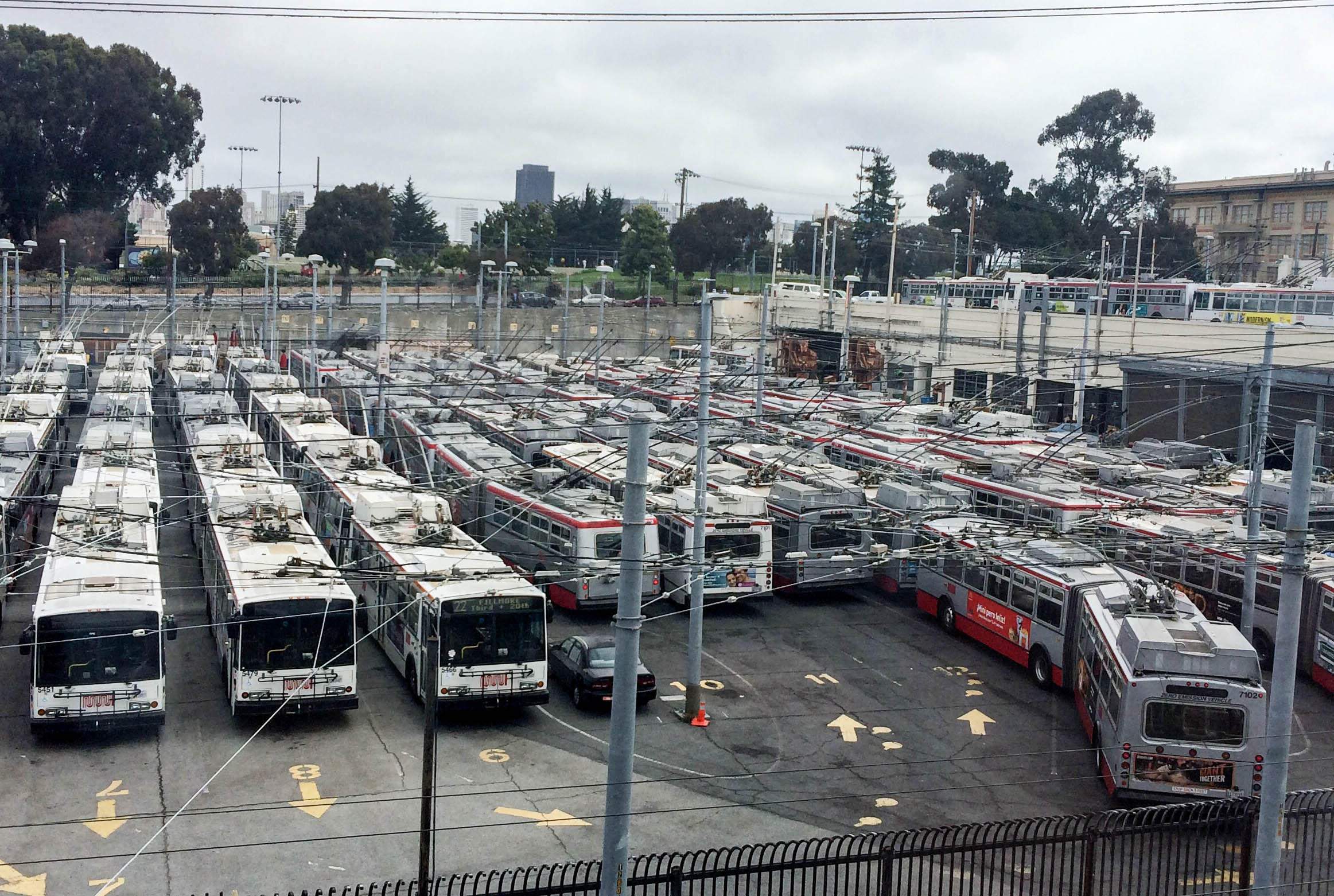
"caption": "Buses idled at Muni's Potrero Division yard during last week's driver 'sick out.' (Olivia Allen-Price)",
"description": "Buses idled at Muni's Potrero Division yard during Monday's driver 'sick out.' (Olivia Allen-Price)",
"title": "Muni-Bus Yard",
"credit": null,
"status": "inherit",
"isLoading": false,
"fetchFailed": false
},
"news_11704683": {
"type": "attachments",
"id": "news_11704683",
"meta": {
"index": "attachments_1716263798",
"site": "news",
"id": "11704683",
"found": true
},
"parent": 11704234,
"imgSizes": {
"twentyfourteen-full-width": {
"file": "https://ww2.kqed.org/app/uploads/sites/10/2018/11/vanlifedone-1038x576.png",
"width": 1038,
"mimeType": "image/png",
"height": 576
},
"thumbnail": {
"file": "https://ww2.kqed.org/app/uploads/sites/10/2018/11/vanlifedone-160x115.png",
"width": 160,
"mimeType": "image/png",
"height": 115
},
"post-thumbnail": {
"file": "https://ww2.kqed.org/app/uploads/sites/10/2018/11/vanlifedone-672x372.png",
"width": 672,
"mimeType": "image/png",
"height": 372
},
"kqedFullSize": {
"file": "https://ww2.kqed.org/app/uploads/sites/10/2018/11/vanlifedone.png",
"width": 1736,
"height": 1244
},
"large": {
"file": "https://ww2.kqed.org/app/uploads/sites/10/2018/11/vanlifedone-1020x731.png",
"width": 1020,
"mimeType": "image/png",
"height": 731
},
"complete_open_graph": {
"file": "https://ww2.kqed.org/app/uploads/sites/10/2018/11/vanlifedone-1200x860.png",
"width": 1200,
"mimeType": "image/png",
"height": 860
},
"guest-author-50": {
"file": "https://ww2.kqed.org/app/uploads/sites/10/2018/11/vanlifedone-50x50.png",
"width": 50,
"mimeType": "image/png",
"height": 50
},
"guest-author-96": {
"file": "https://ww2.kqed.org/app/uploads/sites/10/2018/11/vanlifedone-96x96.png",
"width": 96,
"mimeType": "image/png",
"height": 96
},
"medium": {
"file": "https://ww2.kqed.org/app/uploads/sites/10/2018/11/vanlifedone-800x573.png",
"width": 800,
"mimeType": "image/png",
"height": 573
},
"guest-author-64": {
"file": "https://ww2.kqed.org/app/uploads/sites/10/2018/11/vanlifedone-64x64.png",
"width": 64,
"mimeType": "image/png",
"height": 64
},
"guest-author-32": {
"file": "https://ww2.kqed.org/app/uploads/sites/10/2018/11/vanlifedone-32x32.png",
"width": 32,
"mimeType": "image/png",
"height": 32
},
"detail": {
"file": "https://ww2.kqed.org/app/uploads/sites/10/2018/11/vanlifedone-150x150.png",
"width": 150,
"mimeType": "image/png",
"height": 150
},
"guest-author-128": {
"file": "https://ww2.kqed.org/app/uploads/sites/10/2018/11/vanlifedone-128x128.png",
"width": 128,
"mimeType": "image/png",
"height": 128
}
},
"publishDate": 1541626571,
"modified": 1541717673,
"caption": "An RV parked on Florida Street near 17th Street in San Francisco.",
"description": null,
"title": "Van",
"credit": "Katie Tandy / KQED",
"status": "inherit",
"isLoading": false,
"fetchFailed": false
},
"news_11700887": {
"type": "attachments",
"id": "news_11700887",
"meta": {
"index": "attachments_1716263798",
"site": "news",
"id": "11700887",
"found": true
},
"parent": 11699521,
"imgSizes": {
"small": {
"file": "https://ww2.kqed.org/app/uploads/sites/10/2018/10/TwinPeaksTunnel-520x358.jpg",
"width": 520,
"mimeType": "image/jpeg",
"height": 358
},
"twentyfourteen-full-width": {
"file": "https://ww2.kqed.org/app/uploads/sites/10/2018/10/TwinPeaksTunnel-1038x576.jpg",
"width": 1038,
"mimeType": "image/jpeg",
"height": 576
},
"thumbnail": {
"file": "https://ww2.kqed.org/app/uploads/sites/10/2018/10/TwinPeaksTunnel-160x110.jpg",
"width": 160,
"mimeType": "image/jpeg",
"height": 110
},
"fd-sm": {
"file": "https://ww2.kqed.org/app/uploads/sites/10/2018/10/TwinPeaksTunnel-960x662.jpg",
"width": 960,
"mimeType": "image/jpeg",
"height": 662
},
"post-thumbnail": {
"file": "https://ww2.kqed.org/app/uploads/sites/10/2018/10/TwinPeaksTunnel-672x372.jpg",
"width": 672,
"mimeType": "image/jpeg",
"height": 372
},
"xsmall": {
"file": "https://ww2.kqed.org/app/uploads/sites/10/2018/10/TwinPeaksTunnel-375x258.jpg",
"width": 375,
"mimeType": "image/jpeg",
"height": 258
},
"kqedFullSize": {
"file": "https://ww2.kqed.org/app/uploads/sites/10/2018/10/TwinPeaksTunnel.jpg",
"width": 1920,
"height": 1323
},
"large": {
"file": "https://ww2.kqed.org/app/uploads/sites/10/2018/10/TwinPeaksTunnel-1020x703.jpg",
"width": 1020,
"mimeType": "image/jpeg",
"height": 703
},
"xlarge": {
"file": "https://ww2.kqed.org/app/uploads/sites/10/2018/10/TwinPeaksTunnel-1180x813.jpg",
"width": 1180,
"mimeType": "image/jpeg",
"height": 813
},
"complete_open_graph": {
"file": "https://ww2.kqed.org/app/uploads/sites/10/2018/10/TwinPeaksTunnel-1200x827.jpg",
"width": 1200,
"mimeType": "image/jpeg",
"height": 827
},
"guest-author-50": {
"file": "https://ww2.kqed.org/app/uploads/sites/10/2018/10/TwinPeaksTunnel-50x50.jpg",
"width": 50,
"mimeType": "image/jpeg",
"height": 50
},
"guest-author-96": {
"file": "https://ww2.kqed.org/app/uploads/sites/10/2018/10/TwinPeaksTunnel-96x96.jpg",
"width": 96,
"mimeType": "image/jpeg",
"height": 96
},
"medium": {
"file": "https://ww2.kqed.org/app/uploads/sites/10/2018/10/TwinPeaksTunnel-800x551.jpg",
"width": 800,
"mimeType": "image/jpeg",
"height": 551
},
"guest-author-64": {
"file": "https://ww2.kqed.org/app/uploads/sites/10/2018/10/TwinPeaksTunnel-64x64.jpg",
"width": 64,
"mimeType": "image/jpeg",
"height": 64
},
"guest-author-32": {
"file": "https://ww2.kqed.org/app/uploads/sites/10/2018/10/TwinPeaksTunnel-32x32.jpg",
"width": 32,
"mimeType": "image/jpeg",
"height": 32
},
"fd-lrg": {
"file": "https://ww2.kqed.org/app/uploads/sites/10/2018/10/TwinPeaksTunnel-1920x1323.jpg",
"width": 1920,
"mimeType": "image/jpeg",
"height": 1323
},
"fd-med": {
"file": "https://ww2.kqed.org/app/uploads/sites/10/2018/10/TwinPeaksTunnel-1180x813.jpg",
"width": 1180,
"mimeType": "image/jpeg",
"height": 813
},
"full-width": {
"file": "https://ww2.kqed.org/app/uploads/sites/10/2018/10/TwinPeaksTunnel-1920x1323.jpg",
"width": 1920,
"mimeType": "image/jpeg",
"height": 1323
},
"detail": {
"file": "https://ww2.kqed.org/app/uploads/sites/10/2018/10/TwinPeaksTunnel-150x150.jpg",
"width": 150,
"mimeType": "image/jpeg",
"height": 150
},
"guest-author-128": {
"file": "https://ww2.kqed.org/app/uploads/sites/10/2018/10/TwinPeaksTunnel-128x128.jpg",
"width": 128,
"mimeType": "image/jpeg",
"height": 128
},
"xxsmall": {
"file": "https://ww2.kqed.org/app/uploads/sites/10/2018/10/TwinPeaksTunnel-240x165.jpg",
"width": 240,
"mimeType": "image/jpeg",
"height": 165
}
},
"publishDate": 1540400941,
"modified": 1540401263,
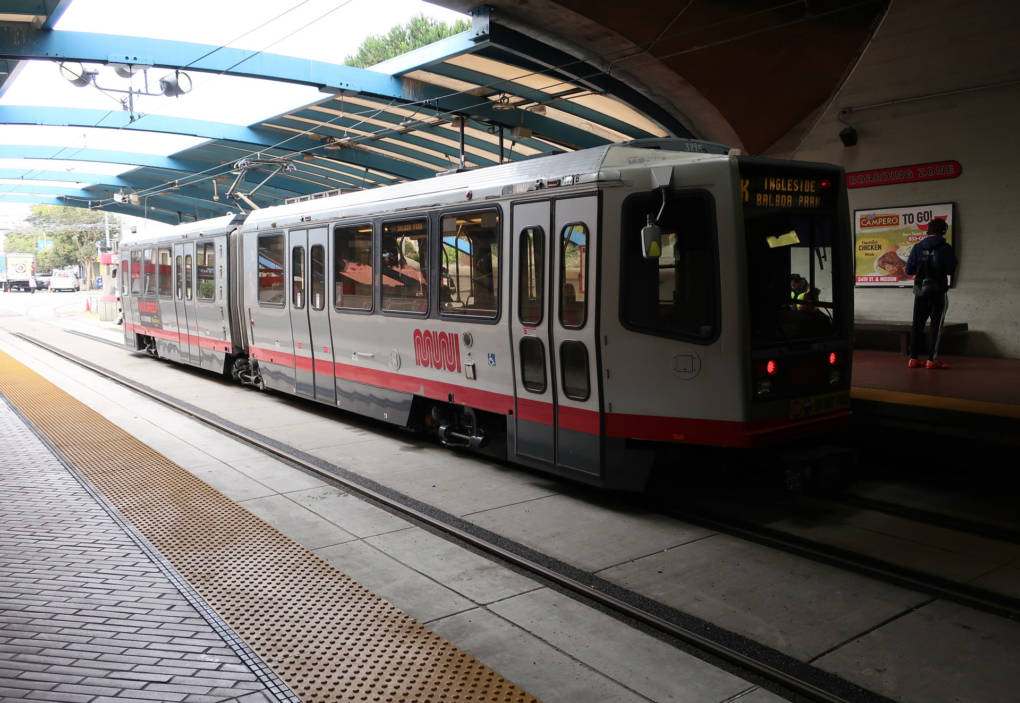
"caption": "Riders wait to ride a Muni train at the reopened Twin Peaks Tunnel in San Francisco. On Aug. 10, a worker with Shimmick Construction was killed by a falling steel beam while working on the tunnel project.",
"description": "Riders wait to ride a Muni train at the reopened Twin Peaks Tunnel in San Francisco. On Aug. 10, a worker with Shimmick Construction was killed by a falling steel beam while working on the tunnel project.",
"title": "TwinPeaksTunnel",
"credit": "Michelle Wiley/KQED",
"status": "inherit",
"isLoading": false,
"fetchFailed": false
},
"news_11664742": {
"type": "attachments",
"id": "news_11664742",
"meta": {
"index": "attachments_1716263798",
"site": "news",
"id": "11664742",
"found": true
},
"parent": 11664665,
"imgSizes": {
"small": {
"file": "https://ww2.kqed.org/app/uploads/sites/10/2018/04/GettyImages-947735006-520x348.jpg",
"width": 520,
"mimeType": "image/jpeg",
"height": 348
},
"twentyfourteen-full-width": {
"file": "https://ww2.kqed.org/app/uploads/sites/10/2018/04/GettyImages-947735006-1038x576.jpg",
"width": 1038,
"mimeType": "image/jpeg",
"height": 576
},
"thumbnail": {
"file": "https://ww2.kqed.org/app/uploads/sites/10/2018/04/GettyImages-947735006-160x107.jpg",
"width": 160,
"mimeType": "image/jpeg",
"height": 107
},
"fd-sm": {
"file": "https://ww2.kqed.org/app/uploads/sites/10/2018/04/GettyImages-947735006-960x642.jpg",
"width": 960,
"mimeType": "image/jpeg",
"height": 642
},
"post-thumbnail": {
"file": "https://ww2.kqed.org/app/uploads/sites/10/2018/04/GettyImages-947735006-672x372.jpg",
"width": 672,
"mimeType": "image/jpeg",
"height": 372
},
"xsmall": {
"file": "https://ww2.kqed.org/app/uploads/sites/10/2018/04/GettyImages-947735006-375x251.jpg",
"width": 375,
"mimeType": "image/jpeg",
"height": 251
},
"kqedFullSize": {
"file": "https://ww2.kqed.org/app/uploads/sites/10/2018/04/GettyImages-947735006-e1524707401763.jpg",
"width": 1920,
"height": 1283
},
"large": {
"file": "https://ww2.kqed.org/app/uploads/sites/10/2018/04/GettyImages-947735006-1020x682.jpg",
"width": 1020,
"mimeType": "image/jpeg",
"height": 682
},
"xlarge": {
"file": "https://ww2.kqed.org/app/uploads/sites/10/2018/04/GettyImages-947735006-1180x789.jpg",
"width": 1180,
"mimeType": "image/jpeg",
"height": 789
},
"complete_open_graph": {
"file": "https://ww2.kqed.org/app/uploads/sites/10/2018/04/GettyImages-947735006-1200x802.jpg",
"width": 1200,
"mimeType": "image/jpeg",
"height": 802
},
"guest-author-50": {
"file": "https://ww2.kqed.org/app/uploads/sites/10/2018/04/GettyImages-947735006-50x50.jpg",
"width": 50,
"mimeType": "image/jpeg",
"height": 50
},
"guest-author-96": {
"file": "https://ww2.kqed.org/app/uploads/sites/10/2018/04/GettyImages-947735006-96x96.jpg",
"width": 96,
"mimeType": "image/jpeg",
"height": 96
},
"medium": {
"file": "https://ww2.kqed.org/app/uploads/sites/10/2018/04/GettyImages-947735006-800x535.jpg",
"width": 800,
"mimeType": "image/jpeg",
"height": 535
},
"guest-author-64": {
"file": "https://ww2.kqed.org/app/uploads/sites/10/2018/04/GettyImages-947735006-64x64.jpg",
"width": 64,
"mimeType": "image/jpeg",
"height": 64
},
"guest-author-32": {
"file": "https://ww2.kqed.org/app/uploads/sites/10/2018/04/GettyImages-947735006-32x32.jpg",
"width": 32,
"mimeType": "image/jpeg",
"height": 32
},
"fd-lrg": {
"file": "https://ww2.kqed.org/app/uploads/sites/10/2018/04/GettyImages-947735006-1920x1283.jpg",
"width": 1920,
"mimeType": "image/jpeg",
"height": 1283
},
"fd-med": {
"file": "https://ww2.kqed.org/app/uploads/sites/10/2018/04/GettyImages-947735006-1180x789.jpg",
"width": 1180,
"mimeType": "image/jpeg",
"height": 789
},
"full-width": {
"file": "https://ww2.kqed.org/app/uploads/sites/10/2018/04/GettyImages-947735006-1920x1283.jpg",
"width": 1920,
"mimeType": "image/jpeg",
"height": 1283
},
"detail": {
"file": "https://ww2.kqed.org/app/uploads/sites/10/2018/04/GettyImages-947735006-150x150.jpg",
"width": 150,
"mimeType": "image/jpeg",
"height": 150
},
"guest-author-128": {
"file": "https://ww2.kqed.org/app/uploads/sites/10/2018/04/GettyImages-947735006-128x128.jpg",
"width": 128,
"mimeType": "image/jpeg",
"height": 128
},
"xxsmall": {
"file": "https://ww2.kqed.org/app/uploads/sites/10/2018/04/GettyImages-947735006-240x160.jpg",
"width": 240,
"mimeType": "image/jpeg",
"height": 160
}
},
"publishDate": 1524707216,
"modified": 1535660918,
"caption": "A Bird scooter parked on a sidewalk in downtown San Francisco. Bird, which launched service in San Francisco in March without city authorization, has been excluded from a one-year scooter pilot in the city. ",
"description": null,
"title": "San Francisco Scooters",
"credit": "Justin Sullivan/Getty Images",
"status": "inherit",
"isLoading": false,
"fetchFailed": false
},
"news_11686569": {
"type": "attachments",
"id": "news_11686569",
"meta": {
"index": "attachments_1716263798",
"site": "news",
"id": "11686569",
"found": true
},
"parent": 11686567,
"imgSizes": {
"small": {
"file": "https://ww2.kqed.org/app/uploads/sites/10/2018/08/tunnel-520x261.png",
"width": 520,
"mimeType": "image/png",
"height": 261
},
"twentyfourteen-full-width": {
"file": "https://ww2.kqed.org/app/uploads/sites/10/2018/08/tunnel-1038x576.png",
"width": 1038,
"mimeType": "image/png",
"height": 576
},
"thumbnail": {
"file": "https://ww2.kqed.org/app/uploads/sites/10/2018/08/tunnel-160x80.png",
"width": 160,
"mimeType": "image/png",
"height": 80
},
"fd-sm": {
"file": "https://ww2.kqed.org/app/uploads/sites/10/2018/08/tunnel-960x482.png",
"width": 960,
"mimeType": "image/png",
"height": 482
},
"post-thumbnail": {
"file": "https://ww2.kqed.org/app/uploads/sites/10/2018/08/tunnel-672x372.png",
"width": 672,
"mimeType": "image/png",
"height": 372
},
"xsmall": {
"file": "https://ww2.kqed.org/app/uploads/sites/10/2018/08/tunnel-375x188.png",
"width": 375,
"mimeType": "image/png",
"height": 188
},
"kqedFullSize": {
"file": "https://ww2.kqed.org/app/uploads/sites/10/2018/08/tunnel.png",
"width": 1920,
"height": 964
},
"large": {
"file": "https://ww2.kqed.org/app/uploads/sites/10/2018/08/tunnel-1020x512.png",
"width": 1020,
"mimeType": "image/png",
"height": 512
},
"xlarge": {
"file": "https://ww2.kqed.org/app/uploads/sites/10/2018/08/tunnel-1180x592.png",
"width": 1180,
"mimeType": "image/png",
"height": 592
},
"complete_open_graph": {
"file": "https://ww2.kqed.org/app/uploads/sites/10/2018/08/tunnel-1200x603.png",
"width": 1200,
"mimeType": "image/png",
"height": 603
},
"guest-author-50": {
"file": "https://ww2.kqed.org/app/uploads/sites/10/2018/08/tunnel-50x50.png",
"width": 50,
"mimeType": "image/png",
"height": 50
},
"guest-author-96": {
"file": "https://ww2.kqed.org/app/uploads/sites/10/2018/08/tunnel-96x96.png",
"width": 96,
"mimeType": "image/png",
"height": 96
},
"medium": {
"file": "https://ww2.kqed.org/app/uploads/sites/10/2018/08/tunnel-800x402.png",
"width": 800,
"mimeType": "image/png",
"height": 402
},
"guest-author-64": {
"file": "https://ww2.kqed.org/app/uploads/sites/10/2018/08/tunnel-64x64.png",
"width": 64,
"mimeType": "image/png",
"height": 64
},
"guest-author-32": {
"file": "https://ww2.kqed.org/app/uploads/sites/10/2018/08/tunnel-32x32.png",
"width": 32,
"mimeType": "image/png",
"height": 32
},
"fd-lrg": {
"file": "https://ww2.kqed.org/app/uploads/sites/10/2018/08/tunnel-1920x964.png",
"width": 1920,
"mimeType": "image/png",
"height": 964
},
"fd-med": {
"file": "https://ww2.kqed.org/app/uploads/sites/10/2018/08/tunnel-1180x592.png",
"width": 1180,
"mimeType": "image/png",
"height": 592
},
"full-width": {
"file": "https://ww2.kqed.org/app/uploads/sites/10/2018/08/tunnel-1920x964.png",
"width": 1920,
"mimeType": "image/png",
"height": 964
},
"detail": {
"file": "https://ww2.kqed.org/app/uploads/sites/10/2018/08/tunnel-150x150.png",
"width": 150,
"mimeType": "image/png",
"height": 150
},
"guest-author-128": {
"file": "https://ww2.kqed.org/app/uploads/sites/10/2018/08/tunnel-128x128.png",
"width": 128,
"mimeType": "image/png",
"height": 128
},
"xxsmall": {
"file": "https://ww2.kqed.org/app/uploads/sites/10/2018/08/tunnel-240x121.png",
"width": 240,
"mimeType": "image/png",
"height": 121
}
},
"publishDate": 1534096917,
"modified": 1534097264,
"caption": "A construction worker has died after being injured while working on a renovation project inside a light rail tunnel. ",
"description": "A construction worker has died after being injured while working on a renovation project inside a light rail tunnel. ",
"title": "tunnel",
"credit": "\u003ca href=\"https://www.sfmta.com\">SFMTA\u003c/a>",
"status": "inherit",
"isLoading": false,
"fetchFailed": false
},
"news_11681305": {
"type": "attachments",
"id": "news_11681305",
"meta": {
"index": "attachments_1716263798",
"site": "news",
"id": "11681305",
"found": true
},
"parent": 11681197,
"imgSizes": {
"small": {
"file": "https://ww2.kqed.org/app/uploads/sites/10/2018/07/20180718_115751-520x693.jpg",
"width": 520,
"mimeType": "image/jpeg",
"height": 693
},
"twentyfourteen-full-width": {
"file": "https://ww2.kqed.org/app/uploads/sites/10/2018/07/20180718_115751-1038x576.jpg",
"width": 1038,
"mimeType": "image/jpeg",
"height": 576
},
"thumbnail": {
"file": "https://ww2.kqed.org/app/uploads/sites/10/2018/07/20180718_115751-160x213.jpg",
"width": 160,
"mimeType": "image/jpeg",
"height": 213
},
"fd-sm": {
"file": "https://ww2.kqed.org/app/uploads/sites/10/2018/07/20180718_115751-960x1280.jpg",
"width": 960,
"mimeType": "image/jpeg",
"height": 1280
},
"post-thumbnail": {
"file": "https://ww2.kqed.org/app/uploads/sites/10/2018/07/20180718_115751-672x372.jpg",
"width": 672,
"mimeType": "image/jpeg",
"height": 372
},
"xsmall": {
"file": "https://ww2.kqed.org/app/uploads/sites/10/2018/07/20180718_115751-375x500.jpg",
"width": 375,
"mimeType": "image/jpeg",
"height": 500
},
"kqedFullSize": {
"file": "https://ww2.kqed.org/app/uploads/sites/10/2018/07/20180718_115751.jpg",
"width": 3024,
"height": 4032
},
"large": {
"file": "https://ww2.kqed.org/app/uploads/sites/10/2018/07/20180718_115751-1020x1360.jpg",
"width": 1020,
"mimeType": "image/jpeg",
"height": 1360
},
"xlarge": {
"file": "https://ww2.kqed.org/app/uploads/sites/10/2018/07/20180718_115751-1180x1573.jpg",
"width": 1180,
"mimeType": "image/jpeg",
"height": 1573
},
"complete_open_graph": {
"file": "https://ww2.kqed.org/app/uploads/sites/10/2018/07/20180718_115751-900x1200.jpg",
"width": 900,
"mimeType": "image/jpeg",
"height": 1200
},
"guest-author-50": {
"file": "https://ww2.kqed.org/app/uploads/sites/10/2018/07/20180718_115751-50x50.jpg",
"width": 50,
"mimeType": "image/jpeg",
"height": 50
},
"guest-author-96": {
"file": "https://ww2.kqed.org/app/uploads/sites/10/2018/07/20180718_115751-96x96.jpg",
"width": 96,
"mimeType": "image/jpeg",
"height": 96
},
"medium": {
"file": "https://ww2.kqed.org/app/uploads/sites/10/2018/07/20180718_115751-800x1067.jpg",
"width": 800,
"mimeType": "image/jpeg",
"height": 1067
},
"guest-author-64": {
"file": "https://ww2.kqed.org/app/uploads/sites/10/2018/07/20180718_115751-64x64.jpg",
"width": 64,
"mimeType": "image/jpeg",
"height": 64
},
"guest-author-32": {
"file": "https://ww2.kqed.org/app/uploads/sites/10/2018/07/20180718_115751-32x32.jpg",
"width": 32,
"mimeType": "image/jpeg",
"height": 32
},
"fd-lrg": {
"file": "https://ww2.kqed.org/app/uploads/sites/10/2018/07/20180718_115751-1920x2560.jpg",
"width": 1920,
"mimeType": "image/jpeg",
"height": 2560
},
"fd-med": {
"file": "https://ww2.kqed.org/app/uploads/sites/10/2018/07/20180718_115751-1180x1573.jpg",
"width": 1180,
"mimeType": "image/jpeg",
"height": 1573
},
"full-width": {
"file": "https://ww2.kqed.org/app/uploads/sites/10/2018/07/20180718_115751-1920x2560.jpg",
"width": 1920,
"mimeType": "image/jpeg",
"height": 2560
},
"detail": {
"file": "https://ww2.kqed.org/app/uploads/sites/10/2018/07/20180718_115751-150x150.jpg",
"width": 150,
"mimeType": "image/jpeg",
"height": 150
},
"guest-author-128": {
"file": "https://ww2.kqed.org/app/uploads/sites/10/2018/07/20180718_115751-128x128.jpg",
"width": 128,
"mimeType": "image/jpeg",
"height": 128
},
"xxsmall": {
"file": "https://ww2.kqed.org/app/uploads/sites/10/2018/07/20180718_115751-240x320.jpg",
"width": 240,
"mimeType": "image/jpeg",
"height": 320
}
},
"publishDate": 1531955497,
"modified": 1532036171,
"caption": "Muni passengers will soon get a time extension on their tickets -- from 90 minutes up to two hours. ",
"description": null,
"title": "20180718_115751",
"credit": "Anna Kusmer/KQED",
"status": "inherit",
"isLoading": false,
"fetchFailed": false
},
"news_11675780": {
"type": "attachments",
"id": "news_11675780",
"meta": {
"index": "attachments_1716263798",
"site": "news",
"id": "11675780",
"found": true
},
"parent": 11675763,
"imgSizes": {
"small": {
"file": "https://ww2.kqed.org/app/uploads/sites/10/2018/06/26508946447_34c8e9b8d6_k-520x390.jpg",
"width": 520,
"mimeType": "image/jpeg",
"height": 390
},
"twentyfourteen-full-width": {
"file": "https://ww2.kqed.org/app/uploads/sites/10/2018/06/26508946447_34c8e9b8d6_k-1038x576.jpg",
"width": 1038,
"mimeType": "image/jpeg",
"height": 576
},
"thumbnail": {
"file": "https://ww2.kqed.org/app/uploads/sites/10/2018/06/26508946447_34c8e9b8d6_k-160x120.jpg",
"width": 160,
"mimeType": "image/jpeg",
"height": 120
},
"fd-sm": {
"file": "https://ww2.kqed.org/app/uploads/sites/10/2018/06/26508946447_34c8e9b8d6_k-960x720.jpg",
"width": 960,
"mimeType": "image/jpeg",
"height": 720
},
"post-thumbnail": {
"file": "https://ww2.kqed.org/app/uploads/sites/10/2018/06/26508946447_34c8e9b8d6_k-672x372.jpg",
"width": 672,
"mimeType": "image/jpeg",
"height": 372
},
"xsmall": {
"file": "https://ww2.kqed.org/app/uploads/sites/10/2018/06/26508946447_34c8e9b8d6_k-375x281.jpg",
"width": 375,
"mimeType": "image/jpeg",
"height": 281
},
"kqedFullSize": {
"file": "https://ww2.kqed.org/app/uploads/sites/10/2018/06/26508946447_34c8e9b8d6_k-e1529426346544.jpg",
"width": 1920,
"height": 1440
},
"large": {
"file": "https://ww2.kqed.org/app/uploads/sites/10/2018/06/26508946447_34c8e9b8d6_k-1020x765.jpg",
"width": 1020,
"mimeType": "image/jpeg",
"height": 765
},
"xlarge": {
"file": "https://ww2.kqed.org/app/uploads/sites/10/2018/06/26508946447_34c8e9b8d6_k-1180x885.jpg",
"width": 1180,
"mimeType": "image/jpeg",
"height": 885
},
"complete_open_graph": {
"file": "https://ww2.kqed.org/app/uploads/sites/10/2018/06/26508946447_34c8e9b8d6_k-1200x900.jpg",
"width": 1200,
"mimeType": "image/jpeg",
"height": 900
},
"guest-author-50": {
"file": "https://ww2.kqed.org/app/uploads/sites/10/2018/06/26508946447_34c8e9b8d6_k-50x50.jpg",
"width": 50,
"mimeType": "image/jpeg",
"height": 50
},
"guest-author-96": {
"file": "https://ww2.kqed.org/app/uploads/sites/10/2018/06/26508946447_34c8e9b8d6_k-96x96.jpg",
"width": 96,
"mimeType": "image/jpeg",
"height": 96
},
"medium": {
"file": "https://ww2.kqed.org/app/uploads/sites/10/2018/06/26508946447_34c8e9b8d6_k-800x600.jpg",
"width": 800,
"mimeType": "image/jpeg",
"height": 600
},
"guest-author-64": {
"file": "https://ww2.kqed.org/app/uploads/sites/10/2018/06/26508946447_34c8e9b8d6_k-64x64.jpg",
"width": 64,
"mimeType": "image/jpeg",
"height": 64
},
"guest-author-32": {
"file": "https://ww2.kqed.org/app/uploads/sites/10/2018/06/26508946447_34c8e9b8d6_k-32x32.jpg",
"width": 32,
"mimeType": "image/jpeg",
"height": 32
},
"fd-lrg": {
"file": "https://ww2.kqed.org/app/uploads/sites/10/2018/06/26508946447_34c8e9b8d6_k-1920x1440.jpg",
"width": 1920,
"mimeType": "image/jpeg",
"height": 1440
},
"fd-med": {
"file": "https://ww2.kqed.org/app/uploads/sites/10/2018/06/26508946447_34c8e9b8d6_k-1180x885.jpg",
"width": 1180,
"mimeType": "image/jpeg",
"height": 885
},
"full-width": {
"file": "https://ww2.kqed.org/app/uploads/sites/10/2018/06/26508946447_34c8e9b8d6_k-1920x1440.jpg",
"width": 1920,
"mimeType": "image/jpeg",
"height": 1440
},
"detail": {
"file": "https://ww2.kqed.org/app/uploads/sites/10/2018/06/26508946447_34c8e9b8d6_k-150x150.jpg",
"width": 150,
"mimeType": "image/jpeg",
"height": 150
},
"guest-author-128": {
"file": "https://ww2.kqed.org/app/uploads/sites/10/2018/06/26508946447_34c8e9b8d6_k-128x128.jpg",
"width": 128,
"mimeType": "image/jpeg",
"height": 128
},
"xxsmall": {
"file": "https://ww2.kqed.org/app/uploads/sites/10/2018/06/26508946447_34c8e9b8d6_k-240x180.jpg",
"width": 240,
"mimeType": "image/jpeg",
"height": 180
}
},
"publishDate": 1529426287,
"modified": 1529426337,
"caption": "A LimeBike scooter parked on San Francisco's New Montgomery Street in April. ",
"description": null,
"title": "Scooters",
"credit": "Dan Brekke/KQED",
"status": "inherit",
"isLoading": false,
"fetchFailed": false
},
"news_11669275": {
"type": "attachments",
"id": "news_11669275",
"meta": {
"index": "attachments_1716263798",
"site": "news",
"id": "11669275",
"found": true
},
"parent": 11669269,
"imgSizes": {
"small": {
"file": "https://ww2.kqed.org/app/uploads/sites/10/2018/05/muni-dogs-illo-final-520x402.jpg",
"width": 520,
"mimeType": "image/jpeg",
"height": 402
},
"twentyfourteen-full-width": {
"file": "https://ww2.kqed.org/app/uploads/sites/10/2018/05/muni-dogs-illo-final-1038x576.jpg",
"width": 1038,
"mimeType": "image/jpeg",
"height": 576
},
"thumbnail": {
"file": "https://ww2.kqed.org/app/uploads/sites/10/2018/05/muni-dogs-illo-final-160x124.jpg",
"width": 160,
"mimeType": "image/jpeg",
"height": 124
},
"fd-sm": {
"file": "https://ww2.kqed.org/app/uploads/sites/10/2018/05/muni-dogs-illo-final-960x742.jpg",
"width": 960,
"mimeType": "image/jpeg",
"height": 742
},
"post-thumbnail": {
"file": "https://ww2.kqed.org/app/uploads/sites/10/2018/05/muni-dogs-illo-final-672x372.jpg",
"width": 672,
"mimeType": "image/jpeg",
"height": 372
},
"xsmall": {
"file": "https://ww2.kqed.org/app/uploads/sites/10/2018/05/muni-dogs-illo-final-375x290.jpg",
"width": 375,
"mimeType": "image/jpeg",
"height": 290
},
"kqedFullSize": {
"file": "https://ww2.kqed.org/app/uploads/sites/10/2018/05/muni-dogs-illo-final-e1526683382689.jpg",
"width": 1920,
"height": 1484
},
"large": {
"file": "https://ww2.kqed.org/app/uploads/sites/10/2018/05/muni-dogs-illo-final-1020x788.jpg",
"width": 1020,
"mimeType": "image/jpeg",
"height": 788
},
"xlarge": {
"file": "https://ww2.kqed.org/app/uploads/sites/10/2018/05/muni-dogs-illo-final-1180x912.jpg",
"width": 1180,
"mimeType": "image/jpeg",
"height": 912
},
"complete_open_graph": {
"file": "https://ww2.kqed.org/app/uploads/sites/10/2018/05/muni-dogs-illo-final-1200x927.jpg",
"width": 1200,
"mimeType": "image/jpeg",
"height": 927
},
"guest-author-50": {
"file": "https://ww2.kqed.org/app/uploads/sites/10/2018/05/muni-dogs-illo-final-50x50.jpg",
"width": 50,
"mimeType": "image/jpeg",
"height": 50
},
"guest-author-96": {
"file": "https://ww2.kqed.org/app/uploads/sites/10/2018/05/muni-dogs-illo-final-96x96.jpg",
"width": 96,
"mimeType": "image/jpeg",
"height": 96
},
"medium": {
"file": "https://ww2.kqed.org/app/uploads/sites/10/2018/05/muni-dogs-illo-final-800x618.jpg",
"width": 800,
"mimeType": "image/jpeg",
"height": 618
},
"guest-author-64": {
"file": "https://ww2.kqed.org/app/uploads/sites/10/2018/05/muni-dogs-illo-final-64x64.jpg",
"width": 64,
"mimeType": "image/jpeg",
"height": 64
},
"guest-author-32": {
"file": "https://ww2.kqed.org/app/uploads/sites/10/2018/05/muni-dogs-illo-final-32x32.jpg",
"width": 32,
"mimeType": "image/jpeg",
"height": 32
},
"fd-lrg": {
"file": "https://ww2.kqed.org/app/uploads/sites/10/2018/05/muni-dogs-illo-final-1920x1484.jpg",
"width": 1920,
"mimeType": "image/jpeg",
"height": 1484
},
"fd-med": {
"file": "https://ww2.kqed.org/app/uploads/sites/10/2018/05/muni-dogs-illo-final-1180x912.jpg",
"width": 1180,
"mimeType": "image/jpeg",
"height": 912
},
"full-width": {
"file": "https://ww2.kqed.org/app/uploads/sites/10/2018/05/muni-dogs-illo-final-1920x1484.jpg",
"width": 1920,
"mimeType": "image/jpeg",
"height": 1484
},
"detail": {
"file": "https://ww2.kqed.org/app/uploads/sites/10/2018/05/muni-dogs-illo-final-150x150.jpg",
"width": 150,
"mimeType": "image/jpeg",
"height": 150
},
"guest-author-128": {
"file": "https://ww2.kqed.org/app/uploads/sites/10/2018/05/muni-dogs-illo-final-128x128.jpg",
"width": 128,
"mimeType": "image/jpeg",
"height": 128
},
"xxsmall": {
"file": "https://ww2.kqed.org/app/uploads/sites/10/2018/05/muni-dogs-illo-final-240x185.jpg",
"width": 240,
"mimeType": "image/jpeg",
"height": 185
}
},
"publishDate": 1526683343,
"modified": 1526944177,
"caption": "How many dogs could fit on a Muni train?",
"description": "How many dogs could fit on a Muni train?",
"title": "How many dogs could fit on a MUNI train?",
"credit": "Maddie Gobbo",
"status": "inherit",
"isLoading": false,
"fetchFailed": false
},
"news_11664920": {
"type": "attachments",
"id": "news_11664920",
"meta": {
"index": "attachments_1716263798",
"site": "news",
"id": "11664920",
"found": true
},
"parent": 11664901,
"imgSizes": {
"small": {
"file": "https://ww2.kqed.org/app/uploads/sites/10/2018/04/hazards_042618_final-520x337.jpg",
"width": 520,
"mimeType": "image/jpeg",
"height": 337
},
"twentyfourteen-full-width": {
"file": "https://ww2.kqed.org/app/uploads/sites/10/2018/04/hazards_042618_final-1038x576.jpg",
"width": 1038,
"mimeType": "image/jpeg",
"height": 576
},
"thumbnail": {
"file": "https://ww2.kqed.org/app/uploads/sites/10/2018/04/hazards_042618_final-160x104.jpg",
"width": 160,
"mimeType": "image/jpeg",
"height": 104
},
"fd-sm": {
"file": "https://ww2.kqed.org/app/uploads/sites/10/2018/04/hazards_042618_final-960x623.jpg",
"width": 960,
"mimeType": "image/jpeg",
"height": 623
},
"post-thumbnail": {
"file": "https://ww2.kqed.org/app/uploads/sites/10/2018/04/hazards_042618_final-672x372.jpg",
"width": 672,
"mimeType": "image/jpeg",
"height": 372
},
"xsmall": {
"file": "https://ww2.kqed.org/app/uploads/sites/10/2018/04/hazards_042618_final-375x243.jpg",
"width": 375,
"mimeType": "image/jpeg",
"height": 243
},
"kqedFullSize": {
"file": "https://ww2.kqed.org/app/uploads/sites/10/2018/04/hazards_042618_final.jpg",
"width": 1920,
"height": 1245
},
"large": {
"file": "https://ww2.kqed.org/app/uploads/sites/10/2018/04/hazards_042618_final-1020x661.jpg",
"width": 1020,
"mimeType": "image/jpeg",
"height": 661
},
"xlarge": {
"file": "https://ww2.kqed.org/app/uploads/sites/10/2018/04/hazards_042618_final-1180x765.jpg",
"width": 1180,
"mimeType": "image/jpeg",
"height": 765
},
"complete_open_graph": {
"file": "https://ww2.kqed.org/app/uploads/sites/10/2018/04/hazards_042618_final-1200x778.jpg",
"width": 1200,
"mimeType": "image/jpeg",
"height": 778
},
"guest-author-50": {
"file": "https://ww2.kqed.org/app/uploads/sites/10/2018/04/hazards_042618_final-50x50.jpg",
"width": 50,
"mimeType": "image/jpeg",
"height": 50
},
"guest-author-96": {
"file": "https://ww2.kqed.org/app/uploads/sites/10/2018/04/hazards_042618_final-96x96.jpg",
"width": 96,
"mimeType": "image/jpeg",
"height": 96
},
"medium": {
"file": "https://ww2.kqed.org/app/uploads/sites/10/2018/04/hazards_042618_final-800x519.jpg",
"width": 800,
"mimeType": "image/jpeg",
"height": 519
},
"guest-author-64": {
"file": "https://ww2.kqed.org/app/uploads/sites/10/2018/04/hazards_042618_final-64x64.jpg",
"width": 64,
"mimeType": "image/jpeg",
"height": 64
},
"guest-author-32": {
"file": "https://ww2.kqed.org/app/uploads/sites/10/2018/04/hazards_042618_final-32x32.jpg",
"width": 32,
"mimeType": "image/jpeg",
"height": 32
},
"fd-lrg": {
"file": "https://ww2.kqed.org/app/uploads/sites/10/2018/04/hazards_042618_final-1920x1245.jpg",
"width": 1920,
"mimeType": "image/jpeg",
"height": 1245
},
"fd-med": {
"file": "https://ww2.kqed.org/app/uploads/sites/10/2018/04/hazards_042618_final-1180x765.jpg",
"width": 1180,
"mimeType": "image/jpeg",
"height": 765
},
"full-width": {
"file": "https://ww2.kqed.org/app/uploads/sites/10/2018/04/hazards_042618_final-1920x1245.jpg",
"width": 1920,
"mimeType": "image/jpeg",
"height": 1245
},
"detail": {
"file": "https://ww2.kqed.org/app/uploads/sites/10/2018/04/hazards_042618_final-150x150.jpg",
"width": 150,
"mimeType": "image/jpeg",
"height": 150
},
"guest-author-128": {
"file": "https://ww2.kqed.org/app/uploads/sites/10/2018/04/hazards_042618_final-128x128.jpg",
"width": 128,
"mimeType": "image/jpeg",
"height": 128
},
"xxsmall": {
"file": "https://ww2.kqed.org/app/uploads/sites/10/2018/04/hazards_042618_final-240x156.jpg",
"width": 240,
"mimeType": "image/jpeg",
"height": 156
}
},
"publishDate": 1524775374,
"modified": 1524775395,
"caption": null,
"description": null,
"title": "hazards_042618_final",
"credit": null,
"status": "inherit",
"isLoading": false,
"fetchFailed": false
},
"news_11614803": {
"type": "attachments",
"id": "news_11614803",
"meta": {
"index": "attachments_1716263798",
"site": "news",
"id": "11614803",
"found": true
},
"title": "cleaner",
"publishDate": 1504133581,
"status": "inherit",
"parent": 11614704,
"modified": 1741112073,
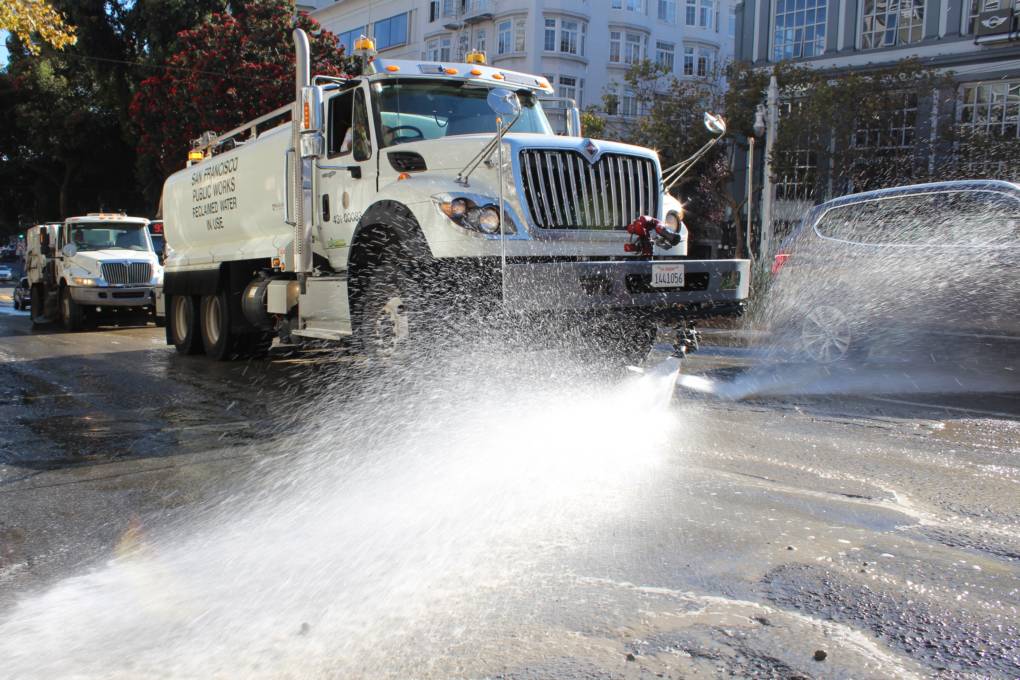
"caption": "A flusher sprays the streets down with water.",
"credit": "Courtesy of SF Public Works. ",
"altTag": "A flusher sprays the streets down with water.",
"description": "A flusher sprays the streets down with water.",
"imgSizes": {
"thumbnail": {
"file": "https://cdn.kqed.org/wp-content/uploads/sites/10/2017/08/cleaner-160x107.jpg",
"width": 160,
"height": 107,
"mimeType": "image/jpeg"
},
"medium": {
"file": "https://cdn.kqed.org/wp-content/uploads/sites/10/2017/08/cleaner-800x533.jpg",
"width": 800,
"height": 533,
"mimeType": "image/jpeg"
},
"large": {
"file": "https://cdn.kqed.org/wp-content/uploads/sites/10/2017/08/cleaner-1020x680.jpg",
"width": 1020,
"height": 680,
"mimeType": "image/jpeg"
},
"fd-lrg": {
"file": "https://cdn.kqed.org/wp-content/uploads/sites/10/2017/08/cleaner-1920x1280.jpg",
"width": 1920,
"height": 1280,
"mimeType": "image/jpeg"
},
"fd-med": {
"file": "https://cdn.kqed.org/wp-content/uploads/sites/10/2017/08/cleaner-1180x787.jpg",
"width": 1180,
"height": 787,
"mimeType": "image/jpeg"
},
"fd-sm": {
"file": "https://cdn.kqed.org/wp-content/uploads/sites/10/2017/08/cleaner-960x640.jpg",
"width": 960,
"height": 640,
"mimeType": "image/jpeg"
},
"post-thumbnail": {
"file": "https://cdn.kqed.org/wp-content/uploads/sites/10/2017/08/cleaner-672x372.jpg",
"width": 672,
"height": 372,
"mimeType": "image/jpeg"
},
"twentyfourteen-full-width": {
"file": "https://cdn.kqed.org/wp-content/uploads/sites/10/2017/08/cleaner-1038x576.jpg",
"width": 1038,
"height": 576,
"mimeType": "image/jpeg"
},
"xxsmall": {
"file": "https://cdn.kqed.org/wp-content/uploads/sites/10/2017/08/cleaner-240x160.jpg",
"width": 240,
"height": 160,
"mimeType": "image/jpeg"
},
"xsmall": {
"file": "https://cdn.kqed.org/wp-content/uploads/sites/10/2017/08/cleaner-375x250.jpg",
"width": 375,
"height": 250,
"mimeType": "image/jpeg"
},
"small": {
"file": "https://cdn.kqed.org/wp-content/uploads/sites/10/2017/08/cleaner-520x347.jpg",
"width": 520,
"height": 347,
"mimeType": "image/jpeg"
},
"xlarge": {
"file": "https://cdn.kqed.org/wp-content/uploads/sites/10/2017/08/cleaner-1180x787.jpg",
"width": 1180,
"height": 787,
"mimeType": "image/jpeg"
},
"full-width": {
"file": "https://cdn.kqed.org/wp-content/uploads/sites/10/2017/08/cleaner-1920x1280.jpg",
"width": 1920,
"height": 1280,
"mimeType": "image/jpeg"
},
"guest-author-32": {
"file": "https://cdn.kqed.org/wp-content/uploads/sites/10/2017/08/cleaner-32x32.jpg",
"width": 32,
"height": 32,
"mimeType": "image/jpeg"
},
"guest-author-50": {
"file": "https://cdn.kqed.org/wp-content/uploads/sites/10/2017/08/cleaner-50x50.jpg",
"width": 50,
"height": 50,
"mimeType": "image/jpeg"
},
"guest-author-64": {
"file": "https://cdn.kqed.org/wp-content/uploads/sites/10/2017/08/cleaner-64x64.jpg",
"width": 64,
"height": 64,
"mimeType": "image/jpeg"
},
"guest-author-96": {
"file": "https://cdn.kqed.org/wp-content/uploads/sites/10/2017/08/cleaner-96x96.jpg",
"width": 96,
"height": 96,
"mimeType": "image/jpeg"
},
"guest-author-128": {
"file": "https://cdn.kqed.org/wp-content/uploads/sites/10/2017/08/cleaner-128x128.jpg",
"width": 128,
"height": 128,
"mimeType": "image/jpeg"
},
"detail": {
"file": "https://cdn.kqed.org/wp-content/uploads/sites/10/2017/08/cleaner-150x150.jpg",
"width": 150,
"height": 150,
"mimeType": "image/jpeg"
},
"kqedFullSize": {
"file": "https://cdn.kqed.org/wp-content/uploads/sites/10/2017/08/cleaner-e1504203647680.jpg",
"width": 2000,
"height": 1333
}
},
"isLoading": false,
"fetchFailed": false
},
"news_11393500": {
"type": "attachments",
"id": "news_11393500",
"meta": {
"index": "attachments_1716263798",
"site": "news",
"id": "11393500",
"found": true
},
"parent": 11393498,
"imgSizes": {
"small": {
"file": "https://ww2.kqed.org/app/uploads/sites/10/2017/04/RS24859_20170405_SFTMA_Credit_BertJohnson-1-qut-520x347.jpg",
"width": 520,
"mimeType": "image/jpeg",
"height": 347
},
"twentyfourteen-full-width": {
"file": "https://ww2.kqed.org/app/uploads/sites/10/2017/04/RS24859_20170405_SFTMA_Credit_BertJohnson-1-qut-1038x576.jpg",
"width": 1038,
"mimeType": "image/jpeg",
"height": 576
},
"thumbnail": {
"file": "https://ww2.kqed.org/app/uploads/sites/10/2017/04/RS24859_20170405_SFTMA_Credit_BertJohnson-1-qut-160x107.jpg",
"width": 160,
"mimeType": "image/jpeg",
"height": 107
},
"fd-sm": {
"file": "https://ww2.kqed.org/app/uploads/sites/10/2017/04/RS24859_20170405_SFTMA_Credit_BertJohnson-1-qut-960x640.jpg",
"width": 960,
"mimeType": "image/jpeg",
"height": 640
},
"post-thumbnail": {
"file": "https://ww2.kqed.org/app/uploads/sites/10/2017/04/RS24859_20170405_SFTMA_Credit_BertJohnson-1-qut-672x372.jpg",
"width": 672,
"mimeType": "image/jpeg",
"height": 372
},
"xsmall": {
"file": "https://ww2.kqed.org/app/uploads/sites/10/2017/04/RS24859_20170405_SFTMA_Credit_BertJohnson-1-qut-375x250.jpg",
"width": 375,
"mimeType": "image/jpeg",
"height": 250
},
"kqedFullSize": {
"file": "https://ww2.kqed.org/app/uploads/sites/10/2017/04/RS24859_20170405_SFTMA_Credit_BertJohnson-1-qut.jpg",
"width": 1920,
"height": 1280
},
"large": {
"file": "https://ww2.kqed.org/app/uploads/sites/10/2017/04/RS24859_20170405_SFTMA_Credit_BertJohnson-1-qut-1020x680.jpg",
"width": 1020,
"mimeType": "image/jpeg",
"height": 680
},
"xlarge": {
"file": "https://ww2.kqed.org/app/uploads/sites/10/2017/04/RS24859_20170405_SFTMA_Credit_BertJohnson-1-qut-1180x787.jpg",
"width": 1180,
"mimeType": "image/jpeg",
"height": 787
},
"guest-author-50": {
"file": "https://ww2.kqed.org/app/uploads/sites/10/2017/04/RS24859_20170405_SFTMA_Credit_BertJohnson-1-qut-50x50.jpg",
"width": 50,
"mimeType": "image/jpeg",
"height": 50
},
"guest-author-96": {
"file": "https://ww2.kqed.org/app/uploads/sites/10/2017/04/RS24859_20170405_SFTMA_Credit_BertJohnson-1-qut-96x96.jpg",
"width": 96,
"mimeType": "image/jpeg",
"height": 96
},
"medium": {
"file": "https://ww2.kqed.org/app/uploads/sites/10/2017/04/RS24859_20170405_SFTMA_Credit_BertJohnson-1-qut-800x533.jpg",
"width": 800,
"mimeType": "image/jpeg",
"height": 533
},
"guest-author-64": {
"file": "https://ww2.kqed.org/app/uploads/sites/10/2017/04/RS24859_20170405_SFTMA_Credit_BertJohnson-1-qut-64x64.jpg",
"width": 64,
"mimeType": "image/jpeg",
"height": 64
},
"guest-author-32": {
"file": "https://ww2.kqed.org/app/uploads/sites/10/2017/04/RS24859_20170405_SFTMA_Credit_BertJohnson-1-qut-32x32.jpg",
"width": 32,
"mimeType": "image/jpeg",
"height": 32
},
"fd-lrg": {
"file": "https://ww2.kqed.org/app/uploads/sites/10/2017/04/RS24859_20170405_SFTMA_Credit_BertJohnson-1-qut-1920x1280.jpg",
"width": 1920,
"mimeType": "image/jpeg",
"height": 1280
},
"fd-med": {
"file": "https://ww2.kqed.org/app/uploads/sites/10/2017/04/RS24859_20170405_SFTMA_Credit_BertJohnson-1-qut-1180x787.jpg",
"width": 1180,
"mimeType": "image/jpeg",
"height": 787
},
"full-width": {
"file": "https://ww2.kqed.org/app/uploads/sites/10/2017/04/RS24859_20170405_SFTMA_Credit_BertJohnson-1-qut-1920x1280.jpg",
"width": 1920,
"mimeType": "image/jpeg",
"height": 1280
},
"detail": {
"file": "https://ww2.kqed.org/app/uploads/sites/10/2017/04/RS24859_20170405_SFTMA_Credit_BertJohnson-1-qut-150x150.jpg",
"width": 150,
"mimeType": "image/jpeg",
"height": 150
},
"guest-author-128": {
"file": "https://ww2.kqed.org/app/uploads/sites/10/2017/04/RS24859_20170405_SFTMA_Credit_BertJohnson-1-qut-128x128.jpg",
"width": 128,
"mimeType": "image/jpeg",
"height": 128
},
"xxsmall": {
"file": "https://ww2.kqed.org/app/uploads/sites/10/2017/04/RS24859_20170405_SFTMA_Credit_BertJohnson-1-qut-240x160.jpg",
"width": 240,
"mimeType": "image/jpeg",
"height": 160
}
},
"publishDate": 1491426841,
"modified": 1491431519,
"caption": "A Municipal Railway bus leaves a stop on 16th Street in San Francisco on April 5, 2017.",
"description": null,
"title": "RS24859_20170405_SFTMA_Credit_BertJohnson-1-qut",
"credit": "Bert Johnson/KQED",
"status": "inherit",
"isLoading": false,
"fetchFailed": false
},
"news_11049294": {
"type": "attachments",
"id": "news_11049294",
"meta": {
"index": "attachments_1716263798",
"site": "news",
"id": "11049294",
"found": true
},
"parent": 11049126,
"imgSizes": {
"twentyfourteen-full-width": {
"file": "https://ww2.kqed.org/app/uploads/sites/10/2016/08/Dolores-Parking-1038x576.jpg",
"width": 1038,
"mimeType": "image/jpeg",
"height": 576
},
"thumbnail": {
"file": "https://ww2.kqed.org/app/uploads/sites/10/2016/08/Dolores-Parking-400x267.jpg",
"width": 400,
"mimeType": "image/jpeg",
"height": 267
},
"fd-sm": {
"file": "https://ww2.kqed.org/app/uploads/sites/10/2016/08/Dolores-Parking-960x640.jpg",
"width": 960,
"mimeType": "image/jpeg",
"height": 640
},
"post-thumbnail": {
"file": "https://ww2.kqed.org/app/uploads/sites/10/2016/08/Dolores-Parking-672x372.jpg",
"width": 672,
"mimeType": "image/jpeg",
"height": 372
},
"kqedFullSize": {
"file": "https://ww2.kqed.org/app/uploads/sites/10/2016/08/Dolores-Parking.jpg",
"width": 1920,
"height": 1280
},
"large": {
"file": "https://ww2.kqed.org/app/uploads/sites/10/2016/08/Dolores-Parking-1920x1280.jpg",
"width": 1920,
"mimeType": "image/jpeg",
"height": 1280
},
"guest-author-50": {
"file": "https://ww2.kqed.org/app/uploads/sites/10/2016/08/Dolores-Parking-50x50.jpg",
"width": 50,
"mimeType": "image/jpeg",
"height": 50
},
"guest-author-96": {
"file": "https://ww2.kqed.org/app/uploads/sites/10/2016/08/Dolores-Parking-96x96.jpg",
"width": 96,
"mimeType": "image/jpeg",
"height": 96
},
"medium": {
"file": "https://ww2.kqed.org/app/uploads/sites/10/2016/08/Dolores-Parking-800x533.jpg",
"width": 800,
"mimeType": "image/jpeg",
"height": 533
},
"guest-author-64": {
"file": "https://ww2.kqed.org/app/uploads/sites/10/2016/08/Dolores-Parking-64x64.jpg",
"width": 64,
"mimeType": "image/jpeg",
"height": 64
},
"guest-author-32": {
"file": "https://ww2.kqed.org/app/uploads/sites/10/2016/08/Dolores-Parking-32x32.jpg",
"width": 32,
"mimeType": "image/jpeg",
"height": 32
},
"jmtc-small-thumb": {
"file": "https://ww2.kqed.org/app/uploads/sites/10/2016/08/Dolores-Parking-280x150.jpg",
"width": 280,
"mimeType": "image/jpeg",
"height": 150
},
"fd-lrg": {
"file": "https://ww2.kqed.org/app/uploads/sites/10/2016/08/Dolores-Parking-1920x1280.jpg",
"width": 1920,
"mimeType": "image/jpeg",
"height": 1280
},
"fd-med": {
"file": "https://ww2.kqed.org/app/uploads/sites/10/2016/08/Dolores-Parking-1180x787.jpg",
"width": 1180,
"mimeType": "image/jpeg",
"height": 787
},
"detail": {
"file": "https://ww2.kqed.org/app/uploads/sites/10/2016/08/Dolores-Parking-150x150.jpg",
"width": 150,
"mimeType": "image/jpeg",
"height": 150
},
"guest-author-128": {
"file": "https://ww2.kqed.org/app/uploads/sites/10/2016/08/Dolores-Parking-128x128.jpg",
"width": 128,
"mimeType": "image/jpeg",
"height": 128
}
},
"publishDate": 1471045152,
"modified": 1471048310,
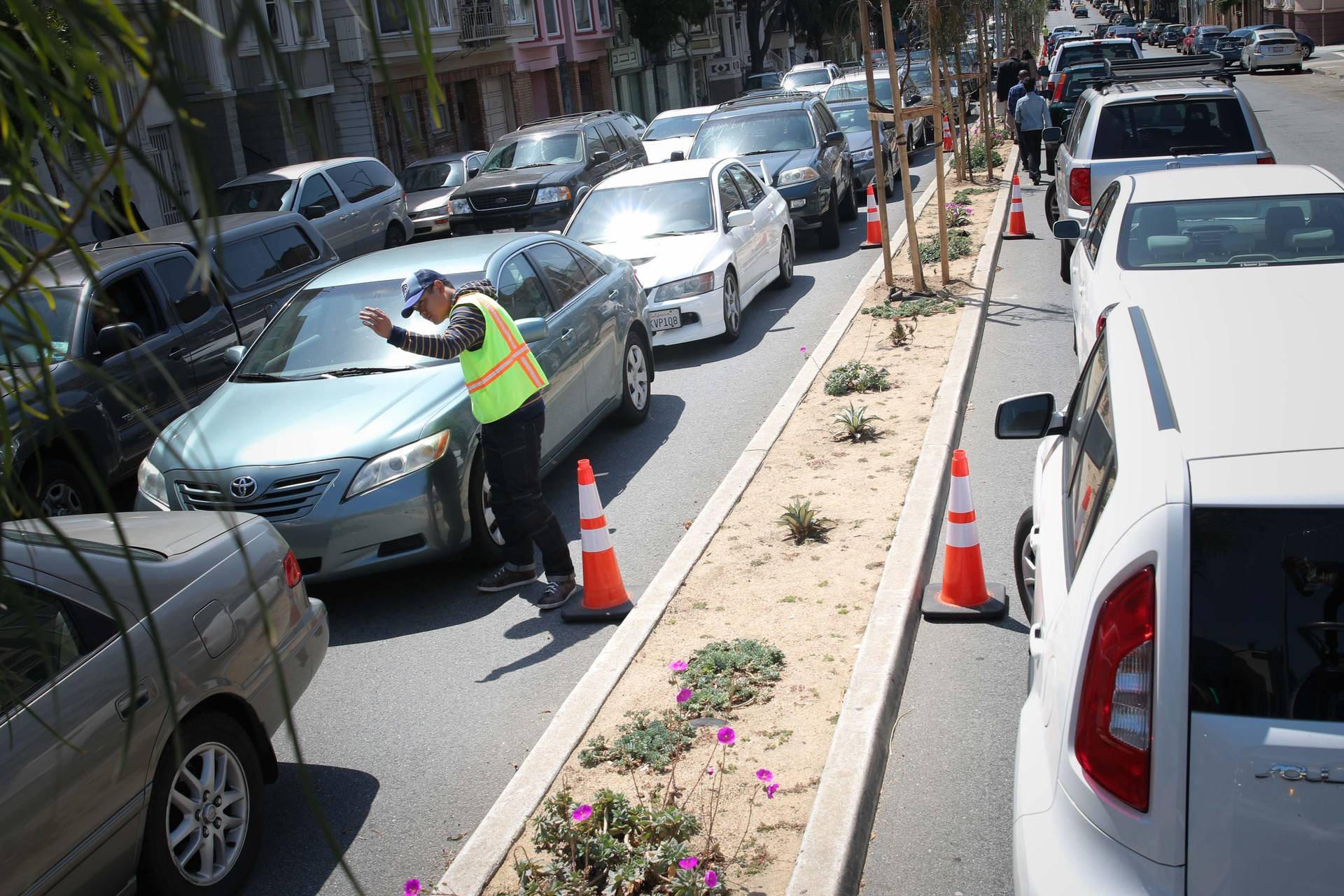
"caption": "On Sundays, Cornerstone Church's volunteer parking attendants help their members double-park on Guerrero Street between 17th and 18th streets. When services are finished around 1:30 p.m., they call SFMTA to ticket anyone still parked in the street.",
"description": "On Sundays, Cornerstone Church's volunteer parking attendants help their members double-park on Guerrero Street between 17th and 18th streets. When services are finished around 1:30 p.m., they call SFMTA to ticket anyone still parked in the street.",
"title": "Dolores Parking",
"credit": "Jeremy Raff/KQED",
"status": "inherit",
"isLoading": false,
"fetchFailed": false
}
},
"audioPlayerReducer": {
"postId": "stream_live",
"isPaused": true,
"isPlaying": false,
"pfsActive": false,
"pledgeModalIsOpen": true,
"playerDrawerIsOpen": false,
"liveAudioPlayStartedAt": 0,
"liveAudioPlayContext": ""
},
"authorsReducer": {
"byline_news_11393498": {
"type": "authors",
"id": "byline_news_11393498",
"meta": {
"override": true
},
"slug": "byline_news_11393498",
"name": "\u003cstrong>\u003ca href=\"https://twitter.com/marianaurbannew\">Mariana Urban\u003c/a> and \u003ca href=\"https://twitter.com/bertjohnsonfoto\">Bert Johnson\u003c/a> \u003c/strong>",
"isLoading": false
},
"lisapickoffwhite-2": {
"type": "authors",
"id": "199",
"meta": {
"index": "authors_1716337520",
"id": "199",
"found": true
},
"name": "Lisa Pickoff-White",
"firstName": "Lisa",
"lastName": "Pickoff-White",
"slug": "lisapickoffwhite-2",
"email": "lpickoffwhite@kqed.org",
"display_author_email": false,
"staff_mastheads": [
"news"
],
"title": "Data Journalist, Senior Producer",
"bio": "Lisa Pickoff-White is KQED's data reporter. Lisa specializes in simplifying complex topics and bringing them to life through compelling visuals, including photography and data visualizations. She previously has worked at the Center for Investigative Reporting and other national outlets. Her work has been honored with awards from the Online News Association, Investigative Reporters and Editors, the Society of Professional Journalists and SXSW Interactive. \u003cstrong> \u003c/strong>",
"avatar": "https://secure.gravatar.com/avatar/5513c5f3967df792aa65bee2501e84d6?s=600&d=blank&r=g",
"twitter": "pickoffwhite",
"facebook": null,
"instagram": null,
"linkedin": null,
"sites": [
{
"site": "",
"roles": [
"editor"
]
},
{
"site": "arts",
"roles": []
},
{
"site": "news",
"roles": [
"administrator"
]
},
{
"site": "about",
"roles": [
"editor"
]
},
{
"site": "stateofhealth",
"roles": [
"administrator"
]
},
{
"site": "science",
"roles": [
"editor"
]
},
{
"site": "quest",
"roles": [
"editor"
]
},
{
"site": "forum",
"roles": [
"editor"
]
}
],
"headData": {
"title": "Lisa Pickoff-White | KQED",
"description": "Data Journalist, Senior Producer",
"ogImgSrc": "https://secure.gravatar.com/avatar/5513c5f3967df792aa65bee2501e84d6?s=600&d=blank&r=g",
"twImgSrc": "https://secure.gravatar.com/avatar/5513c5f3967df792aa65bee2501e84d6?s=600&d=blank&r=g"
},
"isLoading": false,
"link": "/author/lisapickoffwhite-2"
},
"danbrekke": {
"type": "authors",
"id": "222",
"meta": {
"index": "authors_1716337520",
"id": "222",
"found": true
},
"name": "Dan Brekke",
"firstName": "Dan",
"lastName": "Brekke",
"slug": "danbrekke",
"email": "dbrekke@kqed.org",
"display_author_email": true,
"staff_mastheads": [
"news",
"science"
],
"title": "KQED Editor and Reporter",
"bio": "Dan Brekke is a reporter and editor for KQED News, responsible for coverage of topics ranging from California water issues to the Bay Area's transportation challenges. In a newsroom career that began in Chicago in 1972, Dan has worked for \u003cem>The San Francisco Examiner,\u003c/em> Wired and TechTV and has been published in The New York Times, The New York Times Magazine, Business 2.0, Salon and elsewhere.\r\n\r\nSince joining KQED in 2007, Dan has reported, edited and produced both radio and online features and breaking news pieces. He has shared as both editor and reporter in four Society of Professional Journalists Norcal Excellence in Journalism awards and one Edward R. Murrow regional award. He was chosen for a spring 2017 residency at the Mesa Refuge to advance his research on California salmon.\r\n\r\nEmail Dan at: \u003ca href=\"mailto:dbrekke@kqed.org\">dbrekke@kqed.org\u003c/a>\r\n\r\n\u003cstrong>Twitter:\u003c/strong> \u003ca href=\"https://twitter.com/danbrekke\" rel=\"noopener noreferrer\">twitter.com/danbrekke\u003c/a>\r\n\u003cstrong>Facebook:\u003c/strong> \u003ca href=\"https://www.facebook.com/danbrekke\" rel=\"noopener noreferrer\">www.facebook.com/danbrekke\u003c/a>\r\n\u003cstrong>LinkedIn:\u003c/strong> \u003ca href=\"https://www.linkedin.com/in/danbrekke\" rel=\"noopener noreferrer\">www.linkedin.com/in/danbrekke\u003c/a>",
"avatar": "https://secure.gravatar.com/avatar/8f1f0d2a978fb3b23426c922c7e2af558fa36905b49c4ce76a97dc3c72d27226?s=600&d=mm&r=g",
"twitter": "danbrekke",
"bluesky": null,
"facebook": null,
"instagram": "https://www.instagram.com/dan.brekke/",
"linkedin": "https://www.linkedin.com/in/danbrekke/",
"sites": [
{
"site": "news",
"roles": [
"administrator",
"create_posts"
]
},
{
"site": "stateofhealth",
"roles": [
"editor"
]
},
{
"site": "science",
"roles": [
"editor"
]
},
{
"site": "quest",
"roles": [
"contributor"
]
},
{
"site": "food",
"roles": [
"contributor"
]
},
{
"site": "forum",
"roles": [
"contributor"
]
},
{
"site": "elections",
"roles": [
"editor"
]
},
{
"site": "liveblog",
"roles": [
"editor"
]
}
],
"headData": {
"title": "Dan Brekke | KQED",
"description": "KQED Editor and Reporter",
"ogImgSrc": "https://secure.gravatar.com/avatar/8f1f0d2a978fb3b23426c922c7e2af558fa36905b49c4ce76a97dc3c72d27226?s=600&d=mm&r=g",
"twImgSrc": "https://secure.gravatar.com/avatar/8f1f0d2a978fb3b23426c922c7e2af558fa36905b49c4ce76a97dc3c72d27226?s=600&d=mm&r=g"
},
"isLoading": false,
"link": "/author/danbrekke"
},
"tgoldberg": {
"type": "authors",
"id": "258",
"meta": {
"index": "authors_1716337520",
"id": "258",
"found": true
},
"name": "Ted Goldberg",
"firstName": "Ted",
"lastName": "Goldberg",
"slug": "tgoldberg",
"email": "tgoldberg@kqed.org",
"display_author_email": true,
"staff_mastheads": [
"news"
],
"title": "KQED Managing Editor, News and Newscasts",
"bio": "Ted Goldberg is Managing Editor of News and Newscasts at KQED. His main reporting beat is the Bay Area's oil refining industry.\r\n\r\nPrior to joining KQED in 2014, Ted worked at CBS News and WCBS AM in New York and Bay City News and KCBS Radio in San Francisco. He graduated from Oberlin College in Ohio in 1998.",
"avatar": "https://secure.gravatar.com/avatar/30ce2e4fe89135e104f89be2394d16225b9d36c121b5b3cb7651ce642978b96f?s=600&d=blank&r=g",
"twitter": "TedrickG",
"bluesky": null,
"facebook": null,
"instagram": null,
"linkedin": null,
"sites": [
{
"site": "news",
"roles": [
"editor"
]
},
{
"site": "science",
"roles": [
"editor"
]
}
],
"headData": {
"title": "Ted Goldberg | KQED",
"description": "KQED Managing Editor, News and Newscasts",
"ogImgSrc": "https://secure.gravatar.com/avatar/30ce2e4fe89135e104f89be2394d16225b9d36c121b5b3cb7651ce642978b96f?s=600&d=blank&r=g",
"twImgSrc": "https://secure.gravatar.com/avatar/30ce2e4fe89135e104f89be2394d16225b9d36c121b5b3cb7651ce642978b96f?s=600&d=blank&r=g"
},
"isLoading": false,
"link": "/author/tgoldberg"
},
"markfiore": {
"type": "authors",
"id": "3236",
"meta": {
"index": "authors_1716337520",
"id": "3236",
"found": true
},
"name": "Mark Fiore",
"firstName": "Mark",
"lastName": "Fiore",
"slug": "markfiore",
"email": "mark@markfiore.com",
"display_author_email": false,
"staff_mastheads": [
"news"
],
"title": "KQED News Cartoonist",
"bio": "\u003ca href=\"http://www.MarkFiore.com\">MarkFiore.com\u003c/a> | \u003ca href=\"https://twitter.com/markfiore\">Follow on Twitter\u003c/a> | \u003ca href=\"https://www.facebook.com/pages/Mark-Fiore-Animated-Political-Cartoons/94451707396?ref=bookmarks\">Facebook\u003c/a> | \u003ca href=\"mailto:mark@markfiore.com\">email\u003c/a>\r\n\r\nPulitzer Prize-winner, Mark Fiore, who the Wall Street Journal has called “the undisputed guru of the form,” creates animated political cartoons in San Francisco, where his work has been featured regularly on the San Francisco Chronicle’s web site, SFGate.com. His work has appeared on Newsweek.com, Slate.com, CBSNews.com, MotherJones.com, DailyKos.com and NPR’s web site. Fiore’s political animation has appeared on CNN, Frontline, Bill Moyers Journal, Salon.com and cable and broadcast outlets across the globe.\r\n\r\nBeginning his professional life by drawing traditional political cartoons for newspapers, Fiore’s work appeared in publications ranging from the Washington Post to the Los Angeles Times. In the late 1990s, he began to experiment with animating political cartoons and, after a short stint at the San Jose Mercury News as their staff cartoonist, Fiore devoted all his energies to animation.\r\nGrowing up in California, Fiore also spent a good portion of his life in the backwoods of Idaho. It was this combination that shaped him politically. Mark majored in political science at Colorado College, where, in a perfect send-off for a cartoonist, he received his diploma in 1991 as commencement speaker Dick Cheney smiled approvingly.\r\nMark Fiore was awarded the Pulitzer Prize for political cartooning in 2010, a Robert F. Kennedy Journalism Award in 2004 and has twice received an Online Journalism Award for commentary from the Online News Association (2002, 2008). Fiore has received two awards for his work in new media from the National Cartoonists Society (2001, 2002), and in 2006 received The James Madison Freedom of Information Award from The Society of Professional Journalists.",
"avatar": "https://secure.gravatar.com/avatar/fc4e2a612b15b67bad0c6f0e1db4ca9b?s=600&d=blank&r=g",
"twitter": "MarkFiore",
"facebook": null,
"instagram": "https://www.instagram.com/markfiore/?hl=en",
"linkedin": null,
"sites": [
{
"site": "arts",
"roles": [
"contributor"
]
},
{
"site": "news",
"roles": [
"editor"
]
},
{
"site": "futureofyou",
"roles": [
"editor"
]
},
{
"site": "science",
"roles": [
"editor"
]
}
],
"headData": {
"title": "Mark Fiore | KQED",
"description": "KQED News Cartoonist",
"ogImgSrc": "https://secure.gravatar.com/avatar/fc4e2a612b15b67bad0c6f0e1db4ca9b?s=600&d=blank&r=g",
"twImgSrc": "https://secure.gravatar.com/avatar/fc4e2a612b15b67bad0c6f0e1db4ca9b?s=600&d=blank&r=g"
},
"isLoading": false,
"link": "/author/markfiore"
},
"dkatayama": {
"type": "authors",
"id": "7240",
"meta": {
"index": "authors_1716337520",
"id": "7240",
"found": true
},
"name": "Devin Katayama",
"firstName": "Devin",
"lastName": "Katayama",
"slug": "dkatayama",
"email": "dkatayama@kqed.org",
"display_author_email": true,
"staff_mastheads": [
"news"
],
"title": "Editor of Talent and Development",
"bio": "Devin Katayama is former Editor of Talent and Development for KQED. He supported our internship program and on-call staff by looking for equitable opportunities to improve the newsroom.\r\n\r\nHe previously hosted The Bay and American Suburb podcasts from KQED News. Prior to returning to the Bay Area in 2015, Devin was the education reporter for WFPL in Louisville and worked as a producer with radio stations in Chicago and Portland, OR. His work has appeared on NPR’s \u003cem>Morning Edition, All Things Considered, The Takeaway\u003c/em> and \u003cem>Here and Now.\u003c/em>\r\n\r\nDevin earned his MA in Journalism from Columbia College Chicago, where he was a Follett Fellow and the recipient of the 2011 Studs Terkel Community Media Workshop Scholarship for his story on Chicago's homeless youth. He won WBUR's 2014 Daniel Schorr award and a regional RTNDA Edward R. Murrow Award for his documentary \"At Risk\" that looked at issues facing some of Louisville's students. Devin has also received numerous local awards from the Associated Press and the Society of Professional Journalists.",
"avatar": "https://secure.gravatar.com/avatar/d0d2978a31002fb2de107921a8e18405?s=600&d=blank&r=g",
"twitter": "RadioDevin",
"facebook": null,
"instagram": null,
"linkedin": null,
"sites": [
{
"site": "arts",
"roles": []
},
{
"site": "news",
"roles": [
"author"
]
},
{
"site": "stateofhealth",
"roles": [
"author"
]
},
{
"site": "forum",
"roles": [
"editor"
]
},
{
"site": "perspectives",
"roles": [
"editor"
]
}
],
"headData": {
"title": "Devin Katayama | KQED",
"description": "Editor of Talent and Development",
"ogImgSrc": "https://secure.gravatar.com/avatar/d0d2978a31002fb2de107921a8e18405?s=600&d=blank&r=g",
"twImgSrc": "https://secure.gravatar.com/avatar/d0d2978a31002fb2de107921a8e18405?s=600&d=blank&r=g"
},
"isLoading": false,
"link": "/author/dkatayama"
},
"rlevi": {
"type": "authors",
"id": "11260",
"meta": {
"index": "authors_1716337520",
"id": "11260",
"found": true
},
"name": "Ryan Levi",
"firstName": "Ryan",
"lastName": "Levi",
"slug": "rlevi",
"email": "rlevi@KQED.org",
"display_author_email": false,
"staff_mastheads": [],
"title": "KQED Contributor",
"bio": "Ryan Levi was a reporter and podcast producer at KQED News from 2016-2019. He worked on \u003ca href=\"https://www.kqed.org/news/series/baycurious\">Bay Curious\u003c/a>, \u003ca href=\"https://www.kqed.org/news/tag/the-bay/\">The Bay, \u003c/a>and \u003ca href=\"https://podcasts.apple.com/us/podcast/the-california-report-magazine/id1314750545\">The California Report Magazine\u003c/a>, as well as hosting and producing the weekly \u003ca href=\"https://www.kqed.org/news/program/qedup/\">Q'ed Up podcast. \u003c/a>He also helped inaugurate KQED's weekend news coverage in 2017 as one of two original digital producers. Ryan holds degrees in multimedia journalism and Spanish from the University of Missouri.",
"avatar": "https://secure.gravatar.com/avatar/4cb2ddd028ac8807d1adf09609c5555d?s=600&d=blank&r=g",
"twitter": "ryan_levi",
"facebook": null,
"instagram": null,
"linkedin": null,
"sites": [
{
"site": "arts",
"roles": [
"editor"
]
},
{
"site": "news",
"roles": [
"subscriber"
]
},
{
"site": "stateofhealth",
"roles": [
"editor"
]
},
{
"site": "science",
"roles": [
"editor"
]
},
{
"site": "forum",
"roles": [
"administrator"
]
},
{
"site": "perspectives",
"roles": [
"administrator"
]
}
],
"headData": {
"title": "Ryan Levi | KQED",
"description": "KQED Contributor",
"ogImgSrc": "https://secure.gravatar.com/avatar/4cb2ddd028ac8807d1adf09609c5555d?s=600&d=blank&r=g",
"twImgSrc": "https://secure.gravatar.com/avatar/4cb2ddd028ac8807d1adf09609c5555d?s=600&d=blank&r=g"
},
"isLoading": false,
"link": "/author/rlevi"
},
"pnelson": {
"type": "authors",
"id": "11293",
"meta": {
"index": "authors_1716337520",
"id": "11293",
"found": true
},
"name": "Penny Nelson",
"firstName": "Penny",
"lastName": "Nelson",
"slug": "pnelson",
"email": "PNelson@KQED.org",
"display_author_email": false,
"staff_mastheads": [],
"title": "KQED Contributor",
"bio": "Penny Nelson was based in the Bay Area and worked at KQED in many capacities since 1996. Prior to working in San Francisco, she worked at WHYY. At KQED, Penny was an anchor, host, producer and editor.",
"avatar": "https://secure.gravatar.com/avatar/986e19a6d0bd017e82bf77481175c4ad?s=600&d=blank&r=g",
"twitter": null,
"facebook": null,
"instagram": null,
"linkedin": null,
"sites": [
{
"site": "arts",
"roles": [
"author"
]
},
{
"site": "news",
"roles": [
"subscriber"
]
}
],
"headData": {
"title": "Penny Nelson | KQED",
"description": "KQED Contributor",
"ogImgSrc": "https://secure.gravatar.com/avatar/986e19a6d0bd017e82bf77481175c4ad?s=600&d=blank&r=g",
"twImgSrc": "https://secure.gravatar.com/avatar/986e19a6d0bd017e82bf77481175c4ad?s=600&d=blank&r=g"
},
"isLoading": false,
"link": "/author/pnelson"
},
"akusmer": {
"type": "authors",
"id": "11361",
"meta": {
"index": "authors_1716337520",
"id": "11361",
"found": true
},
"name": "Anna Kusmer",
"firstName": "Anna",
"lastName": "Kusmer",
"slug": "akusmer",
"email": "akusmer@kqed.org",
"display_author_email": false,
"staff_mastheads": [],
"title": "News Intern",
"bio": "Anna Kusmer was a 2018 KQED News intern. She has worked as an ecologist and a hamburger flipper. She is also a freelance writer with stories appearing in NPR and PBS.",
"avatar": "https://secure.gravatar.com/avatar/307ee2fc39d2a9dffeaad0482e616c80?s=600&d=blank&r=g",
"twitter": "askusmer",
"facebook": null,
"instagram": null,
"linkedin": null,
"sites": [
{
"site": "news",
"roles": [
"subscriber"
]
},
{
"site": "futureofyou",
"roles": [
"editor"
]
},
{
"site": "science",
"roles": []
}
],
"headData": {
"title": "Anna Kusmer | KQED",
"description": "News Intern",
"ogImgSrc": "https://secure.gravatar.com/avatar/307ee2fc39d2a9dffeaad0482e616c80?s=600&d=blank&r=g",
"twImgSrc": "https://secure.gravatar.com/avatar/307ee2fc39d2a9dffeaad0482e616c80?s=600&d=blank&r=g"
},
"isLoading": false,
"link": "/author/akusmer"
},
"eaguilar": {
"type": "authors",
"id": "11382",
"meta": {
"index": "authors_1716337520",
"id": "11382",
"found": true
},
"name": "Erika Aguilar",
"firstName": "Erika",
"lastName": "Aguilar",
"slug": "eaguilar",
"email": "eaa712@gmail.com",
"display_author_email": false,
"staff_mastheads": [],
"title": "KQED Contributor",
"bio": "Erika Aguilar was the director of podcasts at KQED. She was in charge of KQED's portfolio of original podcasts and teams, and sets strategic plans for production and engagement.\r\n\r\nErika helped establish KQED's new housing affordability desk as senior editor. She was also a producer and editor for KQED's local news podcast called \u003cem>The Bay, \u003c/em>and wrote stories about housing in the Bay Area as a reporter for KQED News.\r\n\r\nErika joined KQED in 2017 after producing independent audio projects and podcasts in Southern California. She spent more than a dozen years reporting stories about law enforcement, breaking news, homelessness, government and the environment for KPCC in Los Angeles and KUT in Austin. She also volunteers as an editor and mentor for various journalism training programs.\r\n\r\nErika Aguilar is a proud Tejana from San Antonio. She believes in compromise, optimism and Selena.",
"avatar": "https://secure.gravatar.com/avatar/85bf7bb8dd9af4136525d94cef00f026?s=600&d=blank&r=g",
"twitter": "erikaaaguilar",
"facebook": null,
"instagram": null,
"linkedin": null,
"sites": [
{
"site": "",
"roles": [
"editor"
]
},
{
"site": "news",
"roles": [
"subscriber"
]
},
{
"site": "podcasts",
"roles": [
"editor"
]
}
],
"headData": {
"title": "Erika Aguilar | KQED",
"description": "KQED Contributor",
"ogImgSrc": "https://secure.gravatar.com/avatar/85bf7bb8dd9af4136525d94cef00f026?s=600&d=blank&r=g",
"twImgSrc": "https://secure.gravatar.com/avatar/85bf7bb8dd9af4136525d94cef00f026?s=600&d=blank&r=g"
},
"isLoading": false,
"link": "/author/eaguilar"
},
"mshieh": {
"type": "authors",
"id": "11527",
"meta": {
"index": "authors_1716337520",
"id": "11527",
"found": true
},
"name": "Marissa Shieh",
"firstName": "Marissa",
"lastName": "Shieh",
"slug": "mshieh",
"email": "mshieh@kqed.org",
"display_author_email": false,
"staff_mastheads": [],
"title": null,
"bio": null,
"avatar": "https://secure.gravatar.com/avatar/4828e5ea53953052aedfca196384e8aa?s=600&d=blank&r=g",
"twitter": null,
"facebook": null,
"instagram": null,
"linkedin": null,
"sites": [
{
"site": "news",
"roles": [
"author"
]
}
],
"headData": {
"title": "Marissa Shieh | KQED",
"description": null,
"ogImgSrc": "https://secure.gravatar.com/avatar/4828e5ea53953052aedfca196384e8aa?s=600&d=blank&r=g",
"twImgSrc": "https://secure.gravatar.com/avatar/4828e5ea53953052aedfca196384e8aa?s=600&d=blank&r=g"
},
"isLoading": false,
"link": "/author/mshieh"
}
},
"pagesReducer": {
"news_tag_sfmta": {
"type": "terms",
"id": "news_1334",
"meta": {
"index": "terms_1716263798",
"site": "news",
"id": "1334",
"score": 9.557308
},
"featImg": null,
"name": "SFMTA",
"description": null,
"taxonomy": "tag",
"headData": {
"twImgId": null,
"twTitle": null,
"ogTitle": null,
"ogImgId": null,
"twDescription": null,
"description": null,
"title": "SFMTA Archives | KQED News",
"ogDescription": null
},
"ttid": 1346,
"slug": "sfmta",
"isLoading": false,
"title": "SFMTA",
"pageMeta": {
"site": "news",
"WpPageTemplate": "page-topic-editorial",
"currentPage": 6
},
"blocks": [
{
"blockName": "kqed/post-list",
"attrs": {
"layout": "cardArticle2",
"query": "posts/news?tag=sfmta",
"seeMore": false,
"paginated": true,
"page": 6
}
},
{
"blockName": "kqed/ad"
}
]
}
},
"pfsSessionReducer": {},
"postsReducer": {
"stream_live": {
"type": "live",
"id": "stream_live",
"audioUrl": "https://streams.kqed.org/kqedradio",
"title": "Live Stream",
"excerpt": "Live Stream information currently unavailable.",
"link": "/radio",
"featImg": "",
"label": {
"name": "KQED Live",
"link": "/"
}
},
"stream_kqedNewscast": {
"type": "posts",
"id": "stream_kqedNewscast",
"audioUrl": "https://www.kqed.org/.stream/anon/radio/RDnews/newscast.mp3?_=1",
"title": "KQED Newscast",
"featImg": "",
"label": {
"name": "88.5 FM",
"link": "/"
}
},
"news_11710618": {
"type": "posts",
"id": "news_11710618",
"meta": {
"index": "posts_1716263798",
"site": "news",
"id": "11710618",
"score": null,
"sort": [
1544180431000
]
},
"parent": 0,
"labelTerm": {},
"blocks": [],
"publishDate": 1544180431,
"format": "audio",
"title": "Homes on Top of Buses",
"headTitle": "Homes on Top of Buses | KQED",
"content": "\u003cp>Here’s a new one: stacking homes on top of a city bus yard. The San Francisco Municipal Transportation Agency wants to build housing on top of its Potrero bus yard right across the street from KQED studios. Their idea is that the housing would help pay for upgrades to the facility. It’s kind of a wild idea.\u003c/p>\n\u003cp>Guest: \u003ca href=\"https://twitter.com/FitzTheReporter?ref_src=twsrc%5Egoogle%7Ctwcamp%5Eserp%7Ctwgr%5Eauthor\">Joe Fitzgerald Rodriguez\u003c/a>, transportation reporter and columnist for the San Francisco Examiner\u003c/p>\n\u003cp>[ad fullwidth]\u003c/p>\u003cp>\u003c/p>\n",
"stats": {
"hasVideo": false,
"hasChartOrMap": false,
"hasAudio": false,
"hasPolis": false,
"wordCount": 76,
"hasGoogleForm": false,
"hasGallery": false,
"hasHearkenModule": false,
"iframeSrcs": [],
"paragraphCount": 4
},
"modified": 1700699772,
"excerpt": null,
"headData": {
"twImgId": "",
"twTitle": "",
"ogTitle": "",
"ogImgId": "",
"twDescription": "",
"description": "Here’s a new one: stacking homes on top of a city bus yard. The San Francisco Municipal Transportation Agency wants to build housing on top of its Potrero bus yard right across the street from KQED studios. Their idea is that the housing would help pay for upgrades to the facility. It's kind of a",
"title": "Homes on Top of Buses | KQED",
"ogDescription": "",
"schema": {
"@context": "https://schema.org",
"@type": "NewsArticle",
"headline": "Homes on Top of Buses",
"datePublished": "2018-12-07T03:00:31-08:00",
"dateModified": "2023-11-22T16:36:12-08:00",
"image": "https://cdn.kqed.org/wp-content/uploads/2020/02/KQED-OG-Image@1x.png",
"isAccessibleForFree": "True",
"publisher": {
"@type": "NewsMediaOrganization",
"@id": "https://www.kqed.org/#organization",
"name": "KQED",
"logo": "https://cdn.kqed.org/wp-content/uploads/2020/02/KQED-OG-Image@1x.png",
"url": "https://www.kqed.org",
"sameAs": [
"https://www.facebook.com/KQED",
"https://twitter.com/KQED",
"https://www.instagram.com/kqed/",
"https://www.tiktok.com/@kqedofficial",
"https://www.linkedin.com/company/kqed",
"https://www.youtube.com/channel/UCeC0IOo7i1P_61zVUWbJ4nw"
]
}
}
},
"guestAuthors": [],
"slug": "sf-muni-wants-to-build-housing-above-bus-yard",
"status": "publish",
"sourceUrl": "https://www.kqed.org/news/tag/the-bay",
"audioUrl": "https://od1.kqed.org/anon.kqed/radio/thebay/2018/12/MuniHousingMIXMASTER1.mp3",
"audioTrackLength": 582,
"source": "The Bay",
"path": "/news/11710618/sf-muni-wants-to-build-housing-above-bus-yard",
"audioDuration": 582000,
"parsedContent": [
{
"type": "contentString",
"content": "\u003cdiv class=\"post-body\">\u003cp>\u003cp>Here’s a new one: stacking homes on top of a city bus yard. The San Francisco Municipal Transportation Agency wants to build housing on top of its Potrero bus yard right across the street from KQED studios. Their idea is that the housing would help pay for upgrades to the facility. It’s kind of a wild idea.\u003c/p>\n\u003cp>Guest: \u003ca href=\"https://twitter.com/FitzTheReporter?ref_src=twsrc%5Egoogle%7Ctwcamp%5Eserp%7Ctwgr%5Eauthor\">Joe Fitzgerald Rodriguez\u003c/a>, transportation reporter and columnist for the San Francisco Examiner\u003c/p>\n\u003cp>\u003c/p>\u003c/div>",
"attributes": {
"named": {},
"numeric": []
}
},
{
"type": "component",
"content": "",
"name": "ad",
"attributes": {
"named": {
"label": "fullwidth"
},
"numeric": [
"fullwidth"
]
}
},
{
"type": "contentString",
"content": "\u003cdiv class=\"post-body\">\u003cp>\u003c/p>\u003cp>\u003c/p>\n\u003c/div>\u003c/p>",
"attributes": {
"named": {},
"numeric": []
}
}
],
"link": "/news/11710618/sf-muni-wants-to-build-housing-above-bus-yard",
"authors": [
"7240",
"11382"
],
"programs": [
"news_28779"
],
"categories": [
"news_8",
"news_33520"
],
"tags": [
"news_1334",
"news_22598"
],
"featImg": "news_137748",
"label": "source_news_11710618"
},
"news_11704234": {
"type": "posts",
"id": "news_11704234",
"meta": {
"index": "posts_1716263798",
"site": "news",
"id": "11704234",
"score": null,
"sort": [
1541627583000
]
},
"guestAuthors": [],
"slug": "sfmta-to-revisit-policy-on-overnight-parking-for-oversized-vehicles",
"title": "SFMTA to Revisit Policy on Overnight Parking for Oversized Vehicles",
"publishDate": 1541627583,
"format": "standard",
"headTitle": "SFMTA to Revisit Policy on Overnight Parking for Oversized Vehicles | KQED",
"labelTerm": {
"site": "news"
},
"content": "\u003cp>The San Francisco Municipal Transportation Agency Board of Directors has called for changes in a proposal that would regulate overnight parking of oversize vehicles on city streets. The policy was introduced by SFMTA’s lead on the project, senior analyst Andy Thornley at the regular Board of Directors’ meeting on Nov. 6.\u003c/p>\n\u003cp>\u003ca href=\"https://www.sfmta.com/sites/default/files/reports-and-documents/2018/11/11-6-18_item_11_policy_guidelines_-_oversize_vehicle_parking.pdf\">The proposed regulations\u003c/a> would have formalized board guidelines on parking for vehicles more than 22 feet long or 7 feet tall. The rules would cover RVs, boats, moving trucks, landscaping trucks and food trucks.\u003c/p>\n\u003caside class=\"pullquote alignright\">‘The MTA is not equipped to deal with homelessness, which is really what this issue is about.’\u003ccite>Supervisor Hillary Ronen\u003c/cite>\u003c/aside>\n\n\u003cp>However, upon discussing the proposal, the board directed the transportation agency’s staff to revise the proposed policy.\u003c/p>\n\u003cp>At the board’s request, the revisions will include input from the city’s \u003ca href=\"http://hsh.sfgov.org/\">Department of Homelessness and Supportive Housing\u003c/a>.\u003c/p>\n\u003cp>“I think there’s a lot that can be done without displacing people experiencing homelessness,” said the director of the Department of Homelessness and Supportive Housing, Jeff Kositsky. He said the agency has been considering approaches like designated safe parking or storing vehicles for people who have been moved into housing.\u003c/p>\n\u003cp>“I have to admit, I feel hopeful about this situation for the first time since we’re started discussing it,” said SFMTA board member Cristina Rubke, a sentiment echoed by several other members of the Board.\u003c/p>\n\u003cp>The proposed change to formally incorporate homeless services in the SFMTA’s policy addresses a concern voiced by Supervisor Hillary Ronen. She noted in a recent interview with KQED that the SFMTA “is not equipped to deal with homelessness, which is really what this issue is about.”\u003c/p>\n\u003cp>A city ordinance currently prohibits human habitation of a vehicle on any street between 10 p.m. and 6 a.m. The law has been on the books since 1971, but it has been difficult to enforce, Thornley said.\u003c/p>\n\u003cp>A 2017 count conducted by the Department of Homelessness and Supportive Housing found that roughly 1,200 people, including children, live in cars, vans, buses or RVs parked on city streets.\u003c/p>\n\u003cp>The MTA currently enforces rules using parking meters, Residential Parking Permits, and street sweeping — among other ordinances.\u003c/p>\n\u003cp>[ad fullwidth]\u003c/p>\n\u003cp>But while restrictions encourage vehicles to leave certain streets, this has not resolved the issue on a city level.\u003c/p>\n\u003cp> “Pretty much any tool that we will use to manage the curb has the potential to push parkers from one place to another,” said Thornley. “This is a puzzle that the agency wrestles with.”\u003c/p>\n\u003cp>The board did not give agency staff a timetable for the revised policy.\u003c/p>\n\u003cp>\u003c/p>\n",
"blocks": [],
"excerpt": "Agency board directs staff to incorporate input from city homelessness agency. ",
"status": "publish",
"parent": 0,
"modified": 1725926321,
"stats": {
"hasAudio": false,
"hasVideo": false,
"hasChartOrMap": false,
"iframeSrcs": [],
"hasGoogleForm": false,
"hasGallery": false,
"hasHearkenModule": false,
"hasPolis": false,
"paragraphCount": 15,
"wordCount": 454
},
"headData": {
"title": "SFMTA to Revisit Policy on Overnight Parking for Oversized Vehicles | KQED",
"description": "Agency board directs staff to incorporate input from city homelessness agency. ",
"ogTitle": "",
"ogDescription": "",
"ogImgId": "",
"twTitle": "",
"twDescription": "",
"twImgId": "",
"schema": {
"@context": "https://schema.org",
"@type": "NewsArticle",
"headline": "SFMTA to Revisit Policy on Overnight Parking for Oversized Vehicles",
"datePublished": "2018-11-07T13:53:03-08:00",
"dateModified": "2024-09-09T16:58:41-07:00",
"image": "https://cdn.kqed.org/wp-content/uploads/2020/02/KQED-OG-Image@1x.png",
"isAccessibleForFree": "True",
"publisher": {
"@type": "NewsMediaOrganization",
"@id": "https://www.kqed.org/#organization",
"name": "KQED",
"logo": "https://cdn.kqed.org/wp-content/uploads/2020/02/KQED-OG-Image@1x.png",
"url": "https://www.kqed.org",
"sameAs": [
"https://www.facebook.com/KQED",
"https://twitter.com/KQED",
"https://www.instagram.com/kqed/",
"https://www.tiktok.com/@kqedofficial",
"https://www.linkedin.com/company/kqed",
"https://www.youtube.com/channel/UCeC0IOo7i1P_61zVUWbJ4nw"
]
}
}
},
"sticky": false,
"path": "/news/11704234/sfmta-to-revisit-policy-on-overnight-parking-for-oversized-vehicles",
"audioTrackLength": null,
"parsedContent": [
{
"type": "contentString",
"content": "\u003cdiv class=\"post-body\">\u003cp>\u003cp>The San Francisco Municipal Transportation Agency Board of Directors has called for changes in a proposal that would regulate overnight parking of oversize vehicles on city streets. The policy was introduced by SFMTA’s lead on the project, senior analyst Andy Thornley at the regular Board of Directors’ meeting on Nov. 6.\u003c/p>\n\u003cp>\u003ca href=\"https://www.sfmta.com/sites/default/files/reports-and-documents/2018/11/11-6-18_item_11_policy_guidelines_-_oversize_vehicle_parking.pdf\">The proposed regulations\u003c/a> would have formalized board guidelines on parking for vehicles more than 22 feet long or 7 feet tall. The rules would cover RVs, boats, moving trucks, landscaping trucks and food trucks.\u003c/p>\n\u003caside class=\"pullquote alignright\">‘The MTA is not equipped to deal with homelessness, which is really what this issue is about.’\u003ccite>Supervisor Hillary Ronen\u003c/cite>\u003c/aside>\n\n\u003cp>However, upon discussing the proposal, the board directed the transportation agency’s staff to revise the proposed policy.\u003c/p>\n\u003cp>At the board’s request, the revisions will include input from the city’s \u003ca href=\"http://hsh.sfgov.org/\">Department of Homelessness and Supportive Housing\u003c/a>.\u003c/p>\n\u003cp>“I think there’s a lot that can be done without displacing people experiencing homelessness,” said the director of the Department of Homelessness and Supportive Housing, Jeff Kositsky. He said the agency has been considering approaches like designated safe parking or storing vehicles for people who have been moved into housing.\u003c/p>\n\u003cp>“I have to admit, I feel hopeful about this situation for the first time since we’re started discussing it,” said SFMTA board member Cristina Rubke, a sentiment echoed by several other members of the Board.\u003c/p>\n\u003cp>The proposed change to formally incorporate homeless services in the SFMTA’s policy addresses a concern voiced by Supervisor Hillary Ronen. She noted in a recent interview with KQED that the SFMTA “is not equipped to deal with homelessness, which is really what this issue is about.”\u003c/p>\n\u003cp>A city ordinance currently prohibits human habitation of a vehicle on any street between 10 p.m. and 6 a.m. The law has been on the books since 1971, but it has been difficult to enforce, Thornley said.\u003c/p>\n\u003cp>A 2017 count conducted by the Department of Homelessness and Supportive Housing found that roughly 1,200 people, including children, live in cars, vans, buses or RVs parked on city streets.\u003c/p>\n\u003cp>The MTA currently enforces rules using parking meters, Residential Parking Permits, and street sweeping — among other ordinances.\u003c/p>\n\u003cp>\u003c/p>\u003c/div>",
"attributes": {
"named": {},
"numeric": []
}
},
{
"type": "component",
"content": "",
"name": "ad",
"attributes": {
"named": {
"label": "fullwidth"
},
"numeric": [
"fullwidth"
]
}
},
{
"type": "contentString",
"content": "\u003cdiv class=\"post-body\">\u003cp>\u003c/p>\n\u003cp>But while restrictions encourage vehicles to leave certain streets, this has not resolved the issue on a city level.\u003c/p>\n\u003cp> “Pretty much any tool that we will use to manage the curb has the potential to push parkers from one place to another,” said Thornley. “This is a puzzle that the agency wrestles with.”\u003c/p>\n\u003cp>The board did not give agency staff a timetable for the revised policy.\u003c/p>\n\u003cp>\u003c/p>\n\u003c/div>\u003c/p>",
"attributes": {
"named": {},
"numeric": []
}
}
],
"link": "/news/11704234/sfmta-to-revisit-policy-on-overnight-parking-for-oversized-vehicles",
"authors": [
"11527"
],
"categories": [
"news_6266",
"news_6188",
"news_8",
"news_1397"
],
"tags": [
"news_4020",
"news_38",
"news_1334"
],
"featImg": "news_11704683",
"label": "news"
},
"news_11699521": {
"type": "posts",
"id": "news_11699521",
"meta": {
"index": "posts_1716263798",
"site": "news",
"id": "11699521",
"score": null,
"sort": [
1540402521000
]
},
"guestAuthors": [],
"slug": "after-workers-death-on-muni-project-s-f-grapples-with-how-to-vet-contractor-safety-records",
"title": "After Worker's Death on Muni Project, S.F. Grapples With How to Vet Contractor Safety Records",
"publishDate": 1540402521,
"format": "image",
"headTitle": "After Worker’s Death on Muni Project, S.F. Grapples With How to Vet Contractor Safety Records | KQED",
"labelTerm": {
"site": "news"
},
"content": "\u003cp>In the aftermath of an August incident in which a worker died working in a Muni tunnel, San Francisco agencies say they do not yet have a comprehensive system in place to warn each other about contractors who have had safety problems while working on city construction projects.\u003c/p>\n\u003cp>Instead, city officials say they’ve begun building a database in which departments can enter information about contractors — including any documented safety concerns — that other agencies will be able to access.\u003c/p>\n\u003cp>The issue was raised last week in a Board of Supervisors committee meeting prompted by \u003ca href=\"https://www.kqed.org/news/11686567/worker-dies-after-twin-peaks-tunnel-project-construction-accident\" target=\"_blank\" rel=\"noopener\">the Aug. 10 death\u003c/a> of Patrick Ricketts, 51, a worker with Shimmick Construction killed by a falling steel beam in Muni’s Twin Peaks Tunnel.\u003c/p>\n\u003cp>During the hearing of the board’s Government Audit and Oversight Committee, Supervisor Norman Yee asked John Thomas, a San Francisco Public Works engineer and deputy director for infrastructure, whether the department notifies other city agencies about contractors that have had safety issues.\u003c/p>\n\u003cp>“Is this information used for future potential contracts?” Yee asked.\u003c/p>\n\u003cp>[ad fullwidth]\u003c/p>\n\u003cp>“If, for instance, you see a pattern and it doesn’t really stop and they haven’t done any corrective actions, do you use that information to say ‘you know something, we can’t be giving this particular company a new contract?” Yee inquired.\u003c/p>\n\u003cp>“At this point, no, it is not used as part of the selection process,” Thomas answered.\u003c/p>\n\u003cfigure id=\"attachment_11700900\" class=\"wp-caption aligncenter\" style=\"max-width: 800px\">\u003cimg loading=\"lazy\" decoding=\"async\" src=\"https://ww2.kqed.org/news/wp-content/uploads/sites/10/2018/10/NormanYee-800x524.jpg\" alt=\"Supervisor Norman Yee called a hearing last week in response to questions that arose after a worker's death near West Portal Station.\" width=\"800\" height=\"524\" class=\"size-medium wp-image-11700900\" srcset=\"https://cdn.kqed.org/wp-content/uploads/sites/10/2018/10/NormanYee-800x524.jpg 800w, https://cdn.kqed.org/wp-content/uploads/sites/10/2018/10/NormanYee-160x105.jpg 160w, https://cdn.kqed.org/wp-content/uploads/sites/10/2018/10/NormanYee-960x629.jpg 960w, https://cdn.kqed.org/wp-content/uploads/sites/10/2018/10/NormanYee-240x157.jpg 240w, https://cdn.kqed.org/wp-content/uploads/sites/10/2018/10/NormanYee-375x246.jpg 375w, https://cdn.kqed.org/wp-content/uploads/sites/10/2018/10/NormanYee-520x341.jpg 520w, https://cdn.kqed.org/wp-content/uploads/sites/10/2018/10/NormanYee.jpg 1000w\" sizes=\"(max-width: 800px) 100vw, 800px\">\u003cfigcaption class=\"wp-caption-text\">Supervisor Norman Yee called a hearing last week in response to questions that arose after a worker’s death near West Portal Station. \u003ccite>(Sara Bloomberg/KQED)\u003c/cite>\u003c/figcaption>\u003c/figure>\n\u003cp>When asked about Thomas’ remarks, Public Works spokeswoman Rachel Gordon said city departments have begun a pilot project using an internal website, completed last February, where they can store reviews of construction jobs.\u003c/p>\n\u003cp>So far, records from eight projects have been entered in the site. City officials plan to add more in the coming months as the project continues to roll out, Gordon said in emailed responses to questions.\u003c/p>\n\u003cp>She said documenting city officials’ concerns is key.\u003c/p>\n\u003cp>“The issue is largely about making a fair decision that is supported by documentation of poor performance,” she said. “If a department doesn’t award a contract because of its concerns about the ability of the contractor to perform, it must backup that decision with documentation.”\u003c/p>\n\u003cp>Gordon also pushed back against the idea that city agencies don’t have access to safety information about contractors that bid on city projects.\u003c/p>\n\u003cp>“Departments may ask about safe work history on past work for the city,” Gordon said in an email. “The department may check references by asking its employees or those of other city departments,” Gordon said.\u003c/p>\n\u003cp>Yee called last week’s hearing in response to questions that arose after Ricketts’ death near West Portal Station.\u003c/p>\n\u003caside class=\"alignright\">\n\u003ch3>\u003ca href=\"https://www.kqed.org/news/11686976/muni-chief-downplays-safety-concerns-in-sf-tunnel-project-after-worker-death\">Muni Chief Downplays Safety Concerns in S.F. Tunnel Project After Worker’s Death\u003c/a>\u003c/h3>\n\u003cfigure>\u003ca href=\"https://www.kqed.org/news/11686976/muni-chief-downplays-safety-concerns-in-sf-tunnel-project-after-worker-death\">\u003cimg decoding=\"async\" src=\"https://ww2.kqed.org/news/wp-content/uploads/sites/10/2018/08/tunnel-1180x592.png\" alt=\"\">\u003c/a>\u003c/figure>\n\u003c/aside>\n\u003cp>In the days after the incident, \u003ca href=\"https://www.kqed.org/news/11686976/muni-chief-downplays-safety-concerns-in-sf-tunnel-project-after-worker-death\" target=\"_blank\" rel=\"noopener\">news reports disclosed\u003c/a> his employer, Oakland-based Shimmick Construction, was tied to dozens of workplace violations over the last decade.\u003c/p>\n\u003cp>But prior to beginning work on the Twin Peaks Tunnel, the company and its partner on the project, Con-Quest, answered “no” on a San Francisco Municipal Transportation Authority questionnaire that asked whether they had been cited for any serious and willful violations by California’s Division of Occupational Safety and Health, or Cal/OSHA.\u003c/p>\n\u003cp>Among the alleged violations for which Cal/OSHA has fined Shimmick were \u003ca href=\"https://www.osha.gov/pls/imis/establishment.inspection_detail?id=1192534.015\" target=\"_blank\" rel=\"noopener\">three serious infractions\u003c/a> involving the death of a forklift driver in 2016.\u003c/p>\n\u003cp>Shimmick, which faces a $46,800 penalty in the case, is contesting Cal/OSHA’s findings.\u003c/p>\n\u003cp>Supervisor Aaron Peskin said city agencies that use similar questionnaires should change the way they ask about contractor safety records.\u003c/p>\n\u003cp>“It can take years to close out a case,” Peskin said. He urged all departments to ask contractors to list all workplace safety incidents they’re associated with, even those still under investigation or appeal.\u003c/p>\n\u003cp>Siew-Chin Yeong, SFMTA’s director of capital programs and construction, said that her agency wants to require contractors to submit annual summaries of work-related injuries when bidding on a project.\u003c/p>\n\u003cp>Supervisor Yee pointed out that on many city construction jobs, the project’s main contractor hires smaller companies to do large parts of the work.\u003c/p>\n\u003cp>“How do we control that?” Yee asked, looking for city rules on how the agencies track the safety records of subcontractors.\u003c/p>\n\u003cp>“The general contractor is fully responsible for the safety site including the safety of the sub-contractor,” Yeong said.\u003c/p>\n\u003cp>While the focus of the hearing and of previous news coverage has focused on weaknesses in vetting the safety records of contractors, it should be noted that city officials in recent years have been meeting to collaborate more efficiently on what they know about construction companies, emphasized Nicholas King, a process improvement analyst for Public Works.\u003c/p>\n\u003cp>“I know that you’ve heard from three departments today, and you guys are asking questions and the public’s here and the press is watching,” King said. \u003c/p>\n\u003cp>\u003c/p>\n\u003cp>“I just want to be clear that we’re all on the same page, and we’re all on the same team, and we’re all committed to safety.”\u003c/p>\n\n",
"blocks": [],
"excerpt": "San Francisco doesn't yet have a comprehensive system in place for agencies to check on whether bidders for city projects have had safety complaints.",
"status": "publish",
"parent": 0,
"modified": 1721118713,
"stats": {
"hasAudio": false,
"hasVideo": false,
"hasChartOrMap": false,
"iframeSrcs": [],
"hasGoogleForm": false,
"hasGallery": false,
"hasHearkenModule": false,
"hasPolis": false,
"paragraphCount": 29,
"wordCount": 919
},
"headData": {
"title": "After Worker's Death on Muni Project, S.F. Grapples With How to Vet Contractor Safety Records | KQED",
"description": "San Francisco doesn't yet have a comprehensive system in place for agencies to check on whether bidders for city projects have had safety complaints.",
"ogTitle": "",
"ogDescription": "",
"ogImgId": "",
"twTitle": "",
"twDescription": "",
"twImgId": "",
"schema": {
"@context": "https://schema.org",
"@type": "NewsArticle",
"headline": "After Worker's Death on Muni Project, S.F. Grapples With How to Vet Contractor Safety Records",
"datePublished": "2018-10-24T10:35:21-07:00",
"dateModified": "2024-07-16T01:31:53-07:00",
"image": "https://cdn.kqed.org/wp-content/uploads/2020/02/KQED-OG-Image@1x.png",
"isAccessibleForFree": "True",
"publisher": {
"@type": "NewsMediaOrganization",
"@id": "https://www.kqed.org/#organization",
"name": "KQED",
"logo": "https://cdn.kqed.org/wp-content/uploads/2020/02/KQED-OG-Image@1x.png",
"url": "https://www.kqed.org",
"sameAs": [
"https://www.facebook.com/KQED",
"https://twitter.com/KQED",
"https://www.instagram.com/kqed/",
"https://www.tiktok.com/@kqedofficial",
"https://www.linkedin.com/company/kqed",
"https://www.youtube.com/channel/UCeC0IOo7i1P_61zVUWbJ4nw"
]
}
}
},
"sticky": false,
"path": "/news/11699521/after-workers-death-on-muni-project-s-f-grapples-with-how-to-vet-contractor-safety-records",
"audioTrackLength": null,
"parsedContent": [
{
"type": "contentString",
"content": "\u003cdiv class=\"post-body\">\u003cp>\u003cp>In the aftermath of an August incident in which a worker died working in a Muni tunnel, San Francisco agencies say they do not yet have a comprehensive system in place to warn each other about contractors who have had safety problems while working on city construction projects.\u003c/p>\n\u003cp>Instead, city officials say they’ve begun building a database in which departments can enter information about contractors — including any documented safety concerns — that other agencies will be able to access.\u003c/p>\n\u003cp>The issue was raised last week in a Board of Supervisors committee meeting prompted by \u003ca href=\"https://www.kqed.org/news/11686567/worker-dies-after-twin-peaks-tunnel-project-construction-accident\" target=\"_blank\" rel=\"noopener\">the Aug. 10 death\u003c/a> of Patrick Ricketts, 51, a worker with Shimmick Construction killed by a falling steel beam in Muni’s Twin Peaks Tunnel.\u003c/p>\n\u003cp>During the hearing of the board’s Government Audit and Oversight Committee, Supervisor Norman Yee asked John Thomas, a San Francisco Public Works engineer and deputy director for infrastructure, whether the department notifies other city agencies about contractors that have had safety issues.\u003c/p>\n\u003cp>“Is this information used for future potential contracts?” Yee asked.\u003c/p>\n\u003cp>\u003c/p>\u003c/div>",
"attributes": {
"named": {},
"numeric": []
}
},
{
"type": "component",
"content": "",
"name": "ad",
"attributes": {
"named": {
"label": "fullwidth"
},
"numeric": [
"fullwidth"
]
}
},
{
"type": "contentString",
"content": "\u003cdiv class=\"post-body\">\u003cp>\u003c/p>\n\u003cp>“If, for instance, you see a pattern and it doesn’t really stop and they haven’t done any corrective actions, do you use that information to say ‘you know something, we can’t be giving this particular company a new contract?” Yee inquired.\u003c/p>\n\u003cp>“At this point, no, it is not used as part of the selection process,” Thomas answered.\u003c/p>\n\u003cfigure id=\"attachment_11700900\" class=\"wp-caption aligncenter\" style=\"max-width: 800px\">\u003cimg loading=\"lazy\" decoding=\"async\" src=\"https://ww2.kqed.org/news/wp-content/uploads/sites/10/2018/10/NormanYee-800x524.jpg\" alt=\"Supervisor Norman Yee called a hearing last week in response to questions that arose after a worker's death near West Portal Station.\" width=\"800\" height=\"524\" class=\"size-medium wp-image-11700900\" srcset=\"https://cdn.kqed.org/wp-content/uploads/sites/10/2018/10/NormanYee-800x524.jpg 800w, https://cdn.kqed.org/wp-content/uploads/sites/10/2018/10/NormanYee-160x105.jpg 160w, https://cdn.kqed.org/wp-content/uploads/sites/10/2018/10/NormanYee-960x629.jpg 960w, https://cdn.kqed.org/wp-content/uploads/sites/10/2018/10/NormanYee-240x157.jpg 240w, https://cdn.kqed.org/wp-content/uploads/sites/10/2018/10/NormanYee-375x246.jpg 375w, https://cdn.kqed.org/wp-content/uploads/sites/10/2018/10/NormanYee-520x341.jpg 520w, https://cdn.kqed.org/wp-content/uploads/sites/10/2018/10/NormanYee.jpg 1000w\" sizes=\"(max-width: 800px) 100vw, 800px\">\u003cfigcaption class=\"wp-caption-text\">Supervisor Norman Yee called a hearing last week in response to questions that arose after a worker’s death near West Portal Station. \u003ccite>(Sara Bloomberg/KQED)\u003c/cite>\u003c/figcaption>\u003c/figure>\n\u003cp>When asked about Thomas’ remarks, Public Works spokeswoman Rachel Gordon said city departments have begun a pilot project using an internal website, completed last February, where they can store reviews of construction jobs.\u003c/p>\n\u003cp>So far, records from eight projects have been entered in the site. City officials plan to add more in the coming months as the project continues to roll out, Gordon said in emailed responses to questions.\u003c/p>\n\u003cp>She said documenting city officials’ concerns is key.\u003c/p>\n\u003cp>“The issue is largely about making a fair decision that is supported by documentation of poor performance,” she said. “If a department doesn’t award a contract because of its concerns about the ability of the contractor to perform, it must backup that decision with documentation.”\u003c/p>\n\u003cp>Gordon also pushed back against the idea that city agencies don’t have access to safety information about contractors that bid on city projects.\u003c/p>\n\u003cp>“Departments may ask about safe work history on past work for the city,” Gordon said in an email. “The department may check references by asking its employees or those of other city departments,” Gordon said.\u003c/p>\n\u003cp>Yee called last week’s hearing in response to questions that arose after Ricketts’ death near West Portal Station.\u003c/p>\n\u003caside class=\"alignright\">\n\u003ch3>\u003ca href=\"https://www.kqed.org/news/11686976/muni-chief-downplays-safety-concerns-in-sf-tunnel-project-after-worker-death\">Muni Chief Downplays Safety Concerns in S.F. Tunnel Project After Worker’s Death\u003c/a>\u003c/h3>\n\u003cfigure>\u003ca href=\"https://www.kqed.org/news/11686976/muni-chief-downplays-safety-concerns-in-sf-tunnel-project-after-worker-death\">\u003cimg decoding=\"async\" src=\"https://ww2.kqed.org/news/wp-content/uploads/sites/10/2018/08/tunnel-1180x592.png\" alt=\"\">\u003c/a>\u003c/figure>\n\u003c/aside>\n\u003cp>In the days after the incident, \u003ca href=\"https://www.kqed.org/news/11686976/muni-chief-downplays-safety-concerns-in-sf-tunnel-project-after-worker-death\" target=\"_blank\" rel=\"noopener\">news reports disclosed\u003c/a> his employer, Oakland-based Shimmick Construction, was tied to dozens of workplace violations over the last decade.\u003c/p>\n\u003cp>But prior to beginning work on the Twin Peaks Tunnel, the company and its partner on the project, Con-Quest, answered “no” on a San Francisco Municipal Transportation Authority questionnaire that asked whether they had been cited for any serious and willful violations by California’s Division of Occupational Safety and Health, or Cal/OSHA.\u003c/p>\n\u003cp>Among the alleged violations for which Cal/OSHA has fined Shimmick were \u003ca href=\"https://www.osha.gov/pls/imis/establishment.inspection_detail?id=1192534.015\" target=\"_blank\" rel=\"noopener\">three serious infractions\u003c/a> involving the death of a forklift driver in 2016.\u003c/p>\n\u003cp>Shimmick, which faces a $46,800 penalty in the case, is contesting Cal/OSHA’s findings.\u003c/p>\n\u003cp>Supervisor Aaron Peskin said city agencies that use similar questionnaires should change the way they ask about contractor safety records.\u003c/p>\n\u003cp>“It can take years to close out a case,” Peskin said. He urged all departments to ask contractors to list all workplace safety incidents they’re associated with, even those still under investigation or appeal.\u003c/p>\n\u003cp>Siew-Chin Yeong, SFMTA’s director of capital programs and construction, said that her agency wants to require contractors to submit annual summaries of work-related injuries when bidding on a project.\u003c/p>\n\u003cp>Supervisor Yee pointed out that on many city construction jobs, the project’s main contractor hires smaller companies to do large parts of the work.\u003c/p>\n\u003cp>“How do we control that?” Yee asked, looking for city rules on how the agencies track the safety records of subcontractors.\u003c/p>\n\u003cp>“The general contractor is fully responsible for the safety site including the safety of the sub-contractor,” Yeong said.\u003c/p>\n\u003cp>While the focus of the hearing and of previous news coverage has focused on weaknesses in vetting the safety records of contractors, it should be noted that city officials in recent years have been meeting to collaborate more efficiently on what they know about construction companies, emphasized Nicholas King, a process improvement analyst for Public Works.\u003c/p>\n\u003cp>“I know that you’ve heard from three departments today, and you guys are asking questions and the public’s here and the press is watching,” King said. \u003c/p>\n\u003cp>\u003c/p>\n\u003cp>“I just want to be clear that we’re all on the same page, and we’re all on the same team, and we’re all committed to safety.”\u003c/p>\n\n\u003c/div>\u003c/p>",
"attributes": {
"named": {},
"numeric": []
}
}
],
"link": "/news/11699521/after-workers-death-on-muni-project-s-f-grapples-with-how-to-vet-contractor-safety-records",
"authors": [
"258"
],
"categories": [
"news_8",
"news_13",
"news_1397"
],
"tags": [
"news_19904",
"news_320",
"news_22456",
"news_38",
"news_196",
"news_1334",
"news_23007"
],
"featImg": "news_11700887",
"label": "news"
},
"news_11689546": {
"type": "posts",
"id": "news_11689546",
"meta": {
"index": "posts_1716263798",
"site": "news",
"id": "11689546",
"score": null,
"sort": [
1535664384000
]
},
"guestAuthors": [],
"slug": "s-f-launches-scooter-pilot-and-excludes-bird-lime-and-spin",
"title": "S.F. Launches Scooter Pilot — and Excludes Bird, Lime and Spin",
"publishDate": 1535664384,
"format": "standard",
"headTitle": "S.F. Launches Scooter Pilot — and Excludes Bird, Lime and Spin | KQED",
"labelTerm": {
"site": "news"
},
"content": "\u003cp>The San Francisco Municipal Transportation Agency announced Thursday it has chosen two companies — Scoot and Skip — to launch a yearlong test of electric standup rental scooters in the city. \u003c/p>\n\u003cp>The SFMTA, which could have chosen as many as five companies to operate a total of 2,500 scooters in the city during 12-month pilot, said the two companies will begin service by mid-October. \u003c/p>\n\u003cp>Skip and Scoot will each be allowed to operate 625 scooters for the first six months of the program. The SFMTA may double the total number of scooters the companies can operate in the pilot’s final six months. \u003c/p>\n\u003cp>Scoot has operated shared electric mopeds in the city since 2012. Skip, formerly known as Waybots, launched its first scooters in Washington, D.C., earlier this year. Both companies are headquartered in San Francisco. \u003c/p>\n\u003cp>The decision means that the three companies that touched off a short-lived scooter controversy in the city when they launched in San Francisco last spring — Bird, Lime and Spin — have been excluded from operating in the city for the next year. \u003c/p>\n\u003cp>[ad fullwidth]\u003c/p>\n\u003cp>One of them — Lime — said it plans to appeal the SFMTA’s decision.\u003c/p>\n\u003cp>The SFMTA said \u003ca href=\"https://www.sfmta.com/sites/default/files/reports-and-documents/2018/08/application_rating_summary_table_08.320.2018.pdf\" rel=\"noopener\" target=\"_blank\">it scored the dozen scooter applicants\u003c/a> on 12 categories, including their plans to educate customers on safe riding, proposals for outreach to low-income residents and approach to sustainability in operating and disposing of their scooter fleets. \u003c/p>\n\u003cp>The agency hopes to use data from the scooter pilot to determine how the vehicles fit into the overall scheme of San Francisco’s transportation network.\u003c/p>\n\u003cp>The SFMTA said Scoot and Skip provided the strongest proposals, demonstrating “not only a commitment to meet the terms of the permit, but a high level of capability to operating a safe, equitable and accountable scooter share service.”\u003c/p>\n\u003cp>Under the pilot program’s rules, companies denied permits can appeal the agency’s decision — an option that Lime said it planned to exercise. \u003c/p>\n\u003cp>“San Franciscans deserve an equitable and transparent process when it comes to transportation and mobility,” Lime CEO Toby Sun said in a statement. “Instead, the SFMTA has selected inexperienced scooter operators that plan to learn on the job, at the expense of the public good.”\u003c/p>\n\u003cp>Lime was also shut out of the city’s dockless bike share program — a competition won by Jump, which was allowed in January to place 250 electric-assist bicycles on city streets. \u003c/p>\n\u003cp>“The SFMTA’s handling of the dockless bike and scooter share programs has lacked transparency from the beginning,” Sun said in his statement. “We call on the mayor’s office and Board of Supervisors to hold the SFMTA accountable for a flawed permitting process.”\u003c/p>\n\u003cp>Bird and Spin issued statements after the permit announcement expressing disappointment — but mentioned no plans to appeal. \u003c/p>\n\u003cp>Southern California-based Bird said it would work with the city and community to bring its scooters back to the city after the pilot. Spin said it hopes that the city will allow an expansion of the pilot program that would allow it to participate. \u003c/p>\n\u003cp>The companies won an apparently wide and enthusiastic following as they placed thousands of their mini-vehicles on the streets beginning in late March. \u003c/p>\n\u003cp>But they were criticized for distributing the scooters without city permission and were blamed for widespread scofflaw behavior on the part of customers, many of whom rode on sidewalks, failed to wear helmets and dumped the scooters in the public right-of-way when they were finished riding.\u003c/p>\n\u003cp>San Francisco Public Works crews began seizing haphazardly parked scooters — eventually impounding 374 of the vehicles. The SFMTA says the companies paid $45,510.26 in all to retrieve them.\u003c/p>\n\u003cp>The Board of Supervisors passed an ordinance in late April that directed the SFMTA to create a permitting process for scooter operations, and the agency began taking applications at the end of May. \u003c/p>\n\u003cp>\u003c/p>\n\u003cp>The deadline for applications was June 7 — the same date that Bird, Lime and Spin were ordered to remove their machines from city streets pending grant of the pilot permits. \u003c/p>\n\n",
"blocks": [],
"excerpt": "City awards permits to two local companies — Scoot and Skip. They'll launch service after Oct. 15. ",
"status": "publish",
"parent": 0,
"modified": 1721117826,
"stats": {
"hasAudio": false,
"hasVideo": false,
"hasChartOrMap": false,
"iframeSrcs": [],
"hasGoogleForm": false,
"hasGallery": false,
"hasHearkenModule": false,
"hasPolis": false,
"paragraphCount": 22,
"wordCount": 700
},
"headData": {
"title": "S.F. Launches Scooter Pilot — and Excludes Bird, Lime and Spin | KQED",
"description": "City awards permits to two local companies — Scoot and Skip. They'll launch service after Oct. 15. ",
"ogTitle": "",
"ogDescription": "",
"ogImgId": "",
"twTitle": "",
"twDescription": "",
"twImgId": "",
"schema": {
"@context": "https://schema.org",
"@type": "NewsArticle",
"headline": "S.F. Launches Scooter Pilot — and Excludes Bird, Lime and Spin",
"datePublished": "2018-08-30T14:26:24-07:00",
"dateModified": "2024-07-16T01:17:06-07:00",
"image": "https://cdn.kqed.org/wp-content/uploads/2020/02/KQED-OG-Image@1x.png",
"isAccessibleForFree": "True",
"publisher": {
"@type": "NewsMediaOrganization",
"@id": "https://www.kqed.org/#organization",
"name": "KQED",
"logo": "https://cdn.kqed.org/wp-content/uploads/2020/02/KQED-OG-Image@1x.png",
"url": "https://www.kqed.org",
"sameAs": [
"https://www.facebook.com/KQED",
"https://twitter.com/KQED",
"https://www.instagram.com/kqed/",
"https://www.tiktok.com/@kqedofficial",
"https://www.linkedin.com/company/kqed",
"https://www.youtube.com/channel/UCeC0IOo7i1P_61zVUWbJ4nw"
]
}
}
},
"sticky": false,
"path": "/news/11689546/s-f-launches-scooter-pilot-and-excludes-bird-lime-and-spin",
"audioTrackLength": null,
"parsedContent": [
{
"type": "contentString",
"content": "\u003cdiv class=\"post-body\">\u003cp>\u003cp>The San Francisco Municipal Transportation Agency announced Thursday it has chosen two companies — Scoot and Skip — to launch a yearlong test of electric standup rental scooters in the city. \u003c/p>\n\u003cp>The SFMTA, which could have chosen as many as five companies to operate a total of 2,500 scooters in the city during 12-month pilot, said the two companies will begin service by mid-October. \u003c/p>\n\u003cp>Skip and Scoot will each be allowed to operate 625 scooters for the first six months of the program. The SFMTA may double the total number of scooters the companies can operate in the pilot’s final six months. \u003c/p>\n\u003cp>Scoot has operated shared electric mopeds in the city since 2012. Skip, formerly known as Waybots, launched its first scooters in Washington, D.C., earlier this year. Both companies are headquartered in San Francisco. \u003c/p>\n\u003cp>The decision means that the three companies that touched off a short-lived scooter controversy in the city when they launched in San Francisco last spring — Bird, Lime and Spin — have been excluded from operating in the city for the next year. \u003c/p>\n\u003cp>\u003c/p>\u003c/div>",
"attributes": {
"named": {},
"numeric": []
}
},
{
"type": "component",
"content": "",
"name": "ad",
"attributes": {
"named": {
"label": "fullwidth"
},
"numeric": [
"fullwidth"
]
}
},
{
"type": "contentString",
"content": "\u003cdiv class=\"post-body\">\u003cp>\u003c/p>\n\u003cp>One of them — Lime — said it plans to appeal the SFMTA’s decision.\u003c/p>\n\u003cp>The SFMTA said \u003ca href=\"https://www.sfmta.com/sites/default/files/reports-and-documents/2018/08/application_rating_summary_table_08.320.2018.pdf\" rel=\"noopener\" target=\"_blank\">it scored the dozen scooter applicants\u003c/a> on 12 categories, including their plans to educate customers on safe riding, proposals for outreach to low-income residents and approach to sustainability in operating and disposing of their scooter fleets. \u003c/p>\n\u003cp>The agency hopes to use data from the scooter pilot to determine how the vehicles fit into the overall scheme of San Francisco’s transportation network.\u003c/p>\n\u003cp>The SFMTA said Scoot and Skip provided the strongest proposals, demonstrating “not only a commitment to meet the terms of the permit, but a high level of capability to operating a safe, equitable and accountable scooter share service.”\u003c/p>\n\u003cp>Under the pilot program’s rules, companies denied permits can appeal the agency’s decision — an option that Lime said it planned to exercise. \u003c/p>\n\u003cp>“San Franciscans deserve an equitable and transparent process when it comes to transportation and mobility,” Lime CEO Toby Sun said in a statement. “Instead, the SFMTA has selected inexperienced scooter operators that plan to learn on the job, at the expense of the public good.”\u003c/p>\n\u003cp>Lime was also shut out of the city’s dockless bike share program — a competition won by Jump, which was allowed in January to place 250 electric-assist bicycles on city streets. \u003c/p>\n\u003cp>“The SFMTA’s handling of the dockless bike and scooter share programs has lacked transparency from the beginning,” Sun said in his statement. “We call on the mayor’s office and Board of Supervisors to hold the SFMTA accountable for a flawed permitting process.”\u003c/p>\n\u003cp>Bird and Spin issued statements after the permit announcement expressing disappointment — but mentioned no plans to appeal. \u003c/p>\n\u003cp>Southern California-based Bird said it would work with the city and community to bring its scooters back to the city after the pilot. Spin said it hopes that the city will allow an expansion of the pilot program that would allow it to participate. \u003c/p>\n\u003cp>The companies won an apparently wide and enthusiastic following as they placed thousands of their mini-vehicles on the streets beginning in late March. \u003c/p>\n\u003cp>But they were criticized for distributing the scooters without city permission and were blamed for widespread scofflaw behavior on the part of customers, many of whom rode on sidewalks, failed to wear helmets and dumped the scooters in the public right-of-way when they were finished riding.\u003c/p>\n\u003cp>San Francisco Public Works crews began seizing haphazardly parked scooters — eventually impounding 374 of the vehicles. The SFMTA says the companies paid $45,510.26 in all to retrieve them.\u003c/p>\n\u003cp>The Board of Supervisors passed an ordinance in late April that directed the SFMTA to create a permitting process for scooter operations, and the agency began taking applications at the end of May. \u003c/p>\n\u003cp>\u003c/p>\n\u003cp>The deadline for applications was June 7 — the same date that Bird, Lime and Spin were ordered to remove their machines from city streets pending grant of the pilot permits. \u003c/p>\n\n\u003c/div>\u003c/p>",
"attributes": {
"named": {},
"numeric": []
}
}
],
"link": "/news/11689546/s-f-launches-scooter-pilot-and-excludes-bird-lime-and-spin",
"authors": [
"222"
],
"categories": [
"news_8",
"news_248",
"news_1397"
],
"tags": [
"news_22952",
"news_24620",
"news_22983",
"news_1334",
"news_20517"
],
"featImg": "news_11664742",
"label": "news"
},
"news_11686976": {
"type": "posts",
"id": "news_11686976",
"meta": {
"index": "posts_1716263798",
"site": "news",
"id": "11686976",
"score": null,
"sort": [
1534364640000
]
},
"guestAuthors": [],
"slug": "muni-chief-downplays-safety-concerns-in-sf-tunnel-project-after-worker-death",
"title": "Muni Chief Downplays Safety Concerns in S.F. Tunnel Project After Worker's Death",
"publishDate": 1534364640,
"format": "standard",
"headTitle": "Muni Chief Downplays Safety Concerns in S.F. Tunnel Project After Worker’s Death | KQED",
"labelTerm": {
"site": "news"
},
"content": "\u003cp>\u003cem>Updated at 6:55 a.m. 8/16/18\u003c/em>\u003c/p>\n\u003cp>San Francisco’s top transit official says he’s not worried about the safety of a major rail project following the death of a worker on the job and revelations that his employer has a history of workplace safety violations.\u003c/p>\n\u003cp>Patrick Ricketts, a 51-year-old signal technician from Williams, in Colusa County, was \u003ca href=\"https://www.kqed.org/news/11686567/worker-dies-after-twin-peaks-tunnel-project-construction-accident\" target=\"_blank\" rel=\"noopener noreferrer\">hit by a steel beam\u003c/a> inside the Twin Peaks tunnel project on Friday afternoon. He was taken to a hospital, where he died that night.\u003c/p>\n\u003cp>On Tuesday, KQED reported that state workplace regulators had investigated Ricketts’ employer, Oakland-based Shimmick Construction, 13 times in the last five years and issued \u003ca href=\"https://www.osha.gov/pls/imis/establishment.search?p_logger=1&establishment=Shimmick&State=CA&officetype=all&Office=all&p_case=all&p_violations_exist=all&startmonth=08&startday=13&startyear=2013&endmonth=08&endday=13&endyear=2018\" target=\"_blank\" rel=\"noopener noreferrer\">23 citations\u003c/a> to the firm. That included a $50,000 fine in 2016 in connection with the \u003ca href=\"https://www.osha.gov/pls/imis/establishment.inspection_detail?id=1192534.015\" target=\"_blank\" rel=\"noopener noreferrer\">death of a worker operating a forklift\u003c/a>.\u003c/p>\n\u003cp>The San Francisco \u003ca href=\"http://www.sfexaminer.com/contractor-sf-muni-tunnel-death-record-safety-violations/\" target=\"_blank\" rel=\"noopener noreferrer\">Examiner\u003c/a> and \u003ca href=\"https://www.nbcbayarea.com/investigations/Records-Show-Company-Whose-Worker-Died-in-Twin-Peaks-Tunnel-Has-a-History-of-Violations-490875951.html\" target=\"_blank\" rel=\"noopener noreferrer\">NBC Bay Area\u003c/a> later reported Shimmick was tied to nearly 50 workplace safety violations over the last decade.\u003c/p>\n\u003cp>[ad fullwidth]\u003c/p>\n\u003cp>The reporting prompted Supervisor Norman Yee, who represents the area where the Ricketts’ death occurred, to call for a hearing into safety issues associated with the project.\u003c/p>\n\u003cp>“I am deeply concerned about the history of workplace and safety violations committed by this contractor,” Yee said in a statement Wednesday.\u003c/p>\n\u003cp>“As a city, we must make every effort to fully vet our contractors and ensure we are only contracting with companies that are forthright about their safety record and put the safety of workers at the forefront,” Yee said.\u003c/p>\n\u003cp>The Supervisor was referring to media reports that Shimmick told city officials, when it bid for the project, it had not been cited for any serious or willful safety violations by California’s Division of Occupational Safety and Health (Cal/OSHA).\u003c/p>\n\u003cp>Ed Reiskin, director of transportation for the San Francisco Municipal Transportation Agency, was asked by a reporter on Tuesday at a celebration for the Masonic Avenue Streetscape Improvement Project whether he’s worried about the safety of the tunnel project and if pressure to complete it in the coming weeks may have led to Ricketts’ death.\u003c/p>\n\u003cp>“No, I don’t have any concerns and we’re absolutely not rushing. We never rush construction work,” Reiskin said. “We have a lot of folks working there and it’s a very kind of confined environment, but we go above and beyond, and always try to do so, in terms of making construction sites safe.”\u003c/p>\n\u003cp>“What happened is horribly tragic and very sad and our thoughts are with the family,” Reiskin said. “We want everyone working on any of our job sites to go home safely everyday.”\u003c/p>\n\u003cp>Reiskin said Muni officials have conducted an “exhaustive investigation” and taken “a number of precautions” to prevent another fatality on the project.\u003c/p>\n\u003cp>“The job site is safe. It’s safer now,” he said. Reiskin and other SFMTA officials have emphasized that Ricketts’ death is the only injury associated with the Twin Peaks tunnel project.\u003c/p>\n\u003cfigure id=\"attachment_11687029\" class=\"wp-caption alignright\" style=\"max-width: 640px\">\u003cimg loading=\"lazy\" decoding=\"async\" class=\"size-full wp-image-11687029\" src=\"https://ww2.kqed.org/news/wp-content/uploads/sites/10/2018/08/westportal.jpg\" alt=\"The West Portal side of SFMTA's Twin Peaks Tunnel Project. \" width=\"640\" height=\"480\" srcset=\"https://cdn.kqed.org/wp-content/uploads/sites/10/2018/08/westportal.jpg 640w, https://cdn.kqed.org/wp-content/uploads/sites/10/2018/08/westportal-160x120.jpg 160w, https://cdn.kqed.org/wp-content/uploads/sites/10/2018/08/westportal-240x180.jpg 240w, https://cdn.kqed.org/wp-content/uploads/sites/10/2018/08/westportal-375x281.jpg 375w, https://cdn.kqed.org/wp-content/uploads/sites/10/2018/08/westportal-520x390.jpg 520w\" sizes=\"(max-width: 640px) 100vw, 640px\">\u003cfigcaption class=\"wp-caption-text\">The West Portal side of SFMTA’s Twin Peaks Tunnel Project. \u003ccite>(Ted Goldberg/KQED)\u003c/cite>\u003c/figcaption>\u003c/figure>\n\u003cp>But at least one leading expert on workplace safety issues said that Friday’s death combined with Shimmick Construction’s safety record should lead to more scrutiny by state regulators and city officials.\u003c/p>\n\u003cp>“It raises concerns for me,” said Linda Delp, director of the UCLA Labor Occupational Safety and Health Program. “There’s a recurring pattern here of problems.”\u003c/p>\n\u003cp>Cal/OSHA is investigating Shimmick in connection with Friday’s fatality.\u003c/p>\n\u003cp>A representative for the company did not respond to questions about the firm’s safety record but did offer a statement.\u003c/p>\n\u003cp>“We are deeply saddened by this terrible tragedy and we are working with all relevant agencies to investigate the matter,” John Gallagher, a Shimmick spokesman, said in an email.\u003c/p>\n\u003cp>Shimmick has a \u003ca href=\"https://www.sfmta.com/sites/default/files/reports-and-documents/2018/01/2-6-18_item_14_contract_award_-_twin_peaks_tunnel.pdf\" target=\"_blank\" rel=\"noopener noreferrer\">$40 million contract\u003c/a> with the city on the tunnel project between Muni’s Castro and West Portal Stations.\u003c/p>\n\u003cp>It’s a job that inherently has its own risks, according to John Doherty, business manger and financial secretary for International Brotherhood of Electrical Workers Local 6, a San Francisco union that represents 2,800 people and about a dozen workers on the Twin Peaks tunnel project.\u003c/p>\n\u003cp>“They’re only two ends of the tunnel. You can’t just dodge to the side to get out of the way of something,” Doherty said in an interview. “It’s a dangerous place and you have to be extremely heightened on your surroundings.”\u003c/p>\n\u003cp>Friday’s fatality marked the first on-the-job death of an IBEW member in San Francisco in more than a decade, according to Doherty.\u003c/p>\n\u003cp>“There’s a pretty heavy feeling down there,” Doherty said. “It’s just a tragic situation.”\u003c/p>\n\u003cp>The beam pinned Ricketts on the ground just after 4:30 p.m. on Friday. Fellow workers rushed to help and called 911, according to SFMTA officials. Firefighters came through the West Portal side of the tunnel to extricate the injured worker, and he was taken to San Francisco General Hospital where he died.\u003c/p>\n\u003cp>The following evening work resumed at the site and grief counselors were made available to people working on the job.\u003c/p>\n\u003cp>The 100-year-old tunnel is undergoing \u003ca href=\"https://www.sfmta.com/projects/twin-peaks-tunnel-improvements-0\" target=\"_blank\" rel=\"noopener noreferrer\">major rehabilitation and replacement work\u003c/a> that includes track replacements, wall and ceiling repairs and seismic upgrades.\u003c/p>\n\u003cp>SFMTA officials say the project is slated to be completed in late August.\u003c/p>\n\u003cp>\u003c/p>\n\u003cp>\u003cem>Monica Samayoa of KQED News contributed to this report.\u003c/em>\u003c/p>\n\n",
"blocks": [],
"excerpt": "Despite a death on Friday at the Twin Peaks tunnel project and a history of violations by the employer, SFMTA officials say they're not concerned about on-the-job safety.",
"status": "publish",
"parent": 0,
"modified": 1721127747,
"stats": {
"hasAudio": false,
"hasVideo": false,
"hasChartOrMap": false,
"iframeSrcs": [],
"hasGoogleForm": false,
"hasGallery": false,
"hasHearkenModule": false,
"hasPolis": false,
"paragraphCount": 31,
"wordCount": 959
},
"headData": {
"title": "Muni Chief Downplays Safety Concerns in S.F. Tunnel Project After Worker's Death | KQED",
"description": "Despite a death on Friday at the Twin Peaks tunnel project and a history of violations by the employer, SFMTA officials say they're not concerned about on-the-job safety.",
"ogTitle": "",
"ogDescription": "",
"ogImgId": "",
"twTitle": "",
"twDescription": "",
"twImgId": "",
"schema": {
"@context": "https://schema.org",
"@type": "NewsArticle",
"headline": "Muni Chief Downplays Safety Concerns in S.F. Tunnel Project After Worker's Death",
"datePublished": "2018-08-15T13:24:00-07:00",
"dateModified": "2024-07-16T04:02:27-07:00",
"image": "https://cdn.kqed.org/wp-content/uploads/2020/02/KQED-OG-Image@1x.png",
"isAccessibleForFree": "True",
"publisher": {
"@type": "NewsMediaOrganization",
"@id": "https://www.kqed.org/#organization",
"name": "KQED",
"logo": "https://cdn.kqed.org/wp-content/uploads/2020/02/KQED-OG-Image@1x.png",
"url": "https://www.kqed.org",
"sameAs": [
"https://www.facebook.com/KQED",
"https://twitter.com/KQED",
"https://www.instagram.com/kqed/",
"https://www.tiktok.com/@kqedofficial",
"https://www.linkedin.com/company/kqed",
"https://www.youtube.com/channel/UCeC0IOo7i1P_61zVUWbJ4nw"
]
}
}
},
"sticky": false,
"path": "/news/11686976/muni-chief-downplays-safety-concerns-in-sf-tunnel-project-after-worker-death",
"audioTrackLength": null,
"parsedContent": [
{
"type": "contentString",
"content": "\u003cdiv class=\"post-body\">\u003cp>\u003cp>\u003cem>Updated at 6:55 a.m. 8/16/18\u003c/em>\u003c/p>\n\u003cp>San Francisco’s top transit official says he’s not worried about the safety of a major rail project following the death of a worker on the job and revelations that his employer has a history of workplace safety violations.\u003c/p>\n\u003cp>Patrick Ricketts, a 51-year-old signal technician from Williams, in Colusa County, was \u003ca href=\"https://www.kqed.org/news/11686567/worker-dies-after-twin-peaks-tunnel-project-construction-accident\" target=\"_blank\" rel=\"noopener noreferrer\">hit by a steel beam\u003c/a> inside the Twin Peaks tunnel project on Friday afternoon. He was taken to a hospital, where he died that night.\u003c/p>\n\u003cp>On Tuesday, KQED reported that state workplace regulators had investigated Ricketts’ employer, Oakland-based Shimmick Construction, 13 times in the last five years and issued \u003ca href=\"https://www.osha.gov/pls/imis/establishment.search?p_logger=1&establishment=Shimmick&State=CA&officetype=all&Office=all&p_case=all&p_violations_exist=all&startmonth=08&startday=13&startyear=2013&endmonth=08&endday=13&endyear=2018\" target=\"_blank\" rel=\"noopener noreferrer\">23 citations\u003c/a> to the firm. That included a $50,000 fine in 2016 in connection with the \u003ca href=\"https://www.osha.gov/pls/imis/establishment.inspection_detail?id=1192534.015\" target=\"_blank\" rel=\"noopener noreferrer\">death of a worker operating a forklift\u003c/a>.\u003c/p>\n\u003cp>The San Francisco \u003ca href=\"http://www.sfexaminer.com/contractor-sf-muni-tunnel-death-record-safety-violations/\" target=\"_blank\" rel=\"noopener noreferrer\">Examiner\u003c/a> and \u003ca href=\"https://www.nbcbayarea.com/investigations/Records-Show-Company-Whose-Worker-Died-in-Twin-Peaks-Tunnel-Has-a-History-of-Violations-490875951.html\" target=\"_blank\" rel=\"noopener noreferrer\">NBC Bay Area\u003c/a> later reported Shimmick was tied to nearly 50 workplace safety violations over the last decade.\u003c/p>\n\u003cp>\u003c/p>\u003c/div>",
"attributes": {
"named": {},
"numeric": []
}
},
{
"type": "component",
"content": "",
"name": "ad",
"attributes": {
"named": {
"label": "fullwidth"
},
"numeric": [
"fullwidth"
]
}
},
{
"type": "contentString",
"content": "\u003cdiv class=\"post-body\">\u003cp>\u003c/p>\n\u003cp>The reporting prompted Supervisor Norman Yee, who represents the area where the Ricketts’ death occurred, to call for a hearing into safety issues associated with the project.\u003c/p>\n\u003cp>“I am deeply concerned about the history of workplace and safety violations committed by this contractor,” Yee said in a statement Wednesday.\u003c/p>\n\u003cp>“As a city, we must make every effort to fully vet our contractors and ensure we are only contracting with companies that are forthright about their safety record and put the safety of workers at the forefront,” Yee said.\u003c/p>\n\u003cp>The Supervisor was referring to media reports that Shimmick told city officials, when it bid for the project, it had not been cited for any serious or willful safety violations by California’s Division of Occupational Safety and Health (Cal/OSHA).\u003c/p>\n\u003cp>Ed Reiskin, director of transportation for the San Francisco Municipal Transportation Agency, was asked by a reporter on Tuesday at a celebration for the Masonic Avenue Streetscape Improvement Project whether he’s worried about the safety of the tunnel project and if pressure to complete it in the coming weeks may have led to Ricketts’ death.\u003c/p>\n\u003cp>“No, I don’t have any concerns and we’re absolutely not rushing. We never rush construction work,” Reiskin said. “We have a lot of folks working there and it’s a very kind of confined environment, but we go above and beyond, and always try to do so, in terms of making construction sites safe.”\u003c/p>\n\u003cp>“What happened is horribly tragic and very sad and our thoughts are with the family,” Reiskin said. “We want everyone working on any of our job sites to go home safely everyday.”\u003c/p>\n\u003cp>Reiskin said Muni officials have conducted an “exhaustive investigation” and taken “a number of precautions” to prevent another fatality on the project.\u003c/p>\n\u003cp>“The job site is safe. It’s safer now,” he said. Reiskin and other SFMTA officials have emphasized that Ricketts’ death is the only injury associated with the Twin Peaks tunnel project.\u003c/p>\n\u003cfigure id=\"attachment_11687029\" class=\"wp-caption alignright\" style=\"max-width: 640px\">\u003cimg loading=\"lazy\" decoding=\"async\" class=\"size-full wp-image-11687029\" src=\"https://ww2.kqed.org/news/wp-content/uploads/sites/10/2018/08/westportal.jpg\" alt=\"The West Portal side of SFMTA's Twin Peaks Tunnel Project. \" width=\"640\" height=\"480\" srcset=\"https://cdn.kqed.org/wp-content/uploads/sites/10/2018/08/westportal.jpg 640w, https://cdn.kqed.org/wp-content/uploads/sites/10/2018/08/westportal-160x120.jpg 160w, https://cdn.kqed.org/wp-content/uploads/sites/10/2018/08/westportal-240x180.jpg 240w, https://cdn.kqed.org/wp-content/uploads/sites/10/2018/08/westportal-375x281.jpg 375w, https://cdn.kqed.org/wp-content/uploads/sites/10/2018/08/westportal-520x390.jpg 520w\" sizes=\"(max-width: 640px) 100vw, 640px\">\u003cfigcaption class=\"wp-caption-text\">The West Portal side of SFMTA’s Twin Peaks Tunnel Project. \u003ccite>(Ted Goldberg/KQED)\u003c/cite>\u003c/figcaption>\u003c/figure>\n\u003cp>But at least one leading expert on workplace safety issues said that Friday’s death combined with Shimmick Construction’s safety record should lead to more scrutiny by state regulators and city officials.\u003c/p>\n\u003cp>“It raises concerns for me,” said Linda Delp, director of the UCLA Labor Occupational Safety and Health Program. “There’s a recurring pattern here of problems.”\u003c/p>\n\u003cp>Cal/OSHA is investigating Shimmick in connection with Friday’s fatality.\u003c/p>\n\u003cp>A representative for the company did not respond to questions about the firm’s safety record but did offer a statement.\u003c/p>\n\u003cp>“We are deeply saddened by this terrible tragedy and we are working with all relevant agencies to investigate the matter,” John Gallagher, a Shimmick spokesman, said in an email.\u003c/p>\n\u003cp>Shimmick has a \u003ca href=\"https://www.sfmta.com/sites/default/files/reports-and-documents/2018/01/2-6-18_item_14_contract_award_-_twin_peaks_tunnel.pdf\" target=\"_blank\" rel=\"noopener noreferrer\">$40 million contract\u003c/a> with the city on the tunnel project between Muni’s Castro and West Portal Stations.\u003c/p>\n\u003cp>It’s a job that inherently has its own risks, according to John Doherty, business manger and financial secretary for International Brotherhood of Electrical Workers Local 6, a San Francisco union that represents 2,800 people and about a dozen workers on the Twin Peaks tunnel project.\u003c/p>\n\u003cp>“They’re only two ends of the tunnel. You can’t just dodge to the side to get out of the way of something,” Doherty said in an interview. “It’s a dangerous place and you have to be extremely heightened on your surroundings.”\u003c/p>\n\u003cp>Friday’s fatality marked the first on-the-job death of an IBEW member in San Francisco in more than a decade, according to Doherty.\u003c/p>\n\u003cp>“There’s a pretty heavy feeling down there,” Doherty said. “It’s just a tragic situation.”\u003c/p>\n\u003cp>The beam pinned Ricketts on the ground just after 4:30 p.m. on Friday. Fellow workers rushed to help and called 911, according to SFMTA officials. Firefighters came through the West Portal side of the tunnel to extricate the injured worker, and he was taken to San Francisco General Hospital where he died.\u003c/p>\n\u003cp>The following evening work resumed at the site and grief counselors were made available to people working on the job.\u003c/p>\n\u003cp>The 100-year-old tunnel is undergoing \u003ca href=\"https://www.sfmta.com/projects/twin-peaks-tunnel-improvements-0\" target=\"_blank\" rel=\"noopener noreferrer\">major rehabilitation and replacement work\u003c/a> that includes track replacements, wall and ceiling repairs and seismic upgrades.\u003c/p>\n\u003cp>SFMTA officials say the project is slated to be completed in late August.\u003c/p>\n\u003cp>\u003c/p>\n\u003cp>\u003cem>Monica Samayoa of KQED News contributed to this report.\u003c/em>\u003c/p>\n\n\u003c/div>\u003c/p>",
"attributes": {
"named": {},
"numeric": []
}
}
],
"link": "/news/11686976/muni-chief-downplays-safety-concerns-in-sf-tunnel-project-after-worker-death",
"authors": [
"258"
],
"categories": [
"news_457",
"news_6188",
"news_8",
"news_1397"
],
"tags": [
"news_320",
"news_1334",
"news_20517",
"news_23007"
],
"featImg": "news_11686569",
"label": "news"
},
"news_11681197": {
"type": "posts",
"id": "news_11681197",
"meta": {
"index": "posts_1716263798",
"site": "news",
"id": "11681197",
"score": null,
"sort": [
1532033690000
]
},
"parent": 0,
"labelTerm": {
"site": "news"
},
"blocks": [],
"publishDate": 1532033690,
"format": "audio",
"disqusTitle": "Muni Riders Get a Break: 30 Extra Minutes to Make Transfers",
"title": "Muni Riders Get a Break: 30 Extra Minutes to Make Transfers",
"headTitle": "KQED News",
"content": "\u003cp>Genesis Garcia grew up in San Francisco's Visitacion Valley, riding Muni's 8-Bayshore, 44-O'Shaughnessy and 54-Felton lines.\u003c/p>\n\u003cp>She had an experience familiar to many Muni riders: Traveling across the city, she'd run up against the 90-minute limit to transfer from one line to another. An expired transfer would mean having to pay a second fare to get to her destination.\u003c/p>\n\u003cp>\"It was so frustrating,\" she said earlier this week. \"I thought, 'What can I do?' \"\u003c/p>\n\u003cp>It dawned on her that extending the transfer time would be a way to alleviate the stress and expense for riders with long commutes across the city. She joined San Francisco Transit Riders, a public advocacy group, and went to work trying to get Muni to extend the transfer window.\u003c/p>\n\u003cp>And this week, she succeeded.\u003c/p>\n\u003cp>[ad fullwidth]\u003c/p>\n\u003cp>The San Francisco Municipal Transportation Agency board voted unanimously on Tuesday to change the transfer limit for bus and train passengers from 90 minutes to two hours. The policy takes effect Sept. 1.\u003c/p>\n\u003cp>\"We're really grateful to SFMTA for actually listening and hearing us out on this,\" said Rachel Hyden, executive director of the transit riders group. \"We asked for a little extra time to make sure that transit riders can get all the way across the city with only paying once.\"\u003c/p>\n\u003cp>The policy is a win-win for Muni and its customers. According to an SFMTA staff report, increased ridership is expected to make up for whatever revenue may be lost because of the increased transfer time limit.\u003c/p>\n\u003cfigure id=\"attachment_11681304\" class=\"wp-caption alignnone\" style=\"max-width: 800px\">\u003cimg class=\"size-medium wp-image-11681304\" src=\"https://ww2.kqed.org/news/wp-content/uploads/sites/10/2018/07/20180718_120210-800x600.jpg\" alt=\"\" width=\"800\" height=\"600\" srcset=\"https://ww2.kqed.org/app/uploads/sites/10/2018/07/20180718_120210-800x600.jpg 800w, https://ww2.kqed.org/app/uploads/sites/10/2018/07/20180718_120210-160x120.jpg 160w, https://ww2.kqed.org/app/uploads/sites/10/2018/07/20180718_120210-1020x765.jpg 1020w, https://ww2.kqed.org/app/uploads/sites/10/2018/07/20180718_120210-1200x900.jpg 1200w, https://ww2.kqed.org/app/uploads/sites/10/2018/07/20180718_120210-1920x1440.jpg 1920w, https://ww2.kqed.org/app/uploads/sites/10/2018/07/20180718_120210-1180x885.jpg 1180w, https://ww2.kqed.org/app/uploads/sites/10/2018/07/20180718_120210-960x720.jpg 960w, https://ww2.kqed.org/app/uploads/sites/10/2018/07/20180718_120210-240x180.jpg 240w, https://ww2.kqed.org/app/uploads/sites/10/2018/07/20180718_120210-375x281.jpg 375w, https://ww2.kqed.org/app/uploads/sites/10/2018/07/20180718_120210-520x390.jpg 520w\" sizes=\"(max-width: 800px) 100vw, 800px\">\u003cfigcaption class=\"wp-caption-text\">Genesis Garcia rides Muni every day. She helped persuade the SFMTA board to extend the time limit for transfers from 90 minutes to two hours. \u003ccite>(Anna Kusmer/KQED)\u003c/cite>\u003c/figcaption>\u003c/figure>\n\u003cp>\"This new policy is meant to encourage more people to ride Muni,\" SFMTA spokesman Paul Rose said. \"We heard from several riders and organizations that said that 90 minutes was not enough time for some trips. Our goal is to make the Muni riding experience more convenient.\"\u003c/p>\n\u003cp>And the best part? Garcia and Hyden approached the SFMTA only a couple of months ago. When it comes to changing city policy, that's a quick turnaround.\u003c/p>\n\u003cp>\u003c/p>\n\u003cp>\"This is great,\" said Garcia. \"Sometimes small fixes take so long, and this is one where we didn't have to wait.\"\u003c/p>\n\n",
"disqusIdentifier": "11681197 https://ww2.kqed.org/news/?p=11681197",
"disqusUrl": "https://ww2.kqed.org/news/2018/07/19/muni-riders-get-a-break-30-extra-minutes-to-make-transfers/",
"stats": {
"hasVideo": false,
"hasChartOrMap": false,
"hasAudio": false,
"hasPolis": false,
"wordCount": 386,
"hasGoogleForm": false,
"hasGallery": false,
"hasHearkenModule": false,
"iframeSrcs": [],
"paragraphCount": 13
},
"modified": 1532039448,
"excerpt": "The San Francisco Municipal Transportation Agency board votes to extend the time limit for transferring from one line to another from 90 minutes to two hours. ",
"headData": {
"twImgId": "",
"twTitle": "",
"ogTitle": "",
"ogImgId": "",
"twDescription": "",
"description": "The San Francisco Municipal Transportation Agency board votes to extend the time limit for transferring from one line to another from 90 minutes to two hours. ",
"title": "Muni Riders Get a Break: 30 Extra Minutes to Make Transfers | KQED",
"ogDescription": "",
"schema": {
"@context": "https://schema.org",
"@type": "NewsArticle",
"headline": "Muni Riders Get a Break: 30 Extra Minutes to Make Transfers",
"datePublished": "2018-07-19T13:54:50-07:00",
"dateModified": "2018-07-19T15:30:48-07:00",
"image": "https://cdn.kqed.org/wp-content/uploads/2020/02/KQED-OG-Image@1x.png",
"isAccessibleForFree": "True",
"publisher": {
"@type": "NewsMediaOrganization",
"@id": "https://www.kqed.org/#organization",
"name": "KQED",
"logo": "https://cdn.kqed.org/wp-content/uploads/2020/02/KQED-OG-Image@1x.png",
"url": "https://www.kqed.org",
"sameAs": [
"https://www.facebook.com/KQED",
"https://twitter.com/KQED",
"https://www.instagram.com/kqed/",
"https://www.tiktok.com/@kqedofficial",
"https://www.linkedin.com/company/kqed",
"https://www.youtube.com/channel/UCeC0IOo7i1P_61zVUWbJ4nw"
]
}
}
},
"guestAuthors": [],
"slug": "muni-riders-get-a-break-30-extra-minutes-to-make-transfers",
"status": "publish",
"audioUrl": "https://www.kqed.org/.stream/anon/radio/RDnews/2018/07/KusmerMuniTransfers.mp3",
"path": "/news/11681197/muni-riders-get-a-break-30-extra-minutes-to-make-transfers",
"audioTrackLength": null,
"parsedContent": [
{
"type": "contentString",
"content": "\u003cdiv class=\"post-body\">\u003cp>\u003cp>Genesis Garcia grew up in San Francisco's Visitacion Valley, riding Muni's 8-Bayshore, 44-O'Shaughnessy and 54-Felton lines.\u003c/p>\n\u003cp>She had an experience familiar to many Muni riders: Traveling across the city, she'd run up against the 90-minute limit to transfer from one line to another. An expired transfer would mean having to pay a second fare to get to her destination.\u003c/p>\n\u003cp>\"It was so frustrating,\" she said earlier this week. \"I thought, 'What can I do?' \"\u003c/p>\n\u003cp>It dawned on her that extending the transfer time would be a way to alleviate the stress and expense for riders with long commutes across the city. She joined San Francisco Transit Riders, a public advocacy group, and went to work trying to get Muni to extend the transfer window.\u003c/p>\n\u003cp>And this week, she succeeded.\u003c/p>\n\u003cp>\u003c/p>\u003c/div>",
"attributes": {
"named": {},
"numeric": []
}
},
{
"type": "component",
"content": "",
"name": "ad",
"attributes": {
"named": {
"label": "fullwidth"
},
"numeric": [
"fullwidth"
]
}
},
{
"type": "contentString",
"content": "\u003cdiv class=\"post-body\">\u003cp>\u003c/p>\n\u003cp>The San Francisco Municipal Transportation Agency board voted unanimously on Tuesday to change the transfer limit for bus and train passengers from 90 minutes to two hours. The policy takes effect Sept. 1.\u003c/p>\n\u003cp>\"We're really grateful to SFMTA for actually listening and hearing us out on this,\" said Rachel Hyden, executive director of the transit riders group. \"We asked for a little extra time to make sure that transit riders can get all the way across the city with only paying once.\"\u003c/p>\n\u003cp>The policy is a win-win for Muni and its customers. According to an SFMTA staff report, increased ridership is expected to make up for whatever revenue may be lost because of the increased transfer time limit.\u003c/p>\n\u003cfigure id=\"attachment_11681304\" class=\"wp-caption alignnone\" style=\"max-width: 800px\">\u003cimg class=\"size-medium wp-image-11681304\" src=\"https://ww2.kqed.org/news/wp-content/uploads/sites/10/2018/07/20180718_120210-800x600.jpg\" alt=\"\" width=\"800\" height=\"600\" srcset=\"https://ww2.kqed.org/app/uploads/sites/10/2018/07/20180718_120210-800x600.jpg 800w, https://ww2.kqed.org/app/uploads/sites/10/2018/07/20180718_120210-160x120.jpg 160w, https://ww2.kqed.org/app/uploads/sites/10/2018/07/20180718_120210-1020x765.jpg 1020w, https://ww2.kqed.org/app/uploads/sites/10/2018/07/20180718_120210-1200x900.jpg 1200w, https://ww2.kqed.org/app/uploads/sites/10/2018/07/20180718_120210-1920x1440.jpg 1920w, https://ww2.kqed.org/app/uploads/sites/10/2018/07/20180718_120210-1180x885.jpg 1180w, https://ww2.kqed.org/app/uploads/sites/10/2018/07/20180718_120210-960x720.jpg 960w, https://ww2.kqed.org/app/uploads/sites/10/2018/07/20180718_120210-240x180.jpg 240w, https://ww2.kqed.org/app/uploads/sites/10/2018/07/20180718_120210-375x281.jpg 375w, https://ww2.kqed.org/app/uploads/sites/10/2018/07/20180718_120210-520x390.jpg 520w\" sizes=\"(max-width: 800px) 100vw, 800px\">\u003cfigcaption class=\"wp-caption-text\">Genesis Garcia rides Muni every day. She helped persuade the SFMTA board to extend the time limit for transfers from 90 minutes to two hours. \u003ccite>(Anna Kusmer/KQED)\u003c/cite>\u003c/figcaption>\u003c/figure>\n\u003cp>\"This new policy is meant to encourage more people to ride Muni,\" SFMTA spokesman Paul Rose said. \"We heard from several riders and organizations that said that 90 minutes was not enough time for some trips. Our goal is to make the Muni riding experience more convenient.\"\u003c/p>\n\u003cp>And the best part? Garcia and Hyden approached the SFMTA only a couple of months ago. When it comes to changing city policy, that's a quick turnaround.\u003c/p>\n\u003cp>\u003c/p>\n\u003cp>\"This is great,\" said Garcia. \"Sometimes small fixes take so long, and this is one where we didn't have to wait.\"\u003c/p>\n\n\u003c/div>\u003c/p>",
"attributes": {
"named": {},
"numeric": []
}
}
],
"link": "/news/11681197/muni-riders-get-a-break-30-extra-minutes-to-make-transfers",
"authors": [
"11361"
],
"categories": [
"news_8",
"news_1397"
],
"tags": [
"news_320",
"news_38",
"news_1334",
"news_2684"
],
"featImg": "news_11681305",
"label": "news"
},
"news_11675763": {
"type": "posts",
"id": "news_11675763",
"meta": {
"index": "posts_1716263798",
"site": "news",
"id": "11675763",
"score": null,
"sort": [
1529427279000
]
},
"parent": 0,
"labelTerm": {
"site": "news",
"term": 72
},
"blocks": [],
"publishDate": 1529427279,
"format": "standard",
"disqusTitle": "S.F. Adopts Tougher Parking Penalties for Scooter Parking Violations",
"title": "S.F. Adopts Tougher Parking Penalties for Scooter Parking Violations",
"headTitle": "The California Report | KQED News",
"content": "\u003cp>\u003cem>Updated Wednesday, June 20, to reflect the SFMTA board's unanimous passage of higher scooter parking fines.\u003c/em>\u003c/p>\n\u003cp>Sometime this month or next, San Francisco transportation officials will issue permits to as many as five firms to operate electric stand-up rental scooters in the city.\u003c/p>\n\u003cp>But even before those permits are awarded, the city is signaling it will get tough on companies that don't make sure their scooters are properly parked.\u003c/p>\n\u003cp>The San Francisco Municipal Transportation Agency board approved new rules Tuesday that would increase penalties for repeat parking offenses. \u003c/p>\n\u003cp>The scooter parking penalties would go from a flat $100 per violation to $100 for the first ticket in a 12-month period, $200 for a second offense and $500 for the third and every subsequent citation. The fines would be assessed against scooter companies, not individual riders. \u003c/p>\n\u003cp>[ad fullwidth]\u003c/p>\n\u003cp>Three companies -- Bird, LimeBike and Spin -- distributed scooters on the city's streets in March just after the Board of Supervisors began discussing steps to regulate the machines.\u003c/p>\n\u003cp>Amid \u003ca href=\"https://www.kqed.org/news/11660993/s-f-officials-contemplate-legal-action-to-rein-in-rogue-scooters\" target=\"_blank\" rel=\"noopener\">the ensuing public uproar\u003c/a>, many complaints focused on the tendency of some riders to dump their scooters just anywhere instead of parking them out of the way of pedestrians.\u003c/p>\n\u003cp>The Board of Supes subsequently passed an ordinance making it illegal for the scooter firms to operate without a permit. Thus the creation of the SFMTA's permit process.\u003c/p>\n\u003cp>The agency plans to grant permits to as many as five companies to operate a total of 1,250 scooters citywide in the initial phase of its 12-month pilot project. The agency could allow the number of scooters to double after the first six months of the pilot, which is designed to allow the city to gather data on the vehicles' use and test the companies' ability to develop parking solutions.\u003c/p>\n\u003cp>\u003ca href=\"https://www.sfmta.com/sites/default/files/reports-and-documents/2018/06/6-19-18_item_10.3_pilot_scooter_share_program_permit_-_transportation_code_amendment.pdf\" target=\"_blank\" rel=\"noopener\">A staff memo\u003c/a> prepared for Tuesday's SFMTA board meeting said the higher parking penalties are designed to ensure the scooter firms comply with city regulations.\u003c/p>\n\u003cp>\"Meaningful enforcement is an important part of an effective permit program,\" the memo says. \"And the ability to impose increased penalties for repeated violations will improve SFMTA’s ability to ensure compliance\" with permit rules.\u003c/p>\n\u003cp>Ed Reiskin, the city's director of transportation, told board members Tuesday that higher fines arose from comments the SFMTA heard while developing the pilot project \"that the fees that were originally proposed were too low and might be seen as a cost of doing business for a scofflaw company.\" \u003c/p>\n\u003cp>A total of 12 companies filed permit applications by the June 7 deadline -- including firms like Uber and Lyft that have not previously operated scooter programs.\u003c/p>\n\u003cp>Among the three companies that launched in the city in March, Bird was most aggressive in deploying its vehicles and has criticized the city's cap on the number of scooters to be deployed during the pilot project.\u003c/p>\n\u003cp>\u003c/p>\n\u003cp>The Southern California-based firm was operating more than 2,000 scooters in San Francisco by late May and has argued that the city should adopt what it calls a \"dynamic cap\" -- essentially allowing each firm to decide how many machines to place on the streets based on demand.\u003c/p>\n\n",
"disqusIdentifier": "11675763 https://ww2.kqed.org/news/?p=11675763",
"disqusUrl": "https://ww2.kqed.org/news/2018/06/19/s-f-weighs-tougher-parking-penalties-for-rental-scooters/",
"stats": {
"hasVideo": false,
"hasChartOrMap": false,
"hasAudio": false,
"hasPolis": false,
"wordCount": 525,
"hasGoogleForm": false,
"hasGallery": false,
"hasHearkenModule": false,
"iframeSrcs": [],
"paragraphCount": 17
},
"modified": 1529512743,
"excerpt": "Companies would face fines of up to $500 per citation for haphazardly parked mini-vehicles. ",
"headData": {
"twImgId": "",
"twTitle": "",
"ogTitle": "",
"ogImgId": "",
"twDescription": "",
"description": "Companies would face fines of up to $500 per citation for haphazardly parked mini-vehicles. ",
"title": "S.F. Adopts Tougher Parking Penalties for Scooter Parking Violations | KQED",
"ogDescription": "",
"schema": {
"@context": "https://schema.org",
"@type": "NewsArticle",
"headline": "S.F. Adopts Tougher Parking Penalties for Scooter Parking Violations",
"datePublished": "2018-06-19T09:54:39-07:00",
"dateModified": "2018-06-20T09:39:03-07:00",
"image": "https://cdn.kqed.org/wp-content/uploads/2020/02/KQED-OG-Image@1x.png",
"isAccessibleForFree": "True",
"publisher": {
"@type": "NewsMediaOrganization",
"@id": "https://www.kqed.org/#organization",
"name": "KQED",
"logo": "https://cdn.kqed.org/wp-content/uploads/2020/02/KQED-OG-Image@1x.png",
"url": "https://www.kqed.org",
"sameAs": [
"https://www.facebook.com/KQED",
"https://twitter.com/KQED",
"https://www.instagram.com/kqed/",
"https://www.tiktok.com/@kqedofficial",
"https://www.linkedin.com/company/kqed",
"https://www.youtube.com/channel/UCeC0IOo7i1P_61zVUWbJ4nw"
]
}
}
},
"guestAuthors": [],
"slug": "s-f-weighs-tougher-parking-penalties-for-rental-scooters",
"status": "publish",
"path": "/news/11675763/s-f-weighs-tougher-parking-penalties-for-rental-scooters",
"audioTrackLength": null,
"parsedContent": [
{
"type": "contentString",
"content": "\u003cdiv class=\"post-body\">\u003cp>\u003cp>\u003cem>Updated Wednesday, June 20, to reflect the SFMTA board's unanimous passage of higher scooter parking fines.\u003c/em>\u003c/p>\n\u003cp>Sometime this month or next, San Francisco transportation officials will issue permits to as many as five firms to operate electric stand-up rental scooters in the city.\u003c/p>\n\u003cp>But even before those permits are awarded, the city is signaling it will get tough on companies that don't make sure their scooters are properly parked.\u003c/p>\n\u003cp>The San Francisco Municipal Transportation Agency board approved new rules Tuesday that would increase penalties for repeat parking offenses. \u003c/p>\n\u003cp>The scooter parking penalties would go from a flat $100 per violation to $100 for the first ticket in a 12-month period, $200 for a second offense and $500 for the third and every subsequent citation. The fines would be assessed against scooter companies, not individual riders. \u003c/p>\n\u003cp>\u003c/p>\u003c/div>",
"attributes": {
"named": {},
"numeric": []
}
},
{
"type": "component",
"content": "",
"name": "ad",
"attributes": {
"named": {
"label": "fullwidth"
},
"numeric": [
"fullwidth"
]
}
},
{
"type": "contentString",
"content": "\u003cdiv class=\"post-body\">\u003cp>\u003c/p>\n\u003cp>Three companies -- Bird, LimeBike and Spin -- distributed scooters on the city's streets in March just after the Board of Supervisors began discussing steps to regulate the machines.\u003c/p>\n\u003cp>Amid \u003ca href=\"https://www.kqed.org/news/11660993/s-f-officials-contemplate-legal-action-to-rein-in-rogue-scooters\" target=\"_blank\" rel=\"noopener\">the ensuing public uproar\u003c/a>, many complaints focused on the tendency of some riders to dump their scooters just anywhere instead of parking them out of the way of pedestrians.\u003c/p>\n\u003cp>The Board of Supes subsequently passed an ordinance making it illegal for the scooter firms to operate without a permit. Thus the creation of the SFMTA's permit process.\u003c/p>\n\u003cp>The agency plans to grant permits to as many as five companies to operate a total of 1,250 scooters citywide in the initial phase of its 12-month pilot project. The agency could allow the number of scooters to double after the first six months of the pilot, which is designed to allow the city to gather data on the vehicles' use and test the companies' ability to develop parking solutions.\u003c/p>\n\u003cp>\u003ca href=\"https://www.sfmta.com/sites/default/files/reports-and-documents/2018/06/6-19-18_item_10.3_pilot_scooter_share_program_permit_-_transportation_code_amendment.pdf\" target=\"_blank\" rel=\"noopener\">A staff memo\u003c/a> prepared for Tuesday's SFMTA board meeting said the higher parking penalties are designed to ensure the scooter firms comply with city regulations.\u003c/p>\n\u003cp>\"Meaningful enforcement is an important part of an effective permit program,\" the memo says. \"And the ability to impose increased penalties for repeated violations will improve SFMTA’s ability to ensure compliance\" with permit rules.\u003c/p>\n\u003cp>Ed Reiskin, the city's director of transportation, told board members Tuesday that higher fines arose from comments the SFMTA heard while developing the pilot project \"that the fees that were originally proposed were too low and might be seen as a cost of doing business for a scofflaw company.\" \u003c/p>\n\u003cp>A total of 12 companies filed permit applications by the June 7 deadline -- including firms like Uber and Lyft that have not previously operated scooter programs.\u003c/p>\n\u003cp>Among the three companies that launched in the city in March, Bird was most aggressive in deploying its vehicles and has criticized the city's cap on the number of scooters to be deployed during the pilot project.\u003c/p>\n\u003cp>\u003c/p>\n\u003cp>The Southern California-based firm was operating more than 2,000 scooters in San Francisco by late May and has argued that the city should adopt what it calls a \"dynamic cap\" -- essentially allowing each firm to decide how many machines to place on the streets based on demand.\u003c/p>\n\n\u003c/div>\u003c/p>",
"attributes": {
"named": {},
"numeric": []
}
}
],
"link": "/news/11675763/s-f-weighs-tougher-parking-penalties-for-rental-scooters",
"authors": [
"222"
],
"programs": [
"news_72"
],
"categories": [
"news_8",
"news_248",
"news_1397"
],
"tags": [
"news_38",
"news_22983",
"news_1334"
],
"featImg": "news_11675780",
"label": "news_72"
},
"news_11669269": {
"type": "posts",
"id": "news_11669269",
"meta": {
"index": "posts_1716263798",
"site": "news",
"id": "11669269",
"score": null,
"sort": [
1527156048000
]
},
"parent": 0,
"labelTerm": {},
"blocks": [],
"publishDate": 1527156048,
"format": "audio",
"title": "Are There Really More Dogs Than Children in S.F.?",
"headTitle": "Are There Really More Dogs Than Children in S.F.? | KQED",
"content": "\u003cp>[baycuriouspodcastinfo]You see them everywhere in San Francisco: luxury doggy daycares and hotels, dog gyms, dog spas, even dog bakeries.\u003c/p>\n\u003cp>It’s pretty clear that San Francisco loves dogs.\u003c/p>\n\u003cp>Today, in honor of our furry companions, we’re going to be answering a few questions about dogs.\u003c/p>\n\u003ch2>Do San Franciscans Have More Dogs or Children?\u003c/h2>\n\u003cp>If you’ve lived in San Francisco for more than a few months, you’ve probably heard the oft-repeated line: There are more dogs than children in San Francisco. But is it true?\u003c/p>\n\u003cp>“I think that there are less children in San Francisco than a typical city due to the many reasons it’s hard to raise them in the city,” says Bay Curious listener Michele Speck. “But I also think it’s hard to have a dog in this city. So that’s what makes me question if there are actually more dogs than children.”\u003c/p>\n\u003ch3>The Answer\u003c/h3>\n\u003cp>The saying is true! There are more dogs than children in San Francisco.\u003c/p>\n\u003cp>[ad fullwidth]\u003c/p>\n\u003cp>According to \u003ca href=\"https://www.census.gov/programs-surveys/acs/\">the American Community Survey\u003c/a>, in 2016 there were about 115,000 children under 18 living in the city. At the same time, San Francisco Animal Care and Control estimated there were about 120,000 to 150,000 dogs in the city.\u003c/p>\n\u003cp>However, getting into why there are more dogs than children in San Francisco is a bit more complicated.\u003c/p>\n\u003ch3>There Aren’t Many Children in S.F.\u003c/h3>\n\u003cp>Turns out that San Francisco is not barking mad for dogs. It actually just doesn’t have very many children. San Francisco has the lowest percentage of children of any major city, according to U.S. census data.\u003c/p>\n\u003cp>About 18 percent of households in San Francisco have children under 19, whereas nationwide the average is 29.4 percent. You might think it has to do with city life, but that isn’t the case. In Los Angeles, 33.4 percent of households have children, and in New York City it’s 30.5 percent. The only other city where fewer than 20 percent of households have kids is Seattle.\u003c/p>\n\u003cp>But this could change.\u003c/p>\n\u003cfigure id=\"attachment_11669286\" class=\"wp-caption alignright\" style=\"max-width: 640px\">\u003cimg decoding=\"async\" loading=\"lazy\" class=\"size-large wp-image-11669286\" src=\"https://ww2.kqed.org/news/wp-content/uploads/sites/10/2018/05/5612081436_f92472496a_b-1020x678.jpg\" alt=\"A child hugs a pug.\" width=\"640\" height=\"425\" srcset=\"https://ww2.kqed.org/app/uploads/sites/10/2018/05/5612081436_f92472496a_b-1020x678.jpg 1020w, https://ww2.kqed.org/app/uploads/sites/10/2018/05/5612081436_f92472496a_b-160x106.jpg 160w, https://ww2.kqed.org/app/uploads/sites/10/2018/05/5612081436_f92472496a_b-800x532.jpg 800w, https://ww2.kqed.org/app/uploads/sites/10/2018/05/5612081436_f92472496a_b-960x638.jpg 960w, https://ww2.kqed.org/app/uploads/sites/10/2018/05/5612081436_f92472496a_b-240x160.jpg 240w, https://ww2.kqed.org/app/uploads/sites/10/2018/05/5612081436_f92472496a_b-375x249.jpg 375w, https://ww2.kqed.org/app/uploads/sites/10/2018/05/5612081436_f92472496a_b-520x346.jpg 520w, https://ww2.kqed.org/app/uploads/sites/10/2018/05/5612081436_f92472496a_b.jpg 1024w\" sizes=\"(max-width: 640px) 100vw, 640px\">\u003cfigcaption class=\"wp-caption-text\">A child hugs a pug. \u003ccite>(Liz Randall/Flickr)\u003c/cite>\u003c/figcaption>\u003c/figure>\n\u003cp>Since 2010 there has been a slight increase in the number of children under 5, according to the U.S. Census Bureau. The question is whether or not the families of these newborns will stay in San Francisco.\u003c/p>\n\u003cp>Housing is one factor that might determine whether young families stay.\u003c/p>\n\u003cp>Since 2010, 61 percent of new market rate development has been studios and one-bedroom units, predominantly in larger buildings, according to the \u003ca href=\"http://default.sfplanning.org/publications_reports/Family_Friendly_Briefing_01-17-17_FINAL.pdf\">San Francisco Planning Department\u003c/a>. So, despite the creation of new housing, the majority of it isn’t built for families. As for the family-friendly housing that already exists — which includes dwellings of all kinds, from apartments to detached single-family homes — currently only 30 percent of units with three or more bedrooms are occupied by families with children.\u003c/p>\n\u003ch3>Has S.F. gone to the dogs?\u003c/h3>\n\u003cp>While we have solid data on kids, the data on dogs are harder to come by. Though owners are required to register dogs, very few do. Deb Campbell, spokeswoman for Animal Care and Control, says it estimates that fewer than 30 percent of dogs in the city are registered.\u003c/p>\n\u003cp>To calculate the number of dogs in San Francisco, Animal Care and Control relies on an estimate based on how many people live in San Francisco. The American Veterinary Medical Association puts out one such \u003ca href=\"https://www.avma.org/KB/Resources/Statistics/Pages/US-pet-ownership-calculator.aspx\">tool. \u003c/a>It uses \u003ca href=\"https://www.avma.org/KB/Resources/Statistics/Pages/Market-research-statistics-US-pet-ownership.aspx\">survey data\u003c/a> and census data to measure the percentage of people who are likely to own a cat, dog, horse or bird. Every few years it updates the formula, and is currently working on that now, said Assistant Director Sharon Granskog.\u003c/p>\n\u003cp>However, such tools often rely heavily on national data. For instance, they estimate that about 1.5 percent of households in a community own horses, but there are probably not 13,408 horses in San Francisco. To get San Francisco dog estimates, Animal Care and Control uses several formulas to determine how many dogs are in the city.\u003c/p>\n\u003cfigure id=\"attachment_11669287\" class=\"wp-caption alignright\" style=\"max-width: 640px\">\u003cimg decoding=\"async\" loading=\"lazy\" class=\"size-large wp-image-11669287\" src=\"https://ww2.kqed.org/news/wp-content/uploads/sites/10/2018/05/2348384871_16a9e9466c_b-1020x765.jpg\" alt=\"A child and a dog.\" width=\"640\" height=\"480\" srcset=\"https://ww2.kqed.org/app/uploads/sites/10/2018/05/2348384871_16a9e9466c_b-1020x765.jpg 1020w, https://ww2.kqed.org/app/uploads/sites/10/2018/05/2348384871_16a9e9466c_b-160x120.jpg 160w, https://ww2.kqed.org/app/uploads/sites/10/2018/05/2348384871_16a9e9466c_b-800x600.jpg 800w, https://ww2.kqed.org/app/uploads/sites/10/2018/05/2348384871_16a9e9466c_b-960x720.jpg 960w, https://ww2.kqed.org/app/uploads/sites/10/2018/05/2348384871_16a9e9466c_b-240x180.jpg 240w, https://ww2.kqed.org/app/uploads/sites/10/2018/05/2348384871_16a9e9466c_b-375x281.jpg 375w, https://ww2.kqed.org/app/uploads/sites/10/2018/05/2348384871_16a9e9466c_b-520x390.jpg 520w, https://ww2.kqed.org/app/uploads/sites/10/2018/05/2348384871_16a9e9466c_b.jpg 1024w\" sizes=\"(max-width: 640px) 100vw, 640px\">\u003cfigcaption class=\"wp-caption-text\">A child and a dog. \u003ccite>(mliu92/flickr)\u003c/cite>\u003c/figcaption>\u003c/figure>\n\u003cp>And lucky for us, there are other researchers looking into pet data, too.\u003c/p>\n\u003cp>A \u003ca href=\"http://www.nielsen.com/us/en/solutions/capabilities/scarborough-local.html\">Scarborough Research 2017 survey\u003c/a> (a branch of \u003ca href=\"http://www.nielsen.com/us/en.html\">Nielsen\u003c/a>) found that while San Franciscans are certainly dog enthusiasts, they are less likely to own a dog than the average American. Tulsa, Oklahoma, may actually be the dog ownership capital of the United States.\u003c/p>\n\u003ch3>Our Cat-Loving Neighbors to the North\u003c/h3>\n\u003cp>Meanwhile, Seattle is in a similar situation — but with cats. The Emerald City has more households with cats than with children. It’s the only other city in the United States where less than 20 percent of households have children. Seattleites are 25 percent more likely to own a cat than the average American, according to the Scarborough Research survey.\u003c/p>\n\u003cp>The Pacific Northwest as a whole seems to be the cat’s meow, with Spokane, Seattle/Tacoma and Portland all in the top 10 metro areas with the highest cat ownership rates.\u003c/p>\n\u003ch3>How Many Dogs Could You Fit on a Muni Train?\u003c/h3>\n\u003cp>This isn’t a totally random question.\u003c/p>\n\u003cp>Bay Curious listener Rona Kremer rides Muni Metro almost every day, and she often finds herself pondering one of the signs on the train.\u003c/p>\n\u003cp>“[The sign] basically says that any number of service signal or guide dogs are allowed on the train free and unmuzzled,” Kremer says. For years, she has wondered about this sign: Why is it there? And how many dogs could you actually fit onto a train?\u003c/p>\n\u003cfigure id=\"attachment_11669768\" class=\"wp-caption alignright\" style=\"max-width: 800px\">\u003cimg decoding=\"async\" loading=\"lazy\" class=\"size-medium wp-image-11669768\" src=\"https://ww2.kqed.org/news/wp-content/uploads/sites/10/2018/05/Rona-e1526943786940-800x1067.jpg\" alt=\"Bay Curious listener Rona Kramer stands next to a sign on the Muni Metro that says any number of service dogs can ride Muni.\" width=\"800\" height=\"1067\" srcset=\"https://ww2.kqed.org/app/uploads/sites/10/2018/05/Rona-e1526943786940-800x1067.jpg 800w, https://ww2.kqed.org/app/uploads/sites/10/2018/05/Rona-e1526943786940-160x213.jpg 160w, https://ww2.kqed.org/app/uploads/sites/10/2018/05/Rona-e1526943786940-900x1200.jpg 900w, https://ww2.kqed.org/app/uploads/sites/10/2018/05/Rona-e1526943786940.jpg 960w, https://ww2.kqed.org/app/uploads/sites/10/2018/05/Rona-e1526943786940-240x320.jpg 240w, https://ww2.kqed.org/app/uploads/sites/10/2018/05/Rona-e1526943786940-375x500.jpg 375w, https://ww2.kqed.org/app/uploads/sites/10/2018/05/Rona-e1526943786940-520x693.jpg 520w\" sizes=\"(max-width: 800px) 100vw, 800px\">\u003cfigcaption class=\"wp-caption-text\">Bay Curious listener Rona Kremer stands next to a sign on the Muni Metro that says any number of service dogs can ride Muni. \u003ccite>(Rona Kramer)\u003c/cite>\u003c/figcaption>\u003c/figure>\n\u003cp>“There’s got to be some limit to how many dogs you could stuff the train full of,” she reasons.\u003c/p>\n\u003cp>The sign itself is there for two reasons. One, it’s the law. Both \u003ca href=\"http://leginfo.legislature.ca.gov/faces/codes_displaySection.xhtml?lawCode=CIV§ionNum=54.2\" target=\"_blank\" rel=\"noopener\">state\u003c/a> and \u003ca href=\"https://www.law.cornell.edu/uscode/text/29/794\" target=\"_blank\" rel=\"noopener\">federal law\u003c/a> prohibit public agencies from denying service or charging a person with a disability more to use their service, which means service animals must be allowed onto public transit.\u003c/p>\n\u003cp>So if all public transit agencies are covered by the same laws, why does only Muni have such a sign while BART and Caltrain don’t?\u003c/p>\n\u003cp>Representatives at the SFMTA can’t remember the specific incident that led the agency to put up the signs, but spokesman Paul Rose says it was likely the result of someone being told they couldn’t bring their service dog on board because there were already other service dogs on the bus.\u003c/p>\n\u003cp>“Muni likely wanted to make it clear that all service dogs were welcome by installing additional signage,” Rose says.\u003c/p>\n\u003cp>But what Kremer really wants to know is how many dogs we could fit inside a Muni train. She imagines it like a seven-layer dip of dogs.\u003c/p>\n\u003cp>To figure this out, we’re going to use Bay Curious producer Suzie Racho’s yorkie terrier pup, Luna. (You can follow Luna on Instagram \u003ca href=\"https://www.instagram.com/sflunapup/\" target=\"_blank\" rel=\"noopener\">@sflunapup\u003c/a>.)\u003c/p>\n\u003cp>https://www.instagram.com/p/Bg6kYn7BoAO/?taken-by=sflunapup\u003c/p>\n\u003cp>There are two ways to do this math: by weight and by volume. A Muni train can hold up to 50,000 lbs. Luna is about 12 lbs. That gives us more than 4,160 Lunas.\u003c/p>\n\u003cp>To do it by volume, we have to imagine the seats have been taken out of the train and that Luna is a very flexible pup. With that in mind, the volume of a standard Muni train is 7,762.5 cubic feet. Luna is just a smidge over 1 cubic foot. This means we could fit 7,350 Lunas inside one train.\u003c/p>\n\u003cp>“That’s a solid number,” Kremer says. “I like that number.”\u003c/p>\n\u003cp>[ad floatright]\u003c/p>\n\u003cp>[baycuriousquestion]\u003c/p>\n\n",
"stats": {
"hasVideo": false,
"hasChartOrMap": false,
"hasAudio": false,
"hasPolis": false,
"wordCount": 1340,
"hasGoogleForm": false,
"hasGallery": false,
"hasHearkenModule": true,
"iframeSrcs": [],
"paragraphCount": 37
},
"modified": 1700596833,
"excerpt": "PLUS: How many of those dogs could fit on a Muni train ... and other pressing canine questions.",
"headData": {
"twImgId": "",
"twTitle": "",
"ogTitle": "",
"ogImgId": "",
"twDescription": "",
"description": "PLUS: How many of those dogs could fit on a Muni train ... and other pressing canine questions.",
"title": "Are There Really More Dogs Than Children in S.F.? | KQED",
"ogDescription": "",
"schema": {
"@context": "https://schema.org",
"@type": "NewsArticle",
"headline": "Are There Really More Dogs Than Children in S.F.?",
"datePublished": "2018-05-24T03:00:48-07:00",
"dateModified": "2023-11-21T12:00:33-08:00",
"image": "https://cdn.kqed.org/wp-content/uploads/2020/02/KQED-OG-Image@1x.png",
"isAccessibleForFree": "True",
"publisher": {
"@type": "NewsMediaOrganization",
"@id": "https://www.kqed.org/#organization",
"name": "KQED",
"logo": "https://cdn.kqed.org/wp-content/uploads/2020/02/KQED-OG-Image@1x.png",
"url": "https://www.kqed.org",
"sameAs": [
"https://www.facebook.com/KQED",
"https://twitter.com/KQED",
"https://www.instagram.com/kqed/",
"https://www.tiktok.com/@kqedofficial",
"https://www.linkedin.com/company/kqed",
"https://www.youtube.com/channel/UCeC0IOo7i1P_61zVUWbJ4nw"
]
}
}
},
"guestAuthors": [],
"slug": "are-there-really-more-dogs-than-children-in-s-f",
"status": "publish",
"sourceUrl": "https://www.kqed.org/news/series/baycurious",
"audioUrl": "https://www.kqed.org/.stream/anon/radio/new-bay-curious/2018/05/BCDogsandChildren.mp3",
"source": "Bay Curious",
"path": "/news/11669269/are-there-really-more-dogs-than-children-in-s-f",
"audioDuration": 601000,
"audioTrackLength": null,
"parsedContent": [
{
"type": "contentString",
"content": "\u003cdiv class=\"post-body\">\u003cp>\u003cp>\u003c/p>\u003cp>\u003caside class=\"alignleft utils-parseShortcode-shortcodes-__bayCuriousPodcastShortcode__bayCurious\">\u003cimg src=https://cdn.kqed.org/wp-content/uploads/2023/02/bayCuriousLogo.png alt=\"Bay Curious Podcast\" loading=\"lazy\" />\n \u003ca href=\"/news/series/baycurious\">Bay Curious\u003c/a> is a podcast that answers your questions about the Bay Area.\n Subscribe on \u003ca href=\"https://itunes.apple.com/us/podcast/bay-curious/id1172473406\" target=\"_blank\" rel=\"noopener noreferrer\">Apple Podcasts\u003c/a>,\n \u003ca href=\"http://www.npr.org/podcasts/500557090/bay-curious\" target=\"_blank\" rel=\"noopener noreferrer\">NPR One\u003c/a> or your favorite podcast platform.\u003c/aside>\u003c/p>\u003cp>You see them everywhere in San Francisco: luxury doggy daycares and hotels, dog gyms, dog spas, even dog bakeries.\u003c/p>\n\u003cp>It’s pretty clear that San Francisco loves dogs.\u003c/p>\n\u003cp>Today, in honor of our furry companions, we’re going to be answering a few questions about dogs.\u003c/p>\n\u003ch2>Do San Franciscans Have More Dogs or Children?\u003c/h2>\n\u003cp>If you’ve lived in San Francisco for more than a few months, you’ve probably heard the oft-repeated line: There are more dogs than children in San Francisco. But is it true?\u003c/p>\n\u003cp>“I think that there are less children in San Francisco than a typical city due to the many reasons it’s hard to raise them in the city,” says Bay Curious listener Michele Speck. “But I also think it’s hard to have a dog in this city. So that’s what makes me question if there are actually more dogs than children.”\u003c/p>\n\u003ch3>The Answer\u003c/h3>\n\u003cp>The saying is true! There are more dogs than children in San Francisco.\u003c/p>\n\u003cp>\u003c/p>\u003c/div>",
"attributes": {
"named": {},
"numeric": []
}
},
{
"type": "component",
"content": "",
"name": "ad",
"attributes": {
"named": {
"label": "fullwidth"
},
"numeric": [
"fullwidth"
]
}
},
{
"type": "contentString",
"content": "\u003cdiv class=\"post-body\">\u003cp>\u003c/p>\n\u003cp>According to \u003ca href=\"https://www.census.gov/programs-surveys/acs/\">the American Community Survey\u003c/a>, in 2016 there were about 115,000 children under 18 living in the city. At the same time, San Francisco Animal Care and Control estimated there were about 120,000 to 150,000 dogs in the city.\u003c/p>\n\u003cp>However, getting into why there are more dogs than children in San Francisco is a bit more complicated.\u003c/p>\n\u003ch3>There Aren’t Many Children in S.F.\u003c/h3>\n\u003cp>Turns out that San Francisco is not barking mad for dogs. It actually just doesn’t have very many children. San Francisco has the lowest percentage of children of any major city, according to U.S. census data.\u003c/p>\n\u003cp>About 18 percent of households in San Francisco have children under 19, whereas nationwide the average is 29.4 percent. You might think it has to do with city life, but that isn’t the case. In Los Angeles, 33.4 percent of households have children, and in New York City it’s 30.5 percent. The only other city where fewer than 20 percent of households have kids is Seattle.\u003c/p>\n\u003cp>But this could change.\u003c/p>\n\u003cfigure id=\"attachment_11669286\" class=\"wp-caption alignright\" style=\"max-width: 640px\">\u003cimg decoding=\"async\" loading=\"lazy\" class=\"size-large wp-image-11669286\" src=\"https://ww2.kqed.org/news/wp-content/uploads/sites/10/2018/05/5612081436_f92472496a_b-1020x678.jpg\" alt=\"A child hugs a pug.\" width=\"640\" height=\"425\" srcset=\"https://ww2.kqed.org/app/uploads/sites/10/2018/05/5612081436_f92472496a_b-1020x678.jpg 1020w, https://ww2.kqed.org/app/uploads/sites/10/2018/05/5612081436_f92472496a_b-160x106.jpg 160w, https://ww2.kqed.org/app/uploads/sites/10/2018/05/5612081436_f92472496a_b-800x532.jpg 800w, https://ww2.kqed.org/app/uploads/sites/10/2018/05/5612081436_f92472496a_b-960x638.jpg 960w, https://ww2.kqed.org/app/uploads/sites/10/2018/05/5612081436_f92472496a_b-240x160.jpg 240w, https://ww2.kqed.org/app/uploads/sites/10/2018/05/5612081436_f92472496a_b-375x249.jpg 375w, https://ww2.kqed.org/app/uploads/sites/10/2018/05/5612081436_f92472496a_b-520x346.jpg 520w, https://ww2.kqed.org/app/uploads/sites/10/2018/05/5612081436_f92472496a_b.jpg 1024w\" sizes=\"(max-width: 640px) 100vw, 640px\">\u003cfigcaption class=\"wp-caption-text\">A child hugs a pug. \u003ccite>(Liz Randall/Flickr)\u003c/cite>\u003c/figcaption>\u003c/figure>\n\u003cp>Since 2010 there has been a slight increase in the number of children under 5, according to the U.S. Census Bureau. The question is whether or not the families of these newborns will stay in San Francisco.\u003c/p>\n\u003cp>Housing is one factor that might determine whether young families stay.\u003c/p>\n\u003cp>Since 2010, 61 percent of new market rate development has been studios and one-bedroom units, predominantly in larger buildings, according to the \u003ca href=\"http://default.sfplanning.org/publications_reports/Family_Friendly_Briefing_01-17-17_FINAL.pdf\">San Francisco Planning Department\u003c/a>. So, despite the creation of new housing, the majority of it isn’t built for families. As for the family-friendly housing that already exists — which includes dwellings of all kinds, from apartments to detached single-family homes — currently only 30 percent of units with three or more bedrooms are occupied by families with children.\u003c/p>\n\u003ch3>Has S.F. gone to the dogs?\u003c/h3>\n\u003cp>While we have solid data on kids, the data on dogs are harder to come by. Though owners are required to register dogs, very few do. Deb Campbell, spokeswoman for Animal Care and Control, says it estimates that fewer than 30 percent of dogs in the city are registered.\u003c/p>\n\u003cp>To calculate the number of dogs in San Francisco, Animal Care and Control relies on an estimate based on how many people live in San Francisco. The American Veterinary Medical Association puts out one such \u003ca href=\"https://www.avma.org/KB/Resources/Statistics/Pages/US-pet-ownership-calculator.aspx\">tool. \u003c/a>It uses \u003ca href=\"https://www.avma.org/KB/Resources/Statistics/Pages/Market-research-statistics-US-pet-ownership.aspx\">survey data\u003c/a> and census data to measure the percentage of people who are likely to own a cat, dog, horse or bird. Every few years it updates the formula, and is currently working on that now, said Assistant Director Sharon Granskog.\u003c/p>\n\u003cp>However, such tools often rely heavily on national data. For instance, they estimate that about 1.5 percent of households in a community own horses, but there are probably not 13,408 horses in San Francisco. To get San Francisco dog estimates, Animal Care and Control uses several formulas to determine how many dogs are in the city.\u003c/p>\n\u003cfigure id=\"attachment_11669287\" class=\"wp-caption alignright\" style=\"max-width: 640px\">\u003cimg decoding=\"async\" loading=\"lazy\" class=\"size-large wp-image-11669287\" src=\"https://ww2.kqed.org/news/wp-content/uploads/sites/10/2018/05/2348384871_16a9e9466c_b-1020x765.jpg\" alt=\"A child and a dog.\" width=\"640\" height=\"480\" srcset=\"https://ww2.kqed.org/app/uploads/sites/10/2018/05/2348384871_16a9e9466c_b-1020x765.jpg 1020w, https://ww2.kqed.org/app/uploads/sites/10/2018/05/2348384871_16a9e9466c_b-160x120.jpg 160w, https://ww2.kqed.org/app/uploads/sites/10/2018/05/2348384871_16a9e9466c_b-800x600.jpg 800w, https://ww2.kqed.org/app/uploads/sites/10/2018/05/2348384871_16a9e9466c_b-960x720.jpg 960w, https://ww2.kqed.org/app/uploads/sites/10/2018/05/2348384871_16a9e9466c_b-240x180.jpg 240w, https://ww2.kqed.org/app/uploads/sites/10/2018/05/2348384871_16a9e9466c_b-375x281.jpg 375w, https://ww2.kqed.org/app/uploads/sites/10/2018/05/2348384871_16a9e9466c_b-520x390.jpg 520w, https://ww2.kqed.org/app/uploads/sites/10/2018/05/2348384871_16a9e9466c_b.jpg 1024w\" sizes=\"(max-width: 640px) 100vw, 640px\">\u003cfigcaption class=\"wp-caption-text\">A child and a dog. \u003ccite>(mliu92/flickr)\u003c/cite>\u003c/figcaption>\u003c/figure>\n\u003cp>And lucky for us, there are other researchers looking into pet data, too.\u003c/p>\n\u003cp>A \u003ca href=\"http://www.nielsen.com/us/en/solutions/capabilities/scarborough-local.html\">Scarborough Research 2017 survey\u003c/a> (a branch of \u003ca href=\"http://www.nielsen.com/us/en.html\">Nielsen\u003c/a>) found that while San Franciscans are certainly dog enthusiasts, they are less likely to own a dog than the average American. Tulsa, Oklahoma, may actually be the dog ownership capital of the United States.\u003c/p>\n\u003ch3>Our Cat-Loving Neighbors to the North\u003c/h3>\n\u003cp>Meanwhile, Seattle is in a similar situation — but with cats. The Emerald City has more households with cats than with children. It’s the only other city in the United States where less than 20 percent of households have children. Seattleites are 25 percent more likely to own a cat than the average American, according to the Scarborough Research survey.\u003c/p>\n\u003cp>The Pacific Northwest as a whole seems to be the cat’s meow, with Spokane, Seattle/Tacoma and Portland all in the top 10 metro areas with the highest cat ownership rates.\u003c/p>\n\u003ch3>How Many Dogs Could You Fit on a Muni Train?\u003c/h3>\n\u003cp>This isn’t a totally random question.\u003c/p>\n\u003cp>Bay Curious listener Rona Kremer rides Muni Metro almost every day, and she often finds herself pondering one of the signs on the train.\u003c/p>\n\u003cp>“[The sign] basically says that any number of service signal or guide dogs are allowed on the train free and unmuzzled,” Kremer says. For years, she has wondered about this sign: Why is it there? And how many dogs could you actually fit onto a train?\u003c/p>\n\u003cfigure id=\"attachment_11669768\" class=\"wp-caption alignright\" style=\"max-width: 800px\">\u003cimg decoding=\"async\" loading=\"lazy\" class=\"size-medium wp-image-11669768\" src=\"https://ww2.kqed.org/news/wp-content/uploads/sites/10/2018/05/Rona-e1526943786940-800x1067.jpg\" alt=\"Bay Curious listener Rona Kramer stands next to a sign on the Muni Metro that says any number of service dogs can ride Muni.\" width=\"800\" height=\"1067\" srcset=\"https://ww2.kqed.org/app/uploads/sites/10/2018/05/Rona-e1526943786940-800x1067.jpg 800w, https://ww2.kqed.org/app/uploads/sites/10/2018/05/Rona-e1526943786940-160x213.jpg 160w, https://ww2.kqed.org/app/uploads/sites/10/2018/05/Rona-e1526943786940-900x1200.jpg 900w, https://ww2.kqed.org/app/uploads/sites/10/2018/05/Rona-e1526943786940.jpg 960w, https://ww2.kqed.org/app/uploads/sites/10/2018/05/Rona-e1526943786940-240x320.jpg 240w, https://ww2.kqed.org/app/uploads/sites/10/2018/05/Rona-e1526943786940-375x500.jpg 375w, https://ww2.kqed.org/app/uploads/sites/10/2018/05/Rona-e1526943786940-520x693.jpg 520w\" sizes=\"(max-width: 800px) 100vw, 800px\">\u003cfigcaption class=\"wp-caption-text\">Bay Curious listener Rona Kremer stands next to a sign on the Muni Metro that says any number of service dogs can ride Muni. \u003ccite>(Rona Kramer)\u003c/cite>\u003c/figcaption>\u003c/figure>\n\u003cp>“There’s got to be some limit to how many dogs you could stuff the train full of,” she reasons.\u003c/p>\n\u003cp>The sign itself is there for two reasons. One, it’s the law. Both \u003ca href=\"http://leginfo.legislature.ca.gov/faces/codes_displaySection.xhtml?lawCode=CIV§ionNum=54.2\" target=\"_blank\" rel=\"noopener\">state\u003c/a> and \u003ca href=\"https://www.law.cornell.edu/uscode/text/29/794\" target=\"_blank\" rel=\"noopener\">federal law\u003c/a> prohibit public agencies from denying service or charging a person with a disability more to use their service, which means service animals must be allowed onto public transit.\u003c/p>\n\u003cp>So if all public transit agencies are covered by the same laws, why does only Muni have such a sign while BART and Caltrain don’t?\u003c/p>\n\u003cp>Representatives at the SFMTA can’t remember the specific incident that led the agency to put up the signs, but spokesman Paul Rose says it was likely the result of someone being told they couldn’t bring their service dog on board because there were already other service dogs on the bus.\u003c/p>\n\u003cp>“Muni likely wanted to make it clear that all service dogs were welcome by installing additional signage,” Rose says.\u003c/p>\n\u003cp>But what Kremer really wants to know is how many dogs we could fit inside a Muni train. She imagines it like a seven-layer dip of dogs.\u003c/p>\n\u003cp>To figure this out, we’re going to use Bay Curious producer Suzie Racho’s yorkie terrier pup, Luna. (You can follow Luna on Instagram \u003ca href=\"https://www.instagram.com/sflunapup/\" target=\"_blank\" rel=\"noopener\">@sflunapup\u003c/a>.)\u003c/p>\u003c/p>\u003c/div>",
"attributes": {
"named": {},
"numeric": []
}
},
{
"type": "component",
"content": "",
"name": "instagramLink",
"attributes": {
"named": {
"instagramUrl": "https://www.instagram.com/p/Bg6kYn7BoAO/?taken-by=sflunapup"
},
"numeric": []
}
},
{
"type": "contentString",
"content": "\u003cdiv class=\"post-body\">\u003cp>\u003cp>There are two ways to do this math: by weight and by volume. A Muni train can hold up to 50,000 lbs. Luna is about 12 lbs. That gives us more than 4,160 Lunas.\u003c/p>\n\u003cp>To do it by volume, we have to imagine the seats have been taken out of the train and that Luna is a very flexible pup. With that in mind, the volume of a standard Muni train is 7,762.5 cubic feet. Luna is just a smidge over 1 cubic foot. This means we could fit 7,350 Lunas inside one train.\u003c/p>\n\u003cp>“That’s a solid number,” Kremer says. “I like that number.”\u003c/p>\n\u003cp>\u003c/p>\u003c/div>",
"attributes": {
"named": {},
"numeric": []
}
},
{
"type": "component",
"content": "",
"name": "ad",
"attributes": {
"named": {
"label": "floatright"
},
"numeric": [
"floatright"
]
}
},
{
"type": "contentString",
"content": "\u003cdiv class=\"post-body\">\u003cp>\u003c/p>\n\u003cp>\u003c/p>\u003c/div>",
"attributes": {
"named": {},
"numeric": []
}
},
{
"type": "component",
"content": "",
"name": "baycuriousquestion",
"attributes": {
"named": {
"label": ""
},
"numeric": []
}
},
{
"type": "contentString",
"content": "\u003cdiv class=\"post-body\">\u003cp>\u003c/p>\n\n\u003c/div>\u003c/p>",
"attributes": {
"named": {},
"numeric": []
}
}
],
"link": "/news/11669269/are-there-really-more-dogs-than-children-in-s-f",
"authors": [
"199",
"11260"
],
"programs": [
"news_72",
"news_33523"
],
"series": [
"news_17986"
],
"categories": [
"news_223",
"news_8",
"news_33520"
],
"tags": [
"news_18426",
"news_19201",
"news_38",
"news_1334"
],
"featImg": "news_11669275",
"label": "source_news_11669269"
},
"news_11664901": {
"type": "posts",
"id": "news_11664901",
"meta": {
"index": "posts_1716263798",
"site": "news",
"id": "11664901",
"score": null,
"sort": [
1524782849000
]
},
"parent": 0,
"labelTerm": {
"site": "news",
"term": 18515
},
"blocks": [],
"publishDate": 1524782849,
"format": "standard",
"disqusTitle": "Scooters Aren't the Only Dockless Transport",
"title": "Scooters Aren't the Only Dockless Transport",
"headTitle": "Mark Fiore: Drawn to the Bay | KQED News",
"content": "\u003cp>San Francisco's #ScooterWars continued Thursday with city transportation officials getting \u003ca href=\"http://bit.ly/fiorescooterbird\">immediate pushback\u003c/a> from one of the main electric rental scooter startups.\u003c/p>\n\u003cp>San Francisco Municipal Transportation Agency staff proposed a cap of 500 scooters each for five companies during a 24-month pilot project.\u003c/p>\n\u003cp>Bird said it was already operating 1,614 dockless scooters in the city.\u003c/p>\n\u003cp>There have been numerous complaints about battery-powered rental scooters throughout San Francisco, ranging from the fact that they were distributed without permits to reports of hazardous riding and sidewalk obstruction.\u003c/p>\n\u003cp>Scooter startups point to the environmental benefits of having a cleaner mode of transportation that helps reduce traffic congestion.\u003c/p>\n\u003cp>[ad fullwidth]\u003c/p>\n\u003cp>\u003c/p>\n\u003cp>One of the goals of SFMTA's 24-month pilot program is to determine how scooters are being used and how they fit into the city's overall transportation environment.\u003c/p>\n\n",
"disqusIdentifier": "11664901 https://ww2.kqed.org/news/?p=11664901",
"disqusUrl": "https://ww2.kqed.org/news/2018/04/26/scooters-arent-the-only-dockless-transport/",
"stats": {
"hasVideo": false,
"hasChartOrMap": false,
"hasAudio": false,
"hasPolis": false,
"wordCount": 139,
"hasGoogleForm": false,
"hasGallery": false,
"hasHearkenModule": false,
"iframeSrcs": [],
"paragraphCount": 8
},
"modified": 1524782849,
"excerpt": "San Francisco's #ScooterWars continued with city transportation officials getting immediate pushback from one of the main electric rental scooter startups.",
"headData": {
"twImgId": "",
"twTitle": "",
"ogTitle": "",
"ogImgId": "",
"twDescription": "",
"description": "San Francisco's #ScooterWars continued with city transportation officials getting immediate pushback from one of the main electric rental scooter startups.",
"title": "Scooters Aren't the Only Dockless Transport | KQED",
"ogDescription": "",
"schema": {
"@context": "https://schema.org",
"@type": "NewsArticle",
"headline": "Scooters Aren't the Only Dockless Transport",
"datePublished": "2018-04-26T15:47:29-07:00",
"dateModified": "2018-04-26T15:47:29-07:00",
"image": "https://cdn.kqed.org/wp-content/uploads/2020/02/KQED-OG-Image@1x.png",
"isAccessibleForFree": "True",
"publisher": {
"@type": "NewsMediaOrganization",
"@id": "https://www.kqed.org/#organization",
"name": "KQED",
"logo": "https://cdn.kqed.org/wp-content/uploads/2020/02/KQED-OG-Image@1x.png",
"url": "https://www.kqed.org",
"sameAs": [
"https://www.facebook.com/KQED",
"https://twitter.com/KQED",
"https://www.instagram.com/kqed/",
"https://www.tiktok.com/@kqedofficial",
"https://www.linkedin.com/company/kqed",
"https://www.youtube.com/channel/UCeC0IOo7i1P_61zVUWbJ4nw"
]
}
}
},
"guestAuthors": [],
"slug": "scooters-arent-the-only-dockless-transport",
"status": "publish",
"path": "/news/11664901/scooters-arent-the-only-dockless-transport",
"audioTrackLength": null,
"parsedContent": [
{
"type": "contentString",
"content": "\u003cdiv class=\"post-body\">\u003cp>\u003cp>San Francisco's #ScooterWars continued Thursday with city transportation officials getting \u003ca href=\"http://bit.ly/fiorescooterbird\">immediate pushback\u003c/a> from one of the main electric rental scooter startups.\u003c/p>\n\u003cp>San Francisco Municipal Transportation Agency staff proposed a cap of 500 scooters each for five companies during a 24-month pilot project.\u003c/p>\n\u003cp>Bird said it was already operating 1,614 dockless scooters in the city.\u003c/p>\n\u003cp>There have been numerous complaints about battery-powered rental scooters throughout San Francisco, ranging from the fact that they were distributed without permits to reports of hazardous riding and sidewalk obstruction.\u003c/p>\n\u003cp>Scooter startups point to the environmental benefits of having a cleaner mode of transportation that helps reduce traffic congestion.\u003c/p>\n\u003cp>\u003c/p>\u003c/div>",
"attributes": {
"named": {},
"numeric": []
}
},
{
"type": "component",
"content": "",
"name": "ad",
"attributes": {
"named": {
"label": "fullwidth"
},
"numeric": [
"fullwidth"
]
}
},
{
"type": "contentString",
"content": "\u003cdiv class=\"post-body\">\u003cp>\u003c/p>\n\u003cp>\u003c/p>\n\u003cp>One of the goals of SFMTA's 24-month pilot program is to determine how scooters are being used and how they fit into the city's overall transportation environment.\u003c/p>\n\n\u003c/div>\u003c/p>",
"attributes": {
"named": {},
"numeric": []
}
}
],
"link": "/news/11664901/scooters-arent-the-only-dockless-transport",
"authors": [
"3236"
],
"series": [
"news_18515"
],
"categories": [
"news_19906",
"news_8",
"news_13",
"news_1397"
],
"tags": [
"news_22952",
"news_22953",
"news_20150",
"news_20949",
"news_4096",
"news_22983",
"news_1334"
],
"featImg": "news_11664920",
"label": "news_18515"
},
"news_11614704": {
"type": "posts",
"id": "news_11614704",
"meta": {
"index": "posts_1716263798",
"site": "news",
"id": "11614704",
"score": null,
"sort": [
1504173654000
]
},
"parent": 0,
"labelTerm": {
"site": "news",
"term": 33523
},
"blocks": [],
"publishDate": 1504173654,
"format": "audio",
"title": "Parking After the Street Sweeper Passes: Legal or Not?",
"headTitle": "Parking After the Street Sweeper Passes: Legal or Not? | KQED",
"content": "\u003cp>If you live or work in San Francisco, you know landing a 12-hour parking spot on the street is one of those little victories of daily life. It means you don’t have to run out and move your car every couple of hours to avoid the parking ticket. And you don’t have to slink into the parking garage, defeated in your search for a free spot on the street.\u003c/p>\n\u003cp>It’s a few more bucks in your pocket.\u003c/p>\n\u003cp>But how much risk is that small victory worth?\u003c/p>\n\u003cp>[baycuriouspodcastinfo]\u003c/p>\n\u003cp>Ashley Ortiz asked Bay Curious: “If you see a street cleaner come through on a street cleaning day, can you park on the block before the end of the NO PARKING time frame that’s posted?”\u003c/p>\n\u003cp>[ad fullwidth]\u003c/p>\n\u003cp>In the interest of all parking scofflaws and saints, we set out to find the \u003cem>official\u003c/em> answer.\u003c/p>\n\u003cfigure id=\"attachment_11614805\" class=\"wp-caption alignright\" style=\"max-width: 350px\">\u003cimg decoding=\"async\" loading=\"lazy\" class=\"wp-image-11614805\" src=\"https://ww2.kqed.org/news/wp-content/uploads/sites/10/2017/08/noparking-800x768.jpg\" alt=\"A street cleaning sign in San Francisco.\" width=\"350\" height=\"336\" srcset=\"https://ww2.kqed.org/app/uploads/sites/10/2017/08/noparking-800x768.jpg 800w, https://ww2.kqed.org/app/uploads/sites/10/2017/08/noparking-160x154.jpg 160w, https://ww2.kqed.org/app/uploads/sites/10/2017/08/noparking-1020x979.jpg 1020w, https://ww2.kqed.org/app/uploads/sites/10/2017/08/noparking-960x921.jpg 960w, https://ww2.kqed.org/app/uploads/sites/10/2017/08/noparking-240x230.jpg 240w, https://ww2.kqed.org/app/uploads/sites/10/2017/08/noparking-375x360.jpg 375w, https://ww2.kqed.org/app/uploads/sites/10/2017/08/noparking-520x499.jpg 520w, https://ww2.kqed.org/app/uploads/sites/10/2017/08/noparking-32x32.jpg 32w, https://ww2.kqed.org/app/uploads/sites/10/2017/08/noparking.jpg 1142w\" sizes=\"(max-width: 350px) 100vw, 350px\">\u003cfigcaption class=\"wp-caption-text\">A street cleaning sign in San Francisco. \u003ccite>(Penny Nelson/KQED)\u003c/cite>\u003c/figcaption>\u003c/figure>\n\u003ch2>Walking The Parking Enforcement Beat\u003c/h2>\n\u003cp>I made my way to the San Francisco Municipal Transportation Agency, where I met up with traffic enforcement officer Denise Golden. She’s funny, smart and 100 percent no-nonsense.\u003c/p>\n\u003cp>She says that while people with her job may not be the most well-liked, “without us, it would be chaos. People would never move their vehicles. It would be definitely a problem.”\u003c/p>\n\u003cp>I asked her Ashley’s question and her answer surprised me.\u003c/p>\n\u003cp>“Once the street sweeper has gone by, we do permit the vehicle to park curbside,” she says.\u003c/p>\n\u003cp>So — it’s legal!\u003c/p>\n\u003cp>But, beware. There’s a hitch.\u003c/p>\n\u003caside class=\"alignright\">\n\u003ch3>Signs Got You Stumped?\u003c/h3>\n\u003cp>Is there another sign on the street you have a question about? Check out the \u003ca href=\"https://www.sfmta.com/getting-around/parking/how-park-legally\" target=\"_blank\" rel=\"noopener noreferrer\">SFMTA Parking Guide.\u003c/a>\u003c/p>\n\u003c/aside>\n\u003cp>Golden went on to say that, in many cases, street cleaning is a four-step process. So, even if you \u003cem>think\u003c/em> you’ve seen the street sweeper go by, you may have actually seen another vehicle.\u003c/p>\n\u003ch2>The Street Sweeping Process\u003c/h2>\n\u003cp>The first vehicle in the street cleaning parade is the broom support truck. A worker picks up large items off the street – things like big pieces of wood or an abandoned chair — and chucks them into this truck. They’re looking for anything that cannot be vacuumed up by the street sweeper.\u003c/p>\n\u003cfigure id=\"attachment_11614806\" class=\"wp-caption alignleft\" style=\"max-width: 350px\">\u003cimg decoding=\"async\" loading=\"lazy\" class=\"wp-image-11614806\" src=\"https://ww2.kqed.org/news/wp-content/uploads/sites/10/2017/08/buggy-800x583.jpg\" alt=\"The parking enforcement officer typically comes just before the street sweeper.\" width=\"350\" height=\"255\" srcset=\"https://ww2.kqed.org/app/uploads/sites/10/2017/08/buggy-800x583.jpg 800w, https://ww2.kqed.org/app/uploads/sites/10/2017/08/buggy-160x117.jpg 160w, https://ww2.kqed.org/app/uploads/sites/10/2017/08/buggy-1020x743.jpg 1020w, https://ww2.kqed.org/app/uploads/sites/10/2017/08/buggy-1180x860.jpg 1180w, https://ww2.kqed.org/app/uploads/sites/10/2017/08/buggy-960x699.jpg 960w, https://ww2.kqed.org/app/uploads/sites/10/2017/08/buggy-240x175.jpg 240w, https://ww2.kqed.org/app/uploads/sites/10/2017/08/buggy-375x273.jpg 375w, https://ww2.kqed.org/app/uploads/sites/10/2017/08/buggy-520x379.jpg 520w, https://ww2.kqed.org/app/uploads/sites/10/2017/08/buggy.jpg 1632w\" sizes=\"(max-width: 350px) 100vw, 350px\">\u003cfigcaption class=\"wp-caption-text\">The parking enforcement officer typically comes just before the street sweeper. \u003ccite>(Penny Nelson/KQED)\u003c/cite>\u003c/figcaption>\u003c/figure>\n\u003cp>Next comes the street flusher, which is used mostly on commercial streets like Market and Mission. The flusher has jets underneath the truck that shoot water on the roadway, loosening grime and grit.\u003c/p>\n\u003cp>Third in line is the parking ticket officer, citing cars that haven’t moved.\u003c/p>\n\u003cp>Finally, the street sweeper comes along with big brushes and a large tube that vacuums up all the remaining trash on the street.\u003c/p>\n\u003cp>After that final step, you can legally park.\u003c/p>\n\u003cp>You’re welcome.\u003c/p>\n\u003ch2>Wait, Four Steps? Really?\u003c/h2>\n\u003cp>I caught a ride one morning with John Sheehan, one of the city’s street sweepers, as he cleaned his route in Noe Valley. He was surprised to hear I’d been told street cleaning is a four-step process.\u003c/p>\n\u003cp>On his route, he said, it’s usually a two-step process: The parking enforcement person moves ahead of him and then he alone cleans the street.\u003c/p>\n\u003cp>[baycuriousbug]\u003c/p>\n\u003cp>Turns out the cleaning process changes based on a variety of factors, like which street is being cleaned, which district the street is in, time of year, if there are special events and what’s been requested.\u003c/p>\n\u003cp>But whether it’s a two-step or four-step process, the bottom line is: Wait for that ticket buggy and street sweeper to roll by and you’re in the clear.\u003c/p>\n\u003cp>\u003c/p>\n\u003cp>[baycuriousquestion]\u003c/p>\n\n",
"stats": {
"hasVideo": false,
"hasChartOrMap": false,
"hasAudio": false,
"hasPolis": false,
"wordCount": 640,
"hasGoogleForm": false,
"hasGallery": false,
"hasHearkenModule": true,
"iframeSrcs": [],
"paragraphCount": 28
},
"modified": 1700597477,
"excerpt": "There's one 'no parking' sign in San Francisco that you can bend the rules on ... if the conditions are right.",
"headData": {
"twImgId": "",
"twTitle": "",
"ogTitle": "",
"ogImgId": "",
"twDescription": "",
"description": "There's one 'no parking' sign in San Francisco that you can bend the rules on ... if the conditions are right.",
"title": "Parking After the Street Sweeper Passes: Legal or Not? | KQED",
"ogDescription": "",
"schema": {
"@context": "https://schema.org",
"@type": "NewsArticle",
"headline": "Parking After the Street Sweeper Passes: Legal or Not?",
"datePublished": "2017-08-31T03:00:54-07:00",
"dateModified": "2023-11-21T12:11:17-08:00",
"image": "https://cdn.kqed.org/wp-content/uploads/2020/02/KQED-OG-Image@1x.png",
"isAccessibleForFree": "True",
"publisher": {
"@type": "NewsMediaOrganization",
"@id": "https://www.kqed.org/#organization",
"name": "KQED",
"logo": "https://cdn.kqed.org/wp-content/uploads/2020/02/KQED-OG-Image@1x.png",
"url": "https://www.kqed.org",
"sameAs": [
"https://www.facebook.com/KQED",
"https://twitter.com/KQED",
"https://www.instagram.com/kqed/",
"https://www.tiktok.com/@kqedofficial",
"https://www.linkedin.com/company/kqed",
"https://www.youtube.com/channel/UCeC0IOo7i1P_61zVUWbJ4nw"
]
}
}
},
"guestAuthors": [],
"slug": "can-you-park-after-the-street-cleaner-has-gone-by",
"status": "publish",
"audioUrl": "https://www.kqed.org/.stream/anon/radio/bay-curious/2017/08/StreetCleaningpodcastmastered.mp3",
"path": "/news/11614704/can-you-park-after-the-street-cleaner-has-gone-by",
"audioDuration": 398000,
"audioTrackLength": null,
"parsedContent": [
{
"type": "contentString",
"content": "\u003cdiv class=\"post-body\">\u003cp>\u003cp>If you live or work in San Francisco, you know landing a 12-hour parking spot on the street is one of those little victories of daily life. It means you don’t have to run out and move your car every couple of hours to avoid the parking ticket. And you don’t have to slink into the parking garage, defeated in your search for a free spot on the street.\u003c/p>\n\u003cp>It’s a few more bucks in your pocket.\u003c/p>\n\u003cp>But how much risk is that small victory worth?\u003c/p>\n\u003cp>\u003c/p>\u003cp>\u003caside class=\"alignleft utils-parseShortcode-shortcodes-__bayCuriousPodcastShortcode__bayCurious\">\u003cimg src=https://cdn.kqed.org/wp-content/uploads/2023/02/bayCuriousLogo.png alt=\"Bay Curious Podcast\" loading=\"lazy\" />\n \u003ca href=\"/news/series/baycurious\">Bay Curious\u003c/a> is a podcast that answers your questions about the Bay Area.\n Subscribe on \u003ca href=\"https://itunes.apple.com/us/podcast/bay-curious/id1172473406\" target=\"_blank\" rel=\"noopener noreferrer\">Apple Podcasts\u003c/a>,\n \u003ca href=\"http://www.npr.org/podcasts/500557090/bay-curious\" target=\"_blank\" rel=\"noopener noreferrer\">NPR One\u003c/a> or your favorite podcast platform.\u003c/aside>\u003c/p>\u003cp>\u003c/p>\n\u003cp>Ashley Ortiz asked Bay Curious: “If you see a street cleaner come through on a street cleaning day, can you park on the block before the end of the NO PARKING time frame that’s posted?”\u003c/p>\n\u003cp>\u003c/p>\u003c/div>",
"attributes": {
"named": {},
"numeric": []
}
},
{
"type": "component",
"content": "",
"name": "ad",
"attributes": {
"named": {
"label": "fullwidth"
},
"numeric": [
"fullwidth"
]
}
},
{
"type": "contentString",
"content": "\u003cdiv class=\"post-body\">\u003cp>\u003c/p>\n\u003cp>In the interest of all parking scofflaws and saints, we set out to find the \u003cem>official\u003c/em> answer.\u003c/p>\n\u003cfigure id=\"attachment_11614805\" class=\"wp-caption alignright\" style=\"max-width: 350px\">\u003cimg decoding=\"async\" loading=\"lazy\" class=\"wp-image-11614805\" src=\"https://ww2.kqed.org/news/wp-content/uploads/sites/10/2017/08/noparking-800x768.jpg\" alt=\"A street cleaning sign in San Francisco.\" width=\"350\" height=\"336\" srcset=\"https://ww2.kqed.org/app/uploads/sites/10/2017/08/noparking-800x768.jpg 800w, https://ww2.kqed.org/app/uploads/sites/10/2017/08/noparking-160x154.jpg 160w, https://ww2.kqed.org/app/uploads/sites/10/2017/08/noparking-1020x979.jpg 1020w, https://ww2.kqed.org/app/uploads/sites/10/2017/08/noparking-960x921.jpg 960w, https://ww2.kqed.org/app/uploads/sites/10/2017/08/noparking-240x230.jpg 240w, https://ww2.kqed.org/app/uploads/sites/10/2017/08/noparking-375x360.jpg 375w, https://ww2.kqed.org/app/uploads/sites/10/2017/08/noparking-520x499.jpg 520w, https://ww2.kqed.org/app/uploads/sites/10/2017/08/noparking-32x32.jpg 32w, https://ww2.kqed.org/app/uploads/sites/10/2017/08/noparking.jpg 1142w\" sizes=\"(max-width: 350px) 100vw, 350px\">\u003cfigcaption class=\"wp-caption-text\">A street cleaning sign in San Francisco. \u003ccite>(Penny Nelson/KQED)\u003c/cite>\u003c/figcaption>\u003c/figure>\n\u003ch2>Walking The Parking Enforcement Beat\u003c/h2>\n\u003cp>I made my way to the San Francisco Municipal Transportation Agency, where I met up with traffic enforcement officer Denise Golden. She’s funny, smart and 100 percent no-nonsense.\u003c/p>\n\u003cp>She says that while people with her job may not be the most well-liked, “without us, it would be chaos. People would never move their vehicles. It would be definitely a problem.”\u003c/p>\n\u003cp>I asked her Ashley’s question and her answer surprised me.\u003c/p>\n\u003cp>“Once the street sweeper has gone by, we do permit the vehicle to park curbside,” she says.\u003c/p>\n\u003cp>So — it’s legal!\u003c/p>\n\u003cp>But, beware. There’s a hitch.\u003c/p>\n\u003caside class=\"alignright\">\n\u003ch3>Signs Got You Stumped?\u003c/h3>\n\u003cp>Is there another sign on the street you have a question about? Check out the \u003ca href=\"https://www.sfmta.com/getting-around/parking/how-park-legally\" target=\"_blank\" rel=\"noopener noreferrer\">SFMTA Parking Guide.\u003c/a>\u003c/p>\n\u003c/aside>\n\u003cp>Golden went on to say that, in many cases, street cleaning is a four-step process. So, even if you \u003cem>think\u003c/em> you’ve seen the street sweeper go by, you may have actually seen another vehicle.\u003c/p>\n\u003ch2>The Street Sweeping Process\u003c/h2>\n\u003cp>The first vehicle in the street cleaning parade is the broom support truck. A worker picks up large items off the street – things like big pieces of wood or an abandoned chair — and chucks them into this truck. They’re looking for anything that cannot be vacuumed up by the street sweeper.\u003c/p>\n\u003cfigure id=\"attachment_11614806\" class=\"wp-caption alignleft\" style=\"max-width: 350px\">\u003cimg decoding=\"async\" loading=\"lazy\" class=\"wp-image-11614806\" src=\"https://ww2.kqed.org/news/wp-content/uploads/sites/10/2017/08/buggy-800x583.jpg\" alt=\"The parking enforcement officer typically comes just before the street sweeper.\" width=\"350\" height=\"255\" srcset=\"https://ww2.kqed.org/app/uploads/sites/10/2017/08/buggy-800x583.jpg 800w, https://ww2.kqed.org/app/uploads/sites/10/2017/08/buggy-160x117.jpg 160w, https://ww2.kqed.org/app/uploads/sites/10/2017/08/buggy-1020x743.jpg 1020w, https://ww2.kqed.org/app/uploads/sites/10/2017/08/buggy-1180x860.jpg 1180w, https://ww2.kqed.org/app/uploads/sites/10/2017/08/buggy-960x699.jpg 960w, https://ww2.kqed.org/app/uploads/sites/10/2017/08/buggy-240x175.jpg 240w, https://ww2.kqed.org/app/uploads/sites/10/2017/08/buggy-375x273.jpg 375w, https://ww2.kqed.org/app/uploads/sites/10/2017/08/buggy-520x379.jpg 520w, https://ww2.kqed.org/app/uploads/sites/10/2017/08/buggy.jpg 1632w\" sizes=\"(max-width: 350px) 100vw, 350px\">\u003cfigcaption class=\"wp-caption-text\">The parking enforcement officer typically comes just before the street sweeper. \u003ccite>(Penny Nelson/KQED)\u003c/cite>\u003c/figcaption>\u003c/figure>\n\u003cp>Next comes the street flusher, which is used mostly on commercial streets like Market and Mission. The flusher has jets underneath the truck that shoot water on the roadway, loosening grime and grit.\u003c/p>\n\u003cp>Third in line is the parking ticket officer, citing cars that haven’t moved.\u003c/p>\n\u003cp>Finally, the street sweeper comes along with big brushes and a large tube that vacuums up all the remaining trash on the street.\u003c/p>\n\u003cp>After that final step, you can legally park.\u003c/p>\n\u003cp>You’re welcome.\u003c/p>\n\u003ch2>Wait, Four Steps? Really?\u003c/h2>\n\u003cp>I caught a ride one morning with John Sheehan, one of the city’s street sweepers, as he cleaned his route in Noe Valley. He was surprised to hear I’d been told street cleaning is a four-step process.\u003c/p>\n\u003cp>On his route, he said, it’s usually a two-step process: The parking enforcement person moves ahead of him and then he alone cleans the street.\u003c/p>\n\u003cp>\u003c/p>\u003cp>\u003caside class=\"alignleft utils-parseShortcode-shortcodes-__bayCuriousPodcastShortcode__bayCurious\">\u003cimg src=https://cdn.kqed.org/wp-content/uploads/2023/02/bayCuriousLogo.png alt=\"Bay Curious Podcast\" loading=\"lazy\" />\n What do you wonder about the Bay Area, its culture or people that you want KQED to investigate?\n \u003ca href=\"/news/series/baycurious\">Ask Bay Curious.\u003c/a>\u003c/aside>\u003c/p>\u003cp>\u003c/p>\n\u003cp>Turns out the cleaning process changes based on a variety of factors, like which street is being cleaned, which district the street is in, time of year, if there are special events and what’s been requested.\u003c/p>\n\u003cp>But whether it’s a two-step or four-step process, the bottom line is: Wait for that ticket buggy and street sweeper to roll by and you’re in the clear.\u003c/p>\n\u003cp>\u003c/p>\n\u003cp>\u003c/p>\u003c/div>",
"attributes": {
"named": {},
"numeric": []
}
},
{
"type": "component",
"content": "",
"name": "baycuriousquestion",
"attributes": {
"named": {
"label": ""
},
"numeric": []
}
},
{
"type": "contentString",
"content": "\u003cdiv class=\"post-body\">\u003cp>\u003c/p>\n\n\u003c/div>\u003c/p>",
"attributes": {
"named": {},
"numeric": []
}
}
],
"link": "/news/11614704/can-you-park-after-the-street-cleaner-has-gone-by",
"authors": [
"11293"
],
"programs": [
"news_6944",
"news_33523"
],
"series": [
"news_17986"
],
"categories": [
"news_8",
"news_33520",
"news_1397"
],
"tags": [
"news_1334"
],
"featImg": "news_11614803",
"label": "news_33523"
},
"news_11393498": {
"type": "posts",
"id": "news_11393498",
"meta": {
"index": "posts_1716263798",
"site": "news",
"id": "11393498",
"score": null,
"sort": [
1491436123000
]
},
"parent": 0,
"labelTerm": {
"site": "news",
"term": 6944
},
"blocks": [],
"publishDate": 1491436123,
"format": "standard",
"disqusTitle": "Muni Bans Political Ads on Buses, Trains and Shelters",
"title": "Muni Bans Political Ads on Buses, Trains and Shelters",
"headTitle": "News Fix | KQED News",
"content": "\u003cp>The San Francisco Municipal Transportation Agency's Board of Directors voted Tuesday to ban political ads on its buses, trains and transit shelters, raising concerns of censorship.\u003c/p>\n\u003cp>Policies like this have been adopted by other transit systems nationwide, including New York City, in response to a recent wave of anti-Muslim ads. The SFMTA faced controversy in 2012 for ads that appeared on buses and transit shelters that said: \"In any war between the civilized man and the savage, support the civilized man. Support Israel, defeat Jihad.\" At the time, transit officials said they could not remove the ads because that could be viewed as a violation of the First Amendment.\u003c/p>\n\u003cp>But Sameena Usman, director of government relations for the Bay Area chapter of the Council on American-Islamic Relations (CAIR), says that this policy change is not the solution.\u003c/p>\n\u003cp>\"We stand up for our First Amendment rights,\" she told KQED. \"Our American values teach us that the best response to this offensive speech is actually more speech, and this policy is the opposite of that.\"\u003c/p>\n\u003cp>Alan Schlosser, senior counsel for the San Francisco chapter of the ACLU, agrees. He said that discourse is the only way to deal with offensive public content, but he is also concerned that the policy may give transit authorities too much power.\u003c/p>\n\u003cp>[ad fullwidth]\u003c/p>\n\u003cp>\"Some Muni official will have the power to determine whether speech is political or not, insulting or not, or offensive or not,\" he said. \"And those kinds of broad powers to government officials to make those subjective decisions is very problematic in terms of First Amendment protections.\"\u003c/p>\n\u003cp>Paul Rose, an SFMTA spokesman, defended the new policy, saying it was adopted to prevent the appearance of ads that \"have the potential to be harmful or disruptive to the transit system.\"\u003c/p>\n\u003cp>Rose said that the SFMTA sought input from community groups while drafting the policy, which was adopted by a unanimous vote and without discussion, and goes into effect immediately.\u003c/p>\n\u003cp>\u003c/p>\n\u003cp>The amended policy specifically prohibits \"advertisements concerning a political or public issue, containing profanity or violent descriptions or images, are intended to be insulting, degrading, disparaging, demeaning or offensive, are reasonably likely to be harmful or disruptive to the SFMTA’s transit system, encourage or depict unsafe transit behavior or are adverse to the interests of the SFMTA, effective April 5, 2017.\"\u003c/p>\n\n",
"disqusIdentifier": "11393498 https://ww2.kqed.org/news/?p=11393498",
"disqusUrl": "https://ww2.kqed.org/news/2017/04/05/muni-bans-political-ads-on-buses-trains-and-shelters/",
"stats": {
"hasVideo": false,
"hasChartOrMap": false,
"hasAudio": false,
"hasPolis": false,
"wordCount": 391,
"hasGoogleForm": false,
"hasGallery": false,
"hasHearkenModule": false,
"iframeSrcs": [],
"paragraphCount": 11
},
"modified": 1491436123,
"excerpt": "New policy also prohibits violent, profane and offensive ads. Critics, however, raise concerns about censorship and First Amendment rights.",
"headData": {
"twImgId": "",
"twTitle": "",
"ogTitle": "",
"ogImgId": "",
"twDescription": "",
"description": "New policy also prohibits violent, profane and offensive ads. Critics, however, raise concerns about censorship and First Amendment rights.",
"title": "Muni Bans Political Ads on Buses, Trains and Shelters | KQED",
"ogDescription": "",
"schema": {
"@context": "https://schema.org",
"@type": "NewsArticle",
"headline": "Muni Bans Political Ads on Buses, Trains and Shelters",
"datePublished": "2017-04-05T16:48:43-07:00",
"dateModified": "2017-04-05T16:48:43-07:00",
"image": "https://cdn.kqed.org/wp-content/uploads/2020/02/KQED-OG-Image@1x.png",
"isAccessibleForFree": "True",
"publisher": {
"@type": "NewsMediaOrganization",
"@id": "https://www.kqed.org/#organization",
"name": "KQED",
"logo": "https://cdn.kqed.org/wp-content/uploads/2020/02/KQED-OG-Image@1x.png",
"url": "https://www.kqed.org",
"sameAs": [
"https://www.facebook.com/KQED",
"https://twitter.com/KQED",
"https://www.instagram.com/kqed/",
"https://www.tiktok.com/@kqedofficial",
"https://www.linkedin.com/company/kqed",
"https://www.youtube.com/channel/UCeC0IOo7i1P_61zVUWbJ4nw"
]
}
}
},
"guestAuthors": [],
"slug": "muni-bans-political-ads-on-buses-trains-and-shelters",
"status": "publish",
"nprByline": "\u003cstrong>\u003ca href=\"https://twitter.com/marianaurbannew\">Mariana Urban\u003c/a> and \u003ca href=\"https://twitter.com/bertjohnsonfoto\">Bert Johnson\u003c/a> \u003c/strong>",
"path": "/news/11393498/muni-bans-political-ads-on-buses-trains-and-shelters",
"audioTrackLength": null,
"parsedContent": [
{
"type": "contentString",
"content": "\u003cdiv class=\"post-body\">\u003cp>\u003cp>The San Francisco Municipal Transportation Agency's Board of Directors voted Tuesday to ban political ads on its buses, trains and transit shelters, raising concerns of censorship.\u003c/p>\n\u003cp>Policies like this have been adopted by other transit systems nationwide, including New York City, in response to a recent wave of anti-Muslim ads. The SFMTA faced controversy in 2012 for ads that appeared on buses and transit shelters that said: \"In any war between the civilized man and the savage, support the civilized man. Support Israel, defeat Jihad.\" At the time, transit officials said they could not remove the ads because that could be viewed as a violation of the First Amendment.\u003c/p>\n\u003cp>But Sameena Usman, director of government relations for the Bay Area chapter of the Council on American-Islamic Relations (CAIR), says that this policy change is not the solution.\u003c/p>\n\u003cp>\"We stand up for our First Amendment rights,\" she told KQED. \"Our American values teach us that the best response to this offensive speech is actually more speech, and this policy is the opposite of that.\"\u003c/p>\n\u003cp>Alan Schlosser, senior counsel for the San Francisco chapter of the ACLU, agrees. He said that discourse is the only way to deal with offensive public content, but he is also concerned that the policy may give transit authorities too much power.\u003c/p>\n\u003cp>\u003c/p>\u003c/div>",
"attributes": {
"named": {},
"numeric": []
}
},
{
"type": "component",
"content": "",
"name": "ad",
"attributes": {
"named": {
"label": "fullwidth"
},
"numeric": [
"fullwidth"
]
}
},
{
"type": "contentString",
"content": "\u003cdiv class=\"post-body\">\u003cp>\u003c/p>\n\u003cp>\"Some Muni official will have the power to determine whether speech is political or not, insulting or not, or offensive or not,\" he said. \"And those kinds of broad powers to government officials to make those subjective decisions is very problematic in terms of First Amendment protections.\"\u003c/p>\n\u003cp>Paul Rose, an SFMTA spokesman, defended the new policy, saying it was adopted to prevent the appearance of ads that \"have the potential to be harmful or disruptive to the transit system.\"\u003c/p>\n\u003cp>Rose said that the SFMTA sought input from community groups while drafting the policy, which was adopted by a unanimous vote and without discussion, and goes into effect immediately.\u003c/p>\n\u003cp>\u003c/p>\n\u003cp>The amended policy specifically prohibits \"advertisements concerning a political or public issue, containing profanity or violent descriptions or images, are intended to be insulting, degrading, disparaging, demeaning or offensive, are reasonably likely to be harmful or disruptive to the SFMTA’s transit system, encourage or depict unsafe transit behavior or are adverse to the interests of the SFMTA, effective April 5, 2017.\"\u003c/p>\n\n\u003c/div>\u003c/p>",
"attributes": {
"named": {},
"numeric": []
}
}
],
"link": "/news/11393498/muni-bans-political-ads-on-buses-trains-and-shelters",
"authors": [
"byline_news_11393498"
],
"programs": [
"news_6944"
],
"categories": [
"news_8",
"news_13",
"news_1397"
],
"tags": [
"news_20759",
"news_320",
"news_20110",
"news_38",
"news_1334"
],
"featImg": "news_11393500",
"label": "news_6944"
},
"news_11049126": {
"type": "posts",
"id": "news_11049126",
"meta": {
"index": "posts_1716263798",
"site": "news",
"id": "11049126",
"score": null,
"sort": [
1471183228000
]
},
"parent": 0,
"labelTerm": {
"site": "news",
"term": 6944
},
"blocks": [],
"publishDate": 1471183228,
"format": "standard",
"disqusTitle": "S.F. Transportation Officials to Vote on 'Parking for God' Pilot Program",
"title": "S.F. Transportation Officials to Vote on 'Parking for God' Pilot Program",
"headTitle": "News Fix | KQED News",
"content": "\u003cp>The San Francisco Municipal Transportation Agency is considering formalizing part of an informal accommodation for Sunday worshipers on city streets: widespread illegal parking.\u003c/p>\n\u003cp>Dolores Street is one of many city thoroughfares where that religious favor collides with parking regulations each weekend.\u003c/p>\n\u003cp>For decades, churchgoers -- along with synagogue-goers, shoppers and others -- have clogged Dolores Street by parking along its median on a four-block stretch between 14th and 18th streets.\u003c/p>\n\u003cp>“I would call it a traditional accommodation,” Carlos Jimenez told \u003ca href=\"http://ww2.kqed.org/news/2015/05/05/why-doesnt-san-francisco-enforce-double-parking-on-sundays/\">KQED's \u003cem>Bay Curious\u003c/em>\u003c/a> last year. Jimenez is a pastoral staff member at Cornerstone Church on 17th Street. “I don’t think anyone can point to where that started. Many people have asked if it’s formal. It is not formal, but it’s something the city has always accommodated churches.”\u003c/p>\n\u003cp>The San Francisco Municipal Transportation Agency doesn't staff as many enforcement officers on weekends, so it only issues tickets if it receives a complaint.\u003c/p>\n\u003cp>[ad fullwidth]\u003c/p>\n\u003cp>But that could change if the SFMTA Board of Directors approves a \u003ca href=\"https://www.sfmta.com/sites/default/files/agendaitems/2016/8-16-16%20Item%2013%20Pilot%20Project%20-%20Median%20Parking%20on%20Dolores.pdf\">staff recommendation\u003c/a> and green lights a year-long pilot that would legalize some median parking on Dolores Street. The Board is scheduled to vote on the proposal at its meeting on Tuesday.\u003c/p>\n\u003cp>\"It is something that the community has clearly been concerned about,\" said John Knox White, SFMTA's program manager.\u003c/p>\n\u003cp>He said much of the concern came from residents and business owners who felt like churchgoers were getting special treatment. The proposed pilot could address those issues by formalizing where and when it's legal for any car to park along the median.\u003c/p>\n\u003cp>Last May, the SFMTA convened the \u003ca href=\"https://www.sfmta.com/projects-planning/projects/guerrerodolores-median-parking-policy-advisory-committee\" target=\"_blank\">Guerrero/Dolores Median Parking Policy Advisory Committee\u003c/a> made up of neighborhood religious leaders, business owners and residents to investigate the issue and recommend a solution to SFMTA staff. At its final meeting last February, the \u003ca href=\"http://www.sfexaminer.com/citizen-group-votes-to-abolish-church-parking-along-valencia-guerrero/\" target=\"_blank\">group voted 4-3 against any further median parking\u003c/a>.\u003c/p>\n\u003cp>Elizabeth Zitrin, who was on the committee, said the committee was under the impression that its recommendation at the February meeting would be the recommendation made to the SFMTA Board of Directors. She said in an email that she will be at the meeting on Tuesday to \"speak to the failure of the legitimate process and the determination of SFMTA to reach the conclusion they wanted from the beginning by completely ignoring and dismissing the opinion of the people and their own process.\"\u003c/p>\n\u003cp>Zitrin cited an online survey the SFMTA and the committee commissioned, which found that 74 percent of residents supported a full ban on median parking. In the same survey, 95 percent of worshippers said they opposed such a ban.\u003c/p>\n\u003cp>Knox White said the same rift was present on the committee with residents wanting to end illegal median parking while religious leaders and business owners advocating formally allowing it on weekends.\u003c/p>\n\u003cp>“We’ve really tried to listen to everybody in the community and come up with some sort of compromise,” Knox White said.\u003c/p>\n\u003cp>The SFMTA is still working on developing a recommendation for how to deal with median parking on nearby Guerrero Street. Knox White said the difficulty in producing plans for just these two streets makes it unlikely that the Dolores Street plan, if approved, would be used as a blueprint to combat median parking throughout the city.\u003c/p>\n\u003cp>\"Every street is really unique and different,\" he said.\u003c/p>\n\u003cp>However, Knox White said the process of working with different stakeholders is a solid model that could be used on future projects.\u003c/p>\n\u003cp>\"We have a way of bringing people together and looking at data and trying to find what I feel is a fair compromise position that really brings the majority voices of the stakeholders from all sides to a place where probably nobody is getting everything they want but everybody is getting something, and we're getting to a better place,\" he said.\u003c/p>\n\u003cp>\u003c/p>\n\u003cp>If the Board of Directors gives the go-ahead on Tuesday, Knox White said he expects to have a final proposal for the Dolores Street pilot back before the Board within six months.\u003c/p>\n\n",
"disqusIdentifier": "11049126 http://ww2.kqed.org/news/?p=11049126",
"disqusUrl": "https://ww2.kqed.org/news/2016/08/14/s-f-transportation-officials-to-vote-on-parking-for-god-pilot-program/",
"stats": {
"hasVideo": false,
"hasChartOrMap": false,
"hasAudio": false,
"hasPolis": false,
"wordCount": 687,
"hasGoogleForm": false,
"hasGallery": false,
"hasHearkenModule": false,
"iframeSrcs": [],
"paragraphCount": 20
},
"modified": 1471296471,
"excerpt": "The tradition of median parking on weekends could receive SFMTA Board's blessing, for a year.",
"headData": {
"twImgId": "",
"twTitle": "",
"ogTitle": "",
"ogImgId": "",
"twDescription": "",
"description": "The tradition of median parking on weekends could receive SFMTA Board's blessing, for a year.",
"title": "S.F. Transportation Officials to Vote on 'Parking for God' Pilot Program | KQED",
"ogDescription": "",
"schema": {
"@context": "https://schema.org",
"@type": "NewsArticle",
"headline": "S.F. Transportation Officials to Vote on 'Parking for God' Pilot Program",
"datePublished": "2016-08-14T07:00:28-07:00",
"dateModified": "2016-08-15T14:27:51-07:00",
"image": "https://cdn.kqed.org/wp-content/uploads/2020/02/KQED-OG-Image@1x.png",
"isAccessibleForFree": "True",
"publisher": {
"@type": "NewsMediaOrganization",
"@id": "https://www.kqed.org/#organization",
"name": "KQED",
"logo": "https://cdn.kqed.org/wp-content/uploads/2020/02/KQED-OG-Image@1x.png",
"url": "https://www.kqed.org",
"sameAs": [
"https://www.facebook.com/KQED",
"https://twitter.com/KQED",
"https://www.instagram.com/kqed/",
"https://www.tiktok.com/@kqedofficial",
"https://www.linkedin.com/company/kqed",
"https://www.youtube.com/channel/UCeC0IOo7i1P_61zVUWbJ4nw"
]
}
}
},
"guestAuthors": [],
"slug": "s-f-transportation-officials-to-vote-on-parking-for-god-pilot-program",
"status": "publish",
"path": "/news/11049126/s-f-transportation-officials-to-vote-on-parking-for-god-pilot-program",
"audioTrackLength": null,
"parsedContent": [
{
"type": "contentString",
"content": "\u003cdiv class=\"post-body\">\u003cp>\u003cp>The San Francisco Municipal Transportation Agency is considering formalizing part of an informal accommodation for Sunday worshipers on city streets: widespread illegal parking.\u003c/p>\n\u003cp>Dolores Street is one of many city thoroughfares where that religious favor collides with parking regulations each weekend.\u003c/p>\n\u003cp>For decades, churchgoers -- along with synagogue-goers, shoppers and others -- have clogged Dolores Street by parking along its median on a four-block stretch between 14th and 18th streets.\u003c/p>\n\u003cp>“I would call it a traditional accommodation,” Carlos Jimenez told \u003ca href=\"http://ww2.kqed.org/news/2015/05/05/why-doesnt-san-francisco-enforce-double-parking-on-sundays/\">KQED's \u003cem>Bay Curious\u003c/em>\u003c/a> last year. Jimenez is a pastoral staff member at Cornerstone Church on 17th Street. “I don’t think anyone can point to where that started. Many people have asked if it’s formal. It is not formal, but it’s something the city has always accommodated churches.”\u003c/p>\n\u003cp>The San Francisco Municipal Transportation Agency doesn't staff as many enforcement officers on weekends, so it only issues tickets if it receives a complaint.\u003c/p>\n\u003cp>\u003c/p>\u003c/div>",
"attributes": {
"named": {},
"numeric": []
}
},
{
"type": "component",
"content": "",
"name": "ad",
"attributes": {
"named": {
"label": "fullwidth"
},
"numeric": [
"fullwidth"
]
}
},
{
"type": "contentString",
"content": "\u003cdiv class=\"post-body\">\u003cp>\u003c/p>\n\u003cp>But that could change if the SFMTA Board of Directors approves a \u003ca href=\"https://www.sfmta.com/sites/default/files/agendaitems/2016/8-16-16%20Item%2013%20Pilot%20Project%20-%20Median%20Parking%20on%20Dolores.pdf\">staff recommendation\u003c/a> and green lights a year-long pilot that would legalize some median parking on Dolores Street. The Board is scheduled to vote on the proposal at its meeting on Tuesday.\u003c/p>\n\u003cp>\"It is something that the community has clearly been concerned about,\" said John Knox White, SFMTA's program manager.\u003c/p>\n\u003cp>He said much of the concern came from residents and business owners who felt like churchgoers were getting special treatment. The proposed pilot could address those issues by formalizing where and when it's legal for any car to park along the median.\u003c/p>\n\u003cp>Last May, the SFMTA convened the \u003ca href=\"https://www.sfmta.com/projects-planning/projects/guerrerodolores-median-parking-policy-advisory-committee\" target=\"_blank\">Guerrero/Dolores Median Parking Policy Advisory Committee\u003c/a> made up of neighborhood religious leaders, business owners and residents to investigate the issue and recommend a solution to SFMTA staff. At its final meeting last February, the \u003ca href=\"http://www.sfexaminer.com/citizen-group-votes-to-abolish-church-parking-along-valencia-guerrero/\" target=\"_blank\">group voted 4-3 against any further median parking\u003c/a>.\u003c/p>\n\u003cp>Elizabeth Zitrin, who was on the committee, said the committee was under the impression that its recommendation at the February meeting would be the recommendation made to the SFMTA Board of Directors. She said in an email that she will be at the meeting on Tuesday to \"speak to the failure of the legitimate process and the determination of SFMTA to reach the conclusion they wanted from the beginning by completely ignoring and dismissing the opinion of the people and their own process.\"\u003c/p>\n\u003cp>Zitrin cited an online survey the SFMTA and the committee commissioned, which found that 74 percent of residents supported a full ban on median parking. In the same survey, 95 percent of worshippers said they opposed such a ban.\u003c/p>\n\u003cp>Knox White said the same rift was present on the committee with residents wanting to end illegal median parking while religious leaders and business owners advocating formally allowing it on weekends.\u003c/p>\n\u003cp>“We’ve really tried to listen to everybody in the community and come up with some sort of compromise,” Knox White said.\u003c/p>\n\u003cp>The SFMTA is still working on developing a recommendation for how to deal with median parking on nearby Guerrero Street. Knox White said the difficulty in producing plans for just these two streets makes it unlikely that the Dolores Street plan, if approved, would be used as a blueprint to combat median parking throughout the city.\u003c/p>\n\u003cp>\"Every street is really unique and different,\" he said.\u003c/p>\n\u003cp>However, Knox White said the process of working with different stakeholders is a solid model that could be used on future projects.\u003c/p>\n\u003cp>\"We have a way of bringing people together and looking at data and trying to find what I feel is a fair compromise position that really brings the majority voices of the stakeholders from all sides to a place where probably nobody is getting everything they want but everybody is getting something, and we're getting to a better place,\" he said.\u003c/p>\n\u003cp>\u003c/p>\n\u003cp>If the Board of Directors gives the go-ahead on Tuesday, Knox White said he expects to have a final proposal for the Dolores Street pilot back before the Board within six months.\u003c/p>\n\n\u003c/div>\u003c/p>",
"attributes": {
"named": {},
"numeric": []
}
}
],
"link": "/news/11049126/s-f-transportation-officials-to-vote-on-parking-for-god-pilot-program",
"authors": [
"11260"
],
"programs": [
"news_6944"
],
"categories": [
"news_8",
"news_1397"
],
"tags": [
"news_1159",
"news_1334",
"news_92"
],
"featImg": "news_11049294",
"label": "news_6944"
}
},
"podcastsReducer": {
"isFetching": false,
"fetchFailed": false,
"hasFetched": false,
"podcasts": {}
},
"radioProgramsReducer": {
"isFetching": false,
"fetchFailed": false,
"hasFetched": false,
"radioPrograms": {}
},
"radioSearchSegmentsReducer": {},
"programsReducer": {
"all-things-considered": {
"id": "all-things-considered",
"title": "All Things Considered",
"info": "Every weekday, \u003cem>All Things Considered\u003c/em> hosts Robert Siegel, Audie Cornish, Ari Shapiro, and Kelly McEvers present the program's trademark mix of news, interviews, commentaries, reviews, and offbeat features. Michel Martin hosts on the weekends.",
"airtime": "MON-FRI 1pm-2pm, 4:30pm-6:30pm\u003cbr />SAT-SUN 5pm-6pm",
"imageSrc": "https://cdn.kqed.org/wp-content/uploads/2024/04/All-Things-Considered-Podcast-Tile-360x360-1.jpg",
"officialWebsiteLink": "https://www.npr.org/programs/all-things-considered/",
"meta": {
"site": "news",
"source": "npr"
},
"link": "/radio/program/all-things-considered"
},
"american-suburb-podcast": {
"id": "american-suburb-podcast",
"title": "American Suburb: The Podcast",
"tagline": "The flip side of gentrification, told through one town",
"info": "Gentrification is changing cities across America, forcing people from neighborhoods they have long called home. Call them the displaced. Now those priced out of the Bay Area are looking for a better life in an unlikely place. American Suburb follows this migration to one California town along the Delta, 45 miles from San Francisco. But is this once sleepy suburb ready for them?",
"imageSrc": "https://cdn.kqed.org/wp-content/uploads/2024/04/American-Suburb-Podcast-Tile-703x703-1.jpg",
"officialWebsiteLink": "/news/series/american-suburb-podcast",
"meta": {
"site": "news",
"source": "kqed",
"order": 19
},
"link": "/news/series/american-suburb-podcast/",
"subscribe": {
"npr": "https://rpb3r.app.goo.gl/RBrW",
"apple": "https://itunes.apple.com/WebObjects/MZStore.woa/wa/viewPodcast?mt=2&id=1287748328",
"tuneIn": "https://tunein.com/radio/American-Suburb-p1086805/",
"rss": "https://ww2.kqed.org/news/series/american-suburb-podcast/feed/podcast",
"google": "https://podcasts.google.com/feed/aHR0cHM6Ly9mZWVkcy5tZWdhcGhvbmUuZm0vS1FJTkMzMDExODgxNjA5"
}
},
"baycurious": {
"id": "baycurious",
"title": "Bay Curious",
"tagline": "Exploring the Bay Area, one question at a time",
"info": "KQED’s new podcast, Bay Curious, gets to the bottom of the mysteries — both profound and peculiar — that give the Bay Area its unique identity. And we’ll do it with your help! You ask the questions. You decide what Bay Curious investigates. And you join us on the journey to find the answers.",
"imageSrc": "https://cdn.kqed.org/wp-content/uploads/2024/04/Bay-Curious-Podcast-Tile-703x703-1.jpg",
"imageAlt": "KQED Bay Curious",
"officialWebsiteLink": "/news/series/baycurious",
"meta": {
"site": "news",
"source": "kqed",
"order": 3
},
"link": "/podcasts/baycurious",
"subscribe": {
"apple": "https://podcasts.apple.com/us/podcast/bay-curious/id1172473406",
"npr": "https://www.npr.org/podcasts/500557090/bay-curious",
"rss": "https://ww2.kqed.org/news/category/bay-curious-podcast/feed/podcast",
"amazon": "https://music.amazon.com/podcasts/9a90d476-aa04-455d-9a4c-0871ed6216d4/bay-curious",
"stitcher": "https://www.stitcher.com/podcast/kqed/bay-curious",
"spotify": "https://open.spotify.com/show/6O76IdmhixfijmhTZLIJ8k"
}
},
"bbc-world-service": {
"id": "bbc-world-service",
"title": "BBC World Service",
"info": "The day's top stories from BBC News compiled twice daily in the week, once at weekends.",
"airtime": "MON-FRI 9pm-10pm, TUE-FRI 1am-2am",
"imageSrc": "https://cdn.kqed.org/wp-content/uploads/2024/04/BBC-World-Service-Podcast-Tile-360x360-1.jpg",
"officialWebsiteLink": "https://www.bbc.co.uk/sounds/play/live:bbc_world_service",
"meta": {
"site": "news",
"source": "BBC World Service"
},
"link": "/radio/program/bbc-world-service",
"subscribe": {
"apple": "https://itunes.apple.com/us/podcast/global-news-podcast/id135067274?mt=2",
"tuneIn": "https://tunein.com/radio/BBC-World-Service-p455581/",
"rss": "https://podcasts.files.bbci.co.uk/p02nq0gn.rss"
}
},
"californiareport": {
"id": "californiareport",
"title": "The California Report",
"tagline": "California, day by day",
"info": "KQED’s statewide radio news program providing daily coverage of issues, trends and public policy decisions.",
"imageSrc": "https://cdn.kqed.org/wp-content/uploads/2024/04/The-California-Report-Podcast-Tile-703x703-1.jpg",
"imageAlt": "KQED The California Report",
"officialWebsiteLink": "/californiareport",
"meta": {
"site": "news",
"source": "kqed",
"order": 8
},
"link": "/californiareport",
"subscribe": {
"apple": "https://podcasts.apple.com/us/podcast/kqeds-the-california-report/id79681292",
"amazon": "https://music.amazon.com/podcasts/26099305-72af-4542-9dde-ac1807fe36d5/kqed-s-the-california-report",
"npr": "https://www.npr.org/podcasts/432285393/the-california-report",
"stitcher": "https://www.stitcher.com/podcast/kqedfm-kqeds-the-california-report-podcast-8838",
"rss": "https://ww2.kqed.org/news/tag/tcram/feed/podcast"
}
},
"californiareportmagazine": {
"id": "californiareportmagazine",
"title": "The California Report Magazine",
"tagline": "Your state, your stories",
"info": "Every week, The California Report Magazine takes you on a road trip for the ears: to visit the places and meet the people who make California unique. The in-depth storytelling podcast from the California Report.",
"airtime": "FRI 4:30pm-5pm, 6:30pm-7pm, 11pm-11:30pm",
"imageSrc": "https://cdn.kqed.org/wp-content/uploads/2024/04/The-California-Report-Magazine-Podcast-Tile-703x703-1.jpg",
"imageAlt": "KQED The California Report Magazine",
"officialWebsiteLink": "/californiareportmagazine",
"meta": {
"site": "news",
"source": "kqed",
"order": 10
},
"link": "/californiareportmagazine",
"subscribe": {
"apple": "https://podcasts.apple.com/us/podcast/the-california-report-magazine/id1314750545",
"google": "https://podcasts.google.com/feed/aHR0cHM6Ly9mZWVkcy5tZWdhcGhvbmUuZm0vS1FJTkM3NjkwNjk1OTAz",
"npr": "https://www.npr.org/podcasts/564733126/the-california-report-magazine",
"stitcher": "https://www.stitcher.com/podcast/kqed/the-california-report-magazine",
"rss": "https://ww2.kqed.org/news/tag/tcrmag/feed/podcast"
}
},
"city-arts": {
"id": "city-arts",
"title": "City Arts & Lectures",
"info": "A one-hour radio program to hear celebrated writers, artists and thinkers address contemporary ideas and values, often discussing the creative process. Please note: tapes or transcripts are not available",
"imageSrc": "https://ww2.kqed.org/radio/wp-content/uploads/sites/50/2018/05/cityartsandlecture-300x300.jpg",
"officialWebsiteLink": "https://www.cityarts.net/",
"airtime": "SUN 1pm-2pm, TUE 10pm, WED 1am",
"meta": {
"site": "news",
"source": "City Arts & Lectures"
},
"link": "https://www.cityarts.net",
"subscribe": {
"tuneIn": "https://tunein.com/radio/City-Arts-and-Lectures-p692/",
"rss": "https://www.cityarts.net/feed/"
}
},
"closealltabs": {
"id": "closealltabs",
"title": "Close All Tabs",
"tagline": "Your irreverent guide to the trends redefining our world",
"info": "Close All Tabs breaks down how digital culture shapes our world through thoughtful insights and irreverent humor.",
"imageSrc": "https://cdn.kqed.org/wp-content/uploads/2025/02/CAT_2_Tile-scaled.jpg",
"imageAlt": "KQED Close All Tabs",
"officialWebsiteLink": "/podcasts/closealltabs",
"meta": {
"site": "news",
"source": "kqed",
"order": 1
},
"link": "/podcasts/closealltabs",
"subscribe": {
"apple": "https://podcasts.apple.com/us/podcast/close-all-tabs/id214663465",
"rss": "https://feeds.megaphone.fm/KQINC6993880386",
"amazon": "https://music.amazon.com/podcasts/92d9d4ac-67a3-4eed-b10a-fb45d45b1ef2/close-all-tabs",
"spotify": "https://open.spotify.com/show/6LAJFHnGK1pYXYzv6SIol6?si=deb0cae19813417c"
}
},
"code-switch-life-kit": {
"id": "code-switch-life-kit",
"title": "Code Switch / Life Kit",
"info": "\u003cem>Code Switch\u003c/em>, which listeners will hear in the first part of the hour, has fearless and much-needed conversations about race. Hosted by journalists of color, the show tackles the subject of race head-on, exploring how it impacts every part of society — from politics and pop culture to history, sports and more.\u003cbr />\u003cbr />\u003cem>Life Kit\u003c/em>, which will be in the second part of the hour, guides you through spaces and feelings no one prepares you for — from finances to mental health, from workplace microaggressions to imposter syndrome, from relationships to parenting. The show features experts with real world experience and shares their knowledge. Because everyone needs a little help being human.\u003cbr />\u003cbr />\u003ca href=\"https://www.npr.org/podcasts/510312/codeswitch\">\u003cem>Code Switch\u003c/em> offical site and podcast\u003c/a>\u003cbr />\u003ca href=\"https://www.npr.org/lifekit\">\u003cem>Life Kit\u003c/em> offical site and podcast\u003c/a>\u003cbr />",
"airtime": "SUN 9pm-10pm",
"imageSrc": "https://cdn.kqed.org/wp-content/uploads/2024/04/Code-Switch-Life-Kit-Podcast-Tile-360x360-1.jpg",
"meta": {
"site": "radio",
"source": "npr"
},
"link": "/radio/program/code-switch-life-kit",
"subscribe": {
"apple": "https://podcasts.apple.com/podcast/1112190608?mt=2&at=11l79Y&ct=nprdirectory",
"google": "https://podcasts.google.com/feed/aHR0cHM6Ly93d3cubnByLm9yZy9yc3MvcG9kY2FzdC5waHA_aWQ9NTEwMzEy",
"spotify": "https://open.spotify.com/show/3bExJ9JQpkwNhoHvaIIuyV",
"rss": "https://feeds.npr.org/510312/podcast.xml"
}
},
"commonwealth-club": {
"id": "commonwealth-club",
"title": "Commonwealth Club of California Podcast",
"info": "The Commonwealth Club of California is the nation's oldest and largest public affairs forum. As a non-partisan forum, The Club brings to the public airwaves diverse viewpoints on important topics. The Club's weekly radio broadcast - the oldest in the U.S., dating back to 1924 - is carried across the nation on public radio stations and is now podcasting. Our website archive features audio of our recent programs, as well as selected speeches from our long and distinguished history. This podcast feed is usually updated twice a week and is always un-edited.",
"airtime": "THU 10pm, FRI 1am",
"imageSrc": "https://cdn.kqed.org/wp-content/uploads/2024/04/Commonwealth-Club-Podcast-Tile-360x360-1.jpg",
"officialWebsiteLink": "https://www.commonwealthclub.org/podcasts",
"meta": {
"site": "news",
"source": "Commonwealth Club of California"
},
"link": "/radio/program/commonwealth-club",
"subscribe": {
"apple": "https://itunes.apple.com/us/podcast/commonwealth-club-of-california-podcast/id976334034?mt=2",
"google": "https://podcasts.google.com/feed/aHR0cDovL3d3dy5jb21tb253ZWFsdGhjbHViLm9yZy9hdWRpby9wb2RjYXN0L3dlZWtseS54bWw",
"tuneIn": "https://tunein.com/radio/Commonwealth-Club-of-California-p1060/"
}
},
"forum": {
"id": "forum",
"title": "Forum",
"tagline": "The conversation starts here",
"info": "KQED’s live call-in program discussing local, state, national and international issues, as well as in-depth interviews.",
"airtime": "MON-FRI 9am-11am, 10pm-11pm",
"imageSrc": "https://cdn.kqed.org/wp-content/uploads/2024/04/Forum-Podcast-Tile-703x703-1.jpg",
"imageAlt": "KQED Forum with Mina Kim and Alexis Madrigal",
"officialWebsiteLink": "/forum",
"meta": {
"site": "news",
"source": "kqed",
"order": 9
},
"link": "/forum",
"subscribe": {
"apple": "https://podcasts.apple.com/us/podcast/kqeds-forum/id73329719",
"google": "https://podcasts.google.com/feed/aHR0cHM6Ly9mZWVkcy5tZWdhcGhvbmUuZm0vS1FJTkM5NTU3MzgxNjMz",
"npr": "https://www.npr.org/podcasts/432307980/forum",
"stitcher": "https://www.stitcher.com/podcast/kqedfm-kqeds-forum-podcast",
"rss": "https://feeds.megaphone.fm/KQINC9557381633"
}
},
"freakonomics-radio": {
"id": "freakonomics-radio",
"title": "Freakonomics Radio",
"info": "Freakonomics Radio is a one-hour award-winning podcast and public-radio project hosted by Stephen Dubner, with co-author Steve Levitt as a regular guest. It is produced in partnership with WNYC.",
"imageSrc": "https://ww2.kqed.org/news/wp-content/uploads/sites/10/2018/05/freakonomicsRadio.png",
"officialWebsiteLink": "http://freakonomics.com/",
"airtime": "SUN 1am-2am, SAT 3pm-4pm",
"meta": {
"site": "radio",
"source": "WNYC"
},
"link": "/radio/program/freakonomics-radio",
"subscribe": {
"npr": "https://rpb3r.app.goo.gl/4s8b",
"apple": "https://itunes.apple.com/us/podcast/freakonomics-radio/id354668519",
"tuneIn": "https://tunein.com/podcasts/WNYC-Podcasts/Freakonomics-Radio-p272293/",
"rss": "https://feeds.feedburner.com/freakonomicsradio"
}
},
"fresh-air": {
"id": "fresh-air",
"title": "Fresh Air",
"info": "Hosted by Terry Gross, \u003cem>Fresh Air from WHYY\u003c/em> is the Peabody Award-winning weekday magazine of contemporary arts and issues. One of public radio's most popular programs, Fresh Air features intimate conversations with today's biggest luminaries.",
"airtime": "MON-FRI 7pm-8pm",
"imageSrc": "https://cdn.kqed.org/wp-content/uploads/2024/04/Fresh-Air-Podcast-Tile-360x360-1.jpg",
"officialWebsiteLink": "https://www.npr.org/programs/fresh-air/",
"meta": {
"site": "radio",
"source": "npr"
},
"link": "/radio/program/fresh-air",
"subscribe": {
"npr": "https://rpb3r.app.goo.gl/4s8b",
"apple": "https://itunes.apple.com/WebObjects/MZStore.woa/wa/viewPodcast?s=143441&mt=2&id=214089682&at=11l79Y&ct=nprdirectory",
"tuneIn": "https://tunein.com/radio/Fresh-Air-p17/",
"rss": "https://feeds.npr.org/381444908/podcast.xml"
}
},
"here-and-now": {
"id": "here-and-now",
"title": "Here & Now",
"info": "A live production of NPR and WBUR Boston, in collaboration with stations across the country, Here & Now reflects the fluid world of news as it's happening in the middle of the day, with timely, in-depth news, interviews and conversation. Hosted by Robin Young, Jeremy Hobson and Tonya Mosley.",
"airtime": "MON-THU 11am-12pm",
"imageSrc": "https://cdn.kqed.org/wp-content/uploads/2024/04/Here-And-Now-Podcast-Tile-360x360-1.jpg",
"officialWebsiteLink": "http://www.wbur.org/hereandnow",
"meta": {
"site": "news",
"source": "npr"
},
"link": "/radio/program/here-and-now",
"subsdcribe": {
"apple": "https://itunes.apple.com/WebObjects/MZStore.woa/wa/viewPodcast?mt=2&id=426698661",
"tuneIn": "https://tunein.com/radio/Here--Now-p211/",
"rss": "https://feeds.npr.org/510051/podcast.xml"
}
},
"hidden-brain": {
"id": "hidden-brain",
"title": "Hidden Brain",
"info": "Shankar Vedantam uses science and storytelling to reveal the unconscious patterns that drive human behavior, shape our choices and direct our relationships.",
"imageSrc": "https://ww2.kqed.org/radio/wp-content/uploads/sites/50/2018/05/hiddenbrain.jpg",
"officialWebsiteLink": "https://www.npr.org/series/423302056/hidden-brain",
"airtime": "SUN 7pm-8pm",
"meta": {
"site": "news",
"source": "NPR"
},
"link": "/radio/program/hidden-brain",
"subscribe": {
"apple": "https://itunes.apple.com/us/podcast/hidden-brain/id1028908750?mt=2",
"tuneIn": "https://tunein.com/podcasts/Science-Podcasts/Hidden-Brain-p787503/",
"rss": "https://feeds.npr.org/510308/podcast.xml"
}
},
"how-i-built-this": {
"id": "how-i-built-this",
"title": "How I Built This with Guy Raz",
"info": "Guy Raz dives into the stories behind some of the world's best known companies. How I Built This weaves a narrative journey about innovators, entrepreneurs and idealists—and the movements they built.",
"imageSrc": "https://ww2.kqed.org/news/wp-content/uploads/sites/10/2018/05/howIBuiltThis.png",
"officialWebsiteLink": "https://www.npr.org/podcasts/510313/how-i-built-this",
"airtime": "SUN 7:30pm-8pm",
"meta": {
"site": "news",
"source": "npr"
},
"link": "/radio/program/how-i-built-this",
"subscribe": {
"npr": "https://rpb3r.app.goo.gl/3zxy",
"apple": "https://itunes.apple.com/us/podcast/how-i-built-this-with-guy-raz/id1150510297?mt=2",
"tuneIn": "https://tunein.com/podcasts/Arts--Culture-Podcasts/How-I-Built-This-p910896/",
"rss": "https://feeds.npr.org/510313/podcast.xml"
}
},
"hyphenacion": {
"id": "hyphenacion",
"title": "Hyphenación",
"tagline": "Where conversation and cultura meet",
"info": "What kind of no sabo word is Hyphenación? For us, it’s about living within a hyphenation. Like being a third-gen Mexican-American from the Texas border now living that Bay Area Chicano life. Like Xorje! Each week we bring together a couple of hyphenated Latinos to talk all about personal life choices: family, careers, relationships, belonging … everything is on the table. ",
"imageSrc": "https://cdn.kqed.org/wp-content/uploads/2025/03/Hyphenacion_FinalAssets_PodcastTile.png",
"imageAlt": "KQED Hyphenación",
"officialWebsiteLink": "/podcasts/hyphenacion",
"meta": {
"site": "news",
"source": "kqed",
"order": 15
},
"link": "/podcasts/hyphenacion",
"subscribe": {
"apple": "https://podcasts.apple.com/us/podcast/hyphenaci%C3%B3n/id1191591838",
"spotify": "https://open.spotify.com/show/2p3Fifq96nw9BPcmFdIq0o?si=39209f7b25774f38",
"youtube": "https://www.youtube.com/c/kqedarts",
"amazon": "https://music.amazon.com/podcasts/6c3dd23c-93fb-4aab-97ba-1725fa6315f1/hyphenaci%C3%B3n",
"rss": "https://feeds.megaphone.fm/KQINC2275451163"
}
},
"jerrybrown": {
"id": "jerrybrown",
"title": "The Political Mind of Jerry Brown",
"tagline": "Lessons from a lifetime in politics",
"info": "The Political Mind of Jerry Brown brings listeners the wisdom of the former Governor, Mayor, and presidential candidate. Scott Shafer interviewed Brown for more than 40 hours, covering the former governor's life and half-century in the political game – and Brown has some lessons he'd like to share. ",
"imageSrc": "https://cdn.kqed.org/wp-content/uploads/2024/04/The-Political-Mind-of-Jerry-Brown-Podcast-Tile-703x703-1.jpg",
"imageAlt": "KQED The Political Mind of Jerry Brown",
"officialWebsiteLink": "/podcasts/jerrybrown",
"meta": {
"site": "news",
"source": "kqed",
"order": 18
},
"link": "/podcasts/jerrybrown",
"subscribe": {
"npr": "https://www.npr.org/podcasts/790253322/the-political-mind-of-jerry-brown",
"apple": "https://itunes.apple.com/us/podcast/id1492194549",
"rss": "https://ww2.kqed.org/news/series/jerrybrown/feed/podcast/",
"tuneIn": "http://tun.in/pjGcK",
"stitcher": "https://www.stitcher.com/podcast/kqed/the-political-mind-of-jerry-brown",
"spotify": "https://open.spotify.com/show/54C1dmuyFyKMFttY6X2j6r?si=K8SgRCoISNK6ZbjpXrX5-w",
"amazon": "https://music.amazon.com/podcasts/44420f75-3b0e-4301-ab3b-16da6b09e543/the-political-mind-of-jerry-brown"
}
},
"latino-usa": {
"id": "latino-usa",
"title": "Latino USA",
"airtime": "MON 1am-2am, SUN 6pm-7pm",
"info": "Latino USA, the radio journal of news and culture, is the only national, English-language radio program produced from a Latino perspective.",
"imageSrc": "https://ww2.kqed.org/radio/wp-content/uploads/sites/50/2018/04/latinoUsa.jpg",
"officialWebsiteLink": "http://latinousa.org/",
"meta": {
"site": "news",
"source": "npr"
},
"link": "/radio/program/latino-usa",
"subscribe": {
"npr": "https://rpb3r.app.goo.gl/xtTd",
"apple": "https://itunes.apple.com/WebObjects/MZStore.woa/wa/viewPodcast?s=143441&mt=2&id=79681317&at=11l79Y&ct=nprdirectory",
"tuneIn": "https://tunein.com/radio/Latino-USA-p621/",
"rss": "https://feeds.npr.org/510016/podcast.xml"
}
},
"marketplace": {
"id": "marketplace",
"title": "Marketplace",
"info": "Our flagship program, helmed by Kai Ryssdal, examines what the day in money delivered, through stories, conversations, newsworthy numbers and more. Updated Monday through Friday at about 3:30 p.m. PT.",
"airtime": "MON-FRI 4pm-4:30pm, MON-WED 6:30pm-7pm",
"imageSrc": "https://cdn.kqed.org/wp-content/uploads/2024/04/Marketplace-Podcast-Tile-360x360-1.jpg",
"officialWebsiteLink": "https://www.marketplace.org/",
"meta": {
"site": "news",
"source": "American Public Media"
},
"link": "/radio/program/marketplace",
"subscribe": {
"apple": "https://itunes.apple.com/WebObjects/MZStore.woa/wa/viewPodcast?s=143441&mt=2&id=201853034&at=11l79Y&ct=nprdirectory",
"tuneIn": "https://tunein.com/radio/APM-Marketplace-p88/",
"rss": "https://feeds.publicradio.org/public_feeds/marketplace-pm/rss/rss"
}
},
"masters-of-scale": {
"id": "masters-of-scale",
"title": "Masters of Scale",
"info": "Masters of Scale is an original podcast in which LinkedIn co-founder and Greylock Partner Reid Hoffman sets out to describe and prove theories that explain how great entrepreneurs take their companies from zero to a gazillion in ingenious fashion.",
"airtime": "Every other Wednesday June 12 through October 16 at 8pm (repeats Thursdays at 2am)",
"imageSrc": "https://cdn.kqed.org/wp-content/uploads/2024/04/Masters-of-Scale-Podcast-Tile-360x360-1.jpg",
"officialWebsiteLink": "https://mastersofscale.com/",
"meta": {
"site": "radio",
"source": "WaitWhat"
},
"link": "/radio/program/masters-of-scale",
"subscribe": {
"apple": "http://mastersofscale.app.link/",
"rss": "https://rss.art19.com/masters-of-scale"
}
},
"mindshift": {
"id": "mindshift",
"title": "MindShift",
"tagline": "A podcast about the future of learning and how we raise our kids",
"info": "The MindShift podcast explores the innovations in education that are shaping how kids learn. Hosts Ki Sung and Katrina Schwartz introduce listeners to educators, researchers, parents and students who are developing effective ways to improve how kids learn. We cover topics like how fed-up administrators are developing surprising tactics to deal with classroom disruptions; how listening to podcasts are helping kids develop reading skills; the consequences of overparenting; and why interdisciplinary learning can engage students on all ends of the traditional achievement spectrum. This podcast is part of the MindShift education site, a division of KQED News. KQED is an NPR/PBS member station based in San Francisco. You can also visit the MindShift website for episodes and supplemental blog posts or tweet us \u003ca href=\"https://twitter.com/MindShiftKQED\">@MindShiftKQED\u003c/a> or visit us at \u003ca href=\"/mindshift\">MindShift.KQED.org\u003c/a>",
"imageSrc": "https://cdn.kqed.org/wp-content/uploads/2024/04/Mindshift-Podcast-Tile-703x703-1.jpg",
"imageAlt": "KQED MindShift: How We Will Learn",
"officialWebsiteLink": "/mindshift/",
"meta": {
"site": "news",
"source": "kqed",
"order": 12
},
"link": "/podcasts/mindshift",
"subscribe": {
"apple": "https://podcasts.apple.com/us/podcast/mindshift-podcast/id1078765985",
"google": "https://podcasts.google.com/feed/aHR0cHM6Ly9mZWVkcy5tZWdhcGhvbmUuZm0vS1FJTkM1NzY0NjAwNDI5",
"npr": "https://www.npr.org/podcasts/464615685/mind-shift-podcast",
"stitcher": "https://www.stitcher.com/podcast/kqed/stories-teachers-share",
"spotify": "https://open.spotify.com/show/0MxSpNYZKNprFLCl7eEtyx"
}
},
"morning-edition": {
"id": "morning-edition",
"title": "Morning Edition",
"info": "\u003cem>Morning Edition\u003c/em> takes listeners around the country and the world with multi-faceted stories and commentaries every weekday. Hosts Steve Inskeep, David Greene and Rachel Martin bring you the latest breaking news and features to prepare you for the day.",
"airtime": "MON-FRI 3am-9am",
"imageSrc": "https://cdn.kqed.org/wp-content/uploads/2024/04/Morning-Edition-Podcast-Tile-360x360-1.jpg",
"officialWebsiteLink": "https://www.npr.org/programs/morning-edition/",
"meta": {
"site": "news",
"source": "npr"
},
"link": "/radio/program/morning-edition"
},
"onourwatch": {
"id": "onourwatch",
"title": "On Our Watch",
"tagline": "Deeply-reported investigative journalism",
"info": "For decades, the process for how police police themselves has been inconsistent – if not opaque. In some states, like California, these proceedings were completely hidden. After a new police transparency law unsealed scores of internal affairs files, our reporters set out to examine these cases and the shadow world of police discipline. On Our Watch brings listeners into the rooms where officers are questioned and witnesses are interrogated to find out who this system is really protecting. Is it the officers, or the public they've sworn to serve?",
"imageSrc": "https://cdn.kqed.org/wp-content/uploads/2024/04/On-Our-Watch-Podcast-Tile-703x703-1.jpg",
"imageAlt": "On Our Watch from NPR and KQED",
"officialWebsiteLink": "/podcasts/onourwatch",
"meta": {
"site": "news",
"source": "kqed",
"order": 11
},
"link": "/podcasts/onourwatch",
"subscribe": {
"apple": "https://podcasts.apple.com/podcast/id1567098962",
"google": "https://podcasts.google.com/feed/aHR0cHM6Ly9mZWVkcy5ucHIub3JnLzUxMDM2MC9wb2RjYXN0LnhtbD9zYz1nb29nbGVwb2RjYXN0cw",
"npr": "https://rpb3r.app.goo.gl/onourwatch",
"spotify": "https://open.spotify.com/show/0OLWoyizopu6tY1XiuX70x",
"tuneIn": "https://tunein.com/radio/On-Our-Watch-p1436229/",
"stitcher": "https://www.stitcher.com/show/on-our-watch",
"rss": "https://feeds.npr.org/510360/podcast.xml"
}
},
"on-the-media": {
"id": "on-the-media",
"title": "On The Media",
"info": "Our weekly podcast explores how the media 'sausage' is made, casts an incisive eye on fluctuations in the marketplace of ideas, and examines threats to the freedom of information and expression in America and abroad. For one hour a week, the show tries to lift the veil from the process of \"making media,\" especially news media, because it's through that lens that we see the world and the world sees us",
"airtime": "SUN 2pm-3pm, MON 12am-1am",
"imageSrc": "https://ww2.kqed.org/radio/wp-content/uploads/sites/50/2018/04/onTheMedia.png",
"officialWebsiteLink": "https://www.wnycstudios.org/shows/otm",
"meta": {
"site": "news",
"source": "wnyc"
},
"link": "/radio/program/on-the-media",
"subscribe": {
"apple": "https://itunes.apple.com/us/podcast/on-the-media/id73330715?mt=2",
"tuneIn": "https://tunein.com/radio/On-the-Media-p69/",
"rss": "http://feeds.wnyc.org/onthemedia"
}
},
"pbs-newshour": {
"id": "pbs-newshour",
"title": "PBS NewsHour",
"info": "Analysis, background reports and updates from the PBS NewsHour putting today's news in context.",
"airtime": "MON-FRI 3pm-4pm",
"imageSrc": "https://cdn.kqed.org/wp-content/uploads/2024/04/PBS-News-Hour-Podcast-Tile-360x360-1.jpg",
"officialWebsiteLink": "https://www.pbs.org/newshour/",
"meta": {
"site": "news",
"source": "pbs"
},
"link": "/radio/program/pbs-newshour",
"subscribe": {
"apple": "https://itunes.apple.com/us/podcast/pbs-newshour-full-show/id394432287?mt=2",
"tuneIn": "https://tunein.com/radio/PBS-NewsHour---Full-Show-p425698/",
"rss": "https://www.pbs.org/newshour/feeds/rss/podcasts/show"
}
},
"perspectives": {
"id": "perspectives",
"title": "Perspectives",
"tagline": "KQED's series of daily listener commentaries since 1991",
"info": "KQED's series of daily listener commentaries since 1991.",
"imageSrc": "https://cdn.kqed.org/wp-content/uploads/2025/01/Perspectives_Tile_Final.jpg",
"imageAlt": "KQED Perspectives",
"officialWebsiteLink": "/perspectives/",
"meta": {
"site": "radio",
"source": "kqed",
"order": 14
},
"link": "/perspectives",
"subscribe": {
"apple": "https://podcasts.apple.com/us/podcast/id73801135",
"npr": "https://www.npr.org/podcasts/432309616/perspectives",
"rss": "https://ww2.kqed.org/perspectives/category/perspectives/feed/",
"google": "https://podcasts.google.com/feed/aHR0cHM6Ly93dzIua3FlZC5vcmcvcGVyc3BlY3RpdmVzL2NhdGVnb3J5L3BlcnNwZWN0aXZlcy9mZWVkLw"
}
},
"planet-money": {
"id": "planet-money",
"title": "Planet Money",
"info": "The economy explained. Imagine you could call up a friend and say, Meet me at the bar and tell me what's going on with the economy. Now imagine that's actually a fun evening.",
"airtime": "SUN 3pm-4pm",
"imageSrc": "https://ww2.kqed.org/radio/wp-content/uploads/sites/50/2018/04/planetmoney.jpg",
"officialWebsiteLink": "https://www.npr.org/sections/money/",
"meta": {
"site": "news",
"source": "npr"
},
"link": "/radio/program/planet-money",
"subscribe": {
"npr": "https://rpb3r.app.goo.gl/M4f5",
"apple": "https://itunes.apple.com/us/podcast/planet-money/id290783428?mt=2",
"tuneIn": "https://tunein.com/podcasts/Business--Economics-Podcasts/Planet-Money-p164680/",
"rss": "https://feeds.npr.org/510289/podcast.xml"
}
},
"politicalbreakdown": {
"id": "politicalbreakdown",
"title": "Political Breakdown",
"tagline": "Politics from a personal perspective",
"info": "Political Breakdown is a new series that explores the political intersection of California and the nation. Each week hosts Scott Shafer and Marisa Lagos are joined with a new special guest to unpack politics -- with personality — and offer an insider’s glimpse at how politics happens.",
"airtime": "THU 6:30pm-7pm",
"imageSrc": "https://cdn.kqed.org/wp-content/uploads/2024/04/Political-Breakdown-2024-Podcast-Tile-703x703-1.jpg",
"imageAlt": "KQED Political Breakdown",
"officialWebsiteLink": "/podcasts/politicalbreakdown",
"meta": {
"site": "radio",
"source": "kqed",
"order": 5
},
"link": "/podcasts/politicalbreakdown",
"subscribe": {
"apple": "https://podcasts.apple.com/us/podcast/political-breakdown/id1327641087",
"amazon": "https://music.amazon.com/podcasts/e0c2d153-ad36-4c8d-901d-f1da6a724824/political-breakdown",
"npr": "https://www.npr.org/podcasts/572155894/political-breakdown",
"stitcher": "https://www.stitcher.com/podcast/kqed/political-breakdown",
"spotify": "https://open.spotify.com/show/07RVyIjIdk2WDuVehvBMoN",
"rss": "https://ww2.kqed.org/news/tag/political-breakdown/feed/podcast"
}
},
"possible": {
"id": "possible",
"title": "Possible",
"info": "Possible is hosted by entrepreneur Reid Hoffman and writer Aria Finger. Together in Possible, Hoffman and Finger lead enlightening discussions about building a brighter collective future. The show features interviews with visionary guests like Trevor Noah, Sam Altman and Janette Sadik-Khan. Possible paints an optimistic portrait of the world we can create through science, policy, business, art and our shared humanity. It asks: What if everything goes right for once? How can we get there? Each episode also includes a short fiction story generated by advanced AI GPT-4, serving as a thought-provoking springboard to speculate how humanity could leverage technology for good.",
"airtime": "SUN 2pm",
"imageSrc": "https://cdn.kqed.org/wp-content/uploads/2024/04/Possible-Podcast-Tile-360x360-1.jpg",
"officialWebsiteLink": "https://www.possible.fm/",
"meta": {
"site": "news",
"source": "Possible"
},
"link": "/radio/program/possible",
"subscribe": {
"apple": "https://podcasts.apple.com/us/podcast/possible/id1677184070",
"spotify": "https://open.spotify.com/show/730YpdUSNlMyPQwNnyjp4k"
}
},
"pri-the-world": {
"id": "pri-the-world",
"title": "PRI's The World: Latest Edition",
"info": "Each weekday, host Marco Werman and his team of producers bring you the world's most interesting stories in an hour of radio that reminds us just how small our planet really is.",
"airtime": "MON-FRI 2pm-3pm",
"imageSrc": "https://cdn.kqed.org/wp-content/uploads/2024/04/The-World-Podcast-Tile-360x360-1.jpg",
"officialWebsiteLink": "https://www.pri.org/programs/the-world",
"meta": {
"site": "news",
"source": "PRI"
},
"link": "/radio/program/pri-the-world",
"subscribe": {
"apple": "https://itunes.apple.com/us/podcast/pris-the-world-latest-edition/id278196007?mt=2",
"tuneIn": "https://tunein.com/podcasts/News--Politics-Podcasts/PRIs-The-World-p24/",
"rss": "http://feeds.feedburner.com/pri/theworld"
}
},
"radiolab": {
"id": "radiolab",
"title": "Radiolab",
"info": "A two-time Peabody Award-winner, Radiolab is an investigation told through sounds and stories, and centered around one big idea. In the Radiolab world, information sounds like music and science and culture collide. Hosted by Jad Abumrad and Robert Krulwich, the show is designed for listeners who demand skepticism, but appreciate wonder. WNYC Studios is the producer of other leading podcasts including Freakonomics Radio, Death, Sex & Money, On the Media and many more.",
"airtime": "SUN 12am-1am, SAT 2pm-3pm",
"imageSrc": "https://ww2.kqed.org/radio/wp-content/uploads/sites/50/2018/04/radiolab1400.png",
"officialWebsiteLink": "https://www.wnycstudios.org/shows/radiolab/",
"meta": {
"site": "science",
"source": "WNYC"
},
"link": "/radio/program/radiolab",
"subscribe": {
"apple": "https://itunes.apple.com/us/podcast/radiolab/id152249110?mt=2",
"tuneIn": "https://tunein.com/radio/RadioLab-p68032/",
"rss": "https://feeds.wnyc.org/radiolab"
}
},
"reveal": {
"id": "reveal",
"title": "Reveal",
"info": "Created by The Center for Investigative Reporting and PRX, Reveal is public radios first one-hour weekly radio show and podcast dedicated to investigative reporting. Credible, fact based and without a partisan agenda, Reveal combines the power and artistry of driveway moment storytelling with data-rich reporting on critically important issues. The result is stories that inform and inspire, arming our listeners with information to right injustices, hold the powerful accountable and improve lives.Reveal is hosted by Al Letson and showcases the award-winning work of CIR and newsrooms large and small across the nation. In a radio and podcast market crowded with choices, Reveal focuses on important and often surprising stories that illuminate the world for our listeners.",
"airtime": "SAT 4pm-5pm",
"imageSrc": "https://ww2.kqed.org/radio/wp-content/uploads/sites/50/2018/04/reveal300px.png",
"officialWebsiteLink": "https://www.revealnews.org/episodes/",
"meta": {
"site": "news",
"source": "npr"
},
"link": "/radio/program/reveal",
"subscribe": {
"apple": "https://itunes.apple.com/us/podcast/reveal/id886009669",
"tuneIn": "https://tunein.com/radio/Reveal-p679597/",
"rss": "http://feeds.revealradio.org/revealpodcast"
}
},
"rightnowish": {
"id": "rightnowish",
"title": "Rightnowish",
"tagline": "Art is where you find it",
"info": "Rightnowish digs into life in the Bay Area right now… ish. Journalist Pendarvis Harshaw takes us to galleries painted on the sides of liquor stores in West Oakland. We'll dance in warehouses in the Bayview, make smoothies with kids in South Berkeley, and listen to classical music in a 1984 Cutlass Supreme in Richmond. Every week, Pen talks to movers and shakers about how the Bay Area shapes what they create, and how they shape the place we call home.",
"imageSrc": "https://cdn.kqed.org/wp-content/uploads/2024/04/Rightnowish-Podcast-Tile-500x500-1.jpg",
"imageAlt": "KQED Rightnowish with Pendarvis Harshaw",
"officialWebsiteLink": "/podcasts/rightnowish",
"meta": {
"site": "arts",
"source": "kqed",
"order": 16
},
"link": "/podcasts/rightnowish",
"subscribe": {
"npr": "https://www.npr.org/podcasts/721590300/rightnowish",
"rss": "https://ww2.kqed.org/arts/programs/rightnowish/feed/podcast",
"apple": "https://podcasts.apple.com/us/podcast/rightnowish/id1482187648",
"stitcher": "https://www.stitcher.com/podcast/kqed/rightnowish",
"google": "https://podcasts.google.com/feed/aHR0cHM6Ly9mZWVkcy5tZWdhcGhvbmUuZm0vS1FJTkMxMjU5MTY3NDc4",
"spotify": "https://open.spotify.com/show/7kEJuafTzTVan7B78ttz1I"
}
},
"science-friday": {
"id": "science-friday",
"title": "Science Friday",
"info": "Science Friday is a weekly science talk show, broadcast live over public radio stations nationwide. Each week, the show focuses on science topics that are in the news and tries to bring an educated, balanced discussion to bear on the scientific issues at hand. Panels of expert guests join host Ira Flatow, a veteran science journalist, to discuss science and to take questions from listeners during the call-in portion of the program.",
"airtime": "FRI 11am-1pm",
"imageSrc": "https://cdn.kqed.org/wp-content/uploads/2024/04/Science-Friday-Podcast-Tile-360x360-1.jpg",
"officialWebsiteLink": "https://www.wnycstudios.org/shows/science-friday",
"meta": {
"site": "news",
"source": "npr"
},
"link": "/radio/program/science-friday",
"subscribe": {
"apple": "https://itunes.apple.com/WebObjects/MZStore.woa/wa/viewPodcast?s=143441&mt=2&id=73329284&at=11l79Y&ct=nprdirectory",
"tuneIn": "https://tunein.com/radio/Science-Friday-p394/",
"rss": "http://feeds.wnyc.org/science-friday"
}
},
"snap-judgment": {
"id": "snap-judgment",
"title": "Snap Judgment",
"tagline": "Real stories with killer beats",
"info": "The Snap Judgment radio show and podcast mixes real stories with killer beats to produce cinematic, dramatic radio. Snap's musical brand of storytelling dares listeners to see the world through the eyes of another. This is storytelling... with a BEAT!! Snap first aired on public radio stations nationwide in July 2010. Today, Snap Judgment airs on over 450 public radio stations and is brought to the airwaves by KQED & PRX.",
"airtime": "SAT 1pm-2pm, 9pm-10pm",
"imageSrc": "https://cdn.kqed.org/wp-content/uploads/2024/05/Snap-Judgment-Podcast-Tile-703x703-1.jpg",
"imageAlt": "KQED Snap Judgment",
"officialWebsiteLink": "https://snapjudgment.org",
"meta": {
"site": "arts",
"source": "kqed",
"order": 4
},
"link": "https://snapjudgment.org",
"subscribe": {
"apple": "https://podcasts.apple.com/us/podcast/snap-judgment/id283657561",
"npr": "https://www.npr.org/podcasts/449018144/snap-judgment",
"stitcher": "https://www.pandora.com/podcast/snap-judgment/PC:241?source=stitcher-sunset",
"spotify": "https://open.spotify.com/show/3Cct7ZWmxHNAtLgBTqjC5v",
"rss": "https://snap.feed.snapjudgment.org/"
}
},
"soldout": {
"id": "soldout",
"title": "SOLD OUT: Rethinking Housing in America",
"tagline": "A new future for housing",
"info": "Sold Out: Rethinking Housing in America",
"imageSrc": "https://cdn.kqed.org/wp-content/uploads/2024/04/Sold-Out-Podcast-Tile-703x703-1.jpg",
"imageAlt": "KQED Sold Out: Rethinking Housing in America",
"officialWebsiteLink": "/podcasts/soldout",
"meta": {
"site": "news",
"source": "kqed",
"order": 13
},
"link": "/podcasts/soldout",
"subscribe": {
"npr": "https://www.npr.org/podcasts/911586047/s-o-l-d-o-u-t-a-new-future-for-housing",
"apple": "https://podcasts.apple.com/us/podcast/introducing-sold-out-rethinking-housing-in-america/id1531354937",
"rss": "https://feeds.megaphone.fm/soldout",
"spotify": "https://open.spotify.com/show/38dTBSk2ISFoPiyYNoKn1X",
"stitcher": "https://www.stitcher.com/podcast/kqed/sold-out-rethinking-housing-in-america",
"tunein": "https://tunein.com/radio/SOLD-OUT-Rethinking-Housing-in-America-p1365871/"
}
},
"spooked": {
"id": "spooked",
"title": "Spooked",
"tagline": "True-life supernatural stories",
"info": "",
"imageSrc": "https://cdn.kqed.org/wp-content/uploads/2024/10/Spooked-Podcast-Tile-703x703-1.jpg",
"imageAlt": "KQED Spooked",
"officialWebsiteLink": "https://spookedpodcast.org/",
"meta": {
"site": "news",
"source": "kqed",
"order": 7
},
"link": "https://spookedpodcast.org/",
"subscribe": {
"apple": "https://podcasts.apple.com/us/podcast/spooked/id1279361017",
"npr": "https://www.npr.org/podcasts/549547848/snap-judgment-presents-spooked",
"spotify": "https://open.spotify.com/show/76571Rfl3m7PLJQZKQIGCT",
"rss": "https://feeds.simplecast.com/TBotaapn"
}
},
"tech-nation": {
"id": "tech-nation",
"title": "Tech Nation Radio Podcast",
"info": "Tech Nation is a weekly public radio program, hosted by Dr. Moira Gunn. Founded in 1993, it has grown from a simple interview show to a multi-faceted production, featuring conversations with noted technology and science leaders, and a weekly science and technology-related commentary.",
"airtime": "FRI 10pm",
"imageSrc": "https://cdn.kqed.org/wp-content/uploads/2024/04/Tech-Nation-Radio-Podcast-Tile-360x360-1.jpg",
"officialWebsiteLink": "http://technation.podomatic.com/",
"meta": {
"site": "science",
"source": "Tech Nation Media"
},
"link": "/radio/program/tech-nation",
"subscribe": {
"rss": "https://technation.podomatic.com/rss2.xml"
}
},
"ted-radio-hour": {
"id": "ted-radio-hour",
"title": "TED Radio Hour",
"info": "The TED Radio Hour is a journey through fascinating ideas, astonishing inventions, fresh approaches to old problems, and new ways to think and create.",
"airtime": "SUN 3pm-4pm, SAT 10pm-11pm",
"imageSrc": "https://ww2.kqed.org/radio/wp-content/uploads/sites/50/2018/04/tedRadioHour.jpg",
"officialWebsiteLink": "https://www.npr.org/programs/ted-radio-hour/?showDate=2018-06-22",
"meta": {
"site": "news",
"source": "npr"
},
"link": "/radio/program/ted-radio-hour",
"subscribe": {
"npr": "https://rpb3r.app.goo.gl/8vsS",
"apple": "https://itunes.apple.com/WebObjects/MZStore.woa/wa/viewPodcast?s=143441&mt=2&id=523121474&at=11l79Y&ct=nprdirectory",
"tuneIn": "https://tunein.com/radio/TED-Radio-Hour-p418021/",
"rss": "https://feeds.npr.org/510298/podcast.xml"
}
},
"thebay": {
"id": "thebay",
"title": "The Bay",
"tagline": "Local news to keep you rooted",
"info": "Host Devin Katayama walks you through the biggest story of the day with reporters and newsmakers.",
"imageSrc": "https://cdn.kqed.org/wp-content/uploads/2024/04/The-Bay-Podcast-Tile-703x703-1.jpg",
"imageAlt": "KQED The Bay",
"officialWebsiteLink": "/podcasts/thebay",
"meta": {
"site": "radio",
"source": "kqed",
"order": 2
},
"link": "/podcasts/thebay",
"subscribe": {
"apple": "https://podcasts.apple.com/us/podcast/the-bay/id1350043452",
"amazon": "https://music.amazon.com/podcasts/d800ea4c-7a2c-42f2-b861-edaf78a5db0b/the-bay",
"npr": "https://www.npr.org/podcasts/586725995/the-bay",
"stitcher": "https://www.stitcher.com/podcast/kqed/the-bay",
"spotify": "https://open.spotify.com/show/4BIKBKIujizLHlIlBNaAqQ",
"rss": "https://feeds.megaphone.fm/KQINC8259786327"
}
},
"thelatest": {
"id": "thelatest",
"title": "The Latest",
"tagline": "Trusted local news in real time",
"info": "",
"imageSrc": "https://cdn.kqed.org/wp-content/uploads/2025/05/The-Latest-2025-Podcast-Tile-703x703-1.jpg",
"imageAlt": "KQED The Latest",
"officialWebsiteLink": "/thelatest",
"meta": {
"site": "news",
"source": "kqed",
"order": 6
},
"link": "/thelatest",
"subscribe": {
"apple": "https://podcasts.apple.com/us/podcast/the-latest-from-kqed/id1197721799",
"npr": "https://www.npr.org/podcasts/1257949365/the-latest-from-k-q-e-d",
"spotify": "https://open.spotify.com/show/5KIIXMgM9GTi5AepwOYvIZ?si=bd3053fec7244dba",
"rss": "https://feeds.megaphone.fm/KQINC9137121918"
}
},
"theleap": {
"id": "theleap",
"title": "The Leap",
"tagline": "What if you closed your eyes, and jumped?",
"info": "Stories about people making dramatic, risky changes, told by award-winning public radio reporter Judy Campbell.",
"imageSrc": "https://cdn.kqed.org/wp-content/uploads/2024/04/The-Leap-Podcast-Tile-703x703-1.jpg",
"imageAlt": "KQED The Leap",
"officialWebsiteLink": "/podcasts/theleap",
"meta": {
"site": "news",
"source": "kqed",
"order": 17
},
"link": "/podcasts/theleap",
"subscribe": {
"apple": "https://podcasts.apple.com/us/podcast/the-leap/id1046668171",
"npr": "https://www.npr.org/podcasts/447248267/the-leap",
"stitcher": "https://www.stitcher.com/podcast/kqed/the-leap",
"spotify": "https://open.spotify.com/show/3sSlVHHzU0ytLwuGs1SD1U",
"rss": "https://ww2.kqed.org/news/programs/the-leap/feed/podcast"
}
},
"the-moth-radio-hour": {
"id": "the-moth-radio-hour",
"title": "The Moth Radio Hour",
"info": "Since its launch in 1997, The Moth has presented thousands of true stories, told live and without notes, to standing-room-only crowds worldwide. Moth storytellers stand alone, under a spotlight, with only a microphone and a roomful of strangers. The storyteller and the audience embark on a high-wire act of shared experience which is both terrifying and exhilarating. Since 2008, The Moth podcast has featured many of our favorite stories told live on Moth stages around the country. For information on all of our programs and live events, visit themoth.org.",
"airtime": "SAT 8pm-9pm and SUN 11am-12pm",
"imageSrc": "https://ww2.kqed.org/radio/wp-content/uploads/sites/50/2018/04/theMoth.jpg",
"officialWebsiteLink": "https://themoth.org/",
"meta": {
"site": "arts",
"source": "prx"
},
"link": "/radio/program/the-moth-radio-hour",
"subscribe": {
"apple": "https://itunes.apple.com/us/podcast/the-moth-podcast/id275699983?mt=2",
"tuneIn": "https://tunein.com/radio/The-Moth-p273888/",
"rss": "http://feeds.themoth.org/themothpodcast"
}
},
"the-new-yorker-radio-hour": {
"id": "the-new-yorker-radio-hour",
"title": "The New Yorker Radio Hour",
"info": "The New Yorker Radio Hour is a weekly program presented by the magazine's editor, David Remnick, and produced by WNYC Studios and The New Yorker. Each episode features a diverse mix of interviews, profiles, storytelling, and an occasional burst of humor inspired by the magazine, and shaped by its writers, artists, and editors. This isn't a radio version of a magazine, but something all its own, reflecting the rich possibilities of audio storytelling and conversation. Theme music for the show was composed and performed by Merrill Garbus of tUnE-YArDs.",
"airtime": "SAT 10am-11am",
"imageSrc": "https://cdn.kqed.org/wp-content/uploads/2024/04/The-New-Yorker-Podcast-Tile-360x360-1.jpg",
"officialWebsiteLink": "https://www.wnycstudios.org/shows/tnyradiohour",
"meta": {
"site": "arts",
"source": "WNYC"
},
"link": "/radio/program/the-new-yorker-radio-hour",
"subscribe": {
"apple": "https://itunes.apple.com/us/podcast/id1050430296",
"tuneIn": "https://tunein.com/podcasts/WNYC-Podcasts/New-Yorker-Radio-Hour-p803804/",
"rss": "https://feeds.feedburner.com/newyorkerradiohour"
}
},
"the-sam-sanders-show": {
"id": "the-sam-sanders-show",
"title": "The Sam Sanders Show",
"info": "One of public radio's most dynamic voices, Sam Sanders helped launch The NPR Politics Podcast and hosted NPR's hit show It's Been A Minute. Now, the award-winning host returns with something brand new, The Sam Sanders Show. Every week, Sam Sanders and friends dig into the culture that shapes our lives: what's driving the biggest trends, how artists really think, and even the memes you can't stop scrolling past. Sam is beloved for his way of unpacking the world and bringing you up close to fresh currents and engaging conversations. The Sam Sanders Show is smart, funny and always a good time.",
"airtime": "FRI 12-1pm AND SAT 11am-12pm",
"imageSrc": "https://cdn.kqed.org/wp-content/uploads/2025/11/The-Sam-Sanders-Show-Podcast-Tile-400x400-1.jpg",
"officialWebsiteLink": "https://www.kcrw.com/shows/the-sam-sanders-show/latest",
"meta": {
"site": "arts",
"source": "KCRW"
},
"link": "https://www.kcrw.com/shows/the-sam-sanders-show/latest",
"subscribe": {
"rss": "https://feed.cdnstream1.com/zjb/feed/download/ac/28/59/ac28594c-e1d0-4231-8728-61865cdc80e8.xml"
}
},
"the-splendid-table": {
"id": "the-splendid-table",
"title": "The Splendid Table",
"info": "\u003cem>The Splendid Table\u003c/em> hosts our nation's conversations about cooking, sustainability and food culture.",
"imageSrc": "https://cdn.kqed.org/wp-content/uploads/2024/04/The-Splendid-Table-Podcast-Tile-360x360-1.jpg",
"officialWebsiteLink": "https://www.splendidtable.org/",
"airtime": "SUN 10-11 pm",
"meta": {
"site": "radio",
"source": "npr"
},
"link": "/radio/program/the-splendid-table"
},
"this-american-life": {
"id": "this-american-life",
"title": "This American Life",
"info": "This American Life is a weekly public radio show, heard by 2.2 million people on more than 500 stations. Another 2.5 million people download the weekly podcast. It is hosted by Ira Glass, produced in collaboration with Chicago Public Media, delivered to stations by PRX The Public Radio Exchange, and has won all of the major broadcasting awards.",
"airtime": "SAT 12pm-1pm, 7pm-8pm",
"imageSrc": "https://ww2.kqed.org/radio/wp-content/uploads/sites/50/2018/04/thisAmericanLife.png",
"officialWebsiteLink": "https://www.thisamericanlife.org/",
"meta": {
"site": "news",
"source": "wbez"
},
"link": "/radio/program/this-american-life",
"subscribe": {
"apple": "https://itunes.apple.com/WebObjects/MZStore.woa/wa/viewPodcast?s=143441&mt=2&id=201671138&at=11l79Y&ct=nprdirectory",
"rss": "https://www.thisamericanlife.org/podcast/rss.xml"
}
},
"tinydeskradio": {
"id": "tinydeskradio",
"title": "Tiny Desk Radio",
"info": "We're bringing the best of Tiny Desk to the airwaves, only on public radio.",
"airtime": "SUN 8pm and SAT 9pm",
"imageSrc": "https://cdn.kqed.org/wp-content/uploads/2025/04/300x300-For-Member-Station-Logo-Tiny-Desk-Radio-@2x.png",
"officialWebsiteLink": "https://www.npr.org/series/g-s1-52030/tiny-desk-radio",
"meta": {
"site": "news",
"source": "npr"
},
"link": "/radio/program/tinydeskradio",
"subscribe": {
"rss": "https://feeds.npr.org/g-s1-52030/rss.xml"
}
},
"wait-wait-dont-tell-me": {
"id": "wait-wait-dont-tell-me",
"title": "Wait Wait... Don't Tell Me!",
"info": "Peter Sagal and Bill Kurtis host the weekly NPR News quiz show alongside some of the best and brightest news and entertainment personalities.",
"airtime": "SUN 10am-11am, SAT 11am-12pm, SAT 6pm-7pm",
"imageSrc": "https://cdn.kqed.org/wp-content/uploads/2024/04/Wait-Wait-Podcast-Tile-300x300-1.jpg",
"officialWebsiteLink": "https://www.npr.org/programs/wait-wait-dont-tell-me/",
"meta": {
"site": "news",
"source": "npr"
},
"link": "/radio/program/wait-wait-dont-tell-me",
"subscribe": {
"npr": "https://rpb3r.app.goo.gl/Xogv",
"apple": "https://itunes.apple.com/WebObjects/MZStore.woa/wa/viewPodcast?s=143441&mt=2&id=121493804&at=11l79Y&ct=nprdirectory",
"tuneIn": "https://tunein.com/radio/Wait-Wait-Dont-Tell-Me-p46/",
"rss": "https://feeds.npr.org/344098539/podcast.xml"
}
},
"weekend-edition-saturday": {
"id": "weekend-edition-saturday",
"title": "Weekend Edition Saturday",
"info": "Weekend Edition Saturday wraps up the week's news and offers a mix of analysis and features on a wide range of topics, including arts, sports, entertainment, and human interest stories. The two-hour program is hosted by NPR's Peabody Award-winning Scott Simon.",
"airtime": "SAT 5am-10am",
"imageSrc": "https://cdn.kqed.org/wp-content/uploads/2024/04/Weekend-Edition-Podcast-Tile-360x360-1.jpg",
"officialWebsiteLink": "https://www.npr.org/programs/weekend-edition-saturday/",
"meta": {
"site": "news",
"source": "npr"
},
"link": "/radio/program/weekend-edition-saturday"
},
"weekend-edition-sunday": {
"id": "weekend-edition-sunday",
"title": "Weekend Edition Sunday",
"info": "Weekend Edition Sunday features interviews with newsmakers, artists, scientists, politicians, musicians, writers, theologians and historians. The program has covered news events from Nelson Mandela's 1990 release from a South African prison to the capture of Saddam Hussein.",
"airtime": "SUN 5am-10am",
"imageSrc": "https://cdn.kqed.org/wp-content/uploads/2024/04/Weekend-Edition-Podcast-Tile-360x360-1.jpg",
"officialWebsiteLink": "https://www.npr.org/programs/weekend-edition-sunday/",
"meta": {
"site": "news",
"source": "npr"
},
"link": "/radio/program/weekend-edition-sunday"
}
},
"racesReducer": {},
"racesGenElectionReducer": {},
"racesGenElection2026Reducer": {},
"racesGenElection2026PresidentialReducer": {},
"radioSchedulesReducer": {},
"listsReducer": {
"posts/news?tag=sfmta": {
"isFetching": false,
"latestQuery": {
"from": 60,
"size": 12
},
"vitalsOnly": false,
"totalRequested": 12,
"isLoading": false,
"isLoadingMore": true,
"total": {
"value": 94,
"relation": "eq"
},
"items": [
"news_11710618",
"news_11704234",
"news_11699521",
"news_11689546",
"news_11686976",
"news_11681197",
"news_11675763",
"news_11669269",
"news_11664901",
"news_11614704",
"news_11393498",
"news_11049126"
],
"complete": true
}
},
"recallGuideReducer": {
"intros": {},
"policy": {},
"candidates": {}
},
"savedArticleReducer": {
"articles": [],
"status": {}
},
"newslettersReducer": {
"isFetching": false,
"fetchFailed": false,
"hasFetched": false,
"newsletters": {},
"isSubscribing": false,
"isUnsubscribing": false,
"subscribedNewsletters": {}
},
"termsReducer": {
"about": {
"name": "About",
"type": "terms",
"id": "about",
"slug": "about",
"link": "/about",
"taxonomy": "site"
},
"arts": {
"name": "Arts & Culture",
"grouping": [
"arts",
"pop",
"trulyca"
],
"description": "KQED Arts provides daily in-depth coverage of the Bay Area's music, art, film, performing arts, literature and arts news, as well as cultural commentary and criticism.",
"type": "terms",
"id": "arts",
"slug": "arts",
"link": "/arts",
"taxonomy": "site"
},
"artschool": {
"name": "Art School",
"parent": "arts",
"type": "terms",
"id": "artschool",
"slug": "artschool",
"link": "/artschool",
"taxonomy": "site"
},
"bayareabites": {
"name": "KQED food",
"grouping": [
"food",
"bayareabites",
"checkplease"
],
"parent": "food",
"type": "terms",
"id": "bayareabites",
"slug": "bayareabites",
"link": "/food",
"taxonomy": "site"
},
"bayareahiphop": {
"name": "Bay Area Hiphop",
"type": "terms",
"id": "bayareahiphop",
"slug": "bayareahiphop",
"link": "/bayareahiphop",
"taxonomy": "site"
},
"campaign21": {
"name": "Campaign 21",
"type": "terms",
"id": "campaign21",
"slug": "campaign21",
"link": "/campaign21",
"taxonomy": "site"
},
"careers": {
"name": "Careers",
"type": "terms",
"id": "careers",
"slug": "careers",
"link": "/careers",
"taxonomy": "site"
},
"checkplease": {
"name": "KQED food",
"grouping": [
"food",
"bayareabites",
"checkplease"
],
"parent": "food",
"type": "terms",
"id": "checkplease",
"slug": "checkplease",
"link": "/food",
"taxonomy": "site"
},
"education": {
"name": "Education",
"grouping": [
"education"
],
"type": "terms",
"id": "education",
"slug": "education",
"link": "/education",
"taxonomy": "site"
},
"elections": {
"name": "Elections",
"type": "terms",
"id": "elections",
"slug": "elections",
"link": "/elections",
"taxonomy": "site"
},
"events": {
"name": "Events",
"type": "terms",
"id": "events",
"slug": "events",
"link": "/events",
"taxonomy": "site"
},
"event": {
"name": "Event",
"alias": "events",
"type": "terms",
"id": "event",
"slug": "event",
"link": "/event",
"taxonomy": "site"
},
"filmschoolshorts": {
"name": "Film School Shorts",
"type": "terms",
"id": "filmschoolshorts",
"slug": "filmschoolshorts",
"link": "/filmschoolshorts",
"taxonomy": "site"
},
"food": {
"name": "KQED food",
"grouping": [
"food",
"bayareabites",
"checkplease"
],
"type": "terms",
"id": "food",
"slug": "food",
"link": "/food",
"taxonomy": "site"
},
"forum": {
"name": "Forum",
"relatedContentQuery": "posts/forum?",
"parent": "news",
"type": "terms",
"id": "forum",
"slug": "forum",
"link": "/forum",
"taxonomy": "site"
},
"futureofyou": {
"name": "Future of You",
"grouping": [
"science",
"futureofyou"
],
"parent": "science",
"type": "terms",
"id": "futureofyou",
"slug": "futureofyou",
"link": "/futureofyou",
"taxonomy": "site"
},
"jpepinheart": {
"name": "KQED food",
"relatedContentQuery": "posts/food,bayareabites,checkplease",
"parent": "food",
"type": "terms",
"id": "jpepinheart",
"slug": "jpepinheart",
"link": "/food",
"taxonomy": "site"
},
"liveblog": {
"name": "Live Blog",
"type": "terms",
"id": "liveblog",
"slug": "liveblog",
"link": "/liveblog",
"taxonomy": "site"
},
"livetv": {
"name": "Live TV",
"parent": "tv",
"type": "terms",
"id": "livetv",
"slug": "livetv",
"link": "/livetv",
"taxonomy": "site"
},
"lowdown": {
"name": "The Lowdown",
"relatedContentQuery": "posts/lowdown?",
"parent": "news",
"type": "terms",
"id": "lowdown",
"slug": "lowdown",
"link": "/lowdown",
"taxonomy": "site"
},
"mindshift": {
"name": "Mindshift",
"parent": "news",
"description": "MindShift explores the future of education by highlighting the innovative – and sometimes counterintuitive – ways educators and parents are helping all children succeed.",
"type": "terms",
"id": "mindshift",
"slug": "mindshift",
"link": "/mindshift",
"taxonomy": "site"
},
"news": {
"name": "News",
"grouping": [
"news",
"forum"
],
"type": "terms",
"id": "news",
"slug": "news",
"link": "/news",
"taxonomy": "site"
},
"newsletters": {
"name": "newsletters",
"type": "terms",
"id": "newsletters",
"slug": "newsletters",
"link": "/newsletters",
"taxonomy": "site"
},
"perspectives": {
"name": "Perspectives",
"parent": "radio",
"type": "terms",
"id": "perspectives",
"slug": "perspectives",
"link": "/perspectives",
"taxonomy": "site"
},
"podcasts": {
"name": "Podcasts",
"type": "terms",
"id": "podcasts",
"slug": "podcasts",
"link": "/podcasts",
"taxonomy": "site"
},
"pop": {
"name": "Pop",
"parent": "arts",
"type": "terms",
"id": "pop",
"slug": "pop",
"link": "/pop",
"taxonomy": "site"
},
"pressroom": {
"name": "Pressroom",
"type": "terms",
"id": "pressroom",
"slug": "pressroom",
"link": "/pressroom",
"taxonomy": "site"
},
"quest": {
"name": "Quest",
"parent": "science",
"type": "terms",
"id": "quest",
"slug": "quest",
"link": "/quest",
"taxonomy": "site"
},
"radio": {
"name": "Radio",
"grouping": [
"forum",
"perspectives"
],
"description": "Listen to KQED Public Radio – home of Forum and The California Report – on 88.5 FM in San Francisco, 89.3 FM in Sacramento, 88.3 FM in Santa Rosa and 88.1 FM in Martinez.",
"type": "terms",
"id": "radio",
"slug": "radio",
"link": "/radio",
"taxonomy": "site"
},
"root": {
"name": "KQED",
"image": "https://ww2.kqed.org/app/uploads/2020/02/KQED-OG-Image@1x.png",
"imageWidth": 1200,
"imageHeight": 630,
"headData": {
"title": "KQED | News, Radio, Podcasts, TV | Public Media for Northern California",
"description": "KQED provides public radio, television, and independent reporting on issues that matter to the Bay Area. We’re the NPR and PBS member station for Northern California."
},
"type": "terms",
"id": "root",
"slug": "root",
"link": "/root",
"taxonomy": "site"
},
"science": {
"name": "Science",
"grouping": [
"science",
"futureofyou"
],
"description": "KQED Science brings you award-winning science and environment coverage from the Bay Area and beyond.",
"type": "terms",
"id": "science",
"slug": "science",
"link": "/science",
"taxonomy": "site"
},
"stateofhealth": {
"name": "State of Health",
"parent": "science",
"type": "terms",
"id": "stateofhealth",
"slug": "stateofhealth",
"link": "/stateofhealth",
"taxonomy": "site"
},
"support": {
"name": "Support",
"type": "terms",
"id": "support",
"slug": "support",
"link": "/support",
"taxonomy": "site"
},
"thedolist": {
"name": "The Do List",
"parent": "arts",
"type": "terms",
"id": "thedolist",
"slug": "thedolist",
"link": "/thedolist",
"taxonomy": "site"
},
"trulyca": {
"name": "Truly CA",
"grouping": [
"arts",
"pop",
"trulyca"
],
"parent": "arts",
"type": "terms",
"id": "trulyca",
"slug": "trulyca",
"link": "/trulyca",
"taxonomy": "site"
},
"tv": {
"name": "TV",
"type": "terms",
"id": "tv",
"slug": "tv",
"link": "/tv",
"taxonomy": "site"
},
"voterguide": {
"name": "Voter Guide",
"parent": "elections",
"alias": "elections",
"type": "terms",
"id": "voterguide",
"slug": "voterguide",
"link": "/voterguide",
"taxonomy": "site"
},
"guiaelectoral": {
"name": "Guia Electoral",
"parent": "elections",
"alias": "elections",
"type": "terms",
"id": "guiaelectoral",
"slug": "guiaelectoral",
"link": "/guiaelectoral",
"taxonomy": "site"
},
"news_tag_sfmta": {
"isLoading": true
},
"news_1334": {
"type": "terms",
"id": "news_1334",
"meta": {
"index": "terms_1716263798",
"site": "news",
"id": "1334",
"found": true
},
"relationships": {},
"featImg": null,
"name": "SFMTA",
"description": null,
"taxonomy": "tag",
"headData": {
"twImgId": null,
"twTitle": null,
"ogTitle": null,
"ogImgId": null,
"twDescription": null,
"description": null,
"title": "SFMTA Archives | KQED News",
"ogDescription": null
},
"ttid": 1346,
"slug": "sfmta",
"isLoading": false,
"link": "/news/tag/sfmta"
},
"source_news_11710618": {
"type": "terms",
"id": "source_news_11710618",
"meta": {
"override": true
},
"name": "The Bay",
"link": "https://www.kqed.org/news/tag/the-bay",
"isLoading": false
},
"source_news_11669269": {
"type": "terms",
"id": "source_news_11669269",
"meta": {
"override": true
},
"name": "Bay Curious",
"link": "https://www.kqed.org/news/series/baycurious",
"isLoading": false
},
"news_28779": {
"type": "terms",
"id": "news_28779",
"meta": {
"index": "terms_1716263798",
"site": "news",
"id": "28779",
"found": true
},
"relationships": {},
"featImg": null,
"name": "The Bay",
"description": null,
"taxonomy": "program",
"headData": {
"twImgId": null,
"twTitle": null,
"ogTitle": null,
"ogImgId": null,
"twDescription": null,
"description": "The Bay is a daily news and culture program from KQED that covers the latest headlines, trends, and stories that matter to the Bay Area.",
"title": "The Bay Area Archives | KQED",
"ogDescription": null
},
"ttid": 28796,
"slug": "the-bay",
"isLoading": false,
"link": "/news/program/the-bay"
},
"news_8": {
"type": "terms",
"id": "news_8",
"meta": {
"index": "terms_1716263798",
"site": "news",
"id": "8",
"found": true
},
"relationships": {},
"featImg": null,
"name": "News",
"description": null,
"taxonomy": "category",
"headData": {
"twImgId": null,
"twTitle": null,
"ogTitle": null,
"ogImgId": null,
"twDescription": null,
"description": null,
"title": "News Archives | KQED News",
"ogDescription": null
},
"ttid": 8,
"slug": "news",
"isLoading": false,
"link": "/news/category/news"
},
"news_33520": {
"type": "terms",
"id": "news_33520",
"meta": {
"index": "terms_1716263798",
"site": "news",
"id": "33520",
"found": true
},
"relationships": {},
"featImg": null,
"name": "Podcast",
"description": null,
"taxonomy": "category",
"headData": {
"twImgId": null,
"twTitle": null,
"ogTitle": null,
"ogImgId": null,
"twDescription": null,
"description": null,
"title": "Podcast Archives | KQED News",
"ogDescription": null
},
"ttid": 33537,
"slug": "podcast",
"isLoading": false,
"link": "/news/category/podcast"
},
"news_22598": {
"type": "terms",
"id": "news_22598",
"meta": {
"index": "terms_1716263798",
"site": "news",
"id": "22598",
"found": true
},
"relationships": {},
"featImg": null,
"name": "The Bay",
"description": "\u003cimg class=\"alignnone size-medium wp-image-11638190\" src=\"https://ww2.kqed.org/news/wp-content/uploads/sites/10/2018/02/TheBay_1200x6301.png\" alt=\"\" />\r\n\u003cbr/>\r\n\r\nEvery good story starts local. So that’s where we start. \u003ci>The Bay\u003c/i> is storytelling for daily news. KQED host Devin Katayama talks with reporters to help us make sense of what’s happening in the Bay Area. One story. One conversation. One idea.\r\n\r\n\u003cstrong>Subscribe to The Bay:\u003c/strong>\r\n\r\n\u003ca href=\"https://itunes.apple.com/us/podcast/the-bay/id1350043452?mt=2\">\u003cimg src=\"https://ww2.kqed.org/news/wp-content/uploads/sites/10/2018/01/Listen_on_Apple_Podcasts_sRGB_US-e1515635079510.png\" />\u003c/a>",
"taxonomy": "tag",
"headData": {
"twImgId": null,
"twTitle": null,
"ogTitle": null,
"ogImgId": null,
"twDescription": null,
"description": "Every good story starts local. So that’s where we start. The Bay is storytelling for daily news. KQED host Devin Katayama talks with reporters to help us make sense of what’s happening in the Bay Area. One story. One conversation. One idea. Subscribe to The Bay:",
"title": "The Bay Archives | KQED News",
"ogDescription": null
},
"ttid": 22615,
"slug": "the-bay",
"isLoading": false,
"link": "/news/tag/the-bay"
},
"news_6266": {
"type": "terms",
"id": "news_6266",
"meta": {
"index": "terms_1716263798",
"site": "news",
"id": "6266",
"found": true
},
"relationships": {},
"featImg": null,
"name": "Housing",
"description": null,
"taxonomy": "category",
"headData": {
"twImgId": null,
"twTitle": null,
"ogTitle": null,
"ogImgId": null,
"twDescription": null,
"description": null,
"title": "Housing Archives | KQED News",
"ogDescription": null
},
"ttid": 6290,
"slug": "housing",
"isLoading": false,
"link": "/news/category/housing"
},
"news_6188": {
"type": "terms",
"id": "news_6188",
"meta": {
"index": "terms_1716263798",
"site": "news",
"id": "6188",
"found": true
},
"relationships": {},
"featImg": null,
"name": "Law and Justice",
"description": null,
"taxonomy": "category",
"headData": {
"twImgId": null,
"twTitle": null,
"ogTitle": null,
"ogImgId": null,
"twDescription": null,
"description": null,
"title": "Law and Justice Archives | KQED News",
"ogDescription": null
},
"ttid": 6212,
"slug": "law-and-justice",
"isLoading": false,
"link": "/news/category/law-and-justice"
},
"news_1397": {
"type": "terms",
"id": "news_1397",
"meta": {
"index": "terms_1716263798",
"site": "news",
"id": "1397",
"found": true
},
"relationships": {},
"featImg": null,
"name": "Transportation",
"description": null,
"taxonomy": "category",
"headData": {
"twImgId": null,
"twTitle": null,
"ogTitle": null,
"ogImgId": null,
"twDescription": null,
"description": null,
"title": "Transportation Archives | KQED News",
"ogDescription": null
},
"ttid": 1409,
"slug": "transportation",
"isLoading": false,
"link": "/news/category/transportation"
},
"news_4020": {
"type": "terms",
"id": "news_4020",
"meta": {
"index": "terms_1716263798",
"site": "news",
"id": "4020",
"found": true
},
"relationships": {},
"name": "Homelessness",
"slug": "homelessness",
"taxonomy": "tag",
"description": null,
"featImg": null,
"headData": {
"title": "Homelessness | KQED News",
"description": null,
"ogTitle": null,
"ogDescription": null,
"ogImgId": null,
"twTitle": null,
"twDescription": null,
"twImgId": null,
"metaRobotsNoIndex": "index"
},
"ttid": 4039,
"isLoading": false,
"link": "/news/tag/homelessness"
},
"news_38": {
"type": "terms",
"id": "news_38",
"meta": {
"index": "terms_1716263798",
"site": "news",
"id": "38",
"found": true
},
"relationships": {},
"featImg": null,
"name": "San Francisco",
"description": null,
"taxonomy": "tag",
"headData": {
"twImgId": null,
"twTitle": null,
"ogTitle": null,
"ogImgId": null,
"twDescription": null,
"description": null,
"title": "San Francisco Archives | KQED News",
"ogDescription": null
},
"ttid": 58,
"slug": "san-francisco",
"isLoading": false,
"link": "/news/tag/san-francisco"
},
"news_13": {
"type": "terms",
"id": "news_13",
"meta": {
"index": "terms_1716263798",
"site": "news",
"id": "13",
"found": true
},
"relationships": {},
"name": "Politics",
"slug": "politics",
"taxonomy": "category",
"description": null,
"featImg": null,
"headData": {
"title": "Politics | KQED News",
"description": null,
"ogTitle": null,
"ogDescription": null,
"ogImgId": null,
"twTitle": null,
"twDescription": null,
"twImgId": null
},
"ttid": 13,
"isLoading": false,
"link": "/news/category/politics"
},
"news_19904": {
"type": "terms",
"id": "news_19904",
"meta": {
"index": "terms_1716263798",
"site": "news",
"id": "19904",
"found": true
},
"relationships": {},
"name": "Labor",
"slug": "labor",
"taxonomy": "tag",
"description": null,
"featImg": null,
"headData": {
"title": "Labor | KQED News",
"description": null,
"ogTitle": null,
"ogDescription": null,
"ogImgId": null,
"twTitle": null,
"twDescription": null,
"twImgId": null
},
"ttid": 19921,
"isLoading": false,
"link": "/news/tag/labor"
},
"news_320": {
"type": "terms",
"id": "news_320",
"meta": {
"index": "terms_1716263798",
"site": "news",
"id": "320",
"found": true
},
"relationships": {},
"featImg": null,
"name": "Muni",
"description": null,
"taxonomy": "tag",
"headData": {
"twImgId": null,
"twTitle": null,
"ogTitle": null,
"ogImgId": null,
"twDescription": null,
"description": null,
"title": "Muni Archives | KQED News",
"ogDescription": null
},
"ttid": 328,
"slug": "muni",
"isLoading": false,
"link": "/news/tag/muni"
},
"news_22456": {
"type": "terms",
"id": "news_22456",
"meta": {
"index": "terms_1716263798",
"site": "news",
"id": "22456",
"found": true
},
"relationships": {},
"featImg": null,
"name": "public safety",
"description": null,
"taxonomy": "tag",
"headData": {
"twImgId": null,
"twTitle": null,
"ogTitle": null,
"ogImgId": null,
"twDescription": null,
"description": null,
"title": "public safety Archives | KQED News",
"ogDescription": null
},
"ttid": 22473,
"slug": "public-safety",
"isLoading": false,
"link": "/news/tag/public-safety"
},
"news_196": {
"type": "terms",
"id": "news_196",
"meta": {
"index": "terms_1716263798",
"site": "news",
"id": "196",
"found": true
},
"relationships": {},
"featImg": null,
"name": "San Francisco Board of Supervisors",
"description": null,
"taxonomy": "tag",
"headData": {
"twImgId": null,
"twTitle": null,
"ogTitle": null,
"ogImgId": null,
"twDescription": null,
"description": null,
"title": "San Francisco Board of Supervisors Archives | KQED News",
"ogDescription": null
},
"ttid": 204,
"slug": "san-francisco-board-of-supervisors",
"isLoading": false,
"link": "/news/tag/san-francisco-board-of-supervisors"
},
"news_23007": {
"type": "terms",
"id": "news_23007",
"meta": {
"index": "terms_1716263798",
"site": "news",
"id": "23007",
"found": true
},
"relationships": {},
"featImg": null,
"name": "worker safety",
"description": null,
"taxonomy": "tag",
"headData": {
"twImgId": null,
"twTitle": null,
"ogTitle": null,
"ogImgId": null,
"twDescription": null,
"description": null,
"title": "worker safety Archives | KQED News",
"ogDescription": null
},
"ttid": 23024,
"slug": "worker-safety",
"isLoading": false,
"link": "/news/tag/worker-safety"
},
"news_248": {
"type": "terms",
"id": "news_248",
"meta": {
"index": "terms_1716263798",
"site": "news",
"id": "248",
"found": true
},
"relationships": {},
"featImg": null,
"name": "Technology",
"description": null,
"taxonomy": "category",
"headData": {
"twImgId": null,
"twTitle": null,
"ogTitle": null,
"ogImgId": null,
"twDescription": null,
"description": null,
"title": "Technology Archives | KQED News",
"ogDescription": null
},
"ttid": 256,
"slug": "technology",
"isLoading": false,
"link": "/news/category/technology"
},
"news_22952": {
"type": "terms",
"id": "news_22952",
"meta": {
"index": "terms_1716263798",
"site": "news",
"id": "22952",
"found": true
},
"relationships": {},
"featImg": null,
"name": "Bird",
"description": null,
"taxonomy": "tag",
"headData": {
"twImgId": null,
"twTitle": null,
"ogTitle": null,
"ogImgId": null,
"twDescription": null,
"description": null,
"title": "Bird Archives | KQED News",
"ogDescription": null
},
"ttid": 22969,
"slug": "bird",
"isLoading": false,
"link": "/news/tag/bird"
},
"news_24620": {
"type": "terms",
"id": "news_24620",
"meta": {
"index": "terms_1716263798",
"site": "news",
"id": "24620",
"found": true
},
"relationships": {},
"featImg": null,
"name": "Dan Brekke",
"description": null,
"taxonomy": "tag",
"headData": {
"twImgId": null,
"twTitle": null,
"ogTitle": null,
"ogImgId": null,
"twDescription": null,
"description": null,
"title": "Dan Brekke Archives | KQED News",
"ogDescription": null
},
"ttid": 24637,
"slug": "dan-brekke",
"isLoading": false,
"link": "/news/tag/dan-brekke"
},
"news_22983": {
"type": "terms",
"id": "news_22983",
"meta": {
"index": "terms_1716263798",
"site": "news",
"id": "22983",
"found": true
},
"relationships": {},
"featImg": null,
"name": "scooters",
"description": null,
"taxonomy": "tag",
"headData": {
"twImgId": null,
"twTitle": null,
"ogTitle": null,
"ogImgId": null,
"twDescription": null,
"description": null,
"title": "scooters Archives | KQED News",
"ogDescription": null
},
"ttid": 23000,
"slug": "scooters",
"isLoading": false,
"link": "/news/tag/scooters"
},
"news_20517": {
"type": "terms",
"id": "news_20517",
"meta": {
"index": "terms_1716263798",
"site": "news",
"id": "20517",
"found": true
},
"relationships": {},
"featImg": null,
"name": "transportation",
"description": null,
"taxonomy": "tag",
"headData": {
"twImgId": null,
"twTitle": null,
"ogTitle": null,
"ogImgId": null,
"twDescription": null,
"description": null,
"title": "transportation Archives | KQED News",
"ogDescription": null
},
"ttid": 20534,
"slug": "transportation",
"isLoading": false,
"link": "/news/tag/transportation"
},
"news_457": {
"type": "terms",
"id": "news_457",
"meta": {
"index": "terms_1716263798",
"site": "news",
"id": "457",
"found": true
},
"relationships": {},
"featImg": null,
"name": "Health",
"description": null,
"taxonomy": "category",
"headData": {
"twImgId": null,
"twTitle": null,
"ogTitle": null,
"ogImgId": null,
"twDescription": null,
"description": null,
"title": "Health Archives | KQED News",
"ogDescription": null
},
"ttid": 16998,
"slug": "health",
"isLoading": false,
"link": "/news/category/health"
},
"news_2684": {
"type": "terms",
"id": "news_2684",
"meta": {
"index": "terms_1716263798",
"site": "news",
"id": "2684",
"found": true
},
"relationships": {},
"featImg": null,
"name": "transit",
"description": null,
"taxonomy": "tag",
"headData": {
"twImgId": null,
"twTitle": null,
"ogTitle": null,
"ogImgId": null,
"twDescription": null,
"description": null,
"title": "transit Archives | KQED News",
"ogDescription": null
},
"ttid": 2701,
"slug": "transit",
"isLoading": false,
"link": "/news/tag/transit"
},
"news_72": {
"type": "terms",
"id": "news_72",
"meta": {
"index": "terms_1716263798",
"site": "news",
"id": "72",
"found": true
},
"relationships": {},
"featImg": "https://ww2.kqed.org/app/uploads/sites/10/2014/10/TCR-2-Logo-Web-Banners-03.png",
"name": "The California Report",
"description": null,
"taxonomy": "program",
"headData": {
"twImgId": null,
"twTitle": null,
"ogTitle": null,
"ogImgId": null,
"twDescription": null,
"description": null,
"title": "The California Report Archives | KQED News",
"ogDescription": null
},
"ttid": 6969,
"slug": "the-california-report",
"isLoading": false,
"link": "/news/program/the-california-report"
},
"news_33523": {
"type": "terms",
"id": "news_33523",
"meta": {
"index": "terms_1716263798",
"site": "news",
"id": "33523",
"found": true
},
"relationships": {},
"featImg": null,
"name": "Bay Curious",
"description": null,
"taxonomy": "program",
"headData": {
"twImgId": null,
"twTitle": null,
"ogTitle": null,
"ogImgId": null,
"twDescription": null,
"description": null,
"title": "Bay Curious Archives | KQED News",
"ogDescription": null
},
"ttid": 33540,
"slug": "bay-curious",
"isLoading": false,
"link": "/news/program/bay-curious"
},
"news_17986": {
"type": "terms",
"id": "news_17986",
"meta": {
"index": "terms_1716263798",
"site": "news",
"id": "17986",
"found": true
},
"relationships": {},
"featImg": "https://ww2.kqed.org/app/uploads/sites/10/2016/11/BayCuriousLogoFinal01-e1493662037229.png",
"name": "Bay Curious",
"description": "\u003ch2>A podcast exploring the Bay Area one question at a time\u003c/h2>\r\n\r\n\u003caside>\r\n\u003cdiv style=\"width: 100%; padding-right: 20px;\">\r\n\r\nKQED’s \u003cstrong>Bay Curious\u003c/strong> gets to the bottom of the mysteries — both profound and peculiar — that give the Bay Area its unique identity. And we’ll do it with your help! You ask the questions. You decide what Bay Curious investigates. And you join us on the journey to find the answers.\r\n\u003cbr />\r\n\u003cspan class=\"alignleft\">\u003ca href=\"https://itunes.apple.com/us/podcast/id1172473406\">\u003cimg width=\"75px\" src=\"https://ww2.kqed.org/news/wp-content/uploads/sites/10/2016/11/DownloadOniTunes_100x100.png\">\u003c/a> \u003ca href=\"https://goo.gl/app/playmusic?ibi=com.google.PlayMusic&isi=691797987&ius=googleplaymusic&link=https://play.google.com/music/m/Ipi2mc5aqfen4nr2daayiziiyuy?t%3DBay_Curious\">\u003cimg width=\"75px\" src=\"https://ww2.kqed.org/news/wp-content/uploads/sites/10/2016/11/Google_Play_100x100.png\">\u003c/a>\u003c/span>\u003c/div>\r\n\u003c/aside> \r\n\u003ch2>What's your question?\u003c/h2>\r\n\u003cdiv id=\"huxq6\" class=\"curiosity-module\" data-pym-src=\"//modules.wearehearken.com/kqed/curiosity_modules/133\">\u003c/div>\r\n\u003cscript src=\"//assets.wearehearken.com/production/thirdparty/p.m.js\">\u003c/script>\r\n\u003ch2>Bay Curious monthly newsletter\u003c/h2>\r\nWe're launching it soon! \u003ca href=\"https://docs.google.com/forms/d/e/1FAIpQLSdEtzbyNbSQkRHCCAkKhoGiAl3Bd0zWxhk0ZseJ1KH_o_ZDjQ/viewform\" target=\"_blank\">Sign up\u003c/a> so you don't miss it when it drops.\r\n",
"taxonomy": "series",
"headData": {
"twImgId": null,
"twTitle": null,
"ogTitle": null,
"ogImgId": null,
"twDescription": null,
"description": "A podcast exploring the Bay Area one question at a time KQED’s Bay Curious gets to the bottom of the mysteries — both profound and peculiar — that give the Bay Area its unique identity. And we’ll do it with your help! You ask the questions. You decide what Bay Curious investigates. And you join us on the journey to find the answers. What's your question? Bay Curious monthly newsletter We're launching it soon! Sign up so you don't miss it when it drops.",
"title": "Bay Curious Archives | KQED News",
"ogDescription": null
},
"ttid": 18020,
"slug": "baycurious",
"isLoading": false,
"link": "/news/series/baycurious"
},
"news_223": {
"type": "terms",
"id": "news_223",
"meta": {
"index": "terms_1716263798",
"site": "news",
"id": "223",
"found": true
},
"relationships": {},
"featImg": null,
"name": "Arts and Culture",
"description": null,
"taxonomy": "category",
"headData": {
"twImgId": null,
"twTitle": null,
"ogTitle": null,
"ogImgId": null,
"twDescription": null,
"description": null,
"title": "Arts and Culture Archives | KQED News",
"ogDescription": null
},
"ttid": 231,
"slug": "arts-and-culture",
"isLoading": false,
"link": "/news/category/arts-and-culture"
},
"news_18426": {
"type": "terms",
"id": "news_18426",
"meta": {
"index": "terms_1716263798",
"site": "news",
"id": "18426",
"found": true
},
"relationships": {},
"featImg": null,
"name": "Bay Curious",
"description": null,
"taxonomy": "tag",
"headData": {
"twImgId": null,
"twTitle": null,
"ogTitle": null,
"ogImgId": null,
"twDescription": null,
"description": null,
"title": "Bay Curious Archives | KQED News",
"ogDescription": null
},
"ttid": 18460,
"slug": "bay-curious",
"isLoading": false,
"link": "/news/tag/bay-curious"
},
"news_19201": {
"type": "terms",
"id": "news_19201",
"meta": {
"index": "terms_1716263798",
"site": "news",
"id": "19201",
"found": true
},
"relationships": {},
"featImg": null,
"name": "Dogs",
"description": null,
"taxonomy": "tag",
"headData": {
"twImgId": null,
"twTitle": null,
"ogTitle": null,
"ogImgId": null,
"twDescription": null,
"description": null,
"title": "Dogs Archives | KQED News",
"ogDescription": null
},
"ttid": 19218,
"slug": "dogs",
"isLoading": false,
"link": "/news/tag/dogs"
},
"news_18515": {
"type": "terms",
"id": "news_18515",
"meta": {
"index": "terms_1716263798",
"site": "news",
"id": "18515",
"found": true
},
"relationships": {},
"featImg": "https://ww2.kqed.org/app/uploads/sites/10/2015/09/DrawnBayHeader.jpg",
"name": "Mark Fiore: Drawn to the Bay",
"description": "\"Mark Fiore: Drawn to the Bay\" is a look at the Bay Area through the eyes of a longtime local cartoonist. Sometimes current, sometimes quirky, always interesting and engaging, you can find Drawn to the Bay here and on KQED’s Facebook, Twitter and Instagram feeds Monday through Friday. Mark Fiore is a Pulitzer Prize-winning political animator and cartoonist who hatched in California before the Intertubes were even invented.\r\n",
"taxonomy": "series",
"headData": {
"twImgId": null,
"twTitle": null,
"ogTitle": null,
"ogImgId": null,
"twDescription": null,
"description": "\"Mark Fiore: Drawn to the Bay\" is a look at the Bay Area through the eyes of a longtime local cartoonist. Sometimes current, sometimes quirky, always interesting and engaging, you can find Drawn to the Bay here and on KQED’s Facebook, Twitter and Instagram feeds Monday through Friday. Mark Fiore is a Pulitzer Prize-winning political animator and cartoonist who hatched in California before the Intertubes were even invented.",
"title": "Mark Fiore: Drawn to the Bay Archives | KQED News",
"ogDescription": null
},
"ttid": 18549,
"slug": "mark-fiore-drawn-to-the-bay",
"isLoading": false,
"link": "/news/series/mark-fiore-drawn-to-the-bay"
},
"news_19906": {
"type": "terms",
"id": "news_19906",
"meta": {
"index": "terms_1716263798",
"site": "news",
"id": "19906",
"found": true
},
"relationships": {},
"featImg": null,
"name": "Environment",
"description": null,
"taxonomy": "category",
"headData": {
"twImgId": null,
"twTitle": null,
"ogTitle": null,
"ogImgId": null,
"twDescription": null,
"description": null,
"title": "Environment Archives | KQED News",
"ogDescription": null
},
"ttid": 19923,
"slug": "environment",
"isLoading": false,
"link": "/news/category/environment"
},
"news_22953": {
"type": "terms",
"id": "news_22953",
"meta": {
"index": "terms_1716263798",
"site": "news",
"id": "22953",
"found": true
},
"relationships": {},
"featImg": null,
"name": "dockless scooters",
"description": null,
"taxonomy": "tag",
"headData": {
"twImgId": null,
"twTitle": null,
"ogTitle": null,
"ogImgId": null,
"twDescription": null,
"description": null,
"title": "dockless scooters Archives | KQED News",
"ogDescription": null
},
"ttid": 22970,
"slug": "dockless-scooters",
"isLoading": false,
"link": "/news/tag/dockless-scooters"
},
"news_20150": {
"type": "terms",
"id": "news_20150",
"meta": {
"index": "terms_1716263798",
"site": "news",
"id": "20150",
"found": true
},
"relationships": {},
"featImg": null,
"name": "exclude",
"description": null,
"taxonomy": "tag",
"headData": {
"twImgId": null,
"twTitle": null,
"ogTitle": null,
"ogImgId": null,
"twDescription": null,
"description": null,
"title": "exclude Archives | KQED News",
"ogDescription": null
},
"ttid": 20167,
"slug": "exclude",
"isLoading": false,
"link": "/news/tag/exclude"
},
"news_20949": {
"type": "terms",
"id": "news_20949",
"meta": {
"index": "terms_1716263798",
"site": "news",
"id": "20949",
"found": true
},
"relationships": {},
"featImg": null,
"name": "mark-fiore-drawn-to-the-bay-featured",
"description": null,
"taxonomy": "tag",
"headData": {
"twImgId": null,
"twTitle": null,
"ogTitle": null,
"ogImgId": null,
"twDescription": null,
"description": null,
"title": "mark-fiore-drawn-to-the-bay-featured Archives | KQED News",
"ogDescription": null
},
"ttid": 20966,
"slug": "mark-fiore-drawn-to-the-bay-featured",
"isLoading": false,
"link": "/news/tag/mark-fiore-drawn-to-the-bay-featured"
},
"news_4096": {
"type": "terms",
"id": "news_4096",
"meta": {
"index": "terms_1716263798",
"site": "news",
"id": "4096",
"found": true
},
"relationships": {},
"featImg": null,
"name": "San Francisco Municipal Transportation Agency",
"description": null,
"taxonomy": "tag",
"headData": {
"twImgId": null,
"twTitle": null,
"ogTitle": null,
"ogImgId": null,
"twDescription": null,
"description": null,
"title": "San Francisco Municipal Transportation Agency Archives | KQED News",
"ogDescription": null
},
"ttid": 4115,
"slug": "san-francisco-municipal-transportation-agency",
"isLoading": false,
"link": "/news/tag/san-francisco-municipal-transportation-agency"
},
"news_6944": {
"type": "terms",
"id": "news_6944",
"meta": {
"index": "terms_1716263798",
"site": "news",
"id": "6944",
"found": true
},
"relationships": {},
"featImg": "https://ww2.kqed.org/app/uploads/sites/10/2014/10/News-Fix-Logo-Web-Banners-04.png",
"name": "News Fix",
"description": null,
"taxonomy": "program",
"headData": {
"twImgId": null,
"twTitle": null,
"ogTitle": null,
"ogImgId": null,
"twDescription": null,
"description": "The News Fix is a daily news podcast from KQED that breaks down the latest headlines and provides in-depth analysis of the stories that matter to the Bay Area.",
"title": "News Fix - Daily Dose of Bay Area News | KQED",
"ogDescription": null
},
"ttid": 6968,
"slug": "news-fix",
"isLoading": false,
"link": "/news/program/news-fix"
},
"news_20759": {
"type": "terms",
"id": "news_20759",
"meta": {
"index": "terms_1716263798",
"site": "news",
"id": "20759",
"found": true
},
"relationships": {},
"featImg": null,
"name": "censorship",
"description": null,
"taxonomy": "tag",
"headData": {
"twImgId": null,
"twTitle": null,
"ogTitle": null,
"ogImgId": null,
"twDescription": null,
"description": null,
"title": "censorship Archives | KQED News",
"ogDescription": null
},
"ttid": 20776,
"slug": "censorship",
"isLoading": false,
"link": "/news/tag/censorship"
},
"news_20110": {
"type": "terms",
"id": "news_20110",
"meta": {
"index": "terms_1716263798",
"site": "news",
"id": "20110",
"found": true
},
"relationships": {},
"featImg": null,
"name": "political ads",
"description": null,
"taxonomy": "tag",
"headData": {
"twImgId": null,
"twTitle": null,
"ogTitle": null,
"ogImgId": null,
"twDescription": null,
"description": null,
"title": "political ads Archives | KQED News",
"ogDescription": null
},
"ttid": 20127,
"slug": "political-ads",
"isLoading": false,
"link": "/news/tag/political-ads"
},
"news_1159": {
"type": "terms",
"id": "news_1159",
"meta": {
"index": "terms_1716263798",
"site": "news",
"id": "1159",
"found": true
},
"relationships": {},
"featImg": null,
"name": "Parking",
"description": null,
"taxonomy": "tag",
"headData": {
"twImgId": null,
"twTitle": null,
"ogTitle": null,
"ogImgId": null,
"twDescription": null,
"description": null,
"title": "Parking Archives | KQED News",
"ogDescription": null
},
"ttid": 1170,
"slug": "parking",
"isLoading": false,
"link": "/news/tag/parking"
},
"news_92": {
"type": "terms",
"id": "news_92",
"meta": {
"index": "terms_1716263798",
"site": "news",
"id": "92",
"found": true
},
"relationships": {},
"featImg": null,
"name": "traffic",
"description": null,
"taxonomy": "tag",
"headData": {
"twImgId": null,
"twTitle": null,
"ogTitle": null,
"ogImgId": null,
"twDescription": null,
"description": null,
"title": "traffic Archives | KQED News",
"ogDescription": null
},
"ttid": 95,
"slug": "traffic",
"isLoading": false,
"link": "/news/tag/traffic"
}
},
"userPermissionsReducer": {
"wpLoggedIn": false
},
"eventsReducer": {},
"fssReducer": {},
"tvDailyScheduleReducer": {},
"tvWeeklyScheduleReducer": {},
"tvPrimetimeScheduleReducer": {},
"tvMonthlyScheduleReducer": {},
"userAccountReducer": {
"user": {
"email": null,
"emailStatus": "EMAIL_UNVALIDATED",
"loggedStatus": "LOGGED_OUT",
"loggingChecked": false,
"articles": [],
"firstName": null,
"lastName": null,
"phoneNumber": null,
"fetchingMembership": false,
"membershipError": false,
"memberships": [
{
"id": null,
"startDate": null,
"firstName": null,
"lastName": null,
"familyNumber": null,
"memberNumber": null,
"memberSince": null,
"expirationDate": null,
"pfsEligible": false,
"isSustaining": false,
"membershipLevel": "Prospect",
"membershipStatus": "Non Member",
"lastGiftDate": null,
"renewalDate": null,
"lastDonationAmount": null
}
]
},
"authModal": {
"isOpen": false,
"view": "LANDING_VIEW"
},
"error": null
},
"youthMediaReducer": {},
"checkPleaseReducer": {
"filterData": {
"region": {
"key": "Restaurant Region",
"filters": [
"Any Region"
]
},
"cuisine": {
"key": "Restaurant Cuisine",
"filters": [
"Any Cuisine"
]
}
},
"restaurantDataById": {},
"restaurantIdsSorted": [],
"error": null
},
"userAgentReducer": {
"userAgent": "Mozilla/5.0 AppleWebKit/537.36 (KHTML, like Gecko; compatible; ClaudeBot/1.0; +claudebot@anthropic.com)",
"isBot": true
},
"requestOutcomesReducer": {
"notFound": []
}
}