window.__IS_SSR__=true
window.__INITIAL_STATE__={
"attachmentsReducer": {
"audio_0": {
"type": "attachments",
"id": "audio_0",
"imgSizes": {
"kqedFullSize": {
"file": "https://ww2.kqed.org/news/wp-content/themes/KQED-unified/img/audio_bgs/background0.jpg"
}
}
},
"audio_1": {
"type": "attachments",
"id": "audio_1",
"imgSizes": {
"kqedFullSize": {
"file": "https://ww2.kqed.org/news/wp-content/themes/KQED-unified/img/audio_bgs/background1.jpg"
}
}
},
"audio_2": {
"type": "attachments",
"id": "audio_2",
"imgSizes": {
"kqedFullSize": {
"file": "https://ww2.kqed.org/news/wp-content/themes/KQED-unified/img/audio_bgs/background2.jpg"
}
}
},
"audio_3": {
"type": "attachments",
"id": "audio_3",
"imgSizes": {
"kqedFullSize": {
"file": "https://ww2.kqed.org/news/wp-content/themes/KQED-unified/img/audio_bgs/background3.jpg"
}
}
},
"audio_4": {
"type": "attachments",
"id": "audio_4",
"imgSizes": {
"kqedFullSize": {
"file": "https://ww2.kqed.org/news/wp-content/themes/KQED-unified/img/audio_bgs/background4.jpg"
}
}
},
"placeholder": {
"type": "attachments",
"id": "placeholder",
"imgSizes": {
"thumbnail": {
"file": "https://cdn.kqed.org/wp-content/uploads/2024/12/KQED-Default-Image-816638274-2000x1333-1-160x107.jpg",
"width": 160,
"height": 107,
"mimeType": "image/jpeg"
},
"medium": {
"file": "https://cdn.kqed.org/wp-content/uploads/2024/12/KQED-Default-Image-816638274-2000x1333-1-800x533.jpg",
"width": 800,
"height": 533,
"mimeType": "image/jpeg"
},
"medium_large": {
"file": "https://cdn.kqed.org/wp-content/uploads/2024/12/KQED-Default-Image-816638274-2000x1333-1-768x512.jpg",
"width": 768,
"height": 512,
"mimeType": "image/jpeg"
},
"large": {
"file": "https://cdn.kqed.org/wp-content/uploads/2024/12/KQED-Default-Image-816638274-2000x1333-1-1020x680.jpg",
"width": 1020,
"height": 680,
"mimeType": "image/jpeg"
},
"1536x1536": {
"file": "https://cdn.kqed.org/wp-content/uploads/2024/12/KQED-Default-Image-816638274-2000x1333-1-1536x1024.jpg",
"width": 1536,
"height": 1024,
"mimeType": "image/jpeg"
},
"fd-lrg": {
"file": "https://cdn.kqed.org/wp-content/uploads/2024/12/KQED-Default-Image-816638274-2000x1333-1-1536x1024.jpg",
"width": 1536,
"height": 1024,
"mimeType": "image/jpeg"
},
"fd-med": {
"file": "https://cdn.kqed.org/wp-content/uploads/2024/12/KQED-Default-Image-816638274-2000x1333-1-1020x680.jpg",
"width": 1020,
"height": 680,
"mimeType": "image/jpeg"
},
"fd-sm": {
"file": "https://cdn.kqed.org/wp-content/uploads/2024/12/KQED-Default-Image-816638274-2000x1333-1-800x533.jpg",
"width": 800,
"height": 533,
"mimeType": "image/jpeg"
},
"post-thumbnail": {
"file": "https://cdn.kqed.org/wp-content/uploads/2024/12/KQED-Default-Image-816638274-2000x1333-1-672x372.jpg",
"width": 672,
"height": 372,
"mimeType": "image/jpeg"
},
"twentyfourteen-full-width": {
"file": "https://cdn.kqed.org/wp-content/uploads/2024/12/KQED-Default-Image-816638274-2000x1333-1-1038x576.jpg",
"width": 1038,
"height": 576,
"mimeType": "image/jpeg"
},
"xxsmall": {
"file": "https://cdn.kqed.org/wp-content/uploads/2024/12/KQED-Default-Image-816638274-2000x1333-1-160x107.jpg",
"width": 160,
"height": 107,
"mimeType": "image/jpeg"
},
"xsmall": {
"file": "https://cdn.kqed.org/wp-content/uploads/2024/12/KQED-Default-Image-816638274-2000x1333-1-672x372.jpg",
"width": 672,
"height": 372,
"mimeType": "image/jpeg"
},
"small": {
"file": "https://cdn.kqed.org/wp-content/uploads/2024/12/KQED-Default-Image-816638274-2000x1333-1-672x372.jpg",
"width": 672,
"height": 372,
"mimeType": "image/jpeg"
},
"xlarge": {
"file": "https://cdn.kqed.org/wp-content/uploads/2024/12/KQED-Default-Image-816638274-2000x1333-1-1020x680.jpg",
"width": 1020,
"height": 680,
"mimeType": "image/jpeg"
},
"full-width": {
"file": "https://cdn.kqed.org/wp-content/uploads/2024/12/KQED-Default-Image-816638274-2000x1333-1-1920x1280.jpg",
"width": 1920,
"height": 1280,
"mimeType": "image/jpeg"
},
"guest-author-32": {
"file": "https://cdn.kqed.org/wp-content/uploads/2025/01/KQED-Default-Image-816638274-1333x1333-1-160x160.jpg",
"width": 32,
"height": 32,
"mimeType": "image/jpeg"
},
"guest-author-50": {
"file": "https://cdn.kqed.org/wp-content/uploads/2025/01/KQED-Default-Image-816638274-1333x1333-1-160x160.jpg",
"width": 50,
"height": 50,
"mimeType": "image/jpeg"
},
"guest-author-64": {
"file": "https://cdn.kqed.org/wp-content/uploads/2025/01/KQED-Default-Image-816638274-1333x1333-1-160x160.jpg",
"width": 64,
"height": 64,
"mimeType": "image/jpeg"
},
"guest-author-96": {
"file": "https://cdn.kqed.org/wp-content/uploads/2025/01/KQED-Default-Image-816638274-1333x1333-1-160x160.jpg",
"width": 96,
"height": 96,
"mimeType": "image/jpeg"
},
"guest-author-128": {
"file": "https://cdn.kqed.org/wp-content/uploads/2025/01/KQED-Default-Image-816638274-1333x1333-1-160x160.jpg",
"width": 128,
"height": 128,
"mimeType": "image/jpeg"
},
"detail": {
"file": "https://cdn.kqed.org/wp-content/uploads/2025/01/KQED-Default-Image-816638274-1333x1333-1-160x160.jpg",
"width": 160,
"height": 160,
"mimeType": "image/jpeg"
},
"kqedFullSize": {
"file": "https://cdn.kqed.org/wp-content/uploads/2024/12/KQED-Default-Image-816638274-2000x1333-1.jpg",
"width": 2000,
"height": 1333
}
}
},
"news_11992114": {
"type": "attachments",
"id": "news_11992114",
"meta": {
"index": "attachments_1716263798",
"site": "news",
"id": "11992114",
"found": true
},
"title": "010_KQED_AlamedaAffordableHousing_01122023",
"publishDate": 1719435503,
"status": "inherit",
"parent": 11992046,
"modified": 1719435512,
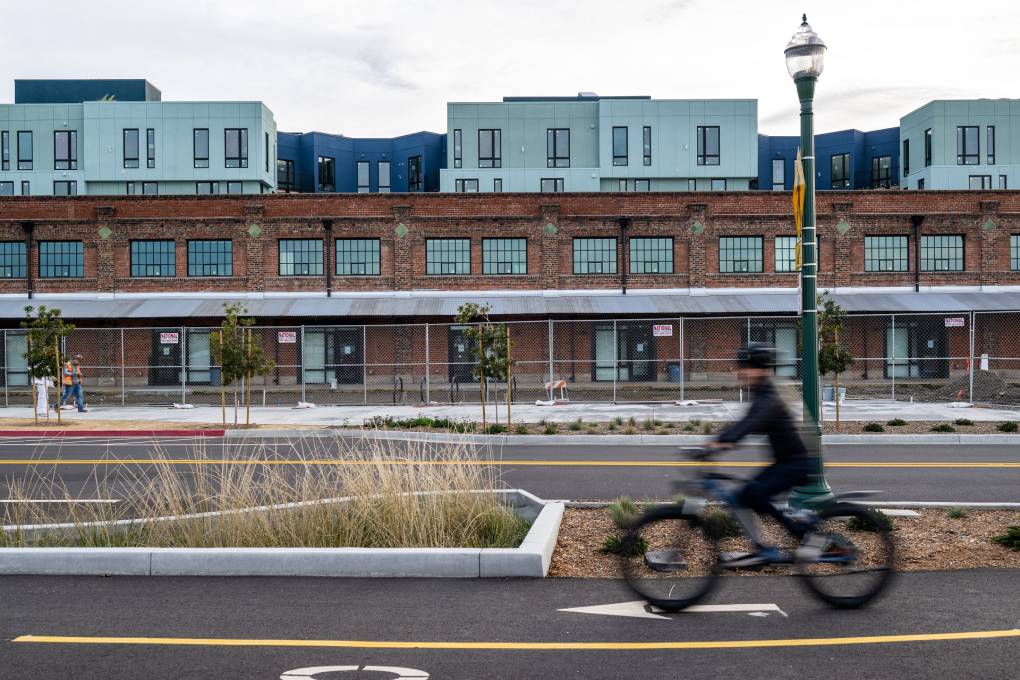
"caption": "The Del Monte warehouse is under construction to become an apartment building in Alameda on Jan. 12, 2023. State Sen. Scott Wiener's new bill would allow developers to build an apartment building up to 7 stories tall near high-frequency bus stops and train stations across California. ",
"credit": "Beth LaBerge/KQED",
"altTag": null,
"description": null,
"imgSizes": {
"medium": {
"file": "https://cdn.kqed.org/wp-content/uploads/sites/10/2024/06/010_KQED_AlamedaAffordableHousing_01122023-800x533.jpg",
"width": 800,
"height": 533,
"mimeType": "image/jpeg"
},
"large": {
"file": "https://cdn.kqed.org/wp-content/uploads/sites/10/2024/06/010_KQED_AlamedaAffordableHousing_01122023-1020x680.jpg",
"width": 1020,
"height": 680,
"mimeType": "image/jpeg"
},
"thumbnail": {
"file": "https://cdn.kqed.org/wp-content/uploads/sites/10/2024/06/010_KQED_AlamedaAffordableHousing_01122023-160x107.jpg",
"width": 160,
"height": 107,
"mimeType": "image/jpeg"
},
"1536x1536": {
"file": "https://cdn.kqed.org/wp-content/uploads/sites/10/2024/06/010_KQED_AlamedaAffordableHousing_01122023-1536x1024.jpg",
"width": 1536,
"height": 1024,
"mimeType": "image/jpeg"
},
"post-thumbnail": {
"file": "https://cdn.kqed.org/wp-content/uploads/sites/10/2024/06/010_KQED_AlamedaAffordableHousing_01122023-672x372.jpg",
"width": 672,
"height": 372,
"mimeType": "image/jpeg"
},
"twentyfourteen-full-width": {
"file": "https://cdn.kqed.org/wp-content/uploads/sites/10/2024/06/010_KQED_AlamedaAffordableHousing_01122023-1038x576.jpg",
"width": 1038,
"height": 576,
"mimeType": "image/jpeg"
},
"kqedFullSize": {
"file": "https://cdn.kqed.org/wp-content/uploads/sites/10/2024/06/010_KQED_AlamedaAffordableHousing_01122023.jpg",
"width": 1920,
"height": 1280
}
},
"isLoading": false,
"fetchFailed": false
},
"news_12027564": {
"type": "attachments",
"id": "news_12027564",
"meta": {
"index": "attachments_1716263798",
"site": "news",
"id": "12027564",
"found": true
},
"title": "250218-SFDowntown-06-BL",
"publishDate": 1739911241,
"status": "inherit",
"parent": 0,
"modified": 1739921749,
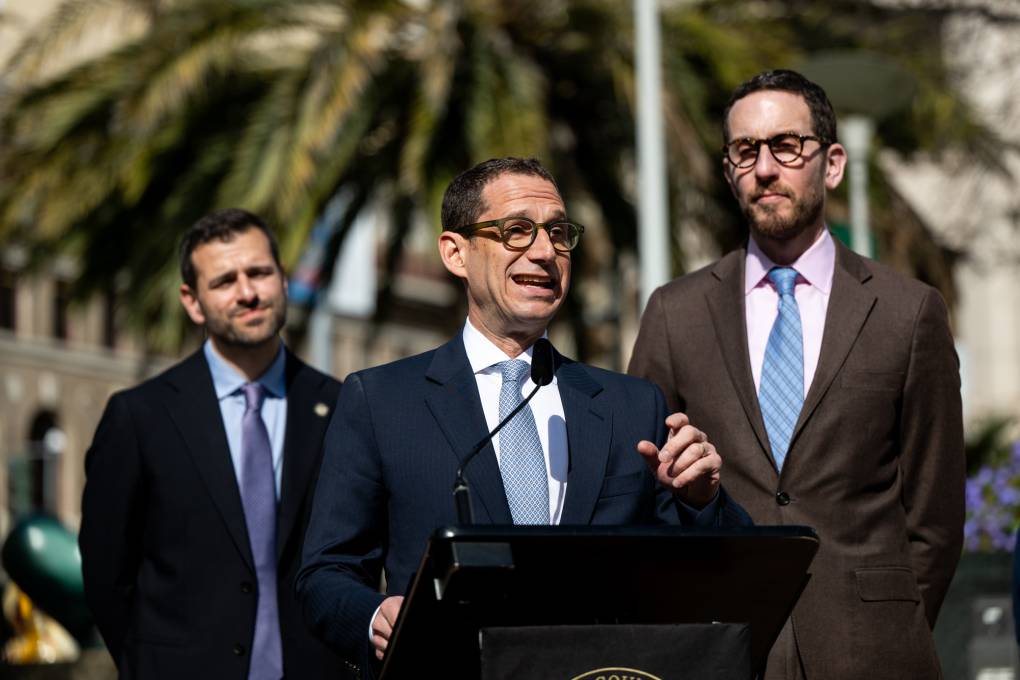
"caption": "Mayor Daniel Lurie speaks during a press conference announcing legislation to increase nightlife in Downtown San Francisco to help the recovery of the neighborhood in Union Square, San Francisco, on Tuesday, Feb. 18, 2025.",
"credit": "Beth LaBerge/KQED",
"altTag": null,
"description": null,
"imgSizes": {
"medium": {
"file": "https://cdn.kqed.org/wp-content/uploads/sites/10/2025/02/250218-SFDowntown-06-BL-800x533.jpg",
"width": 800,
"height": 533,
"mimeType": "image/jpeg"
},
"large": {
"file": "https://cdn.kqed.org/wp-content/uploads/sites/10/2025/02/250218-SFDowntown-06-BL-1020x680.jpg",
"width": 1020,
"height": 680,
"mimeType": "image/jpeg"
},
"thumbnail": {
"file": "https://cdn.kqed.org/wp-content/uploads/sites/10/2025/02/250218-SFDowntown-06-BL-160x107.jpg",
"width": 160,
"height": 107,
"mimeType": "image/jpeg"
},
"1536x1536": {
"file": "https://cdn.kqed.org/wp-content/uploads/sites/10/2025/02/250218-SFDowntown-06-BL-1536x1024.jpg",
"width": 1536,
"height": 1024,
"mimeType": "image/jpeg"
},
"post-thumbnail": {
"file": "https://cdn.kqed.org/wp-content/uploads/sites/10/2025/02/250218-SFDowntown-06-BL-672x372.jpg",
"width": 672,
"height": 372,
"mimeType": "image/jpeg"
},
"twentyfourteen-full-width": {
"file": "https://cdn.kqed.org/wp-content/uploads/sites/10/2025/02/250218-SFDowntown-06-BL-1038x576.jpg",
"width": 1038,
"height": 576,
"mimeType": "image/jpeg"
},
"full-width": {
"file": "https://cdn.kqed.org/wp-content/uploads/sites/10/2025/02/250218-SFDowntown-06-BL-1920x1280.jpg",
"width": 1920,
"height": 1280,
"mimeType": "image/jpeg"
},
"kqedFullSize": {
"file": "https://cdn.kqed.org/wp-content/uploads/sites/10/2025/02/250218-SFDowntown-06-BL.jpg",
"width": 2000,
"height": 1333
}
},
"isLoading": false,
"fetchFailed": false
},
"news_11993605": {
"type": "attachments",
"id": "news_11993605",
"meta": {
"index": "attachments_1716263798",
"site": "news",
"id": "11993605",
"found": true
},
"title": "013_SanFrancisco_CCAStrike_02082022",
"publishDate": 1720715147,
"status": "inherit",
"parent": 11993603,
"modified": 1777309516,
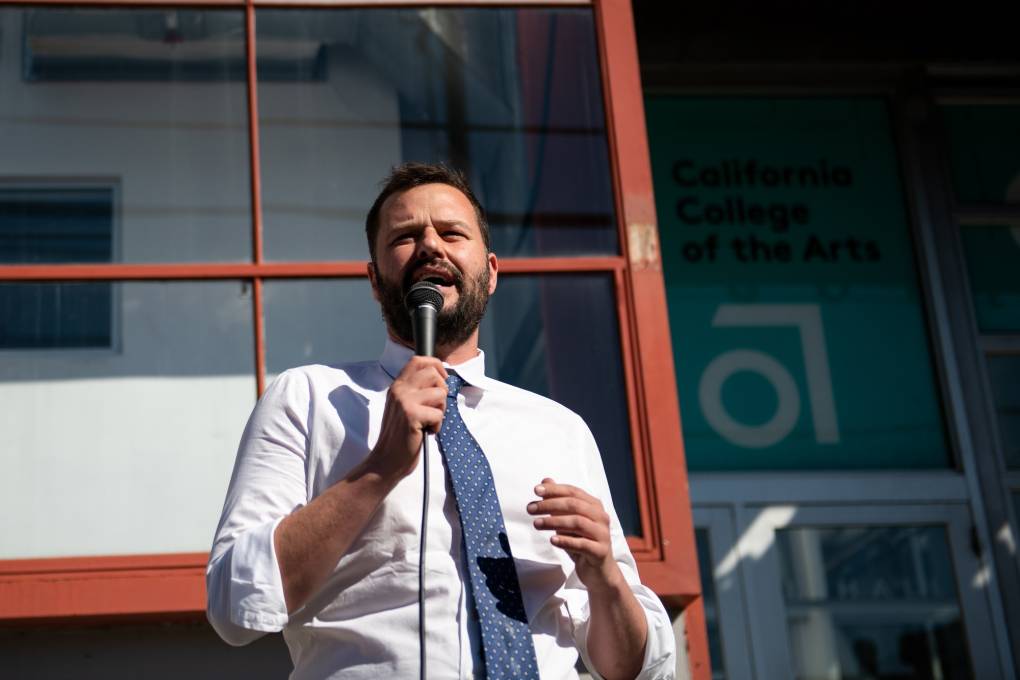
"caption": "California’s political watchdog agency is investigating potential violations of state law by the campaign of Assemblymember Matt Haney.",
"credit": "Beth LaBerge/KQED",
"altTag": null,
"description": "Supervisor Matt Haney speaks outside of the California College of the Arts (CCA) San Francisco campus on Feb. 8, 2022, during a staff strike over claims of unfair labor practices.\n\n",
"imgSizes": {
"medium": {
"file": "https://cdn.kqed.org/wp-content/uploads/sites/10/2024/07/013_SanFrancisco_CCAStrike_02082022-800x533.jpg",
"width": 800,
"height": 533,
"mimeType": "image/jpeg"
},
"large": {
"file": "https://cdn.kqed.org/wp-content/uploads/sites/10/2024/07/013_SanFrancisco_CCAStrike_02082022-1020x680.jpg",
"width": 1020,
"height": 680,
"mimeType": "image/jpeg"
},
"thumbnail": {
"file": "https://cdn.kqed.org/wp-content/uploads/sites/10/2024/07/013_SanFrancisco_CCAStrike_02082022-160x107.jpg",
"width": 160,
"height": 107,
"mimeType": "image/jpeg"
},
"1536x1536": {
"file": "https://cdn.kqed.org/wp-content/uploads/sites/10/2024/07/013_SanFrancisco_CCAStrike_02082022-1536x1024.jpg",
"width": 1536,
"height": 1024,
"mimeType": "image/jpeg"
},
"post-thumbnail": {
"file": "https://cdn.kqed.org/wp-content/uploads/sites/10/2024/07/013_SanFrancisco_CCAStrike_02082022-672x372.jpg",
"width": 672,
"height": 372,
"mimeType": "image/jpeg"
},
"twentyfourteen-full-width": {
"file": "https://cdn.kqed.org/wp-content/uploads/sites/10/2024/07/013_SanFrancisco_CCAStrike_02082022-1038x576.jpg",
"width": 1038,
"height": 576,
"mimeType": "image/jpeg"
},
"full-width": {
"file": "https://cdn.kqed.org/wp-content/uploads/sites/10/2024/07/013_SanFrancisco_CCAStrike_02082022-1920x1280.jpg",
"width": 1920,
"height": 1280,
"mimeType": "image/jpeg"
},
"kqedFullSize": {
"file": "https://cdn.kqed.org/wp-content/uploads/sites/10/2024/07/013_SanFrancisco_CCAStrike_02082022.jpg",
"width": 2000,
"height": 1333
}
},
"isLoading": false,
"fetchFailed": false
},
"news_12014822": {
"type": "attachments",
"id": "news_12014822",
"meta": {
"index": "attachments_1716263798",
"site": "news",
"id": "12014822",
"found": true
},
"title": "A BART train stops at the Montgomery Station in San Francisco on Jan. 11, 2024.",
"publishDate": 1731805266,
"status": "inherit",
"parent": 12014817,
"modified": 1731960959,
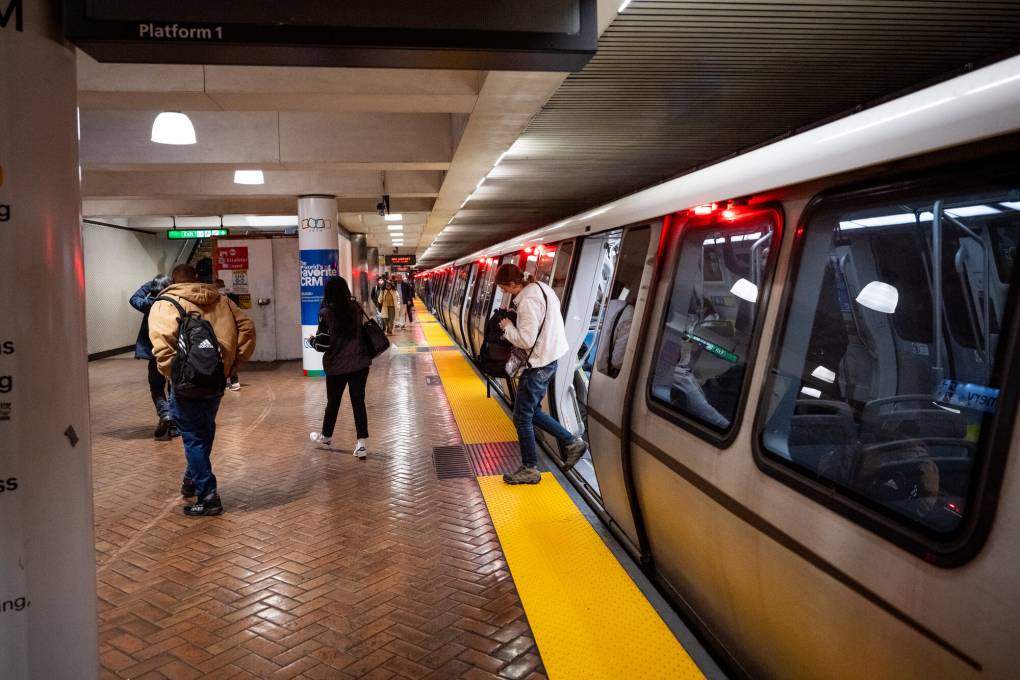
"caption": "A BART train stops at the Montgomery Station in San Francisco on Jan. 11, 2024.",
"credit": "Beth LaBerge/KQED",
"altTag": "People get out of the train as it stops at a platform.",
"description": null,
"imgSizes": {
"medium": {
"file": "https://cdn.kqed.org/wp-content/uploads/sites/10/2024/11/240111-TransitFile-11-BL_qed-800x533.jpg",
"width": 800,
"height": 533,
"mimeType": "image/jpeg"
},
"large": {
"file": "https://cdn.kqed.org/wp-content/uploads/sites/10/2024/11/240111-TransitFile-11-BL_qed-1020x680.jpg",
"width": 1020,
"height": 680,
"mimeType": "image/jpeg"
},
"thumbnail": {
"file": "https://cdn.kqed.org/wp-content/uploads/sites/10/2024/11/240111-TransitFile-11-BL_qed-160x107.jpg",
"width": 160,
"height": 107,
"mimeType": "image/jpeg"
},
"1536x1536": {
"file": "https://cdn.kqed.org/wp-content/uploads/sites/10/2024/11/240111-TransitFile-11-BL_qed-1536x1024.jpg",
"width": 1536,
"height": 1024,
"mimeType": "image/jpeg"
},
"post-thumbnail": {
"file": "https://cdn.kqed.org/wp-content/uploads/sites/10/2024/11/240111-TransitFile-11-BL_qed-672x372.jpg",
"width": 672,
"height": 372,
"mimeType": "image/jpeg"
},
"twentyfourteen-full-width": {
"file": "https://cdn.kqed.org/wp-content/uploads/sites/10/2024/11/240111-TransitFile-11-BL_qed-1038x576.jpg",
"width": 1038,
"height": 576,
"mimeType": "image/jpeg"
},
"full-width": {
"file": "https://cdn.kqed.org/wp-content/uploads/sites/10/2024/11/240111-TransitFile-11-BL_qed-1920x1280.jpg",
"width": 1920,
"height": 1280,
"mimeType": "image/jpeg"
},
"kqedFullSize": {
"file": "https://cdn.kqed.org/wp-content/uploads/sites/10/2024/11/240111-TransitFile-11-BL_qed.jpg",
"width": 2000,
"height": 1333
}
},
"isLoading": false,
"fetchFailed": false
},
"news_12025220": {
"type": "attachments",
"id": "news_12025220",
"meta": {
"index": "attachments_1716263798",
"site": "news",
"id": "12025220",
"found": true
},
"title": "IMG_5742",
"publishDate": 1738369411,
"status": "inherit",
"parent": 12025068,
"modified": 1738372306,
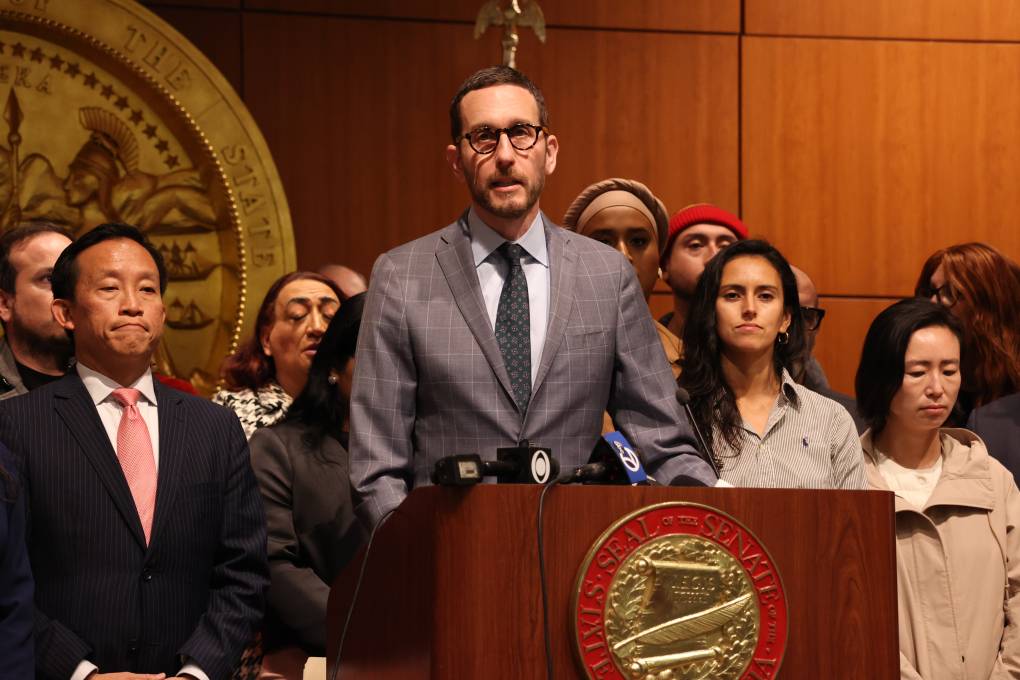
"caption": "Sen. Scott Wiener, center, rallied alongside other city officials, parents, and families in support of transgender youth on Friday, Jan. 31, in San Francisco. ",
"credit": "Juan Carlos Lara/KQED",
"altTag": null,
"description": null,
"imgSizes": {
"medium": {
"file": "https://cdn.kqed.org/wp-content/uploads/sites/10/2025/01/IMG_5742-800x533.jpg",
"width": 800,
"height": 533,
"mimeType": "image/jpeg"
},
"large": {
"file": "https://cdn.kqed.org/wp-content/uploads/sites/10/2025/01/IMG_5742-1020x680.jpg",
"width": 1020,
"height": 680,
"mimeType": "image/jpeg"
},
"thumbnail": {
"file": "https://cdn.kqed.org/wp-content/uploads/sites/10/2025/01/IMG_5742-160x107.jpg",
"width": 160,
"height": 107,
"mimeType": "image/jpeg"
},
"1536x1536": {
"file": "https://cdn.kqed.org/wp-content/uploads/sites/10/2025/01/IMG_5742-1536x1024.jpg",
"width": 1536,
"height": 1024,
"mimeType": "image/jpeg"
},
"2048x2048": {
"file": "https://cdn.kqed.org/wp-content/uploads/sites/10/2025/01/IMG_5742-2048x1365.jpg",
"width": 2048,
"height": 1365,
"mimeType": "image/jpeg"
},
"post-thumbnail": {
"file": "https://cdn.kqed.org/wp-content/uploads/sites/10/2025/01/IMG_5742-672x372.jpg",
"width": 672,
"height": 372,
"mimeType": "image/jpeg"
},
"twentyfourteen-full-width": {
"file": "https://cdn.kqed.org/wp-content/uploads/sites/10/2025/01/IMG_5742-1038x576.jpg",
"width": 1038,
"height": 576,
"mimeType": "image/jpeg"
},
"full-width": {
"file": "https://cdn.kqed.org/wp-content/uploads/sites/10/2025/01/IMG_5742-1920x1280.jpg",
"width": 1920,
"height": 1280,
"mimeType": "image/jpeg"
},
"kqedFullSize": {
"file": "https://cdn.kqed.org/wp-content/uploads/sites/10/2025/01/IMG_5742-scaled-e1738949852355.jpg",
"width": 2000,
"height": 1334
}
},
"isLoading": false,
"fetchFailed": false
},
"news_12005435": {
"type": "attachments",
"id": "news_12005435",
"meta": {
"index": "attachments_1716263798",
"site": "news",
"id": "12005435",
"found": true
},
"title": "081723_Assembly-Floor-File_SN_CM-05",
"publishDate": 1726765236,
"status": "inherit",
"parent": 12005433,
"modified": 1726766301,
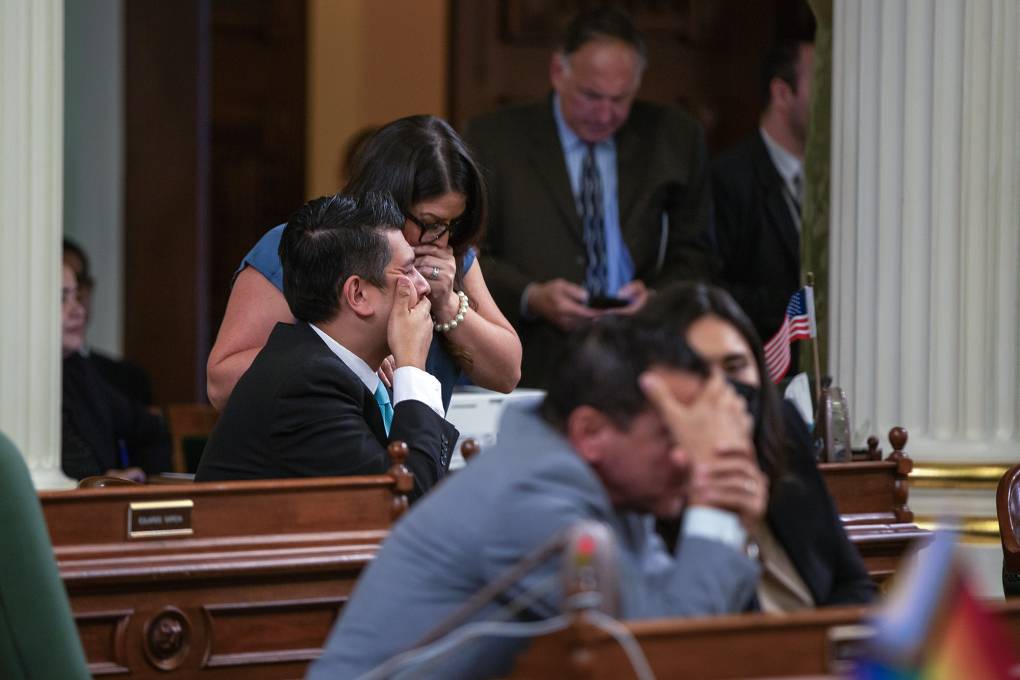
"caption": "Assemblymember Esmeralda Soria, a Democrat from Merced, and Assemblymember David Alvarez, a Democrat from San Diego, talk on the Assembly floor at the State Capitol in Sacramento on Aug. 17, 2023. ",
"credit": "Semantha Norris/CalMatters",
"altTag": "Men and women in suits and dresses are seated at tables and cover their mouths with their hands.",
"description": null,
"imgSizes": {
"medium": {
"file": "https://cdn.kqed.org/wp-content/uploads/sites/10/2024/09/081723_Assembly-Floor-File_SN_CM-05-800x534.jpg",
"width": 800,
"height": 534,
"mimeType": "image/jpeg"
},
"large": {
"file": "https://cdn.kqed.org/wp-content/uploads/sites/10/2024/09/081723_Assembly-Floor-File_SN_CM-05-1020x680.jpg",
"width": 1020,
"height": 680,
"mimeType": "image/jpeg"
},
"thumbnail": {
"file": "https://cdn.kqed.org/wp-content/uploads/sites/10/2024/09/081723_Assembly-Floor-File_SN_CM-05-160x107.jpg",
"width": 160,
"height": 107,
"mimeType": "image/jpeg"
},
"1536x1536": {
"file": "https://cdn.kqed.org/wp-content/uploads/sites/10/2024/09/081723_Assembly-Floor-File_SN_CM-05-1536x1025.jpg",
"width": 1536,
"height": 1025,
"mimeType": "image/jpeg"
},
"post-thumbnail": {
"file": "https://cdn.kqed.org/wp-content/uploads/sites/10/2024/09/081723_Assembly-Floor-File_SN_CM-05-672x372.jpg",
"width": 672,
"height": 372,
"mimeType": "image/jpeg"
},
"twentyfourteen-full-width": {
"file": "https://cdn.kqed.org/wp-content/uploads/sites/10/2024/09/081723_Assembly-Floor-File_SN_CM-05-1038x576.jpg",
"width": 1038,
"height": 576,
"mimeType": "image/jpeg"
},
"full-width": {
"file": "https://cdn.kqed.org/wp-content/uploads/sites/10/2024/09/081723_Assembly-Floor-File_SN_CM-05-1920x1281.jpg",
"width": 1920,
"height": 1281,
"mimeType": "image/jpeg"
},
"kqedFullSize": {
"file": "https://cdn.kqed.org/wp-content/uploads/sites/10/2024/09/081723_Assembly-Floor-File_SN_CM-05.jpg",
"width": 2000,
"height": 1334
}
},
"isLoading": false,
"fetchFailed": false
},
"news_12022237": {
"type": "attachments",
"id": "news_12022237",
"meta": {
"index": "attachments_1716263798",
"site": "news",
"id": "12022237",
"found": true
},
"title": "20250113_North-Beach_DMB_00193",
"publishDate": 1736900775,
"status": "inherit",
"parent": 0,
"modified": 1736902048,
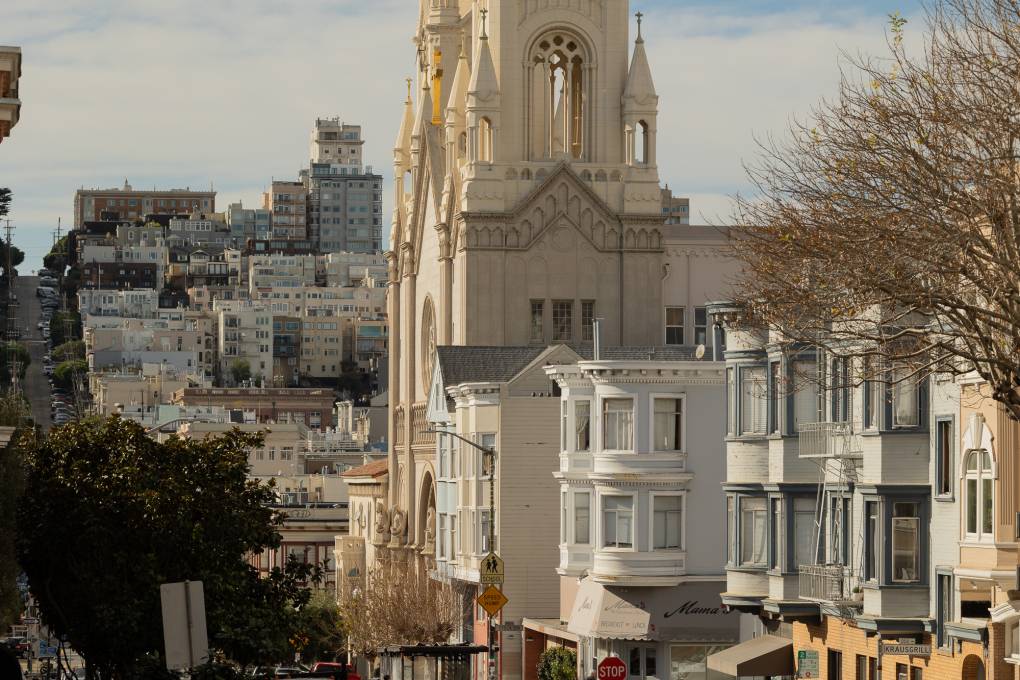
"caption": "Saints Peter and Paul Church and apartment buildings in North Beach, on Monday, Jan. 13, 2025. ",
"credit": "David M. Barreda/KQED",
"altTag": null,
"description": null,
"imgSizes": {
"medium": {
"file": "https://cdn.kqed.org/wp-content/uploads/sites/10/2025/01/20250113_North-Beach_DMB_00193-800x533.jpg",
"width": 800,
"height": 533,
"mimeType": "image/jpeg"
},
"large": {
"file": "https://cdn.kqed.org/wp-content/uploads/sites/10/2025/01/20250113_North-Beach_DMB_00193-1020x680.jpg",
"width": 1020,
"height": 680,
"mimeType": "image/jpeg"
},
"thumbnail": {
"file": "https://cdn.kqed.org/wp-content/uploads/sites/10/2025/01/20250113_North-Beach_DMB_00193-160x107.jpg",
"width": 160,
"height": 107,
"mimeType": "image/jpeg"
},
"1536x1536": {
"file": "https://cdn.kqed.org/wp-content/uploads/sites/10/2025/01/20250113_North-Beach_DMB_00193-1536x1024.jpg",
"width": 1536,
"height": 1024,
"mimeType": "image/jpeg"
},
"post-thumbnail": {
"file": "https://cdn.kqed.org/wp-content/uploads/sites/10/2025/01/20250113_North-Beach_DMB_00193-672x372.jpg",
"width": 672,
"height": 372,
"mimeType": "image/jpeg"
},
"twentyfourteen-full-width": {
"file": "https://cdn.kqed.org/wp-content/uploads/sites/10/2025/01/20250113_North-Beach_DMB_00193-1038x576.jpg",
"width": 1038,
"height": 576,
"mimeType": "image/jpeg"
},
"full-width": {
"file": "https://cdn.kqed.org/wp-content/uploads/sites/10/2025/01/20250113_North-Beach_DMB_00193-1920x1280.jpg",
"width": 1920,
"height": 1280,
"mimeType": "image/jpeg"
},
"kqedFullSize": {
"file": "https://cdn.kqed.org/wp-content/uploads/sites/10/2025/01/20250113_North-Beach_DMB_00193.jpg",
"width": 2000,
"height": 1333
}
},
"isLoading": false,
"fetchFailed": false
},
"news_12021200": {
"type": "attachments",
"id": "news_12021200",
"meta": {
"index": "attachments_1716263798",
"site": "news",
"id": "12021200",
"found": true
},
"title": "240109-CAWindStorm-038",
"publishDate": 1736456599,
"status": "inherit",
"parent": 0,
"modified": 1736456756,
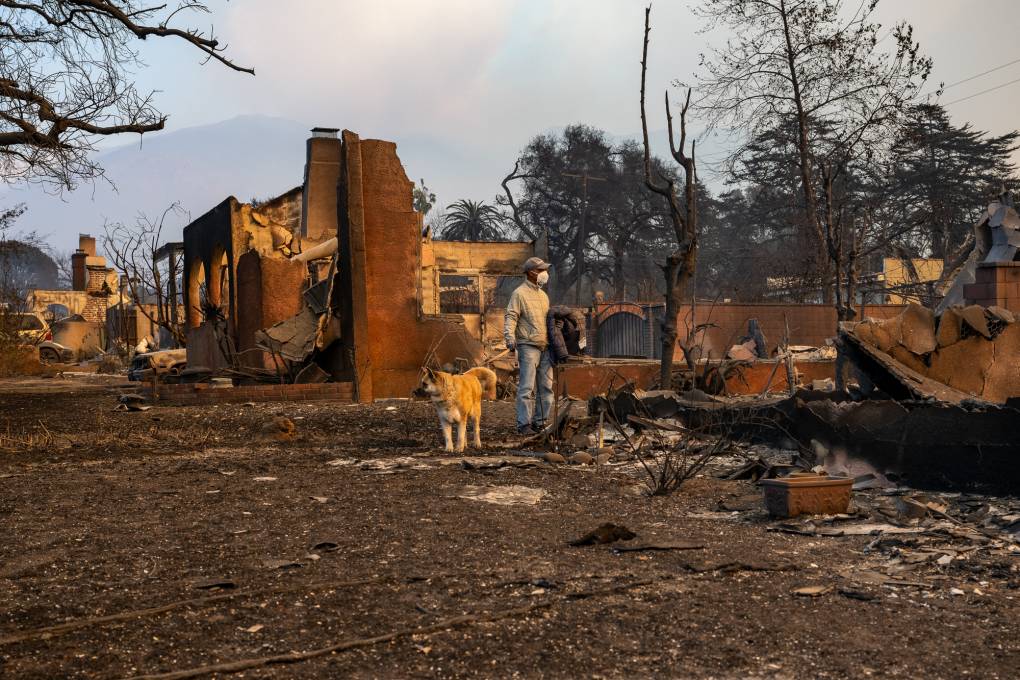
"caption": "Altadena resident Herb Wilson, 67, walks with his dog, Rosie, to survey the home he shares with his wife, Loyda, after it was destroyed in the Eaton Fire northeast of Los Angeles, California, on Thursday, Jan. 9, 2025. The couple was on vacation in Hawaii when the fire broke out, so they could not retrieve any belongings.",
"credit": "Beth LaBerge/KQED",
"altTag": null,
"description": null,
"imgSizes": {
"medium": {
"file": "https://cdn.kqed.org/wp-content/uploads/sites/10/2025/01/240109-CAWindStorm-038-800x533.jpg",
"width": 800,
"height": 533,
"mimeType": "image/jpeg"
},
"large": {
"file": "https://cdn.kqed.org/wp-content/uploads/sites/10/2025/01/240109-CAWindStorm-038-1020x680.jpg",
"width": 1020,
"height": 680,
"mimeType": "image/jpeg"
},
"thumbnail": {
"file": "https://cdn.kqed.org/wp-content/uploads/sites/10/2025/01/240109-CAWindStorm-038-160x107.jpg",
"width": 160,
"height": 107,
"mimeType": "image/jpeg"
},
"1536x1536": {
"file": "https://cdn.kqed.org/wp-content/uploads/sites/10/2025/01/240109-CAWindStorm-038-1536x1024.jpg",
"width": 1536,
"height": 1024,
"mimeType": "image/jpeg"
},
"post-thumbnail": {
"file": "https://cdn.kqed.org/wp-content/uploads/sites/10/2025/01/240109-CAWindStorm-038-672x372.jpg",
"width": 672,
"height": 372,
"mimeType": "image/jpeg"
},
"twentyfourteen-full-width": {
"file": "https://cdn.kqed.org/wp-content/uploads/sites/10/2025/01/240109-CAWindStorm-038-1038x576.jpg",
"width": 1038,
"height": 576,
"mimeType": "image/jpeg"
},
"full-width": {
"file": "https://cdn.kqed.org/wp-content/uploads/sites/10/2025/01/240109-CAWindStorm-038-1920x1280.jpg",
"width": 1920,
"height": 1280,
"mimeType": "image/jpeg"
},
"kqedFullSize": {
"file": "https://cdn.kqed.org/wp-content/uploads/sites/10/2025/01/240109-CAWindStorm-038.jpg",
"width": 2000,
"height": 1333
}
},
"isLoading": false,
"fetchFailed": false
},
"news_12002257": {
"type": "attachments",
"id": "news_12002257",
"meta": {
"index": "attachments_1716263798",
"site": "news",
"id": "12002257",
"found": true
},
"title": "California AI Regulations",
"publishDate": 1724886851,
"status": "inherit",
"parent": 12002254,
"modified": 1724960738,
"caption": "Sen. Scott Wiener watches as the Senate votes on a measure at the Capitol in Sacramento, California, on April 11, 2024. On Wednesday, SB 1047, a bill he authored, passed 41–9.",
"credit": "Rich Pedroncelli/AP Photo",
"altTag": null,
"description": null,
"imgSizes": {
"medium": {
"file": "https://cdn.kqed.org/wp-content/uploads/sites/10/2024/08/ScottWienerAP1-800x533.jpg",
"width": 800,
"height": 533,
"mimeType": "image/jpeg"
},
"large": {
"file": "https://cdn.kqed.org/wp-content/uploads/sites/10/2024/08/ScottWienerAP1-1020x680.jpg",
"width": 1020,
"height": 680,
"mimeType": "image/jpeg"
},
"thumbnail": {
"file": "https://cdn.kqed.org/wp-content/uploads/sites/10/2024/08/ScottWienerAP1-160x107.jpg",
"width": 160,
"height": 107,
"mimeType": "image/jpeg"
},
"1536x1536": {
"file": "https://cdn.kqed.org/wp-content/uploads/sites/10/2024/08/ScottWienerAP1-1536x1024.jpg",
"width": 1536,
"height": 1024,
"mimeType": "image/jpeg"
},
"post-thumbnail": {
"file": "https://cdn.kqed.org/wp-content/uploads/sites/10/2024/08/ScottWienerAP1-672x372.jpg",
"width": 672,
"height": 372,
"mimeType": "image/jpeg"
},
"twentyfourteen-full-width": {
"file": "https://cdn.kqed.org/wp-content/uploads/sites/10/2024/08/ScottWienerAP1-1038x576.jpg",
"width": 1038,
"height": 576,
"mimeType": "image/jpeg"
},
"full-width": {
"file": "https://cdn.kqed.org/wp-content/uploads/sites/10/2024/08/ScottWienerAP1-1920x1280.jpg",
"width": 1920,
"height": 1280,
"mimeType": "image/jpeg"
},
"kqedFullSize": {
"file": "https://cdn.kqed.org/wp-content/uploads/sites/10/2024/08/ScottWienerAP1.jpg",
"width": 2000,
"height": 1333
}
},
"isLoading": false,
"fetchFailed": false
},
"news_12001180": {
"type": "attachments",
"id": "news_12001180",
"meta": {
"index": "attachments_1716263798",
"site": "news",
"id": "12001180",
"found": true
},
"title": "California State Senator Scott Wiener adddresses the SF Chronicle Editorial Board on Thursday, Jan. 18, 2018 in San Francisco, Calif.",
"publishDate": 1724269970,
"status": "inherit",
"parent": 0,
"modified": 1724270090,
"caption": "Senator Scott Wiener introduced SB 1047, a bill that would mandate safety testing for developers of the largest AI models.",
"credit": "Russell Yip/San Francisco Chronicle via Getty Images",
"altTag": null,
"description": null,
"imgSizes": {
"medium": {
"file": "https://cdn.kqed.org/wp-content/uploads/sites/10/2024/08/GETTYIMAGES-1298883374-KQED-800x533.jpg",
"width": 800,
"height": 533,
"mimeType": "image/jpeg"
},
"large": {
"file": "https://cdn.kqed.org/wp-content/uploads/sites/10/2024/08/GETTYIMAGES-1298883374-KQED-1020x680.jpg",
"width": 1020,
"height": 680,
"mimeType": "image/jpeg"
},
"thumbnail": {
"file": "https://cdn.kqed.org/wp-content/uploads/sites/10/2024/08/GETTYIMAGES-1298883374-KQED-160x107.jpg",
"width": 160,
"height": 107,
"mimeType": "image/jpeg"
},
"1536x1536": {
"file": "https://cdn.kqed.org/wp-content/uploads/sites/10/2024/08/GETTYIMAGES-1298883374-KQED-1536x1024.jpg",
"width": 1536,
"height": 1024,
"mimeType": "image/jpeg"
},
"post-thumbnail": {
"file": "https://cdn.kqed.org/wp-content/uploads/sites/10/2024/08/GETTYIMAGES-1298883374-KQED-672x372.jpg",
"width": 672,
"height": 372,
"mimeType": "image/jpeg"
},
"twentyfourteen-full-width": {
"file": "https://cdn.kqed.org/wp-content/uploads/sites/10/2024/08/GETTYIMAGES-1298883374-KQED-1038x576.jpg",
"width": 1038,
"height": 576,
"mimeType": "image/jpeg"
},
"full-width": {
"file": "https://cdn.kqed.org/wp-content/uploads/sites/10/2024/08/GETTYIMAGES-1298883374-KQED-1920x1280.jpg",
"width": 1920,
"height": 1280,
"mimeType": "image/jpeg"
},
"kqedFullSize": {
"file": "https://cdn.kqed.org/wp-content/uploads/sites/10/2024/08/GETTYIMAGES-1298883374-KQED.jpg",
"width": 2000,
"height": 1333
}
},
"isLoading": false,
"fetchFailed": false
},
"news_11994186": {
"type": "attachments",
"id": "news_11994186",
"meta": {
"index": "attachments_1716263798",
"site": "news",
"id": "11994186",
"found": true
},
"title": "TOPSHOT-US-POLITICS-VOTE",
"publishDate": 1721086591,
"status": "inherit",
"parent": 11994184,
"modified": 1721086802,
"caption": "Trump supporters are seen covered with blood in the stands after guns were fired at Republican nominee Donald Trump at a campaign event at Butler Farm Show Inc. in Butler, Pennsylvania, July 13, 2024. ",
"credit": "Rebecca Droke/AFP via Getty Images",
"altTag": null,
"description": null,
"imgSizes": {
"medium": {
"file": "https://cdn.kqed.org/wp-content/uploads/sites/10/2024/07/TrumpPennsylvaniaRally2024-800x517.jpg",
"width": 800,
"height": 517,
"mimeType": "image/jpeg"
},
"large": {
"file": "https://cdn.kqed.org/wp-content/uploads/sites/10/2024/07/TrumpPennsylvaniaRally2024-1020x659.jpg",
"width": 1020,
"height": 659,
"mimeType": "image/jpeg"
},
"thumbnail": {
"file": "https://cdn.kqed.org/wp-content/uploads/sites/10/2024/07/TrumpPennsylvaniaRally2024-160x103.jpg",
"width": 160,
"height": 103,
"mimeType": "image/jpeg"
},
"1536x1536": {
"file": "https://cdn.kqed.org/wp-content/uploads/sites/10/2024/07/TrumpPennsylvaniaRally2024-1536x992.jpg",
"width": 1536,
"height": 992,
"mimeType": "image/jpeg"
},
"post-thumbnail": {
"file": "https://cdn.kqed.org/wp-content/uploads/sites/10/2024/07/TrumpPennsylvaniaRally2024-672x372.jpg",
"width": 672,
"height": 372,
"mimeType": "image/jpeg"
},
"twentyfourteen-full-width": {
"file": "https://cdn.kqed.org/wp-content/uploads/sites/10/2024/07/TrumpPennsylvaniaRally2024-1038x576.jpg",
"width": 1038,
"height": 576,
"mimeType": "image/jpeg"
},
"full-width": {
"file": "https://cdn.kqed.org/wp-content/uploads/sites/10/2024/07/TrumpPennsylvaniaRally2024-1920x1240.jpg",
"width": 1920,
"height": 1240,
"mimeType": "image/jpeg"
},
"kqedFullSize": {
"file": "https://cdn.kqed.org/wp-content/uploads/sites/10/2024/07/TrumpPennsylvaniaRally2024.jpg",
"width": 2000,
"height": 1292
}
},
"isLoading": false,
"fetchFailed": false
},
"news_11941203": {
"type": "attachments",
"id": "news_11941203",
"meta": {
"index": "attachments_1716263798",
"site": "news",
"id": "11941203",
"found": true
},
"parent": 11941191,
"imgSizes": {
"twentyfourteen-full-width": {
"file": "https://ww2.kqed.org/app/uploads/sites/10/2023/02/GettyImages-1298460702-1024x576.jpg",
"width": 1024,
"mimeType": "image/jpeg",
"height": 576
},
"thumbnail": {
"file": "https://ww2.kqed.org/app/uploads/sites/10/2023/02/GettyImages-1298460702-160x107.jpg",
"width": 160,
"mimeType": "image/jpeg",
"height": 107
},
"post-thumbnail": {
"file": "https://ww2.kqed.org/app/uploads/sites/10/2023/02/GettyImages-1298460702-672x372.jpg",
"width": 672,
"mimeType": "image/jpeg",
"height": 372
},
"kqedFullSize": {
"file": "https://ww2.kqed.org/app/uploads/sites/10/2023/02/GettyImages-1298460702.jpg",
"width": 1024,
"height": 683
},
"large": {
"file": "https://ww2.kqed.org/app/uploads/sites/10/2023/02/GettyImages-1298460702-1020x680.jpg",
"width": 1020,
"mimeType": "image/jpeg",
"height": 680
},
"medium": {
"file": "https://ww2.kqed.org/app/uploads/sites/10/2023/02/GettyImages-1298460702-800x534.jpg",
"width": 800,
"mimeType": "image/jpeg",
"height": 534
}
},
"publishDate": 1676573338,
"modified": 1677009696,
"caption": "A partially filled train readies to leave the BART Powell Street station in San Francisco, on Feb. 11, 2020.",
"description": null,
"title": "A partially filled train readies to leave BART Powell Street station in San Francisco, Calif., on Tuesday, February 11, 2020.",
"credit": "Scott Strazzante/San Francisco Chronicle via Getty Images",
"status": "inherit",
"altTag": "A BART train at a platform with sliding doors open and a passenger sitting inside.",
"isLoading": false,
"fetchFailed": false
}
},
"audioPlayerReducer": {
"postId": "stream_live",
"isPaused": true,
"isPlaying": false,
"pfsActive": false,
"pledgeModalIsOpen": true,
"playerDrawerIsOpen": false,
"liveAudioPlayStartedAt": 0,
"liveAudioPlayContext": ""
},
"authorsReducer": {
"danbrekke": {
"type": "authors",
"id": "222",
"meta": {
"index": "authors_1716337520",
"id": "222",
"found": true
},
"name": "Dan Brekke",
"firstName": "Dan",
"lastName": "Brekke",
"slug": "danbrekke",
"email": "dbrekke@kqed.org",
"display_author_email": true,
"staff_mastheads": [
"news",
"science"
],
"title": "KQED Editor and Reporter",
"bio": "Dan Brekke is a reporter and editor for KQED News, responsible for coverage of topics ranging from California water issues to the Bay Area's transportation challenges. In a newsroom career that began in Chicago in 1972, Dan has worked for \u003cem>The San Francisco Examiner,\u003c/em> Wired and TechTV and has been published in The New York Times, The New York Times Magazine, Business 2.0, Salon and elsewhere.\r\n\r\nSince joining KQED in 2007, Dan has reported, edited and produced both radio and online features and breaking news pieces. He has shared as both editor and reporter in four Society of Professional Journalists Norcal Excellence in Journalism awards and one Edward R. Murrow regional award. He was chosen for a spring 2017 residency at the Mesa Refuge to advance his research on California salmon.\r\n\r\nEmail Dan at: \u003ca href=\"mailto:dbrekke@kqed.org\">dbrekke@kqed.org\u003c/a>\r\n\r\n\u003cstrong>Twitter:\u003c/strong> \u003ca href=\"https://twitter.com/danbrekke\" rel=\"noopener noreferrer\">twitter.com/danbrekke\u003c/a>\r\n\u003cstrong>Facebook:\u003c/strong> \u003ca href=\"https://www.facebook.com/danbrekke\" rel=\"noopener noreferrer\">www.facebook.com/danbrekke\u003c/a>\r\n\u003cstrong>LinkedIn:\u003c/strong> \u003ca href=\"https://www.linkedin.com/in/danbrekke\" rel=\"noopener noreferrer\">www.linkedin.com/in/danbrekke\u003c/a>",
"avatar": "https://secure.gravatar.com/avatar/c8126230345efca3f7aa89b1a402be45?s=600&d=mm&r=g",
"twitter": "danbrekke",
"facebook": null,
"instagram": "https://www.instagram.com/dan.brekke/",
"linkedin": "https://www.linkedin.com/in/danbrekke/",
"sites": [
{
"site": "news",
"roles": [
"administrator",
"create_posts"
]
},
{
"site": "stateofhealth",
"roles": [
"editor"
]
},
{
"site": "science",
"roles": [
"editor"
]
},
{
"site": "quest",
"roles": [
"contributor"
]
},
{
"site": "food",
"roles": [
"contributor"
]
},
{
"site": "forum",
"roles": [
"contributor"
]
},
{
"site": "liveblog",
"roles": [
"editor"
]
}
],
"headData": {
"title": "Dan Brekke | KQED",
"description": "KQED Editor and Reporter",
"ogImgSrc": "https://secure.gravatar.com/avatar/c8126230345efca3f7aa89b1a402be45?s=600&d=mm&r=g",
"twImgSrc": "https://secure.gravatar.com/avatar/c8126230345efca3f7aa89b1a402be45?s=600&d=mm&r=g"
},
"isLoading": false,
"link": "/author/danbrekke"
},
"rachael-myrow": {
"type": "authors",
"id": "251",
"meta": {
"index": "authors_1716337520",
"id": "251",
"found": true
},
"name": "Rachael Myrow",
"firstName": "Rachael",
"lastName": "Myrow",
"slug": "rachael-myrow",
"email": "rmyrow@kqed.org",
"display_author_email": true,
"staff_mastheads": [
"news"
],
"title": "Senior Editor of KQED's Silicon Valley News Desk",
"bio": "• I write and edit stories about how Silicon Valley power and policies shape everyday life in California. I’m also passionate about making Bay Area history and culture more accessible to a broad public. • I’ve been a journalist for most of my life, starting in high school with The Franklin Press in Los Angeles, where I grew up. While earning my first degree in English at UC Berkeley, I got my start in public radio at KALX-FM. After completing a second degree in journalism at Cal, I landed my first professional job at Marketplace, then moved on to KPCC (now LAist), and then KQED, where I hosted The California Report for more than seven years. • My reporting has appeared on NPR, The World, WBUR’s \u003ci>Here & Now\u003c/i>, and the BBC. I also guest host for KQED’s \u003ci>Forum\u003c/i>, as well as the Commonwealth Club in San Francisco. • I speak periodically on media, democracy and technology issues, and do voiceover work for documentaries and educational video projects. • Outside of the studio, you'll find me hiking Bay Area trails and whipping up Insta-ready meals in my kitchen. • I do not accept gifts, money, or favors from anyone connected to my reporting, I don't pay people for information, and I do not support or donate to political causes. • I strive to treat the people I report on with fairness, honesty, and respect. I also recognize there are often multiple sides to a story and work to verify information through multiple sources and documentation. If I get something wrong, I correct it.",
"avatar": "https://secure.gravatar.com/avatar/3ed8a3c5f26025e4a805ba634cda8cd764906b97438a6d9ce216b044e340da4e?s=600&d=blank&r=g",
"twitter": "rachaelmyrow",
"bluesky": null,
"facebook": null,
"instagram": null,
"linkedin": "https://www.linkedin.com/in/rachaelmyrow/",
"sites": [
{
"site": "arts",
"roles": [
"administrator"
]
},
{
"site": "news",
"roles": [
"edit_others_posts",
"editor"
]
},
{
"site": "futureofyou",
"roles": [
"editor"
]
},
{
"site": "bayareabites",
"roles": [
"editor"
]
},
{
"site": "stateofhealth",
"roles": [
"editor"
]
},
{
"site": "science",
"roles": [
"editor"
]
},
{
"site": "food",
"roles": [
"editor"
]
},
{
"site": "forum",
"roles": [
"editor"
]
},
{
"site": "liveblog",
"roles": [
"author"
]
}
],
"headData": {
"title": "Rachael Myrow | KQED",
"description": "Senior Editor of KQED's Silicon Valley News Desk",
"ogImgSrc": "https://secure.gravatar.com/avatar/3ed8a3c5f26025e4a805ba634cda8cd764906b97438a6d9ce216b044e340da4e?s=600&d=blank&r=g",
"twImgSrc": "https://secure.gravatar.com/avatar/3ed8a3c5f26025e4a805ba634cda8cd764906b97438a6d9ce216b044e340da4e?s=600&d=blank&r=g"
},
"isLoading": false,
"link": "/author/rachael-myrow"
},
"dventon": {
"type": "authors",
"id": "11088",
"meta": {
"index": "authors_1716337520",
"id": "11088",
"found": true
},
"name": "Danielle Venton",
"firstName": "Danielle",
"lastName": "Venton",
"slug": "dventon",
"email": "dventon@kqed.org",
"display_author_email": true,
"staff_mastheads": [
"science"
],
"title": "Science reporter",
"bio": "Danielle Venton is a reporter for KQED Science. She covers wildfires, space and oceans (though she is prone to sea sickness).\r\n\r\nBefore joining KQED in 2015, Danielle was a staff reporter at KRCB in Sonoma County and a freelancer. She studied science communication at UC Santa Cruz and formerly worked at CERN in Geneva, Switzerland where she wrote about computing. She lives in Sonoma County and enjoys backpacking.",
"avatar": "https://secure.gravatar.com/avatar/37b292b5c40c8d93959c4f48d73b5286f41b7abd8588277e941905a3ed4c801c?s=600&d=blank&r=g",
"twitter": "DanielleVenton",
"bluesky": null,
"facebook": null,
"instagram": null,
"linkedin": null,
"sites": [
{
"site": "arts",
"roles": [
"contributor"
]
},
{
"site": "news",
"roles": [
"editor"
]
},
{
"site": "futureofyou",
"roles": [
"editor"
]
},
{
"site": "science",
"roles": [
"editor"
]
},
{
"site": "liveblog",
"roles": [
"contributor"
]
}
],
"headData": {
"title": "Danielle Venton | KQED",
"description": "Science reporter",
"ogImgSrc": "https://secure.gravatar.com/avatar/37b292b5c40c8d93959c4f48d73b5286f41b7abd8588277e941905a3ed4c801c?s=600&d=blank&r=g",
"twImgSrc": "https://secure.gravatar.com/avatar/37b292b5c40c8d93959c4f48d73b5286f41b7abd8588277e941905a3ed4c801c?s=600&d=blank&r=g"
},
"isLoading": false,
"link": "/author/dventon"
},
"ebaldassari": {
"type": "authors",
"id": "11652",
"meta": {
"index": "authors_1716337520",
"id": "11652",
"found": true
},
"name": "Erin Baldassari",
"firstName": "Erin",
"lastName": "Baldassari",
"slug": "ebaldassari",
"email": "ebaldassari@KQED.org",
"display_author_email": true,
"staff_mastheads": [
"news"
],
"title": "Staff Writer",
"bio": "Erin Baldassari covers housing for KQED. She's a former print journalist and most recently worked as the transportation reporter for the \u003cem>Mercury News\u003c/em> and \u003cem>East Bay Times. \u003c/em>There, she focused on how the Bay Area’s housing shortage has changed the way people move around the region. She also served on the \u003cem>East Bay Times\u003c/em>’ 2017 Pulitzer Prize-winning team for coverage of the Ghost Ship Fire in Oakland. Prior to that, Erin worked as a breaking news and general assignment reporter for a variety of outlets in the Bay Area and the greater Boston area. A Tufts University alumna, Erin grew up in the foothills of the Sierra Nevada mountains and in Sonoma County. She is a life-long KQED listener.",
"avatar": "https://secure.gravatar.com/avatar/5e95cad64a8ca08288082212e199d2b0cbeb4fd8e8ef5339395f361032bbe005?s=600&d=blank&r=g",
"twitter": "e_baldi",
"bluesky": null,
"facebook": null,
"instagram": null,
"linkedin": null,
"sites": [
{
"site": "news",
"roles": [
"edit_others_posts",
"editor"
]
},
{
"site": "science",
"roles": [
"editor"
]
},
{
"site": "liveblog",
"roles": [
"editor"
]
}
],
"headData": {
"title": "Erin Baldassari | KQED",
"description": "Staff Writer",
"ogImgSrc": "https://secure.gravatar.com/avatar/5e95cad64a8ca08288082212e199d2b0cbeb4fd8e8ef5339395f361032bbe005?s=600&d=blank&r=g",
"twImgSrc": "https://secure.gravatar.com/avatar/5e95cad64a8ca08288082212e199d2b0cbeb4fd8e8ef5339395f361032bbe005?s=600&d=blank&r=g"
},
"isLoading": false,
"link": "/author/ebaldassari"
},
"abandlamudi": {
"type": "authors",
"id": "11672",
"meta": {
"index": "authors_1716337520",
"id": "11672",
"found": true
},
"name": "Adhiti Bandlamudi",
"firstName": "Adhiti",
"lastName": "Bandlamudi",
"slug": "abandlamudi",
"email": "abandlamudi@kqed.org",
"display_author_email": false,
"staff_mastheads": [
"news"
],
"title": "KQED Housing Reporter",
"bio": "Adhiti Bandlamudi reports for KQED's Housing desk. She focuses on how housing gets built across the Bay Area. Before joining KQED in 2020, she reported for WUNC in Durham, North Carolina, WABE in Atlanta, Georgia and Capital Public Radio in Sacramento. In 2017, she was awarded a Kroc Fellowship at NPR where she reported on everything from sprinkles to the Golden State Killer's arrest. When she's not reporting, she's baking new recipes in her kitchen or watching movies with friends and family. She's originally from Georgia and has strong opinions about Great British Bake Off.",
"avatar": "https://secure.gravatar.com/avatar/868129c8b257bb99a3500e2c86a65400?s=600&d=mm&r=g",
"twitter": "oddity_adhiti",
"facebook": null,
"instagram": null,
"linkedin": null,
"sites": [
{
"site": "arts",
"roles": [
"author"
]
},
{
"site": "news",
"roles": [
"editor"
]
},
{
"site": "liveblog",
"roles": [
"author"
]
}
],
"headData": {
"title": "Adhiti Bandlamudi | KQED",
"description": "KQED Housing Reporter",
"ogImgSrc": "https://secure.gravatar.com/avatar/868129c8b257bb99a3500e2c86a65400?s=600&d=mm&r=g",
"twImgSrc": "https://secure.gravatar.com/avatar/868129c8b257bb99a3500e2c86a65400?s=600&d=mm&r=g"
},
"isLoading": false,
"link": "/author/abandlamudi"
},
"jlara": {
"type": "authors",
"id": "11761",
"meta": {
"index": "authors_1716337520",
"id": "11761",
"found": true
},
"name": "Juan Carlos Lara",
"firstName": "Juan Carlos",
"lastName": "Lara",
"slug": "jlara",
"email": "jlara@kqed.org",
"display_author_email": false,
"staff_mastheads": [],
"title": "KQED Contributor",
"bio": null,
"avatar": "https://secure.gravatar.com/avatar/19e2052b9b05657c5ff2af2121846e9c?s=600&d=blank&r=g",
"twitter": null,
"facebook": null,
"instagram": null,
"linkedin": null,
"sites": [
{
"site": "arts",
"roles": [
"editor"
]
},
{
"site": "news",
"roles": [
"editor"
]
},
{
"site": "forum",
"roles": [
"editor"
]
},
{
"site": "liveblog",
"roles": [
"contributor"
]
}
],
"headData": {
"title": "Juan Carlos Lara | KQED",
"description": "KQED Contributor",
"ogImgSrc": "https://secure.gravatar.com/avatar/19e2052b9b05657c5ff2af2121846e9c?s=600&d=blank&r=g",
"twImgSrc": "https://secure.gravatar.com/avatar/19e2052b9b05657c5ff2af2121846e9c?s=600&d=blank&r=g"
},
"isLoading": false,
"link": "/author/jlara"
},
"sjohnson": {
"type": "authors",
"id": "11840",
"meta": {
"index": "authors_1716337520",
"id": "11840",
"found": true
},
"name": "Sydney Johnson",
"firstName": "Sydney",
"lastName": "Johnson",
"slug": "sjohnson",
"email": "sjohnson@kqed.org",
"display_author_email": false,
"staff_mastheads": [
"news"
],
"title": "KQED Reporter",
"bio": "Sydney Johnson is a general assignment reporter at KQED. She previously reported on public health and city government at the San Francisco Examiner, and before that, she covered statewide education policy for EdSource. Her reporting has won multiple local, state and national awards. Sydney is a graduate of the University of California, Berkeley and lives in San Francisco.",
"avatar": "https://secure.gravatar.com/avatar/97855f2719b72ad6190b7c535fe642c8?s=600&d=blank&r=g",
"twitter": "sydneyfjohnson",
"facebook": null,
"instagram": null,
"linkedin": null,
"sites": [
{
"site": "news",
"roles": [
"editor"
]
}
],
"headData": {
"title": "Sydney Johnson | KQED",
"description": "KQED Reporter",
"ogImgSrc": "https://secure.gravatar.com/avatar/97855f2719b72ad6190b7c535fe642c8?s=600&d=blank&r=g",
"twImgSrc": "https://secure.gravatar.com/avatar/97855f2719b72ad6190b7c535fe642c8?s=600&d=blank&r=g"
},
"isLoading": false,
"link": "/author/sjohnson"
},
"kdebenedetti": {
"type": "authors",
"id": "11913",
"meta": {
"index": "authors_1716337520",
"id": "11913",
"found": true
},
"name": "Katie DeBenedetti",
"firstName": "Katie",
"lastName": "DeBenedetti",
"slug": "kdebenedetti",
"email": "kdebenedetti@kqed.org",
"display_author_email": false,
"staff_mastheads": [
"news",
"science"
],
"title": "KQED Contributor",
"bio": "Katie DeBenedetti is a digital reporter covering daily news for the Express Desk. Prior to joining KQED as a culture reporting intern in January 2024, she covered education and city government for the Napa Valley Register.",
"avatar": "https://secure.gravatar.com/avatar/6e31073cb8f7e4214ab03f42771d0f45?s=600&d=blank&r=g",
"twitter": null,
"facebook": null,
"instagram": null,
"linkedin": null,
"sites": [
{
"site": "news",
"roles": [
"author"
]
},
{
"site": "science",
"roles": [
"author"
]
},
{
"site": "liveblog",
"roles": [
"author"
]
}
],
"headData": {
"title": "Katie DeBenedetti | KQED",
"description": "KQED Contributor",
"ogImgSrc": "https://secure.gravatar.com/avatar/6e31073cb8f7e4214ab03f42771d0f45?s=600&d=blank&r=g",
"twImgSrc": "https://secure.gravatar.com/avatar/6e31073cb8f7e4214ab03f42771d0f45?s=600&d=blank&r=g"
},
"isLoading": false,
"link": "/author/kdebenedetti"
},
"slim": {
"type": "authors",
"id": "11920",
"meta": {
"index": "authors_1716337520",
"id": "11920",
"found": true
},
"name": "Samantha Lim",
"firstName": "Samantha",
"lastName": "Lim",
"slug": "slim",
"email": "slim@KQED.org",
"display_author_email": false,
"staff_mastheads": [],
"title": "KQED Contributor",
"bio": null,
"avatar": "https://secure.gravatar.com/avatar/82e592e6c15fe1a04d385e8ad0fb0b4e?s=600&d=blank&r=g",
"twitter": null,
"facebook": null,
"instagram": null,
"linkedin": null,
"sites": [
{
"site": "news",
"roles": []
}
],
"headData": {
"title": "Samantha Lim | KQED",
"description": "KQED Contributor",
"ogImgSrc": "https://secure.gravatar.com/avatar/82e592e6c15fe1a04d385e8ad0fb0b4e?s=600&d=blank&r=g",
"twImgSrc": "https://secure.gravatar.com/avatar/82e592e6c15fe1a04d385e8ad0fb0b4e?s=600&d=blank&r=g"
},
"isLoading": false,
"link": "/author/slim"
}
},
"pagesReducer": {
"news_tag_scott-wiener": {
"type": "terms",
"id": "news_1217",
"meta": {
"index": "terms_1716263798",
"site": "news",
"id": "1217",
"score": 9.892568
},
"featImg": null,
"name": "Scott Wiener",
"description": null,
"taxonomy": "tag",
"headData": {
"twImgId": null,
"twTitle": null,
"ogTitle": null,
"ogImgId": null,
"twDescription": null,
"description": null,
"title": "Scott Wiener Archives | KQED News",
"ogDescription": null
},
"ttid": 1229,
"slug": "scott-wiener",
"isLoading": false,
"title": "Scott Wiener",
"pageMeta": {
"site": "news",
"WpPageTemplate": "page-topic-editorial",
"currentPage": 4
},
"blocks": [
{
"blockName": "kqed/post-list",
"attrs": {
"layout": "cardArticle2",
"query": "posts/news?tag=scott-wiener",
"seeMore": false,
"paginated": true,
"page": 4
}
},
{
"blockName": "kqed/ad"
}
]
}
},
"pfsSessionReducer": {},
"postsReducer": {
"stream_live": {
"type": "live",
"id": "stream_live",
"audioUrl": "https://streams.kqed.org/kqedradio",
"title": "Live Stream",
"excerpt": "Live Stream information currently unavailable.",
"link": "/radio",
"featImg": "",
"label": {
"name": "KQED Live",
"link": "/"
}
},
"stream_kqedNewscast": {
"type": "posts",
"id": "stream_kqedNewscast",
"audioUrl": "https://www.kqed.org/.stream/anon/radio/RDnews/newscast.mp3?_=1",
"title": "KQED Newscast",
"featImg": "",
"label": {
"name": "88.5 FM",
"link": "/"
}
},
"news_12031302": {
"type": "posts",
"id": "news_12031302",
"meta": {
"index": "posts_1716263798",
"site": "news",
"id": "12031302",
"score": null,
"sort": [
1741982125000
]
},
"guestAuthors": [],
"slug": "wieners-controversial-bill-to-allow-housing-near-transit-is-back",
"title": "Wiener’s Controversial Bill to Allow Housing Near Transit Is Back",
"publishDate": 1741982125,
"format": "standard",
"headTitle": "Wiener’s Controversial Bill to Allow Housing Near Transit Is Back | KQED",
"labelTerm": {
"site": "news"
},
"content": "\u003cp>\u003cem>Updated 1:30 p.m. Friday\u003c/em>\u003c/p>\n\u003cp>State Sen. Scott Wiener is back with another bill to allow medium-rise apartment buildings near transit across California — his \u003ca href=\"https://www.kqed.org/news/11798945/__trashed-4\">fourth attempt\u003c/a> in seven years.\u003c/p>\n\u003cp>\u003ca href=\"https://leginfo.legislature.ca.gov/faces/billNavClient.xhtml?bill_id=202520260SB79\">SB 79\u003c/a> by state Sen. Scott Wiener (D-San Francisco) would allow apartments up to seven stories tall within a quarter-mile of certain train stations. Allowable building heights would decrease farther from the train station or bus rapid transit stop, dropping to as low as four stories within a half-mile.\u003c/p>\n\u003cp>At a Friday press conference outside the Daly City BART station, Wiener said the bill is aimed at boosting both housing and public transportation agencies across the state.\u003c/p>\n\u003cp>[ad fullwidth]\u003c/p>\n\u003cp>“It will offer more housing overall, and it will support our public transportation systems with increased revenue and increased ridership,” Wiener said. “We really need more housing, more and better transit, and the two truly go hand in hand.”\u003c/p>\n\u003cp>The bill echoes the ethos — if not all the myriad provisions — of SB 50, which failed to advance in early 2020 after an earlier iteration of the bill was held in committee the year prior. That bill built off SB 857, which was first introduced in 2018.\u003c/p>\n\u003cp>The final version of SB 50 would have not only allowed four- and five-story apartment buildings near train stations, along major bus lines and in job-rich neighborhoods, but also duplexes and fourplexes in many single-family neighborhoods throughout the state.\u003c/p>\n\u003cp>Wiener said the new bill is much more focused. It only applies to areas around train and ferry stations, along with stops for bus-rapid-transit, a type of bus that has dedicated travel lanes. Height limits scale down depending on the type of transit, so heavy rail and frequent commuter trains — such as BART, LA Metro subway, CalTrain and Burbank Metrolink — would have the tallest limits. The areas around ferries and less frequent commuter-rail services, such as Capitol Corridor, would have the lowest limits.[aside postID=news_11798945 hero='https://ww2.kqed.org/app/uploads/sites/10/2019/04/RS25468_20170515_StateCapitol_Sen_ScottWeiner_credit_BertJohnson-2-qut-1020x680.jpg']“So it’s really focusing on our highest-quality transit,” Wiener said. “And I hope that in the future we have more of that highest-quality transit.” SB 50 faced major backlash from \u003ca href=\"https://www.latimes.com/politics/la-pol-ca-california-sb50-failure-single-family-homes-suburbs-20190522-story.html\">suburban homeowners\u003c/a> worried about neighborhood change and advocates who were concerned that \u003ca href=\"https://www.latimes.com/politics/la-pol-ca-housing-bill-failure-equity-groups-20180502-story.html\">lower-income residents would be evicted\u003c/a> as a result of increased development, among others. The California League of Cities took an “oppose unless amended” position because of provisions in the bill they said were too ambiguous.\u003c/p>\n\u003cp>Matthew Lewis, a spokesperson for the pro-housing lobbying group, CA YIMBY, said the latest iteration of the proposal is more straightforward.\u003c/p>\n\u003cp>“The main way to describe this that’s different from those that came before is that it’s a clean upzoning,” Lewis said. “It’s seven stories, and there’s no other conditions.”\u003c/p>\n\u003cp>And, he said, other new laws, adopted in the intervening years, have since overridden or addressed other concerns.\u003c/p>\n\u003cp>SB 9, by former state Sen. Toni Atkins, was \u003ca href=\"https://www.kqed.org/news/11980785/these-california-companies-want-to-buy-your-backyard-and-build-a-house\">signed into law in 2021\u003c/a>. It allows homeowners to subdivide their lots and add up to two duplexes in most single-family neighborhoods. Another law, \u003ca href=\"https://leginfo.legislature.ca.gov/faces/billTextClient.xhtml?bill_id=201920200SB330\">SB 330\u003c/a> by former state Sen. Nancy Skinner requires developers offer tenants the right of first refusal in new apartments if they are displaced by development.\u003c/p>\n\u003cp>“The lens is different now because the legislative landscape is different than it was,” Lewis said.\u003c/p>\n\u003cp>Shanti Singh, however, with advocacy group Tenants Together, said she isn’t convinced. Her organization opposed SB 50 over concerns that it would accelerate displacement of lower-income tenants. Although she hadn’t seen a draft of SB 79 when she spoke to KQED, she said the same concerns very likely still apply.\u003c/p>\n\u003cp>“We don’t have any objection to going after exclusionary communities or making housing easier to build. And we’re certainly not against the idea of buildings being tall,” Singh said. “It’s when you pick a fight with our communities, who desperately need affordable housing, who are facing eviction and displacement, that’s when we get involved.”[aside postID=news_11980785 hero='https://cdn.kqed.org/wp-content/uploads/sites/10/2024/03/240313-SB-9-SanJose-KSM-6_qut-1020x680.jpg']While the Legislature has, over nearly a decade, passed dozens of laws aimed at cutting regulatory red tape and boosting new construction, the bills largely \u003ca href=\"https://calmatters.org/housing/2025/02/california-yimby-laws-assessment-report/?utm_medium=email&utm_source=ActiveCampaign&utm_medium=email&utm_content=Are%20CA%20s%20housing%20laws%20building%20more%20homes%3F&utm_campaign=WhatMatters\">haven’t translated into meaningful increases\u003c/a> in new homes, Singh said.\u003c/p>\n\u003cp>What will make a difference, she said, is investing more money into building affordable housing. A $10 billion bond to do that \u003ca href=\"https://www.kqed.org/news/11993185/why-a-10-billion-california-housing-bond-wont-be-on-novembers-ballot\">failed to make it to the November ballot\u003c/a> last year, after facing competition from competing bonds. Assemblymember Buffy Wicks (D-Berkeley) \u003ca href=\"https://a14.asmdc.org/press-releases/20250218-asm-wicks-and-sen-cabaldon-move-forward-tackle-crushing-housing-costs#:~:text=This%20year's%20bond%20proposals%20are,San%20Diego%20Mayor%20Todd%20Gloria.\">reintroduced the bond measure\u003c/a> in February.\u003c/p>\n\u003cp>“The issue is money,” Singh said. “We just want to keep hammering that point home.”\u003c/p>\n\u003cp>Other bills have sought to streamline housing near transit. AB 2923, signed into law in 2018, provided some minimum standards for housing near BART stations in Alameda, Contra Costa and San Francisco counties. While that bill has helped the agency \u003ca href=\"https://www.bart.gov/about/business/tod\">develop housing\u003c/a> on land it owns, BART Director Edward Wright said it’s still too difficult to get new apartments approved.\u003c/p>\n\u003cp>“It lets BART do our own zoning for more homes, for more businesses,” Wright said. “And it lets us do it quickly, simply, and effectively. Not with months to process, but with a clear purpose.”\u003c/p>\n\u003cp>But, perhaps even more critically, Wright said, SB 79 could help boost ridership that \u003ca href=\"https://www.bart.gov/about/financials/crisis#:~:text=Ridership%20Trends,%25%20of%20pre%2Dpandemic%20expectations.&text=BART%20served%2050.7%20million%20trips,2.6%20million%20trips%20in%202024.\">hasn’t recovered\u003c/a> from the pandemic.\u003c/p>\n\u003cp>“It supports more homes near our stations, and that means more people taking our trains,” he said, “instead of clogging up our streets and our bridges with more cars.”\u003c/p>\n\u003cp>\u003c/p>\n",
"blocks": [],
"excerpt": "The bill would allow developers to build an apartment building up to seven stories tall near high-frequency bus stops and train stations across California. ",
"status": "publish",
"parent": 0,
"modified": 1741984218,
"stats": {
"hasAudio": false,
"hasVideo": false,
"hasChartOrMap": false,
"iframeSrcs": [],
"hasGoogleForm": false,
"hasGallery": false,
"hasHearkenModule": false,
"hasPolis": false,
"paragraphCount": 23,
"wordCount": 1006
},
"headData": {
"title": "Wiener’s Controversial Bill to Allow Housing Near Transit Is Back | KQED",
"description": "The bill would allow developers to build an apartment building up to seven stories tall near high-frequency bus stops and train stations across California. ",
"ogTitle": "",
"ogDescription": "",
"ogImgId": "",
"twTitle": "",
"twDescription": "",
"twImgId": "",
"schema": {
"@context": "https://schema.org",
"@type": "NewsArticle",
"headline": "Wiener’s Controversial Bill to Allow Housing Near Transit Is Back",
"datePublished": "2025-03-14T12:55:25-07:00",
"dateModified": "2025-03-14T13:30:18-07:00",
"image": "https://cdn.kqed.org/wp-content/uploads/2020/02/KQED-OG-Image@1x.png",
"isAccessibleForFree": "True",
"publisher": {
"@type": "NewsMediaOrganization",
"@id": "https://www.kqed.org/#organization",
"name": "KQED",
"logo": "https://cdn.kqed.org/wp-content/uploads/2020/02/KQED-OG-Image@1x.png",
"url": "https://www.kqed.org",
"sameAs": [
"https://www.facebook.com/KQED",
"https://twitter.com/KQED",
"https://www.instagram.com/kqed/",
"https://www.tiktok.com/@kqedofficial",
"https://www.linkedin.com/company/kqed",
"https://www.youtube.com/channel/UCeC0IOo7i1P_61zVUWbJ4nw"
]
}
}
},
"sticky": false,
"nprStoryId": "kqed-12031302",
"templateType": "standard",
"featuredImageType": "standard",
"excludeFromSiteSearch": "Include",
"articleAge": "0",
"path": "/news/12031302/wieners-controversial-bill-to-allow-housing-near-transit-is-back",
"audioTrackLength": null,
"parsedContent": [
{
"type": "contentString",
"content": "\u003cdiv class=\"post-body\">\u003cp>\u003cp>\u003cem>Updated 1:30 p.m. Friday\u003c/em>\u003c/p>\n\u003cp>State Sen. Scott Wiener is back with another bill to allow medium-rise apartment buildings near transit across California — his \u003ca href=\"https://www.kqed.org/news/11798945/__trashed-4\">fourth attempt\u003c/a> in seven years.\u003c/p>\n\u003cp>\u003ca href=\"https://leginfo.legislature.ca.gov/faces/billNavClient.xhtml?bill_id=202520260SB79\">SB 79\u003c/a> by state Sen. Scott Wiener (D-San Francisco) would allow apartments up to seven stories tall within a quarter-mile of certain train stations. Allowable building heights would decrease farther from the train station or bus rapid transit stop, dropping to as low as four stories within a half-mile.\u003c/p>\n\u003cp>At a Friday press conference outside the Daly City BART station, Wiener said the bill is aimed at boosting both housing and public transportation agencies across the state.\u003c/p>\n\u003cp>\u003c/p>\u003c/div>",
"attributes": {
"named": {},
"numeric": []
}
},
{
"type": "component",
"content": "",
"name": "ad",
"attributes": {
"named": {
"label": "fullwidth"
},
"numeric": [
"fullwidth"
]
}
},
{
"type": "contentString",
"content": "\u003cdiv class=\"post-body\">\u003cp>\u003c/p>\n\u003cp>“It will offer more housing overall, and it will support our public transportation systems with increased revenue and increased ridership,” Wiener said. “We really need more housing, more and better transit, and the two truly go hand in hand.”\u003c/p>\n\u003cp>The bill echoes the ethos — if not all the myriad provisions — of SB 50, which failed to advance in early 2020 after an earlier iteration of the bill was held in committee the year prior. That bill built off SB 857, which was first introduced in 2018.\u003c/p>\n\u003cp>The final version of SB 50 would have not only allowed four- and five-story apartment buildings near train stations, along major bus lines and in job-rich neighborhoods, but also duplexes and fourplexes in many single-family neighborhoods throughout the state.\u003c/p>\n\u003cp>Wiener said the new bill is much more focused. It only applies to areas around train and ferry stations, along with stops for bus-rapid-transit, a type of bus that has dedicated travel lanes. Height limits scale down depending on the type of transit, so heavy rail and frequent commuter trains — such as BART, LA Metro subway, CalTrain and Burbank Metrolink — would have the tallest limits. The areas around ferries and less frequent commuter-rail services, such as Capitol Corridor, would have the lowest limits.\u003c/p>\u003c/div>",
"attributes": {
"named": {},
"numeric": []
}
},
{
"type": "component",
"content": "",
"name": "aside",
"attributes": {
"named": {
"postid": "news_11798945",
"hero": "https://ww2.kqed.org/app/uploads/sites/10/2019/04/RS25468_20170515_StateCapitol_Sen_ScottWeiner_credit_BertJohnson-2-qut-1020x680.jpg",
"label": ""
},
"numeric": []
}
},
{
"type": "contentString",
"content": "\u003cdiv class=\"post-body\">\u003cp>“So it’s really focusing on our highest-quality transit,” Wiener said. “And I hope that in the future we have more of that highest-quality transit.” SB 50 faced major backlash from \u003ca href=\"https://www.latimes.com/politics/la-pol-ca-california-sb50-failure-single-family-homes-suburbs-20190522-story.html\">suburban homeowners\u003c/a> worried about neighborhood change and advocates who were concerned that \u003ca href=\"https://www.latimes.com/politics/la-pol-ca-housing-bill-failure-equity-groups-20180502-story.html\">lower-income residents would be evicted\u003c/a> as a result of increased development, among others. The California League of Cities took an “oppose unless amended” position because of provisions in the bill they said were too ambiguous.\u003c/p>\n\u003cp>Matthew Lewis, a spokesperson for the pro-housing lobbying group, CA YIMBY, said the latest iteration of the proposal is more straightforward.\u003c/p>\n\u003cp>“The main way to describe this that’s different from those that came before is that it’s a clean upzoning,” Lewis said. “It’s seven stories, and there’s no other conditions.”\u003c/p>\n\u003cp>And, he said, other new laws, adopted in the intervening years, have since overridden or addressed other concerns.\u003c/p>\n\u003cp>SB 9, by former state Sen. Toni Atkins, was \u003ca href=\"https://www.kqed.org/news/11980785/these-california-companies-want-to-buy-your-backyard-and-build-a-house\">signed into law in 2021\u003c/a>. It allows homeowners to subdivide their lots and add up to two duplexes in most single-family neighborhoods. Another law, \u003ca href=\"https://leginfo.legislature.ca.gov/faces/billTextClient.xhtml?bill_id=201920200SB330\">SB 330\u003c/a> by former state Sen. Nancy Skinner requires developers offer tenants the right of first refusal in new apartments if they are displaced by development.\u003c/p>\n\u003cp>“The lens is different now because the legislative landscape is different than it was,” Lewis said.\u003c/p>\n\u003cp>Shanti Singh, however, with advocacy group Tenants Together, said she isn’t convinced. Her organization opposed SB 50 over concerns that it would accelerate displacement of lower-income tenants. Although she hadn’t seen a draft of SB 79 when she spoke to KQED, she said the same concerns very likely still apply.\u003c/p>\n\u003cp>“We don’t have any objection to going after exclusionary communities or making housing easier to build. And we’re certainly not against the idea of buildings being tall,” Singh said. “It’s when you pick a fight with our communities, who desperately need affordable housing, who are facing eviction and displacement, that’s when we get involved.”\u003c/p>\u003c/div>",
"attributes": {
"named": {},
"numeric": []
}
},
{
"type": "component",
"content": "",
"name": "aside",
"attributes": {
"named": {
"postid": "news_11980785",
"hero": "https://cdn.kqed.org/wp-content/uploads/sites/10/2024/03/240313-SB-9-SanJose-KSM-6_qut-1020x680.jpg",
"label": ""
},
"numeric": []
}
},
{
"type": "contentString",
"content": "\u003cdiv class=\"post-body\">\u003cp>While the Legislature has, over nearly a decade, passed dozens of laws aimed at cutting regulatory red tape and boosting new construction, the bills largely \u003ca href=\"https://calmatters.org/housing/2025/02/california-yimby-laws-assessment-report/?utm_medium=email&utm_source=ActiveCampaign&utm_medium=email&utm_content=Are%20CA%20s%20housing%20laws%20building%20more%20homes%3F&utm_campaign=WhatMatters\">haven’t translated into meaningful increases\u003c/a> in new homes, Singh said.\u003c/p>\n\u003cp>What will make a difference, she said, is investing more money into building affordable housing. A $10 billion bond to do that \u003ca href=\"https://www.kqed.org/news/11993185/why-a-10-billion-california-housing-bond-wont-be-on-novembers-ballot\">failed to make it to the November ballot\u003c/a> last year, after facing competition from competing bonds. Assemblymember Buffy Wicks (D-Berkeley) \u003ca href=\"https://a14.asmdc.org/press-releases/20250218-asm-wicks-and-sen-cabaldon-move-forward-tackle-crushing-housing-costs#:~:text=This%20year's%20bond%20proposals%20are,San%20Diego%20Mayor%20Todd%20Gloria.\">reintroduced the bond measure\u003c/a> in February.\u003c/p>\n\u003cp>“The issue is money,” Singh said. “We just want to keep hammering that point home.”\u003c/p>\n\u003cp>Other bills have sought to streamline housing near transit. AB 2923, signed into law in 2018, provided some minimum standards for housing near BART stations in Alameda, Contra Costa and San Francisco counties. While that bill has helped the agency \u003ca href=\"https://www.bart.gov/about/business/tod\">develop housing\u003c/a> on land it owns, BART Director Edward Wright said it’s still too difficult to get new apartments approved.\u003c/p>\n\u003cp>“It lets BART do our own zoning for more homes, for more businesses,” Wright said. “And it lets us do it quickly, simply, and effectively. Not with months to process, but with a clear purpose.”\u003c/p>\n\u003cp>But, perhaps even more critically, Wright said, SB 79 could help boost ridership that \u003ca href=\"https://www.bart.gov/about/financials/crisis#:~:text=Ridership%20Trends,%25%20of%20pre%2Dpandemic%20expectations.&text=BART%20served%2050.7%20million%20trips,2.6%20million%20trips%20in%202024.\">hasn’t recovered\u003c/a> from the pandemic.\u003c/p>\n\u003cp>“It supports more homes near our stations, and that means more people taking our trains,” he said, “instead of clogging up our streets and our bridges with more cars.”\u003c/p>\n\u003cp>\u003c/p>\n\u003c/div>\u003c/p>",
"attributes": {
"named": {},
"numeric": []
}
}
],
"link": "/news/12031302/wieners-controversial-bill-to-allow-housing-near-transit-is-back",
"authors": [
"11652"
],
"categories": [
"news_31795",
"news_6266",
"news_8"
],
"tags": [
"news_3921",
"news_18538",
"news_1775",
"news_27208",
"news_38",
"news_1217"
],
"featImg": "news_11992114",
"label": "news"
},
"news_12027526": {
"type": "posts",
"id": "news_12027526",
"meta": {
"index": "posts_1716263798",
"site": "news",
"id": "12027526",
"score": null,
"sort": [
1739921249000
]
},
"guestAuthors": [],
"slug": "lurie-banks-on-more-bars-revive-san-franciscos-struggling-downtown",
"title": "Lurie Banks on More Bars to Revive San Francisco’s Struggling Downtown",
"publishDate": 1739921249,
"format": "standard",
"headTitle": "Lurie Banks on More Bars to Revive San Francisco’s Struggling Downtown | KQED",
"labelTerm": {
"site": "news"
},
"content": "\u003cp>As San Francisco Mayor \u003ca href=\"https://www.kqed.org/news/tag/daniel-lurie\">Daniel Lurie\u003c/a> on Tuesday touted new state legislation that aims to draw more bars and restaurants to the long-struggling downtown area, he returned to a familiar refrain for his administration: The city is on the rise.\u003c/p>\n\u003cp>“If you’re a business owner, this is your moment to invest,” Lurie said, standing in Union Square, which is coming off an unusually busy weekend thanks to \u003ca href=\"https://www.kqed.org/arts/13971948/nba-all-star-weekend-bay-area-culture-murals-rappers-community\">NBA All-Star Weekend\u003c/a> and \u003ca href=\"https://www.kqed.org/news/12027348/san-francisco-celebrates-the-lunar-new-year-with-iconic-chinatown-parade\">Lunar New Year festivities\u003c/a>. “If you’ve stayed away, come back and experience everything our city has to offer.”\u003c/p>\n\u003cp>The new legislation, introduced by state Sen. Scott Wiener (D–San Francisco), would allow San Francisco to sell an additional 20 liquor licenses at face value to bars and restaurants operating in downtown. Businesses buying licenses on the secondary market can spend hundreds of thousands of dollars since California’s Alcoholic Beverage Control Act limits the number of general licenses that can be issued within a jurisdiction based on county population. The bill would make an exception to increase that number in a specified zone in San Francisco.\u003c/p>\n\u003cp>[ad fullwidth]\u003c/p>\n\u003cp>The area that would be eligible for more liquor licenses has to be determined through a city ordinance approved by the Board of Supervisors. Lurie indicated that it would be built around the blocks of Union Square, the Moscone Center and Yerba Buena — a tourist and business hub that has become a focus of his administration and is closely aligned with the boundaries that his newly formed \u003ca href=\"https://www.kqed.org/news/12021879/sf-mayor-lurie-launches-1st-legislative-push-fentanyl-emergency-response\">“Hospitality Zone” police task force\u003c/a> is meant to patrol.\u003c/p>\n\u003cp>“This bill will allow us to do even more for that hospitality zone, bringing more restaurants and bars to our shopping areas in Union Square and Yerba Buena Gardens,” Lurie said. “This work is urgent, and that’s the energy our administration is bringing every single day.”\u003c/p>\n\u003cfigure id=\"attachment_12027566\" class=\"wp-caption aligncenter\" style=\"max-width: 2000px\">\u003cimg loading=\"lazy\" decoding=\"async\" class=\"wp-image-12027566 size-full\" src=\"https://cdn.kqed.org/wp-content/uploads/sites/10/2025/02/250218-SFDowntown-14-BL.jpg\" alt=\"\" width=\"2000\" height=\"1333\" srcset=\"https://cdn.kqed.org/wp-content/uploads/sites/10/2025/02/250218-SFDowntown-14-BL.jpg 2000w, https://cdn.kqed.org/wp-content/uploads/sites/10/2025/02/250218-SFDowntown-14-BL-800x533.jpg 800w, https://cdn.kqed.org/wp-content/uploads/sites/10/2025/02/250218-SFDowntown-14-BL-1020x680.jpg 1020w, https://cdn.kqed.org/wp-content/uploads/sites/10/2025/02/250218-SFDowntown-14-BL-160x107.jpg 160w, https://cdn.kqed.org/wp-content/uploads/sites/10/2025/02/250218-SFDowntown-14-BL-1536x1024.jpg 1536w, https://cdn.kqed.org/wp-content/uploads/sites/10/2025/02/250218-SFDowntown-14-BL-1920x1280.jpg 1920w\" sizes=\"auto, (max-width: 2000px) 100vw, 2000px\">\u003cfigcaption class=\"wp-caption-text\">Assemblymember Matt Haney speaks at a press conference in Union Square on Feb. 18, 2025, announcing legislation to boost nightlife in Downtown San Francisco as part of the neighborhood’s recovery efforts. Haney emphasized the need to attract visitors amid declining office foot traffic. \u003ccite>(Beth LaBerge/KQED)\u003c/cite>\u003c/figcaption>\u003c/figure>\n\u003cp>San Francisco’s downtown district has been \u003ca href=\"https://www.kqed.org/news/11966281/san-francisco-restaurants-bounce-back-but-downtown-retail-still-struggles\">slow to bounce back\u003c/a> from the COVID-19 pandemic. Retail stores and restaurants have closed, driven out in part by crime and increased drug use on the streets. San Francisco Centre, Market Street’s Westfield mall, now sits half empty, and Macy’s, once abounding with tourists, is \u003ca href=\"https://www.kqed.org/news/11977217/macys-to-close-flagship-san-francisco-union-square-store\">looking for a way out.\u003c/a>\u003c/p>\n\u003cp>Assemblymember Matt Haney said that without the foot traffic of workers who are required to be in office, the city has to give people a reason to visit the area.\u003c/p>\n\u003cp>[aside postID=news_12026600 hero='https://cdn.kqed.org/wp-content/uploads/sites/10/2025/02/250214-Dream-Keeper-Returns-01-KQED-1020x680.jpg']\u003c/p>\n\u003cp>“People now, in many cases, have a choice of where they go and how they spend their time,” he said at Tuesday’s Union Square press conference announcing the bill. “When they have places to go out in the evening that are enjoyable, where they can build community, where they can experience arts and culture, that’s where they want to be.”\u003c/p>\n\u003cp>Haney said downtown can’t primarily operate on “an eight-hour day” like it did before the pandemic but needs to have expanded attractions to survive.\u003c/p>\n\u003cp>Street festivals and events picking up this spring — like the Chinatown and Bhangra and Beats night markets and First Thursdays downtown parties — are part of that plan, according to Wiener. He said nightlife can be, too.\u003c/p>\n\u003cp>“We know that we need to reimagine downtown for the future and have more diversity so it’s not just [the] office, but more and more housing and retail and nightlife and food and drink, other kinds of recreation and entertainment,” Wiener said. “Nightlife is a key part of that strategy. We see that when you give people a reason to be downtown, they go downtown.”\u003c/p>\n\u003cp>\u003c/p>\n",
"blocks": [],
"excerpt": "San Francisco Mayor Daniel Lurie touted new legislation from Sen. Scott Wiener that would make 20 additional face-value liquor licenses available in a new “hospitality zone.”",
"status": "publish",
"parent": 0,
"modified": 1739922424,
"stats": {
"hasAudio": false,
"hasVideo": false,
"hasChartOrMap": false,
"iframeSrcs": [],
"hasGoogleForm": false,
"hasGallery": false,
"hasHearkenModule": false,
"hasPolis": false,
"paragraphCount": 14,
"wordCount": 692
},
"headData": {
"title": "Lurie Banks on More Bars to Revive San Francisco’s Struggling Downtown | KQED",
"description": "San Francisco Mayor Daniel Lurie touted new legislation from Sen. Scott Wiener that would make 20 additional face-value liquor licenses available in a new “hospitality zone.”",
"ogTitle": "",
"ogDescription": "",
"ogImgId": "",
"twTitle": "",
"twDescription": "",
"twImgId": "",
"schema": {
"@context": "https://schema.org",
"@type": "NewsArticle",
"headline": "Lurie Banks on More Bars to Revive San Francisco’s Struggling Downtown",
"datePublished": "2025-02-18T15:27:29-08:00",
"dateModified": "2025-02-18T15:47:04-08:00",
"image": "https://cdn.kqed.org/wp-content/uploads/2020/02/KQED-OG-Image@1x.png",
"isAccessibleForFree": "True",
"publisher": {
"@type": "NewsMediaOrganization",
"@id": "https://www.kqed.org/#organization",
"name": "KQED",
"logo": "https://cdn.kqed.org/wp-content/uploads/2020/02/KQED-OG-Image@1x.png",
"url": "https://www.kqed.org",
"sameAs": [
"https://www.facebook.com/KQED",
"https://twitter.com/KQED",
"https://www.instagram.com/kqed/",
"https://www.tiktok.com/@kqedofficial",
"https://www.linkedin.com/company/kqed",
"https://www.youtube.com/channel/UCeC0IOo7i1P_61zVUWbJ4nw"
]
}
}
},
"sticky": false,
"nprStoryId": "kqed-12027526",
"excludeFromSiteSearch": "Include",
"articleAge": "0",
"path": "/news/12027526/lurie-banks-on-more-bars-revive-san-franciscos-struggling-downtown",
"audioTrackLength": null,
"parsedContent": [
{
"type": "contentString",
"content": "\u003cdiv class=\"post-body\">\u003cp>\u003cp>As San Francisco Mayor \u003ca href=\"https://www.kqed.org/news/tag/daniel-lurie\">Daniel Lurie\u003c/a> on Tuesday touted new state legislation that aims to draw more bars and restaurants to the long-struggling downtown area, he returned to a familiar refrain for his administration: The city is on the rise.\u003c/p>\n\u003cp>“If you’re a business owner, this is your moment to invest,” Lurie said, standing in Union Square, which is coming off an unusually busy weekend thanks to \u003ca href=\"https://www.kqed.org/arts/13971948/nba-all-star-weekend-bay-area-culture-murals-rappers-community\">NBA All-Star Weekend\u003c/a> and \u003ca href=\"https://www.kqed.org/news/12027348/san-francisco-celebrates-the-lunar-new-year-with-iconic-chinatown-parade\">Lunar New Year festivities\u003c/a>. “If you’ve stayed away, come back and experience everything our city has to offer.”\u003c/p>\n\u003cp>The new legislation, introduced by state Sen. Scott Wiener (D–San Francisco), would allow San Francisco to sell an additional 20 liquor licenses at face value to bars and restaurants operating in downtown. Businesses buying licenses on the secondary market can spend hundreds of thousands of dollars since California’s Alcoholic Beverage Control Act limits the number of general licenses that can be issued within a jurisdiction based on county population. The bill would make an exception to increase that number in a specified zone in San Francisco.\u003c/p>\n\u003cp>\u003c/p>\u003c/div>",
"attributes": {
"named": {},
"numeric": []
}
},
{
"type": "component",
"content": "",
"name": "ad",
"attributes": {
"named": {
"label": "fullwidth"
},
"numeric": [
"fullwidth"
]
}
},
{
"type": "contentString",
"content": "\u003cdiv class=\"post-body\">\u003cp>\u003c/p>\n\u003cp>The area that would be eligible for more liquor licenses has to be determined through a city ordinance approved by the Board of Supervisors. Lurie indicated that it would be built around the blocks of Union Square, the Moscone Center and Yerba Buena — a tourist and business hub that has become a focus of his administration and is closely aligned with the boundaries that his newly formed \u003ca href=\"https://www.kqed.org/news/12021879/sf-mayor-lurie-launches-1st-legislative-push-fentanyl-emergency-response\">“Hospitality Zone” police task force\u003c/a> is meant to patrol.\u003c/p>\n\u003cp>“This bill will allow us to do even more for that hospitality zone, bringing more restaurants and bars to our shopping areas in Union Square and Yerba Buena Gardens,” Lurie said. “This work is urgent, and that’s the energy our administration is bringing every single day.”\u003c/p>\n\u003cfigure id=\"attachment_12027566\" class=\"wp-caption aligncenter\" style=\"max-width: 2000px\">\u003cimg loading=\"lazy\" decoding=\"async\" class=\"wp-image-12027566 size-full\" src=\"https://cdn.kqed.org/wp-content/uploads/sites/10/2025/02/250218-SFDowntown-14-BL.jpg\" alt=\"\" width=\"2000\" height=\"1333\" srcset=\"https://cdn.kqed.org/wp-content/uploads/sites/10/2025/02/250218-SFDowntown-14-BL.jpg 2000w, https://cdn.kqed.org/wp-content/uploads/sites/10/2025/02/250218-SFDowntown-14-BL-800x533.jpg 800w, https://cdn.kqed.org/wp-content/uploads/sites/10/2025/02/250218-SFDowntown-14-BL-1020x680.jpg 1020w, https://cdn.kqed.org/wp-content/uploads/sites/10/2025/02/250218-SFDowntown-14-BL-160x107.jpg 160w, https://cdn.kqed.org/wp-content/uploads/sites/10/2025/02/250218-SFDowntown-14-BL-1536x1024.jpg 1536w, https://cdn.kqed.org/wp-content/uploads/sites/10/2025/02/250218-SFDowntown-14-BL-1920x1280.jpg 1920w\" sizes=\"auto, (max-width: 2000px) 100vw, 2000px\">\u003cfigcaption class=\"wp-caption-text\">Assemblymember Matt Haney speaks at a press conference in Union Square on Feb. 18, 2025, announcing legislation to boost nightlife in Downtown San Francisco as part of the neighborhood’s recovery efforts. Haney emphasized the need to attract visitors amid declining office foot traffic. \u003ccite>(Beth LaBerge/KQED)\u003c/cite>\u003c/figcaption>\u003c/figure>\n\u003cp>San Francisco’s downtown district has been \u003ca href=\"https://www.kqed.org/news/11966281/san-francisco-restaurants-bounce-back-but-downtown-retail-still-struggles\">slow to bounce back\u003c/a> from the COVID-19 pandemic. Retail stores and restaurants have closed, driven out in part by crime and increased drug use on the streets. San Francisco Centre, Market Street’s Westfield mall, now sits half empty, and Macy’s, once abounding with tourists, is \u003ca href=\"https://www.kqed.org/news/11977217/macys-to-close-flagship-san-francisco-union-square-store\">looking for a way out.\u003c/a>\u003c/p>\n\u003cp>Assemblymember Matt Haney said that without the foot traffic of workers who are required to be in office, the city has to give people a reason to visit the area.\u003c/p>\n\u003cp>\u003c/p>\u003c/div>",
"attributes": {
"named": {},
"numeric": []
}
},
{
"type": "component",
"content": "",
"name": "aside",
"attributes": {
"named": {
"postid": "news_12026600",
"hero": "https://cdn.kqed.org/wp-content/uploads/sites/10/2025/02/250214-Dream-Keeper-Returns-01-KQED-1020x680.jpg",
"label": ""
},
"numeric": []
}
},
{
"type": "contentString",
"content": "\u003cdiv class=\"post-body\">\u003cp>\u003c/p>\n\u003cp>“People now, in many cases, have a choice of where they go and how they spend their time,” he said at Tuesday’s Union Square press conference announcing the bill. “When they have places to go out in the evening that are enjoyable, where they can build community, where they can experience arts and culture, that’s where they want to be.”\u003c/p>\n\u003cp>Haney said downtown can’t primarily operate on “an eight-hour day” like it did before the pandemic but needs to have expanded attractions to survive.\u003c/p>\n\u003cp>Street festivals and events picking up this spring — like the Chinatown and Bhangra and Beats night markets and First Thursdays downtown parties — are part of that plan, according to Wiener. He said nightlife can be, too.\u003c/p>\n\u003cp>“We know that we need to reimagine downtown for the future and have more diversity so it’s not just [the] office, but more and more housing and retail and nightlife and food and drink, other kinds of recreation and entertainment,” Wiener said. “Nightlife is a key part of that strategy. We see that when you give people a reason to be downtown, they go downtown.”\u003c/p>\n\u003cp>\u003c/p>\n\u003c/div>\u003c/p>",
"attributes": {
"named": {},
"numeric": []
}
}
],
"link": "/news/12027526/lurie-banks-on-more-bars-revive-san-franciscos-struggling-downtown",
"authors": [
"11913"
],
"categories": [
"news_31795",
"news_8",
"news_13"
],
"tags": [
"news_34055",
"news_18545",
"news_27626",
"news_34377",
"news_25468",
"news_59",
"news_17968",
"news_38",
"news_1217"
],
"featImg": "news_12027564",
"label": "news"
},
"news_12026891": {
"type": "posts",
"id": "news_12026891",
"meta": {
"index": "posts_1716263798",
"site": "news",
"id": "12026891",
"score": null,
"sort": [
1739543411000
]
},
"guestAuthors": [],
"slug": "california-lawmakers-push-protect-free-hiv-prevention-amid-legal-threats",
"title": "California Lawmakers Push to Protect Free HIV Prevention Amid Legal Threats",
"publishDate": 1739543411,
"format": "standard",
"headTitle": "California Lawmakers Push to Protect Free HIV Prevention Amid Legal Threats | KQED",
"labelTerm": {
"site": "news"
},
"content": "\u003cp>More than 40 years after the national HIV/AIDS epidemic began, San Francisco still holds the reminders — in memorials, in murals, in the stories of survivors and in the voids left by the tens of thousands of deaths — of the deep loss suffered during that time.\u003c/p>\n\u003cp>“I came of age as a gay man in the late 1980s during the absolute worst period in the AIDS crisis, with gay men and others having a mass die-off,” state Sen. Scott Wiener said. “It was absolutely terrifying.”\u003c/p>\n\u003cp>That story is not just one of loss but also eventual triumph. Medical advancements mean that people with HIV can live longer with minimal to no risk of transmitting the disease to partners. And highly effective preventative treatments like preexposure prophylaxis, better known as PrEP, help people avoid contracting HIV.\u003c/p>\n\u003cp>[ad fullwidth]\u003c/p>\n\u003cp>“When PrEP came around, for me and for so many other people, it was a game changer that we actually had a tool to protect our health and to stay negative,” said Wiener, who was the first elected official to publicly acknowledge being on the medication. “PrEP is an absolutely essential part of any strategy to end new HIV infections.”\u003c/p>\n\u003cp>Public health experts now hope to dramatically reduce the number of HIV transmissions by the end of the decade, but a lawsuit filed by a business in Texas against parts of the Affordable Care Act could derail ambitions.\u003c/p>\n\u003cfigure id=\"attachment_12004484\" class=\"wp-caption aligncenter\" style=\"max-width: 2000px\">\u003cimg loading=\"lazy\" decoding=\"async\" class=\"size-full wp-image-12004484\" src=\"https://cdn.kqed.org/wp-content/uploads/sites/10/2024/09/AIDSLifecycleGetty1.jpg\" alt=\"\" width=\"2000\" height=\"1271\" srcset=\"https://cdn.kqed.org/wp-content/uploads/sites/10/2024/09/AIDSLifecycleGetty1.jpg 2000w, https://cdn.kqed.org/wp-content/uploads/sites/10/2024/09/AIDSLifecycleGetty1-800x508.jpg 800w, https://cdn.kqed.org/wp-content/uploads/sites/10/2024/09/AIDSLifecycleGetty1-1020x648.jpg 1020w, https://cdn.kqed.org/wp-content/uploads/sites/10/2024/09/AIDSLifecycleGetty1-160x102.jpg 160w, https://cdn.kqed.org/wp-content/uploads/sites/10/2024/09/AIDSLifecycleGetty1-1536x976.jpg 1536w, https://cdn.kqed.org/wp-content/uploads/sites/10/2024/09/AIDSLifecycleGetty1-1920x1220.jpg 1920w\" sizes=\"auto, (max-width: 2000px) 100vw, 2000px\">\u003cfigcaption class=\"wp-caption-text\">A crowd cheers on cyclists at the beginning of the second annual AIDS/LifeCycle event on June 8, 2003, in San Francisco, California. More than 1,500 cyclists are taking part in a 585-mile tour from San Francisco to Los Angeles over seven days to raise money for AIDS and HIV services. \u003ccite>(Justin Sullivan/Getty Images)\u003c/cite>\u003c/figcaption>\u003c/figure>\n\u003cp>The lawsuit, currently under review by the Supreme Court, questions the constitutionality of a mandate requiring that health care providers offer some preventative care, including for HIV, at no cost. In response, Bay Area legislators are pushing to enshrine the no-cost mandate for HIV prevention medication in state law.\u003c/p>\n\u003cp>Wiener and Assemblymember Matt Haney introduced legislation in the state Assembly on Thursday that seeks to protect the no-cost-sharing requirement for existing HIV prevention treatments — and for treatments that could become publicly available in the coming years.\u003c/p>\n\u003cp>“There are so many people who have lost their lives, who have lost loved ones over a number of decades,” Haney said. “California, I think, has a responsibility — certainly San Francisco does as well, to step up and say this medication needs to be protected. It needs to be made available for all who need it.”\u003c/p>\n\u003cp>[aside postID=news_11968984 hero='https://ww2.kqed.org/app/uploads/sites/10/2023/12/231204-WORLD-AIDS-DAY-GETTY-JS-KQED-1020x645.jpg']\u003c/p>\n\u003ch2>A Promising Future for PrEP\u003c/h2>\n\u003cp>In 1987, San Francisco reported roughly 5,000 new HIV cases per year. In recent years, that figure has fallen below 200 and is trending downward.\u003c/p>\n\u003cp>Public health experts attribute that drop in large part to the development of preventative treatments like PrEP. The medication most commonly comes in pill form and is taken daily or before sexual activity to reduce transmission risk. Postexposure prophylaxis, known as PEP, is taken in the hours after sexual activity for the same purpose.\u003c/p>\n\u003cp>The Food and Drug Administration approved PrEP in 2012. In the years since, San Francisco has seen a 67% decline in new HIV diagnoses, according to Susan Buchbinder, director of Bridge HIV, an HIV prevention research unit within the San Francisco Department of Public Health.\u003c/p>\n\u003cp>“The U.S. Preventive Services Task Force gave PrEP an A rating, which means that there’s really substantial evidence that it makes a dramatic difference in prevention of HIV acquisition,” Buchbinder said. “So it should be covered for everyone, free of charge. That’s not always the case, but it should be the case. And it really would make a huge difference.”\u003c/p>\n\u003cp>An injectable version of PrEP requires a shot every two months, and a dosage that lasts six months is currently under FDA review. The proposed legislation would require healthcare providers to offer an option for oral medication and different injection cycles.\u003c/p>\n\u003cfigure id=\"attachment_12010450\" class=\"wp-caption aligncenter\" style=\"max-width: 2000px\">\u003cimg loading=\"lazy\" decoding=\"async\" class=\"size-full wp-image-12010450\" src=\"https://cdn.kqed.org/wp-content/uploads/sites/10/2024/10/241021-SFUSD-BREED-STATE-PRESSER-MD-09-KQED.jpg\" alt=\"\" width=\"2000\" height=\"1333\" srcset=\"https://cdn.kqed.org/wp-content/uploads/sites/10/2024/10/241021-SFUSD-BREED-STATE-PRESSER-MD-09-KQED.jpg 2000w, https://cdn.kqed.org/wp-content/uploads/sites/10/2024/10/241021-SFUSD-BREED-STATE-PRESSER-MD-09-KQED-800x533.jpg 800w, https://cdn.kqed.org/wp-content/uploads/sites/10/2024/10/241021-SFUSD-BREED-STATE-PRESSER-MD-09-KQED-1020x680.jpg 1020w, https://cdn.kqed.org/wp-content/uploads/sites/10/2024/10/241021-SFUSD-BREED-STATE-PRESSER-MD-09-KQED-160x107.jpg 160w, https://cdn.kqed.org/wp-content/uploads/sites/10/2024/10/241021-SFUSD-BREED-STATE-PRESSER-MD-09-KQED-1536x1024.jpg 1536w, https://cdn.kqed.org/wp-content/uploads/sites/10/2024/10/241021-SFUSD-BREED-STATE-PRESSER-MD-09-KQED-1920x1280.jpg 1920w\" sizes=\"auto, (max-width: 2000px) 100vw, 2000px\">\u003cfigcaption class=\"wp-caption-text\">State Sen. Scott Wiener speaks at a press event in front of the SFUSD offices in San Francisco on Oct. 21, 2024. \u003ccite>(Martin do Nascimento/KQED)\u003c/cite>\u003c/figcaption>\u003c/figure>\n\u003cp>“What we want to do is not only ensure that insurance providers in California cover this critical preventative care that can help us eliminate HIV transmissions,” Haney said. “But also that we cover these new forms of medication that will be even more effective because they cover people for longer periods of time.”\u003c/p>\n\u003cp>Buchbinder believes the six-month version of PrEP will be enticing.\u003c/p>\n\u003cp>“We know that an every-six-month injectable will appeal to some people and could really make a difference in increasing the number of people who are on PrEP because, for some people, taking a daily pill isn’t very practical,” Buchbinder said.\u003c/p>\n\u003cp>Working Toward Zero HIV Transmissions Eradicating HIV in the United States has been a goal for many since the epidemic first broke out. In 2019, President Donald Trump set a deadline to end the disease within a decade.\u003c/p>\n\u003cp>“Scientific breakthroughs have brought a once-distant dream within reach. My budget will ask Democrats and Republicans to make the needed commitment to eliminate the HIV epidemic in the United States within 10 years,” Trump said during his State of the Union address.[aside postID=forum_2010101883856 hero='https://ww2.kqed.org/app/uploads/sites/43/2021/06/GettyImages-72693997-1-1020x574.jpg']An initiative led by the U.S. Department of Health and Human Services, Ending the HIV Epidemic in the U.S., set out to decrease transmissions by 75% by 2025 and 90% by 2030. However, 2023 had more than 38,000 cases nationwide, according to preliminary data. That’s up from the more than 36,000 documented cases in 2019, the year Trump made his pledge.\u003c/p>\n\u003cp>Locally, things look more hopeful. Not only are new yearly transmissions in the low hundreds, but other data points look promising as well. Of the people who have HIV in San Francisco, 95% are estimated to be aware of their status, and more than 90% receive care within one month of diagnosis, according to federal data.\u003c/p>\n\u003cp>“So many people have not only dreamed but have worked towards this reality that we are now able to actualize,” Haney said. “Because of this medication, we can actually get to zero new transmissions a year, and there are so many people who have lost their lives, who have lost loved ones over a number of decades who have dreamed of this moment.”\u003c/p>\n\u003cp>Buchbinder acknowledged it is an aggressive target.\u003c/p>\n\u003cp>“We are really working hard on that goal here in San Francisco … We think that there need to be additional tools that would help get us towards that goal.”\u003c/p>\n\u003cp>While Buchbinder did not express confidence that new cases could be all but eliminated by the turn of the decade, she was confident that keeping the medication affordable and accessible is key to continuing current trends.\u003c/p>\n\u003cp>“Cost is always an issue, particularly for preventive treatments,” she said. “People often don’t have the funds to pay for PrEP, and so having government coverage of that and having insurance coverage of that is really a key part of [the] rollout of PrEP.\u003c/p>\n\u003cp>“We know that when people lose their insurance coverage, they often go off of PrEP, and that’s when they may be vulnerable to acquiring HIV.”\u003c/p>\n\u003cp>[ad floatright]\u003c/p>\n",
"blocks": [],
"excerpt": "State Sen. Scott Wiener and Assemblymember Matt Haney introduced legislation on Thursday that would protect the no-cost-sharing requirement for existing HIV prevention treatments.",
"status": "publish",
"parent": 0,
"modified": 1739906676,
"stats": {
"hasAudio": false,
"hasVideo": false,
"hasChartOrMap": false,
"iframeSrcs": [],
"hasGoogleForm": false,
"hasGallery": false,
"hasHearkenModule": false,
"hasPolis": false,
"paragraphCount": 28,
"wordCount": 1304
},
"headData": {
"title": "California Lawmakers Push to Protect Free HIV Prevention Amid Legal Threats | KQED",
"description": "State Sen. Scott Wiener and Assemblymember Matt Haney introduced legislation on Thursday that would protect the no-cost-sharing requirement for existing HIV prevention treatments.",
"ogTitle": "",
"ogDescription": "",
"ogImgId": "",
"twTitle": "",
"twDescription": "",
"twImgId": "",
"schema": {
"@context": "https://schema.org",
"@type": "NewsArticle",
"headline": "California Lawmakers Push to Protect Free HIV Prevention Amid Legal Threats",
"datePublished": "2025-02-14T06:30:11-08:00",
"dateModified": "2025-02-18T11:24:36-08:00",
"image": "https://cdn.kqed.org/wp-content/uploads/2020/02/KQED-OG-Image@1x.png",
"isAccessibleForFree": "True",
"publisher": {
"@type": "NewsMediaOrganization",
"@id": "https://www.kqed.org/#organization",
"name": "KQED",
"logo": "https://cdn.kqed.org/wp-content/uploads/2020/02/KQED-OG-Image@1x.png",
"url": "https://www.kqed.org",
"sameAs": [
"https://www.facebook.com/KQED",
"https://twitter.com/KQED",
"https://www.instagram.com/kqed/",
"https://www.tiktok.com/@kqedofficial",
"https://www.linkedin.com/company/kqed",
"https://www.youtube.com/channel/UCeC0IOo7i1P_61zVUWbJ4nw"
]
}
}
},
"audioUrl": "https://traffic.omny.fm/d/clips/0af137ef-751e-4b19-a055-aaef00d2d578/ffca7e9f-6831-41c5-bcaf-aaef00f5a073/275e3b89-9c2e-4ccc-a60f-b283011ae02e/audio.mp3",
"sticky": false,
"nprStoryId": "kqed-12026891",
"excludeFromSiteSearch": "Include",
"articleAge": "0",
"path": "/news/12026891/california-lawmakers-push-protect-free-hiv-prevention-amid-legal-threats",
"audioTrackLength": null,
"parsedContent": [
{
"type": "contentString",
"content": "\u003cdiv class=\"post-body\">\u003cp>\u003cp>More than 40 years after the national HIV/AIDS epidemic began, San Francisco still holds the reminders — in memorials, in murals, in the stories of survivors and in the voids left by the tens of thousands of deaths — of the deep loss suffered during that time.\u003c/p>\n\u003cp>“I came of age as a gay man in the late 1980s during the absolute worst period in the AIDS crisis, with gay men and others having a mass die-off,” state Sen. Scott Wiener said. “It was absolutely terrifying.”\u003c/p>\n\u003cp>That story is not just one of loss but also eventual triumph. Medical advancements mean that people with HIV can live longer with minimal to no risk of transmitting the disease to partners. And highly effective preventative treatments like preexposure prophylaxis, better known as PrEP, help people avoid contracting HIV.\u003c/p>\n\u003cp>\u003c/p>\u003c/div>",
"attributes": {
"named": {},
"numeric": []
}
},
{
"type": "component",
"content": "",
"name": "ad",
"attributes": {
"named": {
"label": "fullwidth"
},
"numeric": [
"fullwidth"
]
}
},
{
"type": "contentString",
"content": "\u003cdiv class=\"post-body\">\u003cp>\u003c/p>\n\u003cp>“When PrEP came around, for me and for so many other people, it was a game changer that we actually had a tool to protect our health and to stay negative,” said Wiener, who was the first elected official to publicly acknowledge being on the medication. “PrEP is an absolutely essential part of any strategy to end new HIV infections.”\u003c/p>\n\u003cp>Public health experts now hope to dramatically reduce the number of HIV transmissions by the end of the decade, but a lawsuit filed by a business in Texas against parts of the Affordable Care Act could derail ambitions.\u003c/p>\n\u003cfigure id=\"attachment_12004484\" class=\"wp-caption aligncenter\" style=\"max-width: 2000px\">\u003cimg loading=\"lazy\" decoding=\"async\" class=\"size-full wp-image-12004484\" src=\"https://cdn.kqed.org/wp-content/uploads/sites/10/2024/09/AIDSLifecycleGetty1.jpg\" alt=\"\" width=\"2000\" height=\"1271\" srcset=\"https://cdn.kqed.org/wp-content/uploads/sites/10/2024/09/AIDSLifecycleGetty1.jpg 2000w, https://cdn.kqed.org/wp-content/uploads/sites/10/2024/09/AIDSLifecycleGetty1-800x508.jpg 800w, https://cdn.kqed.org/wp-content/uploads/sites/10/2024/09/AIDSLifecycleGetty1-1020x648.jpg 1020w, https://cdn.kqed.org/wp-content/uploads/sites/10/2024/09/AIDSLifecycleGetty1-160x102.jpg 160w, https://cdn.kqed.org/wp-content/uploads/sites/10/2024/09/AIDSLifecycleGetty1-1536x976.jpg 1536w, https://cdn.kqed.org/wp-content/uploads/sites/10/2024/09/AIDSLifecycleGetty1-1920x1220.jpg 1920w\" sizes=\"auto, (max-width: 2000px) 100vw, 2000px\">\u003cfigcaption class=\"wp-caption-text\">A crowd cheers on cyclists at the beginning of the second annual AIDS/LifeCycle event on June 8, 2003, in San Francisco, California. More than 1,500 cyclists are taking part in a 585-mile tour from San Francisco to Los Angeles over seven days to raise money for AIDS and HIV services. \u003ccite>(Justin Sullivan/Getty Images)\u003c/cite>\u003c/figcaption>\u003c/figure>\n\u003cp>The lawsuit, currently under review by the Supreme Court, questions the constitutionality of a mandate requiring that health care providers offer some preventative care, including for HIV, at no cost. In response, Bay Area legislators are pushing to enshrine the no-cost mandate for HIV prevention medication in state law.\u003c/p>\n\u003cp>Wiener and Assemblymember Matt Haney introduced legislation in the state Assembly on Thursday that seeks to protect the no-cost-sharing requirement for existing HIV prevention treatments — and for treatments that could become publicly available in the coming years.\u003c/p>\n\u003cp>“There are so many people who have lost their lives, who have lost loved ones over a number of decades,” Haney said. “California, I think, has a responsibility — certainly San Francisco does as well, to step up and say this medication needs to be protected. It needs to be made available for all who need it.”\u003c/p>\n\u003cp>\u003c/p>\u003c/div>",
"attributes": {
"named": {},
"numeric": []
}
},
{
"type": "component",
"content": "",
"name": "aside",
"attributes": {
"named": {
"postid": "news_11968984",
"hero": "https://ww2.kqed.org/app/uploads/sites/10/2023/12/231204-WORLD-AIDS-DAY-GETTY-JS-KQED-1020x645.jpg",
"label": ""
},
"numeric": []
}
},
{
"type": "contentString",
"content": "\u003cdiv class=\"post-body\">\u003cp>\u003c/p>\n\u003ch2>A Promising Future for PrEP\u003c/h2>\n\u003cp>In 1987, San Francisco reported roughly 5,000 new HIV cases per year. In recent years, that figure has fallen below 200 and is trending downward.\u003c/p>\n\u003cp>Public health experts attribute that drop in large part to the development of preventative treatments like PrEP. The medication most commonly comes in pill form and is taken daily or before sexual activity to reduce transmission risk. Postexposure prophylaxis, known as PEP, is taken in the hours after sexual activity for the same purpose.\u003c/p>\n\u003cp>The Food and Drug Administration approved PrEP in 2012. In the years since, San Francisco has seen a 67% decline in new HIV diagnoses, according to Susan Buchbinder, director of Bridge HIV, an HIV prevention research unit within the San Francisco Department of Public Health.\u003c/p>\n\u003cp>“The U.S. Preventive Services Task Force gave PrEP an A rating, which means that there’s really substantial evidence that it makes a dramatic difference in prevention of HIV acquisition,” Buchbinder said. “So it should be covered for everyone, free of charge. That’s not always the case, but it should be the case. And it really would make a huge difference.”\u003c/p>\n\u003cp>An injectable version of PrEP requires a shot every two months, and a dosage that lasts six months is currently under FDA review. The proposed legislation would require healthcare providers to offer an option for oral medication and different injection cycles.\u003c/p>\n\u003cfigure id=\"attachment_12010450\" class=\"wp-caption aligncenter\" style=\"max-width: 2000px\">\u003cimg loading=\"lazy\" decoding=\"async\" class=\"size-full wp-image-12010450\" src=\"https://cdn.kqed.org/wp-content/uploads/sites/10/2024/10/241021-SFUSD-BREED-STATE-PRESSER-MD-09-KQED.jpg\" alt=\"\" width=\"2000\" height=\"1333\" srcset=\"https://cdn.kqed.org/wp-content/uploads/sites/10/2024/10/241021-SFUSD-BREED-STATE-PRESSER-MD-09-KQED.jpg 2000w, https://cdn.kqed.org/wp-content/uploads/sites/10/2024/10/241021-SFUSD-BREED-STATE-PRESSER-MD-09-KQED-800x533.jpg 800w, https://cdn.kqed.org/wp-content/uploads/sites/10/2024/10/241021-SFUSD-BREED-STATE-PRESSER-MD-09-KQED-1020x680.jpg 1020w, https://cdn.kqed.org/wp-content/uploads/sites/10/2024/10/241021-SFUSD-BREED-STATE-PRESSER-MD-09-KQED-160x107.jpg 160w, https://cdn.kqed.org/wp-content/uploads/sites/10/2024/10/241021-SFUSD-BREED-STATE-PRESSER-MD-09-KQED-1536x1024.jpg 1536w, https://cdn.kqed.org/wp-content/uploads/sites/10/2024/10/241021-SFUSD-BREED-STATE-PRESSER-MD-09-KQED-1920x1280.jpg 1920w\" sizes=\"auto, (max-width: 2000px) 100vw, 2000px\">\u003cfigcaption class=\"wp-caption-text\">State Sen. Scott Wiener speaks at a press event in front of the SFUSD offices in San Francisco on Oct. 21, 2024. \u003ccite>(Martin do Nascimento/KQED)\u003c/cite>\u003c/figcaption>\u003c/figure>\n\u003cp>“What we want to do is not only ensure that insurance providers in California cover this critical preventative care that can help us eliminate HIV transmissions,” Haney said. “But also that we cover these new forms of medication that will be even more effective because they cover people for longer periods of time.”\u003c/p>\n\u003cp>Buchbinder believes the six-month version of PrEP will be enticing.\u003c/p>\n\u003cp>“We know that an every-six-month injectable will appeal to some people and could really make a difference in increasing the number of people who are on PrEP because, for some people, taking a daily pill isn’t very practical,” Buchbinder said.\u003c/p>\n\u003cp>Working Toward Zero HIV Transmissions Eradicating HIV in the United States has been a goal for many since the epidemic first broke out. In 2019, President Donald Trump set a deadline to end the disease within a decade.\u003c/p>\n\u003cp>“Scientific breakthroughs have brought a once-distant dream within reach. My budget will ask Democrats and Republicans to make the needed commitment to eliminate the HIV epidemic in the United States within 10 years,” Trump said during his State of the Union address.\u003c/p>\u003c/div>",
"attributes": {
"named": {},
"numeric": []
}
},
{
"type": "component",
"content": "",
"name": "aside",
"attributes": {
"named": {
"postid": "forum_2010101883856",
"hero": "https://ww2.kqed.org/app/uploads/sites/43/2021/06/GettyImages-72693997-1-1020x574.jpg",
"label": ""
},
"numeric": []
}
},
{
"type": "contentString",
"content": "\u003cdiv class=\"post-body\">\u003cp>An initiative led by the U.S. Department of Health and Human Services, Ending the HIV Epidemic in the U.S., set out to decrease transmissions by 75% by 2025 and 90% by 2030. However, 2023 had more than 38,000 cases nationwide, according to preliminary data. That’s up from the more than 36,000 documented cases in 2019, the year Trump made his pledge.\u003c/p>\n\u003cp>Locally, things look more hopeful. Not only are new yearly transmissions in the low hundreds, but other data points look promising as well. Of the people who have HIV in San Francisco, 95% are estimated to be aware of their status, and more than 90% receive care within one month of diagnosis, according to federal data.\u003c/p>\n\u003cp>“So many people have not only dreamed but have worked towards this reality that we are now able to actualize,” Haney said. “Because of this medication, we can actually get to zero new transmissions a year, and there are so many people who have lost their lives, who have lost loved ones over a number of decades who have dreamed of this moment.”\u003c/p>\n\u003cp>Buchbinder acknowledged it is an aggressive target.\u003c/p>\n\u003cp>“We are really working hard on that goal here in San Francisco … We think that there need to be additional tools that would help get us towards that goal.”\u003c/p>\n\u003cp>While Buchbinder did not express confidence that new cases could be all but eliminated by the turn of the decade, she was confident that keeping the medication affordable and accessible is key to continuing current trends.\u003c/p>\n\u003cp>“Cost is always an issue, particularly for preventive treatments,” she said. “People often don’t have the funds to pay for PrEP, and so having government coverage of that and having insurance coverage of that is really a key part of [the] rollout of PrEP.\u003c/p>\n\u003cp>“We know that when people lose their insurance coverage, they often go off of PrEP, and that’s when they may be vulnerable to acquiring HIV.”\u003c/p>\n\u003cp>\u003c/p>\u003c/div>",
"attributes": {
"named": {},
"numeric": []
}
},
{
"type": "component",
"content": "",
"name": "ad",
"attributes": {
"named": {
"label": "floatright"
},
"numeric": [
"floatright"
]
}
},
{
"type": "contentString",
"content": "\u003cdiv class=\"post-body\">\u003cp>\u003c/p>\n\u003c/div>\u003c/p>",
"attributes": {
"named": {},
"numeric": []
}
}
],
"link": "/news/12026891/california-lawmakers-push-protect-free-hiv-prevention-amid-legal-threats",
"authors": [
"11761"
],
"categories": [
"news_457",
"news_8",
"news_13"
],
"tags": [
"news_18538",
"news_548",
"news_1323",
"news_27626",
"news_34377",
"news_18543",
"news_1054",
"news_34036",
"news_29548",
"news_25468",
"news_17968",
"news_19960",
"news_38",
"news_1217"
],
"featImg": "news_11993605",
"label": "news"
},
"news_12026627": {
"type": "posts",
"id": "news_12026627",
"meta": {
"index": "posts_1716263798",
"site": "news",
"id": "12026627",
"score": null,
"sort": [
1739398398000
]
},
"guestAuthors": [],
"slug": "with-bay-area-transit-crisis-looming-lawmaker-pushes-for-urgent-state-funding",
"title": "With Bay Area Transit Crisis Looming, Lawmakers Push for Urgent State Funding",
"publishDate": 1739398398,
"format": "standard",
"headTitle": "With Bay Area Transit Crisis Looming, Lawmakers Push for Urgent State Funding | KQED",
"labelTerm": {
"site": "news"
},
"content": "\u003cp>With Bay Area transit agencies facing a well-advertised but far-from-solved financial catastrophe, state Sens. Scott Wiener (D–San Francisco) and Jesse Arreguín (D-Berkeley) are leading an effort to secure $2 billion in state funding to help bus and rail operators avoid \u003ca href=\"https://www.kqed.org/news/12021178/sf-muni-reducing-bus-light-rail-service-amid-fiscal-crisis-more-cuts-loom\">major service cuts\u003c/a>.\u003c/p>\n\u003cp>The new push for state dollars comes as regional officials have been working for more than a year to craft at least one tax measure for the November 2026 ballot that would raise much-needed money for transit. But there has been no clear consensus on the details, and Wiener said the state needs to step in now to make sure transit operators aren’t forced to make drastic service reductions before voters go to the polls.\u003c/p>\n\u003cp>Four of the region’s five busiest transit agencies — Muni, BART, AC Transit and Caltrain — are forecasting combined deficits of more than $800 million in the fiscal year starting July 1, 2026. The financial picture doesn’t get rosier from there, with all of the agencies and many of the 20-plus smaller operators facing continuing deficits indefinitely.\u003c/p>\n\u003cp>[ad fullwidth]\u003c/p>\n\u003cp>San Francisco Mayor Daniel Lurie, meanwhile, said \u003ca href=\"https://www.kqed.org/news/12025781/sf-muni-board-says-not-so-fast-proposed-service-cuts\">service cuts for the city’s Muni transit system\u003c/a> may be inevitable.\u003c/p>\n\u003cp>“We’re in a very dangerous place when it comes to public transportation in the Bay Area,” Wiener said in an interview. “If nothing happens, if we just go with the status quo, Muni, BART, AC Transit and Caltrain will all have to make significant, big, big, big service cuts, and that will be devastating for our recovery and for the region.”\u003c/p>\n\u003cp>Wiener acknowledged that the $2 billion proposal is far from a done deal and that the state’s overall budget picture is likely to shift in coming months because of President Trump’s hostility toward California’s Democratic leadership.\u003c/p>\n\u003cp>“We do have risks from the federal government given the insane person in the White House,” Wiener said. “But we need to take care of business here in California, and it’s not tenable for the state to sit by while major public transportation systems in the Bay Area unravel.”\u003c/p>\n\u003cp>Wiener made his comment as Lurie told the San Francisco Board of Supervisors that, given the city’s larger budget emergency, Muni may not be able to avoid service cuts.\u003c/p>\n\u003cp>The \u003ca href=\"https://www.kqed.org/news/tag/sfmta\">Municipal Transportation Agency\u003c/a> is working on a plan to close a $50 million budget shortfall in the coming year and faces a dramatically increased gap — $320 million — in fiscal 2026–27.[aside postID=news_12025781 hero='https://cdn.kqed.org/wp-content/uploads/sites/10/2025/02/20231128-Muni-023-JY_qed.jpg']\u003c/p>\n\u003cp>Supervisor Myrna Melgar, who represents District 7 on the city’s west side, used the mayor’s formal monthly appearance before the Board of Supervisors on Tuesday to ask him to address the Muni funding situation.\u003c/p>\n\u003cp>Echoing warnings that San Francisco’s post-pandemic economic recovery will be in jeopardy if Muni slashes service, Melgar asked Lurie if he would “do everything in your power to ensure that we can weather the next couple of years with no service cuts to Muni while we work together on long term solutions for the system.”\u003c/p>\n\u003cp>Lurie acknowledged Muni’s importance to the city and quoted City Controller Ted Egan’s recent remark that “if we don’t have a solvent transit agency, we will never have an economic recovery.”\u003c/p>\n\u003cp>“No one, especially myself, no one wants to see Muni service cuts,” Lurie said. “But the city’s budget crisis is real, and the reality is this is what Muni may need to do to solve the wider budget crisis they’re facing.”\u003c/p>\n\u003cp>In answer to Melgar’s follow-up question about what ideas he had for solving Muni’s funding shortfall, Lurie pointed to his Monday visit to Sacramento to lobby for state transit aid.\u003c/p>\n\u003cp>“I’m doing everything in my power to secure those resources,” Lurie said. “But we need a multipronged approach. It’s almost certain that we will need both local and regional revenue measures on the 2026 ballot to support Muni’s budget, and we’re going to need help with stopgap funding this year. So I’ll continue alongside all of you to advocate for our state officials for help from Sacramento.”\u003c/p>\n\u003cp>\u003c/p>\n",
"blocks": [],
"excerpt": "State Sens. Scott Wiener of San Francisco and Jesse Arreguín of Berkeley are seeking $2 billion to help Muni, BART and others avoid drastic service cuts before a planned tax measure can go before voters. ",
"status": "publish",
"parent": 0,
"modified": 1739405306,
"stats": {
"hasAudio": false,
"hasVideo": false,
"hasChartOrMap": false,
"iframeSrcs": [],
"hasGoogleForm": false,
"hasGallery": false,
"hasHearkenModule": false,
"hasPolis": false,
"paragraphCount": 17,
"wordCount": 765
},
"headData": {
"title": "With Bay Area Transit Crisis Looming, Lawmakers Push for Urgent State Funding | KQED",
"description": "State Sens. Scott Wiener of San Francisco and Jesse Arreguín of Berkeley are seeking $2 billion to help Muni, BART and others avoid drastic service cuts before a planned tax measure can go before voters. ",
"ogTitle": "",
"ogDescription": "",
"ogImgId": "",
"twTitle": "",
"twDescription": "",
"twImgId": "",
"schema": {
"@context": "https://schema.org",
"@type": "NewsArticle",
"headline": "With Bay Area Transit Crisis Looming, Lawmakers Push for Urgent State Funding",
"datePublished": "2025-02-12T14:13:18-08:00",
"dateModified": "2025-02-12T16:08:26-08:00",
"image": "https://cdn.kqed.org/wp-content/uploads/2020/02/KQED-OG-Image@1x.png",
"isAccessibleForFree": "True",
"publisher": {
"@type": "NewsMediaOrganization",
"@id": "https://www.kqed.org/#organization",
"name": "KQED",
"logo": "https://cdn.kqed.org/wp-content/uploads/2020/02/KQED-OG-Image@1x.png",
"url": "https://www.kqed.org",
"sameAs": [
"https://www.facebook.com/KQED",
"https://twitter.com/KQED",
"https://www.instagram.com/kqed/",
"https://www.tiktok.com/@kqedofficial",
"https://www.linkedin.com/company/kqed",
"https://www.youtube.com/channel/UCeC0IOo7i1P_61zVUWbJ4nw"
]
}
}
},
"sticky": false,
"nprStoryId": "kqed-12026627",
"excludeFromSiteSearch": "Include",
"articleAge": "0",
"path": "/news/12026627/with-bay-area-transit-crisis-looming-lawmaker-pushes-for-urgent-state-funding",
"audioTrackLength": null,
"parsedContent": [
{
"type": "contentString",
"content": "\u003cdiv class=\"post-body\">\u003cp>\u003cp>With Bay Area transit agencies facing a well-advertised but far-from-solved financial catastrophe, state Sens. Scott Wiener (D–San Francisco) and Jesse Arreguín (D-Berkeley) are leading an effort to secure $2 billion in state funding to help bus and rail operators avoid \u003ca href=\"https://www.kqed.org/news/12021178/sf-muni-reducing-bus-light-rail-service-amid-fiscal-crisis-more-cuts-loom\">major service cuts\u003c/a>.\u003c/p>\n\u003cp>The new push for state dollars comes as regional officials have been working for more than a year to craft at least one tax measure for the November 2026 ballot that would raise much-needed money for transit. But there has been no clear consensus on the details, and Wiener said the state needs to step in now to make sure transit operators aren’t forced to make drastic service reductions before voters go to the polls.\u003c/p>\n\u003cp>Four of the region’s five busiest transit agencies — Muni, BART, AC Transit and Caltrain — are forecasting combined deficits of more than $800 million in the fiscal year starting July 1, 2026. The financial picture doesn’t get rosier from there, with all of the agencies and many of the 20-plus smaller operators facing continuing deficits indefinitely.\u003c/p>\n\u003cp>\u003c/p>\u003c/div>",
"attributes": {
"named": {},
"numeric": []
}
},
{
"type": "component",
"content": "",
"name": "ad",
"attributes": {
"named": {
"label": "fullwidth"
},
"numeric": [
"fullwidth"
]
}
},
{
"type": "contentString",
"content": "\u003cdiv class=\"post-body\">\u003cp>\u003c/p>\n\u003cp>San Francisco Mayor Daniel Lurie, meanwhile, said \u003ca href=\"https://www.kqed.org/news/12025781/sf-muni-board-says-not-so-fast-proposed-service-cuts\">service cuts for the city’s Muni transit system\u003c/a> may be inevitable.\u003c/p>\n\u003cp>“We’re in a very dangerous place when it comes to public transportation in the Bay Area,” Wiener said in an interview. “If nothing happens, if we just go with the status quo, Muni, BART, AC Transit and Caltrain will all have to make significant, big, big, big service cuts, and that will be devastating for our recovery and for the region.”\u003c/p>\n\u003cp>Wiener acknowledged that the $2 billion proposal is far from a done deal and that the state’s overall budget picture is likely to shift in coming months because of President Trump’s hostility toward California’s Democratic leadership.\u003c/p>\n\u003cp>“We do have risks from the federal government given the insane person in the White House,” Wiener said. “But we need to take care of business here in California, and it’s not tenable for the state to sit by while major public transportation systems in the Bay Area unravel.”\u003c/p>\n\u003cp>Wiener made his comment as Lurie told the San Francisco Board of Supervisors that, given the city’s larger budget emergency, Muni may not be able to avoid service cuts.\u003c/p>\n\u003cp>The \u003ca href=\"https://www.kqed.org/news/tag/sfmta\">Municipal Transportation Agency\u003c/a> is working on a plan to close a $50 million budget shortfall in the coming year and faces a dramatically increased gap — $320 million — in fiscal 2026–27.\u003c/p>\u003c/div>",
"attributes": {
"named": {},
"numeric": []
}
},
{
"type": "component",
"content": "",
"name": "aside",
"attributes": {
"named": {
"postid": "news_12025781",
"hero": "https://cdn.kqed.org/wp-content/uploads/sites/10/2025/02/20231128-Muni-023-JY_qed.jpg",
"label": ""
},
"numeric": []
}
},
{
"type": "contentString",
"content": "\u003cdiv class=\"post-body\">\u003cp>\u003c/p>\n\u003cp>Supervisor Myrna Melgar, who represents District 7 on the city’s west side, used the mayor’s formal monthly appearance before the Board of Supervisors on Tuesday to ask him to address the Muni funding situation.\u003c/p>\n\u003cp>Echoing warnings that San Francisco’s post-pandemic economic recovery will be in jeopardy if Muni slashes service, Melgar asked Lurie if he would “do everything in your power to ensure that we can weather the next couple of years with no service cuts to Muni while we work together on long term solutions for the system.”\u003c/p>\n\u003cp>Lurie acknowledged Muni’s importance to the city and quoted City Controller Ted Egan’s recent remark that “if we don’t have a solvent transit agency, we will never have an economic recovery.”\u003c/p>\n\u003cp>“No one, especially myself, no one wants to see Muni service cuts,” Lurie said. “But the city’s budget crisis is real, and the reality is this is what Muni may need to do to solve the wider budget crisis they’re facing.”\u003c/p>\n\u003cp>In answer to Melgar’s follow-up question about what ideas he had for solving Muni’s funding shortfall, Lurie pointed to his Monday visit to Sacramento to lobby for state transit aid.\u003c/p>\n\u003cp>“I’m doing everything in my power to secure those resources,” Lurie said. “But we need a multipronged approach. It’s almost certain that we will need both local and regional revenue measures on the 2026 ballot to support Muni’s budget, and we’re going to need help with stopgap funding this year. So I’ll continue alongside all of you to advocate for our state officials for help from Sacramento.”\u003c/p>\n\u003cp>\u003c/p>\n\u003c/div>\u003c/p>",
"attributes": {
"named": {},
"numeric": []
}
}
],
"link": "/news/12026627/with-bay-area-transit-crisis-looming-lawmaker-pushes-for-urgent-state-funding",
"authors": [
"222"
],
"categories": [
"news_31795",
"news_8",
"news_13",
"news_1397"
],
"tags": [
"news_27626",
"news_6243",
"news_1764",
"news_38",
"news_1217",
"news_20517"
],
"featImg": "news_12014822",
"label": "news"
},
"news_12025068": {
"type": "posts",
"id": "news_12025068",
"meta": {
"index": "posts_1716263798",
"site": "news",
"id": "12025068",
"score": null,
"sort": [
1738432843000
]
},
"guestAuthors": [],
"slug": "sf-leaders-vow-to-protect-transgender-students-after-latest-trump-threat-to-withhold-funding",
"title": "SF Leaders Vow to Protect Transgender Students After Latest Trump Threat to Withhold Funding",
"publishDate": 1738432843,
"format": "standard",
"headTitle": "SF Leaders Vow to Protect Transgender Students After Latest Trump Threat to Withhold Funding | KQED",
"labelTerm": {
"site": "news"
},
"content": "\u003cp>San Francisco’s leaders reaffirmed the city’s commitment to protecting transgender students on Friday after \u003ca href=\"https://www.kqed.org/news/tag/donald-trump\">President Donald Trump\u003c/a> signed an executive order on Wednesday that threatened to withhold federal funding from schools recognizing trans identities.\u003c/p>\n\u003cp>“These are real human beings who are just trying to live their lives, and they’re not doing harm to anyone,” state Sen. Scott Wiener (D-San Francisco) said during a press conference on Friday. “They’re just living their lives, and they’re being targeted and demonized. It’s despicable.”\u003c/p>\n\u003cp>Trump’s directive prohibits public schools from assisting students in their transition, which includes referring to a student by a name other than their birth name. Transgender youth are also barred from bathrooms and sports teams that do not align with their biological sex.\u003c/p>\n\u003cp>[ad fullwidth]\u003c/p>\n\u003cp>It is one of \u003ca href=\"https://www.kqed.org/news/12023784/after-trumps-order-on-two-genders-trans-rights-groups-taking-action\">several anti-transgender and “anti-woke”\u003c/a> orders signed by Trump that have received backlash from state officials and residents who feel that the directives malign public schools and expose transgender youth to harm.\u003c/p>\n\u003cp>Trump’s most recent order instructs the U.S. Attorney General to partner with state attorneys general and local district attorneys to identify K–12 teachers who continue to advocate for transgender recognition and inclusive policies. Wiener and other city officials said they would resist.\u003c/p>\n\u003cp>“San Francisco public schools are at the forefront of celebrating diversity among our students and affirming the rights of all our students, regardless of their identity, background or life experience,” said Maria Su, superintendent of San Francisco Unified School District. “We have never shied away from leading the charge in San Francisco when it comes to making sure our classrooms and schools are vibrant and welcoming spaces for our students.”\u003c/p>\n\u003cp>Su said the district is committed to protecting its teachers and students and that faculty will continue educating students in an inclusive manner. She said the Trump administration’s anti-transgender rhetoric is anathema to what the district stands for.\u003c/p>\n\u003cfigure id=\"attachment_12025227\" class=\"wp-caption aligncenter\" style=\"max-width: 2560px\">\u003ca href=\"https://cdn.kqed.org/wp-content/uploads/sites/10/2025/01/IMG_5760-1-scaled.jpg\">\u003cimg loading=\"lazy\" decoding=\"async\" class=\"size-full wp-image-12025227\" src=\"https://cdn.kqed.org/wp-content/uploads/sites/10/2025/01/IMG_5760-1-scaled.jpg\" alt=\"\" width=\"2560\" height=\"1707\" srcset=\"https://cdn.kqed.org/wp-content/uploads/sites/10/2025/01/IMG_5760-1-scaled.jpg 2560w, https://cdn.kqed.org/wp-content/uploads/sites/10/2025/01/IMG_5760-1-800x533.jpg 800w, https://cdn.kqed.org/wp-content/uploads/sites/10/2025/01/IMG_5760-1-1020x680.jpg 1020w, https://cdn.kqed.org/wp-content/uploads/sites/10/2025/01/IMG_5760-1-160x107.jpg 160w, https://cdn.kqed.org/wp-content/uploads/sites/10/2025/01/IMG_5760-1-1536x1024.jpg 1536w, https://cdn.kqed.org/wp-content/uploads/sites/10/2025/01/IMG_5760-1-2048x1365.jpg 2048w, https://cdn.kqed.org/wp-content/uploads/sites/10/2025/01/IMG_5760-1-1920x1280.jpg 1920w\" sizes=\"auto, (max-width: 2560px) 100vw, 2560px\">\u003c/a>\u003cfigcaption class=\"wp-caption-text\">Minda Murphy, center, speaks against the Trump administration’s recent executive order banning federal funds from schools that support transgender youth as her 15-year-old, nonbinary child, Kanoa Wilson, listens on Jan. 31, in San Francisco. \u003ccite>(Juan Carlos Lara/KQED)\u003c/cite>\u003c/figcaption>\u003c/figure>\n\u003cp>City Attorney David Chiu said Wednesday’s order violates constitutional protections for transgender people and youth. He said San Francisco will continue to recognize the transgender community and their right to gender-affirming health care.\u003c/p>\n\u003cp>“Donald Trump has spent the first two weeks of his presidency sowing hate and division,” Chiu said during the press conference. “Trans people have been and will always be vital members of our communities and our families. No executive order will ever change that.”\u003c/p>\n\u003cp>Minda Murphy, who is the parent of a nonbinary student in San Francisco, said Trump’s narrative about exploitative teachers and harmful gender ideologies is not only false but detrimental to transgender youth. Supportive schools and educators are vital to a child’s well-being, she added.\u003c/p>\n\u003cp>“Donald Trump has chosen to target these children, including my wonderful child, with executive orders filled with ignorance, misinformation, bigotry and hatred,” Murphy said. “As a result of these executive orders, President Trump will be killing children.”\u003c/p>\n\u003cp>[aside postID=news_12021521 hero='https://cdn.kqed.org/wp-content/uploads/sites/10/2025/01/GettyImages-1158696624.jpg']\u003c/p>\n\u003cp>Under Trump’s directive, schools will also be required to teach a “patriotic” curriculum that celebrates United States history and the country’s founding principles. Nicholas Hite, an attorney at the nonprofit Lambda Legal, said the federal government has no jurisdiction over what educators teach their students, especially when it comes to revisionist versions of the country’s legacy.\u003c/p>\n\u003cp>Hite added that while public schools do receive some funding from the federal government, Trump’s administration has no legal authority to place restrictions or stipulations on money that’s already been earmarked for specific purposes, such as books or buses. He said courts that correctly apply the law will consider the order unlawful.\u003c/p>\n\u003cp>State legislators and attorneys are preparing to challenge the order if federal agencies move to enforce it. Lawmakers are also considering legislation that would protect vulnerable communities from attacks by Trump’s administration.\u003c/p>\n\u003cp>“It’s profoundly hypocritical that an executive administration that spent so much time railing against the evils of government overreach now has the nerve to turn around and think it’s allowed to reach into every classroom across the country and control what is said,” Hite said. “The hypocrisy of that is mind-boggling.”\u003c/p>\n\u003cp>\u003cem>KQED’s \u003ca href=\"https://www.kqed.org/author/jlara\">Juan Carlos Lara\u003c/a> and Cami Dominguez contributed to this report.\u003c/em>\u003c/p>\n\u003cp>\u003c/p>\n",
"blocks": [],
"excerpt": "President Donald Trump signed an executive order prohibiting public schools from assisting transgender students in their transition, including referring to a student by their chosen name.",
"status": "publish",
"parent": 0,
"modified": 1738950174,
"stats": {
"hasAudio": false,
"hasVideo": false,
"hasChartOrMap": false,
"iframeSrcs": [],
"hasGoogleForm": false,
"hasGallery": false,
"hasHearkenModule": false,
"hasPolis": false,
"paragraphCount": 19,
"wordCount": 806
},
"headData": {
"title": "SF Leaders Vow to Protect Transgender Students After Latest Trump Threat to Withhold Funding | KQED",
"description": "President Donald Trump signed an executive order prohibiting public schools from assisting transgender students in their transition, including referring to a student by their chosen name.",
"ogTitle": "",
"ogDescription": "",
"ogImgId": "",
"twTitle": "",
"twDescription": "",
"twImgId": "",
"schema": {
"@context": "https://schema.org",
"@type": "NewsArticle",
"headline": "SF Leaders Vow to Protect Transgender Students After Latest Trump Threat to Withhold Funding",
"datePublished": "2025-02-01T10:00:43-08:00",
"dateModified": "2025-02-07T09:42:54-08:00",
"image": "https://cdn.kqed.org/wp-content/uploads/2020/02/KQED-OG-Image@1x.png",
"isAccessibleForFree": "True",
"publisher": {
"@type": "NewsMediaOrganization",
"@id": "https://www.kqed.org/#organization",
"name": "KQED",
"logo": "https://cdn.kqed.org/wp-content/uploads/2020/02/KQED-OG-Image@1x.png",
"url": "https://www.kqed.org",
"sameAs": [
"https://www.facebook.com/KQED",
"https://twitter.com/KQED",
"https://www.instagram.com/kqed/",
"https://www.tiktok.com/@kqedofficial",
"https://www.linkedin.com/company/kqed",
"https://www.youtube.com/channel/UCeC0IOo7i1P_61zVUWbJ4nw"
]
}
}
},
"sticky": false,
"nprStoryId": "kqed-12025068",
"excludeFromSiteSearch": "Include",
"articleAge": "0",
"path": "/news/12025068/sf-leaders-vow-to-protect-transgender-students-after-latest-trump-threat-to-withhold-funding",
"audioTrackLength": null,
"parsedContent": [
{
"type": "contentString",
"content": "\u003cdiv class=\"post-body\">\u003cp>\u003cp>San Francisco’s leaders reaffirmed the city’s commitment to protecting transgender students on Friday after \u003ca href=\"https://www.kqed.org/news/tag/donald-trump\">President Donald Trump\u003c/a> signed an executive order on Wednesday that threatened to withhold federal funding from schools recognizing trans identities.\u003c/p>\n\u003cp>“These are real human beings who are just trying to live their lives, and they’re not doing harm to anyone,” state Sen. Scott Wiener (D-San Francisco) said during a press conference on Friday. “They’re just living their lives, and they’re being targeted and demonized. It’s despicable.”\u003c/p>\n\u003cp>Trump’s directive prohibits public schools from assisting students in their transition, which includes referring to a student by a name other than their birth name. Transgender youth are also barred from bathrooms and sports teams that do not align with their biological sex.\u003c/p>\n\u003cp>\u003c/p>\u003c/div>",
"attributes": {
"named": {},
"numeric": []
}
},
{
"type": "component",
"content": "",
"name": "ad",
"attributes": {
"named": {
"label": "fullwidth"
},
"numeric": [
"fullwidth"
]
}
},
{
"type": "contentString",
"content": "\u003cdiv class=\"post-body\">\u003cp>\u003c/p>\n\u003cp>It is one of \u003ca href=\"https://www.kqed.org/news/12023784/after-trumps-order-on-two-genders-trans-rights-groups-taking-action\">several anti-transgender and “anti-woke”\u003c/a> orders signed by Trump that have received backlash from state officials and residents who feel that the directives malign public schools and expose transgender youth to harm.\u003c/p>\n\u003cp>Trump’s most recent order instructs the U.S. Attorney General to partner with state attorneys general and local district attorneys to identify K–12 teachers who continue to advocate for transgender recognition and inclusive policies. Wiener and other city officials said they would resist.\u003c/p>\n\u003cp>“San Francisco public schools are at the forefront of celebrating diversity among our students and affirming the rights of all our students, regardless of their identity, background or life experience,” said Maria Su, superintendent of San Francisco Unified School District. “We have never shied away from leading the charge in San Francisco when it comes to making sure our classrooms and schools are vibrant and welcoming spaces for our students.”\u003c/p>\n\u003cp>Su said the district is committed to protecting its teachers and students and that faculty will continue educating students in an inclusive manner. She said the Trump administration’s anti-transgender rhetoric is anathema to what the district stands for.\u003c/p>\n\u003cfigure id=\"attachment_12025227\" class=\"wp-caption aligncenter\" style=\"max-width: 2560px\">\u003ca href=\"https://cdn.kqed.org/wp-content/uploads/sites/10/2025/01/IMG_5760-1-scaled.jpg\">\u003cimg loading=\"lazy\" decoding=\"async\" class=\"size-full wp-image-12025227\" src=\"https://cdn.kqed.org/wp-content/uploads/sites/10/2025/01/IMG_5760-1-scaled.jpg\" alt=\"\" width=\"2560\" height=\"1707\" srcset=\"https://cdn.kqed.org/wp-content/uploads/sites/10/2025/01/IMG_5760-1-scaled.jpg 2560w, https://cdn.kqed.org/wp-content/uploads/sites/10/2025/01/IMG_5760-1-800x533.jpg 800w, https://cdn.kqed.org/wp-content/uploads/sites/10/2025/01/IMG_5760-1-1020x680.jpg 1020w, https://cdn.kqed.org/wp-content/uploads/sites/10/2025/01/IMG_5760-1-160x107.jpg 160w, https://cdn.kqed.org/wp-content/uploads/sites/10/2025/01/IMG_5760-1-1536x1024.jpg 1536w, https://cdn.kqed.org/wp-content/uploads/sites/10/2025/01/IMG_5760-1-2048x1365.jpg 2048w, https://cdn.kqed.org/wp-content/uploads/sites/10/2025/01/IMG_5760-1-1920x1280.jpg 1920w\" sizes=\"auto, (max-width: 2560px) 100vw, 2560px\">\u003c/a>\u003cfigcaption class=\"wp-caption-text\">Minda Murphy, center, speaks against the Trump administration’s recent executive order banning federal funds from schools that support transgender youth as her 15-year-old, nonbinary child, Kanoa Wilson, listens on Jan. 31, in San Francisco. \u003ccite>(Juan Carlos Lara/KQED)\u003c/cite>\u003c/figcaption>\u003c/figure>\n\u003cp>City Attorney David Chiu said Wednesday’s order violates constitutional protections for transgender people and youth. He said San Francisco will continue to recognize the transgender community and their right to gender-affirming health care.\u003c/p>\n\u003cp>“Donald Trump has spent the first two weeks of his presidency sowing hate and division,” Chiu said during the press conference. “Trans people have been and will always be vital members of our communities and our families. No executive order will ever change that.”\u003c/p>\n\u003cp>Minda Murphy, who is the parent of a nonbinary student in San Francisco, said Trump’s narrative about exploitative teachers and harmful gender ideologies is not only false but detrimental to transgender youth. Supportive schools and educators are vital to a child’s well-being, she added.\u003c/p>\n\u003cp>“Donald Trump has chosen to target these children, including my wonderful child, with executive orders filled with ignorance, misinformation, bigotry and hatred,” Murphy said. “As a result of these executive orders, President Trump will be killing children.”\u003c/p>\n\u003cp>\u003c/p>\u003c/div>",
"attributes": {
"named": {},
"numeric": []
}
},
{
"type": "component",
"content": "",
"name": "aside",
"attributes": {
"named": {
"postid": "news_12021521",
"hero": "https://cdn.kqed.org/wp-content/uploads/sites/10/2025/01/GettyImages-1158696624.jpg",
"label": ""
},
"numeric": []
}
},
{
"type": "contentString",
"content": "\u003cdiv class=\"post-body\">\u003cp>\u003c/p>\n\u003cp>Under Trump’s directive, schools will also be required to teach a “patriotic” curriculum that celebrates United States history and the country’s founding principles. Nicholas Hite, an attorney at the nonprofit Lambda Legal, said the federal government has no jurisdiction over what educators teach their students, especially when it comes to revisionist versions of the country’s legacy.\u003c/p>\n\u003cp>Hite added that while public schools do receive some funding from the federal government, Trump’s administration has no legal authority to place restrictions or stipulations on money that’s already been earmarked for specific purposes, such as books or buses. He said courts that correctly apply the law will consider the order unlawful.\u003c/p>\n\u003cp>State legislators and attorneys are preparing to challenge the order if federal agencies move to enforce it. Lawmakers are also considering legislation that would protect vulnerable communities from attacks by Trump’s administration.\u003c/p>\n\u003cp>“It’s profoundly hypocritical that an executive administration that spent so much time railing against the evils of government overreach now has the nerve to turn around and think it’s allowed to reach into every classroom across the country and control what is said,” Hite said. “The hypocrisy of that is mind-boggling.”\u003c/p>\n\u003cp>\u003cem>KQED’s \u003ca href=\"https://www.kqed.org/author/jlara\">Juan Carlos Lara\u003c/a> and Cami Dominguez contributed to this report.\u003c/em>\u003c/p>\n\u003cp>\u003c/p>\n\u003c/div>\u003c/p>",
"attributes": {
"named": {},
"numeric": []
}
}
],
"link": "/news/12025068/sf-leaders-vow-to-protect-transgender-students-after-latest-trump-threat-to-withhold-funding",
"authors": [
"11920"
],
"categories": [
"news_31795",
"news_18540",
"news_8"
],
"tags": [
"news_18538",
"news_1323",
"news_20013",
"news_20466",
"news_27626",
"news_34927",
"news_34948",
"news_34564",
"news_1217",
"news_1290",
"news_2486"
],
"featImg": "news_12025220",
"label": "news"
},
"news_12025063": {
"type": "posts",
"id": "news_12025063",
"meta": {
"index": "posts_1716263798",
"site": "news",
"id": "12025063",
"score": null,
"sort": [
1738360424000
]
},
"guestAuthors": [],
"slug": "california-assembly-delay-votes-on-50-million-funding-bills-amid-trump-legal-battle",
"title": "California Assembly Delay Votes on $50 Million Funding Bills Amid Trump Legal Battle",
"publishDate": 1738360424,
"format": "standard",
"headTitle": "California Assembly Delay Votes on $50 Million Funding Bills Amid Trump Legal Battle | KQED",
"labelTerm": {
"site": "news"
},
"content": "\u003cp>California Assembly members who have been calling for the state’s leadership in the legal fight against \u003ca href=\"https://www.kqed.org/news/12024591/trump-administration-rescinds-federal-funding-freeze-order-confusion-remains\">President Donald Trump\u003c/a> are taking another look at legislation to strengthen the Justice Department’s war chest after postponing a vote this week.\u003c/p>\n\u003cp>Ahead of a last-minute caucus meeting Thursday, assembly Democrats appeared set to vote on two bills allocating $50 million in legal aid to oppose Trump-administration policies. But following the closed-door discussion, no vote was held.\u003c/p>\n\u003cp>A spokesperson for Assembly Speaker Robert Rivas said that Democrats chose to revisit the bills before bringing them to the floor for a vote but did not say what, if any, changes would be made.\u003c/p>\n\u003cp>[ad fullwidth]\u003c/p>\n\u003cp>“The actions by Republicans in Washington this week jeopardize the programs and services Californians rely on most, from senior care to funding for veterans programs,” Rivas’s spokesperson said. “In the Assembly, we are going to look closely at the special session legal defense bills to ensure they are airtight and protect all Californians from these threats, and we will pass them soon.”\u003c/p>\n\u003cp>State Sen. Scott Wiener, who introduced the legislation, told reporters Friday that he was confident the assembly would move the bills forward.\u003c/p>\n\u003cp>“I am confident everything is going to go by,” he said at a press conference opposing Trump’s most recent attack on public schools supporting trans and gender non-conforming students. He said he wouldn’t speak for the assembly but that the agreement between the legislature and governor has “a lot of support in the assembly to make sure that we’re stepping up for California.”\u003c/p>\n\u003cfigure id=\"attachment_12002023\" class=\"wp-caption alignnone\" style=\"max-width: 2000px\">\u003ca href=\"https://cdn.kqed.org/wp-content/uploads/sites/10/2024/08/042924_State-Capitol-Session-MG_CM_25.jpg\">\u003cimg loading=\"lazy\" decoding=\"async\" class=\"size-full wp-image-12002023\" src=\"https://cdn.kqed.org/wp-content/uploads/sites/10/2024/08/042924_State-Capitol-Session-MG_CM_25.jpg\" alt=\"A white man wearing glasses and a business suit stands by a microphone inside a building.\" width=\"2000\" height=\"1333\" srcset=\"https://cdn.kqed.org/wp-content/uploads/sites/10/2024/08/042924_State-Capitol-Session-MG_CM_25.jpg 2000w, https://cdn.kqed.org/wp-content/uploads/sites/10/2024/08/042924_State-Capitol-Session-MG_CM_25-800x533.jpg 800w, https://cdn.kqed.org/wp-content/uploads/sites/10/2024/08/042924_State-Capitol-Session-MG_CM_25-1020x680.jpg 1020w, https://cdn.kqed.org/wp-content/uploads/sites/10/2024/08/042924_State-Capitol-Session-MG_CM_25-160x107.jpg 160w, https://cdn.kqed.org/wp-content/uploads/sites/10/2024/08/042924_State-Capitol-Session-MG_CM_25-1536x1024.jpg 1536w, https://cdn.kqed.org/wp-content/uploads/sites/10/2024/08/042924_State-Capitol-Session-MG_CM_25-1920x1280.jpg 1920w\" sizes=\"auto, (max-width: 2000px) 100vw, 2000px\">\u003c/a>\u003cfigcaption class=\"wp-caption-text\">State Sen. Scott Wiener on the Senate Floor at the state Capitol in Sacramento on April 29, 2024. \u003ccite>(Miguel Gutierrez Jr. / CalMatters)\u003c/cite>\u003c/figcaption>\u003c/figure>\n\u003cp>The bills — designed to fund contracts with legal service providers and support the department’s efforts to counter the impact of federal actions — stem from a special session called by Gov. Gavin Newsom days after Trump’s election in November. Newsom said the state was ready to challenge the president’s policies and had pushed to secure the additional funding before Trump’s inauguration last week.\u003c/p>\n\u003cp>“We are prepared, and we will do everything necessary to ensure Californians have the support and resources they need to thrive,” he said in a statement at the time.\u003c/p>\n\u003cp>The effort was delayed as attention shifted to the devastating wildfires in Los Angeles earlier this month. The state Senate, however, passed the two bills last week, and they now await Assembly approval before heading to Newsom’s desk.\u003c/p>\n\u003cp>Since taking office, Trump has given directives to federal agents to carry out mass deportations of undocumented immigrants, rolled back rules barring \u003ca href=\"https://www.kqed.org/news/12024325/sf-leaders-reaffirm-sanctuary-city-status-amid-trumps-immigration-crackdown\">Immigration and Customs Enforcement activity\u003c/a> in schools and churches, and most recently, signed an executive order blocking federal funding from schools that allow trans students to use bathrooms or play on sports teams that match their gender identities.\u003c/p>\n\u003cp>[aside postID=news_12024816 hero='https://cdn.kqed.org/wp-content/uploads/sites/10/2025/01/20250130_Pelosi_DB_01393.jpg']\u003c/p>\n\u003cp>California Attorney General Rob Bonta has already joined two federal suits against the administration, one to stop Trump’s \u003ca href=\"https://www.kqed.org/news/12023126/california-leaders-to-sue-trump-over-birthright-citizenship-border-policies\">birthright citizenship ban \u003c/a>and, days later, another challenging his \u003ca href=\"https://www.kqed.org/news/12024387/california-22-other-states-sue-to-block-trumps-federal-funding-freeze\">freeze on nearly all federal funding\u003c/a>. Federal judges have temporarily blocked both executive actions, and the Office of Management and Budget rescinded the call for a blanket pause of federal payments.\u003c/p>\n\u003cp>Each of the special session bills would allot up to $25 million — one to the department directly “to mitigate the impacts of actions taken by the federal government,” while the other would fund grants or contracts for organizations providing legal services to individuals, including for immigration-related cases.\u003c/p>\n\u003cp>Assembly Republican Leader James Gallagher (R-East Nicholas) \u003ca href=\"https://www.sacbee.com/news/politics-government/capitol-alert/article299441784.html\">told reporters\u003c/a> after the vote was called off on Thursday that Republicans had planned to propose amendments to the bills that would ensure funds couldn’t be used to prevent deportations of people convicted of felonies.\u003c/p>\n\u003cp>“Shutting down today’s vote is a big victory for Republicans,” he said in a statement, adding that the state should be focused on funding recovery efforts for the recent wildfires instead.\u003c/p>\n\u003cp>Last week, the legislature passed a $2.5 billion relief package to support emergency response to the Palisades and Eaton fires.\u003c/p>\n\u003cp>\u003c/p>\n",
"blocks": [],
"excerpt": "California lawmakers delay funding for legal action against President Donald Trump’s policies. The holdup raises questions about potential conflicts and disagreements within the Legislature.",
"status": "publish",
"parent": 0,
"modified": 1738431789,
"stats": {
"hasAudio": false,
"hasVideo": false,
"hasChartOrMap": false,
"iframeSrcs": [],
"hasGoogleForm": false,
"hasGallery": false,
"hasHearkenModule": false,
"hasPolis": false,
"paragraphCount": 18,
"wordCount": 735
},
"headData": {
"title": "California Assembly Delay Votes on $50 Million Funding Bills Amid Trump Legal Battle | KQED",
"description": "California lawmakers delay funding for legal action against President Donald Trump’s policies. The holdup raises questions about potential conflicts and disagreements within the Legislature.",
"ogTitle": "",
"ogDescription": "",
"ogImgId": "",
"twTitle": "",
"twDescription": "",
"twImgId": "",
"schema": {
"@context": "https://schema.org",
"@type": "NewsArticle",
"headline": "California Assembly Delay Votes on $50 Million Funding Bills Amid Trump Legal Battle",
"datePublished": "2025-01-31T13:53:44-08:00",
"dateModified": "2025-02-01T09:43:09-08:00",
"image": "https://cdn.kqed.org/wp-content/uploads/2020/02/KQED-OG-Image@1x.png",
"isAccessibleForFree": "True",
"publisher": {
"@type": "NewsMediaOrganization",
"@id": "https://www.kqed.org/#organization",
"name": "KQED",
"logo": "https://cdn.kqed.org/wp-content/uploads/2020/02/KQED-OG-Image@1x.png",
"url": "https://www.kqed.org",
"sameAs": [
"https://www.facebook.com/KQED",
"https://twitter.com/KQED",
"https://www.instagram.com/kqed/",
"https://www.tiktok.com/@kqedofficial",
"https://www.linkedin.com/company/kqed",
"https://www.youtube.com/channel/UCeC0IOo7i1P_61zVUWbJ4nw"
]
}
}
},
"sticky": false,
"nprStoryId": "kqed-12025063",
"excludeFromSiteSearch": "Include",
"articleAge": "0",
"path": "/news/12025063/california-assembly-delay-votes-on-50-million-funding-bills-amid-trump-legal-battle",
"audioTrackLength": null,
"parsedContent": [
{
"type": "contentString",
"content": "\u003cdiv class=\"post-body\">\u003cp>\u003cp>California Assembly members who have been calling for the state’s leadership in the legal fight against \u003ca href=\"https://www.kqed.org/news/12024591/trump-administration-rescinds-federal-funding-freeze-order-confusion-remains\">President Donald Trump\u003c/a> are taking another look at legislation to strengthen the Justice Department’s war chest after postponing a vote this week.\u003c/p>\n\u003cp>Ahead of a last-minute caucus meeting Thursday, assembly Democrats appeared set to vote on two bills allocating $50 million in legal aid to oppose Trump-administration policies. But following the closed-door discussion, no vote was held.\u003c/p>\n\u003cp>A spokesperson for Assembly Speaker Robert Rivas said that Democrats chose to revisit the bills before bringing them to the floor for a vote but did not say what, if any, changes would be made.\u003c/p>\n\u003cp>\u003c/p>\u003c/div>",
"attributes": {
"named": {},
"numeric": []
}
},
{
"type": "component",
"content": "",
"name": "ad",
"attributes": {
"named": {
"label": "fullwidth"
},
"numeric": [
"fullwidth"
]
}
},
{
"type": "contentString",
"content": "\u003cdiv class=\"post-body\">\u003cp>\u003c/p>\n\u003cp>“The actions by Republicans in Washington this week jeopardize the programs and services Californians rely on most, from senior care to funding for veterans programs,” Rivas’s spokesperson said. “In the Assembly, we are going to look closely at the special session legal defense bills to ensure they are airtight and protect all Californians from these threats, and we will pass them soon.”\u003c/p>\n\u003cp>State Sen. Scott Wiener, who introduced the legislation, told reporters Friday that he was confident the assembly would move the bills forward.\u003c/p>\n\u003cp>“I am confident everything is going to go by,” he said at a press conference opposing Trump’s most recent attack on public schools supporting trans and gender non-conforming students. He said he wouldn’t speak for the assembly but that the agreement between the legislature and governor has “a lot of support in the assembly to make sure that we’re stepping up for California.”\u003c/p>\n\u003cfigure id=\"attachment_12002023\" class=\"wp-caption alignnone\" style=\"max-width: 2000px\">\u003ca href=\"https://cdn.kqed.org/wp-content/uploads/sites/10/2024/08/042924_State-Capitol-Session-MG_CM_25.jpg\">\u003cimg loading=\"lazy\" decoding=\"async\" class=\"size-full wp-image-12002023\" src=\"https://cdn.kqed.org/wp-content/uploads/sites/10/2024/08/042924_State-Capitol-Session-MG_CM_25.jpg\" alt=\"A white man wearing glasses and a business suit stands by a microphone inside a building.\" width=\"2000\" height=\"1333\" srcset=\"https://cdn.kqed.org/wp-content/uploads/sites/10/2024/08/042924_State-Capitol-Session-MG_CM_25.jpg 2000w, https://cdn.kqed.org/wp-content/uploads/sites/10/2024/08/042924_State-Capitol-Session-MG_CM_25-800x533.jpg 800w, https://cdn.kqed.org/wp-content/uploads/sites/10/2024/08/042924_State-Capitol-Session-MG_CM_25-1020x680.jpg 1020w, https://cdn.kqed.org/wp-content/uploads/sites/10/2024/08/042924_State-Capitol-Session-MG_CM_25-160x107.jpg 160w, https://cdn.kqed.org/wp-content/uploads/sites/10/2024/08/042924_State-Capitol-Session-MG_CM_25-1536x1024.jpg 1536w, https://cdn.kqed.org/wp-content/uploads/sites/10/2024/08/042924_State-Capitol-Session-MG_CM_25-1920x1280.jpg 1920w\" sizes=\"auto, (max-width: 2000px) 100vw, 2000px\">\u003c/a>\u003cfigcaption class=\"wp-caption-text\">State Sen. Scott Wiener on the Senate Floor at the state Capitol in Sacramento on April 29, 2024. \u003ccite>(Miguel Gutierrez Jr. / CalMatters)\u003c/cite>\u003c/figcaption>\u003c/figure>\n\u003cp>The bills — designed to fund contracts with legal service providers and support the department’s efforts to counter the impact of federal actions — stem from a special session called by Gov. Gavin Newsom days after Trump’s election in November. Newsom said the state was ready to challenge the president’s policies and had pushed to secure the additional funding before Trump’s inauguration last week.\u003c/p>\n\u003cp>“We are prepared, and we will do everything necessary to ensure Californians have the support and resources they need to thrive,” he said in a statement at the time.\u003c/p>\n\u003cp>The effort was delayed as attention shifted to the devastating wildfires in Los Angeles earlier this month. The state Senate, however, passed the two bills last week, and they now await Assembly approval before heading to Newsom’s desk.\u003c/p>\n\u003cp>Since taking office, Trump has given directives to federal agents to carry out mass deportations of undocumented immigrants, rolled back rules barring \u003ca href=\"https://www.kqed.org/news/12024325/sf-leaders-reaffirm-sanctuary-city-status-amid-trumps-immigration-crackdown\">Immigration and Customs Enforcement activity\u003c/a> in schools and churches, and most recently, signed an executive order blocking federal funding from schools that allow trans students to use bathrooms or play on sports teams that match their gender identities.\u003c/p>\n\u003cp>\u003c/p>\u003c/div>",
"attributes": {
"named": {},
"numeric": []
}
},
{
"type": "component",
"content": "",
"name": "aside",
"attributes": {
"named": {
"postid": "news_12024816",
"hero": "https://cdn.kqed.org/wp-content/uploads/sites/10/2025/01/20250130_Pelosi_DB_01393.jpg",
"label": ""
},
"numeric": []
}
},
{
"type": "contentString",
"content": "\u003cdiv class=\"post-body\">\u003cp>\u003c/p>\n\u003cp>California Attorney General Rob Bonta has already joined two federal suits against the administration, one to stop Trump’s \u003ca href=\"https://www.kqed.org/news/12023126/california-leaders-to-sue-trump-over-birthright-citizenship-border-policies\">birthright citizenship ban \u003c/a>and, days later, another challenging his \u003ca href=\"https://www.kqed.org/news/12024387/california-22-other-states-sue-to-block-trumps-federal-funding-freeze\">freeze on nearly all federal funding\u003c/a>. Federal judges have temporarily blocked both executive actions, and the Office of Management and Budget rescinded the call for a blanket pause of federal payments.\u003c/p>\n\u003cp>Each of the special session bills would allot up to $25 million — one to the department directly “to mitigate the impacts of actions taken by the federal government,” while the other would fund grants or contracts for organizations providing legal services to individuals, including for immigration-related cases.\u003c/p>\n\u003cp>Assembly Republican Leader James Gallagher (R-East Nicholas) \u003ca href=\"https://www.sacbee.com/news/politics-government/capitol-alert/article299441784.html\">told reporters\u003c/a> after the vote was called off on Thursday that Republicans had planned to propose amendments to the bills that would ensure funds couldn’t be used to prevent deportations of people convicted of felonies.\u003c/p>\n\u003cp>“Shutting down today’s vote is a big victory for Republicans,” he said in a statement, adding that the state should be focused on funding recovery efforts for the recent wildfires instead.\u003c/p>\n\u003cp>Last week, the legislature passed a $2.5 billion relief package to support emergency response to the Palisades and Eaton fires.\u003c/p>\n\u003cp>\u003c/p>\n\u003c/div>\u003c/p>",
"attributes": {
"named": {},
"numeric": []
}
}
],
"link": "/news/12025063/california-assembly-delay-votes-on-50-million-funding-bills-amid-trump-legal-battle",
"authors": [
"11913"
],
"categories": [
"news_31795",
"news_6188",
"news_8"
],
"tags": [
"news_18538",
"news_1323",
"news_34388",
"news_34946",
"news_34686",
"news_17968",
"news_1217",
"news_23282"
],
"featImg": "news_12005435",
"label": "news"
},
"news_12024770": {
"type": "posts",
"id": "news_12024770",
"meta": {
"index": "posts_1716263798",
"site": "news",
"id": "12024770",
"score": null,
"sort": [
1738266241000
]
},
"guestAuthors": [],
"slug": "north-beach-a-historic-district-not-yet-sf-mayor-lurie-says",
"title": "North Beach as a Historic District? Not Yet, SF Mayor Lurie Says",
"publishDate": 1738266241,
"format": "standard",
"headTitle": "North Beach as a Historic District? Not Yet, SF Mayor Lurie Says | KQED",
"labelTerm": {
"site": "news"
},
"content": "\u003cp>San Francisco Mayor Daniel Lurie is asking a state commission to delay a hearing on whether to \u003ca href=\"https://www.kqed.org/news/12022208/why-a-push-to-make-san-franciscos-north-beach-a-historic-district-has-housing-advocates-worried\">designate North Beach as a historic district\u003c/a> after pushback from housing advocates.\u003c/p>\n\u003cp>The State Historical Resources Commission was scheduled to hear the petition from the Northeast San Francisco Conservancy on Feb. 7. On Monday, however, Lurie sent a letter to the commission urging it to delay, and the item no longer appears on its agenda. Lurie, along with commission members, did not immediately respond to requests for comment.\u003c/p>\n\u003cp>“My office recently learned of this proposal,” Lurie’s letter to the commission reads. “I am respectfully requesting that the commission delay their action on this nomination to allow my office to undertake this due diligence and seek additional feedback from impacted property owners, merchants and tenants in this neighborhood.”\u003c/p>\n\u003cp>[ad fullwidth]\u003c/p>\n\u003cp>The petition requests a historic district designation for \u003ca href=\"https://www.kqed.org/news/12022208/why-a-push-to-make-san-franciscos-north-beach-a-historic-district-has-housing-advocates-worried\">roughly a dozen blocks of\u003c/a> North Beach, including beloved sites such as Washington Square Park, Saint Francis of Assisi Church and City Lights Bookstore.\u003c/p>\n\u003cp>However, housing advocates are concerned that such a designation would exempt the neighborhood from certain state laws and make it nearly impossible to build new housing on the more than 600 sites included in the proposed district.\u003c/p>\n\u003cfigure id=\"attachment_12022236\" class=\"wp-caption aligncenter\" style=\"max-width: 2000px\">\u003cimg loading=\"lazy\" decoding=\"async\" class=\"size-full wp-image-12022236\" src=\"https://cdn.kqed.org/wp-content/uploads/sites/10/2025/01/20250113_North-Beach_DMB_02319.jpg\" alt=\"\" width=\"2000\" height=\"1333\" srcset=\"https://cdn.kqed.org/wp-content/uploads/sites/10/2025/01/20250113_North-Beach_DMB_02319.jpg 2000w, https://cdn.kqed.org/wp-content/uploads/sites/10/2025/01/20250113_North-Beach_DMB_02319-800x533.jpg 800w, https://cdn.kqed.org/wp-content/uploads/sites/10/2025/01/20250113_North-Beach_DMB_02319-1020x680.jpg 1020w, https://cdn.kqed.org/wp-content/uploads/sites/10/2025/01/20250113_North-Beach_DMB_02319-160x107.jpg 160w, https://cdn.kqed.org/wp-content/uploads/sites/10/2025/01/20250113_North-Beach_DMB_02319-1536x1024.jpg 1536w, https://cdn.kqed.org/wp-content/uploads/sites/10/2025/01/20250113_North-Beach_DMB_02319-1920x1280.jpg 1920w\" sizes=\"auto, (max-width: 2000px) 100vw, 2000px\">\u003cfigcaption class=\"wp-caption-text\">An apartment window looks out above Columbus Cafe on Green Street in North Beach, Monday, Jan. 13, 2025. A San Francisco neighborhood group wants to designate North Beach as a historic district, but pro-housing groups are raising their red flags, saying that this move is merely a maneuver to block more housing from being built in this neighborhood. \u003ccite>(David M. Barreda/KQED)\u003c/cite>\u003c/figcaption>\u003c/figure>\n\u003cp>“I am extremely appreciative that the mayor got involved,” said state Sen. Scott Wiener (D–San Francisco), a vocal opponent of the proposal. “This proposed historic district, which encompasses essentially all of North Beach, is abusive and is designed to stop new housing. So, the mayor gets it.”\u003c/p>\n\u003cp>Other neighborhood groups across California, including those in \u003ca href=\"https://www.sfchronicle.com/bayarea/article/housing-nimby-historic-baywood-18450990.php\">San Mateo\u003c/a>, \u003ca href=\"https://www.sgvtribune.com/2024/08/17/former-montebello-seminary-deemed-eligible-for-historic-registry-in-spite-of-owners-opposition/?clearUserState=true\">Los Angeles\u003c/a> and \u003ca href=\"https://www.youtube.com/watch?v=27JKQs1hRzI&t=5712s&ab_channel=CityofSanDiegoPublicHearings\">San Diego\u003c/a>, have used similar tactics to exempt themselves from local and state laws requiring them to plan for their share of the \u003ca href=\"https://statewide-housing-plan-cahcd.hub.arcgis.com/\">2.5 million new homes\u003c/a> the state wants cities to make room for by 2030.\u003c/p>\n\u003cp>The power to designate a place as “historic” lies solely in the hands of the State Historical Resources Commission and does not require input from city leaders. Anyone who can afford to pay architectural experts and historians to write up a report can submit a nomination to the state office, which hears proposals once a quarter.\u003c/p>\n\u003cp>[aside postID=news_12022208 hero='https://cdn.kqed.org/wp-content/uploads/sites/10/2025/01/20250113_North-Beach_DMB_02163-1020x680.jpg']\u003c/p>\n\u003cp>“It’s obvious that this dense and compact neighborhood epitomizes the heart and soul and spirit that is North Beach,” said Katherine Petrin, the architectural historian and planner who prepared the nomination for North Beach. “The bottom line is that this nomination deserves to be heard and approved now.”\u003c/p>\n\u003cp>Former county Supervisor Aaron Peskin, who for a decade represented the district that includes North Beach, was outspoken during his tenure about preserving the \u003ca href=\"https://www.kqed.org/news/12003700/aaron-peskin-wants-to-lead-san-franciscos-journey-to-recovery\">historical character\u003c/a> of certain San Francisco neighborhoods and was behind an effort last year to \u003ca href=\"https://www.kqed.org/news/11980661/sf-supervisors-vote-on-overturning-breed-veto-peskins-housing-density-law\">restrict housing density on the city’s northeast waterfront\u003c/a>. He was not directly involved in the North Beach petition, but his wife, Nancy Shanahan, is the president of the Northeast San Francisco Conservancy, which requested the nomination.\u003c/p>\n\u003cp>Peskin, however, termed out of office. And Danny Sauter, a community organizer from North Beach with endorsements from pro-housing heavy hitters including Wiener, San Francisco YIMBY Action and the Housing Action Coalition, won his seat in November. Sauter did not return a request for comment.\u003c/p>\n\u003cp>It wasn’t immediately clear where Lurie’s request leaves the petition, but proponents have vowed to keep it alive. The next commission hearing is May 8.\u003c/p>\n\u003cp>“I just want it to get back on the agenda,” said Woody LaBounty, president of the preservationist organization SF Heritage and a supporter of the historic district nomination. “We don’t want the classic thing of ‘something needs to be studied more,’ but it just gets killed instead. It’s been decades of work to get here.”\u003c/p>\n\u003cp>\u003c/p>\n",
"blocks": [],
"excerpt": "A petition on San Francisco’s North Beach appears to have been delayed after a letter from Mayor Daniel Lurie. Housing advocates had raised concerns about the historic designation. ",
"status": "publish",
"parent": 0,
"modified": 1739294500,
"stats": {
"hasAudio": false,
"hasVideo": false,
"hasChartOrMap": false,
"iframeSrcs": [],
"hasGoogleForm": false,
"hasGallery": false,
"hasHearkenModule": false,
"hasPolis": false,
"paragraphCount": 16,
"wordCount": 726
},
"headData": {
"title": "North Beach as a Historic District? Not Yet, SF Mayor Lurie Says | KQED",
"description": "A petition on San Francisco’s North Beach appears to have been delayed after a letter from Mayor Daniel Lurie. Housing advocates had raised concerns about the historic designation. ",
"ogTitle": "",
"ogDescription": "",
"ogImgId": "",
"twTitle": "",
"twDescription": "",
"twImgId": "",
"schema": {
"@context": "https://schema.org",
"@type": "NewsArticle",
"headline": "North Beach as a Historic District? Not Yet, SF Mayor Lurie Says",
"datePublished": "2025-01-30T11:44:01-08:00",
"dateModified": "2025-02-11T09:21:40-08:00",
"image": "https://cdn.kqed.org/wp-content/uploads/2020/02/KQED-OG-Image@1x.png",
"isAccessibleForFree": "True",
"publisher": {
"@type": "NewsMediaOrganization",
"@id": "https://www.kqed.org/#organization",
"name": "KQED",
"logo": "https://cdn.kqed.org/wp-content/uploads/2020/02/KQED-OG-Image@1x.png",
"url": "https://www.kqed.org",
"sameAs": [
"https://www.facebook.com/KQED",
"https://twitter.com/KQED",
"https://www.instagram.com/kqed/",
"https://www.tiktok.com/@kqedofficial",
"https://www.linkedin.com/company/kqed",
"https://www.youtube.com/channel/UCeC0IOo7i1P_61zVUWbJ4nw"
]
}
}
},
"audioUrl": "https://traffic.omny.fm/d/clips/0af137ef-751e-4b19-a055-aaef00d2d578/ffca7e9f-6831-41c5-bcaf-aaef00f5a073/86e696f7-52ac-401d-9b43-b28001159f42/audio.mp3",
"sticky": false,
"nprStoryId": "kqed-12024770",
"excludeFromSiteSearch": "Include",
"articleAge": "0",
"path": "/news/12024770/north-beach-a-historic-district-not-yet-sf-mayor-lurie-says",
"audioTrackLength": null,
"parsedContent": [
{
"type": "contentString",
"content": "\u003cdiv class=\"post-body\">\u003cp>\u003cp>San Francisco Mayor Daniel Lurie is asking a state commission to delay a hearing on whether to \u003ca href=\"https://www.kqed.org/news/12022208/why-a-push-to-make-san-franciscos-north-beach-a-historic-district-has-housing-advocates-worried\">designate North Beach as a historic district\u003c/a> after pushback from housing advocates.\u003c/p>\n\u003cp>The State Historical Resources Commission was scheduled to hear the petition from the Northeast San Francisco Conservancy on Feb. 7. On Monday, however, Lurie sent a letter to the commission urging it to delay, and the item no longer appears on its agenda. Lurie, along with commission members, did not immediately respond to requests for comment.\u003c/p>\n\u003cp>“My office recently learned of this proposal,” Lurie’s letter to the commission reads. “I am respectfully requesting that the commission delay their action on this nomination to allow my office to undertake this due diligence and seek additional feedback from impacted property owners, merchants and tenants in this neighborhood.”\u003c/p>\n\u003cp>\u003c/p>\u003c/div>",
"attributes": {
"named": {},
"numeric": []
}
},
{
"type": "component",
"content": "",
"name": "ad",
"attributes": {
"named": {
"label": "fullwidth"
},
"numeric": [
"fullwidth"
]
}
},
{
"type": "contentString",
"content": "\u003cdiv class=\"post-body\">\u003cp>\u003c/p>\n\u003cp>The petition requests a historic district designation for \u003ca href=\"https://www.kqed.org/news/12022208/why-a-push-to-make-san-franciscos-north-beach-a-historic-district-has-housing-advocates-worried\">roughly a dozen blocks of\u003c/a> North Beach, including beloved sites such as Washington Square Park, Saint Francis of Assisi Church and City Lights Bookstore.\u003c/p>\n\u003cp>However, housing advocates are concerned that such a designation would exempt the neighborhood from certain state laws and make it nearly impossible to build new housing on the more than 600 sites included in the proposed district.\u003c/p>\n\u003cfigure id=\"attachment_12022236\" class=\"wp-caption aligncenter\" style=\"max-width: 2000px\">\u003cimg loading=\"lazy\" decoding=\"async\" class=\"size-full wp-image-12022236\" src=\"https://cdn.kqed.org/wp-content/uploads/sites/10/2025/01/20250113_North-Beach_DMB_02319.jpg\" alt=\"\" width=\"2000\" height=\"1333\" srcset=\"https://cdn.kqed.org/wp-content/uploads/sites/10/2025/01/20250113_North-Beach_DMB_02319.jpg 2000w, https://cdn.kqed.org/wp-content/uploads/sites/10/2025/01/20250113_North-Beach_DMB_02319-800x533.jpg 800w, https://cdn.kqed.org/wp-content/uploads/sites/10/2025/01/20250113_North-Beach_DMB_02319-1020x680.jpg 1020w, https://cdn.kqed.org/wp-content/uploads/sites/10/2025/01/20250113_North-Beach_DMB_02319-160x107.jpg 160w, https://cdn.kqed.org/wp-content/uploads/sites/10/2025/01/20250113_North-Beach_DMB_02319-1536x1024.jpg 1536w, https://cdn.kqed.org/wp-content/uploads/sites/10/2025/01/20250113_North-Beach_DMB_02319-1920x1280.jpg 1920w\" sizes=\"auto, (max-width: 2000px) 100vw, 2000px\">\u003cfigcaption class=\"wp-caption-text\">An apartment window looks out above Columbus Cafe on Green Street in North Beach, Monday, Jan. 13, 2025. A San Francisco neighborhood group wants to designate North Beach as a historic district, but pro-housing groups are raising their red flags, saying that this move is merely a maneuver to block more housing from being built in this neighborhood. \u003ccite>(David M. Barreda/KQED)\u003c/cite>\u003c/figcaption>\u003c/figure>\n\u003cp>“I am extremely appreciative that the mayor got involved,” said state Sen. Scott Wiener (D–San Francisco), a vocal opponent of the proposal. “This proposed historic district, which encompasses essentially all of North Beach, is abusive and is designed to stop new housing. So, the mayor gets it.”\u003c/p>\n\u003cp>Other neighborhood groups across California, including those in \u003ca href=\"https://www.sfchronicle.com/bayarea/article/housing-nimby-historic-baywood-18450990.php\">San Mateo\u003c/a>, \u003ca href=\"https://www.sgvtribune.com/2024/08/17/former-montebello-seminary-deemed-eligible-for-historic-registry-in-spite-of-owners-opposition/?clearUserState=true\">Los Angeles\u003c/a> and \u003ca href=\"https://www.youtube.com/watch?v=27JKQs1hRzI&t=5712s&ab_channel=CityofSanDiegoPublicHearings\">San Diego\u003c/a>, have used similar tactics to exempt themselves from local and state laws requiring them to plan for their share of the \u003ca href=\"https://statewide-housing-plan-cahcd.hub.arcgis.com/\">2.5 million new homes\u003c/a> the state wants cities to make room for by 2030.\u003c/p>\n\u003cp>The power to designate a place as “historic” lies solely in the hands of the State Historical Resources Commission and does not require input from city leaders. Anyone who can afford to pay architectural experts and historians to write up a report can submit a nomination to the state office, which hears proposals once a quarter.\u003c/p>\n\u003cp>\u003c/p>\u003c/div>",
"attributes": {
"named": {},
"numeric": []
}
},
{
"type": "component",
"content": "",
"name": "aside",
"attributes": {
"named": {
"postid": "news_12022208",
"hero": "https://cdn.kqed.org/wp-content/uploads/sites/10/2025/01/20250113_North-Beach_DMB_02163-1020x680.jpg",
"label": ""
},
"numeric": []
}
},
{
"type": "contentString",
"content": "\u003cdiv class=\"post-body\">\u003cp>\u003c/p>\n\u003cp>“It’s obvious that this dense and compact neighborhood epitomizes the heart and soul and spirit that is North Beach,” said Katherine Petrin, the architectural historian and planner who prepared the nomination for North Beach. “The bottom line is that this nomination deserves to be heard and approved now.”\u003c/p>\n\u003cp>Former county Supervisor Aaron Peskin, who for a decade represented the district that includes North Beach, was outspoken during his tenure about preserving the \u003ca href=\"https://www.kqed.org/news/12003700/aaron-peskin-wants-to-lead-san-franciscos-journey-to-recovery\">historical character\u003c/a> of certain San Francisco neighborhoods and was behind an effort last year to \u003ca href=\"https://www.kqed.org/news/11980661/sf-supervisors-vote-on-overturning-breed-veto-peskins-housing-density-law\">restrict housing density on the city’s northeast waterfront\u003c/a>. He was not directly involved in the North Beach petition, but his wife, Nancy Shanahan, is the president of the Northeast San Francisco Conservancy, which requested the nomination.\u003c/p>\n\u003cp>Peskin, however, termed out of office. And Danny Sauter, a community organizer from North Beach with endorsements from pro-housing heavy hitters including Wiener, San Francisco YIMBY Action and the Housing Action Coalition, won his seat in November. Sauter did not return a request for comment.\u003c/p>\n\u003cp>It wasn’t immediately clear where Lurie’s request leaves the petition, but proponents have vowed to keep it alive. The next commission hearing is May 8.\u003c/p>\n\u003cp>“I just want it to get back on the agenda,” said Woody LaBounty, president of the preservationist organization SF Heritage and a supporter of the historic district nomination. “We don’t want the classic thing of ‘something needs to be studied more,’ but it just gets killed instead. It’s been decades of work to get here.”\u003c/p>\n\u003cp>\u003c/p>\n\u003c/div>\u003c/p>",
"attributes": {
"named": {},
"numeric": []
}
}
],
"link": "/news/12024770/north-beach-a-historic-district-not-yet-sf-mayor-lurie-says",
"authors": [
"11672"
],
"categories": [
"news_31795",
"news_6266",
"news_8"
],
"tags": [
"news_3921",
"news_34055",
"news_27626",
"news_34377",
"news_1775",
"news_1198",
"news_17968",
"news_38",
"news_1217"
],
"featImg": "news_12022237",
"label": "news"
},
"news_12024206": {
"type": "posts",
"id": "news_12024206",
"meta": {
"index": "posts_1716263798",
"site": "news",
"id": "12024206",
"score": null,
"sort": [
1738020210000
]
},
"guestAuthors": [],
"slug": "fire-survivors-insurers-could-sue-big-oil-climate-disasters-under-california-bill",
"title": "Fire Survivors, Insurers Could Sue Big Oil for Climate Disasters Under California Bill",
"publishDate": 1738020210,
"format": "standard",
"headTitle": "Fire Survivors, Insurers Could Sue Big Oil for Climate Disasters Under California Bill | KQED",
"labelTerm": {
"site": "news"
},
"content": "\u003cp>As climate disasters grow more frequent and costlier, a bill introduced Monday by two California state senators in the wake of the \u003ca href=\"https://www.kqed.org/news/12023814/california-approves-2-5-billion-fire-relief-plan-ahead-of-trumps-pacific-palisades-visit\">devastating Los Angeles fires\u003c/a> seeks to make the industry driving climate change start to pay for it.\u003c/p>\n\u003cp>Senate Bill 222, by Sens. Scott Wiener (D–San Francisco) and Sasha Renée Pérez (D–Pasadena), would allow people who’ve suffered losses in climate disasters to seek damages in court from fossil fuel companies that have done business in California and accuses them of suppressing climate science for decades. It would also allow insurance companies to seek damages from oil and gas companies.\u003c/p>\n\u003cp>The aim, Wiener said, is to allow insurers to recoup losses from climate disasters without having to rely solely on raising rates. “So that those increased costs that insurance companies are facing aren’t only passed along to policyholders,” Wiener said, “but that the fossil fuel companies are also helping.”\u003c/p>\n\u003cp>[ad fullwidth]\u003c/p>\n\u003cp>Consumers and governments generally bear the expense of climate disasters. Fossil fuel giants such as ExxonMobil, meanwhile, have been accused of casting doubt on the effects of human-caused climate change despite having internal research that showed otherwise.\u003c/p>\n\u003cp>“This is an industry that has known that its product was fueling climate change and was going to lead to these disasters,” Wiener said at a Monday press conference. “They sat on that science, \u003ca href=\"https://www.npr.org/2023/01/12/1148376084/exxon-climate-predictions-were-accurate-decades-ago-still-it-sowed-doubt%5d\">they suppressed it\u003c/a>. And then the fossil fuel industry for decades has played a huge role in incapacitating government policymakers from taking the steps that need to be taken to transition away from fossil fuels and towards a clean energy economy.”\u003c/p>\n\u003cfigure id=\"attachment_12010450\" class=\"wp-caption aligncenter\" style=\"max-width: 2000px\">\u003cimg loading=\"lazy\" decoding=\"async\" class=\"size-full wp-image-12010450\" src=\"https://cdn.kqed.org/wp-content/uploads/sites/10/2024/10/241021-SFUSD-BREED-STATE-PRESSER-MD-09-KQED.jpg\" alt=\"\" width=\"2000\" height=\"1333\" srcset=\"https://cdn.kqed.org/wp-content/uploads/sites/10/2024/10/241021-SFUSD-BREED-STATE-PRESSER-MD-09-KQED.jpg 2000w, https://cdn.kqed.org/wp-content/uploads/sites/10/2024/10/241021-SFUSD-BREED-STATE-PRESSER-MD-09-KQED-800x533.jpg 800w, https://cdn.kqed.org/wp-content/uploads/sites/10/2024/10/241021-SFUSD-BREED-STATE-PRESSER-MD-09-KQED-1020x680.jpg 1020w, https://cdn.kqed.org/wp-content/uploads/sites/10/2024/10/241021-SFUSD-BREED-STATE-PRESSER-MD-09-KQED-160x107.jpg 160w, https://cdn.kqed.org/wp-content/uploads/sites/10/2024/10/241021-SFUSD-BREED-STATE-PRESSER-MD-09-KQED-1536x1024.jpg 1536w, https://cdn.kqed.org/wp-content/uploads/sites/10/2024/10/241021-SFUSD-BREED-STATE-PRESSER-MD-09-KQED-1920x1280.jpg 1920w\" sizes=\"auto, (max-width: 2000px) 100vw, 2000px\">\u003cfigcaption class=\"wp-caption-text\">State Sen. Scott Wiener speaks at a press event in front of the SFUSD offices in San Francisco on Oct. 21, 2024. \u003ccite>(Martin do Nascimento/KQED)\u003c/cite>\u003c/figcaption>\u003c/figure>\n\u003cp>The third aspect of the bill is that it opens the possibility that the California FAIR plan, the state’s insurer of last resort, could also sue for damages. The bill calls for an evaluation of whether it makes financial sense for the FAIR plan to do so. If it does, the state’s insurer of last resort will be required to.\u003c/p>\n\u003cp>The FAIR plan, which will be especially strained by its \u003ca href=\"https://www.kqed.org/news/12021019/la-fires-threaten-california-insurance-market-stability-housing-costs\">financial exposure in the area of the Palisades Fire\u003c/a>, is in danger of running out of money. If it does, California policyholders will be chipping in to replenish it.\u003c/p>\n\u003cp>“The oil industry should be part of that solution as well,” Wiener said.\u003c/p>\n\u003cp>There are a number of lawsuits against the fossil fuel industry currently in courts, but they have been so far typically brought by state officials, including officials from Hawaii suing over increased fire risk. Allowing citizens and businesses to seek damages would be a new step.\u003c/p>\n\u003cp>[aside postID=news_12023129 hero='https://cdn.kqed.org/wp-content/uploads/sites/10/2025/01/240116-OaklandHillsHouseFire-30-1020x680.jpg']\u003c/p>\n\u003cp>“This gives consumers a fair shot at getting true accountability for these crises. To improve insurance affordability and availability, we must make fossil fuel companies pay their fair share,” said Consumer Federation of California executive director Robert Herrell, who supports the bill. “This will help level the playing field between consumers and the raw exercise of corporate power that they’re facing.”\u003c/p>\n\u003cp>While insurance companies are accustomed to being able to sue utility companies whose equipment causes wildfires, such as the more than $10 billion PG&E paid to settle claims from the Camp Fire that destroyed Paradise, they have yet to go after fossil fuel companies.\u003c/p>\n\u003cp>Insurance companies, including State Farm, have \u003ca href=\"https://www.wsj.com/us-news/climate-environment/the-two-big-insurers-still-betting-on-fossil-fuels-fa31bb15\">many billions of dollars\u003c/a> invested in fossil fuels (collectively, an estimated \u003ca href=\"https://www.insurancebusinessmag.com/us/news/environmental/insurers-still-have-over-half-a-trillion-invested-in-fossil-fuels-458310.aspx\">half a trillion\u003c/a>).\u003c/p>\n\u003cp>The fossil fuel industry is slamming the proposed bill.\u003c/p>\n\u003cp>“It is a shame that Sen. Scott Wiener and Sen. Sasha Renée Pérez see the Los Angeles fires as nothing more than a political opportunity. We need real solutions to help victims in the wake of this tragedy, not theatrics,” Western States Petroleum Association CEO Catherine Reheis-Boyd said in a statement.\u003c/p>\n\u003cp>“Every day, consumers, including Sen. Wiener, rely on and choose to use gasoline-powered cars and purchase products made from fossil fuels. Our economy depends on oil and gas even as California looks to reduce its carbon footprint,” Reheis-Boyd said. “The vulnerabilities in the existing oil and gas infrastructure must be addressed. Otherwise, technical realities will get in the way of aspirational goals if left ignored.”\u003c/p>\n\u003cp>Last week, in an \u003ca href=\"https://www.nytimes.com/2025/01/22/opinion/los-angeles-wildfires-insurance.html\">opinion piece in \u003cem>The New York Times\u003c/em>\u003c/a>, former California Insurance Commissioner Dave Jones said big oil companies should foot the bill for these disasters.\u003c/p>\n\u003cp>“As the former insurance commissioner of California, I can confirm that private insurance companies cannot continue to provide coverage at anything approaching affordable rates in the face of increasing climate-driven disasters,” Jones wrote. “States, cities and regulators urgently need to hold the oil and gas industry accountable for the devastation that fossil fuels cause.”\u003c/p>\n\u003cp>\u003c/p>\n",
"blocks": [],
"excerpt": "The proposal, introduced in the wake of the L.A. fires, would allow people and insurers who have suffered losses in climate disasters to seek damages in court from fossil fuel companies.",
"status": "publish",
"parent": 0,
"modified": 1738022612,
"stats": {
"hasAudio": false,
"hasVideo": false,
"hasChartOrMap": false,
"iframeSrcs": [],
"hasGoogleForm": false,
"hasGallery": false,
"hasHearkenModule": false,
"hasPolis": false,
"paragraphCount": 20,
"wordCount": 852
},
"headData": {
"title": "Fire Survivors, Insurers Could Sue Big Oil for Climate Disasters Under California Bill | KQED",
"description": "The proposal, introduced in the wake of the L.A. fires, would allow people and insurers who have suffered losses in climate disasters to seek damages in court from fossil fuel companies.",
"ogTitle": "",
"ogDescription": "",
"ogImgId": "",
"twTitle": "",
"twDescription": "",
"twImgId": "",
"schema": {
"@context": "https://schema.org",
"@type": "NewsArticle",
"headline": "Fire Survivors, Insurers Could Sue Big Oil for Climate Disasters Under California Bill",
"datePublished": "2025-01-27T15:23:30-08:00",
"dateModified": "2025-01-27T16:03:32-08:00",
"image": "https://cdn.kqed.org/wp-content/uploads/2020/02/KQED-OG-Image@1x.png",
"isAccessibleForFree": "True",
"publisher": {
"@type": "NewsMediaOrganization",
"@id": "https://www.kqed.org/#organization",
"name": "KQED",
"logo": "https://cdn.kqed.org/wp-content/uploads/2020/02/KQED-OG-Image@1x.png",
"url": "https://www.kqed.org",
"sameAs": [
"https://www.facebook.com/KQED",
"https://twitter.com/KQED",
"https://www.instagram.com/kqed/",
"https://www.tiktok.com/@kqedofficial",
"https://www.linkedin.com/company/kqed",
"https://www.youtube.com/channel/UCeC0IOo7i1P_61zVUWbJ4nw"
]
}
}
},
"sticky": false,
"nprStoryId": "kqed-12024206",
"excludeFromSiteSearch": "Include",
"articleAge": "0",
"path": "/news/12024206/fire-survivors-insurers-could-sue-big-oil-climate-disasters-under-california-bill",
"audioTrackLength": null,
"parsedContent": [
{
"type": "contentString",
"content": "\u003cdiv class=\"post-body\">\u003cp>\u003cp>As climate disasters grow more frequent and costlier, a bill introduced Monday by two California state senators in the wake of the \u003ca href=\"https://www.kqed.org/news/12023814/california-approves-2-5-billion-fire-relief-plan-ahead-of-trumps-pacific-palisades-visit\">devastating Los Angeles fires\u003c/a> seeks to make the industry driving climate change start to pay for it.\u003c/p>\n\u003cp>Senate Bill 222, by Sens. Scott Wiener (D–San Francisco) and Sasha Renée Pérez (D–Pasadena), would allow people who’ve suffered losses in climate disasters to seek damages in court from fossil fuel companies that have done business in California and accuses them of suppressing climate science for decades. It would also allow insurance companies to seek damages from oil and gas companies.\u003c/p>\n\u003cp>The aim, Wiener said, is to allow insurers to recoup losses from climate disasters without having to rely solely on raising rates. “So that those increased costs that insurance companies are facing aren’t only passed along to policyholders,” Wiener said, “but that the fossil fuel companies are also helping.”\u003c/p>\n\u003cp>\u003c/p>\u003c/div>",
"attributes": {
"named": {},
"numeric": []
}
},
{
"type": "component",
"content": "",
"name": "ad",
"attributes": {
"named": {
"label": "fullwidth"
},
"numeric": [
"fullwidth"
]
}
},
{
"type": "contentString",
"content": "\u003cdiv class=\"post-body\">\u003cp>\u003c/p>\n\u003cp>Consumers and governments generally bear the expense of climate disasters. Fossil fuel giants such as ExxonMobil, meanwhile, have been accused of casting doubt on the effects of human-caused climate change despite having internal research that showed otherwise.\u003c/p>\n\u003cp>“This is an industry that has known that its product was fueling climate change and was going to lead to these disasters,” Wiener said at a Monday press conference. “They sat on that science, \u003ca href=\"https://www.npr.org/2023/01/12/1148376084/exxon-climate-predictions-were-accurate-decades-ago-still-it-sowed-doubt%5d\">they suppressed it\u003c/a>. And then the fossil fuel industry for decades has played a huge role in incapacitating government policymakers from taking the steps that need to be taken to transition away from fossil fuels and towards a clean energy economy.”\u003c/p>\n\u003cfigure id=\"attachment_12010450\" class=\"wp-caption aligncenter\" style=\"max-width: 2000px\">\u003cimg loading=\"lazy\" decoding=\"async\" class=\"size-full wp-image-12010450\" src=\"https://cdn.kqed.org/wp-content/uploads/sites/10/2024/10/241021-SFUSD-BREED-STATE-PRESSER-MD-09-KQED.jpg\" alt=\"\" width=\"2000\" height=\"1333\" srcset=\"https://cdn.kqed.org/wp-content/uploads/sites/10/2024/10/241021-SFUSD-BREED-STATE-PRESSER-MD-09-KQED.jpg 2000w, https://cdn.kqed.org/wp-content/uploads/sites/10/2024/10/241021-SFUSD-BREED-STATE-PRESSER-MD-09-KQED-800x533.jpg 800w, https://cdn.kqed.org/wp-content/uploads/sites/10/2024/10/241021-SFUSD-BREED-STATE-PRESSER-MD-09-KQED-1020x680.jpg 1020w, https://cdn.kqed.org/wp-content/uploads/sites/10/2024/10/241021-SFUSD-BREED-STATE-PRESSER-MD-09-KQED-160x107.jpg 160w, https://cdn.kqed.org/wp-content/uploads/sites/10/2024/10/241021-SFUSD-BREED-STATE-PRESSER-MD-09-KQED-1536x1024.jpg 1536w, https://cdn.kqed.org/wp-content/uploads/sites/10/2024/10/241021-SFUSD-BREED-STATE-PRESSER-MD-09-KQED-1920x1280.jpg 1920w\" sizes=\"auto, (max-width: 2000px) 100vw, 2000px\">\u003cfigcaption class=\"wp-caption-text\">State Sen. Scott Wiener speaks at a press event in front of the SFUSD offices in San Francisco on Oct. 21, 2024. \u003ccite>(Martin do Nascimento/KQED)\u003c/cite>\u003c/figcaption>\u003c/figure>\n\u003cp>The third aspect of the bill is that it opens the possibility that the California FAIR plan, the state’s insurer of last resort, could also sue for damages. The bill calls for an evaluation of whether it makes financial sense for the FAIR plan to do so. If it does, the state’s insurer of last resort will be required to.\u003c/p>\n\u003cp>The FAIR plan, which will be especially strained by its \u003ca href=\"https://www.kqed.org/news/12021019/la-fires-threaten-california-insurance-market-stability-housing-costs\">financial exposure in the area of the Palisades Fire\u003c/a>, is in danger of running out of money. If it does, California policyholders will be chipping in to replenish it.\u003c/p>\n\u003cp>“The oil industry should be part of that solution as well,” Wiener said.\u003c/p>\n\u003cp>There are a number of lawsuits against the fossil fuel industry currently in courts, but they have been so far typically brought by state officials, including officials from Hawaii suing over increased fire risk. Allowing citizens and businesses to seek damages would be a new step.\u003c/p>\n\u003cp>\u003c/p>\u003c/div>",
"attributes": {
"named": {},
"numeric": []
}
},
{
"type": "component",
"content": "",
"name": "aside",
"attributes": {
"named": {
"postid": "news_12023129",
"hero": "https://cdn.kqed.org/wp-content/uploads/sites/10/2025/01/240116-OaklandHillsHouseFire-30-1020x680.jpg",
"label": ""
},
"numeric": []
}
},
{
"type": "contentString",
"content": "\u003cdiv class=\"post-body\">\u003cp>\u003c/p>\n\u003cp>“This gives consumers a fair shot at getting true accountability for these crises. To improve insurance affordability and availability, we must make fossil fuel companies pay their fair share,” said Consumer Federation of California executive director Robert Herrell, who supports the bill. “This will help level the playing field between consumers and the raw exercise of corporate power that they’re facing.”\u003c/p>\n\u003cp>While insurance companies are accustomed to being able to sue utility companies whose equipment causes wildfires, such as the more than $10 billion PG&E paid to settle claims from the Camp Fire that destroyed Paradise, they have yet to go after fossil fuel companies.\u003c/p>\n\u003cp>Insurance companies, including State Farm, have \u003ca href=\"https://www.wsj.com/us-news/climate-environment/the-two-big-insurers-still-betting-on-fossil-fuels-fa31bb15\">many billions of dollars\u003c/a> invested in fossil fuels (collectively, an estimated \u003ca href=\"https://www.insurancebusinessmag.com/us/news/environmental/insurers-still-have-over-half-a-trillion-invested-in-fossil-fuels-458310.aspx\">half a trillion\u003c/a>).\u003c/p>\n\u003cp>The fossil fuel industry is slamming the proposed bill.\u003c/p>\n\u003cp>“It is a shame that Sen. Scott Wiener and Sen. Sasha Renée Pérez see the Los Angeles fires as nothing more than a political opportunity. We need real solutions to help victims in the wake of this tragedy, not theatrics,” Western States Petroleum Association CEO Catherine Reheis-Boyd said in a statement.\u003c/p>\n\u003cp>“Every day, consumers, including Sen. Wiener, rely on and choose to use gasoline-powered cars and purchase products made from fossil fuels. Our economy depends on oil and gas even as California looks to reduce its carbon footprint,” Reheis-Boyd said. “The vulnerabilities in the existing oil and gas infrastructure must be addressed. Otherwise, technical realities will get in the way of aspirational goals if left ignored.”\u003c/p>\n\u003cp>Last week, in an \u003ca href=\"https://www.nytimes.com/2025/01/22/opinion/los-angeles-wildfires-insurance.html\">opinion piece in \u003cem>The New York Times\u003c/em>\u003c/a>, former California Insurance Commissioner Dave Jones said big oil companies should foot the bill for these disasters.\u003c/p>\n\u003cp>“As the former insurance commissioner of California, I can confirm that private insurance companies cannot continue to provide coverage at anything approaching affordable rates in the face of increasing climate-driven disasters,” Jones wrote. “States, cities and regulators urgently need to hold the oil and gas industry accountable for the devastation that fossil fuels cause.”\u003c/p>\n\u003cp>\u003c/p>\n\u003c/div>\u003c/p>",
"attributes": {
"named": {},
"numeric": []
}
}
],
"link": "/news/12024206/fire-survivors-insurers-could-sue-big-oil-climate-disasters-under-california-bill",
"authors": [
"11088"
],
"categories": [
"news_31795",
"news_34165",
"news_6266",
"news_8"
],
"tags": [
"news_18538",
"news_19204",
"news_255",
"news_28199",
"news_34178",
"news_881",
"news_38",
"news_1217",
"news_4463"
],
"featImg": "news_12021200",
"label": "news"
},
"news_12002254": {
"type": "posts",
"id": "news_12002254",
"meta": {
"index": "posts_1716263798",
"site": "news",
"id": "12002254",
"score": null,
"sort": [
1724957580000
]
},
"guestAuthors": [],
"slug": "california-bill-to-regulate-catastrophic-effects-of-ai-heads-to-newsoms-desk",
"title": "Pelosi Blasts California AI Bill Heading to Newsom’s Desk as ‘Ill-Informed’",
"publishDate": 1724957580,
"format": "standard",
"headTitle": "Pelosi Blasts California AI Bill Heading to Newsom’s Desk as ‘Ill-Informed’ | KQED",
"labelTerm": {
"site": "news"
},
"content": "\u003cp>\u003cem>Updated 11:50 a.m. Thursday\u003c/em>\u003c/p>\n\u003cp>A bill that would mandate safety testing for companies that develop the largest generative AI models has passed the state Assembly by a \u003ca href=\"https://leginfo.legislature.ca.gov/faces/billVotesClient.xhtml?bill_id=202320240SB1047\">vote of 41 to 16\u003c/a>. \u003cspan style=\"font-weight: 400\">But critics, including Speaker Emerita Nancy Pelosi, continue to raise objections as the bill makes its way to Gov. Gavin Newsom’s desk.\u003c/span>\u003c/p>\n\u003cp>“It’s been an enormous amount of work and collaboration and working with people who like the bill and people who don’t like the bill,” said state Sen. Scott Wiener (D-San Francisco), who introduced \u003ca href=\"https://leginfo.legislature.ca.gov/faces/billNavClient.xhtml?bill_id=202320240SB1047\">SB 1047\u003c/a>. “I’m really, really proud of our coalition and grateful to my colleagues for understanding that, when it comes to technology, innovation and safety are not mutually exclusive. They complement each other.”\u003c/p>\n\u003cp>\u003cspan style=\"font-weight: 400\">The bill would enact safeguards to prevent AI from being used to conduct cyberattacks on critical infrastructure or develop chemical, nuclear or biological weapons. After passing the assembly and getting another stamp of approval from the senate, the bill goes to Gov. Gavin Newsom, who has until Sept. 30 to sign or veto it. \u003c/span>\u003c/p>\n\u003cp>Wiener has spent the last year in a \u003ca href=\"https://www.kqed.org/news/12000892/ai-safety-testing-bill-heads-for-a-floor-vote-in-sacramento-taking-heavy-fire-from-silicon-valley\">pitched battle\u003c/a> with some of the most prominent figures in the AI industry, including many who warned the measure could stifle the growth of the technology in California.\u003c/p>\n\u003cp>[ad fullwidth]\u003c/p>\n\u003cp>Three Silicon Valley Congress members — Rep. Zoe Lofgren, Rep. Ro Khanna and Pelosi — also spoke out in an effort to kill the bill. Even Wiener’s longtime ally, San Francisco Mayor London Breed, wrote in an \u003ca href=\"https://x.com/martin_casado/status/1828467847720509652\">open letter\u003c/a> that “more work needs to be done to bring together industry, government, and community stakeholders before moving forward with a legislative solution that doesn’t add unnecessary bureaucracy.”\u003c/p>\n\u003cp>\u003cspan style=\"font-weight: 400\">Speaking on \u003c/span>\u003ca href=\"https://www.kqed.org/forum/2010101906876/nancy-pelosi-explains-the-art-of-power\">\u003cspan style=\"font-weight: 400\">KQED’s Forum\u003c/span>\u003c/a>\u003cspan style=\"font-weight: 400\"> on Thursday, Pelosi criticized the bill again.\u003c/span>\u003c/p>\n\u003cp>\u003cspan style=\"font-weight: 400\">“California is the home, the birthplace of AI. In our view. It has the knowledge, the technological knowledge, it has the entrepreneurship, and it has the responsibility to do the right thing, not to pass a bill that does not do the job because it is as well-intentioned as it is ill-informed.”\u003c/span>\u003c/p>\n\u003cp>\u003cspan style=\"font-weight: 400\">She also pushed back against the idea that she was speaking out against Wiener’s bill because he might face Pelosi’s daughter in a run for her seat once she leaves office. \u003c/span>\u003c/p>\n\u003cp>\u003cspan style=\"font-weight: 400\">“They don’t know what they’re talking about,” she said about \u003c/span>\u003ca href=\"https://www.politico.com/newsletters/california-playbook/2024/08/19/ai-pelosi-house-seat-00174542\">\u003cspan style=\"font-weight: 400\">Politico\u003c/span>\u003c/a>\u003cspan style=\"font-weight: 400\">, which first reported the story. “I don’t want California going down a bad path on something this serious and has nothing to do with elections.\u003c/span>\u003ci>\u003cspan style=\"font-weight: 400\">”\u003c/span>\u003c/i>\u003c/p>\n\u003cp>SB 1047 has also attracted high-profile supporters, including Elon Musk, who on Monday \u003ca href=\"https://x.com/elonmusk/status/1828205685386936567?ref_src=twsrc%5Etfw%7Ctwcamp%5Etweetembed%7Ctwterm%5E1828205685386936567%7Ctwgr%5Eefeda0f975043ebdda2707011f803c34424e4ba0%7Ctwcon%5Es1_&ref_url=https%3A%2F%2Fsfstandard.com%2F2024%2F08%2F26%2Felon-musk-openai-scott-wiener-sb1046%2F\">posted on social media site X,\u003c/a> “This is a tough call and will make some people upset, but, all things considered, I think California should probably pass the SB 1047 AI safety bill. For over 20 years, I have been an advocate for AI regulation, just as we regulate any product/technology that is a potential risk to the public.”\u003c/p>\n\u003cp>Wiener acknowledged his unlikely ally. “Elon Musk is not a fan of me, and I’m not a fan of Elon Musk,” Wiener said. “But even people who have very strong disagreements can still find common ground. And, in this area, Elon and I have common ground. He has long, long been an advocate for AI safety. And so this position is very consistent with his long history.”\u003c/p>\n\u003cp>Wiener said he amended the measure to reflect counsel from leaders in the AI space, including safety groups, academics, startups and developers like Amazon-backed Anthropic. The bill no longer allows California’s attorney general to sue AI companies for negligent safety practices before a catastrophic event has occurred. Also, the original text, which would have established a division within the California Department of Technology “to ensure continuous oversight and enforcement,” is gone.\u003c/p>\n\u003cp>Wiener, who heads the Senate Budget Committee, told KQED the changes were made in large part to improve the bill’s chances with lawmakers and Gov. Gavin Newsom, given that California is facing a \u003ca href=\"https://www.kqed.org/news/11985932/newsoms-solution-to-a-45-billion-budget-deficit\">massive budget deficit\u003c/a>. “My experience with Gov. Newsom is he gives bills a fair shake and he listens to arguments. He speaks to people who support and people who oppose, and he makes an informed choice. And I’m confident he will do that here.”\u003c/p>\n\u003cp>SB 1047 would only affect companies building AI systems that cost more than $100 million to train. However, critics argue the mere threat of legal action from the state attorney general will stifle innovation by discouraging big tech companies from sharing open-source software with smaller ones.\u003c/p>\n\u003cp>Last month, Anthropic warned in an open letter addressed to Wiener that it could not support the bill unless it was amended to “respect the evolving nature of risk reduction practices while minimizing rigid, ambiguous, or burdensome rules.” Anthropic was the first major generative AI developer to publicly signal a willingness to work with Wiener on SB 1047.\u003c/p>\n\u003cp>“SB 1047 establishes clear, predictable, common sense legal standards for the developers of the biggest, most powerful AI systems to efficiently build in safety across the AI ecosystem startups build on,” wrote Nathan Calvin, Senior Policy Counsel at the Center for AI Safety Action Fund, the lobbying arm of the Center for AI Safety, which is one of SB 1047’s co-sponsors.\u003c/p>\n\u003cp>Critics of the bill, however, sounded another alarm, including Andrew Ng, the Stanford professor and former Google executive who detailed his concerns in a \u003ca href=\"https://www.deeplearning.ai/the-batch/issue-252/\">post\u003c/a> viewed by more than 1 million people on \u003ca href=\"https://x.com/andrewyng/status/1798753608974139779?s=61\">X\u003c/a>. “SB 1047 will stifle open source AI and hinder AI innovation,” Ng wrote KQED. “It makes a fundamental mistake of trying to regulate AI technology rather than address harmful applications. Worse, by making it harder for developers to release open AI models, it will hamper researchers’ ability to study cutting-edge AI and spot problems, and therefore will make AI less safe.”\u003c/p>\n\u003cp>When asked why California lawmakers have pursued dozens of AI bills focused on discrete issues, compared to the European Union and the state of Colorado, which opted for comprehensive legislation, Wiener said, “California’s system is different than these other jurisdictions. We don’t tend to pick a subject matter and do ten different issues combined. We introduce individual bills. We work very hard to harmonize them,”\u003c/p>\n\u003cp>He acknowledged the pros and cons of this approach.\u003c/p>\n\u003cp>[ad floatright]\u003c/p>\n\u003cp>“But doing it this way does allow us to take a more methodical approach, in terms of not having to solve everything all at once, but addressing specific issues.”\u003c/p>\n\n",
"blocks": [],
"excerpt": "The AI safety bill, authored by state Sen. Scott Wiener, has divided tech leaders and high-profile California politicians, including Pelosi.",
"status": "publish",
"parent": 0,
"modified": 1729027010,
"stats": {
"hasAudio": false,
"hasVideo": false,
"hasChartOrMap": false,
"iframeSrcs": [],
"hasGoogleForm": false,
"hasGallery": false,
"hasHearkenModule": false,
"hasPolis": false,
"paragraphCount": 23,
"wordCount": 1145
},
"headData": {
"title": "Pelosi Blasts California AI Bill Heading to Newsom’s Desk as ‘Ill-Informed’ | KQED",
"description": "The AI safety bill, authored by state Sen. Scott Wiener, has divided tech leaders and high-profile California politicians, including Pelosi.",
"ogTitle": "",
"ogDescription": "",
"ogImgId": "",
"twTitle": "",
"twDescription": "",
"twImgId": "",
"schema": {
"@context": "https://schema.org",
"@type": "NewsArticle",
"headline": "Pelosi Blasts California AI Bill Heading to Newsom’s Desk as ‘Ill-Informed’",
"datePublished": "2024-08-29T11:53:00-07:00",
"dateModified": "2024-10-15T14:16:50-07:00",
"image": "https://cdn.kqed.org/wp-content/uploads/2020/02/KQED-OG-Image@1x.png",
"isAccessibleForFree": "True",
"publisher": {
"@type": "NewsMediaOrganization",
"@id": "https://www.kqed.org/#organization",
"name": "KQED",
"logo": "https://cdn.kqed.org/wp-content/uploads/2020/02/KQED-OG-Image@1x.png",
"url": "https://www.kqed.org",
"sameAs": [
"https://www.facebook.com/KQED",
"https://twitter.com/KQED",
"https://www.instagram.com/kqed/",
"https://www.tiktok.com/@kqedofficial",
"https://www.linkedin.com/company/kqed",
"https://www.youtube.com/channel/UCeC0IOo7i1P_61zVUWbJ4nw"
]
}
}
},
"sticky": false,
"nprStoryId": "kqed-12002254",
"excludeFromSiteSearch": "Include",
"articleAge": "0",
"path": "/news/12002254/california-bill-to-regulate-catastrophic-effects-of-ai-heads-to-newsoms-desk",
"audioTrackLength": null,
"parsedContent": [
{
"type": "contentString",
"content": "\u003cdiv class=\"post-body\">\u003cp>\u003cp>\u003cem>Updated 11:50 a.m. Thursday\u003c/em>\u003c/p>\n\u003cp>A bill that would mandate safety testing for companies that develop the largest generative AI models has passed the state Assembly by a \u003ca href=\"https://leginfo.legislature.ca.gov/faces/billVotesClient.xhtml?bill_id=202320240SB1047\">vote of 41 to 16\u003c/a>. \u003cspan style=\"font-weight: 400\">But critics, including Speaker Emerita Nancy Pelosi, continue to raise objections as the bill makes its way to Gov. Gavin Newsom’s desk.\u003c/span>\u003c/p>\n\u003cp>“It’s been an enormous amount of work and collaboration and working with people who like the bill and people who don’t like the bill,” said state Sen. Scott Wiener (D-San Francisco), who introduced \u003ca href=\"https://leginfo.legislature.ca.gov/faces/billNavClient.xhtml?bill_id=202320240SB1047\">SB 1047\u003c/a>. “I’m really, really proud of our coalition and grateful to my colleagues for understanding that, when it comes to technology, innovation and safety are not mutually exclusive. They complement each other.”\u003c/p>\n\u003cp>\u003cspan style=\"font-weight: 400\">The bill would enact safeguards to prevent AI from being used to conduct cyberattacks on critical infrastructure or develop chemical, nuclear or biological weapons. After passing the assembly and getting another stamp of approval from the senate, the bill goes to Gov. Gavin Newsom, who has until Sept. 30 to sign or veto it. \u003c/span>\u003c/p>\n\u003cp>Wiener has spent the last year in a \u003ca href=\"https://www.kqed.org/news/12000892/ai-safety-testing-bill-heads-for-a-floor-vote-in-sacramento-taking-heavy-fire-from-silicon-valley\">pitched battle\u003c/a> with some of the most prominent figures in the AI industry, including many who warned the measure could stifle the growth of the technology in California.\u003c/p>\n\u003cp>\u003c/p>\u003c/div>",
"attributes": {
"named": {},
"numeric": []
}
},
{
"type": "component",
"content": "",
"name": "ad",
"attributes": {
"named": {
"label": "fullwidth"
},
"numeric": [
"fullwidth"
]
}
},
{
"type": "contentString",
"content": "\u003cdiv class=\"post-body\">\u003cp>\u003c/p>\n\u003cp>Three Silicon Valley Congress members — Rep. Zoe Lofgren, Rep. Ro Khanna and Pelosi — also spoke out in an effort to kill the bill. Even Wiener’s longtime ally, San Francisco Mayor London Breed, wrote in an \u003ca href=\"https://x.com/martin_casado/status/1828467847720509652\">open letter\u003c/a> that “more work needs to be done to bring together industry, government, and community stakeholders before moving forward with a legislative solution that doesn’t add unnecessary bureaucracy.”\u003c/p>\n\u003cp>\u003cspan style=\"font-weight: 400\">Speaking on \u003c/span>\u003ca href=\"https://www.kqed.org/forum/2010101906876/nancy-pelosi-explains-the-art-of-power\">\u003cspan style=\"font-weight: 400\">KQED’s Forum\u003c/span>\u003c/a>\u003cspan style=\"font-weight: 400\"> on Thursday, Pelosi criticized the bill again.\u003c/span>\u003c/p>\n\u003cp>\u003cspan style=\"font-weight: 400\">“California is the home, the birthplace of AI. In our view. It has the knowledge, the technological knowledge, it has the entrepreneurship, and it has the responsibility to do the right thing, not to pass a bill that does not do the job because it is as well-intentioned as it is ill-informed.”\u003c/span>\u003c/p>\n\u003cp>\u003cspan style=\"font-weight: 400\">She also pushed back against the idea that she was speaking out against Wiener’s bill because he might face Pelosi’s daughter in a run for her seat once she leaves office. \u003c/span>\u003c/p>\n\u003cp>\u003cspan style=\"font-weight: 400\">“They don’t know what they’re talking about,” she said about \u003c/span>\u003ca href=\"https://www.politico.com/newsletters/california-playbook/2024/08/19/ai-pelosi-house-seat-00174542\">\u003cspan style=\"font-weight: 400\">Politico\u003c/span>\u003c/a>\u003cspan style=\"font-weight: 400\">, which first reported the story. “I don’t want California going down a bad path on something this serious and has nothing to do with elections.\u003c/span>\u003ci>\u003cspan style=\"font-weight: 400\">”\u003c/span>\u003c/i>\u003c/p>\n\u003cp>SB 1047 has also attracted high-profile supporters, including Elon Musk, who on Monday \u003ca href=\"https://x.com/elonmusk/status/1828205685386936567?ref_src=twsrc%5Etfw%7Ctwcamp%5Etweetembed%7Ctwterm%5E1828205685386936567%7Ctwgr%5Eefeda0f975043ebdda2707011f803c34424e4ba0%7Ctwcon%5Es1_&ref_url=https%3A%2F%2Fsfstandard.com%2F2024%2F08%2F26%2Felon-musk-openai-scott-wiener-sb1046%2F\">posted on social media site X,\u003c/a> “This is a tough call and will make some people upset, but, all things considered, I think California should probably pass the SB 1047 AI safety bill. For over 20 years, I have been an advocate for AI regulation, just as we regulate any product/technology that is a potential risk to the public.”\u003c/p>\n\u003cp>Wiener acknowledged his unlikely ally. “Elon Musk is not a fan of me, and I’m not a fan of Elon Musk,” Wiener said. “But even people who have very strong disagreements can still find common ground. And, in this area, Elon and I have common ground. He has long, long been an advocate for AI safety. And so this position is very consistent with his long history.”\u003c/p>\n\u003cp>Wiener said he amended the measure to reflect counsel from leaders in the AI space, including safety groups, academics, startups and developers like Amazon-backed Anthropic. The bill no longer allows California’s attorney general to sue AI companies for negligent safety practices before a catastrophic event has occurred. Also, the original text, which would have established a division within the California Department of Technology “to ensure continuous oversight and enforcement,” is gone.\u003c/p>\n\u003cp>Wiener, who heads the Senate Budget Committee, told KQED the changes were made in large part to improve the bill’s chances with lawmakers and Gov. Gavin Newsom, given that California is facing a \u003ca href=\"https://www.kqed.org/news/11985932/newsoms-solution-to-a-45-billion-budget-deficit\">massive budget deficit\u003c/a>. “My experience with Gov. Newsom is he gives bills a fair shake and he listens to arguments. He speaks to people who support and people who oppose, and he makes an informed choice. And I’m confident he will do that here.”\u003c/p>\n\u003cp>SB 1047 would only affect companies building AI systems that cost more than $100 million to train. However, critics argue the mere threat of legal action from the state attorney general will stifle innovation by discouraging big tech companies from sharing open-source software with smaller ones.\u003c/p>\n\u003cp>Last month, Anthropic warned in an open letter addressed to Wiener that it could not support the bill unless it was amended to “respect the evolving nature of risk reduction practices while minimizing rigid, ambiguous, or burdensome rules.” Anthropic was the first major generative AI developer to publicly signal a willingness to work with Wiener on SB 1047.\u003c/p>\n\u003cp>“SB 1047 establishes clear, predictable, common sense legal standards for the developers of the biggest, most powerful AI systems to efficiently build in safety across the AI ecosystem startups build on,” wrote Nathan Calvin, Senior Policy Counsel at the Center for AI Safety Action Fund, the lobbying arm of the Center for AI Safety, which is one of SB 1047’s co-sponsors.\u003c/p>\n\u003cp>Critics of the bill, however, sounded another alarm, including Andrew Ng, the Stanford professor and former Google executive who detailed his concerns in a \u003ca href=\"https://www.deeplearning.ai/the-batch/issue-252/\">post\u003c/a> viewed by more than 1 million people on \u003ca href=\"https://x.com/andrewyng/status/1798753608974139779?s=61\">X\u003c/a>. “SB 1047 will stifle open source AI and hinder AI innovation,” Ng wrote KQED. “It makes a fundamental mistake of trying to regulate AI technology rather than address harmful applications. Worse, by making it harder for developers to release open AI models, it will hamper researchers’ ability to study cutting-edge AI and spot problems, and therefore will make AI less safe.”\u003c/p>\n\u003cp>When asked why California lawmakers have pursued dozens of AI bills focused on discrete issues, compared to the European Union and the state of Colorado, which opted for comprehensive legislation, Wiener said, “California’s system is different than these other jurisdictions. We don’t tend to pick a subject matter and do ten different issues combined. We introduce individual bills. We work very hard to harmonize them,”\u003c/p>\n\u003cp>He acknowledged the pros and cons of this approach.\u003c/p>\n\u003cp>\u003c/p>\u003c/div>",
"attributes": {
"named": {},
"numeric": []
}
},
{
"type": "component",
"content": "",
"name": "ad",
"attributes": {
"named": {
"label": "floatright"
},
"numeric": [
"floatright"
]
}
},
{
"type": "contentString",
"content": "\u003cdiv class=\"post-body\">\u003cp>\u003c/p>\n\u003cp>“But doing it this way does allow us to take a more methodical approach, in terms of not having to solve everything all at once, but addressing specific issues.”\u003c/p>\n\n\u003c/div>\u003c/p>",
"attributes": {
"named": {},
"numeric": []
}
}
],
"link": "/news/12002254/california-bill-to-regulate-catastrophic-effects-of-ai-heads-to-newsoms-desk",
"authors": [
"251"
],
"categories": [
"news_31795",
"news_8",
"news_248"
],
"tags": [
"news_25184",
"news_32664",
"news_18538",
"news_22307",
"news_6931",
"news_177",
"news_1217",
"news_1631"
],
"featImg": "news_12002257",
"label": "news"
},
"news_12000892": {
"type": "posts",
"id": "news_12000892",
"meta": {
"index": "posts_1716263798",
"site": "news",
"id": "12000892",
"score": null,
"sort": [
1724250640000
]
},
"guestAuthors": [],
"slug": "ai-safety-testing-bill-heads-for-a-floor-vote-in-sacramento-taking-heavy-fire-from-silicon-valley",
"title": "California's Most Contested AI Bill Is Up for a Vote",
"publishDate": 1724250640,
"format": "standard",
"headTitle": "California’s Most Contested AI Bill Is Up for a Vote | KQED",
"labelTerm": {
"site": "news"
},
"content": "\u003cp>Remember when, in March of 2023, more than a thousand technology leaders and researchers warned that generative AI could pose “profound risks to society and humanity”? Two months later, some of the industry’s biggest backers promised international leaders they’d be game to build necessary safeguards. A similar pledge was made last month at the White House.\u003c/p>\n\u003cp>Now, some prominent figures in the AI industry, including many who have raised safety concerns, are dismissing those worries as science fiction as they pitch an open battle against \u003ca href=\"https://leginfo.legislature.ca.gov/faces/billNavClient.xhtml?bill_id=202320240SB1047\">SB 1047\u003c/a>, a bill that would mandate safety testing for developers of the largest AI models. That measure is on the state Assembly floor for a vote after passing through the Assembly Appropriations Committee along party lines.\u003c/p>\n\u003cp>Proponents of AI have warned that SB 1047 could stifle the growth of the technology in California. And they’ve rallied three Silicon Valley Congress members — Rep. Zoe Lofgren, Rep. Ro Khanna and Speaker Emerita Nancy Pelosi — to aid their efforts to kill the bill.\u003c/p>\n\u003cp>“The view of many of us in Congress is that SB 1047 is well-intentioned but ill informed,” Pelosi wrote in an \u003ca href=\"https://pelosi.house.gov/news/press-releases/pelosi-statement-opposition-california-senate-bill-1047\">open letter\u003c/a> published last week.\u003c/p>\n\u003cp>“We’re simply requiring these labs to perform the safety testing that they have repeatedly and publicly committed to perform,” said state Sen. Scott Wiener (D-San Francisco), who\u003ca href=\"https://www.kqed.org/news/11976097/california-lawmakers-take-on-ai-regulation-with-a-host-of-bills\"> introduced\u003c/a> the bill and is expected to run to fill Pelosi’s seat once she retires, possibly against her daughter Christine Pelosi.\u003c/p>\n\u003cp>[ad fullwidth]\u003c/p>\n\u003cp>Wiener said he amended the measure to reflect counsel from leaders in the AI space, including safety groups, academics, startups and developers like Amazon-backed Anthropic. A key amendment is that the bill no longer allows California’s attorney general to sue AI companies for negligent safety practices before a catastrophic event has occurred. Also, the original text, which would have established a division within the California Department of Technology “to ensure continuous oversight and enforcement,” is gone.\u003c/p>\n\u003cp>Wiener, who heads the Senate Budget Committee, told KQED the changes were made in large part to improve the bill’s chances with lawmakers and Gov. Gavin Newsom, given that California is facing a\u003ca href=\"https://www.kqed.org/news/11985932/newsoms-solution-to-a-45-billion-budget-deficit\"> massive budget deficit\u003c/a>.\u003c/p>\n\u003cp>But, he added, “I’m not interested in passing a symbolic bill. I would not agree to amendments that would make it weak.”\u003c/p>\n\u003cp>Last month, Anthropic warned in an open letter addressed to Wiener that it could not support the bill unless it was amended to “respect the evolving nature of risk reduction practices while minimizing rigid, ambiguous, or burdensome rules.” Anthropic is the first major generative AI developer to publicly signal a willingness to work with Wiener on SB 1047.[aside label=\"Related Stories\" tag=\"ai\"]\u003c/p>\n\u003cp>Microsoft told KQED it has not taken a position on the bill. Robyn Hines, senior director of state government affairs, wrote that the company would prefer federal legislation but “will continue to work with Senator Wiener and others on legislation that will help harness AI’s full potential and advance sensible safety and security protections.”\u003c/p>\n\u003cp>In recent months, Wiener’s measure has received public criticism from respected industry voices like Andrew Ng, the Stanford professor and former Google executive who detailed his concerns in a\u003ca href=\"https://www.deeplearning.ai/the-batch/issue-252/\"> post\u003c/a> viewed by more than 1 million people\u003ca href=\"https://x.com/andrewyng/status/1798753608974139779?s=61\"> on X\u003c/a>, the social media app formerly known as Twitter.\u003c/p>\n\u003cp>“I’m glad that we’re exploring paths to the make the bill less bad because a bad bill is better than a very bad bill, but I feel that fundamentally, by regulating hypothetical risks of the technology rather than concrete risks of actual applications, I don’t think this bill will make AI safer,” Ng told KQED.\u003c/p>\n\u003cp>SB 1047 would only affect companies building the next generation of AI systems that cost more than $100 million to train. However, critics like Ng, who is the managing general partner of AI Funds, argue the mere threat of legal action from the state attorney general will discourage big tech companies from sharing open-source software with smaller ones.\u003c/p>\n\u003cp>“Here in Silicon Valley, do we want startups spending money to write code and build products for people? Or do we want those startups hiring lawyers and hiring auditors and hiring consultants to clarify legal ambiguity to guard against purely hypothetical risks?” Ng said.\u003c/p>\n\u003cp>There is a substantial faction of the AI community, though, that is concerned about hypothetical risks. In an\u003ca href=\"https://safesecureai.org/experts\"> open letter\u003c/a>, four prominent tech policy thinkers praised SB 1047. “Relative to the scale of risks we are facing, this is a remarkably light-touch piece of legislation,” they wrote.[aside label=\"Technology Coverage\" tag=\"technology\"]\u003c/p>\n\u003cp>“We have a lot of really eminent scientists who are worried and are taking these risks seriously,” said Nathan Calvin, senior policy counsel at the Center for AI Safety Action Fund, the lobbying arm of the Center for AI Safety, which is one of SB 1047’s co-sponsors.\u003c/p>\n\u003cp>People don’t need to believe the “AI-terminator-wakes-up-and-kills-everyone scenarios are plausible in order to support this bill,” Calvin said, adding that generative AI is capable of relatively banal catastrophic impacts, like enabling hackers and foreign states to take down critical infrastructure or designing and deploying bio-weapons.\u003c/p>\n\u003cp>Supporters of Wiener’s bill say opponents are asking Californians to trust Silicon Valley to self-regulate despite a demonstrated history of failing to do so, especially in regard to \u003ca href=\"https://www.kqed.org/news/11844163/proposition-24-californians-say-yes-to-expanding-on-nations-toughest-data-privacy-law\" target=\"_blank\" rel=\"noopener\">data privacy\u003c/a> and monitoring hate speech on \u003ca href=\"https://www.kqed.org/news/11702239/why-its-so-hard-to-scrub-hate-speech-off-social-media\" target=\"_blank\" rel=\"noopener\">social media\u003c/a>.\u003c/p>\n\u003cp>\u003c/p>\n\u003cp>“Innovation and safety are not mutually exclusive,” Wiener said. “We can do both, and the public wants us to do both. The public wants the benefits of AI and wants to reduce the risks of AI, and that is exactly what SB 1047 does.”\u003c/p>\n\n",
"blocks": [],
"excerpt": "As the state Assembly prepares to weigh a bill that would require safety training for AI models, prominent industry figures warn it could stifle growth.\r\n",
"status": "publish",
"parent": 0,
"modified": 1729027026,
"stats": {
"hasAudio": false,
"hasVideo": false,
"hasChartOrMap": false,
"iframeSrcs": [],
"hasGoogleForm": false,
"hasGallery": false,
"hasHearkenModule": false,
"hasPolis": false,
"paragraphCount": 21,
"wordCount": 1003
},
"headData": {
"title": "California's Most Contested AI Bill Is Up for a Vote | KQED",
"description": "As the state Assembly prepares to weigh a bill that would require safety training for AI models, prominent industry figures warn it could stifle growth.\r\n",
"ogTitle": "",
"ogDescription": "",
"ogImgId": "",
"twTitle": "",
"twDescription": "",
"twImgId": "",
"schema": {
"@context": "https://schema.org",
"@type": "NewsArticle",
"headline": "California's Most Contested AI Bill Is Up for a Vote",
"datePublished": "2024-08-21T07:30:40-07:00",
"dateModified": "2024-10-15T14:17:06-07:00",
"image": "https://cdn.kqed.org/wp-content/uploads/2020/02/KQED-OG-Image@1x.png",
"isAccessibleForFree": "True",
"publisher": {
"@type": "NewsMediaOrganization",
"@id": "https://www.kqed.org/#organization",
"name": "KQED",
"logo": "https://cdn.kqed.org/wp-content/uploads/2020/02/KQED-OG-Image@1x.png",
"url": "https://www.kqed.org",
"sameAs": [
"https://www.facebook.com/KQED",
"https://twitter.com/KQED",
"https://www.instagram.com/kqed/",
"https://www.tiktok.com/@kqedofficial",
"https://www.linkedin.com/company/kqed",
"https://www.youtube.com/channel/UCeC0IOo7i1P_61zVUWbJ4nw"
]
}
}
},
"sticky": false,
"nprStoryId": "kqed-12000892",
"excludeFromSiteSearch": "Include",
"articleAge": "0",
"path": "/news/12000892/ai-safety-testing-bill-heads-for-a-floor-vote-in-sacramento-taking-heavy-fire-from-silicon-valley",
"audioTrackLength": null,
"parsedContent": [
{
"type": "contentString",
"content": "\u003cdiv class=\"post-body\">\u003cp>\u003cp>Remember when, in March of 2023, more than a thousand technology leaders and researchers warned that generative AI could pose “profound risks to society and humanity”? Two months later, some of the industry’s biggest backers promised international leaders they’d be game to build necessary safeguards. A similar pledge was made last month at the White House.\u003c/p>\n\u003cp>Now, some prominent figures in the AI industry, including many who have raised safety concerns, are dismissing those worries as science fiction as they pitch an open battle against \u003ca href=\"https://leginfo.legislature.ca.gov/faces/billNavClient.xhtml?bill_id=202320240SB1047\">SB 1047\u003c/a>, a bill that would mandate safety testing for developers of the largest AI models. That measure is on the state Assembly floor for a vote after passing through the Assembly Appropriations Committee along party lines.\u003c/p>\n\u003cp>Proponents of AI have warned that SB 1047 could stifle the growth of the technology in California. And they’ve rallied three Silicon Valley Congress members — Rep. Zoe Lofgren, Rep. Ro Khanna and Speaker Emerita Nancy Pelosi — to aid their efforts to kill the bill.\u003c/p>\n\u003cp>“The view of many of us in Congress is that SB 1047 is well-intentioned but ill informed,” Pelosi wrote in an \u003ca href=\"https://pelosi.house.gov/news/press-releases/pelosi-statement-opposition-california-senate-bill-1047\">open letter\u003c/a> published last week.\u003c/p>\n\u003cp>“We’re simply requiring these labs to perform the safety testing that they have repeatedly and publicly committed to perform,” said state Sen. Scott Wiener (D-San Francisco), who\u003ca href=\"https://www.kqed.org/news/11976097/california-lawmakers-take-on-ai-regulation-with-a-host-of-bills\"> introduced\u003c/a> the bill and is expected to run to fill Pelosi’s seat once she retires, possibly against her daughter Christine Pelosi.\u003c/p>\n\u003cp>\u003c/p>\u003c/div>",
"attributes": {
"named": {},
"numeric": []
}
},
{
"type": "component",
"content": "",
"name": "ad",
"attributes": {
"named": {
"label": "fullwidth"
},
"numeric": [
"fullwidth"
]
}
},
{
"type": "contentString",
"content": "\u003cdiv class=\"post-body\">\u003cp>\u003c/p>\n\u003cp>Wiener said he amended the measure to reflect counsel from leaders in the AI space, including safety groups, academics, startups and developers like Amazon-backed Anthropic. A key amendment is that the bill no longer allows California’s attorney general to sue AI companies for negligent safety practices before a catastrophic event has occurred. Also, the original text, which would have established a division within the California Department of Technology “to ensure continuous oversight and enforcement,” is gone.\u003c/p>\n\u003cp>Wiener, who heads the Senate Budget Committee, told KQED the changes were made in large part to improve the bill’s chances with lawmakers and Gov. Gavin Newsom, given that California is facing a\u003ca href=\"https://www.kqed.org/news/11985932/newsoms-solution-to-a-45-billion-budget-deficit\"> massive budget deficit\u003c/a>.\u003c/p>\n\u003cp>But, he added, “I’m not interested in passing a symbolic bill. I would not agree to amendments that would make it weak.”\u003c/p>\n\u003cp>Last month, Anthropic warned in an open letter addressed to Wiener that it could not support the bill unless it was amended to “respect the evolving nature of risk reduction practices while minimizing rigid, ambiguous, or burdensome rules.” Anthropic is the first major generative AI developer to publicly signal a willingness to work with Wiener on SB 1047.\u003c/p>\u003c/div>",
"attributes": {
"named": {},
"numeric": []
}
},
{
"type": "component",
"content": "",
"name": "aside",
"attributes": {
"named": {
"label": "Related Stories ",
"tag": "ai"
},
"numeric": []
}
},
{
"type": "contentString",
"content": "\u003cdiv class=\"post-body\">\u003cp>\u003c/p>\n\u003cp>Microsoft told KQED it has not taken a position on the bill. Robyn Hines, senior director of state government affairs, wrote that the company would prefer federal legislation but “will continue to work with Senator Wiener and others on legislation that will help harness AI’s full potential and advance sensible safety and security protections.”\u003c/p>\n\u003cp>In recent months, Wiener’s measure has received public criticism from respected industry voices like Andrew Ng, the Stanford professor and former Google executive who detailed his concerns in a\u003ca href=\"https://www.deeplearning.ai/the-batch/issue-252/\"> post\u003c/a> viewed by more than 1 million people\u003ca href=\"https://x.com/andrewyng/status/1798753608974139779?s=61\"> on X\u003c/a>, the social media app formerly known as Twitter.\u003c/p>\n\u003cp>“I’m glad that we’re exploring paths to the make the bill less bad because a bad bill is better than a very bad bill, but I feel that fundamentally, by regulating hypothetical risks of the technology rather than concrete risks of actual applications, I don’t think this bill will make AI safer,” Ng told KQED.\u003c/p>\n\u003cp>SB 1047 would only affect companies building the next generation of AI systems that cost more than $100 million to train. However, critics like Ng, who is the managing general partner of AI Funds, argue the mere threat of legal action from the state attorney general will discourage big tech companies from sharing open-source software with smaller ones.\u003c/p>\n\u003cp>“Here in Silicon Valley, do we want startups spending money to write code and build products for people? Or do we want those startups hiring lawyers and hiring auditors and hiring consultants to clarify legal ambiguity to guard against purely hypothetical risks?” Ng said.\u003c/p>\n\u003cp>There is a substantial faction of the AI community, though, that is concerned about hypothetical risks. In an\u003ca href=\"https://safesecureai.org/experts\"> open letter\u003c/a>, four prominent tech policy thinkers praised SB 1047. “Relative to the scale of risks we are facing, this is a remarkably light-touch piece of legislation,” they wrote.\u003c/p>\u003c/div>",
"attributes": {
"named": {},
"numeric": []
}
},
{
"type": "component",
"content": "",
"name": "aside",
"attributes": {
"named": {
"label": "Technology Coverage ",
"tag": "technology"
},
"numeric": []
}
},
{
"type": "contentString",
"content": "\u003cdiv class=\"post-body\">\u003cp>\u003c/p>\n\u003cp>“We have a lot of really eminent scientists who are worried and are taking these risks seriously,” said Nathan Calvin, senior policy counsel at the Center for AI Safety Action Fund, the lobbying arm of the Center for AI Safety, which is one of SB 1047’s co-sponsors.\u003c/p>\n\u003cp>People don’t need to believe the “AI-terminator-wakes-up-and-kills-everyone scenarios are plausible in order to support this bill,” Calvin said, adding that generative AI is capable of relatively banal catastrophic impacts, like enabling hackers and foreign states to take down critical infrastructure or designing and deploying bio-weapons.\u003c/p>\n\u003cp>Supporters of Wiener’s bill say opponents are asking Californians to trust Silicon Valley to self-regulate despite a demonstrated history of failing to do so, especially in regard to \u003ca href=\"https://www.kqed.org/news/11844163/proposition-24-californians-say-yes-to-expanding-on-nations-toughest-data-privacy-law\" target=\"_blank\" rel=\"noopener\">data privacy\u003c/a> and monitoring hate speech on \u003ca href=\"https://www.kqed.org/news/11702239/why-its-so-hard-to-scrub-hate-speech-off-social-media\" target=\"_blank\" rel=\"noopener\">social media\u003c/a>.\u003c/p>\n\u003cp>\u003c/p>\n\u003cp>“Innovation and safety are not mutually exclusive,” Wiener said. “We can do both, and the public wants us to do both. The public wants the benefits of AI and wants to reduce the risks of AI, and that is exactly what SB 1047 does.”\u003c/p>\n\n\u003c/div>\u003c/p>",
"attributes": {
"named": {},
"numeric": []
}
}
],
"link": "/news/12000892/ai-safety-testing-bill-heads-for-a-floor-vote-in-sacramento-taking-heavy-fire-from-silicon-valley",
"authors": [
"251"
],
"categories": [
"news_31795",
"news_8",
"news_248"
],
"tags": [
"news_25184",
"news_27626",
"news_177",
"news_1217",
"news_1631",
"news_2013"
],
"featImg": "news_12001180",
"label": "news"
},
"news_11994184": {
"type": "posts",
"id": "news_11994184",
"meta": {
"index": "posts_1716263798",
"site": "news",
"id": "11994184",
"score": null,
"sort": [
1721159865000
]
},
"guestAuthors": [],
"slug": "it-really-hits-home-bay-area-leaders-reflect-on-political-violence-after-trump-shooting",
"title": "'It Really Hits Home': Bay Area Leaders Reflect on Political Violence After Trump Shooting",
"publishDate": 1721159865,
"format": "standard",
"headTitle": "‘It Really Hits Home’: Bay Area Leaders Reflect on Political Violence After Trump Shooting | KQED",
"labelTerm": {
"site": "news"
},
"content": "\u003cp>The \u003ca href=\"https://www.kqed.org/news/11994004/after-trump-shooting-california-republicans-hope-to-turn-down-the-burner-at-convention\">attempted assassination\u003c/a> of former President Donald Trump at a campaign rally in Pennsylvania over the weekend has awakened national memories of violence across the political spectrum.\u003c/p>\n\u003cp>For several Bay Area leaders, the shooting served as a reminder that threats they receive — which, by several accounts, have escalated in recent years — are real and dangerous. Political rhetoric is increasingly divisive and violent, and research shows members of marginalized groups are disproportionately targeted.\u003c/p>\n\u003cp>In San Francisco, the assassination attempt stirred painful memories of the city’s most notorious act of political violence: the 1978 shootings of Mayor George Moscone and Supervisor Harvey Milk by a former colleague in City Hall. More recently, Speaker Emerita Nancy Pelosi’s husband, Paul, was \u003ca href=\"https://www.kqed.org/news/11967595/david-depape-found-guilty-in-paul-pelosi-hammer-attack\">attacked\u003c/a> in the family’s Pacific Heights home by a man who was allegedly \u003ca href=\"https://www.kqed.org/news/11991336/jury-finds-man-who-attacked-paul-pelosi-with-hammer-guilty-in-state-trial\">radicalized by conspiracy theories\u003c/a>.\u003c/p>\n\u003cp>[ad fullwidth]\u003c/p>\n\u003cp>“It brought back memories, and it really hits home that these threats of violence are not that far away,” Jeffrey Kwong, the president of the Harvey Milk LGBTQ Democratic Club, said of the shooting at Trump’s rally on Saturday.\u003c/p>\n\u003cp>Kwong said that many can still recall the horrific back-to-back assassinations of Moscone and Milk, the city’s first openly gay supervisor, by former Supervisor Dan White.\u003c/p>\n\u003cfigure id=\"attachment_11950275\" class=\"wp-caption aligncenter\" style=\"max-width: 1024px\">\u003cimg loading=\"lazy\" decoding=\"async\" class=\"size-full wp-image-11950275\" src=\"https://cdn.kqed.org/wp-content/uploads/sites/10/2030/05/GettyImages-685195553.jpg\" alt='A white man and a Black man hold candles with another white man to the side and a sign above and behind them that says \"In Memoriam George Moscone Harvey Milk\"' width=\"1024\" height=\"689\" srcset=\"https://cdn.kqed.org/wp-content/uploads/sites/10/2030/05/GettyImages-685195553.jpg 1024w, https://cdn.kqed.org/wp-content/uploads/sites/10/2030/05/GettyImages-685195553-800x538.jpg 800w, https://cdn.kqed.org/wp-content/uploads/sites/10/2030/05/GettyImages-685195553-1020x686.jpg 1020w, https://cdn.kqed.org/wp-content/uploads/sites/10/2030/05/GettyImages-685195553-160x108.jpg 160w\" sizes=\"(max-width: 1024px) 100vw, 1024px\">\u003cfigcaption class=\"wp-caption-text\">Mourners hold a candlelight vigil for Mayor George Moscone and Supervisor Harvey Milk after they were assassinated at San Francisco City Hall on Nov. 27, 1978. \u003ccite>(Roger Ressmeyer/Corbis/VCG via Getty Images)\u003c/cite>\u003c/figcaption>\u003c/figure>\n\u003cp>“We still have a lot of members that remember that night, recollect the emotional outpouring of people — thousands walking from Castro to City Hall with flowers and candles,” he said.\u003c/p>\n\u003cp>State Sen. Scott Wiener knows the dangers of political violence on a personal level. He had his home \u003ca href=\"https://www.kqed.org/news/11934374/state-sen-scott-wiener-target-of-another-death-threat\">searched\u003c/a> following bomb threats in 2022, which he said were related to his policy work for the LGBTQ+ community.\u003c/p>\n\u003cp>Wiener, who is gay, wrote in a \u003ca href=\"https://x.com/Scott_Wiener/status/1600210494068965376?ref_src=twsrc%5Etfw%7Ctwcamp%5Etweetembed%7Ctwterm%5E1600210494068965376%7Ctwgr%5E75f71bdef0f608a6e03cbb40c5d7b50ccb5751cf%7Ctwcon%5Es1_&ref_url=https%3A%2F%2Fwww.kqed.org%2Fnews%2F11934374%2Fstate-sen-scott-wiener-target-of-another-death-threat\">post\u003c/a> on X at the time that the threats came after Rep. Marjorie Taylor Greene (R-Ga.) and conservative political activist Charlie Kirk posted “homophobic lies” about him.\u003c/p>\n\u003cp>“The San Francisco bomb dog is very familiar with my home because I’ve received bomb threats at my home,” he told KQED. Political violence “is very real, and San Francisco is very impacted by it.”\u003c/p>\n\u003cfigure id=\"attachment_11995861\" class=\"wp-caption aligncenter\" style=\"max-width: 2000px\">\u003cimg loading=\"lazy\" decoding=\"async\" class=\"size-full wp-image-11995861\" src=\"https://cdn.kqed.org/wp-content/uploads/sites/10/2024/07/Scott_Wiener_20111118_1473_qed.jpg\" alt=\"\" width=\"2000\" height=\"1333\" srcset=\"https://cdn.kqed.org/wp-content/uploads/sites/10/2024/07/Scott_Wiener_20111118_1473_qed.jpg 2000w, https://cdn.kqed.org/wp-content/uploads/sites/10/2024/07/Scott_Wiener_20111118_1473_qed-800x533.jpg 800w, https://cdn.kqed.org/wp-content/uploads/sites/10/2024/07/Scott_Wiener_20111118_1473_qed-1020x680.jpg 1020w, https://cdn.kqed.org/wp-content/uploads/sites/10/2024/07/Scott_Wiener_20111118_1473_qed-160x107.jpg 160w, https://cdn.kqed.org/wp-content/uploads/sites/10/2024/07/Scott_Wiener_20111118_1473_qed-1536x1024.jpg 1536w, https://cdn.kqed.org/wp-content/uploads/sites/10/2024/07/Scott_Wiener_20111118_1473_qed-1920x1280.jpg 1920w\" sizes=\"(max-width: 2000px) 100vw, 2000px\">\u003cfigcaption class=\"wp-caption-text\">State Sen. Scott Wiener had his home searched following bomb threats in 2022, which he said were related to his policy work for the LGBTQ+ community. \u003ccite>(Michelle Gachet/KQED)\u003c/cite>\u003c/figcaption>\u003c/figure>\n\u003cp>In January, technology entrepreneur Garry Tan wished death upon seven members of the San Francisco Board of Supervisors in an apparently alcohol-fueled rant on X. The Y Combinator CEO said, “Die slow motherf—ers,” an allusion to Young Thug lyrics he directed at seven of the board’s progressive members. After Tan’s posts, some of the supervisors he named received letters that said: “Garry Tan is right! I wish a slow and painful death for you and your loved ones.”\u003c/p>\n\u003cp>In the wake of the assassination attempt on Trump, Supervisor Connie Chan, one of the officials targeted by Tan, said such violent rhetoric needs to be taken seriously.\u003c/p>\n\u003cp>“We need to really draw the line when it comes to threats of violence and violent acts. We have to denounce it immediately,” she said. “Things like this have happened in the past in American history, and yet we haven’t learned from it.”\u003c/p>\n\u003cp>Tan has since deleted the post and publicly apologized, but Chan and others said his close ties with the city’s moderate political wing — Tan is a board member of the powerful political action committee GrowSF and a major donor to the Democratic Party and moderate causes — contributes to the normalizing of such threatening language.\u003c/p>\n\u003cfigure id=\"attachment_11995864\" class=\"wp-caption aligncenter\" style=\"max-width: 2560px\">\u003cimg loading=\"lazy\" decoding=\"async\" class=\"size-full wp-image-11995864\" src=\"https://cdn.kqed.org/wp-content/uploads/sites/10/2024/07/240409-SF-LIBRARY-RALLY-MD-19-scaled.jpg\" alt=\"\" width=\"2560\" height=\"1707\" srcset=\"https://cdn.kqed.org/wp-content/uploads/sites/10/2024/07/240409-SF-LIBRARY-RALLY-MD-19-scaled.jpg 2560w, https://cdn.kqed.org/wp-content/uploads/sites/10/2024/07/240409-SF-LIBRARY-RALLY-MD-19-800x533.jpg 800w, https://cdn.kqed.org/wp-content/uploads/sites/10/2024/07/240409-SF-LIBRARY-RALLY-MD-19-1020x680.jpg 1020w, https://cdn.kqed.org/wp-content/uploads/sites/10/2024/07/240409-SF-LIBRARY-RALLY-MD-19-160x107.jpg 160w, https://cdn.kqed.org/wp-content/uploads/sites/10/2024/07/240409-SF-LIBRARY-RALLY-MD-19-1536x1024.jpg 1536w, https://cdn.kqed.org/wp-content/uploads/sites/10/2024/07/240409-SF-LIBRARY-RALLY-MD-19-2048x1365.jpg 2048w, https://cdn.kqed.org/wp-content/uploads/sites/10/2024/07/240409-SF-LIBRARY-RALLY-MD-19-1920x1280.jpg 1920w\" sizes=\"(max-width: 2560px) 100vw, 2560px\">\u003cfigcaption class=\"wp-caption-text\">District 1 Supervisor Connie Chan speaks at a rally in front of Main Library in San Francisco, calling for greater safety measures at the city’s public libraries on April 9, 2024. \u003ccite>(Martin do Nascimento/KQED)\u003c/cite>\u003c/figcaption>\u003c/figure>\n\u003cp>“We are not holding people accountable when they make threats of violence against elected officials,” Chan told KQED. “We downplay it, and we normalize it, and that’s not acceptable if you’re a Democrat or a Republican.”\u003c/p>\n\u003cp>Supervisor Dean Preston, who was also named in Tan’s online rant, noted that “no one returned his money.”\u003c/p>\n\u003cp>“We see Democrats here making statements about the violence against Trump and his supporters at the rally this weekend, and yet we have many local leaders and candidates for office who were completely silent when we had tech CEO Garry Tan calling for the death of supervisors followed by direct mailings calling for the death of supervisors and our families,” Preston told KQED.\u003c/p>\n\u003cp>Multiple studies show that harassment and violence directed at \u003ca href=\"https://www.nlc.org/post/2021/11/10/new-report-harassment-threats-and-violence-directed-at-local-elected-officials-rising-at-an-alarming-rate/\">local officials is increasing\u003c/a> across the country.\u003c/p>\n\u003cp>According to a 2021 study from the National League of Cities, people who identify as LGBTQ+, people of color, women and nonbinary people or other marginalized groups are “disproportionately targeted, and perpetrators of harassment, threats and violence capitalize on the identities of public officials.”\u003c/p>\n\u003cp>In the East Bay, Oakland City Councilmember Carroll Fife said \u003ca href=\"https://www.kqed.org/news/11938303/its-gotten-worse-oakland-city-council-member-carroll-fife-faces-racist-violent-threats\">threats against her\u003c/a> and other public officials have felt like they are ramping up.\u003c/p>\n\u003cfigure id=\"attachment_11995869\" class=\"wp-caption aligncenter\" style=\"max-width: 2000px\">\u003cimg loading=\"lazy\" decoding=\"async\" class=\"size-full wp-image-11995869\" src=\"https://cdn.kqed.org/wp-content/uploads/sites/10/2024/07/010_KQED_CarrollFife_10312022_qed.jpg\" alt=\"\" width=\"2000\" height=\"1333\" srcset=\"https://cdn.kqed.org/wp-content/uploads/sites/10/2024/07/010_KQED_CarrollFife_10312022_qed.jpg 2000w, https://cdn.kqed.org/wp-content/uploads/sites/10/2024/07/010_KQED_CarrollFife_10312022_qed-800x533.jpg 800w, https://cdn.kqed.org/wp-content/uploads/sites/10/2024/07/010_KQED_CarrollFife_10312022_qed-1020x680.jpg 1020w, https://cdn.kqed.org/wp-content/uploads/sites/10/2024/07/010_KQED_CarrollFife_10312022_qed-160x107.jpg 160w, https://cdn.kqed.org/wp-content/uploads/sites/10/2024/07/010_KQED_CarrollFife_10312022_qed-1536x1024.jpg 1536w, https://cdn.kqed.org/wp-content/uploads/sites/10/2024/07/010_KQED_CarrollFife_10312022_qed-1920x1280.jpg 1920w\" sizes=\"(max-width: 2000px) 100vw, 2000px\">\u003cfigcaption class=\"wp-caption-text\">Oakland District 3 Councilmember Carroll Fife decided to publicize multiple racist, threatening voicemails she’s received in a series of posts on X in January. \u003ccite>(Beth LaBerge/KQED)\u003c/cite>\u003c/figcaption>\u003c/figure>\n\u003cp>In a series of posts on X in January, Fife, who is Black, shared several voicemails containing horrific and violent threats that were made against her. More recently, she has been accosted outside of City Hall by people donning Trump and MAGA gear, photos and videos shared with KQED show.\u003c/p>\n\u003cp>“They are getting more and more aggressive and it’s concerning. People think MAGA is outside of the liberal Bay Area, and it’s absolutely not,” Fife told KQED. “We have people in Oakland who are doing the exact same thing.”\u003c/p>\n\u003cp>Antioch City Councilmember Tamisha Torres-Walker, an Afro-Latina woman, said harassment got so bad she started paying for private security out of pocket to follow her at large events. She has since stopped, she said, because the cost was unsustainable.\u003c/p>\n\u003cp>“At one point, I felt unsafe going to City Council meetings because I have been confronted by an angry mob,” she said. “I have never been afraid; I used to walk and run in my neighborhood before I was on council. As soon as I got elected, I no longer felt safe in the community.”\u003c/p>\n\u003cp>In January, a member of Berkeley’s City Council who \u003ca href=\"https://www.kqed.org/news/11972108/uc-berkeleys-housing-project-in-peoples-park-still-needs-a-developer\">pushed for permanent supportive housin\u003c/a>g at People’s Park resigned over “harassment, stalking, and threats” that he said took a toll on his personal and family life. Rigel Robinson wrote in a column published in \u003ca href=\"https://www.berkeleyside.org/2024/01/09/opinion-why-i-am-stepping-down-from-the-berkeley-city-council\">\u003cem>Berkeleyside\u003c/em>\u003c/a> that the job and associated backlash left him in a “perpetual state of stress and exhaustion.”\u003c/p>\n\u003cfigure id=\"attachment_11981374\" class=\"wp-caption aligncenter\" style=\"max-width: 1920px\">\u003cimg loading=\"lazy\" decoding=\"async\" class=\"size-full wp-image-11981374\" src=\"https://cdn.kqed.org/wp-content/uploads/sites/10/2024/03/036_Berkeley_PeoplesPark_02192021_qut.jpg\" alt=\"A sign that says 'Save people's park' is hung between trees, next to a tent, in a park.\" width=\"1920\" height=\"1280\" srcset=\"https://cdn.kqed.org/wp-content/uploads/sites/10/2024/03/036_Berkeley_PeoplesPark_02192021_qut.jpg 1920w, https://cdn.kqed.org/wp-content/uploads/sites/10/2024/03/036_Berkeley_PeoplesPark_02192021_qut-800x533.jpg 800w, https://cdn.kqed.org/wp-content/uploads/sites/10/2024/03/036_Berkeley_PeoplesPark_02192021_qut-1020x680.jpg 1020w, https://cdn.kqed.org/wp-content/uploads/sites/10/2024/03/036_Berkeley_PeoplesPark_02192021_qut-160x107.jpg 160w, https://cdn.kqed.org/wp-content/uploads/sites/10/2024/03/036_Berkeley_PeoplesPark_02192021_qut-1536x1024.jpg 1536w\" sizes=\"(max-width: 1920px) 100vw, 1920px\">\u003cfigcaption class=\"wp-caption-text\">A sign says, ‘Save Peoples Park, No More Buildings’ at People’s Park in Berkeley in 2021. \u003ccite>(Beth LaBerge/KQED)\u003c/cite>\u003c/figcaption>\u003c/figure>\n\u003cp>The mounting instances of threats and political violence are especially concerning in an increasingly tense election year.\u003c/p>\n\u003cp>Public opinion polls show that a growing number of Americans “say that political violence would be acceptable in at least some circumstances,” according to Shirin Sinnar, a legal scholar on political violence at Stanford Law. [aside postID=news_11994004 hero='https://cdn.kqed.org/wp-content/uploads/sites/10/2024/07/RNC2024-1020x680.jpg']Political violence has escalated across the political spectrum, she said, “but right-wing attacks [are] actually more frequent and far more deadly in terms of lives lost in recent years.”\u003c/p>\n\u003cp>Wiener said the nature of the threats he receives from right-wing actors is more violent.\u003c/p>\n\u003cp>“I get criticized by both extremes on the left and the right, and I get sometimes harshly criticized. But the death threats I receive, it’s only one side — it’s from the extreme right,” he told KQED.\u003c/p>\n\u003cp>He warned against “both-sidesing” the blame for increasing violent rhetoric following Trump’s assassination attempt, recalling that after the attack on Paul Pelosi, Republicans and Democrats did not exactly come together.\u003c/p>\n\u003cp>“Some of the people on the right are being so aggressive and self-righteous about the [Trump] attack, falsely claiming that Democrats somehow instigated this violence — which I think is very untrue,” Wiener told KQED. “These are some of the same people who made fun of Paul Pelosi for being brutalized almost to death.”\u003c/p>\n\u003cp>\u003cem>KQED’s \u003ca href=\"https://www.kqed.org/author/agonzalez\">Alex Gonzalez\u003c/a> and \u003ca href=\"https://www.kqed.org/author/slewis\">Sukey Lewis\u003c/a> contributed to this report.\u003c/em>\u003c/p>\n\u003cp>[ad floatright]\u003c/p>\n",
"blocks": [],
"excerpt": "Bay Area leaders have been targets of politically motivated attacks throughout the years. The assassination attempt is a reminder that threats are real and dangerous.",
"status": "publish",
"parent": 0,
"modified": 1725490665,
"stats": {
"hasAudio": false,
"hasVideo": false,
"hasChartOrMap": false,
"iframeSrcs": [],
"hasGoogleForm": false,
"hasGallery": false,
"hasHearkenModule": false,
"hasPolis": false,
"paragraphCount": 33,
"wordCount": 1493
},
"headData": {
"title": "'It Really Hits Home': Bay Area Leaders Reflect on Political Violence After Trump Shooting | KQED",
"description": "Bay Area leaders have been targets of politically motivated attacks throughout the years. The assassination attempt is a reminder that threats are real and dangerous.",
"ogTitle": "",
"ogDescription": "",
"ogImgId": "",
"twTitle": "",
"twDescription": "",
"twImgId": "",
"schema": {
"@context": "https://schema.org",
"@type": "NewsArticle",
"headline": "'It Really Hits Home': Bay Area Leaders Reflect on Political Violence After Trump Shooting",
"datePublished": "2024-07-16T12:57:45-07:00",
"dateModified": "2024-09-04T15:57:45-07:00",
"image": "https://cdn.kqed.org/wp-content/uploads/2020/02/KQED-OG-Image@1x.png",
"isAccessibleForFree": "True",
"publisher": {
"@type": "NewsMediaOrganization",
"@id": "https://www.kqed.org/#organization",
"name": "KQED",
"logo": "https://cdn.kqed.org/wp-content/uploads/2020/02/KQED-OG-Image@1x.png",
"url": "https://www.kqed.org",
"sameAs": [
"https://www.facebook.com/KQED",
"https://twitter.com/KQED",
"https://www.instagram.com/kqed/",
"https://www.tiktok.com/@kqedofficial",
"https://www.linkedin.com/company/kqed",
"https://www.youtube.com/channel/UCeC0IOo7i1P_61zVUWbJ4nw"
]
}
}
},
"audioUrl": "https://traffic.omny.fm/d/clips/0af137ef-751e-4b19-a055-aaef00d2d578/ffca7e9f-6831-4[…]f-aaef00f5a073/f6d0d0e8-a701-44da-9307-b1b10105c8e0/audio.mp3",
"sticky": false,
"nprStoryId": "kqed-11994184",
"excludeFromSiteSearch": "Include",
"articleAge": "0",
"path": "/news/11994184/it-really-hits-home-bay-area-leaders-reflect-on-political-violence-after-trump-shooting",
"audioTrackLength": null,
"parsedContent": [
{
"type": "contentString",
"content": "\u003cdiv class=\"post-body\">\u003cp>\u003cp>The \u003ca href=\"https://www.kqed.org/news/11994004/after-trump-shooting-california-republicans-hope-to-turn-down-the-burner-at-convention\">attempted assassination\u003c/a> of former President Donald Trump at a campaign rally in Pennsylvania over the weekend has awakened national memories of violence across the political spectrum.\u003c/p>\n\u003cp>For several Bay Area leaders, the shooting served as a reminder that threats they receive — which, by several accounts, have escalated in recent years — are real and dangerous. Political rhetoric is increasingly divisive and violent, and research shows members of marginalized groups are disproportionately targeted.\u003c/p>\n\u003cp>In San Francisco, the assassination attempt stirred painful memories of the city’s most notorious act of political violence: the 1978 shootings of Mayor George Moscone and Supervisor Harvey Milk by a former colleague in City Hall. More recently, Speaker Emerita Nancy Pelosi’s husband, Paul, was \u003ca href=\"https://www.kqed.org/news/11967595/david-depape-found-guilty-in-paul-pelosi-hammer-attack\">attacked\u003c/a> in the family’s Pacific Heights home by a man who was allegedly \u003ca href=\"https://www.kqed.org/news/11991336/jury-finds-man-who-attacked-paul-pelosi-with-hammer-guilty-in-state-trial\">radicalized by conspiracy theories\u003c/a>.\u003c/p>\n\u003cp>\u003c/p>\u003c/div>",
"attributes": {
"named": {},
"numeric": []
}
},
{
"type": "component",
"content": "",
"name": "ad",
"attributes": {
"named": {
"label": "fullwidth"
},
"numeric": [
"fullwidth"
]
}
},
{
"type": "contentString",
"content": "\u003cdiv class=\"post-body\">\u003cp>\u003c/p>\n\u003cp>“It brought back memories, and it really hits home that these threats of violence are not that far away,” Jeffrey Kwong, the president of the Harvey Milk LGBTQ Democratic Club, said of the shooting at Trump’s rally on Saturday.\u003c/p>\n\u003cp>Kwong said that many can still recall the horrific back-to-back assassinations of Moscone and Milk, the city’s first openly gay supervisor, by former Supervisor Dan White.\u003c/p>\n\u003cfigure id=\"attachment_11950275\" class=\"wp-caption aligncenter\" style=\"max-width: 1024px\">\u003cimg loading=\"lazy\" decoding=\"async\" class=\"size-full wp-image-11950275\" src=\"https://cdn.kqed.org/wp-content/uploads/sites/10/2030/05/GettyImages-685195553.jpg\" alt='A white man and a Black man hold candles with another white man to the side and a sign above and behind them that says \"In Memoriam George Moscone Harvey Milk\"' width=\"1024\" height=\"689\" srcset=\"https://cdn.kqed.org/wp-content/uploads/sites/10/2030/05/GettyImages-685195553.jpg 1024w, https://cdn.kqed.org/wp-content/uploads/sites/10/2030/05/GettyImages-685195553-800x538.jpg 800w, https://cdn.kqed.org/wp-content/uploads/sites/10/2030/05/GettyImages-685195553-1020x686.jpg 1020w, https://cdn.kqed.org/wp-content/uploads/sites/10/2030/05/GettyImages-685195553-160x108.jpg 160w\" sizes=\"(max-width: 1024px) 100vw, 1024px\">\u003cfigcaption class=\"wp-caption-text\">Mourners hold a candlelight vigil for Mayor George Moscone and Supervisor Harvey Milk after they were assassinated at San Francisco City Hall on Nov. 27, 1978. \u003ccite>(Roger Ressmeyer/Corbis/VCG via Getty Images)\u003c/cite>\u003c/figcaption>\u003c/figure>\n\u003cp>“We still have a lot of members that remember that night, recollect the emotional outpouring of people — thousands walking from Castro to City Hall with flowers and candles,” he said.\u003c/p>\n\u003cp>State Sen. Scott Wiener knows the dangers of political violence on a personal level. He had his home \u003ca href=\"https://www.kqed.org/news/11934374/state-sen-scott-wiener-target-of-another-death-threat\">searched\u003c/a> following bomb threats in 2022, which he said were related to his policy work for the LGBTQ+ community.\u003c/p>\n\u003cp>Wiener, who is gay, wrote in a \u003ca href=\"https://x.com/Scott_Wiener/status/1600210494068965376?ref_src=twsrc%5Etfw%7Ctwcamp%5Etweetembed%7Ctwterm%5E1600210494068965376%7Ctwgr%5E75f71bdef0f608a6e03cbb40c5d7b50ccb5751cf%7Ctwcon%5Es1_&ref_url=https%3A%2F%2Fwww.kqed.org%2Fnews%2F11934374%2Fstate-sen-scott-wiener-target-of-another-death-threat\">post\u003c/a> on X at the time that the threats came after Rep. Marjorie Taylor Greene (R-Ga.) and conservative political activist Charlie Kirk posted “homophobic lies” about him.\u003c/p>\n\u003cp>“The San Francisco bomb dog is very familiar with my home because I’ve received bomb threats at my home,” he told KQED. Political violence “is very real, and San Francisco is very impacted by it.”\u003c/p>\n\u003cfigure id=\"attachment_11995861\" class=\"wp-caption aligncenter\" style=\"max-width: 2000px\">\u003cimg loading=\"lazy\" decoding=\"async\" class=\"size-full wp-image-11995861\" src=\"https://cdn.kqed.org/wp-content/uploads/sites/10/2024/07/Scott_Wiener_20111118_1473_qed.jpg\" alt=\"\" width=\"2000\" height=\"1333\" srcset=\"https://cdn.kqed.org/wp-content/uploads/sites/10/2024/07/Scott_Wiener_20111118_1473_qed.jpg 2000w, https://cdn.kqed.org/wp-content/uploads/sites/10/2024/07/Scott_Wiener_20111118_1473_qed-800x533.jpg 800w, https://cdn.kqed.org/wp-content/uploads/sites/10/2024/07/Scott_Wiener_20111118_1473_qed-1020x680.jpg 1020w, https://cdn.kqed.org/wp-content/uploads/sites/10/2024/07/Scott_Wiener_20111118_1473_qed-160x107.jpg 160w, https://cdn.kqed.org/wp-content/uploads/sites/10/2024/07/Scott_Wiener_20111118_1473_qed-1536x1024.jpg 1536w, https://cdn.kqed.org/wp-content/uploads/sites/10/2024/07/Scott_Wiener_20111118_1473_qed-1920x1280.jpg 1920w\" sizes=\"(max-width: 2000px) 100vw, 2000px\">\u003cfigcaption class=\"wp-caption-text\">State Sen. Scott Wiener had his home searched following bomb threats in 2022, which he said were related to his policy work for the LGBTQ+ community. \u003ccite>(Michelle Gachet/KQED)\u003c/cite>\u003c/figcaption>\u003c/figure>\n\u003cp>In January, technology entrepreneur Garry Tan wished death upon seven members of the San Francisco Board of Supervisors in an apparently alcohol-fueled rant on X. The Y Combinator CEO said, “Die slow motherf—ers,” an allusion to Young Thug lyrics he directed at seven of the board’s progressive members. After Tan’s posts, some of the supervisors he named received letters that said: “Garry Tan is right! I wish a slow and painful death for you and your loved ones.”\u003c/p>\n\u003cp>In the wake of the assassination attempt on Trump, Supervisor Connie Chan, one of the officials targeted by Tan, said such violent rhetoric needs to be taken seriously.\u003c/p>\n\u003cp>“We need to really draw the line when it comes to threats of violence and violent acts. We have to denounce it immediately,” she said. “Things like this have happened in the past in American history, and yet we haven’t learned from it.”\u003c/p>\n\u003cp>Tan has since deleted the post and publicly apologized, but Chan and others said his close ties with the city’s moderate political wing — Tan is a board member of the powerful political action committee GrowSF and a major donor to the Democratic Party and moderate causes — contributes to the normalizing of such threatening language.\u003c/p>\n\u003cfigure id=\"attachment_11995864\" class=\"wp-caption aligncenter\" style=\"max-width: 2560px\">\u003cimg loading=\"lazy\" decoding=\"async\" class=\"size-full wp-image-11995864\" src=\"https://cdn.kqed.org/wp-content/uploads/sites/10/2024/07/240409-SF-LIBRARY-RALLY-MD-19-scaled.jpg\" alt=\"\" width=\"2560\" height=\"1707\" srcset=\"https://cdn.kqed.org/wp-content/uploads/sites/10/2024/07/240409-SF-LIBRARY-RALLY-MD-19-scaled.jpg 2560w, https://cdn.kqed.org/wp-content/uploads/sites/10/2024/07/240409-SF-LIBRARY-RALLY-MD-19-800x533.jpg 800w, https://cdn.kqed.org/wp-content/uploads/sites/10/2024/07/240409-SF-LIBRARY-RALLY-MD-19-1020x680.jpg 1020w, https://cdn.kqed.org/wp-content/uploads/sites/10/2024/07/240409-SF-LIBRARY-RALLY-MD-19-160x107.jpg 160w, https://cdn.kqed.org/wp-content/uploads/sites/10/2024/07/240409-SF-LIBRARY-RALLY-MD-19-1536x1024.jpg 1536w, https://cdn.kqed.org/wp-content/uploads/sites/10/2024/07/240409-SF-LIBRARY-RALLY-MD-19-2048x1365.jpg 2048w, https://cdn.kqed.org/wp-content/uploads/sites/10/2024/07/240409-SF-LIBRARY-RALLY-MD-19-1920x1280.jpg 1920w\" sizes=\"(max-width: 2560px) 100vw, 2560px\">\u003cfigcaption class=\"wp-caption-text\">District 1 Supervisor Connie Chan speaks at a rally in front of Main Library in San Francisco, calling for greater safety measures at the city’s public libraries on April 9, 2024. \u003ccite>(Martin do Nascimento/KQED)\u003c/cite>\u003c/figcaption>\u003c/figure>\n\u003cp>“We are not holding people accountable when they make threats of violence against elected officials,” Chan told KQED. “We downplay it, and we normalize it, and that’s not acceptable if you’re a Democrat or a Republican.”\u003c/p>\n\u003cp>Supervisor Dean Preston, who was also named in Tan’s online rant, noted that “no one returned his money.”\u003c/p>\n\u003cp>“We see Democrats here making statements about the violence against Trump and his supporters at the rally this weekend, and yet we have many local leaders and candidates for office who were completely silent when we had tech CEO Garry Tan calling for the death of supervisors followed by direct mailings calling for the death of supervisors and our families,” Preston told KQED.\u003c/p>\n\u003cp>Multiple studies show that harassment and violence directed at \u003ca href=\"https://www.nlc.org/post/2021/11/10/new-report-harassment-threats-and-violence-directed-at-local-elected-officials-rising-at-an-alarming-rate/\">local officials is increasing\u003c/a> across the country.\u003c/p>\n\u003cp>According to a 2021 study from the National League of Cities, people who identify as LGBTQ+, people of color, women and nonbinary people or other marginalized groups are “disproportionately targeted, and perpetrators of harassment, threats and violence capitalize on the identities of public officials.”\u003c/p>\n\u003cp>In the East Bay, Oakland City Councilmember Carroll Fife said \u003ca href=\"https://www.kqed.org/news/11938303/its-gotten-worse-oakland-city-council-member-carroll-fife-faces-racist-violent-threats\">threats against her\u003c/a> and other public officials have felt like they are ramping up.\u003c/p>\n\u003cfigure id=\"attachment_11995869\" class=\"wp-caption aligncenter\" style=\"max-width: 2000px\">\u003cimg loading=\"lazy\" decoding=\"async\" class=\"size-full wp-image-11995869\" src=\"https://cdn.kqed.org/wp-content/uploads/sites/10/2024/07/010_KQED_CarrollFife_10312022_qed.jpg\" alt=\"\" width=\"2000\" height=\"1333\" srcset=\"https://cdn.kqed.org/wp-content/uploads/sites/10/2024/07/010_KQED_CarrollFife_10312022_qed.jpg 2000w, https://cdn.kqed.org/wp-content/uploads/sites/10/2024/07/010_KQED_CarrollFife_10312022_qed-800x533.jpg 800w, https://cdn.kqed.org/wp-content/uploads/sites/10/2024/07/010_KQED_CarrollFife_10312022_qed-1020x680.jpg 1020w, https://cdn.kqed.org/wp-content/uploads/sites/10/2024/07/010_KQED_CarrollFife_10312022_qed-160x107.jpg 160w, https://cdn.kqed.org/wp-content/uploads/sites/10/2024/07/010_KQED_CarrollFife_10312022_qed-1536x1024.jpg 1536w, https://cdn.kqed.org/wp-content/uploads/sites/10/2024/07/010_KQED_CarrollFife_10312022_qed-1920x1280.jpg 1920w\" sizes=\"(max-width: 2000px) 100vw, 2000px\">\u003cfigcaption class=\"wp-caption-text\">Oakland District 3 Councilmember Carroll Fife decided to publicize multiple racist, threatening voicemails she’s received in a series of posts on X in January. \u003ccite>(Beth LaBerge/KQED)\u003c/cite>\u003c/figcaption>\u003c/figure>\n\u003cp>In a series of posts on X in January, Fife, who is Black, shared several voicemails containing horrific and violent threats that were made against her. More recently, she has been accosted outside of City Hall by people donning Trump and MAGA gear, photos and videos shared with KQED show.\u003c/p>\n\u003cp>“They are getting more and more aggressive and it’s concerning. People think MAGA is outside of the liberal Bay Area, and it’s absolutely not,” Fife told KQED. “We have people in Oakland who are doing the exact same thing.”\u003c/p>\n\u003cp>Antioch City Councilmember Tamisha Torres-Walker, an Afro-Latina woman, said harassment got so bad she started paying for private security out of pocket to follow her at large events. She has since stopped, she said, because the cost was unsustainable.\u003c/p>\n\u003cp>“At one point, I felt unsafe going to City Council meetings because I have been confronted by an angry mob,” she said. “I have never been afraid; I used to walk and run in my neighborhood before I was on council. As soon as I got elected, I no longer felt safe in the community.”\u003c/p>\n\u003cp>In January, a member of Berkeley’s City Council who \u003ca href=\"https://www.kqed.org/news/11972108/uc-berkeleys-housing-project-in-peoples-park-still-needs-a-developer\">pushed for permanent supportive housin\u003c/a>g at People’s Park resigned over “harassment, stalking, and threats” that he said took a toll on his personal and family life. Rigel Robinson wrote in a column published in \u003ca href=\"https://www.berkeleyside.org/2024/01/09/opinion-why-i-am-stepping-down-from-the-berkeley-city-council\">\u003cem>Berkeleyside\u003c/em>\u003c/a> that the job and associated backlash left him in a “perpetual state of stress and exhaustion.”\u003c/p>\n\u003cfigure id=\"attachment_11981374\" class=\"wp-caption aligncenter\" style=\"max-width: 1920px\">\u003cimg loading=\"lazy\" decoding=\"async\" class=\"size-full wp-image-11981374\" src=\"https://cdn.kqed.org/wp-content/uploads/sites/10/2024/03/036_Berkeley_PeoplesPark_02192021_qut.jpg\" alt=\"A sign that says 'Save people's park' is hung between trees, next to a tent, in a park.\" width=\"1920\" height=\"1280\" srcset=\"https://cdn.kqed.org/wp-content/uploads/sites/10/2024/03/036_Berkeley_PeoplesPark_02192021_qut.jpg 1920w, https://cdn.kqed.org/wp-content/uploads/sites/10/2024/03/036_Berkeley_PeoplesPark_02192021_qut-800x533.jpg 800w, https://cdn.kqed.org/wp-content/uploads/sites/10/2024/03/036_Berkeley_PeoplesPark_02192021_qut-1020x680.jpg 1020w, https://cdn.kqed.org/wp-content/uploads/sites/10/2024/03/036_Berkeley_PeoplesPark_02192021_qut-160x107.jpg 160w, https://cdn.kqed.org/wp-content/uploads/sites/10/2024/03/036_Berkeley_PeoplesPark_02192021_qut-1536x1024.jpg 1536w\" sizes=\"(max-width: 1920px) 100vw, 1920px\">\u003cfigcaption class=\"wp-caption-text\">A sign says, ‘Save Peoples Park, No More Buildings’ at People’s Park in Berkeley in 2021. \u003ccite>(Beth LaBerge/KQED)\u003c/cite>\u003c/figcaption>\u003c/figure>\n\u003cp>The mounting instances of threats and political violence are especially concerning in an increasingly tense election year.\u003c/p>\n\u003cp>Public opinion polls show that a growing number of Americans “say that political violence would be acceptable in at least some circumstances,” according to Shirin Sinnar, a legal scholar on political violence at Stanford Law. \u003c/p>\u003c/div>",
"attributes": {
"named": {},
"numeric": []
}
},
{
"type": "component",
"content": "",
"name": "aside",
"attributes": {
"named": {
"postid": "news_11994004",
"hero": "https://cdn.kqed.org/wp-content/uploads/sites/10/2024/07/RNC2024-1020x680.jpg",
"label": ""
},
"numeric": []
}
},
{
"type": "contentString",
"content": "\u003cdiv class=\"post-body\">\u003cp>Political violence has escalated across the political spectrum, she said, “but right-wing attacks [are] actually more frequent and far more deadly in terms of lives lost in recent years.”\u003c/p>\n\u003cp>Wiener said the nature of the threats he receives from right-wing actors is more violent.\u003c/p>\n\u003cp>“I get criticized by both extremes on the left and the right, and I get sometimes harshly criticized. But the death threats I receive, it’s only one side — it’s from the extreme right,” he told KQED.\u003c/p>\n\u003cp>He warned against “both-sidesing” the blame for increasing violent rhetoric following Trump’s assassination attempt, recalling that after the attack on Paul Pelosi, Republicans and Democrats did not exactly come together.\u003c/p>\n\u003cp>“Some of the people on the right are being so aggressive and self-righteous about the [Trump] attack, falsely claiming that Democrats somehow instigated this violence — which I think is very untrue,” Wiener told KQED. “These are some of the same people who made fun of Paul Pelosi for being brutalized almost to death.”\u003c/p>\n\u003cp>\u003cem>KQED’s \u003ca href=\"https://www.kqed.org/author/agonzalez\">Alex Gonzalez\u003c/a> and \u003ca href=\"https://www.kqed.org/author/slewis\">Sukey Lewis\u003c/a> contributed to this report.\u003c/em>\u003c/p>\n\u003cp>\u003c/p>\u003c/div>",
"attributes": {
"named": {},
"numeric": []
}
},
{
"type": "component",
"content": "",
"name": "ad",
"attributes": {
"named": {
"label": "floatright"
},
"numeric": [
"floatright"
]
}
},
{
"type": "contentString",
"content": "\u003cdiv class=\"post-body\">\u003cp>\u003c/p>\n\u003c/div>\u003c/p>",
"attributes": {
"named": {},
"numeric": []
}
}
],
"link": "/news/11994184/it-really-hits-home-bay-area-leaders-reflect-on-political-violence-after-trump-shooting",
"authors": [
"11913",
"11840"
],
"categories": [
"news_8",
"news_13"
],
"tags": [
"news_1386",
"news_1323",
"news_27626",
"news_1681",
"news_1682",
"news_20004",
"news_177",
"news_31916",
"news_17968",
"news_38",
"news_196",
"news_1217"
],
"featImg": "news_11994186",
"label": "news"
},
"news_11988365": {
"type": "posts",
"id": "news_11988365",
"meta": {
"index": "posts_1716263798",
"site": "news",
"id": "11988365",
"score": null,
"sort": [
1717163461000
]
},
"guestAuthors": [],
"slug": "a-bill-to-save-bay-area-transit-from-fiscal-disaster-is-dead-at-least-for-now",
"title": "A Bill to Save Bay Area Transit From Fiscal Disaster Is Dead, at Least for Now",
"publishDate": 1717163461,
"format": "standard",
"headTitle": "A Bill to Save Bay Area Transit From Fiscal Disaster Is Dead, at Least for Now | KQED",
"labelTerm": {
"site": "news"
},
"content": "\u003cp>\u003cem>Updated 11:55 a.m. Friday\u003c/em>\u003c/p>\n\u003cp>An ambitious proposal for a regional tax seen as crucial to the long-term survival of Bay Area public transit agencies is dead, the casualty of a dispute over the scope of the measure and who would control the billions of dollars it would raise.\u003c/p>\n\u003cp>State Sens. Scott Wiener of San Francisco and Aisha Wahab of Hayward, the Democratic co-authors of \u003ca href=\"https://leginfo.legislature.ca.gov/faces/billTextClient.xhtml?bill_id=202320240SB1031\">SB 1031\u003c/a>, announced late Thursday they were pulling the bill from further consideration this year in the face of growing opposition across the region.\u003c/p>\n\u003cp>“We worked very hard over the course of this year to try to build consensus within the region around this measure,” Wiener said in an interview. “It became clear that we didn’t have enough time to get that done this year. There are times when you have to take a deep breath, hit the reset button and start over again.”\u003c/p>\n\u003cp>Wahab issued a statement saying the needs the bill addressed, including efficiency, agency consolidation and improved governance, are still urgent. “Riders deserve that, and stakeholders need to prioritize these efforts to save public transit,” she said.\u003c/p>\n\u003cp>[ad fullwidth]\u003c/p>\n\u003cp>The legislation, dubbed the Connect Bay Area Act, would authorize a November 2026 vote on a multicounty tax measure to raise as much as $1.5 billion a year to help pay for train, bus and ferry operations and for initiatives to help better integrate the 27 agencies that deliver those services. The bill would also pay for some street and highway work.\u003c/p>\n\u003cp>Wiener said he remains committed to crafting a plan that will allow transit agencies to head off major deficits and deep service cuts and promised to bring a new measure to the Legislature early next year. Work on a new proposal will begin immediately, he said.\u003c/p>\n\u003cp>“My hope — I can’t guarantee it — but my hope is that by late 2024 we’ll at least have a structure in place so we can be optimistic about 2025 and give the (transit) operators that same optimism” that financial help is on the way, Wiener said.\u003c/p>\n\u003cp>The bill has been seen as crucial to ensuring that BART, Muni, AC Transit, Caltrain and other agencies aren’t forced to slash service because of catastrophic deficits they’re facing in the next few years. The shortfalls are due mostly to the loss of ridership and fare revenue thanks to the pandemic and continuing shifts in work and commute patterns.\u003c/p>\n\u003cp>The legislation was also seen as a vehicle to pay for making transit more frequent, reliable and affordable across the region. It would do that not only by helping agencies purchase more vehicles, but by integrating fares and schedules among agencies and requiring large employers to subsidize all-you-can-ride transit passes for their workers.[aside postID=\"news_11985190,news_11985965\" label=\"Related Stories\"]\u003c/p>\n\u003cp>But the bill, which is just as complex as its 10,000-word length implies, drew resistance from many quarters. Progressive transportation advocates said they’d oppose the measure if it allowed funding for highway expansion projects. Officials with some transit operators, like Caltrain, didn’t like a provision that would require a study of how to consolidate at least some of the region’s 27 agencies.\u003c/p>\n\u003cp>There was also a falling out about what kind of taxes or fees the bill should allow. The proposal offered several alternatives: a half-cent sales tax, a parcel tax on property owners, a payroll tax to be paid by employers, or a future vehicle registration surcharge.\u003c/p>\n\u003cp>But business groups, including the Bay Area Council, said they’d oppose a payroll tax. Some bill supporters were cool to the idea of a sales tax, a levy that would fall most heavily on lower-income residents in an already heavily taxed region. Bill sponsors rejected a proposal from progressive transit advocates to consider a regional income tax on higher-income residents.\u003c/p>\n\u003cp>But the most significant disagreements centered on the issue of “return to source,” or how much money raised in each Bay Area county would be available to use there.\u003c/p>\n\u003cp>The bill provided that tax proceeds would be funneled through the Metropolitan Transportation Commission. It guaranteed that during the proposed tax measure’s first five years, at least 70% of revenue generated in a county would be invested in projects and programs that benefited that county. That percentage would rise to 90% after the initial five years.\u003c/p>\n\u003cp>Santa Clara County officials came out against the measure, saying that the initial 70% allocation was too low and that funds should come back directly to the county without the MTC’s involvement. Officials in the South Bay said they were also concerned that a new sales tax would interfere with several existing sales taxes that support transit operations in the county and are being used to help pay for the $12.7 billion BART extension through downtown San José.\u003c/p>\n\u003cp>That dispute came to a head last Friday when the bill made it to the State Senate floor. Sen. Dave Cortese, a San José Democrat, called the SB 1031 tax proposal “an existential threat” to Santa Clara County and complained that his proposal to send revenue from the tax directly to the counties had been “flat out rejected.”\u003c/p>\n\u003cp>“That told me that we need to organize people in my area and we need to make sure we do everything we can to put a stop to this,” Cortese said.\u003c/p>\n\u003cp>With Wiener and Wahab promising further work on the bill, the Senate approved it 26–10 and sent it to the Assembly.\u003c/p>\n\u003cp>Wiener on Thursday acknowledged Santa Clara County’s influence in the decision to pull the bill, but he said it’s crucial to find a way to put public transportation on a healthy financial footing for the long term.\u003c/p>\n\u003cp>“The challenge that we have is how do we fund these priorities in a way that all the different counties around the region feel like they’re being treated fairly and feel like they are getting a strong benefit from the measure?” he said. “If we’re asking people to pay in, we want people to be confident that they are getting a benefit.”\u003c/p>\n\u003cp>Ian Griffiths, the policy director for Seamless Bay Area, a grassroots group that was one of the bill’s chief advocates, said he was disappointed the measure has been withdrawn. But he says that creates an opportunity to better communicate the benefits a transit tax measure could deliver.\u003c/p>\n\u003cp>He said advocates could do that “by spending time over the next six months developing a clear service vision of the transit network that we’re trying to create. We’ve talked about policies like integrated fares and integrated service, but actually having a … map of service improvements across the region, really I think can help make it more real” for voters.\u003c/p>\n\u003cp>BART’s deficit in the fiscal year starting July 1, 2026, is currently projected at $385 million, with annual shortfalls of $350 million or more continuing into the foreseeable future. San Francisco’s Municipal Transportation Agency, which runs Muni transit service, expects its deficit to top $200 million during the same year.\u003c/p>\n\u003cp>Both agencies, like most other transit operators across the country, have survived on massive infusions of federal cash to replace lost fare revenue. They have warned of drastic service cuts if new operating support isn’t forthcoming.\u003c/p>\n\u003cp>SFMTA chief Jeffrey Tumlin said \u003ca href=\"https://www.sfchronicle.com/bayarea/article/bart-transit-death-spiral-19472978.php\">earlier this week\u003c/a> that major service cuts could begin next year. BART, which has said it may have to shut down two of its five lines, shutter some stations and run trains as much as 60 minutes apart, has not talked about when such steps might be taken.\u003c/p>\n\u003cp>[ad floatright]\u003c/p>\n\u003cp>Neither agency responded immediately to requests for comment on the latest legislative developments.\u003c/p>\n\n",
"blocks": [],
"excerpt": "Amid growing opposition, sponsors pull measure that would authorize regional vote on a tax that would have raised as much as $1.5 billion a year. ",
"status": "publish",
"parent": 0,
"modified": 1746901126,
"stats": {
"hasAudio": false,
"hasVideo": false,
"hasChartOrMap": false,
"iframeSrcs": [],
"hasGoogleForm": false,
"hasGallery": false,
"hasHearkenModule": false,
"hasPolis": false,
"paragraphCount": 29,
"wordCount": 1345
},
"headData": {
"title": "A Bill to Save Bay Area Transit From Fiscal Disaster Is Dead, at Least for Now | KQED",
"description": "Amid growing opposition, sponsors pull measure that would authorize regional vote on a tax that would have raised as much as $1.5 billion a year. ",
"ogTitle": "",
"ogDescription": "",
"ogImgId": "",
"twTitle": "",
"twDescription": "",
"twImgId": "",
"schema": {
"@context": "https://schema.org",
"@type": "NewsArticle",
"headline": "A Bill to Save Bay Area Transit From Fiscal Disaster Is Dead, at Least for Now",
"datePublished": "2024-05-31T06:51:01-07:00",
"dateModified": "2025-05-10T11:18:46-07:00",
"image": "https://cdn.kqed.org/wp-content/uploads/2020/02/KQED-OG-Image@1x.png",
"isAccessibleForFree": "True",
"publisher": {
"@type": "NewsMediaOrganization",
"@id": "https://www.kqed.org/#organization",
"name": "KQED",
"logo": "https://cdn.kqed.org/wp-content/uploads/2020/02/KQED-OG-Image@1x.png",
"url": "https://www.kqed.org",
"sameAs": [
"https://www.facebook.com/KQED",
"https://twitter.com/KQED",
"https://www.instagram.com/kqed/",
"https://www.tiktok.com/@kqedofficial",
"https://www.linkedin.com/company/kqed",
"https://www.youtube.com/channel/UCeC0IOo7i1P_61zVUWbJ4nw"
]
}
}
},
"sticky": false,
"nprStoryId": "kqed-11988365",
"templateType": "standard",
"featuredImageType": "standard",
"excludeFromSiteSearch": "Include",
"articleAge": "0",
"path": "/news/11988365/a-bill-to-save-bay-area-transit-from-fiscal-disaster-is-dead-at-least-for-now",
"audioTrackLength": null,
"parsedContent": [
{
"type": "contentString",
"content": "\u003cdiv class=\"post-body\">\u003cp>\u003cp>\u003cem>Updated 11:55 a.m. Friday\u003c/em>\u003c/p>\n\u003cp>An ambitious proposal for a regional tax seen as crucial to the long-term survival of Bay Area public transit agencies is dead, the casualty of a dispute over the scope of the measure and who would control the billions of dollars it would raise.\u003c/p>\n\u003cp>State Sens. Scott Wiener of San Francisco and Aisha Wahab of Hayward, the Democratic co-authors of \u003ca href=\"https://leginfo.legislature.ca.gov/faces/billTextClient.xhtml?bill_id=202320240SB1031\">SB 1031\u003c/a>, announced late Thursday they were pulling the bill from further consideration this year in the face of growing opposition across the region.\u003c/p>\n\u003cp>“We worked very hard over the course of this year to try to build consensus within the region around this measure,” Wiener said in an interview. “It became clear that we didn’t have enough time to get that done this year. There are times when you have to take a deep breath, hit the reset button and start over again.”\u003c/p>\n\u003cp>Wahab issued a statement saying the needs the bill addressed, including efficiency, agency consolidation and improved governance, are still urgent. “Riders deserve that, and stakeholders need to prioritize these efforts to save public transit,” she said.\u003c/p>\n\u003cp>\u003c/p>\u003c/div>",
"attributes": {
"named": {},
"numeric": []
}
},
{
"type": "component",
"content": "",
"name": "ad",
"attributes": {
"named": {
"label": "fullwidth"
},
"numeric": [
"fullwidth"
]
}
},
{
"type": "contentString",
"content": "\u003cdiv class=\"post-body\">\u003cp>\u003c/p>\n\u003cp>The legislation, dubbed the Connect Bay Area Act, would authorize a November 2026 vote on a multicounty tax measure to raise as much as $1.5 billion a year to help pay for train, bus and ferry operations and for initiatives to help better integrate the 27 agencies that deliver those services. The bill would also pay for some street and highway work.\u003c/p>\n\u003cp>Wiener said he remains committed to crafting a plan that will allow transit agencies to head off major deficits and deep service cuts and promised to bring a new measure to the Legislature early next year. Work on a new proposal will begin immediately, he said.\u003c/p>\n\u003cp>“My hope — I can’t guarantee it — but my hope is that by late 2024 we’ll at least have a structure in place so we can be optimistic about 2025 and give the (transit) operators that same optimism” that financial help is on the way, Wiener said.\u003c/p>\n\u003cp>The bill has been seen as crucial to ensuring that BART, Muni, AC Transit, Caltrain and other agencies aren’t forced to slash service because of catastrophic deficits they’re facing in the next few years. The shortfalls are due mostly to the loss of ridership and fare revenue thanks to the pandemic and continuing shifts in work and commute patterns.\u003c/p>\n\u003cp>The legislation was also seen as a vehicle to pay for making transit more frequent, reliable and affordable across the region. It would do that not only by helping agencies purchase more vehicles, but by integrating fares and schedules among agencies and requiring large employers to subsidize all-you-can-ride transit passes for their workers.\u003c/p>\u003c/div>",
"attributes": {
"named": {},
"numeric": []
}
},
{
"type": "component",
"content": "",
"name": "aside",
"attributes": {
"named": {
"postid": "news_11985190,news_11985965",
"label": "Related Stories "
},
"numeric": []
}
},
{
"type": "contentString",
"content": "\u003cdiv class=\"post-body\">\u003cp>\u003c/p>\n\u003cp>But the bill, which is just as complex as its 10,000-word length implies, drew resistance from many quarters. Progressive transportation advocates said they’d oppose the measure if it allowed funding for highway expansion projects. Officials with some transit operators, like Caltrain, didn’t like a provision that would require a study of how to consolidate at least some of the region’s 27 agencies.\u003c/p>\n\u003cp>There was also a falling out about what kind of taxes or fees the bill should allow. The proposal offered several alternatives: a half-cent sales tax, a parcel tax on property owners, a payroll tax to be paid by employers, or a future vehicle registration surcharge.\u003c/p>\n\u003cp>But business groups, including the Bay Area Council, said they’d oppose a payroll tax. Some bill supporters were cool to the idea of a sales tax, a levy that would fall most heavily on lower-income residents in an already heavily taxed region. Bill sponsors rejected a proposal from progressive transit advocates to consider a regional income tax on higher-income residents.\u003c/p>\n\u003cp>But the most significant disagreements centered on the issue of “return to source,” or how much money raised in each Bay Area county would be available to use there.\u003c/p>\n\u003cp>The bill provided that tax proceeds would be funneled through the Metropolitan Transportation Commission. It guaranteed that during the proposed tax measure’s first five years, at least 70% of revenue generated in a county would be invested in projects and programs that benefited that county. That percentage would rise to 90% after the initial five years.\u003c/p>\n\u003cp>Santa Clara County officials came out against the measure, saying that the initial 70% allocation was too low and that funds should come back directly to the county without the MTC’s involvement. Officials in the South Bay said they were also concerned that a new sales tax would interfere with several existing sales taxes that support transit operations in the county and are being used to help pay for the $12.7 billion BART extension through downtown San José.\u003c/p>\n\u003cp>That dispute came to a head last Friday when the bill made it to the State Senate floor. Sen. Dave Cortese, a San José Democrat, called the SB 1031 tax proposal “an existential threat” to Santa Clara County and complained that his proposal to send revenue from the tax directly to the counties had been “flat out rejected.”\u003c/p>\n\u003cp>“That told me that we need to organize people in my area and we need to make sure we do everything we can to put a stop to this,” Cortese said.\u003c/p>\n\u003cp>With Wiener and Wahab promising further work on the bill, the Senate approved it 26–10 and sent it to the Assembly.\u003c/p>\n\u003cp>Wiener on Thursday acknowledged Santa Clara County’s influence in the decision to pull the bill, but he said it’s crucial to find a way to put public transportation on a healthy financial footing for the long term.\u003c/p>\n\u003cp>“The challenge that we have is how do we fund these priorities in a way that all the different counties around the region feel like they’re being treated fairly and feel like they are getting a strong benefit from the measure?” he said. “If we’re asking people to pay in, we want people to be confident that they are getting a benefit.”\u003c/p>\n\u003cp>Ian Griffiths, the policy director for Seamless Bay Area, a grassroots group that was one of the bill’s chief advocates, said he was disappointed the measure has been withdrawn. But he says that creates an opportunity to better communicate the benefits a transit tax measure could deliver.\u003c/p>\n\u003cp>He said advocates could do that “by spending time over the next six months developing a clear service vision of the transit network that we’re trying to create. We’ve talked about policies like integrated fares and integrated service, but actually having a … map of service improvements across the region, really I think can help make it more real” for voters.\u003c/p>\n\u003cp>BART’s deficit in the fiscal year starting July 1, 2026, is currently projected at $385 million, with annual shortfalls of $350 million or more continuing into the foreseeable future. San Francisco’s Municipal Transportation Agency, which runs Muni transit service, expects its deficit to top $200 million during the same year.\u003c/p>\n\u003cp>Both agencies, like most other transit operators across the country, have survived on massive infusions of federal cash to replace lost fare revenue. They have warned of drastic service cuts if new operating support isn’t forthcoming.\u003c/p>\n\u003cp>SFMTA chief Jeffrey Tumlin said \u003ca href=\"https://www.sfchronicle.com/bayarea/article/bart-transit-death-spiral-19472978.php\">earlier this week\u003c/a> that major service cuts could begin next year. BART, which has said it may have to shut down two of its five lines, shutter some stations and run trains as much as 60 minutes apart, has not talked about when such steps might be taken.\u003c/p>\n\u003cp>\u003c/p>\u003c/div>",
"attributes": {
"named": {},
"numeric": []
}
},
{
"type": "component",
"content": "",
"name": "ad",
"attributes": {
"named": {
"label": "floatright"
},
"numeric": [
"floatright"
]
}
},
{
"type": "contentString",
"content": "\u003cdiv class=\"post-body\">\u003cp>\u003c/p>\n\u003cp>Neither agency responded immediately to requests for comment on the latest legislative developments.\u003c/p>\n\n\u003c/div>\u003c/p>",
"attributes": {
"named": {},
"numeric": []
}
}
],
"link": "/news/11988365/a-bill-to-save-bay-area-transit-from-fiscal-disaster-is-dead-at-least-for-now",
"authors": [
"222"
],
"categories": [
"news_8"
],
"tags": [
"news_24191",
"news_269",
"news_20008",
"news_320",
"news_1764",
"news_18188",
"news_1217"
],
"featImg": "news_11941203",
"label": "news"
}
},
"podcastsReducer": {
"isFetching": false,
"fetchFailed": false,
"hasFetched": false,
"podcasts": {}
},
"radioProgramsReducer": {
"isFetching": false,
"fetchFailed": false,
"hasFetched": false,
"radioPrograms": {}
},
"radioSearchSegmentsReducer": {},
"programsReducer": {
"all-things-considered": {
"id": "all-things-considered",
"title": "All Things Considered",
"info": "Every weekday, \u003cem>All Things Considered\u003c/em> hosts Robert Siegel, Audie Cornish, Ari Shapiro, and Kelly McEvers present the program's trademark mix of news, interviews, commentaries, reviews, and offbeat features. Michel Martin hosts on the weekends.",
"airtime": "MON-FRI 1pm-2pm, 4:30pm-6:30pm\u003cbr />SAT-SUN 5pm-6pm",
"imageSrc": "https://cdn.kqed.org/wp-content/uploads/2024/04/All-Things-Considered-Podcast-Tile-360x360-1.jpg",
"officialWebsiteLink": "https://www.npr.org/programs/all-things-considered/",
"meta": {
"site": "news",
"source": "npr"
},
"link": "/radio/program/all-things-considered"
},
"american-suburb-podcast": {
"id": "american-suburb-podcast",
"title": "American Suburb: The Podcast",
"tagline": "The flip side of gentrification, told through one town",
"info": "Gentrification is changing cities across America, forcing people from neighborhoods they have long called home. Call them the displaced. Now those priced out of the Bay Area are looking for a better life in an unlikely place. American Suburb follows this migration to one California town along the Delta, 45 miles from San Francisco. But is this once sleepy suburb ready for them?",
"imageSrc": "https://cdn.kqed.org/wp-content/uploads/2024/04/American-Suburb-Podcast-Tile-703x703-1.jpg",
"officialWebsiteLink": "/news/series/american-suburb-podcast",
"meta": {
"site": "news",
"source": "kqed",
"order": 19
},
"link": "/news/series/american-suburb-podcast/",
"subscribe": {
"npr": "https://rpb3r.app.goo.gl/RBrW",
"apple": "https://itunes.apple.com/WebObjects/MZStore.woa/wa/viewPodcast?mt=2&id=1287748328",
"tuneIn": "https://tunein.com/radio/American-Suburb-p1086805/",
"rss": "https://ww2.kqed.org/news/series/american-suburb-podcast/feed/podcast",
"google": "https://podcasts.google.com/feed/aHR0cHM6Ly9mZWVkcy5tZWdhcGhvbmUuZm0vS1FJTkMzMDExODgxNjA5"
}
},
"baycurious": {
"id": "baycurious",
"title": "Bay Curious",
"tagline": "Exploring the Bay Area, one question at a time",
"info": "KQED’s new podcast, Bay Curious, gets to the bottom of the mysteries — both profound and peculiar — that give the Bay Area its unique identity. And we’ll do it with your help! You ask the questions. You decide what Bay Curious investigates. And you join us on the journey to find the answers.",
"imageSrc": "https://cdn.kqed.org/wp-content/uploads/2024/04/Bay-Curious-Podcast-Tile-703x703-1.jpg",
"imageAlt": "KQED Bay Curious",
"officialWebsiteLink": "/news/series/baycurious",
"meta": {
"site": "news",
"source": "kqed",
"order": 3
},
"link": "/podcasts/baycurious",
"subscribe": {
"apple": "https://podcasts.apple.com/us/podcast/bay-curious/id1172473406",
"npr": "https://www.npr.org/podcasts/500557090/bay-curious",
"rss": "https://ww2.kqed.org/news/category/bay-curious-podcast/feed/podcast",
"amazon": "https://music.amazon.com/podcasts/9a90d476-aa04-455d-9a4c-0871ed6216d4/bay-curious",
"stitcher": "https://www.stitcher.com/podcast/kqed/bay-curious",
"spotify": "https://open.spotify.com/show/6O76IdmhixfijmhTZLIJ8k"
}
},
"bbc-world-service": {
"id": "bbc-world-service",
"title": "BBC World Service",
"info": "The day's top stories from BBC News compiled twice daily in the week, once at weekends.",
"airtime": "MON-FRI 9pm-10pm, TUE-FRI 1am-2am",
"imageSrc": "https://cdn.kqed.org/wp-content/uploads/2024/04/BBC-World-Service-Podcast-Tile-360x360-1.jpg",
"officialWebsiteLink": "https://www.bbc.co.uk/sounds/play/live:bbc_world_service",
"meta": {
"site": "news",
"source": "BBC World Service"
},
"link": "/radio/program/bbc-world-service",
"subscribe": {
"apple": "https://itunes.apple.com/us/podcast/global-news-podcast/id135067274?mt=2",
"tuneIn": "https://tunein.com/radio/BBC-World-Service-p455581/",
"rss": "https://podcasts.files.bbci.co.uk/p02nq0gn.rss"
}
},
"californiareport": {
"id": "californiareport",
"title": "The California Report",
"tagline": "California, day by day",
"info": "KQED’s statewide radio news program providing daily coverage of issues, trends and public policy decisions.",
"imageSrc": "https://cdn.kqed.org/wp-content/uploads/2024/04/The-California-Report-Podcast-Tile-703x703-1.jpg",
"imageAlt": "KQED The California Report",
"officialWebsiteLink": "/californiareport",
"meta": {
"site": "news",
"source": "kqed",
"order": 8
},
"link": "/californiareport",
"subscribe": {
"apple": "https://podcasts.apple.com/us/podcast/kqeds-the-california-report/id79681292",
"amazon": "https://music.amazon.com/podcasts/26099305-72af-4542-9dde-ac1807fe36d5/kqed-s-the-california-report",
"npr": "https://www.npr.org/podcasts/432285393/the-california-report",
"stitcher": "https://www.stitcher.com/podcast/kqedfm-kqeds-the-california-report-podcast-8838",
"rss": "https://ww2.kqed.org/news/tag/tcram/feed/podcast"
}
},
"californiareportmagazine": {
"id": "californiareportmagazine",
"title": "The California Report Magazine",
"tagline": "Your state, your stories",
"info": "Every week, The California Report Magazine takes you on a road trip for the ears: to visit the places and meet the people who make California unique. The in-depth storytelling podcast from the California Report.",
"airtime": "FRI 4:30pm-5pm, 6:30pm-7pm, 11pm-11:30pm",
"imageSrc": "https://cdn.kqed.org/wp-content/uploads/2024/04/The-California-Report-Magazine-Podcast-Tile-703x703-1.jpg",
"imageAlt": "KQED The California Report Magazine",
"officialWebsiteLink": "/californiareportmagazine",
"meta": {
"site": "news",
"source": "kqed",
"order": 10
},
"link": "/californiareportmagazine",
"subscribe": {
"apple": "https://podcasts.apple.com/us/podcast/the-california-report-magazine/id1314750545",
"google": "https://podcasts.google.com/feed/aHR0cHM6Ly9mZWVkcy5tZWdhcGhvbmUuZm0vS1FJTkM3NjkwNjk1OTAz",
"npr": "https://www.npr.org/podcasts/564733126/the-california-report-magazine",
"stitcher": "https://www.stitcher.com/podcast/kqed/the-california-report-magazine",
"rss": "https://ww2.kqed.org/news/tag/tcrmag/feed/podcast"
}
},
"city-arts": {
"id": "city-arts",
"title": "City Arts & Lectures",
"info": "A one-hour radio program to hear celebrated writers, artists and thinkers address contemporary ideas and values, often discussing the creative process. Please note: tapes or transcripts are not available",
"imageSrc": "https://ww2.kqed.org/radio/wp-content/uploads/sites/50/2018/05/cityartsandlecture-300x300.jpg",
"officialWebsiteLink": "https://www.cityarts.net/",
"airtime": "SUN 1pm-2pm, TUE 10pm, WED 1am",
"meta": {
"site": "news",
"source": "City Arts & Lectures"
},
"link": "https://www.cityarts.net",
"subscribe": {
"tuneIn": "https://tunein.com/radio/City-Arts-and-Lectures-p692/",
"rss": "https://www.cityarts.net/feed/"
}
},
"closealltabs": {
"id": "closealltabs",
"title": "Close All Tabs",
"tagline": "Your irreverent guide to the trends redefining our world",
"info": "Close All Tabs breaks down how digital culture shapes our world through thoughtful insights and irreverent humor.",
"imageSrc": "https://cdn.kqed.org/wp-content/uploads/2025/02/CAT_2_Tile-scaled.jpg",
"imageAlt": "KQED Close All Tabs",
"officialWebsiteLink": "/podcasts/closealltabs",
"meta": {
"site": "news",
"source": "kqed",
"order": 1
},
"link": "/podcasts/closealltabs",
"subscribe": {
"apple": "https://podcasts.apple.com/us/podcast/close-all-tabs/id214663465",
"rss": "https://feeds.megaphone.fm/KQINC6993880386",
"amazon": "https://music.amazon.com/podcasts/92d9d4ac-67a3-4eed-b10a-fb45d45b1ef2/close-all-tabs",
"spotify": "https://open.spotify.com/show/6LAJFHnGK1pYXYzv6SIol6?si=deb0cae19813417c"
}
},
"code-switch-life-kit": {
"id": "code-switch-life-kit",
"title": "Code Switch / Life Kit",
"info": "\u003cem>Code Switch\u003c/em>, which listeners will hear in the first part of the hour, has fearless and much-needed conversations about race. Hosted by journalists of color, the show tackles the subject of race head-on, exploring how it impacts every part of society — from politics and pop culture to history, sports and more.\u003cbr />\u003cbr />\u003cem>Life Kit\u003c/em>, which will be in the second part of the hour, guides you through spaces and feelings no one prepares you for — from finances to mental health, from workplace microaggressions to imposter syndrome, from relationships to parenting. The show features experts with real world experience and shares their knowledge. Because everyone needs a little help being human.\u003cbr />\u003cbr />\u003ca href=\"https://www.npr.org/podcasts/510312/codeswitch\">\u003cem>Code Switch\u003c/em> offical site and podcast\u003c/a>\u003cbr />\u003ca href=\"https://www.npr.org/lifekit\">\u003cem>Life Kit\u003c/em> offical site and podcast\u003c/a>\u003cbr />",
"airtime": "SUN 9pm-10pm",
"imageSrc": "https://cdn.kqed.org/wp-content/uploads/2024/04/Code-Switch-Life-Kit-Podcast-Tile-360x360-1.jpg",
"meta": {
"site": "radio",
"source": "npr"
},
"link": "/radio/program/code-switch-life-kit",
"subscribe": {
"apple": "https://podcasts.apple.com/podcast/1112190608?mt=2&at=11l79Y&ct=nprdirectory",
"google": "https://podcasts.google.com/feed/aHR0cHM6Ly93d3cubnByLm9yZy9yc3MvcG9kY2FzdC5waHA_aWQ9NTEwMzEy",
"spotify": "https://open.spotify.com/show/3bExJ9JQpkwNhoHvaIIuyV",
"rss": "https://feeds.npr.org/510312/podcast.xml"
}
},
"commonwealth-club": {
"id": "commonwealth-club",
"title": "Commonwealth Club of California Podcast",
"info": "The Commonwealth Club of California is the nation's oldest and largest public affairs forum. As a non-partisan forum, The Club brings to the public airwaves diverse viewpoints on important topics. The Club's weekly radio broadcast - the oldest in the U.S., dating back to 1924 - is carried across the nation on public radio stations and is now podcasting. Our website archive features audio of our recent programs, as well as selected speeches from our long and distinguished history. This podcast feed is usually updated twice a week and is always un-edited.",
"airtime": "THU 10pm, FRI 1am",
"imageSrc": "https://cdn.kqed.org/wp-content/uploads/2024/04/Commonwealth-Club-Podcast-Tile-360x360-1.jpg",
"officialWebsiteLink": "https://www.commonwealthclub.org/podcasts",
"meta": {
"site": "news",
"source": "Commonwealth Club of California"
},
"link": "/radio/program/commonwealth-club",
"subscribe": {
"apple": "https://itunes.apple.com/us/podcast/commonwealth-club-of-california-podcast/id976334034?mt=2",
"google": "https://podcasts.google.com/feed/aHR0cDovL3d3dy5jb21tb253ZWFsdGhjbHViLm9yZy9hdWRpby9wb2RjYXN0L3dlZWtseS54bWw",
"tuneIn": "https://tunein.com/radio/Commonwealth-Club-of-California-p1060/"
}
},
"forum": {
"id": "forum",
"title": "Forum",
"tagline": "The conversation starts here",
"info": "KQED’s live call-in program discussing local, state, national and international issues, as well as in-depth interviews.",
"airtime": "MON-FRI 9am-11am, 10pm-11pm",
"imageSrc": "https://cdn.kqed.org/wp-content/uploads/2024/04/Forum-Podcast-Tile-703x703-1.jpg",
"imageAlt": "KQED Forum with Mina Kim and Alexis Madrigal",
"officialWebsiteLink": "/forum",
"meta": {
"site": "news",
"source": "kqed",
"order": 9
},
"link": "/forum",
"subscribe": {
"apple": "https://podcasts.apple.com/us/podcast/kqeds-forum/id73329719",
"google": "https://podcasts.google.com/feed/aHR0cHM6Ly9mZWVkcy5tZWdhcGhvbmUuZm0vS1FJTkM5NTU3MzgxNjMz",
"npr": "https://www.npr.org/podcasts/432307980/forum",
"stitcher": "https://www.stitcher.com/podcast/kqedfm-kqeds-forum-podcast",
"rss": "https://feeds.megaphone.fm/KQINC9557381633"
}
},
"freakonomics-radio": {
"id": "freakonomics-radio",
"title": "Freakonomics Radio",
"info": "Freakonomics Radio is a one-hour award-winning podcast and public-radio project hosted by Stephen Dubner, with co-author Steve Levitt as a regular guest. It is produced in partnership with WNYC.",
"imageSrc": "https://ww2.kqed.org/news/wp-content/uploads/sites/10/2018/05/freakonomicsRadio.png",
"officialWebsiteLink": "http://freakonomics.com/",
"airtime": "SUN 1am-2am, SAT 3pm-4pm",
"meta": {
"site": "radio",
"source": "WNYC"
},
"link": "/radio/program/freakonomics-radio",
"subscribe": {
"npr": "https://rpb3r.app.goo.gl/4s8b",
"apple": "https://itunes.apple.com/us/podcast/freakonomics-radio/id354668519",
"tuneIn": "https://tunein.com/podcasts/WNYC-Podcasts/Freakonomics-Radio-p272293/",
"rss": "https://feeds.feedburner.com/freakonomicsradio"
}
},
"fresh-air": {
"id": "fresh-air",
"title": "Fresh Air",
"info": "Hosted by Terry Gross, \u003cem>Fresh Air from WHYY\u003c/em> is the Peabody Award-winning weekday magazine of contemporary arts and issues. One of public radio's most popular programs, Fresh Air features intimate conversations with today's biggest luminaries.",
"airtime": "MON-FRI 7pm-8pm",
"imageSrc": "https://cdn.kqed.org/wp-content/uploads/2024/04/Fresh-Air-Podcast-Tile-360x360-1.jpg",
"officialWebsiteLink": "https://www.npr.org/programs/fresh-air/",
"meta": {
"site": "radio",
"source": "npr"
},
"link": "/radio/program/fresh-air",
"subscribe": {
"npr": "https://rpb3r.app.goo.gl/4s8b",
"apple": "https://itunes.apple.com/WebObjects/MZStore.woa/wa/viewPodcast?s=143441&mt=2&id=214089682&at=11l79Y&ct=nprdirectory",
"tuneIn": "https://tunein.com/radio/Fresh-Air-p17/",
"rss": "https://feeds.npr.org/381444908/podcast.xml"
}
},
"here-and-now": {
"id": "here-and-now",
"title": "Here & Now",
"info": "A live production of NPR and WBUR Boston, in collaboration with stations across the country, Here & Now reflects the fluid world of news as it's happening in the middle of the day, with timely, in-depth news, interviews and conversation. Hosted by Robin Young, Jeremy Hobson and Tonya Mosley.",
"airtime": "MON-THU 11am-12pm",
"imageSrc": "https://cdn.kqed.org/wp-content/uploads/2024/04/Here-And-Now-Podcast-Tile-360x360-1.jpg",
"officialWebsiteLink": "http://www.wbur.org/hereandnow",
"meta": {
"site": "news",
"source": "npr"
},
"link": "/radio/program/here-and-now",
"subsdcribe": {
"apple": "https://itunes.apple.com/WebObjects/MZStore.woa/wa/viewPodcast?mt=2&id=426698661",
"tuneIn": "https://tunein.com/radio/Here--Now-p211/",
"rss": "https://feeds.npr.org/510051/podcast.xml"
}
},
"hidden-brain": {
"id": "hidden-brain",
"title": "Hidden Brain",
"info": "Shankar Vedantam uses science and storytelling to reveal the unconscious patterns that drive human behavior, shape our choices and direct our relationships.",
"imageSrc": "https://ww2.kqed.org/radio/wp-content/uploads/sites/50/2018/05/hiddenbrain.jpg",
"officialWebsiteLink": "https://www.npr.org/series/423302056/hidden-brain",
"airtime": "SUN 7pm-8pm",
"meta": {
"site": "news",
"source": "NPR"
},
"link": "/radio/program/hidden-brain",
"subscribe": {
"apple": "https://itunes.apple.com/us/podcast/hidden-brain/id1028908750?mt=2",
"tuneIn": "https://tunein.com/podcasts/Science-Podcasts/Hidden-Brain-p787503/",
"rss": "https://feeds.npr.org/510308/podcast.xml"
}
},
"how-i-built-this": {
"id": "how-i-built-this",
"title": "How I Built This with Guy Raz",
"info": "Guy Raz dives into the stories behind some of the world's best known companies. How I Built This weaves a narrative journey about innovators, entrepreneurs and idealists—and the movements they built.",
"imageSrc": "https://ww2.kqed.org/news/wp-content/uploads/sites/10/2018/05/howIBuiltThis.png",
"officialWebsiteLink": "https://www.npr.org/podcasts/510313/how-i-built-this",
"airtime": "SUN 7:30pm-8pm",
"meta": {
"site": "news",
"source": "npr"
},
"link": "/radio/program/how-i-built-this",
"subscribe": {
"npr": "https://rpb3r.app.goo.gl/3zxy",
"apple": "https://itunes.apple.com/us/podcast/how-i-built-this-with-guy-raz/id1150510297?mt=2",
"tuneIn": "https://tunein.com/podcasts/Arts--Culture-Podcasts/How-I-Built-This-p910896/",
"rss": "https://feeds.npr.org/510313/podcast.xml"
}
},
"hyphenacion": {
"id": "hyphenacion",
"title": "Hyphenación",
"tagline": "Where conversation and cultura meet",
"info": "What kind of no sabo word is Hyphenación? For us, it’s about living within a hyphenation. Like being a third-gen Mexican-American from the Texas border now living that Bay Area Chicano life. Like Xorje! Each week we bring together a couple of hyphenated Latinos to talk all about personal life choices: family, careers, relationships, belonging … everything is on the table. ",
"imageSrc": "https://cdn.kqed.org/wp-content/uploads/2025/03/Hyphenacion_FinalAssets_PodcastTile.png",
"imageAlt": "KQED Hyphenación",
"officialWebsiteLink": "/podcasts/hyphenacion",
"meta": {
"site": "news",
"source": "kqed",
"order": 15
},
"link": "/podcasts/hyphenacion",
"subscribe": {
"apple": "https://podcasts.apple.com/us/podcast/hyphenaci%C3%B3n/id1191591838",
"spotify": "https://open.spotify.com/show/2p3Fifq96nw9BPcmFdIq0o?si=39209f7b25774f38",
"youtube": "https://www.youtube.com/c/kqedarts",
"amazon": "https://music.amazon.com/podcasts/6c3dd23c-93fb-4aab-97ba-1725fa6315f1/hyphenaci%C3%B3n",
"rss": "https://feeds.megaphone.fm/KQINC2275451163"
}
},
"jerrybrown": {
"id": "jerrybrown",
"title": "The Political Mind of Jerry Brown",
"tagline": "Lessons from a lifetime in politics",
"info": "The Political Mind of Jerry Brown brings listeners the wisdom of the former Governor, Mayor, and presidential candidate. Scott Shafer interviewed Brown for more than 40 hours, covering the former governor's life and half-century in the political game – and Brown has some lessons he'd like to share. ",
"imageSrc": "https://cdn.kqed.org/wp-content/uploads/2024/04/The-Political-Mind-of-Jerry-Brown-Podcast-Tile-703x703-1.jpg",
"imageAlt": "KQED The Political Mind of Jerry Brown",
"officialWebsiteLink": "/podcasts/jerrybrown",
"meta": {
"site": "news",
"source": "kqed",
"order": 18
},
"link": "/podcasts/jerrybrown",
"subscribe": {
"npr": "https://www.npr.org/podcasts/790253322/the-political-mind-of-jerry-brown",
"apple": "https://itunes.apple.com/us/podcast/id1492194549",
"rss": "https://ww2.kqed.org/news/series/jerrybrown/feed/podcast/",
"tuneIn": "http://tun.in/pjGcK",
"stitcher": "https://www.stitcher.com/podcast/kqed/the-political-mind-of-jerry-brown",
"spotify": "https://open.spotify.com/show/54C1dmuyFyKMFttY6X2j6r?si=K8SgRCoISNK6ZbjpXrX5-w",
"amazon": "https://music.amazon.com/podcasts/44420f75-3b0e-4301-ab3b-16da6b09e543/the-political-mind-of-jerry-brown"
}
},
"latino-usa": {
"id": "latino-usa",
"title": "Latino USA",
"airtime": "MON 1am-2am, SUN 6pm-7pm",
"info": "Latino USA, the radio journal of news and culture, is the only national, English-language radio program produced from a Latino perspective.",
"imageSrc": "https://ww2.kqed.org/radio/wp-content/uploads/sites/50/2018/04/latinoUsa.jpg",
"officialWebsiteLink": "http://latinousa.org/",
"meta": {
"site": "news",
"source": "npr"
},
"link": "/radio/program/latino-usa",
"subscribe": {
"npr": "https://rpb3r.app.goo.gl/xtTd",
"apple": "https://itunes.apple.com/WebObjects/MZStore.woa/wa/viewPodcast?s=143441&mt=2&id=79681317&at=11l79Y&ct=nprdirectory",
"tuneIn": "https://tunein.com/radio/Latino-USA-p621/",
"rss": "https://feeds.npr.org/510016/podcast.xml"
}
},
"marketplace": {
"id": "marketplace",
"title": "Marketplace",
"info": "Our flagship program, helmed by Kai Ryssdal, examines what the day in money delivered, through stories, conversations, newsworthy numbers and more. Updated Monday through Friday at about 3:30 p.m. PT.",
"airtime": "MON-FRI 4pm-4:30pm, MON-WED 6:30pm-7pm",
"imageSrc": "https://cdn.kqed.org/wp-content/uploads/2024/04/Marketplace-Podcast-Tile-360x360-1.jpg",
"officialWebsiteLink": "https://www.marketplace.org/",
"meta": {
"site": "news",
"source": "American Public Media"
},
"link": "/radio/program/marketplace",
"subscribe": {
"apple": "https://itunes.apple.com/WebObjects/MZStore.woa/wa/viewPodcast?s=143441&mt=2&id=201853034&at=11l79Y&ct=nprdirectory",
"tuneIn": "https://tunein.com/radio/APM-Marketplace-p88/",
"rss": "https://feeds.publicradio.org/public_feeds/marketplace-pm/rss/rss"
}
},
"masters-of-scale": {
"id": "masters-of-scale",
"title": "Masters of Scale",
"info": "Masters of Scale is an original podcast in which LinkedIn co-founder and Greylock Partner Reid Hoffman sets out to describe and prove theories that explain how great entrepreneurs take their companies from zero to a gazillion in ingenious fashion.",
"airtime": "Every other Wednesday June 12 through October 16 at 8pm (repeats Thursdays at 2am)",
"imageSrc": "https://cdn.kqed.org/wp-content/uploads/2024/04/Masters-of-Scale-Podcast-Tile-360x360-1.jpg",
"officialWebsiteLink": "https://mastersofscale.com/",
"meta": {
"site": "radio",
"source": "WaitWhat"
},
"link": "/radio/program/masters-of-scale",
"subscribe": {
"apple": "http://mastersofscale.app.link/",
"rss": "https://rss.art19.com/masters-of-scale"
}
},
"mindshift": {
"id": "mindshift",
"title": "MindShift",
"tagline": "A podcast about the future of learning and how we raise our kids",
"info": "The MindShift podcast explores the innovations in education that are shaping how kids learn. Hosts Ki Sung and Katrina Schwartz introduce listeners to educators, researchers, parents and students who are developing effective ways to improve how kids learn. We cover topics like how fed-up administrators are developing surprising tactics to deal with classroom disruptions; how listening to podcasts are helping kids develop reading skills; the consequences of overparenting; and why interdisciplinary learning can engage students on all ends of the traditional achievement spectrum. This podcast is part of the MindShift education site, a division of KQED News. KQED is an NPR/PBS member station based in San Francisco. You can also visit the MindShift website for episodes and supplemental blog posts or tweet us \u003ca href=\"https://twitter.com/MindShiftKQED\">@MindShiftKQED\u003c/a> or visit us at \u003ca href=\"/mindshift\">MindShift.KQED.org\u003c/a>",
"imageSrc": "https://cdn.kqed.org/wp-content/uploads/2024/04/Mindshift-Podcast-Tile-703x703-1.jpg",
"imageAlt": "KQED MindShift: How We Will Learn",
"officialWebsiteLink": "/mindshift/",
"meta": {
"site": "news",
"source": "kqed",
"order": 12
},
"link": "/podcasts/mindshift",
"subscribe": {
"apple": "https://podcasts.apple.com/us/podcast/mindshift-podcast/id1078765985",
"google": "https://podcasts.google.com/feed/aHR0cHM6Ly9mZWVkcy5tZWdhcGhvbmUuZm0vS1FJTkM1NzY0NjAwNDI5",
"npr": "https://www.npr.org/podcasts/464615685/mind-shift-podcast",
"stitcher": "https://www.stitcher.com/podcast/kqed/stories-teachers-share",
"spotify": "https://open.spotify.com/show/0MxSpNYZKNprFLCl7eEtyx"
}
},
"morning-edition": {
"id": "morning-edition",
"title": "Morning Edition",
"info": "\u003cem>Morning Edition\u003c/em> takes listeners around the country and the world with multi-faceted stories and commentaries every weekday. Hosts Steve Inskeep, David Greene and Rachel Martin bring you the latest breaking news and features to prepare you for the day.",
"airtime": "MON-FRI 3am-9am",
"imageSrc": "https://cdn.kqed.org/wp-content/uploads/2024/04/Morning-Edition-Podcast-Tile-360x360-1.jpg",
"officialWebsiteLink": "https://www.npr.org/programs/morning-edition/",
"meta": {
"site": "news",
"source": "npr"
},
"link": "/radio/program/morning-edition"
},
"onourwatch": {
"id": "onourwatch",
"title": "On Our Watch",
"tagline": "Deeply-reported investigative journalism",
"info": "For decades, the process for how police police themselves has been inconsistent – if not opaque. In some states, like California, these proceedings were completely hidden. After a new police transparency law unsealed scores of internal affairs files, our reporters set out to examine these cases and the shadow world of police discipline. On Our Watch brings listeners into the rooms where officers are questioned and witnesses are interrogated to find out who this system is really protecting. Is it the officers, or the public they've sworn to serve?",
"imageSrc": "https://cdn.kqed.org/wp-content/uploads/2024/04/On-Our-Watch-Podcast-Tile-703x703-1.jpg",
"imageAlt": "On Our Watch from NPR and KQED",
"officialWebsiteLink": "/podcasts/onourwatch",
"meta": {
"site": "news",
"source": "kqed",
"order": 11
},
"link": "/podcasts/onourwatch",
"subscribe": {
"apple": "https://podcasts.apple.com/podcast/id1567098962",
"google": "https://podcasts.google.com/feed/aHR0cHM6Ly9mZWVkcy5ucHIub3JnLzUxMDM2MC9wb2RjYXN0LnhtbD9zYz1nb29nbGVwb2RjYXN0cw",
"npr": "https://rpb3r.app.goo.gl/onourwatch",
"spotify": "https://open.spotify.com/show/0OLWoyizopu6tY1XiuX70x",
"tuneIn": "https://tunein.com/radio/On-Our-Watch-p1436229/",
"stitcher": "https://www.stitcher.com/show/on-our-watch",
"rss": "https://feeds.npr.org/510360/podcast.xml"
}
},
"on-the-media": {
"id": "on-the-media",
"title": "On The Media",
"info": "Our weekly podcast explores how the media 'sausage' is made, casts an incisive eye on fluctuations in the marketplace of ideas, and examines threats to the freedom of information and expression in America and abroad. For one hour a week, the show tries to lift the veil from the process of \"making media,\" especially news media, because it's through that lens that we see the world and the world sees us",
"airtime": "SUN 2pm-3pm, MON 12am-1am",
"imageSrc": "https://ww2.kqed.org/radio/wp-content/uploads/sites/50/2018/04/onTheMedia.png",
"officialWebsiteLink": "https://www.wnycstudios.org/shows/otm",
"meta": {
"site": "news",
"source": "wnyc"
},
"link": "/radio/program/on-the-media",
"subscribe": {
"apple": "https://itunes.apple.com/us/podcast/on-the-media/id73330715?mt=2",
"tuneIn": "https://tunein.com/radio/On-the-Media-p69/",
"rss": "http://feeds.wnyc.org/onthemedia"
}
},
"pbs-newshour": {
"id": "pbs-newshour",
"title": "PBS NewsHour",
"info": "Analysis, background reports and updates from the PBS NewsHour putting today's news in context.",
"airtime": "MON-FRI 3pm-4pm",
"imageSrc": "https://cdn.kqed.org/wp-content/uploads/2024/04/PBS-News-Hour-Podcast-Tile-360x360-1.jpg",
"officialWebsiteLink": "https://www.pbs.org/newshour/",
"meta": {
"site": "news",
"source": "pbs"
},
"link": "/radio/program/pbs-newshour",
"subscribe": {
"apple": "https://itunes.apple.com/us/podcast/pbs-newshour-full-show/id394432287?mt=2",
"tuneIn": "https://tunein.com/radio/PBS-NewsHour---Full-Show-p425698/",
"rss": "https://www.pbs.org/newshour/feeds/rss/podcasts/show"
}
},
"perspectives": {
"id": "perspectives",
"title": "Perspectives",
"tagline": "KQED's series of daily listener commentaries since 1991",
"info": "KQED's series of daily listener commentaries since 1991.",
"imageSrc": "https://cdn.kqed.org/wp-content/uploads/2025/01/Perspectives_Tile_Final.jpg",
"imageAlt": "KQED Perspectives",
"officialWebsiteLink": "/perspectives/",
"meta": {
"site": "radio",
"source": "kqed",
"order": 14
},
"link": "/perspectives",
"subscribe": {
"apple": "https://podcasts.apple.com/us/podcast/id73801135",
"npr": "https://www.npr.org/podcasts/432309616/perspectives",
"rss": "https://ww2.kqed.org/perspectives/category/perspectives/feed/",
"google": "https://podcasts.google.com/feed/aHR0cHM6Ly93dzIua3FlZC5vcmcvcGVyc3BlY3RpdmVzL2NhdGVnb3J5L3BlcnNwZWN0aXZlcy9mZWVkLw"
}
},
"planet-money": {
"id": "planet-money",
"title": "Planet Money",
"info": "The economy explained. Imagine you could call up a friend and say, Meet me at the bar and tell me what's going on with the economy. Now imagine that's actually a fun evening.",
"airtime": "SUN 3pm-4pm",
"imageSrc": "https://ww2.kqed.org/radio/wp-content/uploads/sites/50/2018/04/planetmoney.jpg",
"officialWebsiteLink": "https://www.npr.org/sections/money/",
"meta": {
"site": "news",
"source": "npr"
},
"link": "/radio/program/planet-money",
"subscribe": {
"npr": "https://rpb3r.app.goo.gl/M4f5",
"apple": "https://itunes.apple.com/us/podcast/planet-money/id290783428?mt=2",
"tuneIn": "https://tunein.com/podcasts/Business--Economics-Podcasts/Planet-Money-p164680/",
"rss": "https://feeds.npr.org/510289/podcast.xml"
}
},
"politicalbreakdown": {
"id": "politicalbreakdown",
"title": "Political Breakdown",
"tagline": "Politics from a personal perspective",
"info": "Political Breakdown is a new series that explores the political intersection of California and the nation. Each week hosts Scott Shafer and Marisa Lagos are joined with a new special guest to unpack politics -- with personality — and offer an insider’s glimpse at how politics happens.",
"airtime": "THU 6:30pm-7pm",
"imageSrc": "https://cdn.kqed.org/wp-content/uploads/2024/04/Political-Breakdown-2024-Podcast-Tile-703x703-1.jpg",
"imageAlt": "KQED Political Breakdown",
"officialWebsiteLink": "/podcasts/politicalbreakdown",
"meta": {
"site": "radio",
"source": "kqed",
"order": 5
},
"link": "/podcasts/politicalbreakdown",
"subscribe": {
"apple": "https://podcasts.apple.com/us/podcast/political-breakdown/id1327641087",
"amazon": "https://music.amazon.com/podcasts/e0c2d153-ad36-4c8d-901d-f1da6a724824/political-breakdown",
"npr": "https://www.npr.org/podcasts/572155894/political-breakdown",
"stitcher": "https://www.stitcher.com/podcast/kqed/political-breakdown",
"spotify": "https://open.spotify.com/show/07RVyIjIdk2WDuVehvBMoN",
"rss": "https://ww2.kqed.org/news/tag/political-breakdown/feed/podcast"
}
},
"possible": {
"id": "possible",
"title": "Possible",
"info": "Possible is hosted by entrepreneur Reid Hoffman and writer Aria Finger. Together in Possible, Hoffman and Finger lead enlightening discussions about building a brighter collective future. The show features interviews with visionary guests like Trevor Noah, Sam Altman and Janette Sadik-Khan. Possible paints an optimistic portrait of the world we can create through science, policy, business, art and our shared humanity. It asks: What if everything goes right for once? How can we get there? Each episode also includes a short fiction story generated by advanced AI GPT-4, serving as a thought-provoking springboard to speculate how humanity could leverage technology for good.",
"airtime": "SUN 2pm",
"imageSrc": "https://cdn.kqed.org/wp-content/uploads/2024/04/Possible-Podcast-Tile-360x360-1.jpg",
"officialWebsiteLink": "https://www.possible.fm/",
"meta": {
"site": "news",
"source": "Possible"
},
"link": "/radio/program/possible",
"subscribe": {
"apple": "https://podcasts.apple.com/us/podcast/possible/id1677184070",
"spotify": "https://open.spotify.com/show/730YpdUSNlMyPQwNnyjp4k"
}
},
"pri-the-world": {
"id": "pri-the-world",
"title": "PRI's The World: Latest Edition",
"info": "Each weekday, host Marco Werman and his team of producers bring you the world's most interesting stories in an hour of radio that reminds us just how small our planet really is.",
"airtime": "MON-FRI 2pm-3pm",
"imageSrc": "https://cdn.kqed.org/wp-content/uploads/2024/04/The-World-Podcast-Tile-360x360-1.jpg",
"officialWebsiteLink": "https://www.pri.org/programs/the-world",
"meta": {
"site": "news",
"source": "PRI"
},
"link": "/radio/program/pri-the-world",
"subscribe": {
"apple": "https://itunes.apple.com/us/podcast/pris-the-world-latest-edition/id278196007?mt=2",
"tuneIn": "https://tunein.com/podcasts/News--Politics-Podcasts/PRIs-The-World-p24/",
"rss": "http://feeds.feedburner.com/pri/theworld"
}
},
"radiolab": {
"id": "radiolab",
"title": "Radiolab",
"info": "A two-time Peabody Award-winner, Radiolab is an investigation told through sounds and stories, and centered around one big idea. In the Radiolab world, information sounds like music and science and culture collide. Hosted by Jad Abumrad and Robert Krulwich, the show is designed for listeners who demand skepticism, but appreciate wonder. WNYC Studios is the producer of other leading podcasts including Freakonomics Radio, Death, Sex & Money, On the Media and many more.",
"airtime": "SUN 12am-1am, SAT 2pm-3pm",
"imageSrc": "https://ww2.kqed.org/radio/wp-content/uploads/sites/50/2018/04/radiolab1400.png",
"officialWebsiteLink": "https://www.wnycstudios.org/shows/radiolab/",
"meta": {
"site": "science",
"source": "WNYC"
},
"link": "/radio/program/radiolab",
"subscribe": {
"apple": "https://itunes.apple.com/us/podcast/radiolab/id152249110?mt=2",
"tuneIn": "https://tunein.com/radio/RadioLab-p68032/",
"rss": "https://feeds.wnyc.org/radiolab"
}
},
"reveal": {
"id": "reveal",
"title": "Reveal",
"info": "Created by The Center for Investigative Reporting and PRX, Reveal is public radios first one-hour weekly radio show and podcast dedicated to investigative reporting. Credible, fact based and without a partisan agenda, Reveal combines the power and artistry of driveway moment storytelling with data-rich reporting on critically important issues. The result is stories that inform and inspire, arming our listeners with information to right injustices, hold the powerful accountable and improve lives.Reveal is hosted by Al Letson and showcases the award-winning work of CIR and newsrooms large and small across the nation. In a radio and podcast market crowded with choices, Reveal focuses on important and often surprising stories that illuminate the world for our listeners.",
"airtime": "SAT 4pm-5pm",
"imageSrc": "https://ww2.kqed.org/radio/wp-content/uploads/sites/50/2018/04/reveal300px.png",
"officialWebsiteLink": "https://www.revealnews.org/episodes/",
"meta": {
"site": "news",
"source": "npr"
},
"link": "/radio/program/reveal",
"subscribe": {
"apple": "https://itunes.apple.com/us/podcast/reveal/id886009669",
"tuneIn": "https://tunein.com/radio/Reveal-p679597/",
"rss": "http://feeds.revealradio.org/revealpodcast"
}
},
"rightnowish": {
"id": "rightnowish",
"title": "Rightnowish",
"tagline": "Art is where you find it",
"info": "Rightnowish digs into life in the Bay Area right now… ish. Journalist Pendarvis Harshaw takes us to galleries painted on the sides of liquor stores in West Oakland. We'll dance in warehouses in the Bayview, make smoothies with kids in South Berkeley, and listen to classical music in a 1984 Cutlass Supreme in Richmond. Every week, Pen talks to movers and shakers about how the Bay Area shapes what they create, and how they shape the place we call home.",
"imageSrc": "https://cdn.kqed.org/wp-content/uploads/2024/04/Rightnowish-Podcast-Tile-500x500-1.jpg",
"imageAlt": "KQED Rightnowish with Pendarvis Harshaw",
"officialWebsiteLink": "/podcasts/rightnowish",
"meta": {
"site": "arts",
"source": "kqed",
"order": 16
},
"link": "/podcasts/rightnowish",
"subscribe": {
"npr": "https://www.npr.org/podcasts/721590300/rightnowish",
"rss": "https://ww2.kqed.org/arts/programs/rightnowish/feed/podcast",
"apple": "https://podcasts.apple.com/us/podcast/rightnowish/id1482187648",
"stitcher": "https://www.stitcher.com/podcast/kqed/rightnowish",
"google": "https://podcasts.google.com/feed/aHR0cHM6Ly9mZWVkcy5tZWdhcGhvbmUuZm0vS1FJTkMxMjU5MTY3NDc4",
"spotify": "https://open.spotify.com/show/7kEJuafTzTVan7B78ttz1I"
}
},
"science-friday": {
"id": "science-friday",
"title": "Science Friday",
"info": "Science Friday is a weekly science talk show, broadcast live over public radio stations nationwide. Each week, the show focuses on science topics that are in the news and tries to bring an educated, balanced discussion to bear on the scientific issues at hand. Panels of expert guests join host Ira Flatow, a veteran science journalist, to discuss science and to take questions from listeners during the call-in portion of the program.",
"airtime": "FRI 11am-1pm",
"imageSrc": "https://cdn.kqed.org/wp-content/uploads/2024/04/Science-Friday-Podcast-Tile-360x360-1.jpg",
"officialWebsiteLink": "https://www.wnycstudios.org/shows/science-friday",
"meta": {
"site": "news",
"source": "npr"
},
"link": "/radio/program/science-friday",
"subscribe": {
"apple": "https://itunes.apple.com/WebObjects/MZStore.woa/wa/viewPodcast?s=143441&mt=2&id=73329284&at=11l79Y&ct=nprdirectory",
"tuneIn": "https://tunein.com/radio/Science-Friday-p394/",
"rss": "http://feeds.wnyc.org/science-friday"
}
},
"snap-judgment": {
"id": "snap-judgment",
"title": "Snap Judgment",
"tagline": "Real stories with killer beats",
"info": "The Snap Judgment radio show and podcast mixes real stories with killer beats to produce cinematic, dramatic radio. Snap's musical brand of storytelling dares listeners to see the world through the eyes of another. This is storytelling... with a BEAT!! Snap first aired on public radio stations nationwide in July 2010. Today, Snap Judgment airs on over 450 public radio stations and is brought to the airwaves by KQED & PRX.",
"airtime": "SAT 1pm-2pm, 9pm-10pm",
"imageSrc": "https://cdn.kqed.org/wp-content/uploads/2024/05/Snap-Judgment-Podcast-Tile-703x703-1.jpg",
"imageAlt": "KQED Snap Judgment",
"officialWebsiteLink": "https://snapjudgment.org",
"meta": {
"site": "arts",
"source": "kqed",
"order": 4
},
"link": "https://snapjudgment.org",
"subscribe": {
"apple": "https://podcasts.apple.com/us/podcast/snap-judgment/id283657561",
"npr": "https://www.npr.org/podcasts/449018144/snap-judgment",
"stitcher": "https://www.pandora.com/podcast/snap-judgment/PC:241?source=stitcher-sunset",
"spotify": "https://open.spotify.com/show/3Cct7ZWmxHNAtLgBTqjC5v",
"rss": "https://snap.feed.snapjudgment.org/"
}
},
"soldout": {
"id": "soldout",
"title": "SOLD OUT: Rethinking Housing in America",
"tagline": "A new future for housing",
"info": "Sold Out: Rethinking Housing in America",
"imageSrc": "https://cdn.kqed.org/wp-content/uploads/2024/04/Sold-Out-Podcast-Tile-703x703-1.jpg",
"imageAlt": "KQED Sold Out: Rethinking Housing in America",
"officialWebsiteLink": "/podcasts/soldout",
"meta": {
"site": "news",
"source": "kqed",
"order": 13
},
"link": "/podcasts/soldout",
"subscribe": {
"npr": "https://www.npr.org/podcasts/911586047/s-o-l-d-o-u-t-a-new-future-for-housing",
"apple": "https://podcasts.apple.com/us/podcast/introducing-sold-out-rethinking-housing-in-america/id1531354937",
"rss": "https://feeds.megaphone.fm/soldout",
"spotify": "https://open.spotify.com/show/38dTBSk2ISFoPiyYNoKn1X",
"stitcher": "https://www.stitcher.com/podcast/kqed/sold-out-rethinking-housing-in-america",
"tunein": "https://tunein.com/radio/SOLD-OUT-Rethinking-Housing-in-America-p1365871/"
}
},
"spooked": {
"id": "spooked",
"title": "Spooked",
"tagline": "True-life supernatural stories",
"info": "",
"imageSrc": "https://cdn.kqed.org/wp-content/uploads/2024/10/Spooked-Podcast-Tile-703x703-1.jpg",
"imageAlt": "KQED Spooked",
"officialWebsiteLink": "https://spookedpodcast.org/",
"meta": {
"site": "news",
"source": "kqed",
"order": 7
},
"link": "https://spookedpodcast.org/",
"subscribe": {
"apple": "https://podcasts.apple.com/us/podcast/spooked/id1279361017",
"npr": "https://www.npr.org/podcasts/549547848/snap-judgment-presents-spooked",
"spotify": "https://open.spotify.com/show/76571Rfl3m7PLJQZKQIGCT",
"rss": "https://feeds.simplecast.com/TBotaapn"
}
},
"tech-nation": {
"id": "tech-nation",
"title": "Tech Nation Radio Podcast",
"info": "Tech Nation is a weekly public radio program, hosted by Dr. Moira Gunn. Founded in 1993, it has grown from a simple interview show to a multi-faceted production, featuring conversations with noted technology and science leaders, and a weekly science and technology-related commentary.",
"airtime": "FRI 10pm",
"imageSrc": "https://cdn.kqed.org/wp-content/uploads/2024/04/Tech-Nation-Radio-Podcast-Tile-360x360-1.jpg",
"officialWebsiteLink": "http://technation.podomatic.com/",
"meta": {
"site": "science",
"source": "Tech Nation Media"
},
"link": "/radio/program/tech-nation",
"subscribe": {
"rss": "https://technation.podomatic.com/rss2.xml"
}
},
"ted-radio-hour": {
"id": "ted-radio-hour",
"title": "TED Radio Hour",
"info": "The TED Radio Hour is a journey through fascinating ideas, astonishing inventions, fresh approaches to old problems, and new ways to think and create.",
"airtime": "SUN 3pm-4pm, SAT 10pm-11pm",
"imageSrc": "https://ww2.kqed.org/radio/wp-content/uploads/sites/50/2018/04/tedRadioHour.jpg",
"officialWebsiteLink": "https://www.npr.org/programs/ted-radio-hour/?showDate=2018-06-22",
"meta": {
"site": "news",
"source": "npr"
},
"link": "/radio/program/ted-radio-hour",
"subscribe": {
"npr": "https://rpb3r.app.goo.gl/8vsS",
"apple": "https://itunes.apple.com/WebObjects/MZStore.woa/wa/viewPodcast?s=143441&mt=2&id=523121474&at=11l79Y&ct=nprdirectory",
"tuneIn": "https://tunein.com/radio/TED-Radio-Hour-p418021/",
"rss": "https://feeds.npr.org/510298/podcast.xml"
}
},
"thebay": {
"id": "thebay",
"title": "The Bay",
"tagline": "Local news to keep you rooted",
"info": "Host Devin Katayama walks you through the biggest story of the day with reporters and newsmakers.",
"imageSrc": "https://cdn.kqed.org/wp-content/uploads/2024/04/The-Bay-Podcast-Tile-703x703-1.jpg",
"imageAlt": "KQED The Bay",
"officialWebsiteLink": "/podcasts/thebay",
"meta": {
"site": "radio",
"source": "kqed",
"order": 2
},
"link": "/podcasts/thebay",
"subscribe": {
"apple": "https://podcasts.apple.com/us/podcast/the-bay/id1350043452",
"amazon": "https://music.amazon.com/podcasts/d800ea4c-7a2c-42f2-b861-edaf78a5db0b/the-bay",
"npr": "https://www.npr.org/podcasts/586725995/the-bay",
"stitcher": "https://www.stitcher.com/podcast/kqed/the-bay",
"spotify": "https://open.spotify.com/show/4BIKBKIujizLHlIlBNaAqQ",
"rss": "https://feeds.megaphone.fm/KQINC8259786327"
}
},
"thelatest": {
"id": "thelatest",
"title": "The Latest",
"tagline": "Trusted local news in real time",
"info": "",
"imageSrc": "https://cdn.kqed.org/wp-content/uploads/2025/05/The-Latest-2025-Podcast-Tile-703x703-1.jpg",
"imageAlt": "KQED The Latest",
"officialWebsiteLink": "/thelatest",
"meta": {
"site": "news",
"source": "kqed",
"order": 6
},
"link": "/thelatest",
"subscribe": {
"apple": "https://podcasts.apple.com/us/podcast/the-latest-from-kqed/id1197721799",
"npr": "https://www.npr.org/podcasts/1257949365/the-latest-from-k-q-e-d",
"spotify": "https://open.spotify.com/show/5KIIXMgM9GTi5AepwOYvIZ?si=bd3053fec7244dba",
"rss": "https://feeds.megaphone.fm/KQINC9137121918"
}
},
"theleap": {
"id": "theleap",
"title": "The Leap",
"tagline": "What if you closed your eyes, and jumped?",
"info": "Stories about people making dramatic, risky changes, told by award-winning public radio reporter Judy Campbell.",
"imageSrc": "https://cdn.kqed.org/wp-content/uploads/2024/04/The-Leap-Podcast-Tile-703x703-1.jpg",
"imageAlt": "KQED The Leap",
"officialWebsiteLink": "/podcasts/theleap",
"meta": {
"site": "news",
"source": "kqed",
"order": 17
},
"link": "/podcasts/theleap",
"subscribe": {
"apple": "https://podcasts.apple.com/us/podcast/the-leap/id1046668171",
"npr": "https://www.npr.org/podcasts/447248267/the-leap",
"stitcher": "https://www.stitcher.com/podcast/kqed/the-leap",
"spotify": "https://open.spotify.com/show/3sSlVHHzU0ytLwuGs1SD1U",
"rss": "https://ww2.kqed.org/news/programs/the-leap/feed/podcast"
}
},
"the-moth-radio-hour": {
"id": "the-moth-radio-hour",
"title": "The Moth Radio Hour",
"info": "Since its launch in 1997, The Moth has presented thousands of true stories, told live and without notes, to standing-room-only crowds worldwide. Moth storytellers stand alone, under a spotlight, with only a microphone and a roomful of strangers. The storyteller and the audience embark on a high-wire act of shared experience which is both terrifying and exhilarating. Since 2008, The Moth podcast has featured many of our favorite stories told live on Moth stages around the country. For information on all of our programs and live events, visit themoth.org.",
"airtime": "SAT 8pm-9pm and SUN 11am-12pm",
"imageSrc": "https://ww2.kqed.org/radio/wp-content/uploads/sites/50/2018/04/theMoth.jpg",
"officialWebsiteLink": "https://themoth.org/",
"meta": {
"site": "arts",
"source": "prx"
},
"link": "/radio/program/the-moth-radio-hour",
"subscribe": {
"apple": "https://itunes.apple.com/us/podcast/the-moth-podcast/id275699983?mt=2",
"tuneIn": "https://tunein.com/radio/The-Moth-p273888/",
"rss": "http://feeds.themoth.org/themothpodcast"
}
},
"the-new-yorker-radio-hour": {
"id": "the-new-yorker-radio-hour",
"title": "The New Yorker Radio Hour",
"info": "The New Yorker Radio Hour is a weekly program presented by the magazine's editor, David Remnick, and produced by WNYC Studios and The New Yorker. Each episode features a diverse mix of interviews, profiles, storytelling, and an occasional burst of humor inspired by the magazine, and shaped by its writers, artists, and editors. This isn't a radio version of a magazine, but something all its own, reflecting the rich possibilities of audio storytelling and conversation. Theme music for the show was composed and performed by Merrill Garbus of tUnE-YArDs.",
"airtime": "SAT 10am-11am",
"imageSrc": "https://cdn.kqed.org/wp-content/uploads/2024/04/The-New-Yorker-Podcast-Tile-360x360-1.jpg",
"officialWebsiteLink": "https://www.wnycstudios.org/shows/tnyradiohour",
"meta": {
"site": "arts",
"source": "WNYC"
},
"link": "/radio/program/the-new-yorker-radio-hour",
"subscribe": {
"apple": "https://itunes.apple.com/us/podcast/id1050430296",
"tuneIn": "https://tunein.com/podcasts/WNYC-Podcasts/New-Yorker-Radio-Hour-p803804/",
"rss": "https://feeds.feedburner.com/newyorkerradiohour"
}
},
"the-sam-sanders-show": {
"id": "the-sam-sanders-show",
"title": "The Sam Sanders Show",
"info": "One of public radio's most dynamic voices, Sam Sanders helped launch The NPR Politics Podcast and hosted NPR's hit show It's Been A Minute. Now, the award-winning host returns with something brand new, The Sam Sanders Show. Every week, Sam Sanders and friends dig into the culture that shapes our lives: what's driving the biggest trends, how artists really think, and even the memes you can't stop scrolling past. Sam is beloved for his way of unpacking the world and bringing you up close to fresh currents and engaging conversations. The Sam Sanders Show is smart, funny and always a good time.",
"airtime": "FRI 12-1pm AND SAT 11am-12pm",
"imageSrc": "https://cdn.kqed.org/wp-content/uploads/2025/11/The-Sam-Sanders-Show-Podcast-Tile-400x400-1.jpg",
"officialWebsiteLink": "https://www.kcrw.com/shows/the-sam-sanders-show/latest",
"meta": {
"site": "arts",
"source": "KCRW"
},
"link": "https://www.kcrw.com/shows/the-sam-sanders-show/latest",
"subscribe": {
"rss": "https://feed.cdnstream1.com/zjb/feed/download/ac/28/59/ac28594c-e1d0-4231-8728-61865cdc80e8.xml"
}
},
"the-splendid-table": {
"id": "the-splendid-table",
"title": "The Splendid Table",
"info": "\u003cem>The Splendid Table\u003c/em> hosts our nation's conversations about cooking, sustainability and food culture.",
"imageSrc": "https://cdn.kqed.org/wp-content/uploads/2024/04/The-Splendid-Table-Podcast-Tile-360x360-1.jpg",
"officialWebsiteLink": "https://www.splendidtable.org/",
"airtime": "SUN 10-11 pm",
"meta": {
"site": "radio",
"source": "npr"
},
"link": "/radio/program/the-splendid-table"
},
"this-american-life": {
"id": "this-american-life",
"title": "This American Life",
"info": "This American Life is a weekly public radio show, heard by 2.2 million people on more than 500 stations. Another 2.5 million people download the weekly podcast. It is hosted by Ira Glass, produced in collaboration with Chicago Public Media, delivered to stations by PRX The Public Radio Exchange, and has won all of the major broadcasting awards.",
"airtime": "SAT 12pm-1pm, 7pm-8pm",
"imageSrc": "https://ww2.kqed.org/radio/wp-content/uploads/sites/50/2018/04/thisAmericanLife.png",
"officialWebsiteLink": "https://www.thisamericanlife.org/",
"meta": {
"site": "news",
"source": "wbez"
},
"link": "/radio/program/this-american-life",
"subscribe": {
"apple": "https://itunes.apple.com/WebObjects/MZStore.woa/wa/viewPodcast?s=143441&mt=2&id=201671138&at=11l79Y&ct=nprdirectory",
"rss": "https://www.thisamericanlife.org/podcast/rss.xml"
}
},
"tinydeskradio": {
"id": "tinydeskradio",
"title": "Tiny Desk Radio",
"info": "We're bringing the best of Tiny Desk to the airwaves, only on public radio.",
"airtime": "SUN 8pm and SAT 9pm",
"imageSrc": "https://cdn.kqed.org/wp-content/uploads/2025/04/300x300-For-Member-Station-Logo-Tiny-Desk-Radio-@2x.png",
"officialWebsiteLink": "https://www.npr.org/series/g-s1-52030/tiny-desk-radio",
"meta": {
"site": "news",
"source": "npr"
},
"link": "/radio/program/tinydeskradio",
"subscribe": {
"rss": "https://feeds.npr.org/g-s1-52030/rss.xml"
}
},
"wait-wait-dont-tell-me": {
"id": "wait-wait-dont-tell-me",
"title": "Wait Wait... Don't Tell Me!",
"info": "Peter Sagal and Bill Kurtis host the weekly NPR News quiz show alongside some of the best and brightest news and entertainment personalities.",
"airtime": "SUN 10am-11am, SAT 11am-12pm, SAT 6pm-7pm",
"imageSrc": "https://cdn.kqed.org/wp-content/uploads/2024/04/Wait-Wait-Podcast-Tile-300x300-1.jpg",
"officialWebsiteLink": "https://www.npr.org/programs/wait-wait-dont-tell-me/",
"meta": {
"site": "news",
"source": "npr"
},
"link": "/radio/program/wait-wait-dont-tell-me",
"subscribe": {
"npr": "https://rpb3r.app.goo.gl/Xogv",
"apple": "https://itunes.apple.com/WebObjects/MZStore.woa/wa/viewPodcast?s=143441&mt=2&id=121493804&at=11l79Y&ct=nprdirectory",
"tuneIn": "https://tunein.com/radio/Wait-Wait-Dont-Tell-Me-p46/",
"rss": "https://feeds.npr.org/344098539/podcast.xml"
}
},
"weekend-edition-saturday": {
"id": "weekend-edition-saturday",
"title": "Weekend Edition Saturday",
"info": "Weekend Edition Saturday wraps up the week's news and offers a mix of analysis and features on a wide range of topics, including arts, sports, entertainment, and human interest stories. The two-hour program is hosted by NPR's Peabody Award-winning Scott Simon.",
"airtime": "SAT 5am-10am",
"imageSrc": "https://cdn.kqed.org/wp-content/uploads/2024/04/Weekend-Edition-Podcast-Tile-360x360-1.jpg",
"officialWebsiteLink": "https://www.npr.org/programs/weekend-edition-saturday/",
"meta": {
"site": "news",
"source": "npr"
},
"link": "/radio/program/weekend-edition-saturday"
},
"weekend-edition-sunday": {
"id": "weekend-edition-sunday",
"title": "Weekend Edition Sunday",
"info": "Weekend Edition Sunday features interviews with newsmakers, artists, scientists, politicians, musicians, writers, theologians and historians. The program has covered news events from Nelson Mandela's 1990 release from a South African prison to the capture of Saddam Hussein.",
"airtime": "SUN 5am-10am",
"imageSrc": "https://cdn.kqed.org/wp-content/uploads/2024/04/Weekend-Edition-Podcast-Tile-360x360-1.jpg",
"officialWebsiteLink": "https://www.npr.org/programs/weekend-edition-sunday/",
"meta": {
"site": "news",
"source": "npr"
},
"link": "/radio/program/weekend-edition-sunday"
}
},
"racesReducer": {},
"racesGenElectionReducer": {},
"racesGenElection2026Reducer": {},
"radioSchedulesReducer": {},
"listsReducer": {
"posts/news?tag=scott-wiener": {
"isFetching": false,
"latestQuery": {
"from": 36,
"size": 12
},
"vitalsOnly": false,
"totalRequested": 12,
"isLoading": false,
"isLoadingMore": true,
"total": {
"value": 145,
"relation": "eq"
},
"items": [
"news_12031302",
"news_12027526",
"news_12026891",
"news_12026627",
"news_12025068",
"news_12025063",
"news_12024770",
"news_12024206",
"news_12002254",
"news_12000892",
"news_11994184",
"news_11988365"
],
"complete": true
}
},
"recallGuideReducer": {
"intros": {},
"policy": {},
"candidates": {}
},
"savedArticleReducer": {
"articles": [],
"status": {}
},
"newslettersReducer": {
"isFetching": false,
"fetchFailed": false,
"hasFetched": false,
"newsletters": {},
"isSubscribing": false,
"isUnsubscribing": false,
"subscribedNewsletters": {}
},
"termsReducer": {
"about": {
"name": "About",
"type": "terms",
"id": "about",
"slug": "about",
"link": "/about",
"taxonomy": "site"
},
"arts": {
"name": "Arts & Culture",
"grouping": [
"arts",
"pop",
"trulyca"
],
"description": "KQED Arts provides daily in-depth coverage of the Bay Area's music, art, film, performing arts, literature and arts news, as well as cultural commentary and criticism.",
"type": "terms",
"id": "arts",
"slug": "arts",
"link": "/arts",
"taxonomy": "site"
},
"artschool": {
"name": "Art School",
"parent": "arts",
"type": "terms",
"id": "artschool",
"slug": "artschool",
"link": "/artschool",
"taxonomy": "site"
},
"bayareabites": {
"name": "KQED food",
"grouping": [
"food",
"bayareabites",
"checkplease"
],
"parent": "food",
"type": "terms",
"id": "bayareabites",
"slug": "bayareabites",
"link": "/food",
"taxonomy": "site"
},
"bayareahiphop": {
"name": "Bay Area Hiphop",
"type": "terms",
"id": "bayareahiphop",
"slug": "bayareahiphop",
"link": "/bayareahiphop",
"taxonomy": "site"
},
"campaign21": {
"name": "Campaign 21",
"type": "terms",
"id": "campaign21",
"slug": "campaign21",
"link": "/campaign21",
"taxonomy": "site"
},
"careers": {
"name": "Careers",
"type": "terms",
"id": "careers",
"slug": "careers",
"link": "/careers",
"taxonomy": "site"
},
"checkplease": {
"name": "KQED food",
"grouping": [
"food",
"bayareabites",
"checkplease"
],
"parent": "food",
"type": "terms",
"id": "checkplease",
"slug": "checkplease",
"link": "/food",
"taxonomy": "site"
},
"education": {
"name": "Education",
"grouping": [
"education"
],
"type": "terms",
"id": "education",
"slug": "education",
"link": "/education",
"taxonomy": "site"
},
"elections": {
"name": "Elections",
"type": "terms",
"id": "elections",
"slug": "elections",
"link": "/elections",
"taxonomy": "site"
},
"events": {
"name": "Events",
"type": "terms",
"id": "events",
"slug": "events",
"link": "/events",
"taxonomy": "site"
},
"event": {
"name": "Event",
"alias": "events",
"type": "terms",
"id": "event",
"slug": "event",
"link": "/event",
"taxonomy": "site"
},
"filmschoolshorts": {
"name": "Film School Shorts",
"type": "terms",
"id": "filmschoolshorts",
"slug": "filmschoolshorts",
"link": "/filmschoolshorts",
"taxonomy": "site"
},
"food": {
"name": "KQED food",
"grouping": [
"food",
"bayareabites",
"checkplease"
],
"type": "terms",
"id": "food",
"slug": "food",
"link": "/food",
"taxonomy": "site"
},
"forum": {
"name": "Forum",
"relatedContentQuery": "posts/forum?",
"parent": "news",
"type": "terms",
"id": "forum",
"slug": "forum",
"link": "/forum",
"taxonomy": "site"
},
"futureofyou": {
"name": "Future of You",
"grouping": [
"science",
"futureofyou"
],
"parent": "science",
"type": "terms",
"id": "futureofyou",
"slug": "futureofyou",
"link": "/futureofyou",
"taxonomy": "site"
},
"jpepinheart": {
"name": "KQED food",
"relatedContentQuery": "posts/food,bayareabites,checkplease",
"parent": "food",
"type": "terms",
"id": "jpepinheart",
"slug": "jpepinheart",
"link": "/food",
"taxonomy": "site"
},
"liveblog": {
"name": "Live Blog",
"type": "terms",
"id": "liveblog",
"slug": "liveblog",
"link": "/liveblog",
"taxonomy": "site"
},
"livetv": {
"name": "Live TV",
"parent": "tv",
"type": "terms",
"id": "livetv",
"slug": "livetv",
"link": "/livetv",
"taxonomy": "site"
},
"lowdown": {
"name": "The Lowdown",
"relatedContentQuery": "posts/lowdown?",
"parent": "news",
"type": "terms",
"id": "lowdown",
"slug": "lowdown",
"link": "/lowdown",
"taxonomy": "site"
},
"mindshift": {
"name": "Mindshift",
"parent": "news",
"description": "MindShift explores the future of education by highlighting the innovative – and sometimes counterintuitive – ways educators and parents are helping all children succeed.",
"type": "terms",
"id": "mindshift",
"slug": "mindshift",
"link": "/mindshift",
"taxonomy": "site"
},
"news": {
"name": "News",
"grouping": [
"news",
"forum"
],
"type": "terms",
"id": "news",
"slug": "news",
"link": "/news",
"taxonomy": "site"
},
"newsletters": {
"name": "newsletters",
"type": "terms",
"id": "newsletters",
"slug": "newsletters",
"link": "/newsletters",
"taxonomy": "site"
},
"perspectives": {
"name": "Perspectives",
"parent": "radio",
"type": "terms",
"id": "perspectives",
"slug": "perspectives",
"link": "/perspectives",
"taxonomy": "site"
},
"podcasts": {
"name": "Podcasts",
"type": "terms",
"id": "podcasts",
"slug": "podcasts",
"link": "/podcasts",
"taxonomy": "site"
},
"pop": {
"name": "Pop",
"parent": "arts",
"type": "terms",
"id": "pop",
"slug": "pop",
"link": "/pop",
"taxonomy": "site"
},
"pressroom": {
"name": "Pressroom",
"type": "terms",
"id": "pressroom",
"slug": "pressroom",
"link": "/pressroom",
"taxonomy": "site"
},
"quest": {
"name": "Quest",
"parent": "science",
"type": "terms",
"id": "quest",
"slug": "quest",
"link": "/quest",
"taxonomy": "site"
},
"radio": {
"name": "Radio",
"grouping": [
"forum",
"perspectives"
],
"description": "Listen to KQED Public Radio – home of Forum and The California Report – on 88.5 FM in San Francisco, 89.3 FM in Sacramento, 88.3 FM in Santa Rosa and 88.1 FM in Martinez.",
"type": "terms",
"id": "radio",
"slug": "radio",
"link": "/radio",
"taxonomy": "site"
},
"root": {
"name": "KQED",
"image": "https://ww2.kqed.org/app/uploads/2020/02/KQED-OG-Image@1x.png",
"imageWidth": 1200,
"imageHeight": 630,
"headData": {
"title": "KQED | News, Radio, Podcasts, TV | Public Media for Northern California",
"description": "KQED provides public radio, television, and independent reporting on issues that matter to the Bay Area. We’re the NPR and PBS member station for Northern California."
},
"type": "terms",
"id": "root",
"slug": "root",
"link": "/root",
"taxonomy": "site"
},
"science": {
"name": "Science",
"grouping": [
"science",
"futureofyou"
],
"description": "KQED Science brings you award-winning science and environment coverage from the Bay Area and beyond.",
"type": "terms",
"id": "science",
"slug": "science",
"link": "/science",
"taxonomy": "site"
},
"stateofhealth": {
"name": "State of Health",
"parent": "science",
"type": "terms",
"id": "stateofhealth",
"slug": "stateofhealth",
"link": "/stateofhealth",
"taxonomy": "site"
},
"support": {
"name": "Support",
"type": "terms",
"id": "support",
"slug": "support",
"link": "/support",
"taxonomy": "site"
},
"thedolist": {
"name": "The Do List",
"parent": "arts",
"type": "terms",
"id": "thedolist",
"slug": "thedolist",
"link": "/thedolist",
"taxonomy": "site"
},
"trulyca": {
"name": "Truly CA",
"grouping": [
"arts",
"pop",
"trulyca"
],
"parent": "arts",
"type": "terms",
"id": "trulyca",
"slug": "trulyca",
"link": "/trulyca",
"taxonomy": "site"
},
"tv": {
"name": "TV",
"type": "terms",
"id": "tv",
"slug": "tv",
"link": "/tv",
"taxonomy": "site"
},
"voterguide": {
"name": "Voter Guide",
"parent": "elections",
"alias": "elections",
"type": "terms",
"id": "voterguide",
"slug": "voterguide",
"link": "/voterguide",
"taxonomy": "site"
},
"guiaelectoral": {
"name": "Guia Electoral",
"parent": "elections",
"alias": "elections",
"type": "terms",
"id": "guiaelectoral",
"slug": "guiaelectoral",
"link": "/guiaelectoral",
"taxonomy": "site"
},
"news_tag_scott-wiener": {
"isLoading": true
},
"news_1217": {
"type": "terms",
"id": "news_1217",
"meta": {
"index": "terms_1716263798",
"site": "news",
"id": "1217",
"found": true
},
"relationships": {},
"featImg": null,
"name": "Scott Wiener",
"description": null,
"taxonomy": "tag",
"headData": {
"twImgId": null,
"twTitle": null,
"ogTitle": null,
"ogImgId": null,
"twDescription": null,
"description": null,
"title": "Scott Wiener Archives | KQED News",
"ogDescription": null
},
"ttid": 1229,
"slug": "scott-wiener",
"isLoading": false,
"link": "/news/tag/scott-wiener"
},
"news_31795": {
"type": "terms",
"id": "news_31795",
"meta": {
"index": "terms_1716263798",
"site": "news",
"id": "31795",
"found": true
},
"relationships": {},
"featImg": null,
"name": "California",
"description": null,
"taxonomy": "category",
"headData": {
"twImgId": null,
"twTitle": null,
"ogTitle": null,
"ogImgId": null,
"twDescription": null,
"description": null,
"title": "California Archives | KQED News",
"ogDescription": null
},
"ttid": 31812,
"slug": "california",
"isLoading": false,
"link": "/news/category/california"
},
"news_6266": {
"type": "terms",
"id": "news_6266",
"meta": {
"index": "terms_1716263798",
"site": "news",
"id": "6266",
"found": true
},
"relationships": {},
"featImg": null,
"name": "Housing",
"description": null,
"taxonomy": "category",
"headData": {
"twImgId": null,
"twTitle": null,
"ogTitle": null,
"ogImgId": null,
"twDescription": null,
"description": null,
"title": "Housing Archives | KQED News",
"ogDescription": null
},
"ttid": 6290,
"slug": "housing",
"isLoading": false,
"link": "/news/category/housing"
},
"news_8": {
"type": "terms",
"id": "news_8",
"meta": {
"index": "terms_1716263798",
"site": "news",
"id": "8",
"found": true
},
"relationships": {},
"featImg": null,
"name": "News",
"description": null,
"taxonomy": "category",
"headData": {
"twImgId": null,
"twTitle": null,
"ogTitle": null,
"ogImgId": null,
"twDescription": null,
"description": null,
"title": "News Archives | KQED News",
"ogDescription": null
},
"ttid": 8,
"slug": "news",
"isLoading": false,
"link": "/news/category/news"
},
"news_3921": {
"type": "terms",
"id": "news_3921",
"meta": {
"index": "terms_1716263798",
"site": "news",
"id": "3921",
"found": true
},
"relationships": {},
"featImg": null,
"name": "affordable housing",
"description": null,
"taxonomy": "tag",
"headData": {
"twImgId": null,
"twTitle": null,
"ogTitle": null,
"ogImgId": null,
"twDescription": null,
"description": null,
"title": "affordable housing Archives | KQED News",
"ogDescription": null
},
"ttid": 3940,
"slug": "affordable-housing",
"isLoading": false,
"link": "/news/tag/affordable-housing"
},
"news_18538": {
"type": "terms",
"id": "news_18538",
"meta": {
"index": "terms_1716263798",
"site": "news",
"id": "18538",
"found": true
},
"relationships": {},
"featImg": null,
"name": "California",
"description": null,
"taxonomy": "tag",
"headData": {
"twImgId": null,
"twTitle": null,
"ogTitle": null,
"ogImgId": null,
"twDescription": null,
"description": null,
"title": "California Archives | KQED News",
"ogDescription": null
},
"ttid": 31,
"slug": "california",
"isLoading": false,
"link": "/news/tag/california"
},
"news_1775": {
"type": "terms",
"id": "news_1775",
"meta": {
"index": "terms_1716263798",
"site": "news",
"id": "1775",
"found": true
},
"relationships": {},
"featImg": null,
"name": "housing",
"description": null,
"taxonomy": "tag",
"headData": {
"twImgId": null,
"twTitle": null,
"ogTitle": null,
"ogImgId": null,
"twDescription": null,
"description": null,
"title": "housing Archives | KQED News",
"ogDescription": null
},
"ttid": 1790,
"slug": "housing",
"isLoading": false,
"link": "/news/tag/housing"
},
"news_27208": {
"type": "terms",
"id": "news_27208",
"meta": {
"index": "terms_1716263798",
"site": "news",
"id": "27208",
"found": true
},
"relationships": {},
"featImg": null,
"name": "housing affordability",
"description": null,
"taxonomy": "tag",
"headData": {
"twImgId": null,
"twTitle": null,
"ogTitle": null,
"ogImgId": null,
"twDescription": null,
"description": null,
"title": "housing affordability Archives | KQED News",
"ogDescription": null
},
"ttid": 27225,
"slug": "housing-affordability",
"isLoading": false,
"link": "/news/tag/housing-affordability"
},
"news_38": {
"type": "terms",
"id": "news_38",
"meta": {
"index": "terms_1716263798",
"site": "news",
"id": "38",
"found": true
},
"relationships": {},
"featImg": null,
"name": "San Francisco",
"description": null,
"taxonomy": "tag",
"headData": {
"twImgId": null,
"twTitle": null,
"ogTitle": null,
"ogImgId": null,
"twDescription": null,
"description": null,
"title": "San Francisco Archives | KQED News",
"ogDescription": null
},
"ttid": 58,
"slug": "san-francisco",
"isLoading": false,
"link": "/news/tag/san-francisco"
},
"news_33739": {
"type": "terms",
"id": "news_33739",
"meta": {
"index": "terms_1716263798",
"site": "news",
"id": "33739",
"found": true
},
"relationships": {},
"featImg": null,
"name": "Housing",
"description": null,
"taxonomy": "interest",
"headData": {
"twImgId": null,
"twTitle": null,
"ogTitle": null,
"ogImgId": null,
"twDescription": null,
"description": null,
"title": "Housing Archives | KQED News",
"ogDescription": null
},
"ttid": 33756,
"slug": "housing",
"isLoading": false,
"link": "/news/interest/housing"
},
"news_33733": {
"type": "terms",
"id": "news_33733",
"meta": {
"index": "terms_1716263798",
"site": "news",
"id": "33733",
"found": true
},
"relationships": {},
"featImg": null,
"name": "News",
"description": null,
"taxonomy": "interest",
"headData": {
"twImgId": null,
"twTitle": null,
"ogTitle": null,
"ogImgId": null,
"twDescription": null,
"description": null,
"title": "News Archives | KQED News",
"ogDescription": null
},
"ttid": 33750,
"slug": "news",
"isLoading": false,
"link": "/news/interest/news"
},
"news_33729": {
"type": "terms",
"id": "news_33729",
"meta": {
"index": "terms_1716263798",
"site": "news",
"id": "33729",
"found": true
},
"relationships": {},
"featImg": null,
"name": "San Francisco",
"description": null,
"taxonomy": "interest",
"headData": {
"twImgId": null,
"twTitle": null,
"ogTitle": null,
"ogImgId": null,
"twDescription": null,
"description": null,
"title": "San Francisco Archives | KQED News",
"ogDescription": null
},
"ttid": 33746,
"slug": "san-francisco",
"isLoading": false,
"link": "/news/interest/san-francisco"
},
"news_13": {
"type": "terms",
"id": "news_13",
"meta": {
"index": "terms_1716263798",
"site": "news",
"id": "13",
"found": true
},
"relationships": {},
"name": "Politics",
"slug": "politics",
"taxonomy": "category",
"description": null,
"featImg": null,
"headData": {
"title": "Politics | KQED News",
"description": null,
"ogTitle": null,
"ogDescription": null,
"ogImgId": null,
"twTitle": null,
"twDescription": null,
"twImgId": null
},
"ttid": 13,
"isLoading": false,
"link": "/news/category/politics"
},
"news_34055": {
"type": "terms",
"id": "news_34055",
"meta": {
"index": "terms_1716263798",
"site": "news",
"id": "34055",
"found": true
},
"relationships": {},
"name": "Daniel Lurie",
"slug": "daniel-lurie",
"taxonomy": "tag",
"description": null,
"featImg": null,
"headData": {
"title": "Daniel Lurie | KQED News",
"description": null,
"ogTitle": null,
"ogDescription": null,
"ogImgId": null,
"twTitle": null,
"twDescription": null,
"twImgId": null
},
"ttid": 34072,
"isLoading": false,
"link": "/news/tag/daniel-lurie"
},
"news_18545": {
"type": "terms",
"id": "news_18545",
"meta": {
"index": "terms_1716263798",
"site": "news",
"id": "18545",
"found": true
},
"relationships": {},
"featImg": null,
"name": "Economy",
"description": null,
"taxonomy": "tag",
"headData": {
"twImgId": null,
"twTitle": null,
"ogTitle": null,
"ogImgId": null,
"twDescription": null,
"description": null,
"title": "Economy Archives | KQED News",
"ogDescription": null
},
"ttid": 1771,
"slug": "economy",
"isLoading": false,
"link": "/news/tag/economy"
},
"news_27626": {
"type": "terms",
"id": "news_27626",
"meta": {
"index": "terms_1716263798",
"site": "news",
"id": "27626",
"found": true
},
"relationships": {},
"featImg": null,
"name": "featured-news",
"description": null,
"taxonomy": "tag",
"headData": {
"twImgId": null,
"twTitle": null,
"ogTitle": null,
"ogImgId": null,
"twDescription": null,
"description": null,
"title": "featured-news Archives | KQED News",
"ogDescription": null
},
"ttid": 27643,
"slug": "featured-news",
"isLoading": false,
"link": "/news/tag/featured-news"
},
"news_34377": {
"type": "terms",
"id": "news_34377",
"meta": {
"index": "terms_1716263798",
"site": "news",
"id": "34377",
"found": true
},
"relationships": {},
"name": "featured-politics",
"slug": "featured-politics",
"taxonomy": "tag",
"description": null,
"featImg": null,
"headData": {
"title": "featured-politics Archives | KQED News",
"description": null,
"ogTitle": null,
"ogDescription": null,
"ogImgId": null,
"twTitle": null,
"twDescription": null,
"twImgId": null
},
"ttid": 34394,
"isLoading": false,
"link": "/news/tag/featured-politics"
},
"news_25468": {
"type": "terms",
"id": "news_25468",
"meta": {
"index": "terms_1716263798",
"site": "news",
"id": "25468",
"found": true
},
"relationships": {},
"featImg": null,
"name": "Matt Haney",
"description": null,
"taxonomy": "tag",
"headData": {
"twImgId": null,
"twTitle": null,
"ogTitle": null,
"ogImgId": null,
"twDescription": null,
"description": null,
"title": "Matt Haney Archives | KQED News",
"ogDescription": null
},
"ttid": 25485,
"slug": "matt-haney",
"isLoading": false,
"link": "/news/tag/matt-haney"
},
"news_59": {
"type": "terms",
"id": "news_59",
"meta": {
"index": "terms_1716263798",
"site": "news",
"id": "59",
"found": true
},
"relationships": {},
"featImg": null,
"name": "night life",
"description": null,
"taxonomy": "tag",
"headData": {
"twImgId": null,
"twTitle": null,
"ogTitle": null,
"ogImgId": null,
"twDescription": null,
"description": null,
"title": "night life Archives | KQED News",
"ogDescription": null
},
"ttid": 60,
"slug": "night-life",
"isLoading": false,
"link": "/news/tag/night-life"
},
"news_17968": {
"type": "terms",
"id": "news_17968",
"meta": {
"index": "terms_1716263798",
"site": "news",
"id": "17968",
"found": true
},
"relationships": {},
"name": "Politics",
"slug": "politics",
"taxonomy": "tag",
"description": null,
"featImg": null,
"headData": {
"title": "Politics | KQED News",
"description": null,
"ogTitle": null,
"ogDescription": null,
"ogImgId": null,
"twTitle": null,
"twDescription": null,
"twImgId": null
},
"ttid": 18002,
"isLoading": false,
"link": "/news/tag/politics"
},
"news_33734": {
"type": "terms",
"id": "news_33734",
"meta": {
"index": "terms_1716263798",
"site": "news",
"id": "33734",
"found": true
},
"relationships": {},
"featImg": null,
"name": "Local Politics",
"description": null,
"taxonomy": "interest",
"headData": {
"twImgId": null,
"twTitle": null,
"ogTitle": null,
"ogImgId": null,
"twDescription": null,
"description": null,
"title": "Local Politics Archives | KQED News",
"ogDescription": null
},
"ttid": 33751,
"slug": "local-politics",
"isLoading": false,
"link": "/news/interest/local-politics"
},
"news_457": {
"type": "terms",
"id": "news_457",
"meta": {
"index": "terms_1716263798",
"site": "news",
"id": "457",
"found": true
},
"relationships": {},
"featImg": null,
"name": "Health",
"description": null,
"taxonomy": "category",
"headData": {
"twImgId": null,
"twTitle": null,
"ogTitle": null,
"ogImgId": null,
"twDescription": null,
"description": null,
"title": "Health Archives | KQED News",
"ogDescription": null
},
"ttid": 16998,
"slug": "health",
"isLoading": false,
"link": "/news/category/health"
},
"news_548": {
"type": "terms",
"id": "news_548",
"meta": {
"index": "terms_1716263798",
"site": "news",
"id": "548",
"found": true
},
"relationships": {},
"featImg": null,
"name": "California Supreme Court",
"description": null,
"taxonomy": "tag",
"headData": {
"twImgId": null,
"twTitle": null,
"ogTitle": null,
"ogImgId": null,
"twDescription": null,
"description": null,
"title": "California Supreme Court Archives | KQED News",
"ogDescription": null
},
"ttid": 557,
"slug": "california-supreme-court",
"isLoading": false,
"link": "/news/tag/california-supreme-court"
},
"news_1323": {
"type": "terms",
"id": "news_1323",
"meta": {
"index": "terms_1716263798",
"site": "news",
"id": "1323",
"found": true
},
"relationships": {},
"featImg": null,
"name": "Donald Trump",
"description": null,
"taxonomy": "tag",
"headData": {
"twImgId": null,
"twTitle": null,
"ogTitle": null,
"ogImgId": null,
"twDescription": null,
"description": null,
"title": "Donald Trump Archives | KQED News",
"ogDescription": null
},
"ttid": 1335,
"slug": "donald-trump",
"isLoading": false,
"link": "/news/tag/donald-trump"
},
"news_18543": {
"type": "terms",
"id": "news_18543",
"meta": {
"index": "terms_1716263798",
"site": "news",
"id": "18543",
"found": true
},
"relationships": {},
"featImg": null,
"name": "Health",
"description": null,
"taxonomy": "tag",
"headData": {
"twImgId": null,
"twTitle": null,
"ogTitle": null,
"ogImgId": null,
"twDescription": null,
"description": null,
"title": "Health Archives | KQED News",
"ogDescription": null
},
"ttid": 466,
"slug": "health",
"isLoading": false,
"link": "/news/tag/health"
},
"news_1054": {
"type": "terms",
"id": "news_1054",
"meta": {
"index": "terms_1716263798",
"site": "news",
"id": "1054",
"found": true
},
"relationships": {},
"featImg": null,
"name": "health insurance",
"description": null,
"taxonomy": "tag",
"headData": {
"twImgId": null,
"twTitle": null,
"ogTitle": null,
"ogImgId": null,
"twDescription": null,
"description": null,
"title": "health insurance Archives | KQED News",
"ogDescription": null
},
"ttid": 1065,
"slug": "health-insurance",
"isLoading": false,
"link": "/news/tag/health-insurance"
},
"news_34036": {
"type": "terms",
"id": "news_34036",
"meta": {
"index": "terms_1716263798",
"site": "news",
"id": "34036",
"found": true
},
"relationships": {},
"featImg": null,
"name": "HIV",
"description": null,
"taxonomy": "tag",
"headData": {
"twImgId": null,
"twTitle": null,
"ogTitle": null,
"ogImgId": null,
"twDescription": null,
"description": null,
"title": "HIV Archives | KQED News",
"ogDescription": null
},
"ttid": 34053,
"slug": "hiv",
"isLoading": false,
"link": "/news/tag/hiv"
},
"news_29548": {
"type": "terms",
"id": "news_29548",
"meta": {
"index": "terms_1716263798",
"site": "news",
"id": "29548",
"found": true
},
"relationships": {},
"featImg": null,
"name": "HIV/AIDS",
"description": null,
"taxonomy": "tag",
"headData": {
"twImgId": null,
"twTitle": null,
"ogTitle": null,
"ogImgId": null,
"twDescription": null,
"description": null,
"title": "HIV/AIDS Archives | KQED News",
"ogDescription": null
},
"ttid": 29565,
"slug": "hiv-aids",
"isLoading": false,
"link": "/news/tag/hiv-aids"
},
"news_19960": {
"type": "terms",
"id": "news_19960",
"meta": {
"index": "terms_1716263798",
"site": "news",
"id": "19960",
"found": true
},
"relationships": {},
"featImg": null,
"name": "public health",
"description": null,
"taxonomy": "tag",
"headData": {
"twImgId": null,
"twTitle": null,
"ogTitle": null,
"ogImgId": null,
"twDescription": null,
"description": null,
"title": "public health Archives | KQED News",
"ogDescription": null
},
"ttid": 19977,
"slug": "public-health",
"isLoading": false,
"link": "/news/tag/public-health"
},
"news_33747": {
"type": "terms",
"id": "news_33747",
"meta": {
"index": "terms_1716263798",
"site": "news",
"id": "33747",
"found": true
},
"relationships": {},
"featImg": null,
"name": "Health",
"description": null,
"taxonomy": "interest",
"headData": {
"twImgId": null,
"twTitle": null,
"ogTitle": null,
"ogImgId": null,
"twDescription": null,
"description": null,
"title": "Health Archives | KQED News",
"ogDescription": null
},
"ttid": 33764,
"slug": "health",
"isLoading": false,
"link": "/news/interest/health"
},
"news_1397": {
"type": "terms",
"id": "news_1397",
"meta": {
"index": "terms_1716263798",
"site": "news",
"id": "1397",
"found": true
},
"relationships": {},
"featImg": null,
"name": "Transportation",
"description": null,
"taxonomy": "category",
"headData": {
"twImgId": null,
"twTitle": null,
"ogTitle": null,
"ogImgId": null,
"twDescription": null,
"description": null,
"title": "Transportation Archives | KQED News",
"ogDescription": null
},
"ttid": 1409,
"slug": "transportation",
"isLoading": false,
"link": "/news/category/transportation"
},
"news_6243": {
"type": "terms",
"id": "news_6243",
"meta": {
"index": "terms_1716263798",
"site": "news",
"id": "6243",
"found": true
},
"relationships": {},
"featImg": null,
"name": "Jesse Arreguin",
"description": null,
"taxonomy": "tag",
"headData": {
"twImgId": null,
"twTitle": null,
"ogTitle": null,
"ogImgId": null,
"twDescription": null,
"description": null,
"title": "Jesse Arreguin Archives | KQED News",
"ogDescription": null
},
"ttid": 6267,
"slug": "jesse-arreguin",
"isLoading": false,
"link": "/news/tag/jesse-arreguin"
},
"news_1764": {
"type": "terms",
"id": "news_1764",
"meta": {
"index": "terms_1716263798",
"site": "news",
"id": "1764",
"found": true
},
"relationships": {},
"featImg": null,
"name": "public transit",
"description": null,
"taxonomy": "tag",
"headData": {
"twImgId": null,
"twTitle": null,
"ogTitle": null,
"ogImgId": null,
"twDescription": null,
"description": null,
"title": "public transit Archives | KQED News",
"ogDescription": null
},
"ttid": 1777,
"slug": "public-transit",
"isLoading": false,
"link": "/news/tag/public-transit"
},
"news_20517": {
"type": "terms",
"id": "news_20517",
"meta": {
"index": "terms_1716263798",
"site": "news",
"id": "20517",
"found": true
},
"relationships": {},
"featImg": null,
"name": "transportation",
"description": null,
"taxonomy": "tag",
"headData": {
"twImgId": null,
"twTitle": null,
"ogTitle": null,
"ogImgId": null,
"twDescription": null,
"description": null,
"title": "transportation Archives | KQED News",
"ogDescription": null
},
"ttid": 20534,
"slug": "transportation",
"isLoading": false,
"link": "/news/tag/transportation"
},
"news_18540": {
"type": "terms",
"id": "news_18540",
"meta": {
"index": "terms_1716263798",
"site": "news",
"id": "18540",
"found": true
},
"relationships": {},
"featImg": null,
"name": "Education",
"description": null,
"taxonomy": "category",
"headData": {
"twImgId": null,
"twTitle": null,
"ogTitle": null,
"ogImgId": null,
"twDescription": null,
"description": null,
"title": "Education Archives | KQED News",
"ogDescription": null
},
"ttid": 2595,
"slug": "education",
"isLoading": false,
"link": "/news/category/education"
},
"news_20013": {
"type": "terms",
"id": "news_20013",
"meta": {
"index": "terms_1716263798",
"site": "news",
"id": "20013",
"found": true
},
"relationships": {},
"featImg": null,
"name": "education",
"description": null,
"taxonomy": "tag",
"headData": {
"twImgId": null,
"twTitle": null,
"ogTitle": null,
"ogImgId": null,
"twDescription": null,
"description": null,
"title": "education Archives | KQED News",
"ogDescription": null
},
"ttid": 20030,
"slug": "education",
"isLoading": false,
"link": "/news/tag/education"
},
"news_20466": {
"type": "terms",
"id": "news_20466",
"meta": {
"index": "terms_1716263798",
"site": "news",
"id": "20466",
"found": true
},
"relationships": {},
"featImg": null,
"name": "Executive Order",
"description": null,
"taxonomy": "tag",
"headData": {
"twImgId": null,
"twTitle": null,
"ogTitle": null,
"ogImgId": null,
"twDescription": null,
"description": null,
"title": "Executive Order Archives | KQED News",
"ogDescription": null
},
"ttid": 20483,
"slug": "executive-order",
"isLoading": false,
"link": "/news/tag/executive-order"
},
"news_34927": {
"type": "terms",
"id": "news_34927",
"meta": {
"index": "terms_1716263798",
"site": "news",
"id": "34927",
"found": true
},
"relationships": {},
"name": "federal funds",
"slug": "federal-funds",
"taxonomy": "tag",
"description": null,
"featImg": null,
"headData": {
"title": "federal funds | KQED News",
"description": null,
"ogTitle": null,
"ogDescription": null,
"ogImgId": null,
"twTitle": null,
"twDescription": null,
"twImgId": null
},
"ttid": 34944,
"isLoading": false,
"link": "/news/tag/federal-funds"
},
"news_34948": {
"type": "terms",
"id": "news_34948",
"meta": {
"index": "terms_1716263798",
"site": "news",
"id": "34948",
"found": true
},
"relationships": {},
"name": "gender",
"slug": "gender",
"taxonomy": "tag",
"description": null,
"featImg": null,
"headData": {
"title": "gender | KQED News",
"description": null,
"ogTitle": null,
"ogDescription": null,
"ogImgId": null,
"twTitle": null,
"twDescription": null,
"twImgId": null
},
"ttid": 34965,
"isLoading": false,
"link": "/news/tag/gender"
},
"news_34564": {
"type": "terms",
"id": "news_34564",
"meta": {
"index": "terms_1716263798",
"site": "news",
"id": "34564",
"found": true
},
"relationships": {},
"name": "newsom",
"slug": "newsom",
"taxonomy": "tag",
"description": null,
"featImg": null,
"headData": {
"title": "newsom | KQED News",
"description": null,
"ogTitle": null,
"ogDescription": null,
"ogImgId": null,
"twTitle": null,
"twDescription": null,
"twImgId": null
},
"ttid": 34581,
"isLoading": false,
"link": "/news/tag/newsom"
},
"news_1290": {
"type": "terms",
"id": "news_1290",
"meta": {
"index": "terms_1716263798",
"site": "news",
"id": "1290",
"found": true
},
"relationships": {},
"featImg": null,
"name": "SFUSD",
"description": null,
"taxonomy": "tag",
"headData": {
"twImgId": null,
"twTitle": null,
"ogTitle": null,
"ogImgId": null,
"twDescription": null,
"description": null,
"title": "SFUSD Archives | KQED News",
"ogDescription": null
},
"ttid": 1302,
"slug": "sfusd",
"isLoading": false,
"link": "/news/tag/sfusd"
},
"news_2486": {
"type": "terms",
"id": "news_2486",
"meta": {
"index": "terms_1716263798",
"site": "news",
"id": "2486",
"found": true
},
"relationships": {},
"featImg": null,
"name": "transgender",
"description": null,
"taxonomy": "tag",
"headData": {
"twImgId": null,
"twTitle": null,
"ogTitle": null,
"ogImgId": null,
"twDescription": null,
"description": null,
"title": "transgender Archives | KQED News",
"ogDescription": null
},
"ttid": 2501,
"slug": "transgender",
"isLoading": false,
"link": "/news/tag/transgender"
},
"news_33738": {
"type": "terms",
"id": "news_33738",
"meta": {
"index": "terms_1716263798",
"site": "news",
"id": "33738",
"found": true
},
"relationships": {},
"featImg": null,
"name": "California",
"description": null,
"taxonomy": "interest",
"headData": {
"twImgId": null,
"twTitle": null,
"ogTitle": null,
"ogImgId": null,
"twDescription": null,
"description": null,
"title": "California Archives | KQED News",
"ogDescription": null
},
"ttid": 33755,
"slug": "california",
"isLoading": false,
"link": "/news/interest/california"
},
"news_33746": {
"type": "terms",
"id": "news_33746",
"meta": {
"index": "terms_1716263798",
"site": "news",
"id": "33746",
"found": true
},
"relationships": {},
"featImg": null,
"name": "Education",
"description": null,
"taxonomy": "interest",
"headData": {
"twImgId": null,
"twTitle": null,
"ogTitle": null,
"ogImgId": null,
"twDescription": null,
"description": null,
"title": "Education Archives | KQED News",
"ogDescription": null
},
"ttid": 33763,
"slug": "education",
"isLoading": false,
"link": "/news/interest/education"
},
"news_6188": {
"type": "terms",
"id": "news_6188",
"meta": {
"index": "terms_1716263798",
"site": "news",
"id": "6188",
"found": true
},
"relationships": {},
"featImg": null,
"name": "Law and Justice",
"description": null,
"taxonomy": "category",
"headData": {
"twImgId": null,
"twTitle": null,
"ogTitle": null,
"ogImgId": null,
"twDescription": null,
"description": null,
"title": "Law and Justice Archives | KQED News",
"ogDescription": null
},
"ttid": 6212,
"slug": "law-and-justice",
"isLoading": false,
"link": "/news/category/law-and-justice"
},
"news_34388": {
"type": "terms",
"id": "news_34388",
"meta": {
"index": "terms_1716263798",
"site": "news",
"id": "34388",
"found": true
},
"relationships": {},
"name": "funding",
"slug": "funding",
"taxonomy": "tag",
"description": null,
"featImg": null,
"headData": {
"title": "funding Archives | KQED News",
"description": null,
"ogTitle": null,
"ogDescription": null,
"ogImgId": null,
"twTitle": null,
"twDescription": null,
"twImgId": null
},
"ttid": 34405,
"isLoading": false,
"link": "/news/tag/funding"
},
"news_34946": {
"type": "terms",
"id": "news_34946",
"meta": {
"index": "terms_1716263798",
"site": "news",
"id": "34946",
"found": true
},
"relationships": {},
"name": "lawfare",
"slug": "lawfare",
"taxonomy": "tag",
"description": null,
"featImg": null,
"headData": {
"title": "lawfare | KQED News",
"description": null,
"ogTitle": null,
"ogDescription": null,
"ogImgId": null,
"twTitle": null,
"twDescription": null,
"twImgId": null
},
"ttid": 34963,
"isLoading": false,
"link": "/news/tag/lawfare"
},
"news_34686": {
"type": "terms",
"id": "news_34686",
"meta": {
"index": "terms_1716263798",
"site": "news",
"id": "34686",
"found": true
},
"relationships": {},
"name": "legal",
"slug": "legal",
"taxonomy": "tag",
"description": null,
"featImg": null,
"headData": {
"title": "legal | KQED News",
"description": null,
"ogTitle": null,
"ogDescription": null,
"ogImgId": null,
"twTitle": null,
"twDescription": null,
"twImgId": null
},
"ttid": 34703,
"isLoading": false,
"link": "/news/tag/legal"
},
"news_23282": {
"type": "terms",
"id": "news_23282",
"meta": {
"index": "terms_1716263798",
"site": "news",
"id": "23282",
"found": true
},
"relationships": {},
"featImg": null,
"name": "Sen. Scott Wiener",
"description": null,
"taxonomy": "tag",
"headData": {
"twImgId": null,
"twTitle": null,
"ogTitle": null,
"ogImgId": null,
"twDescription": null,
"description": null,
"title": "Sen. Scott Wiener Archives | KQED News",
"ogDescription": null
},
"ttid": 23299,
"slug": "sen-scott-wiener",
"isLoading": false,
"link": "/news/tag/sen-scott-wiener"
},
"news_1198": {
"type": "terms",
"id": "news_1198",
"meta": {
"index": "terms_1716263798",
"site": "news",
"id": "1198",
"found": true
},
"relationships": {},
"featImg": null,
"name": "North Beach",
"description": null,
"taxonomy": "tag",
"headData": {
"twImgId": null,
"twTitle": null,
"ogTitle": null,
"ogImgId": null,
"twDescription": null,
"description": null,
"title": "North Beach Archives | KQED News",
"ogDescription": null
},
"ttid": 1210,
"slug": "north-beach",
"isLoading": false,
"link": "/news/tag/north-beach"
},
"news_34165": {
"type": "terms",
"id": "news_34165",
"meta": {
"index": "terms_1716263798",
"site": "news",
"id": "34165",
"found": true
},
"relationships": {},
"name": "Climate",
"slug": "climate",
"taxonomy": "category",
"description": null,
"featImg": null,
"headData": {
"title": "Climate Archives | KQED News",
"description": null,
"ogTitle": null,
"ogDescription": null,
"ogImgId": null,
"twTitle": null,
"twDescription": null,
"twImgId": null
},
"ttid": 34182,
"isLoading": false,
"link": "/news/category/climate"
},
"news_19204": {
"type": "terms",
"id": "news_19204",
"meta": {
"index": "terms_1716263798",
"site": "news",
"id": "19204",
"found": true
},
"relationships": {},
"featImg": null,
"name": "climate",
"description": null,
"taxonomy": "tag",
"headData": {
"twImgId": null,
"twTitle": null,
"ogTitle": null,
"ogImgId": null,
"twDescription": null,
"description": null,
"title": "climate Archives | KQED News",
"ogDescription": null
},
"ttid": 19221,
"slug": "climate",
"isLoading": false,
"link": "/news/tag/climate"
},
"news_255": {
"type": "terms",
"id": "news_255",
"meta": {
"index": "terms_1716263798",
"site": "news",
"id": "255",
"found": true
},
"relationships": {},
"featImg": null,
"name": "climate change",
"description": null,
"taxonomy": "tag",
"headData": {
"twImgId": null,
"twTitle": null,
"ogTitle": null,
"ogImgId": null,
"twDescription": null,
"description": null,
"title": "climate change Archives | KQED News",
"ogDescription": null
},
"ttid": 263,
"slug": "climate-change",
"isLoading": false,
"link": "/news/tag/climate-change"
},
"news_28199": {
"type": "terms",
"id": "news_28199",
"meta": {
"index": "terms_1716263798",
"site": "news",
"id": "28199",
"found": true
},
"relationships": {},
"featImg": null,
"name": "featured-science",
"description": null,
"taxonomy": "tag",
"headData": {
"twImgId": null,
"twTitle": null,
"ogTitle": null,
"ogImgId": null,
"twDescription": null,
"description": null,
"title": "featured-science Archives | KQED News",
"ogDescription": null
},
"ttid": 28216,
"slug": "featured-science",
"isLoading": false,
"link": "/news/tag/featured-science"
},
"news_34178": {
"type": "terms",
"id": "news_34178",
"meta": {
"index": "terms_1716263798",
"site": "news",
"id": "34178",
"found": true
},
"relationships": {},
"name": "home insurance",
"slug": "home-insurance",
"taxonomy": "tag",
"description": null,
"featImg": null,
"headData": {
"title": "home insurance Archives | KQED News",
"description": null,
"ogTitle": null,
"ogDescription": null,
"ogImgId": null,
"twTitle": null,
"twDescription": null,
"twImgId": null
},
"ttid": 34195,
"isLoading": false,
"link": "/news/tag/home-insurance"
},
"news_881": {
"type": "terms",
"id": "news_881",
"meta": {
"index": "terms_1716263798",
"site": "news",
"id": "881",
"found": true
},
"relationships": {},
"featImg": null,
"name": "Natural Disasters",
"description": null,
"taxonomy": "tag",
"headData": {
"twImgId": null,
"twTitle": null,
"ogTitle": null,
"ogImgId": null,
"twDescription": null,
"description": null,
"title": "Natural Disasters Archives | KQED News",
"ogDescription": null
},
"ttid": 891,
"slug": "natural-disasters",
"isLoading": false,
"link": "/news/tag/natural-disasters"
},
"news_4463": {
"type": "terms",
"id": "news_4463",
"meta": {
"index": "terms_1716263798",
"site": "news",
"id": "4463",
"found": true
},
"relationships": {},
"featImg": null,
"name": "wildfires",
"description": null,
"taxonomy": "tag",
"headData": {
"twImgId": null,
"twTitle": null,
"ogTitle": null,
"ogImgId": null,
"twDescription": null,
"description": null,
"title": "wildfires Archives | KQED News",
"ogDescription": null
},
"ttid": 4482,
"slug": "wildfires",
"isLoading": false,
"link": "/news/tag/wildfires"
},
"news_33750": {
"type": "terms",
"id": "news_33750",
"meta": {
"index": "terms_1716263798",
"site": "news",
"id": "33750",
"found": true
},
"relationships": {},
"featImg": null,
"name": "Climate",
"description": null,
"taxonomy": "interest",
"headData": {
"twImgId": null,
"twTitle": null,
"ogTitle": null,
"ogImgId": null,
"twDescription": null,
"description": null,
"title": "Climate Archives | KQED News",
"ogDescription": null
},
"ttid": 33767,
"slug": "climate",
"isLoading": false,
"link": "/news/interest/climate"
},
"news_248": {
"type": "terms",
"id": "news_248",
"meta": {
"index": "terms_1716263798",
"site": "news",
"id": "248",
"found": true
},
"relationships": {},
"featImg": null,
"name": "Technology",
"description": null,
"taxonomy": "category",
"headData": {
"twImgId": null,
"twTitle": null,
"ogTitle": null,
"ogImgId": null,
"twDescription": null,
"description": null,
"title": "Technology Archives | KQED News",
"ogDescription": null
},
"ttid": 256,
"slug": "technology",
"isLoading": false,
"link": "/news/category/technology"
},
"news_25184": {
"type": "terms",
"id": "news_25184",
"meta": {
"index": "terms_1716263798",
"site": "news",
"id": "25184",
"found": true
},
"relationships": {},
"featImg": null,
"name": "AI",
"description": null,
"taxonomy": "tag",
"headData": {
"twImgId": null,
"twTitle": null,
"ogTitle": null,
"ogImgId": null,
"twDescription": null,
"description": null,
"title": "AI Archives | KQED News",
"ogDescription": null
},
"ttid": 25201,
"slug": "ai",
"isLoading": false,
"link": "/news/tag/ai"
},
"news_32664": {
"type": "terms",
"id": "news_32664",
"meta": {
"index": "terms_1716263798",
"site": "news",
"id": "32664",
"found": true
},
"relationships": {},
"name": "AI software",
"slug": "ai-software",
"taxonomy": "tag",
"description": null,
"featImg": null,
"headData": {
"title": "AI software | KQED News",
"description": null,
"ogTitle": null,
"ogDescription": null,
"ogImgId": null,
"twTitle": null,
"twDescription": null,
"twImgId": null
},
"ttid": 32681,
"isLoading": false,
"link": "/news/tag/ai-software"
},
"news_22307": {
"type": "terms",
"id": "news_22307",
"meta": {
"index": "terms_1716263798",
"site": "news",
"id": "22307",
"found": true
},
"relationships": {},
"featImg": null,
"name": "california laws",
"description": null,
"taxonomy": "tag",
"headData": {
"twImgId": null,
"twTitle": null,
"ogTitle": null,
"ogImgId": null,
"twDescription": null,
"description": null,
"title": "california laws Archives | KQED News",
"ogDescription": null
},
"ttid": 22324,
"slug": "california-laws",
"isLoading": false,
"link": "/news/tag/california-laws"
},
"news_6931": {
"type": "terms",
"id": "news_6931",
"meta": {
"index": "terms_1716263798",
"site": "news",
"id": "6931",
"found": true
},
"relationships": {},
"featImg": null,
"name": "London Breed",
"description": null,
"taxonomy": "tag",
"headData": {
"twImgId": null,
"twTitle": null,
"ogTitle": null,
"ogImgId": null,
"twDescription": null,
"description": null,
"title": "London Breed Archives | KQED News",
"ogDescription": null
},
"ttid": 6955,
"slug": "london-breed",
"isLoading": false,
"link": "/news/tag/london-breed"
},
"news_177": {
"type": "terms",
"id": "news_177",
"meta": {
"index": "terms_1716263798",
"site": "news",
"id": "177",
"found": true
},
"relationships": {},
"featImg": null,
"name": "Nancy Pelosi",
"description": null,
"taxonomy": "tag",
"headData": {
"twImgId": null,
"twTitle": null,
"ogTitle": null,
"ogImgId": null,
"twDescription": null,
"description": null,
"title": "Nancy Pelosi Archives | KQED News",
"ogDescription": null
},
"ttid": 184,
"slug": "nancy-pelosi",
"isLoading": false,
"link": "/news/tag/nancy-pelosi"
},
"news_1631": {
"type": "terms",
"id": "news_1631",
"meta": {
"index": "terms_1716263798",
"site": "news",
"id": "1631",
"found": true
},
"relationships": {},
"name": "Technology",
"slug": "technology",
"taxonomy": "tag",
"description": null,
"featImg": null,
"headData": {
"title": "Technology | KQED News",
"description": null,
"ogTitle": null,
"ogDescription": null,
"ogImgId": null,
"twTitle": null,
"twDescription": null,
"twImgId": null
},
"ttid": 1643,
"isLoading": false,
"link": "/news/tag/technology"
},
"news_33732": {
"type": "terms",
"id": "news_33732",
"meta": {
"index": "terms_1716263798",
"site": "news",
"id": "33732",
"found": true
},
"relationships": {},
"featImg": null,
"name": "Technology",
"description": null,
"taxonomy": "interest",
"headData": {
"twImgId": null,
"twTitle": null,
"ogTitle": null,
"ogImgId": null,
"twDescription": null,
"description": null,
"title": "Technology Archives | KQED News",
"ogDescription": null
},
"ttid": 33749,
"slug": "technology",
"isLoading": false,
"link": "/news/interest/technology"
},
"news_2013": {
"type": "terms",
"id": "news_2013",
"meta": {
"index": "terms_1716263798",
"site": "news",
"id": "2013",
"found": true
},
"relationships": {},
"featImg": null,
"name": "Zoe Lofgren",
"description": null,
"taxonomy": "tag",
"headData": {
"twImgId": null,
"twTitle": null,
"ogTitle": null,
"ogImgId": null,
"twDescription": null,
"description": null,
"title": "Zoe Lofgren Archives | KQED News",
"ogDescription": null
},
"ttid": 2028,
"slug": "zoe-lofgren",
"isLoading": false,
"link": "/news/tag/zoe-lofgren"
},
"news_1386": {
"type": "terms",
"id": "news_1386",
"meta": {
"index": "terms_1716263798",
"site": "news",
"id": "1386",
"found": true
},
"relationships": {},
"featImg": null,
"name": "Bay Area",
"description": null,
"taxonomy": "tag",
"headData": {
"twImgId": null,
"twTitle": null,
"ogTitle": null,
"ogImgId": null,
"twDescription": null,
"description": null,
"title": "Bay Area Archives | KQED News",
"ogDescription": null
},
"ttid": 1398,
"slug": "bay-area",
"isLoading": false,
"link": "/news/tag/bay-area"
},
"news_1681": {
"type": "terms",
"id": "news_1681",
"meta": {
"index": "terms_1716263798",
"site": "news",
"id": "1681",
"found": true
},
"relationships": {},
"featImg": null,
"name": "George Moscone",
"description": null,
"taxonomy": "tag",
"headData": {
"twImgId": null,
"twTitle": null,
"ogTitle": null,
"ogImgId": null,
"twDescription": null,
"description": null,
"title": "George Moscone Archives | KQED News",
"ogDescription": null
},
"ttid": 1693,
"slug": "george-moscone",
"isLoading": false,
"link": "/news/tag/george-moscone"
},
"news_1682": {
"type": "terms",
"id": "news_1682",
"meta": {
"index": "terms_1716263798",
"site": "news",
"id": "1682",
"found": true
},
"relationships": {},
"featImg": null,
"name": "Harvey Milk",
"description": null,
"taxonomy": "tag",
"headData": {
"twImgId": null,
"twTitle": null,
"ogTitle": null,
"ogImgId": null,
"twDescription": null,
"description": null,
"title": "Harvey Milk Archives | KQED News",
"ogDescription": null
},
"ttid": 1694,
"slug": "harvey-milk",
"isLoading": false,
"link": "/news/tag/harvey-milk"
},
"news_20004": {
"type": "terms",
"id": "news_20004",
"meta": {
"index": "terms_1716263798",
"site": "news",
"id": "20004",
"found": true
},
"relationships": {},
"featImg": null,
"name": "LGBTQ",
"description": null,
"taxonomy": "tag",
"headData": {
"twImgId": null,
"twTitle": null,
"ogTitle": null,
"ogImgId": null,
"twDescription": null,
"description": null,
"title": "LGBTQ Archives | KQED News",
"ogDescription": null
},
"ttid": 20021,
"slug": "lgbtq",
"isLoading": false,
"link": "/news/tag/lgbtq"
},
"news_31916": {
"type": "terms",
"id": "news_31916",
"meta": {
"index": "terms_1716263798",
"site": "news",
"id": "31916",
"found": true
},
"relationships": {},
"featImg": null,
"name": "paul pelosi",
"description": null,
"taxonomy": "tag",
"headData": {
"twImgId": null,
"twTitle": null,
"ogTitle": null,
"ogImgId": null,
"twDescription": null,
"description": null,
"title": "paul pelosi Archives | KQED News",
"ogDescription": null
},
"ttid": 31933,
"slug": "paul-pelosi",
"isLoading": false,
"link": "/news/tag/paul-pelosi"
},
"news_196": {
"type": "terms",
"id": "news_196",
"meta": {
"index": "terms_1716263798",
"site": "news",
"id": "196",
"found": true
},
"relationships": {},
"featImg": null,
"name": "San Francisco Board of Supervisors",
"description": null,
"taxonomy": "tag",
"headData": {
"twImgId": null,
"twTitle": null,
"ogTitle": null,
"ogImgId": null,
"twDescription": null,
"description": null,
"title": "San Francisco Board of Supervisors Archives | KQED News",
"ogDescription": null
},
"ttid": 204,
"slug": "san-francisco-board-of-supervisors",
"isLoading": false,
"link": "/news/tag/san-francisco-board-of-supervisors"
},
"news_24191": {
"type": "terms",
"id": "news_24191",
"meta": {
"index": "terms_1716263798",
"site": "news",
"id": "24191",
"found": true
},
"relationships": {},
"name": "Aisha Wahab",
"slug": "aisha-wahab",
"taxonomy": "tag",
"description": null,
"featImg": null,
"headData": {
"title": "Aisha Wahab | KQED News",
"description": null,
"ogTitle": null,
"ogDescription": null,
"ogImgId": null,
"twTitle": null,
"twDescription": null,
"twImgId": null,
"metaRobotsNoIndex": "noindex"
},
"ttid": 24208,
"isLoading": false,
"link": "/news/tag/aisha-wahab"
},
"news_269": {
"type": "terms",
"id": "news_269",
"meta": {
"index": "terms_1716263798",
"site": "news",
"id": "269",
"found": true
},
"relationships": {},
"featImg": null,
"name": "BART",
"description": null,
"taxonomy": "tag",
"headData": {
"twImgId": null,
"twTitle": null,
"ogTitle": null,
"ogImgId": null,
"twDescription": null,
"description": null,
"title": "BART Archives | KQED News",
"ogDescription": null
},
"ttid": 277,
"slug": "bart",
"isLoading": false,
"link": "/news/tag/bart"
},
"news_20008": {
"type": "terms",
"id": "news_20008",
"meta": {
"index": "terms_1716263798",
"site": "news",
"id": "20008",
"found": true
},
"relationships": {},
"featImg": null,
"name": "Metropolitan Transportation Commission",
"description": null,
"taxonomy": "tag",
"headData": {
"twImgId": null,
"twTitle": null,
"ogTitle": null,
"ogImgId": null,
"twDescription": null,
"description": null,
"title": "Metropolitan Transportation Commission Archives | KQED News",
"ogDescription": null
},
"ttid": 20025,
"slug": "metropolitan-transportation-commission",
"isLoading": false,
"link": "/news/tag/metropolitan-transportation-commission"
},
"news_320": {
"type": "terms",
"id": "news_320",
"meta": {
"index": "terms_1716263798",
"site": "news",
"id": "320",
"found": true
},
"relationships": {},
"featImg": null,
"name": "Muni",
"description": null,
"taxonomy": "tag",
"headData": {
"twImgId": null,
"twTitle": null,
"ogTitle": null,
"ogImgId": null,
"twDescription": null,
"description": null,
"title": "Muni Archives | KQED News",
"ogDescription": null
},
"ttid": 328,
"slug": "muni",
"isLoading": false,
"link": "/news/tag/muni"
},
"news_18188": {
"type": "terms",
"id": "news_18188",
"meta": {
"index": "terms_1716263798",
"site": "news",
"id": "18188",
"found": true
},
"relationships": {},
"featImg": null,
"name": "Santa Clara County",
"description": null,
"taxonomy": "tag",
"headData": {
"twImgId": null,
"twTitle": null,
"ogTitle": null,
"ogImgId": null,
"twDescription": null,
"description": null,
"title": "Santa Clara County Archives | KQED News",
"ogDescription": null
},
"ttid": 18222,
"slug": "santa-clara-county",
"isLoading": false,
"link": "/news/tag/santa-clara-county"
}
},
"userPermissionsReducer": {
"wpLoggedIn": false
},
"eventsReducer": {},
"fssReducer": {},
"tvDailyScheduleReducer": {},
"tvWeeklyScheduleReducer": {},
"tvPrimetimeScheduleReducer": {},
"tvMonthlyScheduleReducer": {},
"userAccountReducer": {
"user": {
"email": null,
"emailStatus": "EMAIL_UNVALIDATED",
"loggedStatus": "LOGGED_OUT",
"loggingChecked": false,
"articles": [],
"firstName": null,
"lastName": null,
"phoneNumber": null,
"fetchingMembership": false,
"membershipError": false,
"memberships": [
{
"id": null,
"startDate": null,
"firstName": null,
"lastName": null,
"familyNumber": null,
"memberNumber": null,
"memberSince": null,
"expirationDate": null,
"pfsEligible": false,
"isSustaining": false,
"membershipLevel": "Prospect",
"membershipStatus": "Non Member",
"lastGiftDate": null,
"renewalDate": null,
"lastDonationAmount": null
}
]
},
"authModal": {
"isOpen": false,
"view": "LANDING_VIEW"
},
"error": null
},
"youthMediaReducer": {},
"checkPleaseReducer": {
"filterData": {
"region": {
"key": "Restaurant Region",
"filters": [
"Any Region"
]
},
"cuisine": {
"key": "Restaurant Cuisine",
"filters": [
"Any Cuisine"
]
}
},
"restaurantDataById": {},
"restaurantIdsSorted": [],
"error": null
},
"userAgentReducer": {
"userAgent": "Mozilla/5.0 AppleWebKit/537.36 (KHTML, like Gecko; compatible; ClaudeBot/1.0; +claudebot@anthropic.com)",
"isBot": true
},
"requestOutcomesReducer": {
"notFound": []
}
}