window.__IS_SSR__=true
window.__INITIAL_STATE__={
"attachmentsReducer": {
"audio_0": {
"type": "attachments",
"id": "audio_0",
"imgSizes": {
"kqedFullSize": {
"file": "https://ww2.kqed.org/news/wp-content/themes/KQED-unified/img/audio_bgs/background0.jpg"
}
}
},
"audio_1": {
"type": "attachments",
"id": "audio_1",
"imgSizes": {
"kqedFullSize": {
"file": "https://ww2.kqed.org/news/wp-content/themes/KQED-unified/img/audio_bgs/background1.jpg"
}
}
},
"audio_2": {
"type": "attachments",
"id": "audio_2",
"imgSizes": {
"kqedFullSize": {
"file": "https://ww2.kqed.org/news/wp-content/themes/KQED-unified/img/audio_bgs/background2.jpg"
}
}
},
"audio_3": {
"type": "attachments",
"id": "audio_3",
"imgSizes": {
"kqedFullSize": {
"file": "https://ww2.kqed.org/news/wp-content/themes/KQED-unified/img/audio_bgs/background3.jpg"
}
}
},
"audio_4": {
"type": "attachments",
"id": "audio_4",
"imgSizes": {
"kqedFullSize": {
"file": "https://ww2.kqed.org/news/wp-content/themes/KQED-unified/img/audio_bgs/background4.jpg"
}
}
},
"placeholder": {
"type": "attachments",
"id": "placeholder",
"imgSizes": {
"thumbnail": {
"file": "https://cdn.kqed.org/wp-content/uploads/2024/12/KQED-Default-Image-816638274-2000x1333-1-160x107.jpg",
"width": 160,
"height": 107,
"mimeType": "image/jpeg"
},
"medium": {
"file": "https://cdn.kqed.org/wp-content/uploads/2024/12/KQED-Default-Image-816638274-2000x1333-1-800x533.jpg",
"width": 800,
"height": 533,
"mimeType": "image/jpeg"
},
"medium_large": {
"file": "https://cdn.kqed.org/wp-content/uploads/2024/12/KQED-Default-Image-816638274-2000x1333-1-768x512.jpg",
"width": 768,
"height": 512,
"mimeType": "image/jpeg"
},
"large": {
"file": "https://cdn.kqed.org/wp-content/uploads/2024/12/KQED-Default-Image-816638274-2000x1333-1-1020x680.jpg",
"width": 1020,
"height": 680,
"mimeType": "image/jpeg"
},
"1536x1536": {
"file": "https://cdn.kqed.org/wp-content/uploads/2024/12/KQED-Default-Image-816638274-2000x1333-1-1536x1024.jpg",
"width": 1536,
"height": 1024,
"mimeType": "image/jpeg"
},
"fd-lrg": {
"file": "https://cdn.kqed.org/wp-content/uploads/2024/12/KQED-Default-Image-816638274-2000x1333-1-1536x1024.jpg",
"width": 1536,
"height": 1024,
"mimeType": "image/jpeg"
},
"fd-med": {
"file": "https://cdn.kqed.org/wp-content/uploads/2024/12/KQED-Default-Image-816638274-2000x1333-1-1020x680.jpg",
"width": 1020,
"height": 680,
"mimeType": "image/jpeg"
},
"fd-sm": {
"file": "https://cdn.kqed.org/wp-content/uploads/2024/12/KQED-Default-Image-816638274-2000x1333-1-800x533.jpg",
"width": 800,
"height": 533,
"mimeType": "image/jpeg"
},
"post-thumbnail": {
"file": "https://cdn.kqed.org/wp-content/uploads/2024/12/KQED-Default-Image-816638274-2000x1333-1-672x372.jpg",
"width": 672,
"height": 372,
"mimeType": "image/jpeg"
},
"twentyfourteen-full-width": {
"file": "https://cdn.kqed.org/wp-content/uploads/2024/12/KQED-Default-Image-816638274-2000x1333-1-1038x576.jpg",
"width": 1038,
"height": 576,
"mimeType": "image/jpeg"
},
"xxsmall": {
"file": "https://cdn.kqed.org/wp-content/uploads/2024/12/KQED-Default-Image-816638274-2000x1333-1-160x107.jpg",
"width": 160,
"height": 107,
"mimeType": "image/jpeg"
},
"xsmall": {
"file": "https://cdn.kqed.org/wp-content/uploads/2024/12/KQED-Default-Image-816638274-2000x1333-1-672x372.jpg",
"width": 672,
"height": 372,
"mimeType": "image/jpeg"
},
"small": {
"file": "https://cdn.kqed.org/wp-content/uploads/2024/12/KQED-Default-Image-816638274-2000x1333-1-672x372.jpg",
"width": 672,
"height": 372,
"mimeType": "image/jpeg"
},
"xlarge": {
"file": "https://cdn.kqed.org/wp-content/uploads/2024/12/KQED-Default-Image-816638274-2000x1333-1-1020x680.jpg",
"width": 1020,
"height": 680,
"mimeType": "image/jpeg"
},
"full-width": {
"file": "https://cdn.kqed.org/wp-content/uploads/2024/12/KQED-Default-Image-816638274-2000x1333-1-1920x1280.jpg",
"width": 1920,
"height": 1280,
"mimeType": "image/jpeg"
},
"guest-author-32": {
"file": "https://cdn.kqed.org/wp-content/uploads/2025/01/KQED-Default-Image-816638274-1333x1333-1-160x160.jpg",
"width": 32,
"height": 32,
"mimeType": "image/jpeg"
},
"guest-author-50": {
"file": "https://cdn.kqed.org/wp-content/uploads/2025/01/KQED-Default-Image-816638274-1333x1333-1-160x160.jpg",
"width": 50,
"height": 50,
"mimeType": "image/jpeg"
},
"guest-author-64": {
"file": "https://cdn.kqed.org/wp-content/uploads/2025/01/KQED-Default-Image-816638274-1333x1333-1-160x160.jpg",
"width": 64,
"height": 64,
"mimeType": "image/jpeg"
},
"guest-author-96": {
"file": "https://cdn.kqed.org/wp-content/uploads/2025/01/KQED-Default-Image-816638274-1333x1333-1-160x160.jpg",
"width": 96,
"height": 96,
"mimeType": "image/jpeg"
},
"guest-author-128": {
"file": "https://cdn.kqed.org/wp-content/uploads/2025/01/KQED-Default-Image-816638274-1333x1333-1-160x160.jpg",
"width": 128,
"height": 128,
"mimeType": "image/jpeg"
},
"detail": {
"file": "https://cdn.kqed.org/wp-content/uploads/2025/01/KQED-Default-Image-816638274-1333x1333-1-160x160.jpg",
"width": 160,
"height": 160,
"mimeType": "image/jpeg"
},
"kqedFullSize": {
"file": "https://cdn.kqed.org/wp-content/uploads/2024/12/KQED-Default-Image-816638274-2000x1333-1.jpg",
"width": 2000,
"height": 1333
}
}
},
"news_12063590": {
"type": "attachments",
"id": "news_12063590",
"meta": {
"index": "attachments_1716263798",
"site": "news",
"id": "12063590",
"found": true
},
"title": "California Democratic Party convention",
"publishDate": 1762788547,
"status": "inherit",
"parent": 12063589,
"modified": 1762810967,
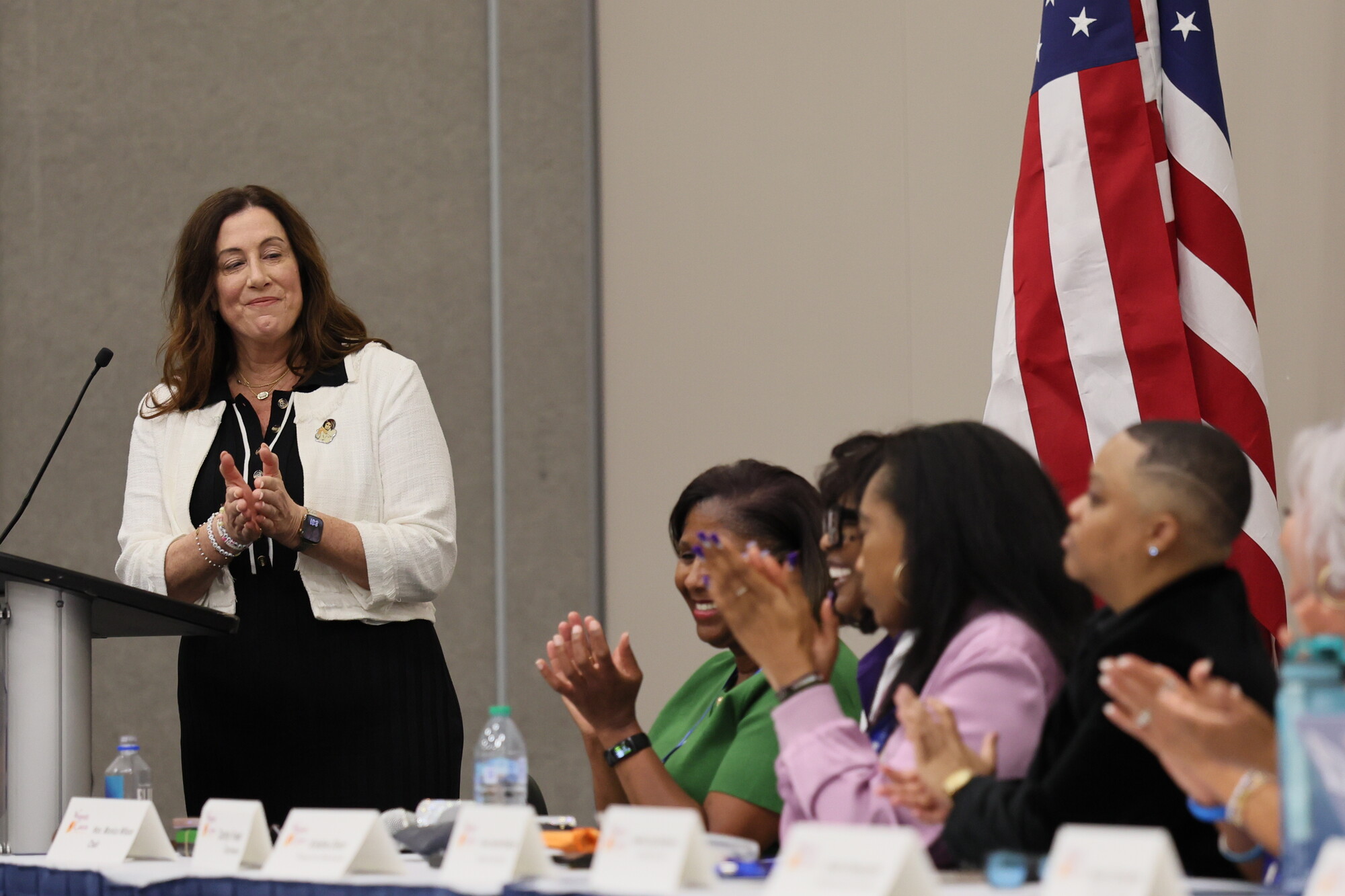
"caption": "Christine Pelosi, former chair of the Women’s Caucus, speaks at the Women’s Caucus during the California Democratic Party convention at the Anaheim Hilton and Convention Center in Anaheim on May 30, 2025. Pelosi announced her campaign for San Francisco’s state Senate seat Monday. ",
"credit": "Allen J. Schaben/Los Angeles Times via Getty Images",
"altTag": null,
"description": null,
"imgSizes": {
"thumbnail": {
"file": "https://cdn.kqed.org/wp-content/uploads/sites/10/2025/11/GettyImages-2217247312_qed-160x107.jpg",
"width": 160,
"height": 107,
"mimeType": "image/jpeg"
},
"1536x1536": {
"file": "https://cdn.kqed.org/wp-content/uploads/sites/10/2025/11/GettyImages-2217247312_qed-1536x1024.jpg",
"width": 1536,
"height": 1024,
"mimeType": "image/jpeg"
},
"post-thumbnail": {
"file": "https://cdn.kqed.org/wp-content/uploads/sites/10/2025/11/GettyImages-2217247312_qed-672x372.jpg",
"width": 672,
"height": 372,
"mimeType": "image/jpeg"
},
"twentyfourteen-full-width": {
"file": "https://cdn.kqed.org/wp-content/uploads/sites/10/2025/11/GettyImages-2217247312_qed-1038x576.jpg",
"width": 1038,
"height": 576,
"mimeType": "image/jpeg"
},
"npr-cds-wide": {
"file": "https://cdn.kqed.org/wp-content/uploads/sites/10/2025/11/GettyImages-2217247312_qed-1200x675.jpg",
"width": 1200,
"height": 675,
"mimeType": "image/jpeg"
},
"kqedFullSize": {
"file": "https://cdn.kqed.org/wp-content/uploads/sites/10/2025/11/GettyImages-2217247312_qed.jpg",
"width": 2000,
"height": 1333
}
},
"isLoading": false,
"fetchFailed": false
},
"news_12060885": {
"type": "attachments",
"id": "news_12060885",
"meta": {
"index": "attachments_1716263798",
"site": "news",
"id": "12060885",
"found": true
},
"title": "251021-SCOTTWIENER-09-BL-KQED",
"publishDate": 1761076341,
"status": "inherit",
"parent": 12067880,
"modified": 1766103341,
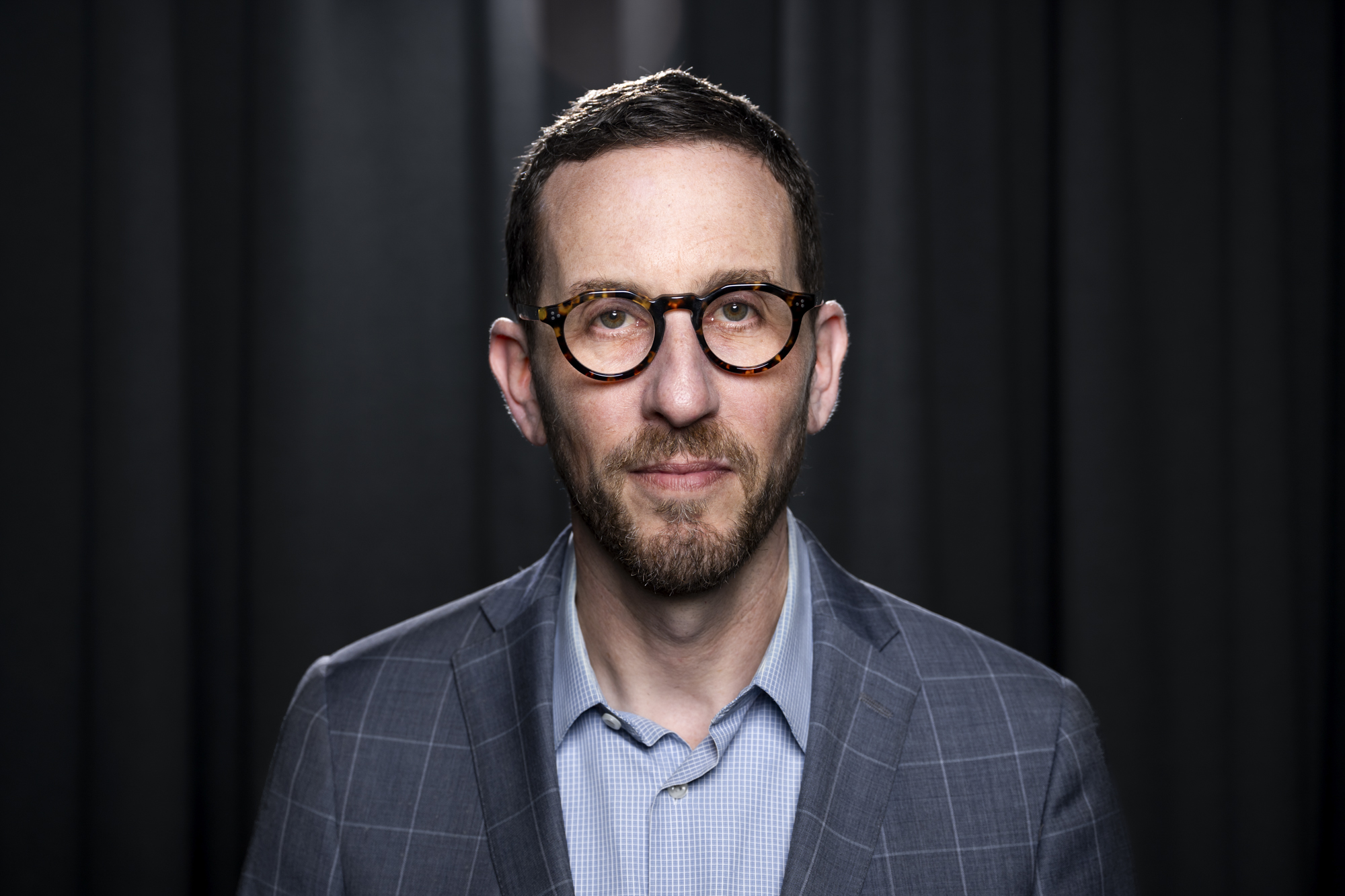
"caption": "Sen. Scott Wiener poses for a portrait at the KQED offices in San Francisco on Oct. 21, 2025.",
"credit": "Beth LaBerge/KQED",
"altTag": null,
"description": null,
"imgSizes": {
"thumbnail": {
"file": "https://cdn.kqed.org/wp-content/uploads/sites/10/2025/10/251021-SCOTTWIENER-09-BL-KQED-160x107.jpg",
"width": 160,
"height": 107,
"mimeType": "image/jpeg"
},
"1536x1536": {
"file": "https://cdn.kqed.org/wp-content/uploads/sites/10/2025/10/251021-SCOTTWIENER-09-BL-KQED-1536x1024.jpg",
"width": 1536,
"height": 1024,
"mimeType": "image/jpeg"
},
"post-thumbnail": {
"file": "https://cdn.kqed.org/wp-content/uploads/sites/10/2025/10/251021-SCOTTWIENER-09-BL-KQED-672x372.jpg",
"width": 672,
"height": 372,
"mimeType": "image/jpeg"
},
"twentyfourteen-full-width": {
"file": "https://cdn.kqed.org/wp-content/uploads/sites/10/2025/10/251021-SCOTTWIENER-09-BL-KQED-1038x576.jpg",
"width": 1038,
"height": 576,
"mimeType": "image/jpeg"
},
"kqedFullSize": {
"file": "https://cdn.kqed.org/wp-content/uploads/sites/10/2025/10/251021-SCOTTWIENER-09-BL-KQED.jpg",
"width": 2000,
"height": 1333
}
},
"isLoading": false,
"fetchFailed": false
},
"news_12027563": {
"type": "attachments",
"id": "news_12027563",
"meta": {
"index": "attachments_1716263798",
"site": "news",
"id": "12027563",
"found": true
},
"title": "250218-SFDowntown-04-BL",
"publishDate": 1739911236,
"status": "inherit",
"parent": 12041824,
"modified": 1759268641,
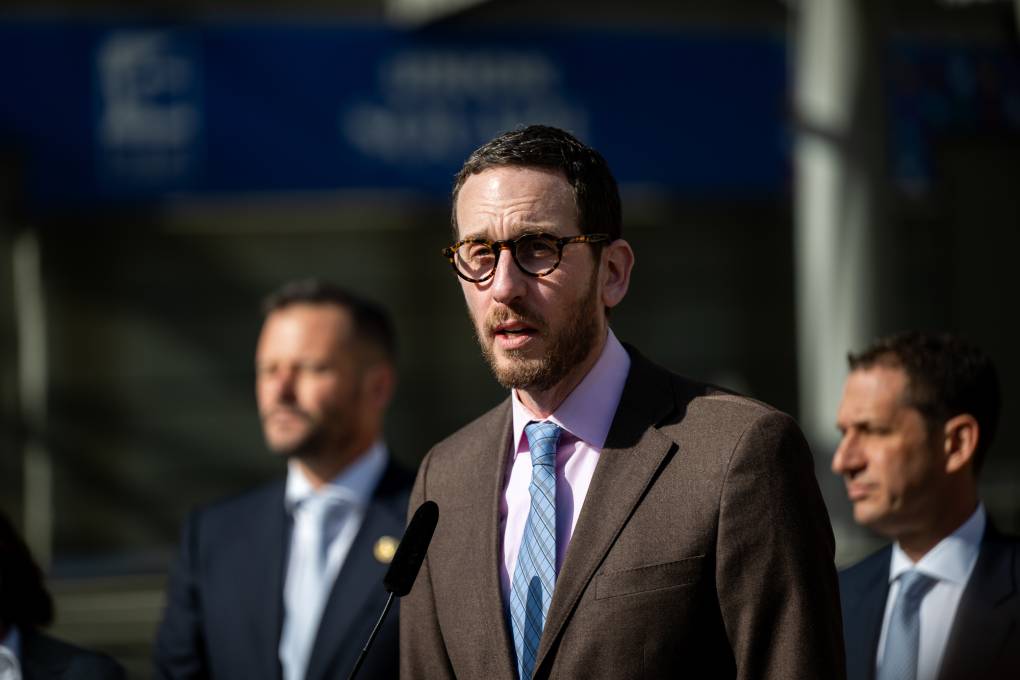
"caption": "Sen. Scott Wiener speaks during a press conference announcing legislation to increase nightlife in Downtown San Francisco to help the recovery of the neighborhood, in Union Square, San Francisco, on Tuesday, Feb. 18, 2025.",
"credit": "Beth LaBerge/KQED",
"altTag": null,
"description": null,
"imgSizes": {
"medium": {
"file": "https://cdn.kqed.org/wp-content/uploads/sites/10/2025/02/250218-SFDowntown-04-BL-800x533.jpg",
"width": 800,
"height": 533,
"mimeType": "image/jpeg"
},
"large": {
"file": "https://cdn.kqed.org/wp-content/uploads/sites/10/2025/02/250218-SFDowntown-04-BL-1020x680.jpg",
"width": 1020,
"height": 680,
"mimeType": "image/jpeg"
},
"thumbnail": {
"file": "https://cdn.kqed.org/wp-content/uploads/sites/10/2025/02/250218-SFDowntown-04-BL-160x107.jpg",
"width": 160,
"height": 107,
"mimeType": "image/jpeg"
},
"1536x1536": {
"file": "https://cdn.kqed.org/wp-content/uploads/sites/10/2025/02/250218-SFDowntown-04-BL-1536x1024.jpg",
"width": 1536,
"height": 1024,
"mimeType": "image/jpeg"
},
"post-thumbnail": {
"file": "https://cdn.kqed.org/wp-content/uploads/sites/10/2025/02/250218-SFDowntown-04-BL-672x372.jpg",
"width": 672,
"height": 372,
"mimeType": "image/jpeg"
},
"twentyfourteen-full-width": {
"file": "https://cdn.kqed.org/wp-content/uploads/sites/10/2025/02/250218-SFDowntown-04-BL-1038x576.jpg",
"width": 1038,
"height": 576,
"mimeType": "image/jpeg"
},
"full-width": {
"file": "https://cdn.kqed.org/wp-content/uploads/sites/10/2025/02/250218-SFDowntown-04-BL-1920x1280.jpg",
"width": 1920,
"height": 1280,
"mimeType": "image/jpeg"
},
"kqedFullSize": {
"file": "https://cdn.kqed.org/wp-content/uploads/sites/10/2025/02/250218-SFDowntown-04-BL.jpg",
"width": 2000,
"height": 1333
}
},
"isLoading": false,
"fetchFailed": false
},
"news_12042675": {
"type": "attachments",
"id": "news_12042675",
"meta": {
"index": "attachments_1716263798",
"site": "news",
"id": "12042675",
"found": true
},
"title": "002_KQED_Housing_Oakland_02212020_3417_qed",
"publishDate": 1749054070,
"status": "inherit",
"parent": 12042670,
"modified": 1749059431,
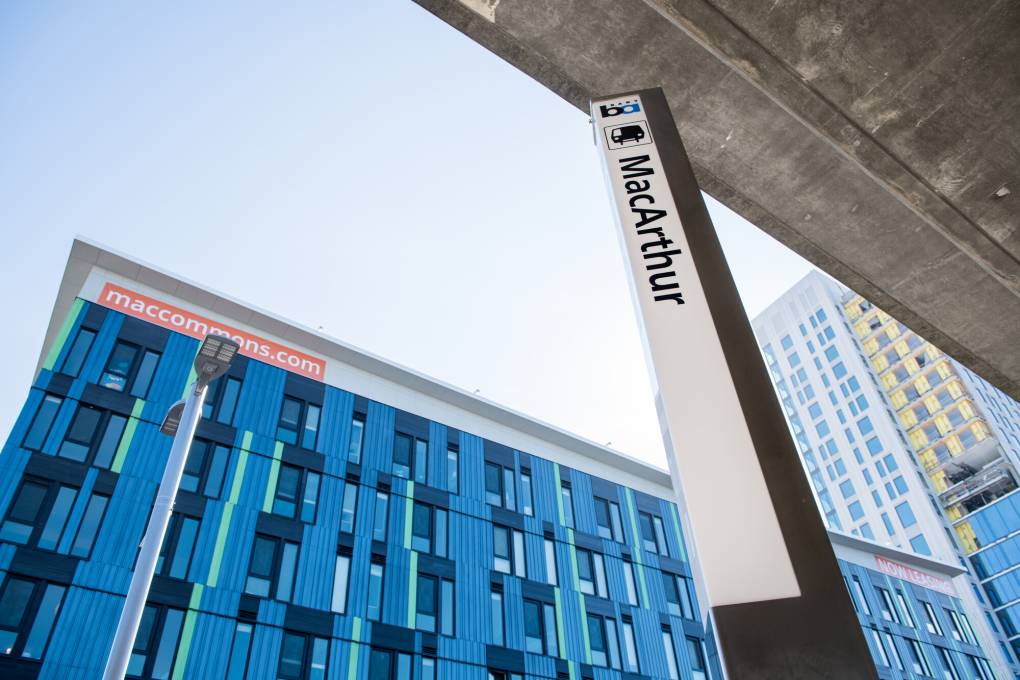
"caption": "Apartment buildings under construction near Macarthur BART station in Oakland, on Feb. 21, 2020.",
"credit": "Beth LaBerge/KQED",
"altTag": null,
"description": null,
"imgSizes": {
"medium": {
"file": "https://cdn.kqed.org/wp-content/uploads/sites/10/2025/06/002_KQED_Housing_Oakland_02212020_3417_qed-800x533.jpg",
"width": 800,
"height": 533,
"mimeType": "image/jpeg"
},
"large": {
"file": "https://cdn.kqed.org/wp-content/uploads/sites/10/2025/06/002_KQED_Housing_Oakland_02212020_3417_qed-1020x680.jpg",
"width": 1020,
"height": 680,
"mimeType": "image/jpeg"
},
"thumbnail": {
"file": "https://cdn.kqed.org/wp-content/uploads/sites/10/2025/06/002_KQED_Housing_Oakland_02212020_3417_qed-160x107.jpg",
"width": 160,
"height": 107,
"mimeType": "image/jpeg"
},
"1536x1536": {
"file": "https://cdn.kqed.org/wp-content/uploads/sites/10/2025/06/002_KQED_Housing_Oakland_02212020_3417_qed-1536x1024.jpg",
"width": 1536,
"height": 1024,
"mimeType": "image/jpeg"
},
"post-thumbnail": {
"file": "https://cdn.kqed.org/wp-content/uploads/sites/10/2025/06/002_KQED_Housing_Oakland_02212020_3417_qed-672x372.jpg",
"width": 672,
"height": 372,
"mimeType": "image/jpeg"
},
"twentyfourteen-full-width": {
"file": "https://cdn.kqed.org/wp-content/uploads/sites/10/2025/06/002_KQED_Housing_Oakland_02212020_3417_qed-1038x576.jpg",
"width": 1038,
"height": 576,
"mimeType": "image/jpeg"
},
"full-width": {
"file": "https://cdn.kqed.org/wp-content/uploads/sites/10/2025/06/002_KQED_Housing_Oakland_02212020_3417_qed-1920x1280.jpg",
"width": 1920,
"height": 1280,
"mimeType": "image/jpeg"
},
"kqedFullSize": {
"file": "https://cdn.kqed.org/wp-content/uploads/sites/10/2025/06/002_KQED_Housing_Oakland_02212020_3417_qed.jpg",
"width": 2000,
"height": 1333
}
},
"isLoading": false,
"fetchFailed": false
},
"news_11975072": {
"type": "attachments",
"id": "news_11975072",
"meta": {
"index": "attachments_1716263798",
"site": "news",
"id": "11975072",
"found": true
},
"title": "240129-SLAC-73-BL-KQED",
"publishDate": 1707349004,
"status": "inherit",
"parent": 12029016,
"modified": 1740698990,
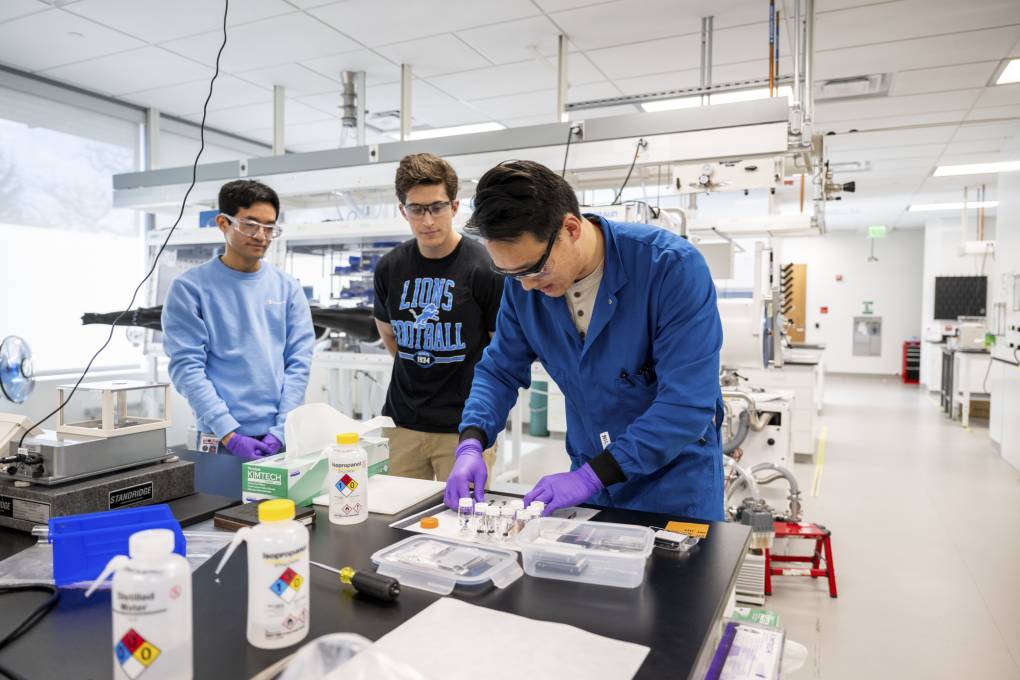
"caption": "Stanford student researchers work with a pouch cell in a battery lab at the SLAC National Accelerator Laboratory, operated by Stanford University for the U.S. Department of Energy, in Menlo Park on Jan. 29, 2024.",
"credit": "Beth LaBerge/KQED",
"altTag": null,
"description": null,
"imgSizes": {
"medium": {
"file": "https://cdn.kqed.org/wp-content/uploads/sites/10/2024/02/240129-SLAC-73-BL-KQED-800x533.jpg",
"width": 800,
"height": 533,
"mimeType": "image/jpeg"
},
"large": {
"file": "https://cdn.kqed.org/wp-content/uploads/sites/10/2024/02/240129-SLAC-73-BL-KQED-1020x680.jpg",
"width": 1020,
"height": 680,
"mimeType": "image/jpeg"
},
"thumbnail": {
"file": "https://cdn.kqed.org/wp-content/uploads/sites/10/2024/02/240129-SLAC-73-BL-KQED-160x107.jpg",
"width": 160,
"height": 107,
"mimeType": "image/jpeg"
},
"1536x1536": {
"file": "https://cdn.kqed.org/wp-content/uploads/sites/10/2024/02/240129-SLAC-73-BL-KQED-1536x1024.jpg",
"width": 1536,
"height": 1024,
"mimeType": "image/jpeg"
},
"post-thumbnail": {
"file": "https://cdn.kqed.org/wp-content/uploads/sites/10/2024/02/240129-SLAC-73-BL-KQED-672x372.jpg",
"width": 672,
"height": 372,
"mimeType": "image/jpeg"
},
"twentyfourteen-full-width": {
"file": "https://cdn.kqed.org/wp-content/uploads/sites/10/2024/02/240129-SLAC-73-BL-KQED-1038x576.jpg",
"width": 1038,
"height": 576,
"mimeType": "image/jpeg"
},
"full-width": {
"file": "https://cdn.kqed.org/wp-content/uploads/sites/10/2024/02/240129-SLAC-73-BL-KQED-1920x1280.jpg",
"width": 1920,
"height": 1280,
"mimeType": "image/jpeg"
},
"kqedFullSize": {
"file": "https://cdn.kqed.org/wp-content/uploads/sites/10/2024/02/240129-SLAC-73-BL-KQED.jpg",
"width": 2000,
"height": 1333
}
},
"isLoading": false,
"fetchFailed": false
},
"news_11999606": {
"type": "attachments",
"id": "news_11999606",
"meta": {
"index": "attachments_1716263798",
"site": "news",
"id": "11999606",
"found": true
},
"title": "240313-BART-Train-arrives",
"publishDate": 1723226703,
"status": "inherit",
"parent": 11999596,
"modified": 1746824991,
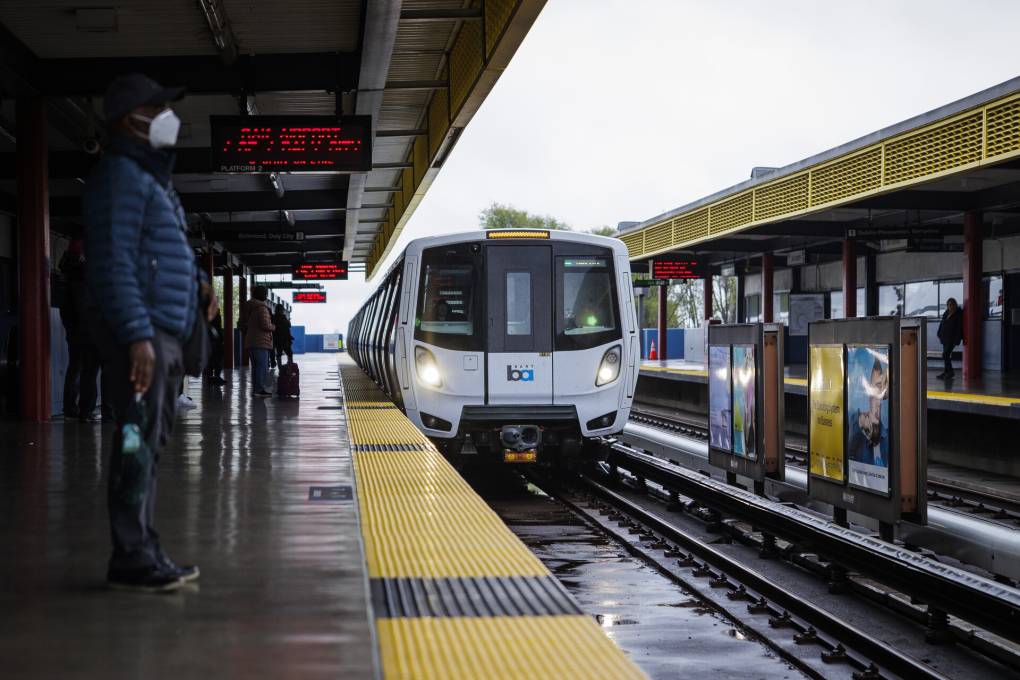
"caption": "A BART train approaches a station on March 13, 2024. ",
"credit": "Martin do Nascimento/KQED",
"altTag": null,
"description": null,
"imgSizes": {
"medium": {
"file": "https://cdn.kqed.org/wp-content/uploads/sites/10/2024/08/240313-BART-Train-arrives-800x533.jpg",
"width": 800,
"height": 533,
"mimeType": "image/jpeg"
},
"large": {
"file": "https://cdn.kqed.org/wp-content/uploads/sites/10/2024/08/240313-BART-Train-arrives-1020x680.jpg",
"width": 1020,
"height": 680,
"mimeType": "image/jpeg"
},
"thumbnail": {
"file": "https://cdn.kqed.org/wp-content/uploads/sites/10/2024/08/240313-BART-Train-arrives-160x107.jpg",
"width": 160,
"height": 107,
"mimeType": "image/jpeg"
},
"1536x1536": {
"file": "https://cdn.kqed.org/wp-content/uploads/sites/10/2024/08/240313-BART-Train-arrives-1536x1024.jpg",
"width": 1536,
"height": 1024,
"mimeType": "image/jpeg"
},
"post-thumbnail": {
"file": "https://cdn.kqed.org/wp-content/uploads/sites/10/2024/08/240313-BART-Train-arrives-672x372.jpg",
"width": 672,
"height": 372,
"mimeType": "image/jpeg"
},
"twentyfourteen-full-width": {
"file": "https://cdn.kqed.org/wp-content/uploads/sites/10/2024/08/240313-BART-Train-arrives-1038x576.jpg",
"width": 1038,
"height": 576,
"mimeType": "image/jpeg"
},
"kqedFullSize": {
"file": "https://cdn.kqed.org/wp-content/uploads/sites/10/2024/08/240313-BART-Train-arrives.jpg",
"width": 1920,
"height": 1280
}
},
"isLoading": false,
"fetchFailed": false
},
"news_12046572": {
"type": "attachments",
"id": "news_12046572",
"meta": {
"index": "attachments_1716263798",
"site": "news",
"id": "12046572",
"found": true
},
"title": "Immigration Governors",
"publishDate": 1751307765,
"status": "inherit",
"parent": 12046558,
"modified": 1751330600,
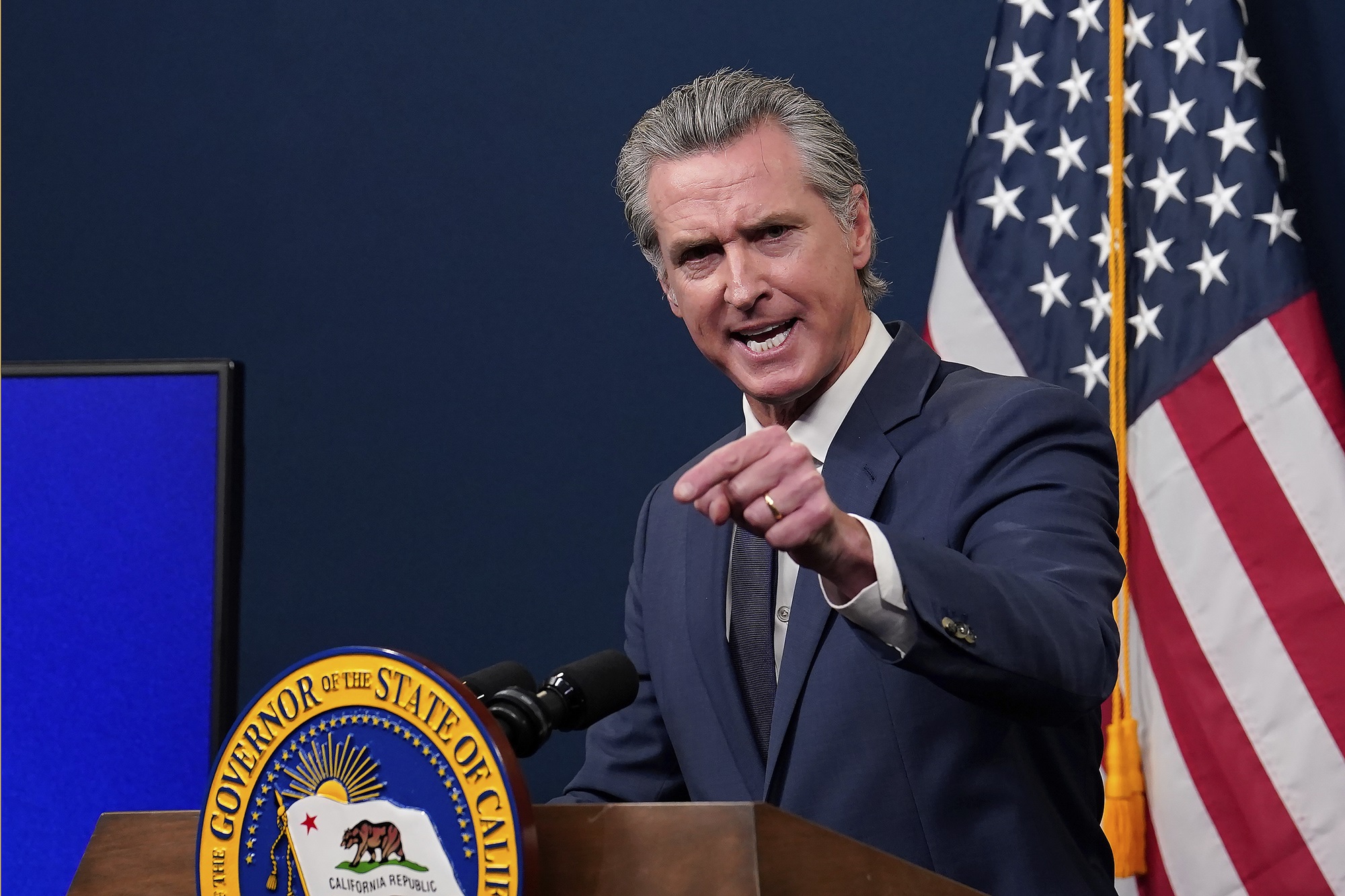
"caption": "Gov. Gavin Newsom presents his revised state budget during a news conference in Sacramento, California, on Wednesday, May 14, 2025.",
"credit": "Rich Pedroncelli/AP Photo",
"altTag": null,
"description": null,
"imgSizes": {
"thumbnail": {
"file": "https://cdn.kqed.org/wp-content/uploads/sites/10/2025/06/GavinNewsomAP3-160x107.jpg",
"width": 160,
"height": 107,
"mimeType": "image/jpeg"
},
"1536x1536": {
"file": "https://cdn.kqed.org/wp-content/uploads/sites/10/2025/06/GavinNewsomAP3-1536x1024.jpg",
"width": 1536,
"height": 1024,
"mimeType": "image/jpeg"
},
"post-thumbnail": {
"file": "https://cdn.kqed.org/wp-content/uploads/sites/10/2025/06/GavinNewsomAP3-672x372.jpg",
"width": 672,
"height": 372,
"mimeType": "image/jpeg"
},
"twentyfourteen-full-width": {
"file": "https://cdn.kqed.org/wp-content/uploads/sites/10/2025/06/GavinNewsomAP3-1038x576.jpg",
"width": 1038,
"height": 576,
"mimeType": "image/jpeg"
},
"kqedFullSize": {
"file": "https://cdn.kqed.org/wp-content/uploads/sites/10/2025/06/GavinNewsomAP3.jpg",
"width": 2000,
"height": 1333
}
},
"isLoading": false,
"fetchFailed": false
},
"news_12044597": {
"type": "attachments",
"id": "news_12044597",
"meta": {
"index": "attachments_1716263798",
"site": "news",
"id": "12044597",
"found": true
},
"title": "ICE agents raid to arrest illigal immigrants.",
"publishDate": 1750111616,
"status": "inherit",
"parent": 0,
"modified": 1750114363,
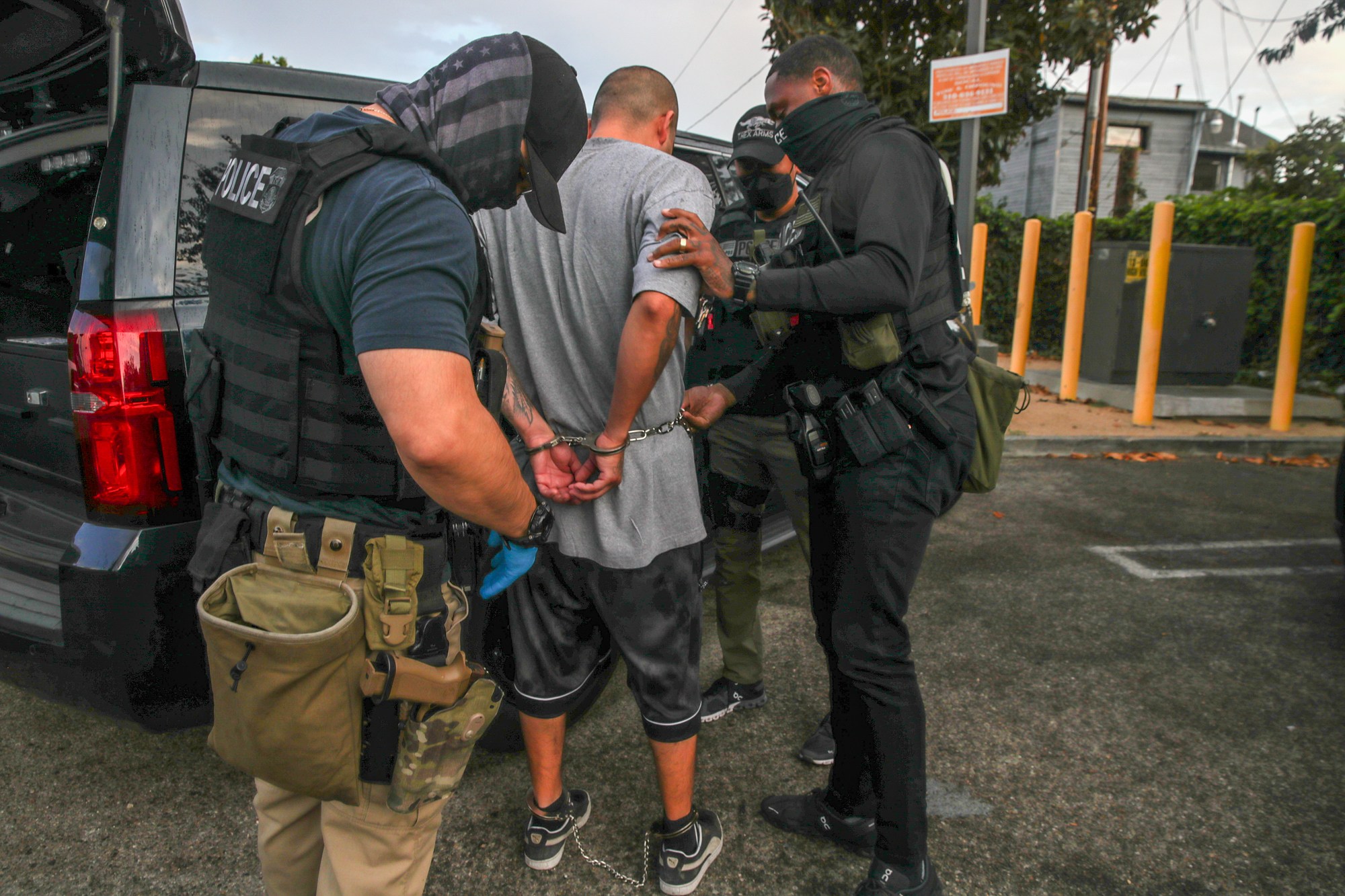
"caption": "Immigration and Customs Enforcement agents apprehend an undocumented immigrant with criminal record, in an early morning raid at home on Sept. 8, 2022 in Los Angeles.",
"credit": "Irfan Khan/Los Angeles Times via Getty Images",
"altTag": null,
"description": null,
"imgSizes": {
"thumbnail": {
"file": "https://cdn.kqed.org/wp-content/uploads/sites/10/2025/06/GETTYIMAGES-1243313067-KQED-160x107.jpg",
"width": 160,
"height": 107,
"mimeType": "image/jpeg"
},
"1536x1536": {
"file": "https://cdn.kqed.org/wp-content/uploads/sites/10/2025/06/GETTYIMAGES-1243313067-KQED-1536x1024.jpg",
"width": 1536,
"height": 1024,
"mimeType": "image/jpeg"
},
"post-thumbnail": {
"file": "https://cdn.kqed.org/wp-content/uploads/sites/10/2025/06/GETTYIMAGES-1243313067-KQED-672x372.jpg",
"width": 672,
"height": 372,
"mimeType": "image/jpeg"
},
"twentyfourteen-full-width": {
"file": "https://cdn.kqed.org/wp-content/uploads/sites/10/2025/06/GETTYIMAGES-1243313067-KQED-1038x576.jpg",
"width": 1038,
"height": 576,
"mimeType": "image/jpeg"
},
"kqedFullSize": {
"file": "https://cdn.kqed.org/wp-content/uploads/sites/10/2025/06/GETTYIMAGES-1243313067-KQED.jpg",
"width": 2000,
"height": 1333
}
},
"isLoading": false,
"fetchFailed": false
},
"news_12042674": {
"type": "attachments",
"id": "news_12042674",
"meta": {
"index": "attachments_1716263798",
"site": "news",
"id": "12042674",
"found": true
},
"title": "008_KQED_Housing_Oakland_02212020_3485_qed",
"publishDate": 1749053781,
"status": "inherit",
"parent": 12042670,
"modified": 1749053816,
"caption": "Apartment buildings under construction near Macarthur BART station in Oakland, on Feb. 21, 2020.",
"credit": "Beth LaBerge/KQED",
"altTag": null,
"description": null,
"imgSizes": {
"medium": {
"file": "https://cdn.kqed.org/wp-content/uploads/sites/10/2025/06/008_KQED_Housing_Oakland_02212020_3485_qed-800x533.jpg",
"width": 800,
"height": 533,
"mimeType": "image/jpeg"
},
"large": {
"file": "https://cdn.kqed.org/wp-content/uploads/sites/10/2025/06/008_KQED_Housing_Oakland_02212020_3485_qed-1020x680.jpg",
"width": 1020,
"height": 680,
"mimeType": "image/jpeg"
},
"thumbnail": {
"file": "https://cdn.kqed.org/wp-content/uploads/sites/10/2025/06/008_KQED_Housing_Oakland_02212020_3485_qed-160x107.jpg",
"width": 160,
"height": 107,
"mimeType": "image/jpeg"
},
"1536x1536": {
"file": "https://cdn.kqed.org/wp-content/uploads/sites/10/2025/06/008_KQED_Housing_Oakland_02212020_3485_qed-1536x1024.jpg",
"width": 1536,
"height": 1024,
"mimeType": "image/jpeg"
},
"post-thumbnail": {
"file": "https://cdn.kqed.org/wp-content/uploads/sites/10/2025/06/008_KQED_Housing_Oakland_02212020_3485_qed-672x372.jpg",
"width": 672,
"height": 372,
"mimeType": "image/jpeg"
},
"twentyfourteen-full-width": {
"file": "https://cdn.kqed.org/wp-content/uploads/sites/10/2025/06/008_KQED_Housing_Oakland_02212020_3485_qed-1038x576.jpg",
"width": 1038,
"height": 576,
"mimeType": "image/jpeg"
},
"full-width": {
"file": "https://cdn.kqed.org/wp-content/uploads/sites/10/2025/06/008_KQED_Housing_Oakland_02212020_3485_qed-1920x1280.jpg",
"width": 1920,
"height": 1280,
"mimeType": "image/jpeg"
},
"kqedFullSize": {
"file": "https://cdn.kqed.org/wp-content/uploads/sites/10/2025/06/008_KQED_Housing_Oakland_02212020_3485_qed.jpg",
"width": 2000,
"height": 1333
}
},
"isLoading": false,
"fetchFailed": false
},
"news_11932694": {
"type": "attachments",
"id": "news_11932694",
"meta": {
"index": "attachments_1716263798",
"site": "news",
"id": "11932694",
"found": true
},
"title": "Rockridge-BART-cropped",
"publishDate": 1668796508,
"status": "inherit",
"parent": 11932690,
"modified": 1746835406,
"caption": "A Bay Area Rapid Transit (BART) train pulls away from Oakland's Rockridge station on Aug. 2, 2013.",
"credit": "Justin Sullivan/Getty Images",
"altTag": "A BART train pulls out of an above-ground station. Cars whiz by alongside and the city of San Francisco looms in the background.",
"description": null,
"imgSizes": {
"medium": {
"file": "https://cdn.kqed.org/wp-content/uploads/sites/10/2022/11/Rockridge-BART-cropped-800x492.jpg",
"width": 800,
"height": 492,
"mimeType": "image/jpeg"
},
"large": {
"file": "https://cdn.kqed.org/wp-content/uploads/sites/10/2022/11/Rockridge-BART-cropped-1020x627.jpg",
"width": 1020,
"height": 627,
"mimeType": "image/jpeg"
},
"thumbnail": {
"file": "https://cdn.kqed.org/wp-content/uploads/sites/10/2022/11/Rockridge-BART-cropped-160x98.jpg",
"width": 160,
"height": 98,
"mimeType": "image/jpeg"
},
"1536x1536": {
"file": "https://cdn.kqed.org/wp-content/uploads/sites/10/2022/11/Rockridge-BART-cropped-1536x944.jpg",
"width": 1536,
"height": 944,
"mimeType": "image/jpeg"
},
"post-thumbnail": {
"file": "https://cdn.kqed.org/wp-content/uploads/sites/10/2022/11/Rockridge-BART-cropped-672x372.jpg",
"width": 672,
"height": 372,
"mimeType": "image/jpeg"
},
"twentyfourteen-full-width": {
"file": "https://cdn.kqed.org/wp-content/uploads/sites/10/2022/11/Rockridge-BART-cropped-1038x576.jpg",
"width": 1038,
"height": 576,
"mimeType": "image/jpeg"
},
"kqedFullSize": {
"file": "https://cdn.kqed.org/wp-content/uploads/sites/10/2022/11/Rockridge-BART-cropped.jpg",
"width": 1920,
"height": 1180
}
},
"isLoading": false,
"fetchFailed": false
},
"news_12036938": {
"type": "attachments",
"id": "news_12036938",
"meta": {
"index": "attachments_1716263798",
"site": "news",
"id": "12036938",
"found": true
},
"title": "230906-BERRYESSA BART URBAN VILLAGE-MD-06_qed",
"publishDate": 1745258541,
"status": "inherit",
"parent": 12036917,
"modified": 1779817560,
"caption": "Housing developments along Berryessa Road near the Berryessa BART station in San José on Sept. 6, 2023.",
"credit": "Martin do Nascimento/KQED",
"altTag": null,
"description": null,
"imgSizes": {
"medium": {
"file": "https://cdn.kqed.org/wp-content/uploads/sites/10/2025/04/230906-BERRYESSA-BART-URBAN-VILLAGE-MD-06_qed-800x533.jpg",
"width": 800,
"height": 533,
"mimeType": "image/jpeg"
},
"large": {
"file": "https://cdn.kqed.org/wp-content/uploads/sites/10/2025/04/230906-BERRYESSA-BART-URBAN-VILLAGE-MD-06_qed-1020x680.jpg",
"width": 1020,
"height": 680,
"mimeType": "image/jpeg"
},
"thumbnail": {
"file": "https://cdn.kqed.org/wp-content/uploads/sites/10/2025/04/230906-BERRYESSA-BART-URBAN-VILLAGE-MD-06_qed-160x107.jpg",
"width": 160,
"height": 107,
"mimeType": "image/jpeg"
},
"1536x1536": {
"file": "https://cdn.kqed.org/wp-content/uploads/sites/10/2025/04/230906-BERRYESSA-BART-URBAN-VILLAGE-MD-06_qed-1536x1024.jpg",
"width": 1536,
"height": 1024,
"mimeType": "image/jpeg"
},
"post-thumbnail": {
"file": "https://cdn.kqed.org/wp-content/uploads/sites/10/2025/04/230906-BERRYESSA-BART-URBAN-VILLAGE-MD-06_qed-672x372.jpg",
"width": 672,
"height": 372,
"mimeType": "image/jpeg"
},
"twentyfourteen-full-width": {
"file": "https://cdn.kqed.org/wp-content/uploads/sites/10/2025/04/230906-BERRYESSA-BART-URBAN-VILLAGE-MD-06_qed-1038x576.jpg",
"width": 1038,
"height": 576,
"mimeType": "image/jpeg"
},
"full-width": {
"file": "https://cdn.kqed.org/wp-content/uploads/sites/10/2025/04/230906-BERRYESSA-BART-URBAN-VILLAGE-MD-06_qed-1920x1280.jpg",
"width": 1920,
"height": 1280,
"mimeType": "image/jpeg"
},
"kqedFullSize": {
"file": "https://cdn.kqed.org/wp-content/uploads/sites/10/2025/04/230906-BERRYESSA-BART-URBAN-VILLAGE-MD-06_qed.jpg",
"width": 2000,
"height": 1333
}
},
"isLoading": false,
"fetchFailed": false
},
"news_12013257": {
"type": "attachments",
"id": "news_12013257",
"meta": {
"index": "attachments_1716263798",
"site": "news",
"id": "12013257",
"found": true
},
"title": "Election 2024 Trump",
"publishDate": 1730935150,
"status": "inherit",
"parent": 12013256,
"modified": 1743109230,
"caption": "President Donald Trump shakes hands with Robert F. Kennedy Jr. at a campaign rally in October. Kennedy, who is skeptical of vaccines, is among Trump's advisers on health.",
"credit": "Alex Brandon/AP",
"altTag": null,
"description": null,
"imgSizes": {
"medium": {
"file": "https://cdn.kqed.org/wp-content/uploads/sites/10/2024/11/ap24298071168950-800x534.jpeg",
"width": 800,
"height": 534,
"mimeType": "image/jpeg"
},
"large": {
"file": "https://cdn.kqed.org/wp-content/uploads/sites/10/2024/11/ap24298071168950-1020x681.jpeg",
"width": 1020,
"height": 681,
"mimeType": "image/jpeg"
},
"thumbnail": {
"file": "https://cdn.kqed.org/wp-content/uploads/sites/10/2024/11/ap24298071168950-160x107.jpeg",
"width": 160,
"height": 107,
"mimeType": "image/jpeg"
},
"1536x1536": {
"file": "https://cdn.kqed.org/wp-content/uploads/sites/10/2024/11/ap24298071168950-1536x1026.jpeg",
"width": 1536,
"height": 1026,
"mimeType": "image/jpeg"
},
"2048x2048": {
"file": "https://cdn.kqed.org/wp-content/uploads/sites/10/2024/11/ap24298071168950-2048x1368.jpeg",
"width": 2048,
"height": 1368,
"mimeType": "image/jpeg"
},
"post-thumbnail": {
"file": "https://cdn.kqed.org/wp-content/uploads/sites/10/2024/11/ap24298071168950-672x372.jpeg",
"width": 672,
"height": 372,
"mimeType": "image/jpeg"
},
"twentyfourteen-full-width": {
"file": "https://cdn.kqed.org/wp-content/uploads/sites/10/2024/11/ap24298071168950-1038x576.jpeg",
"width": 1038,
"height": 576,
"mimeType": "image/jpeg"
},
"full-width": {
"file": "https://cdn.kqed.org/wp-content/uploads/sites/10/2024/11/ap24298071168950-1920x1283.jpeg",
"width": 1920,
"height": 1283,
"mimeType": "image/jpeg"
},
"kqedFullSize": {
"file": "https://cdn.kqed.org/wp-content/uploads/sites/10/2024/11/ap24298071168950-scaled-e1743107586450.jpeg",
"width": 2000,
"height": 1336
}
},
"isLoading": false,
"fetchFailed": false
}
},
"audioPlayerReducer": {
"postId": "stream_live",
"isPaused": true,
"isPlaying": false,
"pfsActive": false,
"pledgeModalIsOpen": true,
"playerDrawerIsOpen": false,
"liveAudioPlayStartedAt": 0,
"liveAudioPlayContext": ""
},
"authorsReducer": {
"gmarzorati": {
"type": "authors",
"id": "227",
"meta": {
"index": "authors_1716337520",
"id": "227",
"found": true
},
"name": "Guy Marzorati",
"firstName": "Guy",
"lastName": "Marzorati",
"slug": "gmarzorati",
"email": "gmarzorati@KQED.org",
"display_author_email": true,
"staff_mastheads": [
"news"
],
"title": "Correspondent",
"bio": "Guy Marzorati is a correspondent on KQED's California Politics and Government Desk, based in San Jose. A graduate of Santa Clara University, Guy joined KQED in 2013. He reports on state and local politics and produces KQED's digital voter guide.",
"avatar": "https://secure.gravatar.com/avatar/e7038b8dbfd55b104369b76b1cd0b9de?s=600&d=blank&r=g",
"twitter": "guymarzorati",
"facebook": null,
"instagram": null,
"linkedin": null,
"sites": [
{
"site": "",
"roles": [
"editor"
]
},
{
"site": "news",
"roles": [
"editor"
]
},
{
"site": "science",
"roles": [
"editor"
]
},
{
"site": "forum",
"roles": [
"editor"
]
},
{
"site": "elections",
"roles": [
"editor"
]
},
{
"site": "liveblog",
"roles": [
"editor"
]
}
],
"headData": {
"title": "Guy Marzorati | KQED",
"description": "Correspondent",
"ogImgSrc": "https://secure.gravatar.com/avatar/e7038b8dbfd55b104369b76b1cd0b9de?s=600&d=blank&r=g",
"twImgSrc": "https://secure.gravatar.com/avatar/e7038b8dbfd55b104369b76b1cd0b9de?s=600&d=blank&r=g"
},
"isLoading": false,
"link": "/author/gmarzorati"
},
"scottshafer": {
"type": "authors",
"id": "255",
"meta": {
"index": "authors_1716337520",
"id": "255",
"found": true
},
"name": "Scott Shafer",
"firstName": "Scott",
"lastName": "Shafer",
"slug": "scottshafer",
"email": "sshafer@kqed.org",
"display_author_email": false,
"staff_mastheads": [
"news"
],
"title": "KQED Contributor",
"bio": "Scott Shafer is a senior editor with the KQED Politics and Government desk. He is co-host of Political Breakdown, the award-winning radio show and podcast with a personal take on the world of politics. Scott came to KQED in 1998 to host the statewide\u003cem> California Report\u003c/em>. Prior to that he had extended stints in politics and government\u003cem>.\u003c/em> He uses that inside experience at KQED in his, reporting, hosting and analysis for the politics desk. Scott collaborated \u003cem>Political Breakdown a\u003c/em>nd on \u003cem>The Political Mind of Jerry Brown, \u003c/em>an eight-part series about the life and extraordinary political career of the former governor. For fun, he plays water polo with the San Francisco Tsunami.",
"avatar": "https://secure.gravatar.com/avatar/a62ebae45b79d7aed1a39a0e3bf68104?s=600&d=blank&r=g",
"twitter": "scottshafer",
"bluesky": null,
"facebook": null,
"instagram": null,
"linkedin": null,
"sites": [
{
"site": "news",
"roles": [
"editor"
]
},
{
"site": "stateofhealth",
"roles": [
"author"
]
},
{
"site": "science",
"roles": [
"author"
]
},
{
"site": "forum",
"roles": [
"subscriber"
]
},
{
"site": "liveblog",
"roles": [
"author"
]
}
],
"headData": {
"title": "Scott Shafer | KQED",
"description": "KQED Contributor",
"ogImgSrc": "https://secure.gravatar.com/avatar/a62ebae45b79d7aed1a39a0e3bf68104?s=600&d=blank&r=g",
"twImgSrc": "https://secure.gravatar.com/avatar/a62ebae45b79d7aed1a39a0e3bf68104?s=600&d=blank&r=g"
},
"isLoading": false,
"link": "/author/scottshafer"
},
"mlagos": {
"type": "authors",
"id": "3239",
"meta": {
"index": "authors_1716337520",
"id": "3239",
"found": true
},
"name": "Marisa Lagos",
"firstName": "Marisa",
"lastName": "Lagos",
"slug": "mlagos",
"email": "mlagos@kqed.org",
"display_author_email": false,
"staff_mastheads": [
"news"
],
"title": "KQED Contributor",
"bio": "Marisa Lagos is a correspondent for KQED’s California Politics and Government Desk and co-hosts the award-winning show and podcast, Political Breakdown. At KQED, Lagos also conducts reporting, analysis and investigations into state, local and national politics for radio, TV, online and onstage. In 2022, she and co-host, Scott Shafer, moderated the only gubernatorial debate in California. In 2020, the \u003ci>Washington Post\u003c/i> named her one of the top political journalists in California; she was nominated for a Peabody and won several other awards for her work investigating the 2017 California wildfires. She has worked at the \u003ci>San Francisco Chronicle\u003c/i>, \u003ci>San Francisco Examiner\u003c/i> and \u003ci>Los Angeles Times\u003c/i>. A UC Santa Barbara graduate, she lives in San Francisco with her two sons and husband.",
"avatar": "https://secure.gravatar.com/avatar/a261a0d3696fc066871ef96b85b5e7d2?s=600&d=blank&r=g",
"twitter": "@mlagos",
"facebook": null,
"instagram": null,
"linkedin": null,
"sites": [
{
"site": "arts",
"roles": [
"author"
]
},
{
"site": "news",
"roles": [
"editor"
]
},
{
"site": "science",
"roles": [
"editor"
]
},
{
"site": "forum",
"roles": [
"author"
]
},
{
"site": "liveblog",
"roles": [
"author"
]
}
],
"headData": {
"title": "Marisa Lagos | KQED",
"description": "KQED Contributor",
"ogImgSrc": "https://secure.gravatar.com/avatar/a261a0d3696fc066871ef96b85b5e7d2?s=600&d=blank&r=g",
"twImgSrc": "https://secure.gravatar.com/avatar/a261a0d3696fc066871ef96b85b5e7d2?s=600&d=blank&r=g"
},
"isLoading": false,
"link": "/author/mlagos"
},
"fjhabvala": {
"type": "authors",
"id": "8659",
"meta": {
"index": "authors_1716337520",
"id": "8659",
"found": true
},
"name": "Farida Jhabvala Romero",
"firstName": "Farida",
"lastName": "Jhabvala Romero",
"slug": "fjhabvala",
"email": "fjhabvala@kqed.org",
"display_author_email": true,
"staff_mastheads": [
"news"
],
"title": "KQED Contributor",
"bio": "Farida Jhabvala Romero is a Labor Correspondent for KQED. She previously covered immigration. Farida was \u003ca href=\"https://www.ccnma.org/2022-most-influential-latina-journalists\">named\u003c/a> one of the 10 Most Influential Latina Journalists in California in 2022 by the California Chicano News Media Association. Her work has won awards from the Society of Professional Journalists (Northern California), as well as a national and regional Edward M. Murrow Award for the collaborative reporting projects “Dangerous Air” and “Graying California.” Before joining KQED, Farida worked as a producer at Radio Bilingüe, a national public radio network. Farida earned her master’s degree in journalism from Stanford University.",
"avatar": "https://secure.gravatar.com/avatar/f9f022d4e2609741874222a1e9d41f48fea74011aa7c615eef91d9a50c944ebe?s=600&d=blank&r=g",
"twitter": "FaridaJhabvala",
"bluesky": null,
"facebook": null,
"instagram": null,
"linkedin": "https://www.linkedin.com/in/faridajhabvala/",
"sites": [
{
"site": "news",
"roles": [
"editor"
]
},
{
"site": "stateofhealth",
"roles": [
"author"
]
},
{
"site": "liveblog",
"roles": [
"author"
]
}
],
"headData": {
"title": "Farida Jhabvala Romero | KQED",
"description": "KQED Contributor",
"ogImgSrc": "https://secure.gravatar.com/avatar/f9f022d4e2609741874222a1e9d41f48fea74011aa7c615eef91d9a50c944ebe?s=600&d=blank&r=g",
"twImgSrc": "https://secure.gravatar.com/avatar/f9f022d4e2609741874222a1e9d41f48fea74011aa7c615eef91d9a50c944ebe?s=600&d=blank&r=g"
},
"isLoading": false,
"link": "/author/fjhabvala"
},
"ebaldassari": {
"type": "authors",
"id": "11652",
"meta": {
"index": "authors_1716337520",
"id": "11652",
"found": true
},
"name": "Erin Baldassari",
"firstName": "Erin",
"lastName": "Baldassari",
"slug": "ebaldassari",
"email": "ebaldassari@KQED.org",
"display_author_email": true,
"staff_mastheads": [
"news"
],
"title": "Staff Writer",
"bio": "Erin Baldassari covers housing for KQED. She's a former print journalist and most recently worked as the transportation reporter for the \u003cem>Mercury News\u003c/em> and \u003cem>East Bay Times. \u003c/em>There, she focused on how the Bay Area’s housing shortage has changed the way people move around the region. She also served on the \u003cem>East Bay Times\u003c/em>’ 2017 Pulitzer Prize-winning team for coverage of the Ghost Ship Fire in Oakland. Prior to that, Erin worked as a breaking news and general assignment reporter for a variety of outlets in the Bay Area and the greater Boston area. A Tufts University alumna, Erin grew up in the foothills of the Sierra Nevada mountains and in Sonoma County. She is a life-long KQED listener.",
"avatar": "https://secure.gravatar.com/avatar/5e95cad64a8ca08288082212e199d2b0cbeb4fd8e8ef5339395f361032bbe005?s=600&d=blank&r=g",
"twitter": "e_baldi",
"bluesky": null,
"facebook": null,
"instagram": null,
"linkedin": null,
"sites": [
{
"site": "news",
"roles": [
"edit_others_posts",
"editor"
]
},
{
"site": "science",
"roles": [
"editor"
]
},
{
"site": "liveblog",
"roles": [
"editor"
]
}
],
"headData": {
"title": "Erin Baldassari | KQED",
"description": "Staff Writer",
"ogImgSrc": "https://secure.gravatar.com/avatar/5e95cad64a8ca08288082212e199d2b0cbeb4fd8e8ef5339395f361032bbe005?s=600&d=blank&r=g",
"twImgSrc": "https://secure.gravatar.com/avatar/5e95cad64a8ca08288082212e199d2b0cbeb4fd8e8ef5339395f361032bbe005?s=600&d=blank&r=g"
},
"isLoading": false,
"link": "/author/ebaldassari"
},
"abandlamudi": {
"type": "authors",
"id": "11672",
"meta": {
"index": "authors_1716337520",
"id": "11672",
"found": true
},
"name": "Adhiti Bandlamudi",
"firstName": "Adhiti",
"lastName": "Bandlamudi",
"slug": "abandlamudi",
"email": "abandlamudi@kqed.org",
"display_author_email": false,
"staff_mastheads": [
"news"
],
"title": "KQED Housing Reporter",
"bio": "Adhiti Bandlamudi reports for KQED's Housing desk. She focuses on how housing gets built across the Bay Area. Before joining KQED in 2020, she reported for WUNC in Durham, North Carolina, WABE in Atlanta, Georgia and Capital Public Radio in Sacramento. In 2017, she was awarded a Kroc Fellowship at NPR where she reported on everything from sprinkles to the Golden State Killer's arrest. When she's not reporting, she's baking new recipes in her kitchen or watching movies with friends and family. She's originally from Georgia and has strong opinions about Great British Bake Off.",
"avatar": "https://secure.gravatar.com/avatar/868129c8b257bb99a3500e2c86a65400?s=600&d=mm&r=g",
"twitter": "oddity_adhiti",
"facebook": null,
"instagram": null,
"linkedin": null,
"sites": [
{
"site": "arts",
"roles": [
"author"
]
},
{
"site": "news",
"roles": [
"editor"
]
},
{
"site": "liveblog",
"roles": [
"author"
]
}
],
"headData": {
"title": "Adhiti Bandlamudi | KQED",
"description": "KQED Housing Reporter",
"ogImgSrc": "https://secure.gravatar.com/avatar/868129c8b257bb99a3500e2c86a65400?s=600&d=mm&r=g",
"twImgSrc": "https://secure.gravatar.com/avatar/868129c8b257bb99a3500e2c86a65400?s=600&d=mm&r=g"
},
"isLoading": false,
"link": "/author/abandlamudi"
},
"jlara": {
"type": "authors",
"id": "11761",
"meta": {
"index": "authors_1716337520",
"id": "11761",
"found": true
},
"name": "Juan Carlos Lara",
"firstName": "Juan Carlos",
"lastName": "Lara",
"slug": "jlara",
"email": "jlara@kqed.org",
"display_author_email": false,
"staff_mastheads": [],
"title": "KQED Contributor",
"bio": null,
"avatar": "https://secure.gravatar.com/avatar/19e2052b9b05657c5ff2af2121846e9c?s=600&d=blank&r=g",
"twitter": null,
"facebook": null,
"instagram": null,
"linkedin": null,
"sites": [
{
"site": "arts",
"roles": [
"editor"
]
},
{
"site": "news",
"roles": [
"editor"
]
},
{
"site": "forum",
"roles": [
"editor"
]
},
{
"site": "liveblog",
"roles": [
"contributor"
]
}
],
"headData": {
"title": "Juan Carlos Lara | KQED",
"description": "KQED Contributor",
"ogImgSrc": "https://secure.gravatar.com/avatar/19e2052b9b05657c5ff2af2121846e9c?s=600&d=blank&r=g",
"twImgSrc": "https://secure.gravatar.com/avatar/19e2052b9b05657c5ff2af2121846e9c?s=600&d=blank&r=g"
},
"isLoading": false,
"link": "/author/jlara"
},
"adahlstromeckman": {
"type": "authors",
"id": "11785",
"meta": {
"index": "authors_1716337520",
"id": "11785",
"found": true
},
"name": "Azul Dahlstrom-Eckman",
"firstName": "Azul",
"lastName": "Dahlstrom-Eckman",
"slug": "adahlstromeckman",
"email": "adahlstrom-eckman@kqed.org",
"display_author_email": true,
"staff_mastheads": [],
"title": "Reporter",
"bio": "Azul is a reporter for KQED focusing on transportation and features. He joined KQED in 2021 as an alumna of KALW's Audio Academy radio journalism training program.",
"avatar": "https://secure.gravatar.com/avatar/9cb750298435add7815a777f55bf1f46845c1386bb8452555c60a7b820b5aba3?s=600&d=blank&r=g",
"twitter": "@zuliemann",
"bluesky": "@azul415.bsky.social",
"facebook": null,
"instagram": null,
"linkedin": null,
"sites": [
{
"site": "arts",
"roles": [
"editor"
]
},
{
"site": "news",
"roles": [
"editor"
]
},
{
"site": "science",
"roles": [
"editor"
]
},
{
"site": "liveblog",
"roles": [
"author"
]
}
],
"headData": {
"title": "Azul Dahlstrom-Eckman | KQED",
"description": "Reporter",
"ogImgSrc": "https://secure.gravatar.com/avatar/9cb750298435add7815a777f55bf1f46845c1386bb8452555c60a7b820b5aba3?s=600&d=blank&r=g",
"twImgSrc": "https://secure.gravatar.com/avatar/9cb750298435add7815a777f55bf1f46845c1386bb8452555c60a7b820b5aba3?s=600&d=blank&r=g"
},
"isLoading": false,
"link": "/author/adahlstromeckman"
},
"slim": {
"type": "authors",
"id": "11920",
"meta": {
"index": "authors_1716337520",
"id": "11920",
"found": true
},
"name": "Samantha Lim",
"firstName": "Samantha",
"lastName": "Lim",
"slug": "slim",
"email": "slim@KQED.org",
"display_author_email": false,
"staff_mastheads": [],
"title": "KQED Contributor",
"bio": null,
"avatar": "https://secure.gravatar.com/avatar/82e592e6c15fe1a04d385e8ad0fb0b4e?s=600&d=blank&r=g",
"twitter": null,
"facebook": null,
"instagram": null,
"linkedin": null,
"sites": [
{
"site": "news",
"roles": []
}
],
"headData": {
"title": "Samantha Lim | KQED",
"description": "KQED Contributor",
"ogImgSrc": "https://secure.gravatar.com/avatar/82e592e6c15fe1a04d385e8ad0fb0b4e?s=600&d=blank&r=g",
"twImgSrc": "https://secure.gravatar.com/avatar/82e592e6c15fe1a04d385e8ad0fb0b4e?s=600&d=blank&r=g"
},
"isLoading": false,
"link": "/author/slim"
},
"emanoukian": {
"type": "authors",
"id": "11925",
"meta": {
"index": "authors_1716337520",
"id": "11925",
"found": true
},
"name": "Elize Manoukian",
"firstName": "Elize",
"lastName": "Manoukian",
"slug": "emanoukian",
"email": "emanoukian@KQED.org",
"display_author_email": false,
"staff_mastheads": [
"news"
],
"title": "Digital News Editor",
"bio": "Elize Manoukian is an award-winning audio producer and Senior Editor on the Express Desk, KQED's digital news platform. Her work has appeared on KPFA, Interlochen Public Radio, Oregon Public Broadcast, the New York Daily News, LA Times and the San Diego Union-Tribune.",
"avatar": "https://secure.gravatar.com/avatar/4525f1a8e46ccb30933b32653d9772064cfefe3fa655eb45b3b3a80341f6bdad?s=600&d=blank&r=g",
"twitter": null,
"bluesky": null,
"facebook": null,
"instagram": null,
"linkedin": null,
"sites": [
{
"site": "arts",
"roles": [
"editor"
]
},
{
"site": "news",
"roles": [
"editor"
]
},
{
"site": "science",
"roles": [
"editor"
]
}
],
"headData": {
"title": "Elize Manoukian | KQED",
"description": "Digital News Editor",
"ogImgSrc": "https://secure.gravatar.com/avatar/4525f1a8e46ccb30933b32653d9772064cfefe3fa655eb45b3b3a80341f6bdad?s=600&d=blank&r=g",
"twImgSrc": "https://secure.gravatar.com/avatar/4525f1a8e46ccb30933b32653d9772064cfefe3fa655eb45b3b3a80341f6bdad?s=600&d=blank&r=g"
},
"isLoading": false,
"link": "/author/emanoukian"
}
},
"pagesReducer": {
"news_tag_scott-wiener": {
"type": "terms",
"id": "news_1217",
"meta": {
"index": "terms_1716263798",
"site": "news",
"id": "1217",
"score": 9.892568
},
"featImg": null,
"name": "Scott Wiener",
"description": null,
"taxonomy": "tag",
"headData": {
"twImgId": null,
"twTitle": null,
"ogTitle": null,
"ogImgId": null,
"twDescription": null,
"description": null,
"title": "Scott Wiener Archives | KQED News",
"ogDescription": null
},
"ttid": 1229,
"slug": "scott-wiener",
"isLoading": false,
"title": "Scott Wiener",
"pageMeta": {
"site": "news",
"WpPageTemplate": "page-topic-editorial",
"currentPage": 3
},
"blocks": [
{
"blockName": "kqed/post-list",
"attrs": {
"layout": "cardArticle2",
"query": "posts/news?tag=scott-wiener",
"seeMore": false,
"paginated": true,
"page": 3
}
},
{
"blockName": "kqed/ad"
}
]
}
},
"pfsSessionReducer": {},
"postsReducer": {
"stream_live": {
"type": "live",
"id": "stream_live",
"audioUrl": "https://streams.kqed.org/kqedradio",
"title": "Live Stream",
"excerpt": "Live Stream information currently unavailable.",
"link": "/radio",
"featImg": "",
"label": {
"name": "KQED Live",
"link": "/"
}
},
"stream_kqedNewscast": {
"type": "posts",
"id": "stream_kqedNewscast",
"audioUrl": "https://www.kqed.org/.stream/anon/radio/RDnews/newscast.mp3?_=1",
"title": "KQED Newscast",
"featImg": "",
"label": {
"name": "88.5 FM",
"link": "/"
}
},
"news_12063589": {
"type": "posts",
"id": "news_12063589",
"meta": {
"index": "posts_1716263798",
"site": "news",
"id": "12063589",
"score": null,
"sort": [
1762789247000
]
},
"guestAuthors": [],
"slug": "christine-pelosi-eyes-sacramento-not-congress-in-2028-state-senate-run",
"title": "Christine Pelosi Eyes Sacramento, Not Congress, in 2028 State Senate Run",
"publishDate": 1762789247,
"format": "standard",
"headTitle": "Christine Pelosi Eyes Sacramento, Not Congress, in 2028 State Senate Run | KQED",
"labelTerm": {
"site": "news"
},
"content": "\u003cp>Christine Pelosi, a lawyer and Democratic Party activist, is\u003ca href=\"https://www.pelosiforsenate.com/\"> running for San Francisco’s state Senate seat\u003c/a>.\u003c/p>\n\u003cp>Pelosi announced her 2028 run for the seat on Monday morning, she told KQED. After California voters last week passed\u003ca href=\"https://www.kqed.org/proposition-50\"> Proposition 50\u003c/a>, which she helped campaign for, Pelosi said she’s motivated to continue organizing and campaigning now.\u003c/p>\n\u003cp>“Because our rights are under attack, because having just come out [of] Prop. 50, organizing around the state with working families and swing voters and swing districts and reaching out across every corner of San Francisco, I know how excited and enthused people are to participate — and at the same time, how concerned they are,” she said. “And I believe that my experience as an attorney, author, advocate, wife and mom prepares me to be a representative for our community.”\u003c/p>\n\u003cp>[ad fullwidth]\u003c/p>\n\u003cp>The Senate seat is not technically open until 2028, but it could be vacant sooner: Sen. Scott Wiener is \u003ca href=\"https://www.kqed.org/news/12060826/state-sen-scott-wiener-is-running-for-pelosis-house-seat-saying-it-was-time\">running for former House Speaker Nancy Pelosi’s congressional seat\u003c/a> next year, and would step down if he wins.\u003c/p>\n\u003cp>If that happens, San Francisco Assemblyman Matt Haney and San Francisco Supervisor Rafael Mandelman are interested in running in a special election to replace Wiener.\u003c/p>\n\u003cp>The daughter of Nancy Pelosi, Christine Pelosi, was thought to be eyeing her mother’s congressional seat. Last week, Nancy Pelosi \u003ca href=\"https://www.kqed.org/news/12062796/nancy-pelosi-leaves-congress-after-38-years-defining-generations-of-democratic-power\">announced she will not seek reelection\u003c/a> next fall, capping a three-decade career in Congress.[aside postID=news_12063507 hero='https://cdn.kqed.org/wp-content/uploads/sites/10/2024/11/241105-ELECTIONDAY-86-BL-KQED-1020x680.jpg']Christine Pelosi was often seen at her mother’s side as the congresswoman campaigned and conducted district work in San Francisco. But the younger Pelosi, who has worked as a San Francisco prosecutor and women’s rights attorney, said she believes she can do the most impactful work in the state Legislature.\u003c/p>\n\u003cp>She praised her mother as the “greatest speaker” and “most powerful representative” San Francisco has ever had.\u003c/p>\n\u003cp>“Those are amazing stilettos that no one can fill. And I wish everybody luck in that race for Congress,” she said, adding that it’s time for a new generation of leaders in Washington, D.C. — and that her path runs through Sacramento.\u003c/p>\n\u003cp>“I’ve been elected to statewide party office and built up relationships around the state that I think will be helpful to San Francisco,” she said.\u003c/p>\n\u003cp>Pelosi cited the future of work, women’s rights and building California’s power ahead of the 2030 census as her top priorities.\u003c/p>\n\u003cp>“My theme is power for the people, an homage to the late John Burton,” she said, noting that with the artificial intelligence industry booming in San Francisco, she wants to help make the city more affordable for all workers.\u003c/p>\n\u003cp>“AI is going to be a force for good or a force for ill. … We have to make sure that our workers can afford to stay here, that our school teachers, that our firefighters, that our hospital workers, that our tech workers can afford to be part of the community that is also making such rapid change internationally,” Pelosi said.\u003c/p>\n\u003cp>\u003c/p>\n",
"blocks": [],
"excerpt": "Christine Pelosi, attorney and daughter of former Speaker Nancy Pelosi, told KQED she’s running for San Francisco’s state Senate seat, focusing on women’s rights, AI and affordability.",
"status": "publish",
"parent": 0,
"modified": 1762811231,
"stats": {
"hasAudio": false,
"hasVideo": false,
"hasChartOrMap": false,
"iframeSrcs": [],
"hasGoogleForm": false,
"hasGallery": false,
"hasHearkenModule": false,
"hasPolis": false,
"paragraphCount": 14,
"wordCount": 547
},
"headData": {
"title": "Christine Pelosi Eyes Sacramento, Not Congress, in 2028 State Senate Run | KQED",
"description": "Christine Pelosi, attorney and daughter of former Speaker Nancy Pelosi, told KQED she’s running for San Francisco’s state Senate seat, focusing on women’s rights, AI and affordability.",
"ogTitle": "",
"ogDescription": "",
"ogImgId": "",
"twTitle": "",
"twDescription": "",
"twImgId": "",
"schema": {
"@context": "https://schema.org",
"@type": "NewsArticle",
"headline": "Christine Pelosi Eyes Sacramento, Not Congress, in 2028 State Senate Run",
"datePublished": "2025-11-10T07:40:47-08:00",
"dateModified": "2025-11-10T13:47:11-08:00",
"image": "https://cdn.kqed.org/wp-content/uploads/2020/02/KQED-OG-Image@1x.png",
"isAccessibleForFree": "True",
"publisher": {
"@type": "NewsMediaOrganization",
"@id": "https://www.kqed.org/#organization",
"name": "KQED",
"logo": "https://cdn.kqed.org/wp-content/uploads/2020/02/KQED-OG-Image@1x.png",
"url": "https://www.kqed.org",
"sameAs": [
"https://www.facebook.com/KQED",
"https://twitter.com/KQED",
"https://www.instagram.com/kqed/",
"https://www.tiktok.com/@kqedofficial",
"https://www.linkedin.com/company/kqed",
"https://www.youtube.com/channel/UCeC0IOo7i1P_61zVUWbJ4nw"
]
}
}
},
"primaryCategory": {
"termId": 13,
"slug": "politics",
"name": "Politics"
},
"sticky": false,
"nprStoryId": "kqed-12063589",
"templateType": "standard",
"featuredImageType": "standard",
"excludeFromSiteSearch": "Include",
"articleAge": "0",
"path": "/news/12063589/christine-pelosi-eyes-sacramento-not-congress-in-2028-state-senate-run",
"audioTrackLength": null,
"parsedContent": [
{
"type": "contentString",
"content": "\u003cdiv class=\"post-body\">\u003cp>\u003cp>Christine Pelosi, a lawyer and Democratic Party activist, is\u003ca href=\"https://www.pelosiforsenate.com/\"> running for San Francisco’s state Senate seat\u003c/a>.\u003c/p>\n\u003cp>Pelosi announced her 2028 run for the seat on Monday morning, she told KQED. After California voters last week passed\u003ca href=\"https://www.kqed.org/proposition-50\"> Proposition 50\u003c/a>, which she helped campaign for, Pelosi said she’s motivated to continue organizing and campaigning now.\u003c/p>\n\u003cp>“Because our rights are under attack, because having just come out [of] Prop. 50, organizing around the state with working families and swing voters and swing districts and reaching out across every corner of San Francisco, I know how excited and enthused people are to participate — and at the same time, how concerned they are,” she said. “And I believe that my experience as an attorney, author, advocate, wife and mom prepares me to be a representative for our community.”\u003c/p>\n\u003cp>\u003c/p>\u003c/div>",
"attributes": {
"named": {},
"numeric": []
}
},
{
"type": "component",
"content": "",
"name": "ad",
"attributes": {
"named": {
"label": "fullwidth"
},
"numeric": [
"fullwidth"
]
}
},
{
"type": "contentString",
"content": "\u003cdiv class=\"post-body\">\u003cp>\u003c/p>\n\u003cp>The Senate seat is not technically open until 2028, but it could be vacant sooner: Sen. Scott Wiener is \u003ca href=\"https://www.kqed.org/news/12060826/state-sen-scott-wiener-is-running-for-pelosis-house-seat-saying-it-was-time\">running for former House Speaker Nancy Pelosi’s congressional seat\u003c/a> next year, and would step down if he wins.\u003c/p>\n\u003cp>If that happens, San Francisco Assemblyman Matt Haney and San Francisco Supervisor Rafael Mandelman are interested in running in a special election to replace Wiener.\u003c/p>\n\u003cp>The daughter of Nancy Pelosi, Christine Pelosi, was thought to be eyeing her mother’s congressional seat. Last week, Nancy Pelosi \u003ca href=\"https://www.kqed.org/news/12062796/nancy-pelosi-leaves-congress-after-38-years-defining-generations-of-democratic-power\">announced she will not seek reelection\u003c/a> next fall, capping a three-decade career in Congress.\u003c/p>\u003c/div>",
"attributes": {
"named": {},
"numeric": []
}
},
{
"type": "component",
"content": "",
"name": "aside",
"attributes": {
"named": {
"postid": "news_12063507",
"hero": "https://cdn.kqed.org/wp-content/uploads/sites/10/2024/11/241105-ELECTIONDAY-86-BL-KQED-1020x680.jpg",
"label": ""
},
"numeric": []
}
},
{
"type": "contentString",
"content": "\u003cdiv class=\"post-body\">\u003cp>Christine Pelosi was often seen at her mother’s side as the congresswoman campaigned and conducted district work in San Francisco. But the younger Pelosi, who has worked as a San Francisco prosecutor and women’s rights attorney, said she believes she can do the most impactful work in the state Legislature.\u003c/p>\n\u003cp>She praised her mother as the “greatest speaker” and “most powerful representative” San Francisco has ever had.\u003c/p>\n\u003cp>“Those are amazing stilettos that no one can fill. And I wish everybody luck in that race for Congress,” she said, adding that it’s time for a new generation of leaders in Washington, D.C. — and that her path runs through Sacramento.\u003c/p>\n\u003cp>“I’ve been elected to statewide party office and built up relationships around the state that I think will be helpful to San Francisco,” she said.\u003c/p>\n\u003cp>Pelosi cited the future of work, women’s rights and building California’s power ahead of the 2030 census as her top priorities.\u003c/p>\n\u003cp>“My theme is power for the people, an homage to the late John Burton,” she said, noting that with the artificial intelligence industry booming in San Francisco, she wants to help make the city more affordable for all workers.\u003c/p>\n\u003cp>“AI is going to be a force for good or a force for ill. … We have to make sure that our workers can afford to stay here, that our school teachers, that our firefighters, that our hospital workers, that our tech workers can afford to be part of the community that is also making such rapid change internationally,” Pelosi said.\u003c/p>\n\u003cp>\u003c/p>\n\u003c/div>\u003c/p>",
"attributes": {
"named": {},
"numeric": []
}
}
],
"link": "/news/12063589/christine-pelosi-eyes-sacramento-not-congress-in-2028-state-senate-run",
"authors": [
"3239"
],
"categories": [
"news_31795",
"news_8",
"news_13"
],
"tags": [
"news_1386",
"news_18538",
"news_177",
"news_17968",
"news_38",
"news_1217"
],
"featImg": "news_12063590",
"label": "news"
},
"news_12060826": {
"type": "posts",
"id": "news_12060826",
"meta": {
"index": "posts_1716263798",
"site": "news",
"id": "12060826",
"score": null,
"sort": [
1761138006000
]
},
"guestAuthors": [],
"slug": "state-sen-scott-wiener-is-running-for-pelosis-house-seat-saying-it-was-time",
"title": "State Sen. Scott Wiener Is Running for Pelosi’s House Seat, Saying ‘It Was Time’",
"publishDate": 1761138006,
"format": "standard",
"headTitle": "State Sen. Scott Wiener Is Running for Pelosi’s House Seat, Saying ‘It Was Time’ | KQED",
"labelTerm": {
"site": "news"
},
"content": "\u003cp>State Sen. \u003ca href=\"https://www.kqed.org/news/tag/scott-wiener\">Scott Wiener\u003c/a>, one of the most effective and prolific legislators in Sacramento, announced Wednesday morning that he is running for the San Francisco congressional seat held by Speaker Emerita Nancy Pelosi.\u003c/p>\n\u003cp>It was widely assumed in political circles that Wiener, who has long expressed interest in \u003ca href=\"https://www.kqed.org/news/12060477/scott-wiener-expected-to-run-for-nancy-pelosis-congressional-seat\">running for Congress\u003c/a>, would wait until Pelosi announced her retirement to launch his campaign. But he told KQED this week he could no longer wait until the 85-year-old Democrat decides whether or not to retire.\u003c/p>\n\u003cp>“This really isn’t about Nancy Pelosi,” Wiener said. “Nancy Pelosi has moved mountains for the country and for San Francisco, and I think the world of her. She’s not said whether she’s running again and we’re now to the point where we’re just a few months out from the filing deadline. And so it was time to enter the race.”\u003c/p>\n\u003cp>[ad fullwidth]\u003c/p>\n\u003cp>Wiener, 55, served on the San Francisco Board of Supervisors for five years before he was elected to the state Senate in 2016. He was reelected twice, in 2020 and 2024.\u003c/p>\n\u003cp>During his eight years in Sacramento, Wiener has been a leading champion of the pro-housing \u003ca href=\"https://cayimby.org/\">California YIMBY\u003c/a>, or “Yes in My Backyard,” movement, sponsoring or co-sponsoring bills that aimed to clear away impediments to housing construction.\u003c/p>\n\u003cfigure id=\"attachment_12055197\" class=\"wp-caption aligncenter\" style=\"max-width: 2000px\">\u003cimg loading=\"lazy\" decoding=\"async\" class=\"size-full wp-image-12055197\" src=\"https://cdn.kqed.org/wp-content/uploads/sites/10/2025/09/TransitFundingKQED2.jpg\" alt=\"\" width=\"2000\" height=\"1500\" srcset=\"https://cdn.kqed.org/wp-content/uploads/sites/10/2025/09/TransitFundingKQED2.jpg 2000w, https://cdn.kqed.org/wp-content/uploads/sites/10/2025/09/TransitFundingKQED2-160x120.jpg 160w, https://cdn.kqed.org/wp-content/uploads/sites/10/2025/09/TransitFundingKQED2-1536x1152.jpg 1536w\" sizes=\"auto, (max-width: 2000px) 100vw, 2000px\">\u003cfigcaption class=\"wp-caption-text\">State Sen. Scott Wiener addresses a rally at San Francisco Civic Center Plaza on Monday, Sept. 8, 2025. \u003ccite>(Farida Jhabvala Romero/KQED)\u003c/cite>\u003c/figcaption>\u003c/figure>\n\u003cp>Two weeks ago, Gov. Gavin Newsom \u003ca href=\"https://www.kqed.org/news/12059533/newsom-signs-ambitious-bill-to-boost-housing-density-near-public-transit\">signed Wiener’s landmark SB 79\u003c/a>, which will allow greater housing density along public transit corridors and major bus stops statewide, even in neighborhoods where local zoning laws restrict development to single-family homes. Developments closest to transit hubs could rise as high as nine stories.\u003c/p>\n\u003cp>“I fight hard and I can be stubborn about it, but I’m being stubborn because people need housing and the system is broken,” Wiener said.\u003c/p>\n\u003cp>While Wiener’s leadership has won praise from advocates for greater housing development, it is not universally liked. For example, Los Angeles Mayor Karen Bass objected to the state dictating development policy from Sacramento and unsuccessfully urged Newsom to veto Wiener’s SB 79.[aside postID=news_12059961 hero='https://cdn.kqed.org/wp-content/uploads/sites/10/2025/10/KatiePorter.jpg']The San Francisco Democrat already represents neighborhoods that tend to resist new housing, such as the Sunset and Richmond districts.\u003c/p>\n\u003cp>\u003cstrong>“\u003c/strong>I was just out at a big town hall in the Outer Sunset, which was mostly about housing,” Wiener said. “And I have no problem with people disagreeing with me, telling me why they think I’m wrong, having those conversations.”\u003c/p>\n\u003cp>In fact, Wiener seems to relish taking on issues with major opposition, as he has with bills to regulate artificial intelligence, protect gay and trans youth and prohibit federal immigration agents from concealing their faces.\u003c/p>\n\u003cp>“I’ve been in a lot of different situations where I’ve been willing to break glass and sometimes piss people off, but it was the right thing to do. And so I want to take that approach to Congress,” Wiener said. He said he’s also faced “thousands of death threats,” primarily “from the MAGA hard right.”\u003c/p>\n\u003cp>Pelosi, who is actively raising money to help pass \u003ca href=\"https://www.kqed.org/proposition-50\">Proposition 50 \u003c/a>on the November ballot, has declined numerous opportunities to say whether she’s running again, leading some to think she’ll retire. Her plans could become clearer after next month’s election on the redistricting measure.\u003c/p>\n\u003cfigure id=\"attachment_12058423\" class=\"wp-caption aligncenter\" style=\"max-width: 2000px\">\u003cimg loading=\"lazy\" decoding=\"async\" class=\"size-full wp-image-12058423\" src=\"https://cdn.kqed.org/wp-content/uploads/sites/10/2025/10/251002-pelosishutdown_00022_TV_qed.jpg\" alt=\"\" width=\"2000\" height=\"1333\" srcset=\"https://cdn.kqed.org/wp-content/uploads/sites/10/2025/10/251002-pelosishutdown_00022_TV_qed.jpg 2000w, https://cdn.kqed.org/wp-content/uploads/sites/10/2025/10/251002-pelosishutdown_00022_TV_qed-160x107.jpg 160w, https://cdn.kqed.org/wp-content/uploads/sites/10/2025/10/251002-pelosishutdown_00022_TV_qed-1536x1024.jpg 1536w\" sizes=\"auto, (max-width: 2000px) 100vw, 2000px\">\u003cfigcaption class=\"wp-caption-text\">Nancy Pelosi and Congress members speak at a press conference about the government shutdown at North East Medical Services in San Francisco on Oct. 2, 2025. \u003ccite>(Tâm Vũ/KQED)\u003c/cite>\u003c/figcaption>\u003c/figure>\n\u003cp>Also running is 39-year-old Saikat Chakrabarti, a wealthy software engineer who helped launch payment processing company Stripe. He also worked as chief of staff to Rep. Alexandria Ocasio-Cortez, who unexpectedly defeated New York incumbent Democrat Joe Crowley in 2018.\u003c/p>\n\u003cp>Chakrabarti said he’s running against Pelosi, who was first elected in 1987, to offer San Francisco voters a younger generation of leadership.\u003c/p>\n\u003cp>In that first race for Congress 38 years ago, Pelosi defeated Democrat Harry Britt, the openly gay member of the San Francisco Board of Supervisors, in the primary.\u003c/p>\n\u003cp>Pelosi has been a staunch ally to the LGBTQ community, but Wiener said, “It is definitely a time for an openly gay member of Congress from San Francisco,” adding, “We love our allies, but we need our own seat at the table as well.”\u003c/p>\n\u003cp>\u003c/p>\n",
"blocks": [],
"excerpt": "It was widely assumed that Wiener would wait until Speaker Emerita Nancy Pelosi announced her retirement to launch his campaign, but he told KQED he could no longer wait until she decides.",
"status": "publish",
"parent": 0,
"modified": 1761171255,
"stats": {
"hasAudio": false,
"hasVideo": false,
"hasChartOrMap": false,
"iframeSrcs": [],
"hasGoogleForm": false,
"hasGallery": false,
"hasHearkenModule": false,
"hasPolis": false,
"paragraphCount": 18,
"wordCount": 791
},
"headData": {
"title": "State Sen. Scott Wiener Is Running for Pelosi’s House Seat, Saying ‘It Was Time’ | KQED",
"description": "It was widely assumed that Wiener would wait until Speaker Emerita Nancy Pelosi announced her retirement to launch his campaign, but he told KQED he could no longer wait until she decides.",
"ogTitle": "",
"ogDescription": "",
"ogImgId": "",
"twTitle": "",
"twDescription": "",
"twImgId": "",
"schema": {
"@context": "https://schema.org",
"@type": "NewsArticle",
"headline": "State Sen. Scott Wiener Is Running for Pelosi’s House Seat, Saying ‘It Was Time’",
"datePublished": "2025-10-22T06:00:06-07:00",
"dateModified": "2025-10-22T15:14:15-07:00",
"image": "https://cdn.kqed.org/wp-content/uploads/2020/02/KQED-OG-Image@1x.png",
"isAccessibleForFree": "True",
"publisher": {
"@type": "NewsMediaOrganization",
"@id": "https://www.kqed.org/#organization",
"name": "KQED",
"logo": "https://cdn.kqed.org/wp-content/uploads/2020/02/KQED-OG-Image@1x.png",
"url": "https://www.kqed.org",
"sameAs": [
"https://www.facebook.com/KQED",
"https://twitter.com/KQED",
"https://www.instagram.com/kqed/",
"https://www.tiktok.com/@kqedofficial",
"https://www.linkedin.com/company/kqed",
"https://www.youtube.com/channel/UCeC0IOo7i1P_61zVUWbJ4nw"
]
}
}
},
"primaryCategory": {
"termId": 13,
"slug": "politics",
"name": "Politics"
},
"sticky": false,
"nprStoryId": "kqed-12060826",
"templateType": "standard",
"featuredImageType": "standard",
"excludeFromSiteSearch": "Include",
"articleAge": "0",
"path": "/news/12060826/state-sen-scott-wiener-is-running-for-pelosis-house-seat-saying-it-was-time",
"audioTrackLength": null,
"parsedContent": [
{
"type": "contentString",
"content": "\u003cdiv class=\"post-body\">\u003cp>\u003cp>State Sen. \u003ca href=\"https://www.kqed.org/news/tag/scott-wiener\">Scott Wiener\u003c/a>, one of the most effective and prolific legislators in Sacramento, announced Wednesday morning that he is running for the San Francisco congressional seat held by Speaker Emerita Nancy Pelosi.\u003c/p>\n\u003cp>It was widely assumed in political circles that Wiener, who has long expressed interest in \u003ca href=\"https://www.kqed.org/news/12060477/scott-wiener-expected-to-run-for-nancy-pelosis-congressional-seat\">running for Congress\u003c/a>, would wait until Pelosi announced her retirement to launch his campaign. But he told KQED this week he could no longer wait until the 85-year-old Democrat decides whether or not to retire.\u003c/p>\n\u003cp>“This really isn’t about Nancy Pelosi,” Wiener said. “Nancy Pelosi has moved mountains for the country and for San Francisco, and I think the world of her. She’s not said whether she’s running again and we’re now to the point where we’re just a few months out from the filing deadline. And so it was time to enter the race.”\u003c/p>\n\u003cp>\u003c/p>\u003c/div>",
"attributes": {
"named": {},
"numeric": []
}
},
{
"type": "component",
"content": "",
"name": "ad",
"attributes": {
"named": {
"label": "fullwidth"
},
"numeric": [
"fullwidth"
]
}
},
{
"type": "contentString",
"content": "\u003cdiv class=\"post-body\">\u003cp>\u003c/p>\n\u003cp>Wiener, 55, served on the San Francisco Board of Supervisors for five years before he was elected to the state Senate in 2016. He was reelected twice, in 2020 and 2024.\u003c/p>\n\u003cp>During his eight years in Sacramento, Wiener has been a leading champion of the pro-housing \u003ca href=\"https://cayimby.org/\">California YIMBY\u003c/a>, or “Yes in My Backyard,” movement, sponsoring or co-sponsoring bills that aimed to clear away impediments to housing construction.\u003c/p>\n\u003cfigure id=\"attachment_12055197\" class=\"wp-caption aligncenter\" style=\"max-width: 2000px\">\u003cimg loading=\"lazy\" decoding=\"async\" class=\"size-full wp-image-12055197\" src=\"https://cdn.kqed.org/wp-content/uploads/sites/10/2025/09/TransitFundingKQED2.jpg\" alt=\"\" width=\"2000\" height=\"1500\" srcset=\"https://cdn.kqed.org/wp-content/uploads/sites/10/2025/09/TransitFundingKQED2.jpg 2000w, https://cdn.kqed.org/wp-content/uploads/sites/10/2025/09/TransitFundingKQED2-160x120.jpg 160w, https://cdn.kqed.org/wp-content/uploads/sites/10/2025/09/TransitFundingKQED2-1536x1152.jpg 1536w\" sizes=\"auto, (max-width: 2000px) 100vw, 2000px\">\u003cfigcaption class=\"wp-caption-text\">State Sen. Scott Wiener addresses a rally at San Francisco Civic Center Plaza on Monday, Sept. 8, 2025. \u003ccite>(Farida Jhabvala Romero/KQED)\u003c/cite>\u003c/figcaption>\u003c/figure>\n\u003cp>Two weeks ago, Gov. Gavin Newsom \u003ca href=\"https://www.kqed.org/news/12059533/newsom-signs-ambitious-bill-to-boost-housing-density-near-public-transit\">signed Wiener’s landmark SB 79\u003c/a>, which will allow greater housing density along public transit corridors and major bus stops statewide, even in neighborhoods where local zoning laws restrict development to single-family homes. Developments closest to transit hubs could rise as high as nine stories.\u003c/p>\n\u003cp>“I fight hard and I can be stubborn about it, but I’m being stubborn because people need housing and the system is broken,” Wiener said.\u003c/p>\n\u003cp>While Wiener’s leadership has won praise from advocates for greater housing development, it is not universally liked. For example, Los Angeles Mayor Karen Bass objected to the state dictating development policy from Sacramento and unsuccessfully urged Newsom to veto Wiener’s SB 79.\u003c/p>\u003c/div>",
"attributes": {
"named": {},
"numeric": []
}
},
{
"type": "component",
"content": "",
"name": "aside",
"attributes": {
"named": {
"postid": "news_12059961",
"hero": "https://cdn.kqed.org/wp-content/uploads/sites/10/2025/10/KatiePorter.jpg",
"label": ""
},
"numeric": []
}
},
{
"type": "contentString",
"content": "\u003cdiv class=\"post-body\">\u003cp>The San Francisco Democrat already represents neighborhoods that tend to resist new housing, such as the Sunset and Richmond districts.\u003c/p>\n\u003cp>\u003cstrong>“\u003c/strong>I was just out at a big town hall in the Outer Sunset, which was mostly about housing,” Wiener said. “And I have no problem with people disagreeing with me, telling me why they think I’m wrong, having those conversations.”\u003c/p>\n\u003cp>In fact, Wiener seems to relish taking on issues with major opposition, as he has with bills to regulate artificial intelligence, protect gay and trans youth and prohibit federal immigration agents from concealing their faces.\u003c/p>\n\u003cp>“I’ve been in a lot of different situations where I’ve been willing to break glass and sometimes piss people off, but it was the right thing to do. And so I want to take that approach to Congress,” Wiener said. He said he’s also faced “thousands of death threats,” primarily “from the MAGA hard right.”\u003c/p>\n\u003cp>Pelosi, who is actively raising money to help pass \u003ca href=\"https://www.kqed.org/proposition-50\">Proposition 50 \u003c/a>on the November ballot, has declined numerous opportunities to say whether she’s running again, leading some to think she’ll retire. Her plans could become clearer after next month’s election on the redistricting measure.\u003c/p>\n\u003cfigure id=\"attachment_12058423\" class=\"wp-caption aligncenter\" style=\"max-width: 2000px\">\u003cimg loading=\"lazy\" decoding=\"async\" class=\"size-full wp-image-12058423\" src=\"https://cdn.kqed.org/wp-content/uploads/sites/10/2025/10/251002-pelosishutdown_00022_TV_qed.jpg\" alt=\"\" width=\"2000\" height=\"1333\" srcset=\"https://cdn.kqed.org/wp-content/uploads/sites/10/2025/10/251002-pelosishutdown_00022_TV_qed.jpg 2000w, https://cdn.kqed.org/wp-content/uploads/sites/10/2025/10/251002-pelosishutdown_00022_TV_qed-160x107.jpg 160w, https://cdn.kqed.org/wp-content/uploads/sites/10/2025/10/251002-pelosishutdown_00022_TV_qed-1536x1024.jpg 1536w\" sizes=\"auto, (max-width: 2000px) 100vw, 2000px\">\u003cfigcaption class=\"wp-caption-text\">Nancy Pelosi and Congress members speak at a press conference about the government shutdown at North East Medical Services in San Francisco on Oct. 2, 2025. \u003ccite>(Tâm Vũ/KQED)\u003c/cite>\u003c/figcaption>\u003c/figure>\n\u003cp>Also running is 39-year-old Saikat Chakrabarti, a wealthy software engineer who helped launch payment processing company Stripe. He also worked as chief of staff to Rep. Alexandria Ocasio-Cortez, who unexpectedly defeated New York incumbent Democrat Joe Crowley in 2018.\u003c/p>\n\u003cp>Chakrabarti said he’s running against Pelosi, who was first elected in 1987, to offer San Francisco voters a younger generation of leadership.\u003c/p>\n\u003cp>In that first race for Congress 38 years ago, Pelosi defeated Democrat Harry Britt, the openly gay member of the San Francisco Board of Supervisors, in the primary.\u003c/p>\n\u003cp>Pelosi has been a staunch ally to the LGBTQ community, but Wiener said, “It is definitely a time for an openly gay member of Congress from San Francisco,” adding, “We love our allies, but we need our own seat at the table as well.”\u003c/p>\n\u003cp>\u003c/p>\n\u003c/div>\u003c/p>",
"attributes": {
"named": {},
"numeric": []
}
}
],
"link": "/news/12060826/state-sen-scott-wiener-is-running-for-pelosis-house-seat-saying-it-was-time",
"authors": [
"255"
],
"categories": [
"news_31795",
"news_8",
"news_13"
],
"tags": [
"news_18538",
"news_20251",
"news_20149",
"news_27626",
"news_34377",
"news_177",
"news_17968",
"news_1217"
],
"featImg": "news_12060885",
"label": "news"
},
"news_12060477": {
"type": "posts",
"id": "news_12060477",
"meta": {
"index": "posts_1716263798",
"site": "news",
"id": "12060477",
"score": null,
"sort": [
1760746347000
]
},
"guestAuthors": [],
"slug": "scott-wiener-expected-to-run-for-nancy-pelosis-congressional-seat",
"title": "Scott Wiener Expected to Run for Nancy Pelosi's Congressional Seat",
"publishDate": 1760746347,
"format": "audio",
"headTitle": "Scott Wiener Expected to Run for Nancy Pelosi’s Congressional Seat | KQED",
"labelTerm": {},
"content": "\u003cp>After facing a wave of criticism for a pair of viral videos, gubernatorial frontrunner and former U.S. Rep. Katie Porter \u003ca href=\"https://www.kqed.org/news/12059961/katie-porter-apologizes-for-behavior-in-viral-videos-at-first-public-forum\">apologized for her behavior\u003c/a> in an interview with Marisa at the UC Student and Policy Center in Sacramento. Scott, Marisa and Guy talk about how she handled the public scrutiny and questions about her temperament.\u003c/p>\n\u003cp>Plus, they discuss reports that state Sen. Scott Wiener will run for the congressional seat currently held by Speaker Emerita Nancy Pelosi.\u003c/p>\n\u003cp>If you’re a fan of the show, check out \u003ca class=\"c-link\" href=\"https://www.kqed.org/newsletters/political-breakdown\" target=\"_blank\" rel=\"noopener noreferrer\" data-stringify-link=\"https://www.kqed.org/newsletters/political-breakdown\" data-sk=\"tooltip_parent\">Political Breakdown’s weekly newsletter\u003c/a> delivered straight to your inbox.\u003c/p>\n\u003cp>[ad fullwidth]\u003c/p>\u003cp>\u003c/p>\n",
"blocks": [],
"excerpt": "San Francisco state Sen. Scott Wiener is expected to announce his campaign for House Speaker Emerita Nancy Pelosi's congressional seat next week, whether she runs again or not. ",
"status": "publish",
"parent": 0,
"modified": 1760746347,
"stats": {
"hasAudio": false,
"hasVideo": false,
"hasChartOrMap": false,
"iframeSrcs": [],
"hasGoogleForm": false,
"hasGallery": false,
"hasHearkenModule": false,
"hasPolis": false,
"paragraphCount": 5,
"wordCount": 104
},
"headData": {
"title": "Scott Wiener Expected to Run for Nancy Pelosi's Congressional Seat | KQED",
"description": "San Francisco state Sen. Scott Wiener is expected to announce his campaign for House Speaker Emerita Nancy Pelosi's congressional seat next week, whether she runs again or not. ",
"ogTitle": "",
"ogDescription": "",
"ogImgId": "",
"twTitle": "",
"twDescription": "",
"twImgId": "",
"schema": {
"@context": "https://schema.org",
"@type": "NewsArticle",
"headline": "Scott Wiener Expected to Run for Nancy Pelosi's Congressional Seat",
"datePublished": "2025-10-17T17:12:27-07:00",
"dateModified": "2025-10-17T17:12:27-07:00",
"image": "https://cdn.kqed.org/wp-content/uploads/2020/02/KQED-OG-Image@1x.png",
"isAccessibleForFree": "True",
"publisher": {
"@type": "NewsMediaOrganization",
"@id": "https://www.kqed.org/#organization",
"name": "KQED",
"logo": "https://cdn.kqed.org/wp-content/uploads/2020/02/KQED-OG-Image@1x.png",
"url": "https://www.kqed.org",
"sameAs": [
"https://www.facebook.com/KQED",
"https://twitter.com/KQED",
"https://www.instagram.com/kqed/",
"https://www.tiktok.com/@kqedofficial",
"https://www.linkedin.com/company/kqed",
"https://www.youtube.com/channel/UCeC0IOo7i1P_61zVUWbJ4nw"
]
}
}
},
"primaryCategory": {
"termId": 8,
"slug": "news",
"name": "News"
},
"source": "Political Breakdown",
"audioUrl": "https://www.podtrac.com/pts/redirect.mp3/chrt.fm/track/G6C7C3/traffic.megaphone.fm/KQINC1849511345.mp3?updated=1760746216",
"sticky": false,
"nprStoryId": "kqed-12060477",
"templateType": "standard",
"featuredImageType": "standard",
"excludeFromSiteSearch": "Include",
"articleAge": "0",
"path": "/news/12060477/scott-wiener-expected-to-run-for-nancy-pelosis-congressional-seat",
"audioTrackLength": null,
"parsedContent": [
{
"type": "contentString",
"content": "\u003cdiv class=\"post-body\">\u003cp>\u003cp>After facing a wave of criticism for a pair of viral videos, gubernatorial frontrunner and former U.S. Rep. Katie Porter \u003ca href=\"https://www.kqed.org/news/12059961/katie-porter-apologizes-for-behavior-in-viral-videos-at-first-public-forum\">apologized for her behavior\u003c/a> in an interview with Marisa at the UC Student and Policy Center in Sacramento. Scott, Marisa and Guy talk about how she handled the public scrutiny and questions about her temperament.\u003c/p>\n\u003cp>Plus, they discuss reports that state Sen. Scott Wiener will run for the congressional seat currently held by Speaker Emerita Nancy Pelosi.\u003c/p>\n\u003cp>If you’re a fan of the show, check out \u003ca class=\"c-link\" href=\"https://www.kqed.org/newsletters/political-breakdown\" target=\"_blank\" rel=\"noopener noreferrer\" data-stringify-link=\"https://www.kqed.org/newsletters/political-breakdown\" data-sk=\"tooltip_parent\">Political Breakdown’s weekly newsletter\u003c/a> delivered straight to your inbox.\u003c/p>\n\u003cp>\u003c/p>\u003c/div>",
"attributes": {
"named": {},
"numeric": []
}
},
{
"type": "component",
"content": "",
"name": "ad",
"attributes": {
"named": {
"label": "fullwidth"
},
"numeric": [
"fullwidth"
]
}
},
{
"type": "contentString",
"content": "\u003cdiv class=\"post-body\">\u003cp>\u003c/p>\u003cp>\u003c/p>\n\u003c/div>\u003c/p>",
"attributes": {
"named": {},
"numeric": []
}
}
],
"link": "/news/12060477/scott-wiener-expected-to-run-for-nancy-pelosis-congressional-seat",
"authors": [
"255",
"3239",
"227"
],
"programs": [
"news_33544"
],
"categories": [
"news_8"
],
"tags": [
"news_35700",
"news_34377",
"news_24206",
"news_177",
"news_22235",
"news_17968",
"news_34624",
"news_1217"
],
"featImg": "news_12027563",
"label": "source_news_12060477"
},
"news_12059533": {
"type": "posts",
"id": "news_12059533",
"meta": {
"index": "posts_1716263798",
"site": "news",
"id": "12059533",
"score": null,
"sort": [
1760138021000
]
},
"guestAuthors": [],
"slug": "newsom-signs-ambitious-bill-to-boost-housing-density-near-public-transit",
"title": "Newsom Signs Ambitious Bill to Boost Housing Density Near Public Transit",
"publishDate": 1760138021,
"format": "standard",
"headTitle": "Newsom Signs Ambitious Bill to Boost Housing Density Near Public Transit | KQED",
"labelTerm": {
"site": "news"
},
"content": "\u003cp>\u003ca href=\"https://www.kqed.org/news/tag/california\">California\u003c/a> has taken a major step to clear the way for developers across the state to build new, taller apartments near\u003ca href=\"https://www.kqed.org/news/tag/public-transit\"> transit hubs\u003c/a>.\u003c/p>\n\u003cp>Gov. Gavin Newsom signed legislation on Friday that would allow for the construction of denser multi-family housing in neighborhoods within a half-mile of bustling train and bus stops on major transit networks like BART, Caltrain or the L.A. Metro rail system, overriding local zoning laws. Buildings closest to the transit hubs could go up to nine stories.\u003c/p>\n\u003cp>The bill, \u003ca href=\"https://www.kqed.org/news/12042670/controversial-housing-near-transit-bill-advances-to-next-stop-in-legislature\">SB 79\u003c/a>, has been viewed as one of the most significant \u003ca href=\"https://www.kqed.org/housing\">housing bills in decades\u003c/a>. It’s state Sen. Scott Wiener’s \u003ca href=\"https://www.kqed.org/news/12031302/wieners-controversial-bill-to-allow-housing-near-transit-is-back\">latest of several attempts\u003c/a> to spur new housing construction, a movement that has made \u003ca href=\"https://www.kqed.org/news/12057068/are-yimbys-winning-the-housing-debate\">political gains this year\u003c/a> — and, at the same time, to increase public transit’s revenue by drawing new ridership.\u003c/p>\n\u003cp>[ad fullwidth]\u003c/p>\n\u003cp>“SB 79 is a historic step toward tackling the root cause of California’s affordability crisis — our profound shortage of homes and too few people having access to transit,” Wiener, D-San Francisco, said in a statement.\u003c/p>\n\u003cp>The bill, which will apply only to eight urbanized California counties with 16 or more passenger rail stations, also allows zoning for five- to eight-story buildings adjacent to light rail lines, as well as daily trains and rapid bus transit or streets with dedicated bus lanes. It takes effect July 1, 2026, in San Francisco, San Mateo, Santa Clara, Alameda, Sacramento, Los Angeles, Orange and San Diego counties, absent cities’ alternative plans for transit-oriented upzoning.\u003c/p>\n\u003cfigure id=\"attachment_12010450\" class=\"wp-caption aligncenter\" style=\"max-width: 2000px\">\u003cimg loading=\"lazy\" decoding=\"async\" class=\"size-full wp-image-12010450\" src=\"https://cdn.kqed.org/wp-content/uploads/sites/10/2024/10/241021-SFUSD-BREED-STATE-PRESSER-MD-09-KQED.jpg\" alt=\"\" width=\"2000\" height=\"1333\" srcset=\"https://cdn.kqed.org/wp-content/uploads/sites/10/2024/10/241021-SFUSD-BREED-STATE-PRESSER-MD-09-KQED.jpg 2000w, https://cdn.kqed.org/wp-content/uploads/sites/10/2024/10/241021-SFUSD-BREED-STATE-PRESSER-MD-09-KQED-800x533.jpg 800w, https://cdn.kqed.org/wp-content/uploads/sites/10/2024/10/241021-SFUSD-BREED-STATE-PRESSER-MD-09-KQED-1020x680.jpg 1020w, https://cdn.kqed.org/wp-content/uploads/sites/10/2024/10/241021-SFUSD-BREED-STATE-PRESSER-MD-09-KQED-160x107.jpg 160w, https://cdn.kqed.org/wp-content/uploads/sites/10/2024/10/241021-SFUSD-BREED-STATE-PRESSER-MD-09-KQED-1536x1024.jpg 1536w, https://cdn.kqed.org/wp-content/uploads/sites/10/2024/10/241021-SFUSD-BREED-STATE-PRESSER-MD-09-KQED-1920x1280.jpg 1920w\" sizes=\"auto, (max-width: 2000px) 100vw, 2000px\">\u003cfigcaption class=\"wp-caption-text\">State Sen. Scott Wiener speaks at a press event in front of the SFUSD offices in San Francisco on Oct. 21, 2024. \u003ccite>(Martin do Nascimento/KQED)\u003c/cite>\u003c/figcaption>\u003c/figure>\n\u003cp>It will also allow transit agencies to set their own zoning rules on properties they own adjacent to transit-oriented development.\u003c/p>\n\u003cp>Proponents argue that a shortage of affordable housing has ensnared the state in an unaffordability crisis, exacerbated by “permitting, rezoning, and public funding barriers to build” affordable housing in the state, according to Wiener.\u003c/p>\n\u003cp>“We have [now] undone decades of housing prohibitions in our cities near the transit stations that we’ve all paid for, and we’ll start to see hopefully soon a [return] to the way California was envisioning its growth when we built these transit stations,” said Matt Lewis, a spokesperson for California YIMBY, a group that advocates for accelerating housing development.\u003c/p>\n\u003cp>Cities must meet the housing targets outlined in the state’s \u003ca href=\"https://www.kqed.org/forum/2010101885996/california-cities-struggle-to-meet-new-housing-planning-guidelines\">Regional Housing Needs Assessment\u003c/a> to avoid lawsuits, losses in funding and other consequences, including what’s known as \u003ca href=\"https://www.kqed.org/news/11945744/california-building-boom-a-new-law-promised-big-but-has-yet-to-deliver-in-the-bay-area\">the “builder’s remedy,”\u003c/a> which allows developers to sidestep local zoning restrictions if the city is out of compliance with state housing law.[aside postID=news_12042670 hero='https://cdn.kqed.org/wp-content/uploads/sites/10/2025/06/008_KQED_Housing_Oakland_02212020_3485_qed-1020x680.jpg']Yet, how to achieve ambitious housing goals has caused controversy in a state where how and what to build is a touchy subject.\u003c/p>\n\u003cp>In San Francisco, city leaders are working on a plan to add more than 36,000 homes to the city’s west side and northern neighborhoods as part of\u003ca href=\"http://kqed.org/news/12057448/on-sfs-west-side-a-push-to-protect-historic-landmarks-amid-plans-for-more-housing\"> a new “family zoning” push\u003c/a> that would exempt these parts of the city from SB 79. If the Board of Supervisors doesn’t approve that plan by January, the state will start to impose fines and withhold critical funding for the city.\u003c/p>\n\u003cp>“There are real consequences if we fail to pass family zoning,” San Francisco Mayor Daniel Lurie said Friday in an \u003ca href=\"https://www.instagram.com/p/DPo2PTUEoEc/?hl=en\">Instagram post\u003c/a> about the carveouts in SB 79. “The state is ready with what they call the builder’s remedy, which means unlimited height and density on every block and stripping the city of all decision-making power on new projects.”\u003c/p>\n\u003cp>In discussions in the Capitol, equity groups \u003ca href=\"https://wclp.org/sb79-oppose-unless-amended-to-protect-housing-input-affordability/\">argued\u003c/a> that the bill does not enshrine affordability requirements for new housing. Los Angeles Mayor Karen Bass \u003ca href=\"https://laist.com/news/housing-homelessness/los-angeles-sb-79-map-neighborhoods-address-housing-california-bill-bass-newsom\">urged Newsom to veto the bill\u003c/a>, saying that it would “erode local control, diminish community input on planning and zoning and disproportionately impact low-resource neighborhoods.” And homeowner groups have said they \u003ca href=\"https://archive.ph/MIOix#selection-3119.0-3134.0\">fear\u003c/a> the bill will \u003ca href=\"https://www.nbcsandiego.com/news/local/people-take-to-the-streets-of-south-park-to-protest-california-housing-bill/3897316/\">affect\u003c/a> the character of their neighborhoods and price out small businesses.\u003c/p>\n\u003cp>However, the bill cleared political hurdles and narrowly passed both houses of the Legislature after adding provisions for labor unions, and by exempting areas that are already covered by local housing policy that promotes transit. That allowed it to avoid the fate of Wiener’s previous three attempts in the last seven years.\u003c/p>\n\u003cp>Newsom’s decision was highly anticipated for weeks. His signing represents a significant step in California’s housing experiment, alongside several other housing bills signed Friday — including one to slash red tape around converting office buildings into residences and multiple bills meant to streamline the construction of accessory dwelling units.\u003c/p>\n\u003cp>\u003cem>KQED’s \u003c/em>\u003ca href=\"https://www.kqed.org/author/abandlamudi\">\u003cem>Adhiti Bandlamudi\u003c/em>\u003c/a>\u003cem> contributed to this report. \u003c/em>\u003c/p>\n\u003cp>\u003c/p>\n",
"blocks": [],
"excerpt": "SB 79 from San Francisco state Sen. Scott Wiener builds on years of advocacy to add more housing stock in California’s biggest metro areas, overriding local zoning laws. ",
"status": "publish",
"parent": 0,
"modified": 1760141264,
"stats": {
"hasAudio": false,
"hasVideo": false,
"hasChartOrMap": false,
"iframeSrcs": [],
"hasGoogleForm": false,
"hasGallery": false,
"hasHearkenModule": false,
"hasPolis": false,
"paragraphCount": 17,
"wordCount": 842
},
"headData": {
"title": "Newsom Signs Ambitious Bill to Boost Housing Density Near Public Transit | KQED",
"description": "SB 79 from San Francisco state Sen. Scott Wiener builds on years of advocacy to add more housing stock in California’s biggest metro areas, overriding local zoning laws. ",
"ogTitle": "",
"ogDescription": "",
"ogImgId": "",
"twTitle": "",
"twDescription": "",
"twImgId": "",
"schema": {
"@context": "https://schema.org",
"@type": "NewsArticle",
"headline": "Newsom Signs Ambitious Bill to Boost Housing Density Near Public Transit",
"datePublished": "2025-10-10T16:13:41-07:00",
"dateModified": "2025-10-10T17:07:44-07:00",
"image": "https://cdn.kqed.org/wp-content/uploads/2020/02/KQED-OG-Image@1x.png",
"isAccessibleForFree": "True",
"publisher": {
"@type": "NewsMediaOrganization",
"@id": "https://www.kqed.org/#organization",
"name": "KQED",
"logo": "https://cdn.kqed.org/wp-content/uploads/2020/02/KQED-OG-Image@1x.png",
"url": "https://www.kqed.org",
"sameAs": [
"https://www.facebook.com/KQED",
"https://twitter.com/KQED",
"https://www.instagram.com/kqed/",
"https://www.tiktok.com/@kqedofficial",
"https://www.linkedin.com/company/kqed",
"https://www.youtube.com/channel/UCeC0IOo7i1P_61zVUWbJ4nw"
]
}
}
},
"primaryCategory": {
"termId": 6266,
"slug": "housing",
"name": "Housing"
},
"sticky": false,
"nprStoryId": "kqed-12059533",
"templateType": "standard",
"featuredImageType": "standard",
"excludeFromSiteSearch": "Include",
"articleAge": "0",
"path": "/news/12059533/newsom-signs-ambitious-bill-to-boost-housing-density-near-public-transit",
"audioTrackLength": null,
"parsedContent": [
{
"type": "contentString",
"content": "\u003cdiv class=\"post-body\">\u003cp>\u003cp>\u003ca href=\"https://www.kqed.org/news/tag/california\">California\u003c/a> has taken a major step to clear the way for developers across the state to build new, taller apartments near\u003ca href=\"https://www.kqed.org/news/tag/public-transit\"> transit hubs\u003c/a>.\u003c/p>\n\u003cp>Gov. Gavin Newsom signed legislation on Friday that would allow for the construction of denser multi-family housing in neighborhoods within a half-mile of bustling train and bus stops on major transit networks like BART, Caltrain or the L.A. Metro rail system, overriding local zoning laws. Buildings closest to the transit hubs could go up to nine stories.\u003c/p>\n\u003cp>The bill, \u003ca href=\"https://www.kqed.org/news/12042670/controversial-housing-near-transit-bill-advances-to-next-stop-in-legislature\">SB 79\u003c/a>, has been viewed as one of the most significant \u003ca href=\"https://www.kqed.org/housing\">housing bills in decades\u003c/a>. It’s state Sen. Scott Wiener’s \u003ca href=\"https://www.kqed.org/news/12031302/wieners-controversial-bill-to-allow-housing-near-transit-is-back\">latest of several attempts\u003c/a> to spur new housing construction, a movement that has made \u003ca href=\"https://www.kqed.org/news/12057068/are-yimbys-winning-the-housing-debate\">political gains this year\u003c/a> — and, at the same time, to increase public transit’s revenue by drawing new ridership.\u003c/p>\n\u003cp>\u003c/p>\u003c/div>",
"attributes": {
"named": {},
"numeric": []
}
},
{
"type": "component",
"content": "",
"name": "ad",
"attributes": {
"named": {
"label": "fullwidth"
},
"numeric": [
"fullwidth"
]
}
},
{
"type": "contentString",
"content": "\u003cdiv class=\"post-body\">\u003cp>\u003c/p>\n\u003cp>“SB 79 is a historic step toward tackling the root cause of California’s affordability crisis — our profound shortage of homes and too few people having access to transit,” Wiener, D-San Francisco, said in a statement.\u003c/p>\n\u003cp>The bill, which will apply only to eight urbanized California counties with 16 or more passenger rail stations, also allows zoning for five- to eight-story buildings adjacent to light rail lines, as well as daily trains and rapid bus transit or streets with dedicated bus lanes. It takes effect July 1, 2026, in San Francisco, San Mateo, Santa Clara, Alameda, Sacramento, Los Angeles, Orange and San Diego counties, absent cities’ alternative plans for transit-oriented upzoning.\u003c/p>\n\u003cfigure id=\"attachment_12010450\" class=\"wp-caption aligncenter\" style=\"max-width: 2000px\">\u003cimg loading=\"lazy\" decoding=\"async\" class=\"size-full wp-image-12010450\" src=\"https://cdn.kqed.org/wp-content/uploads/sites/10/2024/10/241021-SFUSD-BREED-STATE-PRESSER-MD-09-KQED.jpg\" alt=\"\" width=\"2000\" height=\"1333\" srcset=\"https://cdn.kqed.org/wp-content/uploads/sites/10/2024/10/241021-SFUSD-BREED-STATE-PRESSER-MD-09-KQED.jpg 2000w, https://cdn.kqed.org/wp-content/uploads/sites/10/2024/10/241021-SFUSD-BREED-STATE-PRESSER-MD-09-KQED-800x533.jpg 800w, https://cdn.kqed.org/wp-content/uploads/sites/10/2024/10/241021-SFUSD-BREED-STATE-PRESSER-MD-09-KQED-1020x680.jpg 1020w, https://cdn.kqed.org/wp-content/uploads/sites/10/2024/10/241021-SFUSD-BREED-STATE-PRESSER-MD-09-KQED-160x107.jpg 160w, https://cdn.kqed.org/wp-content/uploads/sites/10/2024/10/241021-SFUSD-BREED-STATE-PRESSER-MD-09-KQED-1536x1024.jpg 1536w, https://cdn.kqed.org/wp-content/uploads/sites/10/2024/10/241021-SFUSD-BREED-STATE-PRESSER-MD-09-KQED-1920x1280.jpg 1920w\" sizes=\"auto, (max-width: 2000px) 100vw, 2000px\">\u003cfigcaption class=\"wp-caption-text\">State Sen. Scott Wiener speaks at a press event in front of the SFUSD offices in San Francisco on Oct. 21, 2024. \u003ccite>(Martin do Nascimento/KQED)\u003c/cite>\u003c/figcaption>\u003c/figure>\n\u003cp>It will also allow transit agencies to set their own zoning rules on properties they own adjacent to transit-oriented development.\u003c/p>\n\u003cp>Proponents argue that a shortage of affordable housing has ensnared the state in an unaffordability crisis, exacerbated by “permitting, rezoning, and public funding barriers to build” affordable housing in the state, according to Wiener.\u003c/p>\n\u003cp>“We have [now] undone decades of housing prohibitions in our cities near the transit stations that we’ve all paid for, and we’ll start to see hopefully soon a [return] to the way California was envisioning its growth when we built these transit stations,” said Matt Lewis, a spokesperson for California YIMBY, a group that advocates for accelerating housing development.\u003c/p>\n\u003cp>Cities must meet the housing targets outlined in the state’s \u003ca href=\"https://www.kqed.org/forum/2010101885996/california-cities-struggle-to-meet-new-housing-planning-guidelines\">Regional Housing Needs Assessment\u003c/a> to avoid lawsuits, losses in funding and other consequences, including what’s known as \u003ca href=\"https://www.kqed.org/news/11945744/california-building-boom-a-new-law-promised-big-but-has-yet-to-deliver-in-the-bay-area\">the “builder’s remedy,”\u003c/a> which allows developers to sidestep local zoning restrictions if the city is out of compliance with state housing law.\u003c/p>\u003c/div>",
"attributes": {
"named": {},
"numeric": []
}
},
{
"type": "component",
"content": "",
"name": "aside",
"attributes": {
"named": {
"postid": "news_12042670",
"hero": "https://cdn.kqed.org/wp-content/uploads/sites/10/2025/06/008_KQED_Housing_Oakland_02212020_3485_qed-1020x680.jpg",
"label": ""
},
"numeric": []
}
},
{
"type": "contentString",
"content": "\u003cdiv class=\"post-body\">\u003cp>Yet, how to achieve ambitious housing goals has caused controversy in a state where how and what to build is a touchy subject.\u003c/p>\n\u003cp>In San Francisco, city leaders are working on a plan to add more than 36,000 homes to the city’s west side and northern neighborhoods as part of\u003ca href=\"http://kqed.org/news/12057448/on-sfs-west-side-a-push-to-protect-historic-landmarks-amid-plans-for-more-housing\"> a new “family zoning” push\u003c/a> that would exempt these parts of the city from SB 79. If the Board of Supervisors doesn’t approve that plan by January, the state will start to impose fines and withhold critical funding for the city.\u003c/p>\n\u003cp>“There are real consequences if we fail to pass family zoning,” San Francisco Mayor Daniel Lurie said Friday in an \u003ca href=\"https://www.instagram.com/p/DPo2PTUEoEc/?hl=en\">Instagram post\u003c/a> about the carveouts in SB 79. “The state is ready with what they call the builder’s remedy, which means unlimited height and density on every block and stripping the city of all decision-making power on new projects.”\u003c/p>\n\u003cp>In discussions in the Capitol, equity groups \u003ca href=\"https://wclp.org/sb79-oppose-unless-amended-to-protect-housing-input-affordability/\">argued\u003c/a> that the bill does not enshrine affordability requirements for new housing. Los Angeles Mayor Karen Bass \u003ca href=\"https://laist.com/news/housing-homelessness/los-angeles-sb-79-map-neighborhoods-address-housing-california-bill-bass-newsom\">urged Newsom to veto the bill\u003c/a>, saying that it would “erode local control, diminish community input on planning and zoning and disproportionately impact low-resource neighborhoods.” And homeowner groups have said they \u003ca href=\"https://archive.ph/MIOix#selection-3119.0-3134.0\">fear\u003c/a> the bill will \u003ca href=\"https://www.nbcsandiego.com/news/local/people-take-to-the-streets-of-south-park-to-protest-california-housing-bill/3897316/\">affect\u003c/a> the character of their neighborhoods and price out small businesses.\u003c/p>\n\u003cp>However, the bill cleared political hurdles and narrowly passed both houses of the Legislature after adding provisions for labor unions, and by exempting areas that are already covered by local housing policy that promotes transit. That allowed it to avoid the fate of Wiener’s previous three attempts in the last seven years.\u003c/p>\n\u003cp>Newsom’s decision was highly anticipated for weeks. His signing represents a significant step in California’s housing experiment, alongside several other housing bills signed Friday — including one to slash red tape around converting office buildings into residences and multiple bills meant to streamline the construction of accessory dwelling units.\u003c/p>\n\u003cp>\u003cem>KQED’s \u003c/em>\u003ca href=\"https://www.kqed.org/author/abandlamudi\">\u003cem>Adhiti Bandlamudi\u003c/em>\u003c/a>\u003cem> contributed to this report. \u003c/em>\u003c/p>\n\u003cp>\u003c/p>\n\u003c/div>\u003c/p>",
"attributes": {
"named": {},
"numeric": []
}
}
],
"link": "/news/12059533/newsom-signs-ambitious-bill-to-boost-housing-density-near-public-transit",
"authors": [
"11925"
],
"categories": [
"news_31795",
"news_6266",
"news_8",
"news_13",
"news_1397"
],
"tags": [
"news_3921",
"news_18538",
"news_27626",
"news_16",
"news_1775",
"news_1764",
"news_1217",
"news_20517"
],
"featImg": "news_12042675",
"label": "news"
},
"news_12056293": {
"type": "posts",
"id": "news_12056293",
"meta": {
"index": "posts_1716263798",
"site": "news",
"id": "12056293",
"score": null,
"sort": [
1758148991000
]
},
"guestAuthors": [],
"slug": "california-lawmakers-propose-23-billion-bond-to-make-up-trump-cuts-to-science-funding",
"title": "California Lawmakers Propose $23 Billion Bond to Make Up Trump Cuts to Science Funding",
"publishDate": 1758148991,
"format": "standard",
"headTitle": "California Lawmakers Propose $23 Billion Bond to Make Up Trump Cuts to Science Funding | KQED",
"labelTerm": {
"site": "news"
},
"content": "\u003cp>Democratic lawmakers on Wednesday announced an ambitious effort for\u003ca href=\"https://www.kqed.org/news/tag/california\"> California\u003c/a> to make up for billions of dollars the Trump administration is seeking to cut from \u003ca href=\"https://www.kqed.org/news/12030313/uc-berkeley-scientists-protest-trump-administrations-cuts-to-research-funding\">scientific and medical research\u003c/a>, which critics say threatens American innovation and health.\u003c/p>\n\u003cp>The proposal, \u003ca href=\"https://leginfo.legislature.ca.gov/faces/billNavClient.xhtml?bill_id=202520260SB607\">SB 607\u003c/a>, would ask state voters in November 2026 to authorize the issuance of bonds for $23 billion. That ballot measure would create and fund the California Foundation for Science and Health Research to continue developing cures for cancer, Alzheimer’s, diabetes and other diseases, as well as discoveries in climate science, wildfire prevention, pandemic preparedness and other fields.\u003c/p>\n\u003cp>The federal government has historically been one of the biggest funders of scientific research in California and other states.\u003c/p>\n\u003cp>[ad fullwidth]\u003c/p>\n\u003cp>But the Trump administration has proposed slashing \u003ca href=\"https://www.aau.edu/key-issues/federal-research-cuts-threaten-us-innovation-and-leadership\">more than $27 billion in funds\u003c/a> to the National Institutes of Health, National Science Foundation, NASA and the Department of Energy’s Office of Science.\u003c/p>\n\u003cp>“What we’re seeing now at the federal level is nothing short of horrifying. …. Science has been one of the pillars of American prosperity,” said state Sen. Scott Wiener (D-San Francisco), who introduced SB 607 with Assemblymember José Luis Solache Jr. (D-Lynwood).\u003c/p>\n\u003cfigure id=\"attachment_11996136\" class=\"wp-caption aligncenter\" style=\"max-width: 2000px\">\u003cimg loading=\"lazy\" decoding=\"async\" class=\"size-full wp-image-11996136\" src=\"https://cdn.kqed.org/wp-content/uploads/sites/10/2024/07/021822-UCLA-Campus-File-RN-CM-45-copy.jpg\" alt=\"\" width=\"2000\" height=\"1331\" srcset=\"https://cdn.kqed.org/wp-content/uploads/sites/10/2024/07/021822-UCLA-Campus-File-RN-CM-45-copy.jpg 2000w, https://cdn.kqed.org/wp-content/uploads/sites/10/2024/07/021822-UCLA-Campus-File-RN-CM-45-copy-800x532.jpg 800w, https://cdn.kqed.org/wp-content/uploads/sites/10/2024/07/021822-UCLA-Campus-File-RN-CM-45-copy-1020x679.jpg 1020w, https://cdn.kqed.org/wp-content/uploads/sites/10/2024/07/021822-UCLA-Campus-File-RN-CM-45-copy-160x106.jpg 160w, https://cdn.kqed.org/wp-content/uploads/sites/10/2024/07/021822-UCLA-Campus-File-RN-CM-45-copy-1536x1022.jpg 1536w, https://cdn.kqed.org/wp-content/uploads/sites/10/2024/07/021822-UCLA-Campus-File-RN-CM-45-copy-1920x1278.jpg 1920w\" sizes=\"auto, (max-width: 2000px) 100vw, 2000px\">\u003cfigcaption class=\"wp-caption-text\">The UCLA campus in Los Angeles on Feb. 18, 2022. \u003ccite>(Raquel Natalicchio for CalMatters)\u003c/cite>\u003c/figcaption>\u003c/figure>\n\u003cp>“California needs to lead, and we are already a leader on science,” Wiener said. “We should double and triple down on that leadership and make California the absolute global epicenter of scientific research and discovery.”\u003c/p>\n\u003cp>The University of California estimates it could lose a significant portion of the roughly \u003ca href=\"https://www.universityofcalifornia.edu/press-room/letter-president-james-b-milliken-uc-community\">$5.7 billion\u003c/a> in federal research and program support dollars it receives annually. The Trump administration has already taken steps to freeze about $584 million of that funding at UCLA, though a judge \u003ca href=\"https://calmatters.org/education/2025/08/trump-ucla-research-grants/\">ordered the government\u003c/a> last month to restore some of the grants.\u003c/p>\n\u003cp>The federal government has said that some of the research projects targeted for funding cuts are no longer priorities. At other times, the administration has used funding freezes to pressure universities to change their policies and practices on admissions, sports, transgender issues and other areas over allegations of antisemitism and civil rights violations — as in the \u003ca href=\"https://www.kqed.org/news/12050654/trump-is-freezing-hundreds-of-grants-to-ucla-over-suspected-antisemitism\">case of UCLA\u003c/a>. [aside postID=forum_2010101909823 hero='https://cdn.kqed.org/wp-content/uploads/sites/43/2025/05/GettyImages-2209381400-1-1020x574.jpg']\u003c/p>\n\u003cp>Dr. David Shackelford, a professor at the UCLA School of Medicine, said the work he leads to find new treatments for lung cancer has been suspended since the federal government halted about $8 million for his laboratory.\u003c/p>\n\u003cp>“The impacts have been incredibly devastating, and this is really hurting patients ultimately,” said Shackelford, one of the scientists who spoke in support of SB 607 during a press conference. “This bill is a lifeline for us to continue this outstanding research that really California leads the way in.”\u003c/p>\n\u003cp>If voters approve the bond measure, the California Foundation for Science and Health Research would provide grants and loans to UC, CSU and other California universities as well as public and private institutions, giving priority to established research projects that the Trump administration defunded. Strict fiscal accountability standards would rule the foundation’s operations, including annual independent audits and public disclosure of all funding allocations, according to SB 607.\u003c/p>\n\u003cp>A \u003ca href=\"https://sd11.senate.ca.gov/news/trump-guts-federal-science-agencies-senator-wiener-introduces-legislation-create-new-science\">previous bill\u003c/a> introduced by Wiener, which would have funded scientific research with dollars from the state budget, died in the Legislature due to cost concerns.\u003c/p>\n\u003cp>Graduate student researcher Elaine Huang said nearly all the funding dried up for the laboratory where she searches for new Alzheimer’s therapeutics. The loss of funding could undo years of work, and many of her fellow scientists might lose their jobs, she said.\u003c/p>\n\u003cp>“I’m feeling really uncertain about my future as a scientist in this country. And I know many of my colleagues feel this sentiment as well,” Huang said. “If we can come together and pass [SB 607], we can really keep the light of progress from going dark.”\u003c/p>\n\u003cp>State bonds, a way for California to borrow money from investors in exchange for repayment with interest, are typically used to pay for infrastructure projects such as bridges and roads. But California voters have approved the issuance of bonds for other uses, including a 2004 measure that funded a stem cell and gene therapy research agency, the California Institute for Regenerative Medicine.\u003c/p>\n\u003cp>\u003c/p>\n",
"blocks": [],
"excerpt": "Democratic lawmakers aim to put a bond measure on the 2026 ballot that would create and fund the California Foundation for Science and Health Research.",
"status": "publish",
"parent": 0,
"modified": 1758154011,
"stats": {
"hasAudio": false,
"hasVideo": false,
"hasChartOrMap": false,
"iframeSrcs": [],
"hasGoogleForm": false,
"hasGallery": false,
"hasHearkenModule": false,
"hasPolis": false,
"paragraphCount": 17,
"wordCount": 740
},
"headData": {
"title": "California Lawmakers Propose $23 Billion Bond to Make Up Trump Cuts to Science Funding | KQED",
"description": "Democratic lawmakers aim to put a bond measure on the 2026 ballot that would create and fund the California Foundation for Science and Health Research.",
"ogTitle": "",
"ogDescription": "",
"ogImgId": "",
"twTitle": "",
"twDescription": "",
"twImgId": "",
"schema": {
"@context": "https://schema.org",
"@type": "NewsArticle",
"headline": "California Lawmakers Propose $23 Billion Bond to Make Up Trump Cuts to Science Funding",
"datePublished": "2025-09-17T15:43:11-07:00",
"dateModified": "2025-09-17T17:06:51-07:00",
"image": "https://cdn.kqed.org/wp-content/uploads/2020/02/KQED-OG-Image@1x.png",
"isAccessibleForFree": "True",
"publisher": {
"@type": "NewsMediaOrganization",
"@id": "https://www.kqed.org/#organization",
"name": "KQED",
"logo": "https://cdn.kqed.org/wp-content/uploads/2020/02/KQED-OG-Image@1x.png",
"url": "https://www.kqed.org",
"sameAs": [
"https://www.facebook.com/KQED",
"https://twitter.com/KQED",
"https://www.instagram.com/kqed/",
"https://www.tiktok.com/@kqedofficial",
"https://www.linkedin.com/company/kqed",
"https://www.youtube.com/channel/UCeC0IOo7i1P_61zVUWbJ4nw"
]
}
}
},
"primaryCategory": {
"termId": 356,
"slug": "science",
"name": "Science"
},
"sticky": false,
"nprStoryId": "kqed-12056293",
"templateType": "standard",
"featuredImageType": "standard",
"excludeFromSiteSearch": "Include",
"articleAge": "0",
"path": "/news/12056293/california-lawmakers-propose-23-billion-bond-to-make-up-trump-cuts-to-science-funding",
"audioTrackLength": null,
"parsedContent": [
{
"type": "contentString",
"content": "\u003cdiv class=\"post-body\">\u003cp>\u003cp>Democratic lawmakers on Wednesday announced an ambitious effort for\u003ca href=\"https://www.kqed.org/news/tag/california\"> California\u003c/a> to make up for billions of dollars the Trump administration is seeking to cut from \u003ca href=\"https://www.kqed.org/news/12030313/uc-berkeley-scientists-protest-trump-administrations-cuts-to-research-funding\">scientific and medical research\u003c/a>, which critics say threatens American innovation and health.\u003c/p>\n\u003cp>The proposal, \u003ca href=\"https://leginfo.legislature.ca.gov/faces/billNavClient.xhtml?bill_id=202520260SB607\">SB 607\u003c/a>, would ask state voters in November 2026 to authorize the issuance of bonds for $23 billion. That ballot measure would create and fund the California Foundation for Science and Health Research to continue developing cures for cancer, Alzheimer’s, diabetes and other diseases, as well as discoveries in climate science, wildfire prevention, pandemic preparedness and other fields.\u003c/p>\n\u003cp>The federal government has historically been one of the biggest funders of scientific research in California and other states.\u003c/p>\n\u003cp>\u003c/p>\u003c/div>",
"attributes": {
"named": {},
"numeric": []
}
},
{
"type": "component",
"content": "",
"name": "ad",
"attributes": {
"named": {
"label": "fullwidth"
},
"numeric": [
"fullwidth"
]
}
},
{
"type": "contentString",
"content": "\u003cdiv class=\"post-body\">\u003cp>\u003c/p>\n\u003cp>But the Trump administration has proposed slashing \u003ca href=\"https://www.aau.edu/key-issues/federal-research-cuts-threaten-us-innovation-and-leadership\">more than $27 billion in funds\u003c/a> to the National Institutes of Health, National Science Foundation, NASA and the Department of Energy’s Office of Science.\u003c/p>\n\u003cp>“What we’re seeing now at the federal level is nothing short of horrifying. …. Science has been one of the pillars of American prosperity,” said state Sen. Scott Wiener (D-San Francisco), who introduced SB 607 with Assemblymember José Luis Solache Jr. (D-Lynwood).\u003c/p>\n\u003cfigure id=\"attachment_11996136\" class=\"wp-caption aligncenter\" style=\"max-width: 2000px\">\u003cimg loading=\"lazy\" decoding=\"async\" class=\"size-full wp-image-11996136\" src=\"https://cdn.kqed.org/wp-content/uploads/sites/10/2024/07/021822-UCLA-Campus-File-RN-CM-45-copy.jpg\" alt=\"\" width=\"2000\" height=\"1331\" srcset=\"https://cdn.kqed.org/wp-content/uploads/sites/10/2024/07/021822-UCLA-Campus-File-RN-CM-45-copy.jpg 2000w, https://cdn.kqed.org/wp-content/uploads/sites/10/2024/07/021822-UCLA-Campus-File-RN-CM-45-copy-800x532.jpg 800w, https://cdn.kqed.org/wp-content/uploads/sites/10/2024/07/021822-UCLA-Campus-File-RN-CM-45-copy-1020x679.jpg 1020w, https://cdn.kqed.org/wp-content/uploads/sites/10/2024/07/021822-UCLA-Campus-File-RN-CM-45-copy-160x106.jpg 160w, https://cdn.kqed.org/wp-content/uploads/sites/10/2024/07/021822-UCLA-Campus-File-RN-CM-45-copy-1536x1022.jpg 1536w, https://cdn.kqed.org/wp-content/uploads/sites/10/2024/07/021822-UCLA-Campus-File-RN-CM-45-copy-1920x1278.jpg 1920w\" sizes=\"auto, (max-width: 2000px) 100vw, 2000px\">\u003cfigcaption class=\"wp-caption-text\">The UCLA campus in Los Angeles on Feb. 18, 2022. \u003ccite>(Raquel Natalicchio for CalMatters)\u003c/cite>\u003c/figcaption>\u003c/figure>\n\u003cp>“California needs to lead, and we are already a leader on science,” Wiener said. “We should double and triple down on that leadership and make California the absolute global epicenter of scientific research and discovery.”\u003c/p>\n\u003cp>The University of California estimates it could lose a significant portion of the roughly \u003ca href=\"https://www.universityofcalifornia.edu/press-room/letter-president-james-b-milliken-uc-community\">$5.7 billion\u003c/a> in federal research and program support dollars it receives annually. The Trump administration has already taken steps to freeze about $584 million of that funding at UCLA, though a judge \u003ca href=\"https://calmatters.org/education/2025/08/trump-ucla-research-grants/\">ordered the government\u003c/a> last month to restore some of the grants.\u003c/p>\n\u003cp>The federal government has said that some of the research projects targeted for funding cuts are no longer priorities. At other times, the administration has used funding freezes to pressure universities to change their policies and practices on admissions, sports, transgender issues and other areas over allegations of antisemitism and civil rights violations — as in the \u003ca href=\"https://www.kqed.org/news/12050654/trump-is-freezing-hundreds-of-grants-to-ucla-over-suspected-antisemitism\">case of UCLA\u003c/a>. \u003c/p>\u003c/div>",
"attributes": {
"named": {},
"numeric": []
}
},
{
"type": "component",
"content": "",
"name": "aside",
"attributes": {
"named": {
"postid": "forum_2010101909823",
"hero": "https://cdn.kqed.org/wp-content/uploads/sites/43/2025/05/GettyImages-2209381400-1-1020x574.jpg",
"label": ""
},
"numeric": []
}
},
{
"type": "contentString",
"content": "\u003cdiv class=\"post-body\">\u003cp>\u003c/p>\n\u003cp>Dr. David Shackelford, a professor at the UCLA School of Medicine, said the work he leads to find new treatments for lung cancer has been suspended since the federal government halted about $8 million for his laboratory.\u003c/p>\n\u003cp>“The impacts have been incredibly devastating, and this is really hurting patients ultimately,” said Shackelford, one of the scientists who spoke in support of SB 607 during a press conference. “This bill is a lifeline for us to continue this outstanding research that really California leads the way in.”\u003c/p>\n\u003cp>If voters approve the bond measure, the California Foundation for Science and Health Research would provide grants and loans to UC, CSU and other California universities as well as public and private institutions, giving priority to established research projects that the Trump administration defunded. Strict fiscal accountability standards would rule the foundation’s operations, including annual independent audits and public disclosure of all funding allocations, according to SB 607.\u003c/p>\n\u003cp>A \u003ca href=\"https://sd11.senate.ca.gov/news/trump-guts-federal-science-agencies-senator-wiener-introduces-legislation-create-new-science\">previous bill\u003c/a> introduced by Wiener, which would have funded scientific research with dollars from the state budget, died in the Legislature due to cost concerns.\u003c/p>\n\u003cp>Graduate student researcher Elaine Huang said nearly all the funding dried up for the laboratory where she searches for new Alzheimer’s therapeutics. The loss of funding could undo years of work, and many of her fellow scientists might lose their jobs, she said.\u003c/p>\n\u003cp>“I’m feeling really uncertain about my future as a scientist in this country. And I know many of my colleagues feel this sentiment as well,” Huang said. “If we can come together and pass [SB 607], we can really keep the light of progress from going dark.”\u003c/p>\n\u003cp>State bonds, a way for California to borrow money from investors in exchange for repayment with interest, are typically used to pay for infrastructure projects such as bridges and roads. But California voters have approved the issuance of bonds for other uses, including a 2004 measure that funded a stem cell and gene therapy research agency, the California Institute for Regenerative Medicine.\u003c/p>\n\u003cp>\u003c/p>\n\u003c/div>\u003c/p>",
"attributes": {
"named": {},
"numeric": []
}
}
],
"link": "/news/12056293/california-lawmakers-propose-23-billion-bond-to-make-up-trump-cuts-to-science-funding",
"authors": [
"8659"
],
"categories": [
"news_31795",
"news_18540",
"news_8",
"news_356"
],
"tags": [
"news_18538",
"news_1323",
"news_28199",
"news_35760",
"news_35565",
"news_35553",
"news_3187",
"news_35750",
"news_1217",
"news_35256"
],
"featImg": "news_11975072",
"label": "news"
},
"news_12054992": {
"type": "posts",
"id": "news_12054992",
"meta": {
"index": "posts_1716263798",
"site": "news",
"id": "12054992",
"score": null,
"sort": [
1757194251000
]
},
"guestAuthors": [],
"slug": "newsom-will-not-provide-stopgap-loan-to-prevent-cuts-to-bay-area-transit-lawmakers-say",
"title": "Newsom Will Not Provide Stopgap Loan In Time to Prevent Cuts to Bay Area Transit, Lawmakers Say",
"publishDate": 1757194251,
"format": "standard",
"headTitle": "Newsom Will Not Provide Stopgap Loan In Time to Prevent Cuts to Bay Area Transit, Lawmakers Say | KQED",
"labelTerm": {
"site": "news"
},
"content": "\u003cp>\u003cstrong>Updated, 1:30 p.m. Sunday\u003c/strong>\u003c/p>\n\u003cp>Gov. Gavin Newsom’s office has signaled it will not provide stopgap funding for Bay Area transit agencies facing budget shortfalls before next week’s legislative deadline, according to lawmakers, raising concerns about steep service cuts to BART and other Bay Area public transportation.\u003c/p>\n\u003cp>State Sens. Scott Wiener, D-San Francisco, and Jesse Arreguín, D-Oakland, who have been negotiating the terms of a $750 million loan with the governor’s office, released a joint statement on Saturday responding to what they called the Department of Finance’s “decision to stop [the] Bay Area transit funding agreement.”\u003c/p>\n\u003cp>[ad fullwidth]\u003c/p>\n\u003cp>“The Governor’s Department of Finance informed lawmakers it will not be finalizing a critical bridge loan to prevent serious service cuts to BART, Muni, AC Transit and other Bay Area public transit operators next year,” the senators said.\u003c/p>\n\u003cp>Wiener clarified in a call to KQED that the department has not stopped the funding agreement entirely, but merely seeks to extend talks.\u003c/p>\n\u003cp>“The Department of Finance has indicated that they want to keep working on it over the fall, potentially for action next January,” Wiener said. “And that’s a problem because if our transit systems don’t have confidence that the money and financial support are coming, they’re going to have to start making cuts to service and that would be terrible for the Bay Area.”\u003c/p>\n\u003cp>But Newsom’s Department of Finance pushed back on the idea that delaying the deal would lead to immediate service cuts, saying it was the department’s understanding that local transit agencies don’t need backfill funding until the middle of 2026 at the earliest. That, the department argued, still leaves time for the deal to be finalized next year.\u003c/p>\n\u003cp>Newsom and state lawmakers agreed to the loan earlier this summer and have been working ever since to finalize its terms. The legislature faces a Sept. 12 deadline to pass bills during this session.\u003c/p>\n\u003cp>[aside postID=news_12043556 hero='https://cdn.kqed.org/wp-content/uploads/sites/10/2025/06/20241204-BART-JY-003_qed.jpg']\u003c/p>\n\u003cp>“It’s essential that this loan happen,” Wiener and Arreguín wrote in the joint statement on Saturday. “The state needs to step up and ensure we don’t see debilitating service cuts at BART, Muni, Caltrain, AC Transit, and other operators.”\u003c/p>\n\u003cp>The senators have been working to put a regional funding ballot measure before voters during the November 2026 election. But even if approved, that funding would not begin until 2027 — the state loan was meant to help bridge that gap.\u003c/p>\n\u003cp>In the Saturday afternoon interview, Wiener declined to comment on the specifics of his conversations with state officials.\u003c/p>\n\u003cp>“There’s not a specific sticking point; this is about just having the will to get it done this coming week,” Wiener said.\u003c/p>\n\u003cp>In a statement, a spokesperson for the Department of Finance said the department hasn’t had enough time to review the legislature’s latest proposal.\u003c/p>\n\u003cp>“Although their need for financial assistance in the 2026–27 budget year has been known for months, the Administration only received an outline of proposed loan terms from the Legislature two days ago — still short of a legislative proposal that is necessary to resolve this issue,” the spokesperson wrote. “We’re committed to developing solutions that will support riders and transit agencies alike in a timely manner.”\u003c/p>\n\u003cp>BART officials have warned of drastic cuts without the temporary funding, saying they face a $350 to $400 million annual deficit beginning in the 2027 fiscal year.\u003c/p>\n\u003cp>“Were we not able to secure the $750 million temporary loan, we could see two of BART’s five lines cancelled. We could see stations closed,” BART board of directors member Edward Wright told KQED on Friday. “We could see a dramatic reduction in our service hours and a dramatic reduction in service frequency.”\u003c/p>\n\u003cp>Wiener and Arreguín pointed to a systemwide BART outage on Friday morning as an example of what residents might expect from a future with reduced services.\u003c/p>\n\u003cp>“Even on a Friday, when fewer people commute to the office, BART service shutting down meant our roads were choked with bumper-to-bumper traffic throughout the day, children and working people lost access to school and work, and our air got more polluted,” the senators said.\u003c/p>\n\u003cp>BART’s current financial troubles mirror those of other local agencies. Officials say emergency funding implemented in response to the COVID-19 pandemic will run out next year, but ridership rates never fully recovered as many employers embraced remote work.\u003c/p>\n\u003cp>For some transit agency officials, the larger concern is not the immediate potential cuts, but rather the cascading impacts down the road.\u003c/p>\n\u003cp>“The real fear is, aside from the degree to which that will provide an incredibly bad experience for people who rely on transit, it also could trigger what’s been referred to as a doom loop,” Wright said. “The worse our service becomes, the less people will want to ride it. The less people ride it, the less we’re gaining in fare revenue and the bigger our deficit grows.”\u003c/p>\n\u003cp>\u003cem>Clarification: This story has been updated to reflect new comments from state Sen. Scott Wiener clarifying that state finance officials have not fully ended talks over the bridge loan, but instead want to extend negotiations beyond this legislative session. \u003c/em>\u003c/p>\n\u003cp>\u003c/p>\n",
"blocks": [],
"excerpt": "State Sens. Wiener and Arreguín say the Newsom administration has told lawmakers it will not finalize a loan in time to prevent steep service cuts for Bay Area transit agencies.",
"status": "publish",
"parent": 0,
"modified": 1757364221,
"stats": {
"hasAudio": false,
"hasVideo": false,
"hasChartOrMap": false,
"iframeSrcs": [],
"hasGoogleForm": false,
"hasGallery": false,
"hasHearkenModule": false,
"hasPolis": false,
"paragraphCount": 25,
"wordCount": 944
},
"headData": {
"title": "Newsom Will Not Provide Stopgap Loan In Time to Prevent Cuts to Bay Area Transit, Lawmakers Say | KQED",
"description": "State Sens. Wiener and Arreguín say the Newsom administration has told lawmakers it will not finalize a loan in time to prevent steep service cuts for Bay Area transit agencies.",
"ogTitle": "",
"ogDescription": "",
"ogImgId": "",
"twTitle": "",
"twDescription": "",
"twImgId": "",
"schema": {
"@context": "https://schema.org",
"@type": "NewsArticle",
"headline": "Newsom Will Not Provide Stopgap Loan In Time to Prevent Cuts to Bay Area Transit, Lawmakers Say",
"datePublished": "2025-09-06T14:30:51-07:00",
"dateModified": "2025-09-08T13:43:41-07:00",
"image": "https://cdn.kqed.org/wp-content/uploads/2020/02/KQED-OG-Image@1x.png",
"isAccessibleForFree": "True",
"publisher": {
"@type": "NewsMediaOrganization",
"@id": "https://www.kqed.org/#organization",
"name": "KQED",
"logo": "https://cdn.kqed.org/wp-content/uploads/2020/02/KQED-OG-Image@1x.png",
"url": "https://www.kqed.org",
"sameAs": [
"https://www.facebook.com/KQED",
"https://twitter.com/KQED",
"https://www.instagram.com/kqed/",
"https://www.tiktok.com/@kqedofficial",
"https://www.linkedin.com/company/kqed",
"https://www.youtube.com/channel/UCeC0IOo7i1P_61zVUWbJ4nw"
]
}
}
},
"primaryCategory": {
"termId": 8,
"slug": "news",
"name": "News"
},
"sticky": false,
"nprStoryId": "kqed-12054992",
"templateType": "standard",
"featuredImageType": "standard",
"excludeFromSiteSearch": "Include",
"articleAge": "0",
"path": "/news/12054992/newsom-will-not-provide-stopgap-loan-to-prevent-cuts-to-bay-area-transit-lawmakers-say",
"audioTrackLength": null,
"parsedContent": [
{
"type": "contentString",
"content": "\u003cdiv class=\"post-body\">\u003cp>\u003cp>\u003cstrong>Updated, 1:30 p.m. Sunday\u003c/strong>\u003c/p>\n\u003cp>Gov. Gavin Newsom’s office has signaled it will not provide stopgap funding for Bay Area transit agencies facing budget shortfalls before next week’s legislative deadline, according to lawmakers, raising concerns about steep service cuts to BART and other Bay Area public transportation.\u003c/p>\n\u003cp>State Sens. Scott Wiener, D-San Francisco, and Jesse Arreguín, D-Oakland, who have been negotiating the terms of a $750 million loan with the governor’s office, released a joint statement on Saturday responding to what they called the Department of Finance’s “decision to stop [the] Bay Area transit funding agreement.”\u003c/p>\n\u003cp>\u003c/p>\u003c/div>",
"attributes": {
"named": {},
"numeric": []
}
},
{
"type": "component",
"content": "",
"name": "ad",
"attributes": {
"named": {
"label": "fullwidth"
},
"numeric": [
"fullwidth"
]
}
},
{
"type": "contentString",
"content": "\u003cdiv class=\"post-body\">\u003cp>\u003c/p>\n\u003cp>“The Governor’s Department of Finance informed lawmakers it will not be finalizing a critical bridge loan to prevent serious service cuts to BART, Muni, AC Transit and other Bay Area public transit operators next year,” the senators said.\u003c/p>\n\u003cp>Wiener clarified in a call to KQED that the department has not stopped the funding agreement entirely, but merely seeks to extend talks.\u003c/p>\n\u003cp>“The Department of Finance has indicated that they want to keep working on it over the fall, potentially for action next January,” Wiener said. “And that’s a problem because if our transit systems don’t have confidence that the money and financial support are coming, they’re going to have to start making cuts to service and that would be terrible for the Bay Area.”\u003c/p>\n\u003cp>But Newsom’s Department of Finance pushed back on the idea that delaying the deal would lead to immediate service cuts, saying it was the department’s understanding that local transit agencies don’t need backfill funding until the middle of 2026 at the earliest. That, the department argued, still leaves time for the deal to be finalized next year.\u003c/p>\n\u003cp>Newsom and state lawmakers agreed to the loan earlier this summer and have been working ever since to finalize its terms. The legislature faces a Sept. 12 deadline to pass bills during this session.\u003c/p>\n\u003cp>\u003c/p>\u003c/div>",
"attributes": {
"named": {},
"numeric": []
}
},
{
"type": "component",
"content": "",
"name": "aside",
"attributes": {
"named": {
"postid": "news_12043556",
"hero": "https://cdn.kqed.org/wp-content/uploads/sites/10/2025/06/20241204-BART-JY-003_qed.jpg",
"label": ""
},
"numeric": []
}
},
{
"type": "contentString",
"content": "\u003cdiv class=\"post-body\">\u003cp>\u003c/p>\n\u003cp>“It’s essential that this loan happen,” Wiener and Arreguín wrote in the joint statement on Saturday. “The state needs to step up and ensure we don’t see debilitating service cuts at BART, Muni, Caltrain, AC Transit, and other operators.”\u003c/p>\n\u003cp>The senators have been working to put a regional funding ballot measure before voters during the November 2026 election. But even if approved, that funding would not begin until 2027 — the state loan was meant to help bridge that gap.\u003c/p>\n\u003cp>In the Saturday afternoon interview, Wiener declined to comment on the specifics of his conversations with state officials.\u003c/p>\n\u003cp>“There’s not a specific sticking point; this is about just having the will to get it done this coming week,” Wiener said.\u003c/p>\n\u003cp>In a statement, a spokesperson for the Department of Finance said the department hasn’t had enough time to review the legislature’s latest proposal.\u003c/p>\n\u003cp>“Although their need for financial assistance in the 2026–27 budget year has been known for months, the Administration only received an outline of proposed loan terms from the Legislature two days ago — still short of a legislative proposal that is necessary to resolve this issue,” the spokesperson wrote. “We’re committed to developing solutions that will support riders and transit agencies alike in a timely manner.”\u003c/p>\n\u003cp>BART officials have warned of drastic cuts without the temporary funding, saying they face a $350 to $400 million annual deficit beginning in the 2027 fiscal year.\u003c/p>\n\u003cp>“Were we not able to secure the $750 million temporary loan, we could see two of BART’s five lines cancelled. We could see stations closed,” BART board of directors member Edward Wright told KQED on Friday. “We could see a dramatic reduction in our service hours and a dramatic reduction in service frequency.”\u003c/p>\n\u003cp>Wiener and Arreguín pointed to a systemwide BART outage on Friday morning as an example of what residents might expect from a future with reduced services.\u003c/p>\n\u003cp>“Even on a Friday, when fewer people commute to the office, BART service shutting down meant our roads were choked with bumper-to-bumper traffic throughout the day, children and working people lost access to school and work, and our air got more polluted,” the senators said.\u003c/p>\n\u003cp>BART’s current financial troubles mirror those of other local agencies. Officials say emergency funding implemented in response to the COVID-19 pandemic will run out next year, but ridership rates never fully recovered as many employers embraced remote work.\u003c/p>\n\u003cp>For some transit agency officials, the larger concern is not the immediate potential cuts, but rather the cascading impacts down the road.\u003c/p>\n\u003cp>“The real fear is, aside from the degree to which that will provide an incredibly bad experience for people who rely on transit, it also could trigger what’s been referred to as a doom loop,” Wright said. “The worse our service becomes, the less people will want to ride it. The less people ride it, the less we’re gaining in fare revenue and the bigger our deficit grows.”\u003c/p>\n\u003cp>\u003cem>Clarification: This story has been updated to reflect new comments from state Sen. Scott Wiener clarifying that state finance officials have not fully ended talks over the bridge loan, but instead want to extend negotiations beyond this legislative session. \u003c/em>\u003c/p>\n\u003cp>\u003c/p>\n\u003c/div>\u003c/p>",
"attributes": {
"named": {},
"numeric": []
}
}
],
"link": "/news/12054992/newsom-will-not-provide-stopgap-loan-to-prevent-cuts-to-bay-area-transit-lawmakers-say",
"authors": [
"11761"
],
"categories": [
"news_31795",
"news_28250",
"news_8",
"news_1397"
],
"tags": [
"news_2505",
"news_269",
"news_4090",
"news_27626",
"news_16",
"news_1764",
"news_1217"
],
"featImg": "news_11999606",
"label": "news"
},
"news_12046558": {
"type": "posts",
"id": "news_12046558",
"meta": {
"index": "posts_1716263798",
"site": "news",
"id": "12046558",
"score": null,
"sort": [
1751330325000
]
},
"guestAuthors": [],
"slug": "california-lawmakers-approve-major-overhaul-of-landmark-environmental-law",
"title": "California Lawmakers Approve Major Overhaul of Landmark Environmental Law",
"publishDate": 1751330325,
"format": "standard",
"headTitle": "California Lawmakers Approve Major Overhaul of Landmark Environmental Law | KQED",
"labelTerm": {
"site": "news"
},
"content": "\u003cp>After weeks of tense negotiations with California lawmakers, Gov. Gavin Newsom on Monday signed legislation that \u003ca href=\"https://www.kqed.org/news/12036917/bill-reform-controversial-environmental-law-faces-first-legislative-hurdle\">promises to make big changes\u003c/a> to the state’s landmark environmental law, calling it the “most consequential housing reform we’ve seen in modern history.”\u003c/p>\n\u003cp>The two bills — AB 609 from Asm. Buffy Wicks, D-Oakland, and SB 607, by Sen. Scott Wiener, D-San Francisco — were folded into addendums to the state budget, which was \u003ca href=\"https://www.gov.ca.gov/2025/06/27/budget/\">approved Friday\u003c/a>. They both take aim at the \u003ca href=\"https://oag.ca.gov/environment/ceqa\">1970 California Environmental Quality Act\u003c/a>, known as CEQA (pronounced “see-kwah” in state legislative parlance), which has been the ire of \u003ca href=\"https://calmatters.org/housing/2025/03/ceqa-infill-housing-wicks/\">housing\u003c/a> \u003ca href=\"https://calmatters.org/commentary/2025/06/ceqa-environmental-law-reform/\">advocates\u003c/a> and \u003ca href=\"https://lhc.ca.gov/report/california-environmental-quality-act-ceqa/\">oversight agencies\u003c/a> for years. Critics claim its ever-broadening scope and lengthy review process have slowed development and made it too expensive to build.\u003c/p>\n\u003cp>“This budget that is connected to [those reforms] is a budget that builds,” Newsom said Monday. “It’s not just a housing package, it’s also about infrastructure, it’s also about high speed rail.”\u003c/p>\n\u003cp>For years, however, reforming CEQA has been a divisive issue among state Democrats, due to its ardent support among labor, \u003ca href=\"https://ceja.org/what-we-do/green-zones/ceqa-case-studies/\">environmental\u003c/a> \u003ca href=\"https://ceqaworks.org/\">groups\u003c/a> and others, who have heralded it as one of the \u003ca href=\"https://w.ecovote.org/california-environmental-quality-act-the-myths-vs-the-facts/\">most important tools\u003c/a> to fight pollution and sprawl. And they often point to \u003ca href=\"https://papers.ssrn.com/sol3/papers.cfm?abstract_id=3956250\">studies \u003c/a>\u003ca href=\"https://www.cp-dr.com/articles/how-long-can-the-swiss-cheese-approach-ceqa-go/b24c31e081204b8eb4cbbf4f6313f2db\">calling into question\u003c/a> whether it truly stops development from moving forward.\u003c/p>\n\u003cp>[ad fullwidth]\u003c/p>\n\u003cp>Matt Baker, state policy director for the Planning and Conservation League, an environmental advocacy group, said he was particularly concerned with the provisions in SB 607, which he called “the worst rollback of environmental and public health protections” the state has seen in decades.\u003c/p>\n\u003cp>“Side-stepping the legislative process in a fast-track budget deal that has had zero transparency for such significant changes to the one law that gives our communities voice in the planning decisions that affect them is just simply a disgrace to our democracy,” he said. “This is the way you do bad things.”\u003c/p>\n\u003cfigure id=\"attachment_12046617\" class=\"wp-caption aligncenter\" style=\"max-width: 2000px\">\u003cimg loading=\"lazy\" decoding=\"async\" class=\"size-full wp-image-12046617\" src=\"https://cdn.kqed.org/wp-content/uploads/sites/10/2025/06/250519-AffordableHousingFile-13-BL_qed.jpg\" alt=\"\" width=\"2000\" height=\"1333\" srcset=\"https://cdn.kqed.org/wp-content/uploads/sites/10/2025/06/250519-AffordableHousingFile-13-BL_qed.jpg 2000w, https://cdn.kqed.org/wp-content/uploads/sites/10/2025/06/250519-AffordableHousingFile-13-BL_qed-160x107.jpg 160w, https://cdn.kqed.org/wp-content/uploads/sites/10/2025/06/250519-AffordableHousingFile-13-BL_qed-1536x1024.jpg 1536w\" sizes=\"auto, (max-width: 2000px) 100vw, 2000px\">\u003cfigcaption class=\"wp-caption-text\">Construction is underway on an affordable housing apartment building at 2550 Irving Street in San Francisco’s Sunset District on May 19, 2025. \u003ccite>(Beth LaBerge/KQED)\u003c/cite>\u003c/figcaption>\u003c/figure>\n\u003cp>But as the state seeks to make housing more affordable and meet its energy goals, Wiener said it needs to be easier for projects to get approved and built.\u003c/p>\n\u003cp>“The high costs devastating our communities stem directly from our extreme shortage of housing, childcare, affordable healthcare, and so many of the other things families need to thrive,” he said in a statement shortly after the Legislature’s vote. “These bills get red tape and major process hurdles out of the way, allowing us to finally start addressing these shortages and securing an affordable California and a brighter future.”\u003c/p>\n\u003cp>For years, legislators have taken a “\u003ca href=\"https://www.cp-dr.com/articles/how-long-can-the-swiss-cheese-approach-ceqa-go/b24c31e081204b8eb4cbbf4f6313f2db\">Swiss cheese\u003c/a>” approach to CEQA reform, bypassing the more onerous requirements by exempting \u003ca href=\"https://www.scag.ca.gov/sites/default/files/2024-05/ceqa_exemptions_for_housing_projects_-_project_eligibility_review_matrix.pdf\">certain kinds of development\u003c/a>, or \u003ca href=\"https://www.latimes.com/california/story/2024-06-27/california-lawmakers-ceqa-exemption-environmental-law-capitol-annex-renovation\">even\u003c/a> \u003ca href=\"https://www.kqed.org/news/11959483/legislation-that-could-push-peoples-park-student-housing-project-forward-heads-to-newsom\">specific\u003c/a> \u003ca href=\"https://www.latimes.com/politics/la-pol-sac-stadium-bills-failures-20170411-story.html\">projects\u003c/a>. But the two bills included in this year’s budget aim to make bolder moves: AB 609 exempts all urban housing development from individually going through the review process, while SB 607 exempts another nine categories of projects from review under the law, if they meet certain criteria, and narrows its scope for a variety of projects by avoiding what Wiener described as “repetitive” studies.\u003c/p>\n\u003cp>Newsom \u003ca href=\"https://www.latimes.com/california/story/2025-05-14/newsom-announces-support-for-ceqa-exemption-bills\">publicly supported these bills\u003c/a> when he included them in his revised budget in May, but his strongest endorsement came last week, when he \u003ca href=\"https://leginfo.legislature.ca.gov/faces/billTextClient.xhtml?bill_id=202520260AB102\">required\u003c/a> the bills to be included in two “trailer bills” — AB 130 and SB 131 — and approved, or the budget would be repealed entirely.[aside postID=news_12046283 hero='https://cdn.kqed.org/wp-content/uploads/sites/10/2025/06/240718-BerkeleyMissingMiddleHousing-24-BL_qed.jpg']“It was too urgent, too important to allow the process to unfold as it has for the last generation, invariably falling prey to all kinds of pratfall and I was too concerned that that would indeed occur again if we allowed this process to unfold in the traditional way,” Newsom said, addressing criticism that the bills were fast-tracked. “If we can’t address this issue, we’re going to lose trust, and that’s just the truth.”\u003c/p>\n\u003cp>Chris Elmendorf, a land-use and housing law expert at the UC Davis School of Law, called the maneuver “pretty bold.” The governor typically remains on the sidelines during legislative battles, he said, especially those involving controversial housing bills.\u003c/p>\n\u003cp>“He doesn’t really get involved in arm-twisting in the legislature, [but he] did the most intensive form of arm-twisting which is available to him,” Elmendorf said. “Because we need a budget. And in fact, if the budget isn’t passed on time, legislators don’t get paid.”\u003c/p>\n\u003cp>That arm-twisting is partly what concerns environmental groups that wanted more public discussion about what these bills would do before they got signed into law. Asha Sharma, state policy manager for the Leadership Counsel for Justice and Accountability, said she wanted to see Newsom taking a stronger stance to uphold environmental protections in California, especially amidst \u003ca href=\"https://www.epa.gov/newsreleases/epa-launches-biggest-deregulatory-action-us-history\">federal\u003c/a> rollbacks.\u003c/p>\n\u003cp>“CEQA is really the only way that we have any type of voice or say in what these projects look like,” she said. “It is really concerning that that is where [Newsom’s] priorities are, especially in such a precarious moment at a federal level.”\u003c/p>\n\u003cfigure id=\"attachment_12046618\" class=\"wp-caption aligncenter\" style=\"max-width: 1997px\">\u003cimg loading=\"lazy\" decoding=\"async\" class=\"size-full wp-image-12046618\" src=\"https://cdn.kqed.org/wp-content/uploads/sites/10/2025/06/DSC0888_qed.jpg\" alt=\"\" width=\"1997\" height=\"1333\" srcset=\"https://cdn.kqed.org/wp-content/uploads/sites/10/2025/06/DSC0888_qed.jpg 1997w, https://cdn.kqed.org/wp-content/uploads/sites/10/2025/06/DSC0888_qed-160x107.jpg 160w, https://cdn.kqed.org/wp-content/uploads/sites/10/2025/06/DSC0888_qed-1536x1025.jpg 1536w\" sizes=\"auto, (max-width: 1997px) 100vw, 1997px\">\u003cfigcaption class=\"wp-caption-text\">A mother and daughter watch the construction from the balcony of their new home, which they helped to build in the Central Commons development in Fremont, California, on June 17, 2019. \u003ccite>(Stephanie Lister/KQED)\u003c/cite>\u003c/figcaption>\u003c/figure>\n\u003cp>But housing advocates argue that protecting the environment is at the heart of the two bills featured in the budget.\u003c/p>\n\u003cp>Language from Wick’s bill is included in trailer bill \u003ca href=\"https://leginfo.legislature.ca.gov/faces/billNavClient.xhtml?bill_id=202520260AB130\">AB 130\u003c/a>, which exempts infill housing — homes built within an existing city — from lengthy CEQA reviews. If it’s easier for developers to build homes in denser areas, Wicks argues it could help reduce greenhouse gas emissions caused by longer commutes to \u003ca href=\"https://news.berkeley.edu/2014/01/06/suburban-sprawl-cancels-carbon-footprint-savings-of-dense-urban-cores/\">far-off\u003c/a> \u003ca href=\"https://unu.edu/article/suburban-living-worst-carbon-emissions-new-research\">suburbs\u003c/a>. Apartments also tend to \u003ca href=\"https://www.eia.gov/todayinenergy/detail.php?id=11731\">use less energy\u003c/a> than detached homes, according to the US Energy Information Administration.\u003c/p>\n\u003cp>“All these places that are already urban, already developed, already have infrastructure … that type of housing development is by far the most environmentally beneficial,” said Matthew Lewis, spokesperson for the housing lobbying group, CA YIMBY. “What these bills do is they basically codify that by saying, we recognize that these types of homes are good for the environment and therefore do not have to go through these extensive environmental processes.”[aside postID=news_12011579 hero='https://cdn.kqed.org/wp-content/uploads/sites/10/2024/10/20240930_CEQACHILDCARE_GC-45-KQED.jpg']Trailer bill \u003ca href=\"https://leginfo.legislature.ca.gov/faces/billNavClient.xhtml?bill_id=202520260SB131\">SB 131\u003c/a>, which includes Wiener’s bill, makes more technical changes to CEQA reviews, but ultimately tries to avoid redundancies in the process. Among other provisions, the bill includes a number of CEQA exemptions for certain categories of development, including high-speed rail, trails and wildfire mitigation projects.\u003c/p>\n\u003cp>It also exempts advanced manufacturing facilities in industrial areas, a feature Wiener hopes will spur the production of electronics and semiconductors in the state.\u003c/p>\n\u003cp>“We’re seeing a new kind of manufacturing that we’re trying to reshore into the US, whether it’s semiconductors, electronics, other kinds of advanced technology that we want to be produced here,” Wiener told KQED. “And the last thing we want is for California to get skipped over.”\u003c/p>\n\u003cp>But environmental groups say this exemption is precisely what concerns them about the bill. Semiconductor factories often require significant amounts of water to fabricate microchips and can release hazardous chemicals into the air and water supplies.\u003c/p>\n\u003cfigure id=\"attachment_12046616\" class=\"wp-caption aligncenter\" style=\"max-width: 2000px\">\u003cimg loading=\"lazy\" decoding=\"async\" class=\"size-full wp-image-12046616\" src=\"https://cdn.kqed.org/wp-content/uploads/sites/10/2025/06/250618-NewTeacherHousing-19-BL_qed.jpg\" alt=\"\" width=\"2000\" height=\"1333\" srcset=\"https://cdn.kqed.org/wp-content/uploads/sites/10/2025/06/250618-NewTeacherHousing-19-BL_qed.jpg 2000w, https://cdn.kqed.org/wp-content/uploads/sites/10/2025/06/250618-NewTeacherHousing-19-BL_qed-160x107.jpg 160w, https://cdn.kqed.org/wp-content/uploads/sites/10/2025/06/250618-NewTeacherHousing-19-BL_qed-1536x1024.jpg 1536w\" sizes=\"auto, (max-width: 2000px) 100vw, 2000px\">\u003cfigcaption class=\"wp-caption-text\">Construction workers build at 750 Golden Gate Avenue in San Francisco on June 18, 2025, during a groundbreaking ceremony marking the start of two affordable housing projects. One will deliver 75 units prioritized for SFUSD and City College educators, and the other at 850 Turk will add 92 family apartments. \u003ccite>(Beth LaBerge/KQED)\u003c/cite>\u003c/figcaption>\u003c/figure>\n\u003cp>Silicon Valley garnered international esteem for its semiconductor and microprocessor facilities, but now has \u003ca href=\"https://www.epa.gov/superfund/search-superfund-sites-where-you-live\">23 toxic Superfund sites,\u003c/a> a designation the Environmental Protection Agency gives to the worst hazardous waste sites in the United States.\u003c/p>\n\u003cp>“There are examples across the state of how the communities surrounding these facilities have just really experienced a lot of health harm,” Raquel Mason, senior legislative manager with the California Environmental Justice Alliance, said at a press conference opposing the bill. “This is why CEQA [was created], so that we can have this review and make sure that there’s safety and health considerations for projects exactly like that.”\u003c/p>\n\u003cp>When it comes to housing, however, some advocates argue those reviews can result in more process than progress. They have criticized \u003ca href=\"https://www.kqed.org/news/12002905/it-was-a-sleepy-year-for-housing-legislation-here-are-some-that-made-it-through\">recent legislation as being ineffective\u003c/a> because they made too many concessions to environmental groups and often fell into an \u003ca href=\"https://www.nytimes.com/2023/04/02/opinion/democrats-liberalism.html\">everything bagel black hole\u003c/a> of qualifications — an idea central to the burgeoning \u003ca href=\"https://www.abundancenetwork.com/the-movement/\">Abundance\u003c/a> movement. That Newsom fought to get Wicks’ and Wiener’s bills passed so quickly is telling, Lewis said.\u003c/p>\n\u003cp>CEQA has been the third rail of California politics for decades, but Lewis argued the state no longer has the luxury to delay the housing it needs.\u003c/p>\n\u003cp>“It is just fundamentally irresponsible to be blocking homes in California cities in 2025 when we’re seeing the incredible heat waves across the country. We’re seeing wildfires, we’re seeing flooding, we’re seeing storms destroy entire communities, all because of the pollution caused from sprawl and traffic and other pollution,” he said. “It’s time to get over that.”\u003c/p>\n\u003cp>[ad floatright]\u003c/p>\n",
"blocks": [],
"excerpt": "Gov. Gavin Newsom threatened to repeal the state’s budget if lawmakers did not include two bills that aim to streamline environmental reviews for housing.",
"status": "publish",
"parent": 0,
"modified": 1751388580,
"stats": {
"hasAudio": false,
"hasVideo": false,
"hasChartOrMap": false,
"iframeSrcs": [],
"hasGoogleForm": false,
"hasGallery": false,
"hasHearkenModule": false,
"hasPolis": false,
"paragraphCount": 27,
"wordCount": 1660
},
"headData": {
"title": "California Lawmakers Approve Major Overhaul of Landmark Environmental Law | KQED",
"description": "Gov. Gavin Newsom threatened to repeal the state’s budget if lawmakers did not include two bills that aim to streamline environmental reviews for housing.",
"ogTitle": "",
"ogDescription": "",
"ogImgId": "",
"twTitle": "",
"twDescription": "",
"twImgId": "",
"schema": {
"@context": "https://schema.org",
"@type": "NewsArticle",
"headline": "California Lawmakers Approve Major Overhaul of Landmark Environmental Law",
"datePublished": "2025-06-30T17:38:45-07:00",
"dateModified": "2025-07-01T09:49:40-07:00",
"image": "https://cdn.kqed.org/wp-content/uploads/2020/02/KQED-OG-Image@1x.png",
"isAccessibleForFree": "True",
"publisher": {
"@type": "NewsMediaOrganization",
"@id": "https://www.kqed.org/#organization",
"name": "KQED",
"logo": "https://cdn.kqed.org/wp-content/uploads/2020/02/KQED-OG-Image@1x.png",
"url": "https://www.kqed.org",
"sameAs": [
"https://www.facebook.com/KQED",
"https://twitter.com/KQED",
"https://www.instagram.com/kqed/",
"https://www.tiktok.com/@kqedofficial",
"https://www.linkedin.com/company/kqed",
"https://www.youtube.com/channel/UCeC0IOo7i1P_61zVUWbJ4nw"
]
}
}
},
"primaryCategory": {
"termId": 8,
"slug": "news",
"name": "News"
},
"sticky": false,
"nprStoryId": "kqed-12046558",
"templateType": "standard",
"featuredImageType": "standard",
"excludeFromSiteSearch": "Include",
"articleAge": "0",
"path": "/news/12046558/california-lawmakers-approve-major-overhaul-of-landmark-environmental-law",
"audioTrackLength": null,
"parsedContent": [
{
"type": "contentString",
"content": "\u003cdiv class=\"post-body\">\u003cp>\u003cp>After weeks of tense negotiations with California lawmakers, Gov. Gavin Newsom on Monday signed legislation that \u003ca href=\"https://www.kqed.org/news/12036917/bill-reform-controversial-environmental-law-faces-first-legislative-hurdle\">promises to make big changes\u003c/a> to the state’s landmark environmental law, calling it the “most consequential housing reform we’ve seen in modern history.”\u003c/p>\n\u003cp>The two bills — AB 609 from Asm. Buffy Wicks, D-Oakland, and SB 607, by Sen. Scott Wiener, D-San Francisco — were folded into addendums to the state budget, which was \u003ca href=\"https://www.gov.ca.gov/2025/06/27/budget/\">approved Friday\u003c/a>. They both take aim at the \u003ca href=\"https://oag.ca.gov/environment/ceqa\">1970 California Environmental Quality Act\u003c/a>, known as CEQA (pronounced “see-kwah” in state legislative parlance), which has been the ire of \u003ca href=\"https://calmatters.org/housing/2025/03/ceqa-infill-housing-wicks/\">housing\u003c/a> \u003ca href=\"https://calmatters.org/commentary/2025/06/ceqa-environmental-law-reform/\">advocates\u003c/a> and \u003ca href=\"https://lhc.ca.gov/report/california-environmental-quality-act-ceqa/\">oversight agencies\u003c/a> for years. Critics claim its ever-broadening scope and lengthy review process have slowed development and made it too expensive to build.\u003c/p>\n\u003cp>“This budget that is connected to [those reforms] is a budget that builds,” Newsom said Monday. “It’s not just a housing package, it’s also about infrastructure, it’s also about high speed rail.”\u003c/p>\n\u003cp>For years, however, reforming CEQA has been a divisive issue among state Democrats, due to its ardent support among labor, \u003ca href=\"https://ceja.org/what-we-do/green-zones/ceqa-case-studies/\">environmental\u003c/a> \u003ca href=\"https://ceqaworks.org/\">groups\u003c/a> and others, who have heralded it as one of the \u003ca href=\"https://w.ecovote.org/california-environmental-quality-act-the-myths-vs-the-facts/\">most important tools\u003c/a> to fight pollution and sprawl. And they often point to \u003ca href=\"https://papers.ssrn.com/sol3/papers.cfm?abstract_id=3956250\">studies \u003c/a>\u003ca href=\"https://www.cp-dr.com/articles/how-long-can-the-swiss-cheese-approach-ceqa-go/b24c31e081204b8eb4cbbf4f6313f2db\">calling into question\u003c/a> whether it truly stops development from moving forward.\u003c/p>\n\u003cp>\u003c/p>\u003c/div>",
"attributes": {
"named": {},
"numeric": []
}
},
{
"type": "component",
"content": "",
"name": "ad",
"attributes": {
"named": {
"label": "fullwidth"
},
"numeric": [
"fullwidth"
]
}
},
{
"type": "contentString",
"content": "\u003cdiv class=\"post-body\">\u003cp>\u003c/p>\n\u003cp>Matt Baker, state policy director for the Planning and Conservation League, an environmental advocacy group, said he was particularly concerned with the provisions in SB 607, which he called “the worst rollback of environmental and public health protections” the state has seen in decades.\u003c/p>\n\u003cp>“Side-stepping the legislative process in a fast-track budget deal that has had zero transparency for such significant changes to the one law that gives our communities voice in the planning decisions that affect them is just simply a disgrace to our democracy,” he said. “This is the way you do bad things.”\u003c/p>\n\u003cfigure id=\"attachment_12046617\" class=\"wp-caption aligncenter\" style=\"max-width: 2000px\">\u003cimg loading=\"lazy\" decoding=\"async\" class=\"size-full wp-image-12046617\" src=\"https://cdn.kqed.org/wp-content/uploads/sites/10/2025/06/250519-AffordableHousingFile-13-BL_qed.jpg\" alt=\"\" width=\"2000\" height=\"1333\" srcset=\"https://cdn.kqed.org/wp-content/uploads/sites/10/2025/06/250519-AffordableHousingFile-13-BL_qed.jpg 2000w, https://cdn.kqed.org/wp-content/uploads/sites/10/2025/06/250519-AffordableHousingFile-13-BL_qed-160x107.jpg 160w, https://cdn.kqed.org/wp-content/uploads/sites/10/2025/06/250519-AffordableHousingFile-13-BL_qed-1536x1024.jpg 1536w\" sizes=\"auto, (max-width: 2000px) 100vw, 2000px\">\u003cfigcaption class=\"wp-caption-text\">Construction is underway on an affordable housing apartment building at 2550 Irving Street in San Francisco’s Sunset District on May 19, 2025. \u003ccite>(Beth LaBerge/KQED)\u003c/cite>\u003c/figcaption>\u003c/figure>\n\u003cp>But as the state seeks to make housing more affordable and meet its energy goals, Wiener said it needs to be easier for projects to get approved and built.\u003c/p>\n\u003cp>“The high costs devastating our communities stem directly from our extreme shortage of housing, childcare, affordable healthcare, and so many of the other things families need to thrive,” he said in a statement shortly after the Legislature’s vote. “These bills get red tape and major process hurdles out of the way, allowing us to finally start addressing these shortages and securing an affordable California and a brighter future.”\u003c/p>\n\u003cp>For years, legislators have taken a “\u003ca href=\"https://www.cp-dr.com/articles/how-long-can-the-swiss-cheese-approach-ceqa-go/b24c31e081204b8eb4cbbf4f6313f2db\">Swiss cheese\u003c/a>” approach to CEQA reform, bypassing the more onerous requirements by exempting \u003ca href=\"https://www.scag.ca.gov/sites/default/files/2024-05/ceqa_exemptions_for_housing_projects_-_project_eligibility_review_matrix.pdf\">certain kinds of development\u003c/a>, or \u003ca href=\"https://www.latimes.com/california/story/2024-06-27/california-lawmakers-ceqa-exemption-environmental-law-capitol-annex-renovation\">even\u003c/a> \u003ca href=\"https://www.kqed.org/news/11959483/legislation-that-could-push-peoples-park-student-housing-project-forward-heads-to-newsom\">specific\u003c/a> \u003ca href=\"https://www.latimes.com/politics/la-pol-sac-stadium-bills-failures-20170411-story.html\">projects\u003c/a>. But the two bills included in this year’s budget aim to make bolder moves: AB 609 exempts all urban housing development from individually going through the review process, while SB 607 exempts another nine categories of projects from review under the law, if they meet certain criteria, and narrows its scope for a variety of projects by avoiding what Wiener described as “repetitive” studies.\u003c/p>\n\u003cp>Newsom \u003ca href=\"https://www.latimes.com/california/story/2025-05-14/newsom-announces-support-for-ceqa-exemption-bills\">publicly supported these bills\u003c/a> when he included them in his revised budget in May, but his strongest endorsement came last week, when he \u003ca href=\"https://leginfo.legislature.ca.gov/faces/billTextClient.xhtml?bill_id=202520260AB102\">required\u003c/a> the bills to be included in two “trailer bills” — AB 130 and SB 131 — and approved, or the budget would be repealed entirely.\u003c/p>\u003c/div>",
"attributes": {
"named": {},
"numeric": []
}
},
{
"type": "component",
"content": "",
"name": "aside",
"attributes": {
"named": {
"postid": "news_12046283",
"hero": "https://cdn.kqed.org/wp-content/uploads/sites/10/2025/06/240718-BerkeleyMissingMiddleHousing-24-BL_qed.jpg",
"label": ""
},
"numeric": []
}
},
{
"type": "contentString",
"content": "\u003cdiv class=\"post-body\">\u003cp>“It was too urgent, too important to allow the process to unfold as it has for the last generation, invariably falling prey to all kinds of pratfall and I was too concerned that that would indeed occur again if we allowed this process to unfold in the traditional way,” Newsom said, addressing criticism that the bills were fast-tracked. “If we can’t address this issue, we’re going to lose trust, and that’s just the truth.”\u003c/p>\n\u003cp>Chris Elmendorf, a land-use and housing law expert at the UC Davis School of Law, called the maneuver “pretty bold.” The governor typically remains on the sidelines during legislative battles, he said, especially those involving controversial housing bills.\u003c/p>\n\u003cp>“He doesn’t really get involved in arm-twisting in the legislature, [but he] did the most intensive form of arm-twisting which is available to him,” Elmendorf said. “Because we need a budget. And in fact, if the budget isn’t passed on time, legislators don’t get paid.”\u003c/p>\n\u003cp>That arm-twisting is partly what concerns environmental groups that wanted more public discussion about what these bills would do before they got signed into law. Asha Sharma, state policy manager for the Leadership Counsel for Justice and Accountability, said she wanted to see Newsom taking a stronger stance to uphold environmental protections in California, especially amidst \u003ca href=\"https://www.epa.gov/newsreleases/epa-launches-biggest-deregulatory-action-us-history\">federal\u003c/a> rollbacks.\u003c/p>\n\u003cp>“CEQA is really the only way that we have any type of voice or say in what these projects look like,” she said. “It is really concerning that that is where [Newsom’s] priorities are, especially in such a precarious moment at a federal level.”\u003c/p>\n\u003cfigure id=\"attachment_12046618\" class=\"wp-caption aligncenter\" style=\"max-width: 1997px\">\u003cimg loading=\"lazy\" decoding=\"async\" class=\"size-full wp-image-12046618\" src=\"https://cdn.kqed.org/wp-content/uploads/sites/10/2025/06/DSC0888_qed.jpg\" alt=\"\" width=\"1997\" height=\"1333\" srcset=\"https://cdn.kqed.org/wp-content/uploads/sites/10/2025/06/DSC0888_qed.jpg 1997w, https://cdn.kqed.org/wp-content/uploads/sites/10/2025/06/DSC0888_qed-160x107.jpg 160w, https://cdn.kqed.org/wp-content/uploads/sites/10/2025/06/DSC0888_qed-1536x1025.jpg 1536w\" sizes=\"auto, (max-width: 1997px) 100vw, 1997px\">\u003cfigcaption class=\"wp-caption-text\">A mother and daughter watch the construction from the balcony of their new home, which they helped to build in the Central Commons development in Fremont, California, on June 17, 2019. \u003ccite>(Stephanie Lister/KQED)\u003c/cite>\u003c/figcaption>\u003c/figure>\n\u003cp>But housing advocates argue that protecting the environment is at the heart of the two bills featured in the budget.\u003c/p>\n\u003cp>Language from Wick’s bill is included in trailer bill \u003ca href=\"https://leginfo.legislature.ca.gov/faces/billNavClient.xhtml?bill_id=202520260AB130\">AB 130\u003c/a>, which exempts infill housing — homes built within an existing city — from lengthy CEQA reviews. If it’s easier for developers to build homes in denser areas, Wicks argues it could help reduce greenhouse gas emissions caused by longer commutes to \u003ca href=\"https://news.berkeley.edu/2014/01/06/suburban-sprawl-cancels-carbon-footprint-savings-of-dense-urban-cores/\">far-off\u003c/a> \u003ca href=\"https://unu.edu/article/suburban-living-worst-carbon-emissions-new-research\">suburbs\u003c/a>. Apartments also tend to \u003ca href=\"https://www.eia.gov/todayinenergy/detail.php?id=11731\">use less energy\u003c/a> than detached homes, according to the US Energy Information Administration.\u003c/p>\n\u003cp>“All these places that are already urban, already developed, already have infrastructure … that type of housing development is by far the most environmentally beneficial,” said Matthew Lewis, spokesperson for the housing lobbying group, CA YIMBY. “What these bills do is they basically codify that by saying, we recognize that these types of homes are good for the environment and therefore do not have to go through these extensive environmental processes.”\u003c/p>\u003c/div>",
"attributes": {
"named": {},
"numeric": []
}
},
{
"type": "component",
"content": "",
"name": "aside",
"attributes": {
"named": {
"postid": "news_12011579",
"hero": "https://cdn.kqed.org/wp-content/uploads/sites/10/2024/10/20240930_CEQACHILDCARE_GC-45-KQED.jpg",
"label": ""
},
"numeric": []
}
},
{
"type": "contentString",
"content": "\u003cdiv class=\"post-body\">\u003cp>Trailer bill \u003ca href=\"https://leginfo.legislature.ca.gov/faces/billNavClient.xhtml?bill_id=202520260SB131\">SB 131\u003c/a>, which includes Wiener’s bill, makes more technical changes to CEQA reviews, but ultimately tries to avoid redundancies in the process. Among other provisions, the bill includes a number of CEQA exemptions for certain categories of development, including high-speed rail, trails and wildfire mitigation projects.\u003c/p>\n\u003cp>It also exempts advanced manufacturing facilities in industrial areas, a feature Wiener hopes will spur the production of electronics and semiconductors in the state.\u003c/p>\n\u003cp>“We’re seeing a new kind of manufacturing that we’re trying to reshore into the US, whether it’s semiconductors, electronics, other kinds of advanced technology that we want to be produced here,” Wiener told KQED. “And the last thing we want is for California to get skipped over.”\u003c/p>\n\u003cp>But environmental groups say this exemption is precisely what concerns them about the bill. Semiconductor factories often require significant amounts of water to fabricate microchips and can release hazardous chemicals into the air and water supplies.\u003c/p>\n\u003cfigure id=\"attachment_12046616\" class=\"wp-caption aligncenter\" style=\"max-width: 2000px\">\u003cimg loading=\"lazy\" decoding=\"async\" class=\"size-full wp-image-12046616\" src=\"https://cdn.kqed.org/wp-content/uploads/sites/10/2025/06/250618-NewTeacherHousing-19-BL_qed.jpg\" alt=\"\" width=\"2000\" height=\"1333\" srcset=\"https://cdn.kqed.org/wp-content/uploads/sites/10/2025/06/250618-NewTeacherHousing-19-BL_qed.jpg 2000w, https://cdn.kqed.org/wp-content/uploads/sites/10/2025/06/250618-NewTeacherHousing-19-BL_qed-160x107.jpg 160w, https://cdn.kqed.org/wp-content/uploads/sites/10/2025/06/250618-NewTeacherHousing-19-BL_qed-1536x1024.jpg 1536w\" sizes=\"auto, (max-width: 2000px) 100vw, 2000px\">\u003cfigcaption class=\"wp-caption-text\">Construction workers build at 750 Golden Gate Avenue in San Francisco on June 18, 2025, during a groundbreaking ceremony marking the start of two affordable housing projects. One will deliver 75 units prioritized for SFUSD and City College educators, and the other at 850 Turk will add 92 family apartments. \u003ccite>(Beth LaBerge/KQED)\u003c/cite>\u003c/figcaption>\u003c/figure>\n\u003cp>Silicon Valley garnered international esteem for its semiconductor and microprocessor facilities, but now has \u003ca href=\"https://www.epa.gov/superfund/search-superfund-sites-where-you-live\">23 toxic Superfund sites,\u003c/a> a designation the Environmental Protection Agency gives to the worst hazardous waste sites in the United States.\u003c/p>\n\u003cp>“There are examples across the state of how the communities surrounding these facilities have just really experienced a lot of health harm,” Raquel Mason, senior legislative manager with the California Environmental Justice Alliance, said at a press conference opposing the bill. “This is why CEQA [was created], so that we can have this review and make sure that there’s safety and health considerations for projects exactly like that.”\u003c/p>\n\u003cp>When it comes to housing, however, some advocates argue those reviews can result in more process than progress. They have criticized \u003ca href=\"https://www.kqed.org/news/12002905/it-was-a-sleepy-year-for-housing-legislation-here-are-some-that-made-it-through\">recent legislation as being ineffective\u003c/a> because they made too many concessions to environmental groups and often fell into an \u003ca href=\"https://www.nytimes.com/2023/04/02/opinion/democrats-liberalism.html\">everything bagel black hole\u003c/a> of qualifications — an idea central to the burgeoning \u003ca href=\"https://www.abundancenetwork.com/the-movement/\">Abundance\u003c/a> movement. That Newsom fought to get Wicks’ and Wiener’s bills passed so quickly is telling, Lewis said.\u003c/p>\n\u003cp>CEQA has been the third rail of California politics for decades, but Lewis argued the state no longer has the luxury to delay the housing it needs.\u003c/p>\n\u003cp>“It is just fundamentally irresponsible to be blocking homes in California cities in 2025 when we’re seeing the incredible heat waves across the country. We’re seeing wildfires, we’re seeing flooding, we’re seeing storms destroy entire communities, all because of the pollution caused from sprawl and traffic and other pollution,” he said. “It’s time to get over that.”\u003c/p>\n\u003cp>\u003c/p>\u003c/div>",
"attributes": {
"named": {},
"numeric": []
}
},
{
"type": "component",
"content": "",
"name": "ad",
"attributes": {
"named": {
"label": "floatright"
},
"numeric": [
"floatright"
]
}
},
{
"type": "contentString",
"content": "\u003cdiv class=\"post-body\">\u003cp>\u003c/p>\n\u003c/div>\u003c/p>",
"attributes": {
"named": {},
"numeric": []
}
}
],
"link": "/news/12046558/california-lawmakers-approve-major-overhaul-of-landmark-environmental-law",
"authors": [
"11672"
],
"categories": [
"news_31795",
"news_6266",
"news_8"
],
"tags": [
"news_3921",
"news_20179",
"news_18538",
"news_22307",
"news_4248",
"news_20023",
"news_27626",
"news_34377",
"news_16",
"news_1775",
"news_17968",
"news_19960",
"news_1217"
],
"featImg": "news_12046572",
"label": "news"
},
"news_12044570": {
"type": "posts",
"id": "news_12044570",
"meta": {
"index": "posts_1716263798",
"site": "news",
"id": "12044570",
"score": null,
"sort": [
1750109620000
]
},
"guestAuthors": [],
"slug": "california-bill-would-prohibit-ice-officers-from-wearing-masks-in-the-state",
"title": "California Bill Would Prohibit ICE Officers From Wearing Masks in the State",
"publishDate": 1750109620,
"format": "standard",
"headTitle": "California Bill Would Prohibit ICE Officers From Wearing Masks in the State | KQED",
"labelTerm": {
"site": "news"
},
"content": "\u003cp>Masked federal officers, \u003ca href=\"https://www.kqed.org/news/12043596/protesters-swarm-sf-immigration-court-after-more-ice-arrests\">descending on workplaces and immigration courts\u003c/a> in dramatic scenes across the country, have drawn comparisons to secret police in authoritarian regimes.\u003c/p>\n\u003cp>But under a new state bill from two Bay Area lawmakers, Immigrations and Customs Enforcement officers and others would have to identify themselves while working in California. The legislation introduced Monday by state Sens. Scott Wiener (D–San Francisco) and Jesse Arreguín (D–Berkeley) would prevent police at all levels from covering their faces with masks or balaclavas while working — and would require them to be identifiable via uniform.\u003c/p>\n\u003cp>“We are seeing more and more law enforcement officers, particularly at the federal level, be in our community covering their faces entirely, not identifying themselves at all,” Wiener said at a press conference at San Francisco City Hall. “You can’t tell — are these law enforcement officers or a vigilante militia?”\u003c/p>\n\u003cp>[ad fullwidth]\u003c/p>\n\u003cp>Senate Bill 627, dubbed the No Secret Police Act, comes as tensions have escalated between the state and the Trump administration, which has vowed to carry out the \u003ca href=\"https://truthsocial.com/@realDonaldTrump/posts/114690267066155731\">largest deportation\u003c/a> campaign in U.S. history.\u003c/p>\n\u003cp>No specific federal law requires law enforcement to wear uniforms or show their faces during arrests. Meanwhile, images of masked ICE agents forcing people into unmarked police vans have proliferated on social media, catalyzing debate over whether such arrest tactics are a form of intimidation.\u003c/p>\n\u003cfigure id=\"attachment_12023544\" class=\"wp-caption aligncenter\" style=\"max-width: 2000px\">\u003cimg loading=\"lazy\" decoding=\"async\" class=\"size-full wp-image-12023544\" src=\"https://cdn.kqed.org/wp-content/uploads/sites/10/2025/01/250122-OaklandImmigrants-22-BL.jpg\" alt=\"\" width=\"2000\" height=\"1333\" srcset=\"https://cdn.kqed.org/wp-content/uploads/sites/10/2025/01/250122-OaklandImmigrants-22-BL.jpg 2000w, https://cdn.kqed.org/wp-content/uploads/sites/10/2025/01/250122-OaklandImmigrants-22-BL-800x533.jpg 800w, https://cdn.kqed.org/wp-content/uploads/sites/10/2025/01/250122-OaklandImmigrants-22-BL-1020x680.jpg 1020w, https://cdn.kqed.org/wp-content/uploads/sites/10/2025/01/250122-OaklandImmigrants-22-BL-160x107.jpg 160w, https://cdn.kqed.org/wp-content/uploads/sites/10/2025/01/250122-OaklandImmigrants-22-BL-1536x1024.jpg 1536w, https://cdn.kqed.org/wp-content/uploads/sites/10/2025/01/250122-OaklandImmigrants-22-BL-1920x1280.jpg 1920w\" sizes=\"auto, (max-width: 2000px) 100vw, 2000px\">\u003cfigcaption class=\"wp-caption-text\">Sen. Jesse Arreguín speaks during a press conference with leaders from community groups throughout Alameda County in the Fruitvale neighborhood of Oakland on Jan. 22, 2025, to discuss support for immigrant families in the Bay Area after President Donald Trump promised mass deportations. \u003ccite>(Beth LaBerge/KQED)\u003c/cite>\u003c/figcaption>\u003c/figure>\n\u003cp>Arreguín and Wiener say the masks allow officers to evade accountability for their actions, adding that more transparency is needed around who is conducting these immigration operations.\u003c/p>\n\u003cp>“People covering their faces, impersonating police officers — it erodes trust in law enforcement and it undermines community safety,” Arreguín said.\u003c/p>\n\u003cp>ICE declined to comment on the bill, saying that the agency does not comment on pending legislation. But in an emailed statement, an ICE spokesperson maintained that masks and other anonymizing practices are essential to prevent “doxxing,” or the collection of someone’s information online to shame or harass them, following high-profile ICE raids in Los Angeles and the mass protests that followed.\u003c/p>\n\u003cp>“U.S. Immigration and Customs Enforcement fully respects the Constitutional rights of all people to express their opinions peacefully,” the statement said. “That being said, ICE remains committed to performing its immigration enforcement mission professionally in a manner consistent with federal law and agency policy.”\u003c/p>\n\u003cp>Recently, a North Texas man was charged in federal court for threatening to shoot and kill ICE agents on April 7, the spokesperson added.[aside postID=news_12044206 hero='https://cdn.kqed.org/wp-content/uploads/sites/10/2025/06/250608-ICE-OUT-OF-THE-BAY-AC-04-KQED.jpg']In San Francisco, \u003ca href=\"https://www.kqed.org/news/12042197/an-sf-journalist-took-photos-of-ice-officers-then-he-was-asked-to-blur-their-faces\">ICE has requested journalists blur officers’ faces\u003c/a> after a \u003cem>San Francisco Standard\u003c/em> reporter took cellphone images of arrests outside immigration court and published those images.\u003c/p>\n\u003cp>Critics have been quick to point out what they say is hypocrisy surrounding ICE officers’ tendency to wear masks.\u003c/p>\n\u003cp>On June 8, President Trump posted on his social media platform \u003ca href=\"https://truthsocial.com/@realDonaldTrump/posts/114646378582957392\">Truth Social\u003c/a> that protesters should not be allowed to wear masks, asking, “What do these people have to hide, and why?”\u003c/p>\n\u003cp>His administration has also criticized student protesters for wearing masks while protesting the war in Gaza.\u003c/p>\n\u003cp>Masked immigration officers can create a lot of “confusion,” the state lawmakers behind the new bill said.\u003c/p>\n\u003cp>“It is critically important that people know who they’re interacting with and that they’re interacting with actual law enforcement officers,” Wiener said.\u003c/p>\n\u003cp>Meanwhile, a federal bill introduced in Congress this month by Rep. Mike Thompson (D–St. Helena) would prohibit immigration officers from wearing clothing that \u003ca href=\"https://www.kqed.org/news/12044352/proposed-legislation-would-prohibit-immigration-officials-from-posing-as-police\">bears the word “police.”\u003c/a>\u003c/p>\n\u003cp>According to the National Immigrant Justice Center, immigration enforcement will often introduce themselves as police officers even though they are not legally considered to be so. That can confuse immigrant communities and sour the relationship with local police, Thompson argued.\u003c/p>\n\u003cp>News of the California bill also followed what authorities have labeled a political assassination in Minnesota by a man posing as a police officer.\u003c/p>\n\u003cp>Vance Boelter, 57, is accused of targeting two politicians, fatally shooting Democratic Rep. Melissa Holtman and her husband, Mark. Boelter currently faces federal murder charges for the attacks.\u003c/p>\n\u003cp>Some critics have raised concerns that immigration officers operating in masks and unmarked vehicles could sow distrust and make it easier for bad actors to pose as law enforcement.\u003c/p>\n\u003cp>\u003c/p>\n",
"blocks": [],
"excerpt": "The proposal from two Bay Area lawmakers would prevent police at all levels from covering their faces and require them to be identifiable via uniform.",
"status": "publish",
"parent": 0,
"modified": 1750114365,
"stats": {
"hasAudio": false,
"hasVideo": false,
"hasChartOrMap": false,
"iframeSrcs": [],
"hasGoogleForm": false,
"hasGallery": false,
"hasHearkenModule": false,
"hasPolis": false,
"paragraphCount": 22,
"wordCount": 802
},
"headData": {
"title": "California Bill Would Prohibit ICE Officers From Wearing Masks in the State | KQED",
"description": "The proposal from two Bay Area lawmakers would prevent police at all levels from covering their faces and require them to be identifiable via uniform.",
"ogTitle": "",
"ogDescription": "",
"ogImgId": "",
"twTitle": "",
"twDescription": "",
"twImgId": "",
"schema": {
"@context": "https://schema.org",
"@type": "NewsArticle",
"headline": "California Bill Would Prohibit ICE Officers From Wearing Masks in the State",
"datePublished": "2025-06-16T14:33:40-07:00",
"dateModified": "2025-06-16T15:52:45-07:00",
"image": "https://cdn.kqed.org/wp-content/uploads/2020/02/KQED-OG-Image@1x.png",
"isAccessibleForFree": "True",
"publisher": {
"@type": "NewsMediaOrganization",
"@id": "https://www.kqed.org/#organization",
"name": "KQED",
"logo": "https://cdn.kqed.org/wp-content/uploads/2020/02/KQED-OG-Image@1x.png",
"url": "https://www.kqed.org",
"sameAs": [
"https://www.facebook.com/KQED",
"https://twitter.com/KQED",
"https://www.instagram.com/kqed/",
"https://www.tiktok.com/@kqedofficial",
"https://www.linkedin.com/company/kqed",
"https://www.youtube.com/channel/UCeC0IOo7i1P_61zVUWbJ4nw"
]
}
}
},
"sticky": false,
"nprStoryId": "kqed-12044570",
"templateType": "standard",
"featuredImageType": "standard",
"excludeFromSiteSearch": "Include",
"articleAge": "0",
"path": "/news/12044570/california-bill-would-prohibit-ice-officers-from-wearing-masks-in-the-state",
"audioTrackLength": null,
"parsedContent": [
{
"type": "contentString",
"content": "\u003cdiv class=\"post-body\">\u003cp>\u003cp>Masked federal officers, \u003ca href=\"https://www.kqed.org/news/12043596/protesters-swarm-sf-immigration-court-after-more-ice-arrests\">descending on workplaces and immigration courts\u003c/a> in dramatic scenes across the country, have drawn comparisons to secret police in authoritarian regimes.\u003c/p>\n\u003cp>But under a new state bill from two Bay Area lawmakers, Immigrations and Customs Enforcement officers and others would have to identify themselves while working in California. The legislation introduced Monday by state Sens. Scott Wiener (D–San Francisco) and Jesse Arreguín (D–Berkeley) would prevent police at all levels from covering their faces with masks or balaclavas while working — and would require them to be identifiable via uniform.\u003c/p>\n\u003cp>“We are seeing more and more law enforcement officers, particularly at the federal level, be in our community covering their faces entirely, not identifying themselves at all,” Wiener said at a press conference at San Francisco City Hall. “You can’t tell — are these law enforcement officers or a vigilante militia?”\u003c/p>\n\u003cp>\u003c/p>\u003c/div>",
"attributes": {
"named": {},
"numeric": []
}
},
{
"type": "component",
"content": "",
"name": "ad",
"attributes": {
"named": {
"label": "fullwidth"
},
"numeric": [
"fullwidth"
]
}
},
{
"type": "contentString",
"content": "\u003cdiv class=\"post-body\">\u003cp>\u003c/p>\n\u003cp>Senate Bill 627, dubbed the No Secret Police Act, comes as tensions have escalated between the state and the Trump administration, which has vowed to carry out the \u003ca href=\"https://truthsocial.com/@realDonaldTrump/posts/114690267066155731\">largest deportation\u003c/a> campaign in U.S. history.\u003c/p>\n\u003cp>No specific federal law requires law enforcement to wear uniforms or show their faces during arrests. Meanwhile, images of masked ICE agents forcing people into unmarked police vans have proliferated on social media, catalyzing debate over whether such arrest tactics are a form of intimidation.\u003c/p>\n\u003cfigure id=\"attachment_12023544\" class=\"wp-caption aligncenter\" style=\"max-width: 2000px\">\u003cimg loading=\"lazy\" decoding=\"async\" class=\"size-full wp-image-12023544\" src=\"https://cdn.kqed.org/wp-content/uploads/sites/10/2025/01/250122-OaklandImmigrants-22-BL.jpg\" alt=\"\" width=\"2000\" height=\"1333\" srcset=\"https://cdn.kqed.org/wp-content/uploads/sites/10/2025/01/250122-OaklandImmigrants-22-BL.jpg 2000w, https://cdn.kqed.org/wp-content/uploads/sites/10/2025/01/250122-OaklandImmigrants-22-BL-800x533.jpg 800w, https://cdn.kqed.org/wp-content/uploads/sites/10/2025/01/250122-OaklandImmigrants-22-BL-1020x680.jpg 1020w, https://cdn.kqed.org/wp-content/uploads/sites/10/2025/01/250122-OaklandImmigrants-22-BL-160x107.jpg 160w, https://cdn.kqed.org/wp-content/uploads/sites/10/2025/01/250122-OaklandImmigrants-22-BL-1536x1024.jpg 1536w, https://cdn.kqed.org/wp-content/uploads/sites/10/2025/01/250122-OaklandImmigrants-22-BL-1920x1280.jpg 1920w\" sizes=\"auto, (max-width: 2000px) 100vw, 2000px\">\u003cfigcaption class=\"wp-caption-text\">Sen. Jesse Arreguín speaks during a press conference with leaders from community groups throughout Alameda County in the Fruitvale neighborhood of Oakland on Jan. 22, 2025, to discuss support for immigrant families in the Bay Area after President Donald Trump promised mass deportations. \u003ccite>(Beth LaBerge/KQED)\u003c/cite>\u003c/figcaption>\u003c/figure>\n\u003cp>Arreguín and Wiener say the masks allow officers to evade accountability for their actions, adding that more transparency is needed around who is conducting these immigration operations.\u003c/p>\n\u003cp>“People covering their faces, impersonating police officers — it erodes trust in law enforcement and it undermines community safety,” Arreguín said.\u003c/p>\n\u003cp>ICE declined to comment on the bill, saying that the agency does not comment on pending legislation. But in an emailed statement, an ICE spokesperson maintained that masks and other anonymizing practices are essential to prevent “doxxing,” or the collection of someone’s information online to shame or harass them, following high-profile ICE raids in Los Angeles and the mass protests that followed.\u003c/p>\n\u003cp>“U.S. Immigration and Customs Enforcement fully respects the Constitutional rights of all people to express their opinions peacefully,” the statement said. “That being said, ICE remains committed to performing its immigration enforcement mission professionally in a manner consistent with federal law and agency policy.”\u003c/p>\n\u003cp>Recently, a North Texas man was charged in federal court for threatening to shoot and kill ICE agents on April 7, the spokesperson added.\u003c/p>\u003c/div>",
"attributes": {
"named": {},
"numeric": []
}
},
{
"type": "component",
"content": "",
"name": "aside",
"attributes": {
"named": {
"postid": "news_12044206",
"hero": "https://cdn.kqed.org/wp-content/uploads/sites/10/2025/06/250608-ICE-OUT-OF-THE-BAY-AC-04-KQED.jpg",
"label": ""
},
"numeric": []
}
},
{
"type": "contentString",
"content": "\u003cdiv class=\"post-body\">\u003cp>In San Francisco, \u003ca href=\"https://www.kqed.org/news/12042197/an-sf-journalist-took-photos-of-ice-officers-then-he-was-asked-to-blur-their-faces\">ICE has requested journalists blur officers’ faces\u003c/a> after a \u003cem>San Francisco Standard\u003c/em> reporter took cellphone images of arrests outside immigration court and published those images.\u003c/p>\n\u003cp>Critics have been quick to point out what they say is hypocrisy surrounding ICE officers’ tendency to wear masks.\u003c/p>\n\u003cp>On June 8, President Trump posted on his social media platform \u003ca href=\"https://truthsocial.com/@realDonaldTrump/posts/114646378582957392\">Truth Social\u003c/a> that protesters should not be allowed to wear masks, asking, “What do these people have to hide, and why?”\u003c/p>\n\u003cp>His administration has also criticized student protesters for wearing masks while protesting the war in Gaza.\u003c/p>\n\u003cp>Masked immigration officers can create a lot of “confusion,” the state lawmakers behind the new bill said.\u003c/p>\n\u003cp>“It is critically important that people know who they’re interacting with and that they’re interacting with actual law enforcement officers,” Wiener said.\u003c/p>\n\u003cp>Meanwhile, a federal bill introduced in Congress this month by Rep. Mike Thompson (D–St. Helena) would prohibit immigration officers from wearing clothing that \u003ca href=\"https://www.kqed.org/news/12044352/proposed-legislation-would-prohibit-immigration-officials-from-posing-as-police\">bears the word “police.”\u003c/a>\u003c/p>\n\u003cp>According to the National Immigrant Justice Center, immigration enforcement will often introduce themselves as police officers even though they are not legally considered to be so. That can confuse immigrant communities and sour the relationship with local police, Thompson argued.\u003c/p>\n\u003cp>News of the California bill also followed what authorities have labeled a political assassination in Minnesota by a man posing as a police officer.\u003c/p>\n\u003cp>Vance Boelter, 57, is accused of targeting two politicians, fatally shooting Democratic Rep. Melissa Holtman and her husband, Mark. Boelter currently faces federal murder charges for the attacks.\u003c/p>\n\u003cp>Some critics have raised concerns that immigration officers operating in masks and unmarked vehicles could sow distrust and make it easier for bad actors to pose as law enforcement.\u003c/p>\n\u003cp>\u003c/p>\n\u003c/div>\u003c/p>",
"attributes": {
"named": {},
"numeric": []
}
}
],
"link": "/news/12044570/california-bill-would-prohibit-ice-officers-from-wearing-masks-in-the-state",
"authors": [
"11925"
],
"categories": [
"news_1169",
"news_8",
"news_13"
],
"tags": [
"news_1386",
"news_18538",
"news_4750",
"news_1323",
"news_27626",
"news_34377",
"news_20202",
"news_6243",
"news_19903",
"news_4",
"news_17968",
"news_1217",
"news_20529",
"news_244"
],
"featImg": "news_12044597",
"label": "news"
},
"news_12042670": {
"type": "posts",
"id": "news_12042670",
"meta": {
"index": "posts_1716263798",
"site": "news",
"id": "12042670",
"score": null,
"sort": [
1749059549000
]
},
"guestAuthors": [],
"slug": "controversial-housing-near-transit-bill-advances-to-next-stop-in-legislature",
"title": "Controversial Housing-Near-Transit Bill Advances to Next Stop in Legislature",
"publishDate": 1749059549,
"format": "standard",
"headTitle": "Controversial Housing-Near-Transit Bill Advances to Next Stop in Legislature | KQED",
"labelTerm": {
"site": "news"
},
"content": "\u003cp>A controversial bill that would allow \u003ca href=\"https://www.kqed.org/news/12031302/wieners-controversial-bill-to-allow-housing-near-transit-is-back\">more apartments near public transit\u003c/a> stations throughout California narrowly squeaked through the state Senate on Tuesday.\u003c/p>\n\u003cp>The bill, \u003ca href=\"https://leginfo.legislature.ca.gov/faces/billTextClient.xhtml?bill_id=202520260SB79\">SB 79\u003c/a>, needed 21 “yes” votes to pass, and it had none to spare, with senators voting 21–13 to advance it to the Assembly. Authored by Sen. Scott Wiener, D-San Francisco, SB 79 would enable the construction of buildings between four and nine stories tall near certain high-frequency bus stations, train and ferry stops. Wiener said the goals of the bill are twofold: to buoy beleaguered public transit agencies still recovering from \u003ca href=\"https://www.metro.net/about/la-metro-kicks-off-2025-with-continued-ridership-growth/#:~:text=January%20year%2Dover%2Dyear%20ridership,of%20its%20pre%2Dpandemic%20level.\">pandemic-era\u003c/a> ridership dips and to boost housing construction.\u003c/p>\n\u003cp>“We see that we do have [transit] systems in California that don’t have a lot of housing around it, and they have low ridership as a result,” Wiener said on the Senate floor on Tuesday. “And so the purpose of this bill is to say, ‘Let’s focus more housing around the highest-quality public transportation, where we have made significant public investments of tax dollars.”\u003c/p>\n\u003cp>[ad fullwidth]\u003c/p>\n\u003cp>Previous attempts to pass similar measures — most recently \u003ca href=\"https://www.kqed.org/news/11798945/__trashed-4\">SB 50 in 2020\u003c/a> and its predecessor, SB 857, which was first introduced in 2018 — died in the legislature before making it to the governor’s desk. The latest iteration comes as the state’s Democratic legislature, reeling from the results of the 2024 national election, has \u003ca href=\"https://calmatters.org/politics/2025/02/california-affordability-housing-costs-legislation/#:~:text=At%20least%20250%20of%20the,improve%20services%2C%E2%80%9D%20Miller%20said.\">vowed to take on the issue of affordability\u003c/a>, but \u003ca href=\"https://www.kqed.org/news/12031302/wieners-controversial-bill-to-allow-housing-near-transit-is-back\">without a clear consensus\u003c/a> on just how to achieve it.\u003c/p>\n\u003cp>On the Senate floor on Tuesday, those differences were on display, with opponents of the bill claiming it lacks clear affordability requirements and supporters pointing to the state’s \u003ca href=\"https://www.ppic.org/blog/new-housing-fails-to-make-up-for-decades-of-undersupply/\">housing shortage\u003c/a> as the primary driver of \u003ca href=\"https://lao.ca.gov/LAOEconTax/Article/Detail/793\">rising home costs\u003c/a>.\u003c/p>\n\u003cfigure id=\"attachment_12042698\" class=\"wp-caption aligncenter\" style=\"max-width: 1920px\">\u003cimg loading=\"lazy\" decoding=\"async\" class=\"size-full wp-image-12042698\" src=\"https://cdn.kqed.org/wp-content/uploads/sites/10/2025/06/Housing_5.jpg\" alt=\"\" width=\"1920\" height=\"1240\" srcset=\"https://cdn.kqed.org/wp-content/uploads/sites/10/2025/06/Housing_5.jpg 1920w, https://cdn.kqed.org/wp-content/uploads/sites/10/2025/06/Housing_5-800x517.jpg 800w, https://cdn.kqed.org/wp-content/uploads/sites/10/2025/06/Housing_5-1020x659.jpg 1020w, https://cdn.kqed.org/wp-content/uploads/sites/10/2025/06/Housing_5-160x103.jpg 160w, https://cdn.kqed.org/wp-content/uploads/sites/10/2025/06/Housing_5-1536x992.jpg 1536w\" sizes=\"auto, (max-width: 1920px) 100vw, 1920px\">\u003cfigcaption class=\"wp-caption-text\">Under SB 79, transit stops would be separated into “tiers” based on the frequency of the service and location. Heavy rail lines, such as BART and Caltrain, could see taller apartments, and lower-frequency commuter lines, such as SMART Rail and ferry stops, would see less intensive development. \u003ccite>(Illustration by Darren Tu/KQED)\u003c/cite>\u003c/figcaption>\u003c/figure>\n\u003cp>Sen. Lola Smallwood Cuevas, D-Los Angeles, agreed with the bill’s basic premise to prioritize new housing around transit, but worried that without stronger anti-displacement measures, it would allow new development to push out lower-income residents, who are also most likely to \u003ca href=\"https://calmatters.org/housing/2025/05/la-gentrification-public-transit/\">ride public transportation\u003c/a>.\u003c/p>\n\u003cp>“And I don’t see enough opportunity in this bill to stop the massive displacement,” she said before ultimately abstaining from a vote. “There is no mention of community benefits. There’s no mention in terms of — how do we ensure that our most vulnerable communities, that are at the most risk of being displaced, how do we ensure that they have an opportunity to fully participate?”\u003c/p>\n\u003cp>The bill requires developers to abide by local inclusionary housing mandates and allows them to take advantage of existing \u003ca href=\"https://leginfo.legislature.ca.gov/faces/billNavClient.xhtml?bill_id=202320240SB423\">permit streamlining\u003c/a> and \u003ca href=\"https://leginfo.legislature.ca.gov/faces/codes_displaySection.xhtml?sectionNum=65915&lawCode=GOV\">density bonus\u003c/a> laws, which would trigger built-in affordability requirements, Wiener noted. If developers opt out, they would have to go through the same public process they undergo now. But he added, the bill’s premise — to allow apartments in areas where they wouldn’t otherwise be permitted — also makes affordable housing easier to build.[aside postID=news_12031302 hero='https://cdn.kqed.org/wp-content/uploads/sites/10/2024/06/010_KQED_AlamedaAffordableHousing_01122023-1020x680.jpg']“Low-density housing means no affordable housing because you’re not going to have affordable housing unless you have a certain level of multi-unit density,” he said, noting that the Nonprofit Housing Association of Northern California, which had earlier been opposed to the bill, was now in \u003ca href=\"https://leginfo.legislature.ca.gov/faces/billAnalysisClient.xhtml?bill_id=202520260SB79\">support\u003c/a>.\u003c/p>\n\u003cp>The bill also faced bipartisan opposition from senators who said it would override cities’ ability to plan for housing in their communities by allowing transit agencies to have more control over what gets built near stations.\u003c/p>\n\u003cp>“The bill also allows transit agencies to become de facto land developers,” Sen. Kelly Seyarto, R-Murrieta, said. “And the need to make land use decisions based on agency fiscal needs will taint the need to act in the best interest of the public and the community.”\u003c/p>\n\u003cp>Under \u003ca href=\"https://cayimby.org/wp-content/uploads/2025/05/SB-79-Wiener-Fact-Sheet-5.14.25.pdf\">the proposed legislation\u003c/a>, apartment buildings would be the tallest directly adjacent to a transit stop, stepping down with a quarter-mile and again within a half-mile. The transit systems would be further separated into “tiers” based on the type of system, frequency of service and where the transit agencies are located.\u003c/p>\n\u003cp>Heavy rail and high-frequency commuter trains — such as BART, Caltrain and LA Metro’s B and D lines — would have the most intensive housing development near stations and ferry stops or commuter rail, such as the SMART Rail, having the least.\u003c/p>\n\u003cfigure id=\"attachment_12042675\" class=\"wp-caption aligncenter\" style=\"max-width: 2000px\">\u003cimg loading=\"lazy\" decoding=\"async\" class=\"size-full wp-image-12042675\" src=\"https://cdn.kqed.org/wp-content/uploads/sites/10/2025/06/002_KQED_Housing_Oakland_02212020_3417_qed.jpg\" alt=\"\" width=\"2000\" height=\"1333\" srcset=\"https://cdn.kqed.org/wp-content/uploads/sites/10/2025/06/002_KQED_Housing_Oakland_02212020_3417_qed.jpg 2000w, https://cdn.kqed.org/wp-content/uploads/sites/10/2025/06/002_KQED_Housing_Oakland_02212020_3417_qed-800x533.jpg 800w, https://cdn.kqed.org/wp-content/uploads/sites/10/2025/06/002_KQED_Housing_Oakland_02212020_3417_qed-1020x680.jpg 1020w, https://cdn.kqed.org/wp-content/uploads/sites/10/2025/06/002_KQED_Housing_Oakland_02212020_3417_qed-160x107.jpg 160w, https://cdn.kqed.org/wp-content/uploads/sites/10/2025/06/002_KQED_Housing_Oakland_02212020_3417_qed-1536x1024.jpg 1536w, https://cdn.kqed.org/wp-content/uploads/sites/10/2025/06/002_KQED_Housing_Oakland_02212020_3417_qed-1920x1280.jpg 1920w\" sizes=\"auto, (max-width: 2000px) 100vw, 2000px\">\u003cfigcaption class=\"wp-caption-text\">Apartment buildings under construction near Macarthur BART station in Oakland, on Feb. 21, 2020. \u003ccite>(Beth LaBerge/KQED)\u003c/cite>\u003c/figcaption>\u003c/figure>\n\u003cp>Transit stops located in counties with fewer than 15 rail stations would be subject to the least intensive development standards.\u003c/p>\n\u003cp>Sen. Josh Becker, D-Menlo Park, who ultimately voted in support of the measure, said he was concerned that cities are already required to demonstrate to the state how they plan to accommodate new housing in their communities through a process called the \u003ca href=\"https://www.hcd.ca.gov/planning-and-community-development/regional-housing-needs-allocation\">Regional Housing Needs Allocation\u003c/a>, and this bill undermines it.\u003c/p>\n\u003cp>“Many cities only recently completed those [plans], where we told them, ‘Hey, you pick where you zone,’” he said. “And then, here, we’re coming along and saying, ‘Hey, and by the way, we’re gonna choose for you in these areas.’”\u003c/p>\n\u003cp>A recent amendment to the bill allows jurisdictions to present their own proposals to the state’s housing department to increase density around transit stops. That could mean allowing more housing near one station within a city and less around another, or building taller apartments on one side of a station.\u003c/p>\n\u003cp>“It is very important to me to give cities additional flexibility to say, ‘We understand what you’re trying to do. We want to do it in a somewhat different way,’” Wiener said, adding that flexibility is already written into the bill. “I know we can make it even better, and I’m committed to doing that work.”\u003c/p>\n\u003cp>\u003c/p>\n",
"blocks": [],
"excerpt": "The bill, SB 79, by state Sen. Scott Wiener, would allow buildings between four and seven stories tall around certain bus, ferry and train stations across California. ",
"status": "publish",
"parent": 0,
"modified": 1749675779,
"stats": {
"hasAudio": false,
"hasVideo": false,
"hasChartOrMap": false,
"iframeSrcs": [],
"hasGoogleForm": false,
"hasGallery": false,
"hasHearkenModule": false,
"hasPolis": false,
"paragraphCount": 19,
"wordCount": 1081
},
"headData": {
"title": "Controversial Housing-Near-Transit Bill Advances to Next Stop in Legislature | KQED",
"description": "The bill, SB 79, by state Sen. Scott Wiener, would allow buildings between four and seven stories tall around certain bus, ferry and train stations across California. ",
"ogTitle": "",
"ogDescription": "",
"ogImgId": "",
"twTitle": "",
"twDescription": "",
"twImgId": "",
"schema": {
"@context": "https://schema.org",
"@type": "NewsArticle",
"headline": "Controversial Housing-Near-Transit Bill Advances to Next Stop in Legislature",
"datePublished": "2025-06-04T10:52:29-07:00",
"dateModified": "2025-06-11T14:02:59-07:00",
"image": "https://cdn.kqed.org/wp-content/uploads/2020/02/KQED-OG-Image@1x.png",
"isAccessibleForFree": "True",
"publisher": {
"@type": "NewsMediaOrganization",
"@id": "https://www.kqed.org/#organization",
"name": "KQED",
"logo": "https://cdn.kqed.org/wp-content/uploads/2020/02/KQED-OG-Image@1x.png",
"url": "https://www.kqed.org",
"sameAs": [
"https://www.facebook.com/KQED",
"https://twitter.com/KQED",
"https://www.instagram.com/kqed/",
"https://www.tiktok.com/@kqedofficial",
"https://www.linkedin.com/company/kqed",
"https://www.youtube.com/channel/UCeC0IOo7i1P_61zVUWbJ4nw"
]
}
}
},
"audioUrl": "https://traffic.omny.fm/d/clips/0af137ef-751e-4b19-a055-aaef00d2d578/ffca7e9f-6831-41c5-bcaf-aaef00f5a073/251ffc03-0618-43c2-aa96-b2f901049229/audio.mp3",
"sticky": false,
"nprStoryId": "kqed-12042670",
"templateType": "standard",
"featuredImageType": "standard",
"excludeFromSiteSearch": "Include",
"articleAge": "0",
"path": "/news/12042670/controversial-housing-near-transit-bill-advances-to-next-stop-in-legislature",
"audioTrackLength": null,
"parsedContent": [
{
"type": "contentString",
"content": "\u003cdiv class=\"post-body\">\u003cp>\u003cp>A controversial bill that would allow \u003ca href=\"https://www.kqed.org/news/12031302/wieners-controversial-bill-to-allow-housing-near-transit-is-back\">more apartments near public transit\u003c/a> stations throughout California narrowly squeaked through the state Senate on Tuesday.\u003c/p>\n\u003cp>The bill, \u003ca href=\"https://leginfo.legislature.ca.gov/faces/billTextClient.xhtml?bill_id=202520260SB79\">SB 79\u003c/a>, needed 21 “yes” votes to pass, and it had none to spare, with senators voting 21–13 to advance it to the Assembly. Authored by Sen. Scott Wiener, D-San Francisco, SB 79 would enable the construction of buildings between four and nine stories tall near certain high-frequency bus stations, train and ferry stops. Wiener said the goals of the bill are twofold: to buoy beleaguered public transit agencies still recovering from \u003ca href=\"https://www.metro.net/about/la-metro-kicks-off-2025-with-continued-ridership-growth/#:~:text=January%20year%2Dover%2Dyear%20ridership,of%20its%20pre%2Dpandemic%20level.\">pandemic-era\u003c/a> ridership dips and to boost housing construction.\u003c/p>\n\u003cp>“We see that we do have [transit] systems in California that don’t have a lot of housing around it, and they have low ridership as a result,” Wiener said on the Senate floor on Tuesday. “And so the purpose of this bill is to say, ‘Let’s focus more housing around the highest-quality public transportation, where we have made significant public investments of tax dollars.”\u003c/p>\n\u003cp>\u003c/p>\u003c/div>",
"attributes": {
"named": {},
"numeric": []
}
},
{
"type": "component",
"content": "",
"name": "ad",
"attributes": {
"named": {
"label": "fullwidth"
},
"numeric": [
"fullwidth"
]
}
},
{
"type": "contentString",
"content": "\u003cdiv class=\"post-body\">\u003cp>\u003c/p>\n\u003cp>Previous attempts to pass similar measures — most recently \u003ca href=\"https://www.kqed.org/news/11798945/__trashed-4\">SB 50 in 2020\u003c/a> and its predecessor, SB 857, which was first introduced in 2018 — died in the legislature before making it to the governor’s desk. The latest iteration comes as the state’s Democratic legislature, reeling from the results of the 2024 national election, has \u003ca href=\"https://calmatters.org/politics/2025/02/california-affordability-housing-costs-legislation/#:~:text=At%20least%20250%20of%20the,improve%20services%2C%E2%80%9D%20Miller%20said.\">vowed to take on the issue of affordability\u003c/a>, but \u003ca href=\"https://www.kqed.org/news/12031302/wieners-controversial-bill-to-allow-housing-near-transit-is-back\">without a clear consensus\u003c/a> on just how to achieve it.\u003c/p>\n\u003cp>On the Senate floor on Tuesday, those differences were on display, with opponents of the bill claiming it lacks clear affordability requirements and supporters pointing to the state’s \u003ca href=\"https://www.ppic.org/blog/new-housing-fails-to-make-up-for-decades-of-undersupply/\">housing shortage\u003c/a> as the primary driver of \u003ca href=\"https://lao.ca.gov/LAOEconTax/Article/Detail/793\">rising home costs\u003c/a>.\u003c/p>\n\u003cfigure id=\"attachment_12042698\" class=\"wp-caption aligncenter\" style=\"max-width: 1920px\">\u003cimg loading=\"lazy\" decoding=\"async\" class=\"size-full wp-image-12042698\" src=\"https://cdn.kqed.org/wp-content/uploads/sites/10/2025/06/Housing_5.jpg\" alt=\"\" width=\"1920\" height=\"1240\" srcset=\"https://cdn.kqed.org/wp-content/uploads/sites/10/2025/06/Housing_5.jpg 1920w, https://cdn.kqed.org/wp-content/uploads/sites/10/2025/06/Housing_5-800x517.jpg 800w, https://cdn.kqed.org/wp-content/uploads/sites/10/2025/06/Housing_5-1020x659.jpg 1020w, https://cdn.kqed.org/wp-content/uploads/sites/10/2025/06/Housing_5-160x103.jpg 160w, https://cdn.kqed.org/wp-content/uploads/sites/10/2025/06/Housing_5-1536x992.jpg 1536w\" sizes=\"auto, (max-width: 1920px) 100vw, 1920px\">\u003cfigcaption class=\"wp-caption-text\">Under SB 79, transit stops would be separated into “tiers” based on the frequency of the service and location. Heavy rail lines, such as BART and Caltrain, could see taller apartments, and lower-frequency commuter lines, such as SMART Rail and ferry stops, would see less intensive development. \u003ccite>(Illustration by Darren Tu/KQED)\u003c/cite>\u003c/figcaption>\u003c/figure>\n\u003cp>Sen. Lola Smallwood Cuevas, D-Los Angeles, agreed with the bill’s basic premise to prioritize new housing around transit, but worried that without stronger anti-displacement measures, it would allow new development to push out lower-income residents, who are also most likely to \u003ca href=\"https://calmatters.org/housing/2025/05/la-gentrification-public-transit/\">ride public transportation\u003c/a>.\u003c/p>\n\u003cp>“And I don’t see enough opportunity in this bill to stop the massive displacement,” she said before ultimately abstaining from a vote. “There is no mention of community benefits. There’s no mention in terms of — how do we ensure that our most vulnerable communities, that are at the most risk of being displaced, how do we ensure that they have an opportunity to fully participate?”\u003c/p>\n\u003cp>The bill requires developers to abide by local inclusionary housing mandates and allows them to take advantage of existing \u003ca href=\"https://leginfo.legislature.ca.gov/faces/billNavClient.xhtml?bill_id=202320240SB423\">permit streamlining\u003c/a> and \u003ca href=\"https://leginfo.legislature.ca.gov/faces/codes_displaySection.xhtml?sectionNum=65915&lawCode=GOV\">density bonus\u003c/a> laws, which would trigger built-in affordability requirements, Wiener noted. If developers opt out, they would have to go through the same public process they undergo now. But he added, the bill’s premise — to allow apartments in areas where they wouldn’t otherwise be permitted — also makes affordable housing easier to build.\u003c/p>\u003c/div>",
"attributes": {
"named": {},
"numeric": []
}
},
{
"type": "component",
"content": "",
"name": "aside",
"attributes": {
"named": {
"postid": "news_12031302",
"hero": "https://cdn.kqed.org/wp-content/uploads/sites/10/2024/06/010_KQED_AlamedaAffordableHousing_01122023-1020x680.jpg",
"label": ""
},
"numeric": []
}
},
{
"type": "contentString",
"content": "\u003cdiv class=\"post-body\">\u003cp>“Low-density housing means no affordable housing because you’re not going to have affordable housing unless you have a certain level of multi-unit density,” he said, noting that the Nonprofit Housing Association of Northern California, which had earlier been opposed to the bill, was now in \u003ca href=\"https://leginfo.legislature.ca.gov/faces/billAnalysisClient.xhtml?bill_id=202520260SB79\">support\u003c/a>.\u003c/p>\n\u003cp>The bill also faced bipartisan opposition from senators who said it would override cities’ ability to plan for housing in their communities by allowing transit agencies to have more control over what gets built near stations.\u003c/p>\n\u003cp>“The bill also allows transit agencies to become de facto land developers,” Sen. Kelly Seyarto, R-Murrieta, said. “And the need to make land use decisions based on agency fiscal needs will taint the need to act in the best interest of the public and the community.”\u003c/p>\n\u003cp>Under \u003ca href=\"https://cayimby.org/wp-content/uploads/2025/05/SB-79-Wiener-Fact-Sheet-5.14.25.pdf\">the proposed legislation\u003c/a>, apartment buildings would be the tallest directly adjacent to a transit stop, stepping down with a quarter-mile and again within a half-mile. The transit systems would be further separated into “tiers” based on the type of system, frequency of service and where the transit agencies are located.\u003c/p>\n\u003cp>Heavy rail and high-frequency commuter trains — such as BART, Caltrain and LA Metro’s B and D lines — would have the most intensive housing development near stations and ferry stops or commuter rail, such as the SMART Rail, having the least.\u003c/p>\n\u003cfigure id=\"attachment_12042675\" class=\"wp-caption aligncenter\" style=\"max-width: 2000px\">\u003cimg loading=\"lazy\" decoding=\"async\" class=\"size-full wp-image-12042675\" src=\"https://cdn.kqed.org/wp-content/uploads/sites/10/2025/06/002_KQED_Housing_Oakland_02212020_3417_qed.jpg\" alt=\"\" width=\"2000\" height=\"1333\" srcset=\"https://cdn.kqed.org/wp-content/uploads/sites/10/2025/06/002_KQED_Housing_Oakland_02212020_3417_qed.jpg 2000w, https://cdn.kqed.org/wp-content/uploads/sites/10/2025/06/002_KQED_Housing_Oakland_02212020_3417_qed-800x533.jpg 800w, https://cdn.kqed.org/wp-content/uploads/sites/10/2025/06/002_KQED_Housing_Oakland_02212020_3417_qed-1020x680.jpg 1020w, https://cdn.kqed.org/wp-content/uploads/sites/10/2025/06/002_KQED_Housing_Oakland_02212020_3417_qed-160x107.jpg 160w, https://cdn.kqed.org/wp-content/uploads/sites/10/2025/06/002_KQED_Housing_Oakland_02212020_3417_qed-1536x1024.jpg 1536w, https://cdn.kqed.org/wp-content/uploads/sites/10/2025/06/002_KQED_Housing_Oakland_02212020_3417_qed-1920x1280.jpg 1920w\" sizes=\"auto, (max-width: 2000px) 100vw, 2000px\">\u003cfigcaption class=\"wp-caption-text\">Apartment buildings under construction near Macarthur BART station in Oakland, on Feb. 21, 2020. \u003ccite>(Beth LaBerge/KQED)\u003c/cite>\u003c/figcaption>\u003c/figure>\n\u003cp>Transit stops located in counties with fewer than 15 rail stations would be subject to the least intensive development standards.\u003c/p>\n\u003cp>Sen. Josh Becker, D-Menlo Park, who ultimately voted in support of the measure, said he was concerned that cities are already required to demonstrate to the state how they plan to accommodate new housing in their communities through a process called the \u003ca href=\"https://www.hcd.ca.gov/planning-and-community-development/regional-housing-needs-allocation\">Regional Housing Needs Allocation\u003c/a>, and this bill undermines it.\u003c/p>\n\u003cp>“Many cities only recently completed those [plans], where we told them, ‘Hey, you pick where you zone,’” he said. “And then, here, we’re coming along and saying, ‘Hey, and by the way, we’re gonna choose for you in these areas.’”\u003c/p>\n\u003cp>A recent amendment to the bill allows jurisdictions to present their own proposals to the state’s housing department to increase density around transit stops. That could mean allowing more housing near one station within a city and less around another, or building taller apartments on one side of a station.\u003c/p>\n\u003cp>“It is very important to me to give cities additional flexibility to say, ‘We understand what you’re trying to do. We want to do it in a somewhat different way,’” Wiener said, adding that flexibility is already written into the bill. “I know we can make it even better, and I’m committed to doing that work.”\u003c/p>\n\u003cp>\u003c/p>\n\u003c/div>\u003c/p>",
"attributes": {
"named": {},
"numeric": []
}
}
],
"link": "/news/12042670/controversial-housing-near-transit-bill-advances-to-next-stop-in-legislature",
"authors": [
"11652"
],
"categories": [
"news_31795",
"news_6266",
"news_8"
],
"tags": [
"news_3921",
"news_269",
"news_18538",
"news_510",
"news_27626",
"news_16",
"news_1775",
"news_1764",
"news_1217"
],
"featImg": "news_12042674",
"label": "news"
},
"news_12039394": {
"type": "posts",
"id": "news_12039394",
"meta": {
"index": "posts_1716263798",
"site": "news",
"id": "12039394",
"score": null,
"sort": [
1746887414000
]
},
"guestAuthors": [],
"slug": "last-ditch-effort-fund-bay-area-transit-tries-pick-up-support",
"title": "A Last-Ditch Effort to Fund Bay Area Transit Tries to Pick Up Support",
"publishDate": 1746887414,
"format": "standard",
"headTitle": "A Last-Ditch Effort to Fund Bay Area Transit Tries to Pick Up Support | KQED",
"labelTerm": {
"site": "news"
},
"content": "\u003cp>Afternoon rush hour brought the sounds of hundreds, if not thousands, of people \u003ca href=\"https://www.kqed.org/news/11997857/barts-new-evasion-resistant-gates-arrive-in-san-francisco-for-the-first-time\">tagging their Clipper cards\u003c/a> and pushing their way through turnstiles on a recent Thursday at Embarcadero station in downtown San Francisco.\u003c/p>\n\u003cp>Among the crowds was Anna Kondolf, from the town of Fairfax in Marin County, who was on her way to a dinner date in the city.\u003c/p>\n\u003cp>“ I thought, why don’t we do this more? Because it was just so great to take the ferry here and then take BART,” Kondolf said. “It all kind of works.”\u003c/p>\n\u003cp>[ad fullwidth]\u003c/p>\n\u003cp>It works, for now, but that interconnected network of transit could soon be severely reduced. Transit agencies across the Bay Area are forecasting \u003ca href=\"https://www.kqed.org/news/12021178/sf-muni-reducing-bus-light-rail-service-amid-fiscal-crisis-more-cuts-loom\">drastic service cuts\u003c/a> if nothing is done to alleviate multimillion-dollar budget deficits set to begin in 2026.\u003c/p>\n\u003cp>State Sens. Scott Wiener, D-San Francisco, and Jesse Arreguín, D-Berkeley, earlier this year \u003ca href=\"https://www.kqed.org/news/12032607/first-look-at-2026-tax-proposal-to-keep-bay-area-transit-running\">introduced a bill\u003c/a>, set to be heard Monday in the state Senate Appropriations Committee, that would put a sales tax on the ballot in some Bay Area counties next year in order to help fund these agencies and save the region’s public transit network as we know it.\u003c/p>\n\u003cp>“We all need to work together and lock arms and understand that if our transit systems collapse, if we see catastrophic service cuts at Muni, BART, AC Transit and Caltrain, that’s terrible for the entire region,” Wiener told KQED.\u003c/p>\n\u003ch2>A slimmed-down tax proposal\u003c/h2>\n\u003cp>As it is currently written, Wiener and Arreguín’s \u003ca href=\"https://leginfo.legislature.ca.gov/faces/billTextClient.xhtml?bill_id=202520260SB63\">SB 63\u003c/a> would put a measure on the November 2026 ballot to impose a 0.5% sales tax in Alameda and Contra counties, and a 0.5% to 1% sales tax in San Francisco County.\u003c/p>\n\u003cp>Revenue from the tax would primarily go toward funding San Francisco’s Muni, BART, AC Transit and Caltrain. Smaller transit agencies in the East Bay would also be eligible to receive funds.\u003c/p>\n\u003cfigure id=\"attachment_11254007\" class=\"wp-caption aligncenter\" style=\"max-width: 1920px\">\u003cimg loading=\"lazy\" decoding=\"async\" class=\"size-full wp-image-11254007\" src=\"https://cdn.kqed.org/wp-content/uploads/sites/10/2017/01/31909760916_d88814d339_o-e1483581327477.jpg\" alt=\"The side of a Caltrain train as it enters a station.\" width=\"1920\" height=\"1440\">\u003cfigcaption class=\"wp-caption-text\">Caltrain cars at San José’s Diridon Station, December 2016. \u003ccite>(Dan Brekke/KQED)\u003c/cite>\u003c/figcaption>\u003c/figure>\n\u003cp>An analysis by the Metropolitan Transportation Commission found that the tax could generate between roughly $440 million and $550 million a year, depending on the tax rate.\u003c/p>\n\u003cp>Wiener pulled a similar but farther-reaching bill from consideration last year in the face of \u003ca href=\"https://www.kqed.org/news/11988365/a-bill-to-save-bay-area-transit-from-fiscal-disaster-is-dead-at-least-for-now\">widespread opposition\u003c/a>. That effort would have covered all nine Bay Area counties and aimed to raise $1.5 billion for a wide variety of transit, street and highway improvements.\u003c/p>\n\u003cp>This year, the bill was narrowed down to just three counties, though it also includes a provision for San Mateo and Santa Clara counties to opt in by a July 31 deadline.\u003c/p>\n\u003cp>“ I’m cautiously optimistic about the bill’s prospects, but it ain’t over until it’s over,” Wiener said.\u003c/p>\n\u003ch2>Service cuts with deep implications\u003c/h2>\n\u003cp>Of all the Bay Area’s main transit agencies, BART has the biggest deficit and is forecasting the most severe cuts.\u003c/p>\n\u003cp>Beginning in fiscal year 2026, BART said its budget deficit will balloon to around $385 million. If SB 63 fails, the agency is considering cost-saving scenarios, including cutting two lines entirely, closing on weekends and shutting down the system at 9 p.m.\u003c/p>\n\u003cfigure id=\"attachment_12039661\" class=\"wp-caption aligncenter\" style=\"max-width: 1976px\">\u003cimg loading=\"lazy\" decoding=\"async\" class=\"wp-image-12039661 size-full\" src=\"https://cdn.kqed.org/wp-content/uploads/sites/10/2025/05/bart-strike20130804_qed.jpg\" alt=\"\" width=\"1976\" height=\"1333\" srcset=\"https://cdn.kqed.org/wp-content/uploads/sites/10/2025/05/bart-strike20130804_qed.jpg 1976w, https://cdn.kqed.org/wp-content/uploads/sites/10/2025/05/bart-strike20130804_qed-800x540.jpg 800w, https://cdn.kqed.org/wp-content/uploads/sites/10/2025/05/bart-strike20130804_qed-1020x688.jpg 1020w, https://cdn.kqed.org/wp-content/uploads/sites/10/2025/05/bart-strike20130804_qed-160x108.jpg 160w, https://cdn.kqed.org/wp-content/uploads/sites/10/2025/05/bart-strike20130804_qed-1536x1036.jpg 1536w, https://cdn.kqed.org/wp-content/uploads/sites/10/2025/05/bart-strike20130804_qed-1920x1295.jpg 1920w\" sizes=\"auto, (max-width: 1976px) 100vw, 1976px\">\u003cfigcaption class=\"wp-caption-text\">A Bay Area Rapid Transit (BART) train sits idle at the Millbrae station on July 3, 2013, in Millbrae, California. \u003ccite>(Justin Sullivan/Getty Images)\u003c/cite>\u003c/figcaption>\u003c/figure>\n\u003cp>“We’re not talking about their ability to continue to sustain the service that they have today by any stretch,” said Rebecca Long, director of legislation and public affairs at the Metropolitan Transportation Commission.\u003c/p>\n\u003cp>The effects of those cuts would not only be isolated to people who take public transit.\u003c/p>\n\u003cp>“If BART runs out of funding, drivers will sit in traffic for an extra 12 or more hours per week on average,” Laura Tolkoff, transportation policy director at the planning and urban research nonprofit SPUR, said at a media briefing.\u003c/p>\n\u003cp>Shades of that were seen Friday morning when a \u003ca href=\"https://www.kqed.org/news/12039472/bart-shuts-down-entire-train-service-due-to-computer-networking-problem\">computer networking problem\u003c/a> completely shut down BART for hours. Traffic on roads and bridges was snarled, with hundreds more Bay Bridge crossings recorded than the Friday before.\u003c/p>\n\u003cp>A group of activists who support SB 63 took it as an opportunity to remind drivers what’s at stake if transit funding dries up, gathering at the backed-up Interstate 80 westbound off-ramp on Fremont Street in San Francisco with signs in support of BART and Muni.\u003c/p>\n\u003cp>“Without sufficient funding, these kinds of problems are going to get worse,” transportation activist Cyrus Hall said. “BART’s been running on a shoestring for years, and we need to fix that now.”\u003c/p>\n\u003cfigure id=\"attachment_12039665\" class=\"wp-caption aligncenter\" style=\"max-width: 1695px\">\u003cimg loading=\"lazy\" decoding=\"async\" class=\"size-full wp-image-12039665\" src=\"https://cdn.kqed.org/wp-content/uploads/sites/10/2025/05/MUNI-with-GBUS.png\" alt=\"\" width=\"1695\" height=\"1158\" srcset=\"https://cdn.kqed.org/wp-content/uploads/sites/10/2025/05/MUNI-with-GBUS.png 1695w, https://cdn.kqed.org/wp-content/uploads/sites/10/2025/05/MUNI-with-GBUS-800x547.png 800w, https://cdn.kqed.org/wp-content/uploads/sites/10/2025/05/MUNI-with-GBUS-1020x697.png 1020w, https://cdn.kqed.org/wp-content/uploads/sites/10/2025/05/MUNI-with-GBUS-160x109.png 160w, https://cdn.kqed.org/wp-content/uploads/sites/10/2025/05/MUNI-with-GBUS-1536x1049.png 1536w\" sizes=\"auto, (max-width: 1695px) 100vw, 1695px\">\u003cfigcaption class=\"wp-caption-text\">Bay Area lawmakers are pushing for a regional sales tax measure to stave off drastic transit service cuts, as agencies across the region face mounting budget shortfalls starting in 2026. \u003ccite>(Mark Wilson/Getty Images)\u003c/cite>\u003c/figcaption>\u003c/figure>\n\u003cp>Muni, which is facing a deficit of around $320 million beginning July 2026, has discussed the need to cut up to 20 bus lines and reduce service on up to 28 bus and train routes if SB 63 fails, according to a Senate analysis.\u003c/p>\n\u003cp>AC Transit and Caltrain have smaller deficits (around $30 million and $80 million, respectively) but are still forecasting service cuts without help.\u003c/p>\n\u003cp>Together, the four agencies represent around 80% of all Bay Area public transit trips, according to Long.\u003c/p>\n\u003cp>While most transit agencies, but BART and Caltrain in particular, have historically relied on fares to fund operations, these agencies saw ridership plummet by 70% to 98% due to the pandemic, Long said. And although ridership is \u003ca href=\"https://www.bart.gov/news/articles/2025/news20250421#:~:text=Larger%20systems%20also%20saw%20significant,while%20Muni%20increased%20by%204%25.\">slowly recovering\u003c/a>, it still hasn’t returned to pre-pandemic levels.\u003c/p>\n\u003cp>“Essentially, we need to rebuild the business model for transit,” Long said.\u003c/p>\n\u003ch2>‘Different needs, different desires’\u003c/h2>\n\u003cp>Wiener said he is focused on “trying to build as much regional support as possible.”\u003c/p>\n\u003cp>“ It’s complicated because all the different counties have different needs, different desires,” Wiener said.\u003c/p>\n\u003cp>Transit agencies’ boards have been meeting in recent weeks to discuss whether to back the measure. The Peninsula Corridor Joint Powers Board, which oversees Caltrain, voted May 1 to endorse it.\u003c/p>\n\u003cfigure id=\"attachment_12039671\" class=\"wp-caption aligncenter\" style=\"max-width: 2000px\">\u003cimg loading=\"lazy\" decoding=\"async\" class=\"size-full wp-image-12039671\" src=\"https://cdn.kqed.org/wp-content/uploads/sites/10/2025/05/250218-SFDowntown-03-BL_qed.jpg\" alt=\"\" width=\"2000\" height=\"1333\" srcset=\"https://cdn.kqed.org/wp-content/uploads/sites/10/2025/05/250218-SFDowntown-03-BL_qed.jpg 2000w, https://cdn.kqed.org/wp-content/uploads/sites/10/2025/05/250218-SFDowntown-03-BL_qed-800x533.jpg 800w, https://cdn.kqed.org/wp-content/uploads/sites/10/2025/05/250218-SFDowntown-03-BL_qed-1020x680.jpg 1020w, https://cdn.kqed.org/wp-content/uploads/sites/10/2025/05/250218-SFDowntown-03-BL_qed-160x107.jpg 160w, https://cdn.kqed.org/wp-content/uploads/sites/10/2025/05/250218-SFDowntown-03-BL_qed-1536x1024.jpg 1536w, https://cdn.kqed.org/wp-content/uploads/sites/10/2025/05/250218-SFDowntown-03-BL_qed-1920x1280.jpg 1920w\" sizes=\"auto, (max-width: 2000px) 100vw, 2000px\">\u003cfigcaption class=\"wp-caption-text\">Sen. Scott Wiener speaks during a press conference in Union Square, San Francisco, on Feb. 18, 2025. \u003ccite>(Beth LaBerge/KQED)\u003c/cite>\u003c/figcaption>\u003c/figure>\n\u003cp>The board that oversees the Santa Clara Valley Transportation Authority, or VTA, is still weighing whether to endorse Santa Clara County joining the regional sales tax measure.\u003c/p>\n\u003cp>At a May 1 board meeting, some members expressed concern that Santa Clara County will not get a fair amount of revenue.\u003c/p>\n\u003cp>Meanwhile, polling commissioned by AC Transit showed that 54% of voters surveyed support a possible future parcel tax, separate from SB 63, to fund operations in the East Bay agency’s district alone.[aside postID=news_12039472 hero='https://cdn.kqed.org/wp-content/uploads/sites/10/2025/05/250509-BARTOUTAGE-03-BL-KQED-1020x680.jpg']The bill must be approved by the Senate by June 6 to make it to the Assembly floor. If it survives the Legislature and makes it onto the November 2026 ballot, it would need a simple majority from voters to pass.\u003c/p>\n\u003cp>A \u003ca href=\"https://mtc.ca.gov/news/new-poll-indicates-majority-support-transit-revenue-and-reform-measure\">poll of voters\u003c/a> in Alameda, Contra Costa, San Francisco and San Mateo counties, commissioned by the Metropolitan Transportation Commission and released in February, found that 54% of voters would vote yes on a half-cent sales tax to avoid major transit cuts.\u003c/p>\n\u003cp>Wiener said he is working with other lawmakers on a budget request worth $2 billion to fund public transit statewide in the meantime.\u003c/p>\n\u003cp>“If the regional measure is successful, the cash will start coming in in 2027,” Wiener said, “The idea is to make sure that we don’t have to have service cuts before then.”\u003c/p>\n\u003cp>Advocates are stressing the importance of public transit for the overall health of the Bay Area economy, as the region continues to struggle to recover from the economic devastation wrought by the pandemic.\u003c/p>\n\u003cp>“It’s the scaffolding for our economy,” said Tolkoff of SPUR. “When we think of how many organizations are trying to mandate people coming back into the office four or five days a week, we’re hearing that just won’t be possible if people can’t get to work on transit.”\u003c/p>\n\u003cp>[ad floatright]\u003c/p>\n",
"blocks": [],
"excerpt": "With Bay Area transit agencies facing future budget shortfalls in the hundreds of millions of dollars, lawmakers are looking to a sales tax measure to prevent drastic service cuts. ",
"status": "publish",
"parent": 0,
"modified": 1746836864,
"stats": {
"hasAudio": false,
"hasVideo": false,
"hasChartOrMap": false,
"iframeSrcs": [],
"hasGoogleForm": false,
"hasGallery": false,
"hasHearkenModule": false,
"hasPolis": false,
"paragraphCount": 38,
"wordCount": 1412
},
"headData": {
"title": "A Last-Ditch Effort to Fund Bay Area Transit Tries to Pick Up Support | KQED",
"description": "With Bay Area transit agencies facing future budget shortfalls in the hundreds of millions of dollars, lawmakers are looking to a sales tax measure to prevent drastic service cuts. ",
"ogTitle": "",
"ogDescription": "",
"ogImgId": "",
"twTitle": "",
"twDescription": "",
"twImgId": "",
"schema": {
"@context": "https://schema.org",
"@type": "NewsArticle",
"headline": "A Last-Ditch Effort to Fund Bay Area Transit Tries to Pick Up Support",
"datePublished": "2025-05-10T07:30:14-07:00",
"dateModified": "2025-05-09T17:27:44-07:00",
"image": "https://cdn.kqed.org/wp-content/uploads/2020/02/KQED-OG-Image@1x.png",
"isAccessibleForFree": "True",
"publisher": {
"@type": "NewsMediaOrganization",
"@id": "https://www.kqed.org/#organization",
"name": "KQED",
"logo": "https://cdn.kqed.org/wp-content/uploads/2020/02/KQED-OG-Image@1x.png",
"url": "https://www.kqed.org",
"sameAs": [
"https://www.facebook.com/KQED",
"https://twitter.com/KQED",
"https://www.instagram.com/kqed/",
"https://www.tiktok.com/@kqedofficial",
"https://www.linkedin.com/company/kqed",
"https://www.youtube.com/channel/UCeC0IOo7i1P_61zVUWbJ4nw"
]
}
}
},
"audioUrl": "https://traffic.omny.fm/d/clips/0af137ef-751e-4b19-a055-aaef00d2d578/ffca7e9f-6831-41c5-bcaf-aaef00f5a073/a6517768-1b8e-4337-a231-b2d501025dfb/audio.mp3",
"sticky": false,
"templateType": "standard",
"featuredImageType": "standard",
"excludeFromSiteSearch": "Include",
"articleAge": "0",
"path": "/news/12039394/last-ditch-effort-fund-bay-area-transit-tries-pick-up-support",
"audioTrackLength": null,
"parsedContent": [
{
"type": "contentString",
"content": "\u003cdiv class=\"post-body\">\u003cp>\u003cp>Afternoon rush hour brought the sounds of hundreds, if not thousands, of people \u003ca href=\"https://www.kqed.org/news/11997857/barts-new-evasion-resistant-gates-arrive-in-san-francisco-for-the-first-time\">tagging their Clipper cards\u003c/a> and pushing their way through turnstiles on a recent Thursday at Embarcadero station in downtown San Francisco.\u003c/p>\n\u003cp>Among the crowds was Anna Kondolf, from the town of Fairfax in Marin County, who was on her way to a dinner date in the city.\u003c/p>\n\u003cp>“ I thought, why don’t we do this more? Because it was just so great to take the ferry here and then take BART,” Kondolf said. “It all kind of works.”\u003c/p>\n\u003cp>\u003c/p>\u003c/div>",
"attributes": {
"named": {},
"numeric": []
}
},
{
"type": "component",
"content": "",
"name": "ad",
"attributes": {
"named": {
"label": "fullwidth"
},
"numeric": [
"fullwidth"
]
}
},
{
"type": "contentString",
"content": "\u003cdiv class=\"post-body\">\u003cp>\u003c/p>\n\u003cp>It works, for now, but that interconnected network of transit could soon be severely reduced. Transit agencies across the Bay Area are forecasting \u003ca href=\"https://www.kqed.org/news/12021178/sf-muni-reducing-bus-light-rail-service-amid-fiscal-crisis-more-cuts-loom\">drastic service cuts\u003c/a> if nothing is done to alleviate multimillion-dollar budget deficits set to begin in 2026.\u003c/p>\n\u003cp>State Sens. Scott Wiener, D-San Francisco, and Jesse Arreguín, D-Berkeley, earlier this year \u003ca href=\"https://www.kqed.org/news/12032607/first-look-at-2026-tax-proposal-to-keep-bay-area-transit-running\">introduced a bill\u003c/a>, set to be heard Monday in the state Senate Appropriations Committee, that would put a sales tax on the ballot in some Bay Area counties next year in order to help fund these agencies and save the region’s public transit network as we know it.\u003c/p>\n\u003cp>“We all need to work together and lock arms and understand that if our transit systems collapse, if we see catastrophic service cuts at Muni, BART, AC Transit and Caltrain, that’s terrible for the entire region,” Wiener told KQED.\u003c/p>\n\u003ch2>A slimmed-down tax proposal\u003c/h2>\n\u003cp>As it is currently written, Wiener and Arreguín’s \u003ca href=\"https://leginfo.legislature.ca.gov/faces/billTextClient.xhtml?bill_id=202520260SB63\">SB 63\u003c/a> would put a measure on the November 2026 ballot to impose a 0.5% sales tax in Alameda and Contra counties, and a 0.5% to 1% sales tax in San Francisco County.\u003c/p>\n\u003cp>Revenue from the tax would primarily go toward funding San Francisco’s Muni, BART, AC Transit and Caltrain. Smaller transit agencies in the East Bay would also be eligible to receive funds.\u003c/p>\n\u003cfigure id=\"attachment_11254007\" class=\"wp-caption aligncenter\" style=\"max-width: 1920px\">\u003cimg loading=\"lazy\" decoding=\"async\" class=\"size-full wp-image-11254007\" src=\"https://cdn.kqed.org/wp-content/uploads/sites/10/2017/01/31909760916_d88814d339_o-e1483581327477.jpg\" alt=\"The side of a Caltrain train as it enters a station.\" width=\"1920\" height=\"1440\">\u003cfigcaption class=\"wp-caption-text\">Caltrain cars at San José’s Diridon Station, December 2016. \u003ccite>(Dan Brekke/KQED)\u003c/cite>\u003c/figcaption>\u003c/figure>\n\u003cp>An analysis by the Metropolitan Transportation Commission found that the tax could generate between roughly $440 million and $550 million a year, depending on the tax rate.\u003c/p>\n\u003cp>Wiener pulled a similar but farther-reaching bill from consideration last year in the face of \u003ca href=\"https://www.kqed.org/news/11988365/a-bill-to-save-bay-area-transit-from-fiscal-disaster-is-dead-at-least-for-now\">widespread opposition\u003c/a>. That effort would have covered all nine Bay Area counties and aimed to raise $1.5 billion for a wide variety of transit, street and highway improvements.\u003c/p>\n\u003cp>This year, the bill was narrowed down to just three counties, though it also includes a provision for San Mateo and Santa Clara counties to opt in by a July 31 deadline.\u003c/p>\n\u003cp>“ I’m cautiously optimistic about the bill’s prospects, but it ain’t over until it’s over,” Wiener said.\u003c/p>\n\u003ch2>Service cuts with deep implications\u003c/h2>\n\u003cp>Of all the Bay Area’s main transit agencies, BART has the biggest deficit and is forecasting the most severe cuts.\u003c/p>\n\u003cp>Beginning in fiscal year 2026, BART said its budget deficit will balloon to around $385 million. If SB 63 fails, the agency is considering cost-saving scenarios, including cutting two lines entirely, closing on weekends and shutting down the system at 9 p.m.\u003c/p>\n\u003cfigure id=\"attachment_12039661\" class=\"wp-caption aligncenter\" style=\"max-width: 1976px\">\u003cimg loading=\"lazy\" decoding=\"async\" class=\"wp-image-12039661 size-full\" src=\"https://cdn.kqed.org/wp-content/uploads/sites/10/2025/05/bart-strike20130804_qed.jpg\" alt=\"\" width=\"1976\" height=\"1333\" srcset=\"https://cdn.kqed.org/wp-content/uploads/sites/10/2025/05/bart-strike20130804_qed.jpg 1976w, https://cdn.kqed.org/wp-content/uploads/sites/10/2025/05/bart-strike20130804_qed-800x540.jpg 800w, https://cdn.kqed.org/wp-content/uploads/sites/10/2025/05/bart-strike20130804_qed-1020x688.jpg 1020w, https://cdn.kqed.org/wp-content/uploads/sites/10/2025/05/bart-strike20130804_qed-160x108.jpg 160w, https://cdn.kqed.org/wp-content/uploads/sites/10/2025/05/bart-strike20130804_qed-1536x1036.jpg 1536w, https://cdn.kqed.org/wp-content/uploads/sites/10/2025/05/bart-strike20130804_qed-1920x1295.jpg 1920w\" sizes=\"auto, (max-width: 1976px) 100vw, 1976px\">\u003cfigcaption class=\"wp-caption-text\">A Bay Area Rapid Transit (BART) train sits idle at the Millbrae station on July 3, 2013, in Millbrae, California. \u003ccite>(Justin Sullivan/Getty Images)\u003c/cite>\u003c/figcaption>\u003c/figure>\n\u003cp>“We’re not talking about their ability to continue to sustain the service that they have today by any stretch,” said Rebecca Long, director of legislation and public affairs at the Metropolitan Transportation Commission.\u003c/p>\n\u003cp>The effects of those cuts would not only be isolated to people who take public transit.\u003c/p>\n\u003cp>“If BART runs out of funding, drivers will sit in traffic for an extra 12 or more hours per week on average,” Laura Tolkoff, transportation policy director at the planning and urban research nonprofit SPUR, said at a media briefing.\u003c/p>\n\u003cp>Shades of that were seen Friday morning when a \u003ca href=\"https://www.kqed.org/news/12039472/bart-shuts-down-entire-train-service-due-to-computer-networking-problem\">computer networking problem\u003c/a> completely shut down BART for hours. Traffic on roads and bridges was snarled, with hundreds more Bay Bridge crossings recorded than the Friday before.\u003c/p>\n\u003cp>A group of activists who support SB 63 took it as an opportunity to remind drivers what’s at stake if transit funding dries up, gathering at the backed-up Interstate 80 westbound off-ramp on Fremont Street in San Francisco with signs in support of BART and Muni.\u003c/p>\n\u003cp>“Without sufficient funding, these kinds of problems are going to get worse,” transportation activist Cyrus Hall said. “BART’s been running on a shoestring for years, and we need to fix that now.”\u003c/p>\n\u003cfigure id=\"attachment_12039665\" class=\"wp-caption aligncenter\" style=\"max-width: 1695px\">\u003cimg loading=\"lazy\" decoding=\"async\" class=\"size-full wp-image-12039665\" src=\"https://cdn.kqed.org/wp-content/uploads/sites/10/2025/05/MUNI-with-GBUS.png\" alt=\"\" width=\"1695\" height=\"1158\" srcset=\"https://cdn.kqed.org/wp-content/uploads/sites/10/2025/05/MUNI-with-GBUS.png 1695w, https://cdn.kqed.org/wp-content/uploads/sites/10/2025/05/MUNI-with-GBUS-800x547.png 800w, https://cdn.kqed.org/wp-content/uploads/sites/10/2025/05/MUNI-with-GBUS-1020x697.png 1020w, https://cdn.kqed.org/wp-content/uploads/sites/10/2025/05/MUNI-with-GBUS-160x109.png 160w, https://cdn.kqed.org/wp-content/uploads/sites/10/2025/05/MUNI-with-GBUS-1536x1049.png 1536w\" sizes=\"auto, (max-width: 1695px) 100vw, 1695px\">\u003cfigcaption class=\"wp-caption-text\">Bay Area lawmakers are pushing for a regional sales tax measure to stave off drastic transit service cuts, as agencies across the region face mounting budget shortfalls starting in 2026. \u003ccite>(Mark Wilson/Getty Images)\u003c/cite>\u003c/figcaption>\u003c/figure>\n\u003cp>Muni, which is facing a deficit of around $320 million beginning July 2026, has discussed the need to cut up to 20 bus lines and reduce service on up to 28 bus and train routes if SB 63 fails, according to a Senate analysis.\u003c/p>\n\u003cp>AC Transit and Caltrain have smaller deficits (around $30 million and $80 million, respectively) but are still forecasting service cuts without help.\u003c/p>\n\u003cp>Together, the four agencies represent around 80% of all Bay Area public transit trips, according to Long.\u003c/p>\n\u003cp>While most transit agencies, but BART and Caltrain in particular, have historically relied on fares to fund operations, these agencies saw ridership plummet by 70% to 98% due to the pandemic, Long said. And although ridership is \u003ca href=\"https://www.bart.gov/news/articles/2025/news20250421#:~:text=Larger%20systems%20also%20saw%20significant,while%20Muni%20increased%20by%204%25.\">slowly recovering\u003c/a>, it still hasn’t returned to pre-pandemic levels.\u003c/p>\n\u003cp>“Essentially, we need to rebuild the business model for transit,” Long said.\u003c/p>\n\u003ch2>‘Different needs, different desires’\u003c/h2>\n\u003cp>Wiener said he is focused on “trying to build as much regional support as possible.”\u003c/p>\n\u003cp>“ It’s complicated because all the different counties have different needs, different desires,” Wiener said.\u003c/p>\n\u003cp>Transit agencies’ boards have been meeting in recent weeks to discuss whether to back the measure. The Peninsula Corridor Joint Powers Board, which oversees Caltrain, voted May 1 to endorse it.\u003c/p>\n\u003cfigure id=\"attachment_12039671\" class=\"wp-caption aligncenter\" style=\"max-width: 2000px\">\u003cimg loading=\"lazy\" decoding=\"async\" class=\"size-full wp-image-12039671\" src=\"https://cdn.kqed.org/wp-content/uploads/sites/10/2025/05/250218-SFDowntown-03-BL_qed.jpg\" alt=\"\" width=\"2000\" height=\"1333\" srcset=\"https://cdn.kqed.org/wp-content/uploads/sites/10/2025/05/250218-SFDowntown-03-BL_qed.jpg 2000w, https://cdn.kqed.org/wp-content/uploads/sites/10/2025/05/250218-SFDowntown-03-BL_qed-800x533.jpg 800w, https://cdn.kqed.org/wp-content/uploads/sites/10/2025/05/250218-SFDowntown-03-BL_qed-1020x680.jpg 1020w, https://cdn.kqed.org/wp-content/uploads/sites/10/2025/05/250218-SFDowntown-03-BL_qed-160x107.jpg 160w, https://cdn.kqed.org/wp-content/uploads/sites/10/2025/05/250218-SFDowntown-03-BL_qed-1536x1024.jpg 1536w, https://cdn.kqed.org/wp-content/uploads/sites/10/2025/05/250218-SFDowntown-03-BL_qed-1920x1280.jpg 1920w\" sizes=\"auto, (max-width: 2000px) 100vw, 2000px\">\u003cfigcaption class=\"wp-caption-text\">Sen. Scott Wiener speaks during a press conference in Union Square, San Francisco, on Feb. 18, 2025. \u003ccite>(Beth LaBerge/KQED)\u003c/cite>\u003c/figcaption>\u003c/figure>\n\u003cp>The board that oversees the Santa Clara Valley Transportation Authority, or VTA, is still weighing whether to endorse Santa Clara County joining the regional sales tax measure.\u003c/p>\n\u003cp>At a May 1 board meeting, some members expressed concern that Santa Clara County will not get a fair amount of revenue.\u003c/p>\n\u003cp>Meanwhile, polling commissioned by AC Transit showed that 54% of voters surveyed support a possible future parcel tax, separate from SB 63, to fund operations in the East Bay agency’s district alone.\u003c/p>\u003c/div>",
"attributes": {
"named": {},
"numeric": []
}
},
{
"type": "component",
"content": "",
"name": "aside",
"attributes": {
"named": {
"postid": "news_12039472",
"hero": "https://cdn.kqed.org/wp-content/uploads/sites/10/2025/05/250509-BARTOUTAGE-03-BL-KQED-1020x680.jpg",
"label": ""
},
"numeric": []
}
},
{
"type": "contentString",
"content": "\u003cdiv class=\"post-body\">\u003cp>The bill must be approved by the Senate by June 6 to make it to the Assembly floor. If it survives the Legislature and makes it onto the November 2026 ballot, it would need a simple majority from voters to pass.\u003c/p>\n\u003cp>A \u003ca href=\"https://mtc.ca.gov/news/new-poll-indicates-majority-support-transit-revenue-and-reform-measure\">poll of voters\u003c/a> in Alameda, Contra Costa, San Francisco and San Mateo counties, commissioned by the Metropolitan Transportation Commission and released in February, found that 54% of voters would vote yes on a half-cent sales tax to avoid major transit cuts.\u003c/p>\n\u003cp>Wiener said he is working with other lawmakers on a budget request worth $2 billion to fund public transit statewide in the meantime.\u003c/p>\n\u003cp>“If the regional measure is successful, the cash will start coming in in 2027,” Wiener said, “The idea is to make sure that we don’t have to have service cuts before then.”\u003c/p>\n\u003cp>Advocates are stressing the importance of public transit for the overall health of the Bay Area economy, as the region continues to struggle to recover from the economic devastation wrought by the pandemic.\u003c/p>\n\u003cp>“It’s the scaffolding for our economy,” said Tolkoff of SPUR. “When we think of how many organizations are trying to mandate people coming back into the office four or five days a week, we’re hearing that just won’t be possible if people can’t get to work on transit.”\u003c/p>\n\u003cp>\u003c/p>\u003c/div>",
"attributes": {
"named": {},
"numeric": []
}
},
{
"type": "component",
"content": "",
"name": "ad",
"attributes": {
"named": {
"label": "floatright"
},
"numeric": [
"floatright"
]
}
},
{
"type": "contentString",
"content": "\u003cdiv class=\"post-body\">\u003cp>\u003c/p>\n\u003c/div>\u003c/p>",
"attributes": {
"named": {},
"numeric": []
}
}
],
"link": "/news/12039394/last-ditch-effort-fund-bay-area-transit-tries-pick-up-support",
"authors": [
"11785"
],
"categories": [
"news_28250",
"news_8",
"news_1397"
],
"tags": [
"news_269",
"news_1386",
"news_510",
"news_17768",
"news_27626",
"news_35063",
"news_6243",
"news_320",
"news_17968",
"news_1764",
"news_1533",
"news_38",
"news_1217",
"news_1334",
"news_20517"
],
"featImg": "news_11932694",
"label": "news"
},
"news_12036917": {
"type": "posts",
"id": "news_12036917",
"meta": {
"index": "posts_1716263798",
"site": "news",
"id": "12036917",
"score": null,
"sort": [
1745341084000
]
},
"guestAuthors": [],
"slug": "bill-reform-controversial-environmental-law-faces-first-legislative-hurdle",
"title": "Bill to Reform Controversial California Environmental Law Clears First Legislative Hurdle",
"publishDate": 1745341084,
"format": "standard",
"headTitle": "Bill to Reform Controversial California Environmental Law Clears First Legislative Hurdle | KQED",
"labelTerm": {
"site": "news"
},
"content": "\u003cp>\u003cem>Updated 9:57 a.m. Tuesday\u003c/em>\u003c/p>\n\u003cp>A bill to exempt some housing projects from a controversial California law that \u003ca href=\"https://www.kqed.org/news/12033092/housing-legislation-snips-away-californias-red-tape\">pro-building activists blame for slowing down development\u003c/a> cleared its first legislative hurdle this week.\u003c/p>\n\u003cp>On Monday, the State Assembly’s Natural Resources Committee approved AB 609, introduced by Assemblymember Buffy Wicks (D-Berkeley), which would exempt infill housing projects built within existing cities from review under the California Environmental Quality Act.\u003c/p>\n\u003cp>“Why does it take so long to build housing in California? CEQA, the California Environmental Quality Act, America’s premier environmental protection law, which for over 50 years has helped slow or stall countless bad projects that would have harmed the environment,” Wicks said during the hearing. “But it’s a very blunt tool. And in that time, it has also helped slow or stall countless good projects as well.”\u003c/p>\n\u003cp>[ad fullwidth]\u003c/p>\n\u003cp>Originally passed in 1970, the landmark law requires developers to study any potential impact their project might have on the environment.\u003c/p>\n\u003cp>But in recent years, CEQA has become a political lightning rod as housing activists have \u003ca href=\"https://cayimby.org/blog/how-nimbys-hijacked-ceqa/\">argued it has been used to slow or stop housing projects\u003c/a> from moving forward, while defenders \u003ca href=\"https://ceqaworks.org/ceqa-and-housing/\">say it hasn’t played a major role in deterring housing production\u003c/a> in California.\u003c/p>\n\u003cfigure id=\"attachment_12037002\" class=\"wp-caption aligncenter\" style=\"max-width: 2000px\">\u003cimg loading=\"lazy\" decoding=\"async\" class=\"wp-image-12037002 size-full\" src=\"https://cdn.kqed.org/wp-content/uploads/sites/10/2025/04/saccapitoldome090911_qed.jpg\" alt=\"\" width=\"2000\" height=\"1333\" srcset=\"https://cdn.kqed.org/wp-content/uploads/sites/10/2025/04/saccapitoldome090911_qed.jpg 2000w, https://cdn.kqed.org/wp-content/uploads/sites/10/2025/04/saccapitoldome090911_qed-800x533.jpg 800w, https://cdn.kqed.org/wp-content/uploads/sites/10/2025/04/saccapitoldome090911_qed-1020x680.jpg 1020w, https://cdn.kqed.org/wp-content/uploads/sites/10/2025/04/saccapitoldome090911_qed-160x107.jpg 160w, https://cdn.kqed.org/wp-content/uploads/sites/10/2025/04/saccapitoldome090911_qed-1536x1024.jpg 1536w, https://cdn.kqed.org/wp-content/uploads/sites/10/2025/04/saccapitoldome090911_qed-1920x1280.jpg 1920w\" sizes=\"auto, (max-width: 2000px) 100vw, 2000px\">\u003cfigcaption class=\"wp-caption-text\">The California State Capitol on Feb. 19, 2009, in Sacramento. \u003ccite>(Justin Sullivan/Getty Images)\u003c/cite>\u003c/figcaption>\u003c/figure>\n\u003cp>AB 609 is part of a package of bills authored by several legislators seeking to remove red tape at almost every step of the housing development process. SB 607, authored by Sen. Scott Wiener, would remove some of the work required by CEQA that proponents say is redundant.\u003c/p>\n\u003cp>But not everyone is on board with the proposed changes.\u003c/p>\n\u003cp>“We just have blinders on in terms of how much good CEQA — and looking at the environmental reviews — has done to preserve safety and safety for water and safety from fire,” said Susan Kirsch, president of Catalysts for Local Control.[aside postID=news_12033092 hero='https://cdn.kqed.org/wp-content/uploads/sites/10/2025/03/construction072011_qed-1020x645.jpg']Her group argues that local communities should have a say in what gets built in their neighborhoods. She said the bills from Wicks and Wiener take away power from local residents and give it to the state.\u003c/p>\n\u003cp>“The danger we’re running into is that the state is continuing to try to do things from the top-down, one-size-fits-all point of view and that some of these things should be left to local decision-making with local zoning and local wisdom and stewardship,” she said.\u003c/p>\n\u003cp>AB 609 now heads to the Assembly Committee on Housing and Community Development for its next hearing.\u003c/p>\n\u003cp>Matthew Lewis, a spokesperson for pro-housing group California YIMBY, said he felt optimistic about AB 609, but that any effort to reform CEQA would face strong opposition.\u003c/p>\n\u003cp>“Former Gov. Jerry Brown called CEQA reform ‘the lord’s work’ and there’s a reason that he framed it that way,” he said. “I would anticipate that, while this first hurdle is important, I don’t think it’s going to be the last one.”\u003c/p>\n\u003cp>\u003c/p>\n",
"blocks": [],
"excerpt": "The proposed legislation exempts certain housing projects from some of the rules laid out by the California Environmental Quality Act, known as CEQA. ",
"status": "publish",
"parent": 0,
"modified": 1745354887,
"stats": {
"hasAudio": false,
"hasVideo": false,
"hasChartOrMap": false,
"iframeSrcs": [],
"hasGoogleForm": false,
"hasGallery": false,
"hasHearkenModule": false,
"hasPolis": false,
"paragraphCount": 15,
"wordCount": 543
},
"headData": {
"title": "Bill to Reform Controversial California Environmental Law Clears First Legislative Hurdle | KQED",
"description": "The proposed legislation exempts certain housing projects from some of the rules laid out by the California Environmental Quality Act, known as CEQA. ",
"ogTitle": "",
"ogDescription": "",
"ogImgId": "",
"twTitle": "",
"twDescription": "",
"twImgId": "",
"schema": {
"@context": "https://schema.org",
"@type": "NewsArticle",
"headline": "Bill to Reform Controversial California Environmental Law Clears First Legislative Hurdle",
"datePublished": "2025-04-22T09:58:04-07:00",
"dateModified": "2025-04-22T13:48:07-07:00",
"image": "https://cdn.kqed.org/wp-content/uploads/2020/02/KQED-OG-Image@1x.png",
"isAccessibleForFree": "True",
"publisher": {
"@type": "NewsMediaOrganization",
"@id": "https://www.kqed.org/#organization",
"name": "KQED",
"logo": "https://cdn.kqed.org/wp-content/uploads/2020/02/KQED-OG-Image@1x.png",
"url": "https://www.kqed.org",
"sameAs": [
"https://www.facebook.com/KQED",
"https://twitter.com/KQED",
"https://www.instagram.com/kqed/",
"https://www.tiktok.com/@kqedofficial",
"https://www.linkedin.com/company/kqed",
"https://www.youtube.com/channel/UCeC0IOo7i1P_61zVUWbJ4nw"
]
}
}
},
"sticky": false,
"nprStoryId": "kqed-12036917",
"templateType": "standard",
"featuredImageType": "standard",
"excludeFromSiteSearch": "Include",
"articleAge": "0",
"path": "/news/12036917/bill-reform-controversial-environmental-law-faces-first-legislative-hurdle",
"audioTrackLength": null,
"parsedContent": [
{
"type": "contentString",
"content": "\u003cdiv class=\"post-body\">\u003cp>\u003cp>\u003cem>Updated 9:57 a.m. Tuesday\u003c/em>\u003c/p>\n\u003cp>A bill to exempt some housing projects from a controversial California law that \u003ca href=\"https://www.kqed.org/news/12033092/housing-legislation-snips-away-californias-red-tape\">pro-building activists blame for slowing down development\u003c/a> cleared its first legislative hurdle this week.\u003c/p>\n\u003cp>On Monday, the State Assembly’s Natural Resources Committee approved AB 609, introduced by Assemblymember Buffy Wicks (D-Berkeley), which would exempt infill housing projects built within existing cities from review under the California Environmental Quality Act.\u003c/p>\n\u003cp>“Why does it take so long to build housing in California? CEQA, the California Environmental Quality Act, America’s premier environmental protection law, which for over 50 years has helped slow or stall countless bad projects that would have harmed the environment,” Wicks said during the hearing. “But it’s a very blunt tool. And in that time, it has also helped slow or stall countless good projects as well.”\u003c/p>\n\u003cp>\u003c/p>\u003c/div>",
"attributes": {
"named": {},
"numeric": []
}
},
{
"type": "component",
"content": "",
"name": "ad",
"attributes": {
"named": {
"label": "fullwidth"
},
"numeric": [
"fullwidth"
]
}
},
{
"type": "contentString",
"content": "\u003cdiv class=\"post-body\">\u003cp>\u003c/p>\n\u003cp>Originally passed in 1970, the landmark law requires developers to study any potential impact their project might have on the environment.\u003c/p>\n\u003cp>But in recent years, CEQA has become a political lightning rod as housing activists have \u003ca href=\"https://cayimby.org/blog/how-nimbys-hijacked-ceqa/\">argued it has been used to slow or stop housing projects\u003c/a> from moving forward, while defenders \u003ca href=\"https://ceqaworks.org/ceqa-and-housing/\">say it hasn’t played a major role in deterring housing production\u003c/a> in California.\u003c/p>\n\u003cfigure id=\"attachment_12037002\" class=\"wp-caption aligncenter\" style=\"max-width: 2000px\">\u003cimg loading=\"lazy\" decoding=\"async\" class=\"wp-image-12037002 size-full\" src=\"https://cdn.kqed.org/wp-content/uploads/sites/10/2025/04/saccapitoldome090911_qed.jpg\" alt=\"\" width=\"2000\" height=\"1333\" srcset=\"https://cdn.kqed.org/wp-content/uploads/sites/10/2025/04/saccapitoldome090911_qed.jpg 2000w, https://cdn.kqed.org/wp-content/uploads/sites/10/2025/04/saccapitoldome090911_qed-800x533.jpg 800w, https://cdn.kqed.org/wp-content/uploads/sites/10/2025/04/saccapitoldome090911_qed-1020x680.jpg 1020w, https://cdn.kqed.org/wp-content/uploads/sites/10/2025/04/saccapitoldome090911_qed-160x107.jpg 160w, https://cdn.kqed.org/wp-content/uploads/sites/10/2025/04/saccapitoldome090911_qed-1536x1024.jpg 1536w, https://cdn.kqed.org/wp-content/uploads/sites/10/2025/04/saccapitoldome090911_qed-1920x1280.jpg 1920w\" sizes=\"auto, (max-width: 2000px) 100vw, 2000px\">\u003cfigcaption class=\"wp-caption-text\">The California State Capitol on Feb. 19, 2009, in Sacramento. \u003ccite>(Justin Sullivan/Getty Images)\u003c/cite>\u003c/figcaption>\u003c/figure>\n\u003cp>AB 609 is part of a package of bills authored by several legislators seeking to remove red tape at almost every step of the housing development process. SB 607, authored by Sen. Scott Wiener, would remove some of the work required by CEQA that proponents say is redundant.\u003c/p>\n\u003cp>But not everyone is on board with the proposed changes.\u003c/p>\n\u003cp>“We just have blinders on in terms of how much good CEQA — and looking at the environmental reviews — has done to preserve safety and safety for water and safety from fire,” said Susan Kirsch, president of Catalysts for Local Control.\u003c/p>\u003c/div>",
"attributes": {
"named": {},
"numeric": []
}
},
{
"type": "component",
"content": "",
"name": "aside",
"attributes": {
"named": {
"postid": "news_12033092",
"hero": "https://cdn.kqed.org/wp-content/uploads/sites/10/2025/03/construction072011_qed-1020x645.jpg",
"label": ""
},
"numeric": []
}
},
{
"type": "contentString",
"content": "\u003cdiv class=\"post-body\">\u003cp>Her group argues that local communities should have a say in what gets built in their neighborhoods. She said the bills from Wicks and Wiener take away power from local residents and give it to the state.\u003c/p>\n\u003cp>“The danger we’re running into is that the state is continuing to try to do things from the top-down, one-size-fits-all point of view and that some of these things should be left to local decision-making with local zoning and local wisdom and stewardship,” she said.\u003c/p>\n\u003cp>AB 609 now heads to the Assembly Committee on Housing and Community Development for its next hearing.\u003c/p>\n\u003cp>Matthew Lewis, a spokesperson for pro-housing group California YIMBY, said he felt optimistic about AB 609, but that any effort to reform CEQA would face strong opposition.\u003c/p>\n\u003cp>“Former Gov. Jerry Brown called CEQA reform ‘the lord’s work’ and there’s a reason that he framed it that way,” he said. “I would anticipate that, while this first hurdle is important, I don’t think it’s going to be the last one.”\u003c/p>\n\u003cp>\u003c/p>\n\u003c/div>\u003c/p>",
"attributes": {
"named": {},
"numeric": []
}
}
],
"link": "/news/12036917/bill-reform-controversial-environmental-law-faces-first-legislative-hurdle",
"authors": [
"11672"
],
"categories": [
"news_31795",
"news_6266",
"news_8"
],
"tags": [
"news_3921",
"news_20179",
"news_18538",
"news_22307",
"news_4248",
"news_31830",
"news_27626",
"news_1775",
"news_34502",
"news_34417",
"news_1217"
],
"featImg": "news_12036938",
"label": "news"
},
"news_12033326": {
"type": "posts",
"id": "news_12033326",
"meta": {
"index": "posts_1716263798",
"site": "news",
"id": "12033326",
"score": null,
"sort": [
1743108949000
]
},
"guestAuthors": [],
"slug": "preparing-trump-cuts-california-senator-proposes-research-vaccine-access-bills",
"title": "Preparing for Trump Cuts, California Senator Proposes Research and Vaccine Access Bills",
"publishDate": 1743108949,
"format": "standard",
"headTitle": "Preparing for Trump Cuts, California Senator Proposes Research and Vaccine Access Bills | KQED",
"labelTerm": {
"site": "news"
},
"content": "\u003cp>\u003ca href=\"https://www.kqed.org/news/tag/california\">California \u003c/a>leaders are pushing for the creation of a state agency for scientific research and vaccine accessibility as \u003ca href=\"https://www.kqed.org/news/tag/donald-trump\">the Trump administration\u003c/a> continues implementing sweeping cuts to \u003ca href=\"https://www.kqed.org/news/12026447/judge-blocks-trump-plan-cut-research-funding-after-california-other-states-sue\">federal funding\u003c/a> for public health research.\u003c/p>\n\u003cp>The bill, introduced by state Sen. \u003ca href=\"https://www.kqed.org/news/tag/scott-wiener\">Scott Wiener, \u003c/a>D-San Francisco, on Thursday, would create the California Institute for Scientific Research, a new state agency funding grants and loans to organizations that have traditionally relied on the National Institutes of Health.\u003c/p>\n\u003cp>The proposal also seeks to bolster the state’s vaccine infrastructure amid a climate of vaccine skepticism promoted by Health and Human Services Secretary Robert F. Kennedy Jr. and others in government.\u003c/p>\n\u003cp>[ad fullwidth]\u003c/p>\n\u003cp>Trump and Elon Musk’s \u003ca href=\"https://www.kqed.org/news/12029281/musks-costly-cuts-x-will-doge-trump-face-similar-fallout\">Department of Government Efficiency\u003c/a> “are taking a wrecking ball to federal scientific research, and they’re taking a wrecking ball to American leadership,” Wiener told KQED. “If the federal government is going to step back from science leadership, let’s make sure that California is the world leader.”\u003c/p>\n\u003cp>In February, a federal judge temporarily blocked the Trump administration’s plans to drastically reduce NIH funding for scientific research after a lawsuit was filed by a coalition of more than two dozen states. The \u003ca href=\"https://www.kqed.org/news/12030313/uc-berkeley-scientists-protest-trump-administrations-cuts-to-research-funding\">preliminary injunction was extended\u003c/a> earlier this month after Rhode Island U.S. District Court Judge John McConnell declared the cuts unsupported by any constitutional authority.\u003c/p>\n\u003cfigure id=\"attachment_12027568\" class=\"wp-caption aligncenter\" style=\"max-width: 2000px\">\u003cimg loading=\"lazy\" decoding=\"async\" class=\"size-full wp-image-12027568\" src=\"https://cdn.kqed.org/wp-content/uploads/sites/10/2025/02/250218-SFDowntown-20-BL.jpg\" alt=\"\" width=\"2000\" height=\"1333\" srcset=\"https://cdn.kqed.org/wp-content/uploads/sites/10/2025/02/250218-SFDowntown-20-BL.jpg 2000w, https://cdn.kqed.org/wp-content/uploads/sites/10/2025/02/250218-SFDowntown-20-BL-800x533.jpg 800w, https://cdn.kqed.org/wp-content/uploads/sites/10/2025/02/250218-SFDowntown-20-BL-1020x680.jpg 1020w, https://cdn.kqed.org/wp-content/uploads/sites/10/2025/02/250218-SFDowntown-20-BL-160x107.jpg 160w, https://cdn.kqed.org/wp-content/uploads/sites/10/2025/02/250218-SFDowntown-20-BL-1536x1024.jpg 1536w, https://cdn.kqed.org/wp-content/uploads/sites/10/2025/02/250218-SFDowntown-20-BL-1920x1280.jpg 1920w\" sizes=\"auto, (max-width: 2000px) 100vw, 2000px\">\u003cfigcaption class=\"wp-caption-text\">Sen. Scott Wiener speaks during a press conference in Union Square, San Francisco, on Tuesday, Feb. 18, 2025. \u003ccite>(Beth LaBerge/KQED)\u003c/cite>\u003c/figcaption>\u003c/figure>\n\u003cp>Despite the judge’s order, some research funding freezes have continued unobstructed through the Trump administration’s use of procedural loopholes prohibiting health officials from giving public notice of grant review meetings, a required step before funding can be disbursed.\u003c/p>\n\u003cp>Last year, the NIH — the largest research funding institution in the world — allocated over $30 billion in grants to research projects. The University of California system said it received roughly $2.6 billion in NIH research funding. Wiener said cuts, including those to research that touches on diversity, equity and inclusion, would be a major setback for scientific development.[aside postID=news_12032892 hero='https://cdn.kqed.org/wp-content/uploads/sites/10/2025/03/250310-TRUMP-SF-MD-02-KQED-1020x680.jpg']“In California, we should be supporting scientific research around diverse communities,” said Wiener, who is widely thought to be a contender for Sen. Nancy Pelosi’s House seat in the midterms. “But to be clear, what Trump and Musk are doing is way broader than that. They’re upending all scientific research, DEI and otherwise, and so we need to do what we can to enhance our science research capacity here in California.”\u003c/p>\n\u003cp>The California Institute of Scientific Research would fill the void caused by federal funding cuts, Wiener said. The agency would support state institutions and researchers conducting studies in areas including, but not limited to, biomedicine, climate, coastal and marine ecosystems and disease prevention.\u003c/p>\n\u003cp>The bill would also direct CalRX, a state program that produces and distributes prescription drugs such as generic insulin, to partner with other agencies to improve vaccine accessibility for Californians.\u003c/p>\n\u003cp>California’s local public health departments are already reckoning with a measles outbreak, with over \u003ca href=\"https://www.kqed.org/news/12033049/san-mateo-county-measles-case-highlights-risk-for-unvaccinated-expert-sayshttps:/www.kqed.org/news/12033049/san-mateo-county-measles-case-highlights-risk-for-unvaccinated-expert-says\">300 confirmed measles cases\u003c/a> this year. Many experts are attributing the rise in infections to lower vaccination rates in school-age children.\u003c/p>\n\u003cp>Kennedy and other health officials have already begun proposing alternatives to traditional vaccinations when it comes to dealing with diseases such as measles. While Kennedy has said the measles vaccine is effective at protecting children from the disease, he also suggested in an op-ed for Fox News that improved nutrition and vitamin intake is the “best defense” against infectious illnesses.\u003c/p>\n\u003cfigure id=\"attachment_12033385\" class=\"wp-caption aligncenter\" style=\"max-width: 1999px\">\u003cimg loading=\"lazy\" decoding=\"async\" class=\"size-full wp-image-12033385\" src=\"https://cdn.kqed.org/wp-content/uploads/sites/10/2025/03/GettyImages-1231697879_qed.jpg\" alt=\"\" width=\"1999\" height=\"1333\" srcset=\"https://cdn.kqed.org/wp-content/uploads/sites/10/2025/03/GettyImages-1231697879_qed.jpg 1999w, https://cdn.kqed.org/wp-content/uploads/sites/10/2025/03/GettyImages-1231697879_qed-800x533.jpg 800w, https://cdn.kqed.org/wp-content/uploads/sites/10/2025/03/GettyImages-1231697879_qed-1020x680.jpg 1020w, https://cdn.kqed.org/wp-content/uploads/sites/10/2025/03/GettyImages-1231697879_qed-160x107.jpg 160w, https://cdn.kqed.org/wp-content/uploads/sites/10/2025/03/GettyImages-1231697879_qed-1536x1024.jpg 1536w, https://cdn.kqed.org/wp-content/uploads/sites/10/2025/03/GettyImages-1231697879_qed-1920x1280.jpg 1920w\" sizes=\"auto, (max-width: 1999px) 100vw, 1999px\">\u003cfigcaption class=\"wp-caption-text\">A syringe is filled with a dose of the Johnson & Johnson Janssen COVID-19 vaccine at a vaccination site inside Reuther Hall at Forty Acres on March 13, 2021, in Delano, California. \u003ccite>(Patrick T. Fallon/AFP via Getty Images)\u003c/cite>\u003c/figcaption>\u003c/figure>\n\u003cp>State health officials also announced Wednesday that the Centers for Disease Control and Prevention plans to curtail federal funding for COVID-19 vaccinations and surveillance, further alarming health advocates who are pushing for improved public health initiatives.\u003c/p>\n\u003cp>“This COVID-19 rollback of funding at the federal level is just another example of how…we don’t have that kind of support at the federal level, to continue doing important innovative research that will benefit the public and the health of the public,” said Mar Velez, director of policy at the Latino Coalition for a Healthy California. “We’re happy to see that legislators in California are doing their job and setting up infrastructure that will continue to support the health of Californians.”\u003c/p>\n\u003cp>Funding for the bill is likely to be an obstacle moving forward. If Trump is successful in pushing forth sweeping cuts to critical state programs such as MediCaid, California could face a \u003ca href=\"https://www.kqed.org/news/12032878/gop-cuts-to-medicaid-snap-would-shrink-californias-economy-by-17-billion-and-kill-nearly-140000-jobs-new-study-finds\">severe budget deficit\u003c/a>, Wiener said, adding that state leaders are looking for ways to prepare for the worst.\u003c/p>\n\u003cp>“Scientific research is a crucial pillar of California’s economy and of our success, and we should never lose sight of that,” he said. “We’re all nervous. We are all scared…It’s paralyzing the level of harm that [the Trump administration] is doing. We need to all take a deep breath and focus on what we as individuals or as leaders can do.”\u003c/p>\n\u003cp>\u003cem>KQED’s \u003c/em>\u003ca href=\"https://www.kqed.org/author/skennedy\">\u003cem>Samantha Kennedy\u003c/em>\u003c/a>\u003cem> contributed to this report. \u003c/em>\u003c/p>\n\u003cp>\u003c/p>\n",
"blocks": [],
"excerpt": "Sen. Scott Wiener argued that moves by Elon Musk, President Donald Trump and Robert F. Kennedy Jr. show that California is a world leader.",
"status": "publish",
"parent": 0,
"modified": 1743110890,
"stats": {
"hasAudio": false,
"hasVideo": false,
"hasChartOrMap": false,
"iframeSrcs": [],
"hasGoogleForm": false,
"hasGallery": false,
"hasHearkenModule": false,
"hasPolis": false,
"paragraphCount": 18,
"wordCount": 931
},
"headData": {
"title": "Preparing for Trump Cuts, California Senator Proposes Research and Vaccine Access Bills | KQED",
"description": "Sen. Scott Wiener argued that moves by Elon Musk, President Donald Trump and Robert F. Kennedy Jr. show that California is a world leader.",
"ogTitle": "",
"ogDescription": "",
"ogImgId": "",
"twTitle": "",
"twDescription": "",
"twImgId": "",
"schema": {
"@context": "https://schema.org",
"@type": "NewsArticle",
"headline": "Preparing for Trump Cuts, California Senator Proposes Research and Vaccine Access Bills",
"datePublished": "2025-03-27T13:55:49-07:00",
"dateModified": "2025-03-27T14:28:10-07:00",
"image": "https://cdn.kqed.org/wp-content/uploads/2020/02/KQED-OG-Image@1x.png",
"isAccessibleForFree": "True",
"publisher": {
"@type": "NewsMediaOrganization",
"@id": "https://www.kqed.org/#organization",
"name": "KQED",
"logo": "https://cdn.kqed.org/wp-content/uploads/2020/02/KQED-OG-Image@1x.png",
"url": "https://www.kqed.org",
"sameAs": [
"https://www.facebook.com/KQED",
"https://twitter.com/KQED",
"https://www.instagram.com/kqed/",
"https://www.tiktok.com/@kqedofficial",
"https://www.linkedin.com/company/kqed",
"https://www.youtube.com/channel/UCeC0IOo7i1P_61zVUWbJ4nw"
]
}
}
},
"sticky": false,
"nprStoryId": "kqed-12033326",
"templateType": "standard",
"featuredImageType": "standard",
"excludeFromSiteSearch": "Include",
"articleAge": "0",
"path": "/news/12033326/preparing-trump-cuts-california-senator-proposes-research-vaccine-access-bills",
"audioTrackLength": null,
"parsedContent": [
{
"type": "contentString",
"content": "\u003cdiv class=\"post-body\">\u003cp>\u003cp>\u003ca href=\"https://www.kqed.org/news/tag/california\">California \u003c/a>leaders are pushing for the creation of a state agency for scientific research and vaccine accessibility as \u003ca href=\"https://www.kqed.org/news/tag/donald-trump\">the Trump administration\u003c/a> continues implementing sweeping cuts to \u003ca href=\"https://www.kqed.org/news/12026447/judge-blocks-trump-plan-cut-research-funding-after-california-other-states-sue\">federal funding\u003c/a> for public health research.\u003c/p>\n\u003cp>The bill, introduced by state Sen. \u003ca href=\"https://www.kqed.org/news/tag/scott-wiener\">Scott Wiener, \u003c/a>D-San Francisco, on Thursday, would create the California Institute for Scientific Research, a new state agency funding grants and loans to organizations that have traditionally relied on the National Institutes of Health.\u003c/p>\n\u003cp>The proposal also seeks to bolster the state’s vaccine infrastructure amid a climate of vaccine skepticism promoted by Health and Human Services Secretary Robert F. Kennedy Jr. and others in government.\u003c/p>\n\u003cp>\u003c/p>\u003c/div>",
"attributes": {
"named": {},
"numeric": []
}
},
{
"type": "component",
"content": "",
"name": "ad",
"attributes": {
"named": {
"label": "fullwidth"
},
"numeric": [
"fullwidth"
]
}
},
{
"type": "contentString",
"content": "\u003cdiv class=\"post-body\">\u003cp>\u003c/p>\n\u003cp>Trump and Elon Musk’s \u003ca href=\"https://www.kqed.org/news/12029281/musks-costly-cuts-x-will-doge-trump-face-similar-fallout\">Department of Government Efficiency\u003c/a> “are taking a wrecking ball to federal scientific research, and they’re taking a wrecking ball to American leadership,” Wiener told KQED. “If the federal government is going to step back from science leadership, let’s make sure that California is the world leader.”\u003c/p>\n\u003cp>In February, a federal judge temporarily blocked the Trump administration’s plans to drastically reduce NIH funding for scientific research after a lawsuit was filed by a coalition of more than two dozen states. The \u003ca href=\"https://www.kqed.org/news/12030313/uc-berkeley-scientists-protest-trump-administrations-cuts-to-research-funding\">preliminary injunction was extended\u003c/a> earlier this month after Rhode Island U.S. District Court Judge John McConnell declared the cuts unsupported by any constitutional authority.\u003c/p>\n\u003cfigure id=\"attachment_12027568\" class=\"wp-caption aligncenter\" style=\"max-width: 2000px\">\u003cimg loading=\"lazy\" decoding=\"async\" class=\"size-full wp-image-12027568\" src=\"https://cdn.kqed.org/wp-content/uploads/sites/10/2025/02/250218-SFDowntown-20-BL.jpg\" alt=\"\" width=\"2000\" height=\"1333\" srcset=\"https://cdn.kqed.org/wp-content/uploads/sites/10/2025/02/250218-SFDowntown-20-BL.jpg 2000w, https://cdn.kqed.org/wp-content/uploads/sites/10/2025/02/250218-SFDowntown-20-BL-800x533.jpg 800w, https://cdn.kqed.org/wp-content/uploads/sites/10/2025/02/250218-SFDowntown-20-BL-1020x680.jpg 1020w, https://cdn.kqed.org/wp-content/uploads/sites/10/2025/02/250218-SFDowntown-20-BL-160x107.jpg 160w, https://cdn.kqed.org/wp-content/uploads/sites/10/2025/02/250218-SFDowntown-20-BL-1536x1024.jpg 1536w, https://cdn.kqed.org/wp-content/uploads/sites/10/2025/02/250218-SFDowntown-20-BL-1920x1280.jpg 1920w\" sizes=\"auto, (max-width: 2000px) 100vw, 2000px\">\u003cfigcaption class=\"wp-caption-text\">Sen. Scott Wiener speaks during a press conference in Union Square, San Francisco, on Tuesday, Feb. 18, 2025. \u003ccite>(Beth LaBerge/KQED)\u003c/cite>\u003c/figcaption>\u003c/figure>\n\u003cp>Despite the judge’s order, some research funding freezes have continued unobstructed through the Trump administration’s use of procedural loopholes prohibiting health officials from giving public notice of grant review meetings, a required step before funding can be disbursed.\u003c/p>\n\u003cp>Last year, the NIH — the largest research funding institution in the world — allocated over $30 billion in grants to research projects. The University of California system said it received roughly $2.6 billion in NIH research funding. Wiener said cuts, including those to research that touches on diversity, equity and inclusion, would be a major setback for scientific development.\u003c/p>\u003c/div>",
"attributes": {
"named": {},
"numeric": []
}
},
{
"type": "component",
"content": "",
"name": "aside",
"attributes": {
"named": {
"postid": "news_12032892",
"hero": "https://cdn.kqed.org/wp-content/uploads/sites/10/2025/03/250310-TRUMP-SF-MD-02-KQED-1020x680.jpg",
"label": ""
},
"numeric": []
}
},
{
"type": "contentString",
"content": "\u003cdiv class=\"post-body\">\u003cp>“In California, we should be supporting scientific research around diverse communities,” said Wiener, who is widely thought to be a contender for Sen. Nancy Pelosi’s House seat in the midterms. “But to be clear, what Trump and Musk are doing is way broader than that. They’re upending all scientific research, DEI and otherwise, and so we need to do what we can to enhance our science research capacity here in California.”\u003c/p>\n\u003cp>The California Institute of Scientific Research would fill the void caused by federal funding cuts, Wiener said. The agency would support state institutions and researchers conducting studies in areas including, but not limited to, biomedicine, climate, coastal and marine ecosystems and disease prevention.\u003c/p>\n\u003cp>The bill would also direct CalRX, a state program that produces and distributes prescription drugs such as generic insulin, to partner with other agencies to improve vaccine accessibility for Californians.\u003c/p>\n\u003cp>California’s local public health departments are already reckoning with a measles outbreak, with over \u003ca href=\"https://www.kqed.org/news/12033049/san-mateo-county-measles-case-highlights-risk-for-unvaccinated-expert-sayshttps:/www.kqed.org/news/12033049/san-mateo-county-measles-case-highlights-risk-for-unvaccinated-expert-says\">300 confirmed measles cases\u003c/a> this year. Many experts are attributing the rise in infections to lower vaccination rates in school-age children.\u003c/p>\n\u003cp>Kennedy and other health officials have already begun proposing alternatives to traditional vaccinations when it comes to dealing with diseases such as measles. While Kennedy has said the measles vaccine is effective at protecting children from the disease, he also suggested in an op-ed for Fox News that improved nutrition and vitamin intake is the “best defense” against infectious illnesses.\u003c/p>\n\u003cfigure id=\"attachment_12033385\" class=\"wp-caption aligncenter\" style=\"max-width: 1999px\">\u003cimg loading=\"lazy\" decoding=\"async\" class=\"size-full wp-image-12033385\" src=\"https://cdn.kqed.org/wp-content/uploads/sites/10/2025/03/GettyImages-1231697879_qed.jpg\" alt=\"\" width=\"1999\" height=\"1333\" srcset=\"https://cdn.kqed.org/wp-content/uploads/sites/10/2025/03/GettyImages-1231697879_qed.jpg 1999w, https://cdn.kqed.org/wp-content/uploads/sites/10/2025/03/GettyImages-1231697879_qed-800x533.jpg 800w, https://cdn.kqed.org/wp-content/uploads/sites/10/2025/03/GettyImages-1231697879_qed-1020x680.jpg 1020w, https://cdn.kqed.org/wp-content/uploads/sites/10/2025/03/GettyImages-1231697879_qed-160x107.jpg 160w, https://cdn.kqed.org/wp-content/uploads/sites/10/2025/03/GettyImages-1231697879_qed-1536x1024.jpg 1536w, https://cdn.kqed.org/wp-content/uploads/sites/10/2025/03/GettyImages-1231697879_qed-1920x1280.jpg 1920w\" sizes=\"auto, (max-width: 1999px) 100vw, 1999px\">\u003cfigcaption class=\"wp-caption-text\">A syringe is filled with a dose of the Johnson & Johnson Janssen COVID-19 vaccine at a vaccination site inside Reuther Hall at Forty Acres on March 13, 2021, in Delano, California. \u003ccite>(Patrick T. Fallon/AFP via Getty Images)\u003c/cite>\u003c/figcaption>\u003c/figure>\n\u003cp>State health officials also announced Wednesday that the Centers for Disease Control and Prevention plans to curtail federal funding for COVID-19 vaccinations and surveillance, further alarming health advocates who are pushing for improved public health initiatives.\u003c/p>\n\u003cp>“This COVID-19 rollback of funding at the federal level is just another example of how…we don’t have that kind of support at the federal level, to continue doing important innovative research that will benefit the public and the health of the public,” said Mar Velez, director of policy at the Latino Coalition for a Healthy California. “We’re happy to see that legislators in California are doing their job and setting up infrastructure that will continue to support the health of Californians.”\u003c/p>\n\u003cp>Funding for the bill is likely to be an obstacle moving forward. If Trump is successful in pushing forth sweeping cuts to critical state programs such as MediCaid, California could face a \u003ca href=\"https://www.kqed.org/news/12032878/gop-cuts-to-medicaid-snap-would-shrink-californias-economy-by-17-billion-and-kill-nearly-140000-jobs-new-study-finds\">severe budget deficit\u003c/a>, Wiener said, adding that state leaders are looking for ways to prepare for the worst.\u003c/p>\n\u003cp>“Scientific research is a crucial pillar of California’s economy and of our success, and we should never lose sight of that,” he said. “We’re all nervous. We are all scared…It’s paralyzing the level of harm that [the Trump administration] is doing. We need to all take a deep breath and focus on what we as individuals or as leaders can do.”\u003c/p>\n\u003cp>\u003cem>KQED’s \u003c/em>\u003ca href=\"https://www.kqed.org/author/skennedy\">\u003cem>Samantha Kennedy\u003c/em>\u003c/a>\u003cem> contributed to this report. \u003c/em>\u003c/p>\n\u003cp>\u003c/p>\n\u003c/div>\u003c/p>",
"attributes": {
"named": {},
"numeric": []
}
}
],
"link": "/news/12033326/preparing-trump-cuts-california-senator-proposes-research-vaccine-access-bills",
"authors": [
"11920"
],
"categories": [
"news_31795",
"news_457",
"news_8"
],
"tags": [
"news_18538",
"news_1323",
"news_3897",
"news_34377",
"news_28199",
"news_18543",
"news_17968",
"news_19960",
"news_33926",
"news_3187",
"news_1217",
"news_981"
],
"featImg": "news_12013257",
"label": "news"
}
},
"podcastsReducer": {
"isFetching": false,
"fetchFailed": false,
"hasFetched": false,
"podcasts": {}
},
"radioProgramsReducer": {
"isFetching": false,
"fetchFailed": false,
"hasFetched": false,
"radioPrograms": {}
},
"radioSearchSegmentsReducer": {},
"programsReducer": {
"all-things-considered": {
"id": "all-things-considered",
"title": "All Things Considered",
"info": "Every weekday, \u003cem>All Things Considered\u003c/em> hosts Robert Siegel, Audie Cornish, Ari Shapiro, and Kelly McEvers present the program's trademark mix of news, interviews, commentaries, reviews, and offbeat features. Michel Martin hosts on the weekends.",
"airtime": "MON-FRI 1pm-2pm, 4:30pm-6:30pm\u003cbr />SAT-SUN 5pm-6pm",
"imageSrc": "https://cdn.kqed.org/wp-content/uploads/2024/04/All-Things-Considered-Podcast-Tile-360x360-1.jpg",
"officialWebsiteLink": "https://www.npr.org/programs/all-things-considered/",
"meta": {
"site": "news",
"source": "npr"
},
"link": "/radio/program/all-things-considered"
},
"american-suburb-podcast": {
"id": "american-suburb-podcast",
"title": "American Suburb: The Podcast",
"tagline": "The flip side of gentrification, told through one town",
"info": "Gentrification is changing cities across America, forcing people from neighborhoods they have long called home. Call them the displaced. Now those priced out of the Bay Area are looking for a better life in an unlikely place. American Suburb follows this migration to one California town along the Delta, 45 miles from San Francisco. But is this once sleepy suburb ready for them?",
"imageSrc": "https://cdn.kqed.org/wp-content/uploads/2024/04/American-Suburb-Podcast-Tile-703x703-1.jpg",
"officialWebsiteLink": "/news/series/american-suburb-podcast",
"meta": {
"site": "news",
"source": "kqed",
"order": 19
},
"link": "/news/series/american-suburb-podcast/",
"subscribe": {
"npr": "https://rpb3r.app.goo.gl/RBrW",
"apple": "https://itunes.apple.com/WebObjects/MZStore.woa/wa/viewPodcast?mt=2&id=1287748328",
"tuneIn": "https://tunein.com/radio/American-Suburb-p1086805/",
"rss": "https://ww2.kqed.org/news/series/american-suburb-podcast/feed/podcast",
"google": "https://podcasts.google.com/feed/aHR0cHM6Ly9mZWVkcy5tZWdhcGhvbmUuZm0vS1FJTkMzMDExODgxNjA5"
}
},
"baycurious": {
"id": "baycurious",
"title": "Bay Curious",
"tagline": "Exploring the Bay Area, one question at a time",
"info": "KQED’s new podcast, Bay Curious, gets to the bottom of the mysteries — both profound and peculiar — that give the Bay Area its unique identity. And we’ll do it with your help! You ask the questions. You decide what Bay Curious investigates. And you join us on the journey to find the answers.",
"imageSrc": "https://cdn.kqed.org/wp-content/uploads/2024/04/Bay-Curious-Podcast-Tile-703x703-1.jpg",
"imageAlt": "KQED Bay Curious",
"officialWebsiteLink": "/news/series/baycurious",
"meta": {
"site": "news",
"source": "kqed",
"order": 3
},
"link": "/podcasts/baycurious",
"subscribe": {
"apple": "https://podcasts.apple.com/us/podcast/bay-curious/id1172473406",
"npr": "https://www.npr.org/podcasts/500557090/bay-curious",
"rss": "https://ww2.kqed.org/news/category/bay-curious-podcast/feed/podcast",
"amazon": "https://music.amazon.com/podcasts/9a90d476-aa04-455d-9a4c-0871ed6216d4/bay-curious",
"stitcher": "https://www.stitcher.com/podcast/kqed/bay-curious",
"spotify": "https://open.spotify.com/show/6O76IdmhixfijmhTZLIJ8k"
}
},
"bbc-world-service": {
"id": "bbc-world-service",
"title": "BBC World Service",
"info": "The day's top stories from BBC News compiled twice daily in the week, once at weekends.",
"airtime": "MON-FRI 9pm-10pm, TUE-FRI 1am-2am",
"imageSrc": "https://cdn.kqed.org/wp-content/uploads/2024/04/BBC-World-Service-Podcast-Tile-360x360-1.jpg",
"officialWebsiteLink": "https://www.bbc.co.uk/sounds/play/live:bbc_world_service",
"meta": {
"site": "news",
"source": "BBC World Service"
},
"link": "/radio/program/bbc-world-service",
"subscribe": {
"apple": "https://itunes.apple.com/us/podcast/global-news-podcast/id135067274?mt=2",
"tuneIn": "https://tunein.com/radio/BBC-World-Service-p455581/",
"rss": "https://podcasts.files.bbci.co.uk/p02nq0gn.rss"
}
},
"californiareport": {
"id": "californiareport",
"title": "The California Report",
"tagline": "California, day by day",
"info": "KQED’s statewide radio news program providing daily coverage of issues, trends and public policy decisions.",
"imageSrc": "https://cdn.kqed.org/wp-content/uploads/2024/04/The-California-Report-Podcast-Tile-703x703-1.jpg",
"imageAlt": "KQED The California Report",
"officialWebsiteLink": "/californiareport",
"meta": {
"site": "news",
"source": "kqed",
"order": 8
},
"link": "/californiareport",
"subscribe": {
"apple": "https://podcasts.apple.com/us/podcast/kqeds-the-california-report/id79681292",
"amazon": "https://music.amazon.com/podcasts/26099305-72af-4542-9dde-ac1807fe36d5/kqed-s-the-california-report",
"npr": "https://www.npr.org/podcasts/432285393/the-california-report",
"stitcher": "https://www.stitcher.com/podcast/kqedfm-kqeds-the-california-report-podcast-8838",
"rss": "https://ww2.kqed.org/news/tag/tcram/feed/podcast"
}
},
"californiareportmagazine": {
"id": "californiareportmagazine",
"title": "The California Report Magazine",
"tagline": "Your state, your stories",
"info": "Every week, The California Report Magazine takes you on a road trip for the ears: to visit the places and meet the people who make California unique. The in-depth storytelling podcast from the California Report.",
"airtime": "FRI 4:30pm-5pm, 6:30pm-7pm, 11pm-11:30pm",
"imageSrc": "https://cdn.kqed.org/wp-content/uploads/2024/04/The-California-Report-Magazine-Podcast-Tile-703x703-1.jpg",
"imageAlt": "KQED The California Report Magazine",
"officialWebsiteLink": "/californiareportmagazine",
"meta": {
"site": "news",
"source": "kqed",
"order": 10
},
"link": "/californiareportmagazine",
"subscribe": {
"apple": "https://podcasts.apple.com/us/podcast/the-california-report-magazine/id1314750545",
"google": "https://podcasts.google.com/feed/aHR0cHM6Ly9mZWVkcy5tZWdhcGhvbmUuZm0vS1FJTkM3NjkwNjk1OTAz",
"npr": "https://www.npr.org/podcasts/564733126/the-california-report-magazine",
"stitcher": "https://www.stitcher.com/podcast/kqed/the-california-report-magazine",
"rss": "https://ww2.kqed.org/news/tag/tcrmag/feed/podcast"
}
},
"city-arts": {
"id": "city-arts",
"title": "City Arts & Lectures",
"info": "A one-hour radio program to hear celebrated writers, artists and thinkers address contemporary ideas and values, often discussing the creative process. Please note: tapes or transcripts are not available",
"imageSrc": "https://ww2.kqed.org/radio/wp-content/uploads/sites/50/2018/05/cityartsandlecture-300x300.jpg",
"officialWebsiteLink": "https://www.cityarts.net/",
"airtime": "SUN 1pm-2pm, TUE 10pm, WED 1am",
"meta": {
"site": "news",
"source": "City Arts & Lectures"
},
"link": "https://www.cityarts.net",
"subscribe": {
"tuneIn": "https://tunein.com/radio/City-Arts-and-Lectures-p692/",
"rss": "https://www.cityarts.net/feed/"
}
},
"closealltabs": {
"id": "closealltabs",
"title": "Close All Tabs",
"tagline": "Your irreverent guide to the trends redefining our world",
"info": "Close All Tabs breaks down how digital culture shapes our world through thoughtful insights and irreverent humor.",
"imageSrc": "https://cdn.kqed.org/wp-content/uploads/2025/02/CAT_2_Tile-scaled.jpg",
"imageAlt": "KQED Close All Tabs",
"officialWebsiteLink": "/podcasts/closealltabs",
"meta": {
"site": "news",
"source": "kqed",
"order": 1
},
"link": "/podcasts/closealltabs",
"subscribe": {
"apple": "https://podcasts.apple.com/us/podcast/close-all-tabs/id214663465",
"rss": "https://feeds.megaphone.fm/KQINC6993880386",
"amazon": "https://music.amazon.com/podcasts/92d9d4ac-67a3-4eed-b10a-fb45d45b1ef2/close-all-tabs",
"spotify": "https://open.spotify.com/show/6LAJFHnGK1pYXYzv6SIol6?si=deb0cae19813417c"
}
},
"code-switch-life-kit": {
"id": "code-switch-life-kit",
"title": "Code Switch / Life Kit",
"info": "\u003cem>Code Switch\u003c/em>, which listeners will hear in the first part of the hour, has fearless and much-needed conversations about race. Hosted by journalists of color, the show tackles the subject of race head-on, exploring how it impacts every part of society — from politics and pop culture to history, sports and more.\u003cbr />\u003cbr />\u003cem>Life Kit\u003c/em>, which will be in the second part of the hour, guides you through spaces and feelings no one prepares you for — from finances to mental health, from workplace microaggressions to imposter syndrome, from relationships to parenting. The show features experts with real world experience and shares their knowledge. Because everyone needs a little help being human.\u003cbr />\u003cbr />\u003ca href=\"https://www.npr.org/podcasts/510312/codeswitch\">\u003cem>Code Switch\u003c/em> offical site and podcast\u003c/a>\u003cbr />\u003ca href=\"https://www.npr.org/lifekit\">\u003cem>Life Kit\u003c/em> offical site and podcast\u003c/a>\u003cbr />",
"airtime": "SUN 9pm-10pm",
"imageSrc": "https://cdn.kqed.org/wp-content/uploads/2024/04/Code-Switch-Life-Kit-Podcast-Tile-360x360-1.jpg",
"meta": {
"site": "radio",
"source": "npr"
},
"link": "/radio/program/code-switch-life-kit",
"subscribe": {
"apple": "https://podcasts.apple.com/podcast/1112190608?mt=2&at=11l79Y&ct=nprdirectory",
"google": "https://podcasts.google.com/feed/aHR0cHM6Ly93d3cubnByLm9yZy9yc3MvcG9kY2FzdC5waHA_aWQ9NTEwMzEy",
"spotify": "https://open.spotify.com/show/3bExJ9JQpkwNhoHvaIIuyV",
"rss": "https://feeds.npr.org/510312/podcast.xml"
}
},
"commonwealth-club": {
"id": "commonwealth-club",
"title": "Commonwealth Club of California Podcast",
"info": "The Commonwealth Club of California is the nation's oldest and largest public affairs forum. As a non-partisan forum, The Club brings to the public airwaves diverse viewpoints on important topics. The Club's weekly radio broadcast - the oldest in the U.S., dating back to 1924 - is carried across the nation on public radio stations and is now podcasting. Our website archive features audio of our recent programs, as well as selected speeches from our long and distinguished history. This podcast feed is usually updated twice a week and is always un-edited.",
"airtime": "THU 10pm, FRI 1am",
"imageSrc": "https://cdn.kqed.org/wp-content/uploads/2024/04/Commonwealth-Club-Podcast-Tile-360x360-1.jpg",
"officialWebsiteLink": "https://www.commonwealthclub.org/podcasts",
"meta": {
"site": "news",
"source": "Commonwealth Club of California"
},
"link": "/radio/program/commonwealth-club",
"subscribe": {
"apple": "https://itunes.apple.com/us/podcast/commonwealth-club-of-california-podcast/id976334034?mt=2",
"google": "https://podcasts.google.com/feed/aHR0cDovL3d3dy5jb21tb253ZWFsdGhjbHViLm9yZy9hdWRpby9wb2RjYXN0L3dlZWtseS54bWw",
"tuneIn": "https://tunein.com/radio/Commonwealth-Club-of-California-p1060/"
}
},
"forum": {
"id": "forum",
"title": "Forum",
"tagline": "The conversation starts here",
"info": "KQED’s live call-in program discussing local, state, national and international issues, as well as in-depth interviews.",
"airtime": "MON-FRI 9am-11am, 10pm-11pm",
"imageSrc": "https://cdn.kqed.org/wp-content/uploads/2024/04/Forum-Podcast-Tile-703x703-1.jpg",
"imageAlt": "KQED Forum with Mina Kim and Alexis Madrigal",
"officialWebsiteLink": "/forum",
"meta": {
"site": "news",
"source": "kqed",
"order": 9
},
"link": "/forum",
"subscribe": {
"apple": "https://podcasts.apple.com/us/podcast/kqeds-forum/id73329719",
"google": "https://podcasts.google.com/feed/aHR0cHM6Ly9mZWVkcy5tZWdhcGhvbmUuZm0vS1FJTkM5NTU3MzgxNjMz",
"npr": "https://www.npr.org/podcasts/432307980/forum",
"stitcher": "https://www.stitcher.com/podcast/kqedfm-kqeds-forum-podcast",
"rss": "https://feeds.megaphone.fm/KQINC9557381633"
}
},
"freakonomics-radio": {
"id": "freakonomics-radio",
"title": "Freakonomics Radio",
"info": "Freakonomics Radio is a one-hour award-winning podcast and public-radio project hosted by Stephen Dubner, with co-author Steve Levitt as a regular guest. It is produced in partnership with WNYC.",
"imageSrc": "https://ww2.kqed.org/news/wp-content/uploads/sites/10/2018/05/freakonomicsRadio.png",
"officialWebsiteLink": "http://freakonomics.com/",
"airtime": "SUN 1am-2am, SAT 3pm-4pm",
"meta": {
"site": "radio",
"source": "WNYC"
},
"link": "/radio/program/freakonomics-radio",
"subscribe": {
"npr": "https://rpb3r.app.goo.gl/4s8b",
"apple": "https://itunes.apple.com/us/podcast/freakonomics-radio/id354668519",
"tuneIn": "https://tunein.com/podcasts/WNYC-Podcasts/Freakonomics-Radio-p272293/",
"rss": "https://feeds.feedburner.com/freakonomicsradio"
}
},
"fresh-air": {
"id": "fresh-air",
"title": "Fresh Air",
"info": "Hosted by Terry Gross, \u003cem>Fresh Air from WHYY\u003c/em> is the Peabody Award-winning weekday magazine of contemporary arts and issues. One of public radio's most popular programs, Fresh Air features intimate conversations with today's biggest luminaries.",
"airtime": "MON-FRI 7pm-8pm",
"imageSrc": "https://cdn.kqed.org/wp-content/uploads/2024/04/Fresh-Air-Podcast-Tile-360x360-1.jpg",
"officialWebsiteLink": "https://www.npr.org/programs/fresh-air/",
"meta": {
"site": "radio",
"source": "npr"
},
"link": "/radio/program/fresh-air",
"subscribe": {
"npr": "https://rpb3r.app.goo.gl/4s8b",
"apple": "https://itunes.apple.com/WebObjects/MZStore.woa/wa/viewPodcast?s=143441&mt=2&id=214089682&at=11l79Y&ct=nprdirectory",
"tuneIn": "https://tunein.com/radio/Fresh-Air-p17/",
"rss": "https://feeds.npr.org/381444908/podcast.xml"
}
},
"here-and-now": {
"id": "here-and-now",
"title": "Here & Now",
"info": "A live production of NPR and WBUR Boston, in collaboration with stations across the country, Here & Now reflects the fluid world of news as it's happening in the middle of the day, with timely, in-depth news, interviews and conversation. Hosted by Robin Young, Jeremy Hobson and Tonya Mosley.",
"airtime": "MON-THU 11am-12pm",
"imageSrc": "https://cdn.kqed.org/wp-content/uploads/2024/04/Here-And-Now-Podcast-Tile-360x360-1.jpg",
"officialWebsiteLink": "http://www.wbur.org/hereandnow",
"meta": {
"site": "news",
"source": "npr"
},
"link": "/radio/program/here-and-now",
"subsdcribe": {
"apple": "https://itunes.apple.com/WebObjects/MZStore.woa/wa/viewPodcast?mt=2&id=426698661",
"tuneIn": "https://tunein.com/radio/Here--Now-p211/",
"rss": "https://feeds.npr.org/510051/podcast.xml"
}
},
"hidden-brain": {
"id": "hidden-brain",
"title": "Hidden Brain",
"info": "Shankar Vedantam uses science and storytelling to reveal the unconscious patterns that drive human behavior, shape our choices and direct our relationships.",
"imageSrc": "https://ww2.kqed.org/radio/wp-content/uploads/sites/50/2018/05/hiddenbrain.jpg",
"officialWebsiteLink": "https://www.npr.org/series/423302056/hidden-brain",
"airtime": "SUN 7pm-8pm",
"meta": {
"site": "news",
"source": "NPR"
},
"link": "/radio/program/hidden-brain",
"subscribe": {
"apple": "https://itunes.apple.com/us/podcast/hidden-brain/id1028908750?mt=2",
"tuneIn": "https://tunein.com/podcasts/Science-Podcasts/Hidden-Brain-p787503/",
"rss": "https://feeds.npr.org/510308/podcast.xml"
}
},
"how-i-built-this": {
"id": "how-i-built-this",
"title": "How I Built This with Guy Raz",
"info": "Guy Raz dives into the stories behind some of the world's best known companies. How I Built This weaves a narrative journey about innovators, entrepreneurs and idealists—and the movements they built.",
"imageSrc": "https://ww2.kqed.org/news/wp-content/uploads/sites/10/2018/05/howIBuiltThis.png",
"officialWebsiteLink": "https://www.npr.org/podcasts/510313/how-i-built-this",
"airtime": "SUN 7:30pm-8pm",
"meta": {
"site": "news",
"source": "npr"
},
"link": "/radio/program/how-i-built-this",
"subscribe": {
"npr": "https://rpb3r.app.goo.gl/3zxy",
"apple": "https://itunes.apple.com/us/podcast/how-i-built-this-with-guy-raz/id1150510297?mt=2",
"tuneIn": "https://tunein.com/podcasts/Arts--Culture-Podcasts/How-I-Built-This-p910896/",
"rss": "https://feeds.npr.org/510313/podcast.xml"
}
},
"hyphenacion": {
"id": "hyphenacion",
"title": "Hyphenación",
"tagline": "Where conversation and cultura meet",
"info": "What kind of no sabo word is Hyphenación? For us, it’s about living within a hyphenation. Like being a third-gen Mexican-American from the Texas border now living that Bay Area Chicano life. Like Xorje! Each week we bring together a couple of hyphenated Latinos to talk all about personal life choices: family, careers, relationships, belonging … everything is on the table. ",
"imageSrc": "https://cdn.kqed.org/wp-content/uploads/2025/03/Hyphenacion_FinalAssets_PodcastTile.png",
"imageAlt": "KQED Hyphenación",
"officialWebsiteLink": "/podcasts/hyphenacion",
"meta": {
"site": "news",
"source": "kqed",
"order": 15
},
"link": "/podcasts/hyphenacion",
"subscribe": {
"apple": "https://podcasts.apple.com/us/podcast/hyphenaci%C3%B3n/id1191591838",
"spotify": "https://open.spotify.com/show/2p3Fifq96nw9BPcmFdIq0o?si=39209f7b25774f38",
"youtube": "https://www.youtube.com/c/kqedarts",
"amazon": "https://music.amazon.com/podcasts/6c3dd23c-93fb-4aab-97ba-1725fa6315f1/hyphenaci%C3%B3n",
"rss": "https://feeds.megaphone.fm/KQINC2275451163"
}
},
"jerrybrown": {
"id": "jerrybrown",
"title": "The Political Mind of Jerry Brown",
"tagline": "Lessons from a lifetime in politics",
"info": "The Political Mind of Jerry Brown brings listeners the wisdom of the former Governor, Mayor, and presidential candidate. Scott Shafer interviewed Brown for more than 40 hours, covering the former governor's life and half-century in the political game – and Brown has some lessons he'd like to share. ",
"imageSrc": "https://cdn.kqed.org/wp-content/uploads/2024/04/The-Political-Mind-of-Jerry-Brown-Podcast-Tile-703x703-1.jpg",
"imageAlt": "KQED The Political Mind of Jerry Brown",
"officialWebsiteLink": "/podcasts/jerrybrown",
"meta": {
"site": "news",
"source": "kqed",
"order": 18
},
"link": "/podcasts/jerrybrown",
"subscribe": {
"npr": "https://www.npr.org/podcasts/790253322/the-political-mind-of-jerry-brown",
"apple": "https://itunes.apple.com/us/podcast/id1492194549",
"rss": "https://ww2.kqed.org/news/series/jerrybrown/feed/podcast/",
"tuneIn": "http://tun.in/pjGcK",
"stitcher": "https://www.stitcher.com/podcast/kqed/the-political-mind-of-jerry-brown",
"spotify": "https://open.spotify.com/show/54C1dmuyFyKMFttY6X2j6r?si=K8SgRCoISNK6ZbjpXrX5-w",
"amazon": "https://music.amazon.com/podcasts/44420f75-3b0e-4301-ab3b-16da6b09e543/the-political-mind-of-jerry-brown"
}
},
"latino-usa": {
"id": "latino-usa",
"title": "Latino USA",
"airtime": "MON 1am-2am, SUN 6pm-7pm",
"info": "Latino USA, the radio journal of news and culture, is the only national, English-language radio program produced from a Latino perspective.",
"imageSrc": "https://ww2.kqed.org/radio/wp-content/uploads/sites/50/2018/04/latinoUsa.jpg",
"officialWebsiteLink": "http://latinousa.org/",
"meta": {
"site": "news",
"source": "npr"
},
"link": "/radio/program/latino-usa",
"subscribe": {
"npr": "https://rpb3r.app.goo.gl/xtTd",
"apple": "https://itunes.apple.com/WebObjects/MZStore.woa/wa/viewPodcast?s=143441&mt=2&id=79681317&at=11l79Y&ct=nprdirectory",
"tuneIn": "https://tunein.com/radio/Latino-USA-p621/",
"rss": "https://feeds.npr.org/510016/podcast.xml"
}
},
"marketplace": {
"id": "marketplace",
"title": "Marketplace",
"info": "Our flagship program, helmed by Kai Ryssdal, examines what the day in money delivered, through stories, conversations, newsworthy numbers and more. Updated Monday through Friday at about 3:30 p.m. PT.",
"airtime": "MON-FRI 4pm-4:30pm, MON-WED 6:30pm-7pm",
"imageSrc": "https://cdn.kqed.org/wp-content/uploads/2024/04/Marketplace-Podcast-Tile-360x360-1.jpg",
"officialWebsiteLink": "https://www.marketplace.org/",
"meta": {
"site": "news",
"source": "American Public Media"
},
"link": "/radio/program/marketplace",
"subscribe": {
"apple": "https://itunes.apple.com/WebObjects/MZStore.woa/wa/viewPodcast?s=143441&mt=2&id=201853034&at=11l79Y&ct=nprdirectory",
"tuneIn": "https://tunein.com/radio/APM-Marketplace-p88/",
"rss": "https://feeds.publicradio.org/public_feeds/marketplace-pm/rss/rss"
}
},
"masters-of-scale": {
"id": "masters-of-scale",
"title": "Masters of Scale",
"info": "Masters of Scale is an original podcast in which LinkedIn co-founder and Greylock Partner Reid Hoffman sets out to describe and prove theories that explain how great entrepreneurs take their companies from zero to a gazillion in ingenious fashion.",
"airtime": "Every other Wednesday June 12 through October 16 at 8pm (repeats Thursdays at 2am)",
"imageSrc": "https://cdn.kqed.org/wp-content/uploads/2024/04/Masters-of-Scale-Podcast-Tile-360x360-1.jpg",
"officialWebsiteLink": "https://mastersofscale.com/",
"meta": {
"site": "radio",
"source": "WaitWhat"
},
"link": "/radio/program/masters-of-scale",
"subscribe": {
"apple": "http://mastersofscale.app.link/",
"rss": "https://rss.art19.com/masters-of-scale"
}
},
"mindshift": {
"id": "mindshift",
"title": "MindShift",
"tagline": "A podcast about the future of learning and how we raise our kids",
"info": "The MindShift podcast explores the innovations in education that are shaping how kids learn. Hosts Ki Sung and Katrina Schwartz introduce listeners to educators, researchers, parents and students who are developing effective ways to improve how kids learn. We cover topics like how fed-up administrators are developing surprising tactics to deal with classroom disruptions; how listening to podcasts are helping kids develop reading skills; the consequences of overparenting; and why interdisciplinary learning can engage students on all ends of the traditional achievement spectrum. This podcast is part of the MindShift education site, a division of KQED News. KQED is an NPR/PBS member station based in San Francisco. You can also visit the MindShift website for episodes and supplemental blog posts or tweet us \u003ca href=\"https://twitter.com/MindShiftKQED\">@MindShiftKQED\u003c/a> or visit us at \u003ca href=\"/mindshift\">MindShift.KQED.org\u003c/a>",
"imageSrc": "https://cdn.kqed.org/wp-content/uploads/2024/04/Mindshift-Podcast-Tile-703x703-1.jpg",
"imageAlt": "KQED MindShift: How We Will Learn",
"officialWebsiteLink": "/mindshift/",
"meta": {
"site": "news",
"source": "kqed",
"order": 12
},
"link": "/podcasts/mindshift",
"subscribe": {
"apple": "https://podcasts.apple.com/us/podcast/mindshift-podcast/id1078765985",
"google": "https://podcasts.google.com/feed/aHR0cHM6Ly9mZWVkcy5tZWdhcGhvbmUuZm0vS1FJTkM1NzY0NjAwNDI5",
"npr": "https://www.npr.org/podcasts/464615685/mind-shift-podcast",
"stitcher": "https://www.stitcher.com/podcast/kqed/stories-teachers-share",
"spotify": "https://open.spotify.com/show/0MxSpNYZKNprFLCl7eEtyx"
}
},
"morning-edition": {
"id": "morning-edition",
"title": "Morning Edition",
"info": "\u003cem>Morning Edition\u003c/em> takes listeners around the country and the world with multi-faceted stories and commentaries every weekday. Hosts Steve Inskeep, David Greene and Rachel Martin bring you the latest breaking news and features to prepare you for the day.",
"airtime": "MON-FRI 3am-9am",
"imageSrc": "https://cdn.kqed.org/wp-content/uploads/2024/04/Morning-Edition-Podcast-Tile-360x360-1.jpg",
"officialWebsiteLink": "https://www.npr.org/programs/morning-edition/",
"meta": {
"site": "news",
"source": "npr"
},
"link": "/radio/program/morning-edition"
},
"onourwatch": {
"id": "onourwatch",
"title": "On Our Watch",
"tagline": "Deeply-reported investigative journalism",
"info": "For decades, the process for how police police themselves has been inconsistent – if not opaque. In some states, like California, these proceedings were completely hidden. After a new police transparency law unsealed scores of internal affairs files, our reporters set out to examine these cases and the shadow world of police discipline. On Our Watch brings listeners into the rooms where officers are questioned and witnesses are interrogated to find out who this system is really protecting. Is it the officers, or the public they've sworn to serve?",
"imageSrc": "https://cdn.kqed.org/wp-content/uploads/2024/04/On-Our-Watch-Podcast-Tile-703x703-1.jpg",
"imageAlt": "On Our Watch from NPR and KQED",
"officialWebsiteLink": "/podcasts/onourwatch",
"meta": {
"site": "news",
"source": "kqed",
"order": 11
},
"link": "/podcasts/onourwatch",
"subscribe": {
"apple": "https://podcasts.apple.com/podcast/id1567098962",
"google": "https://podcasts.google.com/feed/aHR0cHM6Ly9mZWVkcy5ucHIub3JnLzUxMDM2MC9wb2RjYXN0LnhtbD9zYz1nb29nbGVwb2RjYXN0cw",
"npr": "https://rpb3r.app.goo.gl/onourwatch",
"spotify": "https://open.spotify.com/show/0OLWoyizopu6tY1XiuX70x",
"tuneIn": "https://tunein.com/radio/On-Our-Watch-p1436229/",
"stitcher": "https://www.stitcher.com/show/on-our-watch",
"rss": "https://feeds.npr.org/510360/podcast.xml"
}
},
"on-the-media": {
"id": "on-the-media",
"title": "On The Media",
"info": "Our weekly podcast explores how the media 'sausage' is made, casts an incisive eye on fluctuations in the marketplace of ideas, and examines threats to the freedom of information and expression in America and abroad. For one hour a week, the show tries to lift the veil from the process of \"making media,\" especially news media, because it's through that lens that we see the world and the world sees us",
"airtime": "SUN 2pm-3pm, MON 12am-1am",
"imageSrc": "https://ww2.kqed.org/radio/wp-content/uploads/sites/50/2018/04/onTheMedia.png",
"officialWebsiteLink": "https://www.wnycstudios.org/shows/otm",
"meta": {
"site": "news",
"source": "wnyc"
},
"link": "/radio/program/on-the-media",
"subscribe": {
"apple": "https://itunes.apple.com/us/podcast/on-the-media/id73330715?mt=2",
"tuneIn": "https://tunein.com/radio/On-the-Media-p69/",
"rss": "http://feeds.wnyc.org/onthemedia"
}
},
"pbs-newshour": {
"id": "pbs-newshour",
"title": "PBS NewsHour",
"info": "Analysis, background reports and updates from the PBS NewsHour putting today's news in context.",
"airtime": "MON-FRI 3pm-4pm",
"imageSrc": "https://cdn.kqed.org/wp-content/uploads/2024/04/PBS-News-Hour-Podcast-Tile-360x360-1.jpg",
"officialWebsiteLink": "https://www.pbs.org/newshour/",
"meta": {
"site": "news",
"source": "pbs"
},
"link": "/radio/program/pbs-newshour",
"subscribe": {
"apple": "https://itunes.apple.com/us/podcast/pbs-newshour-full-show/id394432287?mt=2",
"tuneIn": "https://tunein.com/radio/PBS-NewsHour---Full-Show-p425698/",
"rss": "https://www.pbs.org/newshour/feeds/rss/podcasts/show"
}
},
"perspectives": {
"id": "perspectives",
"title": "Perspectives",
"tagline": "KQED's series of daily listener commentaries since 1991",
"info": "KQED's series of daily listener commentaries since 1991.",
"imageSrc": "https://cdn.kqed.org/wp-content/uploads/2025/01/Perspectives_Tile_Final.jpg",
"imageAlt": "KQED Perspectives",
"officialWebsiteLink": "/perspectives/",
"meta": {
"site": "radio",
"source": "kqed",
"order": 14
},
"link": "/perspectives",
"subscribe": {
"apple": "https://podcasts.apple.com/us/podcast/id73801135",
"npr": "https://www.npr.org/podcasts/432309616/perspectives",
"rss": "https://ww2.kqed.org/perspectives/category/perspectives/feed/",
"google": "https://podcasts.google.com/feed/aHR0cHM6Ly93dzIua3FlZC5vcmcvcGVyc3BlY3RpdmVzL2NhdGVnb3J5L3BlcnNwZWN0aXZlcy9mZWVkLw"
}
},
"planet-money": {
"id": "planet-money",
"title": "Planet Money",
"info": "The economy explained. Imagine you could call up a friend and say, Meet me at the bar and tell me what's going on with the economy. Now imagine that's actually a fun evening.",
"airtime": "SUN 3pm-4pm",
"imageSrc": "https://ww2.kqed.org/radio/wp-content/uploads/sites/50/2018/04/planetmoney.jpg",
"officialWebsiteLink": "https://www.npr.org/sections/money/",
"meta": {
"site": "news",
"source": "npr"
},
"link": "/radio/program/planet-money",
"subscribe": {
"npr": "https://rpb3r.app.goo.gl/M4f5",
"apple": "https://itunes.apple.com/us/podcast/planet-money/id290783428?mt=2",
"tuneIn": "https://tunein.com/podcasts/Business--Economics-Podcasts/Planet-Money-p164680/",
"rss": "https://feeds.npr.org/510289/podcast.xml"
}
},
"politicalbreakdown": {
"id": "politicalbreakdown",
"title": "Political Breakdown",
"tagline": "Politics from a personal perspective",
"info": "Political Breakdown is a new series that explores the political intersection of California and the nation. Each week hosts Scott Shafer and Marisa Lagos are joined with a new special guest to unpack politics -- with personality — and offer an insider’s glimpse at how politics happens.",
"airtime": "THU 6:30pm-7pm",
"imageSrc": "https://cdn.kqed.org/wp-content/uploads/2024/04/Political-Breakdown-2024-Podcast-Tile-703x703-1.jpg",
"imageAlt": "KQED Political Breakdown",
"officialWebsiteLink": "/podcasts/politicalbreakdown",
"meta": {
"site": "radio",
"source": "kqed",
"order": 5
},
"link": "/podcasts/politicalbreakdown",
"subscribe": {
"apple": "https://podcasts.apple.com/us/podcast/political-breakdown/id1327641087",
"amazon": "https://music.amazon.com/podcasts/e0c2d153-ad36-4c8d-901d-f1da6a724824/political-breakdown",
"npr": "https://www.npr.org/podcasts/572155894/political-breakdown",
"stitcher": "https://www.stitcher.com/podcast/kqed/political-breakdown",
"spotify": "https://open.spotify.com/show/07RVyIjIdk2WDuVehvBMoN",
"rss": "https://ww2.kqed.org/news/tag/political-breakdown/feed/podcast"
}
},
"possible": {
"id": "possible",
"title": "Possible",
"info": "Possible is hosted by entrepreneur Reid Hoffman and writer Aria Finger. Together in Possible, Hoffman and Finger lead enlightening discussions about building a brighter collective future. The show features interviews with visionary guests like Trevor Noah, Sam Altman and Janette Sadik-Khan. Possible paints an optimistic portrait of the world we can create through science, policy, business, art and our shared humanity. It asks: What if everything goes right for once? How can we get there? Each episode also includes a short fiction story generated by advanced AI GPT-4, serving as a thought-provoking springboard to speculate how humanity could leverage technology for good.",
"airtime": "SUN 2pm",
"imageSrc": "https://cdn.kqed.org/wp-content/uploads/2024/04/Possible-Podcast-Tile-360x360-1.jpg",
"officialWebsiteLink": "https://www.possible.fm/",
"meta": {
"site": "news",
"source": "Possible"
},
"link": "/radio/program/possible",
"subscribe": {
"apple": "https://podcasts.apple.com/us/podcast/possible/id1677184070",
"spotify": "https://open.spotify.com/show/730YpdUSNlMyPQwNnyjp4k"
}
},
"pri-the-world": {
"id": "pri-the-world",
"title": "PRI's The World: Latest Edition",
"info": "Each weekday, host Marco Werman and his team of producers bring you the world's most interesting stories in an hour of radio that reminds us just how small our planet really is.",
"airtime": "MON-FRI 2pm-3pm",
"imageSrc": "https://cdn.kqed.org/wp-content/uploads/2024/04/The-World-Podcast-Tile-360x360-1.jpg",
"officialWebsiteLink": "https://www.pri.org/programs/the-world",
"meta": {
"site": "news",
"source": "PRI"
},
"link": "/radio/program/pri-the-world",
"subscribe": {
"apple": "https://itunes.apple.com/us/podcast/pris-the-world-latest-edition/id278196007?mt=2",
"tuneIn": "https://tunein.com/podcasts/News--Politics-Podcasts/PRIs-The-World-p24/",
"rss": "http://feeds.feedburner.com/pri/theworld"
}
},
"radiolab": {
"id": "radiolab",
"title": "Radiolab",
"info": "A two-time Peabody Award-winner, Radiolab is an investigation told through sounds and stories, and centered around one big idea. In the Radiolab world, information sounds like music and science and culture collide. Hosted by Jad Abumrad and Robert Krulwich, the show is designed for listeners who demand skepticism, but appreciate wonder. WNYC Studios is the producer of other leading podcasts including Freakonomics Radio, Death, Sex & Money, On the Media and many more.",
"airtime": "SUN 12am-1am, SAT 2pm-3pm",
"imageSrc": "https://ww2.kqed.org/radio/wp-content/uploads/sites/50/2018/04/radiolab1400.png",
"officialWebsiteLink": "https://www.wnycstudios.org/shows/radiolab/",
"meta": {
"site": "science",
"source": "WNYC"
},
"link": "/radio/program/radiolab",
"subscribe": {
"apple": "https://itunes.apple.com/us/podcast/radiolab/id152249110?mt=2",
"tuneIn": "https://tunein.com/radio/RadioLab-p68032/",
"rss": "https://feeds.wnyc.org/radiolab"
}
},
"reveal": {
"id": "reveal",
"title": "Reveal",
"info": "Created by The Center for Investigative Reporting and PRX, Reveal is public radios first one-hour weekly radio show and podcast dedicated to investigative reporting. Credible, fact based and without a partisan agenda, Reveal combines the power and artistry of driveway moment storytelling with data-rich reporting on critically important issues. The result is stories that inform and inspire, arming our listeners with information to right injustices, hold the powerful accountable and improve lives.Reveal is hosted by Al Letson and showcases the award-winning work of CIR and newsrooms large and small across the nation. In a radio and podcast market crowded with choices, Reveal focuses on important and often surprising stories that illuminate the world for our listeners.",
"airtime": "SAT 4pm-5pm",
"imageSrc": "https://ww2.kqed.org/radio/wp-content/uploads/sites/50/2018/04/reveal300px.png",
"officialWebsiteLink": "https://www.revealnews.org/episodes/",
"meta": {
"site": "news",
"source": "npr"
},
"link": "/radio/program/reveal",
"subscribe": {
"apple": "https://itunes.apple.com/us/podcast/reveal/id886009669",
"tuneIn": "https://tunein.com/radio/Reveal-p679597/",
"rss": "http://feeds.revealradio.org/revealpodcast"
}
},
"rightnowish": {
"id": "rightnowish",
"title": "Rightnowish",
"tagline": "Art is where you find it",
"info": "Rightnowish digs into life in the Bay Area right now… ish. Journalist Pendarvis Harshaw takes us to galleries painted on the sides of liquor stores in West Oakland. We'll dance in warehouses in the Bayview, make smoothies with kids in South Berkeley, and listen to classical music in a 1984 Cutlass Supreme in Richmond. Every week, Pen talks to movers and shakers about how the Bay Area shapes what they create, and how they shape the place we call home.",
"imageSrc": "https://cdn.kqed.org/wp-content/uploads/2024/04/Rightnowish-Podcast-Tile-500x500-1.jpg",
"imageAlt": "KQED Rightnowish with Pendarvis Harshaw",
"officialWebsiteLink": "/podcasts/rightnowish",
"meta": {
"site": "arts",
"source": "kqed",
"order": 16
},
"link": "/podcasts/rightnowish",
"subscribe": {
"npr": "https://www.npr.org/podcasts/721590300/rightnowish",
"rss": "https://ww2.kqed.org/arts/programs/rightnowish/feed/podcast",
"apple": "https://podcasts.apple.com/us/podcast/rightnowish/id1482187648",
"stitcher": "https://www.stitcher.com/podcast/kqed/rightnowish",
"google": "https://podcasts.google.com/feed/aHR0cHM6Ly9mZWVkcy5tZWdhcGhvbmUuZm0vS1FJTkMxMjU5MTY3NDc4",
"spotify": "https://open.spotify.com/show/7kEJuafTzTVan7B78ttz1I"
}
},
"science-friday": {
"id": "science-friday",
"title": "Science Friday",
"info": "Science Friday is a weekly science talk show, broadcast live over public radio stations nationwide. Each week, the show focuses on science topics that are in the news and tries to bring an educated, balanced discussion to bear on the scientific issues at hand. Panels of expert guests join host Ira Flatow, a veteran science journalist, to discuss science and to take questions from listeners during the call-in portion of the program.",
"airtime": "FRI 11am-1pm",
"imageSrc": "https://cdn.kqed.org/wp-content/uploads/2024/04/Science-Friday-Podcast-Tile-360x360-1.jpg",
"officialWebsiteLink": "https://www.wnycstudios.org/shows/science-friday",
"meta": {
"site": "news",
"source": "npr"
},
"link": "/radio/program/science-friday",
"subscribe": {
"apple": "https://itunes.apple.com/WebObjects/MZStore.woa/wa/viewPodcast?s=143441&mt=2&id=73329284&at=11l79Y&ct=nprdirectory",
"tuneIn": "https://tunein.com/radio/Science-Friday-p394/",
"rss": "http://feeds.wnyc.org/science-friday"
}
},
"snap-judgment": {
"id": "snap-judgment",
"title": "Snap Judgment",
"tagline": "Real stories with killer beats",
"info": "The Snap Judgment radio show and podcast mixes real stories with killer beats to produce cinematic, dramatic radio. Snap's musical brand of storytelling dares listeners to see the world through the eyes of another. This is storytelling... with a BEAT!! Snap first aired on public radio stations nationwide in July 2010. Today, Snap Judgment airs on over 450 public radio stations and is brought to the airwaves by KQED & PRX.",
"airtime": "SAT 1pm-2pm, 9pm-10pm",
"imageSrc": "https://cdn.kqed.org/wp-content/uploads/2024/05/Snap-Judgment-Podcast-Tile-703x703-1.jpg",
"imageAlt": "KQED Snap Judgment",
"officialWebsiteLink": "https://snapjudgment.org",
"meta": {
"site": "arts",
"source": "kqed",
"order": 4
},
"link": "https://snapjudgment.org",
"subscribe": {
"apple": "https://podcasts.apple.com/us/podcast/snap-judgment/id283657561",
"npr": "https://www.npr.org/podcasts/449018144/snap-judgment",
"stitcher": "https://www.pandora.com/podcast/snap-judgment/PC:241?source=stitcher-sunset",
"spotify": "https://open.spotify.com/show/3Cct7ZWmxHNAtLgBTqjC5v",
"rss": "https://snap.feed.snapjudgment.org/"
}
},
"soldout": {
"id": "soldout",
"title": "SOLD OUT: Rethinking Housing in America",
"tagline": "A new future for housing",
"info": "Sold Out: Rethinking Housing in America",
"imageSrc": "https://cdn.kqed.org/wp-content/uploads/2024/04/Sold-Out-Podcast-Tile-703x703-1.jpg",
"imageAlt": "KQED Sold Out: Rethinking Housing in America",
"officialWebsiteLink": "/podcasts/soldout",
"meta": {
"site": "news",
"source": "kqed",
"order": 13
},
"link": "/podcasts/soldout",
"subscribe": {
"npr": "https://www.npr.org/podcasts/911586047/s-o-l-d-o-u-t-a-new-future-for-housing",
"apple": "https://podcasts.apple.com/us/podcast/introducing-sold-out-rethinking-housing-in-america/id1531354937",
"rss": "https://feeds.megaphone.fm/soldout",
"spotify": "https://open.spotify.com/show/38dTBSk2ISFoPiyYNoKn1X",
"stitcher": "https://www.stitcher.com/podcast/kqed/sold-out-rethinking-housing-in-america",
"tunein": "https://tunein.com/radio/SOLD-OUT-Rethinking-Housing-in-America-p1365871/"
}
},
"spooked": {
"id": "spooked",
"title": "Spooked",
"tagline": "True-life supernatural stories",
"info": "",
"imageSrc": "https://cdn.kqed.org/wp-content/uploads/2024/10/Spooked-Podcast-Tile-703x703-1.jpg",
"imageAlt": "KQED Spooked",
"officialWebsiteLink": "https://spookedpodcast.org/",
"meta": {
"site": "news",
"source": "kqed",
"order": 7
},
"link": "https://spookedpodcast.org/",
"subscribe": {
"apple": "https://podcasts.apple.com/us/podcast/spooked/id1279361017",
"npr": "https://www.npr.org/podcasts/549547848/snap-judgment-presents-spooked",
"spotify": "https://open.spotify.com/show/76571Rfl3m7PLJQZKQIGCT",
"rss": "https://feeds.simplecast.com/TBotaapn"
}
},
"tech-nation": {
"id": "tech-nation",
"title": "Tech Nation Radio Podcast",
"info": "Tech Nation is a weekly public radio program, hosted by Dr. Moira Gunn. Founded in 1993, it has grown from a simple interview show to a multi-faceted production, featuring conversations with noted technology and science leaders, and a weekly science and technology-related commentary.",
"airtime": "FRI 10pm",
"imageSrc": "https://cdn.kqed.org/wp-content/uploads/2024/04/Tech-Nation-Radio-Podcast-Tile-360x360-1.jpg",
"officialWebsiteLink": "http://technation.podomatic.com/",
"meta": {
"site": "science",
"source": "Tech Nation Media"
},
"link": "/radio/program/tech-nation",
"subscribe": {
"rss": "https://technation.podomatic.com/rss2.xml"
}
},
"ted-radio-hour": {
"id": "ted-radio-hour",
"title": "TED Radio Hour",
"info": "The TED Radio Hour is a journey through fascinating ideas, astonishing inventions, fresh approaches to old problems, and new ways to think and create.",
"airtime": "SUN 3pm-4pm, SAT 10pm-11pm",
"imageSrc": "https://ww2.kqed.org/radio/wp-content/uploads/sites/50/2018/04/tedRadioHour.jpg",
"officialWebsiteLink": "https://www.npr.org/programs/ted-radio-hour/?showDate=2018-06-22",
"meta": {
"site": "news",
"source": "npr"
},
"link": "/radio/program/ted-radio-hour",
"subscribe": {
"npr": "https://rpb3r.app.goo.gl/8vsS",
"apple": "https://itunes.apple.com/WebObjects/MZStore.woa/wa/viewPodcast?s=143441&mt=2&id=523121474&at=11l79Y&ct=nprdirectory",
"tuneIn": "https://tunein.com/radio/TED-Radio-Hour-p418021/",
"rss": "https://feeds.npr.org/510298/podcast.xml"
}
},
"thebay": {
"id": "thebay",
"title": "The Bay",
"tagline": "Local news to keep you rooted",
"info": "Host Devin Katayama walks you through the biggest story of the day with reporters and newsmakers.",
"imageSrc": "https://cdn.kqed.org/wp-content/uploads/2024/04/The-Bay-Podcast-Tile-703x703-1.jpg",
"imageAlt": "KQED The Bay",
"officialWebsiteLink": "/podcasts/thebay",
"meta": {
"site": "radio",
"source": "kqed",
"order": 2
},
"link": "/podcasts/thebay",
"subscribe": {
"apple": "https://podcasts.apple.com/us/podcast/the-bay/id1350043452",
"amazon": "https://music.amazon.com/podcasts/d800ea4c-7a2c-42f2-b861-edaf78a5db0b/the-bay",
"npr": "https://www.npr.org/podcasts/586725995/the-bay",
"stitcher": "https://www.stitcher.com/podcast/kqed/the-bay",
"spotify": "https://open.spotify.com/show/4BIKBKIujizLHlIlBNaAqQ",
"rss": "https://feeds.megaphone.fm/KQINC8259786327"
}
},
"thelatest": {
"id": "thelatest",
"title": "The Latest",
"tagline": "Trusted local news in real time",
"info": "",
"imageSrc": "https://cdn.kqed.org/wp-content/uploads/2025/05/The-Latest-2025-Podcast-Tile-703x703-1.jpg",
"imageAlt": "KQED The Latest",
"officialWebsiteLink": "/thelatest",
"meta": {
"site": "news",
"source": "kqed",
"order": 6
},
"link": "/thelatest",
"subscribe": {
"apple": "https://podcasts.apple.com/us/podcast/the-latest-from-kqed/id1197721799",
"npr": "https://www.npr.org/podcasts/1257949365/the-latest-from-k-q-e-d",
"spotify": "https://open.spotify.com/show/5KIIXMgM9GTi5AepwOYvIZ?si=bd3053fec7244dba",
"rss": "https://feeds.megaphone.fm/KQINC9137121918"
}
},
"theleap": {
"id": "theleap",
"title": "The Leap",
"tagline": "What if you closed your eyes, and jumped?",
"info": "Stories about people making dramatic, risky changes, told by award-winning public radio reporter Judy Campbell.",
"imageSrc": "https://cdn.kqed.org/wp-content/uploads/2024/04/The-Leap-Podcast-Tile-703x703-1.jpg",
"imageAlt": "KQED The Leap",
"officialWebsiteLink": "/podcasts/theleap",
"meta": {
"site": "news",
"source": "kqed",
"order": 17
},
"link": "/podcasts/theleap",
"subscribe": {
"apple": "https://podcasts.apple.com/us/podcast/the-leap/id1046668171",
"npr": "https://www.npr.org/podcasts/447248267/the-leap",
"stitcher": "https://www.stitcher.com/podcast/kqed/the-leap",
"spotify": "https://open.spotify.com/show/3sSlVHHzU0ytLwuGs1SD1U",
"rss": "https://ww2.kqed.org/news/programs/the-leap/feed/podcast"
}
},
"the-moth-radio-hour": {
"id": "the-moth-radio-hour",
"title": "The Moth Radio Hour",
"info": "Since its launch in 1997, The Moth has presented thousands of true stories, told live and without notes, to standing-room-only crowds worldwide. Moth storytellers stand alone, under a spotlight, with only a microphone and a roomful of strangers. The storyteller and the audience embark on a high-wire act of shared experience which is both terrifying and exhilarating. Since 2008, The Moth podcast has featured many of our favorite stories told live on Moth stages around the country. For information on all of our programs and live events, visit themoth.org.",
"airtime": "SAT 8pm-9pm and SUN 11am-12pm",
"imageSrc": "https://ww2.kqed.org/radio/wp-content/uploads/sites/50/2018/04/theMoth.jpg",
"officialWebsiteLink": "https://themoth.org/",
"meta": {
"site": "arts",
"source": "prx"
},
"link": "/radio/program/the-moth-radio-hour",
"subscribe": {
"apple": "https://itunes.apple.com/us/podcast/the-moth-podcast/id275699983?mt=2",
"tuneIn": "https://tunein.com/radio/The-Moth-p273888/",
"rss": "http://feeds.themoth.org/themothpodcast"
}
},
"the-new-yorker-radio-hour": {
"id": "the-new-yorker-radio-hour",
"title": "The New Yorker Radio Hour",
"info": "The New Yorker Radio Hour is a weekly program presented by the magazine's editor, David Remnick, and produced by WNYC Studios and The New Yorker. Each episode features a diverse mix of interviews, profiles, storytelling, and an occasional burst of humor inspired by the magazine, and shaped by its writers, artists, and editors. This isn't a radio version of a magazine, but something all its own, reflecting the rich possibilities of audio storytelling and conversation. Theme music for the show was composed and performed by Merrill Garbus of tUnE-YArDs.",
"airtime": "SAT 10am-11am",
"imageSrc": "https://cdn.kqed.org/wp-content/uploads/2024/04/The-New-Yorker-Podcast-Tile-360x360-1.jpg",
"officialWebsiteLink": "https://www.wnycstudios.org/shows/tnyradiohour",
"meta": {
"site": "arts",
"source": "WNYC"
},
"link": "/radio/program/the-new-yorker-radio-hour",
"subscribe": {
"apple": "https://itunes.apple.com/us/podcast/id1050430296",
"tuneIn": "https://tunein.com/podcasts/WNYC-Podcasts/New-Yorker-Radio-Hour-p803804/",
"rss": "https://feeds.feedburner.com/newyorkerradiohour"
}
},
"the-sam-sanders-show": {
"id": "the-sam-sanders-show",
"title": "The Sam Sanders Show",
"info": "One of public radio's most dynamic voices, Sam Sanders helped launch The NPR Politics Podcast and hosted NPR's hit show It's Been A Minute. Now, the award-winning host returns with something brand new, The Sam Sanders Show. Every week, Sam Sanders and friends dig into the culture that shapes our lives: what's driving the biggest trends, how artists really think, and even the memes you can't stop scrolling past. Sam is beloved for his way of unpacking the world and bringing you up close to fresh currents and engaging conversations. The Sam Sanders Show is smart, funny and always a good time.",
"airtime": "FRI 12-1pm AND SAT 11am-12pm",
"imageSrc": "https://cdn.kqed.org/wp-content/uploads/2025/11/The-Sam-Sanders-Show-Podcast-Tile-400x400-1.jpg",
"officialWebsiteLink": "https://www.kcrw.com/shows/the-sam-sanders-show/latest",
"meta": {
"site": "arts",
"source": "KCRW"
},
"link": "https://www.kcrw.com/shows/the-sam-sanders-show/latest",
"subscribe": {
"rss": "https://feed.cdnstream1.com/zjb/feed/download/ac/28/59/ac28594c-e1d0-4231-8728-61865cdc80e8.xml"
}
},
"the-splendid-table": {
"id": "the-splendid-table",
"title": "The Splendid Table",
"info": "\u003cem>The Splendid Table\u003c/em> hosts our nation's conversations about cooking, sustainability and food culture.",
"imageSrc": "https://cdn.kqed.org/wp-content/uploads/2024/04/The-Splendid-Table-Podcast-Tile-360x360-1.jpg",
"officialWebsiteLink": "https://www.splendidtable.org/",
"airtime": "SUN 10-11 pm",
"meta": {
"site": "radio",
"source": "npr"
},
"link": "/radio/program/the-splendid-table"
},
"this-american-life": {
"id": "this-american-life",
"title": "This American Life",
"info": "This American Life is a weekly public radio show, heard by 2.2 million people on more than 500 stations. Another 2.5 million people download the weekly podcast. It is hosted by Ira Glass, produced in collaboration with Chicago Public Media, delivered to stations by PRX The Public Radio Exchange, and has won all of the major broadcasting awards.",
"airtime": "SAT 12pm-1pm, 7pm-8pm",
"imageSrc": "https://ww2.kqed.org/radio/wp-content/uploads/sites/50/2018/04/thisAmericanLife.png",
"officialWebsiteLink": "https://www.thisamericanlife.org/",
"meta": {
"site": "news",
"source": "wbez"
},
"link": "/radio/program/this-american-life",
"subscribe": {
"apple": "https://itunes.apple.com/WebObjects/MZStore.woa/wa/viewPodcast?s=143441&mt=2&id=201671138&at=11l79Y&ct=nprdirectory",
"rss": "https://www.thisamericanlife.org/podcast/rss.xml"
}
},
"tinydeskradio": {
"id": "tinydeskradio",
"title": "Tiny Desk Radio",
"info": "We're bringing the best of Tiny Desk to the airwaves, only on public radio.",
"airtime": "SUN 8pm and SAT 9pm",
"imageSrc": "https://cdn.kqed.org/wp-content/uploads/2025/04/300x300-For-Member-Station-Logo-Tiny-Desk-Radio-@2x.png",
"officialWebsiteLink": "https://www.npr.org/series/g-s1-52030/tiny-desk-radio",
"meta": {
"site": "news",
"source": "npr"
},
"link": "/radio/program/tinydeskradio",
"subscribe": {
"rss": "https://feeds.npr.org/g-s1-52030/rss.xml"
}
},
"wait-wait-dont-tell-me": {
"id": "wait-wait-dont-tell-me",
"title": "Wait Wait... Don't Tell Me!",
"info": "Peter Sagal and Bill Kurtis host the weekly NPR News quiz show alongside some of the best and brightest news and entertainment personalities.",
"airtime": "SUN 10am-11am, SAT 11am-12pm, SAT 6pm-7pm",
"imageSrc": "https://cdn.kqed.org/wp-content/uploads/2024/04/Wait-Wait-Podcast-Tile-300x300-1.jpg",
"officialWebsiteLink": "https://www.npr.org/programs/wait-wait-dont-tell-me/",
"meta": {
"site": "news",
"source": "npr"
},
"link": "/radio/program/wait-wait-dont-tell-me",
"subscribe": {
"npr": "https://rpb3r.app.goo.gl/Xogv",
"apple": "https://itunes.apple.com/WebObjects/MZStore.woa/wa/viewPodcast?s=143441&mt=2&id=121493804&at=11l79Y&ct=nprdirectory",
"tuneIn": "https://tunein.com/radio/Wait-Wait-Dont-Tell-Me-p46/",
"rss": "https://feeds.npr.org/344098539/podcast.xml"
}
},
"weekend-edition-saturday": {
"id": "weekend-edition-saturday",
"title": "Weekend Edition Saturday",
"info": "Weekend Edition Saturday wraps up the week's news and offers a mix of analysis and features on a wide range of topics, including arts, sports, entertainment, and human interest stories. The two-hour program is hosted by NPR's Peabody Award-winning Scott Simon.",
"airtime": "SAT 5am-10am",
"imageSrc": "https://cdn.kqed.org/wp-content/uploads/2024/04/Weekend-Edition-Podcast-Tile-360x360-1.jpg",
"officialWebsiteLink": "https://www.npr.org/programs/weekend-edition-saturday/",
"meta": {
"site": "news",
"source": "npr"
},
"link": "/radio/program/weekend-edition-saturday"
},
"weekend-edition-sunday": {
"id": "weekend-edition-sunday",
"title": "Weekend Edition Sunday",
"info": "Weekend Edition Sunday features interviews with newsmakers, artists, scientists, politicians, musicians, writers, theologians and historians. The program has covered news events from Nelson Mandela's 1990 release from a South African prison to the capture of Saddam Hussein.",
"airtime": "SUN 5am-10am",
"imageSrc": "https://cdn.kqed.org/wp-content/uploads/2024/04/Weekend-Edition-Podcast-Tile-360x360-1.jpg",
"officialWebsiteLink": "https://www.npr.org/programs/weekend-edition-sunday/",
"meta": {
"site": "news",
"source": "npr"
},
"link": "/radio/program/weekend-edition-sunday"
}
},
"racesReducer": {},
"racesGenElectionReducer": {},
"racesGenElection2026Reducer": {},
"radioSchedulesReducer": {},
"listsReducer": {
"posts/news?tag=scott-wiener": {
"isFetching": false,
"latestQuery": {
"from": 24,
"size": 12
},
"vitalsOnly": false,
"totalRequested": 12,
"isLoading": false,
"isLoadingMore": true,
"total": {
"value": 145,
"relation": "eq"
},
"items": [
"news_12063589",
"news_12060826",
"news_12060477",
"news_12059533",
"news_12056293",
"news_12054992",
"news_12046558",
"news_12044570",
"news_12042670",
"news_12039394",
"news_12036917",
"news_12033326"
],
"complete": true
}
},
"recallGuideReducer": {
"intros": {},
"policy": {},
"candidates": {}
},
"savedArticleReducer": {
"articles": [],
"status": {}
},
"newslettersReducer": {
"isFetching": false,
"fetchFailed": false,
"hasFetched": false,
"newsletters": {},
"isSubscribing": false,
"isUnsubscribing": false,
"subscribedNewsletters": {}
},
"termsReducer": {
"about": {
"name": "About",
"type": "terms",
"id": "about",
"slug": "about",
"link": "/about",
"taxonomy": "site"
},
"arts": {
"name": "Arts & Culture",
"grouping": [
"arts",
"pop",
"trulyca"
],
"description": "KQED Arts provides daily in-depth coverage of the Bay Area's music, art, film, performing arts, literature and arts news, as well as cultural commentary and criticism.",
"type": "terms",
"id": "arts",
"slug": "arts",
"link": "/arts",
"taxonomy": "site"
},
"artschool": {
"name": "Art School",
"parent": "arts",
"type": "terms",
"id": "artschool",
"slug": "artschool",
"link": "/artschool",
"taxonomy": "site"
},
"bayareabites": {
"name": "KQED food",
"grouping": [
"food",
"bayareabites",
"checkplease"
],
"parent": "food",
"type": "terms",
"id": "bayareabites",
"slug": "bayareabites",
"link": "/food",
"taxonomy": "site"
},
"bayareahiphop": {
"name": "Bay Area Hiphop",
"type": "terms",
"id": "bayareahiphop",
"slug": "bayareahiphop",
"link": "/bayareahiphop",
"taxonomy": "site"
},
"campaign21": {
"name": "Campaign 21",
"type": "terms",
"id": "campaign21",
"slug": "campaign21",
"link": "/campaign21",
"taxonomy": "site"
},
"careers": {
"name": "Careers",
"type": "terms",
"id": "careers",
"slug": "careers",
"link": "/careers",
"taxonomy": "site"
},
"checkplease": {
"name": "KQED food",
"grouping": [
"food",
"bayareabites",
"checkplease"
],
"parent": "food",
"type": "terms",
"id": "checkplease",
"slug": "checkplease",
"link": "/food",
"taxonomy": "site"
},
"education": {
"name": "Education",
"grouping": [
"education"
],
"type": "terms",
"id": "education",
"slug": "education",
"link": "/education",
"taxonomy": "site"
},
"elections": {
"name": "Elections",
"type": "terms",
"id": "elections",
"slug": "elections",
"link": "/elections",
"taxonomy": "site"
},
"events": {
"name": "Events",
"type": "terms",
"id": "events",
"slug": "events",
"link": "/events",
"taxonomy": "site"
},
"event": {
"name": "Event",
"alias": "events",
"type": "terms",
"id": "event",
"slug": "event",
"link": "/event",
"taxonomy": "site"
},
"filmschoolshorts": {
"name": "Film School Shorts",
"type": "terms",
"id": "filmschoolshorts",
"slug": "filmschoolshorts",
"link": "/filmschoolshorts",
"taxonomy": "site"
},
"food": {
"name": "KQED food",
"grouping": [
"food",
"bayareabites",
"checkplease"
],
"type": "terms",
"id": "food",
"slug": "food",
"link": "/food",
"taxonomy": "site"
},
"forum": {
"name": "Forum",
"relatedContentQuery": "posts/forum?",
"parent": "news",
"type": "terms",
"id": "forum",
"slug": "forum",
"link": "/forum",
"taxonomy": "site"
},
"futureofyou": {
"name": "Future of You",
"grouping": [
"science",
"futureofyou"
],
"parent": "science",
"type": "terms",
"id": "futureofyou",
"slug": "futureofyou",
"link": "/futureofyou",
"taxonomy": "site"
},
"jpepinheart": {
"name": "KQED food",
"relatedContentQuery": "posts/food,bayareabites,checkplease",
"parent": "food",
"type": "terms",
"id": "jpepinheart",
"slug": "jpepinheart",
"link": "/food",
"taxonomy": "site"
},
"liveblog": {
"name": "Live Blog",
"type": "terms",
"id": "liveblog",
"slug": "liveblog",
"link": "/liveblog",
"taxonomy": "site"
},
"livetv": {
"name": "Live TV",
"parent": "tv",
"type": "terms",
"id": "livetv",
"slug": "livetv",
"link": "/livetv",
"taxonomy": "site"
},
"lowdown": {
"name": "The Lowdown",
"relatedContentQuery": "posts/lowdown?",
"parent": "news",
"type": "terms",
"id": "lowdown",
"slug": "lowdown",
"link": "/lowdown",
"taxonomy": "site"
},
"mindshift": {
"name": "Mindshift",
"parent": "news",
"description": "MindShift explores the future of education by highlighting the innovative – and sometimes counterintuitive – ways educators and parents are helping all children succeed.",
"type": "terms",
"id": "mindshift",
"slug": "mindshift",
"link": "/mindshift",
"taxonomy": "site"
},
"news": {
"name": "News",
"grouping": [
"news",
"forum"
],
"type": "terms",
"id": "news",
"slug": "news",
"link": "/news",
"taxonomy": "site"
},
"newsletters": {
"name": "newsletters",
"type": "terms",
"id": "newsletters",
"slug": "newsletters",
"link": "/newsletters",
"taxonomy": "site"
},
"perspectives": {
"name": "Perspectives",
"parent": "radio",
"type": "terms",
"id": "perspectives",
"slug": "perspectives",
"link": "/perspectives",
"taxonomy": "site"
},
"podcasts": {
"name": "Podcasts",
"type": "terms",
"id": "podcasts",
"slug": "podcasts",
"link": "/podcasts",
"taxonomy": "site"
},
"pop": {
"name": "Pop",
"parent": "arts",
"type": "terms",
"id": "pop",
"slug": "pop",
"link": "/pop",
"taxonomy": "site"
},
"pressroom": {
"name": "Pressroom",
"type": "terms",
"id": "pressroom",
"slug": "pressroom",
"link": "/pressroom",
"taxonomy": "site"
},
"quest": {
"name": "Quest",
"parent": "science",
"type": "terms",
"id": "quest",
"slug": "quest",
"link": "/quest",
"taxonomy": "site"
},
"radio": {
"name": "Radio",
"grouping": [
"forum",
"perspectives"
],
"description": "Listen to KQED Public Radio – home of Forum and The California Report – on 88.5 FM in San Francisco, 89.3 FM in Sacramento, 88.3 FM in Santa Rosa and 88.1 FM in Martinez.",
"type": "terms",
"id": "radio",
"slug": "radio",
"link": "/radio",
"taxonomy": "site"
},
"root": {
"name": "KQED",
"image": "https://ww2.kqed.org/app/uploads/2020/02/KQED-OG-Image@1x.png",
"imageWidth": 1200,
"imageHeight": 630,
"headData": {
"title": "KQED | News, Radio, Podcasts, TV | Public Media for Northern California",
"description": "KQED provides public radio, television, and independent reporting on issues that matter to the Bay Area. We’re the NPR and PBS member station for Northern California."
},
"type": "terms",
"id": "root",
"slug": "root",
"link": "/root",
"taxonomy": "site"
},
"science": {
"name": "Science",
"grouping": [
"science",
"futureofyou"
],
"description": "KQED Science brings you award-winning science and environment coverage from the Bay Area and beyond.",
"type": "terms",
"id": "science",
"slug": "science",
"link": "/science",
"taxonomy": "site"
},
"stateofhealth": {
"name": "State of Health",
"parent": "science",
"type": "terms",
"id": "stateofhealth",
"slug": "stateofhealth",
"link": "/stateofhealth",
"taxonomy": "site"
},
"support": {
"name": "Support",
"type": "terms",
"id": "support",
"slug": "support",
"link": "/support",
"taxonomy": "site"
},
"thedolist": {
"name": "The Do List",
"parent": "arts",
"type": "terms",
"id": "thedolist",
"slug": "thedolist",
"link": "/thedolist",
"taxonomy": "site"
},
"trulyca": {
"name": "Truly CA",
"grouping": [
"arts",
"pop",
"trulyca"
],
"parent": "arts",
"type": "terms",
"id": "trulyca",
"slug": "trulyca",
"link": "/trulyca",
"taxonomy": "site"
},
"tv": {
"name": "TV",
"type": "terms",
"id": "tv",
"slug": "tv",
"link": "/tv",
"taxonomy": "site"
},
"voterguide": {
"name": "Voter Guide",
"parent": "elections",
"alias": "elections",
"type": "terms",
"id": "voterguide",
"slug": "voterguide",
"link": "/voterguide",
"taxonomy": "site"
},
"guiaelectoral": {
"name": "Guia Electoral",
"parent": "elections",
"alias": "elections",
"type": "terms",
"id": "guiaelectoral",
"slug": "guiaelectoral",
"link": "/guiaelectoral",
"taxonomy": "site"
},
"news_tag_scott-wiener": {
"isLoading": true
},
"news_1217": {
"type": "terms",
"id": "news_1217",
"meta": {
"index": "terms_1716263798",
"site": "news",
"id": "1217",
"found": true
},
"relationships": {},
"featImg": null,
"name": "Scott Wiener",
"description": null,
"taxonomy": "tag",
"headData": {
"twImgId": null,
"twTitle": null,
"ogTitle": null,
"ogImgId": null,
"twDescription": null,
"description": null,
"title": "Scott Wiener Archives | KQED News",
"ogDescription": null
},
"ttid": 1229,
"slug": "scott-wiener",
"isLoading": false,
"link": "/news/tag/scott-wiener"
},
"source_news_12060477": {
"type": "terms",
"id": "source_news_12060477",
"meta": {
"override": true
},
"name": "Political Breakdown",
"isLoading": false
},
"news_31795": {
"type": "terms",
"id": "news_31795",
"meta": {
"index": "terms_1716263798",
"site": "news",
"id": "31795",
"found": true
},
"relationships": {},
"featImg": null,
"name": "California",
"description": null,
"taxonomy": "category",
"headData": {
"twImgId": null,
"twTitle": null,
"ogTitle": null,
"ogImgId": null,
"twDescription": null,
"description": null,
"title": "California Archives | KQED News",
"ogDescription": null
},
"ttid": 31812,
"slug": "california",
"isLoading": false,
"link": "/news/category/california"
},
"news_8": {
"type": "terms",
"id": "news_8",
"meta": {
"index": "terms_1716263798",
"site": "news",
"id": "8",
"found": true
},
"relationships": {},
"featImg": null,
"name": "News",
"description": null,
"taxonomy": "category",
"headData": {
"twImgId": null,
"twTitle": null,
"ogTitle": null,
"ogImgId": null,
"twDescription": null,
"description": null,
"title": "News Archives | KQED News",
"ogDescription": null
},
"ttid": 8,
"slug": "news",
"isLoading": false,
"link": "/news/category/news"
},
"news_13": {
"type": "terms",
"id": "news_13",
"meta": {
"index": "terms_1716263798",
"site": "news",
"id": "13",
"found": true
},
"relationships": {},
"name": "Politics",
"slug": "politics",
"taxonomy": "category",
"description": null,
"featImg": null,
"headData": {
"title": "Politics | KQED News",
"description": null,
"ogTitle": null,
"ogDescription": null,
"ogImgId": null,
"twTitle": null,
"twDescription": null,
"twImgId": null
},
"ttid": 13,
"isLoading": false,
"link": "/news/category/politics"
},
"news_1386": {
"type": "terms",
"id": "news_1386",
"meta": {
"index": "terms_1716263798",
"site": "news",
"id": "1386",
"found": true
},
"relationships": {},
"featImg": null,
"name": "Bay Area",
"description": null,
"taxonomy": "tag",
"headData": {
"twImgId": null,
"twTitle": null,
"ogTitle": null,
"ogImgId": null,
"twDescription": null,
"description": null,
"title": "Bay Area Archives | KQED News",
"ogDescription": null
},
"ttid": 1398,
"slug": "bay-area",
"isLoading": false,
"link": "/news/tag/bay-area"
},
"news_18538": {
"type": "terms",
"id": "news_18538",
"meta": {
"index": "terms_1716263798",
"site": "news",
"id": "18538",
"found": true
},
"relationships": {},
"featImg": null,
"name": "California",
"description": null,
"taxonomy": "tag",
"headData": {
"twImgId": null,
"twTitle": null,
"ogTitle": null,
"ogImgId": null,
"twDescription": null,
"description": null,
"title": "California Archives | KQED News",
"ogDescription": null
},
"ttid": 31,
"slug": "california",
"isLoading": false,
"link": "/news/tag/california"
},
"news_177": {
"type": "terms",
"id": "news_177",
"meta": {
"index": "terms_1716263798",
"site": "news",
"id": "177",
"found": true
},
"relationships": {},
"featImg": null,
"name": "Nancy Pelosi",
"description": null,
"taxonomy": "tag",
"headData": {
"twImgId": null,
"twTitle": null,
"ogTitle": null,
"ogImgId": null,
"twDescription": null,
"description": null,
"title": "Nancy Pelosi Archives | KQED News",
"ogDescription": null
},
"ttid": 184,
"slug": "nancy-pelosi",
"isLoading": false,
"link": "/news/tag/nancy-pelosi"
},
"news_17968": {
"type": "terms",
"id": "news_17968",
"meta": {
"index": "terms_1716263798",
"site": "news",
"id": "17968",
"found": true
},
"relationships": {},
"name": "Politics",
"slug": "politics",
"taxonomy": "tag",
"description": null,
"featImg": null,
"headData": {
"title": "Politics | KQED News",
"description": null,
"ogTitle": null,
"ogDescription": null,
"ogImgId": null,
"twTitle": null,
"twDescription": null,
"twImgId": null
},
"ttid": 18002,
"isLoading": false,
"link": "/news/tag/politics"
},
"news_38": {
"type": "terms",
"id": "news_38",
"meta": {
"index": "terms_1716263798",
"site": "news",
"id": "38",
"found": true
},
"relationships": {},
"featImg": null,
"name": "San Francisco",
"description": null,
"taxonomy": "tag",
"headData": {
"twImgId": null,
"twTitle": null,
"ogTitle": null,
"ogImgId": null,
"twDescription": null,
"description": null,
"title": "San Francisco Archives | KQED News",
"ogDescription": null
},
"ttid": 58,
"slug": "san-francisco",
"isLoading": false,
"link": "/news/tag/san-francisco"
},
"news_33734": {
"type": "terms",
"id": "news_33734",
"meta": {
"index": "terms_1716263798",
"site": "news",
"id": "33734",
"found": true
},
"relationships": {},
"featImg": null,
"name": "Local Politics",
"description": null,
"taxonomy": "interest",
"headData": {
"twImgId": null,
"twTitle": null,
"ogTitle": null,
"ogImgId": null,
"twDescription": null,
"description": null,
"title": "Local Politics Archives | KQED News",
"ogDescription": null
},
"ttid": 33751,
"slug": "local-politics",
"isLoading": false,
"link": "/news/interest/local-politics"
},
"news_33733": {
"type": "terms",
"id": "news_33733",
"meta": {
"index": "terms_1716263798",
"site": "news",
"id": "33733",
"found": true
},
"relationships": {},
"featImg": null,
"name": "News",
"description": null,
"taxonomy": "interest",
"headData": {
"twImgId": null,
"twTitle": null,
"ogTitle": null,
"ogImgId": null,
"twDescription": null,
"description": null,
"title": "News Archives | KQED News",
"ogDescription": null
},
"ttid": 33750,
"slug": "news",
"isLoading": false,
"link": "/news/interest/news"
},
"news_33729": {
"type": "terms",
"id": "news_33729",
"meta": {
"index": "terms_1716263798",
"site": "news",
"id": "33729",
"found": true
},
"relationships": {},
"featImg": null,
"name": "San Francisco",
"description": null,
"taxonomy": "interest",
"headData": {
"twImgId": null,
"twTitle": null,
"ogTitle": null,
"ogImgId": null,
"twDescription": null,
"description": null,
"title": "San Francisco Archives | KQED News",
"ogDescription": null
},
"ttid": 33746,
"slug": "san-francisco",
"isLoading": false,
"link": "/news/interest/san-francisco"
},
"news_20251": {
"type": "terms",
"id": "news_20251",
"meta": {
"index": "terms_1716263798",
"site": "news",
"id": "20251",
"found": true
},
"relationships": {},
"featImg": null,
"name": "California Democrats",
"description": null,
"taxonomy": "tag",
"headData": {
"twImgId": null,
"twTitle": null,
"ogTitle": null,
"ogImgId": null,
"twDescription": null,
"description": null,
"title": "California Democrats Archives | KQED News",
"ogDescription": null
},
"ttid": 20268,
"slug": "california-democrats",
"isLoading": false,
"link": "/news/tag/california-democrats"
},
"news_20149": {
"type": "terms",
"id": "news_20149",
"meta": {
"index": "terms_1716263798",
"site": "news",
"id": "20149",
"found": true
},
"relationships": {},
"featImg": null,
"name": "Congress",
"description": null,
"taxonomy": "tag",
"headData": {
"twImgId": null,
"twTitle": null,
"ogTitle": null,
"ogImgId": null,
"twDescription": null,
"description": null,
"title": "Congress Archives | KQED News",
"ogDescription": null
},
"ttid": 20166,
"slug": "congress",
"isLoading": false,
"link": "/news/tag/congress"
},
"news_27626": {
"type": "terms",
"id": "news_27626",
"meta": {
"index": "terms_1716263798",
"site": "news",
"id": "27626",
"found": true
},
"relationships": {},
"featImg": null,
"name": "featured-news",
"description": null,
"taxonomy": "tag",
"headData": {
"twImgId": null,
"twTitle": null,
"ogTitle": null,
"ogImgId": null,
"twDescription": null,
"description": null,
"title": "featured-news Archives | KQED News",
"ogDescription": null
},
"ttid": 27643,
"slug": "featured-news",
"isLoading": false,
"link": "/news/tag/featured-news"
},
"news_34377": {
"type": "terms",
"id": "news_34377",
"meta": {
"index": "terms_1716263798",
"site": "news",
"id": "34377",
"found": true
},
"relationships": {},
"name": "featured-politics",
"slug": "featured-politics",
"taxonomy": "tag",
"description": null,
"featImg": null,
"headData": {
"title": "featured-politics Archives | KQED News",
"description": null,
"ogTitle": null,
"ogDescription": null,
"ogImgId": null,
"twTitle": null,
"twDescription": null,
"twImgId": null
},
"ttid": 34394,
"isLoading": false,
"link": "/news/tag/featured-politics"
},
"news_33738": {
"type": "terms",
"id": "news_33738",
"meta": {
"index": "terms_1716263798",
"site": "news",
"id": "33738",
"found": true
},
"relationships": {},
"featImg": null,
"name": "California",
"description": null,
"taxonomy": "interest",
"headData": {
"twImgId": null,
"twTitle": null,
"ogTitle": null,
"ogImgId": null,
"twDescription": null,
"description": null,
"title": "California Archives | KQED News",
"ogDescription": null
},
"ttid": 33755,
"slug": "california",
"isLoading": false,
"link": "/news/interest/california"
},
"news_33544": {
"type": "terms",
"id": "news_33544",
"meta": {
"index": "terms_1716263798",
"site": "news",
"id": "33544",
"found": true
},
"relationships": {},
"featImg": null,
"name": "Political Breakdown",
"description": null,
"taxonomy": "program",
"headData": {
"twImgId": null,
"twTitle": null,
"ogTitle": null,
"ogImgId": null,
"twDescription": null,
"description": null,
"title": "Political Breakdown Archives | KQED News",
"ogDescription": null
},
"ttid": 33561,
"slug": "political-breakdown",
"isLoading": false,
"link": "/news/program/political-breakdown"
},
"news_35700": {
"type": "terms",
"id": "news_35700",
"meta": {
"index": "terms_1716263798",
"site": "news",
"id": "35700",
"found": true
},
"relationships": {},
"name": "2026 governor's race",
"slug": "2026-governors-race",
"taxonomy": "tag",
"description": null,
"featImg": null,
"headData": {
"title": "2026 governor's race | KQED News",
"description": null,
"ogTitle": null,
"ogDescription": null,
"ogImgId": null,
"twTitle": null,
"twDescription": null,
"twImgId": null
},
"ttid": 35717,
"isLoading": false,
"link": "/news/tag/2026-governors-race"
},
"news_24206": {
"type": "terms",
"id": "news_24206",
"meta": {
"index": "terms_1716263798",
"site": "news",
"id": "24206",
"found": true
},
"relationships": {},
"featImg": null,
"name": "Katie Porter",
"description": null,
"taxonomy": "tag",
"headData": {
"twImgId": null,
"twTitle": null,
"ogTitle": null,
"ogImgId": null,
"twDescription": null,
"description": null,
"title": "Katie Porter Archives | KQED News",
"ogDescription": null
},
"ttid": 24223,
"slug": "katie-porter",
"isLoading": false,
"link": "/news/tag/katie-porter"
},
"news_22235": {
"type": "terms",
"id": "news_22235",
"meta": {
"index": "terms_1716263798",
"site": "news",
"id": "22235",
"found": true
},
"relationships": {},
"featImg": null,
"name": "Political Breakdown",
"description": "\u003cimg class=\"alignnone size-medium wp-image-11638190\" src=\"https://ww2.kqed.org/news/wp-content/uploads/sites/10/2018/01/PB-for-FB-links.png\" alt=\"\" />\r\n\r\nJoin hosts\u003cstrong> Scott Shafer\u003c/strong> and \u003cstrong>Marisa Lagos\u003c/strong> as they unpack the week in politics with a California perspective. Featuring interviews with reporters and other insiders involved in the craft of politics—including elected officials, candidates, pollsters, campaign managers, fundraisers, and other political players—\u003ci>Political Breakdown \u003c/i>pulls back the curtain to offer an insider’s glimpse at how politics works today.\r\n\r\n\u003ca href=\"https://itunes.apple.com/us/podcast/political-breakdown/id1327641087?mt=2\">\u003cimg src=\"https://ww2.kqed.org/news/wp-content/uploads/sites/10/2018/01/Listen_on_Apple_Podcasts_sRGB_US-e1515635079510.png\" />\u003c/a>",
"taxonomy": "tag",
"headData": {
"twImgId": null,
"twTitle": null,
"ogTitle": null,
"ogImgId": null,
"twDescription": null,
"description": "Join hosts Scott Shafer and Marisa Lagos as they unpack the week in politics with a California perspective. Featuring interviews with reporters and other insiders involved in the craft of politics—including elected officials, candidates, pollsters, campaign managers, fundraisers, and other political players—Political Breakdown pulls back the curtain to offer an insider’s glimpse at how politics works today.",
"title": "Political Breakdown Archives | KQED News",
"ogDescription": null
},
"ttid": 22252,
"slug": "political-breakdown",
"isLoading": false,
"link": "/news/tag/political-breakdown"
},
"news_34624": {
"type": "terms",
"id": "news_34624",
"meta": {
"index": "terms_1716263798",
"site": "news",
"id": "34624",
"found": true
},
"relationships": {},
"name": "politics featured",
"slug": "politics-featured",
"taxonomy": "tag",
"description": null,
"featImg": null,
"headData": {
"title": "politics featured | KQED News",
"description": null,
"ogTitle": null,
"ogDescription": null,
"ogImgId": null,
"twTitle": null,
"twDescription": null,
"twImgId": null
},
"ttid": 34641,
"isLoading": false,
"link": "/news/tag/politics-featured"
},
"news_6266": {
"type": "terms",
"id": "news_6266",
"meta": {
"index": "terms_1716263798",
"site": "news",
"id": "6266",
"found": true
},
"relationships": {},
"featImg": null,
"name": "Housing",
"description": null,
"taxonomy": "category",
"headData": {
"twImgId": null,
"twTitle": null,
"ogTitle": null,
"ogImgId": null,
"twDescription": null,
"description": null,
"title": "Housing Archives | KQED News",
"ogDescription": null
},
"ttid": 6290,
"slug": "housing",
"isLoading": false,
"link": "/news/category/housing"
},
"news_1397": {
"type": "terms",
"id": "news_1397",
"meta": {
"index": "terms_1716263798",
"site": "news",
"id": "1397",
"found": true
},
"relationships": {},
"featImg": null,
"name": "Transportation",
"description": null,
"taxonomy": "category",
"headData": {
"twImgId": null,
"twTitle": null,
"ogTitle": null,
"ogImgId": null,
"twDescription": null,
"description": null,
"title": "Transportation Archives | KQED News",
"ogDescription": null
},
"ttid": 1409,
"slug": "transportation",
"isLoading": false,
"link": "/news/category/transportation"
},
"news_3921": {
"type": "terms",
"id": "news_3921",
"meta": {
"index": "terms_1716263798",
"site": "news",
"id": "3921",
"found": true
},
"relationships": {},
"featImg": null,
"name": "affordable housing",
"description": null,
"taxonomy": "tag",
"headData": {
"twImgId": null,
"twTitle": null,
"ogTitle": null,
"ogImgId": null,
"twDescription": null,
"description": null,
"title": "affordable housing Archives | KQED News",
"ogDescription": null
},
"ttid": 3940,
"slug": "affordable-housing",
"isLoading": false,
"link": "/news/tag/affordable-housing"
},
"news_16": {
"type": "terms",
"id": "news_16",
"meta": {
"index": "terms_1716263798",
"site": "news",
"id": "16",
"found": true
},
"relationships": {},
"featImg": null,
"name": "Gavin Newsom",
"description": null,
"taxonomy": "tag",
"headData": {
"twImgId": null,
"twTitle": null,
"ogTitle": null,
"ogImgId": null,
"twDescription": null,
"description": null,
"title": "Gavin Newsom Archives | KQED News",
"ogDescription": null
},
"ttid": 16,
"slug": "gavin-newsom",
"isLoading": false,
"link": "/news/tag/gavin-newsom"
},
"news_1775": {
"type": "terms",
"id": "news_1775",
"meta": {
"index": "terms_1716263798",
"site": "news",
"id": "1775",
"found": true
},
"relationships": {},
"featImg": null,
"name": "housing",
"description": null,
"taxonomy": "tag",
"headData": {
"twImgId": null,
"twTitle": null,
"ogTitle": null,
"ogImgId": null,
"twDescription": null,
"description": null,
"title": "housing Archives | KQED News",
"ogDescription": null
},
"ttid": 1790,
"slug": "housing",
"isLoading": false,
"link": "/news/tag/housing"
},
"news_1764": {
"type": "terms",
"id": "news_1764",
"meta": {
"index": "terms_1716263798",
"site": "news",
"id": "1764",
"found": true
},
"relationships": {},
"featImg": null,
"name": "public transit",
"description": null,
"taxonomy": "tag",
"headData": {
"twImgId": null,
"twTitle": null,
"ogTitle": null,
"ogImgId": null,
"twDescription": null,
"description": null,
"title": "public transit Archives | KQED News",
"ogDescription": null
},
"ttid": 1777,
"slug": "public-transit",
"isLoading": false,
"link": "/news/tag/public-transit"
},
"news_20517": {
"type": "terms",
"id": "news_20517",
"meta": {
"index": "terms_1716263798",
"site": "news",
"id": "20517",
"found": true
},
"relationships": {},
"featImg": null,
"name": "transportation",
"description": null,
"taxonomy": "tag",
"headData": {
"twImgId": null,
"twTitle": null,
"ogTitle": null,
"ogImgId": null,
"twDescription": null,
"description": null,
"title": "transportation Archives | KQED News",
"ogDescription": null
},
"ttid": 20534,
"slug": "transportation",
"isLoading": false,
"link": "/news/tag/transportation"
},
"news_33739": {
"type": "terms",
"id": "news_33739",
"meta": {
"index": "terms_1716263798",
"site": "news",
"id": "33739",
"found": true
},
"relationships": {},
"featImg": null,
"name": "Housing",
"description": null,
"taxonomy": "interest",
"headData": {
"twImgId": null,
"twTitle": null,
"ogTitle": null,
"ogImgId": null,
"twDescription": null,
"description": null,
"title": "Housing Archives | KQED News",
"ogDescription": null
},
"ttid": 33756,
"slug": "housing",
"isLoading": false,
"link": "/news/interest/housing"
},
"news_18540": {
"type": "terms",
"id": "news_18540",
"meta": {
"index": "terms_1716263798",
"site": "news",
"id": "18540",
"found": true
},
"relationships": {},
"featImg": null,
"name": "Education",
"description": null,
"taxonomy": "category",
"headData": {
"twImgId": null,
"twTitle": null,
"ogTitle": null,
"ogImgId": null,
"twDescription": null,
"description": null,
"title": "Education Archives | KQED News",
"ogDescription": null
},
"ttid": 2595,
"slug": "education",
"isLoading": false,
"link": "/news/category/education"
},
"news_356": {
"type": "terms",
"id": "news_356",
"meta": {
"index": "terms_1716263798",
"site": "news",
"id": "356",
"found": true
},
"relationships": {},
"featImg": null,
"name": "Science",
"description": null,
"taxonomy": "category",
"headData": {
"twImgId": null,
"twTitle": null,
"ogTitle": null,
"ogImgId": null,
"twDescription": null,
"description": null,
"title": "Science Archives | KQED News",
"ogDescription": null
},
"ttid": 364,
"slug": "science",
"isLoading": false,
"link": "/news/category/science"
},
"news_1323": {
"type": "terms",
"id": "news_1323",
"meta": {
"index": "terms_1716263798",
"site": "news",
"id": "1323",
"found": true
},
"relationships": {},
"featImg": null,
"name": "Donald Trump",
"description": null,
"taxonomy": "tag",
"headData": {
"twImgId": null,
"twTitle": null,
"ogTitle": null,
"ogImgId": null,
"twDescription": null,
"description": null,
"title": "Donald Trump Archives | KQED News",
"ogDescription": null
},
"ttid": 1335,
"slug": "donald-trump",
"isLoading": false,
"link": "/news/tag/donald-trump"
},
"news_28199": {
"type": "terms",
"id": "news_28199",
"meta": {
"index": "terms_1716263798",
"site": "news",
"id": "28199",
"found": true
},
"relationships": {},
"featImg": null,
"name": "featured-science",
"description": null,
"taxonomy": "tag",
"headData": {
"twImgId": null,
"twTitle": null,
"ogTitle": null,
"ogImgId": null,
"twDescription": null,
"description": null,
"title": "featured-science Archives | KQED News",
"ogDescription": null
},
"ttid": 28216,
"slug": "featured-science",
"isLoading": false,
"link": "/news/tag/featured-science"
},
"news_35760": {
"type": "terms",
"id": "news_35760",
"meta": {
"index": "terms_1716263798",
"site": "news",
"id": "35760",
"found": true
},
"relationships": {},
"name": "funding cuts",
"slug": "funding-cuts",
"taxonomy": "tag",
"description": null,
"featImg": null,
"headData": {
"title": "funding cuts | KQED News",
"description": null,
"ogTitle": null,
"ogDescription": null,
"ogImgId": null,
"twTitle": null,
"twDescription": null,
"twImgId": null
},
"ttid": 35777,
"isLoading": false,
"link": "/news/tag/funding-cuts"
},
"news_35565": {
"type": "terms",
"id": "news_35565",
"meta": {
"index": "terms_1716263798",
"site": "news",
"id": "35565",
"found": true
},
"relationships": {},
"name": "research funding",
"slug": "research-funding",
"taxonomy": "tag",
"description": null,
"featImg": null,
"headData": {
"title": "research funding | KQED News",
"description": null,
"ogTitle": null,
"ogDescription": null,
"ogImgId": null,
"twTitle": null,
"twDescription": null,
"twImgId": null
},
"ttid": 35582,
"isLoading": false,
"link": "/news/tag/research-funding"
},
"news_35553": {
"type": "terms",
"id": "news_35553",
"meta": {
"index": "terms_1716263798",
"site": "news",
"id": "35553",
"found": true
},
"relationships": {},
"name": "research grants",
"slug": "research-grants",
"taxonomy": "tag",
"description": null,
"featImg": null,
"headData": {
"title": "research grants | KQED News",
"description": null,
"ogTitle": null,
"ogDescription": null,
"ogImgId": null,
"twTitle": null,
"twDescription": null,
"twImgId": null
},
"ttid": 35570,
"isLoading": false,
"link": "/news/tag/research-grants"
},
"news_3187": {
"type": "terms",
"id": "news_3187",
"meta": {
"index": "terms_1716263798",
"site": "news",
"id": "3187",
"found": true
},
"relationships": {},
"featImg": null,
"name": "science",
"description": null,
"taxonomy": "tag",
"headData": {
"twImgId": null,
"twTitle": null,
"ogTitle": null,
"ogImgId": null,
"twDescription": null,
"description": null,
"title": "science Archives | KQED News",
"ogDescription": null
},
"ttid": 3205,
"slug": "science-2",
"isLoading": false,
"link": "/news/tag/science-2"
},
"news_35750": {
"type": "terms",
"id": "news_35750",
"meta": {
"index": "terms_1716263798",
"site": "news",
"id": "35750",
"found": true
},
"relationships": {},
"name": "science grants",
"slug": "science-grants",
"taxonomy": "tag",
"description": null,
"featImg": null,
"headData": {
"title": "science grants | KQED News",
"description": null,
"ogTitle": null,
"ogDescription": null,
"ogImgId": null,
"twTitle": null,
"twDescription": null,
"twImgId": null
},
"ttid": 35767,
"isLoading": false,
"link": "/news/tag/science-grants"
},
"news_35256": {
"type": "terms",
"id": "news_35256",
"meta": {
"index": "terms_1716263798",
"site": "news",
"id": "35256",
"found": true
},
"relationships": {},
"name": "Trump Administration",
"slug": "trump-administration",
"taxonomy": "tag",
"description": null,
"featImg": null,
"headData": {
"title": "Trump Administration | KQED News",
"description": null,
"ogTitle": null,
"ogDescription": null,
"ogImgId": null,
"twTitle": null,
"twDescription": null,
"twImgId": null
},
"ttid": 35273,
"isLoading": false,
"link": "/news/tag/trump-administration"
},
"news_33746": {
"type": "terms",
"id": "news_33746",
"meta": {
"index": "terms_1716263798",
"site": "news",
"id": "33746",
"found": true
},
"relationships": {},
"featImg": null,
"name": "Education",
"description": null,
"taxonomy": "interest",
"headData": {
"twImgId": null,
"twTitle": null,
"ogTitle": null,
"ogImgId": null,
"twDescription": null,
"description": null,
"title": "Education Archives | KQED News",
"ogDescription": null
},
"ttid": 33763,
"slug": "education",
"isLoading": false,
"link": "/news/interest/education"
},
"news_33737": {
"type": "terms",
"id": "news_33737",
"meta": {
"index": "terms_1716263798",
"site": "news",
"id": "33737",
"found": true
},
"relationships": {},
"featImg": null,
"name": "Science",
"description": null,
"taxonomy": "interest",
"headData": {
"twImgId": null,
"twTitle": null,
"ogTitle": null,
"ogImgId": null,
"twDescription": null,
"description": null,
"title": "Science Archives | KQED News",
"ogDescription": null
},
"ttid": 33754,
"slug": "science",
"isLoading": false,
"link": "/news/interest/science"
},
"news_28250": {
"type": "terms",
"id": "news_28250",
"meta": {
"index": "terms_1716263798",
"site": "news",
"id": "28250",
"found": true
},
"relationships": {},
"featImg": null,
"name": "Local",
"description": null,
"taxonomy": "category",
"headData": {
"twImgId": null,
"twTitle": null,
"ogTitle": null,
"ogImgId": null,
"twDescription": null,
"description": null,
"title": "Local Archives | KQED News",
"ogDescription": null
},
"ttid": 28267,
"slug": "local",
"isLoading": false,
"link": "/news/category/local"
},
"news_2505": {
"type": "terms",
"id": "news_2505",
"meta": {
"index": "terms_1716263798",
"site": "news",
"id": "2505",
"found": true
},
"relationships": {},
"featImg": null,
"name": "AC Transit",
"description": null,
"taxonomy": "tag",
"headData": {
"twImgId": null,
"twTitle": null,
"ogTitle": null,
"ogImgId": null,
"twDescription": null,
"description": null,
"title": "AC Transit Archives | KQED News",
"ogDescription": null
},
"ttid": 2520,
"slug": "ac-transit",
"isLoading": false,
"link": "/news/tag/ac-transit"
},
"news_269": {
"type": "terms",
"id": "news_269",
"meta": {
"index": "terms_1716263798",
"site": "news",
"id": "269",
"found": true
},
"relationships": {},
"featImg": null,
"name": "BART",
"description": null,
"taxonomy": "tag",
"headData": {
"twImgId": null,
"twTitle": null,
"ogTitle": null,
"ogImgId": null,
"twDescription": null,
"description": null,
"title": "BART Archives | KQED News",
"ogDescription": null
},
"ttid": 277,
"slug": "bart",
"isLoading": false,
"link": "/news/tag/bart"
},
"news_4090": {
"type": "terms",
"id": "news_4090",
"meta": {
"index": "terms_1716263798",
"site": "news",
"id": "4090",
"found": true
},
"relationships": {},
"featImg": null,
"name": "Bay Area Traffic",
"description": null,
"taxonomy": "tag",
"headData": {
"twImgId": null,
"twTitle": null,
"ogTitle": null,
"ogImgId": null,
"twDescription": null,
"description": "KQED's Bay Area Traffic is your go-to source for the latest updates on traffic conditions. We share real-time traffic reports to help commuters stay informed.",
"title": "Bay Area Traffic Archives | KQED News",
"ogDescription": null
},
"ttid": 4109,
"slug": "bay-area-traffic",
"isLoading": false,
"link": "/news/tag/bay-area-traffic"
},
"news_20179": {
"type": "terms",
"id": "news_20179",
"meta": {
"index": "terms_1716263798",
"site": "news",
"id": "20179",
"found": true
},
"relationships": {},
"featImg": null,
"name": "Buffy Wicks",
"description": null,
"taxonomy": "tag",
"headData": {
"twImgId": null,
"twTitle": null,
"ogTitle": null,
"ogImgId": null,
"twDescription": null,
"description": null,
"title": "Buffy Wicks Archives | KQED News",
"ogDescription": null
},
"ttid": 20196,
"slug": "buffy-wicks",
"isLoading": false,
"link": "/news/tag/buffy-wicks"
},
"news_22307": {
"type": "terms",
"id": "news_22307",
"meta": {
"index": "terms_1716263798",
"site": "news",
"id": "22307",
"found": true
},
"relationships": {},
"featImg": null,
"name": "california laws",
"description": null,
"taxonomy": "tag",
"headData": {
"twImgId": null,
"twTitle": null,
"ogTitle": null,
"ogImgId": null,
"twDescription": null,
"description": null,
"title": "california laws Archives | KQED News",
"ogDescription": null
},
"ttid": 22324,
"slug": "california-laws",
"isLoading": false,
"link": "/news/tag/california-laws"
},
"news_4248": {
"type": "terms",
"id": "news_4248",
"meta": {
"index": "terms_1716263798",
"site": "news",
"id": "4248",
"found": true
},
"relationships": {},
"featImg": null,
"name": "ceqa",
"description": null,
"taxonomy": "tag",
"headData": {
"twImgId": null,
"twTitle": null,
"ogTitle": null,
"ogImgId": null,
"twDescription": null,
"description": null,
"title": "ceqa Archives | KQED News",
"ogDescription": null
},
"ttid": 4267,
"slug": "ceqa",
"isLoading": false,
"link": "/news/tag/ceqa"
},
"news_20023": {
"type": "terms",
"id": "news_20023",
"meta": {
"index": "terms_1716263798",
"site": "news",
"id": "20023",
"found": true
},
"relationships": {},
"featImg": null,
"name": "environment",
"description": null,
"taxonomy": "tag",
"headData": {
"twImgId": null,
"twTitle": null,
"ogTitle": null,
"ogImgId": null,
"twDescription": null,
"description": null,
"title": "environment Archives | KQED News",
"ogDescription": null
},
"ttid": 20040,
"slug": "environment",
"isLoading": false,
"link": "/news/tag/environment"
},
"news_19960": {
"type": "terms",
"id": "news_19960",
"meta": {
"index": "terms_1716263798",
"site": "news",
"id": "19960",
"found": true
},
"relationships": {},
"featImg": null,
"name": "public health",
"description": null,
"taxonomy": "tag",
"headData": {
"twImgId": null,
"twTitle": null,
"ogTitle": null,
"ogImgId": null,
"twDescription": null,
"description": null,
"title": "public health Archives | KQED News",
"ogDescription": null
},
"ttid": 19977,
"slug": "public-health",
"isLoading": false,
"link": "/news/tag/public-health"
},
"news_1169": {
"type": "terms",
"id": "news_1169",
"meta": {
"index": "terms_1716263798",
"site": "news",
"id": "1169",
"found": true
},
"relationships": {},
"featImg": null,
"name": "Immigration",
"description": null,
"taxonomy": "category",
"headData": {
"twImgId": null,
"twTitle": null,
"ogTitle": null,
"ogImgId": null,
"twDescription": null,
"description": null,
"title": "Immigration Archives | KQED News",
"ogDescription": null
},
"ttid": 1180,
"slug": "immigration",
"isLoading": false,
"link": "/news/category/immigration"
},
"news_4750": {
"type": "terms",
"id": "news_4750",
"meta": {
"index": "terms_1716263798",
"site": "news",
"id": "4750",
"found": true
},
"relationships": {},
"featImg": null,
"name": "civil rights",
"description": null,
"taxonomy": "tag",
"headData": {
"twImgId": null,
"twTitle": null,
"ogTitle": null,
"ogImgId": null,
"twDescription": null,
"description": null,
"title": "civil rights Archives | KQED News",
"ogDescription": null
},
"ttid": 4769,
"slug": "civil-rights",
"isLoading": false,
"link": "/news/tag/civil-rights"
},
"news_20202": {
"type": "terms",
"id": "news_20202",
"meta": {
"index": "terms_1716263798",
"site": "news",
"id": "20202",
"found": true
},
"relationships": {},
"featImg": null,
"name": "immigration",
"description": null,
"taxonomy": "tag",
"headData": {
"twImgId": null,
"twTitle": null,
"ogTitle": null,
"ogImgId": null,
"twDescription": null,
"description": null,
"title": "immigration Archives | KQED News",
"ogDescription": null
},
"ttid": 20219,
"slug": "immigration",
"isLoading": false,
"link": "/news/tag/immigration"
},
"news_6243": {
"type": "terms",
"id": "news_6243",
"meta": {
"index": "terms_1716263798",
"site": "news",
"id": "6243",
"found": true
},
"relationships": {},
"featImg": null,
"name": "Jesse Arreguin",
"description": null,
"taxonomy": "tag",
"headData": {
"twImgId": null,
"twTitle": null,
"ogTitle": null,
"ogImgId": null,
"twDescription": null,
"description": null,
"title": "Jesse Arreguin Archives | KQED News",
"ogDescription": null
},
"ttid": 6267,
"slug": "jesse-arreguin",
"isLoading": false,
"link": "/news/tag/jesse-arreguin"
},
"news_19903": {
"type": "terms",
"id": "news_19903",
"meta": {
"index": "terms_1716263798",
"site": "news",
"id": "19903",
"found": true
},
"relationships": {},
"featImg": null,
"name": "law enforcement",
"description": null,
"taxonomy": "tag",
"headData": {
"twImgId": null,
"twTitle": null,
"ogTitle": null,
"ogImgId": null,
"twDescription": null,
"description": null,
"title": "law enforcement Archives | KQED News",
"ogDescription": null
},
"ttid": 19920,
"slug": "law-enforcement",
"isLoading": false,
"link": "/news/tag/law-enforcement"
},
"news_4": {
"type": "terms",
"id": "news_4",
"meta": {
"index": "terms_1716263798",
"site": "news",
"id": "4",
"found": true
},
"relationships": {},
"featImg": null,
"name": "los angeles",
"description": null,
"taxonomy": "tag",
"headData": {
"twImgId": null,
"twTitle": null,
"ogTitle": null,
"ogImgId": null,
"twDescription": null,
"description": null,
"title": "los angeles Archives | KQED News",
"ogDescription": null
},
"ttid": 4,
"slug": "los-angeles",
"isLoading": false,
"link": "/news/tag/los-angeles"
},
"news_20529": {
"type": "terms",
"id": "news_20529",
"meta": {
"index": "terms_1716263798",
"site": "news",
"id": "20529",
"found": true
},
"relationships": {},
"featImg": null,
"name": "U.S. Immigration and Customs Enforcement",
"description": null,
"taxonomy": "tag",
"headData": {
"twImgId": null,
"twTitle": null,
"ogTitle": null,
"ogImgId": null,
"twDescription": null,
"description": null,
"title": "U.S. Immigration and Customs Enforcement Archives | KQED News",
"ogDescription": null
},
"ttid": 20546,
"slug": "u-s-immigration-and-customs-enforcement",
"isLoading": false,
"link": "/news/tag/u-s-immigration-and-customs-enforcement"
},
"news_244": {
"type": "terms",
"id": "news_244",
"meta": {
"index": "terms_1716263798",
"site": "news",
"id": "244",
"found": true
},
"relationships": {},
"featImg": null,
"name": "undocumented immigrants",
"description": null,
"taxonomy": "tag",
"headData": {
"twImgId": null,
"twTitle": null,
"ogTitle": null,
"ogImgId": null,
"twDescription": null,
"description": null,
"title": "undocumented immigrants Archives | KQED News",
"ogDescription": null
},
"ttid": 252,
"slug": "undocumented-immigrants",
"isLoading": false,
"link": "/news/tag/undocumented-immigrants"
},
"news_33748": {
"type": "terms",
"id": "news_33748",
"meta": {
"index": "terms_1716263798",
"site": "news",
"id": "33748",
"found": true
},
"relationships": {},
"featImg": null,
"name": "Immigration",
"description": null,
"taxonomy": "interest",
"headData": {
"twImgId": null,
"twTitle": null,
"ogTitle": null,
"ogImgId": null,
"twDescription": null,
"description": null,
"title": "Immigration Archives | KQED News",
"ogDescription": null
},
"ttid": 33765,
"slug": "immigration",
"isLoading": false,
"link": "/news/interest/immigration"
},
"news_510": {
"type": "terms",
"id": "news_510",
"meta": {
"index": "terms_1716263798",
"site": "news",
"id": "510",
"found": true
},
"relationships": {},
"featImg": null,
"name": "Caltrain",
"description": null,
"taxonomy": "tag",
"headData": {
"twImgId": null,
"twTitle": null,
"ogTitle": null,
"ogImgId": null,
"twDescription": null,
"description": null,
"title": "Caltrain Archives | KQED News",
"ogDescription": null
},
"ttid": 519,
"slug": "caltrain",
"isLoading": false,
"link": "/news/tag/caltrain"
},
"news_17768": {
"type": "terms",
"id": "news_17768",
"meta": {
"index": "terms_1716263798",
"site": "news",
"id": "17768",
"found": true
},
"relationships": {},
"featImg": null,
"name": "commuting",
"description": null,
"taxonomy": "tag",
"headData": {
"twImgId": null,
"twTitle": null,
"ogTitle": null,
"ogImgId": null,
"twDescription": null,
"description": null,
"title": "commuting Archives | KQED News",
"ogDescription": null
},
"ttid": 17802,
"slug": "commuting",
"isLoading": false,
"link": "/news/tag/commuting"
},
"news_35063": {
"type": "terms",
"id": "news_35063",
"meta": {
"index": "terms_1716263798",
"site": "news",
"id": "35063",
"found": true
},
"relationships": {},
"name": "federal funding",
"slug": "federal-funding",
"taxonomy": "tag",
"description": null,
"featImg": null,
"headData": {
"title": "federal funding | KQED News",
"description": null,
"ogTitle": null,
"ogDescription": null,
"ogImgId": null,
"twTitle": null,
"twDescription": null,
"twImgId": null
},
"ttid": 35080,
"isLoading": false,
"link": "/news/tag/federal-funding"
},
"news_320": {
"type": "terms",
"id": "news_320",
"meta": {
"index": "terms_1716263798",
"site": "news",
"id": "320",
"found": true
},
"relationships": {},
"featImg": null,
"name": "Muni",
"description": null,
"taxonomy": "tag",
"headData": {
"twImgId": null,
"twTitle": null,
"ogTitle": null,
"ogImgId": null,
"twDescription": null,
"description": null,
"title": "Muni Archives | KQED News",
"ogDescription": null
},
"ttid": 328,
"slug": "muni",
"isLoading": false,
"link": "/news/tag/muni"
},
"news_1533": {
"type": "terms",
"id": "news_1533",
"meta": {
"index": "terms_1716263798",
"site": "news",
"id": "1533",
"found": true
},
"relationships": {},
"featImg": null,
"name": "public transportation",
"description": null,
"taxonomy": "tag",
"headData": {
"twImgId": null,
"twTitle": null,
"ogTitle": null,
"ogImgId": null,
"twDescription": null,
"description": null,
"title": "public transportation Archives | KQED News",
"ogDescription": null
},
"ttid": 1545,
"slug": "public-transportation",
"isLoading": false,
"link": "/news/tag/public-transportation"
},
"news_1334": {
"type": "terms",
"id": "news_1334",
"meta": {
"index": "terms_1716263798",
"site": "news",
"id": "1334",
"found": true
},
"relationships": {},
"featImg": null,
"name": "SFMTA",
"description": null,
"taxonomy": "tag",
"headData": {
"twImgId": null,
"twTitle": null,
"ogTitle": null,
"ogImgId": null,
"twDescription": null,
"description": null,
"title": "SFMTA Archives | KQED News",
"ogDescription": null
},
"ttid": 1346,
"slug": "sfmta",
"isLoading": false,
"link": "/news/tag/sfmta"
},
"news_31830": {
"type": "terms",
"id": "news_31830",
"meta": {
"index": "terms_1716263798",
"site": "news",
"id": "31830",
"found": true
},
"relationships": {},
"featImg": null,
"name": "environmental pollution",
"description": null,
"taxonomy": "tag",
"headData": {
"twImgId": null,
"twTitle": null,
"ogTitle": null,
"ogImgId": null,
"twDescription": null,
"description": null,
"title": "environmental pollution Archives | KQED News",
"ogDescription": null
},
"ttid": 31847,
"slug": "environmental-pollution",
"isLoading": false,
"link": "/news/tag/environmental-pollution"
},
"news_34502": {
"type": "terms",
"id": "news_34502",
"meta": {
"index": "terms_1716263798",
"site": "news",
"id": "34502",
"found": true
},
"relationships": {},
"name": "housing laws",
"slug": "housing-laws",
"taxonomy": "tag",
"description": null,
"featImg": null,
"headData": {
"title": "housing laws | KQED News",
"description": null,
"ogTitle": null,
"ogDescription": null,
"ogImgId": null,
"twTitle": null,
"twDescription": null,
"twImgId": null
},
"ttid": 34519,
"isLoading": false,
"link": "/news/tag/housing-laws"
},
"news_34417": {
"type": "terms",
"id": "news_34417",
"meta": {
"index": "terms_1716263798",
"site": "news",
"id": "34417",
"found": true
},
"relationships": {},
"name": "housing shortage",
"slug": "housing-shortage",
"taxonomy": "tag",
"description": null,
"featImg": null,
"headData": {
"title": "housing shortage | KQED News",
"description": null,
"ogTitle": null,
"ogDescription": null,
"ogImgId": null,
"twTitle": null,
"twDescription": null,
"twImgId": null
},
"ttid": 34434,
"isLoading": false,
"link": "/news/tag/housing-shortage"
},
"news_457": {
"type": "terms",
"id": "news_457",
"meta": {
"index": "terms_1716263798",
"site": "news",
"id": "457",
"found": true
},
"relationships": {},
"featImg": null,
"name": "Health",
"description": null,
"taxonomy": "category",
"headData": {
"twImgId": null,
"twTitle": null,
"ogTitle": null,
"ogImgId": null,
"twDescription": null,
"description": null,
"title": "Health Archives | KQED News",
"ogDescription": null
},
"ttid": 16998,
"slug": "health",
"isLoading": false,
"link": "/news/category/health"
},
"news_3897": {
"type": "terms",
"id": "news_3897",
"meta": {
"index": "terms_1716263798",
"site": "news",
"id": "3897",
"found": true
},
"relationships": {},
"featImg": null,
"name": "Elon Musk",
"description": null,
"taxonomy": "tag",
"headData": {
"twImgId": null,
"twTitle": null,
"ogTitle": null,
"ogImgId": null,
"twDescription": null,
"description": null,
"title": "Elon Musk Archives | KQED News",
"ogDescription": null
},
"ttid": 3916,
"slug": "elon-musk",
"isLoading": false,
"link": "/news/tag/elon-musk"
},
"news_18543": {
"type": "terms",
"id": "news_18543",
"meta": {
"index": "terms_1716263798",
"site": "news",
"id": "18543",
"found": true
},
"relationships": {},
"featImg": null,
"name": "Health",
"description": null,
"taxonomy": "tag",
"headData": {
"twImgId": null,
"twTitle": null,
"ogTitle": null,
"ogImgId": null,
"twDescription": null,
"description": null,
"title": "Health Archives | KQED News",
"ogDescription": null
},
"ttid": 466,
"slug": "health",
"isLoading": false,
"link": "/news/tag/health"
},
"news_33926": {
"type": "terms",
"id": "news_33926",
"meta": {
"index": "terms_1716263798",
"site": "news",
"id": "33926",
"found": true
},
"relationships": {},
"featImg": null,
"name": "robert f kennedy jr",
"description": null,
"taxonomy": "tag",
"headData": {
"twImgId": null,
"twTitle": null,
"ogTitle": null,
"ogImgId": null,
"twDescription": null,
"description": null,
"title": "robert f kennedy jr Archives | KQED News",
"ogDescription": null
},
"ttid": 33943,
"slug": "robert-f-kennedy-jr",
"isLoading": false,
"link": "/news/tag/robert-f-kennedy-jr"
},
"news_981": {
"type": "terms",
"id": "news_981",
"meta": {
"index": "terms_1716263798",
"site": "news",
"id": "981",
"found": true
},
"relationships": {},
"name": "Vaccines",
"slug": "vaccines",
"taxonomy": "tag",
"description": null,
"featImg": null,
"headData": {
"title": "Vaccines | KQED News",
"description": null,
"ogTitle": null,
"ogDescription": null,
"ogImgId": null,
"twTitle": null,
"twDescription": null,
"twImgId": null
},
"ttid": 991,
"isLoading": false,
"link": "/news/tag/vaccines"
},
"news_33747": {
"type": "terms",
"id": "news_33747",
"meta": {
"index": "terms_1716263798",
"site": "news",
"id": "33747",
"found": true
},
"relationships": {},
"featImg": null,
"name": "Health",
"description": null,
"taxonomy": "interest",
"headData": {
"twImgId": null,
"twTitle": null,
"ogTitle": null,
"ogImgId": null,
"twDescription": null,
"description": null,
"title": "Health Archives | KQED News",
"ogDescription": null
},
"ttid": 33764,
"slug": "health",
"isLoading": false,
"link": "/news/interest/health"
}
},
"userPermissionsReducer": {
"wpLoggedIn": false
},
"eventsReducer": {},
"fssReducer": {},
"tvDailyScheduleReducer": {},
"tvWeeklyScheduleReducer": {},
"tvPrimetimeScheduleReducer": {},
"tvMonthlyScheduleReducer": {},
"userAccountReducer": {
"user": {
"email": null,
"emailStatus": "EMAIL_UNVALIDATED",
"loggedStatus": "LOGGED_OUT",
"loggingChecked": false,
"articles": [],
"firstName": null,
"lastName": null,
"phoneNumber": null,
"fetchingMembership": false,
"membershipError": false,
"memberships": [
{
"id": null,
"startDate": null,
"firstName": null,
"lastName": null,
"familyNumber": null,
"memberNumber": null,
"memberSince": null,
"expirationDate": null,
"pfsEligible": false,
"isSustaining": false,
"membershipLevel": "Prospect",
"membershipStatus": "Non Member",
"lastGiftDate": null,
"renewalDate": null,
"lastDonationAmount": null
}
]
},
"authModal": {
"isOpen": false,
"view": "LANDING_VIEW"
},
"error": null
},
"youthMediaReducer": {},
"checkPleaseReducer": {
"filterData": {
"region": {
"key": "Restaurant Region",
"filters": [
"Any Region"
]
},
"cuisine": {
"key": "Restaurant Cuisine",
"filters": [
"Any Cuisine"
]
}
},
"restaurantDataById": {},
"restaurantIdsSorted": [],
"error": null
},
"userAgentReducer": {
"userAgent": "Mozilla/5.0 AppleWebKit/537.36 (KHTML, like Gecko; compatible; ClaudeBot/1.0; +claudebot@anthropic.com)",
"isBot": true
},
"requestOutcomesReducer": {
"notFound": []
}
}