window.__IS_SSR__=true
window.__INITIAL_STATE__={
"attachmentsReducer": {
"audio_0": {
"type": "attachments",
"id": "audio_0",
"imgSizes": {
"kqedFullSize": {
"file": "https://ww2.kqed.org/news/wp-content/themes/KQED-unified/img/audio_bgs/background0.jpg"
}
}
},
"audio_1": {
"type": "attachments",
"id": "audio_1",
"imgSizes": {
"kqedFullSize": {
"file": "https://ww2.kqed.org/news/wp-content/themes/KQED-unified/img/audio_bgs/background1.jpg"
}
}
},
"audio_2": {
"type": "attachments",
"id": "audio_2",
"imgSizes": {
"kqedFullSize": {
"file": "https://ww2.kqed.org/news/wp-content/themes/KQED-unified/img/audio_bgs/background2.jpg"
}
}
},
"audio_3": {
"type": "attachments",
"id": "audio_3",
"imgSizes": {
"kqedFullSize": {
"file": "https://ww2.kqed.org/news/wp-content/themes/KQED-unified/img/audio_bgs/background3.jpg"
}
}
},
"audio_4": {
"type": "attachments",
"id": "audio_4",
"imgSizes": {
"kqedFullSize": {
"file": "https://ww2.kqed.org/news/wp-content/themes/KQED-unified/img/audio_bgs/background4.jpg"
}
}
},
"placeholder": {
"type": "attachments",
"id": "placeholder",
"imgSizes": {
"thumbnail": {
"file": "https://cdn.kqed.org/wp-content/uploads/2024/12/KQED-Default-Image-816638274-2000x1333-1-160x107.jpg",
"width": 160,
"height": 107,
"mimeType": "image/jpeg"
},
"medium": {
"file": "https://cdn.kqed.org/wp-content/uploads/2024/12/KQED-Default-Image-816638274-2000x1333-1-800x533.jpg",
"width": 800,
"height": 533,
"mimeType": "image/jpeg"
},
"medium_large": {
"file": "https://cdn.kqed.org/wp-content/uploads/2024/12/KQED-Default-Image-816638274-2000x1333-1-768x512.jpg",
"width": 768,
"height": 512,
"mimeType": "image/jpeg"
},
"large": {
"file": "https://cdn.kqed.org/wp-content/uploads/2024/12/KQED-Default-Image-816638274-2000x1333-1-1020x680.jpg",
"width": 1020,
"height": 680,
"mimeType": "image/jpeg"
},
"1536x1536": {
"file": "https://cdn.kqed.org/wp-content/uploads/2024/12/KQED-Default-Image-816638274-2000x1333-1-1536x1024.jpg",
"width": 1536,
"height": 1024,
"mimeType": "image/jpeg"
},
"fd-lrg": {
"file": "https://cdn.kqed.org/wp-content/uploads/2024/12/KQED-Default-Image-816638274-2000x1333-1-1536x1024.jpg",
"width": 1536,
"height": 1024,
"mimeType": "image/jpeg"
},
"fd-med": {
"file": "https://cdn.kqed.org/wp-content/uploads/2024/12/KQED-Default-Image-816638274-2000x1333-1-1020x680.jpg",
"width": 1020,
"height": 680,
"mimeType": "image/jpeg"
},
"fd-sm": {
"file": "https://cdn.kqed.org/wp-content/uploads/2024/12/KQED-Default-Image-816638274-2000x1333-1-800x533.jpg",
"width": 800,
"height": 533,
"mimeType": "image/jpeg"
},
"post-thumbnail": {
"file": "https://cdn.kqed.org/wp-content/uploads/2024/12/KQED-Default-Image-816638274-2000x1333-1-672x372.jpg",
"width": 672,
"height": 372,
"mimeType": "image/jpeg"
},
"twentyfourteen-full-width": {
"file": "https://cdn.kqed.org/wp-content/uploads/2024/12/KQED-Default-Image-816638274-2000x1333-1-1038x576.jpg",
"width": 1038,
"height": 576,
"mimeType": "image/jpeg"
},
"xxsmall": {
"file": "https://cdn.kqed.org/wp-content/uploads/2024/12/KQED-Default-Image-816638274-2000x1333-1-160x107.jpg",
"width": 160,
"height": 107,
"mimeType": "image/jpeg"
},
"xsmall": {
"file": "https://cdn.kqed.org/wp-content/uploads/2024/12/KQED-Default-Image-816638274-2000x1333-1-672x372.jpg",
"width": 672,
"height": 372,
"mimeType": "image/jpeg"
},
"small": {
"file": "https://cdn.kqed.org/wp-content/uploads/2024/12/KQED-Default-Image-816638274-2000x1333-1-672x372.jpg",
"width": 672,
"height": 372,
"mimeType": "image/jpeg"
},
"xlarge": {
"file": "https://cdn.kqed.org/wp-content/uploads/2024/12/KQED-Default-Image-816638274-2000x1333-1-1020x680.jpg",
"width": 1020,
"height": 680,
"mimeType": "image/jpeg"
},
"full-width": {
"file": "https://cdn.kqed.org/wp-content/uploads/2024/12/KQED-Default-Image-816638274-2000x1333-1-1920x1280.jpg",
"width": 1920,
"height": 1280,
"mimeType": "image/jpeg"
},
"guest-author-32": {
"file": "https://cdn.kqed.org/wp-content/uploads/2025/01/KQED-Default-Image-816638274-1333x1333-1-160x160.jpg",
"width": 32,
"height": 32,
"mimeType": "image/jpeg"
},
"guest-author-50": {
"file": "https://cdn.kqed.org/wp-content/uploads/2025/01/KQED-Default-Image-816638274-1333x1333-1-160x160.jpg",
"width": 50,
"height": 50,
"mimeType": "image/jpeg"
},
"guest-author-64": {
"file": "https://cdn.kqed.org/wp-content/uploads/2025/01/KQED-Default-Image-816638274-1333x1333-1-160x160.jpg",
"width": 64,
"height": 64,
"mimeType": "image/jpeg"
},
"guest-author-96": {
"file": "https://cdn.kqed.org/wp-content/uploads/2025/01/KQED-Default-Image-816638274-1333x1333-1-160x160.jpg",
"width": 96,
"height": 96,
"mimeType": "image/jpeg"
},
"guest-author-128": {
"file": "https://cdn.kqed.org/wp-content/uploads/2025/01/KQED-Default-Image-816638274-1333x1333-1-160x160.jpg",
"width": 128,
"height": 128,
"mimeType": "image/jpeg"
},
"detail": {
"file": "https://cdn.kqed.org/wp-content/uploads/2025/01/KQED-Default-Image-816638274-1333x1333-1-160x160.jpg",
"width": 160,
"height": 160,
"mimeType": "image/jpeg"
},
"kqedFullSize": {
"file": "https://cdn.kqed.org/wp-content/uploads/2024/12/KQED-Default-Image-816638274-2000x1333-1.jpg",
"width": 2000,
"height": 1333
}
}
},
"news_12016897": {
"type": "attachments",
"id": "news_12016897",
"meta": {
"index": "attachments_1716263798",
"site": "news",
"id": "12016897",
"found": true
},
"title": "Becker Verdict",
"publishDate": 1733435513,
"status": "inherit",
"parent": 12016866,
"modified": 1733435542,
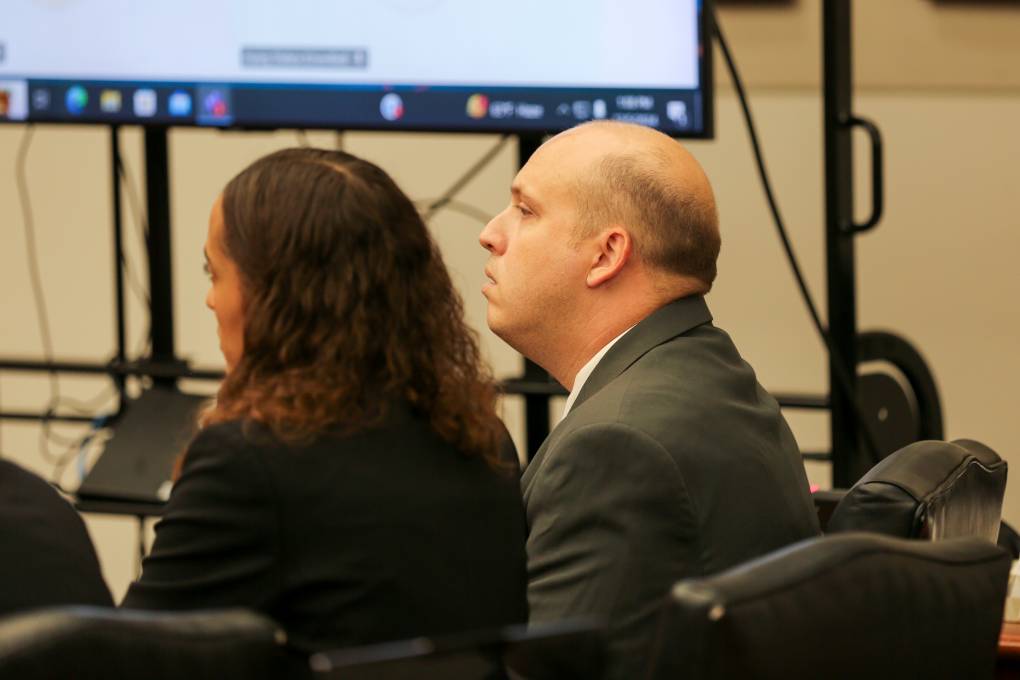
"caption": "Santa Clara Vice Mayor Anthony Becker watches as the court clerk reads out a guilty verdict in his perjury trial in Morgan Hill on Dec. 5, 2024.",
"credit": "Joseph Geha/KQED",
"altTag": null,
"description": null,
"imgSizes": {
"medium": {
"file": "https://cdn.kqed.org/wp-content/uploads/sites/10/2024/12/241205-VERDICT-JG-800x533.jpg",
"width": 800,
"height": 533,
"mimeType": "image/jpeg"
},
"large": {
"file": "https://cdn.kqed.org/wp-content/uploads/sites/10/2024/12/241205-VERDICT-JG-1020x680.jpg",
"width": 1020,
"height": 680,
"mimeType": "image/jpeg"
},
"thumbnail": {
"file": "https://cdn.kqed.org/wp-content/uploads/sites/10/2024/12/241205-VERDICT-JG-160x107.jpg",
"width": 160,
"height": 107,
"mimeType": "image/jpeg"
},
"1536x1536": {
"file": "https://cdn.kqed.org/wp-content/uploads/sites/10/2024/12/241205-VERDICT-JG-1536x1024.jpg",
"width": 1536,
"height": 1024,
"mimeType": "image/jpeg"
},
"post-thumbnail": {
"file": "https://cdn.kqed.org/wp-content/uploads/sites/10/2024/12/241205-VERDICT-JG-672x372.jpg",
"width": 672,
"height": 372,
"mimeType": "image/jpeg"
},
"twentyfourteen-full-width": {
"file": "https://cdn.kqed.org/wp-content/uploads/sites/10/2024/12/241205-VERDICT-JG-1038x576.jpg",
"width": 1038,
"height": 576,
"mimeType": "image/jpeg"
},
"full-width": {
"file": "https://cdn.kqed.org/wp-content/uploads/sites/10/2024/12/241205-VERDICT-JG-1920x1280.jpg",
"width": 1920,
"height": 1280,
"mimeType": "image/jpeg"
},
"kqedFullSize": {
"file": "https://cdn.kqed.org/wp-content/uploads/sites/10/2024/12/241205-VERDICT-JG.jpg",
"width": 2000,
"height": 1333
}
},
"isLoading": false,
"fetchFailed": false
},
"news_12016512": {
"type": "attachments",
"id": "news_12016512",
"meta": {
"index": "attachments_1716263798",
"site": "news",
"id": "12016512",
"found": true
},
"title": "VASC_MutualAid-18_qed",
"publishDate": 1733267615,
"status": "inherit",
"parent": 12016505,
"modified": 1743538854,
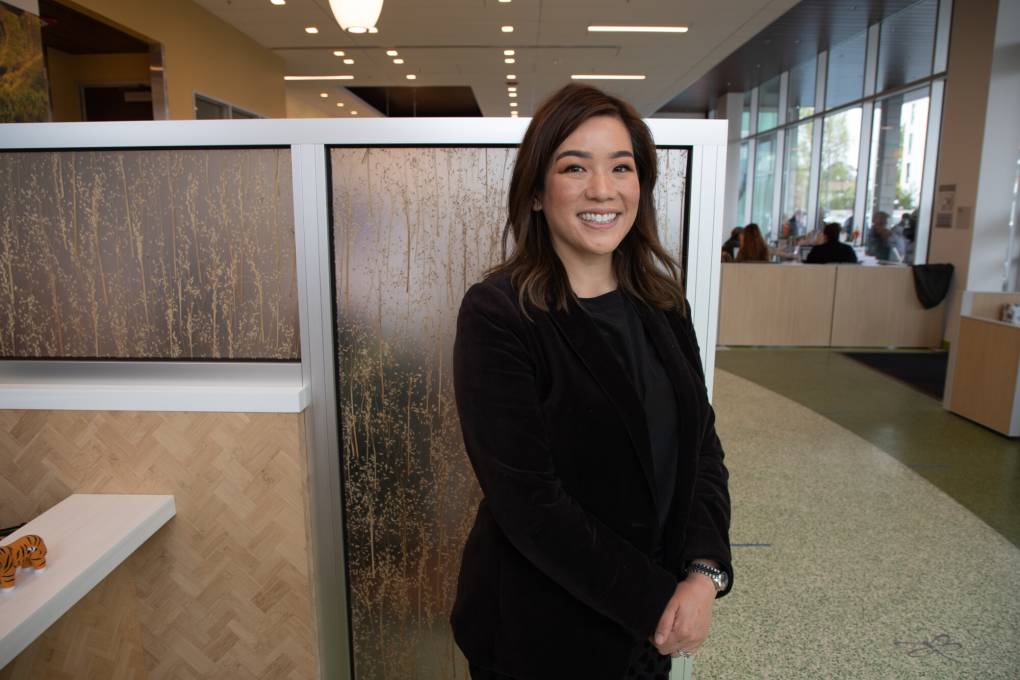
"caption": "Betty Doung poses for a portrait in the VASC on March 4, 2022. ",
"credit": "Amaya Edwards/KQED",
"altTag": null,
"description": null,
"imgSizes": {
"medium": {
"file": "https://cdn.kqed.org/wp-content/uploads/sites/10/2024/12/VASC_MutualAid-18_qed-800x533.jpg",
"width": 800,
"height": 533,
"mimeType": "image/jpeg"
},
"large": {
"file": "https://cdn.kqed.org/wp-content/uploads/sites/10/2024/12/VASC_MutualAid-18_qed-1020x680.jpg",
"width": 1020,
"height": 680,
"mimeType": "image/jpeg"
},
"thumbnail": {
"file": "https://cdn.kqed.org/wp-content/uploads/sites/10/2024/12/VASC_MutualAid-18_qed-160x107.jpg",
"width": 160,
"height": 107,
"mimeType": "image/jpeg"
},
"1536x1536": {
"file": "https://cdn.kqed.org/wp-content/uploads/sites/10/2024/12/VASC_MutualAid-18_qed-1536x1024.jpg",
"width": 1536,
"height": 1024,
"mimeType": "image/jpeg"
},
"post-thumbnail": {
"file": "https://cdn.kqed.org/wp-content/uploads/sites/10/2024/12/VASC_MutualAid-18_qed-672x372.jpg",
"width": 672,
"height": 372,
"mimeType": "image/jpeg"
},
"twentyfourteen-full-width": {
"file": "https://cdn.kqed.org/wp-content/uploads/sites/10/2024/12/VASC_MutualAid-18_qed-1038x576.jpg",
"width": 1038,
"height": 576,
"mimeType": "image/jpeg"
},
"full-width": {
"file": "https://cdn.kqed.org/wp-content/uploads/sites/10/2024/12/VASC_MutualAid-18_qed-1920x1280.jpg",
"width": 1920,
"height": 1280,
"mimeType": "image/jpeg"
},
"kqedFullSize": {
"file": "https://cdn.kqed.org/wp-content/uploads/sites/10/2024/12/VASC_MutualAid-18_qed.jpg",
"width": 2000,
"height": 1333
}
},
"isLoading": false,
"fetchFailed": false
},
"news_12015226": {
"type": "attachments",
"id": "news_12015226",
"meta": {
"index": "attachments_1716263798",
"site": "news",
"id": "12015226",
"found": true
},
"title": "240812-HCAVIGIL-JG-1",
"publishDate": 1732147936,
"status": "inherit",
"parent": 12015224,
"modified": 1732149871,
"caption": "The Good Samaritan Hospital in San José. The city council voted to expand the hospital on the city's west side.",
"credit": "Joseph Geha, KQED",
"altTag": null,
"description": null,
"imgSizes": {
"medium": {
"file": "https://cdn.kqed.org/wp-content/uploads/sites/10/2024/11/240812-HCAVIGIL-JG-1-800x533.jpg",
"width": 800,
"height": 533,
"mimeType": "image/jpeg"
},
"large": {
"file": "https://cdn.kqed.org/wp-content/uploads/sites/10/2024/11/240812-HCAVIGIL-JG-1-1020x680.jpg",
"width": 1020,
"height": 680,
"mimeType": "image/jpeg"
},
"thumbnail": {
"file": "https://cdn.kqed.org/wp-content/uploads/sites/10/2024/11/240812-HCAVIGIL-JG-1-160x107.jpg",
"width": 160,
"height": 107,
"mimeType": "image/jpeg"
},
"1536x1536": {
"file": "https://cdn.kqed.org/wp-content/uploads/sites/10/2024/11/240812-HCAVIGIL-JG-1-1536x1024.jpg",
"width": 1536,
"height": 1024,
"mimeType": "image/jpeg"
},
"post-thumbnail": {
"file": "https://cdn.kqed.org/wp-content/uploads/sites/10/2024/11/240812-HCAVIGIL-JG-1-672x372.jpg",
"width": 672,
"height": 372,
"mimeType": "image/jpeg"
},
"twentyfourteen-full-width": {
"file": "https://cdn.kqed.org/wp-content/uploads/sites/10/2024/11/240812-HCAVIGIL-JG-1-1038x576.jpg",
"width": 1038,
"height": 576,
"mimeType": "image/jpeg"
},
"full-width": {
"file": "https://cdn.kqed.org/wp-content/uploads/sites/10/2024/11/240812-HCAVIGIL-JG-1-1920x1280.jpg",
"width": 1920,
"height": 1280,
"mimeType": "image/jpeg"
},
"kqedFullSize": {
"file": "https://cdn.kqed.org/wp-content/uploads/sites/10/2024/11/240812-HCAVIGIL-JG-1.jpg",
"width": 2000,
"height": 1333
}
},
"isLoading": false,
"fetchFailed": false
},
"news_12014407": {
"type": "attachments",
"id": "news_12014407",
"meta": {
"index": "attachments_1716263798",
"site": "news",
"id": "12014407",
"found": true
},
"title": "241114-BECKERTRIAL-JG-5",
"publishDate": 1731607381,
"status": "inherit",
"parent": 0,
"modified": 1731608440,
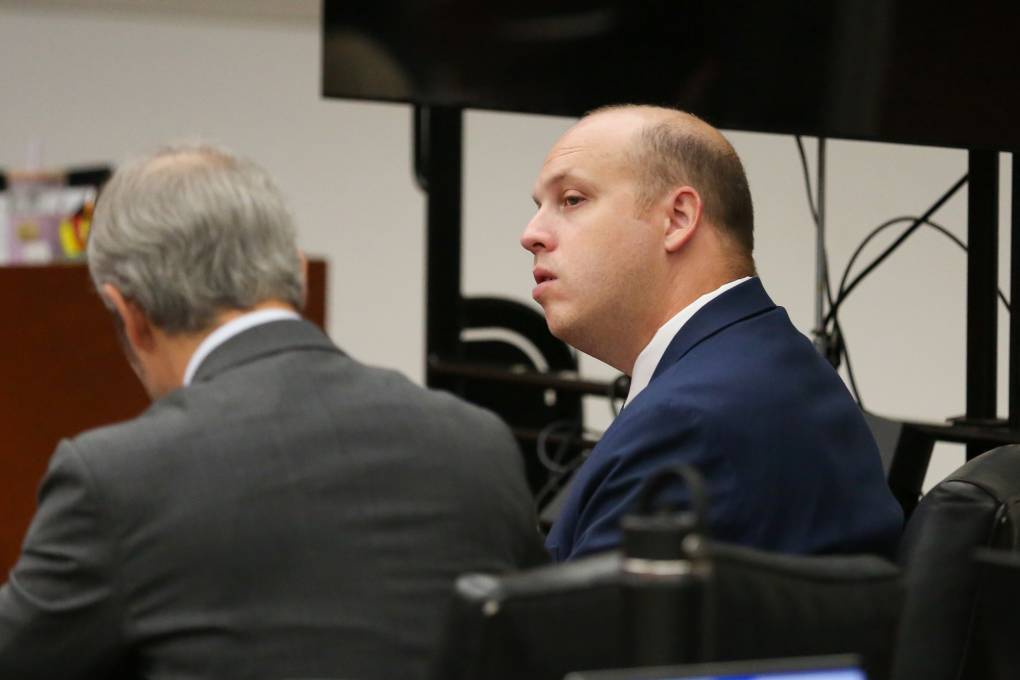
"caption": "Santa Clara Councilmember Anthony Becker sits with his attorneys in court on the third day of his perjury trial at the South County Morgan Hill Courthouse on Nov. 14, 2024.",
"credit": "Joseph Geha/KQED",
"altTag": "A bald, white man in a suit jacket sits in a courtroom next to another man in a suit, who is presumably is lawyer.",
"description": null,
"imgSizes": {
"medium": {
"file": "https://cdn.kqed.org/wp-content/uploads/sites/10/2024/11/241114-BECKERTRIAL-JG-5-800x533.jpg",
"width": 800,
"height": 533,
"mimeType": "image/jpeg"
},
"large": {
"file": "https://cdn.kqed.org/wp-content/uploads/sites/10/2024/11/241114-BECKERTRIAL-JG-5-1020x680.jpg",
"width": 1020,
"height": 680,
"mimeType": "image/jpeg"
},
"thumbnail": {
"file": "https://cdn.kqed.org/wp-content/uploads/sites/10/2024/11/241114-BECKERTRIAL-JG-5-160x107.jpg",
"width": 160,
"height": 107,
"mimeType": "image/jpeg"
},
"1536x1536": {
"file": "https://cdn.kqed.org/wp-content/uploads/sites/10/2024/11/241114-BECKERTRIAL-JG-5-1536x1024.jpg",
"width": 1536,
"height": 1024,
"mimeType": "image/jpeg"
},
"post-thumbnail": {
"file": "https://cdn.kqed.org/wp-content/uploads/sites/10/2024/11/241114-BECKERTRIAL-JG-5-672x372.jpg",
"width": 672,
"height": 372,
"mimeType": "image/jpeg"
},
"twentyfourteen-full-width": {
"file": "https://cdn.kqed.org/wp-content/uploads/sites/10/2024/11/241114-BECKERTRIAL-JG-5-1038x576.jpg",
"width": 1038,
"height": 576,
"mimeType": "image/jpeg"
},
"full-width": {
"file": "https://cdn.kqed.org/wp-content/uploads/sites/10/2024/11/241114-BECKERTRIAL-JG-5-1920x1280.jpg",
"width": 1920,
"height": 1280,
"mimeType": "image/jpeg"
},
"kqedFullSize": {
"file": "https://cdn.kqed.org/wp-content/uploads/sites/10/2024/11/241114-BECKERTRIAL-JG-5.jpg",
"width": 2000,
"height": 1333
}
},
"isLoading": false,
"fetchFailed": false
},
"news_12011861": {
"type": "attachments",
"id": "news_12011861",
"meta": {
"index": "attachments_1716263798",
"site": "news",
"id": "12011861",
"found": true
},
"title": "SC Judge",
"publishDate": 1730349920,
"status": "inherit",
"parent": 12011710,
"modified": 1730350495,
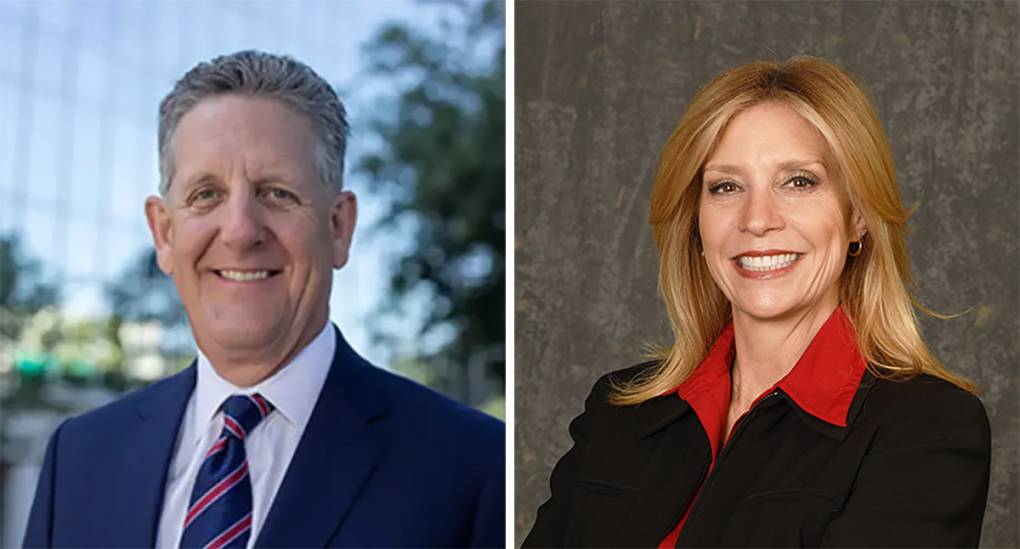
"caption": "Jay Boyarsky (left) and Johnene Stebbins, both veteran prosecutors in the Santa Clara County District Attorney's Office, are facing off in a heated race to be a judge on the county's Superior Court.",
"credit": "Photos courtesy of both candidates",
"altTag": "A side-by-side headshots of a middle-aged man and woman, both wearing suits.",
"description": null,
"imgSizes": {
"medium": {
"file": "https://cdn.kqed.org/wp-content/uploads/sites/10/2024/10/SC-Judge-800x431.jpg",
"width": 800,
"height": 431,
"mimeType": "image/jpeg"
},
"large": {
"file": "https://cdn.kqed.org/wp-content/uploads/sites/10/2024/10/SC-Judge-1020x549.jpg",
"width": 1020,
"height": 549,
"mimeType": "image/jpeg"
},
"thumbnail": {
"file": "https://cdn.kqed.org/wp-content/uploads/sites/10/2024/10/SC-Judge-160x86.jpg",
"width": 160,
"height": 86,
"mimeType": "image/jpeg"
},
"post-thumbnail": {
"file": "https://cdn.kqed.org/wp-content/uploads/sites/10/2024/10/SC-Judge-672x372.jpg",
"width": 672,
"height": 372,
"mimeType": "image/jpeg"
},
"twentyfourteen-full-width": {
"file": "https://cdn.kqed.org/wp-content/uploads/sites/10/2024/10/SC-Judge-1038x576.jpg",
"width": 1038,
"height": 576,
"mimeType": "image/jpeg"
},
"kqedFullSize": {
"file": "https://cdn.kqed.org/wp-content/uploads/sites/10/2024/10/SC-Judge.jpg",
"width": 1200,
"height": 646
}
},
"isLoading": false,
"fetchFailed": false
},
"news_12011611": {
"type": "attachments",
"id": "news_12011611",
"meta": {
"index": "attachments_1716263798",
"site": "news",
"id": "12011611",
"found": true
},
"title": "241029-SCCMEDICAL-JG-2_qed",
"publishDate": 1730244477,
"status": "inherit",
"parent": 0,
"modified": 1730307836,
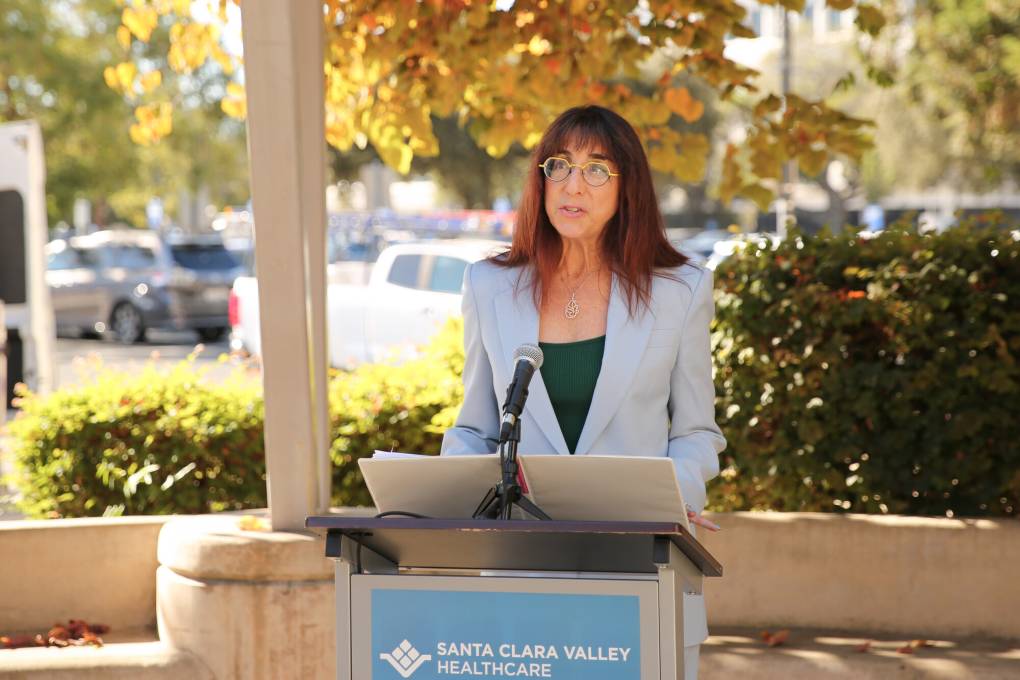
"caption": "Santa Clara County Board of Supervisors President Susan Ellenberg speaks at a news conference about the county's participation in a new state initiative allowing incarcerated people to be enrolled in Medi-Cal up to 90 days before their release.\n",
"credit": "Joseph Geha/KQED",
"altTag": "A middle-aged woman with glasses speaks at a podium with a sign that says 'Santa Clara Valley Healthcare.'",
"description": null,
"imgSizes": {
"medium": {
"file": "https://cdn.kqed.org/wp-content/uploads/sites/10/2024/10/241029-SCCMEDICAL-JG-2_qed-800x533.jpg",
"width": 800,
"height": 533,
"mimeType": "image/jpeg"
},
"large": {
"file": "https://cdn.kqed.org/wp-content/uploads/sites/10/2024/10/241029-SCCMEDICAL-JG-2_qed-1020x680.jpg",
"width": 1020,
"height": 680,
"mimeType": "image/jpeg"
},
"thumbnail": {
"file": "https://cdn.kqed.org/wp-content/uploads/sites/10/2024/10/241029-SCCMEDICAL-JG-2_qed-160x107.jpg",
"width": 160,
"height": 107,
"mimeType": "image/jpeg"
},
"1536x1536": {
"file": "https://cdn.kqed.org/wp-content/uploads/sites/10/2024/10/241029-SCCMEDICAL-JG-2_qed-1536x1024.jpg",
"width": 1536,
"height": 1024,
"mimeType": "image/jpeg"
},
"post-thumbnail": {
"file": "https://cdn.kqed.org/wp-content/uploads/sites/10/2024/10/241029-SCCMEDICAL-JG-2_qed-672x372.jpg",
"width": 672,
"height": 372,
"mimeType": "image/jpeg"
},
"twentyfourteen-full-width": {
"file": "https://cdn.kqed.org/wp-content/uploads/sites/10/2024/10/241029-SCCMEDICAL-JG-2_qed-1038x576.jpg",
"width": 1038,
"height": 576,
"mimeType": "image/jpeg"
},
"full-width": {
"file": "https://cdn.kqed.org/wp-content/uploads/sites/10/2024/10/241029-SCCMEDICAL-JG-2_qed-1920x1280.jpg",
"width": 1920,
"height": 1280,
"mimeType": "image/jpeg"
},
"kqedFullSize": {
"file": "https://cdn.kqed.org/wp-content/uploads/sites/10/2024/10/241029-SCCMEDICAL-JG-2_qed.jpg",
"width": 2000,
"height": 1333
}
},
"isLoading": false,
"fetchFailed": false
},
"news_12010730": {
"type": "attachments",
"id": "news_12010730",
"meta": {
"index": "attachments_1716263798",
"site": "news",
"id": "12010730",
"found": true
},
"title": "20241022_SCHOOLDISTRICTHOUSING_GC-10-KQED",
"publishDate": 1729710279,
"status": "inherit",
"parent": 0,
"modified": 1729882204,
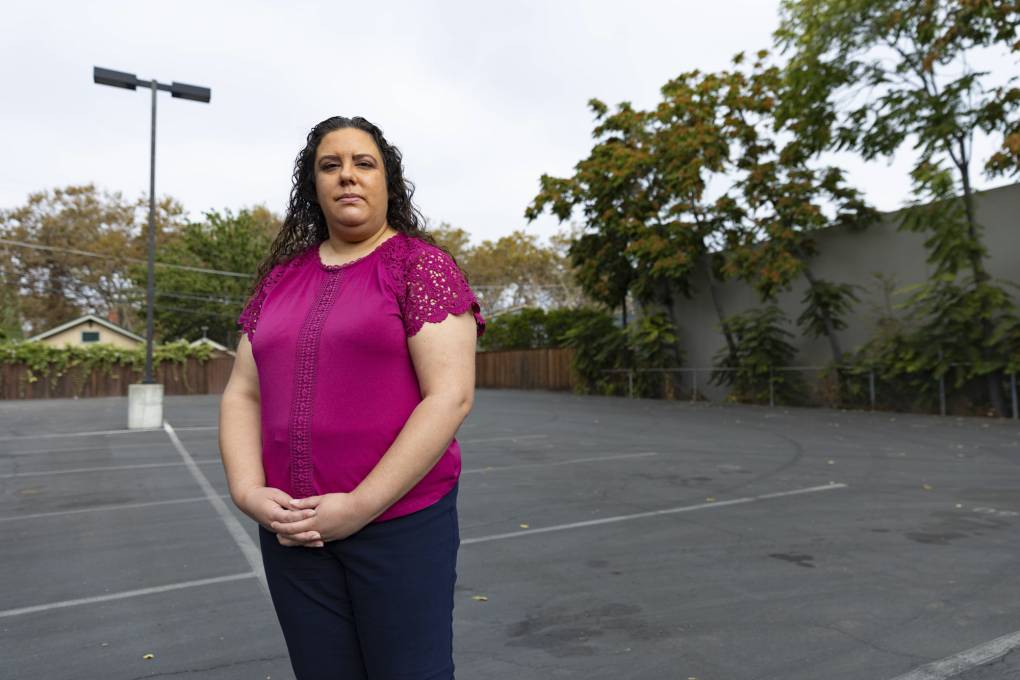
"caption": "Renata Sanchez, president of the San José Teachers Association, poses for a photo at an employee parking lot, the proposed site for educator housing, in San José on Oct. 22.",
"credit": "Gina Castro/KQED",
"altTag": null,
"description": null,
"imgSizes": {
"medium": {
"file": "https://cdn.kqed.org/wp-content/uploads/sites/10/2024/10/20241022_SCHOOLDISTRICTHOUSING_GC-10-KQED-800x533.jpg",
"width": 800,
"height": 533,
"mimeType": "image/jpeg"
},
"large": {
"file": "https://cdn.kqed.org/wp-content/uploads/sites/10/2024/10/20241022_SCHOOLDISTRICTHOUSING_GC-10-KQED-1020x680.jpg",
"width": 1020,
"height": 680,
"mimeType": "image/jpeg"
},
"thumbnail": {
"file": "https://cdn.kqed.org/wp-content/uploads/sites/10/2024/10/20241022_SCHOOLDISTRICTHOUSING_GC-10-KQED-160x107.jpg",
"width": 160,
"height": 107,
"mimeType": "image/jpeg"
},
"1536x1536": {
"file": "https://cdn.kqed.org/wp-content/uploads/sites/10/2024/10/20241022_SCHOOLDISTRICTHOUSING_GC-10-KQED-1536x1024.jpg",
"width": 1536,
"height": 1024,
"mimeType": "image/jpeg"
},
"post-thumbnail": {
"file": "https://cdn.kqed.org/wp-content/uploads/sites/10/2024/10/20241022_SCHOOLDISTRICTHOUSING_GC-10-KQED-672x372.jpg",
"width": 672,
"height": 372,
"mimeType": "image/jpeg"
},
"twentyfourteen-full-width": {
"file": "https://cdn.kqed.org/wp-content/uploads/sites/10/2024/10/20241022_SCHOOLDISTRICTHOUSING_GC-10-KQED-1038x576.jpg",
"width": 1038,
"height": 576,
"mimeType": "image/jpeg"
},
"full-width": {
"file": "https://cdn.kqed.org/wp-content/uploads/sites/10/2024/10/20241022_SCHOOLDISTRICTHOUSING_GC-10-KQED-1920x1280.jpg",
"width": 1920,
"height": 1280,
"mimeType": "image/jpeg"
},
"kqedFullSize": {
"file": "https://cdn.kqed.org/wp-content/uploads/sites/10/2024/10/20241022_SCHOOLDISTRICTHOUSING_GC-10-KQED.jpg",
"width": 2000,
"height": 1333
}
},
"isLoading": false,
"fetchFailed": false
},
"news_11984250": {
"type": "attachments",
"id": "news_11984250",
"meta": {
"index": "attachments_1716263798",
"site": "news",
"id": "11984250",
"found": true
},
"parent": 11984246,
"imgSizes": {
"twentyfourteen-full-width": {
"file": "https://cdn.kqed.org/wp-content/uploads/sites/10/2024/04/San-Jose-overview-1038x576.jpg",
"width": 1038,
"mimeType": "image/jpeg",
"height": 576
},
"thumbnail": {
"file": "https://cdn.kqed.org/wp-content/uploads/sites/10/2024/04/San-Jose-overview-160x120.jpg",
"width": 160,
"mimeType": "image/jpeg",
"height": 120
},
"post-thumbnail": {
"file": "https://cdn.kqed.org/wp-content/uploads/sites/10/2024/04/San-Jose-overview-672x372.jpg",
"width": 672,
"mimeType": "image/jpeg",
"height": 372
},
"kqedFullSize": {
"file": "https://cdn.kqed.org/wp-content/uploads/sites/10/2024/04/San-Jose-overview.jpg",
"width": 2000,
"height": 1506
},
"large": {
"file": "https://cdn.kqed.org/wp-content/uploads/sites/10/2024/04/San-Jose-overview-1020x768.jpg",
"width": 1020,
"mimeType": "image/jpeg",
"height": 768
},
"1536x1536": {
"file": "https://cdn.kqed.org/wp-content/uploads/sites/10/2024/04/San-Jose-overview-1536x1157.jpg",
"width": 1536,
"mimeType": "image/jpeg",
"height": 1157
},
"full-width": {
"file": "https://cdn.kqed.org/wp-content/uploads/sites/10/2024/04/San-Jose-overview-1920x1446.jpg",
"width": 1920,
"mimeType": "image/jpeg",
"height": 1446
},
"medium": {
"file": "https://cdn.kqed.org/wp-content/uploads/sites/10/2024/04/San-Jose-overview-800x602.jpg",
"width": 800,
"mimeType": "image/jpeg",
"height": 602
}
},
"publishDate": 1714172424,
"modified": 1714173015,
"caption": "An aerial photo of San José from City Hall on April 16, 2024. ",
"description": null,
"title": "San Jose overview",
"credit": "Joseph Geha/KQED",
"status": "inherit",
"altTag": null,
"isLoading": false,
"fetchFailed": false
},
"news_12009621": {
"type": "attachments",
"id": "news_12009621",
"meta": {
"index": "attachments_1716263798",
"site": "news",
"id": "12009621",
"found": true
},
"title": "red high school lockers",
"publishDate": 1729104350,
"status": "inherit",
"parent": 12009590,
"modified": 1729104460,
"caption": "Controversy over the firing of Santa Clara County Superintendent Mary Ann Dewan intensifies as parents and community members call for a civil grand jury investigation. State lawmakers criticize the decision, while the county Board of Education pushes back against a lawsuit seeking Dewan's reinstatement, calling it “an astounding attempt to hold on to the power of the office.\"",
"credit": "Getty Images",
"altTag": null,
"description": null,
"imgSizes": {
"medium": {
"file": "https://cdn.kqed.org/wp-content/uploads/sites/10/2024/10/SchoolLockers-800x500.jpg",
"width": 800,
"height": 500,
"mimeType": "image/jpeg"
},
"large": {
"file": "https://cdn.kqed.org/wp-content/uploads/sites/10/2024/10/SchoolLockers-1020x638.jpg",
"width": 1020,
"height": 638,
"mimeType": "image/jpeg"
},
"thumbnail": {
"file": "https://cdn.kqed.org/wp-content/uploads/sites/10/2024/10/SchoolLockers-160x100.jpg",
"width": 160,
"height": 100,
"mimeType": "image/jpeg"
},
"1536x1536": {
"file": "https://cdn.kqed.org/wp-content/uploads/sites/10/2024/10/SchoolLockers-1536x961.jpg",
"width": 1536,
"height": 961,
"mimeType": "image/jpeg"
},
"post-thumbnail": {
"file": "https://cdn.kqed.org/wp-content/uploads/sites/10/2024/10/SchoolLockers-672x372.jpg",
"width": 672,
"height": 372,
"mimeType": "image/jpeg"
},
"twentyfourteen-full-width": {
"file": "https://cdn.kqed.org/wp-content/uploads/sites/10/2024/10/SchoolLockers-1038x576.jpg",
"width": 1038,
"height": 576,
"mimeType": "image/jpeg"
},
"full-width": {
"file": "https://cdn.kqed.org/wp-content/uploads/sites/10/2024/10/SchoolLockers-1920x1201.jpg",
"width": 1920,
"height": 1201,
"mimeType": "image/jpeg"
},
"kqedFullSize": {
"file": "https://cdn.kqed.org/wp-content/uploads/sites/10/2024/10/SchoolLockers.jpg",
"width": 2000,
"height": 1251
}
},
"isLoading": false,
"fetchFailed": false
},
"news_12007966": {
"type": "attachments",
"id": "news_12007966",
"meta": {
"index": "attachments_1716263798",
"site": "news",
"id": "12007966",
"found": true
},
"title": "School Hallway at Bayard Rustin Educational Complex",
"publishDate": 1728064512,
"status": "inherit",
"parent": 12007955,
"modified": 1728083207,
"caption": "Santa Clara County schools Superintendent Mary Ann Dewan was fired suddenly during a closed-door board meeting this week, sparking a press conference on Friday where school board member Tara Sreekrishnan and others condemned the move, citing the lack of cause or explanation behind her termination.",
"credit": "Getty Images",
"altTag": null,
"description": null,
"imgSizes": {
"medium": {
"file": "https://cdn.kqed.org/wp-content/uploads/sites/10/2024/10/EmptySchoolHallwayGetty-800x520.jpg",
"width": 800,
"height": 520,
"mimeType": "image/jpeg"
},
"large": {
"file": "https://cdn.kqed.org/wp-content/uploads/sites/10/2024/10/EmptySchoolHallwayGetty-1020x663.jpg",
"width": 1020,
"height": 663,
"mimeType": "image/jpeg"
},
"thumbnail": {
"file": "https://cdn.kqed.org/wp-content/uploads/sites/10/2024/10/EmptySchoolHallwayGetty-160x104.jpg",
"width": 160,
"height": 104,
"mimeType": "image/jpeg"
},
"1536x1536": {
"file": "https://cdn.kqed.org/wp-content/uploads/sites/10/2024/10/EmptySchoolHallwayGetty-1536x998.jpg",
"width": 1536,
"height": 998,
"mimeType": "image/jpeg"
},
"post-thumbnail": {
"file": "https://cdn.kqed.org/wp-content/uploads/sites/10/2024/10/EmptySchoolHallwayGetty-672x372.jpg",
"width": 672,
"height": 372,
"mimeType": "image/jpeg"
},
"twentyfourteen-full-width": {
"file": "https://cdn.kqed.org/wp-content/uploads/sites/10/2024/10/EmptySchoolHallwayGetty-1038x576.jpg",
"width": 1038,
"height": 576,
"mimeType": "image/jpeg"
},
"full-width": {
"file": "https://cdn.kqed.org/wp-content/uploads/sites/10/2024/10/EmptySchoolHallwayGetty-1920x1248.jpg",
"width": 1920,
"height": 1248,
"mimeType": "image/jpeg"
},
"kqedFullSize": {
"file": "https://cdn.kqed.org/wp-content/uploads/sites/10/2024/10/EmptySchoolHallwayGetty.jpg",
"width": 2000,
"height": 1300
}
},
"isLoading": false,
"fetchFailed": false
},
"news_12007683": {
"type": "attachments",
"id": "news_12007683",
"meta": {
"index": "attachments_1716263798",
"site": "news",
"id": "12007683",
"found": true
},
"title": "Empty classroom at elementary school!",
"publishDate": 1727974066,
"status": "inherit",
"parent": 12007681,
"modified": 1727974159,
"caption": "Santa Clara County Superintendent of Schools, Mary Ann Dewan, was dismissed during an overnight Board of Education meeting.",
"credit": "Getty Images",
"altTag": null,
"description": null,
"imgSizes": {
"medium": {
"file": "https://cdn.kqed.org/wp-content/uploads/sites/10/2024/10/GettyImages-1792528853-800x534.jpg",
"width": 800,
"height": 534,
"mimeType": "image/jpeg"
},
"large": {
"file": "https://cdn.kqed.org/wp-content/uploads/sites/10/2024/10/GettyImages-1792528853-1020x680.jpg",
"width": 1020,
"height": 680,
"mimeType": "image/jpeg"
},
"thumbnail": {
"file": "https://cdn.kqed.org/wp-content/uploads/sites/10/2024/10/GettyImages-1792528853-160x107.jpg",
"width": 160,
"height": 107,
"mimeType": "image/jpeg"
},
"1536x1536": {
"file": "https://cdn.kqed.org/wp-content/uploads/sites/10/2024/10/GettyImages-1792528853-1536x1025.jpg",
"width": 1536,
"height": 1025,
"mimeType": "image/jpeg"
},
"post-thumbnail": {
"file": "https://cdn.kqed.org/wp-content/uploads/sites/10/2024/10/GettyImages-1792528853-672x372.jpg",
"width": 672,
"height": 372,
"mimeType": "image/jpeg"
},
"twentyfourteen-full-width": {
"file": "https://cdn.kqed.org/wp-content/uploads/sites/10/2024/10/GettyImages-1792528853-1038x576.jpg",
"width": 1038,
"height": 576,
"mimeType": "image/jpeg"
},
"full-width": {
"file": "https://cdn.kqed.org/wp-content/uploads/sites/10/2024/10/GettyImages-1792528853-1920x1281.jpg",
"width": 1920,
"height": 1281,
"mimeType": "image/jpeg"
},
"kqedFullSize": {
"file": "https://cdn.kqed.org/wp-content/uploads/sites/10/2024/10/GettyImages-1792528853.jpg",
"width": 2000,
"height": 1334
}
},
"isLoading": false,
"fetchFailed": false
},
"news_12005816": {
"type": "attachments",
"id": "news_12005816",
"meta": {
"index": "attachments_1716263798",
"site": "news",
"id": "12005816",
"found": true
},
"title": "240617-VTAfile-01-BL_qed",
"publishDate": 1726957608,
"status": "inherit",
"parent": 12005814,
"modified": 1726957665,
"caption": "A Santa Clara Valley Transportation Authority bus drives on Meridian Avenue in San José on June 17, 2024.",
"credit": "Beth LaBerge/KQED",
"altTag": null,
"description": null,
"imgSizes": {
"medium": {
"file": "https://cdn.kqed.org/wp-content/uploads/sites/10/2024/09/240617-VTAfile-01-BL_qed-800x533.jpg",
"width": 800,
"height": 533,
"mimeType": "image/jpeg"
},
"large": {
"file": "https://cdn.kqed.org/wp-content/uploads/sites/10/2024/09/240617-VTAfile-01-BL_qed-1020x680.jpg",
"width": 1020,
"height": 680,
"mimeType": "image/jpeg"
},
"thumbnail": {
"file": "https://cdn.kqed.org/wp-content/uploads/sites/10/2024/09/240617-VTAfile-01-BL_qed-160x107.jpg",
"width": 160,
"height": 107,
"mimeType": "image/jpeg"
},
"1536x1536": {
"file": "https://cdn.kqed.org/wp-content/uploads/sites/10/2024/09/240617-VTAfile-01-BL_qed-1536x1024.jpg",
"width": 1536,
"height": 1024,
"mimeType": "image/jpeg"
},
"post-thumbnail": {
"file": "https://cdn.kqed.org/wp-content/uploads/sites/10/2024/09/240617-VTAfile-01-BL_qed-672x372.jpg",
"width": 672,
"height": 372,
"mimeType": "image/jpeg"
},
"twentyfourteen-full-width": {
"file": "https://cdn.kqed.org/wp-content/uploads/sites/10/2024/09/240617-VTAfile-01-BL_qed-1038x576.jpg",
"width": 1038,
"height": 576,
"mimeType": "image/jpeg"
},
"full-width": {
"file": "https://cdn.kqed.org/wp-content/uploads/sites/10/2024/09/240617-VTAfile-01-BL_qed-1920x1280.jpg",
"width": 1920,
"height": 1280,
"mimeType": "image/jpeg"
},
"kqedFullSize": {
"file": "https://cdn.kqed.org/wp-content/uploads/sites/10/2024/09/240617-VTAfile-01-BL_qed.jpg",
"width": 1999,
"height": 1333
}
},
"isLoading": false,
"fetchFailed": false
}
},
"audioPlayerReducer": {
"postId": "stream_live",
"isPaused": true,
"isPlaying": false,
"pfsActive": false,
"pledgeModalIsOpen": true,
"playerDrawerIsOpen": false,
"liveAudioPlayStartedAt": 0,
"liveAudioPlayContext": ""
},
"authorsReducer": {
"abandlamudi": {
"type": "authors",
"id": "11672",
"meta": {
"index": "authors_1716337520",
"id": "11672",
"found": true
},
"name": "Adhiti Bandlamudi",
"firstName": "Adhiti",
"lastName": "Bandlamudi",
"slug": "abandlamudi",
"email": "abandlamudi@kqed.org",
"display_author_email": false,
"staff_mastheads": [
"news"
],
"title": "KQED Housing Reporter",
"bio": "Adhiti Bandlamudi reports for KQED's Housing desk. She focuses on how housing gets built across the Bay Area. Before joining KQED in 2020, she reported for WUNC in Durham, North Carolina, WABE in Atlanta, Georgia and Capital Public Radio in Sacramento. In 2017, she was awarded a Kroc Fellowship at NPR where she reported on everything from sprinkles to the Golden State Killer's arrest. When she's not reporting, she's baking new recipes in her kitchen or watching movies with friends and family. She's originally from Georgia and has strong opinions about Great British Bake Off.",
"avatar": "https://secure.gravatar.com/avatar/868129c8b257bb99a3500e2c86a65400?s=600&d=mm&r=g",
"twitter": "oddity_adhiti",
"facebook": null,
"instagram": null,
"linkedin": null,
"sites": [
{
"site": "arts",
"roles": [
"author"
]
},
{
"site": "news",
"roles": [
"editor"
]
},
{
"site": "liveblog",
"roles": [
"author"
]
}
],
"headData": {
"title": "Adhiti Bandlamudi | KQED",
"description": "KQED Housing Reporter",
"ogImgSrc": "https://secure.gravatar.com/avatar/868129c8b257bb99a3500e2c86a65400?s=600&d=mm&r=g",
"twImgSrc": "https://secure.gravatar.com/avatar/868129c8b257bb99a3500e2c86a65400?s=600&d=mm&r=g"
},
"isLoading": false,
"link": "/author/abandlamudi"
},
"jgeha": {
"type": "authors",
"id": "11906",
"meta": {
"index": "authors_1716337520",
"id": "11906",
"found": true
},
"name": "Joseph Geha",
"firstName": "Joseph",
"lastName": "Geha",
"slug": "jgeha",
"email": "jgeha@kqed.org",
"display_author_email": false,
"staff_mastheads": [
"news",
"science"
],
"title": "KQED Contributor",
"bio": null,
"avatar": "https://secure.gravatar.com/avatar/ea84d2b6dd93d6369d453edf19dd583f117cd1759d2d9c9c92f9de77017354fe?s=600&d=blank&r=g",
"twitter": null,
"bluesky": null,
"facebook": null,
"instagram": null,
"linkedin": null,
"sites": [
{
"site": "news",
"roles": [
"editor"
]
},
{
"site": "liveblog",
"roles": [
"author"
]
}
],
"headData": {
"title": "Joseph Geha | KQED",
"description": "KQED Contributor",
"ogImgSrc": "https://secure.gravatar.com/avatar/ea84d2b6dd93d6369d453edf19dd583f117cd1759d2d9c9c92f9de77017354fe?s=600&d=blank&r=g",
"twImgSrc": "https://secure.gravatar.com/avatar/ea84d2b6dd93d6369d453edf19dd583f117cd1759d2d9c9c92f9de77017354fe?s=600&d=blank&r=g"
},
"isLoading": false,
"link": "/author/jgeha"
},
"kdebenedetti": {
"type": "authors",
"id": "11913",
"meta": {
"index": "authors_1716337520",
"id": "11913",
"found": true
},
"name": "Katie DeBenedetti",
"firstName": "Katie",
"lastName": "DeBenedetti",
"slug": "kdebenedetti",
"email": "kdebenedetti@kqed.org",
"display_author_email": false,
"staff_mastheads": [
"news",
"science"
],
"title": "KQED Contributor",
"bio": "Katie DeBenedetti is a digital reporter covering daily news for the Express Desk. Prior to joining KQED as a culture reporting intern in January 2024, she covered education and city government for the Napa Valley Register.",
"avatar": "https://secure.gravatar.com/avatar/6e31073cb8f7e4214ab03f42771d0f45?s=600&d=blank&r=g",
"twitter": null,
"facebook": null,
"instagram": null,
"linkedin": null,
"sites": [
{
"site": "news",
"roles": [
"author"
]
},
{
"site": "science",
"roles": [
"author"
]
},
{
"site": "liveblog",
"roles": [
"author"
]
}
],
"headData": {
"title": "Katie DeBenedetti | KQED",
"description": "KQED Contributor",
"ogImgSrc": "https://secure.gravatar.com/avatar/6e31073cb8f7e4214ab03f42771d0f45?s=600&d=blank&r=g",
"twImgSrc": "https://secure.gravatar.com/avatar/6e31073cb8f7e4214ab03f42771d0f45?s=600&d=blank&r=g"
},
"isLoading": false,
"link": "/author/kdebenedetti"
}
},
"pagesReducer": {
"news_tag_santa-clara-county": {
"type": "terms",
"id": "news_18188",
"meta": {
"index": "terms_1716263798",
"site": "news",
"id": "18188",
"score": 9.10411
},
"featImg": null,
"name": "Santa Clara County",
"description": null,
"taxonomy": "tag",
"headData": {
"twImgId": null,
"twTitle": null,
"ogTitle": null,
"ogImgId": null,
"twDescription": null,
"description": null,
"title": "Santa Clara County Archives | KQED News",
"ogDescription": null
},
"ttid": 18222,
"slug": "santa-clara-county",
"isLoading": false,
"title": "Santa Clara County",
"pageMeta": {
"site": "news",
"WpPageTemplate": "page-topic-editorial",
"currentPage": 10
},
"blocks": [
{
"blockName": "kqed/post-list",
"attrs": {
"layout": "cardArticle2",
"query": "posts/news?tag=santa-clara-county",
"seeMore": false,
"paginated": true,
"page": 10
}
},
{
"blockName": "kqed/ad"
}
]
}
},
"pfsSessionReducer": {},
"postsReducer": {
"stream_live": {
"type": "live",
"id": "stream_live",
"audioUrl": "https://streams.kqed.org/kqedradio",
"title": "Live Stream",
"excerpt": "Live Stream information currently unavailable.",
"link": "/radio",
"featImg": "",
"label": {
"name": "KQED Live",
"link": "/"
}
},
"stream_kqedNewscast": {
"type": "posts",
"id": "stream_kqedNewscast",
"audioUrl": "https://www.kqed.org/.stream/anon/radio/RDnews/newscast.mp3?_=1",
"title": "KQED Newscast",
"featImg": "",
"label": {
"name": "88.5 FM",
"link": "/"
}
},
"news_12016866": {
"type": "posts",
"id": "news_12016866",
"meta": {
"index": "posts_1716263798",
"site": "news",
"id": "12016866",
"score": null,
"sort": [
1733607102000
]
},
"guestAuthors": [],
"slug": "santa-clara-vice-mayor-anthony-becker-convicted-of-perjury",
"title": "Santa Clara Vice Mayor Resigns Following Perjury Conviction",
"publishDate": 1733607102,
"format": "standard",
"headTitle": "Santa Clara Vice Mayor Resigns Following Perjury Conviction | KQED",
"labelTerm": {
"site": "news"
},
"content": "\u003cp>\u003cstrong>Update, 1:50 p.m., Saturday:\u003c/strong> Santa Clara Vice Mayor Anthony Becker has resigned after being convicted Thursday of lying under oath.\u003c/p>\n\u003cp>The city of Santa Clara made the announcement in a press release late Friday, including Becker’s \u003ca href=\"https://www.santaclaraca.gov/home/showdocument?id=85656&t=638691133869363572\">letter of resignation\u003c/a>.\u003c/p>\n\u003cp>Becker’s conviction stems from a 2022 civil grand jury report which criticized the influence the San Francisco 49ers have on city politics. Becker has received financial support from the 49ers in recent elections and allegedly leaked that report to a team official.\u003c/p>\n\u003cp>“It was the greatest honor, joy and privilege to serve as your representative,” Becker said in his resignation letter.\u003c/p>\n\u003cp>Becker was first elected to represent District 6 on theSanta Clara City Council in 2020.\u003c/p>\n\u003cp>Becker lost his race for re-election in November. The District 6 seat will remain vacant until December 17, when Kelly Cox, a Santa Clara University official who won Becker’s seat, will be sworn in.\u003c/p>\n\u003cp>[ad fullwidth]\u003c/p>\n\u003cp>\u003cstrong>Original story, 3 p.m., Thursday: \u003c/strong>Santa Clara Councilmember Anthony Becker is guilty of felony perjury, a jury has decided, closing out a two-week trial.\u003c/p>\n\u003cp>The 12-person panel in the trial of the South Bay official returned the verdict early Thursday afternoon at the South County Morgan Hill Courthouse, after deliberating for only roughly three hours between Wednesday evening and Thursday morning.\u003c/p>\n\u003cp>“We the jury, in the above entitled case, find the defendant Anthony Becker guilty of perjury under oath,” the court clerk said as she read the verdict.\u003c/p>\n\u003cp>The verdict vindicates the Santa Clara County District Attorney’s Office, whose lead prosecutor on the case Jason Malinsky emphasized to the jury how clear the choice for guilt should be, and significantly mars Becker’s reputation as a public official.\u003c/p>\n\u003cp>Superior Court Judge Javier Alcala set sentencing for Jan. 31.\u003c/p>\n\u003cp>Becker, who has consistently denied wrongdoing throughout his indictment and trial, stayed seated and mostly still while the verdict was read out by the court clerk, closing his eyes at times for a few seconds.\u003c/p>\n\u003cp>After Alcala ended the day’s proceedings, Becker walked quickly out of the courtroom sighing and looking visibly frustrated. He and his legal team declined to comment on the verdict after leaving court, but one of Becker’s attorneys, Deputy Public Defender Christopher Montoya, told KQED he plans to file an appeal in the case.\u003c/p>\n\u003cp>The trial — which began just one day after Becker lost his bid for reelection on Nov. 6 — hinged on whether he leaked a confidential version of a civil grand jury report in 2022, and then lied about it to the grand jury as it investigated the leak.\u003c/p>\n\u003cp>“We take very seriously in the DA’s office the fundamental idea that when you raise your hand and you walk into court and you swear to tell the truth, the whole truth and nothing but the truth, that’s what’s going to happen,” District Attorney Jeff Rosen said. “And defendant Becker did not do that, and he lied. And that’s perjury.”\u003c/p>\n\u003cp>The 2022 civil grand jury report, titled \u003ca href=\"https://santaclara.courts.ca.gov/system/files/unsportsmanlike-conduct-santa-clara-city-council_0.pdf\">\u003cem>Unsportsmanlike Conduct\u003c/em> (PDF)\u003c/a>, accused Becker and four other council members of having unethical and inappropriately close relationships with top lobbyists and officials from the San Francisco 49ers, who play in the publicly owned Levi’s Stadium in Santa Clara.\u003c/p>\n\u003cp>Becker was elected to the council in 2020 as part of a raft of city council candidates backed by millions of dollars of campaign support from the football team.\u003c/p>\n\u003cfigure id=\"attachment_12016971\" class=\"wp-caption aligncenter\" style=\"max-width: 2000px\">\u003cimg loading=\"lazy\" decoding=\"async\" class=\"size-full wp-image-12016971\" src=\"https://cdn.kqed.org/wp-content/uploads/sites/10/2024/12/241203-BECKERTRIAL-JG-4.jpg\" alt=\"\" width=\"2000\" height=\"1333\" srcset=\"https://cdn.kqed.org/wp-content/uploads/sites/10/2024/12/241203-BECKERTRIAL-JG-4.jpg 2000w, https://cdn.kqed.org/wp-content/uploads/sites/10/2024/12/241203-BECKERTRIAL-JG-4-800x533.jpg 800w, https://cdn.kqed.org/wp-content/uploads/sites/10/2024/12/241203-BECKERTRIAL-JG-4-1020x680.jpg 1020w, https://cdn.kqed.org/wp-content/uploads/sites/10/2024/12/241203-BECKERTRIAL-JG-4-160x107.jpg 160w, https://cdn.kqed.org/wp-content/uploads/sites/10/2024/12/241203-BECKERTRIAL-JG-4-1536x1024.jpg 1536w, https://cdn.kqed.org/wp-content/uploads/sites/10/2024/12/241203-BECKERTRIAL-JG-4-1920x1280.jpg 1920w\" sizes=\"auto, (max-width: 2000px) 100vw, 2000px\">\u003cfigcaption class=\"wp-caption-text\">Deputy District Attorney Jason Malinsky gives his closing arguments to the jury in the perjury trial of Santa Clara City Councilmember Anthony Becker at the South County Morgan Hill Courthouse on Dec. 4, 2024. \u003ccite>(Joseph Geha/KQED)\u003c/cite>\u003c/figcaption>\u003c/figure>\n\u003cp>The Santa Clara County District Attorney’s Office charged Becker in April 2023 with a misdemeanor for violating his duty as an elected official to keep the document confidential until its public release and with a felony perjury charge for lying to a grand jury about his actions.\u003c/p>\n\u003cp>Prosecutors alleged that on Oct. 6, 2022 — four days before the report was set to be released to the public — Becker leaked a copy to Rahul Chandhok, who was then the top lobbyist for the 49ers.\u003c/p>\n\u003cp>Rosen said this case should serve as a reminder that the public expects a higher standard for elected officials.\u003c/p>\n\u003cp>“It’s also a reminder of the admonition that sometimes the cover up is even worse than the crime,” Rosen said. “So the thing to do when you have done something wrong is to admit what you’ve done and move on, not lie about it under oath.”\u003c/p>\n\u003cp>Chandhok, the prosecution’s lead witness, testified that Becker sent the report via the secure messaging app Signal. The leak allowed Chandhok and his public affairs team to craft an early response to the harshly critical report and get in front of its assertions, which the team called a “hatchet job” at the time.\u003c/p>\n\u003cp>Becker also is alleged to have leaked the report to a reporter at \u003ca href=\"https://www.svvoice.com/\">Silicon Valley Voice\u003c/a>, a local online publication considered friendly to the 49ers.\u003c/p>\n\u003cp>Prosecutors also relied on the testimony of Becker’s fellow Councilmember Suds Jain, who testified at a criminal grand jury and during the trial that Becker told Jain in a phone call that he had leaked a copy to the reporter.\u003c/p>\n\u003cp>There was also a host of digital forensic evidence, such as remnants on Becker’s phone that show he deleted the Signal app minutes before speaking with investigators in late 2022 about the leak. Prosecutors said Becker lied to them as well about when he deleted the app and how frequently he used it to communicate with Chandhok and others.\u003c/p>\n\u003cfigure id=\"attachment_12016970\" class=\"wp-caption aligncenter\" style=\"max-width: 2000px\">\u003cimg loading=\"lazy\" decoding=\"async\" class=\"size-full wp-image-12016970\" src=\"https://cdn.kqed.org/wp-content/uploads/sites/10/2024/12/241203-BECKERTRIAL-JG-2.jpg\" alt=\"\" width=\"2000\" height=\"1333\" srcset=\"https://cdn.kqed.org/wp-content/uploads/sites/10/2024/12/241203-BECKERTRIAL-JG-2.jpg 2000w, https://cdn.kqed.org/wp-content/uploads/sites/10/2024/12/241203-BECKERTRIAL-JG-2-800x533.jpg 800w, https://cdn.kqed.org/wp-content/uploads/sites/10/2024/12/241203-BECKERTRIAL-JG-2-1020x680.jpg 1020w, https://cdn.kqed.org/wp-content/uploads/sites/10/2024/12/241203-BECKERTRIAL-JG-2-160x107.jpg 160w, https://cdn.kqed.org/wp-content/uploads/sites/10/2024/12/241203-BECKERTRIAL-JG-2-1536x1024.jpg 1536w, https://cdn.kqed.org/wp-content/uploads/sites/10/2024/12/241203-BECKERTRIAL-JG-2-1920x1280.jpg 1920w\" sizes=\"auto, (max-width: 2000px) 100vw, 2000px\">\u003cfigcaption class=\"wp-caption-text\">Deputy Public Defender Christopher Montoya presents his closing arguments to the jury in the perjury trial of Santa Clara City Councilmember Anthony Becker at the South County Morgan Hill Courthouse on Dec. 4, 2024. \u003ccite>(Joseph Geha/KQED)\u003c/cite>\u003c/figcaption>\u003c/figure>\n\u003cp>During the trial, Becker’s defense team attempted to raise doubts about the trustworthiness of Chandhok — who \u003ca href=\"https://www.kqed.org/news/12014279/ex-49ers-lobbyist-admits-he-lied-about-leak-to-protect-santa-clara-council-member\">testified that he lied\u003c/a> to reporters and some of his team members about the source of the leak — as well as about the quality of the DA’s investigation.\u003c/p>\n\u003cp>Deputy Public Defender Christopher Montoya, one of Becker’s attorneys, said the prosecution wore “blinders” during their investigation and wanted the jury to wear them, too.\u003c/p>\n\u003cp>The defense also tried on Tuesday to get Becker acquitted due to what they called “insufficient evidence” to convict, but Alcala quickly denied it. Late Tuesday afternoon, the defense handed Alcala a motion asking for a mistrial, which \u003ca href=\"https://www.kqed.org/news/12016679/closing-arguments-made-in-perjury-trial-of-santa-clara-councilmember-anthony-becker\">Alcala denied\u003c/a> the following afternoon, shortly after the jury was sent to deliberate.\u003c/p>\n\u003cp>In support of its request for a mistrial, the defense cited several issues in the case, including that the prosecution lost an audio recording the lead investigator made on an iPhone when searching Chandhok’s home for evidence, and said Alcala’s questions to some witnesses during the trial were improper.[aside postID=news_12016679 hero='https://cdn.kqed.org/wp-content/uploads/sites/10/2024/12/241203-BECKERTRIAL-JG-1020x680.jpg']Attorneys for Becker also claimed the prosecution turned over other evidence late, and that the defense was barred from bringing in some witnesses, including Santa Clara Mayor Lisa Gillmor, to question her about whether she leaked a copy of the report to others.\u003c/p>\n\u003cp>“This prejudiced Mr. Becker because he was actively prevented from mounting a defense as to the core question of whether he leaked the report as charged and as to the perjury charge,” the defense wrote in its motion.\u003c/p>\n\u003cp>Alcala, however, consistently barred that approach throughout the case, saying that whether anyone else leaked the report doesn’t change the case against Becker.\u003c/p>\n\u003cp>Rosen agreed after the trial.\u003c/p>\n\u003cp>“The fact that others may have done what Mr. Becker did does not excuse Mr. Becker from what he did. And we investigated everyone. And we only bring charges when we can prove them beyond a reasonable doubt to a unanimous jury,” Rosen said.\u003c/p>\n\u003cp>Rosen said the maximum penalty in state prison for perjury under oath is four years, but said he doesn’t expect Becker’s case to involve a prison term.\u003c/p>\n\u003cp>“I think there does need to be some accountability, whether that’s a combination of jail time and fines,” Rosen said, “because this is very serious, what the defendant did.”\u003c/p>\n\u003cp>\u003cem>KQED’s Juan Carlos Lara contributed reporting to this story.\u003c/em>\u003c/p>\n\u003cp>[ad floatright]\u003c/p>\n",
"blocks": [],
"excerpt": "A jury on Thursday found Anthony Becker guilty of unlawfully leaking a civil grand jury report accusing him and several other council members of having an inappropriately close relationship with the 49ers, and then lying about the leak under oath.",
"status": "publish",
"parent": 0,
"modified": 1733608236,
"stats": {
"hasAudio": false,
"hasVideo": false,
"hasChartOrMap": false,
"iframeSrcs": [],
"hasGoogleForm": false,
"hasGallery": false,
"hasHearkenModule": false,
"hasPolis": false,
"paragraphCount": 38,
"wordCount": 1459
},
"headData": {
"title": "Santa Clara Vice Mayor Resigns Following Perjury Conviction | KQED",
"description": "A jury on Thursday found Anthony Becker guilty of unlawfully leaking a civil grand jury report accusing him and several other council members of having an inappropriately close relationship with the 49ers, and then lying about the leak under oath.",
"ogTitle": "",
"ogDescription": "",
"ogImgId": "",
"twTitle": "",
"twDescription": "",
"twImgId": "",
"schema": {
"@context": "https://schema.org",
"@type": "NewsArticle",
"headline": "Santa Clara Vice Mayor Resigns Following Perjury Conviction",
"datePublished": "2024-12-07T13:31:42-08:00",
"dateModified": "2024-12-07T13:50:36-08:00",
"image": "https://cdn.kqed.org/wp-content/uploads/2020/02/KQED-OG-Image@1x.png",
"isAccessibleForFree": "True",
"publisher": {
"@type": "NewsMediaOrganization",
"@id": "https://www.kqed.org/#organization",
"name": "KQED",
"logo": "https://cdn.kqed.org/wp-content/uploads/2020/02/KQED-OG-Image@1x.png",
"url": "https://www.kqed.org",
"sameAs": [
"https://www.facebook.com/KQED",
"https://twitter.com/KQED",
"https://www.instagram.com/kqed/",
"https://www.tiktok.com/@kqedofficial",
"https://www.linkedin.com/company/kqed",
"https://www.youtube.com/channel/UCeC0IOo7i1P_61zVUWbJ4nw"
]
}
}
},
"sticky": false,
"nprStoryId": "kqed-12016866",
"excludeFromSiteSearch": "Include",
"articleAge": "0",
"path": "/news/12016866/santa-clara-vice-mayor-anthony-becker-convicted-of-perjury",
"audioTrackLength": null,
"parsedContent": [
{
"type": "contentString",
"content": "\u003cdiv class=\"post-body\">\u003cp>\u003cp>\u003cstrong>Update, 1:50 p.m., Saturday:\u003c/strong> Santa Clara Vice Mayor Anthony Becker has resigned after being convicted Thursday of lying under oath.\u003c/p>\n\u003cp>The city of Santa Clara made the announcement in a press release late Friday, including Becker’s \u003ca href=\"https://www.santaclaraca.gov/home/showdocument?id=85656&t=638691133869363572\">letter of resignation\u003c/a>.\u003c/p>\n\u003cp>Becker’s conviction stems from a 2022 civil grand jury report which criticized the influence the San Francisco 49ers have on city politics. Becker has received financial support from the 49ers in recent elections and allegedly leaked that report to a team official.\u003c/p>\n\u003cp>“It was the greatest honor, joy and privilege to serve as your representative,” Becker said in his resignation letter.\u003c/p>\n\u003cp>Becker was first elected to represent District 6 on theSanta Clara City Council in 2020.\u003c/p>\n\u003cp>Becker lost his race for re-election in November. The District 6 seat will remain vacant until December 17, when Kelly Cox, a Santa Clara University official who won Becker’s seat, will be sworn in.\u003c/p>\n\u003cp>\u003c/p>\u003c/div>",
"attributes": {
"named": {},
"numeric": []
}
},
{
"type": "component",
"content": "",
"name": "ad",
"attributes": {
"named": {
"label": "fullwidth"
},
"numeric": [
"fullwidth"
]
}
},
{
"type": "contentString",
"content": "\u003cdiv class=\"post-body\">\u003cp>\u003c/p>\n\u003cp>\u003cstrong>Original story, 3 p.m., Thursday: \u003c/strong>Santa Clara Councilmember Anthony Becker is guilty of felony perjury, a jury has decided, closing out a two-week trial.\u003c/p>\n\u003cp>The 12-person panel in the trial of the South Bay official returned the verdict early Thursday afternoon at the South County Morgan Hill Courthouse, after deliberating for only roughly three hours between Wednesday evening and Thursday morning.\u003c/p>\n\u003cp>“We the jury, in the above entitled case, find the defendant Anthony Becker guilty of perjury under oath,” the court clerk said as she read the verdict.\u003c/p>\n\u003cp>The verdict vindicates the Santa Clara County District Attorney’s Office, whose lead prosecutor on the case Jason Malinsky emphasized to the jury how clear the choice for guilt should be, and significantly mars Becker’s reputation as a public official.\u003c/p>\n\u003cp>Superior Court Judge Javier Alcala set sentencing for Jan. 31.\u003c/p>\n\u003cp>Becker, who has consistently denied wrongdoing throughout his indictment and trial, stayed seated and mostly still while the verdict was read out by the court clerk, closing his eyes at times for a few seconds.\u003c/p>\n\u003cp>After Alcala ended the day’s proceedings, Becker walked quickly out of the courtroom sighing and looking visibly frustrated. He and his legal team declined to comment on the verdict after leaving court, but one of Becker’s attorneys, Deputy Public Defender Christopher Montoya, told KQED he plans to file an appeal in the case.\u003c/p>\n\u003cp>The trial — which began just one day after Becker lost his bid for reelection on Nov. 6 — hinged on whether he leaked a confidential version of a civil grand jury report in 2022, and then lied about it to the grand jury as it investigated the leak.\u003c/p>\n\u003cp>“We take very seriously in the DA’s office the fundamental idea that when you raise your hand and you walk into court and you swear to tell the truth, the whole truth and nothing but the truth, that’s what’s going to happen,” District Attorney Jeff Rosen said. “And defendant Becker did not do that, and he lied. And that’s perjury.”\u003c/p>\n\u003cp>The 2022 civil grand jury report, titled \u003ca href=\"https://santaclara.courts.ca.gov/system/files/unsportsmanlike-conduct-santa-clara-city-council_0.pdf\">\u003cem>Unsportsmanlike Conduct\u003c/em> (PDF)\u003c/a>, accused Becker and four other council members of having unethical and inappropriately close relationships with top lobbyists and officials from the San Francisco 49ers, who play in the publicly owned Levi’s Stadium in Santa Clara.\u003c/p>\n\u003cp>Becker was elected to the council in 2020 as part of a raft of city council candidates backed by millions of dollars of campaign support from the football team.\u003c/p>\n\u003cfigure id=\"attachment_12016971\" class=\"wp-caption aligncenter\" style=\"max-width: 2000px\">\u003cimg loading=\"lazy\" decoding=\"async\" class=\"size-full wp-image-12016971\" src=\"https://cdn.kqed.org/wp-content/uploads/sites/10/2024/12/241203-BECKERTRIAL-JG-4.jpg\" alt=\"\" width=\"2000\" height=\"1333\" srcset=\"https://cdn.kqed.org/wp-content/uploads/sites/10/2024/12/241203-BECKERTRIAL-JG-4.jpg 2000w, https://cdn.kqed.org/wp-content/uploads/sites/10/2024/12/241203-BECKERTRIAL-JG-4-800x533.jpg 800w, https://cdn.kqed.org/wp-content/uploads/sites/10/2024/12/241203-BECKERTRIAL-JG-4-1020x680.jpg 1020w, https://cdn.kqed.org/wp-content/uploads/sites/10/2024/12/241203-BECKERTRIAL-JG-4-160x107.jpg 160w, https://cdn.kqed.org/wp-content/uploads/sites/10/2024/12/241203-BECKERTRIAL-JG-4-1536x1024.jpg 1536w, https://cdn.kqed.org/wp-content/uploads/sites/10/2024/12/241203-BECKERTRIAL-JG-4-1920x1280.jpg 1920w\" sizes=\"auto, (max-width: 2000px) 100vw, 2000px\">\u003cfigcaption class=\"wp-caption-text\">Deputy District Attorney Jason Malinsky gives his closing arguments to the jury in the perjury trial of Santa Clara City Councilmember Anthony Becker at the South County Morgan Hill Courthouse on Dec. 4, 2024. \u003ccite>(Joseph Geha/KQED)\u003c/cite>\u003c/figcaption>\u003c/figure>\n\u003cp>The Santa Clara County District Attorney’s Office charged Becker in April 2023 with a misdemeanor for violating his duty as an elected official to keep the document confidential until its public release and with a felony perjury charge for lying to a grand jury about his actions.\u003c/p>\n\u003cp>Prosecutors alleged that on Oct. 6, 2022 — four days before the report was set to be released to the public — Becker leaked a copy to Rahul Chandhok, who was then the top lobbyist for the 49ers.\u003c/p>\n\u003cp>Rosen said this case should serve as a reminder that the public expects a higher standard for elected officials.\u003c/p>\n\u003cp>“It’s also a reminder of the admonition that sometimes the cover up is even worse than the crime,” Rosen said. “So the thing to do when you have done something wrong is to admit what you’ve done and move on, not lie about it under oath.”\u003c/p>\n\u003cp>Chandhok, the prosecution’s lead witness, testified that Becker sent the report via the secure messaging app Signal. The leak allowed Chandhok and his public affairs team to craft an early response to the harshly critical report and get in front of its assertions, which the team called a “hatchet job” at the time.\u003c/p>\n\u003cp>Becker also is alleged to have leaked the report to a reporter at \u003ca href=\"https://www.svvoice.com/\">Silicon Valley Voice\u003c/a>, a local online publication considered friendly to the 49ers.\u003c/p>\n\u003cp>Prosecutors also relied on the testimony of Becker’s fellow Councilmember Suds Jain, who testified at a criminal grand jury and during the trial that Becker told Jain in a phone call that he had leaked a copy to the reporter.\u003c/p>\n\u003cp>There was also a host of digital forensic evidence, such as remnants on Becker’s phone that show he deleted the Signal app minutes before speaking with investigators in late 2022 about the leak. Prosecutors said Becker lied to them as well about when he deleted the app and how frequently he used it to communicate with Chandhok and others.\u003c/p>\n\u003cfigure id=\"attachment_12016970\" class=\"wp-caption aligncenter\" style=\"max-width: 2000px\">\u003cimg loading=\"lazy\" decoding=\"async\" class=\"size-full wp-image-12016970\" src=\"https://cdn.kqed.org/wp-content/uploads/sites/10/2024/12/241203-BECKERTRIAL-JG-2.jpg\" alt=\"\" width=\"2000\" height=\"1333\" srcset=\"https://cdn.kqed.org/wp-content/uploads/sites/10/2024/12/241203-BECKERTRIAL-JG-2.jpg 2000w, https://cdn.kqed.org/wp-content/uploads/sites/10/2024/12/241203-BECKERTRIAL-JG-2-800x533.jpg 800w, https://cdn.kqed.org/wp-content/uploads/sites/10/2024/12/241203-BECKERTRIAL-JG-2-1020x680.jpg 1020w, https://cdn.kqed.org/wp-content/uploads/sites/10/2024/12/241203-BECKERTRIAL-JG-2-160x107.jpg 160w, https://cdn.kqed.org/wp-content/uploads/sites/10/2024/12/241203-BECKERTRIAL-JG-2-1536x1024.jpg 1536w, https://cdn.kqed.org/wp-content/uploads/sites/10/2024/12/241203-BECKERTRIAL-JG-2-1920x1280.jpg 1920w\" sizes=\"auto, (max-width: 2000px) 100vw, 2000px\">\u003cfigcaption class=\"wp-caption-text\">Deputy Public Defender Christopher Montoya presents his closing arguments to the jury in the perjury trial of Santa Clara City Councilmember Anthony Becker at the South County Morgan Hill Courthouse on Dec. 4, 2024. \u003ccite>(Joseph Geha/KQED)\u003c/cite>\u003c/figcaption>\u003c/figure>\n\u003cp>During the trial, Becker’s defense team attempted to raise doubts about the trustworthiness of Chandhok — who \u003ca href=\"https://www.kqed.org/news/12014279/ex-49ers-lobbyist-admits-he-lied-about-leak-to-protect-santa-clara-council-member\">testified that he lied\u003c/a> to reporters and some of his team members about the source of the leak — as well as about the quality of the DA’s investigation.\u003c/p>\n\u003cp>Deputy Public Defender Christopher Montoya, one of Becker’s attorneys, said the prosecution wore “blinders” during their investigation and wanted the jury to wear them, too.\u003c/p>\n\u003cp>The defense also tried on Tuesday to get Becker acquitted due to what they called “insufficient evidence” to convict, but Alcala quickly denied it. Late Tuesday afternoon, the defense handed Alcala a motion asking for a mistrial, which \u003ca href=\"https://www.kqed.org/news/12016679/closing-arguments-made-in-perjury-trial-of-santa-clara-councilmember-anthony-becker\">Alcala denied\u003c/a> the following afternoon, shortly after the jury was sent to deliberate.\u003c/p>\n\u003cp>In support of its request for a mistrial, the defense cited several issues in the case, including that the prosecution lost an audio recording the lead investigator made on an iPhone when searching Chandhok’s home for evidence, and said Alcala’s questions to some witnesses during the trial were improper.\u003c/p>\u003c/div>",
"attributes": {
"named": {},
"numeric": []
}
},
{
"type": "component",
"content": "",
"name": "aside",
"attributes": {
"named": {
"postid": "news_12016679",
"hero": "https://cdn.kqed.org/wp-content/uploads/sites/10/2024/12/241203-BECKERTRIAL-JG-1020x680.jpg",
"label": ""
},
"numeric": []
}
},
{
"type": "contentString",
"content": "\u003cdiv class=\"post-body\">\u003cp>Attorneys for Becker also claimed the prosecution turned over other evidence late, and that the defense was barred from bringing in some witnesses, including Santa Clara Mayor Lisa Gillmor, to question her about whether she leaked a copy of the report to others.\u003c/p>\n\u003cp>“This prejudiced Mr. Becker because he was actively prevented from mounting a defense as to the core question of whether he leaked the report as charged and as to the perjury charge,” the defense wrote in its motion.\u003c/p>\n\u003cp>Alcala, however, consistently barred that approach throughout the case, saying that whether anyone else leaked the report doesn’t change the case against Becker.\u003c/p>\n\u003cp>Rosen agreed after the trial.\u003c/p>\n\u003cp>“The fact that others may have done what Mr. Becker did does not excuse Mr. Becker from what he did. And we investigated everyone. And we only bring charges when we can prove them beyond a reasonable doubt to a unanimous jury,” Rosen said.\u003c/p>\n\u003cp>Rosen said the maximum penalty in state prison for perjury under oath is four years, but said he doesn’t expect Becker’s case to involve a prison term.\u003c/p>\n\u003cp>“I think there does need to be some accountability, whether that’s a combination of jail time and fines,” Rosen said, “because this is very serious, what the defendant did.”\u003c/p>\n\u003cp>\u003cem>KQED’s Juan Carlos Lara contributed reporting to this story.\u003c/em>\u003c/p>\n\u003cp>\u003c/p>\u003c/div>",
"attributes": {
"named": {},
"numeric": []
}
},
{
"type": "component",
"content": "",
"name": "ad",
"attributes": {
"named": {
"label": "floatright"
},
"numeric": [
"floatright"
]
}
},
{
"type": "contentString",
"content": "\u003cdiv class=\"post-body\">\u003cp>\u003c/p>\n\u003c/div>\u003c/p>",
"attributes": {
"named": {},
"numeric": []
}
}
],
"link": "/news/12016866/santa-clara-vice-mayor-anthony-becker-convicted-of-perjury",
"authors": [
"11906"
],
"categories": [
"news_34167",
"news_8",
"news_13"
],
"tags": [
"news_34790",
"news_1749",
"news_18188"
],
"featImg": "news_12016897",
"label": "news"
},
"news_12016505": {
"type": "posts",
"id": "news_12016505",
"meta": {
"index": "posts_1716263798",
"site": "news",
"id": "12016505",
"score": null,
"sort": [
1733267867000
]
},
"guestAuthors": [],
"slug": "betty-duong-santa-clara-countys-1st-vietnamese-american-supervisor",
"title": "Betty Duong Becomes Santa Clara County’s 1st Vietnamese American Supervisor",
"publishDate": 1733267867,
"format": "standard",
"headTitle": "Betty Duong Becomes Santa Clara County’s 1st Vietnamese American Supervisor | KQED",
"labelTerm": {
"site": "news"
},
"content": "\u003cp>Betty Duong officially became \u003ca href=\"https://www.kqed.org/news/tag/santa-clara-county\">Santa Clara County\u003c/a>’s first Vietnamese American supervisor on Tuesday after the board took a historic vote appointing her to finish out the term of Cindy Chavez.\u003c/p>\n\u003cp>Duong \u003ca href=\"https://www.kqed.org/news/12012008/santa-clara-county-is-about-to-elect-its-first-vietnamese-american-supervisor\">won election over Madison Nguyen\u003c/a> last month to represent District 2, which includes San José, Alum Rock and the East Foothills. Although Duong wasn’t set to be sworn in until next month, termed-out Supervisor Cindy Chavez \u003ca href=\"https://www.kqed.org/news/12000972/south-bay-leader-cindy-chavez-likely-to-leave-for-new-mexico-by-november\">vacated the seat\u003c/a> after the election.\u003c/p>\n\u003cp>Amid emotional praise and long cheers in the boardroom, Vice President Otto Lee brought the motion to appoint Duong, who was formerly Chavez’s chief of staff, to ensure continuity of representation for San José residents.\u003c/p>\n\u003cp>[ad fullwidth]\u003c/p>\n\u003cp>“To all the county individuals, retired and current, who built the system to receive and support immigrants and refugees; to the community leaders and members who worked tirelessly to create a new home for themselves and one another; to our neighbors, committed to creating a welcoming environment and community for all: I hope today makes you proud,” Duong said, becoming emotional after she took her oath of office. “It is an honor of a lifetime.”\u003c/p>\n\u003cp>Duong’s parents came to Santa Clara County nearly 50 years ago as part of the Vietnamese refugee resettlement program that the U.S. launched in 1975 after the fall of Saigon. She was born at Santa Clara Valley Medical Center and recalled growing up in Section 8 housing with her siblings, benefiting from the county’s programs and services.\u003c/p>\n\u003cp>[aside postID=news_12016449 hero='https://cdn.kqed.org/wp-content/uploads/sites/10/2024/07/AdamSchiffBiden2024-1020x680.jpg']\u003c/p>\n\u003cp>“Santa Clara County shaped me, nurtured me and inspired my commitment to public service,” Duong said.\u003c/p>\n\u003cp>She has worked for the county for more than a decade. In 2016, Duong led a successful $950 million \u003ca href=\"https://www.kqed.org/news/11159608/bay-area-voters-approving-most-affordable-housing-measures-by-wide-margins\">affordable housing bond campaign\u003c/a>, and she previously headed the county’s Office of Labor Standards Enforcement.\u003c/p>\n\u003cp>In her campaign for supervisor, Duong emphasized expanding affordable housing, providing rent assistance and increasing homelessness services. She also supported investments in public safety, including in pre- and post-criminal justice system programs to help combat issues that contribute to crime, like mental health and housing.\u003c/p>\n\u003cp>She had support from labor groups and numerous politicians, including Chavez. Chavez, who would have termed out after this year, left her post early to become county manager of New Mexico’s Bernalillo County in mid-November.\u003c/p>\n\u003cp>Traditionally, the board would have waited until after Duong’s win was certified by the Santa Clara County registrar on Dec. 5 to appoint her to the seat, but because of the vacancy on the Board of Supervisors and an overlapping vacancy on the San José City Council, they moved to install her more quickly.\u003c/p>\n\u003cp>San José City Councilmember Omar Torres, who represented much of downtown, \u003ca href=\"https://www.kqed.org/news/12014643/omar-torres-resigns-from-san-jose-city-council-is-arrested\">resigned\u003c/a> effective Nov. 27 after he was \u003ca href=\"https://www.kqed.org/news/12013122/san-jose-councilmember-omar-torres-resigns-arrested\">arrested on Election Day\u003c/a> and charged with three felony child molestation counts.\u003c/p>\n\u003cp>“These vacancies are disproportionately affecting residents of downtown San José and surrounding neighborhoods … and including, of course, [the] Eastside, which is one of the most vulnerable areas of our county,” Lee said. “Today, we are taking a number of critical votes that would’ve lacked the vote of a supervisor representing one-fifth of our county, serving more than 3,750 residents.”\u003c/p>\n\u003cp>The board’s unanimous decision appoints Duong to the seat until the end of Chavez’s term. Next month, she will be sworn in as District 2 supervisor for her full four-year term.\u003c/p>\n\u003cp>\u003cem>KQED’s \u003c/em>\u003ca href=\"https://www.kqed.org/author/shossaini\">\u003cem>Sara Hossaini\u003c/em>\u003c/a>\u003cem> contributed to this report.\u003c/em>\u003c/p>\n\u003cp>\u003c/p>\n",
"blocks": [],
"excerpt": "Duong was sworn in a month early after the Board of Supervisors appointed her to fill the seat vacated by Cindy Chavez.",
"status": "publish",
"parent": 0,
"modified": 1733269917,
"stats": {
"hasAudio": false,
"hasVideo": false,
"hasChartOrMap": false,
"iframeSrcs": [],
"hasGoogleForm": false,
"hasGallery": false,
"hasHearkenModule": false,
"hasPolis": false,
"paragraphCount": 17,
"wordCount": 618
},
"headData": {
"title": "Betty Duong Becomes Santa Clara County’s 1st Vietnamese American Supervisor | KQED",
"description": "Duong was sworn in a month early after the Board of Supervisors appointed her to fill the seat vacated by Cindy Chavez.",
"ogTitle": "",
"ogDescription": "",
"ogImgId": "",
"twTitle": "",
"twDescription": "",
"twImgId": "",
"schema": {
"@context": "https://schema.org",
"@type": "NewsArticle",
"headline": "Betty Duong Becomes Santa Clara County’s 1st Vietnamese American Supervisor",
"datePublished": "2024-12-03T15:17:47-08:00",
"dateModified": "2024-12-03T15:51:57-08:00",
"image": "https://cdn.kqed.org/wp-content/uploads/2020/02/KQED-OG-Image@1x.png",
"isAccessibleForFree": "True",
"publisher": {
"@type": "NewsMediaOrganization",
"@id": "https://www.kqed.org/#organization",
"name": "KQED",
"logo": "https://cdn.kqed.org/wp-content/uploads/2020/02/KQED-OG-Image@1x.png",
"url": "https://www.kqed.org",
"sameAs": [
"https://www.facebook.com/KQED",
"https://twitter.com/KQED",
"https://www.instagram.com/kqed/",
"https://www.tiktok.com/@kqedofficial",
"https://www.linkedin.com/company/kqed",
"https://www.youtube.com/channel/UCeC0IOo7i1P_61zVUWbJ4nw"
]
}
}
},
"sticky": false,
"nprStoryId": "kqed-12016505",
"excludeFromSiteSearch": "Include",
"articleAge": "0",
"path": "/news/12016505/betty-duong-santa-clara-countys-1st-vietnamese-american-supervisor",
"audioTrackLength": null,
"parsedContent": [
{
"type": "contentString",
"content": "\u003cdiv class=\"post-body\">\u003cp>\u003cp>Betty Duong officially became \u003ca href=\"https://www.kqed.org/news/tag/santa-clara-county\">Santa Clara County\u003c/a>’s first Vietnamese American supervisor on Tuesday after the board took a historic vote appointing her to finish out the term of Cindy Chavez.\u003c/p>\n\u003cp>Duong \u003ca href=\"https://www.kqed.org/news/12012008/santa-clara-county-is-about-to-elect-its-first-vietnamese-american-supervisor\">won election over Madison Nguyen\u003c/a> last month to represent District 2, which includes San José, Alum Rock and the East Foothills. Although Duong wasn’t set to be sworn in until next month, termed-out Supervisor Cindy Chavez \u003ca href=\"https://www.kqed.org/news/12000972/south-bay-leader-cindy-chavez-likely-to-leave-for-new-mexico-by-november\">vacated the seat\u003c/a> after the election.\u003c/p>\n\u003cp>Amid emotional praise and long cheers in the boardroom, Vice President Otto Lee brought the motion to appoint Duong, who was formerly Chavez’s chief of staff, to ensure continuity of representation for San José residents.\u003c/p>\n\u003cp>\u003c/p>\u003c/div>",
"attributes": {
"named": {},
"numeric": []
}
},
{
"type": "component",
"content": "",
"name": "ad",
"attributes": {
"named": {
"label": "fullwidth"
},
"numeric": [
"fullwidth"
]
}
},
{
"type": "contentString",
"content": "\u003cdiv class=\"post-body\">\u003cp>\u003c/p>\n\u003cp>“To all the county individuals, retired and current, who built the system to receive and support immigrants and refugees; to the community leaders and members who worked tirelessly to create a new home for themselves and one another; to our neighbors, committed to creating a welcoming environment and community for all: I hope today makes you proud,” Duong said, becoming emotional after she took her oath of office. “It is an honor of a lifetime.”\u003c/p>\n\u003cp>Duong’s parents came to Santa Clara County nearly 50 years ago as part of the Vietnamese refugee resettlement program that the U.S. launched in 1975 after the fall of Saigon. She was born at Santa Clara Valley Medical Center and recalled growing up in Section 8 housing with her siblings, benefiting from the county’s programs and services.\u003c/p>\n\u003cp>\u003c/p>\u003c/div>",
"attributes": {
"named": {},
"numeric": []
}
},
{
"type": "component",
"content": "",
"name": "aside",
"attributes": {
"named": {
"postid": "news_12016449",
"hero": "https://cdn.kqed.org/wp-content/uploads/sites/10/2024/07/AdamSchiffBiden2024-1020x680.jpg",
"label": ""
},
"numeric": []
}
},
{
"type": "contentString",
"content": "\u003cdiv class=\"post-body\">\u003cp>\u003c/p>\n\u003cp>“Santa Clara County shaped me, nurtured me and inspired my commitment to public service,” Duong said.\u003c/p>\n\u003cp>She has worked for the county for more than a decade. In 2016, Duong led a successful $950 million \u003ca href=\"https://www.kqed.org/news/11159608/bay-area-voters-approving-most-affordable-housing-measures-by-wide-margins\">affordable housing bond campaign\u003c/a>, and she previously headed the county’s Office of Labor Standards Enforcement.\u003c/p>\n\u003cp>In her campaign for supervisor, Duong emphasized expanding affordable housing, providing rent assistance and increasing homelessness services. She also supported investments in public safety, including in pre- and post-criminal justice system programs to help combat issues that contribute to crime, like mental health and housing.\u003c/p>\n\u003cp>She had support from labor groups and numerous politicians, including Chavez. Chavez, who would have termed out after this year, left her post early to become county manager of New Mexico’s Bernalillo County in mid-November.\u003c/p>\n\u003cp>Traditionally, the board would have waited until after Duong’s win was certified by the Santa Clara County registrar on Dec. 5 to appoint her to the seat, but because of the vacancy on the Board of Supervisors and an overlapping vacancy on the San José City Council, they moved to install her more quickly.\u003c/p>\n\u003cp>San José City Councilmember Omar Torres, who represented much of downtown, \u003ca href=\"https://www.kqed.org/news/12014643/omar-torres-resigns-from-san-jose-city-council-is-arrested\">resigned\u003c/a> effective Nov. 27 after he was \u003ca href=\"https://www.kqed.org/news/12013122/san-jose-councilmember-omar-torres-resigns-arrested\">arrested on Election Day\u003c/a> and charged with three felony child molestation counts.\u003c/p>\n\u003cp>“These vacancies are disproportionately affecting residents of downtown San José and surrounding neighborhoods … and including, of course, [the] Eastside, which is one of the most vulnerable areas of our county,” Lee said. “Today, we are taking a number of critical votes that would’ve lacked the vote of a supervisor representing one-fifth of our county, serving more than 3,750 residents.”\u003c/p>\n\u003cp>The board’s unanimous decision appoints Duong to the seat until the end of Chavez’s term. Next month, she will be sworn in as District 2 supervisor for her full four-year term.\u003c/p>\n\u003cp>\u003cem>KQED’s \u003c/em>\u003ca href=\"https://www.kqed.org/author/shossaini\">\u003cem>Sara Hossaini\u003c/em>\u003c/a>\u003cem> contributed to this report.\u003c/em>\u003c/p>\n\u003cp>\u003c/p>\n\u003c/div>\u003c/p>",
"attributes": {
"named": {},
"numeric": []
}
}
],
"link": "/news/12016505/betty-duong-santa-clara-countys-1st-vietnamese-american-supervisor",
"authors": [
"11913"
],
"categories": [
"news_8",
"news_13"
],
"tags": [
"news_34377",
"news_17968",
"news_18541",
"news_18188",
"news_25766",
"news_21285"
],
"featImg": "news_12016512",
"label": "news"
},
"news_12015224": {
"type": "posts",
"id": "news_12015224",
"meta": {
"index": "posts_1716263798",
"site": "news",
"id": "12015224",
"score": null,
"sort": [
1732149903000
]
},
"guestAuthors": [],
"slug": "san-jose-leaders-approve-new-good-samaritan-hospital-despite-community-concerns",
"title": "San José Leaders Approve $1.2 Billion Overhaul of Good Samaritan Hospital Despite Concerns",
"publishDate": 1732149903,
"format": "standard",
"headTitle": "San José Leaders Approve $1.2 Billion Overhaul of Good Samaritan Hospital Despite Concerns | KQED",
"labelTerm": {
"site": "news"
},
"content": "\u003cp>San José leaders on Tuesday night unanimously approved a $1.2 billion proposal from a private firm to build two new wings at Good Samaritan Hospital on the city’s west side, despite concerns about the for-profit hospital owner’s controversial record of cutting services or shuttering facilities at its properties when profits drop.\u003c/p>\n\u003cp>While HCA Healthcare — the largest private hospital operator in the country — said the new facilities at the hospital are needed to comply with heightened state earthquake safety standards, some council members, residents and patient advocates were apprehensive about approving a massive project for a company that has reduced critical health care options across the city in recent years.\u003c/p>\n\u003cp>The move comes after HCA last year \u003ca href=\"https://www.kqed.org/news/11987665/advocates-urge-state-to-intervene-in-closure-of-san-jose-trauma-center\">announced plans\u003c/a> to close its trauma center at Regional Medical Center hospital in East San José while also cutting its severe heart attack and stroke services — a decision it walked back slightly after prolonged protests.\u003c/p>\n\u003cp>Councilmember Peter Ortiz, who represents the community that hospital is located in, was among those pushing to defer Tuesday’s vote by a month to allow more time for discussion about a community benefits agreement that would “safeguard the health of residents” and ensure HCA would be a good partner going forward.\u003c/p>\n\u003cp>“We’re at this juncture because HCA, a Fortune 500 company, has consistently cut services in the name of profit,” Ortiz said during the meeting.\u003c/p>\n\u003cp>[ad fullwidth]\u003c/p>\n\u003cp>Ortiz ultimately voted to support the environmental review and rezoning to allow the new Good Samaritan buildings because he said he needed to do what’s right for health care in the whole community.\u003c/p>\n\u003cp>But he accused HCA of creating a two-tiered health care system: one for residents in wealthier parts of the city, the other for those in poorer areas, by cutting critical services in East San José while expanding and investing heavily in West San José. He also said the company was “fear-mongering” by suggesting that delaying the decision could result in Good Samaritan having to close down entirely because it wouldn’t meet state earthquake safety deadlines.\u003c/p>\n\u003cp>“I’m troubled by the rhetoric implying that failing to pass this rezoning, especially when we were just going to postpone it a month, would result in Good Samaritan to close,” Ortiz said. “In my opinion, that’s fear-mongering of the worst kind, and you guys should be ashamed of yourselves.”\u003c/p>\n\u003cp>However, Councilmember Pam Foley, who represents the area where Good Samaritan is located, said the choice was clear for her.\u003c/p>\n\u003cp>“If Good Sam closes because it cannot meet the timeline, we lose access to critical health care resources. “How can I say to my constituents and the community at large, ‘Well, that’s HCA’s fault.’ How can any of us say that?” she said. “Let’s be perfectly clear. A vote against rezoning today is a vote in favor of closing Good Samaritan.”\u003c/p>\n\u003cp>HCA’s proposal entails a three-phase project to build 750,000 square feet of new hospital space across two buildings and a new 200,000-square-foot medical office while demolishing the hospital’s main building, which does not meet the state’s new seismic safety standards that go into effect between now and 2030.\u003c/p>\n\u003cp>The project also includes a 24,000-square-foot central utility plant and two large parking garages totaling nearly 700,000 square feet. In all, the project is set to take about six years to complete, with shovels set to hit the ground in 2025.[aside label=\"more South Bay news\" tag=\"santa-clara-county\"]\u003c/p>\n\u003cp>In a deal hammered out ahead of Tuesday’s meeting, outlined in a memo from five councilmembers, HCA agreed to kick in $3 million as a sweetener to support affordable housing citywide and emergency interim housing in the area around the hospital.\u003c/p>\n\u003cp>“Your decision today is about protecting the patients that rely on Good Sam, a vital community resource, and enabling us to meet the state-mandated 2030 earthquake compliance deadline,” Jackie Van Blaricum, the head of HCA’s Far West division, told the council.\u003c/p>\n\u003cp>“While we may not see eye to eye on everything, surely we can agree that losing an entire hospital’s services is not in the community’s best interest,” she said.\u003c/p>\n\u003cp>Labor representatives and construction workers, along with former Good Samaritan patients, doctors and other hospital staff, all spoke in support of the project on Tuesday night.\u003c/p>\n\u003cp>Gopi Ayer, the chief of staff at the hospital, said while concerns from the community are “legitimate,” they should be saved for another time.\u003c/p>\n\u003cp>“This is what we need to do today,” Ayer told the council. “If we don’t go ahead with this, it will be like cutting off our nose to spite our face, and that is not a good bargain.”\u003c/p>\n\u003cp>In the memo, council members said the major benefits to the city from such a project should not be overlooked, including increased property tax revenue and about 1,000 construction jobs, in addition to the ongoing jobs at the hospital.\u003c/p>\n\u003cp>HCA’s announcement in early 2023 that it would \u003ca href=\"https://www.kqed.org/news/11987665/advocates-urge-state-to-intervene-in-closure-of-san-jose-trauma-center\">close the trauma center\u003c/a> at Regional Medical Center sparked an outcry among residents and health care workers, who said shuttering the only such trauma center on the East Side of the county would have life-threatening consequences.\u003c/p>\n\u003cp>After months of protests, the hospital \u003ca href=\"https://www.kqed.org/news/11996422/hospital-operator-backs-off-closure-of-east-san-jose-trauma-center-after-public-outcry\">slightly reduced\u003c/a> its planned cuts and Santa Clara County officials later announced the county would move to \u003ca href=\"https://www.kqed.org/news/12001214/santa-clara-county-plans-to-buy-east-san-jose-hospital-to-reverse-cuts-to-care\">purchase the hospital\u003c/a> and fold it into the public health care system, with plans to eventually restore cut services.\u003c/p>\n\u003cp>Some residents also recalled how the company cut labor and delivery services at the Regional Medical Center in 2020. And in 2004, it closed San José Medical Center shortly after buying it.\u003c/p>\n\u003cp>Other residents and mental health advocates also noted that HCA last year, citing a lack of staff, cut a 21-bed inpatient psychiatric services program at Mission Oaks Hospital in Los Gatos, which served Good Samaritan patients who needed acute mental health treatment. At the same time, it also closed Good Samaritan’s pediatric intensive care unit.\u003c/p>\n\u003cp>“I’m not against the development. I am against allowing HCA, the company, a blank check to worsen our quality of life and create health inequity where it otherwise wouldn’t exist in this city,” Darcie Green, the head of local health nonprofit Latinas Contra Cancer, told the council.\u003c/p>\n\u003cp>[ad floatright]\u003c/p>\n\u003cp>Green said the council should have required the company to work with residents and advocates to come up with a plan to restore services and “create a patient protection fund, which is a very reasonable and fair ask given the harm that’s been caused.”\u003c/p>\n\n",
"blocks": [],
"excerpt": "The San José City Council unanimously approved plans for new medical and office buildings at Good Samaritan Hospital, even though some residents and council members are concerned about previous service cuts the hospital’s owner has made.",
"status": "publish",
"parent": 0,
"modified": 1732153576,
"stats": {
"hasAudio": false,
"hasVideo": false,
"hasChartOrMap": false,
"iframeSrcs": [],
"hasGoogleForm": false,
"hasGallery": false,
"hasHearkenModule": false,
"hasPolis": false,
"paragraphCount": 27,
"wordCount": 1174
},
"headData": {
"title": "San José Leaders Approve $1.2 Billion Overhaul of Good Samaritan Hospital Despite Concerns | KQED",
"description": "The San José City Council unanimously approved plans for new medical and office buildings at Good Samaritan Hospital, even though some residents and council members are concerned about previous service cuts the hospital’s owner has made.",
"ogTitle": "",
"ogDescription": "",
"ogImgId": "",
"twTitle": "",
"twDescription": "",
"twImgId": "",
"schema": {
"@context": "https://schema.org",
"@type": "NewsArticle",
"headline": "San José Leaders Approve $1.2 Billion Overhaul of Good Samaritan Hospital Despite Concerns",
"datePublished": "2024-11-20T16:45:03-08:00",
"dateModified": "2024-11-20T17:46:16-08:00",
"image": "https://cdn.kqed.org/wp-content/uploads/2020/02/KQED-OG-Image@1x.png",
"isAccessibleForFree": "True",
"publisher": {
"@type": "NewsMediaOrganization",
"@id": "https://www.kqed.org/#organization",
"name": "KQED",
"logo": "https://cdn.kqed.org/wp-content/uploads/2020/02/KQED-OG-Image@1x.png",
"url": "https://www.kqed.org",
"sameAs": [
"https://www.facebook.com/KQED",
"https://twitter.com/KQED",
"https://www.instagram.com/kqed/",
"https://www.tiktok.com/@kqedofficial",
"https://www.linkedin.com/company/kqed",
"https://www.youtube.com/channel/UCeC0IOo7i1P_61zVUWbJ4nw"
]
}
}
},
"sticky": false,
"nprStoryId": "kqed-12015224",
"excludeFromSiteSearch": "Include",
"articleAge": "0",
"path": "/news/12015224/san-jose-leaders-approve-new-good-samaritan-hospital-despite-community-concerns",
"audioTrackLength": null,
"parsedContent": [
{
"type": "contentString",
"content": "\u003cdiv class=\"post-body\">\u003cp>\u003cp>San José leaders on Tuesday night unanimously approved a $1.2 billion proposal from a private firm to build two new wings at Good Samaritan Hospital on the city’s west side, despite concerns about the for-profit hospital owner’s controversial record of cutting services or shuttering facilities at its properties when profits drop.\u003c/p>\n\u003cp>While HCA Healthcare — the largest private hospital operator in the country — said the new facilities at the hospital are needed to comply with heightened state earthquake safety standards, some council members, residents and patient advocates were apprehensive about approving a massive project for a company that has reduced critical health care options across the city in recent years.\u003c/p>\n\u003cp>The move comes after HCA last year \u003ca href=\"https://www.kqed.org/news/11987665/advocates-urge-state-to-intervene-in-closure-of-san-jose-trauma-center\">announced plans\u003c/a> to close its trauma center at Regional Medical Center hospital in East San José while also cutting its severe heart attack and stroke services — a decision it walked back slightly after prolonged protests.\u003c/p>\n\u003cp>Councilmember Peter Ortiz, who represents the community that hospital is located in, was among those pushing to defer Tuesday’s vote by a month to allow more time for discussion about a community benefits agreement that would “safeguard the health of residents” and ensure HCA would be a good partner going forward.\u003c/p>\n\u003cp>“We’re at this juncture because HCA, a Fortune 500 company, has consistently cut services in the name of profit,” Ortiz said during the meeting.\u003c/p>\n\u003cp>\u003c/p>\u003c/div>",
"attributes": {
"named": {},
"numeric": []
}
},
{
"type": "component",
"content": "",
"name": "ad",
"attributes": {
"named": {
"label": "fullwidth"
},
"numeric": [
"fullwidth"
]
}
},
{
"type": "contentString",
"content": "\u003cdiv class=\"post-body\">\u003cp>\u003c/p>\n\u003cp>Ortiz ultimately voted to support the environmental review and rezoning to allow the new Good Samaritan buildings because he said he needed to do what’s right for health care in the whole community.\u003c/p>\n\u003cp>But he accused HCA of creating a two-tiered health care system: one for residents in wealthier parts of the city, the other for those in poorer areas, by cutting critical services in East San José while expanding and investing heavily in West San José. He also said the company was “fear-mongering” by suggesting that delaying the decision could result in Good Samaritan having to close down entirely because it wouldn’t meet state earthquake safety deadlines.\u003c/p>\n\u003cp>“I’m troubled by the rhetoric implying that failing to pass this rezoning, especially when we were just going to postpone it a month, would result in Good Samaritan to close,” Ortiz said. “In my opinion, that’s fear-mongering of the worst kind, and you guys should be ashamed of yourselves.”\u003c/p>\n\u003cp>However, Councilmember Pam Foley, who represents the area where Good Samaritan is located, said the choice was clear for her.\u003c/p>\n\u003cp>“If Good Sam closes because it cannot meet the timeline, we lose access to critical health care resources. “How can I say to my constituents and the community at large, ‘Well, that’s HCA’s fault.’ How can any of us say that?” she said. “Let’s be perfectly clear. A vote against rezoning today is a vote in favor of closing Good Samaritan.”\u003c/p>\n\u003cp>HCA’s proposal entails a three-phase project to build 750,000 square feet of new hospital space across two buildings and a new 200,000-square-foot medical office while demolishing the hospital’s main building, which does not meet the state’s new seismic safety standards that go into effect between now and 2030.\u003c/p>\n\u003cp>The project also includes a 24,000-square-foot central utility plant and two large parking garages totaling nearly 700,000 square feet. In all, the project is set to take about six years to complete, with shovels set to hit the ground in 2025.\u003c/p>\u003c/div>",
"attributes": {
"named": {},
"numeric": []
}
},
{
"type": "component",
"content": "",
"name": "aside",
"attributes": {
"named": {
"label": "more South Bay news ",
"tag": "santa-clara-county"
},
"numeric": []
}
},
{
"type": "contentString",
"content": "\u003cdiv class=\"post-body\">\u003cp>\u003c/p>\n\u003cp>In a deal hammered out ahead of Tuesday’s meeting, outlined in a memo from five councilmembers, HCA agreed to kick in $3 million as a sweetener to support affordable housing citywide and emergency interim housing in the area around the hospital.\u003c/p>\n\u003cp>“Your decision today is about protecting the patients that rely on Good Sam, a vital community resource, and enabling us to meet the state-mandated 2030 earthquake compliance deadline,” Jackie Van Blaricum, the head of HCA’s Far West division, told the council.\u003c/p>\n\u003cp>“While we may not see eye to eye on everything, surely we can agree that losing an entire hospital’s services is not in the community’s best interest,” she said.\u003c/p>\n\u003cp>Labor representatives and construction workers, along with former Good Samaritan patients, doctors and other hospital staff, all spoke in support of the project on Tuesday night.\u003c/p>\n\u003cp>Gopi Ayer, the chief of staff at the hospital, said while concerns from the community are “legitimate,” they should be saved for another time.\u003c/p>\n\u003cp>“This is what we need to do today,” Ayer told the council. “If we don’t go ahead with this, it will be like cutting off our nose to spite our face, and that is not a good bargain.”\u003c/p>\n\u003cp>In the memo, council members said the major benefits to the city from such a project should not be overlooked, including increased property tax revenue and about 1,000 construction jobs, in addition to the ongoing jobs at the hospital.\u003c/p>\n\u003cp>HCA’s announcement in early 2023 that it would \u003ca href=\"https://www.kqed.org/news/11987665/advocates-urge-state-to-intervene-in-closure-of-san-jose-trauma-center\">close the trauma center\u003c/a> at Regional Medical Center sparked an outcry among residents and health care workers, who said shuttering the only such trauma center on the East Side of the county would have life-threatening consequences.\u003c/p>\n\u003cp>After months of protests, the hospital \u003ca href=\"https://www.kqed.org/news/11996422/hospital-operator-backs-off-closure-of-east-san-jose-trauma-center-after-public-outcry\">slightly reduced\u003c/a> its planned cuts and Santa Clara County officials later announced the county would move to \u003ca href=\"https://www.kqed.org/news/12001214/santa-clara-county-plans-to-buy-east-san-jose-hospital-to-reverse-cuts-to-care\">purchase the hospital\u003c/a> and fold it into the public health care system, with plans to eventually restore cut services.\u003c/p>\n\u003cp>Some residents also recalled how the company cut labor and delivery services at the Regional Medical Center in 2020. And in 2004, it closed San José Medical Center shortly after buying it.\u003c/p>\n\u003cp>Other residents and mental health advocates also noted that HCA last year, citing a lack of staff, cut a 21-bed inpatient psychiatric services program at Mission Oaks Hospital in Los Gatos, which served Good Samaritan patients who needed acute mental health treatment. At the same time, it also closed Good Samaritan’s pediatric intensive care unit.\u003c/p>\n\u003cp>“I’m not against the development. I am against allowing HCA, the company, a blank check to worsen our quality of life and create health inequity where it otherwise wouldn’t exist in this city,” Darcie Green, the head of local health nonprofit Latinas Contra Cancer, told the council.\u003c/p>\n\u003cp>\u003c/p>\u003c/div>",
"attributes": {
"named": {},
"numeric": []
}
},
{
"type": "component",
"content": "",
"name": "ad",
"attributes": {
"named": {
"label": "floatright"
},
"numeric": [
"floatright"
]
}
},
{
"type": "contentString",
"content": "\u003cdiv class=\"post-body\">\u003cp>\u003c/p>\n\u003cp>Green said the council should have required the company to work with residents and advocates to come up with a plan to restore services and “create a patient protection fund, which is a very reasonable and fair ask given the harm that’s been caused.”\u003c/p>\n\n\u003c/div>\u003c/p>",
"attributes": {
"named": {},
"numeric": []
}
}
],
"link": "/news/12015224/san-jose-leaders-approve-new-good-samaritan-hospital-despite-community-concerns",
"authors": [
"11906"
],
"categories": [
"news_31795",
"news_457",
"news_28250",
"news_8"
],
"tags": [
"news_21770",
"news_18541",
"news_18188",
"news_21285"
],
"featImg": "news_12015226",
"label": "news"
},
"news_12014279": {
"type": "posts",
"id": "news_12014279",
"meta": {
"index": "posts_1716263798",
"site": "news",
"id": "12014279",
"score": null,
"sort": [
1731539120000
]
},
"guestAuthors": [],
"slug": "ex-49ers-lobbyist-admits-he-lied-about-leak-to-protect-santa-clara-council-member",
"title": "Ex-49ers Lobbyist Admits He Lied About Source of Leak to Protect Santa Clara Council Member",
"publishDate": 1731539120,
"format": "standard",
"headTitle": "Ex-49ers Lobbyist Admits He Lied About Source of Leak to Protect Santa Clara Council Member | KQED",
"labelTerm": {
"site": "news"
},
"content": "\u003cp>\u003cem>Updated 4:30 p.m. Wednesday\u003c/em>\u003c/p>\n\u003cp>Taking the stand for the third time, the former chief lobbyist of the 49ers on Tuesday attempted to justify why he initially lied to reporters and officials about where he obtained a leaked civil grand jury report, the document at the center of the perjury trial of Santa Clara Councilmember Anthony Becker.\u003c/p>\n\u003cp>In response to an array of cross-examination questions from one of Becker’s defense attorneys, Rahul Chandhok said it was in the “best interest” of the 49ers to conceal the true source of the report when he received it in October 2022. But he emphasized that it was Becker who leaked the report to him first, reiterating the assertion he made during his first two days on the stand — that he had received the confidential copy of the grand jury report Becker.\u003c/p>\n\u003cp>Elected in 2020 as part of a \u003ca href=\"https://www.kqed.org/news/11844213/why-are-the-49ers-spending-millions-on-a-city-council-race-ask-jed-york\">slate of city council candidates\u003c/a> backed by millions of dollars from the 49ers, Becker is accused of leaking a confidential civil grand jury report titled “Unsportsmanlike Conduct” to Chandhok and a local media outlet.\u003c/p>\n\u003cp>The report accuses Becker and four other council members of having unethical and inappropriately close relationships with the team, whose stadium is located in the city.\u003c/p>\n\u003cp>[ad fullwidth]\u003c/p>\n\u003cp>The Santa Clara County District Attorney’s office charged Becker in April 2023 with a misdemeanor for violating his duty as an elected official to keep the document confidential until its public release and with felony perjury for allegedly lying to a grand jury about his actions.\u003c/p>\n\u003cp>After agreeing to an immunity deal with prosecutors last year, Chandhok agreed to testify that Becker sent him the report, via a secure messaging app, four days before its publication date.\u003c/p>\n\u003cp>On Tuesday, the third day of Becker’s trial, his defense team pointed to communications from around the time the report was leaked, noting that Chandhok had said in emails and texts with journalists and government officials that the team received the report from “multiple press outlets” or “the media,” but never mentioned Becker.\u003c/p>\n\u003cp>Former Santa Clara City Attorney Steve Ngo on Wednesday testified that when the city received its confidential copy of the grand jury report on Oct. 5, he knew it would be a “politically charged” document, and was “concerned” it would be illegally leaked ahead of its Oct. 10 public release date.\u003c/p>\n\u003cp>That’s exactly why he emailed Santa Clara’s mayor and the entire City Council on Oct. 5, writing “DO NOT DISCLOSE CONTEXT OF REPORT UNTIL MONDAY, OCTOBER 10, at 10AM” in all caps, red, bold and underlined text, Ngo told the court\u003c/p>\n\u003cp>After the document was leaked anyway, Ngo emailed the Council and mayor again on Oct. 7, the day multiple media outlets published a story about the report, reiterating his advice to still not share it until the scheduled release date.\u003c/p>\n\u003cp>In announcing the charges last year, District Attorney Jeff Rosen said Becker “violated the public’s trust” with his alleged actions.[aside label=\"more South Bay news\" tag=\"santa-clara-county\"]Becker pleaded not guilty in May 2023, and after months of delays and extensions, the trial began last week in Santa Clara County Superior Court in Morgan Hill.\u003c/p>\n\u003cp>The grand jury \u003ca href=\"https://santaclara.courts.ca.gov/system/files/unsportsmanlike-conduct-santa-clara-city-council_0.pdf\">report\u003c/a> alleges that Becker and the four other council members in question “vote in a manner that is favorable to the 49ers.” The group, it asserts, “frequently meets with registered 49ers lobbyists close in time to City Council meetings but does not reveal the substance of those meetings to the remainder of the City Council or the public.”\u003c/p>\n\u003cp>Chandhok testified on Nov. 6 that the early access to the report allowed the 49ers to strategize in advance about how best to respond to allegations about the team’s questionable influence on local politics, \u003ca href=\"https://www.sfchronicle.com/sports/49ers/article/ex-49ers-lobbyist-testifies-tried-protect-santa-19899016.php\">the\u003cem> San Francisco Chronicle\u003c/em> reported\u003c/a> last week..\u003c/p>\n\u003cp>Chandhok — who left the 49ers in April 2023 to become the chief lobbyist for the U.S. Soccer Federation — also testified on Nov. 6 that Becker told him he distributed the report to a couple of local news websites and initially tried to \u003ca href=\"https://www.sfchronicle.com/sports/49ers/article/ex-49ers-lobbyist-testifies-tried-protect-santa-19899016.php\">cover up\u003c/a> the source of the document leak by claiming that the 49ers got the report from multiple media sources.\u003c/p>\n\u003cp>Grant Fondo, Becker’s defense attorney, spent much of Tuesday questioning Chandhok about his communications with people besides Becker, including the Santa Clara city attorney, the county official in charge of the civil grand jury program and local reporters..\u003c/p>\n\u003cp>Fondo asked why Chandhok would lie to or mislead those people about where he got the report.\u003c/p>\n\u003cp>The questioning became more heated when Fondo zeroed in on an email exchange in which a local journalist asked Chandhok “who or what entity” leaked the report. Chandhok responded, “I do not know. We were provided a copy from members of the media.”\u003c/p>\n\u003cp>“So are you lying today, or were you lying then when you answered that question?” Fondo asked him.\u003c/p>\n\u003cp>Chandhok clarified that he didn’t tell the journalist that he had received the report from Becker because he thought it would be detrimental to the 49ers to share information about the source of a leaked confidential report.\u003c/p>\n\u003cp>“So you lied on Oct. 9 to this reporter?” Fondo asked.\u003c/p>\n\u003cp>“Yeah, I was not as transparent and truthful as what one would hope to be in all situations and circumstances,” Chandhok said. “But I also felt like I had a duty to protect the organization which I worked for.”\u003c/p>\n\u003cp>In response to questions from lead prosecutor Jason Malinsky, Chandhok also said he thought it would be “adverse” to Becker’s 2022 mayoral campaign — which the 49ers invested heavily in — if he revealed that Becker was the source of the leak.\u003c/p>\n\u003cp>\u003c/p>\n\u003cp>Becker’s trial is scheduled to continue through the remainder of this into next week, with more than two dozen potential witnesses, only three of which have taken the stand so far.\u003c/p>\n\n",
"blocks": [],
"excerpt": "Santa Clara City Councilmember Anthony Becker is accused of leaking a confidential civil grand jury report accusing him and four other council members of having unethical and inappropriately close relationships with the 49ers, whose stadium is located in their city.\r\n",
"status": "publish",
"parent": 0,
"modified": 1731609462,
"stats": {
"hasAudio": false,
"hasVideo": false,
"hasChartOrMap": false,
"iframeSrcs": [],
"hasGoogleForm": false,
"hasGallery": false,
"hasHearkenModule": false,
"hasPolis": false,
"paragraphCount": 26,
"wordCount": 1029
},
"headData": {
"title": "Ex-49ers Lobbyist Admits He Lied About Source of Leak to Protect Santa Clara Council Member | KQED",
"description": "Santa Clara City Councilmember Anthony Becker is accused of leaking a confidential civil grand jury report accusing him and four other council members of having unethical and inappropriately close relationships with the 49ers, whose stadium is located in their city.\r\n",
"ogTitle": "",
"ogDescription": "",
"ogImgId": "",
"twTitle": "",
"twDescription": "",
"twImgId": "",
"schema": {
"@context": "https://schema.org",
"@type": "NewsArticle",
"headline": "Ex-49ers Lobbyist Admits He Lied About Source of Leak to Protect Santa Clara Council Member",
"datePublished": "2024-11-13T15:05:20-08:00",
"dateModified": "2024-11-14T10:37:42-08:00",
"image": "https://cdn.kqed.org/wp-content/uploads/2020/02/KQED-OG-Image@1x.png",
"isAccessibleForFree": "True",
"publisher": {
"@type": "NewsMediaOrganization",
"@id": "https://www.kqed.org/#organization",
"name": "KQED",
"logo": "https://cdn.kqed.org/wp-content/uploads/2020/02/KQED-OG-Image@1x.png",
"url": "https://www.kqed.org",
"sameAs": [
"https://www.facebook.com/KQED",
"https://twitter.com/KQED",
"https://www.instagram.com/kqed/",
"https://www.tiktok.com/@kqedofficial",
"https://www.linkedin.com/company/kqed",
"https://www.youtube.com/channel/UCeC0IOo7i1P_61zVUWbJ4nw"
]
}
}
},
"sticky": false,
"WpOldSlug": "ex-49ers-lobbyist-admits-he-lied-about-leak-to-protect-santa-clara-council-member-facing-perjury-charge",
"nprStoryId": "kqed-12014279",
"excludeFromSiteSearch": "Include",
"articleAge": "0",
"path": "/news/12014279/ex-49ers-lobbyist-admits-he-lied-about-leak-to-protect-santa-clara-council-member",
"audioTrackLength": null,
"parsedContent": [
{
"type": "contentString",
"content": "\u003cdiv class=\"post-body\">\u003cp>\u003cp>\u003cem>Updated 4:30 p.m. Wednesday\u003c/em>\u003c/p>\n\u003cp>Taking the stand for the third time, the former chief lobbyist of the 49ers on Tuesday attempted to justify why he initially lied to reporters and officials about where he obtained a leaked civil grand jury report, the document at the center of the perjury trial of Santa Clara Councilmember Anthony Becker.\u003c/p>\n\u003cp>In response to an array of cross-examination questions from one of Becker’s defense attorneys, Rahul Chandhok said it was in the “best interest” of the 49ers to conceal the true source of the report when he received it in October 2022. But he emphasized that it was Becker who leaked the report to him first, reiterating the assertion he made during his first two days on the stand — that he had received the confidential copy of the grand jury report Becker.\u003c/p>\n\u003cp>Elected in 2020 as part of a \u003ca href=\"https://www.kqed.org/news/11844213/why-are-the-49ers-spending-millions-on-a-city-council-race-ask-jed-york\">slate of city council candidates\u003c/a> backed by millions of dollars from the 49ers, Becker is accused of leaking a confidential civil grand jury report titled “Unsportsmanlike Conduct” to Chandhok and a local media outlet.\u003c/p>\n\u003cp>The report accuses Becker and four other council members of having unethical and inappropriately close relationships with the team, whose stadium is located in the city.\u003c/p>\n\u003cp>\u003c/p>\u003c/div>",
"attributes": {
"named": {},
"numeric": []
}
},
{
"type": "component",
"content": "",
"name": "ad",
"attributes": {
"named": {
"label": "fullwidth"
},
"numeric": [
"fullwidth"
]
}
},
{
"type": "contentString",
"content": "\u003cdiv class=\"post-body\">\u003cp>\u003c/p>\n\u003cp>The Santa Clara County District Attorney’s office charged Becker in April 2023 with a misdemeanor for violating his duty as an elected official to keep the document confidential until its public release and with felony perjury for allegedly lying to a grand jury about his actions.\u003c/p>\n\u003cp>After agreeing to an immunity deal with prosecutors last year, Chandhok agreed to testify that Becker sent him the report, via a secure messaging app, four days before its publication date.\u003c/p>\n\u003cp>On Tuesday, the third day of Becker’s trial, his defense team pointed to communications from around the time the report was leaked, noting that Chandhok had said in emails and texts with journalists and government officials that the team received the report from “multiple press outlets” or “the media,” but never mentioned Becker.\u003c/p>\n\u003cp>Former Santa Clara City Attorney Steve Ngo on Wednesday testified that when the city received its confidential copy of the grand jury report on Oct. 5, he knew it would be a “politically charged” document, and was “concerned” it would be illegally leaked ahead of its Oct. 10 public release date.\u003c/p>\n\u003cp>That’s exactly why he emailed Santa Clara’s mayor and the entire City Council on Oct. 5, writing “DO NOT DISCLOSE CONTEXT OF REPORT UNTIL MONDAY, OCTOBER 10, at 10AM” in all caps, red, bold and underlined text, Ngo told the court\u003c/p>\n\u003cp>After the document was leaked anyway, Ngo emailed the Council and mayor again on Oct. 7, the day multiple media outlets published a story about the report, reiterating his advice to still not share it until the scheduled release date.\u003c/p>\n\u003cp>In announcing the charges last year, District Attorney Jeff Rosen said Becker “violated the public’s trust” with his alleged actions.\u003c/p>\u003c/div>",
"attributes": {
"named": {},
"numeric": []
}
},
{
"type": "component",
"content": "",
"name": "aside",
"attributes": {
"named": {
"label": "more South Bay news ",
"tag": "santa-clara-county"
},
"numeric": []
}
},
{
"type": "contentString",
"content": "\u003cdiv class=\"post-body\">\u003cp>Becker pleaded not guilty in May 2023, and after months of delays and extensions, the trial began last week in Santa Clara County Superior Court in Morgan Hill.\u003c/p>\n\u003cp>The grand jury \u003ca href=\"https://santaclara.courts.ca.gov/system/files/unsportsmanlike-conduct-santa-clara-city-council_0.pdf\">report\u003c/a> alleges that Becker and the four other council members in question “vote in a manner that is favorable to the 49ers.” The group, it asserts, “frequently meets with registered 49ers lobbyists close in time to City Council meetings but does not reveal the substance of those meetings to the remainder of the City Council or the public.”\u003c/p>\n\u003cp>Chandhok testified on Nov. 6 that the early access to the report allowed the 49ers to strategize in advance about how best to respond to allegations about the team’s questionable influence on local politics, \u003ca href=\"https://www.sfchronicle.com/sports/49ers/article/ex-49ers-lobbyist-testifies-tried-protect-santa-19899016.php\">the\u003cem> San Francisco Chronicle\u003c/em> reported\u003c/a> last week..\u003c/p>\n\u003cp>Chandhok — who left the 49ers in April 2023 to become the chief lobbyist for the U.S. Soccer Federation — also testified on Nov. 6 that Becker told him he distributed the report to a couple of local news websites and initially tried to \u003ca href=\"https://www.sfchronicle.com/sports/49ers/article/ex-49ers-lobbyist-testifies-tried-protect-santa-19899016.php\">cover up\u003c/a> the source of the document leak by claiming that the 49ers got the report from multiple media sources.\u003c/p>\n\u003cp>Grant Fondo, Becker’s defense attorney, spent much of Tuesday questioning Chandhok about his communications with people besides Becker, including the Santa Clara city attorney, the county official in charge of the civil grand jury program and local reporters..\u003c/p>\n\u003cp>Fondo asked why Chandhok would lie to or mislead those people about where he got the report.\u003c/p>\n\u003cp>The questioning became more heated when Fondo zeroed in on an email exchange in which a local journalist asked Chandhok “who or what entity” leaked the report. Chandhok responded, “I do not know. We were provided a copy from members of the media.”\u003c/p>\n\u003cp>“So are you lying today, or were you lying then when you answered that question?” Fondo asked him.\u003c/p>\n\u003cp>Chandhok clarified that he didn’t tell the journalist that he had received the report from Becker because he thought it would be detrimental to the 49ers to share information about the source of a leaked confidential report.\u003c/p>\n\u003cp>“So you lied on Oct. 9 to this reporter?” Fondo asked.\u003c/p>\n\u003cp>“Yeah, I was not as transparent and truthful as what one would hope to be in all situations and circumstances,” Chandhok said. “But I also felt like I had a duty to protect the organization which I worked for.”\u003c/p>\n\u003cp>In response to questions from lead prosecutor Jason Malinsky, Chandhok also said he thought it would be “adverse” to Becker’s 2022 mayoral campaign — which the 49ers invested heavily in — if he revealed that Becker was the source of the leak.\u003c/p>\n\u003cp>\u003c/p>\n\u003cp>Becker’s trial is scheduled to continue through the remainder of this into next week, with more than two dozen potential witnesses, only three of which have taken the stand so far.\u003c/p>\n\n\u003c/div>\u003c/p>",
"attributes": {
"named": {},
"numeric": []
}
}
],
"link": "/news/12014279/ex-49ers-lobbyist-admits-he-lied-about-leak-to-protect-santa-clara-council-member",
"authors": [
"11906"
],
"categories": [
"news_8"
],
"tags": [
"news_17681",
"news_5690",
"news_1749",
"news_18188"
],
"featImg": "news_12014407",
"label": "news"
},
"news_12011710": {
"type": "posts",
"id": "news_12011710",
"meta": {
"index": "posts_1716263798",
"site": "news",
"id": "12011710",
"score": null,
"sort": [
1730394059000
]
},
"guestAuthors": [],
"slug": "south-bay-voters-get-rare-chance-to-elect-new-superior-court-judge",
"title": "South Bay Voters Get Rare Chance to Elect New Superior Court Judge",
"publishDate": 1730394059,
"format": "standard",
"headTitle": "South Bay Voters Get Rare Chance to Elect New Superior Court Judge | KQED",
"labelTerm": {
"site": "news"
},
"content": "\u003cp>Voters across vast Santa Clara County will have a rare chance this upcoming election to choose a new Superior Court judge in a heated contest between two veteran county prosecutors.\u003c/p>\n\u003cp>Jay Boyarsky and Johnene Stebbins, who have served for decades together in the county District Attorney’s Office, are facing off for a seat on the bench — one of 77 in the county — left vacant earlier this year with the retirement of Judge Vincent Chiarello.\u003c/p>\n\u003cp>Voters seldom have the opportunity to select county judges, as incumbent judges don’t often face challengers when they seek another term and, absent any opponents, are essentially reelected automatically \u003ca href=\"https://newsroom.courts.ca.gov/branch-facts/judicial-selection-how-california-chooses-its-judges-and-justices\">without even appearing on the ballot\u003c/a>. Meanwhile, if judges vacate their seats in the middle of their six-year terms, the governor typically appoints their replacement.\u003c/p>\n\u003cp>Judges in the Superior Court system often rotate through different assignments and oversee various civil and criminal cases.\u003c/p>\n\u003cp>The candidates in this race both work for the Santa Clara County District Attorney’s Office: Boyarsky, 59, is the chief assistant district attorney and has worked in the office for 30 years, and Stebbins, 55, is a deputy district attorney who has 26 years of experience in the office.\u003c/p>\n\u003cp>[ad fullwidth]\u003c/p>\n\u003cp>Stebbins, 55, told KQED she wants to become a judge because she’s done all she can do in her current role as a deputy district attorney. In her 26 years in the office, Stebbins said, she prosecuted a vast range of criminal cases — from domestic violence and murder to environmental and consumer protection.\u003c/p>\n\u003cp>“I can’t really think of any crimes left that I haven’t prosecuted,” said Stebbins, who also teaches law enforcement agencies how to investigate sexual assault, child molestation and internet crimes cases. “But I’m not done with public service. I’m not done with the law. I specifically became a D.A. because I wanted to be in the courtroom.”[aside label=\"From the 2024 Voter Guide\" link1='https://www.kqed.org/voterguide/santaclara,Santa Clara County: Your Voter Guide to Navigate the Candidates and Issues on Your Ballot' hero=https://cdn.kqed.org/wp-content/uploads/sites/80/2024/02/Aside-Voter-Guide-Local-Elections-Santa-Clara-County-1200x1200-1.png]“I feel like my breadth of knowledge, the things that I teach, the things that I do, my experience in the courtroom, make moving on to judge a natural progression,” she added “And I think I could be an asset to the bench.”\u003c/p>\n\u003cp>Boyarsky, the chief assistant district attorney, began working in the DA’s office in 1994 and told KQED he quickly became interested in prosecuting hate crimes.\u003c/p>\n\u003cp>“That’s actually the one main reason I wanted to become a prosecutor, is I wanted to stand up for people who were victimized simply because of who they were,” said Boyarsky, adding that he later also developed a knack for prosecuting sexual offenders, child molesters and rapists.\u003c/p>\n\u003cp>Boyarsky also ran Jeff Rosen’s successful campaign for DA in 2011 and was subsequently promoted by Rosen — who he calls his “best friend” — to his current position.\u003c/p>\n\u003cp>“It all ended up working out way better than I ever could have thought because I got to help transform and improve the District Attorney’s Office,” he said.\u003c/p>\n\u003cp>Boyarsky said becoming a judge feels like an excellent way to continue his work in public service.\u003c/p>\n\u003cp>“I want to try to make the community and the world better. And I owe that in light of the sacrifice that my father and his generation made for freedom, for democracy, for the rule of law, and to serve this country,” said Boyarsky, whose father fought in World War II and helped liberate Jewish people from Nazi concentration camps.\u003c/p>\n\u003cp>Boyarsky, who first ran unsuccessfully for judgeship in 2008, also applied for a governor’s appointment to the bench in 2007 and 2023 but was not selected either time. He said the latest application is still pending.\u003c/p>\n\u003cp>Each candidate has received a hefty tranche of endorsements: Both have gotten the support of roughly 30 current and former judges. Rosen and George Kennedy have also endorsed Boyarsky — the DA before him — along with several other current and former district attorneys throughout the state and a broad array of politicians and civil rights groups.\u003c/p>\n\u003cp>Stebbins, meanwhile, is endorsed by Chiarello — the judge vacating the bench — along with Dolores Carr, a former county DA. And although the unions representing officers of the county’s two largest law enforcement agencies — San José Police and the Santa Clara County Sheriff’s Office — endorsed both candidates, Stebbins underscores that she collected the sole endorsement of all other police unions in the county, along with the county union that represents both deputy district attorneys and public defenders.\u003c/p>\n\u003cp>“I think it speaks volumes as to how law enforcement thinks (the DA’s office is) doing that they do not support the second in command to the top law enforcement official in the county,” she said.\u003c/p>\n\u003cp>[aside label='More Election Coverage' tag='election-2024']Stebbins said judges need to listen to both sides carefully and be willing to work fairly with each party without getting “run over” by either side, a skill she said she has consistently demonstrated throughout her career.\u003c/p>\n\u003cp>Stebbins argues she has the on-the-ground experience to become an effective judge, noting that she still practices law daily and works in courtrooms with judges, public defenders, defendants and victims.\u003c/p>\n\u003cp>“I’m in the courtroom every day, and a lot has changed in the law in the last decade,” she said. “So I’m actually seeing how that all plays out and what changes have been made and how that’s affecting all of the stakeholders in the system.”\u003c/p>\n\u003cp>That experience is also the basis for her biggest criticism of Boyarsky, who she said is too far removed from the current day-to-day realities of the court.\u003c/p>\n\u003cp>He’s “supervising the supervisors that supervise,” she said. “I’m the surgeon doing the surgeries every day. … “He’s in the medical office blocks away, hiring the doctors.”\u003c/p>\n\u003cp>She also argues that Boyarsky’s rise to chief assistant “was not a rise based on merit” but rather on “a friendship.”\u003c/p>\n\u003cp>For his part, Boyarsky points to his extensive administrative and management experience overseeing 190 attorneys as a major strength that will contribute to his efficacy on the bench.\u003c/p>\n\u003cp>“What I do is I make a lot of decisions every day, and I communicate them,” he said. “And they’re about people’s lives. They’re about people’s careers. They’re about accountability. They’re about the media, they’re about policy, they’re about the criminal justice system.”\u003c/p>\n\u003cp>He said judges do much more than just oversee trials.\u003c/p>\n\u003cp>“It’s primarily making decisions and weighing facts and evidence and taking competing interests into account,” he said. “That’s what someone who’s running a very large organization has to do every day.”\u003c/p>\n\u003cp>[ad floatright]\u003c/p>\n\u003cp>Read more about Boyarsky’s positions and endorsements \u003ca href=\"https://www.jayboyarsky.com/\">here\u003c/a>, and Stebbins’ \u003ca href=\"https://www.johnenelindastebbinsforjudge.org/\">here\u003c/a>.\u003c/p>\n\n",
"blocks": [],
"excerpt": "Two veteran prosecutors in the district attorney's office are squaring off in a heated race for the seat. They talked to KQED about their priorities.\r\n",
"status": "publish",
"parent": 0,
"modified": 1730408986,
"stats": {
"hasAudio": false,
"hasVideo": false,
"hasChartOrMap": false,
"iframeSrcs": [],
"hasGoogleForm": false,
"hasGallery": false,
"hasHearkenModule": false,
"hasPolis": false,
"paragraphCount": 30,
"wordCount": 1260
},
"headData": {
"title": "South Bay Voters Get Rare Chance to Elect New Superior Court Judge | KQED",
"description": "Two veteran prosecutors in the district attorney's office are squaring off in a heated race for the seat. They talked to KQED about their priorities.\r\n",
"ogTitle": "",
"ogDescription": "",
"ogImgId": "",
"twTitle": "",
"twDescription": "",
"twImgId": "",
"schema": {
"@context": "https://schema.org",
"@type": "NewsArticle",
"headline": "South Bay Voters Get Rare Chance to Elect New Superior Court Judge",
"datePublished": "2024-10-31T10:00:59-07:00",
"dateModified": "2024-10-31T14:09:46-07:00",
"image": "https://cdn.kqed.org/wp-content/uploads/2020/02/KQED-OG-Image@1x.png",
"isAccessibleForFree": "True",
"publisher": {
"@type": "NewsMediaOrganization",
"@id": "https://www.kqed.org/#organization",
"name": "KQED",
"logo": "https://cdn.kqed.org/wp-content/uploads/2020/02/KQED-OG-Image@1x.png",
"url": "https://www.kqed.org",
"sameAs": [
"https://www.facebook.com/KQED",
"https://twitter.com/KQED",
"https://www.instagram.com/kqed/",
"https://www.tiktok.com/@kqedofficial",
"https://www.linkedin.com/company/kqed",
"https://www.youtube.com/channel/UCeC0IOo7i1P_61zVUWbJ4nw"
]
}
}
},
"sticky": false,
"nprStoryId": "kqed-12011710",
"excludeFromSiteSearch": "Include",
"articleAge": "0",
"path": "/news/12011710/south-bay-voters-get-rare-chance-to-elect-new-superior-court-judge",
"audioTrackLength": null,
"parsedContent": [
{
"type": "contentString",
"content": "\u003cdiv class=\"post-body\">\u003cp>\u003cp>Voters across vast Santa Clara County will have a rare chance this upcoming election to choose a new Superior Court judge in a heated contest between two veteran county prosecutors.\u003c/p>\n\u003cp>Jay Boyarsky and Johnene Stebbins, who have served for decades together in the county District Attorney’s Office, are facing off for a seat on the bench — one of 77 in the county — left vacant earlier this year with the retirement of Judge Vincent Chiarello.\u003c/p>\n\u003cp>Voters seldom have the opportunity to select county judges, as incumbent judges don’t often face challengers when they seek another term and, absent any opponents, are essentially reelected automatically \u003ca href=\"https://newsroom.courts.ca.gov/branch-facts/judicial-selection-how-california-chooses-its-judges-and-justices\">without even appearing on the ballot\u003c/a>. Meanwhile, if judges vacate their seats in the middle of their six-year terms, the governor typically appoints their replacement.\u003c/p>\n\u003cp>Judges in the Superior Court system often rotate through different assignments and oversee various civil and criminal cases.\u003c/p>\n\u003cp>The candidates in this race both work for the Santa Clara County District Attorney’s Office: Boyarsky, 59, is the chief assistant district attorney and has worked in the office for 30 years, and Stebbins, 55, is a deputy district attorney who has 26 years of experience in the office.\u003c/p>\n\u003cp>\u003c/p>\u003c/div>",
"attributes": {
"named": {},
"numeric": []
}
},
{
"type": "component",
"content": "",
"name": "ad",
"attributes": {
"named": {
"label": "fullwidth"
},
"numeric": [
"fullwidth"
]
}
},
{
"type": "contentString",
"content": "\u003cdiv class=\"post-body\">\u003cp>\u003c/p>\n\u003cp>Stebbins, 55, told KQED she wants to become a judge because she’s done all she can do in her current role as a deputy district attorney. In her 26 years in the office, Stebbins said, she prosecuted a vast range of criminal cases — from domestic violence and murder to environmental and consumer protection.\u003c/p>\n\u003cp>“I can’t really think of any crimes left that I haven’t prosecuted,” said Stebbins, who also teaches law enforcement agencies how to investigate sexual assault, child molestation and internet crimes cases. “But I’m not done with public service. I’m not done with the law. I specifically became a D.A. because I wanted to be in the courtroom.”\u003c/p>\u003c/div>",
"attributes": {
"named": {},
"numeric": []
}
},
{
"type": "component",
"content": "",
"name": "aside",
"attributes": {
"named": {
"label": "From the 2024 Voter Guide ",
"link1": "https://www.kqed.org/voterguide/santaclara,Santa Clara County: Your Voter Guide to Navigate the Candidates and Issues on Your Ballot",
"hero": "https://cdn.kqed.org/wp-content/uploads/sites/80/2024/02/Aside-Voter-Guide-Local-Elections-Santa-Clara-County-1200x1200-1.png"
},
"numeric": []
}
},
{
"type": "contentString",
"content": "\u003cdiv class=\"post-body\">\u003cp>“I feel like my breadth of knowledge, the things that I teach, the things that I do, my experience in the courtroom, make moving on to judge a natural progression,” she added “And I think I could be an asset to the bench.”\u003c/p>\n\u003cp>Boyarsky, the chief assistant district attorney, began working in the DA’s office in 1994 and told KQED he quickly became interested in prosecuting hate crimes.\u003c/p>\n\u003cp>“That’s actually the one main reason I wanted to become a prosecutor, is I wanted to stand up for people who were victimized simply because of who they were,” said Boyarsky, adding that he later also developed a knack for prosecuting sexual offenders, child molesters and rapists.\u003c/p>\n\u003cp>Boyarsky also ran Jeff Rosen’s successful campaign for DA in 2011 and was subsequently promoted by Rosen — who he calls his “best friend” — to his current position.\u003c/p>\n\u003cp>“It all ended up working out way better than I ever could have thought because I got to help transform and improve the District Attorney’s Office,” he said.\u003c/p>\n\u003cp>Boyarsky said becoming a judge feels like an excellent way to continue his work in public service.\u003c/p>\n\u003cp>“I want to try to make the community and the world better. And I owe that in light of the sacrifice that my father and his generation made for freedom, for democracy, for the rule of law, and to serve this country,” said Boyarsky, whose father fought in World War II and helped liberate Jewish people from Nazi concentration camps.\u003c/p>\n\u003cp>Boyarsky, who first ran unsuccessfully for judgeship in 2008, also applied for a governor’s appointment to the bench in 2007 and 2023 but was not selected either time. He said the latest application is still pending.\u003c/p>\n\u003cp>Each candidate has received a hefty tranche of endorsements: Both have gotten the support of roughly 30 current and former judges. Rosen and George Kennedy have also endorsed Boyarsky — the DA before him — along with several other current and former district attorneys throughout the state and a broad array of politicians and civil rights groups.\u003c/p>\n\u003cp>Stebbins, meanwhile, is endorsed by Chiarello — the judge vacating the bench — along with Dolores Carr, a former county DA. And although the unions representing officers of the county’s two largest law enforcement agencies — San José Police and the Santa Clara County Sheriff’s Office — endorsed both candidates, Stebbins underscores that she collected the sole endorsement of all other police unions in the county, along with the county union that represents both deputy district attorneys and public defenders.\u003c/p>\n\u003cp>“I think it speaks volumes as to how law enforcement thinks (the DA’s office is) doing that they do not support the second in command to the top law enforcement official in the county,” she said.\u003c/p>\n\u003cp>\u003c/p>\u003c/div>",
"attributes": {
"named": {},
"numeric": []
}
},
{
"type": "component",
"content": "",
"name": "aside",
"attributes": {
"named": {
"label": "More Election Coverage ",
"tag": "election-2024"
},
"numeric": []
}
},
{
"type": "contentString",
"content": "\u003cdiv class=\"post-body\">\u003cp>Stebbins said judges need to listen to both sides carefully and be willing to work fairly with each party without getting “run over” by either side, a skill she said she has consistently demonstrated throughout her career.\u003c/p>\n\u003cp>Stebbins argues she has the on-the-ground experience to become an effective judge, noting that she still practices law daily and works in courtrooms with judges, public defenders, defendants and victims.\u003c/p>\n\u003cp>“I’m in the courtroom every day, and a lot has changed in the law in the last decade,” she said. “So I’m actually seeing how that all plays out and what changes have been made and how that’s affecting all of the stakeholders in the system.”\u003c/p>\n\u003cp>That experience is also the basis for her biggest criticism of Boyarsky, who she said is too far removed from the current day-to-day realities of the court.\u003c/p>\n\u003cp>He’s “supervising the supervisors that supervise,” she said. “I’m the surgeon doing the surgeries every day. … “He’s in the medical office blocks away, hiring the doctors.”\u003c/p>\n\u003cp>She also argues that Boyarsky’s rise to chief assistant “was not a rise based on merit” but rather on “a friendship.”\u003c/p>\n\u003cp>For his part, Boyarsky points to his extensive administrative and management experience overseeing 190 attorneys as a major strength that will contribute to his efficacy on the bench.\u003c/p>\n\u003cp>“What I do is I make a lot of decisions every day, and I communicate them,” he said. “And they’re about people’s lives. They’re about people’s careers. They’re about accountability. They’re about the media, they’re about policy, they’re about the criminal justice system.”\u003c/p>\n\u003cp>He said judges do much more than just oversee trials.\u003c/p>\n\u003cp>“It’s primarily making decisions and weighing facts and evidence and taking competing interests into account,” he said. “That’s what someone who’s running a very large organization has to do every day.”\u003c/p>\n\u003cp>\u003c/p>\u003c/div>",
"attributes": {
"named": {},
"numeric": []
}
},
{
"type": "component",
"content": "",
"name": "ad",
"attributes": {
"named": {
"label": "floatright"
},
"numeric": [
"floatright"
]
}
},
{
"type": "contentString",
"content": "\u003cdiv class=\"post-body\">\u003cp>\u003c/p>\n\u003cp>Read more about Boyarsky’s positions and endorsements \u003ca href=\"https://www.jayboyarsky.com/\">here\u003c/a>, and Stebbins’ \u003ca href=\"https://www.johnenelindastebbinsforjudge.org/\">here\u003c/a>.\u003c/p>\n\n\u003c/div>\u003c/p>",
"attributes": {
"named": {},
"numeric": []
}
}
],
"link": "/news/12011710/south-bay-voters-get-rare-chance-to-elect-new-superior-court-judge",
"authors": [
"11906"
],
"categories": [
"news_34167",
"news_8",
"news_13"
],
"tags": [
"news_32839",
"news_27626",
"news_47",
"news_17968",
"news_18188",
"news_21285"
],
"featImg": "news_12011861",
"label": "news"
},
"news_12011618": {
"type": "posts",
"id": "news_12011618",
"meta": {
"index": "posts_1716263798",
"site": "news",
"id": "12011618",
"score": null,
"sort": [
1730289614000
]
},
"guestAuthors": [],
"slug": "santa-clara-county-among-first-in-california-to-enroll-incarcerated-people-in-medi-cal-before-release",
"title": "Santa Clara County Among 1st in California to Enroll Incarcerated People in Medi-Cal Before Release",
"publishDate": 1730289614,
"format": "standard",
"headTitle": "Santa Clara County Among 1st in California to Enroll Incarcerated People in Medi-Cal Before Release | KQED",
"labelTerm": {
"site": "news"
},
"content": "\u003cp>Santa Clara County officials are leading the way on a new state initiative to provide Medi-Cal benefits to people incarcerated in county lockups as they prepare to reenter society, part of an effort to improve health outcomes in underserved communities.\u003c/p>\n\u003cp>The \u003ca href=\"https://calmatters.org/health/2022/02/california-medi-cal-reform/\">new program\u003c/a>, known as the Justice-Involved Reentry Initiative, is one part of the state’s push to better streamline and integrate Medi-Cal with other social and health services across California. Through the reentry program, people in jails and youth correctional facilities can now enroll in Medi-Cal 90 days before their release.\u003c/p>\n\u003cp>All counties in California must implement the program by October 2025, but Santa Clara County, along with Inyo and Yuba counties, were among the first to gain approval from the state to begin the work.\u003c/p>\n\u003cp>During the 90-day period, county health agencies, which oversee care for incarcerated people, can work with those preparing for reentry to develop plans for uninterrupted medical care and mental health support.\u003c/p>\n\u003cp>“This means that gains that were made while in custody through mental health services, drug addiction treatment and support for chronic health conditions will not be lost when people leave custody,” county Board of Supervisors President Susan Ellenberg said during a news conference on Tuesday, to mark the county enrolling more than 100 people in the program.\u003c/p>\n\u003cp>[ad fullwidth]\u003c/p>\n\u003cp>“In short, this initiative will make these residents healthier and our entire community safer.”\u003c/p>\n\u003cp>Ellenberg said about 70% of people in county correctional facilities, a disproportionate number of whom are people of color, are struggling with chronic health issues, mental illness or substance-use disorders.\u003c/p>\n\u003cp>[aside label=\"related coverage\" tag=\"medi-cal\"]“Very often, the triggering behavior or action that lands them in custody was one of those health-related issues or social determinants of health,” she said in an interview. “So being able to address those while they’re in custody is really significant, but only will have a lasting effect if we continue it.”\u003c/p>\n\u003cp>Program participants are also offered case management support for up to one year after their release to help navigate the complex web of available government, private market and nonprofit-provided services.\u003c/p>\n\u003cp>“The medical system, behavioral health systems, as well as connecting them to other services like housing, food, transportation, other things that you need, the fundamentals to be able to manage your health well,” Michelle de la Calle, director of system integration for Santa Clara Valley Healthcare, said in an interview.\u003c/p>\n\u003cp>Dr. Clifford Wang, the interim director of custody health services for the county, said people leaving county facilities would be given a supply of their medications in hand, as well as any needed medical equipment, such as walkers, canes or wheelchairs.\u003c/p>\n\u003cp>“Once you leave custody, you’re thinking about, ‘where am I going to live, where am I going to get my next meal,’ and you may not pick up your prescriptions,” Wang said. “So it’s a bridge, and it’s lessening the burden on them. One less thing they might have to worry about when they get out in the immediate sense.”\u003c/p>\n\u003cp>People who are trying to rebuild their lives face many challenges “including housing instability, homelessness and barriers to gainful employment,” said Ky Le, a deputy county executive.\u003c/p>\n\u003cp>Le said this latest initiative will augment the work the county has already done to provide reentry resource centers, employment programs and peer counseling services.\u003c/p>\n\u003cp>Ellenberg said she’s happy Santa Clara County is “at the vanguard again” for programs and initiatives that help “build a carceral system that is as least traumatizing as possible, as most rehabilitative as possible.”\u003c/p>\n\u003cp>\u003c/p>\n\u003cp>“I look forward to learning about the lives that will be improved as a result of this program,” she said.\u003c/p>\n\n",
"blocks": [],
"excerpt": "Santa Clara County has already enrolled more than 100 people incarcerated in county facilities who are nearing release under a new statewide program that aims to boost medical and mental health support for people preparing for reentry.",
"status": "publish",
"parent": 0,
"modified": 1738186069,
"stats": {
"hasAudio": false,
"hasVideo": false,
"hasChartOrMap": false,
"iframeSrcs": [],
"hasGoogleForm": false,
"hasGallery": false,
"hasHearkenModule": false,
"hasPolis": false,
"paragraphCount": 18,
"wordCount": 650
},
"headData": {
"title": "Santa Clara County Among 1st in California to Enroll Incarcerated People in Medi-Cal Before Release | KQED",
"description": "Santa Clara County has already enrolled more than 100 people incarcerated in county facilities who are nearing release under a new statewide program that aims to boost medical and mental health support for people preparing for reentry.",
"ogTitle": "",
"ogDescription": "",
"ogImgId": "",
"twTitle": "",
"twDescription": "",
"twImgId": "",
"schema": {
"@context": "https://schema.org",
"@type": "NewsArticle",
"headline": "Santa Clara County Among 1st in California to Enroll Incarcerated People in Medi-Cal Before Release",
"datePublished": "2024-10-30T05:00:14-07:00",
"dateModified": "2025-01-29T13:27:49-08:00",
"image": "https://cdn.kqed.org/wp-content/uploads/2020/02/KQED-OG-Image@1x.png",
"isAccessibleForFree": "True",
"publisher": {
"@type": "NewsMediaOrganization",
"@id": "https://www.kqed.org/#organization",
"name": "KQED",
"logo": "https://cdn.kqed.org/wp-content/uploads/2020/02/KQED-OG-Image@1x.png",
"url": "https://www.kqed.org",
"sameAs": [
"https://www.facebook.com/KQED",
"https://twitter.com/KQED",
"https://www.instagram.com/kqed/",
"https://www.tiktok.com/@kqedofficial",
"https://www.linkedin.com/company/kqed",
"https://www.youtube.com/channel/UCeC0IOo7i1P_61zVUWbJ4nw"
]
}
}
},
"sticky": false,
"nprStoryId": "kqed-12011618",
"excludeFromSiteSearch": "Include",
"articleAge": "0",
"path": "/news/12011618/santa-clara-county-among-first-in-california-to-enroll-incarcerated-people-in-medi-cal-before-release",
"audioTrackLength": null,
"parsedContent": [
{
"type": "contentString",
"content": "\u003cdiv class=\"post-body\">\u003cp>\u003cp>Santa Clara County officials are leading the way on a new state initiative to provide Medi-Cal benefits to people incarcerated in county lockups as they prepare to reenter society, part of an effort to improve health outcomes in underserved communities.\u003c/p>\n\u003cp>The \u003ca href=\"https://calmatters.org/health/2022/02/california-medi-cal-reform/\">new program\u003c/a>, known as the Justice-Involved Reentry Initiative, is one part of the state’s push to better streamline and integrate Medi-Cal with other social and health services across California. Through the reentry program, people in jails and youth correctional facilities can now enroll in Medi-Cal 90 days before their release.\u003c/p>\n\u003cp>All counties in California must implement the program by October 2025, but Santa Clara County, along with Inyo and Yuba counties, were among the first to gain approval from the state to begin the work.\u003c/p>\n\u003cp>During the 90-day period, county health agencies, which oversee care for incarcerated people, can work with those preparing for reentry to develop plans for uninterrupted medical care and mental health support.\u003c/p>\n\u003cp>“This means that gains that were made while in custody through mental health services, drug addiction treatment and support for chronic health conditions will not be lost when people leave custody,” county Board of Supervisors President Susan Ellenberg said during a news conference on Tuesday, to mark the county enrolling more than 100 people in the program.\u003c/p>\n\u003cp>\u003c/p>\u003c/div>",
"attributes": {
"named": {},
"numeric": []
}
},
{
"type": "component",
"content": "",
"name": "ad",
"attributes": {
"named": {
"label": "fullwidth"
},
"numeric": [
"fullwidth"
]
}
},
{
"type": "contentString",
"content": "\u003cdiv class=\"post-body\">\u003cp>\u003c/p>\n\u003cp>“In short, this initiative will make these residents healthier and our entire community safer.”\u003c/p>\n\u003cp>Ellenberg said about 70% of people in county correctional facilities, a disproportionate number of whom are people of color, are struggling with chronic health issues, mental illness or substance-use disorders.\u003c/p>\n\u003cp>\u003c/p>\u003c/div>",
"attributes": {
"named": {},
"numeric": []
}
},
{
"type": "component",
"content": "",
"name": "aside",
"attributes": {
"named": {
"label": "related coverage ",
"tag": "medi-cal"
},
"numeric": []
}
},
{
"type": "contentString",
"content": "\u003cdiv class=\"post-body\">\u003cp>“Very often, the triggering behavior or action that lands them in custody was one of those health-related issues or social determinants of health,” she said in an interview. “So being able to address those while they’re in custody is really significant, but only will have a lasting effect if we continue it.”\u003c/p>\n\u003cp>Program participants are also offered case management support for up to one year after their release to help navigate the complex web of available government, private market and nonprofit-provided services.\u003c/p>\n\u003cp>“The medical system, behavioral health systems, as well as connecting them to other services like housing, food, transportation, other things that you need, the fundamentals to be able to manage your health well,” Michelle de la Calle, director of system integration for Santa Clara Valley Healthcare, said in an interview.\u003c/p>\n\u003cp>Dr. Clifford Wang, the interim director of custody health services for the county, said people leaving county facilities would be given a supply of their medications in hand, as well as any needed medical equipment, such as walkers, canes or wheelchairs.\u003c/p>\n\u003cp>“Once you leave custody, you’re thinking about, ‘where am I going to live, where am I going to get my next meal,’ and you may not pick up your prescriptions,” Wang said. “So it’s a bridge, and it’s lessening the burden on them. One less thing they might have to worry about when they get out in the immediate sense.”\u003c/p>\n\u003cp>People who are trying to rebuild their lives face many challenges “including housing instability, homelessness and barriers to gainful employment,” said Ky Le, a deputy county executive.\u003c/p>\n\u003cp>Le said this latest initiative will augment the work the county has already done to provide reentry resource centers, employment programs and peer counseling services.\u003c/p>\n\u003cp>Ellenberg said she’s happy Santa Clara County is “at the vanguard again” for programs and initiatives that help “build a carceral system that is as least traumatizing as possible, as most rehabilitative as possible.”\u003c/p>\n\u003cp>\u003c/p>\n\u003cp>“I look forward to learning about the lives that will be improved as a result of this program,” she said.\u003c/p>\n\n\u003c/div>\u003c/p>",
"attributes": {
"named": {},
"numeric": []
}
}
],
"link": "/news/12011618/santa-clara-county-among-first-in-california-to-enroll-incarcerated-people-in-medi-cal-before-release",
"authors": [
"11906"
],
"categories": [
"news_457",
"news_8"
],
"tags": [
"news_17725",
"news_18543",
"news_2605",
"news_18188"
],
"featImg": "news_12011611",
"label": "news"
},
"news_12011125": {
"type": "posts",
"id": "news_12011125",
"meta": {
"index": "posts_1716263798",
"site": "news",
"id": "12011125",
"score": null,
"sort": [
1730113328000
]
},
"guestAuthors": [],
"slug": "these-2-bay-area-school-bonds-could-help-build-teacher-housing",
"title": "These 2 Bay Area School Bonds Could Help Build Teacher Housing",
"publishDate": 1730113328,
"format": "standard",
"headTitle": "These 2 Bay Area School Bonds Could Help Build Teacher Housing | KQED",
"labelTerm": {
"site": "news"
},
"content": "\u003cp>For \u003ca href=\"https://www.npr.org/sections/ed/2016/03/24/470710747/more-teachers-cant-afford-to-live-where-they-teach\">years\u003c/a>, Bay Area teachers have said one of their biggest concerns is finding affordable housing close to where they work. For some teachers, the fact that their salaries \u003ca href=\"https://www.edweek.org/teaching-learning/better-pay-would-keep-teachers-from-quitting-but-theres-more-to-it/2022/07\">can’t keep up with the increased cost of living\u003c/a> has some considering leaving the profession altogether.\u003c/p>\n\u003cp>Now, more school districts across California are taking matters into their own hands by getting into the business of building housing for their teachers and staff on empty parking lots, unused office buildings and other excess land. And, in the Bay Area, two districts are turning to bond measures to help pay for it.\u003c/p>\n\u003cp>Those two bonds — \u003ca href=\"https://www.kqed.org/voterguide/santaclara/measures#measure-r\">Measure R in Santa Clara County\u003c/a> and \u003ca href=\"https://www.kqed.org/voterguide/sanmateo/measures#measure-k\">Measure K in San Mateo County\u003c/a> — would raise $1.15 billion and $153 million, respectively, to pay for upgrades to school district facilities. Both measures include building affordable housing for teachers and staff in their descriptions for what the bond could fund.\u003c/p>\n\u003cp>[ad fullwidth]\u003c/p>\n\u003cp>The measures come as state leaders ask voters to consider a \u003ca href=\"https://www.kqed.org/voterguide/california/proposition-2\">$10 billion bond measure\u003c/a> to upgrade school facilities across California. And, as state leaders are faced with a lofty goal to plan for 2.5 million new homes statewide by 2030, \u003ca href=\"https://www.kqed.org/news/11997949/california-schools-keep-losing-teachers-the-state-wants-to-help-build-homes-for-them\">they are encouraging school districts to be more proactive\u003c/a> about building housing for their staff.\u003c/p>\n\u003cp>In San Mateo County, a group of parents and teachers at the Cabrillo Unified School District saw other school districts develop housing for their employees and were inspired to campaign to get Measure K on the ballot. If approved by voters, most of the $153 million will be used to fix classrooms, according to members of the board. Some of the money can also be used to construct educator housing.\u003c/p>\n\u003cp>San José Unified School District’s Measure R anticipates dedicating approximately $283 million of the total $1.15 billion bond to build housing for staff.\u003c/p>\n\u003cfigure id=\"attachment_12010731\" class=\"wp-caption aligncenter\" style=\"max-width: 2000px\">\u003cimg loading=\"lazy\" decoding=\"async\" class=\"size-full wp-image-12010731\" src=\"https://cdn.kqed.org/wp-content/uploads/sites/10/2024/10/20241022_SCHOOLDISTRICTHOUSING_GC-12-KQED.jpg\" alt=\"\" width=\"2000\" height=\"1333\" srcset=\"https://cdn.kqed.org/wp-content/uploads/sites/10/2024/10/20241022_SCHOOLDISTRICTHOUSING_GC-12-KQED.jpg 2000w, https://cdn.kqed.org/wp-content/uploads/sites/10/2024/10/20241022_SCHOOLDISTRICTHOUSING_GC-12-KQED-800x533.jpg 800w, https://cdn.kqed.org/wp-content/uploads/sites/10/2024/10/20241022_SCHOOLDISTRICTHOUSING_GC-12-KQED-1020x680.jpg 1020w, https://cdn.kqed.org/wp-content/uploads/sites/10/2024/10/20241022_SCHOOLDISTRICTHOUSING_GC-12-KQED-160x107.jpg 160w, https://cdn.kqed.org/wp-content/uploads/sites/10/2024/10/20241022_SCHOOLDISTRICTHOUSING_GC-12-KQED-1536x1024.jpg 1536w, https://cdn.kqed.org/wp-content/uploads/sites/10/2024/10/20241022_SCHOOLDISTRICTHOUSING_GC-12-KQED-1920x1280.jpg 1920w\" sizes=\"(max-width: 2000px) 100vw, 2000px\">\u003cfigcaption class=\"wp-caption-text\">A brochure supporting Measure R In San José. \u003ccite>(Gina Castro/KQED)\u003c/cite>\u003c/figcaption>\u003c/figure>\n\u003cp>Renata Sanchez, president of the San José Teachers Union, said the district has seen employee vacancy rates rise, especially among instructional associates, the staff who support special education teachers, and who are often paid less than teachers. She said the bond could help keep those associates from leaving the district.\u003c/p>\n\u003cp>“Nobody here wants to be in the business of developing land for housing,” Sanchez said. “We just feel that we’re cornered into it. We have to do something because nobody else is.”\u003c/p>\n\u003cp>However, opponents of local bond measures say school districts should focus on educating their students, and that bond measures are often proposed too lightly, without thought to how they will impact future residents who have to pay back the debt.\u003c/p>\n\u003cp>“Anybody who owns a home is going to pay more for that home every year,” said Mark Hinkle, president of the Silicon Valley Taxpayers Association, which is opposed to both measures R and K. “And even if you’re a renter, guess where the landlord gets the money to pay these taxes?”\u003c/p>\n\u003cp>[aside label=\"2024 Bay Area Voter Guide\" link1='https://www.kqed.org/voterguide/bayarea,Learn about every single race and measure across the nine Bay Area counties' hero=https://cdn.kqed.org/wp-content/uploads/sites/80/2024/02/Aside-Bay-Area-Voter-Guide-2024-Primary-Election-1200x1200-1.png]\u003c/p>\n\u003cp>So far, only a handful of school districts across the state have successfully completed construction on new workforce housing. Santa Clara Unified School District was the first district to build housing for its staff, according to the California School Board Association. The apartment complex, \u003ca href=\"https://www.santaclarausd.org/about-us/departments/facility-development-and-planning/teacher-housing-foundation\">named Casa Del Maestro\u003c/a>, opened in 2002 and has 70 one- and two-bedroom apartments.\u003c/p>\n\u003cp>This summer, the \u003ca href=\"https://www.kqed.org/news/11997949/california-schools-keep-losing-teachers-the-state-wants-to-help-build-homes-for-them\">Department of Education announced an initiative\u003c/a> to help schools navigate the muddy waters of housing development.\u003c/p>\n\u003cp>In August, the California School Board Association hosted a summit with school district staff, affordable housing advocates and researchers to look into how schools can more effectively build housing. According to Scott Roark, a spokesperson for the Department of Education, more than 150 districts across the state are now in “some stage of developing housing on district property.”\u003c/p>\n\u003cp>Troy Flint, a spokesperson for the California School Board Association, said districts are well-positioned to develop housing because they already own the land. And he argued such projects tend to have a shorter timeline than traditional affordable housing projects.\u003c/p>\n\u003cp>“The land or the buildings that the school districts own — that is under their control, and they have a lot of autonomy,” he said. “You can get from concept to people moving into housing in as little as five years.”\u003c/p>\n\u003cp>Sanchez and others in the San José Unified School District have concrete plans for where they would build the new housing if their bond passes.\u003c/p>\n\u003cp>One project would turn an empty parking lot into 75 studio and one-bedroom apartments with parking underground. Another would move a magnet school to a larger campus and use the existing land to build approximately 120 apartments and townhomes. Their third site would build educator housing on what is currently a special education school.\u003c/p>\n\u003cfigure id=\"attachment_12010729\" class=\"wp-caption aligncenter\" style=\"max-width: 2000px\">\u003cimg loading=\"lazy\" decoding=\"async\" class=\"size-full wp-image-12010729\" src=\"https://cdn.kqed.org/wp-content/uploads/sites/10/2024/10/20241022_SCHOOLDISTRICTHOUSING_GC-4-KQED.jpg\" alt=\"\" width=\"2000\" height=\"1333\" srcset=\"https://cdn.kqed.org/wp-content/uploads/sites/10/2024/10/20241022_SCHOOLDISTRICTHOUSING_GC-4-KQED.jpg 2000w, https://cdn.kqed.org/wp-content/uploads/sites/10/2024/10/20241022_SCHOOLDISTRICTHOUSING_GC-4-KQED-800x533.jpg 800w, https://cdn.kqed.org/wp-content/uploads/sites/10/2024/10/20241022_SCHOOLDISTRICTHOUSING_GC-4-KQED-1020x680.jpg 1020w, https://cdn.kqed.org/wp-content/uploads/sites/10/2024/10/20241022_SCHOOLDISTRICTHOUSING_GC-4-KQED-160x107.jpg 160w, https://cdn.kqed.org/wp-content/uploads/sites/10/2024/10/20241022_SCHOOLDISTRICTHOUSING_GC-4-KQED-1536x1024.jpg 1536w, https://cdn.kqed.org/wp-content/uploads/sites/10/2024/10/20241022_SCHOOLDISTRICTHOUSING_GC-4-KQED-1920x1280.jpg 1920w\" sizes=\"(max-width: 2000px) 100vw, 2000px\">\u003cfigcaption class=\"wp-caption-text\">The proposed site for educator housing on Lenzen Avenue, currently used as an employee parking lot for the San José Unified School District in San José. If approved, the project would create 75 studio and one-bedroom units. \u003ccite>(Gina Castro/KQED)\u003c/cite>\u003c/figcaption>\u003c/figure>\n\u003cp>The biggest project would transform an open field on a technical education campus into an estimated 300 two-bedroom apartments and townhomes. Sanchez said funds from Measure R could fund two of the smaller projects or the one with 300 units.\u003c/p>\n\u003cp>But even if the bond measures are approved, the projects will have to go through each city’s complicated and often costly permitting process.\u003c/p>\n\u003cp>And, in Half Moon Bay, the proposed housing has already caused consternation amongst neighbors who worry the new development could be “out of character” with the existing homes. Mike Alifano, a Half Moon Bay resident and member of previous school bond oversight committees, said this is the district’s first bond measure to mention teacher housing.\u003c/p>\n\u003cp>“We’re a community that doesn’t like a lot of change, and it’s because we want to keep this look and feel of the way things are right now,” he said. “There were other areas [the district] was looking at in different communities, and we had a bit of pushback in those communities.”\u003c/p>\n\u003cp>Sanchez said there have been plans to develop teacher housing in San José since 2020, but once the pandemic hit, the district had to put the projects on hold. But she said she didn’t want to wait any longer.\u003c/p>\n\u003cp>“We are losing teachers across the state, but in this area, at an alarming rate,” she said. “Our kids will suffer if we don’t do something soon.”\u003c/p>\n\u003cp>\u003cem>What housing questions do you have for KQED? \u003ca href=\"https://docs.google.com/forms/d/e/1FAIpQLSfZ-ZKtuSHdeWqxooQwfEcr-oiOpdpJcf2RLZInU7aqjjQlRQ/viewform?embedded=true\">Let us know\u003c/a>:\u003c/em>\u003cbr>\nhttps://docs.google.com/forms/d/e/1FAIpQLSfZ-ZKtuSHdeWqxooQwfEcr-oiOpdpJcf2RLZInU7aqjjQlRQ/viewform?embedded=true\u003c/p>\n\u003cp>[ad floatright]\u003c/p>\n",
"blocks": [],
"excerpt": "Two Bay Area school districts are proposing bond measures that would fund teacher housing. However, developing housing is tough work, especially for schools that are fighting for funding.",
"status": "publish",
"parent": 0,
"modified": 1730307277,
"stats": {
"hasAudio": false,
"hasVideo": false,
"hasChartOrMap": false,
"iframeSrcs": [],
"hasGoogleForm": false,
"hasGallery": false,
"hasHearkenModule": false,
"hasPolis": false,
"paragraphCount": 27,
"wordCount": 1194
},
"headData": {
"title": "These 2 Bay Area School Bonds Could Help Build Teacher Housing | KQED",
"description": "Two Bay Area school districts are proposing bond measures that would fund teacher housing. However, developing housing is tough work, especially for schools that are fighting for funding.",
"ogTitle": "",
"ogDescription": "",
"ogImgId": "",
"twTitle": "",
"twDescription": "",
"twImgId": "",
"schema": {
"@context": "https://schema.org",
"@type": "NewsArticle",
"headline": "These 2 Bay Area School Bonds Could Help Build Teacher Housing",
"datePublished": "2024-10-28T04:02:08-07:00",
"dateModified": "2024-10-30T09:54:37-07:00",
"image": "https://cdn.kqed.org/wp-content/uploads/2020/02/KQED-OG-Image@1x.png",
"isAccessibleForFree": "True",
"publisher": {
"@type": "NewsMediaOrganization",
"@id": "https://www.kqed.org/#organization",
"name": "KQED",
"logo": "https://cdn.kqed.org/wp-content/uploads/2020/02/KQED-OG-Image@1x.png",
"url": "https://www.kqed.org",
"sameAs": [
"https://www.facebook.com/KQED",
"https://twitter.com/KQED",
"https://www.instagram.com/kqed/",
"https://www.tiktok.com/@kqedofficial",
"https://www.linkedin.com/company/kqed",
"https://www.youtube.com/channel/UCeC0IOo7i1P_61zVUWbJ4nw"
]
}
}
},
"audioUrl": "https://traffic.omny.fm/d/clips/0af137ef-751e-4b19-a055-aaef00d2d578/ffca7e9f-6831-41c5-bcaf-aaef00f5a073/afb813d5-d0b7-4286-b82d-b218010ebe7e/audio.mp3",
"sticky": false,
"nprStoryId": "kqed-12011125",
"excludeFromSiteSearch": "Include",
"articleAge": "0",
"path": "/news/12011125/these-2-bay-area-school-bonds-could-help-build-teacher-housing",
"audioTrackLength": null,
"parsedContent": [
{
"type": "contentString",
"content": "\u003cdiv class=\"post-body\">\u003cp>\u003cp>For \u003ca href=\"https://www.npr.org/sections/ed/2016/03/24/470710747/more-teachers-cant-afford-to-live-where-they-teach\">years\u003c/a>, Bay Area teachers have said one of their biggest concerns is finding affordable housing close to where they work. For some teachers, the fact that their salaries \u003ca href=\"https://www.edweek.org/teaching-learning/better-pay-would-keep-teachers-from-quitting-but-theres-more-to-it/2022/07\">can’t keep up with the increased cost of living\u003c/a> has some considering leaving the profession altogether.\u003c/p>\n\u003cp>Now, more school districts across California are taking matters into their own hands by getting into the business of building housing for their teachers and staff on empty parking lots, unused office buildings and other excess land. And, in the Bay Area, two districts are turning to bond measures to help pay for it.\u003c/p>\n\u003cp>Those two bonds — \u003ca href=\"https://www.kqed.org/voterguide/santaclara/measures#measure-r\">Measure R in Santa Clara County\u003c/a> and \u003ca href=\"https://www.kqed.org/voterguide/sanmateo/measures#measure-k\">Measure K in San Mateo County\u003c/a> — would raise $1.15 billion and $153 million, respectively, to pay for upgrades to school district facilities. Both measures include building affordable housing for teachers and staff in their descriptions for what the bond could fund.\u003c/p>\n\u003cp>\u003c/p>\u003c/div>",
"attributes": {
"named": {},
"numeric": []
}
},
{
"type": "component",
"content": "",
"name": "ad",
"attributes": {
"named": {
"label": "fullwidth"
},
"numeric": [
"fullwidth"
]
}
},
{
"type": "contentString",
"content": "\u003cdiv class=\"post-body\">\u003cp>\u003c/p>\n\u003cp>The measures come as state leaders ask voters to consider a \u003ca href=\"https://www.kqed.org/voterguide/california/proposition-2\">$10 billion bond measure\u003c/a> to upgrade school facilities across California. And, as state leaders are faced with a lofty goal to plan for 2.5 million new homes statewide by 2030, \u003ca href=\"https://www.kqed.org/news/11997949/california-schools-keep-losing-teachers-the-state-wants-to-help-build-homes-for-them\">they are encouraging school districts to be more proactive\u003c/a> about building housing for their staff.\u003c/p>\n\u003cp>In San Mateo County, a group of parents and teachers at the Cabrillo Unified School District saw other school districts develop housing for their employees and were inspired to campaign to get Measure K on the ballot. If approved by voters, most of the $153 million will be used to fix classrooms, according to members of the board. Some of the money can also be used to construct educator housing.\u003c/p>\n\u003cp>San José Unified School District’s Measure R anticipates dedicating approximately $283 million of the total $1.15 billion bond to build housing for staff.\u003c/p>\n\u003cfigure id=\"attachment_12010731\" class=\"wp-caption aligncenter\" style=\"max-width: 2000px\">\u003cimg loading=\"lazy\" decoding=\"async\" class=\"size-full wp-image-12010731\" src=\"https://cdn.kqed.org/wp-content/uploads/sites/10/2024/10/20241022_SCHOOLDISTRICTHOUSING_GC-12-KQED.jpg\" alt=\"\" width=\"2000\" height=\"1333\" srcset=\"https://cdn.kqed.org/wp-content/uploads/sites/10/2024/10/20241022_SCHOOLDISTRICTHOUSING_GC-12-KQED.jpg 2000w, https://cdn.kqed.org/wp-content/uploads/sites/10/2024/10/20241022_SCHOOLDISTRICTHOUSING_GC-12-KQED-800x533.jpg 800w, https://cdn.kqed.org/wp-content/uploads/sites/10/2024/10/20241022_SCHOOLDISTRICTHOUSING_GC-12-KQED-1020x680.jpg 1020w, https://cdn.kqed.org/wp-content/uploads/sites/10/2024/10/20241022_SCHOOLDISTRICTHOUSING_GC-12-KQED-160x107.jpg 160w, https://cdn.kqed.org/wp-content/uploads/sites/10/2024/10/20241022_SCHOOLDISTRICTHOUSING_GC-12-KQED-1536x1024.jpg 1536w, https://cdn.kqed.org/wp-content/uploads/sites/10/2024/10/20241022_SCHOOLDISTRICTHOUSING_GC-12-KQED-1920x1280.jpg 1920w\" sizes=\"(max-width: 2000px) 100vw, 2000px\">\u003cfigcaption class=\"wp-caption-text\">A brochure supporting Measure R In San José. \u003ccite>(Gina Castro/KQED)\u003c/cite>\u003c/figcaption>\u003c/figure>\n\u003cp>Renata Sanchez, president of the San José Teachers Union, said the district has seen employee vacancy rates rise, especially among instructional associates, the staff who support special education teachers, and who are often paid less than teachers. She said the bond could help keep those associates from leaving the district.\u003c/p>\n\u003cp>“Nobody here wants to be in the business of developing land for housing,” Sanchez said. “We just feel that we’re cornered into it. We have to do something because nobody else is.”\u003c/p>\n\u003cp>However, opponents of local bond measures say school districts should focus on educating their students, and that bond measures are often proposed too lightly, without thought to how they will impact future residents who have to pay back the debt.\u003c/p>\n\u003cp>“Anybody who owns a home is going to pay more for that home every year,” said Mark Hinkle, president of the Silicon Valley Taxpayers Association, which is opposed to both measures R and K. “And even if you’re a renter, guess where the landlord gets the money to pay these taxes?”\u003c/p>\n\u003cp>\u003c/p>\u003c/div>",
"attributes": {
"named": {},
"numeric": []
}
},
{
"type": "component",
"content": "",
"name": "aside",
"attributes": {
"named": {
"label": "2024 Bay Area Voter Guide ",
"link1": "https://www.kqed.org/voterguide/bayarea,Learn about every single race and measure across the nine Bay Area counties",
"hero": "https://cdn.kqed.org/wp-content/uploads/sites/80/2024/02/Aside-Bay-Area-Voter-Guide-2024-Primary-Election-1200x1200-1.png"
},
"numeric": []
}
},
{
"type": "contentString",
"content": "\u003cdiv class=\"post-body\">\u003cp>\u003c/p>\n\u003cp>So far, only a handful of school districts across the state have successfully completed construction on new workforce housing. Santa Clara Unified School District was the first district to build housing for its staff, according to the California School Board Association. The apartment complex, \u003ca href=\"https://www.santaclarausd.org/about-us/departments/facility-development-and-planning/teacher-housing-foundation\">named Casa Del Maestro\u003c/a>, opened in 2002 and has 70 one- and two-bedroom apartments.\u003c/p>\n\u003cp>This summer, the \u003ca href=\"https://www.kqed.org/news/11997949/california-schools-keep-losing-teachers-the-state-wants-to-help-build-homes-for-them\">Department of Education announced an initiative\u003c/a> to help schools navigate the muddy waters of housing development.\u003c/p>\n\u003cp>In August, the California School Board Association hosted a summit with school district staff, affordable housing advocates and researchers to look into how schools can more effectively build housing. According to Scott Roark, a spokesperson for the Department of Education, more than 150 districts across the state are now in “some stage of developing housing on district property.”\u003c/p>\n\u003cp>Troy Flint, a spokesperson for the California School Board Association, said districts are well-positioned to develop housing because they already own the land. And he argued such projects tend to have a shorter timeline than traditional affordable housing projects.\u003c/p>\n\u003cp>“The land or the buildings that the school districts own — that is under their control, and they have a lot of autonomy,” he said. “You can get from concept to people moving into housing in as little as five years.”\u003c/p>\n\u003cp>Sanchez and others in the San José Unified School District have concrete plans for where they would build the new housing if their bond passes.\u003c/p>\n\u003cp>One project would turn an empty parking lot into 75 studio and one-bedroom apartments with parking underground. Another would move a magnet school to a larger campus and use the existing land to build approximately 120 apartments and townhomes. Their third site would build educator housing on what is currently a special education school.\u003c/p>\n\u003cfigure id=\"attachment_12010729\" class=\"wp-caption aligncenter\" style=\"max-width: 2000px\">\u003cimg loading=\"lazy\" decoding=\"async\" class=\"size-full wp-image-12010729\" src=\"https://cdn.kqed.org/wp-content/uploads/sites/10/2024/10/20241022_SCHOOLDISTRICTHOUSING_GC-4-KQED.jpg\" alt=\"\" width=\"2000\" height=\"1333\" srcset=\"https://cdn.kqed.org/wp-content/uploads/sites/10/2024/10/20241022_SCHOOLDISTRICTHOUSING_GC-4-KQED.jpg 2000w, https://cdn.kqed.org/wp-content/uploads/sites/10/2024/10/20241022_SCHOOLDISTRICTHOUSING_GC-4-KQED-800x533.jpg 800w, https://cdn.kqed.org/wp-content/uploads/sites/10/2024/10/20241022_SCHOOLDISTRICTHOUSING_GC-4-KQED-1020x680.jpg 1020w, https://cdn.kqed.org/wp-content/uploads/sites/10/2024/10/20241022_SCHOOLDISTRICTHOUSING_GC-4-KQED-160x107.jpg 160w, https://cdn.kqed.org/wp-content/uploads/sites/10/2024/10/20241022_SCHOOLDISTRICTHOUSING_GC-4-KQED-1536x1024.jpg 1536w, https://cdn.kqed.org/wp-content/uploads/sites/10/2024/10/20241022_SCHOOLDISTRICTHOUSING_GC-4-KQED-1920x1280.jpg 1920w\" sizes=\"(max-width: 2000px) 100vw, 2000px\">\u003cfigcaption class=\"wp-caption-text\">The proposed site for educator housing on Lenzen Avenue, currently used as an employee parking lot for the San José Unified School District in San José. If approved, the project would create 75 studio and one-bedroom units. \u003ccite>(Gina Castro/KQED)\u003c/cite>\u003c/figcaption>\u003c/figure>\n\u003cp>The biggest project would transform an open field on a technical education campus into an estimated 300 two-bedroom apartments and townhomes. Sanchez said funds from Measure R could fund two of the smaller projects or the one with 300 units.\u003c/p>\n\u003cp>But even if the bond measures are approved, the projects will have to go through each city’s complicated and often costly permitting process.\u003c/p>\n\u003cp>And, in Half Moon Bay, the proposed housing has already caused consternation amongst neighbors who worry the new development could be “out of character” with the existing homes. Mike Alifano, a Half Moon Bay resident and member of previous school bond oversight committees, said this is the district’s first bond measure to mention teacher housing.\u003c/p>\n\u003cp>“We’re a community that doesn’t like a lot of change, and it’s because we want to keep this look and feel of the way things are right now,” he said. “There were other areas [the district] was looking at in different communities, and we had a bit of pushback in those communities.”\u003c/p>\n\u003cp>Sanchez said there have been plans to develop teacher housing in San José since 2020, but once the pandemic hit, the district had to put the projects on hold. But she said she didn’t want to wait any longer.\u003c/p>\n\u003cp>“We are losing teachers across the state, but in this area, at an alarming rate,” she said. “Our kids will suffer if we don’t do something soon.”\u003c/p>\n\u003cp>\u003cem>What housing questions do you have for KQED? \u003ca href=\"https://docs.google.com/forms/d/e/1FAIpQLSfZ-ZKtuSHdeWqxooQwfEcr-oiOpdpJcf2RLZInU7aqjjQlRQ/viewform?embedded=true\">Let us know\u003c/a>:\u003c/em>\u003cbr>\u003c/p>\u003cp>\u003cdiv class='utils-parseShortcode-shortcodes-__shortcodes__shortcodeWrapper'>\n \u003ciframe\n src='https://docs.google.com/forms/d/e/1FAIpQLSfZ-ZKtuSHdeWqxooQwfEcr-oiOpdpJcf2RLZInU7aqjjQlRQ/viewform?embedded=true?embedded=true'\n title='https://docs.google.com/forms/d/e/1FAIpQLSfZ-ZKtuSHdeWqxooQwfEcr-oiOpdpJcf2RLZInU7aqjjQlRQ/viewform?embedded=true'\n width='760' height='500'\n frameborder='0'\n marginheight='0' marginwidth='0'>\u003c/iframe>\u003c/div>\u003c/p>\u003cp>\u003cp>\u003c/p>\u003c/div>",
"attributes": {
"named": {},
"numeric": []
}
},
{
"type": "component",
"content": "",
"name": "ad",
"attributes": {
"named": {
"label": "floatright"
},
"numeric": [
"floatright"
]
}
},
{
"type": "contentString",
"content": "\u003cdiv class=\"post-body\">\u003cp>\u003c/p>\n\u003c/div>\u003c/p>",
"attributes": {
"named": {},
"numeric": []
}
}
],
"link": "/news/12011125/these-2-bay-area-school-bonds-could-help-build-teacher-housing",
"authors": [
"11672"
],
"categories": [
"news_18540",
"news_6266",
"news_28250",
"news_8",
"news_13"
],
"tags": [
"news_3921",
"news_20013",
"news_32839",
"news_27626",
"news_1775",
"news_18541",
"news_551",
"news_18188",
"news_21285"
],
"featImg": "news_12010730",
"label": "news"
},
"news_12009822": {
"type": "posts",
"id": "news_12009822",
"meta": {
"index": "posts_1716263798",
"site": "news",
"id": "12009822",
"score": null,
"sort": [
1729526400000
]
},
"guestAuthors": [],
"slug": "stanford-ai-model-helps-locate-racist-deeds-in-santa-clara-county",
"title": "Stanford AI Model Helps Locate Racist Deeds in Santa Clara County",
"publishDate": 1729526400,
"format": "standard",
"headTitle": "Stanford AI Model Helps Locate Racist Deeds in Santa Clara County | KQED",
"labelTerm": {
"site": "news"
},
"content": "\u003cp>Even in \u003ca href=\"https://www.kqed.org/news/tag/santa-clara\">Santa Clara\u003c/a> County, home to many of the companies and centers of innovation that have earned Silicon Valley its name, governments often do things in an old-fashioned manner.\u003c/p>\n\u003cp>So when California lawmakers handed down a mandate in 2021 that all counties in the state needed to cull their property deed records to find and redact racially restrictive covenants, Santa Clara County put two employees on the daunting task.\u003c/p>\n\u003cp>They began in 2022 what they expected might be an up to five-year project to manually sift through tens of millions of pages of paper and digitized property deed records. They were looking for racist language that barred people of specific races or ethnicities from owning properties in the county.\u003c/p>\n\u003cp>“I mean, it was literally eyes on paper turning pages, then it was eyes on the computer going through those same type of pages on the reels. And they did an excellent job,” said Louis Chiaramonte, the county’s assistant clerk-recorder.\u003c/p>\n\u003cp>The county’s team only made its way through around 100,000 records, finding about 400 of the thousands of defunct racist clauses that are tucked into documents related to ownership of homes and control of blocks and neighborhoods of the South Bay.\u003c/p>\n\u003cp>That’s when the county and \u003ca href=\"https://reglab.stanford.edu/\">Stanford University’s RegLab\u003c/a>, a hub for research and development into how government agencies can perform core services more efficiently, partnered to bring the power of AI language models onto the job, significantly speeding up the process.\u003c/p>\n\u003cp>[ad fullwidth]\u003c/p>\n\u003cp>After curating racist covenant documents from seven counties across the nation, the RegLab researchers trained an open-source language model on those examples. They then put it to work, scanning 5.2 million Santa Clara County deed records from 1902 through 1980.\u003c/p>\n\u003cp>It took about a week.\u003c/p>\n\u003cp>“What our project really shows is there’s a very different and compelling path forward to achieving these kinds of tasks that don’t suffer the kinds of cost overruns that have historically really plagued government technology contracting,” said Daniel Ho, a professor and the director of the RegLab.\u003c/p>\n\u003cp>Los Angeles County, for example, \u003ca href=\"https://www.latimes.com/california/story/2024-02-06/l-a-county-will-remove-racist-restrictive-covenant-language-from-millions-of-documents\">outsourced the work\u003c/a> to a contractor for about $8 million in a process expected to take about seven years to finish, Ho said.\u003c/p>\n\u003cp>Chiaramonte said the RegLab model helped Santa Clara County accelerate the process of flagging and mapping about 7,500 restrictive covenants. From there, the covenants are reviewed and sent to the county’s lawyers for final approval before a new, modified version of the deed is recorded. About 4,500 have been completed, and the original deeds remain unchanged for historical reference.\u003c/p>\n\u003cp>“It’s just amazing. I’m very thankful that this opportunity presented itself, and we’re able to work with them, Chiaramonte said. “And it appears that this language model tool that they have is extremely effective and has produced meaningful changes to how we could approach things in the future.”\u003c/p>\n\u003cp>The county employees who started the work will shift their focus to manually culling through the remaining records from 1850 to 1901 — most of which were handwritten — and digitizing newer records from after 1981.\u003c/p>\n\u003cp>\u003c!-- iframe plugin v.4.3 wordpress.org/plugins/iframe/ -->\u003cbr>\n\u003ciframe loading=\"lazy\" src=\"https://reglab.github.io/racialcovenants/static/maps/dotmap_embedded.html\" width=\"1000\" height=\"700\" scrolling=\"yes\" class=\"iframe-class\" frameborder=\"0\">\u003c/iframe>\u003c/p>\n\u003cp>\u003ci>Map by \u003ca href=\"https://reglab.github.io/racialcovenants/\">Stanford University’s RegLab\u003c/a>\u003c/i>\u003c/p>\n\u003cp>Faiz Surani, one of the co-authors of the \u003ca href=\"https://reglab.github.io/racialcovenants/\">research paper on the project\u003c/a>, noted that the curation of examples and the training of the open-source model was the bulk of the front-end work, and it needed to be precise. The team trained the model to recognize not just simple keywords but also to identify a covenant even when a document scan is degraded, common strings of words and where in the document covenants are often located.\u003c/p>\n\u003cp>“If you ask ChatGPT to detect racial covenants, it’ll do a decent job out of the box,” Surani said. “The challenge is when you are going over 5 million, 10 million, 20 million records, you need to be virtually perfect, or else you’re going to be missing something or you’re going to be buried under a pile of false positives.”\u003c/p>\n\u003cp>Surani and Ho said the model has so far shown itself to be nearly 100% accurate in finding covenants in the records it searched. In all, the AI-based technology was able to save about 86,000 person-hours for the county.\u003c/p>\n\u003cp>The racist covenants and restrictions often included racial epithets. The covenants were less often seen in the very early 20th century because it was still legal to zone by race. After the nation outlawed that practice as unconstitutional in 1917, deed restrictions became more commonplace as a way to use private transactions to maintain segregation.\u003c/p>\n\u003cp>“The language in these covenants became more targeted and explicit. Deed records reveal widespread exclusion of specific ethnic groups, including African Americans, Chinese, Japanese, and other non-Caucasian communities. Terms such as ‘Negro,’ ‘Mongolian,’ and ‘colored’ were commonly employed to delineate the racial boundaries of acceptable property owners and tenants,” the RegLab’s research paper said.\u003c/p>\n\u003cfigure id=\"attachment_12010146\" class=\"wp-caption aligncenter\" style=\"max-width: 1953px\">\u003cimg loading=\"lazy\" decoding=\"async\" class=\"size-full wp-image-12010146\" src=\"https://cdn.kqed.org/wp-content/uploads/sites/10/2024/10/241018-Covenant-Example-2-KQED.png\" alt=\"\" width=\"1953\" height=\"612\" srcset=\"https://cdn.kqed.org/wp-content/uploads/sites/10/2024/10/241018-Covenant-Example-2-KQED.png 1953w, https://cdn.kqed.org/wp-content/uploads/sites/10/2024/10/241018-Covenant-Example-2-KQED-800x251.png 800w, https://cdn.kqed.org/wp-content/uploads/sites/10/2024/10/241018-Covenant-Example-2-KQED-1020x320.png 1020w, https://cdn.kqed.org/wp-content/uploads/sites/10/2024/10/241018-Covenant-Example-2-KQED-160x50.png 160w, https://cdn.kqed.org/wp-content/uploads/sites/10/2024/10/241018-Covenant-Example-2-KQED-1536x481.png 1536w, https://cdn.kqed.org/wp-content/uploads/sites/10/2024/10/241018-Covenant-Example-2-KQED-1920x602.png 1920w\" sizes=\"auto, (max-width: 1953px) 100vw, 1953px\">\u003cfigcaption class=\"wp-caption-text\">An example of racist covenant clauses found in thousands of Santa Clara County deed records that were flagged by an AI-powered tool from Stanford University’s RegLab. \u003ccite>(Courtesy Stanford RegLab)\u003c/cite>\u003c/figcaption>\u003c/figure>\n\u003cp>Ho said he is optimistic the technology could be used to help governments look for other violations of California’s fair housing laws, including protections based on veteran status, family status, income and religion.\u003c/p>\n\u003cp>Surani said that as someone who identifies as Asian American, he was struck by the bluntness and banality of how the covenants were included in contracts.\u003c/p>\n\u003cp>“There will be one provision which says, you know, you have to install a sewage tank. The next provision, only Caucasians may live here. The next provision, you can’t construct an outhouse here,” he said.\u003c/p>\n\u003cp>Surani said another “gut punch” was how the research helped crystallize the widespread nature of the covenants.\u003c/p>\n\u003cp>“We find entire towns — not just neighborhoods — towns that were racially restricted from their founding,” Surani said, such as Redwood Estates, an unincorporated town along Highway 17 in the county.\u003c/p>\n\u003cp>There were heavy concentrations around Stanford and even a city-owned cemetery in San José with dozens of covenants allowing only white people to be interred.\u003c/p>\n\u003cp>Overall, Ho said the research showed that in 1950, about a decade after the peak use of covenants, about one in every four housing units in the county was under some sort of racially restrictive covenant.\u003c/p>\n\u003cp>[aside label='Related Coverage' tag='santa-clara']\u003c/p>\n\u003cp>He estimates that about 10 developers were responsible for roughly a third of all the covenants in the county, suggesting that a small group had a major influence on how Santa Clara County was plotted and built.\u003c/p>\n\u003cp>Some successful developers, like Joseph Eichler, chose not to include such covenants in their home tracts, “contrary to some historical scholarship, which notes that at that time, you would have lost business and would have gone out of business by not including that,” Ho said.\u003c/p>\n\u003cp>Walter Wilson, a co-founder of the Minority Business Consortium and \u003ca href=\"https://www.kqed.org/news/11988184/african-american-cultural-center-planned-for-south-bay-gets-federal-grant\">an advocate for African Americans and Black people in the South Bay\u003c/a>, said these long-unenforceable covenants were one of the biggest ways long-term wealth was concentrated in the hands of a few and laid the foundation for \u003ca href=\"https://www.kqed.org/news/11984246/less-than-1-of-santa-clara-county-contracts-go-to-black-and-latino-businesses-study-shows\">ongoing systemic discrimination\u003c/a>.\u003c/p>\n\u003cp>“That still continues to this day by design,” Wilson said. “Among those people in those communities and the folks who control the politics, there’s almost an unwritten word, where they won’t even say it.\u003c/p>\n\u003cp>“But you don’t see very many Black people in Cupertino. You don’t see very many Latinos in Cupertino.”\u003c/p>\n\u003cp>He added: “California racism is the most dangerous in the world because it is just under the surface. It lies just under the law.”\u003c/p>\n\u003cp>Wilson said it’s exciting to see technology being used to address written discrimination but suggests the technology should also be targeted at current racist systems and practices.\u003c/p>\n\u003cp>“How is it addressing real discrimination that’s impacting people’s lives?” he said.\u003c/p>\n\u003cp>[ad floatright]\u003c/p>\n",
"blocks": [],
"excerpt": "Santa Clara County’s effort to find racially restrictive covenants in the county’s property deed records has been accelerated by AI technology developed at Stanford University's RegLab.\r\n",
"status": "publish",
"parent": 0,
"modified": 1740181215,
"stats": {
"hasAudio": false,
"hasVideo": false,
"hasChartOrMap": true,
"iframeSrcs": [
"https://reglab.github.io/racialcovenants/static/maps/dotmap_embedded.html"
],
"hasGoogleForm": false,
"hasGallery": false,
"hasHearkenModule": false,
"hasPolis": false,
"paragraphCount": 38,
"wordCount": 1393
},
"headData": {
"title": "Stanford AI Model Helps Locate Racist Deeds in Santa Clara County | KQED",
"description": "Santa Clara County’s effort to find racially restrictive covenants in the county’s property deed records has been accelerated by AI technology developed at Stanford University's RegLab.\r\n",
"ogTitle": "",
"ogDescription": "",
"ogImgId": "",
"twTitle": "",
"twDescription": "",
"twImgId": "",
"schema": {
"@context": "https://schema.org",
"@type": "NewsArticle",
"headline": "Stanford AI Model Helps Locate Racist Deeds in Santa Clara County",
"datePublished": "2024-10-21T09:00:00-07:00",
"dateModified": "2025-02-21T15:40:15-08:00",
"image": "https://cdn.kqed.org/wp-content/uploads/2020/02/KQED-OG-Image@1x.png",
"isAccessibleForFree": "True",
"publisher": {
"@type": "NewsMediaOrganization",
"@id": "https://www.kqed.org/#organization",
"name": "KQED",
"logo": "https://cdn.kqed.org/wp-content/uploads/2020/02/KQED-OG-Image@1x.png",
"url": "https://www.kqed.org",
"sameAs": [
"https://www.facebook.com/KQED",
"https://twitter.com/KQED",
"https://www.instagram.com/kqed/",
"https://www.tiktok.com/@kqedofficial",
"https://www.linkedin.com/company/kqed",
"https://www.youtube.com/channel/UCeC0IOo7i1P_61zVUWbJ4nw"
]
}
}
},
"sticky": false,
"nprStoryId": "kqed-12009822",
"excludeFromSiteSearch": "Include",
"articleAge": "0",
"path": "/news/12009822/stanford-ai-model-helps-locate-racist-deeds-in-santa-clara-county",
"audioTrackLength": null,
"parsedContent": [
{
"type": "contentString",
"content": "\u003cdiv class=\"post-body\">\u003cp>\u003cp>Even in \u003ca href=\"https://www.kqed.org/news/tag/santa-clara\">Santa Clara\u003c/a> County, home to many of the companies and centers of innovation that have earned Silicon Valley its name, governments often do things in an old-fashioned manner.\u003c/p>\n\u003cp>So when California lawmakers handed down a mandate in 2021 that all counties in the state needed to cull their property deed records to find and redact racially restrictive covenants, Santa Clara County put two employees on the daunting task.\u003c/p>\n\u003cp>They began in 2022 what they expected might be an up to five-year project to manually sift through tens of millions of pages of paper and digitized property deed records. They were looking for racist language that barred people of specific races or ethnicities from owning properties in the county.\u003c/p>\n\u003cp>“I mean, it was literally eyes on paper turning pages, then it was eyes on the computer going through those same type of pages on the reels. And they did an excellent job,” said Louis Chiaramonte, the county’s assistant clerk-recorder.\u003c/p>\n\u003cp>The county’s team only made its way through around 100,000 records, finding about 400 of the thousands of defunct racist clauses that are tucked into documents related to ownership of homes and control of blocks and neighborhoods of the South Bay.\u003c/p>\n\u003cp>That’s when the county and \u003ca href=\"https://reglab.stanford.edu/\">Stanford University’s RegLab\u003c/a>, a hub for research and development into how government agencies can perform core services more efficiently, partnered to bring the power of AI language models onto the job, significantly speeding up the process.\u003c/p>\n\u003cp>\u003c/p>\u003c/div>",
"attributes": {
"named": {},
"numeric": []
}
},
{
"type": "component",
"content": "",
"name": "ad",
"attributes": {
"named": {
"label": "fullwidth"
},
"numeric": [
"fullwidth"
]
}
},
{
"type": "contentString",
"content": "\u003cdiv class=\"post-body\">\u003cp>\u003c/p>\n\u003cp>After curating racist covenant documents from seven counties across the nation, the RegLab researchers trained an open-source language model on those examples. They then put it to work, scanning 5.2 million Santa Clara County deed records from 1902 through 1980.\u003c/p>\n\u003cp>It took about a week.\u003c/p>\n\u003cp>“What our project really shows is there’s a very different and compelling path forward to achieving these kinds of tasks that don’t suffer the kinds of cost overruns that have historically really plagued government technology contracting,” said Daniel Ho, a professor and the director of the RegLab.\u003c/p>\n\u003cp>Los Angeles County, for example, \u003ca href=\"https://www.latimes.com/california/story/2024-02-06/l-a-county-will-remove-racist-restrictive-covenant-language-from-millions-of-documents\">outsourced the work\u003c/a> to a contractor for about $8 million in a process expected to take about seven years to finish, Ho said.\u003c/p>\n\u003cp>Chiaramonte said the RegLab model helped Santa Clara County accelerate the process of flagging and mapping about 7,500 restrictive covenants. From there, the covenants are reviewed and sent to the county’s lawyers for final approval before a new, modified version of the deed is recorded. About 4,500 have been completed, and the original deeds remain unchanged for historical reference.\u003c/p>\n\u003cp>“It’s just amazing. I’m very thankful that this opportunity presented itself, and we’re able to work with them, Chiaramonte said. “And it appears that this language model tool that they have is extremely effective and has produced meaningful changes to how we could approach things in the future.”\u003c/p>\n\u003cp>The county employees who started the work will shift their focus to manually culling through the remaining records from 1850 to 1901 — most of which were handwritten — and digitizing newer records from after 1981.\u003c/p>\n\u003cp>\u003c!-- iframe plugin v.4.3 wordpress.org/plugins/iframe/ -->\u003cbr>\n\u003ciframe loading=\"lazy\" src=\"https://reglab.github.io/racialcovenants/static/maps/dotmap_embedded.html\" width=\"1000\" height=\"700\" scrolling=\"yes\" class=\"iframe-class\" frameborder=\"0\">\u003c/iframe>\u003c/p>\n\u003cp>\u003ci>Map by \u003ca href=\"https://reglab.github.io/racialcovenants/\">Stanford University’s RegLab\u003c/a>\u003c/i>\u003c/p>\n\u003cp>Faiz Surani, one of the co-authors of the \u003ca href=\"https://reglab.github.io/racialcovenants/\">research paper on the project\u003c/a>, noted that the curation of examples and the training of the open-source model was the bulk of the front-end work, and it needed to be precise. The team trained the model to recognize not just simple keywords but also to identify a covenant even when a document scan is degraded, common strings of words and where in the document covenants are often located.\u003c/p>\n\u003cp>“If you ask ChatGPT to detect racial covenants, it’ll do a decent job out of the box,” Surani said. “The challenge is when you are going over 5 million, 10 million, 20 million records, you need to be virtually perfect, or else you’re going to be missing something or you’re going to be buried under a pile of false positives.”\u003c/p>\n\u003cp>Surani and Ho said the model has so far shown itself to be nearly 100% accurate in finding covenants in the records it searched. In all, the AI-based technology was able to save about 86,000 person-hours for the county.\u003c/p>\n\u003cp>The racist covenants and restrictions often included racial epithets. The covenants were less often seen in the very early 20th century because it was still legal to zone by race. After the nation outlawed that practice as unconstitutional in 1917, deed restrictions became more commonplace as a way to use private transactions to maintain segregation.\u003c/p>\n\u003cp>“The language in these covenants became more targeted and explicit. Deed records reveal widespread exclusion of specific ethnic groups, including African Americans, Chinese, Japanese, and other non-Caucasian communities. Terms such as ‘Negro,’ ‘Mongolian,’ and ‘colored’ were commonly employed to delineate the racial boundaries of acceptable property owners and tenants,” the RegLab’s research paper said.\u003c/p>\n\u003cfigure id=\"attachment_12010146\" class=\"wp-caption aligncenter\" style=\"max-width: 1953px\">\u003cimg loading=\"lazy\" decoding=\"async\" class=\"size-full wp-image-12010146\" src=\"https://cdn.kqed.org/wp-content/uploads/sites/10/2024/10/241018-Covenant-Example-2-KQED.png\" alt=\"\" width=\"1953\" height=\"612\" srcset=\"https://cdn.kqed.org/wp-content/uploads/sites/10/2024/10/241018-Covenant-Example-2-KQED.png 1953w, https://cdn.kqed.org/wp-content/uploads/sites/10/2024/10/241018-Covenant-Example-2-KQED-800x251.png 800w, https://cdn.kqed.org/wp-content/uploads/sites/10/2024/10/241018-Covenant-Example-2-KQED-1020x320.png 1020w, https://cdn.kqed.org/wp-content/uploads/sites/10/2024/10/241018-Covenant-Example-2-KQED-160x50.png 160w, https://cdn.kqed.org/wp-content/uploads/sites/10/2024/10/241018-Covenant-Example-2-KQED-1536x481.png 1536w, https://cdn.kqed.org/wp-content/uploads/sites/10/2024/10/241018-Covenant-Example-2-KQED-1920x602.png 1920w\" sizes=\"auto, (max-width: 1953px) 100vw, 1953px\">\u003cfigcaption class=\"wp-caption-text\">An example of racist covenant clauses found in thousands of Santa Clara County deed records that were flagged by an AI-powered tool from Stanford University’s RegLab. \u003ccite>(Courtesy Stanford RegLab)\u003c/cite>\u003c/figcaption>\u003c/figure>\n\u003cp>Ho said he is optimistic the technology could be used to help governments look for other violations of California’s fair housing laws, including protections based on veteran status, family status, income and religion.\u003c/p>\n\u003cp>Surani said that as someone who identifies as Asian American, he was struck by the bluntness and banality of how the covenants were included in contracts.\u003c/p>\n\u003cp>“There will be one provision which says, you know, you have to install a sewage tank. The next provision, only Caucasians may live here. The next provision, you can’t construct an outhouse here,” he said.\u003c/p>\n\u003cp>Surani said another “gut punch” was how the research helped crystallize the widespread nature of the covenants.\u003c/p>\n\u003cp>“We find entire towns — not just neighborhoods — towns that were racially restricted from their founding,” Surani said, such as Redwood Estates, an unincorporated town along Highway 17 in the county.\u003c/p>\n\u003cp>There were heavy concentrations around Stanford and even a city-owned cemetery in San José with dozens of covenants allowing only white people to be interred.\u003c/p>\n\u003cp>Overall, Ho said the research showed that in 1950, about a decade after the peak use of covenants, about one in every four housing units in the county was under some sort of racially restrictive covenant.\u003c/p>\n\u003cp>\u003c/p>\u003c/div>",
"attributes": {
"named": {},
"numeric": []
}
},
{
"type": "component",
"content": "",
"name": "aside",
"attributes": {
"named": {
"label": "Related Coverage ",
"tag": "santa-clara"
},
"numeric": []
}
},
{
"type": "contentString",
"content": "\u003cdiv class=\"post-body\">\u003cp>\u003c/p>\n\u003cp>He estimates that about 10 developers were responsible for roughly a third of all the covenants in the county, suggesting that a small group had a major influence on how Santa Clara County was plotted and built.\u003c/p>\n\u003cp>Some successful developers, like Joseph Eichler, chose not to include such covenants in their home tracts, “contrary to some historical scholarship, which notes that at that time, you would have lost business and would have gone out of business by not including that,” Ho said.\u003c/p>\n\u003cp>Walter Wilson, a co-founder of the Minority Business Consortium and \u003ca href=\"https://www.kqed.org/news/11988184/african-american-cultural-center-planned-for-south-bay-gets-federal-grant\">an advocate for African Americans and Black people in the South Bay\u003c/a>, said these long-unenforceable covenants were one of the biggest ways long-term wealth was concentrated in the hands of a few and laid the foundation for \u003ca href=\"https://www.kqed.org/news/11984246/less-than-1-of-santa-clara-county-contracts-go-to-black-and-latino-businesses-study-shows\">ongoing systemic discrimination\u003c/a>.\u003c/p>\n\u003cp>“That still continues to this day by design,” Wilson said. “Among those people in those communities and the folks who control the politics, there’s almost an unwritten word, where they won’t even say it.\u003c/p>\n\u003cp>“But you don’t see very many Black people in Cupertino. You don’t see very many Latinos in Cupertino.”\u003c/p>\n\u003cp>He added: “California racism is the most dangerous in the world because it is just under the surface. It lies just under the law.”\u003c/p>\n\u003cp>Wilson said it’s exciting to see technology being used to address written discrimination but suggests the technology should also be targeted at current racist systems and practices.\u003c/p>\n\u003cp>“How is it addressing real discrimination that’s impacting people’s lives?” he said.\u003c/p>\n\u003cp>\u003c/p>\u003c/div>",
"attributes": {
"named": {},
"numeric": []
}
},
{
"type": "component",
"content": "",
"name": "ad",
"attributes": {
"named": {
"label": "floatright"
},
"numeric": [
"floatright"
]
}
},
{
"type": "contentString",
"content": "\u003cdiv class=\"post-body\">\u003cp>\u003c/p>\n\u003c/div>\u003c/p>",
"attributes": {
"named": {},
"numeric": []
}
}
],
"link": "/news/12009822/stanford-ai-model-helps-locate-racist-deeds-in-santa-clara-county",
"authors": [
"11906"
],
"categories": [
"news_31795",
"news_6266",
"news_8",
"news_248"
],
"tags": [
"news_25184",
"news_32664",
"news_28095",
"news_30069",
"news_20228",
"news_27626",
"news_1775",
"news_25329",
"news_28180",
"news_18188",
"news_34586",
"news_178",
"news_1928"
],
"featImg": "news_11984250",
"label": "news"
},
"news_12009590": {
"type": "posts",
"id": "news_12009590",
"meta": {
"index": "posts_1716263798",
"site": "news",
"id": "12009590",
"score": null,
"sort": [
1729105929000
]
},
"guestAuthors": [],
"slug": "abrupt-firing-of-south-bays-top-school-official-spurs-an-escalating-war-of-words",
"title": "Abrupt Firing of South Bay’s Top School Official Spurs an Escalating War of Words",
"publishDate": 1729105929,
"format": "standard",
"headTitle": "Abrupt Firing of South Bay’s Top School Official Spurs an Escalating War of Words | KQED",
"labelTerm": {
"site": "news"
},
"content": "\u003cp>Two weeks after \u003ca href=\"https://www.kqed.org/news/tag/santa-clara-county\">Santa Clara County\u003c/a>’s top education officer was \u003ca href=\"https://www.kqed.org/news/12007681/santa-clara-countys-top-school-official-is-fired-with-little-explanation\">fired with little explanation\u003c/a>, the battle over the move has escalated.\u003c/p>\n\u003cp>The county’s Board of Education is standing firm in its decision, calling a \u003ca href=\"https://www.kqed.org/news/12007955/santa-clara-schools-chief-was-fired-in-illegal-closed-door-meeting-attorneys-allege\">lawsuit\u003c/a> filed by ousted Superintendent Mary Ann Dewan “an astounding attempt to hold on to the power of the office” in a response filed Wednesday.\u003c/p>\n\u003cp>Meanwhile, a group of parents, community members and staff are calling for a civil grand jury investigation into the abrupt firing, which has also drawn criticism from state lawmakers representing the South Bay.\u003c/p>\n\u003cp>Tara Sreekrishnan, a member of the county school board, said at a Tuesday press conference that the closed-session decision to \u003ca href=\"https://www.kqed.org/news/12007681/santa-clara-countys-top-school-official-is-fired-with-little-explanation\">remove Dewan\u003c/a> from her post has “thrown schools into chaos and created turmoil for staff.”\u003c/p>\n\u003cp>[ad fullwidth]\u003c/p>\n\u003cp>“We’re here today to ask the civil grand jury to aggressively investigate what happened, to provide policy recommendations and to provide oversight as a watchdog agency for the County Office of Education and the County Board of Education,” Sreekrishnan said. “We need to restore transparency and accountability and bring the focus back to our students, to our classrooms.”\u003c/p>\n\u003cp>School board members voted to terminate Dewan without cause during a closed-door meeting on Oct. 2. The 4–2 vote, with one member abstaining, immediately elicited strong reactions from community members on either side.\u003c/p>\n\u003cp>Dewan’s supporters on Tuesday called for the county’s civil grand jury to investigate the Board of Education, alleging that it has exhibited a pattern of acting in ways that are “unchecked and costly” to taxpayers and the students in Santa Clara schools.\u003c/p>\n\u003cp>[aside postID=news_12007681 hero='https://cdn.kqed.org/wp-content/uploads/sites/10/2024/10/GettyImages-1792528853-1020x680.jpg']\u003c/p>\n\u003cp>The push is the latest in a slew of community efforts backing Dewan since her firing. Six state lawmakers representing Santa Clara County sent a letter on Monday to the school board members, asking them to reconsider Dewan’s ouster.\u003c/p>\n\u003cp>“While we understand that certain members of the board and superintendent may have some differences of opinion, it is clearly not in the public interest to terminate such an exemplary superintendent,” reads the letter signed by Sens. Josh Becker and Dave Cortese, as well as Assemblymembers Gail Pellerin, Robert Rivas, Marc Berman and Evan Low.\u003c/p>\n\u003cp>They say that the decision will cost the public hundreds of thousands of dollars in legal fees and compensation.\u003c/p>\n\u003cp>But the board isn’t backing down. On Wednesday, it filed a forceful response to Dewan’s lawsuit, which asks the Santa Clara County Superior Court to stop the board from removing her, calling it a “reckless notion.”\u003c/p>\n\u003cp>“The court should decline this attempt to seize the constitutional and statutory powers of the Santa Clara County Board of Education,” it reads.\u003c/p>\n\u003cp>Board President Maimona Afzal Berta, who voted in favor of firing Dewan, said in a statement that the suit was “an attempt to undermine the will of county voters by overriding the actions of their duly elected representatives.”\u003c/p>\n\u003cp>The board plans to appoint Charles Hinman, who currently serves as the interim executive director of Oxford Preparatory Academy in Orange County, as the county’s interim superintendent during Wednesday’s regular meeting.\u003c/p>\n\u003cp>\u003c/p>\n",
"blocks": [],
"excerpt": "The Santa Clara County school board blasted the ousted superintendent’s lawsuit as “an astounding attempt to hold on to the power of the office” after she was fired two weeks ago. ",
"status": "publish",
"parent": 0,
"modified": 1729107297,
"stats": {
"hasAudio": false,
"hasVideo": false,
"hasChartOrMap": false,
"iframeSrcs": [],
"hasGoogleForm": false,
"hasGallery": false,
"hasHearkenModule": false,
"hasPolis": false,
"paragraphCount": 17,
"wordCount": 564
},
"headData": {
"title": "Abrupt Firing of South Bay’s Top School Official Spurs an Escalating War of Words | KQED",
"description": "The Santa Clara County school board blasted the ousted superintendent’s lawsuit as “an astounding attempt to hold on to the power of the office” after she was fired two weeks ago. ",
"ogTitle": "",
"ogDescription": "",
"ogImgId": "",
"twTitle": "",
"twDescription": "",
"twImgId": "",
"schema": {
"@context": "https://schema.org",
"@type": "NewsArticle",
"headline": "Abrupt Firing of South Bay’s Top School Official Spurs an Escalating War of Words",
"datePublished": "2024-10-16T12:12:09-07:00",
"dateModified": "2024-10-16T12:34:57-07:00",
"image": "https://cdn.kqed.org/wp-content/uploads/2020/02/KQED-OG-Image@1x.png",
"isAccessibleForFree": "True",
"publisher": {
"@type": "NewsMediaOrganization",
"@id": "https://www.kqed.org/#organization",
"name": "KQED",
"logo": "https://cdn.kqed.org/wp-content/uploads/2020/02/KQED-OG-Image@1x.png",
"url": "https://www.kqed.org",
"sameAs": [
"https://www.facebook.com/KQED",
"https://twitter.com/KQED",
"https://www.instagram.com/kqed/",
"https://www.tiktok.com/@kqedofficial",
"https://www.linkedin.com/company/kqed",
"https://www.youtube.com/channel/UCeC0IOo7i1P_61zVUWbJ4nw"
]
}
}
},
"sticky": false,
"nprStoryId": "kqed-12009590",
"excludeFromSiteSearch": "Include",
"articleAge": "0",
"path": "/news/12009590/abrupt-firing-of-south-bays-top-school-official-spurs-an-escalating-war-of-words",
"audioTrackLength": null,
"parsedContent": [
{
"type": "contentString",
"content": "\u003cdiv class=\"post-body\">\u003cp>\u003cp>Two weeks after \u003ca href=\"https://www.kqed.org/news/tag/santa-clara-county\">Santa Clara County\u003c/a>’s top education officer was \u003ca href=\"https://www.kqed.org/news/12007681/santa-clara-countys-top-school-official-is-fired-with-little-explanation\">fired with little explanation\u003c/a>, the battle over the move has escalated.\u003c/p>\n\u003cp>The county’s Board of Education is standing firm in its decision, calling a \u003ca href=\"https://www.kqed.org/news/12007955/santa-clara-schools-chief-was-fired-in-illegal-closed-door-meeting-attorneys-allege\">lawsuit\u003c/a> filed by ousted Superintendent Mary Ann Dewan “an astounding attempt to hold on to the power of the office” in a response filed Wednesday.\u003c/p>\n\u003cp>Meanwhile, a group of parents, community members and staff are calling for a civil grand jury investigation into the abrupt firing, which has also drawn criticism from state lawmakers representing the South Bay.\u003c/p>\n\u003cp>Tara Sreekrishnan, a member of the county school board, said at a Tuesday press conference that the closed-session decision to \u003ca href=\"https://www.kqed.org/news/12007681/santa-clara-countys-top-school-official-is-fired-with-little-explanation\">remove Dewan\u003c/a> from her post has “thrown schools into chaos and created turmoil for staff.”\u003c/p>\n\u003cp>\u003c/p>\u003c/div>",
"attributes": {
"named": {},
"numeric": []
}
},
{
"type": "component",
"content": "",
"name": "ad",
"attributes": {
"named": {
"label": "fullwidth"
},
"numeric": [
"fullwidth"
]
}
},
{
"type": "contentString",
"content": "\u003cdiv class=\"post-body\">\u003cp>\u003c/p>\n\u003cp>“We’re here today to ask the civil grand jury to aggressively investigate what happened, to provide policy recommendations and to provide oversight as a watchdog agency for the County Office of Education and the County Board of Education,” Sreekrishnan said. “We need to restore transparency and accountability and bring the focus back to our students, to our classrooms.”\u003c/p>\n\u003cp>School board members voted to terminate Dewan without cause during a closed-door meeting on Oct. 2. The 4–2 vote, with one member abstaining, immediately elicited strong reactions from community members on either side.\u003c/p>\n\u003cp>Dewan’s supporters on Tuesday called for the county’s civil grand jury to investigate the Board of Education, alleging that it has exhibited a pattern of acting in ways that are “unchecked and costly” to taxpayers and the students in Santa Clara schools.\u003c/p>\n\u003cp>\u003c/p>\u003c/div>",
"attributes": {
"named": {},
"numeric": []
}
},
{
"type": "component",
"content": "",
"name": "aside",
"attributes": {
"named": {
"postid": "news_12007681",
"hero": "https://cdn.kqed.org/wp-content/uploads/sites/10/2024/10/GettyImages-1792528853-1020x680.jpg",
"label": ""
},
"numeric": []
}
},
{
"type": "contentString",
"content": "\u003cdiv class=\"post-body\">\u003cp>\u003c/p>\n\u003cp>The push is the latest in a slew of community efforts backing Dewan since her firing. Six state lawmakers representing Santa Clara County sent a letter on Monday to the school board members, asking them to reconsider Dewan’s ouster.\u003c/p>\n\u003cp>“While we understand that certain members of the board and superintendent may have some differences of opinion, it is clearly not in the public interest to terminate such an exemplary superintendent,” reads the letter signed by Sens. Josh Becker and Dave Cortese, as well as Assemblymembers Gail Pellerin, Robert Rivas, Marc Berman and Evan Low.\u003c/p>\n\u003cp>They say that the decision will cost the public hundreds of thousands of dollars in legal fees and compensation.\u003c/p>\n\u003cp>But the board isn’t backing down. On Wednesday, it filed a forceful response to Dewan’s lawsuit, which asks the Santa Clara County Superior Court to stop the board from removing her, calling it a “reckless notion.”\u003c/p>\n\u003cp>“The court should decline this attempt to seize the constitutional and statutory powers of the Santa Clara County Board of Education,” it reads.\u003c/p>\n\u003cp>Board President Maimona Afzal Berta, who voted in favor of firing Dewan, said in a statement that the suit was “an attempt to undermine the will of county voters by overriding the actions of their duly elected representatives.”\u003c/p>\n\u003cp>The board plans to appoint Charles Hinman, who currently serves as the interim executive director of Oxford Preparatory Academy in Orange County, as the county’s interim superintendent during Wednesday’s regular meeting.\u003c/p>\n\u003cp>\u003c/p>\n\u003c/div>\u003c/p>",
"attributes": {
"named": {},
"numeric": []
}
}
],
"link": "/news/12009590/abrupt-firing-of-south-bays-top-school-official-spurs-an-escalating-war-of-words",
"authors": [
"11913"
],
"categories": [
"news_31795",
"news_18540",
"news_8"
],
"tags": [
"news_20013",
"news_1749",
"news_18188",
"news_25766",
"news_4479",
"news_21285"
],
"featImg": "news_12009621",
"label": "news"
},
"news_12007955": {
"type": "posts",
"id": "news_12007955",
"meta": {
"index": "posts_1716263798",
"site": "news",
"id": "12007955",
"score": null,
"sort": [
1728083025000
]
},
"guestAuthors": [],
"slug": "santa-clara-schools-chief-was-fired-in-illegal-closed-door-meeting-attorneys-allege",
"title": "Santa Clara Schools Chief Was Fired in Illegal Closed-Door Meeting, Attorneys Allege",
"publishDate": 1728083025,
"format": "standard",
"headTitle": "Santa Clara Schools Chief Was Fired in Illegal Closed-Door Meeting, Attorneys Allege | KQED",
"labelTerm": {
"site": "news"
},
"content": "\u003cp>\u003ca href=\"https://www.kqed.org/news/tag/santa-clara-county\">Santa Clara County\u003c/a>’s former superintendent of schools is accusing the county Board of Education of violating California’s open meetings law with the closed-door vote that led to her firing this week.\u003c/p>\n\u003cp>Mary Ann Dewan, who’s been with the county for more than a decade, was fired following a 4–2 vote on Wednesday night during the second closed-door meeting this year to review her performance. In a notice sent to the county school board on Friday, lawyers representing Dewan said the board “met in closed session with Attorney Ash Pirayou reputedly to discuss anticipated litigation” on five separate occasions, but no litigation was anticipated or followed.\u003c/p>\n\u003cp>Instead, Steven Ellenberg and Richard M. Noack of the Lathrop GPM firm alleged the closed-session meetings resulted in Dewan’s firing.\u003c/p>\n\u003cp>“When the [board] met on October 2, 2024, in an improper and unlawful closed session, it was a foregone conclusion that the [board] would, in fact, take action to terminate Dr. Dewan,” they wrote in a notice sent to school board members on Friday.\u003c/p>\n\u003cp>[ad fullwidth]\u003c/p>\n\u003cp>The state’s open meetings law, known as the Brown Act, prevents a majority of a legislative body from using any form of communication to discuss matters that are within its jurisdiction outside of an authorized meeting. The meetings at which the lawyers allege Dewan’s employment status was discussed were not authorized for that purpose, they say.\u003c/p>\n\u003cp>The attorneys also allege that the closed session meeting when board members voted on Dewan’s employment was illegal because the agenda called for discussion of a public employee’s employment status. Ellenber and Noack say that Dewan was “an appointed constitutional officer of the State of California and not a public employee.”\u003c/p>\n\u003cp>Dewan’s firing has proved divisive.\u003c/p>\n\u003cp>At a press conference on Friday morning, a school board representative who voted against Dewan’s termination gathered with employees from various districts around the county to support Dewan and demand transparency about her termination. Nearby, another group cheered the firing, saying “justice” had been served.\u003c/p>\n\u003cp>Board member Tara Sreekrishnan called for a public hearing next week to address concerns about the circumstances of Dewan’s firing and ensure transparency in the future.\u003c/p>\n\u003cp>[aside postID=news_12007681 hero='https://cdn.kqed.org/wp-content/uploads/sites/10/2024/10/GettyImages-1792528853-1020x680.jpg']\u003c/p>\n\u003cp>“It is deeply harmful to our children’s education that this decision was made behind closed doors,” said Sreekrishnan, who is also a candidate for state Assembly. “The public deserves to be part of these discussions, and it’s wrong to exclude them from such an important process.”\u003c/p>\n\u003cp>She said the decision led some staff members to walk out, and she demanded transparency and accountability from the board.\u003c/p>\n\u003cp>Jessica Speiser, a current candidate for the school board, called the decision politically motivated.\u003c/p>\n\u003cp>“Instead of focusing on ensuring that all kids, no matter their background or personal experience, get the best education possible, for just over a year, the majority of a divided board decided to put political differences at the center of the narrative and ultimately fire … an award-winning, collaborative, high-performing, beloved superintendent,” Speiser said.\u003c/p>\n\u003cp>Chants of “justice was served” rang out multiple times throughout the rally’s speaker lineup from a group seeming to suggest that Dewan’s firing was justified.\u003c/p>\n\u003cp>That came after a handful of speakers raised concerns about Dewan’s leadership during the public portion of Wednesday night’s meeting. One parent said that Dewan’s support only seemed so strong because employees feared retaliation if they spoke out against her.\u003c/p>\n\u003cp>Sreekrishnan said that there were some concerns members of the board have voiced, but could not elaborate since they were discussed in the closed meeting, which is private.\u003c/p>\n\u003cp>“The lack of transparency around this process shows that the public isn’t aware about the criticisms of our superintendent,” she told KQED.\u003c/p>\n\u003cp>In November 2022, the union representing Santa Clara public schools’ special education workers filed a workplace violence complaint against the county’s Board of Education, alleging incidents of preventable injuries to both students and workers, asking federal officials to launch an investigation.\u003c/p>\n\u003cp>Multiple students and their family members also spoke about the lack of attention to and resources for special education students, especially those with hearing impairments.\u003c/p>\n\u003cp>The reason for Dewan’s termination is unclear.\u003c/p>\n\u003cp>“During her 6 years of service, Superintendent Dewan has placed a high value on cultivating systems for communication and collaboration, championing a culture that was focused on teaching and learning, as well as promoting social-emotional well-being, and health and wellness both in and out the classroom,” the Board of Education said in a statement on Friday.\u003c/p>\n\u003cp>It said four board members — President Maimona Afzal Berta and trustees Don Rocha, Joseph Di Salvo and Grace Mah — voted for Dewan’s firing, while trustees Victoria Chon and Sreekrishnan voted against it. One member, trustee Raeena Lari, abstained.\u003c/p>\n\u003cp>The county’s associate superintendent, Jessica Bonduris, will take on the role of acting superintendent until an interim or permanent superintendent is assigned, which the board plans to do in a special session as soon as possible, according to a statement.\u003c/p>\n\u003cp>\u003c/p>\n",
"blocks": [],
"excerpt": "Mary Ann Dewan was fired in a closed session of the county school board this week. In a letter sent to the board, attorneys say the vote violated California’s Brown Act.",
"status": "publish",
"parent": 0,
"modified": 1728084778,
"stats": {
"hasAudio": false,
"hasVideo": false,
"hasChartOrMap": false,
"iframeSrcs": [],
"hasGoogleForm": false,
"hasGallery": false,
"hasHearkenModule": false,
"hasPolis": false,
"paragraphCount": 26,
"wordCount": 907
},
"headData": {
"title": "Santa Clara Schools Chief Was Fired in Illegal Closed-Door Meeting, Attorneys Allege | KQED",
"description": "Mary Ann Dewan was fired in a closed session of the county school board this week. In a letter sent to the board, attorneys say the vote violated California’s Brown Act.",
"ogTitle": "",
"ogDescription": "",
"ogImgId": "",
"twTitle": "",
"twDescription": "",
"twImgId": "",
"schema": {
"@context": "https://schema.org",
"@type": "NewsArticle",
"headline": "Santa Clara Schools Chief Was Fired in Illegal Closed-Door Meeting, Attorneys Allege",
"datePublished": "2024-10-04T16:03:45-07:00",
"dateModified": "2024-10-04T16:32:58-07:00",
"image": "https://cdn.kqed.org/wp-content/uploads/2020/02/KQED-OG-Image@1x.png",
"isAccessibleForFree": "True",
"publisher": {
"@type": "NewsMediaOrganization",
"@id": "https://www.kqed.org/#organization",
"name": "KQED",
"logo": "https://cdn.kqed.org/wp-content/uploads/2020/02/KQED-OG-Image@1x.png",
"url": "https://www.kqed.org",
"sameAs": [
"https://www.facebook.com/KQED",
"https://twitter.com/KQED",
"https://www.instagram.com/kqed/",
"https://www.tiktok.com/@kqedofficial",
"https://www.linkedin.com/company/kqed",
"https://www.youtube.com/channel/UCeC0IOo7i1P_61zVUWbJ4nw"
]
}
}
},
"sticky": false,
"nprStoryId": "kqed-12007955",
"excludeFromSiteSearch": "Include",
"articleAge": "0",
"path": "/news/12007955/santa-clara-schools-chief-was-fired-in-illegal-closed-door-meeting-attorneys-allege",
"audioTrackLength": null,
"parsedContent": [
{
"type": "contentString",
"content": "\u003cdiv class=\"post-body\">\u003cp>\u003cp>\u003ca href=\"https://www.kqed.org/news/tag/santa-clara-county\">Santa Clara County\u003c/a>’s former superintendent of schools is accusing the county Board of Education of violating California’s open meetings law with the closed-door vote that led to her firing this week.\u003c/p>\n\u003cp>Mary Ann Dewan, who’s been with the county for more than a decade, was fired following a 4–2 vote on Wednesday night during the second closed-door meeting this year to review her performance. In a notice sent to the county school board on Friday, lawyers representing Dewan said the board “met in closed session with Attorney Ash Pirayou reputedly to discuss anticipated litigation” on five separate occasions, but no litigation was anticipated or followed.\u003c/p>\n\u003cp>Instead, Steven Ellenberg and Richard M. Noack of the Lathrop GPM firm alleged the closed-session meetings resulted in Dewan’s firing.\u003c/p>\n\u003cp>“When the [board] met on October 2, 2024, in an improper and unlawful closed session, it was a foregone conclusion that the [board] would, in fact, take action to terminate Dr. Dewan,” they wrote in a notice sent to school board members on Friday.\u003c/p>\n\u003cp>\u003c/p>\u003c/div>",
"attributes": {
"named": {},
"numeric": []
}
},
{
"type": "component",
"content": "",
"name": "ad",
"attributes": {
"named": {
"label": "fullwidth"
},
"numeric": [
"fullwidth"
]
}
},
{
"type": "contentString",
"content": "\u003cdiv class=\"post-body\">\u003cp>\u003c/p>\n\u003cp>The state’s open meetings law, known as the Brown Act, prevents a majority of a legislative body from using any form of communication to discuss matters that are within its jurisdiction outside of an authorized meeting. The meetings at which the lawyers allege Dewan’s employment status was discussed were not authorized for that purpose, they say.\u003c/p>\n\u003cp>The attorneys also allege that the closed session meeting when board members voted on Dewan’s employment was illegal because the agenda called for discussion of a public employee’s employment status. Ellenber and Noack say that Dewan was “an appointed constitutional officer of the State of California and not a public employee.”\u003c/p>\n\u003cp>Dewan’s firing has proved divisive.\u003c/p>\n\u003cp>At a press conference on Friday morning, a school board representative who voted against Dewan’s termination gathered with employees from various districts around the county to support Dewan and demand transparency about her termination. Nearby, another group cheered the firing, saying “justice” had been served.\u003c/p>\n\u003cp>Board member Tara Sreekrishnan called for a public hearing next week to address concerns about the circumstances of Dewan’s firing and ensure transparency in the future.\u003c/p>\n\u003cp>\u003c/p>\u003c/div>",
"attributes": {
"named": {},
"numeric": []
}
},
{
"type": "component",
"content": "",
"name": "aside",
"attributes": {
"named": {
"postid": "news_12007681",
"hero": "https://cdn.kqed.org/wp-content/uploads/sites/10/2024/10/GettyImages-1792528853-1020x680.jpg",
"label": ""
},
"numeric": []
}
},
{
"type": "contentString",
"content": "\u003cdiv class=\"post-body\">\u003cp>\u003c/p>\n\u003cp>“It is deeply harmful to our children’s education that this decision was made behind closed doors,” said Sreekrishnan, who is also a candidate for state Assembly. “The public deserves to be part of these discussions, and it’s wrong to exclude them from such an important process.”\u003c/p>\n\u003cp>She said the decision led some staff members to walk out, and she demanded transparency and accountability from the board.\u003c/p>\n\u003cp>Jessica Speiser, a current candidate for the school board, called the decision politically motivated.\u003c/p>\n\u003cp>“Instead of focusing on ensuring that all kids, no matter their background or personal experience, get the best education possible, for just over a year, the majority of a divided board decided to put political differences at the center of the narrative and ultimately fire … an award-winning, collaborative, high-performing, beloved superintendent,” Speiser said.\u003c/p>\n\u003cp>Chants of “justice was served” rang out multiple times throughout the rally’s speaker lineup from a group seeming to suggest that Dewan’s firing was justified.\u003c/p>\n\u003cp>That came after a handful of speakers raised concerns about Dewan’s leadership during the public portion of Wednesday night’s meeting. One parent said that Dewan’s support only seemed so strong because employees feared retaliation if they spoke out against her.\u003c/p>\n\u003cp>Sreekrishnan said that there were some concerns members of the board have voiced, but could not elaborate since they were discussed in the closed meeting, which is private.\u003c/p>\n\u003cp>“The lack of transparency around this process shows that the public isn’t aware about the criticisms of our superintendent,” she told KQED.\u003c/p>\n\u003cp>In November 2022, the union representing Santa Clara public schools’ special education workers filed a workplace violence complaint against the county’s Board of Education, alleging incidents of preventable injuries to both students and workers, asking federal officials to launch an investigation.\u003c/p>\n\u003cp>Multiple students and their family members also spoke about the lack of attention to and resources for special education students, especially those with hearing impairments.\u003c/p>\n\u003cp>The reason for Dewan’s termination is unclear.\u003c/p>\n\u003cp>“During her 6 years of service, Superintendent Dewan has placed a high value on cultivating systems for communication and collaboration, championing a culture that was focused on teaching and learning, as well as promoting social-emotional well-being, and health and wellness both in and out the classroom,” the Board of Education said in a statement on Friday.\u003c/p>\n\u003cp>It said four board members — President Maimona Afzal Berta and trustees Don Rocha, Joseph Di Salvo and Grace Mah — voted for Dewan’s firing, while trustees Victoria Chon and Sreekrishnan voted against it. One member, trustee Raeena Lari, abstained.\u003c/p>\n\u003cp>The county’s associate superintendent, Jessica Bonduris, will take on the role of acting superintendent until an interim or permanent superintendent is assigned, which the board plans to do in a special session as soon as possible, according to a statement.\u003c/p>\n\u003cp>\u003c/p>\n\u003c/div>\u003c/p>",
"attributes": {
"named": {},
"numeric": []
}
}
],
"link": "/news/12007955/santa-clara-schools-chief-was-fired-in-illegal-closed-door-meeting-attorneys-allege",
"authors": [
"11913"
],
"categories": [
"news_31795",
"news_18540",
"news_8"
],
"tags": [
"news_18538",
"news_30911",
"news_20013",
"news_1749",
"news_18188",
"news_25766"
],
"featImg": "news_12007966",
"label": "news"
},
"news_12007681": {
"type": "posts",
"id": "news_12007681",
"meta": {
"index": "posts_1716263798",
"site": "news",
"id": "12007681",
"score": null,
"sort": [
1727977043000
]
},
"guestAuthors": [],
"slug": "santa-clara-countys-top-school-official-is-fired-with-little-explanation",
"title": "Santa Clara County’s Top School Official Is Fired With Little Explanation",
"publishDate": 1727977043,
"format": "standard",
"headTitle": "Santa Clara County’s Top School Official Is Fired With Little Explanation | KQED",
"labelTerm": {
"site": "news"
},
"content": "\u003cp>\u003ca href=\"https://www.kqed.org/news/tag/santa-clara-county\">Santa Clara County’s\u003c/a> superintendent of schools was fired overnight after more than six years in the role.\u003c/p>\n\u003cp>School board members voted to terminate Mary Ann Dewan from her role without cause during a closed session meeting on Wednesday night. It was the second board discussion this year evaluating her employment.\u003c/p>\n\u003cp>“It has been a complete honor and privilege to serve Santa Clara County, its schools, community, staff and students,” Dewan said in a statement. “I have dedicated my life to service of our community and hold the work of the County Office of Education in high esteem. I am incredibly proud of all we have done together to advance equity, inclusion, diversity and partnership.”\u003c/p>\n\u003cp>[ad fullwidth]\u003c/p>\n\u003cp>Dewan has worked for the Santa Clara County Office of Education since 2013, acting as the superintendent since February 2018.\u003c/p>\n\u003cp>In February of this year, the county board of education held a closed session meeting to discuss Dewan’s performance, spurring questions about why her performance review had taken months and whether she would keep her job, \u003ca href=\"https://sanjosespotlight.com/is-santa-clara-county-office-of-education-school-superintendents-job-on-the-line/\">the \u003cem>San José Spotlight\u003c/em> reported\u003c/a>.\u003c/p>\n\u003cp>On Wednesday night, many people praised Dewan during public comment.\u003c/p>\n\u003cp>Brittney O’Brien, literacy coordinator for learning acceleration at the county Office of Education, said Dewan’s “leadership has had a huge profound impact not on me, but on our entire community.”\u003c/p>\n\u003cp>[aside postID=news_12007485 hero='https://cdn.kqed.org/wp-content/uploads/sites/10/2024/10/SanJoseStateUniversityGetty1-1020x573.jpg']\u003c/p>\n\u003cp>However, Anna Mendoza, a parent, questioned how much the words of support reflect feelings among county education staffers.\u003c/p>\n\u003cp>“We have a lot of good sayings about Dr. Dewan,” Mendoza said. “But if you had all staff who would come here and state how they feel or present, they get retaliated against. Their position gets removed, so that’s the reason you see that. It’s all people in higher positions that come and speak highly of you because of the political power you hold.”\u003c/p>\n\u003cp>In November 2022, the union representing special education workers in Santa Clara schools filed a workplace safety complaint against the county’s Office of Education. In February, the \u003cem>Spotlight\u003c/em> reported that Sarah Gianocaro, the president of SEIU’s Santa Clara County Office of Education chapter, said there had been multiple preventable injuries to both staff and students.\u003c/p>\n\u003cp>On Wednesday, multiple students and their family members also spoke about a lack of resources for special education students, specifically those with hearing impairments.\u003c/p>\n\u003cp>“I am stressed about my future and depressed. I cannot begin to stress how important this situation is,” said Ebraheem Berry, who is in an adult transition program. Berry said there has been mixed information about whether he can go through the program, which is integral to his success.\u003c/p>\n\u003cp>It is unclear what the reason for Dewan’s termination is. Neither she nor the Office of Education responded immediately to a request for comment.\u003c/p>\n\u003cp>\u003c/p>\n",
"blocks": [],
"excerpt": "The South Bay county’s school board voted to terminate Mary Ann Dewan overnight in the second meeting this year to evaluate her employment.",
"status": "publish",
"parent": 0,
"modified": 1727978487,
"stats": {
"hasAudio": false,
"hasVideo": false,
"hasChartOrMap": false,
"iframeSrcs": [],
"hasGoogleForm": false,
"hasGallery": false,
"hasHearkenModule": false,
"hasPolis": false,
"paragraphCount": 16,
"wordCount": 500
},
"headData": {
"title": "Santa Clara County’s Top School Official Is Fired With Little Explanation | KQED",
"description": "The South Bay county’s school board voted to terminate Mary Ann Dewan overnight in the second meeting this year to evaluate her employment.",
"ogTitle": "",
"ogDescription": "",
"ogImgId": "",
"twTitle": "",
"twDescription": "",
"twImgId": "",
"schema": {
"@context": "https://schema.org",
"@type": "NewsArticle",
"headline": "Santa Clara County’s Top School Official Is Fired With Little Explanation",
"datePublished": "2024-10-03T10:37:23-07:00",
"dateModified": "2024-10-03T11:01:27-07:00",
"image": "https://cdn.kqed.org/wp-content/uploads/2020/02/KQED-OG-Image@1x.png",
"isAccessibleForFree": "True",
"publisher": {
"@type": "NewsMediaOrganization",
"@id": "https://www.kqed.org/#organization",
"name": "KQED",
"logo": "https://cdn.kqed.org/wp-content/uploads/2020/02/KQED-OG-Image@1x.png",
"url": "https://www.kqed.org",
"sameAs": [
"https://www.facebook.com/KQED",
"https://twitter.com/KQED",
"https://www.instagram.com/kqed/",
"https://www.tiktok.com/@kqedofficial",
"https://www.linkedin.com/company/kqed",
"https://www.youtube.com/channel/UCeC0IOo7i1P_61zVUWbJ4nw"
]
}
}
},
"sticky": false,
"nprStoryId": "kqed-12007681",
"excludeFromSiteSearch": "Include",
"articleAge": "0",
"path": "/news/12007681/santa-clara-countys-top-school-official-is-fired-with-little-explanation",
"audioTrackLength": null,
"parsedContent": [
{
"type": "contentString",
"content": "\u003cdiv class=\"post-body\">\u003cp>\u003cp>\u003ca href=\"https://www.kqed.org/news/tag/santa-clara-county\">Santa Clara County’s\u003c/a> superintendent of schools was fired overnight after more than six years in the role.\u003c/p>\n\u003cp>School board members voted to terminate Mary Ann Dewan from her role without cause during a closed session meeting on Wednesday night. It was the second board discussion this year evaluating her employment.\u003c/p>\n\u003cp>“It has been a complete honor and privilege to serve Santa Clara County, its schools, community, staff and students,” Dewan said in a statement. “I have dedicated my life to service of our community and hold the work of the County Office of Education in high esteem. I am incredibly proud of all we have done together to advance equity, inclusion, diversity and partnership.”\u003c/p>\n\u003cp>\u003c/p>\u003c/div>",
"attributes": {
"named": {},
"numeric": []
}
},
{
"type": "component",
"content": "",
"name": "ad",
"attributes": {
"named": {
"label": "fullwidth"
},
"numeric": [
"fullwidth"
]
}
},
{
"type": "contentString",
"content": "\u003cdiv class=\"post-body\">\u003cp>\u003c/p>\n\u003cp>Dewan has worked for the Santa Clara County Office of Education since 2013, acting as the superintendent since February 2018.\u003c/p>\n\u003cp>In February of this year, the county board of education held a closed session meeting to discuss Dewan’s performance, spurring questions about why her performance review had taken months and whether she would keep her job, \u003ca href=\"https://sanjosespotlight.com/is-santa-clara-county-office-of-education-school-superintendents-job-on-the-line/\">the \u003cem>San José Spotlight\u003c/em> reported\u003c/a>.\u003c/p>\n\u003cp>On Wednesday night, many people praised Dewan during public comment.\u003c/p>\n\u003cp>Brittney O’Brien, literacy coordinator for learning acceleration at the county Office of Education, said Dewan’s “leadership has had a huge profound impact not on me, but on our entire community.”\u003c/p>\n\u003cp>\u003c/p>\u003c/div>",
"attributes": {
"named": {},
"numeric": []
}
},
{
"type": "component",
"content": "",
"name": "aside",
"attributes": {
"named": {
"postid": "news_12007485",
"hero": "https://cdn.kqed.org/wp-content/uploads/sites/10/2024/10/SanJoseStateUniversityGetty1-1020x573.jpg",
"label": ""
},
"numeric": []
}
},
{
"type": "contentString",
"content": "\u003cdiv class=\"post-body\">\u003cp>\u003c/p>\n\u003cp>However, Anna Mendoza, a parent, questioned how much the words of support reflect feelings among county education staffers.\u003c/p>\n\u003cp>“We have a lot of good sayings about Dr. Dewan,” Mendoza said. “But if you had all staff who would come here and state how they feel or present, they get retaliated against. Their position gets removed, so that’s the reason you see that. It’s all people in higher positions that come and speak highly of you because of the political power you hold.”\u003c/p>\n\u003cp>In November 2022, the union representing special education workers in Santa Clara schools filed a workplace safety complaint against the county’s Office of Education. In February, the \u003cem>Spotlight\u003c/em> reported that Sarah Gianocaro, the president of SEIU’s Santa Clara County Office of Education chapter, said there had been multiple preventable injuries to both staff and students.\u003c/p>\n\u003cp>On Wednesday, multiple students and their family members also spoke about a lack of resources for special education students, specifically those with hearing impairments.\u003c/p>\n\u003cp>“I am stressed about my future and depressed. I cannot begin to stress how important this situation is,” said Ebraheem Berry, who is in an adult transition program. Berry said there has been mixed information about whether he can go through the program, which is integral to his success.\u003c/p>\n\u003cp>It is unclear what the reason for Dewan’s termination is. Neither she nor the Office of Education responded immediately to a request for comment.\u003c/p>\n\u003cp>\u003c/p>\n\u003c/div>\u003c/p>",
"attributes": {
"named": {},
"numeric": []
}
}
],
"link": "/news/12007681/santa-clara-countys-top-school-official-is-fired-with-little-explanation",
"authors": [
"11913"
],
"categories": [
"news_31795",
"news_18540",
"news_8"
],
"tags": [
"news_18538",
"news_20013",
"news_1749",
"news_18188",
"news_21285"
],
"featImg": "news_12007683",
"label": "news"
},
"news_12005918": {
"type": "posts",
"id": "news_12005918",
"meta": {
"index": "posts_1716263798",
"site": "news",
"id": "12005918",
"score": null,
"sort": [
1727113317000
]
},
"guestAuthors": [],
"slug": "south-bay-authorities-arrest-vta-employee-in-fatal-shooting-of-coworker",
"title": "South Bay Authorities Arrest VTA Employee in Fatal Shooting of Coworker",
"publishDate": 1727113317,
"format": "standard",
"headTitle": "South Bay Authorities Arrest VTA Employee in Fatal Shooting of Coworker | KQED",
"labelTerm": {
"site": "news"
},
"content": "\u003cp>South Bay authorities arrested a Santa Clara Valley Transportation Authority employee on Sunday on suspicion of \u003ca href=\"https://www.kqed.org/news/12005814/santa-clara-vta-bus-driver-shot-and-killed-in-san-jose\">fatally shooting another VTA employee\u003c/a> on Friday night in a South \u003ca href=\"https://www.kqed.org/news/tag/san-jose\">San José\u003c/a> bus yard parking lot.\u003c/p>\n\u003cp>Duc Minh Bui, 33, of San José was taken into custody just after noon on Sunday near his home, according to the Santa Clara County Sheriff’s Office, which said in a statement that “evidence suggests Bui is solely responsible for the victim’s death.”\u003c/p>\n\u003cp>Bui was booked into the Santa Clara County Main Jail on a charge of first-degree murder.\u003c/p>\n\u003cp>The killing comes a little less than three and a half years after a VTA employee \u003ca href=\"https://www.kqed.org/news/11875404/official-multiple-people-killed-in-shooting-at-san-jose-vta-railyard\">shot and killed nine of his coworkers\u003c/a>, and then himself, at a VTA rail yard in downtown San José.\u003c/p>\n\u003cp>[ad fullwidth]\u003c/p>\n\u003cp>VTA officials identified the man who was killed as Regulus Teotico, a bus driver who worked for VTA for 10 years.\u003c/p>\n\u003cp>“We are fortunate to have him as part of our staff for 10 years. He was a kind, hardworking driver who was well known amongst his colleagues,” VTA General Manager Carolyn Gonot said at a Monday afternoon press conference, noting Teotico went by the nickname Regis. “Regis was a father to two teenage children and everyone at VTA extends their deepest condolences to his family and friends.”\u003c/p>\n\u003cp>[aside postID=news_12001366 hero='https://cdn.kqed.org/wp-content/uploads/sites/10/2024/06/240424-SJPD-MD-01-KQED-1020x680.jpg']\u003c/p>\n\u003cp>While the investigation is ongoing, on Monday authorities said the shooting appeared to be motivated by a gambling debt.\u003c/p>\n\u003cp>“Both the victim and suspect were VTA employees, both employed as bus drivers and assigned to the Chaboya yard,” Capt. Sugey Jaimez of the sheriff’s office said during the news conference.\u003c/p>\n\u003cp>“They were known to participate in the same activities outside their VTA employment,” Jaimez continued. “Although this investigation is still ongoing, we believe the motive had to do with money owed between the two from their betting activities, which had nothing to do with their employment.”\u003c/p>\n\u003cp>Around 9:40 p.m. Friday, the San José Police Department received a 911 call from someone reporting that a person was shot at the VTA Chaboya bus yard parking lot. The transit agency confirmed the victim was a VTA employee but did not release their identity.\u003c/p>\n\u003cp>Santa Clara County Bob Jonsen referred to the fatal shooting as a “senseless crime.”\u003c/p>\n\u003cp>“And while it was an isolated, targeted event, we recognize the profound impact it has had on all of us,” Jonsen said. “Our thoughts are with the victim’s family and the VTA community during this difficult time.”\u003c/p>\n\u003cp>Officials did not elaborate on what might have happened in the lead up to the shooting, citing the ongoing investigation. Jaimez said authorities are not looking into any other people as possible suspects at this time. Officials said law enforcement presence would be stepped up at VTA yards and facilities for the foreseeable future.\u003c/p>\n\u003cp>On Monday, San José Mayor Matt Mahan applauded the sheriff’s office, as well as the San José’s police and fire departments for their quick response to the shooting and steadfast work to arrest Bui.\u003c/p>\n\u003cp>“I’m grateful to Sheriff Johnson and his entire team, who I know have had very little sleep over the last 72 hours,” he said. “I think that level of collaboration and coordination between all of our agencies is exactly what you expect and deserve from your government.”\u003c/p>\n\u003cp>Immediately after learning about the shooting, Gonot said the agency “made grief counselors available to employees and provided access to other resources.”\u003c/p>\n\u003cp>“VTA leaders, along with the unions, quickly joined our employees on site to lend physical and emotional support,” she continued. “These efforts will continue as long as needed.”\u003c/p>\n\u003cp>Santa Clara County Supervisor Cindy Chavez alluded to the May 2021 mass shooting at the VTA rail yard, acknowledging Friday night’s shooting could be a painful time for some VTA employees and others.\u003c/p>\n\u003cp>“We were rebuilding after the tragic incident of three years ago, and so for many people this is reliving one of the worst experiences they’ve ever had in their life,” Chavez said. “And that’s why the mental health services. And that’s why us really wrapping our arms around each other is so important.”\u003c/p>\n\u003cp>\u003cem>This story has been updated.\u003c/em>\u003c/p>\n\u003cp>\u003c/p>\n",
"blocks": [],
"excerpt": "The fatal shooting at a South San José bus yard comes nearly three and a half years after the 2021 mass shooting by a VTA employee at an agency rail yard. ",
"status": "publish",
"parent": 0,
"modified": 1727133083,
"stats": {
"hasAudio": false,
"hasVideo": false,
"hasChartOrMap": false,
"iframeSrcs": [],
"hasGoogleForm": false,
"hasGallery": false,
"hasHearkenModule": false,
"hasPolis": false,
"paragraphCount": 23,
"wordCount": 770
},
"headData": {
"title": "South Bay Authorities Arrest VTA Employee in Fatal Shooting of Coworker | KQED",
"description": "The fatal shooting at a South San José bus yard comes nearly three and a half years after the 2021 mass shooting by a VTA employee at an agency rail yard. ",
"ogTitle": "",
"ogDescription": "",
"ogImgId": "",
"twTitle": "",
"twDescription": "",
"twImgId": "",
"schema": {
"@context": "https://schema.org",
"@type": "NewsArticle",
"headline": "South Bay Authorities Arrest VTA Employee in Fatal Shooting of Coworker",
"datePublished": "2024-09-23T10:41:57-07:00",
"dateModified": "2024-09-23T16:11:23-07:00",
"image": "https://cdn.kqed.org/wp-content/uploads/2020/02/KQED-OG-Image@1x.png",
"isAccessibleForFree": "True",
"publisher": {
"@type": "NewsMediaOrganization",
"@id": "https://www.kqed.org/#organization",
"name": "KQED",
"logo": "https://cdn.kqed.org/wp-content/uploads/2020/02/KQED-OG-Image@1x.png",
"url": "https://www.kqed.org",
"sameAs": [
"https://www.facebook.com/KQED",
"https://twitter.com/KQED",
"https://www.instagram.com/kqed/",
"https://www.tiktok.com/@kqedofficial",
"https://www.linkedin.com/company/kqed",
"https://www.youtube.com/channel/UCeC0IOo7i1P_61zVUWbJ4nw"
]
}
}
},
"sticky": false,
"nprStoryId": "kqed-12005918",
"excludeFromSiteSearch": "Include",
"articleAge": "0",
"path": "/news/12005918/south-bay-authorities-arrest-vta-employee-in-fatal-shooting-of-coworker",
"audioTrackLength": null,
"parsedContent": [
{
"type": "contentString",
"content": "\u003cdiv class=\"post-body\">\u003cp>\u003cp>South Bay authorities arrested a Santa Clara Valley Transportation Authority employee on Sunday on suspicion of \u003ca href=\"https://www.kqed.org/news/12005814/santa-clara-vta-bus-driver-shot-and-killed-in-san-jose\">fatally shooting another VTA employee\u003c/a> on Friday night in a South \u003ca href=\"https://www.kqed.org/news/tag/san-jose\">San José\u003c/a> bus yard parking lot.\u003c/p>\n\u003cp>Duc Minh Bui, 33, of San José was taken into custody just after noon on Sunday near his home, according to the Santa Clara County Sheriff’s Office, which said in a statement that “evidence suggests Bui is solely responsible for the victim’s death.”\u003c/p>\n\u003cp>Bui was booked into the Santa Clara County Main Jail on a charge of first-degree murder.\u003c/p>\n\u003cp>The killing comes a little less than three and a half years after a VTA employee \u003ca href=\"https://www.kqed.org/news/11875404/official-multiple-people-killed-in-shooting-at-san-jose-vta-railyard\">shot and killed nine of his coworkers\u003c/a>, and then himself, at a VTA rail yard in downtown San José.\u003c/p>\n\u003cp>\u003c/p>\u003c/div>",
"attributes": {
"named": {},
"numeric": []
}
},
{
"type": "component",
"content": "",
"name": "ad",
"attributes": {
"named": {
"label": "fullwidth"
},
"numeric": [
"fullwidth"
]
}
},
{
"type": "contentString",
"content": "\u003cdiv class=\"post-body\">\u003cp>\u003c/p>\n\u003cp>VTA officials identified the man who was killed as Regulus Teotico, a bus driver who worked for VTA for 10 years.\u003c/p>\n\u003cp>“We are fortunate to have him as part of our staff for 10 years. He was a kind, hardworking driver who was well known amongst his colleagues,” VTA General Manager Carolyn Gonot said at a Monday afternoon press conference, noting Teotico went by the nickname Regis. “Regis was a father to two teenage children and everyone at VTA extends their deepest condolences to his family and friends.”\u003c/p>\n\u003cp>\u003c/p>\u003c/div>",
"attributes": {
"named": {},
"numeric": []
}
},
{
"type": "component",
"content": "",
"name": "aside",
"attributes": {
"named": {
"postid": "news_12001366",
"hero": "https://cdn.kqed.org/wp-content/uploads/sites/10/2024/06/240424-SJPD-MD-01-KQED-1020x680.jpg",
"label": ""
},
"numeric": []
}
},
{
"type": "contentString",
"content": "\u003cdiv class=\"post-body\">\u003cp>\u003c/p>\n\u003cp>While the investigation is ongoing, on Monday authorities said the shooting appeared to be motivated by a gambling debt.\u003c/p>\n\u003cp>“Both the victim and suspect were VTA employees, both employed as bus drivers and assigned to the Chaboya yard,” Capt. Sugey Jaimez of the sheriff’s office said during the news conference.\u003c/p>\n\u003cp>“They were known to participate in the same activities outside their VTA employment,” Jaimez continued. “Although this investigation is still ongoing, we believe the motive had to do with money owed between the two from their betting activities, which had nothing to do with their employment.”\u003c/p>\n\u003cp>Around 9:40 p.m. Friday, the San José Police Department received a 911 call from someone reporting that a person was shot at the VTA Chaboya bus yard parking lot. The transit agency confirmed the victim was a VTA employee but did not release their identity.\u003c/p>\n\u003cp>Santa Clara County Bob Jonsen referred to the fatal shooting as a “senseless crime.”\u003c/p>\n\u003cp>“And while it was an isolated, targeted event, we recognize the profound impact it has had on all of us,” Jonsen said. “Our thoughts are with the victim’s family and the VTA community during this difficult time.”\u003c/p>\n\u003cp>Officials did not elaborate on what might have happened in the lead up to the shooting, citing the ongoing investigation. Jaimez said authorities are not looking into any other people as possible suspects at this time. Officials said law enforcement presence would be stepped up at VTA yards and facilities for the foreseeable future.\u003c/p>\n\u003cp>On Monday, San José Mayor Matt Mahan applauded the sheriff’s office, as well as the San José’s police and fire departments for their quick response to the shooting and steadfast work to arrest Bui.\u003c/p>\n\u003cp>“I’m grateful to Sheriff Johnson and his entire team, who I know have had very little sleep over the last 72 hours,” he said. “I think that level of collaboration and coordination between all of our agencies is exactly what you expect and deserve from your government.”\u003c/p>\n\u003cp>Immediately after learning about the shooting, Gonot said the agency “made grief counselors available to employees and provided access to other resources.”\u003c/p>\n\u003cp>“VTA leaders, along with the unions, quickly joined our employees on site to lend physical and emotional support,” she continued. “These efforts will continue as long as needed.”\u003c/p>\n\u003cp>Santa Clara County Supervisor Cindy Chavez alluded to the May 2021 mass shooting at the VTA rail yard, acknowledging Friday night’s shooting could be a painful time for some VTA employees and others.\u003c/p>\n\u003cp>“We were rebuilding after the tragic incident of three years ago, and so for many people this is reliving one of the worst experiences they’ve ever had in their life,” Chavez said. “And that’s why the mental health services. And that’s why us really wrapping our arms around each other is so important.”\u003c/p>\n\u003cp>\u003cem>This story has been updated.\u003c/em>\u003c/p>\n\u003cp>\u003c/p>\n\u003c/div>\u003c/p>",
"attributes": {
"named": {},
"numeric": []
}
}
],
"link": "/news/12005918/south-bay-authorities-arrest-vta-employee-in-fatal-shooting-of-coworker",
"authors": [
"11906"
],
"categories": [
"news_34167",
"news_8",
"news_1397"
],
"tags": [
"news_17626",
"news_22434",
"news_27626",
"news_4245",
"news_1749",
"news_18188",
"news_29087",
"news_20517"
],
"featImg": "news_12005816",
"label": "news"
}
},
"podcastsReducer": {
"isFetching": false,
"fetchFailed": false,
"hasFetched": false,
"podcasts": {}
},
"radioProgramsReducer": {
"isFetching": false,
"fetchFailed": false,
"hasFetched": false,
"radioPrograms": {}
},
"radioSearchSegmentsReducer": {},
"programsReducer": {
"all-things-considered": {
"id": "all-things-considered",
"title": "All Things Considered",
"info": "Every weekday, \u003cem>All Things Considered\u003c/em> hosts Robert Siegel, Audie Cornish, Ari Shapiro, and Kelly McEvers present the program's trademark mix of news, interviews, commentaries, reviews, and offbeat features. Michel Martin hosts on the weekends.",
"airtime": "MON-FRI 1pm-2pm, 4:30pm-6:30pm\u003cbr />SAT-SUN 5pm-6pm",
"imageSrc": "https://cdn.kqed.org/wp-content/uploads/2024/04/All-Things-Considered-Podcast-Tile-360x360-1.jpg",
"officialWebsiteLink": "https://www.npr.org/programs/all-things-considered/",
"meta": {
"site": "news",
"source": "npr"
},
"link": "/radio/program/all-things-considered"
},
"american-suburb-podcast": {
"id": "american-suburb-podcast",
"title": "American Suburb: The Podcast",
"tagline": "The flip side of gentrification, told through one town",
"info": "Gentrification is changing cities across America, forcing people from neighborhoods they have long called home. Call them the displaced. Now those priced out of the Bay Area are looking for a better life in an unlikely place. American Suburb follows this migration to one California town along the Delta, 45 miles from San Francisco. But is this once sleepy suburb ready for them?",
"imageSrc": "https://cdn.kqed.org/wp-content/uploads/2024/04/American-Suburb-Podcast-Tile-703x703-1.jpg",
"officialWebsiteLink": "/news/series/american-suburb-podcast",
"meta": {
"site": "news",
"source": "kqed",
"order": 19
},
"link": "/news/series/american-suburb-podcast/",
"subscribe": {
"npr": "https://rpb3r.app.goo.gl/RBrW",
"apple": "https://itunes.apple.com/WebObjects/MZStore.woa/wa/viewPodcast?mt=2&id=1287748328",
"tuneIn": "https://tunein.com/radio/American-Suburb-p1086805/",
"rss": "https://ww2.kqed.org/news/series/american-suburb-podcast/feed/podcast",
"google": "https://podcasts.google.com/feed/aHR0cHM6Ly9mZWVkcy5tZWdhcGhvbmUuZm0vS1FJTkMzMDExODgxNjA5"
}
},
"baycurious": {
"id": "baycurious",
"title": "Bay Curious",
"tagline": "Exploring the Bay Area, one question at a time",
"info": "KQED’s new podcast, Bay Curious, gets to the bottom of the mysteries — both profound and peculiar — that give the Bay Area its unique identity. And we’ll do it with your help! You ask the questions. You decide what Bay Curious investigates. And you join us on the journey to find the answers.",
"imageSrc": "https://cdn.kqed.org/wp-content/uploads/2024/04/Bay-Curious-Podcast-Tile-703x703-1.jpg",
"imageAlt": "KQED Bay Curious",
"officialWebsiteLink": "/news/series/baycurious",
"meta": {
"site": "news",
"source": "kqed",
"order": 3
},
"link": "/podcasts/baycurious",
"subscribe": {
"apple": "https://podcasts.apple.com/us/podcast/bay-curious/id1172473406",
"npr": "https://www.npr.org/podcasts/500557090/bay-curious",
"rss": "https://ww2.kqed.org/news/category/bay-curious-podcast/feed/podcast",
"amazon": "https://music.amazon.com/podcasts/9a90d476-aa04-455d-9a4c-0871ed6216d4/bay-curious",
"stitcher": "https://www.stitcher.com/podcast/kqed/bay-curious",
"spotify": "https://open.spotify.com/show/6O76IdmhixfijmhTZLIJ8k"
}
},
"bbc-world-service": {
"id": "bbc-world-service",
"title": "BBC World Service",
"info": "The day's top stories from BBC News compiled twice daily in the week, once at weekends.",
"airtime": "MON-FRI 9pm-10pm, TUE-FRI 1am-2am",
"imageSrc": "https://cdn.kqed.org/wp-content/uploads/2024/04/BBC-World-Service-Podcast-Tile-360x360-1.jpg",
"officialWebsiteLink": "https://www.bbc.co.uk/sounds/play/live:bbc_world_service",
"meta": {
"site": "news",
"source": "BBC World Service"
},
"link": "/radio/program/bbc-world-service",
"subscribe": {
"apple": "https://itunes.apple.com/us/podcast/global-news-podcast/id135067274?mt=2",
"tuneIn": "https://tunein.com/radio/BBC-World-Service-p455581/",
"rss": "https://podcasts.files.bbci.co.uk/p02nq0gn.rss"
}
},
"californiareport": {
"id": "californiareport",
"title": "The California Report",
"tagline": "California, day by day",
"info": "KQED’s statewide radio news program providing daily coverage of issues, trends and public policy decisions.",
"imageSrc": "https://cdn.kqed.org/wp-content/uploads/2024/04/The-California-Report-Podcast-Tile-703x703-1.jpg",
"imageAlt": "KQED The California Report",
"officialWebsiteLink": "/californiareport",
"meta": {
"site": "news",
"source": "kqed",
"order": 8
},
"link": "/californiareport",
"subscribe": {
"apple": "https://podcasts.apple.com/us/podcast/kqeds-the-california-report/id79681292",
"amazon": "https://music.amazon.com/podcasts/26099305-72af-4542-9dde-ac1807fe36d5/kqed-s-the-california-report",
"npr": "https://www.npr.org/podcasts/432285393/the-california-report",
"stitcher": "https://www.stitcher.com/podcast/kqedfm-kqeds-the-california-report-podcast-8838",
"rss": "https://ww2.kqed.org/news/tag/tcram/feed/podcast"
}
},
"californiareportmagazine": {
"id": "californiareportmagazine",
"title": "The California Report Magazine",
"tagline": "Your state, your stories",
"info": "Every week, The California Report Magazine takes you on a road trip for the ears: to visit the places and meet the people who make California unique. The in-depth storytelling podcast from the California Report.",
"airtime": "FRI 4:30pm-5pm, 6:30pm-7pm, 11pm-11:30pm",
"imageSrc": "https://cdn.kqed.org/wp-content/uploads/2024/04/The-California-Report-Magazine-Podcast-Tile-703x703-1.jpg",
"imageAlt": "KQED The California Report Magazine",
"officialWebsiteLink": "/californiareportmagazine",
"meta": {
"site": "news",
"source": "kqed",
"order": 10
},
"link": "/californiareportmagazine",
"subscribe": {
"apple": "https://podcasts.apple.com/us/podcast/the-california-report-magazine/id1314750545",
"google": "https://podcasts.google.com/feed/aHR0cHM6Ly9mZWVkcy5tZWdhcGhvbmUuZm0vS1FJTkM3NjkwNjk1OTAz",
"npr": "https://www.npr.org/podcasts/564733126/the-california-report-magazine",
"stitcher": "https://www.stitcher.com/podcast/kqed/the-california-report-magazine",
"rss": "https://ww2.kqed.org/news/tag/tcrmag/feed/podcast"
}
},
"city-arts": {
"id": "city-arts",
"title": "City Arts & Lectures",
"info": "A one-hour radio program to hear celebrated writers, artists and thinkers address contemporary ideas and values, often discussing the creative process. Please note: tapes or transcripts are not available",
"imageSrc": "https://ww2.kqed.org/radio/wp-content/uploads/sites/50/2018/05/cityartsandlecture-300x300.jpg",
"officialWebsiteLink": "https://www.cityarts.net/",
"airtime": "SUN 1pm-2pm, TUE 10pm, WED 1am",
"meta": {
"site": "news",
"source": "City Arts & Lectures"
},
"link": "https://www.cityarts.net",
"subscribe": {
"tuneIn": "https://tunein.com/radio/City-Arts-and-Lectures-p692/",
"rss": "https://www.cityarts.net/feed/"
}
},
"closealltabs": {
"id": "closealltabs",
"title": "Close All Tabs",
"tagline": "Your irreverent guide to the trends redefining our world",
"info": "Close All Tabs breaks down how digital culture shapes our world through thoughtful insights and irreverent humor.",
"imageSrc": "https://cdn.kqed.org/wp-content/uploads/2025/02/CAT_2_Tile-scaled.jpg",
"imageAlt": "KQED Close All Tabs",
"officialWebsiteLink": "/podcasts/closealltabs",
"meta": {
"site": "news",
"source": "kqed",
"order": 1
},
"link": "/podcasts/closealltabs",
"subscribe": {
"apple": "https://podcasts.apple.com/us/podcast/close-all-tabs/id214663465",
"rss": "https://feeds.megaphone.fm/KQINC6993880386",
"amazon": "https://music.amazon.com/podcasts/92d9d4ac-67a3-4eed-b10a-fb45d45b1ef2/close-all-tabs",
"spotify": "https://open.spotify.com/show/6LAJFHnGK1pYXYzv6SIol6?si=deb0cae19813417c"
}
},
"code-switch-life-kit": {
"id": "code-switch-life-kit",
"title": "Code Switch / Life Kit",
"info": "\u003cem>Code Switch\u003c/em>, which listeners will hear in the first part of the hour, has fearless and much-needed conversations about race. Hosted by journalists of color, the show tackles the subject of race head-on, exploring how it impacts every part of society — from politics and pop culture to history, sports and more.\u003cbr />\u003cbr />\u003cem>Life Kit\u003c/em>, which will be in the second part of the hour, guides you through spaces and feelings no one prepares you for — from finances to mental health, from workplace microaggressions to imposter syndrome, from relationships to parenting. The show features experts with real world experience and shares their knowledge. Because everyone needs a little help being human.\u003cbr />\u003cbr />\u003ca href=\"https://www.npr.org/podcasts/510312/codeswitch\">\u003cem>Code Switch\u003c/em> offical site and podcast\u003c/a>\u003cbr />\u003ca href=\"https://www.npr.org/lifekit\">\u003cem>Life Kit\u003c/em> offical site and podcast\u003c/a>\u003cbr />",
"airtime": "SUN 9pm-10pm",
"imageSrc": "https://cdn.kqed.org/wp-content/uploads/2024/04/Code-Switch-Life-Kit-Podcast-Tile-360x360-1.jpg",
"meta": {
"site": "radio",
"source": "npr"
},
"link": "/radio/program/code-switch-life-kit",
"subscribe": {
"apple": "https://podcasts.apple.com/podcast/1112190608?mt=2&at=11l79Y&ct=nprdirectory",
"google": "https://podcasts.google.com/feed/aHR0cHM6Ly93d3cubnByLm9yZy9yc3MvcG9kY2FzdC5waHA_aWQ9NTEwMzEy",
"spotify": "https://open.spotify.com/show/3bExJ9JQpkwNhoHvaIIuyV",
"rss": "https://feeds.npr.org/510312/podcast.xml"
}
},
"commonwealth-club": {
"id": "commonwealth-club",
"title": "Commonwealth Club of California Podcast",
"info": "The Commonwealth Club of California is the nation's oldest and largest public affairs forum. As a non-partisan forum, The Club brings to the public airwaves diverse viewpoints on important topics. The Club's weekly radio broadcast - the oldest in the U.S., dating back to 1924 - is carried across the nation on public radio stations and is now podcasting. Our website archive features audio of our recent programs, as well as selected speeches from our long and distinguished history. This podcast feed is usually updated twice a week and is always un-edited.",
"airtime": "THU 10pm, FRI 1am",
"imageSrc": "https://cdn.kqed.org/wp-content/uploads/2024/04/Commonwealth-Club-Podcast-Tile-360x360-1.jpg",
"officialWebsiteLink": "https://www.commonwealthclub.org/podcasts",
"meta": {
"site": "news",
"source": "Commonwealth Club of California"
},
"link": "/radio/program/commonwealth-club",
"subscribe": {
"apple": "https://itunes.apple.com/us/podcast/commonwealth-club-of-california-podcast/id976334034?mt=2",
"google": "https://podcasts.google.com/feed/aHR0cDovL3d3dy5jb21tb253ZWFsdGhjbHViLm9yZy9hdWRpby9wb2RjYXN0L3dlZWtseS54bWw",
"tuneIn": "https://tunein.com/radio/Commonwealth-Club-of-California-p1060/"
}
},
"forum": {
"id": "forum",
"title": "Forum",
"tagline": "The conversation starts here",
"info": "KQED’s live call-in program discussing local, state, national and international issues, as well as in-depth interviews.",
"airtime": "MON-FRI 9am-11am, 10pm-11pm",
"imageSrc": "https://cdn.kqed.org/wp-content/uploads/2024/04/Forum-Podcast-Tile-703x703-1.jpg",
"imageAlt": "KQED Forum with Mina Kim and Alexis Madrigal",
"officialWebsiteLink": "/forum",
"meta": {
"site": "news",
"source": "kqed",
"order": 9
},
"link": "/forum",
"subscribe": {
"apple": "https://podcasts.apple.com/us/podcast/kqeds-forum/id73329719",
"google": "https://podcasts.google.com/feed/aHR0cHM6Ly9mZWVkcy5tZWdhcGhvbmUuZm0vS1FJTkM5NTU3MzgxNjMz",
"npr": "https://www.npr.org/podcasts/432307980/forum",
"stitcher": "https://www.stitcher.com/podcast/kqedfm-kqeds-forum-podcast",
"rss": "https://feeds.megaphone.fm/KQINC9557381633"
}
},
"freakonomics-radio": {
"id": "freakonomics-radio",
"title": "Freakonomics Radio",
"info": "Freakonomics Radio is a one-hour award-winning podcast and public-radio project hosted by Stephen Dubner, with co-author Steve Levitt as a regular guest. It is produced in partnership with WNYC.",
"imageSrc": "https://ww2.kqed.org/news/wp-content/uploads/sites/10/2018/05/freakonomicsRadio.png",
"officialWebsiteLink": "http://freakonomics.com/",
"airtime": "SUN 1am-2am, SAT 3pm-4pm",
"meta": {
"site": "radio",
"source": "WNYC"
},
"link": "/radio/program/freakonomics-radio",
"subscribe": {
"npr": "https://rpb3r.app.goo.gl/4s8b",
"apple": "https://itunes.apple.com/us/podcast/freakonomics-radio/id354668519",
"tuneIn": "https://tunein.com/podcasts/WNYC-Podcasts/Freakonomics-Radio-p272293/",
"rss": "https://feeds.feedburner.com/freakonomicsradio"
}
},
"fresh-air": {
"id": "fresh-air",
"title": "Fresh Air",
"info": "Hosted by Terry Gross, \u003cem>Fresh Air from WHYY\u003c/em> is the Peabody Award-winning weekday magazine of contemporary arts and issues. One of public radio's most popular programs, Fresh Air features intimate conversations with today's biggest luminaries.",
"airtime": "MON-FRI 7pm-8pm",
"imageSrc": "https://cdn.kqed.org/wp-content/uploads/2024/04/Fresh-Air-Podcast-Tile-360x360-1.jpg",
"officialWebsiteLink": "https://www.npr.org/programs/fresh-air/",
"meta": {
"site": "radio",
"source": "npr"
},
"link": "/radio/program/fresh-air",
"subscribe": {
"npr": "https://rpb3r.app.goo.gl/4s8b",
"apple": "https://itunes.apple.com/WebObjects/MZStore.woa/wa/viewPodcast?s=143441&mt=2&id=214089682&at=11l79Y&ct=nprdirectory",
"tuneIn": "https://tunein.com/radio/Fresh-Air-p17/",
"rss": "https://feeds.npr.org/381444908/podcast.xml"
}
},
"here-and-now": {
"id": "here-and-now",
"title": "Here & Now",
"info": "A live production of NPR and WBUR Boston, in collaboration with stations across the country, Here & Now reflects the fluid world of news as it's happening in the middle of the day, with timely, in-depth news, interviews and conversation. Hosted by Robin Young, Jeremy Hobson and Tonya Mosley.",
"airtime": "MON-THU 11am-12pm",
"imageSrc": "https://cdn.kqed.org/wp-content/uploads/2024/04/Here-And-Now-Podcast-Tile-360x360-1.jpg",
"officialWebsiteLink": "http://www.wbur.org/hereandnow",
"meta": {
"site": "news",
"source": "npr"
},
"link": "/radio/program/here-and-now",
"subsdcribe": {
"apple": "https://itunes.apple.com/WebObjects/MZStore.woa/wa/viewPodcast?mt=2&id=426698661",
"tuneIn": "https://tunein.com/radio/Here--Now-p211/",
"rss": "https://feeds.npr.org/510051/podcast.xml"
}
},
"hidden-brain": {
"id": "hidden-brain",
"title": "Hidden Brain",
"info": "Shankar Vedantam uses science and storytelling to reveal the unconscious patterns that drive human behavior, shape our choices and direct our relationships.",
"imageSrc": "https://ww2.kqed.org/radio/wp-content/uploads/sites/50/2018/05/hiddenbrain.jpg",
"officialWebsiteLink": "https://www.npr.org/series/423302056/hidden-brain",
"airtime": "SUN 7pm-8pm",
"meta": {
"site": "news",
"source": "NPR"
},
"link": "/radio/program/hidden-brain",
"subscribe": {
"apple": "https://itunes.apple.com/us/podcast/hidden-brain/id1028908750?mt=2",
"tuneIn": "https://tunein.com/podcasts/Science-Podcasts/Hidden-Brain-p787503/",
"rss": "https://feeds.npr.org/510308/podcast.xml"
}
},
"how-i-built-this": {
"id": "how-i-built-this",
"title": "How I Built This with Guy Raz",
"info": "Guy Raz dives into the stories behind some of the world's best known companies. How I Built This weaves a narrative journey about innovators, entrepreneurs and idealists—and the movements they built.",
"imageSrc": "https://ww2.kqed.org/news/wp-content/uploads/sites/10/2018/05/howIBuiltThis.png",
"officialWebsiteLink": "https://www.npr.org/podcasts/510313/how-i-built-this",
"airtime": "SUN 7:30pm-8pm",
"meta": {
"site": "news",
"source": "npr"
},
"link": "/radio/program/how-i-built-this",
"subscribe": {
"npr": "https://rpb3r.app.goo.gl/3zxy",
"apple": "https://itunes.apple.com/us/podcast/how-i-built-this-with-guy-raz/id1150510297?mt=2",
"tuneIn": "https://tunein.com/podcasts/Arts--Culture-Podcasts/How-I-Built-This-p910896/",
"rss": "https://feeds.npr.org/510313/podcast.xml"
}
},
"hyphenacion": {
"id": "hyphenacion",
"title": "Hyphenación",
"tagline": "Where conversation and cultura meet",
"info": "What kind of no sabo word is Hyphenación? For us, it’s about living within a hyphenation. Like being a third-gen Mexican-American from the Texas border now living that Bay Area Chicano life. Like Xorje! Each week we bring together a couple of hyphenated Latinos to talk all about personal life choices: family, careers, relationships, belonging … everything is on the table. ",
"imageSrc": "https://cdn.kqed.org/wp-content/uploads/2025/03/Hyphenacion_FinalAssets_PodcastTile.png",
"imageAlt": "KQED Hyphenación",
"officialWebsiteLink": "/podcasts/hyphenacion",
"meta": {
"site": "news",
"source": "kqed",
"order": 15
},
"link": "/podcasts/hyphenacion",
"subscribe": {
"apple": "https://podcasts.apple.com/us/podcast/hyphenaci%C3%B3n/id1191591838",
"spotify": "https://open.spotify.com/show/2p3Fifq96nw9BPcmFdIq0o?si=39209f7b25774f38",
"youtube": "https://www.youtube.com/c/kqedarts",
"amazon": "https://music.amazon.com/podcasts/6c3dd23c-93fb-4aab-97ba-1725fa6315f1/hyphenaci%C3%B3n",
"rss": "https://feeds.megaphone.fm/KQINC2275451163"
}
},
"jerrybrown": {
"id": "jerrybrown",
"title": "The Political Mind of Jerry Brown",
"tagline": "Lessons from a lifetime in politics",
"info": "The Political Mind of Jerry Brown brings listeners the wisdom of the former Governor, Mayor, and presidential candidate. Scott Shafer interviewed Brown for more than 40 hours, covering the former governor's life and half-century in the political game – and Brown has some lessons he'd like to share. ",
"imageSrc": "https://cdn.kqed.org/wp-content/uploads/2024/04/The-Political-Mind-of-Jerry-Brown-Podcast-Tile-703x703-1.jpg",
"imageAlt": "KQED The Political Mind of Jerry Brown",
"officialWebsiteLink": "/podcasts/jerrybrown",
"meta": {
"site": "news",
"source": "kqed",
"order": 18
},
"link": "/podcasts/jerrybrown",
"subscribe": {
"npr": "https://www.npr.org/podcasts/790253322/the-political-mind-of-jerry-brown",
"apple": "https://itunes.apple.com/us/podcast/id1492194549",
"rss": "https://ww2.kqed.org/news/series/jerrybrown/feed/podcast/",
"tuneIn": "http://tun.in/pjGcK",
"stitcher": "https://www.stitcher.com/podcast/kqed/the-political-mind-of-jerry-brown",
"spotify": "https://open.spotify.com/show/54C1dmuyFyKMFttY6X2j6r?si=K8SgRCoISNK6ZbjpXrX5-w",
"amazon": "https://music.amazon.com/podcasts/44420f75-3b0e-4301-ab3b-16da6b09e543/the-political-mind-of-jerry-brown"
}
},
"latino-usa": {
"id": "latino-usa",
"title": "Latino USA",
"airtime": "MON 1am-2am, SUN 6pm-7pm",
"info": "Latino USA, the radio journal of news and culture, is the only national, English-language radio program produced from a Latino perspective.",
"imageSrc": "https://ww2.kqed.org/radio/wp-content/uploads/sites/50/2018/04/latinoUsa.jpg",
"officialWebsiteLink": "http://latinousa.org/",
"meta": {
"site": "news",
"source": "npr"
},
"link": "/radio/program/latino-usa",
"subscribe": {
"npr": "https://rpb3r.app.goo.gl/xtTd",
"apple": "https://itunes.apple.com/WebObjects/MZStore.woa/wa/viewPodcast?s=143441&mt=2&id=79681317&at=11l79Y&ct=nprdirectory",
"tuneIn": "https://tunein.com/radio/Latino-USA-p621/",
"rss": "https://feeds.npr.org/510016/podcast.xml"
}
},
"marketplace": {
"id": "marketplace",
"title": "Marketplace",
"info": "Our flagship program, helmed by Kai Ryssdal, examines what the day in money delivered, through stories, conversations, newsworthy numbers and more. Updated Monday through Friday at about 3:30 p.m. PT.",
"airtime": "MON-FRI 4pm-4:30pm, MON-WED 6:30pm-7pm",
"imageSrc": "https://cdn.kqed.org/wp-content/uploads/2024/04/Marketplace-Podcast-Tile-360x360-1.jpg",
"officialWebsiteLink": "https://www.marketplace.org/",
"meta": {
"site": "news",
"source": "American Public Media"
},
"link": "/radio/program/marketplace",
"subscribe": {
"apple": "https://itunes.apple.com/WebObjects/MZStore.woa/wa/viewPodcast?s=143441&mt=2&id=201853034&at=11l79Y&ct=nprdirectory",
"tuneIn": "https://tunein.com/radio/APM-Marketplace-p88/",
"rss": "https://feeds.publicradio.org/public_feeds/marketplace-pm/rss/rss"
}
},
"masters-of-scale": {
"id": "masters-of-scale",
"title": "Masters of Scale",
"info": "Masters of Scale is an original podcast in which LinkedIn co-founder and Greylock Partner Reid Hoffman sets out to describe and prove theories that explain how great entrepreneurs take their companies from zero to a gazillion in ingenious fashion.",
"airtime": "Every other Wednesday June 12 through October 16 at 8pm (repeats Thursdays at 2am)",
"imageSrc": "https://cdn.kqed.org/wp-content/uploads/2024/04/Masters-of-Scale-Podcast-Tile-360x360-1.jpg",
"officialWebsiteLink": "https://mastersofscale.com/",
"meta": {
"site": "radio",
"source": "WaitWhat"
},
"link": "/radio/program/masters-of-scale",
"subscribe": {
"apple": "http://mastersofscale.app.link/",
"rss": "https://rss.art19.com/masters-of-scale"
}
},
"mindshift": {
"id": "mindshift",
"title": "MindShift",
"tagline": "A podcast about the future of learning and how we raise our kids",
"info": "The MindShift podcast explores the innovations in education that are shaping how kids learn. Hosts Ki Sung and Katrina Schwartz introduce listeners to educators, researchers, parents and students who are developing effective ways to improve how kids learn. We cover topics like how fed-up administrators are developing surprising tactics to deal with classroom disruptions; how listening to podcasts are helping kids develop reading skills; the consequences of overparenting; and why interdisciplinary learning can engage students on all ends of the traditional achievement spectrum. This podcast is part of the MindShift education site, a division of KQED News. KQED is an NPR/PBS member station based in San Francisco. You can also visit the MindShift website for episodes and supplemental blog posts or tweet us \u003ca href=\"https://twitter.com/MindShiftKQED\">@MindShiftKQED\u003c/a> or visit us at \u003ca href=\"/mindshift\">MindShift.KQED.org\u003c/a>",
"imageSrc": "https://cdn.kqed.org/wp-content/uploads/2024/04/Mindshift-Podcast-Tile-703x703-1.jpg",
"imageAlt": "KQED MindShift: How We Will Learn",
"officialWebsiteLink": "/mindshift/",
"meta": {
"site": "news",
"source": "kqed",
"order": 12
},
"link": "/podcasts/mindshift",
"subscribe": {
"apple": "https://podcasts.apple.com/us/podcast/mindshift-podcast/id1078765985",
"google": "https://podcasts.google.com/feed/aHR0cHM6Ly9mZWVkcy5tZWdhcGhvbmUuZm0vS1FJTkM1NzY0NjAwNDI5",
"npr": "https://www.npr.org/podcasts/464615685/mind-shift-podcast",
"stitcher": "https://www.stitcher.com/podcast/kqed/stories-teachers-share",
"spotify": "https://open.spotify.com/show/0MxSpNYZKNprFLCl7eEtyx"
}
},
"morning-edition": {
"id": "morning-edition",
"title": "Morning Edition",
"info": "\u003cem>Morning Edition\u003c/em> takes listeners around the country and the world with multi-faceted stories and commentaries every weekday. Hosts Steve Inskeep, David Greene and Rachel Martin bring you the latest breaking news and features to prepare you for the day.",
"airtime": "MON-FRI 3am-9am",
"imageSrc": "https://cdn.kqed.org/wp-content/uploads/2024/04/Morning-Edition-Podcast-Tile-360x360-1.jpg",
"officialWebsiteLink": "https://www.npr.org/programs/morning-edition/",
"meta": {
"site": "news",
"source": "npr"
},
"link": "/radio/program/morning-edition"
},
"onourwatch": {
"id": "onourwatch",
"title": "On Our Watch",
"tagline": "Deeply-reported investigative journalism",
"info": "For decades, the process for how police police themselves has been inconsistent – if not opaque. In some states, like California, these proceedings were completely hidden. After a new police transparency law unsealed scores of internal affairs files, our reporters set out to examine these cases and the shadow world of police discipline. On Our Watch brings listeners into the rooms where officers are questioned and witnesses are interrogated to find out who this system is really protecting. Is it the officers, or the public they've sworn to serve?",
"imageSrc": "https://cdn.kqed.org/wp-content/uploads/2024/04/On-Our-Watch-Podcast-Tile-703x703-1.jpg",
"imageAlt": "On Our Watch from NPR and KQED",
"officialWebsiteLink": "/podcasts/onourwatch",
"meta": {
"site": "news",
"source": "kqed",
"order": 11
},
"link": "/podcasts/onourwatch",
"subscribe": {
"apple": "https://podcasts.apple.com/podcast/id1567098962",
"google": "https://podcasts.google.com/feed/aHR0cHM6Ly9mZWVkcy5ucHIub3JnLzUxMDM2MC9wb2RjYXN0LnhtbD9zYz1nb29nbGVwb2RjYXN0cw",
"npr": "https://rpb3r.app.goo.gl/onourwatch",
"spotify": "https://open.spotify.com/show/0OLWoyizopu6tY1XiuX70x",
"tuneIn": "https://tunein.com/radio/On-Our-Watch-p1436229/",
"stitcher": "https://www.stitcher.com/show/on-our-watch",
"rss": "https://feeds.npr.org/510360/podcast.xml"
}
},
"on-the-media": {
"id": "on-the-media",
"title": "On The Media",
"info": "Our weekly podcast explores how the media 'sausage' is made, casts an incisive eye on fluctuations in the marketplace of ideas, and examines threats to the freedom of information and expression in America and abroad. For one hour a week, the show tries to lift the veil from the process of \"making media,\" especially news media, because it's through that lens that we see the world and the world sees us",
"airtime": "SUN 2pm-3pm, MON 12am-1am",
"imageSrc": "https://ww2.kqed.org/radio/wp-content/uploads/sites/50/2018/04/onTheMedia.png",
"officialWebsiteLink": "https://www.wnycstudios.org/shows/otm",
"meta": {
"site": "news",
"source": "wnyc"
},
"link": "/radio/program/on-the-media",
"subscribe": {
"apple": "https://itunes.apple.com/us/podcast/on-the-media/id73330715?mt=2",
"tuneIn": "https://tunein.com/radio/On-the-Media-p69/",
"rss": "http://feeds.wnyc.org/onthemedia"
}
},
"pbs-newshour": {
"id": "pbs-newshour",
"title": "PBS NewsHour",
"info": "Analysis, background reports and updates from the PBS NewsHour putting today's news in context.",
"airtime": "MON-FRI 3pm-4pm",
"imageSrc": "https://cdn.kqed.org/wp-content/uploads/2024/04/PBS-News-Hour-Podcast-Tile-360x360-1.jpg",
"officialWebsiteLink": "https://www.pbs.org/newshour/",
"meta": {
"site": "news",
"source": "pbs"
},
"link": "/radio/program/pbs-newshour",
"subscribe": {
"apple": "https://itunes.apple.com/us/podcast/pbs-newshour-full-show/id394432287?mt=2",
"tuneIn": "https://tunein.com/radio/PBS-NewsHour---Full-Show-p425698/",
"rss": "https://www.pbs.org/newshour/feeds/rss/podcasts/show"
}
},
"perspectives": {
"id": "perspectives",
"title": "Perspectives",
"tagline": "KQED's series of daily listener commentaries since 1991",
"info": "KQED's series of daily listener commentaries since 1991.",
"imageSrc": "https://cdn.kqed.org/wp-content/uploads/2025/01/Perspectives_Tile_Final.jpg",
"imageAlt": "KQED Perspectives",
"officialWebsiteLink": "/perspectives/",
"meta": {
"site": "radio",
"source": "kqed",
"order": 14
},
"link": "/perspectives",
"subscribe": {
"apple": "https://podcasts.apple.com/us/podcast/id73801135",
"npr": "https://www.npr.org/podcasts/432309616/perspectives",
"rss": "https://ww2.kqed.org/perspectives/category/perspectives/feed/",
"google": "https://podcasts.google.com/feed/aHR0cHM6Ly93dzIua3FlZC5vcmcvcGVyc3BlY3RpdmVzL2NhdGVnb3J5L3BlcnNwZWN0aXZlcy9mZWVkLw"
}
},
"planet-money": {
"id": "planet-money",
"title": "Planet Money",
"info": "The economy explained. Imagine you could call up a friend and say, Meet me at the bar and tell me what's going on with the economy. Now imagine that's actually a fun evening.",
"airtime": "SUN 3pm-4pm",
"imageSrc": "https://ww2.kqed.org/radio/wp-content/uploads/sites/50/2018/04/planetmoney.jpg",
"officialWebsiteLink": "https://www.npr.org/sections/money/",
"meta": {
"site": "news",
"source": "npr"
},
"link": "/radio/program/planet-money",
"subscribe": {
"npr": "https://rpb3r.app.goo.gl/M4f5",
"apple": "https://itunes.apple.com/us/podcast/planet-money/id290783428?mt=2",
"tuneIn": "https://tunein.com/podcasts/Business--Economics-Podcasts/Planet-Money-p164680/",
"rss": "https://feeds.npr.org/510289/podcast.xml"
}
},
"politicalbreakdown": {
"id": "politicalbreakdown",
"title": "Political Breakdown",
"tagline": "Politics from a personal perspective",
"info": "Political Breakdown is a new series that explores the political intersection of California and the nation. Each week hosts Scott Shafer and Marisa Lagos are joined with a new special guest to unpack politics -- with personality — and offer an insider’s glimpse at how politics happens.",
"airtime": "THU 6:30pm-7pm",
"imageSrc": "https://cdn.kqed.org/wp-content/uploads/2024/04/Political-Breakdown-2024-Podcast-Tile-703x703-1.jpg",
"imageAlt": "KQED Political Breakdown",
"officialWebsiteLink": "/podcasts/politicalbreakdown",
"meta": {
"site": "radio",
"source": "kqed",
"order": 5
},
"link": "/podcasts/politicalbreakdown",
"subscribe": {
"apple": "https://podcasts.apple.com/us/podcast/political-breakdown/id1327641087",
"amazon": "https://music.amazon.com/podcasts/e0c2d153-ad36-4c8d-901d-f1da6a724824/political-breakdown",
"npr": "https://www.npr.org/podcasts/572155894/political-breakdown",
"stitcher": "https://www.stitcher.com/podcast/kqed/political-breakdown",
"spotify": "https://open.spotify.com/show/07RVyIjIdk2WDuVehvBMoN",
"rss": "https://ww2.kqed.org/news/tag/political-breakdown/feed/podcast"
}
},
"possible": {
"id": "possible",
"title": "Possible",
"info": "Possible is hosted by entrepreneur Reid Hoffman and writer Aria Finger. Together in Possible, Hoffman and Finger lead enlightening discussions about building a brighter collective future. The show features interviews with visionary guests like Trevor Noah, Sam Altman and Janette Sadik-Khan. Possible paints an optimistic portrait of the world we can create through science, policy, business, art and our shared humanity. It asks: What if everything goes right for once? How can we get there? Each episode also includes a short fiction story generated by advanced AI GPT-4, serving as a thought-provoking springboard to speculate how humanity could leverage technology for good.",
"airtime": "SUN 2pm",
"imageSrc": "https://cdn.kqed.org/wp-content/uploads/2024/04/Possible-Podcast-Tile-360x360-1.jpg",
"officialWebsiteLink": "https://www.possible.fm/",
"meta": {
"site": "news",
"source": "Possible"
},
"link": "/radio/program/possible",
"subscribe": {
"apple": "https://podcasts.apple.com/us/podcast/possible/id1677184070",
"spotify": "https://open.spotify.com/show/730YpdUSNlMyPQwNnyjp4k"
}
},
"pri-the-world": {
"id": "pri-the-world",
"title": "PRI's The World: Latest Edition",
"info": "Each weekday, host Marco Werman and his team of producers bring you the world's most interesting stories in an hour of radio that reminds us just how small our planet really is.",
"airtime": "MON-FRI 2pm-3pm",
"imageSrc": "https://cdn.kqed.org/wp-content/uploads/2024/04/The-World-Podcast-Tile-360x360-1.jpg",
"officialWebsiteLink": "https://www.pri.org/programs/the-world",
"meta": {
"site": "news",
"source": "PRI"
},
"link": "/radio/program/pri-the-world",
"subscribe": {
"apple": "https://itunes.apple.com/us/podcast/pris-the-world-latest-edition/id278196007?mt=2",
"tuneIn": "https://tunein.com/podcasts/News--Politics-Podcasts/PRIs-The-World-p24/",
"rss": "http://feeds.feedburner.com/pri/theworld"
}
},
"radiolab": {
"id": "radiolab",
"title": "Radiolab",
"info": "A two-time Peabody Award-winner, Radiolab is an investigation told through sounds and stories, and centered around one big idea. In the Radiolab world, information sounds like music and science and culture collide. Hosted by Jad Abumrad and Robert Krulwich, the show is designed for listeners who demand skepticism, but appreciate wonder. WNYC Studios is the producer of other leading podcasts including Freakonomics Radio, Death, Sex & Money, On the Media and many more.",
"airtime": "SUN 12am-1am, SAT 2pm-3pm",
"imageSrc": "https://ww2.kqed.org/radio/wp-content/uploads/sites/50/2018/04/radiolab1400.png",
"officialWebsiteLink": "https://www.wnycstudios.org/shows/radiolab/",
"meta": {
"site": "science",
"source": "WNYC"
},
"link": "/radio/program/radiolab",
"subscribe": {
"apple": "https://itunes.apple.com/us/podcast/radiolab/id152249110?mt=2",
"tuneIn": "https://tunein.com/radio/RadioLab-p68032/",
"rss": "https://feeds.wnyc.org/radiolab"
}
},
"reveal": {
"id": "reveal",
"title": "Reveal",
"info": "Created by The Center for Investigative Reporting and PRX, Reveal is public radios first one-hour weekly radio show and podcast dedicated to investigative reporting. Credible, fact based and without a partisan agenda, Reveal combines the power and artistry of driveway moment storytelling with data-rich reporting on critically important issues. The result is stories that inform and inspire, arming our listeners with information to right injustices, hold the powerful accountable and improve lives.Reveal is hosted by Al Letson and showcases the award-winning work of CIR and newsrooms large and small across the nation. In a radio and podcast market crowded with choices, Reveal focuses on important and often surprising stories that illuminate the world for our listeners.",
"airtime": "SAT 4pm-5pm",
"imageSrc": "https://ww2.kqed.org/radio/wp-content/uploads/sites/50/2018/04/reveal300px.png",
"officialWebsiteLink": "https://www.revealnews.org/episodes/",
"meta": {
"site": "news",
"source": "npr"
},
"link": "/radio/program/reveal",
"subscribe": {
"apple": "https://itunes.apple.com/us/podcast/reveal/id886009669",
"tuneIn": "https://tunein.com/radio/Reveal-p679597/",
"rss": "http://feeds.revealradio.org/revealpodcast"
}
},
"rightnowish": {
"id": "rightnowish",
"title": "Rightnowish",
"tagline": "Art is where you find it",
"info": "Rightnowish digs into life in the Bay Area right now… ish. Journalist Pendarvis Harshaw takes us to galleries painted on the sides of liquor stores in West Oakland. We'll dance in warehouses in the Bayview, make smoothies with kids in South Berkeley, and listen to classical music in a 1984 Cutlass Supreme in Richmond. Every week, Pen talks to movers and shakers about how the Bay Area shapes what they create, and how they shape the place we call home.",
"imageSrc": "https://cdn.kqed.org/wp-content/uploads/2024/04/Rightnowish-Podcast-Tile-500x500-1.jpg",
"imageAlt": "KQED Rightnowish with Pendarvis Harshaw",
"officialWebsiteLink": "/podcasts/rightnowish",
"meta": {
"site": "arts",
"source": "kqed",
"order": 16
},
"link": "/podcasts/rightnowish",
"subscribe": {
"npr": "https://www.npr.org/podcasts/721590300/rightnowish",
"rss": "https://ww2.kqed.org/arts/programs/rightnowish/feed/podcast",
"apple": "https://podcasts.apple.com/us/podcast/rightnowish/id1482187648",
"stitcher": "https://www.stitcher.com/podcast/kqed/rightnowish",
"google": "https://podcasts.google.com/feed/aHR0cHM6Ly9mZWVkcy5tZWdhcGhvbmUuZm0vS1FJTkMxMjU5MTY3NDc4",
"spotify": "https://open.spotify.com/show/7kEJuafTzTVan7B78ttz1I"
}
},
"science-friday": {
"id": "science-friday",
"title": "Science Friday",
"info": "Science Friday is a weekly science talk show, broadcast live over public radio stations nationwide. Each week, the show focuses on science topics that are in the news and tries to bring an educated, balanced discussion to bear on the scientific issues at hand. Panels of expert guests join host Ira Flatow, a veteran science journalist, to discuss science and to take questions from listeners during the call-in portion of the program.",
"airtime": "FRI 11am-1pm",
"imageSrc": "https://cdn.kqed.org/wp-content/uploads/2024/04/Science-Friday-Podcast-Tile-360x360-1.jpg",
"officialWebsiteLink": "https://www.wnycstudios.org/shows/science-friday",
"meta": {
"site": "news",
"source": "npr"
},
"link": "/radio/program/science-friday",
"subscribe": {
"apple": "https://itunes.apple.com/WebObjects/MZStore.woa/wa/viewPodcast?s=143441&mt=2&id=73329284&at=11l79Y&ct=nprdirectory",
"tuneIn": "https://tunein.com/radio/Science-Friday-p394/",
"rss": "http://feeds.wnyc.org/science-friday"
}
},
"snap-judgment": {
"id": "snap-judgment",
"title": "Snap Judgment",
"tagline": "Real stories with killer beats",
"info": "The Snap Judgment radio show and podcast mixes real stories with killer beats to produce cinematic, dramatic radio. Snap's musical brand of storytelling dares listeners to see the world through the eyes of another. This is storytelling... with a BEAT!! Snap first aired on public radio stations nationwide in July 2010. Today, Snap Judgment airs on over 450 public radio stations and is brought to the airwaves by KQED & PRX.",
"airtime": "SAT 1pm-2pm, 9pm-10pm",
"imageSrc": "https://cdn.kqed.org/wp-content/uploads/2024/05/Snap-Judgment-Podcast-Tile-703x703-1.jpg",
"imageAlt": "KQED Snap Judgment",
"officialWebsiteLink": "https://snapjudgment.org",
"meta": {
"site": "arts",
"source": "kqed",
"order": 4
},
"link": "https://snapjudgment.org",
"subscribe": {
"apple": "https://podcasts.apple.com/us/podcast/snap-judgment/id283657561",
"npr": "https://www.npr.org/podcasts/449018144/snap-judgment",
"stitcher": "https://www.pandora.com/podcast/snap-judgment/PC:241?source=stitcher-sunset",
"spotify": "https://open.spotify.com/show/3Cct7ZWmxHNAtLgBTqjC5v",
"rss": "https://snap.feed.snapjudgment.org/"
}
},
"soldout": {
"id": "soldout",
"title": "SOLD OUT: Rethinking Housing in America",
"tagline": "A new future for housing",
"info": "Sold Out: Rethinking Housing in America",
"imageSrc": "https://cdn.kqed.org/wp-content/uploads/2024/04/Sold-Out-Podcast-Tile-703x703-1.jpg",
"imageAlt": "KQED Sold Out: Rethinking Housing in America",
"officialWebsiteLink": "/podcasts/soldout",
"meta": {
"site": "news",
"source": "kqed",
"order": 13
},
"link": "/podcasts/soldout",
"subscribe": {
"npr": "https://www.npr.org/podcasts/911586047/s-o-l-d-o-u-t-a-new-future-for-housing",
"apple": "https://podcasts.apple.com/us/podcast/introducing-sold-out-rethinking-housing-in-america/id1531354937",
"rss": "https://feeds.megaphone.fm/soldout",
"spotify": "https://open.spotify.com/show/38dTBSk2ISFoPiyYNoKn1X",
"stitcher": "https://www.stitcher.com/podcast/kqed/sold-out-rethinking-housing-in-america",
"tunein": "https://tunein.com/radio/SOLD-OUT-Rethinking-Housing-in-America-p1365871/"
}
},
"spooked": {
"id": "spooked",
"title": "Spooked",
"tagline": "True-life supernatural stories",
"info": "",
"imageSrc": "https://cdn.kqed.org/wp-content/uploads/2024/10/Spooked-Podcast-Tile-703x703-1.jpg",
"imageAlt": "KQED Spooked",
"officialWebsiteLink": "https://spookedpodcast.org/",
"meta": {
"site": "news",
"source": "kqed",
"order": 7
},
"link": "https://spookedpodcast.org/",
"subscribe": {
"apple": "https://podcasts.apple.com/us/podcast/spooked/id1279361017",
"npr": "https://www.npr.org/podcasts/549547848/snap-judgment-presents-spooked",
"spotify": "https://open.spotify.com/show/76571Rfl3m7PLJQZKQIGCT",
"rss": "https://feeds.simplecast.com/TBotaapn"
}
},
"tech-nation": {
"id": "tech-nation",
"title": "Tech Nation Radio Podcast",
"info": "Tech Nation is a weekly public radio program, hosted by Dr. Moira Gunn. Founded in 1993, it has grown from a simple interview show to a multi-faceted production, featuring conversations with noted technology and science leaders, and a weekly science and technology-related commentary.",
"airtime": "FRI 10pm",
"imageSrc": "https://cdn.kqed.org/wp-content/uploads/2024/04/Tech-Nation-Radio-Podcast-Tile-360x360-1.jpg",
"officialWebsiteLink": "http://technation.podomatic.com/",
"meta": {
"site": "science",
"source": "Tech Nation Media"
},
"link": "/radio/program/tech-nation",
"subscribe": {
"rss": "https://technation.podomatic.com/rss2.xml"
}
},
"ted-radio-hour": {
"id": "ted-radio-hour",
"title": "TED Radio Hour",
"info": "The TED Radio Hour is a journey through fascinating ideas, astonishing inventions, fresh approaches to old problems, and new ways to think and create.",
"airtime": "SUN 3pm-4pm, SAT 10pm-11pm",
"imageSrc": "https://ww2.kqed.org/radio/wp-content/uploads/sites/50/2018/04/tedRadioHour.jpg",
"officialWebsiteLink": "https://www.npr.org/programs/ted-radio-hour/?showDate=2018-06-22",
"meta": {
"site": "news",
"source": "npr"
},
"link": "/radio/program/ted-radio-hour",
"subscribe": {
"npr": "https://rpb3r.app.goo.gl/8vsS",
"apple": "https://itunes.apple.com/WebObjects/MZStore.woa/wa/viewPodcast?s=143441&mt=2&id=523121474&at=11l79Y&ct=nprdirectory",
"tuneIn": "https://tunein.com/radio/TED-Radio-Hour-p418021/",
"rss": "https://feeds.npr.org/510298/podcast.xml"
}
},
"thebay": {
"id": "thebay",
"title": "The Bay",
"tagline": "Local news to keep you rooted",
"info": "Host Devin Katayama walks you through the biggest story of the day with reporters and newsmakers.",
"imageSrc": "https://cdn.kqed.org/wp-content/uploads/2024/04/The-Bay-Podcast-Tile-703x703-1.jpg",
"imageAlt": "KQED The Bay",
"officialWebsiteLink": "/podcasts/thebay",
"meta": {
"site": "radio",
"source": "kqed",
"order": 2
},
"link": "/podcasts/thebay",
"subscribe": {
"apple": "https://podcasts.apple.com/us/podcast/the-bay/id1350043452",
"amazon": "https://music.amazon.com/podcasts/d800ea4c-7a2c-42f2-b861-edaf78a5db0b/the-bay",
"npr": "https://www.npr.org/podcasts/586725995/the-bay",
"stitcher": "https://www.stitcher.com/podcast/kqed/the-bay",
"spotify": "https://open.spotify.com/show/4BIKBKIujizLHlIlBNaAqQ",
"rss": "https://feeds.megaphone.fm/KQINC8259786327"
}
},
"thelatest": {
"id": "thelatest",
"title": "The Latest",
"tagline": "Trusted local news in real time",
"info": "",
"imageSrc": "https://cdn.kqed.org/wp-content/uploads/2025/05/The-Latest-2025-Podcast-Tile-703x703-1.jpg",
"imageAlt": "KQED The Latest",
"officialWebsiteLink": "/thelatest",
"meta": {
"site": "news",
"source": "kqed",
"order": 6
},
"link": "/thelatest",
"subscribe": {
"apple": "https://podcasts.apple.com/us/podcast/the-latest-from-kqed/id1197721799",
"npr": "https://www.npr.org/podcasts/1257949365/the-latest-from-k-q-e-d",
"spotify": "https://open.spotify.com/show/5KIIXMgM9GTi5AepwOYvIZ?si=bd3053fec7244dba",
"rss": "https://feeds.megaphone.fm/KQINC9137121918"
}
},
"theleap": {
"id": "theleap",
"title": "The Leap",
"tagline": "What if you closed your eyes, and jumped?",
"info": "Stories about people making dramatic, risky changes, told by award-winning public radio reporter Judy Campbell.",
"imageSrc": "https://cdn.kqed.org/wp-content/uploads/2024/04/The-Leap-Podcast-Tile-703x703-1.jpg",
"imageAlt": "KQED The Leap",
"officialWebsiteLink": "/podcasts/theleap",
"meta": {
"site": "news",
"source": "kqed",
"order": 17
},
"link": "/podcasts/theleap",
"subscribe": {
"apple": "https://podcasts.apple.com/us/podcast/the-leap/id1046668171",
"npr": "https://www.npr.org/podcasts/447248267/the-leap",
"stitcher": "https://www.stitcher.com/podcast/kqed/the-leap",
"spotify": "https://open.spotify.com/show/3sSlVHHzU0ytLwuGs1SD1U",
"rss": "https://ww2.kqed.org/news/programs/the-leap/feed/podcast"
}
},
"the-moth-radio-hour": {
"id": "the-moth-radio-hour",
"title": "The Moth Radio Hour",
"info": "Since its launch in 1997, The Moth has presented thousands of true stories, told live and without notes, to standing-room-only crowds worldwide. Moth storytellers stand alone, under a spotlight, with only a microphone and a roomful of strangers. The storyteller and the audience embark on a high-wire act of shared experience which is both terrifying and exhilarating. Since 2008, The Moth podcast has featured many of our favorite stories told live on Moth stages around the country. For information on all of our programs and live events, visit themoth.org.",
"airtime": "SAT 8pm-9pm and SUN 11am-12pm",
"imageSrc": "https://ww2.kqed.org/radio/wp-content/uploads/sites/50/2018/04/theMoth.jpg",
"officialWebsiteLink": "https://themoth.org/",
"meta": {
"site": "arts",
"source": "prx"
},
"link": "/radio/program/the-moth-radio-hour",
"subscribe": {
"apple": "https://itunes.apple.com/us/podcast/the-moth-podcast/id275699983?mt=2",
"tuneIn": "https://tunein.com/radio/The-Moth-p273888/",
"rss": "http://feeds.themoth.org/themothpodcast"
}
},
"the-new-yorker-radio-hour": {
"id": "the-new-yorker-radio-hour",
"title": "The New Yorker Radio Hour",
"info": "The New Yorker Radio Hour is a weekly program presented by the magazine's editor, David Remnick, and produced by WNYC Studios and The New Yorker. Each episode features a diverse mix of interviews, profiles, storytelling, and an occasional burst of humor inspired by the magazine, and shaped by its writers, artists, and editors. This isn't a radio version of a magazine, but something all its own, reflecting the rich possibilities of audio storytelling and conversation. Theme music for the show was composed and performed by Merrill Garbus of tUnE-YArDs.",
"airtime": "SAT 10am-11am",
"imageSrc": "https://cdn.kqed.org/wp-content/uploads/2024/04/The-New-Yorker-Podcast-Tile-360x360-1.jpg",
"officialWebsiteLink": "https://www.wnycstudios.org/shows/tnyradiohour",
"meta": {
"site": "arts",
"source": "WNYC"
},
"link": "/radio/program/the-new-yorker-radio-hour",
"subscribe": {
"apple": "https://itunes.apple.com/us/podcast/id1050430296",
"tuneIn": "https://tunein.com/podcasts/WNYC-Podcasts/New-Yorker-Radio-Hour-p803804/",
"rss": "https://feeds.feedburner.com/newyorkerradiohour"
}
},
"the-sam-sanders-show": {
"id": "the-sam-sanders-show",
"title": "The Sam Sanders Show",
"info": "One of public radio's most dynamic voices, Sam Sanders helped launch The NPR Politics Podcast and hosted NPR's hit show It's Been A Minute. Now, the award-winning host returns with something brand new, The Sam Sanders Show. Every week, Sam Sanders and friends dig into the culture that shapes our lives: what's driving the biggest trends, how artists really think, and even the memes you can't stop scrolling past. Sam is beloved for his way of unpacking the world and bringing you up close to fresh currents and engaging conversations. The Sam Sanders Show is smart, funny and always a good time.",
"airtime": "FRI 12-1pm AND SAT 11am-12pm",
"imageSrc": "https://cdn.kqed.org/wp-content/uploads/2025/11/The-Sam-Sanders-Show-Podcast-Tile-400x400-1.jpg",
"officialWebsiteLink": "https://www.kcrw.com/shows/the-sam-sanders-show/latest",
"meta": {
"site": "arts",
"source": "KCRW"
},
"link": "https://www.kcrw.com/shows/the-sam-sanders-show/latest",
"subscribe": {
"rss": "https://feed.cdnstream1.com/zjb/feed/download/ac/28/59/ac28594c-e1d0-4231-8728-61865cdc80e8.xml"
}
},
"the-splendid-table": {
"id": "the-splendid-table",
"title": "The Splendid Table",
"info": "\u003cem>The Splendid Table\u003c/em> hosts our nation's conversations about cooking, sustainability and food culture.",
"imageSrc": "https://cdn.kqed.org/wp-content/uploads/2024/04/The-Splendid-Table-Podcast-Tile-360x360-1.jpg",
"officialWebsiteLink": "https://www.splendidtable.org/",
"airtime": "SUN 10-11 pm",
"meta": {
"site": "radio",
"source": "npr"
},
"link": "/radio/program/the-splendid-table"
},
"this-american-life": {
"id": "this-american-life",
"title": "This American Life",
"info": "This American Life is a weekly public radio show, heard by 2.2 million people on more than 500 stations. Another 2.5 million people download the weekly podcast. It is hosted by Ira Glass, produced in collaboration with Chicago Public Media, delivered to stations by PRX The Public Radio Exchange, and has won all of the major broadcasting awards.",
"airtime": "SAT 12pm-1pm, 7pm-8pm",
"imageSrc": "https://ww2.kqed.org/radio/wp-content/uploads/sites/50/2018/04/thisAmericanLife.png",
"officialWebsiteLink": "https://www.thisamericanlife.org/",
"meta": {
"site": "news",
"source": "wbez"
},
"link": "/radio/program/this-american-life",
"subscribe": {
"apple": "https://itunes.apple.com/WebObjects/MZStore.woa/wa/viewPodcast?s=143441&mt=2&id=201671138&at=11l79Y&ct=nprdirectory",
"rss": "https://www.thisamericanlife.org/podcast/rss.xml"
}
},
"tinydeskradio": {
"id": "tinydeskradio",
"title": "Tiny Desk Radio",
"info": "We're bringing the best of Tiny Desk to the airwaves, only on public radio.",
"airtime": "SUN 8pm and SAT 9pm",
"imageSrc": "https://cdn.kqed.org/wp-content/uploads/2025/04/300x300-For-Member-Station-Logo-Tiny-Desk-Radio-@2x.png",
"officialWebsiteLink": "https://www.npr.org/series/g-s1-52030/tiny-desk-radio",
"meta": {
"site": "news",
"source": "npr"
},
"link": "/radio/program/tinydeskradio",
"subscribe": {
"rss": "https://feeds.npr.org/g-s1-52030/rss.xml"
}
},
"wait-wait-dont-tell-me": {
"id": "wait-wait-dont-tell-me",
"title": "Wait Wait... Don't Tell Me!",
"info": "Peter Sagal and Bill Kurtis host the weekly NPR News quiz show alongside some of the best and brightest news and entertainment personalities.",
"airtime": "SUN 10am-11am, SAT 11am-12pm, SAT 6pm-7pm",
"imageSrc": "https://cdn.kqed.org/wp-content/uploads/2024/04/Wait-Wait-Podcast-Tile-300x300-1.jpg",
"officialWebsiteLink": "https://www.npr.org/programs/wait-wait-dont-tell-me/",
"meta": {
"site": "news",
"source": "npr"
},
"link": "/radio/program/wait-wait-dont-tell-me",
"subscribe": {
"npr": "https://rpb3r.app.goo.gl/Xogv",
"apple": "https://itunes.apple.com/WebObjects/MZStore.woa/wa/viewPodcast?s=143441&mt=2&id=121493804&at=11l79Y&ct=nprdirectory",
"tuneIn": "https://tunein.com/radio/Wait-Wait-Dont-Tell-Me-p46/",
"rss": "https://feeds.npr.org/344098539/podcast.xml"
}
},
"weekend-edition-saturday": {
"id": "weekend-edition-saturday",
"title": "Weekend Edition Saturday",
"info": "Weekend Edition Saturday wraps up the week's news and offers a mix of analysis and features on a wide range of topics, including arts, sports, entertainment, and human interest stories. The two-hour program is hosted by NPR's Peabody Award-winning Scott Simon.",
"airtime": "SAT 5am-10am",
"imageSrc": "https://cdn.kqed.org/wp-content/uploads/2024/04/Weekend-Edition-Podcast-Tile-360x360-1.jpg",
"officialWebsiteLink": "https://www.npr.org/programs/weekend-edition-saturday/",
"meta": {
"site": "news",
"source": "npr"
},
"link": "/radio/program/weekend-edition-saturday"
},
"weekend-edition-sunday": {
"id": "weekend-edition-sunday",
"title": "Weekend Edition Sunday",
"info": "Weekend Edition Sunday features interviews with newsmakers, artists, scientists, politicians, musicians, writers, theologians and historians. The program has covered news events from Nelson Mandela's 1990 release from a South African prison to the capture of Saddam Hussein.",
"airtime": "SUN 5am-10am",
"imageSrc": "https://cdn.kqed.org/wp-content/uploads/2024/04/Weekend-Edition-Podcast-Tile-360x360-1.jpg",
"officialWebsiteLink": "https://www.npr.org/programs/weekend-edition-sunday/",
"meta": {
"site": "news",
"source": "npr"
},
"link": "/radio/program/weekend-edition-sunday"
}
},
"racesReducer": {},
"racesGenElectionReducer": {},
"racesGenElection2026Reducer": {},
"radioSchedulesReducer": {},
"listsReducer": {
"posts/news?tag=santa-clara-county": {
"isFetching": false,
"latestQuery": {
"from": 108,
"size": 12
},
"vitalsOnly": false,
"totalRequested": 12,
"isLoading": false,
"isLoadingMore": true,
"total": {
"value": 191,
"relation": "eq"
},
"items": [
"news_12016866",
"news_12016505",
"news_12015224",
"news_12014279",
"news_12011710",
"news_12011618",
"news_12011125",
"news_12009822",
"news_12009590",
"news_12007955",
"news_12007681",
"news_12005918"
],
"complete": true
}
},
"recallGuideReducer": {
"intros": {},
"policy": {},
"candidates": {}
},
"savedArticleReducer": {
"articles": [],
"status": {}
},
"newslettersReducer": {
"isFetching": false,
"fetchFailed": false,
"hasFetched": false,
"newsletters": {},
"isSubscribing": false,
"isUnsubscribing": false,
"subscribedNewsletters": {}
},
"termsReducer": {
"about": {
"name": "About",
"type": "terms",
"id": "about",
"slug": "about",
"link": "/about",
"taxonomy": "site"
},
"arts": {
"name": "Arts & Culture",
"grouping": [
"arts",
"pop",
"trulyca"
],
"description": "KQED Arts provides daily in-depth coverage of the Bay Area's music, art, film, performing arts, literature and arts news, as well as cultural commentary and criticism.",
"type": "terms",
"id": "arts",
"slug": "arts",
"link": "/arts",
"taxonomy": "site"
},
"artschool": {
"name": "Art School",
"parent": "arts",
"type": "terms",
"id": "artschool",
"slug": "artschool",
"link": "/artschool",
"taxonomy": "site"
},
"bayareabites": {
"name": "KQED food",
"grouping": [
"food",
"bayareabites",
"checkplease"
],
"parent": "food",
"type": "terms",
"id": "bayareabites",
"slug": "bayareabites",
"link": "/food",
"taxonomy": "site"
},
"bayareahiphop": {
"name": "Bay Area Hiphop",
"type": "terms",
"id": "bayareahiphop",
"slug": "bayareahiphop",
"link": "/bayareahiphop",
"taxonomy": "site"
},
"campaign21": {
"name": "Campaign 21",
"type": "terms",
"id": "campaign21",
"slug": "campaign21",
"link": "/campaign21",
"taxonomy": "site"
},
"careers": {
"name": "Careers",
"type": "terms",
"id": "careers",
"slug": "careers",
"link": "/careers",
"taxonomy": "site"
},
"checkplease": {
"name": "KQED food",
"grouping": [
"food",
"bayareabites",
"checkplease"
],
"parent": "food",
"type": "terms",
"id": "checkplease",
"slug": "checkplease",
"link": "/food",
"taxonomy": "site"
},
"education": {
"name": "Education",
"grouping": [
"education"
],
"type": "terms",
"id": "education",
"slug": "education",
"link": "/education",
"taxonomy": "site"
},
"elections": {
"name": "Elections",
"type": "terms",
"id": "elections",
"slug": "elections",
"link": "/elections",
"taxonomy": "site"
},
"events": {
"name": "Events",
"type": "terms",
"id": "events",
"slug": "events",
"link": "/events",
"taxonomy": "site"
},
"event": {
"name": "Event",
"alias": "events",
"type": "terms",
"id": "event",
"slug": "event",
"link": "/event",
"taxonomy": "site"
},
"filmschoolshorts": {
"name": "Film School Shorts",
"type": "terms",
"id": "filmschoolshorts",
"slug": "filmschoolshorts",
"link": "/filmschoolshorts",
"taxonomy": "site"
},
"food": {
"name": "KQED food",
"grouping": [
"food",
"bayareabites",
"checkplease"
],
"type": "terms",
"id": "food",
"slug": "food",
"link": "/food",
"taxonomy": "site"
},
"forum": {
"name": "Forum",
"relatedContentQuery": "posts/forum?",
"parent": "news",
"type": "terms",
"id": "forum",
"slug": "forum",
"link": "/forum",
"taxonomy": "site"
},
"futureofyou": {
"name": "Future of You",
"grouping": [
"science",
"futureofyou"
],
"parent": "science",
"type": "terms",
"id": "futureofyou",
"slug": "futureofyou",
"link": "/futureofyou",
"taxonomy": "site"
},
"jpepinheart": {
"name": "KQED food",
"relatedContentQuery": "posts/food,bayareabites,checkplease",
"parent": "food",
"type": "terms",
"id": "jpepinheart",
"slug": "jpepinheart",
"link": "/food",
"taxonomy": "site"
},
"liveblog": {
"name": "Live Blog",
"type": "terms",
"id": "liveblog",
"slug": "liveblog",
"link": "/liveblog",
"taxonomy": "site"
},
"livetv": {
"name": "Live TV",
"parent": "tv",
"type": "terms",
"id": "livetv",
"slug": "livetv",
"link": "/livetv",
"taxonomy": "site"
},
"lowdown": {
"name": "The Lowdown",
"relatedContentQuery": "posts/lowdown?",
"parent": "news",
"type": "terms",
"id": "lowdown",
"slug": "lowdown",
"link": "/lowdown",
"taxonomy": "site"
},
"mindshift": {
"name": "Mindshift",
"parent": "news",
"description": "MindShift explores the future of education by highlighting the innovative – and sometimes counterintuitive – ways educators and parents are helping all children succeed.",
"type": "terms",
"id": "mindshift",
"slug": "mindshift",
"link": "/mindshift",
"taxonomy": "site"
},
"news": {
"name": "News",
"grouping": [
"news",
"forum"
],
"type": "terms",
"id": "news",
"slug": "news",
"link": "/news",
"taxonomy": "site"
},
"newsletters": {
"name": "newsletters",
"type": "terms",
"id": "newsletters",
"slug": "newsletters",
"link": "/newsletters",
"taxonomy": "site"
},
"perspectives": {
"name": "Perspectives",
"parent": "radio",
"type": "terms",
"id": "perspectives",
"slug": "perspectives",
"link": "/perspectives",
"taxonomy": "site"
},
"podcasts": {
"name": "Podcasts",
"type": "terms",
"id": "podcasts",
"slug": "podcasts",
"link": "/podcasts",
"taxonomy": "site"
},
"pop": {
"name": "Pop",
"parent": "arts",
"type": "terms",
"id": "pop",
"slug": "pop",
"link": "/pop",
"taxonomy": "site"
},
"pressroom": {
"name": "Pressroom",
"type": "terms",
"id": "pressroom",
"slug": "pressroom",
"link": "/pressroom",
"taxonomy": "site"
},
"quest": {
"name": "Quest",
"parent": "science",
"type": "terms",
"id": "quest",
"slug": "quest",
"link": "/quest",
"taxonomy": "site"
},
"radio": {
"name": "Radio",
"grouping": [
"forum",
"perspectives"
],
"description": "Listen to KQED Public Radio – home of Forum and The California Report – on 88.5 FM in San Francisco, 89.3 FM in Sacramento, 88.3 FM in Santa Rosa and 88.1 FM in Martinez.",
"type": "terms",
"id": "radio",
"slug": "radio",
"link": "/radio",
"taxonomy": "site"
},
"root": {
"name": "KQED",
"image": "https://ww2.kqed.org/app/uploads/2020/02/KQED-OG-Image@1x.png",
"imageWidth": 1200,
"imageHeight": 630,
"headData": {
"title": "KQED | News, Radio, Podcasts, TV | Public Media for Northern California",
"description": "KQED provides public radio, television, and independent reporting on issues that matter to the Bay Area. We’re the NPR and PBS member station for Northern California."
},
"type": "terms",
"id": "root",
"slug": "root",
"link": "/root",
"taxonomy": "site"
},
"science": {
"name": "Science",
"grouping": [
"science",
"futureofyou"
],
"description": "KQED Science brings you award-winning science and environment coverage from the Bay Area and beyond.",
"type": "terms",
"id": "science",
"slug": "science",
"link": "/science",
"taxonomy": "site"
},
"stateofhealth": {
"name": "State of Health",
"parent": "science",
"type": "terms",
"id": "stateofhealth",
"slug": "stateofhealth",
"link": "/stateofhealth",
"taxonomy": "site"
},
"support": {
"name": "Support",
"type": "terms",
"id": "support",
"slug": "support",
"link": "/support",
"taxonomy": "site"
},
"thedolist": {
"name": "The Do List",
"parent": "arts",
"type": "terms",
"id": "thedolist",
"slug": "thedolist",
"link": "/thedolist",
"taxonomy": "site"
},
"trulyca": {
"name": "Truly CA",
"grouping": [
"arts",
"pop",
"trulyca"
],
"parent": "arts",
"type": "terms",
"id": "trulyca",
"slug": "trulyca",
"link": "/trulyca",
"taxonomy": "site"
},
"tv": {
"name": "TV",
"type": "terms",
"id": "tv",
"slug": "tv",
"link": "/tv",
"taxonomy": "site"
},
"voterguide": {
"name": "Voter Guide",
"parent": "elections",
"alias": "elections",
"type": "terms",
"id": "voterguide",
"slug": "voterguide",
"link": "/voterguide",
"taxonomy": "site"
},
"guiaelectoral": {
"name": "Guia Electoral",
"parent": "elections",
"alias": "elections",
"type": "terms",
"id": "guiaelectoral",
"slug": "guiaelectoral",
"link": "/guiaelectoral",
"taxonomy": "site"
},
"news_tag_santa-clara-county": {
"isLoading": true
},
"news_18188": {
"type": "terms",
"id": "news_18188",
"meta": {
"index": "terms_1716263798",
"site": "news",
"id": "18188",
"found": true
},
"relationships": {},
"featImg": null,
"name": "Santa Clara County",
"description": null,
"taxonomy": "tag",
"headData": {
"twImgId": null,
"twTitle": null,
"ogTitle": null,
"ogImgId": null,
"twDescription": null,
"description": null,
"title": "Santa Clara County Archives | KQED News",
"ogDescription": null
},
"ttid": 18222,
"slug": "santa-clara-county",
"isLoading": false,
"link": "/news/tag/santa-clara-county"
},
"news_34167": {
"type": "terms",
"id": "news_34167",
"meta": {
"index": "terms_1716263798",
"site": "news",
"id": "34167",
"found": true
},
"relationships": {},
"name": "Criminal Justice",
"slug": "criminal-justice",
"taxonomy": "category",
"description": null,
"featImg": null,
"headData": {
"title": "Criminal Justice Archives | KQED News",
"description": null,
"ogTitle": null,
"ogDescription": null,
"ogImgId": null,
"twTitle": null,
"twDescription": null,
"twImgId": null
},
"ttid": 34184,
"isLoading": false,
"link": "/news/category/criminal-justice"
},
"news_8": {
"type": "terms",
"id": "news_8",
"meta": {
"index": "terms_1716263798",
"site": "news",
"id": "8",
"found": true
},
"relationships": {},
"featImg": null,
"name": "News",
"description": null,
"taxonomy": "category",
"headData": {
"twImgId": null,
"twTitle": null,
"ogTitle": null,
"ogImgId": null,
"twDescription": null,
"description": null,
"title": "News Archives | KQED News",
"ogDescription": null
},
"ttid": 8,
"slug": "news",
"isLoading": false,
"link": "/news/category/news"
},
"news_13": {
"type": "terms",
"id": "news_13",
"meta": {
"index": "terms_1716263798",
"site": "news",
"id": "13",
"found": true
},
"relationships": {},
"name": "Politics",
"slug": "politics",
"taxonomy": "category",
"description": null,
"featImg": null,
"headData": {
"title": "Politics | KQED News",
"description": null,
"ogTitle": null,
"ogDescription": null,
"ogImgId": null,
"twTitle": null,
"twDescription": null,
"twImgId": null
},
"ttid": 13,
"isLoading": false,
"link": "/news/category/politics"
},
"news_34790": {
"type": "terms",
"id": "news_34790",
"meta": {
"index": "terms_1716263798",
"site": "news",
"id": "34790",
"found": true
},
"relationships": {},
"name": "anthony becker",
"slug": "anthony-becker",
"taxonomy": "tag",
"description": null,
"featImg": null,
"headData": {
"title": "anthony becker | KQED News",
"description": null,
"ogTitle": null,
"ogDescription": null,
"ogImgId": null,
"twTitle": null,
"twDescription": null,
"twImgId": null
},
"ttid": 34807,
"isLoading": false,
"link": "/news/tag/anthony-becker"
},
"news_1749": {
"type": "terms",
"id": "news_1749",
"meta": {
"index": "terms_1716263798",
"site": "news",
"id": "1749",
"found": true
},
"relationships": {},
"featImg": null,
"name": "Santa Clara",
"description": null,
"taxonomy": "tag",
"headData": {
"twImgId": null,
"twTitle": null,
"ogTitle": null,
"ogImgId": null,
"twDescription": null,
"description": null,
"title": "Santa Clara Archives | KQED News",
"ogDescription": null
},
"ttid": 1761,
"slug": "santa-clara",
"isLoading": false,
"link": "/news/tag/santa-clara"
},
"news_33745": {
"type": "terms",
"id": "news_33745",
"meta": {
"index": "terms_1716263798",
"site": "news",
"id": "33745",
"found": true
},
"relationships": {},
"featImg": null,
"name": "Criminal Justice",
"description": null,
"taxonomy": "interest",
"headData": {
"twImgId": null,
"twTitle": null,
"ogTitle": null,
"ogImgId": null,
"twDescription": null,
"description": null,
"title": "Criminal Justice Archives | KQED News",
"ogDescription": null
},
"ttid": 33762,
"slug": "criminal-justice",
"isLoading": false,
"link": "/news/interest/criminal-justice"
},
"news_33734": {
"type": "terms",
"id": "news_33734",
"meta": {
"index": "terms_1716263798",
"site": "news",
"id": "33734",
"found": true
},
"relationships": {},
"featImg": null,
"name": "Local Politics",
"description": null,
"taxonomy": "interest",
"headData": {
"twImgId": null,
"twTitle": null,
"ogTitle": null,
"ogImgId": null,
"twDescription": null,
"description": null,
"title": "Local Politics Archives | KQED News",
"ogDescription": null
},
"ttid": 33751,
"slug": "local-politics",
"isLoading": false,
"link": "/news/interest/local-politics"
},
"news_33731": {
"type": "terms",
"id": "news_33731",
"meta": {
"index": "terms_1716263798",
"site": "news",
"id": "33731",
"found": true
},
"relationships": {},
"featImg": null,
"name": "South Bay",
"description": null,
"taxonomy": "interest",
"headData": {
"twImgId": null,
"twTitle": null,
"ogTitle": null,
"ogImgId": null,
"twDescription": null,
"description": null,
"title": "South Bay Archives | KQED News",
"ogDescription": null
},
"ttid": 33748,
"slug": "south-bay",
"isLoading": false,
"link": "/news/interest/south-bay"
},
"news_34377": {
"type": "terms",
"id": "news_34377",
"meta": {
"index": "terms_1716263798",
"site": "news",
"id": "34377",
"found": true
},
"relationships": {},
"name": "featured-politics",
"slug": "featured-politics",
"taxonomy": "tag",
"description": null,
"featImg": null,
"headData": {
"title": "featured-politics Archives | KQED News",
"description": null,
"ogTitle": null,
"ogDescription": null,
"ogImgId": null,
"twTitle": null,
"twDescription": null,
"twImgId": null
},
"ttid": 34394,
"isLoading": false,
"link": "/news/tag/featured-politics"
},
"news_17968": {
"type": "terms",
"id": "news_17968",
"meta": {
"index": "terms_1716263798",
"site": "news",
"id": "17968",
"found": true
},
"relationships": {},
"name": "Politics",
"slug": "politics",
"taxonomy": "tag",
"description": null,
"featImg": null,
"headData": {
"title": "Politics | KQED News",
"description": null,
"ogTitle": null,
"ogDescription": null,
"ogImgId": null,
"twTitle": null,
"twDescription": null,
"twImgId": null
},
"ttid": 18002,
"isLoading": false,
"link": "/news/tag/politics"
},
"news_18541": {
"type": "terms",
"id": "news_18541",
"meta": {
"index": "terms_1716263798",
"site": "news",
"id": "18541",
"found": true
},
"relationships": {},
"featImg": null,
"name": "San Jose",
"description": null,
"taxonomy": "tag",
"headData": {
"twImgId": null,
"twTitle": null,
"ogTitle": null,
"ogImgId": null,
"twDescription": null,
"description": null,
"title": "San Jose Archives | KQED News",
"ogDescription": null
},
"ttid": 91,
"slug": "san-jose",
"isLoading": false,
"link": "/news/tag/san-jose"
},
"news_25766": {
"type": "terms",
"id": "news_25766",
"meta": {
"index": "terms_1716263798",
"site": "news",
"id": "25766",
"found": true
},
"relationships": {},
"featImg": null,
"name": "Santa Clara County Board of Supervisors",
"description": null,
"taxonomy": "tag",
"headData": {
"twImgId": null,
"twTitle": null,
"ogTitle": null,
"ogImgId": null,
"twDescription": null,
"description": null,
"title": "Santa Clara County Board of Supervisors Archives | KQED News",
"ogDescription": null
},
"ttid": 25783,
"slug": "santa-clara-county-board-of-supervisors",
"isLoading": false,
"link": "/news/tag/santa-clara-county-board-of-supervisors"
},
"news_21285": {
"type": "terms",
"id": "news_21285",
"meta": {
"index": "terms_1716263798",
"site": "news",
"id": "21285",
"found": true
},
"relationships": {},
"featImg": null,
"name": "South Bay",
"description": null,
"taxonomy": "tag",
"headData": {
"twImgId": null,
"twTitle": null,
"ogTitle": null,
"ogImgId": null,
"twDescription": null,
"description": null,
"title": "South Bay Archives | KQED News",
"ogDescription": null
},
"ttid": 21302,
"slug": "south-bay",
"isLoading": false,
"link": "/news/tag/south-bay"
},
"news_33733": {
"type": "terms",
"id": "news_33733",
"meta": {
"index": "terms_1716263798",
"site": "news",
"id": "33733",
"found": true
},
"relationships": {},
"featImg": null,
"name": "News",
"description": null,
"taxonomy": "interest",
"headData": {
"twImgId": null,
"twTitle": null,
"ogTitle": null,
"ogImgId": null,
"twDescription": null,
"description": null,
"title": "News Archives | KQED News",
"ogDescription": null
},
"ttid": 33750,
"slug": "news",
"isLoading": false,
"link": "/news/interest/news"
},
"news_31795": {
"type": "terms",
"id": "news_31795",
"meta": {
"index": "terms_1716263798",
"site": "news",
"id": "31795",
"found": true
},
"relationships": {},
"featImg": null,
"name": "California",
"description": null,
"taxonomy": "category",
"headData": {
"twImgId": null,
"twTitle": null,
"ogTitle": null,
"ogImgId": null,
"twDescription": null,
"description": null,
"title": "California Archives | KQED News",
"ogDescription": null
},
"ttid": 31812,
"slug": "california",
"isLoading": false,
"link": "/news/category/california"
},
"news_457": {
"type": "terms",
"id": "news_457",
"meta": {
"index": "terms_1716263798",
"site": "news",
"id": "457",
"found": true
},
"relationships": {},
"featImg": null,
"name": "Health",
"description": null,
"taxonomy": "category",
"headData": {
"twImgId": null,
"twTitle": null,
"ogTitle": null,
"ogImgId": null,
"twDescription": null,
"description": null,
"title": "Health Archives | KQED News",
"ogDescription": null
},
"ttid": 16998,
"slug": "health",
"isLoading": false,
"link": "/news/category/health"
},
"news_28250": {
"type": "terms",
"id": "news_28250",
"meta": {
"index": "terms_1716263798",
"site": "news",
"id": "28250",
"found": true
},
"relationships": {},
"featImg": null,
"name": "Local",
"description": null,
"taxonomy": "category",
"headData": {
"twImgId": null,
"twTitle": null,
"ogTitle": null,
"ogImgId": null,
"twDescription": null,
"description": null,
"title": "Local Archives | KQED News",
"ogDescription": null
},
"ttid": 28267,
"slug": "local",
"isLoading": false,
"link": "/news/category/local"
},
"news_21770": {
"type": "terms",
"id": "news_21770",
"meta": {
"index": "terms_1716263798",
"site": "news",
"id": "21770",
"found": true
},
"relationships": {},
"featImg": null,
"name": "hospital",
"description": null,
"taxonomy": "tag",
"headData": {
"twImgId": null,
"twTitle": null,
"ogTitle": null,
"ogImgId": null,
"twDescription": null,
"description": null,
"title": "hospital Archives | KQED News",
"ogDescription": null
},
"ttid": 21787,
"slug": "hospital",
"isLoading": false,
"link": "/news/tag/hospital"
},
"news_33738": {
"type": "terms",
"id": "news_33738",
"meta": {
"index": "terms_1716263798",
"site": "news",
"id": "33738",
"found": true
},
"relationships": {},
"featImg": null,
"name": "California",
"description": null,
"taxonomy": "interest",
"headData": {
"twImgId": null,
"twTitle": null,
"ogTitle": null,
"ogImgId": null,
"twDescription": null,
"description": null,
"title": "California Archives | KQED News",
"ogDescription": null
},
"ttid": 33755,
"slug": "california",
"isLoading": false,
"link": "/news/interest/california"
},
"news_33747": {
"type": "terms",
"id": "news_33747",
"meta": {
"index": "terms_1716263798",
"site": "news",
"id": "33747",
"found": true
},
"relationships": {},
"featImg": null,
"name": "Health",
"description": null,
"taxonomy": "interest",
"headData": {
"twImgId": null,
"twTitle": null,
"ogTitle": null,
"ogImgId": null,
"twDescription": null,
"description": null,
"title": "Health Archives | KQED News",
"ogDescription": null
},
"ttid": 33764,
"slug": "health",
"isLoading": false,
"link": "/news/interest/health"
},
"news_17681": {
"type": "terms",
"id": "news_17681",
"meta": {
"index": "terms_1716263798",
"site": "news",
"id": "17681",
"found": true
},
"relationships": {},
"name": "49ers",
"slug": "49ers",
"taxonomy": "tag",
"description": null,
"featImg": null,
"headData": {
"title": "49ers | KQED News",
"description": null,
"ogTitle": null,
"ogDescription": null,
"ogImgId": null,
"twTitle": null,
"twDescription": null,
"twImgId": null
},
"ttid": 17715,
"isLoading": false,
"link": "/news/tag/49ers"
},
"news_5690": {
"type": "terms",
"id": "news_5690",
"meta": {
"index": "terms_1716263798",
"site": "news",
"id": "5690",
"found": true
},
"relationships": {},
"featImg": null,
"name": "political corruption",
"description": null,
"taxonomy": "tag",
"headData": {
"twImgId": null,
"twTitle": null,
"ogTitle": null,
"ogImgId": null,
"twDescription": null,
"description": null,
"title": "political corruption Archives | KQED News",
"ogDescription": null
},
"ttid": 5714,
"slug": "political-corruption",
"isLoading": false,
"link": "/news/tag/political-corruption"
},
"news_32839": {
"type": "terms",
"id": "news_32839",
"meta": {
"index": "terms_1716263798",
"site": "news",
"id": "32839",
"found": true
},
"relationships": {},
"featImg": null,
"name": "Election 2024",
"description": null,
"taxonomy": "tag",
"headData": {
"twImgId": null,
"twTitle": null,
"ogTitle": null,
"ogImgId": null,
"twDescription": null,
"description": null,
"title": "Election 2024 Archives | KQED News",
"ogDescription": null
},
"ttid": 32856,
"slug": "election-2024",
"isLoading": false,
"link": "/news/tag/election-2024"
},
"news_27626": {
"type": "terms",
"id": "news_27626",
"meta": {
"index": "terms_1716263798",
"site": "news",
"id": "27626",
"found": true
},
"relationships": {},
"featImg": null,
"name": "featured-news",
"description": null,
"taxonomy": "tag",
"headData": {
"twImgId": null,
"twTitle": null,
"ogTitle": null,
"ogImgId": null,
"twDescription": null,
"description": null,
"title": "featured-news Archives | KQED News",
"ogDescription": null
},
"ttid": 27643,
"slug": "featured-news",
"isLoading": false,
"link": "/news/tag/featured-news"
},
"news_47": {
"type": "terms",
"id": "news_47",
"meta": {
"index": "terms_1716263798",
"site": "news",
"id": "47",
"found": true
},
"relationships": {},
"featImg": null,
"name": "judge",
"description": null,
"taxonomy": "tag",
"headData": {
"twImgId": null,
"twTitle": null,
"ogTitle": null,
"ogImgId": null,
"twDescription": null,
"description": null,
"title": "judge Archives | KQED News",
"ogDescription": null
},
"ttid": 47,
"slug": "judge",
"isLoading": false,
"link": "/news/tag/judge"
},
"news_17725": {
"type": "terms",
"id": "news_17725",
"meta": {
"index": "terms_1716263798",
"site": "news",
"id": "17725",
"found": true
},
"relationships": {},
"featImg": null,
"name": "criminal justice",
"description": null,
"taxonomy": "tag",
"headData": {
"twImgId": null,
"twTitle": null,
"ogTitle": null,
"ogImgId": null,
"twDescription": null,
"description": null,
"title": "criminal justice Archives | KQED News",
"ogDescription": null
},
"ttid": 17759,
"slug": "criminal-justice",
"isLoading": false,
"link": "/news/tag/criminal-justice"
},
"news_18543": {
"type": "terms",
"id": "news_18543",
"meta": {
"index": "terms_1716263798",
"site": "news",
"id": "18543",
"found": true
},
"relationships": {},
"featImg": null,
"name": "Health",
"description": null,
"taxonomy": "tag",
"headData": {
"twImgId": null,
"twTitle": null,
"ogTitle": null,
"ogImgId": null,
"twDescription": null,
"description": null,
"title": "Health Archives | KQED News",
"ogDescription": null
},
"ttid": 466,
"slug": "health",
"isLoading": false,
"link": "/news/tag/health"
},
"news_2605": {
"type": "terms",
"id": "news_2605",
"meta": {
"index": "terms_1716263798",
"site": "news",
"id": "2605",
"found": true
},
"relationships": {},
"featImg": null,
"name": "Medi-Cal",
"description": null,
"taxonomy": "tag",
"headData": {
"twImgId": null,
"twTitle": null,
"ogTitle": null,
"ogImgId": null,
"twDescription": null,
"description": null,
"title": "Medi-Cal Archives | KQED News",
"ogDescription": null
},
"ttid": 2621,
"slug": "medi-cal",
"isLoading": false,
"link": "/news/tag/medi-cal"
},
"news_18540": {
"type": "terms",
"id": "news_18540",
"meta": {
"index": "terms_1716263798",
"site": "news",
"id": "18540",
"found": true
},
"relationships": {},
"featImg": null,
"name": "Education",
"description": null,
"taxonomy": "category",
"headData": {
"twImgId": null,
"twTitle": null,
"ogTitle": null,
"ogImgId": null,
"twDescription": null,
"description": null,
"title": "Education Archives | KQED News",
"ogDescription": null
},
"ttid": 2595,
"slug": "education",
"isLoading": false,
"link": "/news/category/education"
},
"news_6266": {
"type": "terms",
"id": "news_6266",
"meta": {
"index": "terms_1716263798",
"site": "news",
"id": "6266",
"found": true
},
"relationships": {},
"featImg": null,
"name": "Housing",
"description": null,
"taxonomy": "category",
"headData": {
"twImgId": null,
"twTitle": null,
"ogTitle": null,
"ogImgId": null,
"twDescription": null,
"description": null,
"title": "Housing Archives | KQED News",
"ogDescription": null
},
"ttid": 6290,
"slug": "housing",
"isLoading": false,
"link": "/news/category/housing"
},
"news_3921": {
"type": "terms",
"id": "news_3921",
"meta": {
"index": "terms_1716263798",
"site": "news",
"id": "3921",
"found": true
},
"relationships": {},
"featImg": null,
"name": "affordable housing",
"description": null,
"taxonomy": "tag",
"headData": {
"twImgId": null,
"twTitle": null,
"ogTitle": null,
"ogImgId": null,
"twDescription": null,
"description": null,
"title": "affordable housing Archives | KQED News",
"ogDescription": null
},
"ttid": 3940,
"slug": "affordable-housing",
"isLoading": false,
"link": "/news/tag/affordable-housing"
},
"news_20013": {
"type": "terms",
"id": "news_20013",
"meta": {
"index": "terms_1716263798",
"site": "news",
"id": "20013",
"found": true
},
"relationships": {},
"featImg": null,
"name": "education",
"description": null,
"taxonomy": "tag",
"headData": {
"twImgId": null,
"twTitle": null,
"ogTitle": null,
"ogImgId": null,
"twDescription": null,
"description": null,
"title": "education Archives | KQED News",
"ogDescription": null
},
"ttid": 20030,
"slug": "education",
"isLoading": false,
"link": "/news/tag/education"
},
"news_1775": {
"type": "terms",
"id": "news_1775",
"meta": {
"index": "terms_1716263798",
"site": "news",
"id": "1775",
"found": true
},
"relationships": {},
"featImg": null,
"name": "housing",
"description": null,
"taxonomy": "tag",
"headData": {
"twImgId": null,
"twTitle": null,
"ogTitle": null,
"ogImgId": null,
"twDescription": null,
"description": null,
"title": "housing Archives | KQED News",
"ogDescription": null
},
"ttid": 1790,
"slug": "housing",
"isLoading": false,
"link": "/news/tag/housing"
},
"news_551": {
"type": "terms",
"id": "news_551",
"meta": {
"index": "terms_1716263798",
"site": "news",
"id": "551",
"found": true
},
"relationships": {},
"featImg": null,
"name": "San Mateo County",
"description": null,
"taxonomy": "tag",
"headData": {
"twImgId": null,
"twTitle": null,
"ogTitle": null,
"ogImgId": null,
"twDescription": null,
"description": null,
"title": "San Mateo County Archives | KQED News",
"ogDescription": null
},
"ttid": 560,
"slug": "san-mateo-county",
"isLoading": false,
"link": "/news/tag/san-mateo-county"
},
"news_248": {
"type": "terms",
"id": "news_248",
"meta": {
"index": "terms_1716263798",
"site": "news",
"id": "248",
"found": true
},
"relationships": {},
"featImg": null,
"name": "Technology",
"description": null,
"taxonomy": "category",
"headData": {
"twImgId": null,
"twTitle": null,
"ogTitle": null,
"ogImgId": null,
"twDescription": null,
"description": null,
"title": "Technology Archives | KQED News",
"ogDescription": null
},
"ttid": 256,
"slug": "technology",
"isLoading": false,
"link": "/news/category/technology"
},
"news_25184": {
"type": "terms",
"id": "news_25184",
"meta": {
"index": "terms_1716263798",
"site": "news",
"id": "25184",
"found": true
},
"relationships": {},
"featImg": null,
"name": "AI",
"description": null,
"taxonomy": "tag",
"headData": {
"twImgId": null,
"twTitle": null,
"ogTitle": null,
"ogImgId": null,
"twDescription": null,
"description": null,
"title": "AI Archives | KQED News",
"ogDescription": null
},
"ttid": 25201,
"slug": "ai",
"isLoading": false,
"link": "/news/tag/ai"
},
"news_32664": {
"type": "terms",
"id": "news_32664",
"meta": {
"index": "terms_1716263798",
"site": "news",
"id": "32664",
"found": true
},
"relationships": {},
"name": "AI software",
"slug": "ai-software",
"taxonomy": "tag",
"description": null,
"featImg": null,
"headData": {
"title": "AI software | KQED News",
"description": null,
"ogTitle": null,
"ogDescription": null,
"ogImgId": null,
"twTitle": null,
"twDescription": null,
"twImgId": null
},
"ttid": 32681,
"isLoading": false,
"link": "/news/tag/ai-software"
},
"news_28095": {
"type": "terms",
"id": "news_28095",
"meta": {
"index": "terms_1716263798",
"site": "news",
"id": "28095",
"found": true
},
"relationships": {},
"featImg": null,
"name": "anti-racism",
"description": null,
"taxonomy": "tag",
"headData": {
"twImgId": null,
"twTitle": null,
"ogTitle": null,
"ogImgId": null,
"twDescription": null,
"description": null,
"title": "anti-racism Archives | KQED News",
"ogDescription": null
},
"ttid": 28112,
"slug": "anti-racism",
"isLoading": false,
"link": "/news/tag/anti-racism"
},
"news_30069": {
"type": "terms",
"id": "news_30069",
"meta": {
"index": "terms_1716263798",
"site": "news",
"id": "30069",
"found": true
},
"relationships": {},
"featImg": null,
"name": "california law",
"description": null,
"taxonomy": "tag",
"headData": {
"twImgId": null,
"twTitle": null,
"ogTitle": null,
"ogImgId": null,
"twDescription": null,
"description": null,
"title": "california law Archives | KQED News",
"ogDescription": null
},
"ttid": 30086,
"slug": "california-law",
"isLoading": false,
"link": "/news/tag/california-law"
},
"news_20228": {
"type": "terms",
"id": "news_20228",
"meta": {
"index": "terms_1716263798",
"site": "news",
"id": "20228",
"found": true
},
"relationships": {},
"featImg": null,
"name": "discrimination",
"description": null,
"taxonomy": "tag",
"headData": {
"twImgId": null,
"twTitle": null,
"ogTitle": null,
"ogImgId": null,
"twDescription": null,
"description": null,
"title": "discrimination Archives | KQED News",
"ogDescription": null
},
"ttid": 20245,
"slug": "discrimination",
"isLoading": false,
"link": "/news/tag/discrimination"
},
"news_25329": {
"type": "terms",
"id": "news_25329",
"meta": {
"index": "terms_1716263798",
"site": "news",
"id": "25329",
"found": true
},
"relationships": {},
"featImg": null,
"name": "housing discrimination",
"description": null,
"taxonomy": "tag",
"headData": {
"twImgId": null,
"twTitle": null,
"ogTitle": null,
"ogImgId": null,
"twDescription": null,
"description": null,
"title": "housing discrimination Archives | KQED News",
"ogDescription": null
},
"ttid": 25346,
"slug": "housing-discrimination",
"isLoading": false,
"link": "/news/tag/housing-discrimination"
},
"news_28180": {
"type": "terms",
"id": "news_28180",
"meta": {
"index": "terms_1716263798",
"site": "news",
"id": "28180",
"found": true
},
"relationships": {},
"featImg": null,
"name": "racial discrimination",
"description": null,
"taxonomy": "tag",
"headData": {
"twImgId": null,
"twTitle": null,
"ogTitle": null,
"ogImgId": null,
"twDescription": null,
"description": null,
"title": "racial discrimination Archives | KQED News",
"ogDescription": null
},
"ttid": 28197,
"slug": "racial-discrimination",
"isLoading": false,
"link": "/news/tag/racial-discrimination"
},
"news_34586": {
"type": "terms",
"id": "news_34586",
"meta": {
"index": "terms_1716263798",
"site": "news",
"id": "34586",
"found": true
},
"relationships": {},
"name": "Silicon Valley",
"slug": "silicon-valley",
"taxonomy": "tag",
"description": null,
"featImg": null,
"headData": {
"title": "Silicon Valley | KQED News",
"description": null,
"ogTitle": null,
"ogDescription": null,
"ogImgId": null,
"twTitle": null,
"twDescription": null,
"twImgId": null
},
"ttid": 34603,
"isLoading": false,
"link": "/news/tag/silicon-valley"
},
"news_178": {
"type": "terms",
"id": "news_178",
"meta": {
"index": "terms_1716263798",
"site": "news",
"id": "178",
"found": true
},
"relationships": {},
"featImg": null,
"name": "Stanford",
"description": null,
"taxonomy": "tag",
"headData": {
"twImgId": null,
"twTitle": null,
"ogTitle": null,
"ogImgId": null,
"twDescription": null,
"description": null,
"title": "Stanford Archives | KQED News",
"ogDescription": null
},
"ttid": 185,
"slug": "stanford",
"isLoading": false,
"link": "/news/tag/stanford"
},
"news_1928": {
"type": "terms",
"id": "news_1928",
"meta": {
"index": "terms_1716263798",
"site": "news",
"id": "1928",
"found": true
},
"relationships": {},
"featImg": null,
"name": "Stanford University",
"description": null,
"taxonomy": "tag",
"headData": {
"twImgId": null,
"twTitle": null,
"ogTitle": null,
"ogImgId": null,
"twDescription": null,
"description": null,
"title": "Stanford University Archives | KQED News",
"ogDescription": null
},
"ttid": 1943,
"slug": "stanford-university",
"isLoading": false,
"link": "/news/tag/stanford-university"
},
"news_33739": {
"type": "terms",
"id": "news_33739",
"meta": {
"index": "terms_1716263798",
"site": "news",
"id": "33739",
"found": true
},
"relationships": {},
"featImg": null,
"name": "Housing",
"description": null,
"taxonomy": "interest",
"headData": {
"twImgId": null,
"twTitle": null,
"ogTitle": null,
"ogImgId": null,
"twDescription": null,
"description": null,
"title": "Housing Archives | KQED News",
"ogDescription": null
},
"ttid": 33756,
"slug": "housing",
"isLoading": false,
"link": "/news/interest/housing"
},
"news_33732": {
"type": "terms",
"id": "news_33732",
"meta": {
"index": "terms_1716263798",
"site": "news",
"id": "33732",
"found": true
},
"relationships": {},
"featImg": null,
"name": "Technology",
"description": null,
"taxonomy": "interest",
"headData": {
"twImgId": null,
"twTitle": null,
"ogTitle": null,
"ogImgId": null,
"twDescription": null,
"description": null,
"title": "Technology Archives | KQED News",
"ogDescription": null
},
"ttid": 33749,
"slug": "technology",
"isLoading": false,
"link": "/news/interest/technology"
},
"news_4479": {
"type": "terms",
"id": "news_4479",
"meta": {
"index": "terms_1716263798",
"site": "news",
"id": "4479",
"found": true
},
"relationships": {},
"name": "Santa Clara Supervisor",
"slug": "santa-clara-supervisor",
"taxonomy": "tag",
"description": null,
"featImg": null,
"headData": {
"title": "Santa Clara Supervisor | KQED News",
"description": null,
"ogTitle": null,
"ogDescription": null,
"ogImgId": null,
"twTitle": null,
"twDescription": null,
"twImgId": null,
"metaRobotsNoIndex": "noindex"
},
"ttid": 4498,
"isLoading": false,
"link": "/news/tag/santa-clara-supervisor"
},
"news_33746": {
"type": "terms",
"id": "news_33746",
"meta": {
"index": "terms_1716263798",
"site": "news",
"id": "33746",
"found": true
},
"relationships": {},
"featImg": null,
"name": "Education",
"description": null,
"taxonomy": "interest",
"headData": {
"twImgId": null,
"twTitle": null,
"ogTitle": null,
"ogImgId": null,
"twDescription": null,
"description": null,
"title": "Education Archives | KQED News",
"ogDescription": null
},
"ttid": 33763,
"slug": "education",
"isLoading": false,
"link": "/news/interest/education"
},
"news_18538": {
"type": "terms",
"id": "news_18538",
"meta": {
"index": "terms_1716263798",
"site": "news",
"id": "18538",
"found": true
},
"relationships": {},
"featImg": null,
"name": "California",
"description": null,
"taxonomy": "tag",
"headData": {
"twImgId": null,
"twTitle": null,
"ogTitle": null,
"ogImgId": null,
"twDescription": null,
"description": null,
"title": "California Archives | KQED News",
"ogDescription": null
},
"ttid": 31,
"slug": "california",
"isLoading": false,
"link": "/news/tag/california"
},
"news_30911": {
"type": "terms",
"id": "news_30911",
"meta": {
"index": "terms_1716263798",
"site": "news",
"id": "30911",
"found": true
},
"relationships": {},
"featImg": null,
"name": "california schools",
"description": null,
"taxonomy": "tag",
"headData": {
"twImgId": null,
"twTitle": null,
"ogTitle": null,
"ogImgId": null,
"twDescription": null,
"description": null,
"title": "california schools Archives | KQED News",
"ogDescription": null
},
"ttid": 30928,
"slug": "california-schools",
"isLoading": false,
"link": "/news/tag/california-schools"
},
"news_1397": {
"type": "terms",
"id": "news_1397",
"meta": {
"index": "terms_1716263798",
"site": "news",
"id": "1397",
"found": true
},
"relationships": {},
"featImg": null,
"name": "Transportation",
"description": null,
"taxonomy": "category",
"headData": {
"twImgId": null,
"twTitle": null,
"ogTitle": null,
"ogImgId": null,
"twDescription": null,
"description": null,
"title": "Transportation Archives | KQED News",
"ogDescription": null
},
"ttid": 1409,
"slug": "transportation",
"isLoading": false,
"link": "/news/category/transportation"
},
"news_17626": {
"type": "terms",
"id": "news_17626",
"meta": {
"index": "terms_1716263798",
"site": "news",
"id": "17626",
"found": true
},
"relationships": {},
"featImg": null,
"name": "crime",
"description": null,
"taxonomy": "tag",
"headData": {
"twImgId": null,
"twTitle": null,
"ogTitle": null,
"ogImgId": null,
"twDescription": null,
"description": null,
"title": "crime Archives | KQED News",
"ogDescription": null
},
"ttid": 17660,
"slug": "crime",
"isLoading": false,
"link": "/news/tag/crime"
},
"news_22434": {
"type": "terms",
"id": "news_22434",
"meta": {
"index": "terms_1716263798",
"site": "news",
"id": "22434",
"found": true
},
"relationships": {},
"featImg": null,
"name": "death",
"description": null,
"taxonomy": "tag",
"headData": {
"twImgId": null,
"twTitle": null,
"ogTitle": null,
"ogImgId": null,
"twDescription": null,
"description": null,
"title": "death Archives | KQED News",
"ogDescription": null
},
"ttid": 22451,
"slug": "death",
"isLoading": false,
"link": "/news/tag/death"
},
"news_4245": {
"type": "terms",
"id": "news_4245",
"meta": {
"index": "terms_1716263798",
"site": "news",
"id": "4245",
"found": true
},
"relationships": {},
"featImg": null,
"name": "gunshots",
"description": null,
"taxonomy": "tag",
"headData": {
"twImgId": null,
"twTitle": null,
"ogTitle": null,
"ogImgId": null,
"twDescription": null,
"description": null,
"title": "gunshots Archives | KQED News",
"ogDescription": null
},
"ttid": 4264,
"slug": "gunshots",
"isLoading": false,
"link": "/news/tag/gunshots"
},
"news_29087": {
"type": "terms",
"id": "news_29087",
"meta": {
"index": "terms_1716263798",
"site": "news",
"id": "29087",
"found": true
},
"relationships": {},
"featImg": null,
"name": "Santa Clara Valley Transportation Authority",
"description": null,
"taxonomy": "tag",
"headData": {
"twImgId": null,
"twTitle": null,
"ogTitle": null,
"ogImgId": null,
"twDescription": null,
"description": null,
"title": "Santa Clara Valley Transportation Authority Archives | KQED News",
"ogDescription": null
},
"ttid": 29104,
"slug": "santa-clara-valley-transportation-authority",
"isLoading": false,
"link": "/news/tag/santa-clara-valley-transportation-authority"
},
"news_20517": {
"type": "terms",
"id": "news_20517",
"meta": {
"index": "terms_1716263798",
"site": "news",
"id": "20517",
"found": true
},
"relationships": {},
"featImg": null,
"name": "transportation",
"description": null,
"taxonomy": "tag",
"headData": {
"twImgId": null,
"twTitle": null,
"ogTitle": null,
"ogImgId": null,
"twDescription": null,
"description": null,
"title": "transportation Archives | KQED News",
"ogDescription": null
},
"ttid": 20534,
"slug": "transportation",
"isLoading": false,
"link": "/news/tag/transportation"
}
},
"userPermissionsReducer": {
"wpLoggedIn": false
},
"eventsReducer": {},
"fssReducer": {},
"tvDailyScheduleReducer": {},
"tvWeeklyScheduleReducer": {},
"tvPrimetimeScheduleReducer": {},
"tvMonthlyScheduleReducer": {},
"userAccountReducer": {
"user": {
"email": null,
"emailStatus": "EMAIL_UNVALIDATED",
"loggedStatus": "LOGGED_OUT",
"loggingChecked": false,
"articles": [],
"firstName": null,
"lastName": null,
"phoneNumber": null,
"fetchingMembership": false,
"membershipError": false,
"memberships": [
{
"id": null,
"startDate": null,
"firstName": null,
"lastName": null,
"familyNumber": null,
"memberNumber": null,
"memberSince": null,
"expirationDate": null,
"pfsEligible": false,
"isSustaining": false,
"membershipLevel": "Prospect",
"membershipStatus": "Non Member",
"lastGiftDate": null,
"renewalDate": null,
"lastDonationAmount": null
}
]
},
"authModal": {
"isOpen": false,
"view": "LANDING_VIEW"
},
"error": null
},
"youthMediaReducer": {},
"checkPleaseReducer": {
"filterData": {
"region": {
"key": "Restaurant Region",
"filters": [
"Any Region"
]
},
"cuisine": {
"key": "Restaurant Cuisine",
"filters": [
"Any Cuisine"
]
}
},
"restaurantDataById": {},
"restaurantIdsSorted": [],
"error": null
},
"userAgentReducer": {
"userAgent": "Mozilla/5.0 AppleWebKit/537.36 (KHTML, like Gecko; compatible; ClaudeBot/1.0; +claudebot@anthropic.com)",
"isBot": true
},
"requestOutcomesReducer": {
"notFound": []
}
}