window.__IS_SSR__=true
window.__INITIAL_STATE__={
"attachmentsReducer": {
"audio_0": {
"type": "attachments",
"id": "audio_0",
"imgSizes": {
"kqedFullSize": {
"file": "https://ww2.kqed.org/news/wp-content/themes/KQED-unified/img/audio_bgs/background0.jpg"
}
}
},
"audio_1": {
"type": "attachments",
"id": "audio_1",
"imgSizes": {
"kqedFullSize": {
"file": "https://ww2.kqed.org/news/wp-content/themes/KQED-unified/img/audio_bgs/background1.jpg"
}
}
},
"audio_2": {
"type": "attachments",
"id": "audio_2",
"imgSizes": {
"kqedFullSize": {
"file": "https://ww2.kqed.org/news/wp-content/themes/KQED-unified/img/audio_bgs/background2.jpg"
}
}
},
"audio_3": {
"type": "attachments",
"id": "audio_3",
"imgSizes": {
"kqedFullSize": {
"file": "https://ww2.kqed.org/news/wp-content/themes/KQED-unified/img/audio_bgs/background3.jpg"
}
}
},
"audio_4": {
"type": "attachments",
"id": "audio_4",
"imgSizes": {
"kqedFullSize": {
"file": "https://ww2.kqed.org/news/wp-content/themes/KQED-unified/img/audio_bgs/background4.jpg"
}
}
},
"placeholder": {
"type": "attachments",
"id": "placeholder",
"imgSizes": {
"thumbnail": {
"file": "https://cdn.kqed.org/wp-content/uploads/2024/12/KQED-Default-Image-816638274-2000x1333-1-160x107.jpg",
"width": 160,
"height": 107,
"mimeType": "image/jpeg"
},
"medium": {
"file": "https://cdn.kqed.org/wp-content/uploads/2024/12/KQED-Default-Image-816638274-2000x1333-1-800x533.jpg",
"width": 800,
"height": 533,
"mimeType": "image/jpeg"
},
"medium_large": {
"file": "https://cdn.kqed.org/wp-content/uploads/2024/12/KQED-Default-Image-816638274-2000x1333-1-768x512.jpg",
"width": 768,
"height": 512,
"mimeType": "image/jpeg"
},
"large": {
"file": "https://cdn.kqed.org/wp-content/uploads/2024/12/KQED-Default-Image-816638274-2000x1333-1-1020x680.jpg",
"width": 1020,
"height": 680,
"mimeType": "image/jpeg"
},
"1536x1536": {
"file": "https://cdn.kqed.org/wp-content/uploads/2024/12/KQED-Default-Image-816638274-2000x1333-1-1536x1024.jpg",
"width": 1536,
"height": 1024,
"mimeType": "image/jpeg"
},
"fd-lrg": {
"file": "https://cdn.kqed.org/wp-content/uploads/2024/12/KQED-Default-Image-816638274-2000x1333-1-1536x1024.jpg",
"width": 1536,
"height": 1024,
"mimeType": "image/jpeg"
},
"fd-med": {
"file": "https://cdn.kqed.org/wp-content/uploads/2024/12/KQED-Default-Image-816638274-2000x1333-1-1020x680.jpg",
"width": 1020,
"height": 680,
"mimeType": "image/jpeg"
},
"fd-sm": {
"file": "https://cdn.kqed.org/wp-content/uploads/2024/12/KQED-Default-Image-816638274-2000x1333-1-800x533.jpg",
"width": 800,
"height": 533,
"mimeType": "image/jpeg"
},
"post-thumbnail": {
"file": "https://cdn.kqed.org/wp-content/uploads/2024/12/KQED-Default-Image-816638274-2000x1333-1-672x372.jpg",
"width": 672,
"height": 372,
"mimeType": "image/jpeg"
},
"twentyfourteen-full-width": {
"file": "https://cdn.kqed.org/wp-content/uploads/2024/12/KQED-Default-Image-816638274-2000x1333-1-1038x576.jpg",
"width": 1038,
"height": 576,
"mimeType": "image/jpeg"
},
"xxsmall": {
"file": "https://cdn.kqed.org/wp-content/uploads/2024/12/KQED-Default-Image-816638274-2000x1333-1-160x107.jpg",
"width": 160,
"height": 107,
"mimeType": "image/jpeg"
},
"xsmall": {
"file": "https://cdn.kqed.org/wp-content/uploads/2024/12/KQED-Default-Image-816638274-2000x1333-1-672x372.jpg",
"width": 672,
"height": 372,
"mimeType": "image/jpeg"
},
"small": {
"file": "https://cdn.kqed.org/wp-content/uploads/2024/12/KQED-Default-Image-816638274-2000x1333-1-672x372.jpg",
"width": 672,
"height": 372,
"mimeType": "image/jpeg"
},
"xlarge": {
"file": "https://cdn.kqed.org/wp-content/uploads/2024/12/KQED-Default-Image-816638274-2000x1333-1-1020x680.jpg",
"width": 1020,
"height": 680,
"mimeType": "image/jpeg"
},
"full-width": {
"file": "https://cdn.kqed.org/wp-content/uploads/2024/12/KQED-Default-Image-816638274-2000x1333-1-1920x1280.jpg",
"width": 1920,
"height": 1280,
"mimeType": "image/jpeg"
},
"guest-author-32": {
"file": "https://cdn.kqed.org/wp-content/uploads/2025/01/KQED-Default-Image-816638274-1333x1333-1-160x160.jpg",
"width": 32,
"height": 32,
"mimeType": "image/jpeg"
},
"guest-author-50": {
"file": "https://cdn.kqed.org/wp-content/uploads/2025/01/KQED-Default-Image-816638274-1333x1333-1-160x160.jpg",
"width": 50,
"height": 50,
"mimeType": "image/jpeg"
},
"guest-author-64": {
"file": "https://cdn.kqed.org/wp-content/uploads/2025/01/KQED-Default-Image-816638274-1333x1333-1-160x160.jpg",
"width": 64,
"height": 64,
"mimeType": "image/jpeg"
},
"guest-author-96": {
"file": "https://cdn.kqed.org/wp-content/uploads/2025/01/KQED-Default-Image-816638274-1333x1333-1-160x160.jpg",
"width": 96,
"height": 96,
"mimeType": "image/jpeg"
},
"guest-author-128": {
"file": "https://cdn.kqed.org/wp-content/uploads/2025/01/KQED-Default-Image-816638274-1333x1333-1-160x160.jpg",
"width": 128,
"height": 128,
"mimeType": "image/jpeg"
},
"detail": {
"file": "https://cdn.kqed.org/wp-content/uploads/2025/01/KQED-Default-Image-816638274-1333x1333-1-160x160.jpg",
"width": 160,
"height": 160,
"mimeType": "image/jpeg"
},
"kqedFullSize": {
"file": "https://cdn.kqed.org/wp-content/uploads/2024/12/KQED-Default-Image-816638274-2000x1333-1.jpg",
"width": 2000,
"height": 1333
}
}
},
"news_11463874": {
"type": "attachments",
"id": "news_11463874",
"meta": {
"index": "attachments_1716263798",
"site": "news",
"id": "11463874",
"found": true
},
"parent": 11463801,
"imgSizes": {
"small": {
"file": "https://ww2.kqed.org/app/uploads/sites/10/2017/05/RS25415_Protest-qut-520x293.jpg",
"width": 520,
"mimeType": "image/jpeg",
"height": 293
},
"twentyfourteen-full-width": {
"file": "https://ww2.kqed.org/app/uploads/sites/10/2017/05/RS25415_Protest-qut-1038x576.jpg",
"width": 1038,
"mimeType": "image/jpeg",
"height": 576
},
"thumbnail": {
"file": "https://ww2.kqed.org/app/uploads/sites/10/2017/05/RS25415_Protest-qut-160x90.jpg",
"width": 160,
"mimeType": "image/jpeg",
"height": 90
},
"fd-sm": {
"file": "https://ww2.kqed.org/app/uploads/sites/10/2017/05/RS25415_Protest-qut-960x541.jpg",
"width": 960,
"mimeType": "image/jpeg",
"height": 541
},
"post-thumbnail": {
"file": "https://ww2.kqed.org/app/uploads/sites/10/2017/05/RS25415_Protest-qut-672x372.jpg",
"width": 672,
"mimeType": "image/jpeg",
"height": 372
},
"xsmall": {
"file": "https://ww2.kqed.org/app/uploads/sites/10/2017/05/RS25415_Protest-qut-375x211.jpg",
"width": 375,
"mimeType": "image/jpeg",
"height": 211
},
"kqedFullSize": {
"file": "https://ww2.kqed.org/app/uploads/sites/10/2017/05/RS25415_Protest-qut.jpg",
"width": 1920,
"height": 1082
},
"large": {
"file": "https://ww2.kqed.org/app/uploads/sites/10/2017/05/RS25415_Protest-qut-1020x575.jpg",
"width": 1020,
"mimeType": "image/jpeg",
"height": 575
},
"xlarge": {
"file": "https://ww2.kqed.org/app/uploads/sites/10/2017/05/RS25415_Protest-qut-1180x665.jpg",
"width": 1180,
"mimeType": "image/jpeg",
"height": 665
},
"guest-author-50": {
"file": "https://ww2.kqed.org/app/uploads/sites/10/2017/05/RS25415_Protest-qut-50x50.jpg",
"width": 50,
"mimeType": "image/jpeg",
"height": 50
},
"guest-author-96": {
"file": "https://ww2.kqed.org/app/uploads/sites/10/2017/05/RS25415_Protest-qut-96x96.jpg",
"width": 96,
"mimeType": "image/jpeg",
"height": 96
},
"medium": {
"file": "https://ww2.kqed.org/app/uploads/sites/10/2017/05/RS25415_Protest-qut-800x451.jpg",
"width": 800,
"mimeType": "image/jpeg",
"height": 451
},
"guest-author-64": {
"file": "https://ww2.kqed.org/app/uploads/sites/10/2017/05/RS25415_Protest-qut-64x64.jpg",
"width": 64,
"mimeType": "image/jpeg",
"height": 64
},
"guest-author-32": {
"file": "https://ww2.kqed.org/app/uploads/sites/10/2017/05/RS25415_Protest-qut-32x32.jpg",
"width": 32,
"mimeType": "image/jpeg",
"height": 32
},
"fd-lrg": {
"file": "https://ww2.kqed.org/app/uploads/sites/10/2017/05/RS25415_Protest-qut-1920x1082.jpg",
"width": 1920,
"mimeType": "image/jpeg",
"height": 1082
},
"fd-med": {
"file": "https://ww2.kqed.org/app/uploads/sites/10/2017/05/RS25415_Protest-qut-1180x665.jpg",
"width": 1180,
"mimeType": "image/jpeg",
"height": 665
},
"full-width": {
"file": "https://ww2.kqed.org/app/uploads/sites/10/2017/05/RS25415_Protest-qut-1920x1082.jpg",
"width": 1920,
"mimeType": "image/jpeg",
"height": 1082
},
"detail": {
"file": "https://ww2.kqed.org/app/uploads/sites/10/2017/05/RS25415_Protest-qut-150x150.jpg",
"width": 150,
"mimeType": "image/jpeg",
"height": 150
},
"guest-author-128": {
"file": "https://ww2.kqed.org/app/uploads/sites/10/2017/05/RS25415_Protest-qut-128x128.jpg",
"width": 128,
"mimeType": "image/jpeg",
"height": 128
},
"xxsmall": {
"file": "https://ww2.kqed.org/app/uploads/sites/10/2017/05/RS25415_Protest-qut-240x135.jpg",
"width": 240,
"mimeType": "image/jpeg",
"height": 135
}
},
"publishDate": 1495072703,
"modified": 1495146515,
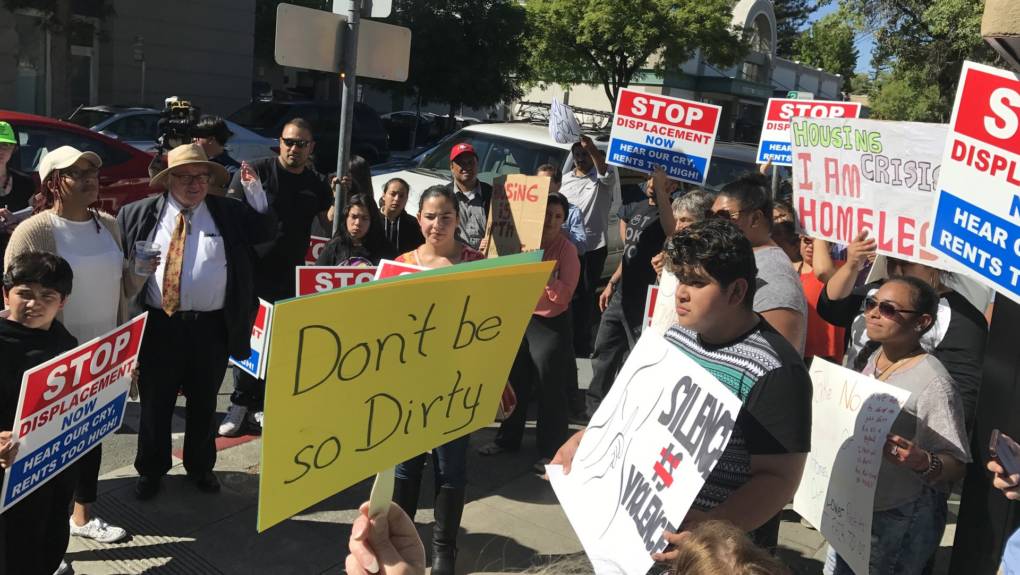
"caption": "A group of housing advocates, including YUCA, Faith in Action, El Comite and Legal Aid of San Mateo show up outside the Palo Alto offices of Working Dirt LLC, to protest its recent decision to hike the rent of East Palo Alto resident Saia Fetuu by $1,050 a month. (He's in the center wearing a red cap.)",
"description": "A group of housing advocates, including YUCA, Faith in Action, el Comite, and Legal Aid of San Mateo show up outside the Palo Alto offices of Working Dirt, LLC, to protest its recent decision to hike the rent of East Palo Alto resident Saia Fetuu by $1,050 a month. (He's in the center wearing a red cap.)",
"title": "RS25415_Protest-qut",
"credit": "Courtesy of Daniel Saver",
"status": "inherit",
"isLoading": false,
"fetchFailed": false
},
"news_10899605": {
"type": "attachments",
"id": "news_10899605",
"meta": {
"index": "attachments_1716263798",
"site": "news",
"id": "10899605",
"found": true
},
"parent": 10899596,
"imgSizes": {
"twentyfourteen-full-width": {
"file": "https://ww2.kqed.org/app/uploads/sites/10/2016/03/IVotedSticker-1038x576.jpg",
"width": 1038,
"mimeType": "image/jpeg",
"height": 576
},
"thumbnail": {
"file": "https://ww2.kqed.org/app/uploads/sites/10/2016/03/IVotedSticker-400x247.jpg",
"width": 400,
"mimeType": "image/jpeg",
"height": 247
},
"fd-sm": {
"file": "https://ww2.kqed.org/app/uploads/sites/10/2016/03/IVotedSticker-960x593.jpg",
"width": 960,
"mimeType": "image/jpeg",
"height": 593
},
"post-thumbnail": {
"file": "https://ww2.kqed.org/app/uploads/sites/10/2016/03/IVotedSticker-672x372.jpg",
"width": 672,
"mimeType": "image/jpeg",
"height": 372
},
"kqedFullSize": {
"file": "https://ww2.kqed.org/app/uploads/sites/10/2016/03/IVotedSticker.jpg",
"width": 1920,
"height": 1185
},
"large": {
"file": "https://ww2.kqed.org/app/uploads/sites/10/2016/03/IVotedSticker-1920x1185.jpg",
"width": 1920,
"mimeType": "image/jpeg",
"height": 1185
},
"guest-author-96": {
"file": "https://ww2.kqed.org/app/uploads/sites/10/2016/03/IVotedSticker-96x96.jpg",
"width": 96,
"mimeType": "image/jpeg",
"height": 96
},
"medium": {
"file": "https://ww2.kqed.org/app/uploads/sites/10/2016/03/IVotedSticker-800x494.jpg",
"width": 800,
"mimeType": "image/jpeg",
"height": 494
},
"guest-author-64": {
"file": "https://ww2.kqed.org/app/uploads/sites/10/2016/03/IVotedSticker-64x64.jpg",
"width": 64,
"mimeType": "image/jpeg",
"height": 64
},
"guest-author-32": {
"file": "https://ww2.kqed.org/app/uploads/sites/10/2016/03/IVotedSticker-32x32.jpg",
"width": 32,
"mimeType": "image/jpeg",
"height": 32
},
"jmtc-small-thumb": {
"file": "https://ww2.kqed.org/app/uploads/sites/10/2016/03/IVotedSticker-280x150.jpg",
"width": 280,
"mimeType": "image/jpeg",
"height": 150
},
"fd-lrg": {
"file": "https://ww2.kqed.org/app/uploads/sites/10/2016/03/IVotedSticker-1920x1185.jpg",
"width": 1920,
"mimeType": "image/jpeg",
"height": 1185
},
"fd-med": {
"file": "https://ww2.kqed.org/app/uploads/sites/10/2016/03/IVotedSticker-1180x728.jpg",
"width": 1180,
"mimeType": "image/jpeg",
"height": 728
},
"detail": {
"file": "https://ww2.kqed.org/app/uploads/sites/10/2016/03/IVotedSticker-75x75.jpg",
"width": 75,
"mimeType": "image/jpeg",
"height": 75
},
"guest-author-128": {
"file": "https://ww2.kqed.org/app/uploads/sites/10/2016/03/IVotedSticker-128x128.jpg",
"width": 128,
"mimeType": "image/jpeg",
"height": 128
}
},
"publishDate": 1458262451,
"modified": 1478741513,
"caption": "A poll worker hands out 'I Voted' stickers.",
"description": "A poll worker hands out \"I Voted\" stickers.",
"title": "IVotedSticker",
"credit": "Brendan Smialowski/AFP/Getty Images",
"status": "inherit",
"isLoading": false,
"fetchFailed": false
},
"news_11004440": {
"type": "attachments",
"id": "news_11004440",
"meta": {
"index": "attachments_1716263798",
"site": "news",
"id": "11004440",
"found": true
},
"parent": 11004435,
"imgSizes": {
"twentyfourteen-full-width": {
"file": "https://ww2.kqed.org/app/uploads/sites/10/2016/06/RS19953_FullSizeRender-qut-1038x576.jpg",
"width": 1038,
"mimeType": "image/jpeg",
"height": 576
},
"thumbnail": {
"file": "https://ww2.kqed.org/app/uploads/sites/10/2016/06/RS19953_FullSizeRender-qut-400x300.jpg",
"width": 400,
"mimeType": "image/jpeg",
"height": 300
},
"fd-sm": {
"file": "https://ww2.kqed.org/app/uploads/sites/10/2016/06/RS19953_FullSizeRender-qut-960x720.jpg",
"width": 960,
"mimeType": "image/jpeg",
"height": 720
},
"post-thumbnail": {
"file": "https://ww2.kqed.org/app/uploads/sites/10/2016/06/RS19953_FullSizeRender-qut-672x372.jpg",
"width": 672,
"mimeType": "image/jpeg",
"height": 372
},
"kqedFullSize": {
"file": "https://ww2.kqed.org/app/uploads/sites/10/2016/06/RS19953_FullSizeRender-qut.jpg",
"width": 1920,
"height": 1440
},
"large": {
"file": "https://ww2.kqed.org/app/uploads/sites/10/2016/06/RS19953_FullSizeRender-qut-1920x1440.jpg",
"width": 1920,
"mimeType": "image/jpeg",
"height": 1440
},
"guest-author-50": {
"file": "https://ww2.kqed.org/app/uploads/sites/10/2016/06/RS19953_FullSizeRender-qut-50x50.jpg",
"width": 50,
"mimeType": "image/jpeg",
"height": 50
},
"guest-author-96": {
"file": "https://ww2.kqed.org/app/uploads/sites/10/2016/06/RS19953_FullSizeRender-qut-96x96.jpg",
"width": 96,
"mimeType": "image/jpeg",
"height": 96
},
"medium": {
"file": "https://ww2.kqed.org/app/uploads/sites/10/2016/06/RS19953_FullSizeRender-qut-800x600.jpg",
"width": 800,
"mimeType": "image/jpeg",
"height": 600
},
"guest-author-64": {
"file": "https://ww2.kqed.org/app/uploads/sites/10/2016/06/RS19953_FullSizeRender-qut-64x64.jpg",
"width": 64,
"mimeType": "image/jpeg",
"height": 64
},
"guest-author-32": {
"file": "https://ww2.kqed.org/app/uploads/sites/10/2016/06/RS19953_FullSizeRender-qut-32x32.jpg",
"width": 32,
"mimeType": "image/jpeg",
"height": 32
},
"jmtc-small-thumb": {
"file": "https://ww2.kqed.org/app/uploads/sites/10/2016/06/RS19953_FullSizeRender-qut-280x150.jpg",
"width": 280,
"mimeType": "image/jpeg",
"height": 150
},
"fd-lrg": {
"file": "https://ww2.kqed.org/app/uploads/sites/10/2016/06/RS19953_FullSizeRender-qut-1920x1440.jpg",
"width": 1920,
"mimeType": "image/jpeg",
"height": 1440
},
"fd-med": {
"file": "https://ww2.kqed.org/app/uploads/sites/10/2016/06/RS19953_FullSizeRender-qut-1180x885.jpg",
"width": 1180,
"mimeType": "image/jpeg",
"height": 885
},
"detail": {
"file": "https://ww2.kqed.org/app/uploads/sites/10/2016/06/RS19953_FullSizeRender-qut-150x150.jpg",
"width": 150,
"mimeType": "image/jpeg",
"height": 150
},
"guest-author-128": {
"file": "https://ww2.kqed.org/app/uploads/sites/10/2016/06/RS19953_FullSizeRender-qut-128x128.jpg",
"width": 128,
"mimeType": "image/jpeg",
"height": 128
}
},
"publishDate": 1467214426,
"modified": 1467243369,
"caption": "The Aucar family gets a slice of normalcy in temporary housing in San Mateo after sleeping in their van and on a garage floor.",
"description": "The Acur family gets a slice of normalcy in temporary housing in San Mateo after sleeping in their van and on a garage floor.",
"title": "Living on the Edge",
"credit": "Beth Willon/KQED",
"status": "inherit",
"isLoading": false,
"fetchFailed": false
},
"news_10981799": {
"type": "attachments",
"id": "news_10981799",
"meta": {
"index": "attachments_1716263798",
"site": "news",
"id": "10981799",
"found": true
},
"parent": 10981797,
"imgSizes": {
"twentyfourteen-full-width": {
"file": "https://ww2.kqed.org/app/uploads/sites/10/2016/06/RS19760_GettyImages-513221080-qut-1038x576.jpg",
"width": 1038,
"mimeType": "image/jpeg",
"height": 576
},
"thumbnail": {
"file": "https://ww2.kqed.org/app/uploads/sites/10/2016/06/RS19760_GettyImages-513221080-qut-400x267.jpg",
"width": 400,
"mimeType": "image/jpeg",
"height": 267
},
"fd-sm": {
"file": "https://ww2.kqed.org/app/uploads/sites/10/2016/06/RS19760_GettyImages-513221080-qut-960x640.jpg",
"width": 960,
"mimeType": "image/jpeg",
"height": 640
},
"post-thumbnail": {
"file": "https://ww2.kqed.org/app/uploads/sites/10/2016/06/RS19760_GettyImages-513221080-qut-672x372.jpg",
"width": 672,
"mimeType": "image/jpeg",
"height": 372
},
"kqedFullSize": {
"file": "https://ww2.kqed.org/app/uploads/sites/10/2016/06/RS19760_GettyImages-513221080-qut.jpg",
"width": 1920,
"height": 1280
},
"large": {
"file": "https://ww2.kqed.org/app/uploads/sites/10/2016/06/RS19760_GettyImages-513221080-qut-1920x1280.jpg",
"width": 1920,
"mimeType": "image/jpeg",
"height": 1280
},
"guest-author-50": {
"file": "https://ww2.kqed.org/app/uploads/sites/10/2016/06/RS19760_GettyImages-513221080-qut-50x50.jpg",
"width": 50,
"mimeType": "image/jpeg",
"height": 50
},
"guest-author-96": {
"file": "https://ww2.kqed.org/app/uploads/sites/10/2016/06/RS19760_GettyImages-513221080-qut-96x96.jpg",
"width": 96,
"mimeType": "image/jpeg",
"height": 96
},
"medium": {
"file": "https://ww2.kqed.org/app/uploads/sites/10/2016/06/RS19760_GettyImages-513221080-qut-800x533.jpg",
"width": 800,
"mimeType": "image/jpeg",
"height": 533
},
"guest-author-64": {
"file": "https://ww2.kqed.org/app/uploads/sites/10/2016/06/RS19760_GettyImages-513221080-qut-64x64.jpg",
"width": 64,
"mimeType": "image/jpeg",
"height": 64
},
"guest-author-32": {
"file": "https://ww2.kqed.org/app/uploads/sites/10/2016/06/RS19760_GettyImages-513221080-qut-32x32.jpg",
"width": 32,
"mimeType": "image/jpeg",
"height": 32
},
"jmtc-small-thumb": {
"file": "https://ww2.kqed.org/app/uploads/sites/10/2016/06/RS19760_GettyImages-513221080-qut-280x150.jpg",
"width": 280,
"mimeType": "image/jpeg",
"height": 150
},
"fd-lrg": {
"file": "https://ww2.kqed.org/app/uploads/sites/10/2016/06/RS19760_GettyImages-513221080-qut-1920x1280.jpg",
"width": 1920,
"mimeType": "image/jpeg",
"height": 1280
},
"fd-med": {
"file": "https://ww2.kqed.org/app/uploads/sites/10/2016/06/RS19760_GettyImages-513221080-qut-1180x787.jpg",
"width": 1180,
"mimeType": "image/jpeg",
"height": 787
},
"detail": {
"file": "https://ww2.kqed.org/app/uploads/sites/10/2016/06/RS19760_GettyImages-513221080-qut-150x150.jpg",
"width": 150,
"mimeType": "image/jpeg",
"height": 150
},
"guest-author-128": {
"file": "https://ww2.kqed.org/app/uploads/sites/10/2016/06/RS19760_GettyImages-513221080-qut-128x128.jpg",
"width": 128,
"mimeType": "image/jpeg",
"height": 128
}
},
"publishDate": 1465351726,
"modified": 1465351773,
"caption": null,
"description": null,
"title": "RS19760_GettyImages-513221080-qut",
"credit": "Erich Schlegel/Getty Images",
"status": "inherit",
"isLoading": false,
"fetchFailed": false
},
"news_10799489": {
"type": "attachments",
"id": "news_10799489",
"meta": {
"index": "attachments_1716263798",
"site": "news",
"id": "10799489",
"found": true
},
"parent": 10798057,
"imgSizes": {
"twentyfourteen-full-width": {
"file": "https://ww2.kqed.org/app/uploads/sites/10/2015/12/17858_transform-1038x576.jpg",
"width": 1038,
"mimeType": "image/jpeg",
"height": 576
},
"thumbnail": {
"file": "https://ww2.kqed.org/app/uploads/sites/10/2015/12/17858_transform-400x274.jpg",
"width": 400,
"mimeType": "image/jpeg",
"height": 274
},
"fd-sm": {
"file": "https://ww2.kqed.org/app/uploads/sites/10/2015/12/17858_transform-960x658.jpg",
"width": 960,
"mimeType": "image/jpeg",
"height": 658
},
"post-thumbnail": {
"file": "https://ww2.kqed.org/app/uploads/sites/10/2015/12/17858_transform-672x372.jpg",
"width": 672,
"mimeType": "image/jpeg",
"height": 372
},
"kqedFullSize": {
"file": "https://ww2.kqed.org/app/uploads/sites/10/2015/12/17858_transform-e1450484041603.jpg",
"width": 1920,
"height": 1315
},
"large": {
"file": "https://ww2.kqed.org/app/uploads/sites/10/2015/12/17858_transform-1440x986.jpg",
"width": 1440,
"mimeType": "image/jpeg",
"height": 986
},
"guest-author-96": {
"file": "https://ww2.kqed.org/app/uploads/sites/10/2015/12/17858_transform-96x96.jpg",
"width": 96,
"mimeType": "image/jpeg",
"height": 96
},
"medium": {
"file": "https://ww2.kqed.org/app/uploads/sites/10/2015/12/17858_transform-800x548.jpg",
"width": 800,
"mimeType": "image/jpeg",
"height": 548
},
"guest-author-64": {
"file": "https://ww2.kqed.org/app/uploads/sites/10/2015/12/17858_transform-64x64.jpg",
"width": 64,
"mimeType": "image/jpeg",
"height": 64
},
"guest-author-32": {
"file": "https://ww2.kqed.org/app/uploads/sites/10/2015/12/17858_transform-32x32.jpg",
"width": 32,
"mimeType": "image/jpeg",
"height": 32
},
"jmtc-small-thumb": {
"file": "https://ww2.kqed.org/app/uploads/sites/10/2015/12/17858_transform-280x150.jpg",
"width": 280,
"mimeType": "image/jpeg",
"height": 150
},
"fd-lrg": {
"file": "https://ww2.kqed.org/app/uploads/sites/10/2015/12/17858_transform-1920x1315.jpg",
"width": 1920,
"mimeType": "image/jpeg",
"height": 1315
},
"fd-med": {
"file": "https://ww2.kqed.org/app/uploads/sites/10/2015/12/17858_transform-1180x808.jpg",
"width": 1180,
"mimeType": "image/jpeg",
"height": 808
},
"detail": {
"file": "https://ww2.kqed.org/app/uploads/sites/10/2015/12/17858_transform-75x75.jpg",
"width": 75,
"mimeType": "image/jpeg",
"height": 75
},
"medium_large": {
"file": "https://ww2.kqed.org/app/uploads/sites/10/2015/12/17858_transform-768x526.jpg",
"width": 768,
"mimeType": "image/jpeg",
"height": 526
},
"guest-author-128": {
"file": "https://ww2.kqed.org/app/uploads/sites/10/2015/12/17858_transform-128x128.jpg",
"width": 128,
"mimeType": "image/jpeg",
"height": 128
}
},
"publishDate": 1450472802,
"modified": 1450832023,
"caption": "Giselle Penuela, 10, and Alexander Penuela, 6, attend at a vigil outside a City Council meeting in Redwood City. ",
"description": null,
"title": "Redwood City vigil on affordable housing",
"credit": "Farida Jhabvala Romero/KQED",
"status": "inherit",
"isLoading": false,
"fetchFailed": false
},
"news_10747707": {
"type": "attachments",
"id": "news_10747707",
"meta": {
"index": "attachments_1716263798",
"site": "news",
"id": "10747707",
"found": true
},
"parent": 10747592,
"imgSizes": {
"twentyfourteen-full-width": {
"file": "https://ww2.kqed.org/app/uploads/sites/10/2015/11/RS17407_MarkChurch-qut-1038x576.jpg",
"width": 1038,
"mimeType": "image/jpeg",
"height": 576
},
"thumbnail": {
"file": "https://ww2.kqed.org/app/uploads/sites/10/2015/11/RS17407_MarkChurch-qut-400x300.jpg",
"width": 400,
"mimeType": "image/jpeg",
"height": 300
},
"fd-sm": {
"file": "https://ww2.kqed.org/app/uploads/sites/10/2015/11/RS17407_MarkChurch-qut-960x720.jpg",
"width": 960,
"mimeType": "image/jpeg",
"height": 720
},
"post-thumbnail": {
"file": "https://ww2.kqed.org/app/uploads/sites/10/2015/11/RS17407_MarkChurch-qut-672x372.jpg",
"width": 672,
"mimeType": "image/jpeg",
"height": 372
},
"kqedFullSize": {
"file": "https://ww2.kqed.org/app/uploads/sites/10/2015/11/RS17407_MarkChurch-qut.jpg",
"width": 1920,
"height": 1440
},
"large": {
"file": "https://ww2.kqed.org/app/uploads/sites/10/2015/11/RS17407_MarkChurch-qut-1440x1080.jpg",
"width": 1440,
"mimeType": "image/jpeg",
"height": 1080
},
"guest-author-96": {
"file": "https://ww2.kqed.org/app/uploads/sites/10/2015/11/RS17407_MarkChurch-qut-96x96.jpg",
"width": 96,
"mimeType": "image/jpeg",
"height": 96
},
"medium": {
"file": "https://ww2.kqed.org/app/uploads/sites/10/2015/11/RS17407_MarkChurch-qut-800x600.jpg",
"width": 800,
"mimeType": "image/jpeg",
"height": 600
},
"guest-author-64": {
"file": "https://ww2.kqed.org/app/uploads/sites/10/2015/11/RS17407_MarkChurch-qut-64x64.jpg",
"width": 64,
"mimeType": "image/jpeg",
"height": 64
},
"guest-author-32": {
"file": "https://ww2.kqed.org/app/uploads/sites/10/2015/11/RS17407_MarkChurch-qut-32x32.jpg",
"width": 32,
"mimeType": "image/jpeg",
"height": 32
},
"jmtc-small-thumb": {
"file": "https://ww2.kqed.org/app/uploads/sites/10/2015/11/RS17407_MarkChurch-qut-280x150.jpg",
"width": 280,
"mimeType": "image/jpeg",
"height": 150
},
"fd-lrg": {
"file": "https://ww2.kqed.org/app/uploads/sites/10/2015/11/RS17407_MarkChurch-qut-1920x1440.jpg",
"width": 1920,
"mimeType": "image/jpeg",
"height": 1440
},
"fd-med": {
"file": "https://ww2.kqed.org/app/uploads/sites/10/2015/11/RS17407_MarkChurch-qut-1180x885.jpg",
"width": 1180,
"mimeType": "image/jpeg",
"height": 885
},
"detail": {
"file": "https://ww2.kqed.org/app/uploads/sites/10/2015/11/RS17407_MarkChurch-qut-75x75.jpg",
"width": 75,
"mimeType": "image/jpeg",
"height": 75
},
"guest-author-128": {
"file": "https://ww2.kqed.org/app/uploads/sites/10/2015/11/RS17407_MarkChurch-qut-128x128.jpg",
"width": 128,
"mimeType": "image/jpeg",
"height": 128
}
},
"publishDate": 1446773125,
"modified": 1446848539,
"caption": "San Mateo County Chief Elections Officer Mark Church.",
"description": "San Mateo County Chief Elections Office Mark Church.",
"title": "RS17407_MarkChurch-qut",
"credit": "Rachael Myrow/KQED",
"status": "inherit",
"isLoading": false,
"fetchFailed": false
},
"news_10727455": {
"type": "attachments",
"id": "news_10727455",
"meta": {
"index": "attachments_1716263798",
"site": "news",
"id": "10727455",
"found": true
},
"parent": 10727454,
"imgSizes": {
"twentyfourteen-full-width": {
"file": "https://ww2.kqed.org/app/uploads/sites/10/2015/10/mailin1920-1038x576.jpg",
"width": 1038,
"mimeType": "image/jpeg",
"height": 576
},
"thumbnail": {
"file": "https://ww2.kqed.org/app/uploads/sites/10/2015/10/mailin1920-400x225.jpg",
"width": 400,
"mimeType": "image/jpeg",
"height": 225
},
"fd-sm": {
"file": "https://ww2.kqed.org/app/uploads/sites/10/2015/10/mailin1920-960x540.jpg",
"width": 960,
"mimeType": "image/jpeg",
"height": 540
},
"post-thumbnail": {
"file": "https://ww2.kqed.org/app/uploads/sites/10/2015/10/mailin1920-672x372.jpg",
"width": 672,
"mimeType": "image/jpeg",
"height": 372
},
"kqedFullSize": {
"file": "https://ww2.kqed.org/app/uploads/sites/10/2015/10/mailin1920.jpg",
"width": 1920,
"height": 1080
},
"large": {
"file": "https://ww2.kqed.org/app/uploads/sites/10/2015/10/mailin1920-1440x810.jpg",
"width": 1440,
"mimeType": "image/jpeg",
"height": 810
},
"guest-author-96": {
"file": "https://ww2.kqed.org/app/uploads/sites/10/2015/10/mailin1920-96x96.jpg",
"width": 96,
"mimeType": "image/jpeg",
"height": 96
},
"medium": {
"file": "https://ww2.kqed.org/app/uploads/sites/10/2015/10/mailin1920-800x450.jpg",
"width": 800,
"mimeType": "image/jpeg",
"height": 450
},
"guest-author-64": {
"file": "https://ww2.kqed.org/app/uploads/sites/10/2015/10/mailin1920-64x64.jpg",
"width": 64,
"mimeType": "image/jpeg",
"height": 64
},
"guest-author-32": {
"file": "https://ww2.kqed.org/app/uploads/sites/10/2015/10/mailin1920-32x32.jpg",
"width": 32,
"mimeType": "image/jpeg",
"height": 32
},
"jmtc-small-thumb": {
"file": "https://ww2.kqed.org/app/uploads/sites/10/2015/10/mailin1920-280x150.jpg",
"width": 280,
"mimeType": "image/jpeg",
"height": 150
},
"fd-lrg": {
"file": "https://ww2.kqed.org/app/uploads/sites/10/2015/10/mailin1920-1920x1080.jpg",
"width": 1920,
"mimeType": "image/jpeg",
"height": 1080
},
"fd-med": {
"file": "https://ww2.kqed.org/app/uploads/sites/10/2015/10/mailin1920-1180x664.jpg",
"width": 1180,
"mimeType": "image/jpeg",
"height": 664
},
"detail": {
"file": "https://ww2.kqed.org/app/uploads/sites/10/2015/10/mailin1920-75x75.jpg",
"width": 75,
"mimeType": "image/jpeg",
"height": 75
},
"guest-author-128": {
"file": "https://ww2.kqed.org/app/uploads/sites/10/2015/10/mailin1920-128x128.jpg",
"width": 128,
"mimeType": "image/jpeg",
"height": 128
}
},
"publishDate": 1445461979,
"modified": 1445462397,
"caption": null,
"description": null,
"title": "mailin1920",
"credit": "Olivia Allen-Price/KQED",
"status": "inherit",
"isLoading": false,
"fetchFailed": false
},
"news_10728803": {
"type": "attachments",
"id": "news_10728803",
"meta": {
"index": "attachments_1716263798",
"site": "news",
"id": "10728803",
"found": true
},
"parent": 10728800,
"imgSizes": {
"twentyfourteen-full-width": {
"file": "https://ww2.kqed.org/app/uploads/sites/10/2015/10/NFairOaks-1038x576.jpg",
"width": 1038,
"mimeType": "image/jpeg",
"height": 576
},
"thumbnail": {
"file": "https://ww2.kqed.org/app/uploads/sites/10/2015/10/NFairOaks-400x263.jpg",
"width": 400,
"mimeType": "image/jpeg",
"height": 263
},
"fd-sm": {
"file": "https://ww2.kqed.org/app/uploads/sites/10/2015/10/NFairOaks-960x630.jpg",
"width": 960,
"mimeType": "image/jpeg",
"height": 630
},
"post-thumbnail": {
"file": "https://ww2.kqed.org/app/uploads/sites/10/2015/10/NFairOaks-672x372.jpg",
"width": 672,
"mimeType": "image/jpeg",
"height": 372
},
"kqedFullSize": {
"file": "https://ww2.kqed.org/app/uploads/sites/10/2015/10/NFairOaks.jpg",
"width": 1920,
"height": 1260
},
"large": {
"file": "https://ww2.kqed.org/app/uploads/sites/10/2015/10/NFairOaks-1440x945.jpg",
"width": 1440,
"mimeType": "image/jpeg",
"height": 945
},
"guest-author-96": {
"file": "https://ww2.kqed.org/app/uploads/sites/10/2015/10/NFairOaks-96x96.jpg",
"width": 96,
"mimeType": "image/jpeg",
"height": 96
},
"medium": {
"file": "https://ww2.kqed.org/app/uploads/sites/10/2015/10/NFairOaks-800x525.jpg",
"width": 800,
"mimeType": "image/jpeg",
"height": 525
},
"guest-author-64": {
"file": "https://ww2.kqed.org/app/uploads/sites/10/2015/10/NFairOaks-64x64.jpg",
"width": 64,
"mimeType": "image/jpeg",
"height": 64
},
"guest-author-32": {
"file": "https://ww2.kqed.org/app/uploads/sites/10/2015/10/NFairOaks-32x32.jpg",
"width": 32,
"mimeType": "image/jpeg",
"height": 32
},
"jmtc-small-thumb": {
"file": "https://ww2.kqed.org/app/uploads/sites/10/2015/10/NFairOaks-280x150.jpg",
"width": 280,
"mimeType": "image/jpeg",
"height": 150
},
"fd-lrg": {
"file": "https://ww2.kqed.org/app/uploads/sites/10/2015/10/NFairOaks-1920x1260.jpg",
"width": 1920,
"mimeType": "image/jpeg",
"height": 1260
},
"fd-med": {
"file": "https://ww2.kqed.org/app/uploads/sites/10/2015/10/NFairOaks-1180x774.jpg",
"width": 1180,
"mimeType": "image/jpeg",
"height": 774
},
"detail": {
"file": "https://ww2.kqed.org/app/uploads/sites/10/2015/10/NFairOaks-75x75.jpg",
"width": 75,
"mimeType": "image/jpeg",
"height": 75
},
"guest-author-128": {
"file": "https://ww2.kqed.org/app/uploads/sites/10/2015/10/NFairOaks-128x128.jpg",
"width": 128,
"mimeType": "image/jpeg",
"height": 128
}
},
"publishDate": 1445541056,
"modified": 1445541120,
"caption": "Community members and consultant Millette Litzinger (L) discuss plans for a redesigned Middlefield Road at a design workshop in North Fair Oaks on Sept. 30, 2015.",
"description": "Community members and consultant Millette Litzinger (L) discuss plans for a redesigned Middlefield Road at a design workshop in North Fair Oaks on Sept. 30, 2015.",
"title": "NFairOaks",
"credit": "Jeff Barrera/Peninsula Press",
"status": "inherit",
"isLoading": false,
"fetchFailed": false
},
"news_10715291": {
"type": "attachments",
"id": "news_10715291",
"meta": {
"index": "attachments_1716263798",
"site": "news",
"id": "10715291",
"found": true
},
"parent": 10714128,
"imgSizes": {
"twentyfourteen-full-width": {
"file": "https://ww2.kqed.org/app/uploads/sites/10/2015/10/mailin-1038x576.jpg",
"width": 1038,
"mimeType": "image/jpeg",
"height": 576
},
"thumbnail": {
"file": "https://ww2.kqed.org/app/uploads/sites/10/2015/10/mailin-400x300.jpg",
"width": 400,
"mimeType": "image/jpeg",
"height": 300
},
"fd-sm": {
"file": "https://ww2.kqed.org/app/uploads/sites/10/2015/10/mailin-960x720.jpg",
"width": 960,
"mimeType": "image/jpeg",
"height": 720
},
"post-thumbnail": {
"file": "https://ww2.kqed.org/app/uploads/sites/10/2015/10/mailin-672x372.jpg",
"width": 672,
"mimeType": "image/jpeg",
"height": 372
},
"kqedFullSize": {
"file": "https://ww2.kqed.org/app/uploads/sites/10/2015/10/mailin.jpg",
"width": 4032,
"height": 3024
},
"large": {
"file": "https://ww2.kqed.org/app/uploads/sites/10/2015/10/mailin-1440x1080.jpg",
"width": 1440,
"mimeType": "image/jpeg",
"height": 1080
},
"guest-author-96": {
"file": "https://ww2.kqed.org/app/uploads/sites/10/2015/10/mailin-96x96.jpg",
"width": 96,
"mimeType": "image/jpeg",
"height": 96
},
"medium": {
"file": "https://ww2.kqed.org/app/uploads/sites/10/2015/10/mailin-800x600.jpg",
"width": 800,
"mimeType": "image/jpeg",
"height": 600
},
"guest-author-64": {
"file": "https://ww2.kqed.org/app/uploads/sites/10/2015/10/mailin-64x64.jpg",
"width": 64,
"mimeType": "image/jpeg",
"height": 64
},
"guest-author-32": {
"file": "https://ww2.kqed.org/app/uploads/sites/10/2015/10/mailin-32x32.jpg",
"width": 32,
"mimeType": "image/jpeg",
"height": 32
},
"jmtc-small-thumb": {
"file": "https://ww2.kqed.org/app/uploads/sites/10/2015/10/mailin-280x150.jpg",
"width": 280,
"mimeType": "image/jpeg",
"height": 150
},
"fd-lrg": {
"file": "https://ww2.kqed.org/app/uploads/sites/10/2015/10/mailin-1920x1440.jpg",
"width": 1920,
"mimeType": "image/jpeg",
"height": 1440
},
"fd-med": {
"file": "https://ww2.kqed.org/app/uploads/sites/10/2015/10/mailin-1180x885.jpg",
"width": 1180,
"mimeType": "image/jpeg",
"height": 885
},
"detail": {
"file": "https://ww2.kqed.org/app/uploads/sites/10/2015/10/mailin-75x75.jpg",
"width": 75,
"mimeType": "image/jpeg",
"height": 75
},
"guest-author-128": {
"file": "https://ww2.kqed.org/app/uploads/sites/10/2015/10/mailin-128x128.jpg",
"width": 128,
"mimeType": "image/jpeg",
"height": 128
}
},
"publishDate": 1444754550,
"modified": 1444754584,
"caption": null,
"description": null,
"title": "mailin",
"credit": "Olivia Allen-Price/KQED",
"status": "inherit",
"isLoading": false,
"fetchFailed": false
},
"science_15829": {
"type": "attachments",
"id": "science_15829",
"meta": {
"index": "attachments_1716263798",
"site": "science",
"id": "15829",
"found": true
},
"parent": 15811,
"imgSizes": {
"kqedFullSize": {
"file": "https://ww2.kqed.org/app/uploads/sites/35/2014/03/DevilSlide-featured.jpg",
"width": 640,
"height": 360
}
},
"publishDate": 1395795709,
"modified": 1395795709,
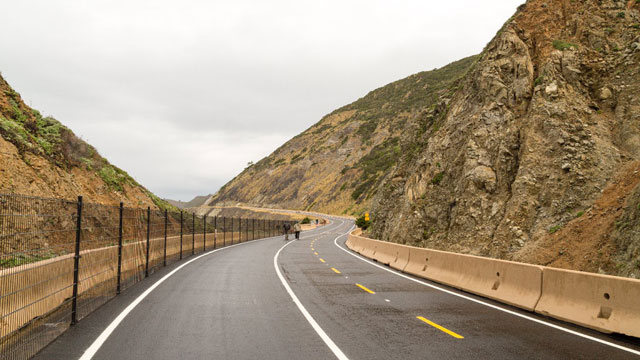
"caption": "The new Devil's Slide Trail replaces a treacherous stretch of Highway 1. (Josh Cassidy/KQED)",
"description": "The new Devil's Slide Trail replaces a treacherous stretch of Highway 1. (Josh Cassidy/KQED)",
"title": "DevilSlide-featured",
"credit": null,
"status": "inherit",
"isLoading": false,
"fetchFailed": false
}
},
"audioPlayerReducer": {
"postId": "stream_live",
"isPaused": true,
"isPlaying": false,
"pfsActive": false,
"pledgeModalIsOpen": true,
"playerDrawerIsOpen": false,
"liveAudioPlayStartedAt": 0,
"liveAudioPlayContext": ""
},
"authorsReducer": {
"byline_news_10728800": {
"type": "authors",
"id": "byline_news_10728800",
"meta": {
"override": true
},
"slug": "byline_news_10728800",
"name": "\u003cstrong>\u003ca href=\"http://peninsulapress.com/author/jeffbarrera/\">Jeff Barrera\u003c/a>\u003c/strong>",
"isLoading": false
},
"smartin": {
"type": "authors",
"id": "89",
"meta": {
"index": "authors_1716337520",
"id": "89",
"found": true
},
"name": "Stephanie Martin Taylor",
"firstName": "Stephanie Martin",
"lastName": "Taylor",
"slug": "smartin",
"email": "smartin@kqed.org",
"display_author_email": false,
"staff_mastheads": [],
"title": null,
"bio": "Stephanie Martin is a radio news reporter and anchor, and an occasional host of the \u003cem>KQED Newsroom \u003c/em>television program. While she currently focuses on housing and development issues, she has also reported on topics ranging from state and local politics to religion to arts and culture.\r\n\r\nPrior to joining KQED in 2005, Stephanie was an anchor and reporter for WFDD, the NPR affiliate in Winston-Salem, NC. She also spent several years as a television anchor, reporter and producer at various stations around the country.\r\n\r\nStephanie has received numerous awards for her reporting, including two National Headliner Awards, the Religion Newswriters Association's Best Radio Reporting Award and honors from the Associated Press and the Radio and Television Digital News Association. A series she produced from Iraq in 2005 earned a Best of Radio Award from the Society of Professional Journalists.\r\n\r\nStephanie received a graduate degree in Journalism from Columbia University. As an undergraduate at Colgate University, she worked and studied in Paris and Dijon, France, and spent a summer interning in the White House Press Office.\r\n\r\nStephanie grew up in Dallas, TX, and now lives with her husband in San Francisco.",
"avatar": "https://secure.gravatar.com/avatar/9fd3f8e9af01e14afde39822c19646e0?s=600&d=blank&r=g",
"twitter": "SMartinTaylor",
"facebook": null,
"instagram": null,
"linkedin": null,
"sites": [
{
"site": "arts",
"roles": [
"Contributor",
"subscriber"
]
},
{
"site": "news",
"roles": [
"subscriber"
]
},
{
"site": "stateofhealth",
"roles": [
"subscriber"
]
}
],
"headData": {
"title": "Stephanie Martin Taylor | KQED",
"description": null,
"ogImgSrc": "https://secure.gravatar.com/avatar/9fd3f8e9af01e14afde39822c19646e0?s=600&d=blank&r=g",
"twImgSrc": "https://secure.gravatar.com/avatar/9fd3f8e9af01e14afde39822c19646e0?s=600&d=blank&r=g"
},
"isLoading": false,
"link": "/author/smartin"
},
"dclyde": {
"type": "authors",
"id": "104",
"meta": {
"index": "authors_1716337520",
"id": "104",
"found": true
},
"name": "Don Clyde",
"firstName": "Don",
"lastName": "Clyde",
"slug": "dclyde",
"email": "dclyde@kqed.org",
"display_author_email": false,
"staff_mastheads": [],
"title": "KQED Contributor",
"bio": "Don Clyde is an online producer, reporter and copy editor for KQED News. Before venturing into journalism, he worked as a medical device engineer and scientist for nearly a decade after earning a degree in physics from UC Berkeley. He loves travel, reading, living in Oakland, and most importantly, a good walk. Email him at dclyde@kqed.org or follow him @clydedon.",
"avatar": "https://secure.gravatar.com/avatar/decd3e640c3eedbd0a574275aebb2d19?s=600&d=blank&r=g",
"twitter": "clydedon",
"facebook": null,
"instagram": null,
"linkedin": null,
"sites": [
{
"site": "artschool",
"roles": [
"editor"
]
},
{
"site": "news",
"roles": [
"administrator"
]
},
{
"site": "futureofyou",
"roles": [
"editor"
]
},
{
"site": "about",
"roles": [
"editor"
]
},
{
"site": "mindshift",
"roles": [
"contributor"
]
},
{
"site": "bayareabites",
"roles": [
"contributor"
]
},
{
"site": "lowdown",
"roles": [
"editor"
]
},
{
"site": "stateofhealth",
"roles": [
"administrator"
]
},
{
"site": "spark",
"roles": [
"administrator"
]
},
{
"site": "trulyca",
"roles": [
"administrator"
]
},
{
"site": "imagemakers",
"roles": [
"administrator"
]
},
{
"site": "science",
"roles": []
},
{
"site": "education",
"roles": [
"editor"
]
},
{
"site": "quest",
"roles": [
"subscriber"
]
},
{
"site": "checkplease",
"roles": [
"subscriber"
]
},
{
"site": "forum",
"roles": [
"editor"
]
},
{
"site": "perspectives",
"roles": [
"editor"
]
}
],
"headData": {
"title": "Don Clyde | KQED",
"description": "KQED Contributor",
"ogImgSrc": "https://secure.gravatar.com/avatar/decd3e640c3eedbd0a574275aebb2d19?s=600&d=blank&r=g",
"twImgSrc": "https://secure.gravatar.com/avatar/decd3e640c3eedbd0a574275aebb2d19?s=600&d=blank&r=g"
},
"isLoading": false,
"link": "/author/dclyde"
},
"kqednewsstaffandwires": {
"type": "authors",
"id": "237",
"meta": {
"index": "authors_1716337520",
"id": "237",
"found": true
},
"name": "KQED News Staff and Wires",
"firstName": "KQED News Staff and Wires",
"lastName": null,
"slug": "kqednewsstaffandwires",
"email": "onlinenewsstaff@kqed.org",
"display_author_email": false,
"staff_mastheads": [],
"title": null,
"bio": null,
"avatar": "https://secure.gravatar.com/avatar/72295af8ebbfbd19a4948f5271285664?s=600&d=blank&r=g",
"twitter": null,
"facebook": null,
"instagram": null,
"linkedin": null,
"sites": [
{
"site": "arts",
"roles": [
"contributor"
]
},
{
"site": "news",
"roles": [
"contributor"
]
},
{
"site": "lowdown",
"roles": [
"author"
]
},
{
"site": "stateofhealth",
"roles": [
"contributor"
]
},
{
"site": "food",
"roles": [
"author"
]
}
],
"headData": {
"title": "KQED News Staff and Wires | KQED",
"description": null,
"ogImgSrc": "https://secure.gravatar.com/avatar/72295af8ebbfbd19a4948f5271285664?s=600&d=blank&r=g",
"twImgSrc": "https://secure.gravatar.com/avatar/72295af8ebbfbd19a4948f5271285664?s=600&d=blank&r=g"
},
"isLoading": false,
"link": "/author/kqednewsstaffandwires"
},
"rachael-myrow": {
"type": "authors",
"id": "251",
"meta": {
"index": "authors_1716337520",
"id": "251",
"found": true
},
"name": "Rachael Myrow",
"firstName": "Rachael",
"lastName": "Myrow",
"slug": "rachael-myrow",
"email": "rmyrow@kqed.org",
"display_author_email": true,
"staff_mastheads": [
"news"
],
"title": "Senior Editor of KQED's Silicon Valley News Desk",
"bio": "• I write and edit stories about how Silicon Valley power and policies shape everyday life in California. I’m also passionate about making Bay Area history and culture more accessible to a broad public. • I’ve been a journalist for most of my life, starting in high school with The Franklin Press in Los Angeles, where I grew up. While earning my first degree in English at UC Berkeley, I got my start in public radio at KALX-FM. After completing a second degree in journalism at Cal, I landed my first professional job at Marketplace, then moved on to KPCC (now LAist), and then KQED, where I hosted The California Report for more than seven years. • My reporting has appeared on NPR, The World, WBUR’s \u003ci>Here & Now\u003c/i>, and the BBC. I also guest host for KQED’s \u003ci>Forum\u003c/i>, as well as the Commonwealth Club in San Francisco. • I speak periodically on media, democracy and technology issues, and do voiceover work for documentaries and educational video projects. • Outside of the studio, you'll find me hiking Bay Area trails and whipping up Insta-ready meals in my kitchen. • I do not accept gifts, money, or favors from anyone connected to my reporting, I don't pay people for information, and I do not support or donate to political causes. • I strive to treat the people I report on with fairness, honesty, and respect. I also recognize there are often multiple sides to a story and work to verify information through multiple sources and documentation. If I get something wrong, I correct it.",
"avatar": "https://secure.gravatar.com/avatar/87bf8cb5874e045cdff430523a6d48b1?s=600&d=blank&r=g",
"twitter": "rachaelmyrow",
"facebook": null,
"instagram": null,
"linkedin": "https://www.linkedin.com/in/rachaelmyrow/",
"sites": [
{
"site": "arts",
"roles": [
"administrator"
]
},
{
"site": "news",
"roles": [
"edit_others_posts",
"editor"
]
},
{
"site": "futureofyou",
"roles": [
"editor"
]
},
{
"site": "bayareabites",
"roles": [
"editor"
]
},
{
"site": "stateofhealth",
"roles": [
"editor"
]
},
{
"site": "science",
"roles": [
"editor"
]
},
{
"site": "food",
"roles": [
"editor"
]
},
{
"site": "forum",
"roles": [
"editor"
]
},
{
"site": "liveblog",
"roles": [
"author"
]
}
],
"headData": {
"title": "Rachael Myrow | KQED",
"description": "Senior Editor of KQED's Silicon Valley News Desk",
"ogImgSrc": "https://secure.gravatar.com/avatar/87bf8cb5874e045cdff430523a6d48b1?s=600&d=blank&r=g",
"twImgSrc": "https://secure.gravatar.com/avatar/87bf8cb5874e045cdff430523a6d48b1?s=600&d=blank&r=g"
},
"isLoading": false,
"link": "/author/rachael-myrow"
},
"kdomara": {
"type": "authors",
"id": "1459",
"meta": {
"index": "authors_1716337520",
"id": "1459",
"found": true
},
"name": "Kelly O'Mara",
"firstName": "Kelly",
"lastName": "O'Mara",
"slug": "kdomara",
"email": "komara@kqed.org",
"display_author_email": false,
"staff_mastheads": [
"news"
],
"title": "KQED Contributor",
"bio": "Kelly O'Mara is a writer and reporter in the San Francisco Bay Area. She writes about food, health, sports, travel, business and California news. Her work has appeared on KQED, online for Outside Magazine, epsnW, VICE and in Competitor Magazine, among others. Follow Kelly on Twitter \u003ca href=\"https://twitter.com/kellydomara\">@kellydomara\u003c/a>.",
"avatar": "https://secure.gravatar.com/avatar/768fec7412028b72f13bdd0f5f9d8186?s=600&d=blank&r=g",
"twitter": null,
"facebook": null,
"instagram": null,
"linkedin": null,
"sites": [
{
"site": "arts",
"roles": []
},
{
"site": "news",
"roles": []
},
{
"site": "bayareabites",
"roles": []
},
{
"site": "stateofhealth",
"roles": []
},
{
"site": "science",
"roles": []
},
{
"site": "checkplease",
"roles": [
"editor"
]
},
{
"site": "food",
"roles": []
},
{
"site": "forum",
"roles": [
"editor"
]
},
{
"site": "liveblog",
"roles": [
"editor"
]
}
],
"headData": {
"title": "Kelly O'Mara | KQED",
"description": "KQED Contributor",
"ogImgSrc": "https://secure.gravatar.com/avatar/768fec7412028b72f13bdd0f5f9d8186?s=600&d=blank&r=g",
"twImgSrc": "https://secure.gravatar.com/avatar/768fec7412028b72f13bdd0f5f9d8186?s=600&d=blank&r=g"
},
"isLoading": false,
"link": "/author/kdomara"
},
"bwillon": {
"type": "authors",
"id": "3207",
"meta": {
"index": "authors_1716337520",
"id": "3207",
"found": true
},
"name": "Beth Willon",
"firstName": "Beth",
"lastName": "Willon",
"slug": "bwillon",
"email": "bwillon@kqed.org",
"display_author_email": false,
"staff_mastheads": [],
"title": "KQED Contributor",
"bio": "Beth Willon is a former senior reporter for KQED's Silicon Valley News Desk in San Jose. (@KQEDNews )\r\n\r\n@BethWillon",
"avatar": "https://secure.gravatar.com/avatar/3533b741c785d6a97e8b283e7f65606d?s=600&d=blank&r=g",
"twitter": null,
"facebook": null,
"instagram": null,
"linkedin": null,
"sites": [
{
"site": "news",
"roles": [
"subscriber"
]
}
],
"headData": {
"title": "Beth Willon | KQED",
"description": "KQED Contributor",
"ogImgSrc": "https://secure.gravatar.com/avatar/3533b741c785d6a97e8b283e7f65606d?s=600&d=blank&r=g",
"twImgSrc": "https://secure.gravatar.com/avatar/3533b741c785d6a97e8b283e7f65606d?s=600&d=blank&r=g"
},
"isLoading": false,
"link": "/author/bwillon"
},
"joshua-cassidy": {
"type": "authors",
"id": "6219",
"meta": {
"index": "authors_1716337520",
"id": "6219",
"found": true
},
"name": "Josh Cassidy",
"firstName": "Josh",
"lastName": "Cassidy",
"slug": "joshua-cassidy",
"email": "jcassidy@kqed.org",
"display_author_email": false,
"staff_mastheads": [
"science"
],
"title": "Digital Video Producer",
"bio": "Josh is a Senior Video Producer for KQED Science, and the Lead Producer and Cinematographer for Deep Look. After receiving his BS in Wildlife Biology from Ohio University, he went on to participate in marine mammal research for NOAA, USGS and the Intersea Foundation. He also served as the president of The Pacific Cetacean Group, a nonprofit organization dedicated to teaching students K-6 about whales. Josh studied science and natural history filmmaking at San Francisco State University and Montana State University.",
"avatar": "https://secure.gravatar.com/avatar/f2582a0801a35af53b734d56bcac2bbe?s=600&d=blank&r=g",
"twitter": null,
"facebook": null,
"instagram": null,
"linkedin": null,
"sites": [
{
"site": "science",
"roles": [
"editor"
]
},
{
"site": "quest",
"roles": [
"author",
"edit_others_posts"
]
}
],
"headData": {
"title": "Josh Cassidy | KQED",
"description": "Digital Video Producer",
"ogImgSrc": "https://secure.gravatar.com/avatar/f2582a0801a35af53b734d56bcac2bbe?s=600&d=blank&r=g",
"twImgSrc": "https://secure.gravatar.com/avatar/f2582a0801a35af53b734d56bcac2bbe?s=600&d=blank&r=g"
},
"isLoading": false,
"link": "/author/joshua-cassidy"
},
"fjhabvala": {
"type": "authors",
"id": "8659",
"meta": {
"index": "authors_1716337520",
"id": "8659",
"found": true
},
"name": "Farida Jhabvala Romero",
"firstName": "Farida",
"lastName": "Jhabvala Romero",
"slug": "fjhabvala",
"email": "fjhabvala@kqed.org",
"display_author_email": true,
"staff_mastheads": [
"news"
],
"title": "KQED Contributor",
"bio": "\u003cspan style=\"font-weight: 400;\">Farida Jhabvala Romero is a Labor Correspondent for KQED. She previously covered immigration. Farida was \u003ca href=\"https://www.ccnma.org/2022-most-influential-latina-journalists\">named\u003c/a> one of the 10 Most Influential Latina Journalists in California in 2022 by the California Chicano News Media Association. Her work has won awards from the Society of Professional Journalists (Northern California), as well as a national and regional Edward M. Murrow Award for the collaborative reporting projects “Dangerous Air” and “Graying California.” \u003c/span>\u003cspan style=\"font-weight: 400;\">Before joining KQED, Farida worked as a producer at Radio Bilingüe, a national public radio network. Farida earned her master’s degree in journalism from Stanford University.\u003c/span>",
"avatar": "https://secure.gravatar.com/avatar/c3ab27c5554b67b478f80971e515aa02?s=600&d=blank&r=g",
"twitter": "FaridaJhabvala",
"facebook": null,
"instagram": null,
"linkedin": "https://www.linkedin.com/in/faridajhabvala/",
"sites": [
{
"site": "news",
"roles": [
"editor"
]
},
{
"site": "stateofhealth",
"roles": [
"author"
]
}
],
"headData": {
"title": "Farida Jhabvala Romero | KQED",
"description": "KQED Contributor",
"ogImgSrc": "https://secure.gravatar.com/avatar/c3ab27c5554b67b478f80971e515aa02?s=600&d=blank&r=g",
"twImgSrc": "https://secure.gravatar.com/avatar/c3ab27c5554b67b478f80971e515aa02?s=600&d=blank&r=g"
},
"isLoading": false,
"link": "/author/fjhabvala"
}
},
"pagesReducer": {
"news_tag_san-mateo-county": {
"type": "terms",
"id": "news_551",
"meta": {
"index": "terms_1716263798",
"site": "news",
"id": "551",
"score": 9.890193
},
"featImg": null,
"name": "San Mateo County",
"description": null,
"taxonomy": "tag",
"headData": {
"twImgId": null,
"twTitle": null,
"ogTitle": null,
"ogImgId": null,
"twDescription": null,
"description": null,
"title": "San Mateo County Archives | KQED News",
"ogDescription": null
},
"ttid": 560,
"slug": "san-mateo-county",
"isLoading": false,
"title": "San Mateo County",
"pageMeta": {
"site": "news",
"WpPageTemplate": "page-topic-editorial",
"currentPage": 6
},
"blocks": [
{
"blockName": "kqed/post-list",
"attrs": {
"layout": "cardArticle2",
"query": "posts/news?tag=san-mateo-county",
"seeMore": false,
"paginated": true,
"page": 6
}
},
{
"blockName": "kqed/ad"
}
]
}
},
"pfsSessionReducer": {},
"postsReducer": {
"stream_live": {
"type": "live",
"id": "stream_live",
"audioUrl": "https://streams.kqed.org/kqedradio",
"title": "Live Stream",
"excerpt": "Live Stream information currently unavailable.",
"link": "/radio",
"featImg": "",
"label": {
"name": "KQED Live",
"link": "/"
}
},
"stream_kqedNewscast": {
"type": "posts",
"id": "stream_kqedNewscast",
"audioUrl": "https://www.kqed.org/.stream/anon/radio/RDnews/newscast.mp3?_=1",
"title": "KQED Newscast",
"featImg": "",
"label": {
"name": "88.5 FM",
"link": "/"
}
},
"news_11463801": {
"type": "posts",
"id": "news_11463801",
"meta": {
"index": "posts_1716263798",
"site": "news",
"id": "11463801",
"score": null,
"sort": [
1495146582000
]
},
"parent": 0,
"labelTerm": {
"site": "news",
"term": 6944
},
"blocks": [],
"publishDate": 1495146582,
"format": "audio",
"disqusTitle": "Market Rate Rents in San Mateo County Drive Out the Working Class",
"title": "Market Rate Rents in San Mateo County Drive Out the Working Class",
"headTitle": "Priced Out | News Fix | KQED News",
"content": "\u003cp>San Mateo County is one of the most \u003ca href=\"https://www.census.gov/quickfacts/table/PST045216/06081\" target=\"_blank\" rel=\"noopener noreferrer\">expensive \u003c/a>counties in the Bay Area. That's largely because it's \u003ca href=\"http://www.labormarketinfo.edd.ca.gov/majorer/countymajorer.asp?CountyCode=000081\" target=\"_blank\" rel=\"noopener noreferrer\">home to several Silicon Valley giants\u003c/a>, drawing huge numbers of well-paid people to work at companies like Oracle in Redwood City, Gilead Sciences in Foster City and Facebook in Menlo Park. But that drives up the cost of real estate and rents, and that's driving out many seniors, singles and young families.\u003c/p>\n\u003cp>As of \u003ca href=\"http://housing.smcgov.org/sites/housing.smcgov.org/files/September%202016%20Indicators%20%28Secure%29.pdf\" target=\"_blank\" rel=\"noopener noreferrer\">last September\u003c/a>, according to the most recent data available from the county, the average rent for a one-bedroom was $2,622; for a two-bedroom, it was $2,980.\u003c/p>\n\u003cp>This week, UC Berkeley’s \u003ca href=\"http://www.urbandisplacement.org/\" target=\"_blank\" rel=\"noopener noreferrer\">Urban Displacement Project\u003c/a> released a study of 100 low-income people from Daly City to East Palo Alto, called \u003ca href=\"http://www.urbandisplacement.org/sites/default/files/images/impacts_of_displacement_in_san_mateo_county.pdf\" target=\"_blank\" rel=\"noopener noreferrer\">Displacement in San Mateo County\u003c/a>.\u003c/p>\n\u003cp>One of the lead authors, Miriam Zuk, explains what they were looking for. \"What happened to people? Where did they move? What kind of neighborhoods did they end up in?\"\u003c/p>\n\u003cp>Researchers found stories of landlords who illegally harassed renters into leaving or evicted them for no cause. But often they simply raised the rent. Zuk says a number of jurisdictions have adopted restrictions on rent hikes or on evictions, but not both.\u003c/p>\n\u003cp>[ad fullwidth]\u003c/p>\n\u003cp>\"Those really need to go hand in hand,\" she says, \"because if you're not able to evict somebody in the way you want to, you can just raise the rent -- and evict them, essentially, that way.\"\u003c/p>\n\u003cp>The people pushed out often can’t afford anything else on the local market. \"The pockets of affordability are rapidly disappearing,\" Zuk says. Those surveyed who did have the resources to move left the county, and even the Bay Area.\u003c/p>\n\u003cp>The others? The study found that one in three displaced low-income households wound up couch-surfing with family or friends -- or on the streets.\u003c/p>\n\u003cp>\u003cstrong>You Don’t Have to be Poor to be Pushed Out\u003c/strong>\u003c/p>\n\u003cp>Even if rents have \u003ca href=\"http://www.mercurynews.com/2017/01/27/bay-area-tenants-get-some-relief-as-rents-continue-to-slide/\" target=\"_blank\" rel=\"noopener noreferrer\">leveled off recently\u003c/a>, they’ve leveled off at stratospheric heights, and many landlords are keen to charge what the market will bear.\u003c/p>\n\u003cp>Saia Fetuu makes a good enough living in landscaping and construction to afford $2,800 for a three-bedroom, single-family home in formerly affordable East Palo Alto. But a couple of months ago, he says, his landlord notified him the rent would rise by $1,050 a month.\u003c/p>\n\u003cp>\"I asked them to negotiate with us,\" Fetuu says. \"You know, we can work something out, something we can afford.\"\u003c/p>\n\u003cp>Despite nearly 14 years in the house, Fetuu couldn’t get anywhere. The company, Working Dirt LLC, referred us to their attorney, who did not return our calls. The company has a \u003ca href=\"http://www.piconetwork.org/news-media/coverage/2013/squeezed-by-the-foreclosure-crisis-and-booming-silicon-valley-real-estate-east-palo-alto-confronts-gentrification\" target=\"_blank\" rel=\"noopener noreferrer\">track record\u003c/a> of buying up properties that fall into foreclosure in East Palo Alto.\u003c/p>\n\u003cp>The Fetuu family’s case has been taken up by \u003ca href=\"http://www.clsepa.org/\" target=\"_blank\" rel=\"noopener noreferrer\">Community Legal Services in East Palo Alto\u003c/a>, a local nonprofit. The family’s attorney, Jason Tarricone, says, \"What they're doing is not necessarily illegal. It’s immoral. And so we are asking them to come to the table and negotiate a fair rent increase.\"\u003c/p>\n\u003cp>\u003cstrong>What the County is Doing\u003c/strong>\u003c/p>\n\u003cp>In the meantime, San Mateo County is helping to fund the construction of new affordable units and protect what affordable units still exist. This week, county supervisors voted to boost spending on affordable housing.\u003c/p>\n\u003cp>Voters recently approved Measure K, a half-cent sales tax extension, to fund the creation and protection of affordable housing, among other municipal needs. On Tuesday, \u003ca href=\"http://sanmateocounty.granicus.com/MediaPlayer.php?view_id=1&clip_id=58&meta_id=7044\" target=\"_blank\" rel=\"noopener noreferrer\">supervisors voted unanimously\u003c/a> to spend nearly $44 million of that money over the next two years alone.\u003c/p>\n\u003cp>At that meeting, Board of Supervisors President \u003ca href=\"http://bos.smcgov.org/district-3-don-horsley\" target=\"_blank\" rel=\"noopener noreferrer\">Don Horsley \u003c/a>acknowledged his office gets \"barraged\" with emails from people objecting to individual affordable housing projects.\u003c/p>\n\u003cp>\"People don't like change,\" he said, \"but somehow, we have to get that message out, that it's in their self-interest: the interest of having extended families, and having fewer people clog up the roads and highways,\" traveling from outside the county to work at jobs they no longer live near.\u003c/p>\n\u003cp>\u003cem>To watch the board meeting about this issue, advance to 1:12:30 below.\u003c/em>\u003c/p>\n\u003cp>\u003c/p>\n\u003cp>\u003c!-- iframe plugin v.4.3 wordpress.org/plugins/iframe/ -->\u003cbr>\n\u003ciframe width=\"640\" height=\"480\" frameborder=\"0\" src=\"https://sanmateocounty.granicus.com/MediaPlayer.php?view_id=1&clip_id=58&starttime=undefined&stoptime=undefined&autostart=0&embed=1\" scrolling=\"yes\" class=\"iframe-class\">\u003c/iframe>\u003c/p>\n\n",
"disqusIdentifier": "11463801 https://ww2.kqed.org/news/?p=11463801",
"disqusUrl": "https://ww2.kqed.org/news/2017/05/18/market-rate-rents-in-san-mateo-county-drive-out-the-working-class/",
"stats": {
"hasVideo": false,
"hasChartOrMap": false,
"hasAudio": false,
"hasPolis": false,
"wordCount": 705,
"hasGoogleForm": false,
"hasGallery": false,
"hasHearkenModule": false,
"iframeSrcs": [],
"paragraphCount": 23
},
"modified": 1495146582,
"excerpt": "San Mateo County supervisors are spending more on affordable housing, but it may be too little, too late.",
"headData": {
"twImgId": "",
"twTitle": "",
"ogTitle": "",
"ogImgId": "",
"twDescription": "",
"description": "San Mateo County supervisors are spending more on affordable housing, but it may be too little, too late.",
"title": "Market Rate Rents in San Mateo County Drive Out the Working Class | KQED",
"ogDescription": "",
"schema": {
"@context": "https://schema.org",
"@type": "NewsArticle",
"headline": "Market Rate Rents in San Mateo County Drive Out the Working Class",
"datePublished": "2017-05-18T15:29:42-07:00",
"dateModified": "2017-05-18T15:29:42-07:00",
"image": "https://cdn.kqed.org/wp-content/uploads/2020/02/KQED-OG-Image@1x.png",
"isAccessibleForFree": "True",
"publisher": {
"@type": "NewsMediaOrganization",
"@id": "https://www.kqed.org/#organization",
"name": "KQED",
"logo": "https://cdn.kqed.org/wp-content/uploads/2020/02/KQED-OG-Image@1x.png",
"url": "https://www.kqed.org",
"sameAs": [
"https://www.facebook.com/KQED",
"https://twitter.com/KQED",
"https://www.instagram.com/kqed/",
"https://www.tiktok.com/@kqedofficial",
"https://www.linkedin.com/company/kqed",
"https://www.youtube.com/channel/UCeC0IOo7i1P_61zVUWbJ4nw"
]
}
}
},
"guestAuthors": [],
"slug": "market-rate-rents-in-san-mateo-county-drive-out-the-working-class",
"status": "publish",
"audioUrl": "http:www.kqed.org/.stream/anon/radio//2017/05/20170518myrow.mp3",
"guestFields": "0",
"path": "/news/11463801/market-rate-rents-in-san-mateo-county-drive-out-the-working-class",
"audioTrackLength": null,
"parsedContent": [
{
"type": "contentString",
"content": "\u003cdiv class=\"post-body\">\u003cp>\u003cp>San Mateo County is one of the most \u003ca href=\"https://www.census.gov/quickfacts/table/PST045216/06081\" target=\"_blank\" rel=\"noopener noreferrer\">expensive \u003c/a>counties in the Bay Area. That's largely because it's \u003ca href=\"http://www.labormarketinfo.edd.ca.gov/majorer/countymajorer.asp?CountyCode=000081\" target=\"_blank\" rel=\"noopener noreferrer\">home to several Silicon Valley giants\u003c/a>, drawing huge numbers of well-paid people to work at companies like Oracle in Redwood City, Gilead Sciences in Foster City and Facebook in Menlo Park. But that drives up the cost of real estate and rents, and that's driving out many seniors, singles and young families.\u003c/p>\n\u003cp>As of \u003ca href=\"http://housing.smcgov.org/sites/housing.smcgov.org/files/September%202016%20Indicators%20%28Secure%29.pdf\" target=\"_blank\" rel=\"noopener noreferrer\">last September\u003c/a>, according to the most recent data available from the county, the average rent for a one-bedroom was $2,622; for a two-bedroom, it was $2,980.\u003c/p>\n\u003cp>This week, UC Berkeley’s \u003ca href=\"http://www.urbandisplacement.org/\" target=\"_blank\" rel=\"noopener noreferrer\">Urban Displacement Project\u003c/a> released a study of 100 low-income people from Daly City to East Palo Alto, called \u003ca href=\"http://www.urbandisplacement.org/sites/default/files/images/impacts_of_displacement_in_san_mateo_county.pdf\" target=\"_blank\" rel=\"noopener noreferrer\">Displacement in San Mateo County\u003c/a>.\u003c/p>\n\u003cp>One of the lead authors, Miriam Zuk, explains what they were looking for. \"What happened to people? Where did they move? What kind of neighborhoods did they end up in?\"\u003c/p>\n\u003cp>Researchers found stories of landlords who illegally harassed renters into leaving or evicted them for no cause. But often they simply raised the rent. Zuk says a number of jurisdictions have adopted restrictions on rent hikes or on evictions, but not both.\u003c/p>\n\u003cp>\u003c/p>\u003c/div>",
"attributes": {
"named": {},
"numeric": []
}
},
{
"type": "component",
"content": "",
"name": "ad",
"attributes": {
"named": {
"label": "fullwidth"
},
"numeric": [
"fullwidth"
]
}
},
{
"type": "contentString",
"content": "\u003cdiv class=\"post-body\">\u003cp>\u003c/p>\n\u003cp>\"Those really need to go hand in hand,\" she says, \"because if you're not able to evict somebody in the way you want to, you can just raise the rent -- and evict them, essentially, that way.\"\u003c/p>\n\u003cp>The people pushed out often can’t afford anything else on the local market. \"The pockets of affordability are rapidly disappearing,\" Zuk says. Those surveyed who did have the resources to move left the county, and even the Bay Area.\u003c/p>\n\u003cp>The others? The study found that one in three displaced low-income households wound up couch-surfing with family or friends -- or on the streets.\u003c/p>\n\u003cp>\u003cstrong>You Don’t Have to be Poor to be Pushed Out\u003c/strong>\u003c/p>\n\u003cp>Even if rents have \u003ca href=\"http://www.mercurynews.com/2017/01/27/bay-area-tenants-get-some-relief-as-rents-continue-to-slide/\" target=\"_blank\" rel=\"noopener noreferrer\">leveled off recently\u003c/a>, they’ve leveled off at stratospheric heights, and many landlords are keen to charge what the market will bear.\u003c/p>\n\u003cp>Saia Fetuu makes a good enough living in landscaping and construction to afford $2,800 for a three-bedroom, single-family home in formerly affordable East Palo Alto. But a couple of months ago, he says, his landlord notified him the rent would rise by $1,050 a month.\u003c/p>\n\u003cp>\"I asked them to negotiate with us,\" Fetuu says. \"You know, we can work something out, something we can afford.\"\u003c/p>\n\u003cp>Despite nearly 14 years in the house, Fetuu couldn’t get anywhere. The company, Working Dirt LLC, referred us to their attorney, who did not return our calls. The company has a \u003ca href=\"http://www.piconetwork.org/news-media/coverage/2013/squeezed-by-the-foreclosure-crisis-and-booming-silicon-valley-real-estate-east-palo-alto-confronts-gentrification\" target=\"_blank\" rel=\"noopener noreferrer\">track record\u003c/a> of buying up properties that fall into foreclosure in East Palo Alto.\u003c/p>\n\u003cp>The Fetuu family’s case has been taken up by \u003ca href=\"http://www.clsepa.org/\" target=\"_blank\" rel=\"noopener noreferrer\">Community Legal Services in East Palo Alto\u003c/a>, a local nonprofit. The family’s attorney, Jason Tarricone, says, \"What they're doing is not necessarily illegal. It’s immoral. And so we are asking them to come to the table and negotiate a fair rent increase.\"\u003c/p>\n\u003cp>\u003cstrong>What the County is Doing\u003c/strong>\u003c/p>\n\u003cp>In the meantime, San Mateo County is helping to fund the construction of new affordable units and protect what affordable units still exist. This week, county supervisors voted to boost spending on affordable housing.\u003c/p>\n\u003cp>Voters recently approved Measure K, a half-cent sales tax extension, to fund the creation and protection of affordable housing, among other municipal needs. On Tuesday, \u003ca href=\"http://sanmateocounty.granicus.com/MediaPlayer.php?view_id=1&clip_id=58&meta_id=7044\" target=\"_blank\" rel=\"noopener noreferrer\">supervisors voted unanimously\u003c/a> to spend nearly $44 million of that money over the next two years alone.\u003c/p>\n\u003cp>At that meeting, Board of Supervisors President \u003ca href=\"http://bos.smcgov.org/district-3-don-horsley\" target=\"_blank\" rel=\"noopener noreferrer\">Don Horsley \u003c/a>acknowledged his office gets \"barraged\" with emails from people objecting to individual affordable housing projects.\u003c/p>\n\u003cp>\"People don't like change,\" he said, \"but somehow, we have to get that message out, that it's in their self-interest: the interest of having extended families, and having fewer people clog up the roads and highways,\" traveling from outside the county to work at jobs they no longer live near.\u003c/p>\n\u003cp>\u003cem>To watch the board meeting about this issue, advance to 1:12:30 below.\u003c/em>\u003c/p>\n\u003cp>\u003c/p>\n\u003cp>\u003c!-- iframe plugin v.4.3 wordpress.org/plugins/iframe/ -->\u003cbr>\n\u003ciframe width=\"640\" height=\"480\" frameborder=\"0\" src=\"https://sanmateocounty.granicus.com/MediaPlayer.php?view_id=1&clip_id=58&starttime=undefined&stoptime=undefined&autostart=0&embed=1\" scrolling=\"yes\" class=\"iframe-class\">\u003c/iframe>\u003c/p>\n\n\u003c/div>\u003c/p>",
"attributes": {
"named": {},
"numeric": []
}
}
],
"link": "/news/11463801/market-rate-rents-in-san-mateo-county-drive-out-the-working-class",
"authors": [
"251"
],
"programs": [
"news_6944"
],
"series": [
"news_18549"
],
"categories": [
"news_1758",
"news_6266",
"news_8"
],
"tags": [
"news_20967",
"news_551"
],
"featImg": "news_11463874",
"label": "news_6944"
},
"news_11159608": {
"type": "posts",
"id": "news_11159608",
"meta": {
"index": "posts_1716263798",
"site": "news",
"id": "11159608",
"score": null,
"sort": [
1478683854000
]
},
"guestAuthors": [],
"slug": "bay-area-voters-approving-most-affordable-housing-measures-by-wide-margins",
"title": "Bay Area Voters Approve Affordable Housing Measures, Mostly by Wide Margins",
"publishDate": 1478683854,
"format": "standard",
"headTitle": "Bay Area Voters Approve Affordable Housing Measures, Mostly by Wide Margins | KQED",
"labelTerm": {
"term": 72,
"site": "news"
},
"content": "\u003cp>\u003cem>This post has been updated with more current results.\u003c/em>\u003c/p>\n\u003cp>The dire need for more affordable housing in cities like San Francisco wasn’t a huge talking point in the presidential election. However, in the pricey Bay Area, the issue was front and center on a number of local ballots. Voters are embracing local measures that promise to create new housing for low- and middle-income residents.\u003c/p>\n\u003cp>Here’s a brief rundown:\u003c/p>\n\u003cp>In Alameda County, early vote tallies pointed to large approval of \u003ca href=\"http://www.lwvbae.org/county-of-alameda-measure-a1-2016/\">Measure A1\u003c/a>, a $580 million housing bond. And that lead held up when the final vote came in, as voters approved the measure 72-28 percent. The general obligation bonds will finance the construction and rehabilitation of affordable rental units, loans for moderate-income homebuyers and upgrades to existing low-income housing. The measure easily got the two-thirds approval needed to pass.\u003c/p>\n\u003cp>In Berkeley, residents voted heavily in favor of \u003ca href=\"http://www.lwvbae.org/measure-z1-low-income-housing-authorization/\">Measure Z1\u003c/a>, passing it by 83-17 percent. The measure gives the city the green light to create 500 new below-market-rate units. Voter approval is required by the California Constitution for the new projects to go forward.\u003c/p>\n\u003cp>[ad fullwidth]\u003c/p>\n\u003cp>In the meantime, Oaklanders embraced \u003ca href=\"http://www2.oaklandnet.com/ibond2016/index.htm\">Measure KK\u003c/a>, a $600 million infrastructure bond earmarking $100 million for affordable housing. A citizen oversight committee would audit all spending from the measure. The measure passed 82-18 percent, as of Wednesday afternoon.\u003c/p>\n\u003cp>In Santa Clara County, \u003ca href=\"https://ballotpedia.org/Santa_Clara_County,_California,_Affordable_Housing_Bonds,_Measure_A_(November_2016)\">Measure A\u003c/a> barely passed, with 67 percent approval. The measure requires two-thirds approval to pass. The sweeping affordable housing bond measure would allow the county to borrow up to $950 million to create and preserve an estimated 5,000 affordable housing units.\u003c/p>\n\u003cp>San Mateo County voters voted handily in favor of \u003ca href=\"https://ballotpedia.org/San_Mateo_County,_California,_Sales_Tax,_Measure_K_(November_2016)\">Measure K\u003c/a>, which extends a half-cent sales tax through 2043. \u003ca href=\"https://ballotpedia.org/San_Mateo_County,_California,_Sales_Tax,_Measure_K_(November_2016)\">The measure has nearly 70 percent voter approval, as of Wednesday afternoon. \u003c/a>The Board of Supervisors placed K on the ballot to help fund affordable housing for families, seniors, veterans and people with disabilities.\u003c/p>\n\u003cp>\u003c/p>\n\u003cp>And in San Francisco, voters approved \u003ca href=\"http://voterguide.sfelections.org/en/loans-finance-acquisition-and-rehabilitation-affordable-housing\">Proposition C\u003c/a>, a measure that would allow the city to repurpose $261 million in unused general obligation bond funding that voters originally approved in 1992 for seismic upgrades. Under Proposition C, bonds would be used to acquire and rehabilitate multi-unit properties and convert them to permanently affordable housing. The local measure got 76 percent approval, as of Wednesday afternoon.\u003c/p>\n\n",
"blocks": [],
"excerpt": "The issue was front and center on a number of local ballots, given how much it costs in this region to find somewhere to live.",
"status": "publish",
"parent": 0,
"modified": 1728428293,
"stats": {
"hasAudio": false,
"hasVideo": false,
"hasChartOrMap": false,
"iframeSrcs": [],
"hasGoogleForm": false,
"hasGallery": false,
"hasHearkenModule": false,
"hasPolis": false,
"paragraphCount": 11,
"wordCount": 408
},
"headData": {
"title": "Bay Area Voters Approve Affordable Housing Measures, Mostly by Wide Margins | KQED",
"description": "The issue was front and center on a number of local ballots, given how much it costs in this region to find somewhere to live.",
"ogTitle": "",
"ogDescription": "",
"ogImgId": "",
"twTitle": "",
"twDescription": "",
"twImgId": "",
"schema": {
"@context": "https://schema.org",
"@type": "NewsArticle",
"headline": "Bay Area Voters Approve Affordable Housing Measures, Mostly by Wide Margins",
"datePublished": "2016-11-09T01:30:54-08:00",
"dateModified": "2024-10-08T15:58:13-07:00",
"image": "https://cdn.kqed.org/wp-content/uploads/2020/02/KQED-OG-Image@1x.png",
"isAccessibleForFree": "True",
"publisher": {
"@type": "NewsMediaOrganization",
"@id": "https://www.kqed.org/#organization",
"name": "KQED",
"logo": "https://cdn.kqed.org/wp-content/uploads/2020/02/KQED-OG-Image@1x.png",
"url": "https://www.kqed.org",
"sameAs": [
"https://www.facebook.com/KQED",
"https://twitter.com/KQED",
"https://www.instagram.com/kqed/",
"https://www.tiktok.com/@kqedofficial",
"https://www.linkedin.com/company/kqed",
"https://www.youtube.com/channel/UCeC0IOo7i1P_61zVUWbJ4nw"
]
}
}
},
"sticky": false,
"path": "/news/11159608/bay-area-voters-approving-most-affordable-housing-measures-by-wide-margins",
"audioTrackLength": null,
"parsedContent": [
{
"type": "contentString",
"content": "\u003cdiv class=\"post-body\">\u003cp>\u003cp>\u003cem>This post has been updated with more current results.\u003c/em>\u003c/p>\n\u003cp>The dire need for more affordable housing in cities like San Francisco wasn’t a huge talking point in the presidential election. However, in the pricey Bay Area, the issue was front and center on a number of local ballots. Voters are embracing local measures that promise to create new housing for low- and middle-income residents.\u003c/p>\n\u003cp>Here’s a brief rundown:\u003c/p>\n\u003cp>In Alameda County, early vote tallies pointed to large approval of \u003ca href=\"http://www.lwvbae.org/county-of-alameda-measure-a1-2016/\">Measure A1\u003c/a>, a $580 million housing bond. And that lead held up when the final vote came in, as voters approved the measure 72-28 percent. The general obligation bonds will finance the construction and rehabilitation of affordable rental units, loans for moderate-income homebuyers and upgrades to existing low-income housing. The measure easily got the two-thirds approval needed to pass.\u003c/p>\n\u003cp>In Berkeley, residents voted heavily in favor of \u003ca href=\"http://www.lwvbae.org/measure-z1-low-income-housing-authorization/\">Measure Z1\u003c/a>, passing it by 83-17 percent. The measure gives the city the green light to create 500 new below-market-rate units. Voter approval is required by the California Constitution for the new projects to go forward.\u003c/p>\n\u003cp>\u003c/p>\u003c/div>",
"attributes": {
"named": {},
"numeric": []
}
},
{
"type": "component",
"content": "",
"name": "ad",
"attributes": {
"named": {
"label": "fullwidth"
},
"numeric": [
"fullwidth"
]
}
},
{
"type": "contentString",
"content": "\u003cdiv class=\"post-body\">\u003cp>\u003c/p>\n\u003cp>In the meantime, Oaklanders embraced \u003ca href=\"http://www2.oaklandnet.com/ibond2016/index.htm\">Measure KK\u003c/a>, a $600 million infrastructure bond earmarking $100 million for affordable housing. A citizen oversight committee would audit all spending from the measure. The measure passed 82-18 percent, as of Wednesday afternoon.\u003c/p>\n\u003cp>In Santa Clara County, \u003ca href=\"https://ballotpedia.org/Santa_Clara_County,_California,_Affordable_Housing_Bonds,_Measure_A_(November_2016)\">Measure A\u003c/a> barely passed, with 67 percent approval. The measure requires two-thirds approval to pass. The sweeping affordable housing bond measure would allow the county to borrow up to $950 million to create and preserve an estimated 5,000 affordable housing units.\u003c/p>\n\u003cp>San Mateo County voters voted handily in favor of \u003ca href=\"https://ballotpedia.org/San_Mateo_County,_California,_Sales_Tax,_Measure_K_(November_2016)\">Measure K\u003c/a>, which extends a half-cent sales tax through 2043. \u003ca href=\"https://ballotpedia.org/San_Mateo_County,_California,_Sales_Tax,_Measure_K_(November_2016)\">The measure has nearly 70 percent voter approval, as of Wednesday afternoon. \u003c/a>The Board of Supervisors placed K on the ballot to help fund affordable housing for families, seniors, veterans and people with disabilities.\u003c/p>\n\u003cp>\u003c/p>\n\u003cp>And in San Francisco, voters approved \u003ca href=\"http://voterguide.sfelections.org/en/loans-finance-acquisition-and-rehabilitation-affordable-housing\">Proposition C\u003c/a>, a measure that would allow the city to repurpose $261 million in unused general obligation bond funding that voters originally approved in 1992 for seismic upgrades. Under Proposition C, bonds would be used to acquire and rehabilitate multi-unit properties and convert them to permanently affordable housing. The local measure got 76 percent approval, as of Wednesday afternoon.\u003c/p>\n\n\u003c/div>\u003c/p>",
"attributes": {
"named": {},
"numeric": []
}
}
],
"link": "/news/11159608/bay-area-voters-approving-most-affordable-housing-measures-by-wide-margins",
"authors": [
"89"
],
"programs": [
"news_6944",
"news_72"
],
"series": [
"news_19101"
],
"categories": [
"news_1758",
"news_18540",
"news_6266",
"news_8",
"news_33520"
],
"tags": [
"news_260",
"news_129",
"news_20013",
"news_20164",
"news_38",
"news_551",
"news_18188",
"news_2027"
],
"featImg": "news_10899605",
"label": "news_72"
},
"news_11004435": {
"type": "posts",
"id": "news_11004435",
"meta": {
"index": "posts_1716263798",
"site": "news",
"id": "11004435",
"score": null,
"sort": [
1467313998000
]
},
"parent": 0,
"labelTerm": {
"site": "news",
"term": 6944
},
"blocks": [],
"publishDate": 1467313998,
"format": "standard",
"disqusTitle": "What Happens When One Working Family Becomes Homeless",
"title": "What Happens When One Working Family Becomes Homeless",
"headTitle": "SF Homeless Project | News Fix | KQED News",
"content": "\u003cp>Karima Aucar is getting her hands dirty at a summer camp in San Mateo. She dips them in a vat of clay and begins pounding. As she starts to shape the clay into a turtle, her dad, Shauky Aucar, hovers over her before leaving for work at UCSF Medical Center.\u003c/p>\n\u003cp>[soundcloud url=\"https://api.soundcloud.com/tracks/271589182\" params=\"color=ff5500&auto_play=false&hide_related=false&show_comments=true&show_user=true&show_reposts=false\" width=\"100%\" height=\"166\" iframe=\"true\" /]\u003c/p>\n\u003cp>On the surface this could be any day camp in the Bay Area. It's full of giggling kids dressed in Warriors T-shirts and sneakers. But the reality is that Karima and the other kids here aren't your typical carefree campers. They live just a few feet away in transitional housing provided by \u003ca href=\"http://lifemoves.org/\">LifeMoves \u003c/a> for mostly low-income working families.\u003c/p>\n\u003cp>The apartment and day camp are a slice of normalcy for Karima, who was sleeping on a garage floor with her family just a few months ago.\u003c/p>\n\u003caside class=\"aligncenter\">\u003cstrong>Homelessness is a complex issue. \u003ca href=\"http://ww2.kqed.org/news/series/sf-homeless-project\" target=\"_blank\">Learn more >>\u003c/a>\u003c/strong>\u003ca href=\"http://ww2.kqed.org/news/series/sf-homeless-project\" target=\"_blank\">\u003cimg class=\"aligncenter size-medium wp-image-11004769\" src=\"http://ww2.kqed.org/news/wp-content/uploads/sites/10/2016/06/sfproject3-800x240.jpg\" alt=\"sfproject3\" width=\"800\" height=\"240\" srcset=\"https://ww2.kqed.org/app/uploads/sites/10/2016/06/sfproject3.jpg 800w, https://ww2.kqed.org/app/uploads/sites/10/2016/06/sfproject3-400x120.jpg 400w\" sizes=\"(max-width: 800px) 100vw, 800px\">\u003c/a>\u003c/aside>\n\u003cp>\"Well, it's like better than sleeping on a cold floor,\" says the 13-year-old. \"I had to wake up on my birthday sleeping on the floor, and I didn't get to celebrate it because my parents didn't have any money. It was hard.\"\u003c/p>\n\u003cp>[ad fullwidth]\u003c/p>\n\u003cp>The Aucar family still feels raw after abruptly losing their stable home. In December 2015, Aucar says they got pushed out their $2,400-a-month rental.\u003c/p>\n\u003cp>\"Everything started when we were living in Daly City for 10 years and the landlord went to sell the house,\" says Shauky Aucar.\u003c/p>\n\u003cp>Aucar, his wife and seven children moved into his mother-in-law's studio apartment nearby but the neighbors quickly complained. They then slept in the family's large van until it got so cold they ended up back at his mother-in-law's place. This time they were sleeping in the garage. They had to hide like outlaws, getting up early and returning late at night so the neighbors didn't complain.\u003c/p>\n\u003cp>\"I don't think this is the American Dream,\" says Aucar. \"I saw my kids on the ground and I said, 'I don't want this future for them.' \"\u003c/p>\n\u003cp>Aucar coped with the upheaval by keeping his routine, going to work every day. He says he has worked full time at UCSF for 23 years, taking people in and out of surgery.\u003c/p>\n\u003cp>He also continued taking his 20-year-old daughter, Anshi Aucar, to community college so she can be the first family member to graduate from college. She has aspirations of going to medical school after she gets her degree in respiratory therapy. But there's little doubt that being homeless has taken its toll on her.\u003c/p>\n\u003cp>\"There are some people who were like, 'Oh wow, you're homeless,' and there's always that one person who's going to be like judgeful,\" says Anshi. \"It's life. Life happens and even though I didn't want this to happen to my family, I didn't wish it to anyone else neither.\"\u003c/p>\n\u003cp>But homeless outreach advocates say more and more people are having the same experience -- which is why cities in San Mateo and Santa Clara counties are launching new efforts to find, count and help people they call the hidden homeless.\u003c/p>\n\u003cfigure id=\"attachment_11004970\" class=\"wp-caption alignleft\" style=\"max-width: 400px\">\u003cimg class=\"wp-image-11004970 size-thumbnail\" src=\"http://ww2.kqed.org/news/wp-content/uploads/sites/10/2016/06/RS19996_FullSizeRender-qut1-400x300.jpg\" alt=\"Sabrina Delgado - a homeless outreach team leader is helping a woman living out of her car in Redwood City get temporary housing in San Jose.\" width=\"400\" height=\"300\" srcset=\"https://ww2.kqed.org/app/uploads/sites/10/2016/06/RS19996_FullSizeRender-qut1-400x300.jpg 400w, https://ww2.kqed.org/app/uploads/sites/10/2016/06/RS19996_FullSizeRender-qut1-800x600.jpg 800w, https://ww2.kqed.org/app/uploads/sites/10/2016/06/RS19996_FullSizeRender-qut1.jpg 1920w, https://ww2.kqed.org/app/uploads/sites/10/2016/06/RS19996_FullSizeRender-qut1-1180x885.jpg 1180w, https://ww2.kqed.org/app/uploads/sites/10/2016/06/RS19996_FullSizeRender-qut1-960x720.jpg 960w\" sizes=\"(max-width: 400px) 100vw, 400px\">\u003cfigcaption class=\"wp-caption-text\">Sabrina Delgado, a homeless outreach team leader, is helping a woman living out of her car in Redwood City get temporary housing in San Jose. \u003ccite>(Beth Willon/KQED)\u003c/cite>\u003c/figcaption>\u003c/figure>\n\u003cp>Sabrina Delgado walks the streets in San Mateo County as a Homeless Outreach Team leader for LifeMoves, the organization that found temporary housing for the Aucars. She says it's not easy to find the people they are trying to count.\u003c/p>\n\u003cp>\"Because they're at work,\" says Delgado. \"So we can have a couple, and both are working minimum wage jobs. And so, even combining the two incomes together, they can't make the rents in the Bay area.\"\u003c/p>\n\u003cp>Teachers, police or neighbors often refer people to groups like LifeMoves, says Brian Greenberg, vice president of programs and services for the nonprofit.\u003c/p>\n\u003cp>\"A second- or third-grader will go to their teacher because they have no ego and say, 'We're homeless, we're living in a car,' \" says Greenberg.\u003c/p>\n\u003cp>Greenberg says there are more than 8,000 homeless people in Santa Clara and \u003ca href=\"https://hsa.smcgov.org/sites/hsa.smcgov.org/files/2015%20SMC%20Homeless%20Count%20%20Final%20Report.pdf\">San Mateo \u003c/a>counties, with \u003ca href=\"http://www.mercurynews.com/bay-area-news/ci_30070297/san-jose-council-oks-controversial-homeless-housing-project\">San Jose \u003c/a>having the largest homeless population. He expects the number of working homeless people to grow.\u003c/p>\n\u003cp>\"Service-sector jobs on the Peninsula and in Silicon Valley don't pay that much more than other parts of the country, but the price of housing obviously is outstanding here,\" says Greenberg.\u003c/p>\n\u003cp>Aucar says that after working his entire adult life, he never thought he would wind up in temporary housing -- much less sleeping in the family van or on a garage floor -- with no guarantee of finding affordable housing again. LifeMoves is doing everything possible to place the family in permanent housing, but Aucar knows the family has a limited amount of time before they have to move on.\u003c/p>\n\u003cp>\"A little scared about what happens after we finish the program here. Where we are going to go?\" says Aucar. \"Are we going to end up in the car again?\"\u003c/p>\n\u003cp>\u003c/p>\n\u003cp>For a man who tries to do everything right for his family, Aucar now knows how quickly the bottom can drop out.\u003c/p>\n\n",
"disqusIdentifier": "11004435 http://ww2.kqed.org/news/?p=11004435",
"disqusUrl": "https://ww2.kqed.org/news/2016/06/30/what-happens-when-one-working-family-becomes-homeless/",
"stats": {
"hasVideo": false,
"hasChartOrMap": false,
"hasAudio": false,
"hasPolis": false,
"wordCount": 929,
"hasGoogleForm": false,
"hasGallery": false,
"hasHearkenModule": false,
"iframeSrcs": [],
"paragraphCount": 24
},
"modified": 1467321960,
"excerpt": "\"I don't think this is the American Dream. I saw my kids on the ground and I said, 'I don't want this future for them.' \"\r\n\r\n\r\n\"I don't think this is the American Dream,\" said Acur. \"I saw my kids on the ground and I said I don't want this future for them.\"\r\n\r\n\r\n",
"headData": {
"twImgId": "",
"twTitle": "",
"ogTitle": "",
"ogImgId": "",
"twDescription": "",
"description": ""I don't think this is the American Dream. I saw my kids on the ground and I said, 'I don't want this future for them.' "\r\n\r\n\r\n"I don't think this is the American Dream," said Acur. "I saw my kids on the ground and I said I don't want this future for them."\r\n\r\n\r\n",
"title": "What Happens When One Working Family Becomes Homeless | KQED",
"ogDescription": "",
"schema": {
"@context": "https://schema.org",
"@type": "NewsArticle",
"headline": "What Happens When One Working Family Becomes Homeless",
"datePublished": "2016-06-30T12:13:18-07:00",
"dateModified": "2016-06-30T14:26:00-07:00",
"image": "https://cdn.kqed.org/wp-content/uploads/2020/02/KQED-OG-Image@1x.png",
"isAccessibleForFree": "True",
"publisher": {
"@type": "NewsMediaOrganization",
"@id": "https://www.kqed.org/#organization",
"name": "KQED",
"logo": "https://cdn.kqed.org/wp-content/uploads/2020/02/KQED-OG-Image@1x.png",
"url": "https://www.kqed.org",
"sameAs": [
"https://www.facebook.com/KQED",
"https://twitter.com/KQED",
"https://www.instagram.com/kqed/",
"https://www.tiktok.com/@kqedofficial",
"https://www.linkedin.com/company/kqed",
"https://www.youtube.com/channel/UCeC0IOo7i1P_61zVUWbJ4nw"
]
}
}
},
"guestAuthors": [],
"slug": "what-happens-when-one-working-family-becomes-homeless",
"status": "publish",
"path": "/news/11004435/what-happens-when-one-working-family-becomes-homeless",
"audioTrackLength": null,
"parsedContent": [
{
"type": "contentString",
"content": "\u003cdiv class=\"post-body\">\u003cp>\u003cp>Karima Aucar is getting her hands dirty at a summer camp in San Mateo. She dips them in a vat of clay and begins pounding. As she starts to shape the clay into a turtle, her dad, Shauky Aucar, hovers over her before leaving for work at UCSF Medical Center.\u003c/p>\n\u003cp>\u003c/p>\u003cp>\u003cdiv class='utils-parseShortcode-shortcodes-__shortcodes__shortcodeWrapper'>\n \u003ciframe width='100%' height='166'\n scrolling='no' frameborder='no'\n src='https://w.soundcloud.com/player/?url=https://api.soundcloud.com/tracks/271589182&visual=true&color=ff5500&auto_play=false&hide_related=false&show_comments=true&show_user=true&show_reposts=false'\n title='https://api.soundcloud.com/tracks/271589182'>\n \u003c/iframe>\n \u003c/div>\u003c/p>\u003cp>\u003c/p>\n\u003cp>On the surface this could be any day camp in the Bay Area. It's full of giggling kids dressed in Warriors T-shirts and sneakers. But the reality is that Karima and the other kids here aren't your typical carefree campers. They live just a few feet away in transitional housing provided by \u003ca href=\"http://lifemoves.org/\">LifeMoves \u003c/a> for mostly low-income working families.\u003c/p>\n\u003cp>The apartment and day camp are a slice of normalcy for Karima, who was sleeping on a garage floor with her family just a few months ago.\u003c/p>\n\u003caside class=\"aligncenter\">\u003cstrong>Homelessness is a complex issue. \u003ca href=\"http://ww2.kqed.org/news/series/sf-homeless-project\" target=\"_blank\">Learn more >>\u003c/a>\u003c/strong>\u003ca href=\"http://ww2.kqed.org/news/series/sf-homeless-project\" target=\"_blank\">\u003cimg class=\"aligncenter size-medium wp-image-11004769\" src=\"http://ww2.kqed.org/news/wp-content/uploads/sites/10/2016/06/sfproject3-800x240.jpg\" alt=\"sfproject3\" width=\"800\" height=\"240\" srcset=\"https://ww2.kqed.org/app/uploads/sites/10/2016/06/sfproject3.jpg 800w, https://ww2.kqed.org/app/uploads/sites/10/2016/06/sfproject3-400x120.jpg 400w\" sizes=\"(max-width: 800px) 100vw, 800px\">\u003c/a>\u003c/aside>\n\u003cp>\"Well, it's like better than sleeping on a cold floor,\" says the 13-year-old. \"I had to wake up on my birthday sleeping on the floor, and I didn't get to celebrate it because my parents didn't have any money. It was hard.\"\u003c/p>\n\u003cp>\u003c/p>\u003c/div>",
"attributes": {
"named": {},
"numeric": []
}
},
{
"type": "component",
"content": "",
"name": "ad",
"attributes": {
"named": {
"label": "fullwidth"
},
"numeric": [
"fullwidth"
]
}
},
{
"type": "contentString",
"content": "\u003cdiv class=\"post-body\">\u003cp>\u003c/p>\n\u003cp>The Aucar family still feels raw after abruptly losing their stable home. In December 2015, Aucar says they got pushed out their $2,400-a-month rental.\u003c/p>\n\u003cp>\"Everything started when we were living in Daly City for 10 years and the landlord went to sell the house,\" says Shauky Aucar.\u003c/p>\n\u003cp>Aucar, his wife and seven children moved into his mother-in-law's studio apartment nearby but the neighbors quickly complained. They then slept in the family's large van until it got so cold they ended up back at his mother-in-law's place. This time they were sleeping in the garage. They had to hide like outlaws, getting up early and returning late at night so the neighbors didn't complain.\u003c/p>\n\u003cp>\"I don't think this is the American Dream,\" says Aucar. \"I saw my kids on the ground and I said, 'I don't want this future for them.' \"\u003c/p>\n\u003cp>Aucar coped with the upheaval by keeping his routine, going to work every day. He says he has worked full time at UCSF for 23 years, taking people in and out of surgery.\u003c/p>\n\u003cp>He also continued taking his 20-year-old daughter, Anshi Aucar, to community college so she can be the first family member to graduate from college. She has aspirations of going to medical school after she gets her degree in respiratory therapy. But there's little doubt that being homeless has taken its toll on her.\u003c/p>\n\u003cp>\"There are some people who were like, 'Oh wow, you're homeless,' and there's always that one person who's going to be like judgeful,\" says Anshi. \"It's life. Life happens and even though I didn't want this to happen to my family, I didn't wish it to anyone else neither.\"\u003c/p>\n\u003cp>But homeless outreach advocates say more and more people are having the same experience -- which is why cities in San Mateo and Santa Clara counties are launching new efforts to find, count and help people they call the hidden homeless.\u003c/p>\n\u003cfigure id=\"attachment_11004970\" class=\"wp-caption alignleft\" style=\"max-width: 400px\">\u003cimg class=\"wp-image-11004970 size-thumbnail\" src=\"http://ww2.kqed.org/news/wp-content/uploads/sites/10/2016/06/RS19996_FullSizeRender-qut1-400x300.jpg\" alt=\"Sabrina Delgado - a homeless outreach team leader is helping a woman living out of her car in Redwood City get temporary housing in San Jose.\" width=\"400\" height=\"300\" srcset=\"https://ww2.kqed.org/app/uploads/sites/10/2016/06/RS19996_FullSizeRender-qut1-400x300.jpg 400w, https://ww2.kqed.org/app/uploads/sites/10/2016/06/RS19996_FullSizeRender-qut1-800x600.jpg 800w, https://ww2.kqed.org/app/uploads/sites/10/2016/06/RS19996_FullSizeRender-qut1.jpg 1920w, https://ww2.kqed.org/app/uploads/sites/10/2016/06/RS19996_FullSizeRender-qut1-1180x885.jpg 1180w, https://ww2.kqed.org/app/uploads/sites/10/2016/06/RS19996_FullSizeRender-qut1-960x720.jpg 960w\" sizes=\"(max-width: 400px) 100vw, 400px\">\u003cfigcaption class=\"wp-caption-text\">Sabrina Delgado, a homeless outreach team leader, is helping a woman living out of her car in Redwood City get temporary housing in San Jose. \u003ccite>(Beth Willon/KQED)\u003c/cite>\u003c/figcaption>\u003c/figure>\n\u003cp>Sabrina Delgado walks the streets in San Mateo County as a Homeless Outreach Team leader for LifeMoves, the organization that found temporary housing for the Aucars. She says it's not easy to find the people they are trying to count.\u003c/p>\n\u003cp>\"Because they're at work,\" says Delgado. \"So we can have a couple, and both are working minimum wage jobs. And so, even combining the two incomes together, they can't make the rents in the Bay area.\"\u003c/p>\n\u003cp>Teachers, police or neighbors often refer people to groups like LifeMoves, says Brian Greenberg, vice president of programs and services for the nonprofit.\u003c/p>\n\u003cp>\"A second- or third-grader will go to their teacher because they have no ego and say, 'We're homeless, we're living in a car,' \" says Greenberg.\u003c/p>\n\u003cp>Greenberg says there are more than 8,000 homeless people in Santa Clara and \u003ca href=\"https://hsa.smcgov.org/sites/hsa.smcgov.org/files/2015%20SMC%20Homeless%20Count%20%20Final%20Report.pdf\">San Mateo \u003c/a>counties, with \u003ca href=\"http://www.mercurynews.com/bay-area-news/ci_30070297/san-jose-council-oks-controversial-homeless-housing-project\">San Jose \u003c/a>having the largest homeless population. He expects the number of working homeless people to grow.\u003c/p>\n\u003cp>\"Service-sector jobs on the Peninsula and in Silicon Valley don't pay that much more than other parts of the country, but the price of housing obviously is outstanding here,\" says Greenberg.\u003c/p>\n\u003cp>Aucar says that after working his entire adult life, he never thought he would wind up in temporary housing -- much less sleeping in the family van or on a garage floor -- with no guarantee of finding affordable housing again. LifeMoves is doing everything possible to place the family in permanent housing, but Aucar knows the family has a limited amount of time before they have to move on.\u003c/p>\n\u003cp>\"A little scared about what happens after we finish the program here. Where we are going to go?\" says Aucar. \"Are we going to end up in the car again?\"\u003c/p>\n\u003cp>\u003c/p>\n\u003cp>For a man who tries to do everything right for his family, Aucar now knows how quickly the bottom can drop out.\u003c/p>\n\n\u003c/div>\u003c/p>",
"attributes": {
"named": {},
"numeric": []
}
}
],
"link": "/news/11004435/what-happens-when-one-working-family-becomes-homeless",
"authors": [
"3207"
],
"programs": [
"news_6944"
],
"series": [
"news_19491"
],
"categories": [
"news_6266",
"news_8"
],
"tags": [
"news_551",
"news_18188"
],
"featImg": "news_11004440",
"label": "news_6944"
},
"news_10981797": {
"type": "posts",
"id": "news_10981797",
"meta": {
"index": "posts_1716263798",
"site": "news",
"id": "10981797",
"score": null,
"sort": [
1465355041000
]
},
"parent": 0,
"labelTerm": {
"site": "news",
"term": 72
},
"blocks": [],
"publishDate": 1465355041,
"format": "standard",
"disqusTitle": "California 2016 Primary Results",
"title": "California 2016 Primary Results",
"headTitle": "The California Report | KQED News",
"content": null,
"disqusIdentifier": "10981797 http://ww2.kqed.org/news/?p=10981797",
"disqusUrl": "https://ww2.kqed.org/news/2016/06/07/california-2016-primary-results/",
"stats": {
"hasVideo": false,
"hasChartOrMap": false,
"hasAudio": false,
"hasPolis": false,
"wordCount": 0,
"hasGoogleForm": false,
"hasGallery": false,
"hasHearkenModule": false,
"iframeSrcs": [],
"paragraphCount": 0
},
"modified": 1475284534,
"excerpt": "Find election results from presidential candidates down to local measures.",
"headData": {
"twImgId": "",
"twTitle": "",
"ogTitle": "",
"ogImgId": "",
"twDescription": "",
"description": "Find election results from presidential candidates down to local measures.",
"title": "California 2016 Primary Results | KQED",
"ogDescription": "",
"schema": {
"@context": "https://schema.org",
"@type": "NewsArticle",
"headline": "California 2016 Primary Results",
"datePublished": "2016-06-07T20:04:01-07:00",
"dateModified": "2016-09-30T18:15:34-07:00",
"image": "https://cdn.kqed.org/wp-content/uploads/2020/02/KQED-OG-Image@1x.png",
"isAccessibleForFree": "True",
"publisher": {
"@type": "NewsMediaOrganization",
"@id": "https://www.kqed.org/#organization",
"name": "KQED",
"logo": "https://cdn.kqed.org/wp-content/uploads/2020/02/KQED-OG-Image@1x.png",
"url": "https://www.kqed.org",
"sameAs": [
"https://www.facebook.com/KQED",
"https://twitter.com/KQED",
"https://www.instagram.com/kqed/",
"https://www.tiktok.com/@kqedofficial",
"https://www.linkedin.com/company/kqed",
"https://www.youtube.com/channel/UCeC0IOo7i1P_61zVUWbJ4nw"
]
}
}
},
"guestAuthors": [],
"slug": "california-2016-primary-results",
"status": "publish",
"customPermalink": "2016/06/07/california-2016-primary-results/",
"path": "/news/10981797/california-2016-primary-results",
"audioTrackLength": null,
"link": "/news/10981797/california-2016-primary-results",
"authors": [
"237"
],
"programs": [
"news_6944",
"news_72"
],
"categories": [
"news_8",
"news_13"
],
"tags": [
"news_18848",
"news_19442",
"news_1467",
"news_1323",
"news_19542",
"news_1866",
"news_61",
"news_18116",
"news_3729",
"news_6565",
"news_6238",
"news_38",
"news_551",
"news_18188",
"news_4981",
"news_17041",
"news_19379",
"news_19319",
"news_2027"
],
"featImg": "news_10981799",
"label": "news_72"
},
"news_10798057": {
"type": "posts",
"id": "news_10798057",
"meta": {
"index": "posts_1716263798",
"site": "news",
"id": "10798057",
"score": null,
"sort": [
1450710002000
]
},
"parent": 0,
"labelTerm": {
"site": "news",
"term": 6944
},
"blocks": [],
"publishDate": 1450710002,
"format": "standard",
"disqusTitle": "Redwood City Renters, Officials Face Off as Housing Crisis Intensifies",
"title": "Redwood City Renters, Officials Face Off as Housing Crisis Intensifies",
"headTitle": "Priced Out | News Fix | KQED News",
"content": "\u003cp>\u003cspan style=\"font-size: 4.6875em;float: left;line-height: 0.733em;padding: 0.05em 0.1em 0 0;font-family: times, serif, georgia\">B\u003c/span>ack in October, a crowd of about 80 people marched along busy El Camino Real, near Redwood City’s downtown. The marchers, many of them parents with young children, were demanding that the City Council do something to limit steep rent increases and stop evictions. Among the signs they waved was one reading, \"A healthy community welcomes all.\"\u003c/p>\n\u003cp>Estefania Camacho, a nanny and college student, led the protesters through intersections of halted traffic. Camacho had recently received an eviction notice and she, her mother and husband had to vacate their two-bedroom apartment in less than two months. But the search for another home was not going well.\u003c/p>\n\u003cp>“We are really worried. We are counting the days,” Camacho said at the time. “We haven’t found a place. We cannot afford a place with minimum wage in Redwood City or any place in the Bay Area. Everything is so overpriced.”\u003c/p>\n\u003cfigure id=\"attachment_10799541\" class=\"wp-caption aligncenter\" style=\"max-width: 1920px\">\u003cimg class=\"wp-image-10799541 size-full\" src=\"http://ww2.kqed.org/news/wp-content/uploads/sites/10/2015/12/RS17865_IMG_9698.JPG-qut.jpg\" alt=\"Marchers get ready to cross El Camino Real in Redwood City on October 1, 2015. They ask the City Council limits evictions and rent hikes.\" width=\"1920\" height=\"1280\" srcset=\"https://ww2.kqed.org/app/uploads/sites/10/2015/12/RS17865_IMG_9698.JPG-qut.jpg 1920w, https://ww2.kqed.org/app/uploads/sites/10/2015/12/RS17865_IMG_9698.JPG-qut-400x267.jpg 400w, https://ww2.kqed.org/app/uploads/sites/10/2015/12/RS17865_IMG_9698.JPG-qut-800x533.jpg 800w, https://ww2.kqed.org/app/uploads/sites/10/2015/12/RS17865_IMG_9698.JPG-qut-768x512.jpg 768w, https://ww2.kqed.org/app/uploads/sites/10/2015/12/RS17865_IMG_9698.JPG-qut-1440x960.jpg 1440w, https://ww2.kqed.org/app/uploads/sites/10/2015/12/RS17865_IMG_9698.JPG-qut-1180x787.jpg 1180w, https://ww2.kqed.org/app/uploads/sites/10/2015/12/RS17865_IMG_9698.JPG-qut-960x640.jpg 960w\" sizes=\"(max-width: 1920px) 100vw, 1920px\">\u003cfigcaption class=\"wp-caption-text\">Marchers get ready to cross El Camino Real in Redwood City on Oct. 1, 2015. The cost of housing is transforming the city, once known for its affordability compared with neighboring cities in San Mateo County.\u003c/figcaption>\u003c/figure>\n\u003cp>Across Redwood City, the median rent price for two-bedroom apartments increased from $2,500 to $3,800 since 2012, according to the real estate website Zillow. Minimum wage and other full-time workers are unable to afford those rents. They end up having to move out of the area and sometimes quitting their local jobs. Anecdotes abound of “Help wanted” signs up longer than usual in Redwood City’s downtown businesses, while some local employers worry about retaining workers that can’t afford housing nearby.\u003c/p>\n\u003caside class=\"pullquote alignright\">'We haven’t found a place. We cannot afford a place with minimum wage in Redwood City or any place in the Bay Area. Everything is so overpriced.'\u003ccite>Estefania Camacho,\u003cbr>\nRedwood City renter\u003c/cite>\u003c/aside>\n\u003cp>The issue is prompting a wide array of residents to call for measures such as rent control and “just cause” requirements for eviction, which don't exist in Redwood City or most of San Mateo County.\u003c/p>\n\u003cp>[ad fullwidth]\u003c/p>\n\u003cp>The number of evictions in Redwood City and much of the Bay Area is hard to track, as only cases that make it to court tend to be recorded. Residents and housing advocates say some landlords are getting rid of low-income tenants -- often through “no fault” evictions -- so they can charge higher rents.\u003c/p>\n\u003cp>The lower-income and heavily Latino census tracts surrounding Redwood City's downtown are at risk of or already undergoing displacement, according to UC Berkeley's \u003ca href=\"http://www.urbandisplacement.org/\">Urban Displacement Project\u003c/a>.\u003c/p>\n\u003cp>That’s the area where Estefania Camacho lives. Last summer, Palo Alto-based Spieker Companies Inc. bought the 85-unit apartment complex that includes Camacho's home and, according to residents, began sending eviction letters to tenants. Spieker did not return requests for comment, but Camacho's eviction notice says the company needs her to vacate her unit so it can be remodeled.\u003c/p>\n\u003cp>\u003c!-- iframe plugin v.4.3 wordpress.org/plugins/iframe/ -->\u003cbr>\n\u003ciframe width=\"100%\" height=\"166\" scrolling=\"no\" frameborder=\"no\" src=\"https://w.soundcloud.com/player/?url=https%3A//api.soundcloud.com/tracks/238190822&color=ff5500&auto_play=false&hide_related=false&show_comments=true&show_user=true&show_reposts=false\" class=\"iframe-class\">\u003c/iframe>\u003c/p>\n\u003cp>\u003c!-- iframe plugin v.4.3 wordpress.org/plugins/iframe/ -->\u003cbr>\n\u003ciframe width=\"100%\" height=\"166\" scrolling=\"no\" frameborder=\"no\" src=\"https://w.soundcloud.com/player/?url=https%3A//api.soundcloud.com/tracks/238191076&color=ff5500&auto_play=false&hide_related=false&show_comments=true&show_user=true&show_reposts=false\" class=\"iframe-class\">\u003c/iframe>\u003c/p>\n\u003cp>Camacho and other tenants banded together and got help from attorneys at Community Legal Services in East Palo Alto. They were able to negotiate with the new owners for more time to move out and a gradual, rather than immediate, increase in rent. Tenants will still be forced to leave -- but not until next July. In the meantime, tenants said rent on two-bedroom units, currently $1,600 a month, will increase by $300 next month, with an additional $300 increase coming in April.\u003c/p>\n\u003cp>Camacho and her family are moving after Christmas to Tracy, about 50 miles to the east in San Joaquin County. They will be renting a three-bedroom house there for $1,800 a month.\u003c/p>\n\u003cp>Camacho is quitting her nanny jobs for two families in San Carlos and San Mateo because commuting from Tracy would be too taxing. Her mother is also quitting her work at a Peninsula restaurant.\u003c/p>\n\u003cp>\"It's going to be challenging because we have to find jobs there,\" said Camacho. \"But that's all we can afford for now.\"\u003c/p>\n\u003cp>\u003cspan style=\"font-size: 4.6875em;float: left;line-height: 0.733em;padding: 0.05em 0.1em 0 0;font-family: times, serif, georgia\">S\u003c/span>tories like Camacho’s -- of working residents leaving their jobs and simply moving -- are becoming more common, says Charleen White, a lifelong resident of Redwood City who runs her own interior design and remodeling business. She says her contractor of 15 years got fed up of living in a crammed one-bedroom apartment with his family and he is moving to Los Angeles.\u003c/p>\n\u003cp>\"It makes me very unhappy because we are going to lose our dear friends. We are going to lose our diversity in our community,\" said White. She added that every Sunday at church she hears more news of families struggling to hang on to their homes.\u003c/p>\n\u003cp>The Rev. Ulysses D'Aquila is the pastor at Our Lady of Mount Carmel, a Roman Catholic parish and school that serves over 1,700 families, including White's. Some families have been coming here for generations, while others are new immigrants.\u003c/p>\n\u003cp>D'Aquila says the lack of affordable housing is a source of anxiety for an overwhelming number of his parishioners, including children who sense their parents' stress when they can't afford to pay rent.\u003c/p>\n\u003cp>\"So I think it's a big crisis. And I think it's an economic crisis exteriorly and I think interiorly it's a deep moral crisis, that it's something that we have to answer for as a society here,\" said D'Aquila. He says he supports rent control.\u003c/p>\n\u003cp>Not too long ago, Redwood City had a reputation as being more affordable than its neighbors. Unlike other communities in San Mateo County, the town produced nearly \u003ca href=\"http://abag.ca.gov/planning/housing/datasets.html#reports\" target=\"_blank\">1,000 housing units\u003c/a> for low-income residents from 1988 to 1998, according to the Association of Bay Area Governments. But that supply was dwarfed by demand long ago.\u003c/p>\n\u003cfigure id=\"attachment_10799542\" class=\"wp-caption aligncenter\" style=\"max-width: 1920px\">\u003cimg class=\"wp-image-10799542 size-full\" src=\"http://ww2.kqed.org/news/wp-content/uploads/sites/10/2015/12/RS17861_IMG_0045.JPG-qut.jpg\" alt=\"New construction throughout the city is mostly commercial and market rate housing. Redwood City's principal planner says only about 5 per cent of all the new construction since 2012 was housing for low and moderate incomes.\" width=\"1920\" height=\"1280\" srcset=\"https://ww2.kqed.org/app/uploads/sites/10/2015/12/RS17861_IMG_0045.JPG-qut.jpg 1920w, https://ww2.kqed.org/app/uploads/sites/10/2015/12/RS17861_IMG_0045.JPG-qut-400x267.jpg 400w, https://ww2.kqed.org/app/uploads/sites/10/2015/12/RS17861_IMG_0045.JPG-qut-800x533.jpg 800w, https://ww2.kqed.org/app/uploads/sites/10/2015/12/RS17861_IMG_0045.JPG-qut-768x512.jpg 768w, https://ww2.kqed.org/app/uploads/sites/10/2015/12/RS17861_IMG_0045.JPG-qut-1440x960.jpg 1440w, https://ww2.kqed.org/app/uploads/sites/10/2015/12/RS17861_IMG_0045.JPG-qut-1180x787.jpg 1180w, https://ww2.kqed.org/app/uploads/sites/10/2015/12/RS17861_IMG_0045.JPG-qut-960x640.jpg 960w\" sizes=\"(max-width: 1920px) 100vw, 1920px\">\u003cfigcaption class=\"wp-caption-text\">New construction throughout the city is mostly commercial and market rate housing. Redwood City's principal planner says only about 5 percent of all the new construction since 2012 has been housing for low and moderate incomes. \u003ccite>(Farida Jhabvala Romero/KQED)\u003c/cite>\u003c/figcaption>\u003c/figure>\n\u003cp>Today, the big new buildings under construction downtown are mostly for offices and market-rate housing. Only about 5 percent of all new construction since 2012 has been housing for people with low and moderate incomes, according to Diana O'Dell, Redwood City's principal planner. Moderate incomes, according to county figures, include families of four earning up to $120,000.\u003c/p>\n\u003cp>Barbara Britschgi, who grew up in Redwood City and raised her kids there, says the loss of cultural and economic diversity in the city hurts upper-income families as well, even if they are not struggling directly with displacement.\u003c/p>\n\u003cp>\"To have quality of life we are called to all live together, and this is where we learn and grow from each other,\" said Britschgi, a member of the city's Senior Affairs Commission. \"So if we lose that sense of diversity, we're losing a little bit of our quality of life.\"\u003c/p>\n\u003cp>\u003cspan style=\"font-size: 4.6875em;float: left;line-height: 0.733em;padding: 0.05em 0.1em 0 0;font-family: times, serif, georgia\">A\u003c/span>t the root of the housing crunch is a huge imbalance between the number of jobs and housing created. Between 2010 and 2014, San Mateo County gained 54,600 jobs but only 2,500 new homes, according to the state \u003ca href=\"http://www.labormarketinfo.edd.ca.gov/data/labor-market-data-library.html\" target=\"_blank\">Employment Development Department\u003c/a> and \u003ca href=\"http://www.dof.ca.gov/research/demographic/reports/estimates/e-5/2011-20/view.php\" target=\"_blank\">Department of Finance\u003c/a>.\u003c/p>\n\u003cp>San Mateo County recently created a task force to study that imbalance.\u003c/p>\n\u003cp>\"We’ll see growth taper off as companies decide they can no longer locate in the San Francisco Bay Area due to the lack of workforce housing,\" said Michael Lane, from the \u003ca href=\"http://nonprofithousing.org/\" target=\"_blank\">Non-Profit Housing Association of Northern California\u003c/a> and a member of the task force.\u003c/p>\n\u003cp>The Bay Area Council, a regional business group, identified workforce housing, traffic congestion and the growing difficulty employers face in finding workers as the region’s top \u003ca href=\"http://www.bayareacouncil.org/category/housing-and-sustainable-development/\">challenges\u003c/a> for 2016.\u003c/p>\n\u003caside class=\"pullquote alignleft\">'I think it's a big crisis. ... It's a deep moral crisis that it's something that we have to answer for as a society here.'\u003ccite>The Rev. Ulysses D'Aquila,\u003cbr>\nPastor, Our Lady of Mount Carmel\u003c/cite>\u003c/aside>\n\u003cp>Housing costs are impacting more and more people, and cities across the region are struggling to figure out what to do about it, said Lane. That conversation often includes rent control. Pacifica, Alameda and the city of San Mateo are debating whether to regulate rent increases.\u003c/p>\n\u003cp>\"You have jurisdictions that probably five or 10 years ago would never consider rent stabilization ordinances, and now that’s on the table and residents are demanding that,\" he said.\u003c/p>\n\u003cp>San Jose, which currently allows rent hikes of \u003ca href=\"https://www.sanjoseca.gov/index.aspx?NID=2313\" target=\"_blank\">under 8 percent\u003c/a> in a year, is considering tightening its rent ordinance.\u003c/p>\n\u003cfigure id=\"attachment_10799494\" class=\"wp-caption aligncenter\" style=\"max-width: 1920px\">\u003cimg class=\"wp-image-10799494 size-full\" src=\"http://ww2.kqed.org/news/wp-content/uploads/sites/10/2015/12/RS17860_IMG_0011.JPG-qut.jpg\" alt=\"Barbara Britschgi, 80, prepares for a senior affairs commission meeting in Redwood City, her lifelong hometown. She says skyrocketing rents and housing prices are diminishing Redwood City's diversity, as well as resident's quality of life.\" width=\"1920\" height=\"1280\" srcset=\"https://ww2.kqed.org/app/uploads/sites/10/2015/12/RS17860_IMG_0011.JPG-qut.jpg 1920w, https://ww2.kqed.org/app/uploads/sites/10/2015/12/RS17860_IMG_0011.JPG-qut-400x267.jpg 400w, https://ww2.kqed.org/app/uploads/sites/10/2015/12/RS17860_IMG_0011.JPG-qut-800x533.jpg 800w, https://ww2.kqed.org/app/uploads/sites/10/2015/12/RS17860_IMG_0011.JPG-qut-768x512.jpg 768w, https://ww2.kqed.org/app/uploads/sites/10/2015/12/RS17860_IMG_0011.JPG-qut-1440x960.jpg 1440w, https://ww2.kqed.org/app/uploads/sites/10/2015/12/RS17860_IMG_0011.JPG-qut-1180x787.jpg 1180w, https://ww2.kqed.org/app/uploads/sites/10/2015/12/RS17860_IMG_0011.JPG-qut-960x640.jpg 960w\" sizes=\"(max-width: 1920px) 100vw, 1920px\">\u003cfigcaption class=\"wp-caption-text\">Barbara Britschgi, 80, prepares for a Senior Affairs Commission meeting in Redwood City, her lifelong hometown. She says skyrocketing rents and housing prices are diminishing Redwood City's diversity, as well as residents' quality of life. \u003ccite>(Farida Jhabvala Romero/KQED)\u003c/cite>\u003c/figcaption>\u003c/figure>\n\u003cp>Redwood City has not formally considered rent control, but residents have raised the issue before the City Council. At a recent meeting, children told council members their parents are unable to afford rent increases, and their families will have to leave.\u003c/p>\n\u003cp>Opponents of rent control contend these ordinances have unintended consequences, such as keeping the most affordable units off market. Tenants in rent-controlled units in San Francisco tend to stay there even if they can afford to move somewhere more expensive, says Michael Verdone, president of the San Mateo County Association of Realtors.\u003c/p>\n\u003cp>“What it does is it creates a stagnant housing market,\" said Verdone, former chair of Redwood City's Planning Commission and a resident of the city since the 1980s. \"Normally if there was no rent control, tenants with means would purchase a home, and that unit would become available on the open market.\"\u003c/p>\n\u003cp>Redwood City Councilman Jeff Gee, whose mayoral term ended this month, is also opposed to any rent regulation by the city. Gee, an architect who works full time managing construction projects, says he’s seen that owners of rent-controlled buildings don't spend as much to upgrade and maintain them. Sometimes that means the buildings don't comply with current safety codes.\u003c/p>\n\u003cp>\"Rent control doesn’t address the investment that is needed to maintain a property at quality level,” said Gee, adding that a large portion of the city’s rental stock is old and lacking earthquake retrofits and fire sprinklers. “That’s why we need to find new tools to moderate rents.\"\u003c/p>\n\u003cp>\u003cspan style=\"font-size: 4.6875em;float: left;line-height: 0.733em;padding: 0.05em 0.1em 0 0;font-family: times, serif, georgia\">T\u003c/span>o tackle the issue, Gee and the rest of the City Council approved Fire Safety First, a program aimed at improving safety and stabilizing rents at the same time. The initiative gives property owners low-interest loans to pay for sprinkler installations, and if the owners agree to limit rent increases, the city forgives the loan. It's still unclear how many renters the program might help.\u003c/p>\n\u003cp>The City Council has also taken other steps to ease the housing crisis, such as approving plans to build as many as 137 homes for low-income residents on city land. Developers working on new projects will now also have to pay a fee to fund affordable units.\u003c/p>\n\u003cp>Housing advocates supporting rent control, such as Aracely Mondragon from Peninsula Interfaith Action, say Redwood City's affordable housing measures may bear fruit years from now, but do little for people who are desperate for help now.\u003c/p>\n\u003cp>\"It's just not going to help that family who received a 60-day notice last week and is thinking about moving to Oregon and taking their kids off the school district here,\" said Mondragon, who also leads her organization's countywide campaign for renter protections.\u003c/p>\n\u003cp>Gee says the problem is a regional one, and the solutions need to be worked on by governments in the entire region as well.\u003c/p>\n\u003cp>\"I get it, I see the 'help wanted' signs. ... Living here on minimum wage is a challenge,\" he said. \"But it’s not just my responsibility. We have to work together with our neighbors to address affordability and the housing and employment needs of the region.\"\u003c/p>\n\u003cp>Resident Barbara Britschgi remains hopeful that her neighbors and elected officials will come together to protect the city's diversity.\u003c/p>\n\u003cp>[ad floatright]\u003c/p>\n\u003cp>\"There is a sense of concern and caring for each other, and I think that's going to come through,\" Britschgi said.\u003c/p>\n\n",
"disqusIdentifier": "10798057 http://ww2.kqed.org/news/?p=10798057",
"disqusUrl": "https://ww2.kqed.org/news/2015/12/21/redwood-city-renters-officials-face-off-as-housing-crisis-intensifies/",
"stats": {
"hasVideo": false,
"hasChartOrMap": false,
"hasAudio": true,
"hasPolis": false,
"wordCount": 2142,
"hasGoogleForm": false,
"hasGallery": false,
"hasHearkenModule": false,
"iframeSrcs": [],
"paragraphCount": 45
},
"modified": 1450832923,
"excerpt": "Tenants faced with rising rents and imminent displacement plead for relief as city officials hesitate to impose controls. ",
"headData": {
"twImgId": "",
"twTitle": "",
"ogTitle": "",
"ogImgId": "",
"twDescription": "",
"description": "Tenants faced with rising rents and imminent displacement plead for relief as city officials hesitate to impose controls. ",
"title": "Redwood City Renters, Officials Face Off as Housing Crisis Intensifies | KQED",
"ogDescription": "",
"schema": {
"@context": "https://schema.org",
"@type": "NewsArticle",
"headline": "Redwood City Renters, Officials Face Off as Housing Crisis Intensifies",
"datePublished": "2015-12-21T07:00:02-08:00",
"dateModified": "2015-12-22T17:08:43-08:00",
"image": "https://cdn.kqed.org/wp-content/uploads/2020/02/KQED-OG-Image@1x.png",
"isAccessibleForFree": "True",
"publisher": {
"@type": "NewsMediaOrganization",
"@id": "https://www.kqed.org/#organization",
"name": "KQED",
"logo": "https://cdn.kqed.org/wp-content/uploads/2020/02/KQED-OG-Image@1x.png",
"url": "https://www.kqed.org",
"sameAs": [
"https://www.facebook.com/KQED",
"https://twitter.com/KQED",
"https://www.instagram.com/kqed/",
"https://www.tiktok.com/@kqedofficial",
"https://www.linkedin.com/company/kqed",
"https://www.youtube.com/channel/UCeC0IOo7i1P_61zVUWbJ4nw"
]
}
}
},
"guestAuthors": [],
"slug": "redwood-city-renters-officials-face-off-as-housing-crisis-intensifies",
"status": "publish",
"path": "/news/10798057/redwood-city-renters-officials-face-off-as-housing-crisis-intensifies",
"audioTrackLength": null,
"parsedContent": [
{
"type": "contentString",
"content": "\u003cdiv class=\"post-body\">\u003cp>\u003cp>\u003cspan style=\"font-size: 4.6875em;float: left;line-height: 0.733em;padding: 0.05em 0.1em 0 0;font-family: times, serif, georgia\">B\u003c/span>ack in October, a crowd of about 80 people marched along busy El Camino Real, near Redwood City’s downtown. The marchers, many of them parents with young children, were demanding that the City Council do something to limit steep rent increases and stop evictions. Among the signs they waved was one reading, \"A healthy community welcomes all.\"\u003c/p>\n\u003cp>Estefania Camacho, a nanny and college student, led the protesters through intersections of halted traffic. Camacho had recently received an eviction notice and she, her mother and husband had to vacate their two-bedroom apartment in less than two months. But the search for another home was not going well.\u003c/p>\n\u003cp>“We are really worried. We are counting the days,” Camacho said at the time. “We haven’t found a place. We cannot afford a place with minimum wage in Redwood City or any place in the Bay Area. Everything is so overpriced.”\u003c/p>\n\u003cfigure id=\"attachment_10799541\" class=\"wp-caption aligncenter\" style=\"max-width: 1920px\">\u003cimg class=\"wp-image-10799541 size-full\" src=\"http://ww2.kqed.org/news/wp-content/uploads/sites/10/2015/12/RS17865_IMG_9698.JPG-qut.jpg\" alt=\"Marchers get ready to cross El Camino Real in Redwood City on October 1, 2015. They ask the City Council limits evictions and rent hikes.\" width=\"1920\" height=\"1280\" srcset=\"https://ww2.kqed.org/app/uploads/sites/10/2015/12/RS17865_IMG_9698.JPG-qut.jpg 1920w, https://ww2.kqed.org/app/uploads/sites/10/2015/12/RS17865_IMG_9698.JPG-qut-400x267.jpg 400w, https://ww2.kqed.org/app/uploads/sites/10/2015/12/RS17865_IMG_9698.JPG-qut-800x533.jpg 800w, https://ww2.kqed.org/app/uploads/sites/10/2015/12/RS17865_IMG_9698.JPG-qut-768x512.jpg 768w, https://ww2.kqed.org/app/uploads/sites/10/2015/12/RS17865_IMG_9698.JPG-qut-1440x960.jpg 1440w, https://ww2.kqed.org/app/uploads/sites/10/2015/12/RS17865_IMG_9698.JPG-qut-1180x787.jpg 1180w, https://ww2.kqed.org/app/uploads/sites/10/2015/12/RS17865_IMG_9698.JPG-qut-960x640.jpg 960w\" sizes=\"(max-width: 1920px) 100vw, 1920px\">\u003cfigcaption class=\"wp-caption-text\">Marchers get ready to cross El Camino Real in Redwood City on Oct. 1, 2015. The cost of housing is transforming the city, once known for its affordability compared with neighboring cities in San Mateo County.\u003c/figcaption>\u003c/figure>\n\u003cp>Across Redwood City, the median rent price for two-bedroom apartments increased from $2,500 to $3,800 since 2012, according to the real estate website Zillow. Minimum wage and other full-time workers are unable to afford those rents. They end up having to move out of the area and sometimes quitting their local jobs. Anecdotes abound of “Help wanted” signs up longer than usual in Redwood City’s downtown businesses, while some local employers worry about retaining workers that can’t afford housing nearby.\u003c/p>\n\u003caside class=\"pullquote alignright\">'We haven’t found a place. We cannot afford a place with minimum wage in Redwood City or any place in the Bay Area. Everything is so overpriced.'\u003ccite>Estefania Camacho,\u003cbr>\nRedwood City renter\u003c/cite>\u003c/aside>\n\u003cp>The issue is prompting a wide array of residents to call for measures such as rent control and “just cause” requirements for eviction, which don't exist in Redwood City or most of San Mateo County.\u003c/p>\n\u003cp>\u003c/p>\u003c/div>",
"attributes": {
"named": {},
"numeric": []
}
},
{
"type": "component",
"content": "",
"name": "ad",
"attributes": {
"named": {
"label": "fullwidth"
},
"numeric": [
"fullwidth"
]
}
},
{
"type": "contentString",
"content": "\u003cdiv class=\"post-body\">\u003cp>\u003c/p>\n\u003cp>The number of evictions in Redwood City and much of the Bay Area is hard to track, as only cases that make it to court tend to be recorded. Residents and housing advocates say some landlords are getting rid of low-income tenants -- often through “no fault” evictions -- so they can charge higher rents.\u003c/p>\n\u003cp>The lower-income and heavily Latino census tracts surrounding Redwood City's downtown are at risk of or already undergoing displacement, according to UC Berkeley's \u003ca href=\"http://www.urbandisplacement.org/\">Urban Displacement Project\u003c/a>.\u003c/p>\n\u003cp>That’s the area where Estefania Camacho lives. Last summer, Palo Alto-based Spieker Companies Inc. bought the 85-unit apartment complex that includes Camacho's home and, according to residents, began sending eviction letters to tenants. Spieker did not return requests for comment, but Camacho's eviction notice says the company needs her to vacate her unit so it can be remodeled.\u003c/p>\n\u003cp>\u003c!-- iframe plugin v.4.3 wordpress.org/plugins/iframe/ -->\u003cbr>\n\u003ciframe width=\"100%\" height=\"166\" scrolling=\"no\" frameborder=\"no\" src=\"https://w.soundcloud.com/player/?url=https%3A//api.soundcloud.com/tracks/238190822&color=ff5500&auto_play=false&hide_related=false&show_comments=true&show_user=true&show_reposts=false\" class=\"iframe-class\">\u003c/iframe>\u003c/p>\n\u003cp>\u003c!-- iframe plugin v.4.3 wordpress.org/plugins/iframe/ -->\u003cbr>\n\u003ciframe width=\"100%\" height=\"166\" scrolling=\"no\" frameborder=\"no\" src=\"https://w.soundcloud.com/player/?url=https%3A//api.soundcloud.com/tracks/238191076&color=ff5500&auto_play=false&hide_related=false&show_comments=true&show_user=true&show_reposts=false\" class=\"iframe-class\">\u003c/iframe>\u003c/p>\n\u003cp>Camacho and other tenants banded together and got help from attorneys at Community Legal Services in East Palo Alto. They were able to negotiate with the new owners for more time to move out and a gradual, rather than immediate, increase in rent. Tenants will still be forced to leave -- but not until next July. In the meantime, tenants said rent on two-bedroom units, currently $1,600 a month, will increase by $300 next month, with an additional $300 increase coming in April.\u003c/p>\n\u003cp>Camacho and her family are moving after Christmas to Tracy, about 50 miles to the east in San Joaquin County. They will be renting a three-bedroom house there for $1,800 a month.\u003c/p>\n\u003cp>Camacho is quitting her nanny jobs for two families in San Carlos and San Mateo because commuting from Tracy would be too taxing. Her mother is also quitting her work at a Peninsula restaurant.\u003c/p>\n\u003cp>\"It's going to be challenging because we have to find jobs there,\" said Camacho. \"But that's all we can afford for now.\"\u003c/p>\n\u003cp>\u003cspan style=\"font-size: 4.6875em;float: left;line-height: 0.733em;padding: 0.05em 0.1em 0 0;font-family: times, serif, georgia\">S\u003c/span>tories like Camacho’s -- of working residents leaving their jobs and simply moving -- are becoming more common, says Charleen White, a lifelong resident of Redwood City who runs her own interior design and remodeling business. She says her contractor of 15 years got fed up of living in a crammed one-bedroom apartment with his family and he is moving to Los Angeles.\u003c/p>\n\u003cp>\"It makes me very unhappy because we are going to lose our dear friends. We are going to lose our diversity in our community,\" said White. She added that every Sunday at church she hears more news of families struggling to hang on to their homes.\u003c/p>\n\u003cp>The Rev. Ulysses D'Aquila is the pastor at Our Lady of Mount Carmel, a Roman Catholic parish and school that serves over 1,700 families, including White's. Some families have been coming here for generations, while others are new immigrants.\u003c/p>\n\u003cp>D'Aquila says the lack of affordable housing is a source of anxiety for an overwhelming number of his parishioners, including children who sense their parents' stress when they can't afford to pay rent.\u003c/p>\n\u003cp>\"So I think it's a big crisis. And I think it's an economic crisis exteriorly and I think interiorly it's a deep moral crisis, that it's something that we have to answer for as a society here,\" said D'Aquila. He says he supports rent control.\u003c/p>\n\u003cp>Not too long ago, Redwood City had a reputation as being more affordable than its neighbors. Unlike other communities in San Mateo County, the town produced nearly \u003ca href=\"http://abag.ca.gov/planning/housing/datasets.html#reports\" target=\"_blank\">1,000 housing units\u003c/a> for low-income residents from 1988 to 1998, according to the Association of Bay Area Governments. But that supply was dwarfed by demand long ago.\u003c/p>\n\u003cfigure id=\"attachment_10799542\" class=\"wp-caption aligncenter\" style=\"max-width: 1920px\">\u003cimg class=\"wp-image-10799542 size-full\" src=\"http://ww2.kqed.org/news/wp-content/uploads/sites/10/2015/12/RS17861_IMG_0045.JPG-qut.jpg\" alt=\"New construction throughout the city is mostly commercial and market rate housing. Redwood City's principal planner says only about 5 per cent of all the new construction since 2012 was housing for low and moderate incomes.\" width=\"1920\" height=\"1280\" srcset=\"https://ww2.kqed.org/app/uploads/sites/10/2015/12/RS17861_IMG_0045.JPG-qut.jpg 1920w, https://ww2.kqed.org/app/uploads/sites/10/2015/12/RS17861_IMG_0045.JPG-qut-400x267.jpg 400w, https://ww2.kqed.org/app/uploads/sites/10/2015/12/RS17861_IMG_0045.JPG-qut-800x533.jpg 800w, https://ww2.kqed.org/app/uploads/sites/10/2015/12/RS17861_IMG_0045.JPG-qut-768x512.jpg 768w, https://ww2.kqed.org/app/uploads/sites/10/2015/12/RS17861_IMG_0045.JPG-qut-1440x960.jpg 1440w, https://ww2.kqed.org/app/uploads/sites/10/2015/12/RS17861_IMG_0045.JPG-qut-1180x787.jpg 1180w, https://ww2.kqed.org/app/uploads/sites/10/2015/12/RS17861_IMG_0045.JPG-qut-960x640.jpg 960w\" sizes=\"(max-width: 1920px) 100vw, 1920px\">\u003cfigcaption class=\"wp-caption-text\">New construction throughout the city is mostly commercial and market rate housing. Redwood City's principal planner says only about 5 percent of all the new construction since 2012 has been housing for low and moderate incomes. \u003ccite>(Farida Jhabvala Romero/KQED)\u003c/cite>\u003c/figcaption>\u003c/figure>\n\u003cp>Today, the big new buildings under construction downtown are mostly for offices and market-rate housing. Only about 5 percent of all new construction since 2012 has been housing for people with low and moderate incomes, according to Diana O'Dell, Redwood City's principal planner. Moderate incomes, according to county figures, include families of four earning up to $120,000.\u003c/p>\n\u003cp>Barbara Britschgi, who grew up in Redwood City and raised her kids there, says the loss of cultural and economic diversity in the city hurts upper-income families as well, even if they are not struggling directly with displacement.\u003c/p>\n\u003cp>\"To have quality of life we are called to all live together, and this is where we learn and grow from each other,\" said Britschgi, a member of the city's Senior Affairs Commission. \"So if we lose that sense of diversity, we're losing a little bit of our quality of life.\"\u003c/p>\n\u003cp>\u003cspan style=\"font-size: 4.6875em;float: left;line-height: 0.733em;padding: 0.05em 0.1em 0 0;font-family: times, serif, georgia\">A\u003c/span>t the root of the housing crunch is a huge imbalance between the number of jobs and housing created. Between 2010 and 2014, San Mateo County gained 54,600 jobs but only 2,500 new homes, according to the state \u003ca href=\"http://www.labormarketinfo.edd.ca.gov/data/labor-market-data-library.html\" target=\"_blank\">Employment Development Department\u003c/a> and \u003ca href=\"http://www.dof.ca.gov/research/demographic/reports/estimates/e-5/2011-20/view.php\" target=\"_blank\">Department of Finance\u003c/a>.\u003c/p>\n\u003cp>San Mateo County recently created a task force to study that imbalance.\u003c/p>\n\u003cp>\"We’ll see growth taper off as companies decide they can no longer locate in the San Francisco Bay Area due to the lack of workforce housing,\" said Michael Lane, from the \u003ca href=\"http://nonprofithousing.org/\" target=\"_blank\">Non-Profit Housing Association of Northern California\u003c/a> and a member of the task force.\u003c/p>\n\u003cp>The Bay Area Council, a regional business group, identified workforce housing, traffic congestion and the growing difficulty employers face in finding workers as the region’s top \u003ca href=\"http://www.bayareacouncil.org/category/housing-and-sustainable-development/\">challenges\u003c/a> for 2016.\u003c/p>\n\u003caside class=\"pullquote alignleft\">'I think it's a big crisis. ... It's a deep moral crisis that it's something that we have to answer for as a society here.'\u003ccite>The Rev. Ulysses D'Aquila,\u003cbr>\nPastor, Our Lady of Mount Carmel\u003c/cite>\u003c/aside>\n\u003cp>Housing costs are impacting more and more people, and cities across the region are struggling to figure out what to do about it, said Lane. That conversation often includes rent control. Pacifica, Alameda and the city of San Mateo are debating whether to regulate rent increases.\u003c/p>\n\u003cp>\"You have jurisdictions that probably five or 10 years ago would never consider rent stabilization ordinances, and now that’s on the table and residents are demanding that,\" he said.\u003c/p>\n\u003cp>San Jose, which currently allows rent hikes of \u003ca href=\"https://www.sanjoseca.gov/index.aspx?NID=2313\" target=\"_blank\">under 8 percent\u003c/a> in a year, is considering tightening its rent ordinance.\u003c/p>\n\u003cfigure id=\"attachment_10799494\" class=\"wp-caption aligncenter\" style=\"max-width: 1920px\">\u003cimg class=\"wp-image-10799494 size-full\" src=\"http://ww2.kqed.org/news/wp-content/uploads/sites/10/2015/12/RS17860_IMG_0011.JPG-qut.jpg\" alt=\"Barbara Britschgi, 80, prepares for a senior affairs commission meeting in Redwood City, her lifelong hometown. She says skyrocketing rents and housing prices are diminishing Redwood City's diversity, as well as resident's quality of life.\" width=\"1920\" height=\"1280\" srcset=\"https://ww2.kqed.org/app/uploads/sites/10/2015/12/RS17860_IMG_0011.JPG-qut.jpg 1920w, https://ww2.kqed.org/app/uploads/sites/10/2015/12/RS17860_IMG_0011.JPG-qut-400x267.jpg 400w, https://ww2.kqed.org/app/uploads/sites/10/2015/12/RS17860_IMG_0011.JPG-qut-800x533.jpg 800w, https://ww2.kqed.org/app/uploads/sites/10/2015/12/RS17860_IMG_0011.JPG-qut-768x512.jpg 768w, https://ww2.kqed.org/app/uploads/sites/10/2015/12/RS17860_IMG_0011.JPG-qut-1440x960.jpg 1440w, https://ww2.kqed.org/app/uploads/sites/10/2015/12/RS17860_IMG_0011.JPG-qut-1180x787.jpg 1180w, https://ww2.kqed.org/app/uploads/sites/10/2015/12/RS17860_IMG_0011.JPG-qut-960x640.jpg 960w\" sizes=\"(max-width: 1920px) 100vw, 1920px\">\u003cfigcaption class=\"wp-caption-text\">Barbara Britschgi, 80, prepares for a Senior Affairs Commission meeting in Redwood City, her lifelong hometown. She says skyrocketing rents and housing prices are diminishing Redwood City's diversity, as well as residents' quality of life. \u003ccite>(Farida Jhabvala Romero/KQED)\u003c/cite>\u003c/figcaption>\u003c/figure>\n\u003cp>Redwood City has not formally considered rent control, but residents have raised the issue before the City Council. At a recent meeting, children told council members their parents are unable to afford rent increases, and their families will have to leave.\u003c/p>\n\u003cp>Opponents of rent control contend these ordinances have unintended consequences, such as keeping the most affordable units off market. Tenants in rent-controlled units in San Francisco tend to stay there even if they can afford to move somewhere more expensive, says Michael Verdone, president of the San Mateo County Association of Realtors.\u003c/p>\n\u003cp>“What it does is it creates a stagnant housing market,\" said Verdone, former chair of Redwood City's Planning Commission and a resident of the city since the 1980s. \"Normally if there was no rent control, tenants with means would purchase a home, and that unit would become available on the open market.\"\u003c/p>\n\u003cp>Redwood City Councilman Jeff Gee, whose mayoral term ended this month, is also opposed to any rent regulation by the city. Gee, an architect who works full time managing construction projects, says he’s seen that owners of rent-controlled buildings don't spend as much to upgrade and maintain them. Sometimes that means the buildings don't comply with current safety codes.\u003c/p>\n\u003cp>\"Rent control doesn’t address the investment that is needed to maintain a property at quality level,” said Gee, adding that a large portion of the city’s rental stock is old and lacking earthquake retrofits and fire sprinklers. “That’s why we need to find new tools to moderate rents.\"\u003c/p>\n\u003cp>\u003cspan style=\"font-size: 4.6875em;float: left;line-height: 0.733em;padding: 0.05em 0.1em 0 0;font-family: times, serif, georgia\">T\u003c/span>o tackle the issue, Gee and the rest of the City Council approved Fire Safety First, a program aimed at improving safety and stabilizing rents at the same time. The initiative gives property owners low-interest loans to pay for sprinkler installations, and if the owners agree to limit rent increases, the city forgives the loan. It's still unclear how many renters the program might help.\u003c/p>\n\u003cp>The City Council has also taken other steps to ease the housing crisis, such as approving plans to build as many as 137 homes for low-income residents on city land. Developers working on new projects will now also have to pay a fee to fund affordable units.\u003c/p>\n\u003cp>Housing advocates supporting rent control, such as Aracely Mondragon from Peninsula Interfaith Action, say Redwood City's affordable housing measures may bear fruit years from now, but do little for people who are desperate for help now.\u003c/p>\n\u003cp>\"It's just not going to help that family who received a 60-day notice last week and is thinking about moving to Oregon and taking their kids off the school district here,\" said Mondragon, who also leads her organization's countywide campaign for renter protections.\u003c/p>\n\u003cp>Gee says the problem is a regional one, and the solutions need to be worked on by governments in the entire region as well.\u003c/p>\n\u003cp>\"I get it, I see the 'help wanted' signs. ... Living here on minimum wage is a challenge,\" he said. \"But it’s not just my responsibility. We have to work together with our neighbors to address affordability and the housing and employment needs of the region.\"\u003c/p>\n\u003cp>Resident Barbara Britschgi remains hopeful that her neighbors and elected officials will come together to protect the city's diversity.\u003c/p>\n\u003cp>\u003c/p>\u003c/div>",
"attributes": {
"named": {},
"numeric": []
}
},
{
"type": "component",
"content": "",
"name": "ad",
"attributes": {
"named": {
"label": "floatright"
},
"numeric": [
"floatright"
]
}
},
{
"type": "contentString",
"content": "\u003cdiv class=\"post-body\">\u003cp>\u003c/p>\n\u003cp>\"There is a sense of concern and caring for each other, and I think that's going to come through,\" Britschgi said.\u003c/p>\n\n\u003c/div>\u003c/p>",
"attributes": {
"named": {},
"numeric": []
}
}
],
"link": "/news/10798057/redwood-city-renters-officials-face-off-as-housing-crisis-intensifies",
"authors": [
"8659"
],
"programs": [
"news_6944"
],
"series": [
"news_17411",
"news_18549"
],
"categories": [
"news_1758",
"news_6266"
],
"tags": [
"news_17867",
"news_551"
],
"featImg": "news_10799489",
"label": "news_6944"
},
"news_10748951": {
"type": "posts",
"id": "news_10748951",
"meta": {
"index": "posts_1716263798",
"site": "news",
"id": "10748951",
"score": null,
"sort": [
1446857739000
]
},
"parent": 0,
"labelTerm": {
"site": "news",
"term": 6944
},
"blocks": [],
"publishDate": 1446857739,
"format": "standard",
"disqusTitle": "Turnout Up, Costs Down in San Mateo County's All-Mail Election",
"title": "Turnout Up, Costs Down in San Mateo County's All-Mail Election",
"headTitle": "News Fix | KQED News",
"content": "\u003cp>With ballots still being tallied, San Mateo County’s elections chief says one of the state’s first all-mail elections is proving a success on several scores, starting with turnout.\u003c/p>\n\u003cp>The last time San Mateo County held a similar election, in 2013, turnout was 25.4 percent. This year, it’s well over 28 percent, according to Chief Elections Officer Mark Church. He adds that all-mail elections are also cheaper, because of everything the registrar \u003cem>doesn't\u003c/em> have to do.\u003c/p>\n\u003cp>\"In a traditional election, we recruit and train some 1,700 poll workers,\" Church explains. \"We test and deploy some 1,400 voting machines, and we secure some 209 polling places. And most of those costs are eliminated for this program. We don't know the exact savings of this program, but we do know there will be a significant savings.\"\u003c/p>\n\u003cp>Ballots were sent to more than 357,000 registered voters. According to the county's \u003ca href=\"https://www.shapethefuture.org/elections/results/2015/nov/\" target=\"_blank\">elections website\u003c/a>, 75,225 ballots were cast, the vast majority sent in by mail rather than dropped off at local City Halls or cast at polling stations set up for in-person voting. More ballots are being counted as this article posts, because ballots postmarked by Election Day that come in up to three days later are still considered valid. The county will issue updates on Nov. 9 and again on Nov. 12.\u003c/p>\n\u003cp>Watch Mark Church explain the fascinating and laborious process of tallying the vote.\u003c/p>\n\u003cp>[ad fullwidth]\u003c/p>\n\u003cp>[youtube https://www.youtube.com/watch?v=dirb_bo1qE8]\u003c/p>\n\u003cp class=\"bodytextragright\" style=\"background: white;margin: 11.25pt 0in .0001pt 0in\">Oregon, Washington and Colorado have all-mail statewide elections, but California is dipping its toe in the water first with a pilot program. Initially, Yolo County was the only test subject, holding a pair of small special elections by mail in March 2013.\u003c/p>\n\u003cp class=\"bodytextragright\" style=\"background: white;margin: 11.25pt 0in .0001pt 0in\">Yolo found significant cost savings, but no big boost in turnout.\u003c/p>\n\u003cp>Then Assemblyman Kevin Mullin wrote AB2028, allowing San Mateo County to take part and offer state lawmakers a perspective from a bigger, more diverse county.\u003c/p>\n\u003cp>\"I believe that the final results and overall data collected in San Mateo County, along with observations from existing models in Colorado and Oregon, will show the benefits of moving to 'all-mail' elections on a statewide basis,” Mullin says. “The raw data -- over 100,000 ballots received versus an average of 85,000 over the last four elections -- shows that we have reversed a long-term trend of declining turnout in local, off-year elections.\"\u003c/p>\n\u003cp>Under the bill, San Mateo County and Yolo County are to conduct three all-mail local elections. San Mateo's next test run is in November 2017. After each election, the counties are expected to report to the state on key issues like cost, turnout and demographic diversity.\u003c/p>\n\u003cp>A consultant has been hired to determine if the all-mail election also encouraged more nonwhite voters to vote. Church says San Mateo County made a big push to reach voters who prefer languages other than English, particularly Spanish and Chinese. There were radio and TV ads, social media campaigns and billboards. Bilingual staff members were sent to community events to encourage people to register and participate.\u003c/p>\n\u003cfigure id=\"attachment_10748689\" class=\"wp-caption aligncenter\" style=\"max-width: 800px\">\u003ca href=\"http://ww2.kqed.org/news/wp-content/uploads/sites/10/2015/11/RS12834_20141030_brown_votes_jt_003-qut.jpg\">\u003cimg class=\"size-medium wp-image-10748689\" src=\"http://ww2.kqed.org/news/wp-content/uploads/sites/10/2015/11/RS12834_20141030_brown_votes_jt_003-qut-800x533.jpg\" alt='Governor Jerry Brown puts on an \"I voted\" sticker after casting his ballot at the Alameda County Registrar of Voters Office in Oakland, Calif. on Thursday, Oct. 30, 2014.' width=\"800\" height=\"533\" srcset=\"https://ww2.kqed.org/app/uploads/sites/10/2015/11/RS12834_20141030_brown_votes_jt_003-qut-800x533.jpg 800w, https://ww2.kqed.org/app/uploads/sites/10/2015/11/RS12834_20141030_brown_votes_jt_003-qut-400x267.jpg 400w, https://ww2.kqed.org/app/uploads/sites/10/2015/11/RS12834_20141030_brown_votes_jt_003-qut.jpg 1440w, https://ww2.kqed.org/app/uploads/sites/10/2015/11/RS12834_20141030_brown_votes_jt_003-qut-1180x787.jpg 1180w, https://ww2.kqed.org/app/uploads/sites/10/2015/11/RS12834_20141030_brown_votes_jt_003-qut-960x640.jpg 960w\" sizes=\"(max-width: 800px) 100vw, 800px\">\u003c/a>\u003cfigcaption class=\"wp-caption-text\">Gov. Jerry Brown puts on an \"I voted\" sticker after casting his ballot at the Alameda County Registrar of Voters Office in Oakland, Calif. on Thursday, Oct. 30, 2014. \u003ccite>(James Tensuan/KQED)\u003c/cite>\u003c/figcaption>\u003c/figure>\n\u003cp>\u003cstrong>But What About the Stickers?\u003c/strong>\u003c/p>\n\u003cp>Many enthusiastic voters are rather fond of the little sticker you get when you vote at a polling station. Those who vote by mail don't get them.\u003c/p>\n\u003cp>\"You'd be amazed at the number of people that love and covet those stickers,\" acknowledges Church. He says mail voters can still get one in San Mateo County if they show up at one of 32 \"universal\" polling stations on Election Day.\u003c/p>\n\u003cp>Universal polling places are connected to a countywide voter registration database. \"So we can determine voter eligibility issues in real time, right on the spot,\" Church explains. \"That enables voters to vote anywhere in the county, regardless of where they live, and receive their specific ballot type.\"\u003c/p>\n\u003cp>\u003c/p>\n\u003cp>They can also confirm that you already voted by mail and give you that precious sticker.\u003c/p>\n\n",
"disqusIdentifier": "10748951 http://ww2.kqed.org/news/?p=10748951",
"disqusUrl": "https://ww2.kqed.org/news/2015/11/06/turnout-up-costs-down-in-san-mateo-countys-all-mail-election/",
"stats": {
"hasVideo": true,
"hasChartOrMap": false,
"hasAudio": false,
"hasPolis": false,
"wordCount": 709,
"hasGoogleForm": false,
"hasGallery": false,
"hasHearkenModule": false,
"iframeSrcs": [],
"paragraphCount": 17
},
"modified": 1446857799,
"excerpt": "San Mateo County’s all-mail election is proving a success on several scores, starting with turnout. ",
"headData": {
"twImgId": "",
"twTitle": "",
"ogTitle": "",
"ogImgId": "",
"twDescription": "",
"description": "San Mateo County’s all-mail election is proving a success on several scores, starting with turnout. ",
"title": "Turnout Up, Costs Down in San Mateo County's All-Mail Election | KQED",
"ogDescription": "",
"schema": {
"@context": "https://schema.org",
"@type": "NewsArticle",
"headline": "Turnout Up, Costs Down in San Mateo County's All-Mail Election",
"datePublished": "2015-11-06T16:55:39-08:00",
"dateModified": "2015-11-06T16:56:39-08:00",
"image": "https://cdn.kqed.org/wp-content/uploads/2020/02/KQED-OG-Image@1x.png",
"isAccessibleForFree": "True",
"publisher": {
"@type": "NewsMediaOrganization",
"@id": "https://www.kqed.org/#organization",
"name": "KQED",
"logo": "https://cdn.kqed.org/wp-content/uploads/2020/02/KQED-OG-Image@1x.png",
"url": "https://www.kqed.org",
"sameAs": [
"https://www.facebook.com/KQED",
"https://twitter.com/KQED",
"https://www.instagram.com/kqed/",
"https://www.tiktok.com/@kqedofficial",
"https://www.linkedin.com/company/kqed",
"https://www.youtube.com/channel/UCeC0IOo7i1P_61zVUWbJ4nw"
]
}
}
},
"guestAuthors": [],
"slug": "turnout-up-costs-down-in-san-mateo-countys-all-mail-election",
"status": "publish",
"customPermalink": "2015/11/06/turnout-up-costs-down-san-mateo-vote-by-mail/",
"path": "/news/10748951/turnout-up-costs-down-in-san-mateo-countys-all-mail-election",
"audioTrackLength": null,
"parsedContent": [
{
"type": "contentString",
"content": "\u003cdiv class=\"post-body\">\u003cp>\u003cp>With ballots still being tallied, San Mateo County’s elections chief says one of the state’s first all-mail elections is proving a success on several scores, starting with turnout.\u003c/p>\n\u003cp>The last time San Mateo County held a similar election, in 2013, turnout was 25.4 percent. This year, it’s well over 28 percent, according to Chief Elections Officer Mark Church. He adds that all-mail elections are also cheaper, because of everything the registrar \u003cem>doesn't\u003c/em> have to do.\u003c/p>\n\u003cp>\"In a traditional election, we recruit and train some 1,700 poll workers,\" Church explains. \"We test and deploy some 1,400 voting machines, and we secure some 209 polling places. And most of those costs are eliminated for this program. We don't know the exact savings of this program, but we do know there will be a significant savings.\"\u003c/p>\n\u003cp>Ballots were sent to more than 357,000 registered voters. According to the county's \u003ca href=\"https://www.shapethefuture.org/elections/results/2015/nov/\" target=\"_blank\">elections website\u003c/a>, 75,225 ballots were cast, the vast majority sent in by mail rather than dropped off at local City Halls or cast at polling stations set up for in-person voting. More ballots are being counted as this article posts, because ballots postmarked by Election Day that come in up to three days later are still considered valid. The county will issue updates on Nov. 9 and again on Nov. 12.\u003c/p>\n\u003cp>Watch Mark Church explain the fascinating and laborious process of tallying the vote.\u003c/p>\n\u003cp>\u003c/p>\u003c/div>",
"attributes": {
"named": {},
"numeric": []
}
},
{
"type": "component",
"content": "",
"name": "ad",
"attributes": {
"named": {
"label": "fullwidth"
},
"numeric": [
"fullwidth"
]
}
},
{
"type": "contentString",
"content": "\u003cdiv class=\"post-body\">\u003cp>\u003c/p>\n\u003cp>\u003c/p>\u003cp>\u003cspan class='utils-parseShortcode-shortcodes-__youtubeShortcode__embedYoutube'>\n \u003cspan class='utils-parseShortcode-shortcodes-__youtubeShortcode__embedYoutubeInside'>\n \u003ciframe\n loading='lazy'\n class='utils-parseShortcode-shortcodes-__youtubeShortcode__youtubePlayer'\n type='text/html'\n src='//www.youtube.com/embed/dirb_bo1qE8'\n title='//www.youtube.com/embed/dirb_bo1qE8'\n allowfullscreen='true'\n style='border:0;'>\u003c/iframe>\n \u003c/span>\n \u003c/span>\u003c/p>\u003cp>\u003c/p>\n\u003cp class=\"bodytextragright\" style=\"background: white;margin: 11.25pt 0in .0001pt 0in\">Oregon, Washington and Colorado have all-mail statewide elections, but California is dipping its toe in the water first with a pilot program. Initially, Yolo County was the only test subject, holding a pair of small special elections by mail in March 2013.\u003c/p>\n\u003cp class=\"bodytextragright\" style=\"background: white;margin: 11.25pt 0in .0001pt 0in\">Yolo found significant cost savings, but no big boost in turnout.\u003c/p>\n\u003cp>Then Assemblyman Kevin Mullin wrote AB2028, allowing San Mateo County to take part and offer state lawmakers a perspective from a bigger, more diverse county.\u003c/p>\n\u003cp>\"I believe that the final results and overall data collected in San Mateo County, along with observations from existing models in Colorado and Oregon, will show the benefits of moving to 'all-mail' elections on a statewide basis,” Mullin says. “The raw data -- over 100,000 ballots received versus an average of 85,000 over the last four elections -- shows that we have reversed a long-term trend of declining turnout in local, off-year elections.\"\u003c/p>\n\u003cp>Under the bill, San Mateo County and Yolo County are to conduct three all-mail local elections. San Mateo's next test run is in November 2017. After each election, the counties are expected to report to the state on key issues like cost, turnout and demographic diversity.\u003c/p>\n\u003cp>A consultant has been hired to determine if the all-mail election also encouraged more nonwhite voters to vote. Church says San Mateo County made a big push to reach voters who prefer languages other than English, particularly Spanish and Chinese. There were radio and TV ads, social media campaigns and billboards. Bilingual staff members were sent to community events to encourage people to register and participate.\u003c/p>\n\u003cfigure id=\"attachment_10748689\" class=\"wp-caption aligncenter\" style=\"max-width: 800px\">\u003ca href=\"http://ww2.kqed.org/news/wp-content/uploads/sites/10/2015/11/RS12834_20141030_brown_votes_jt_003-qut.jpg\">\u003cimg class=\"size-medium wp-image-10748689\" src=\"http://ww2.kqed.org/news/wp-content/uploads/sites/10/2015/11/RS12834_20141030_brown_votes_jt_003-qut-800x533.jpg\" alt='Governor Jerry Brown puts on an \"I voted\" sticker after casting his ballot at the Alameda County Registrar of Voters Office in Oakland, Calif. on Thursday, Oct. 30, 2014.' width=\"800\" height=\"533\" srcset=\"https://ww2.kqed.org/app/uploads/sites/10/2015/11/RS12834_20141030_brown_votes_jt_003-qut-800x533.jpg 800w, https://ww2.kqed.org/app/uploads/sites/10/2015/11/RS12834_20141030_brown_votes_jt_003-qut-400x267.jpg 400w, https://ww2.kqed.org/app/uploads/sites/10/2015/11/RS12834_20141030_brown_votes_jt_003-qut.jpg 1440w, https://ww2.kqed.org/app/uploads/sites/10/2015/11/RS12834_20141030_brown_votes_jt_003-qut-1180x787.jpg 1180w, https://ww2.kqed.org/app/uploads/sites/10/2015/11/RS12834_20141030_brown_votes_jt_003-qut-960x640.jpg 960w\" sizes=\"(max-width: 800px) 100vw, 800px\">\u003c/a>\u003cfigcaption class=\"wp-caption-text\">Gov. Jerry Brown puts on an \"I voted\" sticker after casting his ballot at the Alameda County Registrar of Voters Office in Oakland, Calif. on Thursday, Oct. 30, 2014. \u003ccite>(James Tensuan/KQED)\u003c/cite>\u003c/figcaption>\u003c/figure>\n\u003cp>\u003cstrong>But What About the Stickers?\u003c/strong>\u003c/p>\n\u003cp>Many enthusiastic voters are rather fond of the little sticker you get when you vote at a polling station. Those who vote by mail don't get them.\u003c/p>\n\u003cp>\"You'd be amazed at the number of people that love and covet those stickers,\" acknowledges Church. He says mail voters can still get one in San Mateo County if they show up at one of 32 \"universal\" polling stations on Election Day.\u003c/p>\n\u003cp>Universal polling places are connected to a countywide voter registration database. \"So we can determine voter eligibility issues in real time, right on the spot,\" Church explains. \"That enables voters to vote anywhere in the county, regardless of where they live, and receive their specific ballot type.\"\u003c/p>\n\u003cp>\u003c/p>\n\u003cp>They can also confirm that you already voted by mail and give you that precious sticker.\u003c/p>\n\n\u003c/div>\u003c/p>",
"attributes": {
"named": {},
"numeric": []
}
}
],
"link": "/news/10748951/turnout-up-costs-down-in-san-mateo-countys-all-mail-election",
"authors": [
"251"
],
"programs": [
"news_6944"
],
"categories": [
"news_13"
],
"tags": [
"news_19346",
"news_551",
"news_2027"
],
"featImg": "news_10747707",
"label": "news_6944"
},
"news_10727454": {
"type": "posts",
"id": "news_10727454",
"meta": {
"index": "posts_1716263798",
"site": "news",
"id": "10727454",
"score": null,
"sort": [
1446615636000
]
},
"parent": 0,
"labelTerm": {
"site": "news",
"term": 6944
},
"blocks": [],
"publishDate": 1446615636,
"format": "standard",
"disqusTitle": "Results for San Mateo County 2015 Ballot Measures R to Y",
"title": "Results for San Mateo County 2015 Ballot Measures R to Y",
"headTitle": "News Fix | KQED News",
"content": "\u003ch2>Preliminary San Mateo Election Results\u003c/h2>\n\u003cp>With 32 of 32 precincts reporting, but some mail-in ballots outstanding:\u003c/p>\n\u003ch3>Measure R\u003c/h3>\n\u003cp>Yes - 50.29%\u003cbr>\nNo - 49.71%\u003c/p>\n\u003ch3>Measure S\u003c/h3>\n\u003cp>Yes - 70.04%\u003cbr>\nNo - 29.96%\u003c/p>\n\u003ch3>Measure T\u003c/h3>\n\u003cp>Yes - 62.47%\u003cbr>\nNo - 37.53%\u003c/p>\n\u003ch3>Measure U\u003c/h3>\n\u003cp>Yes - 50.87%\u003cbr>\nNo - 49.13%\u003c/p>\n\u003ch3>Measure V (2/3rds needed)\u003c/h3>\n\u003cp>Yes - 38.26%\u003cbr>\nNo - 61.74%\u003c/p>\n\u003ch3>Measure W\u003c/h3>\n\u003cp>Yes - 61.48%\u003cbr>\nNo - 38.52%\u003c/p>\n\u003ch3>Measure X (55% needed)\u003c/h3>\n\u003cp>Yes - 57.52%\u003cbr>\nNo - 42.48%\u003c/p>\n\u003ch3>Measure Y\u003c/h3>\n\u003cp>Yes - 77.32%\u003cbr>\nNo - 22.68%\u003c/p>\n\u003cp>[ad fullwidth]\u003c/p>\n\u003cp>Find \u003ca href=\"http://racetracker.shapethefuture.org/summary_results.aspx?eID=1\" target=\"_blank\">complete results\u003c/a> for San Mateo County.\u003c/p>\n\u003ch2>Guide to Measures R-Y\u003c/h2>\n\u003cp>San Mateo County is testing out its first \u003ca href=\"http://ww2.kqed.org/news/san-mateo-vote-by-mail\" target=\"_blank\">all-mail-in election\u003c/a>. Find out everything you need to know about the \u003ca href=\"http://ww2.kqed.org/news/san-mateo-vote-by-mail\" target=\"_blank\">new system\u003c/a>.\u003c/p>\n\u003cp>Ballot measures in the county range from votes on bonds to fund school district improvements to measures to preserve essential city services. Voting takes place on Nov. 3, 2015. For complete information about voting, visit the \u003ca href=\"https://www.shapethefuture.org/\" target=\"_blank\">San Mateo County election site\u003c/a>.\u003c/p>\n\u003ch2>School Measures\u003c/h2>\n\u003ch2>Measure T - Redwood City School District Bond\u003c/h2>\n\u003cp>\u003cstrong>How the ballot reads:\u003c/strong> \u003cem>To upgrade and repair neighborhood schools with funding that cannot be taken by the State, shall Redwood City Elementary School District: renovate aging classrooms and science labs for 21st century learning; fix or replace deteriorating roofs; update classroom and instructional technology; improve school fire and earthquake safety; and repair, construct, acquire or equip classrooms, sites and facilities; by issuing $193 million in bonds at legal rates, with independent oversight, no money for administrators, and all funds staying local?\u003c/em>\u003cbr>\n[contextly_sidebar id=\"7RC7xVNbH6QMLos3vWPt8Bz0XPsbQOov\"]\u003cbr>\n\u003cstrong>In a nutshell:\u003c/strong> Up to $193 million in bonds would be issued, if approved, to make improvements provided in Measure T's \"bond project list.\" The measure indicates all of the district's schools are older than 50 years, and school renovations and repairs would be made to keep schools safe. The bond also calls for upgrades to school technologies and facilities. Measure T requires 55 percent approval to pass.\u003c/p>\n\u003cp>\u003ca href=\"http://www.kqed.org/documentcloud/?doc=2474307-san-mateo-county-measure-t-redwood-city-school\" target=\"_blank\">Read the full text and arguments for and against\u003c/a>\u003c/p>\n\u003ch2>Measure X - San Mateo-Foster City School District Bond\u003c/h2>\n\u003cp>\u003cstrong>How the ballot reads:\u003c/strong> \u003cem>To provide additional classrooms, relieve overcrowding and address increasing enrollment at San Mateo and Foster City schools, with funding that cannot be taken by the State, shall San Mateo-Foster City Elementary School District replace aging portable classrooms, update and add new classrooms, provide modern classrooms, reduce class size, improve handicapped access, repair, construct, acquire equipment, classrooms, sites/facilities, by issuing $148,000,000 of bonds at legal rates, with citizen oversight, no money for administrators’ salaries, and all funds benefiting San Mateo and Foster City schools?\u003c/em>\u003c/p>\n\u003cp>\u003cstrong>In a nutshell:\u003c/strong> A \"yes\" vote authorizes the San Mateo-Foster City Elementary School District to issue up to $148 million in order to upgrade school technologies and provide funds for construction and repair of school facilities. Measure X needs 55 percent approval to pass.\u003c/p>\n\u003cp>\u003ca href=\"http://www.kqed.org/documentcloud/?doc=2474311-san-mateo-county-measure-x-san-mateo-foster-city\" target=\"_blank\">Read the full text and arguments for and against\u003c/a>\u003c/p>\n\u003ch2>City Measures\u003c/h2>\n\u003ch2>Measure R - City of San Bruno\u003c/h2>\n\u003cp>\u003cstrong>How the ballot reads:\u003c/strong> \u003cem>Shall the position of City Treasurer of the City of San Bruno be appointive?\u003c/em>\u003c/p>\n\u003cp>\u003cstrong>In a nutshell:\u003c/strong> The San Bruno city treasurer is currently elected by voters to a four-year term. Under state law, the position of city treasurer is an elective position unless it is made appointive by the city's voters. If Measure R is approved, the position will become appointive after Dec. 3, 2017. The measure needs majority approval to pass.\u003c/p>\n\u003cp>\u003ca href=\"http://www.kqed.org/documentcloud/?doc=2474305-san-mateo-county-measure-r-city-of-san-bruno\" target=\"_blank\">Read the full text and arguments for and against\u003c/a>\u003c/p>\n\u003ch2>Measure S - City of San Mateo Sales Tax Extension\u003c/h2>\n\u003cp>\u003cstrong>How the ballot reads:\u003c/strong> \u003cem>To continue locally controlled funding to maintain services and improve infrastructure, including: police patrols and gang prevention; street, sidewalk and pothole repair; 9-1-1 response times and emergency medical services, fire prevention; senior, teen and children’s programs; parks, paths and playfields, library hours; and other city services; shall San Mateo extend the existing voter-approved quarter-cent sales tax for 30 years, without increasing current tax rates, with citizen oversight of how proceeds are spent?\u003c/em>\u003c/p>\n\u003cp>\u003cstrong>In a nutshell:\u003c/strong> If voters approve Measure S, a voter-approved 0.25 percent sales tax set to expire on March 31, 2018, will be extended by 30 years to March 31, 2048. Funds can be allocated to public safety in the city, infrastructure projects and essential city services, among other things.\u003c/p>\n\u003cp>\u003ca href=\"http://www.kqed.org/documentcloud/?doc=2474306-san-mateo-county-measure-s-city-of-san-mateo\" target=\"_blank\">Read the full text and arguments for and against\u003c/a>\u003c/p>\n\u003ch2>Measure U - City of San Bruno\u003c/h2>\n\u003cp>\u003cstrong>How the ballot reads:\u003c/strong> \u003cem>Shall the position of City Clerk of the City of San Bruno be appointive?\u003c/em>\u003c/p>\n\u003cp>\u003cstrong>In a nutshell:\u003c/strong> The San Bruno city clerk is currently elected by voters to a four-year term. Under state law, the position of city clerk is an elective position unless it is made appointive by the city's voters. If Measure U is approved, the position will become appointive after Dec. 3, 2017. The measure needs majority approval to pass.\u003c/p>\n\u003cp>\u003ca href=\"http://www.kqed.org/documentcloud/?doc=2474308-san-mateo-county-measure-u-city-of-san-bruno\" target=\"_blank\">Read the full text and arguments for and against\u003c/a>\u003c/p>\n\u003ch2>Measure V - City of San Carlos Bond\u003c/h2>\n\u003cp>\u003cstrong>How the ballot reads:\u003c/strong> \u003cem>To permanently protect and preserve rare San Carlos open space from development, protect a local water source, prevent increased traffic congestion, and improve access to tranquil natural areas and parks, including walking trails, recreation, and restrooms/facilities, shall City of San Carlos issue $45 million in bonds to acquire, create and enhance Black Mountain Park, located along Alameda de las Pulgas between Madera Avenue and Melendy Drive, with citizen oversight and funds restricted to these specific purposes only?\u003c/em>\u003c/p>\n\u003cp>\u003cstrong>In a nutshell:\u003c/strong> If approved, Measure V would allow San Carlos to issue up to $45 million in bonds in order to acquire Black Mountain Properties as a public park. Funds would also be used to improve access to walking trails and recreation. Measure V requires two-thirds voter approval to pass.\u003c/p>\n\u003cp>\u003ca href=\"http://www.kqed.org/documentcloud/?doc=2474309-san-mateo-county-measure-v-city-of-san-carlos\" target=\"_blank\">Read the full text and arguments for and against\u003c/a>\u003c/p>\n\u003ch2>Measure W - City of South San Francisco Sales Tax\u003c/h2>\n\u003cp>\u003cstrong>How the ballot reads:\u003c/strong> \u003cem>To maintain South San Francisco services, including maintaining neighborhood police patrols/911 response, programs for seniors/disabled residents, crime/gang suppression programs, repairing potholes/streets, maintaining youth/teen educational/recreational programs, providing a police operations center that meets earthquake safety codes, and other city services; shall South San Francisco levy a 1/2 cent sales tax for 30 years, with authority to incur debt to accelerate projects, annual audits, citizens’ oversight, no funds for Sacramento and all funds for South San Francisco?\u003c/em>\u003c/p>\n\u003cp>\u003cstrong>In a nutshell:\u003c/strong> Measure W, if approved by voters, would authorize an additional 0.5 percent sales tax. The tax would last for 30 years. It is a \"general tax\" and can be used for any legitimate city governmental purpose.\u003c/p>\n\u003cp>\u003ca href=\"http://www.kqed.org/documentcloud/?doc=2474310-san-mateo-county-measure-w-city-of-south-san\" target=\"_blank\">Read the full text and arguments for and against\u003c/a>\u003c/p>\n\u003ch2>Measure Y - Menlo Park Fire Protection District\u003c/h2>\n\u003cp>\u003cstrong>How the ballot reads:\u003c/strong> \u003cem>Shall the appropriations limit applicable to the Menlo Park Fire Protection District, which is currently set at $40,000,000 and set to expire on June 30, 2016, be reauthorized for four years at a level of $50,000,000, beginning on July 1, 2016?\u003c/em>\u003c/p>\n\u003cp>\u003cstrong>In a nutshell:\u003c/strong> Approval of Measure Y would increase the Menlo Park Fire Protection District's spending limit to $50 million beginning July 1, 2016, and would last for four years.\u003c/p>\n\u003cp>[ad floatright]\u003c/p>\n\u003cp>\u003ca href=\"http://www.kqed.org/documentcloud/?doc=2474312-san-mateo-county-measure-y-menlo-park-fire\" target=\"_blank\">Read the full text and arguments for and against\u003c/a>\u003c/p>\n\n",
"disqusIdentifier": "10727454 http://ww2.kqed.org/news/?p=10727454",
"disqusUrl": "https://ww2.kqed.org/news/2015/11/03/guide-to-san-mateo-county-2015-ballot-measures-r-to-y/",
"stats": {
"hasVideo": false,
"hasChartOrMap": false,
"hasAudio": false,
"hasPolis": false,
"wordCount": 1225,
"hasGoogleForm": false,
"hasGallery": false,
"hasHearkenModule": false,
"iframeSrcs": [],
"paragraphCount": 37
},
"modified": 1446684082,
"excerpt": "Ballot measures ranged from bonds to fund school to a measure to protect open space from development.",
"headData": {
"twImgId": "",
"twTitle": "",
"ogTitle": "",
"ogImgId": "",
"twDescription": "",
"description": "Ballot measures ranged from bonds to fund school to a measure to protect open space from development.",
"title": "Results for San Mateo County 2015 Ballot Measures R to Y | KQED",
"ogDescription": "",
"schema": {
"@context": "https://schema.org",
"@type": "NewsArticle",
"headline": "Results for San Mateo County 2015 Ballot Measures R to Y",
"datePublished": "2015-11-03T21:40:36-08:00",
"dateModified": "2015-11-04T16:41:22-08:00",
"image": "https://cdn.kqed.org/wp-content/uploads/2020/02/KQED-OG-Image@1x.png",
"isAccessibleForFree": "True",
"publisher": {
"@type": "NewsMediaOrganization",
"@id": "https://www.kqed.org/#organization",
"name": "KQED",
"logo": "https://cdn.kqed.org/wp-content/uploads/2020/02/KQED-OG-Image@1x.png",
"url": "https://www.kqed.org",
"sameAs": [
"https://www.facebook.com/KQED",
"https://twitter.com/KQED",
"https://www.instagram.com/kqed/",
"https://www.tiktok.com/@kqedofficial",
"https://www.linkedin.com/company/kqed",
"https://www.youtube.com/channel/UCeC0IOo7i1P_61zVUWbJ4nw"
]
}
}
},
"guestAuthors": [],
"slug": "guide-to-san-mateo-county-2015-ballot-measures-r-to-y",
"status": "publish",
"customPermalink": "2015/10/23/guide-to-san-mateo-county-2015-ballot-measures-r-to-y/",
"path": "/news/10727454/guide-to-san-mateo-county-2015-ballot-measures-r-to-y",
"audioTrackLength": null,
"parsedContent": [
{
"type": "contentString",
"content": "\u003cdiv class=\"post-body\">\u003cp>\u003ch2>Preliminary San Mateo Election Results\u003c/h2>\n\u003cp>With 32 of 32 precincts reporting, but some mail-in ballots outstanding:\u003c/p>\n\u003ch3>Measure R\u003c/h3>\n\u003cp>Yes - 50.29%\u003cbr>\nNo - 49.71%\u003c/p>\n\u003ch3>Measure S\u003c/h3>\n\u003cp>Yes - 70.04%\u003cbr>\nNo - 29.96%\u003c/p>\n\u003ch3>Measure T\u003c/h3>\n\u003cp>Yes - 62.47%\u003cbr>\nNo - 37.53%\u003c/p>\n\u003ch3>Measure U\u003c/h3>\n\u003cp>Yes - 50.87%\u003cbr>\nNo - 49.13%\u003c/p>\n\u003ch3>Measure V (2/3rds needed)\u003c/h3>\n\u003cp>Yes - 38.26%\u003cbr>\nNo - 61.74%\u003c/p>\n\u003ch3>Measure W\u003c/h3>\n\u003cp>Yes - 61.48%\u003cbr>\nNo - 38.52%\u003c/p>\n\u003ch3>Measure X (55% needed)\u003c/h3>\n\u003cp>Yes - 57.52%\u003cbr>\nNo - 42.48%\u003c/p>\n\u003ch3>Measure Y\u003c/h3>\n\u003cp>Yes - 77.32%\u003cbr>\nNo - 22.68%\u003c/p>\n\u003cp>\u003c/p>\u003c/div>",
"attributes": {
"named": {},
"numeric": []
}
},
{
"type": "component",
"content": "",
"name": "ad",
"attributes": {
"named": {
"label": "fullwidth"
},
"numeric": [
"fullwidth"
]
}
},
{
"type": "contentString",
"content": "\u003cdiv class=\"post-body\">\u003cp>\u003c/p>\n\u003cp>Find \u003ca href=\"http://racetracker.shapethefuture.org/summary_results.aspx?eID=1\" target=\"_blank\">complete results\u003c/a> for San Mateo County.\u003c/p>\n\u003ch2>Guide to Measures R-Y\u003c/h2>\n\u003cp>San Mateo County is testing out its first \u003ca href=\"http://ww2.kqed.org/news/san-mateo-vote-by-mail\" target=\"_blank\">all-mail-in election\u003c/a>. Find out everything you need to know about the \u003ca href=\"http://ww2.kqed.org/news/san-mateo-vote-by-mail\" target=\"_blank\">new system\u003c/a>.\u003c/p>\n\u003cp>Ballot measures in the county range from votes on bonds to fund school district improvements to measures to preserve essential city services. Voting takes place on Nov. 3, 2015. For complete information about voting, visit the \u003ca href=\"https://www.shapethefuture.org/\" target=\"_blank\">San Mateo County election site\u003c/a>.\u003c/p>\n\u003ch2>School Measures\u003c/h2>\n\u003ch2>Measure T - Redwood City School District Bond\u003c/h2>\n\u003cp>\u003cstrong>How the ballot reads:\u003c/strong> \u003cem>To upgrade and repair neighborhood schools with funding that cannot be taken by the State, shall Redwood City Elementary School District: renovate aging classrooms and science labs for 21st century learning; fix or replace deteriorating roofs; update classroom and instructional technology; improve school fire and earthquake safety; and repair, construct, acquire or equip classrooms, sites and facilities; by issuing $193 million in bonds at legal rates, with independent oversight, no money for administrators, and all funds staying local?\u003c/em>\u003cbr>\n\u003c/p>\u003cp>\u003c/p>\u003cp>\u003cbr>\n\u003cstrong>In a nutshell:\u003c/strong> Up to $193 million in bonds would be issued, if approved, to make improvements provided in Measure T's \"bond project list.\" The measure indicates all of the district's schools are older than 50 years, and school renovations and repairs would be made to keep schools safe. The bond also calls for upgrades to school technologies and facilities. Measure T requires 55 percent approval to pass.\u003c/p>\n\u003cp>\u003ca href=\"http://www.kqed.org/documentcloud/?doc=2474307-san-mateo-county-measure-t-redwood-city-school\" target=\"_blank\">Read the full text and arguments for and against\u003c/a>\u003c/p>\n\u003ch2>Measure X - San Mateo-Foster City School District Bond\u003c/h2>\n\u003cp>\u003cstrong>How the ballot reads:\u003c/strong> \u003cem>To provide additional classrooms, relieve overcrowding and address increasing enrollment at San Mateo and Foster City schools, with funding that cannot be taken by the State, shall San Mateo-Foster City Elementary School District replace aging portable classrooms, update and add new classrooms, provide modern classrooms, reduce class size, improve handicapped access, repair, construct, acquire equipment, classrooms, sites/facilities, by issuing $148,000,000 of bonds at legal rates, with citizen oversight, no money for administrators’ salaries, and all funds benefiting San Mateo and Foster City schools?\u003c/em>\u003c/p>\n\u003cp>\u003cstrong>In a nutshell:\u003c/strong> A \"yes\" vote authorizes the San Mateo-Foster City Elementary School District to issue up to $148 million in order to upgrade school technologies and provide funds for construction and repair of school facilities. Measure X needs 55 percent approval to pass.\u003c/p>\n\u003cp>\u003ca href=\"http://www.kqed.org/documentcloud/?doc=2474311-san-mateo-county-measure-x-san-mateo-foster-city\" target=\"_blank\">Read the full text and arguments for and against\u003c/a>\u003c/p>\n\u003ch2>City Measures\u003c/h2>\n\u003ch2>Measure R - City of San Bruno\u003c/h2>\n\u003cp>\u003cstrong>How the ballot reads:\u003c/strong> \u003cem>Shall the position of City Treasurer of the City of San Bruno be appointive?\u003c/em>\u003c/p>\n\u003cp>\u003cstrong>In a nutshell:\u003c/strong> The San Bruno city treasurer is currently elected by voters to a four-year term. Under state law, the position of city treasurer is an elective position unless it is made appointive by the city's voters. If Measure R is approved, the position will become appointive after Dec. 3, 2017. The measure needs majority approval to pass.\u003c/p>\n\u003cp>\u003ca href=\"http://www.kqed.org/documentcloud/?doc=2474305-san-mateo-county-measure-r-city-of-san-bruno\" target=\"_blank\">Read the full text and arguments for and against\u003c/a>\u003c/p>\n\u003ch2>Measure S - City of San Mateo Sales Tax Extension\u003c/h2>\n\u003cp>\u003cstrong>How the ballot reads:\u003c/strong> \u003cem>To continue locally controlled funding to maintain services and improve infrastructure, including: police patrols and gang prevention; street, sidewalk and pothole repair; 9-1-1 response times and emergency medical services, fire prevention; senior, teen and children’s programs; parks, paths and playfields, library hours; and other city services; shall San Mateo extend the existing voter-approved quarter-cent sales tax for 30 years, without increasing current tax rates, with citizen oversight of how proceeds are spent?\u003c/em>\u003c/p>\n\u003cp>\u003cstrong>In a nutshell:\u003c/strong> If voters approve Measure S, a voter-approved 0.25 percent sales tax set to expire on March 31, 2018, will be extended by 30 years to March 31, 2048. Funds can be allocated to public safety in the city, infrastructure projects and essential city services, among other things.\u003c/p>\n\u003cp>\u003ca href=\"http://www.kqed.org/documentcloud/?doc=2474306-san-mateo-county-measure-s-city-of-san-mateo\" target=\"_blank\">Read the full text and arguments for and against\u003c/a>\u003c/p>\n\u003ch2>Measure U - City of San Bruno\u003c/h2>\n\u003cp>\u003cstrong>How the ballot reads:\u003c/strong> \u003cem>Shall the position of City Clerk of the City of San Bruno be appointive?\u003c/em>\u003c/p>\n\u003cp>\u003cstrong>In a nutshell:\u003c/strong> The San Bruno city clerk is currently elected by voters to a four-year term. Under state law, the position of city clerk is an elective position unless it is made appointive by the city's voters. If Measure U is approved, the position will become appointive after Dec. 3, 2017. The measure needs majority approval to pass.\u003c/p>\n\u003cp>\u003ca href=\"http://www.kqed.org/documentcloud/?doc=2474308-san-mateo-county-measure-u-city-of-san-bruno\" target=\"_blank\">Read the full text and arguments for and against\u003c/a>\u003c/p>\n\u003ch2>Measure V - City of San Carlos Bond\u003c/h2>\n\u003cp>\u003cstrong>How the ballot reads:\u003c/strong> \u003cem>To permanently protect and preserve rare San Carlos open space from development, protect a local water source, prevent increased traffic congestion, and improve access to tranquil natural areas and parks, including walking trails, recreation, and restrooms/facilities, shall City of San Carlos issue $45 million in bonds to acquire, create and enhance Black Mountain Park, located along Alameda de las Pulgas between Madera Avenue and Melendy Drive, with citizen oversight and funds restricted to these specific purposes only?\u003c/em>\u003c/p>\n\u003cp>\u003cstrong>In a nutshell:\u003c/strong> If approved, Measure V would allow San Carlos to issue up to $45 million in bonds in order to acquire Black Mountain Properties as a public park. Funds would also be used to improve access to walking trails and recreation. Measure V requires two-thirds voter approval to pass.\u003c/p>\n\u003cp>\u003ca href=\"http://www.kqed.org/documentcloud/?doc=2474309-san-mateo-county-measure-v-city-of-san-carlos\" target=\"_blank\">Read the full text and arguments for and against\u003c/a>\u003c/p>\n\u003ch2>Measure W - City of South San Francisco Sales Tax\u003c/h2>\n\u003cp>\u003cstrong>How the ballot reads:\u003c/strong> \u003cem>To maintain South San Francisco services, including maintaining neighborhood police patrols/911 response, programs for seniors/disabled residents, crime/gang suppression programs, repairing potholes/streets, maintaining youth/teen educational/recreational programs, providing a police operations center that meets earthquake safety codes, and other city services; shall South San Francisco levy a 1/2 cent sales tax for 30 years, with authority to incur debt to accelerate projects, annual audits, citizens’ oversight, no funds for Sacramento and all funds for South San Francisco?\u003c/em>\u003c/p>\n\u003cp>\u003cstrong>In a nutshell:\u003c/strong> Measure W, if approved by voters, would authorize an additional 0.5 percent sales tax. The tax would last for 30 years. It is a \"general tax\" and can be used for any legitimate city governmental purpose.\u003c/p>\n\u003cp>\u003ca href=\"http://www.kqed.org/documentcloud/?doc=2474310-san-mateo-county-measure-w-city-of-south-san\" target=\"_blank\">Read the full text and arguments for and against\u003c/a>\u003c/p>\n\u003ch2>Measure Y - Menlo Park Fire Protection District\u003c/h2>\n\u003cp>\u003cstrong>How the ballot reads:\u003c/strong> \u003cem>Shall the appropriations limit applicable to the Menlo Park Fire Protection District, which is currently set at $40,000,000 and set to expire on June 30, 2016, be reauthorized for four years at a level of $50,000,000, beginning on July 1, 2016?\u003c/em>\u003c/p>\n\u003cp>\u003cstrong>In a nutshell:\u003c/strong> Approval of Measure Y would increase the Menlo Park Fire Protection District's spending limit to $50 million beginning July 1, 2016, and would last for four years.\u003c/p>\n\u003cp>\u003c/p>\u003c/div>",
"attributes": {
"named": {},
"numeric": []
}
},
{
"type": "component",
"content": "",
"name": "ad",
"attributes": {
"named": {
"label": "floatright"
},
"numeric": [
"floatright"
]
}
},
{
"type": "contentString",
"content": "\u003cdiv class=\"post-body\">\u003cp>\u003c/p>\n\u003cp>\u003ca href=\"http://www.kqed.org/documentcloud/?doc=2474312-san-mateo-county-measure-y-menlo-park-fire\" target=\"_blank\">Read the full text and arguments for and against\u003c/a>\u003c/p>\n\n\u003c/div>\u003c/p>",
"attributes": {
"named": {},
"numeric": []
}
}
],
"link": "/news/10727454/guide-to-san-mateo-county-2015-ballot-measures-r-to-y",
"authors": [
"104"
],
"programs": [
"news_6944"
],
"categories": [
"news_8",
"news_13"
],
"tags": [
"news_19346",
"news_551"
],
"featImg": "news_10727455",
"label": "news_6944"
},
"news_10728800": {
"type": "posts",
"id": "news_10728800",
"meta": {
"index": "posts_1716263798",
"site": "news",
"id": "10728800",
"score": null,
"sort": [
1445605226000
]
},
"parent": 0,
"labelTerm": {},
"blocks": [],
"publishDate": 1445605226,
"format": "standard",
"disqusTitle": "North Fair Oaks Road Redesign Sparks Gentrification Fears",
"title": "North Fair Oaks Road Redesign Sparks Gentrification Fears",
"headTitle": "Boomtown | News Fix | KQED News",
"content": "\u003cp>A plan to redesign the stretch of Middlefield Road that runs through the working-class neighborhood of North Fair Oaks, just south of Redwood City, has residents torn between wanting a safer, more inviting main thoroughfare, and being concerned that upgrades will lead to gentrification.\u003c/p>\n\u003cp>Today, cars speed along Middlefield’s four traffic lanes, while pedestrians crowd on narrow sidewalks and cyclists risk being struck by cars backing out of diagonal parking spaces. Last October, the County of San Mateo approved a $12.5 million revamp of Middlefield between Pacific and Fifth Avenues, making the street the \u003ca href=\"http://peninsulapress.com/2014/12/15/north-fair-oaks-road-project/\" target=\"_blank\">centerpiece of its renewed focus\u003c/a> on this unincorporated area. The plan will cut the road to three traffic lanes, switch from diagonal to parallel parking, and use the extra space for bike lanes, wider sidewalks and public art.\u003c/p>\n\u003cp>Yet as housing costs skyrocket in surrounding cities, community support for the project has become mixed with fear. Residents and business owners worry that a spruced-up Middlefield may attract affluent newcomers and push up prices in one of the last affordable pockets in Silicon Valley.\u003c/p>\n\u003cfigure id=\"attachment_10728866\" class=\"wp-caption alignright\" style=\"max-width: 800px\">\u003cimg class=\"size-medium wp-image-10728866\" src=\"http://ww2.kqed.org/news/wp-content/uploads/sites/10/2015/10/MiddlefieldShops-800x479.jpg\" alt=\"Colorful storefronts line parts of Middlefield Road, in North Fair Oaks.\" width=\"800\" height=\"479\" srcset=\"https://ww2.kqed.org/app/uploads/sites/10/2015/10/MiddlefieldShops-800x479.jpg 800w, https://ww2.kqed.org/app/uploads/sites/10/2015/10/MiddlefieldShops-400x240.jpg 400w, https://ww2.kqed.org/app/uploads/sites/10/2015/10/MiddlefieldShops-1440x863.jpg 1440w, https://ww2.kqed.org/app/uploads/sites/10/2015/10/MiddlefieldShops.jpg 1920w, https://ww2.kqed.org/app/uploads/sites/10/2015/10/MiddlefieldShops-1180x707.jpg 1180w, https://ww2.kqed.org/app/uploads/sites/10/2015/10/MiddlefieldShops-960x575.jpg 960w\" sizes=\"(max-width: 800px) 100vw, 800px\">\u003cfigcaption class=\"wp-caption-text\">Colorful storefronts line parts of Middlefield Road, in North Fair Oaks. \u003ccite>(Allison McCartney/Peninsula Press)\u003c/cite>\u003c/figcaption>\u003c/figure>\n\u003cp>“I’d be really sorry to see the community driven out, and our nice little working street that’s always been really useful turn into some kind of chichi, boutiquey area,” said Penny Durham, a 36-year resident of North Fair Oaks. “There’s been historically sort of benign neglect. Now there’s so much pressure.”\u003c/p>\n\u003cp>Similar projects to swap traffic lanes for bike paths and broad sidewalks are increasingly common around the Bay Area. Often known as “complete streets” or “road diets,” these redesigns can reduce traffic injuries, encourage healthier and more sustainable commutes, and spark activity on street corners and in local shops. Yet on the Peninsula, these projects have typically been in wealthy neighborhoods and downtown business districts, such as California Avenue in Palo Alto or Lincoln Avenue in San Jose’s Willow Glen.\u003c/p>\n\u003cp>[ad fullwidth]\u003c/p>\n\u003cp>North Fair Oaks doesn’t fit this mold. Tucked between the mansions of Atherton and booming Redwood City, the neighborhood’s median household income was just $60,000 in 2013, and 73 percent of residents are Latino. Instead of being lined with upscale restaurants, this stretch of Middlefield is home to auto repair shops and beauty salons, the signs outside a blend of English and Spanish.\u003c/p>\n\u003cp>To help adapt the complete street concept to North Fair Oaks, the county has engaged community members throughout the project. It launched an outreach initiative called North Fair Oaks Forward, and selected the three-lane, parallel-parking concept through a series of collaborative neighborhood meetings. Now, the project team is hosting workshops where community members can shape the details of the new design.\u003c/p>\n\u003cp>[soundcloud url=\"https://api.soundcloud.com/tracks/229363665\" params=\"color=ff5500&auto_play=false&hide_related=false&show_comments=true&show_user=true&show_reposts=false\" width=\"100%\" height=\"166\" iframe=\"true\" /]\u003c/p>\n\u003cp>County officials acknowledge risks of gentrification, but say they are taking a similarly collaborative approach to developing protections for existing residents and businesses.\u003c/p>\n\u003cp>“We will form a gentrification group and we will talk about this,” said Deputy County Manager Mike Callagy at the first design workshop on Sept. 30. “I promise you these issues are really important to us.”\u003c/p>\n\u003cp>Not all residents are convinced, though.\u003c/p>\n\u003cp>“It’s just hard to know who to trust,” said Armando Garcia, a resident and business owner. “I wouldn’t mind having a nice street, but I feel like it’s going to snowball into something bigger than that eventually.\"\u003c/p>\n\u003cp>Beyond policy protections, thoughtful design can also help check gentrification, said landscape architect Steve Rasmussen Cancian. A bilingual former community organizer, Cancian was brought in by the county to facilitate design workshops and help translate neighborhood feedback into specific plans. He described how the project could enhance the street for existing residents, but in ways that have limited appeal to outsiders.\u003c/p>\n\u003cp>“Rather than putting one bench next to a bus stop, you put two benches facing each other under some trees,\" he said. \"And you don’t put them in front of a cafe where they become an extension of the cafe, you put them in front of an auto parts store.\"\u003c/p>\n\u003cp>Pointing to successful projects in other cities, Cancian said that with thoughtful choices and extensive community input, Middlefield can be redesigned in a way that avoids displacement. “It is possible to have both the best quality, the full diversity of services and affordability, but it’s not going to happen without an extraordinary level of effort.\"\u003c/p>\n\u003cp>\u003c/p>\n\u003cp>The county will host additional planning meetings through the end of the year, then will draw up detailed plans during 2016 and 2017. Construction is projected to begin in late 2017.\u003c/p>\n\n",
"disqusIdentifier": "10728800 http://ww2.kqed.org/news/?p=10728800",
"disqusUrl": "https://ww2.kqed.org/news/2015/10/23/north-fair-oaks-road-redesign-sparks-gentrification-fears/",
"stats": {
"hasVideo": false,
"hasChartOrMap": false,
"hasAudio": false,
"hasPolis": false,
"wordCount": 830,
"hasGoogleForm": false,
"hasGallery": false,
"hasHearkenModule": false,
"iframeSrcs": [],
"paragraphCount": 18
},
"modified": 1445562553,
"excerpt": "Plan to redesign stretch of Middlefield Road has residents torn between wanting an improved main thoroughfare, and worried that upgrades will lead to gentrification.",
"headData": {
"twImgId": "",
"twTitle": "",
"ogTitle": "",
"ogImgId": "",
"twDescription": "",
"description": "Plan to redesign stretch of Middlefield Road has residents torn between wanting an improved main thoroughfare, and worried that upgrades will lead to gentrification.",
"title": "North Fair Oaks Road Redesign Sparks Gentrification Fears | KQED",
"ogDescription": "",
"schema": {
"@context": "https://schema.org",
"@type": "NewsArticle",
"headline": "North Fair Oaks Road Redesign Sparks Gentrification Fears",
"datePublished": "2015-10-23T06:00:26-07:00",
"dateModified": "2015-10-22T18:09:13-07:00",
"image": "https://cdn.kqed.org/wp-content/uploads/2020/02/KQED-OG-Image@1x.png",
"isAccessibleForFree": "True",
"publisher": {
"@type": "NewsMediaOrganization",
"@id": "https://www.kqed.org/#organization",
"name": "KQED",
"logo": "https://cdn.kqed.org/wp-content/uploads/2020/02/KQED-OG-Image@1x.png",
"url": "https://www.kqed.org",
"sameAs": [
"https://www.facebook.com/KQED",
"https://twitter.com/KQED",
"https://www.instagram.com/kqed/",
"https://www.tiktok.com/@kqedofficial",
"https://www.linkedin.com/company/kqed",
"https://www.youtube.com/channel/UCeC0IOo7i1P_61zVUWbJ4nw"
]
}
}
},
"guestAuthors": [],
"slug": "north-fair-oaks-road-redesign-sparks-gentrification-fears",
"status": "publish",
"sourceUrl": "http://peninsulapress.com/2015/10/20/north-fair-oaks-road-redesign-gentrification-fears/",
"nprByline": "\u003cstrong>\u003ca href=\"http://peninsulapress.com/author/jeffbarrera/\">Jeff Barrera\u003c/a>\u003c/strong>",
"source": "Peninsula Press",
"path": "/news/10728800/north-fair-oaks-road-redesign-sparks-gentrification-fears",
"audioTrackLength": null,
"parsedContent": [
{
"type": "contentString",
"content": "\u003cdiv class=\"post-body\">\u003cp>\u003cp>A plan to redesign the stretch of Middlefield Road that runs through the working-class neighborhood of North Fair Oaks, just south of Redwood City, has residents torn between wanting a safer, more inviting main thoroughfare, and being concerned that upgrades will lead to gentrification.\u003c/p>\n\u003cp>Today, cars speed along Middlefield’s four traffic lanes, while pedestrians crowd on narrow sidewalks and cyclists risk being struck by cars backing out of diagonal parking spaces. Last October, the County of San Mateo approved a $12.5 million revamp of Middlefield between Pacific and Fifth Avenues, making the street the \u003ca href=\"http://peninsulapress.com/2014/12/15/north-fair-oaks-road-project/\" target=\"_blank\">centerpiece of its renewed focus\u003c/a> on this unincorporated area. The plan will cut the road to three traffic lanes, switch from diagonal to parallel parking, and use the extra space for bike lanes, wider sidewalks and public art.\u003c/p>\n\u003cp>Yet as housing costs skyrocket in surrounding cities, community support for the project has become mixed with fear. Residents and business owners worry that a spruced-up Middlefield may attract affluent newcomers and push up prices in one of the last affordable pockets in Silicon Valley.\u003c/p>\n\u003cfigure id=\"attachment_10728866\" class=\"wp-caption alignright\" style=\"max-width: 800px\">\u003cimg class=\"size-medium wp-image-10728866\" src=\"http://ww2.kqed.org/news/wp-content/uploads/sites/10/2015/10/MiddlefieldShops-800x479.jpg\" alt=\"Colorful storefronts line parts of Middlefield Road, in North Fair Oaks.\" width=\"800\" height=\"479\" srcset=\"https://ww2.kqed.org/app/uploads/sites/10/2015/10/MiddlefieldShops-800x479.jpg 800w, https://ww2.kqed.org/app/uploads/sites/10/2015/10/MiddlefieldShops-400x240.jpg 400w, https://ww2.kqed.org/app/uploads/sites/10/2015/10/MiddlefieldShops-1440x863.jpg 1440w, https://ww2.kqed.org/app/uploads/sites/10/2015/10/MiddlefieldShops.jpg 1920w, https://ww2.kqed.org/app/uploads/sites/10/2015/10/MiddlefieldShops-1180x707.jpg 1180w, https://ww2.kqed.org/app/uploads/sites/10/2015/10/MiddlefieldShops-960x575.jpg 960w\" sizes=\"(max-width: 800px) 100vw, 800px\">\u003cfigcaption class=\"wp-caption-text\">Colorful storefronts line parts of Middlefield Road, in North Fair Oaks. \u003ccite>(Allison McCartney/Peninsula Press)\u003c/cite>\u003c/figcaption>\u003c/figure>\n\u003cp>“I’d be really sorry to see the community driven out, and our nice little working street that’s always been really useful turn into some kind of chichi, boutiquey area,” said Penny Durham, a 36-year resident of North Fair Oaks. “There’s been historically sort of benign neglect. Now there’s so much pressure.”\u003c/p>\n\u003cp>Similar projects to swap traffic lanes for bike paths and broad sidewalks are increasingly common around the Bay Area. Often known as “complete streets” or “road diets,” these redesigns can reduce traffic injuries, encourage healthier and more sustainable commutes, and spark activity on street corners and in local shops. Yet on the Peninsula, these projects have typically been in wealthy neighborhoods and downtown business districts, such as California Avenue in Palo Alto or Lincoln Avenue in San Jose’s Willow Glen.\u003c/p>\n\u003cp>\u003c/p>\u003c/div>",
"attributes": {
"named": {},
"numeric": []
}
},
{
"type": "component",
"content": "",
"name": "ad",
"attributes": {
"named": {
"label": "fullwidth"
},
"numeric": [
"fullwidth"
]
}
},
{
"type": "contentString",
"content": "\u003cdiv class=\"post-body\">\u003cp>\u003c/p>\n\u003cp>North Fair Oaks doesn’t fit this mold. Tucked between the mansions of Atherton and booming Redwood City, the neighborhood’s median household income was just $60,000 in 2013, and 73 percent of residents are Latino. Instead of being lined with upscale restaurants, this stretch of Middlefield is home to auto repair shops and beauty salons, the signs outside a blend of English and Spanish.\u003c/p>\n\u003cp>To help adapt the complete street concept to North Fair Oaks, the county has engaged community members throughout the project. It launched an outreach initiative called North Fair Oaks Forward, and selected the three-lane, parallel-parking concept through a series of collaborative neighborhood meetings. Now, the project team is hosting workshops where community members can shape the details of the new design.\u003c/p>\n\u003cp>\u003c/p>\u003cp>\u003cdiv class='utils-parseShortcode-shortcodes-__shortcodes__shortcodeWrapper'>\n \u003ciframe width='100%' height='166'\n scrolling='no' frameborder='no'\n src='https://w.soundcloud.com/player/?url=https://api.soundcloud.com/tracks/229363665&visual=true&color=ff5500&auto_play=false&hide_related=false&show_comments=true&show_user=true&show_reposts=false'\n title='https://api.soundcloud.com/tracks/229363665'>\n \u003c/iframe>\n \u003c/div>\u003c/p>\u003cp>\u003c/p>\n\u003cp>County officials acknowledge risks of gentrification, but say they are taking a similarly collaborative approach to developing protections for existing residents and businesses.\u003c/p>\n\u003cp>“We will form a gentrification group and we will talk about this,” said Deputy County Manager Mike Callagy at the first design workshop on Sept. 30. “I promise you these issues are really important to us.”\u003c/p>\n\u003cp>Not all residents are convinced, though.\u003c/p>\n\u003cp>“It’s just hard to know who to trust,” said Armando Garcia, a resident and business owner. “I wouldn’t mind having a nice street, but I feel like it’s going to snowball into something bigger than that eventually.\"\u003c/p>\n\u003cp>Beyond policy protections, thoughtful design can also help check gentrification, said landscape architect Steve Rasmussen Cancian. A bilingual former community organizer, Cancian was brought in by the county to facilitate design workshops and help translate neighborhood feedback into specific plans. He described how the project could enhance the street for existing residents, but in ways that have limited appeal to outsiders.\u003c/p>\n\u003cp>“Rather than putting one bench next to a bus stop, you put two benches facing each other under some trees,\" he said. \"And you don’t put them in front of a cafe where they become an extension of the cafe, you put them in front of an auto parts store.\"\u003c/p>\n\u003cp>Pointing to successful projects in other cities, Cancian said that with thoughtful choices and extensive community input, Middlefield can be redesigned in a way that avoids displacement. “It is possible to have both the best quality, the full diversity of services and affordability, but it’s not going to happen without an extraordinary level of effort.\"\u003c/p>\n\u003cp>\u003c/p>\n\u003cp>The county will host additional planning meetings through the end of the year, then will draw up detailed plans during 2016 and 2017. Construction is projected to begin in late 2017.\u003c/p>\n\n\u003c/div>\u003c/p>",
"attributes": {
"named": {},
"numeric": []
}
}
],
"link": "/news/10728800/north-fair-oaks-road-redesign-sparks-gentrification-fears",
"authors": [
"byline_news_10728800"
],
"programs": [
"news_6944"
],
"series": [
"news_17411"
],
"categories": [
"news_1758",
"news_6266",
"news_8"
],
"tags": [
"news_4613",
"news_551"
],
"affiliates": [
"news_5933"
],
"featImg": "news_10728803",
"label": "source_news_10728800"
},
"news_10714128": {
"type": "posts",
"id": "news_10714128",
"meta": {
"index": "posts_1716263798",
"site": "news",
"id": "10714128",
"score": null,
"sort": [
1444748454000
]
},
"parent": 0,
"labelTerm": {
"site": "news",
"term": 6944
},
"blocks": [],
"publishDate": 1444748454,
"format": "standard",
"disqusTitle": "What You Need to Know About San Mateo's New All-Mail Elections",
"title": "What You Need to Know About San Mateo's New All-Mail Elections",
"headTitle": "News Fix | KQED News",
"content": "\u003cp>If you're a registered voter in San Mateo County, you won't head to your usual neighborhood polling place on Nov. 3. And chances are you already got your ballot in the mail -- whether you registered for vote-by-mail or not.\u003c/p>\n\u003cp>That's because San Mateo County has launched an all-mail election effort. More than 353,000 official ballots have been sent out to all registered voters in the county, according to Mark Church, chief elections officer for the county. Voters have until Nov. 3 to put those ballots in the mail, or drop them off at any city or town hall in the county, at a 24-hour drop box or at one of 32 voting centers. (\u003ca href=\"https://www.shapethefuture.org/votingoptions/votebymail/myballot/#returnmyballot\" target=\"_blank\">Check San Mateo's election website for a full list of locations\u003c/a>.)\u003c/p>\n\u003cp>\"This election is already underway,\" said Church. \"Voting is now taking place.\"\u003cbr>\n[contextly_sidebar id=\"d7p1vOknK9q5wWDnFMibP7fKY3E3GFNY\"]\u003cbr>\nWhile San Mateo is not the first county in California to institute countywide mail ballots -- both Alpine and Sierra counties have long had all vote-by-mail elections, according to the Secretary of State's Office -- it is the biggest county to do so. Alpine and Sierra both instituted their programs because of their rural and sparsely populated nature.\u003c/p>\n\u003cp>San Mateo, on the other hand, has a number of characteristics that make it more of a true test program for the large urban areas in California, said Kim Alexander, president of the California Voter Foundation.\u003c/p>\n\u003cp>\"It is a large county. It is a diverse county. This is going to give us a good idea of whether this is going to be a feasible option for local elections,\" said Alexander.\u003c/p>\n\u003cp>[ad fullwidth]\u003c/p>\n\u003cp>Listen to the full interview with Alexander:\u003c/p>\n\u003cp>https://soundcloud.com/kqed/san-mateo-removes-polling-places-tests-vote-by-mail-for-entire-county\u003c/p>\n\u003cp>The appeal of an all-mail election is twofold, said Alexander. It could make it more accessible to voters who find it easier to drop a ballot in the mail than to find their way to a traditional voting booth on Election Day. And it may be more cost-efficient for local governments.\u003c/p>\n\u003cp>But that's still not certain.\u003c/p>\n\u003cp>Generally, said Alexander, people who vote by mail are typically wealthier, whiter and older than the average voter, but that would likely change when mail-in ballots are delivered automatically to all registered voters. The all-mail elections in Sierra and Alpine have also correlated with some of the highest voter turnout in the state, but \"we'll have to see how it turns out [in San Mateo] to know for sure,\" said Alexander.\u003c/p>\n\u003cp>https://youtu.be/dirb_bo1qE8\u003c/p>\n\u003cp>For voters in San Mateo, the important things to know are that they can either mail their ballots or drop them off at \u003ca href=\"https://www.shapethefuture.org/elections/2015/nov_mailedballot/dropoff/\" target=\"_blank\">a number of locations around the county\u003c/a>. Two voting centers will also be open from now until Election Day, where ballots can be dropped off or voters can vote in person. On Nov. 3, which is Election Day, 32 polling places throughout the county will also be open. \u003ca href=\"https://www.shapethefuture.org/votingoptions/#VotingCenters\" target=\"_blank\">Find the locations of all the voting centers and polling places on the county's website\u003c/a>.\u003c/p>\n\u003cp>Voters have a few more days to get those ballots in now, too. \u003ca href=\"http://ww2.kqed.org/news/2014/11/11/mail-in-ballots-will-soon-require-only-a-postmark-by-election-day\" target=\"_blank\">Following a law that went into effect at the beginning of this year\u003c/a>, ballots need only to be postmarked, rather than received, by Election Day.\u003c/p>\n\u003cp>However, \u003ca href=\"http://ww2.kqed.org/news/2014/08/21/vote-by-mail-file-correctly/\" target=\"_blank\">a study found that 0.8 percent of mail-in ballots often go uncounted\u003c/a>. The three main reasons are:\u003c/p>\n\u003cul>\n\u003cli>The ballot was mailed too late -- ballots need to be postmarked by Election Day.\u003c/li>\n\u003cli>There was no signature.\u003c/li>\n\u003cli>The signature provided did not adequately compare with the one on file.\u003c/li>\n\u003c/ul>\n\u003cp>\u003c/p>\n\u003cp>Unfortunately, if yours is one of the few not counted, you may never know.\u003c/p>\n\n",
"disqusIdentifier": "10714128 http://ww2.kqed.org/news/?p=10714128",
"disqusUrl": "https://ww2.kqed.org/news/2015/10/13/what-you-need-to-know-about-san-mateos-new-all-mail-elections/",
"stats": {
"hasVideo": false,
"hasChartOrMap": false,
"hasAudio": true,
"hasPolis": false,
"wordCount": 627,
"hasGoogleForm": false,
"hasGallery": false,
"hasHearkenModule": false,
"iframeSrcs": [],
"paragraphCount": 15
},
"modified": 1446580597,
"excerpt": "Starting this fall, San Mateo is instituting vote-by-mail balloting for all voters. ",
"headData": {
"twImgId": "",
"twTitle": "",
"ogTitle": "",
"ogImgId": "",
"twDescription": "",
"description": "Starting this fall, San Mateo is instituting vote-by-mail balloting for all voters. ",
"title": "What You Need to Know About San Mateo's New All-Mail Elections | KQED",
"ogDescription": "",
"schema": {
"@context": "https://schema.org",
"@type": "NewsArticle",
"headline": "What You Need to Know About San Mateo's New All-Mail Elections",
"datePublished": "2015-10-13T08:00:54-07:00",
"dateModified": "2015-11-03T11:56:37-08:00",
"image": "https://cdn.kqed.org/wp-content/uploads/2020/02/KQED-OG-Image@1x.png",
"isAccessibleForFree": "True",
"publisher": {
"@type": "NewsMediaOrganization",
"@id": "https://www.kqed.org/#organization",
"name": "KQED",
"logo": "https://cdn.kqed.org/wp-content/uploads/2020/02/KQED-OG-Image@1x.png",
"url": "https://www.kqed.org",
"sameAs": [
"https://www.facebook.com/KQED",
"https://twitter.com/KQED",
"https://www.instagram.com/kqed/",
"https://www.tiktok.com/@kqedofficial",
"https://www.linkedin.com/company/kqed",
"https://www.youtube.com/channel/UCeC0IOo7i1P_61zVUWbJ4nw"
]
}
}
},
"guestAuthors": [],
"slug": "what-you-need-to-know-about-san-mateos-new-all-mail-elections",
"status": "publish",
"customPermalink": "san-mateo-vote-by-mail/",
"path": "/news/10714128/what-you-need-to-know-about-san-mateos-new-all-mail-elections",
"audioTrackLength": null,
"parsedContent": [
{
"type": "contentString",
"content": "\u003cdiv class=\"post-body\">\u003cp>\u003cp>If you're a registered voter in San Mateo County, you won't head to your usual neighborhood polling place on Nov. 3. And chances are you already got your ballot in the mail -- whether you registered for vote-by-mail or not.\u003c/p>\n\u003cp>That's because San Mateo County has launched an all-mail election effort. More than 353,000 official ballots have been sent out to all registered voters in the county, according to Mark Church, chief elections officer for the county. Voters have until Nov. 3 to put those ballots in the mail, or drop them off at any city or town hall in the county, at a 24-hour drop box or at one of 32 voting centers. (\u003ca href=\"https://www.shapethefuture.org/votingoptions/votebymail/myballot/#returnmyballot\" target=\"_blank\">Check San Mateo's election website for a full list of locations\u003c/a>.)\u003c/p>\n\u003cp>\"This election is already underway,\" said Church. \"Voting is now taking place.\"\u003cbr>\n\u003c/p>\u003cp>\u003c/p>\u003cp>\u003cbr>\nWhile San Mateo is not the first county in California to institute countywide mail ballots -- both Alpine and Sierra counties have long had all vote-by-mail elections, according to the Secretary of State's Office -- it is the biggest county to do so. Alpine and Sierra both instituted their programs because of their rural and sparsely populated nature.\u003c/p>\n\u003cp>San Mateo, on the other hand, has a number of characteristics that make it more of a true test program for the large urban areas in California, said Kim Alexander, president of the California Voter Foundation.\u003c/p>\n\u003cp>\"It is a large county. It is a diverse county. This is going to give us a good idea of whether this is going to be a feasible option for local elections,\" said Alexander.\u003c/p>\n\u003cp>\u003c/p>\u003c/div>",
"attributes": {
"named": {},
"numeric": []
}
},
{
"type": "component",
"content": "",
"name": "ad",
"attributes": {
"named": {
"label": "fullwidth"
},
"numeric": [
"fullwidth"
]
}
},
{
"type": "contentString",
"content": "\u003cdiv class=\"post-body\">\u003cp>\u003c/p>\n\u003cp>Listen to the full interview with Alexander:\u003c/p>\n\u003cp>https://soundcloud.com/kqed/san-mateo-removes-polling-places-tests-vote-by-mail-for-entire-county\u003c/p>\n\u003cp>The appeal of an all-mail election is twofold, said Alexander. It could make it more accessible to voters who find it easier to drop a ballot in the mail than to find their way to a traditional voting booth on Election Day. And it may be more cost-efficient for local governments.\u003c/p>\n\u003cp>But that's still not certain.\u003c/p>\n\u003cp>Generally, said Alexander, people who vote by mail are typically wealthier, whiter and older than the average voter, but that would likely change when mail-in ballots are delivered automatically to all registered voters. The all-mail elections in Sierra and Alpine have also correlated with some of the highest voter turnout in the state, but \"we'll have to see how it turns out [in San Mateo] to know for sure,\" said Alexander.\u003c/p>\u003c/p>\u003cp>\u003cspan class='utils-parseShortcode-shortcodes-__youtubeShortcode__embedYoutube'>\n \u003cspan class='utils-parseShortcode-shortcodes-__youtubeShortcode__embedYoutubeInside'>\n \u003ciframe\n loading='lazy'\n class='utils-parseShortcode-shortcodes-__youtubeShortcode__youtubePlayer'\n type='text/html'\n src='//www.youtube.com/embed/dirb_bo1qE8'\n title='//www.youtube.com/embed/dirb_bo1qE8'\n allowfullscreen='true'\n style='border:0;'>\u003c/iframe>\n \u003c/span>\n \u003c/span>\u003c/p>\u003cp>\u003cp>For voters in San Mateo, the important things to know are that they can either mail their ballots or drop them off at \u003ca href=\"https://www.shapethefuture.org/elections/2015/nov_mailedballot/dropoff/\" target=\"_blank\">a number of locations around the county\u003c/a>. Two voting centers will also be open from now until Election Day, where ballots can be dropped off or voters can vote in person. On Nov. 3, which is Election Day, 32 polling places throughout the county will also be open. \u003ca href=\"https://www.shapethefuture.org/votingoptions/#VotingCenters\" target=\"_blank\">Find the locations of all the voting centers and polling places on the county's website\u003c/a>.\u003c/p>\n\u003cp>Voters have a few more days to get those ballots in now, too. \u003ca href=\"http://ww2.kqed.org/news/2014/11/11/mail-in-ballots-will-soon-require-only-a-postmark-by-election-day\" target=\"_blank\">Following a law that went into effect at the beginning of this year\u003c/a>, ballots need only to be postmarked, rather than received, by Election Day.\u003c/p>\n\u003cp>However, \u003ca href=\"http://ww2.kqed.org/news/2014/08/21/vote-by-mail-file-correctly/\" target=\"_blank\">a study found that 0.8 percent of mail-in ballots often go uncounted\u003c/a>. The three main reasons are:\u003c/p>\n\u003cul>\n\u003cli>The ballot was mailed too late -- ballots need to be postmarked by Election Day.\u003c/li>\n\u003cli>There was no signature.\u003c/li>\n\u003cli>The signature provided did not adequately compare with the one on file.\u003c/li>\n\u003c/ul>\n\u003cp>\u003c/p>\n\u003cp>Unfortunately, if yours is one of the few not counted, you may never know.\u003c/p>\n\n\u003c/div>\u003c/p>",
"attributes": {
"named": {},
"numeric": []
}
}
],
"link": "/news/10714128/what-you-need-to-know-about-san-mateos-new-all-mail-elections",
"authors": [
"1459"
],
"programs": [
"news_6944"
],
"categories": [
"news_8",
"news_13"
],
"tags": [
"news_19346",
"news_551",
"news_2027"
],
"featImg": "news_10715291",
"label": "news_6944"
},
"science_15811": {
"type": "posts",
"id": "science_15811",
"meta": {
"index": "posts_1716263798",
"site": "science",
"id": "15811",
"score": null,
"sort": [
1395796788000
]
},
"parent": 0,
"labelTerm": {
"site": "science"
},
"blocks": [],
"publishDate": 1395796788,
"format": "aside",
"title": "New Devil's Slide Trail Opens to the Public on Thursday",
"headTitle": "New Devil’s Slide Trail Opens to the Public on Thursday | KQED",
"content": "\u003cfigure id=\"attachment_15815\" class=\"wp-caption aligncenter\" style=\"max-width: 1024px\">\u003ca href=\"http://ww2.kqed.org/science/wp-content/uploads/sites/35/2014/03/DevilSlide-JoshC-5010-1024x682.jpg\">\u003cimg loading=\"lazy\" decoding=\"async\" class=\"size-large wp-image-15815\" src=\"http://ww2.kqed.org/science/wp-content/uploads/sites/35/2014/03/DevilSlide-JoshC-5010-1024x682.jpg\" alt=\"The new Devil's Slide Trail replaces a treacherous stretch of Highway 1. (Josh Cassidy/KQED)\" width=\"1024\" height=\"682\">\u003c/a>\u003cfigcaption class=\"wp-caption-text\">The new Devil’s Slide Trail replaces a treacherous stretch of Highway 1. (Josh Cassidy/KQED)\u003c/figcaption>\u003c/figure>\n\u003cp>Drivers have long been tempted to steal a quick glimpse of the rugged Northern California coastline below Highway 1, but with the opening of the new \u003ca href=\"http://parks.smcgov.org/devils-slide-coastal-trail-project\">Devil’s Slide Trail\u003c/a> visitors will be encouraged to stop and take it all in. This Thursday, San Mateo County Parks will open the new multi-use trail to the public, giving new life to the once-treacherous stretch of highway.\u003c/p>\n\u003cfigure id=\"attachment_15813\" class=\"wp-caption aligncenter\" style=\"max-width: 1024px\">\u003ca href=\"http://ww2.kqed.org/science/wp-content/uploads/sites/35/2014/03/DevilSlide-JoshC-49681-1024x682.jpg\">\u003cimg loading=\"lazy\" decoding=\"async\" class=\"size-large wp-image-15813\" src=\"http://ww2.kqed.org/science/wp-content/uploads/sites/35/2014/03/DevilSlide-JoshC-49681-1024x682.jpg\" alt=\"The trail features a fantastic array of wildlife and stunning views of the coast. (Josh Cassidy/KQED)\" width=\"1024\" height=\"682\">\u003c/a>\u003cfigcaption class=\"wp-caption-text\">The trail features a fantastic array of wildlife and stunning views of the coast. (Josh Cassidy/KQED)\u003c/figcaption>\u003c/figure>\n\u003cp>Since its opening in 1937, this strip of Highway 1 was notorious for its dangerous driving conditions and susceptibility to landslides. In 2013 Caltrans completed \u003ca href=\"http://science.kqed.org/quest/2013/03/25/at-last-devils-slide-tunnels-open/\">two 4,200-foot-long tunnels\u003c/a> bypassing the worst section. That provided the opportunity to create this trail out of the unused strip of highway.\u003c/p>\n\u003cfigure id=\"attachment_15818\" class=\"wp-caption aligncenter\" style=\"max-width: 1024px\">\u003ca href=\"http://ww2.kqed.org/science/wp-content/uploads/sites/35/2014/03/DevilSlide-JoshC-5098-1024x682.jpg\">\u003cimg loading=\"lazy\" decoding=\"async\" class=\"size-large wp-image-15818\" src=\"http://ww2.kqed.org/science/wp-content/uploads/sites/35/2014/03/DevilSlide-JoshC-5098-1024x682.jpg\" alt=\"Members of the Devil's Slide Trail Ambassador Program will work with park staff to provide safety observations and visitor information. (Josh Cassidy/KQED)\" width=\"1024\" height=\"682\">\u003c/a>\u003cfigcaption class=\"wp-caption-text\">Members of the Devil’s Slide Trail Ambassador Program will work with park staff to provide safety observations and visitor information. (Josh Cassidy/KQED)\u003c/figcaption>\u003c/figure>\n\u003cp>“It’s really a fun walk,” said Don Traeger of Woodside, who was out walking his chocolate lab, Maverick. Traeger has been been a volunteer for San Mateo County Parks for over a year, and had early access to the trail. “After having driven it for so long, to finally just walk it and see all the things we miss because the road was so intense to drive.”\u003c/p>\n\u003cfigure id=\"attachment_15826\" class=\"wp-caption aligncenter\" style=\"max-width: 1024px\">\u003ca href=\"http://ww2.kqed.org/science/wp-content/uploads/sites/35/2014/03/DevilSlide-JoshC-5119-1024x682.jpg\">\u003cimg loading=\"lazy\" decoding=\"async\" class=\"size-large wp-image-15826\" src=\"http://ww2.kqed.org/science/wp-content/uploads/sites/35/2014/03/DevilSlide-JoshC-5119-1024x682.jpg\" alt=\"Don Traeger says his dog Maverick always wants to jump over the rail because it's so interesting on the other side. (Josh Cassidy/KQED)\" width=\"1024\" height=\"682\">\u003c/a>\u003cfigcaption class=\"wp-caption-text\">Don Traeger says his dog Maverick always wants to jump over the rail because it’s so interesting on the other side. (Josh Cassidy/KQED)\u003c/figcaption>\u003c/figure>\n\u003cp>“I just can’t wait until this trail opens and I get to see people enjoying Devil’s Slide,” said Marlene Finley, the San Mateo County Parks director. “Every time I’ve been out here I find that I want to stay longer than I’ve planned. We saw whales in December; we’ve seen dolphins.” And there are peregrine falcons nesting nearby, too, she added.\u003c/p>\n\u003cfigure id=\"attachment_15814\" class=\"wp-caption aligncenter\" style=\"max-width: 1024px\">\u003ca href=\"http://ww2.kqed.org/science/wp-content/uploads/sites/35/2014/03/DevilSlide-JoshC-4996-1024x682.jpg\">\u003cimg loading=\"lazy\" decoding=\"async\" class=\"size-large wp-image-15814\" src=\"http://ww2.kqed.org/science/wp-content/uploads/sites/35/2014/03/DevilSlide-JoshC-4996-1024x682.jpg\" alt=\"A researcher monitors nesting shorebirds from a peak above the new Devil's Slide Trail. (Josh Cassidy/KQED)\" width=\"1024\" height=\"682\">\u003c/a>\u003cfigcaption class=\"wp-caption-text\">A researcher monitors nesting shorebirds from a peak above the new Devil’s Slide Trail. (Josh Cassidy/KQED)\u003c/figcaption>\u003c/figure>\n\u003cp>The 1.3-mile trail is open to pedestrians, bicyclists, equestrians and dogs on leashes. It’s handicapped-accessible. There is no fee to visit and parking is available in lots at either end of the trail.\u003c/p>\n\u003cfigure id=\"attachment_15817\" class=\"wp-caption aligncenter\" style=\"max-width: 682px\">\u003ca href=\"http://ww2.kqed.org/science/wp-content/uploads/sites/35/2014/03/DevilSlide-JoshC-5088-682x1024.jpg\">\u003cimg loading=\"lazy\" decoding=\"async\" class=\"size-large wp-image-15817\" src=\"http://ww2.kqed.org/science/wp-content/uploads/sites/35/2014/03/DevilSlide-JoshC-5088-682x1024.jpg\" alt=\"A bicyclist cruises along the Devil's Slide Trail. (Josh Cassidy/KQED)\" width=\"682\" height=\"1024\">\u003c/a>\u003cfigcaption class=\"wp-caption-text\">A bicyclist cruises along the Devil’s Slide Trail. (Josh Cassidy/KQED)\u003c/figcaption>\u003c/figure>\n\u003cp>More information:\u003c/p>\n\u003cul>\n\u003cli>How to get there on \u003ca href=\"http://www.samtrans.com/schedulesandmaps/timetables/17.html\">SamTrans\u003c/a> or Pacifica’s \u003ca href=\"http://www.cityofpacifica.org/civica/filebank/blobdload.asp?BlobID=5349\">free weekend shuttle\u003c/a>\u003c/li>\n\u003cli>\u003ca href=\"http://parks.smcgov.org/volunteers\">Volunteer opportunities\u003c/a>\u003c/li>\n\u003cli>\u003ca href=\"http://www.devilsslidecoast.org/map/\">Interactive map \u003c/a>\u003c/li>\n\u003c/ul>\n\u003cp>[ad fullwidth]\u003c/p>\u003cp>\u003c/p>\n",
"stats": {
"hasVideo": false,
"hasChartOrMap": false,
"hasAudio": false,
"hasPolis": false,
"wordCount": 442,
"hasGoogleForm": false,
"hasGallery": false,
"hasHearkenModule": false,
"iframeSrcs": [],
"paragraphCount": 8
},
"modified": 1704933945,
"excerpt": "Drivers have long been tempted to steal a quick glimpse of the rugged Northern California coastline below Highway 1. With the opening of the new Devil’s Slide Trail, now visitors will be encouraged to stop and take it all in.",
"headData": {
"twImgId": "",
"twTitle": "",
"ogTitle": "",
"ogImgId": "",
"twDescription": "",
"description": "Drivers have long been tempted to steal a quick glimpse of the rugged Northern California coastline below Highway 1. With the opening of the new Devil’s Slide Trail, now visitors will be encouraged to stop and take it all in.",
"title": "New Devil's Slide Trail Opens to the Public on Thursday | KQED",
"ogDescription": "",
"schema": {
"@context": "https://schema.org",
"@type": "Article",
"headline": "New Devil's Slide Trail Opens to the Public on Thursday",
"datePublished": "2014-03-25T18:19:48-07:00",
"dateModified": "2024-01-10T16:45:45-08:00",
"image": "https://cdn.kqed.org/wp-content/uploads/2020/02/KQED-OG-Image@1x.png"
}
},
"guestAuthors": [],
"slug": "new-devils-slide-trail-opens-to-the-public-on-thursday",
"status": "publish",
"sticky": false,
"path": "/science/15811/new-devils-slide-trail-opens-to-the-public-on-thursday",
"audioTrackLength": null,
"parsedContent": [
{
"type": "contentString",
"content": "\u003cdiv class=\"post-body\">\u003cp>\u003cfigure id=\"attachment_15815\" class=\"wp-caption aligncenter\" style=\"max-width: 1024px\">\u003ca href=\"http://ww2.kqed.org/science/wp-content/uploads/sites/35/2014/03/DevilSlide-JoshC-5010-1024x682.jpg\">\u003cimg loading=\"lazy\" decoding=\"async\" class=\"size-large wp-image-15815\" src=\"http://ww2.kqed.org/science/wp-content/uploads/sites/35/2014/03/DevilSlide-JoshC-5010-1024x682.jpg\" alt=\"The new Devil's Slide Trail replaces a treacherous stretch of Highway 1. (Josh Cassidy/KQED)\" width=\"1024\" height=\"682\">\u003c/a>\u003cfigcaption class=\"wp-caption-text\">The new Devil’s Slide Trail replaces a treacherous stretch of Highway 1. (Josh Cassidy/KQED)\u003c/figcaption>\u003c/figure>\n\u003cp>Drivers have long been tempted to steal a quick glimpse of the rugged Northern California coastline below Highway 1, but with the opening of the new \u003ca href=\"http://parks.smcgov.org/devils-slide-coastal-trail-project\">Devil’s Slide Trail\u003c/a> visitors will be encouraged to stop and take it all in. This Thursday, San Mateo County Parks will open the new multi-use trail to the public, giving new life to the once-treacherous stretch of highway.\u003c/p>\n\u003cfigure id=\"attachment_15813\" class=\"wp-caption aligncenter\" style=\"max-width: 1024px\">\u003ca href=\"http://ww2.kqed.org/science/wp-content/uploads/sites/35/2014/03/DevilSlide-JoshC-49681-1024x682.jpg\">\u003cimg loading=\"lazy\" decoding=\"async\" class=\"size-large wp-image-15813\" src=\"http://ww2.kqed.org/science/wp-content/uploads/sites/35/2014/03/DevilSlide-JoshC-49681-1024x682.jpg\" alt=\"The trail features a fantastic array of wildlife and stunning views of the coast. (Josh Cassidy/KQED)\" width=\"1024\" height=\"682\">\u003c/a>\u003cfigcaption class=\"wp-caption-text\">The trail features a fantastic array of wildlife and stunning views of the coast. (Josh Cassidy/KQED)\u003c/figcaption>\u003c/figure>\n\u003cp>Since its opening in 1937, this strip of Highway 1 was notorious for its dangerous driving conditions and susceptibility to landslides. In 2013 Caltrans completed \u003ca href=\"http://science.kqed.org/quest/2013/03/25/at-last-devils-slide-tunnels-open/\">two 4,200-foot-long tunnels\u003c/a> bypassing the worst section. That provided the opportunity to create this trail out of the unused strip of highway.\u003c/p>\n\u003cfigure id=\"attachment_15818\" class=\"wp-caption aligncenter\" style=\"max-width: 1024px\">\u003ca href=\"http://ww2.kqed.org/science/wp-content/uploads/sites/35/2014/03/DevilSlide-JoshC-5098-1024x682.jpg\">\u003cimg loading=\"lazy\" decoding=\"async\" class=\"size-large wp-image-15818\" src=\"http://ww2.kqed.org/science/wp-content/uploads/sites/35/2014/03/DevilSlide-JoshC-5098-1024x682.jpg\" alt=\"Members of the Devil's Slide Trail Ambassador Program will work with park staff to provide safety observations and visitor information. (Josh Cassidy/KQED)\" width=\"1024\" height=\"682\">\u003c/a>\u003cfigcaption class=\"wp-caption-text\">Members of the Devil’s Slide Trail Ambassador Program will work with park staff to provide safety observations and visitor information. (Josh Cassidy/KQED)\u003c/figcaption>\u003c/figure>\n\u003cp>“It’s really a fun walk,” said Don Traeger of Woodside, who was out walking his chocolate lab, Maverick. Traeger has been been a volunteer for San Mateo County Parks for over a year, and had early access to the trail. “After having driven it for so long, to finally just walk it and see all the things we miss because the road was so intense to drive.”\u003c/p>\n\u003cfigure id=\"attachment_15826\" class=\"wp-caption aligncenter\" style=\"max-width: 1024px\">\u003ca href=\"http://ww2.kqed.org/science/wp-content/uploads/sites/35/2014/03/DevilSlide-JoshC-5119-1024x682.jpg\">\u003cimg loading=\"lazy\" decoding=\"async\" class=\"size-large wp-image-15826\" src=\"http://ww2.kqed.org/science/wp-content/uploads/sites/35/2014/03/DevilSlide-JoshC-5119-1024x682.jpg\" alt=\"Don Traeger says his dog Maverick always wants to jump over the rail because it's so interesting on the other side. (Josh Cassidy/KQED)\" width=\"1024\" height=\"682\">\u003c/a>\u003cfigcaption class=\"wp-caption-text\">Don Traeger says his dog Maverick always wants to jump over the rail because it’s so interesting on the other side. (Josh Cassidy/KQED)\u003c/figcaption>\u003c/figure>\n\u003cp>“I just can’t wait until this trail opens and I get to see people enjoying Devil’s Slide,” said Marlene Finley, the San Mateo County Parks director. “Every time I’ve been out here I find that I want to stay longer than I’ve planned. We saw whales in December; we’ve seen dolphins.” And there are peregrine falcons nesting nearby, too, she added.\u003c/p>\n\u003cfigure id=\"attachment_15814\" class=\"wp-caption aligncenter\" style=\"max-width: 1024px\">\u003ca href=\"http://ww2.kqed.org/science/wp-content/uploads/sites/35/2014/03/DevilSlide-JoshC-4996-1024x682.jpg\">\u003cimg loading=\"lazy\" decoding=\"async\" class=\"size-large wp-image-15814\" src=\"http://ww2.kqed.org/science/wp-content/uploads/sites/35/2014/03/DevilSlide-JoshC-4996-1024x682.jpg\" alt=\"A researcher monitors nesting shorebirds from a peak above the new Devil's Slide Trail. (Josh Cassidy/KQED)\" width=\"1024\" height=\"682\">\u003c/a>\u003cfigcaption class=\"wp-caption-text\">A researcher monitors nesting shorebirds from a peak above the new Devil’s Slide Trail. (Josh Cassidy/KQED)\u003c/figcaption>\u003c/figure>\n\u003cp>The 1.3-mile trail is open to pedestrians, bicyclists, equestrians and dogs on leashes. It’s handicapped-accessible. There is no fee to visit and parking is available in lots at either end of the trail.\u003c/p>\n\u003cfigure id=\"attachment_15817\" class=\"wp-caption aligncenter\" style=\"max-width: 682px\">\u003ca href=\"http://ww2.kqed.org/science/wp-content/uploads/sites/35/2014/03/DevilSlide-JoshC-5088-682x1024.jpg\">\u003cimg loading=\"lazy\" decoding=\"async\" class=\"size-large wp-image-15817\" src=\"http://ww2.kqed.org/science/wp-content/uploads/sites/35/2014/03/DevilSlide-JoshC-5088-682x1024.jpg\" alt=\"A bicyclist cruises along the Devil's Slide Trail. (Josh Cassidy/KQED)\" width=\"682\" height=\"1024\">\u003c/a>\u003cfigcaption class=\"wp-caption-text\">A bicyclist cruises along the Devil’s Slide Trail. (Josh Cassidy/KQED)\u003c/figcaption>\u003c/figure>\n\u003cp>More information:\u003c/p>\n\u003cul>\n\u003cli>How to get there on \u003ca href=\"http://www.samtrans.com/schedulesandmaps/timetables/17.html\">SamTrans\u003c/a> or Pacifica’s \u003ca href=\"http://www.cityofpacifica.org/civica/filebank/blobdload.asp?BlobID=5349\">free weekend shuttle\u003c/a>\u003c/li>\n\u003cli>\u003ca href=\"http://parks.smcgov.org/volunteers\">Volunteer opportunities\u003c/a>\u003c/li>\n\u003cli>\u003ca href=\"http://www.devilsslidecoast.org/map/\">Interactive map \u003c/a>\u003c/li>\n\u003c/ul>\n\u003cp>\u003c/p>\u003c/div>",
"attributes": {
"named": {},
"numeric": []
}
},
{
"type": "component",
"content": "",
"name": "ad",
"attributes": {
"named": {
"label": "fullwidth"
},
"numeric": [
"fullwidth"
]
}
},
{
"type": "contentString",
"content": "\u003cdiv class=\"post-body\">\u003cp>\u003c/p>\u003cp>\u003c/p>\n\u003c/div>\u003c/p>",
"attributes": {
"named": {},
"numeric": []
}
}
],
"link": "/science/15811/new-devils-slide-trail-opens-to-the-public-on-thursday",
"authors": [
"6219"
],
"categories": [
"science_35",
"science_40"
],
"featImg": "science_15829",
"label": "science"
},
"news_100091": {
"type": "posts",
"id": "news_100091",
"meta": {
"index": "posts_1716263798",
"site": "news",
"id": "100091",
"score": null,
"sort": [
1371485662000
]
},
"guestAuthors": [],
"slug": "nominations-for-san-mateo-countys-first-poet-laureate-have-begun",
"title": "Nominations For San Mateo County's First Poet Laureate Have Begun!",
"publishDate": 1371485662,
"format": "aside",
"headTitle": "Nominations For San Mateo County’s First Poet Laureate Have Begun! | KQED",
"labelTerm": {
"term": 6944,
"site": "news"
},
"content": "\u003cp>(Bay City News) Roses are red, violets are blue, San Mateo County is looking for its first poet laureate — and it could be you!\u003c/p>\n\u003cfigure id=\"attachment_100098\" class=\"wp-caption alignleft\" style=\"max-width: 255px\">\u003ca href=\"http://ww2.kqed.org/news/wp-content/uploads/sites/10/2013/06/John-Milton3.jpg\">\u003cimg loading=\"lazy\" decoding=\"async\" class=\"size-full wp-image-100098\" src=\"http://ww2.kqed.org/news/wp-content/uploads/sites/10/2013/06/John-Milton3.jpg\" alt=\"The poet John Milton--not born in San Mateo County.\" width=\"255\" height=\"255\">\u003c/a>\u003cfigcaption class=\"wp-caption-text\">The poet John Milton–not born in San Mateo County.\u003c/figcaption>\u003c/figure>\n\u003cp>Now through July 31, the county is seeking nominations for poet laureate, someone who can act as an ambassador for literary arts in San Mateo County.The Board of Supervisors, at its April 23 meeting, created the honorary post to highlight county poets past and present who might not otherwise have been recognized.\u003c/p>\n\u003cp>A Poet Laureate Advisory Committee has been formed and consists of 12 members of the county’s literary arts community, including Poet Laureate of California Juan Felipe Herrera.\u003c/p>\n\u003cp>“We know there are many fine poets within San Mateo County who have never been recognized before,” Supervisor Warren Slocum said. “We look forward to celebrating the diversity of our county through the spoken word and literary arts.”\u003c/p>\n\u003cp>Those nominated for the position must be at least 18 years old, a county resident for at least three years and able to serve a two-year term beginning in October. The person should possess a demonstrated commitment to and passion for poetry and have been published or recognized for poetry and literary contributions, according to the Board of Supervisors.\u003c/p>\n\u003caside class=\"pullquote alignleft\">\n\u003cul>\n\u003cli>\u003ca href=\"http://www.sanmateocountypoet.org/\" target=\"_blank\" rel=\"noopener\">\u003cstrong>San Mateo County Poet Laureate website\u003c/strong>\u003c/a>\u003c/li>\n\u003cli>\u003ca href=\"http://www.sanmateocountypoet.org/pdf/Nomination-Form-2013.pdf\" target=\"_blank\" rel=\"noopener\">\u003cstrong>Nomination form\u003c/strong>\u003c/a>\u003c/li>\n\u003cli>\u003c/ul>\u003c/aside>\n\u003cp>Supervisors say the poet laureate must be willing to travel within the county, the goal being to bring appropriate works to at least four selected county-sponsored events, and open a meeting each quarter in poem.The poet laureate is also expected to write a commemorative poem about the county.\u003c/p>\n\u003cp>[ad fullwidth]\u003c/p>\n\u003cp>“A Poet Laureate can act as a steward of language, providing opportunities to savor words and sound,” San Mateo County Supervisor Carole Groom said.\u003c/p>\n\u003cp>Nomination forms and guidelines are available online at www.sanmateocountypoet.org, as well as at local libraries and at the County Government Center.\u003c/p>\n\u003cp>\u003c/p>\n\u003cp>Paper submissions can be sent to San Mateo County Poet Laureate, Supervisor Warren Slocum, Board of Supervisors, 400 County Center, Redwood City, CA, 94063.\n\n\u003c/p>\n",
"blocks": [],
"excerpt": null,
"status": "publish",
"parent": 0,
"modified": 1721148800,
"stats": {
"hasAudio": false,
"hasVideo": false,
"hasChartOrMap": false,
"iframeSrcs": [],
"hasGoogleForm": false,
"hasGallery": false,
"hasHearkenModule": false,
"hasPolis": false,
"paragraphCount": 11,
"wordCount": 353
},
"headData": {
"title": "Nominations For San Mateo County's First Poet Laureate Have Begun! | KQED",
"description": "(Bay City News) Roses are red, violets are blue, San Mateo County is looking for its first poet laureate — and it could be you! Now through July 31, the county is seeking nominations for poet laureate, someone who can act as an ambassador for literary arts in San Mateo County.The Board of Supervisors, at",
"ogTitle": "",
"ogDescription": "",
"ogImgId": "",
"twTitle": "",
"twDescription": "",
"twImgId": "",
"schema": {
"@context": "https://schema.org",
"@type": "NewsArticle",
"headline": "Nominations For San Mateo County's First Poet Laureate Have Begun!",
"datePublished": "2013-06-17T09:14:22-07:00",
"dateModified": "2024-07-16T09:53:20-07:00",
"image": "https://cdn.kqed.org/wp-content/uploads/2020/02/KQED-OG-Image@1x.png",
"isAccessibleForFree": "True",
"publisher": {
"@type": "NewsMediaOrganization",
"@id": "https://www.kqed.org/#organization",
"name": "KQED",
"logo": "https://cdn.kqed.org/wp-content/uploads/2020/02/KQED-OG-Image@1x.png",
"url": "https://www.kqed.org",
"sameAs": [
"https://www.facebook.com/KQED",
"https://twitter.com/KQED",
"https://www.instagram.com/kqed/",
"https://www.tiktok.com/@kqedofficial",
"https://www.linkedin.com/company/kqed",
"https://www.youtube.com/channel/UCeC0IOo7i1P_61zVUWbJ4nw"
]
}
}
},
"sticky": false,
"customPermalink": "San_Mateo_County_Poet_Laureate/",
"path": "/news/100091/nominations-for-san-mateo-countys-first-poet-laureate-have-begun",
"audioTrackLength": null,
"parsedContent": [
{
"type": "contentString",
"content": "\u003cdiv class=\"post-body\">\u003cp>\u003cp>(Bay City News) Roses are red, violets are blue, San Mateo County is looking for its first poet laureate — and it could be you!\u003c/p>\n\u003cfigure id=\"attachment_100098\" class=\"wp-caption alignleft\" style=\"max-width: 255px\">\u003ca href=\"http://ww2.kqed.org/news/wp-content/uploads/sites/10/2013/06/John-Milton3.jpg\">\u003cimg loading=\"lazy\" decoding=\"async\" class=\"size-full wp-image-100098\" src=\"http://ww2.kqed.org/news/wp-content/uploads/sites/10/2013/06/John-Milton3.jpg\" alt=\"The poet John Milton--not born in San Mateo County.\" width=\"255\" height=\"255\">\u003c/a>\u003cfigcaption class=\"wp-caption-text\">The poet John Milton–not born in San Mateo County.\u003c/figcaption>\u003c/figure>\n\u003cp>Now through July 31, the county is seeking nominations for poet laureate, someone who can act as an ambassador for literary arts in San Mateo County.The Board of Supervisors, at its April 23 meeting, created the honorary post to highlight county poets past and present who might not otherwise have been recognized.\u003c/p>\n\u003cp>A Poet Laureate Advisory Committee has been formed and consists of 12 members of the county’s literary arts community, including Poet Laureate of California Juan Felipe Herrera.\u003c/p>\n\u003cp>“We know there are many fine poets within San Mateo County who have never been recognized before,” Supervisor Warren Slocum said. “We look forward to celebrating the diversity of our county through the spoken word and literary arts.”\u003c/p>\n\u003cp>Those nominated for the position must be at least 18 years old, a county resident for at least three years and able to serve a two-year term beginning in October. The person should possess a demonstrated commitment to and passion for poetry and have been published or recognized for poetry and literary contributions, according to the Board of Supervisors.\u003c/p>\n\u003caside class=\"pullquote alignleft\">\n\u003cul>\n\u003cli>\u003ca href=\"http://www.sanmateocountypoet.org/\" target=\"_blank\" rel=\"noopener\">\u003cstrong>San Mateo County Poet Laureate website\u003c/strong>\u003c/a>\u003c/li>\n\u003cli>\u003ca href=\"http://www.sanmateocountypoet.org/pdf/Nomination-Form-2013.pdf\" target=\"_blank\" rel=\"noopener\">\u003cstrong>Nomination form\u003c/strong>\u003c/a>\u003c/li>\n\u003cli>\u003c/ul>\u003c/aside>\n\u003cp>Supervisors say the poet laureate must be willing to travel within the county, the goal being to bring appropriate works to at least four selected county-sponsored events, and open a meeting each quarter in poem.The poet laureate is also expected to write a commemorative poem about the county.\u003c/p>\n\u003cp>\u003c/p>\u003c/div>",
"attributes": {
"named": {},
"numeric": []
}
},
{
"type": "component",
"content": "",
"name": "ad",
"attributes": {
"named": {
"label": "fullwidth"
},
"numeric": [
"fullwidth"
]
}
},
{
"type": "contentString",
"content": "\u003cdiv class=\"post-body\">\u003cp>\u003c/p>\n\u003cp>“A Poet Laureate can act as a steward of language, providing opportunities to savor words and sound,” San Mateo County Supervisor Carole Groom said.\u003c/p>\n\u003cp>Nomination forms and guidelines are available online at www.sanmateocountypoet.org, as well as at local libraries and at the County Government Center.\u003c/p>\n\u003cp>\u003c/p>\n\u003cp>Paper submissions can be sent to San Mateo County Poet Laureate, Supervisor Warren Slocum, Board of Supervisors, 400 County Center, Redwood City, CA, 94063.\n\n\u003c/p>\n\u003c/div>\u003c/p>",
"attributes": {
"named": {},
"numeric": []
}
}
],
"link": "/news/100091/nominations-for-san-mateo-countys-first-poet-laureate-have-begun",
"authors": [
"237"
],
"programs": [
"news_6944"
],
"categories": [
"news_223"
],
"tags": [
"news_1222",
"news_551"
],
"label": "news_6944"
},
"news_67780": {
"type": "posts",
"id": "news_67780",
"meta": {
"index": "posts_1716263798",
"site": "news",
"id": "67780",
"score": null,
"sort": [
1339537335000
]
},
"parent": 0,
"labelTerm": {
"site": "news",
"term": 6944
},
"blocks": [],
"publishDate": 1339537335,
"format": "aside",
"disqusTitle": "San Mateo County: Measure T Leading With 3,000 Ballots Left to Count",
"title": "San Mateo County: Measure T Leading With 3,000 Ballots Left to Count",
"headTitle": "News Fix | KQED News",
"content": "\u003cp>(Bay City News and KQED) With only about 3,000 San Mateo County ballots left to count, a new tax on car rental businesses in the county is \u003ca href=\"http://racetracker.shapethefuture.org/summary_results.aspx?page=2\">up by 644 votes\u003c/a>, according to results from the June 5 election released last night. \u003c/p>\n\u003cp>Measure T could bring the county an estimated $7.8 million annually by imposing a 2.5 percent tax on car rental agencies in unincorporated areas.\u003c/p>\n\u003cp>Proponents of the new tax, who include members of the Board of Supervisors and the county superintendent of schools, argued that the tax would raise revenue to help preserve county services without impacting local residents.\u003c/p>\n\u003cp>Measure T opponents, including the citizens' group Taxpayers for a Strong Economy and the general managers of the Best Western Grosvenor and San Francisco Airport Marriott hotels, argued that the new tax would hurt the tourism and hospitality industries.\u003c!--more-->\u003c/p>\n\u003cp>Measures U and X, which would have raised the transient occupancy tax by 2 percent and imposed a new tax on parking facilities, appear to have failed, both garnering only 47 percent support.\u003c/p>\n\u003cp>[ad fullwidth]\u003c/p>\n\u003cp>All three measures require a majority vote to pass.\u003c/p>\n\u003cp>The San Mateo County Elections Division expects to have counted most of the remaining ballots by Wednesday afternoon. \u003c/p>\n\u003cp>\u003c/p>\n\u003cp>On Friday, elections officials will carry out a manual audit that is open to the public, and the results will be submitted to the state for certification in one to two weeks.\u003c/p>\n\n",
"disqusIdentifier": "67780 http://ww2.kqed.org/news/?p=67780",
"disqusUrl": "https://ww2.kqed.org/news/2012/06/12/san-mateo-county-measure-t-leading-with-3000-ballots-left-to-count/",
"stats": {
"hasVideo": false,
"hasChartOrMap": false,
"hasAudio": false,
"hasPolis": false,
"wordCount": 237,
"hasGoogleForm": false,
"hasGallery": false,
"hasHearkenModule": false,
"iframeSrcs": [],
"paragraphCount": 10
},
"modified": 1398475416,
"excerpt": null,
"headData": {
"twImgId": "",
"twTitle": "",
"ogTitle": "",
"ogImgId": "",
"twDescription": "",
"description": "(Bay City News and KQED) With only about 3,000 San Mateo County ballots left to count, a new tax on car rental businesses in the county is up by 644 votes, according to results from the June 5 election released last night. Measure T could bring the county an estimated $7.8 million annually by imposing",
"title": "San Mateo County: Measure T Leading With 3,000 Ballots Left to Count | KQED",
"ogDescription": "",
"schema": {
"@context": "https://schema.org",
"@type": "NewsArticle",
"headline": "San Mateo County: Measure T Leading With 3,000 Ballots Left to Count",
"datePublished": "2012-06-12T14:42:15-07:00",
"dateModified": "2014-04-25T18:23:36-07:00",
"image": "https://cdn.kqed.org/wp-content/uploads/2020/02/KQED-OG-Image@1x.png",
"isAccessibleForFree": "True",
"publisher": {
"@type": "NewsMediaOrganization",
"@id": "https://www.kqed.org/#organization",
"name": "KQED",
"logo": "https://cdn.kqed.org/wp-content/uploads/2020/02/KQED-OG-Image@1x.png",
"url": "https://www.kqed.org",
"sameAs": [
"https://www.facebook.com/KQED",
"https://twitter.com/KQED",
"https://www.instagram.com/kqed/",
"https://www.tiktok.com/@kqedofficial",
"https://www.linkedin.com/company/kqed",
"https://www.youtube.com/channel/UCeC0IOo7i1P_61zVUWbJ4nw"
]
}
}
},
"guestAuthors": [],
"slug": "san-mateo-county-measure-t-leading-with-3000-ballots-left-to-count",
"status": "publish",
"path": "/news/67780/san-mateo-county-measure-t-leading-with-3000-ballots-left-to-count",
"audioTrackLength": null,
"parsedContent": [
{
"type": "contentString",
"content": "\u003cdiv class=\"post-body\">\u003cp>\u003cp>(Bay City News and KQED) With only about 3,000 San Mateo County ballots left to count, a new tax on car rental businesses in the county is \u003ca href=\"http://racetracker.shapethefuture.org/summary_results.aspx?page=2\">up by 644 votes\u003c/a>, according to results from the June 5 election released last night. \u003c/p>\n\u003cp>Measure T could bring the county an estimated $7.8 million annually by imposing a 2.5 percent tax on car rental agencies in unincorporated areas.\u003c/p>\n\u003cp>Proponents of the new tax, who include members of the Board of Supervisors and the county superintendent of schools, argued that the tax would raise revenue to help preserve county services without impacting local residents.\u003c/p>\n\u003cp>Measure T opponents, including the citizens' group Taxpayers for a Strong Economy and the general managers of the Best Western Grosvenor and San Francisco Airport Marriott hotels, argued that the new tax would hurt the tourism and hospitality industries.\u003c!--more-->\u003c/p>\n\u003cp>Measures U and X, which would have raised the transient occupancy tax by 2 percent and imposed a new tax on parking facilities, appear to have failed, both garnering only 47 percent support.\u003c/p>\n\u003cp>\u003c/p>\u003c/div>",
"attributes": {
"named": {},
"numeric": []
}
},
{
"type": "component",
"content": "",
"name": "ad",
"attributes": {
"named": {
"label": "fullwidth"
},
"numeric": [
"fullwidth"
]
}
},
{
"type": "contentString",
"content": "\u003cdiv class=\"post-body\">\u003cp>\u003c/p>\n\u003cp>All three measures require a majority vote to pass.\u003c/p>\n\u003cp>The San Mateo County Elections Division expects to have counted most of the remaining ballots by Wednesday afternoon. \u003c/p>\n\u003cp>\u003c/p>\n\u003cp>On Friday, elections officials will carry out a manual audit that is open to the public, and the results will be submitted to the state for certification in one to two weeks.\u003c/p>\n\n\u003c/div>\u003c/p>",
"attributes": {
"named": {},
"numeric": []
}
}
],
"link": "/news/67780/san-mateo-county-measure-t-leading-with-3000-ballots-left-to-count",
"authors": [
"237"
],
"programs": [
"news_6944"
],
"categories": [
"news_13"
],
"tags": [
"news_551"
],
"label": "news_6944"
}
},
"podcastsReducer": {
"isFetching": false,
"fetchFailed": false,
"hasFetched": false,
"podcasts": {}
},
"radioProgramsReducer": {
"isFetching": false,
"fetchFailed": false,
"hasFetched": false,
"radioPrograms": {}
},
"programsReducer": {
"all-things-considered": {
"id": "all-things-considered",
"title": "All Things Considered",
"info": "Every weekday, \u003cem>All Things Considered\u003c/em> hosts Robert Siegel, Audie Cornish, Ari Shapiro, and Kelly McEvers present the program's trademark mix of news, interviews, commentaries, reviews, and offbeat features. Michel Martin hosts on the weekends.",
"airtime": "MON-FRI 1pm-2pm, 4:30pm-6:30pm\u003cbr />SAT-SUN 5pm-6pm",
"imageSrc": "https://cdn.kqed.org/wp-content/uploads/2024/04/All-Things-Considered-Podcast-Tile-360x360-1.jpg",
"officialWebsiteLink": "https://www.npr.org/programs/all-things-considered/",
"meta": {
"site": "news",
"source": "npr"
},
"link": "/radio/program/all-things-considered"
},
"american-suburb-podcast": {
"id": "american-suburb-podcast",
"title": "American Suburb: The Podcast",
"tagline": "The flip side of gentrification, told through one town",
"info": "Gentrification is changing cities across America, forcing people from neighborhoods they have long called home. Call them the displaced. Now those priced out of the Bay Area are looking for a better life in an unlikely place. American Suburb follows this migration to one California town along the Delta, 45 miles from San Francisco. But is this once sleepy suburb ready for them?",
"imageSrc": "https://cdn.kqed.org/wp-content/uploads/2024/04/American-Suburb-Podcast-Tile-703x703-1.jpg",
"officialWebsiteLink": "/news/series/american-suburb-podcast",
"meta": {
"site": "news",
"source": "kqed",
"order": 19
},
"link": "/news/series/american-suburb-podcast/",
"subscribe": {
"npr": "https://rpb3r.app.goo.gl/RBrW",
"apple": "https://itunes.apple.com/WebObjects/MZStore.woa/wa/viewPodcast?mt=2&id=1287748328",
"tuneIn": "https://tunein.com/radio/American-Suburb-p1086805/",
"rss": "https://ww2.kqed.org/news/series/american-suburb-podcast/feed/podcast",
"google": "https://podcasts.google.com/feed/aHR0cHM6Ly9mZWVkcy5tZWdhcGhvbmUuZm0vS1FJTkMzMDExODgxNjA5"
}
},
"baycurious": {
"id": "baycurious",
"title": "Bay Curious",
"tagline": "Exploring the Bay Area, one question at a time",
"info": "KQED’s new podcast, Bay Curious, gets to the bottom of the mysteries — both profound and peculiar — that give the Bay Area its unique identity. And we’ll do it with your help! You ask the questions. You decide what Bay Curious investigates. And you join us on the journey to find the answers.",
"imageSrc": "https://cdn.kqed.org/wp-content/uploads/2024/04/Bay-Curious-Podcast-Tile-703x703-1.jpg",
"imageAlt": "KQED Bay Curious",
"officialWebsiteLink": "/news/series/baycurious",
"meta": {
"site": "news",
"source": "kqed",
"order": 3
},
"link": "/podcasts/baycurious",
"subscribe": {
"apple": "https://podcasts.apple.com/us/podcast/bay-curious/id1172473406",
"npr": "https://www.npr.org/podcasts/500557090/bay-curious",
"rss": "https://ww2.kqed.org/news/category/bay-curious-podcast/feed/podcast",
"amazon": "https://music.amazon.com/podcasts/9a90d476-aa04-455d-9a4c-0871ed6216d4/bay-curious",
"stitcher": "https://www.stitcher.com/podcast/kqed/bay-curious",
"spotify": "https://open.spotify.com/show/6O76IdmhixfijmhTZLIJ8k"
}
},
"bbc-world-service": {
"id": "bbc-world-service",
"title": "BBC World Service",
"info": "The day's top stories from BBC News compiled twice daily in the week, once at weekends.",
"airtime": "MON-FRI 9pm-10pm, TUE-FRI 1am-2am",
"imageSrc": "https://cdn.kqed.org/wp-content/uploads/2024/04/BBC-World-Service-Podcast-Tile-360x360-1.jpg",
"officialWebsiteLink": "https://www.bbc.co.uk/sounds/play/live:bbc_world_service",
"meta": {
"site": "news",
"source": "BBC World Service"
},
"link": "/radio/program/bbc-world-service",
"subscribe": {
"apple": "https://itunes.apple.com/us/podcast/global-news-podcast/id135067274?mt=2",
"tuneIn": "https://tunein.com/radio/BBC-World-Service-p455581/",
"rss": "https://podcasts.files.bbci.co.uk/p02nq0gn.rss"
}
},
"californiareport": {
"id": "californiareport",
"title": "The California Report",
"tagline": "California, day by day",
"info": "KQED’s statewide radio news program providing daily coverage of issues, trends and public policy decisions.",
"imageSrc": "https://cdn.kqed.org/wp-content/uploads/2024/04/The-California-Report-Podcast-Tile-703x703-1.jpg",
"imageAlt": "KQED The California Report",
"officialWebsiteLink": "/californiareport",
"meta": {
"site": "news",
"source": "kqed",
"order": 8
},
"link": "/californiareport",
"subscribe": {
"apple": "https://podcasts.apple.com/us/podcast/kqeds-the-california-report/id79681292",
"amazon": "https://music.amazon.com/podcasts/26099305-72af-4542-9dde-ac1807fe36d5/kqed-s-the-california-report",
"npr": "https://www.npr.org/podcasts/432285393/the-california-report",
"stitcher": "https://www.stitcher.com/podcast/kqedfm-kqeds-the-california-report-podcast-8838",
"rss": "https://ww2.kqed.org/news/tag/tcram/feed/podcast"
}
},
"californiareportmagazine": {
"id": "californiareportmagazine",
"title": "The California Report Magazine",
"tagline": "Your state, your stories",
"info": "Every week, The California Report Magazine takes you on a road trip for the ears: to visit the places and meet the people who make California unique. The in-depth storytelling podcast from the California Report.",
"airtime": "FRI 4:30pm-5pm, 6:30pm-7pm, 11pm-11:30pm",
"imageSrc": "https://cdn.kqed.org/wp-content/uploads/2024/04/The-California-Report-Magazine-Podcast-Tile-703x703-1.jpg",
"imageAlt": "KQED The California Report Magazine",
"officialWebsiteLink": "/californiareportmagazine",
"meta": {
"site": "news",
"source": "kqed",
"order": 10
},
"link": "/californiareportmagazine",
"subscribe": {
"apple": "https://podcasts.apple.com/us/podcast/the-california-report-magazine/id1314750545",
"google": "https://podcasts.google.com/feed/aHR0cHM6Ly9mZWVkcy5tZWdhcGhvbmUuZm0vS1FJTkM3NjkwNjk1OTAz",
"npr": "https://www.npr.org/podcasts/564733126/the-california-report-magazine",
"stitcher": "https://www.stitcher.com/podcast/kqed/the-california-report-magazine",
"rss": "https://ww2.kqed.org/news/tag/tcrmag/feed/podcast"
}
},
"city-arts": {
"id": "city-arts",
"title": "City Arts & Lectures",
"info": "A one-hour radio program to hear celebrated writers, artists and thinkers address contemporary ideas and values, often discussing the creative process. Please note: tapes or transcripts are not available",
"imageSrc": "https://ww2.kqed.org/radio/wp-content/uploads/sites/50/2018/05/cityartsandlecture-300x300.jpg",
"officialWebsiteLink": "https://www.cityarts.net/",
"airtime": "SUN 1pm-2pm, TUE 10pm, WED 1am",
"meta": {
"site": "news",
"source": "City Arts & Lectures"
},
"link": "https://www.cityarts.net",
"subscribe": {
"tuneIn": "https://tunein.com/radio/City-Arts-and-Lectures-p692/",
"rss": "https://www.cityarts.net/feed/"
}
},
"closealltabs": {
"id": "closealltabs",
"title": "Close All Tabs",
"tagline": "Your irreverent guide to the trends redefining our world",
"info": "Close All Tabs breaks down how digital culture shapes our world through thoughtful insights and irreverent humor.",
"imageSrc": "https://cdn.kqed.org/wp-content/uploads/2025/02/CAT_2_Tile-scaled.jpg",
"imageAlt": "KQED Close All Tabs",
"officialWebsiteLink": "/podcasts/closealltabs",
"meta": {
"site": "news",
"source": "kqed",
"order": 1
},
"link": "/podcasts/closealltabs",
"subscribe": {
"apple": "https://podcasts.apple.com/us/podcast/close-all-tabs/id214663465",
"rss": "https://feeds.megaphone.fm/KQINC6993880386",
"amazon": "https://music.amazon.com/podcasts/92d9d4ac-67a3-4eed-b10a-fb45d45b1ef2/close-all-tabs",
"spotify": "https://open.spotify.com/show/6LAJFHnGK1pYXYzv6SIol6?si=deb0cae19813417c"
}
},
"code-switch-life-kit": {
"id": "code-switch-life-kit",
"title": "Code Switch / Life Kit",
"info": "\u003cem>Code Switch\u003c/em>, which listeners will hear in the first part of the hour, has fearless and much-needed conversations about race. Hosted by journalists of color, the show tackles the subject of race head-on, exploring how it impacts every part of society — from politics and pop culture to history, sports and more.\u003cbr />\u003cbr />\u003cem>Life Kit\u003c/em>, which will be in the second part of the hour, guides you through spaces and feelings no one prepares you for — from finances to mental health, from workplace microaggressions to imposter syndrome, from relationships to parenting. The show features experts with real world experience and shares their knowledge. Because everyone needs a little help being human.\u003cbr />\u003cbr />\u003ca href=\"https://www.npr.org/podcasts/510312/codeswitch\">\u003cem>Code Switch\u003c/em> offical site and podcast\u003c/a>\u003cbr />\u003ca href=\"https://www.npr.org/lifekit\">\u003cem>Life Kit\u003c/em> offical site and podcast\u003c/a>\u003cbr />",
"airtime": "SUN 9pm-10pm",
"imageSrc": "https://cdn.kqed.org/wp-content/uploads/2024/04/Code-Switch-Life-Kit-Podcast-Tile-360x360-1.jpg",
"meta": {
"site": "radio",
"source": "npr"
},
"link": "/radio/program/code-switch-life-kit",
"subscribe": {
"apple": "https://podcasts.apple.com/podcast/1112190608?mt=2&at=11l79Y&ct=nprdirectory",
"google": "https://podcasts.google.com/feed/aHR0cHM6Ly93d3cubnByLm9yZy9yc3MvcG9kY2FzdC5waHA_aWQ9NTEwMzEy",
"spotify": "https://open.spotify.com/show/3bExJ9JQpkwNhoHvaIIuyV",
"rss": "https://feeds.npr.org/510312/podcast.xml"
}
},
"commonwealth-club": {
"id": "commonwealth-club",
"title": "Commonwealth Club of California Podcast",
"info": "The Commonwealth Club of California is the nation's oldest and largest public affairs forum. As a non-partisan forum, The Club brings to the public airwaves diverse viewpoints on important topics. The Club's weekly radio broadcast - the oldest in the U.S., dating back to 1924 - is carried across the nation on public radio stations and is now podcasting. Our website archive features audio of our recent programs, as well as selected speeches from our long and distinguished history. This podcast feed is usually updated twice a week and is always un-edited.",
"airtime": "THU 10pm, FRI 1am",
"imageSrc": "https://cdn.kqed.org/wp-content/uploads/2024/04/Commonwealth-Club-Podcast-Tile-360x360-1.jpg",
"officialWebsiteLink": "https://www.commonwealthclub.org/podcasts",
"meta": {
"site": "news",
"source": "Commonwealth Club of California"
},
"link": "/radio/program/commonwealth-club",
"subscribe": {
"apple": "https://itunes.apple.com/us/podcast/commonwealth-club-of-california-podcast/id976334034?mt=2",
"google": "https://podcasts.google.com/feed/aHR0cDovL3d3dy5jb21tb253ZWFsdGhjbHViLm9yZy9hdWRpby9wb2RjYXN0L3dlZWtseS54bWw",
"tuneIn": "https://tunein.com/radio/Commonwealth-Club-of-California-p1060/"
}
},
"forum": {
"id": "forum",
"title": "Forum",
"tagline": "The conversation starts here",
"info": "KQED’s live call-in program discussing local, state, national and international issues, as well as in-depth interviews.",
"airtime": "MON-FRI 9am-11am, 10pm-11pm",
"imageSrc": "https://cdn.kqed.org/wp-content/uploads/2024/04/Forum-Podcast-Tile-703x703-1.jpg",
"imageAlt": "KQED Forum with Mina Kim and Alexis Madrigal",
"officialWebsiteLink": "/forum",
"meta": {
"site": "news",
"source": "kqed",
"order": 9
},
"link": "/forum",
"subscribe": {
"apple": "https://podcasts.apple.com/us/podcast/kqeds-forum/id73329719",
"google": "https://podcasts.google.com/feed/aHR0cHM6Ly9mZWVkcy5tZWdhcGhvbmUuZm0vS1FJTkM5NTU3MzgxNjMz",
"npr": "https://www.npr.org/podcasts/432307980/forum",
"stitcher": "https://www.stitcher.com/podcast/kqedfm-kqeds-forum-podcast",
"rss": "https://feeds.megaphone.fm/KQINC9557381633"
}
},
"freakonomics-radio": {
"id": "freakonomics-radio",
"title": "Freakonomics Radio",
"info": "Freakonomics Radio is a one-hour award-winning podcast and public-radio project hosted by Stephen Dubner, with co-author Steve Levitt as a regular guest. It is produced in partnership with WNYC.",
"imageSrc": "https://ww2.kqed.org/news/wp-content/uploads/sites/10/2018/05/freakonomicsRadio.png",
"officialWebsiteLink": "http://freakonomics.com/",
"airtime": "SUN 1am-2am, SAT 3pm-4pm",
"meta": {
"site": "radio",
"source": "WNYC"
},
"link": "/radio/program/freakonomics-radio",
"subscribe": {
"npr": "https://rpb3r.app.goo.gl/4s8b",
"apple": "https://itunes.apple.com/us/podcast/freakonomics-radio/id354668519",
"tuneIn": "https://tunein.com/podcasts/WNYC-Podcasts/Freakonomics-Radio-p272293/",
"rss": "https://feeds.feedburner.com/freakonomicsradio"
}
},
"fresh-air": {
"id": "fresh-air",
"title": "Fresh Air",
"info": "Hosted by Terry Gross, \u003cem>Fresh Air from WHYY\u003c/em> is the Peabody Award-winning weekday magazine of contemporary arts and issues. One of public radio's most popular programs, Fresh Air features intimate conversations with today's biggest luminaries.",
"airtime": "MON-FRI 7pm-8pm",
"imageSrc": "https://cdn.kqed.org/wp-content/uploads/2024/04/Fresh-Air-Podcast-Tile-360x360-1.jpg",
"officialWebsiteLink": "https://www.npr.org/programs/fresh-air/",
"meta": {
"site": "radio",
"source": "npr"
},
"link": "/radio/program/fresh-air",
"subscribe": {
"npr": "https://rpb3r.app.goo.gl/4s8b",
"apple": "https://itunes.apple.com/WebObjects/MZStore.woa/wa/viewPodcast?s=143441&mt=2&id=214089682&at=11l79Y&ct=nprdirectory",
"tuneIn": "https://tunein.com/radio/Fresh-Air-p17/",
"rss": "https://feeds.npr.org/381444908/podcast.xml"
}
},
"here-and-now": {
"id": "here-and-now",
"title": "Here & Now",
"info": "A live production of NPR and WBUR Boston, in collaboration with stations across the country, Here & Now reflects the fluid world of news as it's happening in the middle of the day, with timely, in-depth news, interviews and conversation. Hosted by Robin Young, Jeremy Hobson and Tonya Mosley.",
"airtime": "MON-THU 11am-12pm",
"imageSrc": "https://cdn.kqed.org/wp-content/uploads/2024/04/Here-And-Now-Podcast-Tile-360x360-1.jpg",
"officialWebsiteLink": "http://www.wbur.org/hereandnow",
"meta": {
"site": "news",
"source": "npr"
},
"link": "/radio/program/here-and-now",
"subsdcribe": {
"apple": "https://itunes.apple.com/WebObjects/MZStore.woa/wa/viewPodcast?mt=2&id=426698661",
"tuneIn": "https://tunein.com/radio/Here--Now-p211/",
"rss": "https://feeds.npr.org/510051/podcast.xml"
}
},
"hidden-brain": {
"id": "hidden-brain",
"title": "Hidden Brain",
"info": "Shankar Vedantam uses science and storytelling to reveal the unconscious patterns that drive human behavior, shape our choices and direct our relationships.",
"imageSrc": "https://ww2.kqed.org/radio/wp-content/uploads/sites/50/2018/05/hiddenbrain.jpg",
"officialWebsiteLink": "https://www.npr.org/series/423302056/hidden-brain",
"airtime": "SUN 7pm-8pm",
"meta": {
"site": "news",
"source": "NPR"
},
"link": "/radio/program/hidden-brain",
"subscribe": {
"apple": "https://itunes.apple.com/us/podcast/hidden-brain/id1028908750?mt=2",
"tuneIn": "https://tunein.com/podcasts/Science-Podcasts/Hidden-Brain-p787503/",
"rss": "https://feeds.npr.org/510308/podcast.xml"
}
},
"how-i-built-this": {
"id": "how-i-built-this",
"title": "How I Built This with Guy Raz",
"info": "Guy Raz dives into the stories behind some of the world's best known companies. How I Built This weaves a narrative journey about innovators, entrepreneurs and idealists—and the movements they built.",
"imageSrc": "https://ww2.kqed.org/news/wp-content/uploads/sites/10/2018/05/howIBuiltThis.png",
"officialWebsiteLink": "https://www.npr.org/podcasts/510313/how-i-built-this",
"airtime": "SUN 7:30pm-8pm",
"meta": {
"site": "news",
"source": "npr"
},
"link": "/radio/program/how-i-built-this",
"subscribe": {
"npr": "https://rpb3r.app.goo.gl/3zxy",
"apple": "https://itunes.apple.com/us/podcast/how-i-built-this-with-guy-raz/id1150510297?mt=2",
"tuneIn": "https://tunein.com/podcasts/Arts--Culture-Podcasts/How-I-Built-This-p910896/",
"rss": "https://feeds.npr.org/510313/podcast.xml"
}
},
"hyphenacion": {
"id": "hyphenacion",
"title": "Hyphenación",
"tagline": "Where conversation and cultura meet",
"info": "What kind of no sabo word is Hyphenación? For us, it’s about living within a hyphenation. Like being a third-gen Mexican-American from the Texas border now living that Bay Area Chicano life. Like Xorje! Each week we bring together a couple of hyphenated Latinos to talk all about personal life choices: family, careers, relationships, belonging … everything is on the table. ",
"imageSrc": "https://cdn.kqed.org/wp-content/uploads/2025/03/Hyphenacion_FinalAssets_PodcastTile.png",
"imageAlt": "KQED Hyphenación",
"officialWebsiteLink": "/podcasts/hyphenacion",
"meta": {
"site": "news",
"source": "kqed",
"order": 15
},
"link": "/podcasts/hyphenacion",
"subscribe": {
"apple": "https://podcasts.apple.com/us/podcast/hyphenaci%C3%B3n/id1191591838",
"spotify": "https://open.spotify.com/show/2p3Fifq96nw9BPcmFdIq0o?si=39209f7b25774f38",
"youtube": "https://www.youtube.com/c/kqedarts",
"amazon": "https://music.amazon.com/podcasts/6c3dd23c-93fb-4aab-97ba-1725fa6315f1/hyphenaci%C3%B3n",
"rss": "https://feeds.megaphone.fm/KQINC2275451163"
}
},
"jerrybrown": {
"id": "jerrybrown",
"title": "The Political Mind of Jerry Brown",
"tagline": "Lessons from a lifetime in politics",
"info": "The Political Mind of Jerry Brown brings listeners the wisdom of the former Governor, Mayor, and presidential candidate. Scott Shafer interviewed Brown for more than 40 hours, covering the former governor's life and half-century in the political game and Brown has some lessons he'd like to share. ",
"imageSrc": "https://cdn.kqed.org/wp-content/uploads/2024/04/The-Political-Mind-of-Jerry-Brown-Podcast-Tile-703x703-1.jpg",
"imageAlt": "KQED The Political Mind of Jerry Brown",
"officialWebsiteLink": "/podcasts/jerrybrown",
"meta": {
"site": "news",
"source": "kqed",
"order": 18
},
"link": "/podcasts/jerrybrown",
"subscribe": {
"npr": "https://www.npr.org/podcasts/790253322/the-political-mind-of-jerry-brown",
"apple": "https://itunes.apple.com/us/podcast/id1492194549",
"rss": "https://ww2.kqed.org/news/series/jerrybrown/feed/podcast/",
"tuneIn": "http://tun.in/pjGcK",
"stitcher": "https://www.stitcher.com/podcast/kqed/the-political-mind-of-jerry-brown",
"spotify": "https://open.spotify.com/show/54C1dmuyFyKMFttY6X2j6r?si=K8SgRCoISNK6ZbjpXrX5-w",
"amazon": "https://music.amazon.com/podcasts/44420f75-3b0e-4301-ab3b-16da6b09e543/the-political-mind-of-jerry-brown"
}
},
"latino-usa": {
"id": "latino-usa",
"title": "Latino USA",
"airtime": "MON 1am-2am, SUN 6pm-7pm",
"info": "Latino USA, the radio journal of news and culture, is the only national, English-language radio program produced from a Latino perspective.",
"imageSrc": "https://ww2.kqed.org/radio/wp-content/uploads/sites/50/2018/04/latinoUsa.jpg",
"officialWebsiteLink": "http://latinousa.org/",
"meta": {
"site": "news",
"source": "npr"
},
"link": "/radio/program/latino-usa",
"subscribe": {
"npr": "https://rpb3r.app.goo.gl/xtTd",
"apple": "https://itunes.apple.com/WebObjects/MZStore.woa/wa/viewPodcast?s=143441&mt=2&id=79681317&at=11l79Y&ct=nprdirectory",
"tuneIn": "https://tunein.com/radio/Latino-USA-p621/",
"rss": "https://feeds.npr.org/510016/podcast.xml"
}
},
"marketplace": {
"id": "marketplace",
"title": "Marketplace",
"info": "Our flagship program, helmed by Kai Ryssdal, examines what the day in money delivered, through stories, conversations, newsworthy numbers and more. Updated Monday through Friday at about 3:30 p.m. PT.",
"airtime": "MON-FRI 4pm-4:30pm, MON-WED 6:30pm-7pm",
"imageSrc": "https://cdn.kqed.org/wp-content/uploads/2024/04/Marketplace-Podcast-Tile-360x360-1.jpg",
"officialWebsiteLink": "https://www.marketplace.org/",
"meta": {
"site": "news",
"source": "American Public Media"
},
"link": "/radio/program/marketplace",
"subscribe": {
"apple": "https://itunes.apple.com/WebObjects/MZStore.woa/wa/viewPodcast?s=143441&mt=2&id=201853034&at=11l79Y&ct=nprdirectory",
"tuneIn": "https://tunein.com/radio/APM-Marketplace-p88/",
"rss": "https://feeds.publicradio.org/public_feeds/marketplace-pm/rss/rss"
}
},
"masters-of-scale": {
"id": "masters-of-scale",
"title": "Masters of Scale",
"info": "Masters of Scale is an original podcast in which LinkedIn co-founder and Greylock Partner Reid Hoffman sets out to describe and prove theories that explain how great entrepreneurs take their companies from zero to a gazillion in ingenious fashion.",
"airtime": "Every other Wednesday June 12 through October 16 at 8pm (repeats Thursdays at 2am)",
"imageSrc": "https://cdn.kqed.org/wp-content/uploads/2024/04/Masters-of-Scale-Podcast-Tile-360x360-1.jpg",
"officialWebsiteLink": "https://mastersofscale.com/",
"meta": {
"site": "radio",
"source": "WaitWhat"
},
"link": "/radio/program/masters-of-scale",
"subscribe": {
"apple": "http://mastersofscale.app.link/",
"rss": "https://rss.art19.com/masters-of-scale"
}
},
"mindshift": {
"id": "mindshift",
"title": "MindShift",
"tagline": "A podcast about the future of learning and how we raise our kids",
"info": "The MindShift podcast explores the innovations in education that are shaping how kids learn. Hosts Ki Sung and Katrina Schwartz introduce listeners to educators, researchers, parents and students who are developing effective ways to improve how kids learn. We cover topics like how fed-up administrators are developing surprising tactics to deal with classroom disruptions; how listening to podcasts are helping kids develop reading skills; the consequences of overparenting; and why interdisciplinary learning can engage students on all ends of the traditional achievement spectrum. This podcast is part of the MindShift education site, a division of KQED News. KQED is an NPR/PBS member station based in San Francisco. You can also visit the MindShift website for episodes and supplemental blog posts or tweet us \u003ca href=\"https://twitter.com/MindShiftKQED\">@MindShiftKQED\u003c/a> or visit us at \u003ca href=\"/mindshift\">MindShift.KQED.org\u003c/a>",
"imageSrc": "https://cdn.kqed.org/wp-content/uploads/2024/04/Mindshift-Podcast-Tile-703x703-1.jpg",
"imageAlt": "KQED MindShift: How We Will Learn",
"officialWebsiteLink": "/mindshift/",
"meta": {
"site": "news",
"source": "kqed",
"order": 12
},
"link": "/podcasts/mindshift",
"subscribe": {
"apple": "https://podcasts.apple.com/us/podcast/mindshift-podcast/id1078765985",
"google": "https://podcasts.google.com/feed/aHR0cHM6Ly9mZWVkcy5tZWdhcGhvbmUuZm0vS1FJTkM1NzY0NjAwNDI5",
"npr": "https://www.npr.org/podcasts/464615685/mind-shift-podcast",
"stitcher": "https://www.stitcher.com/podcast/kqed/stories-teachers-share",
"spotify": "https://open.spotify.com/show/0MxSpNYZKNprFLCl7eEtyx"
}
},
"morning-edition": {
"id": "morning-edition",
"title": "Morning Edition",
"info": "\u003cem>Morning Edition\u003c/em> takes listeners around the country and the world with multi-faceted stories and commentaries every weekday. Hosts Steve Inskeep, David Greene and Rachel Martin bring you the latest breaking news and features to prepare you for the day.",
"airtime": "MON-FRI 3am-9am",
"imageSrc": "https://cdn.kqed.org/wp-content/uploads/2024/04/Morning-Edition-Podcast-Tile-360x360-1.jpg",
"officialWebsiteLink": "https://www.npr.org/programs/morning-edition/",
"meta": {
"site": "news",
"source": "npr"
},
"link": "/radio/program/morning-edition"
},
"onourwatch": {
"id": "onourwatch",
"title": "On Our Watch",
"tagline": "Deeply-reported investigative journalism",
"info": "For decades, the process for how police police themselves has been inconsistent – if not opaque. In some states, like California, these proceedings were completely hidden. After a new police transparency law unsealed scores of internal affairs files, our reporters set out to examine these cases and the shadow world of police discipline. On Our Watch brings listeners into the rooms where officers are questioned and witnesses are interrogated to find out who this system is really protecting. Is it the officers, or the public they've sworn to serve?",
"imageSrc": "https://cdn.kqed.org/wp-content/uploads/2024/04/On-Our-Watch-Podcast-Tile-703x703-1.jpg",
"imageAlt": "On Our Watch from NPR and KQED",
"officialWebsiteLink": "/podcasts/onourwatch",
"meta": {
"site": "news",
"source": "kqed",
"order": 11
},
"link": "/podcasts/onourwatch",
"subscribe": {
"apple": "https://podcasts.apple.com/podcast/id1567098962",
"google": "https://podcasts.google.com/feed/aHR0cHM6Ly9mZWVkcy5ucHIub3JnLzUxMDM2MC9wb2RjYXN0LnhtbD9zYz1nb29nbGVwb2RjYXN0cw",
"npr": "https://rpb3r.app.goo.gl/onourwatch",
"spotify": "https://open.spotify.com/show/0OLWoyizopu6tY1XiuX70x",
"tuneIn": "https://tunein.com/radio/On-Our-Watch-p1436229/",
"stitcher": "https://www.stitcher.com/show/on-our-watch",
"rss": "https://feeds.npr.org/510360/podcast.xml"
}
},
"on-the-media": {
"id": "on-the-media",
"title": "On The Media",
"info": "Our weekly podcast explores how the media 'sausage' is made, casts an incisive eye on fluctuations in the marketplace of ideas, and examines threats to the freedom of information and expression in America and abroad. For one hour a week, the show tries to lift the veil from the process of \"making media,\" especially news media, because it's through that lens that we see the world and the world sees us",
"airtime": "SUN 2pm-3pm, MON 12am-1am",
"imageSrc": "https://ww2.kqed.org/radio/wp-content/uploads/sites/50/2018/04/onTheMedia.png",
"officialWebsiteLink": "https://www.wnycstudios.org/shows/otm",
"meta": {
"site": "news",
"source": "wnyc"
},
"link": "/radio/program/on-the-media",
"subscribe": {
"apple": "https://itunes.apple.com/us/podcast/on-the-media/id73330715?mt=2",
"tuneIn": "https://tunein.com/radio/On-the-Media-p69/",
"rss": "http://feeds.wnyc.org/onthemedia"
}
},
"pbs-newshour": {
"id": "pbs-newshour",
"title": "PBS NewsHour",
"info": "Analysis, background reports and updates from the PBS NewsHour putting today's news in context.",
"airtime": "MON-FRI 3pm-4pm",
"imageSrc": "https://cdn.kqed.org/wp-content/uploads/2024/04/PBS-News-Hour-Podcast-Tile-360x360-1.jpg",
"officialWebsiteLink": "https://www.pbs.org/newshour/",
"meta": {
"site": "news",
"source": "pbs"
},
"link": "/radio/program/pbs-newshour",
"subscribe": {
"apple": "https://itunes.apple.com/us/podcast/pbs-newshour-full-show/id394432287?mt=2",
"tuneIn": "https://tunein.com/radio/PBS-NewsHour---Full-Show-p425698/",
"rss": "https://www.pbs.org/newshour/feeds/rss/podcasts/show"
}
},
"perspectives": {
"id": "perspectives",
"title": "Perspectives",
"tagline": "KQED's series of daily listener commentaries since 1991",
"info": "KQED's series of daily listener commentaries since 1991.",
"imageSrc": "https://cdn.kqed.org/wp-content/uploads/2025/01/Perspectives_Tile_Final.jpg",
"imageAlt": "KQED Perspectives",
"officialWebsiteLink": "/perspectives/",
"meta": {
"site": "radio",
"source": "kqed",
"order": 14
},
"link": "/perspectives",
"subscribe": {
"apple": "https://podcasts.apple.com/us/podcast/id73801135",
"npr": "https://www.npr.org/podcasts/432309616/perspectives",
"rss": "https://ww2.kqed.org/perspectives/category/perspectives/feed/",
"google": "https://podcasts.google.com/feed/aHR0cHM6Ly93dzIua3FlZC5vcmcvcGVyc3BlY3RpdmVzL2NhdGVnb3J5L3BlcnNwZWN0aXZlcy9mZWVkLw"
}
},
"planet-money": {
"id": "planet-money",
"title": "Planet Money",
"info": "The economy explained. Imagine you could call up a friend and say, Meet me at the bar and tell me what's going on with the economy. Now imagine that's actually a fun evening.",
"airtime": "SUN 3pm-4pm",
"imageSrc": "https://ww2.kqed.org/radio/wp-content/uploads/sites/50/2018/04/planetmoney.jpg",
"officialWebsiteLink": "https://www.npr.org/sections/money/",
"meta": {
"site": "news",
"source": "npr"
},
"link": "/radio/program/planet-money",
"subscribe": {
"npr": "https://rpb3r.app.goo.gl/M4f5",
"apple": "https://itunes.apple.com/us/podcast/planet-money/id290783428?mt=2",
"tuneIn": "https://tunein.com/podcasts/Business--Economics-Podcasts/Planet-Money-p164680/",
"rss": "https://feeds.npr.org/510289/podcast.xml"
}
},
"politicalbreakdown": {
"id": "politicalbreakdown",
"title": "Political Breakdown",
"tagline": "Politics from a personal perspective",
"info": "Political Breakdown is a new series that explores the political intersection of California and the nation. Each week hosts Scott Shafer and Marisa Lagos are joined with a new special guest to unpack politics -- with personality — and offer an insider’s glimpse at how politics happens.",
"airtime": "THU 6:30pm-7pm",
"imageSrc": "https://cdn.kqed.org/wp-content/uploads/2024/04/Political-Breakdown-2024-Podcast-Tile-703x703-1.jpg",
"imageAlt": "KQED Political Breakdown",
"officialWebsiteLink": "/podcasts/politicalbreakdown",
"meta": {
"site": "radio",
"source": "kqed",
"order": 5
},
"link": "/podcasts/politicalbreakdown",
"subscribe": {
"apple": "https://podcasts.apple.com/us/podcast/political-breakdown/id1327641087",
"amazon": "https://music.amazon.com/podcasts/e0c2d153-ad36-4c8d-901d-f1da6a724824/political-breakdown",
"npr": "https://www.npr.org/podcasts/572155894/political-breakdown",
"stitcher": "https://www.stitcher.com/podcast/kqed/political-breakdown",
"spotify": "https://open.spotify.com/show/07RVyIjIdk2WDuVehvBMoN",
"rss": "https://ww2.kqed.org/news/tag/political-breakdown/feed/podcast"
}
},
"possible": {
"id": "possible",
"title": "Possible",
"info": "Possible is hosted by entrepreneur Reid Hoffman and writer Aria Finger. Together in Possible, Hoffman and Finger lead enlightening discussions about building a brighter collective future. The show features interviews with visionary guests like Trevor Noah, Sam Altman and Janette Sadik-Khan. Possible paints an optimistic portrait of the world we can create through science, policy, business, art and our shared humanity. It asks: What if everything goes right for once? How can we get there? Each episode also includes a short fiction story generated by advanced AI GPT-4, serving as a thought-provoking springboard to speculate how humanity could leverage technology for good.",
"airtime": "SUN 2pm",
"imageSrc": "https://cdn.kqed.org/wp-content/uploads/2024/04/Possible-Podcast-Tile-360x360-1.jpg",
"officialWebsiteLink": "https://www.possible.fm/",
"meta": {
"site": "news",
"source": "Possible"
},
"link": "/radio/program/possible",
"subscribe": {
"apple": "https://podcasts.apple.com/us/podcast/possible/id1677184070",
"spotify": "https://open.spotify.com/show/730YpdUSNlMyPQwNnyjp4k"
}
},
"pri-the-world": {
"id": "pri-the-world",
"title": "PRI's The World: Latest Edition",
"info": "Each weekday, host Marco Werman and his team of producers bring you the world's most interesting stories in an hour of radio that reminds us just how small our planet really is.",
"airtime": "MON-FRI 2pm-3pm",
"imageSrc": "https://cdn.kqed.org/wp-content/uploads/2024/04/The-World-Podcast-Tile-360x360-1.jpg",
"officialWebsiteLink": "https://www.pri.org/programs/the-world",
"meta": {
"site": "news",
"source": "PRI"
},
"link": "/radio/program/pri-the-world",
"subscribe": {
"apple": "https://itunes.apple.com/us/podcast/pris-the-world-latest-edition/id278196007?mt=2",
"tuneIn": "https://tunein.com/podcasts/News--Politics-Podcasts/PRIs-The-World-p24/",
"rss": "http://feeds.feedburner.com/pri/theworld"
}
},
"radiolab": {
"id": "radiolab",
"title": "Radiolab",
"info": "A two-time Peabody Award-winner, Radiolab is an investigation told through sounds and stories, and centered around one big idea. In the Radiolab world, information sounds like music and science and culture collide. Hosted by Jad Abumrad and Robert Krulwich, the show is designed for listeners who demand skepticism, but appreciate wonder. WNYC Studios is the producer of other leading podcasts including Freakonomics Radio, Death, Sex & Money, On the Media and many more.",
"airtime": "SUN 12am-1am, SAT 2pm-3pm",
"imageSrc": "https://ww2.kqed.org/radio/wp-content/uploads/sites/50/2018/04/radiolab1400.png",
"officialWebsiteLink": "https://www.wnycstudios.org/shows/radiolab/",
"meta": {
"site": "science",
"source": "WNYC"
},
"link": "/radio/program/radiolab",
"subscribe": {
"apple": "https://itunes.apple.com/us/podcast/radiolab/id152249110?mt=2",
"tuneIn": "https://tunein.com/radio/RadioLab-p68032/",
"rss": "https://feeds.wnyc.org/radiolab"
}
},
"reveal": {
"id": "reveal",
"title": "Reveal",
"info": "Created by The Center for Investigative Reporting and PRX, Reveal is public radios first one-hour weekly radio show and podcast dedicated to investigative reporting. Credible, fact based and without a partisan agenda, Reveal combines the power and artistry of driveway moment storytelling with data-rich reporting on critically important issues. The result is stories that inform and inspire, arming our listeners with information to right injustices, hold the powerful accountable and improve lives.Reveal is hosted by Al Letson and showcases the award-winning work of CIR and newsrooms large and small across the nation. In a radio and podcast market crowded with choices, Reveal focuses on important and often surprising stories that illuminate the world for our listeners.",
"airtime": "SAT 4pm-5pm",
"imageSrc": "https://ww2.kqed.org/radio/wp-content/uploads/sites/50/2018/04/reveal300px.png",
"officialWebsiteLink": "https://www.revealnews.org/episodes/",
"meta": {
"site": "news",
"source": "npr"
},
"link": "/radio/program/reveal",
"subscribe": {
"apple": "https://itunes.apple.com/us/podcast/reveal/id886009669",
"tuneIn": "https://tunein.com/radio/Reveal-p679597/",
"rss": "http://feeds.revealradio.org/revealpodcast"
}
},
"rightnowish": {
"id": "rightnowish",
"title": "Rightnowish",
"tagline": "Art is where you find it",
"info": "Rightnowish digs into life in the Bay Area right now… ish. Journalist Pendarvis Harshaw takes us to galleries painted on the sides of liquor stores in West Oakland. We'll dance in warehouses in the Bayview, make smoothies with kids in South Berkeley, and listen to classical music in a 1984 Cutlass Supreme in Richmond. Every week, Pen talks to movers and shakers about how the Bay Area shapes what they create, and how they shape the place we call home.",
"imageSrc": "https://cdn.kqed.org/wp-content/uploads/2024/04/Rightnowish-Podcast-Tile-500x500-1.jpg",
"imageAlt": "KQED Rightnowish with Pendarvis Harshaw",
"officialWebsiteLink": "/podcasts/rightnowish",
"meta": {
"site": "arts",
"source": "kqed",
"order": 16
},
"link": "/podcasts/rightnowish",
"subscribe": {
"npr": "https://www.npr.org/podcasts/721590300/rightnowish",
"rss": "https://ww2.kqed.org/arts/programs/rightnowish/feed/podcast",
"apple": "https://podcasts.apple.com/us/podcast/rightnowish/id1482187648",
"stitcher": "https://www.stitcher.com/podcast/kqed/rightnowish",
"google": "https://podcasts.google.com/feed/aHR0cHM6Ly9mZWVkcy5tZWdhcGhvbmUuZm0vS1FJTkMxMjU5MTY3NDc4",
"spotify": "https://open.spotify.com/show/7kEJuafTzTVan7B78ttz1I"
}
},
"science-friday": {
"id": "science-friday",
"title": "Science Friday",
"info": "Science Friday is a weekly science talk show, broadcast live over public radio stations nationwide. Each week, the show focuses on science topics that are in the news and tries to bring an educated, balanced discussion to bear on the scientific issues at hand. Panels of expert guests join host Ira Flatow, a veteran science journalist, to discuss science and to take questions from listeners during the call-in portion of the program.",
"airtime": "FRI 11am-1pm",
"imageSrc": "https://cdn.kqed.org/wp-content/uploads/2024/04/Science-Friday-Podcast-Tile-360x360-1.jpg",
"officialWebsiteLink": "https://www.wnycstudios.org/shows/science-friday",
"meta": {
"site": "news",
"source": "npr"
},
"link": "/radio/program/science-friday",
"subscribe": {
"apple": "https://itunes.apple.com/WebObjects/MZStore.woa/wa/viewPodcast?s=143441&mt=2&id=73329284&at=11l79Y&ct=nprdirectory",
"tuneIn": "https://tunein.com/radio/Science-Friday-p394/",
"rss": "http://feeds.wnyc.org/science-friday"
}
},
"snap-judgment": {
"id": "snap-judgment",
"title": "Snap Judgment",
"tagline": "Real stories with killer beats",
"info": "The Snap Judgment radio show and podcast mixes real stories with killer beats to produce cinematic, dramatic radio. Snap's musical brand of storytelling dares listeners to see the world through the eyes of another. This is storytelling... with a BEAT!! Snap first aired on public radio stations nationwide in July 2010. Today, Snap Judgment airs on over 450 public radio stations and is brought to the airwaves by KQED & PRX.",
"airtime": "SAT 1pm-2pm, 9pm-10pm",
"imageSrc": "https://cdn.kqed.org/wp-content/uploads/2024/05/Snap-Judgment-Podcast-Tile-703x703-1.jpg",
"imageAlt": "KQED Snap Judgment",
"officialWebsiteLink": "https://snapjudgment.org",
"meta": {
"site": "arts",
"source": "kqed",
"order": 4
},
"link": "https://snapjudgment.org",
"subscribe": {
"apple": "https://podcasts.apple.com/us/podcast/snap-judgment/id283657561",
"npr": "https://www.npr.org/podcasts/449018144/snap-judgment",
"stitcher": "https://www.pandora.com/podcast/snap-judgment/PC:241?source=stitcher-sunset",
"spotify": "https://open.spotify.com/show/3Cct7ZWmxHNAtLgBTqjC5v",
"rss": "https://snap.feed.snapjudgment.org/"
}
},
"soldout": {
"id": "soldout",
"title": "SOLD OUT: Rethinking Housing in America",
"tagline": "A new future for housing",
"info": "Sold Out: Rethinking Housing in America",
"imageSrc": "https://cdn.kqed.org/wp-content/uploads/2024/04/Sold-Out-Podcast-Tile-703x703-1.jpg",
"imageAlt": "KQED Sold Out: Rethinking Housing in America",
"officialWebsiteLink": "/podcasts/soldout",
"meta": {
"site": "news",
"source": "kqed",
"order": 13
},
"link": "/podcasts/soldout",
"subscribe": {
"npr": "https://www.npr.org/podcasts/911586047/s-o-l-d-o-u-t-a-new-future-for-housing",
"apple": "https://podcasts.apple.com/us/podcast/introducing-sold-out-rethinking-housing-in-america/id1531354937",
"rss": "https://feeds.megaphone.fm/soldout",
"spotify": "https://open.spotify.com/show/38dTBSk2ISFoPiyYNoKn1X",
"stitcher": "https://www.stitcher.com/podcast/kqed/sold-out-rethinking-housing-in-america",
"tunein": "https://tunein.com/radio/SOLD-OUT-Rethinking-Housing-in-America-p1365871/"
}
},
"spooked": {
"id": "spooked",
"title": "Spooked",
"tagline": "True-life supernatural stories",
"info": "",
"imageSrc": "https://cdn.kqed.org/wp-content/uploads/2024/10/Spooked-Podcast-Tile-703x703-1.jpg",
"imageAlt": "KQED Spooked",
"officialWebsiteLink": "https://spookedpodcast.org/",
"meta": {
"site": "news",
"source": "kqed",
"order": 7
},
"link": "https://spookedpodcast.org/",
"subscribe": {
"apple": "https://podcasts.apple.com/us/podcast/spooked/id1279361017",
"npr": "https://www.npr.org/podcasts/549547848/snap-judgment-presents-spooked",
"spotify": "https://open.spotify.com/show/76571Rfl3m7PLJQZKQIGCT",
"rss": "https://feeds.simplecast.com/TBotaapn"
}
},
"tech-nation": {
"id": "tech-nation",
"title": "Tech Nation Radio Podcast",
"info": "Tech Nation is a weekly public radio program, hosted by Dr. Moira Gunn. Founded in 1993, it has grown from a simple interview show to a multi-faceted production, featuring conversations with noted technology and science leaders, and a weekly science and technology-related commentary.",
"airtime": "FRI 10pm",
"imageSrc": "https://cdn.kqed.org/wp-content/uploads/2024/04/Tech-Nation-Radio-Podcast-Tile-360x360-1.jpg",
"officialWebsiteLink": "http://technation.podomatic.com/",
"meta": {
"site": "science",
"source": "Tech Nation Media"
},
"link": "/radio/program/tech-nation",
"subscribe": {
"rss": "https://technation.podomatic.com/rss2.xml"
}
},
"ted-radio-hour": {
"id": "ted-radio-hour",
"title": "TED Radio Hour",
"info": "The TED Radio Hour is a journey through fascinating ideas, astonishing inventions, fresh approaches to old problems, and new ways to think and create.",
"airtime": "SUN 3pm-4pm, SAT 10pm-11pm",
"imageSrc": "https://ww2.kqed.org/radio/wp-content/uploads/sites/50/2018/04/tedRadioHour.jpg",
"officialWebsiteLink": "https://www.npr.org/programs/ted-radio-hour/?showDate=2018-06-22",
"meta": {
"site": "news",
"source": "npr"
},
"link": "/radio/program/ted-radio-hour",
"subscribe": {
"npr": "https://rpb3r.app.goo.gl/8vsS",
"apple": "https://itunes.apple.com/WebObjects/MZStore.woa/wa/viewPodcast?s=143441&mt=2&id=523121474&at=11l79Y&ct=nprdirectory",
"tuneIn": "https://tunein.com/radio/TED-Radio-Hour-p418021/",
"rss": "https://feeds.npr.org/510298/podcast.xml"
}
},
"thebay": {
"id": "thebay",
"title": "The Bay",
"tagline": "Local news to keep you rooted",
"info": "Host Devin Katayama walks you through the biggest story of the day with reporters and newsmakers.",
"imageSrc": "https://cdn.kqed.org/wp-content/uploads/2024/04/The-Bay-Podcast-Tile-703x703-1.jpg",
"imageAlt": "KQED The Bay",
"officialWebsiteLink": "/podcasts/thebay",
"meta": {
"site": "radio",
"source": "kqed",
"order": 2
},
"link": "/podcasts/thebay",
"subscribe": {
"apple": "https://podcasts.apple.com/us/podcast/the-bay/id1350043452",
"amazon": "https://music.amazon.com/podcasts/d800ea4c-7a2c-42f2-b861-edaf78a5db0b/the-bay",
"npr": "https://www.npr.org/podcasts/586725995/the-bay",
"stitcher": "https://www.stitcher.com/podcast/kqed/the-bay",
"spotify": "https://open.spotify.com/show/4BIKBKIujizLHlIlBNaAqQ",
"rss": "https://feeds.megaphone.fm/KQINC8259786327"
}
},
"thelatest": {
"id": "thelatest",
"title": "The Latest",
"tagline": "Trusted local news in real time",
"info": "",
"imageSrc": "https://cdn.kqed.org/wp-content/uploads/2025/05/The-Latest-2025-Podcast-Tile-703x703-1.jpg",
"imageAlt": "KQED The Latest",
"officialWebsiteLink": "/thelatest",
"meta": {
"site": "news",
"source": "kqed",
"order": 6
},
"link": "/thelatest",
"subscribe": {
"apple": "https://podcasts.apple.com/us/podcast/the-latest-from-kqed/id1197721799",
"npr": "https://www.npr.org/podcasts/1257949365/the-latest-from-k-q-e-d",
"spotify": "https://open.spotify.com/show/5KIIXMgM9GTi5AepwOYvIZ?si=bd3053fec7244dba",
"rss": "https://feeds.megaphone.fm/KQINC9137121918"
}
},
"theleap": {
"id": "theleap",
"title": "The Leap",
"tagline": "What if you closed your eyes, and jumped?",
"info": "Stories about people making dramatic, risky changes, told by award-winning public radio reporter Judy Campbell.",
"imageSrc": "https://cdn.kqed.org/wp-content/uploads/2024/04/The-Leap-Podcast-Tile-703x703-1.jpg",
"imageAlt": "KQED The Leap",
"officialWebsiteLink": "/podcasts/theleap",
"meta": {
"site": "news",
"source": "kqed",
"order": 17
},
"link": "/podcasts/theleap",
"subscribe": {
"apple": "https://podcasts.apple.com/us/podcast/the-leap/id1046668171",
"npr": "https://www.npr.org/podcasts/447248267/the-leap",
"stitcher": "https://www.stitcher.com/podcast/kqed/the-leap",
"spotify": "https://open.spotify.com/show/3sSlVHHzU0ytLwuGs1SD1U",
"rss": "https://ww2.kqed.org/news/programs/the-leap/feed/podcast"
}
},
"the-moth-radio-hour": {
"id": "the-moth-radio-hour",
"title": "The Moth Radio Hour",
"info": "Since its launch in 1997, The Moth has presented thousands of true stories, told live and without notes, to standing-room-only crowds worldwide. Moth storytellers stand alone, under a spotlight, with only a microphone and a roomful of strangers. The storyteller and the audience embark on a high-wire act of shared experience which is both terrifying and exhilarating. Since 2008, The Moth podcast has featured many of our favorite stories told live on Moth stages around the country. For information on all of our programs and live events, visit themoth.org.",
"airtime": "SAT 8pm-9pm and SUN 11am-12pm",
"imageSrc": "https://ww2.kqed.org/radio/wp-content/uploads/sites/50/2018/04/theMoth.jpg",
"officialWebsiteLink": "https://themoth.org/",
"meta": {
"site": "arts",
"source": "prx"
},
"link": "/radio/program/the-moth-radio-hour",
"subscribe": {
"apple": "https://itunes.apple.com/us/podcast/the-moth-podcast/id275699983?mt=2",
"tuneIn": "https://tunein.com/radio/The-Moth-p273888/",
"rss": "http://feeds.themoth.org/themothpodcast"
}
},
"the-new-yorker-radio-hour": {
"id": "the-new-yorker-radio-hour",
"title": "The New Yorker Radio Hour",
"info": "The New Yorker Radio Hour is a weekly program presented by the magazine's editor, David Remnick, and produced by WNYC Studios and The New Yorker. Each episode features a diverse mix of interviews, profiles, storytelling, and an occasional burst of humor inspired by the magazine, and shaped by its writers, artists, and editors. This isn't a radio version of a magazine, but something all its own, reflecting the rich possibilities of audio storytelling and conversation. Theme music for the show was composed and performed by Merrill Garbus of tUnE-YArDs.",
"airtime": "SAT 10am-11am",
"imageSrc": "https://cdn.kqed.org/wp-content/uploads/2024/04/The-New-Yorker-Podcast-Tile-360x360-1.jpg",
"officialWebsiteLink": "https://www.wnycstudios.org/shows/tnyradiohour",
"meta": {
"site": "arts",
"source": "WNYC"
},
"link": "/radio/program/the-new-yorker-radio-hour",
"subscribe": {
"apple": "https://itunes.apple.com/us/podcast/id1050430296",
"tuneIn": "https://tunein.com/podcasts/WNYC-Podcasts/New-Yorker-Radio-Hour-p803804/",
"rss": "https://feeds.feedburner.com/newyorkerradiohour"
}
},
"the-sam-sanders-show": {
"id": "the-sam-sanders-show",
"title": "The Sam Sanders Show",
"info": "One of public radio's most dynamic voices, Sam Sanders helped launch The NPR Politics Podcast and hosted NPR's hit show It's Been A Minute. Now, the award-winning host returns with something brand new, The Sam Sanders Show. Every week, Sam Sanders and friends dig into the culture that shapes our lives: what's driving the biggest trends, how artists really think, and even the memes you can't stop scrolling past. Sam is beloved for his way of unpacking the world and bringing you up close to fresh currents and engaging conversations. The Sam Sanders Show is smart, funny and always a good time.",
"airtime": "FRI 12-1pm AND SAT 11am-12pm",
"imageSrc": "https://cdn.kqed.org/wp-content/uploads/2025/11/The-Sam-Sanders-Show-Podcast-Tile-400x400-1.jpg",
"officialWebsiteLink": "https://www.kcrw.com/shows/the-sam-sanders-show/latest",
"meta": {
"site": "arts",
"source": "KCRW"
},
"link": "https://www.kcrw.com/shows/the-sam-sanders-show/latest",
"subscribe": {
"rss": "https://feed.cdnstream1.com/zjb/feed/download/ac/28/59/ac28594c-e1d0-4231-8728-61865cdc80e8.xml"
}
},
"the-splendid-table": {
"id": "the-splendid-table",
"title": "The Splendid Table",
"info": "\u003cem>The Splendid Table\u003c/em> hosts our nation's conversations about cooking, sustainability and food culture.",
"imageSrc": "https://cdn.kqed.org/wp-content/uploads/2024/04/The-Splendid-Table-Podcast-Tile-360x360-1.jpg",
"officialWebsiteLink": "https://www.splendidtable.org/",
"airtime": "SUN 10-11 pm",
"meta": {
"site": "radio",
"source": "npr"
},
"link": "/radio/program/the-splendid-table"
},
"this-american-life": {
"id": "this-american-life",
"title": "This American Life",
"info": "This American Life is a weekly public radio show, heard by 2.2 million people on more than 500 stations. Another 2.5 million people download the weekly podcast. It is hosted by Ira Glass, produced in collaboration with Chicago Public Media, delivered to stations by PRX The Public Radio Exchange, and has won all of the major broadcasting awards.",
"airtime": "SAT 12pm-1pm, 7pm-8pm",
"imageSrc": "https://ww2.kqed.org/radio/wp-content/uploads/sites/50/2018/04/thisAmericanLife.png",
"officialWebsiteLink": "https://www.thisamericanlife.org/",
"meta": {
"site": "news",
"source": "wbez"
},
"link": "/radio/program/this-american-life",
"subscribe": {
"apple": "https://itunes.apple.com/WebObjects/MZStore.woa/wa/viewPodcast?s=143441&mt=2&id=201671138&at=11l79Y&ct=nprdirectory",
"rss": "https://www.thisamericanlife.org/podcast/rss.xml"
}
},
"tinydeskradio": {
"id": "tinydeskradio",
"title": "Tiny Desk Radio",
"info": "We're bringing the best of Tiny Desk to the airwaves, only on public radio.",
"airtime": "SUN 8pm and SAT 9pm",
"imageSrc": "https://cdn.kqed.org/wp-content/uploads/2025/04/300x300-For-Member-Station-Logo-Tiny-Desk-Radio-@2x.png",
"officialWebsiteLink": "https://www.npr.org/series/g-s1-52030/tiny-desk-radio",
"meta": {
"site": "news",
"source": "npr"
},
"link": "/radio/program/tinydeskradio",
"subscribe": {
"rss": "https://feeds.npr.org/g-s1-52030/rss.xml"
}
},
"wait-wait-dont-tell-me": {
"id": "wait-wait-dont-tell-me",
"title": "Wait Wait... Don't Tell Me!",
"info": "Peter Sagal and Bill Kurtis host the weekly NPR News quiz show alongside some of the best and brightest news and entertainment personalities.",
"airtime": "SUN 10am-11am, SAT 11am-12pm, SAT 6pm-7pm",
"imageSrc": "https://cdn.kqed.org/wp-content/uploads/2024/04/Wait-Wait-Podcast-Tile-300x300-1.jpg",
"officialWebsiteLink": "https://www.npr.org/programs/wait-wait-dont-tell-me/",
"meta": {
"site": "news",
"source": "npr"
},
"link": "/radio/program/wait-wait-dont-tell-me",
"subscribe": {
"npr": "https://rpb3r.app.goo.gl/Xogv",
"apple": "https://itunes.apple.com/WebObjects/MZStore.woa/wa/viewPodcast?s=143441&mt=2&id=121493804&at=11l79Y&ct=nprdirectory",
"tuneIn": "https://tunein.com/radio/Wait-Wait-Dont-Tell-Me-p46/",
"rss": "https://feeds.npr.org/344098539/podcast.xml"
}
},
"weekend-edition-saturday": {
"id": "weekend-edition-saturday",
"title": "Weekend Edition Saturday",
"info": "Weekend Edition Saturday wraps up the week's news and offers a mix of analysis and features on a wide range of topics, including arts, sports, entertainment, and human interest stories. The two-hour program is hosted by NPR's Peabody Award-winning Scott Simon.",
"airtime": "SAT 5am-10am",
"imageSrc": "https://cdn.kqed.org/wp-content/uploads/2024/04/Weekend-Edition-Podcast-Tile-360x360-1.jpg",
"officialWebsiteLink": "https://www.npr.org/programs/weekend-edition-saturday/",
"meta": {
"site": "news",
"source": "npr"
},
"link": "/radio/program/weekend-edition-saturday"
},
"weekend-edition-sunday": {
"id": "weekend-edition-sunday",
"title": "Weekend Edition Sunday",
"info": "Weekend Edition Sunday features interviews with newsmakers, artists, scientists, politicians, musicians, writers, theologians and historians. The program has covered news events from Nelson Mandela's 1990 release from a South African prison to the capture of Saddam Hussein.",
"airtime": "SUN 5am-10am",
"imageSrc": "https://cdn.kqed.org/wp-content/uploads/2024/04/Weekend-Edition-Podcast-Tile-360x360-1.jpg",
"officialWebsiteLink": "https://www.npr.org/programs/weekend-edition-sunday/",
"meta": {
"site": "news",
"source": "npr"
},
"link": "/radio/program/weekend-edition-sunday"
}
},
"racesReducer": {},
"racesGenElectionReducer": {},
"racesGenElection2026Reducer": {},
"radioSchedulesReducer": {},
"listsReducer": {
"posts/news?tag=san-mateo-county": {
"isFetching": false,
"latestQuery": {
"from": 60,
"size": 12
},
"vitalsOnly": false,
"totalRequested": 12,
"isLoading": false,
"isLoadingMore": true,
"total": {
"value": 74,
"relation": "eq"
},
"items": [
"news_11463801",
"news_11159608",
"news_11004435",
"news_10981797",
"news_10798057",
"news_10748951",
"news_10727454",
"news_10728800",
"news_10714128",
"science_15811",
"news_100091",
"news_67780"
],
"complete": true
}
},
"recallGuideReducer": {
"intros": {},
"policy": {},
"candidates": {}
},
"savedArticleReducer": {
"articles": [],
"status": {}
},
"newslettersReducer": {
"isFetching": false,
"fetchFailed": false,
"hasFetched": false,
"newsletters": {},
"isSubscribing": false,
"isUnsubscribing": false,
"subscribedNewsletters": {}
},
"termsReducer": {
"about": {
"name": "About",
"type": "terms",
"id": "about",
"slug": "about",
"link": "/about",
"taxonomy": "site"
},
"arts": {
"name": "Arts & Culture",
"grouping": [
"arts",
"pop",
"trulyca"
],
"description": "KQED Arts provides daily in-depth coverage of the Bay Area's music, art, film, performing arts, literature and arts news, as well as cultural commentary and criticism.",
"type": "terms",
"id": "arts",
"slug": "arts",
"link": "/arts",
"taxonomy": "site"
},
"artschool": {
"name": "Art School",
"parent": "arts",
"type": "terms",
"id": "artschool",
"slug": "artschool",
"link": "/artschool",
"taxonomy": "site"
},
"bayareabites": {
"name": "KQED food",
"grouping": [
"food",
"bayareabites",
"checkplease"
],
"parent": "food",
"type": "terms",
"id": "bayareabites",
"slug": "bayareabites",
"link": "/food",
"taxonomy": "site"
},
"bayareahiphop": {
"name": "Bay Area Hiphop",
"type": "terms",
"id": "bayareahiphop",
"slug": "bayareahiphop",
"link": "/bayareahiphop",
"taxonomy": "site"
},
"campaign21": {
"name": "Campaign 21",
"type": "terms",
"id": "campaign21",
"slug": "campaign21",
"link": "/campaign21",
"taxonomy": "site"
},
"careers": {
"name": "Careers",
"type": "terms",
"id": "careers",
"slug": "careers",
"link": "/careers",
"taxonomy": "site"
},
"checkplease": {
"name": "KQED food",
"grouping": [
"food",
"bayareabites",
"checkplease"
],
"parent": "food",
"type": "terms",
"id": "checkplease",
"slug": "checkplease",
"link": "/food",
"taxonomy": "site"
},
"education": {
"name": "Education",
"grouping": [
"education"
],
"type": "terms",
"id": "education",
"slug": "education",
"link": "/education",
"taxonomy": "site"
},
"elections": {
"name": "Elections",
"type": "terms",
"id": "elections",
"slug": "elections",
"link": "/elections",
"taxonomy": "site"
},
"events": {
"name": "Events",
"type": "terms",
"id": "events",
"slug": "events",
"link": "/events",
"taxonomy": "site"
},
"event": {
"name": "Event",
"alias": "events",
"type": "terms",
"id": "event",
"slug": "event",
"link": "/event",
"taxonomy": "site"
},
"filmschoolshorts": {
"name": "Film School Shorts",
"type": "terms",
"id": "filmschoolshorts",
"slug": "filmschoolshorts",
"link": "/filmschoolshorts",
"taxonomy": "site"
},
"food": {
"name": "KQED food",
"grouping": [
"food",
"bayareabites",
"checkplease"
],
"type": "terms",
"id": "food",
"slug": "food",
"link": "/food",
"taxonomy": "site"
},
"forum": {
"name": "Forum",
"relatedContentQuery": "posts/forum?",
"parent": "news",
"type": "terms",
"id": "forum",
"slug": "forum",
"link": "/forum",
"taxonomy": "site"
},
"futureofyou": {
"name": "Future of You",
"grouping": [
"science",
"futureofyou"
],
"parent": "science",
"type": "terms",
"id": "futureofyou",
"slug": "futureofyou",
"link": "/futureofyou",
"taxonomy": "site"
},
"jpepinheart": {
"name": "KQED food",
"relatedContentQuery": "posts/food,bayareabites,checkplease",
"parent": "food",
"type": "terms",
"id": "jpepinheart",
"slug": "jpepinheart",
"link": "/food",
"taxonomy": "site"
},
"liveblog": {
"name": "Live Blog",
"type": "terms",
"id": "liveblog",
"slug": "liveblog",
"link": "/liveblog",
"taxonomy": "site"
},
"livetv": {
"name": "Live TV",
"parent": "tv",
"type": "terms",
"id": "livetv",
"slug": "livetv",
"link": "/livetv",
"taxonomy": "site"
},
"lowdown": {
"name": "The Lowdown",
"relatedContentQuery": "posts/lowdown?",
"parent": "news",
"type": "terms",
"id": "lowdown",
"slug": "lowdown",
"link": "/lowdown",
"taxonomy": "site"
},
"mindshift": {
"name": "Mindshift",
"parent": "news",
"description": "MindShift explores the future of education by highlighting the innovative – and sometimes counterintuitive – ways educators and parents are helping all children succeed.",
"type": "terms",
"id": "mindshift",
"slug": "mindshift",
"link": "/mindshift",
"taxonomy": "site"
},
"news": {
"name": "News",
"grouping": [
"news",
"forum"
],
"type": "terms",
"id": "news",
"slug": "news",
"link": "/news",
"taxonomy": "site"
},
"newsletters": {
"name": "newsletters",
"type": "terms",
"id": "newsletters",
"slug": "newsletters",
"link": "/newsletters",
"taxonomy": "site"
},
"perspectives": {
"name": "Perspectives",
"parent": "radio",
"type": "terms",
"id": "perspectives",
"slug": "perspectives",
"link": "/perspectives",
"taxonomy": "site"
},
"podcasts": {
"name": "Podcasts",
"type": "terms",
"id": "podcasts",
"slug": "podcasts",
"link": "/podcasts",
"taxonomy": "site"
},
"pop": {
"name": "Pop",
"parent": "arts",
"type": "terms",
"id": "pop",
"slug": "pop",
"link": "/pop",
"taxonomy": "site"
},
"pressroom": {
"name": "Pressroom",
"type": "terms",
"id": "pressroom",
"slug": "pressroom",
"link": "/pressroom",
"taxonomy": "site"
},
"quest": {
"name": "Quest",
"parent": "science",
"type": "terms",
"id": "quest",
"slug": "quest",
"link": "/quest",
"taxonomy": "site"
},
"radio": {
"name": "Radio",
"grouping": [
"forum",
"perspectives"
],
"description": "Listen to KQED Public Radio – home of Forum and The California Report – on 88.5 FM in San Francisco, 89.3 FM in Sacramento, 88.3 FM in Santa Rosa and 88.1 FM in Martinez.",
"type": "terms",
"id": "radio",
"slug": "radio",
"link": "/radio",
"taxonomy": "site"
},
"root": {
"name": "KQED",
"image": "https://ww2.kqed.org/app/uploads/2020/02/KQED-OG-Image@1x.png",
"imageWidth": 1200,
"imageHeight": 630,
"headData": {
"title": "KQED | News, Radio, Podcasts, TV | Public Media for Northern California",
"description": "KQED provides public radio, television, and independent reporting on issues that matter to the Bay Area. We’re the NPR and PBS member station for Northern California."
},
"type": "terms",
"id": "root",
"slug": "root",
"link": "/root",
"taxonomy": "site"
},
"science": {
"name": "Science",
"grouping": [
"science",
"futureofyou"
],
"description": "KQED Science brings you award-winning science and environment coverage from the Bay Area and beyond.",
"type": "terms",
"id": "science",
"slug": "science",
"link": "/science",
"taxonomy": "site"
},
"stateofhealth": {
"name": "State of Health",
"parent": "science",
"type": "terms",
"id": "stateofhealth",
"slug": "stateofhealth",
"link": "/stateofhealth",
"taxonomy": "site"
},
"support": {
"name": "Support",
"type": "terms",
"id": "support",
"slug": "support",
"link": "/support",
"taxonomy": "site"
},
"thedolist": {
"name": "The Do List",
"parent": "arts",
"type": "terms",
"id": "thedolist",
"slug": "thedolist",
"link": "/thedolist",
"taxonomy": "site"
},
"trulyca": {
"name": "Truly CA",
"grouping": [
"arts",
"pop",
"trulyca"
],
"parent": "arts",
"type": "terms",
"id": "trulyca",
"slug": "trulyca",
"link": "/trulyca",
"taxonomy": "site"
},
"tv": {
"name": "TV",
"type": "terms",
"id": "tv",
"slug": "tv",
"link": "/tv",
"taxonomy": "site"
},
"voterguide": {
"name": "Voter Guide",
"parent": "elections",
"alias": "elections",
"type": "terms",
"id": "voterguide",
"slug": "voterguide",
"link": "/voterguide",
"taxonomy": "site"
},
"guiaelectoral": {
"name": "Guia Electoral",
"parent": "elections",
"alias": "elections",
"type": "terms",
"id": "guiaelectoral",
"slug": "guiaelectoral",
"link": "/guiaelectoral",
"taxonomy": "site"
},
"news_tag_san-mateo-county": {
"isLoading": true
},
"news_551": {
"type": "terms",
"id": "news_551",
"meta": {
"index": "terms_1716263798",
"site": "news",
"id": "551",
"found": true
},
"relationships": {},
"featImg": null,
"name": "San Mateo County",
"description": null,
"taxonomy": "tag",
"headData": {
"twImgId": null,
"twTitle": null,
"ogTitle": null,
"ogImgId": null,
"twDescription": null,
"description": null,
"title": "San Mateo County Archives | KQED News",
"ogDescription": null
},
"ttid": 560,
"slug": "san-mateo-county",
"isLoading": false,
"link": "/news/tag/san-mateo-county"
},
"source_news_10728800": {
"type": "terms",
"id": "source_news_10728800",
"meta": {
"override": true
},
"name": "Peninsula Press",
"link": "http://peninsulapress.com/2015/10/20/north-fair-oaks-road-redesign-gentrification-fears/",
"isLoading": false
},
"news_6944": {
"type": "terms",
"id": "news_6944",
"meta": {
"index": "terms_1716263798",
"site": "news",
"id": "6944",
"found": true
},
"relationships": {},
"featImg": "https://ww2.kqed.org/app/uploads/sites/10/2014/10/News-Fix-Logo-Web-Banners-04.png",
"name": "News Fix",
"description": null,
"taxonomy": "program",
"headData": {
"twImgId": null,
"twTitle": null,
"ogTitle": null,
"ogImgId": null,
"twDescription": null,
"description": "The News Fix is a daily news podcast from KQED that breaks down the latest headlines and provides in-depth analysis of the stories that matter to the Bay Area.",
"title": "News Fix - Daily Dose of Bay Area News | KQED",
"ogDescription": null
},
"ttid": 6968,
"slug": "news-fix",
"isLoading": false,
"link": "/news/program/news-fix"
},
"news_18549": {
"type": "terms",
"id": "news_18549",
"meta": {
"index": "terms_1716263798",
"site": "news",
"id": "18549",
"found": true
},
"relationships": {},
"featImg": null,
"name": "Priced Out",
"description": "It seems that almost everyone in the Bay Area has a housing horror story to tell. Anecdotes abound of renters spending months looking for a new place, and the pound of flesh extracted when they do find one. Equally scary are the stories from aspiring, seemingly qualified homeowners who are turned away by banks. \r\n \r\nThroughout 2014, KQED brought out the facts and stories behind the Bay Area housing crisis as part of our series called ‘Priced Out.’ We told the stories of people struggling and surviving amidst the increasing cost of living. We examined the changing neighborhoods and cities in the Bay Area, looked at who is getting evicted and why, as well as the potential solutions that have emerged.",
"taxonomy": "series",
"headData": {
"twImgId": null,
"twTitle": null,
"ogTitle": null,
"ogImgId": null,
"twDescription": null,
"description": "It seems that almost everyone in the Bay Area has a housing horror story to tell. Anecdotes abound of renters spending months looking for a new place, and the pound of flesh extracted when they do find one. Equally scary are the stories from aspiring, seemingly qualified homeowners who are turned away by banks. Throughout 2014, KQED brought out the facts and stories behind the Bay Area housing crisis as part of our series called ‘Priced Out.’ We told the stories of people struggling and surviving amidst the increasing cost of living. We examined the changing neighborhoods and cities in the Bay Area, looked at who is getting evicted and why, as well as the potential solutions that have emerged.",
"title": "Priced Out Archives | KQED News",
"ogDescription": null
},
"ttid": 5066,
"slug": "priced-out",
"isLoading": false,
"link": "/news/series/priced-out"
},
"news_1758": {
"type": "terms",
"id": "news_1758",
"meta": {
"index": "terms_1716263798",
"site": "news",
"id": "1758",
"found": true
},
"relationships": {},
"featImg": null,
"name": "Economy",
"description": null,
"taxonomy": "category",
"headData": {
"twImgId": null,
"twTitle": null,
"ogTitle": null,
"ogImgId": null,
"twDescription": null,
"description": "Full coverage of the economy",
"title": "Economy Archives | KQED News",
"ogDescription": null
},
"ttid": 2648,
"slug": "economy",
"isLoading": false,
"link": "/news/category/economy"
},
"news_6266": {
"type": "terms",
"id": "news_6266",
"meta": {
"index": "terms_1716263798",
"site": "news",
"id": "6266",
"found": true
},
"relationships": {},
"featImg": null,
"name": "Housing",
"description": null,
"taxonomy": "category",
"headData": {
"twImgId": null,
"twTitle": null,
"ogTitle": null,
"ogImgId": null,
"twDescription": null,
"description": null,
"title": "Housing Archives | KQED News",
"ogDescription": null
},
"ttid": 6290,
"slug": "housing",
"isLoading": false,
"link": "/news/category/housing"
},
"news_8": {
"type": "terms",
"id": "news_8",
"meta": {
"index": "terms_1716263798",
"site": "news",
"id": "8",
"found": true
},
"relationships": {},
"featImg": null,
"name": "News",
"description": null,
"taxonomy": "category",
"headData": {
"twImgId": null,
"twTitle": null,
"ogTitle": null,
"ogImgId": null,
"twDescription": null,
"description": null,
"title": "News Archives | KQED News",
"ogDescription": null
},
"ttid": 8,
"slug": "news",
"isLoading": false,
"link": "/news/category/news"
},
"news_20967": {
"type": "terms",
"id": "news_20967",
"meta": {
"index": "terms_1716263798",
"site": "news",
"id": "20967",
"found": true
},
"relationships": {},
"featImg": null,
"name": "Rent",
"description": null,
"taxonomy": "tag",
"headData": {
"twImgId": null,
"twTitle": null,
"ogTitle": null,
"ogImgId": null,
"twDescription": null,
"description": null,
"title": "Rent Archives | KQED News",
"ogDescription": null
},
"ttid": 20984,
"slug": "rent",
"isLoading": false,
"link": "/news/tag/rent"
},
"news_72": {
"type": "terms",
"id": "news_72",
"meta": {
"index": "terms_1716263798",
"site": "news",
"id": "72",
"found": true
},
"relationships": {},
"featImg": "https://ww2.kqed.org/app/uploads/sites/10/2014/10/TCR-2-Logo-Web-Banners-03.png",
"name": "The California Report",
"description": null,
"taxonomy": "program",
"headData": {
"twImgId": null,
"twTitle": null,
"ogTitle": null,
"ogImgId": null,
"twDescription": null,
"description": null,
"title": "The California Report Archives | KQED News",
"ogDescription": null
},
"ttid": 6969,
"slug": "the-california-report",
"isLoading": false,
"link": "/news/program/the-california-report"
},
"news_19101": {
"type": "terms",
"id": "news_19101",
"meta": {
"index": "terms_1716263798",
"site": "news",
"id": "19101",
"found": true
},
"relationships": {},
"featImg": "https://ww2.kqed.org/app/uploads/sites/10/2016/04/election2016_hor.png",
"name": "Election 2016",
"description": null,
"taxonomy": "series",
"headData": {
"twImgId": null,
"twTitle": null,
"ogTitle": null,
"ogImgId": null,
"twDescription": null,
"description": null,
"title": "Election 2016 Archives | KQED News",
"ogDescription": null
},
"ttid": 19118,
"slug": "election-2016",
"isLoading": false,
"link": "/news/series/election-2016"
},
"news_18540": {
"type": "terms",
"id": "news_18540",
"meta": {
"index": "terms_1716263798",
"site": "news",
"id": "18540",
"found": true
},
"relationships": {},
"featImg": null,
"name": "Education",
"description": null,
"taxonomy": "category",
"headData": {
"twImgId": null,
"twTitle": null,
"ogTitle": null,
"ogImgId": null,
"twDescription": null,
"description": null,
"title": "Education Archives | KQED News",
"ogDescription": null
},
"ttid": 2595,
"slug": "education",
"isLoading": false,
"link": "/news/category/education"
},
"news_33520": {
"type": "terms",
"id": "news_33520",
"meta": {
"index": "terms_1716263798",
"site": "news",
"id": "33520",
"found": true
},
"relationships": {},
"featImg": null,
"name": "Podcast",
"description": null,
"taxonomy": "category",
"headData": {
"twImgId": null,
"twTitle": null,
"ogTitle": null,
"ogImgId": null,
"twDescription": null,
"description": null,
"title": "Podcast Archives | KQED News",
"ogDescription": null
},
"ttid": 33537,
"slug": "podcast",
"isLoading": false,
"link": "/news/category/podcast"
},
"news_260": {
"type": "terms",
"id": "news_260",
"meta": {
"index": "terms_1716263798",
"site": "news",
"id": "260",
"found": true
},
"relationships": {},
"featImg": null,
"name": "Alameda County",
"description": null,
"taxonomy": "tag",
"headData": {
"twImgId": null,
"twTitle": null,
"ogTitle": null,
"ogImgId": null,
"twDescription": null,
"description": null,
"title": "Alameda County Archives | KQED News",
"ogDescription": null
},
"ttid": 268,
"slug": "alameda-county",
"isLoading": false,
"link": "/news/tag/alameda-county"
},
"news_129": {
"type": "terms",
"id": "news_129",
"meta": {
"index": "terms_1716263798",
"site": "news",
"id": "129",
"found": true
},
"relationships": {},
"featImg": null,
"name": "Berkeley",
"description": null,
"taxonomy": "tag",
"headData": {
"twImgId": null,
"twTitle": null,
"ogTitle": null,
"ogImgId": null,
"twDescription": null,
"description": null,
"title": "Berkeley Archives | KQED News",
"ogDescription": null
},
"ttid": 133,
"slug": "berkeley",
"isLoading": false,
"link": "/news/tag/berkeley"
},
"news_20013": {
"type": "terms",
"id": "news_20013",
"meta": {
"index": "terms_1716263798",
"site": "news",
"id": "20013",
"found": true
},
"relationships": {},
"featImg": null,
"name": "education",
"description": null,
"taxonomy": "tag",
"headData": {
"twImgId": null,
"twTitle": null,
"ogTitle": null,
"ogImgId": null,
"twDescription": null,
"description": null,
"title": "education Archives | KQED News",
"ogDescription": null
},
"ttid": 20030,
"slug": "education",
"isLoading": false,
"link": "/news/tag/education"
},
"news_20164": {
"type": "terms",
"id": "news_20164",
"meta": {
"index": "terms_1716263798",
"site": "news",
"id": "20164",
"found": true
},
"relationships": {},
"featImg": null,
"name": "Proposition C",
"description": null,
"taxonomy": "tag",
"headData": {
"twImgId": null,
"twTitle": null,
"ogTitle": null,
"ogImgId": null,
"twDescription": null,
"description": null,
"title": "Proposition C Archives | KQED News",
"ogDescription": null
},
"ttid": 20181,
"slug": "proposition-c",
"isLoading": false,
"link": "/news/tag/proposition-c"
},
"news_38": {
"type": "terms",
"id": "news_38",
"meta": {
"index": "terms_1716263798",
"site": "news",
"id": "38",
"found": true
},
"relationships": {},
"featImg": null,
"name": "San Francisco",
"description": null,
"taxonomy": "tag",
"headData": {
"twImgId": null,
"twTitle": null,
"ogTitle": null,
"ogImgId": null,
"twDescription": null,
"description": null,
"title": "San Francisco Archives | KQED News",
"ogDescription": null
},
"ttid": 58,
"slug": "san-francisco",
"isLoading": false,
"link": "/news/tag/san-francisco"
},
"news_18188": {
"type": "terms",
"id": "news_18188",
"meta": {
"index": "terms_1716263798",
"site": "news",
"id": "18188",
"found": true
},
"relationships": {},
"featImg": null,
"name": "Santa Clara County",
"description": null,
"taxonomy": "tag",
"headData": {
"twImgId": null,
"twTitle": null,
"ogTitle": null,
"ogImgId": null,
"twDescription": null,
"description": null,
"title": "Santa Clara County Archives | KQED News",
"ogDescription": null
},
"ttid": 18222,
"slug": "santa-clara-county",
"isLoading": false,
"link": "/news/tag/santa-clara-county"
},
"news_2027": {
"type": "terms",
"id": "news_2027",
"meta": {
"index": "terms_1716263798",
"site": "news",
"id": "2027",
"found": true
},
"relationships": {},
"featImg": null,
"name": "voting",
"description": null,
"taxonomy": "tag",
"headData": {
"twImgId": null,
"twTitle": null,
"ogTitle": null,
"ogImgId": null,
"twDescription": null,
"description": null,
"title": "voting Archives | KQED News",
"ogDescription": null
},
"ttid": 2042,
"slug": "voting",
"isLoading": false,
"link": "/news/tag/voting"
},
"news_19491": {
"type": "terms",
"id": "news_19491",
"meta": {
"index": "terms_1716263798",
"site": "news",
"id": "19491",
"found": true
},
"relationships": {},
"featImg": "https://ww2.kqed.org/app/uploads/sites/10/2016/06/SFHomeless_long_Horizontal-02-e1467163328567.png",
"name": "SF Homeless Project",
"description": "Thousands of people are homeless in San Francisco, and even more throughout the Bay Area. Despite years of concern and millions of dollars of investment, the problem persists.\r\n\r\nWho are the people who live on the streets and on the edge of homelessness? Why have we failed to create lasting change? And are there solutions that offer hope for the future? \u003cstrong>As part of a collaboration with dozens of Bay Area news organizations, KQED is exploring these questions, and more.\u003c/strong>",
"taxonomy": "series",
"headData": {
"twImgId": null,
"twTitle": null,
"ogTitle": null,
"ogImgId": null,
"twDescription": null,
"description": "KQED's SF Homeless Project is an in-depth look at homelessness in SF. We explore the causes, the challenges, and the efforts being made to address this crisis.",
"title": "SF Homeless Project: Diving into Homelessness in SF | KQED",
"ogDescription": null
},
"ttid": 19508,
"slug": "sf-homeless-project",
"isLoading": false,
"link": "/news/series/sf-homeless-project"
},
"news_13": {
"type": "terms",
"id": "news_13",
"meta": {
"index": "terms_1716263798",
"site": "news",
"id": "13",
"found": true
},
"relationships": {},
"name": "Politics",
"slug": "politics",
"taxonomy": "category",
"description": null,
"featImg": null,
"headData": {
"title": "Politics | KQED News",
"description": null,
"ogTitle": null,
"ogDescription": null,
"ogImgId": null,
"twTitle": null,
"twDescription": null,
"twImgId": null
},
"ttid": 13,
"isLoading": false,
"link": "/news/category/politics"
},
"news_18848": {
"type": "terms",
"id": "news_18848",
"meta": {
"index": "terms_1716263798",
"site": "news",
"id": "18848",
"found": true
},
"relationships": {},
"featImg": null,
"name": "Alameda",
"description": null,
"taxonomy": "tag",
"headData": {
"twImgId": null,
"twTitle": null,
"ogTitle": null,
"ogImgId": null,
"twDescription": null,
"description": null,
"title": "Alameda Archives | KQED News",
"ogDescription": null
},
"ttid": 18865,
"slug": "alameda",
"isLoading": false,
"link": "/news/tag/alameda"
},
"news_19442": {
"type": "terms",
"id": "news_19442",
"meta": {
"index": "terms_1716263798",
"site": "news",
"id": "19442",
"found": true
},
"relationships": {},
"featImg": null,
"name": "Bernie Sanders",
"description": null,
"taxonomy": "tag",
"headData": {
"twImgId": null,
"twTitle": null,
"ogTitle": null,
"ogImgId": null,
"twDescription": null,
"description": null,
"title": "Bernie Sanders Archives | KQED News",
"ogDescription": null
},
"ttid": 19459,
"slug": "bernie-sanders",
"isLoading": false,
"link": "/news/tag/bernie-sanders"
},
"news_1467": {
"type": "terms",
"id": "news_1467",
"meta": {
"index": "terms_1716263798",
"site": "news",
"id": "1467",
"found": true
},
"relationships": {},
"featImg": null,
"name": "Contra Costa County",
"description": null,
"taxonomy": "tag",
"headData": {
"twImgId": null,
"twTitle": null,
"ogTitle": null,
"ogImgId": null,
"twDescription": null,
"description": null,
"title": "Contra Costa County Archives | KQED News",
"ogDescription": null
},
"ttid": 1479,
"slug": "contra-costa-county",
"isLoading": false,
"link": "/news/tag/contra-costa-county"
},
"news_1323": {
"type": "terms",
"id": "news_1323",
"meta": {
"index": "terms_1716263798",
"site": "news",
"id": "1323",
"found": true
},
"relationships": {},
"featImg": null,
"name": "Donald Trump",
"description": null,
"taxonomy": "tag",
"headData": {
"twImgId": null,
"twTitle": null,
"ogTitle": null,
"ogImgId": null,
"twDescription": null,
"description": null,
"title": "Donald Trump Archives | KQED News",
"ogDescription": null
},
"ttid": 1335,
"slug": "donald-trump",
"isLoading": false,
"link": "/news/tag/donald-trump"
},
"news_19542": {
"type": "terms",
"id": "news_19542",
"meta": {
"index": "terms_1716263798",
"site": "news",
"id": "19542",
"found": true
},
"relationships": {},
"featImg": null,
"name": "featured",
"description": null,
"taxonomy": "tag",
"headData": {
"twImgId": null,
"twTitle": null,
"ogTitle": null,
"ogImgId": null,
"twDescription": null,
"description": null,
"title": "featured Archives | KQED News",
"ogDescription": null
},
"ttid": 19559,
"slug": "featured",
"isLoading": false,
"link": "/news/tag/featured"
},
"news_1866": {
"type": "terms",
"id": "news_1866",
"meta": {
"index": "terms_1716263798",
"site": "news",
"id": "1866",
"found": true
},
"relationships": {},
"featImg": null,
"name": "Hillary Clinton",
"description": null,
"taxonomy": "tag",
"headData": {
"twImgId": null,
"twTitle": null,
"ogTitle": null,
"ogImgId": null,
"twDescription": null,
"description": null,
"title": "Hillary Clinton Archives | KQED News",
"ogDescription": null
},
"ttid": 1881,
"slug": "hillary-clinton",
"isLoading": false,
"link": "/news/tag/hillary-clinton"
},
"news_61": {
"type": "terms",
"id": "news_61",
"meta": {
"index": "terms_1716263798",
"site": "news",
"id": "61",
"found": true
},
"relationships": {},
"name": "Kamala Harris",
"slug": "kamala-harris",
"taxonomy": "tag",
"description": "Browse all our stories on Vice President Kamala Harris, including archive coverage of her accomplishments — and controversies — during her time in Bay Area and California politics before 2020.\r\n\r\nThe Oakland-born, Berkeley-raised Harris was San Francisco district attorney from 2004–10, California attorney general from 2011–17 and United States senator for California from 2017–21. In 2020, she became the first woman, the first Black woman and the first South Asian woman to be elected to vice president.",
"featImg": null,
"headData": {
"title": "Kamala Harris Archives | KQED News",
"description": "Browse all our stories on Vice President Kamala Harris, including archive coverage of her accomplishments — and controversies — during her time in Bay Area and California politics before 2020. The Oakland-born, Berkeley-raised Harris was San Francisco district attorney from 2004–10, California attorney general from 2011–17 and United States senator for California from 2017–21. In 2020, she became the first woman, the first Black woman and the first South Asian woman to be elected to vice president.",
"ogTitle": null,
"ogDescription": null,
"ogImgId": null,
"twTitle": null,
"twDescription": null,
"twImgId": null
},
"ttid": 62,
"isLoading": false,
"link": "/news/tag/kamala-harris"
},
"news_18116": {
"type": "terms",
"id": "news_18116",
"meta": {
"index": "terms_1716263798",
"site": "news",
"id": "18116",
"found": true
},
"relationships": {},
"featImg": null,
"name": "Loretta Sanchez",
"description": null,
"taxonomy": "tag",
"headData": {
"twImgId": null,
"twTitle": null,
"ogTitle": null,
"ogImgId": null,
"twDescription": null,
"description": null,
"title": "Loretta Sanchez Archives | KQED News",
"ogDescription": null
},
"ttid": 18150,
"slug": "loretta-sanchez",
"isLoading": false,
"link": "/news/tag/loretta-sanchez"
},
"news_3729": {
"type": "terms",
"id": "news_3729",
"meta": {
"index": "terms_1716263798",
"site": "news",
"id": "3729",
"found": true
},
"relationships": {},
"featImg": null,
"name": "Marin County",
"description": null,
"taxonomy": "tag",
"headData": {
"twImgId": null,
"twTitle": null,
"ogTitle": null,
"ogImgId": null,
"twDescription": null,
"description": null,
"title": "Marin County Archives | KQED News",
"ogDescription": null
},
"ttid": 3747,
"slug": "marin-county",
"isLoading": false,
"link": "/news/tag/marin-county"
},
"news_6565": {
"type": "terms",
"id": "news_6565",
"meta": {
"index": "terms_1716263798",
"site": "news",
"id": "6565",
"found": true
},
"relationships": {},
"featImg": null,
"name": "Napa County",
"description": null,
"taxonomy": "tag",
"headData": {
"twImgId": null,
"twTitle": null,
"ogTitle": null,
"ogImgId": null,
"twDescription": null,
"description": null,
"title": "Napa County Archives | KQED News",
"ogDescription": null
},
"ttid": 6589,
"slug": "napa-county",
"isLoading": false,
"link": "/news/tag/napa-county"
},
"news_6238": {
"type": "terms",
"id": "news_6238",
"meta": {
"index": "terms_1716263798",
"site": "news",
"id": "6238",
"found": true
},
"relationships": {},
"featImg": null,
"name": "Ro Khanna",
"description": null,
"taxonomy": "tag",
"headData": {
"twImgId": null,
"twTitle": null,
"ogTitle": null,
"ogImgId": null,
"twDescription": null,
"description": null,
"title": "Ro Khanna Archives | KQED News",
"ogDescription": null
},
"ttid": 6262,
"slug": "ro-khanna",
"isLoading": false,
"link": "/news/tag/ro-khanna"
},
"news_4981": {
"type": "terms",
"id": "news_4981",
"meta": {
"index": "terms_1716263798",
"site": "news",
"id": "4981",
"found": true
},
"relationships": {},
"featImg": null,
"name": "Sonoma County",
"description": null,
"taxonomy": "tag",
"headData": {
"twImgId": null,
"twTitle": null,
"ogTitle": null,
"ogImgId": null,
"twDescription": null,
"description": null,
"title": "Sonoma County Archives | KQED News",
"ogDescription": null
},
"ttid": 5000,
"slug": "sonoma-county",
"isLoading": false,
"link": "/news/tag/sonoma-county"
},
"news_17041": {
"type": "terms",
"id": "news_17041",
"meta": {
"index": "terms_1716263798",
"site": "news",
"id": "17041",
"found": true
},
"relationships": {},
"featImg": null,
"name": "the-california-report-featured",
"description": null,
"taxonomy": "tag",
"headData": {
"twImgId": null,
"twTitle": null,
"ogTitle": null,
"ogImgId": null,
"twDescription": null,
"description": null,
"title": "the-california-report-featured Archives | KQED News",
"ogDescription": null
},
"ttid": 17067,
"slug": "the-california-report-featured",
"isLoading": false,
"link": "/news/tag/the-california-report-featured"
},
"news_19379": {
"type": "terms",
"id": "news_19379",
"meta": {
"index": "terms_1716263798",
"site": "news",
"id": "19379",
"found": true
},
"relationships": {},
"featImg": null,
"name": "U.S. Senate race",
"description": null,
"taxonomy": "tag",
"headData": {
"twImgId": null,
"twTitle": null,
"ogTitle": null,
"ogImgId": null,
"twDescription": null,
"description": null,
"title": "U.S. Senate race Archives | KQED News",
"ogDescription": null
},
"ttid": 19396,
"slug": "u-s-senate-race",
"isLoading": false,
"link": "/news/tag/u-s-senate-race"
},
"news_19319": {
"type": "terms",
"id": "news_19319",
"meta": {
"index": "terms_1716263798",
"site": "news",
"id": "19319",
"found": true
},
"relationships": {},
"featImg": null,
"name": "vote-by-mail",
"description": null,
"taxonomy": "tag",
"headData": {
"twImgId": null,
"twTitle": null,
"ogTitle": null,
"ogImgId": null,
"twDescription": null,
"description": null,
"title": "vote-by-mail Archives | KQED News",
"ogDescription": null
},
"ttid": 19336,
"slug": "vote-by-mail",
"isLoading": false,
"link": "/news/tag/vote-by-mail"
},
"news_17411": {
"type": "terms",
"id": "news_17411",
"meta": {
"index": "terms_1716263798",
"site": "news",
"id": "17411",
"found": true
},
"relationships": {},
"featImg": "https://ww2.kqed.org/app/uploads/sites/10/2014/12/boomtown-logo-series.jpg",
"name": "Boomtown",
"description": "Boom-bust. Starting with the Gold Rush in 1849, the Bay Area has experienced dramatic up-and-down cycles that generate tremendous new wealth for some and trouble for others. Exhibit A is the current tech boom.\r\n\r\nKQED’s “Boomtown” series seeks to identify not only what is happening in real time in this boom but drawing out the causes and possible solutions to the conflicts and pressures between the old and the new.",
"taxonomy": "series",
"headData": {
"twImgId": null,
"twTitle": null,
"ogTitle": null,
"ogImgId": null,
"twDescription": null,
"description": "Boom-bust. Starting with the Gold Rush in 1849, the Bay Area has experienced dramatic up-and-down cycles that generate tremendous new wealth for some and trouble for others. Exhibit A is the current tech boom. KQED’s “Boomtown” series seeks to identify not only what is happening in real time in this boom but drawing out the causes and possible solutions to the conflicts and pressures between the old and the new.",
"title": "Boomtown Archives | KQED News",
"ogDescription": null
},
"ttid": 17444,
"slug": "boomtown",
"isLoading": false,
"link": "/news/series/boomtown"
},
"news_17867": {
"type": "terms",
"id": "news_17867",
"meta": {
"index": "terms_1716263798",
"site": "news",
"id": "17867",
"found": true
},
"relationships": {},
"featImg": null,
"name": "Redwood City",
"description": null,
"taxonomy": "tag",
"headData": {
"twImgId": null,
"twTitle": null,
"ogTitle": null,
"ogImgId": null,
"twDescription": null,
"description": null,
"title": "Redwood City Archives | KQED News",
"ogDescription": null
},
"ttid": 17901,
"slug": "redwood-city",
"isLoading": false,
"link": "/news/tag/redwood-city"
},
"news_4613": {
"type": "terms",
"id": "news_4613",
"meta": {
"index": "terms_1716263798",
"site": "news",
"id": "4613",
"found": true
},
"relationships": {},
"featImg": null,
"name": "gentrification",
"description": null,
"taxonomy": "tag",
"headData": {
"twImgId": null,
"twTitle": null,
"ogTitle": null,
"ogImgId": null,
"twDescription": null,
"description": null,
"title": "gentrification Archives | KQED News",
"ogDescription": null
},
"ttid": 4632,
"slug": "gentrification",
"isLoading": false,
"link": "/news/tag/gentrification"
},
"news_5933": {
"type": "terms",
"id": "news_5933",
"meta": {
"index": "terms_1716263798",
"site": "news",
"id": "5933",
"found": true
},
"relationships": {},
"featImg": null,
"name": "Peninsula Press",
"description": null,
"taxonomy": "affiliate",
"headData": {
"twImgId": null,
"twTitle": null,
"ogTitle": null,
"ogImgId": null,
"twDescription": null,
"description": null,
"title": "Peninsula Press Archives | KQED Arts",
"ogDescription": null
},
"ttid": 7088,
"slug": "peninsula-press",
"isLoading": false,
"link": "/news/affiliate/peninsula-press"
},
"science_35": {
"type": "terms",
"id": "science_35",
"meta": {
"index": "terms_1716263798",
"site": "science",
"id": "35",
"found": true
},
"relationships": {},
"featImg": null,
"name": "Environment",
"description": null,
"taxonomy": "category",
"headData": {
"twImgId": null,
"twTitle": null,
"ogTitle": null,
"ogImgId": null,
"twDescription": null,
"description": null,
"title": "Environment Archives | KQED Science",
"ogDescription": null
},
"ttid": 37,
"slug": "environment",
"isLoading": false,
"link": "/science/category/environment"
},
"science_40": {
"type": "terms",
"id": "science_40",
"meta": {
"index": "terms_1716263798",
"site": "science",
"id": "40",
"found": true
},
"relationships": {},
"featImg": null,
"name": "News",
"description": null,
"taxonomy": "category",
"headData": {
"twImgId": null,
"twTitle": null,
"ogTitle": null,
"ogImgId": null,
"twDescription": null,
"description": null,
"title": "News Archives | KQED Science",
"ogDescription": null
},
"ttid": 42,
"slug": "news",
"isLoading": false,
"link": "/science/category/news"
},
"news_223": {
"type": "terms",
"id": "news_223",
"meta": {
"index": "terms_1716263798",
"site": "news",
"id": "223",
"found": true
},
"relationships": {},
"featImg": null,
"name": "Arts and Culture",
"description": null,
"taxonomy": "category",
"headData": {
"twImgId": null,
"twTitle": null,
"ogTitle": null,
"ogImgId": null,
"twDescription": null,
"description": null,
"title": "Arts and Culture Archives | KQED News",
"ogDescription": null
},
"ttid": 231,
"slug": "arts-and-culture",
"isLoading": false,
"link": "/news/category/arts-and-culture"
},
"news_1222": {
"type": "terms",
"id": "news_1222",
"meta": {
"index": "terms_1716263798",
"site": "news",
"id": "1222",
"found": true
},
"relationships": {},
"featImg": null,
"name": "poetry",
"description": null,
"taxonomy": "tag",
"headData": {
"twImgId": null,
"twTitle": null,
"ogTitle": null,
"ogImgId": null,
"twDescription": null,
"description": null,
"title": "poetry Archives | KQED News",
"ogDescription": null
},
"ttid": 1234,
"slug": "poetry",
"isLoading": false,
"link": "/news/tag/poetry"
}
},
"userPermissionsReducer": {
"wpLoggedIn": false
},
"eventsReducer": {},
"fssReducer": {},
"tvDailyScheduleReducer": {},
"tvWeeklyScheduleReducer": {},
"tvPrimetimeScheduleReducer": {},
"tvMonthlyScheduleReducer": {},
"userAccountReducer": {
"user": {
"email": null,
"emailStatus": "EMAIL_UNVALIDATED",
"loggedStatus": "LOGGED_OUT",
"loggingChecked": false,
"articles": [],
"firstName": null,
"lastName": null,
"phoneNumber": null,
"fetchingMembership": false,
"membershipError": false,
"memberships": [
{
"id": null,
"startDate": null,
"firstName": null,
"lastName": null,
"familyNumber": null,
"memberNumber": null,
"memberSince": null,
"expirationDate": null,
"pfsEligible": false,
"isSustaining": false,
"membershipLevel": "Prospect",
"membershipStatus": "Non Member",
"lastGiftDate": null,
"renewalDate": null,
"lastDonationAmount": null
}
]
},
"authModal": {
"isOpen": false,
"view": "LANDING_VIEW"
},
"error": null
},
"youthMediaReducer": {},
"checkPleaseReducer": {
"filterData": {
"region": {
"key": "Restaurant Region",
"filters": [
"Any Region"
]
},
"cuisine": {
"key": "Restaurant Cuisine",
"filters": [
"Any Cuisine"
]
}
},
"restaurantDataById": {},
"restaurantIdsSorted": [],
"error": null
},
"userAgentReducer": {
"userAgent": "Mozilla/5.0 AppleWebKit/537.36 (KHTML, like Gecko; compatible; ClaudeBot/1.0; +claudebot@anthropic.com)",
"isBot": true
}
}