window.__IS_SSR__=true
window.__INITIAL_STATE__={
"attachmentsReducer": {
"audio_0": {
"type": "attachments",
"id": "audio_0",
"imgSizes": {
"kqedFullSize": {
"file": "https://ww2.kqed.org/news/wp-content/themes/KQED-unified/img/audio_bgs/background0.jpg"
}
}
},
"audio_1": {
"type": "attachments",
"id": "audio_1",
"imgSizes": {
"kqedFullSize": {
"file": "https://ww2.kqed.org/news/wp-content/themes/KQED-unified/img/audio_bgs/background1.jpg"
}
}
},
"audio_2": {
"type": "attachments",
"id": "audio_2",
"imgSizes": {
"kqedFullSize": {
"file": "https://ww2.kqed.org/news/wp-content/themes/KQED-unified/img/audio_bgs/background2.jpg"
}
}
},
"audio_3": {
"type": "attachments",
"id": "audio_3",
"imgSizes": {
"kqedFullSize": {
"file": "https://ww2.kqed.org/news/wp-content/themes/KQED-unified/img/audio_bgs/background3.jpg"
}
}
},
"audio_4": {
"type": "attachments",
"id": "audio_4",
"imgSizes": {
"kqedFullSize": {
"file": "https://ww2.kqed.org/news/wp-content/themes/KQED-unified/img/audio_bgs/background4.jpg"
}
}
},
"placeholder": {
"type": "attachments",
"id": "placeholder",
"imgSizes": {
"thumbnail": {
"file": "https://cdn.kqed.org/wp-content/uploads/2024/12/KQED-Default-Image-816638274-2000x1333-1-160x107.jpg",
"width": 160,
"height": 107,
"mimeType": "image/jpeg"
},
"medium": {
"file": "https://cdn.kqed.org/wp-content/uploads/2024/12/KQED-Default-Image-816638274-2000x1333-1-800x533.jpg",
"width": 800,
"height": 533,
"mimeType": "image/jpeg"
},
"medium_large": {
"file": "https://cdn.kqed.org/wp-content/uploads/2024/12/KQED-Default-Image-816638274-2000x1333-1-768x512.jpg",
"width": 768,
"height": 512,
"mimeType": "image/jpeg"
},
"large": {
"file": "https://cdn.kqed.org/wp-content/uploads/2024/12/KQED-Default-Image-816638274-2000x1333-1-1020x680.jpg",
"width": 1020,
"height": 680,
"mimeType": "image/jpeg"
},
"1536x1536": {
"file": "https://cdn.kqed.org/wp-content/uploads/2024/12/KQED-Default-Image-816638274-2000x1333-1-1536x1024.jpg",
"width": 1536,
"height": 1024,
"mimeType": "image/jpeg"
},
"fd-lrg": {
"file": "https://cdn.kqed.org/wp-content/uploads/2024/12/KQED-Default-Image-816638274-2000x1333-1-1536x1024.jpg",
"width": 1536,
"height": 1024,
"mimeType": "image/jpeg"
},
"fd-med": {
"file": "https://cdn.kqed.org/wp-content/uploads/2024/12/KQED-Default-Image-816638274-2000x1333-1-1020x680.jpg",
"width": 1020,
"height": 680,
"mimeType": "image/jpeg"
},
"fd-sm": {
"file": "https://cdn.kqed.org/wp-content/uploads/2024/12/KQED-Default-Image-816638274-2000x1333-1-800x533.jpg",
"width": 800,
"height": 533,
"mimeType": "image/jpeg"
},
"post-thumbnail": {
"file": "https://cdn.kqed.org/wp-content/uploads/2024/12/KQED-Default-Image-816638274-2000x1333-1-672x372.jpg",
"width": 672,
"height": 372,
"mimeType": "image/jpeg"
},
"twentyfourteen-full-width": {
"file": "https://cdn.kqed.org/wp-content/uploads/2024/12/KQED-Default-Image-816638274-2000x1333-1-1038x576.jpg",
"width": 1038,
"height": 576,
"mimeType": "image/jpeg"
},
"xxsmall": {
"file": "https://cdn.kqed.org/wp-content/uploads/2024/12/KQED-Default-Image-816638274-2000x1333-1-160x107.jpg",
"width": 160,
"height": 107,
"mimeType": "image/jpeg"
},
"xsmall": {
"file": "https://cdn.kqed.org/wp-content/uploads/2024/12/KQED-Default-Image-816638274-2000x1333-1-672x372.jpg",
"width": 672,
"height": 372,
"mimeType": "image/jpeg"
},
"small": {
"file": "https://cdn.kqed.org/wp-content/uploads/2024/12/KQED-Default-Image-816638274-2000x1333-1-672x372.jpg",
"width": 672,
"height": 372,
"mimeType": "image/jpeg"
},
"xlarge": {
"file": "https://cdn.kqed.org/wp-content/uploads/2024/12/KQED-Default-Image-816638274-2000x1333-1-1020x680.jpg",
"width": 1020,
"height": 680,
"mimeType": "image/jpeg"
},
"full-width": {
"file": "https://cdn.kqed.org/wp-content/uploads/2024/12/KQED-Default-Image-816638274-2000x1333-1-1920x1280.jpg",
"width": 1920,
"height": 1280,
"mimeType": "image/jpeg"
},
"guest-author-32": {
"file": "https://cdn.kqed.org/wp-content/uploads/2025/01/KQED-Default-Image-816638274-1333x1333-1-160x160.jpg",
"width": 32,
"height": 32,
"mimeType": "image/jpeg"
},
"guest-author-50": {
"file": "https://cdn.kqed.org/wp-content/uploads/2025/01/KQED-Default-Image-816638274-1333x1333-1-160x160.jpg",
"width": 50,
"height": 50,
"mimeType": "image/jpeg"
},
"guest-author-64": {
"file": "https://cdn.kqed.org/wp-content/uploads/2025/01/KQED-Default-Image-816638274-1333x1333-1-160x160.jpg",
"width": 64,
"height": 64,
"mimeType": "image/jpeg"
},
"guest-author-96": {
"file": "https://cdn.kqed.org/wp-content/uploads/2025/01/KQED-Default-Image-816638274-1333x1333-1-160x160.jpg",
"width": 96,
"height": 96,
"mimeType": "image/jpeg"
},
"guest-author-128": {
"file": "https://cdn.kqed.org/wp-content/uploads/2025/01/KQED-Default-Image-816638274-1333x1333-1-160x160.jpg",
"width": 128,
"height": 128,
"mimeType": "image/jpeg"
},
"detail": {
"file": "https://cdn.kqed.org/wp-content/uploads/2025/01/KQED-Default-Image-816638274-1333x1333-1-160x160.jpg",
"width": 160,
"height": 160,
"mimeType": "image/jpeg"
},
"kqedFullSize": {
"file": "https://cdn.kqed.org/wp-content/uploads/2024/12/KQED-Default-Image-816638274-2000x1333-1.jpg",
"width": 2000,
"height": 1333
}
}
},
"news_11977554": {
"type": "attachments",
"id": "news_11977554",
"meta": {
"index": "attachments_1716263798",
"site": "news",
"id": "11977554",
"found": true
},
"title": "San Mateo Sheriff",
"publishDate": 1709186810,
"status": "inherit",
"parent": 11977531,
"modified": 1741200377,
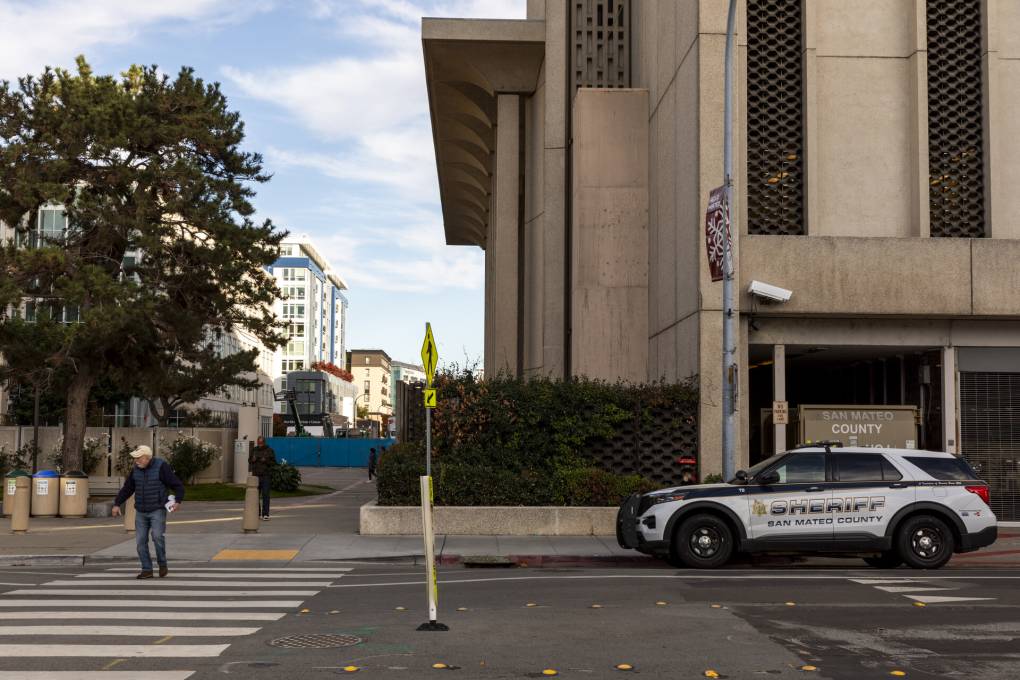
"caption": "A San Mateo County Sheriff’s Department squad car parked outside the county Hall of Justice and Records in Redwood City.",
"credit": "Juliana Yamada/KQED",
"altTag": null,
"description": null,
"imgSizes": {
"medium": {
"file": "https://cdn.kqed.org/wp-content/uploads/sites/10/2024/02/20231211-San-Mateo-Sheriff-018-JY_qut-1-800x533.jpg",
"width": 800,
"height": 533,
"mimeType": "image/jpeg"
},
"large": {
"file": "https://cdn.kqed.org/wp-content/uploads/sites/10/2024/02/20231211-San-Mateo-Sheriff-018-JY_qut-1-1020x680.jpg",
"width": 1020,
"height": 680,
"mimeType": "image/jpeg"
},
"thumbnail": {
"file": "https://cdn.kqed.org/wp-content/uploads/sites/10/2024/02/20231211-San-Mateo-Sheriff-018-JY_qut-1-160x107.jpg",
"width": 160,
"height": 107,
"mimeType": "image/jpeg"
},
"1536x1536": {
"file": "https://cdn.kqed.org/wp-content/uploads/sites/10/2024/02/20231211-San-Mateo-Sheriff-018-JY_qut-1-1536x1024.jpg",
"width": 1536,
"height": 1024,
"mimeType": "image/jpeg"
},
"post-thumbnail": {
"file": "https://cdn.kqed.org/wp-content/uploads/sites/10/2024/02/20231211-San-Mateo-Sheriff-018-JY_qut-1-672x372.jpg",
"width": 672,
"height": 372,
"mimeType": "image/jpeg"
},
"twentyfourteen-full-width": {
"file": "https://cdn.kqed.org/wp-content/uploads/sites/10/2024/02/20231211-San-Mateo-Sheriff-018-JY_qut-1-1038x576.jpg",
"width": 1038,
"height": 576,
"mimeType": "image/jpeg"
},
"kqedFullSize": {
"file": "https://cdn.kqed.org/wp-content/uploads/sites/10/2024/02/20231211-San-Mateo-Sheriff-018-JY_qut-1.jpg",
"width": 1920,
"height": 1280
}
},
"isLoading": false,
"fetchFailed": false
},
"news_11639691": {
"type": "attachments",
"id": "news_11639691",
"meta": {
"index": "attachments_1716263798",
"site": "news",
"id": "11639691",
"found": true
},
"parent": 11639679,
"imgSizes": {
"small": {
"file": "https://cdn.kqed.org/wp-content/uploads/sites/10/2017/12/Image-uploaded-from-iOS-520x390.jpg",
"width": 520,
"mimeType": "image/jpeg",
"height": 390
},
"twentyfourteen-full-width": {
"file": "https://cdn.kqed.org/wp-content/uploads/sites/10/2017/12/Image-uploaded-from-iOS-1038x576.jpg",
"width": 1038,
"mimeType": "image/jpeg",
"height": 576
},
"thumbnail": {
"file": "https://cdn.kqed.org/wp-content/uploads/sites/10/2017/12/Image-uploaded-from-iOS-160x120.jpg",
"width": 160,
"mimeType": "image/jpeg",
"height": 120
},
"fd-sm": {
"file": "https://cdn.kqed.org/wp-content/uploads/sites/10/2017/12/Image-uploaded-from-iOS-960x720.jpg",
"width": 960,
"mimeType": "image/jpeg",
"height": 720
},
"post-thumbnail": {
"file": "https://cdn.kqed.org/wp-content/uploads/sites/10/2017/12/Image-uploaded-from-iOS-672x372.jpg",
"width": 672,
"mimeType": "image/jpeg",
"height": 372
},
"xsmall": {
"file": "https://cdn.kqed.org/wp-content/uploads/sites/10/2017/12/Image-uploaded-from-iOS-375x281.jpg",
"width": 375,
"mimeType": "image/jpeg",
"height": 281
},
"kqedFullSize": {
"file": "https://cdn.kqed.org/wp-content/uploads/sites/10/2017/12/Image-uploaded-from-iOS-e1514752165580.jpg",
"width": 1920,
"height": 1440
},
"large": {
"file": "https://cdn.kqed.org/wp-content/uploads/sites/10/2017/12/Image-uploaded-from-iOS-1020x765.jpg",
"width": 1020,
"mimeType": "image/jpeg",
"height": 765
},
"xlarge": {
"file": "https://cdn.kqed.org/wp-content/uploads/sites/10/2017/12/Image-uploaded-from-iOS-1180x885.jpg",
"width": 1180,
"mimeType": "image/jpeg",
"height": 885
},
"guest-author-50": {
"file": "https://cdn.kqed.org/wp-content/uploads/sites/10/2017/12/Image-uploaded-from-iOS-50x50.jpg",
"width": 50,
"mimeType": "image/jpeg",
"height": 50
},
"guest-author-96": {
"file": "https://cdn.kqed.org/wp-content/uploads/sites/10/2017/12/Image-uploaded-from-iOS-96x96.jpg",
"width": 96,
"mimeType": "image/jpeg",
"height": 96
},
"medium": {
"file": "https://cdn.kqed.org/wp-content/uploads/sites/10/2017/12/Image-uploaded-from-iOS-800x600.jpg",
"width": 800,
"mimeType": "image/jpeg",
"height": 600
},
"guest-author-64": {
"file": "https://cdn.kqed.org/wp-content/uploads/sites/10/2017/12/Image-uploaded-from-iOS-64x64.jpg",
"width": 64,
"mimeType": "image/jpeg",
"height": 64
},
"guest-author-32": {
"file": "https://cdn.kqed.org/wp-content/uploads/sites/10/2017/12/Image-uploaded-from-iOS-32x32.jpg",
"width": 32,
"mimeType": "image/jpeg",
"height": 32
},
"fd-lrg": {
"file": "https://cdn.kqed.org/wp-content/uploads/sites/10/2017/12/Image-uploaded-from-iOS-1920x1440.jpg",
"width": 1920,
"mimeType": "image/jpeg",
"height": 1440
},
"fd-med": {
"file": "https://cdn.kqed.org/wp-content/uploads/sites/10/2017/12/Image-uploaded-from-iOS-1180x885.jpg",
"width": 1180,
"mimeType": "image/jpeg",
"height": 885
},
"full-width": {
"file": "https://cdn.kqed.org/wp-content/uploads/sites/10/2017/12/Image-uploaded-from-iOS-1920x1440.jpg",
"width": 1920,
"mimeType": "image/jpeg",
"height": 1440
},
"detail": {
"file": "https://cdn.kqed.org/wp-content/uploads/sites/10/2017/12/Image-uploaded-from-iOS-150x150.jpg",
"width": 150,
"mimeType": "image/jpeg",
"height": 150
},
"guest-author-128": {
"file": "https://cdn.kqed.org/wp-content/uploads/sites/10/2017/12/Image-uploaded-from-iOS-128x128.jpg",
"width": 128,
"mimeType": "image/jpeg",
"height": 128
},
"xxsmall": {
"file": "https://cdn.kqed.org/wp-content/uploads/sites/10/2017/12/Image-uploaded-from-iOS-240x180.jpg",
"width": 240,
"mimeType": "image/jpeg",
"height": 180
}
},
"publishDate": 1514749792,
"modified": 1708650801,
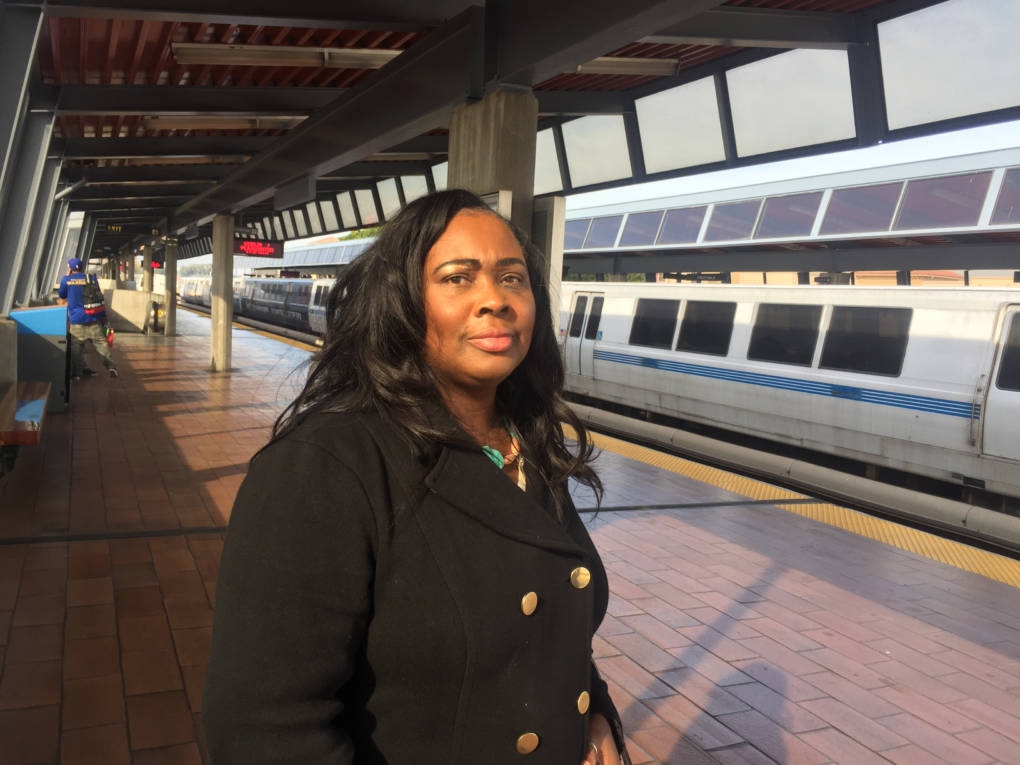
"caption": "Rev. Wanda Johnson, Oscar Grant's mother, in 2017, standing on the same BART platform where her son was shot and killed by a BART police officer on New Year's Day 2009.",
"description": "Wanda Johnson, Oscar Grant's mother, stands on the same BART platform where her son was shot and killed by a BART police officer on New Year's Day 2009. She spends a lot of time in the community where she helps support at-risk youth as well as family members who have lost loved ones to police violence.",
"title": "Wanda Johnson",
"credit": "Alyssa Jeong Perry/KQED",
"status": "inherit",
"altTag": "Wanda Johnson, Oscar Grant's mother, stands on the same BART platform where her son was shot and killed by a BART police officer on New Year's Day 2009. She spends a lot of time in the community where she helps support at-risk youth as well as family members who have lost loved ones to police violence.",
"isLoading": false,
"fetchFailed": false
},
"news_11974709": {
"type": "attachments",
"id": "news_11974709",
"meta": {
"index": "attachments_1716263798",
"site": "news",
"id": "11974709",
"found": true
},
"parent": 11976367,
"imgSizes": {
"twentyfourteen-full-width": {
"file": "https://cdn.kqed.org/wp-content/uploads/sites/10/2024/02/240202-FIXITCLINIC-KSM-15-KQED-1038x576.jpg",
"width": 1038,
"mimeType": "image/jpeg",
"height": 576
},
"thumbnail": {
"file": "https://cdn.kqed.org/wp-content/uploads/sites/10/2024/02/240202-FIXITCLINIC-KSM-15-KQED-160x107.jpg",
"width": 160,
"mimeType": "image/jpeg",
"height": 107
},
"post-thumbnail": {
"file": "https://cdn.kqed.org/wp-content/uploads/sites/10/2024/02/240202-FIXITCLINIC-KSM-15-KQED-672x372.jpg",
"width": 672,
"mimeType": "image/jpeg",
"height": 372
},
"kqedFullSize": {
"file": "https://cdn.kqed.org/wp-content/uploads/sites/10/2024/02/240202-FIXITCLINIC-KSM-15-KQED.jpg",
"width": 2000,
"height": 1333
},
"large": {
"file": "https://cdn.kqed.org/wp-content/uploads/sites/10/2024/02/240202-FIXITCLINIC-KSM-15-KQED-1020x680.jpg",
"width": 1020,
"mimeType": "image/jpeg",
"height": 680
},
"1536x1536": {
"file": "https://cdn.kqed.org/wp-content/uploads/sites/10/2024/02/240202-FIXITCLINIC-KSM-15-KQED-1536x1024.jpg",
"width": 1536,
"mimeType": "image/jpeg",
"height": 1024
},
"full-width": {
"file": "https://cdn.kqed.org/wp-content/uploads/sites/10/2024/02/240202-FIXITCLINIC-KSM-15-KQED-1920x1280.jpg",
"width": 1920,
"mimeType": "image/jpeg",
"height": 1280
},
"medium": {
"file": "https://cdn.kqed.org/wp-content/uploads/sites/10/2024/02/240202-FIXITCLINIC-KSM-15-KQED-800x533.jpg",
"width": 800,
"mimeType": "image/jpeg",
"height": 533
}
},
"publishDate": 1707157141,
"modified": 1708452375,
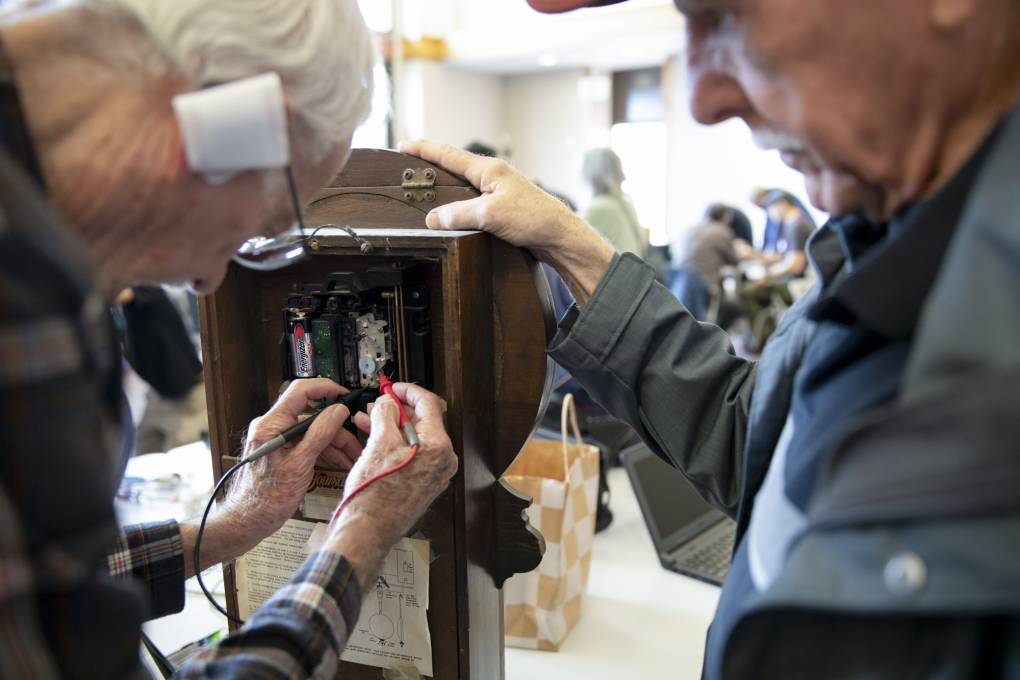
"caption": "Andy Caughman (right) holds a clock while Charlie Kennedy (left) inspects it at a Fixit clinic in Millbrae on Feb. 3, 2024.",
"description": null,
"title": "240202-FIXITCLINIC-KSM-15-KQED",
"credit": "Kathryn Styer Martínez/KQED",
"status": "inherit",
"altTag": "Two people work closely on the inside of a wooden device.",
"isLoading": false,
"fetchFailed": false
},
"news_11973534": {
"type": "attachments",
"id": "news_11973534",
"meta": {
"index": "attachments_1716263798",
"site": "news",
"id": "11973534",
"found": true
},
"parent": 11973396,
"imgSizes": {
"twentyfourteen-full-width": {
"file": "https://cdn.kqed.org/wp-content/uploads/sites/10/2024/01/240123-HMBShootingMemorial-46-BL-qut-1038x576.jpg",
"width": 1038,
"mimeType": "image/jpeg",
"height": 576
},
"thumbnail": {
"file": "https://cdn.kqed.org/wp-content/uploads/sites/10/2024/01/240123-HMBShootingMemorial-46-BL-qut-160x107.jpg",
"width": 160,
"mimeType": "image/jpeg",
"height": 107
},
"post-thumbnail": {
"file": "https://cdn.kqed.org/wp-content/uploads/sites/10/2024/01/240123-HMBShootingMemorial-46-BL-qut-672x372.jpg",
"width": 672,
"mimeType": "image/jpeg",
"height": 372
},
"kqedFullSize": {
"file": "https://cdn.kqed.org/wp-content/uploads/sites/10/2024/01/240123-HMBShootingMemorial-46-BL-qut.jpg",
"width": 1920,
"height": 1280
},
"large": {
"file": "https://cdn.kqed.org/wp-content/uploads/sites/10/2024/01/240123-HMBShootingMemorial-46-BL-qut-1020x680.jpg",
"width": 1020,
"mimeType": "image/jpeg",
"height": 680
},
"1536x1536": {
"file": "https://cdn.kqed.org/wp-content/uploads/sites/10/2024/01/240123-HMBShootingMemorial-46-BL-qut-1536x1024.jpg",
"width": 1536,
"mimeType": "image/jpeg",
"height": 1024
},
"medium": {
"file": "https://cdn.kqed.org/wp-content/uploads/sites/10/2024/01/240123-HMBShootingMemorial-46-BL-qut-800x533.jpg",
"width": 800,
"mimeType": "image/jpeg",
"height": 533
}
},
"publishDate": 1706125301,
"modified": 1706125422,
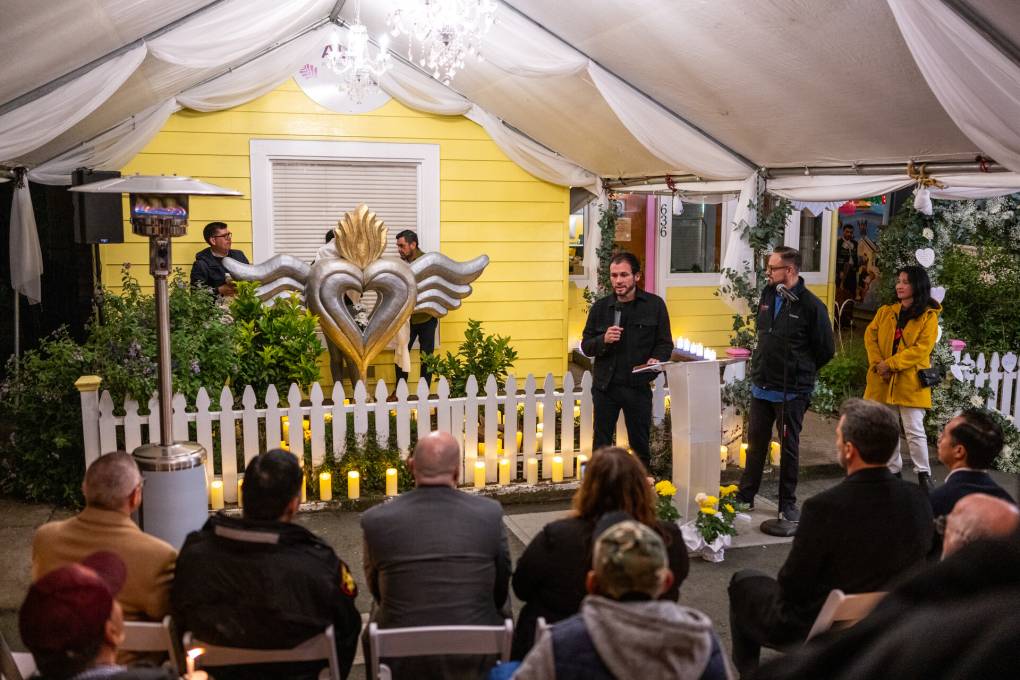
"caption": "A memorial for seven farmworkers who lost their lives during a mass shooting one year prior is held at ALAS Casita and Garden in Half Moon Bay on Jan. 23, 2024. The event was called Corazón del Campesino, or Heart of the Farmworker, and artist Fernando Escartiz unveiled a sculpture in tribute to the victims.",
"description": null,
"title": "240123-HMBShootingMemorial-46-BL-qut",
"credit": "Beth LaBerge/KQED",
"status": "inherit",
"altTag": "Several people face a man at a podium holding a microphone.",
"isLoading": false,
"fetchFailed": false
},
"news_11973305": {
"type": "attachments",
"id": "news_11973305",
"meta": {
"index": "attachments_1716263798",
"site": "news",
"id": "11973305",
"found": true
},
"parent": 0,
"imgSizes": {
"twentyfourteen-full-width": {
"file": "https://cdn.kqed.org/wp-content/uploads/sites/10/2024/01/240122-OAKLAND-TENT-BJ-KQED-1038x576.jpg",
"width": 1038,
"mimeType": "image/jpeg",
"height": 576
},
"thumbnail": {
"file": "https://cdn.kqed.org/wp-content/uploads/sites/10/2024/01/240122-OAKLAND-TENT-BJ-KQED-160x107.jpg",
"width": 160,
"mimeType": "image/jpeg",
"height": 107
},
"post-thumbnail": {
"file": "https://cdn.kqed.org/wp-content/uploads/sites/10/2024/01/240122-OAKLAND-TENT-BJ-KQED-672x372.jpg",
"width": 672,
"mimeType": "image/jpeg",
"height": 372
},
"kqedFullSize": {
"file": "https://cdn.kqed.org/wp-content/uploads/sites/10/2024/01/240122-OAKLAND-TENT-BJ-KQED.jpg",
"width": 2000,
"height": 1333
},
"large": {
"file": "https://cdn.kqed.org/wp-content/uploads/sites/10/2024/01/240122-OAKLAND-TENT-BJ-KQED-1020x680.jpg",
"width": 1020,
"mimeType": "image/jpeg",
"height": 680
},
"1536x1536": {
"file": "https://cdn.kqed.org/wp-content/uploads/sites/10/2024/01/240122-OAKLAND-TENT-BJ-KQED-1536x1024.jpg",
"width": 1536,
"mimeType": "image/jpeg",
"height": 1024
},
"full-width": {
"file": "https://cdn.kqed.org/wp-content/uploads/sites/10/2024/01/240122-OAKLAND-TENT-BJ-KQED-1920x1280.jpg",
"width": 1920,
"mimeType": "image/jpeg",
"height": 1280
},
"medium": {
"file": "https://cdn.kqed.org/wp-content/uploads/sites/10/2024/01/240122-OAKLAND-TENT-BJ-KQED-800x533.jpg",
"width": 800,
"mimeType": "image/jpeg",
"height": 533
}
},
"publishDate": 1705968246,
"modified": 1705973831,
"caption": "A tent under a freeway overpass in Oakland on Tuesday, Jan. 31, 2017.",
"description": null,
"title": "A tent under a freeway overpass in Oakland on Tuesday, Jan. 31, 2017.",
"credit": "Bert Johnson/KQED",
"status": "inherit",
"altTag": "A tent and several armchairs under a freeway overpass at night.",
"isLoading": false,
"fetchFailed": false
},
"news_11939415": {
"type": "attachments",
"id": "news_11939415",
"meta": {
"index": "attachments_1716263798",
"site": "news",
"id": "11939415",
"found": true
},
"parent": 11939412,
"imgSizes": {
"twentyfourteen-full-width": {
"file": "https://cdn.kqed.org/wp-content/uploads/sites/10/2023/01/GettyImages-1246581187-1038x576.jpg",
"width": 1038,
"mimeType": "image/jpeg",
"height": 576
},
"thumbnail": {
"file": "https://cdn.kqed.org/wp-content/uploads/sites/10/2023/01/GettyImages-1246581187-160x120.jpg",
"width": 160,
"mimeType": "image/jpeg",
"height": 120
},
"post-thumbnail": {
"file": "https://cdn.kqed.org/wp-content/uploads/sites/10/2023/01/GettyImages-1246581187-672x372.jpg",
"width": 672,
"mimeType": "image/jpeg",
"height": 372
},
"kqedFullSize": {
"file": "https://cdn.kqed.org/wp-content/uploads/sites/10/2023/01/GettyImages-1246581187-scaled.jpg",
"width": 2560,
"height": 1920
},
"2048x2048": {
"file": "https://cdn.kqed.org/wp-content/uploads/sites/10/2023/01/GettyImages-1246581187-2048x1536.jpg",
"width": 2048,
"mimeType": "image/jpeg",
"height": 1536
},
"large": {
"file": "https://cdn.kqed.org/wp-content/uploads/sites/10/2023/01/GettyImages-1246581187-1020x765.jpg",
"width": 1020,
"mimeType": "image/jpeg",
"height": 765
},
"1536x1536": {
"file": "https://cdn.kqed.org/wp-content/uploads/sites/10/2023/01/GettyImages-1246581187-1536x1152.jpg",
"width": 1536,
"mimeType": "image/jpeg",
"height": 1152
},
"full-width": {
"file": "https://cdn.kqed.org/wp-content/uploads/sites/10/2023/01/GettyImages-1246581187-1920x1440.jpg",
"width": 1920,
"mimeType": "image/jpeg",
"height": 1440
},
"medium": {
"file": "https://cdn.kqed.org/wp-content/uploads/sites/10/2023/01/GettyImages-1246581187-800x600.jpg",
"width": 800,
"mimeType": "image/jpeg",
"height": 600
}
},
"publishDate": 1674829153,
"modified": 1705699777,
"caption": "An aerial view of some trailers that house farmworkers and their families at California Terra Garden in Half Moon Bay, as seen on Thursday, Jan. 26, 2023. The suspect in the mass killing is believed to have lived with his wife in one of the trailers. ",
"description": "Some of the housing provided to the farmworkers and their families at the mushroom farm on Thursday, Jan. 26, 2023 in Half Moon Bay, Calif. The suspect is said to live with his wife in the upper left house with blue tarp.",
"title": "CAHALFMOON",
"credit": "Paul Kuroda/Washington Post, via Getty Images",
"status": "inherit",
"altTag": "An aerial view of a number of trailers on a farm site.",
"isLoading": false,
"fetchFailed": false
},
"news_11972510": {
"type": "attachments",
"id": "news_11972510",
"meta": {
"index": "attachments_1716263798",
"site": "news",
"id": "11972510",
"found": true
},
"parent": 0,
"imgSizes": {
"twentyfourteen-full-width": {
"file": "https://cdn.kqed.org/wp-content/uploads/sites/10/2024/01/240111-DementiaCops-04-BL-KQED-1038x576.jpg",
"width": 1038,
"mimeType": "image/jpeg",
"height": 576
},
"thumbnail": {
"file": "https://cdn.kqed.org/wp-content/uploads/sites/10/2024/01/240111-DementiaCops-04-BL-KQED-160x107.jpg",
"width": 160,
"mimeType": "image/jpeg",
"height": 107
},
"post-thumbnail": {
"file": "https://cdn.kqed.org/wp-content/uploads/sites/10/2024/01/240111-DementiaCops-04-BL-KQED-672x372.jpg",
"width": 672,
"mimeType": "image/jpeg",
"height": 372
},
"kqedFullSize": {
"file": "https://cdn.kqed.org/wp-content/uploads/sites/10/2024/01/240111-DementiaCops-04-BL-KQED.jpg",
"width": 2000,
"height": 1333
},
"large": {
"file": "https://cdn.kqed.org/wp-content/uploads/sites/10/2024/01/240111-DementiaCops-04-BL-KQED-1020x680.jpg",
"width": 1020,
"mimeType": "image/jpeg",
"height": 680
},
"1536x1536": {
"file": "https://cdn.kqed.org/wp-content/uploads/sites/10/2024/01/240111-DementiaCops-04-BL-KQED-1536x1024.jpg",
"width": 1536,
"mimeType": "image/jpeg",
"height": 1024
},
"full-width": {
"file": "https://cdn.kqed.org/wp-content/uploads/sites/10/2024/01/240111-DementiaCops-04-BL-KQED-1920x1280.jpg",
"width": 1920,
"mimeType": "image/jpeg",
"height": 1280
},
"medium": {
"file": "https://cdn.kqed.org/wp-content/uploads/sites/10/2024/01/240111-DementiaCops-04-BL-KQED-800x533.jpg",
"width": 800,
"mimeType": "image/jpeg",
"height": 533
}
},
"publishDate": 1705084639,
"modified": 1705084848,
"caption": "San Mateo police chief Ed Barberini sits in his office at the department headquarters in San Mateo on Jan. 11, 2024.",
"description": null,
"title": "240111-DementiaCops-04-BL-KQED",
"credit": "Beth LaBerge/KQED",
"status": "inherit",
"altTag": "A police officer sits behind a desk.",
"isLoading": false,
"fetchFailed": false
},
"news_11969606": {
"type": "attachments",
"id": "news_11969606",
"meta": {
"index": "attachments_1716263798",
"site": "news",
"id": "11969606",
"found": true
},
"title": "San Mateo Sheriff",
"publishDate": 1702339822,
"status": "inherit",
"parent": 12045697,
"modified": 1750795627,
"caption": "A San Mateo County Sheriff’s Department squad car is seen in Redwood City on Dec. 11, 2023.",
"credit": "Juliana Yamada/KQED",
"altTag": "The side of a police car.",
"description": null,
"imgSizes": {
"medium": {
"file": "https://cdn.kqed.org/wp-content/uploads/sites/10/2023/12/20231211-SAN-MATEO-SHERIFF-020-JY-KQED-800x533.jpg",
"width": 800,
"height": 533,
"mimeType": "image/jpeg"
},
"large": {
"file": "https://cdn.kqed.org/wp-content/uploads/sites/10/2023/12/20231211-SAN-MATEO-SHERIFF-020-JY-KQED-1020x680.jpg",
"width": 1020,
"height": 680,
"mimeType": "image/jpeg"
},
"thumbnail": {
"file": "https://cdn.kqed.org/wp-content/uploads/sites/10/2023/12/20231211-SAN-MATEO-SHERIFF-020-JY-KQED-160x107.jpg",
"width": 160,
"height": 107,
"mimeType": "image/jpeg"
},
"1536x1536": {
"file": "https://cdn.kqed.org/wp-content/uploads/sites/10/2023/12/20231211-SAN-MATEO-SHERIFF-020-JY-KQED-1536x1024.jpg",
"width": 1536,
"height": 1024,
"mimeType": "image/jpeg"
},
"post-thumbnail": {
"file": "https://cdn.kqed.org/wp-content/uploads/sites/10/2023/12/20231211-SAN-MATEO-SHERIFF-020-JY-KQED-672x372.jpg",
"width": 672,
"height": 372,
"mimeType": "image/jpeg"
},
"twentyfourteen-full-width": {
"file": "https://cdn.kqed.org/wp-content/uploads/sites/10/2023/12/20231211-SAN-MATEO-SHERIFF-020-JY-KQED-1038x576.jpg",
"width": 1038,
"height": 576,
"mimeType": "image/jpeg"
},
"full-width": {
"file": "https://cdn.kqed.org/wp-content/uploads/sites/10/2023/12/20231211-SAN-MATEO-SHERIFF-020-JY-KQED-1920x1280.jpg",
"width": 1920,
"height": 1280,
"mimeType": "image/jpeg"
},
"kqedFullSize": {
"file": "https://cdn.kqed.org/wp-content/uploads/sites/10/2023/12/20231211-SAN-MATEO-SHERIFF-020-JY-KQED.jpg",
"width": 2000,
"height": 1333
}
},
"isLoading": false,
"fetchFailed": false
},
"news_11939080": {
"type": "attachments",
"id": "news_11939080",
"meta": {
"index": "attachments_1716263798",
"site": "news",
"id": "11939080",
"found": true
},
"parent": 11938972,
"imgSizes": {
"twentyfourteen-full-width": {
"file": "https://ww2.kqed.org/app/uploads/sites/10/2023/01/HMBMain-1038x576.jpg",
"width": 1038,
"mimeType": "image/jpeg",
"height": 576
},
"thumbnail": {
"file": "https://ww2.kqed.org/app/uploads/sites/10/2023/01/HMBMain-160x107.jpg",
"width": 160,
"mimeType": "image/jpeg",
"height": 107
},
"post-thumbnail": {
"file": "https://ww2.kqed.org/app/uploads/sites/10/2023/01/HMBMain-672x372.jpg",
"width": 672,
"mimeType": "image/jpeg",
"height": 372
},
"kqedFullSize": {
"file": "https://ww2.kqed.org/app/uploads/sites/10/2023/01/HMBMain.jpg",
"width": 1920,
"height": 1280
},
"large": {
"file": "https://ww2.kqed.org/app/uploads/sites/10/2023/01/HMBMain-1020x680.jpg",
"width": 1020,
"mimeType": "image/jpeg",
"height": 680
},
"1536x1536": {
"file": "https://ww2.kqed.org/app/uploads/sites/10/2023/01/HMBMain-1536x1024.jpg",
"width": 1536,
"mimeType": "image/jpeg",
"height": 1024
},
"medium": {
"file": "https://ww2.kqed.org/app/uploads/sites/10/2023/01/HMBMain-800x533.jpg",
"width": 800,
"mimeType": "image/jpeg",
"height": 533
}
},
"publishDate": 1674609027,
"modified": 1674609159,
"caption": "FBI agents arrive on Tuesday at a farm where a mass shooting occurred on Monday in Half Moon Bay. Seven people were killed at two separate farm locations that were only a few miles apart.",
"description": null,
"title": "HMBMain",
"credit": "Justin Sullivan/Getty Images",
"status": "inherit",
"altTag": "three figures walk along a road towards what appear to be greenhouses in the distance as a yellow crime scene tape crosses the image in the foreground",
"isLoading": false,
"fetchFailed": false
},
"news_11924293": {
"type": "attachments",
"id": "news_11924293",
"meta": {
"index": "attachments_1716263798",
"site": "news",
"id": "11924293",
"found": true
},
"parent": 11924242,
"imgSizes": {
"twentyfourteen-full-width": {
"file": "https://ww2.kqed.org/app/uploads/sites/10/2022/08/Photo-Aug-01-10-32-06-AM-1038x576.jpg",
"width": 1038,
"mimeType": "image/jpeg",
"height": 576
},
"thumbnail": {
"file": "https://ww2.kqed.org/app/uploads/sites/10/2022/08/Photo-Aug-01-10-32-06-AM-160x120.jpg",
"width": 160,
"mimeType": "image/jpeg",
"height": 120
},
"post-thumbnail": {
"file": "https://ww2.kqed.org/app/uploads/sites/10/2022/08/Photo-Aug-01-10-32-06-AM-672x372.jpg",
"width": 672,
"mimeType": "image/jpeg",
"height": 372
},
"kqedFullSize": {
"file": "https://ww2.kqed.org/app/uploads/sites/10/2022/08/Photo-Aug-01-10-32-06-AM-scaled.jpg",
"width": 2560,
"height": 1920
},
"2048x2048": {
"file": "https://ww2.kqed.org/app/uploads/sites/10/2022/08/Photo-Aug-01-10-32-06-AM-2048x1536.jpg",
"width": 2048,
"mimeType": "image/jpeg",
"height": 1536
},
"large": {
"file": "https://ww2.kqed.org/app/uploads/sites/10/2022/08/Photo-Aug-01-10-32-06-AM-1020x765.jpg",
"width": 1020,
"mimeType": "image/jpeg",
"height": 765
},
"1536x1536": {
"file": "https://ww2.kqed.org/app/uploads/sites/10/2022/08/Photo-Aug-01-10-32-06-AM-1536x1152.jpg",
"width": 1536,
"mimeType": "image/jpeg",
"height": 1152
},
"full-width": {
"file": "https://ww2.kqed.org/app/uploads/sites/10/2022/08/Photo-Aug-01-10-32-06-AM-1920x1440.jpg",
"width": 1920,
"mimeType": "image/jpeg",
"height": 1440
},
"medium": {
"file": "https://ww2.kqed.org/app/uploads/sites/10/2022/08/Photo-Aug-01-10-32-06-AM-800x600.jpg",
"width": 800,
"mimeType": "image/jpeg",
"height": 600
}
},
"publishDate": 1661977382,
"modified": 1662496349,
"caption": "A cluster of 19th-century gravestones sits amid Monterey cypress trees dripping with moss in the Purissima Cemetery, located 4 miles south of Half Moon Bay.",
"description": "A cluster of 19th century gravestones sit amidst Monterey cypress trees dripping with moss in the Purissima Cemetery, located four miles south of Half Moon Bay.",
"title": "Photo Aug 01, 10 32 06 AM",
"credit": "Rachael Myrow/KQED",
"status": "inherit",
"altTag": "Old gravestones sit in a cemetery filled with Monterey cypress trees dripping with moss.",
"isLoading": false,
"fetchFailed": false
},
"news_11916885": {
"type": "attachments",
"id": "news_11916885",
"meta": {
"index": "attachments_1716263798",
"site": "news",
"id": "11916885",
"found": true
},
"parent": 11916881,
"imgSizes": {
"twentyfourteen-full-width": {
"file": "https://ww2.kqed.org/app/uploads/sites/10/2022/06/IMG_8334-1038x576.jpg",
"width": 1038,
"mimeType": "image/jpeg",
"height": 576
},
"thumbnail": {
"file": "https://ww2.kqed.org/app/uploads/sites/10/2022/06/IMG_8334-160x120.jpg",
"width": 160,
"mimeType": "image/jpeg",
"height": 120
},
"post-thumbnail": {
"file": "https://ww2.kqed.org/app/uploads/sites/10/2022/06/IMG_8334-672x372.jpg",
"width": 672,
"mimeType": "image/jpeg",
"height": 372
},
"kqedFullSize": {
"file": "https://ww2.kqed.org/app/uploads/sites/10/2022/06/IMG_8334-scaled-e1654906423964.jpg",
"width": 1280,
"height": 960
},
"2048x2048": {
"file": "https://ww2.kqed.org/app/uploads/sites/10/2022/06/IMG_8334-2048x1536.jpg",
"width": 2048,
"mimeType": "image/jpeg",
"height": 1536
},
"large": {
"file": "https://ww2.kqed.org/app/uploads/sites/10/2022/06/IMG_8334-1020x765.jpg",
"width": 1020,
"mimeType": "image/jpeg",
"height": 765
},
"1536x1536": {
"file": "https://ww2.kqed.org/app/uploads/sites/10/2022/06/IMG_8334-1536x1152.jpg",
"width": 1536,
"mimeType": "image/jpeg",
"height": 1152
},
"full-width": {
"file": "https://ww2.kqed.org/app/uploads/sites/10/2022/06/IMG_8334-1920x1440.jpg",
"width": 1920,
"mimeType": "image/jpeg",
"height": 1440
},
"medium": {
"file": "https://ww2.kqed.org/app/uploads/sites/10/2022/06/IMG_8334-800x600.jpg",
"width": 800,
"mimeType": "image/jpeg",
"height": 600
}
},
"publishDate": 1654906400,
"modified": 1654906479,
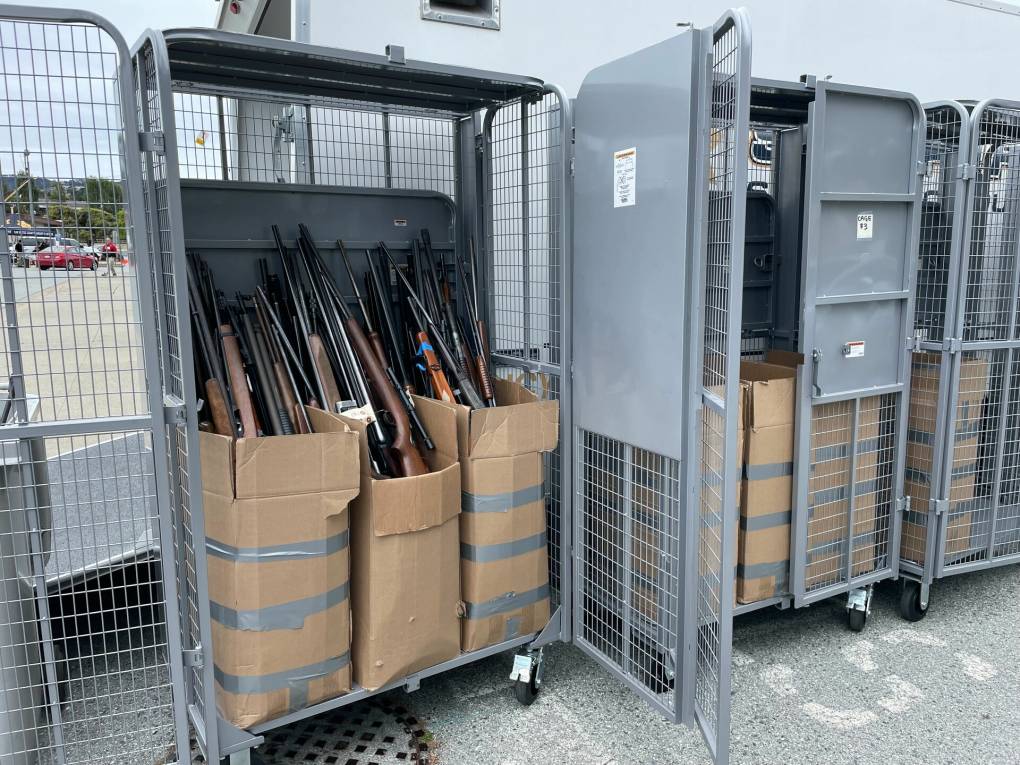
"caption": "Guns surrendered to the San Mateo County Sheriff's Office at a gun buyback event on June 4, 2022. The sheriff's office says these guns will be melted down and destroyed after collection.",
"description": null,
"title": "IMG_8334",
"credit": "KQED/Annelise Finney",
"status": "inherit",
"altTag": null,
"isLoading": false,
"fetchFailed": false
},
"news_11916097": {
"type": "attachments",
"id": "news_11916097",
"meta": {
"index": "attachments_1716263798",
"site": "news",
"id": "11916097",
"found": true
},
"parent": 11916090,
"imgSizes": {
"twentyfourteen-full-width": {
"file": "https://ww2.kqed.org/app/uploads/sites/10/2022/06/RS56450_Image-from-iOS-1-qut-1038x576.jpg",
"width": 1038,
"mimeType": "image/jpeg",
"height": 576
},
"thumbnail": {
"file": "https://ww2.kqed.org/app/uploads/sites/10/2022/06/RS56450_Image-from-iOS-1-qut-160x120.jpg",
"width": 160,
"mimeType": "image/jpeg",
"height": 120
},
"post-thumbnail": {
"file": "https://ww2.kqed.org/app/uploads/sites/10/2022/06/RS56450_Image-from-iOS-1-qut-672x372.jpg",
"width": 672,
"mimeType": "image/jpeg",
"height": 372
},
"kqedFullSize": {
"file": "https://ww2.kqed.org/app/uploads/sites/10/2022/06/RS56450_Image-from-iOS-1-qut.jpg",
"width": 1920,
"height": 1440
},
"large": {
"file": "https://ww2.kqed.org/app/uploads/sites/10/2022/06/RS56450_Image-from-iOS-1-qut-1020x765.jpg",
"width": 1020,
"mimeType": "image/jpeg",
"height": 765
},
"1536x1536": {
"file": "https://ww2.kqed.org/app/uploads/sites/10/2022/06/RS56450_Image-from-iOS-1-qut-1536x1152.jpg",
"width": 1536,
"mimeType": "image/jpeg",
"height": 1152
},
"medium": {
"file": "https://ww2.kqed.org/app/uploads/sites/10/2022/06/RS56450_Image-from-iOS-1-qut-800x600.jpg",
"width": 800,
"mimeType": "image/jpeg",
"height": 600
}
},
"publishDate": 1654443496,
"modified": 1654644147,
"caption": "In an effort to get guns off the street, this gun buyback program was held in San Mateo at the North County Courthouse parking lot on June 4, 2022.",
"description": null,
"title": "RS56450_Image from iOS (1)-qut",
"credit": "Annelise Finney/KQED",
"status": "inherit",
"altTag": "Several tall, gray, metal lockers in a parking lot hold multiple cardboard boxes full of rifles. Several cars are visible far in the background.",
"isLoading": false,
"fetchFailed": false
}
},
"audioPlayerReducer": {
"postId": "stream_live",
"isPaused": true,
"isPlaying": false,
"pfsActive": false,
"pledgeModalIsOpen": true,
"playerDrawerIsOpen": false,
"liveAudioPlayStartedAt": 0,
"liveAudioPlayContext": ""
},
"authorsReducer": {
"byline_news_11973071": {
"type": "authors",
"id": "byline_news_11973071",
"meta": {
"override": true
},
"slug": "byline_news_11973071",
"name": "\u003ca href=\"https://twitter.com/naomivanderlip?lang=en\">Naomi Vanderlip\u003c/a>",
"isLoading": false
},
"gmarzorati": {
"type": "authors",
"id": "227",
"meta": {
"index": "authors_1716337520",
"id": "227",
"found": true
},
"name": "Guy Marzorati",
"firstName": "Guy",
"lastName": "Marzorati",
"slug": "gmarzorati",
"email": "gmarzorati@KQED.org",
"display_author_email": true,
"staff_mastheads": [
"news"
],
"title": "Correspondent",
"bio": "Guy Marzorati is a correspondent on KQED's California Politics and Government Desk, based in San Jose. A graduate of Santa Clara University, Guy joined KQED in 2013. He reports on state and local politics and produces KQED's digital voter guide.",
"avatar": "https://secure.gravatar.com/avatar/e7038b8dbfd55b104369b76b1cd0b9de?s=600&d=blank&r=g",
"twitter": "guymarzorati",
"facebook": null,
"instagram": null,
"linkedin": null,
"sites": [
{
"site": "",
"roles": [
"editor"
]
},
{
"site": "news",
"roles": [
"editor"
]
},
{
"site": "science",
"roles": [
"editor"
]
},
{
"site": "forum",
"roles": [
"editor"
]
},
{
"site": "elections",
"roles": [
"editor"
]
},
{
"site": "liveblog",
"roles": [
"editor"
]
}
],
"headData": {
"title": "Guy Marzorati | KQED",
"description": "Correspondent",
"ogImgSrc": "https://secure.gravatar.com/avatar/e7038b8dbfd55b104369b76b1cd0b9de?s=600&d=blank&r=g",
"twImgSrc": "https://secure.gravatar.com/avatar/e7038b8dbfd55b104369b76b1cd0b9de?s=600&d=blank&r=g"
},
"isLoading": false,
"link": "/author/gmarzorati"
},
"rachael-myrow": {
"type": "authors",
"id": "251",
"meta": {
"index": "authors_1716337520",
"id": "251",
"found": true
},
"name": "Rachael Myrow",
"firstName": "Rachael",
"lastName": "Myrow",
"slug": "rachael-myrow",
"email": "rmyrow@kqed.org",
"display_author_email": true,
"staff_mastheads": [
"news"
],
"title": "Senior Editor of KQED's Silicon Valley News Desk",
"bio": "• I write and edit stories about how Silicon Valley power and policies shape everyday life in California. I’m also passionate about making Bay Area history and culture more accessible to a broad public. • I’ve been a journalist for most of my life, starting in high school with The Franklin Press in Los Angeles, where I grew up. While earning my first degree in English at UC Berkeley, I got my start in public radio at KALX-FM. After completing a second degree in journalism at Cal, I landed my first professional job at Marketplace, then moved on to KPCC (now LAist), and then KQED, where I hosted The California Report for more than seven years. • My reporting has appeared on NPR, The World, WBUR’s \u003ci>Here & Now\u003c/i>, and the BBC. I also guest host for KQED’s \u003ci>Forum\u003c/i>, as well as the Commonwealth Club in San Francisco. • I speak periodically on media, democracy and technology issues, and do voiceover work for documentaries and educational video projects. • Outside of the studio, you'll find me hiking Bay Area trails and whipping up Insta-ready meals in my kitchen. • I do not accept gifts, money, or favors from anyone connected to my reporting, I don't pay people for information, and I do not support or donate to political causes. • I strive to treat the people I report on with fairness, honesty, and respect. I also recognize there are often multiple sides to a story and work to verify information through multiple sources and documentation. If I get something wrong, I correct it.",
"avatar": "https://secure.gravatar.com/avatar/3ed8a3c5f26025e4a805ba634cda8cd764906b97438a6d9ce216b044e340da4e?s=600&d=blank&r=g",
"twitter": "rachaelmyrow",
"bluesky": null,
"facebook": null,
"instagram": null,
"linkedin": "https://www.linkedin.com/in/rachaelmyrow/",
"sites": [
{
"site": "arts",
"roles": [
"administrator"
]
},
{
"site": "news",
"roles": [
"edit_others_posts",
"editor"
]
},
{
"site": "futureofyou",
"roles": [
"editor"
]
},
{
"site": "bayareabites",
"roles": [
"editor"
]
},
{
"site": "stateofhealth",
"roles": [
"editor"
]
},
{
"site": "science",
"roles": [
"editor"
]
},
{
"site": "food",
"roles": [
"editor"
]
},
{
"site": "forum",
"roles": [
"editor"
]
},
{
"site": "liveblog",
"roles": [
"author"
]
}
],
"headData": {
"title": "Rachael Myrow | KQED",
"description": "Senior Editor of KQED's Silicon Valley News Desk",
"ogImgSrc": "https://secure.gravatar.com/avatar/3ed8a3c5f26025e4a805ba634cda8cd764906b97438a6d9ce216b044e340da4e?s=600&d=blank&r=g",
"twImgSrc": "https://secure.gravatar.com/avatar/3ed8a3c5f26025e4a805ba634cda8cd764906b97438a6d9ce216b044e340da4e?s=600&d=blank&r=g"
},
"isLoading": false,
"link": "/author/rachael-myrow"
},
"matthewgreen": {
"type": "authors",
"id": "1263",
"meta": {
"index": "authors_1716337520",
"id": "1263",
"found": true
},
"name": "Matthew Green",
"firstName": "Matthew",
"lastName": "Green",
"slug": "matthewgreen",
"email": "mgreen@kqed.org",
"display_author_email": false,
"staff_mastheads": [],
"title": "KQED Editor/Reporter",
"bio": "Matthew Green is a digital media producer for KQED News. He previously produced \u003ca href=\"http://www.kqed.org/lowdown\">The Lowdown\u003c/a>, KQED’s multimedia news education blog. Matthew's written for numerous Bay Area publications, including the Oakland Tribune and San Francisco Chronicle. He also taught journalism classes at Fremont High School in East Oakland.\r\n\r\nEmail: mgreen@kqed.org; Twitter: @MGreenKQED",
"avatar": "https://secure.gravatar.com/avatar/3bf498d1267ca02c8494f33d8cfc575e?s=600&d=blank&r=g",
"twitter": "MGreenKQED",
"facebook": null,
"instagram": null,
"linkedin": null,
"sites": [
{
"site": "news",
"roles": []
},
{
"site": "lowdown",
"roles": []
},
{
"site": "science",
"roles": []
},
{
"site": "education",
"roles": []
},
{
"site": "quest",
"roles": []
},
{
"site": "liveblog",
"roles": []
}
],
"headData": {
"title": "Matthew Green | KQED",
"description": "KQED Editor/Reporter",
"ogImgSrc": "https://secure.gravatar.com/avatar/3bf498d1267ca02c8494f33d8cfc575e?s=600&d=blank&r=g",
"twImgSrc": "https://secure.gravatar.com/avatar/3bf498d1267ca02c8494f33d8cfc575e?s=600&d=blank&r=g"
},
"isLoading": false,
"link": "/author/matthewgreen"
},
"mlagos": {
"type": "authors",
"id": "3239",
"meta": {
"index": "authors_1716337520",
"id": "3239",
"found": true
},
"name": "Marisa Lagos",
"firstName": "Marisa",
"lastName": "Lagos",
"slug": "mlagos",
"email": "mlagos@kqed.org",
"display_author_email": false,
"staff_mastheads": [
"news"
],
"title": "KQED Contributor",
"bio": "Marisa Lagos is a correspondent for KQED’s California Politics and Government Desk and co-hosts the award-winning show and podcast, Political Breakdown. At KQED, Lagos also conducts reporting, analysis and investigations into state, local and national politics for radio, TV, online and onstage. In 2022, she and co-host, Scott Shafer, moderated the only gubernatorial debate in California. In 2020, the \u003ci>Washington Post\u003c/i> named her one of the top political journalists in California; she was nominated for a Peabody and won several other awards for her work investigating the 2017 California wildfires. She has worked at the \u003ci>San Francisco Chronicle\u003c/i>, \u003ci>San Francisco Examiner\u003c/i> and \u003ci>Los Angeles Times\u003c/i>. A UC Santa Barbara graduate, she lives in San Francisco with her two sons and husband.",
"avatar": "https://secure.gravatar.com/avatar/a261a0d3696fc066871ef96b85b5e7d2?s=600&d=blank&r=g",
"twitter": "@mlagos",
"facebook": null,
"instagram": null,
"linkedin": null,
"sites": [
{
"site": "arts",
"roles": [
"author"
]
},
{
"site": "news",
"roles": [
"editor"
]
},
{
"site": "science",
"roles": [
"editor"
]
},
{
"site": "forum",
"roles": [
"author"
]
},
{
"site": "liveblog",
"roles": [
"author"
]
}
],
"headData": {
"title": "Marisa Lagos | KQED",
"description": "KQED Contributor",
"ogImgSrc": "https://secure.gravatar.com/avatar/a261a0d3696fc066871ef96b85b5e7d2?s=600&d=blank&r=g",
"twImgSrc": "https://secure.gravatar.com/avatar/a261a0d3696fc066871ef96b85b5e7d2?s=600&d=blank&r=g"
},
"isLoading": false,
"link": "/author/mlagos"
},
"ecruzguevarra": {
"type": "authors",
"id": "8654",
"meta": {
"index": "authors_1716337520",
"id": "8654",
"found": true
},
"name": "Ericka Cruz Guevarra",
"firstName": "Ericka",
"lastName": "Cruz Guevarra",
"slug": "ecruzguevarra",
"email": "ecruzguevarra@kqed.org",
"display_author_email": true,
"staff_mastheads": [
"news"
],
"title": "Producer, The Bay Podcast",
"bio": "Ericka Cruz Guevarra is host of \u003ca href=\"https://www.kqed.org/podcasts/thebay\">\u003cem>The Bay\u003c/em>\u003c/a> podcast at KQED. Before host, she was the show’s producer. Her work in that capacity includes a three-part reported series on policing in Vallejo, which won a 2020 excellence in journalism award from the Society of Professional Journalists. Ericka has worked as a breaking news reporter at Oregon Public Broadcasting, helped produce the Code Switch podcast, and was KQED’s inaugural Raul Ramirez Diversity Fund intern. She’s also an alumna of NPR’s Next Generation Radio program. Send her an email if you have strong feelings about whether Fairfield and Suisun City are the Bay. Ericka is represented by SAG-AFTRA.",
"avatar": "https://secure.gravatar.com/avatar/accefc1de4bafc7e234b69bcb9b6f6536c130fd84709bc3069ef11a78787e1bb?s=600&d=blank&r=g",
"twitter": "NotoriousECG",
"bluesky": null,
"facebook": null,
"instagram": null,
"linkedin": null,
"sites": [
{
"site": "arts",
"roles": [
"subscriber"
]
},
{
"site": "news",
"roles": [
"editor",
"manage_categories"
]
},
{
"site": "futureofyou",
"roles": [
"subscriber"
]
},
{
"site": "stateofhealth",
"roles": [
"subscriber"
]
},
{
"site": "science",
"roles": [
"editor"
]
},
{
"site": "forum",
"roles": [
"subscriber"
]
}
],
"headData": {
"title": "Ericka Cruz Guevarra | KQED",
"description": "Producer, The Bay Podcast",
"ogImgSrc": "https://secure.gravatar.com/avatar/accefc1de4bafc7e234b69bcb9b6f6536c130fd84709bc3069ef11a78787e1bb?s=600&d=blank&r=g",
"twImgSrc": "https://secure.gravatar.com/avatar/accefc1de4bafc7e234b69bcb9b6f6536c130fd84709bc3069ef11a78787e1bb?s=600&d=blank&r=g"
},
"isLoading": false,
"link": "/author/ecruzguevarra"
},
"fjhabvala": {
"type": "authors",
"id": "8659",
"meta": {
"index": "authors_1716337520",
"id": "8659",
"found": true
},
"name": "Farida Jhabvala Romero",
"firstName": "Farida",
"lastName": "Jhabvala Romero",
"slug": "fjhabvala",
"email": "fjhabvala@kqed.org",
"display_author_email": true,
"staff_mastheads": [
"news"
],
"title": "KQED Contributor",
"bio": "Farida Jhabvala Romero is a Labor Correspondent for KQED. She previously covered immigration. Farida was \u003ca href=\"https://www.ccnma.org/2022-most-influential-latina-journalists\">named\u003c/a> one of the 10 Most Influential Latina Journalists in California in 2022 by the California Chicano News Media Association. Her work has won awards from the Society of Professional Journalists (Northern California), as well as a national and regional Edward M. Murrow Award for the collaborative reporting projects “Dangerous Air” and “Graying California.” Before joining KQED, Farida worked as a producer at Radio Bilingüe, a national public radio network. Farida earned her master’s degree in journalism from Stanford University.",
"avatar": "https://secure.gravatar.com/avatar/f9f022d4e2609741874222a1e9d41f48fea74011aa7c615eef91d9a50c944ebe?s=600&d=blank&r=g",
"twitter": "FaridaJhabvala",
"bluesky": null,
"facebook": null,
"instagram": null,
"linkedin": "https://www.linkedin.com/in/faridajhabvala/",
"sites": [
{
"site": "news",
"roles": [
"editor"
]
},
{
"site": "stateofhealth",
"roles": [
"author"
]
},
{
"site": "liveblog",
"roles": [
"author"
]
}
],
"headData": {
"title": "Farida Jhabvala Romero | KQED",
"description": "KQED Contributor",
"ogImgSrc": "https://secure.gravatar.com/avatar/f9f022d4e2609741874222a1e9d41f48fea74011aa7c615eef91d9a50c944ebe?s=600&d=blank&r=g",
"twImgSrc": "https://secure.gravatar.com/avatar/f9f022d4e2609741874222a1e9d41f48fea74011aa7c615eef91d9a50c944ebe?s=600&d=blank&r=g"
},
"isLoading": false,
"link": "/author/fjhabvala"
},
"vrancano": {
"type": "authors",
"id": "11276",
"meta": {
"index": "authors_1716337520",
"id": "11276",
"found": true
},
"name": "Vanessa Rancaño",
"firstName": "Vanessa",
"lastName": "Rancaño",
"slug": "vrancano",
"email": "vrancano@kqed.org",
"display_author_email": false,
"staff_mastheads": [
"news"
],
"title": "Reporter",
"bio": "Vanessa Rancaño is a features reporter for KQED. She’s also covered homelessness and education for the station and reported from the Central Valley. Her work has aired across public radio, from flagship national news shows to longform narrative podcasts. Before taking up a mic, she worked as a freelance print journalist. She’s been recognized with a number of national and regional awards. Vanessa grew up in California's Central Valley. She's a former NPR Kroc Fellow, and a graduate of the UC Berkeley Graduate School of Journalism.",
"avatar": "https://secure.gravatar.com/avatar/b3a383dfb0e7ee1c17568f2cf067904ab654d6e3de9743fc661f3c788ade1bed?s=600&d=blank&r=g",
"twitter": "vanessarancano",
"bluesky": null,
"facebook": null,
"instagram": null,
"linkedin": null,
"sites": [
{
"site": "arts",
"roles": [
"editor"
]
},
{
"site": "news",
"roles": [
"editor"
]
},
{
"site": "liveblog",
"roles": [
"contributor"
]
}
],
"headData": {
"title": "Vanessa Rancaño | KQED",
"description": "Reporter",
"ogImgSrc": "https://secure.gravatar.com/avatar/b3a383dfb0e7ee1c17568f2cf067904ab654d6e3de9743fc661f3c788ade1bed?s=600&d=blank&r=g",
"twImgSrc": "https://secure.gravatar.com/avatar/b3a383dfb0e7ee1c17568f2cf067904ab654d6e3de9743fc661f3c788ade1bed?s=600&d=blank&r=g"
},
"isLoading": false,
"link": "/author/vrancano"
},
"hmcdede": {
"type": "authors",
"id": "11635",
"meta": {
"index": "authors_1716337520",
"id": "11635",
"found": true
},
"name": "Holly McDede",
"firstName": "Holly",
"lastName": "McDede",
"slug": "hmcdede",
"email": "hmcdede@KQED.org",
"display_author_email": false,
"staff_mastheads": [],
"title": "KQED Contributor",
"bio": null,
"avatar": "https://secure.gravatar.com/avatar/999d9bf31bb3a2f0511932d99526cb3e?s=600&d=blank&r=g",
"twitter": null,
"facebook": null,
"instagram": null,
"linkedin": null,
"sites": [
{
"site": "arts",
"roles": [
"editor"
]
},
{
"site": "news",
"roles": [
"edit_others_posts",
"editor"
]
},
{
"site": "science",
"roles": [
"editor"
]
},
{
"site": "forum",
"roles": [
"editor"
]
},
{
"site": "perspectives",
"roles": [
"administrator"
]
}
],
"headData": {
"title": "Holly McDede | KQED",
"description": "KQED Contributor",
"ogImgSrc": "https://secure.gravatar.com/avatar/999d9bf31bb3a2f0511932d99526cb3e?s=600&d=blank&r=g",
"twImgSrc": "https://secure.gravatar.com/avatar/999d9bf31bb3a2f0511932d99526cb3e?s=600&d=blank&r=g"
},
"isLoading": false,
"link": "/author/hmcdede"
},
"amontecillo": {
"type": "authors",
"id": "11649",
"meta": {
"index": "authors_1716337520",
"id": "11649",
"found": true
},
"name": "Alan Montecillo",
"firstName": "Alan",
"lastName": "Montecillo",
"slug": "amontecillo",
"email": "amontecillo@kqed.org",
"display_author_email": false,
"staff_mastheads": [
"news"
],
"title": "KQED Contributor",
"bio": "Alan Montecillo is the senior editor of \u003cem>\u003ca href=\"http://kqed.org/thebay\">The Bay\u003c/a>, \u003c/em> KQED's local news podcast. Before moving to the Bay Area, he worked as a senior talk show producer for WILL in Champaign-Urbana, Illinois and at Oregon Public Broadcasting in Portland, Oregon. He has won journalism awards from the Society of Professional Journalists Northern California, the Public Media Journalists Association, The Signal Awards, and has also received a regional Edward R. Murrow award. Alan is a Filipino American from Hong Kong and a graduate of Reed College.",
"avatar": "https://secure.gravatar.com/avatar/268f53a2066899ea9efdd8a5900218b17c822d9862cbc9326cccec53ef41d349?s=600&d=blank&r=g",
"twitter": "alanmontecillo",
"bluesky": null,
"facebook": null,
"instagram": null,
"linkedin": null,
"sites": [
{
"site": "",
"roles": [
"editor"
]
},
{
"site": "news",
"roles": [
"editor",
"manage_categories"
]
}
],
"headData": {
"title": "Alan Montecillo | KQED",
"description": "KQED Contributor",
"ogImgSrc": "https://secure.gravatar.com/avatar/268f53a2066899ea9efdd8a5900218b17c822d9862cbc9326cccec53ef41d349?s=600&d=blank&r=g",
"twImgSrc": "https://secure.gravatar.com/avatar/268f53a2066899ea9efdd8a5900218b17c822d9862cbc9326cccec53ef41d349?s=600&d=blank&r=g"
},
"isLoading": false,
"link": "/author/amontecillo"
},
"afinney": {
"type": "authors",
"id": "11772",
"meta": {
"index": "authors_1716337520",
"id": "11772",
"found": true
},
"name": "Annelise Finney",
"firstName": "Annelise",
"lastName": "Finney",
"slug": "afinney",
"email": "afinney@kqed.org",
"display_author_email": true,
"staff_mastheads": [
"news"
],
"title": "Reporter",
"bio": "Annelise reports on reparations in California and East Bay politics. She co-produced the Sunday Music Drop, a limited-term radio series featuring Bay Area musicians that aired between Sept 2022 and Oct 2024. She joined KQED in 2021 as a general assignment reporter and is an alumna of KALW's Audio Academy. She was born and raised in the East Bay. She is currently away from KQED completing a year-long reporting project in Berlin, Germany as a Alexander Von Humboldt German Chancellor Fellow.",
"avatar": "https://secure.gravatar.com/avatar/5fded66cae47704cdfc5021cde0f3aa4?s=600&d=blank&r=g",
"twitter": null,
"facebook": null,
"instagram": null,
"linkedin": null,
"sites": [
{
"site": "news",
"roles": [
"editor"
]
},
{
"site": "liveblog",
"roles": [
"author"
]
}
],
"headData": {
"title": "Annelise Finney | KQED",
"description": "Reporter",
"ogImgSrc": "https://secure.gravatar.com/avatar/5fded66cae47704cdfc5021cde0f3aa4?s=600&d=blank&r=g",
"twImgSrc": "https://secure.gravatar.com/avatar/5fded66cae47704cdfc5021cde0f3aa4?s=600&d=blank&r=g"
},
"isLoading": false,
"link": "/author/afinney"
},
"swhitney": {
"type": "authors",
"id": "11784",
"meta": {
"index": "authors_1716337520",
"id": "11784",
"found": true
},
"name": "Spencer Whitney",
"firstName": "Spencer",
"lastName": "Whitney",
"slug": "swhitney",
"email": "swhitney@kqed.org",
"display_author_email": false,
"staff_mastheads": [],
"title": "KQED Digital Editor",
"bio": "Spencer Whitney is currently a Digital Editor for KQED News. Prior to joining KQED News, Spencer worked as the Multimedia Editor at the Oakland Post and an Assistant Editor in the Editorial department at the San Francisco Chronicle. He attended Howard University as an undergraduate and interned with SiriusXM. He also attended UC Berkeley's Graduate School of Journalism and had the opportunity to write for the hyperlocal news sites Richmond Confidential and Oakland North.",
"avatar": "https://secure.gravatar.com/avatar/e33ff4fd8b8f0d2796f36472fb32607ca8fc46ef5e537dcfdbdee688d8ea5b80?s=600&d=mm&r=g",
"twitter": null,
"bluesky": null,
"facebook": null,
"instagram": null,
"linkedin": null,
"sites": [
{
"site": "arts",
"roles": [
"editor"
]
},
{
"site": "news",
"roles": [
"editor"
]
},
{
"site": "science",
"roles": [
"editor"
]
},
{
"site": "perspectives",
"roles": [
"editor"
]
}
],
"headData": {
"title": "Spencer Whitney | KQED",
"description": "KQED Digital Editor",
"ogImgSrc": "https://secure.gravatar.com/avatar/e33ff4fd8b8f0d2796f36472fb32607ca8fc46ef5e537dcfdbdee688d8ea5b80?s=600&d=mm&r=g",
"twImgSrc": "https://secure.gravatar.com/avatar/e33ff4fd8b8f0d2796f36472fb32607ca8fc46ef5e537dcfdbdee688d8ea5b80?s=600&d=mm&r=g"
},
"isLoading": false,
"link": "/author/swhitney"
},
"adahlstromeckman": {
"type": "authors",
"id": "11785",
"meta": {
"index": "authors_1716337520",
"id": "11785",
"found": true
},
"name": "Azul Dahlstrom-Eckman",
"firstName": "Azul",
"lastName": "Dahlstrom-Eckman",
"slug": "adahlstromeckman",
"email": "adahlstrom-eckman@kqed.org",
"display_author_email": true,
"staff_mastheads": [],
"title": "Reporter",
"bio": "Azul is a reporter for KQED focusing on transportation and features. He joined KQED in 2021 as an alumna of KALW's Audio Academy radio journalism training program.",
"avatar": "https://secure.gravatar.com/avatar/9cb750298435add7815a777f55bf1f46845c1386bb8452555c60a7b820b5aba3?s=600&d=blank&r=g",
"twitter": "@zuliemann",
"bluesky": "@azul415.bsky.social",
"facebook": null,
"instagram": null,
"linkedin": null,
"sites": [
{
"site": "arts",
"roles": [
"editor"
]
},
{
"site": "news",
"roles": [
"editor"
]
},
{
"site": "science",
"roles": [
"editor"
]
},
{
"site": "liveblog",
"roles": [
"author"
]
}
],
"headData": {
"title": "Azul Dahlstrom-Eckman | KQED",
"description": "Reporter",
"ogImgSrc": "https://secure.gravatar.com/avatar/9cb750298435add7815a777f55bf1f46845c1386bb8452555c60a7b820b5aba3?s=600&d=blank&r=g",
"twImgSrc": "https://secure.gravatar.com/avatar/9cb750298435add7815a777f55bf1f46845c1386bb8452555c60a7b820b5aba3?s=600&d=blank&r=g"
},
"isLoading": false,
"link": "/author/adahlstromeckman"
},
"mesquinca": {
"type": "authors",
"id": "11802",
"meta": {
"index": "authors_1716337520",
"id": "11802",
"found": true
},
"name": "Maria Esquinca",
"firstName": "Maria",
"lastName": "Esquinca",
"slug": "mesquinca",
"email": "mesquinca@kqed.org",
"display_author_email": false,
"staff_mastheads": [],
"title": "Producer, The Bay",
"bio": "María Esquinca is a producer of The Bay. Before that, she was a New York Women’s Foundation IGNITE Fellow at Latino USA. She worked at Radio Bilingue where she covered the San Joaquin Valley. Maria has interned at WLRN, News 21, The New York Times Student Journalism Institute and at Crain’s Detroit Business as a Dow Jones News Fund Business Reporting Intern. She is an MFA graduate from the University of Miami. In 2017, she graduated from the Walter Cronkite School of Journalism and Mass Communication with a Master of Mass Communication. A fronteriza, she was born in Ciudad Juárez, Chihuahua, Mexico and grew up in El Paso, Texas.",
"avatar": "https://secure.gravatar.com/avatar/77cedba18aae91da775038ba06dcd8d0?s=600&d=blank&r=g",
"twitter": "@m_esquinca",
"facebook": null,
"instagram": null,
"linkedin": null,
"sites": [
{
"site": "news",
"roles": []
}
],
"headData": {
"title": "Maria Esquinca | KQED",
"description": "Producer, The Bay",
"ogImgSrc": "https://secure.gravatar.com/avatar/77cedba18aae91da775038ba06dcd8d0?s=600&d=blank&r=g",
"twImgSrc": "https://secure.gravatar.com/avatar/77cedba18aae91da775038ba06dcd8d0?s=600&d=blank&r=g"
},
"isLoading": false,
"link": "/author/mesquinca"
},
"sjohnson": {
"type": "authors",
"id": "11840",
"meta": {
"index": "authors_1716337520",
"id": "11840",
"found": true
},
"name": "Sydney Johnson",
"firstName": "Sydney",
"lastName": "Johnson",
"slug": "sjohnson",
"email": "sjohnson@kqed.org",
"display_author_email": false,
"staff_mastheads": [
"news"
],
"title": "KQED Reporter",
"bio": "Sydney Johnson is a general assignment reporter at KQED. She previously reported on public health and city government at the San Francisco Examiner, and before that, she covered statewide education policy for EdSource. Her reporting has won multiple local, state and national awards. Sydney is a graduate of the University of California, Berkeley and lives in San Francisco.",
"avatar": "https://secure.gravatar.com/avatar/97855f2719b72ad6190b7c535fe642c8?s=600&d=blank&r=g",
"twitter": "sydneyfjohnson",
"facebook": null,
"instagram": null,
"linkedin": null,
"sites": [
{
"site": "news",
"roles": [
"editor"
]
}
],
"headData": {
"title": "Sydney Johnson | KQED",
"description": "KQED Reporter",
"ogImgSrc": "https://secure.gravatar.com/avatar/97855f2719b72ad6190b7c535fe642c8?s=600&d=blank&r=g",
"twImgSrc": "https://secure.gravatar.com/avatar/97855f2719b72ad6190b7c535fe642c8?s=600&d=blank&r=g"
},
"isLoading": false,
"link": "/author/sjohnson"
},
"naltenberg": {
"type": "authors",
"id": "11896",
"meta": {
"index": "authors_1716337520",
"id": "11896",
"found": true
},
"name": "Nik Altenberg",
"firstName": "Nik",
"lastName": "Altenberg",
"slug": "naltenberg",
"email": "naltenberg@kqed.org",
"display_author_email": false,
"staff_mastheads": [],
"title": "KQED Contributor",
"bio": "Nik Altenberg is an on-call reporter for KQED and a copy editor and fact checker for Santa Cruz Local. Nik’s reporting interests include policing, public health, environment, immigration, housing and the places where these issues intersect.",
"avatar": "https://secure.gravatar.com/avatar/e391b3a18ce4a53a7ca3f3065c74418b?s=600&d=blank&r=g",
"twitter": null,
"facebook": null,
"instagram": "https://www.instagram.com/nikaltenberg/",
"linkedin": null,
"sites": [
{
"site": "news",
"roles": []
}
],
"headData": {
"title": "Nik Altenberg | KQED",
"description": "KQED Contributor",
"ogImgSrc": "https://secure.gravatar.com/avatar/e391b3a18ce4a53a7ca3f3065c74418b?s=600&d=blank&r=g",
"twImgSrc": "https://secure.gravatar.com/avatar/e391b3a18ce4a53a7ca3f3065c74418b?s=600&d=blank&r=g"
},
"isLoading": false,
"link": "/author/naltenberg"
},
"opalma": {
"type": "authors",
"id": "11897",
"meta": {
"index": "authors_1716337520",
"id": "11897",
"found": true
},
"name": "Oscar Palma",
"firstName": "Oscar",
"lastName": "Palma",
"slug": "opalma",
"email": "opalma@kqed.org",
"display_author_email": false,
"staff_mastheads": [],
"title": "KQED Contributor",
"bio": "Oscar Palma is a newscast intern at KQED, a freelance reporter and former Spanish editor for Golden Gate Xpress. Oscar is interested in environmental and community journalism. Some of his personal interests are bicycles, film, and Latin American literature and punk, his work has previously appeared in El Tecolote, KQED and The Frisc.",
"avatar": "https://secure.gravatar.com/avatar/d488e9b9f94b80f7b78e2896064827ab?s=600&d=blank&r=g",
"twitter": null,
"facebook": null,
"instagram": null,
"linkedin": null,
"sites": [
{
"site": "news",
"roles": [
"author"
]
}
],
"headData": {
"title": "Oscar Palma | KQED",
"description": "KQED Contributor",
"ogImgSrc": "https://secure.gravatar.com/avatar/d488e9b9f94b80f7b78e2896064827ab?s=600&d=blank&r=g",
"twImgSrc": "https://secure.gravatar.com/avatar/d488e9b9f94b80f7b78e2896064827ab?s=600&d=blank&r=g"
},
"isLoading": false,
"link": "/author/opalma"
},
"eprickettmorgan": {
"type": "authors",
"id": "11898",
"meta": {
"index": "authors_1716337520",
"id": "11898",
"found": true
},
"name": "Ellie Prickett-Morgan",
"firstName": "Ellie",
"lastName": "Prickett-Morgan",
"slug": "eprickettmorgan",
"email": "eprickettmorgan@kqed.org",
"display_author_email": false,
"staff_mastheads": [],
"title": "KQED Contributor",
"bio": null,
"avatar": "https://secure.gravatar.com/avatar/fb236cba85704b1a64dc213889cd2886?s=600&d=blank&r=g",
"twitter": null,
"facebook": null,
"instagram": null,
"linkedin": null,
"sites": [
{
"site": "news",
"roles": []
}
],
"headData": {
"title": "Ellie Prickett-Morgan | KQED",
"description": "KQED Contributor",
"ogImgSrc": "https://secure.gravatar.com/avatar/fb236cba85704b1a64dc213889cd2886?s=600&d=blank&r=g",
"twImgSrc": "https://secure.gravatar.com/avatar/fb236cba85704b1a64dc213889cd2886?s=600&d=blank&r=g"
},
"isLoading": false,
"link": "/author/eprickettmorgan"
}
},
"pagesReducer": {
"news_tag_san-mateo-county": {
"type": "terms",
"id": "news_551",
"meta": {
"index": "terms_1716263798",
"site": "news",
"id": "551",
"score": 9.556095
},
"featImg": null,
"name": "San Mateo County",
"description": null,
"taxonomy": "tag",
"headData": {
"twImgId": null,
"twTitle": null,
"ogTitle": null,
"ogImgId": null,
"twDescription": null,
"description": null,
"title": "San Mateo County Archives | KQED News",
"ogDescription": null
},
"ttid": 560,
"slug": "san-mateo-county",
"isLoading": false,
"title": "San Mateo County",
"pageMeta": {
"site": "news",
"WpPageTemplate": "page-topic-editorial",
"currentPage": 4
},
"blocks": [
{
"blockName": "kqed/post-list",
"attrs": {
"layout": "cardArticle2",
"query": "posts/news?tag=san-mateo-county",
"seeMore": false,
"paginated": true,
"page": 4
}
},
{
"blockName": "kqed/ad"
}
]
}
},
"pfsSessionReducer": {},
"postsReducer": {
"stream_live": {
"type": "live",
"id": "stream_live",
"audioUrl": "https://streams.kqed.org/kqedradio",
"title": "Live Stream",
"excerpt": "Live Stream information currently unavailable.",
"link": "/radio",
"featImg": "",
"label": {
"name": "KQED Live",
"link": "/"
}
},
"stream_kqedNewscast": {
"type": "posts",
"id": "stream_kqedNewscast",
"audioUrl": "https://www.kqed.org/.stream/anon/radio/RDnews/newscast.mp3?_=1",
"title": "KQED Newscast",
"featImg": "",
"label": {
"name": "88.5 FM",
"link": "/"
}
},
"news_11977531": {
"type": "posts",
"id": "news_11977531",
"meta": {
"index": "posts_1716263798",
"site": "news",
"id": "11977531",
"score": null,
"sort": [
1709215221000
]
},
"guestAuthors": [],
"slug": "another-path-san-mateo-county-to-launch-unarmed-mental-health-crisis-response-program",
"title": "'Another Path': San Mateo County to Launch Unarmed Mental Health Crisis Response Program",
"publishDate": 1709215221,
"format": "standard",
"headTitle": "‘Another Path’: San Mateo County to Launch Unarmed Mental Health Crisis Response Program | KQED",
"labelTerm": {
"site": "news"
},
"content": "\u003cp>San Mateo County is launching an unarmed mobile response team program to address an array of mental health crises without involving law enforcement.\u003c/p>\n\u003cp>County supervisors on Tuesday unanimously approved a $4.9 million contract with Alameda-based Telecare Corporation to provide the service through June 2025.\u003c/p>\n\u003cp>“There are many people in the community that are afraid or more agitated when they interact with law enforcement, and this response model addresses that and provides another path,” District 2 Supervisor Noelia Corzo told KQED, noting that county residents have requested this service for years.\u003c/p>\n\u003cp>The program is set to launch in May, initially with one team active on weekday nights. By August, it’s expected to scale up to five teams working 24/7, with two additional teams on call.\u003c/p>\n\u003cp>Teams are expected to include one behavioral health clinician and one “peer support specialist” trained in de-escalation and crisis intervention.\u003c/p>\n\u003cp>[ad fullwidth]\u003c/p>\n\u003cp>Working independently of law enforcement, teams will be tasked with responding to mental health-related calls anywhere in the county and connecting people to appropriate services.\u003c/p>\n\u003cp>Each team will also carry and be trained to administer the opioid overdose-reversal drug naloxone.\u003c/p>\n\u003cp>Corzo said she thinks the program could have prevented \u003ca href=\"https://www.kqed.org/news/11696828/san-mateo-d-a-says-man-who-died-after-deputy-tased-him-was-unarmed\">the death of Chinedu Okobi\u003c/a>, a 36-year-old unarmed man from Redwood City with a history of mental health issues who was killed during an interaction with law enforcement in 2018.\u003c/p>\n\u003cp>“Had this service been available, I think the outcome would have been different,” she said.\u003c/p>\n\u003cp>[aside label=\"related coverage\" tag=\"mental-health-crisis\"]Sheriff’s deputies used a Taser on Okobi multiple times during a struggle that began when they saw him jaywalking on a busy street in Millbrae. He became unresponsive after deputies restrained him.\u003c/p>\n\u003cp>An autopsy revealed he had died of cardiac arrest, partially attributed to the Taser shocks — the \u003ca href=\"https://www.mercurynews.com/2019/02/12/redwood-city-axon-defends-taser-safety-at-supes-meeting-after-3-deaths-last-year/\">third person in the county that year to die after being Tased by law enforcement.\u003c/a>\u003c/p>\n\u003cp>Okobi’s family eventually \u003ca href=\"https://sfstandard.com/2023/02/06/bay-area-taser-death-leads-to-massive-payout-as-nation-mourns-police-killings/\">settled a lawsuit with the county for $4.5 million\u003c/a>.\u003c/p>\n\u003cp>The crisis response program will build on \u003ca href=\"https://sanmateocrisis.org/transparency\">existing services\u003c/a> available in different parts of the county, in which behavioral health professionals go along with law enforcement officers on certain calls. Additionally, a countywide mobile crisis team for youth currently responds to certain mental health-related calls involving people who are 25 and under.\u003c/p>\n\u003cp>Coordinating the various services and dispatching the appropriate response will be key to making this program effective, according to Jei Africa, the county’s director of Behavioral Health and Recovery Services.\u003c/p>\n\u003cp>“The coordination piece is really the challenge right now we’re trying to face,” Africa said during Tuesday’s meeting. “When we get the call, which is the most appropriate response? Which is the quickest response?”\u003c/p>\n\u003cp>Calls to the program will be routed through local nonprofit StarVista’s crisis call center, which operates a 24/7 hotline and fields an average of more than 1,000 calls a month. A new phone number will also be launched for the mobile crisis response team, with the goal of eventually re-routing all relevant 911 and 988 (national suicide prevention hotline) calls back to the team.\u003c/p>\n\u003cp>The new program comes on the heels of \u003ca href=\"https://www.dhcs.ca.gov/Documents/Mobile-Crisis-FAQ.pdf\">a state policy\u003c/a> enacted last June requiring counties that deliver Medi-Cal services to provide mobile crisis response teams to address behavioral health concerns — with some of those costs expected to be reimbursed through Medi-Cal.\u003c/p>\n\u003cp>The state policy mandates that teams have specific training and be able to respond to calls in urban areas within an hour and in rural areas within 90 minutes. It also requires teams to conduct follow-up visits within three days and to follow certain data collection and assessment guidelines.\u003c/p>\n\u003cp>\u003c/p>\n\u003cp>The program will create a resource for “anyone who’s ever hesitated to call the police,” Corzo said. “It really is the support that our most vulnerable community members need.”\u003c/p>\n\n",
"blocks": [],
"excerpt": "Teams will work independently of law enforcement and be tasked with responding to mental health-related calls anywhere in the county and connecting people to appropriate services.",
"status": "publish",
"parent": 0,
"modified": 1721133893,
"stats": {
"hasAudio": false,
"hasVideo": false,
"hasChartOrMap": false,
"iframeSrcs": [],
"hasGoogleForm": false,
"hasGallery": false,
"hasHearkenModule": false,
"hasPolis": false,
"paragraphCount": 21,
"wordCount": 671
},
"headData": {
"title": "'Another Path': San Mateo County to Launch Unarmed Mental Health Crisis Response Program | KQED",
"description": "Teams will work independently of law enforcement and be tasked with responding to mental health-related calls anywhere in the county and connecting people to appropriate services.",
"ogTitle": "",
"ogDescription": "",
"ogImgId": "",
"twTitle": "",
"twDescription": "",
"twImgId": "",
"schema": {
"@context": "https://schema.org",
"@type": "NewsArticle",
"headline": "'Another Path': San Mateo County to Launch Unarmed Mental Health Crisis Response Program",
"datePublished": "2024-02-29T06:00:21-08:00",
"dateModified": "2024-07-16T05:44:53-07:00",
"image": "https://cdn.kqed.org/wp-content/uploads/2020/02/KQED-OG-Image@1x.png",
"isAccessibleForFree": "True",
"publisher": {
"@type": "NewsMediaOrganization",
"@id": "https://www.kqed.org/#organization",
"name": "KQED",
"logo": "https://cdn.kqed.org/wp-content/uploads/2020/02/KQED-OG-Image@1x.png",
"url": "https://www.kqed.org",
"sameAs": [
"https://www.facebook.com/KQED",
"https://twitter.com/KQED",
"https://www.instagram.com/kqed/",
"https://www.tiktok.com/@kqedofficial",
"https://www.linkedin.com/company/kqed",
"https://www.youtube.com/channel/UCeC0IOo7i1P_61zVUWbJ4nw"
]
}
}
},
"sticky": false,
"excludeFromSiteSearch": "Include",
"articleAge": "0",
"path": "/news/11977531/another-path-san-mateo-county-to-launch-unarmed-mental-health-crisis-response-program",
"audioTrackLength": null,
"parsedContent": [
{
"type": "contentString",
"content": "\u003cdiv class=\"post-body\">\u003cp>\u003cp>San Mateo County is launching an unarmed mobile response team program to address an array of mental health crises without involving law enforcement.\u003c/p>\n\u003cp>County supervisors on Tuesday unanimously approved a $4.9 million contract with Alameda-based Telecare Corporation to provide the service through June 2025.\u003c/p>\n\u003cp>“There are many people in the community that are afraid or more agitated when they interact with law enforcement, and this response model addresses that and provides another path,” District 2 Supervisor Noelia Corzo told KQED, noting that county residents have requested this service for years.\u003c/p>\n\u003cp>The program is set to launch in May, initially with one team active on weekday nights. By August, it’s expected to scale up to five teams working 24/7, with two additional teams on call.\u003c/p>\n\u003cp>Teams are expected to include one behavioral health clinician and one “peer support specialist” trained in de-escalation and crisis intervention.\u003c/p>\n\u003cp>\u003c/p>\u003c/div>",
"attributes": {
"named": {},
"numeric": []
}
},
{
"type": "component",
"content": "",
"name": "ad",
"attributes": {
"named": {
"label": "fullwidth"
},
"numeric": [
"fullwidth"
]
}
},
{
"type": "contentString",
"content": "\u003cdiv class=\"post-body\">\u003cp>\u003c/p>\n\u003cp>Working independently of law enforcement, teams will be tasked with responding to mental health-related calls anywhere in the county and connecting people to appropriate services.\u003c/p>\n\u003cp>Each team will also carry and be trained to administer the opioid overdose-reversal drug naloxone.\u003c/p>\n\u003cp>Corzo said she thinks the program could have prevented \u003ca href=\"https://www.kqed.org/news/11696828/san-mateo-d-a-says-man-who-died-after-deputy-tased-him-was-unarmed\">the death of Chinedu Okobi\u003c/a>, a 36-year-old unarmed man from Redwood City with a history of mental health issues who was killed during an interaction with law enforcement in 2018.\u003c/p>\n\u003cp>“Had this service been available, I think the outcome would have been different,” she said.\u003c/p>\n\u003cp>\u003c/p>\u003c/div>",
"attributes": {
"named": {},
"numeric": []
}
},
{
"type": "component",
"content": "",
"name": "aside",
"attributes": {
"named": {
"label": "related coverage ",
"tag": "mental-health-crisis"
},
"numeric": []
}
},
{
"type": "contentString",
"content": "\u003cdiv class=\"post-body\">\u003cp>Sheriff’s deputies used a Taser on Okobi multiple times during a struggle that began when they saw him jaywalking on a busy street in Millbrae. He became unresponsive after deputies restrained him.\u003c/p>\n\u003cp>An autopsy revealed he had died of cardiac arrest, partially attributed to the Taser shocks — the \u003ca href=\"https://www.mercurynews.com/2019/02/12/redwood-city-axon-defends-taser-safety-at-supes-meeting-after-3-deaths-last-year/\">third person in the county that year to die after being Tased by law enforcement.\u003c/a>\u003c/p>\n\u003cp>Okobi’s family eventually \u003ca href=\"https://sfstandard.com/2023/02/06/bay-area-taser-death-leads-to-massive-payout-as-nation-mourns-police-killings/\">settled a lawsuit with the county for $4.5 million\u003c/a>.\u003c/p>\n\u003cp>The crisis response program will build on \u003ca href=\"https://sanmateocrisis.org/transparency\">existing services\u003c/a> available in different parts of the county, in which behavioral health professionals go along with law enforcement officers on certain calls. Additionally, a countywide mobile crisis team for youth currently responds to certain mental health-related calls involving people who are 25 and under.\u003c/p>\n\u003cp>Coordinating the various services and dispatching the appropriate response will be key to making this program effective, according to Jei Africa, the county’s director of Behavioral Health and Recovery Services.\u003c/p>\n\u003cp>“The coordination piece is really the challenge right now we’re trying to face,” Africa said during Tuesday’s meeting. “When we get the call, which is the most appropriate response? Which is the quickest response?”\u003c/p>\n\u003cp>Calls to the program will be routed through local nonprofit StarVista’s crisis call center, which operates a 24/7 hotline and fields an average of more than 1,000 calls a month. A new phone number will also be launched for the mobile crisis response team, with the goal of eventually re-routing all relevant 911 and 988 (national suicide prevention hotline) calls back to the team.\u003c/p>\n\u003cp>The new program comes on the heels of \u003ca href=\"https://www.dhcs.ca.gov/Documents/Mobile-Crisis-FAQ.pdf\">a state policy\u003c/a> enacted last June requiring counties that deliver Medi-Cal services to provide mobile crisis response teams to address behavioral health concerns — with some of those costs expected to be reimbursed through Medi-Cal.\u003c/p>\n\u003cp>The state policy mandates that teams have specific training and be able to respond to calls in urban areas within an hour and in rural areas within 90 minutes. It also requires teams to conduct follow-up visits within three days and to follow certain data collection and assessment guidelines.\u003c/p>\n\u003cp>\u003c/p>\n\u003cp>The program will create a resource for “anyone who’s ever hesitated to call the police,” Corzo said. “It really is the support that our most vulnerable community members need.”\u003c/p>\n\n\u003c/div>\u003c/p>",
"attributes": {
"named": {},
"numeric": []
}
}
],
"link": "/news/11977531/another-path-san-mateo-county-to-launch-unarmed-mental-health-crisis-response-program",
"authors": [
"11896"
],
"categories": [
"news_457",
"news_8"
],
"tags": [
"news_17725",
"news_18543",
"news_19903",
"news_551",
"news_33628"
],
"featImg": "news_11977554",
"label": "news"
},
"news_11977234": {
"type": "posts",
"id": "news_11977234",
"meta": {
"index": "posts_1716263798",
"site": "news",
"id": "11977234",
"score": null,
"sort": [
1709118036000
]
},
"parent": 0,
"labelTerm": {},
"blocks": [],
"publishDate": 1709118036,
"format": "audio",
"title": "February News Roundup: A Silicon Valley Assembly Race, Oscar Grant's Mother Gets His Phones Back, and Fast Food Politics",
"headTitle": "February News Roundup: A Silicon Valley Assembly Race, Oscar Grant’s Mother Gets His Phones Back, and Fast Food Politics | KQED",
"content": "\u003cp class=\"p1\">\u003ca href=\"#episode-transcript\">\u003ci>View the full episode transcript.\u003c/i>\u003c/a>\u003c/p>\n\u003cp>In this edition of The Bay’s monthly news roundup, Ericka, Maria and Alan talk about an assembly race where housing development has taken center stage, the mother of Oscar Grant getting his cell phones back 15 years after his killing, and how the politics of fast food are heating up in San José.\u003c/p>\n\u003cp>\u003cb>Links:\u003c/b>\u003c/p>\n\u003cul>\n\u003cli style=\"list-style-type: none\">\n\u003cul>\n\u003cli>\u003ca href=\"https://www.kqed.org/news/11976382/california-assembly-race-offers-referendum-on-state-housing-reforms\">Palo Alto’s Lydia Kou Channels Anti-Sacramento Anger in Challenge to Assemblymember Marc Berman\u003c/a>\u003c/li>\n\u003cli>\u003ca href=\"https://www.kqed.org/news/11976868/oscar-grants-cellphones-returned-to-his-mother-15-years-after-notorious-police-killing-on-bart-platform\">Oscar Grant’s Cellphones Returned to His Mother, 15 Years After Notorious Police Killing on BART Platform\u003c/a>\u003c/li>\n\u003cli>\u003ca href=\"https://sanjosespotlight.com/san-jose-fast-food-restaurant-union-workers-question-city-council-officials-david-cohen-support/\">San José fast-food workers question city official’s support\u003c/a>\u003c/li>\n\u003c/ul>\n\u003c/li>\n\u003c/ul>\n\u003cp id=\"embed-code\" class=\"inconsolata\">\n\u003c!-- iframe plugin v.4.3 wordpress.org/plugins/iframe/ -->\u003cbr>\n\u003ciframe loading=\"lazy\" frameborder=\"0\" height=\"200\" scrolling=\"no\" src=\"https://playlist.megaphone.fm/?e=KQINC5122928834&light=true\" width=\"100%\" class=\"iframe-class\">\u003c/iframe>\n\u003c/p>\n\u003ch2 id=\"episode-transcript\">Episode Transcript\u003c/h2>\n\u003cp class=\"p1\">\u003ci>This is a computer-generated transcript. While our team has reviewed it, there may be errors.\u003c/i>\u003c/p>\n\u003cp>[ad fullwidth]\u003c/p>\n\u003cp>\u003cstrong>Ericka Cruz Guevarra: \u003c/strong>I’m Ericka Cruz Guevarra, and welcome to the Bay local news to keep you rooted. And it is time for our monthly news roundup, where I sit down with the rest of the Bay team and talk about some of the other stories that we’ve been following in the month of February. I’m joined by our producer, Maria Esquinca. What’s up Maria?\u003c/p>\n\u003cp>\u003cstrong>Maria Esquinca: \u003c/strong>Hello. Happy to be here.\u003c/p>\n\u003cp>\u003cstrong>Ericka Cruz Guevarra: \u003c/strong>And our senior editor, Alan Montecillo. Hey, Alan.\u003c/p>\n\u003cp>\u003cstrong>Alan Montecillo: \u003c/strong>Hey. Happy belated year of the Dragon.\u003c/p>\n\u003cp>\u003cstrong>Ericka Cruz Guevarra: \u003c/strong>Yes. Happy belated Lunar New Year to you both. A just, I guess, a check in. How are we feeling at this point of the year?\u003c/p>\n\u003cp>\u003cstrong>Alan Montecillo: \u003c/strong>I feel like February is usually the doldrums. Certainly it’s been a cloudy and rainy few weeks. I think we’re just trying to get through the rainy weather while also gearing up for the primary on March 5th.\u003c/p>\n\u003cp>\u003cstrong>Ericka Cruz Guevarra: \u003c/strong>Yeah, and honestly, I don’t know. I’m ready for spring. I did step outside my door the other day and it like, smells like spring. But I think we have some more rain coming this week. But I hope you have enjoyed the sunshine lately. Maria.\u003c/p>\n\u003cp>\u003cstrong>Maria Esquinca: \u003c/strong>Yeah, I think we’ve had like an interesting start to the year, but I’m excited for, warmer weather.\u003c/p>\n\u003cp>\u003cstrong>Ericka Cruz Guevarra: \u003c/strong>Well, yes, spring is coming. The election is coming, and today some of the stories we’ll be discussing are definitely election related, including yours, Alan, out of the South Bay. I’ll start with you. What story have you been following this month?\u003c/p>\n\u003cp>\u003cstrong>Alan Montecillo: \u003c/strong>Yes. So the California primary is on March 5th. Everyone should have received their ballots by now. There’s a great voter guide at KQED, Dawgs Voter Guide, and I wanted to talk about a local race in Silicon Valley, specifically the race for state Assembly in District 23. So that includes Palo Alto, Mountain View and West San Jose. And it’s a race that could serve as a bit of a referendum on the state’s swing towards building more housing.\u003c/p>\n\u003cp>\u003cstrong>Ericka Cruz Guevarra: \u003c/strong>Well, can you talk a little bit more, Alan, about who’s running for this seat?\u003c/p>\n\u003cp>\u003cstrong>Alan Montecillo: \u003c/strong>There are four candidates, two Democrats, two Republicans. District 23 is a very Democratic district. You know, since this is a primary, the top two advance to the November election regardless of party. So you could have two Democrats, one Republican, one Democrat. But I think the reason why this race is interesting is because you have a local Democrat challenging a Democratic incumbent. This doesn’t happen all that often. I think in Democratic politics there’s very much a kind of wait your turn kind of energy.\u003c/p>\n\u003cp>\u003cstrong>Alan Montecillo: \u003c/strong>But the main two Democrats that our colleague Guy Mercer said he wanted to focus on is Palo Alto City Council member Lydia Koo, who is challenging the incumbent Assembly member, Mark Berman. And actually, guy’s story starts with this town hall meeting in Palo Alto at a community center. And there’s a big sign there that’s called Town Hall to save our neighborhoods. And the person leading that town hall, the person hosting that event was Palo Alto City Council member Lydia Kou.\u003c/p>\n\u003cp>\u003cstrong>Lydia Kou: \u003c/strong>My name is Lydia Kou. I am council member and former mayor of Palo Alto, and I’m running for state assembly.\u003c/p>\n\u003cp>\u003cstrong>Alan Montecillo: \u003c/strong>So Lydia Kou is a city council member from Palo Alto, which has the largest block of voters in the 23rd district. And she is part of a coalition of voters in Palo Alto who are really angry at the state for making it easier to build more housing and for reducing the power of cities to block development.\u003c/p>\n\u003cp>\u003cstrong>Lydia Kou: \u003c/strong>Their voices are being diminished or eliminated through these housing laws.\u003c/p>\n\u003cp>\u003cstrong>Alan Montecillo: \u003c/strong>And Councilmember Kou isn’t shy about saying what she thinks. You know, when when asked about whether 23rd district can put off building new housing because of the number of jobs that have come to the region, she said, well, why do all those jobs need to be here?\u003c/p>\n\u003cp>\u003cstrong>Lydia Kou: \u003c/strong>Diversify. Make some incentives for companies to have their headquarters, other places versus just all gathered here. Why is it only focused on Mountain View in Palo Alto?\u003c/p>\n\u003cp>\u003cstrong>Maria Esquinca: \u003c/strong>So that is a pretty bold move from Lydia Kou to run against an incumbent. I’m curious what Mark Burman is saying in response. How is he responding to her?\u003c/p>\n\u003cp>\u003cstrong>Alan Montecillo: \u003c/strong>So Assembly Member Marc Berman has been in office since about 2016, and he has joined many Democrats in the state legislature in pushing for basically a stronger, firmer approach from the state and saying to local cities and towns, hey, you need to get on board with building new housing. You know, he says, we have a housing shortage. We have a huge imbalance of housing and jobs here in Silicon Valley. We’ve done a terrible job in Silicon Valley of creating the housing we need to house all the people that are taking those jobs, and that’s just been pushed down.\u003c/p>\n\u003cp>\u003cstrong>Alan Montecillo: \u003c/strong>On the folks that can least afford it. He even says to that. It’s not just that the state should create more incentives for more housing development. The state needs to also be tough on cities that are pushing back. We want to provide them as many carrots as possible, but for decades there has been no stick. I think it will be a test to see how strong this anti development coalition in Palo Alto has gotten. And if there’s a real backlash to this sort of, you know, yimby pro housing turn that the state has been taking.\u003c/p>\n\u003cp>\u003cstrong>Ericka Cruz Guevarra: \u003c/strong>Sweet will we’ll be watching that race in March. Thanks so much, Alan.\u003c/p>\n\u003cp>\u003cstrong>Alan Montecillo: \u003c/strong>Thank you.\u003c/p>\n\u003cp>\u003cstrong>Ericka Cruz Guevarra: \u003c/strong>And after the break, we’ll discuss my story and Maria’s…Stay with us.\u003c/p>\n\u003cp>\u003cstrong>Ericka Cruz Guevarra: \u003c/strong>And welcome back to the base news roundup for the month of February. We’re going to get right back into it with producer Maria Esquinca:. Maria, what story have you been following this month?\u003c/p>\n\u003cp>\u003cstrong>Maria Esquinca: \u003c/strong>Yeah. So a story that I’ve been following is about Reverend Wanda Johnson. She is Oscar Grant’s mother. Most people are probably familiar with the case of Oscar Grant. He was a 22 year old black man that was shot by a Bart police officer on New Year’s Day 2009, and his death resulted in a lot of outrage. And after 15 years of asking the DA’s office for Oscar Grant’s cell phones, she finally got them back.\u003c/p>\n\u003cp>\u003cstrong>Ericka Cruz Guevarra: \u003c/strong>Why has it taken so long?\u003c/p>\n\u003cp>\u003cstrong>Maria Esquinca: \u003c/strong>So, according to transcend, she said that she made repeated requests to the district attorney’s office for the cell phones. And what was told to her was that the phones were mixed in with other evidence around the case.\u003c/p>\n\u003cp>\u003cstrong>Reverand Wanda Johnson: \u003c/strong>And so they didn’t know which phones. Was head.\u003c/p>\n\u003cp>\u003cstrong>Maria Esquinca: \u003c/strong>And Reverend Wanda Johnson, Oscar Grant’s mother, talked about this at a press conference with the current Alameda County District attorney, Pamela Price:, who returned the phones to Johnson.\u003c/p>\n\u003cp>\u003cstrong>Pamela Price: \u003c/strong>There was no challenge finding the phones. We know which phones they that actually belong to Oscar Grant, which phones were cataloged appropriately. It was apparently an act of will not to return the phone after.\u003c/p>\n\u003cp>\u003cstrong>Maria Esquinca: \u003c/strong>And based off the reporting of Oscar Palma, who reported on this for KQED, he did reach out to former District Attorney Nancy O’Malley, who said no one ever asked her about the phones and that members of her team never brought this issue up to her.\u003c/p>\n\u003cp>\u003cstrong>Ericka Cruz Guevarra: \u003c/strong>And Maria, can you maybe help give us a sense of why this is such a big deal for Wanda Johnson? How does she talk about why this moment 15 years later, is so important to her?\u003c/p>\n\u003cp>\u003cstrong>Maria Esquinca: \u003c/strong>She really talked about how these cell phones almost seem like an extension of Oscar Grant, and I think she really talked about wanting to have these cell phones because of the pictures in them, because there was pictures of Oscar Grant. It was clear from listening to her at the press conference, so she was elated that she was very happy. She talked about how these phones represent another piece of her life.\u003c/p>\n\u003cp>\u003cstrong>Reverand Wanda Johnson: \u003c/strong>That is being fulfilled, that I have me having my son’s property, and that’s all families want.\u003c/p>\n\u003cp>\u003cstrong>Ericka Cruz Guevarra: \u003c/strong>All right. Well, Maria, thank you so much for that.\u003c/p>\n\u003cp>\u003cstrong>Maria Esquinca: \u003c/strong>Thank you.\u003c/p>\n\u003cp>\u003cstrong>Ericka Cruz Guevarra: \u003c/strong>And last but not least, we’ll talk about my story, which is about how fast food chains are entering the business of local politics in San Jose. The San Jose Spotlight has been reporting on some pretty interesting examples of fast food companies doing all kinds of things. Politics in San Jose. From meeting with City Council members to donating to a bunch of political campaigns and PACs, and even hiring lobbyists to campaign against certain policies in the city, all, of course, in an election year.\u003c/p>\n\u003cp>\u003cstrong>Alan Montecillo: \u003c/strong>So corporations spending money on politics, not really a new thing. But what do fast food companies want to accomplish in San Jose? Specifically, what are they pushing for?\u003c/p>\n\u003cp>\u003cstrong>Ericka Cruz Guevarra: \u003c/strong>Well, San Jose is one of two cities in California right now that is looking into a potential policy to essentially give more worker benefits to fast food workers. And in particular, it would allow fast food workers to accrue paid time off. These workers are really pushing, have been pushing in the last couple of years in California for more rights. And this issue is sort of taking center stage in San Jose.\u003c/p>\n\u003cp>\u003cstrong>Maria Esquinca: \u003c/strong>So what are the companies that have been getting involved in this and how?\u003c/p>\n\u003cp>\u003cstrong>Ericka Cruz Guevarra: \u003c/strong>Burger King, the owner of several Popeyes locations, the owners of some McDonald’s and some Taco Bell locations have also donated to this PAC called the Strong Economy Silicon Valley PAC, which has been running some ads against certain candidates in the race for city council and also a number of new lobbyists, have sort of popped up in the city of San Jose tasked with trying to fight against this potential policy for fast food workers in San Jose.\u003c/p>\n\u003cp>\u003cstrong>Maria Esquinca: \u003c/strong>So obviously, their funding or their yeah, they’re starting to put money into some of these races. How is this impacting local politics right now?\u003c/p>\n\u003cp>\u003cstrong>Ericka Cruz Guevarra: \u003c/strong>So the San Jose Spotlight reported on this story from earlier this month about how the California Fast Food Workers Union, which was established also just this month, recently held a protest of San Jose City Council member David Cohen. He’s actually currently running for reelection in a really tight race. And the union was protesting because they argued that Cohen was basically walking back his support of this potential policy to expand fast food worker benefits in San Jose. He’s now saying that he’s skeptical about how to make this work.\u003c/p>\n\u003cp>\u003cstrong>Ericka Cruz Guevarra: \u003c/strong>And the spotlight reports that he’s also one of the councilors who met with the fast food companies, in the last three months. Cohen says that he met with them to try and work out something for both sides. But the union believes that Cohen has sort of switched up his position, because of this tight reelection race that he’s in against Assembly member Kansen Chu. And actually, the strong economy Silicon Valley PAC, which is funded by a bunch of fast food corporations, has spent $18,000 on ads against Chu.\u003c/p>\n\u003cp>\u003cstrong>Alan Montecillo: \u003c/strong>Why do you think this story is happening in San Jose, specifically?\u003c/p>\n\u003cp>\u003cstrong>Ericka Cruz Guevarra: \u003c/strong>Yeah, well, that’s a great question because there has been a pretty unprecedented labor organizing among fast food workers all around California. But the California Fast Food Workers Union, which again, just finally formed this month, has said that San Jose has one of the largest populations of fast food workers in California. And that is part of the reason why San Jose is one of only two cities in the state that are considering this policy that would increase benefits for fast food workers. And so I think this is an example of how the union plans to make more ground in other corners of the state.\u003c/p>\n\u003cp>\u003cstrong>Alan Montecillo: \u003c/strong>And you you’re if you’re the companies, I imagine you feel the same way that you want to defeat policies you don’t like, candidates you don’t like. On the local level before it snowballs.\u003c/p>\n\u003cp>\u003cstrong>Ericka Cruz Guevarra: \u003c/strong>Yeah. Yeah, exactly. Well, that is it for the bays news roundup for the month of February. Maria and Alan, thank you both so much.\u003c/p>\n\u003cp>\u003cstrong>Maria Esquinca: \u003c/strong>Thank you.\u003c/p>\n\u003cp>\u003cstrong>Alan Montecillo: \u003c/strong>Thank you.\u003c/p>\n\u003cp>[ad floatright]\u003c/p>\n\u003cp>\u003cstrong>Ericka Cruz Guevarra: \u003c/strong>The Bay is a production of listener supported KQED in San Francisco. And I’m Ericka Cruz Guevarra. Thank you so much for listening to the Bay. Talk to you next time.\u003c/p>\n\n",
"stats": {
"hasVideo": false,
"hasChartOrMap": false,
"hasAudio": true,
"hasPolis": false,
"wordCount": 2443,
"hasGoogleForm": false,
"hasGallery": false,
"hasHearkenModule": false,
"iframeSrcs": [],
"paragraphCount": 56
},
"modified": 1709594993,
"excerpt": "In this edition of The Bay’s monthly news roundup, Ericka, Maria and Alan talk about an Assembly race where housing development has taken center stage, the mother of Oscar Grant getting his cell phones back 15 years after his killing, and how the politics of fast food are heating up in San José.\r\n",
"headData": {
"twImgId": "",
"twTitle": "",
"ogTitle": "",
"ogImgId": "",
"twDescription": "",
"description": "In this edition of The Bay’s monthly news roundup, Ericka, Maria and Alan talk about an Assembly race where housing development has taken center stage, the mother of Oscar Grant getting his cell phones back 15 years after his killing, and how the politics of fast food are heating up in San José.\r\n",
"title": "February News Roundup: A Silicon Valley Assembly Race, Oscar Grant's Mother Gets His Phones Back, and Fast Food Politics | KQED",
"ogDescription": "",
"schema": {
"@context": "https://schema.org",
"@type": "NewsArticle",
"headline": "February News Roundup: A Silicon Valley Assembly Race, Oscar Grant's Mother Gets His Phones Back, and Fast Food Politics",
"datePublished": "2024-02-28T03:00:36-08:00",
"dateModified": "2024-03-04T15:29:53-08:00",
"image": "https://cdn.kqed.org/wp-content/uploads/2020/02/KQED-OG-Image@1x.png",
"isAccessibleForFree": "True",
"publisher": {
"@type": "NewsMediaOrganization",
"@id": "https://www.kqed.org/#organization",
"name": "KQED",
"logo": "https://cdn.kqed.org/wp-content/uploads/2020/02/KQED-OG-Image@1x.png",
"url": "https://www.kqed.org",
"sameAs": [
"https://www.facebook.com/KQED",
"https://twitter.com/KQED",
"https://www.instagram.com/kqed/",
"https://www.tiktok.com/@kqedofficial",
"https://www.linkedin.com/company/kqed",
"https://www.youtube.com/channel/UCeC0IOo7i1P_61zVUWbJ4nw"
]
}
}
},
"guestAuthors": [],
"slug": "february-news-roundup-a-silicon-valley-assembly-race-oscar-grants-mother-gets-his-phones-back-and-fast-food-politics",
"status": "publish",
"sourceUrl": "https://www.kqed.org/podcasts/thebay",
"audioUrl": "https://www.podtrac.com/pts/redirect.mp3/chrt.fm/track/G6C7C3/traffic.megaphone.fm/KQINC5122928834.mp3?updated=1709063359",
"excludeFromSiteSearch": "Include",
"sticky": false,
"source": "The Bay",
"articleAge": "0",
"path": "/news/11977234/february-news-roundup-a-silicon-valley-assembly-race-oscar-grants-mother-gets-his-phones-back-and-fast-food-politics",
"audioTrackLength": null,
"parsedContent": [
{
"type": "contentString",
"content": "\u003cdiv class=\"post-body\">\u003cp>\u003cp class=\"p1\">\u003ca href=\"#episode-transcript\">\u003ci>View the full episode transcript.\u003c/i>\u003c/a>\u003c/p>\n\u003cp>In this edition of The Bay’s monthly news roundup, Ericka, Maria and Alan talk about an assembly race where housing development has taken center stage, the mother of Oscar Grant getting his cell phones back 15 years after his killing, and how the politics of fast food are heating up in San José.\u003c/p>\n\u003cp>\u003cb>Links:\u003c/b>\u003c/p>\n\u003cul>\n\u003cli style=\"list-style-type: none\">\n\u003cul>\n\u003cli>\u003ca href=\"https://www.kqed.org/news/11976382/california-assembly-race-offers-referendum-on-state-housing-reforms\">Palo Alto’s Lydia Kou Channels Anti-Sacramento Anger in Challenge to Assemblymember Marc Berman\u003c/a>\u003c/li>\n\u003cli>\u003ca href=\"https://www.kqed.org/news/11976868/oscar-grants-cellphones-returned-to-his-mother-15-years-after-notorious-police-killing-on-bart-platform\">Oscar Grant’s Cellphones Returned to His Mother, 15 Years After Notorious Police Killing on BART Platform\u003c/a>\u003c/li>\n\u003cli>\u003ca href=\"https://sanjosespotlight.com/san-jose-fast-food-restaurant-union-workers-question-city-council-officials-david-cohen-support/\">San José fast-food workers question city official’s support\u003c/a>\u003c/li>\n\u003c/ul>\n\u003c/li>\n\u003c/ul>\n\u003cp id=\"embed-code\" class=\"inconsolata\">\n\u003c!-- iframe plugin v.4.3 wordpress.org/plugins/iframe/ -->\u003cbr>\n\u003ciframe loading=\"lazy\" frameborder=\"0\" height=\"200\" scrolling=\"no\" src=\"https://playlist.megaphone.fm/?e=KQINC5122928834&light=true\" width=\"100%\" class=\"iframe-class\">\u003c/iframe>\u003c/div>",
"attributes": {
"named": {},
"numeric": []
}
},
{
"type": "contentString",
"content": "\u003cdiv class=\"post-content post-body\">\u003ch2 id=\"episode-transcript\">Episode Transcript\u003c/h2>\n\u003cp class=\"p1\">\u003ci>This is a computer-generated transcript. While our team has reviewed it, there may be errors.\u003c/i>\u003c/p>\n\u003cp>\u003c/p>\n\u003cp>\u003cstrong>Ericka Cruz Guevarra: \u003c/strong>I’m Ericka Cruz Guevarra, and welcome to the Bay local news to keep you rooted. And it is time for our monthly news roundup, where I sit down with the rest of the Bay team and talk about some of the other stories that we’ve been following in the month of February. I’m joined by our producer, Maria Esquinca. What’s up Maria?\u003c/p>\n\u003cp>\u003cstrong>Maria Esquinca: \u003c/strong>Hello. Happy to be here.\u003c/p>\n\u003cp>\u003cstrong>Ericka Cruz Guevarra: \u003c/strong>And our senior editor, Alan Montecillo. Hey, Alan.\u003c/p>\n\u003cp>\u003cstrong>Alan Montecillo: \u003c/strong>Hey. Happy belated year of the Dragon.\u003c/p>\n\u003cp>\u003cstrong>Ericka Cruz Guevarra: \u003c/strong>Yes. Happy belated Lunar New Year to you both. A just, I guess, a check in. How are we feeling at this point of the year?\u003c/p>\n\u003cp>\u003cstrong>Alan Montecillo: \u003c/strong>I feel like February is usually the doldrums. Certainly it’s been a cloudy and rainy few weeks. I think we’re just trying to get through the rainy weather while also gearing up for the primary on March 5th.\u003c/p>\n\u003cp>\u003cstrong>Ericka Cruz Guevarra: \u003c/strong>Yeah, and honestly, I don’t know. I’m ready for spring. I did step outside my door the other day and it like, smells like spring. But I think we have some more rain coming this week. But I hope you have enjoyed the sunshine lately. Maria.\u003c/p>\n\u003cp>\u003cstrong>Maria Esquinca: \u003c/strong>Yeah, I think we’ve had like an interesting start to the year, but I’m excited for, warmer weather.\u003c/p>\n\u003cp>\u003cstrong>Ericka Cruz Guevarra: \u003c/strong>Well, yes, spring is coming. The election is coming, and today some of the stories we’ll be discussing are definitely election related, including yours, Alan, out of the South Bay. I’ll start with you. What story have you been following this month?\u003c/p>\n\u003cp>\u003cstrong>Alan Montecillo: \u003c/strong>Yes. So the California primary is on March 5th. Everyone should have received their ballots by now. There’s a great voter guide at KQED, Dawgs Voter Guide, and I wanted to talk about a local race in Silicon Valley, specifically the race for state Assembly in District 23. So that includes Palo Alto, Mountain View and West San Jose. And it’s a race that could serve as a bit of a referendum on the state’s swing towards building more housing.\u003c/p>\n\u003cp>\u003cstrong>Ericka Cruz Guevarra: \u003c/strong>Well, can you talk a little bit more, Alan, about who’s running for this seat?\u003c/p>\n\u003cp>\u003cstrong>Alan Montecillo: \u003c/strong>There are four candidates, two Democrats, two Republicans. District 23 is a very Democratic district. You know, since this is a primary, the top two advance to the November election regardless of party. So you could have two Democrats, one Republican, one Democrat. But I think the reason why this race is interesting is because you have a local Democrat challenging a Democratic incumbent. This doesn’t happen all that often. I think in Democratic politics there’s very much a kind of wait your turn kind of energy.\u003c/p>\n\u003cp>\u003cstrong>Alan Montecillo: \u003c/strong>But the main two Democrats that our colleague Guy Mercer said he wanted to focus on is Palo Alto City Council member Lydia Koo, who is challenging the incumbent Assembly member, Mark Berman. And actually, guy’s story starts with this town hall meeting in Palo Alto at a community center. And there’s a big sign there that’s called Town Hall to save our neighborhoods. And the person leading that town hall, the person hosting that event was Palo Alto City Council member Lydia Kou.\u003c/p>\n\u003cp>\u003cstrong>Lydia Kou: \u003c/strong>My name is Lydia Kou. I am council member and former mayor of Palo Alto, and I’m running for state assembly.\u003c/p>\n\u003cp>\u003cstrong>Alan Montecillo: \u003c/strong>So Lydia Kou is a city council member from Palo Alto, which has the largest block of voters in the 23rd district. And she is part of a coalition of voters in Palo Alto who are really angry at the state for making it easier to build more housing and for reducing the power of cities to block development.\u003c/p>\n\u003cp>\u003cstrong>Lydia Kou: \u003c/strong>Their voices are being diminished or eliminated through these housing laws.\u003c/p>\n\u003cp>\u003cstrong>Alan Montecillo: \u003c/strong>And Councilmember Kou isn’t shy about saying what she thinks. You know, when when asked about whether 23rd district can put off building new housing because of the number of jobs that have come to the region, she said, well, why do all those jobs need to be here?\u003c/p>\n\u003cp>\u003cstrong>Lydia Kou: \u003c/strong>Diversify. Make some incentives for companies to have their headquarters, other places versus just all gathered here. Why is it only focused on Mountain View in Palo Alto?\u003c/p>\n\u003cp>\u003cstrong>Maria Esquinca: \u003c/strong>So that is a pretty bold move from Lydia Kou to run against an incumbent. I’m curious what Mark Burman is saying in response. How is he responding to her?\u003c/p>\n\u003cp>\u003cstrong>Alan Montecillo: \u003c/strong>So Assembly Member Marc Berman has been in office since about 2016, and he has joined many Democrats in the state legislature in pushing for basically a stronger, firmer approach from the state and saying to local cities and towns, hey, you need to get on board with building new housing. You know, he says, we have a housing shortage. We have a huge imbalance of housing and jobs here in Silicon Valley. We’ve done a terrible job in Silicon Valley of creating the housing we need to house all the people that are taking those jobs, and that’s just been pushed down.\u003c/p>\n\u003cp>\u003cstrong>Alan Montecillo: \u003c/strong>On the folks that can least afford it. He even says to that. It’s not just that the state should create more incentives for more housing development. The state needs to also be tough on cities that are pushing back. We want to provide them as many carrots as possible, but for decades there has been no stick. I think it will be a test to see how strong this anti development coalition in Palo Alto has gotten. And if there’s a real backlash to this sort of, you know, yimby pro housing turn that the state has been taking.\u003c/p>\n\u003cp>\u003cstrong>Ericka Cruz Guevarra: \u003c/strong>Sweet will we’ll be watching that race in March. Thanks so much, Alan.\u003c/p>\n\u003cp>\u003cstrong>Alan Montecillo: \u003c/strong>Thank you.\u003c/p>\n\u003cp>\u003cstrong>Ericka Cruz Guevarra: \u003c/strong>And after the break, we’ll discuss my story and Maria’s…Stay with us.\u003c/p>\n\u003cp>\u003cstrong>Ericka Cruz Guevarra: \u003c/strong>And welcome back to the base news roundup for the month of February. We’re going to get right back into it with producer Maria Esquinca:. Maria, what story have you been following this month?\u003c/p>\n\u003cp>\u003cstrong>Maria Esquinca: \u003c/strong>Yeah. So a story that I’ve been following is about Reverend Wanda Johnson. She is Oscar Grant’s mother. Most people are probably familiar with the case of Oscar Grant. He was a 22 year old black man that was shot by a Bart police officer on New Year’s Day 2009, and his death resulted in a lot of outrage. And after 15 years of asking the DA’s office for Oscar Grant’s cell phones, she finally got them back.\u003c/p>\n\u003cp>\u003cstrong>Ericka Cruz Guevarra: \u003c/strong>Why has it taken so long?\u003c/p>\n\u003cp>\u003cstrong>Maria Esquinca: \u003c/strong>So, according to transcend, she said that she made repeated requests to the district attorney’s office for the cell phones. And what was told to her was that the phones were mixed in with other evidence around the case.\u003c/p>\n\u003cp>\u003cstrong>Reverand Wanda Johnson: \u003c/strong>And so they didn’t know which phones. Was head.\u003c/p>\n\u003cp>\u003cstrong>Maria Esquinca: \u003c/strong>And Reverend Wanda Johnson, Oscar Grant’s mother, talked about this at a press conference with the current Alameda County District attorney, Pamela Price:, who returned the phones to Johnson.\u003c/p>\n\u003cp>\u003cstrong>Pamela Price: \u003c/strong>There was no challenge finding the phones. We know which phones they that actually belong to Oscar Grant, which phones were cataloged appropriately. It was apparently an act of will not to return the phone after.\u003c/p>\n\u003cp>\u003cstrong>Maria Esquinca: \u003c/strong>And based off the reporting of Oscar Palma, who reported on this for KQED, he did reach out to former District Attorney Nancy O’Malley, who said no one ever asked her about the phones and that members of her team never brought this issue up to her.\u003c/p>\n\u003cp>\u003cstrong>Ericka Cruz Guevarra: \u003c/strong>And Maria, can you maybe help give us a sense of why this is such a big deal for Wanda Johnson? How does she talk about why this moment 15 years later, is so important to her?\u003c/p>\n\u003cp>\u003cstrong>Maria Esquinca: \u003c/strong>She really talked about how these cell phones almost seem like an extension of Oscar Grant, and I think she really talked about wanting to have these cell phones because of the pictures in them, because there was pictures of Oscar Grant. It was clear from listening to her at the press conference, so she was elated that she was very happy. She talked about how these phones represent another piece of her life.\u003c/p>\n\u003cp>\u003cstrong>Reverand Wanda Johnson: \u003c/strong>That is being fulfilled, that I have me having my son’s property, and that’s all families want.\u003c/p>\n\u003cp>\u003cstrong>Ericka Cruz Guevarra: \u003c/strong>All right. Well, Maria, thank you so much for that.\u003c/p>\n\u003cp>\u003cstrong>Maria Esquinca: \u003c/strong>Thank you.\u003c/p>\n\u003cp>\u003cstrong>Ericka Cruz Guevarra: \u003c/strong>And last but not least, we’ll talk about my story, which is about how fast food chains are entering the business of local politics in San Jose. The San Jose Spotlight has been reporting on some pretty interesting examples of fast food companies doing all kinds of things. Politics in San Jose. From meeting with City Council members to donating to a bunch of political campaigns and PACs, and even hiring lobbyists to campaign against certain policies in the city, all, of course, in an election year.\u003c/p>\n\u003cp>\u003cstrong>Alan Montecillo: \u003c/strong>So corporations spending money on politics, not really a new thing. But what do fast food companies want to accomplish in San Jose? Specifically, what are they pushing for?\u003c/p>\n\u003cp>\u003cstrong>Ericka Cruz Guevarra: \u003c/strong>Well, San Jose is one of two cities in California right now that is looking into a potential policy to essentially give more worker benefits to fast food workers. And in particular, it would allow fast food workers to accrue paid time off. These workers are really pushing, have been pushing in the last couple of years in California for more rights. And this issue is sort of taking center stage in San Jose.\u003c/p>\n\u003cp>\u003cstrong>Maria Esquinca: \u003c/strong>So what are the companies that have been getting involved in this and how?\u003c/p>\n\u003cp>\u003cstrong>Ericka Cruz Guevarra: \u003c/strong>Burger King, the owner of several Popeyes locations, the owners of some McDonald’s and some Taco Bell locations have also donated to this PAC called the Strong Economy Silicon Valley PAC, which has been running some ads against certain candidates in the race for city council and also a number of new lobbyists, have sort of popped up in the city of San Jose tasked with trying to fight against this potential policy for fast food workers in San Jose.\u003c/p>\n\u003cp>\u003cstrong>Maria Esquinca: \u003c/strong>So obviously, their funding or their yeah, they’re starting to put money into some of these races. How is this impacting local politics right now?\u003c/p>\n\u003cp>\u003cstrong>Ericka Cruz Guevarra: \u003c/strong>So the San Jose Spotlight reported on this story from earlier this month about how the California Fast Food Workers Union, which was established also just this month, recently held a protest of San Jose City Council member David Cohen. He’s actually currently running for reelection in a really tight race. And the union was protesting because they argued that Cohen was basically walking back his support of this potential policy to expand fast food worker benefits in San Jose. He’s now saying that he’s skeptical about how to make this work.\u003c/p>\n\u003cp>\u003cstrong>Ericka Cruz Guevarra: \u003c/strong>And the spotlight reports that he’s also one of the councilors who met with the fast food companies, in the last three months. Cohen says that he met with them to try and work out something for both sides. But the union believes that Cohen has sort of switched up his position, because of this tight reelection race that he’s in against Assembly member Kansen Chu. And actually, the strong economy Silicon Valley PAC, which is funded by a bunch of fast food corporations, has spent $18,000 on ads against Chu.\u003c/p>\n\u003cp>\u003cstrong>Alan Montecillo: \u003c/strong>Why do you think this story is happening in San Jose, specifically?\u003c/p>\n\u003cp>\u003cstrong>Ericka Cruz Guevarra: \u003c/strong>Yeah, well, that’s a great question because there has been a pretty unprecedented labor organizing among fast food workers all around California. But the California Fast Food Workers Union, which again, just finally formed this month, has said that San Jose has one of the largest populations of fast food workers in California. And that is part of the reason why San Jose is one of only two cities in the state that are considering this policy that would increase benefits for fast food workers. And so I think this is an example of how the union plans to make more ground in other corners of the state.\u003c/p>\n\u003cp>\u003cstrong>Alan Montecillo: \u003c/strong>And you you’re if you’re the companies, I imagine you feel the same way that you want to defeat policies you don’t like, candidates you don’t like. On the local level before it snowballs.\u003c/p>\n\u003cp>\u003cstrong>Ericka Cruz Guevarra: \u003c/strong>Yeah. Yeah, exactly. Well, that is it for the bays news roundup for the month of February. Maria and Alan, thank you both so much.\u003c/p>\n\u003cp>\u003cstrong>Maria Esquinca: \u003c/strong>Thank you.\u003c/p>\n\u003cp>\u003cstrong>Alan Montecillo: \u003c/strong>Thank you.\u003c/p>\n\u003cp>\u003c/p>\n\u003cp>\u003cstrong>Ericka Cruz Guevarra: \u003c/strong>The Bay is a production of listener supported KQED in San Francisco. And I’m Ericka Cruz Guevarra. Thank you so much for listening to the Bay. Talk to you next time.\u003c/p>\n\n\u003c/div>"
}
],
"link": "/news/11977234/february-news-roundup-a-silicon-valley-assembly-race-oscar-grants-mother-gets-his-phones-back-and-fast-food-politics",
"authors": [
"8654",
"11802",
"11649",
"11898"
],
"categories": [
"news_8"
],
"tags": [
"news_19182",
"news_2704",
"news_551",
"news_22598"
],
"featImg": "news_11639691",
"label": "source_news_11977234"
},
"news_11976969": {
"type": "posts",
"id": "news_11976969",
"meta": {
"index": "posts_1716263798",
"site": "news",
"id": "11976969",
"score": null,
"sort": [
1708945229000
]
},
"parent": 0,
"labelTerm": {},
"blocks": [],
"publishDate": 1708945229,
"format": "audio",
"title": "A Growing ‘Right to Repair’ Culture in California",
"headTitle": "A Growing ‘Right to Repair’ Culture in California | KQED",
"content": "\u003cdiv class=\"c-message_kit__blocks c-message_kit__blocks--rich_text\">\n\u003cdiv class=\"c-message__message_blocks c-message__message_blocks--rich_text\" data-qa=\"message-text\">\n\u003cdiv class=\"p-block_kit_renderer\" data-qa=\"block-kit-renderer\">\n\u003cdiv class=\"p-block_kit_renderer__block_wrapper p-block_kit_renderer__block_wrapper--first\">\n\u003cdiv class=\"p-rich_text_block\" dir=\"auto\">\n\u003cdiv class=\"p-rich_text_section\">\n\u003cp class=\"p1\">\u003ca href=\"#episode-transcript\">\u003ci>View the full episode transcript.\u003c/i>\u003c/a>\u003c/p>\n\u003c/div>\n\u003c/div>\n\u003c/div>\n\u003c/div>\n\u003c/div>\n\u003c/div>\n\u003cp>When one of your appliances or electronics breaks, do you buy a new one or try to fix it yourself?\u003c/p>\n\u003cp>Manufacturers have made it hard for consumers to fix their own stuff. But people have been pushing back in what’s called the “right to repair” movement. KQED’s Azul Dahlstrom-Eckman takes us to a “Fixit clinic” in Redwood City, where people learn how to fix their broken items.\u003c/p>\n\u003cp>\u003c!-- iframe plugin v.4.3 wordpress.org/plugins/iframe/ -->\u003cbr>\n\u003ciframe loading=\"lazy\" frameborder=\"0\" height=\"200\" scrolling=\"no\" src=\"https://playlist.megaphone.fm/?e=KQINC9641462784\" width=\"100%\" class=\"iframe-class\">\u003c/iframe>\u003c/p>\n\u003ch2 id=\"episode-transcript\">Episode Transcript\u003c/h2>\n\u003cp>\u003ci>This is a computer-generated transcript. While our team has reviewed it, there may be errors.\u003c/i>\u003c/p>\n\u003cp>\u003cstrong>Ericka Cruz Guevarra: \u003c/strong>I’m Ericka Cruz Guevarra, and welcome to the Bay. Local news to keep you rooted. So lately, I’ve been watching my boyfriend deal with a messed up laptop, which is less than a year old. First, he spent at least an hour on the phone with someone from Dell. Then he had to buy a USB drive for some software thing I couldn’t really understand.\u003c/p>\n\u003cp>[ad fullwidth]\u003c/p>\n\u003cp>\u003cstrong>Ericka Cruz Guevarra: \u003c/strong>Anyway, neither thing solved his problem. Finally, a Dell employee came to his house and actually, that didn’t solve his problem either. So at this point, fixing his laptop has become so inconvenient that it feels like the only reasonable solution would be to just buy a new laptop. But this disposable culture doesn’t have to be the norm.\u003c/p>\n\u003cp>\u003cstrong>Peter Mui: \u003c/strong>Well, there’s so much stuff in our built environment that’s easily fixable, and people don’t even think that repair is possible.\u003c/p>\n\u003cp>\u003cstrong>Ericka Cruz Guevarra: \u003c/strong>This year, a new right to repair law will go into effect in California, and that’ll help make it easier for everyday people to fix their own stuff. Today, KQED reporter Azul Dahlstrom-Eckman tells us about a growing right to repair movement and takes us inside one fix it clinic in Redwood City.\u003c/p>\n\u003cp>\u003cstrong>Azul Dahlstrom-Eckman: \u003c/strong>So I went to a fix it clinic at the Redwood City Library…Walking in there? I mean, it’s this really kind of fun environment. It’s a little bit chaotic, but it’s very high energy.\u003c/p>\n\u003cp>\u003cstrong>Azul Dahlstrom-Eckman: \u003c/strong>There’s about a dozen and a half tables there, and they’ve got all sorts of appliances, electronics. Vacuums, fans, air purifiers, and they’re sort of splayed open. And there’s a fix it coach, which is essentially a volunteer alongside people who have brought these items in. And they’re got their sleeves rolled up and they’re digging in and they’re trying to diagnose and fix whatever’s wrong with the thing.\u003c/p>\n\u003cp>\u003cstrong>Azul Dahlstrom-Eckman: \u003c/strong>Fix it. Clinics are sort of these pop up events. They’re facilitated by volunteers. And these volunteers are basically handy people who are down to spend a Saturday morning helping people fix their things. And the kind of people that are coming in are just everyday people. And they have something, an appliance, an electronic that they really like, but it’s broken.\u003c/p>\n\u003cp>\u003cstrong>Azul Dahlstrom-Eckman: \u003c/strong>Fix it coaches are basically standing over your shoulder and telling you what to do, and then the person who brings in the item is performing the repair mostly themselves. So it’s really much more of an educational opportunity than just sort of a repair service.\u003c/p>\n\u003cp>\u003cstrong>Ericka Cruz Guevarra: \u003c/strong>And you mentioned this is primarily run by volunteers. Who exactly is running these clinics?\u003c/p>\n\u003cp>\u003cstrong>Azul Dahlstrom-Eckman: \u003c/strong>So Peter Mui started, Fix It clinic back in 2009.\u003c/p>\n\u003cp>\u003cstrong>Peter Mui: \u003c/strong>It’s incumbent on us at this point in the planet to keep all of our durable goods in service in place as long as possible.\u003c/p>\n\u003cp>\u003cstrong>Azul Dahlstrom-Eckman: \u003c/strong>Since then, it’s grown immensely. And now this year, Fix It clinic has partnered with the San Mateo County Office of Sustainability to bring a fix it clinic to a different San Mateo County library every month this year. And so, is this your job?\u003c/p>\n\u003cp>\u003cstrong>Peter Mui: \u003c/strong>No. This is this is a passion. Now, fix a clinic is a hobby of mine that’s gotten way out of control.\u003c/p>\n\u003cp>\u003cstrong>Ericka Cruz Guevarra: \u003c/strong>Well, I know you talked with some folks there who were there to get their stuff fixed. Can you tell me about Nancy Harris?\u003c/p>\n\u003cp>\u003cstrong>Azul Dahlstrom-Eckman: \u003c/strong>Yeah. So, Nancy Harris lives in Moss Beach, which is about 25 miles away. It’s on the coast. And she brought in this magic bullet blender.\u003c/p>\n\u003cp>\u003cstrong>Nancy Harris: \u003c/strong>And I’m so tired of buying a new one. I would love to fix this.\u003c/p>\n\u003cp>\u003cstrong>Alex Schmitt: \u003c/strong>All right, let’s see. I’ve worked on one of the bigger ones.\u003c/p>\n\u003cp>\u003cstrong>Azul Dahlstrom-Eckman: \u003c/strong>This was actually the fourth magic bullet blender that she’s owned. As she walked in, she was matched with this volunteer named Alex Schmitt.\u003c/p>\n\u003cp>\u003cstrong>Azul Dahlstrom-Eckman: \u003c/strong>And Alex Schmitt lives in the county. Works in software. Says he likes to tinker.\u003c/p>\n\u003cp>\u003cstrong>Alex Schmitt: \u003c/strong>There is one of these that the tabs may have broken off. And it looks like there may be jams. Oh. So.\u003c/p>\n\u003cp>\u003cstrong>Azul Dahlstrom-Eckman: \u003c/strong>So, Nancy basically described the problem. When she plugs it in, the motor of the blender just starts whirring immediately, and she can’t get it to turn off.\u003c/p>\n\u003cp>\u003cstrong>Nancy Harris: \u003c/strong>When you’ve got it plugged in, it’s supposed to not immediately start, but start when you put the top on and screw it and you’re ready to go.\u003c/p>\n\u003cp>\u003cstrong>Azul Dahlstrom-Eckman: \u003c/strong>Alex says, okay, well, let’s let’s take a look. And within a few minutes, really, he diagnoses the problem.\u003c/p>\n\u003cp>\u003cstrong>Alex Schmitt: \u003c/strong>So now the question is, will it spin the way that you’re having the issue with. Yeah it will. Okay. You mentioned it leaks. Yes. So whatever whatever leaked in there has sort of gummed up these plastic elements that depress the switch on the bottom to the point that they got stuck on the lower end. And so it was always on.\u003c/p>\n\u003cp>\u003cstrong>Azul Dahlstrom-Eckman: \u003c/strong>So the all of the gunk, all of the smoothie and coffee and all the things that Nancy Harris has blended over the past few years has sort of seeped down into this switch that activates the motor. So it was actually diagnosed really quickly and simply.\u003c/p>\n\u003cp>\u003cstrong>Alex Schmitt: \u003c/strong>And that would do it for you. But the big thing is cleaning, and I’m guessing we have some Q-tips and some alcohol that we can work.\u003c/p>\n\u003cp>\u003cstrong>Ericka Cruz Guevarra: \u003c/strong>Okay. Did she get it fixed?\u003c/p>\n\u003cp>\u003cstrong>Azul Dahlstrom-Eckman: \u003c/strong>Yeah. So it took her and Alex Schmitt about an hour to fix the blender, and it did end up getting fixed. Basically, it just needed to be cleaned. They really just went in there with cotton swabs and rubbing alcohol and sort of freed up all the sticky stuff that was making the motor stuck in the on position. They even found like a small family of bugs living in the motor. So there’s all these little discoveries that they make along the way. And.\u003c/p>\n\u003cp>\u003cstrong>Ericka Cruz Guevarra: \u003c/strong>Well, what happened when Nancy and Alex got the magic bullet working again?\u003c/p>\n\u003cp>\u003cstrong>Azul Dahlstrom-Eckman: \u003c/strong>As Nancy Harris walked out with her fixed to working magic bullet blender, volunteers took the magic bullet blender, held it aloft and yelled, you know, magic bullet blender fixed. Nancy Harris, she said she was overjoyed.\u003c/p>\n\u003cp>\u003cstrong>Nancy Harris: \u003c/strong>We fixed something that had been broken and driving me crazy for at least a year and a half. It just saved me a lot of time and energy, and I learned how to fix it myself.\u003c/p>\n\u003cp>\u003cstrong>Azul Dahlstrom-Eckman: \u003c/strong>You know, you could really see this, like, sort of contagious look of excitement and happiness. And that’s kind of shared by the whole room when you know something gets fixed.\u003c/p>\n\u003cp>\u003cstrong>Nancy Harris: \u003c/strong>It’s not saves you, what, 100, $200 every couple of years when this happens again, I’m really, really, really happy about it. And I feel very empowered.\u003c/p>\n\u003cp>\u003cstrong>Ericka Cruz Guevarra: \u003c/strong>Coming up, how exactly have manufacturers made it harder for us to fix our own stuff? Stay with us.\u003c/p>\n\u003cp>\u003cstrong>Ericka Cruz Guevarra: \u003c/strong>It does for some reason, also feel like a thing of the past. Like this idea that we as consumers can fix things ourselves. Like, I mean, I’m just thinking also about my partner’s laptop, which he’s been trying to get fixed for like the past two weeks. And at this point he’s like, God, I should just buy a new laptop at this point.\u003c/p>\n\u003cp>\u003cstrong>Azul Dahlstrom-Eckman: \u003c/strong>Yeah. I mean, what you’re talking about is what’s called a repair monopoly. Basically, a manufacturer will, you know, not make their parts or tools or information necessary to repair their item accessible to consumers, basically forcing people to have to go to them to, get their thing repaired. Some companies will use, like, proprietary screw heads to put their devices together, or they’re not designed to be serviced.\u003c/p>\n\u003cp>\u003cstrong>Azul Dahlstrom-Eckman: \u003c/strong>There’s even something called parts pairing with electronics, where parts are paired to the serial number of your, say, computer. And if you put in a different part, it will throw an error code when you know you try to turn it back on. There’s also this idea of planned obsolescence, right, where, you know, companies are basically making things to break because it’s more profitable for them to sell you something new as opposed to have you repair it.\u003c/p>\n\u003cp>\u003cstrong>Azul Dahlstrom-Eckman: \u003c/strong>So, you know, manufacturers make it harder to repair their things, which means that your local shop can’t repair them. So then there’s, you know, these shops go out of business, and pretty soon the only place you can get the thing repaired is the company that made it. They can charge whatever they want, they can take as long as they want, or they can tell you it’s not able to be repaired, even if maybe it is, and force you to buy a new one.\u003c/p>\n\u003cp>\u003cstrong>Ericka Cruz Guevarra: \u003c/strong>Well, how then is all have people actually tried to combat this disposable culture, this culture of buying new? On a larger scale.\u003c/p>\n\u003cp>\u003cstrong>Azul Dahlstrom-Eckman: \u003c/strong>Over the past decade, really? And earlier than that as well, we’ve started to see this rise of what’s called the right to repair movement. And basically, in a nutshell, right to repair says if you bought an item, you have the right to repair it.\u003c/p>\n\u003cp>\u003cstrong>Ericka Cruz Guevarra: \u003c/strong>And tell me what that has looked like in California.\u003c/p>\n\u003cp>\u003cstrong>Azul Dahlstrom-Eckman: \u003c/strong>So we’re seeing a lot of people interested at the community level in repairing their own things, but it’s actually translated into a movement in state governments to put this kind of legislation on the books. So here in California last year, there was a law passed, and it’s basically a right to repair law goes into effect July 1st this year. And so it changed how manufacturers have to make repair accessible basically to the public.\u003c/p>\n\u003cp>\u003cstrong>Azul Dahlstrom-Eckman: \u003c/strong>Right now, consumers in California are protected by this thing called the song Beverly Consumer Warranty Act. And basically that says that if a manufacturer makes an implied or expressed warranty on a product, then they need to make the parts, tools, and information necessary to repair that item available for a certain amount of years after the last model is produced, depending on how much that item costs.\u003c/p>\n\u003cp>\u003cstrong>Azul Dahlstrom-Eckman: \u003c/strong>This new California law is really moving that forward. So this California law applies to appliances and electronics, and it basically says that if an item cost between $50 and 9999, then the manufacturer has to make the parts, tools and information necessary to repair that item available for three years after the last production date of the model. If that item is more than 9999, then the manufacturer needs to make the parts, tools, and information available for seven years after the last production date.\u003c/p>\n\u003cp>\u003cstrong>Azul Dahlstrom-Eckman: \u003c/strong>There’s a lot of hope in the right to repair movement that with a state like California passing a right to repair law, that it’s really going to build momentum in the in the nationwide right to repair movement. And we’re starting to see that this year. So far, 24 states are considering right to repair legislation. And that’s just at the last count.\u003c/p>\n\u003cp>\u003cstrong>Ericka Cruz Guevarra: \u003c/strong>So it sounds like this law is really about giving people the tools to fix things themselves. Was there any pushback on this law?\u003c/p>\n\u003cp>\u003cstrong>Azul Dahlstrom-Eckman: \u003c/strong>Yeah. I mean, writer repair gets a lot of pushback, and it’s mostly from, you know, big electronics companies like Apple. And then you have ag equipment companies like John Deere have historically pushed back against right to repair legislation. Apple lobbied heavily against this law and then came on in support of it at the last second, when they saw that it had basically, a guaranteed chance of passing or that it was going to pass.\u003c/p>\n\u003cp>\u003cstrong>Ericka Cruz Guevarra: \u003c/strong>Coming back to the Fixit clinic that you went to in Redwood City. I imagine we’re going to see more of these kinds of clinics. In other cities, it seems like there’s already a lot of interest.\u003c/p>\n\u003cp>\u003cstrong>Azul Dahlstrom-Eckman: \u003c/strong>Yeah, I mean, it’s it’s definitely possible. The San Mateo County Office of Sustainability is partnering with the library system there to bring a different fix it clinic every month to different libraries in the county. Fix it clinic also has a presence on on the social platform discord. Have hundreds of members on that platform. And the founder of Fix It clinic, Peter Mui:, actually told me that they have people in Africa or Europe and spread out all throughout the United States.\u003c/p>\n\u003cp>\u003cstrong>Peter Mui: \u003c/strong>So we basically, during the pandemic, launched a Global Fixers server on discord that allowed us to extend repair to anybody on the planet who has an internet connection and can get on discord.\u003c/p>\n\u003cp>\u003cstrong>Azul Dahlstrom-Eckman: \u003c/strong>I spoke with a representative from the San Mateo County Office of Sustainability, and she said that basically their demand is far exceeding capacity. There’s a ton of interest in these kinds of events throughout San Mateo County. And as we’re seeing sort of throughout the nation in the world at this point.\u003c/p>\n\u003cp>\u003cstrong>Ericka Cruz Guevarra: \u003c/strong>Why do you think that is?\u003c/p>\n\u003cp>\u003cstrong>Azul Dahlstrom-Eckman: \u003c/strong>I think as humans, really, we have this natural inclination to want to fix things. Peter Mui: would say that we are repairers at heart.\u003c/p>\n\u003cp>\u003cstrong>Peter Mui: \u003c/strong>Because when that thing starts working again and they are the ones who fixed it, you know, it’s like Easter, you know, it’s really it’s a really wonderful feeling that we don’t want to deprive anybody of. You want to empower these people to be able to repair stuff.\u003c/p>\n\u003cp>\u003cstrong>Azul Dahlstrom-Eckman: \u003c/strong>I mean, personally, you know, I, I used to have an old pickup truck, and I actually replaced the clutch on my pickup truck one time, and I went to my mechanic friend and told him about the experience. And he said, you know, that’s a feeling you can’t buy.\u003c/p>\n\u003cp>\u003cstrong>Ericka Cruz Guevarra: \u003c/strong>Azul, thank you so much.\u003c/p>\n\u003cp>\u003cstrong>Azul Dahlstrom-Eckman: \u003c/strong>You’re very welcome. Thank you.\u003c/p>\n\u003cp>[ad floatright]\u003c/p>\n\u003cp>\u003cstrong>Ericka Cruz Guevarra: \u003c/strong>That was Azul Dahlstrom-Eckman, a reporter for KQED. This 25 minute conversation with Azul was cut down and edited by producer Maria Esquinca. Alan Montecillo is our senior editor. He scored this episode and added all the tape music courtesy of First Come Music and Blue Sessions. The Bay is a production of listener supported KQED in San Francisco. I’m Ericka Cruz Guevarra. Thanks for listening, peace.\u003c/p>\n\n",
"stats": {
"hasVideo": false,
"hasChartOrMap": false,
"hasAudio": true,
"hasPolis": false,
"wordCount": 2754,
"hasGoogleForm": false,
"hasGallery": false,
"hasHearkenModule": false,
"iframeSrcs": [],
"paragraphCount": 64
},
"modified": 1709594091,
"excerpt": null,
"headData": {
"twImgId": "",
"twTitle": "",
"ogTitle": "",
"ogImgId": "",
"twDescription": "",
"description": "View the full episode transcript. When one of your appliances or electronics breaks, do you buy a new one or try to fix it yourself? Manufacturers have made it hard for consumers to fix their own stuff. But people have been pushing back in what's called the "right to repair" movement. KQED's Azul Dahlstrom-Eckman takes us to a "Fixit clinic" in Redwood City, where people learn how to fix their broken items. Episode Transcript This is a computer-generated transcript. While our team has reviewed it, there may be errors. Ericka Cruz Guevarra: I'm Ericka Cruz Guevarra, and welcome to the Bay.",
"title": "A Growing ‘Right to Repair’ Culture in California | KQED",
"ogDescription": "",
"schema": {
"@context": "https://schema.org",
"@type": "NewsArticle",
"headline": "A Growing ‘Right to Repair’ Culture in California",
"datePublished": "2024-02-26T03:00:29-08:00",
"dateModified": "2024-03-04T15:14:51-08:00",
"image": "https://cdn.kqed.org/wp-content/uploads/2020/02/KQED-OG-Image@1x.png",
"isAccessibleForFree": "True",
"publisher": {
"@type": "NewsMediaOrganization",
"@id": "https://www.kqed.org/#organization",
"name": "KQED",
"logo": "https://cdn.kqed.org/wp-content/uploads/2020/02/KQED-OG-Image@1x.png",
"url": "https://www.kqed.org",
"sameAs": [
"https://www.facebook.com/KQED",
"https://twitter.com/KQED",
"https://www.instagram.com/kqed/",
"https://www.tiktok.com/@kqedofficial",
"https://www.linkedin.com/company/kqed",
"https://www.youtube.com/channel/UCeC0IOo7i1P_61zVUWbJ4nw"
]
}
}
},
"guestAuthors": [],
"slug": "a-growing-right-to-repair-culture-in-california",
"status": "publish",
"sourceUrl": "https://www.kqed.org/podcasts/thebay",
"audioUrl": "https://www.podtrac.com/pts/redirect.mp3/chrt.fm/track/G6C7C3/traffic.megaphone.fm/KQINC9641462784.mp3?updated=1708737219",
"excludeFromSiteSearch": "Include",
"sticky": false,
"source": "The Bay",
"articleAge": "0",
"path": "/news/11976969/a-growing-right-to-repair-culture-in-california",
"audioTrackLength": null,
"parsedContent": [
{
"type": "contentString",
"content": "\u003cdiv class=\"post-body\">\u003cp>\u003cdiv class=\"c-message_kit__blocks c-message_kit__blocks--rich_text\">\n\u003cdiv class=\"c-message__message_blocks c-message__message_blocks--rich_text\" data-qa=\"message-text\">\n\u003cdiv class=\"p-block_kit_renderer\" data-qa=\"block-kit-renderer\">\n\u003cdiv class=\"p-block_kit_renderer__block_wrapper p-block_kit_renderer__block_wrapper--first\">\n\u003cdiv class=\"p-rich_text_block\" dir=\"auto\">\n\u003cdiv class=\"p-rich_text_section\">\n\u003cp class=\"p1\">\u003ca href=\"#episode-transcript\">\u003ci>View the full episode transcript.\u003c/i>\u003c/a>\u003c/p>\n\u003c/div>\n\u003c/div>\n\u003c/div>\n\u003c/div>\n\u003c/div>\n\u003c/div>\n\u003cp>When one of your appliances or electronics breaks, do you buy a new one or try to fix it yourself?\u003c/p>\n\u003cp>Manufacturers have made it hard for consumers to fix their own stuff. But people have been pushing back in what’s called the “right to repair” movement. KQED’s Azul Dahlstrom-Eckman takes us to a “Fixit clinic” in Redwood City, where people learn how to fix their broken items.\u003c/p>\n\u003cp>\u003c!-- iframe plugin v.4.3 wordpress.org/plugins/iframe/ -->\u003cbr>\n\u003ciframe loading=\"lazy\" frameborder=\"0\" height=\"200\" scrolling=\"no\" src=\"https://playlist.megaphone.fm/?e=KQINC9641462784\" width=\"100%\" class=\"iframe-class\">\u003c/iframe>\u003c/div>",
"attributes": {
"named": {},
"numeric": []
}
},
{
"type": "contentString",
"content": "\u003cdiv class=\"post-content post-body\">\u003ch2 id=\"episode-transcript\">Episode Transcript\u003c/h2>\n\u003cp>\u003ci>This is a computer-generated transcript. While our team has reviewed it, there may be errors.\u003c/i>\u003c/p>\n\u003cp>\u003cstrong>Ericka Cruz Guevarra: \u003c/strong>I’m Ericka Cruz Guevarra, and welcome to the Bay. Local news to keep you rooted. So lately, I’ve been watching my boyfriend deal with a messed up laptop, which is less than a year old. First, he spent at least an hour on the phone with someone from Dell. Then he had to buy a USB drive for some software thing I couldn’t really understand.\u003c/p>\n\u003cp>\u003c/p>\n\u003cp>\u003cstrong>Ericka Cruz Guevarra: \u003c/strong>Anyway, neither thing solved his problem. Finally, a Dell employee came to his house and actually, that didn’t solve his problem either. So at this point, fixing his laptop has become so inconvenient that it feels like the only reasonable solution would be to just buy a new laptop. But this disposable culture doesn’t have to be the norm.\u003c/p>\n\u003cp>\u003cstrong>Peter Mui: \u003c/strong>Well, there’s so much stuff in our built environment that’s easily fixable, and people don’t even think that repair is possible.\u003c/p>\n\u003cp>\u003cstrong>Ericka Cruz Guevarra: \u003c/strong>This year, a new right to repair law will go into effect in California, and that’ll help make it easier for everyday people to fix their own stuff. Today, KQED reporter Azul Dahlstrom-Eckman tells us about a growing right to repair movement and takes us inside one fix it clinic in Redwood City.\u003c/p>\n\u003cp>\u003cstrong>Azul Dahlstrom-Eckman: \u003c/strong>So I went to a fix it clinic at the Redwood City Library…Walking in there? I mean, it’s this really kind of fun environment. It’s a little bit chaotic, but it’s very high energy.\u003c/p>\n\u003cp>\u003cstrong>Azul Dahlstrom-Eckman: \u003c/strong>There’s about a dozen and a half tables there, and they’ve got all sorts of appliances, electronics. Vacuums, fans, air purifiers, and they’re sort of splayed open. And there’s a fix it coach, which is essentially a volunteer alongside people who have brought these items in. And they’re got their sleeves rolled up and they’re digging in and they’re trying to diagnose and fix whatever’s wrong with the thing.\u003c/p>\n\u003cp>\u003cstrong>Azul Dahlstrom-Eckman: \u003c/strong>Fix it. Clinics are sort of these pop up events. They’re facilitated by volunteers. And these volunteers are basically handy people who are down to spend a Saturday morning helping people fix their things. And the kind of people that are coming in are just everyday people. And they have something, an appliance, an electronic that they really like, but it’s broken.\u003c/p>\n\u003cp>\u003cstrong>Azul Dahlstrom-Eckman: \u003c/strong>Fix it coaches are basically standing over your shoulder and telling you what to do, and then the person who brings in the item is performing the repair mostly themselves. So it’s really much more of an educational opportunity than just sort of a repair service.\u003c/p>\n\u003cp>\u003cstrong>Ericka Cruz Guevarra: \u003c/strong>And you mentioned this is primarily run by volunteers. Who exactly is running these clinics?\u003c/p>\n\u003cp>\u003cstrong>Azul Dahlstrom-Eckman: \u003c/strong>So Peter Mui started, Fix It clinic back in 2009.\u003c/p>\n\u003cp>\u003cstrong>Peter Mui: \u003c/strong>It’s incumbent on us at this point in the planet to keep all of our durable goods in service in place as long as possible.\u003c/p>\n\u003cp>\u003cstrong>Azul Dahlstrom-Eckman: \u003c/strong>Since then, it’s grown immensely. And now this year, Fix It clinic has partnered with the San Mateo County Office of Sustainability to bring a fix it clinic to a different San Mateo County library every month this year. And so, is this your job?\u003c/p>\n\u003cp>\u003cstrong>Peter Mui: \u003c/strong>No. This is this is a passion. Now, fix a clinic is a hobby of mine that’s gotten way out of control.\u003c/p>\n\u003cp>\u003cstrong>Ericka Cruz Guevarra: \u003c/strong>Well, I know you talked with some folks there who were there to get their stuff fixed. Can you tell me about Nancy Harris?\u003c/p>\n\u003cp>\u003cstrong>Azul Dahlstrom-Eckman: \u003c/strong>Yeah. So, Nancy Harris lives in Moss Beach, which is about 25 miles away. It’s on the coast. And she brought in this magic bullet blender.\u003c/p>\n\u003cp>\u003cstrong>Nancy Harris: \u003c/strong>And I’m so tired of buying a new one. I would love to fix this.\u003c/p>\n\u003cp>\u003cstrong>Alex Schmitt: \u003c/strong>All right, let’s see. I’ve worked on one of the bigger ones.\u003c/p>\n\u003cp>\u003cstrong>Azul Dahlstrom-Eckman: \u003c/strong>This was actually the fourth magic bullet blender that she’s owned. As she walked in, she was matched with this volunteer named Alex Schmitt.\u003c/p>\n\u003cp>\u003cstrong>Azul Dahlstrom-Eckman: \u003c/strong>And Alex Schmitt lives in the county. Works in software. Says he likes to tinker.\u003c/p>\n\u003cp>\u003cstrong>Alex Schmitt: \u003c/strong>There is one of these that the tabs may have broken off. And it looks like there may be jams. Oh. So.\u003c/p>\n\u003cp>\u003cstrong>Azul Dahlstrom-Eckman: \u003c/strong>So, Nancy basically described the problem. When she plugs it in, the motor of the blender just starts whirring immediately, and she can’t get it to turn off.\u003c/p>\n\u003cp>\u003cstrong>Nancy Harris: \u003c/strong>When you’ve got it plugged in, it’s supposed to not immediately start, but start when you put the top on and screw it and you’re ready to go.\u003c/p>\n\u003cp>\u003cstrong>Azul Dahlstrom-Eckman: \u003c/strong>Alex says, okay, well, let’s let’s take a look. And within a few minutes, really, he diagnoses the problem.\u003c/p>\n\u003cp>\u003cstrong>Alex Schmitt: \u003c/strong>So now the question is, will it spin the way that you’re having the issue with. Yeah it will. Okay. You mentioned it leaks. Yes. So whatever whatever leaked in there has sort of gummed up these plastic elements that depress the switch on the bottom to the point that they got stuck on the lower end. And so it was always on.\u003c/p>\n\u003cp>\u003cstrong>Azul Dahlstrom-Eckman: \u003c/strong>So the all of the gunk, all of the smoothie and coffee and all the things that Nancy Harris has blended over the past few years has sort of seeped down into this switch that activates the motor. So it was actually diagnosed really quickly and simply.\u003c/p>\n\u003cp>\u003cstrong>Alex Schmitt: \u003c/strong>And that would do it for you. But the big thing is cleaning, and I’m guessing we have some Q-tips and some alcohol that we can work.\u003c/p>\n\u003cp>\u003cstrong>Ericka Cruz Guevarra: \u003c/strong>Okay. Did she get it fixed?\u003c/p>\n\u003cp>\u003cstrong>Azul Dahlstrom-Eckman: \u003c/strong>Yeah. So it took her and Alex Schmitt about an hour to fix the blender, and it did end up getting fixed. Basically, it just needed to be cleaned. They really just went in there with cotton swabs and rubbing alcohol and sort of freed up all the sticky stuff that was making the motor stuck in the on position. They even found like a small family of bugs living in the motor. So there’s all these little discoveries that they make along the way. And.\u003c/p>\n\u003cp>\u003cstrong>Ericka Cruz Guevarra: \u003c/strong>Well, what happened when Nancy and Alex got the magic bullet working again?\u003c/p>\n\u003cp>\u003cstrong>Azul Dahlstrom-Eckman: \u003c/strong>As Nancy Harris walked out with her fixed to working magic bullet blender, volunteers took the magic bullet blender, held it aloft and yelled, you know, magic bullet blender fixed. Nancy Harris, she said she was overjoyed.\u003c/p>\n\u003cp>\u003cstrong>Nancy Harris: \u003c/strong>We fixed something that had been broken and driving me crazy for at least a year and a half. It just saved me a lot of time and energy, and I learned how to fix it myself.\u003c/p>\n\u003cp>\u003cstrong>Azul Dahlstrom-Eckman: \u003c/strong>You know, you could really see this, like, sort of contagious look of excitement and happiness. And that’s kind of shared by the whole room when you know something gets fixed.\u003c/p>\n\u003cp>\u003cstrong>Nancy Harris: \u003c/strong>It’s not saves you, what, 100, $200 every couple of years when this happens again, I’m really, really, really happy about it. And I feel very empowered.\u003c/p>\n\u003cp>\u003cstrong>Ericka Cruz Guevarra: \u003c/strong>Coming up, how exactly have manufacturers made it harder for us to fix our own stuff? Stay with us.\u003c/p>\n\u003cp>\u003cstrong>Ericka Cruz Guevarra: \u003c/strong>It does for some reason, also feel like a thing of the past. Like this idea that we as consumers can fix things ourselves. Like, I mean, I’m just thinking also about my partner’s laptop, which he’s been trying to get fixed for like the past two weeks. And at this point he’s like, God, I should just buy a new laptop at this point.\u003c/p>\n\u003cp>\u003cstrong>Azul Dahlstrom-Eckman: \u003c/strong>Yeah. I mean, what you’re talking about is what’s called a repair monopoly. Basically, a manufacturer will, you know, not make their parts or tools or information necessary to repair their item accessible to consumers, basically forcing people to have to go to them to, get their thing repaired. Some companies will use, like, proprietary screw heads to put their devices together, or they’re not designed to be serviced.\u003c/p>\n\u003cp>\u003cstrong>Azul Dahlstrom-Eckman: \u003c/strong>There’s even something called parts pairing with electronics, where parts are paired to the serial number of your, say, computer. And if you put in a different part, it will throw an error code when you know you try to turn it back on. There’s also this idea of planned obsolescence, right, where, you know, companies are basically making things to break because it’s more profitable for them to sell you something new as opposed to have you repair it.\u003c/p>\n\u003cp>\u003cstrong>Azul Dahlstrom-Eckman: \u003c/strong>So, you know, manufacturers make it harder to repair their things, which means that your local shop can’t repair them. So then there’s, you know, these shops go out of business, and pretty soon the only place you can get the thing repaired is the company that made it. They can charge whatever they want, they can take as long as they want, or they can tell you it’s not able to be repaired, even if maybe it is, and force you to buy a new one.\u003c/p>\n\u003cp>\u003cstrong>Ericka Cruz Guevarra: \u003c/strong>Well, how then is all have people actually tried to combat this disposable culture, this culture of buying new? On a larger scale.\u003c/p>\n\u003cp>\u003cstrong>Azul Dahlstrom-Eckman: \u003c/strong>Over the past decade, really? And earlier than that as well, we’ve started to see this rise of what’s called the right to repair movement. And basically, in a nutshell, right to repair says if you bought an item, you have the right to repair it.\u003c/p>\n\u003cp>\u003cstrong>Ericka Cruz Guevarra: \u003c/strong>And tell me what that has looked like in California.\u003c/p>\n\u003cp>\u003cstrong>Azul Dahlstrom-Eckman: \u003c/strong>So we’re seeing a lot of people interested at the community level in repairing their own things, but it’s actually translated into a movement in state governments to put this kind of legislation on the books. So here in California last year, there was a law passed, and it’s basically a right to repair law goes into effect July 1st this year. And so it changed how manufacturers have to make repair accessible basically to the public.\u003c/p>\n\u003cp>\u003cstrong>Azul Dahlstrom-Eckman: \u003c/strong>Right now, consumers in California are protected by this thing called the song Beverly Consumer Warranty Act. And basically that says that if a manufacturer makes an implied or expressed warranty on a product, then they need to make the parts, tools, and information necessary to repair that item available for a certain amount of years after the last model is produced, depending on how much that item costs.\u003c/p>\n\u003cp>\u003cstrong>Azul Dahlstrom-Eckman: \u003c/strong>This new California law is really moving that forward. So this California law applies to appliances and electronics, and it basically says that if an item cost between $50 and 9999, then the manufacturer has to make the parts, tools and information necessary to repair that item available for three years after the last production date of the model. If that item is more than 9999, then the manufacturer needs to make the parts, tools, and information available for seven years after the last production date.\u003c/p>\n\u003cp>\u003cstrong>Azul Dahlstrom-Eckman: \u003c/strong>There’s a lot of hope in the right to repair movement that with a state like California passing a right to repair law, that it’s really going to build momentum in the in the nationwide right to repair movement. And we’re starting to see that this year. So far, 24 states are considering right to repair legislation. And that’s just at the last count.\u003c/p>\n\u003cp>\u003cstrong>Ericka Cruz Guevarra: \u003c/strong>So it sounds like this law is really about giving people the tools to fix things themselves. Was there any pushback on this law?\u003c/p>\n\u003cp>\u003cstrong>Azul Dahlstrom-Eckman: \u003c/strong>Yeah. I mean, writer repair gets a lot of pushback, and it’s mostly from, you know, big electronics companies like Apple. And then you have ag equipment companies like John Deere have historically pushed back against right to repair legislation. Apple lobbied heavily against this law and then came on in support of it at the last second, when they saw that it had basically, a guaranteed chance of passing or that it was going to pass.\u003c/p>\n\u003cp>\u003cstrong>Ericka Cruz Guevarra: \u003c/strong>Coming back to the Fixit clinic that you went to in Redwood City. I imagine we’re going to see more of these kinds of clinics. In other cities, it seems like there’s already a lot of interest.\u003c/p>\n\u003cp>\u003cstrong>Azul Dahlstrom-Eckman: \u003c/strong>Yeah, I mean, it’s it’s definitely possible. The San Mateo County Office of Sustainability is partnering with the library system there to bring a different fix it clinic every month to different libraries in the county. Fix it clinic also has a presence on on the social platform discord. Have hundreds of members on that platform. And the founder of Fix It clinic, Peter Mui:, actually told me that they have people in Africa or Europe and spread out all throughout the United States.\u003c/p>\n\u003cp>\u003cstrong>Peter Mui: \u003c/strong>So we basically, during the pandemic, launched a Global Fixers server on discord that allowed us to extend repair to anybody on the planet who has an internet connection and can get on discord.\u003c/p>\n\u003cp>\u003cstrong>Azul Dahlstrom-Eckman: \u003c/strong>I spoke with a representative from the San Mateo County Office of Sustainability, and she said that basically their demand is far exceeding capacity. There’s a ton of interest in these kinds of events throughout San Mateo County. And as we’re seeing sort of throughout the nation in the world at this point.\u003c/p>\n\u003cp>\u003cstrong>Ericka Cruz Guevarra: \u003c/strong>Why do you think that is?\u003c/p>\n\u003cp>\u003cstrong>Azul Dahlstrom-Eckman: \u003c/strong>I think as humans, really, we have this natural inclination to want to fix things. Peter Mui: would say that we are repairers at heart.\u003c/p>\n\u003cp>\u003cstrong>Peter Mui: \u003c/strong>Because when that thing starts working again and they are the ones who fixed it, you know, it’s like Easter, you know, it’s really it’s a really wonderful feeling that we don’t want to deprive anybody of. You want to empower these people to be able to repair stuff.\u003c/p>\n\u003cp>\u003cstrong>Azul Dahlstrom-Eckman: \u003c/strong>I mean, personally, you know, I, I used to have an old pickup truck, and I actually replaced the clutch on my pickup truck one time, and I went to my mechanic friend and told him about the experience. And he said, you know, that’s a feeling you can’t buy.\u003c/p>\n\u003cp>\u003cstrong>Ericka Cruz Guevarra: \u003c/strong>Azul, thank you so much.\u003c/p>\n\u003cp>\u003cstrong>Azul Dahlstrom-Eckman: \u003c/strong>You’re very welcome. Thank you.\u003c/p>\n\u003cp>\u003c/p>\n\u003cp>\u003cstrong>Ericka Cruz Guevarra: \u003c/strong>That was Azul Dahlstrom-Eckman, a reporter for KQED. This 25 minute conversation with Azul was cut down and edited by producer Maria Esquinca. Alan Montecillo is our senior editor. He scored this episode and added all the tape music courtesy of First Come Music and Blue Sessions. The Bay is a production of listener supported KQED in San Francisco. I’m Ericka Cruz Guevarra. Thanks for listening, peace.\u003c/p>\n\n\u003c/div>"
}
],
"link": "/news/11976969/a-growing-right-to-repair-culture-in-california",
"authors": [
"8654",
"11785",
"11802",
"11649"
],
"categories": [
"news_8"
],
"tags": [
"news_19182",
"news_2704",
"news_551",
"news_22598"
],
"featImg": "news_11974709",
"label": "source_news_11976969"
},
"news_11973730": {
"type": "posts",
"id": "news_11973730",
"meta": {
"index": "posts_1716263798",
"site": "news",
"id": "11973730",
"score": null,
"sort": [
1706266816000
]
},
"parent": 0,
"labelTerm": {},
"blocks": [],
"publishDate": 1706266816,
"format": "audio",
"title": "How a Mass Shooting Changed Half Moon Bay, One Year Later",
"headTitle": "How a Mass Shooting Changed Half Moon Bay, One Year Later | KQED",
"content": "\u003cp class=\"p1\">\u003ca href=\"#episode-transcript\">\u003ci>View the full episode transcript.\u003c/i>\u003c/a>\u003c/p>\n\u003cp>\u003cspan style=\"font-weight: 400\">A year ago this Tuesday, a gunman entered two mushroom farms in Half Moon Bay and killed 7 farmworkers — all of them Chinese and Latino immigrants. \u003c/span>\u003c/p>\n\u003cp>\u003cspan style=\"font-weight: 400\">The shooting brought attention to the living and working conditions of farmworkers in Half Moon Bay and across the state. State and local officials promised to do something about it. So, what’s changed?\u003c/span>\u003c/p>\n\u003cdiv class=\"card card--enclosed grey\">\n\u003cp id=\"embed-code\" class=\"inconsolata\">\n\u003c!-- iframe plugin v.4.3 wordpress.org/plugins/iframe/ -->\u003cbr>\n\u003ciframe loading=\"lazy\" frameborder=\"0\" height=\"200\" scrolling=\"no\" src=\"https://playlist.megaphone.fm/?e=KQINC7993594061&light=true\" width=\"100%\" class=\"iframe-class\">\u003c/iframe>\n\u003c/p>\n\u003ch2 id=\"episode-transcript\">Episode Transcript\u003c/h2>\n\u003cp>\u003ci>This is a computer-generated transcript. While our team has reviewed it, there may be errors.\u003c/i>\u003c/p>\n\u003cp>\u003cstrong>Ericka Cruz Guevarra: \u003c/strong>I’m Ericka Cruz Guevarra, and welcome to the Bay. Local news to keep you rooted.\u003c/p>\n\u003cp>\u003cstrong>Speaker: \u003c/strong>Good morning everyone. I just wanted to, take a moment to also honor the victims and the surviving families of the hacking Bay shooting, and I just wanted to take a couple moments to, say their names, and I’m going to do the best I can.\u003c/p>\n\u003cp>\u003cstrong>Ericka Cruz Guevarra: \u003c/strong>This week, Half Moon Bay commemorated one year since a gunman killed seven farm workers, all of them Chinese and Latino immigrants.\u003c/p>\n\u003cp>\u003cstrong>Speaker: \u003c/strong>So their names are getting Zi Chung Chen, Zetian, Leia, zinc, Shu, lo I Ching, Jose Romero Perez, Marciano Martinez Jiminez, and Pedro Ramiro Perez.\u003c/p>\n\u003cp>\u003cstrong>Ericka Cruz Guevarra: \u003c/strong>The shooting took place at two farms in the small coastal town. Concord Farms and California Terror Garden, and it laid bare the poor living and working conditions of farm workers in Half Moon Bay at the time. State and local officials vowed to do something about it.\u003c/p>\n\u003cp>\u003cstrong>Gavin Newsom: \u003c/strong>Some of you should see where these folks are living. The conditions they’re. Living in. Shipping containers.\u003c/p>\n\u003cp>\u003cstrong>Ericka Cruz Guevarra: \u003c/strong>So today, we take you back to Half Moon Bay. One year after the shooting, to see how the community has been changed by the tragedy and what’s been done to improve the lives of farm workers. Stay with us.\u003c/p>\n\u003cp>\u003cstrong>Speaker: \u003c/strong>Everyone. My name is Ting Lu, and I’m honored to be here today on behalf of the white House. I work in the white House.\u003c/p>\n\u003cp>\u003cstrong>Farida Jhabvala Romero: \u003c/strong>I went to, this sort of gathering by state and federal and local officials with community members, farm workers and people directly affected by the shooting.\u003c/p>\n\u003cp>\u003cstrong>Ericka Cruz Guevarra: \u003c/strong>Farida Jhabvala Romero is a labor correspondent for KQED.\u003c/p>\n\u003cp>\u003cstrong>Farida Jhabvala Romero: \u003c/strong>Former presidential candidate Julian Castro and the former, you know, US housing secretary. Was there representatives from the governor’s office? Congresswoman Anna Eshoo, whose district includes Half Moon Bay. So this was one of, you know, several events to commemorate the first anniversary of the shooting.\u003c/p>\n\u003cp>\u003cstrong>Marisela Martinez: \u003c/strong>He was like a second dad to me. I of course.\u003c/p>\n\u003cp>\u003cstrong>Farida Jhabvala Romero: \u003c/strong>These are folks who have gone through so much in the last year. One of them was Marisela Martinez, whose uncle Marciano was killed at the shooting.\u003c/p>\n\u003cp>\u003cstrong>Marisela Martinez: \u003c/strong>Took my seat. It’s like watching English. I just called him my Tio Martian.\u003c/p>\n\u003cp>\u003cstrong>Farida Jhabvala Romero: \u003c/strong>She, you know, just stood up and took the mic and spoke about about her uncle and that they had talked often, that Marciano had been sending money to, his relatives there to build a house like so many, you know, immigrants in the US. Do, you know, to support their families back in their home countries?\u003c/p>\n\u003cp>\u003cstrong>Marisela Martinez: \u003c/strong>My uncle would always tell me that, like, if I ever went to Mexico that I could in his house, and that hopefully one day he was going to be able to go with me and show me the home in which my dad and him and all of his family grew up and.\u003c/p>\n\u003cp>\u003cstrong>Farida Jhabvala Romero: \u003c/strong>And how she had to travel there for the first time to bury Marciano instead.\u003c/p>\n\u003cp>\u003cstrong>Marisela Martinez: \u003c/strong>As my uncles were carrying my uncle’s casket. That’s when it all hit me. I was walking, and then I just had the sudden realization that this was not okay. This should not have happened. This is not the way that my uncle and I were supposed to go back.\u003c/p>\n\u003cp>\u003cstrong>Farida Jhabvala Romero: \u003c/strong>Another farm worker who was there is Pedro Romero, who survived the shooting.\u003c/p>\n\u003cp>\u003cstrong>Pedro Romero: \u003c/strong>\u003cem>[speaking spanish]\u003c/em>\u003c/p>\n\u003cp>\u003cstrong>Farida Jhabvala Romero: \u003c/strong>He was injured. Survived. His brother Jose did not.\u003c/p>\n\u003cp>\u003cstrong>Pedro Romero: \u003c/strong>\u003cem>[speaking spanish]\u003c/em>\u003c/p>\n\u003cp> \u003c/p>\n\u003cp>\u003cstrong>Farida Jhabvala Romero: \u003c/strong>He told everyone gathered there, all the local and federal officials that, you know, he’s still really sad that he thinks so much about this tragedy and that his brother is no longer there with him. And he said, Jose left three kids who need help.\u003c/p>\n\u003cp>\u003cstrong>Pedro Romero: \u003c/strong>\u003cem>[speaking spanish]\u003c/em>\u003c/p>\n\u003cp>\u003cstrong>Ericka Cruz Guevarra: \u003c/strong>When the shooting happened, there was this huge focus on how what had happened had really revealed these working conditions, these housing conditions of farmworkers, not just in Half Moon Bay, but in California more broadly. But can you remind us how people responded at the time, especially public officials in the immediate aftermath of the shooting?\u003c/p>\n\u003cp>\u003cstrong>Farida Jhabvala Romero: \u003c/strong>You know, I remember all the TV cameras flooding down and other journalists as well, you know, and also elected officials, the highest people in office in the state, like Governor Gavin Newsom. And I remember the governor on live TV speaking about how some of these workers had been making $9 an hour, which is way below minimum wage in California.\u003c/p>\n\u003cp>\u003cstrong>Gavin Newsom: \u003c/strong>And by the way, some of you should see where these folks are. Living conditions. They’re. Living in shipping containers.\u003c/p>\n\u003cp>\u003cstrong>Farida Jhabvala Romero: \u003c/strong>You just talked about some of these really substandard, living and working conditions for people there.\u003c/p>\n\u003cp>\u003cstrong>Gavin Newsom: \u003c/strong>No health care, no support, no services, but taking care of our health, providing a service to each and every one of us every single day.\u003c/p>\n\u003cp>\u003cstrong>Farida Jhabvala Romero: \u003c/strong>And so after that, you know, there was a lot of attention on those issues. People really promised to, to create change.\u003c/p>\n\u003cp>\u003cstrong>Ericka Cruz Guevarra: \u003c/strong>Well, you mentioned two really big issues here that were highlighted by the shooting housing, but also workplace conditions for these farmworkers. So since the shooting, I know that state and local regulators have been investigating the working conditions on some of these farms in Half Moon Bay. What’s happened since then? What is the status of those investigations now?\u003c/p>\n\u003cp>\u003cstrong>Farida Jhabvala Romero: \u003c/strong>Yeah. So there are a number of investigations by the San Mateo County District Attorney’s Office by state agencies at the two farms, Concord Farms and then California Terra Garden. Carlo Shire cited Concord Farms for $51,000 for workplace safety violations. Of course, Carlos is the agency that regulates worker safety. And then they also cited California Terror Garden for about $114,000, for a total of dozens of violations that inspectors found at these two farms.\u003c/p>\n\u003cp>\u003cstrong>Farida Jhabvala Romero: \u003c/strong>But those cases are still open, and the farms haven’t paid the amount of the citations yet. Then there’s the California Labor Commissioner’s Office, which investigates labor law violations, you know, potential wage theft. And so that agency cited California Terror Garden as well for violations related to paid sick laws. And that business settled for about $150,000. We should also note that successor business at that same site where California Terror Garden was, which is now called Lee and Sun Mushroom Farm.\u003c/p>\n\u003cp>\u003cstrong>Farida Jhabvala Romero: \u003c/strong>That business was also cited, including for minimum wage violations under San Mateo minimum wage laws, which are actually higher than for the state. So that’s sort of where those investigations are at. But it sounds like there may be more citations and charges, sort of proposed penalties coming both from the state and the county.\u003c/p>\n\u003cp>\u003cstrong>Ericka Cruz Guevarra: \u003c/strong>I mean, that’s sort of the accountability part of this Farida. But what about support for the farm workers since the shooting? Who’s been taking the lead on that in Half Moon Bay?\u003c/p>\n\u003cp>\u003cstrong>Farida Jhabvala Romero: \u003c/strong>Well, there’s a couple of nonprofit organizations that have been really visible through this whole ordeal for people in Half Moon Bay. One is at usando, at Latinos lasagna. It’s known as Alice. They’ve really been a connector with the farm working community. And then we see a lot of movement at the San Mateo County Board of Supervisors level.\u003c/p>\n\u003cp>\u003cstrong>Ray Mueller: \u003c/strong>The county and the community. City, a Half Moon Bay, really rallied together, in the days and months following the event.\u003c/p>\n\u003cp>\u003cstrong>Farida Jhabvala Romero: \u003c/strong>Supervisor Ray Mueller told me that right after the shooting, he committed to try to do whatever he could.\u003c/p>\n\u003cp>\u003cstrong>Ray Mueller: \u003c/strong>To go to the site to see how those families were living. Really? When I saw it. I wanted to make sure that no one could look away from it. And since that time, the county really has worked very hard, to address those issues.\u003c/p>\n\u003cp>\u003cstrong>Farida Jhabvala Romero: \u003c/strong>They recently approved the purchase of a 50 acre plot of land.\u003c/p>\n\u003cp>\u003cstrong>Ray Mueller: \u003c/strong>But we also have other sites. We’re building 46 units of farmworker housing, on 18 of which are being set aside for victims of the shooting.\u003c/p>\n\u003cp>\u003cstrong>Farida Jhabvala Romero: \u003c/strong>He also pushed and, you know, got approved and new Office of Labor Standards Enforcement in San Mateo County that will start helping all workers be able to file claims with the state labor Commissioner’s office and also really take on education for employers about their obligations under under the laws, but also for workers about their rights. Those are important things, you know, that are ongoing as well, that they’re taking off in the county. And that really came out as a result of this, of this shooting.\u003c/p>\n\u003cp>\u003cstrong>Ericka Cruz Guevarra: \u003c/strong>Coming up, how advocates and farmworkers in Half Moon Bay are feeling about what’s been done so far. Stay with us.\u003c/p>\n\u003cp>\u003cstrong>Ericka Cruz Guevarra: \u003c/strong>I am, I have to say, surprised a little bit, Frida, by how much it seems like it is happening in San Mateo County as a result of this shooting. But I do wonder how people are feeling. I mean, especially the farmworkers directly affected by this shooting. Do they feel like they’re getting the help that they need?\u003c/p>\n\u003cp>\u003cstrong>Farida Jhabvala Romero: \u003c/strong>Well, like we mentioned, Pedro Romero, for example. I mean, he said he was grateful for housing assistance, but, you know, that funding is set to run out soon. And, they’re wondering what they’re going to do. There’s a lot of hope, you know, for all of these projects and things that are happening, but they’re going to take a long time to really create the change that everybody can see and that they could actually use, you know, by moving into one of these housing units.\u003c/p>\n\u003cp>\u003cstrong>Farida Jhabvala Romero: \u003c/strong>So it’s unclear what’s going to happen in the meantime. I will say that one point of positiveness in this whole thing is that, I mean, the community says that they’re committed to continuing helping them. So hopefully we’ll see some other ways that they find to do that. But at this point it’s uncertain.\u003c/p>\n\u003cp>\u003cstrong>Ericka Cruz Guevarra: \u003c/strong>Yeah. And and I guess how can you move on when there are these investigations still ongoing and and still open? And I know you spoke with someone from United Farm Workers about this. Can you tell me about Antonio and how he feels about how these investigations are still going?\u003c/p>\n\u003cp>\u003cstrong>Farida Jhabvala Romero: \u003c/strong>Yeah. So Antonio De Loera directs communications for the United Farm Workers.\u003c/p>\n\u003cp>\u003cstrong>Antonio De Loera: \u003c/strong>And what’s been so dispiriting, perhaps, on this first anniversary is how quickly it feels like we went back to normal.\u003c/p>\n\u003cp>\u003cstrong>Farida Jhabvala Romero: \u003c/strong>With even such a high profile case. You see some of the issues that bogged down investigations into wage theft or workplace safety issues and other parts of California.\u003c/p>\n\u003cp>\u003cstrong>Antonio De Loera: \u003c/strong>I think if the anniversary of Half Moon Bay is about anything, it’s about, we need to notice farmworkers all the time, not just when something horrible is in the news.\u003c/p>\n\u003cp>\u003cstrong>Farida Jhabvala Romero: \u003c/strong>And, you know, mind you. Many agricultural workers don’t want to come forward and talk about some of the problems at their worksite because they’re afraid of losing their their job.\u003c/p>\n\u003cp>\u003cstrong>Antonio De Loera: \u003c/strong>You multiply that across the whole state, where if we can’t get accountability for a case that was this public that had this much attention from the highest elected officials in the state of California, what does that say about what’s happening in the rest of California?\u003c/p>\n\u003cp>\u003cstrong>Ericka Cruz Guevarra: \u003c/strong>And then there’s the housing element of this, right? Frida, which, as we all know, takes forever to build in California. How do people feel about how that’s going?\u003c/p>\n\u003cp>\u003cstrong>Farida Jhabvala Romero: \u003c/strong>Yeah, I mean, all of these projects are going to take, you know, several years to complete if they come to completion.\u003c/p>\n\u003cp>\u003cstrong>Rocio Avila: \u003c/strong>\u003cem>[speaking spanish]\u003c/em>\u003c/p>\n\u003cp>\u003cstrong>Farida Jhabvala Romero: \u003c/strong>And then a Rocio Avila has lived in Half Moon Bay for many, many years. She has three children in person.\u003c/p>\n\u003cp>\u003cstrong>Rocio Avila: \u003c/strong>\u003cem>[speaking spanish]\u003c/em>\u003c/p>\n\u003cp>\u003cstrong>Farida Jhabvala Romero: \u003c/strong>She’s one of the people who were really just shocked at learning wait, after the shooting and after everyone says, you know, they’re really going to focus on building more affordable housing. It’s going to take how many years?\u003c/p>\n\u003cp>\u003cstrong>Rocio Avila: \u003c/strong>\u003cem>[speaking spanish]\u003c/em>\u003c/p>\n\u003cp>\u003cstrong>Farida Jhabvala Romero: \u003c/strong>She told me a little bit about her situation, and she said she’s sharing an apartment with her brothers and their families and her family. And so her husband, her and her three kids sleep in one room with her oldest girl, sleeping on a mattress on the floor, and then everyone else sharing a queen size bed.\u003c/p>\n\u003cp>\u003cstrong>Rocio Avila: \u003c/strong>\u003cem>[speaking spanish]\u003c/em>\u003c/p>\n\u003cp>\u003cstrong>Farida Jhabvala Romero: \u003c/strong>For her. Like many other people in the community, this this shooting sort of steeled their resolve to make sure that these changes happen. And so Rocio Avila has taken it upon herself to be in attendance at every supervisor meeting. And she’s also part of vigils, regular vigils and marches for affordable housing.\u003c/p>\n\u003cp>\u003cstrong>Rocio Avila: \u003c/strong>\u003cem>[speaking spanish]\u003c/em>\u003c/p>\n\u003cp>\u003cstrong>Farida Jhabvala Romero: \u003c/strong>I think it’s also a realization on her part that what she said is that her voice matters and she wants to, you know, help other people in the community to also speak up about what they’re seeing in terms of housing. You know, when people get evicted, the problems that they’re facing, so that elected representatives take note and can do something about it as well.\u003c/p>\n\u003cp>\u003cstrong>Rocio Avila: \u003c/strong>\u003cem>[speaking spanish]\u003c/em>\u003c/p>\n\u003cp>\u003cstrong>Ericka Cruz Guevarra: \u003c/strong>I mean, it’s it seems like based on your conversations with people in Half Moon Bay a year later, it seems like folks are still very much reeling from this shooting, but also are feeling very fired up and much more active politically in the community. Is is that fair to say?\u003c/p>\n\u003cp>\u003cstrong>Farida Jhabvala Romero: \u003c/strong>Yeah, I think that’s fair to say for definitely, you know, many agricultural workers and other people who weren’t feeling as united and motivated to be part of these conversations and, and make sure that these promises of more affordable housing, better conditions at work, that they really become a reality. And I think, you know, there’s a lot of hope in the community as well, because people are finding that at least in their personal lives, they’re taking steps. So that’s that’s definitely a feeling you get from visiting Half Moon Bay these days that, that, that there’s a lot of hope.\u003c/p>\n\u003cp>\u003cstrong>Ericka Cruz Guevarra: \u003c/strong>Farida, thank you so much.\u003c/p>\n\u003cp>\u003cstrong>Farida Jhabvala Romero: \u003c/strong>Thank you. Ericka. So nice to be here.\u003c/p>\n\u003cp>\u003cstrong>Ericka Cruz Guevarra: \u003c/strong>That was Farida Jhabvala Romero, a labor correspondent for KQED, on Thursday afternoon, Farida learned that the city and county are working to find more funding to keep survivors and their families housed. Leaders with allies say they’re confident that housing assistance will continue until new housing is built. This 35 minute conversation with Farida was cut down and edited by senior editor Alan Monteceillo. Maria Esquinca is our producer. She scored this episode and added all the tape.\u003c/p>\n\u003cp>\u003cstrong>Ericka Cruz Guevarra: \u003c/strong>Additional production support from me. Music courtesy of Audio Network. First cut music and Audio Socket. The rest of our podcast team at KQED includes Jen Chien, our director of podcasts, Katie Sprenger, our podcast operations manager, Cesar Saldana, our podcast engagement producer, and Maha Sanad, podcast Engagement Intern. The Bay is a production of member supported KQED in San Francisco. I’m Ericka Cruz Guevarra. Thanks for listening. Talk to you next time.\u003c/p>\n\u003c/div>\n\u003cp>[ad fullwidth]\u003c/p>\u003cp>[ad floatright]\u003c/p>\n",
"stats": {
"hasVideo": false,
"hasChartOrMap": false,
"hasAudio": true,
"hasPolis": false,
"wordCount": 2879,
"hasGoogleForm": false,
"hasGallery": false,
"hasHearkenModule": false,
"iframeSrcs": [],
"paragraphCount": 77
},
"modified": 1708468826,
"excerpt": "The shooting killed 7 people and exposed poor working conditions for farmworkers. What's changed since then?",
"headData": {
"twImgId": "",
"twTitle": "",
"ogTitle": "",
"ogImgId": "",
"twDescription": "",
"description": "The shooting killed 7 people and exposed poor working conditions for farmworkers. What's changed since then?",
"title": "How a Mass Shooting Changed Half Moon Bay, One Year Later | KQED",
"ogDescription": "",
"schema": {
"@context": "https://schema.org",
"@type": "NewsArticle",
"headline": "How a Mass Shooting Changed Half Moon Bay, One Year Later",
"datePublished": "2024-01-26T03:00:16-08:00",
"dateModified": "2024-02-20T14:40:26-08:00",
"image": "https://cdn.kqed.org/wp-content/uploads/2020/02/KQED-OG-Image@1x.png",
"isAccessibleForFree": "True",
"publisher": {
"@type": "NewsMediaOrganization",
"@id": "https://www.kqed.org/#organization",
"name": "KQED",
"logo": "https://cdn.kqed.org/wp-content/uploads/2020/02/KQED-OG-Image@1x.png",
"url": "https://www.kqed.org",
"sameAs": [
"https://www.facebook.com/KQED",
"https://twitter.com/KQED",
"https://www.instagram.com/kqed/",
"https://www.tiktok.com/@kqedofficial",
"https://www.linkedin.com/company/kqed",
"https://www.youtube.com/channel/UCeC0IOo7i1P_61zVUWbJ4nw"
]
}
}
},
"guestAuthors": [],
"slug": "how-a-mass-shooting-changed-half-moon-bay-one-year-later",
"status": "publish",
"sourceUrl": "https://www.kqed.org/podcasts/thebay",
"audioUrl": "https://www.podtrac.com/pts/redirect.mp3/chrt.fm/track/G6C7C3/traffic.megaphone.fm/KQINC7993594061.mp3?updated=1706224191",
"excludeFromSiteSearch": "Include",
"sticky": false,
"source": "The Bay",
"articleAge": "0",
"path": "/news/11973730/how-a-mass-shooting-changed-half-moon-bay-one-year-later",
"audioTrackLength": null,
"parsedContent": [
{
"type": "contentString",
"content": "\u003cdiv class=\"post-body\">\u003cp>\u003cp class=\"p1\">\u003ca href=\"#episode-transcript\">\u003ci>View the full episode transcript.\u003c/i>\u003c/a>\u003c/p>\n\u003cp>\u003cspan style=\"font-weight: 400\">A year ago this Tuesday, a gunman entered two mushroom farms in Half Moon Bay and killed 7 farmworkers — all of them Chinese and Latino immigrants. \u003c/span>\u003c/p>\n\u003cp>\u003cspan style=\"font-weight: 400\">The shooting brought attention to the living and working conditions of farmworkers in Half Moon Bay and across the state. State and local officials promised to do something about it. So, what’s changed?\u003c/span>\u003c/p>\n\u003cdiv class=\"card card--enclosed grey\">\n\u003cp id=\"embed-code\" class=\"inconsolata\">\n\u003c!-- iframe plugin v.4.3 wordpress.org/plugins/iframe/ -->\u003cbr>\n\u003ciframe loading=\"lazy\" frameborder=\"0\" height=\"200\" scrolling=\"no\" src=\"https://playlist.megaphone.fm/?e=KQINC7993594061&light=true\" width=\"100%\" class=\"iframe-class\">\u003c/iframe>\u003c/div>",
"attributes": {
"named": {},
"numeric": []
}
},
{
"type": "contentString",
"content": "\u003cdiv class=\"post-content post-body\">\u003ch2 id=\"episode-transcript\">Episode Transcript\u003c/h2>\n\u003cp>\u003ci>This is a computer-generated transcript. While our team has reviewed it, there may be errors.\u003c/i>\u003c/p>\n\u003cp>\u003cstrong>Ericka Cruz Guevarra: \u003c/strong>I’m Ericka Cruz Guevarra, and welcome to the Bay. Local news to keep you rooted.\u003c/p>\n\u003cp>\u003cstrong>Speaker: \u003c/strong>Good morning everyone. I just wanted to, take a moment to also honor the victims and the surviving families of the hacking Bay shooting, and I just wanted to take a couple moments to, say their names, and I’m going to do the best I can.\u003c/p>\n\u003cp>\u003cstrong>Ericka Cruz Guevarra: \u003c/strong>This week, Half Moon Bay commemorated one year since a gunman killed seven farm workers, all of them Chinese and Latino immigrants.\u003c/p>\n\u003cp>\u003cstrong>Speaker: \u003c/strong>So their names are getting Zi Chung Chen, Zetian, Leia, zinc, Shu, lo I Ching, Jose Romero Perez, Marciano Martinez Jiminez, and Pedro Ramiro Perez.\u003c/p>\n\u003cp>\u003cstrong>Ericka Cruz Guevarra: \u003c/strong>The shooting took place at two farms in the small coastal town. Concord Farms and California Terror Garden, and it laid bare the poor living and working conditions of farm workers in Half Moon Bay at the time. State and local officials vowed to do something about it.\u003c/p>\n\u003cp>\u003cstrong>Gavin Newsom: \u003c/strong>Some of you should see where these folks are living. The conditions they’re. Living in. Shipping containers.\u003c/p>\n\u003cp>\u003cstrong>Ericka Cruz Guevarra: \u003c/strong>So today, we take you back to Half Moon Bay. One year after the shooting, to see how the community has been changed by the tragedy and what’s been done to improve the lives of farm workers. Stay with us.\u003c/p>\n\u003cp>\u003cstrong>Speaker: \u003c/strong>Everyone. My name is Ting Lu, and I’m honored to be here today on behalf of the white House. I work in the white House.\u003c/p>\n\u003cp>\u003cstrong>Farida Jhabvala Romero: \u003c/strong>I went to, this sort of gathering by state and federal and local officials with community members, farm workers and people directly affected by the shooting.\u003c/p>\n\u003cp>\u003cstrong>Ericka Cruz Guevarra: \u003c/strong>Farida Jhabvala Romero is a labor correspondent for KQED.\u003c/p>\n\u003cp>\u003cstrong>Farida Jhabvala Romero: \u003c/strong>Former presidential candidate Julian Castro and the former, you know, US housing secretary. Was there representatives from the governor’s office? Congresswoman Anna Eshoo, whose district includes Half Moon Bay. So this was one of, you know, several events to commemorate the first anniversary of the shooting.\u003c/p>\n\u003cp>\u003cstrong>Marisela Martinez: \u003c/strong>He was like a second dad to me. I of course.\u003c/p>\n\u003cp>\u003cstrong>Farida Jhabvala Romero: \u003c/strong>These are folks who have gone through so much in the last year. One of them was Marisela Martinez, whose uncle Marciano was killed at the shooting.\u003c/p>\n\u003cp>\u003cstrong>Marisela Martinez: \u003c/strong>Took my seat. It’s like watching English. I just called him my Tio Martian.\u003c/p>\n\u003cp>\u003cstrong>Farida Jhabvala Romero: \u003c/strong>She, you know, just stood up and took the mic and spoke about about her uncle and that they had talked often, that Marciano had been sending money to, his relatives there to build a house like so many, you know, immigrants in the US. Do, you know, to support their families back in their home countries?\u003c/p>\n\u003cp>\u003cstrong>Marisela Martinez: \u003c/strong>My uncle would always tell me that, like, if I ever went to Mexico that I could in his house, and that hopefully one day he was going to be able to go with me and show me the home in which my dad and him and all of his family grew up and.\u003c/p>\n\u003cp>\u003cstrong>Farida Jhabvala Romero: \u003c/strong>And how she had to travel there for the first time to bury Marciano instead.\u003c/p>\n\u003cp>\u003cstrong>Marisela Martinez: \u003c/strong>As my uncles were carrying my uncle’s casket. That’s when it all hit me. I was walking, and then I just had the sudden realization that this was not okay. This should not have happened. This is not the way that my uncle and I were supposed to go back.\u003c/p>\n\u003cp>\u003cstrong>Farida Jhabvala Romero: \u003c/strong>Another farm worker who was there is Pedro Romero, who survived the shooting.\u003c/p>\n\u003cp>\u003cstrong>Pedro Romero: \u003c/strong>\u003cem>[speaking spanish]\u003c/em>\u003c/p>\n\u003cp>\u003cstrong>Farida Jhabvala Romero: \u003c/strong>He was injured. Survived. His brother Jose did not.\u003c/p>\n\u003cp>\u003cstrong>Pedro Romero: \u003c/strong>\u003cem>[speaking spanish]\u003c/em>\u003c/p>\n\u003cp> \u003c/p>\n\u003cp>\u003cstrong>Farida Jhabvala Romero: \u003c/strong>He told everyone gathered there, all the local and federal officials that, you know, he’s still really sad that he thinks so much about this tragedy and that his brother is no longer there with him. And he said, Jose left three kids who need help.\u003c/p>\n\u003cp>\u003cstrong>Pedro Romero: \u003c/strong>\u003cem>[speaking spanish]\u003c/em>\u003c/p>\n\u003cp>\u003cstrong>Ericka Cruz Guevarra: \u003c/strong>When the shooting happened, there was this huge focus on how what had happened had really revealed these working conditions, these housing conditions of farmworkers, not just in Half Moon Bay, but in California more broadly. But can you remind us how people responded at the time, especially public officials in the immediate aftermath of the shooting?\u003c/p>\n\u003cp>\u003cstrong>Farida Jhabvala Romero: \u003c/strong>You know, I remember all the TV cameras flooding down and other journalists as well, you know, and also elected officials, the highest people in office in the state, like Governor Gavin Newsom. And I remember the governor on live TV speaking about how some of these workers had been making $9 an hour, which is way below minimum wage in California.\u003c/p>\n\u003cp>\u003cstrong>Gavin Newsom: \u003c/strong>And by the way, some of you should see where these folks are. Living conditions. They’re. Living in shipping containers.\u003c/p>\n\u003cp>\u003cstrong>Farida Jhabvala Romero: \u003c/strong>You just talked about some of these really substandard, living and working conditions for people there.\u003c/p>\n\u003cp>\u003cstrong>Gavin Newsom: \u003c/strong>No health care, no support, no services, but taking care of our health, providing a service to each and every one of us every single day.\u003c/p>\n\u003cp>\u003cstrong>Farida Jhabvala Romero: \u003c/strong>And so after that, you know, there was a lot of attention on those issues. People really promised to, to create change.\u003c/p>\n\u003cp>\u003cstrong>Ericka Cruz Guevarra: \u003c/strong>Well, you mentioned two really big issues here that were highlighted by the shooting housing, but also workplace conditions for these farmworkers. So since the shooting, I know that state and local regulators have been investigating the working conditions on some of these farms in Half Moon Bay. What’s happened since then? What is the status of those investigations now?\u003c/p>\n\u003cp>\u003cstrong>Farida Jhabvala Romero: \u003c/strong>Yeah. So there are a number of investigations by the San Mateo County District Attorney’s Office by state agencies at the two farms, Concord Farms and then California Terra Garden. Carlo Shire cited Concord Farms for $51,000 for workplace safety violations. Of course, Carlos is the agency that regulates worker safety. And then they also cited California Terror Garden for about $114,000, for a total of dozens of violations that inspectors found at these two farms.\u003c/p>\n\u003cp>\u003cstrong>Farida Jhabvala Romero: \u003c/strong>But those cases are still open, and the farms haven’t paid the amount of the citations yet. Then there’s the California Labor Commissioner’s Office, which investigates labor law violations, you know, potential wage theft. And so that agency cited California Terror Garden as well for violations related to paid sick laws. And that business settled for about $150,000. We should also note that successor business at that same site where California Terror Garden was, which is now called Lee and Sun Mushroom Farm.\u003c/p>\n\u003cp>\u003cstrong>Farida Jhabvala Romero: \u003c/strong>That business was also cited, including for minimum wage violations under San Mateo minimum wage laws, which are actually higher than for the state. So that’s sort of where those investigations are at. But it sounds like there may be more citations and charges, sort of proposed penalties coming both from the state and the county.\u003c/p>\n\u003cp>\u003cstrong>Ericka Cruz Guevarra: \u003c/strong>I mean, that’s sort of the accountability part of this Farida. But what about support for the farm workers since the shooting? Who’s been taking the lead on that in Half Moon Bay?\u003c/p>\n\u003cp>\u003cstrong>Farida Jhabvala Romero: \u003c/strong>Well, there’s a couple of nonprofit organizations that have been really visible through this whole ordeal for people in Half Moon Bay. One is at usando, at Latinos lasagna. It’s known as Alice. They’ve really been a connector with the farm working community. And then we see a lot of movement at the San Mateo County Board of Supervisors level.\u003c/p>\n\u003cp>\u003cstrong>Ray Mueller: \u003c/strong>The county and the community. City, a Half Moon Bay, really rallied together, in the days and months following the event.\u003c/p>\n\u003cp>\u003cstrong>Farida Jhabvala Romero: \u003c/strong>Supervisor Ray Mueller told me that right after the shooting, he committed to try to do whatever he could.\u003c/p>\n\u003cp>\u003cstrong>Ray Mueller: \u003c/strong>To go to the site to see how those families were living. Really? When I saw it. I wanted to make sure that no one could look away from it. And since that time, the county really has worked very hard, to address those issues.\u003c/p>\n\u003cp>\u003cstrong>Farida Jhabvala Romero: \u003c/strong>They recently approved the purchase of a 50 acre plot of land.\u003c/p>\n\u003cp>\u003cstrong>Ray Mueller: \u003c/strong>But we also have other sites. We’re building 46 units of farmworker housing, on 18 of which are being set aside for victims of the shooting.\u003c/p>\n\u003cp>\u003cstrong>Farida Jhabvala Romero: \u003c/strong>He also pushed and, you know, got approved and new Office of Labor Standards Enforcement in San Mateo County that will start helping all workers be able to file claims with the state labor Commissioner’s office and also really take on education for employers about their obligations under under the laws, but also for workers about their rights. Those are important things, you know, that are ongoing as well, that they’re taking off in the county. And that really came out as a result of this, of this shooting.\u003c/p>\n\u003cp>\u003cstrong>Ericka Cruz Guevarra: \u003c/strong>Coming up, how advocates and farmworkers in Half Moon Bay are feeling about what’s been done so far. Stay with us.\u003c/p>\n\u003cp>\u003cstrong>Ericka Cruz Guevarra: \u003c/strong>I am, I have to say, surprised a little bit, Frida, by how much it seems like it is happening in San Mateo County as a result of this shooting. But I do wonder how people are feeling. I mean, especially the farmworkers directly affected by this shooting. Do they feel like they’re getting the help that they need?\u003c/p>\n\u003cp>\u003cstrong>Farida Jhabvala Romero: \u003c/strong>Well, like we mentioned, Pedro Romero, for example. I mean, he said he was grateful for housing assistance, but, you know, that funding is set to run out soon. And, they’re wondering what they’re going to do. There’s a lot of hope, you know, for all of these projects and things that are happening, but they’re going to take a long time to really create the change that everybody can see and that they could actually use, you know, by moving into one of these housing units.\u003c/p>\n\u003cp>\u003cstrong>Farida Jhabvala Romero: \u003c/strong>So it’s unclear what’s going to happen in the meantime. I will say that one point of positiveness in this whole thing is that, I mean, the community says that they’re committed to continuing helping them. So hopefully we’ll see some other ways that they find to do that. But at this point it’s uncertain.\u003c/p>\n\u003cp>\u003cstrong>Ericka Cruz Guevarra: \u003c/strong>Yeah. And and I guess how can you move on when there are these investigations still ongoing and and still open? And I know you spoke with someone from United Farm Workers about this. Can you tell me about Antonio and how he feels about how these investigations are still going?\u003c/p>\n\u003cp>\u003cstrong>Farida Jhabvala Romero: \u003c/strong>Yeah. So Antonio De Loera directs communications for the United Farm Workers.\u003c/p>\n\u003cp>\u003cstrong>Antonio De Loera: \u003c/strong>And what’s been so dispiriting, perhaps, on this first anniversary is how quickly it feels like we went back to normal.\u003c/p>\n\u003cp>\u003cstrong>Farida Jhabvala Romero: \u003c/strong>With even such a high profile case. You see some of the issues that bogged down investigations into wage theft or workplace safety issues and other parts of California.\u003c/p>\n\u003cp>\u003cstrong>Antonio De Loera: \u003c/strong>I think if the anniversary of Half Moon Bay is about anything, it’s about, we need to notice farmworkers all the time, not just when something horrible is in the news.\u003c/p>\n\u003cp>\u003cstrong>Farida Jhabvala Romero: \u003c/strong>And, you know, mind you. Many agricultural workers don’t want to come forward and talk about some of the problems at their worksite because they’re afraid of losing their their job.\u003c/p>\n\u003cp>\u003cstrong>Antonio De Loera: \u003c/strong>You multiply that across the whole state, where if we can’t get accountability for a case that was this public that had this much attention from the highest elected officials in the state of California, what does that say about what’s happening in the rest of California?\u003c/p>\n\u003cp>\u003cstrong>Ericka Cruz Guevarra: \u003c/strong>And then there’s the housing element of this, right? Frida, which, as we all know, takes forever to build in California. How do people feel about how that’s going?\u003c/p>\n\u003cp>\u003cstrong>Farida Jhabvala Romero: \u003c/strong>Yeah, I mean, all of these projects are going to take, you know, several years to complete if they come to completion.\u003c/p>\n\u003cp>\u003cstrong>Rocio Avila: \u003c/strong>\u003cem>[speaking spanish]\u003c/em>\u003c/p>\n\u003cp>\u003cstrong>Farida Jhabvala Romero: \u003c/strong>And then a Rocio Avila has lived in Half Moon Bay for many, many years. She has three children in person.\u003c/p>\n\u003cp>\u003cstrong>Rocio Avila: \u003c/strong>\u003cem>[speaking spanish]\u003c/em>\u003c/p>\n\u003cp>\u003cstrong>Farida Jhabvala Romero: \u003c/strong>She’s one of the people who were really just shocked at learning wait, after the shooting and after everyone says, you know, they’re really going to focus on building more affordable housing. It’s going to take how many years?\u003c/p>\n\u003cp>\u003cstrong>Rocio Avila: \u003c/strong>\u003cem>[speaking spanish]\u003c/em>\u003c/p>\n\u003cp>\u003cstrong>Farida Jhabvala Romero: \u003c/strong>She told me a little bit about her situation, and she said she’s sharing an apartment with her brothers and their families and her family. And so her husband, her and her three kids sleep in one room with her oldest girl, sleeping on a mattress on the floor, and then everyone else sharing a queen size bed.\u003c/p>\n\u003cp>\u003cstrong>Rocio Avila: \u003c/strong>\u003cem>[speaking spanish]\u003c/em>\u003c/p>\n\u003cp>\u003cstrong>Farida Jhabvala Romero: \u003c/strong>For her. Like many other people in the community, this this shooting sort of steeled their resolve to make sure that these changes happen. And so Rocio Avila has taken it upon herself to be in attendance at every supervisor meeting. And she’s also part of vigils, regular vigils and marches for affordable housing.\u003c/p>\n\u003cp>\u003cstrong>Rocio Avila: \u003c/strong>\u003cem>[speaking spanish]\u003c/em>\u003c/p>\n\u003cp>\u003cstrong>Farida Jhabvala Romero: \u003c/strong>I think it’s also a realization on her part that what she said is that her voice matters and she wants to, you know, help other people in the community to also speak up about what they’re seeing in terms of housing. You know, when people get evicted, the problems that they’re facing, so that elected representatives take note and can do something about it as well.\u003c/p>\n\u003cp>\u003cstrong>Rocio Avila: \u003c/strong>\u003cem>[speaking spanish]\u003c/em>\u003c/p>\n\u003cp>\u003cstrong>Ericka Cruz Guevarra: \u003c/strong>I mean, it’s it seems like based on your conversations with people in Half Moon Bay a year later, it seems like folks are still very much reeling from this shooting, but also are feeling very fired up and much more active politically in the community. Is is that fair to say?\u003c/p>\n\u003cp>\u003cstrong>Farida Jhabvala Romero: \u003c/strong>Yeah, I think that’s fair to say for definitely, you know, many agricultural workers and other people who weren’t feeling as united and motivated to be part of these conversations and, and make sure that these promises of more affordable housing, better conditions at work, that they really become a reality. And I think, you know, there’s a lot of hope in the community as well, because people are finding that at least in their personal lives, they’re taking steps. So that’s that’s definitely a feeling you get from visiting Half Moon Bay these days that, that, that there’s a lot of hope.\u003c/p>\n\u003cp>\u003cstrong>Ericka Cruz Guevarra: \u003c/strong>Farida, thank you so much.\u003c/p>\n\u003cp>\u003cstrong>Farida Jhabvala Romero: \u003c/strong>Thank you. Ericka. So nice to be here.\u003c/p>\n\u003cp>\u003cstrong>Ericka Cruz Guevarra: \u003c/strong>That was Farida Jhabvala Romero, a labor correspondent for KQED, on Thursday afternoon, Farida learned that the city and county are working to find more funding to keep survivors and their families housed. Leaders with allies say they’re confident that housing assistance will continue until new housing is built. This 35 minute conversation with Farida was cut down and edited by senior editor Alan Monteceillo. Maria Esquinca is our producer. She scored this episode and added all the tape.\u003c/p>\n\u003cp>\u003cstrong>Ericka Cruz Guevarra: \u003c/strong>Additional production support from me. Music courtesy of Audio Network. First cut music and Audio Socket. The rest of our podcast team at KQED includes Jen Chien, our director of podcasts, Katie Sprenger, our podcast operations manager, Cesar Saldana, our podcast engagement producer, and Maha Sanad, podcast Engagement Intern. The Bay is a production of member supported KQED in San Francisco. I’m Ericka Cruz Guevarra. Thanks for listening. Talk to you next time.\u003c/p>\n\u003c/div>\n\u003cp>\u003c/p>\u003cp>\u003c/p>\n\u003c/div>"
}
],
"link": "/news/11973730/how-a-mass-shooting-changed-half-moon-bay-one-year-later",
"authors": [
"8654",
"8659",
"11802",
"11649"
],
"categories": [
"news_8"
],
"tags": [
"news_18269",
"news_18246",
"news_1164",
"news_20202",
"news_551",
"news_22598"
],
"featImg": "news_11973534",
"label": "source_news_11973730"
},
"news_11973307": {
"type": "posts",
"id": "news_11973307",
"meta": {
"index": "posts_1716263798",
"site": "news",
"id": "11973307",
"score": null,
"sort": [
1706011223000
]
},
"guestAuthors": [],
"slug": "san-mateo-county-supes-vote-to-criminalize-camping-in-unincorporated-areas",
"title": "San Mateo County Supes Vote to Criminalize Camping in Unincorporated Areas",
"publishDate": 1706011223,
"format": "standard",
"headTitle": "San Mateo County Supes Vote to Criminalize Camping in Unincorporated Areas | KQED",
"labelTerm": {
"site": "news"
},
"content": "\u003cp>\u003cem>Updated 2:55 p.m. Tuesday\u003c/em>\u003c/p>\n\u003cp>San Mateo County Supervisors voted today to make it a crime to camp in public in unincorporated areas when shelter beds are available.\u003c/p>\n\u003cp>After two-and-a-half hours of discussion and public comment, the proposal got unanimous support from the board over the strong opposition of some advocates and community members.\u003c/p>\n\u003cp>“I think what we’re doing today with this legislation is we’re saving lives,” said Supervisor David Canepa. “I am confident that when the board gets a report back from staff that, we will see a drop in those who die on the streets of San Mateo County.”\u003c/p>\n\u003cp>Resident Paul Bocanegra was among those who expressed his opposition. “We’ve been down this road where we’ve criminalized addiction; we’ve been down this road where we’ve criminalized mental health,” he said. “We can’t go down that same road.”\u003c/p>\n\u003cp>The supervisors made additions to the ordinance to include the requirement that the county conduct a mental health screening before issuing a first warning and clarifying that unhoused individuals won’t be charged for storage of their belongings.\u003c/p>\n\u003cp>The ordinance will get a second vote in the coming weeks — generally a formality — and take effect 30 days after final approval.\u003c/p>\n\u003cp>San Mateo County Supervisors \u003ca href=\"https://sanmateocounty.legistar.com/View.ashx?M=F&ID=12591544&GUID=D550237B-612D-48B8-AF32-9B926C4A9D64\">took up a proposal \u003c/a>Tuesday that would make it a crime to camp in public spaces in unincorporated parts of the county when shelter space is available.\u003c/p>\n\u003cp>Under the plan, officials could charge a person staying in an encampment with a misdemeanor if they’ve been given two written warnings and twice refused offers of shelter.\u003c/p>\n\u003cp>[pullquote size=\"medium\" align=\"right\" citation=\"Bill Freeman, senior counsel, ACLU of Northern California\"]‘It’s inhumane to criminalize homelessness, and it increases trauma. If we’re trying to find solutions to the problem and to help people, this is the wrong approach.’[/pullquote]Board of Supervisors President Warren Slocum introduced the proposal with Supervisor Dave Pine, citing public health and safety hazards in camps and impacts on surrounding communities.\u003c/p>\n\u003cp>“This is a positive way to encourage homeless residents to get the mental health and drug counseling that they need,” he said. “Plus, get a roof over their heads.”\u003c/p>\n\u003cp>But, advocates warn the approach is cruel, ineffective and costly.\u003c/p>\n\u003cp>“It is an example of the failed punitive strategy that cities and counties have attempted to implement in response to the growing homelessness crisis across the country,” said Tristia Bauman, directing attorney of housing for the Law Foundation of Silicon Valley.\u003c/p>\n\u003cp>[ad fullwidth]\u003c/p>\n\u003cp>Nothing about the proposal makes it more likely to find success in reducing homelessness, said Bauman, whose previous job as an attorney with the National Homelessness Law Center \u003ca href=\"https://homelesslaw.org/wp-content/uploads/2019/12/HOUSING-NOT-HANDCUFFS-2019-FINAL.pdf\">involved tracking\u003c/a> the \u003ca href=\"https://homelesslaw.org/wp-content/uploads/2018/10/Housing-Not-Handcuffs.pdf\">effects of camping bans\u003c/a> around the county.\u003c/p>\n\u003cp>“These policies don’t address the underlying causes of homelessness. They punish people for displaying the symptoms of homelessness,” she said.\u003c/p>\n\u003cp>The proposal specifies that encampments can’t be cleared unless the county has shelter available for all residents. Once a camp is slated to be dismantled, officials say the county holds shelter beds for 72 hours for residents.\u003c/p>\n\u003cp>[aside postID=\"news_11972519,news_11972474,news_11961820\" label=\"Related Stories\"]As the county pursues its goal of ensuring that interim or permanent housing is available to every person experiencing homelessness, the ordinance takes aim at recalcitrant encampments made up of “a segment of the homeless population that just are treatment resistant and don’t want to be in shelters,” according to Slocum.\u003c/p>\n\u003cp>Advocates warn that’s a faulty premise and argue that simply providing enough beds to house camp residents fails to address the many reasons people experiencing homelessness might reject an offer of emergency shelter.\u003c/p>\n\u003cp>Some shun congregate shelters because of past trauma. Some find them unmanageable because of intellectual or physical disabilities or mental health issues, and others have pets or belongings they don’t want to leave behind.\u003c/p>\n\u003cp>And, crucially, shelter beds are often temporary offerings. Shelters frequently require residents to leave for hours a day and have rules that some unhoused people feel restrict their rights.\u003c/p>\n\u003cp>“So a person would essentially be put in the position of moving from a location where they can stably be 24 hours a day, despite its rudimentary nature, to a shelter where the setting is very temporary,” Bauman said. “Once that time comes to an end, what is that person’s alternative?”\u003c/p>\n\u003cp>Unless they have an offer of permanent housing, it’s likely the street — only without many of their belongings or the community they’d established.\u003c/p>\n\u003cp>“We know that that type of approach is destabilizing,” Bauman said. “It perpetuates homelessness, makes it harder to escape, and it’s expensive to implement.”\u003c/p>\n\u003cp>With limited shelter space available, she also said the proposed ordinance could end up forcing people who’ve determined shelters don’t work for them into beds that could otherwise be available to those who want to access them.\u003c/p>\n\u003cp>“It’s disappointing because I think San Mateo is doing a lot of things right,” said William Freeman, senior counsel at the ACLU of Northern California. “It’s inhumane to criminalize homelessness, and it increases trauma. If we’re trying to find solutions to the problem and to help people, this is the wrong approach.”\u003c/p>\n\u003cp>Freeman, who lives in San Mateo County, said the ACLU raised concerns with county officials about a draft of the ordinance last summer, but the current proposal reflects few meaningful changes. He worries about how the ordinance would be used in practice if it’s approved.\u003c/p>\n\u003cp>“It has a lot of vague terminology, and it opens up a lot of opportunities for abuse,” he said. “When you give law enforcement a tool, you open up the possibility of abuse if you don’t have really strong protections in place.”\u003c/p>\n\u003cp>In San Francisco, a federal magistrate granted\u003ca href=\"https://www.kqed.org/news/11960279/where-things-stand-in-san-franciscos-legal-battle-over-street-encampments#:~:text=When%20the%20Coalition%20on%20Homelessness,violation%20of%20its%20own%20policies.\"> a preliminary injunction\u003c/a> limiting encampment sweeps, in part because of evidence that the city wasn’t following its own policies in clearing camps.\u003c/p>\n\u003cp>\u003ca href=\"https://www.smcgov.org/hsa/2022-one-day-homeless-count\">At last count\u003c/a>, there were 1,808 people experiencing homelessness in the county, nearly a third of those on the streets or in tents. Slocum estimates the ordinance would impact about 44 people in eight encampments in the county’s unincorporated regions.\u003c/p>\n\u003cp>The move comes as cities around California are grappling with rising homelessness and widespread encampments and struggling to clean up their streets and move people indoors.\u003c/p>\n\u003cp>A 2022 court decision bars local governments from punishing unhoused people who sleep in public when no shelter is available. Earlier this month, \u003ca href=\"https://www.kqed.org/news/11972519/supreme-court-to-decide-if-local-laws-preventing-people-from-sleeping-on-streets-are-cruel-and-unusual\">the Supreme Court agreed to review that ruling\u003c/a>.\u003c/p>\n\u003cp>Under San Mateo’s proposal, anyone charged with a misdemeanor violation under the ordinance would qualify for diversion programs offered by the San Mateo County Superior Court, which could help them avoid jail time.\u003c/p>\n\u003cp>“The County has worked hard to implement the goal of functional zero homelessness, whereby individuals experiencing homelessness have access to appropriate shelter opportunities,” Pine, who introduced the proposal alongside Slocum, said in a statement. “This proposal helps incentivize individuals to take advantage of these opportunities in a compassionate way while also regulating critical operational details.”\u003c/p>\n\u003cp>The Board of Supervisors will \u003ca href=\"https://sanmateocounty.legistar.com/Calendar.aspx\">meet at 9 a.m. Tuesday\u003c/a>.\u003c/p>\n\u003cp>[ad floatright]\u003c/p>\n",
"blocks": [],
"excerpt": "San Mateo County Supervisors voted today to make it a crime to camp in public spaces in unincorporated parts of the county when shelter space is available.",
"status": "publish",
"parent": 0,
"modified": 1725923730,
"stats": {
"hasAudio": false,
"hasVideo": false,
"hasChartOrMap": false,
"iframeSrcs": [],
"hasGoogleForm": false,
"hasGallery": false,
"hasHearkenModule": false,
"hasPolis": false,
"paragraphCount": 36,
"wordCount": 1268
},
"headData": {
"title": "San Mateo County Supes Vote to Criminalize Camping in Unincorporated Areas | KQED",
"description": "San Mateo County Supervisors voted today to make it a crime to camp in public spaces in unincorporated parts of the county when shelter space is available.",
"ogTitle": "",
"ogDescription": "",
"ogImgId": "",
"twTitle": "",
"twDescription": "",
"twImgId": "",
"schema": {
"@context": "https://schema.org",
"@type": "NewsArticle",
"headline": "San Mateo County Supes Vote to Criminalize Camping in Unincorporated Areas",
"datePublished": "2024-01-23T04:00:23-08:00",
"dateModified": "2024-09-09T16:15:30-07:00",
"image": "https://cdn.kqed.org/wp-content/uploads/2020/02/KQED-OG-Image@1x.png",
"isAccessibleForFree": "True",
"publisher": {
"@type": "NewsMediaOrganization",
"@id": "https://www.kqed.org/#organization",
"name": "KQED",
"logo": "https://cdn.kqed.org/wp-content/uploads/2020/02/KQED-OG-Image@1x.png",
"url": "https://www.kqed.org",
"sameAs": [
"https://www.facebook.com/KQED",
"https://twitter.com/KQED",
"https://www.instagram.com/kqed/",
"https://www.tiktok.com/@kqedofficial",
"https://www.linkedin.com/company/kqed",
"https://www.youtube.com/channel/UCeC0IOo7i1P_61zVUWbJ4nw"
]
}
}
},
"sticky": false,
"WpOldSlug": "san-mateo-county-supes-to-debate-criminalizing-camping-in-unincorporated-areas",
"excludeFromSiteSearch": "Include",
"articleAge": "0",
"path": "/news/11973307/san-mateo-county-supes-vote-to-criminalize-camping-in-unincorporated-areas",
"audioTrackLength": null,
"parsedContent": [
{
"type": "contentString",
"content": "\u003cdiv class=\"post-body\">\u003cp>\u003cp>\u003cem>Updated 2:55 p.m. Tuesday\u003c/em>\u003c/p>\n\u003cp>San Mateo County Supervisors voted today to make it a crime to camp in public in unincorporated areas when shelter beds are available.\u003c/p>\n\u003cp>After two-and-a-half hours of discussion and public comment, the proposal got unanimous support from the board over the strong opposition of some advocates and community members.\u003c/p>\n\u003cp>“I think what we’re doing today with this legislation is we’re saving lives,” said Supervisor David Canepa. “I am confident that when the board gets a report back from staff that, we will see a drop in those who die on the streets of San Mateo County.”\u003c/p>\n\u003cp>Resident Paul Bocanegra was among those who expressed his opposition. “We’ve been down this road where we’ve criminalized addiction; we’ve been down this road where we’ve criminalized mental health,” he said. “We can’t go down that same road.”\u003c/p>\n\u003cp>The supervisors made additions to the ordinance to include the requirement that the county conduct a mental health screening before issuing a first warning and clarifying that unhoused individuals won’t be charged for storage of their belongings.\u003c/p>\n\u003cp>The ordinance will get a second vote in the coming weeks — generally a formality — and take effect 30 days after final approval.\u003c/p>\n\u003cp>San Mateo County Supervisors \u003ca href=\"https://sanmateocounty.legistar.com/View.ashx?M=F&ID=12591544&GUID=D550237B-612D-48B8-AF32-9B926C4A9D64\">took up a proposal \u003c/a>Tuesday that would make it a crime to camp in public spaces in unincorporated parts of the county when shelter space is available.\u003c/p>\n\u003cp>Under the plan, officials could charge a person staying in an encampment with a misdemeanor if they’ve been given two written warnings and twice refused offers of shelter.\u003c/p>\n\u003cp>\u003c/p>\u003c/div>",
"attributes": {
"named": {},
"numeric": []
}
},
{
"type": "component",
"content": "‘It’s inhumane to criminalize homelessness, and it increases trauma. If we’re trying to find solutions to the problem and to help people, this is the wrong approach.’",
"name": "pullquote",
"attributes": {
"named": {
"size": "medium",
"align": "right",
"citation": "Bill Freeman, senior counsel, ACLU of Northern California",
"label": ""
},
"numeric": []
}
},
{
"type": "contentString",
"content": "\u003cdiv class=\"post-body\">\u003cp>Board of Supervisors President Warren Slocum introduced the proposal with Supervisor Dave Pine, citing public health and safety hazards in camps and impacts on surrounding communities.\u003c/p>\n\u003cp>“This is a positive way to encourage homeless residents to get the mental health and drug counseling that they need,” he said. “Plus, get a roof over their heads.”\u003c/p>\n\u003cp>But, advocates warn the approach is cruel, ineffective and costly.\u003c/p>\n\u003cp>“It is an example of the failed punitive strategy that cities and counties have attempted to implement in response to the growing homelessness crisis across the country,” said Tristia Bauman, directing attorney of housing for the Law Foundation of Silicon Valley.\u003c/p>\n\u003cp>\u003c/p>\u003c/div>",
"attributes": {
"named": {},
"numeric": []
}
},
{
"type": "component",
"content": "",
"name": "ad",
"attributes": {
"named": {
"label": "fullwidth"
},
"numeric": [
"fullwidth"
]
}
},
{
"type": "contentString",
"content": "\u003cdiv class=\"post-body\">\u003cp>\u003c/p>\n\u003cp>Nothing about the proposal makes it more likely to find success in reducing homelessness, said Bauman, whose previous job as an attorney with the National Homelessness Law Center \u003ca href=\"https://homelesslaw.org/wp-content/uploads/2019/12/HOUSING-NOT-HANDCUFFS-2019-FINAL.pdf\">involved tracking\u003c/a> the \u003ca href=\"https://homelesslaw.org/wp-content/uploads/2018/10/Housing-Not-Handcuffs.pdf\">effects of camping bans\u003c/a> around the county.\u003c/p>\n\u003cp>“These policies don’t address the underlying causes of homelessness. They punish people for displaying the symptoms of homelessness,” she said.\u003c/p>\n\u003cp>The proposal specifies that encampments can’t be cleared unless the county has shelter available for all residents. Once a camp is slated to be dismantled, officials say the county holds shelter beds for 72 hours for residents.\u003c/p>\n\u003cp>\u003c/p>\u003c/div>",
"attributes": {
"named": {},
"numeric": []
}
},
{
"type": "component",
"content": "",
"name": "aside",
"attributes": {
"named": {
"postid": "news_11972519,news_11972474,news_11961820",
"label": "Related Stories "
},
"numeric": []
}
},
{
"type": "contentString",
"content": "\u003cdiv class=\"post-body\">\u003cp>As the county pursues its goal of ensuring that interim or permanent housing is available to every person experiencing homelessness, the ordinance takes aim at recalcitrant encampments made up of “a segment of the homeless population that just are treatment resistant and don’t want to be in shelters,” according to Slocum.\u003c/p>\n\u003cp>Advocates warn that’s a faulty premise and argue that simply providing enough beds to house camp residents fails to address the many reasons people experiencing homelessness might reject an offer of emergency shelter.\u003c/p>\n\u003cp>Some shun congregate shelters because of past trauma. Some find them unmanageable because of intellectual or physical disabilities or mental health issues, and others have pets or belongings they don’t want to leave behind.\u003c/p>\n\u003cp>And, crucially, shelter beds are often temporary offerings. Shelters frequently require residents to leave for hours a day and have rules that some unhoused people feel restrict their rights.\u003c/p>\n\u003cp>“So a person would essentially be put in the position of moving from a location where they can stably be 24 hours a day, despite its rudimentary nature, to a shelter where the setting is very temporary,” Bauman said. “Once that time comes to an end, what is that person’s alternative?”\u003c/p>\n\u003cp>Unless they have an offer of permanent housing, it’s likely the street — only without many of their belongings or the community they’d established.\u003c/p>\n\u003cp>“We know that that type of approach is destabilizing,” Bauman said. “It perpetuates homelessness, makes it harder to escape, and it’s expensive to implement.”\u003c/p>\n\u003cp>With limited shelter space available, she also said the proposed ordinance could end up forcing people who’ve determined shelters don’t work for them into beds that could otherwise be available to those who want to access them.\u003c/p>\n\u003cp>“It’s disappointing because I think San Mateo is doing a lot of things right,” said William Freeman, senior counsel at the ACLU of Northern California. “It’s inhumane to criminalize homelessness, and it increases trauma. If we’re trying to find solutions to the problem and to help people, this is the wrong approach.”\u003c/p>\n\u003cp>Freeman, who lives in San Mateo County, said the ACLU raised concerns with county officials about a draft of the ordinance last summer, but the current proposal reflects few meaningful changes. He worries about how the ordinance would be used in practice if it’s approved.\u003c/p>\n\u003cp>“It has a lot of vague terminology, and it opens up a lot of opportunities for abuse,” he said. “When you give law enforcement a tool, you open up the possibility of abuse if you don’t have really strong protections in place.”\u003c/p>\n\u003cp>In San Francisco, a federal magistrate granted\u003ca href=\"https://www.kqed.org/news/11960279/where-things-stand-in-san-franciscos-legal-battle-over-street-encampments#:~:text=When%20the%20Coalition%20on%20Homelessness,violation%20of%20its%20own%20policies.\"> a preliminary injunction\u003c/a> limiting encampment sweeps, in part because of evidence that the city wasn’t following its own policies in clearing camps.\u003c/p>\n\u003cp>\u003ca href=\"https://www.smcgov.org/hsa/2022-one-day-homeless-count\">At last count\u003c/a>, there were 1,808 people experiencing homelessness in the county, nearly a third of those on the streets or in tents. Slocum estimates the ordinance would impact about 44 people in eight encampments in the county’s unincorporated regions.\u003c/p>\n\u003cp>The move comes as cities around California are grappling with rising homelessness and widespread encampments and struggling to clean up their streets and move people indoors.\u003c/p>\n\u003cp>A 2022 court decision bars local governments from punishing unhoused people who sleep in public when no shelter is available. Earlier this month, \u003ca href=\"https://www.kqed.org/news/11972519/supreme-court-to-decide-if-local-laws-preventing-people-from-sleeping-on-streets-are-cruel-and-unusual\">the Supreme Court agreed to review that ruling\u003c/a>.\u003c/p>\n\u003cp>Under San Mateo’s proposal, anyone charged with a misdemeanor violation under the ordinance would qualify for diversion programs offered by the San Mateo County Superior Court, which could help them avoid jail time.\u003c/p>\n\u003cp>“The County has worked hard to implement the goal of functional zero homelessness, whereby individuals experiencing homelessness have access to appropriate shelter opportunities,” Pine, who introduced the proposal alongside Slocum, said in a statement. “This proposal helps incentivize individuals to take advantage of these opportunities in a compassionate way while also regulating critical operational details.”\u003c/p>\n\u003cp>The Board of Supervisors will \u003ca href=\"https://sanmateocounty.legistar.com/Calendar.aspx\">meet at 9 a.m. Tuesday\u003c/a>.\u003c/p>\n\u003cp>\u003c/p>\u003c/div>",
"attributes": {
"named": {},
"numeric": []
}
},
{
"type": "component",
"content": "",
"name": "ad",
"attributes": {
"named": {
"label": "floatright"
},
"numeric": [
"floatright"
]
}
},
{
"type": "contentString",
"content": "\u003cdiv class=\"post-body\">\u003cp>\u003c/p>\n\u003c/div>\u003c/p>",
"attributes": {
"named": {},
"numeric": []
}
}
],
"link": "/news/11973307/san-mateo-county-supes-vote-to-criminalize-camping-in-unincorporated-areas",
"authors": [
"11276"
],
"categories": [
"news_6266",
"news_8"
],
"tags": [
"news_27626",
"news_4020",
"news_551"
],
"featImg": "news_11973305",
"label": "news"
},
"news_11973071": {
"type": "posts",
"id": "news_11973071",
"meta": {
"index": "posts_1716263798",
"site": "news",
"id": "11973071",
"score": null,
"sort": [
1705924844000
]
},
"guestAuthors": [],
"slug": "survivors-of-half-moon-bay-mass-shooting-struggle-to-rebuild-1-year-later",
"title": "Survivors of Half Moon Bay Mass Shooting Struggle to Rebuild 1 Year Later",
"publishDate": 1705924844,
"format": "standard",
"headTitle": "Survivors of Half Moon Bay Mass Shooting Struggle to Rebuild 1 Year Later | KQED",
"labelTerm": {
"site": "news"
},
"content": "\u003cp>The five Chinese farmworkers sitting together in Half Moon Bay Library on a foggy afternoon last month were there to receive information about their permanent homes.\u003c/p>\n\u003cp>It had been almost a year since they were displaced by the \u003ca href=\"https://www.kqed.org/news/11938972/7-killed-in-monday-shooting-massacre-in-half-moon-bay\">mass shooting at two produce farms\u003c/a> in the small city on California’s coast. They lost more than their homes. They also lost their sense of community and safety.\u003c/p>\n\u003cp>The deadliest shooting recorded in San Mateo County was the third in a week of gun violence that rocked California in 2023.\u003c/p>\n\u003cp>On Jan. 16, six people, including a \u003ca href=\"https://www.kqed.org/news/11948187/california-teen-mother-baby-murdered-gang-related-mass-shooting\">teenage mother and her infant son\u003c/a>, were massacred in a house in Goshen, an unincorporated community in the Central Valley.\u003c/p>\n\u003cp>On Jan. 21, a gunman opened fire in a Monterey Park dance studio, \u003ca href=\"https://www.kqed.org/news/11938863/the-long-process-of-healing-aapi-community-members-react-to-the-lunar-new-year-mass-shooting\">killing 11 people\u003c/a> celebrating the Lunar New Year.\u003c/p>\n\u003cp>Then, on Jan. 23, seven people were killed across two mushroom farms about three miles apart in Half Moon Bay. Five of the victims were Chinese, and two were Latino. Almost 30 people who lived on the farms in sheds, shipping containers and converted trailers were left unhoused.\u003c/p>\n\u003cfigure id=\"attachment_11973075\" class=\"wp-caption aligncenter\" style=\"max-width: 1920px\">\u003cimg loading=\"lazy\" decoding=\"async\" class=\"size-full wp-image-11973075\" src=\"https://cdn.kqed.org/wp-content/uploads/sites/10/2024/01/044_KQED_HMBMassShootingVigil_01272023-qut.jpg\" alt=\"A candlelit vigil for the victims of the Half Moon Bay mass shooting.\" width=\"1920\" height=\"1280\" srcset=\"https://cdn.kqed.org/wp-content/uploads/sites/10/2024/01/044_KQED_HMBMassShootingVigil_01272023-qut.jpg 1920w, https://cdn.kqed.org/wp-content/uploads/sites/10/2024/01/044_KQED_HMBMassShootingVigil_01272023-qut-800x533.jpg 800w, https://cdn.kqed.org/wp-content/uploads/sites/10/2024/01/044_KQED_HMBMassShootingVigil_01272023-qut-1020x680.jpg 1020w, https://cdn.kqed.org/wp-content/uploads/sites/10/2024/01/044_KQED_HMBMassShootingVigil_01272023-qut-160x107.jpg 160w, https://cdn.kqed.org/wp-content/uploads/sites/10/2024/01/044_KQED_HMBMassShootingVigil_01272023-qut-1536x1024.jpg 1536w\" sizes=\"(max-width: 1920px) 100vw, 1920px\">\u003cfigcaption class=\"wp-caption-text\">A sign at a memorial for victims of a mass shooting in Half Moon Bay says, ‘We Stand With You’ after a vigil in their honor at Mac Dutra Park in Half Moon Bay on Jan. 27, 2023. \u003ccite>(Beth LaBerge/KQED)\u003c/cite>\u003c/figcaption>\u003c/figure>\n\u003cp>The mass shooting brought renewed attention to the \u003ca href=\"https://www.kqed.org/news/11940017/under-the-radar-half-moon-bay-and-the-vulnerability-of-farmwork\">living and working conditions of California’s farmworkers\u003c/a>. Farmworkers, many of whom are undocumented immigrants and fear deportation, are less likely to report safety violations and wage theft. In the state where the national movement to organize farmworkers began more than five decades ago, agricultural laborers still face employer retaliation for unionizing.\u003c/p>\n\u003cp>Many who toil in fields for long hours and low wages struggle to afford housing and find themselves sleeping in unsafe structures on farms. But experts, community advocates and survivors interviewed by KQED for this story said the gun violence in Half Moon Bay exposed the emergent vulnerability of Chinese farmworkers, who are almost invisible because they represent a sliver of migrant farmworkers.\u003c/p>\n\u003cp>Yvonne Lee, a member of the U.S. Department of Agriculture’s Equity Commission, said AAPI farmworkers are vulnerable because of isolation. The closest Chinatown to Half Moon Bay is in San Francisco, about an hour’s drive.[pullquote size=\"medium\" align=\"right\" citation=\"Yvonne Lee, member, US Department of Agriculture’s Equity Commission\"]‘They don’t think, ‘Hey, what I’m experiencing, it may not be fair.’ So they keep it on themselves.’[/pullquote]“If you are in a farming industry — No. 1, it’s more fragmented — and farming, you tend to be in a rural area outside of the traditional Asian enclaves that you would find support,” Lee said. “Yes, Half Moon Bay is not that far, but if you’re talking about an immigrant who doesn’t own a car — even if they own a car, they have limited resources.\u003c/p>\n\u003cp>“They don’t think, ‘Hey, what I’m experiencing, it may not be fair.’ So they keep it on themselves.”\u003c/p>\n\u003cp>Lee said very few Americans know of the legacy of AAPI farmworkers in the agricultural industry. In the 1850s, Chinese workers began migrating to America to work in California’s gold mines. Chinese immigrants were also instrumental in building the transcontinental railroad from 1863–69.\u003c/p>\n\u003cp>Chinese migrants also took agricultural jobs and introduced new farming techniques, including shifting California’s agricultural business from grain to vegetables and fruits.\u003c/p>\n\u003cfigure id=\"attachment_11971712\" class=\"wp-caption aligncenter\" style=\"max-width: 2000px\">\u003cimg loading=\"lazy\" decoding=\"async\" class=\"size-full wp-image-11971712\" src=\"https://cdn.kqed.org/wp-content/uploads/sites/10/2024/01/240103-HMBFARMS-10-BL-KQED.jpg\" alt=\"\" width=\"2000\" height=\"1333\" srcset=\"https://cdn.kqed.org/wp-content/uploads/sites/10/2024/01/240103-HMBFARMS-10-BL-KQED.jpg 2000w, https://cdn.kqed.org/wp-content/uploads/sites/10/2024/01/240103-HMBFARMS-10-BL-KQED-800x533.jpg 800w, https://cdn.kqed.org/wp-content/uploads/sites/10/2024/01/240103-HMBFARMS-10-BL-KQED-1020x680.jpg 1020w, https://cdn.kqed.org/wp-content/uploads/sites/10/2024/01/240103-HMBFARMS-10-BL-KQED-160x107.jpg 160w, https://cdn.kqed.org/wp-content/uploads/sites/10/2024/01/240103-HMBFARMS-10-BL-KQED-1536x1024.jpg 1536w, https://cdn.kqed.org/wp-content/uploads/sites/10/2024/01/240103-HMBFARMS-10-BL-KQED-1920x1280.jpg 1920w\" sizes=\"(max-width: 2000px) 100vw, 2000px\">\u003cfigcaption class=\"wp-caption-text\">Concord Farms can be seen in the distance in Half Moon Bay on Jan. 3, 2024. \u003ccite>(Beth LaBerge/KQED)\u003c/cite>\u003c/figcaption>\u003c/figure>\n\u003cp>“Very few people will know that back in the late 1880s, Asian farmers and workers contributed to almost 70% of California’s produce output,” Lee said.\u003c/p>\n\u003cp>Anti-Chinese racism festered among white laborers, particularly among unemployed European immigrants who refused to work in fields. The resentment culminated in the Chinese Exclusion Act, the xenophobic 1882 law that prohibited the immigration of Chinese laborers. The law was repealed in 1943.[pullquote size=\"medium\" align=\"right\" citation=\"Yvonne Lee, member, US Department of Agriculture’s Equity Commission\"]‘Very few people will know that back in the late 1880s, Asian farmers and workers contributed to almost 70% of California’s produce output.’[/pullquote]The agricultural jobs vacated by the Chinese were filled by Japanese workers until the incarceration of people of Japanese descent, many of whom were American citizens, disrupted California’s vegetable industry. Japanese farmers grew most of the state’s peppers, celery, tomatoes and strawberries.\u003c/p>\n\u003cp>Today, about 96% of farmworkers in California identify as Hispanic, with \u003ca href=\"https://farmworkerfamily.org/information\">75% undocumented\u003c/a>, according to the Center for Farmworker Families. In 2017, the U.S. Department of Agriculture’s \u003ca href=\"https://www.nass.usda.gov/Publications/Highlights/2019/2017Census_Asian_Producers.pdf\">census (PDF)\u003c/a>, which is conducted every five years, found that Asian producers accounted for 0.7% of the country’s 3.4 million producers.\u003c/p>\n\u003cp>At roughly 7,000, California had the highest number of Asian farmworkers.\u003c/p>\n\u003cp>[ad fullwidth]\u003c/p>\n\u003ch2>‘It’s a forever memory’\u003c/h2>\n\u003cp>Chunli Zhao opened fire at California Terra Garden, where he lived and worked as a forklift driver, killing four people and wounding Pedro Romero Pérez.\u003c/p>\n\u003cp>Zhao then drove to Concord Farms, a farm he was reportedly fired from in 2015, and fatally shot three people. Zhao, 67, was arrested. He has pleaded not guilty.\u003c/p>\n\u003cp>In an \u003ca href=\"https://www.nbcbayarea.com/news/local/half-moon-bay-shooting-suspect-interview/3140537/\">interview\u003c/a> three days after the shooting, Zhao told NBC Bay Area that he had endured years of bullying and long hours working at the two farms. According to Steve Wagstaffe, the San Mateo County district attorney, Zhao told investigators that he was angry at the time of the shootings because California Terra Garden demanded $100 to repair a damaged forklift.\u003c/p>\n\u003cp>The seven victims were Jose Romero Pérez, 38; Zhishen Liu, 73; Marciano Martinez Jimenez, 50; Aixiang Zhang, 74; Qizhong Cheng, 66; Jingzhi Lu, 64; and Yetao Bing, 43.\u003c/p>\n\u003cfigure id=\"attachment_11973088\" class=\"wp-caption aligncenter\" style=\"max-width: 1920px\">\u003cimg loading=\"lazy\" decoding=\"async\" class=\"size-full wp-image-11973088\" src=\"https://cdn.kqed.org/wp-content/uploads/sites/10/2024/01/046_KQED_HMBMassShootingVigil_01272023-qut.jpg\" alt=\"A large vigil with many bouquets of flowers, candles and handwritten signs in memory of those who were victims of the mass shooting in Half Moon Bay.\" width=\"1920\" height=\"1280\" srcset=\"https://cdn.kqed.org/wp-content/uploads/sites/10/2024/01/046_KQED_HMBMassShootingVigil_01272023-qut.jpg 1920w, https://cdn.kqed.org/wp-content/uploads/sites/10/2024/01/046_KQED_HMBMassShootingVigil_01272023-qut-800x533.jpg 800w, https://cdn.kqed.org/wp-content/uploads/sites/10/2024/01/046_KQED_HMBMassShootingVigil_01272023-qut-1020x680.jpg 1020w, https://cdn.kqed.org/wp-content/uploads/sites/10/2024/01/046_KQED_HMBMassShootingVigil_01272023-qut-160x107.jpg 160w, https://cdn.kqed.org/wp-content/uploads/sites/10/2024/01/046_KQED_HMBMassShootingVigil_01272023-qut-1536x1024.jpg 1536w\" sizes=\"(max-width: 1920px) 100vw, 1920px\">\u003cfigcaption class=\"wp-caption-text\">A mourner lights a candle after a vigil in Half Moon Bay for victims of the Half Moon Bay mass shooting earlier in the week, which left 7 dead and 1 wounded, on Jan. 27, 2023. \u003ccite>(Beth LaBerge/KQED)\u003c/cite>\u003c/figcaption>\u003c/figure>\n\u003cp>Pedro Romero Pérez, the younger brother of José Romero Pérez, is \u003ca href=\"https://www.kqed.org/news/11966741/culture-cures-accordion-classes-for-half-moon-bay-farmworkers-offer-healing-through-music\">learning to play accordion in a music therapy class\u003c/a> at another farm in Half Moon Bay, KQED reported in November.\u003c/p>\n\u003cp>The workers were forced to move off the farms as the police and FBI conducted investigations. They’ve moved between hotels and short-term rentals. The rent will be paid by San Mateo County through March or April, according to a Half Moon Bay city official. The city will need to raise money for temporary housing, officials told KQED.\u003c/p>\n\u003cp>On a December afternoon the week before Christmas, KQED interviewed a middle-aged Chinese couple through an interpreter at the Half Moon Bay Library. Before the mass shooting, they lived in a shed on Concord Farms without a kitchen or bathroom.\u003c/p>\n\u003cp>Inside the library’s community room, an elderly Chinese couple never left each other’s side. The man walked with a hunch, and his wife clutched the handle of her cane with one hand and rested the other on his walker.\u003c/p>\n\u003cp>A man joined the couple. In bits of English and Cantonese, he talked with a KQED reporter whose mother immigrated from China about how both of their families have roots in Guangdong, a coastal province in China.\u003c/p>\n\u003cp>To speak with KQED, the younger of the two couples requested anonymity to maintain their privacy while discussing the massacre and their housing situation. Their case manager, Sao Leng U, translated from Mandarin to English.\u003c/p>\n\u003cp>The woman made intense eye contact with Leng U during the interview. Her husband, a truck driver who was on his daily route when his coworkers and friends were fatally shot, kept his eyes glued to a handout printed in Mandarin.[pullquote size=\"medium\" align=\"right\" citation=\"Half Moon Bay farmworker\"]‘We, of course, want stable housing. In the past, we were living at the farm, and after the shooting, we cannot. So we just want to know, ‘What’s my future? What does it look like?”[/pullquote]“I was at the farm, but the farm is quite loud and noisy,” the woman told KQED. “I didn’t know anything had happened until we went outside and saw [the farmworkers who had been shot] and called the police.”\u003c/p>\n\u003cp>In the last year, they’ve been burdened with lingering trauma, the fear of losing pay, and the uncertainty of where they’ll live.\u003c/p>\n\u003cp>“After the shooting happened, we are kind of moving from place to place, and we’re feeling insecure,” the woman said. “We, of course, want stable housing. In the past, we were living at the farm, and after the shooting, we cannot. So we just want to know, ‘What’s my future? What does it look like?’”\u003c/p>\n\u003cp>When asked about returning to work a week after the shooting, the man looked up and spoke for the first time.\u003c/p>\n\u003cp>“I think we might have a little bit of PTSD,” he said through the interpreter. “It’s not like a sickness or something, but every time we go back, we’re thinking of the incident. It’s no longer like before. Because before, even though we were working really hard, we were happy.”\u003c/p>\n\u003cp>The couple said they are unsure if they will ever truly move on.\u003c/p>\n\u003cp>“It’s a forever memory,” the woman said. “Especially now, we’re still working at the farm. Because all the farmworkers are living together, we have different sheds, but we have lots of memories. Especially because I am a witness, it’s really difficult to move on, and it’s not easy.”\u003c/p>\n\u003ch2>A community overlooked\u003c/h2>\n\u003cp>Just a turn off Highway 92 is Spanish Town Shops, where a metal T. rex sculpture, intricate water fountains and handcrafted pottery greet visitors. Nestled between the shops is a narrow, rutted road and a creek bridge that leads to California Terra Garden, formerly known as Mountain Mushroom Farm.\u003c/p>\n\u003cp>There is a greenhouse to the right, and on a recent visit, there were about a dozen cars in the parking lot.\u003c/p>\n\u003cp>Multiple signs tell lurkers to “Keep Out” and to not take photos.\u003c/p>\n\u003cfigure id=\"attachment_11971711\" class=\"wp-caption aligncenter\" style=\"max-width: 2000px\">\u003cimg loading=\"lazy\" decoding=\"async\" class=\"size-full wp-image-11971711\" src=\"https://cdn.kqed.org/wp-content/uploads/sites/10/2024/01/240103-HMBFARMS-07-BL-KQED.jpg\" alt=\"\" width=\"2000\" height=\"1333\" srcset=\"https://cdn.kqed.org/wp-content/uploads/sites/10/2024/01/240103-HMBFARMS-07-BL-KQED.jpg 2000w, https://cdn.kqed.org/wp-content/uploads/sites/10/2024/01/240103-HMBFARMS-07-BL-KQED-800x533.jpg 800w, https://cdn.kqed.org/wp-content/uploads/sites/10/2024/01/240103-HMBFARMS-07-BL-KQED-1020x680.jpg 1020w, https://cdn.kqed.org/wp-content/uploads/sites/10/2024/01/240103-HMBFARMS-07-BL-KQED-160x107.jpg 160w, https://cdn.kqed.org/wp-content/uploads/sites/10/2024/01/240103-HMBFARMS-07-BL-KQED-1536x1024.jpg 1536w, https://cdn.kqed.org/wp-content/uploads/sites/10/2024/01/240103-HMBFARMS-07-BL-KQED-1920x1280.jpg 1920w\" sizes=\"(max-width: 2000px) 100vw, 2000px\">\u003cfigcaption class=\"wp-caption-text\">The entrance to Concord Farms in Half Moon Bay on Jan. 3, 2024. \u003ccite>(Beth LaBerge/KQED)\u003c/cite>\u003c/figcaption>\u003c/figure>\n\u003cp>Concord Farms is down Highway 1, a 10-minute drive with ocean views. After a stretch of unpaved road, the farm appears with tractors on one side and rolling hills in the distance. Trucks drive in and out.\u003c/p>\n\u003cp>Half Moon Bay’s reputation as a picturesque oceanside getaway known for its quaint pumpkin festival and big wave surfing was jolted by the shooting. A year ago, the farmworker community was overlooked.\u003c/p>\n\u003cp>According to \u003ca href=\"https://www.census.gov/quickfacts/halfmoonbaycitycalifornia\">2023 U.S. Census data\u003c/a>, Half Moon Bay, with a population of roughly 11,000, is 65.8% white, 24.5% Hispanic or Latino and 5.1% Asian. The median household income is $149,000, and only 6.8% live below the poverty line.\u003c/p>\n\u003cp>“[The farms are] driven by frequently. Lots of people drive on Highway 92,” said Karen Decker, Half Moon Bay’s economic and city vitality manager. “You pass these landmarks, but just past those recognizable landmarks, there are really insular communities, and you have isolation within isolation.”[pullquote size=\"medium\" align=\"right\" citation=\"Karen Decker, economic and city vitality manager, Half Moon Bay\"]‘Sometimes, you would hear like an eruption of crying, and you didn’t know if a family had just received a death notification or if they already knew.’[/pullquote]Decker was at the community center that was converted to a reunification site on Jan. 23, 2023. She recalled a large crowd of Spanish-speaking farmworkers on one side and, on another, a group of six to eight Chinese farmworkers huddled together, speaking Mandarin.\u003c/p>\n\u003cp>“Sometimes, you would hear like an eruption of crying, and you didn’t know if a family had just received a death notification or if they already knew,” Decker said.\u003c/p>\n\u003cp>She recalled asking one Chinese woman about her biggest need, expecting to hear water or food. Instead, Decker said the woman conveyed a “great anxiety about missing work” the next day.\u003c/p>\n\u003cp>“They’re so frantic that they’re going to lose their housing if they can’t work,” Decker said. “They’re terrified about missing, like, an hour of wages.”\u003c/p>\n\u003cp>When Decker and other volunteers went to pick up the farmworkers from their hotels on Jan. 24, 2023, no one was eating the continental breakfast. They didn’t know it was included, Decker said.\u003c/p>\n\u003cp>“It became clear to us that the people we work with who were displaced hadn’t stayed in a hotel before,” Decker said.\u003c/p>\n\u003cp>Leng U, the director of social services at Self-Help for the Elderly, a San Francisco Chinatown nonprofit that provides case management to Chinese farmworkers, said many Chinese immigrants rely on family to house them after arriving in the U.S. That’s not the case for the Half Moon Bay farmworkers, she said.\u003c/p>\n\u003cfigure id=\"attachment_11971710\" class=\"wp-caption aligncenter\" style=\"max-width: 2000px\">\u003cimg loading=\"lazy\" decoding=\"async\" class=\"size-full wp-image-11971710\" src=\"https://cdn.kqed.org/wp-content/uploads/sites/10/2024/01/240103-HMBFARMS-02-BL-KQED.jpg\" alt=\"\" width=\"2000\" height=\"1333\" srcset=\"https://cdn.kqed.org/wp-content/uploads/sites/10/2024/01/240103-HMBFARMS-02-BL-KQED.jpg 2000w, https://cdn.kqed.org/wp-content/uploads/sites/10/2024/01/240103-HMBFARMS-02-BL-KQED-800x533.jpg 800w, https://cdn.kqed.org/wp-content/uploads/sites/10/2024/01/240103-HMBFARMS-02-BL-KQED-1020x680.jpg 1020w, https://cdn.kqed.org/wp-content/uploads/sites/10/2024/01/240103-HMBFARMS-02-BL-KQED-160x107.jpg 160w, https://cdn.kqed.org/wp-content/uploads/sites/10/2024/01/240103-HMBFARMS-02-BL-KQED-1536x1024.jpg 1536w, https://cdn.kqed.org/wp-content/uploads/sites/10/2024/01/240103-HMBFARMS-02-BL-KQED-1920x1280.jpg 1920w\" sizes=\"(max-width: 2000px) 100vw, 2000px\">\u003cfigcaption class=\"wp-caption-text\">The entrance to California Terra Garden farm in Half Moon Bay on Jan. 3, 2024. \u003ccite>(Beth LaBerge/KQED)\u003c/cite>\u003c/figcaption>\u003c/figure>\n\u003cp>She said most of the affected Chinese farmworkers did not have family support. Advertisements for farms in publications like Sing Tao, a Bay Area Chinese newspaper, offer on-site housing. That’s what drew the workers to Half Moon Bay, she said.\u003c/p>\n\u003cp>“Most of the time, they are stationed at the farm. They live at the farm. They eat at the farm,” Leng U added. “They get along with each other like family because most of them have very limited social interaction with the people outside. There is no agency that specifically works with the Chinese population. They don’t have any community connection.”[pullquote size=\"medium\" align=\"right\" citation=\"California Gov. Gavin Newsom\"]‘Some of you should see where these folks are living — the conditions they’re in. Living in shipping containers. Folks getting $9 an hour. No health care, no support, no services.’[/pullquote]Leng U visited both farms after the shooting. The sheds used as homes had plastic sheets for insulation and just enough room for a mattress and personal belongings. There were makeshift outdoor kitchens. During the winter months, cold temperatures caused the farmworkers to lose sleep, according to Leng U.\u003c/p>\n\u003cp>“Some of you should see where these folks are living — the conditions they’re in,” Gov. Gavin Newsom said in a Jan. 24, 2023, \u003ca href=\"https://www.youtube.com/watch?v=5fD7JYgh1wI'\">press conference\u003c/a> in Half Moon Bay. “Living in shipping containers. Folks getting $9 an hour. No health care, no support, no services.”\u003c/p>\n\u003cp>According to a Jan. 28, 2023, story in the \u003ca href=\"https://www.sfchronicle.com/bayarea/article/half-moon-bay-mass-shooting-farms-were-not-17747665.php\">\u003cem>San Francisco Chronicle\u003c/em>\u003c/a>, San Mateo County officials did not find records of housing permits or inspection records for either farm. In June 2023, \u003ca href=\"https://www.dir.ca.gov/DIRNews/2023/2023-46.html\">Cal/OSHA cited both farms\u003c/a> for failure to secure labor camp permits for onsite worker housing, among other violations.\u003c/p>\n\u003cp>Newsom announced \u003ca href=\"https://www.gov.ca.gov/2023/06/01/governor-newsom-announces-16-million-to-support-farmworker-homeownership/\">$16 million\u003c/a> to increase homeownership for California farmworkers, $5 million of which would be allocated to Half Moon Bay to purchase 28 housing units, in June 2023. The city has set aside $1 million \u003ca href=\"https://www.half-moon-bay.ca.us/881/880-Stone-Pine---Frequently-Asked-Questi\">to plan a development\u003c/a> slated to be completed in 2025.[aside postID=news_11941716 hero='https://ww2.kqed.org/app/uploads/sites/10/2023/02/IMG_2540-1-1020x765.jpeg']Wei-ting Chen, the executive director of community engagement at the Stanford School of Medicine, volunteered to translate for the Chinese farmworkers in the immediate aftermath. She routinely goes to Half Moon Bay to deliver supplies and texts the farmworkers using WeChat, a Chinese messaging app.\u003c/p>\n\u003cp>According to Chen, the farmworkers feel that the temporary housing, while comfortable, doesn’t feel like their homes. They will sleep there, but they still cook on the farm because the smoke from their woks fills the apartments.\u003c/p>\n\u003cp>“They still do most of their living on the farm,” she said.\u003c/p>\n\u003cp>According to Chen, most of the employees work six days a week. Their one day off is used to run errands. One older couple decided to retire, but the rest of the Chinese workers returned to work almost immediately.\u003c/p>\n\u003cp>“They were eager to go back to work because if they didn’t work, they didn’t get paid,” she said.\u003c/p>\n\u003cp>[ad floatright]\u003c/p>\n",
"blocks": [],
"excerpt": "Almost one year after the deadliest shooting recorded in San Mateo County, many farmworkers in the area are still struggling to move on with their lives and wonder deeply about their futures.",
"status": "publish",
"parent": 0,
"modified": 1721145975,
"stats": {
"hasAudio": false,
"hasVideo": false,
"hasChartOrMap": false,
"iframeSrcs": [],
"hasGoogleForm": false,
"hasGallery": false,
"hasHearkenModule": false,
"hasPolis": false,
"paragraphCount": 57,
"wordCount": 2829
},
"headData": {
"title": "Survivors of Half Moon Bay Mass Shooting Struggle to Rebuild 1 Year Later | KQED",
"description": "Almost one year after the deadliest shooting recorded in San Mateo County, many farmworkers in the area are still struggling to move on with their lives and wonder deeply about their futures.",
"ogTitle": "",
"ogDescription": "",
"ogImgId": "",
"twTitle": "",
"twDescription": "",
"twImgId": "",
"schema": {
"@context": "https://schema.org",
"@type": "NewsArticle",
"headline": "Survivors of Half Moon Bay Mass Shooting Struggle to Rebuild 1 Year Later",
"datePublished": "2024-01-22T04:00:44-08:00",
"dateModified": "2024-07-16T09:06:15-07:00",
"image": "https://cdn.kqed.org/wp-content/uploads/2020/02/KQED-OG-Image@1x.png",
"isAccessibleForFree": "True",
"publisher": {
"@type": "NewsMediaOrganization",
"@id": "https://www.kqed.org/#organization",
"name": "KQED",
"logo": "https://cdn.kqed.org/wp-content/uploads/2020/02/KQED-OG-Image@1x.png",
"url": "https://www.kqed.org",
"sameAs": [
"https://www.facebook.com/KQED",
"https://twitter.com/KQED",
"https://www.instagram.com/kqed/",
"https://www.tiktok.com/@kqedofficial",
"https://www.linkedin.com/company/kqed",
"https://www.youtube.com/channel/UCeC0IOo7i1P_61zVUWbJ4nw"
]
}
}
},
"sticky": false,
"nprByline": "\u003ca href=\"https://twitter.com/naomivanderlip?lang=en\">Naomi Vanderlip\u003c/a>",
"excludeFromSiteSearch": "Include",
"showOnAuthorArchivePages": "No",
"articleAge": "0",
"path": "/news/11973071/survivors-of-half-moon-bay-mass-shooting-struggle-to-rebuild-1-year-later",
"audioTrackLength": null,
"parsedContent": [
{
"type": "contentString",
"content": "\u003cdiv class=\"post-body\">\u003cp>\u003cp>The five Chinese farmworkers sitting together in Half Moon Bay Library on a foggy afternoon last month were there to receive information about their permanent homes.\u003c/p>\n\u003cp>It had been almost a year since they were displaced by the \u003ca href=\"https://www.kqed.org/news/11938972/7-killed-in-monday-shooting-massacre-in-half-moon-bay\">mass shooting at two produce farms\u003c/a> in the small city on California’s coast. They lost more than their homes. They also lost their sense of community and safety.\u003c/p>\n\u003cp>The deadliest shooting recorded in San Mateo County was the third in a week of gun violence that rocked California in 2023.\u003c/p>\n\u003cp>On Jan. 16, six people, including a \u003ca href=\"https://www.kqed.org/news/11948187/california-teen-mother-baby-murdered-gang-related-mass-shooting\">teenage mother and her infant son\u003c/a>, were massacred in a house in Goshen, an unincorporated community in the Central Valley.\u003c/p>\n\u003cp>On Jan. 21, a gunman opened fire in a Monterey Park dance studio, \u003ca href=\"https://www.kqed.org/news/11938863/the-long-process-of-healing-aapi-community-members-react-to-the-lunar-new-year-mass-shooting\">killing 11 people\u003c/a> celebrating the Lunar New Year.\u003c/p>\n\u003cp>Then, on Jan. 23, seven people were killed across two mushroom farms about three miles apart in Half Moon Bay. Five of the victims were Chinese, and two were Latino. Almost 30 people who lived on the farms in sheds, shipping containers and converted trailers were left unhoused.\u003c/p>\n\u003cfigure id=\"attachment_11973075\" class=\"wp-caption aligncenter\" style=\"max-width: 1920px\">\u003cimg loading=\"lazy\" decoding=\"async\" class=\"size-full wp-image-11973075\" src=\"https://cdn.kqed.org/wp-content/uploads/sites/10/2024/01/044_KQED_HMBMassShootingVigil_01272023-qut.jpg\" alt=\"A candlelit vigil for the victims of the Half Moon Bay mass shooting.\" width=\"1920\" height=\"1280\" srcset=\"https://cdn.kqed.org/wp-content/uploads/sites/10/2024/01/044_KQED_HMBMassShootingVigil_01272023-qut.jpg 1920w, https://cdn.kqed.org/wp-content/uploads/sites/10/2024/01/044_KQED_HMBMassShootingVigil_01272023-qut-800x533.jpg 800w, https://cdn.kqed.org/wp-content/uploads/sites/10/2024/01/044_KQED_HMBMassShootingVigil_01272023-qut-1020x680.jpg 1020w, https://cdn.kqed.org/wp-content/uploads/sites/10/2024/01/044_KQED_HMBMassShootingVigil_01272023-qut-160x107.jpg 160w, https://cdn.kqed.org/wp-content/uploads/sites/10/2024/01/044_KQED_HMBMassShootingVigil_01272023-qut-1536x1024.jpg 1536w\" sizes=\"(max-width: 1920px) 100vw, 1920px\">\u003cfigcaption class=\"wp-caption-text\">A sign at a memorial for victims of a mass shooting in Half Moon Bay says, ‘We Stand With You’ after a vigil in their honor at Mac Dutra Park in Half Moon Bay on Jan. 27, 2023. \u003ccite>(Beth LaBerge/KQED)\u003c/cite>\u003c/figcaption>\u003c/figure>\n\u003cp>The mass shooting brought renewed attention to the \u003ca href=\"https://www.kqed.org/news/11940017/under-the-radar-half-moon-bay-and-the-vulnerability-of-farmwork\">living and working conditions of California’s farmworkers\u003c/a>. Farmworkers, many of whom are undocumented immigrants and fear deportation, are less likely to report safety violations and wage theft. In the state where the national movement to organize farmworkers began more than five decades ago, agricultural laborers still face employer retaliation for unionizing.\u003c/p>\n\u003cp>Many who toil in fields for long hours and low wages struggle to afford housing and find themselves sleeping in unsafe structures on farms. But experts, community advocates and survivors interviewed by KQED for this story said the gun violence in Half Moon Bay exposed the emergent vulnerability of Chinese farmworkers, who are almost invisible because they represent a sliver of migrant farmworkers.\u003c/p>\n\u003cp>Yvonne Lee, a member of the U.S. Department of Agriculture’s Equity Commission, said AAPI farmworkers are vulnerable because of isolation. The closest Chinatown to Half Moon Bay is in San Francisco, about an hour’s drive.\u003c/p>\u003c/div>",
"attributes": {
"named": {},
"numeric": []
}
},
{
"type": "component",
"content": "‘They don’t think, ‘Hey, what I’m experiencing, it may not be fair.’ So they keep it on themselves.’",
"name": "pullquote",
"attributes": {
"named": {
"size": "medium",
"align": "right",
"citation": "Yvonne Lee, member, US Department of Agriculture’s Equity Commission",
"label": ""
},
"numeric": []
}
},
{
"type": "contentString",
"content": "\u003cdiv class=\"post-body\">\u003cp>“If you are in a farming industry — No. 1, it’s more fragmented — and farming, you tend to be in a rural area outside of the traditional Asian enclaves that you would find support,” Lee said. “Yes, Half Moon Bay is not that far, but if you’re talking about an immigrant who doesn’t own a car — even if they own a car, they have limited resources.\u003c/p>\n\u003cp>“They don’t think, ‘Hey, what I’m experiencing, it may not be fair.’ So they keep it on themselves.”\u003c/p>\n\u003cp>Lee said very few Americans know of the legacy of AAPI farmworkers in the agricultural industry. In the 1850s, Chinese workers began migrating to America to work in California’s gold mines. Chinese immigrants were also instrumental in building the transcontinental railroad from 1863–69.\u003c/p>\n\u003cp>Chinese migrants also took agricultural jobs and introduced new farming techniques, including shifting California’s agricultural business from grain to vegetables and fruits.\u003c/p>\n\u003cfigure id=\"attachment_11971712\" class=\"wp-caption aligncenter\" style=\"max-width: 2000px\">\u003cimg loading=\"lazy\" decoding=\"async\" class=\"size-full wp-image-11971712\" src=\"https://cdn.kqed.org/wp-content/uploads/sites/10/2024/01/240103-HMBFARMS-10-BL-KQED.jpg\" alt=\"\" width=\"2000\" height=\"1333\" srcset=\"https://cdn.kqed.org/wp-content/uploads/sites/10/2024/01/240103-HMBFARMS-10-BL-KQED.jpg 2000w, https://cdn.kqed.org/wp-content/uploads/sites/10/2024/01/240103-HMBFARMS-10-BL-KQED-800x533.jpg 800w, https://cdn.kqed.org/wp-content/uploads/sites/10/2024/01/240103-HMBFARMS-10-BL-KQED-1020x680.jpg 1020w, https://cdn.kqed.org/wp-content/uploads/sites/10/2024/01/240103-HMBFARMS-10-BL-KQED-160x107.jpg 160w, https://cdn.kqed.org/wp-content/uploads/sites/10/2024/01/240103-HMBFARMS-10-BL-KQED-1536x1024.jpg 1536w, https://cdn.kqed.org/wp-content/uploads/sites/10/2024/01/240103-HMBFARMS-10-BL-KQED-1920x1280.jpg 1920w\" sizes=\"(max-width: 2000px) 100vw, 2000px\">\u003cfigcaption class=\"wp-caption-text\">Concord Farms can be seen in the distance in Half Moon Bay on Jan. 3, 2024. \u003ccite>(Beth LaBerge/KQED)\u003c/cite>\u003c/figcaption>\u003c/figure>\n\u003cp>“Very few people will know that back in the late 1880s, Asian farmers and workers contributed to almost 70% of California’s produce output,” Lee said.\u003c/p>\n\u003cp>Anti-Chinese racism festered among white laborers, particularly among unemployed European immigrants who refused to work in fields. The resentment culminated in the Chinese Exclusion Act, the xenophobic 1882 law that prohibited the immigration of Chinese laborers. The law was repealed in 1943.\u003c/p>\u003c/div>",
"attributes": {
"named": {},
"numeric": []
}
},
{
"type": "component",
"content": "‘Very few people will know that back in the late 1880s, Asian farmers and workers contributed to almost 70% of California’s produce output.’",
"name": "pullquote",
"attributes": {
"named": {
"size": "medium",
"align": "right",
"citation": "Yvonne Lee, member, US Department of Agriculture’s Equity Commission",
"label": ""
},
"numeric": []
}
},
{
"type": "contentString",
"content": "\u003cdiv class=\"post-body\">\u003cp>The agricultural jobs vacated by the Chinese were filled by Japanese workers until the incarceration of people of Japanese descent, many of whom were American citizens, disrupted California’s vegetable industry. Japanese farmers grew most of the state’s peppers, celery, tomatoes and strawberries.\u003c/p>\n\u003cp>Today, about 96% of farmworkers in California identify as Hispanic, with \u003ca href=\"https://farmworkerfamily.org/information\">75% undocumented\u003c/a>, according to the Center for Farmworker Families. In 2017, the U.S. Department of Agriculture’s \u003ca href=\"https://www.nass.usda.gov/Publications/Highlights/2019/2017Census_Asian_Producers.pdf\">census (PDF)\u003c/a>, which is conducted every five years, found that Asian producers accounted for 0.7% of the country’s 3.4 million producers.\u003c/p>\n\u003cp>At roughly 7,000, California had the highest number of Asian farmworkers.\u003c/p>\n\u003cp>\u003c/p>\u003c/div>",
"attributes": {
"named": {},
"numeric": []
}
},
{
"type": "component",
"content": "",
"name": "ad",
"attributes": {
"named": {
"label": "fullwidth"
},
"numeric": [
"fullwidth"
]
}
},
{
"type": "contentString",
"content": "\u003cdiv class=\"post-body\">\u003cp>\u003c/p>\n\u003ch2>‘It’s a forever memory’\u003c/h2>\n\u003cp>Chunli Zhao opened fire at California Terra Garden, where he lived and worked as a forklift driver, killing four people and wounding Pedro Romero Pérez.\u003c/p>\n\u003cp>Zhao then drove to Concord Farms, a farm he was reportedly fired from in 2015, and fatally shot three people. Zhao, 67, was arrested. He has pleaded not guilty.\u003c/p>\n\u003cp>In an \u003ca href=\"https://www.nbcbayarea.com/news/local/half-moon-bay-shooting-suspect-interview/3140537/\">interview\u003c/a> three days after the shooting, Zhao told NBC Bay Area that he had endured years of bullying and long hours working at the two farms. According to Steve Wagstaffe, the San Mateo County district attorney, Zhao told investigators that he was angry at the time of the shootings because California Terra Garden demanded $100 to repair a damaged forklift.\u003c/p>\n\u003cp>The seven victims were Jose Romero Pérez, 38; Zhishen Liu, 73; Marciano Martinez Jimenez, 50; Aixiang Zhang, 74; Qizhong Cheng, 66; Jingzhi Lu, 64; and Yetao Bing, 43.\u003c/p>\n\u003cfigure id=\"attachment_11973088\" class=\"wp-caption aligncenter\" style=\"max-width: 1920px\">\u003cimg loading=\"lazy\" decoding=\"async\" class=\"size-full wp-image-11973088\" src=\"https://cdn.kqed.org/wp-content/uploads/sites/10/2024/01/046_KQED_HMBMassShootingVigil_01272023-qut.jpg\" alt=\"A large vigil with many bouquets of flowers, candles and handwritten signs in memory of those who were victims of the mass shooting in Half Moon Bay.\" width=\"1920\" height=\"1280\" srcset=\"https://cdn.kqed.org/wp-content/uploads/sites/10/2024/01/046_KQED_HMBMassShootingVigil_01272023-qut.jpg 1920w, https://cdn.kqed.org/wp-content/uploads/sites/10/2024/01/046_KQED_HMBMassShootingVigil_01272023-qut-800x533.jpg 800w, https://cdn.kqed.org/wp-content/uploads/sites/10/2024/01/046_KQED_HMBMassShootingVigil_01272023-qut-1020x680.jpg 1020w, https://cdn.kqed.org/wp-content/uploads/sites/10/2024/01/046_KQED_HMBMassShootingVigil_01272023-qut-160x107.jpg 160w, https://cdn.kqed.org/wp-content/uploads/sites/10/2024/01/046_KQED_HMBMassShootingVigil_01272023-qut-1536x1024.jpg 1536w\" sizes=\"(max-width: 1920px) 100vw, 1920px\">\u003cfigcaption class=\"wp-caption-text\">A mourner lights a candle after a vigil in Half Moon Bay for victims of the Half Moon Bay mass shooting earlier in the week, which left 7 dead and 1 wounded, on Jan. 27, 2023. \u003ccite>(Beth LaBerge/KQED)\u003c/cite>\u003c/figcaption>\u003c/figure>\n\u003cp>Pedro Romero Pérez, the younger brother of José Romero Pérez, is \u003ca href=\"https://www.kqed.org/news/11966741/culture-cures-accordion-classes-for-half-moon-bay-farmworkers-offer-healing-through-music\">learning to play accordion in a music therapy class\u003c/a> at another farm in Half Moon Bay, KQED reported in November.\u003c/p>\n\u003cp>The workers were forced to move off the farms as the police and FBI conducted investigations. They’ve moved between hotels and short-term rentals. The rent will be paid by San Mateo County through March or April, according to a Half Moon Bay city official. The city will need to raise money for temporary housing, officials told KQED.\u003c/p>\n\u003cp>On a December afternoon the week before Christmas, KQED interviewed a middle-aged Chinese couple through an interpreter at the Half Moon Bay Library. Before the mass shooting, they lived in a shed on Concord Farms without a kitchen or bathroom.\u003c/p>\n\u003cp>Inside the library’s community room, an elderly Chinese couple never left each other’s side. The man walked with a hunch, and his wife clutched the handle of her cane with one hand and rested the other on his walker.\u003c/p>\n\u003cp>A man joined the couple. In bits of English and Cantonese, he talked with a KQED reporter whose mother immigrated from China about how both of their families have roots in Guangdong, a coastal province in China.\u003c/p>\n\u003cp>To speak with KQED, the younger of the two couples requested anonymity to maintain their privacy while discussing the massacre and their housing situation. Their case manager, Sao Leng U, translated from Mandarin to English.\u003c/p>\n\u003cp>The woman made intense eye contact with Leng U during the interview. Her husband, a truck driver who was on his daily route when his coworkers and friends were fatally shot, kept his eyes glued to a handout printed in Mandarin.\u003c/p>\u003c/div>",
"attributes": {
"named": {},
"numeric": []
}
},
{
"type": "component",
"content": "‘We, of course, want stable housing. In the past, we were living at the farm, and after the shooting, we cannot. So we just want to know, ‘What’s my future? What does it look like?”",
"name": "pullquote",
"attributes": {
"named": {
"size": "medium",
"align": "right",
"citation": "Half Moon Bay farmworker",
"label": ""
},
"numeric": []
}
},
{
"type": "contentString",
"content": "\u003cdiv class=\"post-body\">\u003cp>“I was at the farm, but the farm is quite loud and noisy,” the woman told KQED. “I didn’t know anything had happened until we went outside and saw [the farmworkers who had been shot] and called the police.”\u003c/p>\n\u003cp>In the last year, they’ve been burdened with lingering trauma, the fear of losing pay, and the uncertainty of where they’ll live.\u003c/p>\n\u003cp>“After the shooting happened, we are kind of moving from place to place, and we’re feeling insecure,” the woman said. “We, of course, want stable housing. In the past, we were living at the farm, and after the shooting, we cannot. So we just want to know, ‘What’s my future? What does it look like?’”\u003c/p>\n\u003cp>When asked about returning to work a week after the shooting, the man looked up and spoke for the first time.\u003c/p>\n\u003cp>“I think we might have a little bit of PTSD,” he said through the interpreter. “It’s not like a sickness or something, but every time we go back, we’re thinking of the incident. It’s no longer like before. Because before, even though we were working really hard, we were happy.”\u003c/p>\n\u003cp>The couple said they are unsure if they will ever truly move on.\u003c/p>\n\u003cp>“It’s a forever memory,” the woman said. “Especially now, we’re still working at the farm. Because all the farmworkers are living together, we have different sheds, but we have lots of memories. Especially because I am a witness, it’s really difficult to move on, and it’s not easy.”\u003c/p>\n\u003ch2>A community overlooked\u003c/h2>\n\u003cp>Just a turn off Highway 92 is Spanish Town Shops, where a metal T. rex sculpture, intricate water fountains and handcrafted pottery greet visitors. Nestled between the shops is a narrow, rutted road and a creek bridge that leads to California Terra Garden, formerly known as Mountain Mushroom Farm.\u003c/p>\n\u003cp>There is a greenhouse to the right, and on a recent visit, there were about a dozen cars in the parking lot.\u003c/p>\n\u003cp>Multiple signs tell lurkers to “Keep Out” and to not take photos.\u003c/p>\n\u003cfigure id=\"attachment_11971711\" class=\"wp-caption aligncenter\" style=\"max-width: 2000px\">\u003cimg loading=\"lazy\" decoding=\"async\" class=\"size-full wp-image-11971711\" src=\"https://cdn.kqed.org/wp-content/uploads/sites/10/2024/01/240103-HMBFARMS-07-BL-KQED.jpg\" alt=\"\" width=\"2000\" height=\"1333\" srcset=\"https://cdn.kqed.org/wp-content/uploads/sites/10/2024/01/240103-HMBFARMS-07-BL-KQED.jpg 2000w, https://cdn.kqed.org/wp-content/uploads/sites/10/2024/01/240103-HMBFARMS-07-BL-KQED-800x533.jpg 800w, https://cdn.kqed.org/wp-content/uploads/sites/10/2024/01/240103-HMBFARMS-07-BL-KQED-1020x680.jpg 1020w, https://cdn.kqed.org/wp-content/uploads/sites/10/2024/01/240103-HMBFARMS-07-BL-KQED-160x107.jpg 160w, https://cdn.kqed.org/wp-content/uploads/sites/10/2024/01/240103-HMBFARMS-07-BL-KQED-1536x1024.jpg 1536w, https://cdn.kqed.org/wp-content/uploads/sites/10/2024/01/240103-HMBFARMS-07-BL-KQED-1920x1280.jpg 1920w\" sizes=\"(max-width: 2000px) 100vw, 2000px\">\u003cfigcaption class=\"wp-caption-text\">The entrance to Concord Farms in Half Moon Bay on Jan. 3, 2024. \u003ccite>(Beth LaBerge/KQED)\u003c/cite>\u003c/figcaption>\u003c/figure>\n\u003cp>Concord Farms is down Highway 1, a 10-minute drive with ocean views. After a stretch of unpaved road, the farm appears with tractors on one side and rolling hills in the distance. Trucks drive in and out.\u003c/p>\n\u003cp>Half Moon Bay’s reputation as a picturesque oceanside getaway known for its quaint pumpkin festival and big wave surfing was jolted by the shooting. A year ago, the farmworker community was overlooked.\u003c/p>\n\u003cp>According to \u003ca href=\"https://www.census.gov/quickfacts/halfmoonbaycitycalifornia\">2023 U.S. Census data\u003c/a>, Half Moon Bay, with a population of roughly 11,000, is 65.8% white, 24.5% Hispanic or Latino and 5.1% Asian. The median household income is $149,000, and only 6.8% live below the poverty line.\u003c/p>\n\u003cp>“[The farms are] driven by frequently. Lots of people drive on Highway 92,” said Karen Decker, Half Moon Bay’s economic and city vitality manager. “You pass these landmarks, but just past those recognizable landmarks, there are really insular communities, and you have isolation within isolation.”\u003c/p>\u003c/div>",
"attributes": {
"named": {},
"numeric": []
}
},
{
"type": "component",
"content": "‘Sometimes, you would hear like an eruption of crying, and you didn’t know if a family had just received a death notification or if they already knew.’",
"name": "pullquote",
"attributes": {
"named": {
"size": "medium",
"align": "right",
"citation": "Karen Decker, economic and city vitality manager, Half Moon Bay",
"label": ""
},
"numeric": []
}
},
{
"type": "contentString",
"content": "\u003cdiv class=\"post-body\">\u003cp>Decker was at the community center that was converted to a reunification site on Jan. 23, 2023. She recalled a large crowd of Spanish-speaking farmworkers on one side and, on another, a group of six to eight Chinese farmworkers huddled together, speaking Mandarin.\u003c/p>\n\u003cp>“Sometimes, you would hear like an eruption of crying, and you didn’t know if a family had just received a death notification or if they already knew,” Decker said.\u003c/p>\n\u003cp>She recalled asking one Chinese woman about her biggest need, expecting to hear water or food. Instead, Decker said the woman conveyed a “great anxiety about missing work” the next day.\u003c/p>\n\u003cp>“They’re so frantic that they’re going to lose their housing if they can’t work,” Decker said. “They’re terrified about missing, like, an hour of wages.”\u003c/p>\n\u003cp>When Decker and other volunteers went to pick up the farmworkers from their hotels on Jan. 24, 2023, no one was eating the continental breakfast. They didn’t know it was included, Decker said.\u003c/p>\n\u003cp>“It became clear to us that the people we work with who were displaced hadn’t stayed in a hotel before,” Decker said.\u003c/p>\n\u003cp>Leng U, the director of social services at Self-Help for the Elderly, a San Francisco Chinatown nonprofit that provides case management to Chinese farmworkers, said many Chinese immigrants rely on family to house them after arriving in the U.S. That’s not the case for the Half Moon Bay farmworkers, she said.\u003c/p>\n\u003cfigure id=\"attachment_11971710\" class=\"wp-caption aligncenter\" style=\"max-width: 2000px\">\u003cimg loading=\"lazy\" decoding=\"async\" class=\"size-full wp-image-11971710\" src=\"https://cdn.kqed.org/wp-content/uploads/sites/10/2024/01/240103-HMBFARMS-02-BL-KQED.jpg\" alt=\"\" width=\"2000\" height=\"1333\" srcset=\"https://cdn.kqed.org/wp-content/uploads/sites/10/2024/01/240103-HMBFARMS-02-BL-KQED.jpg 2000w, https://cdn.kqed.org/wp-content/uploads/sites/10/2024/01/240103-HMBFARMS-02-BL-KQED-800x533.jpg 800w, https://cdn.kqed.org/wp-content/uploads/sites/10/2024/01/240103-HMBFARMS-02-BL-KQED-1020x680.jpg 1020w, https://cdn.kqed.org/wp-content/uploads/sites/10/2024/01/240103-HMBFARMS-02-BL-KQED-160x107.jpg 160w, https://cdn.kqed.org/wp-content/uploads/sites/10/2024/01/240103-HMBFARMS-02-BL-KQED-1536x1024.jpg 1536w, https://cdn.kqed.org/wp-content/uploads/sites/10/2024/01/240103-HMBFARMS-02-BL-KQED-1920x1280.jpg 1920w\" sizes=\"(max-width: 2000px) 100vw, 2000px\">\u003cfigcaption class=\"wp-caption-text\">The entrance to California Terra Garden farm in Half Moon Bay on Jan. 3, 2024. \u003ccite>(Beth LaBerge/KQED)\u003c/cite>\u003c/figcaption>\u003c/figure>\n\u003cp>She said most of the affected Chinese farmworkers did not have family support. Advertisements for farms in publications like Sing Tao, a Bay Area Chinese newspaper, offer on-site housing. That’s what drew the workers to Half Moon Bay, she said.\u003c/p>\n\u003cp>“Most of the time, they are stationed at the farm. They live at the farm. They eat at the farm,” Leng U added. “They get along with each other like family because most of them have very limited social interaction with the people outside. There is no agency that specifically works with the Chinese population. They don’t have any community connection.”\u003c/p>\u003c/div>",
"attributes": {
"named": {},
"numeric": []
}
},
{
"type": "component",
"content": "‘Some of you should see where these folks are living — the conditions they’re in. Living in shipping containers. Folks getting $9 an hour. No health care, no support, no services.’",
"name": "pullquote",
"attributes": {
"named": {
"size": "medium",
"align": "right",
"citation": "California Gov. Gavin Newsom",
"label": ""
},
"numeric": []
}
},
{
"type": "contentString",
"content": "\u003cdiv class=\"post-body\">\u003cp>Leng U visited both farms after the shooting. The sheds used as homes had plastic sheets for insulation and just enough room for a mattress and personal belongings. There were makeshift outdoor kitchens. During the winter months, cold temperatures caused the farmworkers to lose sleep, according to Leng U.\u003c/p>\n\u003cp>“Some of you should see where these folks are living — the conditions they’re in,” Gov. Gavin Newsom said in a Jan. 24, 2023, \u003ca href=\"https://www.youtube.com/watch?v=5fD7JYgh1wI'\">press conference\u003c/a> in Half Moon Bay. “Living in shipping containers. Folks getting $9 an hour. No health care, no support, no services.”\u003c/p>\n\u003cp>According to a Jan. 28, 2023, story in the \u003ca href=\"https://www.sfchronicle.com/bayarea/article/half-moon-bay-mass-shooting-farms-were-not-17747665.php\">\u003cem>San Francisco Chronicle\u003c/em>\u003c/a>, San Mateo County officials did not find records of housing permits or inspection records for either farm. In June 2023, \u003ca href=\"https://www.dir.ca.gov/DIRNews/2023/2023-46.html\">Cal/OSHA cited both farms\u003c/a> for failure to secure labor camp permits for onsite worker housing, among other violations.\u003c/p>\n\u003cp>Newsom announced \u003ca href=\"https://www.gov.ca.gov/2023/06/01/governor-newsom-announces-16-million-to-support-farmworker-homeownership/\">$16 million\u003c/a> to increase homeownership for California farmworkers, $5 million of which would be allocated to Half Moon Bay to purchase 28 housing units, in June 2023. The city has set aside $1 million \u003ca href=\"https://www.half-moon-bay.ca.us/881/880-Stone-Pine---Frequently-Asked-Questi\">to plan a development\u003c/a> slated to be completed in 2025.\u003c/p>\u003c/div>",
"attributes": {
"named": {},
"numeric": []
}
},
{
"type": "component",
"content": "",
"name": "aside",
"attributes": {
"named": {
"postid": "news_11941716",
"hero": "https://ww2.kqed.org/app/uploads/sites/10/2023/02/IMG_2540-1-1020x765.jpeg",
"label": ""
},
"numeric": []
}
},
{
"type": "contentString",
"content": "\u003cdiv class=\"post-body\">\u003cp>Wei-ting Chen, the executive director of community engagement at the Stanford School of Medicine, volunteered to translate for the Chinese farmworkers in the immediate aftermath. She routinely goes to Half Moon Bay to deliver supplies and texts the farmworkers using WeChat, a Chinese messaging app.\u003c/p>\n\u003cp>According to Chen, the farmworkers feel that the temporary housing, while comfortable, doesn’t feel like their homes. They will sleep there, but they still cook on the farm because the smoke from their woks fills the apartments.\u003c/p>\n\u003cp>“They still do most of their living on the farm,” she said.\u003c/p>\n\u003cp>According to Chen, most of the employees work six days a week. Their one day off is used to run errands. One older couple decided to retire, but the rest of the Chinese workers returned to work almost immediately.\u003c/p>\n\u003cp>“They were eager to go back to work because if they didn’t work, they didn’t get paid,” she said.\u003c/p>\n\u003cp>\u003c/p>\u003c/div>",
"attributes": {
"named": {},
"numeric": []
}
},
{
"type": "component",
"content": "",
"name": "ad",
"attributes": {
"named": {
"label": "floatright"
},
"numeric": [
"floatright"
]
}
},
{
"type": "contentString",
"content": "\u003cdiv class=\"post-body\">\u003cp>\u003c/p>\n\u003c/div>\u003c/p>",
"attributes": {
"named": {},
"numeric": []
}
}
],
"link": "/news/11973071/survivors-of-half-moon-bay-mass-shooting-struggle-to-rebuild-1-year-later",
"authors": [
"byline_news_11973071"
],
"categories": [
"news_8"
],
"tags": [
"news_1386",
"news_18269",
"news_27626",
"news_1164",
"news_32332",
"news_21721",
"news_551",
"news_23074"
],
"featImg": "news_11939415",
"label": "news"
},
"news_11972780": {
"type": "posts",
"id": "news_11972780",
"meta": {
"index": "posts_1716263798",
"site": "news",
"id": "11972780",
"score": null,
"sort": [
1705579256000
]
},
"guestAuthors": [],
"slug": "police-pilot-new-tactics-for-people-with-dementia-as-advocates-urge-compassion",
"title": "Police Pilot New Tactics for People With Dementia as Advocates Urge Compassion",
"publishDate": 1705579256,
"format": "standard",
"headTitle": "Police Pilot New Tactics for People With Dementia as Advocates Urge Compassion | KQED",
"labelTerm": {
"site": "news"
},
"content": "\u003cp>Gloria Brown was worried when she saw her husband raking leaves in the street outside their home in the city of San Mateo, bringing traffic to a halt.\u003c/p>\n\u003cp>Arthur Brown had been diagnosed with dementia a couple of years before, and Gloria knew he could become agitated. He argued and raised his voice as she held his arms to coax him out of the street, but eventually, he allowed her to lead him indoors. [pullquote size=\"medium\" align=\"right\" citation=\"Gloria Brown, San Mateo resident\"]‘They wrestled him down to the ground. There were at least four police officers and one, late 70-year-old man.’[/pullquote]Shortly after that, police were at their doorstep. An onlooker had called them, reporting an elderly couple physically fighting, according to the San Mateo police report on the June 20, 2017 incident.\u003c/p>\n\u003cp>Officers asked Arthur questions and moved close to him, Gloria said. Growing increasingly distressed, Arthur raised his hands to push the police away.\u003c/p>\n\u003cp>“They wrestled him down to the ground,” Gloria said. “There were at least four police officers and one, late 70-year-old man.”\u003c/p>\n\u003cp>[ad fullwidth]\u003c/p>\n\u003cp>Police arrested and booked him under charges of resisting and obstructing an officer, according to police records. Gloria said he spent two nights in jail, and the charges were eventually dropped.\u003c/p>\n\u003cp>“He was so confused,” she said. “He should never, ever have been taken to jail.”\u003c/p>\n\u003cp>Arthur died four years later from complications related to Alzheimer’s disease.\u003c/p>\n\u003cfigure id=\"attachment_11971964\" class=\"wp-caption aligncenter\" style=\"max-width: 2000px\">\u003cimg loading=\"lazy\" decoding=\"async\" class=\"size-full wp-image-11971964\" src=\"https://cdn.kqed.org/wp-content/uploads/sites/10/2024/01/240108-GLORIA-BROWN-LHM-04-KQED.jpg\" alt=\"Gloria Brown holds a photo of her and her late husband, Arthur Brown in her home on in San Mateo on Nov. 3, 2023.\" width=\"2000\" height=\"1333\" srcset=\"https://cdn.kqed.org/wp-content/uploads/sites/10/2024/01/240108-GLORIA-BROWN-LHM-04-KQED.jpg 2000w, https://cdn.kqed.org/wp-content/uploads/sites/10/2024/01/240108-GLORIA-BROWN-LHM-04-KQED-800x533.jpg 800w, https://cdn.kqed.org/wp-content/uploads/sites/10/2024/01/240108-GLORIA-BROWN-LHM-04-KQED-1020x680.jpg 1020w, https://cdn.kqed.org/wp-content/uploads/sites/10/2024/01/240108-GLORIA-BROWN-LHM-04-KQED-160x107.jpg 160w, https://cdn.kqed.org/wp-content/uploads/sites/10/2024/01/240108-GLORIA-BROWN-LHM-04-KQED-1536x1024.jpg 1536w, https://cdn.kqed.org/wp-content/uploads/sites/10/2024/01/240108-GLORIA-BROWN-LHM-04-KQED-1920x1280.jpg 1920w\" sizes=\"(max-width: 2000px) 100vw, 2000px\">\u003cfigcaption class=\"wp-caption-text\">Gloria Brown holds a photo of her and her late husband, Arthur Brown in her home on in San Mateo on Nov. 3, 2023. \u003ccite>(Courtesy of Luiz H. Monticelli)\u003c/cite>\u003c/figcaption>\u003c/figure>\n\u003cp>Since then, San Mateo has hired a new police chief. With the help of Gloria Brown and the Alzheimer’s Association, the department has moved to improve how police respond to people with dementia. Officers and staff received additional training to understand the condition, and the department established a voluntary registry of vulnerable adults. Families or caregivers can alert police about loved ones who have special needs and can pass along information about what triggers agitation and what works to calm them.\u003c/p>\n\u003cp>“We’re not mental health professionals. We’re definitely not clinicians,” San Mateo Police Chief Ed Barberini said. “But it’s important for us to understand the signs of certain conditions and how to best interact with members of the public.” [pullquote size=\"medium\" align=\"right\" citation=\"Brie Williams, professor of Medicine, UCSF\"]‘Old people are not just older young people,” Williams said. “They are actually old people and have a different set of health conditions and risks that they need to be aware of when they’re interacting with them on the streets.’[/pullquote]California police are required to take a minimum of 15 hours of training at the academy on how to interact with people with disabilities, and that training includes at least some information about dementia. But advocates for the elderly say it’s not enough. In previous legislative sessions, two state bills that could have required specific training for responding to people with dementia — \u003ca href=\"https://legiscan.com/CA/text/AB2583/id/2571105\">Assembly Bill 2583\u003c/a> and \u003ca href=\"https://legiscan.com/CA/text/AB21/id/2615832\">Assembly Bill 21\u003c/a> — failed to make it through the Legislature.\u003c/p>\n\u003cp>“This is an area of exceptional need, really throughout the nation,” said Brie Williams, a professor of Medicine and director of Amend at UCSF. She is also the director of the Aging Research In Criminal Justice Health Network, and she \u003ca href=\"https://www.ncbi.nlm.nih.gov/pmc/articles/PMC5555774/\">developed training about aging and dementia for San Francisco police.\u003c/a>\u003c/p>\n\u003cp>Williams said depending on the part of the brain that’s affected, people with dementia may engage in erratic behavior that can be scary for onlookers who do not understand what’s happening. Behavior that seems criminal may be medical, Williams said.\u003c/p>\n\u003cp>People wandering on the highway may be doing so because of their dementia or appear evasive when attempting to remember certain words.\u003c/p>\n\u003cp>“Old people are not just older young people,” Williams said. “They are actually old people and have a different set of health conditions and risks that they need to be aware of when they’re interacting with them on the streets.”\u003c/p>\n\u003ch2>Excessive police response\u003c/h2>\n\u003cp>The senior population is rapidly growing, and more than \u003ca href=\"https://acl.gov/sites/default/files/Profile%20of%20OA/2021%20Profile%20of%20OA/2021ProfileOlderAmericans_508.pdf\">one in six (PDF)\u003c/a> Americans are 65 or older. The number of older adults arrested is also growing faster than the population is aging, according to an \u003ca href=\"https://www.themarshallproject.org/2022/11/22/police-arrests-deadly-texas-florida-seniors-dementia-mental-health\">analysis\u003c/a> by The Marshall Project.\u003c/p>\n\u003cp>The public, though, rarely learns when police harm people with dementia, said Rashmi Goel, an associate professor at the Sturm College of Law at the University of Denver.\u003c/p>\n\u003cfigure id=\"attachment_11972513\" class=\"wp-caption aligncenter\" style=\"max-width: 2000px\">\u003cimg loading=\"lazy\" decoding=\"async\" class=\"size-full wp-image-11972513\" src=\"https://cdn.kqed.org/wp-content/uploads/sites/10/2024/01/240111-DementiaCops-15-BL-KQED.jpg\" alt=\"A group of people walk along a small town shopping street.\" width=\"2000\" height=\"1333\" srcset=\"https://cdn.kqed.org/wp-content/uploads/sites/10/2024/01/240111-DementiaCops-15-BL-KQED.jpg 2000w, https://cdn.kqed.org/wp-content/uploads/sites/10/2024/01/240111-DementiaCops-15-BL-KQED-800x533.jpg 800w, https://cdn.kqed.org/wp-content/uploads/sites/10/2024/01/240111-DementiaCops-15-BL-KQED-1020x680.jpg 1020w, https://cdn.kqed.org/wp-content/uploads/sites/10/2024/01/240111-DementiaCops-15-BL-KQED-160x107.jpg 160w, https://cdn.kqed.org/wp-content/uploads/sites/10/2024/01/240111-DementiaCops-15-BL-KQED-1536x1024.jpg 1536w, https://cdn.kqed.org/wp-content/uploads/sites/10/2024/01/240111-DementiaCops-15-BL-KQED-1920x1280.jpg 1920w\" sizes=\"(max-width: 2000px) 100vw, 2000px\">\u003cfigcaption class=\"wp-caption-text\">A group of people walk down Main Street in downtown San Mateo on Jan. 11, 2024. \u003ccite>(Beth LaBerge/KQED)\u003c/cite>\u003c/figcaption>\u003c/figure>\n\u003cp>In her paper \u003ca href=\"https://digitalcommons.du.edu/law_facpub/472/\">“Grandma Got Arrested: Police, Excessive Force, and People with Dementia,” \u003c/a>Goel reviewed several cases that have put a spotlight on the issue, including the \u003ca href=\"https://www.npr.org/2021/05/19/998433764/former-colorado-officers-who-arrested-73-year-old-woman-with-dementia-face-charg\">violent arrest\u003c/a> of 73-year-old Karen Garner in 2020 by police in Loveland, Colorado.\u003c/p>\n\u003cp>Garner, who had dementia and died last year, left a Walmart without paying for about $14 worth of items and was picking flowers along the side of the road when police stopped her. The officer grabbed her arm and twisted it behind her back, and the arrest left Garner with a dislocated shoulder and broken arm. Prosecutors criminally charged two officers, one of them sentenced to five years in prison, and the city and police settled a lawsuit over the arrest for $3 million. [pullquote size=\"medium\" align=\"right\" citation=\"Josth Stenner, community organizer, Kern County\"]‘Dementia patients or older folk need to be a part of the conversation as it relates to police accountability and restorative justice as a whole.’[/pullquote]“When they approach an individual who has dementia, who is unable to answer their questions, who may not understand they have to stop and respond to police, we see a number of cases where police have responded with a lot of force, excessive force, brutality, even to the point of shooting and killing an individual,” Goel said.\u003c/p>\n\u003cp>Bakersfield police shot and killed Francisco Serna, a 73-year-old man with dementia, \u003ca href=\"https://www.kqed.org/news/11233089/attorney-general-to-review-kern-county-bakersfield-policing\">in 2016\u003c/a> when he refused to take his hand out of his pocket. Later, they found he had been clutching a crucifix. The killing galvanized the community, which demanded change in part because of Serna’s vulnerability.\u003c/p>\n\u003cp>“Dementia patients or older folk need to be a part of the conversation as it relates to police accountability and restorative justice as a whole,” said Josth Stenner, who had been a community organizer with Faith in the Valley. “These are vulnerable populations that police often don’t have a culture of wanting to deal with very gently.”\u003c/p>\n\u003ch2>San Mateo adds training\u003c/h2>\n\u003cp>Gloria Brown’s shock over her husband’s arrest grew into an urgent call to action in the summer of 2020 when George Floyd’s murder by a Minneapolis police officer led to nationwide protests and demands for reform.\u003c/p>\n\u003cp>“I said, ‘No more,’” Brown remembered.\u003c/p>\n\u003cp>She met with San Mateo Police Chief Ed Barberini, who had taken the position that year, and described her husband’s encounter with his department. She said Barberini took her concerns seriously.\u003c/p>\n\u003cfigure id=\"attachment_11972512\" class=\"wp-caption aligncenter\" style=\"max-width: 2000px\">\u003cimg loading=\"lazy\" decoding=\"async\" class=\"size-full wp-image-11972512\" src=\"https://cdn.kqed.org/wp-content/uploads/sites/10/2024/01/240111-DementiaCops-11-BL-KQED.jpg\" alt='A sign outside a large building reads \"City of San Mateo Police Department.\"' width=\"2000\" height=\"1333\" srcset=\"https://cdn.kqed.org/wp-content/uploads/sites/10/2024/01/240111-DementiaCops-11-BL-KQED.jpg 2000w, https://cdn.kqed.org/wp-content/uploads/sites/10/2024/01/240111-DementiaCops-11-BL-KQED-800x533.jpg 800w, https://cdn.kqed.org/wp-content/uploads/sites/10/2024/01/240111-DementiaCops-11-BL-KQED-1020x680.jpg 1020w, https://cdn.kqed.org/wp-content/uploads/sites/10/2024/01/240111-DementiaCops-11-BL-KQED-160x107.jpg 160w, https://cdn.kqed.org/wp-content/uploads/sites/10/2024/01/240111-DementiaCops-11-BL-KQED-1536x1024.jpg 1536w, https://cdn.kqed.org/wp-content/uploads/sites/10/2024/01/240111-DementiaCops-11-BL-KQED-1920x1280.jpg 1920w\" sizes=\"(max-width: 2000px) 100vw, 2000px\">\u003cfigcaption class=\"wp-caption-text\">The San Mateo Police Department headquarters in San Mateo on Jan. 11, 2024. \u003ccite>(Beth LaBerge/KQED)\u003c/cite>\u003c/figcaption>\u003c/figure>\n\u003cp>In September 2020, all department staff took a 45-minute online course offered by the Alzheimer’s Association about what is happening in the brain of someone with dementia and how that can result in behavioral changes.\u003c/p>\n\u003cp>The department hired a mental health clinician the following year to work with officers on de-escalating emergencies involving people in behavioral health crises. [aside postID=news_11969550 hero='https://cdn.kqed.org/wp-content/uploads/sites/10/2023/12/20231211-SAN-MATEO-SHERIFF-020-JY-KQED-1020x680.jpg']Then, in 2022, the department launched \u003ca href=\"https://www.cityofsanmateo.org/4657/Project-Guardian\">Project Guardian,\u003c/a> the registry program for people with Alzheimer’s, dementia, autism, or any developmental or intellectual disability. Police send a blue sticker for participants to put outside their homes to signal officers.\u003c/p>\n\u003cp>The registry can also aid in finding missing people. The Alzheimer’s Association estimated that six in 10 people with dementia will wander at least once, forgetting where they’re going or where they live.\u003c/p>\n\u003cp>The San Mateo County Sheriff’s Department launched its own \u003ca href=\"https://www.smcsheriff.com/project-guardian\">Project Guardian\u003c/a> last April. Sheriff Christina Corpus is planning training with experts in April and May to educate the department about recognizing and responding to people with dementia and special needs.\u003c/p>\n\u003cp>“I had seen videos of really bad circumstances where law enforcement had no idea that somebody was either autistic or someone had dementia. And the call really went in a really negative direction, and then people were hurt,” Corpus said. “When you see that, you never forget those things.”\u003c/p>\n\u003ch2>‘You need to understand the disease’\u003c/h2>\n\u003cp>Gloria Brown believes her husband deserved a more compassionate response from the police, and she continues to advocate for people facing cognitive decline. [pullquote size=\"medium\" align=\"right\" citation=\"Gloria Brown, San Mateo resident\"]‘Maybe my grieving was continuing to be an advocate, continuing to help others who started the journey, because it truly is a journey.’[/pullquote]She and Arthur had been married for more than 50 years. Since his death, she’s drafted a bucket list that includes getting a tattoo of two hearts representing her and her husband.\u003c/p>\n\u003cp>“Maybe my grieving was continuing to be an advocate, continuing to help others who started the journey because it truly is a journey,” Brown said. “You need to understand the disease.”\u003c/p>\n\u003cp>\u003cem>Reporter \u003ca href=\"https://www.kqed.org/author/hmcdede\">Holly J. McDede\u003c/a> and photographer \u003ca href=\"https://lhmonticelli.com/\">Luiz H. Monticelli\u003c/a> are with the Investigative Reporting Program at the \u003ca href=\"https://journalism.berkeley.edu/\">UC Berkeley Graduate School of Journalism\u003c/a>. They covered this story through a grant from \u003ca href=\"https://www.thescanfoundation.org/\">The SCAN Foundation\u003c/a>.\u003c/em>\u003c/p>\n\u003cp>[ad floatright]\u003c/p>\n",
"blocks": [],
"excerpt": "San Mateo law enforcement agencies model new approaches when responding to people with dementia as the US population grows older.",
"status": "publish",
"parent": 0,
"modified": 1721135555,
"stats": {
"hasAudio": false,
"hasVideo": false,
"hasChartOrMap": false,
"iframeSrcs": [],
"hasGoogleForm": false,
"hasGallery": false,
"hasHearkenModule": false,
"hasPolis": false,
"paragraphCount": 32,
"wordCount": 1688
},
"headData": {
"title": "Police Pilot New Tactics for People With Dementia as Advocates Urge Compassion | KQED",
"description": "San Mateo law enforcement agencies model new approaches when responding to people with dementia as the US population grows older.",
"ogTitle": "",
"ogDescription": "",
"ogImgId": "",
"twTitle": "",
"twDescription": "",
"twImgId": "",
"schema": {
"@context": "https://schema.org",
"@type": "NewsArticle",
"headline": "Police Pilot New Tactics for People With Dementia as Advocates Urge Compassion",
"datePublished": "2024-01-18T04:00:56-08:00",
"dateModified": "2024-07-16T06:12:35-07:00",
"image": "https://cdn.kqed.org/wp-content/uploads/2020/02/KQED-OG-Image@1x.png",
"isAccessibleForFree": "True",
"publisher": {
"@type": "NewsMediaOrganization",
"@id": "https://www.kqed.org/#organization",
"name": "KQED",
"logo": "https://cdn.kqed.org/wp-content/uploads/2020/02/KQED-OG-Image@1x.png",
"url": "https://www.kqed.org",
"sameAs": [
"https://www.facebook.com/KQED",
"https://twitter.com/KQED",
"https://www.instagram.com/kqed/",
"https://www.tiktok.com/@kqedofficial",
"https://www.linkedin.com/company/kqed",
"https://www.youtube.com/channel/UCeC0IOo7i1P_61zVUWbJ4nw"
]
}
}
},
"sticky": false,
"excludeFromSiteSearch": "Include",
"articleAge": "0",
"path": "/news/11972780/police-pilot-new-tactics-for-people-with-dementia-as-advocates-urge-compassion",
"audioTrackLength": null,
"parsedContent": [
{
"type": "contentString",
"content": "\u003cdiv class=\"post-body\">\u003cp>\u003cp>Gloria Brown was worried when she saw her husband raking leaves in the street outside their home in the city of San Mateo, bringing traffic to a halt.\u003c/p>\n\u003cp>Arthur Brown had been diagnosed with dementia a couple of years before, and Gloria knew he could become agitated. He argued and raised his voice as she held his arms to coax him out of the street, but eventually, he allowed her to lead him indoors. \u003c/p>\u003c/div>",
"attributes": {
"named": {},
"numeric": []
}
},
{
"type": "component",
"content": "‘They wrestled him down to the ground. There were at least four police officers and one, late 70-year-old man.’",
"name": "pullquote",
"attributes": {
"named": {
"size": "medium",
"align": "right",
"citation": "Gloria Brown, San Mateo resident",
"label": ""
},
"numeric": []
}
},
{
"type": "contentString",
"content": "\u003cdiv class=\"post-body\">\u003cp>Shortly after that, police were at their doorstep. An onlooker had called them, reporting an elderly couple physically fighting, according to the San Mateo police report on the June 20, 2017 incident.\u003c/p>\n\u003cp>Officers asked Arthur questions and moved close to him, Gloria said. Growing increasingly distressed, Arthur raised his hands to push the police away.\u003c/p>\n\u003cp>“They wrestled him down to the ground,” Gloria said. “There were at least four police officers and one, late 70-year-old man.”\u003c/p>\n\u003cp>\u003c/p>\u003c/div>",
"attributes": {
"named": {},
"numeric": []
}
},
{
"type": "component",
"content": "",
"name": "ad",
"attributes": {
"named": {
"label": "fullwidth"
},
"numeric": [
"fullwidth"
]
}
},
{
"type": "contentString",
"content": "\u003cdiv class=\"post-body\">\u003cp>\u003c/p>\n\u003cp>Police arrested and booked him under charges of resisting and obstructing an officer, according to police records. Gloria said he spent two nights in jail, and the charges were eventually dropped.\u003c/p>\n\u003cp>“He was so confused,” she said. “He should never, ever have been taken to jail.”\u003c/p>\n\u003cp>Arthur died four years later from complications related to Alzheimer’s disease.\u003c/p>\n\u003cfigure id=\"attachment_11971964\" class=\"wp-caption aligncenter\" style=\"max-width: 2000px\">\u003cimg loading=\"lazy\" decoding=\"async\" class=\"size-full wp-image-11971964\" src=\"https://cdn.kqed.org/wp-content/uploads/sites/10/2024/01/240108-GLORIA-BROWN-LHM-04-KQED.jpg\" alt=\"Gloria Brown holds a photo of her and her late husband, Arthur Brown in her home on in San Mateo on Nov. 3, 2023.\" width=\"2000\" height=\"1333\" srcset=\"https://cdn.kqed.org/wp-content/uploads/sites/10/2024/01/240108-GLORIA-BROWN-LHM-04-KQED.jpg 2000w, https://cdn.kqed.org/wp-content/uploads/sites/10/2024/01/240108-GLORIA-BROWN-LHM-04-KQED-800x533.jpg 800w, https://cdn.kqed.org/wp-content/uploads/sites/10/2024/01/240108-GLORIA-BROWN-LHM-04-KQED-1020x680.jpg 1020w, https://cdn.kqed.org/wp-content/uploads/sites/10/2024/01/240108-GLORIA-BROWN-LHM-04-KQED-160x107.jpg 160w, https://cdn.kqed.org/wp-content/uploads/sites/10/2024/01/240108-GLORIA-BROWN-LHM-04-KQED-1536x1024.jpg 1536w, https://cdn.kqed.org/wp-content/uploads/sites/10/2024/01/240108-GLORIA-BROWN-LHM-04-KQED-1920x1280.jpg 1920w\" sizes=\"(max-width: 2000px) 100vw, 2000px\">\u003cfigcaption class=\"wp-caption-text\">Gloria Brown holds a photo of her and her late husband, Arthur Brown in her home on in San Mateo on Nov. 3, 2023. \u003ccite>(Courtesy of Luiz H. Monticelli)\u003c/cite>\u003c/figcaption>\u003c/figure>\n\u003cp>Since then, San Mateo has hired a new police chief. With the help of Gloria Brown and the Alzheimer’s Association, the department has moved to improve how police respond to people with dementia. Officers and staff received additional training to understand the condition, and the department established a voluntary registry of vulnerable adults. Families or caregivers can alert police about loved ones who have special needs and can pass along information about what triggers agitation and what works to calm them.\u003c/p>\n\u003cp>“We’re not mental health professionals. We’re definitely not clinicians,” San Mateo Police Chief Ed Barberini said. “But it’s important for us to understand the signs of certain conditions and how to best interact with members of the public.” \u003c/p>\u003c/div>",
"attributes": {
"named": {},
"numeric": []
}
},
{
"type": "component",
"content": "‘Old people are not just older young people,” Williams said. “They are actually old people and have a different set of health conditions and risks that they need to be aware of when they’re interacting with them on the streets.’",
"name": "pullquote",
"attributes": {
"named": {
"size": "medium",
"align": "right",
"citation": "Brie Williams, professor of Medicine, UCSF",
"label": ""
},
"numeric": []
}
},
{
"type": "contentString",
"content": "\u003cdiv class=\"post-body\">\u003cp>California police are required to take a minimum of 15 hours of training at the academy on how to interact with people with disabilities, and that training includes at least some information about dementia. But advocates for the elderly say it’s not enough. In previous legislative sessions, two state bills that could have required specific training for responding to people with dementia — \u003ca href=\"https://legiscan.com/CA/text/AB2583/id/2571105\">Assembly Bill 2583\u003c/a> and \u003ca href=\"https://legiscan.com/CA/text/AB21/id/2615832\">Assembly Bill 21\u003c/a> — failed to make it through the Legislature.\u003c/p>\n\u003cp>“This is an area of exceptional need, really throughout the nation,” said Brie Williams, a professor of Medicine and director of Amend at UCSF. She is also the director of the Aging Research In Criminal Justice Health Network, and she \u003ca href=\"https://www.ncbi.nlm.nih.gov/pmc/articles/PMC5555774/\">developed training about aging and dementia for San Francisco police.\u003c/a>\u003c/p>\n\u003cp>Williams said depending on the part of the brain that’s affected, people with dementia may engage in erratic behavior that can be scary for onlookers who do not understand what’s happening. Behavior that seems criminal may be medical, Williams said.\u003c/p>\n\u003cp>People wandering on the highway may be doing so because of their dementia or appear evasive when attempting to remember certain words.\u003c/p>\n\u003cp>“Old people are not just older young people,” Williams said. “They are actually old people and have a different set of health conditions and risks that they need to be aware of when they’re interacting with them on the streets.”\u003c/p>\n\u003ch2>Excessive police response\u003c/h2>\n\u003cp>The senior population is rapidly growing, and more than \u003ca href=\"https://acl.gov/sites/default/files/Profile%20of%20OA/2021%20Profile%20of%20OA/2021ProfileOlderAmericans_508.pdf\">one in six (PDF)\u003c/a> Americans are 65 or older. The number of older adults arrested is also growing faster than the population is aging, according to an \u003ca href=\"https://www.themarshallproject.org/2022/11/22/police-arrests-deadly-texas-florida-seniors-dementia-mental-health\">analysis\u003c/a> by The Marshall Project.\u003c/p>\n\u003cp>The public, though, rarely learns when police harm people with dementia, said Rashmi Goel, an associate professor at the Sturm College of Law at the University of Denver.\u003c/p>\n\u003cfigure id=\"attachment_11972513\" class=\"wp-caption aligncenter\" style=\"max-width: 2000px\">\u003cimg loading=\"lazy\" decoding=\"async\" class=\"size-full wp-image-11972513\" src=\"https://cdn.kqed.org/wp-content/uploads/sites/10/2024/01/240111-DementiaCops-15-BL-KQED.jpg\" alt=\"A group of people walk along a small town shopping street.\" width=\"2000\" height=\"1333\" srcset=\"https://cdn.kqed.org/wp-content/uploads/sites/10/2024/01/240111-DementiaCops-15-BL-KQED.jpg 2000w, https://cdn.kqed.org/wp-content/uploads/sites/10/2024/01/240111-DementiaCops-15-BL-KQED-800x533.jpg 800w, https://cdn.kqed.org/wp-content/uploads/sites/10/2024/01/240111-DementiaCops-15-BL-KQED-1020x680.jpg 1020w, https://cdn.kqed.org/wp-content/uploads/sites/10/2024/01/240111-DementiaCops-15-BL-KQED-160x107.jpg 160w, https://cdn.kqed.org/wp-content/uploads/sites/10/2024/01/240111-DementiaCops-15-BL-KQED-1536x1024.jpg 1536w, https://cdn.kqed.org/wp-content/uploads/sites/10/2024/01/240111-DementiaCops-15-BL-KQED-1920x1280.jpg 1920w\" sizes=\"(max-width: 2000px) 100vw, 2000px\">\u003cfigcaption class=\"wp-caption-text\">A group of people walk down Main Street in downtown San Mateo on Jan. 11, 2024. \u003ccite>(Beth LaBerge/KQED)\u003c/cite>\u003c/figcaption>\u003c/figure>\n\u003cp>In her paper \u003ca href=\"https://digitalcommons.du.edu/law_facpub/472/\">“Grandma Got Arrested: Police, Excessive Force, and People with Dementia,” \u003c/a>Goel reviewed several cases that have put a spotlight on the issue, including the \u003ca href=\"https://www.npr.org/2021/05/19/998433764/former-colorado-officers-who-arrested-73-year-old-woman-with-dementia-face-charg\">violent arrest\u003c/a> of 73-year-old Karen Garner in 2020 by police in Loveland, Colorado.\u003c/p>\n\u003cp>Garner, who had dementia and died last year, left a Walmart without paying for about $14 worth of items and was picking flowers along the side of the road when police stopped her. The officer grabbed her arm and twisted it behind her back, and the arrest left Garner with a dislocated shoulder and broken arm. Prosecutors criminally charged two officers, one of them sentenced to five years in prison, and the city and police settled a lawsuit over the arrest for $3 million. \u003c/p>\u003c/div>",
"attributes": {
"named": {},
"numeric": []
}
},
{
"type": "component",
"content": "‘Dementia patients or older folk need to be a part of the conversation as it relates to police accountability and restorative justice as a whole.’",
"name": "pullquote",
"attributes": {
"named": {
"size": "medium",
"align": "right",
"citation": "Josth Stenner, community organizer, Kern County",
"label": ""
},
"numeric": []
}
},
{
"type": "contentString",
"content": "\u003cdiv class=\"post-body\">\u003cp>“When they approach an individual who has dementia, who is unable to answer their questions, who may not understand they have to stop and respond to police, we see a number of cases where police have responded with a lot of force, excessive force, brutality, even to the point of shooting and killing an individual,” Goel said.\u003c/p>\n\u003cp>Bakersfield police shot and killed Francisco Serna, a 73-year-old man with dementia, \u003ca href=\"https://www.kqed.org/news/11233089/attorney-general-to-review-kern-county-bakersfield-policing\">in 2016\u003c/a> when he refused to take his hand out of his pocket. Later, they found he had been clutching a crucifix. The killing galvanized the community, which demanded change in part because of Serna’s vulnerability.\u003c/p>\n\u003cp>“Dementia patients or older folk need to be a part of the conversation as it relates to police accountability and restorative justice as a whole,” said Josth Stenner, who had been a community organizer with Faith in the Valley. “These are vulnerable populations that police often don’t have a culture of wanting to deal with very gently.”\u003c/p>\n\u003ch2>San Mateo adds training\u003c/h2>\n\u003cp>Gloria Brown’s shock over her husband’s arrest grew into an urgent call to action in the summer of 2020 when George Floyd’s murder by a Minneapolis police officer led to nationwide protests and demands for reform.\u003c/p>\n\u003cp>“I said, ‘No more,’” Brown remembered.\u003c/p>\n\u003cp>She met with San Mateo Police Chief Ed Barberini, who had taken the position that year, and described her husband’s encounter with his department. She said Barberini took her concerns seriously.\u003c/p>\n\u003cfigure id=\"attachment_11972512\" class=\"wp-caption aligncenter\" style=\"max-width: 2000px\">\u003cimg loading=\"lazy\" decoding=\"async\" class=\"size-full wp-image-11972512\" src=\"https://cdn.kqed.org/wp-content/uploads/sites/10/2024/01/240111-DementiaCops-11-BL-KQED.jpg\" alt='A sign outside a large building reads \"City of San Mateo Police Department.\"' width=\"2000\" height=\"1333\" srcset=\"https://cdn.kqed.org/wp-content/uploads/sites/10/2024/01/240111-DementiaCops-11-BL-KQED.jpg 2000w, https://cdn.kqed.org/wp-content/uploads/sites/10/2024/01/240111-DementiaCops-11-BL-KQED-800x533.jpg 800w, https://cdn.kqed.org/wp-content/uploads/sites/10/2024/01/240111-DementiaCops-11-BL-KQED-1020x680.jpg 1020w, https://cdn.kqed.org/wp-content/uploads/sites/10/2024/01/240111-DementiaCops-11-BL-KQED-160x107.jpg 160w, https://cdn.kqed.org/wp-content/uploads/sites/10/2024/01/240111-DementiaCops-11-BL-KQED-1536x1024.jpg 1536w, https://cdn.kqed.org/wp-content/uploads/sites/10/2024/01/240111-DementiaCops-11-BL-KQED-1920x1280.jpg 1920w\" sizes=\"(max-width: 2000px) 100vw, 2000px\">\u003cfigcaption class=\"wp-caption-text\">The San Mateo Police Department headquarters in San Mateo on Jan. 11, 2024. \u003ccite>(Beth LaBerge/KQED)\u003c/cite>\u003c/figcaption>\u003c/figure>\n\u003cp>In September 2020, all department staff took a 45-minute online course offered by the Alzheimer’s Association about what is happening in the brain of someone with dementia and how that can result in behavioral changes.\u003c/p>\n\u003cp>The department hired a mental health clinician the following year to work with officers on de-escalating emergencies involving people in behavioral health crises. \u003c/p>\u003c/div>",
"attributes": {
"named": {},
"numeric": []
}
},
{
"type": "component",
"content": "",
"name": "aside",
"attributes": {
"named": {
"postid": "news_11969550",
"hero": "https://cdn.kqed.org/wp-content/uploads/sites/10/2023/12/20231211-SAN-MATEO-SHERIFF-020-JY-KQED-1020x680.jpg",
"label": ""
},
"numeric": []
}
},
{
"type": "contentString",
"content": "\u003cdiv class=\"post-body\">\u003cp>Then, in 2022, the department launched \u003ca href=\"https://www.cityofsanmateo.org/4657/Project-Guardian\">Project Guardian,\u003c/a> the registry program for people with Alzheimer’s, dementia, autism, or any developmental or intellectual disability. Police send a blue sticker for participants to put outside their homes to signal officers.\u003c/p>\n\u003cp>The registry can also aid in finding missing people. The Alzheimer’s Association estimated that six in 10 people with dementia will wander at least once, forgetting where they’re going or where they live.\u003c/p>\n\u003cp>The San Mateo County Sheriff’s Department launched its own \u003ca href=\"https://www.smcsheriff.com/project-guardian\">Project Guardian\u003c/a> last April. Sheriff Christina Corpus is planning training with experts in April and May to educate the department about recognizing and responding to people with dementia and special needs.\u003c/p>\n\u003cp>“I had seen videos of really bad circumstances where law enforcement had no idea that somebody was either autistic or someone had dementia. And the call really went in a really negative direction, and then people were hurt,” Corpus said. “When you see that, you never forget those things.”\u003c/p>\n\u003ch2>‘You need to understand the disease’\u003c/h2>\n\u003cp>Gloria Brown believes her husband deserved a more compassionate response from the police, and she continues to advocate for people facing cognitive decline. \u003c/p>\u003c/div>",
"attributes": {
"named": {},
"numeric": []
}
},
{
"type": "component",
"content": "‘Maybe my grieving was continuing to be an advocate, continuing to help others who started the journey, because it truly is a journey.’",
"name": "pullquote",
"attributes": {
"named": {
"size": "medium",
"align": "right",
"citation": "Gloria Brown, San Mateo resident",
"label": ""
},
"numeric": []
}
},
{
"type": "contentString",
"content": "\u003cdiv class=\"post-body\">\u003cp>She and Arthur had been married for more than 50 years. Since his death, she’s drafted a bucket list that includes getting a tattoo of two hearts representing her and her husband.\u003c/p>\n\u003cp>“Maybe my grieving was continuing to be an advocate, continuing to help others who started the journey because it truly is a journey,” Brown said. “You need to understand the disease.”\u003c/p>\n\u003cp>\u003cem>Reporter \u003ca href=\"https://www.kqed.org/author/hmcdede\">Holly J. McDede\u003c/a> and photographer \u003ca href=\"https://lhmonticelli.com/\">Luiz H. Monticelli\u003c/a> are with the Investigative Reporting Program at the \u003ca href=\"https://journalism.berkeley.edu/\">UC Berkeley Graduate School of Journalism\u003c/a>. They covered this story through a grant from \u003ca href=\"https://www.thescanfoundation.org/\">The SCAN Foundation\u003c/a>.\u003c/em>\u003c/p>\n\u003cp>\u003c/p>\u003c/div>",
"attributes": {
"named": {},
"numeric": []
}
},
{
"type": "component",
"content": "",
"name": "ad",
"attributes": {
"named": {
"label": "floatright"
},
"numeric": [
"floatright"
]
}
},
{
"type": "contentString",
"content": "\u003cdiv class=\"post-body\">\u003cp>\u003c/p>\n\u003c/div>\u003c/p>",
"attributes": {
"named": {},
"numeric": []
}
}
],
"link": "/news/11972780/police-pilot-new-tactics-for-people-with-dementia-as-advocates-urge-compassion",
"authors": [
"11635"
],
"categories": [
"news_8"
],
"tags": [
"news_21407",
"news_21406",
"news_27626",
"news_19903",
"news_116",
"news_19960",
"news_551"
],
"featImg": "news_11972510",
"label": "news"
},
"news_11969550": {
"type": "posts",
"id": "news_11969550",
"meta": {
"index": "posts_1716263798",
"site": "news",
"id": "11969550",
"score": null,
"sort": [
1702423804000
]
},
"parent": 0,
"labelTerm": {
"site": "news"
},
"blocks": [],
"publishDate": 1702423804,
"format": "standard",
"title": "San Mateo County Supes Unanimously Approve Civilian Oversight of Sheriff's Office",
"headTitle": "San Mateo County Supes Unanimously Approve Civilian Oversight of Sheriff’s Office | KQED",
"content": "\u003cp>\u003cem>Updated 3:30 p.m. Tuesday\u003c/em>\u003c/p>\n\u003cp>The San Mateo County Board of Supervisors \u003ca href=\"https://sanmateocounty.legistar.com/View.ashx?M=F&ID=12512250&GUID=EA181DDC-F74E-410B-837C-2B66990FE7DA\">unanimously approved a resolution\u003c/a> on Tuesday establishing an independent civilian advisory commission to oversee the Sheriff’s Office, with added language to hire one or more inspector generals to help steer it.\u003c/p>\n\u003cp>But under the resolution, the seven-member commission will include a sheriff’s appointee and not have any subpoena power, a major point of contention among some residents who argue the body won’t have the authority or independence it needs to spur any real reform.\u003c/p>\n\u003cp>Belmont resident Beth von Emster was one of nearly 20 people who urged supervisors during public comment to delay the vote and rework the proposal.\u003c/p>\n\u003cp>“The provision in the resolution giving the sheriff the power to nominate one of the seven commissioners is astonishing,” she said. “That nomination power robs the commission of its independence from the very department it’s purporting to observe.”\u003c/p>\n\u003cp>The board’s vote comes after months of debate over which oversight model would work best for the county. A group of criminal justice advocates pushed for the commission — which will include five community members through an application process — and has argued that it should have subpoena power to hold sheriff’s deputies accountable. Critics of that proposal, however, said such power should be reserved for county-elected officials, as is currently the case. [pullquote size=\"medium\" align=\"right\" citation=\"Jim Lawrence, executive director, Fixin’ San Mateo County\"]‘We believe that using subpoena power will be the last resort. We really want this organization to build a relationship with the sheriff’s office to ensure there is open dialogue.’[/pullquote]“Its purpose is to advise the Board of Supervisors, so if there was a specific issue they were concerned about, they would just come forward and advise us. We would [then] consider it, debate it and take it from there,” said District 4 Supervisor Warren Slocum, one of the resolution’s sponsors, who favored a commission without subpoena power.\u003c/p>\n\u003cp>Jim Lawrence, executive director of Fixin’ San Mateo County, a nonprofit advocacy group working to create stronger police oversight in the county, said he does not believe the advisory board will use subpoena irresponsibly because there will be other approaches on the table beforehand.\u003c/p>\n\u003cp>“We believe that using subpoena power will be the last resort. We really want this organization to build a relationship with the sheriff’s office to ensure there is open dialogue,” Lawrence said.\u003c/p>\n\u003cp>[ad fullwidth]\u003c/p>\n\u003cp>Several other counties have established similar oversight boards — including Alameda, San Francisco, Santa Clara, Santa Cruz, Napa and Sonoma. Some have subpoena powers in place.\u003c/p>\n\u003cp>Lawrence pointed out that in the last couple of years, the county has paid millions of dollars in settlements to civilians who’ve sued over negative interactions with the sheriff’s department. He added that there could be a better way to improve relations between the public and local law enforcement. [aside label='More Stories on San Mateo County' tag='san-mateo-county-sheriffs-office']According to a county spokesperson, the largest settlement of this kind — $4.5 million — was in response to a \u003ca href=\"https://www.kqed.org/news/11725727/multiple-deaths-after-taser-shocks-spur-call-for-change-in-san-mateo-county\">2018 case.\u003c/a> Deputy Joshua Wang tased and killed 36-year-old Chinedu Okobi for allegedly resisting arrest. Okobi died of a cardiac arrest. No deputies were charged for his death.\u003c/p>\n\u003cp>Last year, the county also \u003ca href=\"https://www.almanacnews.com/news/2022/12/05/san-mateo-county-pays-woodside-equestrian-750k-settlement-in-wrongful-arrest-lawsuit\">paid\u003c/a> $750,000 to Odette Riegman after deputies arrested her in 2019 following a car accident. Deputies believed that Riegman was under the influence but failed to recognize she instead had a medical emergency.\u003c/p>\n\u003cp>Lawrence and other activists also want this board to help prevent the deaths of people in custody. In October, there were two deaths within two days at the Maguire Correctional Facility, which the county sheriff’s department administers. In one case, a 34-year-old man who was part of the behavioral health unit, which \u003ca href=\"https://www.smcsheriff.com/sites/default/files/articles/Expanded%20BHU.pdf\">launched\u003c/a> this year, is \u003ca href=\"https://www.mercurynews.com/2023/10/22/inmate-found-dead-in-his-cell-at-redwood-city-jail/\">reportedly\u003c/a> a suspected suicide.\u003c/p>\n\u003cp>“Those types of incidents in our jails where we’re supposed to be taking care of people, something has to be done,” Lawrence said.\u003c/p>\n\u003cp>He added that he is concerned about staffing shortages, given other reported deaths by suicide at the facility in recent years, as reported by the California Department of Justice. (At least two San Mateo County grand jury reports in 2005 and 2012 cited overcrowding at the facility.) [pullquote size=\"medium\" align=\"right\" citation=\" San Mateo County Sheriff Christina Corpus\"]‘It takes changing from within, and I just don’t want it to be a divisive, dysfunctional process, which will then hold up the way I can lead the organization.’[/pullquote]From 2005 to 2022, the San Mateo Sheriff’s Department reported 19 deaths of civilians in custody to the California Department of Justice (most of them are labeled “natural causes”).\u003c/p>\n\u003cp>A deputy’s mental health is among the \u003ca href=\"https://www.kqed.org/news/11939844/why-some-police-departments-say-officer-wellness-is-key-to-protecting-communities\">top priorities\u003c/a> for San Mateo County Sheriff Christina Corpus, who has served in the role since 2022 when she was elected the county’s first female sheriff. She said she’s against the oversight board proposal, arguing for other ways to improve community relations. She added that the department is working on hiring more deputies, improving training and creating its own advisory boards composed of civilians.\u003c/p>\n\u003cp>“It takes changing from within, and I just don’t want it to be a divisive, dysfunctional process, which will then hold up the way I can lead the organization,” Corpus said.\u003c/p>\n\u003cp>\u003cem>KQED’s Nik Altenberg contributed reporting to this story.\u003c/em>\u003c/p>\n\u003cp>\u003c/p>\n",
"stats": {
"hasVideo": false,
"hasChartOrMap": false,
"hasAudio": false,
"hasPolis": false,
"wordCount": 958,
"hasGoogleForm": false,
"hasGallery": false,
"hasHearkenModule": false,
"iframeSrcs": [],
"paragraphCount": 19
},
"modified": 1706904004,
"excerpt": "But under the resolution, the new body will have no subpoena power and include a sheriff's appointee, a major point of contention among some residents.",
"headData": {
"twImgId": "",
"twTitle": "",
"ogTitle": "",
"ogImgId": "",
"twDescription": "",
"description": "But under the resolution, the new body will have no subpoena power and include a sheriff's appointee, a major point of contention among some residents.",
"title": "San Mateo County Supes Unanimously Approve Civilian Oversight of Sheriff's Office | KQED",
"ogDescription": "",
"schema": {
"@context": "https://schema.org",
"@type": "NewsArticle",
"headline": "San Mateo County Supes Unanimously Approve Civilian Oversight of Sheriff's Office",
"datePublished": "2023-12-12T15:30:04-08:00",
"dateModified": "2024-02-02T12:00:04-08:00",
"image": "https://cdn.kqed.org/wp-content/uploads/2020/02/KQED-OG-Image@1x.png",
"isAccessibleForFree": "True",
"publisher": {
"@type": "NewsMediaOrganization",
"@id": "https://www.kqed.org/#organization",
"name": "KQED",
"logo": "https://cdn.kqed.org/wp-content/uploads/2020/02/KQED-OG-Image@1x.png",
"url": "https://www.kqed.org",
"sameAs": [
"https://www.facebook.com/KQED",
"https://twitter.com/KQED",
"https://www.instagram.com/kqed/",
"https://www.tiktok.com/@kqedofficial",
"https://www.linkedin.com/company/kqed",
"https://www.youtube.com/channel/UCeC0IOo7i1P_61zVUWbJ4nw"
]
}
}
},
"guestAuthors": [],
"slug": "san-mateo-county-supes-to-vote-on-civilian-oversight-of-sheriffs-department",
"status": "publish",
"audioUrl": "https://traffic.omny.fm/d/clips/0af137ef-751e-4b19-a055-aaef00d2d578/ffca7e9f-6831-41c5-bcaf-aaef00f5a073/ae8f62fb-6737-4b44-a1e6-b0d6011b2f33/audio.mp3",
"excludeFromSiteSearch": "Include",
"sticky": false,
"showOnAuthorArchivePages": "No",
"articleAge": "0",
"path": "/news/11969550/san-mateo-county-supes-to-vote-on-civilian-oversight-of-sheriffs-department",
"audioTrackLength": null,
"parsedContent": [
{
"type": "contentString",
"content": "\u003cdiv class=\"post-body\">\u003cp>\u003cp>\u003cem>Updated 3:30 p.m. Tuesday\u003c/em>\u003c/p>\n\u003cp>The San Mateo County Board of Supervisors \u003ca href=\"https://sanmateocounty.legistar.com/View.ashx?M=F&ID=12512250&GUID=EA181DDC-F74E-410B-837C-2B66990FE7DA\">unanimously approved a resolution\u003c/a> on Tuesday establishing an independent civilian advisory commission to oversee the Sheriff’s Office, with added language to hire one or more inspector generals to help steer it.\u003c/p>\n\u003cp>But under the resolution, the seven-member commission will include a sheriff’s appointee and not have any subpoena power, a major point of contention among some residents who argue the body won’t have the authority or independence it needs to spur any real reform.\u003c/p>\n\u003cp>Belmont resident Beth von Emster was one of nearly 20 people who urged supervisors during public comment to delay the vote and rework the proposal.\u003c/p>\n\u003cp>“The provision in the resolution giving the sheriff the power to nominate one of the seven commissioners is astonishing,” she said. “That nomination power robs the commission of its independence from the very department it’s purporting to observe.”\u003c/p>\n\u003cp>The board’s vote comes after months of debate over which oversight model would work best for the county. A group of criminal justice advocates pushed for the commission — which will include five community members through an application process — and has argued that it should have subpoena power to hold sheriff’s deputies accountable. Critics of that proposal, however, said such power should be reserved for county-elected officials, as is currently the case. \u003c/p>\u003c/div>",
"attributes": {
"named": {},
"numeric": []
}
},
{
"type": "component",
"content": "‘We believe that using subpoena power will be the last resort. We really want this organization to build a relationship with the sheriff’s office to ensure there is open dialogue.’",
"name": "pullquote",
"attributes": {
"named": {
"size": "medium",
"align": "right",
"citation": "Jim Lawrence, executive director, Fixin’ San Mateo County",
"label": ""
},
"numeric": []
}
},
{
"type": "contentString",
"content": "\u003cdiv class=\"post-body\">\u003cp>“Its purpose is to advise the Board of Supervisors, so if there was a specific issue they were concerned about, they would just come forward and advise us. We would [then] consider it, debate it and take it from there,” said District 4 Supervisor Warren Slocum, one of the resolution’s sponsors, who favored a commission without subpoena power.\u003c/p>\n\u003cp>Jim Lawrence, executive director of Fixin’ San Mateo County, a nonprofit advocacy group working to create stronger police oversight in the county, said he does not believe the advisory board will use subpoena irresponsibly because there will be other approaches on the table beforehand.\u003c/p>\n\u003cp>“We believe that using subpoena power will be the last resort. We really want this organization to build a relationship with the sheriff’s office to ensure there is open dialogue,” Lawrence said.\u003c/p>\n\u003cp>\u003c/p>\u003c/div>",
"attributes": {
"named": {},
"numeric": []
}
},
{
"type": "component",
"content": "",
"name": "ad",
"attributes": {
"named": {
"label": "fullwidth"
},
"numeric": [
"fullwidth"
]
}
},
{
"type": "contentString",
"content": "\u003cdiv class=\"post-body\">\u003cp>\u003c/p>\n\u003cp>Several other counties have established similar oversight boards — including Alameda, San Francisco, Santa Clara, Santa Cruz, Napa and Sonoma. Some have subpoena powers in place.\u003c/p>\n\u003cp>Lawrence pointed out that in the last couple of years, the county has paid millions of dollars in settlements to civilians who’ve sued over negative interactions with the sheriff’s department. He added that there could be a better way to improve relations between the public and local law enforcement. \u003c/p>\u003c/div>",
"attributes": {
"named": {},
"numeric": []
}
},
{
"type": "component",
"content": "",
"name": "aside",
"attributes": {
"named": {
"label": "More Stories on San Mateo County ",
"tag": "san-mateo-county-sheriffs-office"
},
"numeric": []
}
},
{
"type": "contentString",
"content": "\u003cdiv class=\"post-body\">\u003cp>According to a county spokesperson, the largest settlement of this kind — $4.5 million — was in response to a \u003ca href=\"https://www.kqed.org/news/11725727/multiple-deaths-after-taser-shocks-spur-call-for-change-in-san-mateo-county\">2018 case.\u003c/a> Deputy Joshua Wang tased and killed 36-year-old Chinedu Okobi for allegedly resisting arrest. Okobi died of a cardiac arrest. No deputies were charged for his death.\u003c/p>\n\u003cp>Last year, the county also \u003ca href=\"https://www.almanacnews.com/news/2022/12/05/san-mateo-county-pays-woodside-equestrian-750k-settlement-in-wrongful-arrest-lawsuit\">paid\u003c/a> $750,000 to Odette Riegman after deputies arrested her in 2019 following a car accident. Deputies believed that Riegman was under the influence but failed to recognize she instead had a medical emergency.\u003c/p>\n\u003cp>Lawrence and other activists also want this board to help prevent the deaths of people in custody. In October, there were two deaths within two days at the Maguire Correctional Facility, which the county sheriff’s department administers. In one case, a 34-year-old man who was part of the behavioral health unit, which \u003ca href=\"https://www.smcsheriff.com/sites/default/files/articles/Expanded%20BHU.pdf\">launched\u003c/a> this year, is \u003ca href=\"https://www.mercurynews.com/2023/10/22/inmate-found-dead-in-his-cell-at-redwood-city-jail/\">reportedly\u003c/a> a suspected suicide.\u003c/p>\n\u003cp>“Those types of incidents in our jails where we’re supposed to be taking care of people, something has to be done,” Lawrence said.\u003c/p>\n\u003cp>He added that he is concerned about staffing shortages, given other reported deaths by suicide at the facility in recent years, as reported by the California Department of Justice. (At least two San Mateo County grand jury reports in 2005 and 2012 cited overcrowding at the facility.) \u003c/p>\u003c/div>",
"attributes": {
"named": {},
"numeric": []
}
},
{
"type": "component",
"content": "‘It takes changing from within, and I just don’t want it to be a divisive, dysfunctional process, which will then hold up the way I can lead the organization.’",
"name": "pullquote",
"attributes": {
"named": {
"size": "medium",
"align": "right",
"citation": " San Mateo County Sheriff Christina Corpus",
"label": ""
},
"numeric": []
}
},
{
"type": "contentString",
"content": "\u003cdiv class=\"post-body\">\u003cp>From 2005 to 2022, the San Mateo Sheriff’s Department reported 19 deaths of civilians in custody to the California Department of Justice (most of them are labeled “natural causes”).\u003c/p>\n\u003cp>A deputy’s mental health is among the \u003ca href=\"https://www.kqed.org/news/11939844/why-some-police-departments-say-officer-wellness-is-key-to-protecting-communities\">top priorities\u003c/a> for San Mateo County Sheriff Christina Corpus, who has served in the role since 2022 when she was elected the county’s first female sheriff. She said she’s against the oversight board proposal, arguing for other ways to improve community relations. She added that the department is working on hiring more deputies, improving training and creating its own advisory boards composed of civilians.\u003c/p>\n\u003cp>“It takes changing from within, and I just don’t want it to be a divisive, dysfunctional process, which will then hold up the way I can lead the organization,” Corpus said.\u003c/p>\n\u003cp>\u003cem>KQED’s Nik Altenberg contributed reporting to this story.\u003c/em>\u003c/p>\n\u003cp>\u003c/p>\n\u003c/div>\u003c/p>",
"attributes": {
"named": {},
"numeric": []
}
}
],
"link": "/news/11969550/san-mateo-county-supes-to-vote-on-civilian-oversight-of-sheriffs-department",
"authors": [
"11897"
],
"categories": [
"news_6188",
"news_8"
],
"tags": [
"news_33629",
"news_32354",
"news_17725",
"news_27626",
"news_19192",
"news_551",
"news_33628",
"news_20846"
],
"featImg": "news_11969606",
"label": "news"
},
"news_11938972": {
"type": "posts",
"id": "news_11938972",
"meta": {
"index": "posts_1716263798",
"site": "news",
"id": "11938972",
"score": null,
"sort": [
1674529888000
]
},
"parent": 0,
"labelTerm": {
"site": "news"
},
"blocks": [],
"publishDate": 1674529888,
"format": "standard",
"title": "Suspect in Half Moon Bay Farmworker Massacre Charged With 7 Counts of Murder",
"headTitle": "Suspect in Half Moon Bay Farmworker Massacre Charged With 7 Counts of Murder | KQED",
"content": "\u003cp>\u003ci>This story will no longer be updated.\u003c/i>\u003c/p>\n\u003cp>\u003cb>Update, 10 a.m. Thursday: \u003c/b>Days after a gunman killed seven farmworkers at their worksites in Half Moon Bay, San Mateo County officials and activists are calling out the deplorable conditions that some of them lived in.\u003c/p>\n\u003cp>During his visit to the mourning community on Tuesday, Gov. Gavin Newsom noted that farmworkers, many of whom are migrants, often labor for just $9 an hour and are forced to live in on-site shipping containers, as was the case for some of the victims of Monday’s shooting rampage.\u003c/p>\n\u003cp>California’s minimum wage is $15.50 per hour.\u003c/p>\n\u003cp>“Look at what’s happening in terms of the living conditions,” San Mateo District Attorney Stephen Wagstaffe said Wednesday, after the shooting suspect’s first court appearance. “Our office will focus on the prosecution. But I have spoken with the county manager … [and] the president of our board of supervisors. They have been out there. They have seen some of the squalor that exists out there. … Now we have to act on it.”\u003c/p>\n\u003cp>\u003cstrong>Update, 3 p.m. Wednesday: \u003c/strong>The suspect in Monday’s deadly rampage at two Half Moon Bay farm sites was denied bail during his first court appearance since the attacks.\u003c/p>\n\u003cp>During Wednesday’s hearing in San Mateo County Superior Court, District Attorney Steve Wagstaffe emphasized that Chunli Zhao, the 66-year-old suspect, is a Chinese national and not a U.S. citizen, and therefore has “plenty of motive to run.”\u003c/p>\n\u003cp>“For that reason, it was to me a very straightforward and simple request for no bail,” he told reporters afterward.\u003c/p>\n\u003cp>Zhao’s arraignment, initially scheduled for Wednesday, was postponed until Feb. 16, to allow him time to meet with his two attorneys, who were appointed by the court during the hearing.\u003c/p>\n\u003cp>Zhao, who used a Mandarin-language interpreter, used court papers to cover his face for much of the hearing and spoke only briefly to confirm his name when asked by Judge Susan Jakubowski.\u003c/p>\n\u003cp>He did not enter a plea.\u003c/p>\n\u003cp>Before the hearing, Wagstaffe released Zhao’s charging documents, which include seven counts of murder and one count of attempted murder. He said the charges were listed in the order in which the victims are believed to have been shot.\u003c/p>\n\u003cp>If convicted of the charges, Zhao could receive the death penalty or face life in prison without the possibility of parole.\u003c/p>\n\u003cp>“Making that decision on the death penalty is something that will take place over the course of the next many, many months as we have so much more to learn about this individual, about the victims and their families and the harm that’s been inflicted here,” Wagstaffe said, noting that the massacre was the deadliest set of mass shootings in the county’s history. “So we have a long way to go before we make that decision.”\u003c/p>\n\u003cp>He also said that after Zhao’s arrest, the suspect spoke with sheriff’s investigators through an interpreter and did not request an attorney at that time.\u003c/p>\n\u003cp>“We do have a feeling on the motive at this point based on what he told us,” Wagstaffe said, but declined to provide specific details.\u003c/p>\n\u003cp>“I would say the grievances that he had were personal.”\u003c/p>\n\u003cp>Zhao had been renting a trailer at California Terra Garden (formerly Mountain Mushroom Farm), where he had worked for years, a crisis-management consultant hired by the farm \u003ca href=\"https://www.nytimes.com/2023/01/25/us/california-shooting-half-moon-bay.html\">told The New York Times\u003c/a>.\u003c/p>\n\u003cp>\u003cstrong>Update, 12 p.m. Wednesday: \u003c/strong>The San Mateo County Coroner’s Office on Wednesday confirmed the identities of six of the seven victims who were killed in Monday’s back-to-back shootings at two different mushroom farms in Half Moon Bay.\u003c/p>\n\u003cp>The victims include Zhishen Liu, 73, of San Francisco; Aixiang Zhang, 74, of San Francisco; Qizhong Cheng, 66, of Half Moon Bay; Jingzhi Lu, 64, of Half Moon Bay; Marciano Martinez Jimenez, 50, of Moss Beach; and Yetao Bing, 43, whose residence is still unknown.\u003c/p>\n\u003cp>José Romero Pérez was the seventh person killed in the attack, according to \u003ca href=\"https://ww2.kqed.org/app/uploads/sites/10/2023/01/Chunli_Zhao-Complaint-Packet.pdf\">charging documents released Wednesday\u003c/a> by the San Mateo District Attorney’s Office. It also identified Pedro Romero Pérez, his brother, as the one surviving victim. He is currently being treated at Stanford Medical Center.\u003c/p>\n\u003cp>The Mexican consulate confirmed that two of the deceased victims were Mexican nationals, as is survivor Pedro Romero Pérez, according to \u003ca href=\"https://sfstandard.com/community/half-moon-bay-shooting-consulates-reach-out-to-families-of-victims-in-china-mexico/\">The San Francisco Standard\u003c/a>, which also reported that both Mexico and China will provide visa and travel assistance to the bereaved families.\u003c/p>\n\u003cp>Servando Martinez Jimenez said his brother, Marciano Martinez Jimenez, 50, was a delivery person and manager at one of the farms.\u003c/p>\n\u003cp>“He was a good person. He was polite and friendly with everyone. He never had any problems with anyone. I don’t understand why all this happened,” Martinez Jimenez said, in Spanish, while standing outside his Half Moon Bay home.\u003c/p>\n\u003cp>He said his brother never mentioned Zhao or discussed any issues related to him.\u003c/p>\n\u003cp>Marciano Martinez Jimenez had lived in the United States for 28 years after arriving from the Mexican state of Oaxaca, according to Servando Martinez Jimenez, who said he is now working with the Mexican consulate to get his brother’s body home.\u003c/p>\n\u003cp>\u003cstrong>Update, 10 a.m. Wednesday: \u003c/strong>Prosecutors will charge a farmworker accused of killing seven of his co-workers and former co-workers in \u003ca href=\"https://apnews.com/article/northern-california-shootings-3eb00c19a36ad129ca7f0063f4b2aaf9\">back-to-back shootings\u003c/a> on Monday at two Half Moon Bay mushroom farms with seven counts of murder and one count of attempted murder.\u003c/p>\n\u003cp>The charges, which San Mateo County District Attorney Steve Wagstaffe announced Wednesday morning, will be filed before the suspect, 66-year-old Chunli Zhao, makes his first court appearance Wednesday afternoon.\u003c/p>\n\u003cp>It was not immediately clear whether Zhao had an attorney who could speak on his behalf.\u003c/p>\n\u003cp>Zhao, who is believed to have acted alone, also faces a special-circumstance allegation of multiple murder, as well as sentencing enhancements on each count for the use of a firearm, Wagstaffe said.\u003c/p>\n\u003cp>The charges include additional allegations that could result in life in prison without parole or the death penalty, although Gov. Gavin Newsom has issued a moratorium on executions. Among those allegations are that Zhao used a gun, caused great bodily injury, and killed multiple people.\u003c/p>\n\u003cp>\u003cstrong>Update, 4:45 p.m. Tuesday:\u003c/strong> California leaders are calling for tighter laws and regulations for assault weapon sales and high-capacity magazines following deadly shootings in Monterey Park, Half Moon Bay and Oakland this week.\u003c/p>\n\u003cp>“It’s said all the time, ‘Only in America. No. 1 in gun ownership, No. 1 in gun deaths.’ It’s not even complicated,” Gov. Gavin Newsom said at a press conference Tuesday afternoon. “This happened on our watch. It doesn’t have to be this way. It wasn’t always this way. A few decades ago we didn’t experience these things. We have allowed this to happen.”\u003c/p>\n\u003cp>Newsom, who recently visited residents and businesses reeling from the \u003ca href=\"https://www.kqed.org/news/11938863/the-long-process-of-healing-aapi-community-members-react-to-the-lunar-new-year-mass-shooting\">mass shooting in Monterey Park near Los Angeles that killed 11 people\u003c/a>, appeared visibly shaken before reporters in Half Moon Bay on Tuesday. But he didn’t shy away from quickly politicizing the tragic event, calling out specific judges and politicians who have blocked gun safety legislation from moving forward.\u003c/p>\n\u003cp>“I’m still waiting for Kevin McCarthy, the speaker of the House of Representatives. We haven’t heard a damn word from him. Not since Monterey Park, not here, not even one expression of prayers,” Newsom said.\u003c/p>\n\u003cp>There have been \u003ca href=\"https://www.gunviolencearchive.org/\">39 mass shootings in the United States since the start of the year\u003c/a> — more than any other year on record this early into the new year — according to the Gun Violence Archive, an independent gun violence data and research organization, which defines a mass shooting as an incident in which at least four victims are shot, either injured or killed, not including the shooter.\u003c/p>\n\u003cp>Many of the country’s mass shooting events have occurred since the federal assault weapons ban expired in 2004.\u003c/p>\n\u003cp>“To have two horrific shootings in our state in Monterey Park and Half Moon Bay come on the heels of the Lunar New Year is just unimaginable. It makes me think of everything we have done [to address gun violence in California],” said Assemblymember Phil Ting. “But unfortunately, it is still way too easy to purchase a legal firearm in this state. When two individuals who really absolutely have no right to have firearms and obtain it legally or illegally, there’s little we can do. My colleagues at the state level will be going back to work.”\u003c/p>\n\u003cp>Congressmember Anna Eshoo echoed those sentiments and outrage. “We have unfinished business in our country to address gun violence and workplace violence. Until that is finished business, there will be pain in many communities,” she said. “The story of America is not only to meet the challenges, but to make good on the promises.”\u003c/p>\n\u003cp>Vice President Kamala Harris will visit California on Wednesday to honor lives lost in the multiple mass shootings this week.\u003c/p>\n\u003cp>The seven people killed in Half Moon Bay were agricultural workers at two separate mushroom farms. Many lived with their families at the work sites and faced harsh work and living conditions before the attack.\u003c/p>\n\u003cp>Some of the workers live in shipping containers and make around $9 per hour, Newsom said, far less than California’s $15.50 minimum wage, without access to health care.\u003c/p>\n\u003cp>“We have exposed how our farmworker community is living, let’s not ignore that. The mental health support they need, let’s not ignore that,” said Half Moon Bay Vice Mayor Joaquín Jiménez Ureña. “Many come to this community for the pumpkin [festival] and ignore the farmworkers. Not today.”\u003c/p>\n\u003cp>\u003cstrong>Update, 3:30 p.m. Tuesday:\u003c/strong> San Mateo County Sheriff Christina Corpus confirmed that a gunman killed five men and two women at two different farm-site locations in Half Moon Bay on Monday afternoon.\u003c/p>\n\u003cp>Another man, who was critically wounded during the shooting rampage, is out of surgery and in stable condition, she said.\u003c/p>\n\u003cp>“What I can tell you is that the coastal community came together and they were here together in a time of need,” Corpus said.\u003c/p>\n\u003cp>\u003cstrong>Update, 1 p.m. Tuesday: \u003c/strong>Arraignment has been set for Half Moon Bay shooting suspect Chunli Zhao for Wednesday, Jan. 25, at 1:30 p.m. at the Hall of Justice in Redwood City.\u003c/p>\n\u003cp>Zhao is facing seven counts of murder and one count of attempted murder, plus enhancements for using a firearm, according to the San Mateo County Sheriff’s Office.\u003c/p>\n\u003cp>\u003cstrong>Update, 12:30 p.m. Tuesday: \u003c/strong>The suspect in a recent mass shooting in Half Moon Bay, who killed seven agricultural workers and left one in critical condition, had previously been accused of threatening and suffocating a coworker at a prior workplace, \u003ca href=\"https://www.sfchronicle.com/bayarea/article/half-moon-bay-mass-shooting-suspect-once-tried-to-17738909.php\">the San Francisco Chronicle\u003c/a> reported.\u003c/p>\n\u003cp>In 2013, the suspect’s then-coworker filed a temporary restraining order against alleged shooter Chunli Zhao, court records show.\u003c/p>\n\u003cp>On Monday, Zhao, 66, allegedly opened fire at California Terra Garden (formerly Mountain Mushroom Farm), where he was an employee, and then Concord Farms, both located on the outskirts of Half Moon Bay. Officials believe the attack was an instance of workplace violence.\u003c/p>\n\u003cp>The U.S. The Department of Labor considers workplace violence to be any act or threat of physical violence, harassment or intimidation that occurs at the work site.\u003c/p>\n\u003cp>Acts of violence are the third-leading cause of fatal workplace injuries in the U.S., according to the department.\u003c/p>\n\u003cp>On Tuesday, Aaron Tung, the principal at Concord Farms, expressed gratitude for the groundswell of support following the shootings.\u003c/p>\n\u003cp>“For certain, we thank the outpouring of thoughts and support from the community. We thank law enforcement for their swift response and actions,” he said.\u003c/p>\n\u003cp>Tung said Concord Farms is a family owned and operated mushroom farm that has been at its current location for 37 years.\u003c/p>\n\u003cp>“We are shook and very eager to gain more information from the authorities and their investigations,” he added. “Our hearts are with the victims, their families and the Chinese American community—from Half Moon Bay to Monterey Park.”\u003c/p>\n\u003cfigure id=\"attachment_11939048\" class=\"wp-caption aligncenter\" style=\"max-width: 1024px\">\u003cimg decoding=\"async\" loading=\"lazy\" class=\"size-full wp-image-11939048\" src=\"https://ww2.kqed.org/app/uploads/sites/10/2023/01/GettyImages-1458994536.jpg\" alt=\"A police officer patrols an area at night that's cordoned off with caution tape.\" width=\"1024\" height=\"675\" srcset=\"https://ww2.kqed.org/app/uploads/sites/10/2023/01/GettyImages-1458994536.jpg 1024w, https://ww2.kqed.org/app/uploads/sites/10/2023/01/GettyImages-1458994536-800x527.jpg 800w, https://ww2.kqed.org/app/uploads/sites/10/2023/01/GettyImages-1458994536-1020x672.jpg 1020w, https://ww2.kqed.org/app/uploads/sites/10/2023/01/GettyImages-1458994536-160x105.jpg 160w\" sizes=\"(max-width: 1024px) 100vw, 1024px\">\u003cfigcaption class=\"wp-caption-text\">A San Mateo County sheriff’s deputy patrols the area as law enforcement officials conduct an investigation hours after a shooting massacre at two mushroom farms on Jan 23, 2023, in Half Moon Bay that left seven workers dead and another critically injured. \u003ccite>(Justin Sullivan/Getty Images)\u003c/cite>\u003c/figcaption>\u003c/figure>\n\u003cp>\u003cstrong>Original story, 7 p.m. Monday (updated 11 a.m. Tuesday): \u003c/strong>Seven agricultural workers were killed and another was critically injured in a related pair of shootings Monday afternoon at two different mushroom farms on the outskirts of Half Moon Bay, marking California’s \u003ca href=\"https://www.gunviolencearchive.org/reports/mass-shooting?sort=asc&order=State\">third mass killing in just eight days\u003c/a>.\u003c/p>\n\u003cp>The suspect, whom police apprehended just over two hours after the shootings, was an employee at the first site he attacked, officials said.\u003c/p>\n\u003cp>San Mateo County Sheriff Christina Corpus said the victims worked at the two facilities. She said some were Asian and others were Hispanic, including a number of migrant workers. The coroner’s office is still working on identification of victims and notifying the next of kin, she added.\u003c/p>\n\u003cp>“As some of these victims were members of our migrant community, this represents a unique challenge when it comes to notifications and identifications of next of kin,” Corpus said.\u003c/p>\n\u003cp>The sheriff’s office said it received reports of a shooting at California Terra Garden (formerly Mountain Mushroom Farm), off Highway 92, at around 2:20 p.m. Deputies found four people dead from gunshot wounds. A fifth victim was rushed to Stanford Medical Center with life-threatening injuries, and is now out of surgery and in stable condition.\u003c/p>\n\u003cp>Minutes later, officers found three more people dead from gunshot wounds at Concord Farms, about five miles south, along Highway 1.\u003c/p>\n\u003cp>Officers arrested 66-year-old Chunli Zhao just before 5 p.m., after finding him in his car in the parking lot of a sheriff’s substation. He was taken into custody “without incident,” the sheriff’s office said. The firearm Zhao is believed to have used in the shootings — a legally purchased semi-automatic handgun — was inside his car, officials said.\u003c/p>\n\u003cp>https://twitter.com/pacifikate/status/1617687885796487168\u003c/p>\n\u003cp>Corpus on Tuesday confirmed that Zhao was an employee at California Terra Garden (formerly Mountain Mushroom Farm). Officials hadn’t determined a motive for the shooting, she said.\u003c/p>\n\u003cp>“The only known connection between the victims and the suspect is that they may have been co-workers,” Corpus said during a morning press conference. “All of the evidence we have points to this being the instance of workplace violence.”\u003c/p>\n\u003cp>She added that some workers at one facility lived on the premises and children may have seen the shooting.\u003c/p>\n\u003cp>“For children to witness this is unspeakable,” said Corpus, who was just sworn in earlier this month and is \u003ca href=\"http://Officials%20hadn't%20determined%20a%20motive%20for%20the%20shooting,%20Corpus%20said..\">the county’s first Latina sheriff\u003c/a>. “This is a devastating tragedy for this community and the families touched by this unspeakable act of violence.”\u003c/p>\n\u003cfigure id=\"attachment_11939049\" class=\"wp-caption alignnone\" style=\"max-width: 1024px\">\u003ca href=\"https://ww2.kqed.org/app/uploads/sites/10/2023/01/GettyImages-1459137825.jpg\">\u003cimg decoding=\"async\" loading=\"lazy\" class=\"wp-image-11939049 size-full\" src=\"https://ww2.kqed.org/app/uploads/sites/10/2023/01/GettyImages-1459137825.jpg\" alt=\"An aerial phot of police walking past several large warehouse buildings that are cordoned off with caution tape.\" width=\"1024\" height=\"654\" srcset=\"https://ww2.kqed.org/app/uploads/sites/10/2023/01/GettyImages-1459137825.jpg 1024w, https://ww2.kqed.org/app/uploads/sites/10/2023/01/GettyImages-1459137825-800x511.jpg 800w, https://ww2.kqed.org/app/uploads/sites/10/2023/01/GettyImages-1459137825-1020x651.jpg 1020w, https://ww2.kqed.org/app/uploads/sites/10/2023/01/GettyImages-1459137825-160x102.jpg 160w\" sizes=\"(max-width: 1024px) 100vw, 1024px\">\u003c/a>\u003cfigcaption class=\"wp-caption-text\">An aerial view of San Mateo County sheriff’s deputies patrolling one of the Half Moon Bay mushroom farms where a gunman opened fire on Jan. 24, 2023. \u003ccite>(Justin Sullivan/Getty Images)\u003c/cite>\u003c/figcaption>\u003c/figure>\n\u003cp>Officials did not comment on Zhao’s criminal history, but said he had not been on their radar.\u003c/p>\n\u003cp>“I will say there were no specific indicators that would have led us to believe he was capable of something like this. And he was not known to us,” said Eamonn Allen, a sheriff’s office spokesperson.\u003c/p>\n\u003cp>San Mateo County District Attorney Steve Wagstaffe said the arraignment will be Wednesday afternoon.\u003c/p>\n\u003cp>“Cases like this, we’ve never had one in this county of this many deaths at one time,” he said.\u003c/p>\n\u003cp>In a statement, the United Farm Workers union said the tragedy “leaves us heartbroken, angry, and demanding answers.”\u003c/p>\n\u003cp>“While we did not know them, they were part of the too often invisible, yet always essential, agricultural workforce that feeds America and the world,” the statement said.\u003c/p>\n\u003cp>[aside label=\"related coverage\" tag=\"mass-shootings\"]\u003c/p>\n\u003cp>Monday’s rampage was the nation’s sixth mass killing (of four people or more) — and the third in California — just three weeks into the new year. It come less than 48 hours after a\u003ca href=\"https://apnews.com/article/monterey-park-california-shooting-updates-adf80afdeb201b866ec4c39a201f820b?utm_source=homepage&utm_medium=TopNews&utm_campaign=position_01\"> gunman opened fire at a ballroom dance hall\u003c/a> in the Southern California city of Monterey Park during a Lunar New Year celebration, killing 11 people.\u003c/p>\n\u003cp>Just a week earlier, a 16-year-old mother and her 6-month-old baby were among \u003ca href=\"https://www.washingtonpost.com/nation/2023/01/16/visalia-goshen-california-baby-killed/\">six people killed in a shooting at a home in the Central Valley town of Goshen\u003c/a>, in what authorities believe was a targeted attack.\u003c/p>\n\u003cp>“Half Moon Bay has just faced tremendous hardship with the storms,” said County Board of Supervisors President Dave Pine. “It’s a very close-knit community. And the workers are known in the community. And it’s just tearing at everyone’s hearts.”\u003c/p>\n\u003cp>Pine said he assumed the suspect was a “disgruntled worker.”\u003c/p>\n\u003cp>“Gun violence has to stop,” he said. “This is a crazy and tragic world we live in right now.”\u003c/p>\n\u003cp>President Biden on Tuesday pledged “the full support of the federal government in the wake of this heinous attack.”\u003c/p>\n\u003cp>“For the second time in recent days, California communities are mourning the loss of loved ones in a senseless act of gun violence,” Biden said in a statement. “Even as we await further details on these shootings, we know the scourge of gun violence across America requires stronger action.”\u003c/p>\n\u003cp>He urged Congress to “act quickly and deliver this Assault Weapons Ban to my desk.”\u003c/p>\n\u003cp>County Supervisor Ray Mueller said his first thought after learning of the shootings was to mobilize county mental health services to support the farmworker community.\u003c/p>\n\u003cp>“We need to get those services in place both in English and Spanish for the community at large because this community’s been through so much,” Mueller said.\u003c/p>\n\u003cp>“The strength of this community will persevere,” he added. “But this is heartbreaking.”\u003c/p>\n\u003cp>On Monday evening, Qing Hai Zhao, a resident of nearby El Granada, dropped off blankets at a family reunification center at the I.D.E.S. Portuguese Hall in Half Moon Bay on Main Street.\u003c/p>\n\u003cp>“[This] is a very peaceful place,” he said. “And although you’ve heard of such kind of tragedy happening in many places, you can’t believe it actually happened in Half Moon Bay.”\u003c/p>\n\u003cp>\u003cem>This article includes reporting from KQED’s Farida Jhabvala Romero and The Associated Press.\u003c/em>\u003c/p>\n\u003cdiv class=\"EGmpye\">\n\u003cdiv class=\"kkoyGb\">\u003c/div>\n\u003c/div>\n\u003cp>[ad fullwidth]\u003c/p>\n\u003cp>[ad floatright]\u003c/p>\n",
"stats": {
"hasVideo": false,
"hasChartOrMap": false,
"hasAudio": false,
"hasPolis": false,
"wordCount": 3244,
"hasGoogleForm": false,
"hasGallery": false,
"hasHearkenModule": false,
"iframeSrcs": [],
"paragraphCount": 91
},
"modified": 1699474816,
"excerpt": "An employee of one of the two agricultural facilities where the shootings occurred was arrested and taken into custody within several hours. The rampage, believed to be a workplace violence incident, was California's third mass killing in just eight days.",
"headData": {
"twImgId": "",
"twTitle": "",
"ogTitle": "",
"ogImgId": "",
"twDescription": "",
"description": "An employee of one of the two agricultural facilities where the shootings occurred was arrested and taken into custody within several hours. The rampage, believed to be a workplace violence incident, was California's third mass killing in just eight days.",
"title": "Suspect in Half Moon Bay Farmworker Massacre Charged With 7 Counts of Murder | KQED",
"ogDescription": "",
"schema": {
"@context": "https://schema.org",
"@type": "NewsArticle",
"headline": "Suspect in Half Moon Bay Farmworker Massacre Charged With 7 Counts of Murder",
"datePublished": "2023-01-23T19:11:28-08:00",
"dateModified": "2023-11-08T12:20:16-08:00",
"image": "https://cdn.kqed.org/wp-content/uploads/2020/02/KQED-OG-Image@1x.png",
"isAccessibleForFree": "True",
"publisher": {
"@type": "NewsMediaOrganization",
"@id": "https://www.kqed.org/#organization",
"name": "KQED",
"logo": "https://cdn.kqed.org/wp-content/uploads/2020/02/KQED-OG-Image@1x.png",
"url": "https://www.kqed.org",
"sameAs": [
"https://www.facebook.com/KQED",
"https://twitter.com/KQED",
"https://www.instagram.com/kqed/",
"https://www.tiktok.com/@kqedofficial",
"https://www.linkedin.com/company/kqed",
"https://www.youtube.com/channel/UCeC0IOo7i1P_61zVUWbJ4nw"
]
}
}
},
"guestAuthors": [],
"slug": "7-killed-in-monday-shooting-massacre-in-half-moon-bay",
"status": "publish",
"excludeFromSiteSearch": "Include",
"articleAge": "0",
"path": "/news/11938972/7-killed-in-monday-shooting-massacre-in-half-moon-bay",
"audioTrackLength": null,
"parsedContent": [
{
"type": "contentString",
"content": "\u003cdiv class=\"post-body\">\u003cp>\u003cp>\u003ci>This story will no longer be updated.\u003c/i>\u003c/p>\n\u003cp>\u003cb>Update, 10 a.m. Thursday: \u003c/b>Days after a gunman killed seven farmworkers at their worksites in Half Moon Bay, San Mateo County officials and activists are calling out the deplorable conditions that some of them lived in.\u003c/p>\n\u003cp>During his visit to the mourning community on Tuesday, Gov. Gavin Newsom noted that farmworkers, many of whom are migrants, often labor for just $9 an hour and are forced to live in on-site shipping containers, as was the case for some of the victims of Monday’s shooting rampage.\u003c/p>\n\u003cp>California’s minimum wage is $15.50 per hour.\u003c/p>\n\u003cp>“Look at what’s happening in terms of the living conditions,” San Mateo District Attorney Stephen Wagstaffe said Wednesday, after the shooting suspect’s first court appearance. “Our office will focus on the prosecution. But I have spoken with the county manager … [and] the president of our board of supervisors. They have been out there. They have seen some of the squalor that exists out there. … Now we have to act on it.”\u003c/p>\n\u003cp>\u003cstrong>Update, 3 p.m. Wednesday: \u003c/strong>The suspect in Monday’s deadly rampage at two Half Moon Bay farm sites was denied bail during his first court appearance since the attacks.\u003c/p>\n\u003cp>During Wednesday’s hearing in San Mateo County Superior Court, District Attorney Steve Wagstaffe emphasized that Chunli Zhao, the 66-year-old suspect, is a Chinese national and not a U.S. citizen, and therefore has “plenty of motive to run.”\u003c/p>\n\u003cp>“For that reason, it was to me a very straightforward and simple request for no bail,” he told reporters afterward.\u003c/p>\n\u003cp>Zhao’s arraignment, initially scheduled for Wednesday, was postponed until Feb. 16, to allow him time to meet with his two attorneys, who were appointed by the court during the hearing.\u003c/p>\n\u003cp>Zhao, who used a Mandarin-language interpreter, used court papers to cover his face for much of the hearing and spoke only briefly to confirm his name when asked by Judge Susan Jakubowski.\u003c/p>\n\u003cp>He did not enter a plea.\u003c/p>\n\u003cp>Before the hearing, Wagstaffe released Zhao’s charging documents, which include seven counts of murder and one count of attempted murder. He said the charges were listed in the order in which the victims are believed to have been shot.\u003c/p>\n\u003cp>If convicted of the charges, Zhao could receive the death penalty or face life in prison without the possibility of parole.\u003c/p>\n\u003cp>“Making that decision on the death penalty is something that will take place over the course of the next many, many months as we have so much more to learn about this individual, about the victims and their families and the harm that’s been inflicted here,” Wagstaffe said, noting that the massacre was the deadliest set of mass shootings in the county’s history. “So we have a long way to go before we make that decision.”\u003c/p>\n\u003cp>He also said that after Zhao’s arrest, the suspect spoke with sheriff’s investigators through an interpreter and did not request an attorney at that time.\u003c/p>\n\u003cp>“We do have a feeling on the motive at this point based on what he told us,” Wagstaffe said, but declined to provide specific details.\u003c/p>\n\u003cp>“I would say the grievances that he had were personal.”\u003c/p>\n\u003cp>Zhao had been renting a trailer at California Terra Garden (formerly Mountain Mushroom Farm), where he had worked for years, a crisis-management consultant hired by the farm \u003ca href=\"https://www.nytimes.com/2023/01/25/us/california-shooting-half-moon-bay.html\">told The New York Times\u003c/a>.\u003c/p>\n\u003cp>\u003cstrong>Update, 12 p.m. Wednesday: \u003c/strong>The San Mateo County Coroner’s Office on Wednesday confirmed the identities of six of the seven victims who were killed in Monday’s back-to-back shootings at two different mushroom farms in Half Moon Bay.\u003c/p>\n\u003cp>The victims include Zhishen Liu, 73, of San Francisco; Aixiang Zhang, 74, of San Francisco; Qizhong Cheng, 66, of Half Moon Bay; Jingzhi Lu, 64, of Half Moon Bay; Marciano Martinez Jimenez, 50, of Moss Beach; and Yetao Bing, 43, whose residence is still unknown.\u003c/p>\n\u003cp>José Romero Pérez was the seventh person killed in the attack, according to \u003ca href=\"https://ww2.kqed.org/app/uploads/sites/10/2023/01/Chunli_Zhao-Complaint-Packet.pdf\">charging documents released Wednesday\u003c/a> by the San Mateo District Attorney’s Office. It also identified Pedro Romero Pérez, his brother, as the one surviving victim. He is currently being treated at Stanford Medical Center.\u003c/p>\n\u003cp>The Mexican consulate confirmed that two of the deceased victims were Mexican nationals, as is survivor Pedro Romero Pérez, according to \u003ca href=\"https://sfstandard.com/community/half-moon-bay-shooting-consulates-reach-out-to-families-of-victims-in-china-mexico/\">The San Francisco Standard\u003c/a>, which also reported that both Mexico and China will provide visa and travel assistance to the bereaved families.\u003c/p>\n\u003cp>Servando Martinez Jimenez said his brother, Marciano Martinez Jimenez, 50, was a delivery person and manager at one of the farms.\u003c/p>\n\u003cp>“He was a good person. He was polite and friendly with everyone. He never had any problems with anyone. I don’t understand why all this happened,” Martinez Jimenez said, in Spanish, while standing outside his Half Moon Bay home.\u003c/p>\n\u003cp>He said his brother never mentioned Zhao or discussed any issues related to him.\u003c/p>\n\u003cp>Marciano Martinez Jimenez had lived in the United States for 28 years after arriving from the Mexican state of Oaxaca, according to Servando Martinez Jimenez, who said he is now working with the Mexican consulate to get his brother’s body home.\u003c/p>\n\u003cp>\u003cstrong>Update, 10 a.m. Wednesday: \u003c/strong>Prosecutors will charge a farmworker accused of killing seven of his co-workers and former co-workers in \u003ca href=\"https://apnews.com/article/northern-california-shootings-3eb00c19a36ad129ca7f0063f4b2aaf9\">back-to-back shootings\u003c/a> on Monday at two Half Moon Bay mushroom farms with seven counts of murder and one count of attempted murder.\u003c/p>\n\u003cp>The charges, which San Mateo County District Attorney Steve Wagstaffe announced Wednesday morning, will be filed before the suspect, 66-year-old Chunli Zhao, makes his first court appearance Wednesday afternoon.\u003c/p>\n\u003cp>It was not immediately clear whether Zhao had an attorney who could speak on his behalf.\u003c/p>\n\u003cp>Zhao, who is believed to have acted alone, also faces a special-circumstance allegation of multiple murder, as well as sentencing enhancements on each count for the use of a firearm, Wagstaffe said.\u003c/p>\n\u003cp>The charges include additional allegations that could result in life in prison without parole or the death penalty, although Gov. Gavin Newsom has issued a moratorium on executions. Among those allegations are that Zhao used a gun, caused great bodily injury, and killed multiple people.\u003c/p>\n\u003cp>\u003cstrong>Update, 4:45 p.m. Tuesday:\u003c/strong> California leaders are calling for tighter laws and regulations for assault weapon sales and high-capacity magazines following deadly shootings in Monterey Park, Half Moon Bay and Oakland this week.\u003c/p>\n\u003cp>“It’s said all the time, ‘Only in America. No. 1 in gun ownership, No. 1 in gun deaths.’ It’s not even complicated,” Gov. Gavin Newsom said at a press conference Tuesday afternoon. “This happened on our watch. It doesn’t have to be this way. It wasn’t always this way. A few decades ago we didn’t experience these things. We have allowed this to happen.”\u003c/p>\n\u003cp>Newsom, who recently visited residents and businesses reeling from the \u003ca href=\"https://www.kqed.org/news/11938863/the-long-process-of-healing-aapi-community-members-react-to-the-lunar-new-year-mass-shooting\">mass shooting in Monterey Park near Los Angeles that killed 11 people\u003c/a>, appeared visibly shaken before reporters in Half Moon Bay on Tuesday. But he didn’t shy away from quickly politicizing the tragic event, calling out specific judges and politicians who have blocked gun safety legislation from moving forward.\u003c/p>\n\u003cp>“I’m still waiting for Kevin McCarthy, the speaker of the House of Representatives. We haven’t heard a damn word from him. Not since Monterey Park, not here, not even one expression of prayers,” Newsom said.\u003c/p>\n\u003cp>There have been \u003ca href=\"https://www.gunviolencearchive.org/\">39 mass shootings in the United States since the start of the year\u003c/a> — more than any other year on record this early into the new year — according to the Gun Violence Archive, an independent gun violence data and research organization, which defines a mass shooting as an incident in which at least four victims are shot, either injured or killed, not including the shooter.\u003c/p>\n\u003cp>Many of the country’s mass shooting events have occurred since the federal assault weapons ban expired in 2004.\u003c/p>\n\u003cp>“To have two horrific shootings in our state in Monterey Park and Half Moon Bay come on the heels of the Lunar New Year is just unimaginable. It makes me think of everything we have done [to address gun violence in California],” said Assemblymember Phil Ting. “But unfortunately, it is still way too easy to purchase a legal firearm in this state. When two individuals who really absolutely have no right to have firearms and obtain it legally or illegally, there’s little we can do. My colleagues at the state level will be going back to work.”\u003c/p>\n\u003cp>Congressmember Anna Eshoo echoed those sentiments and outrage. “We have unfinished business in our country to address gun violence and workplace violence. Until that is finished business, there will be pain in many communities,” she said. “The story of America is not only to meet the challenges, but to make good on the promises.”\u003c/p>\n\u003cp>Vice President Kamala Harris will visit California on Wednesday to honor lives lost in the multiple mass shootings this week.\u003c/p>\n\u003cp>The seven people killed in Half Moon Bay were agricultural workers at two separate mushroom farms. Many lived with their families at the work sites and faced harsh work and living conditions before the attack.\u003c/p>\n\u003cp>Some of the workers live in shipping containers and make around $9 per hour, Newsom said, far less than California’s $15.50 minimum wage, without access to health care.\u003c/p>\n\u003cp>“We have exposed how our farmworker community is living, let’s not ignore that. The mental health support they need, let’s not ignore that,” said Half Moon Bay Vice Mayor Joaquín Jiménez Ureña. “Many come to this community for the pumpkin [festival] and ignore the farmworkers. Not today.”\u003c/p>\n\u003cp>\u003cstrong>Update, 3:30 p.m. Tuesday:\u003c/strong> San Mateo County Sheriff Christina Corpus confirmed that a gunman killed five men and two women at two different farm-site locations in Half Moon Bay on Monday afternoon.\u003c/p>\n\u003cp>Another man, who was critically wounded during the shooting rampage, is out of surgery and in stable condition, she said.\u003c/p>\n\u003cp>“What I can tell you is that the coastal community came together and they were here together in a time of need,” Corpus said.\u003c/p>\n\u003cp>\u003cstrong>Update, 1 p.m. Tuesday: \u003c/strong>Arraignment has been set for Half Moon Bay shooting suspect Chunli Zhao for Wednesday, Jan. 25, at 1:30 p.m. at the Hall of Justice in Redwood City.\u003c/p>\n\u003cp>Zhao is facing seven counts of murder and one count of attempted murder, plus enhancements for using a firearm, according to the San Mateo County Sheriff’s Office.\u003c/p>\n\u003cp>\u003cstrong>Update, 12:30 p.m. Tuesday: \u003c/strong>The suspect in a recent mass shooting in Half Moon Bay, who killed seven agricultural workers and left one in critical condition, had previously been accused of threatening and suffocating a coworker at a prior workplace, \u003ca href=\"https://www.sfchronicle.com/bayarea/article/half-moon-bay-mass-shooting-suspect-once-tried-to-17738909.php\">the San Francisco Chronicle\u003c/a> reported.\u003c/p>\n\u003cp>In 2013, the suspect’s then-coworker filed a temporary restraining order against alleged shooter Chunli Zhao, court records show.\u003c/p>\n\u003cp>On Monday, Zhao, 66, allegedly opened fire at California Terra Garden (formerly Mountain Mushroom Farm), where he was an employee, and then Concord Farms, both located on the outskirts of Half Moon Bay. Officials believe the attack was an instance of workplace violence.\u003c/p>\n\u003cp>The U.S. The Department of Labor considers workplace violence to be any act or threat of physical violence, harassment or intimidation that occurs at the work site.\u003c/p>\n\u003cp>Acts of violence are the third-leading cause of fatal workplace injuries in the U.S., according to the department.\u003c/p>\n\u003cp>On Tuesday, Aaron Tung, the principal at Concord Farms, expressed gratitude for the groundswell of support following the shootings.\u003c/p>\n\u003cp>“For certain, we thank the outpouring of thoughts and support from the community. We thank law enforcement for their swift response and actions,” he said.\u003c/p>\n\u003cp>Tung said Concord Farms is a family owned and operated mushroom farm that has been at its current location for 37 years.\u003c/p>\n\u003cp>“We are shook and very eager to gain more information from the authorities and their investigations,” he added. “Our hearts are with the victims, their families and the Chinese American community—from Half Moon Bay to Monterey Park.”\u003c/p>\n\u003cfigure id=\"attachment_11939048\" class=\"wp-caption aligncenter\" style=\"max-width: 1024px\">\u003cimg decoding=\"async\" loading=\"lazy\" class=\"size-full wp-image-11939048\" src=\"https://ww2.kqed.org/app/uploads/sites/10/2023/01/GettyImages-1458994536.jpg\" alt=\"A police officer patrols an area at night that's cordoned off with caution tape.\" width=\"1024\" height=\"675\" srcset=\"https://ww2.kqed.org/app/uploads/sites/10/2023/01/GettyImages-1458994536.jpg 1024w, https://ww2.kqed.org/app/uploads/sites/10/2023/01/GettyImages-1458994536-800x527.jpg 800w, https://ww2.kqed.org/app/uploads/sites/10/2023/01/GettyImages-1458994536-1020x672.jpg 1020w, https://ww2.kqed.org/app/uploads/sites/10/2023/01/GettyImages-1458994536-160x105.jpg 160w\" sizes=\"(max-width: 1024px) 100vw, 1024px\">\u003cfigcaption class=\"wp-caption-text\">A San Mateo County sheriff’s deputy patrols the area as law enforcement officials conduct an investigation hours after a shooting massacre at two mushroom farms on Jan 23, 2023, in Half Moon Bay that left seven workers dead and another critically injured. \u003ccite>(Justin Sullivan/Getty Images)\u003c/cite>\u003c/figcaption>\u003c/figure>\n\u003cp>\u003cstrong>Original story, 7 p.m. Monday (updated 11 a.m. Tuesday): \u003c/strong>Seven agricultural workers were killed and another was critically injured in a related pair of shootings Monday afternoon at two different mushroom farms on the outskirts of Half Moon Bay, marking California’s \u003ca href=\"https://www.gunviolencearchive.org/reports/mass-shooting?sort=asc&order=State\">third mass killing in just eight days\u003c/a>.\u003c/p>\n\u003cp>The suspect, whom police apprehended just over two hours after the shootings, was an employee at the first site he attacked, officials said.\u003c/p>\n\u003cp>San Mateo County Sheriff Christina Corpus said the victims worked at the two facilities. She said some were Asian and others were Hispanic, including a number of migrant workers. The coroner’s office is still working on identification of victims and notifying the next of kin, she added.\u003c/p>\n\u003cp>“As some of these victims were members of our migrant community, this represents a unique challenge when it comes to notifications and identifications of next of kin,” Corpus said.\u003c/p>\n\u003cp>The sheriff’s office said it received reports of a shooting at California Terra Garden (formerly Mountain Mushroom Farm), off Highway 92, at around 2:20 p.m. Deputies found four people dead from gunshot wounds. A fifth victim was rushed to Stanford Medical Center with life-threatening injuries, and is now out of surgery and in stable condition.\u003c/p>\n\u003cp>Minutes later, officers found three more people dead from gunshot wounds at Concord Farms, about five miles south, along Highway 1.\u003c/p>\n\u003cp>Officers arrested 66-year-old Chunli Zhao just before 5 p.m., after finding him in his car in the parking lot of a sheriff’s substation. He was taken into custody “without incident,” the sheriff’s office said. The firearm Zhao is believed to have used in the shootings — a legally purchased semi-automatic handgun — was inside his car, officials said.\u003c/p>\u003c/p>\u003c/div>",
"attributes": {
"named": {},
"numeric": []
}
},
{
"type": "component",
"content": "",
"name": "singleTwitterStatus",
"attributes": {
"named": {
"id": "1617687885796487168"
},
"numeric": []
}
},
{
"type": "contentString",
"content": "\u003cdiv class=\"post-body\">\u003cp>\n\u003cp>Corpus on Tuesday confirmed that Zhao was an employee at California Terra Garden (formerly Mountain Mushroom Farm). Officials hadn’t determined a motive for the shooting, she said.\u003c/p>\n\u003cp>“The only known connection between the victims and the suspect is that they may have been co-workers,” Corpus said during a morning press conference. “All of the evidence we have points to this being the instance of workplace violence.”\u003c/p>\n\u003cp>She added that some workers at one facility lived on the premises and children may have seen the shooting.\u003c/p>\n\u003cp>“For children to witness this is unspeakable,” said Corpus, who was just sworn in earlier this month and is \u003ca href=\"http://Officials%20hadn't%20determined%20a%20motive%20for%20the%20shooting,%20Corpus%20said..\">the county’s first Latina sheriff\u003c/a>. “This is a devastating tragedy for this community and the families touched by this unspeakable act of violence.”\u003c/p>\n\u003cfigure id=\"attachment_11939049\" class=\"wp-caption alignnone\" style=\"max-width: 1024px\">\u003ca href=\"https://ww2.kqed.org/app/uploads/sites/10/2023/01/GettyImages-1459137825.jpg\">\u003cimg decoding=\"async\" loading=\"lazy\" class=\"wp-image-11939049 size-full\" src=\"https://ww2.kqed.org/app/uploads/sites/10/2023/01/GettyImages-1459137825.jpg\" alt=\"An aerial phot of police walking past several large warehouse buildings that are cordoned off with caution tape.\" width=\"1024\" height=\"654\" srcset=\"https://ww2.kqed.org/app/uploads/sites/10/2023/01/GettyImages-1459137825.jpg 1024w, https://ww2.kqed.org/app/uploads/sites/10/2023/01/GettyImages-1459137825-800x511.jpg 800w, https://ww2.kqed.org/app/uploads/sites/10/2023/01/GettyImages-1459137825-1020x651.jpg 1020w, https://ww2.kqed.org/app/uploads/sites/10/2023/01/GettyImages-1459137825-160x102.jpg 160w\" sizes=\"(max-width: 1024px) 100vw, 1024px\">\u003c/a>\u003cfigcaption class=\"wp-caption-text\">An aerial view of San Mateo County sheriff’s deputies patrolling one of the Half Moon Bay mushroom farms where a gunman opened fire on Jan. 24, 2023. \u003ccite>(Justin Sullivan/Getty Images)\u003c/cite>\u003c/figcaption>\u003c/figure>\n\u003cp>Officials did not comment on Zhao’s criminal history, but said he had not been on their radar.\u003c/p>\n\u003cp>“I will say there were no specific indicators that would have led us to believe he was capable of something like this. And he was not known to us,” said Eamonn Allen, a sheriff’s office spokesperson.\u003c/p>\n\u003cp>San Mateo County District Attorney Steve Wagstaffe said the arraignment will be Wednesday afternoon.\u003c/p>\n\u003cp>“Cases like this, we’ve never had one in this county of this many deaths at one time,” he said.\u003c/p>\n\u003cp>In a statement, the United Farm Workers union said the tragedy “leaves us heartbroken, angry, and demanding answers.”\u003c/p>\n\u003cp>“While we did not know them, they were part of the too often invisible, yet always essential, agricultural workforce that feeds America and the world,” the statement said.\u003c/p>\n\u003cp>\u003c/p>\u003c/div>",
"attributes": {
"named": {},
"numeric": []
}
},
{
"type": "component",
"content": "",
"name": "aside",
"attributes": {
"named": {
"label": "related coverage ",
"tag": "mass-shootings"
},
"numeric": []
}
},
{
"type": "contentString",
"content": "\u003cdiv class=\"post-body\">\u003cp>\u003c/p>\n\u003cp>Monday’s rampage was the nation’s sixth mass killing (of four people or more) — and the third in California — just three weeks into the new year. It come less than 48 hours after a\u003ca href=\"https://apnews.com/article/monterey-park-california-shooting-updates-adf80afdeb201b866ec4c39a201f820b?utm_source=homepage&utm_medium=TopNews&utm_campaign=position_01\"> gunman opened fire at a ballroom dance hall\u003c/a> in the Southern California city of Monterey Park during a Lunar New Year celebration, killing 11 people.\u003c/p>\n\u003cp>Just a week earlier, a 16-year-old mother and her 6-month-old baby were among \u003ca href=\"https://www.washingtonpost.com/nation/2023/01/16/visalia-goshen-california-baby-killed/\">six people killed in a shooting at a home in the Central Valley town of Goshen\u003c/a>, in what authorities believe was a targeted attack.\u003c/p>\n\u003cp>“Half Moon Bay has just faced tremendous hardship with the storms,” said County Board of Supervisors President Dave Pine. “It’s a very close-knit community. And the workers are known in the community. And it’s just tearing at everyone’s hearts.”\u003c/p>\n\u003cp>Pine said he assumed the suspect was a “disgruntled worker.”\u003c/p>\n\u003cp>“Gun violence has to stop,” he said. “This is a crazy and tragic world we live in right now.”\u003c/p>\n\u003cp>President Biden on Tuesday pledged “the full support of the federal government in the wake of this heinous attack.”\u003c/p>\n\u003cp>“For the second time in recent days, California communities are mourning the loss of loved ones in a senseless act of gun violence,” Biden said in a statement. “Even as we await further details on these shootings, we know the scourge of gun violence across America requires stronger action.”\u003c/p>\n\u003cp>He urged Congress to “act quickly and deliver this Assault Weapons Ban to my desk.”\u003c/p>\n\u003cp>County Supervisor Ray Mueller said his first thought after learning of the shootings was to mobilize county mental health services to support the farmworker community.\u003c/p>\n\u003cp>“We need to get those services in place both in English and Spanish for the community at large because this community’s been through so much,” Mueller said.\u003c/p>\n\u003cp>“The strength of this community will persevere,” he added. “But this is heartbreaking.”\u003c/p>\n\u003cp>On Monday evening, Qing Hai Zhao, a resident of nearby El Granada, dropped off blankets at a family reunification center at the I.D.E.S. Portuguese Hall in Half Moon Bay on Main Street.\u003c/p>\n\u003cp>“[This] is a very peaceful place,” he said. “And although you’ve heard of such kind of tragedy happening in many places, you can’t believe it actually happened in Half Moon Bay.”\u003c/p>\n\u003cp>\u003cem>This article includes reporting from KQED’s Farida Jhabvala Romero and The Associated Press.\u003c/em>\u003c/p>\n\u003cdiv class=\"EGmpye\">\n\u003cdiv class=\"kkoyGb\">\u003c/div>\n\u003c/div>\n\u003cp>\u003c/p>\u003c/div>",
"attributes": {
"named": {},
"numeric": []
}
},
{
"type": "component",
"content": "",
"name": "ad",
"attributes": {
"named": {
"label": "fullwidth"
},
"numeric": [
"fullwidth"
]
}
},
{
"type": "contentString",
"content": "\u003cdiv class=\"post-body\">\u003cp>\u003c/p>\n\u003cp>\u003c/p>\u003c/div>",
"attributes": {
"named": {},
"numeric": []
}
},
{
"type": "component",
"content": "",
"name": "ad",
"attributes": {
"named": {
"label": "floatright"
},
"numeric": [
"floatright"
]
}
},
{
"type": "contentString",
"content": "\u003cdiv class=\"post-body\">\u003cp>\u003c/p>\n\u003c/div>\u003c/p>",
"attributes": {
"named": {},
"numeric": []
}
}
],
"link": "/news/11938972/7-killed-in-monday-shooting-massacre-in-half-moon-bay",
"authors": [
"1263",
"227",
"11840",
"3239"
],
"categories": [
"news_6188",
"news_8"
],
"tags": [
"news_27626",
"news_1164",
"news_21721",
"news_551"
],
"featImg": "news_11939080",
"label": "news"
},
"news_11924242": {
"type": "posts",
"id": "news_11924242",
"meta": {
"index": "posts_1716263798",
"site": "news",
"id": "11924242",
"score": null,
"sort": [
1662631262000
]
},
"guestAuthors": [],
"slug": "purissima-the-ghost-town-hidden-near-half-moon-bay",
"title": "Purissima: The Ghost Town Hidden Near Half Moon Bay",
"publishDate": 1662631262,
"format": "standard",
"headTitle": "Purissima: The Ghost Town Hidden Near Half Moon Bay | KQED",
"labelTerm": {
"term": 33523,
"site": "news"
},
"content": "\u003cp>\u003cem>Read the transcript\u003ca href=\"https://bit.ly/3TO7JkR\"> here\u003c/a>.\u003c/em>\u003c/p>\n\u003cp>Most people who visit Half Moon Bay today head to the beach for surf, sand and a snack. But another, spooky adventure awaits those who peel off Highway 1 and take a windy road up into the hills, especially on one of those days when the fog hangs low.\u003c/p>\n\u003cp>You’ll find working farms and ranches and old homes from the 19th century — some still lived in, others not so much. And if you drive up Verde Road just a little ways, not even a quarter mile, there’s a cemetery that used to be part of a town that no longer exists.\u003c/p>\n\u003cp>“What happened to the ghost town of Purissima? I know that it was intended to be a much bigger town, but the railroad didn’t go all the way there, or something?” asks Julia Thollaug of Montara, on the coast. She’s a local teacher and choreographer who’s been aware of the cemetery for years, but not its backstory.\u003c/p>\n\u003cp>[baycuriouspodcastinfo]\u003c/p>\n\u003cp>“I don’t know anything about who lived there, or why they left,” she said. “That’s the thing that’s so interesting to me. Because Pescadero is still there [on the San Mateo County coast]. Half Moon Bay is there. So, like, why did they leave?”\u003c/p>\n\u003cfigure id=\"attachment_11924294\" class=\"wp-caption aligncenter\" style=\"max-width: 2560px\">\u003cimg loading=\"lazy\" decoding=\"async\" class=\"size-full wp-image-11924294\" src=\"https://ww2.kqed.org/app/uploads/sites/10/2022/08/Photo-Aug-01-9-45-21-AM-scaled.jpg\" alt='A small sign that says \"Purissima Cemetery\" sits on a free-standing gate amidst hedgerows of poison oak.' width=\"2560\" height=\"1920\" srcset=\"https://cdn.kqed.org/wp-content/uploads/sites/10/2022/08/Photo-Aug-01-9-45-21-AM-scaled.jpg 2560w, https://cdn.kqed.org/wp-content/uploads/sites/10/2022/08/Photo-Aug-01-9-45-21-AM-800x600.jpg 800w, https://cdn.kqed.org/wp-content/uploads/sites/10/2022/08/Photo-Aug-01-9-45-21-AM-1020x765.jpg 1020w, https://cdn.kqed.org/wp-content/uploads/sites/10/2022/08/Photo-Aug-01-9-45-21-AM-160x120.jpg 160w, https://cdn.kqed.org/wp-content/uploads/sites/10/2022/08/Photo-Aug-01-9-45-21-AM-1536x1152.jpg 1536w, https://cdn.kqed.org/wp-content/uploads/sites/10/2022/08/Photo-Aug-01-9-45-21-AM-2048x1536.jpg 2048w, https://cdn.kqed.org/wp-content/uploads/sites/10/2022/08/Photo-Aug-01-9-45-21-AM-1920x1440.jpg 1920w\" sizes=\"(max-width: 2560px) 100vw, 2560px\">\u003cfigcaption class=\"wp-caption-text\">A small sign that says ‘Purissima Cemetery’ sits on a freestanding gate amid hedgerows of poison oak. \u003ccite>(Rachael Myrow/KQED)\u003c/cite>\u003c/figcaption>\u003c/figure>\n\u003cp>If you weren’t looking for the Purissima Cemetery, you would probably fly right past the signs facing the road. Even if you did stop, by then you’d already have passed the town!\u003c/p>\n\u003cp>[ad fullwidth]\u003c/p>\n\u003cp>Mitch Postel, president of the \u003ca href=\"https://historysmc.org\" target=\"_blank\" rel=\"noopener noreferrer\">San Mateo County Historical Association\u003c/a>, joined me on a tour of Purissima Cemetery on an unseasonably wet August day. We started by reading from a plaque laid here in the 1960s by the Yerba Buena chapter of \u003ca href=\"https://www.ecvyb1.com\" target=\"_blank\" rel=\"noopener noreferrer\">E Clampus Vitus\u003c/a>, a fraternal organization dedicated to the preservation of the heritage of the American West:\u003c/p>\n\u003cblockquote>\u003cp>The town with stores, school, hotel, saloon, dance hall, harness, shop and blacksmith shop flourished from the early 1860s until the age of the motorcar.\u003c/p>\u003c/blockquote>\n\u003cp>“Actually, I would say it was just a little bit of an exaggeration to say ‘flourished’ from the early 1860s until the age of the motorcar, because it was certainly up and down,” Postel said.\u003c/p>\n\u003cfigure id=\"attachment_11924295\" class=\"wp-caption aligncenter\" style=\"max-width: 2560px\">\u003cimg loading=\"lazy\" decoding=\"async\" class=\"size-full wp-image-11924295\" src=\"https://ww2.kqed.org/app/uploads/sites/10/2022/08/Photo-Aug-01-10-33-39-AM-scaled.jpg\" alt=\"An older man stands in a creepy cemetery\" width=\"2560\" height=\"1920\" srcset=\"https://cdn.kqed.org/wp-content/uploads/sites/10/2022/08/Photo-Aug-01-10-33-39-AM-scaled.jpg 2560w, https://cdn.kqed.org/wp-content/uploads/sites/10/2022/08/Photo-Aug-01-10-33-39-AM-800x600.jpg 800w, https://cdn.kqed.org/wp-content/uploads/sites/10/2022/08/Photo-Aug-01-10-33-39-AM-1020x765.jpg 1020w, https://cdn.kqed.org/wp-content/uploads/sites/10/2022/08/Photo-Aug-01-10-33-39-AM-160x120.jpg 160w, https://cdn.kqed.org/wp-content/uploads/sites/10/2022/08/Photo-Aug-01-10-33-39-AM-1536x1152.jpg 1536w, https://cdn.kqed.org/wp-content/uploads/sites/10/2022/08/Photo-Aug-01-10-33-39-AM-2048x1536.jpg 2048w, https://cdn.kqed.org/wp-content/uploads/sites/10/2022/08/Photo-Aug-01-10-33-39-AM-1920x1440.jpg 1920w\" sizes=\"(max-width: 2560px) 100vw, 2560px\">\u003cfigcaption class=\"wp-caption-text\">Mitch Postel, president of the San Mateo County Historical Association, stands in Purissima Cemetery. \u003ccite>(Rachael Myrow/KQED)\u003c/cite>\u003c/figcaption>\u003c/figure>\n\u003cp>Purissima was pretty much washed up by the turn of the 20th century, though it was not entirely abandoned until the late 1930s, sometime before World War II.\u003c/p>\n\u003cp>The first written mention of the area was by Spaniards on the Portolá expedition of 1769:\u003c/p>\n\u003cblockquote>\u003cp>The country had a gloomy aspect; the hills were bare and treeless, and, consequently, without fire-wood. On the northern side of this stream there were some abandoned Indian huts.\u003cbr>\n— Diary of Miguel Costansó\u003c/p>\u003c/blockquote>\n\u003cp>By the time these men explored what we now know as San Mateo County, the huts were already abandoned. The Ramaytush Ohlone peoples who lived in them were already gone. They might have left for any number of reasons: key people in the settlement dying, leaving to marry, opting for better fishing down the coast. But it wasn’t long before a bunch of European-style villages sprang up on or near the coast, wherever there was a creek, often on the very spots where the Chiguan and Cotegen who lived in this area had been. And when I say villages, I mean a clutch of farmhouses and barns and maybe a school or a stagecoach stop.\u003c/p>\n\u003cfigure id=\"attachment_11924296\" class=\"wp-caption aligncenter\" style=\"max-width: 2560px\">\u003cimg loading=\"lazy\" decoding=\"async\" class=\"size-full wp-image-11924296\" src=\"https://ww2.kqed.org/app/uploads/sites/10/2022/08/Photo-Aug-01-10-25-17-AM-scaled.jpg\" alt=\"Orange lichen crowns an old tombstone.\" width=\"2560\" height=\"1920\" srcset=\"https://cdn.kqed.org/wp-content/uploads/sites/10/2022/08/Photo-Aug-01-10-25-17-AM-scaled.jpg 2560w, https://cdn.kqed.org/wp-content/uploads/sites/10/2022/08/Photo-Aug-01-10-25-17-AM-800x600.jpg 800w, https://cdn.kqed.org/wp-content/uploads/sites/10/2022/08/Photo-Aug-01-10-25-17-AM-1020x765.jpg 1020w, https://cdn.kqed.org/wp-content/uploads/sites/10/2022/08/Photo-Aug-01-10-25-17-AM-160x120.jpg 160w, https://cdn.kqed.org/wp-content/uploads/sites/10/2022/08/Photo-Aug-01-10-25-17-AM-1536x1152.jpg 1536w, https://cdn.kqed.org/wp-content/uploads/sites/10/2022/08/Photo-Aug-01-10-25-17-AM-2048x1536.jpg 2048w, https://cdn.kqed.org/wp-content/uploads/sites/10/2022/08/Photo-Aug-01-10-25-17-AM-1920x1440.jpg 1920w\" sizes=\"(max-width: 2560px) 100vw, 2560px\">\u003cfigcaption class=\"wp-caption-text\">The Dobbel family tombstone sits in a field of cracked cement in Purissima Cemetery. Multiple family members might be buried under the same stone. Each side of the obelisk is engraved with details about a different Dobbel. \u003ccite>(Rachael Myrow/KQED)\u003c/cite>\u003c/figcaption>\u003c/figure>\n\u003cp>Around 1868, a German immigrant named Henry Dobbel bought 1,000 acres and built a mansion on the south bank of Purissima Creek. This place was huge and opulent: 17 large rooms, indoor plumbing, imported carpets, even a ballroom.\u003c/p>\n\u003cp>There isn’t much in the \u003ca href=\"https://www.coastsidebuzz.com/history-lecture-the-lost-town-of-purissima/\" target=\"_blank\" rel=\"noopener noreferrer\">historical records\u003c/a> about Dobbel’s personality, or that of his wife, but it is widely believed Dobbel made his money off the first restaurant to serve waffles in San Francisco. What we do know is that he built many of the buildings in Purissima, like the saloon across the way from the mansion. Also, the Dobbels employed 50 men to farm wheat, barley and potatoes. The waffle king was essentially the economic pillar of Purissima during its founding years. South of Half Moon Bay, the little town appealed to more folks than Dobbel’s family.\u003c/p>\n\u003cp>“Half Moon Bay was known as Spanish Town because that was a place where a lot of people that were of Mexican heritage, Spanish heritage [lived],” Postel said. “They wanted to get away from what was happening with the Anglo-ization of California, so forth. They wanted to have a place.”\u003c/p>\n\u003cp>A diverse group of people moved to Half Moon Bay in the years that followed, many of them Roman Catholics, and — it’s a tale as old as California — when the Protestants made their way to the coast, “they didn’t feel quite comfortable in Spanish Town. So they created another place just a little bit further south, but right on a creek, a little bit inland,” Postel said.\u003c/p>\n\u003cfigure id=\"attachment_11924297\" class=\"wp-caption aligncenter\" style=\"max-width: 2560px\">\u003cimg loading=\"lazy\" decoding=\"async\" class=\"size-full wp-image-11924297\" src=\"https://ww2.kqed.org/app/uploads/sites/10/2022/08/rghfn4Zo-scaled.jpeg\" alt=\"A huge Monterey cypress in the foreground dwarfs a rotting 19th century structure in the background.\" width=\"2560\" height=\"1920\" srcset=\"https://cdn.kqed.org/wp-content/uploads/sites/10/2022/08/rghfn4Zo-scaled.jpeg 2560w, https://cdn.kqed.org/wp-content/uploads/sites/10/2022/08/rghfn4Zo-800x600.jpeg 800w, https://cdn.kqed.org/wp-content/uploads/sites/10/2022/08/rghfn4Zo-1020x765.jpeg 1020w, https://cdn.kqed.org/wp-content/uploads/sites/10/2022/08/rghfn4Zo-160x120.jpeg 160w, https://cdn.kqed.org/wp-content/uploads/sites/10/2022/08/rghfn4Zo-1536x1152.jpeg 1536w, https://cdn.kqed.org/wp-content/uploads/sites/10/2022/08/rghfn4Zo-2048x1536.jpeg 2048w, https://cdn.kqed.org/wp-content/uploads/sites/10/2022/08/rghfn4Zo-1920x1440.jpeg 1920w\" sizes=\"(max-width: 2560px) 100vw, 2560px\">\u003cfigcaption class=\"wp-caption-text\">Up Verde Road a ways and across from the cemetery, this rotting wood structure is believed by some to be one of two schools built in Purissima. But nobody knows for sure. It looks to me like a barn. \u003ccite>(Rachael Myrow/KQED)\u003c/cite>\u003c/figcaption>\u003c/figure>\n\u003cp>Over the years that followed, the people of Purissima farmed, and logged redwoods, in the nearby Santa Cruz Mountains. Some oil was discovered, but it\u003ca href=\"https://www.kqed.org/news/11658023/oil-beneath-san-mateo-county-you-betcha\" target=\"_blank\" rel=\"noopener noreferrer\"> wasn’t enough to make anybody rich\u003c/a>. And there were several, devastating crop failures, not to mention the time the Purissima Creek flooded.\u003c/p>\n\u003cp>Henry Dobbel, still the town’s biggest employer, went bankrupt. He was forced to sell his estate in 1890, and he died in 1891. Both he and his wife are buried in the village cemetery, along with a sobering number of people who died young.\u003c/p>\n\u003cp>What killed people back then at such young ages? “A lot of the young women that you might see that are buried here could have died in childbirth,” Postel said. There were also workplace injuries, he said: “Farming accidents. Logging accidents. But I think most of it was disease. You know, medical assistance was very sparse. There was a town doctor in Half Moon Bay. There was one in Pescadero, too. But that’s a lot of miles between some of these remote farmhouses and a doctor.”\u003c/p>\n\u003cp>In the end, Purissima lasted all of 70 years, give or take. Because the town was never officially incorporated, we don’t know the population figures. The gravestones feature some of the big-for-the-coast Protestant names of the 19th century, though: Dobbel, of course, and Hutch, and \u003ca href=\"http://www.johnstonhouse.org\" target=\"_blank\" rel=\"noopener noreferrer\">Johnston\u003c/a>.\u003c/p>\n\u003cfigure id=\"attachment_11924302\" class=\"wp-caption aligncenter\" style=\"max-width: 2011px\">\u003cimg loading=\"lazy\" decoding=\"async\" class=\"size-full wp-image-11924302\" src=\"https://ww2.kqed.org/app/uploads/sites/10/2022/08/Photo-Jun-17-10-16-52-AM-2.jpg\" alt=\"A 1930s era photograph of a saloon.\" width=\"2011\" height=\"1459\" srcset=\"https://cdn.kqed.org/wp-content/uploads/sites/10/2022/08/Photo-Jun-17-10-16-52-AM-2.jpg 2011w, https://cdn.kqed.org/wp-content/uploads/sites/10/2022/08/Photo-Jun-17-10-16-52-AM-2-800x580.jpg 800w, https://cdn.kqed.org/wp-content/uploads/sites/10/2022/08/Photo-Jun-17-10-16-52-AM-2-1020x740.jpg 1020w, https://cdn.kqed.org/wp-content/uploads/sites/10/2022/08/Photo-Jun-17-10-16-52-AM-2-160x116.jpg 160w, https://cdn.kqed.org/wp-content/uploads/sites/10/2022/08/Photo-Jun-17-10-16-52-AM-2-1536x1114.jpg 1536w, https://cdn.kqed.org/wp-content/uploads/sites/10/2022/08/Photo-Jun-17-10-16-52-AM-2-1920x1393.jpg 1920w\" sizes=\"(max-width: 2011px) 100vw, 2011px\">\u003cfigcaption class=\"wp-caption-text\">San Mateo County’s archives contain a student monograph written by Blair Hyde, a 1939 student at San Mateo Junior College. At that time, there were a number of abandoned buildings still standing in Purissima. \u003ccite>(Rachael Myrow/KQED)\u003c/cite>\u003c/figcaption>\u003c/figure>\n\u003cp>Heads up to our question asker, Julia: The Ocean Shore Railroad, which took locals up to San Francisco and back in the early 20th century, did include a stop here. Highway 1 used to run through here, until it didn’t.\u003c/p>\n\u003cp>I paid a visit to the San Mateo County archives in downtown Redwood City, where I read a student report on Purissima by Blair Hyde of San Mateo Junior College, written in 1939. Back then, the buildings were still standing, but Hyde explains that the people of Purissima gradually came to the inevitable conclusion that Half Moon Bay was the better place to be.\u003c/p>\n\u003cp>Today, the Coastside Land Trust owns much of what used to be the town. The 5-acre cemetery was acquired by Ed Bixby of the \u003ca href=\"https://www.steelmantowncemetery.com/purissima_cemetery.html\" target=\"_blank\" rel=\"noopener noreferrer\">Steelmantown Cemetery Company\u003c/a>, which has provided natural burials on the site for a number of years now, having cleared away enough poison oak to make space for them. There are now clear paths around the old gravestones, too.\u003c/p>\n\u003cfigure id=\"attachment_11924300\" class=\"wp-caption aligncenter\" style=\"max-width: 2560px\">\u003cimg loading=\"lazy\" decoding=\"async\" class=\"size-full wp-image-11924300\" src=\"https://ww2.kqed.org/app/uploads/sites/10/2022/08/Photo-Aug-01-10-28-23-AM-scaled.jpg\" alt=\"A grave festooned with living, planted flowers and carefully arranged pinecones.\" width=\"2560\" height=\"1920\" srcset=\"https://cdn.kqed.org/wp-content/uploads/sites/10/2022/08/Photo-Aug-01-10-28-23-AM-scaled.jpg 2560w, https://cdn.kqed.org/wp-content/uploads/sites/10/2022/08/Photo-Aug-01-10-28-23-AM-800x600.jpg 800w, https://cdn.kqed.org/wp-content/uploads/sites/10/2022/08/Photo-Aug-01-10-28-23-AM-1020x765.jpg 1020w, https://cdn.kqed.org/wp-content/uploads/sites/10/2022/08/Photo-Aug-01-10-28-23-AM-160x120.jpg 160w, https://cdn.kqed.org/wp-content/uploads/sites/10/2022/08/Photo-Aug-01-10-28-23-AM-1536x1152.jpg 1536w, https://cdn.kqed.org/wp-content/uploads/sites/10/2022/08/Photo-Aug-01-10-28-23-AM-2048x1536.jpg 2048w, https://cdn.kqed.org/wp-content/uploads/sites/10/2022/08/Photo-Aug-01-10-28-23-AM-1920x1440.jpg 1920w\" sizes=\"(max-width: 2560px) 100vw, 2560px\">\u003cfigcaption class=\"wp-caption-text\">Purissima Cemetery was acquired by the Steelmantown Cemetery Company, which provides natural burials in a number of cemeteries nationwide. \u003ccite>(Rachael Myrow/KQED)\u003c/cite>\u003c/figcaption>\u003c/figure>\n\u003cp>[ad floatright]\u003c/p>\n\u003cp>[baycuriousquestion]\u003c/p>\n\n",
"blocks": [],
"excerpt": "All that's left of the ghostly town of Purissima in San Mateo County is a 5-acre cemetery by the side of Verde Road near Highway 1.",
"status": "publish",
"parent": 0,
"modified": 1729027653,
"stats": {
"hasAudio": false,
"hasVideo": false,
"hasChartOrMap": false,
"iframeSrcs": [],
"hasGoogleForm": false,
"hasGallery": false,
"hasHearkenModule": true,
"hasPolis": false,
"paragraphCount": 28,
"wordCount": 1456
},
"headData": {
"title": "Purissima: The Ghost Town Hidden Near Half Moon Bay | KQED",
"description": "All that's left of the ghostly town of Purissima in San Mateo County is a 5-acre cemetery by the side of Verde Road near Highway 1.",
"ogTitle": "",
"ogDescription": "",
"ogImgId": "",
"twTitle": "",
"twDescription": "",
"twImgId": "",
"schema": {
"@context": "https://schema.org",
"@type": "NewsArticle",
"headline": "Purissima: The Ghost Town Hidden Near Half Moon Bay",
"datePublished": "2022-09-08T03:01:02-07:00",
"dateModified": "2024-10-15T14:27:33-07:00",
"image": "https://cdn.kqed.org/wp-content/uploads/2020/02/KQED-OG-Image@1x.png",
"isAccessibleForFree": "True",
"publisher": {
"@type": "NewsMediaOrganization",
"@id": "https://www.kqed.org/#organization",
"name": "KQED",
"logo": "https://cdn.kqed.org/wp-content/uploads/2020/02/KQED-OG-Image@1x.png",
"url": "https://www.kqed.org",
"sameAs": [
"https://www.facebook.com/KQED",
"https://twitter.com/KQED",
"https://www.instagram.com/kqed/",
"https://www.tiktok.com/@kqedofficial",
"https://www.linkedin.com/company/kqed",
"https://www.youtube.com/channel/UCeC0IOo7i1P_61zVUWbJ4nw"
]
}
}
},
"audioUrl": "https://dcs.megaphone.fm/KQINC2823459480.mp3?key=67356180cf8a427b108b0ceeca5de7d6",
"sticky": false,
"excludeFromSiteSearch": "Include",
"path": "/news/11924242/purissima-the-ghost-town-hidden-near-half-moon-bay",
"audioTrackLength": null,
"parsedContent": [
{
"type": "contentString",
"content": "\u003cdiv class=\"post-body\">\u003cp>\u003cp>\u003cem>Read the transcript\u003ca href=\"https://bit.ly/3TO7JkR\"> here\u003c/a>.\u003c/em>\u003c/p>\n\u003cp>Most people who visit Half Moon Bay today head to the beach for surf, sand and a snack. But another, spooky adventure awaits those who peel off Highway 1 and take a windy road up into the hills, especially on one of those days when the fog hangs low.\u003c/p>\n\u003cp>You’ll find working farms and ranches and old homes from the 19th century — some still lived in, others not so much. And if you drive up Verde Road just a little ways, not even a quarter mile, there’s a cemetery that used to be part of a town that no longer exists.\u003c/p>\n\u003cp>“What happened to the ghost town of Purissima? I know that it was intended to be a much bigger town, but the railroad didn’t go all the way there, or something?” asks Julia Thollaug of Montara, on the coast. She’s a local teacher and choreographer who’s been aware of the cemetery for years, but not its backstory.\u003c/p>\n\u003cp>\u003c/p>\u003cp>\u003caside class=\"alignleft utils-parseShortcode-shortcodes-__bayCuriousPodcastShortcode__bayCurious\">\u003cimg src=https://cdn.kqed.org/wp-content/uploads/2023/02/bayCuriousLogo.png alt=\"Bay Curious Podcast\" loading=\"lazy\" />\n \u003ca href=\"/news/series/baycurious\">Bay Curious\u003c/a> is a podcast that answers your questions about the Bay Area.\n Subscribe on \u003ca href=\"https://itunes.apple.com/us/podcast/bay-curious/id1172473406\" target=\"_blank\" rel=\"noopener noreferrer\">Apple Podcasts\u003c/a>,\n \u003ca href=\"http://www.npr.org/podcasts/500557090/bay-curious\" target=\"_blank\" rel=\"noopener noreferrer\">NPR One\u003c/a> or your favorite podcast platform.\u003c/aside>\u003c/p>\u003cp>\u003c/p>\n\u003cp>“I don’t know anything about who lived there, or why they left,” she said. “That’s the thing that’s so interesting to me. Because Pescadero is still there [on the San Mateo County coast]. Half Moon Bay is there. So, like, why did they leave?”\u003c/p>\n\u003cfigure id=\"attachment_11924294\" class=\"wp-caption aligncenter\" style=\"max-width: 2560px\">\u003cimg loading=\"lazy\" decoding=\"async\" class=\"size-full wp-image-11924294\" src=\"https://ww2.kqed.org/app/uploads/sites/10/2022/08/Photo-Aug-01-9-45-21-AM-scaled.jpg\" alt='A small sign that says \"Purissima Cemetery\" sits on a free-standing gate amidst hedgerows of poison oak.' width=\"2560\" height=\"1920\" srcset=\"https://cdn.kqed.org/wp-content/uploads/sites/10/2022/08/Photo-Aug-01-9-45-21-AM-scaled.jpg 2560w, https://cdn.kqed.org/wp-content/uploads/sites/10/2022/08/Photo-Aug-01-9-45-21-AM-800x600.jpg 800w, https://cdn.kqed.org/wp-content/uploads/sites/10/2022/08/Photo-Aug-01-9-45-21-AM-1020x765.jpg 1020w, https://cdn.kqed.org/wp-content/uploads/sites/10/2022/08/Photo-Aug-01-9-45-21-AM-160x120.jpg 160w, https://cdn.kqed.org/wp-content/uploads/sites/10/2022/08/Photo-Aug-01-9-45-21-AM-1536x1152.jpg 1536w, https://cdn.kqed.org/wp-content/uploads/sites/10/2022/08/Photo-Aug-01-9-45-21-AM-2048x1536.jpg 2048w, https://cdn.kqed.org/wp-content/uploads/sites/10/2022/08/Photo-Aug-01-9-45-21-AM-1920x1440.jpg 1920w\" sizes=\"(max-width: 2560px) 100vw, 2560px\">\u003cfigcaption class=\"wp-caption-text\">A small sign that says ‘Purissima Cemetery’ sits on a freestanding gate amid hedgerows of poison oak. \u003ccite>(Rachael Myrow/KQED)\u003c/cite>\u003c/figcaption>\u003c/figure>\n\u003cp>If you weren’t looking for the Purissima Cemetery, you would probably fly right past the signs facing the road. Even if you did stop, by then you’d already have passed the town!\u003c/p>\n\u003cp>\u003c/p>\u003c/div>",
"attributes": {
"named": {},
"numeric": []
}
},
{
"type": "component",
"content": "",
"name": "ad",
"attributes": {
"named": {
"label": "fullwidth"
},
"numeric": [
"fullwidth"
]
}
},
{
"type": "contentString",
"content": "\u003cdiv class=\"post-body\">\u003cp>\u003c/p>\n\u003cp>Mitch Postel, president of the \u003ca href=\"https://historysmc.org\" target=\"_blank\" rel=\"noopener noreferrer\">San Mateo County Historical Association\u003c/a>, joined me on a tour of Purissima Cemetery on an unseasonably wet August day. We started by reading from a plaque laid here in the 1960s by the Yerba Buena chapter of \u003ca href=\"https://www.ecvyb1.com\" target=\"_blank\" rel=\"noopener noreferrer\">E Clampus Vitus\u003c/a>, a fraternal organization dedicated to the preservation of the heritage of the American West:\u003c/p>\n\u003cblockquote>\u003cp>The town with stores, school, hotel, saloon, dance hall, harness, shop and blacksmith shop flourished from the early 1860s until the age of the motorcar.\u003c/p>\u003c/blockquote>\n\u003cp>“Actually, I would say it was just a little bit of an exaggeration to say ‘flourished’ from the early 1860s until the age of the motorcar, because it was certainly up and down,” Postel said.\u003c/p>\n\u003cfigure id=\"attachment_11924295\" class=\"wp-caption aligncenter\" style=\"max-width: 2560px\">\u003cimg loading=\"lazy\" decoding=\"async\" class=\"size-full wp-image-11924295\" src=\"https://ww2.kqed.org/app/uploads/sites/10/2022/08/Photo-Aug-01-10-33-39-AM-scaled.jpg\" alt=\"An older man stands in a creepy cemetery\" width=\"2560\" height=\"1920\" srcset=\"https://cdn.kqed.org/wp-content/uploads/sites/10/2022/08/Photo-Aug-01-10-33-39-AM-scaled.jpg 2560w, https://cdn.kqed.org/wp-content/uploads/sites/10/2022/08/Photo-Aug-01-10-33-39-AM-800x600.jpg 800w, https://cdn.kqed.org/wp-content/uploads/sites/10/2022/08/Photo-Aug-01-10-33-39-AM-1020x765.jpg 1020w, https://cdn.kqed.org/wp-content/uploads/sites/10/2022/08/Photo-Aug-01-10-33-39-AM-160x120.jpg 160w, https://cdn.kqed.org/wp-content/uploads/sites/10/2022/08/Photo-Aug-01-10-33-39-AM-1536x1152.jpg 1536w, https://cdn.kqed.org/wp-content/uploads/sites/10/2022/08/Photo-Aug-01-10-33-39-AM-2048x1536.jpg 2048w, https://cdn.kqed.org/wp-content/uploads/sites/10/2022/08/Photo-Aug-01-10-33-39-AM-1920x1440.jpg 1920w\" sizes=\"(max-width: 2560px) 100vw, 2560px\">\u003cfigcaption class=\"wp-caption-text\">Mitch Postel, president of the San Mateo County Historical Association, stands in Purissima Cemetery. \u003ccite>(Rachael Myrow/KQED)\u003c/cite>\u003c/figcaption>\u003c/figure>\n\u003cp>Purissima was pretty much washed up by the turn of the 20th century, though it was not entirely abandoned until the late 1930s, sometime before World War II.\u003c/p>\n\u003cp>The first written mention of the area was by Spaniards on the Portolá expedition of 1769:\u003c/p>\n\u003cblockquote>\u003cp>The country had a gloomy aspect; the hills were bare and treeless, and, consequently, without fire-wood. On the northern side of this stream there were some abandoned Indian huts.\u003cbr>\n— Diary of Miguel Costansó\u003c/p>\u003c/blockquote>\n\u003cp>By the time these men explored what we now know as San Mateo County, the huts were already abandoned. The Ramaytush Ohlone peoples who lived in them were already gone. They might have left for any number of reasons: key people in the settlement dying, leaving to marry, opting for better fishing down the coast. But it wasn’t long before a bunch of European-style villages sprang up on or near the coast, wherever there was a creek, often on the very spots where the Chiguan and Cotegen who lived in this area had been. And when I say villages, I mean a clutch of farmhouses and barns and maybe a school or a stagecoach stop.\u003c/p>\n\u003cfigure id=\"attachment_11924296\" class=\"wp-caption aligncenter\" style=\"max-width: 2560px\">\u003cimg loading=\"lazy\" decoding=\"async\" class=\"size-full wp-image-11924296\" src=\"https://ww2.kqed.org/app/uploads/sites/10/2022/08/Photo-Aug-01-10-25-17-AM-scaled.jpg\" alt=\"Orange lichen crowns an old tombstone.\" width=\"2560\" height=\"1920\" srcset=\"https://cdn.kqed.org/wp-content/uploads/sites/10/2022/08/Photo-Aug-01-10-25-17-AM-scaled.jpg 2560w, https://cdn.kqed.org/wp-content/uploads/sites/10/2022/08/Photo-Aug-01-10-25-17-AM-800x600.jpg 800w, https://cdn.kqed.org/wp-content/uploads/sites/10/2022/08/Photo-Aug-01-10-25-17-AM-1020x765.jpg 1020w, https://cdn.kqed.org/wp-content/uploads/sites/10/2022/08/Photo-Aug-01-10-25-17-AM-160x120.jpg 160w, https://cdn.kqed.org/wp-content/uploads/sites/10/2022/08/Photo-Aug-01-10-25-17-AM-1536x1152.jpg 1536w, https://cdn.kqed.org/wp-content/uploads/sites/10/2022/08/Photo-Aug-01-10-25-17-AM-2048x1536.jpg 2048w, https://cdn.kqed.org/wp-content/uploads/sites/10/2022/08/Photo-Aug-01-10-25-17-AM-1920x1440.jpg 1920w\" sizes=\"(max-width: 2560px) 100vw, 2560px\">\u003cfigcaption class=\"wp-caption-text\">The Dobbel family tombstone sits in a field of cracked cement in Purissima Cemetery. Multiple family members might be buried under the same stone. Each side of the obelisk is engraved with details about a different Dobbel. \u003ccite>(Rachael Myrow/KQED)\u003c/cite>\u003c/figcaption>\u003c/figure>\n\u003cp>Around 1868, a German immigrant named Henry Dobbel bought 1,000 acres and built a mansion on the south bank of Purissima Creek. This place was huge and opulent: 17 large rooms, indoor plumbing, imported carpets, even a ballroom.\u003c/p>\n\u003cp>There isn’t much in the \u003ca href=\"https://www.coastsidebuzz.com/history-lecture-the-lost-town-of-purissima/\" target=\"_blank\" rel=\"noopener noreferrer\">historical records\u003c/a> about Dobbel’s personality, or that of his wife, but it is widely believed Dobbel made his money off the first restaurant to serve waffles in San Francisco. What we do know is that he built many of the buildings in Purissima, like the saloon across the way from the mansion. Also, the Dobbels employed 50 men to farm wheat, barley and potatoes. The waffle king was essentially the economic pillar of Purissima during its founding years. South of Half Moon Bay, the little town appealed to more folks than Dobbel’s family.\u003c/p>\n\u003cp>“Half Moon Bay was known as Spanish Town because that was a place where a lot of people that were of Mexican heritage, Spanish heritage [lived],” Postel said. “They wanted to get away from what was happening with the Anglo-ization of California, so forth. They wanted to have a place.”\u003c/p>\n\u003cp>A diverse group of people moved to Half Moon Bay in the years that followed, many of them Roman Catholics, and — it’s a tale as old as California — when the Protestants made their way to the coast, “they didn’t feel quite comfortable in Spanish Town. So they created another place just a little bit further south, but right on a creek, a little bit inland,” Postel said.\u003c/p>\n\u003cfigure id=\"attachment_11924297\" class=\"wp-caption aligncenter\" style=\"max-width: 2560px\">\u003cimg loading=\"lazy\" decoding=\"async\" class=\"size-full wp-image-11924297\" src=\"https://ww2.kqed.org/app/uploads/sites/10/2022/08/rghfn4Zo-scaled.jpeg\" alt=\"A huge Monterey cypress in the foreground dwarfs a rotting 19th century structure in the background.\" width=\"2560\" height=\"1920\" srcset=\"https://cdn.kqed.org/wp-content/uploads/sites/10/2022/08/rghfn4Zo-scaled.jpeg 2560w, https://cdn.kqed.org/wp-content/uploads/sites/10/2022/08/rghfn4Zo-800x600.jpeg 800w, https://cdn.kqed.org/wp-content/uploads/sites/10/2022/08/rghfn4Zo-1020x765.jpeg 1020w, https://cdn.kqed.org/wp-content/uploads/sites/10/2022/08/rghfn4Zo-160x120.jpeg 160w, https://cdn.kqed.org/wp-content/uploads/sites/10/2022/08/rghfn4Zo-1536x1152.jpeg 1536w, https://cdn.kqed.org/wp-content/uploads/sites/10/2022/08/rghfn4Zo-2048x1536.jpeg 2048w, https://cdn.kqed.org/wp-content/uploads/sites/10/2022/08/rghfn4Zo-1920x1440.jpeg 1920w\" sizes=\"(max-width: 2560px) 100vw, 2560px\">\u003cfigcaption class=\"wp-caption-text\">Up Verde Road a ways and across from the cemetery, this rotting wood structure is believed by some to be one of two schools built in Purissima. But nobody knows for sure. It looks to me like a barn. \u003ccite>(Rachael Myrow/KQED)\u003c/cite>\u003c/figcaption>\u003c/figure>\n\u003cp>Over the years that followed, the people of Purissima farmed, and logged redwoods, in the nearby Santa Cruz Mountains. Some oil was discovered, but it\u003ca href=\"https://www.kqed.org/news/11658023/oil-beneath-san-mateo-county-you-betcha\" target=\"_blank\" rel=\"noopener noreferrer\"> wasn’t enough to make anybody rich\u003c/a>. And there were several, devastating crop failures, not to mention the time the Purissima Creek flooded.\u003c/p>\n\u003cp>Henry Dobbel, still the town’s biggest employer, went bankrupt. He was forced to sell his estate in 1890, and he died in 1891. Both he and his wife are buried in the village cemetery, along with a sobering number of people who died young.\u003c/p>\n\u003cp>What killed people back then at such young ages? “A lot of the young women that you might see that are buried here could have died in childbirth,” Postel said. There were also workplace injuries, he said: “Farming accidents. Logging accidents. But I think most of it was disease. You know, medical assistance was very sparse. There was a town doctor in Half Moon Bay. There was one in Pescadero, too. But that’s a lot of miles between some of these remote farmhouses and a doctor.”\u003c/p>\n\u003cp>In the end, Purissima lasted all of 70 years, give or take. Because the town was never officially incorporated, we don’t know the population figures. The gravestones feature some of the big-for-the-coast Protestant names of the 19th century, though: Dobbel, of course, and Hutch, and \u003ca href=\"http://www.johnstonhouse.org\" target=\"_blank\" rel=\"noopener noreferrer\">Johnston\u003c/a>.\u003c/p>\n\u003cfigure id=\"attachment_11924302\" class=\"wp-caption aligncenter\" style=\"max-width: 2011px\">\u003cimg loading=\"lazy\" decoding=\"async\" class=\"size-full wp-image-11924302\" src=\"https://ww2.kqed.org/app/uploads/sites/10/2022/08/Photo-Jun-17-10-16-52-AM-2.jpg\" alt=\"A 1930s era photograph of a saloon.\" width=\"2011\" height=\"1459\" srcset=\"https://cdn.kqed.org/wp-content/uploads/sites/10/2022/08/Photo-Jun-17-10-16-52-AM-2.jpg 2011w, https://cdn.kqed.org/wp-content/uploads/sites/10/2022/08/Photo-Jun-17-10-16-52-AM-2-800x580.jpg 800w, https://cdn.kqed.org/wp-content/uploads/sites/10/2022/08/Photo-Jun-17-10-16-52-AM-2-1020x740.jpg 1020w, https://cdn.kqed.org/wp-content/uploads/sites/10/2022/08/Photo-Jun-17-10-16-52-AM-2-160x116.jpg 160w, https://cdn.kqed.org/wp-content/uploads/sites/10/2022/08/Photo-Jun-17-10-16-52-AM-2-1536x1114.jpg 1536w, https://cdn.kqed.org/wp-content/uploads/sites/10/2022/08/Photo-Jun-17-10-16-52-AM-2-1920x1393.jpg 1920w\" sizes=\"(max-width: 2011px) 100vw, 2011px\">\u003cfigcaption class=\"wp-caption-text\">San Mateo County’s archives contain a student monograph written by Blair Hyde, a 1939 student at San Mateo Junior College. At that time, there were a number of abandoned buildings still standing in Purissima. \u003ccite>(Rachael Myrow/KQED)\u003c/cite>\u003c/figcaption>\u003c/figure>\n\u003cp>Heads up to our question asker, Julia: The Ocean Shore Railroad, which took locals up to San Francisco and back in the early 20th century, did include a stop here. Highway 1 used to run through here, until it didn’t.\u003c/p>\n\u003cp>I paid a visit to the San Mateo County archives in downtown Redwood City, where I read a student report on Purissima by Blair Hyde of San Mateo Junior College, written in 1939. Back then, the buildings were still standing, but Hyde explains that the people of Purissima gradually came to the inevitable conclusion that Half Moon Bay was the better place to be.\u003c/p>\n\u003cp>Today, the Coastside Land Trust owns much of what used to be the town. The 5-acre cemetery was acquired by Ed Bixby of the \u003ca href=\"https://www.steelmantowncemetery.com/purissima_cemetery.html\" target=\"_blank\" rel=\"noopener noreferrer\">Steelmantown Cemetery Company\u003c/a>, which has provided natural burials on the site for a number of years now, having cleared away enough poison oak to make space for them. There are now clear paths around the old gravestones, too.\u003c/p>\n\u003cfigure id=\"attachment_11924300\" class=\"wp-caption aligncenter\" style=\"max-width: 2560px\">\u003cimg loading=\"lazy\" decoding=\"async\" class=\"size-full wp-image-11924300\" src=\"https://ww2.kqed.org/app/uploads/sites/10/2022/08/Photo-Aug-01-10-28-23-AM-scaled.jpg\" alt=\"A grave festooned with living, planted flowers and carefully arranged pinecones.\" width=\"2560\" height=\"1920\" srcset=\"https://cdn.kqed.org/wp-content/uploads/sites/10/2022/08/Photo-Aug-01-10-28-23-AM-scaled.jpg 2560w, https://cdn.kqed.org/wp-content/uploads/sites/10/2022/08/Photo-Aug-01-10-28-23-AM-800x600.jpg 800w, https://cdn.kqed.org/wp-content/uploads/sites/10/2022/08/Photo-Aug-01-10-28-23-AM-1020x765.jpg 1020w, https://cdn.kqed.org/wp-content/uploads/sites/10/2022/08/Photo-Aug-01-10-28-23-AM-160x120.jpg 160w, https://cdn.kqed.org/wp-content/uploads/sites/10/2022/08/Photo-Aug-01-10-28-23-AM-1536x1152.jpg 1536w, https://cdn.kqed.org/wp-content/uploads/sites/10/2022/08/Photo-Aug-01-10-28-23-AM-2048x1536.jpg 2048w, https://cdn.kqed.org/wp-content/uploads/sites/10/2022/08/Photo-Aug-01-10-28-23-AM-1920x1440.jpg 1920w\" sizes=\"(max-width: 2560px) 100vw, 2560px\">\u003cfigcaption class=\"wp-caption-text\">Purissima Cemetery was acquired by the Steelmantown Cemetery Company, which provides natural burials in a number of cemeteries nationwide. \u003ccite>(Rachael Myrow/KQED)\u003c/cite>\u003c/figcaption>\u003c/figure>\n\u003cp>\u003c/p>\u003c/div>",
"attributes": {
"named": {},
"numeric": []
}
},
{
"type": "component",
"content": "",
"name": "ad",
"attributes": {
"named": {
"label": "floatright"
},
"numeric": [
"floatright"
]
}
},
{
"type": "contentString",
"content": "\u003cdiv class=\"post-body\">\u003cp>\u003c/p>\n\u003cp>\u003c/p>\u003c/div>",
"attributes": {
"named": {},
"numeric": []
}
},
{
"type": "component",
"content": "",
"name": "baycuriousquestion",
"attributes": {
"named": {
"label": ""
},
"numeric": []
}
},
{
"type": "contentString",
"content": "\u003cdiv class=\"post-body\">\u003cp>\u003c/p>\n\n\u003c/div>\u003c/p>",
"attributes": {
"named": {},
"numeric": []
}
}
],
"link": "/news/11924242/purissima-the-ghost-town-hidden-near-half-moon-bay",
"authors": [
"251"
],
"programs": [
"news_28779",
"news_34552",
"news_33523"
],
"series": [
"news_17986"
],
"categories": [
"news_1758",
"news_8",
"news_33520",
"news_248"
],
"tags": [
"news_3631",
"news_1164",
"news_551",
"news_32749",
"news_1631"
],
"featImg": "news_11924293",
"label": "news_33523"
},
"news_11916881": {
"type": "posts",
"id": "news_11916881",
"meta": {
"index": "posts_1716263798",
"site": "news",
"id": "11916881",
"score": null,
"sort": [
1655114459000
]
},
"parent": 0,
"labelTerm": {},
"blocks": [],
"publishDate": 1655114459,
"format": "audio",
"title": "Organizing a Gun Buyback in San Mateo County",
"headTitle": "Organizing a Gun Buyback in San Mateo County | KQED",
"content": "\u003cp>\u003ci>\u003cspan style=\"font-weight: 400\">This episode contains mentions of suicide.\u003c/span>\u003c/i>\u003c/p>\n\u003cp>\u003cspan style=\"font-weight: 400\">On a weekend in early June, hundreds of San Mateo County residents drove to a courthouse parking lot in South San Francisco to voluntarily give up their guns. \u003c/span>\u003c/p>\n\u003cp>\u003cspan style=\"font-weight: 400\">The buyback was conducted by the county sheriff’s office and organized by Citizens for San Mateo Gun Buyback. The group formed in 2018 after the mass shooting at Marjory Stoneman Douglas High School in Parkland, Florida and then raised money from local city governments to pay for the program. There are other events like this happening in the Bay Area, too.\u003c/span>\u003c/p>\n\u003cp>\u003cspan style=\"font-weight: 400\">It won’t solve our gun violence problem overnight. But it’s one example of communities moving the needle without waiting for the U.S. Senate to act.\u003c/span>\u003c/p>\n\u003cp>\u003cb>Guest\u003c/b>\u003cspan style=\"font-weight: 400\">: \u003ca href=\"https://twitter.com/sharkfinney\">Annelise Finney\u003c/a>, KQED reporter/producer\u003c/span>\u003c/p>\n\u003cp>[ad fullwidth]\u003c/p>\n\u003cp>\u003c!-- iframe plugin v.4.3 wordpress.org/plugins/iframe/ -->\u003cbr>\n\u003ciframe loading=\"lazy\" frameborder=\"0\" height=\"200\" scrolling=\"no\" src=\"https://playlist.megaphone.fm?e=KQINC3543879298\" width=\"100%\" class=\"iframe-class\">\u003c/iframe>\u003c/p>\n\u003cp>\u003c/p>\n\u003cp>\u003ca href=\"https://bit.ly/3tJBbx4\">A transcript of this episode is available.\u003c/a>\u003c/p>\n\n",
"stats": {
"hasVideo": false,
"hasChartOrMap": false,
"hasAudio": true,
"hasPolis": false,
"wordCount": 143,
"hasGoogleForm": false,
"hasGallery": false,
"hasHearkenModule": false,
"iframeSrcs": [],
"paragraphCount": 9
},
"modified": 1700690500,
"excerpt": null,
"headData": {
"twImgId": "",
"twTitle": "",
"ogTitle": "",
"ogImgId": "",
"twDescription": "",
"description": "This episode contains mentions of suicide. On a weekend in early June, hundreds of San Mateo County residents drove to a courthouse parking lot in South San Francisco to voluntarily give up their guns. The buyback was conducted by the county sheriff’s office and organized by Citizens for San Mateo Gun Buyback. The group formed",
"title": "Organizing a Gun Buyback in San Mateo County | KQED",
"ogDescription": "",
"schema": {
"@context": "https://schema.org",
"@type": "NewsArticle",
"headline": "Organizing a Gun Buyback in San Mateo County",
"datePublished": "2022-06-13T03:00:59-07:00",
"dateModified": "2023-11-22T14:01:40-08:00",
"image": "https://cdn.kqed.org/wp-content/uploads/2020/02/KQED-OG-Image@1x.png",
"isAccessibleForFree": "True",
"publisher": {
"@type": "NewsMediaOrganization",
"@id": "https://www.kqed.org/#organization",
"name": "KQED",
"logo": "https://cdn.kqed.org/wp-content/uploads/2020/02/KQED-OG-Image@1x.png",
"url": "https://www.kqed.org",
"sameAs": [
"https://www.facebook.com/KQED",
"https://twitter.com/KQED",
"https://www.instagram.com/kqed/",
"https://www.tiktok.com/@kqedofficial",
"https://www.linkedin.com/company/kqed",
"https://www.youtube.com/channel/UCeC0IOo7i1P_61zVUWbJ4nw"
]
}
}
},
"guestAuthors": [],
"slug": "organizing-a-gun-buyback-in-san-mateo-county",
"status": "publish",
"sourceUrl": "https://www.kqed.org/podcasts/thebay",
"audioUrl": "https://www.podtrac.com/pts/redirect.mp3/traffic.megaphone.fm/KQINC3543879298.mp3?updated=1654906966",
"excludeFromSiteSearch": "Include",
"source": "The Bay",
"path": "/news/11916881/organizing-a-gun-buyback-in-san-mateo-county",
"audioTrackLength": null,
"parsedContent": [
{
"type": "contentString",
"content": "\u003cdiv class=\"post-body\">\u003cp>\u003cp>\u003ci>\u003cspan style=\"font-weight: 400\">This episode contains mentions of suicide.\u003c/span>\u003c/i>\u003c/p>\n\u003cp>\u003cspan style=\"font-weight: 400\">On a weekend in early June, hundreds of San Mateo County residents drove to a courthouse parking lot in South San Francisco to voluntarily give up their guns. \u003c/span>\u003c/p>\n\u003cp>\u003cspan style=\"font-weight: 400\">The buyback was conducted by the county sheriff’s office and organized by Citizens for San Mateo Gun Buyback. The group formed in 2018 after the mass shooting at Marjory Stoneman Douglas High School in Parkland, Florida and then raised money from local city governments to pay for the program. There are other events like this happening in the Bay Area, too.\u003c/span>\u003c/p>\n\u003cp>\u003cspan style=\"font-weight: 400\">It won’t solve our gun violence problem overnight. But it’s one example of communities moving the needle without waiting for the U.S. Senate to act.\u003c/span>\u003c/p>\n\u003cp>\u003cb>Guest\u003c/b>\u003cspan style=\"font-weight: 400\">: \u003ca href=\"https://twitter.com/sharkfinney\">Annelise Finney\u003c/a>, KQED reporter/producer\u003c/span>\u003c/p>\n\u003cp>\u003c/p>\u003c/div>",
"attributes": {
"named": {},
"numeric": []
}
},
{
"type": "component",
"content": "",
"name": "ad",
"attributes": {
"named": {
"label": "fullwidth"
},
"numeric": [
"fullwidth"
]
}
},
{
"type": "contentString",
"content": "\u003cdiv class=\"post-body\">\u003cp>\u003c/p>\n\u003cp>\u003c!-- iframe plugin v.4.3 wordpress.org/plugins/iframe/ -->\u003cbr>\n\u003ciframe loading=\"lazy\" frameborder=\"0\" height=\"200\" scrolling=\"no\" src=\"https://playlist.megaphone.fm?e=KQINC3543879298\" width=\"100%\" class=\"iframe-class\">\u003c/iframe>\u003c/p>\n\u003cp>\u003c/p>\n\u003cp>\u003ca href=\"https://bit.ly/3tJBbx4\">A transcript of this episode is available.\u003c/a>\u003c/p>\n\n\u003c/div>\u003c/p>",
"attributes": {
"named": {},
"numeric": []
}
}
],
"link": "/news/11916881/organizing-a-gun-buyback-in-san-mateo-county",
"authors": [
"8654",
"11772",
"11802",
"11649"
],
"programs": [
"news_28779"
],
"categories": [
"news_8",
"news_33520"
],
"tags": [
"news_18246",
"news_1103",
"news_551",
"news_22598"
],
"featImg": "news_11916885",
"label": "source_news_11916881"
},
"news_11916090": {
"type": "posts",
"id": "news_11916090",
"meta": {
"index": "posts_1716263798",
"site": "news",
"id": "11916090",
"score": null,
"sort": [
1654562427000
]
},
"parent": 0,
"labelTerm": {
"site": "news"
},
"blocks": [],
"publishDate": 1654562427,
"format": "standard",
"disqusTitle": "As Nation Mourns Another Round of Mass Shootings, San Mateo County Residents Turn in Their Guns",
"title": "As Nation Mourns Another Round of Mass Shootings, San Mateo County Residents Turn in Their Guns",
"headTitle": "KQED News",
"content": "\u003cp>Bay Area law enforcement groups are working to get guns off the streets through gun buyback programs — events where people can anonymously turn in guns for cash.\u003c/p>\n\u003cp>On Saturday in South San Francisco, the San Mateo County Sheriff's Office and other law enforcement agencies hosted the county's fifth gun buyback event, looking to expand on the collection of nearly 1,700 firearms from previous events going back to 2018.[pullquote size=\"medium\" align=\"right\" citation=\"Carlos Bolanos, San Mateo County Sheriff\"]'The purpose of the gun buyback program is to make the County of San Mateo safer for those who live and work here.'[/pullquote]\u003c/p>\n\u003cp>Saturday's event saw a total of 392 firearms collected, including seven assault weapons and 12 \"ghost guns,\" the latter of which are untraceable. Once collected, all the weapons are melted down and disposed of.\u003c/p>\n\u003cp>As the nation mourns another round of mass shootings, hundreds of people showed up for the event and had various reasons for wanting to turn in their guns. Recent mass shootings in Oklahoma, New York and Texas have prompted citizens and politicians alike to renew their focus on gun control measures and violence prevention. According to the nonprofit organization \u003ca href=\"https://www.gunviolencearchive.org/\" target=\"_blank\" rel=\"noopener noreferrer\">Gun Violence Archive\u003c/a>, there have been at least 233 mass shootings in 2022.\u003c/p>\n\u003cp>Mark Giacomini inherited an old hunting rifle from his grandfather and decided he wanted to get rid of the gun after he saw the news about the event.[aside postID=\"news_11899691,forum_2010101889376\" label=\"Related Post\"]“There could be an accident at home,” said Giacomini in the North County Courthouse parking lot in San Mateo. “One of my children could get access to it or something like that. I felt it was best and I don’t really hunt anymore, so it’s made sense to get rid of it.”\u003c/p>\n\u003cp>Wayne Clemons inherited two old rifles from his father-in-law when he and his wife moved into their home years ago. He decided to turn them in after there was a shooting in a park near his home last year in East Palo Alto.\u003c/p>\n\u003cp>\"Whoever did the shooting didn't care about the kids out here and killed somebody,\" said Clemons. \u003cem>\"\u003c/em>I was watching the news this morning and I said, man, I got two [guns] back here. Might as well get rid of them. I don't use them.\"\u003c/p>\n\u003cfigure id=\"attachment_11916099\" class=\"wp-caption alignnone\" style=\"max-width: 800px\">\u003cimg class=\"size-medium wp-image-11916099\" src=\"https://ww2.kqed.org/app/uploads/sites/10/2022/06/RS56447_Image-from-iOS-3-qut-800x600.jpg\" alt=\"A man with sunglasses sits in his car with a fluffy steering wheel\" width=\"800\" height=\"600\" srcset=\"https://ww2.kqed.org/app/uploads/sites/10/2022/06/RS56447_Image-from-iOS-3-qut-800x600.jpg 800w, https://ww2.kqed.org/app/uploads/sites/10/2022/06/RS56447_Image-from-iOS-3-qut-1020x765.jpg 1020w, https://ww2.kqed.org/app/uploads/sites/10/2022/06/RS56447_Image-from-iOS-3-qut-160x120.jpg 160w, https://ww2.kqed.org/app/uploads/sites/10/2022/06/RS56447_Image-from-iOS-3-qut-1536x1152.jpg 1536w, https://ww2.kqed.org/app/uploads/sites/10/2022/06/RS56447_Image-from-iOS-3-qut.jpg 1920w\" sizes=\"(max-width: 800px) 100vw, 800px\">\u003cfigcaption class=\"wp-caption-text\">Wayne Clemons from East Palo Alto sits in his car waiting to turn in two guns, both inherited from his father-in-law, on June 4. \u003ccite>(Annelise Finney/KQED)\u003c/cite>\u003c/figcaption>\u003c/figure>\n\u003cp>According to San Mateo County Sheriff Carlos Bolanos, people can be paid $100 to $200 depending on the type of gun. He says sometimes guns can be hard to let go of, but people are now extra aware of how dangerous they can be, and many people could use the extra money.\u003c/p>\n\u003cp>\"The purpose of the gun buyback program is to make the County of San Mateo safer for those who live and work here,\" said Bolanos. \"Many households in the county have unwanted, unused and unsecured guns. The purpose of the gun buyback is to get rid of guns, no questions asked. We are providing a place for people to come and dispose of them and get some money in return. We feel this will improve public safety in our county.\"\u003c/p>\n\u003cp>The event included the South San Francisco and San Bruno police departments as well as the Citizens for a San Mateo County Gun Buyback. There was also a gun buyback event in Marin County on Saturday.\u003c/p>\n\u003cp>\"We were very fortunate that this past year, the Board of Supervisors in San Mateo County were able to allocate a significant part of some Measure K funding to support these [events] through 2023,\" said Al Comolli, a member of Citizens for a San Mateo County Gun Buyback. \"We've had a great response.\"\u003c/p>\n\u003cp>Citizens for a San Mateo County Gun Buyback was formed in 2018 right after the school shooting in Parkland, Florida, to minimize the risk of gun-related suicides and gun violence in the county.\u003cem> \u003c/em>The five-member group contacted Sheriff Bolanos about creating a buyback program and began raising money in different cities to distribute at the events.\u003c/p>\n\u003cp>Additional gun buyback events are planned for later this year.\u003c/p>\n\u003cp>\u003cem>This post includes reporting from KQED's Annelise Finney, The Associated Press and Bay City News.\u003c/em>\u003c/p>\n\u003cp>[ad fullwidth]\u003c/p>\n\u003cp>\u003c/p>\n",
"disqusIdentifier": "11916090 https://ww2.kqed.org/news/?p=11916090",
"disqusUrl": "https://ww2.kqed.org/news/2022/06/06/as-nation-mourns-another-round-of-mass-shootings-san-mateo-county-residents-turn-in-their-guns/",
"stats": {
"hasVideo": false,
"hasChartOrMap": false,
"hasAudio": false,
"hasPolis": false,
"wordCount": 740,
"hasGoogleForm": false,
"hasGallery": false,
"hasHearkenModule": false,
"iframeSrcs": [],
"paragraphCount": 16
},
"modified": 1654807749,
"excerpt": "Bay Area law enforcement groups hosted a gun buyback program — events where people can anonymously turn in guns for cash — in South San Francisco over the weekend and collected nearly 400 firearms.",
"headData": {
"twImgId": "",
"twTitle": "",
"ogTitle": "",
"ogImgId": "",
"twDescription": "",
"description": "Bay Area law enforcement groups hosted a gun buyback program — events where people can anonymously turn in guns for cash — in South San Francisco over the weekend and collected nearly 400 firearms.",
"title": "As Nation Mourns Another Round of Mass Shootings, San Mateo County Residents Turn in Their Guns | KQED",
"ogDescription": "",
"schema": {
"@context": "https://schema.org",
"@type": "NewsArticle",
"headline": "As Nation Mourns Another Round of Mass Shootings, San Mateo County Residents Turn in Their Guns",
"datePublished": "2022-06-06T17:40:27-07:00",
"dateModified": "2022-06-09T13:49:09-07:00",
"image": "https://cdn.kqed.org/wp-content/uploads/2020/02/KQED-OG-Image@1x.png",
"isAccessibleForFree": "True",
"publisher": {
"@type": "NewsMediaOrganization",
"@id": "https://www.kqed.org/#organization",
"name": "KQED",
"logo": "https://cdn.kqed.org/wp-content/uploads/2020/02/KQED-OG-Image@1x.png",
"url": "https://www.kqed.org",
"sameAs": [
"https://www.facebook.com/KQED",
"https://twitter.com/KQED",
"https://www.instagram.com/kqed/",
"https://www.tiktok.com/@kqedofficial",
"https://www.linkedin.com/company/kqed",
"https://www.youtube.com/channel/UCeC0IOo7i1P_61zVUWbJ4nw"
]
}
}
},
"guestAuthors": [],
"slug": "as-nation-mourns-another-round-of-mass-shootings-san-mateo-county-residents-turn-in-their-guns",
"status": "publish",
"excludeFromSiteSearch": "Include",
"path": "/news/11916090/as-nation-mourns-another-round-of-mass-shootings-san-mateo-county-residents-turn-in-their-guns",
"audioTrackLength": null,
"parsedContent": [
{
"type": "contentString",
"content": "\u003cdiv class=\"post-body\">\u003cp>\u003cp>Bay Area law enforcement groups are working to get guns off the streets through gun buyback programs — events where people can anonymously turn in guns for cash.\u003c/p>\n\u003cp>On Saturday in South San Francisco, the San Mateo County Sheriff's Office and other law enforcement agencies hosted the county's fifth gun buyback event, looking to expand on the collection of nearly 1,700 firearms from previous events going back to 2018.\u003c/p>\u003c/div>",
"attributes": {
"named": {},
"numeric": []
}
},
{
"type": "component",
"content": "'The purpose of the gun buyback program is to make the County of San Mateo safer for those who live and work here.'",
"name": "pullquote",
"attributes": {
"named": {
"size": "medium",
"align": "right",
"citation": "Carlos Bolanos, San Mateo County Sheriff",
"label": ""
},
"numeric": []
}
},
{
"type": "contentString",
"content": "\u003cdiv class=\"post-body\">\u003cp>\u003c/p>\n\u003cp>Saturday's event saw a total of 392 firearms collected, including seven assault weapons and 12 \"ghost guns,\" the latter of which are untraceable. Once collected, all the weapons are melted down and disposed of.\u003c/p>\n\u003cp>As the nation mourns another round of mass shootings, hundreds of people showed up for the event and had various reasons for wanting to turn in their guns. Recent mass shootings in Oklahoma, New York and Texas have prompted citizens and politicians alike to renew their focus on gun control measures and violence prevention. According to the nonprofit organization \u003ca href=\"https://www.gunviolencearchive.org/\" target=\"_blank\" rel=\"noopener noreferrer\">Gun Violence Archive\u003c/a>, there have been at least 233 mass shootings in 2022.\u003c/p>\n\u003cp>Mark Giacomini inherited an old hunting rifle from his grandfather and decided he wanted to get rid of the gun after he saw the news about the event.\u003c/p>\u003c/div>",
"attributes": {
"named": {},
"numeric": []
}
},
{
"type": "component",
"content": "",
"name": "aside",
"attributes": {
"named": {
"postid": "news_11899691,forum_2010101889376",
"label": "Related Post "
},
"numeric": []
}
},
{
"type": "contentString",
"content": "\u003cdiv class=\"post-body\">\u003cp>“There could be an accident at home,” said Giacomini in the North County Courthouse parking lot in San Mateo. “One of my children could get access to it or something like that. I felt it was best and I don’t really hunt anymore, so it’s made sense to get rid of it.”\u003c/p>\n\u003cp>Wayne Clemons inherited two old rifles from his father-in-law when he and his wife moved into their home years ago. He decided to turn them in after there was a shooting in a park near his home last year in East Palo Alto.\u003c/p>\n\u003cp>\"Whoever did the shooting didn't care about the kids out here and killed somebody,\" said Clemons. \u003cem>\"\u003c/em>I was watching the news this morning and I said, man, I got two [guns] back here. Might as well get rid of them. I don't use them.\"\u003c/p>\n\u003cfigure id=\"attachment_11916099\" class=\"wp-caption alignnone\" style=\"max-width: 800px\">\u003cimg class=\"size-medium wp-image-11916099\" src=\"https://ww2.kqed.org/app/uploads/sites/10/2022/06/RS56447_Image-from-iOS-3-qut-800x600.jpg\" alt=\"A man with sunglasses sits in his car with a fluffy steering wheel\" width=\"800\" height=\"600\" srcset=\"https://ww2.kqed.org/app/uploads/sites/10/2022/06/RS56447_Image-from-iOS-3-qut-800x600.jpg 800w, https://ww2.kqed.org/app/uploads/sites/10/2022/06/RS56447_Image-from-iOS-3-qut-1020x765.jpg 1020w, https://ww2.kqed.org/app/uploads/sites/10/2022/06/RS56447_Image-from-iOS-3-qut-160x120.jpg 160w, https://ww2.kqed.org/app/uploads/sites/10/2022/06/RS56447_Image-from-iOS-3-qut-1536x1152.jpg 1536w, https://ww2.kqed.org/app/uploads/sites/10/2022/06/RS56447_Image-from-iOS-3-qut.jpg 1920w\" sizes=\"(max-width: 800px) 100vw, 800px\">\u003cfigcaption class=\"wp-caption-text\">Wayne Clemons from East Palo Alto sits in his car waiting to turn in two guns, both inherited from his father-in-law, on June 4. \u003ccite>(Annelise Finney/KQED)\u003c/cite>\u003c/figcaption>\u003c/figure>\n\u003cp>According to San Mateo County Sheriff Carlos Bolanos, people can be paid $100 to $200 depending on the type of gun. He says sometimes guns can be hard to let go of, but people are now extra aware of how dangerous they can be, and many people could use the extra money.\u003c/p>\n\u003cp>\"The purpose of the gun buyback program is to make the County of San Mateo safer for those who live and work here,\" said Bolanos. \"Many households in the county have unwanted, unused and unsecured guns. The purpose of the gun buyback is to get rid of guns, no questions asked. We are providing a place for people to come and dispose of them and get some money in return. We feel this will improve public safety in our county.\"\u003c/p>\n\u003cp>The event included the South San Francisco and San Bruno police departments as well as the Citizens for a San Mateo County Gun Buyback. There was also a gun buyback event in Marin County on Saturday.\u003c/p>\n\u003cp>\"We were very fortunate that this past year, the Board of Supervisors in San Mateo County were able to allocate a significant part of some Measure K funding to support these [events] through 2023,\" said Al Comolli, a member of Citizens for a San Mateo County Gun Buyback. \"We've had a great response.\"\u003c/p>\n\u003cp>Citizens for a San Mateo County Gun Buyback was formed in 2018 right after the school shooting in Parkland, Florida, to minimize the risk of gun-related suicides and gun violence in the county.\u003cem> \u003c/em>The five-member group contacted Sheriff Bolanos about creating a buyback program and began raising money in different cities to distribute at the events.\u003c/p>\n\u003cp>Additional gun buyback events are planned for later this year.\u003c/p>\n\u003cp>\u003cem>This post includes reporting from KQED's Annelise Finney, The Associated Press and Bay City News.\u003c/em>\u003c/p>\n\u003cp>\u003c/p>\u003c/div>",
"attributes": {
"named": {},
"numeric": []
}
},
{
"type": "component",
"content": "",
"name": "ad",
"attributes": {
"named": {
"label": "fullwidth"
},
"numeric": [
"fullwidth"
]
}
},
{
"type": "contentString",
"content": "\u003cdiv class=\"post-body\">\u003cp>\u003c/p>\n\u003cp>\u003c/p>\n\u003c/div>\u003c/p>",
"attributes": {
"named": {},
"numeric": []
}
}
],
"link": "/news/11916090/as-nation-mourns-another-round-of-mass-shootings-san-mateo-county-residents-turn-in-their-guns",
"authors": [
"11784"
],
"categories": [
"news_6188",
"news_8"
],
"tags": [
"news_31185",
"news_1103",
"news_551"
],
"featImg": "news_11916097",
"label": "news"
}
},
"podcastsReducer": {
"isFetching": false,
"fetchFailed": false,
"hasFetched": false,
"podcasts": {}
},
"radioProgramsReducer": {
"isFetching": false,
"fetchFailed": false,
"hasFetched": false,
"radioPrograms": {}
},
"radioSearchSegmentsReducer": {},
"programsReducer": {
"all-things-considered": {
"id": "all-things-considered",
"title": "All Things Considered",
"info": "Every weekday, \u003cem>All Things Considered\u003c/em> hosts Robert Siegel, Audie Cornish, Ari Shapiro, and Kelly McEvers present the program's trademark mix of news, interviews, commentaries, reviews, and offbeat features. Michel Martin hosts on the weekends.",
"airtime": "MON-FRI 1pm-2pm, 4:30pm-6:30pm\u003cbr />SAT-SUN 5pm-6pm",
"imageSrc": "https://cdn.kqed.org/wp-content/uploads/2024/04/All-Things-Considered-Podcast-Tile-360x360-1.jpg",
"officialWebsiteLink": "https://www.npr.org/programs/all-things-considered/",
"meta": {
"site": "news",
"source": "npr"
},
"link": "/radio/program/all-things-considered"
},
"american-suburb-podcast": {
"id": "american-suburb-podcast",
"title": "American Suburb: The Podcast",
"tagline": "The flip side of gentrification, told through one town",
"info": "Gentrification is changing cities across America, forcing people from neighborhoods they have long called home. Call them the displaced. Now those priced out of the Bay Area are looking for a better life in an unlikely place. American Suburb follows this migration to one California town along the Delta, 45 miles from San Francisco. But is this once sleepy suburb ready for them?",
"imageSrc": "https://cdn.kqed.org/wp-content/uploads/2024/04/American-Suburb-Podcast-Tile-703x703-1.jpg",
"officialWebsiteLink": "/news/series/american-suburb-podcast",
"meta": {
"site": "news",
"source": "kqed",
"order": 19
},
"link": "/news/series/american-suburb-podcast/",
"subscribe": {
"npr": "https://rpb3r.app.goo.gl/RBrW",
"apple": "https://itunes.apple.com/WebObjects/MZStore.woa/wa/viewPodcast?mt=2&id=1287748328",
"tuneIn": "https://tunein.com/radio/American-Suburb-p1086805/",
"rss": "https://ww2.kqed.org/news/series/american-suburb-podcast/feed/podcast",
"google": "https://podcasts.google.com/feed/aHR0cHM6Ly9mZWVkcy5tZWdhcGhvbmUuZm0vS1FJTkMzMDExODgxNjA5"
}
},
"baycurious": {
"id": "baycurious",
"title": "Bay Curious",
"tagline": "Exploring the Bay Area, one question at a time",
"info": "KQED’s new podcast, Bay Curious, gets to the bottom of the mysteries — both profound and peculiar — that give the Bay Area its unique identity. And we’ll do it with your help! You ask the questions. You decide what Bay Curious investigates. And you join us on the journey to find the answers.",
"imageSrc": "https://cdn.kqed.org/wp-content/uploads/2024/04/Bay-Curious-Podcast-Tile-703x703-1.jpg",
"imageAlt": "KQED Bay Curious",
"officialWebsiteLink": "/news/series/baycurious",
"meta": {
"site": "news",
"source": "kqed",
"order": 3
},
"link": "/podcasts/baycurious",
"subscribe": {
"apple": "https://podcasts.apple.com/us/podcast/bay-curious/id1172473406",
"npr": "https://www.npr.org/podcasts/500557090/bay-curious",
"rss": "https://ww2.kqed.org/news/category/bay-curious-podcast/feed/podcast",
"amazon": "https://music.amazon.com/podcasts/9a90d476-aa04-455d-9a4c-0871ed6216d4/bay-curious",
"stitcher": "https://www.stitcher.com/podcast/kqed/bay-curious",
"spotify": "https://open.spotify.com/show/6O76IdmhixfijmhTZLIJ8k"
}
},
"bbc-world-service": {
"id": "bbc-world-service",
"title": "BBC World Service",
"info": "The day's top stories from BBC News compiled twice daily in the week, once at weekends.",
"airtime": "MON-FRI 9pm-10pm, TUE-FRI 1am-2am",
"imageSrc": "https://cdn.kqed.org/wp-content/uploads/2024/04/BBC-World-Service-Podcast-Tile-360x360-1.jpg",
"officialWebsiteLink": "https://www.bbc.co.uk/sounds/play/live:bbc_world_service",
"meta": {
"site": "news",
"source": "BBC World Service"
},
"link": "/radio/program/bbc-world-service",
"subscribe": {
"apple": "https://itunes.apple.com/us/podcast/global-news-podcast/id135067274?mt=2",
"tuneIn": "https://tunein.com/radio/BBC-World-Service-p455581/",
"rss": "https://podcasts.files.bbci.co.uk/p02nq0gn.rss"
}
},
"californiareport": {
"id": "californiareport",
"title": "The California Report",
"tagline": "California, day by day",
"info": "KQED’s statewide radio news program providing daily coverage of issues, trends and public policy decisions.",
"imageSrc": "https://cdn.kqed.org/wp-content/uploads/2024/04/The-California-Report-Podcast-Tile-703x703-1.jpg",
"imageAlt": "KQED The California Report",
"officialWebsiteLink": "/californiareport",
"meta": {
"site": "news",
"source": "kqed",
"order": 8
},
"link": "/californiareport",
"subscribe": {
"apple": "https://podcasts.apple.com/us/podcast/kqeds-the-california-report/id79681292",
"amazon": "https://music.amazon.com/podcasts/26099305-72af-4542-9dde-ac1807fe36d5/kqed-s-the-california-report",
"npr": "https://www.npr.org/podcasts/432285393/the-california-report",
"stitcher": "https://www.stitcher.com/podcast/kqedfm-kqeds-the-california-report-podcast-8838",
"rss": "https://ww2.kqed.org/news/tag/tcram/feed/podcast"
}
},
"californiareportmagazine": {
"id": "californiareportmagazine",
"title": "The California Report Magazine",
"tagline": "Your state, your stories",
"info": "Every week, The California Report Magazine takes you on a road trip for the ears: to visit the places and meet the people who make California unique. The in-depth storytelling podcast from the California Report.",
"airtime": "FRI 4:30pm-5pm, 6:30pm-7pm, 11pm-11:30pm",
"imageSrc": "https://cdn.kqed.org/wp-content/uploads/2024/04/The-California-Report-Magazine-Podcast-Tile-703x703-1.jpg",
"imageAlt": "KQED The California Report Magazine",
"officialWebsiteLink": "/californiareportmagazine",
"meta": {
"site": "news",
"source": "kqed",
"order": 10
},
"link": "/californiareportmagazine",
"subscribe": {
"apple": "https://podcasts.apple.com/us/podcast/the-california-report-magazine/id1314750545",
"google": "https://podcasts.google.com/feed/aHR0cHM6Ly9mZWVkcy5tZWdhcGhvbmUuZm0vS1FJTkM3NjkwNjk1OTAz",
"npr": "https://www.npr.org/podcasts/564733126/the-california-report-magazine",
"stitcher": "https://www.stitcher.com/podcast/kqed/the-california-report-magazine",
"rss": "https://ww2.kqed.org/news/tag/tcrmag/feed/podcast"
}
},
"city-arts": {
"id": "city-arts",
"title": "City Arts & Lectures",
"info": "A one-hour radio program to hear celebrated writers, artists and thinkers address contemporary ideas and values, often discussing the creative process. Please note: tapes or transcripts are not available",
"imageSrc": "https://ww2.kqed.org/radio/wp-content/uploads/sites/50/2018/05/cityartsandlecture-300x300.jpg",
"officialWebsiteLink": "https://www.cityarts.net/",
"airtime": "SUN 1pm-2pm, TUE 10pm, WED 1am",
"meta": {
"site": "news",
"source": "City Arts & Lectures"
},
"link": "https://www.cityarts.net",
"subscribe": {
"tuneIn": "https://tunein.com/radio/City-Arts-and-Lectures-p692/",
"rss": "https://www.cityarts.net/feed/"
}
},
"closealltabs": {
"id": "closealltabs",
"title": "Close All Tabs",
"tagline": "Your irreverent guide to the trends redefining our world",
"info": "Close All Tabs breaks down how digital culture shapes our world through thoughtful insights and irreverent humor.",
"imageSrc": "https://cdn.kqed.org/wp-content/uploads/2025/02/CAT_2_Tile-scaled.jpg",
"imageAlt": "KQED Close All Tabs",
"officialWebsiteLink": "/podcasts/closealltabs",
"meta": {
"site": "news",
"source": "kqed",
"order": 1
},
"link": "/podcasts/closealltabs",
"subscribe": {
"apple": "https://podcasts.apple.com/us/podcast/close-all-tabs/id214663465",
"rss": "https://feeds.megaphone.fm/KQINC6993880386",
"amazon": "https://music.amazon.com/podcasts/92d9d4ac-67a3-4eed-b10a-fb45d45b1ef2/close-all-tabs",
"spotify": "https://open.spotify.com/show/6LAJFHnGK1pYXYzv6SIol6?si=deb0cae19813417c"
}
},
"code-switch-life-kit": {
"id": "code-switch-life-kit",
"title": "Code Switch / Life Kit",
"info": "\u003cem>Code Switch\u003c/em>, which listeners will hear in the first part of the hour, has fearless and much-needed conversations about race. Hosted by journalists of color, the show tackles the subject of race head-on, exploring how it impacts every part of society — from politics and pop culture to history, sports and more.\u003cbr />\u003cbr />\u003cem>Life Kit\u003c/em>, which will be in the second part of the hour, guides you through spaces and feelings no one prepares you for — from finances to mental health, from workplace microaggressions to imposter syndrome, from relationships to parenting. The show features experts with real world experience and shares their knowledge. Because everyone needs a little help being human.\u003cbr />\u003cbr />\u003ca href=\"https://www.npr.org/podcasts/510312/codeswitch\">\u003cem>Code Switch\u003c/em> offical site and podcast\u003c/a>\u003cbr />\u003ca href=\"https://www.npr.org/lifekit\">\u003cem>Life Kit\u003c/em> offical site and podcast\u003c/a>\u003cbr />",
"airtime": "SUN 9pm-10pm",
"imageSrc": "https://cdn.kqed.org/wp-content/uploads/2024/04/Code-Switch-Life-Kit-Podcast-Tile-360x360-1.jpg",
"meta": {
"site": "radio",
"source": "npr"
},
"link": "/radio/program/code-switch-life-kit",
"subscribe": {
"apple": "https://podcasts.apple.com/podcast/1112190608?mt=2&at=11l79Y&ct=nprdirectory",
"google": "https://podcasts.google.com/feed/aHR0cHM6Ly93d3cubnByLm9yZy9yc3MvcG9kY2FzdC5waHA_aWQ9NTEwMzEy",
"spotify": "https://open.spotify.com/show/3bExJ9JQpkwNhoHvaIIuyV",
"rss": "https://feeds.npr.org/510312/podcast.xml"
}
},
"commonwealth-club": {
"id": "commonwealth-club",
"title": "Commonwealth Club of California Podcast",
"info": "The Commonwealth Club of California is the nation's oldest and largest public affairs forum. As a non-partisan forum, The Club brings to the public airwaves diverse viewpoints on important topics. The Club's weekly radio broadcast - the oldest in the U.S., dating back to 1924 - is carried across the nation on public radio stations and is now podcasting. Our website archive features audio of our recent programs, as well as selected speeches from our long and distinguished history. This podcast feed is usually updated twice a week and is always un-edited.",
"airtime": "THU 10pm, FRI 1am",
"imageSrc": "https://cdn.kqed.org/wp-content/uploads/2024/04/Commonwealth-Club-Podcast-Tile-360x360-1.jpg",
"officialWebsiteLink": "https://www.commonwealthclub.org/podcasts",
"meta": {
"site": "news",
"source": "Commonwealth Club of California"
},
"link": "/radio/program/commonwealth-club",
"subscribe": {
"apple": "https://itunes.apple.com/us/podcast/commonwealth-club-of-california-podcast/id976334034?mt=2",
"google": "https://podcasts.google.com/feed/aHR0cDovL3d3dy5jb21tb253ZWFsdGhjbHViLm9yZy9hdWRpby9wb2RjYXN0L3dlZWtseS54bWw",
"tuneIn": "https://tunein.com/radio/Commonwealth-Club-of-California-p1060/"
}
},
"forum": {
"id": "forum",
"title": "Forum",
"tagline": "The conversation starts here",
"info": "KQED’s live call-in program discussing local, state, national and international issues, as well as in-depth interviews.",
"airtime": "MON-FRI 9am-11am, 10pm-11pm",
"imageSrc": "https://cdn.kqed.org/wp-content/uploads/2024/04/Forum-Podcast-Tile-703x703-1.jpg",
"imageAlt": "KQED Forum with Mina Kim and Alexis Madrigal",
"officialWebsiteLink": "/forum",
"meta": {
"site": "news",
"source": "kqed",
"order": 9
},
"link": "/forum",
"subscribe": {
"apple": "https://podcasts.apple.com/us/podcast/kqeds-forum/id73329719",
"google": "https://podcasts.google.com/feed/aHR0cHM6Ly9mZWVkcy5tZWdhcGhvbmUuZm0vS1FJTkM5NTU3MzgxNjMz",
"npr": "https://www.npr.org/podcasts/432307980/forum",
"stitcher": "https://www.stitcher.com/podcast/kqedfm-kqeds-forum-podcast",
"rss": "https://feeds.megaphone.fm/KQINC9557381633"
}
},
"freakonomics-radio": {
"id": "freakonomics-radio",
"title": "Freakonomics Radio",
"info": "Freakonomics Radio is a one-hour award-winning podcast and public-radio project hosted by Stephen Dubner, with co-author Steve Levitt as a regular guest. It is produced in partnership with WNYC.",
"imageSrc": "https://ww2.kqed.org/news/wp-content/uploads/sites/10/2018/05/freakonomicsRadio.png",
"officialWebsiteLink": "http://freakonomics.com/",
"airtime": "SUN 1am-2am, SAT 3pm-4pm",
"meta": {
"site": "radio",
"source": "WNYC"
},
"link": "/radio/program/freakonomics-radio",
"subscribe": {
"npr": "https://rpb3r.app.goo.gl/4s8b",
"apple": "https://itunes.apple.com/us/podcast/freakonomics-radio/id354668519",
"tuneIn": "https://tunein.com/podcasts/WNYC-Podcasts/Freakonomics-Radio-p272293/",
"rss": "https://feeds.feedburner.com/freakonomicsradio"
}
},
"fresh-air": {
"id": "fresh-air",
"title": "Fresh Air",
"info": "Hosted by Terry Gross, \u003cem>Fresh Air from WHYY\u003c/em> is the Peabody Award-winning weekday magazine of contemporary arts and issues. One of public radio's most popular programs, Fresh Air features intimate conversations with today's biggest luminaries.",
"airtime": "MON-FRI 7pm-8pm",
"imageSrc": "https://cdn.kqed.org/wp-content/uploads/2024/04/Fresh-Air-Podcast-Tile-360x360-1.jpg",
"officialWebsiteLink": "https://www.npr.org/programs/fresh-air/",
"meta": {
"site": "radio",
"source": "npr"
},
"link": "/radio/program/fresh-air",
"subscribe": {
"npr": "https://rpb3r.app.goo.gl/4s8b",
"apple": "https://itunes.apple.com/WebObjects/MZStore.woa/wa/viewPodcast?s=143441&mt=2&id=214089682&at=11l79Y&ct=nprdirectory",
"tuneIn": "https://tunein.com/radio/Fresh-Air-p17/",
"rss": "https://feeds.npr.org/381444908/podcast.xml"
}
},
"here-and-now": {
"id": "here-and-now",
"title": "Here & Now",
"info": "A live production of NPR and WBUR Boston, in collaboration with stations across the country, Here & Now reflects the fluid world of news as it's happening in the middle of the day, with timely, in-depth news, interviews and conversation. Hosted by Robin Young, Jeremy Hobson and Tonya Mosley.",
"airtime": "MON-THU 11am-12pm",
"imageSrc": "https://cdn.kqed.org/wp-content/uploads/2024/04/Here-And-Now-Podcast-Tile-360x360-1.jpg",
"officialWebsiteLink": "http://www.wbur.org/hereandnow",
"meta": {
"site": "news",
"source": "npr"
},
"link": "/radio/program/here-and-now",
"subsdcribe": {
"apple": "https://itunes.apple.com/WebObjects/MZStore.woa/wa/viewPodcast?mt=2&id=426698661",
"tuneIn": "https://tunein.com/radio/Here--Now-p211/",
"rss": "https://feeds.npr.org/510051/podcast.xml"
}
},
"hidden-brain": {
"id": "hidden-brain",
"title": "Hidden Brain",
"info": "Shankar Vedantam uses science and storytelling to reveal the unconscious patterns that drive human behavior, shape our choices and direct our relationships.",
"imageSrc": "https://ww2.kqed.org/radio/wp-content/uploads/sites/50/2018/05/hiddenbrain.jpg",
"officialWebsiteLink": "https://www.npr.org/series/423302056/hidden-brain",
"airtime": "SUN 7pm-8pm",
"meta": {
"site": "news",
"source": "NPR"
},
"link": "/radio/program/hidden-brain",
"subscribe": {
"apple": "https://itunes.apple.com/us/podcast/hidden-brain/id1028908750?mt=2",
"tuneIn": "https://tunein.com/podcasts/Science-Podcasts/Hidden-Brain-p787503/",
"rss": "https://feeds.npr.org/510308/podcast.xml"
}
},
"how-i-built-this": {
"id": "how-i-built-this",
"title": "How I Built This with Guy Raz",
"info": "Guy Raz dives into the stories behind some of the world's best known companies. How I Built This weaves a narrative journey about innovators, entrepreneurs and idealists—and the movements they built.",
"imageSrc": "https://ww2.kqed.org/news/wp-content/uploads/sites/10/2018/05/howIBuiltThis.png",
"officialWebsiteLink": "https://www.npr.org/podcasts/510313/how-i-built-this",
"airtime": "SUN 7:30pm-8pm",
"meta": {
"site": "news",
"source": "npr"
},
"link": "/radio/program/how-i-built-this",
"subscribe": {
"npr": "https://rpb3r.app.goo.gl/3zxy",
"apple": "https://itunes.apple.com/us/podcast/how-i-built-this-with-guy-raz/id1150510297?mt=2",
"tuneIn": "https://tunein.com/podcasts/Arts--Culture-Podcasts/How-I-Built-This-p910896/",
"rss": "https://feeds.npr.org/510313/podcast.xml"
}
},
"hyphenacion": {
"id": "hyphenacion",
"title": "Hyphenación",
"tagline": "Where conversation and cultura meet",
"info": "What kind of no sabo word is Hyphenación? For us, it’s about living within a hyphenation. Like being a third-gen Mexican-American from the Texas border now living that Bay Area Chicano life. Like Xorje! Each week we bring together a couple of hyphenated Latinos to talk all about personal life choices: family, careers, relationships, belonging … everything is on the table. ",
"imageSrc": "https://cdn.kqed.org/wp-content/uploads/2025/03/Hyphenacion_FinalAssets_PodcastTile.png",
"imageAlt": "KQED Hyphenación",
"officialWebsiteLink": "/podcasts/hyphenacion",
"meta": {
"site": "news",
"source": "kqed",
"order": 15
},
"link": "/podcasts/hyphenacion",
"subscribe": {
"apple": "https://podcasts.apple.com/us/podcast/hyphenaci%C3%B3n/id1191591838",
"spotify": "https://open.spotify.com/show/2p3Fifq96nw9BPcmFdIq0o?si=39209f7b25774f38",
"youtube": "https://www.youtube.com/c/kqedarts",
"amazon": "https://music.amazon.com/podcasts/6c3dd23c-93fb-4aab-97ba-1725fa6315f1/hyphenaci%C3%B3n",
"rss": "https://feeds.megaphone.fm/KQINC2275451163"
}
},
"jerrybrown": {
"id": "jerrybrown",
"title": "The Political Mind of Jerry Brown",
"tagline": "Lessons from a lifetime in politics",
"info": "The Political Mind of Jerry Brown brings listeners the wisdom of the former Governor, Mayor, and presidential candidate. Scott Shafer interviewed Brown for more than 40 hours, covering the former governor's life and half-century in the political game – and Brown has some lessons he'd like to share. ",
"imageSrc": "https://cdn.kqed.org/wp-content/uploads/2024/04/The-Political-Mind-of-Jerry-Brown-Podcast-Tile-703x703-1.jpg",
"imageAlt": "KQED The Political Mind of Jerry Brown",
"officialWebsiteLink": "/podcasts/jerrybrown",
"meta": {
"site": "news",
"source": "kqed",
"order": 18
},
"link": "/podcasts/jerrybrown",
"subscribe": {
"npr": "https://www.npr.org/podcasts/790253322/the-political-mind-of-jerry-brown",
"apple": "https://itunes.apple.com/us/podcast/id1492194549",
"rss": "https://ww2.kqed.org/news/series/jerrybrown/feed/podcast/",
"tuneIn": "http://tun.in/pjGcK",
"stitcher": "https://www.stitcher.com/podcast/kqed/the-political-mind-of-jerry-brown",
"spotify": "https://open.spotify.com/show/54C1dmuyFyKMFttY6X2j6r?si=K8SgRCoISNK6ZbjpXrX5-w",
"amazon": "https://music.amazon.com/podcasts/44420f75-3b0e-4301-ab3b-16da6b09e543/the-political-mind-of-jerry-brown"
}
},
"latino-usa": {
"id": "latino-usa",
"title": "Latino USA",
"airtime": "MON 1am-2am, SUN 6pm-7pm",
"info": "Latino USA, the radio journal of news and culture, is the only national, English-language radio program produced from a Latino perspective.",
"imageSrc": "https://ww2.kqed.org/radio/wp-content/uploads/sites/50/2018/04/latinoUsa.jpg",
"officialWebsiteLink": "http://latinousa.org/",
"meta": {
"site": "news",
"source": "npr"
},
"link": "/radio/program/latino-usa",
"subscribe": {
"npr": "https://rpb3r.app.goo.gl/xtTd",
"apple": "https://itunes.apple.com/WebObjects/MZStore.woa/wa/viewPodcast?s=143441&mt=2&id=79681317&at=11l79Y&ct=nprdirectory",
"tuneIn": "https://tunein.com/radio/Latino-USA-p621/",
"rss": "https://feeds.npr.org/510016/podcast.xml"
}
},
"marketplace": {
"id": "marketplace",
"title": "Marketplace",
"info": "Our flagship program, helmed by Kai Ryssdal, examines what the day in money delivered, through stories, conversations, newsworthy numbers and more. Updated Monday through Friday at about 3:30 p.m. PT.",
"airtime": "MON-FRI 4pm-4:30pm, MON-WED 6:30pm-7pm",
"imageSrc": "https://cdn.kqed.org/wp-content/uploads/2024/04/Marketplace-Podcast-Tile-360x360-1.jpg",
"officialWebsiteLink": "https://www.marketplace.org/",
"meta": {
"site": "news",
"source": "American Public Media"
},
"link": "/radio/program/marketplace",
"subscribe": {
"apple": "https://itunes.apple.com/WebObjects/MZStore.woa/wa/viewPodcast?s=143441&mt=2&id=201853034&at=11l79Y&ct=nprdirectory",
"tuneIn": "https://tunein.com/radio/APM-Marketplace-p88/",
"rss": "https://feeds.publicradio.org/public_feeds/marketplace-pm/rss/rss"
}
},
"masters-of-scale": {
"id": "masters-of-scale",
"title": "Masters of Scale",
"info": "Masters of Scale is an original podcast in which LinkedIn co-founder and Greylock Partner Reid Hoffman sets out to describe and prove theories that explain how great entrepreneurs take their companies from zero to a gazillion in ingenious fashion.",
"airtime": "Every other Wednesday June 12 through October 16 at 8pm (repeats Thursdays at 2am)",
"imageSrc": "https://cdn.kqed.org/wp-content/uploads/2024/04/Masters-of-Scale-Podcast-Tile-360x360-1.jpg",
"officialWebsiteLink": "https://mastersofscale.com/",
"meta": {
"site": "radio",
"source": "WaitWhat"
},
"link": "/radio/program/masters-of-scale",
"subscribe": {
"apple": "http://mastersofscale.app.link/",
"rss": "https://rss.art19.com/masters-of-scale"
}
},
"mindshift": {
"id": "mindshift",
"title": "MindShift",
"tagline": "A podcast about the future of learning and how we raise our kids",
"info": "The MindShift podcast explores the innovations in education that are shaping how kids learn. Hosts Ki Sung and Katrina Schwartz introduce listeners to educators, researchers, parents and students who are developing effective ways to improve how kids learn. We cover topics like how fed-up administrators are developing surprising tactics to deal with classroom disruptions; how listening to podcasts are helping kids develop reading skills; the consequences of overparenting; and why interdisciplinary learning can engage students on all ends of the traditional achievement spectrum. This podcast is part of the MindShift education site, a division of KQED News. KQED is an NPR/PBS member station based in San Francisco. You can also visit the MindShift website for episodes and supplemental blog posts or tweet us \u003ca href=\"https://twitter.com/MindShiftKQED\">@MindShiftKQED\u003c/a> or visit us at \u003ca href=\"/mindshift\">MindShift.KQED.org\u003c/a>",
"imageSrc": "https://cdn.kqed.org/wp-content/uploads/2024/04/Mindshift-Podcast-Tile-703x703-1.jpg",
"imageAlt": "KQED MindShift: How We Will Learn",
"officialWebsiteLink": "/mindshift/",
"meta": {
"site": "news",
"source": "kqed",
"order": 12
},
"link": "/podcasts/mindshift",
"subscribe": {
"apple": "https://podcasts.apple.com/us/podcast/mindshift-podcast/id1078765985",
"google": "https://podcasts.google.com/feed/aHR0cHM6Ly9mZWVkcy5tZWdhcGhvbmUuZm0vS1FJTkM1NzY0NjAwNDI5",
"npr": "https://www.npr.org/podcasts/464615685/mind-shift-podcast",
"stitcher": "https://www.stitcher.com/podcast/kqed/stories-teachers-share",
"spotify": "https://open.spotify.com/show/0MxSpNYZKNprFLCl7eEtyx"
}
},
"morning-edition": {
"id": "morning-edition",
"title": "Morning Edition",
"info": "\u003cem>Morning Edition\u003c/em> takes listeners around the country and the world with multi-faceted stories and commentaries every weekday. Hosts Steve Inskeep, David Greene and Rachel Martin bring you the latest breaking news and features to prepare you for the day.",
"airtime": "MON-FRI 3am-9am",
"imageSrc": "https://cdn.kqed.org/wp-content/uploads/2024/04/Morning-Edition-Podcast-Tile-360x360-1.jpg",
"officialWebsiteLink": "https://www.npr.org/programs/morning-edition/",
"meta": {
"site": "news",
"source": "npr"
},
"link": "/radio/program/morning-edition"
},
"onourwatch": {
"id": "onourwatch",
"title": "On Our Watch",
"tagline": "Deeply-reported investigative journalism",
"info": "For decades, the process for how police police themselves has been inconsistent – if not opaque. In some states, like California, these proceedings were completely hidden. After a new police transparency law unsealed scores of internal affairs files, our reporters set out to examine these cases and the shadow world of police discipline. On Our Watch brings listeners into the rooms where officers are questioned and witnesses are interrogated to find out who this system is really protecting. Is it the officers, or the public they've sworn to serve?",
"imageSrc": "https://cdn.kqed.org/wp-content/uploads/2024/04/On-Our-Watch-Podcast-Tile-703x703-1.jpg",
"imageAlt": "On Our Watch from NPR and KQED",
"officialWebsiteLink": "/podcasts/onourwatch",
"meta": {
"site": "news",
"source": "kqed",
"order": 11
},
"link": "/podcasts/onourwatch",
"subscribe": {
"apple": "https://podcasts.apple.com/podcast/id1567098962",
"google": "https://podcasts.google.com/feed/aHR0cHM6Ly9mZWVkcy5ucHIub3JnLzUxMDM2MC9wb2RjYXN0LnhtbD9zYz1nb29nbGVwb2RjYXN0cw",
"npr": "https://rpb3r.app.goo.gl/onourwatch",
"spotify": "https://open.spotify.com/show/0OLWoyizopu6tY1XiuX70x",
"tuneIn": "https://tunein.com/radio/On-Our-Watch-p1436229/",
"stitcher": "https://www.stitcher.com/show/on-our-watch",
"rss": "https://feeds.npr.org/510360/podcast.xml"
}
},
"on-the-media": {
"id": "on-the-media",
"title": "On The Media",
"info": "Our weekly podcast explores how the media 'sausage' is made, casts an incisive eye on fluctuations in the marketplace of ideas, and examines threats to the freedom of information and expression in America and abroad. For one hour a week, the show tries to lift the veil from the process of \"making media,\" especially news media, because it's through that lens that we see the world and the world sees us",
"airtime": "SUN 2pm-3pm, MON 12am-1am",
"imageSrc": "https://ww2.kqed.org/radio/wp-content/uploads/sites/50/2018/04/onTheMedia.png",
"officialWebsiteLink": "https://www.wnycstudios.org/shows/otm",
"meta": {
"site": "news",
"source": "wnyc"
},
"link": "/radio/program/on-the-media",
"subscribe": {
"apple": "https://itunes.apple.com/us/podcast/on-the-media/id73330715?mt=2",
"tuneIn": "https://tunein.com/radio/On-the-Media-p69/",
"rss": "http://feeds.wnyc.org/onthemedia"
}
},
"pbs-newshour": {
"id": "pbs-newshour",
"title": "PBS NewsHour",
"info": "Analysis, background reports and updates from the PBS NewsHour putting today's news in context.",
"airtime": "MON-FRI 3pm-4pm",
"imageSrc": "https://cdn.kqed.org/wp-content/uploads/2024/04/PBS-News-Hour-Podcast-Tile-360x360-1.jpg",
"officialWebsiteLink": "https://www.pbs.org/newshour/",
"meta": {
"site": "news",
"source": "pbs"
},
"link": "/radio/program/pbs-newshour",
"subscribe": {
"apple": "https://itunes.apple.com/us/podcast/pbs-newshour-full-show/id394432287?mt=2",
"tuneIn": "https://tunein.com/radio/PBS-NewsHour---Full-Show-p425698/",
"rss": "https://www.pbs.org/newshour/feeds/rss/podcasts/show"
}
},
"perspectives": {
"id": "perspectives",
"title": "Perspectives",
"tagline": "KQED's series of daily listener commentaries since 1991",
"info": "KQED's series of daily listener commentaries since 1991.",
"imageSrc": "https://cdn.kqed.org/wp-content/uploads/2025/01/Perspectives_Tile_Final.jpg",
"imageAlt": "KQED Perspectives",
"officialWebsiteLink": "/perspectives/",
"meta": {
"site": "radio",
"source": "kqed",
"order": 14
},
"link": "/perspectives",
"subscribe": {
"apple": "https://podcasts.apple.com/us/podcast/id73801135",
"npr": "https://www.npr.org/podcasts/432309616/perspectives",
"rss": "https://ww2.kqed.org/perspectives/category/perspectives/feed/",
"google": "https://podcasts.google.com/feed/aHR0cHM6Ly93dzIua3FlZC5vcmcvcGVyc3BlY3RpdmVzL2NhdGVnb3J5L3BlcnNwZWN0aXZlcy9mZWVkLw"
}
},
"planet-money": {
"id": "planet-money",
"title": "Planet Money",
"info": "The economy explained. Imagine you could call up a friend and say, Meet me at the bar and tell me what's going on with the economy. Now imagine that's actually a fun evening.",
"airtime": "SUN 3pm-4pm",
"imageSrc": "https://ww2.kqed.org/radio/wp-content/uploads/sites/50/2018/04/planetmoney.jpg",
"officialWebsiteLink": "https://www.npr.org/sections/money/",
"meta": {
"site": "news",
"source": "npr"
},
"link": "/radio/program/planet-money",
"subscribe": {
"npr": "https://rpb3r.app.goo.gl/M4f5",
"apple": "https://itunes.apple.com/us/podcast/planet-money/id290783428?mt=2",
"tuneIn": "https://tunein.com/podcasts/Business--Economics-Podcasts/Planet-Money-p164680/",
"rss": "https://feeds.npr.org/510289/podcast.xml"
}
},
"politicalbreakdown": {
"id": "politicalbreakdown",
"title": "Political Breakdown",
"tagline": "Politics from a personal perspective",
"info": "Political Breakdown is a new series that explores the political intersection of California and the nation. Each week hosts Scott Shafer and Marisa Lagos are joined with a new special guest to unpack politics -- with personality — and offer an insider’s glimpse at how politics happens.",
"airtime": "THU 6:30pm-7pm",
"imageSrc": "https://cdn.kqed.org/wp-content/uploads/2024/04/Political-Breakdown-2024-Podcast-Tile-703x703-1.jpg",
"imageAlt": "KQED Political Breakdown",
"officialWebsiteLink": "/podcasts/politicalbreakdown",
"meta": {
"site": "radio",
"source": "kqed",
"order": 5
},
"link": "/podcasts/politicalbreakdown",
"subscribe": {
"apple": "https://podcasts.apple.com/us/podcast/political-breakdown/id1327641087",
"amazon": "https://music.amazon.com/podcasts/e0c2d153-ad36-4c8d-901d-f1da6a724824/political-breakdown",
"npr": "https://www.npr.org/podcasts/572155894/political-breakdown",
"stitcher": "https://www.stitcher.com/podcast/kqed/political-breakdown",
"spotify": "https://open.spotify.com/show/07RVyIjIdk2WDuVehvBMoN",
"rss": "https://ww2.kqed.org/news/tag/political-breakdown/feed/podcast"
}
},
"possible": {
"id": "possible",
"title": "Possible",
"info": "Possible is hosted by entrepreneur Reid Hoffman and writer Aria Finger. Together in Possible, Hoffman and Finger lead enlightening discussions about building a brighter collective future. The show features interviews with visionary guests like Trevor Noah, Sam Altman and Janette Sadik-Khan. Possible paints an optimistic portrait of the world we can create through science, policy, business, art and our shared humanity. It asks: What if everything goes right for once? How can we get there? Each episode also includes a short fiction story generated by advanced AI GPT-4, serving as a thought-provoking springboard to speculate how humanity could leverage technology for good.",
"airtime": "SUN 2pm",
"imageSrc": "https://cdn.kqed.org/wp-content/uploads/2024/04/Possible-Podcast-Tile-360x360-1.jpg",
"officialWebsiteLink": "https://www.possible.fm/",
"meta": {
"site": "news",
"source": "Possible"
},
"link": "/radio/program/possible",
"subscribe": {
"apple": "https://podcasts.apple.com/us/podcast/possible/id1677184070",
"spotify": "https://open.spotify.com/show/730YpdUSNlMyPQwNnyjp4k"
}
},
"pri-the-world": {
"id": "pri-the-world",
"title": "PRI's The World: Latest Edition",
"info": "Each weekday, host Marco Werman and his team of producers bring you the world's most interesting stories in an hour of radio that reminds us just how small our planet really is.",
"airtime": "MON-FRI 2pm-3pm",
"imageSrc": "https://cdn.kqed.org/wp-content/uploads/2024/04/The-World-Podcast-Tile-360x360-1.jpg",
"officialWebsiteLink": "https://www.pri.org/programs/the-world",
"meta": {
"site": "news",
"source": "PRI"
},
"link": "/radio/program/pri-the-world",
"subscribe": {
"apple": "https://itunes.apple.com/us/podcast/pris-the-world-latest-edition/id278196007?mt=2",
"tuneIn": "https://tunein.com/podcasts/News--Politics-Podcasts/PRIs-The-World-p24/",
"rss": "http://feeds.feedburner.com/pri/theworld"
}
},
"radiolab": {
"id": "radiolab",
"title": "Radiolab",
"info": "A two-time Peabody Award-winner, Radiolab is an investigation told through sounds and stories, and centered around one big idea. In the Radiolab world, information sounds like music and science and culture collide. Hosted by Jad Abumrad and Robert Krulwich, the show is designed for listeners who demand skepticism, but appreciate wonder. WNYC Studios is the producer of other leading podcasts including Freakonomics Radio, Death, Sex & Money, On the Media and many more.",
"airtime": "SUN 12am-1am, SAT 2pm-3pm",
"imageSrc": "https://ww2.kqed.org/radio/wp-content/uploads/sites/50/2018/04/radiolab1400.png",
"officialWebsiteLink": "https://www.wnycstudios.org/shows/radiolab/",
"meta": {
"site": "science",
"source": "WNYC"
},
"link": "/radio/program/radiolab",
"subscribe": {
"apple": "https://itunes.apple.com/us/podcast/radiolab/id152249110?mt=2",
"tuneIn": "https://tunein.com/radio/RadioLab-p68032/",
"rss": "https://feeds.wnyc.org/radiolab"
}
},
"reveal": {
"id": "reveal",
"title": "Reveal",
"info": "Created by The Center for Investigative Reporting and PRX, Reveal is public radios first one-hour weekly radio show and podcast dedicated to investigative reporting. Credible, fact based and without a partisan agenda, Reveal combines the power and artistry of driveway moment storytelling with data-rich reporting on critically important issues. The result is stories that inform and inspire, arming our listeners with information to right injustices, hold the powerful accountable and improve lives.Reveal is hosted by Al Letson and showcases the award-winning work of CIR and newsrooms large and small across the nation. In a radio and podcast market crowded with choices, Reveal focuses on important and often surprising stories that illuminate the world for our listeners.",
"airtime": "SAT 4pm-5pm",
"imageSrc": "https://ww2.kqed.org/radio/wp-content/uploads/sites/50/2018/04/reveal300px.png",
"officialWebsiteLink": "https://www.revealnews.org/episodes/",
"meta": {
"site": "news",
"source": "npr"
},
"link": "/radio/program/reveal",
"subscribe": {
"apple": "https://itunes.apple.com/us/podcast/reveal/id886009669",
"tuneIn": "https://tunein.com/radio/Reveal-p679597/",
"rss": "http://feeds.revealradio.org/revealpodcast"
}
},
"rightnowish": {
"id": "rightnowish",
"title": "Rightnowish",
"tagline": "Art is where you find it",
"info": "Rightnowish digs into life in the Bay Area right now… ish. Journalist Pendarvis Harshaw takes us to galleries painted on the sides of liquor stores in West Oakland. We'll dance in warehouses in the Bayview, make smoothies with kids in South Berkeley, and listen to classical music in a 1984 Cutlass Supreme in Richmond. Every week, Pen talks to movers and shakers about how the Bay Area shapes what they create, and how they shape the place we call home.",
"imageSrc": "https://cdn.kqed.org/wp-content/uploads/2024/04/Rightnowish-Podcast-Tile-500x500-1.jpg",
"imageAlt": "KQED Rightnowish with Pendarvis Harshaw",
"officialWebsiteLink": "/podcasts/rightnowish",
"meta": {
"site": "arts",
"source": "kqed",
"order": 16
},
"link": "/podcasts/rightnowish",
"subscribe": {
"npr": "https://www.npr.org/podcasts/721590300/rightnowish",
"rss": "https://ww2.kqed.org/arts/programs/rightnowish/feed/podcast",
"apple": "https://podcasts.apple.com/us/podcast/rightnowish/id1482187648",
"stitcher": "https://www.stitcher.com/podcast/kqed/rightnowish",
"google": "https://podcasts.google.com/feed/aHR0cHM6Ly9mZWVkcy5tZWdhcGhvbmUuZm0vS1FJTkMxMjU5MTY3NDc4",
"spotify": "https://open.spotify.com/show/7kEJuafTzTVan7B78ttz1I"
}
},
"science-friday": {
"id": "science-friday",
"title": "Science Friday",
"info": "Science Friday is a weekly science talk show, broadcast live over public radio stations nationwide. Each week, the show focuses on science topics that are in the news and tries to bring an educated, balanced discussion to bear on the scientific issues at hand. Panels of expert guests join host Ira Flatow, a veteran science journalist, to discuss science and to take questions from listeners during the call-in portion of the program.",
"airtime": "FRI 11am-1pm",
"imageSrc": "https://cdn.kqed.org/wp-content/uploads/2024/04/Science-Friday-Podcast-Tile-360x360-1.jpg",
"officialWebsiteLink": "https://www.wnycstudios.org/shows/science-friday",
"meta": {
"site": "news",
"source": "npr"
},
"link": "/radio/program/science-friday",
"subscribe": {
"apple": "https://itunes.apple.com/WebObjects/MZStore.woa/wa/viewPodcast?s=143441&mt=2&id=73329284&at=11l79Y&ct=nprdirectory",
"tuneIn": "https://tunein.com/radio/Science-Friday-p394/",
"rss": "http://feeds.wnyc.org/science-friday"
}
},
"snap-judgment": {
"id": "snap-judgment",
"title": "Snap Judgment",
"tagline": "Real stories with killer beats",
"info": "The Snap Judgment radio show and podcast mixes real stories with killer beats to produce cinematic, dramatic radio. Snap's musical brand of storytelling dares listeners to see the world through the eyes of another. This is storytelling... with a BEAT!! Snap first aired on public radio stations nationwide in July 2010. Today, Snap Judgment airs on over 450 public radio stations and is brought to the airwaves by KQED & PRX.",
"airtime": "SAT 1pm-2pm, 9pm-10pm",
"imageSrc": "https://cdn.kqed.org/wp-content/uploads/2024/05/Snap-Judgment-Podcast-Tile-703x703-1.jpg",
"imageAlt": "KQED Snap Judgment",
"officialWebsiteLink": "https://snapjudgment.org",
"meta": {
"site": "arts",
"source": "kqed",
"order": 4
},
"link": "https://snapjudgment.org",
"subscribe": {
"apple": "https://podcasts.apple.com/us/podcast/snap-judgment/id283657561",
"npr": "https://www.npr.org/podcasts/449018144/snap-judgment",
"stitcher": "https://www.pandora.com/podcast/snap-judgment/PC:241?source=stitcher-sunset",
"spotify": "https://open.spotify.com/show/3Cct7ZWmxHNAtLgBTqjC5v",
"rss": "https://snap.feed.snapjudgment.org/"
}
},
"soldout": {
"id": "soldout",
"title": "SOLD OUT: Rethinking Housing in America",
"tagline": "A new future for housing",
"info": "Sold Out: Rethinking Housing in America",
"imageSrc": "https://cdn.kqed.org/wp-content/uploads/2024/04/Sold-Out-Podcast-Tile-703x703-1.jpg",
"imageAlt": "KQED Sold Out: Rethinking Housing in America",
"officialWebsiteLink": "/podcasts/soldout",
"meta": {
"site": "news",
"source": "kqed",
"order": 13
},
"link": "/podcasts/soldout",
"subscribe": {
"npr": "https://www.npr.org/podcasts/911586047/s-o-l-d-o-u-t-a-new-future-for-housing",
"apple": "https://podcasts.apple.com/us/podcast/introducing-sold-out-rethinking-housing-in-america/id1531354937",
"rss": "https://feeds.megaphone.fm/soldout",
"spotify": "https://open.spotify.com/show/38dTBSk2ISFoPiyYNoKn1X",
"stitcher": "https://www.stitcher.com/podcast/kqed/sold-out-rethinking-housing-in-america",
"tunein": "https://tunein.com/radio/SOLD-OUT-Rethinking-Housing-in-America-p1365871/"
}
},
"spooked": {
"id": "spooked",
"title": "Spooked",
"tagline": "True-life supernatural stories",
"info": "",
"imageSrc": "https://cdn.kqed.org/wp-content/uploads/2024/10/Spooked-Podcast-Tile-703x703-1.jpg",
"imageAlt": "KQED Spooked",
"officialWebsiteLink": "https://spookedpodcast.org/",
"meta": {
"site": "news",
"source": "kqed",
"order": 7
},
"link": "https://spookedpodcast.org/",
"subscribe": {
"apple": "https://podcasts.apple.com/us/podcast/spooked/id1279361017",
"npr": "https://www.npr.org/podcasts/549547848/snap-judgment-presents-spooked",
"spotify": "https://open.spotify.com/show/76571Rfl3m7PLJQZKQIGCT",
"rss": "https://feeds.simplecast.com/TBotaapn"
}
},
"tech-nation": {
"id": "tech-nation",
"title": "Tech Nation Radio Podcast",
"info": "Tech Nation is a weekly public radio program, hosted by Dr. Moira Gunn. Founded in 1993, it has grown from a simple interview show to a multi-faceted production, featuring conversations with noted technology and science leaders, and a weekly science and technology-related commentary.",
"airtime": "FRI 10pm",
"imageSrc": "https://cdn.kqed.org/wp-content/uploads/2024/04/Tech-Nation-Radio-Podcast-Tile-360x360-1.jpg",
"officialWebsiteLink": "http://technation.podomatic.com/",
"meta": {
"site": "science",
"source": "Tech Nation Media"
},
"link": "/radio/program/tech-nation",
"subscribe": {
"rss": "https://technation.podomatic.com/rss2.xml"
}
},
"ted-radio-hour": {
"id": "ted-radio-hour",
"title": "TED Radio Hour",
"info": "The TED Radio Hour is a journey through fascinating ideas, astonishing inventions, fresh approaches to old problems, and new ways to think and create.",
"airtime": "SUN 3pm-4pm, SAT 10pm-11pm",
"imageSrc": "https://ww2.kqed.org/radio/wp-content/uploads/sites/50/2018/04/tedRadioHour.jpg",
"officialWebsiteLink": "https://www.npr.org/programs/ted-radio-hour/?showDate=2018-06-22",
"meta": {
"site": "news",
"source": "npr"
},
"link": "/radio/program/ted-radio-hour",
"subscribe": {
"npr": "https://rpb3r.app.goo.gl/8vsS",
"apple": "https://itunes.apple.com/WebObjects/MZStore.woa/wa/viewPodcast?s=143441&mt=2&id=523121474&at=11l79Y&ct=nprdirectory",
"tuneIn": "https://tunein.com/radio/TED-Radio-Hour-p418021/",
"rss": "https://feeds.npr.org/510298/podcast.xml"
}
},
"thebay": {
"id": "thebay",
"title": "The Bay",
"tagline": "Local news to keep you rooted",
"info": "Host Devin Katayama walks you through the biggest story of the day with reporters and newsmakers.",
"imageSrc": "https://cdn.kqed.org/wp-content/uploads/2024/04/The-Bay-Podcast-Tile-703x703-1.jpg",
"imageAlt": "KQED The Bay",
"officialWebsiteLink": "/podcasts/thebay",
"meta": {
"site": "radio",
"source": "kqed",
"order": 2
},
"link": "/podcasts/thebay",
"subscribe": {
"apple": "https://podcasts.apple.com/us/podcast/the-bay/id1350043452",
"amazon": "https://music.amazon.com/podcasts/d800ea4c-7a2c-42f2-b861-edaf78a5db0b/the-bay",
"npr": "https://www.npr.org/podcasts/586725995/the-bay",
"stitcher": "https://www.stitcher.com/podcast/kqed/the-bay",
"spotify": "https://open.spotify.com/show/4BIKBKIujizLHlIlBNaAqQ",
"rss": "https://feeds.megaphone.fm/KQINC8259786327"
}
},
"thelatest": {
"id": "thelatest",
"title": "The Latest",
"tagline": "Trusted local news in real time",
"info": "",
"imageSrc": "https://cdn.kqed.org/wp-content/uploads/2025/05/The-Latest-2025-Podcast-Tile-703x703-1.jpg",
"imageAlt": "KQED The Latest",
"officialWebsiteLink": "/thelatest",
"meta": {
"site": "news",
"source": "kqed",
"order": 6
},
"link": "/thelatest",
"subscribe": {
"apple": "https://podcasts.apple.com/us/podcast/the-latest-from-kqed/id1197721799",
"npr": "https://www.npr.org/podcasts/1257949365/the-latest-from-k-q-e-d",
"spotify": "https://open.spotify.com/show/5KIIXMgM9GTi5AepwOYvIZ?si=bd3053fec7244dba",
"rss": "https://feeds.megaphone.fm/KQINC9137121918"
}
},
"theleap": {
"id": "theleap",
"title": "The Leap",
"tagline": "What if you closed your eyes, and jumped?",
"info": "Stories about people making dramatic, risky changes, told by award-winning public radio reporter Judy Campbell.",
"imageSrc": "https://cdn.kqed.org/wp-content/uploads/2024/04/The-Leap-Podcast-Tile-703x703-1.jpg",
"imageAlt": "KQED The Leap",
"officialWebsiteLink": "/podcasts/theleap",
"meta": {
"site": "news",
"source": "kqed",
"order": 17
},
"link": "/podcasts/theleap",
"subscribe": {
"apple": "https://podcasts.apple.com/us/podcast/the-leap/id1046668171",
"npr": "https://www.npr.org/podcasts/447248267/the-leap",
"stitcher": "https://www.stitcher.com/podcast/kqed/the-leap",
"spotify": "https://open.spotify.com/show/3sSlVHHzU0ytLwuGs1SD1U",
"rss": "https://ww2.kqed.org/news/programs/the-leap/feed/podcast"
}
},
"the-moth-radio-hour": {
"id": "the-moth-radio-hour",
"title": "The Moth Radio Hour",
"info": "Since its launch in 1997, The Moth has presented thousands of true stories, told live and without notes, to standing-room-only crowds worldwide. Moth storytellers stand alone, under a spotlight, with only a microphone and a roomful of strangers. The storyteller and the audience embark on a high-wire act of shared experience which is both terrifying and exhilarating. Since 2008, The Moth podcast has featured many of our favorite stories told live on Moth stages around the country. For information on all of our programs and live events, visit themoth.org.",
"airtime": "SAT 8pm-9pm and SUN 11am-12pm",
"imageSrc": "https://ww2.kqed.org/radio/wp-content/uploads/sites/50/2018/04/theMoth.jpg",
"officialWebsiteLink": "https://themoth.org/",
"meta": {
"site": "arts",
"source": "prx"
},
"link": "/radio/program/the-moth-radio-hour",
"subscribe": {
"apple": "https://itunes.apple.com/us/podcast/the-moth-podcast/id275699983?mt=2",
"tuneIn": "https://tunein.com/radio/The-Moth-p273888/",
"rss": "http://feeds.themoth.org/themothpodcast"
}
},
"the-new-yorker-radio-hour": {
"id": "the-new-yorker-radio-hour",
"title": "The New Yorker Radio Hour",
"info": "The New Yorker Radio Hour is a weekly program presented by the magazine's editor, David Remnick, and produced by WNYC Studios and The New Yorker. Each episode features a diverse mix of interviews, profiles, storytelling, and an occasional burst of humor inspired by the magazine, and shaped by its writers, artists, and editors. This isn't a radio version of a magazine, but something all its own, reflecting the rich possibilities of audio storytelling and conversation. Theme music for the show was composed and performed by Merrill Garbus of tUnE-YArDs.",
"airtime": "SAT 10am-11am",
"imageSrc": "https://cdn.kqed.org/wp-content/uploads/2024/04/The-New-Yorker-Podcast-Tile-360x360-1.jpg",
"officialWebsiteLink": "https://www.wnycstudios.org/shows/tnyradiohour",
"meta": {
"site": "arts",
"source": "WNYC"
},
"link": "/radio/program/the-new-yorker-radio-hour",
"subscribe": {
"apple": "https://itunes.apple.com/us/podcast/id1050430296",
"tuneIn": "https://tunein.com/podcasts/WNYC-Podcasts/New-Yorker-Radio-Hour-p803804/",
"rss": "https://feeds.feedburner.com/newyorkerradiohour"
}
},
"the-sam-sanders-show": {
"id": "the-sam-sanders-show",
"title": "The Sam Sanders Show",
"info": "One of public radio's most dynamic voices, Sam Sanders helped launch The NPR Politics Podcast and hosted NPR's hit show It's Been A Minute. Now, the award-winning host returns with something brand new, The Sam Sanders Show. Every week, Sam Sanders and friends dig into the culture that shapes our lives: what's driving the biggest trends, how artists really think, and even the memes you can't stop scrolling past. Sam is beloved for his way of unpacking the world and bringing you up close to fresh currents and engaging conversations. The Sam Sanders Show is smart, funny and always a good time.",
"airtime": "FRI 12-1pm AND SAT 11am-12pm",
"imageSrc": "https://cdn.kqed.org/wp-content/uploads/2025/11/The-Sam-Sanders-Show-Podcast-Tile-400x400-1.jpg",
"officialWebsiteLink": "https://www.kcrw.com/shows/the-sam-sanders-show/latest",
"meta": {
"site": "arts",
"source": "KCRW"
},
"link": "https://www.kcrw.com/shows/the-sam-sanders-show/latest",
"subscribe": {
"rss": "https://feed.cdnstream1.com/zjb/feed/download/ac/28/59/ac28594c-e1d0-4231-8728-61865cdc80e8.xml"
}
},
"the-splendid-table": {
"id": "the-splendid-table",
"title": "The Splendid Table",
"info": "\u003cem>The Splendid Table\u003c/em> hosts our nation's conversations about cooking, sustainability and food culture.",
"imageSrc": "https://cdn.kqed.org/wp-content/uploads/2024/04/The-Splendid-Table-Podcast-Tile-360x360-1.jpg",
"officialWebsiteLink": "https://www.splendidtable.org/",
"airtime": "SUN 10-11 pm",
"meta": {
"site": "radio",
"source": "npr"
},
"link": "/radio/program/the-splendid-table"
},
"this-american-life": {
"id": "this-american-life",
"title": "This American Life",
"info": "This American Life is a weekly public radio show, heard by 2.2 million people on more than 500 stations. Another 2.5 million people download the weekly podcast. It is hosted by Ira Glass, produced in collaboration with Chicago Public Media, delivered to stations by PRX The Public Radio Exchange, and has won all of the major broadcasting awards.",
"airtime": "SAT 12pm-1pm, 7pm-8pm",
"imageSrc": "https://ww2.kqed.org/radio/wp-content/uploads/sites/50/2018/04/thisAmericanLife.png",
"officialWebsiteLink": "https://www.thisamericanlife.org/",
"meta": {
"site": "news",
"source": "wbez"
},
"link": "/radio/program/this-american-life",
"subscribe": {
"apple": "https://itunes.apple.com/WebObjects/MZStore.woa/wa/viewPodcast?s=143441&mt=2&id=201671138&at=11l79Y&ct=nprdirectory",
"rss": "https://www.thisamericanlife.org/podcast/rss.xml"
}
},
"tinydeskradio": {
"id": "tinydeskradio",
"title": "Tiny Desk Radio",
"info": "We're bringing the best of Tiny Desk to the airwaves, only on public radio.",
"airtime": "SUN 8pm and SAT 9pm",
"imageSrc": "https://cdn.kqed.org/wp-content/uploads/2025/04/300x300-For-Member-Station-Logo-Tiny-Desk-Radio-@2x.png",
"officialWebsiteLink": "https://www.npr.org/series/g-s1-52030/tiny-desk-radio",
"meta": {
"site": "news",
"source": "npr"
},
"link": "/radio/program/tinydeskradio",
"subscribe": {
"rss": "https://feeds.npr.org/g-s1-52030/rss.xml"
}
},
"wait-wait-dont-tell-me": {
"id": "wait-wait-dont-tell-me",
"title": "Wait Wait... Don't Tell Me!",
"info": "Peter Sagal and Bill Kurtis host the weekly NPR News quiz show alongside some of the best and brightest news and entertainment personalities.",
"airtime": "SUN 10am-11am, SAT 11am-12pm, SAT 6pm-7pm",
"imageSrc": "https://cdn.kqed.org/wp-content/uploads/2024/04/Wait-Wait-Podcast-Tile-300x300-1.jpg",
"officialWebsiteLink": "https://www.npr.org/programs/wait-wait-dont-tell-me/",
"meta": {
"site": "news",
"source": "npr"
},
"link": "/radio/program/wait-wait-dont-tell-me",
"subscribe": {
"npr": "https://rpb3r.app.goo.gl/Xogv",
"apple": "https://itunes.apple.com/WebObjects/MZStore.woa/wa/viewPodcast?s=143441&mt=2&id=121493804&at=11l79Y&ct=nprdirectory",
"tuneIn": "https://tunein.com/radio/Wait-Wait-Dont-Tell-Me-p46/",
"rss": "https://feeds.npr.org/344098539/podcast.xml"
}
},
"weekend-edition-saturday": {
"id": "weekend-edition-saturday",
"title": "Weekend Edition Saturday",
"info": "Weekend Edition Saturday wraps up the week's news and offers a mix of analysis and features on a wide range of topics, including arts, sports, entertainment, and human interest stories. The two-hour program is hosted by NPR's Peabody Award-winning Scott Simon.",
"airtime": "SAT 5am-10am",
"imageSrc": "https://cdn.kqed.org/wp-content/uploads/2024/04/Weekend-Edition-Podcast-Tile-360x360-1.jpg",
"officialWebsiteLink": "https://www.npr.org/programs/weekend-edition-saturday/",
"meta": {
"site": "news",
"source": "npr"
},
"link": "/radio/program/weekend-edition-saturday"
},
"weekend-edition-sunday": {
"id": "weekend-edition-sunday",
"title": "Weekend Edition Sunday",
"info": "Weekend Edition Sunday features interviews with newsmakers, artists, scientists, politicians, musicians, writers, theologians and historians. The program has covered news events from Nelson Mandela's 1990 release from a South African prison to the capture of Saddam Hussein.",
"airtime": "SUN 5am-10am",
"imageSrc": "https://cdn.kqed.org/wp-content/uploads/2024/04/Weekend-Edition-Podcast-Tile-360x360-1.jpg",
"officialWebsiteLink": "https://www.npr.org/programs/weekend-edition-sunday/",
"meta": {
"site": "news",
"source": "npr"
},
"link": "/radio/program/weekend-edition-sunday"
}
},
"racesReducer": {},
"racesGenElectionReducer": {},
"racesGenElection2026Reducer": {},
"radioSchedulesReducer": {},
"listsReducer": {
"posts/news?tag=san-mateo-county": {
"isFetching": false,
"latestQuery": {
"from": 36,
"size": 12
},
"vitalsOnly": false,
"totalRequested": 12,
"isLoading": false,
"isLoadingMore": true,
"total": {
"value": 75,
"relation": "eq"
},
"items": [
"news_11977531",
"news_11977234",
"news_11976969",
"news_11973730",
"news_11973307",
"news_11973071",
"news_11972780",
"news_11969550",
"news_11938972",
"news_11924242",
"news_11916881",
"news_11916090"
],
"complete": true
}
},
"recallGuideReducer": {
"intros": {},
"policy": {},
"candidates": {}
},
"savedArticleReducer": {
"articles": [],
"status": {}
},
"newslettersReducer": {
"isFetching": false,
"fetchFailed": false,
"hasFetched": false,
"newsletters": {},
"isSubscribing": false,
"isUnsubscribing": false,
"subscribedNewsletters": {}
},
"termsReducer": {
"about": {
"name": "About",
"type": "terms",
"id": "about",
"slug": "about",
"link": "/about",
"taxonomy": "site"
},
"arts": {
"name": "Arts & Culture",
"grouping": [
"arts",
"pop",
"trulyca"
],
"description": "KQED Arts provides daily in-depth coverage of the Bay Area's music, art, film, performing arts, literature and arts news, as well as cultural commentary and criticism.",
"type": "terms",
"id": "arts",
"slug": "arts",
"link": "/arts",
"taxonomy": "site"
},
"artschool": {
"name": "Art School",
"parent": "arts",
"type": "terms",
"id": "artschool",
"slug": "artschool",
"link": "/artschool",
"taxonomy": "site"
},
"bayareabites": {
"name": "KQED food",
"grouping": [
"food",
"bayareabites",
"checkplease"
],
"parent": "food",
"type": "terms",
"id": "bayareabites",
"slug": "bayareabites",
"link": "/food",
"taxonomy": "site"
},
"bayareahiphop": {
"name": "Bay Area Hiphop",
"type": "terms",
"id": "bayareahiphop",
"slug": "bayareahiphop",
"link": "/bayareahiphop",
"taxonomy": "site"
},
"campaign21": {
"name": "Campaign 21",
"type": "terms",
"id": "campaign21",
"slug": "campaign21",
"link": "/campaign21",
"taxonomy": "site"
},
"careers": {
"name": "Careers",
"type": "terms",
"id": "careers",
"slug": "careers",
"link": "/careers",
"taxonomy": "site"
},
"checkplease": {
"name": "KQED food",
"grouping": [
"food",
"bayareabites",
"checkplease"
],
"parent": "food",
"type": "terms",
"id": "checkplease",
"slug": "checkplease",
"link": "/food",
"taxonomy": "site"
},
"education": {
"name": "Education",
"grouping": [
"education"
],
"type": "terms",
"id": "education",
"slug": "education",
"link": "/education",
"taxonomy": "site"
},
"elections": {
"name": "Elections",
"type": "terms",
"id": "elections",
"slug": "elections",
"link": "/elections",
"taxonomy": "site"
},
"events": {
"name": "Events",
"type": "terms",
"id": "events",
"slug": "events",
"link": "/events",
"taxonomy": "site"
},
"event": {
"name": "Event",
"alias": "events",
"type": "terms",
"id": "event",
"slug": "event",
"link": "/event",
"taxonomy": "site"
},
"filmschoolshorts": {
"name": "Film School Shorts",
"type": "terms",
"id": "filmschoolshorts",
"slug": "filmschoolshorts",
"link": "/filmschoolshorts",
"taxonomy": "site"
},
"food": {
"name": "KQED food",
"grouping": [
"food",
"bayareabites",
"checkplease"
],
"type": "terms",
"id": "food",
"slug": "food",
"link": "/food",
"taxonomy": "site"
},
"forum": {
"name": "Forum",
"relatedContentQuery": "posts/forum?",
"parent": "news",
"type": "terms",
"id": "forum",
"slug": "forum",
"link": "/forum",
"taxonomy": "site"
},
"futureofyou": {
"name": "Future of You",
"grouping": [
"science",
"futureofyou"
],
"parent": "science",
"type": "terms",
"id": "futureofyou",
"slug": "futureofyou",
"link": "/futureofyou",
"taxonomy": "site"
},
"jpepinheart": {
"name": "KQED food",
"relatedContentQuery": "posts/food,bayareabites,checkplease",
"parent": "food",
"type": "terms",
"id": "jpepinheart",
"slug": "jpepinheart",
"link": "/food",
"taxonomy": "site"
},
"liveblog": {
"name": "Live Blog",
"type": "terms",
"id": "liveblog",
"slug": "liveblog",
"link": "/liveblog",
"taxonomy": "site"
},
"livetv": {
"name": "Live TV",
"parent": "tv",
"type": "terms",
"id": "livetv",
"slug": "livetv",
"link": "/livetv",
"taxonomy": "site"
},
"lowdown": {
"name": "The Lowdown",
"relatedContentQuery": "posts/lowdown?",
"parent": "news",
"type": "terms",
"id": "lowdown",
"slug": "lowdown",
"link": "/lowdown",
"taxonomy": "site"
},
"mindshift": {
"name": "Mindshift",
"parent": "news",
"description": "MindShift explores the future of education by highlighting the innovative – and sometimes counterintuitive – ways educators and parents are helping all children succeed.",
"type": "terms",
"id": "mindshift",
"slug": "mindshift",
"link": "/mindshift",
"taxonomy": "site"
},
"news": {
"name": "News",
"grouping": [
"news",
"forum"
],
"type": "terms",
"id": "news",
"slug": "news",
"link": "/news",
"taxonomy": "site"
},
"newsletters": {
"name": "newsletters",
"type": "terms",
"id": "newsletters",
"slug": "newsletters",
"link": "/newsletters",
"taxonomy": "site"
},
"perspectives": {
"name": "Perspectives",
"parent": "radio",
"type": "terms",
"id": "perspectives",
"slug": "perspectives",
"link": "/perspectives",
"taxonomy": "site"
},
"podcasts": {
"name": "Podcasts",
"type": "terms",
"id": "podcasts",
"slug": "podcasts",
"link": "/podcasts",
"taxonomy": "site"
},
"pop": {
"name": "Pop",
"parent": "arts",
"type": "terms",
"id": "pop",
"slug": "pop",
"link": "/pop",
"taxonomy": "site"
},
"pressroom": {
"name": "Pressroom",
"type": "terms",
"id": "pressroom",
"slug": "pressroom",
"link": "/pressroom",
"taxonomy": "site"
},
"quest": {
"name": "Quest",
"parent": "science",
"type": "terms",
"id": "quest",
"slug": "quest",
"link": "/quest",
"taxonomy": "site"
},
"radio": {
"name": "Radio",
"grouping": [
"forum",
"perspectives"
],
"description": "Listen to KQED Public Radio – home of Forum and The California Report – on 88.5 FM in San Francisco, 89.3 FM in Sacramento, 88.3 FM in Santa Rosa and 88.1 FM in Martinez.",
"type": "terms",
"id": "radio",
"slug": "radio",
"link": "/radio",
"taxonomy": "site"
},
"root": {
"name": "KQED",
"image": "https://ww2.kqed.org/app/uploads/2020/02/KQED-OG-Image@1x.png",
"imageWidth": 1200,
"imageHeight": 630,
"headData": {
"title": "KQED | News, Radio, Podcasts, TV | Public Media for Northern California",
"description": "KQED provides public radio, television, and independent reporting on issues that matter to the Bay Area. We’re the NPR and PBS member station for Northern California."
},
"type": "terms",
"id": "root",
"slug": "root",
"link": "/root",
"taxonomy": "site"
},
"science": {
"name": "Science",
"grouping": [
"science",
"futureofyou"
],
"description": "KQED Science brings you award-winning science and environment coverage from the Bay Area and beyond.",
"type": "terms",
"id": "science",
"slug": "science",
"link": "/science",
"taxonomy": "site"
},
"stateofhealth": {
"name": "State of Health",
"parent": "science",
"type": "terms",
"id": "stateofhealth",
"slug": "stateofhealth",
"link": "/stateofhealth",
"taxonomy": "site"
},
"support": {
"name": "Support",
"type": "terms",
"id": "support",
"slug": "support",
"link": "/support",
"taxonomy": "site"
},
"thedolist": {
"name": "The Do List",
"parent": "arts",
"type": "terms",
"id": "thedolist",
"slug": "thedolist",
"link": "/thedolist",
"taxonomy": "site"
},
"trulyca": {
"name": "Truly CA",
"grouping": [
"arts",
"pop",
"trulyca"
],
"parent": "arts",
"type": "terms",
"id": "trulyca",
"slug": "trulyca",
"link": "/trulyca",
"taxonomy": "site"
},
"tv": {
"name": "TV",
"type": "terms",
"id": "tv",
"slug": "tv",
"link": "/tv",
"taxonomy": "site"
},
"voterguide": {
"name": "Voter Guide",
"parent": "elections",
"alias": "elections",
"type": "terms",
"id": "voterguide",
"slug": "voterguide",
"link": "/voterguide",
"taxonomy": "site"
},
"guiaelectoral": {
"name": "Guia Electoral",
"parent": "elections",
"alias": "elections",
"type": "terms",
"id": "guiaelectoral",
"slug": "guiaelectoral",
"link": "/guiaelectoral",
"taxonomy": "site"
},
"news_tag_san-mateo-county": {
"isLoading": true
},
"news_551": {
"type": "terms",
"id": "news_551",
"meta": {
"index": "terms_1716263798",
"site": "news",
"id": "551",
"found": true
},
"relationships": {},
"featImg": null,
"name": "San Mateo County",
"description": null,
"taxonomy": "tag",
"headData": {
"twImgId": null,
"twTitle": null,
"ogTitle": null,
"ogImgId": null,
"twDescription": null,
"description": null,
"title": "San Mateo County Archives | KQED News",
"ogDescription": null
},
"ttid": 560,
"slug": "san-mateo-county",
"isLoading": false,
"link": "/news/tag/san-mateo-county"
},
"source_news_11977234": {
"type": "terms",
"id": "source_news_11977234",
"meta": {
"override": true
},
"name": "The Bay",
"link": "https://www.kqed.org/podcasts/thebay",
"isLoading": false
},
"source_news_11976969": {
"type": "terms",
"id": "source_news_11976969",
"meta": {
"override": true
},
"name": "The Bay",
"link": "https://www.kqed.org/podcasts/thebay",
"isLoading": false
},
"source_news_11973730": {
"type": "terms",
"id": "source_news_11973730",
"meta": {
"override": true
},
"name": "The Bay",
"link": "https://www.kqed.org/podcasts/thebay",
"isLoading": false
},
"source_news_11916881": {
"type": "terms",
"id": "source_news_11916881",
"meta": {
"override": true
},
"name": "The Bay",
"link": "https://www.kqed.org/podcasts/thebay",
"isLoading": false
},
"news_457": {
"type": "terms",
"id": "news_457",
"meta": {
"index": "terms_1716263798",
"site": "news",
"id": "457",
"found": true
},
"relationships": {},
"featImg": null,
"name": "Health",
"description": null,
"taxonomy": "category",
"headData": {
"twImgId": null,
"twTitle": null,
"ogTitle": null,
"ogImgId": null,
"twDescription": null,
"description": null,
"title": "Health Archives | KQED News",
"ogDescription": null
},
"ttid": 16998,
"slug": "health",
"isLoading": false,
"link": "/news/category/health"
},
"news_8": {
"type": "terms",
"id": "news_8",
"meta": {
"index": "terms_1716263798",
"site": "news",
"id": "8",
"found": true
},
"relationships": {},
"featImg": null,
"name": "News",
"description": null,
"taxonomy": "category",
"headData": {
"twImgId": null,
"twTitle": null,
"ogTitle": null,
"ogImgId": null,
"twDescription": null,
"description": null,
"title": "News Archives | KQED News",
"ogDescription": null
},
"ttid": 8,
"slug": "news",
"isLoading": false,
"link": "/news/category/news"
},
"news_17725": {
"type": "terms",
"id": "news_17725",
"meta": {
"index": "terms_1716263798",
"site": "news",
"id": "17725",
"found": true
},
"relationships": {},
"featImg": null,
"name": "criminal justice",
"description": null,
"taxonomy": "tag",
"headData": {
"twImgId": null,
"twTitle": null,
"ogTitle": null,
"ogImgId": null,
"twDescription": null,
"description": null,
"title": "criminal justice Archives | KQED News",
"ogDescription": null
},
"ttid": 17759,
"slug": "criminal-justice",
"isLoading": false,
"link": "/news/tag/criminal-justice"
},
"news_18543": {
"type": "terms",
"id": "news_18543",
"meta": {
"index": "terms_1716263798",
"site": "news",
"id": "18543",
"found": true
},
"relationships": {},
"featImg": null,
"name": "Health",
"description": null,
"taxonomy": "tag",
"headData": {
"twImgId": null,
"twTitle": null,
"ogTitle": null,
"ogImgId": null,
"twDescription": null,
"description": null,
"title": "Health Archives | KQED News",
"ogDescription": null
},
"ttid": 466,
"slug": "health",
"isLoading": false,
"link": "/news/tag/health"
},
"news_19903": {
"type": "terms",
"id": "news_19903",
"meta": {
"index": "terms_1716263798",
"site": "news",
"id": "19903",
"found": true
},
"relationships": {},
"featImg": null,
"name": "law enforcement",
"description": null,
"taxonomy": "tag",
"headData": {
"twImgId": null,
"twTitle": null,
"ogTitle": null,
"ogImgId": null,
"twDescription": null,
"description": null,
"title": "law enforcement Archives | KQED News",
"ogDescription": null
},
"ttid": 19920,
"slug": "law-enforcement",
"isLoading": false,
"link": "/news/tag/law-enforcement"
},
"news_33628": {
"type": "terms",
"id": "news_33628",
"meta": {
"index": "terms_1716263798",
"site": "news",
"id": "33628",
"found": true
},
"relationships": {},
"featImg": null,
"name": "San Mateo County Board of Supervisors",
"description": null,
"taxonomy": "tag",
"headData": {
"twImgId": null,
"twTitle": null,
"ogTitle": null,
"ogImgId": null,
"twDescription": null,
"description": null,
"title": "San Mateo County Board of Supervisors Archives | KQED News",
"ogDescription": null
},
"ttid": 33645,
"slug": "san-mateo-county-board-of-supervisors",
"isLoading": false,
"link": "/news/tag/san-mateo-county-board-of-supervisors"
},
"news_33745": {
"type": "terms",
"id": "news_33745",
"meta": {
"index": "terms_1716263798",
"site": "news",
"id": "33745",
"found": true
},
"relationships": {},
"featImg": null,
"name": "Criminal Justice",
"description": null,
"taxonomy": "interest",
"headData": {
"twImgId": null,
"twTitle": null,
"ogTitle": null,
"ogImgId": null,
"twDescription": null,
"description": null,
"title": "Criminal Justice Archives | KQED News",
"ogDescription": null
},
"ttid": 33762,
"slug": "criminal-justice",
"isLoading": false,
"link": "/news/interest/criminal-justice"
},
"news_33747": {
"type": "terms",
"id": "news_33747",
"meta": {
"index": "terms_1716263798",
"site": "news",
"id": "33747",
"found": true
},
"relationships": {},
"featImg": null,
"name": "Health",
"description": null,
"taxonomy": "interest",
"headData": {
"twImgId": null,
"twTitle": null,
"ogTitle": null,
"ogImgId": null,
"twDescription": null,
"description": null,
"title": "Health Archives | KQED News",
"ogDescription": null
},
"ttid": 33764,
"slug": "health",
"isLoading": false,
"link": "/news/interest/health"
},
"news_19182": {
"type": "terms",
"id": "news_19182",
"meta": {
"index": "terms_1716263798",
"site": "news",
"id": "19182",
"found": true
},
"relationships": {},
"featImg": null,
"name": "Apple",
"description": null,
"taxonomy": "tag",
"headData": {
"twImgId": null,
"twTitle": null,
"ogTitle": null,
"ogImgId": null,
"twDescription": null,
"description": null,
"title": "Apple Archives | KQED News",
"ogDescription": null
},
"ttid": 19199,
"slug": "apple",
"isLoading": false,
"link": "/news/tag/apple"
},
"news_2704": {
"type": "terms",
"id": "news_2704",
"meta": {
"index": "terms_1716263798",
"site": "news",
"id": "2704",
"found": true
},
"relationships": {},
"featImg": null,
"name": "California Legislature",
"description": null,
"taxonomy": "tag",
"headData": {
"twImgId": null,
"twTitle": null,
"ogTitle": null,
"ogImgId": null,
"twDescription": null,
"description": null,
"title": "California Legislature Archives | KQED News",
"ogDescription": null
},
"ttid": 2722,
"slug": "california-legislature",
"isLoading": false,
"link": "/news/tag/california-legislature"
},
"news_22598": {
"type": "terms",
"id": "news_22598",
"meta": {
"index": "terms_1716263798",
"site": "news",
"id": "22598",
"found": true
},
"relationships": {},
"featImg": null,
"name": "The Bay",
"description": "\u003cimg class=\"alignnone size-medium wp-image-11638190\" src=\"https://ww2.kqed.org/news/wp-content/uploads/sites/10/2018/02/TheBay_1200x6301.png\" alt=\"\" />\r\n\u003cbr/>\r\n\r\nEvery good story starts local. So that’s where we start. \u003ci>The Bay\u003c/i> is storytelling for daily news. KQED host Devin Katayama talks with reporters to help us make sense of what’s happening in the Bay Area. One story. One conversation. One idea.\r\n\r\n\u003cstrong>Subscribe to The Bay:\u003c/strong>\r\n\r\n\u003ca href=\"https://itunes.apple.com/us/podcast/the-bay/id1350043452?mt=2\">\u003cimg src=\"https://ww2.kqed.org/news/wp-content/uploads/sites/10/2018/01/Listen_on_Apple_Podcasts_sRGB_US-e1515635079510.png\" />\u003c/a>",
"taxonomy": "tag",
"headData": {
"twImgId": null,
"twTitle": null,
"ogTitle": null,
"ogImgId": null,
"twDescription": null,
"description": "Every good story starts local. So that’s where we start. The Bay is storytelling for daily news. KQED host Devin Katayama talks with reporters to help us make sense of what’s happening in the Bay Area. One story. One conversation. One idea. Subscribe to The Bay:",
"title": "The Bay Archives | KQED News",
"ogDescription": null
},
"ttid": 22615,
"slug": "the-bay",
"isLoading": false,
"link": "/news/tag/the-bay"
},
"news_18269": {
"type": "terms",
"id": "news_18269",
"meta": {
"index": "terms_1716263798",
"site": "news",
"id": "18269",
"found": true
},
"relationships": {},
"featImg": null,
"name": "farmworkers",
"description": null,
"taxonomy": "tag",
"headData": {
"twImgId": null,
"twTitle": null,
"ogTitle": null,
"ogImgId": null,
"twDescription": null,
"description": null,
"title": "farmworkers Archives | KQED News",
"ogDescription": null
},
"ttid": 18303,
"slug": "farmworkers",
"isLoading": false,
"link": "/news/tag/farmworkers"
},
"news_1164": {
"type": "terms",
"id": "news_1164",
"meta": {
"index": "terms_1716263798",
"site": "news",
"id": "1164",
"found": true
},
"relationships": {},
"featImg": null,
"name": "Half Moon Bay",
"description": null,
"taxonomy": "tag",
"headData": {
"twImgId": null,
"twTitle": null,
"ogTitle": null,
"ogImgId": null,
"twDescription": null,
"description": null,
"title": "Half Moon Bay Archives | KQED News",
"ogDescription": null
},
"ttid": 1175,
"slug": "half-moon-bay",
"isLoading": false,
"link": "/news/tag/half-moon-bay"
},
"news_20202": {
"type": "terms",
"id": "news_20202",
"meta": {
"index": "terms_1716263798",
"site": "news",
"id": "20202",
"found": true
},
"relationships": {},
"featImg": null,
"name": "immigration",
"description": null,
"taxonomy": "tag",
"headData": {
"twImgId": null,
"twTitle": null,
"ogTitle": null,
"ogImgId": null,
"twDescription": null,
"description": null,
"title": "immigration Archives | KQED News",
"ogDescription": null
},
"ttid": 20219,
"slug": "immigration",
"isLoading": false,
"link": "/news/tag/immigration"
},
"news_6266": {
"type": "terms",
"id": "news_6266",
"meta": {
"index": "terms_1716263798",
"site": "news",
"id": "6266",
"found": true
},
"relationships": {},
"featImg": null,
"name": "Housing",
"description": null,
"taxonomy": "category",
"headData": {
"twImgId": null,
"twTitle": null,
"ogTitle": null,
"ogImgId": null,
"twDescription": null,
"description": null,
"title": "Housing Archives | KQED News",
"ogDescription": null
},
"ttid": 6290,
"slug": "housing",
"isLoading": false,
"link": "/news/category/housing"
},
"news_27626": {
"type": "terms",
"id": "news_27626",
"meta": {
"index": "terms_1716263798",
"site": "news",
"id": "27626",
"found": true
},
"relationships": {},
"featImg": null,
"name": "featured-news",
"description": null,
"taxonomy": "tag",
"headData": {
"twImgId": null,
"twTitle": null,
"ogTitle": null,
"ogImgId": null,
"twDescription": null,
"description": null,
"title": "featured-news Archives | KQED News",
"ogDescription": null
},
"ttid": 27643,
"slug": "featured-news",
"isLoading": false,
"link": "/news/tag/featured-news"
},
"news_4020": {
"type": "terms",
"id": "news_4020",
"meta": {
"index": "terms_1716263798",
"site": "news",
"id": "4020",
"found": true
},
"relationships": {},
"name": "Homelessness",
"slug": "homelessness",
"taxonomy": "tag",
"description": null,
"featImg": null,
"headData": {
"title": "Homelessness | KQED News",
"description": null,
"ogTitle": null,
"ogDescription": null,
"ogImgId": null,
"twTitle": null,
"twDescription": null,
"twImgId": null,
"metaRobotsNoIndex": "index"
},
"ttid": 4039,
"isLoading": false,
"link": "/news/tag/homelessness"
},
"news_1386": {
"type": "terms",
"id": "news_1386",
"meta": {
"index": "terms_1716263798",
"site": "news",
"id": "1386",
"found": true
},
"relationships": {},
"featImg": null,
"name": "Bay Area",
"description": null,
"taxonomy": "tag",
"headData": {
"twImgId": null,
"twTitle": null,
"ogTitle": null,
"ogImgId": null,
"twDescription": null,
"description": null,
"title": "Bay Area Archives | KQED News",
"ogDescription": null
},
"ttid": 1398,
"slug": "bay-area",
"isLoading": false,
"link": "/news/tag/bay-area"
},
"news_32332": {
"type": "terms",
"id": "news_32332",
"meta": {
"index": "terms_1716263798",
"site": "news",
"id": "32332",
"found": true
},
"relationships": {},
"featImg": null,
"name": "half moon bay shooting",
"description": null,
"taxonomy": "tag",
"headData": {
"twImgId": null,
"twTitle": null,
"ogTitle": null,
"ogImgId": null,
"twDescription": null,
"description": null,
"title": "half moon bay shooting Archives | KQED News",
"ogDescription": null
},
"ttid": 32349,
"slug": "half-moon-bay-shooting",
"isLoading": false,
"link": "/news/tag/half-moon-bay-shooting"
},
"news_21721": {
"type": "terms",
"id": "news_21721",
"meta": {
"index": "terms_1716263798",
"site": "news",
"id": "21721",
"found": true
},
"relationships": {},
"featImg": null,
"name": "mass shooting",
"description": null,
"taxonomy": "tag",
"headData": {
"twImgId": null,
"twTitle": null,
"ogTitle": null,
"ogImgId": null,
"twDescription": null,
"description": null,
"title": "mass shooting Archives | KQED News",
"ogDescription": null
},
"ttid": 21738,
"slug": "mass-shooting",
"isLoading": false,
"link": "/news/tag/mass-shooting"
},
"news_23074": {
"type": "terms",
"id": "news_23074",
"meta": {
"index": "terms_1716263798",
"site": "news",
"id": "23074",
"found": true
},
"relationships": {},
"featImg": null,
"name": "shootings",
"description": null,
"taxonomy": "tag",
"headData": {
"twImgId": null,
"twTitle": null,
"ogTitle": null,
"ogImgId": null,
"twDescription": null,
"description": null,
"title": "shootings Archives | KQED News",
"ogDescription": null
},
"ttid": 23091,
"slug": "shootings",
"isLoading": false,
"link": "/news/tag/shootings"
},
"news_21407": {
"type": "terms",
"id": "news_21407",
"meta": {
"index": "terms_1716263798",
"site": "news",
"id": "21407",
"found": true
},
"relationships": {},
"featImg": null,
"name": "Alzheimer's",
"description": null,
"taxonomy": "tag",
"headData": {
"twImgId": null,
"twTitle": null,
"ogTitle": null,
"ogImgId": null,
"twDescription": null,
"description": null,
"title": "Alzheimer's Archives | KQED News",
"ogDescription": null
},
"ttid": 21424,
"slug": "alzheimers",
"isLoading": false,
"link": "/news/tag/alzheimers"
},
"news_21406": {
"type": "terms",
"id": "news_21406",
"meta": {
"index": "terms_1716263798",
"site": "news",
"id": "21406",
"found": true
},
"relationships": {},
"featImg": null,
"name": "dementia",
"description": null,
"taxonomy": "tag",
"headData": {
"twImgId": null,
"twTitle": null,
"ogTitle": null,
"ogImgId": null,
"twDescription": null,
"description": null,
"title": "dementia Archives | KQED News",
"ogDescription": null
},
"ttid": 21423,
"slug": "dementia",
"isLoading": false,
"link": "/news/tag/dementia"
},
"news_116": {
"type": "terms",
"id": "news_116",
"meta": {
"index": "terms_1716263798",
"site": "news",
"id": "116",
"found": true
},
"relationships": {},
"featImg": null,
"name": "police",
"description": null,
"taxonomy": "tag",
"headData": {
"twImgId": null,
"twTitle": null,
"ogTitle": null,
"ogImgId": null,
"twDescription": null,
"description": null,
"title": "police Archives | KQED News",
"ogDescription": null
},
"ttid": 120,
"slug": "police",
"isLoading": false,
"link": "/news/tag/police"
},
"news_19960": {
"type": "terms",
"id": "news_19960",
"meta": {
"index": "terms_1716263798",
"site": "news",
"id": "19960",
"found": true
},
"relationships": {},
"featImg": null,
"name": "public health",
"description": null,
"taxonomy": "tag",
"headData": {
"twImgId": null,
"twTitle": null,
"ogTitle": null,
"ogImgId": null,
"twDescription": null,
"description": null,
"title": "public health Archives | KQED News",
"ogDescription": null
},
"ttid": 19977,
"slug": "public-health",
"isLoading": false,
"link": "/news/tag/public-health"
},
"news_6188": {
"type": "terms",
"id": "news_6188",
"meta": {
"index": "terms_1716263798",
"site": "news",
"id": "6188",
"found": true
},
"relationships": {},
"featImg": null,
"name": "Law and Justice",
"description": null,
"taxonomy": "category",
"headData": {
"twImgId": null,
"twTitle": null,
"ogTitle": null,
"ogImgId": null,
"twDescription": null,
"description": null,
"title": "Law and Justice Archives | KQED News",
"ogDescription": null
},
"ttid": 6212,
"slug": "law-and-justice",
"isLoading": false,
"link": "/news/category/law-and-justice"
},
"news_32354": {
"type": "terms",
"id": "news_32354",
"meta": {
"index": "terms_1716263798",
"site": "news",
"id": "32354",
"found": true
},
"relationships": {},
"featImg": null,
"name": "christina corpus",
"description": null,
"taxonomy": "tag",
"headData": {
"twImgId": null,
"twTitle": null,
"ogTitle": null,
"ogImgId": null,
"twDescription": null,
"description": null,
"title": "christina corpus Archives | KQED News",
"ogDescription": null
},
"ttid": 32371,
"slug": "christina-corpus",
"isLoading": false,
"link": "/news/tag/christina-corpus"
},
"news_19192": {
"type": "terms",
"id": "news_19192",
"meta": {
"index": "terms_1716263798",
"site": "news",
"id": "19192",
"found": true
},
"relationships": {},
"featImg": null,
"name": "San Mateo",
"description": null,
"taxonomy": "tag",
"headData": {
"twImgId": null,
"twTitle": null,
"ogTitle": null,
"ogImgId": null,
"twDescription": null,
"description": null,
"title": "San Mateo Archives | KQED News",
"ogDescription": null
},
"ttid": 19209,
"slug": "san-mateo",
"isLoading": false,
"link": "/news/tag/san-mateo"
},
"news_20846": {
"type": "terms",
"id": "news_20846",
"meta": {
"index": "terms_1716263798",
"site": "news",
"id": "20846",
"found": true
},
"relationships": {},
"featImg": null,
"name": "San Mateo County Sheriff's Office",
"description": null,
"taxonomy": "tag",
"headData": {
"twImgId": null,
"twTitle": null,
"ogTitle": null,
"ogImgId": null,
"twDescription": null,
"description": null,
"title": "San Mateo County Sheriff's Office Archives | KQED News",
"ogDescription": null
},
"ttid": 20863,
"slug": "san-mateo-county-sheriffs-office",
"isLoading": false,
"link": "/news/tag/san-mateo-county-sheriffs-office"
},
"news_28779": {
"type": "terms",
"id": "news_28779",
"meta": {
"index": "terms_1716263798",
"site": "news",
"id": "28779",
"found": true
},
"relationships": {},
"featImg": null,
"name": "The Bay",
"description": null,
"taxonomy": "program",
"headData": {
"twImgId": null,
"twTitle": null,
"ogTitle": null,
"ogImgId": null,
"twDescription": null,
"description": "The Bay is a daily news and culture program from KQED that covers the latest headlines, trends, and stories that matter to the Bay Area.",
"title": "The Bay Area Archives | KQED",
"ogDescription": null
},
"ttid": 28796,
"slug": "the-bay",
"isLoading": false,
"link": "/news/program/the-bay"
},
"news_34552": {
"type": "terms",
"id": "news_34552",
"meta": {
"index": "terms_1716263798",
"site": "news",
"id": "34552",
"found": true
},
"relationships": {},
"name": "baycurious",
"slug": "baycurious",
"taxonomy": "program",
"description": null,
"featImg": null,
"headData": {
"title": "baycurious | KQED News",
"description": null,
"ogTitle": null,
"ogDescription": null,
"ogImgId": null,
"twTitle": null,
"twDescription": null,
"twImgId": null
},
"ttid": 34569,
"isLoading": false,
"link": "/news/program/baycurious"
},
"news_33523": {
"type": "terms",
"id": "news_33523",
"meta": {
"index": "terms_1716263798",
"site": "news",
"id": "33523",
"found": true
},
"relationships": {},
"featImg": null,
"name": "Bay Curious",
"description": null,
"taxonomy": "program",
"headData": {
"twImgId": null,
"twTitle": null,
"ogTitle": null,
"ogImgId": null,
"twDescription": null,
"description": null,
"title": "Bay Curious Archives | KQED News",
"ogDescription": null
},
"ttid": 33540,
"slug": "bay-curious",
"isLoading": false,
"link": "/news/program/bay-curious"
},
"news_17986": {
"type": "terms",
"id": "news_17986",
"meta": {
"index": "terms_1716263798",
"site": "news",
"id": "17986",
"found": true
},
"relationships": {},
"featImg": "https://ww2.kqed.org/app/uploads/sites/10/2016/11/BayCuriousLogoFinal01-e1493662037229.png",
"name": "Bay Curious",
"description": "\u003ch2>A podcast exploring the Bay Area one question at a time\u003c/h2>\r\n\r\n\u003caside>\r\n\u003cdiv style=\"width: 100%; padding-right: 20px;\">\r\n\r\nKQED’s \u003cstrong>Bay Curious\u003c/strong> gets to the bottom of the mysteries — both profound and peculiar — that give the Bay Area its unique identity. And we’ll do it with your help! You ask the questions. You decide what Bay Curious investigates. And you join us on the journey to find the answers.\r\n\u003cbr />\r\n\u003cspan class=\"alignleft\">\u003ca href=\"https://itunes.apple.com/us/podcast/id1172473406\">\u003cimg width=\"75px\" src=\"https://ww2.kqed.org/news/wp-content/uploads/sites/10/2016/11/DownloadOniTunes_100x100.png\">\u003c/a> \u003ca href=\"https://goo.gl/app/playmusic?ibi=com.google.PlayMusic&isi=691797987&ius=googleplaymusic&link=https://play.google.com/music/m/Ipi2mc5aqfen4nr2daayiziiyuy?t%3DBay_Curious\">\u003cimg width=\"75px\" src=\"https://ww2.kqed.org/news/wp-content/uploads/sites/10/2016/11/Google_Play_100x100.png\">\u003c/a>\u003c/span>\u003c/div>\r\n\u003c/aside> \r\n\u003ch2>What's your question?\u003c/h2>\r\n\u003cdiv id=\"huxq6\" class=\"curiosity-module\" data-pym-src=\"//modules.wearehearken.com/kqed/curiosity_modules/133\">\u003c/div>\r\n\u003cscript src=\"//assets.wearehearken.com/production/thirdparty/p.m.js\">\u003c/script>\r\n\u003ch2>Bay Curious monthly newsletter\u003c/h2>\r\nWe're launching it soon! \u003ca href=\"https://docs.google.com/forms/d/e/1FAIpQLSdEtzbyNbSQkRHCCAkKhoGiAl3Bd0zWxhk0ZseJ1KH_o_ZDjQ/viewform\" target=\"_blank\">Sign up\u003c/a> so you don't miss it when it drops.\r\n",
"taxonomy": "series",
"headData": {
"twImgId": null,
"twTitle": null,
"ogTitle": null,
"ogImgId": null,
"twDescription": null,
"description": "A podcast exploring the Bay Area one question at a time KQED’s Bay Curious gets to the bottom of the mysteries — both profound and peculiar — that give the Bay Area its unique identity. And we’ll do it with your help! You ask the questions. You decide what Bay Curious investigates. And you join us on the journey to find the answers. What's your question? Bay Curious monthly newsletter We're launching it soon! Sign up so you don't miss it when it drops.",
"title": "Bay Curious Archives | KQED News",
"ogDescription": null
},
"ttid": 18020,
"slug": "baycurious",
"isLoading": false,
"link": "/news/series/baycurious"
},
"news_1758": {
"type": "terms",
"id": "news_1758",
"meta": {
"index": "terms_1716263798",
"site": "news",
"id": "1758",
"found": true
},
"relationships": {},
"featImg": null,
"name": "Economy",
"description": null,
"taxonomy": "category",
"headData": {
"twImgId": null,
"twTitle": null,
"ogTitle": null,
"ogImgId": null,
"twDescription": null,
"description": "Full coverage of the economy",
"title": "Economy Archives | KQED News",
"ogDescription": null
},
"ttid": 2648,
"slug": "economy",
"isLoading": false,
"link": "/news/category/economy"
},
"news_33520": {
"type": "terms",
"id": "news_33520",
"meta": {
"index": "terms_1716263798",
"site": "news",
"id": "33520",
"found": true
},
"relationships": {},
"featImg": null,
"name": "Podcast",
"description": null,
"taxonomy": "category",
"headData": {
"twImgId": null,
"twTitle": null,
"ogTitle": null,
"ogImgId": null,
"twDescription": null,
"description": null,
"title": "Podcast Archives | KQED News",
"ogDescription": null
},
"ttid": 33537,
"slug": "podcast",
"isLoading": false,
"link": "/news/category/podcast"
},
"news_248": {
"type": "terms",
"id": "news_248",
"meta": {
"index": "terms_1716263798",
"site": "news",
"id": "248",
"found": true
},
"relationships": {},
"featImg": null,
"name": "Technology",
"description": null,
"taxonomy": "category",
"headData": {
"twImgId": null,
"twTitle": null,
"ogTitle": null,
"ogImgId": null,
"twDescription": null,
"description": null,
"title": "Technology Archives | KQED News",
"ogDescription": null
},
"ttid": 256,
"slug": "technology",
"isLoading": false,
"link": "/news/category/technology"
},
"news_3631": {
"type": "terms",
"id": "news_3631",
"meta": {
"index": "terms_1716263798",
"site": "news",
"id": "3631",
"found": true
},
"relationships": {},
"featImg": null,
"name": "Bay Area History",
"description": null,
"taxonomy": "tag",
"headData": {
"twImgId": null,
"twTitle": null,
"ogTitle": null,
"ogImgId": null,
"twDescription": null,
"description": null,
"title": "Bay Area History Archives | KQED News",
"ogDescription": null
},
"ttid": 3649,
"slug": "bay-area-history",
"isLoading": false,
"link": "/news/tag/bay-area-history"
},
"news_32749": {
"type": "terms",
"id": "news_32749",
"meta": {
"index": "terms_1716263798",
"site": "news",
"id": "32749",
"found": true
},
"relationships": {},
"featImg": null,
"name": "spooky",
"description": null,
"taxonomy": "tag",
"headData": {
"twImgId": null,
"twTitle": null,
"ogTitle": null,
"ogImgId": null,
"twDescription": null,
"description": null,
"title": "spooky Archives | KQED News",
"ogDescription": null
},
"ttid": 32766,
"slug": "spooky",
"isLoading": false,
"link": "/news/tag/spooky"
},
"news_1631": {
"type": "terms",
"id": "news_1631",
"meta": {
"index": "terms_1716263798",
"site": "news",
"id": "1631",
"found": true
},
"relationships": {},
"name": "Technology",
"slug": "technology",
"taxonomy": "tag",
"description": null,
"featImg": null,
"headData": {
"title": "Technology | KQED News",
"description": null,
"ogTitle": null,
"ogDescription": null,
"ogImgId": null,
"twTitle": null,
"twDescription": null,
"twImgId": null
},
"ttid": 1643,
"isLoading": false,
"link": "/news/tag/technology"
},
"news_1103": {
"type": "terms",
"id": "news_1103",
"meta": {
"index": "terms_1716263798",
"site": "news",
"id": "1103",
"found": true
},
"relationships": {},
"featImg": null,
"name": "guns",
"description": null,
"taxonomy": "tag",
"headData": {
"twImgId": null,
"twTitle": null,
"ogTitle": null,
"ogImgId": null,
"twDescription": null,
"description": null,
"title": "guns Archives | KQED News",
"ogDescription": null
},
"ttid": 1114,
"slug": "guns",
"isLoading": false,
"link": "/news/tag/guns"
}
},
"userPermissionsReducer": {
"wpLoggedIn": false
},
"eventsReducer": {},
"fssReducer": {},
"tvDailyScheduleReducer": {},
"tvWeeklyScheduleReducer": {},
"tvPrimetimeScheduleReducer": {},
"tvMonthlyScheduleReducer": {},
"userAccountReducer": {
"user": {
"email": null,
"emailStatus": "EMAIL_UNVALIDATED",
"loggedStatus": "LOGGED_OUT",
"loggingChecked": false,
"articles": [],
"firstName": null,
"lastName": null,
"phoneNumber": null,
"fetchingMembership": false,
"membershipError": false,
"memberships": [
{
"id": null,
"startDate": null,
"firstName": null,
"lastName": null,
"familyNumber": null,
"memberNumber": null,
"memberSince": null,
"expirationDate": null,
"pfsEligible": false,
"isSustaining": false,
"membershipLevel": "Prospect",
"membershipStatus": "Non Member",
"lastGiftDate": null,
"renewalDate": null,
"lastDonationAmount": null
}
]
},
"authModal": {
"isOpen": false,
"view": "LANDING_VIEW"
},
"error": null
},
"youthMediaReducer": {},
"checkPleaseReducer": {
"filterData": {
"region": {
"key": "Restaurant Region",
"filters": [
"Any Region"
]
},
"cuisine": {
"key": "Restaurant Cuisine",
"filters": [
"Any Cuisine"
]
}
},
"restaurantDataById": {},
"restaurantIdsSorted": [],
"error": null
},
"userAgentReducer": {
"userAgent": "Mozilla/5.0 AppleWebKit/537.36 (KHTML, like Gecko; compatible; ClaudeBot/1.0; +claudebot@anthropic.com)",
"isBot": true
},
"requestOutcomesReducer": {
"notFound": []
}
}