window.__IS_SSR__=true
window.__INITIAL_STATE__={
"attachmentsReducer": {
"audio_0": {
"type": "attachments",
"id": "audio_0",
"imgSizes": {
"kqedFullSize": {
"file": "https://ww2.kqed.org/news/wp-content/themes/KQED-unified/img/audio_bgs/background0.jpg"
}
}
},
"audio_1": {
"type": "attachments",
"id": "audio_1",
"imgSizes": {
"kqedFullSize": {
"file": "https://ww2.kqed.org/news/wp-content/themes/KQED-unified/img/audio_bgs/background1.jpg"
}
}
},
"audio_2": {
"type": "attachments",
"id": "audio_2",
"imgSizes": {
"kqedFullSize": {
"file": "https://ww2.kqed.org/news/wp-content/themes/KQED-unified/img/audio_bgs/background2.jpg"
}
}
},
"audio_3": {
"type": "attachments",
"id": "audio_3",
"imgSizes": {
"kqedFullSize": {
"file": "https://ww2.kqed.org/news/wp-content/themes/KQED-unified/img/audio_bgs/background3.jpg"
}
}
},
"audio_4": {
"type": "attachments",
"id": "audio_4",
"imgSizes": {
"kqedFullSize": {
"file": "https://ww2.kqed.org/news/wp-content/themes/KQED-unified/img/audio_bgs/background4.jpg"
}
}
},
"placeholder": {
"type": "attachments",
"id": "placeholder",
"imgSizes": {
"thumbnail": {
"file": "https://cdn.kqed.org/wp-content/uploads/2024/12/KQED-Default-Image-816638274-2000x1333-1-160x107.jpg",
"width": 160,
"height": 107,
"mimeType": "image/jpeg"
},
"medium": {
"file": "https://cdn.kqed.org/wp-content/uploads/2024/12/KQED-Default-Image-816638274-2000x1333-1-800x533.jpg",
"width": 800,
"height": 533,
"mimeType": "image/jpeg"
},
"medium_large": {
"file": "https://cdn.kqed.org/wp-content/uploads/2024/12/KQED-Default-Image-816638274-2000x1333-1-768x512.jpg",
"width": 768,
"height": 512,
"mimeType": "image/jpeg"
},
"large": {
"file": "https://cdn.kqed.org/wp-content/uploads/2024/12/KQED-Default-Image-816638274-2000x1333-1-1020x680.jpg",
"width": 1020,
"height": 680,
"mimeType": "image/jpeg"
},
"1536x1536": {
"file": "https://cdn.kqed.org/wp-content/uploads/2024/12/KQED-Default-Image-816638274-2000x1333-1-1536x1024.jpg",
"width": 1536,
"height": 1024,
"mimeType": "image/jpeg"
},
"fd-lrg": {
"file": "https://cdn.kqed.org/wp-content/uploads/2024/12/KQED-Default-Image-816638274-2000x1333-1-1536x1024.jpg",
"width": 1536,
"height": 1024,
"mimeType": "image/jpeg"
},
"fd-med": {
"file": "https://cdn.kqed.org/wp-content/uploads/2024/12/KQED-Default-Image-816638274-2000x1333-1-1020x680.jpg",
"width": 1020,
"height": 680,
"mimeType": "image/jpeg"
},
"fd-sm": {
"file": "https://cdn.kqed.org/wp-content/uploads/2024/12/KQED-Default-Image-816638274-2000x1333-1-800x533.jpg",
"width": 800,
"height": 533,
"mimeType": "image/jpeg"
},
"post-thumbnail": {
"file": "https://cdn.kqed.org/wp-content/uploads/2024/12/KQED-Default-Image-816638274-2000x1333-1-672x372.jpg",
"width": 672,
"height": 372,
"mimeType": "image/jpeg"
},
"twentyfourteen-full-width": {
"file": "https://cdn.kqed.org/wp-content/uploads/2024/12/KQED-Default-Image-816638274-2000x1333-1-1038x576.jpg",
"width": 1038,
"height": 576,
"mimeType": "image/jpeg"
},
"xxsmall": {
"file": "https://cdn.kqed.org/wp-content/uploads/2024/12/KQED-Default-Image-816638274-2000x1333-1-160x107.jpg",
"width": 160,
"height": 107,
"mimeType": "image/jpeg"
},
"xsmall": {
"file": "https://cdn.kqed.org/wp-content/uploads/2024/12/KQED-Default-Image-816638274-2000x1333-1-672x372.jpg",
"width": 672,
"height": 372,
"mimeType": "image/jpeg"
},
"small": {
"file": "https://cdn.kqed.org/wp-content/uploads/2024/12/KQED-Default-Image-816638274-2000x1333-1-672x372.jpg",
"width": 672,
"height": 372,
"mimeType": "image/jpeg"
},
"xlarge": {
"file": "https://cdn.kqed.org/wp-content/uploads/2024/12/KQED-Default-Image-816638274-2000x1333-1-1020x680.jpg",
"width": 1020,
"height": 680,
"mimeType": "image/jpeg"
},
"full-width": {
"file": "https://cdn.kqed.org/wp-content/uploads/2024/12/KQED-Default-Image-816638274-2000x1333-1-1920x1280.jpg",
"width": 1920,
"height": 1280,
"mimeType": "image/jpeg"
},
"guest-author-32": {
"file": "https://cdn.kqed.org/wp-content/uploads/2025/01/KQED-Default-Image-816638274-1333x1333-1-160x160.jpg",
"width": 32,
"height": 32,
"mimeType": "image/jpeg"
},
"guest-author-50": {
"file": "https://cdn.kqed.org/wp-content/uploads/2025/01/KQED-Default-Image-816638274-1333x1333-1-160x160.jpg",
"width": 50,
"height": 50,
"mimeType": "image/jpeg"
},
"guest-author-64": {
"file": "https://cdn.kqed.org/wp-content/uploads/2025/01/KQED-Default-Image-816638274-1333x1333-1-160x160.jpg",
"width": 64,
"height": 64,
"mimeType": "image/jpeg"
},
"guest-author-96": {
"file": "https://cdn.kqed.org/wp-content/uploads/2025/01/KQED-Default-Image-816638274-1333x1333-1-160x160.jpg",
"width": 96,
"height": 96,
"mimeType": "image/jpeg"
},
"guest-author-128": {
"file": "https://cdn.kqed.org/wp-content/uploads/2025/01/KQED-Default-Image-816638274-1333x1333-1-160x160.jpg",
"width": 128,
"height": 128,
"mimeType": "image/jpeg"
},
"detail": {
"file": "https://cdn.kqed.org/wp-content/uploads/2025/01/KQED-Default-Image-816638274-1333x1333-1-160x160.jpg",
"width": 160,
"height": 160,
"mimeType": "image/jpeg"
},
"kqedFullSize": {
"file": "https://cdn.kqed.org/wp-content/uploads/2024/12/KQED-Default-Image-816638274-2000x1333-1.jpg",
"width": 2000,
"height": 1333
}
}
},
"news_11004701": {
"type": "attachments",
"id": "news_11004701",
"meta": {
"index": "attachments_1716263798",
"site": "news",
"id": "11004701",
"found": true
},
"parent": 11004644,
"imgSizes": {
"twentyfourteen-full-width": {
"file": "https://ww2.kqed.org/app/uploads/sites/10/2016/06/RS13379_20141204_jungle_jt_014-e1467231986596-1038x576.jpg",
"width": 1038,
"mimeType": "image/jpeg",
"height": 576
},
"thumbnail": {
"file": "https://ww2.kqed.org/app/uploads/sites/10/2016/06/RS13379_20141204_jungle_jt_014-e1467231986596-400x225.jpg",
"width": 400,
"mimeType": "image/jpeg",
"height": 225
},
"fd-sm": {
"file": "https://ww2.kqed.org/app/uploads/sites/10/2016/06/RS13379_20141204_jungle_jt_014-e1467231986596-960x540.jpg",
"width": 960,
"mimeType": "image/jpeg",
"height": 540
},
"post-thumbnail": {
"file": "https://ww2.kqed.org/app/uploads/sites/10/2016/06/RS13379_20141204_jungle_jt_014-e1467231986596-672x372.jpg",
"width": 672,
"mimeType": "image/jpeg",
"height": 372
},
"kqedFullSize": {
"file": "https://ww2.kqed.org/app/uploads/sites/10/2016/06/RS13379_20141204_jungle_jt_014-e1467231986596.jpg",
"width": 1920,
"height": 1080
},
"large": {
"file": "https://ww2.kqed.org/app/uploads/sites/10/2016/06/RS13379_20141204_jungle_jt_014-e1467231986596-1920x1080.jpg",
"width": 1920,
"mimeType": "image/jpeg",
"height": 1080
},
"guest-author-50": {
"file": "https://ww2.kqed.org/app/uploads/sites/10/2016/06/RS13379_20141204_jungle_jt_014-e1467231986596-50x50.jpg",
"width": 50,
"mimeType": "image/jpeg",
"height": 50
},
"guest-author-96": {
"file": "https://ww2.kqed.org/app/uploads/sites/10/2016/06/RS13379_20141204_jungle_jt_014-e1467231986596-96x96.jpg",
"width": 96,
"mimeType": "image/jpeg",
"height": 96
},
"medium": {
"file": "https://ww2.kqed.org/app/uploads/sites/10/2016/06/RS13379_20141204_jungle_jt_014-e1467231986596-800x450.jpg",
"width": 800,
"mimeType": "image/jpeg",
"height": 450
},
"guest-author-64": {
"file": "https://ww2.kqed.org/app/uploads/sites/10/2016/06/RS13379_20141204_jungle_jt_014-e1467231986596-64x64.jpg",
"width": 64,
"mimeType": "image/jpeg",
"height": 64
},
"guest-author-32": {
"file": "https://ww2.kqed.org/app/uploads/sites/10/2016/06/RS13379_20141204_jungle_jt_014-e1467231986596-32x32.jpg",
"width": 32,
"mimeType": "image/jpeg",
"height": 32
},
"jmtc-small-thumb": {
"file": "https://ww2.kqed.org/app/uploads/sites/10/2016/06/RS13379_20141204_jungle_jt_014-e1467231986596-280x150.jpg",
"width": 280,
"mimeType": "image/jpeg",
"height": 150
},
"fd-lrg": {
"file": "https://ww2.kqed.org/app/uploads/sites/10/2016/06/RS13379_20141204_jungle_jt_014-e1467231986596-1920x1080.jpg",
"width": 1920,
"mimeType": "image/jpeg",
"height": 1080
},
"fd-med": {
"file": "https://ww2.kqed.org/app/uploads/sites/10/2016/06/RS13379_20141204_jungle_jt_014-e1467231986596-1180x664.jpg",
"width": 1180,
"mimeType": "image/jpeg",
"height": 664
},
"detail": {
"file": "https://ww2.kqed.org/app/uploads/sites/10/2016/06/RS13379_20141204_jungle_jt_014-e1467231986596-150x150.jpg",
"width": 150,
"mimeType": "image/jpeg",
"height": 150
},
"guest-author-128": {
"file": "https://ww2.kqed.org/app/uploads/sites/10/2016/06/RS13379_20141204_jungle_jt_014-e1467231986596-128x128.jpg",
"width": 128,
"mimeType": "image/jpeg",
"height": 128
}
},
"publishDate": 1467231874,
"modified": 1467240443,
"caption": "Workers clean out the Jungle in San Jose, California, on Wednesday, Dec. 4, 2014. The city of San Jose cleared out the part of Coyote Creek that was home to around 300 people.",
"description": "Workers clean out the Jungle in San Jose, Calif. on Wednesday, Dec. 4, 2014. The city of San Jose cleared out the part of Coyote Creek that was home to around 300 people.",
"title": "RS13379_20141204_jungle_jt_014",
"credit": "James Tensuan/KQED",
"status": "inherit",
"isLoading": false,
"fetchFailed": false
},
"news_10976512": {
"type": "attachments",
"id": "news_10976512",
"meta": {
"index": "attachments_1716263798",
"site": "news",
"id": "10976512",
"found": true
},
"parent": 10976465,
"imgSizes": {
"twentyfourteen-full-width": {
"file": "https://ww2.kqed.org/app/uploads/sites/10/2016/06/GettyImages-537766470-1038x576.jpg",
"width": 1038,
"mimeType": "image/jpeg",
"height": 576
},
"thumbnail": {
"file": "https://ww2.kqed.org/app/uploads/sites/10/2016/06/GettyImages-537766470-400x271.jpg",
"width": 400,
"mimeType": "image/jpeg",
"height": 271
},
"fd-sm": {
"file": "https://ww2.kqed.org/app/uploads/sites/10/2016/06/GettyImages-537766470-960x650.jpg",
"width": 960,
"mimeType": "image/jpeg",
"height": 650
},
"post-thumbnail": {
"file": "https://ww2.kqed.org/app/uploads/sites/10/2016/06/GettyImages-537766470-672x372.jpg",
"width": 672,
"mimeType": "image/jpeg",
"height": 372
},
"kqedFullSize": {
"file": "https://ww2.kqed.org/app/uploads/sites/10/2016/06/GettyImages-537766470-e1464967476791.jpg",
"width": 1920,
"height": 1300
},
"large": {
"file": "https://ww2.kqed.org/app/uploads/sites/10/2016/06/GettyImages-537766470-1920x1300.jpg",
"width": 1920,
"mimeType": "image/jpeg",
"height": 1300
},
"guest-author-50": {
"file": "https://ww2.kqed.org/app/uploads/sites/10/2016/06/GettyImages-537766470-50x50.jpg",
"width": 50,
"mimeType": "image/jpeg",
"height": 50
},
"guest-author-96": {
"file": "https://ww2.kqed.org/app/uploads/sites/10/2016/06/GettyImages-537766470-96x96.jpg",
"width": 96,
"mimeType": "image/jpeg",
"height": 96
},
"medium": {
"file": "https://ww2.kqed.org/app/uploads/sites/10/2016/06/GettyImages-537766470-800x542.jpg",
"width": 800,
"mimeType": "image/jpeg",
"height": 542
},
"guest-author-64": {
"file": "https://ww2.kqed.org/app/uploads/sites/10/2016/06/GettyImages-537766470-64x64.jpg",
"width": 64,
"mimeType": "image/jpeg",
"height": 64
},
"guest-author-32": {
"file": "https://ww2.kqed.org/app/uploads/sites/10/2016/06/GettyImages-537766470-32x32.jpg",
"width": 32,
"mimeType": "image/jpeg",
"height": 32
},
"jmtc-small-thumb": {
"file": "https://ww2.kqed.org/app/uploads/sites/10/2016/06/GettyImages-537766470-280x150.jpg",
"width": 280,
"mimeType": "image/jpeg",
"height": 150
},
"fd-lrg": {
"file": "https://ww2.kqed.org/app/uploads/sites/10/2016/06/GettyImages-537766470-1920x1300.jpg",
"width": 1920,
"mimeType": "image/jpeg",
"height": 1300
},
"fd-med": {
"file": "https://ww2.kqed.org/app/uploads/sites/10/2016/06/GettyImages-537766470-1180x799.jpg",
"width": 1180,
"mimeType": "image/jpeg",
"height": 799
},
"detail": {
"file": "https://ww2.kqed.org/app/uploads/sites/10/2016/06/GettyImages-537766470-150x150.jpg",
"width": 150,
"mimeType": "image/jpeg",
"height": 150
},
"guest-author-128": {
"file": "https://ww2.kqed.org/app/uploads/sites/10/2016/06/GettyImages-537766470-128x128.jpg",
"width": 128,
"mimeType": "image/jpeg",
"height": 128
}
},
"publishDate": 1464967463,
"modified": 1464967524,
"caption": "Protesters climb atop a car stopped in traffic as a crowd marches near the venue where Republican presidential candidate Donald Trump was speaking during a rally in San Jose",
"description": null,
"title": "Donald Trump-San Jose",
"credit": "Josh Edelson/AFP-Getty Images",
"status": "inherit",
"isLoading": false,
"fetchFailed": false
},
"news_10912213": {
"type": "attachments",
"id": "news_10912213",
"meta": {
"index": "attachments_1716263798",
"site": "news",
"id": "10912213",
"found": true
},
"parent": 10912040,
"imgSizes": {
"twentyfourteen-full-width": {
"file": "https://ww2.kqed.org/app/uploads/sites/10/2016/03/PotFarmersMarket-1038x576.jpg",
"width": 1038,
"mimeType": "image/jpeg",
"height": 576
},
"thumbnail": {
"file": "https://ww2.kqed.org/app/uploads/sites/10/2016/03/PotFarmersMarket-400x252.jpg",
"width": 400,
"mimeType": "image/jpeg",
"height": 252
},
"fd-sm": {
"file": "https://ww2.kqed.org/app/uploads/sites/10/2016/03/PotFarmersMarket-960x605.jpg",
"width": 960,
"mimeType": "image/jpeg",
"height": 605
},
"post-thumbnail": {
"file": "https://ww2.kqed.org/app/uploads/sites/10/2016/03/PotFarmersMarket-672x372.jpg",
"width": 672,
"mimeType": "image/jpeg",
"height": 372
},
"kqedFullSize": {
"file": "https://ww2.kqed.org/app/uploads/sites/10/2016/03/PotFarmersMarket.jpg",
"width": 1920,
"height": 1209
},
"large": {
"file": "https://ww2.kqed.org/app/uploads/sites/10/2016/03/PotFarmersMarket-1920x1209.jpg",
"width": 1920,
"mimeType": "image/jpeg",
"height": 1209
},
"guest-author-96": {
"file": "https://ww2.kqed.org/app/uploads/sites/10/2016/03/PotFarmersMarket-96x96.jpg",
"width": 96,
"mimeType": "image/jpeg",
"height": 96
},
"medium": {
"file": "https://ww2.kqed.org/app/uploads/sites/10/2016/03/PotFarmersMarket-800x504.jpg",
"width": 800,
"mimeType": "image/jpeg",
"height": 504
},
"guest-author-64": {
"file": "https://ww2.kqed.org/app/uploads/sites/10/2016/03/PotFarmersMarket-64x64.jpg",
"width": 64,
"mimeType": "image/jpeg",
"height": 64
},
"guest-author-32": {
"file": "https://ww2.kqed.org/app/uploads/sites/10/2016/03/PotFarmersMarket-32x32.jpg",
"width": 32,
"mimeType": "image/jpeg",
"height": 32
},
"jmtc-small-thumb": {
"file": "https://ww2.kqed.org/app/uploads/sites/10/2016/03/PotFarmersMarket-280x150.jpg",
"width": 280,
"mimeType": "image/jpeg",
"height": 150
},
"fd-lrg": {
"file": "https://ww2.kqed.org/app/uploads/sites/10/2016/03/PotFarmersMarket-1920x1209.jpg",
"width": 1920,
"mimeType": "image/jpeg",
"height": 1209
},
"fd-med": {
"file": "https://ww2.kqed.org/app/uploads/sites/10/2016/03/PotFarmersMarket-1180x743.jpg",
"width": 1180,
"mimeType": "image/jpeg",
"height": 743
},
"detail": {
"file": "https://ww2.kqed.org/app/uploads/sites/10/2016/03/PotFarmersMarket-75x75.jpg",
"width": 75,
"mimeType": "image/jpeg",
"height": 75
},
"guest-author-128": {
"file": "https://ww2.kqed.org/app/uploads/sites/10/2016/03/PotFarmersMarket-128x128.jpg",
"width": 128,
"mimeType": "image/jpeg",
"height": 128
}
},
"publishDate": 1459197557,
"modified": 1459197609,
"caption": "A vendor weighs buds for card-carrying medical marijuana patients attending Los Angeles' first-ever cannabis farmer's market on July 4, 2014.",
"description": "A vendor weighs buds for card-carrying medical marijuana patients attending Los Angeles' first-ever cannabis farmer's market on July 4, 2014.",
"title": "PotFarmersMarket",
"credit": "FREDERIC J. BROWN/AFP/Getty Images",
"status": "inherit",
"isLoading": false,
"fetchFailed": false
},
"news_10948255": {
"type": "attachments",
"id": "news_10948255",
"meta": {
"index": "attachments_1716263798",
"site": "news",
"id": "10948255",
"found": true
},
"parent": 10948040,
"imgSizes": {
"twentyfourteen-full-width": {
"file": "https://ww2.kqed.org/app/uploads/sites/10/2016/05/RS19422_FullSizeRender-qut-1038x576.jpg",
"width": 1038,
"mimeType": "image/jpeg",
"height": 576
},
"thumbnail": {
"file": "https://ww2.kqed.org/app/uploads/sites/10/2016/05/RS19422_FullSizeRender-qut-400x300.jpg",
"width": 400,
"mimeType": "image/jpeg",
"height": 300
},
"fd-sm": {
"file": "https://ww2.kqed.org/app/uploads/sites/10/2016/05/RS19422_FullSizeRender-qut-960x721.jpg",
"width": 960,
"mimeType": "image/jpeg",
"height": 721
},
"post-thumbnail": {
"file": "https://ww2.kqed.org/app/uploads/sites/10/2016/05/RS19422_FullSizeRender-qut-672x372.jpg",
"width": 672,
"mimeType": "image/jpeg",
"height": 372
},
"kqedFullSize": {
"file": "https://ww2.kqed.org/app/uploads/sites/10/2016/05/RS19422_FullSizeRender-qut.jpg",
"width": 1920,
"height": 1441
},
"large": {
"file": "https://ww2.kqed.org/app/uploads/sites/10/2016/05/RS19422_FullSizeRender-qut-1920x1441.jpg",
"width": 1920,
"mimeType": "image/jpeg",
"height": 1441
},
"guest-author-96": {
"file": "https://ww2.kqed.org/app/uploads/sites/10/2016/05/RS19422_FullSizeRender-qut-96x96.jpg",
"width": 96,
"mimeType": "image/jpeg",
"height": 96
},
"medium": {
"file": "https://ww2.kqed.org/app/uploads/sites/10/2016/05/RS19422_FullSizeRender-qut-800x600.jpg",
"width": 800,
"mimeType": "image/jpeg",
"height": 600
},
"guest-author-64": {
"file": "https://ww2.kqed.org/app/uploads/sites/10/2016/05/RS19422_FullSizeRender-qut-64x64.jpg",
"width": 64,
"mimeType": "image/jpeg",
"height": 64
},
"guest-author-32": {
"file": "https://ww2.kqed.org/app/uploads/sites/10/2016/05/RS19422_FullSizeRender-qut-32x32.jpg",
"width": 32,
"mimeType": "image/jpeg",
"height": 32
},
"jmtc-small-thumb": {
"file": "https://ww2.kqed.org/app/uploads/sites/10/2016/05/RS19422_FullSizeRender-qut-280x150.jpg",
"width": 280,
"mimeType": "image/jpeg",
"height": 150
},
"fd-lrg": {
"file": "https://ww2.kqed.org/app/uploads/sites/10/2016/05/RS19422_FullSizeRender-qut-1920x1441.jpg",
"width": 1920,
"mimeType": "image/jpeg",
"height": 1441
},
"fd-med": {
"file": "https://ww2.kqed.org/app/uploads/sites/10/2016/05/RS19422_FullSizeRender-qut-1180x886.jpg",
"width": 1180,
"mimeType": "image/jpeg",
"height": 886
},
"detail": {
"file": "https://ww2.kqed.org/app/uploads/sites/10/2016/05/RS19422_FullSizeRender-qut-150x150.jpg",
"width": 150,
"mimeType": "image/jpeg",
"height": 150
},
"guest-author-128": {
"file": "https://ww2.kqed.org/app/uploads/sites/10/2016/05/RS19422_FullSizeRender-qut-128x128.jpg",
"width": 128,
"mimeType": "image/jpeg",
"height": 128
}
},
"publishDate": 1462579443,
"modified": 1462830776,
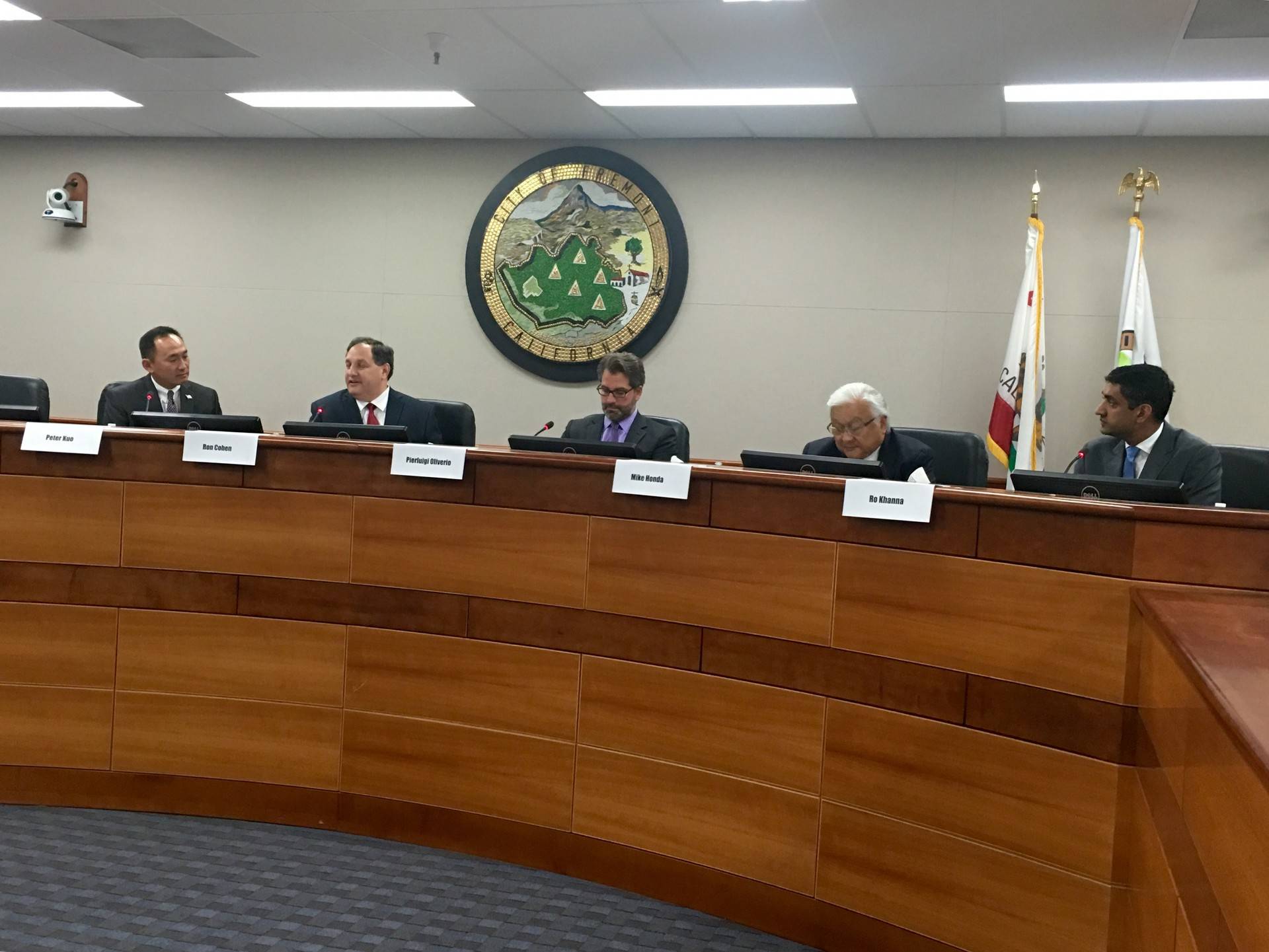
"caption": "Silicon Valley congressional candidates (l to r) Republicans Peter Kuo and Ron Cohen, and Democrats Pierluigi Oliverio, Congressman Mike Honda and Ro Khanna. ",
"description": "Silicon Valley congressional candidates (l to r) Republicans Peter Kuo and Ron Cohen, Democrats Pierluigi Oliver, Congressman Mike Honda and Ro Khanna. ",
"title": "RS19422_FullSizeRender-qut",
"credit": "Beth Willon/KQED",
"status": "inherit",
"isLoading": false,
"fetchFailed": false
},
"news_10936059": {
"type": "attachments",
"id": "news_10936059",
"meta": {
"index": "attachments_1716263798",
"site": "news",
"id": "10936059",
"found": true
},
"parent": 10935905,
"imgSizes": {
"twentyfourteen-full-width": {
"file": "https://ww2.kqed.org/app/uploads/sites/10/2016/04/RS12611_SJM-BIGDEBATE-1007-01-qut1-1038x576.jpg",
"width": 1038,
"mimeType": "image/jpeg",
"height": 576
},
"thumbnail": {
"file": "https://ww2.kqed.org/app/uploads/sites/10/2016/04/RS12611_SJM-BIGDEBATE-1007-01-qut1-400x315.jpg",
"width": 400,
"mimeType": "image/jpeg",
"height": 315
},
"fd-sm": {
"file": "https://ww2.kqed.org/app/uploads/sites/10/2016/04/RS12611_SJM-BIGDEBATE-1007-01-qut1-960x757.jpg",
"width": 960,
"mimeType": "image/jpeg",
"height": 757
},
"post-thumbnail": {
"file": "https://ww2.kqed.org/app/uploads/sites/10/2016/04/RS12611_SJM-BIGDEBATE-1007-01-qut1-672x372.jpg",
"width": 672,
"mimeType": "image/jpeg",
"height": 372
},
"kqedFullSize": {
"file": "https://ww2.kqed.org/app/uploads/sites/10/2016/04/RS12611_SJM-BIGDEBATE-1007-01-qut1.jpg",
"width": 1440,
"height": 1135
},
"guest-author-96": {
"file": "https://ww2.kqed.org/app/uploads/sites/10/2016/04/RS12611_SJM-BIGDEBATE-1007-01-qut1-96x96.jpg",
"width": 96,
"mimeType": "image/jpeg",
"height": 96
},
"medium": {
"file": "https://ww2.kqed.org/app/uploads/sites/10/2016/04/RS12611_SJM-BIGDEBATE-1007-01-qut1-800x631.jpg",
"width": 800,
"mimeType": "image/jpeg",
"height": 631
},
"guest-author-64": {
"file": "https://ww2.kqed.org/app/uploads/sites/10/2016/04/RS12611_SJM-BIGDEBATE-1007-01-qut1-64x64.jpg",
"width": 64,
"mimeType": "image/jpeg",
"height": 64
},
"guest-author-32": {
"file": "https://ww2.kqed.org/app/uploads/sites/10/2016/04/RS12611_SJM-BIGDEBATE-1007-01-qut1-32x32.jpg",
"width": 32,
"mimeType": "image/jpeg",
"height": 32
},
"jmtc-small-thumb": {
"file": "https://ww2.kqed.org/app/uploads/sites/10/2016/04/RS12611_SJM-BIGDEBATE-1007-01-qut1-280x150.jpg",
"width": 280,
"mimeType": "image/jpeg",
"height": 150
},
"fd-med": {
"file": "https://ww2.kqed.org/app/uploads/sites/10/2016/04/RS12611_SJM-BIGDEBATE-1007-01-qut1-1180x930.jpg",
"width": 1180,
"mimeType": "image/jpeg",
"height": 930
},
"detail": {
"file": "https://ww2.kqed.org/app/uploads/sites/10/2016/04/RS12611_SJM-BIGDEBATE-1007-01-qut1-75x75.jpg",
"width": 75,
"mimeType": "image/jpeg",
"height": 75
},
"guest-author-128": {
"file": "https://ww2.kqed.org/app/uploads/sites/10/2016/04/RS12611_SJM-BIGDEBATE-1007-01-qut1-128x128.jpg",
"width": 128,
"mimeType": "image/jpeg",
"height": 128
}
},
"publishDate": 1461263630,
"modified": 1465368836,
"caption": "Ro Khanna, left, and Congressman Mike Honda at debate in October 2014. ",
"description": "o Khanna (Left) and Congressman Mike Honda at debate in October 2014. ",
"title": "Mike Honda-Ro Khanna",
"credit": "San Jose Mercury News ",
"status": "inherit",
"isLoading": false,
"fetchFailed": false
},
"news_10919869": {
"type": "attachments",
"id": "news_10919869",
"meta": {
"index": "attachments_1716263798",
"site": "news",
"id": "10919869",
"found": true
},
"parent": 10916699,
"imgSizes": {
"twentyfourteen-full-width": {
"file": "https://ww2.kqed.org/app/uploads/sites/10/2016/04/TrumpProtesters-1038x576.jpg",
"width": 1038,
"mimeType": "image/jpeg",
"height": 576
},
"thumbnail": {
"file": "https://ww2.kqed.org/app/uploads/sites/10/2016/04/TrumpProtesters-400x268.jpg",
"width": 400,
"mimeType": "image/jpeg",
"height": 268
},
"fd-sm": {
"file": "https://ww2.kqed.org/app/uploads/sites/10/2016/04/TrumpProtesters-960x644.jpg",
"width": 960,
"mimeType": "image/jpeg",
"height": 644
},
"post-thumbnail": {
"file": "https://ww2.kqed.org/app/uploads/sites/10/2016/04/TrumpProtesters-672x372.jpg",
"width": 672,
"mimeType": "image/jpeg",
"height": 372
},
"kqedFullSize": {
"file": "https://ww2.kqed.org/app/uploads/sites/10/2016/04/TrumpProtesters.jpg",
"width": 3000,
"height": 2012
},
"large": {
"file": "https://ww2.kqed.org/app/uploads/sites/10/2016/04/TrumpProtesters-1920x1288.jpg",
"width": 1920,
"mimeType": "image/jpeg",
"height": 1288
},
"guest-author-96": {
"file": "https://ww2.kqed.org/app/uploads/sites/10/2016/04/TrumpProtesters-96x96.jpg",
"width": 96,
"mimeType": "image/jpeg",
"height": 96
},
"medium": {
"file": "https://ww2.kqed.org/app/uploads/sites/10/2016/04/TrumpProtesters-800x537.jpg",
"width": 800,
"mimeType": "image/jpeg",
"height": 537
},
"guest-author-64": {
"file": "https://ww2.kqed.org/app/uploads/sites/10/2016/04/TrumpProtesters-64x64.jpg",
"width": 64,
"mimeType": "image/jpeg",
"height": 64
},
"guest-author-32": {
"file": "https://ww2.kqed.org/app/uploads/sites/10/2016/04/TrumpProtesters-32x32.jpg",
"width": 32,
"mimeType": "image/jpeg",
"height": 32
},
"jmtc-small-thumb": {
"file": "https://ww2.kqed.org/app/uploads/sites/10/2016/04/TrumpProtesters-280x150.jpg",
"width": 280,
"mimeType": "image/jpeg",
"height": 150
},
"fd-lrg": {
"file": "https://ww2.kqed.org/app/uploads/sites/10/2016/04/TrumpProtesters-1920x1288.jpg",
"width": 1920,
"mimeType": "image/jpeg",
"height": 1288
},
"fd-med": {
"file": "https://ww2.kqed.org/app/uploads/sites/10/2016/04/TrumpProtesters-1180x791.jpg",
"width": 1180,
"mimeType": "image/jpeg",
"height": 791
},
"detail": {
"file": "https://ww2.kqed.org/app/uploads/sites/10/2016/04/TrumpProtesters-75x75.jpg",
"width": 75,
"mimeType": "image/jpeg",
"height": 75
},
"guest-author-128": {
"file": "https://ww2.kqed.org/app/uploads/sites/10/2016/04/TrumpProtesters-128x128.jpg",
"width": 128,
"mimeType": "image/jpeg",
"height": 128
}
},
"publishDate": 1459815763,
"modified": 1459816034,
"caption": "Latinos, immigration and workers' rights advocates and their supporters protest against Donald Trump and other Republican presidential hopefuls, outside a debate at the Ronald Reagan Presidential Library in Simi Valley on September 16, 2015.",
"description": "Latinos, immigration and workers' rights advocates and their supporters protest against Donald Trump and other Republican presidential hopefuls, outside a debate at the Ronald Reagan Presidential Library in Simi Valley on September 16, 2015.",
"title": "TrumpProtesters",
"credit": "ROBYN BECK/AFP/Getty Images",
"status": "inherit",
"isLoading": false,
"fetchFailed": false
},
"news_10885472": {
"type": "attachments",
"id": "news_10885472",
"meta": {
"index": "attachments_1716263798",
"site": "news",
"id": "10885472",
"found": true
},
"parent": 10885147,
"imgSizes": {
"jmtc-small-thumb": {
"file": "https://ww2.kqed.org/app/uploads/sites/10/2016/03/RS12583_KhannaHonda-280x150.jpg",
"width": 280,
"mimeType": "image/jpeg",
"height": 150
},
"thumbnail": {
"file": "https://ww2.kqed.org/app/uploads/sites/10/2016/03/RS12583_KhannaHonda-400x225.jpg",
"width": 400,
"mimeType": "image/jpeg",
"height": 225
},
"post-thumbnail": {
"file": "https://ww2.kqed.org/app/uploads/sites/10/2016/03/RS12583_KhannaHonda-672x372.jpg",
"width": 672,
"mimeType": "image/jpeg",
"height": 372
},
"kqedFullSize": {
"file": "https://ww2.kqed.org/app/uploads/sites/10/2016/03/RS12583_KhannaHonda.jpg",
"width": 800,
"height": 450
},
"guest-author-96": {
"file": "https://ww2.kqed.org/app/uploads/sites/10/2016/03/RS12583_KhannaHonda-96x96.jpg",
"width": 96,
"mimeType": "image/jpeg",
"height": 96
},
"medium": {
"file": "https://ww2.kqed.org/app/uploads/sites/10/2016/03/RS12583_KhannaHonda-800x450.jpg",
"width": 800,
"mimeType": "image/jpeg",
"height": 450
},
"guest-author-64": {
"file": "https://ww2.kqed.org/app/uploads/sites/10/2016/03/RS12583_KhannaHonda-64x64.jpg",
"width": 64,
"mimeType": "image/jpeg",
"height": 64
},
"detail": {
"file": "https://ww2.kqed.org/app/uploads/sites/10/2016/03/RS12583_KhannaHonda-75x75.jpg",
"width": 75,
"mimeType": "image/jpeg",
"height": 75
},
"guest-author-32": {
"file": "https://ww2.kqed.org/app/uploads/sites/10/2016/03/RS12583_KhannaHonda-32x32.jpg",
"width": 32,
"mimeType": "image/jpeg",
"height": 32
},
"guest-author-128": {
"file": "https://ww2.kqed.org/app/uploads/sites/10/2016/03/RS12583_KhannaHonda-128x128.jpg",
"width": 128,
"mimeType": "image/jpeg",
"height": 128
}
},
"publishDate": 1457055320,
"modified": 1457055345,
"caption": "Ro Khanna (L) and Mike Honda",
"description": "Ro Khanna (L) and Mike Honda",
"title": "RS12583_KhannaHonda",
"credit": "Courtesy Ro Khanna, Mark Wilson/Getty Images",
"status": "inherit",
"isLoading": false,
"fetchFailed": false
},
"news_10881897": {
"type": "attachments",
"id": "news_10881897",
"meta": {
"index": "attachments_1716263798",
"site": "news",
"id": "10881897",
"found": true
},
"parent": 10881846,
"imgSizes": {
"twentyfourteen-full-width": {
"file": "https://ww2.kqed.org/app/uploads/sites/10/2016/02/RS15476_IMG_0887-qut-1038x576.jpg",
"width": 1038,
"mimeType": "image/jpeg",
"height": 576
},
"thumbnail": {
"file": "https://ww2.kqed.org/app/uploads/sites/10/2016/02/RS15476_IMG_0887-qut-400x300.jpg",
"width": 400,
"mimeType": "image/jpeg",
"height": 300
},
"fd-sm": {
"file": "https://ww2.kqed.org/app/uploads/sites/10/2016/02/RS15476_IMG_0887-qut-960x720.jpg",
"width": 960,
"mimeType": "image/jpeg",
"height": 720
},
"post-thumbnail": {
"file": "https://ww2.kqed.org/app/uploads/sites/10/2016/02/RS15476_IMG_0887-qut-672x372.jpg",
"width": 672,
"mimeType": "image/jpeg",
"height": 372
},
"kqedFullSize": {
"file": "https://ww2.kqed.org/app/uploads/sites/10/2016/02/RS15476_IMG_0887-qut.jpg",
"width": 1920,
"height": 1440
},
"large": {
"file": "https://ww2.kqed.org/app/uploads/sites/10/2016/02/RS15476_IMG_0887-qut-1920x1440.jpg",
"width": 1920,
"mimeType": "image/jpeg",
"height": 1440
},
"guest-author-96": {
"file": "https://ww2.kqed.org/app/uploads/sites/10/2016/02/RS15476_IMG_0887-qut-96x96.jpg",
"width": 96,
"mimeType": "image/jpeg",
"height": 96
},
"medium": {
"file": "https://ww2.kqed.org/app/uploads/sites/10/2016/02/RS15476_IMG_0887-qut-800x600.jpg",
"width": 800,
"mimeType": "image/jpeg",
"height": 600
},
"guest-author-64": {
"file": "https://ww2.kqed.org/app/uploads/sites/10/2016/02/RS15476_IMG_0887-qut-64x64.jpg",
"width": 64,
"mimeType": "image/jpeg",
"height": 64
},
"guest-author-32": {
"file": "https://ww2.kqed.org/app/uploads/sites/10/2016/02/RS15476_IMG_0887-qut-32x32.jpg",
"width": 32,
"mimeType": "image/jpeg",
"height": 32
},
"jmtc-small-thumb": {
"file": "https://ww2.kqed.org/app/uploads/sites/10/2016/02/RS15476_IMG_0887-qut-280x150.jpg",
"width": 280,
"mimeType": "image/jpeg",
"height": 150
},
"fd-lrg": {
"file": "https://ww2.kqed.org/app/uploads/sites/10/2016/02/RS15476_IMG_0887-qut-1920x1440.jpg",
"width": 1920,
"mimeType": "image/jpeg",
"height": 1440
},
"fd-med": {
"file": "https://ww2.kqed.org/app/uploads/sites/10/2016/02/RS15476_IMG_0887-qut-1180x885.jpg",
"width": 1180,
"mimeType": "image/jpeg",
"height": 885
},
"detail": {
"file": "https://ww2.kqed.org/app/uploads/sites/10/2016/02/RS15476_IMG_0887-qut-75x75.jpg",
"width": 75,
"mimeType": "image/jpeg",
"height": 75
},
"guest-author-128": {
"file": "https://ww2.kqed.org/app/uploads/sites/10/2016/02/RS15476_IMG_0887-qut-128x128.jpg",
"width": 128,
"mimeType": "image/jpeg",
"height": 128
}
},
"publishDate": 1456778108,
"modified": 1456784619,
"caption": "One South Market is one of the newest additions to San Jose's downtown skyline. Because of a Supreme Court ruling Monday, San Jose can still require new developers to set aside some of their units for sale below market value.",
"description": null,
"title": "RS15476_IMG_0887-qut",
"credit": "Rachael Myrow/KQED",
"status": "inherit",
"isLoading": false,
"fetchFailed": false
},
"news_10877078": {
"type": "attachments",
"id": "news_10877078",
"meta": {
"index": "attachments_1716263798",
"site": "news",
"id": "10877078",
"found": true
},
"parent": 10876820,
"imgSizes": {
"twentyfourteen-full-width": {
"file": "https://ww2.kqed.org/app/uploads/sites/10/2016/02/RS18604_IMG_4576-copy-qut-1000x576.jpg",
"width": 1000,
"mimeType": "image/jpeg",
"height": 576
},
"jmtc-small-thumb": {
"file": "https://ww2.kqed.org/app/uploads/sites/10/2016/02/RS18604_IMG_4576-copy-qut-280x150.jpg",
"width": 280,
"mimeType": "image/jpeg",
"height": 150
},
"thumbnail": {
"file": "https://ww2.kqed.org/app/uploads/sites/10/2016/02/RS18604_IMG_4576-copy-qut-400x267.jpg",
"width": 400,
"mimeType": "image/jpeg",
"height": 267
},
"fd-sm": {
"file": "https://ww2.kqed.org/app/uploads/sites/10/2016/02/RS18604_IMG_4576-copy-qut-960x640.jpg",
"width": 960,
"mimeType": "image/jpeg",
"height": 640
},
"post-thumbnail": {
"file": "https://ww2.kqed.org/app/uploads/sites/10/2016/02/RS18604_IMG_4576-copy-qut-672x372.jpg",
"width": 672,
"mimeType": "image/jpeg",
"height": 372
},
"kqedFullSize": {
"file": "https://ww2.kqed.org/app/uploads/sites/10/2016/02/RS18604_IMG_4576-copy-qut.jpg",
"width": 1000,
"height": 667
},
"guest-author-96": {
"file": "https://ww2.kqed.org/app/uploads/sites/10/2016/02/RS18604_IMG_4576-copy-qut-96x96.jpg",
"width": 96,
"mimeType": "image/jpeg",
"height": 96
},
"medium": {
"file": "https://ww2.kqed.org/app/uploads/sites/10/2016/02/RS18604_IMG_4576-copy-qut-800x534.jpg",
"width": 800,
"mimeType": "image/jpeg",
"height": 534
},
"guest-author-64": {
"file": "https://ww2.kqed.org/app/uploads/sites/10/2016/02/RS18604_IMG_4576-copy-qut-64x64.jpg",
"width": 64,
"mimeType": "image/jpeg",
"height": 64
},
"detail": {
"file": "https://ww2.kqed.org/app/uploads/sites/10/2016/02/RS18604_IMG_4576-copy-qut-75x75.jpg",
"width": 75,
"mimeType": "image/jpeg",
"height": 75
},
"guest-author-32": {
"file": "https://ww2.kqed.org/app/uploads/sites/10/2016/02/RS18604_IMG_4576-copy-qut-32x32.jpg",
"width": 32,
"mimeType": "image/jpeg",
"height": 32
},
"guest-author-128": {
"file": "https://ww2.kqed.org/app/uploads/sites/10/2016/02/RS18604_IMG_4576-copy-qut-128x128.jpg",
"width": 128,
"mimeType": "image/jpeg",
"height": 128
}
},
"publishDate": 1456353746,
"modified": 1456359119,
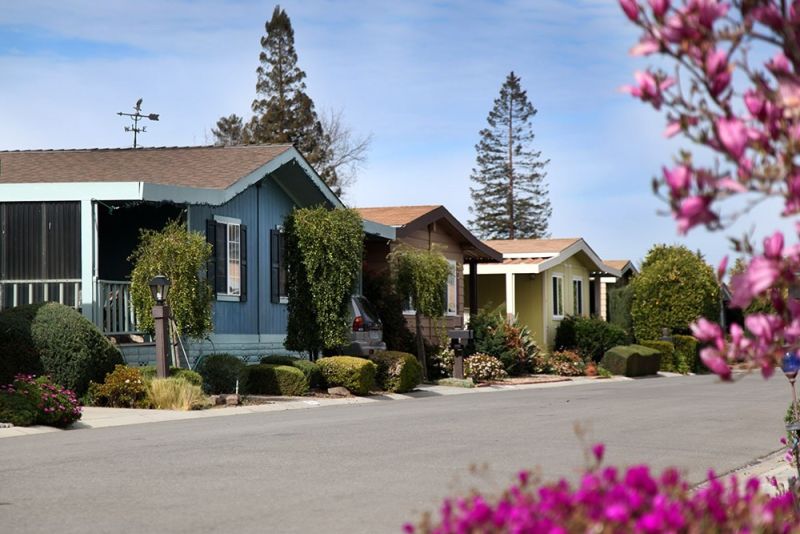
"caption": "Owners of the Winchester Ranch mobile home park in San Jose want to sell the land to make way for new development. Senior and low-income residents fear that if the deal goes through, they'll have nowhere else they can afford in the city (Mark Andrew Boyer/KQED)",
"description": null,
"title": "RS18604_IMG_4576-copy-qut",
"credit": null,
"status": "inherit",
"isLoading": false,
"fetchFailed": false
},
"news_10796837": {
"type": "attachments",
"id": "news_10796837",
"meta": {
"index": "attachments_1716263798",
"site": "news",
"id": "10796837",
"found": true
},
"parent": 10796779,
"imgSizes": {
"twentyfourteen-full-width": {
"file": "https://ww2.kqed.org/app/uploads/sites/10/2015/12/Assyrians-1038x576.jpg",
"width": 1038,
"mimeType": "image/jpeg",
"height": 576
},
"thumbnail": {
"file": "https://ww2.kqed.org/app/uploads/sites/10/2015/12/Assyrians-400x300.jpg",
"width": 400,
"mimeType": "image/jpeg",
"height": 300
},
"fd-sm": {
"file": "https://ww2.kqed.org/app/uploads/sites/10/2015/12/Assyrians-960x720.jpg",
"width": 960,
"mimeType": "image/jpeg",
"height": 720
},
"post-thumbnail": {
"file": "https://ww2.kqed.org/app/uploads/sites/10/2015/12/Assyrians-672x372.jpg",
"width": 672,
"mimeType": "image/jpeg",
"height": 372
},
"kqedFullSize": {
"file": "https://ww2.kqed.org/app/uploads/sites/10/2015/12/Assyrians.jpg",
"width": 1920,
"height": 1440
},
"large": {
"file": "https://ww2.kqed.org/app/uploads/sites/10/2015/12/Assyrians-1440x1080.jpg",
"width": 1440,
"mimeType": "image/jpeg",
"height": 1080
},
"guest-author-96": {
"file": "https://ww2.kqed.org/app/uploads/sites/10/2015/12/Assyrians-96x96.jpg",
"width": 96,
"mimeType": "image/jpeg",
"height": 96
},
"medium": {
"file": "https://ww2.kqed.org/app/uploads/sites/10/2015/12/Assyrians-800x600.jpg",
"width": 800,
"mimeType": "image/jpeg",
"height": 600
},
"guest-author-64": {
"file": "https://ww2.kqed.org/app/uploads/sites/10/2015/12/Assyrians-64x64.jpg",
"width": 64,
"mimeType": "image/jpeg",
"height": 64
},
"guest-author-32": {
"file": "https://ww2.kqed.org/app/uploads/sites/10/2015/12/Assyrians-32x32.jpg",
"width": 32,
"mimeType": "image/jpeg",
"height": 32
},
"jmtc-small-thumb": {
"file": "https://ww2.kqed.org/app/uploads/sites/10/2015/12/Assyrians-280x150.jpg",
"width": 280,
"mimeType": "image/jpeg",
"height": 150
},
"fd-lrg": {
"file": "https://ww2.kqed.org/app/uploads/sites/10/2015/12/Assyrians-1920x1440.jpg",
"width": 1920,
"mimeType": "image/jpeg",
"height": 1440
},
"fd-med": {
"file": "https://ww2.kqed.org/app/uploads/sites/10/2015/12/Assyrians-1180x885.jpg",
"width": 1180,
"mimeType": "image/jpeg",
"height": 885
},
"detail": {
"file": "https://ww2.kqed.org/app/uploads/sites/10/2015/12/Assyrians-75x75.jpg",
"width": 75,
"mimeType": "image/jpeg",
"height": 75
},
"medium_large": {
"file": "https://ww2.kqed.org/app/uploads/sites/10/2015/12/Assyrians-768x576.jpg",
"width": 768,
"mimeType": "image/jpeg",
"height": 576
},
"guest-author-128": {
"file": "https://ww2.kqed.org/app/uploads/sites/10/2015/12/Assyrians-128x128.jpg",
"width": 128,
"mimeType": "image/jpeg",
"height": 128
}
},
"publishDate": 1450298218,
"modified": 1450310662,
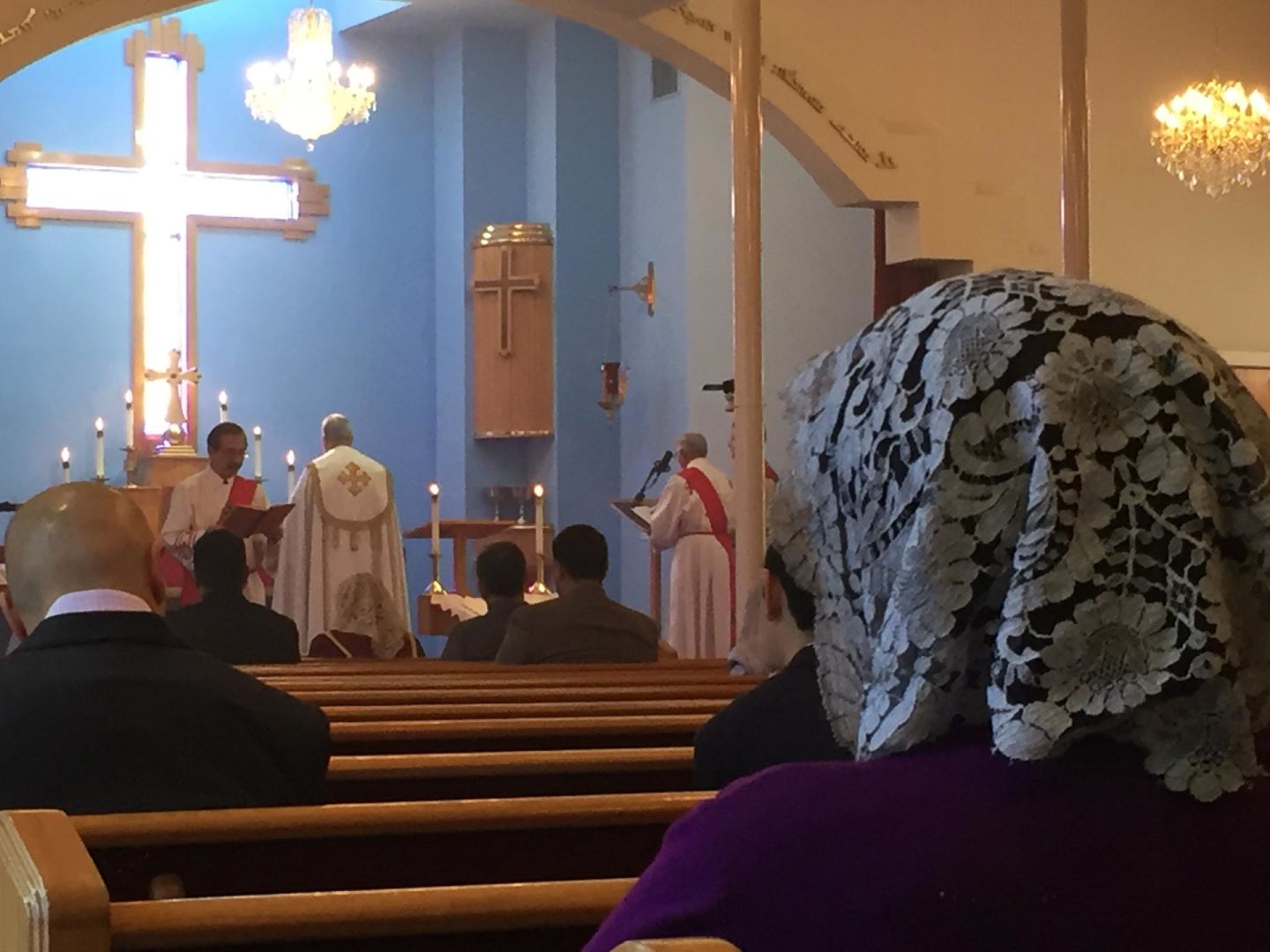
"caption": "Parishioners worship at Mar Yosip Assyrian Church of the East in November 2015. Assyrians -- one of the Middle East’s oldest ethno-religious groups -- now face extinction at the hands of the self-described Islamic State.",
"description": "Parishioners worship at Mar Yosip Assyrian Church of the East in Nov. 2015. Assyrians -- one of the Middle East’s oldest ethno-religious groups -- now face extinction at the hands of the self-described Islamic State.",
"title": "Assyrians",
"credit": "Kaitlyn Landgraf/Peninsula Press",
"status": "inherit",
"isLoading": false,
"fetchFailed": false
},
"news_10762231": {
"type": "attachments",
"id": "news_10762231",
"meta": {
"index": "attachments_1716263798",
"site": "news",
"id": "10762231",
"found": true
},
"parent": 10761651,
"imgSizes": {
"twentyfourteen-full-width": {
"file": "https://ww2.kqed.org/app/uploads/sites/10/2015/11/20151111_homeless_jt-7-1038x576.jpg",
"width": 1038,
"mimeType": "image/jpeg",
"height": 576
},
"thumbnail": {
"file": "https://ww2.kqed.org/app/uploads/sites/10/2015/11/20151111_homeless_jt-7-400x287.jpg",
"width": 400,
"mimeType": "image/jpeg",
"height": 287
},
"fd-sm": {
"file": "https://ww2.kqed.org/app/uploads/sites/10/2015/11/20151111_homeless_jt-7-960x689.jpg",
"width": 960,
"mimeType": "image/jpeg",
"height": 689
},
"post-thumbnail": {
"file": "https://ww2.kqed.org/app/uploads/sites/10/2015/11/20151111_homeless_jt-7-672x372.jpg",
"width": 672,
"mimeType": "image/jpeg",
"height": 372
},
"kqedFullSize": {
"file": "https://ww2.kqed.org/app/uploads/sites/10/2015/11/20151111_homeless_jt-7.jpg",
"width": 2800,
"height": 2009
},
"large": {
"file": "https://ww2.kqed.org/app/uploads/sites/10/2015/11/20151111_homeless_jt-7-1440x1033.jpg",
"width": 1440,
"mimeType": "image/jpeg",
"height": 1033
},
"guest-author-96": {
"file": "https://ww2.kqed.org/app/uploads/sites/10/2015/11/20151111_homeless_jt-7-96x96.jpg",
"width": 96,
"mimeType": "image/jpeg",
"height": 96
},
"medium": {
"file": "https://ww2.kqed.org/app/uploads/sites/10/2015/11/20151111_homeless_jt-7-800x574.jpg",
"width": 800,
"mimeType": "image/jpeg",
"height": 574
},
"guest-author-64": {
"file": "https://ww2.kqed.org/app/uploads/sites/10/2015/11/20151111_homeless_jt-7-64x64.jpg",
"width": 64,
"mimeType": "image/jpeg",
"height": 64
},
"guest-author-32": {
"file": "https://ww2.kqed.org/app/uploads/sites/10/2015/11/20151111_homeless_jt-7-32x32.jpg",
"width": 32,
"mimeType": "image/jpeg",
"height": 32
},
"jmtc-small-thumb": {
"file": "https://ww2.kqed.org/app/uploads/sites/10/2015/11/20151111_homeless_jt-7-280x150.jpg",
"width": 280,
"mimeType": "image/jpeg",
"height": 150
},
"fd-lrg": {
"file": "https://ww2.kqed.org/app/uploads/sites/10/2015/11/20151111_homeless_jt-7-1920x1378.jpg",
"width": 1920,
"mimeType": "image/jpeg",
"height": 1378
},
"fd-med": {
"file": "https://ww2.kqed.org/app/uploads/sites/10/2015/11/20151111_homeless_jt-7-1180x847.jpg",
"width": 1180,
"mimeType": "image/jpeg",
"height": 847
},
"detail": {
"file": "https://ww2.kqed.org/app/uploads/sites/10/2015/11/20151111_homeless_jt-7-75x75.jpg",
"width": 75,
"mimeType": "image/jpeg",
"height": 75
},
"guest-author-128": {
"file": "https://ww2.kqed.org/app/uploads/sites/10/2015/11/20151111_homeless_jt-7-128x128.jpg",
"width": 128,
"mimeType": "image/jpeg",
"height": 128
}
},
"publishDate": 1447778919,
"modified": 1447778946,
"caption": "Brian and Andrea Rodriguez have been living on San Jose's streets and creeks for the better part of two years now, keeping each other's spirits up as they fight to get back into paying jobs and permanent housing.",
"description": "Brian and Andrea Rodriguez have been living on San Jose's streets and creeks for the better part of two years now, keeping each other's spirits up as they fight to get back into paying jobs and permanent housing.",
"title": "20151111_homeless_jt-7",
"credit": "James Tensuan/KQED",
"status": "inherit",
"isLoading": false,
"fetchFailed": false
},
"news_10712056": {
"type": "attachments",
"id": "news_10712056",
"meta": {
"index": "attachments_1716263798",
"site": "news",
"id": "10712056",
"found": true
},
"parent": 10711947,
"imgSizes": {
"twentyfourteen-full-width": {
"file": "https://ww2.kqed.org/app/uploads/sites/10/2015/10/feature-shot-1038x576.jpg",
"width": 1038,
"mimeType": "image/jpeg",
"height": 576
},
"thumbnail": {
"file": "https://ww2.kqed.org/app/uploads/sites/10/2015/10/feature-shot-400x300.jpg",
"width": 400,
"mimeType": "image/jpeg",
"height": 300
},
"fd-sm": {
"file": "https://ww2.kqed.org/app/uploads/sites/10/2015/10/feature-shot-960x720.jpg",
"width": 960,
"mimeType": "image/jpeg",
"height": 720
},
"post-thumbnail": {
"file": "https://ww2.kqed.org/app/uploads/sites/10/2015/10/feature-shot-672x372.jpg",
"width": 672,
"mimeType": "image/jpeg",
"height": 372
},
"kqedFullSize": {
"file": "https://ww2.kqed.org/app/uploads/sites/10/2015/10/feature-shot-e1444419086204.jpg",
"width": 1920,
"height": 1440
},
"large": {
"file": "https://ww2.kqed.org/app/uploads/sites/10/2015/10/feature-shot-1440x1080.jpg",
"width": 1440,
"mimeType": "image/jpeg",
"height": 1080
},
"guest-author-96": {
"file": "https://ww2.kqed.org/app/uploads/sites/10/2015/10/feature-shot-96x96.jpg",
"width": 96,
"mimeType": "image/jpeg",
"height": 96
},
"medium": {
"file": "https://ww2.kqed.org/app/uploads/sites/10/2015/10/feature-shot-800x600.jpg",
"width": 800,
"mimeType": "image/jpeg",
"height": 600
},
"guest-author-64": {
"file": "https://ww2.kqed.org/app/uploads/sites/10/2015/10/feature-shot-64x64.jpg",
"width": 64,
"mimeType": "image/jpeg",
"height": 64
},
"guest-author-32": {
"file": "https://ww2.kqed.org/app/uploads/sites/10/2015/10/feature-shot-32x32.jpg",
"width": 32,
"mimeType": "image/jpeg",
"height": 32
},
"jmtc-small-thumb": {
"file": "https://ww2.kqed.org/app/uploads/sites/10/2015/10/feature-shot-280x150.jpg",
"width": 280,
"mimeType": "image/jpeg",
"height": 150
},
"fd-lrg": {
"file": "https://ww2.kqed.org/app/uploads/sites/10/2015/10/feature-shot-1920x1440.jpg",
"width": 1920,
"mimeType": "image/jpeg",
"height": 1440
},
"fd-med": {
"file": "https://ww2.kqed.org/app/uploads/sites/10/2015/10/feature-shot-1180x885.jpg",
"width": 1180,
"mimeType": "image/jpeg",
"height": 885
},
"detail": {
"file": "https://ww2.kqed.org/app/uploads/sites/10/2015/10/feature-shot-75x75.jpg",
"width": 75,
"mimeType": "image/jpeg",
"height": 75
},
"guest-author-128": {
"file": "https://ww2.kqed.org/app/uploads/sites/10/2015/10/feature-shot-128x128.jpg",
"width": 128,
"mimeType": "image/jpeg",
"height": 128
}
},
"publishDate": 1444332054,
"modified": 1444419079,
"caption": "Roberto Flores, outside his shop near downtown San Jose's Calle Willow, says Sunday's open streets event will open relationships for the next generation. ",
"description": null,
"title": "feature-shot",
"credit": "Beth Willon/KQED",
"status": "inherit",
"isLoading": false,
"fetchFailed": false
}
},
"audioPlayerReducer": {
"postId": "stream_live",
"isPaused": true,
"isPlaying": false,
"pfsActive": false,
"pledgeModalIsOpen": true,
"playerDrawerIsOpen": false,
"liveAudioPlayStartedAt": 0,
"liveAudioPlayContext": ""
},
"authorsReducer": {
"byline_news_11004644": {
"type": "authors",
"id": "byline_news_11004644",
"meta": {
"override": true
},
"slug": "byline_news_11004644",
"name": "KQED Newsroom Staff",
"isLoading": false
},
"byline_news_10796779": {
"type": "authors",
"id": "byline_news_10796779",
"meta": {
"override": true
},
"slug": "byline_news_10796779",
"name": "\u003cstrong>\u003ca href=\"http://peninsulapress.com/author/kaitlynlandgraf/\">Kaitlyn Landgraf\u003c/a>\u003cbr>\u003ca href=\"http://peninsulapress.com/\">Peninsula Press\u003c/a>\u003c/strong>",
"isLoading": false
},
"lisapickoffwhite-2": {
"type": "authors",
"id": "199",
"meta": {
"index": "authors_1716337520",
"id": "199",
"found": true
},
"name": "Lisa Pickoff-White",
"firstName": "Lisa",
"lastName": "Pickoff-White",
"slug": "lisapickoffwhite-2",
"email": "lpickoffwhite@kqed.org",
"display_author_email": false,
"staff_mastheads": [
"news"
],
"title": "Data Journalist, Senior Producer",
"bio": "Lisa Pickoff-White is KQED's data reporter. Lisa specializes in simplifying complex topics and bringing them to life through compelling visuals, including photography and data visualizations. She previously has worked at the Center for Investigative Reporting and other national outlets. Her work has been honored with awards from the Online News Association, Investigative Reporters and Editors, the Society of Professional Journalists and SXSW Interactive. \u003cstrong> \u003c/strong>",
"avatar": "https://secure.gravatar.com/avatar/5513c5f3967df792aa65bee2501e84d6?s=600&d=blank&r=g",
"twitter": "pickoffwhite",
"facebook": null,
"instagram": null,
"linkedin": null,
"sites": [
{
"site": "",
"roles": [
"editor"
]
},
{
"site": "arts",
"roles": []
},
{
"site": "news",
"roles": [
"administrator"
]
},
{
"site": "about",
"roles": [
"editor"
]
},
{
"site": "stateofhealth",
"roles": [
"administrator"
]
},
{
"site": "science",
"roles": [
"editor"
]
},
{
"site": "quest",
"roles": [
"editor"
]
},
{
"site": "forum",
"roles": [
"editor"
]
}
],
"headData": {
"title": "Lisa Pickoff-White | KQED",
"description": "Data Journalist, Senior Producer",
"ogImgSrc": "https://secure.gravatar.com/avatar/5513c5f3967df792aa65bee2501e84d6?s=600&d=blank&r=g",
"twImgSrc": "https://secure.gravatar.com/avatar/5513c5f3967df792aa65bee2501e84d6?s=600&d=blank&r=g"
},
"isLoading": false,
"link": "/author/lisapickoffwhite-2"
},
"danbrekke": {
"type": "authors",
"id": "222",
"meta": {
"index": "authors_1716337520",
"id": "222",
"found": true
},
"name": "Dan Brekke",
"firstName": "Dan",
"lastName": "Brekke",
"slug": "danbrekke",
"email": "dbrekke@kqed.org",
"display_author_email": true,
"staff_mastheads": [
"news",
"science"
],
"title": "KQED Editor and Reporter",
"bio": "Dan Brekke is a reporter and editor for KQED News, responsible for coverage of topics ranging from California water issues to the Bay Area's transportation challenges. In a newsroom career that began in Chicago in 1972, Dan has worked for \u003cem>The San Francisco Examiner,\u003c/em> Wired and TechTV and has been published in The New York Times, The New York Times Magazine, Business 2.0, Salon and elsewhere.\r\n\r\nSince joining KQED in 2007, Dan has reported, edited and produced both radio and online features and breaking news pieces. He has shared as both editor and reporter in four Society of Professional Journalists Norcal Excellence in Journalism awards and one Edward R. Murrow regional award. He was chosen for a spring 2017 residency at the Mesa Refuge to advance his research on California salmon.\r\n\r\nEmail Dan at: \u003ca href=\"mailto:dbrekke@kqed.org\">dbrekke@kqed.org\u003c/a>\r\n\r\n\u003cstrong>Twitter:\u003c/strong> \u003ca href=\"https://twitter.com/danbrekke\" rel=\"noopener noreferrer\">twitter.com/danbrekke\u003c/a>\r\n\u003cstrong>Facebook:\u003c/strong> \u003ca href=\"https://www.facebook.com/danbrekke\" rel=\"noopener noreferrer\">www.facebook.com/danbrekke\u003c/a>\r\n\u003cstrong>LinkedIn:\u003c/strong> \u003ca href=\"https://www.linkedin.com/in/danbrekke\" rel=\"noopener noreferrer\">www.linkedin.com/in/danbrekke\u003c/a>",
"avatar": "https://secure.gravatar.com/avatar/c8126230345efca3f7aa89b1a402be45?s=600&d=mm&r=g",
"twitter": "danbrekke",
"facebook": null,
"instagram": "https://www.instagram.com/dan.brekke/",
"linkedin": "https://www.linkedin.com/in/danbrekke/",
"sites": [
{
"site": "news",
"roles": [
"administrator",
"create_posts"
]
},
{
"site": "stateofhealth",
"roles": [
"editor"
]
},
{
"site": "science",
"roles": [
"editor"
]
},
{
"site": "quest",
"roles": [
"contributor"
]
},
{
"site": "food",
"roles": [
"contributor"
]
},
{
"site": "forum",
"roles": [
"contributor"
]
},
{
"site": "liveblog",
"roles": [
"editor"
]
}
],
"headData": {
"title": "Dan Brekke | KQED",
"description": "KQED Editor and Reporter",
"ogImgSrc": "https://secure.gravatar.com/avatar/c8126230345efca3f7aa89b1a402be45?s=600&d=mm&r=g",
"twImgSrc": "https://secure.gravatar.com/avatar/c8126230345efca3f7aa89b1a402be45?s=600&d=mm&r=g"
},
"isLoading": false,
"link": "/author/danbrekke"
},
"rachael-myrow": {
"type": "authors",
"id": "251",
"meta": {
"index": "authors_1716337520",
"id": "251",
"found": true
},
"name": "Rachael Myrow",
"firstName": "Rachael",
"lastName": "Myrow",
"slug": "rachael-myrow",
"email": "rmyrow@kqed.org",
"display_author_email": true,
"staff_mastheads": [
"news"
],
"title": "Senior Editor of KQED's Silicon Valley News Desk",
"bio": "• I write and edit stories about how Silicon Valley power and policies shape everyday life in California. I’m also passionate about making Bay Area history and culture more accessible to a broad public. • I’ve been a journalist for most of my life, starting in high school with The Franklin Press in Los Angeles, where I grew up. While earning my first degree in English at UC Berkeley, I got my start in public radio at KALX-FM. After completing a second degree in journalism at Cal, I landed my first professional job at Marketplace, then moved on to KPCC (now LAist), and then KQED, where I hosted The California Report for more than seven years. • My reporting has appeared on NPR, The World, WBUR’s \u003ci>Here & Now\u003c/i>, and the BBC. I also guest host for KQED’s \u003ci>Forum\u003c/i>, as well as the Commonwealth Club in San Francisco. • I speak periodically on media, democracy and technology issues, and do voiceover work for documentaries and educational video projects. • Outside of the studio, you'll find me hiking Bay Area trails and whipping up Insta-ready meals in my kitchen. • I do not accept gifts, money, or favors from anyone connected to my reporting, I don't pay people for information, and I do not support or donate to political causes. • I strive to treat the people I report on with fairness, honesty, and respect. I also recognize there are often multiple sides to a story and work to verify information through multiple sources and documentation. If I get something wrong, I correct it.",
"avatar": "https://secure.gravatar.com/avatar/3ed8a3c5f26025e4a805ba634cda8cd764906b97438a6d9ce216b044e340da4e?s=600&d=blank&r=g",
"twitter": "rachaelmyrow",
"bluesky": null,
"facebook": null,
"instagram": null,
"linkedin": "https://www.linkedin.com/in/rachaelmyrow/",
"sites": [
{
"site": "arts",
"roles": [
"administrator"
]
},
{
"site": "news",
"roles": [
"edit_others_posts",
"editor"
]
},
{
"site": "futureofyou",
"roles": [
"editor"
]
},
{
"site": "bayareabites",
"roles": [
"editor"
]
},
{
"site": "stateofhealth",
"roles": [
"editor"
]
},
{
"site": "science",
"roles": [
"editor"
]
},
{
"site": "food",
"roles": [
"editor"
]
},
{
"site": "forum",
"roles": [
"editor"
]
},
{
"site": "liveblog",
"roles": [
"author"
]
}
],
"headData": {
"title": "Rachael Myrow | KQED",
"description": "Senior Editor of KQED's Silicon Valley News Desk",
"ogImgSrc": "https://secure.gravatar.com/avatar/3ed8a3c5f26025e4a805ba634cda8cd764906b97438a6d9ce216b044e340da4e?s=600&d=blank&r=g",
"twImgSrc": "https://secure.gravatar.com/avatar/3ed8a3c5f26025e4a805ba634cda8cd764906b97438a6d9ce216b044e340da4e?s=600&d=blank&r=g"
},
"isLoading": false,
"link": "/author/rachael-myrow"
},
"peterjonshuler": {
"type": "authors",
"id": "1329",
"meta": {
"index": "authors_1716337520",
"id": "1329",
"found": true
},
"name": "Peter Jon Shuler",
"firstName": "Peter Jon",
"lastName": "Shuler",
"slug": "peterjonshuler",
"email": "pshuler@kqed.org",
"display_author_email": false,
"staff_mastheads": [],
"title": null,
"bio": "Peter is a general assignment reporter covering Northern California news for KQED’s daily radio newscasts. He reports on a wide range of stories from current court cases to San Jose city hall.\r\n\r\nSince joining KQED in 1990, Peter has covered everything from the beginnings of the World Wide Web to the dot-com bust, from preserving Silicon Valley's open space to the preservation of historic Valley landmarks.\r\n\r\nPeter caught the radio bug at WAUS-FM while still a student at Andrews University in his home town of Berrien Springs, MI. He did local news and hosted a classical music program. Since then, he has pursued a variety of assignments, including production work at WBAI in New York and broadcasting to the English language community of Geneva, Switzerland via Radio 74. Email: \u003ca href=\"mailto:pshuler@kqed.org\">pshuler@kqed.org\u003c/a>",
"avatar": "https://secure.gravatar.com/avatar/4bcbeaf7cf49fec98284db283a33a47b?s=600&d=blank&r=g",
"twitter": null,
"facebook": null,
"instagram": null,
"linkedin": null,
"sites": [
{
"site": "news",
"roles": [
"contributor"
]
}
],
"headData": {
"title": "Peter Jon Shuler | KQED",
"description": null,
"ogImgSrc": "https://secure.gravatar.com/avatar/4bcbeaf7cf49fec98284db283a33a47b?s=600&d=blank&r=g",
"twImgSrc": "https://secure.gravatar.com/avatar/4bcbeaf7cf49fec98284db283a33a47b?s=600&d=blank&r=g"
},
"isLoading": false,
"link": "/author/peterjonshuler"
},
"bwillon": {
"type": "authors",
"id": "3207",
"meta": {
"index": "authors_1716337520",
"id": "3207",
"found": true
},
"name": "Beth Willon",
"firstName": "Beth",
"lastName": "Willon",
"slug": "bwillon",
"email": "bwillon@kqed.org",
"display_author_email": false,
"staff_mastheads": [],
"title": "KQED Contributor",
"bio": "Beth Willon is a former senior reporter for KQED's Silicon Valley News Desk in San Jose. (@KQEDNews )\r\n\r\n@BethWillon",
"avatar": "https://secure.gravatar.com/avatar/3533b741c785d6a97e8b283e7f65606d?s=600&d=blank&r=g",
"twitter": null,
"facebook": null,
"instagram": null,
"linkedin": null,
"sites": [
{
"site": "news",
"roles": [
"subscriber"
]
}
],
"headData": {
"title": "Beth Willon | KQED",
"description": "KQED Contributor",
"ogImgSrc": "https://secure.gravatar.com/avatar/3533b741c785d6a97e8b283e7f65606d?s=600&d=blank&r=g",
"twImgSrc": "https://secure.gravatar.com/avatar/3533b741c785d6a97e8b283e7f65606d?s=600&d=blank&r=g"
},
"isLoading": false,
"link": "/author/bwillon"
},
"fjhabvala": {
"type": "authors",
"id": "8659",
"meta": {
"index": "authors_1716337520",
"id": "8659",
"found": true
},
"name": "Farida Jhabvala Romero",
"firstName": "Farida",
"lastName": "Jhabvala Romero",
"slug": "fjhabvala",
"email": "fjhabvala@kqed.org",
"display_author_email": true,
"staff_mastheads": [
"news"
],
"title": "KQED Contributor",
"bio": "Farida Jhabvala Romero is a Labor Correspondent for KQED. She previously covered immigration. Farida was \u003ca href=\"https://www.ccnma.org/2022-most-influential-latina-journalists\">named\u003c/a> one of the 10 Most Influential Latina Journalists in California in 2022 by the California Chicano News Media Association. Her work has won awards from the Society of Professional Journalists (Northern California), as well as a national and regional Edward M. Murrow Award for the collaborative reporting projects “Dangerous Air” and “Graying California.” Before joining KQED, Farida worked as a producer at Radio Bilingüe, a national public radio network. Farida earned her master’s degree in journalism from Stanford University.",
"avatar": "https://secure.gravatar.com/avatar/f9f022d4e2609741874222a1e9d41f48fea74011aa7c615eef91d9a50c944ebe?s=600&d=blank&r=g",
"twitter": "FaridaJhabvala",
"bluesky": null,
"facebook": null,
"instagram": null,
"linkedin": "https://www.linkedin.com/in/faridajhabvala/",
"sites": [
{
"site": "news",
"roles": [
"editor"
]
},
{
"site": "stateofhealth",
"roles": [
"author"
]
},
{
"site": "liveblog",
"roles": [
"author"
]
}
],
"headData": {
"title": "Farida Jhabvala Romero | KQED",
"description": "KQED Contributor",
"ogImgSrc": "https://secure.gravatar.com/avatar/f9f022d4e2609741874222a1e9d41f48fea74011aa7c615eef91d9a50c944ebe?s=600&d=blank&r=g",
"twImgSrc": "https://secure.gravatar.com/avatar/f9f022d4e2609741874222a1e9d41f48fea74011aa7c615eef91d9a50c944ebe?s=600&d=blank&r=g"
},
"isLoading": false,
"link": "/author/fjhabvala"
}
},
"pagesReducer": {
"news_tag_san-jose": {
"type": "terms",
"id": "news_18541",
"meta": {
"index": "terms_1716263798",
"site": "news",
"id": "18541",
"score": 8.005292
},
"featImg": null,
"name": "San Jose",
"description": null,
"taxonomy": "tag",
"headData": {
"twImgId": null,
"twTitle": null,
"ogTitle": null,
"ogImgId": null,
"twDescription": null,
"description": null,
"title": "San Jose Archives | KQED News",
"ogDescription": null
},
"ttid": 91,
"slug": "san-jose",
"isLoading": false,
"title": "San Jose",
"pageMeta": {
"site": "news",
"WpPageTemplate": "page-topic-editorial",
"currentPage": 40
},
"blocks": [
{
"blockName": "kqed/post-list",
"attrs": {
"layout": "cardArticle2",
"query": "posts/news?tag=san-jose",
"seeMore": false,
"paginated": true,
"page": 40
}
},
{
"blockName": "kqed/ad"
}
]
}
},
"pfsSessionReducer": {},
"postsReducer": {
"stream_live": {
"type": "live",
"id": "stream_live",
"audioUrl": "https://streams.kqed.org/kqedradio",
"title": "Live Stream",
"excerpt": "Live Stream information currently unavailable.",
"link": "/radio",
"featImg": "",
"label": {
"name": "KQED Live",
"link": "/"
}
},
"stream_kqedNewscast": {
"type": "posts",
"id": "stream_kqedNewscast",
"audioUrl": "https://www.kqed.org/.stream/anon/radio/RDnews/newscast.mp3?_=1",
"title": "KQED Newscast",
"featImg": "",
"label": {
"name": "88.5 FM",
"link": "/"
}
},
"news_11004644": {
"type": "posts",
"id": "news_11004644",
"meta": {
"index": "posts_1716263798",
"site": "news",
"id": "11004644",
"score": null,
"sort": [
1467241538000
]
},
"parent": 0,
"labelTerm": {
"site": "news",
"term": 7052
},
"blocks": [],
"publishDate": 1467241538,
"format": "standard",
"disqusTitle": "Homelessness More Complex Since San Jose Shut Down 'The Jungle'",
"title": "Homelessness More Complex Since San Jose Shut Down 'The Jungle'",
"headTitle": "SF Homeless Project | KQED Newsroom | KQED News",
"content": "\u003cp>San Jose sits in Silicon Valley -- one of the wealthiest regions in the country -- yet homelessness is a persistent problem. Take a look around some of the biggest streets in East San Jose and you’ll notice what are essentially modern nomadic villages. On Lucretia Avenue, right across from Yerba Buena High School, we found numerous people living out of cars and campers.\u003c/p>\n\u003caside class=\"aligncenter\">\n\u003cstrong>Homelessness is a complex issue. \u003ca href=\"http://ww2.kqed.org/news/series/sf-homeless-project\" target=\"_blank\">Learn more >>\u003c/a>\u003c/strong>\n\u003cp>\u003ca href=\"http://ww2.kqed.org/news/series/sf-homeless-project\" target=\"_blank\">\u003cimg src=\"http://ww2.kqed.org/news/wp-content/uploads/sites/10/2016/06/sfproject3-800x240.jpg\" alt=\"sfproject3\" width=\"800\" height=\"240\" class=\"aligncenter size-medium wp-image-11004769\" srcset=\"https://ww2.kqed.org/app/uploads/sites/10/2016/06/sfproject3.jpg 800w, https://ww2.kqed.org/app/uploads/sites/10/2016/06/sfproject3-400x120.jpg 400w\" sizes=\"(max-width: 800px) 100vw, 800px\">\u003c/a>\u003c/p>\u003c/aside>\n\u003cp>That’s where we spotted Joseph Luprete sweeping the sidewalk in front of his camper. He bought it about a month ago for $690 and recently blacked out the windows.\u003c/p>\n\u003cp>“At night with the lights on, the cops will drive by and try to ticket me or tell me to move along because it’s illegal to live in your car, “ Luprete says. \"I blacked it out so, at night, it doesn’t look like anyone is in here.”\u003c/p>\n\u003cp>[youtube https://www.youtube.com/watch?v=JqwqxsbkBls&w=560&h=315]\u003c/p>\n\u003cp>Luprete works nearly full time as a valet parking cars and makes $2,500 a month. He says it’s not enough to afford a one-bedroom apartment in San Jose, so he takes his chances every night living on the streets, knowing he’ll probably get cited by the police. “Oh yeah, they will bang on the door at 2, 3 in the morning and look at you like a homeless piece of crap. They just say, 'You gotta move, you can’t be here.' ”\u003c/p>\n\u003cp>[ad fullwidth]\u003c/p>\n\u003cp>It’s estimated there are more than 4,000 homeless people in San Jose. About 500 of them are living out of their vehicles, according to Ray Bramson, San Jose’s \u003ca href=\"https://www.sanjoseca.gov/index.aspx?NID=738\">homelessness response manager\u003c/a>.\u003c/p>\n\u003cp>“One of the solutions the city is looking at is finding safe parking lots where people can park and get connected to housing and long-term services,” Bramson says. He notes the city has identified one potential partner and is working out some issues to have it as a pilot site.\u003c/p>\n\u003cp>Unlike San Francisco, where tent encampments are easily spotted on sidewalks and under freeway overpasses, many of San Jose’s homeless stay out of sight by setting up shelter deep along the city’s 140 miles of trails, creeks and riverbeds.\u003c/p>\n\u003cp>This was the case with \u003ca href=\"http://ww2.kqed.org/news/2014/12/04/homeless-evicted-from-the-jungle-in-san-jose\">The Jungle\u003c/a>, which was one of the nation’s largest homeless encampments until the city shut it down in 2014. More than 300 people were moved out and the area was fenced off.\u003c/p>\n\u003cp>We returned to the site of The Jungle recently with Leonard Jackson, who says he spent five years living there. The area is now overgrown with weeds. But when Jackson called it home, The Jungle resembled a small community.\u003c/p>\n\u003cfigure id=\"attachment_11004748\" class=\"wp-caption alignright\" style=\"max-width: 400px\">\u003cimg class=\"wp-image-11004748 size-thumbnail\" src=\"http://ww2.kqed.org/news/wp-content/uploads/sites/10/2016/06/RS13381_20141204_jungle_jt_016-sfi-400x267.jpg\" alt=\"Goods that cannot be hauled away by residents are left at the Jungle in San Jose, Calif. on Wednesday, Dec. 4, 2014. The city of San Jose cleared out the part of Coyote Creek that was home to around 300 people.\" width=\"400\" height=\"267\" srcset=\"https://ww2.kqed.org/app/uploads/sites/10/2016/06/RS13381_20141204_jungle_jt_016-sfi-400x267.jpg 400w, https://ww2.kqed.org/app/uploads/sites/10/2016/06/RS13381_20141204_jungle_jt_016-sfi.jpg 540w\" sizes=\"(max-width: 400px) 100vw, 400px\">\u003cfigcaption class=\"wp-caption-text\">Goods that cannot be hauled away by residents are left at the Jungle in San Jose, California, on Wednesday, Dec. 4, 2014. The city of San Jose cleared out the part of Coyote Creek that was home to around 300 people. \u003ccite>(James Tensuan/KQED)\u003c/cite>\u003c/figcaption>\u003c/figure>\n\u003cp>“It was tents. It was couches, tarps, stoves, it was motor homes,” he says.\u003c/p>\n\u003cp>Jackson ended up homeless due to drug addiction. He says many people in the Jungle struggled with drugs and mental health issues, but there were also plenty of people who were working and barely surviving.\u003c/p>\n\u003cp>“9-to-5 good paying jobs. They just didn’t have no place to live,” Jackson says. “I knew people who worked for Google, who worked for Cisco, and they were homeless right here in The Jungle with us.”\u003c/p>\n\u003cp>The Jungle’s closure led to new doors opening for Jackson. Outreach workers helped him get off drugs, find a job and move into a new home subsidized by the city. According to San Jose housing officials,\u003ca href=\"http://ww2.kqed.org/news/2015/11/20/a-year-after-the-jungle-san-joses-new-approach-to-homelessness\"> more than 200 former residents of The Jungle now have homes,\u003c/a> but the city still faces a daunting challenge.\u003c/p>\n\u003cp>“People can’t find units in the market. The vacancy rate for rentals hovers around 4 percent,” says Bramson. “We’re doing everything we can, rehabbing a lot of hotels and motels, buying manufactured housing that’s assembled elsewhere and bringing it on site to get people into supportive services that they need to keep them stable and safe.”\u003c/p>\n\u003cp>[youtube https://www.youtube.com/watch?v=OGEk1e88JyU&w=560&h=315]\u003cbr>\nIn what’s being hailed as the largest effort yet to end regional homelessness in the South Bay, the Santa Clara County Board of Supervisors recently approved a $950 million affordable housing bond measure for the November ballot. A 2015 survey found that Santa Clara County has more than 6,500 homeless people, which would make it the fourth-largest homeless population in the nation.\u003c/p>\n\u003cp>Leonard Jackson is grateful he won’t have to wait until November to find out if more help is coming. He says he’s thankful every day for the outreach workers who found him in The Jungle.\u003c/p>\n\u003cp>“By the grace of God, these people came along and saved a lot of us,” Jackson says. “It feels great to have my own place, my own job, security. It feels like I am on top of the world.”\u003c/p>\n\u003cp>\u003c/p>\n\u003cp>\u003cem>Thuy Vu reported on this story for \"KQED Newsroom,\" a weekly news magazine program on television, radio and online. Watch Fridays at 8 p.m. on KQED Public Television 9, listen on Sundays at 6 p.m. on KQED Public Radio 88.5 FM and watch on demand here.\u003c/em>\u003c/p>\n\n",
"disqusIdentifier": "11004644 http://ww2.kqed.org/news/?p=11004644",
"disqusUrl": "https://ww2.kqed.org/news/2016/06/29/homelessness-more-complex-since-san-jose-shut-down-the-jungle/",
"stats": {
"hasVideo": true,
"hasChartOrMap": false,
"hasAudio": false,
"hasPolis": false,
"wordCount": 948,
"hasGoogleForm": false,
"hasGallery": false,
"hasHearkenModule": false,
"iframeSrcs": [],
"paragraphCount": 22
},
"modified": 1467241818,
"excerpt": "Homeless residents in San Jose struggle to find places to live two years after the city shut down The Jungle homeless encampment. ",
"headData": {
"twImgId": "",
"twTitle": "",
"ogTitle": "",
"ogImgId": "",
"twDescription": "",
"description": "Homeless residents in San Jose struggle to find places to live two years after the city shut down The Jungle homeless encampment. ",
"title": "Homelessness More Complex Since San Jose Shut Down 'The Jungle' | KQED",
"ogDescription": "",
"schema": {
"@context": "https://schema.org",
"@type": "NewsArticle",
"headline": "Homelessness More Complex Since San Jose Shut Down 'The Jungle'",
"datePublished": "2016-06-29T16:05:38-07:00",
"dateModified": "2016-06-29T16:10:18-07:00",
"image": "https://cdn.kqed.org/wp-content/uploads/2020/02/KQED-OG-Image@1x.png",
"isAccessibleForFree": "True",
"publisher": {
"@type": "NewsMediaOrganization",
"@id": "https://www.kqed.org/#organization",
"name": "KQED",
"logo": "https://cdn.kqed.org/wp-content/uploads/2020/02/KQED-OG-Image@1x.png",
"url": "https://www.kqed.org",
"sameAs": [
"https://www.facebook.com/KQED",
"https://twitter.com/KQED",
"https://www.instagram.com/kqed/",
"https://www.tiktok.com/@kqedofficial",
"https://www.linkedin.com/company/kqed",
"https://www.youtube.com/channel/UCeC0IOo7i1P_61zVUWbJ4nw"
]
}
}
},
"guestAuthors": [],
"slug": "homelessness-more-complex-since-san-jose-shut-down-the-jungle",
"status": "publish",
"nprByline": "KQED Newsroom Staff",
"path": "/news/11004644/homelessness-more-complex-since-san-jose-shut-down-the-jungle",
"audioTrackLength": null,
"parsedContent": [
{
"type": "contentString",
"content": "\u003cdiv class=\"post-body\">\u003cp>\u003cp>San Jose sits in Silicon Valley -- one of the wealthiest regions in the country -- yet homelessness is a persistent problem. Take a look around some of the biggest streets in East San Jose and you’ll notice what are essentially modern nomadic villages. On Lucretia Avenue, right across from Yerba Buena High School, we found numerous people living out of cars and campers.\u003c/p>\n\u003caside class=\"aligncenter\">\n\u003cstrong>Homelessness is a complex issue. \u003ca href=\"http://ww2.kqed.org/news/series/sf-homeless-project\" target=\"_blank\">Learn more >>\u003c/a>\u003c/strong>\n\u003cp>\u003ca href=\"http://ww2.kqed.org/news/series/sf-homeless-project\" target=\"_blank\">\u003cimg src=\"http://ww2.kqed.org/news/wp-content/uploads/sites/10/2016/06/sfproject3-800x240.jpg\" alt=\"sfproject3\" width=\"800\" height=\"240\" class=\"aligncenter size-medium wp-image-11004769\" srcset=\"https://ww2.kqed.org/app/uploads/sites/10/2016/06/sfproject3.jpg 800w, https://ww2.kqed.org/app/uploads/sites/10/2016/06/sfproject3-400x120.jpg 400w\" sizes=\"(max-width: 800px) 100vw, 800px\">\u003c/a>\u003c/p>\u003c/aside>\n\u003cp>That’s where we spotted Joseph Luprete sweeping the sidewalk in front of his camper. He bought it about a month ago for $690 and recently blacked out the windows.\u003c/p>\n\u003cp>“At night with the lights on, the cops will drive by and try to ticket me or tell me to move along because it’s illegal to live in your car, “ Luprete says. \"I blacked it out so, at night, it doesn’t look like anyone is in here.”\u003c/p>\n\u003cp>\u003c/p>\u003cp>\u003cspan class='utils-parseShortcode-shortcodes-__youtubeShortcode__embedYoutube'>\n \u003cspan class='utils-parseShortcode-shortcodes-__youtubeShortcode__embedYoutubeInside'>\n \u003ciframe\n loading='lazy'\n class='utils-parseShortcode-shortcodes-__youtubeShortcode__youtubePlayer'\n type='text/html'\n src='//www.youtube.com/embed/JqwqxsbkBls'\n title='//www.youtube.com/embed/JqwqxsbkBls'\n allowfullscreen='true'\n style='border:0;'>\u003c/iframe>\n \u003c/span>\n \u003c/span>\u003c/p>\u003cp>\u003c/p>\n\u003cp>Luprete works nearly full time as a valet parking cars and makes $2,500 a month. He says it’s not enough to afford a one-bedroom apartment in San Jose, so he takes his chances every night living on the streets, knowing he’ll probably get cited by the police. “Oh yeah, they will bang on the door at 2, 3 in the morning and look at you like a homeless piece of crap. They just say, 'You gotta move, you can’t be here.' ”\u003c/p>\n\u003cp>\u003c/p>\u003c/div>",
"attributes": {
"named": {},
"numeric": []
}
},
{
"type": "component",
"content": "",
"name": "ad",
"attributes": {
"named": {
"label": "fullwidth"
},
"numeric": [
"fullwidth"
]
}
},
{
"type": "contentString",
"content": "\u003cdiv class=\"post-body\">\u003cp>\u003c/p>\n\u003cp>It’s estimated there are more than 4,000 homeless people in San Jose. About 500 of them are living out of their vehicles, according to Ray Bramson, San Jose’s \u003ca href=\"https://www.sanjoseca.gov/index.aspx?NID=738\">homelessness response manager\u003c/a>.\u003c/p>\n\u003cp>“One of the solutions the city is looking at is finding safe parking lots where people can park and get connected to housing and long-term services,” Bramson says. He notes the city has identified one potential partner and is working out some issues to have it as a pilot site.\u003c/p>\n\u003cp>Unlike San Francisco, where tent encampments are easily spotted on sidewalks and under freeway overpasses, many of San Jose’s homeless stay out of sight by setting up shelter deep along the city’s 140 miles of trails, creeks and riverbeds.\u003c/p>\n\u003cp>This was the case with \u003ca href=\"http://ww2.kqed.org/news/2014/12/04/homeless-evicted-from-the-jungle-in-san-jose\">The Jungle\u003c/a>, which was one of the nation’s largest homeless encampments until the city shut it down in 2014. More than 300 people were moved out and the area was fenced off.\u003c/p>\n\u003cp>We returned to the site of The Jungle recently with Leonard Jackson, who says he spent five years living there. The area is now overgrown with weeds. But when Jackson called it home, The Jungle resembled a small community.\u003c/p>\n\u003cfigure id=\"attachment_11004748\" class=\"wp-caption alignright\" style=\"max-width: 400px\">\u003cimg class=\"wp-image-11004748 size-thumbnail\" src=\"http://ww2.kqed.org/news/wp-content/uploads/sites/10/2016/06/RS13381_20141204_jungle_jt_016-sfi-400x267.jpg\" alt=\"Goods that cannot be hauled away by residents are left at the Jungle in San Jose, Calif. on Wednesday, Dec. 4, 2014. The city of San Jose cleared out the part of Coyote Creek that was home to around 300 people.\" width=\"400\" height=\"267\" srcset=\"https://ww2.kqed.org/app/uploads/sites/10/2016/06/RS13381_20141204_jungle_jt_016-sfi-400x267.jpg 400w, https://ww2.kqed.org/app/uploads/sites/10/2016/06/RS13381_20141204_jungle_jt_016-sfi.jpg 540w\" sizes=\"(max-width: 400px) 100vw, 400px\">\u003cfigcaption class=\"wp-caption-text\">Goods that cannot be hauled away by residents are left at the Jungle in San Jose, California, on Wednesday, Dec. 4, 2014. The city of San Jose cleared out the part of Coyote Creek that was home to around 300 people. \u003ccite>(James Tensuan/KQED)\u003c/cite>\u003c/figcaption>\u003c/figure>\n\u003cp>“It was tents. It was couches, tarps, stoves, it was motor homes,” he says.\u003c/p>\n\u003cp>Jackson ended up homeless due to drug addiction. He says many people in the Jungle struggled with drugs and mental health issues, but there were also plenty of people who were working and barely surviving.\u003c/p>\n\u003cp>“9-to-5 good paying jobs. They just didn’t have no place to live,” Jackson says. “I knew people who worked for Google, who worked for Cisco, and they were homeless right here in The Jungle with us.”\u003c/p>\n\u003cp>The Jungle’s closure led to new doors opening for Jackson. Outreach workers helped him get off drugs, find a job and move into a new home subsidized by the city. According to San Jose housing officials,\u003ca href=\"http://ww2.kqed.org/news/2015/11/20/a-year-after-the-jungle-san-joses-new-approach-to-homelessness\"> more than 200 former residents of The Jungle now have homes,\u003c/a> but the city still faces a daunting challenge.\u003c/p>\n\u003cp>“People can’t find units in the market. The vacancy rate for rentals hovers around 4 percent,” says Bramson. “We’re doing everything we can, rehabbing a lot of hotels and motels, buying manufactured housing that’s assembled elsewhere and bringing it on site to get people into supportive services that they need to keep them stable and safe.”\u003c/p>\n\u003cp>\u003c/p>\u003cp>\u003cspan class='utils-parseShortcode-shortcodes-__youtubeShortcode__embedYoutube'>\n \u003cspan class='utils-parseShortcode-shortcodes-__youtubeShortcode__embedYoutubeInside'>\n \u003ciframe\n loading='lazy'\n class='utils-parseShortcode-shortcodes-__youtubeShortcode__youtubePlayer'\n type='text/html'\n src='//www.youtube.com/embed/OGEk1e88JyU'\n title='//www.youtube.com/embed/OGEk1e88JyU'\n allowfullscreen='true'\n style='border:0;'>\u003c/iframe>\n \u003c/span>\n \u003c/span>\u003c/p>\u003cp>\u003cbr>\nIn what’s being hailed as the largest effort yet to end regional homelessness in the South Bay, the Santa Clara County Board of Supervisors recently approved a $950 million affordable housing bond measure for the November ballot. A 2015 survey found that Santa Clara County has more than 6,500 homeless people, which would make it the fourth-largest homeless population in the nation.\u003c/p>\n\u003cp>Leonard Jackson is grateful he won’t have to wait until November to find out if more help is coming. He says he’s thankful every day for the outreach workers who found him in The Jungle.\u003c/p>\n\u003cp>“By the grace of God, these people came along and saved a lot of us,” Jackson says. “It feels great to have my own place, my own job, security. It feels like I am on top of the world.”\u003c/p>\n\u003cp>\u003c/p>\n\u003cp>\u003cem>Thuy Vu reported on this story for \"KQED Newsroom,\" a weekly news magazine program on television, radio and online. Watch Fridays at 8 p.m. on KQED Public Television 9, listen on Sundays at 6 p.m. on KQED Public Radio 88.5 FM and watch on demand here.\u003c/em>\u003c/p>\n\n\u003c/div>\u003c/p>",
"attributes": {
"named": {},
"numeric": []
}
}
],
"link": "/news/11004644/homelessness-more-complex-since-san-jose-shut-down-the-jungle",
"authors": [
"byline_news_11004644"
],
"programs": [
"news_7052"
],
"series": [
"news_19491"
],
"categories": [
"news_6266",
"news_8"
],
"tags": [
"news_3921",
"news_4020",
"news_1775",
"news_18541"
],
"featImg": "news_11004701",
"label": "news_7052"
},
"news_10976465": {
"type": "posts",
"id": "news_10976465",
"meta": {
"index": "posts_1716263798",
"site": "news",
"id": "10976465",
"score": null,
"sort": [
1464967709000
]
},
"parent": 0,
"labelTerm": {
"site": "news",
"term": 72
},
"blocks": [],
"publishDate": 1464967709,
"format": "aside",
"disqusTitle": "'Ugly Chaos' After Trump Event in San Jose",
"title": "'Ugly Chaos' After Trump Event in San Jose",
"headTitle": "The California Report | KQED News",
"content": "\u003cp>\u003cstrong>Updated 2:45 p.m. Friday, June 3:\u003c/strong>\u003c/p>\n\u003cp>https://twitter.com/NBCNightlyNews/status/738567898965233664\u003c/p>\n\u003cp>The San Jose Mercury \u003ca href=\"http://www.mercurynews.com/politics-government/ci_29971491/san-jose-supporters-line-up-hear-donald-trump\" target=\"_blank\">calls it\u003c/a> \"the biggest and most violent political protest San Jose has seen in decades.\" Veteran \u003ca href=\"https://twitter.com/SovernNation\" target=\"_blank\">KCBS reporter Doug Sovern\u003c/a> described it as \"ugly, ugly chaos.\" \u003c/p>\n\u003cp>The event in question: The aftermath of presumptive Republican presidential nominee Donald Trump's appearance in downtown San Jose Thursday evening.\u003c/p>\n\u003cp>Anti-Trump protesters brawled with Trump supporters in melees that spread through the streets near the city's Convention Center and continued sporadically for more than 90 minutes after the Republican candidate's event ended. Police made four arrests. \u003c/p>\n\u003cp>[ad fullwidth]\u003c/p>\n\u003cp>Inside the city's Convention Center, \u003ca href=\"http://www.sfgate.com/politics/article/Trump-at-campaign-rally-in-San-Jose-calls-for-7960897.php\" target=\"_blank\">Trump dished out\u003c/a> his standard litany of promises to \"make America great again\" and to build an impenetrable barrier at the U.S.-Mexico border. He mixed those familiar pledges with swipes at Democratic front-runner Hillary Clinton. The crowd, said to be about 4,000, ate it up, chanting \"USA! USA!\" and \"Build the wall! Build the wall!\"\u003c/p>\n\u003cp>[gallery type=\"slideshow\" size=\"medium\" ids=\"10976519, 10976510,10976517,10976466,10976512,10976511\"]\u003c/p>\n\u003cp>But violence erupted as Trump's audience emerged from the hall as some in a crowd of several hundred protesters confronted the Republican's supporters. Some demonstrators threw eggs, some chased and punched departing Trump partisans, and some grabbed and burned Trump signs and hats.\u003c/p>\n\u003cp>Many of the protesters were young, like 26-year-old Janet Brambila, who said she wasn't there participate in the violence. She told KQED's Beth Willon that Trump supporters sicken her because they support his attacks on Mexicans.\u003c/p>\n\u003cp>\"I was undocumented for many years. My parents were too,\" Brambila said. \"We all cleaned houses, white peoples’ houses. ... See all this hatred right here -- it's literally white people.\"\u003c/p>\n\u003cp>Protesters quoted by news organization's expressed dismay at the violence -- some of which appeared to have been committed by demonstrators wearing bandanas.\u003c/p>\n\u003cp>Here's the \u003ca href=\"http://www.mercurynews.com/politics-government/ci_29971491/san-jose-supporters-line-up-hear-donald-trump\" target=\"_blank\">Merc's description\u003c/a>: \u003c/p>\n\u003cblockquote>\u003cp>Exactly who was involved in the violence outside and where they were from remains unclear, but numerous members of the crowd were Latinos from East San Jose who said they opposed the violence and condemned Trump for touting racism.\u003c/p>\n\u003cp>\"San Jose is populated mostly by immigrants and Donald Trump has inspired hate,\" said Miguel Ayala, 20, from San Jose: \"I'm all about love.\"\u003c/p>\n\u003cp>Ariana Romero, 21, also from San Jose, said Trump is degrading all hard-working immigrants with his rhetoric.\u003c/p>\n\u003cp>\"I work hard and have my own place and pay my own bills,\" Romero said, \"and because of this man people look down on me and think I'm just another statistic -- all because of his hate. Why would we want someone like that to run this country?\"\u003c/p>\n\u003cp>She said she came to peacefully protest, \"but just doing dangerous things isn't helping. It makes it look like we are doing it for the hell of it.\"\u003c/p>\u003c/blockquote>\n\u003cp>Some observers, notably Sovern of KCBS, questioned why police failed to move in earlier to deal with the violence. But San Jose Mayor Sam Liccardo praised the city's police force for \"an extremely courageous and professional job.\"\u003c/p>\n\u003cp>Finally, here's the Associated Press writeup of the Trump event and its aftermath:\u003c/p>\n\u003cp>\u003cstrong>By Martha Mendoza\u003cbr>\nAssociated Press\u003c/strong>\u003c/p>\n\u003cp>Donald Trump supporters leaving the presidential candidate's rally in San Jose on Thursday evening were pounced on by protesters, some of whom threw punches and eggs.\u003c/p>\n\u003cp>A dozen or more people were hit and car windows were broken. Trump hats grabbed from supporters were set on fire on the ground. At least one woman was pelted with an egg.\u003c/p>\n\u003cp>Police stood their ground at first but after about 90 minutes moved into the remaining crowd to break it up and make arrests. At least four people were taken into custody, though police didn't release total arrest figures Thursday night. One officer was assaulted, police Sgt. Enrique Garcia said.\u003c/p>\n\u003cp>There were no immediate reports of injuries and no major property damage, police said.\u003c/p>\n\u003cp>The crowd, which had numbered over 300 just after the rally, thinned significantly as the night went on, but those who remained near the San Jose Convention Center were rowdy and angry.\u003c/p>\n\u003cp>Some banged on the cars of Trump supporters as they left the rally and chased after those on foot to frighten them.\u003c/p>\n\u003cp>Police were keeping their distance from the crowd as the scuffles played out, but were able to keep them from getting any closer to the convention center.\u003c/p>\n\u003cp>\"Our police officers have done an extremely courageous and professional job so far,\" San Jose Mayor Sam Liccardo told The Associated Press by phone. \"We're all still holding our breath to see the outcome of this dangerous and explosive situation.\"\u003c/p>\n\u003cp>The mayor, a Democrat and Hillary Clinton supporter, criticized Trump for coming to cities and igniting problems that local police departments had to deal with.\u003c/p>\n\u003cp>\"At some point Donald Trump needs to take responsibility for the irresponsible behavior of his campaign,\" Liccardo said.\u003c/p>\n\u003cp>Trump holds a rally Friday at the airport in Redding, at the northern end of the Sacramento Valley and about 200 miles north of San Francisco.\u003c/p>\n\u003cp>Clinton and Democratic opponent Bernie Sanders will also make campaign stops in the state on Friday in California as they look to Tuesday's California Primary.\u003c/p>\n\u003cp>Trump, the presumptive GOP nominee, spoke for about 50 minutes at the rally, sniping at Democratic candidate Hillary Clinton and calling her speech on foreign policy earlier in the day \"pathetic\" and \"sad to watch.\"\u003c/p>\n\u003cp>Protesters before the speech included Adam Rivas, a 22-year-old community college student who was born and raised in San Jose. He was holding a spray-painted sign that read \"Dump Trump.\"\u003c/p>\n\u003cp>Rivas said he was particularly disturbed by Trump's remarks about Mexicans.\u003c/p>\n\u003cp>\"For any one Mexican here he bashes, there are about 20 Mexicans out there who are hard-working and just doing their job,\" he said.\u003c/p>\n\u003cp>Trump supporter Debbie Tracey, a U.S. Navy veteran from San Jose, said she came to hear Trump speak, and left his rally with two hats, a T-shirt and a handful of signs that said \"Veterans for Trump.\"\u003c/p>\n\u003cp>Passing in front of a wall of protesters, many chanting in Spanish, she said she supported Trump's call for a wall along the U.S.-Mexico border.\u003c/p>\n\u003cp>[ad floatright]\u003c/p>\n\u003cp>\"I'll go help build the wall because if you are going to come to this country, land of opportunity, you should be here legally,\" she said.\u003c/p>\n\n",
"disqusIdentifier": "10976465 http://ww2.kqed.org/news/?p=10976465",
"disqusUrl": "https://ww2.kqed.org/news/2016/06/03/ugly-chaos-after-trump-event-in-san-jose/",
"stats": {
"hasVideo": false,
"hasChartOrMap": false,
"hasAudio": false,
"hasPolis": false,
"wordCount": 1086,
"hasGoogleForm": false,
"hasGallery": true,
"hasHearkenModule": false,
"iframeSrcs": [],
"paragraphCount": 40
},
"modified": 1464991211,
"excerpt": "Melees erupt when anti-Trump protesters confront candidate's supporters after South Bay appearance.",
"headData": {
"twImgId": "",
"twTitle": "",
"ogTitle": "",
"ogImgId": "",
"twDescription": "",
"description": "Melees erupt when anti-Trump protesters confront candidate's supporters after South Bay appearance.",
"title": "'Ugly Chaos' After Trump Event in San Jose | KQED",
"ogDescription": "",
"schema": {
"@context": "https://schema.org",
"@type": "NewsArticle",
"headline": "'Ugly Chaos' After Trump Event in San Jose",
"datePublished": "2016-06-03T08:28:29-07:00",
"dateModified": "2016-06-03T15:00:11-07:00",
"image": "https://cdn.kqed.org/wp-content/uploads/2020/02/KQED-OG-Image@1x.png",
"isAccessibleForFree": "True",
"publisher": {
"@type": "NewsMediaOrganization",
"@id": "https://www.kqed.org/#organization",
"name": "KQED",
"logo": "https://cdn.kqed.org/wp-content/uploads/2020/02/KQED-OG-Image@1x.png",
"url": "https://www.kqed.org",
"sameAs": [
"https://www.facebook.com/KQED",
"https://twitter.com/KQED",
"https://www.instagram.com/kqed/",
"https://www.tiktok.com/@kqedofficial",
"https://www.linkedin.com/company/kqed",
"https://www.youtube.com/channel/UCeC0IOo7i1P_61zVUWbJ4nw"
]
}
}
},
"guestAuthors": [],
"slug": "ugly-chaos-after-trump-event-in-san-jose",
"status": "publish",
"nprStoryId": "480610012",
"path": "/news/10976465/ugly-chaos-after-trump-event-in-san-jose",
"audioTrackLength": null,
"parsedContent": [
{
"type": "contentString",
"content": "\u003cdiv class=\"post-body\">\u003cp>\u003cp>\u003cstrong>Updated 2:45 p.m. Friday, June 3:\u003c/strong>\u003c/p>\u003c/p>\u003c/div>",
"attributes": {
"named": {},
"numeric": []
}
},
{
"type": "component",
"content": "",
"name": "singleTwitterStatus",
"attributes": {
"named": {
"id": "738567898965233664"
},
"numeric": []
}
},
{
"type": "contentString",
"content": "\u003cdiv class=\"post-body\">\u003cp>\n\u003cp>The San Jose Mercury \u003ca href=\"http://www.mercurynews.com/politics-government/ci_29971491/san-jose-supporters-line-up-hear-donald-trump\" target=\"_blank\">calls it\u003c/a> \"the biggest and most violent political protest San Jose has seen in decades.\" Veteran \u003ca href=\"https://twitter.com/SovernNation\" target=\"_blank\">KCBS reporter Doug Sovern\u003c/a> described it as \"ugly, ugly chaos.\" \u003c/p>\n\u003cp>The event in question: The aftermath of presumptive Republican presidential nominee Donald Trump's appearance in downtown San Jose Thursday evening.\u003c/p>\n\u003cp>Anti-Trump protesters brawled with Trump supporters in melees that spread through the streets near the city's Convention Center and continued sporadically for more than 90 minutes after the Republican candidate's event ended. Police made four arrests. \u003c/p>\n\u003cp>\u003c/p>\u003c/div>",
"attributes": {
"named": {},
"numeric": []
}
},
{
"type": "component",
"content": "",
"name": "ad",
"attributes": {
"named": {
"label": "fullwidth"
},
"numeric": [
"fullwidth"
]
}
},
{
"type": "contentString",
"content": "\u003cdiv class=\"post-body\">\u003cp>\u003c/p>\n\u003cp>Inside the city's Convention Center, \u003ca href=\"http://www.sfgate.com/politics/article/Trump-at-campaign-rally-in-San-Jose-calls-for-7960897.php\" target=\"_blank\">Trump dished out\u003c/a> his standard litany of promises to \"make America great again\" and to build an impenetrable barrier at the U.S.-Mexico border. He mixed those familiar pledges with swipes at Democratic front-runner Hillary Clinton. The crowd, said to be about 4,000, ate it up, chanting \"USA! USA!\" and \"Build the wall! Build the wall!\"\u003c/p>\n\u003cp>\u003c/p>\u003c/div>",
"attributes": {
"named": {},
"numeric": []
}
},
{
"type": "component",
"content": "",
"name": "gallery",
"attributes": {
"named": {
"type": "slideshow",
"size": "medium",
"ids": "10976519, 10976510,10976517,10976466,10976512,10976511",
"label": ""
},
"numeric": []
}
},
{
"type": "contentString",
"content": "\u003cdiv class=\"post-body\">\u003cp>\u003c/p>\n\u003cp>But violence erupted as Trump's audience emerged from the hall as some in a crowd of several hundred protesters confronted the Republican's supporters. Some demonstrators threw eggs, some chased and punched departing Trump partisans, and some grabbed and burned Trump signs and hats.\u003c/p>\n\u003cp>Many of the protesters were young, like 26-year-old Janet Brambila, who said she wasn't there participate in the violence. She told KQED's Beth Willon that Trump supporters sicken her because they support his attacks on Mexicans.\u003c/p>\n\u003cp>\"I was undocumented for many years. My parents were too,\" Brambila said. \"We all cleaned houses, white peoples’ houses. ... See all this hatred right here -- it's literally white people.\"\u003c/p>\n\u003cp>Protesters quoted by news organization's expressed dismay at the violence -- some of which appeared to have been committed by demonstrators wearing bandanas.\u003c/p>\n\u003cp>Here's the \u003ca href=\"http://www.mercurynews.com/politics-government/ci_29971491/san-jose-supporters-line-up-hear-donald-trump\" target=\"_blank\">Merc's description\u003c/a>: \u003c/p>\n\u003cblockquote>\u003cp>Exactly who was involved in the violence outside and where they were from remains unclear, but numerous members of the crowd were Latinos from East San Jose who said they opposed the violence and condemned Trump for touting racism.\u003c/p>\n\u003cp>\"San Jose is populated mostly by immigrants and Donald Trump has inspired hate,\" said Miguel Ayala, 20, from San Jose: \"I'm all about love.\"\u003c/p>\n\u003cp>Ariana Romero, 21, also from San Jose, said Trump is degrading all hard-working immigrants with his rhetoric.\u003c/p>\n\u003cp>\"I work hard and have my own place and pay my own bills,\" Romero said, \"and because of this man people look down on me and think I'm just another statistic -- all because of his hate. Why would we want someone like that to run this country?\"\u003c/p>\n\u003cp>She said she came to peacefully protest, \"but just doing dangerous things isn't helping. It makes it look like we are doing it for the hell of it.\"\u003c/p>\u003c/blockquote>\n\u003cp>Some observers, notably Sovern of KCBS, questioned why police failed to move in earlier to deal with the violence. But San Jose Mayor Sam Liccardo praised the city's police force for \"an extremely courageous and professional job.\"\u003c/p>\n\u003cp>Finally, here's the Associated Press writeup of the Trump event and its aftermath:\u003c/p>\n\u003cp>\u003cstrong>By Martha Mendoza\u003cbr>\nAssociated Press\u003c/strong>\u003c/p>\n\u003cp>Donald Trump supporters leaving the presidential candidate's rally in San Jose on Thursday evening were pounced on by protesters, some of whom threw punches and eggs.\u003c/p>\n\u003cp>A dozen or more people were hit and car windows were broken. Trump hats grabbed from supporters were set on fire on the ground. At least one woman was pelted with an egg.\u003c/p>\n\u003cp>Police stood their ground at first but after about 90 minutes moved into the remaining crowd to break it up and make arrests. At least four people were taken into custody, though police didn't release total arrest figures Thursday night. One officer was assaulted, police Sgt. Enrique Garcia said.\u003c/p>\n\u003cp>There were no immediate reports of injuries and no major property damage, police said.\u003c/p>\n\u003cp>The crowd, which had numbered over 300 just after the rally, thinned significantly as the night went on, but those who remained near the San Jose Convention Center were rowdy and angry.\u003c/p>\n\u003cp>Some banged on the cars of Trump supporters as they left the rally and chased after those on foot to frighten them.\u003c/p>\n\u003cp>Police were keeping their distance from the crowd as the scuffles played out, but were able to keep them from getting any closer to the convention center.\u003c/p>\n\u003cp>\"Our police officers have done an extremely courageous and professional job so far,\" San Jose Mayor Sam Liccardo told The Associated Press by phone. \"We're all still holding our breath to see the outcome of this dangerous and explosive situation.\"\u003c/p>\n\u003cp>The mayor, a Democrat and Hillary Clinton supporter, criticized Trump for coming to cities and igniting problems that local police departments had to deal with.\u003c/p>\n\u003cp>\"At some point Donald Trump needs to take responsibility for the irresponsible behavior of his campaign,\" Liccardo said.\u003c/p>\n\u003cp>Trump holds a rally Friday at the airport in Redding, at the northern end of the Sacramento Valley and about 200 miles north of San Francisco.\u003c/p>\n\u003cp>Clinton and Democratic opponent Bernie Sanders will also make campaign stops in the state on Friday in California as they look to Tuesday's California Primary.\u003c/p>\n\u003cp>Trump, the presumptive GOP nominee, spoke for about 50 minutes at the rally, sniping at Democratic candidate Hillary Clinton and calling her speech on foreign policy earlier in the day \"pathetic\" and \"sad to watch.\"\u003c/p>\n\u003cp>Protesters before the speech included Adam Rivas, a 22-year-old community college student who was born and raised in San Jose. He was holding a spray-painted sign that read \"Dump Trump.\"\u003c/p>\n\u003cp>Rivas said he was particularly disturbed by Trump's remarks about Mexicans.\u003c/p>\n\u003cp>\"For any one Mexican here he bashes, there are about 20 Mexicans out there who are hard-working and just doing their job,\" he said.\u003c/p>\n\u003cp>Trump supporter Debbie Tracey, a U.S. Navy veteran from San Jose, said she came to hear Trump speak, and left his rally with two hats, a T-shirt and a handful of signs that said \"Veterans for Trump.\"\u003c/p>\n\u003cp>Passing in front of a wall of protesters, many chanting in Spanish, she said she supported Trump's call for a wall along the U.S.-Mexico border.\u003c/p>\n\u003cp>\u003c/p>\u003c/div>",
"attributes": {
"named": {},
"numeric": []
}
},
{
"type": "component",
"content": "",
"name": "ad",
"attributes": {
"named": {
"label": "floatright"
},
"numeric": [
"floatright"
]
}
},
{
"type": "contentString",
"content": "\u003cdiv class=\"post-body\">\u003cp>\u003c/p>\n\u003cp>\"I'll go help build the wall because if you are going to come to this country, land of opportunity, you should be here legally,\" she said.\u003c/p>\n\n\u003c/div>\u003c/p>",
"attributes": {
"named": {},
"numeric": []
}
}
],
"link": "/news/10976465/ugly-chaos-after-trump-event-in-san-jose",
"authors": [
"222"
],
"programs": [
"news_6944",
"news_72"
],
"categories": [
"news_8",
"news_13"
],
"tags": [
"news_1323",
"news_18541",
"news_17286",
"news_17041"
],
"featImg": "news_10976512",
"label": "news_72"
},
"news_10969911": {
"type": "posts",
"id": "news_10969911",
"meta": {
"index": "posts_1716263798",
"site": "news",
"id": "10969911",
"score": null,
"sort": [
1464890312000
]
},
"parent": 0,
"labelTerm": {
"site": "news",
"term": 6944
},
"blocks": [],
"publishDate": 1464890312,
"format": "standard",
"disqusTitle": "How Much is Enough? San Jose Votes on Pot Club Regulations",
"title": "How Much is Enough? San Jose Votes on Pot Club Regulations",
"headTitle": "Election 2016 | News Fix | KQED News",
"content": "\u003cp>On June 7, San Jose voters will decide on a ballot measure that would allow medical marijuana collectives in parts of the city where they’re currently banned. But organized support for\u003ca href=\"http://votersedge.kqed.org/ca/en/ballot/election/39-0bf943/address/null/zip/95110/measures/measure/1930\"> Measure C \u003c/a>is in disarray.\u003c/p>\n\u003cp>A coalition called \u003ca href=\"https://www.facebook.com/sensiblesanjose/\">Sensible San Jose \u003c/a>launched the initiative nearly two years ago after the city council passed a sweeping ordinance to rein in more than 100 pot clubs that had been allowed to proliferate in the city.\u003c/p>\n\u003cp>But recently, the author of Measure C dropped a bomb on the campaign by urging San Jose residents to vote no. Oakland lawyer \u003ca href=\"http://www.mcdlawyer.com/\">James Anthony\u003c/a> says the threat of his measure has already forced the city to back off on the most unworkable restrictions in the ordinance -- especially a requirement that clubs grow and process all their own product on site.\u003c/p>\n\u003cp>\"And so Measure C, having accomplished its goal, is no longer necessary or really even a good idea,\" Anthony says.\u003c/p>\n\u003cp>But that’s irked some Measure C supporters who say Anthony’s own \u003ca href=\"http://www.sanjoseca.gov/DocumentCenter/View/55003\">ballot argument\u003c/a> in favor of the initiative still holds -- that the 16 dispensaries now registered under the city ordinance are not enough to meet patient needs.\u003c/p>\n\u003cp>[ad fullwidth]\u003c/p>\n\u003cp>\"Measure C allows for the clubs to operate in zones closer to where people need them,\" San Jose resident David Berti says. \"Right now everyone’s forced to basically drive to one or two areas.\"\u003c/p>\n\u003cp>Berti, who is behind a one-page \u003ca href=\"http://hi72256.wix.com/yesonmeasurec\">Yes on Measure C\u003c/a> website, contends the city’s restrictions have resulted in higher prices, longer lines and fewer choices for patients. That claim is disputed by opponents of Measure C.\u003c/p>\n\u003cp>\"The regulations which have taken several years to fashion are finally working well,\" San Jose Mayor Sam Liccardo says. \"We’ve got 16 marijuana dispensaries in this city that are providing access to care for those patients who need marijuana as medicine.\"\u003c/p>\n\u003cp>Liccardo says Measure C would undo current regulations that restrict dispensaries near parks, preschools and residential areas.\u003c/p>\n\u003cp>\u003c/p>\n\u003cp>Check out more about measure C in our \u003ca href=\"http://votersedge.kqed.org/\">voter's guide\u003c/a>.\u003c/p>\n\n",
"disqusIdentifier": "10969911 http://ww2.kqed.org/news/?p=10969911",
"disqusUrl": "https://ww2.kqed.org/news/2016/06/02/how-much-is-enough-san-jose-votes-on-pot-club-regulations/",
"stats": {
"hasVideo": false,
"hasChartOrMap": false,
"hasAudio": false,
"hasPolis": false,
"wordCount": 350,
"hasGoogleForm": false,
"hasGallery": false,
"hasHearkenModule": false,
"iframeSrcs": [],
"paragraphCount": 12
},
"modified": 1465353609,
"excerpt": "Measure C would allow medical marijuana collectives in parts of the city where they’re currently banned.",
"headData": {
"twImgId": "",
"twTitle": "",
"ogTitle": "",
"ogImgId": "",
"twDescription": "",
"description": "Measure C would allow medical marijuana collectives in parts of the city where they’re currently banned.",
"title": "How Much is Enough? San Jose Votes on Pot Club Regulations | KQED",
"ogDescription": "",
"schema": {
"@context": "https://schema.org",
"@type": "NewsArticle",
"headline": "How Much is Enough? San Jose Votes on Pot Club Regulations",
"datePublished": "2016-06-02T10:58:32-07:00",
"dateModified": "2016-06-07T19:40:09-07:00",
"image": "https://cdn.kqed.org/wp-content/uploads/2020/02/KQED-OG-Image@1x.png",
"isAccessibleForFree": "True",
"publisher": {
"@type": "NewsMediaOrganization",
"@id": "https://www.kqed.org/#organization",
"name": "KQED",
"logo": "https://cdn.kqed.org/wp-content/uploads/2020/02/KQED-OG-Image@1x.png",
"url": "https://www.kqed.org",
"sameAs": [
"https://www.facebook.com/KQED",
"https://twitter.com/KQED",
"https://www.instagram.com/kqed/",
"https://www.tiktok.com/@kqedofficial",
"https://www.linkedin.com/company/kqed",
"https://www.youtube.com/channel/UCeC0IOo7i1P_61zVUWbJ4nw"
]
}
}
},
"guestAuthors": [],
"slug": "how-much-is-enough-san-jose-votes-on-pot-club-regulations",
"status": "publish",
"nprStoryId": "480462964",
"path": "/news/10969911/how-much-is-enough-san-jose-votes-on-pot-club-regulations",
"audioTrackLength": null,
"parsedContent": [
{
"type": "contentString",
"content": "\u003cdiv class=\"post-body\">\u003cp>\u003cp>On June 7, San Jose voters will decide on a ballot measure that would allow medical marijuana collectives in parts of the city where they’re currently banned. But organized support for\u003ca href=\"http://votersedge.kqed.org/ca/en/ballot/election/39-0bf943/address/null/zip/95110/measures/measure/1930\"> Measure C \u003c/a>is in disarray.\u003c/p>\n\u003cp>A coalition called \u003ca href=\"https://www.facebook.com/sensiblesanjose/\">Sensible San Jose \u003c/a>launched the initiative nearly two years ago after the city council passed a sweeping ordinance to rein in more than 100 pot clubs that had been allowed to proliferate in the city.\u003c/p>\n\u003cp>But recently, the author of Measure C dropped a bomb on the campaign by urging San Jose residents to vote no. Oakland lawyer \u003ca href=\"http://www.mcdlawyer.com/\">James Anthony\u003c/a> says the threat of his measure has already forced the city to back off on the most unworkable restrictions in the ordinance -- especially a requirement that clubs grow and process all their own product on site.\u003c/p>\n\u003cp>\"And so Measure C, having accomplished its goal, is no longer necessary or really even a good idea,\" Anthony says.\u003c/p>\n\u003cp>But that’s irked some Measure C supporters who say Anthony’s own \u003ca href=\"http://www.sanjoseca.gov/DocumentCenter/View/55003\">ballot argument\u003c/a> in favor of the initiative still holds -- that the 16 dispensaries now registered under the city ordinance are not enough to meet patient needs.\u003c/p>\n\u003cp>\u003c/p>\u003c/div>",
"attributes": {
"named": {},
"numeric": []
}
},
{
"type": "component",
"content": "",
"name": "ad",
"attributes": {
"named": {
"label": "fullwidth"
},
"numeric": [
"fullwidth"
]
}
},
{
"type": "contentString",
"content": "\u003cdiv class=\"post-body\">\u003cp>\u003c/p>\n\u003cp>\"Measure C allows for the clubs to operate in zones closer to where people need them,\" San Jose resident David Berti says. \"Right now everyone’s forced to basically drive to one or two areas.\"\u003c/p>\n\u003cp>Berti, who is behind a one-page \u003ca href=\"http://hi72256.wix.com/yesonmeasurec\">Yes on Measure C\u003c/a> website, contends the city’s restrictions have resulted in higher prices, longer lines and fewer choices for patients. That claim is disputed by opponents of Measure C.\u003c/p>\n\u003cp>\"The regulations which have taken several years to fashion are finally working well,\" San Jose Mayor Sam Liccardo says. \"We’ve got 16 marijuana dispensaries in this city that are providing access to care for those patients who need marijuana as medicine.\"\u003c/p>\n\u003cp>Liccardo says Measure C would undo current regulations that restrict dispensaries near parks, preschools and residential areas.\u003c/p>\n\u003cp>\u003c/p>\n\u003cp>Check out more about measure C in our \u003ca href=\"http://votersedge.kqed.org/\">voter's guide\u003c/a>.\u003c/p>\n\n\u003c/div>\u003c/p>",
"attributes": {
"named": {},
"numeric": []
}
}
],
"link": "/news/10969911/how-much-is-enough-san-jose-votes-on-pot-club-regulations",
"authors": [
"1329"
],
"programs": [
"news_6944"
],
"series": [
"news_19101"
],
"categories": [
"news_8",
"news_13"
],
"tags": [
"news_18541"
],
"featImg": "news_10912213",
"label": "news_6944"
},
"news_10948040": {
"type": "posts",
"id": "news_10948040",
"meta": {
"index": "posts_1716263798",
"site": "news",
"id": "10948040",
"score": null,
"sort": [
1462831595000
]
},
"parent": 0,
"labelTerm": {
"site": "news",
"term": 6944
},
"blocks": [],
"publishDate": 1462831595,
"format": "standard",
"disqusTitle": "Focus on Khanna, Not Honda, During First Face-To-Face Forum",
"title": "Focus on Khanna, Not Honda, During First Face-To-Face Forum",
"headTitle": "Election 2016 | News Fix | KQED News",
"content": "\u003cp>After months of scathing campaign attacks, San Jose Rep. Mike Honda and Democratic rival Ro Khanna played relatively nice Friday during the first, and likely only, taped candidate forum before the June 7 primary.\u003c/p>\n\u003cp>But when all the Republican and Democratic candidates running for Silicon Valley's 17th Congressional District seat could ask one question, Khanna was clearly in the hot seat.\u003c/p>\n\u003cp>At one point Khanna even defended the incumbent congressman when Republican candidate Ron Cohen accused Honda of voting in \"lockstep\" with House Minority Leader Nancy Pelosi on hundreds of bills. He then asked Khanna how he would be different if his vote were ordered by Pelosi.\u003c/p>\n\u003cp>\"I've had strong disagreements with Congressman Honda, but to say that someone just votes lockstep I just don’t think is fair,\" said Khanna. \"People have their own judgments and we have a debate, and let’s debate the issues. But I don’t think people just vote lockstep.\"\u003c/p>\n\u003cp>The leading Democratic contenders agree on many issues, ranging from health care to immigration, but Cohen pressed Khanna on one specific bill he would have voted on differently than Honda.\u003c/p>\n\u003cp>[ad fullwidth]\u003c/p>\n\u003cp>\"I wouldn't have voted for \u003ca href=\"http://www.edweek.org/ew/section/multimedia/no-child-left-behind-overview-definition-summary.html\">No Child Left Behind.\u003c/a> I think that created standardized testing and high-stakes testing in a way that was extraordinarily detrimental to teaching,\" said Khanna.\u003c/p>\n\u003cp>The forum -- sponsored by the nonpartisan League of Women Voters of Fremont-Newark-Union City -- included five of the six candidates running for the congressional seat. They were Republicans Cohen and Peter Kuo, along with Democrats Khanna, Honda and outgoing San Jose City Councilman Pierluigi Oliverio. After accepting the invitation, Libertarian Party candidate Kennita Watson was a no-show.\u003c/p>\n\u003cp>https://youtu.be/1fI0euGyZAs\u003c/p>\n\u003cp>The forum was a quiet contrast to the one held by the league in the same location in\u003ca href=\"http://ww2.kqed.org/news/mike-honda-ro-khanna-joel-vanlandingham-congressional-debate\"> May 2014\u003c/a>, when Honda and Khanna first ran against one another. It was again held inside the Fremont City Council chambers, but this time was closed to the public. Two years ago there was an overflow audience of 300 people, and shouting supporters outside from both campaigns. This forum, instead, was broadcast live on Comcast in Fremont and San Jose.\u003c/p>\n\u003cp>The most heated it got between Honda and Khanna was over Republican campaign donors. The congressman gave a mini-speech leading up to his question, pointing out that Khanna criticized him and other progressives in order to sound more like a Republican to get support in 2014. He said Khanna has taken money from right-wing corporate executives who are hostile toward living wage ordinances, labor groups, public pension plans, privatizing Social Security and sending good jobs overseas.\u003c/p>\n\u003cp>\"Since you seem to be willing to say or do anything to get elected, how can Silicon Valley's middle-class families trust you to act in their best interest and not like the other party?\" asked Honda.\u003c/p>\n\u003cp>Khanna shot back: \"I know you didn't write that question. One of your political consultants wrote that.\"\u003c/p>\n\u003cp>He continued: \"You have donors, too, who have given to Republicans, and yes, there are certain donors. But I would just urge people to go to my website. I have come out for scraping the cap and strengthening Social Security benefits. It's a lie that I want to privatize jobs. I have written a book on manufacturing jobs and bringing them back to the United States.\"\u003c/p>\n\u003cp>In his rebuttal, Honda addressed Khanna's campaign criticisms that the congressman has missed a certain number of House votes.\u003c/p>\n\u003cp>\"If you took the time to find out when I missed them, they were when my wife passed away, my mom passed away, my daughter had three children. And I think those are good excuses for missing votes,\" said Honda.\u003c/p>\n\u003cp>Khanna was also questioned by Oliverio about his lack of experience in public office as a local politician. Cohen also tried to press him on accepting special interest money because Khanna has pledged not to take any political action committee money.\u003c/p>\n\u003cp>Surprisingly, when Khanna had the opportunity to ask Honda one pointed question, he choose Republican long shot Peter Kuo and a question about congressional gridlock and working across the aisle.\u003c/p>\n\u003cp>Khanna made no mention of \u003ca href=\"http://www.politico.com/story/2015/09/honda-ethics-probe-to-continue-213323\">Honda's alleged House ethics violations \u003c/a>of mixing campaign and government business and improper favors like fast-tracking visas to top donors. Those are now under investigation, and Khanna frequently brings them up on the campaign trail.\u003c/p>\n\u003cp>The 17th Congressional District seat includes all or part of Fremont, Newark, Milpitas, San Jose, Cupertino, Santa Clara and Sunnyvale.\u003c/p>\n\u003cp>\u003c/p>\n\u003cp>Under California's primary rules, the top two finishers in the June election will advance to a runoff in November.\u003c/p>\n\n",
"disqusIdentifier": "10948040 http://ww2.kqed.org/news/?p=10948040",
"disqusUrl": "https://ww2.kqed.org/news/2016/05/09/focus-on-khanna-not-honda-during-first-face-to-face-forum/",
"stats": {
"hasVideo": false,
"hasChartOrMap": false,
"hasAudio": false,
"hasPolis": false,
"wordCount": 785,
"hasGoogleForm": false,
"hasGallery": false,
"hasHearkenModule": false,
"iframeSrcs": [],
"paragraphCount": 21
},
"modified": 1462831595,
"excerpt": "'I know you didn't write that question. One of your political consultants wrote that.'",
"headData": {
"twImgId": "",
"twTitle": "",
"ogTitle": "",
"ogImgId": "",
"twDescription": "",
"description": "'I know you didn't write that question. One of your political consultants wrote that.'",
"title": "Focus on Khanna, Not Honda, During First Face-To-Face Forum | KQED",
"ogDescription": "",
"schema": {
"@context": "https://schema.org",
"@type": "NewsArticle",
"headline": "Focus on Khanna, Not Honda, During First Face-To-Face Forum",
"datePublished": "2016-05-09T15:06:35-07:00",
"dateModified": "2016-05-09T15:06:35-07:00",
"image": "https://cdn.kqed.org/wp-content/uploads/2020/02/KQED-OG-Image@1x.png",
"isAccessibleForFree": "True",
"publisher": {
"@type": "NewsMediaOrganization",
"@id": "https://www.kqed.org/#organization",
"name": "KQED",
"logo": "https://cdn.kqed.org/wp-content/uploads/2020/02/KQED-OG-Image@1x.png",
"url": "https://www.kqed.org",
"sameAs": [
"https://www.facebook.com/KQED",
"https://twitter.com/KQED",
"https://www.instagram.com/kqed/",
"https://www.tiktok.com/@kqedofficial",
"https://www.linkedin.com/company/kqed",
"https://www.youtube.com/channel/UCeC0IOo7i1P_61zVUWbJ4nw"
]
}
}
},
"guestAuthors": [],
"slug": "focus-on-khanna-not-honda-during-first-face-to-face-forum",
"status": "publish",
"path": "/news/10948040/focus-on-khanna-not-honda-during-first-face-to-face-forum",
"audioTrackLength": null,
"parsedContent": [
{
"type": "contentString",
"content": "\u003cdiv class=\"post-body\">\u003cp>\u003cp>After months of scathing campaign attacks, San Jose Rep. Mike Honda and Democratic rival Ro Khanna played relatively nice Friday during the first, and likely only, taped candidate forum before the June 7 primary.\u003c/p>\n\u003cp>But when all the Republican and Democratic candidates running for Silicon Valley's 17th Congressional District seat could ask one question, Khanna was clearly in the hot seat.\u003c/p>\n\u003cp>At one point Khanna even defended the incumbent congressman when Republican candidate Ron Cohen accused Honda of voting in \"lockstep\" with House Minority Leader Nancy Pelosi on hundreds of bills. He then asked Khanna how he would be different if his vote were ordered by Pelosi.\u003c/p>\n\u003cp>\"I've had strong disagreements with Congressman Honda, but to say that someone just votes lockstep I just don’t think is fair,\" said Khanna. \"People have their own judgments and we have a debate, and let’s debate the issues. But I don’t think people just vote lockstep.\"\u003c/p>\n\u003cp>The leading Democratic contenders agree on many issues, ranging from health care to immigration, but Cohen pressed Khanna on one specific bill he would have voted on differently than Honda.\u003c/p>\n\u003cp>\u003c/p>\u003c/div>",
"attributes": {
"named": {},
"numeric": []
}
},
{
"type": "component",
"content": "",
"name": "ad",
"attributes": {
"named": {
"label": "fullwidth"
},
"numeric": [
"fullwidth"
]
}
},
{
"type": "contentString",
"content": "\u003cdiv class=\"post-body\">\u003cp>\u003c/p>\n\u003cp>\"I wouldn't have voted for \u003ca href=\"http://www.edweek.org/ew/section/multimedia/no-child-left-behind-overview-definition-summary.html\">No Child Left Behind.\u003c/a> I think that created standardized testing and high-stakes testing in a way that was extraordinarily detrimental to teaching,\" said Khanna.\u003c/p>\n\u003cp>The forum -- sponsored by the nonpartisan League of Women Voters of Fremont-Newark-Union City -- included five of the six candidates running for the congressional seat. They were Republicans Cohen and Peter Kuo, along with Democrats Khanna, Honda and outgoing San Jose City Councilman Pierluigi Oliverio. After accepting the invitation, Libertarian Party candidate Kennita Watson was a no-show.\u003c/p>\u003c/p>\u003cp>\u003cspan class='utils-parseShortcode-shortcodes-__youtubeShortcode__embedYoutube'>\n \u003cspan class='utils-parseShortcode-shortcodes-__youtubeShortcode__embedYoutubeInside'>\n \u003ciframe\n loading='lazy'\n class='utils-parseShortcode-shortcodes-__youtubeShortcode__youtubePlayer'\n type='text/html'\n src='//www.youtube.com/embed/1fI0euGyZAs'\n title='//www.youtube.com/embed/1fI0euGyZAs'\n allowfullscreen='true'\n style='border:0;'>\u003c/iframe>\n \u003c/span>\n \u003c/span>\u003c/p>\u003cp>\u003cp>The forum was a quiet contrast to the one held by the league in the same location in\u003ca href=\"http://ww2.kqed.org/news/mike-honda-ro-khanna-joel-vanlandingham-congressional-debate\"> May 2014\u003c/a>, when Honda and Khanna first ran against one another. It was again held inside the Fremont City Council chambers, but this time was closed to the public. Two years ago there was an overflow audience of 300 people, and shouting supporters outside from both campaigns. This forum, instead, was broadcast live on Comcast in Fremont and San Jose.\u003c/p>\n\u003cp>The most heated it got between Honda and Khanna was over Republican campaign donors. The congressman gave a mini-speech leading up to his question, pointing out that Khanna criticized him and other progressives in order to sound more like a Republican to get support in 2014. He said Khanna has taken money from right-wing corporate executives who are hostile toward living wage ordinances, labor groups, public pension plans, privatizing Social Security and sending good jobs overseas.\u003c/p>\n\u003cp>\"Since you seem to be willing to say or do anything to get elected, how can Silicon Valley's middle-class families trust you to act in their best interest and not like the other party?\" asked Honda.\u003c/p>\n\u003cp>Khanna shot back: \"I know you didn't write that question. One of your political consultants wrote that.\"\u003c/p>\n\u003cp>He continued: \"You have donors, too, who have given to Republicans, and yes, there are certain donors. But I would just urge people to go to my website. I have come out for scraping the cap and strengthening Social Security benefits. It's a lie that I want to privatize jobs. I have written a book on manufacturing jobs and bringing them back to the United States.\"\u003c/p>\n\u003cp>In his rebuttal, Honda addressed Khanna's campaign criticisms that the congressman has missed a certain number of House votes.\u003c/p>\n\u003cp>\"If you took the time to find out when I missed them, they were when my wife passed away, my mom passed away, my daughter had three children. And I think those are good excuses for missing votes,\" said Honda.\u003c/p>\n\u003cp>Khanna was also questioned by Oliverio about his lack of experience in public office as a local politician. Cohen also tried to press him on accepting special interest money because Khanna has pledged not to take any political action committee money.\u003c/p>\n\u003cp>Surprisingly, when Khanna had the opportunity to ask Honda one pointed question, he choose Republican long shot Peter Kuo and a question about congressional gridlock and working across the aisle.\u003c/p>\n\u003cp>Khanna made no mention of \u003ca href=\"http://www.politico.com/story/2015/09/honda-ethics-probe-to-continue-213323\">Honda's alleged House ethics violations \u003c/a>of mixing campaign and government business and improper favors like fast-tracking visas to top donors. Those are now under investigation, and Khanna frequently brings them up on the campaign trail.\u003c/p>\n\u003cp>The 17th Congressional District seat includes all or part of Fremont, Newark, Milpitas, San Jose, Cupertino, Santa Clara and Sunnyvale.\u003c/p>\n\u003cp>\u003c/p>\n\u003cp>Under California's primary rules, the top two finishers in the June election will advance to a runoff in November.\u003c/p>\n\n\u003c/div>\u003c/p>",
"attributes": {
"named": {},
"numeric": []
}
}
],
"link": "/news/10948040/focus-on-khanna-not-honda-during-first-face-to-face-forum",
"authors": [
"3207"
],
"programs": [
"news_6944"
],
"series": [
"news_19101"
],
"categories": [
"news_8",
"news_13"
],
"tags": [
"news_6417",
"news_19225",
"news_6238",
"news_18541",
"news_2629"
],
"featImg": "news_10948255",
"label": "news_6944"
},
"news_10935905": {
"type": "posts",
"id": "news_10935905",
"meta": {
"index": "posts_1716263798",
"site": "news",
"id": "10935905",
"score": null,
"sort": [
1461280391000
]
},
"parent": 0,
"labelTerm": {
"site": "news",
"term": 6944
},
"blocks": [],
"publishDate": 1461280391,
"format": "standard",
"disqusTitle": "Honda-Khanna Rematch Spurs Dueling Spin on Fundraising",
"title": "Honda-Khanna Rematch Spurs Dueling Spin on Fundraising",
"headTitle": "Election 2016 | News Fix | KQED News",
"content": "\u003cp>The good news for South Bay \u003ca href=\"http://docquery.fec.gov/pdf/466/201604159012558466/201604159012558466.pdf\">Congressman Mike Honda\u003c/a>: In the first three months of the year, he outraised his Democratic challenger, Ro Khanna, by about $6,000.\u003c/p>\n\u003cp>And the news that's not so great for the longtime incumbent? Overall, \u003ca href=\"http://docquery.fec.gov/pdf/760/201604159012536760/201604159012536760.pdf\">Khanna\u003c/a> is still way ahead in total money raised, according to Federal Election Commission filings.\u003c/p>\n\u003cp>Political analyst Larry Gerston said the money the two Democrats have left to spend -- the cash each has in the bank -- is the most important number to watch in the months ahead.\u003c/p>\n\u003cp>\"At least for this quarter, they're keeping pace with each other,\" said Gerston, a political science professor at San Jose State University. \"But what's left out of that equation is how much money they have left to spend. We look at the data, and it looks like Khanna has about two and a half times as much as Honda.\"\u003c/p>\n\u003cp>\u003c!-- iframe plugin v.4.3 wordpress.org/plugins/iframe/ -->\u003cbr>\n\u003ciframe width=\"600\" height=\"367.5\" src=\"https://docs.google.com/spreadsheets/d/1ZCD5_4AwEmFHbQoJocHhEA7GOTvyuprVDAsVttrachU/pubchart?oid=1745000501&format=interactive\" scrolling=\"yes\" class=\"iframe-class\" frameborder=\"0\">\u003c/iframe>\u003c/p>\n\u003cp>[ad fullwidth]\u003c/p>\n\u003cp>Michael Beckendorf, Honda's campaign manager, said they will have the resources and support to win on Election Day.\u003c/p>\n\u003cp>\"We're going to make sure we're doing what we need to do to get Mike elected,\" Beckendorf said.\u003c/p>\n\u003cp>The Khanna campaign quickly sent out a press release pointing out that Honda's fundraising is less than the $688,000 he raised in the first quarter of the 2014 race against Khanna. But Federal Election Commission's filings also highlight that Honda narrowed the campaign contribution gap since the last quarterly report of 2015, when Khanna had outraised Honda by a large margin.\u003c/p>\n\u003cp>When asked if the Honda campaign expects labor unions to contribute heavily in the months ahead, as they did in 2014, Beckendorf said the Alameda Labor Council and South Bay Labor Council know where Honda stands on issues affecting working-class families.\u003c/p>\n\u003cp>\"Just as Mike has been there for middle-class families, labor knows Mike will be there for them,\" Beckendorf said.\u003c/p>\n\u003cp>He said the campaign makes it a policy not to disclose how much money will be spent on ads leading up to the June 7 primary. Under California's primary rules, the top two finishers in the June election will advance to the November election.\u003c/p>\n\u003cp>Earlier this year, Honda had to set up \u003ca href=\"http://www.mercurynews.com/bay-area-news/ci_29746513/ethics-probe-rep-mike-honda-creates-legal-expense\">a legal defense fund\u003c/a> because he is being investigated by the House Ethics Committee on allegations of mixing campaign and government business and improper favors like fast-tracking visas to top donors.\u003c/p>\n\u003cp>Gerston says Honda's incumbency gives him some advantages and that Khanna will need the extra cash he has to offset Honda's edge in the 17th Congressional District ,which includes all or part of Fremont, Newark, Milpitas, San Jose, Cupertino, Santa Clara and Sunnyvale.\u003c/p>\n\u003cp>But Gerston adds that Khanna's in a much stronger position than he was in 2014, when he spent a lot of money before the primary and was left with too little for the November runoff.\u003c/p>\n\u003cp>\"He doesn't need to spend money now like he did last time, because last time he was relatively new and unknown,\" Gerston said. \u003c/p>\n\u003cp>Khanna campaign manager Brian Parvizhahi said in 2014 that Khanna had 2 percent name recognition, but now is virtually certain to make it into the November election.t\u003c/p>\n\u003cp>\"We spent too much, too early\" in 2014, Parvizhahi said. \"But now it looks like we will definitely make the top two.\"\u003c/p>\n\u003cp>The Khanna campaign is already sending out mailers, but Parvizhahi said most of the campaign money will be saved for going into the November general election.\u003c/p>\n\u003cp>\u003c/p>\n\u003cp>\"We have also really ramped up our grassroots efforts and are getting more contributions from grassroots donors this election cycle,\" Parvizshahi said.\u003c/p>\n\n",
"disqusIdentifier": "10935905 http://ww2.kqed.org/news/?p=10935905",
"disqusUrl": "https://ww2.kqed.org/news/2016/04/21/honda-khanna-rematch-spurs-dueling-spin-on-fundraising/",
"stats": {
"hasVideo": false,
"hasChartOrMap": false,
"hasAudio": false,
"hasPolis": false,
"wordCount": 613,
"hasGoogleForm": false,
"hasGallery": false,
"hasHearkenModule": false,
"iframeSrcs": [],
"paragraphCount": 21
},
"modified": 1461345745,
"excerpt": "\"At least for this quarter, they're keeping pace with each other.\"",
"headData": {
"twImgId": "",
"twTitle": "",
"ogTitle": "",
"ogImgId": "",
"twDescription": "",
"description": ""At least for this quarter, they're keeping pace with each other."",
"title": "Honda-Khanna Rematch Spurs Dueling Spin on Fundraising | KQED",
"ogDescription": "",
"schema": {
"@context": "https://schema.org",
"@type": "NewsArticle",
"headline": "Honda-Khanna Rematch Spurs Dueling Spin on Fundraising",
"datePublished": "2016-04-21T16:13:11-07:00",
"dateModified": "2016-04-22T10:22:25-07:00",
"image": "https://cdn.kqed.org/wp-content/uploads/2020/02/KQED-OG-Image@1x.png",
"isAccessibleForFree": "True",
"publisher": {
"@type": "NewsMediaOrganization",
"@id": "https://www.kqed.org/#organization",
"name": "KQED",
"logo": "https://cdn.kqed.org/wp-content/uploads/2020/02/KQED-OG-Image@1x.png",
"url": "https://www.kqed.org",
"sameAs": [
"https://www.facebook.com/KQED",
"https://twitter.com/KQED",
"https://www.instagram.com/kqed/",
"https://www.tiktok.com/@kqedofficial",
"https://www.linkedin.com/company/kqed",
"https://www.youtube.com/channel/UCeC0IOo7i1P_61zVUWbJ4nw"
]
}
}
},
"guestAuthors": [],
"slug": "honda-khanna-rematch-spurs-dueling-spin-on-fundraising",
"status": "publish",
"path": "/news/10935905/honda-khanna-rematch-spurs-dueling-spin-on-fundraising",
"audioTrackLength": null,
"parsedContent": [
{
"type": "contentString",
"content": "\u003cdiv class=\"post-body\">\u003cp>\u003cp>The good news for South Bay \u003ca href=\"http://docquery.fec.gov/pdf/466/201604159012558466/201604159012558466.pdf\">Congressman Mike Honda\u003c/a>: In the first three months of the year, he outraised his Democratic challenger, Ro Khanna, by about $6,000.\u003c/p>\n\u003cp>And the news that's not so great for the longtime incumbent? Overall, \u003ca href=\"http://docquery.fec.gov/pdf/760/201604159012536760/201604159012536760.pdf\">Khanna\u003c/a> is still way ahead in total money raised, according to Federal Election Commission filings.\u003c/p>\n\u003cp>Political analyst Larry Gerston said the money the two Democrats have left to spend -- the cash each has in the bank -- is the most important number to watch in the months ahead.\u003c/p>\n\u003cp>\"At least for this quarter, they're keeping pace with each other,\" said Gerston, a political science professor at San Jose State University. \"But what's left out of that equation is how much money they have left to spend. We look at the data, and it looks like Khanna has about two and a half times as much as Honda.\"\u003c/p>\n\u003cp>\u003c!-- iframe plugin v.4.3 wordpress.org/plugins/iframe/ -->\u003cbr>\n\u003ciframe width=\"600\" height=\"367.5\" src=\"https://docs.google.com/spreadsheets/d/1ZCD5_4AwEmFHbQoJocHhEA7GOTvyuprVDAsVttrachU/pubchart?oid=1745000501&format=interactive\" scrolling=\"yes\" class=\"iframe-class\" frameborder=\"0\">\u003c/iframe>\u003c/p>\n\u003cp>\u003c/p>\u003c/div>",
"attributes": {
"named": {},
"numeric": []
}
},
{
"type": "component",
"content": "",
"name": "ad",
"attributes": {
"named": {
"label": "fullwidth"
},
"numeric": [
"fullwidth"
]
}
},
{
"type": "contentString",
"content": "\u003cdiv class=\"post-body\">\u003cp>\u003c/p>\n\u003cp>Michael Beckendorf, Honda's campaign manager, said they will have the resources and support to win on Election Day.\u003c/p>\n\u003cp>\"We're going to make sure we're doing what we need to do to get Mike elected,\" Beckendorf said.\u003c/p>\n\u003cp>The Khanna campaign quickly sent out a press release pointing out that Honda's fundraising is less than the $688,000 he raised in the first quarter of the 2014 race against Khanna. But Federal Election Commission's filings also highlight that Honda narrowed the campaign contribution gap since the last quarterly report of 2015, when Khanna had outraised Honda by a large margin.\u003c/p>\n\u003cp>When asked if the Honda campaign expects labor unions to contribute heavily in the months ahead, as they did in 2014, Beckendorf said the Alameda Labor Council and South Bay Labor Council know where Honda stands on issues affecting working-class families.\u003c/p>\n\u003cp>\"Just as Mike has been there for middle-class families, labor knows Mike will be there for them,\" Beckendorf said.\u003c/p>\n\u003cp>He said the campaign makes it a policy not to disclose how much money will be spent on ads leading up to the June 7 primary. Under California's primary rules, the top two finishers in the June election will advance to the November election.\u003c/p>\n\u003cp>Earlier this year, Honda had to set up \u003ca href=\"http://www.mercurynews.com/bay-area-news/ci_29746513/ethics-probe-rep-mike-honda-creates-legal-expense\">a legal defense fund\u003c/a> because he is being investigated by the House Ethics Committee on allegations of mixing campaign and government business and improper favors like fast-tracking visas to top donors.\u003c/p>\n\u003cp>Gerston says Honda's incumbency gives him some advantages and that Khanna will need the extra cash he has to offset Honda's edge in the 17th Congressional District ,which includes all or part of Fremont, Newark, Milpitas, San Jose, Cupertino, Santa Clara and Sunnyvale.\u003c/p>\n\u003cp>But Gerston adds that Khanna's in a much stronger position than he was in 2014, when he spent a lot of money before the primary and was left with too little for the November runoff.\u003c/p>\n\u003cp>\"He doesn't need to spend money now like he did last time, because last time he was relatively new and unknown,\" Gerston said. \u003c/p>\n\u003cp>Khanna campaign manager Brian Parvizhahi said in 2014 that Khanna had 2 percent name recognition, but now is virtually certain to make it into the November election.t\u003c/p>\n\u003cp>\"We spent too much, too early\" in 2014, Parvizhahi said. \"But now it looks like we will definitely make the top two.\"\u003c/p>\n\u003cp>The Khanna campaign is already sending out mailers, but Parvizhahi said most of the campaign money will be saved for going into the November general election.\u003c/p>\n\u003cp>\u003c/p>\n\u003cp>\"We have also really ramped up our grassroots efforts and are getting more contributions from grassroots donors this election cycle,\" Parvizshahi said.\u003c/p>\n\n\u003c/div>\u003c/p>",
"attributes": {
"named": {},
"numeric": []
}
}
],
"link": "/news/10935905/honda-khanna-rematch-spurs-dueling-spin-on-fundraising",
"authors": [
"3207"
],
"programs": [
"news_6944"
],
"series": [
"news_19101"
],
"categories": [
"news_8",
"news_13"
],
"tags": [
"news_19225",
"news_6238",
"news_18541"
],
"featImg": "news_10936059",
"label": "news_6944"
},
"news_10916699": {
"type": "posts",
"id": "news_10916699",
"meta": {
"index": "posts_1716263798",
"site": "news",
"id": "10916699",
"score": null,
"sort": [
1459840227000
]
},
"guestAuthors": [],
"slug": "the-trump-factor-will-it-activate-californias-latino-voters",
"title": "The Trump Factor: Will It Activate California's Latino Voters?",
"publishDate": 1459840227,
"format": "image",
"headTitle": "The Trump Factor: Will It Activate California’s Latino Voters? | KQED",
"labelTerm": {
"term": 72,
"site": "news"
},
"content": "\u003cp>Nothing has come easily to Gustavo Bedolla. And when you walk into his hair salon in downtown San Jose, it’s clear he has worked hard to develop “Bedolla” into a thriving business.\u003c/p>\n\u003cp>Every patron gets his undivided attention, whether it’s for stripping the blue dye out of an 8-year-old girl’s hair or advising a woman on why it’s best to stop being a serial shampoo consumer. And the man can take a mop of wet hair and make it look like a volcano.\u003c/p>\n\u003cp>“The higher the hair, the closer to God,” joked 32-year-old Bedolla.\u003c/p>\n\u003cp>Bedolla’s easy laugh belies a life filled with struggle after coming to San Jose from Michoacan, Mexico, when he was 15. He stopped going to school the minute he got here and started working as a cook in a retirement home before moving on to become a home construction worker and a painter.\u003c/p>\n\u003cp>[soundcloud url=”https://api.soundcloud.com/tracks/257480546″ params=”color=ff5500&auto_play=false&hide_related=false&show_comments=true&show_user=true&show_reposts=false” width=”100%” height=”166″ iframe=”true” /]\u003c/p>\n\u003cp>“I had to focus on work. I wanted to go to school, but unfortunately it was work because my family needed the money,” said Bedolla.\u003c/p>\n\u003cp>[ad fullwidth]\u003c/p>\n\u003cp>Eventually he went to San Jose City College to learn English and to beauty school to become a hair stylist.\u003c/p>\n\u003cp>But Bedolla said his proudest accomplishment will be voting for the first time in this year’s presidential election after becoming a U.S. citizen in 2015.\u003c/p>\n\u003cp>He won’t be \u003ca href=\"http://www.pewhispanic.org/fact-sheets/2016-state-election-fact-sheets/latinos-in-the-2016-election-california/\">one of the more than \u003c/a>2 million Latinos in California who are eligible to vote but don’t bother to register. According to\u003ca href=\"http://www.pewhispanic.org/2016/01/19/millennials-make-up-almost-half-of-latino-eligible-voters-in-2016/\"> Pew Hispanic Research Center, \u003c/a>millennials — those 35 and younger like Bedolla — make up almost half of Latino eligible voters. And Bedolla wants to help stop Republican front-runner Donald Trump, who created an international controversy after calling Mexican immigrants rapists and drug runners.\u003c/p>\n\u003cfigure id=\"attachment_10919875\" class=\"wp-caption aligncenter\" style=\"max-width: 800px\">\u003cimg loading=\"lazy\" decoding=\"async\" class=\"size-medium wp-image-10919875\" src=\"http://ww2.kqed.org/news/wp-content/uploads/sites/10/2016/04/Bedolla-800x548.jpg\" alt=\"Gustavo Bedolla at work in his San Jose hair salon. He’ll vote for the first time this election, and he wants more Latinos to do the same. \" width=\"800\" height=\"548\" srcset=\"https://cdn.kqed.org/wp-content/uploads/sites/10/2016/04/Bedolla-800x548.jpg 800w, https://cdn.kqed.org/wp-content/uploads/sites/10/2016/04/Bedolla-400x274.jpg 400w, https://cdn.kqed.org/wp-content/uploads/sites/10/2016/04/Bedolla.jpg 1920w, https://cdn.kqed.org/wp-content/uploads/sites/10/2016/04/Bedolla-1180x808.jpg 1180w, https://cdn.kqed.org/wp-content/uploads/sites/10/2016/04/Bedolla-960x657.jpg 960w\" sizes=\"(max-width: 800px) 100vw, 800px\">\u003cfigcaption class=\"wp-caption-text\">Gustavo Bedolla at work in his San Jose hair salon. He’ll vote for the first time this election, and he wants more Latinos to do the same. \u003ccite>(Beth Willon/KQED)\u003c/cite>\u003c/figcaption>\u003c/figure>\n\u003cp>Bedolla calls Trump’s remarks about Mexican immigrants highly insulting — but also motivating.\u003c/p>\n\u003cp>“These Americans [who support him] don’t have any idea what it’s like to struggle and come to this country for a better opportunity,” said Bedolla. “It’s not only emotionally shocking but it’s very hurtful because we leave everything — not that we want to but because we have to. We have nothing there.”\u003c/p>\n\u003cp>That’s why Bedolla is somewhat frustrated with his 55-year-old father, who won’t be able to vote because he has not become a U.S. citizen. Like many older longtime permanent residents from Mexico, Bedolla’s father is afraid he can’t pass the citizenship test.\u003c/p>\n\u003caside class=\"pullquote alignright\">‘Not since Proposition 187 has the Latino population been so directly attacked by a political system, political in this case a candidate.’\u003c/aside>\n\u003cp>“He doesn’t speak the [English] language, so for him it’s really difficult,” Bedolla said. “You have to memorize 100 questions for the citizenship test but you only get asked 10. He cannot read and write the language.”\u003c/p>\n\u003cp>But U.S. Citizenship and Immigration Services offers English-language exemptions for people who are 50 or older and have lived as a permanent resident in the United States for 20 years.\u003c/p>\n\u003cp>It’s too late for Bedolla’s father to vote in the 2016 presidential election because of the lengthy process to become a citizen. But around the state there’s a major push by activists and campaigns to mobilize, educate and register the millions of other Latino voters who are citizens but don’t vote.\u003c/p>\n\u003cp>“Not since Proposition 187 has the Latino population been so directly attacked by a political system, political in this case a candidate,” said Rolando Bonilla, a political strategist for Voler Strategic Advisors.\u003c/p>\n\u003cp>\u003ca href=\"http://www.latimes.com/nation/politics/politicsnow/la-pn-politics-of-proposition-187-in-one-chart-20140617-story.html\">Proposition 187 \u003c/a>was a 1994 California ballot measure aimed at preventing undocumented immigrants from using public education, health care and other services. After the election there was a two-year surge in Latino voter registration. But then the registration uptick stalled, said Mike Madrid, a Republican consultant who specializes in Latino voting trends.\u003c/p>\n\u003cp>“A lot of that growth is not as significant as we would like, keeping in mind Latinos are the largest ethnic plurality in California but also have the lowest rate of participation of any major ethnic group in the state as well,” said Madrid.\u003c/p>\n\u003cp>Many Latinos who don’t vote live below the federal poverty line. Bonilla said to motivate them, campaigns need to break through the mind-set that there’s nothing in it for them.\u003c/p>\n\u003cp>[contextly_sidebar id=”EbXAtZUZjiWu03MkIIRegKwkFoA7yhzX”]\u003c/p>\n\u003cp>“That thinking of, ‘Look, I’ve got to work, I’ve got the two or three jobs, I don’t necessarily see the direct impact to me. As long as I keep my head down, do the work, I can feed my kids, pay the mortgage, I’m OK,’ ” said Bonilla.\u003c/p>\n\u003cp>Latino voter registration is increasing in California but it’s too early to tell if this year’s presidential campaign will be the tipping point for Latino political activism. Political consultants said campaigns need to focus on local issues — a speed bump on voters’ busy streets or charter schools — that potential Latino voters can connect with because those issues affect their everyday lives.\u003c/p>\n\u003cp>For the last 20 years, most conventional wisdom has been that Latino issues tend to involve immigration reform, farmworkers or driver’s licenses for the undocumented, said Madrid.\u003c/p>\n\u003cp>“The vast majority of Latinos in California are not even undocumented,” said Madrid. “Those are not the issues that cause concern over the dinner table at night.”\u003c/p>\n\u003cp>Ignoring local issues while acting as if immigration and driver’s licenses for undocumented immigrants are the only issues that matter to Latinos amounts to what some in the community call “His-pandering” — pandering to Hispanic voters.\u003c/p>\n\u003cp>Bonilla said campaigns need to do a much better job of walking Latino voters through what’s in it for them if they vote, or they won’t register or vote. Slick mail pieces for the masses, he said, will accomplish nothing.\u003c/p>\n\u003cp>“It’s totally OK to want to do something for personal benefit,” said Bonilla. “We want to understand what Latino voters want and we still haven’t had that conversation yet.”\u003c/p>\n\u003cp>Former Los Angeles Mayor Antonio Villaraigosa, who’s considering a run for governor in 2018, believes investments need to be made to increase Latino voting and political involvement. He said it costs money to register and educate voters.\u003c/p>\n\u003cp>“Those citizens need to be targeted to a greater degree,” said Villaraigosa. “What we tend to do during elections is focus on the people who vote all the time. I had a historic election [mayor’s race] and one of the highest turnout rates and it was only 35 percent. That’s pathetic.”\u003c/p>\n\u003cfigure id=\"attachment_10919878\" class=\"wp-caption aligncenter\" style=\"max-width: 800px\">\u003cimg loading=\"lazy\" decoding=\"async\" class=\"size-medium wp-image-10919878\" src=\"http://ww2.kqed.org/news/wp-content/uploads/sites/10/2016/04/Gomez-800x558.jpg\" alt=\"Longtime Univision 14 anchor Maria Leticia Gomez has a strong connection with viewers after emigrating from Argentina. She encourages viewers to vote and visits high schools promoting registration. \" width=\"800\" height=\"558\" srcset=\"https://cdn.kqed.org/wp-content/uploads/sites/10/2016/04/Gomez-800x558.jpg 800w, https://cdn.kqed.org/wp-content/uploads/sites/10/2016/04/Gomez-400x279.jpg 400w, https://cdn.kqed.org/wp-content/uploads/sites/10/2016/04/Gomez.jpg 1920w, https://cdn.kqed.org/wp-content/uploads/sites/10/2016/04/Gomez-1180x822.jpg 1180w, https://cdn.kqed.org/wp-content/uploads/sites/10/2016/04/Gomez-960x669.jpg 960w\" sizes=\"(max-width: 800px) 100vw, 800px\">\u003cfigcaption class=\"wp-caption-text\">Longtime Univision 14 anchor Maria Leticia Gomez has a strong connection with viewers after emigrating from Argentina. She encourages viewers to vote and visits high schools promoting registration. \u003ccite>(Beth Willon/KQED)\u003c/cite>\u003c/figcaption>\u003c/figure>\n\u003cp>The Spanish-language network \u003ca href=\"http://www.nytimes.com/2016/02/23/us/politics/univision-hispanic-voting.html?_r=0\">Univision\u003c/a> is trying to help by rolling out a nonpartisan social media campaign and traditional public service announcements on how to register.\u003c/p>\n\u003cp>Maria Leticia Gomez — a longtime news anchor for Univision’s Bay area station KDTV — emigrated from Argentina and said she connects with viewers on the importance of voting.\u003c/p>\n\u003cp>“Broadcasters in Spanish language are part of the family of the viewers. They consider us part of their family because we have a shared experience,” said Gomez.\u003c/p>\n\u003cp>Like all networks, Trump has been a main point of coverage on Univision this election season. Bonilla said that coverage should be effective, coupled with the network driving the idea of registering Latinos to vote “to have a say.”\u003c/p>\n\u003cp>[ad floatright]\u003c/p>\n\u003cp>“At the end of the day, it’s my 84-year-old grandmother watching Univision who is going to make the decision who that next president is going to be or not,” said Bonilla. “And if we forget that and we’re not having those granular conversations and connections with the electorate, that’s often the time candidates get in trouble.”\u003c/p>\n\n",
"blocks": [],
"excerpt": "'Not since Proposition 187 has the Latino population been so directly attacked.'",
"status": "publish",
"parent": 0,
"modified": 1721108929,
"stats": {
"hasAudio": false,
"hasVideo": false,
"hasChartOrMap": false,
"iframeSrcs": [],
"hasGoogleForm": false,
"hasGallery": false,
"hasHearkenModule": false,
"hasPolis": false,
"paragraphCount": 36,
"wordCount": 1501
},
"headData": {
"title": "The Trump Factor: Will It Activate California's Latino Voters? | KQED",
"description": "'Not since Proposition 187 has the Latino population been so directly attacked.'",
"ogTitle": "",
"ogDescription": "",
"ogImgId": "",
"twTitle": "",
"twDescription": "",
"twImgId": "",
"schema": {
"@context": "https://schema.org",
"@type": "NewsArticle",
"headline": "The Trump Factor: Will It Activate California's Latino Voters?",
"datePublished": "2016-04-05T00:10:27-07:00",
"dateModified": "2024-07-15T22:48:49-07:00",
"image": "https://cdn.kqed.org/wp-content/uploads/2020/02/KQED-OG-Image@1x.png",
"isAccessibleForFree": "True",
"publisher": {
"@type": "NewsMediaOrganization",
"@id": "https://www.kqed.org/#organization",
"name": "KQED",
"logo": "https://cdn.kqed.org/wp-content/uploads/2020/02/KQED-OG-Image@1x.png",
"url": "https://www.kqed.org",
"sameAs": [
"https://www.facebook.com/KQED",
"https://twitter.com/KQED",
"https://www.instagram.com/kqed/",
"https://www.tiktok.com/@kqedofficial",
"https://www.linkedin.com/company/kqed",
"https://www.youtube.com/channel/UCeC0IOo7i1P_61zVUWbJ4nw"
]
}
}
},
"sticky": false,
"nprStoryId": "493831481",
"path": "/news/10916699/the-trump-factor-will-it-activate-californias-latino-voters",
"audioTrackLength": null,
"parsedContent": [
{
"type": "contentString",
"content": "\u003cdiv class=\"post-body\">\u003cp>\u003cp>Nothing has come easily to Gustavo Bedolla. And when you walk into his hair salon in downtown San Jose, it’s clear he has worked hard to develop “Bedolla” into a thriving business.\u003c/p>\n\u003cp>Every patron gets his undivided attention, whether it’s for stripping the blue dye out of an 8-year-old girl’s hair or advising a woman on why it’s best to stop being a serial shampoo consumer. And the man can take a mop of wet hair and make it look like a volcano.\u003c/p>\n\u003cp>“The higher the hair, the closer to God,” joked 32-year-old Bedolla.\u003c/p>\n\u003cp>Bedolla’s easy laugh belies a life filled with struggle after coming to San Jose from Michoacan, Mexico, when he was 15. He stopped going to school the minute he got here and started working as a cook in a retirement home before moving on to become a home construction worker and a painter.\u003c/p>\n\u003cp>\u003c/p>\u003cp>\u003cdiv class='utils-parseShortcode-shortcodes-__shortcodes__shortcodeWrapper'>\n \u003ciframe width='”100%”' height='”166″'\n scrolling='no' frameborder='no'\n src='https://w.soundcloud.com/player/?url=”https://api.soundcloud.com/tracks/257480546″&visual=true&”color=ff5500&auto_play=false&hide_related=false&show_comments=true&show_user=true&show_reposts=false”'\n title='”https://api.soundcloud.com/tracks/257480546″'>\n \u003c/iframe>\n \u003c/div>\u003c/p>\u003cp>\u003c/p>\n\u003cp>“I had to focus on work. I wanted to go to school, but unfortunately it was work because my family needed the money,” said Bedolla.\u003c/p>\n\u003cp>\u003c/p>\u003c/div>",
"attributes": {
"named": {},
"numeric": []
}
},
{
"type": "component",
"content": "",
"name": "ad",
"attributes": {
"named": {
"label": "fullwidth"
},
"numeric": [
"fullwidth"
]
}
},
{
"type": "contentString",
"content": "\u003cdiv class=\"post-body\">\u003cp>\u003c/p>\n\u003cp>Eventually he went to San Jose City College to learn English and to beauty school to become a hair stylist.\u003c/p>\n\u003cp>But Bedolla said his proudest accomplishment will be voting for the first time in this year’s presidential election after becoming a U.S. citizen in 2015.\u003c/p>\n\u003cp>He won’t be \u003ca href=\"http://www.pewhispanic.org/fact-sheets/2016-state-election-fact-sheets/latinos-in-the-2016-election-california/\">one of the more than \u003c/a>2 million Latinos in California who are eligible to vote but don’t bother to register. According to\u003ca href=\"http://www.pewhispanic.org/2016/01/19/millennials-make-up-almost-half-of-latino-eligible-voters-in-2016/\"> Pew Hispanic Research Center, \u003c/a>millennials — those 35 and younger like Bedolla — make up almost half of Latino eligible voters. And Bedolla wants to help stop Republican front-runner Donald Trump, who created an international controversy after calling Mexican immigrants rapists and drug runners.\u003c/p>\n\u003cfigure id=\"attachment_10919875\" class=\"wp-caption aligncenter\" style=\"max-width: 800px\">\u003cimg loading=\"lazy\" decoding=\"async\" class=\"size-medium wp-image-10919875\" src=\"http://ww2.kqed.org/news/wp-content/uploads/sites/10/2016/04/Bedolla-800x548.jpg\" alt=\"Gustavo Bedolla at work in his San Jose hair salon. He’ll vote for the first time this election, and he wants more Latinos to do the same. \" width=\"800\" height=\"548\" srcset=\"https://cdn.kqed.org/wp-content/uploads/sites/10/2016/04/Bedolla-800x548.jpg 800w, https://cdn.kqed.org/wp-content/uploads/sites/10/2016/04/Bedolla-400x274.jpg 400w, https://cdn.kqed.org/wp-content/uploads/sites/10/2016/04/Bedolla.jpg 1920w, https://cdn.kqed.org/wp-content/uploads/sites/10/2016/04/Bedolla-1180x808.jpg 1180w, https://cdn.kqed.org/wp-content/uploads/sites/10/2016/04/Bedolla-960x657.jpg 960w\" sizes=\"(max-width: 800px) 100vw, 800px\">\u003cfigcaption class=\"wp-caption-text\">Gustavo Bedolla at work in his San Jose hair salon. He’ll vote for the first time this election, and he wants more Latinos to do the same. \u003ccite>(Beth Willon/KQED)\u003c/cite>\u003c/figcaption>\u003c/figure>\n\u003cp>Bedolla calls Trump’s remarks about Mexican immigrants highly insulting — but also motivating.\u003c/p>\n\u003cp>“These Americans [who support him] don’t have any idea what it’s like to struggle and come to this country for a better opportunity,” said Bedolla. “It’s not only emotionally shocking but it’s very hurtful because we leave everything — not that we want to but because we have to. We have nothing there.”\u003c/p>\n\u003cp>That’s why Bedolla is somewhat frustrated with his 55-year-old father, who won’t be able to vote because he has not become a U.S. citizen. Like many older longtime permanent residents from Mexico, Bedolla’s father is afraid he can’t pass the citizenship test.\u003c/p>\n\u003caside class=\"pullquote alignright\">‘Not since Proposition 187 has the Latino population been so directly attacked by a political system, political in this case a candidate.’\u003c/aside>\n\u003cp>“He doesn’t speak the [English] language, so for him it’s really difficult,” Bedolla said. “You have to memorize 100 questions for the citizenship test but you only get asked 10. He cannot read and write the language.”\u003c/p>\n\u003cp>But U.S. Citizenship and Immigration Services offers English-language exemptions for people who are 50 or older and have lived as a permanent resident in the United States for 20 years.\u003c/p>\n\u003cp>It’s too late for Bedolla’s father to vote in the 2016 presidential election because of the lengthy process to become a citizen. But around the state there’s a major push by activists and campaigns to mobilize, educate and register the millions of other Latino voters who are citizens but don’t vote.\u003c/p>\n\u003cp>“Not since Proposition 187 has the Latino population been so directly attacked by a political system, political in this case a candidate,” said Rolando Bonilla, a political strategist for Voler Strategic Advisors.\u003c/p>\n\u003cp>\u003ca href=\"http://www.latimes.com/nation/politics/politicsnow/la-pn-politics-of-proposition-187-in-one-chart-20140617-story.html\">Proposition 187 \u003c/a>was a 1994 California ballot measure aimed at preventing undocumented immigrants from using public education, health care and other services. After the election there was a two-year surge in Latino voter registration. But then the registration uptick stalled, said Mike Madrid, a Republican consultant who specializes in Latino voting trends.\u003c/p>\n\u003cp>“A lot of that growth is not as significant as we would like, keeping in mind Latinos are the largest ethnic plurality in California but also have the lowest rate of participation of any major ethnic group in the state as well,” said Madrid.\u003c/p>\n\u003cp>Many Latinos who don’t vote live below the federal poverty line. Bonilla said to motivate them, campaigns need to break through the mind-set that there’s nothing in it for them.\u003c/p>\n\u003cp>\u003c/p>\u003cp>\u003c/p>\u003cp>\u003c/p>\n\u003cp>“That thinking of, ‘Look, I’ve got to work, I’ve got the two or three jobs, I don’t necessarily see the direct impact to me. As long as I keep my head down, do the work, I can feed my kids, pay the mortgage, I’m OK,’ ” said Bonilla.\u003c/p>\n\u003cp>Latino voter registration is increasing in California but it’s too early to tell if this year’s presidential campaign will be the tipping point for Latino political activism. Political consultants said campaigns need to focus on local issues — a speed bump on voters’ busy streets or charter schools — that potential Latino voters can connect with because those issues affect their everyday lives.\u003c/p>\n\u003cp>For the last 20 years, most conventional wisdom has been that Latino issues tend to involve immigration reform, farmworkers or driver’s licenses for the undocumented, said Madrid.\u003c/p>\n\u003cp>“The vast majority of Latinos in California are not even undocumented,” said Madrid. “Those are not the issues that cause concern over the dinner table at night.”\u003c/p>\n\u003cp>Ignoring local issues while acting as if immigration and driver’s licenses for undocumented immigrants are the only issues that matter to Latinos amounts to what some in the community call “His-pandering” — pandering to Hispanic voters.\u003c/p>\n\u003cp>Bonilla said campaigns need to do a much better job of walking Latino voters through what’s in it for them if they vote, or they won’t register or vote. Slick mail pieces for the masses, he said, will accomplish nothing.\u003c/p>\n\u003cp>“It’s totally OK to want to do something for personal benefit,” said Bonilla. “We want to understand what Latino voters want and we still haven’t had that conversation yet.”\u003c/p>\n\u003cp>Former Los Angeles Mayor Antonio Villaraigosa, who’s considering a run for governor in 2018, believes investments need to be made to increase Latino voting and political involvement. He said it costs money to register and educate voters.\u003c/p>\n\u003cp>“Those citizens need to be targeted to a greater degree,” said Villaraigosa. “What we tend to do during elections is focus on the people who vote all the time. I had a historic election [mayor’s race] and one of the highest turnout rates and it was only 35 percent. That’s pathetic.”\u003c/p>\n\u003cfigure id=\"attachment_10919878\" class=\"wp-caption aligncenter\" style=\"max-width: 800px\">\u003cimg loading=\"lazy\" decoding=\"async\" class=\"size-medium wp-image-10919878\" src=\"http://ww2.kqed.org/news/wp-content/uploads/sites/10/2016/04/Gomez-800x558.jpg\" alt=\"Longtime Univision 14 anchor Maria Leticia Gomez has a strong connection with viewers after emigrating from Argentina. She encourages viewers to vote and visits high schools promoting registration. \" width=\"800\" height=\"558\" srcset=\"https://cdn.kqed.org/wp-content/uploads/sites/10/2016/04/Gomez-800x558.jpg 800w, https://cdn.kqed.org/wp-content/uploads/sites/10/2016/04/Gomez-400x279.jpg 400w, https://cdn.kqed.org/wp-content/uploads/sites/10/2016/04/Gomez.jpg 1920w, https://cdn.kqed.org/wp-content/uploads/sites/10/2016/04/Gomez-1180x822.jpg 1180w, https://cdn.kqed.org/wp-content/uploads/sites/10/2016/04/Gomez-960x669.jpg 960w\" sizes=\"(max-width: 800px) 100vw, 800px\">\u003cfigcaption class=\"wp-caption-text\">Longtime Univision 14 anchor Maria Leticia Gomez has a strong connection with viewers after emigrating from Argentina. She encourages viewers to vote and visits high schools promoting registration. \u003ccite>(Beth Willon/KQED)\u003c/cite>\u003c/figcaption>\u003c/figure>\n\u003cp>The Spanish-language network \u003ca href=\"http://www.nytimes.com/2016/02/23/us/politics/univision-hispanic-voting.html?_r=0\">Univision\u003c/a> is trying to help by rolling out a nonpartisan social media campaign and traditional public service announcements on how to register.\u003c/p>\n\u003cp>Maria Leticia Gomez — a longtime news anchor for Univision’s Bay area station KDTV — emigrated from Argentina and said she connects with viewers on the importance of voting.\u003c/p>\n\u003cp>“Broadcasters in Spanish language are part of the family of the viewers. They consider us part of their family because we have a shared experience,” said Gomez.\u003c/p>\n\u003cp>Like all networks, Trump has been a main point of coverage on Univision this election season. Bonilla said that coverage should be effective, coupled with the network driving the idea of registering Latinos to vote “to have a say.”\u003c/p>\n\u003cp>\u003c/p>\u003c/div>",
"attributes": {
"named": {},
"numeric": []
}
},
{
"type": "component",
"content": "",
"name": "ad",
"attributes": {
"named": {
"label": "floatright"
},
"numeric": [
"floatright"
]
}
},
{
"type": "contentString",
"content": "\u003cdiv class=\"post-body\">\u003cp>\u003c/p>\n\u003cp>“At the end of the day, it’s my 84-year-old grandmother watching Univision who is going to make the decision who that next president is going to be or not,” said Bonilla. “And if we forget that and we’re not having those granular conversations and connections with the electorate, that’s often the time candidates get in trouble.”\u003c/p>\n\n\u003c/div>\u003c/p>",
"attributes": {
"named": {},
"numeric": []
}
}
],
"link": "/news/10916699/the-trump-factor-will-it-activate-californias-latino-voters",
"authors": [
"3207"
],
"programs": [
"news_72"
],
"series": [
"news_19101"
],
"categories": [
"news_8",
"news_13"
],
"tags": [
"news_1323",
"news_23394",
"news_18142",
"news_18541",
"news_17286",
"news_17041"
],
"featImg": "news_10919869",
"label": "news_72"
},
"news_10885147": {
"type": "posts",
"id": "news_10885147",
"meta": {
"index": "posts_1716263798",
"site": "news",
"id": "10885147",
"score": null,
"sort": [
1457078728000
]
},
"guestAuthors": [],
"slug": "a-nasty-silicon-valley-congressional-rematch-heats-up",
"title": "A Nasty Silicon Valley Congressional Rematch Heats Up",
"publishDate": 1457078728,
"format": "standard",
"headTitle": "A Nasty Silicon Valley Congressional Rematch Heats Up | KQED",
"labelTerm": {
"term": 72,
"site": "news"
},
"content": "\u003cp>Democrat\u003ca href=\"http://www.rokhanna.com/\"> Ro Khanna \u003c/a>isn’t only taking on eight-term congressman \u003ca href=\"http://mikehonda.com/\">Mike Honda \u003c/a>for the House seat in the heart of Silicon Valley. He’s roughing up the entire California Democratic Party.\u003c/p>\n\u003cp>“I’m fearless,” said 39-year-old Khanna, an Indian-American tech attorney from Fremont. “The rules are rigged. There’s a group of people trying to hold onto their power by appointing their friends, who will decide who gets the party’s endorsement. It’s a vestige of the past.”\u003c/p>\n\u003cp>[soundcloud url=”https://api.soundcloud.com/tracks/250173174″ params=”color=ff5500&auto_play=false&hide_related=false&show_comments=true&show_user=true&show_reposts=false” width=”100%” height=”166″ iframe=”true” /]\u003c/p>\n\u003cp>Khanna admits he’s channeling Democrat Bernie Sanders and Republican Donald Trump in this year’s wild and unorthodox presidential race. He believes they have tapped into voters who are tired of parties looking out for their own interests instead of working families.\u003c/p>\n\u003cp>“On the Republican side — although I disagree with him on many issues — there is a populism to Trump’s campaign,” said Khanna. “There’s a lot of anger on both sides.”\u003c/p>\n\u003cp>[ad fullwidth]\u003c/p>\n\u003cp>This was hours before delegates at the California Democratic Party Convention in San Jose overwhelmingly endorsed Honda on Feb. 27. For the 74-year-old veteran congressman — who is in the throes of a\u003ca href=\"https://ethics.house.gov/\"> serious House Ethics Committee \u003c/a>investigation — this is a rematch of a bitter race Khanna narrowly lost two years ago.\u003c/p>\n\u003cp>Honda quickly brushed off Khanna’s accusations that the party rules are rigged.\u003c/p>\n\u003cfigure id=\"attachment_10885476\" class=\"wp-caption alignright\" style=\"max-width: 800px\">\u003cimg loading=\"lazy\" decoding=\"async\" class=\"size-medium wp-image-10885476\" src=\"http://ww2.kqed.org/news/wp-content/uploads/sites/10/2016/03/KhannaSpeaking-800x659.jpg\" alt=\"Congressman Mike Honda (seated, red tie) listens to opponent Ro Khanna call the state Democratic Party endorsement process rigged.\" width=\"800\" height=\"659\" srcset=\"https://cdn.kqed.org/wp-content/uploads/sites/10/2016/03/KhannaSpeaking-800x659.jpg 800w, https://cdn.kqed.org/wp-content/uploads/sites/10/2016/03/KhannaSpeaking-400x330.jpg 400w, https://cdn.kqed.org/wp-content/uploads/sites/10/2016/03/KhannaSpeaking.jpg 1920w, https://cdn.kqed.org/wp-content/uploads/sites/10/2016/03/KhannaSpeaking-1180x972.jpg 1180w, https://cdn.kqed.org/wp-content/uploads/sites/10/2016/03/KhannaSpeaking-960x791.jpg 960w\" sizes=\"(max-width: 800px) 100vw, 800px\">\u003cfigcaption class=\"wp-caption-text\">Congressman Mike Honda (seated, red tie) listens to opponent Ro Khanna call the state Democratic Party endorsement process rigged. \u003ccite>(Beth Willon/KQED)\u003c/cite>\u003c/figcaption>\u003c/figure>\n\u003cp>“Oh come on. For goodness sake,” said Honda, a Japanese-American former schoolteacher. “I’m not the one who paid for memberships to load up on Democratic clubs. … We’ll see how much of an impact his negative campaign, his innuendos and the impressions he’s trying to leave on people work out. I don’t think they will work.”\u003c/p>\n\u003cp>But during this campaign Khanna plans to hit Honda hard on the House ethics probe every chance he gets. There are allegations that Honda mixed campaign and government business and gave improper favors, like fast-tracking visas, to top donors.\u003c/p>\n\u003cp>“I do think it [the investigation] disqualifies Mike Honda from running. It’s my honest opinion,” said Khanna. “It represents cronyism, it represents giving favors to donors and it’s wrong. And I will speak out about that.”\u003c/p>\n\u003cp>But Honda said there’s an internal House process by which committee members will determine if a House rule was violated.\u003c/p>\n\u003cp>“Violating an ethics rule is not breaking a law,” said Honda. “There is not a criminal investigation.”\u003c/p>\n\u003cp>The timing of the ethics committee’s decision is critical, said Larry Gerston, a political science professor emeritus at San Jose State University.\u003c/p>\n\u003cp>“If the committee acts fairly soon, Honda could probably go a long way with putting it behind him,” said Gerston. “But if the committee acts in a negative way — let’s say in September or October — that could be a factor in this race.”\u003c/p>\n\u003cp>In the meantime, Khanna is portraying Honda “as everything wrong with politics” and himself as the ultimate Washington and Democratic Party outsider.\u003c/p>\n\u003cp>“I take no PAC [political action committee] money,” said Khanna.\u003c/p>\n\u003cp>But he may want to brush up on who is serving in Congress. At the California Democratic Convention in San Jose last weekend, he bumped into Maxine Waters, the veteran Los Angeles congresswoman and former chair of the Congressional Black Caucus. Khanna introduced himself and asked Waters what she’s running for.\u003c/p>\n\u003cp>“Re-election in Los Angeles,” said Waters, who was also once investigated for violating House ethics rules in 2010 and later exonerated.\u003c/p>\n\u003cfigure id=\"attachment_10885479\" class=\"wp-caption aligncenter\" style=\"max-width: 800px\">\u003cimg loading=\"lazy\" decoding=\"async\" class=\"size-medium wp-image-10885479\" src=\"http://ww2.kqed.org/news/wp-content/uploads/sites/10/2016/03/HondaSpeaks-800x578.jpg\" alt=\"Mike Honda talks with supporters from his district after getting the Democratic Party’s endorsement.\" width=\"800\" height=\"578\" srcset=\"https://cdn.kqed.org/wp-content/uploads/sites/10/2016/03/HondaSpeaks-800x578.jpg 800w, https://cdn.kqed.org/wp-content/uploads/sites/10/2016/03/HondaSpeaks-400x289.jpg 400w, https://cdn.kqed.org/wp-content/uploads/sites/10/2016/03/HondaSpeaks.jpg 1920w, https://cdn.kqed.org/wp-content/uploads/sites/10/2016/03/HondaSpeaks-1180x852.jpg 1180w, https://cdn.kqed.org/wp-content/uploads/sites/10/2016/03/HondaSpeaks-960x693.jpg 960w\" sizes=\"(max-width: 800px) 100vw, 800px\">\u003cfigcaption class=\"wp-caption-text\">Mike Honda talks with supporters from his district after getting the Democratic Party’s endorsement. \u003ccite>(Beth Willon/KQED)\u003c/cite>\u003c/figcaption>\u003c/figure>\n\u003cp>This race is very much a generational contrast between two Democrats who really don’t differ much on the issues, said Gerston.\u003c/p>\n\u003cp>“The senior man who has been there, done that, because he has so much experience. The young guy who is perhaps a little bit more brazen, going to break a few things along the way, and isn’t afraid to.”\u003c/p>\n\u003cp>Khanna is counting on support from younger voters who might not know or care about Honda’s history. But that might not be an adequate strategy.\u003c/p>\n\u003cp>Democratic activist Jay Cheng, 27, grew up in Cupertino and said he can count on Honda, who is a reliable vote on many issues.\u003c/p>\n\u003cp>“For millennial Democrats who have grown up in the district, we know who has been there for us,” said Cheng.\u003c/p>\n\u003cp>But at the convention, Khanna’s field director, Michael Ambler, said he had no problem signing up young volunteers from the district with no connection to Honda.\u003c/p>\n\u003cp>“A lot of volunteers are in college and are worrying about how they are going to pay off their college loans,” said Ambler.\u003c/p>\n\u003cp>The 17th Congressional District — which includes Fremont, Sunnyvale, Cupertino, Newark, Milpitas, Santa Clara and North San Jose — is home to tech giants Tesla, Google, Apple, Cisco and others. It also has a large population of voters from India, China, the Philippines, Japan, Vietnam and Pakistan.\u003c/p>\n\u003cp>At the Asian Pacific Islander Caucus at the convention, Khanna said tech companies in the district need to reflect the diversity.\u003c/p>\n\u003cp>[contextly_sidebar id=”QTzV4eaXdYx06AhRVYYr8tO0kxkeu9og”]\u003c/p>\n\u003cp>“If you go into the halls of Facebook, Google, Tesla, there are not enough Filipino-Americans, there are not enough African-Americans, there are not enough Latino-Americans,” said Khanna.\u003c/p>\n\u003cp>But Honda has a compelling life story many immigrants can relate to. During World War II, he and his family were put in an internment camp with other Americans of Japanese descent. He later became a champion of civil rights.\u003c/p>\n\u003cp>After eight terms in the House, Honda is reintroducing himself to voters to remind them where he came from.\u003c/p>\n\u003cp>“When people start to listen to who you are, your history and background, they say, ‘That sounds like me.’ So there’s a connection and it’s really important, and so is authenticity,” said Honda.\u003c/p>\n\u003cp>But Aisha Wahab, an Afghan-American voter who works in the district, said there’s one issue that cuts across all ethnic and racial groups.\u003c/p>\n\u003cp>“A chance to grow, a chance to survive, a chance to thrive. And I think that’s what this race is about. Our future, not our past,” said Wahab.\u003c/p>\n\u003cp>But just how much voters get to hear the candidates debate the issues in coming months remains to be seen. The race has become such a slugfest that Democratic San Jose City Councilman Pierluigi Oliverio recently decided to run.\u003c/p>\n\u003cp>“There’s too much mudslinging already,” said Oliverio. “I’ll talk about the issues.”\u003c/p>\n\u003cp>In a sign of how nasty this campaign may be, unsigned hit pieces were distributed at the convention portraying Khanna as a Republican puppet. The Honda campaign denies having any connection to it.\u003c/p>\n\u003cp>Under California’s primary rules, the top two finishers in the June election will advance. That means Khanna and Honda are likely to meet up again in the November election.\u003c/p>\n\u003cp>\u003cem>California Counts is a collaboration of KPBS, KPCC, KQED and Capital Public Radio to report on the 2016 election. The coverage focuses on major issues and solicits diverse voices on what’s important to the future of California.\u003c/em>\u003c/p>\n\u003cp>[ad floatright]\u003c/p>\n\u003cp>\u003cem>\u003ca href=\"http://ww2.kqed.org/news/tag/cacounts\">Read more in this series\u003c/a> and let us know your thoughts on Twitter using the hashtag \u003ca href=\"https://twitter.com/search?q=%23iamsouthla&src=typd\">#\u003c/a>\u003ca href=\"https://twitter.com/search?q=%23CACounts&src=typd\">CACounts\u003c/a>.\u003c/em>\u003c/p>\n\n",
"blocks": [],
"excerpt": "Tech attorney Ro Khanna again takes on eight-term congressman Mike Honda.",
"status": "publish",
"parent": 0,
"modified": 1729029655,
"stats": {
"hasAudio": false,
"hasVideo": false,
"hasChartOrMap": false,
"iframeSrcs": [],
"hasGoogleForm": false,
"hasGallery": false,
"hasHearkenModule": false,
"hasPolis": false,
"paragraphCount": 42,
"wordCount": 1358
},
"headData": {
"title": "A Nasty Silicon Valley Congressional Rematch Heats Up | KQED",
"description": "Tech attorney Ro Khanna again takes on eight-term congressman Mike Honda.",
"ogTitle": "",
"ogDescription": "",
"ogImgId": "",
"twTitle": "",
"twDescription": "",
"twImgId": "",
"schema": {
"@context": "https://schema.org",
"@type": "NewsArticle",
"headline": "A Nasty Silicon Valley Congressional Rematch Heats Up",
"datePublished": "2016-03-04T00:05:28-08:00",
"dateModified": "2024-10-15T15:00:55-07:00",
"image": "https://cdn.kqed.org/wp-content/uploads/2020/02/KQED-OG-Image@1x.png",
"isAccessibleForFree": "True",
"publisher": {
"@type": "NewsMediaOrganization",
"@id": "https://www.kqed.org/#organization",
"name": "KQED",
"logo": "https://cdn.kqed.org/wp-content/uploads/2020/02/KQED-OG-Image@1x.png",
"url": "https://www.kqed.org",
"sameAs": [
"https://www.facebook.com/KQED",
"https://twitter.com/KQED",
"https://www.instagram.com/kqed/",
"https://www.tiktok.com/@kqedofficial",
"https://www.linkedin.com/company/kqed",
"https://www.youtube.com/channel/UCeC0IOo7i1P_61zVUWbJ4nw"
]
}
}
},
"sticky": false,
"path": "/news/10885147/a-nasty-silicon-valley-congressional-rematch-heats-up",
"audioTrackLength": null,
"parsedContent": [
{
"type": "contentString",
"content": "\u003cdiv class=\"post-body\">\u003cp>\u003cp>Democrat\u003ca href=\"http://www.rokhanna.com/\"> Ro Khanna \u003c/a>isn’t only taking on eight-term congressman \u003ca href=\"http://mikehonda.com/\">Mike Honda \u003c/a>for the House seat in the heart of Silicon Valley. He’s roughing up the entire California Democratic Party.\u003c/p>\n\u003cp>“I’m fearless,” said 39-year-old Khanna, an Indian-American tech attorney from Fremont. “The rules are rigged. There’s a group of people trying to hold onto their power by appointing their friends, who will decide who gets the party’s endorsement. It’s a vestige of the past.”\u003c/p>\n\u003cp>\u003c/p>\u003cp>\u003cdiv class='utils-parseShortcode-shortcodes-__shortcodes__shortcodeWrapper'>\n \u003ciframe width='”100%”' height='”166″'\n scrolling='no' frameborder='no'\n src='https://w.soundcloud.com/player/?url=”https://api.soundcloud.com/tracks/250173174″&visual=true&”color=ff5500&auto_play=false&hide_related=false&show_comments=true&show_user=true&show_reposts=false”'\n title='”https://api.soundcloud.com/tracks/250173174″'>\n \u003c/iframe>\n \u003c/div>\u003c/p>\u003cp>\u003c/p>\n\u003cp>Khanna admits he’s channeling Democrat Bernie Sanders and Republican Donald Trump in this year’s wild and unorthodox presidential race. He believes they have tapped into voters who are tired of parties looking out for their own interests instead of working families.\u003c/p>\n\u003cp>“On the Republican side — although I disagree with him on many issues — there is a populism to Trump’s campaign,” said Khanna. “There’s a lot of anger on both sides.”\u003c/p>\n\u003cp>\u003c/p>\u003c/div>",
"attributes": {
"named": {},
"numeric": []
}
},
{
"type": "component",
"content": "",
"name": "ad",
"attributes": {
"named": {
"label": "fullwidth"
},
"numeric": [
"fullwidth"
]
}
},
{
"type": "contentString",
"content": "\u003cdiv class=\"post-body\">\u003cp>\u003c/p>\n\u003cp>This was hours before delegates at the California Democratic Party Convention in San Jose overwhelmingly endorsed Honda on Feb. 27. For the 74-year-old veteran congressman — who is in the throes of a\u003ca href=\"https://ethics.house.gov/\"> serious House Ethics Committee \u003c/a>investigation — this is a rematch of a bitter race Khanna narrowly lost two years ago.\u003c/p>\n\u003cp>Honda quickly brushed off Khanna’s accusations that the party rules are rigged.\u003c/p>\n\u003cfigure id=\"attachment_10885476\" class=\"wp-caption alignright\" style=\"max-width: 800px\">\u003cimg loading=\"lazy\" decoding=\"async\" class=\"size-medium wp-image-10885476\" src=\"http://ww2.kqed.org/news/wp-content/uploads/sites/10/2016/03/KhannaSpeaking-800x659.jpg\" alt=\"Congressman Mike Honda (seated, red tie) listens to opponent Ro Khanna call the state Democratic Party endorsement process rigged.\" width=\"800\" height=\"659\" srcset=\"https://cdn.kqed.org/wp-content/uploads/sites/10/2016/03/KhannaSpeaking-800x659.jpg 800w, https://cdn.kqed.org/wp-content/uploads/sites/10/2016/03/KhannaSpeaking-400x330.jpg 400w, https://cdn.kqed.org/wp-content/uploads/sites/10/2016/03/KhannaSpeaking.jpg 1920w, https://cdn.kqed.org/wp-content/uploads/sites/10/2016/03/KhannaSpeaking-1180x972.jpg 1180w, https://cdn.kqed.org/wp-content/uploads/sites/10/2016/03/KhannaSpeaking-960x791.jpg 960w\" sizes=\"(max-width: 800px) 100vw, 800px\">\u003cfigcaption class=\"wp-caption-text\">Congressman Mike Honda (seated, red tie) listens to opponent Ro Khanna call the state Democratic Party endorsement process rigged. \u003ccite>(Beth Willon/KQED)\u003c/cite>\u003c/figcaption>\u003c/figure>\n\u003cp>“Oh come on. For goodness sake,” said Honda, a Japanese-American former schoolteacher. “I’m not the one who paid for memberships to load up on Democratic clubs. … We’ll see how much of an impact his negative campaign, his innuendos and the impressions he’s trying to leave on people work out. I don’t think they will work.”\u003c/p>\n\u003cp>But during this campaign Khanna plans to hit Honda hard on the House ethics probe every chance he gets. There are allegations that Honda mixed campaign and government business and gave improper favors, like fast-tracking visas, to top donors.\u003c/p>\n\u003cp>“I do think it [the investigation] disqualifies Mike Honda from running. It’s my honest opinion,” said Khanna. “It represents cronyism, it represents giving favors to donors and it’s wrong. And I will speak out about that.”\u003c/p>\n\u003cp>But Honda said there’s an internal House process by which committee members will determine if a House rule was violated.\u003c/p>\n\u003cp>“Violating an ethics rule is not breaking a law,” said Honda. “There is not a criminal investigation.”\u003c/p>\n\u003cp>The timing of the ethics committee’s decision is critical, said Larry Gerston, a political science professor emeritus at San Jose State University.\u003c/p>\n\u003cp>“If the committee acts fairly soon, Honda could probably go a long way with putting it behind him,” said Gerston. “But if the committee acts in a negative way — let’s say in September or October — that could be a factor in this race.”\u003c/p>\n\u003cp>In the meantime, Khanna is portraying Honda “as everything wrong with politics” and himself as the ultimate Washington and Democratic Party outsider.\u003c/p>\n\u003cp>“I take no PAC [political action committee] money,” said Khanna.\u003c/p>\n\u003cp>But he may want to brush up on who is serving in Congress. At the California Democratic Convention in San Jose last weekend, he bumped into Maxine Waters, the veteran Los Angeles congresswoman and former chair of the Congressional Black Caucus. Khanna introduced himself and asked Waters what she’s running for.\u003c/p>\n\u003cp>“Re-election in Los Angeles,” said Waters, who was also once investigated for violating House ethics rules in 2010 and later exonerated.\u003c/p>\n\u003cfigure id=\"attachment_10885479\" class=\"wp-caption aligncenter\" style=\"max-width: 800px\">\u003cimg loading=\"lazy\" decoding=\"async\" class=\"size-medium wp-image-10885479\" src=\"http://ww2.kqed.org/news/wp-content/uploads/sites/10/2016/03/HondaSpeaks-800x578.jpg\" alt=\"Mike Honda talks with supporters from his district after getting the Democratic Party’s endorsement.\" width=\"800\" height=\"578\" srcset=\"https://cdn.kqed.org/wp-content/uploads/sites/10/2016/03/HondaSpeaks-800x578.jpg 800w, https://cdn.kqed.org/wp-content/uploads/sites/10/2016/03/HondaSpeaks-400x289.jpg 400w, https://cdn.kqed.org/wp-content/uploads/sites/10/2016/03/HondaSpeaks.jpg 1920w, https://cdn.kqed.org/wp-content/uploads/sites/10/2016/03/HondaSpeaks-1180x852.jpg 1180w, https://cdn.kqed.org/wp-content/uploads/sites/10/2016/03/HondaSpeaks-960x693.jpg 960w\" sizes=\"(max-width: 800px) 100vw, 800px\">\u003cfigcaption class=\"wp-caption-text\">Mike Honda talks with supporters from his district after getting the Democratic Party’s endorsement. \u003ccite>(Beth Willon/KQED)\u003c/cite>\u003c/figcaption>\u003c/figure>\n\u003cp>This race is very much a generational contrast between two Democrats who really don’t differ much on the issues, said Gerston.\u003c/p>\n\u003cp>“The senior man who has been there, done that, because he has so much experience. The young guy who is perhaps a little bit more brazen, going to break a few things along the way, and isn’t afraid to.”\u003c/p>\n\u003cp>Khanna is counting on support from younger voters who might not know or care about Honda’s history. But that might not be an adequate strategy.\u003c/p>\n\u003cp>Democratic activist Jay Cheng, 27, grew up in Cupertino and said he can count on Honda, who is a reliable vote on many issues.\u003c/p>\n\u003cp>“For millennial Democrats who have grown up in the district, we know who has been there for us,” said Cheng.\u003c/p>\n\u003cp>But at the convention, Khanna’s field director, Michael Ambler, said he had no problem signing up young volunteers from the district with no connection to Honda.\u003c/p>\n\u003cp>“A lot of volunteers are in college and are worrying about how they are going to pay off their college loans,” said Ambler.\u003c/p>\n\u003cp>The 17th Congressional District — which includes Fremont, Sunnyvale, Cupertino, Newark, Milpitas, Santa Clara and North San Jose — is home to tech giants Tesla, Google, Apple, Cisco and others. It also has a large population of voters from India, China, the Philippines, Japan, Vietnam and Pakistan.\u003c/p>\n\u003cp>At the Asian Pacific Islander Caucus at the convention, Khanna said tech companies in the district need to reflect the diversity.\u003c/p>\n\u003cp>\u003c/p>\u003cp>\u003c/p>\u003cp>\u003c/p>\n\u003cp>“If you go into the halls of Facebook, Google, Tesla, there are not enough Filipino-Americans, there are not enough African-Americans, there are not enough Latino-Americans,” said Khanna.\u003c/p>\n\u003cp>But Honda has a compelling life story many immigrants can relate to. During World War II, he and his family were put in an internment camp with other Americans of Japanese descent. He later became a champion of civil rights.\u003c/p>\n\u003cp>After eight terms in the House, Honda is reintroducing himself to voters to remind them where he came from.\u003c/p>\n\u003cp>“When people start to listen to who you are, your history and background, they say, ‘That sounds like me.’ So there’s a connection and it’s really important, and so is authenticity,” said Honda.\u003c/p>\n\u003cp>But Aisha Wahab, an Afghan-American voter who works in the district, said there’s one issue that cuts across all ethnic and racial groups.\u003c/p>\n\u003cp>“A chance to grow, a chance to survive, a chance to thrive. And I think that’s what this race is about. Our future, not our past,” said Wahab.\u003c/p>\n\u003cp>But just how much voters get to hear the candidates debate the issues in coming months remains to be seen. The race has become such a slugfest that Democratic San Jose City Councilman Pierluigi Oliverio recently decided to run.\u003c/p>\n\u003cp>“There’s too much mudslinging already,” said Oliverio. “I’ll talk about the issues.”\u003c/p>\n\u003cp>In a sign of how nasty this campaign may be, unsigned hit pieces were distributed at the convention portraying Khanna as a Republican puppet. The Honda campaign denies having any connection to it.\u003c/p>\n\u003cp>Under California’s primary rules, the top two finishers in the June election will advance. That means Khanna and Honda are likely to meet up again in the November election.\u003c/p>\n\u003cp>\u003cem>California Counts is a collaboration of KPBS, KPCC, KQED and Capital Public Radio to report on the 2016 election. The coverage focuses on major issues and solicits diverse voices on what’s important to the future of California.\u003c/em>\u003c/p>\n\u003cp>\u003c/p>\u003c/div>",
"attributes": {
"named": {},
"numeric": []
}
},
{
"type": "component",
"content": "",
"name": "ad",
"attributes": {
"named": {
"label": "floatright"
},
"numeric": [
"floatright"
]
}
},
{
"type": "contentString",
"content": "\u003cdiv class=\"post-body\">\u003cp>\u003c/p>\n\u003cp>\u003cem>\u003ca href=\"http://ww2.kqed.org/news/tag/cacounts\">Read more in this series\u003c/a> and let us know your thoughts on Twitter using the hashtag \u003ca href=\"https://twitter.com/search?q=%23iamsouthla&src=typd\">#\u003c/a>\u003ca href=\"https://twitter.com/search?q=%23CACounts&src=typd\">CACounts\u003c/a>.\u003c/em>\u003c/p>\n\n\u003c/div>\u003c/p>",
"attributes": {
"named": {},
"numeric": []
}
}
],
"link": "/news/10885147/a-nasty-silicon-valley-congressional-rematch-heats-up",
"authors": [
"3207"
],
"programs": [
"news_72"
],
"series": [
"news_19101"
],
"categories": [
"news_8",
"news_33520",
"news_13",
"news_248"
],
"tags": [
"news_19217",
"news_19225",
"news_6238",
"news_18541",
"news_17286",
"news_1631",
"news_17041"
],
"featImg": "news_10885472",
"label": "news_72"
},
"news_10881846": {
"type": "posts",
"id": "news_10881846",
"meta": {
"index": "posts_1716263798",
"site": "news",
"id": "10881846",
"score": null,
"sort": [
1456779069000
]
},
"parent": 0,
"labelTerm": {
"site": "news",
"term": 6944
},
"blocks": [],
"publishDate": 1456779069,
"format": "standard",
"disqusTitle": "U.S. Supreme Court Lets San Jose Affordable Housing Law Stand",
"title": "U.S. Supreme Court Lets San Jose Affordable Housing Law Stand",
"headTitle": "News Fix | KQED News",
"content": "\u003cp>The U.S. Supreme Court declined Monday to take up a challenge to San Jose's affordable housing law.\u003c/p>\n\u003cp>In 2010, San Jose required that all new residential developments of 20 units or more set aside 15 percent of those units for sale below market rate. Developers could also pay a fee in lieu of creating affordable units. That's a pretty common tactic, known as \"inclusionary zoning.\"\u003c/p>\n\u003cp>The League of California Cities and California State Association of Counties estimate that more than 170 municipalities have some kind of inclusionary zoning ordinance on the books. Both groups backed San Jose in the case.\u003c/p>\n\u003cp>The \u003ca href=\"http://www.cbia.org/\" target=\"_blank\">California Building Industry Association\u003c/a> sued, arguing that the ordinance amounted to an unconstitutional taking of property. Last year, the \u003ca href=\"http://ww2.kqed.org/news/2015/06/15/california-supreme-court-upholds-san-joses-affordable-housing-rules\" target=\"_blank\">California Supreme Court upheld\u003c/a> the law and the building association appealed to the U.S. Supreme Court.\u003c/p>\n\u003cp>Since the U.S. Supreme Court declined to take the case, the state ruling upholding inclusionary zoning stands.\u003c/p>\n\u003cp>[ad fullwidth]\u003c/p>\n\u003cp>Justice Clarence Thomas wrote in the dismissal that the law remains \"unsettled\" but that the technicalities of the case made it difficult to try.\u003c/p>\n\u003cp>\"Until we decide this issue, property owners and local governments are left uncertain about what legal standard governs legislative ordinances and whether cities can legislatively impose exactions that would not pass muster if done administratively,\" Thomas wrote.\u003c/p>\n\u003cp>The Pacific Legal Foundation, which represented the building association, released a statement saying that law penalizes developers and raises overall home prices:\u003c/p>\n\u003cblockquote>\u003cp>\"As a practical matter, San Jose’s costly demands on homebuilders mean that fewer homes get built, and the price of market-rate homes goes up, squeezing more and more buyers out of the market. As a constitutional matter, there is no excuse for forcing property owners — in this case, the builders of new homes — to foot the bill for problems they didn’t cause, such as the affordable housing shortage.\"\u003c/p>\u003c/blockquote>\n\u003cp>City officials are celebrating the decision.\u003c/p>\n\u003cp>\"I’m happy to see that we can finally implement inclusionary housing city wide,\" Liccardo told KQED's Peter Jon Shuler.\u003c/p>\n\u003cp>Read the Supreme Court's dismissal:\u003c/p>\n\u003cp>\u003c/p>\n\u003cp>[scribd id=301266052 key=key-2tomR1U3guFV2xm4lKTD mode=scroll]\u003c/p>\n\n",
"disqusIdentifier": "10881846 http://ww2.kqed.org/news/?p=10881846",
"disqusUrl": "https://ww2.kqed.org/news/2016/02/29/u-s-supreme-court-lets-san-jose-affordable-housing-law-stand/",
"stats": {
"hasVideo": false,
"hasChartOrMap": false,
"hasAudio": false,
"hasPolis": false,
"wordCount": 360,
"hasGoogleForm": false,
"hasGallery": false,
"hasHearkenModule": false,
"iframeSrcs": [],
"paragraphCount": 15
},
"modified": 1456786199,
"excerpt": "High court declines to take the case, to dismay of developers. State ruling upholding inclusionary zoning stands.",
"headData": {
"twImgId": "",
"twTitle": "",
"ogTitle": "",
"ogImgId": "",
"twDescription": "",
"description": "High court declines to take the case, to dismay of developers. State ruling upholding inclusionary zoning stands.",
"title": "U.S. Supreme Court Lets San Jose Affordable Housing Law Stand | KQED",
"ogDescription": "",
"schema": {
"@context": "https://schema.org",
"@type": "NewsArticle",
"headline": "U.S. Supreme Court Lets San Jose Affordable Housing Law Stand",
"datePublished": "2016-02-29T12:51:09-08:00",
"dateModified": "2016-02-29T14:49:59-08:00",
"image": "https://cdn.kqed.org/wp-content/uploads/2020/02/KQED-OG-Image@1x.png",
"isAccessibleForFree": "True",
"publisher": {
"@type": "NewsMediaOrganization",
"@id": "https://www.kqed.org/#organization",
"name": "KQED",
"logo": "https://cdn.kqed.org/wp-content/uploads/2020/02/KQED-OG-Image@1x.png",
"url": "https://www.kqed.org",
"sameAs": [
"https://www.facebook.com/KQED",
"https://twitter.com/KQED",
"https://www.instagram.com/kqed/",
"https://www.tiktok.com/@kqedofficial",
"https://www.linkedin.com/company/kqed",
"https://www.youtube.com/channel/UCeC0IOo7i1P_61zVUWbJ4nw"
]
}
}
},
"guestAuthors": [],
"slug": "u-s-supreme-court-lets-san-jose-affordable-housing-law-stand",
"status": "publish",
"path": "/news/10881846/u-s-supreme-court-lets-san-jose-affordable-housing-law-stand",
"audioTrackLength": null,
"parsedContent": [
{
"type": "contentString",
"content": "\u003cdiv class=\"post-body\">\u003cp>\u003cp>The U.S. Supreme Court declined Monday to take up a challenge to San Jose's affordable housing law.\u003c/p>\n\u003cp>In 2010, San Jose required that all new residential developments of 20 units or more set aside 15 percent of those units for sale below market rate. Developers could also pay a fee in lieu of creating affordable units. That's a pretty common tactic, known as \"inclusionary zoning.\"\u003c/p>\n\u003cp>The League of California Cities and California State Association of Counties estimate that more than 170 municipalities have some kind of inclusionary zoning ordinance on the books. Both groups backed San Jose in the case.\u003c/p>\n\u003cp>The \u003ca href=\"http://www.cbia.org/\" target=\"_blank\">California Building Industry Association\u003c/a> sued, arguing that the ordinance amounted to an unconstitutional taking of property. Last year, the \u003ca href=\"http://ww2.kqed.org/news/2015/06/15/california-supreme-court-upholds-san-joses-affordable-housing-rules\" target=\"_blank\">California Supreme Court upheld\u003c/a> the law and the building association appealed to the U.S. Supreme Court.\u003c/p>\n\u003cp>Since the U.S. Supreme Court declined to take the case, the state ruling upholding inclusionary zoning stands.\u003c/p>\n\u003cp>\u003c/p>\u003c/div>",
"attributes": {
"named": {},
"numeric": []
}
},
{
"type": "component",
"content": "",
"name": "ad",
"attributes": {
"named": {
"label": "fullwidth"
},
"numeric": [
"fullwidth"
]
}
},
{
"type": "contentString",
"content": "\u003cdiv class=\"post-body\">\u003cp>\u003c/p>\n\u003cp>Justice Clarence Thomas wrote in the dismissal that the law remains \"unsettled\" but that the technicalities of the case made it difficult to try.\u003c/p>\n\u003cp>\"Until we decide this issue, property owners and local governments are left uncertain about what legal standard governs legislative ordinances and whether cities can legislatively impose exactions that would not pass muster if done administratively,\" Thomas wrote.\u003c/p>\n\u003cp>The Pacific Legal Foundation, which represented the building association, released a statement saying that law penalizes developers and raises overall home prices:\u003c/p>\n\u003cblockquote>\u003cp>\"As a practical matter, San Jose’s costly demands on homebuilders mean that fewer homes get built, and the price of market-rate homes goes up, squeezing more and more buyers out of the market. As a constitutional matter, there is no excuse for forcing property owners — in this case, the builders of new homes — to foot the bill for problems they didn’t cause, such as the affordable housing shortage.\"\u003c/p>\u003c/blockquote>\n\u003cp>City officials are celebrating the decision.\u003c/p>\n\u003cp>\"I’m happy to see that we can finally implement inclusionary housing city wide,\" Liccardo told KQED's Peter Jon Shuler.\u003c/p>\n\u003cp>Read the Supreme Court's dismissal:\u003c/p>\n\u003cp>\u003c/p>\n\u003cp>\u003c/p>\u003cp>\u003ciframe\n class=\"scribd_iframe_embed\"\n src=\"//www.scribd.com/embeds/301266052/content?start_page=1&view_mode=&access_key=key-2tomR1U3guFV2xm4lKTD\"\n title=\"http://www.scribd.com/doc/301266052\"\n data-auto-height=\"true\" scrolling=\"no\" id=\"scribd_301266052\"\n width=\"100%\" height=\"500\" frameborder=\"0\">\u003c/iframe>\n \u003ca class=\"utils-parseShortcode-shortcodes-__scribdShortcode__scribd_footer\"\n href=\"http://www.scribd.com/doc/301266052\"\n target=\"_blank\" rel=\"noopener noreferrer\">View this document on Scribd\u003c/a>\u003c/p>\u003cp>\u003c/p>\n\n\u003c/div>\u003c/p>",
"attributes": {
"named": {},
"numeric": []
}
}
],
"link": "/news/10881846/u-s-supreme-court-lets-san-jose-affordable-housing-law-stand",
"authors": [
"199"
],
"programs": [
"news_6944"
],
"categories": [
"news_6266",
"news_8"
],
"tags": [
"news_3921",
"news_18541"
],
"featImg": "news_10881897",
"label": "news_6944"
},
"news_10876820": {
"type": "posts",
"id": "news_10876820",
"meta": {
"index": "posts_1716263798",
"site": "news",
"id": "10876820",
"score": null,
"sort": [
1456418801000
]
},
"parent": 0,
"labelTerm": {
"site": "news",
"term": 6944
},
"blocks": [],
"publishDate": 1456418801,
"format": "standard",
"disqusTitle": "San Jose Strengthens Protections for Mobile Home Park Residents",
"title": "San Jose Strengthens Protections for Mobile Home Park Residents",
"headTitle": "News Fix | KQED News",
"content": "\u003cp>San Jose is grappling with how to help residents of mobile home parks stave off potential displacement, as owners of the Winchester Ranch Mobile Home Park plan to sell their land to make way for profitable new developments in a sizzling real estate market.\u003c/p>\n\u003cp>Many of the 35,000 San Jose residents living in mobile homes -- the most of any city in the state -- own their houses but rent the land they sit on. These parks are already under a city rent-control ordinance, with annual increases limited to 3-7 percent.\u003c/p>\n\u003cp>At the center of the debate is how city government can safeguard much-needed affordable housing without trampling on the rights of mobile home park landowners who wish to get out of business and sell their land.\u003c/p>\n\u003cp>After a long and at times contentious meeting Tuesday night, the City Council voted unanimously to affirm the city's commitment to preserving San Jose's 59 mobile home parks for mostly senior and low-income residents. The City Council also voted to:\u003c/p>\n\u003cul>\n\u003cli> Make City Council members decide whether to approve mobile home park zoning conversions, which observers say could bring more transparency and accountability to the process. Before, the city planning commission had that power.\u003c/li>\n\u003cli>Adopt new guidelines aimed at ensuring that if residents are displaced from mobile home parks, they get a fair shake in relocation money and the sale price of their mobile homes.\u003c/li>\n\u003cli>Direct planning staff to come back with a proposal for extending the city's six-month moratorium on mobile home park zoning conversions to other land uses.\u003c/li>\n\u003c/ul>\n\u003cp>\"This is our city and it is our responsibility to protect what I believe is an asset,\" said City Councilman Ash Kalra after hours of public comment, mostly from dozens of worried mobile home residents. \"As we heard from so many residents, these are people's homes.\"\u003c/p>\n\u003cp>[ad fullwidth]\u003c/p>\n\u003cp>\u003cstrong>Current Moratorium Expires Thursday\u003c/strong>\u003c/p>\n\u003cp>The city's actions come as the current moratorium on mobile home park conversions in San Jose is set to expire Thursday. The council implemented that temporary moratorium after residents of the Winchester Ranch Mobile Home Park in west San Jose learned the landowners planned to sell the 16-acre park to PulteGroup, a developer. Plans for new developments include a hotel and high-density residential project.\u003c/p>\n\u003cp>Winchester Ranch is within walking distance of the rapidly growing Santana Row, with trendy shops and hotels.\u003c/p>\n\u003cp>If those plans go through, roughly 140 seniors, including Ruth Greathouse, could lose their current home. Greathouse, 71, urged City Council members to adopt greater tenant protections for mobile park residents.\u003c/p>\n\u003cp>\"Mobile home parks are not really parks. They are communities. Each one diverse and separate and real and close,\" said Greathouse, president of the park's homeowners association. \"We cannot destroy those communities in San Jose. We need to protect and preserve them.\"\u003c/p>\n\u003cp>Other mobile home park residents who spoke at the meeting fear that if Winchester Ranch goes, their parks could close as well.\u003c/p>\n\u003cp>\u003cstrong>'Please Save Our Homes'\u003c/strong>\u003c/p>\n\u003cp>\"Please save our homes,\" said Sonia Rivera, a mother of two who lives at Mobilehome Manor & R V Park and said she can't afford rental prices elsewhere. If the council doesn't act, she said, \"we are going to be the next homeless living under a bridge.\"\u003c/p>\n\u003cp>Winchester Ranch co-owner Lee Arioto said he cares about residents and is trying to do what's best for his family. He spoke about his plans to offer current residents the chance to live in new apartments on-site, for a comparable rent to what they are paying now for land.\u003c/p>\n\u003cp>He added that the current moratorium hinders his family's ability to purchase mobile homes from at least 10 residents interested in selling ahead of the potential sale.\u003c/p>\n\u003cp>\"We don’t want to be in business any longer. We’d like to convert it, take care of our residents ... in a nice, brand-new community,\" said Arioto. \"That means no water heaters break down, no furnaces break down. We are offering that. If that doesn’t work, we are closing the park.\"\u003cb>\u003cbr>\n\u003c/b>\u003c/p>\n\u003cp>The meeting featured lengthy soul-searching from City Council members, with many recognizing the difficulty in balancing affordable housing and a landowner's rights.\u003c/p>\n\u003cp>But Councilman Raul Peralez said the council has denied landowners plenty of times \"the right to do something with their property.\"\u003c/p>\n\u003cp>\"We do that with our zoning and our planning, and sometimes those owners are extremely frustrated, but we have that ability to vet those (applications) here,\" he said.\u003c/p>\n\u003cp>Council members debated whether the city could perhaps reserve mobile home parks solely for that use, limiting landowner options if they wanted to sell.\u003c/p>\n\u003cp>Councilman Johnny Khamis, citing his previous job in the financial sector, disagreed that investors would be lining up to buy mobile home parks with limits on space rents.\u003c/p>\n\u003cp>\"However, I do think that all of you have a right to make sure that you are not cheated out of anything. So, it is a fine bridge here, but I just want to base this discussion on reality. We cannot ask people to keep their property forever for one use,\" Khamis said.\u003c/p>\n\u003cp>Tuesday night's City Council vote was a step in the right direction, said Diane Castillo, an attorney for the Law Foundation of Silicon Valley. She said she hopes other cities in the region struggling with the lack of affordable housing are paying attention.\u003c/p>\n\u003cp>\u003c/p>\n\u003cp>\"\u003cspan style=\"font-weight: 400\">This is affordable ownership housing, and other communities should strive to preserve this type of housing as well,\" she said. \u003c/span>\u003c/p>\n\n",
"disqusIdentifier": "10876820 http://ww2.kqed.org/news/?p=10876820",
"disqusUrl": "https://ww2.kqed.org/news/2016/02/25/san-jose-strengthens-protections-for-mobile-home-park-residents/",
"stats": {
"hasVideo": false,
"hasChartOrMap": false,
"hasAudio": false,
"hasPolis": false,
"wordCount": 962,
"hasGoogleForm": false,
"hasGallery": false,
"hasHearkenModule": false,
"iframeSrcs": [],
"paragraphCount": 26
},
"modified": 1456418801,
"excerpt": "More San Jose residents live in mobile homes -- 35,000 -- than any city in the state.",
"headData": {
"twImgId": "",
"twTitle": "",
"ogTitle": "",
"ogImgId": "",
"twDescription": "",
"description": "More San Jose residents live in mobile homes -- 35,000 -- than any city in the state.",
"title": "San Jose Strengthens Protections for Mobile Home Park Residents | KQED",
"ogDescription": "",
"schema": {
"@context": "https://schema.org",
"@type": "NewsArticle",
"headline": "San Jose Strengthens Protections for Mobile Home Park Residents",
"datePublished": "2016-02-25T08:46:41-08:00",
"dateModified": "2016-02-25T08:46:41-08:00",
"image": "https://cdn.kqed.org/wp-content/uploads/2020/02/KQED-OG-Image@1x.png",
"isAccessibleForFree": "True",
"publisher": {
"@type": "NewsMediaOrganization",
"@id": "https://www.kqed.org/#organization",
"name": "KQED",
"logo": "https://cdn.kqed.org/wp-content/uploads/2020/02/KQED-OG-Image@1x.png",
"url": "https://www.kqed.org",
"sameAs": [
"https://www.facebook.com/KQED",
"https://twitter.com/KQED",
"https://www.instagram.com/kqed/",
"https://www.tiktok.com/@kqedofficial",
"https://www.linkedin.com/company/kqed",
"https://www.youtube.com/channel/UCeC0IOo7i1P_61zVUWbJ4nw"
]
}
}
},
"guestAuthors": [],
"slug": "san-jose-strengthens-protections-for-mobile-home-park-residents",
"status": "publish",
"path": "/news/10876820/san-jose-strengthens-protections-for-mobile-home-park-residents",
"audioTrackLength": null,
"parsedContent": [
{
"type": "contentString",
"content": "\u003cdiv class=\"post-body\">\u003cp>\u003cp>San Jose is grappling with how to help residents of mobile home parks stave off potential displacement, as owners of the Winchester Ranch Mobile Home Park plan to sell their land to make way for profitable new developments in a sizzling real estate market.\u003c/p>\n\u003cp>Many of the 35,000 San Jose residents living in mobile homes -- the most of any city in the state -- own their houses but rent the land they sit on. These parks are already under a city rent-control ordinance, with annual increases limited to 3-7 percent.\u003c/p>\n\u003cp>At the center of the debate is how city government can safeguard much-needed affordable housing without trampling on the rights of mobile home park landowners who wish to get out of business and sell their land.\u003c/p>\n\u003cp>After a long and at times contentious meeting Tuesday night, the City Council voted unanimously to affirm the city's commitment to preserving San Jose's 59 mobile home parks for mostly senior and low-income residents. The City Council also voted to:\u003c/p>\n\u003cul>\n\u003cli> Make City Council members decide whether to approve mobile home park zoning conversions, which observers say could bring more transparency and accountability to the process. Before, the city planning commission had that power.\u003c/li>\n\u003cli>Adopt new guidelines aimed at ensuring that if residents are displaced from mobile home parks, they get a fair shake in relocation money and the sale price of their mobile homes.\u003c/li>\n\u003cli>Direct planning staff to come back with a proposal for extending the city's six-month moratorium on mobile home park zoning conversions to other land uses.\u003c/li>\n\u003c/ul>\n\u003cp>\"This is our city and it is our responsibility to protect what I believe is an asset,\" said City Councilman Ash Kalra after hours of public comment, mostly from dozens of worried mobile home residents. \"As we heard from so many residents, these are people's homes.\"\u003c/p>\n\u003cp>\u003c/p>\u003c/div>",
"attributes": {
"named": {},
"numeric": []
}
},
{
"type": "component",
"content": "",
"name": "ad",
"attributes": {
"named": {
"label": "fullwidth"
},
"numeric": [
"fullwidth"
]
}
},
{
"type": "contentString",
"content": "\u003cdiv class=\"post-body\">\u003cp>\u003c/p>\n\u003cp>\u003cstrong>Current Moratorium Expires Thursday\u003c/strong>\u003c/p>\n\u003cp>The city's actions come as the current moratorium on mobile home park conversions in San Jose is set to expire Thursday. The council implemented that temporary moratorium after residents of the Winchester Ranch Mobile Home Park in west San Jose learned the landowners planned to sell the 16-acre park to PulteGroup, a developer. Plans for new developments include a hotel and high-density residential project.\u003c/p>\n\u003cp>Winchester Ranch is within walking distance of the rapidly growing Santana Row, with trendy shops and hotels.\u003c/p>\n\u003cp>If those plans go through, roughly 140 seniors, including Ruth Greathouse, could lose their current home. Greathouse, 71, urged City Council members to adopt greater tenant protections for mobile park residents.\u003c/p>\n\u003cp>\"Mobile home parks are not really parks. They are communities. Each one diverse and separate and real and close,\" said Greathouse, president of the park's homeowners association. \"We cannot destroy those communities in San Jose. We need to protect and preserve them.\"\u003c/p>\n\u003cp>Other mobile home park residents who spoke at the meeting fear that if Winchester Ranch goes, their parks could close as well.\u003c/p>\n\u003cp>\u003cstrong>'Please Save Our Homes'\u003c/strong>\u003c/p>\n\u003cp>\"Please save our homes,\" said Sonia Rivera, a mother of two who lives at Mobilehome Manor & R V Park and said she can't afford rental prices elsewhere. If the council doesn't act, she said, \"we are going to be the next homeless living under a bridge.\"\u003c/p>\n\u003cp>Winchester Ranch co-owner Lee Arioto said he cares about residents and is trying to do what's best for his family. He spoke about his plans to offer current residents the chance to live in new apartments on-site, for a comparable rent to what they are paying now for land.\u003c/p>\n\u003cp>He added that the current moratorium hinders his family's ability to purchase mobile homes from at least 10 residents interested in selling ahead of the potential sale.\u003c/p>\n\u003cp>\"We don’t want to be in business any longer. We’d like to convert it, take care of our residents ... in a nice, brand-new community,\" said Arioto. \"That means no water heaters break down, no furnaces break down. We are offering that. If that doesn’t work, we are closing the park.\"\u003cb>\u003cbr>\n\u003c/b>\u003c/p>\n\u003cp>The meeting featured lengthy soul-searching from City Council members, with many recognizing the difficulty in balancing affordable housing and a landowner's rights.\u003c/p>\n\u003cp>But Councilman Raul Peralez said the council has denied landowners plenty of times \"the right to do something with their property.\"\u003c/p>\n\u003cp>\"We do that with our zoning and our planning, and sometimes those owners are extremely frustrated, but we have that ability to vet those (applications) here,\" he said.\u003c/p>\n\u003cp>Council members debated whether the city could perhaps reserve mobile home parks solely for that use, limiting landowner options if they wanted to sell.\u003c/p>\n\u003cp>Councilman Johnny Khamis, citing his previous job in the financial sector, disagreed that investors would be lining up to buy mobile home parks with limits on space rents.\u003c/p>\n\u003cp>\"However, I do think that all of you have a right to make sure that you are not cheated out of anything. So, it is a fine bridge here, but I just want to base this discussion on reality. We cannot ask people to keep their property forever for one use,\" Khamis said.\u003c/p>\n\u003cp>Tuesday night's City Council vote was a step in the right direction, said Diane Castillo, an attorney for the Law Foundation of Silicon Valley. She said she hopes other cities in the region struggling with the lack of affordable housing are paying attention.\u003c/p>\n\u003cp>\u003c/p>\n\u003cp>\"\u003cspan style=\"font-weight: 400\">This is affordable ownership housing, and other communities should strive to preserve this type of housing as well,\" she said. \u003c/span>\u003c/p>\n\n\u003c/div>\u003c/p>",
"attributes": {
"named": {},
"numeric": []
}
}
],
"link": "/news/10876820/san-jose-strengthens-protections-for-mobile-home-park-residents",
"authors": [
"8659"
],
"programs": [
"news_6944"
],
"categories": [
"news_8"
],
"tags": [
"news_18541"
],
"featImg": "news_10877078",
"label": "news_6944"
},
"news_10796779": {
"type": "posts",
"id": "news_10796779",
"meta": {
"index": "posts_1716263798",
"site": "news",
"id": "10796779",
"score": null,
"sort": [
1450339524000
]
},
"parent": 0,
"labelTerm": {
"site": "news",
"term": 72
},
"blocks": [],
"publishDate": 1450339524,
"format": "standard",
"disqusTitle": "Torn From Their Homeland, Bay Area Assyrians Yearn for Persecution to End",
"title": "Torn From Their Homeland, Bay Area Assyrians Yearn for Persecution to End",
"headTitle": "The California Report | KQED News",
"content": "\u003cp>On a recent Sunday morning inside Mar Yosip Assyrian Church of the East in San Jose, sunbeams slant through clouds of incense smoke onto the face of the Rev. Lawrance Namato as he leads his congregation in a liturgy nearly 2,000 years old. The suited men and veiled women in the pews — nearly all of them Assyrian — join in the ancient chants as they pray for peace and resolution to a crisis both historic and modern: the persecution of their brothers and sisters in the Middle East.\u003c/p>\n\u003cp>Indigenous to northern Iraq, Assyrians have lived in the region for more than 6,000 years. They converted as a people to Christianity in the first century A.D. and are one of the oldest continuous Christian communities in the world. But in the past century, violence and religious persecution have escalated, forcing most of them to seek safety in other countries. Some 10,000 now reside in the Bay Area.\u003c/p>\n\u003cp>With the rise of the self-described Islamic State, they now risk vanishing from their homeland altogether.\u003c/p>\n\u003cp>The problem is that “the Christians have nowhere to go,” said Namato, whose family fled Kirkuk, Iraq, when he was 14 as former Iraqi President Saddam Hussein rose to power.\u003c/p>\n\u003cp>https://www.youtube.com/watch?v=p2LUkoEgF8A\u003c/p>\n\u003cp>[ad fullwidth]\u003c/p>\n\u003cp>Most of the parishioners at Mar Yosip are from Iraq or Iran, although a few are from Syria and other countries in the Middle East. Many in the community still have family in the Middle East: some who have remained by choice, others who are caught in the limbo of refugee camps as they await a chance at a new life.\u003c/p>\n\u003cp>Since the rise of the Islamic State, Assyrians in the Bay Area have tried multiple avenues to help their relatives in the region. Some have petitioned the State Department to more forcefully defend Christians in the Middle East. Others are urging the United States Agency for International Development to directly fund Assyrian humanitarian aid groups. And others are working to get families approved for asylum in the United States.\u003c/p>\n\u003caside class=\"pullquote alignleft\">'Before the war the Assyrians [in Syria] had a good life and they were safe. Now, they are targeted by everybody.'\u003c/aside>\n\u003cp>But many in the community feel disappointed so far in the U.S. response. And there is a deep worry that this ancient group could disappear completely.\u003c/p>\n\u003cp>“We kind of feel like our life is paralyzed,” said Rochelle Yousefian, president of the Assyrian American Association of San Jose. “The government that we are so proud of living in, in the country of peace, is not taking any actions. It’s not even open to listen to these atrocities. It makes us feel hopeless; it makes us unproductive because we don’t know what to do, we don’t know how to help.”\u003c/p>\n\u003cp>The history of Assyrian Christians in the Middle East has been punctuated by periods of violent persecution. In 1915, the year Assyrians call the Seyfo — “the year of the sword” — the Ottoman Empire slaughtered as many as 300,000 Assyrians. In 2003, it was estimated that 30,000 Assyrian Christians still lived in the city of Mosul in northern Iraq. But after the Islamic State captured the city in the summer of 2014, none remain — having been either killed or forced to flee.\u003c/p>\n\u003cfigure id=\"attachment_10796850\" class=\"wp-caption alignright\" style=\"max-width: 1920px\">\u003cimg class=\"size-full wp-image-10796850\" src=\"http://ww2.kqed.org/news/wp-content/uploads/sites/10/2015/12/AssyrianLiturgy.jpg\" alt=\"The Assyrian liturgy -- which has been used by the Assyrian Church of the East for nearly 2,000 years -- is printed in English and the Assyrian language.\" width=\"1920\" height=\"2560\" srcset=\"https://ww2.kqed.org/app/uploads/sites/10/2015/12/AssyrianLiturgy.jpg 1920w, https://ww2.kqed.org/app/uploads/sites/10/2015/12/AssyrianLiturgy-400x533.jpg 400w, https://ww2.kqed.org/app/uploads/sites/10/2015/12/AssyrianLiturgy-800x1067.jpg 800w, https://ww2.kqed.org/app/uploads/sites/10/2015/12/AssyrianLiturgy-768x1024.jpg 768w, https://ww2.kqed.org/app/uploads/sites/10/2015/12/AssyrianLiturgy-1440x1920.jpg 1440w, https://ww2.kqed.org/app/uploads/sites/10/2015/12/AssyrianLiturgy-1180x1573.jpg 1180w, https://ww2.kqed.org/app/uploads/sites/10/2015/12/AssyrianLiturgy-960x1280.jpg 960w\" sizes=\"(max-width: 1920px) 100vw, 1920px\">\u003cfigcaption class=\"wp-caption-text\">The Assyrian liturgy -- which has been used by the Assyrian Church of the East for nearly 2,000 years -- is printed in English and the Assyrian language. \u003ccite>(Kaitlyn Landgraf/Peninsula Press)\u003c/cite>\u003c/figcaption>\u003c/figure>\n\u003cp>“This is a genocide,” said Albert Nissan, a Mar Yosip parishioner who emigrated from Baghdad in 1975 and has family members still living there.\u003c/p>\n\u003cp>“The people who emptied Mosul of its Christians are the same people who bombed Paris,” he added, referring to the November attacks by Islamic extremists that killed 130 people and injured hundreds more.\u003c/p>\n\u003cp>\u003cstrong>No Safety in Syria\u003c/strong>\u003c/p>\n\u003cp>When the United States invaded Iraq in 2003, many Assyrians sought refuge in Syria, which was comparably peaceful at the time. But they were held in U.N. refugee camps “for years,” said Namato, and when civil war broke out in Syria five years ago, some were trapped again by the violence they had hoped to escape.\u003c/p>\n\u003cp>Conditions for Assyrians in Syrian refugee camps are “horrible,” said Poline Maiel, a parishioner of Mar Yosip. Girls risk being kidnapped and Christians are frequently targets of violence, she said.\u003c/p>\n\u003cp>“Whatever we think about [Syrian President Bashar al-] Assad, before the war the Assyrians [in Syria] had a good life and they were safe. Now, they are targeted by everybody.”\u003c/p>\n\u003cp>In February, the Islamic State captured around 230 Assyrian Christians in Syria and held them for a ransom of around $14 million. That month, Assyrian bishops in the United States called on Secretary of State John Kerry to take “concrete steps to help the remaining Assyrian Christians in the region to protect themselves.” The Islamic State released some of the sick and elderly prisoners, but continues to hold around 150 Assyrian Christian hostages.\u003c/p>\n\u003cp>In October, three of the hostages were executed. One of the victims was the first cousin of a parishioner at Mar Yosip, and other family members are still being held for ransom by the Islamic State.\u003c/p>\n\u003cp>\u003cstrong>Asylum at Last\u003c/strong>\u003c/p>\n\u003cp>In June 2014, Shamiran left her village outside Mosul with her three teenage children on temporary visitor visas to attend a family wedding and visit her parents in the Bay Area, who are parishioners at Mar Yosip. But when ISIS overtook Mosul that summer, her husband, who had remained in Iraq, told her not to return because of the security risk.\u003c/p>\n\u003cp>Unable to return to Iraq, “Shamiran” — who didn’t want her real name used because of security concerns — and her children applied for asylum in the United States. In June, nearly a year after their arrival, they were granted asylum.\u003c/p>\n\u003cfigure id=\"attachment_10796862\" class=\"wp-caption alignright\" style=\"max-width: 1920px\">\u003cimg class=\"wp-image-10796862 size-full\" src=\"http://ww2.kqed.org/news/wp-content/uploads/sites/10/2015/12/AssyriansKurdishRegion.jpg\" alt=\"Iraqi Assyrian Christians attend a ceremony at Saint Youhanna church in Arbil, the capital of the autonomous Kurdish region of northern Iraq on September 18, 2015.\" width=\"1920\" height=\"1238\" srcset=\"https://ww2.kqed.org/app/uploads/sites/10/2015/12/AssyriansKurdishRegion.jpg 1920w, https://ww2.kqed.org/app/uploads/sites/10/2015/12/AssyriansKurdishRegion-400x258.jpg 400w, https://ww2.kqed.org/app/uploads/sites/10/2015/12/AssyriansKurdishRegion-800x516.jpg 800w, https://ww2.kqed.org/app/uploads/sites/10/2015/12/AssyriansKurdishRegion-768x495.jpg 768w, https://ww2.kqed.org/app/uploads/sites/10/2015/12/AssyriansKurdishRegion-1440x929.jpg 1440w, https://ww2.kqed.org/app/uploads/sites/10/2015/12/AssyriansKurdishRegion-1180x761.jpg 1180w, https://ww2.kqed.org/app/uploads/sites/10/2015/12/AssyriansKurdishRegion-960x619.jpg 960w\" sizes=\"(max-width: 1920px) 100vw, 1920px\">\u003cfigcaption class=\"wp-caption-text\">Iraqi Assyrian Christians attend a ceremony at Saint Youhanna church in Arbil, the capital of the autonomous Kurdish region of northern Iraq, on Sept. 18, 2015. \u003ccite>(SAFIN HAMED/AFP/Getty Images)\u003c/cite>\u003c/figcaption>\u003c/figure>\n\u003cp>In broken English, Shamiran described the experience of Christians in Mosul who were forced to flee the city and have their houses marked as being inhabited by Christians. “There were many Christian families in Mosul,” she said. “They left everything in Mosul and they went. [ISIS] put Arabic letter “Nun” [on our houses]. It means Christian — “Nazarene.”\u003c/p>\n\u003cp>Shamiran’s husband’s request for asylum has also been approved, but he’s still waiting for the U.S. Embassy in Baghdad to certify his identity and complete a background check.\u003c/p>\n\u003cp>Having been in the United States for a year and a half now, Shamiran has found a job working at a grocery store, and her three children are earning A’s in Bay Area high schools. But she yearns for the day when she can be reunited with her husband. “My husband is safe now, thank God. I need for him to come here to live in peace with us to be a family again.\"\u003c/p>\n\u003cp>\u003cstrong>Waiting for Visas\u003c/strong>\u003c/p>\n\u003cp>For the few Assyrian Christians left in the Middle East, the threat of attacks by the Islamic State makes each day more perilous. But migrating to the West has become increasingly difficult, as waves of refugees from the Middle East and North Africa pour into Europe. In the United States, fears of terrorism have prompted debates about how many — if any — refugees the United States should admit.\u003c/p>\n\u003cp>Namato agrees that refugees to the United States should be screened carefully to prevent terrorists from being admitted to the country. “But they have to differentiate between who’s doing the killing and who’s being persecuted,” he said.\u003c/p>\n\u003cfigure id=\"attachment_10796864\" class=\"wp-caption aligncenter\" style=\"max-width: 1920px\">\u003cimg class=\"size-full wp-image-10796864\" src=\"http://ww2.kqed.org/news/wp-content/uploads/sites/10/2015/12/AnnaEshoo.jpg\" alt=\"California Rep. Anna Eshoo, the only Assyrian member of Congress.\" width=\"1920\" height=\"1264\" srcset=\"https://ww2.kqed.org/app/uploads/sites/10/2015/12/AnnaEshoo.jpg 1920w, https://ww2.kqed.org/app/uploads/sites/10/2015/12/AnnaEshoo-400x263.jpg 400w, https://ww2.kqed.org/app/uploads/sites/10/2015/12/AnnaEshoo-800x527.jpg 800w, https://ww2.kqed.org/app/uploads/sites/10/2015/12/AnnaEshoo-768x506.jpg 768w, https://ww2.kqed.org/app/uploads/sites/10/2015/12/AnnaEshoo-1440x948.jpg 1440w, https://ww2.kqed.org/app/uploads/sites/10/2015/12/AnnaEshoo-1180x777.jpg 1180w, https://ww2.kqed.org/app/uploads/sites/10/2015/12/AnnaEshoo-960x632.jpg 960w\" sizes=\"(max-width: 1920px) 100vw, 1920px\">\u003cfigcaption class=\"wp-caption-text\">California Rep. Anna Eshoo, the only Assyrian member of Congress. \u003ccite>(Tom Williams/CQ Roll Call/Getty Images)\u003c/cite>\u003c/figcaption>\u003c/figure>\n\u003cp>Rep. Anna Eshoo, the only Assyrian member of Congress, serves California’s 18th Congressional District, covering parts of San Mateo, Santa Clara and Santa Cruz counties. Eshoo, a Democrat whose parents are Assyrian Christians who fled persecution in the Middle East, voted in November against a House Republican bill to pause the admittance of Syrian refugees into the United States. Despite its passage by a wide majority that included many Democratic votes, Eshoo voted against the measure because it amounted to a “bureaucratic blockade for all refugee applicants.”\u003c/p>\n\u003cp>In June, Eshoo, who is the co-chair of the Religious Minorities in the Middle East Caucus, called on President Barack Obama to do more to help Middle Eastern religious minorities like Assyrians by prioritizing additional security support for vulnerable populations, especially the ancient Christian community. Eshoo has also called on the president to designate an additional 5,000 priority refugee visas for religious minorities from the Middle East.\u003c/p>\n\u003cp>[ad floatright]\u003c/p>\n\u003cp>But the process, said Eshoo in a recent interview, is “very, very slow,” since the United States has a complex system of rules for granting refugee visas. Eshoo says her goal is to expedite visas for Middle East Christians, since she fears that relief might not arrive before they are “dead and gone.\"\u003c/p>\n\n",
"disqusIdentifier": "10796779 http://ww2.kqed.org/news/?p=10796779",
"disqusUrl": "https://ww2.kqed.org/news/2015/12/17/torn-from-their-homeland-bay-area-assyrians-yearn-for-persecution-to-end/",
"stats": {
"hasVideo": true,
"hasChartOrMap": false,
"hasAudio": false,
"hasPolis": false,
"wordCount": 1564,
"hasGoogleForm": false,
"hasGallery": false,
"hasHearkenModule": false,
"iframeSrcs": [],
"paragraphCount": 31
},
"modified": 1450397559,
"excerpt": "Assyrians are one of the world's oldest Christian communities. But with the rise of ISIS, they now risk vanishing from their homeland altogether.",
"headData": {
"twImgId": "",
"twTitle": "",
"ogTitle": "",
"ogImgId": "",
"twDescription": "",
"description": "Assyrians are one of the world's oldest Christian communities. But with the rise of ISIS, they now risk vanishing from their homeland altogether.",
"title": "Torn From Their Homeland, Bay Area Assyrians Yearn for Persecution to End | KQED",
"ogDescription": "",
"schema": {
"@context": "https://schema.org",
"@type": "NewsArticle",
"headline": "Torn From Their Homeland, Bay Area Assyrians Yearn for Persecution to End",
"datePublished": "2015-12-17T00:05:24-08:00",
"dateModified": "2015-12-17T16:12:39-08:00",
"image": "https://cdn.kqed.org/wp-content/uploads/2020/02/KQED-OG-Image@1x.png",
"isAccessibleForFree": "True",
"publisher": {
"@type": "NewsMediaOrganization",
"@id": "https://www.kqed.org/#organization",
"name": "KQED",
"logo": "https://cdn.kqed.org/wp-content/uploads/2020/02/KQED-OG-Image@1x.png",
"url": "https://www.kqed.org",
"sameAs": [
"https://www.facebook.com/KQED",
"https://twitter.com/KQED",
"https://www.instagram.com/kqed/",
"https://www.tiktok.com/@kqedofficial",
"https://www.linkedin.com/company/kqed",
"https://www.youtube.com/channel/UCeC0IOo7i1P_61zVUWbJ4nw"
]
}
}
},
"guestAuthors": [],
"slug": "torn-from-their-homeland-bay-area-assyrians-yearn-for-persecution-to-end",
"status": "publish",
"nprByline": "\u003cstrong>\u003ca href=\"http://peninsulapress.com/author/kaitlynlandgraf/\">Kaitlyn Landgraf\u003c/a>\u003cbr>\u003ca href=\"http://peninsulapress.com/\">Peninsula Press\u003c/a>\u003c/strong>",
"path": "/news/10796779/torn-from-their-homeland-bay-area-assyrians-yearn-for-persecution-to-end",
"audioTrackLength": null,
"parsedContent": [
{
"type": "contentString",
"content": "\u003cdiv class=\"post-body\">\u003cp>\u003cp>On a recent Sunday morning inside Mar Yosip Assyrian Church of the East in San Jose, sunbeams slant through clouds of incense smoke onto the face of the Rev. Lawrance Namato as he leads his congregation in a liturgy nearly 2,000 years old. The suited men and veiled women in the pews — nearly all of them Assyrian — join in the ancient chants as they pray for peace and resolution to a crisis both historic and modern: the persecution of their brothers and sisters in the Middle East.\u003c/p>\n\u003cp>Indigenous to northern Iraq, Assyrians have lived in the region for more than 6,000 years. They converted as a people to Christianity in the first century A.D. and are one of the oldest continuous Christian communities in the world. But in the past century, violence and religious persecution have escalated, forcing most of them to seek safety in other countries. Some 10,000 now reside in the Bay Area.\u003c/p>\n\u003cp>With the rise of the self-described Islamic State, they now risk vanishing from their homeland altogether.\u003c/p>\n\u003cp>The problem is that “the Christians have nowhere to go,” said Namato, whose family fled Kirkuk, Iraq, when he was 14 as former Iraqi President Saddam Hussein rose to power.\u003c/p>\u003c/p>\u003cp>\u003cspan class='utils-parseShortcode-shortcodes-__youtubeShortcode__embedYoutube'>\n \u003cspan class='utils-parseShortcode-shortcodes-__youtubeShortcode__embedYoutubeInside'>\n \u003ciframe\n loading='lazy'\n class='utils-parseShortcode-shortcodes-__youtubeShortcode__youtubePlayer'\n type='text/html'\n src='//www.youtube.com/embed/p2LUkoEgF8A'\n title='//www.youtube.com/embed/p2LUkoEgF8A'\n allowfullscreen='true'\n style='border:0;'>\u003c/iframe>\n \u003c/span>\n \u003c/span>\u003c/p>\u003cp>\u003cp>\u003c/p>\u003c/div>",
"attributes": {
"named": {},
"numeric": []
}
},
{
"type": "component",
"content": "",
"name": "ad",
"attributes": {
"named": {
"label": "fullwidth"
},
"numeric": [
"fullwidth"
]
}
},
{
"type": "contentString",
"content": "\u003cdiv class=\"post-body\">\u003cp>\u003c/p>\n\u003cp>Most of the parishioners at Mar Yosip are from Iraq or Iran, although a few are from Syria and other countries in the Middle East. Many in the community still have family in the Middle East: some who have remained by choice, others who are caught in the limbo of refugee camps as they await a chance at a new life.\u003c/p>\n\u003cp>Since the rise of the Islamic State, Assyrians in the Bay Area have tried multiple avenues to help their relatives in the region. Some have petitioned the State Department to more forcefully defend Christians in the Middle East. Others are urging the United States Agency for International Development to directly fund Assyrian humanitarian aid groups. And others are working to get families approved for asylum in the United States.\u003c/p>\n\u003caside class=\"pullquote alignleft\">'Before the war the Assyrians [in Syria] had a good life and they were safe. Now, they are targeted by everybody.'\u003c/aside>\n\u003cp>But many in the community feel disappointed so far in the U.S. response. And there is a deep worry that this ancient group could disappear completely.\u003c/p>\n\u003cp>“We kind of feel like our life is paralyzed,” said Rochelle Yousefian, president of the Assyrian American Association of San Jose. “The government that we are so proud of living in, in the country of peace, is not taking any actions. It’s not even open to listen to these atrocities. It makes us feel hopeless; it makes us unproductive because we don’t know what to do, we don’t know how to help.”\u003c/p>\n\u003cp>The history of Assyrian Christians in the Middle East has been punctuated by periods of violent persecution. In 1915, the year Assyrians call the Seyfo — “the year of the sword” — the Ottoman Empire slaughtered as many as 300,000 Assyrians. In 2003, it was estimated that 30,000 Assyrian Christians still lived in the city of Mosul in northern Iraq. But after the Islamic State captured the city in the summer of 2014, none remain — having been either killed or forced to flee.\u003c/p>\n\u003cfigure id=\"attachment_10796850\" class=\"wp-caption alignright\" style=\"max-width: 1920px\">\u003cimg class=\"size-full wp-image-10796850\" src=\"http://ww2.kqed.org/news/wp-content/uploads/sites/10/2015/12/AssyrianLiturgy.jpg\" alt=\"The Assyrian liturgy -- which has been used by the Assyrian Church of the East for nearly 2,000 years -- is printed in English and the Assyrian language.\" width=\"1920\" height=\"2560\" srcset=\"https://ww2.kqed.org/app/uploads/sites/10/2015/12/AssyrianLiturgy.jpg 1920w, https://ww2.kqed.org/app/uploads/sites/10/2015/12/AssyrianLiturgy-400x533.jpg 400w, https://ww2.kqed.org/app/uploads/sites/10/2015/12/AssyrianLiturgy-800x1067.jpg 800w, https://ww2.kqed.org/app/uploads/sites/10/2015/12/AssyrianLiturgy-768x1024.jpg 768w, https://ww2.kqed.org/app/uploads/sites/10/2015/12/AssyrianLiturgy-1440x1920.jpg 1440w, https://ww2.kqed.org/app/uploads/sites/10/2015/12/AssyrianLiturgy-1180x1573.jpg 1180w, https://ww2.kqed.org/app/uploads/sites/10/2015/12/AssyrianLiturgy-960x1280.jpg 960w\" sizes=\"(max-width: 1920px) 100vw, 1920px\">\u003cfigcaption class=\"wp-caption-text\">The Assyrian liturgy -- which has been used by the Assyrian Church of the East for nearly 2,000 years -- is printed in English and the Assyrian language. \u003ccite>(Kaitlyn Landgraf/Peninsula Press)\u003c/cite>\u003c/figcaption>\u003c/figure>\n\u003cp>“This is a genocide,” said Albert Nissan, a Mar Yosip parishioner who emigrated from Baghdad in 1975 and has family members still living there.\u003c/p>\n\u003cp>“The people who emptied Mosul of its Christians are the same people who bombed Paris,” he added, referring to the November attacks by Islamic extremists that killed 130 people and injured hundreds more.\u003c/p>\n\u003cp>\u003cstrong>No Safety in Syria\u003c/strong>\u003c/p>\n\u003cp>When the United States invaded Iraq in 2003, many Assyrians sought refuge in Syria, which was comparably peaceful at the time. But they were held in U.N. refugee camps “for years,” said Namato, and when civil war broke out in Syria five years ago, some were trapped again by the violence they had hoped to escape.\u003c/p>\n\u003cp>Conditions for Assyrians in Syrian refugee camps are “horrible,” said Poline Maiel, a parishioner of Mar Yosip. Girls risk being kidnapped and Christians are frequently targets of violence, she said.\u003c/p>\n\u003cp>“Whatever we think about [Syrian President Bashar al-] Assad, before the war the Assyrians [in Syria] had a good life and they were safe. Now, they are targeted by everybody.”\u003c/p>\n\u003cp>In February, the Islamic State captured around 230 Assyrian Christians in Syria and held them for a ransom of around $14 million. That month, Assyrian bishops in the United States called on Secretary of State John Kerry to take “concrete steps to help the remaining Assyrian Christians in the region to protect themselves.” The Islamic State released some of the sick and elderly prisoners, but continues to hold around 150 Assyrian Christian hostages.\u003c/p>\n\u003cp>In October, three of the hostages were executed. One of the victims was the first cousin of a parishioner at Mar Yosip, and other family members are still being held for ransom by the Islamic State.\u003c/p>\n\u003cp>\u003cstrong>Asylum at Last\u003c/strong>\u003c/p>\n\u003cp>In June 2014, Shamiran left her village outside Mosul with her three teenage children on temporary visitor visas to attend a family wedding and visit her parents in the Bay Area, who are parishioners at Mar Yosip. But when ISIS overtook Mosul that summer, her husband, who had remained in Iraq, told her not to return because of the security risk.\u003c/p>\n\u003cp>Unable to return to Iraq, “Shamiran” — who didn’t want her real name used because of security concerns — and her children applied for asylum in the United States. In June, nearly a year after their arrival, they were granted asylum.\u003c/p>\n\u003cfigure id=\"attachment_10796862\" class=\"wp-caption alignright\" style=\"max-width: 1920px\">\u003cimg class=\"wp-image-10796862 size-full\" src=\"http://ww2.kqed.org/news/wp-content/uploads/sites/10/2015/12/AssyriansKurdishRegion.jpg\" alt=\"Iraqi Assyrian Christians attend a ceremony at Saint Youhanna church in Arbil, the capital of the autonomous Kurdish region of northern Iraq on September 18, 2015.\" width=\"1920\" height=\"1238\" srcset=\"https://ww2.kqed.org/app/uploads/sites/10/2015/12/AssyriansKurdishRegion.jpg 1920w, https://ww2.kqed.org/app/uploads/sites/10/2015/12/AssyriansKurdishRegion-400x258.jpg 400w, https://ww2.kqed.org/app/uploads/sites/10/2015/12/AssyriansKurdishRegion-800x516.jpg 800w, https://ww2.kqed.org/app/uploads/sites/10/2015/12/AssyriansKurdishRegion-768x495.jpg 768w, https://ww2.kqed.org/app/uploads/sites/10/2015/12/AssyriansKurdishRegion-1440x929.jpg 1440w, https://ww2.kqed.org/app/uploads/sites/10/2015/12/AssyriansKurdishRegion-1180x761.jpg 1180w, https://ww2.kqed.org/app/uploads/sites/10/2015/12/AssyriansKurdishRegion-960x619.jpg 960w\" sizes=\"(max-width: 1920px) 100vw, 1920px\">\u003cfigcaption class=\"wp-caption-text\">Iraqi Assyrian Christians attend a ceremony at Saint Youhanna church in Arbil, the capital of the autonomous Kurdish region of northern Iraq, on Sept. 18, 2015. \u003ccite>(SAFIN HAMED/AFP/Getty Images)\u003c/cite>\u003c/figcaption>\u003c/figure>\n\u003cp>In broken English, Shamiran described the experience of Christians in Mosul who were forced to flee the city and have their houses marked as being inhabited by Christians. “There were many Christian families in Mosul,” she said. “They left everything in Mosul and they went. [ISIS] put Arabic letter “Nun” [on our houses]. It means Christian — “Nazarene.”\u003c/p>\n\u003cp>Shamiran’s husband’s request for asylum has also been approved, but he’s still waiting for the U.S. Embassy in Baghdad to certify his identity and complete a background check.\u003c/p>\n\u003cp>Having been in the United States for a year and a half now, Shamiran has found a job working at a grocery store, and her three children are earning A’s in Bay Area high schools. But she yearns for the day when she can be reunited with her husband. “My husband is safe now, thank God. I need for him to come here to live in peace with us to be a family again.\"\u003c/p>\n\u003cp>\u003cstrong>Waiting for Visas\u003c/strong>\u003c/p>\n\u003cp>For the few Assyrian Christians left in the Middle East, the threat of attacks by the Islamic State makes each day more perilous. But migrating to the West has become increasingly difficult, as waves of refugees from the Middle East and North Africa pour into Europe. In the United States, fears of terrorism have prompted debates about how many — if any — refugees the United States should admit.\u003c/p>\n\u003cp>Namato agrees that refugees to the United States should be screened carefully to prevent terrorists from being admitted to the country. “But they have to differentiate between who’s doing the killing and who’s being persecuted,” he said.\u003c/p>\n\u003cfigure id=\"attachment_10796864\" class=\"wp-caption aligncenter\" style=\"max-width: 1920px\">\u003cimg class=\"size-full wp-image-10796864\" src=\"http://ww2.kqed.org/news/wp-content/uploads/sites/10/2015/12/AnnaEshoo.jpg\" alt=\"California Rep. Anna Eshoo, the only Assyrian member of Congress.\" width=\"1920\" height=\"1264\" srcset=\"https://ww2.kqed.org/app/uploads/sites/10/2015/12/AnnaEshoo.jpg 1920w, https://ww2.kqed.org/app/uploads/sites/10/2015/12/AnnaEshoo-400x263.jpg 400w, https://ww2.kqed.org/app/uploads/sites/10/2015/12/AnnaEshoo-800x527.jpg 800w, https://ww2.kqed.org/app/uploads/sites/10/2015/12/AnnaEshoo-768x506.jpg 768w, https://ww2.kqed.org/app/uploads/sites/10/2015/12/AnnaEshoo-1440x948.jpg 1440w, https://ww2.kqed.org/app/uploads/sites/10/2015/12/AnnaEshoo-1180x777.jpg 1180w, https://ww2.kqed.org/app/uploads/sites/10/2015/12/AnnaEshoo-960x632.jpg 960w\" sizes=\"(max-width: 1920px) 100vw, 1920px\">\u003cfigcaption class=\"wp-caption-text\">California Rep. Anna Eshoo, the only Assyrian member of Congress. \u003ccite>(Tom Williams/CQ Roll Call/Getty Images)\u003c/cite>\u003c/figcaption>\u003c/figure>\n\u003cp>Rep. Anna Eshoo, the only Assyrian member of Congress, serves California’s 18th Congressional District, covering parts of San Mateo, Santa Clara and Santa Cruz counties. Eshoo, a Democrat whose parents are Assyrian Christians who fled persecution in the Middle East, voted in November against a House Republican bill to pause the admittance of Syrian refugees into the United States. Despite its passage by a wide majority that included many Democratic votes, Eshoo voted against the measure because it amounted to a “bureaucratic blockade for all refugee applicants.”\u003c/p>\n\u003cp>In June, Eshoo, who is the co-chair of the Religious Minorities in the Middle East Caucus, called on President Barack Obama to do more to help Middle Eastern religious minorities like Assyrians by prioritizing additional security support for vulnerable populations, especially the ancient Christian community. Eshoo has also called on the president to designate an additional 5,000 priority refugee visas for religious minorities from the Middle East.\u003c/p>\n\u003cp>\u003c/p>\u003c/div>",
"attributes": {
"named": {},
"numeric": []
}
},
{
"type": "component",
"content": "",
"name": "ad",
"attributes": {
"named": {
"label": "floatright"
},
"numeric": [
"floatright"
]
}
},
{
"type": "contentString",
"content": "\u003cdiv class=\"post-body\">\u003cp>\u003c/p>\n\u003cp>But the process, said Eshoo in a recent interview, is “very, very slow,” since the United States has a complex system of rules for granting refugee visas. Eshoo says her goal is to expedite visas for Middle East Christians, since she fears that relief might not arrive before they are “dead and gone.\"\u003c/p>\n\n\u003c/div>\u003c/p>",
"attributes": {
"named": {},
"numeric": []
}
}
],
"link": "/news/10796779/torn-from-their-homeland-bay-area-assyrians-yearn-for-persecution-to-end",
"authors": [
"byline_news_10796779"
],
"programs": [
"news_6944",
"news_72"
],
"categories": [
"news_1169",
"news_8",
"news_13"
],
"tags": [
"news_233",
"news_6780",
"news_856",
"news_18541",
"news_4768",
"news_17286"
],
"affiliates": [
"news_5933"
],
"featImg": "news_10796837",
"label": "news_72"
},
"news_10761651": {
"type": "posts",
"id": "news_10761651",
"meta": {
"index": "posts_1716263798",
"site": "news",
"id": "10761651",
"score": null,
"sort": [
1448035205000
]
},
"guestAuthors": [],
"slug": "a-year-after-the-jungle-san-joses-new-approach-to-homelessness",
"title": "A Year After 'The Jungle,' San Jose's New Approach to Homelessness",
"publishDate": 1448035205,
"format": "standard",
"headTitle": "A Year After ‘The Jungle,’ San Jose’s New Approach to Homelessness | KQED",
"labelTerm": {
"term": 72,
"site": "news"
},
"content": "\u003cp>As the winter turns wet and cold, it’s hard not to notice the people living on the streets. Around this time last year, San Jose shut down “The Jungle,” one of the largest homeless encampments in the nation. The forced exit of more than 300 people living along the banks of Coyote Creek garnered international headlines, as well as local coverage.\u003c/p>\n\u003cp>A year later, The Jungle is fenced off, but thousands of people are still camping out in creekbeds and freeway underpasses all over the city. In the most recent \u003ca href=\"https://www.sccgov.org/sites/opa/nr/Documents/SantaClaraCounty_HomelessReport_2015_FINAL.pdf\" target=\"_blank\" rel=\"noopener noreferrer\">point-in-time survey\u003c/a> conducted for the Department of Housing and Urban Development, Santa Clara County had 6,556 homeless people. That represents a drop of more than 1,000 people from 2014, but it’s still a substantial population. San Jose’s share of that was 4,063.\u003c/p>\n\u003cp>[soundcloud url=”https://api.soundcloud.com/tracks/234020500″ params=”color=ff5500&auto_play=false&hide_related=false&show_comments=true&show_user=true&show_reposts=false” width=”100%” height=”166″ iframe=”true” /]\u003c/p>\n\u003cp>And while Silicon Valley’s explosive economic growth didn’t create the homeless problem, experts say it made it worse for the homeless — and the working poor, who struggle to pay the cost of rising rents. Many of the working poor are just one job loss or health crisis away from becoming homeless themselves.\u003c/p>\n\u003cp>\u003cstrong>The Chronically Homeless\u003cbr>\n\u003c/strong>\u003c/p>\n\u003cp>[ad fullwidth]\u003c/p>\n\u003cp>Brian and Andrea Rodriquez fell into that situation. They used to own a five-bedroom house in San Jose. But a complicated series of job and health setbacks led them from that home to motel rooms, then a car, and then the creeks, including The Jungle.\u003c/p>\n\u003cp>Brian recalls that day they first wandered into The Jungle. “My wife was clinging to me, but we had nowhere to go,” he says.\u003c/p>\n\u003cp>He’s 50, she’s 49, and they’ve been homeless for the better part of two years now. These days, you’ll find them camping on the grounds around \u003ca href=\"http://www.graceinsanjose.org/\" target=\"_blank\" rel=\"noopener noreferrer\">Grace Baptist Church\u003c/a>. Depending on the weather, up to 20 people camp out on this busy streetcorner in return for signing a promise not to drink or take drugs.\u003c/p>\n\u003cfigure id=\"attachment_10763488\" class=\"wp-caption aligncenter\" style=\"max-width: 800px\">\u003ca href=\"http://ww2.kqed.org/news/wp-content/uploads/sites/10/2015/11/HomelessGraceChurch.jpg\">\u003cimg loading=\"lazy\" decoding=\"async\" class=\"size-medium wp-image-10763488\" src=\"http://ww2.kqed.org/news/wp-content/uploads/sites/10/2015/11/HomelessGraceChurch-800x534.jpg\" alt=\"Grace Baptist Church in San Jose set up a shed on the side of the property for the homeless to store their belongings.\" width=\"800\" height=\"534\" srcset=\"https://cdn.kqed.org/wp-content/uploads/sites/10/2015/11/HomelessGraceChurch-800x534.jpg 800w, https://cdn.kqed.org/wp-content/uploads/sites/10/2015/11/HomelessGraceChurch-400x267.jpg 400w, https://cdn.kqed.org/wp-content/uploads/sites/10/2015/11/HomelessGraceChurch-1440x961.jpg 1440w, https://cdn.kqed.org/wp-content/uploads/sites/10/2015/11/HomelessGraceChurch-1920x1282.jpg 1920w, https://cdn.kqed.org/wp-content/uploads/sites/10/2015/11/HomelessGraceChurch-1180x788.jpg 1180w, https://cdn.kqed.org/wp-content/uploads/sites/10/2015/11/HomelessGraceChurch-960x641.jpg 960w\" sizes=\"(max-width: 800px) 100vw, 800px\">\u003c/a>\u003cfigcaption class=\"wp-caption-text\">Grace Baptist Church in San Jose set up a shed on the side of the property for the homeless to store their belongings. \u003ccite>(James Tensuan/KQED)\u003c/cite>\u003c/figcaption>\u003c/figure>\n\u003cp>Andrea has advanced arthritis. She needs to replace her knees, but even though she has Medi-Cal, she has no place to recuperate from the operations. Brian has Medi-Cal, too. He can’t refrigerate the insulin he takes for diabetes. He’s learned the hard way: If insulin cooks in the South Bay heat, it’s no good.\u003c/p>\n\u003cp>“He’s been in the hospital several times,” says Andrea\u003c/p>\n\u003cp>The challenge facing Andrea and Brian is not to become “chronically homeless.” Unlike people who dip in and out of homelessness, the chronically homeless are stuck on the streets, in large part because of serious physical and mental health issues.\u003c/p>\n\u003cp>To address this problem, many California cities with large homeless populations — Los Angeles, San Francisco and San Diego — have committed to a strategy called “housing first.” The idea is that providing a chronically homeless person a place to live is less expensive for the government in the long run, not to mention a more compassionate approach. Housing first is one of the key concepts in the recently adopted \u003ca href=\"https://www.sccgov.org/sites/oah/coc/census/Documents/2015%20Homeless%20Count%20press%20release%206-22-15.pdf\" target=\"_blank\" rel=\"noopener noreferrer\">Community Plan to End Homelessness in Santa Clara County\u003c/a> 2015-2020.\u003c/p>\n\u003cp>“For that population, it costs anywhere from $60,000 or $70,000 a person \u003cem>not\u003c/em> to be housed,” says Geoff Morgan, president of San Jose-based First Community Housing. “They go to the emergency rooms, sometimes 80 or more times in a year. Or there are police calls. There’s a lot of criminalization of the homeless. People are out on a park bench, and they’re cited for being on a park bench.\u003cstrong>“\u003c/strong>\u003c/p>\n\u003cfigure id=\"attachment_10763500\" class=\"wp-caption aligncenter\" style=\"max-width: 800px\">\u003ca href=\"http://ww2.kqed.org/news/wp-content/uploads/sites/10/2015/11/RS17474_FullSizeRender-qut.jpg\">\u003cimg loading=\"lazy\" decoding=\"async\" class=\"wp-image-10763500 size-medium\" src=\"http://ww2.kqed.org/news/wp-content/uploads/sites/10/2015/11/RS17474_FullSizeRender-qut-800x600.jpg\" alt=\"A homeless man’s belongings sit outside the fenced pit where First Community Housing plans to build an apartment complex entirely dedicated to housing the homeless.\" width=\"800\" height=\"600\" srcset=\"https://cdn.kqed.org/wp-content/uploads/sites/10/2015/11/RS17474_FullSizeRender-qut-800x600.jpg 800w, https://cdn.kqed.org/wp-content/uploads/sites/10/2015/11/RS17474_FullSizeRender-qut-400x300.jpg 400w, https://cdn.kqed.org/wp-content/uploads/sites/10/2015/11/RS17474_FullSizeRender-qut-1440x1080.jpg 1440w, https://cdn.kqed.org/wp-content/uploads/sites/10/2015/11/RS17474_FullSizeRender-qut.jpg 1920w, https://cdn.kqed.org/wp-content/uploads/sites/10/2015/11/RS17474_FullSizeRender-qut-1180x885.jpg 1180w, https://cdn.kqed.org/wp-content/uploads/sites/10/2015/11/RS17474_FullSizeRender-qut-960x720.jpg 960w\" sizes=\"(max-width: 800px) 100vw, 800px\">\u003c/a>\u003cfigcaption class=\"wp-caption-text\">A homeless man’s belongings sit outside the fenced pit where First Community Housing plans to build an apartment complex entirely dedicated to housing the homeless. \u003ccite>(Rachael Myrow/KQED)\u003c/cite>\u003c/figcaption>\u003c/figure>\n\u003cp>First Community Housing is one of several nonprofits in California that build and manage housing developments specifically for people who would otherwise be chronically homeless. Two blocks from where Brian and Andrea camp, First Community plans to build Second Street Studios: 134 apartments dedicated to permanent supportive housing for the chronically homeless in Santa Clara County. It would be the city’s first housing project totally dedicated to the homeless.\u003c/p>\n\u003cp>“Permanent” marks a key strategy shift away from emergency shelter beds and transitional housing. “Supportive” also marks a shift. \u003ca href=\"http://www.firsthousing.com/blog/2009/05/08/secondstreet/\" target=\"_blank\" rel=\"noopener noreferrer\">Second Street Studios\u003c/a> will have nearly 9,000 square feet of ground-floor space for a health clinic and office space for case managers, one for every 20 residents.\u003c/p>\n\u003cp>“It’s more efficient, frankly, for service providers to come in and do what they do. They don’t have to travel to individual homes or to people out on the street,” says Morgan.\u003c/p>\n\u003cp>Permanent supportive housing may be relatively new to San Jose — there are roughly 50 such units in the city now — but you can find numerous examples in California’s other big homeless population centers. They include \u003ca href=\"http://www.sdconnections.org/SD/about_2.html\" target=\"_blank\" rel=\"noopener noreferrer\">Connections Housing\u003c/a> in San Diego, \u003ca href=\"http://www.lampcommunity.org/housing.php\" target=\"_blank\" rel=\"noopener noreferrer\">Lamp Lodge\u003c/a> in Los Angeles and the \u003ca href=\"http://www.chcsb.com/about.html\" target=\"_blank\" rel=\"noopener noreferrer\">Faulding Hotel\u003c/a> in Santa Barbara.\u003c/p>\n\u003cfigure id=\"attachment_10763491\" class=\"wp-caption alignnone\" style=\"max-width: 800px\">\u003ca href=\"http://ww2.kqed.org/news/wp-content/uploads/sites/10/2015/11/RS17471_HomelessSanJoseCityHall.JPG-qut.jpg\">\u003cimg loading=\"lazy\" decoding=\"async\" class=\"wp-image-10763491 size-medium\" src=\"http://ww2.kqed.org/news/wp-content/uploads/sites/10/2015/11/RS17471_HomelessSanJoseCityHall.JPG-qut-800x600.jpg\" alt=\"A homeless man's belongings city on the grounds of San Jose City Hall.\" width=\"800\" height=\"600\" srcset=\"https://cdn.kqed.org/wp-content/uploads/sites/10/2015/11/RS17471_HomelessSanJoseCityHall.JPG-qut-800x600.jpg 800w, https://cdn.kqed.org/wp-content/uploads/sites/10/2015/11/RS17471_HomelessSanJoseCityHall.JPG-qut-400x300.jpg 400w, https://cdn.kqed.org/wp-content/uploads/sites/10/2015/11/RS17471_HomelessSanJoseCityHall.JPG-qut-1440x1080.jpg 1440w, https://cdn.kqed.org/wp-content/uploads/sites/10/2015/11/RS17471_HomelessSanJoseCityHall.JPG-qut.jpg 1920w, https://cdn.kqed.org/wp-content/uploads/sites/10/2015/11/RS17471_HomelessSanJoseCityHall.JPG-qut-1180x885.jpg 1180w, https://cdn.kqed.org/wp-content/uploads/sites/10/2015/11/RS17471_HomelessSanJoseCityHall.JPG-qut-960x720.jpg 960w\" sizes=\"(max-width: 800px) 100vw, 800px\">\u003c/a>\u003cfigcaption class=\"wp-caption-text\">A homeless man’s belongings city on the grounds of San Jose City Hall. \u003ccite>(Rachael Myrow/KQED)\u003c/cite>\u003c/figcaption>\u003c/figure>\n\u003cp>Ray Bramson, who heads the \u003ca href=\"https://www.sanjoseca.gov/index.aspx?NID=738\" target=\"_blank\" rel=\"noopener noreferrer\">Homelessness Response Team for San Jose, \u003c/a>says this year San Jose plans to commit more than $40 million to nearly 600 units of interim housing and permanent supportive housing.\u003c/p>\n\u003cp>That’s enough money to get the ball rolling, but not enough money to meet the demand. San Jose is still home to 1,400 chronically homeless people. You’d need 10 Second Street Studios to accommodate that population.\u003c/p>\n\u003cp>\u003cstrong>What the Neighbors Think\u003c/strong>\u003c/p>\n\u003cp>The housing-first approach has support from some in the neighborhood. Aurelia Sanchez, president of the Spartan Keyes Association, says she wants the homeless housed. “You’ll get no argument from me there,” she says.\u003c/p>\n\u003cp>She supports the construction of Second Street Studios, especially since First Community Housing promised to install security cameras and provide 24/7 front-desk service.\u003c/p>\n\u003cfigure id=\"attachment_10763495\" class=\"wp-caption alignnone\" style=\"max-width: 800px\">\u003ca href=\"http://ww2.kqed.org/news/wp-content/uploads/sites/10/2015/11/Aurelia.jpg\">\u003cimg loading=\"lazy\" decoding=\"async\" class=\"wp-image-10763495 size-medium\" src=\"http://ww2.kqed.org/news/wp-content/uploads/sites/10/2015/11/Aurelia-800x600.jpg\" alt=\"Aurelia Sanchez is president of the Spartan Keyes Association, the area once home to the Jungle. “Maybe if people had them in their creek and their neighborhood they would be telling their cities “You know what? Let’s do something about this.”\" width=\"800\" height=\"600\" srcset=\"https://cdn.kqed.org/wp-content/uploads/sites/10/2015/11/Aurelia-800x600.jpg 800w, https://cdn.kqed.org/wp-content/uploads/sites/10/2015/11/Aurelia-400x300.jpg 400w, https://cdn.kqed.org/wp-content/uploads/sites/10/2015/11/Aurelia-1440x1080.jpg 1440w, https://cdn.kqed.org/wp-content/uploads/sites/10/2015/11/Aurelia-1920x1440.jpg 1920w, https://cdn.kqed.org/wp-content/uploads/sites/10/2015/11/Aurelia-1180x885.jpg 1180w, https://cdn.kqed.org/wp-content/uploads/sites/10/2015/11/Aurelia-960x720.jpg 960w, https://cdn.kqed.org/wp-content/uploads/sites/10/2015/11/Aurelia.jpg 2048w\" sizes=\"(max-width: 800px) 100vw, 800px\">\u003c/a>\u003cfigcaption class=\"wp-caption-text\">Aurelia Sanchez is president of the Spartan Keyes Association, the area once home to The Jungle. “Maybe if people had them in their creek and their neighborhood they would be telling their cities, ‘You know what? Let’s do something about this.’ ” \u003ccite>(Rachael Myrow/KQED)\u003c/cite>\u003c/figcaption>\u003c/figure>\n\u003cp>Sanchez is concerned, however, that her neighborhood not be overly burdened with services and homes for the homeless. She says other neighborhoods have to share in the solutions.\u003c/p>\n\u003cp>Jennifer Loving can sympathize with Sanchez. “Frankly, no city in our county is doing their fair share of supportive housing,” says the executive director of \u003ca href=\"http://destinationhomescc.org/\" target=\"_blank\" rel=\"noopener noreferrer\">Destination: Home\u003c/a>. “This is a strategy that’s been employed for only four, five years, so it’s just getting underway. We’ve built a lot of affordable housing and it’s still not enough.”\u003c/p>\n\u003cp>[ad floatright]\u003c/p>\n\u003cp>So what’s to become of Brian and Andrea Rodriguez? Is an apartment at Second Street Studios in their future? They hope not. The development doesn’t expect to open its doors until 2018, and the couple hopes to be off the streets long before then. Brian still has a valid commercial driver’s license, and he’s actively looking for work. Ideally, he’ll find something before the rains of El Niño hit.\u003c/p>\n\u003cfigure id=\"attachment_10762599\" class=\"wp-caption aligncenter\" style=\"max-width: 800px\">\u003ca href=\"http://ww2.kqed.org/news/wp-content/uploads/sites/10/2015/11/RS17469_Cost-study-infographic-4-qut.jpg\">\u003cimg loading=\"lazy\" decoding=\"async\" class=\"size-medium wp-image-10762599\" src=\"http://ww2.kqed.org/news/wp-content/uploads/sites/10/2015/11/RS17469_Cost-study-infographic-4-qut-800x1035.jpg\" alt=\"A recent study by the San Jose-based non-profit Destination: Home tracked more than 104,000 homeless people to examine their cost to Santa Clara County over six years.\" width=\"800\" height=\"1035\" srcset=\"https://cdn.kqed.org/wp-content/uploads/sites/10/2015/11/RS17469_Cost-study-infographic-4-qut-800x1035.jpg 800w, https://cdn.kqed.org/wp-content/uploads/sites/10/2015/11/RS17469_Cost-study-infographic-4-qut-400x518.jpg 400w, https://cdn.kqed.org/wp-content/uploads/sites/10/2015/11/RS17469_Cost-study-infographic-4-qut-1440x1864.jpg 1440w, https://cdn.kqed.org/wp-content/uploads/sites/10/2015/11/RS17469_Cost-study-infographic-4-qut-1180x1527.jpg 1180w, https://cdn.kqed.org/wp-content/uploads/sites/10/2015/11/RS17469_Cost-study-infographic-4-qut-960x1242.jpg 960w, https://cdn.kqed.org/wp-content/uploads/sites/10/2015/11/RS17469_Cost-study-infographic-4-qut.jpg 1700w\" sizes=\"(max-width: 800px) 100vw, 800px\">\u003c/a>\u003cfigcaption class=\"wp-caption-text\">A recent study by the San Jose-based nonprofit Destination: Home tracked more than 104,000 homeless people to examine their cost to Santa Clara County over six years. \u003ccite>(Courtesy of Destination: Home)\u003c/cite>\u003c/figcaption>\u003c/figure>\n\n",
"blocks": [],
"excerpt": "Second Street Studios would be city's first apartment complex totally dedicated to the chronically homeless.",
"status": "publish",
"parent": 0,
"modified": 1729029680,
"stats": {
"hasAudio": false,
"hasVideo": false,
"hasChartOrMap": false,
"iframeSrcs": [],
"hasGoogleForm": false,
"hasGallery": false,
"hasHearkenModule": false,
"hasPolis": false,
"paragraphCount": 27,
"wordCount": 1389
},
"headData": {
"title": "A Year After 'The Jungle,' San Jose's New Approach to Homelessness | KQED",
"description": "Second Street Studios would be city's first apartment complex totally dedicated to the chronically homeless.",
"ogTitle": "",
"ogDescription": "",
"ogImgId": "",
"twTitle": "",
"twDescription": "",
"twImgId": "",
"schema": {
"@context": "https://schema.org",
"@type": "NewsArticle",
"headline": "A Year After 'The Jungle,' San Jose's New Approach to Homelessness",
"datePublished": "2015-11-20T08:00:05-08:00",
"dateModified": "2024-10-15T15:01:20-07:00",
"image": "https://cdn.kqed.org/wp-content/uploads/2020/02/KQED-OG-Image@1x.png",
"isAccessibleForFree": "True",
"publisher": {
"@type": "NewsMediaOrganization",
"@id": "https://www.kqed.org/#organization",
"name": "KQED",
"logo": "https://cdn.kqed.org/wp-content/uploads/2020/02/KQED-OG-Image@1x.png",
"url": "https://www.kqed.org",
"sameAs": [
"https://www.facebook.com/KQED",
"https://twitter.com/KQED",
"https://www.instagram.com/kqed/",
"https://www.tiktok.com/@kqedofficial",
"https://www.linkedin.com/company/kqed",
"https://www.youtube.com/channel/UCeC0IOo7i1P_61zVUWbJ4nw"
]
}
}
},
"sticky": false,
"path": "/news/10761651/a-year-after-the-jungle-san-joses-new-approach-to-homelessness",
"audioTrackLength": null,
"parsedContent": [
{
"type": "contentString",
"content": "\u003cdiv class=\"post-body\">\u003cp>\u003cp>As the winter turns wet and cold, it’s hard not to notice the people living on the streets. Around this time last year, San Jose shut down “The Jungle,” one of the largest homeless encampments in the nation. The forced exit of more than 300 people living along the banks of Coyote Creek garnered international headlines, as well as local coverage.\u003c/p>\n\u003cp>A year later, The Jungle is fenced off, but thousands of people are still camping out in creekbeds and freeway underpasses all over the city. In the most recent \u003ca href=\"https://www.sccgov.org/sites/opa/nr/Documents/SantaClaraCounty_HomelessReport_2015_FINAL.pdf\" target=\"_blank\" rel=\"noopener noreferrer\">point-in-time survey\u003c/a> conducted for the Department of Housing and Urban Development, Santa Clara County had 6,556 homeless people. That represents a drop of more than 1,000 people from 2014, but it’s still a substantial population. San Jose’s share of that was 4,063.\u003c/p>\n\u003cp>\u003c/p>\u003cp>\u003cdiv class='utils-parseShortcode-shortcodes-__shortcodes__shortcodeWrapper'>\n \u003ciframe width='”100%”' height='”166″'\n scrolling='no' frameborder='no'\n src='https://w.soundcloud.com/player/?url=”https://api.soundcloud.com/tracks/234020500″&visual=true&”color=ff5500&auto_play=false&hide_related=false&show_comments=true&show_user=true&show_reposts=false”'\n title='”https://api.soundcloud.com/tracks/234020500″'>\n \u003c/iframe>\n \u003c/div>\u003c/p>\u003cp>\u003c/p>\n\u003cp>And while Silicon Valley’s explosive economic growth didn’t create the homeless problem, experts say it made it worse for the homeless — and the working poor, who struggle to pay the cost of rising rents. Many of the working poor are just one job loss or health crisis away from becoming homeless themselves.\u003c/p>\n\u003cp>\u003cstrong>The Chronically Homeless\u003cbr>\n\u003c/strong>\u003c/p>\n\u003cp>\u003c/p>\u003c/div>",
"attributes": {
"named": {},
"numeric": []
}
},
{
"type": "component",
"content": "",
"name": "ad",
"attributes": {
"named": {
"label": "fullwidth"
},
"numeric": [
"fullwidth"
]
}
},
{
"type": "contentString",
"content": "\u003cdiv class=\"post-body\">\u003cp>\u003c/p>\n\u003cp>Brian and Andrea Rodriquez fell into that situation. They used to own a five-bedroom house in San Jose. But a complicated series of job and health setbacks led them from that home to motel rooms, then a car, and then the creeks, including The Jungle.\u003c/p>\n\u003cp>Brian recalls that day they first wandered into The Jungle. “My wife was clinging to me, but we had nowhere to go,” he says.\u003c/p>\n\u003cp>He’s 50, she’s 49, and they’ve been homeless for the better part of two years now. These days, you’ll find them camping on the grounds around \u003ca href=\"http://www.graceinsanjose.org/\" target=\"_blank\" rel=\"noopener noreferrer\">Grace Baptist Church\u003c/a>. Depending on the weather, up to 20 people camp out on this busy streetcorner in return for signing a promise not to drink or take drugs.\u003c/p>\n\u003cfigure id=\"attachment_10763488\" class=\"wp-caption aligncenter\" style=\"max-width: 800px\">\u003ca href=\"http://ww2.kqed.org/news/wp-content/uploads/sites/10/2015/11/HomelessGraceChurch.jpg\">\u003cimg loading=\"lazy\" decoding=\"async\" class=\"size-medium wp-image-10763488\" src=\"http://ww2.kqed.org/news/wp-content/uploads/sites/10/2015/11/HomelessGraceChurch-800x534.jpg\" alt=\"Grace Baptist Church in San Jose set up a shed on the side of the property for the homeless to store their belongings.\" width=\"800\" height=\"534\" srcset=\"https://cdn.kqed.org/wp-content/uploads/sites/10/2015/11/HomelessGraceChurch-800x534.jpg 800w, https://cdn.kqed.org/wp-content/uploads/sites/10/2015/11/HomelessGraceChurch-400x267.jpg 400w, https://cdn.kqed.org/wp-content/uploads/sites/10/2015/11/HomelessGraceChurch-1440x961.jpg 1440w, https://cdn.kqed.org/wp-content/uploads/sites/10/2015/11/HomelessGraceChurch-1920x1282.jpg 1920w, https://cdn.kqed.org/wp-content/uploads/sites/10/2015/11/HomelessGraceChurch-1180x788.jpg 1180w, https://cdn.kqed.org/wp-content/uploads/sites/10/2015/11/HomelessGraceChurch-960x641.jpg 960w\" sizes=\"(max-width: 800px) 100vw, 800px\">\u003c/a>\u003cfigcaption class=\"wp-caption-text\">Grace Baptist Church in San Jose set up a shed on the side of the property for the homeless to store their belongings. \u003ccite>(James Tensuan/KQED)\u003c/cite>\u003c/figcaption>\u003c/figure>\n\u003cp>Andrea has advanced arthritis. She needs to replace her knees, but even though she has Medi-Cal, she has no place to recuperate from the operations. Brian has Medi-Cal, too. He can’t refrigerate the insulin he takes for diabetes. He’s learned the hard way: If insulin cooks in the South Bay heat, it’s no good.\u003c/p>\n\u003cp>“He’s been in the hospital several times,” says Andrea\u003c/p>\n\u003cp>The challenge facing Andrea and Brian is not to become “chronically homeless.” Unlike people who dip in and out of homelessness, the chronically homeless are stuck on the streets, in large part because of serious physical and mental health issues.\u003c/p>\n\u003cp>To address this problem, many California cities with large homeless populations — Los Angeles, San Francisco and San Diego — have committed to a strategy called “housing first.” The idea is that providing a chronically homeless person a place to live is less expensive for the government in the long run, not to mention a more compassionate approach. Housing first is one of the key concepts in the recently adopted \u003ca href=\"https://www.sccgov.org/sites/oah/coc/census/Documents/2015%20Homeless%20Count%20press%20release%206-22-15.pdf\" target=\"_blank\" rel=\"noopener noreferrer\">Community Plan to End Homelessness in Santa Clara County\u003c/a> 2015-2020.\u003c/p>\n\u003cp>“For that population, it costs anywhere from $60,000 or $70,000 a person \u003cem>not\u003c/em> to be housed,” says Geoff Morgan, president of San Jose-based First Community Housing. “They go to the emergency rooms, sometimes 80 or more times in a year. Or there are police calls. There’s a lot of criminalization of the homeless. People are out on a park bench, and they’re cited for being on a park bench.\u003cstrong>“\u003c/strong>\u003c/p>\n\u003cfigure id=\"attachment_10763500\" class=\"wp-caption aligncenter\" style=\"max-width: 800px\">\u003ca href=\"http://ww2.kqed.org/news/wp-content/uploads/sites/10/2015/11/RS17474_FullSizeRender-qut.jpg\">\u003cimg loading=\"lazy\" decoding=\"async\" class=\"wp-image-10763500 size-medium\" src=\"http://ww2.kqed.org/news/wp-content/uploads/sites/10/2015/11/RS17474_FullSizeRender-qut-800x600.jpg\" alt=\"A homeless man’s belongings sit outside the fenced pit where First Community Housing plans to build an apartment complex entirely dedicated to housing the homeless.\" width=\"800\" height=\"600\" srcset=\"https://cdn.kqed.org/wp-content/uploads/sites/10/2015/11/RS17474_FullSizeRender-qut-800x600.jpg 800w, https://cdn.kqed.org/wp-content/uploads/sites/10/2015/11/RS17474_FullSizeRender-qut-400x300.jpg 400w, https://cdn.kqed.org/wp-content/uploads/sites/10/2015/11/RS17474_FullSizeRender-qut-1440x1080.jpg 1440w, https://cdn.kqed.org/wp-content/uploads/sites/10/2015/11/RS17474_FullSizeRender-qut.jpg 1920w, https://cdn.kqed.org/wp-content/uploads/sites/10/2015/11/RS17474_FullSizeRender-qut-1180x885.jpg 1180w, https://cdn.kqed.org/wp-content/uploads/sites/10/2015/11/RS17474_FullSizeRender-qut-960x720.jpg 960w\" sizes=\"(max-width: 800px) 100vw, 800px\">\u003c/a>\u003cfigcaption class=\"wp-caption-text\">A homeless man’s belongings sit outside the fenced pit where First Community Housing plans to build an apartment complex entirely dedicated to housing the homeless. \u003ccite>(Rachael Myrow/KQED)\u003c/cite>\u003c/figcaption>\u003c/figure>\n\u003cp>First Community Housing is one of several nonprofits in California that build and manage housing developments specifically for people who would otherwise be chronically homeless. Two blocks from where Brian and Andrea camp, First Community plans to build Second Street Studios: 134 apartments dedicated to permanent supportive housing for the chronically homeless in Santa Clara County. It would be the city’s first housing project totally dedicated to the homeless.\u003c/p>\n\u003cp>“Permanent” marks a key strategy shift away from emergency shelter beds and transitional housing. “Supportive” also marks a shift. \u003ca href=\"http://www.firsthousing.com/blog/2009/05/08/secondstreet/\" target=\"_blank\" rel=\"noopener noreferrer\">Second Street Studios\u003c/a> will have nearly 9,000 square feet of ground-floor space for a health clinic and office space for case managers, one for every 20 residents.\u003c/p>\n\u003cp>“It’s more efficient, frankly, for service providers to come in and do what they do. They don’t have to travel to individual homes or to people out on the street,” says Morgan.\u003c/p>\n\u003cp>Permanent supportive housing may be relatively new to San Jose — there are roughly 50 such units in the city now — but you can find numerous examples in California’s other big homeless population centers. They include \u003ca href=\"http://www.sdconnections.org/SD/about_2.html\" target=\"_blank\" rel=\"noopener noreferrer\">Connections Housing\u003c/a> in San Diego, \u003ca href=\"http://www.lampcommunity.org/housing.php\" target=\"_blank\" rel=\"noopener noreferrer\">Lamp Lodge\u003c/a> in Los Angeles and the \u003ca href=\"http://www.chcsb.com/about.html\" target=\"_blank\" rel=\"noopener noreferrer\">Faulding Hotel\u003c/a> in Santa Barbara.\u003c/p>\n\u003cfigure id=\"attachment_10763491\" class=\"wp-caption alignnone\" style=\"max-width: 800px\">\u003ca href=\"http://ww2.kqed.org/news/wp-content/uploads/sites/10/2015/11/RS17471_HomelessSanJoseCityHall.JPG-qut.jpg\">\u003cimg loading=\"lazy\" decoding=\"async\" class=\"wp-image-10763491 size-medium\" src=\"http://ww2.kqed.org/news/wp-content/uploads/sites/10/2015/11/RS17471_HomelessSanJoseCityHall.JPG-qut-800x600.jpg\" alt=\"A homeless man's belongings city on the grounds of San Jose City Hall.\" width=\"800\" height=\"600\" srcset=\"https://cdn.kqed.org/wp-content/uploads/sites/10/2015/11/RS17471_HomelessSanJoseCityHall.JPG-qut-800x600.jpg 800w, https://cdn.kqed.org/wp-content/uploads/sites/10/2015/11/RS17471_HomelessSanJoseCityHall.JPG-qut-400x300.jpg 400w, https://cdn.kqed.org/wp-content/uploads/sites/10/2015/11/RS17471_HomelessSanJoseCityHall.JPG-qut-1440x1080.jpg 1440w, https://cdn.kqed.org/wp-content/uploads/sites/10/2015/11/RS17471_HomelessSanJoseCityHall.JPG-qut.jpg 1920w, https://cdn.kqed.org/wp-content/uploads/sites/10/2015/11/RS17471_HomelessSanJoseCityHall.JPG-qut-1180x885.jpg 1180w, https://cdn.kqed.org/wp-content/uploads/sites/10/2015/11/RS17471_HomelessSanJoseCityHall.JPG-qut-960x720.jpg 960w\" sizes=\"(max-width: 800px) 100vw, 800px\">\u003c/a>\u003cfigcaption class=\"wp-caption-text\">A homeless man’s belongings city on the grounds of San Jose City Hall. \u003ccite>(Rachael Myrow/KQED)\u003c/cite>\u003c/figcaption>\u003c/figure>\n\u003cp>Ray Bramson, who heads the \u003ca href=\"https://www.sanjoseca.gov/index.aspx?NID=738\" target=\"_blank\" rel=\"noopener noreferrer\">Homelessness Response Team for San Jose, \u003c/a>says this year San Jose plans to commit more than $40 million to nearly 600 units of interim housing and permanent supportive housing.\u003c/p>\n\u003cp>That’s enough money to get the ball rolling, but not enough money to meet the demand. San Jose is still home to 1,400 chronically homeless people. You’d need 10 Second Street Studios to accommodate that population.\u003c/p>\n\u003cp>\u003cstrong>What the Neighbors Think\u003c/strong>\u003c/p>\n\u003cp>The housing-first approach has support from some in the neighborhood. Aurelia Sanchez, president of the Spartan Keyes Association, says she wants the homeless housed. “You’ll get no argument from me there,” she says.\u003c/p>\n\u003cp>She supports the construction of Second Street Studios, especially since First Community Housing promised to install security cameras and provide 24/7 front-desk service.\u003c/p>\n\u003cfigure id=\"attachment_10763495\" class=\"wp-caption alignnone\" style=\"max-width: 800px\">\u003ca href=\"http://ww2.kqed.org/news/wp-content/uploads/sites/10/2015/11/Aurelia.jpg\">\u003cimg loading=\"lazy\" decoding=\"async\" class=\"wp-image-10763495 size-medium\" src=\"http://ww2.kqed.org/news/wp-content/uploads/sites/10/2015/11/Aurelia-800x600.jpg\" alt=\"Aurelia Sanchez is president of the Spartan Keyes Association, the area once home to the Jungle. “Maybe if people had them in their creek and their neighborhood they would be telling their cities “You know what? Let’s do something about this.”\" width=\"800\" height=\"600\" srcset=\"https://cdn.kqed.org/wp-content/uploads/sites/10/2015/11/Aurelia-800x600.jpg 800w, https://cdn.kqed.org/wp-content/uploads/sites/10/2015/11/Aurelia-400x300.jpg 400w, https://cdn.kqed.org/wp-content/uploads/sites/10/2015/11/Aurelia-1440x1080.jpg 1440w, https://cdn.kqed.org/wp-content/uploads/sites/10/2015/11/Aurelia-1920x1440.jpg 1920w, https://cdn.kqed.org/wp-content/uploads/sites/10/2015/11/Aurelia-1180x885.jpg 1180w, https://cdn.kqed.org/wp-content/uploads/sites/10/2015/11/Aurelia-960x720.jpg 960w, https://cdn.kqed.org/wp-content/uploads/sites/10/2015/11/Aurelia.jpg 2048w\" sizes=\"(max-width: 800px) 100vw, 800px\">\u003c/a>\u003cfigcaption class=\"wp-caption-text\">Aurelia Sanchez is president of the Spartan Keyes Association, the area once home to The Jungle. “Maybe if people had them in their creek and their neighborhood they would be telling their cities, ‘You know what? Let’s do something about this.’ ” \u003ccite>(Rachael Myrow/KQED)\u003c/cite>\u003c/figcaption>\u003c/figure>\n\u003cp>Sanchez is concerned, however, that her neighborhood not be overly burdened with services and homes for the homeless. She says other neighborhoods have to share in the solutions.\u003c/p>\n\u003cp>Jennifer Loving can sympathize with Sanchez. “Frankly, no city in our county is doing their fair share of supportive housing,” says the executive director of \u003ca href=\"http://destinationhomescc.org/\" target=\"_blank\" rel=\"noopener noreferrer\">Destination: Home\u003c/a>. “This is a strategy that’s been employed for only four, five years, so it’s just getting underway. We’ve built a lot of affordable housing and it’s still not enough.”\u003c/p>\n\u003cp>\u003c/p>\u003c/div>",
"attributes": {
"named": {},
"numeric": []
}
},
{
"type": "component",
"content": "",
"name": "ad",
"attributes": {
"named": {
"label": "floatright"
},
"numeric": [
"floatright"
]
}
},
{
"type": "contentString",
"content": "\u003cdiv class=\"post-body\">\u003cp>\u003c/p>\n\u003cp>So what’s to become of Brian and Andrea Rodriguez? Is an apartment at Second Street Studios in their future? They hope not. The development doesn’t expect to open its doors until 2018, and the couple hopes to be off the streets long before then. Brian still has a valid commercial driver’s license, and he’s actively looking for work. Ideally, he’ll find something before the rains of El Niño hit.\u003c/p>\n\u003cfigure id=\"attachment_10762599\" class=\"wp-caption aligncenter\" style=\"max-width: 800px\">\u003ca href=\"http://ww2.kqed.org/news/wp-content/uploads/sites/10/2015/11/RS17469_Cost-study-infographic-4-qut.jpg\">\u003cimg loading=\"lazy\" decoding=\"async\" class=\"size-medium wp-image-10762599\" src=\"http://ww2.kqed.org/news/wp-content/uploads/sites/10/2015/11/RS17469_Cost-study-infographic-4-qut-800x1035.jpg\" alt=\"A recent study by the San Jose-based non-profit Destination: Home tracked more than 104,000 homeless people to examine their cost to Santa Clara County over six years.\" width=\"800\" height=\"1035\" srcset=\"https://cdn.kqed.org/wp-content/uploads/sites/10/2015/11/RS17469_Cost-study-infographic-4-qut-800x1035.jpg 800w, https://cdn.kqed.org/wp-content/uploads/sites/10/2015/11/RS17469_Cost-study-infographic-4-qut-400x518.jpg 400w, https://cdn.kqed.org/wp-content/uploads/sites/10/2015/11/RS17469_Cost-study-infographic-4-qut-1440x1864.jpg 1440w, https://cdn.kqed.org/wp-content/uploads/sites/10/2015/11/RS17469_Cost-study-infographic-4-qut-1180x1527.jpg 1180w, https://cdn.kqed.org/wp-content/uploads/sites/10/2015/11/RS17469_Cost-study-infographic-4-qut-960x1242.jpg 960w, https://cdn.kqed.org/wp-content/uploads/sites/10/2015/11/RS17469_Cost-study-infographic-4-qut.jpg 1700w\" sizes=\"(max-width: 800px) 100vw, 800px\">\u003c/a>\u003cfigcaption class=\"wp-caption-text\">A recent study by the San Jose-based nonprofit Destination: Home tracked more than 104,000 homeless people to examine their cost to Santa Clara County over six years. \u003ccite>(Courtesy of Destination: Home)\u003c/cite>\u003c/figcaption>\u003c/figure>\n\n\u003c/div>\u003c/p>",
"attributes": {
"named": {},
"numeric": []
}
}
],
"link": "/news/10761651/a-year-after-the-jungle-san-joses-new-approach-to-homelessness",
"authors": [
"251"
],
"programs": [
"news_6944",
"news_72"
],
"series": [
"news_19491"
],
"categories": [
"news_1758",
"news_6266",
"news_8",
"news_33520",
"news_13",
"news_248"
],
"tags": [
"news_3921",
"news_4020",
"news_1775",
"news_2011",
"news_18541",
"news_17286",
"news_1631"
],
"featImg": "news_10762231",
"label": "news_72"
},
"news_10711947": {
"type": "posts",
"id": "news_10711947",
"meta": {
"index": "posts_1716263798",
"site": "news",
"id": "10711947",
"score": null,
"sort": [
1444420300000
]
},
"parent": 0,
"labelTerm": {
"site": "news",
"term": 6944
},
"blocks": [],
"publishDate": 1444420300,
"format": "standard",
"disqusTitle": "Viva CalleSJ: A Street Festival to Connect San Jose Residents, Neighborhoods",
"title": "Viva CalleSJ: A Street Festival to Connect San Jose Residents, Neighborhoods",
"headTitle": "News Fix | KQED News",
"content": "\u003cp>It's an after-school ritual for Abigayle de la Rosa to stop at La Original Paleteria y Neveria (The Original Ice Cream Shop) and get a scoop of Mexican ice cream in her bustling San Jose neighborhood, called Calle Willow.\u003c/p>\n\u003cp>Since it opened on Willow Street a year ago, the shop has become her version of \"31 Flavors.\" The surrounding area resembles parts of Mexico City, with storefront signs written in Spanish, merchants selling fresh flowers, jewelry, sidewalk tacos and pictures of the Virgencita de Guadalupe, patron saint of Mexico. The neighborhood is wedged between downtown's glistening office buildings and Willow Glen, one of the most affluent areas in Silicon Valley.\u003c/p>\n\u003cp>De la Rosa is only 10 years old, but she's fully aware that on Sunday her neighborhood will be one of many on full display when six miles of city streets will be closed to cars but open to people to walk, bicycle, skateboard or travel by any nonmotorized mode of transportation.\u003c/p>\n\u003cp>It's the inaugural \u003ca href=\"http://vivacallesj.org/\" target=\"_blank\">Viva CalleSJ\u003c/a> open streets event, a festival stretching from downtown San Jose to Little Saigon to East San Jose that aims to encourage residents to explore parts of the city they know little about.\u003c/p>\n\u003cfigure id=\"attachment_10712086\" class=\"wp-caption alignright\" style=\"max-width: 400px\">\u003ca href=\"http://ww2.kqed.org/news/wp-content/uploads/sites/10/2015/10/UPDATED_VivaCalleSJ_RouteMap.jpg\">\u003cimg class=\"size-thumbnail wp-image-10712086\" src=\"http://ww2.kqed.org/news/wp-content/uploads/sites/10/2015/10/UPDATED_VivaCalleSJ_RouteMap-400x263.jpg\" alt=\"Map of the VivaCalleSJ route for Sunday from 10 a.m. to 3 p.m.\" width=\"400\" height=\"263\" srcset=\"https://ww2.kqed.org/app/uploads/sites/10/2015/10/UPDATED_VivaCalleSJ_RouteMap-400x263.jpg 400w, https://ww2.kqed.org/app/uploads/sites/10/2015/10/UPDATED_VivaCalleSJ_RouteMap-800x525.jpg 800w, https://ww2.kqed.org/app/uploads/sites/10/2015/10/UPDATED_VivaCalleSJ_RouteMap-1440x945.jpg 1440w, https://ww2.kqed.org/app/uploads/sites/10/2015/10/UPDATED_VivaCalleSJ_RouteMap-1920x1260.jpg 1920w, https://ww2.kqed.org/app/uploads/sites/10/2015/10/UPDATED_VivaCalleSJ_RouteMap-1180x775.jpg 1180w, https://ww2.kqed.org/app/uploads/sites/10/2015/10/UPDATED_VivaCalleSJ_RouteMap-960x630.jpg 960w\" sizes=\"(max-width: 400px) 100vw, 400px\">\u003c/a>\u003cfigcaption class=\"wp-caption-text\">Map of the VivaCalleSJ route for Sunday from 10 a.m. to 3 p.m. \u003ccite>(VivaCalleSJ/city of San Jose )\u003c/cite>\u003c/figcaption>\u003c/figure>\n\u003cp>\"I think this bike ride will bring a lot more people here,\" says De la Rosa. \"There's a lot of cool things to see and the ice cream is delicious.\"\u003c/p>\n\u003cp>[ad fullwidth]\u003c/p>\n\u003cp>\"Viva calle!\" is a Spanish phrase that translates to \"long live the streets!\" Organizers say the event is a test run for future street events. Can sprawling San Jose, where Teslas and hybrid cars are king, get people out of their car -- and comfort zones -- to explore the city?\u003c/p>\n\u003cp>Ed Solis, recreation superintendent of San Jose's Department of Parks, Recreation & Neighborhood Services, thinks so. He says a major goal of Viva CalleSJ is to make a giant city known for its distinctive neighborhoods and diverse cultures a little more accessible. He's expecting 30,000 people to turn out in a city that is 180 square miles and has a population of 1 million.\u003c/p>\n\u003cp>\"People are going to be traversing a number of communities, social-economic lines and cultural lines, and our hope is to unify the city through open streets,\" says Solis.\u003c/p>\n\u003cp>Elder Palles says he plans to be there. He lives in the nearby town of Milpitas and believes once people get to know the flavor of the downtown neighborhoods they will return. He comes to Calle Willow to pick up his daughter from school most days.\u003c/p>\n\u003cp>\"I feel at home here,\"he says. \"I live in Milpitas and all you see are the neighbors with closed doors. Look over here, how everyone is walking.\"\u003c/p>\n\u003cp>The city of San Jose, the \u003ca href=\"http://bikesiliconvalley.org/\" target=\"_blank\">Silicon Valley Bicycle Coalition\u003c/a> and Knight Foundation are the main sponsors, providing the funding for Viva CalleSJ. So far the cost is $300,000 to pay for everything from police to shutting down the streets.\u003c/p>\n\u003cp>Viva CalleSJ is similar to open streets events like Sunday Streets in \u003ca href=\"http://www.sundaystreetssf.com/what-is-sunday-streets-2/\" target=\"_blank\">San Francisco\u003c/a> and \u003ca href=\"https://www.facebook.com/SundayStreetsBerkeley\" target=\"_blank\">Berkeley\u003c/a> and Oakland's \u003ca href=\"http://oaklavia.org/\" target=\"_blank\">Oaklavia\u003c/a>. But maybe the closest parallel is to a bigger city well to the south.\u003c/p>\n\u003cp>A year ago, San Jose officials traveled to Los Angeles to look at how that city launched an open streets event in 2010 it calls \u003ca href=\"http://www.ciclavia.org/\" target=\"_blank\">CicLAvia\u003c/a>. CicLAvia was inspired by events in Bogota, Columbia and Mexico City. L.A. has been ramping up the number of rides each year, attracting between 50,000 and 100,000 riders, and designing different routes.\u003c/p>\n\u003cp>Romel Pascual, CicLAvia executive director, says there are similarities between the two cities.\u003c/p>\n\u003cp>\"San Jose is a smaller version of Los Angeles,\" he says. \"(W)e are made up of distinct neighborhoods that aren't just defined by different cultures but blended like it is in San Jose.\"\u003c/p>\n\u003cp>Pascual says studies show the event has been successful in drawing people from all over Los Angeles and increasing business along the route.\u003c/p>\n\u003cp>\"About 75 percent of all the ZIP codes in Los Angeles were represented along the route,\" he says. \"The amazing thing is the jump in businesses along the routes from 25 to 60 percent. These are mostly service-oriented businesses like restaurants and coffee shops.\"\u003c/p>\n\u003cp>Local San Jose residents want that kind of success in neighborhoods such as central San Jose's Little Saigon, where many Vietnamese immigrants settled after the Vietnam War ended in 1975. Cecille Nguyen, who was born in San Jose and whose parents were immigrants, has been helping promote Viva CalleSJ.\u003c/p>\n\u003cfigure id=\"attachment_10712357\" class=\"wp-caption alignright\" style=\"max-width: 400px\">\u003ca href=\"http://ww2.kqed.org/news/wp-content/uploads/sites/10/2015/10/Vietnamese-woman.jpg\">\u003cimg class=\"size-thumbnail wp-image-10712357\" src=\"http://ww2.kqed.org/news/wp-content/uploads/sites/10/2015/10/Vietnamese-woman-400x300.jpg\" alt=\"Part of the Viva CalleSJ route leading into Little Saigon.\" width=\"400\" height=\"300\" srcset=\"https://ww2.kqed.org/app/uploads/sites/10/2015/10/Vietnamese-woman-400x300.jpg 400w, https://ww2.kqed.org/app/uploads/sites/10/2015/10/Vietnamese-woman-800x600.jpg 800w, https://ww2.kqed.org/app/uploads/sites/10/2015/10/Vietnamese-woman-1440x1080.jpg 1440w, https://ww2.kqed.org/app/uploads/sites/10/2015/10/Vietnamese-woman-1920x1440.jpg 1920w, https://ww2.kqed.org/app/uploads/sites/10/2015/10/Vietnamese-woman-1180x885.jpg 1180w, https://ww2.kqed.org/app/uploads/sites/10/2015/10/Vietnamese-woman-960x720.jpg 960w\" sizes=\"(max-width: 400px) 100vw, 400px\">\u003c/a>\u003cfigcaption class=\"wp-caption-text\">Part of the Viva CalleSJ route leading into Little Saigon. \u003ccite>(Beth Willon/KQED)\u003c/cite>\u003c/figcaption>\u003c/figure>\n\u003cp>\"Vietnamese people are very much passionate about their food and culinary skills but I think it's a bit neglected sometimes that the Vietnamese are known for their friendliness and willingness to help and serve,\" she says. \"I think that is something that will surprise everyone. No matter what service you're looking for here, you're going to find someone who can help you out.\"\u003c/p>\n\u003cp>Carlos Velazquez, outreach manager for the Silicon Valley Bicycle Coalition, stressed the importance of overcoming the isolation of neighborhoods. The Calle Willow neighborhood, for example, while close to downtown and Willow Glen, is separated by roadway bridges.\u003c/p>\n\u003cp>Valazquez, who's trying to drum up more business sponsors for future events, says when he worked in Chicago he observed how neighborhoods divided by bridges or railroad tracks suffered a disconnect between people.\u003c/p>\n\u003cp>\u003c/p>\n\u003cp>\"I'm really hoping to get people young and old,\" he says. \"This isn't a bike race. We want \u003cem>abuelitas\u003c/em> (grandmothers) being led in their wheelchairs by their granddaughters. We want to see people walking and skateboarding. We want everyone to feel comfortable using the streets and see that this is theirs and something they can do.\"\u003c/p>\n\n",
"disqusIdentifier": "10711947 http://ww2.kqed.org/news/?p=10711947",
"disqusUrl": "https://ww2.kqed.org/news/2015/10/09/viva-callesj-a-street-festival-to-connect-san-jose-residents-neighborhoods/",
"stats": {
"hasVideo": false,
"hasChartOrMap": false,
"hasAudio": false,
"hasPolis": false,
"wordCount": 994,
"hasGoogleForm": false,
"hasGallery": false,
"hasHearkenModule": false,
"iframeSrcs": [],
"paragraphCount": 24
},
"modified": 1444426464,
"excerpt": "Sunday open streets event aims to encourage San Joseans and out-of-towners to explore the vast South Bay city. ",
"headData": {
"twImgId": "",
"twTitle": "",
"ogTitle": "",
"ogImgId": "",
"twDescription": "",
"description": "Sunday open streets event aims to encourage San Joseans and out-of-towners to explore the vast South Bay city. ",
"title": "Viva CalleSJ: A Street Festival to Connect San Jose Residents, Neighborhoods | KQED",
"ogDescription": "",
"schema": {
"@context": "https://schema.org",
"@type": "NewsArticle",
"headline": "Viva CalleSJ: A Street Festival to Connect San Jose Residents, Neighborhoods",
"datePublished": "2015-10-09T12:51:40-07:00",
"dateModified": "2015-10-09T14:34:24-07:00",
"image": "https://cdn.kqed.org/wp-content/uploads/2020/02/KQED-OG-Image@1x.png",
"isAccessibleForFree": "True",
"publisher": {
"@type": "NewsMediaOrganization",
"@id": "https://www.kqed.org/#organization",
"name": "KQED",
"logo": "https://cdn.kqed.org/wp-content/uploads/2020/02/KQED-OG-Image@1x.png",
"url": "https://www.kqed.org",
"sameAs": [
"https://www.facebook.com/KQED",
"https://twitter.com/KQED",
"https://www.instagram.com/kqed/",
"https://www.tiktok.com/@kqedofficial",
"https://www.linkedin.com/company/kqed",
"https://www.youtube.com/channel/UCeC0IOo7i1P_61zVUWbJ4nw"
]
}
}
},
"guestAuthors": [],
"slug": "viva-callesj-a-street-festival-to-connect-san-jose-residents-neighborhoods",
"status": "publish",
"customPermalink": "2015/10/09/viva-callesj-san-jose-street-festival/",
"path": "/news/10711947/viva-callesj-a-street-festival-to-connect-san-jose-residents-neighborhoods",
"audioTrackLength": null,
"parsedContent": [
{
"type": "contentString",
"content": "\u003cdiv class=\"post-body\">\u003cp>\u003cp>It's an after-school ritual for Abigayle de la Rosa to stop at La Original Paleteria y Neveria (The Original Ice Cream Shop) and get a scoop of Mexican ice cream in her bustling San Jose neighborhood, called Calle Willow.\u003c/p>\n\u003cp>Since it opened on Willow Street a year ago, the shop has become her version of \"31 Flavors.\" The surrounding area resembles parts of Mexico City, with storefront signs written in Spanish, merchants selling fresh flowers, jewelry, sidewalk tacos and pictures of the Virgencita de Guadalupe, patron saint of Mexico. The neighborhood is wedged between downtown's glistening office buildings and Willow Glen, one of the most affluent areas in Silicon Valley.\u003c/p>\n\u003cp>De la Rosa is only 10 years old, but she's fully aware that on Sunday her neighborhood will be one of many on full display when six miles of city streets will be closed to cars but open to people to walk, bicycle, skateboard or travel by any nonmotorized mode of transportation.\u003c/p>\n\u003cp>It's the inaugural \u003ca href=\"http://vivacallesj.org/\" target=\"_blank\">Viva CalleSJ\u003c/a> open streets event, a festival stretching from downtown San Jose to Little Saigon to East San Jose that aims to encourage residents to explore parts of the city they know little about.\u003c/p>\n\u003cfigure id=\"attachment_10712086\" class=\"wp-caption alignright\" style=\"max-width: 400px\">\u003ca href=\"http://ww2.kqed.org/news/wp-content/uploads/sites/10/2015/10/UPDATED_VivaCalleSJ_RouteMap.jpg\">\u003cimg class=\"size-thumbnail wp-image-10712086\" src=\"http://ww2.kqed.org/news/wp-content/uploads/sites/10/2015/10/UPDATED_VivaCalleSJ_RouteMap-400x263.jpg\" alt=\"Map of the VivaCalleSJ route for Sunday from 10 a.m. to 3 p.m.\" width=\"400\" height=\"263\" srcset=\"https://ww2.kqed.org/app/uploads/sites/10/2015/10/UPDATED_VivaCalleSJ_RouteMap-400x263.jpg 400w, https://ww2.kqed.org/app/uploads/sites/10/2015/10/UPDATED_VivaCalleSJ_RouteMap-800x525.jpg 800w, https://ww2.kqed.org/app/uploads/sites/10/2015/10/UPDATED_VivaCalleSJ_RouteMap-1440x945.jpg 1440w, https://ww2.kqed.org/app/uploads/sites/10/2015/10/UPDATED_VivaCalleSJ_RouteMap-1920x1260.jpg 1920w, https://ww2.kqed.org/app/uploads/sites/10/2015/10/UPDATED_VivaCalleSJ_RouteMap-1180x775.jpg 1180w, https://ww2.kqed.org/app/uploads/sites/10/2015/10/UPDATED_VivaCalleSJ_RouteMap-960x630.jpg 960w\" sizes=\"(max-width: 400px) 100vw, 400px\">\u003c/a>\u003cfigcaption class=\"wp-caption-text\">Map of the VivaCalleSJ route for Sunday from 10 a.m. to 3 p.m. \u003ccite>(VivaCalleSJ/city of San Jose )\u003c/cite>\u003c/figcaption>\u003c/figure>\n\u003cp>\"I think this bike ride will bring a lot more people here,\" says De la Rosa. \"There's a lot of cool things to see and the ice cream is delicious.\"\u003c/p>\n\u003cp>\u003c/p>\u003c/div>",
"attributes": {
"named": {},
"numeric": []
}
},
{
"type": "component",
"content": "",
"name": "ad",
"attributes": {
"named": {
"label": "fullwidth"
},
"numeric": [
"fullwidth"
]
}
},
{
"type": "contentString",
"content": "\u003cdiv class=\"post-body\">\u003cp>\u003c/p>\n\u003cp>\"Viva calle!\" is a Spanish phrase that translates to \"long live the streets!\" Organizers say the event is a test run for future street events. Can sprawling San Jose, where Teslas and hybrid cars are king, get people out of their car -- and comfort zones -- to explore the city?\u003c/p>\n\u003cp>Ed Solis, recreation superintendent of San Jose's Department of Parks, Recreation & Neighborhood Services, thinks so. He says a major goal of Viva CalleSJ is to make a giant city known for its distinctive neighborhoods and diverse cultures a little more accessible. He's expecting 30,000 people to turn out in a city that is 180 square miles and has a population of 1 million.\u003c/p>\n\u003cp>\"People are going to be traversing a number of communities, social-economic lines and cultural lines, and our hope is to unify the city through open streets,\" says Solis.\u003c/p>\n\u003cp>Elder Palles says he plans to be there. He lives in the nearby town of Milpitas and believes once people get to know the flavor of the downtown neighborhoods they will return. He comes to Calle Willow to pick up his daughter from school most days.\u003c/p>\n\u003cp>\"I feel at home here,\"he says. \"I live in Milpitas and all you see are the neighbors with closed doors. Look over here, how everyone is walking.\"\u003c/p>\n\u003cp>The city of San Jose, the \u003ca href=\"http://bikesiliconvalley.org/\" target=\"_blank\">Silicon Valley Bicycle Coalition\u003c/a> and Knight Foundation are the main sponsors, providing the funding for Viva CalleSJ. So far the cost is $300,000 to pay for everything from police to shutting down the streets.\u003c/p>\n\u003cp>Viva CalleSJ is similar to open streets events like Sunday Streets in \u003ca href=\"http://www.sundaystreetssf.com/what-is-sunday-streets-2/\" target=\"_blank\">San Francisco\u003c/a> and \u003ca href=\"https://www.facebook.com/SundayStreetsBerkeley\" target=\"_blank\">Berkeley\u003c/a> and Oakland's \u003ca href=\"http://oaklavia.org/\" target=\"_blank\">Oaklavia\u003c/a>. But maybe the closest parallel is to a bigger city well to the south.\u003c/p>\n\u003cp>A year ago, San Jose officials traveled to Los Angeles to look at how that city launched an open streets event in 2010 it calls \u003ca href=\"http://www.ciclavia.org/\" target=\"_blank\">CicLAvia\u003c/a>. CicLAvia was inspired by events in Bogota, Columbia and Mexico City. L.A. has been ramping up the number of rides each year, attracting between 50,000 and 100,000 riders, and designing different routes.\u003c/p>\n\u003cp>Romel Pascual, CicLAvia executive director, says there are similarities between the two cities.\u003c/p>\n\u003cp>\"San Jose is a smaller version of Los Angeles,\" he says. \"(W)e are made up of distinct neighborhoods that aren't just defined by different cultures but blended like it is in San Jose.\"\u003c/p>\n\u003cp>Pascual says studies show the event has been successful in drawing people from all over Los Angeles and increasing business along the route.\u003c/p>\n\u003cp>\"About 75 percent of all the ZIP codes in Los Angeles were represented along the route,\" he says. \"The amazing thing is the jump in businesses along the routes from 25 to 60 percent. These are mostly service-oriented businesses like restaurants and coffee shops.\"\u003c/p>\n\u003cp>Local San Jose residents want that kind of success in neighborhoods such as central San Jose's Little Saigon, where many Vietnamese immigrants settled after the Vietnam War ended in 1975. Cecille Nguyen, who was born in San Jose and whose parents were immigrants, has been helping promote Viva CalleSJ.\u003c/p>\n\u003cfigure id=\"attachment_10712357\" class=\"wp-caption alignright\" style=\"max-width: 400px\">\u003ca href=\"http://ww2.kqed.org/news/wp-content/uploads/sites/10/2015/10/Vietnamese-woman.jpg\">\u003cimg class=\"size-thumbnail wp-image-10712357\" src=\"http://ww2.kqed.org/news/wp-content/uploads/sites/10/2015/10/Vietnamese-woman-400x300.jpg\" alt=\"Part of the Viva CalleSJ route leading into Little Saigon.\" width=\"400\" height=\"300\" srcset=\"https://ww2.kqed.org/app/uploads/sites/10/2015/10/Vietnamese-woman-400x300.jpg 400w, https://ww2.kqed.org/app/uploads/sites/10/2015/10/Vietnamese-woman-800x600.jpg 800w, https://ww2.kqed.org/app/uploads/sites/10/2015/10/Vietnamese-woman-1440x1080.jpg 1440w, https://ww2.kqed.org/app/uploads/sites/10/2015/10/Vietnamese-woman-1920x1440.jpg 1920w, https://ww2.kqed.org/app/uploads/sites/10/2015/10/Vietnamese-woman-1180x885.jpg 1180w, https://ww2.kqed.org/app/uploads/sites/10/2015/10/Vietnamese-woman-960x720.jpg 960w\" sizes=\"(max-width: 400px) 100vw, 400px\">\u003c/a>\u003cfigcaption class=\"wp-caption-text\">Part of the Viva CalleSJ route leading into Little Saigon. \u003ccite>(Beth Willon/KQED)\u003c/cite>\u003c/figcaption>\u003c/figure>\n\u003cp>\"Vietnamese people are very much passionate about their food and culinary skills but I think it's a bit neglected sometimes that the Vietnamese are known for their friendliness and willingness to help and serve,\" she says. \"I think that is something that will surprise everyone. No matter what service you're looking for here, you're going to find someone who can help you out.\"\u003c/p>\n\u003cp>Carlos Velazquez, outreach manager for the Silicon Valley Bicycle Coalition, stressed the importance of overcoming the isolation of neighborhoods. The Calle Willow neighborhood, for example, while close to downtown and Willow Glen, is separated by roadway bridges.\u003c/p>\n\u003cp>Valazquez, who's trying to drum up more business sponsors for future events, says when he worked in Chicago he observed how neighborhoods divided by bridges or railroad tracks suffered a disconnect between people.\u003c/p>\n\u003cp>\u003c/p>\n\u003cp>\"I'm really hoping to get people young and old,\" he says. \"This isn't a bike race. We want \u003cem>abuelitas\u003c/em> (grandmothers) being led in their wheelchairs by their granddaughters. We want to see people walking and skateboarding. We want everyone to feel comfortable using the streets and see that this is theirs and something they can do.\"\u003c/p>\n\n\u003c/div>\u003c/p>",
"attributes": {
"named": {},
"numeric": []
}
}
],
"link": "/news/10711947/viva-callesj-a-street-festival-to-connect-san-jose-residents-neighborhoods",
"authors": [
"3207"
],
"programs": [
"news_6944"
],
"categories": [
"news_223",
"news_1397"
],
"tags": [
"news_18541"
],
"featImg": "news_10712056",
"label": "news_6944"
}
},
"podcastsReducer": {
"isFetching": false,
"fetchFailed": false,
"hasFetched": false,
"podcasts": {}
},
"radioProgramsReducer": {
"isFetching": false,
"fetchFailed": false,
"hasFetched": false,
"radioPrograms": {}
},
"radioSearchSegmentsReducer": {},
"programsReducer": {
"all-things-considered": {
"id": "all-things-considered",
"title": "All Things Considered",
"info": "Every weekday, \u003cem>All Things Considered\u003c/em> hosts Robert Siegel, Audie Cornish, Ari Shapiro, and Kelly McEvers present the program's trademark mix of news, interviews, commentaries, reviews, and offbeat features. Michel Martin hosts on the weekends.",
"airtime": "MON-FRI 1pm-2pm, 4:30pm-6:30pm\u003cbr />SAT-SUN 5pm-6pm",
"imageSrc": "https://cdn.kqed.org/wp-content/uploads/2024/04/All-Things-Considered-Podcast-Tile-360x360-1.jpg",
"officialWebsiteLink": "https://www.npr.org/programs/all-things-considered/",
"meta": {
"site": "news",
"source": "npr"
},
"link": "/radio/program/all-things-considered"
},
"american-suburb-podcast": {
"id": "american-suburb-podcast",
"title": "American Suburb: The Podcast",
"tagline": "The flip side of gentrification, told through one town",
"info": "Gentrification is changing cities across America, forcing people from neighborhoods they have long called home. Call them the displaced. Now those priced out of the Bay Area are looking for a better life in an unlikely place. American Suburb follows this migration to one California town along the Delta, 45 miles from San Francisco. But is this once sleepy suburb ready for them?",
"imageSrc": "https://cdn.kqed.org/wp-content/uploads/2024/04/American-Suburb-Podcast-Tile-703x703-1.jpg",
"officialWebsiteLink": "/news/series/american-suburb-podcast",
"meta": {
"site": "news",
"source": "kqed",
"order": 19
},
"link": "/news/series/american-suburb-podcast/",
"subscribe": {
"npr": "https://rpb3r.app.goo.gl/RBrW",
"apple": "https://itunes.apple.com/WebObjects/MZStore.woa/wa/viewPodcast?mt=2&id=1287748328",
"tuneIn": "https://tunein.com/radio/American-Suburb-p1086805/",
"rss": "https://ww2.kqed.org/news/series/american-suburb-podcast/feed/podcast",
"google": "https://podcasts.google.com/feed/aHR0cHM6Ly9mZWVkcy5tZWdhcGhvbmUuZm0vS1FJTkMzMDExODgxNjA5"
}
},
"baycurious": {
"id": "baycurious",
"title": "Bay Curious",
"tagline": "Exploring the Bay Area, one question at a time",
"info": "KQED’s new podcast, Bay Curious, gets to the bottom of the mysteries — both profound and peculiar — that give the Bay Area its unique identity. And we’ll do it with your help! You ask the questions. You decide what Bay Curious investigates. And you join us on the journey to find the answers.",
"imageSrc": "https://cdn.kqed.org/wp-content/uploads/2024/04/Bay-Curious-Podcast-Tile-703x703-1.jpg",
"imageAlt": "KQED Bay Curious",
"officialWebsiteLink": "/news/series/baycurious",
"meta": {
"site": "news",
"source": "kqed",
"order": 3
},
"link": "/podcasts/baycurious",
"subscribe": {
"apple": "https://podcasts.apple.com/us/podcast/bay-curious/id1172473406",
"npr": "https://www.npr.org/podcasts/500557090/bay-curious",
"rss": "https://ww2.kqed.org/news/category/bay-curious-podcast/feed/podcast",
"amazon": "https://music.amazon.com/podcasts/9a90d476-aa04-455d-9a4c-0871ed6216d4/bay-curious",
"stitcher": "https://www.stitcher.com/podcast/kqed/bay-curious",
"spotify": "https://open.spotify.com/show/6O76IdmhixfijmhTZLIJ8k"
}
},
"bbc-world-service": {
"id": "bbc-world-service",
"title": "BBC World Service",
"info": "The day's top stories from BBC News compiled twice daily in the week, once at weekends.",
"airtime": "MON-FRI 9pm-10pm, TUE-FRI 1am-2am",
"imageSrc": "https://cdn.kqed.org/wp-content/uploads/2024/04/BBC-World-Service-Podcast-Tile-360x360-1.jpg",
"officialWebsiteLink": "https://www.bbc.co.uk/sounds/play/live:bbc_world_service",
"meta": {
"site": "news",
"source": "BBC World Service"
},
"link": "/radio/program/bbc-world-service",
"subscribe": {
"apple": "https://itunes.apple.com/us/podcast/global-news-podcast/id135067274?mt=2",
"tuneIn": "https://tunein.com/radio/BBC-World-Service-p455581/",
"rss": "https://podcasts.files.bbci.co.uk/p02nq0gn.rss"
}
},
"californiareport": {
"id": "californiareport",
"title": "The California Report",
"tagline": "California, day by day",
"info": "KQED’s statewide radio news program providing daily coverage of issues, trends and public policy decisions.",
"imageSrc": "https://cdn.kqed.org/wp-content/uploads/2024/04/The-California-Report-Podcast-Tile-703x703-1.jpg",
"imageAlt": "KQED The California Report",
"officialWebsiteLink": "/californiareport",
"meta": {
"site": "news",
"source": "kqed",
"order": 8
},
"link": "/californiareport",
"subscribe": {
"apple": "https://podcasts.apple.com/us/podcast/kqeds-the-california-report/id79681292",
"amazon": "https://music.amazon.com/podcasts/26099305-72af-4542-9dde-ac1807fe36d5/kqed-s-the-california-report",
"npr": "https://www.npr.org/podcasts/432285393/the-california-report",
"stitcher": "https://www.stitcher.com/podcast/kqedfm-kqeds-the-california-report-podcast-8838",
"rss": "https://ww2.kqed.org/news/tag/tcram/feed/podcast"
}
},
"californiareportmagazine": {
"id": "californiareportmagazine",
"title": "The California Report Magazine",
"tagline": "Your state, your stories",
"info": "Every week, The California Report Magazine takes you on a road trip for the ears: to visit the places and meet the people who make California unique. The in-depth storytelling podcast from the California Report.",
"airtime": "FRI 4:30pm-5pm, 6:30pm-7pm, 11pm-11:30pm",
"imageSrc": "https://cdn.kqed.org/wp-content/uploads/2024/04/The-California-Report-Magazine-Podcast-Tile-703x703-1.jpg",
"imageAlt": "KQED The California Report Magazine",
"officialWebsiteLink": "/californiareportmagazine",
"meta": {
"site": "news",
"source": "kqed",
"order": 10
},
"link": "/californiareportmagazine",
"subscribe": {
"apple": "https://podcasts.apple.com/us/podcast/the-california-report-magazine/id1314750545",
"google": "https://podcasts.google.com/feed/aHR0cHM6Ly9mZWVkcy5tZWdhcGhvbmUuZm0vS1FJTkM3NjkwNjk1OTAz",
"npr": "https://www.npr.org/podcasts/564733126/the-california-report-magazine",
"stitcher": "https://www.stitcher.com/podcast/kqed/the-california-report-magazine",
"rss": "https://ww2.kqed.org/news/tag/tcrmag/feed/podcast"
}
},
"city-arts": {
"id": "city-arts",
"title": "City Arts & Lectures",
"info": "A one-hour radio program to hear celebrated writers, artists and thinkers address contemporary ideas and values, often discussing the creative process. Please note: tapes or transcripts are not available",
"imageSrc": "https://ww2.kqed.org/radio/wp-content/uploads/sites/50/2018/05/cityartsandlecture-300x300.jpg",
"officialWebsiteLink": "https://www.cityarts.net/",
"airtime": "SUN 1pm-2pm, TUE 10pm, WED 1am",
"meta": {
"site": "news",
"source": "City Arts & Lectures"
},
"link": "https://www.cityarts.net",
"subscribe": {
"tuneIn": "https://tunein.com/radio/City-Arts-and-Lectures-p692/",
"rss": "https://www.cityarts.net/feed/"
}
},
"closealltabs": {
"id": "closealltabs",
"title": "Close All Tabs",
"tagline": "Your irreverent guide to the trends redefining our world",
"info": "Close All Tabs breaks down how digital culture shapes our world through thoughtful insights and irreverent humor.",
"imageSrc": "https://cdn.kqed.org/wp-content/uploads/2025/02/CAT_2_Tile-scaled.jpg",
"imageAlt": "KQED Close All Tabs",
"officialWebsiteLink": "/podcasts/closealltabs",
"meta": {
"site": "news",
"source": "kqed",
"order": 1
},
"link": "/podcasts/closealltabs",
"subscribe": {
"apple": "https://podcasts.apple.com/us/podcast/close-all-tabs/id214663465",
"rss": "https://feeds.megaphone.fm/KQINC6993880386",
"amazon": "https://music.amazon.com/podcasts/92d9d4ac-67a3-4eed-b10a-fb45d45b1ef2/close-all-tabs",
"spotify": "https://open.spotify.com/show/6LAJFHnGK1pYXYzv6SIol6?si=deb0cae19813417c"
}
},
"code-switch-life-kit": {
"id": "code-switch-life-kit",
"title": "Code Switch / Life Kit",
"info": "\u003cem>Code Switch\u003c/em>, which listeners will hear in the first part of the hour, has fearless and much-needed conversations about race. Hosted by journalists of color, the show tackles the subject of race head-on, exploring how it impacts every part of society — from politics and pop culture to history, sports and more.\u003cbr />\u003cbr />\u003cem>Life Kit\u003c/em>, which will be in the second part of the hour, guides you through spaces and feelings no one prepares you for — from finances to mental health, from workplace microaggressions to imposter syndrome, from relationships to parenting. The show features experts with real world experience and shares their knowledge. Because everyone needs a little help being human.\u003cbr />\u003cbr />\u003ca href=\"https://www.npr.org/podcasts/510312/codeswitch\">\u003cem>Code Switch\u003c/em> offical site and podcast\u003c/a>\u003cbr />\u003ca href=\"https://www.npr.org/lifekit\">\u003cem>Life Kit\u003c/em> offical site and podcast\u003c/a>\u003cbr />",
"airtime": "SUN 9pm-10pm",
"imageSrc": "https://cdn.kqed.org/wp-content/uploads/2024/04/Code-Switch-Life-Kit-Podcast-Tile-360x360-1.jpg",
"meta": {
"site": "radio",
"source": "npr"
},
"link": "/radio/program/code-switch-life-kit",
"subscribe": {
"apple": "https://podcasts.apple.com/podcast/1112190608?mt=2&at=11l79Y&ct=nprdirectory",
"google": "https://podcasts.google.com/feed/aHR0cHM6Ly93d3cubnByLm9yZy9yc3MvcG9kY2FzdC5waHA_aWQ9NTEwMzEy",
"spotify": "https://open.spotify.com/show/3bExJ9JQpkwNhoHvaIIuyV",
"rss": "https://feeds.npr.org/510312/podcast.xml"
}
},
"commonwealth-club": {
"id": "commonwealth-club",
"title": "Commonwealth Club of California Podcast",
"info": "The Commonwealth Club of California is the nation's oldest and largest public affairs forum. As a non-partisan forum, The Club brings to the public airwaves diverse viewpoints on important topics. The Club's weekly radio broadcast - the oldest in the U.S., dating back to 1924 - is carried across the nation on public radio stations and is now podcasting. Our website archive features audio of our recent programs, as well as selected speeches from our long and distinguished history. This podcast feed is usually updated twice a week and is always un-edited.",
"airtime": "THU 10pm, FRI 1am",
"imageSrc": "https://cdn.kqed.org/wp-content/uploads/2024/04/Commonwealth-Club-Podcast-Tile-360x360-1.jpg",
"officialWebsiteLink": "https://www.commonwealthclub.org/podcasts",
"meta": {
"site": "news",
"source": "Commonwealth Club of California"
},
"link": "/radio/program/commonwealth-club",
"subscribe": {
"apple": "https://itunes.apple.com/us/podcast/commonwealth-club-of-california-podcast/id976334034?mt=2",
"google": "https://podcasts.google.com/feed/aHR0cDovL3d3dy5jb21tb253ZWFsdGhjbHViLm9yZy9hdWRpby9wb2RjYXN0L3dlZWtseS54bWw",
"tuneIn": "https://tunein.com/radio/Commonwealth-Club-of-California-p1060/"
}
},
"forum": {
"id": "forum",
"title": "Forum",
"tagline": "The conversation starts here",
"info": "KQED’s live call-in program discussing local, state, national and international issues, as well as in-depth interviews.",
"airtime": "MON-FRI 9am-11am, 10pm-11pm",
"imageSrc": "https://cdn.kqed.org/wp-content/uploads/2024/04/Forum-Podcast-Tile-703x703-1.jpg",
"imageAlt": "KQED Forum with Mina Kim and Alexis Madrigal",
"officialWebsiteLink": "/forum",
"meta": {
"site": "news",
"source": "kqed",
"order": 9
},
"link": "/forum",
"subscribe": {
"apple": "https://podcasts.apple.com/us/podcast/kqeds-forum/id73329719",
"google": "https://podcasts.google.com/feed/aHR0cHM6Ly9mZWVkcy5tZWdhcGhvbmUuZm0vS1FJTkM5NTU3MzgxNjMz",
"npr": "https://www.npr.org/podcasts/432307980/forum",
"stitcher": "https://www.stitcher.com/podcast/kqedfm-kqeds-forum-podcast",
"rss": "https://feeds.megaphone.fm/KQINC9557381633"
}
},
"freakonomics-radio": {
"id": "freakonomics-radio",
"title": "Freakonomics Radio",
"info": "Freakonomics Radio is a one-hour award-winning podcast and public-radio project hosted by Stephen Dubner, with co-author Steve Levitt as a regular guest. It is produced in partnership with WNYC.",
"imageSrc": "https://ww2.kqed.org/news/wp-content/uploads/sites/10/2018/05/freakonomicsRadio.png",
"officialWebsiteLink": "http://freakonomics.com/",
"airtime": "SUN 1am-2am, SAT 3pm-4pm",
"meta": {
"site": "radio",
"source": "WNYC"
},
"link": "/radio/program/freakonomics-radio",
"subscribe": {
"npr": "https://rpb3r.app.goo.gl/4s8b",
"apple": "https://itunes.apple.com/us/podcast/freakonomics-radio/id354668519",
"tuneIn": "https://tunein.com/podcasts/WNYC-Podcasts/Freakonomics-Radio-p272293/",
"rss": "https://feeds.feedburner.com/freakonomicsradio"
}
},
"fresh-air": {
"id": "fresh-air",
"title": "Fresh Air",
"info": "Hosted by Terry Gross, \u003cem>Fresh Air from WHYY\u003c/em> is the Peabody Award-winning weekday magazine of contemporary arts and issues. One of public radio's most popular programs, Fresh Air features intimate conversations with today's biggest luminaries.",
"airtime": "MON-FRI 7pm-8pm",
"imageSrc": "https://cdn.kqed.org/wp-content/uploads/2024/04/Fresh-Air-Podcast-Tile-360x360-1.jpg",
"officialWebsiteLink": "https://www.npr.org/programs/fresh-air/",
"meta": {
"site": "radio",
"source": "npr"
},
"link": "/radio/program/fresh-air",
"subscribe": {
"npr": "https://rpb3r.app.goo.gl/4s8b",
"apple": "https://itunes.apple.com/WebObjects/MZStore.woa/wa/viewPodcast?s=143441&mt=2&id=214089682&at=11l79Y&ct=nprdirectory",
"tuneIn": "https://tunein.com/radio/Fresh-Air-p17/",
"rss": "https://feeds.npr.org/381444908/podcast.xml"
}
},
"here-and-now": {
"id": "here-and-now",
"title": "Here & Now",
"info": "A live production of NPR and WBUR Boston, in collaboration with stations across the country, Here & Now reflects the fluid world of news as it's happening in the middle of the day, with timely, in-depth news, interviews and conversation. Hosted by Robin Young, Jeremy Hobson and Tonya Mosley.",
"airtime": "MON-THU 11am-12pm",
"imageSrc": "https://cdn.kqed.org/wp-content/uploads/2024/04/Here-And-Now-Podcast-Tile-360x360-1.jpg",
"officialWebsiteLink": "http://www.wbur.org/hereandnow",
"meta": {
"site": "news",
"source": "npr"
},
"link": "/radio/program/here-and-now",
"subsdcribe": {
"apple": "https://itunes.apple.com/WebObjects/MZStore.woa/wa/viewPodcast?mt=2&id=426698661",
"tuneIn": "https://tunein.com/radio/Here--Now-p211/",
"rss": "https://feeds.npr.org/510051/podcast.xml"
}
},
"hidden-brain": {
"id": "hidden-brain",
"title": "Hidden Brain",
"info": "Shankar Vedantam uses science and storytelling to reveal the unconscious patterns that drive human behavior, shape our choices and direct our relationships.",
"imageSrc": "https://ww2.kqed.org/radio/wp-content/uploads/sites/50/2018/05/hiddenbrain.jpg",
"officialWebsiteLink": "https://www.npr.org/series/423302056/hidden-brain",
"airtime": "SUN 7pm-8pm",
"meta": {
"site": "news",
"source": "NPR"
},
"link": "/radio/program/hidden-brain",
"subscribe": {
"apple": "https://itunes.apple.com/us/podcast/hidden-brain/id1028908750?mt=2",
"tuneIn": "https://tunein.com/podcasts/Science-Podcasts/Hidden-Brain-p787503/",
"rss": "https://feeds.npr.org/510308/podcast.xml"
}
},
"how-i-built-this": {
"id": "how-i-built-this",
"title": "How I Built This with Guy Raz",
"info": "Guy Raz dives into the stories behind some of the world's best known companies. How I Built This weaves a narrative journey about innovators, entrepreneurs and idealists—and the movements they built.",
"imageSrc": "https://ww2.kqed.org/news/wp-content/uploads/sites/10/2018/05/howIBuiltThis.png",
"officialWebsiteLink": "https://www.npr.org/podcasts/510313/how-i-built-this",
"airtime": "SUN 7:30pm-8pm",
"meta": {
"site": "news",
"source": "npr"
},
"link": "/radio/program/how-i-built-this",
"subscribe": {
"npr": "https://rpb3r.app.goo.gl/3zxy",
"apple": "https://itunes.apple.com/us/podcast/how-i-built-this-with-guy-raz/id1150510297?mt=2",
"tuneIn": "https://tunein.com/podcasts/Arts--Culture-Podcasts/How-I-Built-This-p910896/",
"rss": "https://feeds.npr.org/510313/podcast.xml"
}
},
"hyphenacion": {
"id": "hyphenacion",
"title": "Hyphenación",
"tagline": "Where conversation and cultura meet",
"info": "What kind of no sabo word is Hyphenación? For us, it’s about living within a hyphenation. Like being a third-gen Mexican-American from the Texas border now living that Bay Area Chicano life. Like Xorje! Each week we bring together a couple of hyphenated Latinos to talk all about personal life choices: family, careers, relationships, belonging … everything is on the table. ",
"imageSrc": "https://cdn.kqed.org/wp-content/uploads/2025/03/Hyphenacion_FinalAssets_PodcastTile.png",
"imageAlt": "KQED Hyphenación",
"officialWebsiteLink": "/podcasts/hyphenacion",
"meta": {
"site": "news",
"source": "kqed",
"order": 15
},
"link": "/podcasts/hyphenacion",
"subscribe": {
"apple": "https://podcasts.apple.com/us/podcast/hyphenaci%C3%B3n/id1191591838",
"spotify": "https://open.spotify.com/show/2p3Fifq96nw9BPcmFdIq0o?si=39209f7b25774f38",
"youtube": "https://www.youtube.com/c/kqedarts",
"amazon": "https://music.amazon.com/podcasts/6c3dd23c-93fb-4aab-97ba-1725fa6315f1/hyphenaci%C3%B3n",
"rss": "https://feeds.megaphone.fm/KQINC2275451163"
}
},
"jerrybrown": {
"id": "jerrybrown",
"title": "The Political Mind of Jerry Brown",
"tagline": "Lessons from a lifetime in politics",
"info": "The Political Mind of Jerry Brown brings listeners the wisdom of the former Governor, Mayor, and presidential candidate. Scott Shafer interviewed Brown for more than 40 hours, covering the former governor's life and half-century in the political game – and Brown has some lessons he'd like to share. ",
"imageSrc": "https://cdn.kqed.org/wp-content/uploads/2024/04/The-Political-Mind-of-Jerry-Brown-Podcast-Tile-703x703-1.jpg",
"imageAlt": "KQED The Political Mind of Jerry Brown",
"officialWebsiteLink": "/podcasts/jerrybrown",
"meta": {
"site": "news",
"source": "kqed",
"order": 18
},
"link": "/podcasts/jerrybrown",
"subscribe": {
"npr": "https://www.npr.org/podcasts/790253322/the-political-mind-of-jerry-brown",
"apple": "https://itunes.apple.com/us/podcast/id1492194549",
"rss": "https://ww2.kqed.org/news/series/jerrybrown/feed/podcast/",
"tuneIn": "http://tun.in/pjGcK",
"stitcher": "https://www.stitcher.com/podcast/kqed/the-political-mind-of-jerry-brown",
"spotify": "https://open.spotify.com/show/54C1dmuyFyKMFttY6X2j6r?si=K8SgRCoISNK6ZbjpXrX5-w",
"amazon": "https://music.amazon.com/podcasts/44420f75-3b0e-4301-ab3b-16da6b09e543/the-political-mind-of-jerry-brown"
}
},
"latino-usa": {
"id": "latino-usa",
"title": "Latino USA",
"airtime": "MON 1am-2am, SUN 6pm-7pm",
"info": "Latino USA, the radio journal of news and culture, is the only national, English-language radio program produced from a Latino perspective.",
"imageSrc": "https://ww2.kqed.org/radio/wp-content/uploads/sites/50/2018/04/latinoUsa.jpg",
"officialWebsiteLink": "http://latinousa.org/",
"meta": {
"site": "news",
"source": "npr"
},
"link": "/radio/program/latino-usa",
"subscribe": {
"npr": "https://rpb3r.app.goo.gl/xtTd",
"apple": "https://itunes.apple.com/WebObjects/MZStore.woa/wa/viewPodcast?s=143441&mt=2&id=79681317&at=11l79Y&ct=nprdirectory",
"tuneIn": "https://tunein.com/radio/Latino-USA-p621/",
"rss": "https://feeds.npr.org/510016/podcast.xml"
}
},
"marketplace": {
"id": "marketplace",
"title": "Marketplace",
"info": "Our flagship program, helmed by Kai Ryssdal, examines what the day in money delivered, through stories, conversations, newsworthy numbers and more. Updated Monday through Friday at about 3:30 p.m. PT.",
"airtime": "MON-FRI 4pm-4:30pm, MON-WED 6:30pm-7pm",
"imageSrc": "https://cdn.kqed.org/wp-content/uploads/2024/04/Marketplace-Podcast-Tile-360x360-1.jpg",
"officialWebsiteLink": "https://www.marketplace.org/",
"meta": {
"site": "news",
"source": "American Public Media"
},
"link": "/radio/program/marketplace",
"subscribe": {
"apple": "https://itunes.apple.com/WebObjects/MZStore.woa/wa/viewPodcast?s=143441&mt=2&id=201853034&at=11l79Y&ct=nprdirectory",
"tuneIn": "https://tunein.com/radio/APM-Marketplace-p88/",
"rss": "https://feeds.publicradio.org/public_feeds/marketplace-pm/rss/rss"
}
},
"masters-of-scale": {
"id": "masters-of-scale",
"title": "Masters of Scale",
"info": "Masters of Scale is an original podcast in which LinkedIn co-founder and Greylock Partner Reid Hoffman sets out to describe and prove theories that explain how great entrepreneurs take their companies from zero to a gazillion in ingenious fashion.",
"airtime": "Every other Wednesday June 12 through October 16 at 8pm (repeats Thursdays at 2am)",
"imageSrc": "https://cdn.kqed.org/wp-content/uploads/2024/04/Masters-of-Scale-Podcast-Tile-360x360-1.jpg",
"officialWebsiteLink": "https://mastersofscale.com/",
"meta": {
"site": "radio",
"source": "WaitWhat"
},
"link": "/radio/program/masters-of-scale",
"subscribe": {
"apple": "http://mastersofscale.app.link/",
"rss": "https://rss.art19.com/masters-of-scale"
}
},
"mindshift": {
"id": "mindshift",
"title": "MindShift",
"tagline": "A podcast about the future of learning and how we raise our kids",
"info": "The MindShift podcast explores the innovations in education that are shaping how kids learn. Hosts Ki Sung and Katrina Schwartz introduce listeners to educators, researchers, parents and students who are developing effective ways to improve how kids learn. We cover topics like how fed-up administrators are developing surprising tactics to deal with classroom disruptions; how listening to podcasts are helping kids develop reading skills; the consequences of overparenting; and why interdisciplinary learning can engage students on all ends of the traditional achievement spectrum. This podcast is part of the MindShift education site, a division of KQED News. KQED is an NPR/PBS member station based in San Francisco. You can also visit the MindShift website for episodes and supplemental blog posts or tweet us \u003ca href=\"https://twitter.com/MindShiftKQED\">@MindShiftKQED\u003c/a> or visit us at \u003ca href=\"/mindshift\">MindShift.KQED.org\u003c/a>",
"imageSrc": "https://cdn.kqed.org/wp-content/uploads/2024/04/Mindshift-Podcast-Tile-703x703-1.jpg",
"imageAlt": "KQED MindShift: How We Will Learn",
"officialWebsiteLink": "/mindshift/",
"meta": {
"site": "news",
"source": "kqed",
"order": 12
},
"link": "/podcasts/mindshift",
"subscribe": {
"apple": "https://podcasts.apple.com/us/podcast/mindshift-podcast/id1078765985",
"google": "https://podcasts.google.com/feed/aHR0cHM6Ly9mZWVkcy5tZWdhcGhvbmUuZm0vS1FJTkM1NzY0NjAwNDI5",
"npr": "https://www.npr.org/podcasts/464615685/mind-shift-podcast",
"stitcher": "https://www.stitcher.com/podcast/kqed/stories-teachers-share",
"spotify": "https://open.spotify.com/show/0MxSpNYZKNprFLCl7eEtyx"
}
},
"morning-edition": {
"id": "morning-edition",
"title": "Morning Edition",
"info": "\u003cem>Morning Edition\u003c/em> takes listeners around the country and the world with multi-faceted stories and commentaries every weekday. Hosts Steve Inskeep, David Greene and Rachel Martin bring you the latest breaking news and features to prepare you for the day.",
"airtime": "MON-FRI 3am-9am",
"imageSrc": "https://cdn.kqed.org/wp-content/uploads/2024/04/Morning-Edition-Podcast-Tile-360x360-1.jpg",
"officialWebsiteLink": "https://www.npr.org/programs/morning-edition/",
"meta": {
"site": "news",
"source": "npr"
},
"link": "/radio/program/morning-edition"
},
"onourwatch": {
"id": "onourwatch",
"title": "On Our Watch",
"tagline": "Deeply-reported investigative journalism",
"info": "For decades, the process for how police police themselves has been inconsistent – if not opaque. In some states, like California, these proceedings were completely hidden. After a new police transparency law unsealed scores of internal affairs files, our reporters set out to examine these cases and the shadow world of police discipline. On Our Watch brings listeners into the rooms where officers are questioned and witnesses are interrogated to find out who this system is really protecting. Is it the officers, or the public they've sworn to serve?",
"imageSrc": "https://cdn.kqed.org/wp-content/uploads/2024/04/On-Our-Watch-Podcast-Tile-703x703-1.jpg",
"imageAlt": "On Our Watch from NPR and KQED",
"officialWebsiteLink": "/podcasts/onourwatch",
"meta": {
"site": "news",
"source": "kqed",
"order": 11
},
"link": "/podcasts/onourwatch",
"subscribe": {
"apple": "https://podcasts.apple.com/podcast/id1567098962",
"google": "https://podcasts.google.com/feed/aHR0cHM6Ly9mZWVkcy5ucHIub3JnLzUxMDM2MC9wb2RjYXN0LnhtbD9zYz1nb29nbGVwb2RjYXN0cw",
"npr": "https://rpb3r.app.goo.gl/onourwatch",
"spotify": "https://open.spotify.com/show/0OLWoyizopu6tY1XiuX70x",
"tuneIn": "https://tunein.com/radio/On-Our-Watch-p1436229/",
"stitcher": "https://www.stitcher.com/show/on-our-watch",
"rss": "https://feeds.npr.org/510360/podcast.xml"
}
},
"on-the-media": {
"id": "on-the-media",
"title": "On The Media",
"info": "Our weekly podcast explores how the media 'sausage' is made, casts an incisive eye on fluctuations in the marketplace of ideas, and examines threats to the freedom of information and expression in America and abroad. For one hour a week, the show tries to lift the veil from the process of \"making media,\" especially news media, because it's through that lens that we see the world and the world sees us",
"airtime": "SUN 2pm-3pm, MON 12am-1am",
"imageSrc": "https://ww2.kqed.org/radio/wp-content/uploads/sites/50/2018/04/onTheMedia.png",
"officialWebsiteLink": "https://www.wnycstudios.org/shows/otm",
"meta": {
"site": "news",
"source": "wnyc"
},
"link": "/radio/program/on-the-media",
"subscribe": {
"apple": "https://itunes.apple.com/us/podcast/on-the-media/id73330715?mt=2",
"tuneIn": "https://tunein.com/radio/On-the-Media-p69/",
"rss": "http://feeds.wnyc.org/onthemedia"
}
},
"pbs-newshour": {
"id": "pbs-newshour",
"title": "PBS NewsHour",
"info": "Analysis, background reports and updates from the PBS NewsHour putting today's news in context.",
"airtime": "MON-FRI 3pm-4pm",
"imageSrc": "https://cdn.kqed.org/wp-content/uploads/2024/04/PBS-News-Hour-Podcast-Tile-360x360-1.jpg",
"officialWebsiteLink": "https://www.pbs.org/newshour/",
"meta": {
"site": "news",
"source": "pbs"
},
"link": "/radio/program/pbs-newshour",
"subscribe": {
"apple": "https://itunes.apple.com/us/podcast/pbs-newshour-full-show/id394432287?mt=2",
"tuneIn": "https://tunein.com/radio/PBS-NewsHour---Full-Show-p425698/",
"rss": "https://www.pbs.org/newshour/feeds/rss/podcasts/show"
}
},
"perspectives": {
"id": "perspectives",
"title": "Perspectives",
"tagline": "KQED's series of daily listener commentaries since 1991",
"info": "KQED's series of daily listener commentaries since 1991.",
"imageSrc": "https://cdn.kqed.org/wp-content/uploads/2025/01/Perspectives_Tile_Final.jpg",
"imageAlt": "KQED Perspectives",
"officialWebsiteLink": "/perspectives/",
"meta": {
"site": "radio",
"source": "kqed",
"order": 14
},
"link": "/perspectives",
"subscribe": {
"apple": "https://podcasts.apple.com/us/podcast/id73801135",
"npr": "https://www.npr.org/podcasts/432309616/perspectives",
"rss": "https://ww2.kqed.org/perspectives/category/perspectives/feed/",
"google": "https://podcasts.google.com/feed/aHR0cHM6Ly93dzIua3FlZC5vcmcvcGVyc3BlY3RpdmVzL2NhdGVnb3J5L3BlcnNwZWN0aXZlcy9mZWVkLw"
}
},
"planet-money": {
"id": "planet-money",
"title": "Planet Money",
"info": "The economy explained. Imagine you could call up a friend and say, Meet me at the bar and tell me what's going on with the economy. Now imagine that's actually a fun evening.",
"airtime": "SUN 3pm-4pm",
"imageSrc": "https://ww2.kqed.org/radio/wp-content/uploads/sites/50/2018/04/planetmoney.jpg",
"officialWebsiteLink": "https://www.npr.org/sections/money/",
"meta": {
"site": "news",
"source": "npr"
},
"link": "/radio/program/planet-money",
"subscribe": {
"npr": "https://rpb3r.app.goo.gl/M4f5",
"apple": "https://itunes.apple.com/us/podcast/planet-money/id290783428?mt=2",
"tuneIn": "https://tunein.com/podcasts/Business--Economics-Podcasts/Planet-Money-p164680/",
"rss": "https://feeds.npr.org/510289/podcast.xml"
}
},
"politicalbreakdown": {
"id": "politicalbreakdown",
"title": "Political Breakdown",
"tagline": "Politics from a personal perspective",
"info": "Political Breakdown is a new series that explores the political intersection of California and the nation. Each week hosts Scott Shafer and Marisa Lagos are joined with a new special guest to unpack politics -- with personality — and offer an insider’s glimpse at how politics happens.",
"airtime": "THU 6:30pm-7pm",
"imageSrc": "https://cdn.kqed.org/wp-content/uploads/2024/04/Political-Breakdown-2024-Podcast-Tile-703x703-1.jpg",
"imageAlt": "KQED Political Breakdown",
"officialWebsiteLink": "/podcasts/politicalbreakdown",
"meta": {
"site": "radio",
"source": "kqed",
"order": 5
},
"link": "/podcasts/politicalbreakdown",
"subscribe": {
"apple": "https://podcasts.apple.com/us/podcast/political-breakdown/id1327641087",
"amazon": "https://music.amazon.com/podcasts/e0c2d153-ad36-4c8d-901d-f1da6a724824/political-breakdown",
"npr": "https://www.npr.org/podcasts/572155894/political-breakdown",
"stitcher": "https://www.stitcher.com/podcast/kqed/political-breakdown",
"spotify": "https://open.spotify.com/show/07RVyIjIdk2WDuVehvBMoN",
"rss": "https://ww2.kqed.org/news/tag/political-breakdown/feed/podcast"
}
},
"possible": {
"id": "possible",
"title": "Possible",
"info": "Possible is hosted by entrepreneur Reid Hoffman and writer Aria Finger. Together in Possible, Hoffman and Finger lead enlightening discussions about building a brighter collective future. The show features interviews with visionary guests like Trevor Noah, Sam Altman and Janette Sadik-Khan. Possible paints an optimistic portrait of the world we can create through science, policy, business, art and our shared humanity. It asks: What if everything goes right for once? How can we get there? Each episode also includes a short fiction story generated by advanced AI GPT-4, serving as a thought-provoking springboard to speculate how humanity could leverage technology for good.",
"airtime": "SUN 2pm",
"imageSrc": "https://cdn.kqed.org/wp-content/uploads/2024/04/Possible-Podcast-Tile-360x360-1.jpg",
"officialWebsiteLink": "https://www.possible.fm/",
"meta": {
"site": "news",
"source": "Possible"
},
"link": "/radio/program/possible",
"subscribe": {
"apple": "https://podcasts.apple.com/us/podcast/possible/id1677184070",
"spotify": "https://open.spotify.com/show/730YpdUSNlMyPQwNnyjp4k"
}
},
"pri-the-world": {
"id": "pri-the-world",
"title": "PRI's The World: Latest Edition",
"info": "Each weekday, host Marco Werman and his team of producers bring you the world's most interesting stories in an hour of radio that reminds us just how small our planet really is.",
"airtime": "MON-FRI 2pm-3pm",
"imageSrc": "https://cdn.kqed.org/wp-content/uploads/2024/04/The-World-Podcast-Tile-360x360-1.jpg",
"officialWebsiteLink": "https://www.pri.org/programs/the-world",
"meta": {
"site": "news",
"source": "PRI"
},
"link": "/radio/program/pri-the-world",
"subscribe": {
"apple": "https://itunes.apple.com/us/podcast/pris-the-world-latest-edition/id278196007?mt=2",
"tuneIn": "https://tunein.com/podcasts/News--Politics-Podcasts/PRIs-The-World-p24/",
"rss": "http://feeds.feedburner.com/pri/theworld"
}
},
"radiolab": {
"id": "radiolab",
"title": "Radiolab",
"info": "A two-time Peabody Award-winner, Radiolab is an investigation told through sounds and stories, and centered around one big idea. In the Radiolab world, information sounds like music and science and culture collide. Hosted by Jad Abumrad and Robert Krulwich, the show is designed for listeners who demand skepticism, but appreciate wonder. WNYC Studios is the producer of other leading podcasts including Freakonomics Radio, Death, Sex & Money, On the Media and many more.",
"airtime": "SUN 12am-1am, SAT 2pm-3pm",
"imageSrc": "https://ww2.kqed.org/radio/wp-content/uploads/sites/50/2018/04/radiolab1400.png",
"officialWebsiteLink": "https://www.wnycstudios.org/shows/radiolab/",
"meta": {
"site": "science",
"source": "WNYC"
},
"link": "/radio/program/radiolab",
"subscribe": {
"apple": "https://itunes.apple.com/us/podcast/radiolab/id152249110?mt=2",
"tuneIn": "https://tunein.com/radio/RadioLab-p68032/",
"rss": "https://feeds.wnyc.org/radiolab"
}
},
"reveal": {
"id": "reveal",
"title": "Reveal",
"info": "Created by The Center for Investigative Reporting and PRX, Reveal is public radios first one-hour weekly radio show and podcast dedicated to investigative reporting. Credible, fact based and without a partisan agenda, Reveal combines the power and artistry of driveway moment storytelling with data-rich reporting on critically important issues. The result is stories that inform and inspire, arming our listeners with information to right injustices, hold the powerful accountable and improve lives.Reveal is hosted by Al Letson and showcases the award-winning work of CIR and newsrooms large and small across the nation. In a radio and podcast market crowded with choices, Reveal focuses on important and often surprising stories that illuminate the world for our listeners.",
"airtime": "SAT 4pm-5pm",
"imageSrc": "https://ww2.kqed.org/radio/wp-content/uploads/sites/50/2018/04/reveal300px.png",
"officialWebsiteLink": "https://www.revealnews.org/episodes/",
"meta": {
"site": "news",
"source": "npr"
},
"link": "/radio/program/reveal",
"subscribe": {
"apple": "https://itunes.apple.com/us/podcast/reveal/id886009669",
"tuneIn": "https://tunein.com/radio/Reveal-p679597/",
"rss": "http://feeds.revealradio.org/revealpodcast"
}
},
"rightnowish": {
"id": "rightnowish",
"title": "Rightnowish",
"tagline": "Art is where you find it",
"info": "Rightnowish digs into life in the Bay Area right now… ish. Journalist Pendarvis Harshaw takes us to galleries painted on the sides of liquor stores in West Oakland. We'll dance in warehouses in the Bayview, make smoothies with kids in South Berkeley, and listen to classical music in a 1984 Cutlass Supreme in Richmond. Every week, Pen talks to movers and shakers about how the Bay Area shapes what they create, and how they shape the place we call home.",
"imageSrc": "https://cdn.kqed.org/wp-content/uploads/2024/04/Rightnowish-Podcast-Tile-500x500-1.jpg",
"imageAlt": "KQED Rightnowish with Pendarvis Harshaw",
"officialWebsiteLink": "/podcasts/rightnowish",
"meta": {
"site": "arts",
"source": "kqed",
"order": 16
},
"link": "/podcasts/rightnowish",
"subscribe": {
"npr": "https://www.npr.org/podcasts/721590300/rightnowish",
"rss": "https://ww2.kqed.org/arts/programs/rightnowish/feed/podcast",
"apple": "https://podcasts.apple.com/us/podcast/rightnowish/id1482187648",
"stitcher": "https://www.stitcher.com/podcast/kqed/rightnowish",
"google": "https://podcasts.google.com/feed/aHR0cHM6Ly9mZWVkcy5tZWdhcGhvbmUuZm0vS1FJTkMxMjU5MTY3NDc4",
"spotify": "https://open.spotify.com/show/7kEJuafTzTVan7B78ttz1I"
}
},
"science-friday": {
"id": "science-friday",
"title": "Science Friday",
"info": "Science Friday is a weekly science talk show, broadcast live over public radio stations nationwide. Each week, the show focuses on science topics that are in the news and tries to bring an educated, balanced discussion to bear on the scientific issues at hand. Panels of expert guests join host Ira Flatow, a veteran science journalist, to discuss science and to take questions from listeners during the call-in portion of the program.",
"airtime": "FRI 11am-1pm",
"imageSrc": "https://cdn.kqed.org/wp-content/uploads/2024/04/Science-Friday-Podcast-Tile-360x360-1.jpg",
"officialWebsiteLink": "https://www.wnycstudios.org/shows/science-friday",
"meta": {
"site": "news",
"source": "npr"
},
"link": "/radio/program/science-friday",
"subscribe": {
"apple": "https://itunes.apple.com/WebObjects/MZStore.woa/wa/viewPodcast?s=143441&mt=2&id=73329284&at=11l79Y&ct=nprdirectory",
"tuneIn": "https://tunein.com/radio/Science-Friday-p394/",
"rss": "http://feeds.wnyc.org/science-friday"
}
},
"snap-judgment": {
"id": "snap-judgment",
"title": "Snap Judgment",
"tagline": "Real stories with killer beats",
"info": "The Snap Judgment radio show and podcast mixes real stories with killer beats to produce cinematic, dramatic radio. Snap's musical brand of storytelling dares listeners to see the world through the eyes of another. This is storytelling... with a BEAT!! Snap first aired on public radio stations nationwide in July 2010. Today, Snap Judgment airs on over 450 public radio stations and is brought to the airwaves by KQED & PRX.",
"airtime": "SAT 1pm-2pm, 9pm-10pm",
"imageSrc": "https://cdn.kqed.org/wp-content/uploads/2024/05/Snap-Judgment-Podcast-Tile-703x703-1.jpg",
"imageAlt": "KQED Snap Judgment",
"officialWebsiteLink": "https://snapjudgment.org",
"meta": {
"site": "arts",
"source": "kqed",
"order": 4
},
"link": "https://snapjudgment.org",
"subscribe": {
"apple": "https://podcasts.apple.com/us/podcast/snap-judgment/id283657561",
"npr": "https://www.npr.org/podcasts/449018144/snap-judgment",
"stitcher": "https://www.pandora.com/podcast/snap-judgment/PC:241?source=stitcher-sunset",
"spotify": "https://open.spotify.com/show/3Cct7ZWmxHNAtLgBTqjC5v",
"rss": "https://snap.feed.snapjudgment.org/"
}
},
"soldout": {
"id": "soldout",
"title": "SOLD OUT: Rethinking Housing in America",
"tagline": "A new future for housing",
"info": "Sold Out: Rethinking Housing in America",
"imageSrc": "https://cdn.kqed.org/wp-content/uploads/2024/04/Sold-Out-Podcast-Tile-703x703-1.jpg",
"imageAlt": "KQED Sold Out: Rethinking Housing in America",
"officialWebsiteLink": "/podcasts/soldout",
"meta": {
"site": "news",
"source": "kqed",
"order": 13
},
"link": "/podcasts/soldout",
"subscribe": {
"npr": "https://www.npr.org/podcasts/911586047/s-o-l-d-o-u-t-a-new-future-for-housing",
"apple": "https://podcasts.apple.com/us/podcast/introducing-sold-out-rethinking-housing-in-america/id1531354937",
"rss": "https://feeds.megaphone.fm/soldout",
"spotify": "https://open.spotify.com/show/38dTBSk2ISFoPiyYNoKn1X",
"stitcher": "https://www.stitcher.com/podcast/kqed/sold-out-rethinking-housing-in-america",
"tunein": "https://tunein.com/radio/SOLD-OUT-Rethinking-Housing-in-America-p1365871/"
}
},
"spooked": {
"id": "spooked",
"title": "Spooked",
"tagline": "True-life supernatural stories",
"info": "",
"imageSrc": "https://cdn.kqed.org/wp-content/uploads/2024/10/Spooked-Podcast-Tile-703x703-1.jpg",
"imageAlt": "KQED Spooked",
"officialWebsiteLink": "https://spookedpodcast.org/",
"meta": {
"site": "news",
"source": "kqed",
"order": 7
},
"link": "https://spookedpodcast.org/",
"subscribe": {
"apple": "https://podcasts.apple.com/us/podcast/spooked/id1279361017",
"npr": "https://www.npr.org/podcasts/549547848/snap-judgment-presents-spooked",
"spotify": "https://open.spotify.com/show/76571Rfl3m7PLJQZKQIGCT",
"rss": "https://feeds.simplecast.com/TBotaapn"
}
},
"tech-nation": {
"id": "tech-nation",
"title": "Tech Nation Radio Podcast",
"info": "Tech Nation is a weekly public radio program, hosted by Dr. Moira Gunn. Founded in 1993, it has grown from a simple interview show to a multi-faceted production, featuring conversations with noted technology and science leaders, and a weekly science and technology-related commentary.",
"airtime": "FRI 10pm",
"imageSrc": "https://cdn.kqed.org/wp-content/uploads/2024/04/Tech-Nation-Radio-Podcast-Tile-360x360-1.jpg",
"officialWebsiteLink": "http://technation.podomatic.com/",
"meta": {
"site": "science",
"source": "Tech Nation Media"
},
"link": "/radio/program/tech-nation",
"subscribe": {
"rss": "https://technation.podomatic.com/rss2.xml"
}
},
"ted-radio-hour": {
"id": "ted-radio-hour",
"title": "TED Radio Hour",
"info": "The TED Radio Hour is a journey through fascinating ideas, astonishing inventions, fresh approaches to old problems, and new ways to think and create.",
"airtime": "SUN 3pm-4pm, SAT 10pm-11pm",
"imageSrc": "https://ww2.kqed.org/radio/wp-content/uploads/sites/50/2018/04/tedRadioHour.jpg",
"officialWebsiteLink": "https://www.npr.org/programs/ted-radio-hour/?showDate=2018-06-22",
"meta": {
"site": "news",
"source": "npr"
},
"link": "/radio/program/ted-radio-hour",
"subscribe": {
"npr": "https://rpb3r.app.goo.gl/8vsS",
"apple": "https://itunes.apple.com/WebObjects/MZStore.woa/wa/viewPodcast?s=143441&mt=2&id=523121474&at=11l79Y&ct=nprdirectory",
"tuneIn": "https://tunein.com/radio/TED-Radio-Hour-p418021/",
"rss": "https://feeds.npr.org/510298/podcast.xml"
}
},
"thebay": {
"id": "thebay",
"title": "The Bay",
"tagline": "Local news to keep you rooted",
"info": "Host Devin Katayama walks you through the biggest story of the day with reporters and newsmakers.",
"imageSrc": "https://cdn.kqed.org/wp-content/uploads/2024/04/The-Bay-Podcast-Tile-703x703-1.jpg",
"imageAlt": "KQED The Bay",
"officialWebsiteLink": "/podcasts/thebay",
"meta": {
"site": "radio",
"source": "kqed",
"order": 2
},
"link": "/podcasts/thebay",
"subscribe": {
"apple": "https://podcasts.apple.com/us/podcast/the-bay/id1350043452",
"amazon": "https://music.amazon.com/podcasts/d800ea4c-7a2c-42f2-b861-edaf78a5db0b/the-bay",
"npr": "https://www.npr.org/podcasts/586725995/the-bay",
"stitcher": "https://www.stitcher.com/podcast/kqed/the-bay",
"spotify": "https://open.spotify.com/show/4BIKBKIujizLHlIlBNaAqQ",
"rss": "https://feeds.megaphone.fm/KQINC8259786327"
}
},
"thelatest": {
"id": "thelatest",
"title": "The Latest",
"tagline": "Trusted local news in real time",
"info": "",
"imageSrc": "https://cdn.kqed.org/wp-content/uploads/2025/05/The-Latest-2025-Podcast-Tile-703x703-1.jpg",
"imageAlt": "KQED The Latest",
"officialWebsiteLink": "/thelatest",
"meta": {
"site": "news",
"source": "kqed",
"order": 6
},
"link": "/thelatest",
"subscribe": {
"apple": "https://podcasts.apple.com/us/podcast/the-latest-from-kqed/id1197721799",
"npr": "https://www.npr.org/podcasts/1257949365/the-latest-from-k-q-e-d",
"spotify": "https://open.spotify.com/show/5KIIXMgM9GTi5AepwOYvIZ?si=bd3053fec7244dba",
"rss": "https://feeds.megaphone.fm/KQINC9137121918"
}
},
"theleap": {
"id": "theleap",
"title": "The Leap",
"tagline": "What if you closed your eyes, and jumped?",
"info": "Stories about people making dramatic, risky changes, told by award-winning public radio reporter Judy Campbell.",
"imageSrc": "https://cdn.kqed.org/wp-content/uploads/2024/04/The-Leap-Podcast-Tile-703x703-1.jpg",
"imageAlt": "KQED The Leap",
"officialWebsiteLink": "/podcasts/theleap",
"meta": {
"site": "news",
"source": "kqed",
"order": 17
},
"link": "/podcasts/theleap",
"subscribe": {
"apple": "https://podcasts.apple.com/us/podcast/the-leap/id1046668171",
"npr": "https://www.npr.org/podcasts/447248267/the-leap",
"stitcher": "https://www.stitcher.com/podcast/kqed/the-leap",
"spotify": "https://open.spotify.com/show/3sSlVHHzU0ytLwuGs1SD1U",
"rss": "https://ww2.kqed.org/news/programs/the-leap/feed/podcast"
}
},
"the-moth-radio-hour": {
"id": "the-moth-radio-hour",
"title": "The Moth Radio Hour",
"info": "Since its launch in 1997, The Moth has presented thousands of true stories, told live and without notes, to standing-room-only crowds worldwide. Moth storytellers stand alone, under a spotlight, with only a microphone and a roomful of strangers. The storyteller and the audience embark on a high-wire act of shared experience which is both terrifying and exhilarating. Since 2008, The Moth podcast has featured many of our favorite stories told live on Moth stages around the country. For information on all of our programs and live events, visit themoth.org.",
"airtime": "SAT 8pm-9pm and SUN 11am-12pm",
"imageSrc": "https://ww2.kqed.org/radio/wp-content/uploads/sites/50/2018/04/theMoth.jpg",
"officialWebsiteLink": "https://themoth.org/",
"meta": {
"site": "arts",
"source": "prx"
},
"link": "/radio/program/the-moth-radio-hour",
"subscribe": {
"apple": "https://itunes.apple.com/us/podcast/the-moth-podcast/id275699983?mt=2",
"tuneIn": "https://tunein.com/radio/The-Moth-p273888/",
"rss": "http://feeds.themoth.org/themothpodcast"
}
},
"the-new-yorker-radio-hour": {
"id": "the-new-yorker-radio-hour",
"title": "The New Yorker Radio Hour",
"info": "The New Yorker Radio Hour is a weekly program presented by the magazine's editor, David Remnick, and produced by WNYC Studios and The New Yorker. Each episode features a diverse mix of interviews, profiles, storytelling, and an occasional burst of humor inspired by the magazine, and shaped by its writers, artists, and editors. This isn't a radio version of a magazine, but something all its own, reflecting the rich possibilities of audio storytelling and conversation. Theme music for the show was composed and performed by Merrill Garbus of tUnE-YArDs.",
"airtime": "SAT 10am-11am",
"imageSrc": "https://cdn.kqed.org/wp-content/uploads/2024/04/The-New-Yorker-Podcast-Tile-360x360-1.jpg",
"officialWebsiteLink": "https://www.wnycstudios.org/shows/tnyradiohour",
"meta": {
"site": "arts",
"source": "WNYC"
},
"link": "/radio/program/the-new-yorker-radio-hour",
"subscribe": {
"apple": "https://itunes.apple.com/us/podcast/id1050430296",
"tuneIn": "https://tunein.com/podcasts/WNYC-Podcasts/New-Yorker-Radio-Hour-p803804/",
"rss": "https://feeds.feedburner.com/newyorkerradiohour"
}
},
"the-sam-sanders-show": {
"id": "the-sam-sanders-show",
"title": "The Sam Sanders Show",
"info": "One of public radio's most dynamic voices, Sam Sanders helped launch The NPR Politics Podcast and hosted NPR's hit show It's Been A Minute. Now, the award-winning host returns with something brand new, The Sam Sanders Show. Every week, Sam Sanders and friends dig into the culture that shapes our lives: what's driving the biggest trends, how artists really think, and even the memes you can't stop scrolling past. Sam is beloved for his way of unpacking the world and bringing you up close to fresh currents and engaging conversations. The Sam Sanders Show is smart, funny and always a good time.",
"airtime": "FRI 12-1pm AND SAT 11am-12pm",
"imageSrc": "https://cdn.kqed.org/wp-content/uploads/2025/11/The-Sam-Sanders-Show-Podcast-Tile-400x400-1.jpg",
"officialWebsiteLink": "https://www.kcrw.com/shows/the-sam-sanders-show/latest",
"meta": {
"site": "arts",
"source": "KCRW"
},
"link": "https://www.kcrw.com/shows/the-sam-sanders-show/latest",
"subscribe": {
"rss": "https://feed.cdnstream1.com/zjb/feed/download/ac/28/59/ac28594c-e1d0-4231-8728-61865cdc80e8.xml"
}
},
"the-splendid-table": {
"id": "the-splendid-table",
"title": "The Splendid Table",
"info": "\u003cem>The Splendid Table\u003c/em> hosts our nation's conversations about cooking, sustainability and food culture.",
"imageSrc": "https://cdn.kqed.org/wp-content/uploads/2024/04/The-Splendid-Table-Podcast-Tile-360x360-1.jpg",
"officialWebsiteLink": "https://www.splendidtable.org/",
"airtime": "SUN 10-11 pm",
"meta": {
"site": "radio",
"source": "npr"
},
"link": "/radio/program/the-splendid-table"
},
"this-american-life": {
"id": "this-american-life",
"title": "This American Life",
"info": "This American Life is a weekly public radio show, heard by 2.2 million people on more than 500 stations. Another 2.5 million people download the weekly podcast. It is hosted by Ira Glass, produced in collaboration with Chicago Public Media, delivered to stations by PRX The Public Radio Exchange, and has won all of the major broadcasting awards.",
"airtime": "SAT 12pm-1pm, 7pm-8pm",
"imageSrc": "https://ww2.kqed.org/radio/wp-content/uploads/sites/50/2018/04/thisAmericanLife.png",
"officialWebsiteLink": "https://www.thisamericanlife.org/",
"meta": {
"site": "news",
"source": "wbez"
},
"link": "/radio/program/this-american-life",
"subscribe": {
"apple": "https://itunes.apple.com/WebObjects/MZStore.woa/wa/viewPodcast?s=143441&mt=2&id=201671138&at=11l79Y&ct=nprdirectory",
"rss": "https://www.thisamericanlife.org/podcast/rss.xml"
}
},
"tinydeskradio": {
"id": "tinydeskradio",
"title": "Tiny Desk Radio",
"info": "We're bringing the best of Tiny Desk to the airwaves, only on public radio.",
"airtime": "SUN 8pm and SAT 9pm",
"imageSrc": "https://cdn.kqed.org/wp-content/uploads/2025/04/300x300-For-Member-Station-Logo-Tiny-Desk-Radio-@2x.png",
"officialWebsiteLink": "https://www.npr.org/series/g-s1-52030/tiny-desk-radio",
"meta": {
"site": "news",
"source": "npr"
},
"link": "/radio/program/tinydeskradio",
"subscribe": {
"rss": "https://feeds.npr.org/g-s1-52030/rss.xml"
}
},
"wait-wait-dont-tell-me": {
"id": "wait-wait-dont-tell-me",
"title": "Wait Wait... Don't Tell Me!",
"info": "Peter Sagal and Bill Kurtis host the weekly NPR News quiz show alongside some of the best and brightest news and entertainment personalities.",
"airtime": "SUN 10am-11am, SAT 11am-12pm, SAT 6pm-7pm",
"imageSrc": "https://cdn.kqed.org/wp-content/uploads/2024/04/Wait-Wait-Podcast-Tile-300x300-1.jpg",
"officialWebsiteLink": "https://www.npr.org/programs/wait-wait-dont-tell-me/",
"meta": {
"site": "news",
"source": "npr"
},
"link": "/radio/program/wait-wait-dont-tell-me",
"subscribe": {
"npr": "https://rpb3r.app.goo.gl/Xogv",
"apple": "https://itunes.apple.com/WebObjects/MZStore.woa/wa/viewPodcast?s=143441&mt=2&id=121493804&at=11l79Y&ct=nprdirectory",
"tuneIn": "https://tunein.com/radio/Wait-Wait-Dont-Tell-Me-p46/",
"rss": "https://feeds.npr.org/344098539/podcast.xml"
}
},
"weekend-edition-saturday": {
"id": "weekend-edition-saturday",
"title": "Weekend Edition Saturday",
"info": "Weekend Edition Saturday wraps up the week's news and offers a mix of analysis and features on a wide range of topics, including arts, sports, entertainment, and human interest stories. The two-hour program is hosted by NPR's Peabody Award-winning Scott Simon.",
"airtime": "SAT 5am-10am",
"imageSrc": "https://cdn.kqed.org/wp-content/uploads/2024/04/Weekend-Edition-Podcast-Tile-360x360-1.jpg",
"officialWebsiteLink": "https://www.npr.org/programs/weekend-edition-saturday/",
"meta": {
"site": "news",
"source": "npr"
},
"link": "/radio/program/weekend-edition-saturday"
},
"weekend-edition-sunday": {
"id": "weekend-edition-sunday",
"title": "Weekend Edition Sunday",
"info": "Weekend Edition Sunday features interviews with newsmakers, artists, scientists, politicians, musicians, writers, theologians and historians. The program has covered news events from Nelson Mandela's 1990 release from a South African prison to the capture of Saddam Hussein.",
"airtime": "SUN 5am-10am",
"imageSrc": "https://cdn.kqed.org/wp-content/uploads/2024/04/Weekend-Edition-Podcast-Tile-360x360-1.jpg",
"officialWebsiteLink": "https://www.npr.org/programs/weekend-edition-sunday/",
"meta": {
"site": "news",
"source": "npr"
},
"link": "/radio/program/weekend-edition-sunday"
}
},
"racesReducer": {},
"racesGenElectionReducer": {},
"racesGenElection2026Reducer": {},
"radioSchedulesReducer": {},
"listsReducer": {
"posts/news?tag=san-jose": {
"isFetching": false,
"latestQuery": {
"from": 468,
"size": 12
},
"vitalsOnly": false,
"totalRequested": 12,
"isLoading": false,
"isLoadingMore": true,
"total": {
"value": 687,
"relation": "eq"
},
"items": [
"news_11004644",
"news_10976465",
"news_10969911",
"news_10948040",
"news_10935905",
"news_10916699",
"news_10885147",
"news_10881846",
"news_10876820",
"news_10796779",
"news_10761651",
"news_10711947"
],
"complete": true
}
},
"recallGuideReducer": {
"intros": {},
"policy": {},
"candidates": {}
},
"savedArticleReducer": {
"articles": [],
"status": {}
},
"newslettersReducer": {
"isFetching": false,
"fetchFailed": false,
"hasFetched": false,
"newsletters": {},
"isSubscribing": false,
"isUnsubscribing": false,
"subscribedNewsletters": {}
},
"termsReducer": {
"about": {
"name": "About",
"type": "terms",
"id": "about",
"slug": "about",
"link": "/about",
"taxonomy": "site"
},
"arts": {
"name": "Arts & Culture",
"grouping": [
"arts",
"pop",
"trulyca"
],
"description": "KQED Arts provides daily in-depth coverage of the Bay Area's music, art, film, performing arts, literature and arts news, as well as cultural commentary and criticism.",
"type": "terms",
"id": "arts",
"slug": "arts",
"link": "/arts",
"taxonomy": "site"
},
"artschool": {
"name": "Art School",
"parent": "arts",
"type": "terms",
"id": "artschool",
"slug": "artschool",
"link": "/artschool",
"taxonomy": "site"
},
"bayareabites": {
"name": "KQED food",
"grouping": [
"food",
"bayareabites",
"checkplease"
],
"parent": "food",
"type": "terms",
"id": "bayareabites",
"slug": "bayareabites",
"link": "/food",
"taxonomy": "site"
},
"bayareahiphop": {
"name": "Bay Area Hiphop",
"type": "terms",
"id": "bayareahiphop",
"slug": "bayareahiphop",
"link": "/bayareahiphop",
"taxonomy": "site"
},
"campaign21": {
"name": "Campaign 21",
"type": "terms",
"id": "campaign21",
"slug": "campaign21",
"link": "/campaign21",
"taxonomy": "site"
},
"careers": {
"name": "Careers",
"type": "terms",
"id": "careers",
"slug": "careers",
"link": "/careers",
"taxonomy": "site"
},
"checkplease": {
"name": "KQED food",
"grouping": [
"food",
"bayareabites",
"checkplease"
],
"parent": "food",
"type": "terms",
"id": "checkplease",
"slug": "checkplease",
"link": "/food",
"taxonomy": "site"
},
"education": {
"name": "Education",
"grouping": [
"education"
],
"type": "terms",
"id": "education",
"slug": "education",
"link": "/education",
"taxonomy": "site"
},
"elections": {
"name": "Elections",
"type": "terms",
"id": "elections",
"slug": "elections",
"link": "/elections",
"taxonomy": "site"
},
"events": {
"name": "Events",
"type": "terms",
"id": "events",
"slug": "events",
"link": "/events",
"taxonomy": "site"
},
"event": {
"name": "Event",
"alias": "events",
"type": "terms",
"id": "event",
"slug": "event",
"link": "/event",
"taxonomy": "site"
},
"filmschoolshorts": {
"name": "Film School Shorts",
"type": "terms",
"id": "filmschoolshorts",
"slug": "filmschoolshorts",
"link": "/filmschoolshorts",
"taxonomy": "site"
},
"food": {
"name": "KQED food",
"grouping": [
"food",
"bayareabites",
"checkplease"
],
"type": "terms",
"id": "food",
"slug": "food",
"link": "/food",
"taxonomy": "site"
},
"forum": {
"name": "Forum",
"relatedContentQuery": "posts/forum?",
"parent": "news",
"type": "terms",
"id": "forum",
"slug": "forum",
"link": "/forum",
"taxonomy": "site"
},
"futureofyou": {
"name": "Future of You",
"grouping": [
"science",
"futureofyou"
],
"parent": "science",
"type": "terms",
"id": "futureofyou",
"slug": "futureofyou",
"link": "/futureofyou",
"taxonomy": "site"
},
"jpepinheart": {
"name": "KQED food",
"relatedContentQuery": "posts/food,bayareabites,checkplease",
"parent": "food",
"type": "terms",
"id": "jpepinheart",
"slug": "jpepinheart",
"link": "/food",
"taxonomy": "site"
},
"liveblog": {
"name": "Live Blog",
"type": "terms",
"id": "liveblog",
"slug": "liveblog",
"link": "/liveblog",
"taxonomy": "site"
},
"livetv": {
"name": "Live TV",
"parent": "tv",
"type": "terms",
"id": "livetv",
"slug": "livetv",
"link": "/livetv",
"taxonomy": "site"
},
"lowdown": {
"name": "The Lowdown",
"relatedContentQuery": "posts/lowdown?",
"parent": "news",
"type": "terms",
"id": "lowdown",
"slug": "lowdown",
"link": "/lowdown",
"taxonomy": "site"
},
"mindshift": {
"name": "Mindshift",
"parent": "news",
"description": "MindShift explores the future of education by highlighting the innovative – and sometimes counterintuitive – ways educators and parents are helping all children succeed.",
"type": "terms",
"id": "mindshift",
"slug": "mindshift",
"link": "/mindshift",
"taxonomy": "site"
},
"news": {
"name": "News",
"grouping": [
"news",
"forum"
],
"type": "terms",
"id": "news",
"slug": "news",
"link": "/news",
"taxonomy": "site"
},
"newsletters": {
"name": "newsletters",
"type": "terms",
"id": "newsletters",
"slug": "newsletters",
"link": "/newsletters",
"taxonomy": "site"
},
"perspectives": {
"name": "Perspectives",
"parent": "radio",
"type": "terms",
"id": "perspectives",
"slug": "perspectives",
"link": "/perspectives",
"taxonomy": "site"
},
"podcasts": {
"name": "Podcasts",
"type": "terms",
"id": "podcasts",
"slug": "podcasts",
"link": "/podcasts",
"taxonomy": "site"
},
"pop": {
"name": "Pop",
"parent": "arts",
"type": "terms",
"id": "pop",
"slug": "pop",
"link": "/pop",
"taxonomy": "site"
},
"pressroom": {
"name": "Pressroom",
"type": "terms",
"id": "pressroom",
"slug": "pressroom",
"link": "/pressroom",
"taxonomy": "site"
},
"quest": {
"name": "Quest",
"parent": "science",
"type": "terms",
"id": "quest",
"slug": "quest",
"link": "/quest",
"taxonomy": "site"
},
"radio": {
"name": "Radio",
"grouping": [
"forum",
"perspectives"
],
"description": "Listen to KQED Public Radio – home of Forum and The California Report – on 88.5 FM in San Francisco, 89.3 FM in Sacramento, 88.3 FM in Santa Rosa and 88.1 FM in Martinez.",
"type": "terms",
"id": "radio",
"slug": "radio",
"link": "/radio",
"taxonomy": "site"
},
"root": {
"name": "KQED",
"image": "https://ww2.kqed.org/app/uploads/2020/02/KQED-OG-Image@1x.png",
"imageWidth": 1200,
"imageHeight": 630,
"headData": {
"title": "KQED | News, Radio, Podcasts, TV | Public Media for Northern California",
"description": "KQED provides public radio, television, and independent reporting on issues that matter to the Bay Area. We’re the NPR and PBS member station for Northern California."
},
"type": "terms",
"id": "root",
"slug": "root",
"link": "/root",
"taxonomy": "site"
},
"science": {
"name": "Science",
"grouping": [
"science",
"futureofyou"
],
"description": "KQED Science brings you award-winning science and environment coverage from the Bay Area and beyond.",
"type": "terms",
"id": "science",
"slug": "science",
"link": "/science",
"taxonomy": "site"
},
"stateofhealth": {
"name": "State of Health",
"parent": "science",
"type": "terms",
"id": "stateofhealth",
"slug": "stateofhealth",
"link": "/stateofhealth",
"taxonomy": "site"
},
"support": {
"name": "Support",
"type": "terms",
"id": "support",
"slug": "support",
"link": "/support",
"taxonomy": "site"
},
"thedolist": {
"name": "The Do List",
"parent": "arts",
"type": "terms",
"id": "thedolist",
"slug": "thedolist",
"link": "/thedolist",
"taxonomy": "site"
},
"trulyca": {
"name": "Truly CA",
"grouping": [
"arts",
"pop",
"trulyca"
],
"parent": "arts",
"type": "terms",
"id": "trulyca",
"slug": "trulyca",
"link": "/trulyca",
"taxonomy": "site"
},
"tv": {
"name": "TV",
"type": "terms",
"id": "tv",
"slug": "tv",
"link": "/tv",
"taxonomy": "site"
},
"voterguide": {
"name": "Voter Guide",
"parent": "elections",
"alias": "elections",
"type": "terms",
"id": "voterguide",
"slug": "voterguide",
"link": "/voterguide",
"taxonomy": "site"
},
"guiaelectoral": {
"name": "Guia Electoral",
"parent": "elections",
"alias": "elections",
"type": "terms",
"id": "guiaelectoral",
"slug": "guiaelectoral",
"link": "/guiaelectoral",
"taxonomy": "site"
},
"news_tag_san-jose": {
"isLoading": true
},
"news_18541": {
"type": "terms",
"id": "news_18541",
"meta": {
"index": "terms_1716263798",
"site": "news",
"id": "18541",
"found": true
},
"relationships": {},
"featImg": null,
"name": "San Jose",
"description": null,
"taxonomy": "tag",
"headData": {
"twImgId": null,
"twTitle": null,
"ogTitle": null,
"ogImgId": null,
"twDescription": null,
"description": null,
"title": "San Jose Archives | KQED News",
"ogDescription": null
},
"ttid": 91,
"slug": "san-jose",
"isLoading": false,
"link": "/news/tag/san-jose"
},
"news_7052": {
"type": "terms",
"id": "news_7052",
"meta": {
"index": "terms_1716263798",
"site": "news",
"id": "7052",
"found": true
},
"relationships": {
"ogImgId": {
"data": {
"type": "attachments",
"id": "news_117396"
}
}
},
"featImg": "https://ww2.kqed.org/app/uploads/sites/10/2014/10/KQED-Newsroom-Logo-Web-Banners-051.png",
"name": "KQED Newsroom",
"description": null,
"taxonomy": "program",
"headData": {
"twImgId": null,
"twTitle": null,
"ogTitle": "KQED Newsroom",
"ogImgId": "news_117396",
"twDescription": null,
"description": "KQED Newsroom airs every Friday on KQED-9",
"title": "KQED Newsroom | KQED Arts",
"ogDescription": "KQED Newsroom is our weekly show highlighting the issues that matter most to the people of Northern California."
},
"ttid": 7078,
"slug": "kqed-newsroom",
"isLoading": false,
"link": "/news/program/kqed-newsroom"
},
"news_19491": {
"type": "terms",
"id": "news_19491",
"meta": {
"index": "terms_1716263798",
"site": "news",
"id": "19491",
"found": true
},
"relationships": {},
"featImg": "https://ww2.kqed.org/app/uploads/sites/10/2016/06/SFHomeless_long_Horizontal-02-e1467163328567.png",
"name": "SF Homeless Project",
"description": "Thousands of people are homeless in San Francisco, and even more throughout the Bay Area. Despite years of concern and millions of dollars of investment, the problem persists.\r\n\r\nWho are the people who live on the streets and on the edge of homelessness? Why have we failed to create lasting change? And are there solutions that offer hope for the future? \u003cstrong>As part of a collaboration with dozens of Bay Area news organizations, KQED is exploring these questions, and more.\u003c/strong>",
"taxonomy": "series",
"headData": {
"twImgId": null,
"twTitle": null,
"ogTitle": null,
"ogImgId": null,
"twDescription": null,
"description": "KQED's SF Homeless Project is an in-depth look at homelessness in SF. We explore the causes, the challenges, and the efforts being made to address this crisis.",
"title": "SF Homeless Project: Diving into Homelessness in SF | KQED",
"ogDescription": null
},
"ttid": 19508,
"slug": "sf-homeless-project",
"isLoading": false,
"link": "/news/series/sf-homeless-project"
},
"news_6266": {
"type": "terms",
"id": "news_6266",
"meta": {
"index": "terms_1716263798",
"site": "news",
"id": "6266",
"found": true
},
"relationships": {},
"featImg": null,
"name": "Housing",
"description": null,
"taxonomy": "category",
"headData": {
"twImgId": null,
"twTitle": null,
"ogTitle": null,
"ogImgId": null,
"twDescription": null,
"description": null,
"title": "Housing Archives | KQED News",
"ogDescription": null
},
"ttid": 6290,
"slug": "housing",
"isLoading": false,
"link": "/news/category/housing"
},
"news_8": {
"type": "terms",
"id": "news_8",
"meta": {
"index": "terms_1716263798",
"site": "news",
"id": "8",
"found": true
},
"relationships": {},
"featImg": null,
"name": "News",
"description": null,
"taxonomy": "category",
"headData": {
"twImgId": null,
"twTitle": null,
"ogTitle": null,
"ogImgId": null,
"twDescription": null,
"description": null,
"title": "News Archives | KQED News",
"ogDescription": null
},
"ttid": 8,
"slug": "news",
"isLoading": false,
"link": "/news/category/news"
},
"news_3921": {
"type": "terms",
"id": "news_3921",
"meta": {
"index": "terms_1716263798",
"site": "news",
"id": "3921",
"found": true
},
"relationships": {},
"featImg": null,
"name": "affordable housing",
"description": null,
"taxonomy": "tag",
"headData": {
"twImgId": null,
"twTitle": null,
"ogTitle": null,
"ogImgId": null,
"twDescription": null,
"description": null,
"title": "affordable housing Archives | KQED News",
"ogDescription": null
},
"ttid": 3940,
"slug": "affordable-housing",
"isLoading": false,
"link": "/news/tag/affordable-housing"
},
"news_4020": {
"type": "terms",
"id": "news_4020",
"meta": {
"index": "terms_1716263798",
"site": "news",
"id": "4020",
"found": true
},
"relationships": {},
"name": "Homelessness",
"slug": "homelessness",
"taxonomy": "tag",
"description": null,
"featImg": null,
"headData": {
"title": "Homelessness | KQED News",
"description": null,
"ogTitle": null,
"ogDescription": null,
"ogImgId": null,
"twTitle": null,
"twDescription": null,
"twImgId": null,
"metaRobotsNoIndex": "index"
},
"ttid": 4039,
"isLoading": false,
"link": "/news/tag/homelessness"
},
"news_1775": {
"type": "terms",
"id": "news_1775",
"meta": {
"index": "terms_1716263798",
"site": "news",
"id": "1775",
"found": true
},
"relationships": {},
"featImg": null,
"name": "housing",
"description": null,
"taxonomy": "tag",
"headData": {
"twImgId": null,
"twTitle": null,
"ogTitle": null,
"ogImgId": null,
"twDescription": null,
"description": null,
"title": "housing Archives | KQED News",
"ogDescription": null
},
"ttid": 1790,
"slug": "housing",
"isLoading": false,
"link": "/news/tag/housing"
},
"news_6944": {
"type": "terms",
"id": "news_6944",
"meta": {
"index": "terms_1716263798",
"site": "news",
"id": "6944",
"found": true
},
"relationships": {},
"featImg": "https://ww2.kqed.org/app/uploads/sites/10/2014/10/News-Fix-Logo-Web-Banners-04.png",
"name": "News Fix",
"description": null,
"taxonomy": "program",
"headData": {
"twImgId": null,
"twTitle": null,
"ogTitle": null,
"ogImgId": null,
"twDescription": null,
"description": "The News Fix is a daily news podcast from KQED that breaks down the latest headlines and provides in-depth analysis of the stories that matter to the Bay Area.",
"title": "News Fix - Daily Dose of Bay Area News | KQED",
"ogDescription": null
},
"ttid": 6968,
"slug": "news-fix",
"isLoading": false,
"link": "/news/program/news-fix"
},
"news_72": {
"type": "terms",
"id": "news_72",
"meta": {
"index": "terms_1716263798",
"site": "news",
"id": "72",
"found": true
},
"relationships": {},
"featImg": "https://ww2.kqed.org/app/uploads/sites/10/2014/10/TCR-2-Logo-Web-Banners-03.png",
"name": "The California Report",
"description": null,
"taxonomy": "program",
"headData": {
"twImgId": null,
"twTitle": null,
"ogTitle": null,
"ogImgId": null,
"twDescription": null,
"description": null,
"title": "The California Report Archives | KQED News",
"ogDescription": null
},
"ttid": 6969,
"slug": "the-california-report",
"isLoading": false,
"link": "/news/program/the-california-report"
},
"news_13": {
"type": "terms",
"id": "news_13",
"meta": {
"index": "terms_1716263798",
"site": "news",
"id": "13",
"found": true
},
"relationships": {},
"name": "Politics",
"slug": "politics",
"taxonomy": "category",
"description": null,
"featImg": null,
"headData": {
"title": "Politics | KQED News",
"description": null,
"ogTitle": null,
"ogDescription": null,
"ogImgId": null,
"twTitle": null,
"twDescription": null,
"twImgId": null
},
"ttid": 13,
"isLoading": false,
"link": "/news/category/politics"
},
"news_1323": {
"type": "terms",
"id": "news_1323",
"meta": {
"index": "terms_1716263798",
"site": "news",
"id": "1323",
"found": true
},
"relationships": {},
"featImg": null,
"name": "Donald Trump",
"description": null,
"taxonomy": "tag",
"headData": {
"twImgId": null,
"twTitle": null,
"ogTitle": null,
"ogImgId": null,
"twDescription": null,
"description": null,
"title": "Donald Trump Archives | KQED News",
"ogDescription": null
},
"ttid": 1335,
"slug": "donald-trump",
"isLoading": false,
"link": "/news/tag/donald-trump"
},
"news_17286": {
"type": "terms",
"id": "news_17286",
"meta": {
"index": "terms_1716263798",
"site": "news",
"id": "17286",
"found": true
},
"relationships": {},
"featImg": null,
"name": "tcr",
"description": null,
"taxonomy": "tag",
"headData": {
"twImgId": null,
"twTitle": null,
"ogTitle": null,
"ogImgId": null,
"twDescription": null,
"description": null,
"title": "tcr Archives | KQED News",
"ogDescription": null
},
"ttid": 17318,
"slug": "tcr",
"isLoading": false,
"link": "/news/tag/tcr"
},
"news_17041": {
"type": "terms",
"id": "news_17041",
"meta": {
"index": "terms_1716263798",
"site": "news",
"id": "17041",
"found": true
},
"relationships": {},
"featImg": null,
"name": "the-california-report-featured",
"description": null,
"taxonomy": "tag",
"headData": {
"twImgId": null,
"twTitle": null,
"ogTitle": null,
"ogImgId": null,
"twDescription": null,
"description": null,
"title": "the-california-report-featured Archives | KQED News",
"ogDescription": null
},
"ttid": 17067,
"slug": "the-california-report-featured",
"isLoading": false,
"link": "/news/tag/the-california-report-featured"
},
"news_19101": {
"type": "terms",
"id": "news_19101",
"meta": {
"index": "terms_1716263798",
"site": "news",
"id": "19101",
"found": true
},
"relationships": {},
"featImg": "https://ww2.kqed.org/app/uploads/sites/10/2016/04/election2016_hor.png",
"name": "Election 2016",
"description": null,
"taxonomy": "series",
"headData": {
"twImgId": null,
"twTitle": null,
"ogTitle": null,
"ogImgId": null,
"twDescription": null,
"description": null,
"title": "Election 2016 Archives | KQED News",
"ogDescription": null
},
"ttid": 19118,
"slug": "election-2016",
"isLoading": false,
"link": "/news/series/election-2016"
},
"news_6417": {
"type": "terms",
"id": "news_6417",
"meta": {
"index": "terms_1716263798",
"site": "news",
"id": "6417",
"found": true
},
"relationships": {},
"featImg": null,
"name": "17th Congressional District",
"description": null,
"taxonomy": "tag",
"headData": {
"twImgId": null,
"twTitle": null,
"ogTitle": null,
"ogImgId": null,
"twDescription": null,
"description": null,
"title": "17th Congressional District Archives | KQED News",
"ogDescription": null
},
"ttid": 6441,
"slug": "17th-congressional-district",
"isLoading": false,
"link": "/news/tag/17th-congressional-district"
},
"news_19225": {
"type": "terms",
"id": "news_19225",
"meta": {
"index": "terms_1716263798",
"site": "news",
"id": "19225",
"found": true
},
"relationships": {},
"name": "Mike Honda",
"slug": "mike-honda",
"taxonomy": "tag",
"description": null,
"featImg": null,
"headData": {
"title": "Mike Honda | KQED News",
"description": null,
"ogTitle": null,
"ogDescription": null,
"ogImgId": null,
"twTitle": null,
"twDescription": null,
"twImgId": null,
"metaRobotsNoIndex": "noindex"
},
"ttid": 19242,
"isLoading": false,
"link": "/news/tag/mike-honda"
},
"news_6238": {
"type": "terms",
"id": "news_6238",
"meta": {
"index": "terms_1716263798",
"site": "news",
"id": "6238",
"found": true
},
"relationships": {},
"featImg": null,
"name": "Ro Khanna",
"description": null,
"taxonomy": "tag",
"headData": {
"twImgId": null,
"twTitle": null,
"ogTitle": null,
"ogImgId": null,
"twDescription": null,
"description": null,
"title": "Ro Khanna Archives | KQED News",
"ogDescription": null
},
"ttid": 6262,
"slug": "ro-khanna",
"isLoading": false,
"link": "/news/tag/ro-khanna"
},
"news_2629": {
"type": "terms",
"id": "news_2629",
"meta": {
"index": "terms_1716263798",
"site": "news",
"id": "2629",
"found": true
},
"relationships": {},
"featImg": null,
"name": "tobacco",
"description": null,
"taxonomy": "tag",
"headData": {
"twImgId": null,
"twTitle": null,
"ogTitle": null,
"ogImgId": null,
"twDescription": null,
"description": null,
"title": "tobacco Archives | KQED News",
"ogDescription": null
},
"ttid": 2645,
"slug": "tobacco",
"isLoading": false,
"link": "/news/tag/tobacco"
},
"news_23394": {
"type": "terms",
"id": "news_23394",
"meta": {
"index": "terms_1716263798",
"site": "news",
"id": "23394",
"found": true
},
"relationships": {},
"featImg": null,
"name": "elections",
"description": null,
"taxonomy": "tag",
"headData": {
"twImgId": null,
"twTitle": null,
"ogTitle": null,
"ogImgId": null,
"twDescription": null,
"description": null,
"title": "elections Archives | KQED News",
"ogDescription": null
},
"ttid": 23411,
"slug": "elections",
"isLoading": false,
"link": "/news/tag/elections"
},
"news_18142": {
"type": "terms",
"id": "news_18142",
"meta": {
"index": "terms_1716263798",
"site": "news",
"id": "18142",
"found": true
},
"relationships": {},
"featImg": null,
"name": "Latinos",
"description": null,
"taxonomy": "tag",
"headData": {
"twImgId": null,
"twTitle": null,
"ogTitle": null,
"ogImgId": null,
"twDescription": null,
"description": null,
"title": "Latinos Archives | KQED News",
"ogDescription": null
},
"ttid": 18176,
"slug": "latinos",
"isLoading": false,
"link": "/news/tag/latinos"
},
"news_33520": {
"type": "terms",
"id": "news_33520",
"meta": {
"index": "terms_1716263798",
"site": "news",
"id": "33520",
"found": true
},
"relationships": {},
"featImg": null,
"name": "Podcast",
"description": null,
"taxonomy": "category",
"headData": {
"twImgId": null,
"twTitle": null,
"ogTitle": null,
"ogImgId": null,
"twDescription": null,
"description": null,
"title": "Podcast Archives | KQED News",
"ogDescription": null
},
"ttid": 33537,
"slug": "podcast",
"isLoading": false,
"link": "/news/category/podcast"
},
"news_248": {
"type": "terms",
"id": "news_248",
"meta": {
"index": "terms_1716263798",
"site": "news",
"id": "248",
"found": true
},
"relationships": {},
"featImg": null,
"name": "Technology",
"description": null,
"taxonomy": "category",
"headData": {
"twImgId": null,
"twTitle": null,
"ogTitle": null,
"ogImgId": null,
"twDescription": null,
"description": null,
"title": "Technology Archives | KQED News",
"ogDescription": null
},
"ttid": 256,
"slug": "technology",
"isLoading": false,
"link": "/news/category/technology"
},
"news_19217": {
"type": "terms",
"id": "news_19217",
"meta": {
"index": "terms_1716263798",
"site": "news",
"id": "19217",
"found": true
},
"relationships": {},
"featImg": null,
"name": "CACounts",
"description": null,
"taxonomy": "tag",
"headData": {
"twImgId": null,
"twTitle": null,
"ogTitle": null,
"ogImgId": null,
"twDescription": null,
"description": null,
"title": "CACounts Archives | KQED News",
"ogDescription": null
},
"ttid": 19234,
"slug": "cacounts",
"isLoading": false,
"link": "/news/tag/cacounts"
},
"news_1631": {
"type": "terms",
"id": "news_1631",
"meta": {
"index": "terms_1716263798",
"site": "news",
"id": "1631",
"found": true
},
"relationships": {},
"name": "Technology",
"slug": "technology",
"taxonomy": "tag",
"description": null,
"featImg": null,
"headData": {
"title": "Technology | KQED News",
"description": null,
"ogTitle": null,
"ogDescription": null,
"ogImgId": null,
"twTitle": null,
"twDescription": null,
"twImgId": null
},
"ttid": 1643,
"isLoading": false,
"link": "/news/tag/technology"
},
"news_1169": {
"type": "terms",
"id": "news_1169",
"meta": {
"index": "terms_1716263798",
"site": "news",
"id": "1169",
"found": true
},
"relationships": {},
"featImg": null,
"name": "Immigration",
"description": null,
"taxonomy": "category",
"headData": {
"twImgId": null,
"twTitle": null,
"ogTitle": null,
"ogImgId": null,
"twDescription": null,
"description": null,
"title": "Immigration Archives | KQED News",
"ogDescription": null
},
"ttid": 1180,
"slug": "immigration",
"isLoading": false,
"link": "/news/category/immigration"
},
"news_6780": {
"type": "terms",
"id": "news_6780",
"meta": {
"index": "terms_1716263798",
"site": "news",
"id": "6780",
"found": true
},
"relationships": {},
"featImg": null,
"name": "ISIS",
"description": null,
"taxonomy": "tag",
"headData": {
"twImgId": null,
"twTitle": null,
"ogTitle": null,
"ogImgId": null,
"twDescription": null,
"description": null,
"title": "ISIS Archives | KQED News",
"ogDescription": null
},
"ttid": 6804,
"slug": "isis",
"isLoading": false,
"link": "/news/tag/isis"
},
"news_856": {
"type": "terms",
"id": "news_856",
"meta": {
"index": "terms_1716263798",
"site": "news",
"id": "856",
"found": true
},
"relationships": {},
"featImg": null,
"name": "Religion",
"description": null,
"taxonomy": "tag",
"headData": {
"twImgId": null,
"twTitle": null,
"ogTitle": null,
"ogImgId": null,
"twDescription": null,
"description": null,
"title": "Religion Archives | KQED News",
"ogDescription": null
},
"ttid": 866,
"slug": "religion",
"isLoading": false,
"link": "/news/tag/religion"
},
"news_4768": {
"type": "terms",
"id": "news_4768",
"meta": {
"index": "terms_1716263798",
"site": "news",
"id": "4768",
"found": true
},
"relationships": {},
"featImg": null,
"name": "Syria",
"description": null,
"taxonomy": "tag",
"headData": {
"twImgId": null,
"twTitle": null,
"ogTitle": null,
"ogImgId": null,
"twDescription": null,
"description": null,
"title": "Syria Archives | KQED News",
"ogDescription": null
},
"ttid": 4787,
"slug": "syria",
"isLoading": false,
"link": "/news/tag/syria"
},
"news_5933": {
"type": "terms",
"id": "news_5933",
"meta": {
"index": "terms_1716263798",
"site": "news",
"id": "5933",
"found": true
},
"relationships": {},
"featImg": null,
"name": "Peninsula Press",
"description": null,
"taxonomy": "affiliate",
"headData": {
"twImgId": null,
"twTitle": null,
"ogTitle": null,
"ogImgId": null,
"twDescription": null,
"description": null,
"title": "Peninsula Press Archives | KQED Arts",
"ogDescription": null
},
"ttid": 7088,
"slug": "peninsula-press",
"isLoading": false,
"link": "/news/affiliate/peninsula-press"
},
"news_1758": {
"type": "terms",
"id": "news_1758",
"meta": {
"index": "terms_1716263798",
"site": "news",
"id": "1758",
"found": true
},
"relationships": {},
"featImg": null,
"name": "Economy",
"description": null,
"taxonomy": "category",
"headData": {
"twImgId": null,
"twTitle": null,
"ogTitle": null,
"ogImgId": null,
"twDescription": null,
"description": "Full coverage of the economy",
"title": "Economy Archives | KQED News",
"ogDescription": null
},
"ttid": 2648,
"slug": "economy",
"isLoading": false,
"link": "/news/category/economy"
},
"news_2011": {
"type": "terms",
"id": "news_2011",
"meta": {
"index": "terms_1716263798",
"site": "news",
"id": "2011",
"found": true
},
"relationships": {},
"featImg": null,
"name": "Rachael Myrow",
"description": null,
"taxonomy": "tag",
"headData": {
"twImgId": null,
"twTitle": null,
"ogTitle": null,
"ogImgId": null,
"twDescription": null,
"description": null,
"title": "Rachael Myrow Archives | KQED News",
"ogDescription": null
},
"ttid": 2026,
"slug": "rachael-myrow-2",
"isLoading": false,
"link": "/news/tag/rachael-myrow-2"
},
"news_223": {
"type": "terms",
"id": "news_223",
"meta": {
"index": "terms_1716263798",
"site": "news",
"id": "223",
"found": true
},
"relationships": {},
"featImg": null,
"name": "Arts and Culture",
"description": null,
"taxonomy": "category",
"headData": {
"twImgId": null,
"twTitle": null,
"ogTitle": null,
"ogImgId": null,
"twDescription": null,
"description": null,
"title": "Arts and Culture Archives | KQED News",
"ogDescription": null
},
"ttid": 231,
"slug": "arts-and-culture",
"isLoading": false,
"link": "/news/category/arts-and-culture"
},
"news_1397": {
"type": "terms",
"id": "news_1397",
"meta": {
"index": "terms_1716263798",
"site": "news",
"id": "1397",
"found": true
},
"relationships": {},
"featImg": null,
"name": "Transportation",
"description": null,
"taxonomy": "category",
"headData": {
"twImgId": null,
"twTitle": null,
"ogTitle": null,
"ogImgId": null,
"twDescription": null,
"description": null,
"title": "Transportation Archives | KQED News",
"ogDescription": null
},
"ttid": 1409,
"slug": "transportation",
"isLoading": false,
"link": "/news/category/transportation"
}
},
"userPermissionsReducer": {
"wpLoggedIn": false
},
"eventsReducer": {},
"fssReducer": {},
"tvDailyScheduleReducer": {},
"tvWeeklyScheduleReducer": {},
"tvPrimetimeScheduleReducer": {},
"tvMonthlyScheduleReducer": {},
"userAccountReducer": {
"user": {
"email": null,
"emailStatus": "EMAIL_UNVALIDATED",
"loggedStatus": "LOGGED_OUT",
"loggingChecked": false,
"articles": [],
"firstName": null,
"lastName": null,
"phoneNumber": null,
"fetchingMembership": false,
"membershipError": false,
"memberships": [
{
"id": null,
"startDate": null,
"firstName": null,
"lastName": null,
"familyNumber": null,
"memberNumber": null,
"memberSince": null,
"expirationDate": null,
"pfsEligible": false,
"isSustaining": false,
"membershipLevel": "Prospect",
"membershipStatus": "Non Member",
"lastGiftDate": null,
"renewalDate": null,
"lastDonationAmount": null
}
]
},
"authModal": {
"isOpen": false,
"view": "LANDING_VIEW"
},
"error": null
},
"youthMediaReducer": {},
"checkPleaseReducer": {
"filterData": {
"region": {
"key": "Restaurant Region",
"filters": [
"Any Region"
]
},
"cuisine": {
"key": "Restaurant Cuisine",
"filters": [
"Any Cuisine"
]
}
},
"restaurantDataById": {},
"restaurantIdsSorted": [],
"error": null
},
"userAgentReducer": {
"userAgent": "Mozilla/5.0 AppleWebKit/537.36 (KHTML, like Gecko; compatible; ClaudeBot/1.0; +claudebot@anthropic.com)",
"isBot": true
},
"requestOutcomesReducer": {
"notFound": []
}
}