window.__IS_SSR__=true
window.__INITIAL_STATE__={
"attachmentsReducer": {
"audio_0": {
"type": "attachments",
"id": "audio_0",
"imgSizes": {
"kqedFullSize": {
"file": "https://ww2.kqed.org/news/wp-content/themes/KQED-unified/img/audio_bgs/background0.jpg"
}
}
},
"audio_1": {
"type": "attachments",
"id": "audio_1",
"imgSizes": {
"kqedFullSize": {
"file": "https://ww2.kqed.org/news/wp-content/themes/KQED-unified/img/audio_bgs/background1.jpg"
}
}
},
"audio_2": {
"type": "attachments",
"id": "audio_2",
"imgSizes": {
"kqedFullSize": {
"file": "https://ww2.kqed.org/news/wp-content/themes/KQED-unified/img/audio_bgs/background2.jpg"
}
}
},
"audio_3": {
"type": "attachments",
"id": "audio_3",
"imgSizes": {
"kqedFullSize": {
"file": "https://ww2.kqed.org/news/wp-content/themes/KQED-unified/img/audio_bgs/background3.jpg"
}
}
},
"audio_4": {
"type": "attachments",
"id": "audio_4",
"imgSizes": {
"kqedFullSize": {
"file": "https://ww2.kqed.org/news/wp-content/themes/KQED-unified/img/audio_bgs/background4.jpg"
}
}
},
"placeholder": {
"type": "attachments",
"id": "placeholder",
"imgSizes": {
"thumbnail": {
"file": "https://cdn.kqed.org/wp-content/uploads/2024/12/KQED-Default-Image-816638274-2000x1333-1-160x107.jpg",
"width": 160,
"height": 107,
"mimeType": "image/jpeg"
},
"medium": {
"file": "https://cdn.kqed.org/wp-content/uploads/2024/12/KQED-Default-Image-816638274-2000x1333-1-800x533.jpg",
"width": 800,
"height": 533,
"mimeType": "image/jpeg"
},
"medium_large": {
"file": "https://cdn.kqed.org/wp-content/uploads/2024/12/KQED-Default-Image-816638274-2000x1333-1-768x512.jpg",
"width": 768,
"height": 512,
"mimeType": "image/jpeg"
},
"large": {
"file": "https://cdn.kqed.org/wp-content/uploads/2024/12/KQED-Default-Image-816638274-2000x1333-1-1020x680.jpg",
"width": 1020,
"height": 680,
"mimeType": "image/jpeg"
},
"1536x1536": {
"file": "https://cdn.kqed.org/wp-content/uploads/2024/12/KQED-Default-Image-816638274-2000x1333-1-1536x1024.jpg",
"width": 1536,
"height": 1024,
"mimeType": "image/jpeg"
},
"fd-lrg": {
"file": "https://cdn.kqed.org/wp-content/uploads/2024/12/KQED-Default-Image-816638274-2000x1333-1-1536x1024.jpg",
"width": 1536,
"height": 1024,
"mimeType": "image/jpeg"
},
"fd-med": {
"file": "https://cdn.kqed.org/wp-content/uploads/2024/12/KQED-Default-Image-816638274-2000x1333-1-1020x680.jpg",
"width": 1020,
"height": 680,
"mimeType": "image/jpeg"
},
"fd-sm": {
"file": "https://cdn.kqed.org/wp-content/uploads/2024/12/KQED-Default-Image-816638274-2000x1333-1-800x533.jpg",
"width": 800,
"height": 533,
"mimeType": "image/jpeg"
},
"post-thumbnail": {
"file": "https://cdn.kqed.org/wp-content/uploads/2024/12/KQED-Default-Image-816638274-2000x1333-1-672x372.jpg",
"width": 672,
"height": 372,
"mimeType": "image/jpeg"
},
"twentyfourteen-full-width": {
"file": "https://cdn.kqed.org/wp-content/uploads/2024/12/KQED-Default-Image-816638274-2000x1333-1-1038x576.jpg",
"width": 1038,
"height": 576,
"mimeType": "image/jpeg"
},
"xxsmall": {
"file": "https://cdn.kqed.org/wp-content/uploads/2024/12/KQED-Default-Image-816638274-2000x1333-1-160x107.jpg",
"width": 160,
"height": 107,
"mimeType": "image/jpeg"
},
"xsmall": {
"file": "https://cdn.kqed.org/wp-content/uploads/2024/12/KQED-Default-Image-816638274-2000x1333-1-672x372.jpg",
"width": 672,
"height": 372,
"mimeType": "image/jpeg"
},
"small": {
"file": "https://cdn.kqed.org/wp-content/uploads/2024/12/KQED-Default-Image-816638274-2000x1333-1-672x372.jpg",
"width": 672,
"height": 372,
"mimeType": "image/jpeg"
},
"xlarge": {
"file": "https://cdn.kqed.org/wp-content/uploads/2024/12/KQED-Default-Image-816638274-2000x1333-1-1020x680.jpg",
"width": 1020,
"height": 680,
"mimeType": "image/jpeg"
},
"full-width": {
"file": "https://cdn.kqed.org/wp-content/uploads/2024/12/KQED-Default-Image-816638274-2000x1333-1-1920x1280.jpg",
"width": 1920,
"height": 1280,
"mimeType": "image/jpeg"
},
"guest-author-32": {
"file": "https://cdn.kqed.org/wp-content/uploads/2025/01/KQED-Default-Image-816638274-1333x1333-1-160x160.jpg",
"width": 32,
"height": 32,
"mimeType": "image/jpeg"
},
"guest-author-50": {
"file": "https://cdn.kqed.org/wp-content/uploads/2025/01/KQED-Default-Image-816638274-1333x1333-1-160x160.jpg",
"width": 50,
"height": 50,
"mimeType": "image/jpeg"
},
"guest-author-64": {
"file": "https://cdn.kqed.org/wp-content/uploads/2025/01/KQED-Default-Image-816638274-1333x1333-1-160x160.jpg",
"width": 64,
"height": 64,
"mimeType": "image/jpeg"
},
"guest-author-96": {
"file": "https://cdn.kqed.org/wp-content/uploads/2025/01/KQED-Default-Image-816638274-1333x1333-1-160x160.jpg",
"width": 96,
"height": 96,
"mimeType": "image/jpeg"
},
"guest-author-128": {
"file": "https://cdn.kqed.org/wp-content/uploads/2025/01/KQED-Default-Image-816638274-1333x1333-1-160x160.jpg",
"width": 128,
"height": 128,
"mimeType": "image/jpeg"
},
"detail": {
"file": "https://cdn.kqed.org/wp-content/uploads/2025/01/KQED-Default-Image-816638274-1333x1333-1-160x160.jpg",
"width": 160,
"height": 160,
"mimeType": "image/jpeg"
},
"kqedFullSize": {
"file": "https://cdn.kqed.org/wp-content/uploads/2024/12/KQED-Default-Image-816638274-2000x1333-1.jpg",
"width": 2000,
"height": 1333
}
}
},
"arts_12617513": {
"type": "attachments",
"id": "arts_12617513",
"meta": {
"index": "attachments_1716263798",
"site": "arts",
"id": "12617513",
"found": true
},
"parent": 12616712,
"imgSizes": {
"small": {
"file": "https://ww2.kqed.org/app/uploads/sites/2/2017/01/RS23578_CpcPorcUsAAfaAa-qut-520x292.jpg",
"width": 520,
"mimeType": "image/jpeg",
"height": 292
},
"twentyfourteen-full-width": {
"file": "https://ww2.kqed.org/app/uploads/sites/2/2017/01/RS23578_CpcPorcUsAAfaAa-qut-1038x576.jpg",
"width": 1038,
"mimeType": "image/jpeg",
"height": 576
},
"thumbnail": {
"file": "https://ww2.kqed.org/app/uploads/sites/2/2017/01/RS23578_CpcPorcUsAAfaAa-qut-160x90.jpg",
"width": 160,
"mimeType": "image/jpeg",
"height": 90
},
"fd-sm": {
"file": "https://ww2.kqed.org/app/uploads/sites/2/2017/01/RS23578_CpcPorcUsAAfaAa-qut-960x539.jpg",
"width": 960,
"mimeType": "image/jpeg",
"height": 539
},
"post-thumbnail": {
"file": "https://ww2.kqed.org/app/uploads/sites/2/2017/01/RS23578_CpcPorcUsAAfaAa-qut-672x372.jpg",
"width": 672,
"mimeType": "image/jpeg",
"height": 372
},
"xsmall": {
"file": "https://ww2.kqed.org/app/uploads/sites/2/2017/01/RS23578_CpcPorcUsAAfaAa-qut-375x211.jpg",
"width": 375,
"mimeType": "image/jpeg",
"height": 211
},
"kqedFullSize": {
"file": "https://ww2.kqed.org/app/uploads/sites/2/2017/01/RS23578_CpcPorcUsAAfaAa-qut.jpg",
"width": 1068,
"height": 600
},
"large": {
"file": "https://ww2.kqed.org/app/uploads/sites/2/2017/01/RS23578_CpcPorcUsAAfaAa-qut-1020x573.jpg",
"width": 1020,
"mimeType": "image/jpeg",
"height": 573
},
"guest-author-50": {
"file": "https://ww2.kqed.org/app/uploads/sites/2/2017/01/RS23578_CpcPorcUsAAfaAa-qut-50x50.jpg",
"width": 50,
"mimeType": "image/jpeg",
"height": 50
},
"guest-author-96": {
"file": "https://ww2.kqed.org/app/uploads/sites/2/2017/01/RS23578_CpcPorcUsAAfaAa-qut-96x96.jpg",
"width": 96,
"mimeType": "image/jpeg",
"height": 96
},
"medium": {
"file": "https://ww2.kqed.org/app/uploads/sites/2/2017/01/RS23578_CpcPorcUsAAfaAa-qut-800x449.jpg",
"width": 800,
"mimeType": "image/jpeg",
"height": 449
},
"guest-author-64": {
"file": "https://ww2.kqed.org/app/uploads/sites/2/2017/01/RS23578_CpcPorcUsAAfaAa-qut-64x64.jpg",
"width": 64,
"mimeType": "image/jpeg",
"height": 64
},
"guest-author-32": {
"file": "https://ww2.kqed.org/app/uploads/sites/2/2017/01/RS23578_CpcPorcUsAAfaAa-qut-32x32.jpg",
"width": 32,
"mimeType": "image/jpeg",
"height": 32
},
"detail": {
"file": "https://ww2.kqed.org/app/uploads/sites/2/2017/01/RS23578_CpcPorcUsAAfaAa-qut-150x150.jpg",
"width": 150,
"mimeType": "image/jpeg",
"height": 150
},
"medium_large": {
"file": "https://ww2.kqed.org/app/uploads/sites/2/2017/01/RS23578_CpcPorcUsAAfaAa-qut-768x431.jpg",
"width": 768,
"mimeType": "image/jpeg",
"height": 431
},
"guest-author-128": {
"file": "https://ww2.kqed.org/app/uploads/sites/2/2017/01/RS23578_CpcPorcUsAAfaAa-qut-128x128.jpg",
"width": 128,
"mimeType": "image/jpeg",
"height": 128
},
"xxsmall": {
"file": "https://ww2.kqed.org/app/uploads/sites/2/2017/01/RS23578_CpcPorcUsAAfaAa-qut-240x135.jpg",
"width": 240,
"mimeType": "image/jpeg",
"height": 135
}
},
"publishDate": 1484252805,
"modified": 1484252938,
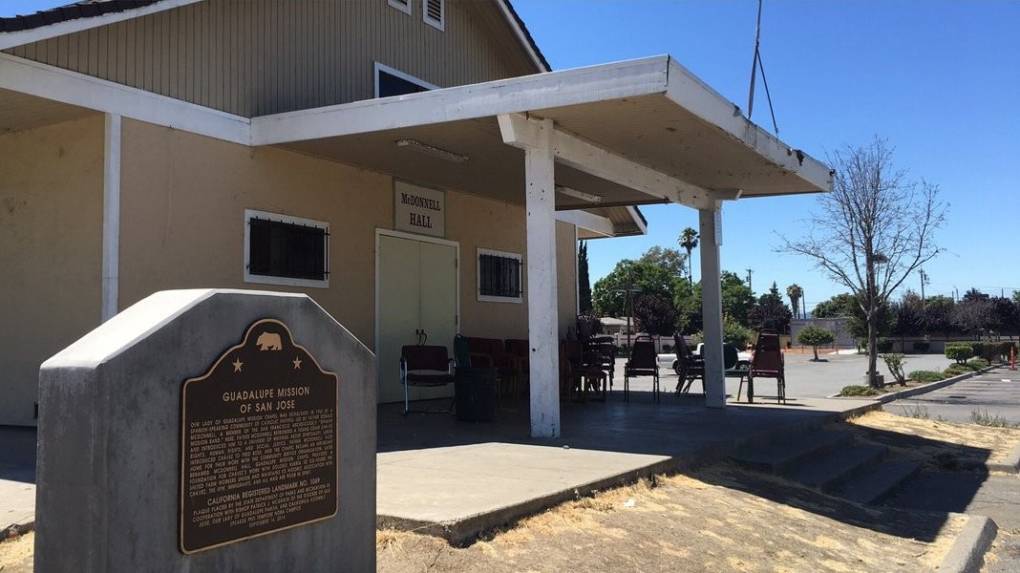
"caption": "Back in the 1950s and 60s, César Chávez and others organized Mexican-American farm workers out of this building, McDonnell Hall in San Jose, now a National Historic Landmark.",
"description": "Back in the 1950s and 60s, César Chávez and others organized Mexican-American farm workers out of this building, McDonnell Hall in San Jose, now a National Historic Landmark.",
"title": "rs23578_cpcporcusaafaaa-qut",
"credit": "Photo: Beth Willon/KQED",
"status": "inherit",
"isLoading": false,
"fetchFailed": false
},
"news_11245552": {
"type": "attachments",
"id": "news_11245552",
"meta": {
"index": "attachments_1716263798",
"site": "news",
"id": "11245552",
"found": true
},
"parent": 11243683,
"imgSizes": {
"small": {
"file": "https://ww2.kqed.org/app/uploads/sites/10/2016/12/RS14834_iStock_000047219414_Large-qut-1-520x347.jpg",
"width": 520,
"mimeType": "image/jpeg",
"height": 347
},
"twentyfourteen-full-width": {
"file": "https://ww2.kqed.org/app/uploads/sites/10/2016/12/RS14834_iStock_000047219414_Large-qut-1-1038x576.jpg",
"width": 1038,
"mimeType": "image/jpeg",
"height": 576
},
"thumbnail": {
"file": "https://ww2.kqed.org/app/uploads/sites/10/2016/12/RS14834_iStock_000047219414_Large-qut-1-160x107.jpg",
"width": 160,
"mimeType": "image/jpeg",
"height": 107
},
"fd-sm": {
"file": "https://ww2.kqed.org/app/uploads/sites/10/2016/12/RS14834_iStock_000047219414_Large-qut-1-960x640.jpg",
"width": 960,
"mimeType": "image/jpeg",
"height": 640
},
"post-thumbnail": {
"file": "https://ww2.kqed.org/app/uploads/sites/10/2016/12/RS14834_iStock_000047219414_Large-qut-1-672x372.jpg",
"width": 672,
"mimeType": "image/jpeg",
"height": 372
},
"xsmall": {
"file": "https://ww2.kqed.org/app/uploads/sites/10/2016/12/RS14834_iStock_000047219414_Large-qut-1-375x250.jpg",
"width": 375,
"mimeType": "image/jpeg",
"height": 250
},
"kqedFullSize": {
"file": "https://ww2.kqed.org/app/uploads/sites/10/2016/12/RS14834_iStock_000047219414_Large-qut-1.jpg",
"width": 1920,
"height": 1280
},
"large": {
"file": "https://ww2.kqed.org/app/uploads/sites/10/2016/12/RS14834_iStock_000047219414_Large-qut-1-1020x680.jpg",
"width": 1020,
"mimeType": "image/jpeg",
"height": 680
},
"xlarge": {
"file": "https://ww2.kqed.org/app/uploads/sites/10/2016/12/RS14834_iStock_000047219414_Large-qut-1-1180x787.jpg",
"width": 1180,
"mimeType": "image/jpeg",
"height": 787
},
"guest-author-50": {
"file": "https://ww2.kqed.org/app/uploads/sites/10/2016/12/RS14834_iStock_000047219414_Large-qut-1-50x50.jpg",
"width": 50,
"mimeType": "image/jpeg",
"height": 50
},
"guest-author-96": {
"file": "https://ww2.kqed.org/app/uploads/sites/10/2016/12/RS14834_iStock_000047219414_Large-qut-1-96x96.jpg",
"width": 96,
"mimeType": "image/jpeg",
"height": 96
},
"medium": {
"file": "https://ww2.kqed.org/app/uploads/sites/10/2016/12/RS14834_iStock_000047219414_Large-qut-1-800x533.jpg",
"width": 800,
"mimeType": "image/jpeg",
"height": 533
},
"guest-author-64": {
"file": "https://ww2.kqed.org/app/uploads/sites/10/2016/12/RS14834_iStock_000047219414_Large-qut-1-64x64.jpg",
"width": 64,
"mimeType": "image/jpeg",
"height": 64
},
"guest-author-32": {
"file": "https://ww2.kqed.org/app/uploads/sites/10/2016/12/RS14834_iStock_000047219414_Large-qut-1-32x32.jpg",
"width": 32,
"mimeType": "image/jpeg",
"height": 32
},
"jmtc-small-thumb": {
"file": "https://ww2.kqed.org/app/uploads/sites/10/2016/12/RS14834_iStock_000047219414_Large-qut-1-280x150.jpg",
"width": 280,
"mimeType": "image/jpeg",
"height": 150
},
"fd-lrg": {
"file": "https://ww2.kqed.org/app/uploads/sites/10/2016/12/RS14834_iStock_000047219414_Large-qut-1-1920x1280.jpg",
"width": 1920,
"mimeType": "image/jpeg",
"height": 1280
},
"fd-med": {
"file": "https://ww2.kqed.org/app/uploads/sites/10/2016/12/RS14834_iStock_000047219414_Large-qut-1-1180x787.jpg",
"width": 1180,
"mimeType": "image/jpeg",
"height": 787
},
"full-width": {
"file": "https://ww2.kqed.org/app/uploads/sites/10/2016/12/RS14834_iStock_000047219414_Large-qut-1-1920x1280.jpg",
"width": 1920,
"mimeType": "image/jpeg",
"height": 1280
},
"detail": {
"file": "https://ww2.kqed.org/app/uploads/sites/10/2016/12/RS14834_iStock_000047219414_Large-qut-1-150x150.jpg",
"width": 150,
"mimeType": "image/jpeg",
"height": 150
},
"guest-author-128": {
"file": "https://ww2.kqed.org/app/uploads/sites/10/2016/12/RS14834_iStock_000047219414_Large-qut-1-128x128.jpg",
"width": 128,
"mimeType": "image/jpeg",
"height": 128
},
"xxsmall": {
"file": "https://ww2.kqed.org/app/uploads/sites/10/2016/12/RS14834_iStock_000047219414_Large-qut-1-240x160.jpg",
"width": 240,
"mimeType": "image/jpeg",
"height": 160
}
},
"publishDate": 1483145501,
"modified": 1483145515,
"caption": null,
"description": null,
"title": "rs14834_istock_000047219414_large-qut-1",
"credit": "Getty Images",
"status": "inherit",
"isLoading": false,
"fetchFailed": false
},
"news_11242250": {
"type": "attachments",
"id": "news_11242250",
"meta": {
"index": "attachments_1716263798",
"site": "news",
"id": "11242250",
"found": true
},
"parent": 11231284,
"imgSizes": {
"small": {
"file": "https://ww2.kqed.org/app/uploads/sites/10/2016/12/guyscheers-520x293.jpg",
"width": 520,
"mimeType": "image/jpeg",
"height": 293
},
"twentyfourteen-full-width": {
"file": "https://ww2.kqed.org/app/uploads/sites/10/2016/12/guyscheers-1038x576.jpg",
"width": 1038,
"mimeType": "image/jpeg",
"height": 576
},
"thumbnail": {
"file": "https://ww2.kqed.org/app/uploads/sites/10/2016/12/guyscheers-160x90.jpg",
"width": 160,
"mimeType": "image/jpeg",
"height": 90
},
"fd-sm": {
"file": "https://ww2.kqed.org/app/uploads/sites/10/2016/12/guyscheers-960x540.jpg",
"width": 960,
"mimeType": "image/jpeg",
"height": 540
},
"post-thumbnail": {
"file": "https://ww2.kqed.org/app/uploads/sites/10/2016/12/guyscheers-672x372.jpg",
"width": 672,
"mimeType": "image/jpeg",
"height": 372
},
"xsmall": {
"file": "https://ww2.kqed.org/app/uploads/sites/10/2016/12/guyscheers-375x211.jpg",
"width": 375,
"mimeType": "image/jpeg",
"height": 211
},
"kqedFullSize": {
"file": "https://ww2.kqed.org/app/uploads/sites/10/2016/12/guyscheers.jpg",
"width": 3236,
"height": 1821
},
"large": {
"file": "https://ww2.kqed.org/app/uploads/sites/10/2016/12/guyscheers-1020x574.jpg",
"width": 1020,
"mimeType": "image/jpeg",
"height": 574
},
"xlarge": {
"file": "https://ww2.kqed.org/app/uploads/sites/10/2016/12/guyscheers-1180x664.jpg",
"width": 1180,
"mimeType": "image/jpeg",
"height": 664
},
"guest-author-50": {
"file": "https://ww2.kqed.org/app/uploads/sites/10/2016/12/guyscheers-50x50.jpg",
"width": 50,
"mimeType": "image/jpeg",
"height": 50
},
"guest-author-96": {
"file": "https://ww2.kqed.org/app/uploads/sites/10/2016/12/guyscheers-96x96.jpg",
"width": 96,
"mimeType": "image/jpeg",
"height": 96
},
"medium": {
"file": "https://ww2.kqed.org/app/uploads/sites/10/2016/12/guyscheers-800x450.jpg",
"width": 800,
"mimeType": "image/jpeg",
"height": 450
},
"guest-author-64": {
"file": "https://ww2.kqed.org/app/uploads/sites/10/2016/12/guyscheers-64x64.jpg",
"width": 64,
"mimeType": "image/jpeg",
"height": 64
},
"guest-author-32": {
"file": "https://ww2.kqed.org/app/uploads/sites/10/2016/12/guyscheers-32x32.jpg",
"width": 32,
"mimeType": "image/jpeg",
"height": 32
},
"jmtc-small-thumb": {
"file": "https://ww2.kqed.org/app/uploads/sites/10/2016/12/guyscheers-280x150.jpg",
"width": 280,
"mimeType": "image/jpeg",
"height": 150
},
"fd-lrg": {
"file": "https://ww2.kqed.org/app/uploads/sites/10/2016/12/guyscheers-1920x1080.jpg",
"width": 1920,
"mimeType": "image/jpeg",
"height": 1080
},
"fd-med": {
"file": "https://ww2.kqed.org/app/uploads/sites/10/2016/12/guyscheers-1180x664.jpg",
"width": 1180,
"mimeType": "image/jpeg",
"height": 664
},
"full-width": {
"file": "https://ww2.kqed.org/app/uploads/sites/10/2016/12/guyscheers-1920x1080.jpg",
"width": 1920,
"mimeType": "image/jpeg",
"height": 1080
},
"detail": {
"file": "https://ww2.kqed.org/app/uploads/sites/10/2016/12/guyscheers-150x150.jpg",
"width": 150,
"mimeType": "image/jpeg",
"height": 150
},
"guest-author-128": {
"file": "https://ww2.kqed.org/app/uploads/sites/10/2016/12/guyscheers-128x128.jpg",
"width": 128,
"mimeType": "image/jpeg",
"height": 128
},
"xxsmall": {
"file": "https://ww2.kqed.org/app/uploads/sites/10/2016/12/guyscheers-240x135.jpg",
"width": 240,
"mimeType": "image/jpeg",
"height": 135
}
},
"publishDate": 1482974471,
"modified": 1483040306,
"caption": "There are more young single men in San Jose than young single women. ",
"description": "There are more young, single men in San Jose than young, single women. ",
"title": "guyscheers",
"credit": "\u003ca href=\"https://www.flickr.com/photos/markjsebastian/869655640/\">Mark Sebastian\u003c/a>/Flickr",
"status": "inherit",
"isLoading": false,
"fetchFailed": false
},
"news_11198367": {
"type": "attachments",
"id": "news_11198367",
"meta": {
"index": "attachments_1716263798",
"site": "news",
"id": "11198367",
"found": true
},
"parent": 11187250,
"imgSizes": {
"small": {
"file": "https://ww2.kqed.org/app/uploads/sites/10/2016/11/semaphorescolors-520x282.jpg",
"width": 520,
"mimeType": "image/jpeg",
"height": 282
},
"twentyfourteen-full-width": {
"file": "https://ww2.kqed.org/app/uploads/sites/10/2016/11/semaphorescolors-1038x576.jpg",
"width": 1038,
"mimeType": "image/jpeg",
"height": 576
},
"thumbnail": {
"file": "https://ww2.kqed.org/app/uploads/sites/10/2016/11/semaphorescolors-160x87.jpg",
"width": 160,
"mimeType": "image/jpeg",
"height": 87
},
"fd-sm": {
"file": "https://ww2.kqed.org/app/uploads/sites/10/2016/11/semaphorescolors-960x520.jpg",
"width": 960,
"mimeType": "image/jpeg",
"height": 520
},
"post-thumbnail": {
"file": "https://ww2.kqed.org/app/uploads/sites/10/2016/11/semaphorescolors-672x372.jpg",
"width": 672,
"mimeType": "image/jpeg",
"height": 372
},
"xsmall": {
"file": "https://ww2.kqed.org/app/uploads/sites/10/2016/11/semaphorescolors-375x203.jpg",
"width": 375,
"mimeType": "image/jpeg",
"height": 203
},
"kqedFullSize": {
"file": "https://ww2.kqed.org/app/uploads/sites/10/2016/11/semaphorescolors.jpg",
"width": 1956,
"height": 1059
},
"large": {
"file": "https://ww2.kqed.org/app/uploads/sites/10/2016/11/semaphorescolors-1020x552.jpg",
"width": 1020,
"mimeType": "image/jpeg",
"height": 552
},
"xlarge": {
"file": "https://ww2.kqed.org/app/uploads/sites/10/2016/11/semaphorescolors-1180x639.jpg",
"width": 1180,
"mimeType": "image/jpeg",
"height": 639
},
"guest-author-50": {
"file": "https://ww2.kqed.org/app/uploads/sites/10/2016/11/semaphorescolors-50x50.jpg",
"width": 50,
"mimeType": "image/jpeg",
"height": 50
},
"guest-author-96": {
"file": "https://ww2.kqed.org/app/uploads/sites/10/2016/11/semaphorescolors-96x96.jpg",
"width": 96,
"mimeType": "image/jpeg",
"height": 96
},
"medium": {
"file": "https://ww2.kqed.org/app/uploads/sites/10/2016/11/semaphorescolors-800x433.jpg",
"width": 800,
"mimeType": "image/jpeg",
"height": 433
},
"guest-author-64": {
"file": "https://ww2.kqed.org/app/uploads/sites/10/2016/11/semaphorescolors-64x64.jpg",
"width": 64,
"mimeType": "image/jpeg",
"height": 64
},
"guest-author-32": {
"file": "https://ww2.kqed.org/app/uploads/sites/10/2016/11/semaphorescolors-32x32.jpg",
"width": 32,
"mimeType": "image/jpeg",
"height": 32
},
"jmtc-small-thumb": {
"file": "https://ww2.kqed.org/app/uploads/sites/10/2016/11/semaphorescolors-280x150.jpg",
"width": 280,
"mimeType": "image/jpeg",
"height": 150
},
"fd-lrg": {
"file": "https://ww2.kqed.org/app/uploads/sites/10/2016/11/semaphorescolors-1920x1040.jpg",
"width": 1920,
"mimeType": "image/jpeg",
"height": 1040
},
"fd-med": {
"file": "https://ww2.kqed.org/app/uploads/sites/10/2016/11/semaphorescolors-1180x639.jpg",
"width": 1180,
"mimeType": "image/jpeg",
"height": 639
},
"full-width": {
"file": "https://ww2.kqed.org/app/uploads/sites/10/2016/11/semaphorescolors-1920x1040.jpg",
"width": 1920,
"mimeType": "image/jpeg",
"height": 1040
},
"detail": {
"file": "https://ww2.kqed.org/app/uploads/sites/10/2016/11/semaphorescolors-150x150.jpg",
"width": 150,
"mimeType": "image/jpeg",
"height": 150
},
"guest-author-128": {
"file": "https://ww2.kqed.org/app/uploads/sites/10/2016/11/semaphorescolors-128x128.jpg",
"width": 128,
"mimeType": "image/jpeg",
"height": 128
},
"xxsmall": {
"file": "https://ww2.kqed.org/app/uploads/sites/10/2016/11/semaphorescolors-240x130.jpg",
"width": 240,
"mimeType": "image/jpeg",
"height": 130
}
},
"publishDate": 1480541065,
"modified": 1480550920,
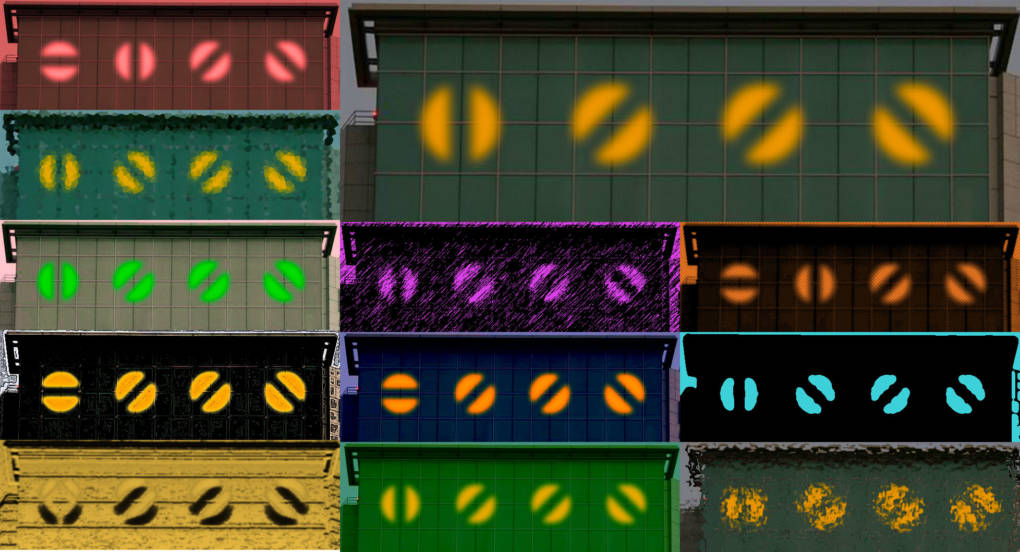
"caption": "A mashup of San Jose Semaphore, shown in different positions.",
"description": "A mashup of San Jose Semaphore, shown in different positions.",
"title": "semaphorescolors",
"credit": "Olivia Allen-Price/KQED",
"status": "inherit",
"isLoading": false,
"fetchFailed": false
},
"news_11168457": {
"type": "attachments",
"id": "news_11168457",
"meta": {
"index": "attachments_1716263798",
"site": "news",
"id": "11168457",
"found": true
},
"parent": 11168447,
"imgSizes": {
"small": {
"file": "https://ww2.kqed.org/app/uploads/sites/10/2016/11/MG_6213-520x347.jpg",
"width": 520,
"mimeType": "image/jpeg",
"height": 347
},
"twentyfourteen-full-width": {
"file": "https://ww2.kqed.org/app/uploads/sites/10/2016/11/MG_6213-1038x576.jpg",
"width": 1038,
"mimeType": "image/jpeg",
"height": 576
},
"thumbnail": {
"file": "https://ww2.kqed.org/app/uploads/sites/10/2016/11/MG_6213-160x107.jpg",
"width": 160,
"mimeType": "image/jpeg",
"height": 107
},
"fd-sm": {
"file": "https://ww2.kqed.org/app/uploads/sites/10/2016/11/MG_6213-960x640.jpg",
"width": 960,
"mimeType": "image/jpeg",
"height": 640
},
"post-thumbnail": {
"file": "https://ww2.kqed.org/app/uploads/sites/10/2016/11/MG_6213-672x372.jpg",
"width": 672,
"mimeType": "image/jpeg",
"height": 372
},
"xsmall": {
"file": "https://ww2.kqed.org/app/uploads/sites/10/2016/11/MG_6213-375x250.jpg",
"width": 375,
"mimeType": "image/jpeg",
"height": 250
},
"kqedFullSize": {
"file": "https://ww2.kqed.org/app/uploads/sites/10/2016/11/MG_6213-e1478805866716.jpg",
"width": 1920,
"height": 1280
},
"large": {
"file": "https://ww2.kqed.org/app/uploads/sites/10/2016/11/MG_6213-1020x680.jpg",
"width": 1020,
"mimeType": "image/jpeg",
"height": 680
},
"xlarge": {
"file": "https://ww2.kqed.org/app/uploads/sites/10/2016/11/MG_6213-1180x787.jpg",
"width": 1180,
"mimeType": "image/jpeg",
"height": 787
},
"guest-author-50": {
"file": "https://ww2.kqed.org/app/uploads/sites/10/2016/11/MG_6213-50x50.jpg",
"width": 50,
"mimeType": "image/jpeg",
"height": 50
},
"guest-author-96": {
"file": "https://ww2.kqed.org/app/uploads/sites/10/2016/11/MG_6213-96x96.jpg",
"width": 96,
"mimeType": "image/jpeg",
"height": 96
},
"medium": {
"file": "https://ww2.kqed.org/app/uploads/sites/10/2016/11/MG_6213-800x533.jpg",
"width": 800,
"mimeType": "image/jpeg",
"height": 533
},
"guest-author-64": {
"file": "https://ww2.kqed.org/app/uploads/sites/10/2016/11/MG_6213-64x64.jpg",
"width": 64,
"mimeType": "image/jpeg",
"height": 64
},
"guest-author-32": {
"file": "https://ww2.kqed.org/app/uploads/sites/10/2016/11/MG_6213-32x32.jpg",
"width": 32,
"mimeType": "image/jpeg",
"height": 32
},
"jmtc-small-thumb": {
"file": "https://ww2.kqed.org/app/uploads/sites/10/2016/11/MG_6213-280x150.jpg",
"width": 280,
"mimeType": "image/jpeg",
"height": 150
},
"fd-lrg": {
"file": "https://ww2.kqed.org/app/uploads/sites/10/2016/11/MG_6213-1920x1280.jpg",
"width": 1920,
"mimeType": "image/jpeg",
"height": 1280
},
"fd-med": {
"file": "https://ww2.kqed.org/app/uploads/sites/10/2016/11/MG_6213-1180x787.jpg",
"width": 1180,
"mimeType": "image/jpeg",
"height": 787
},
"full-width": {
"file": "https://ww2.kqed.org/app/uploads/sites/10/2016/11/MG_6213-1920x1280.jpg",
"width": 1920,
"mimeType": "image/jpeg",
"height": 1280
},
"detail": {
"file": "https://ww2.kqed.org/app/uploads/sites/10/2016/11/MG_6213-150x150.jpg",
"width": 150,
"mimeType": "image/jpeg",
"height": 150
},
"guest-author-128": {
"file": "https://ww2.kqed.org/app/uploads/sites/10/2016/11/MG_6213-128x128.jpg",
"width": 128,
"mimeType": "image/jpeg",
"height": 128
},
"xxsmall": {
"file": "https://ww2.kqed.org/app/uploads/sites/10/2016/11/MG_6213-240x160.jpg",
"width": 240,
"mimeType": "image/jpeg",
"height": 160
}
},
"publishDate": 1478805830,
"modified": 1478805971,
"caption": "Students organized using social media, primarily Instagram and Snapchat.",
"description": "Students organized using social media, primarily Instagram and Snapchat.",
"title": "_mg_6213",
"credit": "Deborah Svoboda/KQED",
"status": "inherit",
"isLoading": false,
"fetchFailed": false
},
"news_11148548": {
"type": "attachments",
"id": "news_11148548",
"meta": {
"index": "attachments_1716263798",
"site": "news",
"id": "11148548",
"found": true
},
"parent": 11148547,
"imgSizes": {
"small": {
"file": "https://ww2.kqed.org/app/uploads/sites/10/2016/10/Robot4-1-520x347.jpg",
"width": 520,
"mimeType": "image/jpeg",
"height": 347
},
"twentyfourteen-full-width": {
"file": "https://ww2.kqed.org/app/uploads/sites/10/2016/10/Robot4-1-1038x576.jpg",
"width": 1038,
"mimeType": "image/jpeg",
"height": 576
},
"thumbnail": {
"file": "https://ww2.kqed.org/app/uploads/sites/10/2016/10/Robot4-1-160x107.jpg",
"width": 160,
"mimeType": "image/jpeg",
"height": 107
},
"fd-sm": {
"file": "https://ww2.kqed.org/app/uploads/sites/10/2016/10/Robot4-1-960x640.jpg",
"width": 960,
"mimeType": "image/jpeg",
"height": 640
},
"post-thumbnail": {
"file": "https://ww2.kqed.org/app/uploads/sites/10/2016/10/Robot4-1-672x372.jpg",
"width": 672,
"mimeType": "image/jpeg",
"height": 372
},
"xsmall": {
"file": "https://ww2.kqed.org/app/uploads/sites/10/2016/10/Robot4-1-375x250.jpg",
"width": 375,
"mimeType": "image/jpeg",
"height": 250
},
"kqedFullSize": {
"file": "https://ww2.kqed.org/app/uploads/sites/10/2016/10/Robot4-1-e1477610971173.jpg",
"width": 1920,
"height": 1280
},
"large": {
"file": "https://ww2.kqed.org/app/uploads/sites/10/2016/10/Robot4-1-1020x680.jpg",
"width": 1020,
"mimeType": "image/jpeg",
"height": 680
},
"xlarge": {
"file": "https://ww2.kqed.org/app/uploads/sites/10/2016/10/Robot4-1-1180x787.jpg",
"width": 1180,
"mimeType": "image/jpeg",
"height": 787
},
"guest-author-50": {
"file": "https://ww2.kqed.org/app/uploads/sites/10/2016/10/Robot4-1-50x50.jpg",
"width": 50,
"mimeType": "image/jpeg",
"height": 50
},
"guest-author-96": {
"file": "https://ww2.kqed.org/app/uploads/sites/10/2016/10/Robot4-1-96x96.jpg",
"width": 96,
"mimeType": "image/jpeg",
"height": 96
},
"medium": {
"file": "https://ww2.kqed.org/app/uploads/sites/10/2016/10/Robot4-1-800x533.jpg",
"width": 800,
"mimeType": "image/jpeg",
"height": 533
},
"guest-author-64": {
"file": "https://ww2.kqed.org/app/uploads/sites/10/2016/10/Robot4-1-64x64.jpg",
"width": 64,
"mimeType": "image/jpeg",
"height": 64
},
"guest-author-32": {
"file": "https://ww2.kqed.org/app/uploads/sites/10/2016/10/Robot4-1-32x32.jpg",
"width": 32,
"mimeType": "image/jpeg",
"height": 32
},
"jmtc-small-thumb": {
"file": "https://ww2.kqed.org/app/uploads/sites/10/2016/10/Robot4-1-280x150.jpg",
"width": 280,
"mimeType": "image/jpeg",
"height": 150
},
"fd-lrg": {
"file": "https://ww2.kqed.org/app/uploads/sites/10/2016/10/Robot4-1-1920x1280.jpg",
"width": 1920,
"mimeType": "image/jpeg",
"height": 1280
},
"fd-med": {
"file": "https://ww2.kqed.org/app/uploads/sites/10/2016/10/Robot4-1-1180x787.jpg",
"width": 1180,
"mimeType": "image/jpeg",
"height": 787
},
"full-width": {
"file": "https://ww2.kqed.org/app/uploads/sites/10/2016/10/Robot4-1-1920x1280.jpg",
"width": 1920,
"mimeType": "image/jpeg",
"height": 1280
},
"detail": {
"file": "https://ww2.kqed.org/app/uploads/sites/10/2016/10/Robot4-1-150x150.jpg",
"width": 150,
"mimeType": "image/jpeg",
"height": 150
},
"guest-author-128": {
"file": "https://ww2.kqed.org/app/uploads/sites/10/2016/10/Robot4-1-128x128.jpg",
"width": 128,
"mimeType": "image/jpeg",
"height": 128
},
"xxsmall": {
"file": "https://ww2.kqed.org/app/uploads/sites/10/2016/10/Robot4-1-240x160.jpg",
"width": 240,
"mimeType": "image/jpeg",
"height": 160
}
},
"publishDate": 1477609865,
"modified": 1477613086,
"caption": "Norma, Amelia and Piper, now greeting travelers in San Jose, are the first robots to be deployed at a U.S. airport.",
"description": null,
"title": "Robot4",
"credit": "Courtesy of Mineta San Jose International",
"status": "inherit",
"isLoading": false,
"fetchFailed": false
},
"news_11127244": {
"type": "attachments",
"id": "news_11127244",
"meta": {
"index": "attachments_1716263798",
"site": "news",
"id": "11127244",
"found": true
},
"parent": 11118561,
"imgSizes": {
"twentyfourteen-full-width": {
"file": "https://ww2.kqed.org/app/uploads/sites/10/2016/10/SJPD-1920a-1038x576.jpg",
"width": 1038,
"mimeType": "image/jpeg",
"height": 576
},
"thumbnail": {
"file": "https://ww2.kqed.org/app/uploads/sites/10/2016/10/SJPD-1920a-400x246.jpg",
"width": 400,
"mimeType": "image/jpeg",
"height": 246
},
"fd-sm": {
"file": "https://ww2.kqed.org/app/uploads/sites/10/2016/10/SJPD-1920a-960x590.jpg",
"width": 960,
"mimeType": "image/jpeg",
"height": 590
},
"post-thumbnail": {
"file": "https://ww2.kqed.org/app/uploads/sites/10/2016/10/SJPD-1920a-672x372.jpg",
"width": 672,
"mimeType": "image/jpeg",
"height": 372
},
"kqedFullSize": {
"file": "https://ww2.kqed.org/app/uploads/sites/10/2016/10/SJPD-1920a.jpg",
"width": 1920,
"height": 1180
},
"large": {
"file": "https://ww2.kqed.org/app/uploads/sites/10/2016/10/SJPD-1920a-1920x1180.jpg",
"width": 1920,
"mimeType": "image/jpeg",
"height": 1180
},
"guest-author-50": {
"file": "https://ww2.kqed.org/app/uploads/sites/10/2016/10/SJPD-1920a-50x50.jpg",
"width": 50,
"mimeType": "image/jpeg",
"height": 50
},
"guest-author-96": {
"file": "https://ww2.kqed.org/app/uploads/sites/10/2016/10/SJPD-1920a-96x96.jpg",
"width": 96,
"mimeType": "image/jpeg",
"height": 96
},
"medium": {
"file": "https://ww2.kqed.org/app/uploads/sites/10/2016/10/SJPD-1920a-800x492.jpg",
"width": 800,
"mimeType": "image/jpeg",
"height": 492
},
"guest-author-64": {
"file": "https://ww2.kqed.org/app/uploads/sites/10/2016/10/SJPD-1920a-64x64.jpg",
"width": 64,
"mimeType": "image/jpeg",
"height": 64
},
"guest-author-32": {
"file": "https://ww2.kqed.org/app/uploads/sites/10/2016/10/SJPD-1920a-32x32.jpg",
"width": 32,
"mimeType": "image/jpeg",
"height": 32
},
"jmtc-small-thumb": {
"file": "https://ww2.kqed.org/app/uploads/sites/10/2016/10/SJPD-1920a-280x150.jpg",
"width": 280,
"mimeType": "image/jpeg",
"height": 150
},
"fd-lrg": {
"file": "https://ww2.kqed.org/app/uploads/sites/10/2016/10/SJPD-1920a-1920x1180.jpg",
"width": 1920,
"mimeType": "image/jpeg",
"height": 1180
},
"fd-med": {
"file": "https://ww2.kqed.org/app/uploads/sites/10/2016/10/SJPD-1920a-1180x725.jpg",
"width": 1180,
"mimeType": "image/jpeg",
"height": 725
},
"detail": {
"file": "https://ww2.kqed.org/app/uploads/sites/10/2016/10/SJPD-1920a-150x150.jpg",
"width": 150,
"mimeType": "image/jpeg",
"height": 150
},
"guest-author-128": {
"file": "https://ww2.kqed.org/app/uploads/sites/10/2016/10/SJPD-1920a-128x128.jpg",
"width": 128,
"mimeType": "image/jpeg",
"height": 128
}
},
"publishDate": 1476313641,
"modified": 1476313685,
"caption": "A San Jose Police Department patrol car.",
"description": null,
"title": "SJPD-1920a",
"credit": "Thomas Hawk/Flickr",
"status": "inherit",
"isLoading": false,
"fetchFailed": false
},
"news_11122682": {
"type": "attachments",
"id": "news_11122682",
"meta": {
"index": "attachments_1716263798",
"site": "news",
"id": "11122682",
"found": true
},
"parent": 11122679,
"imgSizes": {
"twentyfourteen-full-width": {
"file": "https://ww2.kqed.org/app/uploads/sites/10/2016/10/RS21387_FullSizeRender-qut-1038x576.jpg",
"width": 1038,
"mimeType": "image/jpeg",
"height": 576
},
"thumbnail": {
"file": "https://ww2.kqed.org/app/uploads/sites/10/2016/10/RS21387_FullSizeRender-qut-400x300.jpg",
"width": 400,
"mimeType": "image/jpeg",
"height": 300
},
"fd-sm": {
"file": "https://ww2.kqed.org/app/uploads/sites/10/2016/10/RS21387_FullSizeRender-qut-960x720.jpg",
"width": 960,
"mimeType": "image/jpeg",
"height": 720
},
"post-thumbnail": {
"file": "https://ww2.kqed.org/app/uploads/sites/10/2016/10/RS21387_FullSizeRender-qut-672x372.jpg",
"width": 672,
"mimeType": "image/jpeg",
"height": 372
},
"kqedFullSize": {
"file": "https://ww2.kqed.org/app/uploads/sites/10/2016/10/RS21387_FullSizeRender-qut.jpg",
"width": 1920,
"height": 1440
},
"large": {
"file": "https://ww2.kqed.org/app/uploads/sites/10/2016/10/RS21387_FullSizeRender-qut-1920x1440.jpg",
"width": 1920,
"mimeType": "image/jpeg",
"height": 1440
},
"guest-author-50": {
"file": "https://ww2.kqed.org/app/uploads/sites/10/2016/10/RS21387_FullSizeRender-qut-50x50.jpg",
"width": 50,
"mimeType": "image/jpeg",
"height": 50
},
"guest-author-96": {
"file": "https://ww2.kqed.org/app/uploads/sites/10/2016/10/RS21387_FullSizeRender-qut-96x96.jpg",
"width": 96,
"mimeType": "image/jpeg",
"height": 96
},
"medium": {
"file": "https://ww2.kqed.org/app/uploads/sites/10/2016/10/RS21387_FullSizeRender-qut-800x600.jpg",
"width": 800,
"mimeType": "image/jpeg",
"height": 600
},
"guest-author-64": {
"file": "https://ww2.kqed.org/app/uploads/sites/10/2016/10/RS21387_FullSizeRender-qut-64x64.jpg",
"width": 64,
"mimeType": "image/jpeg",
"height": 64
},
"guest-author-32": {
"file": "https://ww2.kqed.org/app/uploads/sites/10/2016/10/RS21387_FullSizeRender-qut-32x32.jpg",
"width": 32,
"mimeType": "image/jpeg",
"height": 32
},
"jmtc-small-thumb": {
"file": "https://ww2.kqed.org/app/uploads/sites/10/2016/10/RS21387_FullSizeRender-qut-280x150.jpg",
"width": 280,
"mimeType": "image/jpeg",
"height": 150
},
"fd-lrg": {
"file": "https://ww2.kqed.org/app/uploads/sites/10/2016/10/RS21387_FullSizeRender-qut-1920x1440.jpg",
"width": 1920,
"mimeType": "image/jpeg",
"height": 1440
},
"fd-med": {
"file": "https://ww2.kqed.org/app/uploads/sites/10/2016/10/RS21387_FullSizeRender-qut-1180x885.jpg",
"width": 1180,
"mimeType": "image/jpeg",
"height": 885
},
"detail": {
"file": "https://ww2.kqed.org/app/uploads/sites/10/2016/10/RS21387_FullSizeRender-qut-150x150.jpg",
"width": 150,
"mimeType": "image/jpeg",
"height": 150
},
"guest-author-128": {
"file": "https://ww2.kqed.org/app/uploads/sites/10/2016/10/RS21387_FullSizeRender-qut-128x128.jpg",
"width": 128,
"mimeType": "image/jpeg",
"height": 128
}
},
"publishDate": 1476045064,
"modified": 1476317265,
"caption": "Vietnamese-American Anthony Tran, far right, cares deeply about having a voice in his community and at the polls in San Jose. ",
"description": "Vietnamese-American Anthony Tran cares deeply about having a voice in his community and at the polls in San Jose. ",
"title": "RS21387_FullSizeRender-qut",
"credit": "Beth Willon/KQED",
"status": "inherit",
"isLoading": false,
"fetchFailed": false
},
"news_11231695": {
"type": "attachments",
"id": "news_11231695",
"meta": {
"index": "attachments_1716263798",
"site": "news",
"id": "11231695",
"found": true
},
"parent": 11231694,
"imgSizes": {
"small": {
"file": "https://ww2.kqed.org/app/uploads/sites/10/2016/12/robinwilliams-520x293.jpg",
"width": 520,
"mimeType": "image/jpeg",
"height": 293
},
"twentyfourteen-full-width": {
"file": "https://ww2.kqed.org/app/uploads/sites/10/2016/12/robinwilliams-1038x576.jpg",
"width": 1038,
"mimeType": "image/jpeg",
"height": 576
},
"thumbnail": {
"file": "https://ww2.kqed.org/app/uploads/sites/10/2016/12/robinwilliams-160x90.jpg",
"width": 160,
"mimeType": "image/jpeg",
"height": 90
},
"fd-sm": {
"file": "https://ww2.kqed.org/app/uploads/sites/10/2016/12/robinwilliams-960x540.jpg",
"width": 960,
"mimeType": "image/jpeg",
"height": 540
},
"post-thumbnail": {
"file": "https://ww2.kqed.org/app/uploads/sites/10/2016/12/robinwilliams-672x372.jpg",
"width": 672,
"mimeType": "image/jpeg",
"height": 372
},
"xsmall": {
"file": "https://ww2.kqed.org/app/uploads/sites/10/2016/12/robinwilliams-375x211.jpg",
"width": 375,
"mimeType": "image/jpeg",
"height": 211
},
"kqedFullSize": {
"file": "https://ww2.kqed.org/app/uploads/sites/10/2016/12/robinwilliams.jpg",
"width": 1280,
"height": 720
},
"large": {
"file": "https://ww2.kqed.org/app/uploads/sites/10/2016/12/robinwilliams-1020x574.jpg",
"width": 1020,
"mimeType": "image/jpeg",
"height": 574
},
"xlarge": {
"file": "https://ww2.kqed.org/app/uploads/sites/10/2016/12/robinwilliams-1180x664.jpg",
"width": 1180,
"mimeType": "image/jpeg",
"height": 664
},
"guest-author-50": {
"file": "https://ww2.kqed.org/app/uploads/sites/10/2016/12/robinwilliams-50x50.jpg",
"width": 50,
"mimeType": "image/jpeg",
"height": 50
},
"guest-author-96": {
"file": "https://ww2.kqed.org/app/uploads/sites/10/2016/12/robinwilliams-96x96.jpg",
"width": 96,
"mimeType": "image/jpeg",
"height": 96
},
"medium": {
"file": "https://ww2.kqed.org/app/uploads/sites/10/2016/12/robinwilliams-800x450.jpg",
"width": 800,
"mimeType": "image/jpeg",
"height": 450
},
"guest-author-64": {
"file": "https://ww2.kqed.org/app/uploads/sites/10/2016/12/robinwilliams-64x64.jpg",
"width": 64,
"mimeType": "image/jpeg",
"height": 64
},
"guest-author-32": {
"file": "https://ww2.kqed.org/app/uploads/sites/10/2016/12/robinwilliams-32x32.jpg",
"width": 32,
"mimeType": "image/jpeg",
"height": 32
},
"jmtc-small-thumb": {
"file": "https://ww2.kqed.org/app/uploads/sites/10/2016/12/robinwilliams-280x150.jpg",
"width": 280,
"mimeType": "image/jpeg",
"height": 150
},
"fd-med": {
"file": "https://ww2.kqed.org/app/uploads/sites/10/2016/12/robinwilliams-1180x664.jpg",
"width": 1180,
"mimeType": "image/jpeg",
"height": 664
},
"detail": {
"file": "https://ww2.kqed.org/app/uploads/sites/10/2016/12/robinwilliams-150x150.jpg",
"width": 150,
"mimeType": "image/jpeg",
"height": 150
},
"guest-author-128": {
"file": "https://ww2.kqed.org/app/uploads/sites/10/2016/12/robinwilliams-128x128.jpg",
"width": 128,
"mimeType": "image/jpeg",
"height": 128
},
"xxsmall": {
"file": "https://ww2.kqed.org/app/uploads/sites/10/2016/12/robinwilliams-240x135.jpg",
"width": 240,
"mimeType": "image/jpeg",
"height": 135
}
},
"publishDate": 1482375231,
"modified": 1482375231,
"caption": "BWvogue_27A.tif",
"description": null,
"title": "Robin Williams",
"credit": null,
"status": "inherit",
"isLoading": false,
"fetchFailed": false
},
"news_11231758": {
"type": "attachments",
"id": "news_11231758",
"meta": {
"index": "attachments_1716263798",
"site": "news",
"id": "11231758",
"found": true
},
"parent": 11231697,
"imgSizes": {
"small": {
"file": "https://ww2.kqed.org/app/uploads/sites/10/2016/12/SchickMachine-520x293.jpg",
"width": 520,
"mimeType": "image/jpeg",
"height": 293
},
"twentyfourteen-full-width": {
"file": "https://ww2.kqed.org/app/uploads/sites/10/2016/12/SchickMachine-1038x576.jpg",
"width": 1038,
"mimeType": "image/jpeg",
"height": 576
},
"thumbnail": {
"file": "https://ww2.kqed.org/app/uploads/sites/10/2016/12/SchickMachine-160x90.jpg",
"width": 160,
"mimeType": "image/jpeg",
"height": 90
},
"fd-sm": {
"file": "https://ww2.kqed.org/app/uploads/sites/10/2016/12/SchickMachine-960x540.jpg",
"width": 960,
"mimeType": "image/jpeg",
"height": 540
},
"post-thumbnail": {
"file": "https://ww2.kqed.org/app/uploads/sites/10/2016/12/SchickMachine-672x372.jpg",
"width": 672,
"mimeType": "image/jpeg",
"height": 372
},
"xsmall": {
"file": "https://ww2.kqed.org/app/uploads/sites/10/2016/12/SchickMachine-375x211.jpg",
"width": 375,
"mimeType": "image/jpeg",
"height": 211
},
"kqedFullSize": {
"file": "https://ww2.kqed.org/app/uploads/sites/10/2016/12/SchickMachine.jpg",
"width": 1280,
"height": 720
},
"large": {
"file": "https://ww2.kqed.org/app/uploads/sites/10/2016/12/SchickMachine-1020x574.jpg",
"width": 1020,
"mimeType": "image/jpeg",
"height": 574
},
"xlarge": {
"file": "https://ww2.kqed.org/app/uploads/sites/10/2016/12/SchickMachine-1180x664.jpg",
"width": 1180,
"mimeType": "image/jpeg",
"height": 664
},
"guest-author-50": {
"file": "https://ww2.kqed.org/app/uploads/sites/10/2016/12/SchickMachine-50x50.jpg",
"width": 50,
"mimeType": "image/jpeg",
"height": 50
},
"guest-author-96": {
"file": "https://ww2.kqed.org/app/uploads/sites/10/2016/12/SchickMachine-96x96.jpg",
"width": 96,
"mimeType": "image/jpeg",
"height": 96
},
"medium": {
"file": "https://ww2.kqed.org/app/uploads/sites/10/2016/12/SchickMachine-800x450.jpg",
"width": 800,
"mimeType": "image/jpeg",
"height": 450
},
"guest-author-64": {
"file": "https://ww2.kqed.org/app/uploads/sites/10/2016/12/SchickMachine-64x64.jpg",
"width": 64,
"mimeType": "image/jpeg",
"height": 64
},
"guest-author-32": {
"file": "https://ww2.kqed.org/app/uploads/sites/10/2016/12/SchickMachine-32x32.jpg",
"width": 32,
"mimeType": "image/jpeg",
"height": 32
},
"jmtc-small-thumb": {
"file": "https://ww2.kqed.org/app/uploads/sites/10/2016/12/SchickMachine-280x150.jpg",
"width": 280,
"mimeType": "image/jpeg",
"height": 150
},
"fd-med": {
"file": "https://ww2.kqed.org/app/uploads/sites/10/2016/12/SchickMachine-1180x664.jpg",
"width": 1180,
"mimeType": "image/jpeg",
"height": 664
},
"detail": {
"file": "https://ww2.kqed.org/app/uploads/sites/10/2016/12/SchickMachine-150x150.jpg",
"width": 150,
"mimeType": "image/jpeg",
"height": 150
},
"guest-author-128": {
"file": "https://ww2.kqed.org/app/uploads/sites/10/2016/12/SchickMachine-128x128.jpg",
"width": 128,
"mimeType": "image/jpeg",
"height": 128
},
"xxsmall": {
"file": "https://ww2.kqed.org/app/uploads/sites/10/2016/12/SchickMachine-240x135.jpg",
"width": 240,
"mimeType": "image/jpeg",
"height": 135
}
},
"publishDate": 1482375466,
"modified": 1482375466,
"caption": null,
"description": null,
"title": "schickmachine",
"credit": null,
"status": "inherit",
"isLoading": false,
"fetchFailed": false
},
"news_11061011": {
"type": "attachments",
"id": "news_11061011",
"meta": {
"index": "attachments_1716263798",
"site": "news",
"id": "11061011",
"found": true
},
"parent": 11060911,
"imgSizes": {
"twentyfourteen-full-width": {
"file": "https://ww2.kqed.org/app/uploads/sites/10/2016/08/Storm-Water-1038x576.jpg",
"width": 1038,
"mimeType": "image/jpeg",
"height": 576
},
"thumbnail": {
"file": "https://ww2.kqed.org/app/uploads/sites/10/2016/08/Storm-Water-400x300.jpg",
"width": 400,
"mimeType": "image/jpeg",
"height": 300
},
"fd-sm": {
"file": "https://ww2.kqed.org/app/uploads/sites/10/2016/08/Storm-Water-960x720.jpg",
"width": 960,
"mimeType": "image/jpeg",
"height": 720
},
"post-thumbnail": {
"file": "https://ww2.kqed.org/app/uploads/sites/10/2016/08/Storm-Water-672x372.jpg",
"width": 672,
"mimeType": "image/jpeg",
"height": 372
},
"kqedFullSize": {
"file": "https://ww2.kqed.org/app/uploads/sites/10/2016/08/Storm-Water.jpg",
"width": 1632,
"height": 1224
},
"guest-author-50": {
"file": "https://ww2.kqed.org/app/uploads/sites/10/2016/08/Storm-Water-50x50.jpg",
"width": 50,
"mimeType": "image/jpeg",
"height": 50
},
"guest-author-96": {
"file": "https://ww2.kqed.org/app/uploads/sites/10/2016/08/Storm-Water-96x96.jpg",
"width": 96,
"mimeType": "image/jpeg",
"height": 96
},
"medium": {
"file": "https://ww2.kqed.org/app/uploads/sites/10/2016/08/Storm-Water-800x600.jpg",
"width": 800,
"mimeType": "image/jpeg",
"height": 600
},
"guest-author-64": {
"file": "https://ww2.kqed.org/app/uploads/sites/10/2016/08/Storm-Water-64x64.jpg",
"width": 64,
"mimeType": "image/jpeg",
"height": 64
},
"guest-author-32": {
"file": "https://ww2.kqed.org/app/uploads/sites/10/2016/08/Storm-Water-32x32.jpg",
"width": 32,
"mimeType": "image/jpeg",
"height": 32
},
"jmtc-small-thumb": {
"file": "https://ww2.kqed.org/app/uploads/sites/10/2016/08/Storm-Water-280x150.jpg",
"width": 280,
"mimeType": "image/jpeg",
"height": 150
},
"fd-med": {
"file": "https://ww2.kqed.org/app/uploads/sites/10/2016/08/Storm-Water-1180x885.jpg",
"width": 1180,
"mimeType": "image/jpeg",
"height": 885
},
"detail": {
"file": "https://ww2.kqed.org/app/uploads/sites/10/2016/08/Storm-Water-150x150.jpg",
"width": 150,
"mimeType": "image/jpeg",
"height": 150
},
"guest-author-128": {
"file": "https://ww2.kqed.org/app/uploads/sites/10/2016/08/Storm-Water-128x128.jpg",
"width": 128,
"mimeType": "image/jpeg",
"height": 128
}
},
"publishDate": 1472162990,
"modified": 1472163037,
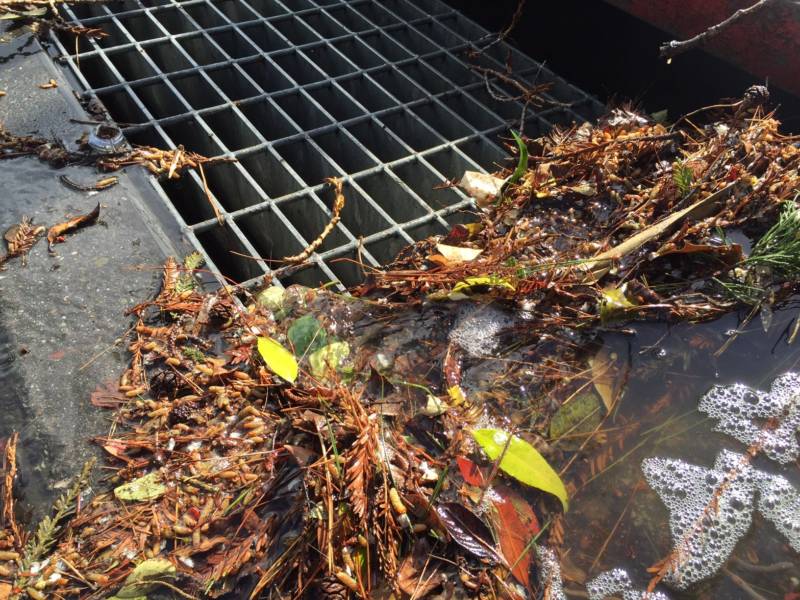
"caption": "Water backs up before entering a storm drain in Vallejo, after a rare downpour in February 2016.",
"description": null,
"title": "Storm Water",
"credit": "Craig Miller/KQED",
"status": "inherit",
"isLoading": false,
"fetchFailed": false
},
"arts_11872132": {
"type": "attachments",
"id": "arts_11872132",
"meta": {
"index": "attachments_1716263798",
"site": "arts",
"id": "11872132",
"found": true
},
"parent": 11871932,
"imgSizes": {
"twentyfourteen-full-width": {
"file": "https://ww2.kqed.org/app/uploads/sites/2/2016/07/Chidori.MAIN_-1038x576.jpg",
"width": 1038,
"mimeType": "image/jpeg",
"height": 576
},
"thumbnail": {
"file": "https://ww2.kqed.org/app/uploads/sites/2/2016/07/Chidori.MAIN_-400x250.jpg",
"width": 400,
"mimeType": "image/jpeg",
"height": 250
},
"fd-sm": {
"file": "https://ww2.kqed.org/app/uploads/sites/2/2016/07/Chidori.MAIN_-960x600.jpg",
"width": 960,
"mimeType": "image/jpeg",
"height": 600
},
"post-thumbnail": {
"file": "https://ww2.kqed.org/app/uploads/sites/2/2016/07/Chidori.MAIN_-672x372.jpg",
"width": 672,
"mimeType": "image/jpeg",
"height": 372
},
"kqedFullSize": {
"file": "https://ww2.kqed.org/app/uploads/sites/2/2016/07/Chidori.MAIN_.jpg",
"width": 1920,
"height": 1200
},
"large": {
"file": "https://ww2.kqed.org/app/uploads/sites/2/2016/07/Chidori.MAIN_-1180x738.jpg",
"width": 1180,
"mimeType": "image/jpeg",
"height": 738
},
"guest-author-50": {
"file": "https://ww2.kqed.org/app/uploads/sites/2/2016/07/Chidori.MAIN_-50x50.jpg",
"width": 50,
"mimeType": "image/jpeg",
"height": 50
},
"guest-author-96": {
"file": "https://ww2.kqed.org/app/uploads/sites/2/2016/07/Chidori.MAIN_-96x96.jpg",
"width": 96,
"mimeType": "image/jpeg",
"height": 96
},
"medium": {
"file": "https://ww2.kqed.org/app/uploads/sites/2/2016/07/Chidori.MAIN_-800x500.jpg",
"width": 800,
"mimeType": "image/jpeg",
"height": 500
},
"guest-author-64": {
"file": "https://ww2.kqed.org/app/uploads/sites/2/2016/07/Chidori.MAIN_-64x64.jpg",
"width": 64,
"mimeType": "image/jpeg",
"height": 64
},
"guest-author-32": {
"file": "https://ww2.kqed.org/app/uploads/sites/2/2016/07/Chidori.MAIN_-32x32.jpg",
"width": 32,
"mimeType": "image/jpeg",
"height": 32
},
"fd-lrg": {
"file": "https://ww2.kqed.org/app/uploads/sites/2/2016/07/Chidori.MAIN_-1920x1200.jpg",
"width": 1920,
"mimeType": "image/jpeg",
"height": 1200
},
"fd-med": {
"file": "https://ww2.kqed.org/app/uploads/sites/2/2016/07/Chidori.MAIN_-1180x738.jpg",
"width": 1180,
"mimeType": "image/jpeg",
"height": 738
},
"detail": {
"file": "https://ww2.kqed.org/app/uploads/sites/2/2016/07/Chidori.MAIN_-150x150.jpg",
"width": 150,
"mimeType": "image/jpeg",
"height": 150
},
"medium_large": {
"file": "https://ww2.kqed.org/app/uploads/sites/2/2016/07/Chidori.MAIN_-768x480.jpg",
"width": 768,
"mimeType": "image/jpeg",
"height": 480
},
"guest-author-128": {
"file": "https://ww2.kqed.org/app/uploads/sites/2/2016/07/Chidori.MAIN_-128x128.jpg",
"width": 128,
"mimeType": "image/jpeg",
"height": 128
}
},
"publishDate": 1469816854,
"modified": 1469816926,
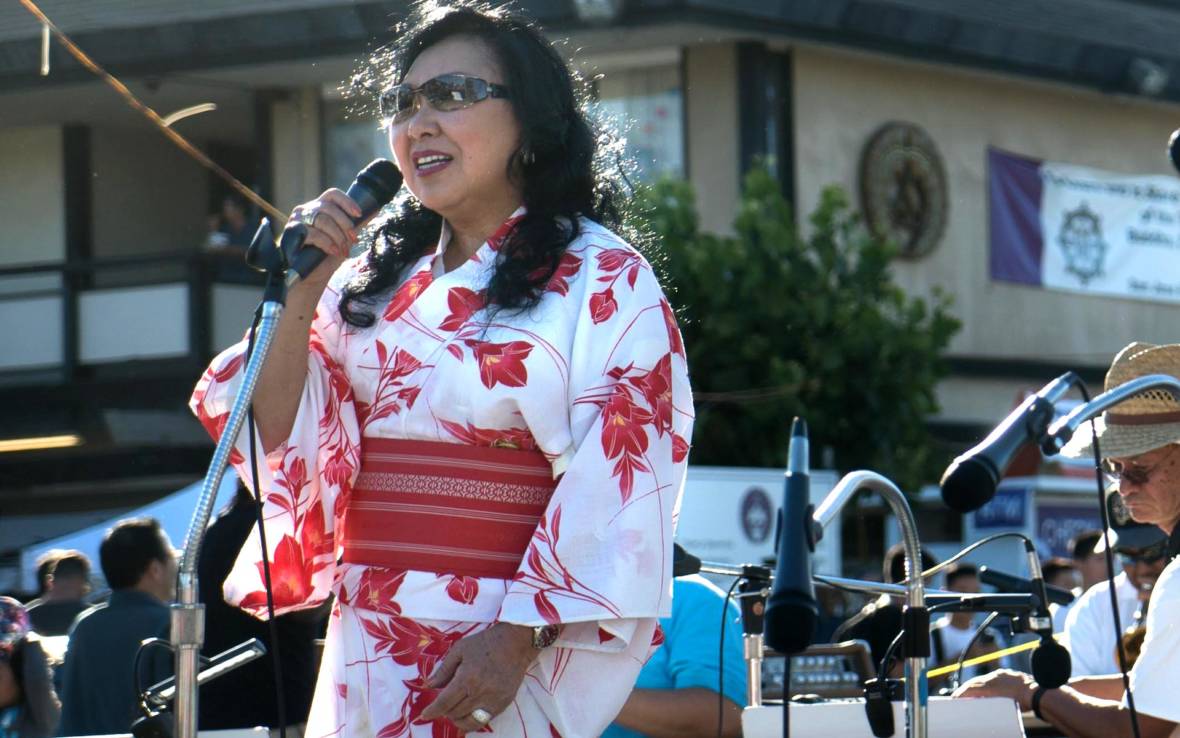
"caption": "The Chidori Band performs at the Obon festival in San Jose's Japantown on July 9, 2016.",
"description": "The Chidori Band performs at the Obon festival in San Jose's Japantown on July 9, 2016.",
"title": "Chidori Band",
"credit": "James Tensuan/KQED",
"status": "inherit",
"isLoading": false,
"fetchFailed": false
}
},
"audioPlayerReducer": {
"postId": "stream_live",
"isPaused": true,
"isPlaying": false,
"pfsActive": false,
"pledgeModalIsOpen": true,
"playerDrawerIsOpen": false,
"liveAudioPlayStartedAt": 0,
"liveAudioPlayContext": ""
},
"authorsReducer": {
"byline_news_11243683": {
"type": "authors",
"id": "byline_news_11243683",
"meta": {
"override": true
},
"slug": "byline_news_11243683",
"name": "\u003cStrong>\u003ca href=\"http://www.capradio.org/about/bios/ali-budner/\">Ali Budner\u003c/a>\u003c/strong>",
"isLoading": false
},
"byline_news_11148547": {
"type": "authors",
"id": "byline_news_11148547",
"meta": {
"override": true
},
"slug": "byline_news_11148547",
"name": "Miranda Leitsinger",
"isLoading": false
},
"byline_news_11231694": {
"type": "authors",
"id": "byline_news_11231694",
"meta": {
"override": true
},
"slug": "byline_news_11231694",
"name": "KQED Newsroom Staff",
"isLoading": false
},
"byline_news_11231697": {
"type": "authors",
"id": "byline_news_11231697",
"meta": {
"override": true
},
"slug": "byline_news_11231697",
"name": "KQED Newsroom Staff",
"isLoading": false
},
"byline_arts_11871932": {
"type": "authors",
"id": "byline_arts_11871932",
"meta": {
"override": true
},
"slug": "byline_arts_11871932",
"name": "Samantha Clark",
"isLoading": false
},
"lisapickoffwhite-2": {
"type": "authors",
"id": "199",
"meta": {
"index": "authors_1716337520",
"id": "199",
"found": true
},
"name": "Lisa Pickoff-White",
"firstName": "Lisa",
"lastName": "Pickoff-White",
"slug": "lisapickoffwhite-2",
"email": "lpickoffwhite@kqed.org",
"display_author_email": false,
"staff_mastheads": [
"news"
],
"title": "Data Journalist, Senior Producer",
"bio": "Lisa Pickoff-White is KQED's data reporter. Lisa specializes in simplifying complex topics and bringing them to life through compelling visuals, including photography and data visualizations. She previously has worked at the Center for Investigative Reporting and other national outlets. Her work has been honored with awards from the Online News Association, Investigative Reporters and Editors, the Society of Professional Journalists and SXSW Interactive. \u003cstrong> \u003c/strong>",
"avatar": "https://secure.gravatar.com/avatar/5513c5f3967df792aa65bee2501e84d6?s=600&d=blank&r=g",
"twitter": "pickoffwhite",
"facebook": null,
"instagram": null,
"linkedin": null,
"sites": [
{
"site": "",
"roles": [
"editor"
]
},
{
"site": "arts",
"roles": []
},
{
"site": "news",
"roles": [
"administrator"
]
},
{
"site": "about",
"roles": [
"editor"
]
},
{
"site": "stateofhealth",
"roles": [
"administrator"
]
},
{
"site": "science",
"roles": [
"editor"
]
},
{
"site": "quest",
"roles": [
"editor"
]
},
{
"site": "forum",
"roles": [
"editor"
]
}
],
"headData": {
"title": "Lisa Pickoff-White | KQED",
"description": "Data Journalist, Senior Producer",
"ogImgSrc": "https://secure.gravatar.com/avatar/5513c5f3967df792aa65bee2501e84d6?s=600&d=blank&r=g",
"twImgSrc": "https://secure.gravatar.com/avatar/5513c5f3967df792aa65bee2501e84d6?s=600&d=blank&r=g"
},
"isLoading": false,
"link": "/author/lisapickoffwhite-2"
},
"rachael-myrow": {
"type": "authors",
"id": "251",
"meta": {
"index": "authors_1716337520",
"id": "251",
"found": true
},
"name": "Rachael Myrow",
"firstName": "Rachael",
"lastName": "Myrow",
"slug": "rachael-myrow",
"email": "rmyrow@kqed.org",
"display_author_email": true,
"staff_mastheads": [
"news"
],
"title": "Senior Editor of KQED's Silicon Valley News Desk",
"bio": "• I write and edit stories about how Silicon Valley power and policies shape everyday life in California. I’m also passionate about making Bay Area history and culture more accessible to a broad public. • I’ve been a journalist for most of my life, starting in high school with The Franklin Press in Los Angeles, where I grew up. While earning my first degree in English at UC Berkeley, I got my start in public radio at KALX-FM. After completing a second degree in journalism at Cal, I landed my first professional job at Marketplace, then moved on to KPCC (now LAist), and then KQED, where I hosted The California Report for more than seven years. • My reporting has appeared on NPR, The World, WBUR’s \u003ci>Here & Now\u003c/i>, and the BBC. I also guest host for KQED’s \u003ci>Forum\u003c/i>, as well as the Commonwealth Club in San Francisco. • I speak periodically on media, democracy and technology issues, and do voiceover work for documentaries and educational video projects. • Outside of the studio, you'll find me hiking Bay Area trails and whipping up Insta-ready meals in my kitchen. • I do not accept gifts, money, or favors from anyone connected to my reporting, I don't pay people for information, and I do not support or donate to political causes. • I strive to treat the people I report on with fairness, honesty, and respect. I also recognize there are often multiple sides to a story and work to verify information through multiple sources and documentation. If I get something wrong, I correct it.",
"avatar": "https://secure.gravatar.com/avatar/3ed8a3c5f26025e4a805ba634cda8cd764906b97438a6d9ce216b044e340da4e?s=600&d=blank&r=g",
"twitter": "rachaelmyrow",
"bluesky": null,
"facebook": null,
"instagram": null,
"linkedin": "https://www.linkedin.com/in/rachaelmyrow/",
"sites": [
{
"site": "arts",
"roles": [
"administrator"
]
},
{
"site": "news",
"roles": [
"edit_others_posts",
"editor"
]
},
{
"site": "futureofyou",
"roles": [
"editor"
]
},
{
"site": "bayareabites",
"roles": [
"editor"
]
},
{
"site": "stateofhealth",
"roles": [
"editor"
]
},
{
"site": "science",
"roles": [
"editor"
]
},
{
"site": "food",
"roles": [
"editor"
]
},
{
"site": "forum",
"roles": [
"editor"
]
},
{
"site": "liveblog",
"roles": [
"author"
]
}
],
"headData": {
"title": "Rachael Myrow | KQED",
"description": "Senior Editor of KQED's Silicon Valley News Desk",
"ogImgSrc": "https://secure.gravatar.com/avatar/3ed8a3c5f26025e4a805ba634cda8cd764906b97438a6d9ce216b044e340da4e?s=600&d=blank&r=g",
"twImgSrc": "https://secure.gravatar.com/avatar/3ed8a3c5f26025e4a805ba634cda8cd764906b97438a6d9ce216b044e340da4e?s=600&d=blank&r=g"
},
"isLoading": false,
"link": "/author/rachael-myrow"
},
"peterjonshuler": {
"type": "authors",
"id": "1329",
"meta": {
"index": "authors_1716337520",
"id": "1329",
"found": true
},
"name": "Peter Jon Shuler",
"firstName": "Peter Jon",
"lastName": "Shuler",
"slug": "peterjonshuler",
"email": "pshuler@kqed.org",
"display_author_email": false,
"staff_mastheads": [],
"title": null,
"bio": "Peter is a general assignment reporter covering Northern California news for KQED’s daily radio newscasts. He reports on a wide range of stories from current court cases to San Jose city hall.\r\n\r\nSince joining KQED in 1990, Peter has covered everything from the beginnings of the World Wide Web to the dot-com bust, from preserving Silicon Valley's open space to the preservation of historic Valley landmarks.\r\n\r\nPeter caught the radio bug at WAUS-FM while still a student at Andrews University in his home town of Berrien Springs, MI. He did local news and hosted a classical music program. Since then, he has pursued a variety of assignments, including production work at WBAI in New York and broadcasting to the English language community of Geneva, Switzerland via Radio 74. Email: \u003ca href=\"mailto:pshuler@kqed.org\">pshuler@kqed.org\u003c/a>",
"avatar": "https://secure.gravatar.com/avatar/4bcbeaf7cf49fec98284db283a33a47b?s=600&d=blank&r=g",
"twitter": null,
"facebook": null,
"instagram": null,
"linkedin": null,
"sites": [
{
"site": "news",
"roles": [
"contributor"
]
}
],
"headData": {
"title": "Peter Jon Shuler | KQED",
"description": null,
"ogImgSrc": "https://secure.gravatar.com/avatar/4bcbeaf7cf49fec98284db283a33a47b?s=600&d=blank&r=g",
"twImgSrc": "https://secure.gravatar.com/avatar/4bcbeaf7cf49fec98284db283a33a47b?s=600&d=blank&r=g"
},
"isLoading": false,
"link": "/author/peterjonshuler"
},
"bwillon": {
"type": "authors",
"id": "3207",
"meta": {
"index": "authors_1716337520",
"id": "3207",
"found": true
},
"name": "Beth Willon",
"firstName": "Beth",
"lastName": "Willon",
"slug": "bwillon",
"email": "bwillon@kqed.org",
"display_author_email": false,
"staff_mastheads": [],
"title": "KQED Contributor",
"bio": "Beth Willon is a former senior reporter for KQED's Silicon Valley News Desk in San Jose. (@KQEDNews )\r\n\r\n@BethWillon",
"avatar": "https://secure.gravatar.com/avatar/3533b741c785d6a97e8b283e7f65606d?s=600&d=blank&r=g",
"twitter": null,
"facebook": null,
"instagram": null,
"linkedin": null,
"sites": [
{
"site": "news",
"roles": [
"subscriber"
]
}
],
"headData": {
"title": "Beth Willon | KQED",
"description": "KQED Contributor",
"ogImgSrc": "https://secure.gravatar.com/avatar/3533b741c785d6a97e8b283e7f65606d?s=600&d=blank&r=g",
"twImgSrc": "https://secure.gravatar.com/avatar/3533b741c785d6a97e8b283e7f65606d?s=600&d=blank&r=g"
},
"isLoading": false,
"link": "/author/bwillon"
},
"jplaczek": {
"type": "authors",
"id": "8606",
"meta": {
"index": "authors_1716337520",
"id": "8606",
"found": true
},
"name": "Jessica Placzek",
"firstName": "Jessica",
"lastName": "Placzek",
"slug": "jplaczek",
"email": "jessicalplaczek@gmail.com",
"display_author_email": false,
"staff_mastheads": [
"news"
],
"title": "KQED Contributor",
"bio": "Jessica Placzek is a former senior editor of podcasts at KQED where she served as the editorial lead of the podcast department. She worked with shows like MindShift, Rightnowish, Consider This, SOLD OUT, Bay Curious and The Bay. She’s also been a reporter and audio producer at KQED, KPFA, and KALW. She taught audio production to men incarcerated at California State Prison Solano and edited pieces they produced for the Uncuffed podcast through KALW. In 2018 she co-hosted and produced the third season of Raw Material for SFMOMA. In New Orleans she wrote for the Nola Defender. Her work has also appeared on Marketplace, All Things Considered, The California Report, and Vice. You can find more at jessicaplaczek.com",
"avatar": "https://secure.gravatar.com/avatar/5ead103b5880f672eceb84ce75eecd1b4b6f74a47edc457684a73ad5b8b158e9?s=600&d=blank&r=g",
"twitter": null,
"bluesky": null,
"facebook": null,
"instagram": null,
"linkedin": null,
"sites": [
{
"site": "arts",
"roles": [
"subscriber"
]
},
{
"site": "news",
"roles": [
"subscriber"
]
},
{
"site": "stateofhealth",
"roles": [
"editor"
]
},
{
"site": "forum",
"roles": [
"editor"
]
}
],
"headData": {
"title": "Jessica Placzek | KQED",
"description": "KQED Contributor",
"ogImgSrc": "https://secure.gravatar.com/avatar/5ead103b5880f672eceb84ce75eecd1b4b6f74a47edc457684a73ad5b8b158e9?s=600&d=blank&r=g",
"twImgSrc": "https://secure.gravatar.com/avatar/5ead103b5880f672eceb84ce75eecd1b4b6f74a47edc457684a73ad5b8b158e9?s=600&d=blank&r=g"
},
"isLoading": false,
"link": "/author/jplaczek"
},
"rlevi": {
"type": "authors",
"id": "11260",
"meta": {
"index": "authors_1716337520",
"id": "11260",
"found": true
},
"name": "Ryan Levi",
"firstName": "Ryan",
"lastName": "Levi",
"slug": "rlevi",
"email": "rlevi@KQED.org",
"display_author_email": false,
"staff_mastheads": [],
"title": "KQED Contributor",
"bio": "Ryan Levi was a reporter and podcast producer at KQED News from 2016-2019. He worked on \u003ca href=\"https://www.kqed.org/news/series/baycurious\">Bay Curious\u003c/a>, \u003ca href=\"https://www.kqed.org/news/tag/the-bay/\">The Bay, \u003c/a>and \u003ca href=\"https://podcasts.apple.com/us/podcast/the-california-report-magazine/id1314750545\">The California Report Magazine\u003c/a>, as well as hosting and producing the weekly \u003ca href=\"https://www.kqed.org/news/program/qedup/\">Q'ed Up podcast. \u003c/a>He also helped inaugurate KQED's weekend news coverage in 2017 as one of two original digital producers. Ryan holds degrees in multimedia journalism and Spanish from the University of Missouri.",
"avatar": "https://secure.gravatar.com/avatar/4cb2ddd028ac8807d1adf09609c5555d?s=600&d=blank&r=g",
"twitter": "ryan_levi",
"facebook": null,
"instagram": null,
"linkedin": null,
"sites": [
{
"site": "arts",
"roles": [
"editor"
]
},
{
"site": "news",
"roles": [
"subscriber"
]
},
{
"site": "stateofhealth",
"roles": [
"editor"
]
},
{
"site": "science",
"roles": [
"editor"
]
},
{
"site": "forum",
"roles": [
"administrator"
]
},
{
"site": "perspectives",
"roles": [
"administrator"
]
}
],
"headData": {
"title": "Ryan Levi | KQED",
"description": "KQED Contributor",
"ogImgSrc": "https://secure.gravatar.com/avatar/4cb2ddd028ac8807d1adf09609c5555d?s=600&d=blank&r=g",
"twImgSrc": "https://secure.gravatar.com/avatar/4cb2ddd028ac8807d1adf09609c5555d?s=600&d=blank&r=g"
},
"isLoading": false,
"link": "/author/rlevi"
}
},
"pagesReducer": {
"news_tag_san-jose": {
"type": "terms",
"id": "news_18541",
"meta": {
"index": "terms_1716263798",
"site": "news",
"id": "18541",
"score": 8.005292
},
"featImg": null,
"name": "San Jose",
"description": null,
"taxonomy": "tag",
"headData": {
"twImgId": null,
"twTitle": null,
"ogTitle": null,
"ogImgId": null,
"twDescription": null,
"description": null,
"title": "San Jose Archives | KQED News",
"ogDescription": null
},
"ttid": 91,
"slug": "san-jose",
"isLoading": false,
"title": "San Jose",
"pageMeta": {
"site": "news",
"WpPageTemplate": "page-topic-editorial",
"currentPage": 39
},
"blocks": [
{
"blockName": "kqed/post-list",
"attrs": {
"layout": "cardArticle2",
"query": "posts/news?tag=san-jose",
"seeMore": false,
"paginated": true,
"page": 39
}
},
{
"blockName": "kqed/ad"
}
]
}
},
"pfsSessionReducer": {},
"postsReducer": {
"stream_live": {
"type": "live",
"id": "stream_live",
"audioUrl": "https://streams.kqed.org/kqedradio",
"title": "Live Stream",
"excerpt": "Live Stream information currently unavailable.",
"link": "/radio",
"featImg": "",
"label": {
"name": "KQED Live",
"link": "/"
}
},
"stream_kqedNewscast": {
"type": "posts",
"id": "stream_kqedNewscast",
"audioUrl": "https://www.kqed.org/.stream/anon/radio/RDnews/newscast.mp3?_=1",
"title": "KQED Newscast",
"featImg": "",
"label": {
"name": "88.5 FM",
"link": "/"
}
},
"arts_12616712": {
"type": "posts",
"id": "arts_12616712",
"meta": {
"index": "posts_1716263798",
"site": "arts",
"id": "12616712",
"score": null,
"sort": [
1484262204000
]
},
"guestAuthors": [],
"slug": "san-jose-building-with-chavez-ties-named-national-historic-landmark",
"title": "San Jose Building With Chávez Ties Named National Historic Landmark",
"publishDate": 1484262204,
"format": "standard",
"headTitle": "San Jose Building With Chávez Ties Named National Historic Landmark | KQED",
"labelTerm": {
"site": "arts"
},
"content": "\u003cp>Before Cesar Chávez became a national civil rights and labor leader, he worshiped at \u003ca href=\"http://www.olgparishsj.org/\" target=\"_blank\" rel=\"noopener\">Our Lady of Guadalupe Parish\u003c/a> in east San Jose.\u003c/p>\n\u003cp>Now the hall on that church campus where Chavez learned to organize impoverished farmworkers is a national historic landmark, recognizing its status as a property of “exceptional value to the nation.”\u003c/p>\n\u003cp>The designation of 24 new National Historic Landmarks this week, “ensures future generations have the ability to learn from the past,” wrote Interior Secretary Sally Jewell in the announcement.\u003c/p>\n\u003cp>The former Our Lady of Guadalupe Mission Chapel in East San Jose, California, was originally built as a parish church in West San Jose in 1911. When the original owners sold the church building in 1953, it was moved to the current parish’s location in East San Jose, reconstructed, and reconsecrated as a mission chapel.\u003c/p>\n\u003cfigure id=\"attachment_12617321\" class=\"wp-caption aligncenter\" style=\"max-width: 800px\">\u003cimg loading=\"lazy\" decoding=\"async\" class=\"wp-image-12617321 size-medium\" src=\"http://ww2.kqed.org/arts/wp-content/uploads/sites/2/2017/01/RS23577_ca_santa-clara-county_mcdonnell-hall_0001-qut-800x450.jpg\" alt=\"There have been multiple modifications to McDonnell Hall over the years, but it remains a tangible link to Cesar Chavez's activism in San Jose.\" width=\"800\" height=\"450\" srcset=\"https://cdn.kqed.org/wp-content/uploads/sites/2/2017/01/RS23577_ca_santa-clara-county_mcdonnell-hall_0001-qut-800x450.jpg 800w, https://cdn.kqed.org/wp-content/uploads/sites/2/2017/01/RS23577_ca_santa-clara-county_mcdonnell-hall_0001-qut-160x90.jpg 160w, https://cdn.kqed.org/wp-content/uploads/sites/2/2017/01/RS23577_ca_santa-clara-county_mcdonnell-hall_0001-qut-768x432.jpg 768w, https://cdn.kqed.org/wp-content/uploads/sites/2/2017/01/RS23577_ca_santa-clara-county_mcdonnell-hall_0001-qut-1020x573.jpg 1020w, https://cdn.kqed.org/wp-content/uploads/sites/2/2017/01/RS23577_ca_santa-clara-county_mcdonnell-hall_0001-qut.jpg 1920w, https://cdn.kqed.org/wp-content/uploads/sites/2/2017/01/RS23577_ca_santa-clara-county_mcdonnell-hall_0001-qut-1180x663.jpg 1180w, https://cdn.kqed.org/wp-content/uploads/sites/2/2017/01/RS23577_ca_santa-clara-county_mcdonnell-hall_0001-qut-960x540.jpg 960w, https://cdn.kqed.org/wp-content/uploads/sites/2/2017/01/RS23577_ca_santa-clara-county_mcdonnell-hall_0001-qut-240x135.jpg 240w, https://cdn.kqed.org/wp-content/uploads/sites/2/2017/01/RS23577_ca_santa-clara-county_mcdonnell-hall_0001-qut-375x211.jpg 375w, https://cdn.kqed.org/wp-content/uploads/sites/2/2017/01/RS23577_ca_santa-clara-county_mcdonnell-hall_0001-qut-520x292.jpg 520w\" sizes=\"(max-width: 800px) 100vw, 800px\">\u003cfigcaption class=\"wp-caption-text\">There have been multiple modifications to McDonnell Hall over the years, but it remains a tangible link to Cesar Chavez’s activism in San Jose. \u003ccite>(Photo: Courtesy of the California State Parks Office of Historic Preservation)\u003c/cite>\u003c/figcaption>\u003c/figure>\n\u003cp>At that time, the Mayfair neighborhood was filling up with Mexican-American Catholics, and they asked the Diocese of San Francisco for their own church and a Spanish-speaking priest. Rev. Donald McDonnell was an activist priest, who encouraged his parishioners to get involved in politics, especially with issues that affected them directly. One of the parishioners who \u003ca href=\"http://www.ufw.org/_board.php?mode=view&b_code=news_press&b_no=11813\" target=\"_blank\" rel=\"noopener\">took McDonnell’s teachings to heart\u003c/a> was Chávez, whose farmworker parents had moved the family there from Arizona.\u003c/p>\n\u003cp>[ad fullwidth]\u003c/p>\n\u003cp>Chávez later said his education began with the parish priest, according to Marc Grossman, who knew the civil rights icon for the last 24 years of his life and still serves as communications director for the Cesar Chavez Foundation. Chávez was in his early 20s when he met Father McDonnell, but the young man had only an eighth grade education at the time. Father McDonnell introduced to social justice literature in the Catholic Church as well as secular authors like Tolstoy and Machiavelli.\u003c/p>\n\u003cp>Grossman says the priest “did, in a very quiet way, change the world.”\u003c/p>\n\u003cp>Later renamed McDonnell Hall, the modest chapel became a center for grassroots activism on several social fronts and a training ground for community leaders like Chávez. It was at the mission that he and others got involved with the Community Service Organization in the 1950s and ’60s as it conducted voter registration drives, civil rights lawsuits and legislative campaigns, as well as citizenship and literacy classes.\u003c/p>\n\u003cp>Chávez would later apply what he learned in San Jose alongside Dolores Huerta to launch the United Farm Workers Union and organize the famous grape boycott that launched him to national prominence as a civil rights leader and advocate of nonviolent protest.\u003c/p>\n\u003cp>In the \u003ca href=\"https://www.nps.gov/nhl/news/LC/fall2016/OurLadyofGuadalupeChapel.pdf\" target=\"_blank\" rel=\"noopener\">application\u003c/a> for national historic status, El Teatro Campesino founder Luis Valdez (whose family members were parishioners at the mission in the 1950s), is quoted as saying McDonnell Hall not only still resonates as a symbol of the farmworker movement, but also serves as a broader symbol of an “ongoing struggle in the heart of humanity” for “social justice.”\u003c/p>\n\u003cp>\u003cstrong>Watch a KQED Newsroom feature on Chávez in San Jose\u003c/strong>\u003c/p>\n\u003cp>https://www.youtube.com/watch?v=_F5X64bXde0\u003c/p>\n\u003cp>The national status for McDonnell Hall follows a \u003ca href=\"http://www.mercurynews.com/2014/09/14/landmark-status-for-cesar-chavez-meeting-hall-in-east-san-jose/\" target=\"_blank\" rel=\"noopener\">successful bid for state status\u003c/a> as a historic landmark a few years ago.\u003c/p>\n\u003cp>Congresswoman Zoe Lofgren (D-San Jose) applauded the federal designation in \u003ca href=\"https://lofgren.house.gov/news/documentsingle.aspx?DocumentID=398119\" target=\"_blank\" rel=\"noopener\">a press release\u003c/a>. “I’m so proud of the communal effort that has led to such a great recognition for this simple chapel where one of our greatest civil rights champions began a movement that changed lives throughout our nation.”\u003c/p>\n\u003cp>Historic landmark status, bestowed on more than 2,500 spots nationwide, comes with federal grants for preservation, program assistance and free publicity in National Park Service tourist and educational materials. For instance, the properties are listed in the \u003ca href=\"https://www.nps.gov/Nr/\" target=\"_blank\" rel=\"noopener\">National Register of Historic Places\u003c/a>.\u003c/p>\n\u003cp>Two other landmarks were designated in California:\u003c/p>\n\u003cp>•\u003ca href=\"http://www.chicanoparksandiego.com/\" target=\"_blank\" rel=\"noopener\"> Chicano Park\u003c/a> in San Diego, which locals occupied on Apr. 20, 1970 to prevent the construction of a California Highway Patrol substation on land the city had promised would become a neighborhood park. The park is now home to the Chicano Park Monumental Murals, an exceptional assemblage of master mural artwork painted on the freeway bridge supports.\u003c/p>\n\u003cp>\u003c/p>\n\u003cp>• The Neutra Studio and Residences (\u003ca href=\"http://neutra-vdl.org/\" target=\"_blank\" rel=\"noopener\">VDL Research House\u003c/a>) in Los Angeles is associated with Richard Neutra. During the 1940s, Neutra helped launch what we think of today as mid-century “California Modern” architecture.\u003c/p>\n\n",
"blocks": [],
"excerpt": "Cesar Chávez organized Mexican-American farmworkers out of McDonnell Hall, a National Historic Landmark.",
"status": "publish",
"parent": 0,
"modified": 1726787237,
"stats": {
"hasAudio": false,
"hasVideo": true,
"hasChartOrMap": false,
"iframeSrcs": [],
"hasGoogleForm": false,
"hasGallery": false,
"hasHearkenModule": false,
"hasPolis": false,
"paragraphCount": 19,
"wordCount": 797
},
"headData": {
"title": "San Jose Building With Chávez Ties Named National Historic Landmark | KQED",
"description": "Cesar Chávez organized Mexican-American farmworkers out of McDonnell Hall, a National Historic Landmark.",
"ogTitle": "",
"ogDescription": "",
"ogImgId": "",
"twTitle": "",
"twDescription": "",
"twImgId": "",
"schema": {
"@context": "https://schema.org",
"@type": "Article",
"headline": "San Jose Building With Chávez Ties Named National Historic Landmark",
"datePublished": "2017-01-12T15:03:24-08:00",
"dateModified": "2024-09-19T16:07:17-07:00",
"image": "https://cdn.kqed.org/wp-content/uploads/2020/02/KQED-OG-Image@1x.png"
}
},
"sticky": false,
"path": "/arts/12616712/san-jose-building-with-chavez-ties-named-national-historic-landmark",
"audioTrackLength": null,
"parsedContent": [
{
"type": "contentString",
"content": "\u003cdiv class=\"post-body\">\u003cp>\u003cp>Before Cesar Chávez became a national civil rights and labor leader, he worshiped at \u003ca href=\"http://www.olgparishsj.org/\" target=\"_blank\" rel=\"noopener\">Our Lady of Guadalupe Parish\u003c/a> in east San Jose.\u003c/p>\n\u003cp>Now the hall on that church campus where Chavez learned to organize impoverished farmworkers is a national historic landmark, recognizing its status as a property of “exceptional value to the nation.”\u003c/p>\n\u003cp>The designation of 24 new National Historic Landmarks this week, “ensures future generations have the ability to learn from the past,” wrote Interior Secretary Sally Jewell in the announcement.\u003c/p>\n\u003cp>The former Our Lady of Guadalupe Mission Chapel in East San Jose, California, was originally built as a parish church in West San Jose in 1911. When the original owners sold the church building in 1953, it was moved to the current parish’s location in East San Jose, reconstructed, and reconsecrated as a mission chapel.\u003c/p>\n\u003cfigure id=\"attachment_12617321\" class=\"wp-caption aligncenter\" style=\"max-width: 800px\">\u003cimg loading=\"lazy\" decoding=\"async\" class=\"wp-image-12617321 size-medium\" src=\"http://ww2.kqed.org/arts/wp-content/uploads/sites/2/2017/01/RS23577_ca_santa-clara-county_mcdonnell-hall_0001-qut-800x450.jpg\" alt=\"There have been multiple modifications to McDonnell Hall over the years, but it remains a tangible link to Cesar Chavez's activism in San Jose.\" width=\"800\" height=\"450\" srcset=\"https://cdn.kqed.org/wp-content/uploads/sites/2/2017/01/RS23577_ca_santa-clara-county_mcdonnell-hall_0001-qut-800x450.jpg 800w, https://cdn.kqed.org/wp-content/uploads/sites/2/2017/01/RS23577_ca_santa-clara-county_mcdonnell-hall_0001-qut-160x90.jpg 160w, https://cdn.kqed.org/wp-content/uploads/sites/2/2017/01/RS23577_ca_santa-clara-county_mcdonnell-hall_0001-qut-768x432.jpg 768w, https://cdn.kqed.org/wp-content/uploads/sites/2/2017/01/RS23577_ca_santa-clara-county_mcdonnell-hall_0001-qut-1020x573.jpg 1020w, https://cdn.kqed.org/wp-content/uploads/sites/2/2017/01/RS23577_ca_santa-clara-county_mcdonnell-hall_0001-qut.jpg 1920w, https://cdn.kqed.org/wp-content/uploads/sites/2/2017/01/RS23577_ca_santa-clara-county_mcdonnell-hall_0001-qut-1180x663.jpg 1180w, https://cdn.kqed.org/wp-content/uploads/sites/2/2017/01/RS23577_ca_santa-clara-county_mcdonnell-hall_0001-qut-960x540.jpg 960w, https://cdn.kqed.org/wp-content/uploads/sites/2/2017/01/RS23577_ca_santa-clara-county_mcdonnell-hall_0001-qut-240x135.jpg 240w, https://cdn.kqed.org/wp-content/uploads/sites/2/2017/01/RS23577_ca_santa-clara-county_mcdonnell-hall_0001-qut-375x211.jpg 375w, https://cdn.kqed.org/wp-content/uploads/sites/2/2017/01/RS23577_ca_santa-clara-county_mcdonnell-hall_0001-qut-520x292.jpg 520w\" sizes=\"(max-width: 800px) 100vw, 800px\">\u003cfigcaption class=\"wp-caption-text\">There have been multiple modifications to McDonnell Hall over the years, but it remains a tangible link to Cesar Chavez’s activism in San Jose. \u003ccite>(Photo: Courtesy of the California State Parks Office of Historic Preservation)\u003c/cite>\u003c/figcaption>\u003c/figure>\n\u003cp>At that time, the Mayfair neighborhood was filling up with Mexican-American Catholics, and they asked the Diocese of San Francisco for their own church and a Spanish-speaking priest. Rev. Donald McDonnell was an activist priest, who encouraged his parishioners to get involved in politics, especially with issues that affected them directly. One of the parishioners who \u003ca href=\"http://www.ufw.org/_board.php?mode=view&b_code=news_press&b_no=11813\" target=\"_blank\" rel=\"noopener\">took McDonnell’s teachings to heart\u003c/a> was Chávez, whose farmworker parents had moved the family there from Arizona.\u003c/p>\n\u003cp>\u003c/p>\u003c/div>",
"attributes": {
"named": {},
"numeric": []
}
},
{
"type": "component",
"content": "",
"name": "ad",
"attributes": {
"named": {
"label": "fullwidth"
},
"numeric": [
"fullwidth"
]
}
},
{
"type": "contentString",
"content": "\u003cdiv class=\"post-body\">\u003cp>\u003c/p>\n\u003cp>Chávez later said his education began with the parish priest, according to Marc Grossman, who knew the civil rights icon for the last 24 years of his life and still serves as communications director for the Cesar Chavez Foundation. Chávez was in his early 20s when he met Father McDonnell, but the young man had only an eighth grade education at the time. Father McDonnell introduced to social justice literature in the Catholic Church as well as secular authors like Tolstoy and Machiavelli.\u003c/p>\n\u003cp>Grossman says the priest “did, in a very quiet way, change the world.”\u003c/p>\n\u003cp>Later renamed McDonnell Hall, the modest chapel became a center for grassroots activism on several social fronts and a training ground for community leaders like Chávez. It was at the mission that he and others got involved with the Community Service Organization in the 1950s and ’60s as it conducted voter registration drives, civil rights lawsuits and legislative campaigns, as well as citizenship and literacy classes.\u003c/p>\n\u003cp>Chávez would later apply what he learned in San Jose alongside Dolores Huerta to launch the United Farm Workers Union and organize the famous grape boycott that launched him to national prominence as a civil rights leader and advocate of nonviolent protest.\u003c/p>\n\u003cp>In the \u003ca href=\"https://www.nps.gov/nhl/news/LC/fall2016/OurLadyofGuadalupeChapel.pdf\" target=\"_blank\" rel=\"noopener\">application\u003c/a> for national historic status, El Teatro Campesino founder Luis Valdez (whose family members were parishioners at the mission in the 1950s), is quoted as saying McDonnell Hall not only still resonates as a symbol of the farmworker movement, but also serves as a broader symbol of an “ongoing struggle in the heart of humanity” for “social justice.”\u003c/p>\n\u003cp>\u003cstrong>Watch a KQED Newsroom feature on Chávez in San Jose\u003c/strong>\u003c/p>\u003c/p>\u003cp>\u003cspan class='utils-parseShortcode-shortcodes-__youtubeShortcode__embedYoutube'>\n \u003cspan class='utils-parseShortcode-shortcodes-__youtubeShortcode__embedYoutubeInside'>\n \u003ciframe\n loading='lazy'\n class='utils-parseShortcode-shortcodes-__youtubeShortcode__youtubePlayer'\n type='text/html'\n src='//www.youtube.com/embed/_F5X64bXde0'\n title='//www.youtube.com/embed/_F5X64bXde0'\n allowfullscreen='true'\n style='border:0;'>\u003c/iframe>\n \u003c/span>\n \u003c/span>\u003c/p>\u003cp>\u003cp>The national status for McDonnell Hall follows a \u003ca href=\"http://www.mercurynews.com/2014/09/14/landmark-status-for-cesar-chavez-meeting-hall-in-east-san-jose/\" target=\"_blank\" rel=\"noopener\">successful bid for state status\u003c/a> as a historic landmark a few years ago.\u003c/p>\n\u003cp>Congresswoman Zoe Lofgren (D-San Jose) applauded the federal designation in \u003ca href=\"https://lofgren.house.gov/news/documentsingle.aspx?DocumentID=398119\" target=\"_blank\" rel=\"noopener\">a press release\u003c/a>. “I’m so proud of the communal effort that has led to such a great recognition for this simple chapel where one of our greatest civil rights champions began a movement that changed lives throughout our nation.”\u003c/p>\n\u003cp>Historic landmark status, bestowed on more than 2,500 spots nationwide, comes with federal grants for preservation, program assistance and free publicity in National Park Service tourist and educational materials. For instance, the properties are listed in the \u003ca href=\"https://www.nps.gov/Nr/\" target=\"_blank\" rel=\"noopener\">National Register of Historic Places\u003c/a>.\u003c/p>\n\u003cp>Two other landmarks were designated in California:\u003c/p>\n\u003cp>•\u003ca href=\"http://www.chicanoparksandiego.com/\" target=\"_blank\" rel=\"noopener\"> Chicano Park\u003c/a> in San Diego, which locals occupied on Apr. 20, 1970 to prevent the construction of a California Highway Patrol substation on land the city had promised would become a neighborhood park. The park is now home to the Chicano Park Monumental Murals, an exceptional assemblage of master mural artwork painted on the freeway bridge supports.\u003c/p>\n\u003cp>\u003c/p>\n\u003cp>• The Neutra Studio and Residences (\u003ca href=\"http://neutra-vdl.org/\" target=\"_blank\" rel=\"noopener\">VDL Research House\u003c/a>) in Los Angeles is associated with Richard Neutra. During the 1940s, Neutra helped launch what we think of today as mid-century “California Modern” architecture.\u003c/p>\n\n\u003c/div>\u003c/p>",
"attributes": {
"named": {},
"numeric": []
}
}
],
"link": "/arts/12616712/san-jose-building-with-chavez-ties-named-national-historic-landmark",
"authors": [
"251"
],
"categories": [
"arts_235"
],
"tags": [
"arts_1448",
"arts_596"
],
"featImg": "arts_12617513",
"label": "arts"
},
"news_11243683": {
"type": "posts",
"id": "news_11243683",
"meta": {
"index": "posts_1716263798",
"site": "news",
"id": "11243683",
"score": null,
"sort": [
1483289598000
]
},
"guestAuthors": [],
"slug": "a-case-study-on-pension-reform-san-joses-grand-compromise",
"title": "A Case Study on Pension Reform: San Jose's Grand Compromise",
"publishDate": 1483289598,
"format": "image",
"headTitle": "A Case Study on Pension Reform: San Jose’s Grand Compromise | KQED",
"labelTerm": {},
"content": "\u003cp class=\"p1\">\u003cem>\u003cspan class=\"s1\">This story is part of the \u003ca href=\"http://www.latimes.com/pensions\">California’s Pension Crisis Project\u003c/a>, a reporting collaboration between Capital Public Radio, The Los Angeles Times and CALmatters to explore the consequences of a historic expansion of retirement benefits for California public employees. \u003c/span>\u003c/em>\u003c/p>\n\u003cp>Cities and states across the country are facing public employee pension debt that is challenging and, in some cases, crippling their budgets. But some municipalities are experimenting with ways to solve that problem. In San Jose, California, voters passed a set of sweeping pension reforms back in 2012. The public employee unions fought back in court. Now a new initiative passed this November may offer a compromise that works.\u003c/p>\n\u003cp>It’s a rainy day in October. Three recruiting officers from the San Jose Police Department are standing behind a table in a bustling room on a nearby public university campus. Today is the school’s career fair and the SJPD booth is covered in schwag–stickers, pens, even tiny bottles of hand sanitizer–emblazoned with the Department’s logo. They’re hoping job-seekers will stop and apply.\u003c/p>\n\u003cfigure id=\"attachment_11245181\" class=\"wp-caption alignright\" style=\"max-width: 400px\">\u003cimg loading=\"lazy\" decoding=\"async\" class=\"wp-image-11245181\" src=\"http://ww2.kqed.org/news/wp-content/uploads/sites/10/2016/12/deputy_chief_michael_knox_-_ali_budner_499x665.jpg\" alt=\"Deputy Chief Michael Knox.\" width=\"400\" height=\"533\" srcset=\"https://cdn.kqed.org/wp-content/uploads/sites/10/2016/12/deputy_chief_michael_knox_-_ali_budner_499x665.jpg 499w, https://cdn.kqed.org/wp-content/uploads/sites/10/2016/12/deputy_chief_michael_knox_-_ali_budner_499x665-160x213.jpg 160w, https://cdn.kqed.org/wp-content/uploads/sites/10/2016/12/deputy_chief_michael_knox_-_ali_budner_499x665-240x320.jpg 240w, https://cdn.kqed.org/wp-content/uploads/sites/10/2016/12/deputy_chief_michael_knox_-_ali_budner_499x665-375x500.jpg 375w\" sizes=\"(max-width: 400px) 100vw, 400px\">\u003cfigcaption class=\"wp-caption-text\">Deputy Chief Michael Knox. \u003ccite>(Ali Budner/Capital Public Radio)\u003c/cite>\u003c/figcaption>\u003c/figure>\n\u003cp>Deputy Chief, Michael Knox says staffing numbers are at a dangerous low. In fact, he says they’re down at least 300 street-ready officers right now. “It causes us to put an enormous amount of stress on the existing staff,” Knox says “to make up for everyone who has left this department.”\u003c/p>\n\u003cp>He blames the exodus mostly on a watershed moment back in 2012. That’s when San Jose voters passed \u003ca href=\"http://www.mef101.org/Resources/12-0605%20-%20Measure%20B%20-%20Pension%20Plan%20Amendments.pdf\">local ballot measure B\u003c/a>. The initiative poured vinegar into the sweet tea of public worker compensation deals by making sweeping cuts to retirement pensions. Current employees would have to pay more for their retirement benefits or take a less generous pension. New employees would be offered less. All public workers would lose their disability protections as well the certainty of their pensions, altogether if there was a fiscal emergency.\u003c/p>\n\u003cp>[ad fullwidth]\u003c/p>\n\u003cp>“That has made it increasingly difficult to compete with other agencies,” says Knox. “And not only to recruit but to retain our staff.”\u003c/p>\n\u003cp>But the man who pioneered Measure B — former San Jose Mayor, Chuck Reed — says pension reform was necessary. When he took office back in 2007, he inherited a massive budget deficit. To deal with it, first he did all the things that make people hate politicians. He laid people off, raised taxes, and made deep cuts to public services. But he says pension costs were the real culprit.In the first two years of his term, the city’s pension debt had actually skyrocketed to almost a billion dollars. “And so when the choice was cutting services more, raising taxes more, or making some modification to retirement benefits,” Reed says, “the public was supportive of reasonable modifications.”\u003c/p>\n\u003cfigure id=\"attachment_11245186\" class=\"wp-caption alignleft\" style=\"max-width: 499px\">\u003cimg loading=\"lazy\" decoding=\"async\" class=\"size-full wp-image-11245186\" src=\"http://ww2.kqed.org/news/wp-content/uploads/sites/10/2016/12/former_mayor_chuck_reed_-_ali_budner_499x374.jpg\" alt=\"Former Mayor Chuck Reed. \" width=\"499\" height=\"374\" srcset=\"https://cdn.kqed.org/wp-content/uploads/sites/10/2016/12/former_mayor_chuck_reed_-_ali_budner_499x374.jpg 499w, https://cdn.kqed.org/wp-content/uploads/sites/10/2016/12/former_mayor_chuck_reed_-_ali_budner_499x374-160x120.jpg 160w, https://cdn.kqed.org/wp-content/uploads/sites/10/2016/12/former_mayor_chuck_reed_-_ali_budner_499x374-240x180.jpg 240w, https://cdn.kqed.org/wp-content/uploads/sites/10/2016/12/former_mayor_chuck_reed_-_ali_budner_499x374-375x281.jpg 375w\" sizes=\"(max-width: 499px) 100vw, 499px\">\u003cfigcaption class=\"wp-caption-text\">Former Mayor Chuck Reed. \u003ccite>(Ali Budner/Capital Public Radio)\u003c/cite>\u003c/figcaption>\u003c/figure>\n\u003cp>“It’s not a hard and fast rule,” says Josh Rauh, professor of Finance at Stanford University. “But once more than 20 percent of the city’s revenues are going towards public employee pensions, people start saying ‘gee, this is untenable’. That’s what happened in San Jose. They crossed that threshold.”\u003c/p>\n\u003cp>Measure B passed with nearly 70 percent of the vote. Reed says, “It felt like the people of San Jose agreed with me that we needed to do something about retirement costs.” He argues it’s something other cities and state of California should be doing, but aren’t.\u003c/p>\n\u003cp>He points to a framed editorial cartoon on his office wall. It shows California as a Titanic-like ship sinking into the sea. And two men with life jackets reading “San Jose” and “San Diego” (another city that passed its own version of pension reform) are watching it sink from their tiny lifeboat.\u003c/p>\n\u003cfigure id=\"attachment_11245187\" class=\"wp-caption aligncenter\" style=\"max-width: 800px\">\u003cimg loading=\"lazy\" decoding=\"async\" class=\"size-medium wp-image-11245187\" src=\"http://ww2.kqed.org/news/wp-content/uploads/sites/10/2016/12/political_cartoon_in_former_mayor_chuck_reed_s_office_-_ali_budner-800x600.jpg\" alt=\"Political cartoon in former Mayor Chuck Reed 's office.\" width=\"800\" height=\"600\" srcset=\"https://cdn.kqed.org/wp-content/uploads/sites/10/2016/12/political_cartoon_in_former_mayor_chuck_reed_s_office_-_ali_budner.jpg 800w, https://cdn.kqed.org/wp-content/uploads/sites/10/2016/12/political_cartoon_in_former_mayor_chuck_reed_s_office_-_ali_budner-160x120.jpg 160w, https://cdn.kqed.org/wp-content/uploads/sites/10/2016/12/political_cartoon_in_former_mayor_chuck_reed_s_office_-_ali_budner-240x180.jpg 240w, https://cdn.kqed.org/wp-content/uploads/sites/10/2016/12/political_cartoon_in_former_mayor_chuck_reed_s_office_-_ali_budner-375x281.jpg 375w, https://cdn.kqed.org/wp-content/uploads/sites/10/2016/12/political_cartoon_in_former_mayor_chuck_reed_s_office_-_ali_budner-520x390.jpg 520w\" sizes=\"(max-width: 800px) 100vw, 800px\">\u003cfigcaption class=\"wp-caption-text\">Political cartoon in former Mayor Chuck Reed ‘s office. \u003ccite>(Ali Budner/Capital Public Radio)\u003c/cite>\u003c/figcaption>\u003c/figure>\n\u003cp>“So San Diego and San Jose are rowing away in a pension reform lifeboat while the state of California sinks,” says Reed.\u003c/p>\n\u003cp>But public employee unions saw Measure B differently. They despised the new law. And it wasn’t just them. Some in the business community worried about its effect on city agencies, especially public safety.\u003c/p>\n\u003cp>Reginald Swilley, a co-owner of the \u003ca href=\"http://minoritybusinessconsortium.com/\">Minority Business Consortium\u003c/a> in San Jose, was so upset about the number of officers the police department lost after Measure B passed, he said he had trouble talking about it. He’s an African American businessman and activist. “You know the problem with police and black people around the country, right?” He says. “We need good police.”\u003c/p>\n\u003cp>Critics of Measure B eventually got their say. Soon after voters passed the measure in 2012, the public employee unions challenged its legality. A superior court judge struck down a handful of the law’s provisions — saying it was unconstitutional to alter benefits for current employees.\u003c/p>\n\u003cp>“San Jose made a risky gamble and it failed,” says Tom Saggau, spokesperson for the San Jose police officers and firefighters. He was at the table when the city and the unions negotiated an entirely new voter initiative (Measure F) based on the court ruling. It passed by a healthy margin this November. It’s a compromise that both sides seem happy with.\u003c/p>\n\u003cp>For the workers, says Saggau, “it’s a vested benefit, that restores disability protections, and keeps a promise that if you do what you say you’re going to do, have a career here in San Jose, you’re gonna have a retirement benefit that you’re gonna be able to support yourself on.”\u003c/p>\n\u003cp>\u003c/p>\n\u003cp>And the city says it will still save about $3 billion over the next 30 years. That’s because this compromise will significantly cut down on retiree health benefits and cost of living adjustments. It will also eliminate the “13th check” — an annual bonus payment public workers had received in the years before 2012.\u003c/p>\n\n",
"blocks": [],
"excerpt": "Public employee pension debt is challenging and, in some cases, crippling city and state budgets. Some municipalities are experimenting with solutions.",
"status": "publish",
"parent": 0,
"modified": 1721151780,
"stats": {
"hasAudio": false,
"hasVideo": false,
"hasChartOrMap": false,
"iframeSrcs": [],
"hasGoogleForm": false,
"hasGallery": false,
"hasHearkenModule": false,
"hasPolis": false,
"paragraphCount": 18,
"wordCount": 1050
},
"headData": {
"title": "A Case Study on Pension Reform: San Jose's Grand Compromise | KQED",
"description": "Public employee pension debt is challenging and, in some cases, crippling city and state budgets. Some municipalities are experimenting with solutions.",
"ogTitle": "",
"ogDescription": "",
"ogImgId": "",
"twTitle": "",
"twDescription": "",
"twImgId": "",
"schema": {
"@context": "https://schema.org",
"@type": "NewsArticle",
"headline": "A Case Study on Pension Reform: San Jose's Grand Compromise",
"datePublished": "2017-01-01T08:53:18-08:00",
"dateModified": "2024-07-16T10:43:00-07:00",
"image": "https://cdn.kqed.org/wp-content/uploads/2020/02/KQED-OG-Image@1x.png",
"isAccessibleForFree": "True",
"publisher": {
"@type": "NewsMediaOrganization",
"@id": "https://www.kqed.org/#organization",
"name": "KQED",
"logo": "https://cdn.kqed.org/wp-content/uploads/2020/02/KQED-OG-Image@1x.png",
"url": "https://www.kqed.org",
"sameAs": [
"https://www.facebook.com/KQED",
"https://twitter.com/KQED",
"https://www.instagram.com/kqed/",
"https://www.tiktok.com/@kqedofficial",
"https://www.linkedin.com/company/kqed",
"https://www.youtube.com/channel/UCeC0IOo7i1P_61zVUWbJ4nw"
]
}
}
},
"source": "Capital Public Radio",
"sourceUrl": "http://www.capradio.org/articles/2016/12/29/a-case-study-on-pension-reform-san-joses-grand-compromise/",
"sticky": false,
"nprByline": "\u003cStrong>\u003ca href=\"http://www.capradio.org/about/bios/ali-budner/\">Ali Budner\u003c/a>\u003c/strong>",
"path": "/news/11243683/a-case-study-on-pension-reform-san-joses-grand-compromise",
"audioTrackLength": null,
"parsedContent": [
{
"type": "contentString",
"content": "\u003cdiv class=\"post-body\">\u003cp>\u003cp class=\"p1\">\u003cem>\u003cspan class=\"s1\">This story is part of the \u003ca href=\"http://www.latimes.com/pensions\">California’s Pension Crisis Project\u003c/a>, a reporting collaboration between Capital Public Radio, The Los Angeles Times and CALmatters to explore the consequences of a historic expansion of retirement benefits for California public employees. \u003c/span>\u003c/em>\u003c/p>\n\u003cp>Cities and states across the country are facing public employee pension debt that is challenging and, in some cases, crippling their budgets. But some municipalities are experimenting with ways to solve that problem. In San Jose, California, voters passed a set of sweeping pension reforms back in 2012. The public employee unions fought back in court. Now a new initiative passed this November may offer a compromise that works.\u003c/p>\n\u003cp>It’s a rainy day in October. Three recruiting officers from the San Jose Police Department are standing behind a table in a bustling room on a nearby public university campus. Today is the school’s career fair and the SJPD booth is covered in schwag–stickers, pens, even tiny bottles of hand sanitizer–emblazoned with the Department’s logo. They’re hoping job-seekers will stop and apply.\u003c/p>\n\u003cfigure id=\"attachment_11245181\" class=\"wp-caption alignright\" style=\"max-width: 400px\">\u003cimg loading=\"lazy\" decoding=\"async\" class=\"wp-image-11245181\" src=\"http://ww2.kqed.org/news/wp-content/uploads/sites/10/2016/12/deputy_chief_michael_knox_-_ali_budner_499x665.jpg\" alt=\"Deputy Chief Michael Knox.\" width=\"400\" height=\"533\" srcset=\"https://cdn.kqed.org/wp-content/uploads/sites/10/2016/12/deputy_chief_michael_knox_-_ali_budner_499x665.jpg 499w, https://cdn.kqed.org/wp-content/uploads/sites/10/2016/12/deputy_chief_michael_knox_-_ali_budner_499x665-160x213.jpg 160w, https://cdn.kqed.org/wp-content/uploads/sites/10/2016/12/deputy_chief_michael_knox_-_ali_budner_499x665-240x320.jpg 240w, https://cdn.kqed.org/wp-content/uploads/sites/10/2016/12/deputy_chief_michael_knox_-_ali_budner_499x665-375x500.jpg 375w\" sizes=\"(max-width: 400px) 100vw, 400px\">\u003cfigcaption class=\"wp-caption-text\">Deputy Chief Michael Knox. \u003ccite>(Ali Budner/Capital Public Radio)\u003c/cite>\u003c/figcaption>\u003c/figure>\n\u003cp>Deputy Chief, Michael Knox says staffing numbers are at a dangerous low. In fact, he says they’re down at least 300 street-ready officers right now. “It causes us to put an enormous amount of stress on the existing staff,” Knox says “to make up for everyone who has left this department.”\u003c/p>\n\u003cp>He blames the exodus mostly on a watershed moment back in 2012. That’s when San Jose voters passed \u003ca href=\"http://www.mef101.org/Resources/12-0605%20-%20Measure%20B%20-%20Pension%20Plan%20Amendments.pdf\">local ballot measure B\u003c/a>. The initiative poured vinegar into the sweet tea of public worker compensation deals by making sweeping cuts to retirement pensions. Current employees would have to pay more for their retirement benefits or take a less generous pension. New employees would be offered less. All public workers would lose their disability protections as well the certainty of their pensions, altogether if there was a fiscal emergency.\u003c/p>\n\u003cp>\u003c/p>\u003c/div>",
"attributes": {
"named": {},
"numeric": []
}
},
{
"type": "component",
"content": "",
"name": "ad",
"attributes": {
"named": {
"label": "fullwidth"
},
"numeric": [
"fullwidth"
]
}
},
{
"type": "contentString",
"content": "\u003cdiv class=\"post-body\">\u003cp>\u003c/p>\n\u003cp>“That has made it increasingly difficult to compete with other agencies,” says Knox. “And not only to recruit but to retain our staff.”\u003c/p>\n\u003cp>But the man who pioneered Measure B — former San Jose Mayor, Chuck Reed — says pension reform was necessary. When he took office back in 2007, he inherited a massive budget deficit. To deal with it, first he did all the things that make people hate politicians. He laid people off, raised taxes, and made deep cuts to public services. But he says pension costs were the real culprit.In the first two years of his term, the city’s pension debt had actually skyrocketed to almost a billion dollars. “And so when the choice was cutting services more, raising taxes more, or making some modification to retirement benefits,” Reed says, “the public was supportive of reasonable modifications.”\u003c/p>\n\u003cfigure id=\"attachment_11245186\" class=\"wp-caption alignleft\" style=\"max-width: 499px\">\u003cimg loading=\"lazy\" decoding=\"async\" class=\"size-full wp-image-11245186\" src=\"http://ww2.kqed.org/news/wp-content/uploads/sites/10/2016/12/former_mayor_chuck_reed_-_ali_budner_499x374.jpg\" alt=\"Former Mayor Chuck Reed. \" width=\"499\" height=\"374\" srcset=\"https://cdn.kqed.org/wp-content/uploads/sites/10/2016/12/former_mayor_chuck_reed_-_ali_budner_499x374.jpg 499w, https://cdn.kqed.org/wp-content/uploads/sites/10/2016/12/former_mayor_chuck_reed_-_ali_budner_499x374-160x120.jpg 160w, https://cdn.kqed.org/wp-content/uploads/sites/10/2016/12/former_mayor_chuck_reed_-_ali_budner_499x374-240x180.jpg 240w, https://cdn.kqed.org/wp-content/uploads/sites/10/2016/12/former_mayor_chuck_reed_-_ali_budner_499x374-375x281.jpg 375w\" sizes=\"(max-width: 499px) 100vw, 499px\">\u003cfigcaption class=\"wp-caption-text\">Former Mayor Chuck Reed. \u003ccite>(Ali Budner/Capital Public Radio)\u003c/cite>\u003c/figcaption>\u003c/figure>\n\u003cp>“It’s not a hard and fast rule,” says Josh Rauh, professor of Finance at Stanford University. “But once more than 20 percent of the city’s revenues are going towards public employee pensions, people start saying ‘gee, this is untenable’. That’s what happened in San Jose. They crossed that threshold.”\u003c/p>\n\u003cp>Measure B passed with nearly 70 percent of the vote. Reed says, “It felt like the people of San Jose agreed with me that we needed to do something about retirement costs.” He argues it’s something other cities and state of California should be doing, but aren’t.\u003c/p>\n\u003cp>He points to a framed editorial cartoon on his office wall. It shows California as a Titanic-like ship sinking into the sea. And two men with life jackets reading “San Jose” and “San Diego” (another city that passed its own version of pension reform) are watching it sink from their tiny lifeboat.\u003c/p>\n\u003cfigure id=\"attachment_11245187\" class=\"wp-caption aligncenter\" style=\"max-width: 800px\">\u003cimg loading=\"lazy\" decoding=\"async\" class=\"size-medium wp-image-11245187\" src=\"http://ww2.kqed.org/news/wp-content/uploads/sites/10/2016/12/political_cartoon_in_former_mayor_chuck_reed_s_office_-_ali_budner-800x600.jpg\" alt=\"Political cartoon in former Mayor Chuck Reed 's office.\" width=\"800\" height=\"600\" srcset=\"https://cdn.kqed.org/wp-content/uploads/sites/10/2016/12/political_cartoon_in_former_mayor_chuck_reed_s_office_-_ali_budner.jpg 800w, https://cdn.kqed.org/wp-content/uploads/sites/10/2016/12/political_cartoon_in_former_mayor_chuck_reed_s_office_-_ali_budner-160x120.jpg 160w, https://cdn.kqed.org/wp-content/uploads/sites/10/2016/12/political_cartoon_in_former_mayor_chuck_reed_s_office_-_ali_budner-240x180.jpg 240w, https://cdn.kqed.org/wp-content/uploads/sites/10/2016/12/political_cartoon_in_former_mayor_chuck_reed_s_office_-_ali_budner-375x281.jpg 375w, https://cdn.kqed.org/wp-content/uploads/sites/10/2016/12/political_cartoon_in_former_mayor_chuck_reed_s_office_-_ali_budner-520x390.jpg 520w\" sizes=\"(max-width: 800px) 100vw, 800px\">\u003cfigcaption class=\"wp-caption-text\">Political cartoon in former Mayor Chuck Reed ‘s office. \u003ccite>(Ali Budner/Capital Public Radio)\u003c/cite>\u003c/figcaption>\u003c/figure>\n\u003cp>“So San Diego and San Jose are rowing away in a pension reform lifeboat while the state of California sinks,” says Reed.\u003c/p>\n\u003cp>But public employee unions saw Measure B differently. They despised the new law. And it wasn’t just them. Some in the business community worried about its effect on city agencies, especially public safety.\u003c/p>\n\u003cp>Reginald Swilley, a co-owner of the \u003ca href=\"http://minoritybusinessconsortium.com/\">Minority Business Consortium\u003c/a> in San Jose, was so upset about the number of officers the police department lost after Measure B passed, he said he had trouble talking about it. He’s an African American businessman and activist. “You know the problem with police and black people around the country, right?” He says. “We need good police.”\u003c/p>\n\u003cp>Critics of Measure B eventually got their say. Soon after voters passed the measure in 2012, the public employee unions challenged its legality. A superior court judge struck down a handful of the law’s provisions — saying it was unconstitutional to alter benefits for current employees.\u003c/p>\n\u003cp>“San Jose made a risky gamble and it failed,” says Tom Saggau, spokesperson for the San Jose police officers and firefighters. He was at the table when the city and the unions negotiated an entirely new voter initiative (Measure F) based on the court ruling. It passed by a healthy margin this November. It’s a compromise that both sides seem happy with.\u003c/p>\n\u003cp>For the workers, says Saggau, “it’s a vested benefit, that restores disability protections, and keeps a promise that if you do what you say you’re going to do, have a career here in San Jose, you’re gonna have a retirement benefit that you’re gonna be able to support yourself on.”\u003c/p>\n\u003cp>\u003c/p>\n\u003cp>And the city says it will still save about $3 billion over the next 30 years. That’s because this compromise will significantly cut down on retiree health benefits and cost of living adjustments. It will also eliminate the “13th check” — an annual bonus payment public workers had received in the years before 2012.\u003c/p>\n\n\u003c/div>\u003c/p>",
"attributes": {
"named": {},
"numeric": []
}
}
],
"link": "/news/11243683/a-case-study-on-pension-reform-san-joses-grand-compromise",
"authors": [
"byline_news_11243683"
],
"categories": [
"news_1758",
"news_8"
],
"tags": [
"news_18541"
],
"featImg": "news_11245552",
"label": "source_news_11243683"
},
"news_11231284": {
"type": "posts",
"id": "news_11231284",
"meta": {
"index": "posts_1716263798",
"site": "news",
"id": "11231284",
"score": null,
"sort": [
1483041607000
]
},
"parent": 0,
"labelTerm": {
"site": "news",
"term": 33523
},
"blocks": [],
"publishDate": 1483041607,
"format": "audio",
"title": "Does San Jose Deserve the Nickname 'Man Jose'?",
"headTitle": "Does San Jose Deserve the Nickname ‘Man Jose’? | KQED",
"content": "\u003cp>\u003cem>The Big Apple, Sin City, the Big Easy — all famous nicknames for American cities. But have you heard of Man Jose? This week we explore if San Jose should be called Man Jose. \u003ca href=\"https://ww2.kqed.org/news/series/baycurious/\">Bay Curious\u003c/a> is a new podcast from KQED that answers your questions about the Bay Area.\u003c/em>\u003c/p>\n\u003cp>Listener Paul Schindler asked Bay Curious: “Does San Jose really deserve the nickname Man Jose?”\u003c/p>\n\u003cp>If you look at just the top-level census numbers, there are roughly the same number of men and women living in San Jose.\u003c/p>\n\u003cp>Break those numbers down further, though, and you’ll find a \u003cem>big\u003c/em> difference among single people in their 20s and 30s. According to the \u003ca href=\"https://censusreporter.org/data/table/?table=B12002&geo_ids=16000US0668000&primary_geo_id=16000US0668000#valueType%7Cestimate\">2015 American Community Survey\u003c/a>, in this group there were roughly 134 men for every 100 women in San Jose. That’s a big disparity!\u003c/p>\n\u003cp>[soundcloud url=”https://api.soundcloud.com/tracks/299994983″ params=”color=ff5500&auto_play=false&hide_related=false&show_comments=true&show_user=true&show_reposts=false” width=”100%” height=”166″ iframe=”true” /]\u003c/p>\n\u003cp>It’s been this way for a while. In 2000, San Jose had more single guys than the entire state of Alaska.\u003c/p>\n\u003cp>[ad fullwidth]\u003c/p>\n\u003cp>“The region is dominated by technology companies, and men tend to major in those kinds of degrees, like engineering or computer science, at higher rates than women,” says Marianne Cooper, a Stanford professor at the Clayman Institute for Gender Research. “It seems they are coming out here for the jobs.”\u003c/p>\n\u003ch2>What happens when there are more single men?\u003c/h2>\n\u003cp>In 2015, \u003ca href=\"http://www.economist.com/news/asia/21648715-distorted-sex-ratios-birth-generation-ago-are-changing-marriage-and-damaging-societies-asias\">China\u003c/a> had 116 boys born for every 100 girls, and the Indian state of \u003ca href=\"http://www.economist.com/news/asia/21648715-distorted-sex-ratios-birth-generation-ago-are-changing-marriage-and-damaging-societies-asias\">Haryana\u003c/a> had an overall population of 114 males for every 100 females. Some claim that these imbalanced gender ratios will lead to large numbers of unmarried men in impoverished areas, causing spikes in violence and crime. Others argue these claims are \u003ca href=\"http://www.slate.com/blogs/xx_factor/2014/10/10/gender_ratios_and_violence_a_surplus_of_men_in_society_does_not_cause_more.html\">oversimplified\u003c/a>.\u003c/p>\n\u003cp>[baycuriouspodcastinfo]\u003c/p>\n\u003cp>Kristine Kilanski is a sociologist at Stanford studying boomtowns with distorted gender ratios.\u003c/p>\n\u003cp>“When we look at working-class men, we hold assumptions about them and how they treat women. We don’t have the same assumptions about how middle-class men treat women. We know that workplace harassment is commonplace in the tech industry and the oil and gas industry,” she says.\u003c/p>\n\u003cp>Kilanski lived in an oil boomtown for her research.\u003c/p>\n\u003cp>“There’s all these discourses about how putting a lot men together creates a lot of fights,” says Kilanski. “And there were a lot of fights in the bars. But I also saw men shopping in packs to get their groceries. They were living very much in family formations away from their homes.”\u003c/p>\n\u003cp>Because San Jose’s single male population is largely employed and high-earning, it doesn’t receive the same kind of criticism as impoverished areas of China or oil boomtowns. Sometimes the gender disparity in San Jose is even viewed positively. In 2014,\u003ca href=\"http://www.pewresearch.org/fact-tank/2014/10/02/the-best-and-worst-cities-for-women-looking-to-marry/\"> the Pew Research Center\u003c/a> wrote that San Jose is the best place to go for women looking to marry.\u003c/p>\n\u003cp>Businesses have sprung up to cater to the dating needs of these well-to-do single guys.\u003c/p>\n\u003cp>Amy Andersen is the founder and CEO of\u003ca href=\"http://www.linxdating.com/\"> Linx Dating\u003c/a>, a matchmaking service in the heart of Silicon Valley. Her beautiful office is in Ansel Adams’ old studio. Anderson got her start as a matchmaker after noticing the gender ratios while living in Palo Alto.\u003c/p>\n\u003cp>“If you’re looking for good guys, come to Silicon Valley to find them,” says Andersen.\u003c/p>\n\u003cfigure id=\"attachment_11231400\" class=\"wp-caption alignnone\" style=\"max-width: 800px\">\u003cimg decoding=\"async\" loading=\"lazy\" class=\"wp-image-11231400 size-medium\" src=\"http://ww2.kqed.org/news/wp-content/uploads/sites/10/2016/12/IMG_3876-800x600.jpg\" alt=\"Amy Anderson of Linx Dating\" width=\"800\" height=\"600\">\u003cfigcaption class=\"wp-caption-text\">Amy Andersen of Linx Dating \u003ccite>(Jessica Placzek/KQED)\u003c/cite>\u003c/figcaption>\u003c/figure>\n\u003cp>You could use Tinder to find a partner, but Andersen is for those who seek committed partnerships and might even be willing to move for it. She sets up couples across the Peninsula and beyond.\u003c/p>\n\u003cp>“I get a lot of emails from women based down in Los Angeles. These women are professionals, and these women are really crying out. They write me and say, ‘Amy, do you represent any gainfully employed men?’ They are looking for a guy who isn’t a wannabe actor or part-time model,” says Andersen.\u003c/p>\n\u003cp>Other companies play the numbers in more extreme ways. \u003ca href=\"http://nymag.com/thecut/2014/05/shipped-to-california.html\">One dating service\u003c/a> flew a plane full of single women from New York to meet Bay Area guys.\u003c/p>\n\u003cp>[youtube https://www.youtube.com/watch?v=sLrnA85zm5w]\u003c/p>\n\u003ch2>What’s the dating scene like?\u003c/h2>\n\u003cp>After talking to two dozen young people on the street, most had not heard the nickname Man Jose, but a number of them had noticed the distorted sex ratios.\u003c/p>\n\u003cp>“Probably when you’re at the bars you see the most males,” said local fitness instructor Justin Sweat. “They’re like vultures out there sometimes. When it’s like a 2-to-1 ratio, they’re definitely competing.”\u003c/p>\n\u003cp>“I definitely feel that way. I don’t really notice it when I’m walking around, but when we are out at night I definitely feel like there’s a ton of guys trying to hit on us,” said resident Rachel Cucciara.\u003c/p>\n\u003ch2>Does having more single men in San Jose mean there is a thriving gay scene?\u003c/h2>\n\u003cp>With large numbers of young single men, you might think that the local gay scene would be poppin’. But Larry, a bartender at Mac’s Club, says it’s quite the opposite.\u003c/p>\n\u003cp>“With all the gay people here, no one really is out,” he says.\u003c/p>\n\u003cp>Mac’s Club is one of the oldest gay bars in San Jose, and attracts patrons of all ages. Larry’s been bartending there for almost 20 years.\u003c/p>\n\u003cp>“When [gay guys] are out, they’re in San Francisco and not here. I don’t know why it’s like that. And it hasn’t always been like that, but more so lately. One time there was more than 10 bars, now there’s only two, maybe three. … It’s shrunk quite a bit,” he says.\u003c/p>\n\u003cp>[baycuriousbug]\u003c/p>\n\u003cp>At Splash, a gay bar down the street, the bar’s average patron is in his late 20s or early 30s.\u003c/p>\n\u003cp>Bar manager Andrew Rulloda says, “San Jose is where you build your family. I’ve come to find it’s a lot easier to make friends here. We’re never seeing different people, because everyone here knows each other.”\u003c/p>\n\u003cp>“I used to use the term Man Jose all the time,” says Rulloda.\u003c/p>\n\u003cp>[ad floatright]\u003c/p>\n\u003cp>\u003cem>Podcast Credits: Reported by Jessica Placzek. Produced and edited by Olivia Allen-Price, Vinnee Tong, Paul Lancour and Julia McEvoy. Theme music by Pat Mesiti-Miller.\u003c/em>\u003c/p>\n\n",
"stats": {
"hasVideo": true,
"hasChartOrMap": false,
"hasAudio": false,
"hasPolis": false,
"wordCount": 1157,
"hasGoogleForm": false,
"hasGallery": false,
"hasHearkenModule": false,
"iframeSrcs": [],
"paragraphCount": 35
},
"modified": 1700598515,
"excerpt": "The Big Apple, Sin City, the Big Easy -- all famous nicknames for American cities. But have you heard of Man Jose?",
"headData": {
"twImgId": "",
"twTitle": "",
"ogTitle": "",
"ogImgId": "",
"twDescription": "",
"description": "The Big Apple, Sin City, the Big Easy -- all famous nicknames for American cities. But have you heard of Man Jose?",
"title": "Does San Jose Deserve the Nickname 'Man Jose'? | KQED",
"ogDescription": "",
"schema": {
"@context": "https://schema.org",
"@type": "NewsArticle",
"headline": "Does San Jose Deserve the Nickname 'Man Jose'?",
"datePublished": "2016-12-29T12:00:07-08:00",
"dateModified": "2023-11-21T12:28:35-08:00",
"image": "https://cdn.kqed.org/wp-content/uploads/2020/02/KQED-OG-Image@1x.png",
"isAccessibleForFree": "True",
"publisher": {
"@type": "NewsMediaOrganization",
"@id": "https://www.kqed.org/#organization",
"name": "KQED",
"logo": "https://cdn.kqed.org/wp-content/uploads/2020/02/KQED-OG-Image@1x.png",
"url": "https://www.kqed.org",
"sameAs": [
"https://www.facebook.com/KQED",
"https://twitter.com/KQED",
"https://www.instagram.com/kqed/",
"https://www.tiktok.com/@kqedofficial",
"https://www.linkedin.com/company/kqed",
"https://www.youtube.com/channel/UCeC0IOo7i1P_61zVUWbJ4nw"
]
}
}
},
"guestAuthors": [],
"slug": "does-san-jose-deserve-the-nickname-man-jose",
"status": "publish",
"audioUrl": "https://www.kqed.org/.stream/anon/radio/bay-curious/2016/12/man-jose.mp3",
"guestFields": "0",
"path": "/news/11231284/does-san-jose-deserve-the-nickname-man-jose",
"audioDuration": null,
"audioTrackLength": null,
"parsedContent": [
{
"type": "contentString",
"content": "\u003cdiv class=\"post-body\">\u003cp>\u003cp>\u003cem>The Big Apple, Sin City, the Big Easy — all famous nicknames for American cities. But have you heard of Man Jose? This week we explore if San Jose should be called Man Jose. \u003ca href=\"https://ww2.kqed.org/news/series/baycurious/\">Bay Curious\u003c/a> is a new podcast from KQED that answers your questions about the Bay Area.\u003c/em>\u003c/p>\n\u003cp>Listener Paul Schindler asked Bay Curious: “Does San Jose really deserve the nickname Man Jose?”\u003c/p>\n\u003cp>If you look at just the top-level census numbers, there are roughly the same number of men and women living in San Jose.\u003c/p>\n\u003cp>Break those numbers down further, though, and you’ll find a \u003cem>big\u003c/em> difference among single people in their 20s and 30s. According to the \u003ca href=\"https://censusreporter.org/data/table/?table=B12002&geo_ids=16000US0668000&primary_geo_id=16000US0668000#valueType%7Cestimate\">2015 American Community Survey\u003c/a>, in this group there were roughly 134 men for every 100 women in San Jose. That’s a big disparity!\u003c/p>\n\u003cp>\u003c/p>\u003cp>\u003cdiv class='utils-parseShortcode-shortcodes-__shortcodes__shortcodeWrapper'>\n \u003ciframe width='”100%”' height='”166″'\n scrolling='no' frameborder='no'\n src='https://w.soundcloud.com/player/?url=”https://api.soundcloud.com/tracks/299994983″&visual=true&”color=ff5500&auto_play=false&hide_related=false&show_comments=true&show_user=true&show_reposts=false”'\n title='”https://api.soundcloud.com/tracks/299994983″'>\n \u003c/iframe>\n \u003c/div>\u003c/p>\u003cp>\u003c/p>\n\u003cp>It’s been this way for a while. In 2000, San Jose had more single guys than the entire state of Alaska.\u003c/p>\n\u003cp>\u003c/p>\u003c/div>",
"attributes": {
"named": {},
"numeric": []
}
},
{
"type": "component",
"content": "",
"name": "ad",
"attributes": {
"named": {
"label": "fullwidth"
},
"numeric": [
"fullwidth"
]
}
},
{
"type": "contentString",
"content": "\u003cdiv class=\"post-body\">\u003cp>\u003c/p>\n\u003cp>“The region is dominated by technology companies, and men tend to major in those kinds of degrees, like engineering or computer science, at higher rates than women,” says Marianne Cooper, a Stanford professor at the Clayman Institute for Gender Research. “It seems they are coming out here for the jobs.”\u003c/p>\n\u003ch2>What happens when there are more single men?\u003c/h2>\n\u003cp>In 2015, \u003ca href=\"http://www.economist.com/news/asia/21648715-distorted-sex-ratios-birth-generation-ago-are-changing-marriage-and-damaging-societies-asias\">China\u003c/a> had 116 boys born for every 100 girls, and the Indian state of \u003ca href=\"http://www.economist.com/news/asia/21648715-distorted-sex-ratios-birth-generation-ago-are-changing-marriage-and-damaging-societies-asias\">Haryana\u003c/a> had an overall population of 114 males for every 100 females. Some claim that these imbalanced gender ratios will lead to large numbers of unmarried men in impoverished areas, causing spikes in violence and crime. Others argue these claims are \u003ca href=\"http://www.slate.com/blogs/xx_factor/2014/10/10/gender_ratios_and_violence_a_surplus_of_men_in_society_does_not_cause_more.html\">oversimplified\u003c/a>.\u003c/p>\n\u003cp>\u003c/p>\u003cp>\u003caside class=\"alignleft utils-parseShortcode-shortcodes-__bayCuriousPodcastShortcode__bayCurious\">\u003cimg src=https://cdn.kqed.org/wp-content/uploads/2023/02/bayCuriousLogo.png alt=\"Bay Curious Podcast\" loading=\"lazy\" />\n \u003ca href=\"/news/series/baycurious\">Bay Curious\u003c/a> is a podcast that answers your questions about the Bay Area.\n Subscribe on \u003ca href=\"https://itunes.apple.com/us/podcast/bay-curious/id1172473406\" target=\"_blank\" rel=\"noopener noreferrer\">Apple Podcasts\u003c/a>,\n \u003ca href=\"http://www.npr.org/podcasts/500557090/bay-curious\" target=\"_blank\" rel=\"noopener noreferrer\">NPR One\u003c/a> or your favorite podcast platform.\u003c/aside>\u003c/p>\u003cp>\u003c/p>\n\u003cp>Kristine Kilanski is a sociologist at Stanford studying boomtowns with distorted gender ratios.\u003c/p>\n\u003cp>“When we look at working-class men, we hold assumptions about them and how they treat women. We don’t have the same assumptions about how middle-class men treat women. We know that workplace harassment is commonplace in the tech industry and the oil and gas industry,” she says.\u003c/p>\n\u003cp>Kilanski lived in an oil boomtown for her research.\u003c/p>\n\u003cp>“There’s all these discourses about how putting a lot men together creates a lot of fights,” says Kilanski. “And there were a lot of fights in the bars. But I also saw men shopping in packs to get their groceries. They were living very much in family formations away from their homes.”\u003c/p>\n\u003cp>Because San Jose’s single male population is largely employed and high-earning, it doesn’t receive the same kind of criticism as impoverished areas of China or oil boomtowns. Sometimes the gender disparity in San Jose is even viewed positively. In 2014,\u003ca href=\"http://www.pewresearch.org/fact-tank/2014/10/02/the-best-and-worst-cities-for-women-looking-to-marry/\"> the Pew Research Center\u003c/a> wrote that San Jose is the best place to go for women looking to marry.\u003c/p>\n\u003cp>Businesses have sprung up to cater to the dating needs of these well-to-do single guys.\u003c/p>\n\u003cp>Amy Andersen is the founder and CEO of\u003ca href=\"http://www.linxdating.com/\"> Linx Dating\u003c/a>, a matchmaking service in the heart of Silicon Valley. Her beautiful office is in Ansel Adams’ old studio. Anderson got her start as a matchmaker after noticing the gender ratios while living in Palo Alto.\u003c/p>\n\u003cp>“If you’re looking for good guys, come to Silicon Valley to find them,” says Andersen.\u003c/p>\n\u003cfigure id=\"attachment_11231400\" class=\"wp-caption alignnone\" style=\"max-width: 800px\">\u003cimg decoding=\"async\" loading=\"lazy\" class=\"wp-image-11231400 size-medium\" src=\"http://ww2.kqed.org/news/wp-content/uploads/sites/10/2016/12/IMG_3876-800x600.jpg\" alt=\"Amy Anderson of Linx Dating\" width=\"800\" height=\"600\">\u003cfigcaption class=\"wp-caption-text\">Amy Andersen of Linx Dating \u003ccite>(Jessica Placzek/KQED)\u003c/cite>\u003c/figcaption>\u003c/figure>\n\u003cp>You could use Tinder to find a partner, but Andersen is for those who seek committed partnerships and might even be willing to move for it. She sets up couples across the Peninsula and beyond.\u003c/p>\n\u003cp>“I get a lot of emails from women based down in Los Angeles. These women are professionals, and these women are really crying out. They write me and say, ‘Amy, do you represent any gainfully employed men?’ They are looking for a guy who isn’t a wannabe actor or part-time model,” says Andersen.\u003c/p>\n\u003cp>Other companies play the numbers in more extreme ways. \u003ca href=\"http://nymag.com/thecut/2014/05/shipped-to-california.html\">One dating service\u003c/a> flew a plane full of single women from New York to meet Bay Area guys.\u003c/p>\n\u003cp>\u003c/p>\u003cp>\u003cspan class='utils-parseShortcode-shortcodes-__youtubeShortcode__embedYoutube'>\n \u003cspan class='utils-parseShortcode-shortcodes-__youtubeShortcode__embedYoutubeInside'>\n \u003ciframe\n loading='lazy'\n class='utils-parseShortcode-shortcodes-__youtubeShortcode__youtubePlayer'\n type='text/html'\n src='//www.youtube.com/embed/sLrnA85zm5w'\n title='//www.youtube.com/embed/sLrnA85zm5w'\n allowfullscreen='true'\n style='border:0;'>\u003c/iframe>\n \u003c/span>\n \u003c/span>\u003c/p>\u003cp>\u003c/p>\n\u003ch2>What’s the dating scene like?\u003c/h2>\n\u003cp>After talking to two dozen young people on the street, most had not heard the nickname Man Jose, but a number of them had noticed the distorted sex ratios.\u003c/p>\n\u003cp>“Probably when you’re at the bars you see the most males,” said local fitness instructor Justin Sweat. “They’re like vultures out there sometimes. When it’s like a 2-to-1 ratio, they’re definitely competing.”\u003c/p>\n\u003cp>“I definitely feel that way. I don’t really notice it when I’m walking around, but when we are out at night I definitely feel like there’s a ton of guys trying to hit on us,” said resident Rachel Cucciara.\u003c/p>\n\u003ch2>Does having more single men in San Jose mean there is a thriving gay scene?\u003c/h2>\n\u003cp>With large numbers of young single men, you might think that the local gay scene would be poppin’. But Larry, a bartender at Mac’s Club, says it’s quite the opposite.\u003c/p>\n\u003cp>“With all the gay people here, no one really is out,” he says.\u003c/p>\n\u003cp>Mac’s Club is one of the oldest gay bars in San Jose, and attracts patrons of all ages. Larry’s been bartending there for almost 20 years.\u003c/p>\n\u003cp>“When [gay guys] are out, they’re in San Francisco and not here. I don’t know why it’s like that. And it hasn’t always been like that, but more so lately. One time there was more than 10 bars, now there’s only two, maybe three. … It’s shrunk quite a bit,” he says.\u003c/p>\n\u003cp>\u003c/p>\u003cp>\u003caside class=\"alignleft utils-parseShortcode-shortcodes-__bayCuriousPodcastShortcode__bayCurious\">\u003cimg src=https://cdn.kqed.org/wp-content/uploads/2023/02/bayCuriousLogo.png alt=\"Bay Curious Podcast\" loading=\"lazy\" />\n What do you wonder about the Bay Area, its culture or people that you want KQED to investigate?\n \u003ca href=\"/news/series/baycurious\">Ask Bay Curious.\u003c/a>\u003c/aside>\u003c/p>\u003cp>\u003c/p>\n\u003cp>At Splash, a gay bar down the street, the bar’s average patron is in his late 20s or early 30s.\u003c/p>\n\u003cp>Bar manager Andrew Rulloda says, “San Jose is where you build your family. I’ve come to find it’s a lot easier to make friends here. We’re never seeing different people, because everyone here knows each other.”\u003c/p>\n\u003cp>“I used to use the term Man Jose all the time,” says Rulloda.\u003c/p>\n\u003cp>\u003c/p>\u003c/div>",
"attributes": {
"named": {},
"numeric": []
}
},
{
"type": "component",
"content": "",
"name": "ad",
"attributes": {
"named": {
"label": "floatright"
},
"numeric": [
"floatright"
]
}
},
{
"type": "contentString",
"content": "\u003cdiv class=\"post-body\">\u003cp>\u003c/p>\n\u003cp>\u003cem>Podcast Credits: Reported by Jessica Placzek. Produced and edited by Olivia Allen-Price, Vinnee Tong, Paul Lancour and Julia McEvoy. Theme music by Pat Mesiti-Miller.\u003c/em>\u003c/p>\n\n\u003c/div>\u003c/p>",
"attributes": {
"named": {},
"numeric": []
}
}
],
"link": "/news/11231284/does-san-jose-deserve-the-nickname-man-jose",
"authors": [
"8606"
],
"programs": [
"news_6944",
"news_33523"
],
"series": [
"news_17986"
],
"categories": [
"news_8",
"news_33520"
],
"tags": [
"news_18541"
],
"featImg": "news_11242250",
"label": "news_33523"
},
"news_11187250": {
"type": "posts",
"id": "news_11187250",
"meta": {
"index": "posts_1716263798",
"site": "news",
"id": "11187250",
"score": null,
"sort": [
1482939909000
]
},
"guestAuthors": [],
"slug": "theres-a-secret-message-to-decode-in-san-jose",
"title": "There's a Secret Message to Decode in San Jose",
"publishDate": 1482939909,
"format": "audio",
"headTitle": "There’s a Secret Message to Decode in San Jose | KQED",
"labelTerm": {
"term": 33523,
"site": "news"
},
"content": "\u003cp>[dropcap]I[/dropcap]f you’ve walked past Adobe’s corporate headquarters in downtown San Jose, you may have spotted them: four big orange LED lights that look like flat-head screws, turning in apparently random patterns.\u003c/p>\n\u003cp>This week’s Bay Curious question comes from listener Geoff Morgan, who wanted to know:\u003c/p>\n\u003cp>\u003cstrong>What do the turning wheels on the top of the Adobe building mean?\u003c/strong>\u003c/p>\n\u003cp>[baycuriouspodcastinfo]\u003c/p>\n\u003cp>To start with, it helps to know Adobe makes computer software for people who work with words, pictures and sound.\u003c/p>\n\u003cp>[ad fullwidth]\u003c/p>\n\u003cp>“At the core of our DNA, really, is art and technology,” says Siri Lackovic, the company’s senior brand strategist.\u003c/p>\n\u003cp>That’s why you’ll find clever art installations all over their office towers.\u003c/p>\n\u003cp>[youtube https://www.youtube.com/watch?v=pbkhD0SDyI8]\u003c/p>\n\u003cp>Siri is one of the two people on the planet who know the whole story behind the glowing orange orbs Geoff noticed. The other person, of course, is the guy who came up with the concept, New York artist \u003ca href=\"https://vimeo.com/benrubin\" target=\"_blank\" rel=\"noopener noreferrer\">Ben Rubin.\u003c/a>\u003c/p>\n\u003cp>“The hope is that someone would look up and say: ‘What is that?’ ” Ben says. “What is that thing trying to say, you know? What is its message?”\u003c/p>\n\u003cp>The name of this installation is San Jose Semaphore.\u003c/p>\n\u003cp>“Semaphore, by definition, is really a form of visual communication,” Siri explains.\u003c/p>\n\u003cp>Way back when, the only way to communicate surreptitiously over a short distance — say, from land to a ship — would be to rely on flag bearers.\u003c/p>\n\u003cp>“They would hold up the flag, and depending on the position of the flag, would let them know if it was safe to come in, or better to stay put,” she says.\u003c/p>\n\u003cp>This resonates with Geoff, the KQED listener who asked the question.\u003c/p>\n\u003cp>“I actually was in the Navy, and so I remember people communicating with flags, and it was always interesting to me because it looked very official, but a lot of times, they were talking about the latest baseball scores from ship to ship and things like that,” he says.\u003c/p>\n\u003cp>So, the short story on San Jose Semaphore is that it’s an art installation. The \u003cem>long\u003c/em> story stretches back to artist Ben Rubin’s childhood in Boston during the 1970s. Back then, he owned a Heathkit shortwave radio. Sometimes, when he turned it on, he’d hear the strangest things.\u003c/p>\n\u003cp>“These sort of clicks and beeps and mechanized announcements,” Ben says. “Who could not listen to an encrypted message and not wonder what it says, you know?”\u003c/p>\n\u003cp>As NPR reported in a 2000 feature for the “Lost and Found Sound” series, these were \u003ca href=\"https://www.youtube.com/watch?v=QP5J9-D7_jw\" target=\"_blank\" rel=\"noopener noreferrer\">numbers stations\u003c/a>, shortwave radio broadcasts that historians believe transmitted messages to spies stationed around the world, starting in World War I.\u003c/p>\n\u003cp>To the average listener, the letters, numbers and songs broadcast on the stations sound random. But if you have the key to decode the gobbledygook — it’s a message.\u003c/p>\n\u003cp>[youtube https://www.youtube.com/watch?v=QnXPqUU6fI0]\u003c/p>\n\u003cp>Ben was fascinated by these numbers stations. So when it came time for college, he got a bachelor’s degree in computer science and semiotics, the study of signs and symbols. After graduation, he starting making art inspired by his studies. Now he makes media installations using technology, sound, images and physical structures — like the piece on the top of Adobe’s building in San Jose.\u003c/p>\n\u003ch2>Silicon Valley Loves A Challenge\u003c/h2>\n\u003cp>Each of these orange discs can assume four positions: horizontal, left-leaning diagonal, vertical, right-leaning diagonal. Four positions, plus four discs, means there are 256 possible combinations.\u003c/p>\n\u003cp>Every 7.2 seconds, those wheels turn to a new configuration of sort of positions. Then they rest.\u003c/p>\n\u003cp>“When they’re in that resting position, that actually is a word or a letter,” Siri says.\u003c/p>\n\u003cp>For those of us who think with our ears better than with our eyes, Ben made an audio version of the code that plays on \u003ca href=\"http://www.adobe.com/aboutadobe/philanthropy/sjsemaphore/transmission.html\" target=\"_blank\" rel=\"noopener noreferrer\">Adobe\u003c/a>’s website. Here’s a sample …\u003c/p>\n\u003cp>[soundcloud url=”https://api.soundcloud.com/tracks/294475506″ params=”color=ff5500&inverse=false&auto_play=false&show_user=true” width=”100%” height=”20″ iframe=”true” /]\u003c/p>\n\u003cp>Using just the audio alone, you could solve the code.\u003c/p>\n\u003cp>“Somebody could,” Siri says. “I don’t know if I could have guessed that, but yes.”\u003c/p>\n\u003cp>I don’t know about you, but this seems way too complicated for a person of average intelligence to crack. In fact, the technology Ben Rubin is using is a variation on state-of-the-art World War II cryptography.\u003c/p>\n\u003cp>Back then, it \u003cem>did\u003c/em> take a genius to figure out: Alan Turing, a pioneer of modern-day computing and the subject of that movie, \u003cem>\u003ca href=\"http://theimitationgamemovie.com/\" target=\"_blank\" rel=\"noopener noreferrer\">“The Imitation Game.”\u003c/a>\u003c/em>\u003c/p>\n\u003cp>In World War II, the Germans developed something called “the enigma machine,” a diabolical typewriter with several rotating discs in the back. Every time you pressed, say, an “a,” a different letter popped up on the paper. Totally confusing. The messages are almost impossible to crack, unless you \u003cem>also\u003c/em> have an enigma machine, and directions so that your rotating discs are set up the exact same way they are at headquarters.\u003c/p>\n\u003ch2>Because Some of You Are Seriously Curious\u003c/h2>\n\u003cp>[youtube https://www.youtube.com/watch?v=mcX7iO_XCFA]\u003c/p>\n\u003cp>Now, with San Jose Semaphore, Ben isn’t using an enigma machine, and neither are you. So he has to include the key to decode the message in the transmission. Periodically, the discs will flash a line, which, when decoded, says something like this:\u003c/p>\n\u003cp>\u003cstrong>START MESSAGE TRANSMISSION 2-4-1: ROTUNDA\u003c/strong>\u003cbr>\nor\u003cbr>\n\u003cstrong>START MESSAGE TRANSMISSION 2-2-6: FACTION\u003c/strong>\u003c/p>\n\u003cp>It always begins with “Start message transmission.” And then three numbers. And then a word. This is followed by chunks of text that make no sense unless you realize that the “start message” line is actually a header — a key — with the information necessary to decode the paragraph that follows.\u003c/p>\n\u003cp>“Just the way that the German enigma operators needed, at the beginning of each day, to establish certain settings in the machine,” Ben says.\u003c/p>\n\u003cp>Also, just for fun, Ben added another confusing element, inspired by the fact planes headed to and from San Jose International Airport fly incessantly over downtown. Every time an airplane passes close by Adobe’s office towers, the orange discs spin wildly for a bit, before returning to their regularly scheduled programming.\u003c/p>\n\u003cp>[contextly_sidebar id=”mL8GtpojMBuTzckG7Fn18oAuKY06lOyE”]\u003c/p>\n\u003cp>But as complicated as all of this sounds, the code was cracked within a month of installation by Bob Mayo and Mark Snesrud, two scientists who were in town for a conference. They spotted the semaphore and became obsessed. They wrote an entire \u003ca href=\"http://www.adobe.com/aboutadobe/philanthropy/sjsemaphore/pdf/decoding.pdf\" target=\"_blank\" rel=\"noopener noreferrer\">scientific paper\u003c/a> explaining how they broke the code. The first sentence they decoded was …\u003c/p>\n\u003cp>“The beginning of that performance was clear enough.”\u003c/p>\n\u003cp>All they had to do then was plug that sentence in to Google, and presto: It’s a line from Thomas Pynchon’s \u003ca href=\"https://en.wikipedia.org/wiki/The_Crying_of_Lot_49\" target=\"_blank\" rel=\"noopener noreferrer\">“The Crying of Lot 49.”\u003c/a>\u003c/p>\n\u003cp>“It’s a novel that [Pynchon] wrote in the late ’60s that’s set in a kind of proto-Silicon Valley part of California,” Ben says.\u003c/p>\n\u003cp>The message was the entire book, from end to end, which took about three months to transmit.\u003c/p>\n\u003cp>“I was both impressed and disappointed that it had fallen so quickly,” Ben laughs.\u003c/p>\n\u003cp>So he came up with a second code (a tougher code!) that hasn’t been cracked in four years.\u003c/p>\n\u003cp>“We get a lot of, ‘I think it says: Buy Adobe products,’ ” Siri says.\u003c/p>\n\u003cp>Nope.\u003c/p>\n\u003cp>“I think ‘Beam me up, Scotty,’ was probably the funniest one,” she says.\u003c/p>\n\u003cp>[baycuriousbug]\u003c/p>\n\u003cp>Nope, it’s not that either.\u003c/p>\n\u003cp>Honestly, folks: If the first code was “The Crying of Lot 49,” the second code is not going to be so obvious.\u003c/p>\n\u003cp>“You want to know who knows what the code is?” Siri teases. “Only two people in the world — the artist and then one other person.”\u003c/p>\n\u003cp>No, she won’t give it up. But she does drop a hint.\u003c/p>\n\u003cp>“It doesn’t need to be a book. It could just be a series of words put together.”\u003c/p>\n\u003cp>Is our listener, Geoff, going to try to crack the code?\u003c/p>\n\u003cp>“I’m going to leave that to greater minds than me. But I can’t wait to see who cracks it. I think this will be great,” he laughs.\u003c/p>\n\u003cp>Take a crack at decoding \u003ca href=\"http://www.adobe.com/aboutadobe/philanthropy/sjsemaphore/transmission.html\" target=\"_blank\" rel=\"noopener noreferrer\">San Jose Semaphore’s new message\u003c/a>. And let us know if you solve it!\u003c/p>\n\u003cp>\u003cem>This podcast features music by Yusuke Tsutsumi (“Untitled 9”) and Eric & Ryan Kilkenny (“Bongo Avenger”).\u003c/em>\u003c/p>\n\u003cp>[ad floatright]\u003c/p>\n\u003cp>\u003cem>Got a question you want to see the Bay Curious team take on? \u003ca href=\"http://ww2.kqed.org/news/series/baycurious\" target=\"_blank\" rel=\"noopener noreferrer\">Submit it!\u003c/a> Be sure to subscribe on \u003ca href=\"https://itunes.apple.com/us/podcast/bay-curious/id1172473406\" target=\"_blank\" rel=\"noopener noreferrer\">iTunes\u003c/a>, \u003ca href=\"https://play.google.com/music/listen?u=0#/ps/Ipi2mc5aqfen4nr2daayiziiyuy\">Google Play\u003c/a> or \u003ca href=\"http://www.npr.org/podcasts/500557090/bay-curious\">NPR One\u003c/a>.\u003c/em>\u003c/p>\n\n",
"blocks": [],
"excerpt": "There is a mysterious code being displayed at the top of Adobe's corporate headquarters in San Jose.",
"status": "publish",
"parent": 0,
"modified": 1729029625,
"stats": {
"hasAudio": false,
"hasVideo": true,
"hasChartOrMap": false,
"iframeSrcs": [],
"hasGoogleForm": false,
"hasGallery": false,
"hasHearkenModule": false,
"hasPolis": false,
"paragraphCount": 62,
"wordCount": 1562
},
"headData": {
"title": "There's a Secret Message to Decode in San Jose | KQED",
"description": "There is a mysterious code being displayed at the top of Adobe's corporate headquarters in San Jose.",
"ogTitle": "",
"ogDescription": "",
"ogImgId": "",
"twTitle": "",
"twDescription": "",
"twImgId": "",
"schema": {
"@context": "https://schema.org",
"@type": "NewsArticle",
"headline": "There's a Secret Message to Decode in San Jose",
"datePublished": "2016-12-28T07:45:09-08:00",
"dateModified": "2024-10-15T15:00:25-07:00",
"image": "https://cdn.kqed.org/wp-content/uploads/2020/02/KQED-OG-Image@1x.png",
"isAccessibleForFree": "True",
"publisher": {
"@type": "NewsMediaOrganization",
"@id": "https://www.kqed.org/#organization",
"name": "KQED",
"logo": "https://cdn.kqed.org/wp-content/uploads/2020/02/KQED-OG-Image@1x.png",
"url": "https://www.kqed.org",
"sameAs": [
"https://www.facebook.com/KQED",
"https://twitter.com/KQED",
"https://www.instagram.com/kqed/",
"https://www.tiktok.com/@kqedofficial",
"https://www.linkedin.com/company/kqed",
"https://www.youtube.com/channel/UCeC0IOo7i1P_61zVUWbJ4nw"
]
}
}
},
"audioUrl": "https://www.kqed.org/.stream/anon/radio/bay-curious/2016/11/Semaphorespodcastmastered.mp3",
"sticky": false,
"customPermalink": "2016/12/01/theres-a-secret-message-to-decode-in-san-jose/",
"path": "/news/11187250/theres-a-secret-message-to-decode-in-san-jose",
"audioTrackLength": null,
"parsedContent": [
{
"type": "contentString",
"content": "\u003cdiv class=\"post-body\">\u003cp>\u003cp>\u003c/p>\u003cp>\u003cspan class=\"utils-parseShortcode-shortcodes-__dropcapShortcode__dropcap\">I\u003c/span>\u003c/p>\u003cp>f you’ve walked past Adobe’s corporate headquarters in downtown San Jose, you may have spotted them: four big orange LED lights that look like flat-head screws, turning in apparently random patterns.\u003c/p>\n\u003cp>This week’s Bay Curious question comes from listener Geoff Morgan, who wanted to know:\u003c/p>\n\u003cp>\u003cstrong>What do the turning wheels on the top of the Adobe building mean?\u003c/strong>\u003c/p>\n\u003cp>\u003c/p>\u003cp>\u003caside class=\"alignleft utils-parseShortcode-shortcodes-__bayCuriousPodcastShortcode__bayCurious\">\u003cimg src=https://cdn.kqed.org/wp-content/uploads/2023/02/bayCuriousLogo.png alt=\"Bay Curious Podcast\" loading=\"lazy\" />\n \u003ca href=\"/news/series/baycurious\">Bay Curious\u003c/a> is a podcast that answers your questions about the Bay Area.\n Subscribe on \u003ca href=\"https://itunes.apple.com/us/podcast/bay-curious/id1172473406\" target=\"_blank\" rel=\"noopener noreferrer\">Apple Podcasts\u003c/a>,\n \u003ca href=\"http://www.npr.org/podcasts/500557090/bay-curious\" target=\"_blank\" rel=\"noopener noreferrer\">NPR One\u003c/a> or your favorite podcast platform.\u003c/aside>\u003c/p>\u003cp>\u003c/p>\n\u003cp>To start with, it helps to know Adobe makes computer software for people who work with words, pictures and sound.\u003c/p>\n\u003cp>\u003c/p>\u003c/div>",
"attributes": {
"named": {},
"numeric": []
}
},
{
"type": "component",
"content": "",
"name": "ad",
"attributes": {
"named": {
"label": "fullwidth"
},
"numeric": [
"fullwidth"
]
}
},
{
"type": "contentString",
"content": "\u003cdiv class=\"post-body\">\u003cp>\u003c/p>\n\u003cp>“At the core of our DNA, really, is art and technology,” says Siri Lackovic, the company’s senior brand strategist.\u003c/p>\n\u003cp>That’s why you’ll find clever art installations all over their office towers.\u003c/p>\n\u003cp>\u003c/p>\u003cp>\u003cspan class='utils-parseShortcode-shortcodes-__youtubeShortcode__embedYoutube'>\n \u003cspan class='utils-parseShortcode-shortcodes-__youtubeShortcode__embedYoutubeInside'>\n \u003ciframe\n loading='lazy'\n class='utils-parseShortcode-shortcodes-__youtubeShortcode__youtubePlayer'\n type='text/html'\n src='//www.youtube.com/embed/pbkhD0SDyI8'\n title='//www.youtube.com/embed/pbkhD0SDyI8'\n allowfullscreen='true'\n style='border:0;'>\u003c/iframe>\n \u003c/span>\n \u003c/span>\u003c/p>\u003cp>\u003c/p>\n\u003cp>Siri is one of the two people on the planet who know the whole story behind the glowing orange orbs Geoff noticed. The other person, of course, is the guy who came up with the concept, New York artist \u003ca href=\"https://vimeo.com/benrubin\" target=\"_blank\" rel=\"noopener noreferrer\">Ben Rubin.\u003c/a>\u003c/p>\n\u003cp>“The hope is that someone would look up and say: ‘What is that?’ ” Ben says. “What is that thing trying to say, you know? What is its message?”\u003c/p>\n\u003cp>The name of this installation is San Jose Semaphore.\u003c/p>\n\u003cp>“Semaphore, by definition, is really a form of visual communication,” Siri explains.\u003c/p>\n\u003cp>Way back when, the only way to communicate surreptitiously over a short distance — say, from land to a ship — would be to rely on flag bearers.\u003c/p>\n\u003cp>“They would hold up the flag, and depending on the position of the flag, would let them know if it was safe to come in, or better to stay put,” she says.\u003c/p>\n\u003cp>This resonates with Geoff, the KQED listener who asked the question.\u003c/p>\n\u003cp>“I actually was in the Navy, and so I remember people communicating with flags, and it was always interesting to me because it looked very official, but a lot of times, they were talking about the latest baseball scores from ship to ship and things like that,” he says.\u003c/p>\n\u003cp>So, the short story on San Jose Semaphore is that it’s an art installation. The \u003cem>long\u003c/em> story stretches back to artist Ben Rubin’s childhood in Boston during the 1970s. Back then, he owned a Heathkit shortwave radio. Sometimes, when he turned it on, he’d hear the strangest things.\u003c/p>\n\u003cp>“These sort of clicks and beeps and mechanized announcements,” Ben says. “Who could not listen to an encrypted message and not wonder what it says, you know?”\u003c/p>\n\u003cp>As NPR reported in a 2000 feature for the “Lost and Found Sound” series, these were \u003ca href=\"https://www.youtube.com/watch?v=QP5J9-D7_jw\" target=\"_blank\" rel=\"noopener noreferrer\">numbers stations\u003c/a>, shortwave radio broadcasts that historians believe transmitted messages to spies stationed around the world, starting in World War I.\u003c/p>\n\u003cp>To the average listener, the letters, numbers and songs broadcast on the stations sound random. But if you have the key to decode the gobbledygook — it’s a message.\u003c/p>\n\u003cp>\u003c/p>\u003cp>\u003cspan class='utils-parseShortcode-shortcodes-__youtubeShortcode__embedYoutube'>\n \u003cspan class='utils-parseShortcode-shortcodes-__youtubeShortcode__embedYoutubeInside'>\n \u003ciframe\n loading='lazy'\n class='utils-parseShortcode-shortcodes-__youtubeShortcode__youtubePlayer'\n type='text/html'\n src='//www.youtube.com/embed/QnXPqUU6fI0'\n title='//www.youtube.com/embed/QnXPqUU6fI0'\n allowfullscreen='true'\n style='border:0;'>\u003c/iframe>\n \u003c/span>\n \u003c/span>\u003c/p>\u003cp>\u003c/p>\n\u003cp>Ben was fascinated by these numbers stations. So when it came time for college, he got a bachelor’s degree in computer science and semiotics, the study of signs and symbols. After graduation, he starting making art inspired by his studies. Now he makes media installations using technology, sound, images and physical structures — like the piece on the top of Adobe’s building in San Jose.\u003c/p>\n\u003ch2>Silicon Valley Loves A Challenge\u003c/h2>\n\u003cp>Each of these orange discs can assume four positions: horizontal, left-leaning diagonal, vertical, right-leaning diagonal. Four positions, plus four discs, means there are 256 possible combinations.\u003c/p>\n\u003cp>Every 7.2 seconds, those wheels turn to a new configuration of sort of positions. Then they rest.\u003c/p>\n\u003cp>“When they’re in that resting position, that actually is a word or a letter,” Siri says.\u003c/p>\n\u003cp>For those of us who think with our ears better than with our eyes, Ben made an audio version of the code that plays on \u003ca href=\"http://www.adobe.com/aboutadobe/philanthropy/sjsemaphore/transmission.html\" target=\"_blank\" rel=\"noopener noreferrer\">Adobe\u003c/a>’s website. Here’s a sample …\u003c/p>\n\u003cp>\u003c/p>\u003cp>\u003cdiv class='utils-parseShortcode-shortcodes-__shortcodes__shortcodeWrapper'>\n \u003ciframe width='”100%”' height='”20″'\n scrolling='no' frameborder='no'\n src='https://w.soundcloud.com/player/?url=”https://api.soundcloud.com/tracks/294475506″&visual=true&”color=ff5500&inverse=false&auto_play=false&show_user=true”'\n title='”https://api.soundcloud.com/tracks/294475506″'>\n \u003c/iframe>\n \u003c/div>\u003c/p>\u003cp>\u003c/p>\n\u003cp>Using just the audio alone, you could solve the code.\u003c/p>\n\u003cp>“Somebody could,” Siri says. “I don’t know if I could have guessed that, but yes.”\u003c/p>\n\u003cp>I don’t know about you, but this seems way too complicated for a person of average intelligence to crack. In fact, the technology Ben Rubin is using is a variation on state-of-the-art World War II cryptography.\u003c/p>\n\u003cp>Back then, it \u003cem>did\u003c/em> take a genius to figure out: Alan Turing, a pioneer of modern-day computing and the subject of that movie, \u003cem>\u003ca href=\"http://theimitationgamemovie.com/\" target=\"_blank\" rel=\"noopener noreferrer\">“The Imitation Game.”\u003c/a>\u003c/em>\u003c/p>\n\u003cp>In World War II, the Germans developed something called “the enigma machine,” a diabolical typewriter with several rotating discs in the back. Every time you pressed, say, an “a,” a different letter popped up on the paper. Totally confusing. The messages are almost impossible to crack, unless you \u003cem>also\u003c/em> have an enigma machine, and directions so that your rotating discs are set up the exact same way they are at headquarters.\u003c/p>\n\u003ch2>Because Some of You Are Seriously Curious\u003c/h2>\n\u003cp>\u003c/p>\u003cp>\u003cspan class='utils-parseShortcode-shortcodes-__youtubeShortcode__embedYoutube'>\n \u003cspan class='utils-parseShortcode-shortcodes-__youtubeShortcode__embedYoutubeInside'>\n \u003ciframe\n loading='lazy'\n class='utils-parseShortcode-shortcodes-__youtubeShortcode__youtubePlayer'\n type='text/html'\n src='//www.youtube.com/embed/mcX7iO_XCFA'\n title='//www.youtube.com/embed/mcX7iO_XCFA'\n allowfullscreen='true'\n style='border:0;'>\u003c/iframe>\n \u003c/span>\n \u003c/span>\u003c/p>\u003cp>\u003c/p>\n\u003cp>Now, with San Jose Semaphore, Ben isn’t using an enigma machine, and neither are you. So he has to include the key to decode the message in the transmission. Periodically, the discs will flash a line, which, when decoded, says something like this:\u003c/p>\n\u003cp>\u003cstrong>START MESSAGE TRANSMISSION 2-4-1: ROTUNDA\u003c/strong>\u003cbr>\nor\u003cbr>\n\u003cstrong>START MESSAGE TRANSMISSION 2-2-6: FACTION\u003c/strong>\u003c/p>\n\u003cp>It always begins with “Start message transmission.” And then three numbers. And then a word. This is followed by chunks of text that make no sense unless you realize that the “start message” line is actually a header — a key — with the information necessary to decode the paragraph that follows.\u003c/p>\n\u003cp>“Just the way that the German enigma operators needed, at the beginning of each day, to establish certain settings in the machine,” Ben says.\u003c/p>\n\u003cp>Also, just for fun, Ben added another confusing element, inspired by the fact planes headed to and from San Jose International Airport fly incessantly over downtown. Every time an airplane passes close by Adobe’s office towers, the orange discs spin wildly for a bit, before returning to their regularly scheduled programming.\u003c/p>\n\u003cp>\u003c/p>\u003cp>\u003c/p>\u003cp>\u003c/p>\n\u003cp>But as complicated as all of this sounds, the code was cracked within a month of installation by Bob Mayo and Mark Snesrud, two scientists who were in town for a conference. They spotted the semaphore and became obsessed. They wrote an entire \u003ca href=\"http://www.adobe.com/aboutadobe/philanthropy/sjsemaphore/pdf/decoding.pdf\" target=\"_blank\" rel=\"noopener noreferrer\">scientific paper\u003c/a> explaining how they broke the code. The first sentence they decoded was …\u003c/p>\n\u003cp>“The beginning of that performance was clear enough.”\u003c/p>\n\u003cp>All they had to do then was plug that sentence in to Google, and presto: It’s a line from Thomas Pynchon’s \u003ca href=\"https://en.wikipedia.org/wiki/The_Crying_of_Lot_49\" target=\"_blank\" rel=\"noopener noreferrer\">“The Crying of Lot 49.”\u003c/a>\u003c/p>\n\u003cp>“It’s a novel that [Pynchon] wrote in the late ’60s that’s set in a kind of proto-Silicon Valley part of California,” Ben says.\u003c/p>\n\u003cp>The message was the entire book, from end to end, which took about three months to transmit.\u003c/p>\n\u003cp>“I was both impressed and disappointed that it had fallen so quickly,” Ben laughs.\u003c/p>\n\u003cp>So he came up with a second code (a tougher code!) that hasn’t been cracked in four years.\u003c/p>\n\u003cp>“We get a lot of, ‘I think it says: Buy Adobe products,’ ” Siri says.\u003c/p>\n\u003cp>Nope.\u003c/p>\n\u003cp>“I think ‘Beam me up, Scotty,’ was probably the funniest one,” she says.\u003c/p>\n\u003cp>\u003c/p>\u003cp>\u003caside class=\"alignleft utils-parseShortcode-shortcodes-__bayCuriousPodcastShortcode__bayCurious\">\u003cimg src=https://cdn.kqed.org/wp-content/uploads/2023/02/bayCuriousLogo.png alt=\"Bay Curious Podcast\" loading=\"lazy\" />\n What do you wonder about the Bay Area, its culture or people that you want KQED to investigate?\n \u003ca href=\"/news/series/baycurious\">Ask Bay Curious.\u003c/a>\u003c/aside>\u003c/p>\u003cp>\u003c/p>\n\u003cp>Nope, it’s not that either.\u003c/p>\n\u003cp>Honestly, folks: If the first code was “The Crying of Lot 49,” the second code is not going to be so obvious.\u003c/p>\n\u003cp>“You want to know who knows what the code is?” Siri teases. “Only two people in the world — the artist and then one other person.”\u003c/p>\n\u003cp>No, she won’t give it up. But she does drop a hint.\u003c/p>\n\u003cp>“It doesn’t need to be a book. It could just be a series of words put together.”\u003c/p>\n\u003cp>Is our listener, Geoff, going to try to crack the code?\u003c/p>\n\u003cp>“I’m going to leave that to greater minds than me. But I can’t wait to see who cracks it. I think this will be great,” he laughs.\u003c/p>\n\u003cp>Take a crack at decoding \u003ca href=\"http://www.adobe.com/aboutadobe/philanthropy/sjsemaphore/transmission.html\" target=\"_blank\" rel=\"noopener noreferrer\">San Jose Semaphore’s new message\u003c/a>. And let us know if you solve it!\u003c/p>\n\u003cp>\u003cem>This podcast features music by Yusuke Tsutsumi (“Untitled 9”) and Eric & Ryan Kilkenny (“Bongo Avenger”).\u003c/em>\u003c/p>\n\u003cp>\u003c/p>\u003c/div>",
"attributes": {
"named": {},
"numeric": []
}
},
{
"type": "component",
"content": "",
"name": "ad",
"attributes": {
"named": {
"label": "floatright"
},
"numeric": [
"floatright"
]
}
},
{
"type": "contentString",
"content": "\u003cdiv class=\"post-body\">\u003cp>\u003c/p>\n\u003cp>\u003cem>Got a question you want to see the Bay Curious team take on? \u003ca href=\"http://ww2.kqed.org/news/series/baycurious\" target=\"_blank\" rel=\"noopener noreferrer\">Submit it!\u003c/a> Be sure to subscribe on \u003ca href=\"https://itunes.apple.com/us/podcast/bay-curious/id1172473406\" target=\"_blank\" rel=\"noopener noreferrer\">iTunes\u003c/a>, \u003ca href=\"https://play.google.com/music/listen?u=0#/ps/Ipi2mc5aqfen4nr2daayiziiyuy\">Google Play\u003c/a> or \u003ca href=\"http://www.npr.org/podcasts/500557090/bay-curious\">NPR One\u003c/a>.\u003c/em>\u003c/p>\n\n\u003c/div>\u003c/p>",
"attributes": {
"named": {},
"numeric": []
}
}
],
"link": "/news/11187250/theres-a-secret-message-to-decode-in-san-jose",
"authors": [
"251"
],
"programs": [
"news_28779",
"news_34552",
"news_6944",
"news_33523"
],
"series": [
"news_17986"
],
"categories": [
"news_223",
"news_8",
"news_33520",
"news_356",
"news_248"
],
"tags": [
"news_2011",
"news_18541",
"news_1631"
],
"featImg": "news_11198367",
"label": "news_33523"
},
"news_11168447": {
"type": "posts",
"id": "news_11168447",
"meta": {
"index": "posts_1716263798",
"site": "news",
"id": "11168447",
"score": null,
"sort": [
1478811470000
]
},
"parent": 0,
"labelTerm": {
"site": "news",
"term": 6944
},
"blocks": [],
"publishDate": 1478811470,
"format": "image",
"disqusTitle": "PHOTOS: Days of Protest in the Bay Area After the Election",
"title": "PHOTOS: Days of Protest in the Bay Area After the Election",
"headTitle": "News Fix | KQED News",
"content": "\u003cp>Thousands of people throughout the Bay Area hit the streets after the election of Donald Trump on Tuesday night.\u003c/p>\n\u003cp>They materialized almost immediately after Trump's speech. Since then, protests have raged almost continuously in \u003ca href=\"http://elections.kqed.org/articles/11167470/night-2-of-anti-trump-protests-in-east-bay-san-francisco/\" target=\"_blank\">Oakland\u003c/a>, Berkeley, San Francisco and San Jose.\u003c/p>\n\u003cp>On Thursday morning, more than 1,000 students from at least eight schools throughout San Francisco walked out, converging on City Hall, according to a spokesperson for the San Francisco Unified School District.\u003c/p>\n\u003cfigure id=\"attachment_11168465\" class=\"wp-caption aligncenter\" style=\"max-width: 800px\">\u003ca href=\"http://ww2.kqed.org/news/wp-content/uploads/sites/10/2016/11/MG_6232-e1478806657331.jpg\">\u003cimg src=\"http://ww2.kqed.org/news/wp-content/uploads/sites/10/2016/11/MG_6232-800x533.jpg\" alt=\" \" width=\"800\" height=\"533\" class=\"size-medium wp-image-11168465\">\u003c/a>\u003cfigcaption class=\"wp-caption-text\"> \u003ccite>(Deborah Svoboda/KQED)\u003c/cite>\u003c/figcaption>\u003c/figure>\n\u003cp>\"We're not OK with the election and how it went. We think that what Trump said about us, Mexicans, Muslims, all other people, especially the LGBTQ community, is incorrect. I think we should all be together as a community, all united. And we want our voices to be heard. ... We unfortunately can't vote, but we can stand up and stand up for people who can't,\" said 17-year-old Jocelyn, a senior at Lowell High.\u003c/p>\n\u003cfigure id=\"attachment_11168466\" class=\"wp-caption aligncenter\" style=\"max-width: 800px\">\u003ca href=\"http://ww2.kqed.org/news/wp-content/uploads/sites/10/2016/11/MG_6177.jpg\">\u003cimg src=\"http://ww2.kqed.org/news/wp-content/uploads/sites/10/2016/11/MG_6177-800x533.jpg\" alt=\" \" width=\"800\" height=\"533\" class=\"size-medium wp-image-11168466\" srcset=\"https://ww2.kqed.org/app/uploads/sites/10/2016/11/MG_6177-800x533.jpg 800w, https://ww2.kqed.org/app/uploads/sites/10/2016/11/MG_6177-160x107.jpg 160w, https://ww2.kqed.org/app/uploads/sites/10/2016/11/MG_6177-1020x680.jpg 1020w, https://ww2.kqed.org/app/uploads/sites/10/2016/11/MG_6177-1920x1280.jpg 1920w, https://ww2.kqed.org/app/uploads/sites/10/2016/11/MG_6177-1180x787.jpg 1180w, https://ww2.kqed.org/app/uploads/sites/10/2016/11/MG_6177-960x640.jpg 960w, https://ww2.kqed.org/app/uploads/sites/10/2016/11/MG_6177-240x160.jpg 240w, https://ww2.kqed.org/app/uploads/sites/10/2016/11/MG_6177-375x250.jpg 375w, https://ww2.kqed.org/app/uploads/sites/10/2016/11/MG_6177-520x347.jpg 520w\" sizes=\"(max-width: 800px) 100vw, 800px\">\u003c/a>\u003cfigcaption class=\"wp-caption-text\"> \u003ccite>(Deborah Svoboda/KQED)\u003c/cite>\u003c/figcaption>\u003c/figure>\n\u003cp>Protestors chanted: \"Racist, sexist, homophobe, Donald Trump has got to go\" and \"Whose streets? Our streets.\"\u003c/p>\n\u003cfigure id=\"attachment_11168469\" class=\"wp-caption aligncenter\" style=\"max-width: 800px\">\u003ca href=\"http://ww2.kqed.org/news/wp-content/uploads/sites/10/2016/11/RS22032__MG_6160-qut.jpg\">\u003cimg src=\"http://ww2.kqed.org/news/wp-content/uploads/sites/10/2016/11/RS22032__MG_6160-qut-800x533.jpg\" alt=\" \" width=\"800\" height=\"533\" class=\"size-medium wp-image-11168469\" srcset=\"https://ww2.kqed.org/app/uploads/sites/10/2016/11/RS22032__MG_6160-qut-800x533.jpg 800w, https://ww2.kqed.org/app/uploads/sites/10/2016/11/RS22032__MG_6160-qut-160x107.jpg 160w, https://ww2.kqed.org/app/uploads/sites/10/2016/11/RS22032__MG_6160-qut-1020x680.jpg 1020w, https://ww2.kqed.org/app/uploads/sites/10/2016/11/RS22032__MG_6160-qut.jpg 1920w, https://ww2.kqed.org/app/uploads/sites/10/2016/11/RS22032__MG_6160-qut-1180x787.jpg 1180w, https://ww2.kqed.org/app/uploads/sites/10/2016/11/RS22032__MG_6160-qut-960x640.jpg 960w, https://ww2.kqed.org/app/uploads/sites/10/2016/11/RS22032__MG_6160-qut-240x160.jpg 240w, https://ww2.kqed.org/app/uploads/sites/10/2016/11/RS22032__MG_6160-qut-375x250.jpg 375w, https://ww2.kqed.org/app/uploads/sites/10/2016/11/RS22032__MG_6160-qut-520x347.jpg 520w\" sizes=\"(max-width: 800px) 100vw, 800px\">\u003c/a>\u003cfigcaption class=\"wp-caption-text\"> \u003ccite>(Deborah Svoboda/KQED)\u003c/cite>\u003c/figcaption>\u003c/figure>\n\u003cp>Students organized walkouts from schools that included Mission High, George Washington High, Lowell High and others, using social media like Snapchat and Instagram.\u003c/p>\n\u003cfigure id=\"attachment_11168473\" class=\"wp-caption aligncenter\" style=\"max-width: 800px\">\u003ca href=\"http://ww2.kqed.org/news/wp-content/uploads/sites/10/2016/11/RS22036__MG_6207-qut.jpg\">\u003cimg src=\"http://ww2.kqed.org/news/wp-content/uploads/sites/10/2016/11/RS22036__MG_6207-qut-800x533.jpg\" alt=\" \" width=\"800\" height=\"533\" class=\"size-medium wp-image-11168473\" srcset=\"https://ww2.kqed.org/app/uploads/sites/10/2016/11/RS22036__MG_6207-qut-800x533.jpg 800w, https://ww2.kqed.org/app/uploads/sites/10/2016/11/RS22036__MG_6207-qut-160x107.jpg 160w, https://ww2.kqed.org/app/uploads/sites/10/2016/11/RS22036__MG_6207-qut-1020x680.jpg 1020w, https://ww2.kqed.org/app/uploads/sites/10/2016/11/RS22036__MG_6207-qut.jpg 1920w, https://ww2.kqed.org/app/uploads/sites/10/2016/11/RS22036__MG_6207-qut-1180x787.jpg 1180w, https://ww2.kqed.org/app/uploads/sites/10/2016/11/RS22036__MG_6207-qut-960x640.jpg 960w, https://ww2.kqed.org/app/uploads/sites/10/2016/11/RS22036__MG_6207-qut-240x160.jpg 240w, https://ww2.kqed.org/app/uploads/sites/10/2016/11/RS22036__MG_6207-qut-375x250.jpg 375w, https://ww2.kqed.org/app/uploads/sites/10/2016/11/RS22036__MG_6207-qut-520x347.jpg 520w\" sizes=\"(max-width: 800px) 100vw, 800px\">\u003c/a>\u003cfigcaption class=\"wp-caption-text\"> \u003ccite>(Deborah Svoboda/KQED)\u003c/cite>\u003c/figcaption>\u003c/figure>\n\u003cp>While SFUSD is marking the students as absent, Berkeley is taking a different approach, saying that they want to work with students to make sure all voices are heard, according to a statement sent out by Berkeley School Superintendent Donald Evans.\u003c/p>\n\u003cfigure id=\"attachment_11168535\" class=\"wp-caption aligncenter\" style=\"max-width: 800px\">\u003ca href=\"http://ww2.kqed.org/news/wp-content/uploads/sites/10/2016/11/berkeley.jpg\">\u003cimg src=\"http://ww2.kqed.org/news/wp-content/uploads/sites/10/2016/11/berkeley-800x600.jpg\" alt=\" \" width=\"800\" height=\"600\" class=\"size-medium wp-image-11168535\" srcset=\"https://ww2.kqed.org/app/uploads/sites/10/2016/11/berkeley.jpg 800w, https://ww2.kqed.org/app/uploads/sites/10/2016/11/berkeley-160x120.jpg 160w, https://ww2.kqed.org/app/uploads/sites/10/2016/11/berkeley-240x180.jpg 240w, https://ww2.kqed.org/app/uploads/sites/10/2016/11/berkeley-375x281.jpg 375w, https://ww2.kqed.org/app/uploads/sites/10/2016/11/berkeley-520x390.jpg 520w\" sizes=\"(max-width: 800px) 100vw, 800px\">\u003c/a>\u003cfigcaption class=\"wp-caption-text\"> \u003ccite>(Berkeleyside via Twitter)\u003c/cite>\u003c/figcaption>\u003c/figure>\n\u003cp>About 1,500 Berkeley High School students \u003ca href=\"http://ww2.kqed.org/news/2016/11/09/trumps-election-greeted-by-berkeley-oakland-protests/\" target=\"_blank\">began the walkout\u003c/a> around 8:20 a.m. Wednesday, just as classes were getting underway. Students gathered outside the school, taking turns speaking. District spokesman Charles Burress estimated that about half of the school’s students were participating in the walkout.\u003c/p>\n\u003cp>[ad fullwidth]\u003c/p>\n\u003cp>Students also walked out of Oakland Technical, Albany High and other schools throughout the East Bay.\u003c/p>\n\u003cp>The students headed toward the UC Berkeley campus, where they congregated at the base of the Campanile and were joined by a number of Cal students.\u003c/p>\n\u003cp>A crowd of about 3,000 people \u003ca href=\"http://elections.kqed.org/articles/11167470/night-2-of-anti-trump-protests-in-east-bay-san-francisco/\" target=\"_blank\">gathered in downtown Oakland\u003c/a> by 5 p.m. Wednesday.\u003c/p>\n\u003cfigure id=\"attachment_11168545\" class=\"wp-caption aligncenter\" style=\"max-width: 800px\">\u003ca href=\"http://ww2.kqed.org/news/wp-content/uploads/sites/10/2016/11/RS22015_161109_OaklandProtest_bhs20-qut.jpg\">\u003cimg src=\"http://ww2.kqed.org/news/wp-content/uploads/sites/10/2016/11/RS22015_161109_OaklandProtest_bhs20-qut-800x533.jpg\" alt=\" \" width=\"800\" height=\"533\" class=\"size-medium wp-image-11168545\" srcset=\"https://ww2.kqed.org/app/uploads/sites/10/2016/11/RS22015_161109_OaklandProtest_bhs20-qut-800x533.jpg 800w, https://ww2.kqed.org/app/uploads/sites/10/2016/11/RS22015_161109_OaklandProtest_bhs20-qut-160x107.jpg 160w, https://ww2.kqed.org/app/uploads/sites/10/2016/11/RS22015_161109_OaklandProtest_bhs20-qut-1020x680.jpg 1020w, https://ww2.kqed.org/app/uploads/sites/10/2016/11/RS22015_161109_OaklandProtest_bhs20-qut.jpg 1920w, https://ww2.kqed.org/app/uploads/sites/10/2016/11/RS22015_161109_OaklandProtest_bhs20-qut-1180x787.jpg 1180w, https://ww2.kqed.org/app/uploads/sites/10/2016/11/RS22015_161109_OaklandProtest_bhs20-qut-960x640.jpg 960w, https://ww2.kqed.org/app/uploads/sites/10/2016/11/RS22015_161109_OaklandProtest_bhs20-qut-240x160.jpg 240w, https://ww2.kqed.org/app/uploads/sites/10/2016/11/RS22015_161109_OaklandProtest_bhs20-qut-375x250.jpg 375w, https://ww2.kqed.org/app/uploads/sites/10/2016/11/RS22015_161109_OaklandProtest_bhs20-qut-520x347.jpg 520w\" sizes=\"(max-width: 800px) 100vw, 800px\">\u003c/a>\u003cfigcaption class=\"wp-caption-text\"> \u003ccite>(Brittany Hosea-Small)\u003c/cite>\u003c/figcaption>\u003c/figure>\n\u003cp>Early in the night families brought their children to the protests. Six-year-old Larae Quinn attends Oakland’s anti-Trump protest, along with her younger sister, 5-year-old Tomyris, and father, Cal Quinn.\u003c/p>\n\u003cfigure id=\"attachment_11168549\" class=\"wp-caption aligncenter\" style=\"max-width: 800px\">\u003ca href=\"http://ww2.kqed.org/news/wp-content/uploads/sites/10/2016/11/RS22007_161109_OaklandProtest_bhs01-qut.jpg\">\u003cimg src=\"http://ww2.kqed.org/news/wp-content/uploads/sites/10/2016/11/RS22007_161109_OaklandProtest_bhs01-qut-800x533.jpg\" alt=\" \" width=\"800\" height=\"533\" class=\"size-medium wp-image-11168549\" srcset=\"https://ww2.kqed.org/app/uploads/sites/10/2016/11/RS22007_161109_OaklandProtest_bhs01-qut-800x533.jpg 800w, https://ww2.kqed.org/app/uploads/sites/10/2016/11/RS22007_161109_OaklandProtest_bhs01-qut-160x107.jpg 160w, https://ww2.kqed.org/app/uploads/sites/10/2016/11/RS22007_161109_OaklandProtest_bhs01-qut-1020x680.jpg 1020w, https://ww2.kqed.org/app/uploads/sites/10/2016/11/RS22007_161109_OaklandProtest_bhs01-qut.jpg 1920w, https://ww2.kqed.org/app/uploads/sites/10/2016/11/RS22007_161109_OaklandProtest_bhs01-qut-1180x787.jpg 1180w, https://ww2.kqed.org/app/uploads/sites/10/2016/11/RS22007_161109_OaklandProtest_bhs01-qut-960x640.jpg 960w, https://ww2.kqed.org/app/uploads/sites/10/2016/11/RS22007_161109_OaklandProtest_bhs01-qut-240x160.jpg 240w, https://ww2.kqed.org/app/uploads/sites/10/2016/11/RS22007_161109_OaklandProtest_bhs01-qut-375x250.jpg 375w, https://ww2.kqed.org/app/uploads/sites/10/2016/11/RS22007_161109_OaklandProtest_bhs01-qut-520x347.jpg 520w\" sizes=\"(max-width: 800px) 100vw, 800px\">\u003c/a>\u003cfigcaption class=\"wp-caption-text\"> \u003ccite>(Brittany Hosea-Small/KQED)\u003c/cite>\u003c/figcaption>\u003c/figure>\n\u003cp>The Oakland Police Department estimated that more than 6,000 people were out at the height of the protest.\u003c/p>\n\u003cfigure id=\"attachment_11168555\" class=\"wp-caption aligncenter\" style=\"max-width: 800px\">\u003ca href=\"http://ww2.kqed.org/news/wp-content/uploads/sites/10/2016/11/amerikka.jpg\">\u003cimg src=\"http://ww2.kqed.org/news/wp-content/uploads/sites/10/2016/11/amerikka-800x600.jpg\" alt=\" \" width=\"800\" height=\"600\" class=\"size-medium wp-image-11168555\" srcset=\"https://ww2.kqed.org/app/uploads/sites/10/2016/11/amerikka-800x600.jpg 800w, https://ww2.kqed.org/app/uploads/sites/10/2016/11/amerikka-160x120.jpg 160w, https://ww2.kqed.org/app/uploads/sites/10/2016/11/amerikka-1020x765.jpg 1020w, https://ww2.kqed.org/app/uploads/sites/10/2016/11/amerikka-1180x885.jpg 1180w, https://ww2.kqed.org/app/uploads/sites/10/2016/11/amerikka-960x720.jpg 960w, https://ww2.kqed.org/app/uploads/sites/10/2016/11/amerikka-240x180.jpg 240w, https://ww2.kqed.org/app/uploads/sites/10/2016/11/amerikka-375x281.jpg 375w, https://ww2.kqed.org/app/uploads/sites/10/2016/11/amerikka-520x390.jpg 520w, https://ww2.kqed.org/app/uploads/sites/10/2016/11/amerikka.jpg 1200w\" sizes=\"(max-width: 800px) 100vw, 800px\">\u003c/a>\u003cfigcaption class=\"wp-caption-text\"> \u003ccite>(Alex Emslie/KQED)\u003c/cite>\u003c/figcaption>\u003c/figure>\n\u003cp>Meanwhile more than 1,000 people converged in San Francisco at protests at City Hall, in the Castro and the Mission District.\u003c/p>\n\u003cfigure id=\"attachment_11168550\" class=\"wp-caption aligncenter\" style=\"max-width: 800px\">\u003ca href=\"http://ww2.kqed.org/news/wp-content/uploads/sites/10/2016/11/RS22002_IMG_0901-qut.jpg\">\u003cimg src=\"http://ww2.kqed.org/news/wp-content/uploads/sites/10/2016/11/RS22002_IMG_0901-qut-800x600.jpg\" alt=\" \" width=\"800\" height=\"600\" class=\"size-medium wp-image-11168550\" srcset=\"https://ww2.kqed.org/app/uploads/sites/10/2016/11/RS22002_IMG_0901-qut-800x600.jpg 800w, https://ww2.kqed.org/app/uploads/sites/10/2016/11/RS22002_IMG_0901-qut-160x120.jpg 160w, https://ww2.kqed.org/app/uploads/sites/10/2016/11/RS22002_IMG_0901-qut-1020x765.jpg 1020w, https://ww2.kqed.org/app/uploads/sites/10/2016/11/RS22002_IMG_0901-qut.jpg 1920w, https://ww2.kqed.org/app/uploads/sites/10/2016/11/RS22002_IMG_0901-qut-1180x885.jpg 1180w, https://ww2.kqed.org/app/uploads/sites/10/2016/11/RS22002_IMG_0901-qut-960x720.jpg 960w, https://ww2.kqed.org/app/uploads/sites/10/2016/11/RS22002_IMG_0901-qut-240x180.jpg 240w, https://ww2.kqed.org/app/uploads/sites/10/2016/11/RS22002_IMG_0901-qut-375x281.jpg 375w, https://ww2.kqed.org/app/uploads/sites/10/2016/11/RS22002_IMG_0901-qut-520x390.jpg 520w\" sizes=\"(max-width: 800px) 100vw, 800px\">\u003c/a>\u003cfigcaption class=\"wp-caption-text\"> \u003ccite>(Sam Harnett/KQED)\u003c/cite>\u003c/figcaption>\u003c/figure>\n\u003cp>A demonstration also raged at San Jose State University, where pajama-clad students yelled, \"I'm not giving up\" and \"not my president,\" according to the \u003ca href=\"http://www.sjsunews.com/spartan_daily/article_865e8da6-a6d5-11e6-a640-0f23c214e5d0.html\" target=\"_blank\">Spartan Daily\u003c/a>.\u003c/p>\n\u003cp>In Oakland, as the evening wore on police pressed in and violence erupted. By 9:35 p.m., police declared the gathering \"unlawful\" and used teargas in at least one location.\u003c/p>\n\u003cfigure id=\"attachment_11168556\" class=\"wp-caption aligncenter\" style=\"max-width: 800px\">\u003ca href=\"http://ww2.kqed.org/news/wp-content/uploads/sites/10/2016/11/RS22023_161109_OaklandProtest_bhs16-qut.jpg\">\u003cimg src=\"http://ww2.kqed.org/news/wp-content/uploads/sites/10/2016/11/RS22023_161109_OaklandProtest_bhs16-qut-800x533.jpg\" alt=\" \" width=\"800\" height=\"533\" class=\"size-medium wp-image-11168556\" srcset=\"https://ww2.kqed.org/app/uploads/sites/10/2016/11/RS22023_161109_OaklandProtest_bhs16-qut-800x533.jpg 800w, https://ww2.kqed.org/app/uploads/sites/10/2016/11/RS22023_161109_OaklandProtest_bhs16-qut-160x107.jpg 160w, https://ww2.kqed.org/app/uploads/sites/10/2016/11/RS22023_161109_OaklandProtest_bhs16-qut-1020x680.jpg 1020w, https://ww2.kqed.org/app/uploads/sites/10/2016/11/RS22023_161109_OaklandProtest_bhs16-qut.jpg 1920w, https://ww2.kqed.org/app/uploads/sites/10/2016/11/RS22023_161109_OaklandProtest_bhs16-qut-1180x787.jpg 1180w, https://ww2.kqed.org/app/uploads/sites/10/2016/11/RS22023_161109_OaklandProtest_bhs16-qut-960x640.jpg 960w, https://ww2.kqed.org/app/uploads/sites/10/2016/11/RS22023_161109_OaklandProtest_bhs16-qut-240x160.jpg 240w, https://ww2.kqed.org/app/uploads/sites/10/2016/11/RS22023_161109_OaklandProtest_bhs16-qut-375x250.jpg 375w, https://ww2.kqed.org/app/uploads/sites/10/2016/11/RS22023_161109_OaklandProtest_bhs16-qut-520x347.jpg 520w\" sizes=\"(max-width: 800px) 100vw, 800px\">\u003c/a>\u003cfigcaption class=\"wp-caption-text\"> \u003ccite>(Brittany Hosea-Small/KQED)\u003c/cite>\u003c/figcaption>\u003c/figure>\n\u003cp>People lit more than 40 fires in the streets and smashed storefront windows.\u003c/p>\n\u003cfigure id=\"attachment_11168557\" class=\"wp-caption aligncenter\" style=\"max-width: 800px\">\u003ca href=\"http://ww2.kqed.org/news/wp-content/uploads/sites/10/2016/11/RS22026_161109_OaklandProtest_bhs19-qut.jpg\">\u003cimg src=\"http://ww2.kqed.org/news/wp-content/uploads/sites/10/2016/11/RS22026_161109_OaklandProtest_bhs19-qut-800x533.jpg\" alt=\" \" width=\"800\" height=\"533\" class=\"size-medium wp-image-11168557\" srcset=\"https://ww2.kqed.org/app/uploads/sites/10/2016/11/RS22026_161109_OaklandProtest_bhs19-qut-800x533.jpg 800w, https://ww2.kqed.org/app/uploads/sites/10/2016/11/RS22026_161109_OaklandProtest_bhs19-qut-160x107.jpg 160w, https://ww2.kqed.org/app/uploads/sites/10/2016/11/RS22026_161109_OaklandProtest_bhs19-qut-1020x679.jpg 1020w, https://ww2.kqed.org/app/uploads/sites/10/2016/11/RS22026_161109_OaklandProtest_bhs19-qut.jpg 1920w, https://ww2.kqed.org/app/uploads/sites/10/2016/11/RS22026_161109_OaklandProtest_bhs19-qut-1180x786.jpg 1180w, https://ww2.kqed.org/app/uploads/sites/10/2016/11/RS22026_161109_OaklandProtest_bhs19-qut-960x640.jpg 960w, https://ww2.kqed.org/app/uploads/sites/10/2016/11/RS22026_161109_OaklandProtest_bhs19-qut-240x160.jpg 240w, https://ww2.kqed.org/app/uploads/sites/10/2016/11/RS22026_161109_OaklandProtest_bhs19-qut-375x250.jpg 375w, https://ww2.kqed.org/app/uploads/sites/10/2016/11/RS22026_161109_OaklandProtest_bhs19-qut-520x346.jpg 520w\" sizes=\"(max-width: 800px) 100vw, 800px\">\u003c/a>\u003cfigcaption class=\"wp-caption-text\"> \u003ccite>(Brittany Hosea-Small/KQED)\u003c/cite>\u003c/figcaption>\u003c/figure>\n\u003cp>The OPD \u003ca href=\"http://elections.kqed.org/articles/11167470/night-2-of-anti-trump-protests-in-east-bay-san-francisco/\" target=\"_blank\">says 30 people were arrested\u003c/a> and 11 cited during last night’s anti-Trump disorders on downtown streets.\u003c/p>\n\u003cfigure id=\"attachment_11168558\" class=\"wp-caption aligncenter\" style=\"max-width: 800px\">\u003ca href=\"http://ww2.kqed.org/news/wp-content/uploads/sites/10/2016/11/RS22016_161109_OaklandProtest_bhs09-qut.jpg\">\u003cimg src=\"http://ww2.kqed.org/news/wp-content/uploads/sites/10/2016/11/RS22016_161109_OaklandProtest_bhs09-qut-800x533.jpg\" alt=\" \" width=\"800\" height=\"533\" class=\"size-medium wp-image-11168558\" srcset=\"https://ww2.kqed.org/app/uploads/sites/10/2016/11/RS22016_161109_OaklandProtest_bhs09-qut-800x533.jpg 800w, https://ww2.kqed.org/app/uploads/sites/10/2016/11/RS22016_161109_OaklandProtest_bhs09-qut-160x107.jpg 160w, https://ww2.kqed.org/app/uploads/sites/10/2016/11/RS22016_161109_OaklandProtest_bhs09-qut-1020x680.jpg 1020w, https://ww2.kqed.org/app/uploads/sites/10/2016/11/RS22016_161109_OaklandProtest_bhs09-qut.jpg 1920w, https://ww2.kqed.org/app/uploads/sites/10/2016/11/RS22016_161109_OaklandProtest_bhs09-qut-1180x787.jpg 1180w, https://ww2.kqed.org/app/uploads/sites/10/2016/11/RS22016_161109_OaklandProtest_bhs09-qut-960x640.jpg 960w, https://ww2.kqed.org/app/uploads/sites/10/2016/11/RS22016_161109_OaklandProtest_bhs09-qut-240x160.jpg 240w, https://ww2.kqed.org/app/uploads/sites/10/2016/11/RS22016_161109_OaklandProtest_bhs09-qut-375x250.jpg 375w, https://ww2.kqed.org/app/uploads/sites/10/2016/11/RS22016_161109_OaklandProtest_bhs09-qut-520x347.jpg 520w\" sizes=\"(max-width: 800px) 100vw, 800px\">\u003c/a>\u003cfigcaption class=\"wp-caption-text\"> \u003ccite>(Brittany Hosea-Small/KQED)\u003c/cite>\u003c/figcaption>\u003c/figure>\n\u003cp>Trump’s election to the presidency Tuesday night was met virtually instantaneously with protests in the streets of Berkeley, Oakland, San Francisco and San Jose.\u003c/p>\n\u003cp>\u003c/p>\n\u003cp>Crowds in at least two gatherings in the East Bay appeared to number in the hundreds. At least one injury was reported, apparently occurring when protesters walked onto Highway 24 in North Oakland.\u003c/p>\n\u003cfigure id=\"attachment_11168565\" class=\"wp-caption aligncenter\" style=\"max-width: 800px\">\u003ca href=\"http://ww2.kqed.org/news/wp-content/uploads/sites/10/2016/11/trumpprotest-800x600-1.jpg\">\u003cimg src=\"http://ww2.kqed.org/news/wp-content/uploads/sites/10/2016/11/trumpprotest-800x600-1-800x600.jpg\" alt=\" \" width=\"800\" height=\"600\" class=\"size-medium wp-image-11168565\" srcset=\"https://ww2.kqed.org/app/uploads/sites/10/2016/11/trumpprotest-800x600-1.jpg 800w, https://ww2.kqed.org/app/uploads/sites/10/2016/11/trumpprotest-800x600-1-160x120.jpg 160w, https://ww2.kqed.org/app/uploads/sites/10/2016/11/trumpprotest-800x600-1-240x180.jpg 240w, https://ww2.kqed.org/app/uploads/sites/10/2016/11/trumpprotest-800x600-1-375x281.jpg 375w, https://ww2.kqed.org/app/uploads/sites/10/2016/11/trumpprotest-800x600-1-520x390.jpg 520w\" sizes=\"(max-width: 800px) 100vw, 800px\">\u003c/a>\u003cfigcaption class=\"wp-caption-text\"> \u003ccite>(Berkeleyside via Twitter)\u003c/cite>\u003c/figcaption>\u003c/figure>\n\n",
"disqusIdentifier": "11168447 http://ww2.kqed.org/news/?p=11168447",
"disqusUrl": "https://ww2.kqed.org/news/2016/11/10/photos-days-of-protest-in-the-bay-area-after-the-election/",
"stats": {
"hasVideo": false,
"hasChartOrMap": false,
"hasAudio": false,
"hasPolis": false,
"wordCount": 627,
"hasGoogleForm": false,
"hasGallery": false,
"hasHearkenModule": false,
"iframeSrcs": [],
"paragraphCount": 22
},
"modified": 1478825473,
"excerpt": "Thousands of people throughout the Bay Area hit the streets after the election of Donald Trump Tuesday night.",
"headData": {
"twImgId": "",
"twTitle": "",
"ogTitle": "",
"ogImgId": "",
"twDescription": "",
"description": "Thousands of people throughout the Bay Area hit the streets after the election of Donald Trump Tuesday night.",
"title": "PHOTOS: Days of Protest in the Bay Area After the Election | KQED",
"ogDescription": "",
"schema": {
"@context": "https://schema.org",
"@type": "NewsArticle",
"headline": "PHOTOS: Days of Protest in the Bay Area After the Election",
"datePublished": "2016-11-10T12:57:50-08:00",
"dateModified": "2016-11-10T16:51:13-08:00",
"image": "https://cdn.kqed.org/wp-content/uploads/2020/02/KQED-OG-Image@1x.png",
"isAccessibleForFree": "True",
"publisher": {
"@type": "NewsMediaOrganization",
"@id": "https://www.kqed.org/#organization",
"name": "KQED",
"logo": "https://cdn.kqed.org/wp-content/uploads/2020/02/KQED-OG-Image@1x.png",
"url": "https://www.kqed.org",
"sameAs": [
"https://www.facebook.com/KQED",
"https://twitter.com/KQED",
"https://www.instagram.com/kqed/",
"https://www.tiktok.com/@kqedofficial",
"https://www.linkedin.com/company/kqed",
"https://www.youtube.com/channel/UCeC0IOo7i1P_61zVUWbJ4nw"
]
}
}
},
"guestAuthors": [],
"slug": "photos-days-of-protest-in-the-bay-area-after-the-election",
"status": "publish",
"path": "/news/11168447/photos-days-of-protest-in-the-bay-area-after-the-election",
"audioTrackLength": null,
"parsedContent": [
{
"type": "contentString",
"content": "\u003cdiv class=\"post-body\">\u003cp>\u003cp>Thousands of people throughout the Bay Area hit the streets after the election of Donald Trump on Tuesday night.\u003c/p>\n\u003cp>They materialized almost immediately after Trump's speech. Since then, protests have raged almost continuously in \u003ca href=\"http://elections.kqed.org/articles/11167470/night-2-of-anti-trump-protests-in-east-bay-san-francisco/\" target=\"_blank\">Oakland\u003c/a>, Berkeley, San Francisco and San Jose.\u003c/p>\n\u003cp>On Thursday morning, more than 1,000 students from at least eight schools throughout San Francisco walked out, converging on City Hall, according to a spokesperson for the San Francisco Unified School District.\u003c/p>\n\u003cfigure id=\"attachment_11168465\" class=\"wp-caption aligncenter\" style=\"max-width: 800px\">\u003ca href=\"http://ww2.kqed.org/news/wp-content/uploads/sites/10/2016/11/MG_6232-e1478806657331.jpg\">\u003cimg src=\"http://ww2.kqed.org/news/wp-content/uploads/sites/10/2016/11/MG_6232-800x533.jpg\" alt=\" \" width=\"800\" height=\"533\" class=\"size-medium wp-image-11168465\">\u003c/a>\u003cfigcaption class=\"wp-caption-text\"> \u003ccite>(Deborah Svoboda/KQED)\u003c/cite>\u003c/figcaption>\u003c/figure>\n\u003cp>\"We're not OK with the election and how it went. We think that what Trump said about us, Mexicans, Muslims, all other people, especially the LGBTQ community, is incorrect. I think we should all be together as a community, all united. And we want our voices to be heard. ... We unfortunately can't vote, but we can stand up and stand up for people who can't,\" said 17-year-old Jocelyn, a senior at Lowell High.\u003c/p>\n\u003cfigure id=\"attachment_11168466\" class=\"wp-caption aligncenter\" style=\"max-width: 800px\">\u003ca href=\"http://ww2.kqed.org/news/wp-content/uploads/sites/10/2016/11/MG_6177.jpg\">\u003cimg src=\"http://ww2.kqed.org/news/wp-content/uploads/sites/10/2016/11/MG_6177-800x533.jpg\" alt=\" \" width=\"800\" height=\"533\" class=\"size-medium wp-image-11168466\" srcset=\"https://ww2.kqed.org/app/uploads/sites/10/2016/11/MG_6177-800x533.jpg 800w, https://ww2.kqed.org/app/uploads/sites/10/2016/11/MG_6177-160x107.jpg 160w, https://ww2.kqed.org/app/uploads/sites/10/2016/11/MG_6177-1020x680.jpg 1020w, https://ww2.kqed.org/app/uploads/sites/10/2016/11/MG_6177-1920x1280.jpg 1920w, https://ww2.kqed.org/app/uploads/sites/10/2016/11/MG_6177-1180x787.jpg 1180w, https://ww2.kqed.org/app/uploads/sites/10/2016/11/MG_6177-960x640.jpg 960w, https://ww2.kqed.org/app/uploads/sites/10/2016/11/MG_6177-240x160.jpg 240w, https://ww2.kqed.org/app/uploads/sites/10/2016/11/MG_6177-375x250.jpg 375w, https://ww2.kqed.org/app/uploads/sites/10/2016/11/MG_6177-520x347.jpg 520w\" sizes=\"(max-width: 800px) 100vw, 800px\">\u003c/a>\u003cfigcaption class=\"wp-caption-text\"> \u003ccite>(Deborah Svoboda/KQED)\u003c/cite>\u003c/figcaption>\u003c/figure>\n\u003cp>Protestors chanted: \"Racist, sexist, homophobe, Donald Trump has got to go\" and \"Whose streets? Our streets.\"\u003c/p>\n\u003cfigure id=\"attachment_11168469\" class=\"wp-caption aligncenter\" style=\"max-width: 800px\">\u003ca href=\"http://ww2.kqed.org/news/wp-content/uploads/sites/10/2016/11/RS22032__MG_6160-qut.jpg\">\u003cimg src=\"http://ww2.kqed.org/news/wp-content/uploads/sites/10/2016/11/RS22032__MG_6160-qut-800x533.jpg\" alt=\" \" width=\"800\" height=\"533\" class=\"size-medium wp-image-11168469\" srcset=\"https://ww2.kqed.org/app/uploads/sites/10/2016/11/RS22032__MG_6160-qut-800x533.jpg 800w, https://ww2.kqed.org/app/uploads/sites/10/2016/11/RS22032__MG_6160-qut-160x107.jpg 160w, https://ww2.kqed.org/app/uploads/sites/10/2016/11/RS22032__MG_6160-qut-1020x680.jpg 1020w, https://ww2.kqed.org/app/uploads/sites/10/2016/11/RS22032__MG_6160-qut.jpg 1920w, https://ww2.kqed.org/app/uploads/sites/10/2016/11/RS22032__MG_6160-qut-1180x787.jpg 1180w, https://ww2.kqed.org/app/uploads/sites/10/2016/11/RS22032__MG_6160-qut-960x640.jpg 960w, https://ww2.kqed.org/app/uploads/sites/10/2016/11/RS22032__MG_6160-qut-240x160.jpg 240w, https://ww2.kqed.org/app/uploads/sites/10/2016/11/RS22032__MG_6160-qut-375x250.jpg 375w, https://ww2.kqed.org/app/uploads/sites/10/2016/11/RS22032__MG_6160-qut-520x347.jpg 520w\" sizes=\"(max-width: 800px) 100vw, 800px\">\u003c/a>\u003cfigcaption class=\"wp-caption-text\"> \u003ccite>(Deborah Svoboda/KQED)\u003c/cite>\u003c/figcaption>\u003c/figure>\n\u003cp>Students organized walkouts from schools that included Mission High, George Washington High, Lowell High and others, using social media like Snapchat and Instagram.\u003c/p>\n\u003cfigure id=\"attachment_11168473\" class=\"wp-caption aligncenter\" style=\"max-width: 800px\">\u003ca href=\"http://ww2.kqed.org/news/wp-content/uploads/sites/10/2016/11/RS22036__MG_6207-qut.jpg\">\u003cimg src=\"http://ww2.kqed.org/news/wp-content/uploads/sites/10/2016/11/RS22036__MG_6207-qut-800x533.jpg\" alt=\" \" width=\"800\" height=\"533\" class=\"size-medium wp-image-11168473\" srcset=\"https://ww2.kqed.org/app/uploads/sites/10/2016/11/RS22036__MG_6207-qut-800x533.jpg 800w, https://ww2.kqed.org/app/uploads/sites/10/2016/11/RS22036__MG_6207-qut-160x107.jpg 160w, https://ww2.kqed.org/app/uploads/sites/10/2016/11/RS22036__MG_6207-qut-1020x680.jpg 1020w, https://ww2.kqed.org/app/uploads/sites/10/2016/11/RS22036__MG_6207-qut.jpg 1920w, https://ww2.kqed.org/app/uploads/sites/10/2016/11/RS22036__MG_6207-qut-1180x787.jpg 1180w, https://ww2.kqed.org/app/uploads/sites/10/2016/11/RS22036__MG_6207-qut-960x640.jpg 960w, https://ww2.kqed.org/app/uploads/sites/10/2016/11/RS22036__MG_6207-qut-240x160.jpg 240w, https://ww2.kqed.org/app/uploads/sites/10/2016/11/RS22036__MG_6207-qut-375x250.jpg 375w, https://ww2.kqed.org/app/uploads/sites/10/2016/11/RS22036__MG_6207-qut-520x347.jpg 520w\" sizes=\"(max-width: 800px) 100vw, 800px\">\u003c/a>\u003cfigcaption class=\"wp-caption-text\"> \u003ccite>(Deborah Svoboda/KQED)\u003c/cite>\u003c/figcaption>\u003c/figure>\n\u003cp>While SFUSD is marking the students as absent, Berkeley is taking a different approach, saying that they want to work with students to make sure all voices are heard, according to a statement sent out by Berkeley School Superintendent Donald Evans.\u003c/p>\n\u003cfigure id=\"attachment_11168535\" class=\"wp-caption aligncenter\" style=\"max-width: 800px\">\u003ca href=\"http://ww2.kqed.org/news/wp-content/uploads/sites/10/2016/11/berkeley.jpg\">\u003cimg src=\"http://ww2.kqed.org/news/wp-content/uploads/sites/10/2016/11/berkeley-800x600.jpg\" alt=\" \" width=\"800\" height=\"600\" class=\"size-medium wp-image-11168535\" srcset=\"https://ww2.kqed.org/app/uploads/sites/10/2016/11/berkeley.jpg 800w, https://ww2.kqed.org/app/uploads/sites/10/2016/11/berkeley-160x120.jpg 160w, https://ww2.kqed.org/app/uploads/sites/10/2016/11/berkeley-240x180.jpg 240w, https://ww2.kqed.org/app/uploads/sites/10/2016/11/berkeley-375x281.jpg 375w, https://ww2.kqed.org/app/uploads/sites/10/2016/11/berkeley-520x390.jpg 520w\" sizes=\"(max-width: 800px) 100vw, 800px\">\u003c/a>\u003cfigcaption class=\"wp-caption-text\"> \u003ccite>(Berkeleyside via Twitter)\u003c/cite>\u003c/figcaption>\u003c/figure>\n\u003cp>About 1,500 Berkeley High School students \u003ca href=\"http://ww2.kqed.org/news/2016/11/09/trumps-election-greeted-by-berkeley-oakland-protests/\" target=\"_blank\">began the walkout\u003c/a> around 8:20 a.m. Wednesday, just as classes were getting underway. Students gathered outside the school, taking turns speaking. District spokesman Charles Burress estimated that about half of the school’s students were participating in the walkout.\u003c/p>\n\u003cp>\u003c/p>\u003c/div>",
"attributes": {
"named": {},
"numeric": []
}
},
{
"type": "component",
"content": "",
"name": "ad",
"attributes": {
"named": {
"label": "fullwidth"
},
"numeric": [
"fullwidth"
]
}
},
{
"type": "contentString",
"content": "\u003cdiv class=\"post-body\">\u003cp>\u003c/p>\n\u003cp>Students also walked out of Oakland Technical, Albany High and other schools throughout the East Bay.\u003c/p>\n\u003cp>The students headed toward the UC Berkeley campus, where they congregated at the base of the Campanile and were joined by a number of Cal students.\u003c/p>\n\u003cp>A crowd of about 3,000 people \u003ca href=\"http://elections.kqed.org/articles/11167470/night-2-of-anti-trump-protests-in-east-bay-san-francisco/\" target=\"_blank\">gathered in downtown Oakland\u003c/a> by 5 p.m. Wednesday.\u003c/p>\n\u003cfigure id=\"attachment_11168545\" class=\"wp-caption aligncenter\" style=\"max-width: 800px\">\u003ca href=\"http://ww2.kqed.org/news/wp-content/uploads/sites/10/2016/11/RS22015_161109_OaklandProtest_bhs20-qut.jpg\">\u003cimg src=\"http://ww2.kqed.org/news/wp-content/uploads/sites/10/2016/11/RS22015_161109_OaklandProtest_bhs20-qut-800x533.jpg\" alt=\" \" width=\"800\" height=\"533\" class=\"size-medium wp-image-11168545\" srcset=\"https://ww2.kqed.org/app/uploads/sites/10/2016/11/RS22015_161109_OaklandProtest_bhs20-qut-800x533.jpg 800w, https://ww2.kqed.org/app/uploads/sites/10/2016/11/RS22015_161109_OaklandProtest_bhs20-qut-160x107.jpg 160w, https://ww2.kqed.org/app/uploads/sites/10/2016/11/RS22015_161109_OaklandProtest_bhs20-qut-1020x680.jpg 1020w, https://ww2.kqed.org/app/uploads/sites/10/2016/11/RS22015_161109_OaklandProtest_bhs20-qut.jpg 1920w, https://ww2.kqed.org/app/uploads/sites/10/2016/11/RS22015_161109_OaklandProtest_bhs20-qut-1180x787.jpg 1180w, https://ww2.kqed.org/app/uploads/sites/10/2016/11/RS22015_161109_OaklandProtest_bhs20-qut-960x640.jpg 960w, https://ww2.kqed.org/app/uploads/sites/10/2016/11/RS22015_161109_OaklandProtest_bhs20-qut-240x160.jpg 240w, https://ww2.kqed.org/app/uploads/sites/10/2016/11/RS22015_161109_OaklandProtest_bhs20-qut-375x250.jpg 375w, https://ww2.kqed.org/app/uploads/sites/10/2016/11/RS22015_161109_OaklandProtest_bhs20-qut-520x347.jpg 520w\" sizes=\"(max-width: 800px) 100vw, 800px\">\u003c/a>\u003cfigcaption class=\"wp-caption-text\"> \u003ccite>(Brittany Hosea-Small)\u003c/cite>\u003c/figcaption>\u003c/figure>\n\u003cp>Early in the night families brought their children to the protests. Six-year-old Larae Quinn attends Oakland’s anti-Trump protest, along with her younger sister, 5-year-old Tomyris, and father, Cal Quinn.\u003c/p>\n\u003cfigure id=\"attachment_11168549\" class=\"wp-caption aligncenter\" style=\"max-width: 800px\">\u003ca href=\"http://ww2.kqed.org/news/wp-content/uploads/sites/10/2016/11/RS22007_161109_OaklandProtest_bhs01-qut.jpg\">\u003cimg src=\"http://ww2.kqed.org/news/wp-content/uploads/sites/10/2016/11/RS22007_161109_OaklandProtest_bhs01-qut-800x533.jpg\" alt=\" \" width=\"800\" height=\"533\" class=\"size-medium wp-image-11168549\" srcset=\"https://ww2.kqed.org/app/uploads/sites/10/2016/11/RS22007_161109_OaklandProtest_bhs01-qut-800x533.jpg 800w, https://ww2.kqed.org/app/uploads/sites/10/2016/11/RS22007_161109_OaklandProtest_bhs01-qut-160x107.jpg 160w, https://ww2.kqed.org/app/uploads/sites/10/2016/11/RS22007_161109_OaklandProtest_bhs01-qut-1020x680.jpg 1020w, https://ww2.kqed.org/app/uploads/sites/10/2016/11/RS22007_161109_OaklandProtest_bhs01-qut.jpg 1920w, https://ww2.kqed.org/app/uploads/sites/10/2016/11/RS22007_161109_OaklandProtest_bhs01-qut-1180x787.jpg 1180w, https://ww2.kqed.org/app/uploads/sites/10/2016/11/RS22007_161109_OaklandProtest_bhs01-qut-960x640.jpg 960w, https://ww2.kqed.org/app/uploads/sites/10/2016/11/RS22007_161109_OaklandProtest_bhs01-qut-240x160.jpg 240w, https://ww2.kqed.org/app/uploads/sites/10/2016/11/RS22007_161109_OaklandProtest_bhs01-qut-375x250.jpg 375w, https://ww2.kqed.org/app/uploads/sites/10/2016/11/RS22007_161109_OaklandProtest_bhs01-qut-520x347.jpg 520w\" sizes=\"(max-width: 800px) 100vw, 800px\">\u003c/a>\u003cfigcaption class=\"wp-caption-text\"> \u003ccite>(Brittany Hosea-Small/KQED)\u003c/cite>\u003c/figcaption>\u003c/figure>\n\u003cp>The Oakland Police Department estimated that more than 6,000 people were out at the height of the protest.\u003c/p>\n\u003cfigure id=\"attachment_11168555\" class=\"wp-caption aligncenter\" style=\"max-width: 800px\">\u003ca href=\"http://ww2.kqed.org/news/wp-content/uploads/sites/10/2016/11/amerikka.jpg\">\u003cimg src=\"http://ww2.kqed.org/news/wp-content/uploads/sites/10/2016/11/amerikka-800x600.jpg\" alt=\" \" width=\"800\" height=\"600\" class=\"size-medium wp-image-11168555\" srcset=\"https://ww2.kqed.org/app/uploads/sites/10/2016/11/amerikka-800x600.jpg 800w, https://ww2.kqed.org/app/uploads/sites/10/2016/11/amerikka-160x120.jpg 160w, https://ww2.kqed.org/app/uploads/sites/10/2016/11/amerikka-1020x765.jpg 1020w, https://ww2.kqed.org/app/uploads/sites/10/2016/11/amerikka-1180x885.jpg 1180w, https://ww2.kqed.org/app/uploads/sites/10/2016/11/amerikka-960x720.jpg 960w, https://ww2.kqed.org/app/uploads/sites/10/2016/11/amerikka-240x180.jpg 240w, https://ww2.kqed.org/app/uploads/sites/10/2016/11/amerikka-375x281.jpg 375w, https://ww2.kqed.org/app/uploads/sites/10/2016/11/amerikka-520x390.jpg 520w, https://ww2.kqed.org/app/uploads/sites/10/2016/11/amerikka.jpg 1200w\" sizes=\"(max-width: 800px) 100vw, 800px\">\u003c/a>\u003cfigcaption class=\"wp-caption-text\"> \u003ccite>(Alex Emslie/KQED)\u003c/cite>\u003c/figcaption>\u003c/figure>\n\u003cp>Meanwhile more than 1,000 people converged in San Francisco at protests at City Hall, in the Castro and the Mission District.\u003c/p>\n\u003cfigure id=\"attachment_11168550\" class=\"wp-caption aligncenter\" style=\"max-width: 800px\">\u003ca href=\"http://ww2.kqed.org/news/wp-content/uploads/sites/10/2016/11/RS22002_IMG_0901-qut.jpg\">\u003cimg src=\"http://ww2.kqed.org/news/wp-content/uploads/sites/10/2016/11/RS22002_IMG_0901-qut-800x600.jpg\" alt=\" \" width=\"800\" height=\"600\" class=\"size-medium wp-image-11168550\" srcset=\"https://ww2.kqed.org/app/uploads/sites/10/2016/11/RS22002_IMG_0901-qut-800x600.jpg 800w, https://ww2.kqed.org/app/uploads/sites/10/2016/11/RS22002_IMG_0901-qut-160x120.jpg 160w, https://ww2.kqed.org/app/uploads/sites/10/2016/11/RS22002_IMG_0901-qut-1020x765.jpg 1020w, https://ww2.kqed.org/app/uploads/sites/10/2016/11/RS22002_IMG_0901-qut.jpg 1920w, https://ww2.kqed.org/app/uploads/sites/10/2016/11/RS22002_IMG_0901-qut-1180x885.jpg 1180w, https://ww2.kqed.org/app/uploads/sites/10/2016/11/RS22002_IMG_0901-qut-960x720.jpg 960w, https://ww2.kqed.org/app/uploads/sites/10/2016/11/RS22002_IMG_0901-qut-240x180.jpg 240w, https://ww2.kqed.org/app/uploads/sites/10/2016/11/RS22002_IMG_0901-qut-375x281.jpg 375w, https://ww2.kqed.org/app/uploads/sites/10/2016/11/RS22002_IMG_0901-qut-520x390.jpg 520w\" sizes=\"(max-width: 800px) 100vw, 800px\">\u003c/a>\u003cfigcaption class=\"wp-caption-text\"> \u003ccite>(Sam Harnett/KQED)\u003c/cite>\u003c/figcaption>\u003c/figure>\n\u003cp>A demonstration also raged at San Jose State University, where pajama-clad students yelled, \"I'm not giving up\" and \"not my president,\" according to the \u003ca href=\"http://www.sjsunews.com/spartan_daily/article_865e8da6-a6d5-11e6-a640-0f23c214e5d0.html\" target=\"_blank\">Spartan Daily\u003c/a>.\u003c/p>\n\u003cp>In Oakland, as the evening wore on police pressed in and violence erupted. By 9:35 p.m., police declared the gathering \"unlawful\" and used teargas in at least one location.\u003c/p>\n\u003cfigure id=\"attachment_11168556\" class=\"wp-caption aligncenter\" style=\"max-width: 800px\">\u003ca href=\"http://ww2.kqed.org/news/wp-content/uploads/sites/10/2016/11/RS22023_161109_OaklandProtest_bhs16-qut.jpg\">\u003cimg src=\"http://ww2.kqed.org/news/wp-content/uploads/sites/10/2016/11/RS22023_161109_OaklandProtest_bhs16-qut-800x533.jpg\" alt=\" \" width=\"800\" height=\"533\" class=\"size-medium wp-image-11168556\" srcset=\"https://ww2.kqed.org/app/uploads/sites/10/2016/11/RS22023_161109_OaklandProtest_bhs16-qut-800x533.jpg 800w, https://ww2.kqed.org/app/uploads/sites/10/2016/11/RS22023_161109_OaklandProtest_bhs16-qut-160x107.jpg 160w, https://ww2.kqed.org/app/uploads/sites/10/2016/11/RS22023_161109_OaklandProtest_bhs16-qut-1020x680.jpg 1020w, https://ww2.kqed.org/app/uploads/sites/10/2016/11/RS22023_161109_OaklandProtest_bhs16-qut.jpg 1920w, https://ww2.kqed.org/app/uploads/sites/10/2016/11/RS22023_161109_OaklandProtest_bhs16-qut-1180x787.jpg 1180w, https://ww2.kqed.org/app/uploads/sites/10/2016/11/RS22023_161109_OaklandProtest_bhs16-qut-960x640.jpg 960w, https://ww2.kqed.org/app/uploads/sites/10/2016/11/RS22023_161109_OaklandProtest_bhs16-qut-240x160.jpg 240w, https://ww2.kqed.org/app/uploads/sites/10/2016/11/RS22023_161109_OaklandProtest_bhs16-qut-375x250.jpg 375w, https://ww2.kqed.org/app/uploads/sites/10/2016/11/RS22023_161109_OaklandProtest_bhs16-qut-520x347.jpg 520w\" sizes=\"(max-width: 800px) 100vw, 800px\">\u003c/a>\u003cfigcaption class=\"wp-caption-text\"> \u003ccite>(Brittany Hosea-Small/KQED)\u003c/cite>\u003c/figcaption>\u003c/figure>\n\u003cp>People lit more than 40 fires in the streets and smashed storefront windows.\u003c/p>\n\u003cfigure id=\"attachment_11168557\" class=\"wp-caption aligncenter\" style=\"max-width: 800px\">\u003ca href=\"http://ww2.kqed.org/news/wp-content/uploads/sites/10/2016/11/RS22026_161109_OaklandProtest_bhs19-qut.jpg\">\u003cimg src=\"http://ww2.kqed.org/news/wp-content/uploads/sites/10/2016/11/RS22026_161109_OaklandProtest_bhs19-qut-800x533.jpg\" alt=\" \" width=\"800\" height=\"533\" class=\"size-medium wp-image-11168557\" srcset=\"https://ww2.kqed.org/app/uploads/sites/10/2016/11/RS22026_161109_OaklandProtest_bhs19-qut-800x533.jpg 800w, https://ww2.kqed.org/app/uploads/sites/10/2016/11/RS22026_161109_OaklandProtest_bhs19-qut-160x107.jpg 160w, https://ww2.kqed.org/app/uploads/sites/10/2016/11/RS22026_161109_OaklandProtest_bhs19-qut-1020x679.jpg 1020w, https://ww2.kqed.org/app/uploads/sites/10/2016/11/RS22026_161109_OaklandProtest_bhs19-qut.jpg 1920w, https://ww2.kqed.org/app/uploads/sites/10/2016/11/RS22026_161109_OaklandProtest_bhs19-qut-1180x786.jpg 1180w, https://ww2.kqed.org/app/uploads/sites/10/2016/11/RS22026_161109_OaklandProtest_bhs19-qut-960x640.jpg 960w, https://ww2.kqed.org/app/uploads/sites/10/2016/11/RS22026_161109_OaklandProtest_bhs19-qut-240x160.jpg 240w, https://ww2.kqed.org/app/uploads/sites/10/2016/11/RS22026_161109_OaklandProtest_bhs19-qut-375x250.jpg 375w, https://ww2.kqed.org/app/uploads/sites/10/2016/11/RS22026_161109_OaklandProtest_bhs19-qut-520x346.jpg 520w\" sizes=\"(max-width: 800px) 100vw, 800px\">\u003c/a>\u003cfigcaption class=\"wp-caption-text\"> \u003ccite>(Brittany Hosea-Small/KQED)\u003c/cite>\u003c/figcaption>\u003c/figure>\n\u003cp>The OPD \u003ca href=\"http://elections.kqed.org/articles/11167470/night-2-of-anti-trump-protests-in-east-bay-san-francisco/\" target=\"_blank\">says 30 people were arrested\u003c/a> and 11 cited during last night’s anti-Trump disorders on downtown streets.\u003c/p>\n\u003cfigure id=\"attachment_11168558\" class=\"wp-caption aligncenter\" style=\"max-width: 800px\">\u003ca href=\"http://ww2.kqed.org/news/wp-content/uploads/sites/10/2016/11/RS22016_161109_OaklandProtest_bhs09-qut.jpg\">\u003cimg src=\"http://ww2.kqed.org/news/wp-content/uploads/sites/10/2016/11/RS22016_161109_OaklandProtest_bhs09-qut-800x533.jpg\" alt=\" \" width=\"800\" height=\"533\" class=\"size-medium wp-image-11168558\" srcset=\"https://ww2.kqed.org/app/uploads/sites/10/2016/11/RS22016_161109_OaklandProtest_bhs09-qut-800x533.jpg 800w, https://ww2.kqed.org/app/uploads/sites/10/2016/11/RS22016_161109_OaklandProtest_bhs09-qut-160x107.jpg 160w, https://ww2.kqed.org/app/uploads/sites/10/2016/11/RS22016_161109_OaklandProtest_bhs09-qut-1020x680.jpg 1020w, https://ww2.kqed.org/app/uploads/sites/10/2016/11/RS22016_161109_OaklandProtest_bhs09-qut.jpg 1920w, https://ww2.kqed.org/app/uploads/sites/10/2016/11/RS22016_161109_OaklandProtest_bhs09-qut-1180x787.jpg 1180w, https://ww2.kqed.org/app/uploads/sites/10/2016/11/RS22016_161109_OaklandProtest_bhs09-qut-960x640.jpg 960w, https://ww2.kqed.org/app/uploads/sites/10/2016/11/RS22016_161109_OaklandProtest_bhs09-qut-240x160.jpg 240w, https://ww2.kqed.org/app/uploads/sites/10/2016/11/RS22016_161109_OaklandProtest_bhs09-qut-375x250.jpg 375w, https://ww2.kqed.org/app/uploads/sites/10/2016/11/RS22016_161109_OaklandProtest_bhs09-qut-520x347.jpg 520w\" sizes=\"(max-width: 800px) 100vw, 800px\">\u003c/a>\u003cfigcaption class=\"wp-caption-text\"> \u003ccite>(Brittany Hosea-Small/KQED)\u003c/cite>\u003c/figcaption>\u003c/figure>\n\u003cp>Trump’s election to the presidency Tuesday night was met virtually instantaneously with protests in the streets of Berkeley, Oakland, San Francisco and San Jose.\u003c/p>\n\u003cp>\u003c/p>\n\u003cp>Crowds in at least two gatherings in the East Bay appeared to number in the hundreds. At least one injury was reported, apparently occurring when protesters walked onto Highway 24 in North Oakland.\u003c/p>\n\u003cfigure id=\"attachment_11168565\" class=\"wp-caption aligncenter\" style=\"max-width: 800px\">\u003ca href=\"http://ww2.kqed.org/news/wp-content/uploads/sites/10/2016/11/trumpprotest-800x600-1.jpg\">\u003cimg src=\"http://ww2.kqed.org/news/wp-content/uploads/sites/10/2016/11/trumpprotest-800x600-1-800x600.jpg\" alt=\" \" width=\"800\" height=\"600\" class=\"size-medium wp-image-11168565\" srcset=\"https://ww2.kqed.org/app/uploads/sites/10/2016/11/trumpprotest-800x600-1.jpg 800w, https://ww2.kqed.org/app/uploads/sites/10/2016/11/trumpprotest-800x600-1-160x120.jpg 160w, https://ww2.kqed.org/app/uploads/sites/10/2016/11/trumpprotest-800x600-1-240x180.jpg 240w, https://ww2.kqed.org/app/uploads/sites/10/2016/11/trumpprotest-800x600-1-375x281.jpg 375w, https://ww2.kqed.org/app/uploads/sites/10/2016/11/trumpprotest-800x600-1-520x390.jpg 520w\" sizes=\"(max-width: 800px) 100vw, 800px\">\u003c/a>\u003cfigcaption class=\"wp-caption-text\"> \u003ccite>(Berkeleyside via Twitter)\u003c/cite>\u003c/figcaption>\u003c/figure>\n\n\u003c/div>\u003c/p>",
"attributes": {
"named": {},
"numeric": []
}
}
],
"link": "/news/11168447/photos-days-of-protest-in-the-bay-area-after-the-election",
"authors": [
"199"
],
"programs": [
"news_6944"
],
"categories": [
"news_6188",
"news_8",
"news_13"
],
"tags": [
"news_129",
"news_19542",
"news_18",
"news_745",
"news_38",
"news_18541"
],
"featImg": "news_11168457",
"label": "news_6944"
},
"news_11148547": {
"type": "posts",
"id": "news_11148547",
"meta": {
"index": "posts_1716263798",
"site": "news",
"id": "11148547",
"score": null,
"sort": [
1477667167000
]
},
"guestAuthors": [],
"slug": "hello-humans-robots-help-travelers-navigate-san-jose-airport",
"title": "Hello Humans! Robots Help Travelers Navigate San Jose Airport",
"publishDate": 1477667167,
"format": "standard",
"headTitle": "Hello Humans! Robots Help Travelers Navigate San Jose Airport | KQED",
"labelTerm": {
"term": 6944,
"site": "news"
},
"content": "\u003cp>Travelers passing through San Jose’s international airport are going to get a unique customer service experience from some new staff being brought on board: robots.\u003c/p>\n\u003cp>The first robots to be deployed at a U.S. airport — Norma, Amelia and Piper, as they’re named (they also have a hashtag, #SJCRobots) — have avatar-friendly faces and “are engaging and entertaining” visitors while helping them find dining, shopping and other services, Mineta San Jose International Airport said in a statement.\u003c/p>\n\u003cp>The robots, which bear a 32-inch touch screen, display information in six languages and provide an interactive map and directory of the airport. It’s not all serious business, though: They dance, play music and take photos that can be sent to visitors by email or even displayed on the robot’s face. They are personable, too, referring to a colleague as a “co-worker friend.”\u003c/p>\n\u003cp>“Our #SJCRobots offer travelers who are arriving and departing through Silicon Valley’s airport with an iconic experience reflecting our region’s unique culture of innovation,” San Jose Mayor Sam Liccardo said.\u003c/p>\n\u003cp>The robots made their debut on Tuesday. The $120,000 robot program was paid for by airport concessionaires — Hudson News Group, Pacific Gateway Concessions and HMSHost — through the concessions marketing fund. South Korea-based Future Robot designed the robots, and 22 Miles in Milpitas programmed them to interact with travelers.\u003c/p>\n\u003cp>[ad fullwidth]\u003c/p>\n\u003cp>\u003c/p>\n\u003cp>Other airports outside the U.S. have similar customer service agent robots, such as Narita in Tokyo, Edmonton in Alberta and Schiphol in Amsterdam.\u003c/p>\n\n",
"blocks": [],
"excerpt": "The robots, which bear a 32-inch touch screen, display information in six languages and provide an interactive map and directory of the airport.",
"status": "publish",
"parent": 0,
"modified": 1729029632,
"stats": {
"hasAudio": false,
"hasVideo": false,
"hasChartOrMap": false,
"iframeSrcs": [],
"hasGoogleForm": false,
"hasGallery": false,
"hasHearkenModule": false,
"hasPolis": false,
"paragraphCount": 8,
"wordCount": 270
},
"headData": {
"title": "Hello Humans! Robots Help Travelers Navigate San Jose Airport | KQED",
"description": "The robots, which bear a 32-inch touch screen, display information in six languages and provide an interactive map and directory of the airport.",
"ogTitle": "",
"ogDescription": "",
"ogImgId": "",
"twTitle": "",
"twDescription": "",
"twImgId": "",
"schema": {
"@context": "https://schema.org",
"@type": "NewsArticle",
"headline": "Hello Humans! Robots Help Travelers Navigate San Jose Airport",
"datePublished": "2016-10-28T08:06:07-07:00",
"dateModified": "2024-10-15T15:00:32-07:00",
"image": "https://cdn.kqed.org/wp-content/uploads/2020/02/KQED-OG-Image@1x.png",
"isAccessibleForFree": "True",
"publisher": {
"@type": "NewsMediaOrganization",
"@id": "https://www.kqed.org/#organization",
"name": "KQED",
"logo": "https://cdn.kqed.org/wp-content/uploads/2020/02/KQED-OG-Image@1x.png",
"url": "https://www.kqed.org",
"sameAs": [
"https://www.facebook.com/KQED",
"https://twitter.com/KQED",
"https://www.instagram.com/kqed/",
"https://www.tiktok.com/@kqedofficial",
"https://www.linkedin.com/company/kqed",
"https://www.youtube.com/channel/UCeC0IOo7i1P_61zVUWbJ4nw"
]
}
}
},
"sticky": false,
"nprByline": "Miranda Leitsinger",
"path": "/news/11148547/hello-humans-robots-help-travelers-navigate-san-jose-airport",
"audioTrackLength": null,
"parsedContent": [
{
"type": "contentString",
"content": "\u003cdiv class=\"post-body\">\u003cp>\u003cp>Travelers passing through San Jose’s international airport are going to get a unique customer service experience from some new staff being brought on board: robots.\u003c/p>\n\u003cp>The first robots to be deployed at a U.S. airport — Norma, Amelia and Piper, as they’re named (they also have a hashtag, #SJCRobots) — have avatar-friendly faces and “are engaging and entertaining” visitors while helping them find dining, shopping and other services, Mineta San Jose International Airport said in a statement.\u003c/p>\n\u003cp>The robots, which bear a 32-inch touch screen, display information in six languages and provide an interactive map and directory of the airport. It’s not all serious business, though: They dance, play music and take photos that can be sent to visitors by email or even displayed on the robot’s face. They are personable, too, referring to a colleague as a “co-worker friend.”\u003c/p>\n\u003cp>“Our #SJCRobots offer travelers who are arriving and departing through Silicon Valley’s airport with an iconic experience reflecting our region’s unique culture of innovation,” San Jose Mayor Sam Liccardo said.\u003c/p>\n\u003cp>The robots made their debut on Tuesday. The $120,000 robot program was paid for by airport concessionaires — Hudson News Group, Pacific Gateway Concessions and HMSHost — through the concessions marketing fund. South Korea-based Future Robot designed the robots, and 22 Miles in Milpitas programmed them to interact with travelers.\u003c/p>\n\u003cp>\u003c/p>\u003c/div>",
"attributes": {
"named": {},
"numeric": []
}
},
{
"type": "component",
"content": "",
"name": "ad",
"attributes": {
"named": {
"label": "fullwidth"
},
"numeric": [
"fullwidth"
]
}
},
{
"type": "contentString",
"content": "\u003cdiv class=\"post-body\">\u003cp>\u003c/p>\n\u003cp>\u003c/p>\n\u003cp>Other airports outside the U.S. have similar customer service agent robots, such as Narita in Tokyo, Edmonton in Alberta and Schiphol in Amsterdam.\u003c/p>\n\n\u003c/div>\u003c/p>",
"attributes": {
"named": {},
"numeric": []
}
}
],
"link": "/news/11148547/hello-humans-robots-help-travelers-navigate-san-jose-airport",
"authors": [
"byline_news_11148547"
],
"programs": [
"news_6944"
],
"categories": [
"news_8",
"news_356",
"news_248"
],
"tags": [
"news_18541",
"news_20112",
"news_1631"
],
"featImg": "news_11148548",
"label": "news_6944"
},
"news_11118561": {
"type": "posts",
"id": "news_11118561",
"meta": {
"index": "posts_1716263798",
"site": "news",
"id": "11118561",
"score": null,
"sort": [
1476314142000
]
},
"parent": 0,
"labelTerm": {
"site": "news",
"term": 6944
},
"blocks": [],
"publishDate": 1476314142,
"format": "standard",
"disqusTitle": "Reforming Pension Reform: San Jose Votes on Compromise Deal With City Unions",
"title": "Reforming Pension Reform: San Jose Votes on Compromise Deal With City Unions",
"headTitle": "Election 2016 | News Fix | KQED News",
"content": "\u003cp>On Nov. 8, the divisive issue of \u003ca href=\"http://www.sanjoseinside.com/tag/pensionreform/\">pension reform\u003c/a> will be once again before San Jose voters. They’ll be deciding on a ballot measure designed to end a bitter legal battle over a previous pension reform measure. If passed, Measure F would roll back cuts to employee pensions that were approved by city voters four years ago.\u003c/p>\n\u003cp>Nearly 70 percent of San Jose voters approved the controversial Measure B in 2012 to rein in retirement and disability benefits that city leaders said were forcing cuts to critical services. But police, firefighters and other city employee unions \u003ca href=\"http://www.sanjoseca.gov/index.aspx?NID=3182\">sued to block the measure\u003c/a>. Now, both sides are asking voters to support a \u003ca href=\"https://www.sanjoseca.gov/DocumentCenter/View/45738\">compromise settlement\u003c/a> reached last year between the city and its unions. Mayor Sam Liccardo, who supported the original pension reform package, helped broker\u003ca href=\"http://www.sanjoseca.gov/index.aspx?NID=4657\"> the deal\u003c/a>.\u003c/p>\n\u003cp>[soundcloud url=\"https://api.soundcloud.com/tracks/287177699\" params=\"color=ff5500&auto_play=false&hide_related=false&show_comments=true&show_user=true&show_reposts=false\" width=\"100%\" height=\"166\" iframe=\"true\" /]\u003c/p>\n\u003cp>\"The lesson learned here is that we can achieve the savings we need in reforming our pension system and retiree benefits,\" Liccardo says. \"And we can achieve them through agreement.\"\u003c/p>\n\u003cp>Liccardo says Measure F would restore disability and pension benefits while still saving $42 million a year -- primarily through closing the retiree health care program to new employees.\u003c/p>\n\u003cp>[ad fullwidth]\u003c/p>\n\u003cp>There’s no organized campaign to oppose Measure F. But \u003ca href=\"http://protectpensionreform.com/\">critics\u003c/a>, including the \u003ca href=\"http://www.svtaxpayers.org/\">Silicon Valley Taxpayers Association\u003c/a>, say the union-backed compromise reneges on the city’s commitment to curb retirement costs under the 4-year-old Measure B. Former City Councilman Pete Constant is the association’s vice president. He says the measure would restore pension benefits to unsustainable levels and once again saddle San Jose taxpayers with millions of dollars in unfunded liabilities.\u003c/p>\n\u003cp>\"It's really about: Can we afford to continue making promises that we don’t know that we can keep?\" says Constant. \"And are we going to become more realistic in our projection of costs and realistic in providing benefits to employees?\"\u003c/p>\n\u003cp>The conflict over pension reform in San Jose has taken its toll on city personnel, especially in the \u003ca href=\"https://www.youtube.com/watch?v=QE2AzaTWQNM&feature=youtu.be\">Police Department \u003c/a>which has lost more than 600 officers -- many leaving for other agencies with better benefits. \u003ca href=\"http://protectsanjose.com/content/vote-yes-measure-f\">Union president Paul Kelly\u003c/a> says that exodus has officers stretched dangerously thin.\u003c/p>\n\u003cp>\"Right now, that’s where we’re at,\" Kelly says. \"We’re at a state of emergency. If Measure F doesn’t pass, it’s much worse than that. Much.\"\u003c/p>\n\u003cp>\u003c/p>\n\u003cp>Measure F is supported by some major backers of Measure B, including the Chamber of Commerce and Measure B’s chief architect -- former Mayor Chuck Reed. He says it’s not a repudiation of his flagship legislation but rather an affirmation. He says it locks in savings from the previous Measure B and shields them from the threat of litigation.\u003c/p>\n\n",
"disqusIdentifier": "11118561 http://ww2.kqed.org/news/?p=11118561",
"disqusUrl": "https://ww2.kqed.org/news/2016/10/12/reforming-pension-reform-san-jose-votes-on-compromise-deal-with-city-unions/",
"stats": {
"hasVideo": false,
"hasChartOrMap": false,
"hasAudio": false,
"hasPolis": false,
"wordCount": 504,
"hasGoogleForm": false,
"hasGallery": false,
"hasHearkenModule": false,
"iframeSrcs": [],
"paragraphCount": 12
},
"modified": 1478029388,
"excerpt": "Measure F would roll back cuts to employee pensions that were approved by city voters four years ago.",
"headData": {
"twImgId": "",
"twTitle": "",
"ogTitle": "",
"ogImgId": "",
"twDescription": "",
"description": "Measure F would roll back cuts to employee pensions that were approved by city voters four years ago.",
"title": "Reforming Pension Reform: San Jose Votes on Compromise Deal With City Unions | KQED",
"ogDescription": "",
"schema": {
"@context": "https://schema.org",
"@type": "NewsArticle",
"headline": "Reforming Pension Reform: San Jose Votes on Compromise Deal With City Unions",
"datePublished": "2016-10-12T16:15:42-07:00",
"dateModified": "2016-11-01T12:43:08-07:00",
"image": "https://cdn.kqed.org/wp-content/uploads/2020/02/KQED-OG-Image@1x.png",
"isAccessibleForFree": "True",
"publisher": {
"@type": "NewsMediaOrganization",
"@id": "https://www.kqed.org/#organization",
"name": "KQED",
"logo": "https://cdn.kqed.org/wp-content/uploads/2020/02/KQED-OG-Image@1x.png",
"url": "https://www.kqed.org",
"sameAs": [
"https://www.facebook.com/KQED",
"https://twitter.com/KQED",
"https://www.instagram.com/kqed/",
"https://www.tiktok.com/@kqedofficial",
"https://www.linkedin.com/company/kqed",
"https://www.youtube.com/channel/UCeC0IOo7i1P_61zVUWbJ4nw"
]
}
}
},
"guestAuthors": [],
"slug": "reforming-pension-reform-san-jose-votes-on-compromise-deal-with-city-unions",
"status": "publish",
"path": "/news/11118561/reforming-pension-reform-san-jose-votes-on-compromise-deal-with-city-unions",
"audioTrackLength": null,
"parsedContent": [
{
"type": "contentString",
"content": "\u003cdiv class=\"post-body\">\u003cp>\u003cp>On Nov. 8, the divisive issue of \u003ca href=\"http://www.sanjoseinside.com/tag/pensionreform/\">pension reform\u003c/a> will be once again before San Jose voters. They’ll be deciding on a ballot measure designed to end a bitter legal battle over a previous pension reform measure. If passed, Measure F would roll back cuts to employee pensions that were approved by city voters four years ago.\u003c/p>\n\u003cp>Nearly 70 percent of San Jose voters approved the controversial Measure B in 2012 to rein in retirement and disability benefits that city leaders said were forcing cuts to critical services. But police, firefighters and other city employee unions \u003ca href=\"http://www.sanjoseca.gov/index.aspx?NID=3182\">sued to block the measure\u003c/a>. Now, both sides are asking voters to support a \u003ca href=\"https://www.sanjoseca.gov/DocumentCenter/View/45738\">compromise settlement\u003c/a> reached last year between the city and its unions. Mayor Sam Liccardo, who supported the original pension reform package, helped broker\u003ca href=\"http://www.sanjoseca.gov/index.aspx?NID=4657\"> the deal\u003c/a>.\u003c/p>\n\u003cp>\u003c/p>\u003cp>\u003cdiv class='utils-parseShortcode-shortcodes-__shortcodes__shortcodeWrapper'>\n \u003ciframe width='100%' height='166'\n scrolling='no' frameborder='no'\n src='https://w.soundcloud.com/player/?url=https://api.soundcloud.com/tracks/287177699&visual=true&color=ff5500&auto_play=false&hide_related=false&show_comments=true&show_user=true&show_reposts=false'\n title='https://api.soundcloud.com/tracks/287177699'>\n \u003c/iframe>\n \u003c/div>\u003c/p>\u003cp>\u003c/p>\n\u003cp>\"The lesson learned here is that we can achieve the savings we need in reforming our pension system and retiree benefits,\" Liccardo says. \"And we can achieve them through agreement.\"\u003c/p>\n\u003cp>Liccardo says Measure F would restore disability and pension benefits while still saving $42 million a year -- primarily through closing the retiree health care program to new employees.\u003c/p>\n\u003cp>\u003c/p>\u003c/div>",
"attributes": {
"named": {},
"numeric": []
}
},
{
"type": "component",
"content": "",
"name": "ad",
"attributes": {
"named": {
"label": "fullwidth"
},
"numeric": [
"fullwidth"
]
}
},
{
"type": "contentString",
"content": "\u003cdiv class=\"post-body\">\u003cp>\u003c/p>\n\u003cp>There’s no organized campaign to oppose Measure F. But \u003ca href=\"http://protectpensionreform.com/\">critics\u003c/a>, including the \u003ca href=\"http://www.svtaxpayers.org/\">Silicon Valley Taxpayers Association\u003c/a>, say the union-backed compromise reneges on the city’s commitment to curb retirement costs under the 4-year-old Measure B. Former City Councilman Pete Constant is the association’s vice president. He says the measure would restore pension benefits to unsustainable levels and once again saddle San Jose taxpayers with millions of dollars in unfunded liabilities.\u003c/p>\n\u003cp>\"It's really about: Can we afford to continue making promises that we don’t know that we can keep?\" says Constant. \"And are we going to become more realistic in our projection of costs and realistic in providing benefits to employees?\"\u003c/p>\n\u003cp>The conflict over pension reform in San Jose has taken its toll on city personnel, especially in the \u003ca href=\"https://www.youtube.com/watch?v=QE2AzaTWQNM&feature=youtu.be\">Police Department \u003c/a>which has lost more than 600 officers -- many leaving for other agencies with better benefits. \u003ca href=\"http://protectsanjose.com/content/vote-yes-measure-f\">Union president Paul Kelly\u003c/a> says that exodus has officers stretched dangerously thin.\u003c/p>\n\u003cp>\"Right now, that’s where we’re at,\" Kelly says. \"We’re at a state of emergency. If Measure F doesn’t pass, it’s much worse than that. Much.\"\u003c/p>\n\u003cp>\u003c/p>\n\u003cp>Measure F is supported by some major backers of Measure B, including the Chamber of Commerce and Measure B’s chief architect -- former Mayor Chuck Reed. He says it’s not a repudiation of his flagship legislation but rather an affirmation. He says it locks in savings from the previous Measure B and shields them from the threat of litigation.\u003c/p>\n\n\u003c/div>\u003c/p>",
"attributes": {
"named": {},
"numeric": []
}
}
],
"link": "/news/11118561/reforming-pension-reform-san-jose-votes-on-compromise-deal-with-city-unions",
"authors": [
"1329"
],
"programs": [
"news_6944"
],
"series": [
"news_19101"
],
"categories": [
"news_1758",
"news_8",
"news_13"
],
"tags": [
"news_18541"
],
"featImg": "news_11127244",
"label": "news_6944"
},
"news_11122679": {
"type": "posts",
"id": "news_11122679",
"meta": {
"index": "posts_1716263798",
"site": "news",
"id": "11122679",
"score": null,
"sort": [
1476311438000
]
},
"guestAuthors": [],
"slug": "san-joses-vietnamese-american-voters-poised-for-new-clout",
"title": "San Jose's Vietnamese-American Voters Poised for New Clout",
"publishDate": 1476311438,
"format": "standard",
"headTitle": "San Jose’s Vietnamese-American Voters Poised for New Clout | KQED",
"labelTerm": {
"term": 6944,
"site": "news"
},
"content": "\u003cp>Anthony Tran cares a lot about having a voice — in his community and at the polls.\u003c/p>\n\u003cp>Just about every week, the 23-year-old Democrat sings in the Vietnamese-American choir at Our Lady of La Vang Parish in downtown San Jose. And recently he also found his voice in the 2016 elections after being inspired by former Democratic presidential candidate Bernie Sanders.\u003c/p>\n\u003cp>“This is the first year I became more political and talked to my parents about it,” said the San Jose State University economics major. “My parents never talked about anything politics before this year.”\u003c/p>\n\u003cp>[soundcloud url=”https://api.soundcloud.com/tracks/287178538″ params=”color=ff5500&auto_play=false&hide_related=false&show_comments=true&show_user=true&show_reposts=false” width=”100%” height=”166″ iframe=”true” /]\u003c/p>\n\u003cp>Tran’s parents are part of a large community of refugees who came to San Jose after escaping Saigon when it fell to the communists in 1975. For decades, many in the community said they didn’t get involved in politics. They were just focused on learning English and rebuilding their lives here.\u003c/p>\n\u003cp>[ad fullwidth]\u003c/p>\n\u003cp>But today Vietnamese-Americans’ political influence is reaching a new level, especially on the San Jose City Council.\u003c/p>\n\u003cp>There are two Vietnamese-American council members now, and after November’s election there could be \u003ca href=\"http://www.mercurynews.com/2016/10/02/san-jose-district-8-voters-have-a-tough-decision-in-november/\">three out of 11\u003c/a>.\u003c/p>\n\u003cp>“It’s certainly a sign of the growing influence and power of a very important community that for many years, frankly, didn’t have power,” said Mayor Sam Liccardo.\u003c/p>\n\u003cp>In San Jose’s District 8, attorney Jimmy Nguyen is running against Sylvia Arenas. Tam Nguyen represents District 7 and Manh Nguyen represents District 4. In June,\u003ca href=\"http://www.mercurynews.com/2016/09/07/outgoing-san-jose-councilman-ramps-up-pr-efforts/\"> Manh Nguyen was defeated\u003c/a> by Lan Diep, who won the seat by a dozen votes. Diep will take office in January 2017.\u003c/p>\n\u003cp>Vietnamese-Americans now make up about 10 percent of the city’s population. They are an even larger share of the city’s electorate, said Hien Do, a professor of sociology and interdisciplinary social sciences specializing in Asian-American studies at San Jose State.\u003c/p>\n\u003cp>“I think one of the reasons they probably \u003ca href=\"https://www.dropbox.com/s/llpdz5smfklkxpn/NAAS2016-Oct5report-oct3%20jw.docx?dl=0\">vote more than other\u003c/a> communities is because they feel they have more at stake, but also they see their politicians representing them,” said Do.\u003c/p>\n\u003cp>That political evolution started around 2005, when Madison Nguyen was elected as the first Vietnamese-American member on the San Jose City Council. She subsequently became vice mayor.\u003c/p>\n\u003cp>“If they can elect the candidate that they support, then they feel very empowered,” said Nguyen. “And that sense of empowerment is significant.”\u003c/p>\n\u003cp>Loc Vu, an 84-year-old former South Vietnamese Army colonel, said the reason older Vietnamese-American voters turn out in large numbers is because of their experience of war and political persecution in Vietnam. As with many in his generation, Vu often votes Republican, even though he’s now registered as an independent.\u003c/p>\n\u003cp>“Most refugees believe Republicans are more anti-communist than the other party,” said Vu.\u003c/p>\n\u003cp>Madison Nguyen, who left Vietnam and came to the United States when she was 4 years old, said the anti-communist Republican mindset is hardwired into a large majority of older Vietnamese-Americans.\u003c/p>\n\u003cp>“I can almost guarantee you that every Vietnamese-American who left Vietnam resents the communist government because that’s the reason we left in the first place,” said Nguyen, a Democrat. “It’s because we don’t want to live in a country where we could be persecuted for our political or religious beliefs. We came to this country for a better shot at success and a future.”\u003c/p>\n\u003cp>But today a new generation of Vietnamese-Americans in Santa Clara County are openly becoming Democrats. \u003ca href=\"http://www.mercurynews.com/2008/10/25/young-vietnamese-americans-turn-away-from-gop/\">In 2008, a Mercury News \u003c/a>computer analysis of nearly 30,000 new voters showed that Vietnamese Americans age 30 and under were registering Democratic over Republican by nearly 4-1. The analysis was done by putting Vietnamese surnames into a database.\u003c/p>\n\u003cp>At a coffee shop in San Jose’s Little Saigon neighborhood, Nicole Le, who came to the United States from Vietnam when she was 10, said her parents are staunch Republicans but all five of their children are registered Democrats.\u003c/p>\n\u003cp>“The younger generation wants to break away from the mold, that teaching, that philosophy,” said Le, 44, a professional at a tech company.\u003c/p>\n\u003cp>Madison Nguyen, now running for the state’s 27th Assembly District against current councilman Ash Kalra, said younger voters are less concerned about communism and more concerned about the local economy.\u003c/p>\n\u003cp>“There are other issues, such as education, job creation and the housing crisis,” said Nguyen.\u003c/p>\n\u003cfigure id=\"attachment_11122788\" class=\"wp-caption alignleft\" style=\"max-width: 400px\">\u003cimg loading=\"lazy\" decoding=\"async\" class=\"size-thumbnail wp-image-11122788\" src=\"http://ww2.kqed.org/news/wp-content/uploads/sites/10/2016/10/RS21389_IMG_1389-qut2-1-400x300.jpg\" alt=\"Former San Jose Vice Mayor Madison Nguyen is campaigning for state Assembly at New India Chat Cafe.\" width=\"400\" height=\"300\" srcset=\"https://cdn.kqed.org/wp-content/uploads/sites/10/2016/10/RS21389_IMG_1389-qut2-1-400x300.jpg 400w, https://cdn.kqed.org/wp-content/uploads/sites/10/2016/10/RS21389_IMG_1389-qut2-1-800x600.jpg 800w, https://cdn.kqed.org/wp-content/uploads/sites/10/2016/10/RS21389_IMG_1389-qut2-1.jpg 1920w, https://cdn.kqed.org/wp-content/uploads/sites/10/2016/10/RS21389_IMG_1389-qut2-1-1180x885.jpg 1180w, https://cdn.kqed.org/wp-content/uploads/sites/10/2016/10/RS21389_IMG_1389-qut2-1-960x720.jpg 960w\" sizes=\"(max-width: 400px) 100vw, 400px\">\u003cfigcaption class=\"wp-caption-text\">Former San Jose Vice Mayor Madison Nguyen is campaigning for state Assembly at New India Chaat Cafe. \u003ccite>(Beth Willon/KQED)\u003c/cite>\u003c/figcaption>\u003c/figure>\n\u003cp>That said, Nguyen’s political path is a cautionary tale about the continuing electoral power of older Vietnamese-Americans.\u003c/p>\n\u003cp>Nguyen was almost recalled from the San Jose City Council in 2009 when she proposed naming a San Jose shopping and restaurant area “Saigon Business District” instead of “Little Saigon.”\u003c/p>\n\u003cp>Do said it was a miscalculation because the name “Little Saigon” represented the Vietnamese who had been displaced and it honored all their sacrifices and hard work building a new life in San Jose.\u003c/p>\n\u003cp>“It wasn’t just a place to do business, it was the place, our home, our language, our culture. All those things that represent who we are and who we were as refugees,” said Do.\u003c/p>\n\u003cp>Nguyen said that in 2009 she was a young, green politician when she made the decision.\u003c/p>\n\u003cp>“I don’t think I would classify it as losing touch with my community. I was just politically inexperienced,” said Nguyen, who prevailed in the recall election.\u003c/p>\n\u003cp>Today millennial voters like Tran said that unlike many of the community’s elders, they won’t vote for a local candidate just because that person is Vietnamese-American.\u003c/p>\n\u003cp>“It’s nice for a new ethnic group to enter office, but to me it doesn’t matter as long as the best-qualified people represent the people’s interest,” said Tran.\u003c/p>\n\u003cp>\u003c/p>\n\u003cp>Now that Tran has been bitten by the political bug, he said, casting a ballot and having a voice in the election is what matters most to him.\u003c/p>\n\n",
"blocks": [],
"excerpt": "Growing electoral power could garner three out of 11 City Council seats, even as political views become more diverse.",
"status": "publish",
"parent": 0,
"modified": 1729884184,
"stats": {
"hasAudio": false,
"hasVideo": false,
"hasChartOrMap": false,
"iframeSrcs": [],
"hasGoogleForm": false,
"hasGallery": false,
"hasHearkenModule": false,
"hasPolis": false,
"paragraphCount": 33,
"wordCount": 1100
},
"headData": {
"title": "San Jose's Vietnamese-American Voters Poised for New Clout | KQED",
"description": "Growing electoral power could garner three out of 11 City Council seats, even as political views become more diverse.",
"ogTitle": "",
"ogDescription": "",
"ogImgId": "",
"twTitle": "",
"twDescription": "",
"twImgId": "",
"schema": {
"@context": "https://schema.org",
"@type": "NewsArticle",
"headline": "San Jose's Vietnamese-American Voters Poised for New Clout",
"datePublished": "2016-10-12T15:30:38-07:00",
"dateModified": "2024-10-25T12:23:04-07:00",
"image": "https://cdn.kqed.org/wp-content/uploads/2020/02/KQED-OG-Image@1x.png",
"isAccessibleForFree": "True",
"publisher": {
"@type": "NewsMediaOrganization",
"@id": "https://www.kqed.org/#organization",
"name": "KQED",
"logo": "https://cdn.kqed.org/wp-content/uploads/2020/02/KQED-OG-Image@1x.png",
"url": "https://www.kqed.org",
"sameAs": [
"https://www.facebook.com/KQED",
"https://twitter.com/KQED",
"https://www.instagram.com/kqed/",
"https://www.tiktok.com/@kqedofficial",
"https://www.linkedin.com/company/kqed",
"https://www.youtube.com/channel/UCeC0IOo7i1P_61zVUWbJ4nw"
]
}
}
},
"sticky": false,
"path": "/news/11122679/san-joses-vietnamese-american-voters-poised-for-new-clout",
"audioTrackLength": null,
"parsedContent": [
{
"type": "contentString",
"content": "\u003cdiv class=\"post-body\">\u003cp>\u003cp>Anthony Tran cares a lot about having a voice — in his community and at the polls.\u003c/p>\n\u003cp>Just about every week, the 23-year-old Democrat sings in the Vietnamese-American choir at Our Lady of La Vang Parish in downtown San Jose. And recently he also found his voice in the 2016 elections after being inspired by former Democratic presidential candidate Bernie Sanders.\u003c/p>\n\u003cp>“This is the first year I became more political and talked to my parents about it,” said the San Jose State University economics major. “My parents never talked about anything politics before this year.”\u003c/p>\n\u003cp>\u003c/p>\u003cp>\u003cdiv class='utils-parseShortcode-shortcodes-__shortcodes__shortcodeWrapper'>\n \u003ciframe width='”100%”' height='”166″'\n scrolling='no' frameborder='no'\n src='https://w.soundcloud.com/player/?url=”https://api.soundcloud.com/tracks/287178538″&visual=true&”color=ff5500&auto_play=false&hide_related=false&show_comments=true&show_user=true&show_reposts=false”'\n title='”https://api.soundcloud.com/tracks/287178538″'>\n \u003c/iframe>\n \u003c/div>\u003c/p>\u003cp>\u003c/p>\n\u003cp>Tran’s parents are part of a large community of refugees who came to San Jose after escaping Saigon when it fell to the communists in 1975. For decades, many in the community said they didn’t get involved in politics. They were just focused on learning English and rebuilding their lives here.\u003c/p>\n\u003cp>\u003c/p>\u003c/div>",
"attributes": {
"named": {},
"numeric": []
}
},
{
"type": "component",
"content": "",
"name": "ad",
"attributes": {
"named": {
"label": "fullwidth"
},
"numeric": [
"fullwidth"
]
}
},
{
"type": "contentString",
"content": "\u003cdiv class=\"post-body\">\u003cp>\u003c/p>\n\u003cp>But today Vietnamese-Americans’ political influence is reaching a new level, especially on the San Jose City Council.\u003c/p>\n\u003cp>There are two Vietnamese-American council members now, and after November’s election there could be \u003ca href=\"http://www.mercurynews.com/2016/10/02/san-jose-district-8-voters-have-a-tough-decision-in-november/\">three out of 11\u003c/a>.\u003c/p>\n\u003cp>“It’s certainly a sign of the growing influence and power of a very important community that for many years, frankly, didn’t have power,” said Mayor Sam Liccardo.\u003c/p>\n\u003cp>In San Jose’s District 8, attorney Jimmy Nguyen is running against Sylvia Arenas. Tam Nguyen represents District 7 and Manh Nguyen represents District 4. In June,\u003ca href=\"http://www.mercurynews.com/2016/09/07/outgoing-san-jose-councilman-ramps-up-pr-efforts/\"> Manh Nguyen was defeated\u003c/a> by Lan Diep, who won the seat by a dozen votes. Diep will take office in January 2017.\u003c/p>\n\u003cp>Vietnamese-Americans now make up about 10 percent of the city’s population. They are an even larger share of the city’s electorate, said Hien Do, a professor of sociology and interdisciplinary social sciences specializing in Asian-American studies at San Jose State.\u003c/p>\n\u003cp>“I think one of the reasons they probably \u003ca href=\"https://www.dropbox.com/s/llpdz5smfklkxpn/NAAS2016-Oct5report-oct3%20jw.docx?dl=0\">vote more than other\u003c/a> communities is because they feel they have more at stake, but also they see their politicians representing them,” said Do.\u003c/p>\n\u003cp>That political evolution started around 2005, when Madison Nguyen was elected as the first Vietnamese-American member on the San Jose City Council. She subsequently became vice mayor.\u003c/p>\n\u003cp>“If they can elect the candidate that they support, then they feel very empowered,” said Nguyen. “And that sense of empowerment is significant.”\u003c/p>\n\u003cp>Loc Vu, an 84-year-old former South Vietnamese Army colonel, said the reason older Vietnamese-American voters turn out in large numbers is because of their experience of war and political persecution in Vietnam. As with many in his generation, Vu often votes Republican, even though he’s now registered as an independent.\u003c/p>\n\u003cp>“Most refugees believe Republicans are more anti-communist than the other party,” said Vu.\u003c/p>\n\u003cp>Madison Nguyen, who left Vietnam and came to the United States when she was 4 years old, said the anti-communist Republican mindset is hardwired into a large majority of older Vietnamese-Americans.\u003c/p>\n\u003cp>“I can almost guarantee you that every Vietnamese-American who left Vietnam resents the communist government because that’s the reason we left in the first place,” said Nguyen, a Democrat. “It’s because we don’t want to live in a country where we could be persecuted for our political or religious beliefs. We came to this country for a better shot at success and a future.”\u003c/p>\n\u003cp>But today a new generation of Vietnamese-Americans in Santa Clara County are openly becoming Democrats. \u003ca href=\"http://www.mercurynews.com/2008/10/25/young-vietnamese-americans-turn-away-from-gop/\">In 2008, a Mercury News \u003c/a>computer analysis of nearly 30,000 new voters showed that Vietnamese Americans age 30 and under were registering Democratic over Republican by nearly 4-1. The analysis was done by putting Vietnamese surnames into a database.\u003c/p>\n\u003cp>At a coffee shop in San Jose’s Little Saigon neighborhood, Nicole Le, who came to the United States from Vietnam when she was 10, said her parents are staunch Republicans but all five of their children are registered Democrats.\u003c/p>\n\u003cp>“The younger generation wants to break away from the mold, that teaching, that philosophy,” said Le, 44, a professional at a tech company.\u003c/p>\n\u003cp>Madison Nguyen, now running for the state’s 27th Assembly District against current councilman Ash Kalra, said younger voters are less concerned about communism and more concerned about the local economy.\u003c/p>\n\u003cp>“There are other issues, such as education, job creation and the housing crisis,” said Nguyen.\u003c/p>\n\u003cfigure id=\"attachment_11122788\" class=\"wp-caption alignleft\" style=\"max-width: 400px\">\u003cimg loading=\"lazy\" decoding=\"async\" class=\"size-thumbnail wp-image-11122788\" src=\"http://ww2.kqed.org/news/wp-content/uploads/sites/10/2016/10/RS21389_IMG_1389-qut2-1-400x300.jpg\" alt=\"Former San Jose Vice Mayor Madison Nguyen is campaigning for state Assembly at New India Chat Cafe.\" width=\"400\" height=\"300\" srcset=\"https://cdn.kqed.org/wp-content/uploads/sites/10/2016/10/RS21389_IMG_1389-qut2-1-400x300.jpg 400w, https://cdn.kqed.org/wp-content/uploads/sites/10/2016/10/RS21389_IMG_1389-qut2-1-800x600.jpg 800w, https://cdn.kqed.org/wp-content/uploads/sites/10/2016/10/RS21389_IMG_1389-qut2-1.jpg 1920w, https://cdn.kqed.org/wp-content/uploads/sites/10/2016/10/RS21389_IMG_1389-qut2-1-1180x885.jpg 1180w, https://cdn.kqed.org/wp-content/uploads/sites/10/2016/10/RS21389_IMG_1389-qut2-1-960x720.jpg 960w\" sizes=\"(max-width: 400px) 100vw, 400px\">\u003cfigcaption class=\"wp-caption-text\">Former San Jose Vice Mayor Madison Nguyen is campaigning for state Assembly at New India Chaat Cafe. \u003ccite>(Beth Willon/KQED)\u003c/cite>\u003c/figcaption>\u003c/figure>\n\u003cp>That said, Nguyen’s political path is a cautionary tale about the continuing electoral power of older Vietnamese-Americans.\u003c/p>\n\u003cp>Nguyen was almost recalled from the San Jose City Council in 2009 when she proposed naming a San Jose shopping and restaurant area “Saigon Business District” instead of “Little Saigon.”\u003c/p>\n\u003cp>Do said it was a miscalculation because the name “Little Saigon” represented the Vietnamese who had been displaced and it honored all their sacrifices and hard work building a new life in San Jose.\u003c/p>\n\u003cp>“It wasn’t just a place to do business, it was the place, our home, our language, our culture. All those things that represent who we are and who we were as refugees,” said Do.\u003c/p>\n\u003cp>Nguyen said that in 2009 she was a young, green politician when she made the decision.\u003c/p>\n\u003cp>“I don’t think I would classify it as losing touch with my community. I was just politically inexperienced,” said Nguyen, who prevailed in the recall election.\u003c/p>\n\u003cp>Today millennial voters like Tran said that unlike many of the community’s elders, they won’t vote for a local candidate just because that person is Vietnamese-American.\u003c/p>\n\u003cp>“It’s nice for a new ethnic group to enter office, but to me it doesn’t matter as long as the best-qualified people represent the people’s interest,” said Tran.\u003c/p>\n\u003cp>\u003c/p>\n\u003cp>Now that Tran has been bitten by the political bug, he said, casting a ballot and having a voice in the election is what matters most to him.\u003c/p>\n\n\u003c/div>\u003c/p>",
"attributes": {
"named": {},
"numeric": []
}
}
],
"link": "/news/11122679/san-joses-vietnamese-american-voters-poised-for-new-clout",
"authors": [
"3207"
],
"programs": [
"news_6944"
],
"series": [
"news_19101"
],
"categories": [
"news_8",
"news_13"
],
"tags": [
"news_6413",
"news_18541",
"news_20043",
"news_2027"
],
"featImg": "news_11122682",
"label": "news_6944"
},
"news_11231694": {
"type": "posts",
"id": "news_11231694",
"meta": {
"index": "posts_1716263798",
"site": "news",
"id": "11231694",
"score": null,
"sort": [
1473471816000
]
},
"guestAuthors": [],
"slug": "police-sexual-misconduct-charges-tech-roundup-sj-mayor-sam-liccardo-robin-williams-in-photos",
"title": "Police Sexual Misconduct Charges, Tech Roundup, SJ Mayor Sam Liccardo, Robin Williams In Photos",
"publishDate": 1473471816,
"format": "video",
"headTitle": "Police Sexual Misconduct Charges, Tech Roundup, SJ Mayor Sam Liccardo, Robin Williams In Photos | KQED",
"labelTerm": {
"term": 7052,
"site": "news"
},
"content": "\u003cp>\u003cstrong>Police Sexual Misconduct Charges\u003c/strong>\u003cbr>\u003cbr>\nAlameda County District Attorney Nancy O’Malley today announced criminal charges against seven officers stemming from claims of sexual misconduct involving a teenager who calls herself Celeste Guap. The charges range from oral copulation with a minor to obstruction of justice. Earlier this week Oakland Mayor Libby Schaaf announced that 12 Oakland police officers will be fired or suspended, also for misconduct involving Guap. KQED’s Alex Emslie has been following this story.\u003cbr>\u003cbr> \u003c/p>\n\u003cp>\u003cstrong>Tech Roundup \u003c/strong>\u003cbr>\u003cbr>\nAirbnb says it has an action plan for fighting discrimination by hosts on its rental site. Facebook is celebrating a major milestone as its game-changing “news feed” feature turned 10 years old this week. And one group of Uber drivers lost a bid to file as a group in a class-action lawsuit. Queena Kim, senior editor of KQED’s Silicon Valley desk, joins Thuy Vu.\u003cbr>\n\u003cbr>\u003cbr>\u003cbr>\n\u003cstrong>San Jose Mayor Sam Liccardo\u003c/strong>\u003cbr>\u003cbr>\nSan Jose Mayor Sam Liccardo sits down with Thuy Vu to talk about the state of his city. There’s been progress on some fronts, including BART’s extension to San Jose, but there are also lingering problems around policing, homelessness and economic vitality.\u003cbr>\u003cbr> \u003c/p>\n\u003cp>\u003cstrong>Robin Williams In Photos\u003c/strong>\u003cbr>\u003cbr>\nAn intimate look at the late Robin Williams: Photographer Arthur Grace reveals the many facets of the late actor in a new book, filled with images that have never been made public before. Williams lived in Tiburon, and his deep ties to this region made him a beloved and familiar figure in the Bay Area. Photographer Grace shares candid stories about his friend.\u003c/p>\n\u003cp>[ad fullwidth]\u003c/p>\u003cp>\u003c/p>\n",
"blocks": [],
"excerpt": "Police Sexual Misconduct Charges, Tech Roundup, SJ Mayor Sam Liccardo, Robin Williams In Photos",
"status": "publish",
"parent": 0,
"modified": 1740179142,
"stats": {
"hasAudio": false,
"hasVideo": false,
"hasChartOrMap": false,
"iframeSrcs": [],
"hasGoogleForm": false,
"hasGallery": false,
"hasHearkenModule": false,
"hasPolis": false,
"paragraphCount": 5,
"wordCount": 271
},
"headData": {
"title": "Police Sexual Misconduct Charges, Tech Roundup, SJ Mayor Sam Liccardo, Robin Williams In Photos | KQED",
"description": "Police Sexual Misconduct Charges, Tech Roundup, SJ Mayor Sam Liccardo, Robin Williams In Photos",
"ogTitle": "",
"ogDescription": "",
"ogImgId": "",
"twTitle": "",
"twDescription": "",
"twImgId": "",
"schema": {
"@context": "https://schema.org",
"@type": "NewsArticle",
"headline": "Police Sexual Misconduct Charges, Tech Roundup, SJ Mayor Sam Liccardo, Robin Williams In Photos",
"datePublished": "2016-09-09T18:43:36-07:00",
"dateModified": "2025-02-21T15:05:42-08:00",
"image": "https://cdn.kqed.org/wp-content/uploads/2020/02/KQED-OG-Image@1x.png",
"isAccessibleForFree": "True",
"publisher": {
"@type": "NewsMediaOrganization",
"@id": "https://www.kqed.org/#organization",
"name": "KQED",
"logo": "https://cdn.kqed.org/wp-content/uploads/2020/02/KQED-OG-Image@1x.png",
"url": "https://www.kqed.org",
"sameAs": [
"https://www.facebook.com/KQED",
"https://twitter.com/KQED",
"https://www.instagram.com/kqed/",
"https://www.tiktok.com/@kqedofficial",
"https://www.linkedin.com/company/kqed",
"https://www.youtube.com/channel/UCeC0IOo7i1P_61zVUWbJ4nw"
]
}
}
},
"videoEmbed": "https://youtu.be/sUuRfjJUqH0",
"sticky": false,
"nprByline": "KQED Newsroom Staff",
"path": "/news/11231694/police-sexual-misconduct-charges-tech-roundup-sj-mayor-sam-liccardo-robin-williams-in-photos",
"audioTrackLength": null,
"parsedContent": [
{
"type": "contentString",
"content": "\u003cdiv class=\"post-body\">\u003cp>\u003cp>\u003cstrong>Police Sexual Misconduct Charges\u003c/strong>\u003cbr>\u003cbr>\nAlameda County District Attorney Nancy O’Malley today announced criminal charges against seven officers stemming from claims of sexual misconduct involving a teenager who calls herself Celeste Guap. The charges range from oral copulation with a minor to obstruction of justice. Earlier this week Oakland Mayor Libby Schaaf announced that 12 Oakland police officers will be fired or suspended, also for misconduct involving Guap. KQED’s Alex Emslie has been following this story.\u003cbr>\u003cbr> \u003c/p>\n\u003cp>\u003cstrong>Tech Roundup \u003c/strong>\u003cbr>\u003cbr>\nAirbnb says it has an action plan for fighting discrimination by hosts on its rental site. Facebook is celebrating a major milestone as its game-changing “news feed” feature turned 10 years old this week. And one group of Uber drivers lost a bid to file as a group in a class-action lawsuit. Queena Kim, senior editor of KQED’s Silicon Valley desk, joins Thuy Vu.\u003cbr>\n\u003cbr>\u003cbr>\u003cbr>\n\u003cstrong>San Jose Mayor Sam Liccardo\u003c/strong>\u003cbr>\u003cbr>\nSan Jose Mayor Sam Liccardo sits down with Thuy Vu to talk about the state of his city. There’s been progress on some fronts, including BART’s extension to San Jose, but there are also lingering problems around policing, homelessness and economic vitality.\u003cbr>\u003cbr> \u003c/p>\n\u003cp>\u003cstrong>Robin Williams In Photos\u003c/strong>\u003cbr>\u003cbr>\nAn intimate look at the late Robin Williams: Photographer Arthur Grace reveals the many facets of the late actor in a new book, filled with images that have never been made public before. Williams lived in Tiburon, and his deep ties to this region made him a beloved and familiar figure in the Bay Area. Photographer Grace shares candid stories about his friend.\u003c/p>\n\u003cp>\u003c/p>\u003c/div>",
"attributes": {
"named": {},
"numeric": []
}
},
{
"type": "component",
"content": "",
"name": "ad",
"attributes": {
"named": {
"label": "fullwidth"
},
"numeric": [
"fullwidth"
]
}
},
{
"type": "contentString",
"content": "\u003cdiv class=\"post-body\">\u003cp>\u003c/p>\u003cp>\u003c/p>\n\u003c/div>\u003c/p>",
"attributes": {
"named": {},
"numeric": []
}
}
],
"link": "/news/11231694/police-sexual-misconduct-charges-tech-roundup-sj-mayor-sam-liccardo-robin-williams-in-photos",
"authors": [
"byline_news_11231694"
],
"programs": [
"news_7052"
],
"categories": [
"news_8"
],
"tags": [
"news_20297",
"news_20338",
"news_18541",
"news_1631"
],
"featImg": "news_11231695",
"label": "news_7052"
},
"news_11231697": {
"type": "posts",
"id": "news_11231697",
"meta": {
"index": "posts_1716263798",
"site": "news",
"id": "11231697",
"score": null,
"sort": [
1472262933000
]
},
"parent": 0,
"labelTerm": {
"site": "news",
"term": 7052
},
"blocks": [],
"publishDate": 1472262933,
"format": "video",
"disqusTitle": "San Jose Police Shortage, California Jail Suicides, Bay Area Arts Preview",
"title": "San Jose Police Shortage, California Jail Suicides, Bay Area Arts Preview",
"headTitle": "KQED Newsroom | KQED News",
"content": "\u003cp>\u003cstrong>San Jose Police Shortage\u003c/strong>\u003cbr>\nThe city of San Jose could declare a public safety emergency as early as next week over a shortage of police officers. Some city officials say the move is necessary to ensure that street patrols are adequately staffed, but critics say it's a politically motivated tactic.\u003c/p>\n\u003cp>Guests:\u003cbr>\n• Beth Willon, KQED\u003cbr>\n• Paul Kelly, San Jose Police Officers' Association president\u003cbr>\n• Rose Herrera, San Jose vice mayor\u003c/p>\n\u003cp>\u003cstrong>California Jail Suicides\u003c/strong>\u003cbr>\nCalifornia's county jails have become the de facto treatment provider for people struggling with mental illness and addiction. At least a third of inmates suffer from some kind of mental disorder, while one alarming indication of the problem is an increase in inmate suicides. With the support of the California Data Fellowship, Center for Health Journalism, at USC, KQED's Lisa Pickoff-White and Julie Small have been looking into where the problem is most acute.\u003c/p>\n\u003cp>\u003cstrong>Bay Area Arts Preview \u003c/strong>\u003cbr>\nBay Area cultural life is set to go into overdrive this fall with a wide array of unique performances and exhibitions. From a conceptual artwork featuring a diamond ring to a collaboration between the Mark Morris Dance Group and Yo-Yo Ma's Silk Road Project, KQED Senior Arts Editor Chloe Veltman shares her picks.\u003c/p>\n\u003cp>[ad fullwidth]\u003c/p>\u003cp>\u003c/p>\n",
"disqusIdentifier": "11231697 http://ww2.kqed.org/news/?p=11231697",
"disqusUrl": "https://ww2.kqed.org/news/2016/08/26/san-jose-police-shortage-california-jail-suicides-bay-area-arts-preview/",
"stats": {
"hasVideo": false,
"hasChartOrMap": false,
"hasAudio": false,
"hasPolis": false,
"wordCount": 213,
"hasGoogleForm": false,
"hasGallery": false,
"hasHearkenModule": false,
"iframeSrcs": [],
"paragraphCount": 6
},
"modified": 1482375618,
"excerpt": "San Jose Police Shortage, California Jail Suicides, Bay Area Arts Preview",
"headData": {
"twImgId": "",
"twTitle": "",
"ogTitle": "",
"ogImgId": "",
"twDescription": "",
"description": "San Jose Police Shortage, California Jail Suicides, Bay Area Arts Preview",
"title": "San Jose Police Shortage, California Jail Suicides, Bay Area Arts Preview | KQED",
"ogDescription": "",
"schema": {
"@context": "https://schema.org",
"@type": "NewsArticle",
"headline": "San Jose Police Shortage, California Jail Suicides, Bay Area Arts Preview",
"datePublished": "2016-08-26T18:55:33-07:00",
"dateModified": "2016-12-21T19:00:18-08:00",
"image": "https://cdn.kqed.org/wp-content/uploads/2020/02/KQED-OG-Image@1x.png",
"isAccessibleForFree": "True",
"publisher": {
"@type": "NewsMediaOrganization",
"@id": "https://www.kqed.org/#organization",
"name": "KQED",
"logo": "https://cdn.kqed.org/wp-content/uploads/2020/02/KQED-OG-Image@1x.png",
"url": "https://www.kqed.org",
"sameAs": [
"https://www.facebook.com/KQED",
"https://twitter.com/KQED",
"https://www.instagram.com/kqed/",
"https://www.tiktok.com/@kqedofficial",
"https://www.linkedin.com/company/kqed",
"https://www.youtube.com/channel/UCeC0IOo7i1P_61zVUWbJ4nw"
]
}
}
},
"guestAuthors": [],
"slug": "san-jose-police-shortage-california-jail-suicides-bay-area-arts-preview",
"status": "publish",
"videoEmbed": "https://youtu.be/KkcY6D4HTc0",
"nprByline": "KQED Newsroom Staff",
"path": "/news/11231697/san-jose-police-shortage-california-jail-suicides-bay-area-arts-preview",
"audioTrackLength": null,
"parsedContent": [
{
"type": "contentString",
"content": "\u003cdiv class=\"post-body\">\u003cp>\u003cp>\u003cstrong>San Jose Police Shortage\u003c/strong>\u003cbr>\nThe city of San Jose could declare a public safety emergency as early as next week over a shortage of police officers. Some city officials say the move is necessary to ensure that street patrols are adequately staffed, but critics say it's a politically motivated tactic.\u003c/p>\n\u003cp>Guests:\u003cbr>\n• Beth Willon, KQED\u003cbr>\n• Paul Kelly, San Jose Police Officers' Association president\u003cbr>\n• Rose Herrera, San Jose vice mayor\u003c/p>\n\u003cp>\u003cstrong>California Jail Suicides\u003c/strong>\u003cbr>\nCalifornia's county jails have become the de facto treatment provider for people struggling with mental illness and addiction. At least a third of inmates suffer from some kind of mental disorder, while one alarming indication of the problem is an increase in inmate suicides. With the support of the California Data Fellowship, Center for Health Journalism, at USC, KQED's Lisa Pickoff-White and Julie Small have been looking into where the problem is most acute.\u003c/p>\n\u003cp>\u003cstrong>Bay Area Arts Preview \u003c/strong>\u003cbr>\nBay Area cultural life is set to go into overdrive this fall with a wide array of unique performances and exhibitions. From a conceptual artwork featuring a diamond ring to a collaboration between the Mark Morris Dance Group and Yo-Yo Ma's Silk Road Project, KQED Senior Arts Editor Chloe Veltman shares her picks.\u003c/p>\n\u003cp>\u003c/p>\u003c/div>",
"attributes": {
"named": {},
"numeric": []
}
},
{
"type": "component",
"content": "",
"name": "ad",
"attributes": {
"named": {
"label": "fullwidth"
},
"numeric": [
"fullwidth"
]
}
},
{
"type": "contentString",
"content": "\u003cdiv class=\"post-body\">\u003cp>\u003c/p>\u003cp>\u003c/p>\n\u003c/div>\u003c/p>",
"attributes": {
"named": {},
"numeric": []
}
}
],
"link": "/news/11231697/san-jose-police-shortage-california-jail-suicides-bay-area-arts-preview",
"authors": [
"byline_news_11231697"
],
"programs": [
"news_7052"
],
"categories": [
"news_6188",
"news_8"
],
"tags": [
"news_20297",
"news_116",
"news_18541"
],
"featImg": "news_11231758",
"label": "news_7052"
},
"news_11060911": {
"type": "posts",
"id": "news_11060911",
"meta": {
"index": "posts_1716263798",
"site": "news",
"id": "11060911",
"score": null,
"sort": [
1472228294000
]
},
"parent": 0,
"labelTerm": {
"site": "news",
"term": 6944
},
"blocks": [],
"publishDate": 1472228294,
"format": "standard",
"disqusTitle": "Bay Area Cities Try to Revive PCB Pollution Case Against Monsanto",
"title": "Bay Area Cities Try to Revive PCB Pollution Case Against Monsanto",
"headTitle": "News Fix | KQED News",
"content": "\u003cp>San Jose, Oakland and Berkeley plan to refile water pollution lawsuits against Monsanto that a federal judge dismissed earlier this week.\u003c/p>\n\u003cp>The cities sued the St. Louis-based company over the presence of polychlorinated biphenyls -- more commonly known as PCBs -- that continue to pollute San Francisco Bay through storm runoff.\u003c/p>\n\u003cp>Monsanto was the only U.S. manufacturer of PCBs from the 1930s until the late 1970s, when \u003ca href=\"https://archive.epa.gov/epa/aboutepa/epa-bans-pcb-manufacture-phases-out-uses.html\" target=\"_blank\">a federal ban\u003c/a> took effect.\u003c/p>\n\u003cp>PCBs, a group of toxic chemicals that pose \u003ca href=\"http://www.atsdr.cdc.gov/csem/csem.asp?csem=30&po=10\" target=\"_blank\">a wide array of health hazards\u003c/a>, were used to insulate electrical transformers and in a variety of other applications, including paint, caulking, ink and lubricants.\u003c/p>\n\u003cp>The Bay Area cities each sued Monsanto, which now focuses on biotech and chemicals for the agricultural market, arguing the company should share in the cost they're required to pay to clean up PCB-polluted stormwater flowing into the bay.\u003c/p>\n\u003cp>[ad fullwidth]\u003c/p>\n\u003cp>To do that, the cities' complaints alleged that Monsanto was responsible for a public nuisance -- a claim that under California law would require the cities to own the stormwater passing through their pipes.\u003c/p>\n\u003cp>On Monday, U.S. District Court Judge Edward J. Davila \u003ca href=\"http://www.mercurynews.com/crime-courts/ci_30283980/judge-dismisses-bay-area-cities-suit-against-monsanto\">dismissed the cities' suits\u003c/a>, agreeing with Monsanto that California law makes stormwater the property of the state, not its municipalities.\u003c/p>\n\u003cp>\"The cities do not take ownership of stormwater merely because it flows through municipal pipes on its way to the bay,\" Davila wrote..\u003c/p>\n\u003cp>However, Davila is allowing the cities to amend and refile their lawsuit.\u003c/p>\n\u003cp>All three cities plan to take the judge up on that offer. They will try to prove that because the cities are tasked with various tasks related to stormwater -- including pollution control -- they do have a property right and should be able to sue.\u003c/p>\n\u003cp>\"It is unfair to the cities to say, 'You are being required to clean up all of this stormwater, but we're not going to let you bring a lawsuit when there's a third party responsible for polluting that stormwater,' \" said John Fiske, one of the attorneys representing the cities.\u003c/p>\n\u003cp>Fiske said there is a \"logical gap\" in state law that requires cities to clean up the stormwater but doesn't give them property rights to that same stormwater.\u003c/p>\n\u003cp>\"We're going to show Judge Davila why that gap should not exist in the law and why the cities do have standing to bring stormwater cases,\" Fiske said.\u003c/p>\n\u003cp>This case comes as the usefulness of \u003ca href=\"http://www.sfchronicle.com/opinion/editorials/article/Word-change-will-help-California-capture-storm-9174021.php\">stormwater is getting a closer look\u003c/a> as California continues to deal with a prolonged drought.\u003c/p>\n\u003cp>\"Cities and towns have traditionally treated stormwater as an annoyance,\" said Dave Owen, a professor at UC Hastings College of the Law who specializes in water law. \"A lot of the water that floods out of our cities, especially during heavy rainstorms, is a problem when we send it off as stormwater, but it could be really useful if we could somehow hold onto it and make use of it.\"\u003c/p>\n\u003cp>Owen said it's unclear whether cities own the stormwater that flows through their pipes or whether it belongs to the state and cities merely might have permission to use it, like a tenant who uses an apartment that a landlord actually owns.\u003c/p>\n\u003cp>The cities have until Sept. 13 to file their amended complaints.\u003c/p>\n\u003cp>\u003c/p>\n\u003cp>Monsanto did not respond to requests for comment. But in a statement issued after Davila delivered his ruling, the company was critical of the cities' litigation. From the Mercury News:\u003c/p>\n\u003cblockquote>\u003cp>\"The court's ruling confirms that there is no legal basis of the cities' claims,\" Scott Partridge, vice president of global strategy at Monsanto, said in a statement. \"The cities of San Jose, Berkeley and Oakland have been ill-served by the overly aggressive tactics of their contingency fee counsel, and we hope this ruling will conclude this matter.\"\u003c/p>\u003c/blockquote>\n\n",
"disqusIdentifier": "11060911 http://ww2.kqed.org/news/?p=11060911",
"disqusUrl": "https://ww2.kqed.org/news/2016/08/26/bay-area-cities-try-to-revive-pcb-pollution-case-against-monsanto/",
"stats": {
"hasVideo": false,
"hasChartOrMap": false,
"hasAudio": false,
"hasPolis": false,
"wordCount": 641,
"hasGoogleForm": false,
"hasGallery": false,
"hasHearkenModule": false,
"iframeSrcs": [],
"paragraphCount": 21
},
"modified": 1472249192,
"excerpt": "San Jose, Oakland and Berkeley want firm to pay to clean up water polluted by carcinogenic chemical.",
"headData": {
"twImgId": "",
"twTitle": "",
"ogTitle": "",
"ogImgId": "",
"twDescription": "",
"description": "San Jose, Oakland and Berkeley want firm to pay to clean up water polluted by carcinogenic chemical.",
"title": "Bay Area Cities Try to Revive PCB Pollution Case Against Monsanto | KQED",
"ogDescription": "",
"schema": {
"@context": "https://schema.org",
"@type": "NewsArticle",
"headline": "Bay Area Cities Try to Revive PCB Pollution Case Against Monsanto",
"datePublished": "2016-08-26T09:18:14-07:00",
"dateModified": "2016-08-26T15:06:32-07:00",
"image": "https://cdn.kqed.org/wp-content/uploads/2020/02/KQED-OG-Image@1x.png",
"isAccessibleForFree": "True",
"publisher": {
"@type": "NewsMediaOrganization",
"@id": "https://www.kqed.org/#organization",
"name": "KQED",
"logo": "https://cdn.kqed.org/wp-content/uploads/2020/02/KQED-OG-Image@1x.png",
"url": "https://www.kqed.org",
"sameAs": [
"https://www.facebook.com/KQED",
"https://twitter.com/KQED",
"https://www.instagram.com/kqed/",
"https://www.tiktok.com/@kqedofficial",
"https://www.linkedin.com/company/kqed",
"https://www.youtube.com/channel/UCeC0IOo7i1P_61zVUWbJ4nw"
]
}
}
},
"guestAuthors": [],
"slug": "bay-area-cities-try-to-revive-pcb-pollution-case-against-monsanto",
"status": "publish",
"path": "/news/11060911/bay-area-cities-try-to-revive-pcb-pollution-case-against-monsanto",
"audioTrackLength": null,
"parsedContent": [
{
"type": "contentString",
"content": "\u003cdiv class=\"post-body\">\u003cp>\u003cp>San Jose, Oakland and Berkeley plan to refile water pollution lawsuits against Monsanto that a federal judge dismissed earlier this week.\u003c/p>\n\u003cp>The cities sued the St. Louis-based company over the presence of polychlorinated biphenyls -- more commonly known as PCBs -- that continue to pollute San Francisco Bay through storm runoff.\u003c/p>\n\u003cp>Monsanto was the only U.S. manufacturer of PCBs from the 1930s until the late 1970s, when \u003ca href=\"https://archive.epa.gov/epa/aboutepa/epa-bans-pcb-manufacture-phases-out-uses.html\" target=\"_blank\">a federal ban\u003c/a> took effect.\u003c/p>\n\u003cp>PCBs, a group of toxic chemicals that pose \u003ca href=\"http://www.atsdr.cdc.gov/csem/csem.asp?csem=30&po=10\" target=\"_blank\">a wide array of health hazards\u003c/a>, were used to insulate electrical transformers and in a variety of other applications, including paint, caulking, ink and lubricants.\u003c/p>\n\u003cp>The Bay Area cities each sued Monsanto, which now focuses on biotech and chemicals for the agricultural market, arguing the company should share in the cost they're required to pay to clean up PCB-polluted stormwater flowing into the bay.\u003c/p>\n\u003cp>\u003c/p>\u003c/div>",
"attributes": {
"named": {},
"numeric": []
}
},
{
"type": "component",
"content": "",
"name": "ad",
"attributes": {
"named": {
"label": "fullwidth"
},
"numeric": [
"fullwidth"
]
}
},
{
"type": "contentString",
"content": "\u003cdiv class=\"post-body\">\u003cp>\u003c/p>\n\u003cp>To do that, the cities' complaints alleged that Monsanto was responsible for a public nuisance -- a claim that under California law would require the cities to own the stormwater passing through their pipes.\u003c/p>\n\u003cp>On Monday, U.S. District Court Judge Edward J. Davila \u003ca href=\"http://www.mercurynews.com/crime-courts/ci_30283980/judge-dismisses-bay-area-cities-suit-against-monsanto\">dismissed the cities' suits\u003c/a>, agreeing with Monsanto that California law makes stormwater the property of the state, not its municipalities.\u003c/p>\n\u003cp>\"The cities do not take ownership of stormwater merely because it flows through municipal pipes on its way to the bay,\" Davila wrote..\u003c/p>\n\u003cp>However, Davila is allowing the cities to amend and refile their lawsuit.\u003c/p>\n\u003cp>All three cities plan to take the judge up on that offer. They will try to prove that because the cities are tasked with various tasks related to stormwater -- including pollution control -- they do have a property right and should be able to sue.\u003c/p>\n\u003cp>\"It is unfair to the cities to say, 'You are being required to clean up all of this stormwater, but we're not going to let you bring a lawsuit when there's a third party responsible for polluting that stormwater,' \" said John Fiske, one of the attorneys representing the cities.\u003c/p>\n\u003cp>Fiske said there is a \"logical gap\" in state law that requires cities to clean up the stormwater but doesn't give them property rights to that same stormwater.\u003c/p>\n\u003cp>\"We're going to show Judge Davila why that gap should not exist in the law and why the cities do have standing to bring stormwater cases,\" Fiske said.\u003c/p>\n\u003cp>This case comes as the usefulness of \u003ca href=\"http://www.sfchronicle.com/opinion/editorials/article/Word-change-will-help-California-capture-storm-9174021.php\">stormwater is getting a closer look\u003c/a> as California continues to deal with a prolonged drought.\u003c/p>\n\u003cp>\"Cities and towns have traditionally treated stormwater as an annoyance,\" said Dave Owen, a professor at UC Hastings College of the Law who specializes in water law. \"A lot of the water that floods out of our cities, especially during heavy rainstorms, is a problem when we send it off as stormwater, but it could be really useful if we could somehow hold onto it and make use of it.\"\u003c/p>\n\u003cp>Owen said it's unclear whether cities own the stormwater that flows through their pipes or whether it belongs to the state and cities merely might have permission to use it, like a tenant who uses an apartment that a landlord actually owns.\u003c/p>\n\u003cp>The cities have until Sept. 13 to file their amended complaints.\u003c/p>\n\u003cp>\u003c/p>\n\u003cp>Monsanto did not respond to requests for comment. But in a statement issued after Davila delivered his ruling, the company was critical of the cities' litigation. From the Mercury News:\u003c/p>\n\u003cblockquote>\u003cp>\"The court's ruling confirms that there is no legal basis of the cities' claims,\" Scott Partridge, vice president of global strategy at Monsanto, said in a statement. \"The cities of San Jose, Berkeley and Oakland have been ill-served by the overly aggressive tactics of their contingency fee counsel, and we hope this ruling will conclude this matter.\"\u003c/p>\u003c/blockquote>\n\n\u003c/div>\u003c/p>",
"attributes": {
"named": {},
"numeric": []
}
}
],
"link": "/news/11060911/bay-area-cities-try-to-revive-pcb-pollution-case-against-monsanto",
"authors": [
"11260"
],
"programs": [
"news_6944"
],
"categories": [
"news_19906",
"news_457",
"news_356"
],
"tags": [
"news_129",
"news_18",
"news_18541"
],
"featImg": "news_11061011",
"label": "news_6944"
},
"arts_11871932": {
"type": "posts",
"id": "arts_11871932",
"meta": {
"index": "posts_1716263798",
"site": "arts",
"id": "11871932",
"score": null,
"sort": [
1469818837000
]
},
"parent": 0,
"labelTerm": {
"site": "arts"
},
"blocks": [],
"publishDate": 1469818837,
"format": "image",
"title": "San Jose's Chidori Band Connects, Uplifts Japanese-American Community",
"headTitle": "San Jose’s Chidori Band Connects, Uplifts Japanese-American Community | KQED",
"content": "\u003cp>For many Japanese-Americans, Obon festivals are the highlight of summer. The Shin Buddhist tradition is similar to Day of the Dead; people remember their ancestors but also celebrate life with food, dance and music, the last of which resonates deeply in San Jose.\u003c/p>\n\u003cp>“Now we have a group that’s been performing at this Obon festival for more than six decades,” announced the MC of the annual event, held in the city’s Japantown earlier this month. “From San Jose, they practice just down the street. Here is the Chidori Band!”\u003c/p>\n\u003cp>The group of nearly two dozen musicians and singers began to play on a closed street in front of a Buddhist church, under strands of colorful lanterns and streamers. Between bouncing through game booths and food stalls, many festival-goers, some dressed in brightly patterned kimonos and yukatas, stopped to listen.\u003c/p>\n\u003cfigure id=\"attachment_11872134\" class=\"wp-caption aligncenter\" style=\"max-width: 1100px\">\u003cimg loading=\"lazy\" decoding=\"async\" src=\"http://ww2.kqed.org/arts/wp-content/uploads/sites/2/2016/07/Chidori.Guitar.jpg\" alt=\"The Chidori Band performs at the Obon festival in San Jose's Japantown on July 9, 2016.\" width=\"1100\" height=\"734\" class=\"size-full wp-image-11872134\" srcset=\"https://cdn.kqed.org/wp-content/uploads/sites/2/2016/07/Chidori.Guitar.jpg 1100w, https://cdn.kqed.org/wp-content/uploads/sites/2/2016/07/Chidori.Guitar-400x267.jpg 400w, https://cdn.kqed.org/wp-content/uploads/sites/2/2016/07/Chidori.Guitar-800x534.jpg 800w, https://cdn.kqed.org/wp-content/uploads/sites/2/2016/07/Chidori.Guitar-768x512.jpg 768w, https://cdn.kqed.org/wp-content/uploads/sites/2/2016/07/Chidori.Guitar-960x641.jpg 960w\" sizes=\"(max-width: 1100px) 100vw, 1100px\">\u003cfigcaption class=\"wp-caption-text\">The Chidori Band performs at the Obon festival in San Jose’s Japantown on July 9, 2016. \u003ccite>(James Tensuan/KQED)\u003c/cite>\u003c/figcaption>\u003c/figure>\n\u003cp>“We primarily play enka, which is Japanese folk music that sounds similar to country music,” says Michael Yoshihara, the Chidori Band’s director and saxophone player. “We have original, classic and contemporary Japanese songs, jazz and J-pop, and we definitely do Obon music.”\u003c/p>\n\u003cp>All summer long, the group headlines Obon festivals across the state, from Lodi to Los Angeles. The events are their speciality.\u003c/p>\n\u003cp>[ad fullwidth]\u003c/p>\n\u003cp>[soundcloud url=”https://api.soundcloud.com/tracks/275999879″ params=”color=ff5500&auto_play=false&hide_related=false&show_comments=true&show_user=true&show_reposts=false” width=”100%” height=”166″ iframe=”true” /]\u003c/p>\n\u003cp>“Obon is a celebration of your roots or of those who have passed on before you,” Yoshihara says. “It’s a time to get back to your family roots.”\u003c/p>\n\u003cp>He adds that the group’s music also helps connect people back to those roots. Practically everyone and their grandmother knows of the Chidori Band if you’re a Japanese-American from California; the band has had a lot of time to build up a loyal audience, having formed in 1953. It was a difficult time for many Japanese-Americans, who were reestablishing their lives after the federal government forced them into internment camps during World War II.\u003c/p>\n\u003cfigure id=\"attachment_11872650\" class=\"wp-caption aligncenter\" style=\"max-width: 1100px\">\u003cimg loading=\"lazy\" decoding=\"async\" src=\"http://ww2.kqed.org/arts/wp-content/uploads/sites/2/2016/07/Chidori.OG_.jpg\" alt=\"The Chidori Band, seen here in the 1950s.\" width=\"1100\" height=\"682\" class=\"size-full wp-image-11872650\" srcset=\"https://cdn.kqed.org/wp-content/uploads/sites/2/2016/07/Chidori.OG_.jpg 1100w, https://cdn.kqed.org/wp-content/uploads/sites/2/2016/07/Chidori.OG_-400x248.jpg 400w, https://cdn.kqed.org/wp-content/uploads/sites/2/2016/07/Chidori.OG_-800x496.jpg 800w, https://cdn.kqed.org/wp-content/uploads/sites/2/2016/07/Chidori.OG_-768x476.jpg 768w, https://cdn.kqed.org/wp-content/uploads/sites/2/2016/07/Chidori.OG_-960x595.jpg 960w\" sizes=\"(max-width: 1100px) 100vw, 1100px\">\u003cfigcaption class=\"wp-caption-text\">The Chidori Band, seen here in the 1950s.\u003c/figcaption>\u003c/figure>\n\u003cp>It was in these camps where the San Jose Chidori Band and other similar bands took root. People had joined together in musical groups during their isolation. \u003c/p>\n\u003cp>When the war ended, many Japanese-Americans came back destitute and demoralized. But community leaders across the state saw music as a way to bring people together and preserve their culture, and asked those who had sung or played instruments in internment camps to create new bands.\u003c/p>\n\u003cp>“I sang in camp, and they approached us and said, ‘This is what we’re thinking,’” says Masayo Arii, 89, from Cupertino — one of the Chidori Band’s original singers. Though groups were formed all over the state, “we’re the only one left now,” she says. “San Francisco, San Mateo, Sacramento, Fresno — they all had bands, and San Francisco had a very good band, but they didn’t last.”\u003c/p>\n\u003cfigure id=\"attachment_11872136\" class=\"wp-caption aligncenter\" style=\"max-width: 1100px\">\u003cimg loading=\"lazy\" decoding=\"async\" src=\"http://ww2.kqed.org/arts/wp-content/uploads/sites/2/2016/07/Chidori.Sax_.jpg\" alt=\"Chidori Band director Michael Yoshihara rehearses in San Jose's Japantown before a series of performances at Obon festivals in different cities.\" width=\"1100\" height=\"734\" class=\"size-full wp-image-11872136\" srcset=\"https://cdn.kqed.org/wp-content/uploads/sites/2/2016/07/Chidori.Sax_.jpg 1100w, https://cdn.kqed.org/wp-content/uploads/sites/2/2016/07/Chidori.Sax_-400x267.jpg 400w, https://cdn.kqed.org/wp-content/uploads/sites/2/2016/07/Chidori.Sax_-800x534.jpg 800w, https://cdn.kqed.org/wp-content/uploads/sites/2/2016/07/Chidori.Sax_-768x512.jpg 768w, https://cdn.kqed.org/wp-content/uploads/sites/2/2016/07/Chidori.Sax_-960x641.jpg 960w\" sizes=\"(max-width: 1100px) 100vw, 1100px\">\u003cfigcaption class=\"wp-caption-text\">Chidori Band director Michael Yoshihara rehearses in San Jose’s Japantown before a series of performances at Obon festivals in different cities.\u003cbr> \u003ccite>(James Tensuan/KQED)\u003c/cite>\u003c/figcaption>\u003c/figure>\n\u003cp>Marcia Hashimoto, 69, grew up listening to many of those groups, and still goes to see the Chidori Band. At her home in Watsonville, she still owns and listens to the band’d CDs, which bring back “wonderful memories of my childhood,” she says. \u003c/p>\n\u003cp>Her family would drive to see the band’s performances, which were usually packed. “It was just so wonderful to hear the quality of music,” she says. “It just made you feel so happy, that life was beginning to get back to normalcy, and these were the good times now.”\u003c/p>\n\u003cfigure id=\"attachment_11872137\" class=\"wp-caption aligncenter\" style=\"max-width: 1100px\">\u003cimg loading=\"lazy\" decoding=\"async\" src=\"http://ww2.kqed.org/arts/wp-content/uploads/sites/2/2016/07/Chidori.Singing.jpg\" alt=\"Yoko Inada, right, practices with the Chidori Band in San Jose's Japantown before a series of performances at Obon festivals in different cities.\" width=\"1100\" height=\"735\" class=\"size-full wp-image-11872137\" srcset=\"https://cdn.kqed.org/wp-content/uploads/sites/2/2016/07/Chidori.Singing.jpg 1100w, https://cdn.kqed.org/wp-content/uploads/sites/2/2016/07/Chidori.Singing-400x267.jpg 400w, https://cdn.kqed.org/wp-content/uploads/sites/2/2016/07/Chidori.Singing-800x535.jpg 800w, https://cdn.kqed.org/wp-content/uploads/sites/2/2016/07/Chidori.Singing-768x513.jpg 768w, https://cdn.kqed.org/wp-content/uploads/sites/2/2016/07/Chidori.Singing-960x641.jpg 960w\" sizes=\"(max-width: 1100px) 100vw, 1100px\">\u003cfigcaption class=\"wp-caption-text\">Yoko Inada, right, practices with the Chidori Band in San Jose’s Japantown before a series of performances at Obon festivals in different cities. \u003ccite>(James Tensuan/KQED)\u003c/cite>\u003c/figcaption>\u003c/figure>\n\u003cp>But the music isn’t just about nostalgia. At 25 years old, Emily Kawaguchi is one of the youngest members of the Chidori Band. She says she wants to carry the group into the future.\u003c/p>\n\u003cp>“Being a younger musician, I think there is a little bit of responsibility on the younger generation to continue and to share that kind of Japanese music with others,” she says.\u003c/p>\n\u003cp>And she’s not the only one. A 17-year-old joined this year, and the Chidori Band hopes to bring in even more young people to keep the music alive.\u003c/p>\n\u003cp> \u003c/p>\n\u003cp>\u003c/p>\n\u003cp>\u003cem>The Chidori Band performs Saturday, Aug. 6 at 6:20pm at the \u003ca href=\"http://www.buddhistchurchofoakland.org/\" target=\"_blank\" rel=\"noopener\">Buddhist Church of Oakland Obon Festival\u003c/a>, and on Saturday, Aug. 13 at 6pm at \u003ca href=\"http://sacbc.org/wp/\" target=\"_blank\" rel=\"noopener\">Southern Alameda County Buddhist Church-Union City Obon Festival\u003c/a>. For details and more information, see the \u003ca href=\"http://chidoriband.com/wp/\" target=\"_blank\" rel=\"noopener\">Chidori Band’s site\u003c/a>.\u003c/em>\u003c/p>\n\n",
"stats": {
"hasVideo": false,
"hasChartOrMap": false,
"hasAudio": false,
"hasPolis": false,
"wordCount": 869,
"hasGoogleForm": false,
"hasGallery": false,
"hasHearkenModule": false,
"iframeSrcs": [],
"paragraphCount": 19
},
"modified": 1705033457,
"excerpt": "Formed after the U.S. placed Japanese-Americans in WWII internment camps, the Chidori Band plays a music of tradition and freedom.",
"headData": {
"twImgId": "",
"twTitle": "",
"ogTitle": "",
"ogImgId": "",
"twDescription": "",
"description": "Formed after the U.S. placed Japanese-Americans in WWII internment camps, the Chidori Band plays a music of tradition and freedom.",
"title": "San Jose's Chidori Band Connects, Uplifts Japanese-American Community | KQED",
"ogDescription": "",
"schema": {
"@context": "https://schema.org",
"@type": "Article",
"headline": "San Jose's Chidori Band Connects, Uplifts Japanese-American Community",
"datePublished": "2016-07-29T12:00:37-07:00",
"dateModified": "2024-01-11T20:24:17-08:00",
"image": "https://cdn.kqed.org/wp-content/uploads/2020/02/KQED-OG-Image@1x.png"
}
},
"guestAuthors": [],
"slug": "san-joses-chidori-band-connects-uplifts-japanese-american-community",
"status": "publish",
"nprByline": "Samantha Clark",
"sticky": false,
"path": "/arts/11871932/san-joses-chidori-band-connects-uplifts-japanese-american-community",
"audioTrackLength": null,
"parsedContent": [
{
"type": "contentString",
"content": "\u003cdiv class=\"post-body\">\u003cp>\u003cp>For many Japanese-Americans, Obon festivals are the highlight of summer. The Shin Buddhist tradition is similar to Day of the Dead; people remember their ancestors but also celebrate life with food, dance and music, the last of which resonates deeply in San Jose.\u003c/p>\n\u003cp>“Now we have a group that’s been performing at this Obon festival for more than six decades,” announced the MC of the annual event, held in the city’s Japantown earlier this month. “From San Jose, they practice just down the street. Here is the Chidori Band!”\u003c/p>\n\u003cp>The group of nearly two dozen musicians and singers began to play on a closed street in front of a Buddhist church, under strands of colorful lanterns and streamers. Between bouncing through game booths and food stalls, many festival-goers, some dressed in brightly patterned kimonos and yukatas, stopped to listen.\u003c/p>\n\u003cfigure id=\"attachment_11872134\" class=\"wp-caption aligncenter\" style=\"max-width: 1100px\">\u003cimg loading=\"lazy\" decoding=\"async\" src=\"http://ww2.kqed.org/arts/wp-content/uploads/sites/2/2016/07/Chidori.Guitar.jpg\" alt=\"The Chidori Band performs at the Obon festival in San Jose's Japantown on July 9, 2016.\" width=\"1100\" height=\"734\" class=\"size-full wp-image-11872134\" srcset=\"https://cdn.kqed.org/wp-content/uploads/sites/2/2016/07/Chidori.Guitar.jpg 1100w, https://cdn.kqed.org/wp-content/uploads/sites/2/2016/07/Chidori.Guitar-400x267.jpg 400w, https://cdn.kqed.org/wp-content/uploads/sites/2/2016/07/Chidori.Guitar-800x534.jpg 800w, https://cdn.kqed.org/wp-content/uploads/sites/2/2016/07/Chidori.Guitar-768x512.jpg 768w, https://cdn.kqed.org/wp-content/uploads/sites/2/2016/07/Chidori.Guitar-960x641.jpg 960w\" sizes=\"(max-width: 1100px) 100vw, 1100px\">\u003cfigcaption class=\"wp-caption-text\">The Chidori Band performs at the Obon festival in San Jose’s Japantown on July 9, 2016. \u003ccite>(James Tensuan/KQED)\u003c/cite>\u003c/figcaption>\u003c/figure>\n\u003cp>“We primarily play enka, which is Japanese folk music that sounds similar to country music,” says Michael Yoshihara, the Chidori Band’s director and saxophone player. “We have original, classic and contemporary Japanese songs, jazz and J-pop, and we definitely do Obon music.”\u003c/p>\n\u003cp>All summer long, the group headlines Obon festivals across the state, from Lodi to Los Angeles. The events are their speciality.\u003c/p>\n\u003cp>\u003c/p>\u003c/div>",
"attributes": {
"named": {},
"numeric": []
}
},
{
"type": "component",
"content": "",
"name": "ad",
"attributes": {
"named": {
"label": "fullwidth"
},
"numeric": [
"fullwidth"
]
}
},
{
"type": "contentString",
"content": "\u003cdiv class=\"post-body\">\u003cp>\u003c/p>\n\u003cp>\u003c/p>\u003cp>\u003cdiv class='utils-parseShortcode-shortcodes-__shortcodes__shortcodeWrapper'>\n \u003ciframe width='”100%”' height='”166″'\n scrolling='no' frameborder='no'\n src='https://w.soundcloud.com/player/?url=”https://api.soundcloud.com/tracks/275999879″&visual=true&”color=ff5500&auto_play=false&hide_related=false&show_comments=true&show_user=true&show_reposts=false”'\n title='”https://api.soundcloud.com/tracks/275999879″'>\n \u003c/iframe>\n \u003c/div>\u003c/p>\u003cp>\u003c/p>\n\u003cp>“Obon is a celebration of your roots or of those who have passed on before you,” Yoshihara says. “It’s a time to get back to your family roots.”\u003c/p>\n\u003cp>He adds that the group’s music also helps connect people back to those roots. Practically everyone and their grandmother knows of the Chidori Band if you’re a Japanese-American from California; the band has had a lot of time to build up a loyal audience, having formed in 1953. It was a difficult time for many Japanese-Americans, who were reestablishing their lives after the federal government forced them into internment camps during World War II.\u003c/p>\n\u003cfigure id=\"attachment_11872650\" class=\"wp-caption aligncenter\" style=\"max-width: 1100px\">\u003cimg loading=\"lazy\" decoding=\"async\" src=\"http://ww2.kqed.org/arts/wp-content/uploads/sites/2/2016/07/Chidori.OG_.jpg\" alt=\"The Chidori Band, seen here in the 1950s.\" width=\"1100\" height=\"682\" class=\"size-full wp-image-11872650\" srcset=\"https://cdn.kqed.org/wp-content/uploads/sites/2/2016/07/Chidori.OG_.jpg 1100w, https://cdn.kqed.org/wp-content/uploads/sites/2/2016/07/Chidori.OG_-400x248.jpg 400w, https://cdn.kqed.org/wp-content/uploads/sites/2/2016/07/Chidori.OG_-800x496.jpg 800w, https://cdn.kqed.org/wp-content/uploads/sites/2/2016/07/Chidori.OG_-768x476.jpg 768w, https://cdn.kqed.org/wp-content/uploads/sites/2/2016/07/Chidori.OG_-960x595.jpg 960w\" sizes=\"(max-width: 1100px) 100vw, 1100px\">\u003cfigcaption class=\"wp-caption-text\">The Chidori Band, seen here in the 1950s.\u003c/figcaption>\u003c/figure>\n\u003cp>It was in these camps where the San Jose Chidori Band and other similar bands took root. People had joined together in musical groups during their isolation. \u003c/p>\n\u003cp>When the war ended, many Japanese-Americans came back destitute and demoralized. But community leaders across the state saw music as a way to bring people together and preserve their culture, and asked those who had sung or played instruments in internment camps to create new bands.\u003c/p>\n\u003cp>“I sang in camp, and they approached us and said, ‘This is what we’re thinking,’” says Masayo Arii, 89, from Cupertino — one of the Chidori Band’s original singers. Though groups were formed all over the state, “we’re the only one left now,” she says. “San Francisco, San Mateo, Sacramento, Fresno — they all had bands, and San Francisco had a very good band, but they didn’t last.”\u003c/p>\n\u003cfigure id=\"attachment_11872136\" class=\"wp-caption aligncenter\" style=\"max-width: 1100px\">\u003cimg loading=\"lazy\" decoding=\"async\" src=\"http://ww2.kqed.org/arts/wp-content/uploads/sites/2/2016/07/Chidori.Sax_.jpg\" alt=\"Chidori Band director Michael Yoshihara rehearses in San Jose's Japantown before a series of performances at Obon festivals in different cities.\" width=\"1100\" height=\"734\" class=\"size-full wp-image-11872136\" srcset=\"https://cdn.kqed.org/wp-content/uploads/sites/2/2016/07/Chidori.Sax_.jpg 1100w, https://cdn.kqed.org/wp-content/uploads/sites/2/2016/07/Chidori.Sax_-400x267.jpg 400w, https://cdn.kqed.org/wp-content/uploads/sites/2/2016/07/Chidori.Sax_-800x534.jpg 800w, https://cdn.kqed.org/wp-content/uploads/sites/2/2016/07/Chidori.Sax_-768x512.jpg 768w, https://cdn.kqed.org/wp-content/uploads/sites/2/2016/07/Chidori.Sax_-960x641.jpg 960w\" sizes=\"(max-width: 1100px) 100vw, 1100px\">\u003cfigcaption class=\"wp-caption-text\">Chidori Band director Michael Yoshihara rehearses in San Jose’s Japantown before a series of performances at Obon festivals in different cities.\u003cbr> \u003ccite>(James Tensuan/KQED)\u003c/cite>\u003c/figcaption>\u003c/figure>\n\u003cp>Marcia Hashimoto, 69, grew up listening to many of those groups, and still goes to see the Chidori Band. At her home in Watsonville, she still owns and listens to the band’d CDs, which bring back “wonderful memories of my childhood,” she says. \u003c/p>\n\u003cp>Her family would drive to see the band’s performances, which were usually packed. “It was just so wonderful to hear the quality of music,” she says. “It just made you feel so happy, that life was beginning to get back to normalcy, and these were the good times now.”\u003c/p>\n\u003cfigure id=\"attachment_11872137\" class=\"wp-caption aligncenter\" style=\"max-width: 1100px\">\u003cimg loading=\"lazy\" decoding=\"async\" src=\"http://ww2.kqed.org/arts/wp-content/uploads/sites/2/2016/07/Chidori.Singing.jpg\" alt=\"Yoko Inada, right, practices with the Chidori Band in San Jose's Japantown before a series of performances at Obon festivals in different cities.\" width=\"1100\" height=\"735\" class=\"size-full wp-image-11872137\" srcset=\"https://cdn.kqed.org/wp-content/uploads/sites/2/2016/07/Chidori.Singing.jpg 1100w, https://cdn.kqed.org/wp-content/uploads/sites/2/2016/07/Chidori.Singing-400x267.jpg 400w, https://cdn.kqed.org/wp-content/uploads/sites/2/2016/07/Chidori.Singing-800x535.jpg 800w, https://cdn.kqed.org/wp-content/uploads/sites/2/2016/07/Chidori.Singing-768x513.jpg 768w, https://cdn.kqed.org/wp-content/uploads/sites/2/2016/07/Chidori.Singing-960x641.jpg 960w\" sizes=\"(max-width: 1100px) 100vw, 1100px\">\u003cfigcaption class=\"wp-caption-text\">Yoko Inada, right, practices with the Chidori Band in San Jose’s Japantown before a series of performances at Obon festivals in different cities. \u003ccite>(James Tensuan/KQED)\u003c/cite>\u003c/figcaption>\u003c/figure>\n\u003cp>But the music isn’t just about nostalgia. At 25 years old, Emily Kawaguchi is one of the youngest members of the Chidori Band. She says she wants to carry the group into the future.\u003c/p>\n\u003cp>“Being a younger musician, I think there is a little bit of responsibility on the younger generation to continue and to share that kind of Japanese music with others,” she says.\u003c/p>\n\u003cp>And she’s not the only one. A 17-year-old joined this year, and the Chidori Band hopes to bring in even more young people to keep the music alive.\u003c/p>\n\u003cp> \u003c/p>\n\u003cp>\u003c/p>\n\u003cp>\u003cem>The Chidori Band performs Saturday, Aug. 6 at 6:20pm at the \u003ca href=\"http://www.buddhistchurchofoakland.org/\" target=\"_blank\" rel=\"noopener\">Buddhist Church of Oakland Obon Festival\u003c/a>, and on Saturday, Aug. 13 at 6pm at \u003ca href=\"http://sacbc.org/wp/\" target=\"_blank\" rel=\"noopener\">Southern Alameda County Buddhist Church-Union City Obon Festival\u003c/a>. For details and more information, see the \u003ca href=\"http://chidoriband.com/wp/\" target=\"_blank\" rel=\"noopener\">Chidori Band’s site\u003c/a>.\u003c/em>\u003c/p>\n\n\u003c/div>\u003c/p>",
"attributes": {
"named": {},
"numeric": []
}
}
],
"link": "/arts/11871932/san-joses-chidori-band-connects-uplifts-japanese-american-community",
"authors": [
"byline_arts_11871932"
],
"categories": [
"arts_69",
"arts_235"
],
"tags": [
"arts_1118",
"arts_746",
"arts_596"
],
"featImg": "arts_11872132",
"label": "arts"
}
},
"podcastsReducer": {
"isFetching": false,
"fetchFailed": false,
"hasFetched": false,
"podcasts": {}
},
"radioProgramsReducer": {
"isFetching": false,
"fetchFailed": false,
"hasFetched": false,
"radioPrograms": {}
},
"radioSearchSegmentsReducer": {},
"programsReducer": {
"all-things-considered": {
"id": "all-things-considered",
"title": "All Things Considered",
"info": "Every weekday, \u003cem>All Things Considered\u003c/em> hosts Robert Siegel, Audie Cornish, Ari Shapiro, and Kelly McEvers present the program's trademark mix of news, interviews, commentaries, reviews, and offbeat features. Michel Martin hosts on the weekends.",
"airtime": "MON-FRI 1pm-2pm, 4:30pm-6:30pm\u003cbr />SAT-SUN 5pm-6pm",
"imageSrc": "https://cdn.kqed.org/wp-content/uploads/2024/04/All-Things-Considered-Podcast-Tile-360x360-1.jpg",
"officialWebsiteLink": "https://www.npr.org/programs/all-things-considered/",
"meta": {
"site": "news",
"source": "npr"
},
"link": "/radio/program/all-things-considered"
},
"american-suburb-podcast": {
"id": "american-suburb-podcast",
"title": "American Suburb: The Podcast",
"tagline": "The flip side of gentrification, told through one town",
"info": "Gentrification is changing cities across America, forcing people from neighborhoods they have long called home. Call them the displaced. Now those priced out of the Bay Area are looking for a better life in an unlikely place. American Suburb follows this migration to one California town along the Delta, 45 miles from San Francisco. But is this once sleepy suburb ready for them?",
"imageSrc": "https://cdn.kqed.org/wp-content/uploads/2024/04/American-Suburb-Podcast-Tile-703x703-1.jpg",
"officialWebsiteLink": "/news/series/american-suburb-podcast",
"meta": {
"site": "news",
"source": "kqed",
"order": 19
},
"link": "/news/series/american-suburb-podcast/",
"subscribe": {
"npr": "https://rpb3r.app.goo.gl/RBrW",
"apple": "https://itunes.apple.com/WebObjects/MZStore.woa/wa/viewPodcast?mt=2&id=1287748328",
"tuneIn": "https://tunein.com/radio/American-Suburb-p1086805/",
"rss": "https://ww2.kqed.org/news/series/american-suburb-podcast/feed/podcast",
"google": "https://podcasts.google.com/feed/aHR0cHM6Ly9mZWVkcy5tZWdhcGhvbmUuZm0vS1FJTkMzMDExODgxNjA5"
}
},
"baycurious": {
"id": "baycurious",
"title": "Bay Curious",
"tagline": "Exploring the Bay Area, one question at a time",
"info": "KQED’s new podcast, Bay Curious, gets to the bottom of the mysteries — both profound and peculiar — that give the Bay Area its unique identity. And we’ll do it with your help! You ask the questions. You decide what Bay Curious investigates. And you join us on the journey to find the answers.",
"imageSrc": "https://cdn.kqed.org/wp-content/uploads/2024/04/Bay-Curious-Podcast-Tile-703x703-1.jpg",
"imageAlt": "KQED Bay Curious",
"officialWebsiteLink": "/news/series/baycurious",
"meta": {
"site": "news",
"source": "kqed",
"order": 3
},
"link": "/podcasts/baycurious",
"subscribe": {
"apple": "https://podcasts.apple.com/us/podcast/bay-curious/id1172473406",
"npr": "https://www.npr.org/podcasts/500557090/bay-curious",
"rss": "https://ww2.kqed.org/news/category/bay-curious-podcast/feed/podcast",
"amazon": "https://music.amazon.com/podcasts/9a90d476-aa04-455d-9a4c-0871ed6216d4/bay-curious",
"stitcher": "https://www.stitcher.com/podcast/kqed/bay-curious",
"spotify": "https://open.spotify.com/show/6O76IdmhixfijmhTZLIJ8k"
}
},
"bbc-world-service": {
"id": "bbc-world-service",
"title": "BBC World Service",
"info": "The day's top stories from BBC News compiled twice daily in the week, once at weekends.",
"airtime": "MON-FRI 9pm-10pm, TUE-FRI 1am-2am",
"imageSrc": "https://cdn.kqed.org/wp-content/uploads/2024/04/BBC-World-Service-Podcast-Tile-360x360-1.jpg",
"officialWebsiteLink": "https://www.bbc.co.uk/sounds/play/live:bbc_world_service",
"meta": {
"site": "news",
"source": "BBC World Service"
},
"link": "/radio/program/bbc-world-service",
"subscribe": {
"apple": "https://itunes.apple.com/us/podcast/global-news-podcast/id135067274?mt=2",
"tuneIn": "https://tunein.com/radio/BBC-World-Service-p455581/",
"rss": "https://podcasts.files.bbci.co.uk/p02nq0gn.rss"
}
},
"californiareport": {
"id": "californiareport",
"title": "The California Report",
"tagline": "California, day by day",
"info": "KQED’s statewide radio news program providing daily coverage of issues, trends and public policy decisions.",
"imageSrc": "https://cdn.kqed.org/wp-content/uploads/2024/04/The-California-Report-Podcast-Tile-703x703-1.jpg",
"imageAlt": "KQED The California Report",
"officialWebsiteLink": "/californiareport",
"meta": {
"site": "news",
"source": "kqed",
"order": 8
},
"link": "/californiareport",
"subscribe": {
"apple": "https://podcasts.apple.com/us/podcast/kqeds-the-california-report/id79681292",
"amazon": "https://music.amazon.com/podcasts/26099305-72af-4542-9dde-ac1807fe36d5/kqed-s-the-california-report",
"npr": "https://www.npr.org/podcasts/432285393/the-california-report",
"stitcher": "https://www.stitcher.com/podcast/kqedfm-kqeds-the-california-report-podcast-8838",
"rss": "https://ww2.kqed.org/news/tag/tcram/feed/podcast"
}
},
"californiareportmagazine": {
"id": "californiareportmagazine",
"title": "The California Report Magazine",
"tagline": "Your state, your stories",
"info": "Every week, The California Report Magazine takes you on a road trip for the ears: to visit the places and meet the people who make California unique. The in-depth storytelling podcast from the California Report.",
"airtime": "FRI 4:30pm-5pm, 6:30pm-7pm, 11pm-11:30pm",
"imageSrc": "https://cdn.kqed.org/wp-content/uploads/2024/04/The-California-Report-Magazine-Podcast-Tile-703x703-1.jpg",
"imageAlt": "KQED The California Report Magazine",
"officialWebsiteLink": "/californiareportmagazine",
"meta": {
"site": "news",
"source": "kqed",
"order": 10
},
"link": "/californiareportmagazine",
"subscribe": {
"apple": "https://podcasts.apple.com/us/podcast/the-california-report-magazine/id1314750545",
"google": "https://podcasts.google.com/feed/aHR0cHM6Ly9mZWVkcy5tZWdhcGhvbmUuZm0vS1FJTkM3NjkwNjk1OTAz",
"npr": "https://www.npr.org/podcasts/564733126/the-california-report-magazine",
"stitcher": "https://www.stitcher.com/podcast/kqed/the-california-report-magazine",
"rss": "https://ww2.kqed.org/news/tag/tcrmag/feed/podcast"
}
},
"city-arts": {
"id": "city-arts",
"title": "City Arts & Lectures",
"info": "A one-hour radio program to hear celebrated writers, artists and thinkers address contemporary ideas and values, often discussing the creative process. Please note: tapes or transcripts are not available",
"imageSrc": "https://ww2.kqed.org/radio/wp-content/uploads/sites/50/2018/05/cityartsandlecture-300x300.jpg",
"officialWebsiteLink": "https://www.cityarts.net/",
"airtime": "SUN 1pm-2pm, TUE 10pm, WED 1am",
"meta": {
"site": "news",
"source": "City Arts & Lectures"
},
"link": "https://www.cityarts.net",
"subscribe": {
"tuneIn": "https://tunein.com/radio/City-Arts-and-Lectures-p692/",
"rss": "https://www.cityarts.net/feed/"
}
},
"closealltabs": {
"id": "closealltabs",
"title": "Close All Tabs",
"tagline": "Your irreverent guide to the trends redefining our world",
"info": "Close All Tabs breaks down how digital culture shapes our world through thoughtful insights and irreverent humor.",
"imageSrc": "https://cdn.kqed.org/wp-content/uploads/2025/02/CAT_2_Tile-scaled.jpg",
"imageAlt": "KQED Close All Tabs",
"officialWebsiteLink": "/podcasts/closealltabs",
"meta": {
"site": "news",
"source": "kqed",
"order": 1
},
"link": "/podcasts/closealltabs",
"subscribe": {
"apple": "https://podcasts.apple.com/us/podcast/close-all-tabs/id214663465",
"rss": "https://feeds.megaphone.fm/KQINC6993880386",
"amazon": "https://music.amazon.com/podcasts/92d9d4ac-67a3-4eed-b10a-fb45d45b1ef2/close-all-tabs",
"spotify": "https://open.spotify.com/show/6LAJFHnGK1pYXYzv6SIol6?si=deb0cae19813417c"
}
},
"code-switch-life-kit": {
"id": "code-switch-life-kit",
"title": "Code Switch / Life Kit",
"info": "\u003cem>Code Switch\u003c/em>, which listeners will hear in the first part of the hour, has fearless and much-needed conversations about race. Hosted by journalists of color, the show tackles the subject of race head-on, exploring how it impacts every part of society — from politics and pop culture to history, sports and more.\u003cbr />\u003cbr />\u003cem>Life Kit\u003c/em>, which will be in the second part of the hour, guides you through spaces and feelings no one prepares you for — from finances to mental health, from workplace microaggressions to imposter syndrome, from relationships to parenting. The show features experts with real world experience and shares their knowledge. Because everyone needs a little help being human.\u003cbr />\u003cbr />\u003ca href=\"https://www.npr.org/podcasts/510312/codeswitch\">\u003cem>Code Switch\u003c/em> offical site and podcast\u003c/a>\u003cbr />\u003ca href=\"https://www.npr.org/lifekit\">\u003cem>Life Kit\u003c/em> offical site and podcast\u003c/a>\u003cbr />",
"airtime": "SUN 9pm-10pm",
"imageSrc": "https://cdn.kqed.org/wp-content/uploads/2024/04/Code-Switch-Life-Kit-Podcast-Tile-360x360-1.jpg",
"meta": {
"site": "radio",
"source": "npr"
},
"link": "/radio/program/code-switch-life-kit",
"subscribe": {
"apple": "https://podcasts.apple.com/podcast/1112190608?mt=2&at=11l79Y&ct=nprdirectory",
"google": "https://podcasts.google.com/feed/aHR0cHM6Ly93d3cubnByLm9yZy9yc3MvcG9kY2FzdC5waHA_aWQ9NTEwMzEy",
"spotify": "https://open.spotify.com/show/3bExJ9JQpkwNhoHvaIIuyV",
"rss": "https://feeds.npr.org/510312/podcast.xml"
}
},
"commonwealth-club": {
"id": "commonwealth-club",
"title": "Commonwealth Club of California Podcast",
"info": "The Commonwealth Club of California is the nation's oldest and largest public affairs forum. As a non-partisan forum, The Club brings to the public airwaves diverse viewpoints on important topics. The Club's weekly radio broadcast - the oldest in the U.S., dating back to 1924 - is carried across the nation on public radio stations and is now podcasting. Our website archive features audio of our recent programs, as well as selected speeches from our long and distinguished history. This podcast feed is usually updated twice a week and is always un-edited.",
"airtime": "THU 10pm, FRI 1am",
"imageSrc": "https://cdn.kqed.org/wp-content/uploads/2024/04/Commonwealth-Club-Podcast-Tile-360x360-1.jpg",
"officialWebsiteLink": "https://www.commonwealthclub.org/podcasts",
"meta": {
"site": "news",
"source": "Commonwealth Club of California"
},
"link": "/radio/program/commonwealth-club",
"subscribe": {
"apple": "https://itunes.apple.com/us/podcast/commonwealth-club-of-california-podcast/id976334034?mt=2",
"google": "https://podcasts.google.com/feed/aHR0cDovL3d3dy5jb21tb253ZWFsdGhjbHViLm9yZy9hdWRpby9wb2RjYXN0L3dlZWtseS54bWw",
"tuneIn": "https://tunein.com/radio/Commonwealth-Club-of-California-p1060/"
}
},
"forum": {
"id": "forum",
"title": "Forum",
"tagline": "The conversation starts here",
"info": "KQED’s live call-in program discussing local, state, national and international issues, as well as in-depth interviews.",
"airtime": "MON-FRI 9am-11am, 10pm-11pm",
"imageSrc": "https://cdn.kqed.org/wp-content/uploads/2024/04/Forum-Podcast-Tile-703x703-1.jpg",
"imageAlt": "KQED Forum with Mina Kim and Alexis Madrigal",
"officialWebsiteLink": "/forum",
"meta": {
"site": "news",
"source": "kqed",
"order": 9
},
"link": "/forum",
"subscribe": {
"apple": "https://podcasts.apple.com/us/podcast/kqeds-forum/id73329719",
"google": "https://podcasts.google.com/feed/aHR0cHM6Ly9mZWVkcy5tZWdhcGhvbmUuZm0vS1FJTkM5NTU3MzgxNjMz",
"npr": "https://www.npr.org/podcasts/432307980/forum",
"stitcher": "https://www.stitcher.com/podcast/kqedfm-kqeds-forum-podcast",
"rss": "https://feeds.megaphone.fm/KQINC9557381633"
}
},
"freakonomics-radio": {
"id": "freakonomics-radio",
"title": "Freakonomics Radio",
"info": "Freakonomics Radio is a one-hour award-winning podcast and public-radio project hosted by Stephen Dubner, with co-author Steve Levitt as a regular guest. It is produced in partnership with WNYC.",
"imageSrc": "https://ww2.kqed.org/news/wp-content/uploads/sites/10/2018/05/freakonomicsRadio.png",
"officialWebsiteLink": "http://freakonomics.com/",
"airtime": "SUN 1am-2am, SAT 3pm-4pm",
"meta": {
"site": "radio",
"source": "WNYC"
},
"link": "/radio/program/freakonomics-radio",
"subscribe": {
"npr": "https://rpb3r.app.goo.gl/4s8b",
"apple": "https://itunes.apple.com/us/podcast/freakonomics-radio/id354668519",
"tuneIn": "https://tunein.com/podcasts/WNYC-Podcasts/Freakonomics-Radio-p272293/",
"rss": "https://feeds.feedburner.com/freakonomicsradio"
}
},
"fresh-air": {
"id": "fresh-air",
"title": "Fresh Air",
"info": "Hosted by Terry Gross, \u003cem>Fresh Air from WHYY\u003c/em> is the Peabody Award-winning weekday magazine of contemporary arts and issues. One of public radio's most popular programs, Fresh Air features intimate conversations with today's biggest luminaries.",
"airtime": "MON-FRI 7pm-8pm",
"imageSrc": "https://cdn.kqed.org/wp-content/uploads/2024/04/Fresh-Air-Podcast-Tile-360x360-1.jpg",
"officialWebsiteLink": "https://www.npr.org/programs/fresh-air/",
"meta": {
"site": "radio",
"source": "npr"
},
"link": "/radio/program/fresh-air",
"subscribe": {
"npr": "https://rpb3r.app.goo.gl/4s8b",
"apple": "https://itunes.apple.com/WebObjects/MZStore.woa/wa/viewPodcast?s=143441&mt=2&id=214089682&at=11l79Y&ct=nprdirectory",
"tuneIn": "https://tunein.com/radio/Fresh-Air-p17/",
"rss": "https://feeds.npr.org/381444908/podcast.xml"
}
},
"here-and-now": {
"id": "here-and-now",
"title": "Here & Now",
"info": "A live production of NPR and WBUR Boston, in collaboration with stations across the country, Here & Now reflects the fluid world of news as it's happening in the middle of the day, with timely, in-depth news, interviews and conversation. Hosted by Robin Young, Jeremy Hobson and Tonya Mosley.",
"airtime": "MON-THU 11am-12pm",
"imageSrc": "https://cdn.kqed.org/wp-content/uploads/2024/04/Here-And-Now-Podcast-Tile-360x360-1.jpg",
"officialWebsiteLink": "http://www.wbur.org/hereandnow",
"meta": {
"site": "news",
"source": "npr"
},
"link": "/radio/program/here-and-now",
"subsdcribe": {
"apple": "https://itunes.apple.com/WebObjects/MZStore.woa/wa/viewPodcast?mt=2&id=426698661",
"tuneIn": "https://tunein.com/radio/Here--Now-p211/",
"rss": "https://feeds.npr.org/510051/podcast.xml"
}
},
"hidden-brain": {
"id": "hidden-brain",
"title": "Hidden Brain",
"info": "Shankar Vedantam uses science and storytelling to reveal the unconscious patterns that drive human behavior, shape our choices and direct our relationships.",
"imageSrc": "https://ww2.kqed.org/radio/wp-content/uploads/sites/50/2018/05/hiddenbrain.jpg",
"officialWebsiteLink": "https://www.npr.org/series/423302056/hidden-brain",
"airtime": "SUN 7pm-8pm",
"meta": {
"site": "news",
"source": "NPR"
},
"link": "/radio/program/hidden-brain",
"subscribe": {
"apple": "https://itunes.apple.com/us/podcast/hidden-brain/id1028908750?mt=2",
"tuneIn": "https://tunein.com/podcasts/Science-Podcasts/Hidden-Brain-p787503/",
"rss": "https://feeds.npr.org/510308/podcast.xml"
}
},
"how-i-built-this": {
"id": "how-i-built-this",
"title": "How I Built This with Guy Raz",
"info": "Guy Raz dives into the stories behind some of the world's best known companies. How I Built This weaves a narrative journey about innovators, entrepreneurs and idealists—and the movements they built.",
"imageSrc": "https://ww2.kqed.org/news/wp-content/uploads/sites/10/2018/05/howIBuiltThis.png",
"officialWebsiteLink": "https://www.npr.org/podcasts/510313/how-i-built-this",
"airtime": "SUN 7:30pm-8pm",
"meta": {
"site": "news",
"source": "npr"
},
"link": "/radio/program/how-i-built-this",
"subscribe": {
"npr": "https://rpb3r.app.goo.gl/3zxy",
"apple": "https://itunes.apple.com/us/podcast/how-i-built-this-with-guy-raz/id1150510297?mt=2",
"tuneIn": "https://tunein.com/podcasts/Arts--Culture-Podcasts/How-I-Built-This-p910896/",
"rss": "https://feeds.npr.org/510313/podcast.xml"
}
},
"hyphenacion": {
"id": "hyphenacion",
"title": "Hyphenación",
"tagline": "Where conversation and cultura meet",
"info": "What kind of no sabo word is Hyphenación? For us, it’s about living within a hyphenation. Like being a third-gen Mexican-American from the Texas border now living that Bay Area Chicano life. Like Xorje! Each week we bring together a couple of hyphenated Latinos to talk all about personal life choices: family, careers, relationships, belonging … everything is on the table. ",
"imageSrc": "https://cdn.kqed.org/wp-content/uploads/2025/03/Hyphenacion_FinalAssets_PodcastTile.png",
"imageAlt": "KQED Hyphenación",
"officialWebsiteLink": "/podcasts/hyphenacion",
"meta": {
"site": "news",
"source": "kqed",
"order": 15
},
"link": "/podcasts/hyphenacion",
"subscribe": {
"apple": "https://podcasts.apple.com/us/podcast/hyphenaci%C3%B3n/id1191591838",
"spotify": "https://open.spotify.com/show/2p3Fifq96nw9BPcmFdIq0o?si=39209f7b25774f38",
"youtube": "https://www.youtube.com/c/kqedarts",
"amazon": "https://music.amazon.com/podcasts/6c3dd23c-93fb-4aab-97ba-1725fa6315f1/hyphenaci%C3%B3n",
"rss": "https://feeds.megaphone.fm/KQINC2275451163"
}
},
"jerrybrown": {
"id": "jerrybrown",
"title": "The Political Mind of Jerry Brown",
"tagline": "Lessons from a lifetime in politics",
"info": "The Political Mind of Jerry Brown brings listeners the wisdom of the former Governor, Mayor, and presidential candidate. Scott Shafer interviewed Brown for more than 40 hours, covering the former governor's life and half-century in the political game – and Brown has some lessons he'd like to share. ",
"imageSrc": "https://cdn.kqed.org/wp-content/uploads/2024/04/The-Political-Mind-of-Jerry-Brown-Podcast-Tile-703x703-1.jpg",
"imageAlt": "KQED The Political Mind of Jerry Brown",
"officialWebsiteLink": "/podcasts/jerrybrown",
"meta": {
"site": "news",
"source": "kqed",
"order": 18
},
"link": "/podcasts/jerrybrown",
"subscribe": {
"npr": "https://www.npr.org/podcasts/790253322/the-political-mind-of-jerry-brown",
"apple": "https://itunes.apple.com/us/podcast/id1492194549",
"rss": "https://ww2.kqed.org/news/series/jerrybrown/feed/podcast/",
"tuneIn": "http://tun.in/pjGcK",
"stitcher": "https://www.stitcher.com/podcast/kqed/the-political-mind-of-jerry-brown",
"spotify": "https://open.spotify.com/show/54C1dmuyFyKMFttY6X2j6r?si=K8SgRCoISNK6ZbjpXrX5-w",
"amazon": "https://music.amazon.com/podcasts/44420f75-3b0e-4301-ab3b-16da6b09e543/the-political-mind-of-jerry-brown"
}
},
"latino-usa": {
"id": "latino-usa",
"title": "Latino USA",
"airtime": "MON 1am-2am, SUN 6pm-7pm",
"info": "Latino USA, the radio journal of news and culture, is the only national, English-language radio program produced from a Latino perspective.",
"imageSrc": "https://ww2.kqed.org/radio/wp-content/uploads/sites/50/2018/04/latinoUsa.jpg",
"officialWebsiteLink": "http://latinousa.org/",
"meta": {
"site": "news",
"source": "npr"
},
"link": "/radio/program/latino-usa",
"subscribe": {
"npr": "https://rpb3r.app.goo.gl/xtTd",
"apple": "https://itunes.apple.com/WebObjects/MZStore.woa/wa/viewPodcast?s=143441&mt=2&id=79681317&at=11l79Y&ct=nprdirectory",
"tuneIn": "https://tunein.com/radio/Latino-USA-p621/",
"rss": "https://feeds.npr.org/510016/podcast.xml"
}
},
"marketplace": {
"id": "marketplace",
"title": "Marketplace",
"info": "Our flagship program, helmed by Kai Ryssdal, examines what the day in money delivered, through stories, conversations, newsworthy numbers and more. Updated Monday through Friday at about 3:30 p.m. PT.",
"airtime": "MON-FRI 4pm-4:30pm, MON-WED 6:30pm-7pm",
"imageSrc": "https://cdn.kqed.org/wp-content/uploads/2024/04/Marketplace-Podcast-Tile-360x360-1.jpg",
"officialWebsiteLink": "https://www.marketplace.org/",
"meta": {
"site": "news",
"source": "American Public Media"
},
"link": "/radio/program/marketplace",
"subscribe": {
"apple": "https://itunes.apple.com/WebObjects/MZStore.woa/wa/viewPodcast?s=143441&mt=2&id=201853034&at=11l79Y&ct=nprdirectory",
"tuneIn": "https://tunein.com/radio/APM-Marketplace-p88/",
"rss": "https://feeds.publicradio.org/public_feeds/marketplace-pm/rss/rss"
}
},
"masters-of-scale": {
"id": "masters-of-scale",
"title": "Masters of Scale",
"info": "Masters of Scale is an original podcast in which LinkedIn co-founder and Greylock Partner Reid Hoffman sets out to describe and prove theories that explain how great entrepreneurs take their companies from zero to a gazillion in ingenious fashion.",
"airtime": "Every other Wednesday June 12 through October 16 at 8pm (repeats Thursdays at 2am)",
"imageSrc": "https://cdn.kqed.org/wp-content/uploads/2024/04/Masters-of-Scale-Podcast-Tile-360x360-1.jpg",
"officialWebsiteLink": "https://mastersofscale.com/",
"meta": {
"site": "radio",
"source": "WaitWhat"
},
"link": "/radio/program/masters-of-scale",
"subscribe": {
"apple": "http://mastersofscale.app.link/",
"rss": "https://rss.art19.com/masters-of-scale"
}
},
"mindshift": {
"id": "mindshift",
"title": "MindShift",
"tagline": "A podcast about the future of learning and how we raise our kids",
"info": "The MindShift podcast explores the innovations in education that are shaping how kids learn. Hosts Ki Sung and Katrina Schwartz introduce listeners to educators, researchers, parents and students who are developing effective ways to improve how kids learn. We cover topics like how fed-up administrators are developing surprising tactics to deal with classroom disruptions; how listening to podcasts are helping kids develop reading skills; the consequences of overparenting; and why interdisciplinary learning can engage students on all ends of the traditional achievement spectrum. This podcast is part of the MindShift education site, a division of KQED News. KQED is an NPR/PBS member station based in San Francisco. You can also visit the MindShift website for episodes and supplemental blog posts or tweet us \u003ca href=\"https://twitter.com/MindShiftKQED\">@MindShiftKQED\u003c/a> or visit us at \u003ca href=\"/mindshift\">MindShift.KQED.org\u003c/a>",
"imageSrc": "https://cdn.kqed.org/wp-content/uploads/2024/04/Mindshift-Podcast-Tile-703x703-1.jpg",
"imageAlt": "KQED MindShift: How We Will Learn",
"officialWebsiteLink": "/mindshift/",
"meta": {
"site": "news",
"source": "kqed",
"order": 12
},
"link": "/podcasts/mindshift",
"subscribe": {
"apple": "https://podcasts.apple.com/us/podcast/mindshift-podcast/id1078765985",
"google": "https://podcasts.google.com/feed/aHR0cHM6Ly9mZWVkcy5tZWdhcGhvbmUuZm0vS1FJTkM1NzY0NjAwNDI5",
"npr": "https://www.npr.org/podcasts/464615685/mind-shift-podcast",
"stitcher": "https://www.stitcher.com/podcast/kqed/stories-teachers-share",
"spotify": "https://open.spotify.com/show/0MxSpNYZKNprFLCl7eEtyx"
}
},
"morning-edition": {
"id": "morning-edition",
"title": "Morning Edition",
"info": "\u003cem>Morning Edition\u003c/em> takes listeners around the country and the world with multi-faceted stories and commentaries every weekday. Hosts Steve Inskeep, David Greene and Rachel Martin bring you the latest breaking news and features to prepare you for the day.",
"airtime": "MON-FRI 3am-9am",
"imageSrc": "https://cdn.kqed.org/wp-content/uploads/2024/04/Morning-Edition-Podcast-Tile-360x360-1.jpg",
"officialWebsiteLink": "https://www.npr.org/programs/morning-edition/",
"meta": {
"site": "news",
"source": "npr"
},
"link": "/radio/program/morning-edition"
},
"onourwatch": {
"id": "onourwatch",
"title": "On Our Watch",
"tagline": "Deeply-reported investigative journalism",
"info": "For decades, the process for how police police themselves has been inconsistent – if not opaque. In some states, like California, these proceedings were completely hidden. After a new police transparency law unsealed scores of internal affairs files, our reporters set out to examine these cases and the shadow world of police discipline. On Our Watch brings listeners into the rooms where officers are questioned and witnesses are interrogated to find out who this system is really protecting. Is it the officers, or the public they've sworn to serve?",
"imageSrc": "https://cdn.kqed.org/wp-content/uploads/2024/04/On-Our-Watch-Podcast-Tile-703x703-1.jpg",
"imageAlt": "On Our Watch from NPR and KQED",
"officialWebsiteLink": "/podcasts/onourwatch",
"meta": {
"site": "news",
"source": "kqed",
"order": 11
},
"link": "/podcasts/onourwatch",
"subscribe": {
"apple": "https://podcasts.apple.com/podcast/id1567098962",
"google": "https://podcasts.google.com/feed/aHR0cHM6Ly9mZWVkcy5ucHIub3JnLzUxMDM2MC9wb2RjYXN0LnhtbD9zYz1nb29nbGVwb2RjYXN0cw",
"npr": "https://rpb3r.app.goo.gl/onourwatch",
"spotify": "https://open.spotify.com/show/0OLWoyizopu6tY1XiuX70x",
"tuneIn": "https://tunein.com/radio/On-Our-Watch-p1436229/",
"stitcher": "https://www.stitcher.com/show/on-our-watch",
"rss": "https://feeds.npr.org/510360/podcast.xml"
}
},
"on-the-media": {
"id": "on-the-media",
"title": "On The Media",
"info": "Our weekly podcast explores how the media 'sausage' is made, casts an incisive eye on fluctuations in the marketplace of ideas, and examines threats to the freedom of information and expression in America and abroad. For one hour a week, the show tries to lift the veil from the process of \"making media,\" especially news media, because it's through that lens that we see the world and the world sees us",
"airtime": "SUN 2pm-3pm, MON 12am-1am",
"imageSrc": "https://ww2.kqed.org/radio/wp-content/uploads/sites/50/2018/04/onTheMedia.png",
"officialWebsiteLink": "https://www.wnycstudios.org/shows/otm",
"meta": {
"site": "news",
"source": "wnyc"
},
"link": "/radio/program/on-the-media",
"subscribe": {
"apple": "https://itunes.apple.com/us/podcast/on-the-media/id73330715?mt=2",
"tuneIn": "https://tunein.com/radio/On-the-Media-p69/",
"rss": "http://feeds.wnyc.org/onthemedia"
}
},
"pbs-newshour": {
"id": "pbs-newshour",
"title": "PBS NewsHour",
"info": "Analysis, background reports and updates from the PBS NewsHour putting today's news in context.",
"airtime": "MON-FRI 3pm-4pm",
"imageSrc": "https://cdn.kqed.org/wp-content/uploads/2024/04/PBS-News-Hour-Podcast-Tile-360x360-1.jpg",
"officialWebsiteLink": "https://www.pbs.org/newshour/",
"meta": {
"site": "news",
"source": "pbs"
},
"link": "/radio/program/pbs-newshour",
"subscribe": {
"apple": "https://itunes.apple.com/us/podcast/pbs-newshour-full-show/id394432287?mt=2",
"tuneIn": "https://tunein.com/radio/PBS-NewsHour---Full-Show-p425698/",
"rss": "https://www.pbs.org/newshour/feeds/rss/podcasts/show"
}
},
"perspectives": {
"id": "perspectives",
"title": "Perspectives",
"tagline": "KQED's series of daily listener commentaries since 1991",
"info": "KQED's series of daily listener commentaries since 1991.",
"imageSrc": "https://cdn.kqed.org/wp-content/uploads/2025/01/Perspectives_Tile_Final.jpg",
"imageAlt": "KQED Perspectives",
"officialWebsiteLink": "/perspectives/",
"meta": {
"site": "radio",
"source": "kqed",
"order": 14
},
"link": "/perspectives",
"subscribe": {
"apple": "https://podcasts.apple.com/us/podcast/id73801135",
"npr": "https://www.npr.org/podcasts/432309616/perspectives",
"rss": "https://ww2.kqed.org/perspectives/category/perspectives/feed/",
"google": "https://podcasts.google.com/feed/aHR0cHM6Ly93dzIua3FlZC5vcmcvcGVyc3BlY3RpdmVzL2NhdGVnb3J5L3BlcnNwZWN0aXZlcy9mZWVkLw"
}
},
"planet-money": {
"id": "planet-money",
"title": "Planet Money",
"info": "The economy explained. Imagine you could call up a friend and say, Meet me at the bar and tell me what's going on with the economy. Now imagine that's actually a fun evening.",
"airtime": "SUN 3pm-4pm",
"imageSrc": "https://ww2.kqed.org/radio/wp-content/uploads/sites/50/2018/04/planetmoney.jpg",
"officialWebsiteLink": "https://www.npr.org/sections/money/",
"meta": {
"site": "news",
"source": "npr"
},
"link": "/radio/program/planet-money",
"subscribe": {
"npr": "https://rpb3r.app.goo.gl/M4f5",
"apple": "https://itunes.apple.com/us/podcast/planet-money/id290783428?mt=2",
"tuneIn": "https://tunein.com/podcasts/Business--Economics-Podcasts/Planet-Money-p164680/",
"rss": "https://feeds.npr.org/510289/podcast.xml"
}
},
"politicalbreakdown": {
"id": "politicalbreakdown",
"title": "Political Breakdown",
"tagline": "Politics from a personal perspective",
"info": "Political Breakdown is a new series that explores the political intersection of California and the nation. Each week hosts Scott Shafer and Marisa Lagos are joined with a new special guest to unpack politics -- with personality — and offer an insider’s glimpse at how politics happens.",
"airtime": "THU 6:30pm-7pm",
"imageSrc": "https://cdn.kqed.org/wp-content/uploads/2024/04/Political-Breakdown-2024-Podcast-Tile-703x703-1.jpg",
"imageAlt": "KQED Political Breakdown",
"officialWebsiteLink": "/podcasts/politicalbreakdown",
"meta": {
"site": "radio",
"source": "kqed",
"order": 5
},
"link": "/podcasts/politicalbreakdown",
"subscribe": {
"apple": "https://podcasts.apple.com/us/podcast/political-breakdown/id1327641087",
"amazon": "https://music.amazon.com/podcasts/e0c2d153-ad36-4c8d-901d-f1da6a724824/political-breakdown",
"npr": "https://www.npr.org/podcasts/572155894/political-breakdown",
"stitcher": "https://www.stitcher.com/podcast/kqed/political-breakdown",
"spotify": "https://open.spotify.com/show/07RVyIjIdk2WDuVehvBMoN",
"rss": "https://ww2.kqed.org/news/tag/political-breakdown/feed/podcast"
}
},
"possible": {
"id": "possible",
"title": "Possible",
"info": "Possible is hosted by entrepreneur Reid Hoffman and writer Aria Finger. Together in Possible, Hoffman and Finger lead enlightening discussions about building a brighter collective future. The show features interviews with visionary guests like Trevor Noah, Sam Altman and Janette Sadik-Khan. Possible paints an optimistic portrait of the world we can create through science, policy, business, art and our shared humanity. It asks: What if everything goes right for once? How can we get there? Each episode also includes a short fiction story generated by advanced AI GPT-4, serving as a thought-provoking springboard to speculate how humanity could leverage technology for good.",
"airtime": "SUN 2pm",
"imageSrc": "https://cdn.kqed.org/wp-content/uploads/2024/04/Possible-Podcast-Tile-360x360-1.jpg",
"officialWebsiteLink": "https://www.possible.fm/",
"meta": {
"site": "news",
"source": "Possible"
},
"link": "/radio/program/possible",
"subscribe": {
"apple": "https://podcasts.apple.com/us/podcast/possible/id1677184070",
"spotify": "https://open.spotify.com/show/730YpdUSNlMyPQwNnyjp4k"
}
},
"pri-the-world": {
"id": "pri-the-world",
"title": "PRI's The World: Latest Edition",
"info": "Each weekday, host Marco Werman and his team of producers bring you the world's most interesting stories in an hour of radio that reminds us just how small our planet really is.",
"airtime": "MON-FRI 2pm-3pm",
"imageSrc": "https://cdn.kqed.org/wp-content/uploads/2024/04/The-World-Podcast-Tile-360x360-1.jpg",
"officialWebsiteLink": "https://www.pri.org/programs/the-world",
"meta": {
"site": "news",
"source": "PRI"
},
"link": "/radio/program/pri-the-world",
"subscribe": {
"apple": "https://itunes.apple.com/us/podcast/pris-the-world-latest-edition/id278196007?mt=2",
"tuneIn": "https://tunein.com/podcasts/News--Politics-Podcasts/PRIs-The-World-p24/",
"rss": "http://feeds.feedburner.com/pri/theworld"
}
},
"radiolab": {
"id": "radiolab",
"title": "Radiolab",
"info": "A two-time Peabody Award-winner, Radiolab is an investigation told through sounds and stories, and centered around one big idea. In the Radiolab world, information sounds like music and science and culture collide. Hosted by Jad Abumrad and Robert Krulwich, the show is designed for listeners who demand skepticism, but appreciate wonder. WNYC Studios is the producer of other leading podcasts including Freakonomics Radio, Death, Sex & Money, On the Media and many more.",
"airtime": "SUN 12am-1am, SAT 2pm-3pm",
"imageSrc": "https://ww2.kqed.org/radio/wp-content/uploads/sites/50/2018/04/radiolab1400.png",
"officialWebsiteLink": "https://www.wnycstudios.org/shows/radiolab/",
"meta": {
"site": "science",
"source": "WNYC"
},
"link": "/radio/program/radiolab",
"subscribe": {
"apple": "https://itunes.apple.com/us/podcast/radiolab/id152249110?mt=2",
"tuneIn": "https://tunein.com/radio/RadioLab-p68032/",
"rss": "https://feeds.wnyc.org/radiolab"
}
},
"reveal": {
"id": "reveal",
"title": "Reveal",
"info": "Created by The Center for Investigative Reporting and PRX, Reveal is public radios first one-hour weekly radio show and podcast dedicated to investigative reporting. Credible, fact based and without a partisan agenda, Reveal combines the power and artistry of driveway moment storytelling with data-rich reporting on critically important issues. The result is stories that inform and inspire, arming our listeners with information to right injustices, hold the powerful accountable and improve lives.Reveal is hosted by Al Letson and showcases the award-winning work of CIR and newsrooms large and small across the nation. In a radio and podcast market crowded with choices, Reveal focuses on important and often surprising stories that illuminate the world for our listeners.",
"airtime": "SAT 4pm-5pm",
"imageSrc": "https://ww2.kqed.org/radio/wp-content/uploads/sites/50/2018/04/reveal300px.png",
"officialWebsiteLink": "https://www.revealnews.org/episodes/",
"meta": {
"site": "news",
"source": "npr"
},
"link": "/radio/program/reveal",
"subscribe": {
"apple": "https://itunes.apple.com/us/podcast/reveal/id886009669",
"tuneIn": "https://tunein.com/radio/Reveal-p679597/",
"rss": "http://feeds.revealradio.org/revealpodcast"
}
},
"rightnowish": {
"id": "rightnowish",
"title": "Rightnowish",
"tagline": "Art is where you find it",
"info": "Rightnowish digs into life in the Bay Area right now… ish. Journalist Pendarvis Harshaw takes us to galleries painted on the sides of liquor stores in West Oakland. We'll dance in warehouses in the Bayview, make smoothies with kids in South Berkeley, and listen to classical music in a 1984 Cutlass Supreme in Richmond. Every week, Pen talks to movers and shakers about how the Bay Area shapes what they create, and how they shape the place we call home.",
"imageSrc": "https://cdn.kqed.org/wp-content/uploads/2024/04/Rightnowish-Podcast-Tile-500x500-1.jpg",
"imageAlt": "KQED Rightnowish with Pendarvis Harshaw",
"officialWebsiteLink": "/podcasts/rightnowish",
"meta": {
"site": "arts",
"source": "kqed",
"order": 16
},
"link": "/podcasts/rightnowish",
"subscribe": {
"npr": "https://www.npr.org/podcasts/721590300/rightnowish",
"rss": "https://ww2.kqed.org/arts/programs/rightnowish/feed/podcast",
"apple": "https://podcasts.apple.com/us/podcast/rightnowish/id1482187648",
"stitcher": "https://www.stitcher.com/podcast/kqed/rightnowish",
"google": "https://podcasts.google.com/feed/aHR0cHM6Ly9mZWVkcy5tZWdhcGhvbmUuZm0vS1FJTkMxMjU5MTY3NDc4",
"spotify": "https://open.spotify.com/show/7kEJuafTzTVan7B78ttz1I"
}
},
"science-friday": {
"id": "science-friday",
"title": "Science Friday",
"info": "Science Friday is a weekly science talk show, broadcast live over public radio stations nationwide. Each week, the show focuses on science topics that are in the news and tries to bring an educated, balanced discussion to bear on the scientific issues at hand. Panels of expert guests join host Ira Flatow, a veteran science journalist, to discuss science and to take questions from listeners during the call-in portion of the program.",
"airtime": "FRI 11am-1pm",
"imageSrc": "https://cdn.kqed.org/wp-content/uploads/2024/04/Science-Friday-Podcast-Tile-360x360-1.jpg",
"officialWebsiteLink": "https://www.wnycstudios.org/shows/science-friday",
"meta": {
"site": "news",
"source": "npr"
},
"link": "/radio/program/science-friday",
"subscribe": {
"apple": "https://itunes.apple.com/WebObjects/MZStore.woa/wa/viewPodcast?s=143441&mt=2&id=73329284&at=11l79Y&ct=nprdirectory",
"tuneIn": "https://tunein.com/radio/Science-Friday-p394/",
"rss": "http://feeds.wnyc.org/science-friday"
}
},
"snap-judgment": {
"id": "snap-judgment",
"title": "Snap Judgment",
"tagline": "Real stories with killer beats",
"info": "The Snap Judgment radio show and podcast mixes real stories with killer beats to produce cinematic, dramatic radio. Snap's musical brand of storytelling dares listeners to see the world through the eyes of another. This is storytelling... with a BEAT!! Snap first aired on public radio stations nationwide in July 2010. Today, Snap Judgment airs on over 450 public radio stations and is brought to the airwaves by KQED & PRX.",
"airtime": "SAT 1pm-2pm, 9pm-10pm",
"imageSrc": "https://cdn.kqed.org/wp-content/uploads/2024/05/Snap-Judgment-Podcast-Tile-703x703-1.jpg",
"imageAlt": "KQED Snap Judgment",
"officialWebsiteLink": "https://snapjudgment.org",
"meta": {
"site": "arts",
"source": "kqed",
"order": 4
},
"link": "https://snapjudgment.org",
"subscribe": {
"apple": "https://podcasts.apple.com/us/podcast/snap-judgment/id283657561",
"npr": "https://www.npr.org/podcasts/449018144/snap-judgment",
"stitcher": "https://www.pandora.com/podcast/snap-judgment/PC:241?source=stitcher-sunset",
"spotify": "https://open.spotify.com/show/3Cct7ZWmxHNAtLgBTqjC5v",
"rss": "https://snap.feed.snapjudgment.org/"
}
},
"soldout": {
"id": "soldout",
"title": "SOLD OUT: Rethinking Housing in America",
"tagline": "A new future for housing",
"info": "Sold Out: Rethinking Housing in America",
"imageSrc": "https://cdn.kqed.org/wp-content/uploads/2024/04/Sold-Out-Podcast-Tile-703x703-1.jpg",
"imageAlt": "KQED Sold Out: Rethinking Housing in America",
"officialWebsiteLink": "/podcasts/soldout",
"meta": {
"site": "news",
"source": "kqed",
"order": 13
},
"link": "/podcasts/soldout",
"subscribe": {
"npr": "https://www.npr.org/podcasts/911586047/s-o-l-d-o-u-t-a-new-future-for-housing",
"apple": "https://podcasts.apple.com/us/podcast/introducing-sold-out-rethinking-housing-in-america/id1531354937",
"rss": "https://feeds.megaphone.fm/soldout",
"spotify": "https://open.spotify.com/show/38dTBSk2ISFoPiyYNoKn1X",
"stitcher": "https://www.stitcher.com/podcast/kqed/sold-out-rethinking-housing-in-america",
"tunein": "https://tunein.com/radio/SOLD-OUT-Rethinking-Housing-in-America-p1365871/"
}
},
"spooked": {
"id": "spooked",
"title": "Spooked",
"tagline": "True-life supernatural stories",
"info": "",
"imageSrc": "https://cdn.kqed.org/wp-content/uploads/2024/10/Spooked-Podcast-Tile-703x703-1.jpg",
"imageAlt": "KQED Spooked",
"officialWebsiteLink": "https://spookedpodcast.org/",
"meta": {
"site": "news",
"source": "kqed",
"order": 7
},
"link": "https://spookedpodcast.org/",
"subscribe": {
"apple": "https://podcasts.apple.com/us/podcast/spooked/id1279361017",
"npr": "https://www.npr.org/podcasts/549547848/snap-judgment-presents-spooked",
"spotify": "https://open.spotify.com/show/76571Rfl3m7PLJQZKQIGCT",
"rss": "https://feeds.simplecast.com/TBotaapn"
}
},
"tech-nation": {
"id": "tech-nation",
"title": "Tech Nation Radio Podcast",
"info": "Tech Nation is a weekly public radio program, hosted by Dr. Moira Gunn. Founded in 1993, it has grown from a simple interview show to a multi-faceted production, featuring conversations with noted technology and science leaders, and a weekly science and technology-related commentary.",
"airtime": "FRI 10pm",
"imageSrc": "https://cdn.kqed.org/wp-content/uploads/2024/04/Tech-Nation-Radio-Podcast-Tile-360x360-1.jpg",
"officialWebsiteLink": "http://technation.podomatic.com/",
"meta": {
"site": "science",
"source": "Tech Nation Media"
},
"link": "/radio/program/tech-nation",
"subscribe": {
"rss": "https://technation.podomatic.com/rss2.xml"
}
},
"ted-radio-hour": {
"id": "ted-radio-hour",
"title": "TED Radio Hour",
"info": "The TED Radio Hour is a journey through fascinating ideas, astonishing inventions, fresh approaches to old problems, and new ways to think and create.",
"airtime": "SUN 3pm-4pm, SAT 10pm-11pm",
"imageSrc": "https://ww2.kqed.org/radio/wp-content/uploads/sites/50/2018/04/tedRadioHour.jpg",
"officialWebsiteLink": "https://www.npr.org/programs/ted-radio-hour/?showDate=2018-06-22",
"meta": {
"site": "news",
"source": "npr"
},
"link": "/radio/program/ted-radio-hour",
"subscribe": {
"npr": "https://rpb3r.app.goo.gl/8vsS",
"apple": "https://itunes.apple.com/WebObjects/MZStore.woa/wa/viewPodcast?s=143441&mt=2&id=523121474&at=11l79Y&ct=nprdirectory",
"tuneIn": "https://tunein.com/radio/TED-Radio-Hour-p418021/",
"rss": "https://feeds.npr.org/510298/podcast.xml"
}
},
"thebay": {
"id": "thebay",
"title": "The Bay",
"tagline": "Local news to keep you rooted",
"info": "Host Devin Katayama walks you through the biggest story of the day with reporters and newsmakers.",
"imageSrc": "https://cdn.kqed.org/wp-content/uploads/2024/04/The-Bay-Podcast-Tile-703x703-1.jpg",
"imageAlt": "KQED The Bay",
"officialWebsiteLink": "/podcasts/thebay",
"meta": {
"site": "radio",
"source": "kqed",
"order": 2
},
"link": "/podcasts/thebay",
"subscribe": {
"apple": "https://podcasts.apple.com/us/podcast/the-bay/id1350043452",
"amazon": "https://music.amazon.com/podcasts/d800ea4c-7a2c-42f2-b861-edaf78a5db0b/the-bay",
"npr": "https://www.npr.org/podcasts/586725995/the-bay",
"stitcher": "https://www.stitcher.com/podcast/kqed/the-bay",
"spotify": "https://open.spotify.com/show/4BIKBKIujizLHlIlBNaAqQ",
"rss": "https://feeds.megaphone.fm/KQINC8259786327"
}
},
"thelatest": {
"id": "thelatest",
"title": "The Latest",
"tagline": "Trusted local news in real time",
"info": "",
"imageSrc": "https://cdn.kqed.org/wp-content/uploads/2025/05/The-Latest-2025-Podcast-Tile-703x703-1.jpg",
"imageAlt": "KQED The Latest",
"officialWebsiteLink": "/thelatest",
"meta": {
"site": "news",
"source": "kqed",
"order": 6
},
"link": "/thelatest",
"subscribe": {
"apple": "https://podcasts.apple.com/us/podcast/the-latest-from-kqed/id1197721799",
"npr": "https://www.npr.org/podcasts/1257949365/the-latest-from-k-q-e-d",
"spotify": "https://open.spotify.com/show/5KIIXMgM9GTi5AepwOYvIZ?si=bd3053fec7244dba",
"rss": "https://feeds.megaphone.fm/KQINC9137121918"
}
},
"theleap": {
"id": "theleap",
"title": "The Leap",
"tagline": "What if you closed your eyes, and jumped?",
"info": "Stories about people making dramatic, risky changes, told by award-winning public radio reporter Judy Campbell.",
"imageSrc": "https://cdn.kqed.org/wp-content/uploads/2024/04/The-Leap-Podcast-Tile-703x703-1.jpg",
"imageAlt": "KQED The Leap",
"officialWebsiteLink": "/podcasts/theleap",
"meta": {
"site": "news",
"source": "kqed",
"order": 17
},
"link": "/podcasts/theleap",
"subscribe": {
"apple": "https://podcasts.apple.com/us/podcast/the-leap/id1046668171",
"npr": "https://www.npr.org/podcasts/447248267/the-leap",
"stitcher": "https://www.stitcher.com/podcast/kqed/the-leap",
"spotify": "https://open.spotify.com/show/3sSlVHHzU0ytLwuGs1SD1U",
"rss": "https://ww2.kqed.org/news/programs/the-leap/feed/podcast"
}
},
"the-moth-radio-hour": {
"id": "the-moth-radio-hour",
"title": "The Moth Radio Hour",
"info": "Since its launch in 1997, The Moth has presented thousands of true stories, told live and without notes, to standing-room-only crowds worldwide. Moth storytellers stand alone, under a spotlight, with only a microphone and a roomful of strangers. The storyteller and the audience embark on a high-wire act of shared experience which is both terrifying and exhilarating. Since 2008, The Moth podcast has featured many of our favorite stories told live on Moth stages around the country. For information on all of our programs and live events, visit themoth.org.",
"airtime": "SAT 8pm-9pm and SUN 11am-12pm",
"imageSrc": "https://ww2.kqed.org/radio/wp-content/uploads/sites/50/2018/04/theMoth.jpg",
"officialWebsiteLink": "https://themoth.org/",
"meta": {
"site": "arts",
"source": "prx"
},
"link": "/radio/program/the-moth-radio-hour",
"subscribe": {
"apple": "https://itunes.apple.com/us/podcast/the-moth-podcast/id275699983?mt=2",
"tuneIn": "https://tunein.com/radio/The-Moth-p273888/",
"rss": "http://feeds.themoth.org/themothpodcast"
}
},
"the-new-yorker-radio-hour": {
"id": "the-new-yorker-radio-hour",
"title": "The New Yorker Radio Hour",
"info": "The New Yorker Radio Hour is a weekly program presented by the magazine's editor, David Remnick, and produced by WNYC Studios and The New Yorker. Each episode features a diverse mix of interviews, profiles, storytelling, and an occasional burst of humor inspired by the magazine, and shaped by its writers, artists, and editors. This isn't a radio version of a magazine, but something all its own, reflecting the rich possibilities of audio storytelling and conversation. Theme music for the show was composed and performed by Merrill Garbus of tUnE-YArDs.",
"airtime": "SAT 10am-11am",
"imageSrc": "https://cdn.kqed.org/wp-content/uploads/2024/04/The-New-Yorker-Podcast-Tile-360x360-1.jpg",
"officialWebsiteLink": "https://www.wnycstudios.org/shows/tnyradiohour",
"meta": {
"site": "arts",
"source": "WNYC"
},
"link": "/radio/program/the-new-yorker-radio-hour",
"subscribe": {
"apple": "https://itunes.apple.com/us/podcast/id1050430296",
"tuneIn": "https://tunein.com/podcasts/WNYC-Podcasts/New-Yorker-Radio-Hour-p803804/",
"rss": "https://feeds.feedburner.com/newyorkerradiohour"
}
},
"the-sam-sanders-show": {
"id": "the-sam-sanders-show",
"title": "The Sam Sanders Show",
"info": "One of public radio's most dynamic voices, Sam Sanders helped launch The NPR Politics Podcast and hosted NPR's hit show It's Been A Minute. Now, the award-winning host returns with something brand new, The Sam Sanders Show. Every week, Sam Sanders and friends dig into the culture that shapes our lives: what's driving the biggest trends, how artists really think, and even the memes you can't stop scrolling past. Sam is beloved for his way of unpacking the world and bringing you up close to fresh currents and engaging conversations. The Sam Sanders Show is smart, funny and always a good time.",
"airtime": "FRI 12-1pm AND SAT 11am-12pm",
"imageSrc": "https://cdn.kqed.org/wp-content/uploads/2025/11/The-Sam-Sanders-Show-Podcast-Tile-400x400-1.jpg",
"officialWebsiteLink": "https://www.kcrw.com/shows/the-sam-sanders-show/latest",
"meta": {
"site": "arts",
"source": "KCRW"
},
"link": "https://www.kcrw.com/shows/the-sam-sanders-show/latest",
"subscribe": {
"rss": "https://feed.cdnstream1.com/zjb/feed/download/ac/28/59/ac28594c-e1d0-4231-8728-61865cdc80e8.xml"
}
},
"the-splendid-table": {
"id": "the-splendid-table",
"title": "The Splendid Table",
"info": "\u003cem>The Splendid Table\u003c/em> hosts our nation's conversations about cooking, sustainability and food culture.",
"imageSrc": "https://cdn.kqed.org/wp-content/uploads/2024/04/The-Splendid-Table-Podcast-Tile-360x360-1.jpg",
"officialWebsiteLink": "https://www.splendidtable.org/",
"airtime": "SUN 10-11 pm",
"meta": {
"site": "radio",
"source": "npr"
},
"link": "/radio/program/the-splendid-table"
},
"this-american-life": {
"id": "this-american-life",
"title": "This American Life",
"info": "This American Life is a weekly public radio show, heard by 2.2 million people on more than 500 stations. Another 2.5 million people download the weekly podcast. It is hosted by Ira Glass, produced in collaboration with Chicago Public Media, delivered to stations by PRX The Public Radio Exchange, and has won all of the major broadcasting awards.",
"airtime": "SAT 12pm-1pm, 7pm-8pm",
"imageSrc": "https://ww2.kqed.org/radio/wp-content/uploads/sites/50/2018/04/thisAmericanLife.png",
"officialWebsiteLink": "https://www.thisamericanlife.org/",
"meta": {
"site": "news",
"source": "wbez"
},
"link": "/radio/program/this-american-life",
"subscribe": {
"apple": "https://itunes.apple.com/WebObjects/MZStore.woa/wa/viewPodcast?s=143441&mt=2&id=201671138&at=11l79Y&ct=nprdirectory",
"rss": "https://www.thisamericanlife.org/podcast/rss.xml"
}
},
"tinydeskradio": {
"id": "tinydeskradio",
"title": "Tiny Desk Radio",
"info": "We're bringing the best of Tiny Desk to the airwaves, only on public radio.",
"airtime": "SUN 8pm and SAT 9pm",
"imageSrc": "https://cdn.kqed.org/wp-content/uploads/2025/04/300x300-For-Member-Station-Logo-Tiny-Desk-Radio-@2x.png",
"officialWebsiteLink": "https://www.npr.org/series/g-s1-52030/tiny-desk-radio",
"meta": {
"site": "news",
"source": "npr"
},
"link": "/radio/program/tinydeskradio",
"subscribe": {
"rss": "https://feeds.npr.org/g-s1-52030/rss.xml"
}
},
"wait-wait-dont-tell-me": {
"id": "wait-wait-dont-tell-me",
"title": "Wait Wait... Don't Tell Me!",
"info": "Peter Sagal and Bill Kurtis host the weekly NPR News quiz show alongside some of the best and brightest news and entertainment personalities.",
"airtime": "SUN 10am-11am, SAT 11am-12pm, SAT 6pm-7pm",
"imageSrc": "https://cdn.kqed.org/wp-content/uploads/2024/04/Wait-Wait-Podcast-Tile-300x300-1.jpg",
"officialWebsiteLink": "https://www.npr.org/programs/wait-wait-dont-tell-me/",
"meta": {
"site": "news",
"source": "npr"
},
"link": "/radio/program/wait-wait-dont-tell-me",
"subscribe": {
"npr": "https://rpb3r.app.goo.gl/Xogv",
"apple": "https://itunes.apple.com/WebObjects/MZStore.woa/wa/viewPodcast?s=143441&mt=2&id=121493804&at=11l79Y&ct=nprdirectory",
"tuneIn": "https://tunein.com/radio/Wait-Wait-Dont-Tell-Me-p46/",
"rss": "https://feeds.npr.org/344098539/podcast.xml"
}
},
"weekend-edition-saturday": {
"id": "weekend-edition-saturday",
"title": "Weekend Edition Saturday",
"info": "Weekend Edition Saturday wraps up the week's news and offers a mix of analysis and features on a wide range of topics, including arts, sports, entertainment, and human interest stories. The two-hour program is hosted by NPR's Peabody Award-winning Scott Simon.",
"airtime": "SAT 5am-10am",
"imageSrc": "https://cdn.kqed.org/wp-content/uploads/2024/04/Weekend-Edition-Podcast-Tile-360x360-1.jpg",
"officialWebsiteLink": "https://www.npr.org/programs/weekend-edition-saturday/",
"meta": {
"site": "news",
"source": "npr"
},
"link": "/radio/program/weekend-edition-saturday"
},
"weekend-edition-sunday": {
"id": "weekend-edition-sunday",
"title": "Weekend Edition Sunday",
"info": "Weekend Edition Sunday features interviews with newsmakers, artists, scientists, politicians, musicians, writers, theologians and historians. The program has covered news events from Nelson Mandela's 1990 release from a South African prison to the capture of Saddam Hussein.",
"airtime": "SUN 5am-10am",
"imageSrc": "https://cdn.kqed.org/wp-content/uploads/2024/04/Weekend-Edition-Podcast-Tile-360x360-1.jpg",
"officialWebsiteLink": "https://www.npr.org/programs/weekend-edition-sunday/",
"meta": {
"site": "news",
"source": "npr"
},
"link": "/radio/program/weekend-edition-sunday"
}
},
"racesReducer": {},
"racesGenElectionReducer": {},
"racesGenElection2026Reducer": {},
"radioSchedulesReducer": {},
"listsReducer": {
"posts/news?tag=san-jose": {
"isFetching": false,
"latestQuery": {
"from": 456,
"size": 12
},
"vitalsOnly": false,
"totalRequested": 12,
"isLoading": false,
"isLoadingMore": true,
"total": {
"value": 687,
"relation": "eq"
},
"items": [
"arts_12616712",
"news_11243683",
"news_11231284",
"news_11187250",
"news_11168447",
"news_11148547",
"news_11118561",
"news_11122679",
"news_11231694",
"news_11231697",
"news_11060911",
"arts_11871932"
],
"complete": true
}
},
"recallGuideReducer": {
"intros": {},
"policy": {},
"candidates": {}
},
"savedArticleReducer": {
"articles": [],
"status": {}
},
"newslettersReducer": {
"isFetching": false,
"fetchFailed": false,
"hasFetched": false,
"newsletters": {},
"isSubscribing": false,
"isUnsubscribing": false,
"subscribedNewsletters": {}
},
"termsReducer": {
"about": {
"name": "About",
"type": "terms",
"id": "about",
"slug": "about",
"link": "/about",
"taxonomy": "site"
},
"arts": {
"name": "Arts & Culture",
"grouping": [
"arts",
"pop",
"trulyca"
],
"description": "KQED Arts provides daily in-depth coverage of the Bay Area's music, art, film, performing arts, literature and arts news, as well as cultural commentary and criticism.",
"type": "terms",
"id": "arts",
"slug": "arts",
"link": "/arts",
"taxonomy": "site"
},
"artschool": {
"name": "Art School",
"parent": "arts",
"type": "terms",
"id": "artschool",
"slug": "artschool",
"link": "/artschool",
"taxonomy": "site"
},
"bayareabites": {
"name": "KQED food",
"grouping": [
"food",
"bayareabites",
"checkplease"
],
"parent": "food",
"type": "terms",
"id": "bayareabites",
"slug": "bayareabites",
"link": "/food",
"taxonomy": "site"
},
"bayareahiphop": {
"name": "Bay Area Hiphop",
"type": "terms",
"id": "bayareahiphop",
"slug": "bayareahiphop",
"link": "/bayareahiphop",
"taxonomy": "site"
},
"campaign21": {
"name": "Campaign 21",
"type": "terms",
"id": "campaign21",
"slug": "campaign21",
"link": "/campaign21",
"taxonomy": "site"
},
"careers": {
"name": "Careers",
"type": "terms",
"id": "careers",
"slug": "careers",
"link": "/careers",
"taxonomy": "site"
},
"checkplease": {
"name": "KQED food",
"grouping": [
"food",
"bayareabites",
"checkplease"
],
"parent": "food",
"type": "terms",
"id": "checkplease",
"slug": "checkplease",
"link": "/food",
"taxonomy": "site"
},
"education": {
"name": "Education",
"grouping": [
"education"
],
"type": "terms",
"id": "education",
"slug": "education",
"link": "/education",
"taxonomy": "site"
},
"elections": {
"name": "Elections",
"type": "terms",
"id": "elections",
"slug": "elections",
"link": "/elections",
"taxonomy": "site"
},
"events": {
"name": "Events",
"type": "terms",
"id": "events",
"slug": "events",
"link": "/events",
"taxonomy": "site"
},
"event": {
"name": "Event",
"alias": "events",
"type": "terms",
"id": "event",
"slug": "event",
"link": "/event",
"taxonomy": "site"
},
"filmschoolshorts": {
"name": "Film School Shorts",
"type": "terms",
"id": "filmschoolshorts",
"slug": "filmschoolshorts",
"link": "/filmschoolshorts",
"taxonomy": "site"
},
"food": {
"name": "KQED food",
"grouping": [
"food",
"bayareabites",
"checkplease"
],
"type": "terms",
"id": "food",
"slug": "food",
"link": "/food",
"taxonomy": "site"
},
"forum": {
"name": "Forum",
"relatedContentQuery": "posts/forum?",
"parent": "news",
"type": "terms",
"id": "forum",
"slug": "forum",
"link": "/forum",
"taxonomy": "site"
},
"futureofyou": {
"name": "Future of You",
"grouping": [
"science",
"futureofyou"
],
"parent": "science",
"type": "terms",
"id": "futureofyou",
"slug": "futureofyou",
"link": "/futureofyou",
"taxonomy": "site"
},
"jpepinheart": {
"name": "KQED food",
"relatedContentQuery": "posts/food,bayareabites,checkplease",
"parent": "food",
"type": "terms",
"id": "jpepinheart",
"slug": "jpepinheart",
"link": "/food",
"taxonomy": "site"
},
"liveblog": {
"name": "Live Blog",
"type": "terms",
"id": "liveblog",
"slug": "liveblog",
"link": "/liveblog",
"taxonomy": "site"
},
"livetv": {
"name": "Live TV",
"parent": "tv",
"type": "terms",
"id": "livetv",
"slug": "livetv",
"link": "/livetv",
"taxonomy": "site"
},
"lowdown": {
"name": "The Lowdown",
"relatedContentQuery": "posts/lowdown?",
"parent": "news",
"type": "terms",
"id": "lowdown",
"slug": "lowdown",
"link": "/lowdown",
"taxonomy": "site"
},
"mindshift": {
"name": "Mindshift",
"parent": "news",
"description": "MindShift explores the future of education by highlighting the innovative – and sometimes counterintuitive – ways educators and parents are helping all children succeed.",
"type": "terms",
"id": "mindshift",
"slug": "mindshift",
"link": "/mindshift",
"taxonomy": "site"
},
"news": {
"name": "News",
"grouping": [
"news",
"forum"
],
"type": "terms",
"id": "news",
"slug": "news",
"link": "/news",
"taxonomy": "site"
},
"newsletters": {
"name": "newsletters",
"type": "terms",
"id": "newsletters",
"slug": "newsletters",
"link": "/newsletters",
"taxonomy": "site"
},
"perspectives": {
"name": "Perspectives",
"parent": "radio",
"type": "terms",
"id": "perspectives",
"slug": "perspectives",
"link": "/perspectives",
"taxonomy": "site"
},
"podcasts": {
"name": "Podcasts",
"type": "terms",
"id": "podcasts",
"slug": "podcasts",
"link": "/podcasts",
"taxonomy": "site"
},
"pop": {
"name": "Pop",
"parent": "arts",
"type": "terms",
"id": "pop",
"slug": "pop",
"link": "/pop",
"taxonomy": "site"
},
"pressroom": {
"name": "Pressroom",
"type": "terms",
"id": "pressroom",
"slug": "pressroom",
"link": "/pressroom",
"taxonomy": "site"
},
"quest": {
"name": "Quest",
"parent": "science",
"type": "terms",
"id": "quest",
"slug": "quest",
"link": "/quest",
"taxonomy": "site"
},
"radio": {
"name": "Radio",
"grouping": [
"forum",
"perspectives"
],
"description": "Listen to KQED Public Radio – home of Forum and The California Report – on 88.5 FM in San Francisco, 89.3 FM in Sacramento, 88.3 FM in Santa Rosa and 88.1 FM in Martinez.",
"type": "terms",
"id": "radio",
"slug": "radio",
"link": "/radio",
"taxonomy": "site"
},
"root": {
"name": "KQED",
"image": "https://ww2.kqed.org/app/uploads/2020/02/KQED-OG-Image@1x.png",
"imageWidth": 1200,
"imageHeight": 630,
"headData": {
"title": "KQED | News, Radio, Podcasts, TV | Public Media for Northern California",
"description": "KQED provides public radio, television, and independent reporting on issues that matter to the Bay Area. We’re the NPR and PBS member station for Northern California."
},
"type": "terms",
"id": "root",
"slug": "root",
"link": "/root",
"taxonomy": "site"
},
"science": {
"name": "Science",
"grouping": [
"science",
"futureofyou"
],
"description": "KQED Science brings you award-winning science and environment coverage from the Bay Area and beyond.",
"type": "terms",
"id": "science",
"slug": "science",
"link": "/science",
"taxonomy": "site"
},
"stateofhealth": {
"name": "State of Health",
"parent": "science",
"type": "terms",
"id": "stateofhealth",
"slug": "stateofhealth",
"link": "/stateofhealth",
"taxonomy": "site"
},
"support": {
"name": "Support",
"type": "terms",
"id": "support",
"slug": "support",
"link": "/support",
"taxonomy": "site"
},
"thedolist": {
"name": "The Do List",
"parent": "arts",
"type": "terms",
"id": "thedolist",
"slug": "thedolist",
"link": "/thedolist",
"taxonomy": "site"
},
"trulyca": {
"name": "Truly CA",
"grouping": [
"arts",
"pop",
"trulyca"
],
"parent": "arts",
"type": "terms",
"id": "trulyca",
"slug": "trulyca",
"link": "/trulyca",
"taxonomy": "site"
},
"tv": {
"name": "TV",
"type": "terms",
"id": "tv",
"slug": "tv",
"link": "/tv",
"taxonomy": "site"
},
"voterguide": {
"name": "Voter Guide",
"parent": "elections",
"alias": "elections",
"type": "terms",
"id": "voterguide",
"slug": "voterguide",
"link": "/voterguide",
"taxonomy": "site"
},
"guiaelectoral": {
"name": "Guia Electoral",
"parent": "elections",
"alias": "elections",
"type": "terms",
"id": "guiaelectoral",
"slug": "guiaelectoral",
"link": "/guiaelectoral",
"taxonomy": "site"
},
"news_tag_san-jose": {
"isLoading": true
},
"news_18541": {
"type": "terms",
"id": "news_18541",
"meta": {
"index": "terms_1716263798",
"site": "news",
"id": "18541",
"found": true
},
"relationships": {},
"featImg": null,
"name": "San Jose",
"description": null,
"taxonomy": "tag",
"headData": {
"twImgId": null,
"twTitle": null,
"ogTitle": null,
"ogImgId": null,
"twDescription": null,
"description": null,
"title": "San Jose Archives | KQED News",
"ogDescription": null
},
"ttid": 91,
"slug": "san-jose",
"isLoading": false,
"link": "/news/tag/san-jose"
},
"source_news_11243683": {
"type": "terms",
"id": "source_news_11243683",
"meta": {
"override": true
},
"name": "Capital Public Radio",
"link": "http://www.capradio.org/articles/2016/12/29/a-case-study-on-pension-reform-san-joses-grand-compromise/",
"isLoading": false
},
"arts_235": {
"type": "terms",
"id": "arts_235",
"meta": {
"index": "terms_1716263798",
"site": "arts",
"id": "235",
"found": true
},
"relationships": {},
"featImg": null,
"name": "News",
"description": null,
"taxonomy": "category",
"headData": {
"twImgId": null,
"twTitle": null,
"ogTitle": null,
"ogImgId": null,
"twDescription": null,
"description": null,
"title": "News Archives | KQED Arts",
"ogDescription": null
},
"ttid": 236,
"slug": "news",
"isLoading": false,
"link": "/arts/category/news"
},
"arts_1448": {
"type": "terms",
"id": "arts_1448",
"meta": {
"index": "terms_1716263798",
"site": "arts",
"id": "1448",
"found": true
},
"relationships": {},
"featImg": null,
"name": "art wire",
"description": null,
"taxonomy": "tag",
"headData": {
"twImgId": null,
"twTitle": null,
"ogTitle": null,
"ogImgId": null,
"twDescription": null,
"description": null,
"title": "art wire Archives | KQED Arts",
"ogDescription": null
},
"ttid": 1460,
"slug": "art-wire",
"isLoading": false,
"link": "/arts/tag/art-wire"
},
"arts_596": {
"type": "terms",
"id": "arts_596",
"meta": {
"index": "terms_1716263798",
"site": "arts",
"id": "596",
"found": true
},
"relationships": {},
"featImg": null,
"name": "ntv",
"description": null,
"taxonomy": "tag",
"headData": {
"twImgId": null,
"twTitle": null,
"ogTitle": null,
"ogImgId": null,
"twDescription": null,
"description": null,
"title": "ntv Archives | KQED Arts",
"ogDescription": null
},
"ttid": 602,
"slug": "ntv",
"isLoading": false,
"link": "/arts/tag/ntv"
},
"news_1758": {
"type": "terms",
"id": "news_1758",
"meta": {
"index": "terms_1716263798",
"site": "news",
"id": "1758",
"found": true
},
"relationships": {},
"featImg": null,
"name": "Economy",
"description": null,
"taxonomy": "category",
"headData": {
"twImgId": null,
"twTitle": null,
"ogTitle": null,
"ogImgId": null,
"twDescription": null,
"description": "Full coverage of the economy",
"title": "Economy Archives | KQED News",
"ogDescription": null
},
"ttid": 2648,
"slug": "economy",
"isLoading": false,
"link": "/news/category/economy"
},
"news_8": {
"type": "terms",
"id": "news_8",
"meta": {
"index": "terms_1716263798",
"site": "news",
"id": "8",
"found": true
},
"relationships": {},
"featImg": null,
"name": "News",
"description": null,
"taxonomy": "category",
"headData": {
"twImgId": null,
"twTitle": null,
"ogTitle": null,
"ogImgId": null,
"twDescription": null,
"description": null,
"title": "News Archives | KQED News",
"ogDescription": null
},
"ttid": 8,
"slug": "news",
"isLoading": false,
"link": "/news/category/news"
},
"news_6944": {
"type": "terms",
"id": "news_6944",
"meta": {
"index": "terms_1716263798",
"site": "news",
"id": "6944",
"found": true
},
"relationships": {},
"featImg": "https://ww2.kqed.org/app/uploads/sites/10/2014/10/News-Fix-Logo-Web-Banners-04.png",
"name": "News Fix",
"description": null,
"taxonomy": "program",
"headData": {
"twImgId": null,
"twTitle": null,
"ogTitle": null,
"ogImgId": null,
"twDescription": null,
"description": "The News Fix is a daily news podcast from KQED that breaks down the latest headlines and provides in-depth analysis of the stories that matter to the Bay Area.",
"title": "News Fix - Daily Dose of Bay Area News | KQED",
"ogDescription": null
},
"ttid": 6968,
"slug": "news-fix",
"isLoading": false,
"link": "/news/program/news-fix"
},
"news_33523": {
"type": "terms",
"id": "news_33523",
"meta": {
"index": "terms_1716263798",
"site": "news",
"id": "33523",
"found": true
},
"relationships": {},
"featImg": null,
"name": "Bay Curious",
"description": null,
"taxonomy": "program",
"headData": {
"twImgId": null,
"twTitle": null,
"ogTitle": null,
"ogImgId": null,
"twDescription": null,
"description": null,
"title": "Bay Curious Archives | KQED News",
"ogDescription": null
},
"ttid": 33540,
"slug": "bay-curious",
"isLoading": false,
"link": "/news/program/bay-curious"
},
"news_17986": {
"type": "terms",
"id": "news_17986",
"meta": {
"index": "terms_1716263798",
"site": "news",
"id": "17986",
"found": true
},
"relationships": {},
"featImg": "https://ww2.kqed.org/app/uploads/sites/10/2016/11/BayCuriousLogoFinal01-e1493662037229.png",
"name": "Bay Curious",
"description": "\u003ch2>A podcast exploring the Bay Area one question at a time\u003c/h2>\r\n\r\n\u003caside>\r\n\u003cdiv style=\"width: 100%; padding-right: 20px;\">\r\n\r\nKQED’s \u003cstrong>Bay Curious\u003c/strong> gets to the bottom of the mysteries — both profound and peculiar — that give the Bay Area its unique identity. And we’ll do it with your help! You ask the questions. You decide what Bay Curious investigates. And you join us on the journey to find the answers.\r\n\u003cbr />\r\n\u003cspan class=\"alignleft\">\u003ca href=\"https://itunes.apple.com/us/podcast/id1172473406\">\u003cimg width=\"75px\" src=\"https://ww2.kqed.org/news/wp-content/uploads/sites/10/2016/11/DownloadOniTunes_100x100.png\">\u003c/a> \u003ca href=\"https://goo.gl/app/playmusic?ibi=com.google.PlayMusic&isi=691797987&ius=googleplaymusic&link=https://play.google.com/music/m/Ipi2mc5aqfen4nr2daayiziiyuy?t%3DBay_Curious\">\u003cimg width=\"75px\" src=\"https://ww2.kqed.org/news/wp-content/uploads/sites/10/2016/11/Google_Play_100x100.png\">\u003c/a>\u003c/span>\u003c/div>\r\n\u003c/aside> \r\n\u003ch2>What's your question?\u003c/h2>\r\n\u003cdiv id=\"huxq6\" class=\"curiosity-module\" data-pym-src=\"//modules.wearehearken.com/kqed/curiosity_modules/133\">\u003c/div>\r\n\u003cscript src=\"//assets.wearehearken.com/production/thirdparty/p.m.js\">\u003c/script>\r\n\u003ch2>Bay Curious monthly newsletter\u003c/h2>\r\nWe're launching it soon! \u003ca href=\"https://docs.google.com/forms/d/e/1FAIpQLSdEtzbyNbSQkRHCCAkKhoGiAl3Bd0zWxhk0ZseJ1KH_o_ZDjQ/viewform\" target=\"_blank\">Sign up\u003c/a> so you don't miss it when it drops.\r\n",
"taxonomy": "series",
"headData": {
"twImgId": null,
"twTitle": null,
"ogTitle": null,
"ogImgId": null,
"twDescription": null,
"description": "A podcast exploring the Bay Area one question at a time KQED’s Bay Curious gets to the bottom of the mysteries — both profound and peculiar — that give the Bay Area its unique identity. And we’ll do it with your help! You ask the questions. You decide what Bay Curious investigates. And you join us on the journey to find the answers. What's your question? Bay Curious monthly newsletter We're launching it soon! Sign up so you don't miss it when it drops.",
"title": "Bay Curious Archives | KQED News",
"ogDescription": null
},
"ttid": 18020,
"slug": "baycurious",
"isLoading": false,
"link": "/news/series/baycurious"
},
"news_33520": {
"type": "terms",
"id": "news_33520",
"meta": {
"index": "terms_1716263798",
"site": "news",
"id": "33520",
"found": true
},
"relationships": {},
"featImg": null,
"name": "Podcast",
"description": null,
"taxonomy": "category",
"headData": {
"twImgId": null,
"twTitle": null,
"ogTitle": null,
"ogImgId": null,
"twDescription": null,
"description": null,
"title": "Podcast Archives | KQED News",
"ogDescription": null
},
"ttid": 33537,
"slug": "podcast",
"isLoading": false,
"link": "/news/category/podcast"
},
"news_28779": {
"type": "terms",
"id": "news_28779",
"meta": {
"index": "terms_1716263798",
"site": "news",
"id": "28779",
"found": true
},
"relationships": {},
"featImg": null,
"name": "The Bay",
"description": null,
"taxonomy": "program",
"headData": {
"twImgId": null,
"twTitle": null,
"ogTitle": null,
"ogImgId": null,
"twDescription": null,
"description": "The Bay is a daily news and culture program from KQED that covers the latest headlines, trends, and stories that matter to the Bay Area.",
"title": "The Bay Area Archives | KQED",
"ogDescription": null
},
"ttid": 28796,
"slug": "the-bay",
"isLoading": false,
"link": "/news/program/the-bay"
},
"news_34552": {
"type": "terms",
"id": "news_34552",
"meta": {
"index": "terms_1716263798",
"site": "news",
"id": "34552",
"found": true
},
"relationships": {},
"name": "baycurious",
"slug": "baycurious",
"taxonomy": "program",
"description": null,
"featImg": null,
"headData": {
"title": "baycurious | KQED News",
"description": null,
"ogTitle": null,
"ogDescription": null,
"ogImgId": null,
"twTitle": null,
"twDescription": null,
"twImgId": null
},
"ttid": 34569,
"isLoading": false,
"link": "/news/program/baycurious"
},
"news_223": {
"type": "terms",
"id": "news_223",
"meta": {
"index": "terms_1716263798",
"site": "news",
"id": "223",
"found": true
},
"relationships": {},
"featImg": null,
"name": "Arts and Culture",
"description": null,
"taxonomy": "category",
"headData": {
"twImgId": null,
"twTitle": null,
"ogTitle": null,
"ogImgId": null,
"twDescription": null,
"description": null,
"title": "Arts and Culture Archives | KQED News",
"ogDescription": null
},
"ttid": 231,
"slug": "arts-and-culture",
"isLoading": false,
"link": "/news/category/arts-and-culture"
},
"news_356": {
"type": "terms",
"id": "news_356",
"meta": {
"index": "terms_1716263798",
"site": "news",
"id": "356",
"found": true
},
"relationships": {},
"featImg": null,
"name": "Science",
"description": null,
"taxonomy": "category",
"headData": {
"twImgId": null,
"twTitle": null,
"ogTitle": null,
"ogImgId": null,
"twDescription": null,
"description": null,
"title": "Science Archives | KQED News",
"ogDescription": null
},
"ttid": 364,
"slug": "science",
"isLoading": false,
"link": "/news/category/science"
},
"news_248": {
"type": "terms",
"id": "news_248",
"meta": {
"index": "terms_1716263798",
"site": "news",
"id": "248",
"found": true
},
"relationships": {},
"featImg": null,
"name": "Technology",
"description": null,
"taxonomy": "category",
"headData": {
"twImgId": null,
"twTitle": null,
"ogTitle": null,
"ogImgId": null,
"twDescription": null,
"description": null,
"title": "Technology Archives | KQED News",
"ogDescription": null
},
"ttid": 256,
"slug": "technology",
"isLoading": false,
"link": "/news/category/technology"
},
"news_2011": {
"type": "terms",
"id": "news_2011",
"meta": {
"index": "terms_1716263798",
"site": "news",
"id": "2011",
"found": true
},
"relationships": {},
"featImg": null,
"name": "Rachael Myrow",
"description": null,
"taxonomy": "tag",
"headData": {
"twImgId": null,
"twTitle": null,
"ogTitle": null,
"ogImgId": null,
"twDescription": null,
"description": null,
"title": "Rachael Myrow Archives | KQED News",
"ogDescription": null
},
"ttid": 2026,
"slug": "rachael-myrow-2",
"isLoading": false,
"link": "/news/tag/rachael-myrow-2"
},
"news_1631": {
"type": "terms",
"id": "news_1631",
"meta": {
"index": "terms_1716263798",
"site": "news",
"id": "1631",
"found": true
},
"relationships": {},
"name": "Technology",
"slug": "technology",
"taxonomy": "tag",
"description": null,
"featImg": null,
"headData": {
"title": "Technology | KQED News",
"description": null,
"ogTitle": null,
"ogDescription": null,
"ogImgId": null,
"twTitle": null,
"twDescription": null,
"twImgId": null
},
"ttid": 1643,
"isLoading": false,
"link": "/news/tag/technology"
},
"news_6188": {
"type": "terms",
"id": "news_6188",
"meta": {
"index": "terms_1716263798",
"site": "news",
"id": "6188",
"found": true
},
"relationships": {},
"featImg": null,
"name": "Law and Justice",
"description": null,
"taxonomy": "category",
"headData": {
"twImgId": null,
"twTitle": null,
"ogTitle": null,
"ogImgId": null,
"twDescription": null,
"description": null,
"title": "Law and Justice Archives | KQED News",
"ogDescription": null
},
"ttid": 6212,
"slug": "law-and-justice",
"isLoading": false,
"link": "/news/category/law-and-justice"
},
"news_13": {
"type": "terms",
"id": "news_13",
"meta": {
"index": "terms_1716263798",
"site": "news",
"id": "13",
"found": true
},
"relationships": {},
"name": "Politics",
"slug": "politics",
"taxonomy": "category",
"description": null,
"featImg": null,
"headData": {
"title": "Politics | KQED News",
"description": null,
"ogTitle": null,
"ogDescription": null,
"ogImgId": null,
"twTitle": null,
"twDescription": null,
"twImgId": null
},
"ttid": 13,
"isLoading": false,
"link": "/news/category/politics"
},
"news_129": {
"type": "terms",
"id": "news_129",
"meta": {
"index": "terms_1716263798",
"site": "news",
"id": "129",
"found": true
},
"relationships": {},
"featImg": null,
"name": "Berkeley",
"description": null,
"taxonomy": "tag",
"headData": {
"twImgId": null,
"twTitle": null,
"ogTitle": null,
"ogImgId": null,
"twDescription": null,
"description": null,
"title": "Berkeley Archives | KQED News",
"ogDescription": null
},
"ttid": 133,
"slug": "berkeley",
"isLoading": false,
"link": "/news/tag/berkeley"
},
"news_19542": {
"type": "terms",
"id": "news_19542",
"meta": {
"index": "terms_1716263798",
"site": "news",
"id": "19542",
"found": true
},
"relationships": {},
"featImg": null,
"name": "featured",
"description": null,
"taxonomy": "tag",
"headData": {
"twImgId": null,
"twTitle": null,
"ogTitle": null,
"ogImgId": null,
"twDescription": null,
"description": null,
"title": "featured Archives | KQED News",
"ogDescription": null
},
"ttid": 19559,
"slug": "featured",
"isLoading": false,
"link": "/news/tag/featured"
},
"news_745": {
"type": "terms",
"id": "news_745",
"meta": {
"index": "terms_1716263798",
"site": "news",
"id": "745",
"found": true
},
"relationships": {},
"featImg": null,
"name": "protests",
"description": null,
"taxonomy": "tag",
"headData": {
"twImgId": null,
"twTitle": null,
"ogTitle": null,
"ogImgId": null,
"twDescription": null,
"description": null,
"title": "protests Archives | KQED News",
"ogDescription": null
},
"ttid": 754,
"slug": "protests",
"isLoading": false,
"link": "/news/tag/protests"
},
"news_38": {
"type": "terms",
"id": "news_38",
"meta": {
"index": "terms_1716263798",
"site": "news",
"id": "38",
"found": true
},
"relationships": {},
"featImg": null,
"name": "San Francisco",
"description": null,
"taxonomy": "tag",
"headData": {
"twImgId": null,
"twTitle": null,
"ogTitle": null,
"ogImgId": null,
"twDescription": null,
"description": null,
"title": "San Francisco Archives | KQED News",
"ogDescription": null
},
"ttid": 58,
"slug": "san-francisco",
"isLoading": false,
"link": "/news/tag/san-francisco"
},
"news_20112": {
"type": "terms",
"id": "news_20112",
"meta": {
"index": "terms_1716263798",
"site": "news",
"id": "20112",
"found": true
},
"relationships": {},
"name": "San Jose International Airport",
"slug": "san-jose-international-airport",
"taxonomy": "tag",
"description": null,
"featImg": null,
"headData": {
"title": "San Jose International Airport | KQED News",
"description": null,
"ogTitle": null,
"ogDescription": null,
"ogImgId": null,
"twTitle": null,
"twDescription": null,
"twImgId": null,
"metaRobotsNoIndex": "noindex"
},
"ttid": 20129,
"isLoading": false,
"link": "/news/tag/san-jose-international-airport"
},
"news_19101": {
"type": "terms",
"id": "news_19101",
"meta": {
"index": "terms_1716263798",
"site": "news",
"id": "19101",
"found": true
},
"relationships": {},
"featImg": "https://ww2.kqed.org/app/uploads/sites/10/2016/04/election2016_hor.png",
"name": "Election 2016",
"description": null,
"taxonomy": "series",
"headData": {
"twImgId": null,
"twTitle": null,
"ogTitle": null,
"ogImgId": null,
"twDescription": null,
"description": null,
"title": "Election 2016 Archives | KQED News",
"ogDescription": null
},
"ttid": 19118,
"slug": "election-2016",
"isLoading": false,
"link": "/news/series/election-2016"
},
"news_6413": {
"type": "terms",
"id": "news_6413",
"meta": {
"index": "terms_1716263798",
"site": "news",
"id": "6413",
"found": true
},
"relationships": {},
"featImg": null,
"name": "Sam Liccardo",
"description": null,
"taxonomy": "tag",
"headData": {
"twImgId": null,
"twTitle": null,
"ogTitle": null,
"ogImgId": null,
"twDescription": null,
"description": null,
"title": "Sam Liccardo Archives | KQED News",
"ogDescription": null
},
"ttid": 6437,
"slug": "sam-liccardo",
"isLoading": false,
"link": "/news/tag/sam-liccardo"
},
"news_20043": {
"type": "terms",
"id": "news_20043",
"meta": {
"index": "terms_1716263798",
"site": "news",
"id": "20043",
"found": true
},
"relationships": {},
"featImg": null,
"name": "Vietnamese-Americans",
"description": null,
"taxonomy": "tag",
"headData": {
"twImgId": null,
"twTitle": null,
"ogTitle": null,
"ogImgId": null,
"twDescription": null,
"description": null,
"title": "Vietnamese-Americans Archives | KQED News",
"ogDescription": null
},
"ttid": 20060,
"slug": "vietnamese-americans",
"isLoading": false,
"link": "/news/tag/vietnamese-americans"
},
"news_2027": {
"type": "terms",
"id": "news_2027",
"meta": {
"index": "terms_1716263798",
"site": "news",
"id": "2027",
"found": true
},
"relationships": {},
"featImg": null,
"name": "voting",
"description": null,
"taxonomy": "tag",
"headData": {
"twImgId": null,
"twTitle": null,
"ogTitle": null,
"ogImgId": null,
"twDescription": null,
"description": null,
"title": "voting Archives | KQED News",
"ogDescription": null
},
"ttid": 2042,
"slug": "voting",
"isLoading": false,
"link": "/news/tag/voting"
},
"news_7052": {
"type": "terms",
"id": "news_7052",
"meta": {
"index": "terms_1716263798",
"site": "news",
"id": "7052",
"found": true
},
"relationships": {
"ogImgId": {
"data": {
"type": "attachments",
"id": "news_117396"
}
}
},
"featImg": "https://ww2.kqed.org/app/uploads/sites/10/2014/10/KQED-Newsroom-Logo-Web-Banners-051.png",
"name": "KQED Newsroom",
"description": null,
"taxonomy": "program",
"headData": {
"twImgId": null,
"twTitle": null,
"ogTitle": "KQED Newsroom",
"ogImgId": "news_117396",
"twDescription": null,
"description": "KQED Newsroom airs every Friday on KQED-9",
"title": "KQED Newsroom | KQED Arts",
"ogDescription": "KQED Newsroom is our weekly show highlighting the issues that matter most to the people of Northern California."
},
"ttid": 7078,
"slug": "kqed-newsroom",
"isLoading": false,
"link": "/news/program/kqed-newsroom"
},
"news_20297": {
"type": "terms",
"id": "news_20297",
"meta": {
"index": "terms_1716263798",
"site": "news",
"id": "20297",
"found": true
},
"relationships": {},
"featImg": "https://ww2.kqed.org/app/uploads/sites/10/2014/10/KQED-Newsroom-Logo-Web-Banners-051.png",
"name": "KQED Newsroom Full Episodes",
"description": null,
"taxonomy": "tag",
"headData": {
"twImgId": null,
"twTitle": null,
"ogTitle": null,
"ogImgId": null,
"twDescription": null,
"description": null,
"title": "KQED Newsroom Full Episodes Archives | KQED News",
"ogDescription": null
},
"ttid": 20314,
"slug": "kqed-newsroom-episode",
"isLoading": false,
"link": "/news/tag/kqed-newsroom-episode"
},
"news_20338": {
"type": "terms",
"id": "news_20338",
"meta": {
"index": "terms_1716263798",
"site": "news",
"id": "20338",
"found": true
},
"relationships": {},
"featImg": null,
"name": "Police sexual misconduct",
"description": null,
"taxonomy": "tag",
"headData": {
"twImgId": null,
"twTitle": null,
"ogTitle": null,
"ogImgId": null,
"twDescription": null,
"description": null,
"title": "Police sexual misconduct Archives | KQED News",
"ogDescription": null
},
"ttid": 20355,
"slug": "police-sexual-misconduct",
"isLoading": false,
"link": "/news/tag/police-sexual-misconduct"
},
"news_116": {
"type": "terms",
"id": "news_116",
"meta": {
"index": "terms_1716263798",
"site": "news",
"id": "116",
"found": true
},
"relationships": {},
"featImg": null,
"name": "police",
"description": null,
"taxonomy": "tag",
"headData": {
"twImgId": null,
"twTitle": null,
"ogTitle": null,
"ogImgId": null,
"twDescription": null,
"description": null,
"title": "police Archives | KQED News",
"ogDescription": null
},
"ttid": 120,
"slug": "police",
"isLoading": false,
"link": "/news/tag/police"
},
"news_19906": {
"type": "terms",
"id": "news_19906",
"meta": {
"index": "terms_1716263798",
"site": "news",
"id": "19906",
"found": true
},
"relationships": {},
"featImg": null,
"name": "Environment",
"description": null,
"taxonomy": "category",
"headData": {
"twImgId": null,
"twTitle": null,
"ogTitle": null,
"ogImgId": null,
"twDescription": null,
"description": null,
"title": "Environment Archives | KQED News",
"ogDescription": null
},
"ttid": 19923,
"slug": "environment",
"isLoading": false,
"link": "/news/category/environment"
},
"news_457": {
"type": "terms",
"id": "news_457",
"meta": {
"index": "terms_1716263798",
"site": "news",
"id": "457",
"found": true
},
"relationships": {},
"featImg": null,
"name": "Health",
"description": null,
"taxonomy": "category",
"headData": {
"twImgId": null,
"twTitle": null,
"ogTitle": null,
"ogImgId": null,
"twDescription": null,
"description": null,
"title": "Health Archives | KQED News",
"ogDescription": null
},
"ttid": 16998,
"slug": "health",
"isLoading": false,
"link": "/news/category/health"
},
"arts_69": {
"type": "terms",
"id": "arts_69",
"meta": {
"index": "terms_1716263798",
"site": "arts",
"id": "69",
"found": true
},
"relationships": {},
"featImg": null,
"name": "Music",
"description": null,
"taxonomy": "category",
"headData": {
"twImgId": null,
"twTitle": null,
"ogTitle": null,
"ogImgId": null,
"twDescription": null,
"description": null,
"title": "Music Archives | KQED Arts",
"ogDescription": null
},
"ttid": 70,
"slug": "music",
"isLoading": false,
"link": "/arts/category/music"
},
"arts_1118": {
"type": "terms",
"id": "arts_1118",
"meta": {
"index": "terms_1716263798",
"site": "arts",
"id": "1118",
"found": true
},
"relationships": {},
"featImg": null,
"name": "featured",
"description": null,
"taxonomy": "tag",
"headData": {
"twImgId": null,
"twTitle": null,
"ogTitle": null,
"ogImgId": null,
"twDescription": null,
"description": null,
"title": "featured Archives | KQED Arts",
"ogDescription": null
},
"ttid": 1135,
"slug": "featured",
"isLoading": false,
"link": "/arts/tag/featured"
},
"arts_746": {
"type": "terms",
"id": "arts_746",
"meta": {
"index": "terms_1716263798",
"site": "arts",
"id": "746",
"found": true
},
"relationships": {},
"featImg": null,
"name": "news",
"description": null,
"taxonomy": "tag",
"headData": {
"twImgId": null,
"twTitle": null,
"ogTitle": null,
"ogImgId": null,
"twDescription": null,
"description": null,
"title": "news Archives | KQED Arts",
"ogDescription": null
},
"ttid": 764,
"slug": "news-2",
"isLoading": false,
"link": "/arts/tag/news-2"
}
},
"userPermissionsReducer": {
"wpLoggedIn": false
},
"eventsReducer": {},
"fssReducer": {},
"tvDailyScheduleReducer": {},
"tvWeeklyScheduleReducer": {},
"tvPrimetimeScheduleReducer": {},
"tvMonthlyScheduleReducer": {},
"userAccountReducer": {
"user": {
"email": null,
"emailStatus": "EMAIL_UNVALIDATED",
"loggedStatus": "LOGGED_OUT",
"loggingChecked": false,
"articles": [],
"firstName": null,
"lastName": null,
"phoneNumber": null,
"fetchingMembership": false,
"membershipError": false,
"memberships": [
{
"id": null,
"startDate": null,
"firstName": null,
"lastName": null,
"familyNumber": null,
"memberNumber": null,
"memberSince": null,
"expirationDate": null,
"pfsEligible": false,
"isSustaining": false,
"membershipLevel": "Prospect",
"membershipStatus": "Non Member",
"lastGiftDate": null,
"renewalDate": null,
"lastDonationAmount": null
}
]
},
"authModal": {
"isOpen": false,
"view": "LANDING_VIEW"
},
"error": null
},
"youthMediaReducer": {},
"checkPleaseReducer": {
"filterData": {
"region": {
"key": "Restaurant Region",
"filters": [
"Any Region"
]
},
"cuisine": {
"key": "Restaurant Cuisine",
"filters": [
"Any Cuisine"
]
}
},
"restaurantDataById": {},
"restaurantIdsSorted": [],
"error": null
},
"userAgentReducer": {
"userAgent": "Mozilla/5.0 AppleWebKit/537.36 (KHTML, like Gecko; compatible; ClaudeBot/1.0; +claudebot@anthropic.com)",
"isBot": true
},
"requestOutcomesReducer": {
"notFound": []
}
}