window.__IS_SSR__=true
window.__INITIAL_STATE__={
"attachmentsReducer": {
"audio_0": {
"type": "attachments",
"id": "audio_0",
"imgSizes": {
"kqedFullSize": {
"file": "https://ww2.kqed.org/news/wp-content/themes/KQED-unified/img/audio_bgs/background0.jpg"
}
}
},
"audio_1": {
"type": "attachments",
"id": "audio_1",
"imgSizes": {
"kqedFullSize": {
"file": "https://ww2.kqed.org/news/wp-content/themes/KQED-unified/img/audio_bgs/background1.jpg"
}
}
},
"audio_2": {
"type": "attachments",
"id": "audio_2",
"imgSizes": {
"kqedFullSize": {
"file": "https://ww2.kqed.org/news/wp-content/themes/KQED-unified/img/audio_bgs/background2.jpg"
}
}
},
"audio_3": {
"type": "attachments",
"id": "audio_3",
"imgSizes": {
"kqedFullSize": {
"file": "https://ww2.kqed.org/news/wp-content/themes/KQED-unified/img/audio_bgs/background3.jpg"
}
}
},
"audio_4": {
"type": "attachments",
"id": "audio_4",
"imgSizes": {
"kqedFullSize": {
"file": "https://ww2.kqed.org/news/wp-content/themes/KQED-unified/img/audio_bgs/background4.jpg"
}
}
},
"placeholder": {
"type": "attachments",
"id": "placeholder",
"imgSizes": {
"thumbnail": {
"file": "https://cdn.kqed.org/wp-content/uploads/2024/12/KQED-Default-Image-816638274-2000x1333-1-160x107.jpg",
"width": 160,
"height": 107,
"mimeType": "image/jpeg"
},
"medium": {
"file": "https://cdn.kqed.org/wp-content/uploads/2024/12/KQED-Default-Image-816638274-2000x1333-1-800x533.jpg",
"width": 800,
"height": 533,
"mimeType": "image/jpeg"
},
"medium_large": {
"file": "https://cdn.kqed.org/wp-content/uploads/2024/12/KQED-Default-Image-816638274-2000x1333-1-768x512.jpg",
"width": 768,
"height": 512,
"mimeType": "image/jpeg"
},
"large": {
"file": "https://cdn.kqed.org/wp-content/uploads/2024/12/KQED-Default-Image-816638274-2000x1333-1-1020x680.jpg",
"width": 1020,
"height": 680,
"mimeType": "image/jpeg"
},
"1536x1536": {
"file": "https://cdn.kqed.org/wp-content/uploads/2024/12/KQED-Default-Image-816638274-2000x1333-1-1536x1024.jpg",
"width": 1536,
"height": 1024,
"mimeType": "image/jpeg"
},
"fd-lrg": {
"file": "https://cdn.kqed.org/wp-content/uploads/2024/12/KQED-Default-Image-816638274-2000x1333-1-1536x1024.jpg",
"width": 1536,
"height": 1024,
"mimeType": "image/jpeg"
},
"fd-med": {
"file": "https://cdn.kqed.org/wp-content/uploads/2024/12/KQED-Default-Image-816638274-2000x1333-1-1020x680.jpg",
"width": 1020,
"height": 680,
"mimeType": "image/jpeg"
},
"fd-sm": {
"file": "https://cdn.kqed.org/wp-content/uploads/2024/12/KQED-Default-Image-816638274-2000x1333-1-800x533.jpg",
"width": 800,
"height": 533,
"mimeType": "image/jpeg"
},
"post-thumbnail": {
"file": "https://cdn.kqed.org/wp-content/uploads/2024/12/KQED-Default-Image-816638274-2000x1333-1-672x372.jpg",
"width": 672,
"height": 372,
"mimeType": "image/jpeg"
},
"twentyfourteen-full-width": {
"file": "https://cdn.kqed.org/wp-content/uploads/2024/12/KQED-Default-Image-816638274-2000x1333-1-1038x576.jpg",
"width": 1038,
"height": 576,
"mimeType": "image/jpeg"
},
"xxsmall": {
"file": "https://cdn.kqed.org/wp-content/uploads/2024/12/KQED-Default-Image-816638274-2000x1333-1-160x107.jpg",
"width": 160,
"height": 107,
"mimeType": "image/jpeg"
},
"xsmall": {
"file": "https://cdn.kqed.org/wp-content/uploads/2024/12/KQED-Default-Image-816638274-2000x1333-1-672x372.jpg",
"width": 672,
"height": 372,
"mimeType": "image/jpeg"
},
"small": {
"file": "https://cdn.kqed.org/wp-content/uploads/2024/12/KQED-Default-Image-816638274-2000x1333-1-672x372.jpg",
"width": 672,
"height": 372,
"mimeType": "image/jpeg"
},
"xlarge": {
"file": "https://cdn.kqed.org/wp-content/uploads/2024/12/KQED-Default-Image-816638274-2000x1333-1-1020x680.jpg",
"width": 1020,
"height": 680,
"mimeType": "image/jpeg"
},
"full-width": {
"file": "https://cdn.kqed.org/wp-content/uploads/2024/12/KQED-Default-Image-816638274-2000x1333-1-1920x1280.jpg",
"width": 1920,
"height": 1280,
"mimeType": "image/jpeg"
},
"guest-author-32": {
"file": "https://cdn.kqed.org/wp-content/uploads/2025/01/KQED-Default-Image-816638274-1333x1333-1-160x160.jpg",
"width": 32,
"height": 32,
"mimeType": "image/jpeg"
},
"guest-author-50": {
"file": "https://cdn.kqed.org/wp-content/uploads/2025/01/KQED-Default-Image-816638274-1333x1333-1-160x160.jpg",
"width": 50,
"height": 50,
"mimeType": "image/jpeg"
},
"guest-author-64": {
"file": "https://cdn.kqed.org/wp-content/uploads/2025/01/KQED-Default-Image-816638274-1333x1333-1-160x160.jpg",
"width": 64,
"height": 64,
"mimeType": "image/jpeg"
},
"guest-author-96": {
"file": "https://cdn.kqed.org/wp-content/uploads/2025/01/KQED-Default-Image-816638274-1333x1333-1-160x160.jpg",
"width": 96,
"height": 96,
"mimeType": "image/jpeg"
},
"guest-author-128": {
"file": "https://cdn.kqed.org/wp-content/uploads/2025/01/KQED-Default-Image-816638274-1333x1333-1-160x160.jpg",
"width": 128,
"height": 128,
"mimeType": "image/jpeg"
},
"detail": {
"file": "https://cdn.kqed.org/wp-content/uploads/2025/01/KQED-Default-Image-816638274-1333x1333-1-160x160.jpg",
"width": 160,
"height": 160,
"mimeType": "image/jpeg"
},
"kqedFullSize": {
"file": "https://cdn.kqed.org/wp-content/uploads/2024/12/KQED-Default-Image-816638274-2000x1333-1.jpg",
"width": 2000,
"height": 1333
}
}
},
"news_12015960": {
"type": "attachments",
"id": "news_12015960",
"meta": {
"index": "attachments_1716263798",
"site": "news",
"id": "12015960",
"found": true
},
"title": "Bay Area Storm",
"publishDate": 1732650527,
"status": "inherit",
"parent": 12015944,
"modified": 1732650607,
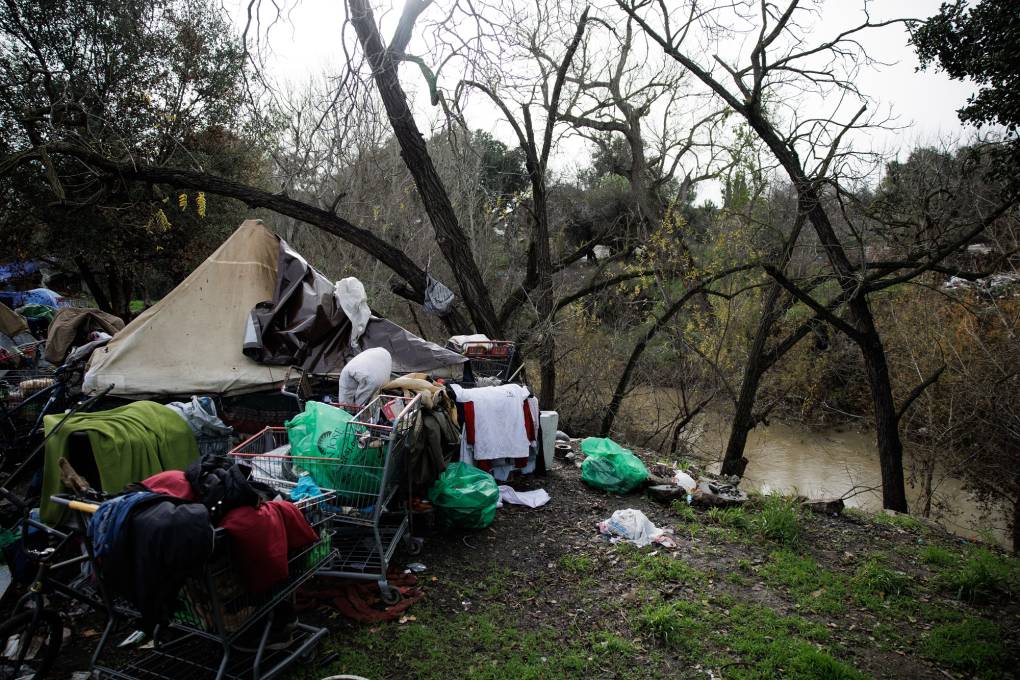
"caption": "Clusters of tents belonging to unhoused residents line the banks of Coyote Creek near Tully Road on Jan. 4, 2023, in San José, California. Officials in the South Bay are pushing a potential plan for a major increase in short-term shelter space, worrying advocates who say long-term affordable housing is critically needed as well. \r\n",
"credit": "Dai Sugano/MediaNews Group/The Mercury News via Getty Images",
"altTag": null,
"description": null,
"imgSizes": {
"medium": {
"file": "https://cdn.kqed.org/wp-content/uploads/sites/10/2024/11/SantaClaraCountyHomelessnessGetty1-800x533.jpg",
"width": 800,
"height": 533,
"mimeType": "image/jpeg"
},
"large": {
"file": "https://cdn.kqed.org/wp-content/uploads/sites/10/2024/11/SantaClaraCountyHomelessnessGetty1-1020x680.jpg",
"width": 1020,
"height": 680,
"mimeType": "image/jpeg"
},
"thumbnail": {
"file": "https://cdn.kqed.org/wp-content/uploads/sites/10/2024/11/SantaClaraCountyHomelessnessGetty1-160x107.jpg",
"width": 160,
"height": 107,
"mimeType": "image/jpeg"
},
"1536x1536": {
"file": "https://cdn.kqed.org/wp-content/uploads/sites/10/2024/11/SantaClaraCountyHomelessnessGetty1-1536x1024.jpg",
"width": 1536,
"height": 1024,
"mimeType": "image/jpeg"
},
"post-thumbnail": {
"file": "https://cdn.kqed.org/wp-content/uploads/sites/10/2024/11/SantaClaraCountyHomelessnessGetty1-672x372.jpg",
"width": 672,
"height": 372,
"mimeType": "image/jpeg"
},
"twentyfourteen-full-width": {
"file": "https://cdn.kqed.org/wp-content/uploads/sites/10/2024/11/SantaClaraCountyHomelessnessGetty1-1038x576.jpg",
"width": 1038,
"height": 576,
"mimeType": "image/jpeg"
},
"full-width": {
"file": "https://cdn.kqed.org/wp-content/uploads/sites/10/2024/11/SantaClaraCountyHomelessnessGetty1-1920x1280.jpg",
"width": 1920,
"height": 1280,
"mimeType": "image/jpeg"
},
"kqedFullSize": {
"file": "https://cdn.kqed.org/wp-content/uploads/sites/10/2024/11/SantaClaraCountyHomelessnessGetty1.jpg",
"width": 2000,
"height": 1333
}
},
"isLoading": false,
"fetchFailed": false
},
"news_12026470": {
"type": "attachments",
"id": "news_12026470",
"meta": {
"index": "attachments_1716263798",
"site": "news",
"id": "12026470",
"found": true
},
"title": "240620-AffordableHousingPresser-16-BL_qed",
"publishDate": 1739218616,
"status": "inherit",
"parent": 12026437,
"modified": 1739218629,
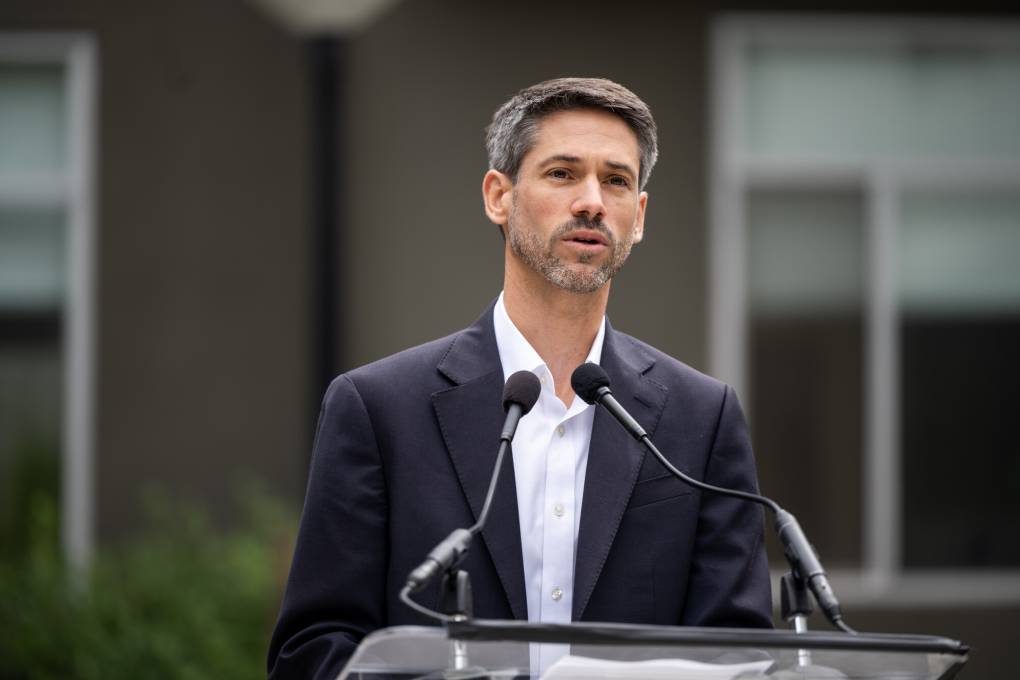
"caption": "San José Mayor Matt Mahan speaks during a press conference in support of a regional affordable housing measure at Five88, a mixed-use residential and retail property, in the Mission Bay neighborhood in San Francisco on June 20, 2024.",
"credit": "Beth LaBerge/KQED",
"altTag": null,
"description": null,
"imgSizes": {
"medium": {
"file": "https://cdn.kqed.org/wp-content/uploads/sites/10/2025/02/240620-AffordableHousingPresser-16-BL_qed-800x533.jpg",
"width": 800,
"height": 533,
"mimeType": "image/jpeg"
},
"large": {
"file": "https://cdn.kqed.org/wp-content/uploads/sites/10/2025/02/240620-AffordableHousingPresser-16-BL_qed-1020x680.jpg",
"width": 1020,
"height": 680,
"mimeType": "image/jpeg"
},
"thumbnail": {
"file": "https://cdn.kqed.org/wp-content/uploads/sites/10/2025/02/240620-AffordableHousingPresser-16-BL_qed-160x107.jpg",
"width": 160,
"height": 107,
"mimeType": "image/jpeg"
},
"1536x1536": {
"file": "https://cdn.kqed.org/wp-content/uploads/sites/10/2025/02/240620-AffordableHousingPresser-16-BL_qed-1536x1024.jpg",
"width": 1536,
"height": 1024,
"mimeType": "image/jpeg"
},
"post-thumbnail": {
"file": "https://cdn.kqed.org/wp-content/uploads/sites/10/2025/02/240620-AffordableHousingPresser-16-BL_qed-672x372.jpg",
"width": 672,
"height": 372,
"mimeType": "image/jpeg"
},
"twentyfourteen-full-width": {
"file": "https://cdn.kqed.org/wp-content/uploads/sites/10/2025/02/240620-AffordableHousingPresser-16-BL_qed-1038x576.jpg",
"width": 1038,
"height": 576,
"mimeType": "image/jpeg"
},
"full-width": {
"file": "https://cdn.kqed.org/wp-content/uploads/sites/10/2025/02/240620-AffordableHousingPresser-16-BL_qed-1920x1280.jpg",
"width": 1920,
"height": 1280,
"mimeType": "image/jpeg"
},
"kqedFullSize": {
"file": "https://cdn.kqed.org/wp-content/uploads/sites/10/2025/02/240620-AffordableHousingPresser-16-BL_qed.jpg",
"width": 2000,
"height": 1333
}
},
"isLoading": false,
"fetchFailed": false
},
"news_11946335": {
"type": "attachments",
"id": "news_11946335",
"meta": {
"index": "attachments_1716263798",
"site": "news",
"id": "11946335",
"found": true
},
"title": "RS18012_GettyImages-492659230-qut",
"publishDate": 1681231034,
"status": "inherit",
"parent": 11946255,
"modified": 1738868441,
"caption": "A new California bill would protect some noncitizens from being turned over to U.S. Immigration and Customs Enforcement (ICE) upon their release from prison.",
"credit": "John Moore/Getty Images",
"altTag": "Detail shot of the back of a large man with a bald head and thick neck, wearing a black shirt with 'police ice' printed on it in all capital letters",
"description": null,
"imgSizes": {
"medium": {
"file": "https://cdn.kqed.org/wp-content/uploads/sites/10/2023/04/RS18012_GettyImages-492659230-qut-800x533.jpg",
"width": 800,
"height": 533,
"mimeType": "image/jpeg"
},
"large": {
"file": "https://cdn.kqed.org/wp-content/uploads/sites/10/2023/04/RS18012_GettyImages-492659230-qut-1020x680.jpg",
"width": 1020,
"height": 680,
"mimeType": "image/jpeg"
},
"thumbnail": {
"file": "https://cdn.kqed.org/wp-content/uploads/sites/10/2023/04/RS18012_GettyImages-492659230-qut-160x107.jpg",
"width": 160,
"height": 107,
"mimeType": "image/jpeg"
},
"1536x1536": {
"file": "https://cdn.kqed.org/wp-content/uploads/sites/10/2023/04/RS18012_GettyImages-492659230-qut-1536x1024.jpg",
"width": 1536,
"height": 1024,
"mimeType": "image/jpeg"
},
"post-thumbnail": {
"file": "https://cdn.kqed.org/wp-content/uploads/sites/10/2023/04/RS18012_GettyImages-492659230-qut-672x372.jpg",
"width": 672,
"height": 372,
"mimeType": "image/jpeg"
},
"twentyfourteen-full-width": {
"file": "https://cdn.kqed.org/wp-content/uploads/sites/10/2023/04/RS18012_GettyImages-492659230-qut-1038x576.jpg",
"width": 1038,
"height": 576,
"mimeType": "image/jpeg"
},
"kqedFullSize": {
"file": "https://cdn.kqed.org/wp-content/uploads/sites/10/2023/04/RS18012_GettyImages-492659230-qut.jpg",
"width": 1920,
"height": 1280
}
},
"isLoading": false,
"fetchFailed": false
},
"news_12015605": {
"type": "attachments",
"id": "news_12015605",
"meta": {
"index": "attachments_1716263798",
"site": "news",
"id": "12015605",
"found": true
},
"title": "241122-StormHitsBayArea-10-BL",
"publishDate": 1732310310,
"status": "inherit",
"parent": 0,
"modified": 1738258421,
"caption": "(From left) Matthew Macale, Jasmin Macaraeg and Keizha Macale take photos at the Vista Point overlook near Golden Gate Bridge north of San Francisco on Nov. 22, 2024.",
"credit": "Beth LaBerge/KQED",
"altTag": null,
"description": null,
"imgSizes": {
"medium": {
"file": "https://cdn.kqed.org/wp-content/uploads/sites/10/2024/11/241122-StormHitsBayArea-10-BL-800x533.jpg",
"width": 800,
"height": 533,
"mimeType": "image/jpeg"
},
"large": {
"file": "https://cdn.kqed.org/wp-content/uploads/sites/10/2024/11/241122-StormHitsBayArea-10-BL-1020x680.jpg",
"width": 1020,
"height": 680,
"mimeType": "image/jpeg"
},
"thumbnail": {
"file": "https://cdn.kqed.org/wp-content/uploads/sites/10/2024/11/241122-StormHitsBayArea-10-BL-160x107.jpg",
"width": 160,
"height": 107,
"mimeType": "image/jpeg"
},
"1536x1536": {
"file": "https://cdn.kqed.org/wp-content/uploads/sites/10/2024/11/241122-StormHitsBayArea-10-BL-1536x1024.jpg",
"width": 1536,
"height": 1024,
"mimeType": "image/jpeg"
},
"post-thumbnail": {
"file": "https://cdn.kqed.org/wp-content/uploads/sites/10/2024/11/241122-StormHitsBayArea-10-BL-672x372.jpg",
"width": 672,
"height": 372,
"mimeType": "image/jpeg"
},
"twentyfourteen-full-width": {
"file": "https://cdn.kqed.org/wp-content/uploads/sites/10/2024/11/241122-StormHitsBayArea-10-BL-1038x576.jpg",
"width": 1038,
"height": 576,
"mimeType": "image/jpeg"
},
"full-width": {
"file": "https://cdn.kqed.org/wp-content/uploads/sites/10/2024/11/241122-StormHitsBayArea-10-BL-1920x1280.jpg",
"width": 1920,
"height": 1280,
"mimeType": "image/jpeg"
},
"kqedFullSize": {
"file": "https://cdn.kqed.org/wp-content/uploads/sites/10/2024/11/241122-StormHitsBayArea-10-BL.jpg",
"width": 2000,
"height": 1333
}
},
"isLoading": false,
"fetchFailed": false
},
"news_12024544": {
"type": "attachments",
"id": "news_12024544",
"meta": {
"index": "attachments_1716263798",
"site": "news",
"id": "12024544",
"found": true
},
"title": "SanJoseCityCouncil",
"publishDate": 1738171010,
"status": "inherit",
"parent": 12024327,
"modified": 1738171122,
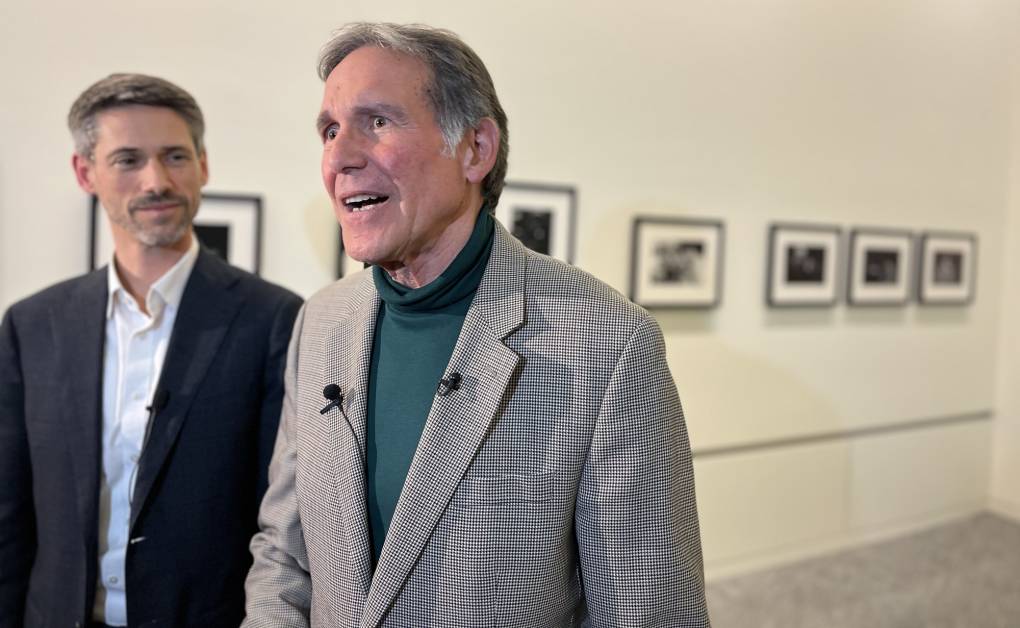
"caption": "New San José Councilmember Carl Salas, right, speaks to reporters with Mayor Matt Mahan after the council voted 6-4 to appoint Salas to the vacant District 3 seat. ",
"credit": "Guy Marzorati/KQED",
"altTag": null,
"description": null,
"imgSizes": {
"medium": {
"file": "https://cdn.kqed.org/wp-content/uploads/sites/10/2025/01/SanJoseCityCouncil-800x492.jpg",
"width": 800,
"height": 492,
"mimeType": "image/jpeg"
},
"large": {
"file": "https://cdn.kqed.org/wp-content/uploads/sites/10/2025/01/SanJoseCityCouncil-1020x628.jpg",
"width": 1020,
"height": 628,
"mimeType": "image/jpeg"
},
"thumbnail": {
"file": "https://cdn.kqed.org/wp-content/uploads/sites/10/2025/01/SanJoseCityCouncil-160x98.jpg",
"width": 160,
"height": 98,
"mimeType": "image/jpeg"
},
"1536x1536": {
"file": "https://cdn.kqed.org/wp-content/uploads/sites/10/2025/01/SanJoseCityCouncil-1536x945.jpg",
"width": 1536,
"height": 945,
"mimeType": "image/jpeg"
},
"post-thumbnail": {
"file": "https://cdn.kqed.org/wp-content/uploads/sites/10/2025/01/SanJoseCityCouncil-672x372.jpg",
"width": 672,
"height": 372,
"mimeType": "image/jpeg"
},
"twentyfourteen-full-width": {
"file": "https://cdn.kqed.org/wp-content/uploads/sites/10/2025/01/SanJoseCityCouncil-1038x576.jpg",
"width": 1038,
"height": 576,
"mimeType": "image/jpeg"
},
"full-width": {
"file": "https://cdn.kqed.org/wp-content/uploads/sites/10/2025/01/SanJoseCityCouncil-1920x1182.jpg",
"width": 1920,
"height": 1182,
"mimeType": "image/jpeg"
},
"kqedFullSize": {
"file": "https://cdn.kqed.org/wp-content/uploads/sites/10/2025/01/SanJoseCityCouncil.jpg",
"width": 2000,
"height": 1231
}
},
"isLoading": false,
"fetchFailed": false
},
"news_12024235": {
"type": "attachments",
"id": "news_12024235",
"meta": {
"index": "attachments_1716263798",
"site": "news",
"id": "12024235",
"found": true
},
"title": "ElkhornSlough",
"publishDate": 1738012604,
"status": "inherit",
"parent": 12024233,
"modified": 1738013209,
"caption": "Runoff from farms carries excessive nutrients into Elkhorn Slough, which spurs the growth of thick mats of algae in January 2010.",
"credit": "Brent Hughes/Sonoma State University",
"altTag": null,
"description": null,
"imgSizes": {
"medium": {
"file": "https://cdn.kqed.org/wp-content/uploads/sites/10/2025/01/ElkhornSlough-800x600.jpg",
"width": 800,
"height": 600,
"mimeType": "image/jpeg"
},
"large": {
"file": "https://cdn.kqed.org/wp-content/uploads/sites/10/2025/01/ElkhornSlough-1020x765.jpg",
"width": 1020,
"height": 765,
"mimeType": "image/jpeg"
},
"thumbnail": {
"file": "https://cdn.kqed.org/wp-content/uploads/sites/10/2025/01/ElkhornSlough-160x120.jpg",
"width": 160,
"height": 120,
"mimeType": "image/jpeg"
},
"1536x1536": {
"file": "https://cdn.kqed.org/wp-content/uploads/sites/10/2025/01/ElkhornSlough-1536x1152.jpg",
"width": 1536,
"height": 1152,
"mimeType": "image/jpeg"
},
"post-thumbnail": {
"file": "https://cdn.kqed.org/wp-content/uploads/sites/10/2025/01/ElkhornSlough-672x372.jpg",
"width": 672,
"height": 372,
"mimeType": "image/jpeg"
},
"twentyfourteen-full-width": {
"file": "https://cdn.kqed.org/wp-content/uploads/sites/10/2025/01/ElkhornSlough-1038x576.jpg",
"width": 1038,
"height": 576,
"mimeType": "image/jpeg"
},
"full-width": {
"file": "https://cdn.kqed.org/wp-content/uploads/sites/10/2025/01/ElkhornSlough-1920x1440.jpg",
"width": 1920,
"height": 1440,
"mimeType": "image/jpeg"
},
"kqedFullSize": {
"file": "https://cdn.kqed.org/wp-content/uploads/sites/10/2025/01/ElkhornSlough.jpg",
"width": 2000,
"height": 1500
}
},
"isLoading": false,
"fetchFailed": false
},
"news_12023827": {
"type": "attachments",
"id": "news_12023827",
"meta": {
"index": "attachments_1716263798",
"site": "news",
"id": "12023827",
"found": true
},
"title": "052_KQED_Oakland_GeorgeFloydProtest_05292020_qed",
"publishDate": 1737666732,
"status": "inherit",
"parent": 12023815,
"modified": 1737667185,
"caption": "Demonstrators run away from tear gas fired by police on May 29, 2020 during a protest in Oakland over the Minneapolis police murder of George Floyd. A man injured by a police projectile at a similar protest the next day in San José has won $1.3 million following an excessive force lawsuit against the city.",
"credit": "Beth LaBerge/KQED",
"altTag": null,
"description": null,
"imgSizes": {
"medium": {
"file": "https://cdn.kqed.org/wp-content/uploads/sites/10/2025/01/052_KQED_Oakland_GeorgeFloydProtest_05292020_qed-800x533.jpg",
"width": 800,
"height": 533,
"mimeType": "image/jpeg"
},
"large": {
"file": "https://cdn.kqed.org/wp-content/uploads/sites/10/2025/01/052_KQED_Oakland_GeorgeFloydProtest_05292020_qed-1020x680.jpg",
"width": 1020,
"height": 680,
"mimeType": "image/jpeg"
},
"thumbnail": {
"file": "https://cdn.kqed.org/wp-content/uploads/sites/10/2025/01/052_KQED_Oakland_GeorgeFloydProtest_05292020_qed-160x107.jpg",
"width": 160,
"height": 107,
"mimeType": "image/jpeg"
},
"1536x1536": {
"file": "https://cdn.kqed.org/wp-content/uploads/sites/10/2025/01/052_KQED_Oakland_GeorgeFloydProtest_05292020_qed-1536x1024.jpg",
"width": 1536,
"height": 1024,
"mimeType": "image/jpeg"
},
"post-thumbnail": {
"file": "https://cdn.kqed.org/wp-content/uploads/sites/10/2025/01/052_KQED_Oakland_GeorgeFloydProtest_05292020_qed-672x372.jpg",
"width": 672,
"height": 372,
"mimeType": "image/jpeg"
},
"twentyfourteen-full-width": {
"file": "https://cdn.kqed.org/wp-content/uploads/sites/10/2025/01/052_KQED_Oakland_GeorgeFloydProtest_05292020_qed-1038x576.jpg",
"width": 1038,
"height": 576,
"mimeType": "image/jpeg"
},
"full-width": {
"file": "https://cdn.kqed.org/wp-content/uploads/sites/10/2025/01/052_KQED_Oakland_GeorgeFloydProtest_05292020_qed-1920x1280.jpg",
"width": 1920,
"height": 1280,
"mimeType": "image/jpeg"
},
"kqedFullSize": {
"file": "https://cdn.kqed.org/wp-content/uploads/sites/10/2025/01/052_KQED_Oakland_GeorgeFloydProtest_05292020_qed.jpg",
"width": 2000,
"height": 1333
}
},
"isLoading": false,
"fetchFailed": false
},
"news_12023323": {
"type": "attachments",
"id": "news_12023323",
"meta": {
"index": "attachments_1716263798",
"site": "news",
"id": "12023323",
"found": true
},
"title": "250121-SEGOVIA-JG-2",
"publishDate": 1737491813,
"status": "inherit",
"parent": 0,
"modified": 1737493454,
"caption": "Joanne Segovia (center) – alongside her attorney, Adam Gasner – leaves the federal courthouse in San José on Jan. 21, 2025, after being sentenced to 3 years of probation for illegally importing opioids.",
"credit": "Joseph Geha/KQED",
"altTag": "A middle-aged woman walks out of a court building next to a man holding a briefcase.",
"description": null,
"imgSizes": {
"medium": {
"file": "https://cdn.kqed.org/wp-content/uploads/sites/10/2025/01/250121-SEGOVIA-JG-2-800x533.jpg",
"width": 800,
"height": 533,
"mimeType": "image/jpeg"
},
"large": {
"file": "https://cdn.kqed.org/wp-content/uploads/sites/10/2025/01/250121-SEGOVIA-JG-2-1020x680.jpg",
"width": 1020,
"height": 680,
"mimeType": "image/jpeg"
},
"thumbnail": {
"file": "https://cdn.kqed.org/wp-content/uploads/sites/10/2025/01/250121-SEGOVIA-JG-2-160x107.jpg",
"width": 160,
"height": 107,
"mimeType": "image/jpeg"
},
"1536x1536": {
"file": "https://cdn.kqed.org/wp-content/uploads/sites/10/2025/01/250121-SEGOVIA-JG-2-1536x1024.jpg",
"width": 1536,
"height": 1024,
"mimeType": "image/jpeg"
},
"post-thumbnail": {
"file": "https://cdn.kqed.org/wp-content/uploads/sites/10/2025/01/250121-SEGOVIA-JG-2-672x372.jpg",
"width": 672,
"height": 372,
"mimeType": "image/jpeg"
},
"twentyfourteen-full-width": {
"file": "https://cdn.kqed.org/wp-content/uploads/sites/10/2025/01/250121-SEGOVIA-JG-2-1038x576.jpg",
"width": 1038,
"height": 576,
"mimeType": "image/jpeg"
},
"full-width": {
"file": "https://cdn.kqed.org/wp-content/uploads/sites/10/2025/01/250121-SEGOVIA-JG-2-1920x1280.jpg",
"width": 1920,
"height": 1280,
"mimeType": "image/jpeg"
},
"kqedFullSize": {
"file": "https://cdn.kqed.org/wp-content/uploads/sites/10/2025/01/250121-SEGOVIA-JG-2.jpg",
"width": 2000,
"height": 1333
}
},
"isLoading": false,
"fetchFailed": false
},
"news_12010520": {
"type": "attachments",
"id": "news_12010520",
"meta": {
"index": "attachments_1716263798",
"site": "news",
"id": "12010520",
"found": true
},
"title": "491213158_af42d77b95_o_qed",
"publishDate": 1729616051,
"status": "inherit",
"parent": 12010518,
"modified": 1729616081,
"caption": "San José officials will name the city's next permanent police chief on Tuesday. ",
"credit": "Thomas Hawk/Flickr",
"altTag": null,
"description": null,
"imgSizes": {
"medium": {
"file": "https://cdn.kqed.org/wp-content/uploads/sites/10/2024/10/491213158_af42d77b95_o_qed-800x492.jpg",
"width": 800,
"height": 492,
"mimeType": "image/jpeg"
},
"large": {
"file": "https://cdn.kqed.org/wp-content/uploads/sites/10/2024/10/491213158_af42d77b95_o_qed-1020x627.jpg",
"width": 1020,
"height": 627,
"mimeType": "image/jpeg"
},
"thumbnail": {
"file": "https://cdn.kqed.org/wp-content/uploads/sites/10/2024/10/491213158_af42d77b95_o_qed-160x98.jpg",
"width": 160,
"height": 98,
"mimeType": "image/jpeg"
},
"1536x1536": {
"file": "https://cdn.kqed.org/wp-content/uploads/sites/10/2024/10/491213158_af42d77b95_o_qed-1536x944.jpg",
"width": 1536,
"height": 944,
"mimeType": "image/jpeg"
},
"post-thumbnail": {
"file": "https://cdn.kqed.org/wp-content/uploads/sites/10/2024/10/491213158_af42d77b95_o_qed-672x372.jpg",
"width": 672,
"height": 372,
"mimeType": "image/jpeg"
},
"twentyfourteen-full-width": {
"file": "https://cdn.kqed.org/wp-content/uploads/sites/10/2024/10/491213158_af42d77b95_o_qed-1038x576.jpg",
"width": 1038,
"height": 576,
"mimeType": "image/jpeg"
},
"full-width": {
"file": "https://cdn.kqed.org/wp-content/uploads/sites/10/2024/10/491213158_af42d77b95_o_qed-1920x1180.jpg",
"width": 1920,
"height": 1180,
"mimeType": "image/jpeg"
},
"kqedFullSize": {
"file": "https://cdn.kqed.org/wp-content/uploads/sites/10/2024/10/491213158_af42d77b95_o_qed.jpg",
"width": 2000,
"height": 1229
}
},
"isLoading": false,
"fetchFailed": false
},
"news_12022253": {
"type": "attachments",
"id": "news_12022253",
"meta": {
"index": "attachments_1716263798",
"site": "news",
"id": "12022253",
"found": true
},
"title": "240114-SCCDCFS-JG-5",
"publishDate": 1736903220,
"status": "inherit",
"parent": 0,
"modified": 1736966923,
"caption": "Santa Clara County Social Work Supervisor Pa Chang speaks during a rally demanding increased staffing for the Department of Family and Children's Services outside the Santa Clara County Administration Building in San José on Tuesday, Jan. 14, 2025.",
"credit": "Joseph Geha/KQED",
"altTag": null,
"description": null,
"imgSizes": {
"medium": {
"file": "https://cdn.kqed.org/wp-content/uploads/sites/10/2025/01/240114-SCCDCFS-JG-5-800x533.jpg",
"width": 800,
"height": 533,
"mimeType": "image/jpeg"
},
"large": {
"file": "https://cdn.kqed.org/wp-content/uploads/sites/10/2025/01/240114-SCCDCFS-JG-5-1020x680.jpg",
"width": 1020,
"height": 680,
"mimeType": "image/jpeg"
},
"thumbnail": {
"file": "https://cdn.kqed.org/wp-content/uploads/sites/10/2025/01/240114-SCCDCFS-JG-5-160x107.jpg",
"width": 160,
"height": 107,
"mimeType": "image/jpeg"
},
"1536x1536": {
"file": "https://cdn.kqed.org/wp-content/uploads/sites/10/2025/01/240114-SCCDCFS-JG-5-1536x1024.jpg",
"width": 1536,
"height": 1024,
"mimeType": "image/jpeg"
},
"post-thumbnail": {
"file": "https://cdn.kqed.org/wp-content/uploads/sites/10/2025/01/240114-SCCDCFS-JG-5-672x372.jpg",
"width": 672,
"height": 372,
"mimeType": "image/jpeg"
},
"twentyfourteen-full-width": {
"file": "https://cdn.kqed.org/wp-content/uploads/sites/10/2025/01/240114-SCCDCFS-JG-5-1038x576.jpg",
"width": 1038,
"height": 576,
"mimeType": "image/jpeg"
},
"full-width": {
"file": "https://cdn.kqed.org/wp-content/uploads/sites/10/2025/01/240114-SCCDCFS-JG-5-1920x1280.jpg",
"width": 1920,
"height": 1280,
"mimeType": "image/jpeg"
},
"kqedFullSize": {
"file": "https://cdn.kqed.org/wp-content/uploads/sites/10/2025/01/240114-SCCDCFS-JG-5.jpg",
"width": 2000,
"height": 1333
}
},
"isLoading": false,
"fetchFailed": false
},
"news_11990289": {
"type": "attachments",
"id": "news_11990289",
"meta": {
"index": "attachments_1716263798",
"site": "news",
"id": "11990289",
"found": true
},
"title": "240613-REGIONALMED-JG-1",
"publishDate": 1718317292,
"status": "inherit",
"parent": 11990284,
"modified": 1736817910,
"caption": "Regional Medical Center in East San José.",
"credit": "Joseph Geha/KQED",
"altTag": "The front of Regional Medical Center.",
"description": null,
"imgSizes": {
"medium": {
"file": "https://cdn.kqed.org/wp-content/uploads/sites/10/2024/06/240613-REGIONALMED-JG-1-800x533.jpg",
"width": 800,
"height": 533,
"mimeType": "image/jpeg"
},
"large": {
"file": "https://cdn.kqed.org/wp-content/uploads/sites/10/2024/06/240613-REGIONALMED-JG-1-1020x680.jpg",
"width": 1020,
"height": 680,
"mimeType": "image/jpeg"
},
"thumbnail": {
"file": "https://cdn.kqed.org/wp-content/uploads/sites/10/2024/06/240613-REGIONALMED-JG-1-160x107.jpg",
"width": 160,
"height": 107,
"mimeType": "image/jpeg"
},
"1536x1536": {
"file": "https://cdn.kqed.org/wp-content/uploads/sites/10/2024/06/240613-REGIONALMED-JG-1-1536x1024.jpg",
"width": 1536,
"height": 1024,
"mimeType": "image/jpeg"
},
"post-thumbnail": {
"file": "https://cdn.kqed.org/wp-content/uploads/sites/10/2024/06/240613-REGIONALMED-JG-1-672x372.jpg",
"width": 672,
"height": 372,
"mimeType": "image/jpeg"
},
"twentyfourteen-full-width": {
"file": "https://cdn.kqed.org/wp-content/uploads/sites/10/2024/06/240613-REGIONALMED-JG-1-1038x576.jpg",
"width": 1038,
"height": 576,
"mimeType": "image/jpeg"
},
"full-width": {
"file": "https://cdn.kqed.org/wp-content/uploads/sites/10/2024/06/240613-REGIONALMED-JG-1-1920x1280.jpg",
"width": 1920,
"height": 1280,
"mimeType": "image/jpeg"
},
"kqedFullSize": {
"file": "https://cdn.kqed.org/wp-content/uploads/sites/10/2024/06/240613-REGIONALMED-JG-1.jpg",
"width": 2000,
"height": 1333
}
},
"isLoading": false,
"fetchFailed": false
},
"news_12021351": {
"type": "attachments",
"id": "news_12021351",
"meta": {
"index": "attachments_1716263798",
"site": "news",
"id": "12021351",
"found": true
},
"title": "Moore2",
"publishDate": 1736469648,
"status": "inherit",
"parent": 12021350,
"modified": 1736469707,
"caption": "Rev. Jethroe Moore II.",
"credit": "Courtesy of San José/Silicon Valley NAACP",
"altTag": null,
"description": null,
"imgSizes": {
"medium": {
"file": "https://cdn.kqed.org/wp-content/uploads/sites/10/2025/01/Moore2-800x533.jpg",
"width": 800,
"height": 533,
"mimeType": "image/jpeg"
},
"large": {
"file": "https://cdn.kqed.org/wp-content/uploads/sites/10/2025/01/Moore2-1020x680.jpg",
"width": 1020,
"height": 680,
"mimeType": "image/jpeg"
},
"thumbnail": {
"file": "https://cdn.kqed.org/wp-content/uploads/sites/10/2025/01/Moore2-160x107.jpg",
"width": 160,
"height": 107,
"mimeType": "image/jpeg"
},
"1536x1536": {
"file": "https://cdn.kqed.org/wp-content/uploads/sites/10/2025/01/Moore2-1536x1024.jpg",
"width": 1536,
"height": 1024,
"mimeType": "image/jpeg"
},
"post-thumbnail": {
"file": "https://cdn.kqed.org/wp-content/uploads/sites/10/2025/01/Moore2-672x372.jpg",
"width": 672,
"height": 372,
"mimeType": "image/jpeg"
},
"twentyfourteen-full-width": {
"file": "https://cdn.kqed.org/wp-content/uploads/sites/10/2025/01/Moore2-1038x576.jpg",
"width": 1038,
"height": 576,
"mimeType": "image/jpeg"
},
"kqedFullSize": {
"file": "https://cdn.kqed.org/wp-content/uploads/sites/10/2025/01/Moore2.jpg",
"width": 1920,
"height": 1280
}
},
"isLoading": false,
"fetchFailed": false
}
},
"audioPlayerReducer": {
"postId": "stream_live",
"isPaused": true,
"isPlaying": false,
"pfsActive": false,
"pledgeModalIsOpen": true,
"playerDrawerIsOpen": false,
"liveAudioPlayStartedAt": 0,
"liveAudioPlayContext": ""
},
"authorsReducer": {
"gmarzorati": {
"type": "authors",
"id": "227",
"meta": {
"index": "authors_1716337520",
"id": "227",
"found": true
},
"name": "Guy Marzorati",
"firstName": "Guy",
"lastName": "Marzorati",
"slug": "gmarzorati",
"email": "gmarzorati@KQED.org",
"display_author_email": true,
"staff_mastheads": [
"news"
],
"title": "Correspondent",
"bio": "Guy Marzorati is a correspondent on KQED's California Politics and Government Desk, based in San Jose. A graduate of Santa Clara University, Guy joined KQED in 2013. He reports on state and local politics and produces KQED's digital voter guide.",
"avatar": "https://secure.gravatar.com/avatar/e7038b8dbfd55b104369b76b1cd0b9de?s=600&d=blank&r=g",
"twitter": "guymarzorati",
"facebook": null,
"instagram": null,
"linkedin": null,
"sites": [
{
"site": "",
"roles": [
"editor"
]
},
{
"site": "news",
"roles": [
"editor"
]
},
{
"site": "science",
"roles": [
"editor"
]
},
{
"site": "forum",
"roles": [
"editor"
]
},
{
"site": "elections",
"roles": [
"editor"
]
},
{
"site": "liveblog",
"roles": [
"editor"
]
}
],
"headData": {
"title": "Guy Marzorati | KQED",
"description": "Correspondent",
"ogImgSrc": "https://secure.gravatar.com/avatar/e7038b8dbfd55b104369b76b1cd0b9de?s=600&d=blank&r=g",
"twImgSrc": "https://secure.gravatar.com/avatar/e7038b8dbfd55b104369b76b1cd0b9de?s=600&d=blank&r=g"
},
"isLoading": false,
"link": "/author/gmarzorati"
},
"jlara": {
"type": "authors",
"id": "11761",
"meta": {
"index": "authors_1716337520",
"id": "11761",
"found": true
},
"name": "Juan Carlos Lara",
"firstName": "Juan Carlos",
"lastName": "Lara",
"slug": "jlara",
"email": "jlara@kqed.org",
"display_author_email": false,
"staff_mastheads": [],
"title": "KQED Contributor",
"bio": null,
"avatar": "https://secure.gravatar.com/avatar/19e2052b9b05657c5ff2af2121846e9c?s=600&d=blank&r=g",
"twitter": null,
"facebook": null,
"instagram": null,
"linkedin": null,
"sites": [
{
"site": "arts",
"roles": [
"editor"
]
},
{
"site": "news",
"roles": [
"editor"
]
},
{
"site": "forum",
"roles": [
"editor"
]
},
{
"site": "liveblog",
"roles": [
"contributor"
]
}
],
"headData": {
"title": "Juan Carlos Lara | KQED",
"description": "KQED Contributor",
"ogImgSrc": "https://secure.gravatar.com/avatar/19e2052b9b05657c5ff2af2121846e9c?s=600&d=blank&r=g",
"twImgSrc": "https://secure.gravatar.com/avatar/19e2052b9b05657c5ff2af2121846e9c?s=600&d=blank&r=g"
},
"isLoading": false,
"link": "/author/jlara"
},
"jgeha": {
"type": "authors",
"id": "11906",
"meta": {
"index": "authors_1716337520",
"id": "11906",
"found": true
},
"name": "Joseph Geha",
"firstName": "Joseph",
"lastName": "Geha",
"slug": "jgeha",
"email": "jgeha@kqed.org",
"display_author_email": false,
"staff_mastheads": [
"news",
"science"
],
"title": "KQED Contributor",
"bio": null,
"avatar": "https://secure.gravatar.com/avatar/ea84d2b6dd93d6369d453edf19dd583f117cd1759d2d9c9c92f9de77017354fe?s=600&d=blank&r=g",
"twitter": null,
"bluesky": null,
"facebook": null,
"instagram": null,
"linkedin": null,
"sites": [
{
"site": "news",
"roles": [
"editor"
]
},
{
"site": "liveblog",
"roles": [
"author"
]
}
],
"headData": {
"title": "Joseph Geha | KQED",
"description": "KQED Contributor",
"ogImgSrc": "https://secure.gravatar.com/avatar/ea84d2b6dd93d6369d453edf19dd583f117cd1759d2d9c9c92f9de77017354fe?s=600&d=blank&r=g",
"twImgSrc": "https://secure.gravatar.com/avatar/ea84d2b6dd93d6369d453edf19dd583f117cd1759d2d9c9c92f9de77017354fe?s=600&d=blank&r=g"
},
"isLoading": false,
"link": "/author/jgeha"
},
"kdebenedetti": {
"type": "authors",
"id": "11913",
"meta": {
"index": "authors_1716337520",
"id": "11913",
"found": true
},
"name": "Katie DeBenedetti",
"firstName": "Katie",
"lastName": "DeBenedetti",
"slug": "kdebenedetti",
"email": "kdebenedetti@kqed.org",
"display_author_email": false,
"staff_mastheads": [
"news",
"science"
],
"title": "KQED Contributor",
"bio": "Katie DeBenedetti is a digital reporter covering daily news for the Express Desk. Prior to joining KQED as a culture reporting intern in January 2024, she covered education and city government for the Napa Valley Register.",
"avatar": "https://secure.gravatar.com/avatar/6e31073cb8f7e4214ab03f42771d0f45?s=600&d=blank&r=g",
"twitter": null,
"facebook": null,
"instagram": null,
"linkedin": null,
"sites": [
{
"site": "news",
"roles": [
"author"
]
},
{
"site": "science",
"roles": [
"author"
]
},
{
"site": "liveblog",
"roles": [
"author"
]
}
],
"headData": {
"title": "Katie DeBenedetti | KQED",
"description": "KQED Contributor",
"ogImgSrc": "https://secure.gravatar.com/avatar/6e31073cb8f7e4214ab03f42771d0f45?s=600&d=blank&r=g",
"twImgSrc": "https://secure.gravatar.com/avatar/6e31073cb8f7e4214ab03f42771d0f45?s=600&d=blank&r=g"
},
"isLoading": false,
"link": "/author/kdebenedetti"
}
},
"pagesReducer": {
"news_tag_san-jose": {
"type": "terms",
"id": "news_18541",
"meta": {
"index": "terms_1716263798",
"site": "news",
"id": "18541",
"score": 8.005292
},
"featImg": null,
"name": "San Jose",
"description": null,
"taxonomy": "tag",
"headData": {
"twImgId": null,
"twTitle": null,
"ogTitle": null,
"ogImgId": null,
"twDescription": null,
"description": null,
"title": "San Jose Archives | KQED News",
"ogDescription": null
},
"ttid": 91,
"slug": "san-jose",
"isLoading": false,
"title": "San Jose",
"pageMeta": {
"site": "news",
"WpPageTemplate": "page-topic-editorial",
"currentPage": 16
},
"blocks": [
{
"blockName": "kqed/post-list",
"attrs": {
"layout": "cardArticle2",
"query": "posts/news?tag=san-jose",
"seeMore": false,
"paginated": true,
"page": 16
}
},
{
"blockName": "kqed/ad"
}
]
}
},
"pfsSessionReducer": {},
"postsReducer": {
"stream_live": {
"type": "live",
"id": "stream_live",
"audioUrl": "https://streams.kqed.org/kqedradio",
"title": "Live Stream",
"excerpt": "Live Stream information currently unavailable.",
"link": "/radio",
"featImg": "",
"label": {
"name": "KQED Live",
"link": "/"
}
},
"stream_kqedNewscast": {
"type": "posts",
"id": "stream_kqedNewscast",
"audioUrl": "https://www.kqed.org/.stream/anon/radio/RDnews/newscast.mp3?_=1",
"title": "KQED Newscast",
"featImg": "",
"label": {
"name": "88.5 FM",
"link": "/"
}
},
"news_12026630": {
"type": "posts",
"id": "news_12026630",
"meta": {
"index": "posts_1716263798",
"site": "news",
"id": "12026630",
"score": null,
"sort": [
1739398137000
]
},
"guestAuthors": [],
"slug": "san-jose-has-an-idea-to-bring-street-homelessness-to-functional-zero-can-it-work",
"title": "San José Has an Idea to Bring Street Homelessness to ‘Functional Zero.’ Can It Work?",
"publishDate": 1739398137,
"format": "standard",
"headTitle": "San José Has an Idea to Bring Street Homelessness to ‘Functional Zero.’ Can It Work? | KQED",
"labelTerm": {
"site": "news"
},
"content": "\u003cp>\u003ca href=\"https://www.kqed.org/news/tag/san-jose\">San José\u003c/a> leaders want to reduce the number of unhoused people living in tents, cars and RVs to “functional zero,” largely through a push for more short-term shelters, but some advocates are concerned that the plan leaves people without a long-term solution to homelessness.\u003c/p>\n\u003cp>Under a preliminary plan laid out during Tuesday’s City Council meeting, San José officials said functional zero means the city would have enough shelter capacity to offer a bed to everyone who needs one, including people who have long been homeless and those who have recently lost their housing. The goal is for more people to be exiting homelessness than entering it every month.\u003c/p>\n\u003cp>Mayor Matt Mahan, who has consistently championed an \u003ca href=\"https://www.kqed.org/news/12026437/san-jose-mayor-proposes-permanent-shift-homeless-funding-from-housing-shelter\">aggressive shift\u003c/a> toward prioritizing interim shelters over permanent affordable housing, is bullish on the new plan that he has put forth, though he acknowledges a timeline isn’t clear.\u003c/p>\n\u003cp>[ad fullwidth]\u003c/p>\n\u003cp>The plan does, however, put an estimate for the first time on how much money it will cost to reduce San José’s unsheltered homelessness to functional zero: $255 million in one-time spending from a mix of city, state and philanthropic sources to build or buy the shelter capacity, and $234 million in annual spending to operate those spaces.\u003c/p>\n\u003cp>“I think we ought to have a safe and dignified place for every person on our street,” Mahan said. “We know we don’t have the resources today to completely end homelessness in our community. What this is is our best mathematical model for a line of sight to that outcome without being able to quite put an exact timeline on it.”\u003c/p>\n\u003cfigure id=\"attachment_12000577\" class=\"wp-caption alignnone\" style=\"max-width: 1999px\">\u003ca href=\"https://cdn.kqed.org/wp-content/uploads/sites/10/2024/08/240409-MAHAN-HOMELESS-JG-01_qed.jpg\">\u003cimg loading=\"lazy\" decoding=\"async\" class=\"size-full wp-image-12000577\" src=\"https://cdn.kqed.org/wp-content/uploads/sites/10/2024/08/240409-MAHAN-HOMELESS-JG-01_qed.jpg\" alt=\"\" width=\"1999\" height=\"1333\" srcset=\"https://cdn.kqed.org/wp-content/uploads/sites/10/2024/08/240409-MAHAN-HOMELESS-JG-01_qed.jpg 1999w, https://cdn.kqed.org/wp-content/uploads/sites/10/2024/08/240409-MAHAN-HOMELESS-JG-01_qed-800x533.jpg 800w, https://cdn.kqed.org/wp-content/uploads/sites/10/2024/08/240409-MAHAN-HOMELESS-JG-01_qed-1020x680.jpg 1020w, https://cdn.kqed.org/wp-content/uploads/sites/10/2024/08/240409-MAHAN-HOMELESS-JG-01_qed-160x107.jpg 160w, https://cdn.kqed.org/wp-content/uploads/sites/10/2024/08/240409-MAHAN-HOMELESS-JG-01_qed-1536x1024.jpg 1536w, https://cdn.kqed.org/wp-content/uploads/sites/10/2024/08/240409-MAHAN-HOMELESS-JG-01_qed-1920x1280.jpg 1920w\" sizes=\"auto, (max-width: 1999px) 100vw, 1999px\">\u003c/a>\u003cfigcaption class=\"wp-caption-text\">San José Mayor Matt Mahan speaks during a press conference in support of a regional affordable housing measure at Five88, a mixed-use residential and retail property, in the Mission Bay neighborhood in San Francisco on June 20, 2024.” \u003ccite>(Joseph Geha/KQED)\u003c/cite>\u003c/figcaption>\u003c/figure>\n\u003cp>However, some advocates for people who are unsheltered are concerned that too much focus on temporary places to live will eventually leave people using those shelters in the lurch.\u003c/p>\n\u003cp>“The first problem is that when people’s temporary stay is over, they have no place to go,” said Sandy Perry, the vice president of the South Bay Community Land Trust, a nonprofit that advocates for affordable housing. “And so what happens is people become unhoused all over again.”\u003c/p>\n\u003cp>“We need both temporary housing and permanent housing,” Perry said. “We need a balanced approach.”\u003c/p>\n\u003cp>City staff estimate 5,477 unsheltered people are living in San José, and the city’s 2,968 shelter spots, run by both the city and Santa Clara County, are already largely full.\u003c/p>\n\u003cp>The city and county expect 1,700 more shelter spots to come online in San José across several other projects over the coming months, but an estimated 3,000 more would be needed to close the gap in the coming five years.\u003c/p>\n\u003cp>[aside postID=news_12026508 hero='https://cdn.kqed.org/wp-content/uploads/sites/10/2025/02/20250210_Unhoused-Ban_DMB_00117.jpg']\u003c/p>\n\u003cp>The kinds of shelter in the city’s functional zero plan could be mixed, including types the city already offers, such as congregate shelter with bunk beds in one large room, \u003ca href=\"https://www.kqed.org/news/11942734/emergency-calls-complaints-are-down-near-san-joses-temporary-housing-sites-so-why-are-they-still-so-politically-risky\">individual tiny homes or cabins\u003c/a>, motel rooms, or safe parking sites where people can sleep in their vehicle in a secured lot.\u003c/p>\n\u003cp>“Unsheltered homelessness is very solvable; it is four walls and a roof. Everything else is a lot harder,” said Elizabeth Funk, the CEO of DignityMoves, a nonprofit that is developing and runs short-term shelters and tiny homes for San José. “But getting people into at least a safe place is very doable. It’s a question of policy priorities.”\u003c/p>\n\u003cp>The council discussed the potential plan and heard from members of the public during a \u003ca href=\"https://www.kqed.org/news/12026772/san-jose-faces-60-million-budget-shortfall-as-negotiations-begin\" target=\"_blank\" rel=\"noopener\">wide-ranging study session\u003c/a> about the city’s coming budget, which overall is projected to be $60 million in the red.\u003c/p>\n\u003cp>Mahan said he feels the city has long clung to “an overly strict” reading of the Housing First approach to addressing homelessness, relying too heavily on building new affordable housing, which can cost nearly $1 million per unit in some cases and takes much longer to stand up.\u003c/p>\n\u003cp>After the city reaches a functional zero goal, Mahan said some of the temporary shelters could be converted into permanent affordable housing for people who are working or receiving federal benefits, cutting down on the time needed for new builds.\u003c/p>\n\u003cp>Some council members expressed skepticism at the mechanics of the plan and how its cost might affect other city functions.\u003c/p>\n\u003cp>City staff reports also noted that about $575 million would be needed to create enough permanent supportive housing for some of those who use the shelters to help shrink the shelter system over time.\u003c/p>\n\u003cp>Housing officials said the funding for both portions of the plan could come from pools of local money, state funds and reimbursements through programs like Medi-Cal, ballot measures to approve bonds, and private philanthropy or support from faith-based organizations.\u003c/p>\n\u003cp>Some residents supported the plan because of its urgency, including Sam Ho, the vice president of the Thousand Oaks Neighborhood Association.\u003c/p>\n\u003cp>“When homelessness is not taken care of right away, it affects our environment, our health, our safety and our fire risk,” Ho told the council. “Therefore, I would put all my money into addressing homelessness right away.”\u003c/p>\n\u003cp>However, Alison Cingolani, director of policy at affordable housing advocacy nonprofit SV@Home, said that while preventing more chronic homelessness is valuable, so is building and maintaining a supply of housing affordable to people at all levels of income.\u003c/p>\n\u003cp>“Our community and our economy depend on it,” Cingolani said. “Without it, we’ll continue to face a declining population, losing our families and risking the vibrancy that we have worked so hard to build in our city.”\u003c/p>\n\u003cp>City officials said residents have consistently ranked homelessness as both San José’s most pressing issue and the one they feel the city has performed the worst in addressing.\u003c/p>\n\u003cp>Mahan said difficult trade-offs would have to be made to see such a plan through but added that residents would likely “throw a parade” if the city were to achieve even a 50% reduction in street homelessness.\u003c/p>\n\u003cp>“Is it more important to incrementally add to the affordable housing stock?” he said. “Is it more important to interrupt the cycle of chronic homelessness and get people into a safe environment earlier before they get to a point where it becomes very difficult to help them turn their lives around?”\u003c/p>\n\u003cp>[ad floatright]\u003c/p>\n",
"blocks": [],
"excerpt": "Officials in the South Bay are pushing a potential plan for a major increase in short-term shelter space, worrying advocates who say long-term affordable housing is critically needed as well. \r\n",
"status": "publish",
"parent": 0,
"modified": 1742323957,
"stats": {
"hasAudio": false,
"hasVideo": false,
"hasChartOrMap": false,
"iframeSrcs": [],
"hasGoogleForm": false,
"hasGallery": false,
"hasHearkenModule": false,
"hasPolis": false,
"paragraphCount": 28,
"wordCount": 1141
},
"headData": {
"title": "San José Has an Idea to Bring Street Homelessness to ‘Functional Zero.’ Can It Work? | KQED",
"description": "Officials in the South Bay are pushing a potential plan for a major increase in short-term shelter space, worrying advocates who say long-term affordable housing is critically needed as well. \r\n",
"ogTitle": "",
"ogDescription": "",
"ogImgId": "",
"twTitle": "",
"twDescription": "",
"twImgId": "",
"schema": {
"@context": "https://schema.org",
"@type": "NewsArticle",
"headline": "San José Has an Idea to Bring Street Homelessness to ‘Functional Zero.’ Can It Work?",
"datePublished": "2025-02-12T14:08:57-08:00",
"dateModified": "2025-03-18T11:52:37-07:00",
"image": "https://cdn.kqed.org/wp-content/uploads/2020/02/KQED-OG-Image@1x.png",
"isAccessibleForFree": "True",
"publisher": {
"@type": "NewsMediaOrganization",
"@id": "https://www.kqed.org/#organization",
"name": "KQED",
"logo": "https://cdn.kqed.org/wp-content/uploads/2020/02/KQED-OG-Image@1x.png",
"url": "https://www.kqed.org",
"sameAs": [
"https://www.facebook.com/KQED",
"https://twitter.com/KQED",
"https://www.instagram.com/kqed/",
"https://www.tiktok.com/@kqedofficial",
"https://www.linkedin.com/company/kqed",
"https://www.youtube.com/channel/UCeC0IOo7i1P_61zVUWbJ4nw"
]
}
}
},
"audioUrl": "https://traffic.omny.fm/d/clips/0af137ef-751e-4b19-a055-aaef00d2d578/ffca7e9f-6831-41c5-bcaf-aaef00f5a073/dc7d9d02-4eba-4ef2-836c-b28a011243d2/audio.mp3",
"sticky": false,
"nprStoryId": "kqed-12026630",
"templateType": "standard",
"featuredImageType": "standard",
"excludeFromSiteSearch": "Include",
"articleAge": "0",
"path": "/news/12026630/san-jose-has-an-idea-to-bring-street-homelessness-to-functional-zero-can-it-work",
"audioTrackLength": null,
"parsedContent": [
{
"type": "contentString",
"content": "\u003cdiv class=\"post-body\">\u003cp>\u003cp>\u003ca href=\"https://www.kqed.org/news/tag/san-jose\">San José\u003c/a> leaders want to reduce the number of unhoused people living in tents, cars and RVs to “functional zero,” largely through a push for more short-term shelters, but some advocates are concerned that the plan leaves people without a long-term solution to homelessness.\u003c/p>\n\u003cp>Under a preliminary plan laid out during Tuesday’s City Council meeting, San José officials said functional zero means the city would have enough shelter capacity to offer a bed to everyone who needs one, including people who have long been homeless and those who have recently lost their housing. The goal is for more people to be exiting homelessness than entering it every month.\u003c/p>\n\u003cp>Mayor Matt Mahan, who has consistently championed an \u003ca href=\"https://www.kqed.org/news/12026437/san-jose-mayor-proposes-permanent-shift-homeless-funding-from-housing-shelter\">aggressive shift\u003c/a> toward prioritizing interim shelters over permanent affordable housing, is bullish on the new plan that he has put forth, though he acknowledges a timeline isn’t clear.\u003c/p>\n\u003cp>\u003c/p>\u003c/div>",
"attributes": {
"named": {},
"numeric": []
}
},
{
"type": "component",
"content": "",
"name": "ad",
"attributes": {
"named": {
"label": "fullwidth"
},
"numeric": [
"fullwidth"
]
}
},
{
"type": "contentString",
"content": "\u003cdiv class=\"post-body\">\u003cp>\u003c/p>\n\u003cp>The plan does, however, put an estimate for the first time on how much money it will cost to reduce San José’s unsheltered homelessness to functional zero: $255 million in one-time spending from a mix of city, state and philanthropic sources to build or buy the shelter capacity, and $234 million in annual spending to operate those spaces.\u003c/p>\n\u003cp>“I think we ought to have a safe and dignified place for every person on our street,” Mahan said. “We know we don’t have the resources today to completely end homelessness in our community. What this is is our best mathematical model for a line of sight to that outcome without being able to quite put an exact timeline on it.”\u003c/p>\n\u003cfigure id=\"attachment_12000577\" class=\"wp-caption alignnone\" style=\"max-width: 1999px\">\u003ca href=\"https://cdn.kqed.org/wp-content/uploads/sites/10/2024/08/240409-MAHAN-HOMELESS-JG-01_qed.jpg\">\u003cimg loading=\"lazy\" decoding=\"async\" class=\"size-full wp-image-12000577\" src=\"https://cdn.kqed.org/wp-content/uploads/sites/10/2024/08/240409-MAHAN-HOMELESS-JG-01_qed.jpg\" alt=\"\" width=\"1999\" height=\"1333\" srcset=\"https://cdn.kqed.org/wp-content/uploads/sites/10/2024/08/240409-MAHAN-HOMELESS-JG-01_qed.jpg 1999w, https://cdn.kqed.org/wp-content/uploads/sites/10/2024/08/240409-MAHAN-HOMELESS-JG-01_qed-800x533.jpg 800w, https://cdn.kqed.org/wp-content/uploads/sites/10/2024/08/240409-MAHAN-HOMELESS-JG-01_qed-1020x680.jpg 1020w, https://cdn.kqed.org/wp-content/uploads/sites/10/2024/08/240409-MAHAN-HOMELESS-JG-01_qed-160x107.jpg 160w, https://cdn.kqed.org/wp-content/uploads/sites/10/2024/08/240409-MAHAN-HOMELESS-JG-01_qed-1536x1024.jpg 1536w, https://cdn.kqed.org/wp-content/uploads/sites/10/2024/08/240409-MAHAN-HOMELESS-JG-01_qed-1920x1280.jpg 1920w\" sizes=\"auto, (max-width: 1999px) 100vw, 1999px\">\u003c/a>\u003cfigcaption class=\"wp-caption-text\">San José Mayor Matt Mahan speaks during a press conference in support of a regional affordable housing measure at Five88, a mixed-use residential and retail property, in the Mission Bay neighborhood in San Francisco on June 20, 2024.” \u003ccite>(Joseph Geha/KQED)\u003c/cite>\u003c/figcaption>\u003c/figure>\n\u003cp>However, some advocates for people who are unsheltered are concerned that too much focus on temporary places to live will eventually leave people using those shelters in the lurch.\u003c/p>\n\u003cp>“The first problem is that when people’s temporary stay is over, they have no place to go,” said Sandy Perry, the vice president of the South Bay Community Land Trust, a nonprofit that advocates for affordable housing. “And so what happens is people become unhoused all over again.”\u003c/p>\n\u003cp>“We need both temporary housing and permanent housing,” Perry said. “We need a balanced approach.”\u003c/p>\n\u003cp>City staff estimate 5,477 unsheltered people are living in San José, and the city’s 2,968 shelter spots, run by both the city and Santa Clara County, are already largely full.\u003c/p>\n\u003cp>The city and county expect 1,700 more shelter spots to come online in San José across several other projects over the coming months, but an estimated 3,000 more would be needed to close the gap in the coming five years.\u003c/p>\n\u003cp>\u003c/p>\u003c/div>",
"attributes": {
"named": {},
"numeric": []
}
},
{
"type": "component",
"content": "",
"name": "aside",
"attributes": {
"named": {
"postid": "news_12026508",
"hero": "https://cdn.kqed.org/wp-content/uploads/sites/10/2025/02/20250210_Unhoused-Ban_DMB_00117.jpg",
"label": ""
},
"numeric": []
}
},
{
"type": "contentString",
"content": "\u003cdiv class=\"post-body\">\u003cp>\u003c/p>\n\u003cp>The kinds of shelter in the city’s functional zero plan could be mixed, including types the city already offers, such as congregate shelter with bunk beds in one large room, \u003ca href=\"https://www.kqed.org/news/11942734/emergency-calls-complaints-are-down-near-san-joses-temporary-housing-sites-so-why-are-they-still-so-politically-risky\">individual tiny homes or cabins\u003c/a>, motel rooms, or safe parking sites where people can sleep in their vehicle in a secured lot.\u003c/p>\n\u003cp>“Unsheltered homelessness is very solvable; it is four walls and a roof. Everything else is a lot harder,” said Elizabeth Funk, the CEO of DignityMoves, a nonprofit that is developing and runs short-term shelters and tiny homes for San José. “But getting people into at least a safe place is very doable. It’s a question of policy priorities.”\u003c/p>\n\u003cp>The council discussed the potential plan and heard from members of the public during a \u003ca href=\"https://www.kqed.org/news/12026772/san-jose-faces-60-million-budget-shortfall-as-negotiations-begin\" target=\"_blank\" rel=\"noopener\">wide-ranging study session\u003c/a> about the city’s coming budget, which overall is projected to be $60 million in the red.\u003c/p>\n\u003cp>Mahan said he feels the city has long clung to “an overly strict” reading of the Housing First approach to addressing homelessness, relying too heavily on building new affordable housing, which can cost nearly $1 million per unit in some cases and takes much longer to stand up.\u003c/p>\n\u003cp>After the city reaches a functional zero goal, Mahan said some of the temporary shelters could be converted into permanent affordable housing for people who are working or receiving federal benefits, cutting down on the time needed for new builds.\u003c/p>\n\u003cp>Some council members expressed skepticism at the mechanics of the plan and how its cost might affect other city functions.\u003c/p>\n\u003cp>City staff reports also noted that about $575 million would be needed to create enough permanent supportive housing for some of those who use the shelters to help shrink the shelter system over time.\u003c/p>\n\u003cp>Housing officials said the funding for both portions of the plan could come from pools of local money, state funds and reimbursements through programs like Medi-Cal, ballot measures to approve bonds, and private philanthropy or support from faith-based organizations.\u003c/p>\n\u003cp>Some residents supported the plan because of its urgency, including Sam Ho, the vice president of the Thousand Oaks Neighborhood Association.\u003c/p>\n\u003cp>“When homelessness is not taken care of right away, it affects our environment, our health, our safety and our fire risk,” Ho told the council. “Therefore, I would put all my money into addressing homelessness right away.”\u003c/p>\n\u003cp>However, Alison Cingolani, director of policy at affordable housing advocacy nonprofit SV@Home, said that while preventing more chronic homelessness is valuable, so is building and maintaining a supply of housing affordable to people at all levels of income.\u003c/p>\n\u003cp>“Our community and our economy depend on it,” Cingolani said. “Without it, we’ll continue to face a declining population, losing our families and risking the vibrancy that we have worked so hard to build in our city.”\u003c/p>\n\u003cp>City officials said residents have consistently ranked homelessness as both San José’s most pressing issue and the one they feel the city has performed the worst in addressing.\u003c/p>\n\u003cp>Mahan said difficult trade-offs would have to be made to see such a plan through but added that residents would likely “throw a parade” if the city were to achieve even a 50% reduction in street homelessness.\u003c/p>\n\u003cp>“Is it more important to incrementally add to the affordable housing stock?” he said. “Is it more important to interrupt the cycle of chronic homelessness and get people into a safe environment earlier before they get to a point where it becomes very difficult to help them turn their lives around?”\u003c/p>\n\u003cp>\u003c/p>\u003c/div>",
"attributes": {
"named": {},
"numeric": []
}
},
{
"type": "component",
"content": "",
"name": "ad",
"attributes": {
"named": {
"label": "floatright"
},
"numeric": [
"floatright"
]
}
},
{
"type": "contentString",
"content": "\u003cdiv class=\"post-body\">\u003cp>\u003c/p>\n\u003c/div>\u003c/p>",
"attributes": {
"named": {},
"numeric": []
}
}
],
"link": "/news/12026630/san-jose-has-an-idea-to-bring-street-homelessness-to-functional-zero-can-it-work",
"authors": [
"11906"
],
"categories": [
"news_31795",
"news_6266",
"news_8"
],
"tags": [
"news_3921",
"news_18538",
"news_1775",
"news_27208",
"news_18541",
"news_21285"
],
"featImg": "news_12015960",
"label": "news"
},
"news_12026437": {
"type": "posts",
"id": "news_12026437",
"meta": {
"index": "posts_1716263798",
"site": "news",
"id": "12026437",
"score": null,
"sort": [
1739218957000
]
},
"guestAuthors": [],
"slug": "san-jose-mayor-proposes-permanent-shift-homeless-funding-from-housing-shelter",
"title": "San José Mayor Proposes Permanent Shift in Homeless Funding From Housing to Shelter",
"publishDate": 1739218957,
"format": "standard",
"headTitle": "San José Mayor Proposes Permanent Shift in Homeless Funding From Housing to Shelter | KQED",
"labelTerm": {
"site": "news"
},
"content": "\u003cp>Armed \u003ca href=\"https://www.kqed.org/news/12024327/san-jose-council-taps-engineering-executive-carl-salas-vacant-seat\">with a new council majority\u003c/a>, San José Mayor Matt Mahan will propose permanently reshaping the city’s strategy to reduce homelessness in his upcoming budget proposal.\u003c/p>\n\u003cp>During his first two years in office, \u003ca href=\"https://www.kqed.org/news/11989926/san-jose-council-approves-budget-with-historic-shift-in-unhoused-spending\">Mahan has centered his plan to reduce street homelessness on steering Measure E tax dollars\u003c/a> away from the construction of affordable apartments toward the development of interim housing and shelter. The mayor now wants to make that shift permanent, a move that could end yearly budget fights with supporters of affordable housing and cement his vision for homeless spending.\u003c/p>\n\u003cp>“Our strategy for ending unsheltered homelessness in San José has shifted dramatically,” Mahan told KQED. “The council has voted in line with that strategy, but now we need to actually make permanent the Measure E funding to sustain it.”\u003c/p>\n\u003cp>[ad fullwidth]\u003c/p>\n\u003cp>Mahan wants funds from Measure E, a tax on property sales of $2 million or more, to pay for the costs of interim shelter. Only once those costs are covered will excess transfer tax revenue go to building affordable housing.\u003c/p>\n\u003cp>“That’s the ‘nice to have,’” Mahan said. “The ‘need to have’ is getting people into a safe, dignified place today.”\u003c/p>\n\u003cfigure id=\"attachment_11983130\" class=\"wp-caption aligncenter\" style=\"max-width: 1920px\">\u003cimg loading=\"lazy\" decoding=\"async\" class=\"size-full wp-image-11983130\" src=\"https://cdn.kqed.org/wp-content/uploads/sites/10/2024/04/20230801-SJCityHall-27-JY_qut-1.jpg\" alt=\"\" width=\"1920\" height=\"1280\" srcset=\"https://cdn.kqed.org/wp-content/uploads/sites/10/2024/04/20230801-SJCityHall-27-JY_qut-1.jpg 1920w, https://cdn.kqed.org/wp-content/uploads/sites/10/2024/04/20230801-SJCityHall-27-JY_qut-1-800x533.jpg 800w, https://cdn.kqed.org/wp-content/uploads/sites/10/2024/04/20230801-SJCityHall-27-JY_qut-1-1020x680.jpg 1020w, https://cdn.kqed.org/wp-content/uploads/sites/10/2024/04/20230801-SJCityHall-27-JY_qut-1-160x107.jpg 160w, https://cdn.kqed.org/wp-content/uploads/sites/10/2024/04/20230801-SJCityHall-27-JY_qut-1-1536x1024.jpg 1536w\" sizes=\"auto, (max-width: 1920px) 100vw, 1920px\">\u003cfigcaption class=\"wp-caption-text\">City Hall in San José, California, on Tuesday, Aug. 1, 2023. \u003ccite>(Juliana Yamada/KQED)\u003c/cite>\u003c/figcaption>\u003c/figure>\n\u003cp>San José currently has 499 units of interim housing spread across six communities — which \u003ca href=\"https://www.kqed.org/news/11942734/emergency-calls-complaints-are-down-near-san-joses-temporary-housing-sites-so-why-are-they-still-so-politically-risky\">typically consist of small studios with in-unit bathrooms and communal kitchens\u003c/a>. City officials plan to open several new sites this year, in addition to a second managed parking lot for people living in their vehicles.\u003c/p>\n\u003cp>While Measure E tax revenue can technically be spent on any city service, voters approved it in 2020 specifically to increase housing affordability and reduce homelessness. Under the current formula, 75% of Measure E revenue goes to affordable housing, 15% to shelter and 10% to homelessness prevention.\u003c/p>\n\u003cp>In his first two budgets, Mahan pushed to temporarily change this allocation. In 2023, \u003ca href=\"https://www.kqed.org/news/11952913/san-jose-council-approves-modest-shift-toward-temporary-homeless-housing\">he was largely rebuffed by the council\u003c/a>, but last year, he secured unanimous support for spending 65% of Measure E revenue on temporary housing and shelter — arguing that short-term projects were necessary to clear \u003ca href=\"https://www.kqed.org/news/11979482/san-jose-mayor-matt-mahan-calls-for-urgent-action-on-homelessness-in-city-budget-plan\">encampments along the city’s waterways\u003c/a> and avoid water quality fines.\u003c/p>\n\u003cp>[aside postID=news_12026053 hero='https://cdn.kqed.org/wp-content/uploads/sites/10/2025/02/MPFD0580-1020x680.jpg']\u003c/p>\n\u003cp>When the \u003ca href=\"https://www.kqed.org/news/11989926/san-jose-council-approves-budget-with-historic-shift-in-unhoused-spending\">council backed Mahan’s funding shift last year\u003c/a>, they also approved an amendment clarifying that the Measure E spending formula favoring affordable housing would remain the default heading into this year’s budget talks.\u003c/p>\n\u003cp>“It’s a policy decision as to whether or not we’re going to have this fight every single year and have Groundhog Day — or we just acknowledge that this is our strategy and we need to make clear how we’re going to fund it,” Mahan said.\u003c/p>\n\u003cp>Mahan appears to have a six-vote path to implementing these changes in the budget year beginning July 1. Last month, the council \u003ca href=\"https://www.kqed.org/news/12024327/san-jose-council-taps-engineering-executive-carl-salas-vacant-seat\">appointed Carl Salas, an engineering executive supported by Mahan\u003c/a>, to the vacant District 3 seat.\u003c/p>\n\u003cp>During his interview for the job, Salas told the council he agreed with Mahan that the city needs to focus its funding on short-term housing.\u003c/p>\n\u003cp>The mayor’s proposal will likely draw pushback from affordable housing advocates, \u003ca href=\"https://www.kqed.org/news/11949797/in-controversial-plan-san-jose-mayor-seeks-to-use-homelessness-dollars-to-build-more-temporary-shelters-instead-of-permanent-housing\">who have called Mahan’s strategy shortsighted\u003c/a>. Without city funding for the construction of new affordable apartments, they argue that people experiencing homelessness won’t have a place to go after staying in shelters and tiny homes.\u003c/p>\n\u003cp>“It slows the housing production in our community down to a crawl,” said Ray Bramson, chief operating officer of housing nonprofit Destination: Home.\u003c/p>\n\u003cp>“We’ve got a lot of great projects off the ground and running, but now they’re struggling to find that local funding that is so necessary so that they can apply for tax credits and move forward.”\u003c/p>\n\u003cp>Mahan said the shift would allow the city to shave $40 million from an estimated $60 million budget shortfall. That’s because the council previously voted to absorb the construction and operating costs of interim housing into the general fund — an ongoing cost without a dedicated funding source. A city budget forecast released last year found that without a change to Measure E, the interim housing program will require increasing amounts of general fund spending — reaching $70 million in the 2028-29 fiscal year.\u003c/p>\n\u003cp>“This is what we knew was going to happen all along,” Bramson said. “As you build more of these [interim] sites and more of these units, there is a fixed cost you are committing yourself to in perpetuity to keep these places running.”\u003c/p>\n\u003cp>Mahan will provide details of his spending plan when he releases his proposed budget in early March. On Tuesday, the council will review updated budget estimates and begin discussion on closing the $60 million shortfall. The deficit is largely the result of weaker-than-expected sales tax revenue, according to the city manager’s office.\u003c/p>\n\u003cp>\u003c/p>\n",
"blocks": [],
"excerpt": "San José Mayor Matt Mahan wants Measure E tax revenue to cover interim shelter costs before new affordable housing. ",
"status": "publish",
"parent": 0,
"modified": 1739221509,
"stats": {
"hasAudio": false,
"hasVideo": false,
"hasChartOrMap": false,
"iframeSrcs": [],
"hasGoogleForm": false,
"hasGallery": false,
"hasHearkenModule": false,
"hasPolis": false,
"paragraphCount": 21,
"wordCount": 870
},
"headData": {
"title": "San José Mayor Proposes Permanent Shift in Homeless Funding From Housing to Shelter | KQED",
"description": "San José Mayor Matt Mahan wants Measure E tax revenue to cover interim shelter costs before new affordable housing. ",
"ogTitle": "",
"ogDescription": "",
"ogImgId": "",
"twTitle": "",
"twDescription": "",
"twImgId": "",
"schema": {
"@context": "https://schema.org",
"@type": "NewsArticle",
"headline": "San José Mayor Proposes Permanent Shift in Homeless Funding From Housing to Shelter",
"datePublished": "2025-02-10T12:22:37-08:00",
"dateModified": "2025-02-10T13:05:09-08:00",
"image": "https://cdn.kqed.org/wp-content/uploads/2020/02/KQED-OG-Image@1x.png",
"isAccessibleForFree": "True",
"publisher": {
"@type": "NewsMediaOrganization",
"@id": "https://www.kqed.org/#organization",
"name": "KQED",
"logo": "https://cdn.kqed.org/wp-content/uploads/2020/02/KQED-OG-Image@1x.png",
"url": "https://www.kqed.org",
"sameAs": [
"https://www.facebook.com/KQED",
"https://twitter.com/KQED",
"https://www.instagram.com/kqed/",
"https://www.tiktok.com/@kqedofficial",
"https://www.linkedin.com/company/kqed",
"https://www.youtube.com/channel/UCeC0IOo7i1P_61zVUWbJ4nw"
]
}
}
},
"sticky": false,
"nprStoryId": "kqed-12026437",
"excludeFromSiteSearch": "Include",
"articleAge": "0",
"path": "/news/12026437/san-jose-mayor-proposes-permanent-shift-homeless-funding-from-housing-shelter",
"audioTrackLength": null,
"parsedContent": [
{
"type": "contentString",
"content": "\u003cdiv class=\"post-body\">\u003cp>\u003cp>Armed \u003ca href=\"https://www.kqed.org/news/12024327/san-jose-council-taps-engineering-executive-carl-salas-vacant-seat\">with a new council majority\u003c/a>, San José Mayor Matt Mahan will propose permanently reshaping the city’s strategy to reduce homelessness in his upcoming budget proposal.\u003c/p>\n\u003cp>During his first two years in office, \u003ca href=\"https://www.kqed.org/news/11989926/san-jose-council-approves-budget-with-historic-shift-in-unhoused-spending\">Mahan has centered his plan to reduce street homelessness on steering Measure E tax dollars\u003c/a> away from the construction of affordable apartments toward the development of interim housing and shelter. The mayor now wants to make that shift permanent, a move that could end yearly budget fights with supporters of affordable housing and cement his vision for homeless spending.\u003c/p>\n\u003cp>“Our strategy for ending unsheltered homelessness in San José has shifted dramatically,” Mahan told KQED. “The council has voted in line with that strategy, but now we need to actually make permanent the Measure E funding to sustain it.”\u003c/p>\n\u003cp>\u003c/p>\u003c/div>",
"attributes": {
"named": {},
"numeric": []
}
},
{
"type": "component",
"content": "",
"name": "ad",
"attributes": {
"named": {
"label": "fullwidth"
},
"numeric": [
"fullwidth"
]
}
},
{
"type": "contentString",
"content": "\u003cdiv class=\"post-body\">\u003cp>\u003c/p>\n\u003cp>Mahan wants funds from Measure E, a tax on property sales of $2 million or more, to pay for the costs of interim shelter. Only once those costs are covered will excess transfer tax revenue go to building affordable housing.\u003c/p>\n\u003cp>“That’s the ‘nice to have,’” Mahan said. “The ‘need to have’ is getting people into a safe, dignified place today.”\u003c/p>\n\u003cfigure id=\"attachment_11983130\" class=\"wp-caption aligncenter\" style=\"max-width: 1920px\">\u003cimg loading=\"lazy\" decoding=\"async\" class=\"size-full wp-image-11983130\" src=\"https://cdn.kqed.org/wp-content/uploads/sites/10/2024/04/20230801-SJCityHall-27-JY_qut-1.jpg\" alt=\"\" width=\"1920\" height=\"1280\" srcset=\"https://cdn.kqed.org/wp-content/uploads/sites/10/2024/04/20230801-SJCityHall-27-JY_qut-1.jpg 1920w, https://cdn.kqed.org/wp-content/uploads/sites/10/2024/04/20230801-SJCityHall-27-JY_qut-1-800x533.jpg 800w, https://cdn.kqed.org/wp-content/uploads/sites/10/2024/04/20230801-SJCityHall-27-JY_qut-1-1020x680.jpg 1020w, https://cdn.kqed.org/wp-content/uploads/sites/10/2024/04/20230801-SJCityHall-27-JY_qut-1-160x107.jpg 160w, https://cdn.kqed.org/wp-content/uploads/sites/10/2024/04/20230801-SJCityHall-27-JY_qut-1-1536x1024.jpg 1536w\" sizes=\"auto, (max-width: 1920px) 100vw, 1920px\">\u003cfigcaption class=\"wp-caption-text\">City Hall in San José, California, on Tuesday, Aug. 1, 2023. \u003ccite>(Juliana Yamada/KQED)\u003c/cite>\u003c/figcaption>\u003c/figure>\n\u003cp>San José currently has 499 units of interim housing spread across six communities — which \u003ca href=\"https://www.kqed.org/news/11942734/emergency-calls-complaints-are-down-near-san-joses-temporary-housing-sites-so-why-are-they-still-so-politically-risky\">typically consist of small studios with in-unit bathrooms and communal kitchens\u003c/a>. City officials plan to open several new sites this year, in addition to a second managed parking lot for people living in their vehicles.\u003c/p>\n\u003cp>While Measure E tax revenue can technically be spent on any city service, voters approved it in 2020 specifically to increase housing affordability and reduce homelessness. Under the current formula, 75% of Measure E revenue goes to affordable housing, 15% to shelter and 10% to homelessness prevention.\u003c/p>\n\u003cp>In his first two budgets, Mahan pushed to temporarily change this allocation. In 2023, \u003ca href=\"https://www.kqed.org/news/11952913/san-jose-council-approves-modest-shift-toward-temporary-homeless-housing\">he was largely rebuffed by the council\u003c/a>, but last year, he secured unanimous support for spending 65% of Measure E revenue on temporary housing and shelter — arguing that short-term projects were necessary to clear \u003ca href=\"https://www.kqed.org/news/11979482/san-jose-mayor-matt-mahan-calls-for-urgent-action-on-homelessness-in-city-budget-plan\">encampments along the city’s waterways\u003c/a> and avoid water quality fines.\u003c/p>\n\u003cp>\u003c/p>\u003c/div>",
"attributes": {
"named": {},
"numeric": []
}
},
{
"type": "component",
"content": "",
"name": "aside",
"attributes": {
"named": {
"postid": "news_12026053",
"hero": "https://cdn.kqed.org/wp-content/uploads/sites/10/2025/02/MPFD0580-1020x680.jpg",
"label": ""
},
"numeric": []
}
},
{
"type": "contentString",
"content": "\u003cdiv class=\"post-body\">\u003cp>\u003c/p>\n\u003cp>When the \u003ca href=\"https://www.kqed.org/news/11989926/san-jose-council-approves-budget-with-historic-shift-in-unhoused-spending\">council backed Mahan’s funding shift last year\u003c/a>, they also approved an amendment clarifying that the Measure E spending formula favoring affordable housing would remain the default heading into this year’s budget talks.\u003c/p>\n\u003cp>“It’s a policy decision as to whether or not we’re going to have this fight every single year and have Groundhog Day — or we just acknowledge that this is our strategy and we need to make clear how we’re going to fund it,” Mahan said.\u003c/p>\n\u003cp>Mahan appears to have a six-vote path to implementing these changes in the budget year beginning July 1. Last month, the council \u003ca href=\"https://www.kqed.org/news/12024327/san-jose-council-taps-engineering-executive-carl-salas-vacant-seat\">appointed Carl Salas, an engineering executive supported by Mahan\u003c/a>, to the vacant District 3 seat.\u003c/p>\n\u003cp>During his interview for the job, Salas told the council he agreed with Mahan that the city needs to focus its funding on short-term housing.\u003c/p>\n\u003cp>The mayor’s proposal will likely draw pushback from affordable housing advocates, \u003ca href=\"https://www.kqed.org/news/11949797/in-controversial-plan-san-jose-mayor-seeks-to-use-homelessness-dollars-to-build-more-temporary-shelters-instead-of-permanent-housing\">who have called Mahan’s strategy shortsighted\u003c/a>. Without city funding for the construction of new affordable apartments, they argue that people experiencing homelessness won’t have a place to go after staying in shelters and tiny homes.\u003c/p>\n\u003cp>“It slows the housing production in our community down to a crawl,” said Ray Bramson, chief operating officer of housing nonprofit Destination: Home.\u003c/p>\n\u003cp>“We’ve got a lot of great projects off the ground and running, but now they’re struggling to find that local funding that is so necessary so that they can apply for tax credits and move forward.”\u003c/p>\n\u003cp>Mahan said the shift would allow the city to shave $40 million from an estimated $60 million budget shortfall. That’s because the council previously voted to absorb the construction and operating costs of interim housing into the general fund — an ongoing cost without a dedicated funding source. A city budget forecast released last year found that without a change to Measure E, the interim housing program will require increasing amounts of general fund spending — reaching $70 million in the 2028-29 fiscal year.\u003c/p>\n\u003cp>“This is what we knew was going to happen all along,” Bramson said. “As you build more of these [interim] sites and more of these units, there is a fixed cost you are committing yourself to in perpetuity to keep these places running.”\u003c/p>\n\u003cp>Mahan will provide details of his spending plan when he releases his proposed budget in early March. On Tuesday, the council will review updated budget estimates and begin discussion on closing the $60 million shortfall. The deficit is largely the result of weaker-than-expected sales tax revenue, according to the city manager’s office.\u003c/p>\n\u003cp>\u003c/p>\n\u003c/div>\u003c/p>",
"attributes": {
"named": {},
"numeric": []
}
}
],
"link": "/news/12026437/san-jose-mayor-proposes-permanent-shift-homeless-funding-from-housing-shelter",
"authors": [
"227"
],
"categories": [
"news_31795",
"news_6266",
"news_8"
],
"tags": [
"news_3921",
"news_27626",
"news_4020",
"news_1775",
"news_31197",
"news_18541"
],
"featImg": "news_12026470",
"label": "news"
},
"news_12025977": {
"type": "posts",
"id": "news_12025977",
"meta": {
"index": "posts_1716263798",
"site": "news",
"id": "12025977",
"score": null,
"sort": [
1738885876000
]
},
"guestAuthors": [],
"slug": "fcc-investigates-sf-radio-station-for-ice-reporting-sparking-press-freedom-fears",
"title": "FCC Investigates SF Radio Station for ICE Reporting, Sparking Press Freedom Fears",
"publishDate": 1738885876,
"format": "standard",
"headTitle": "FCC Investigates SF Radio Station for ICE Reporting, Sparking Press Freedom Fears | KQED",
"labelTerm": {
"site": "news"
},
"content": "\u003cp>The Federal Communications Commission is investigating San Francisco-based KCBS for its coverage of \u003ca href=\"https://www.kqed.org/news/12024442/ice-agents-tried-to-enter-downtown-sf-office-buildings-janitors-union-says\">immigration enforcement actions in San José\u003c/a> last month, sparking concerns from press freedom advocates and drawing right-wing backlash to the radio station.\u003c/p>\n\u003cp>In an interview \u003ca href=\"https://www.foxnews.com/media/fcc-chair-says-its-really-concerning-soros-backed-radio-station-exposed-undercover-ice-agents\">on Fox News\u003c/a>, Trump-appointed commission chair Brendan Carr said he opened the investigation after KCBS shared the live locations and vehicle descriptions of immigration officials on Jan. 26.\u003c/p>\n\u003cp>“We have sent a letter of inquiry, a formal investigation into that matter, and they have just a matter of days left to respond to that inquiry and explain how this could possibly be consistent with their public interest obligations,” Carr said.\u003c/p>\n\u003cp>[ad fullwidth]\u003c/p>\n\u003cp>First Amendment advocates worry the FCC investigation will have a chilling effect on news organizations reporting on the Trump administration’s \u003ca href=\"https://www.kqed.org/news/12017970/trump-has-promised-mass-deportations-can-california-fight-back\">mass deportation plans\u003c/a>.\u003c/p>\n\u003cp>“Law enforcement operations, immigration or otherwise, are matters of public interest,” said David Loy, legal director for the First Amendment Coalition. “People generally have the right to report this on social media and in print and so on. So it’s very troubling because it’s possible the FCC is potentially being weaponized to crack down on reporting that the administration simply just doesn’t like.”\u003c/p>\n\u003cp>Loy worried that the move could deter other news organizations from pursuing reporting critical of the Trump administration.\u003c/p>\n\u003cp>“It’s an intimidating exercise. The process is the punishment,” Loy said. “Even if charges are never filed, people have to look over their shoulder to wonder, is the government going to come after me because I report something that the government doesn’t like me to say?”\u003c/p>\n\u003cp>[aside postID=news_12025930 hero='https://cdn.kqed.org/wp-content/uploads/sites/10/2025/01/20250125_Immigration-Forum_DB_00822-672x372.jpg']\u003c/p>\n\u003cp>In the Fox News interview, Carr also described East San José, where the ICE actions were happening, as an area known for violent gang activity.\u003c/p>\n\u003cp>Right-wing influencer Andy Ngo used a similar description of the area in a post on social media platform X on the same night as the KCBS reporting.\u003c/p>\n\u003cp>“The information put law enforcement officers at serious risk while an operation was ongoing targeting violent, criminal foreign nationals,” Ngo wrote.\u003c/p>\n\u003cp>In the following days, the radio station’s social media replies were flooded with criticism and calls for the station to lose its broadcasting license.\u003c/p>\n\u003cp>Posts with the initial reporting were not found on the station’s website as of Thursday afternoon. Neither KCBS nor its parent company, Audacy, responded to requests for comment.\u003c/p>\n\u003cp>Last year, Carr criticized his own commission for voting to approve part of Audacy’s bankruptcy reorganization plan that would involve the investment firm founded by billionaire George Soros, a donor to liberal causes and a lightning rod for the right wing. Soros Fund Management bought much of Audacy’s debt during the reorganization process, \u003ca href=\"https://www.bloomberg.com/news/articles/2024-02-14/soros-fund-set-to-own-biggest-audacy-stake-after-bankruptcy?sref=0h3tD0ig\">\u003cem>Bloomberg\u003c/em> reported\u003c/a>. This drew the ire of Carr and other conservatives, and Carr vowed to take another look at that decision after being tapped by Trump to lead the FCC.\u003c/p>\n\u003cp>The clashes with KCBS and its parent company are only the latest confrontations between President Trump’s FCC and media organizations.\u003c/p>\n\u003cp>Carr announced last week that the commission will also \u003ca href=\"https://www.kqed.org/news/12024893/trumps-fcc-chief-opens-investigation-into-npr-and-pbs\">investigate NPR and PBS\u003c/a> for possibly violating federal rules banning commercials.\u003c/p>\n\u003cp>Top officials at both organizations have pushed back against the claim, insisting that they are allowed to run sponsorship credits, which differ from commercials, and that they are diligent in following the long-established rules.\u003c/p>\n\u003cp>“We are confident any review of our programming and underwriting practices will confirm NPR’s adherence to these rules,” NPR President and CEO Katherine Maher said in a public statement.\u003c/p>\n\u003cp>Before becoming president for the second time, Trump sued CBS over its “60 Minutes” interview with then-Vice President Kamala Harris, accusing the company of interfering in the election through its editing of the interview. Last week, Carr demanded the full transcript of the interview, which the FCC released Wednesday.\u003c/p>\n\u003cp>Not all members of the current FCC agree with these actions.\u003c/p>\n\u003cp>“We cannot allow our licensing authority to be weaponized to curtail freedom of the press. The First Amendment is a pillar of American democracy, and our country needs a press free from interference from regulators like me,” FCC Commissioner Anna M. Gomez, who President Biden appointed, said in a statement.\u003c/p>\n\u003cp>\u003c/p>\n",
"blocks": [],
"excerpt": "Federal Communications Commission Chairman Brendan Carr said the agency is investigating San Francisco-based KCBS for its coverage of immigration enforcement actions in San José.",
"status": "publish",
"parent": 0,
"modified": 1738888908,
"stats": {
"hasAudio": false,
"hasVideo": false,
"hasChartOrMap": false,
"iframeSrcs": [],
"hasGoogleForm": false,
"hasGallery": false,
"hasHearkenModule": false,
"hasPolis": false,
"paragraphCount": 23,
"wordCount": 750
},
"headData": {
"title": "FCC Investigates SF Radio Station for ICE Reporting, Sparking Press Freedom Fears | KQED",
"description": "Federal Communications Commission Chairman Brendan Carr said the agency is investigating San Francisco-based KCBS for its coverage of immigration enforcement actions in San José.",
"ogTitle": "",
"ogDescription": "",
"ogImgId": "",
"twTitle": "",
"twDescription": "",
"twImgId": "",
"schema": {
"@context": "https://schema.org",
"@type": "NewsArticle",
"headline": "FCC Investigates SF Radio Station for ICE Reporting, Sparking Press Freedom Fears",
"datePublished": "2025-02-06T15:51:16-08:00",
"dateModified": "2025-02-06T16:41:48-08:00",
"image": "https://cdn.kqed.org/wp-content/uploads/2020/02/KQED-OG-Image@1x.png",
"isAccessibleForFree": "True",
"publisher": {
"@type": "NewsMediaOrganization",
"@id": "https://www.kqed.org/#organization",
"name": "KQED",
"logo": "https://cdn.kqed.org/wp-content/uploads/2020/02/KQED-OG-Image@1x.png",
"url": "https://www.kqed.org",
"sameAs": [
"https://www.facebook.com/KQED",
"https://twitter.com/KQED",
"https://www.instagram.com/kqed/",
"https://www.tiktok.com/@kqedofficial",
"https://www.linkedin.com/company/kqed",
"https://www.youtube.com/channel/UCeC0IOo7i1P_61zVUWbJ4nw"
]
}
}
},
"sticky": false,
"nprStoryId": "kqed-12025977",
"excludeFromSiteSearch": "Include",
"articleAge": "0",
"path": "/news/12025977/fcc-investigates-sf-radio-station-for-ice-reporting-sparking-press-freedom-fears",
"audioTrackLength": null,
"parsedContent": [
{
"type": "contentString",
"content": "\u003cdiv class=\"post-body\">\u003cp>\u003cp>The Federal Communications Commission is investigating San Francisco-based KCBS for its coverage of \u003ca href=\"https://www.kqed.org/news/12024442/ice-agents-tried-to-enter-downtown-sf-office-buildings-janitors-union-says\">immigration enforcement actions in San José\u003c/a> last month, sparking concerns from press freedom advocates and drawing right-wing backlash to the radio station.\u003c/p>\n\u003cp>In an interview \u003ca href=\"https://www.foxnews.com/media/fcc-chair-says-its-really-concerning-soros-backed-radio-station-exposed-undercover-ice-agents\">on Fox News\u003c/a>, Trump-appointed commission chair Brendan Carr said he opened the investigation after KCBS shared the live locations and vehicle descriptions of immigration officials on Jan. 26.\u003c/p>\n\u003cp>“We have sent a letter of inquiry, a formal investigation into that matter, and they have just a matter of days left to respond to that inquiry and explain how this could possibly be consistent with their public interest obligations,” Carr said.\u003c/p>\n\u003cp>\u003c/p>\u003c/div>",
"attributes": {
"named": {},
"numeric": []
}
},
{
"type": "component",
"content": "",
"name": "ad",
"attributes": {
"named": {
"label": "fullwidth"
},
"numeric": [
"fullwidth"
]
}
},
{
"type": "contentString",
"content": "\u003cdiv class=\"post-body\">\u003cp>\u003c/p>\n\u003cp>First Amendment advocates worry the FCC investigation will have a chilling effect on news organizations reporting on the Trump administration’s \u003ca href=\"https://www.kqed.org/news/12017970/trump-has-promised-mass-deportations-can-california-fight-back\">mass deportation plans\u003c/a>.\u003c/p>\n\u003cp>“Law enforcement operations, immigration or otherwise, are matters of public interest,” said David Loy, legal director for the First Amendment Coalition. “People generally have the right to report this on social media and in print and so on. So it’s very troubling because it’s possible the FCC is potentially being weaponized to crack down on reporting that the administration simply just doesn’t like.”\u003c/p>\n\u003cp>Loy worried that the move could deter other news organizations from pursuing reporting critical of the Trump administration.\u003c/p>\n\u003cp>“It’s an intimidating exercise. The process is the punishment,” Loy said. “Even if charges are never filed, people have to look over their shoulder to wonder, is the government going to come after me because I report something that the government doesn’t like me to say?”\u003c/p>\n\u003cp>\u003c/p>\u003c/div>",
"attributes": {
"named": {},
"numeric": []
}
},
{
"type": "component",
"content": "",
"name": "aside",
"attributes": {
"named": {
"postid": "news_12025930",
"hero": "https://cdn.kqed.org/wp-content/uploads/sites/10/2025/01/20250125_Immigration-Forum_DB_00822-672x372.jpg",
"label": ""
},
"numeric": []
}
},
{
"type": "contentString",
"content": "\u003cdiv class=\"post-body\">\u003cp>\u003c/p>\n\u003cp>In the Fox News interview, Carr also described East San José, where the ICE actions were happening, as an area known for violent gang activity.\u003c/p>\n\u003cp>Right-wing influencer Andy Ngo used a similar description of the area in a post on social media platform X on the same night as the KCBS reporting.\u003c/p>\n\u003cp>“The information put law enforcement officers at serious risk while an operation was ongoing targeting violent, criminal foreign nationals,” Ngo wrote.\u003c/p>\n\u003cp>In the following days, the radio station’s social media replies were flooded with criticism and calls for the station to lose its broadcasting license.\u003c/p>\n\u003cp>Posts with the initial reporting were not found on the station’s website as of Thursday afternoon. Neither KCBS nor its parent company, Audacy, responded to requests for comment.\u003c/p>\n\u003cp>Last year, Carr criticized his own commission for voting to approve part of Audacy’s bankruptcy reorganization plan that would involve the investment firm founded by billionaire George Soros, a donor to liberal causes and a lightning rod for the right wing. Soros Fund Management bought much of Audacy’s debt during the reorganization process, \u003ca href=\"https://www.bloomberg.com/news/articles/2024-02-14/soros-fund-set-to-own-biggest-audacy-stake-after-bankruptcy?sref=0h3tD0ig\">\u003cem>Bloomberg\u003c/em> reported\u003c/a>. This drew the ire of Carr and other conservatives, and Carr vowed to take another look at that decision after being tapped by Trump to lead the FCC.\u003c/p>\n\u003cp>The clashes with KCBS and its parent company are only the latest confrontations between President Trump’s FCC and media organizations.\u003c/p>\n\u003cp>Carr announced last week that the commission will also \u003ca href=\"https://www.kqed.org/news/12024893/trumps-fcc-chief-opens-investigation-into-npr-and-pbs\">investigate NPR and PBS\u003c/a> for possibly violating federal rules banning commercials.\u003c/p>\n\u003cp>Top officials at both organizations have pushed back against the claim, insisting that they are allowed to run sponsorship credits, which differ from commercials, and that they are diligent in following the long-established rules.\u003c/p>\n\u003cp>“We are confident any review of our programming and underwriting practices will confirm NPR’s adherence to these rules,” NPR President and CEO Katherine Maher said in a public statement.\u003c/p>\n\u003cp>Before becoming president for the second time, Trump sued CBS over its “60 Minutes” interview with then-Vice President Kamala Harris, accusing the company of interfering in the election through its editing of the interview. Last week, Carr demanded the full transcript of the interview, which the FCC released Wednesday.\u003c/p>\n\u003cp>Not all members of the current FCC agree with these actions.\u003c/p>\n\u003cp>“We cannot allow our licensing authority to be weaponized to curtail freedom of the press. The First Amendment is a pillar of American democracy, and our country needs a press free from interference from regulators like me,” FCC Commissioner Anna M. Gomez, who President Biden appointed, said in a statement.\u003c/p>\n\u003cp>\u003c/p>\n\u003c/div>\u003c/p>",
"attributes": {
"named": {},
"numeric": []
}
}
],
"link": "/news/12025977/fcc-investigates-sf-radio-station-for-ice-reporting-sparking-press-freedom-fears",
"authors": [
"11761"
],
"categories": [
"news_31795",
"news_1169",
"news_8"
],
"tags": [
"news_22057",
"news_27626",
"news_21791",
"news_18541",
"news_20529"
],
"featImg": "news_11946335",
"label": "news"
},
"news_12024774": {
"type": "posts",
"id": "news_12024774",
"meta": {
"index": "posts_1716263798",
"site": "news",
"id": "12024774",
"score": null,
"sort": [
1738262912000
]
},
"guestAuthors": [],
"slug": "bay-areas-dry-january-ending-with-pair-atmospheric-river-storms",
"title": "Bay Area’s Dry January Is Ending With a Pair of Atmospheric River Storms",
"publishDate": 1738262912,
"format": "standard",
"headTitle": "Bay Area’s Dry January Is Ending With a Pair of Atmospheric River Storms | KQED",
"labelTerm": {
"site": "news"
},
"content": "\u003cp>The Bay Area’s dry spell is coming to an end as soon as Thursday night, with \u003ca href=\"https://www.kqed.org/news/12024274/bay-area-weather-rain-likely-to-return-friday-along-with-sierra-snow\">days of wet weather\u003c/a> expected through the weekend and into next week.\u003c/p>\n\u003cp>According to the \u003ca href=\"https://www.kqed.org/news/tag/national-weather-service\">National Weather Service\u003c/a>, two atmospheric river-fueled storms are set to pass through the region over the next six days, first bringing moderate to heavy rain to the North Bay and San Francisco areas by Friday morning, then extending farther south into Santa Cruz and Monterey next week.\u003c/p>\n\u003cp>“We’re just seeing an overall pattern change from the persistent ridging over the West Coast that kept us dry for so long,” said Joe Merchant, a weather service meteorologist. “We’re seeing a shift in that pattern back to a much more unsettled pattern across our area. As a result, we’re seeing storms, instead of being steered around our area to the north, they’re able to move inland farther south across our area.”\u003c/p>\n\u003cp>[ad fullwidth]\u003c/p>\n\u003cp>The first of the disturbances is set to hit the Bay Area on Thursday night or early Friday morning, coming from the Pacific Northwest. The North Bay, San Francisco and East Bay will be hit by spurts of moderate to heavy rainfall through the weekend, totaling about 4 to 6 inches in the north and between 2 and 3 elsewhere. San José could see 1 to 3 inches as well.\u003c/p>\n\u003cp>After a short reprieve late in the weekend, a second atmospheric river bringing more rain to the whole Bay Area will hit Monday through at least mid-week.\u003c/p>\n\u003cfigure id=\"attachment_12018588\" class=\"wp-caption aligncenter\" style=\"max-width: 2000px\">\u003cimg loading=\"lazy\" decoding=\"async\" class=\"wp-image-12018588 size-full\" src=\"https://cdn.kqed.org/wp-content/uploads/sites/10/2024/12/20241216_SFStormCleanup_GC-42.jpg\" alt=\"\" width=\"2000\" height=\"1333\" srcset=\"https://cdn.kqed.org/wp-content/uploads/sites/10/2024/12/20241216_SFStormCleanup_GC-42.jpg 2000w, https://cdn.kqed.org/wp-content/uploads/sites/10/2024/12/20241216_SFStormCleanup_GC-42-800x533.jpg 800w, https://cdn.kqed.org/wp-content/uploads/sites/10/2024/12/20241216_SFStormCleanup_GC-42-1020x680.jpg 1020w, https://cdn.kqed.org/wp-content/uploads/sites/10/2024/12/20241216_SFStormCleanup_GC-42-160x107.jpg 160w, https://cdn.kqed.org/wp-content/uploads/sites/10/2024/12/20241216_SFStormCleanup_GC-42-1536x1024.jpg 1536w, https://cdn.kqed.org/wp-content/uploads/sites/10/2024/12/20241216_SFStormCleanup_GC-42-1920x1280.jpg 1920w\" sizes=\"auto, (max-width: 2000px) 100vw, 2000px\">\u003cfigcaption class=\"wp-caption-text\">Dean Levy and his 1-year-old son, Owen, look at fallen Eucalyptus trees caused by last weekend’s storm, which brought heavy rain and wind, in the Outer Richmond neighborhood of Golden Gate Park, in San Francisco on Dec. 16, 2024. \u003ccite>(Gina Castro/KQED)\u003c/cite>\u003c/figcaption>\u003c/figure>\n\u003cp>Sunday will be less rainy, Merchant said, though there could still be spotty showers before heavy rain resumes with the workweek. So far, high winds don’t appear to be a concern throughout the storms, but as the days go on, he said the risk of local flooding will increase.\u003c/p>\n\u003cp>“The first round may not bring enough moderate to heavy rain for flooding concerns, but once we start piling up day after day of half-inch rain over a six-hour time period, flooding is going to ultimately be a concern,” Merchant said. “By the end of the week and into the beginning of next week, we’re not sure exactly where that will occur yet, but especially in the North Bay, we are expecting to see some issues with swollen rivers and streams.”\u003c/p>\n\u003cp>https://twitter.com/NWSBayArea/status/1885015839214391390\u003c/p>\n\u003cp>The timing of rainfall in the Bay Area this weekend is still coming into focus, Merchant said, adding that people should check local forecasts for updates in the next few days, especially in flood-prone areas.\u003c/p>\n\u003cp>It isn’t clear whether the wet week will usher in a rainy February, but he said the weather pattern in the Bay Area is certainly shifting that direction.\u003c/p>\n\u003cp>[aside postID=news_12023983 hero='https://cdn.kqed.org/wp-content/uploads/sites/10/2025/01/250120-YouthClimateProtest-09-BL_qed-1020x680.jpg']\u003c/p>\n\u003cp>“We’re pretty confident that our entire region, through the [end of the] extended forecast, is going to get some meaningful rainfall,” he told KQED. “Right now, we’re still not exactly sure on the timing of when those periods of moderate to heavy rain will occur.”\u003c/p>\n\u003cp>The series of storms is good news for skiers and snowboarders, as snowfall totals in the Sierra could hit double digits by Wednesday.\u003c/p>\n\u003cp>The National Weather Service is predicting up to a 70% chance of more than 4 inches of snow in Donner Pass before Saturday night, and at the top peaks of the Tahoe-area mountains, there is at least an 80% chance of 12 to 24 inches of snow during the second storm early next week.\u003c/p>\n\u003cp>Southern California could also see some much-needed rain during the second atmospheric river as it continues to recover from the deadly Palisades and Eaton fires.\u003c/p>\n\u003cp>\u003c/p>\n",
"blocks": [],
"excerpt": "Rain is coming to Northern California starting as early as Thursday night, with days of wet weather expected through the weekend and into next week.",
"status": "publish",
"parent": 0,
"modified": 1738265850,
"stats": {
"hasAudio": false,
"hasVideo": false,
"hasChartOrMap": false,
"iframeSrcs": [],
"hasGoogleForm": false,
"hasGallery": false,
"hasHearkenModule": false,
"hasPolis": false,
"paragraphCount": 16,
"wordCount": 702
},
"headData": {
"title": "Bay Area’s Dry January Is Ending With a Pair of Atmospheric River Storms | KQED",
"description": "Rain is coming to Northern California starting as early as Thursday night, with days of wet weather expected through the weekend and into next week.",
"ogTitle": "",
"ogDescription": "",
"ogImgId": "",
"twTitle": "",
"twDescription": "",
"twImgId": "",
"schema": {
"@context": "https://schema.org",
"@type": "NewsArticle",
"headline": "Bay Area’s Dry January Is Ending With a Pair of Atmospheric River Storms",
"datePublished": "2025-01-30T10:48:32-08:00",
"dateModified": "2025-01-30T11:37:30-08:00",
"image": "https://cdn.kqed.org/wp-content/uploads/2020/02/KQED-OG-Image@1x.png",
"isAccessibleForFree": "True",
"publisher": {
"@type": "NewsMediaOrganization",
"@id": "https://www.kqed.org/#organization",
"name": "KQED",
"logo": "https://cdn.kqed.org/wp-content/uploads/2020/02/KQED-OG-Image@1x.png",
"url": "https://www.kqed.org",
"sameAs": [
"https://www.facebook.com/KQED",
"https://twitter.com/KQED",
"https://www.instagram.com/kqed/",
"https://www.tiktok.com/@kqedofficial",
"https://www.linkedin.com/company/kqed",
"https://www.youtube.com/channel/UCeC0IOo7i1P_61zVUWbJ4nw"
]
}
}
},
"sticky": false,
"nprStoryId": "kqed-12024774",
"excludeFromSiteSearch": "Include",
"articleAge": "0",
"path": "/news/12024774/bay-areas-dry-january-ending-with-pair-atmospheric-river-storms",
"audioTrackLength": null,
"parsedContent": [
{
"type": "contentString",
"content": "\u003cdiv class=\"post-body\">\u003cp>\u003cp>The Bay Area’s dry spell is coming to an end as soon as Thursday night, with \u003ca href=\"https://www.kqed.org/news/12024274/bay-area-weather-rain-likely-to-return-friday-along-with-sierra-snow\">days of wet weather\u003c/a> expected through the weekend and into next week.\u003c/p>\n\u003cp>According to the \u003ca href=\"https://www.kqed.org/news/tag/national-weather-service\">National Weather Service\u003c/a>, two atmospheric river-fueled storms are set to pass through the region over the next six days, first bringing moderate to heavy rain to the North Bay and San Francisco areas by Friday morning, then extending farther south into Santa Cruz and Monterey next week.\u003c/p>\n\u003cp>“We’re just seeing an overall pattern change from the persistent ridging over the West Coast that kept us dry for so long,” said Joe Merchant, a weather service meteorologist. “We’re seeing a shift in that pattern back to a much more unsettled pattern across our area. As a result, we’re seeing storms, instead of being steered around our area to the north, they’re able to move inland farther south across our area.”\u003c/p>\n\u003cp>\u003c/p>\u003c/div>",
"attributes": {
"named": {},
"numeric": []
}
},
{
"type": "component",
"content": "",
"name": "ad",
"attributes": {
"named": {
"label": "fullwidth"
},
"numeric": [
"fullwidth"
]
}
},
{
"type": "contentString",
"content": "\u003cdiv class=\"post-body\">\u003cp>\u003c/p>\n\u003cp>The first of the disturbances is set to hit the Bay Area on Thursday night or early Friday morning, coming from the Pacific Northwest. The North Bay, San Francisco and East Bay will be hit by spurts of moderate to heavy rainfall through the weekend, totaling about 4 to 6 inches in the north and between 2 and 3 elsewhere. San José could see 1 to 3 inches as well.\u003c/p>\n\u003cp>After a short reprieve late in the weekend, a second atmospheric river bringing more rain to the whole Bay Area will hit Monday through at least mid-week.\u003c/p>\n\u003cfigure id=\"attachment_12018588\" class=\"wp-caption aligncenter\" style=\"max-width: 2000px\">\u003cimg loading=\"lazy\" decoding=\"async\" class=\"wp-image-12018588 size-full\" src=\"https://cdn.kqed.org/wp-content/uploads/sites/10/2024/12/20241216_SFStormCleanup_GC-42.jpg\" alt=\"\" width=\"2000\" height=\"1333\" srcset=\"https://cdn.kqed.org/wp-content/uploads/sites/10/2024/12/20241216_SFStormCleanup_GC-42.jpg 2000w, https://cdn.kqed.org/wp-content/uploads/sites/10/2024/12/20241216_SFStormCleanup_GC-42-800x533.jpg 800w, https://cdn.kqed.org/wp-content/uploads/sites/10/2024/12/20241216_SFStormCleanup_GC-42-1020x680.jpg 1020w, https://cdn.kqed.org/wp-content/uploads/sites/10/2024/12/20241216_SFStormCleanup_GC-42-160x107.jpg 160w, https://cdn.kqed.org/wp-content/uploads/sites/10/2024/12/20241216_SFStormCleanup_GC-42-1536x1024.jpg 1536w, https://cdn.kqed.org/wp-content/uploads/sites/10/2024/12/20241216_SFStormCleanup_GC-42-1920x1280.jpg 1920w\" sizes=\"auto, (max-width: 2000px) 100vw, 2000px\">\u003cfigcaption class=\"wp-caption-text\">Dean Levy and his 1-year-old son, Owen, look at fallen Eucalyptus trees caused by last weekend’s storm, which brought heavy rain and wind, in the Outer Richmond neighborhood of Golden Gate Park, in San Francisco on Dec. 16, 2024. \u003ccite>(Gina Castro/KQED)\u003c/cite>\u003c/figcaption>\u003c/figure>\n\u003cp>Sunday will be less rainy, Merchant said, though there could still be spotty showers before heavy rain resumes with the workweek. So far, high winds don’t appear to be a concern throughout the storms, but as the days go on, he said the risk of local flooding will increase.\u003c/p>\n\u003cp>“The first round may not bring enough moderate to heavy rain for flooding concerns, but once we start piling up day after day of half-inch rain over a six-hour time period, flooding is going to ultimately be a concern,” Merchant said. “By the end of the week and into the beginning of next week, we’re not sure exactly where that will occur yet, but especially in the North Bay, we are expecting to see some issues with swollen rivers and streams.”\u003c/p>\u003c/p>\u003c/div>",
"attributes": {
"named": {},
"numeric": []
}
},
{
"type": "component",
"content": "",
"name": "singleTwitterStatus",
"attributes": {
"named": {
"id": "1885015839214391390"
},
"numeric": []
}
},
{
"type": "contentString",
"content": "\u003cdiv class=\"post-body\">\u003cp>\n\u003cp>The timing of rainfall in the Bay Area this weekend is still coming into focus, Merchant said, adding that people should check local forecasts for updates in the next few days, especially in flood-prone areas.\u003c/p>\n\u003cp>It isn’t clear whether the wet week will usher in a rainy February, but he said the weather pattern in the Bay Area is certainly shifting that direction.\u003c/p>\n\u003cp>\u003c/p>\u003c/div>",
"attributes": {
"named": {},
"numeric": []
}
},
{
"type": "component",
"content": "",
"name": "aside",
"attributes": {
"named": {
"postid": "news_12023983",
"hero": "https://cdn.kqed.org/wp-content/uploads/sites/10/2025/01/250120-YouthClimateProtest-09-BL_qed-1020x680.jpg",
"label": ""
},
"numeric": []
}
},
{
"type": "contentString",
"content": "\u003cdiv class=\"post-body\">\u003cp>\u003c/p>\n\u003cp>“We’re pretty confident that our entire region, through the [end of the] extended forecast, is going to get some meaningful rainfall,” he told KQED. “Right now, we’re still not exactly sure on the timing of when those periods of moderate to heavy rain will occur.”\u003c/p>\n\u003cp>The series of storms is good news for skiers and snowboarders, as snowfall totals in the Sierra could hit double digits by Wednesday.\u003c/p>\n\u003cp>The National Weather Service is predicting up to a 70% chance of more than 4 inches of snow in Donner Pass before Saturday night, and at the top peaks of the Tahoe-area mountains, there is at least an 80% chance of 12 to 24 inches of snow during the second storm early next week.\u003c/p>\n\u003cp>Southern California could also see some much-needed rain during the second atmospheric river as it continues to recover from the deadly Palisades and Eaton fires.\u003c/p>\n\u003cp>\u003c/p>\n\u003c/div>\u003c/p>",
"attributes": {
"named": {},
"numeric": []
}
}
],
"link": "/news/12024774/bay-areas-dry-january-ending-with-pair-atmospheric-river-storms",
"authors": [
"11913"
],
"categories": [
"news_31795",
"news_34165",
"news_8"
],
"tags": [
"news_20061",
"news_1386",
"news_129",
"news_23064",
"news_19204",
"news_255",
"news_27626",
"news_28199",
"news_34054",
"news_30125",
"news_38",
"news_18541",
"news_3"
],
"featImg": "news_12015605",
"label": "news"
},
"news_12024327": {
"type": "posts",
"id": "news_12024327",
"meta": {
"index": "posts_1716263798",
"site": "news",
"id": "12024327",
"score": null,
"sort": [
1738176703000
]
},
"guestAuthors": [],
"slug": "san-jose-council-taps-engineering-executive-carl-salas-vacant-seat",
"title": "San José Council Taps Engineering Executive Carl Salas for Vacant Seat",
"publishDate": 1738176703,
"format": "standard",
"headTitle": "San José Council Taps Engineering Executive Carl Salas for Vacant Seat | KQED",
"labelTerm": {
"site": "news"
},
"content": "\u003cp>The San José City Council appointed mechanical engineering executive Carl Salas on Tuesday night to the seat that was left open \u003ca href=\"https://www.kqed.org/news/12014643/omar-torres-resigns-from-san-jose-city-council-is-arrested\">by the resignation of former Councilmember Omar Torres\u003c/a>, tilting the balance of power at City Hall decisively toward Mayor Matt Mahan.\u003c/p>\n\u003cp>Salas will fill the position through the crucial spring months of city budget negotiations \u003ca href=\"https://www.kqed.org/news/12014860/san-jose-city-council-approves-special-election-for-torres-seat\">until voters select a new council member in a special election this year\u003c/a>. District 3, which includes Downtown and Japantown, has been without representation since November when \u003ca href=\"https://www.kqed.org/news/12013122/san-jose-councilmember-omar-torres-resigns-arrested\">Torres left the job in the face of multiple criminal charges\u003c/a> of sexual abuse.\u003c/p>\n\u003cp>“I love this city. I grew my business here. I grew my family here,” Salas said after the council vote. “I’m so excited to have an opportunity at the end of my professional career to really try to add some value, especially at this tough time here in the city.”\u003c/p>\n\u003cp>[ad fullwidth]\u003c/p>\n\u003cp>Salas’ appointment gives Mahan a solid six-vote majority of support as he charts the course of city spending on homelessness and public safety. Salas said he was \u003ca href=\"https://www.kqed.org/news/11989926/san-jose-council-approves-budget-with-historic-shift-in-unhoused-spending\">aligned with the mayor’s agenda of focusing city funding on interim housing\u003c/a> and shelter rather than permanent affordable housing.\u003c/p>\n\u003cp>“You have to focus on the shorter-term housing,” Salas said. “It’s nothing compassionate about these people living in tents on the water.”\u003c/p>\n\u003cp>He will serve as a placeholder until the new council member is elected. The special election is scheduled for April 8. If no candidate receives a majority vote, the top two finishers will advance to a runoff on June 24.\u003c/p>\n\u003cfigure id=\"attachment_11983130\" class=\"wp-caption aligncenter\" style=\"max-width: 1920px\">\u003cimg loading=\"lazy\" decoding=\"async\" class=\"size-full wp-image-11983130\" src=\"https://cdn.kqed.org/wp-content/uploads/sites/10/2024/04/20230801-SJCityHall-27-JY_qut-1.jpg\" alt=\"\" width=\"1920\" height=\"1280\" srcset=\"https://cdn.kqed.org/wp-content/uploads/sites/10/2024/04/20230801-SJCityHall-27-JY_qut-1.jpg 1920w, https://cdn.kqed.org/wp-content/uploads/sites/10/2024/04/20230801-SJCityHall-27-JY_qut-1-800x533.jpg 800w, https://cdn.kqed.org/wp-content/uploads/sites/10/2024/04/20230801-SJCityHall-27-JY_qut-1-1020x680.jpg 1020w, https://cdn.kqed.org/wp-content/uploads/sites/10/2024/04/20230801-SJCityHall-27-JY_qut-1-160x107.jpg 160w, https://cdn.kqed.org/wp-content/uploads/sites/10/2024/04/20230801-SJCityHall-27-JY_qut-1-1536x1024.jpg 1536w\" sizes=\"auto, (max-width: 1920px) 100vw, 1920px\">\u003cfigcaption class=\"wp-caption-text\">City Hall in San José, California, on Tuesday, Aug. 1, 2023. \u003ccite>(Juliana Yamada/KQED)\u003c/cite>\u003c/figcaption>\u003c/figure>\n\u003cp>The council interviewed Salas and three other candidates for the interim role at Tuesday’s meeting: Danielle Marie Christian, a former policy aide to Supervisor Joe Simitian; Bob Staedler, a land use consultant at the firm Silicon Valley Synergy; and Jahmal Williams, director of DEI partnerships and university-community liaison with San José State University.\u003c/p>\n\u003cp>More than a dozen District 3 residents, San José State staff, students and alumni spoke at the meeting and implored the council to pick Williams for the appointment — praising his work building bridges between the university and the community groups throughout the city.\u003c/p>\n\u003cp>“Jahmal has shown me nothing less than a commitment to addressing issues related to social justice and equity, being in community and ensuring the most marginalized voices are heard,” said Michael Dao, director of the San José State Human Rights Institute.\u003c/p>\n\u003cp>Though the city charter requires only a simple majority vote of the council to make an appointment, council members initially set a goal of appointing a new member with a seven-vote supermajority.\u003c/p>\n\u003cp>[aside postID=news_12024318 hero='https://cdn.kqed.org/wp-content/uploads/sites/10/2025/01/20250121_DA-Finalists_DB_00823-1020x680.jpg']\u003c/p>\n\u003cp>In the first round of voting, the five business-friendly moderate members (Mahan, Michael Mulcahy, Bien Doan, Pam Foley and George Casey) all cast ballots for Salas, while labor-aligned progressives Pamela Campos, Peter Ortiz and Domingo Candelas voted for Williams.\u003c/p>\n\u003cp>The council’s traditional swing votes, David Cohen and Rosemary Kamei, were split: Cohen supported Christian, while Kamei voted for Williams. In a second round of voting, after Christian and Staedler were eliminated, Cohen voted for Williams and Kamei switched her support to Salas, leaving the vote split 6-4 in Salas’ favor.\u003c/p>\n\u003cp>Facing the prospect of a continued deadlock, Cohen and Kamei joined the five moderates to adopt a six-vote threshold for appointment, clinching the 6-4 victory for Salas.\u003c/p>\n\u003cp>Salas co-founded Salas O’Brien, a consulting firm for engineering and technical services, in 1978, and he currently serves as a board member for the Guadalupe River Park Conservancy and the San José Police Foundation. He was sworn in after the vote and will be thrust immediately into the city budget process. Declining sales tax revenue and rising costs of city employees and homeless housing have left the city with a $60 million shortfall.\u003c/p>\n\u003cfigure id=\"attachment_11989941\" class=\"wp-caption aligncenter\" style=\"max-width: 1920px\">\u003cimg loading=\"lazy\" decoding=\"async\" class=\"size-full wp-image-11989941\" src=\"https://cdn.kqed.org/wp-content/uploads/sites/10/2024/06/240409-MAHAN-HOMELESS-JG-01_qut.jpg\" alt=\"\" width=\"1920\" height=\"1280\" srcset=\"https://cdn.kqed.org/wp-content/uploads/sites/10/2024/06/240409-MAHAN-HOMELESS-JG-01_qut.jpg 1920w, https://cdn.kqed.org/wp-content/uploads/sites/10/2024/06/240409-MAHAN-HOMELESS-JG-01_qut-800x533.jpg 800w, https://cdn.kqed.org/wp-content/uploads/sites/10/2024/06/240409-MAHAN-HOMELESS-JG-01_qut-1020x680.jpg 1020w, https://cdn.kqed.org/wp-content/uploads/sites/10/2024/06/240409-MAHAN-HOMELESS-JG-01_qut-160x107.jpg 160w, https://cdn.kqed.org/wp-content/uploads/sites/10/2024/06/240409-MAHAN-HOMELESS-JG-01_qut-1536x1024.jpg 1536w\" sizes=\"auto, (max-width: 1920px) 100vw, 1920px\">\u003cfigcaption class=\"wp-caption-text\">San José Mayor Matt Mahan speaks about a state audit of spending on homelessness outside City Hall on April 9, 2024. \u003ccite>(Joseph Geha/KQED)\u003c/cite>\u003c/figcaption>\u003c/figure>\n\u003cp>“District 3 residents need to know that they can trust their representation at City Hall; I know Carl is committed to rebuilding that trust,” Mahan said. “They need to know that we have experienced, thoughtful people making tough budget tradeoffs.”\u003c/p>\n\u003cp>City staffers in the mayor’s office and District 3 council office have provided basic constituent services for district residents in the months since Torres submitted his resignation, just hours before he was arrested on Election Day.\u003c/p>\n\u003cp>Torres was charged with sexually assaulting a teenage relative in the late 1990s. Before the relative came forward, Torres faced pressure to resign as San José police \u003ca href=\"https://www.kqed.org/news/12013122/san-jose-councilmember-omar-torres-resigns-arrested\">investigated him for allegations of sexual misconduct\u003c/a> with a different minor.\u003c/p>\n\u003cp>Torres was first elected to the council in 2020, representing a district that includes neighborhoods such as Downtown, Guadalupe Washington, Northside, Japantown and Luna Park. Torres was a reliably progressive vote who was backed by the city’s powerful labor movement.\u003c/p>\n\u003cp>In the campaign leading up to the special election, those unions are largely lining up behind Gabby Chavez-Lopez, executive director of the Latina Coalition of Silicon Valley — while Mahan has endorsed his former deputy chief of staff, Matthew Quevedo. The field of candidates also includes retired Santa Clara County Sheriff’s Lt. Adam Duran, mediator and small business owner Irene Smith, housing commissioner Anthony Tordillos and retired marriage and family counselor Tyrone Wade.\u003c/p>\n\u003cp>Downtown boosters are watching the election closely, as they hope the neighborhood will benefit from marquee events coming to the South Bay in 2026, including Super Bowl LX, the FIFA World Cup and the NCAA men’s basketball tournament.\u003c/p>\n\u003cp>“We have an immense year coming to us in 2026 that takes planning right now,” said Leah Toeniskoetter, president & CEO of the San José Chamber of Commerce. “The Japantown Business District, Luna Park, East Santa Clara Street are all business districts that rely deeply on their council member, and they haven’t had that representation for some time.”\u003c/p>\n\u003cp>\u003c/p>\n",
"blocks": [],
"excerpt": "The appointment of Salas to the seat previously held by Omar Torres, who resigned last year under police investigation, gives Mayor Matt Mahan a decisive majority of allies.",
"status": "publish",
"parent": 0,
"modified": 1738178828,
"stats": {
"hasAudio": false,
"hasVideo": false,
"hasChartOrMap": false,
"iframeSrcs": [],
"hasGoogleForm": false,
"hasGallery": false,
"hasHearkenModule": false,
"hasPolis": false,
"paragraphCount": 24,
"wordCount": 1059
},
"headData": {
"title": "San José Council Taps Engineering Executive Carl Salas for Vacant Seat | KQED",
"description": "The appointment of Salas to the seat previously held by Omar Torres, who resigned last year under police investigation, gives Mayor Matt Mahan a decisive majority of allies.",
"ogTitle": "",
"ogDescription": "",
"ogImgId": "",
"twTitle": "",
"twDescription": "",
"twImgId": "",
"schema": {
"@context": "https://schema.org",
"@type": "NewsArticle",
"headline": "San José Council Taps Engineering Executive Carl Salas for Vacant Seat",
"datePublished": "2025-01-29T10:51:43-08:00",
"dateModified": "2025-01-29T11:27:08-08:00",
"image": "https://cdn.kqed.org/wp-content/uploads/2020/02/KQED-OG-Image@1x.png",
"isAccessibleForFree": "True",
"publisher": {
"@type": "NewsMediaOrganization",
"@id": "https://www.kqed.org/#organization",
"name": "KQED",
"logo": "https://cdn.kqed.org/wp-content/uploads/2020/02/KQED-OG-Image@1x.png",
"url": "https://www.kqed.org",
"sameAs": [
"https://www.facebook.com/KQED",
"https://twitter.com/KQED",
"https://www.instagram.com/kqed/",
"https://www.tiktok.com/@kqedofficial",
"https://www.linkedin.com/company/kqed",
"https://www.youtube.com/channel/UCeC0IOo7i1P_61zVUWbJ4nw"
]
}
}
},
"sticky": false,
"nprStoryId": "kqed-12024327",
"excludeFromSiteSearch": "Include",
"articleAge": "0",
"path": "/news/12024327/san-jose-council-taps-engineering-executive-carl-salas-vacant-seat",
"audioTrackLength": null,
"parsedContent": [
{
"type": "contentString",
"content": "\u003cdiv class=\"post-body\">\u003cp>\u003cp>The San José City Council appointed mechanical engineering executive Carl Salas on Tuesday night to the seat that was left open \u003ca href=\"https://www.kqed.org/news/12014643/omar-torres-resigns-from-san-jose-city-council-is-arrested\">by the resignation of former Councilmember Omar Torres\u003c/a>, tilting the balance of power at City Hall decisively toward Mayor Matt Mahan.\u003c/p>\n\u003cp>Salas will fill the position through the crucial spring months of city budget negotiations \u003ca href=\"https://www.kqed.org/news/12014860/san-jose-city-council-approves-special-election-for-torres-seat\">until voters select a new council member in a special election this year\u003c/a>. District 3, which includes Downtown and Japantown, has been without representation since November when \u003ca href=\"https://www.kqed.org/news/12013122/san-jose-councilmember-omar-torres-resigns-arrested\">Torres left the job in the face of multiple criminal charges\u003c/a> of sexual abuse.\u003c/p>\n\u003cp>“I love this city. I grew my business here. I grew my family here,” Salas said after the council vote. “I’m so excited to have an opportunity at the end of my professional career to really try to add some value, especially at this tough time here in the city.”\u003c/p>\n\u003cp>\u003c/p>\u003c/div>",
"attributes": {
"named": {},
"numeric": []
}
},
{
"type": "component",
"content": "",
"name": "ad",
"attributes": {
"named": {
"label": "fullwidth"
},
"numeric": [
"fullwidth"
]
}
},
{
"type": "contentString",
"content": "\u003cdiv class=\"post-body\">\u003cp>\u003c/p>\n\u003cp>Salas’ appointment gives Mahan a solid six-vote majority of support as he charts the course of city spending on homelessness and public safety. Salas said he was \u003ca href=\"https://www.kqed.org/news/11989926/san-jose-council-approves-budget-with-historic-shift-in-unhoused-spending\">aligned with the mayor’s agenda of focusing city funding on interim housing\u003c/a> and shelter rather than permanent affordable housing.\u003c/p>\n\u003cp>“You have to focus on the shorter-term housing,” Salas said. “It’s nothing compassionate about these people living in tents on the water.”\u003c/p>\n\u003cp>He will serve as a placeholder until the new council member is elected. The special election is scheduled for April 8. If no candidate receives a majority vote, the top two finishers will advance to a runoff on June 24.\u003c/p>\n\u003cfigure id=\"attachment_11983130\" class=\"wp-caption aligncenter\" style=\"max-width: 1920px\">\u003cimg loading=\"lazy\" decoding=\"async\" class=\"size-full wp-image-11983130\" src=\"https://cdn.kqed.org/wp-content/uploads/sites/10/2024/04/20230801-SJCityHall-27-JY_qut-1.jpg\" alt=\"\" width=\"1920\" height=\"1280\" srcset=\"https://cdn.kqed.org/wp-content/uploads/sites/10/2024/04/20230801-SJCityHall-27-JY_qut-1.jpg 1920w, https://cdn.kqed.org/wp-content/uploads/sites/10/2024/04/20230801-SJCityHall-27-JY_qut-1-800x533.jpg 800w, https://cdn.kqed.org/wp-content/uploads/sites/10/2024/04/20230801-SJCityHall-27-JY_qut-1-1020x680.jpg 1020w, https://cdn.kqed.org/wp-content/uploads/sites/10/2024/04/20230801-SJCityHall-27-JY_qut-1-160x107.jpg 160w, https://cdn.kqed.org/wp-content/uploads/sites/10/2024/04/20230801-SJCityHall-27-JY_qut-1-1536x1024.jpg 1536w\" sizes=\"auto, (max-width: 1920px) 100vw, 1920px\">\u003cfigcaption class=\"wp-caption-text\">City Hall in San José, California, on Tuesday, Aug. 1, 2023. \u003ccite>(Juliana Yamada/KQED)\u003c/cite>\u003c/figcaption>\u003c/figure>\n\u003cp>The council interviewed Salas and three other candidates for the interim role at Tuesday’s meeting: Danielle Marie Christian, a former policy aide to Supervisor Joe Simitian; Bob Staedler, a land use consultant at the firm Silicon Valley Synergy; and Jahmal Williams, director of DEI partnerships and university-community liaison with San José State University.\u003c/p>\n\u003cp>More than a dozen District 3 residents, San José State staff, students and alumni spoke at the meeting and implored the council to pick Williams for the appointment — praising his work building bridges between the university and the community groups throughout the city.\u003c/p>\n\u003cp>“Jahmal has shown me nothing less than a commitment to addressing issues related to social justice and equity, being in community and ensuring the most marginalized voices are heard,” said Michael Dao, director of the San José State Human Rights Institute.\u003c/p>\n\u003cp>Though the city charter requires only a simple majority vote of the council to make an appointment, council members initially set a goal of appointing a new member with a seven-vote supermajority.\u003c/p>\n\u003cp>\u003c/p>\u003c/div>",
"attributes": {
"named": {},
"numeric": []
}
},
{
"type": "component",
"content": "",
"name": "aside",
"attributes": {
"named": {
"postid": "news_12024318",
"hero": "https://cdn.kqed.org/wp-content/uploads/sites/10/2025/01/20250121_DA-Finalists_DB_00823-1020x680.jpg",
"label": ""
},
"numeric": []
}
},
{
"type": "contentString",
"content": "\u003cdiv class=\"post-body\">\u003cp>\u003c/p>\n\u003cp>In the first round of voting, the five business-friendly moderate members (Mahan, Michael Mulcahy, Bien Doan, Pam Foley and George Casey) all cast ballots for Salas, while labor-aligned progressives Pamela Campos, Peter Ortiz and Domingo Candelas voted for Williams.\u003c/p>\n\u003cp>The council’s traditional swing votes, David Cohen and Rosemary Kamei, were split: Cohen supported Christian, while Kamei voted for Williams. In a second round of voting, after Christian and Staedler were eliminated, Cohen voted for Williams and Kamei switched her support to Salas, leaving the vote split 6-4 in Salas’ favor.\u003c/p>\n\u003cp>Facing the prospect of a continued deadlock, Cohen and Kamei joined the five moderates to adopt a six-vote threshold for appointment, clinching the 6-4 victory for Salas.\u003c/p>\n\u003cp>Salas co-founded Salas O’Brien, a consulting firm for engineering and technical services, in 1978, and he currently serves as a board member for the Guadalupe River Park Conservancy and the San José Police Foundation. He was sworn in after the vote and will be thrust immediately into the city budget process. Declining sales tax revenue and rising costs of city employees and homeless housing have left the city with a $60 million shortfall.\u003c/p>\n\u003cfigure id=\"attachment_11989941\" class=\"wp-caption aligncenter\" style=\"max-width: 1920px\">\u003cimg loading=\"lazy\" decoding=\"async\" class=\"size-full wp-image-11989941\" src=\"https://cdn.kqed.org/wp-content/uploads/sites/10/2024/06/240409-MAHAN-HOMELESS-JG-01_qut.jpg\" alt=\"\" width=\"1920\" height=\"1280\" srcset=\"https://cdn.kqed.org/wp-content/uploads/sites/10/2024/06/240409-MAHAN-HOMELESS-JG-01_qut.jpg 1920w, https://cdn.kqed.org/wp-content/uploads/sites/10/2024/06/240409-MAHAN-HOMELESS-JG-01_qut-800x533.jpg 800w, https://cdn.kqed.org/wp-content/uploads/sites/10/2024/06/240409-MAHAN-HOMELESS-JG-01_qut-1020x680.jpg 1020w, https://cdn.kqed.org/wp-content/uploads/sites/10/2024/06/240409-MAHAN-HOMELESS-JG-01_qut-160x107.jpg 160w, https://cdn.kqed.org/wp-content/uploads/sites/10/2024/06/240409-MAHAN-HOMELESS-JG-01_qut-1536x1024.jpg 1536w\" sizes=\"auto, (max-width: 1920px) 100vw, 1920px\">\u003cfigcaption class=\"wp-caption-text\">San José Mayor Matt Mahan speaks about a state audit of spending on homelessness outside City Hall on April 9, 2024. \u003ccite>(Joseph Geha/KQED)\u003c/cite>\u003c/figcaption>\u003c/figure>\n\u003cp>“District 3 residents need to know that they can trust their representation at City Hall; I know Carl is committed to rebuilding that trust,” Mahan said. “They need to know that we have experienced, thoughtful people making tough budget tradeoffs.”\u003c/p>\n\u003cp>City staffers in the mayor’s office and District 3 council office have provided basic constituent services for district residents in the months since Torres submitted his resignation, just hours before he was arrested on Election Day.\u003c/p>\n\u003cp>Torres was charged with sexually assaulting a teenage relative in the late 1990s. Before the relative came forward, Torres faced pressure to resign as San José police \u003ca href=\"https://www.kqed.org/news/12013122/san-jose-councilmember-omar-torres-resigns-arrested\">investigated him for allegations of sexual misconduct\u003c/a> with a different minor.\u003c/p>\n\u003cp>Torres was first elected to the council in 2020, representing a district that includes neighborhoods such as Downtown, Guadalupe Washington, Northside, Japantown and Luna Park. Torres was a reliably progressive vote who was backed by the city’s powerful labor movement.\u003c/p>\n\u003cp>In the campaign leading up to the special election, those unions are largely lining up behind Gabby Chavez-Lopez, executive director of the Latina Coalition of Silicon Valley — while Mahan has endorsed his former deputy chief of staff, Matthew Quevedo. The field of candidates also includes retired Santa Clara County Sheriff’s Lt. Adam Duran, mediator and small business owner Irene Smith, housing commissioner Anthony Tordillos and retired marriage and family counselor Tyrone Wade.\u003c/p>\n\u003cp>Downtown boosters are watching the election closely, as they hope the neighborhood will benefit from marquee events coming to the South Bay in 2026, including Super Bowl LX, the FIFA World Cup and the NCAA men’s basketball tournament.\u003c/p>\n\u003cp>“We have an immense year coming to us in 2026 that takes planning right now,” said Leah Toeniskoetter, president & CEO of the San José Chamber of Commerce. “The Japantown Business District, Luna Park, East Santa Clara Street are all business districts that rely deeply on their council member, and they haven’t had that representation for some time.”\u003c/p>\n\u003cp>\u003c/p>\n\u003c/div>\u003c/p>",
"attributes": {
"named": {},
"numeric": []
}
}
],
"link": "/news/12024327/san-jose-council-taps-engineering-executive-carl-salas-vacant-seat",
"authors": [
"227"
],
"categories": [
"news_31795",
"news_8",
"news_13"
],
"tags": [
"news_1386",
"news_18538",
"news_17725",
"news_34377",
"news_17968",
"news_18541",
"news_20618",
"news_21285"
],
"featImg": "news_12024544",
"label": "news"
},
"news_12024233": {
"type": "posts",
"id": "news_12024233",
"meta": {
"index": "posts_1716263798",
"site": "news",
"id": "12024233",
"score": null,
"sort": [
1738021557000
]
},
"guestAuthors": [],
"slug": "monterey-county-battery-fire-linked-surge-heavy-metals-nature-reserves-soil",
"title": "Monterey County Battery Fire Linked to Surge of Heavy Metals in Nature Reserve’s Soil",
"publishDate": 1738021557,
"format": "standard",
"headTitle": "Monterey County Battery Fire Linked to Surge of Heavy Metals in Nature Reserve’s Soil | KQED",
"labelTerm": {
"site": "news"
},
"content": "\u003cp>After a \u003ca href=\"https://www.kqed.org/news/12023562/after-huge-monterey-county-battery-fire-locals-describe-headaches-nausea-and-a-taste-of-metal\">massive fire\u003c/a> at a Monterey County energy storage facility this month, scientists at San José State University have found heightened levels of heavy metals in the nearby Elkhorn Slough Reserve, they said Monday.\u003c/p>\n\u003cp>Unusually high concentrations of nickel, manganese and cobalt were detected in soils within 2 miles of the lithium battery storage site, according to field surveys conducted by the university’s Moss Landing Marine Laboratories, which has monitored the area for years.\u003c/p>\n\u003cp>Despite initial reports from the U.S. Environmental Protection Agency and local authorities that the Jan. 16 fire did not release toxins, local environmental groups have warned of the potential for dangerous levels of particulate matter and other chemicals and have pushed for more testing of nearby soil and water.\u003c/p>\n\u003cp>The fire at the storage facility owned by Vistra Corporation, which supplies energy back to the power grid, engulfed about 80% of the building and its 100,000 batteries in flames, sending a dark plume of smoke high into the air for hours.\u003c/p>\n\u003cp>[ad fullwidth]\u003c/p>\n\u003cp>Dr. Ivano Aiello, the chair of San José State’s Moss Landing Marine Laboratories, said that after the fire, his lab tested the soil in a 2-mile radius of the plant, which is near the Elkhorn Slough estuary. After taking multiple measurements from about 100 locations, his lab observed a hundreds-fold rise in the concentration of the three toxic heavy metals along the top layer of the soil.\u003c/p>\n\u003cp>Aiello said his team linked the heightened levels to the fire because the concentration of the heavy metals was only elevated in the top millimeters of the soil, indicating that they were recently deposited. The spherical nanoparticles they found are also used in materials for lithium-ion batteries, connecting the contamination to the battery fire, he said.\u003c/p>\n\u003cfigure id=\"attachment_12022726\" class=\"wp-caption aligncenter\" style=\"max-width: 2000px\">\u003cimg loading=\"lazy\" decoding=\"async\" class=\"size-full wp-image-12022726\" src=\"https://cdn.kqed.org/wp-content/uploads/sites/10/2025/01/MossLandingFire1.jpg\" alt=\"\" width=\"2000\" height=\"1333\" srcset=\"https://cdn.kqed.org/wp-content/uploads/sites/10/2025/01/MossLandingFire1.jpg 2000w, https://cdn.kqed.org/wp-content/uploads/sites/10/2025/01/MossLandingFire1-800x533.jpg 800w, https://cdn.kqed.org/wp-content/uploads/sites/10/2025/01/MossLandingFire1-1020x680.jpg 1020w, https://cdn.kqed.org/wp-content/uploads/sites/10/2025/01/MossLandingFire1-160x107.jpg 160w, https://cdn.kqed.org/wp-content/uploads/sites/10/2025/01/MossLandingFire1-1536x1024.jpg 1536w, https://cdn.kqed.org/wp-content/uploads/sites/10/2025/01/MossLandingFire1-1920x1280.jpg 1920w\" sizes=\"auto, (max-width: 2000px) 100vw, 2000px\">\u003cfigcaption class=\"wp-caption-text\">A fire burns at Moss Landing Power Plant on Thursday, Jan. 16, 2025. \u003ccite>(Courtesy Iman-Floyd Carroll)\u003c/cite>\u003c/figcaption>\u003c/figure>\n\u003cp>“They are clearly the type of material from a battery, so you can link directly the occurrence increasing of this toxic heavy metal to the source, which is a battery,” he said. “The line of evidence from a scientific perspective is pretty solid. There’s no other explanation as to why before the concentrations were much lower and now are much higher, and those elements are linked to those nanoparticles.”\u003c/p>\n\u003cp>The EPA had set up nine monitoring stations to monitor the air for small particulate matter and hydrogen fluoride, a highly toxic gas emitted by lithium-ion battery fires, for the four days after the fire broke out.\u003c/p>\n\u003cp>Officials said that they did not detect heightened levels of the pollutants, and neither did a company hired by Vistra to detect the same two compounds. A Facebook group of almost 3,000 locals in Monterey and Santa Cruz counties, however, has amassed discussion of headaches, sore throats, nausea and other symptoms that residents believe could be related to the fire.\u003c/p>\n\u003cp>Michael Polkabla, the principal industrial hygienist with BioMax Environmental, a consulting firm specializing in hazardous materials and industrial hygiene, told KQED last week that the EPA’s air monitoring stations wouldn’t tell the full story because hydrogen fluoride likely wouldn’t be detectable once the plume of smoke was cleared. He also raised the alarm about metals like cobalt, manganese and nickel, along with lithium, and pushed for soil and water testing both at the battery facility and in nearby areas.\u003c/p>\n\u003cp>[aside postID=news_12023562 hero='https://cdn.kqed.org/wp-content/uploads/sites/10/2025/01/MossLandingGetty-1020x680.jpg']\u003c/p>\n\u003cp>Monterey County, which was initially vague about whether it would test water and soil around the power plant, announced Thursday that it would work with the state to collect water, debris and dust samples at and around the Vistra facility. A spokesperson for Vistra said the company “might” test soil “if there are indications around the site that there might be some compounds or constituents that we think need to be tested.” The company did not respond to a request for comment on Monday about what the company’s most recent plans are.\u003c/p>\n\u003cp>The county said Monday that it was currently analyzing soil and water samples with experts from the California Department of Public Health, state-level EPA and epidemiologists, looking for any potential health concerns and determining next steps. A spokesperson said they hope to provide preliminary results later this week.\u003c/p>\n\u003cp>“Public health and environmental safety remain our top priorities, and we are committed to providing transparent, science-based updates to the community as we assess the findings in collaboration with our state and federal partners,” the statement reads.\u003c/p>\n\u003cp>Aiello’s team is also turning to assess the impact of their findings on the Elkhorn Slough, which he said is the second-largest estuary in California and one of the most diverse and essential ecosystems for hundreds of fish and bird species. It acts as a carbon sink and buffer for sea level rise, he told KQED.\u003c/p>\n\u003cp>“We need to understand exactly how those particles move through the soil, whether they get in the groundwater, whether they’re getting to waterways and how they may move to the food web — from microbes in the sediments to invertebrates in the soils or in the water to fish and mammals,” Aiello said.\u003c/p>\n\u003cp>“While those particles are interacting with the environment, they will change,” he continued. “The different toxic metals will start reacting with the surroundings, so that will change a molecular form, and they might become bioavailable. That’s something that we need to study.”\u003c/p>\n\u003cp>Aside from the potential impact on the food chain, it’s also unknown how the heavy metals will affect people who live nearby or were exposed during the fire.\u003c/p>\n\u003cp>Cobalt has been associated with cardiomyopathy, lung disease and hearing damage, while nickel is categorized as a carcinogen, according to the National Institutes of Health. Manganese can “cause a disorder alike to idiopathic Parkinson’s disease,” the site said, and all three have been known to cause negative effects at the cellular and molecular levels.\u003c/p>\n\u003cp>\u003cem>KQED’s \u003c/em>\u003ca href=\"https://www.kqed.org/author/danbrekke\">\u003cem>Dan Brekke\u003c/em>\u003c/a>\u003cem> contributed to this report. \u003c/em>\u003c/p>\n\u003cp>\u003c/p>\n",
"blocks": [],
"excerpt": "Scientists at San José State University said Monday that after the huge fire this month, they found unusually high levels of nickel, manganese and cobalt in the Elkhorn Slough.",
"status": "publish",
"parent": 0,
"modified": 1738023889,
"stats": {
"hasAudio": false,
"hasVideo": false,
"hasChartOrMap": false,
"iframeSrcs": [],
"hasGoogleForm": false,
"hasGallery": false,
"hasHearkenModule": false,
"hasPolis": false,
"paragraphCount": 22,
"wordCount": 1045
},
"headData": {
"title": "Monterey County Battery Fire Linked to Surge of Heavy Metals in Nature Reserve’s Soil | KQED",
"description": "Scientists at San José State University said Monday that after the huge fire this month, they found unusually high levels of nickel, manganese and cobalt in the Elkhorn Slough.",
"ogTitle": "",
"ogDescription": "",
"ogImgId": "",
"twTitle": "",
"twDescription": "",
"twImgId": "",
"schema": {
"@context": "https://schema.org",
"@type": "NewsArticle",
"headline": "Monterey County Battery Fire Linked to Surge of Heavy Metals in Nature Reserve’s Soil",
"datePublished": "2025-01-27T15:45:57-08:00",
"dateModified": "2025-01-27T16:24:49-08:00",
"image": "https://cdn.kqed.org/wp-content/uploads/2020/02/KQED-OG-Image@1x.png",
"isAccessibleForFree": "True",
"publisher": {
"@type": "NewsMediaOrganization",
"@id": "https://www.kqed.org/#organization",
"name": "KQED",
"logo": "https://cdn.kqed.org/wp-content/uploads/2020/02/KQED-OG-Image@1x.png",
"url": "https://www.kqed.org",
"sameAs": [
"https://www.facebook.com/KQED",
"https://twitter.com/KQED",
"https://www.instagram.com/kqed/",
"https://www.tiktok.com/@kqedofficial",
"https://www.linkedin.com/company/kqed",
"https://www.youtube.com/channel/UCeC0IOo7i1P_61zVUWbJ4nw"
]
}
}
},
"sticky": false,
"nprStoryId": "kqed-12024233",
"excludeFromSiteSearch": "Include",
"articleAge": "0",
"path": "/news/12024233/monterey-county-battery-fire-linked-surge-heavy-metals-nature-reserves-soil",
"audioTrackLength": null,
"parsedContent": [
{
"type": "contentString",
"content": "\u003cdiv class=\"post-body\">\u003cp>\u003cp>After a \u003ca href=\"https://www.kqed.org/news/12023562/after-huge-monterey-county-battery-fire-locals-describe-headaches-nausea-and-a-taste-of-metal\">massive fire\u003c/a> at a Monterey County energy storage facility this month, scientists at San José State University have found heightened levels of heavy metals in the nearby Elkhorn Slough Reserve, they said Monday.\u003c/p>\n\u003cp>Unusually high concentrations of nickel, manganese and cobalt were detected in soils within 2 miles of the lithium battery storage site, according to field surveys conducted by the university’s Moss Landing Marine Laboratories, which has monitored the area for years.\u003c/p>\n\u003cp>Despite initial reports from the U.S. Environmental Protection Agency and local authorities that the Jan. 16 fire did not release toxins, local environmental groups have warned of the potential for dangerous levels of particulate matter and other chemicals and have pushed for more testing of nearby soil and water.\u003c/p>\n\u003cp>The fire at the storage facility owned by Vistra Corporation, which supplies energy back to the power grid, engulfed about 80% of the building and its 100,000 batteries in flames, sending a dark plume of smoke high into the air for hours.\u003c/p>\n\u003cp>\u003c/p>\u003c/div>",
"attributes": {
"named": {},
"numeric": []
}
},
{
"type": "component",
"content": "",
"name": "ad",
"attributes": {
"named": {
"label": "fullwidth"
},
"numeric": [
"fullwidth"
]
}
},
{
"type": "contentString",
"content": "\u003cdiv class=\"post-body\">\u003cp>\u003c/p>\n\u003cp>Dr. Ivano Aiello, the chair of San José State’s Moss Landing Marine Laboratories, said that after the fire, his lab tested the soil in a 2-mile radius of the plant, which is near the Elkhorn Slough estuary. After taking multiple measurements from about 100 locations, his lab observed a hundreds-fold rise in the concentration of the three toxic heavy metals along the top layer of the soil.\u003c/p>\n\u003cp>Aiello said his team linked the heightened levels to the fire because the concentration of the heavy metals was only elevated in the top millimeters of the soil, indicating that they were recently deposited. The spherical nanoparticles they found are also used in materials for lithium-ion batteries, connecting the contamination to the battery fire, he said.\u003c/p>\n\u003cfigure id=\"attachment_12022726\" class=\"wp-caption aligncenter\" style=\"max-width: 2000px\">\u003cimg loading=\"lazy\" decoding=\"async\" class=\"size-full wp-image-12022726\" src=\"https://cdn.kqed.org/wp-content/uploads/sites/10/2025/01/MossLandingFire1.jpg\" alt=\"\" width=\"2000\" height=\"1333\" srcset=\"https://cdn.kqed.org/wp-content/uploads/sites/10/2025/01/MossLandingFire1.jpg 2000w, https://cdn.kqed.org/wp-content/uploads/sites/10/2025/01/MossLandingFire1-800x533.jpg 800w, https://cdn.kqed.org/wp-content/uploads/sites/10/2025/01/MossLandingFire1-1020x680.jpg 1020w, https://cdn.kqed.org/wp-content/uploads/sites/10/2025/01/MossLandingFire1-160x107.jpg 160w, https://cdn.kqed.org/wp-content/uploads/sites/10/2025/01/MossLandingFire1-1536x1024.jpg 1536w, https://cdn.kqed.org/wp-content/uploads/sites/10/2025/01/MossLandingFire1-1920x1280.jpg 1920w\" sizes=\"auto, (max-width: 2000px) 100vw, 2000px\">\u003cfigcaption class=\"wp-caption-text\">A fire burns at Moss Landing Power Plant on Thursday, Jan. 16, 2025. \u003ccite>(Courtesy Iman-Floyd Carroll)\u003c/cite>\u003c/figcaption>\u003c/figure>\n\u003cp>“They are clearly the type of material from a battery, so you can link directly the occurrence increasing of this toxic heavy metal to the source, which is a battery,” he said. “The line of evidence from a scientific perspective is pretty solid. There’s no other explanation as to why before the concentrations were much lower and now are much higher, and those elements are linked to those nanoparticles.”\u003c/p>\n\u003cp>The EPA had set up nine monitoring stations to monitor the air for small particulate matter and hydrogen fluoride, a highly toxic gas emitted by lithium-ion battery fires, for the four days after the fire broke out.\u003c/p>\n\u003cp>Officials said that they did not detect heightened levels of the pollutants, and neither did a company hired by Vistra to detect the same two compounds. A Facebook group of almost 3,000 locals in Monterey and Santa Cruz counties, however, has amassed discussion of headaches, sore throats, nausea and other symptoms that residents believe could be related to the fire.\u003c/p>\n\u003cp>Michael Polkabla, the principal industrial hygienist with BioMax Environmental, a consulting firm specializing in hazardous materials and industrial hygiene, told KQED last week that the EPA’s air monitoring stations wouldn’t tell the full story because hydrogen fluoride likely wouldn’t be detectable once the plume of smoke was cleared. He also raised the alarm about metals like cobalt, manganese and nickel, along with lithium, and pushed for soil and water testing both at the battery facility and in nearby areas.\u003c/p>\n\u003cp>\u003c/p>\u003c/div>",
"attributes": {
"named": {},
"numeric": []
}
},
{
"type": "component",
"content": "",
"name": "aside",
"attributes": {
"named": {
"postid": "news_12023562",
"hero": "https://cdn.kqed.org/wp-content/uploads/sites/10/2025/01/MossLandingGetty-1020x680.jpg",
"label": ""
},
"numeric": []
}
},
{
"type": "contentString",
"content": "\u003cdiv class=\"post-body\">\u003cp>\u003c/p>\n\u003cp>Monterey County, which was initially vague about whether it would test water and soil around the power plant, announced Thursday that it would work with the state to collect water, debris and dust samples at and around the Vistra facility. A spokesperson for Vistra said the company “might” test soil “if there are indications around the site that there might be some compounds or constituents that we think need to be tested.” The company did not respond to a request for comment on Monday about what the company’s most recent plans are.\u003c/p>\n\u003cp>The county said Monday that it was currently analyzing soil and water samples with experts from the California Department of Public Health, state-level EPA and epidemiologists, looking for any potential health concerns and determining next steps. A spokesperson said they hope to provide preliminary results later this week.\u003c/p>\n\u003cp>“Public health and environmental safety remain our top priorities, and we are committed to providing transparent, science-based updates to the community as we assess the findings in collaboration with our state and federal partners,” the statement reads.\u003c/p>\n\u003cp>Aiello’s team is also turning to assess the impact of their findings on the Elkhorn Slough, which he said is the second-largest estuary in California and one of the most diverse and essential ecosystems for hundreds of fish and bird species. It acts as a carbon sink and buffer for sea level rise, he told KQED.\u003c/p>\n\u003cp>“We need to understand exactly how those particles move through the soil, whether they get in the groundwater, whether they’re getting to waterways and how they may move to the food web — from microbes in the sediments to invertebrates in the soils or in the water to fish and mammals,” Aiello said.\u003c/p>\n\u003cp>“While those particles are interacting with the environment, they will change,” he continued. “The different toxic metals will start reacting with the surroundings, so that will change a molecular form, and they might become bioavailable. That’s something that we need to study.”\u003c/p>\n\u003cp>Aside from the potential impact on the food chain, it’s also unknown how the heavy metals will affect people who live nearby or were exposed during the fire.\u003c/p>\n\u003cp>Cobalt has been associated with cardiomyopathy, lung disease and hearing damage, while nickel is categorized as a carcinogen, according to the National Institutes of Health. Manganese can “cause a disorder alike to idiopathic Parkinson’s disease,” the site said, and all three have been known to cause negative effects at the cellular and molecular levels.\u003c/p>\n\u003cp>\u003cem>KQED’s \u003c/em>\u003ca href=\"https://www.kqed.org/author/danbrekke\">\u003cem>Dan Brekke\u003c/em>\u003c/a>\u003cem> contributed to this report. \u003c/em>\u003c/p>\n\u003cp>\u003c/p>\n\u003c/div>\u003c/p>",
"attributes": {
"named": {},
"numeric": []
}
}
],
"link": "/news/12024233/monterey-county-battery-fire-linked-surge-heavy-metals-nature-reserves-soil",
"authors": [
"11913"
],
"categories": [
"news_31795",
"news_19906",
"news_8"
],
"tags": [
"news_18538",
"news_31830",
"news_27626",
"news_4084",
"news_18541",
"news_1405",
"news_5711",
"news_5891"
],
"featImg": "news_12024235",
"label": "news"
},
"news_12023815": {
"type": "posts",
"id": "news_12023815",
"meta": {
"index": "posts_1716263798",
"site": "news",
"id": "12023815",
"score": null,
"sort": [
1737667606000
]
},
"guestAuthors": [],
"slug": "man-hurt-by-san-jose-police-in-george-floyd-protests-awarded-1-3-million",
"title": "Man Hurt by San José Police in George Floyd Protests Awarded $1.3 Million",
"publishDate": 1737667606,
"format": "standard",
"headTitle": "Man Hurt by San José Police in George Floyd Protests Awarded $1.3 Million | KQED",
"labelTerm": {
"site": "news"
},
"content": "\u003cp>A man who was injured by a San José police foam bullet during the protests in the wake of \u003ca href=\"https://www.kqed.org/news/tag/george-floyd\">George Floyd’s murder\u003c/a> has been awarded $1.35 million by a jury in federal court.\u003c/p>\n\u003cp>The verdict, handed in on Wednesday afternoon following a roughly nine-day trial and three days of deliberation, notches a victory for Kyle Johnson, a 33-year-old Sunnyvale resident who was the first of several people injured in those protests to make it to a trial.\u003c/p>\n\u003cp>“I think our client is really feeling validated and grateful that he got his day in court,” said Abimael Bastida, an attorney with McManis Faulkner representing Johnson. “It was days and days of trial, and it was a challenging case, but we are pleased with the jury’s verdict.”\u003c/p>\n\u003cp>In addition to the money awarded to Johnson, San José will be required to pay for Johnson’s attorneys fees, Bastida said.\u003c/p>\n\u003cp>San José City Attorney Nora Frimann told KQED in an email Friday that the city is reviewing the decision.\u003c/p>\n\u003cp>[ad fullwidth]\u003c/p>\n\u003cp>“Mr. Johnson’s injury clearly was unfortunate. The damages award was much less than his attorneys were seeking in this case,” Frimann said. She added that the city is also evaluating the possibility of appealing the case over qualified immunity, a liability protection granted to government employees for their actions at work, provided those actions don’t clearly violate constitutional rights.\u003c/p>\n\u003cp>In his 2021 lawsuit, Johnson alleged that during a group protest in front of City Hall on May 30, 2020, he was struck in the back of his leg by a dense foam projectile fired by Officer James Adgar.\u003c/p>\n\u003cp>Though several facts were in dispute – including whether Johnson was present to hear a dispersal order from police – the jury agreed that Adgar violated Johnson’s civil rights to peaceable free speech and his right to be free from unreasonable searches and seizures when the officer used excessive force on him.\u003c/p>\n\u003cp>Abimael said Johnson, who works as a youth basketball coach and a paraeducator, has been significantly affected by the injury and that it has caused blood clotting and multiple pulmonary embolisms, forcing him onto a regimen of blood thinners.\u003c/p>\n\u003cp>“It’s unfortunate what happened to him,” Bastida said.\u003c/p>\n\u003cp>“Like many other people, I think he would tell you he felt compelled to exercise his First Amendment right to protest and to free speech after the death of George Floyd,” Bastida said. “He at no point threatened anyone, an officer or otherwise, and at no point did he incite any violence.”\u003c/p>\n\u003cp>[aside label='Related Coverage' tag='george-floyd']\u003c/p>\n\u003cp>Johnson is far from the only person who was injured by police in the major wave of protests and demonstrations against police brutality in the summer of 2020 after Floyd was murdered by former Minneapolis Police Officer Derek Chauvin.\u003c/p>\n\u003cp>San José’s police response to the actions was heavily criticized for the level of force unleashed by officers, including projectiles like the ones that hit Johnson, as well as tear gas and baton strikes.\u003c/p>\n\u003cp>Later in the summer of 2020, the city \u003ca href=\"https://www.cbsnews.com/sanfrancisco/news/police-reform-sj-lawmakers-vote-to-ban-use-of-rubber-bullets-to-control-crowds/\">approved restrictions for how police could use projectile weapons\u003c/a>, allowing officers to use them if they are directly attacked, but not purely for crowd control purposes.\u003c/p>\n\u003cp>A \u003ca href=\"https://www.sacbee.com/news/politics-government/capitol-alert/article254651732.html\">statewide bill\u003c/a> was also passed to require stricter conditions for police use of projectiles and tear gas or other chemical agents.\u003c/p>\n\u003cp>Multiple lawsuits sprung up as a result of the violence, including one signed onto by the NAACP of San Jose/Silicon Valley and led by Michael Acosta, a man who lost an eye as a result of being shot by a police projectile. That case, which also included four others, \u003ca href=\"https://sanjosespotlight.com/san-jose-poised-to-settle-lawsuit-over-2020-police-black-lives-matter-blm-george-floyd-protests/\">settled with the city for more than $3.3 million\u003c/a> in 2023.\u003c/p>\n\u003cp>Another group of seven plaintiffs, led by community organizer Derrick Sanderlin, who previously helped train officers about bias, also sued the city and police in 2020 following the protests. Appeals from the city delayed that case, but a federal judges panel \u003ca href=\"https://www.mercurynews.com/2024/09/04/san-jose-ninth-circuit-rejects-qualified-immunity-for-officer-who-shot-activist-in-groin-at-george-floyd-protests/\">ultimately ruled it could go to trial\u003c/a> late last year.\u003c/p>\n\u003cp>Sarah Marinho, an attorney for Sanderlin, said the trial is currently set to begin in May, though settlement conferences are in the works.\u003c/p>\n\u003cp>Bastida couldn’t discuss settlement negotiation details publicly but said Johnson’s case proceeded to trial because, in his view, “the opportunity for the case to settle never really meaningfully came up.”\u003c/p>\n\u003cp>\u003c/p>\n\u003cp>\u003cem>This story was updated on Friday, Jan. 24 to include a response from the San José city attorney.\u003c/em>\u003c/p>\n\n",
"blocks": [],
"excerpt": "A jury awarded Kyle Johnson $1.35 million nearly four years after he filed a lawsuit against San José for excessive force after being shot by a foam bullet during the 2020 protests.",
"status": "publish",
"parent": 0,
"modified": 1737741946,
"stats": {
"hasAudio": false,
"hasVideo": false,
"hasChartOrMap": false,
"iframeSrcs": [],
"hasGoogleForm": false,
"hasGallery": false,
"hasHearkenModule": false,
"hasPolis": false,
"paragraphCount": 23,
"wordCount": 779
},
"headData": {
"title": "Man Hurt by San José Police in George Floyd Protests Awarded $1.3 Million | KQED",
"description": "A jury awarded Kyle Johnson $1.35 million nearly four years after he filed a lawsuit against San José for excessive force after being shot by a foam bullet during the 2020 protests.",
"ogTitle": "",
"ogDescription": "",
"ogImgId": "",
"twTitle": "",
"twDescription": "",
"twImgId": "",
"schema": {
"@context": "https://schema.org",
"@type": "NewsArticle",
"headline": "Man Hurt by San José Police in George Floyd Protests Awarded $1.3 Million",
"datePublished": "2025-01-23T13:26:46-08:00",
"dateModified": "2025-01-24T10:05:46-08:00",
"image": "https://cdn.kqed.org/wp-content/uploads/2020/02/KQED-OG-Image@1x.png",
"isAccessibleForFree": "True",
"publisher": {
"@type": "NewsMediaOrganization",
"@id": "https://www.kqed.org/#organization",
"name": "KQED",
"logo": "https://cdn.kqed.org/wp-content/uploads/2020/02/KQED-OG-Image@1x.png",
"url": "https://www.kqed.org",
"sameAs": [
"https://www.facebook.com/KQED",
"https://twitter.com/KQED",
"https://www.instagram.com/kqed/",
"https://www.tiktok.com/@kqedofficial",
"https://www.linkedin.com/company/kqed",
"https://www.youtube.com/channel/UCeC0IOo7i1P_61zVUWbJ4nw"
]
}
}
},
"sticky": false,
"nprStoryId": "kqed-12023815",
"excludeFromSiteSearch": "Include",
"articleAge": "0",
"path": "/news/12023815/man-hurt-by-san-jose-police-in-george-floyd-protests-awarded-1-3-million",
"audioTrackLength": null,
"parsedContent": [
{
"type": "contentString",
"content": "\u003cdiv class=\"post-body\">\u003cp>\u003cp>A man who was injured by a San José police foam bullet during the protests in the wake of \u003ca href=\"https://www.kqed.org/news/tag/george-floyd\">George Floyd’s murder\u003c/a> has been awarded $1.35 million by a jury in federal court.\u003c/p>\n\u003cp>The verdict, handed in on Wednesday afternoon following a roughly nine-day trial and three days of deliberation, notches a victory for Kyle Johnson, a 33-year-old Sunnyvale resident who was the first of several people injured in those protests to make it to a trial.\u003c/p>\n\u003cp>“I think our client is really feeling validated and grateful that he got his day in court,” said Abimael Bastida, an attorney with McManis Faulkner representing Johnson. “It was days and days of trial, and it was a challenging case, but we are pleased with the jury’s verdict.”\u003c/p>\n\u003cp>In addition to the money awarded to Johnson, San José will be required to pay for Johnson’s attorneys fees, Bastida said.\u003c/p>\n\u003cp>San José City Attorney Nora Frimann told KQED in an email Friday that the city is reviewing the decision.\u003c/p>\n\u003cp>\u003c/p>\u003c/div>",
"attributes": {
"named": {},
"numeric": []
}
},
{
"type": "component",
"content": "",
"name": "ad",
"attributes": {
"named": {
"label": "fullwidth"
},
"numeric": [
"fullwidth"
]
}
},
{
"type": "contentString",
"content": "\u003cdiv class=\"post-body\">\u003cp>\u003c/p>\n\u003cp>“Mr. Johnson’s injury clearly was unfortunate. The damages award was much less than his attorneys were seeking in this case,” Frimann said. She added that the city is also evaluating the possibility of appealing the case over qualified immunity, a liability protection granted to government employees for their actions at work, provided those actions don’t clearly violate constitutional rights.\u003c/p>\n\u003cp>In his 2021 lawsuit, Johnson alleged that during a group protest in front of City Hall on May 30, 2020, he was struck in the back of his leg by a dense foam projectile fired by Officer James Adgar.\u003c/p>\n\u003cp>Though several facts were in dispute – including whether Johnson was present to hear a dispersal order from police – the jury agreed that Adgar violated Johnson’s civil rights to peaceable free speech and his right to be free from unreasonable searches and seizures when the officer used excessive force on him.\u003c/p>\n\u003cp>Abimael said Johnson, who works as a youth basketball coach and a paraeducator, has been significantly affected by the injury and that it has caused blood clotting and multiple pulmonary embolisms, forcing him onto a regimen of blood thinners.\u003c/p>\n\u003cp>“It’s unfortunate what happened to him,” Bastida said.\u003c/p>\n\u003cp>“Like many other people, I think he would tell you he felt compelled to exercise his First Amendment right to protest and to free speech after the death of George Floyd,” Bastida said. “He at no point threatened anyone, an officer or otherwise, and at no point did he incite any violence.”\u003c/p>\n\u003cp>\u003c/p>\u003c/div>",
"attributes": {
"named": {},
"numeric": []
}
},
{
"type": "component",
"content": "",
"name": "aside",
"attributes": {
"named": {
"label": "Related Coverage ",
"tag": "george-floyd"
},
"numeric": []
}
},
{
"type": "contentString",
"content": "\u003cdiv class=\"post-body\">\u003cp>\u003c/p>\n\u003cp>Johnson is far from the only person who was injured by police in the major wave of protests and demonstrations against police brutality in the summer of 2020 after Floyd was murdered by former Minneapolis Police Officer Derek Chauvin.\u003c/p>\n\u003cp>San José’s police response to the actions was heavily criticized for the level of force unleashed by officers, including projectiles like the ones that hit Johnson, as well as tear gas and baton strikes.\u003c/p>\n\u003cp>Later in the summer of 2020, the city \u003ca href=\"https://www.cbsnews.com/sanfrancisco/news/police-reform-sj-lawmakers-vote-to-ban-use-of-rubber-bullets-to-control-crowds/\">approved restrictions for how police could use projectile weapons\u003c/a>, allowing officers to use them if they are directly attacked, but not purely for crowd control purposes.\u003c/p>\n\u003cp>A \u003ca href=\"https://www.sacbee.com/news/politics-government/capitol-alert/article254651732.html\">statewide bill\u003c/a> was also passed to require stricter conditions for police use of projectiles and tear gas or other chemical agents.\u003c/p>\n\u003cp>Multiple lawsuits sprung up as a result of the violence, including one signed onto by the NAACP of San Jose/Silicon Valley and led by Michael Acosta, a man who lost an eye as a result of being shot by a police projectile. That case, which also included four others, \u003ca href=\"https://sanjosespotlight.com/san-jose-poised-to-settle-lawsuit-over-2020-police-black-lives-matter-blm-george-floyd-protests/\">settled with the city for more than $3.3 million\u003c/a> in 2023.\u003c/p>\n\u003cp>Another group of seven plaintiffs, led by community organizer Derrick Sanderlin, who previously helped train officers about bias, also sued the city and police in 2020 following the protests. Appeals from the city delayed that case, but a federal judges panel \u003ca href=\"https://www.mercurynews.com/2024/09/04/san-jose-ninth-circuit-rejects-qualified-immunity-for-officer-who-shot-activist-in-groin-at-george-floyd-protests/\">ultimately ruled it could go to trial\u003c/a> late last year.\u003c/p>\n\u003cp>Sarah Marinho, an attorney for Sanderlin, said the trial is currently set to begin in May, though settlement conferences are in the works.\u003c/p>\n\u003cp>Bastida couldn’t discuss settlement negotiation details publicly but said Johnson’s case proceeded to trial because, in his view, “the opportunity for the case to settle never really meaningfully came up.”\u003c/p>\n\u003cp>\u003c/p>\n\u003cp>\u003cem>This story was updated on Friday, Jan. 24 to include a response from the San José city attorney.\u003c/em>\u003c/p>\n\n\u003c/div>\u003c/p>",
"attributes": {
"named": {},
"numeric": []
}
}
],
"link": "/news/12023815/man-hurt-by-san-jose-police-in-george-floyd-protests-awarded-1-3-million",
"authors": [
"11906"
],
"categories": [
"news_34167",
"news_6188",
"news_8"
],
"tags": [
"news_17725",
"news_28031",
"news_28248",
"news_116",
"news_18541",
"news_21285"
],
"featImg": "news_12023827",
"label": "news"
},
"news_12023259": {
"type": "posts",
"id": "news_12023259",
"meta": {
"index": "posts_1716263798",
"site": "news",
"id": "12023259",
"score": null,
"sort": [
1737489315000
]
},
"guestAuthors": [],
"slug": "former-san-jose-police-union-director-sentenced-to-3-years-probation-for-smuggling-opioids",
"title": "Former San José Police Union Director Sentenced to 3 Years Probation for Smuggling Opioids",
"publishDate": 1737489315,
"format": "standard",
"headTitle": "Former San José Police Union Director Sentenced to 3 Years Probation for Smuggling Opioids | KQED",
"labelTerm": {
"site": "news"
},
"content": "\u003cp>The former executive director of the San José Police Officers’ Association will not face any time behind bars for illegally importing opioids, a judge ruled Tuesday, bringing to a close a nearly two-year-old criminal case that sent shockwaves through the South Bay.\u003c/p>\n\u003cp>In San José federal court, U.S. District Judge Eumi K. Lee sentenced Joanne Segovia to three years of probation and 100 hours of community service, which falls largely in line with what prosecutors and her defense attorney had requested.\u003c/p>\n\u003cp>“Ms. Segovia is very grateful that Judge Lee saw the case as the U.S. Attorney’s office and I saw the case,” Adam Gasner, Segovia’s attorney, told KQED after the sentencing.\u003c/p>\n\u003cp>In a \u003ca href=\"https://www.kqed.org/news/12008434/former-san-jose-police-union-director-pleads-guilty-to-smuggling-opioids\">plea deal with federal prosecutors\u003c/a> in October, Segovia, 66, confessed to illegally importing tapentadol, a potent painkiller listed as a Schedule II controlled substance. Although such a felony carries a maximum prison term of 20 years, it was widely expected that Segovia would receive a significantly lighter sentence, as her defense team and prosecutors both supported her narrative that she was motivated by an addiction to painkillers rather than by a goal to make a profit as a drug mover.\u003c/p>\n\u003cp>“The story of Joanne Segovia is the story of years of heavy opioid addiction, drug importation, self-delusion, and some very poor choices. It is not, however, the story of a drug dealer,” U.S. Attorney Joseph Tartakovsky, the lead prosecutor on the case, wrote in a sentencing memo to the court.\u003c/p>\n\u003cp>[ad fullwidth]\u003c/p>\n\u003cp>Gasner noted in a separate court memo that his client was taking prescribed opioids under medical supervision for years due to “excruciating chronic back pain,” but her doctors eventually refused to renew them, at which point she turned to illicit drugs to help her cope.\u003c/p>\n\u003cp>“She’s apologetic for her actions. But most importantly, she’s healthy and sober and not likely to re-offend,” Gasner said. “I think this sends a message to the broader community that you will be punished for your actions, but that we also have compassion for who you are as an individual.” \u003c/p>\n\u003cp>In addition to community service, Segovia will be required to adhere to a list of conditions during probation that include ongoing drug testing, mandatory counseling and potential searches of her home. \u003c/p>\n\u003cp>While working as the lead civilian administrator for the San José police union, Segovia had thousands of pills illegally shipped to her home over several years and redistributed some of those pills elsewhere in the U.S., authorities said.\u003c/p>\n\u003cp>She also used the police union’s UPS account to ship drugs to other drug users in the U.S. on behalf of her supplier, “thus making the SJPOA subsidize foreign drug distribution,” Tartakovsky wrote in the memo.\u003c/p>\n\u003cp>In 2022, she came to the attention of Homeland Security investigators who were investigating a criminal network based in India that shipped illicit drugs to U.S. customers. Federal agents were suspicious of Segovia due to the “immense quantities” of pills she was receiving, Tartakovsky wrote.\u003c/p>\n\u003ch2>A ‘good customer’\u003c/h2>\n\u003cp>Investigators said Segovia ordered roughly 18,000 tapentadol pills over a 17-month period in 2021 and 2022, sharing “significant quantities” of pills with two people she knew but also consuming an “extraordinarily large amount” of them herself.[aside label=\"more on the Segovia case\" tag=\"joanne-segovia\"]She was a “good customer” of her supplier, spending between as much as $27,000 on the pills in 2022 alone, prosecutors said.\u003c/p>\n\u003cp>She often coordinated the shipments and payments with her Indian supplier via WhatsApp and “pumped tens of thousands of dollars over the years into the coffers of these unscrupulous networks,” Tartakovsky wrote.\u003c/p>\n\u003cp>In court Tuesday, Tartakovsky noted that there are many people in America illicitly ordering drugs off the internet because of their addictions, and that the federal government doesn’t typically charge “pure users” with crimes. But Segovia went a step further, he said. \u003c/p>\n\u003cp>“She became a sort of auxiliary of this Indian network. She carried water for them,” Tartakovsky said. “She did things for their benefit, like moving pills for them. And this is not some peripheral thing. This is the core of how these schemes work. They rely on Americans to re-ship for them.” \u003c/p>\n\u003cp>Segovia was not profiting off these actions, he said, but was instead “spending this massive fraction of her income” and “essentially almost bankrupting herself” to feed her addiction. \u003c/p>\n\u003cp>Segovia was \u003ca href=\"https://www.justice.gov/usao-ndca/pr/san-jose-police-union-executive-charged-attempted-illegal-importation-fentanyl\">arrested in March 2023\u003c/a>, initially on one count of illegally importing a form of fentanyl. Prosecutors, however, later removed the fentanyl charge after admitting that a lab test of the contents of one of the packages sent to her had produced a false positive result. The charge was subsequently changed to the illegal importation of tapentadol.\u003c/p>\n\u003ch2>Expressing remorse\u003c/h2>\n\u003cp>In August 2024, Segovia, who had maintained her innocence until that point, indicated to the court she’d be willing to\u003ca href=\"https://www.kqed.org/news/12000464/former-san-jose-police-union-director-expected-to-plead-guilty-to-smuggling-opioids-in-deal-with-feds\"> accept responsibility for her crime\u003c/a>.\u003c/p>\n\u003cp>In a Dec. 18 personal written statement asking the judge for leniency, Segovia expressed remorse for her actions, saying she “would do anything to take it all back,” and noted that she is heavily involved in the lives of her grandchildren and is a caretaker for her 81-year-old husband, who is ill.\u003c/p>\n\u003cp>“I never realized the magnitude of what I had done until a gun was pointed at me. I have never been in trouble with the law. This was something I had only seen in movies. It was the most traumatic thing that has ever happened to me,” she wrote.\u003c/p>\n\u003cp>She said she has also stopped taking pills since her arrest and has passed 45 random drug tests while undergoing counseling and treatment.\u003c/p>\n\u003cp>“I have this nice little life and it was all blown up in front of me,” Segovia said in court on Tuesday. “And being sober made me know how horrendous my conduct was. And I’ve never done anything but be for the law, and I’m really sorry.” \u003c/p>\n\u003cp>Several other people, including her daughter, friends, neighbor and current and former San José police officers, wrote to the judge on her behalf, attesting that Segovia is a good person, loving family member and a reliable colleague who cares deeply for others.\u003c/p>\n\u003cp>Segovia was fired from her role as executive director of the police union shortly after her arrest in 2003. The union denied any involvement or knowledge of her actions.\u003c/p>\n\u003cp>Nevertheless, the arrest sparked outrage among local elected officials, police critics and activists, prompting protests outside San José City Hall, with demonstrators calling for further investigations and demanding city leaders to stop taking donations from the powerful police union.\u003c/p>\n\u003cp>The police union hired a private investigator to look into whether Segovia’s actions were connected to her work, releasing the results after her conviction.\u003c/p>\n\u003cp>The investigator concluded there was “no evidence whatsoever that any POA representative had any involvement, knowledge, or suspicions regarding Segovia’s alleged criminal activities” and that all the facts indicate she acted alone.\u003c/p>\n\u003cp>Prosecutors agreed with that assessment but also criticized the union for interfering in the federal investigation following Segovia’s arrest.\u003c/p>\n\u003cp>“The SJPOA announced publicly after the search of Segovia’s office that it wished to cooperate with this investigation. Yet counsel for the SJPOA engaged in stonewalling, even threatening to ‘seek judicial intervention’ to stop the prosecution from reviewing Segovia’s SJPOA email contents, though the SJPOA never followed through on its threat,” Tartakovsky wrote in the court memo.\u003c/p>\n\u003cp>In the same week, the union walled off public access to major portions of its website, including pages that list its board members and staff — a change that its leadership said was aimed at protecting them.\u003c/p>\n\u003ch2>‘Life upended’\u003c/h2>\n\u003cp>While Segovia was a civilian employee for her entire 20-year career with the police union, Tartakovsky wrote that “she held a position that should have instilled her with firmer respect for the law and for her obligation to be truthful with law enforcement.”\u003c/p>\n\u003cp>And though she has since admitted her conduct was wrong and accepted responsibility for it, Tartakovsky noted that she initially lied to federal investigators, attempting to pin everything on her housekeeper, a move he called “reprehensible.”\u003c/p>\n\u003cp>“This was not just the normal blundering dissimulation blurted out when a target is first surprised and confronted by law enforcement,” Tartakovsky wrote. After being questioned by investigators, he said “Segovia took six weeks to ponder her predicament, concocted a story” in an unsuccessful attempt to dupe investigators.\u003c/p>\n\u003cp>Gasner, Segovia’s attorney, said in his memo to the court that Segovia initially denied her\u003c/p>\n\u003cp>crime “in a desperate attempt to preserve the secret of her addiction as the barrier between her normal and illicit life broke down.”\u003c/p>\n\u003cp>Prosecutors ultimately concluded that Segovia’s actions were “not the behavior of a ‘mastermind,’ but a scared, confused, and addicted woman who saw the walls collapsing around her,” Tartakovsky wrote.\u003c/p>\n\u003ch2>Actions of an ‘addict,’ not a ‘dealer’\u003c/h2>\n\u003cp>Judge Lee said Tuesday she had weighed all the facts of the case, and agreed Segovia’s actions appeared to be “those of an addict and not a dealer,” and she also commended Segovia on her sobriety. \u003c/p>\n\u003cp>“A conviction here is warranted. There was deception at the beginning of the investigation. There was an abuse of power in a law enforcement-adjacent position,” Lee said. “Ms Segovia held a position that should have instilled in her a firmer respect for law enforcement and a firmer respect for being truthful at the beginning of the investigation.” \u003c/p>\n\u003cp>In his memo, Tartakovsky said Segovia, in losing her job and having her life upended by the criminal proceedings, has paid a steep price for her actions, and he credited her for overcoming her addiction.\u003c/p>\n\u003cp>[ad floatright]\u003c/p>\n\u003cp>“The government believes that her contrition is sincere and that she poses little risk of reoffending,” he wrote.\u003c/p>\n\n",
"blocks": [],
"excerpt": "A federal judge spared Joanne Segovia from serving any time behind bars, bringing to a close a nearly two-year-old criminal case that sent shockwaves through the South Bay.",
"status": "publish",
"parent": 0,
"modified": 1737496245,
"stats": {
"hasAudio": false,
"hasVideo": false,
"hasChartOrMap": false,
"iframeSrcs": [],
"hasGoogleForm": false,
"hasGallery": false,
"hasHearkenModule": false,
"hasPolis": false,
"paragraphCount": 42,
"wordCount": 1735
},
"headData": {
"title": "Former San José Police Union Director Sentenced to 3 Years Probation for Smuggling Opioids | KQED",
"description": "A federal judge spared Joanne Segovia from serving any time behind bars, bringing to a close a nearly two-year-old criminal case that sent shockwaves through the South Bay.",
"ogTitle": "",
"ogDescription": "",
"ogImgId": "",
"twTitle": "",
"twDescription": "",
"twImgId": "",
"schema": {
"@context": "https://schema.org",
"@type": "NewsArticle",
"headline": "Former San José Police Union Director Sentenced to 3 Years Probation for Smuggling Opioids",
"datePublished": "2025-01-21T11:55:15-08:00",
"dateModified": "2025-01-21T13:50:45-08:00",
"image": "https://cdn.kqed.org/wp-content/uploads/2020/02/KQED-OG-Image@1x.png",
"isAccessibleForFree": "True",
"publisher": {
"@type": "NewsMediaOrganization",
"@id": "https://www.kqed.org/#organization",
"name": "KQED",
"logo": "https://cdn.kqed.org/wp-content/uploads/2020/02/KQED-OG-Image@1x.png",
"url": "https://www.kqed.org",
"sameAs": [
"https://www.facebook.com/KQED",
"https://twitter.com/KQED",
"https://www.instagram.com/kqed/",
"https://www.tiktok.com/@kqedofficial",
"https://www.linkedin.com/company/kqed",
"https://www.youtube.com/channel/UCeC0IOo7i1P_61zVUWbJ4nw"
]
}
}
},
"sticky": false,
"nprStoryId": "kqed-12023259",
"excludeFromSiteSearch": "Include",
"articleAge": "0",
"path": "/news/12023259/former-san-jose-police-union-director-sentenced-to-3-years-probation-for-smuggling-opioids",
"audioTrackLength": null,
"parsedContent": [
{
"type": "contentString",
"content": "\u003cdiv class=\"post-body\">\u003cp>\u003cp>The former executive director of the San José Police Officers’ Association will not face any time behind bars for illegally importing opioids, a judge ruled Tuesday, bringing to a close a nearly two-year-old criminal case that sent shockwaves through the South Bay.\u003c/p>\n\u003cp>In San José federal court, U.S. District Judge Eumi K. Lee sentenced Joanne Segovia to three years of probation and 100 hours of community service, which falls largely in line with what prosecutors and her defense attorney had requested.\u003c/p>\n\u003cp>“Ms. Segovia is very grateful that Judge Lee saw the case as the U.S. Attorney’s office and I saw the case,” Adam Gasner, Segovia’s attorney, told KQED after the sentencing.\u003c/p>\n\u003cp>In a \u003ca href=\"https://www.kqed.org/news/12008434/former-san-jose-police-union-director-pleads-guilty-to-smuggling-opioids\">plea deal with federal prosecutors\u003c/a> in October, Segovia, 66, confessed to illegally importing tapentadol, a potent painkiller listed as a Schedule II controlled substance. Although such a felony carries a maximum prison term of 20 years, it was widely expected that Segovia would receive a significantly lighter sentence, as her defense team and prosecutors both supported her narrative that she was motivated by an addiction to painkillers rather than by a goal to make a profit as a drug mover.\u003c/p>\n\u003cp>“The story of Joanne Segovia is the story of years of heavy opioid addiction, drug importation, self-delusion, and some very poor choices. It is not, however, the story of a drug dealer,” U.S. Attorney Joseph Tartakovsky, the lead prosecutor on the case, wrote in a sentencing memo to the court.\u003c/p>\n\u003cp>\u003c/p>\u003c/div>",
"attributes": {
"named": {},
"numeric": []
}
},
{
"type": "component",
"content": "",
"name": "ad",
"attributes": {
"named": {
"label": "fullwidth"
},
"numeric": [
"fullwidth"
]
}
},
{
"type": "contentString",
"content": "\u003cdiv class=\"post-body\">\u003cp>\u003c/p>\n\u003cp>Gasner noted in a separate court memo that his client was taking prescribed opioids under medical supervision for years due to “excruciating chronic back pain,” but her doctors eventually refused to renew them, at which point she turned to illicit drugs to help her cope.\u003c/p>\n\u003cp>“She’s apologetic for her actions. But most importantly, she’s healthy and sober and not likely to re-offend,” Gasner said. “I think this sends a message to the broader community that you will be punished for your actions, but that we also have compassion for who you are as an individual.” \u003c/p>\n\u003cp>In addition to community service, Segovia will be required to adhere to a list of conditions during probation that include ongoing drug testing, mandatory counseling and potential searches of her home. \u003c/p>\n\u003cp>While working as the lead civilian administrator for the San José police union, Segovia had thousands of pills illegally shipped to her home over several years and redistributed some of those pills elsewhere in the U.S., authorities said.\u003c/p>\n\u003cp>She also used the police union’s UPS account to ship drugs to other drug users in the U.S. on behalf of her supplier, “thus making the SJPOA subsidize foreign drug distribution,” Tartakovsky wrote in the memo.\u003c/p>\n\u003cp>In 2022, she came to the attention of Homeland Security investigators who were investigating a criminal network based in India that shipped illicit drugs to U.S. customers. Federal agents were suspicious of Segovia due to the “immense quantities” of pills she was receiving, Tartakovsky wrote.\u003c/p>\n\u003ch2>A ‘good customer’\u003c/h2>\n\u003cp>Investigators said Segovia ordered roughly 18,000 tapentadol pills over a 17-month period in 2021 and 2022, sharing “significant quantities” of pills with two people she knew but also consuming an “extraordinarily large amount” of them herself.\u003c/p>\u003c/div>",
"attributes": {
"named": {},
"numeric": []
}
},
{
"type": "component",
"content": "",
"name": "aside",
"attributes": {
"named": {
"label": "more on the Segovia case ",
"tag": "joanne-segovia"
},
"numeric": []
}
},
{
"type": "contentString",
"content": "\u003cdiv class=\"post-body\">\u003cp>She was a “good customer” of her supplier, spending between as much as $27,000 on the pills in 2022 alone, prosecutors said.\u003c/p>\n\u003cp>She often coordinated the shipments and payments with her Indian supplier via WhatsApp and “pumped tens of thousands of dollars over the years into the coffers of these unscrupulous networks,” Tartakovsky wrote.\u003c/p>\n\u003cp>In court Tuesday, Tartakovsky noted that there are many people in America illicitly ordering drugs off the internet because of their addictions, and that the federal government doesn’t typically charge “pure users” with crimes. But Segovia went a step further, he said. \u003c/p>\n\u003cp>“She became a sort of auxiliary of this Indian network. She carried water for them,” Tartakovsky said. “She did things for their benefit, like moving pills for them. And this is not some peripheral thing. This is the core of how these schemes work. They rely on Americans to re-ship for them.” \u003c/p>\n\u003cp>Segovia was not profiting off these actions, he said, but was instead “spending this massive fraction of her income” and “essentially almost bankrupting herself” to feed her addiction. \u003c/p>\n\u003cp>Segovia was \u003ca href=\"https://www.justice.gov/usao-ndca/pr/san-jose-police-union-executive-charged-attempted-illegal-importation-fentanyl\">arrested in March 2023\u003c/a>, initially on one count of illegally importing a form of fentanyl. Prosecutors, however, later removed the fentanyl charge after admitting that a lab test of the contents of one of the packages sent to her had produced a false positive result. The charge was subsequently changed to the illegal importation of tapentadol.\u003c/p>\n\u003ch2>Expressing remorse\u003c/h2>\n\u003cp>In August 2024, Segovia, who had maintained her innocence until that point, indicated to the court she’d be willing to\u003ca href=\"https://www.kqed.org/news/12000464/former-san-jose-police-union-director-expected-to-plead-guilty-to-smuggling-opioids-in-deal-with-feds\"> accept responsibility for her crime\u003c/a>.\u003c/p>\n\u003cp>In a Dec. 18 personal written statement asking the judge for leniency, Segovia expressed remorse for her actions, saying she “would do anything to take it all back,” and noted that she is heavily involved in the lives of her grandchildren and is a caretaker for her 81-year-old husband, who is ill.\u003c/p>\n\u003cp>“I never realized the magnitude of what I had done until a gun was pointed at me. I have never been in trouble with the law. This was something I had only seen in movies. It was the most traumatic thing that has ever happened to me,” she wrote.\u003c/p>\n\u003cp>She said she has also stopped taking pills since her arrest and has passed 45 random drug tests while undergoing counseling and treatment.\u003c/p>\n\u003cp>“I have this nice little life and it was all blown up in front of me,” Segovia said in court on Tuesday. “And being sober made me know how horrendous my conduct was. And I’ve never done anything but be for the law, and I’m really sorry.” \u003c/p>\n\u003cp>Several other people, including her daughter, friends, neighbor and current and former San José police officers, wrote to the judge on her behalf, attesting that Segovia is a good person, loving family member and a reliable colleague who cares deeply for others.\u003c/p>\n\u003cp>Segovia was fired from her role as executive director of the police union shortly after her arrest in 2003. The union denied any involvement or knowledge of her actions.\u003c/p>\n\u003cp>Nevertheless, the arrest sparked outrage among local elected officials, police critics and activists, prompting protests outside San José City Hall, with demonstrators calling for further investigations and demanding city leaders to stop taking donations from the powerful police union.\u003c/p>\n\u003cp>The police union hired a private investigator to look into whether Segovia’s actions were connected to her work, releasing the results after her conviction.\u003c/p>\n\u003cp>The investigator concluded there was “no evidence whatsoever that any POA representative had any involvement, knowledge, or suspicions regarding Segovia’s alleged criminal activities” and that all the facts indicate she acted alone.\u003c/p>\n\u003cp>Prosecutors agreed with that assessment but also criticized the union for interfering in the federal investigation following Segovia’s arrest.\u003c/p>\n\u003cp>“The SJPOA announced publicly after the search of Segovia’s office that it wished to cooperate with this investigation. Yet counsel for the SJPOA engaged in stonewalling, even threatening to ‘seek judicial intervention’ to stop the prosecution from reviewing Segovia’s SJPOA email contents, though the SJPOA never followed through on its threat,” Tartakovsky wrote in the court memo.\u003c/p>\n\u003cp>In the same week, the union walled off public access to major portions of its website, including pages that list its board members and staff — a change that its leadership said was aimed at protecting them.\u003c/p>\n\u003ch2>‘Life upended’\u003c/h2>\n\u003cp>While Segovia was a civilian employee for her entire 20-year career with the police union, Tartakovsky wrote that “she held a position that should have instilled her with firmer respect for the law and for her obligation to be truthful with law enforcement.”\u003c/p>\n\u003cp>And though she has since admitted her conduct was wrong and accepted responsibility for it, Tartakovsky noted that she initially lied to federal investigators, attempting to pin everything on her housekeeper, a move he called “reprehensible.”\u003c/p>\n\u003cp>“This was not just the normal blundering dissimulation blurted out when a target is first surprised and confronted by law enforcement,” Tartakovsky wrote. After being questioned by investigators, he said “Segovia took six weeks to ponder her predicament, concocted a story” in an unsuccessful attempt to dupe investigators.\u003c/p>\n\u003cp>Gasner, Segovia’s attorney, said in his memo to the court that Segovia initially denied her\u003c/p>\n\u003cp>crime “in a desperate attempt to preserve the secret of her addiction as the barrier between her normal and illicit life broke down.”\u003c/p>\n\u003cp>Prosecutors ultimately concluded that Segovia’s actions were “not the behavior of a ‘mastermind,’ but a scared, confused, and addicted woman who saw the walls collapsing around her,” Tartakovsky wrote.\u003c/p>\n\u003ch2>Actions of an ‘addict,’ not a ‘dealer’\u003c/h2>\n\u003cp>Judge Lee said Tuesday she had weighed all the facts of the case, and agreed Segovia’s actions appeared to be “those of an addict and not a dealer,” and she also commended Segovia on her sobriety. \u003c/p>\n\u003cp>“A conviction here is warranted. There was deception at the beginning of the investigation. There was an abuse of power in a law enforcement-adjacent position,” Lee said. “Ms Segovia held a position that should have instilled in her a firmer respect for law enforcement and a firmer respect for being truthful at the beginning of the investigation.” \u003c/p>\n\u003cp>In his memo, Tartakovsky said Segovia, in losing her job and having her life upended by the criminal proceedings, has paid a steep price for her actions, and he credited her for overcoming her addiction.\u003c/p>\n\u003cp>\u003c/p>\u003c/div>",
"attributes": {
"named": {},
"numeric": []
}
},
{
"type": "component",
"content": "",
"name": "ad",
"attributes": {
"named": {
"label": "floatright"
},
"numeric": [
"floatright"
]
}
},
{
"type": "contentString",
"content": "\u003cdiv class=\"post-body\">\u003cp>\u003c/p>\n\u003cp>“The government believes that her contrition is sincere and that she poses little risk of reoffending,” he wrote.\u003c/p>\n\n\u003c/div>\u003c/p>",
"attributes": {
"named": {},
"numeric": []
}
}
],
"link": "/news/12023259/former-san-jose-police-union-director-sentenced-to-3-years-probation-for-smuggling-opioids",
"authors": [
"11906"
],
"categories": [
"news_6188",
"news_8",
"news_13"
],
"tags": [
"news_17725",
"news_27626",
"news_34898",
"news_18541",
"news_667",
"news_21285"
],
"featImg": "news_12023323",
"label": "news"
},
"news_12023227": {
"type": "posts",
"id": "news_12023227",
"meta": {
"index": "posts_1716263798",
"site": "news",
"id": "12023227",
"score": null,
"sort": [
1737483989000
]
},
"guestAuthors": [],
"slug": "plainclothes-san-jose-police-return-fire-after-shot-at",
"title": "Plainclothes San José Police Return Fire After Being Shot At, Officials Say",
"publishDate": 1737483989,
"format": "standard",
"headTitle": "Plainclothes San José Police Return Fire After Being Shot At, Officials Say | KQED",
"labelTerm": {
"site": "news"
},
"content": "\u003cp>\u003cem>Updated 3:37 p.m. Tuesday\u003c/em>\u003c/p>\n\u003cp>Plainclothes \u003ca href=\"https://www.kqed.org/news/tag/san-jose\">San José\u003c/a> police officers exchanged gunfire after getting shot at by multiple people Monday night, police officials said.\u003c/p>\n\u003cp>The plainclothes officers were conducting an unrelated surveillance operation in the Olinder-McKinley neighborhood around 10:30 p.m. when they were confronted by two suspects who ultimately opened fire on them, San José Police Chief Paul Joseph said during a press conference Tuesday afternoon.\u003c/p>\n\u003cp>[ad fullwidth]\u003c/p>\n\u003cp>“This was a reckless and senseless act of gun violence in a residential neighborhood where hardworking families are returning home from work, putting their children to bed and winding down from a holiday weekend,” Joseph said. “Last night, two of our officers were victims in this cowardly attack. But it could have been anyone who was in the wrong place at the wrong time.”\u003c/p>\n\u003cp>The special operations unit officers were at the intersection near Melbourne Boulevard and McLaughlin Avenue when they were confronted by two suspects in a vehicle indicating that they were armed, Joseph said. The officers continued through the intersection and pulled off of the road to call for backup from uniformed officers.\u003c/p>\n\u003cp>[aside postID=news_12023259 hero='https://cdn.kqed.org/wp-content/uploads/sites/10/2025/01/250121-SEGOVIA-JG-2-1020x680.jpg']\u003c/p>\n\u003cp>Joseph said the suspect vehicle then made a U-turn and drove toward the officers while at least one suspect opened fire. One officer got out of the unmarked police vehicle and returned fire before the suspect vehicle fled the scene.\u003c/p>\n\u003cp>Neither of the police officers sustained injuries, but their vehicle was hit multiple times, disabling its ability to safely pursue the suspects.\u003c/p>\n\u003cp>It remains unclear if either suspect was hit by gunfire. The officers were unable to activate body-worn cameras at the time of the event.\u003c/p>\n\u003cp>Joseph said that department detectives are working to identify the suspects and vehicle, and that he was “confident that justice will ultimately be served.”\u003c/p>\n\u003cp>“Addressing gun violence in San José will occupy the focus of this department’s attention for the foreseeable future,” he said. “We are determined to intervene and disrupt the trend of gun violence by preventing incidents like this from happening.”\u003c/p>\n\u003cp>This was the first officer-involved shooting in San José this year.\u003c/p>\n\u003cp>\u003c/p>\n",
"blocks": [],
"excerpt": "The officers were working on an unrelated case on Monday night when multiple people shot at them, police officials said. They returned fire, but no one was injured.",
"status": "publish",
"parent": 0,
"modified": 1737503843,
"stats": {
"hasAudio": false,
"hasVideo": false,
"hasChartOrMap": false,
"iframeSrcs": [],
"hasGoogleForm": false,
"hasGallery": false,
"hasHearkenModule": false,
"hasPolis": false,
"paragraphCount": 14,
"wordCount": 387
},
"headData": {
"title": "Plainclothes San José Police Return Fire After Being Shot At, Officials Say | KQED",
"description": "The officers were working on an unrelated case on Monday night when multiple people shot at them, police officials said. They returned fire, but no one was injured.",
"ogTitle": "",
"ogDescription": "",
"ogImgId": "",
"twTitle": "",
"twDescription": "",
"twImgId": "",
"schema": {
"@context": "https://schema.org",
"@type": "NewsArticle",
"headline": "Plainclothes San José Police Return Fire After Being Shot At, Officials Say",
"datePublished": "2025-01-21T10:26:29-08:00",
"dateModified": "2025-01-21T15:57:23-08:00",
"image": "https://cdn.kqed.org/wp-content/uploads/2020/02/KQED-OG-Image@1x.png",
"isAccessibleForFree": "True",
"publisher": {
"@type": "NewsMediaOrganization",
"@id": "https://www.kqed.org/#organization",
"name": "KQED",
"logo": "https://cdn.kqed.org/wp-content/uploads/2020/02/KQED-OG-Image@1x.png",
"url": "https://www.kqed.org",
"sameAs": [
"https://www.facebook.com/KQED",
"https://twitter.com/KQED",
"https://www.instagram.com/kqed/",
"https://www.tiktok.com/@kqedofficial",
"https://www.linkedin.com/company/kqed",
"https://www.youtube.com/channel/UCeC0IOo7i1P_61zVUWbJ4nw"
]
}
}
},
"sticky": false,
"nprStoryId": "kqed-12023227",
"excludeFromSiteSearch": "Include",
"articleAge": "0",
"path": "/news/12023227/plainclothes-san-jose-police-return-fire-after-shot-at",
"audioTrackLength": null,
"parsedContent": [
{
"type": "contentString",
"content": "\u003cdiv class=\"post-body\">\u003cp>\u003cp>\u003cem>Updated 3:37 p.m. Tuesday\u003c/em>\u003c/p>\n\u003cp>Plainclothes \u003ca href=\"https://www.kqed.org/news/tag/san-jose\">San José\u003c/a> police officers exchanged gunfire after getting shot at by multiple people Monday night, police officials said.\u003c/p>\n\u003cp>The plainclothes officers were conducting an unrelated surveillance operation in the Olinder-McKinley neighborhood around 10:30 p.m. when they were confronted by two suspects who ultimately opened fire on them, San José Police Chief Paul Joseph said during a press conference Tuesday afternoon.\u003c/p>\n\u003cp>\u003c/p>\u003c/div>",
"attributes": {
"named": {},
"numeric": []
}
},
{
"type": "component",
"content": "",
"name": "ad",
"attributes": {
"named": {
"label": "fullwidth"
},
"numeric": [
"fullwidth"
]
}
},
{
"type": "contentString",
"content": "\u003cdiv class=\"post-body\">\u003cp>\u003c/p>\n\u003cp>“This was a reckless and senseless act of gun violence in a residential neighborhood where hardworking families are returning home from work, putting their children to bed and winding down from a holiday weekend,” Joseph said. “Last night, two of our officers were victims in this cowardly attack. But it could have been anyone who was in the wrong place at the wrong time.”\u003c/p>\n\u003cp>The special operations unit officers were at the intersection near Melbourne Boulevard and McLaughlin Avenue when they were confronted by two suspects in a vehicle indicating that they were armed, Joseph said. The officers continued through the intersection and pulled off of the road to call for backup from uniformed officers.\u003c/p>\n\u003cp>\u003c/p>\u003c/div>",
"attributes": {
"named": {},
"numeric": []
}
},
{
"type": "component",
"content": "",
"name": "aside",
"attributes": {
"named": {
"postid": "news_12023259",
"hero": "https://cdn.kqed.org/wp-content/uploads/sites/10/2025/01/250121-SEGOVIA-JG-2-1020x680.jpg",
"label": ""
},
"numeric": []
}
},
{
"type": "contentString",
"content": "\u003cdiv class=\"post-body\">\u003cp>\u003c/p>\n\u003cp>Joseph said the suspect vehicle then made a U-turn and drove toward the officers while at least one suspect opened fire. One officer got out of the unmarked police vehicle and returned fire before the suspect vehicle fled the scene.\u003c/p>\n\u003cp>Neither of the police officers sustained injuries, but their vehicle was hit multiple times, disabling its ability to safely pursue the suspects.\u003c/p>\n\u003cp>It remains unclear if either suspect was hit by gunfire. The officers were unable to activate body-worn cameras at the time of the event.\u003c/p>\n\u003cp>Joseph said that department detectives are working to identify the suspects and vehicle, and that he was “confident that justice will ultimately be served.”\u003c/p>\n\u003cp>“Addressing gun violence in San José will occupy the focus of this department’s attention for the foreseeable future,” he said. “We are determined to intervene and disrupt the trend of gun violence by preventing incidents like this from happening.”\u003c/p>\n\u003cp>This was the first officer-involved shooting in San José this year.\u003c/p>\n\u003cp>\u003c/p>\n\u003c/div>\u003c/p>",
"attributes": {
"named": {},
"numeric": []
}
}
],
"link": "/news/12023227/plainclothes-san-jose-police-return-fire-after-shot-at",
"authors": [
"11913"
],
"categories": [
"news_31795",
"news_34167",
"news_8"
],
"tags": [
"news_1386",
"news_17626",
"news_22850",
"news_22456",
"news_18541",
"news_667",
"news_21285"
],
"featImg": "news_12010520",
"label": "news"
},
"news_12022256": {
"type": "posts",
"id": "news_12022256",
"meta": {
"index": "posts_1716263798",
"site": "news",
"id": "12022256",
"score": null,
"sort": [
1736958617000
]
},
"guestAuthors": [],
"slug": "santa-clara-county-social-workers-demand-more-staffing-support-in-troubled-agency",
"title": "Santa Clara County Social Workers Demand More Staffing, Support in Troubled Agency",
"publishDate": 1736958617,
"format": "standard",
"headTitle": "Santa Clara County Social Workers Demand More Staffing, Support in Troubled Agency | KQED",
"labelTerm": {
"site": "news"
},
"content": "\u003cp>Unionized South Bay social workers are amplifying their calls for the Department of Family and Children’s Services (DFCS) to increase hiring and accountability just weeks after the beleaguered agency’s director announced plans to resign.\u003c/p>\n\u003cp>Chronic understaffing, unsustainable caseloads and burnout are jeopardizing the safety of children and families, workers said Tuesday morning at a rally outside the Santa Clara County administration building in San José.\u003c/p>\n\u003cp>“In a county where we have the greatest minds and resources, we are now failing families in our community,” Pa Chang, a social work supervisor, said during the rally. “No family should have to fear that when a social worker knocks on their door, they may have concerns that are not going to be met and that their agency and community is going to provide inconsistent treatment.”\u003c/p>\n\u003cp>[ad fullwidth]\u003c/p>\n\u003cp>The department — which is charged with protecting children from abuse, neglect, exploitation or abandonment — has been under a harsh spotlight since May 2023, when a 3-month-old girl, named Phoenix, died from fentanyl poisoning in a San José home with addicted parents.\u003c/p>\n\u003cp>Reporting from \u003ca href=\"https://www.mercurynews.com/2023/11/12/failing-phoenix-santa-clara-county-knew-of-parents-drug-use-previous-neglect-and-very-high-risks-leading-up-to-babys-fentanyl-death/\">\u003cem>The Mercury News\u003c/em>\u003c/a> revealed the county allowed her to stay in the home despite a department assessment showing she was at high risk for abuse and neglect and warnings from a social worker that the child should be removed.\u003c/p>\n\u003cfigure id=\"attachment_12022252\" class=\"wp-caption aligncenter\" style=\"max-width: 2000px\">\u003cimg loading=\"lazy\" decoding=\"async\" class=\"size-full wp-image-12022252\" src=\"https://cdn.kqed.org/wp-content/uploads/sites/10/2025/01/240114-SCCDCFS-JG-2.jpg\" alt=\"\" width=\"2000\" height=\"1333\" srcset=\"https://cdn.kqed.org/wp-content/uploads/sites/10/2025/01/240114-SCCDCFS-JG-2.jpg 2000w, https://cdn.kqed.org/wp-content/uploads/sites/10/2025/01/240114-SCCDCFS-JG-2-800x533.jpg 800w, https://cdn.kqed.org/wp-content/uploads/sites/10/2025/01/240114-SCCDCFS-JG-2-1020x680.jpg 1020w, https://cdn.kqed.org/wp-content/uploads/sites/10/2025/01/240114-SCCDCFS-JG-2-160x107.jpg 160w, https://cdn.kqed.org/wp-content/uploads/sites/10/2025/01/240114-SCCDCFS-JG-2-1536x1024.jpg 1536w, https://cdn.kqed.org/wp-content/uploads/sites/10/2025/01/240114-SCCDCFS-JG-2-1920x1280.jpg 1920w\" sizes=\"auto, (max-width: 2000px) 100vw, 2000px\">\u003cfigcaption class=\"wp-caption-text\">Children’s shoes are on display at a rally to represent the risk of harm to children due to understaffing outside the Santa Clara County Administration Building in San José on Tuesday, Jan. 14, 2025. The event was organized by SEIU Local 521, representing workers in the Santa Clara County Department of Family and Children’s Services. \u003ccite>(Joseph Geha/KQED)\u003c/cite>\u003c/figcaption>\u003c/figure>\n\u003cp>Phoenix’s death, followed by the death of her mother four months later, brought a maelstrom on the department, spurring two different state investigations lambasting it for safety failures that have endangered children under its watch.\u003c/p>\n\u003cp>County leaders in late 2023 \u003ca href=\"https://www.ktvu.com/news/santa-clara-county-supe-wants-child-services-overhaul-after-babys-fentanyl-death\">called for an overhaul of the department\u003c/a>, and while some changes are being put into place, workers said the agency needs to first stabilize its workforce and fill gaps before trying to reorganize the entire operation.\u003c/p>\n\u003cp>Karlie Eacock, an emergency response social worker, said her team has a 50% vacancy right now, similar to some other teams in the department, and she is worried about the compounding harm on workers, families and communities the longer the issues persist.\u003c/p>\n\u003cp>“But every day, we have the opportunity to rewrite that history, to change that history. Baby Phoenix just called attention to some of the failures of our system,” Eacock said. “It gave us an opportunity to really highlight where our failures are and to repair the broken parts of our system.”\u003c/p>\n\u003cfigure id=\"attachment_12022250\" class=\"wp-caption aligncenter\" style=\"max-width: 2000px\">\u003cimg loading=\"lazy\" decoding=\"async\" class=\"size-full wp-image-12022250\" src=\"https://cdn.kqed.org/wp-content/uploads/sites/10/2025/01/240114-SCCDCFS-JG-1.jpg\" alt=\"\" width=\"2000\" height=\"1333\" srcset=\"https://cdn.kqed.org/wp-content/uploads/sites/10/2025/01/240114-SCCDCFS-JG-1.jpg 2000w, https://cdn.kqed.org/wp-content/uploads/sites/10/2025/01/240114-SCCDCFS-JG-1-800x533.jpg 800w, https://cdn.kqed.org/wp-content/uploads/sites/10/2025/01/240114-SCCDCFS-JG-1-1020x680.jpg 1020w, https://cdn.kqed.org/wp-content/uploads/sites/10/2025/01/240114-SCCDCFS-JG-1-160x107.jpg 160w, https://cdn.kqed.org/wp-content/uploads/sites/10/2025/01/240114-SCCDCFS-JG-1-1536x1024.jpg 1536w, https://cdn.kqed.org/wp-content/uploads/sites/10/2025/01/240114-SCCDCFS-JG-1-1920x1280.jpg 1920w\" sizes=\"auto, (max-width: 2000px) 100vw, 2000px\">\u003cfigcaption class=\"wp-caption-text\">Santa Clara County Social Worker Karlie Eacock speaks at a rally outside the Santa Clara County Administration Building in San José, Tuesday, Jan. 14, 2025. She said that her team at the Department of Family and Children’s Services is severely understaffed. \u003ccite>(Joseph Geha/KQED)\u003c/cite>\u003c/figcaption>\u003c/figure>\n\u003cp>County Supervisor Betty Duong said the problems with staffing in the Family and Children’s Services are, unfortunately, not unique.\u003c/p>\n\u003cp>“Staffing and hiring are challenges that’s being felt across the county organization. So they are right to put pressure on us. That’s what we’re here for. And this is how we push forward change,” Duong said.\u003c/p>\n\u003cp>Duong said she’d soon be joining the Board of Supervisors’ Children, Seniors and Families Committee and said she looks forward to “digging in deep” into the agency’s issues that workers and other advocates are highlighting.\u003c/p>\n\u003cp>“If they’re coming here in their time off or taking time out of their work day to come here, these are concerns that have to be heard, and we have to be working together on that,” Duong said.\u003c/p>\n\u003cp>For its part, DFCS said in a statement on Tuesday that it has recently hired 20 new social workers and placed them in two teams with the biggest staffing needs.\u003c/p>\n\u003cp>“Hiring additional social workers and supporting staff to best serve children and families continue to be top priorities for DFCS leadership, as we and other child welfare agencies throughout the state are facing a critical shortage of qualified applicants for open social worker positions,” the agency said.[aside label=\"More Santa Clara News\" postID=\"news_12017754,news_12015944,news_12021981\"]“DFCS is committed to recruiting additional qualified staff as quickly as possible and to partnering with staff on the development of solutions to meet the community’s need.”\u003c/p>\n\u003cp>Among other issues, the agency is also being sued by the grandfather of a 6-year-old boy named Jordan Walker, who was stabbed to death in a home in San José in August 2023.\u003c/p>\n\u003cp>Morian Walker Sr. is alleging the county agency left his grandson in a dangerous home, even after he pleaded with the county to let him take custody of the child due to concerns about his safety.\u003c/p>\n\u003cp>The agency’s director, Damion Wright, submitted his resignation letter in late December and plans to step down on Friday. In his letter, Wright said his father’s death “has prompted me to reevaluate my priorities” and that he wanted to be closer to his family in Southern California.\u003c/p>\n\u003cp>The letter did not mention Phoenix’s death — which happened while he was interim co-director of the agency — or any other controversies surrounding the DFCS.\u003c/p>\n\u003cp>Wendy Kinnear-Rausch, the current assistant director of the agency, will take over as acting director on Jan. 18, the county announced on Tuesday, adding that it will subsequently hire a recruiting firm and start a national search for a new director for the agency in the coming weeks.\u003c/p>\n\u003cp>Agency staff and their unions “will be included on interview panels and provide input to help select the right leader to guide the department in protecting the safety and well-being of children in Santa Clara County,” the statement said.\u003c/p>\n\u003cp>Jennifer Celaya, who runs the nonprofit New Beginnings Family Services, which supports families dealing with the legal and child welfare systems, said the next director should be someone who is intimately familiar with the way the system works on the ground level.\u003c/p>\n\u003cp>“I think it’s going to take someone with integrity, morals and commitment to really show their compassion for the kids and the families,” she said, “because these kids are dying, and you’re not seeing it.”\u003c/p>\n\u003cp>[ad floatright]\u003c/p>\n",
"blocks": [],
"excerpt": "Chronic understaffing, unsustainable caseloads and burnout are jeopardizing the safety of children and families, say social workers with Santa Clara County’s embattled Department of Family and Children’s Services.",
"status": "publish",
"parent": 0,
"modified": 1736966983,
"stats": {
"hasAudio": false,
"hasVideo": false,
"hasChartOrMap": false,
"iframeSrcs": [],
"hasGoogleForm": false,
"hasGallery": false,
"hasHearkenModule": false,
"hasPolis": false,
"paragraphCount": 25,
"wordCount": 1117
},
"headData": {
"title": "Santa Clara County Social Workers Demand More Staffing, Support in Troubled Agency | KQED",
"description": "Chronic understaffing, unsustainable caseloads and burnout are jeopardizing the safety of children and families, say social workers with Santa Clara County’s embattled Department of Family and Children’s Services.",
"ogTitle": "",
"ogDescription": "",
"ogImgId": "",
"twTitle": "",
"twDescription": "",
"twImgId": "",
"schema": {
"@context": "https://schema.org",
"@type": "NewsArticle",
"headline": "Santa Clara County Social Workers Demand More Staffing, Support in Troubled Agency",
"datePublished": "2025-01-15T08:30:17-08:00",
"dateModified": "2025-01-15T10:49:43-08:00",
"image": "https://cdn.kqed.org/wp-content/uploads/2020/02/KQED-OG-Image@1x.png",
"isAccessibleForFree": "True",
"publisher": {
"@type": "NewsMediaOrganization",
"@id": "https://www.kqed.org/#organization",
"name": "KQED",
"logo": "https://cdn.kqed.org/wp-content/uploads/2020/02/KQED-OG-Image@1x.png",
"url": "https://www.kqed.org",
"sameAs": [
"https://www.facebook.com/KQED",
"https://twitter.com/KQED",
"https://www.instagram.com/kqed/",
"https://www.tiktok.com/@kqedofficial",
"https://www.linkedin.com/company/kqed",
"https://www.youtube.com/channel/UCeC0IOo7i1P_61zVUWbJ4nw"
]
}
}
},
"sticky": false,
"nprStoryId": "kqed-12022256",
"excludeFromSiteSearch": "Include",
"articleAge": "0",
"path": "/news/12022256/santa-clara-county-social-workers-demand-more-staffing-support-in-troubled-agency",
"audioTrackLength": null,
"parsedContent": [
{
"type": "contentString",
"content": "\u003cdiv class=\"post-body\">\u003cp>\u003cp>Unionized South Bay social workers are amplifying their calls for the Department of Family and Children’s Services (DFCS) to increase hiring and accountability just weeks after the beleaguered agency’s director announced plans to resign.\u003c/p>\n\u003cp>Chronic understaffing, unsustainable caseloads and burnout are jeopardizing the safety of children and families, workers said Tuesday morning at a rally outside the Santa Clara County administration building in San José.\u003c/p>\n\u003cp>“In a county where we have the greatest minds and resources, we are now failing families in our community,” Pa Chang, a social work supervisor, said during the rally. “No family should have to fear that when a social worker knocks on their door, they may have concerns that are not going to be met and that their agency and community is going to provide inconsistent treatment.”\u003c/p>\n\u003cp>\u003c/p>\u003c/div>",
"attributes": {
"named": {},
"numeric": []
}
},
{
"type": "component",
"content": "",
"name": "ad",
"attributes": {
"named": {
"label": "fullwidth"
},
"numeric": [
"fullwidth"
]
}
},
{
"type": "contentString",
"content": "\u003cdiv class=\"post-body\">\u003cp>\u003c/p>\n\u003cp>The department — which is charged with protecting children from abuse, neglect, exploitation or abandonment — has been under a harsh spotlight since May 2023, when a 3-month-old girl, named Phoenix, died from fentanyl poisoning in a San José home with addicted parents.\u003c/p>\n\u003cp>Reporting from \u003ca href=\"https://www.mercurynews.com/2023/11/12/failing-phoenix-santa-clara-county-knew-of-parents-drug-use-previous-neglect-and-very-high-risks-leading-up-to-babys-fentanyl-death/\">\u003cem>The Mercury News\u003c/em>\u003c/a> revealed the county allowed her to stay in the home despite a department assessment showing she was at high risk for abuse and neglect and warnings from a social worker that the child should be removed.\u003c/p>\n\u003cfigure id=\"attachment_12022252\" class=\"wp-caption aligncenter\" style=\"max-width: 2000px\">\u003cimg loading=\"lazy\" decoding=\"async\" class=\"size-full wp-image-12022252\" src=\"https://cdn.kqed.org/wp-content/uploads/sites/10/2025/01/240114-SCCDCFS-JG-2.jpg\" alt=\"\" width=\"2000\" height=\"1333\" srcset=\"https://cdn.kqed.org/wp-content/uploads/sites/10/2025/01/240114-SCCDCFS-JG-2.jpg 2000w, https://cdn.kqed.org/wp-content/uploads/sites/10/2025/01/240114-SCCDCFS-JG-2-800x533.jpg 800w, https://cdn.kqed.org/wp-content/uploads/sites/10/2025/01/240114-SCCDCFS-JG-2-1020x680.jpg 1020w, https://cdn.kqed.org/wp-content/uploads/sites/10/2025/01/240114-SCCDCFS-JG-2-160x107.jpg 160w, https://cdn.kqed.org/wp-content/uploads/sites/10/2025/01/240114-SCCDCFS-JG-2-1536x1024.jpg 1536w, https://cdn.kqed.org/wp-content/uploads/sites/10/2025/01/240114-SCCDCFS-JG-2-1920x1280.jpg 1920w\" sizes=\"auto, (max-width: 2000px) 100vw, 2000px\">\u003cfigcaption class=\"wp-caption-text\">Children’s shoes are on display at a rally to represent the risk of harm to children due to understaffing outside the Santa Clara County Administration Building in San José on Tuesday, Jan. 14, 2025. The event was organized by SEIU Local 521, representing workers in the Santa Clara County Department of Family and Children’s Services. \u003ccite>(Joseph Geha/KQED)\u003c/cite>\u003c/figcaption>\u003c/figure>\n\u003cp>Phoenix’s death, followed by the death of her mother four months later, brought a maelstrom on the department, spurring two different state investigations lambasting it for safety failures that have endangered children under its watch.\u003c/p>\n\u003cp>County leaders in late 2023 \u003ca href=\"https://www.ktvu.com/news/santa-clara-county-supe-wants-child-services-overhaul-after-babys-fentanyl-death\">called for an overhaul of the department\u003c/a>, and while some changes are being put into place, workers said the agency needs to first stabilize its workforce and fill gaps before trying to reorganize the entire operation.\u003c/p>\n\u003cp>Karlie Eacock, an emergency response social worker, said her team has a 50% vacancy right now, similar to some other teams in the department, and she is worried about the compounding harm on workers, families and communities the longer the issues persist.\u003c/p>\n\u003cp>“But every day, we have the opportunity to rewrite that history, to change that history. Baby Phoenix just called attention to some of the failures of our system,” Eacock said. “It gave us an opportunity to really highlight where our failures are and to repair the broken parts of our system.”\u003c/p>\n\u003cfigure id=\"attachment_12022250\" class=\"wp-caption aligncenter\" style=\"max-width: 2000px\">\u003cimg loading=\"lazy\" decoding=\"async\" class=\"size-full wp-image-12022250\" src=\"https://cdn.kqed.org/wp-content/uploads/sites/10/2025/01/240114-SCCDCFS-JG-1.jpg\" alt=\"\" width=\"2000\" height=\"1333\" srcset=\"https://cdn.kqed.org/wp-content/uploads/sites/10/2025/01/240114-SCCDCFS-JG-1.jpg 2000w, https://cdn.kqed.org/wp-content/uploads/sites/10/2025/01/240114-SCCDCFS-JG-1-800x533.jpg 800w, https://cdn.kqed.org/wp-content/uploads/sites/10/2025/01/240114-SCCDCFS-JG-1-1020x680.jpg 1020w, https://cdn.kqed.org/wp-content/uploads/sites/10/2025/01/240114-SCCDCFS-JG-1-160x107.jpg 160w, https://cdn.kqed.org/wp-content/uploads/sites/10/2025/01/240114-SCCDCFS-JG-1-1536x1024.jpg 1536w, https://cdn.kqed.org/wp-content/uploads/sites/10/2025/01/240114-SCCDCFS-JG-1-1920x1280.jpg 1920w\" sizes=\"auto, (max-width: 2000px) 100vw, 2000px\">\u003cfigcaption class=\"wp-caption-text\">Santa Clara County Social Worker Karlie Eacock speaks at a rally outside the Santa Clara County Administration Building in San José, Tuesday, Jan. 14, 2025. She said that her team at the Department of Family and Children’s Services is severely understaffed. \u003ccite>(Joseph Geha/KQED)\u003c/cite>\u003c/figcaption>\u003c/figure>\n\u003cp>County Supervisor Betty Duong said the problems with staffing in the Family and Children’s Services are, unfortunately, not unique.\u003c/p>\n\u003cp>“Staffing and hiring are challenges that’s being felt across the county organization. So they are right to put pressure on us. That’s what we’re here for. And this is how we push forward change,” Duong said.\u003c/p>\n\u003cp>Duong said she’d soon be joining the Board of Supervisors’ Children, Seniors and Families Committee and said she looks forward to “digging in deep” into the agency’s issues that workers and other advocates are highlighting.\u003c/p>\n\u003cp>“If they’re coming here in their time off or taking time out of their work day to come here, these are concerns that have to be heard, and we have to be working together on that,” Duong said.\u003c/p>\n\u003cp>For its part, DFCS said in a statement on Tuesday that it has recently hired 20 new social workers and placed them in two teams with the biggest staffing needs.\u003c/p>\n\u003cp>“Hiring additional social workers and supporting staff to best serve children and families continue to be top priorities for DFCS leadership, as we and other child welfare agencies throughout the state are facing a critical shortage of qualified applicants for open social worker positions,” the agency said.\u003c/p>\u003c/div>",
"attributes": {
"named": {},
"numeric": []
}
},
{
"type": "component",
"content": "",
"name": "aside",
"attributes": {
"named": {
"label": "More Santa Clara News ",
"postid": "news_12017754,news_12015944,news_12021981"
},
"numeric": []
}
},
{
"type": "contentString",
"content": "\u003cdiv class=\"post-body\">\u003cp>“DFCS is committed to recruiting additional qualified staff as quickly as possible and to partnering with staff on the development of solutions to meet the community’s need.”\u003c/p>\n\u003cp>Among other issues, the agency is also being sued by the grandfather of a 6-year-old boy named Jordan Walker, who was stabbed to death in a home in San José in August 2023.\u003c/p>\n\u003cp>Morian Walker Sr. is alleging the county agency left his grandson in a dangerous home, even after he pleaded with the county to let him take custody of the child due to concerns about his safety.\u003c/p>\n\u003cp>The agency’s director, Damion Wright, submitted his resignation letter in late December and plans to step down on Friday. In his letter, Wright said his father’s death “has prompted me to reevaluate my priorities” and that he wanted to be closer to his family in Southern California.\u003c/p>\n\u003cp>The letter did not mention Phoenix’s death — which happened while he was interim co-director of the agency — or any other controversies surrounding the DFCS.\u003c/p>\n\u003cp>Wendy Kinnear-Rausch, the current assistant director of the agency, will take over as acting director on Jan. 18, the county announced on Tuesday, adding that it will subsequently hire a recruiting firm and start a national search for a new director for the agency in the coming weeks.\u003c/p>\n\u003cp>Agency staff and their unions “will be included on interview panels and provide input to help select the right leader to guide the department in protecting the safety and well-being of children in Santa Clara County,” the statement said.\u003c/p>\n\u003cp>Jennifer Celaya, who runs the nonprofit New Beginnings Family Services, which supports families dealing with the legal and child welfare systems, said the next director should be someone who is intimately familiar with the way the system works on the ground level.\u003c/p>\n\u003cp>“I think it’s going to take someone with integrity, morals and commitment to really show their compassion for the kids and the families,” she said, “because these kids are dying, and you’re not seeing it.”\u003c/p>\n\u003cp>\u003c/p>\u003c/div>",
"attributes": {
"named": {},
"numeric": []
}
},
{
"type": "component",
"content": "",
"name": "ad",
"attributes": {
"named": {
"label": "floatright"
},
"numeric": [
"floatright"
]
}
},
{
"type": "contentString",
"content": "\u003cdiv class=\"post-body\">\u003cp>\u003c/p>\n\u003c/div>\u003c/p>",
"attributes": {
"named": {},
"numeric": []
}
}
],
"link": "/news/12022256/santa-clara-county-social-workers-demand-more-staffing-support-in-troubled-agency",
"authors": [
"11906"
],
"categories": [
"news_8"
],
"tags": [
"news_18541",
"news_1749",
"news_18188",
"news_30212",
"news_21285"
],
"featImg": "news_12022253",
"label": "news"
},
"news_12021981": {
"type": "posts",
"id": "news_12021981",
"meta": {
"index": "posts_1716263798",
"site": "news",
"id": "12021981",
"score": null,
"sort": [
1736818298000
]
},
"guestAuthors": [],
"slug": "santa-clara-county-reaches-definitive-deal-to-buy-east-san-jose-hospital-for-150-million",
"title": "Santa Clara County Reaches ‘Definitive’ Deal to Buy East San José Hospital for $150 Million",
"publishDate": 1736818298,
"format": "standard",
"headTitle": "Santa Clara County Reaches ‘Definitive’ Deal to Buy East San José Hospital for $150 Million | KQED",
"labelTerm": {
"site": "news"
},
"content": "\u003cp>Santa Clara County officials have reached a deal with the nation’s largest private hospital operator to purchase Regional Medical Center in East San José and fold it into the public health care system.\u003c/p>\n\u003cp>The county announced the “definitive agreement” on Monday afternoon, saying it would pay Nashville-based HCA Healthcare $150 million for the 258-bed hospital, with the deal set to close on April 1, pending regulatory approval.\u003c/p>\n\u003cp>The price and timeline details add clarity to the county’s rough plan to buy the facility, which it initially \u003ca href=\"https://www.kqed.org/news/12001214/santa-clara-county-plans-to-buy-east-san-jose-hospital-to-reverse-cuts-to-care\">announced in August\u003c/a>, following months of community outcry about major service cutbacks under HCA’s watch. The county has pledged to reverse those cuts.\u003c/p>\n\u003cp>“The scaling back of health services at RMC has hit East San José hard. The County’s purchase and saving of Regional Medical Center, located in the heart of one of the most marginalized and historically disadvantaged areas of our county, is essential to restore critical healthcare access,” county Supervisor Betty Duong, who represents the area, said in a statement. “I am so proud of our county staff and Board of Supervisors for making this happen, and I look forward to seeing full services return to Regional Medical Center as soon as possible.”\u003c/p>\n\u003cp>The deal comes a little less than a year after HCA announced its intention to make major service reductions at the hospital, which also houses the only trauma center on the east side of the county — setting off months of protests and demonstrations opposing the cuts.\u003c/p>\n\u003cp>[ad fullwidth]\u003c/p>\n\u003cp>The company had previously planned to shutter the hospital’s trauma center, eliminate its severe heart attack services and reduce stroke services.\u003c/p>\n\u003cp>HCA partially backed off those plans in mid-July after a group of health care workers, community members, patient advocates and elected officials decried the cuts, alleging the company was prioritizing profit margins over people’s health.\u003c/p>\n\u003cp>[aside label=\"Related Stories\" postID=news_12015224,news_11999936,news_11996422]County officials warned, \u003ca href=\"https://files.santaclaracounty.gov/2024-05/impact-assessment-final.pdf?VersionId=76kKMmMNBS.DDrTkkIa.TB08YZkvCUqI\">in an April report\u003c/a>, that cutting services at the hospital could have a “cascading effect” on Santa Clara Valley Healthcare, placing undue pressure on the county public health system that already manages three hospitals and a series of clinics and health centers.\u003c/p>\n\u003cp>The company ultimately downgraded the facility’s trauma center, offering lower levels of care and relying more heavily on transferring patients to other facilities miles away.\u003c/p>\n\u003cp>It also trimmed its severe heart attack services instead of eliminating them altogether and reduced stroke services from “comprehensive” to just above “primary” levels.\u003c/p>\n\u003cp>The cuts at the hospital were “unacceptable,” Susan Ellenberg, president of the county Board of Supervisors, said in Monday’s statement.\u003c/p>\n\u003cp>“When the trauma center was downgraded, we immediately saw impacts at Valley Medical Center and other parts of our health system. We look forward to begin restoring lost services for the community on Day 1 of the deal closing,” she said.\u003c/p>\n\u003cp>In large part because of the cuts it made at Regional Medical Center, the HCA’s proposal to \u003ca href=\"https://www.kqed.org/news/12015224/san-jose-leaders-approve-new-good-samaritan-hospital-despite-community-concerns\">overhaul and expand Good Samaritan Hospital\u003c/a> in the San José’s West Valley area faced stiff opposition from residents and community advocates. However, the San José City Council ultimately approved the major development plan in November.\u003c/p>\n\u003cp>HCA “remains a strong community partner at Good Samaritan Hospital, and we look forward to continuing to provide the high-quality health care Santa Clara County deserves,” the company said in a statement.\u003c/p>\n\u003cp>Darcie Green, executive director of health nonprofit Latinas Contra Cancer, has been one of the most \u003ca href=\"https://www.kqed.org/news/11999936/cuts-at-east-san-jose-hospital-will-harm-vulnerable-residents-advocates-say\">vocal critics\u003c/a> of HCA’s recent cuts to hospital services.\u003c/p>\n\u003cp>The deal is “a monumental win for our community, ensuring that health care is accessible to everyone, not just those who can afford it,” Green told KQED.\u003c/p>\n\u003cp>\u003c/p>\n\u003cp>“By bringing Regional Medical Center under public ownership, the county has prioritized people over profits and reaffirmed its commitment to equitable care for all residents,” she said. “This move represents a brighter future where no one is left behind in their time of need.”\u003c/p>\n\n",
"blocks": [],
"excerpt": "The county on Monday announced plans to buy Regional Medical Center from Nashville-based HCA Healthcare, and fold the 258-bed hospital into its public health system later this year.\r\n",
"status": "publish",
"parent": 0,
"modified": 1738186018,
"stats": {
"hasAudio": false,
"hasVideo": false,
"hasChartOrMap": false,
"iframeSrcs": [],
"hasGoogleForm": false,
"hasGallery": false,
"hasHearkenModule": false,
"hasPolis": false,
"paragraphCount": 19,
"wordCount": 703
},
"headData": {
"title": "Santa Clara County Reaches ‘Definitive’ Deal to Buy East San José Hospital for $150 Million | KQED",
"description": "The county on Monday announced plans to buy Regional Medical Center from Nashville-based HCA Healthcare, and fold the 258-bed hospital into its public health system later this year.\r\n",
"ogTitle": "",
"ogDescription": "",
"ogImgId": "",
"twTitle": "",
"twDescription": "",
"twImgId": "",
"schema": {
"@context": "https://schema.org",
"@type": "NewsArticle",
"headline": "Santa Clara County Reaches ‘Definitive’ Deal to Buy East San José Hospital for $150 Million",
"datePublished": "2025-01-13T17:31:38-08:00",
"dateModified": "2025-01-29T13:26:58-08:00",
"image": "https://cdn.kqed.org/wp-content/uploads/2020/02/KQED-OG-Image@1x.png",
"isAccessibleForFree": "True",
"publisher": {
"@type": "NewsMediaOrganization",
"@id": "https://www.kqed.org/#organization",
"name": "KQED",
"logo": "https://cdn.kqed.org/wp-content/uploads/2020/02/KQED-OG-Image@1x.png",
"url": "https://www.kqed.org",
"sameAs": [
"https://www.facebook.com/KQED",
"https://twitter.com/KQED",
"https://www.instagram.com/kqed/",
"https://www.tiktok.com/@kqedofficial",
"https://www.linkedin.com/company/kqed",
"https://www.youtube.com/channel/UCeC0IOo7i1P_61zVUWbJ4nw"
]
}
}
},
"sticky": false,
"nprStoryId": "kqed-12021981",
"excludeFromSiteSearch": "Include",
"articleAge": "0",
"path": "/news/12021981/santa-clara-county-reaches-definitive-deal-to-buy-east-san-jose-hospital-for-150-million",
"audioTrackLength": null,
"parsedContent": [
{
"type": "contentString",
"content": "\u003cdiv class=\"post-body\">\u003cp>\u003cp>Santa Clara County officials have reached a deal with the nation’s largest private hospital operator to purchase Regional Medical Center in East San José and fold it into the public health care system.\u003c/p>\n\u003cp>The county announced the “definitive agreement” on Monday afternoon, saying it would pay Nashville-based HCA Healthcare $150 million for the 258-bed hospital, with the deal set to close on April 1, pending regulatory approval.\u003c/p>\n\u003cp>The price and timeline details add clarity to the county’s rough plan to buy the facility, which it initially \u003ca href=\"https://www.kqed.org/news/12001214/santa-clara-county-plans-to-buy-east-san-jose-hospital-to-reverse-cuts-to-care\">announced in August\u003c/a>, following months of community outcry about major service cutbacks under HCA’s watch. The county has pledged to reverse those cuts.\u003c/p>\n\u003cp>“The scaling back of health services at RMC has hit East San José hard. The County’s purchase and saving of Regional Medical Center, located in the heart of one of the most marginalized and historically disadvantaged areas of our county, is essential to restore critical healthcare access,” county Supervisor Betty Duong, who represents the area, said in a statement. “I am so proud of our county staff and Board of Supervisors for making this happen, and I look forward to seeing full services return to Regional Medical Center as soon as possible.”\u003c/p>\n\u003cp>The deal comes a little less than a year after HCA announced its intention to make major service reductions at the hospital, which also houses the only trauma center on the east side of the county — setting off months of protests and demonstrations opposing the cuts.\u003c/p>\n\u003cp>\u003c/p>\u003c/div>",
"attributes": {
"named": {},
"numeric": []
}
},
{
"type": "component",
"content": "",
"name": "ad",
"attributes": {
"named": {
"label": "fullwidth"
},
"numeric": [
"fullwidth"
]
}
},
{
"type": "contentString",
"content": "\u003cdiv class=\"post-body\">\u003cp>\u003c/p>\n\u003cp>The company had previously planned to shutter the hospital’s trauma center, eliminate its severe heart attack services and reduce stroke services.\u003c/p>\n\u003cp>HCA partially backed off those plans in mid-July after a group of health care workers, community members, patient advocates and elected officials decried the cuts, alleging the company was prioritizing profit margins over people’s health.\u003c/p>\n\u003cp>\u003c/p>\u003c/div>",
"attributes": {
"named": {},
"numeric": []
}
},
{
"type": "component",
"content": "",
"name": "aside",
"attributes": {
"named": {
"label": "Related Stories ",
"postid": "news_12015224,news_11999936,news_11996422"
},
"numeric": []
}
},
{
"type": "contentString",
"content": "\u003cdiv class=\"post-body\">\u003cp>County officials warned, \u003ca href=\"https://files.santaclaracounty.gov/2024-05/impact-assessment-final.pdf?VersionId=76kKMmMNBS.DDrTkkIa.TB08YZkvCUqI\">in an April report\u003c/a>, that cutting services at the hospital could have a “cascading effect” on Santa Clara Valley Healthcare, placing undue pressure on the county public health system that already manages three hospitals and a series of clinics and health centers.\u003c/p>\n\u003cp>The company ultimately downgraded the facility’s trauma center, offering lower levels of care and relying more heavily on transferring patients to other facilities miles away.\u003c/p>\n\u003cp>It also trimmed its severe heart attack services instead of eliminating them altogether and reduced stroke services from “comprehensive” to just above “primary” levels.\u003c/p>\n\u003cp>The cuts at the hospital were “unacceptable,” Susan Ellenberg, president of the county Board of Supervisors, said in Monday’s statement.\u003c/p>\n\u003cp>“When the trauma center was downgraded, we immediately saw impacts at Valley Medical Center and other parts of our health system. We look forward to begin restoring lost services for the community on Day 1 of the deal closing,” she said.\u003c/p>\n\u003cp>In large part because of the cuts it made at Regional Medical Center, the HCA’s proposal to \u003ca href=\"https://www.kqed.org/news/12015224/san-jose-leaders-approve-new-good-samaritan-hospital-despite-community-concerns\">overhaul and expand Good Samaritan Hospital\u003c/a> in the San José’s West Valley area faced stiff opposition from residents and community advocates. However, the San José City Council ultimately approved the major development plan in November.\u003c/p>\n\u003cp>HCA “remains a strong community partner at Good Samaritan Hospital, and we look forward to continuing to provide the high-quality health care Santa Clara County deserves,” the company said in a statement.\u003c/p>\n\u003cp>Darcie Green, executive director of health nonprofit Latinas Contra Cancer, has been one of the most \u003ca href=\"https://www.kqed.org/news/11999936/cuts-at-east-san-jose-hospital-will-harm-vulnerable-residents-advocates-say\">vocal critics\u003c/a> of HCA’s recent cuts to hospital services.\u003c/p>\n\u003cp>The deal is “a monumental win for our community, ensuring that health care is accessible to everyone, not just those who can afford it,” Green told KQED.\u003c/p>\n\u003cp>\u003c/p>\n\u003cp>“By bringing Regional Medical Center under public ownership, the county has prioritized people over profits and reaffirmed its commitment to equitable care for all residents,” she said. “This move represents a brighter future where no one is left behind in their time of need.”\u003c/p>\n\n\u003c/div>\u003c/p>",
"attributes": {
"named": {},
"numeric": []
}
}
],
"link": "/news/12021981/santa-clara-county-reaches-definitive-deal-to-buy-east-san-jose-hospital-for-150-million",
"authors": [
"11906"
],
"categories": [
"news_8"
],
"tags": [
"news_18543",
"news_34867",
"news_18541",
"news_21285"
],
"featImg": "news_11990289",
"label": "news"
},
"news_12021350": {
"type": "posts",
"id": "news_12021350",
"meta": {
"index": "posts_1716263798",
"site": "news",
"id": "12021350",
"score": null,
"sort": [
1736517639000
]
},
"guestAuthors": [],
"slug": "a-shining-star-civil-rights-leader-rev-jethroe-moore-ii-to-be-honored-at-memorial-saturday",
"title": "'A Shining Star': Civil Rights Leader Rev. Jethroe Moore II to Be Honored at Memorial Saturday",
"publishDate": 1736517639,
"format": "standard",
"headTitle": "‘A Shining Star’: Civil Rights Leader Rev. Jethroe Moore II to Be Honored at Memorial Saturday | KQED",
"labelTerm": {
"site": "news"
},
"content": "\u003cp>Memorial services for Rev. Jethroe Moore II, a widely respected civil rights leader and justice advocate in the South Bay and beyond, will be held Saturday morning in San José.\u003c/p>\n\u003cp>Moore died Dec. 26 at his home in Georgia, where he had moved in recent years, according to his friends and colleagues. He was 66.\u003c/p>\n\u003cp>Those wishing to honor his life can attend a memorial service being held Saturday, Jan. 11, at 11 a.m. at Cathedral of Faith in San José.\u003c/p>\n\u003cp>Moore, who was born in Virginia and grew up in San José, served as president of the San José/Silicon Valley NAACP from 2008 through late 2024, holding the role longer than anyone else in the chapter’s history.\u003c/p>\n\u003cp>[ad fullwidth]\u003c/p>\n\u003cp>He also previously served as 1st Vice President of the California/Hawaii NAACP and was a co-founder and co-chair of the Black Leadership Kitchen Cabinet of Silicon Valley, among his many other leadership roles on local boards and commissions.\u003c/p>\n\u003cp>Moore’s friends and peers said he earned and retained the respect of people everywhere because of his commitment to lifting up those who were facing civil rights or human rights challenges.\u003c/p>\n\u003cp>“He was always looking out for the best interest of not just African and African Ancestry people, but Latino people, women, LGBTQ, everyone whose rights have been abridged,” said Walter Wilson, a South Bay civil rights advocate and friend of Moore. “And Jeff would always be the first one there. He was just an amazing, kind, warm, loving person.”\u003c/p>\n\u003cp>Moore often spoke out on critical issues impacting people in his community, including policing, racial inequalities, affordable housing and homelessness.\u003c/p>\n\u003cp>He harshly \u003ca href=\"https://www.kqed.org/news/11864376/san-jose-demonstrators-sue-accuse-police-of-excessive-force-during-george-floyd-protests\">criticized \u003c/a>San José police officers for their \u003ca href=\"https://www.kqed.org/news/11864376/san-jose-demonstrators-sue-accuse-police-of-excessive-force-during-george-floyd-protests\">aggressive\u003c/a> and violent response to protests following the murder of George Floyd and called for better leadership in the department. Moore, at one point, stood between protesters and officers as he tried to ease tensions in downtown San José.\u003c/p>\n\u003cp>Under his leadership, the NAACP also filed a lawsuit against the city in support of a group of protesters who were victims of police violence. The city later settled for more than $3 million.\u003c/p>\n\u003cp>Those who knew him best said Moore was unafraid to lend his voice to discussions about particular policies or practices, even if it meant, at times, challenging the views of someone he had worked closely with or considered a friend.\u003c/p>\n\u003cp>Santa Clara County Board of Supervisors President Susan Ellenberg said Moore was highly regarded because he was consistently well-read on the issues he advocated for and because of his respect for the humanity of others.\u003c/p>\n\u003cp>“He absolutely argued and got into it and was vociferous and pounded on the table. But it was always, always about issues,” Ellenberg said. “I never once heard Rev. Moore make an ad hominem attack or try to take away someone’s personal credibility.”\u003c/p>\n\u003cp>Ellenberg said Moore helped her better understand certain things that she initially had different views on, such as the need to \u003ca href=\"https://sd15.senate.ca.gov/news/santa-clara-county-celebrates-first-juneteenth-county-holiday\">make Juneteenth a paid county holiday\u003c/a>, which supervisors approved in 2021.\u003c/p>\n\u003cp>Moore attended Silver Creek High School and Evergreen Valley College and later earned a theology degree from San Jose Christian College, later known as Jessup University.\u003c/p>\n\u003cp>As a young man, Moore became a line worker at UPS and was eventually promoted to management-level positions. He later worked as a community school specialist for the East Side Union High School District.\u003c/p>\n\u003cp>He served as interim pastor at Emmanuel Baptist Church in San José, following the retirement of Rev. Willie T. Gaines, and later founded the nearby Rehoboth Christian Center.[aside label=\"Related Stories\" postID=\"arts_13965913,news_12017511,news_12019051,news_11989705\"]As a man of the cloth, Moore was always driven to support what he felt was right, said Wilson, the civil rights advocate.\u003c/p>\n\u003cp>“You have people in the struggle who are out here fighting because they hate Trump, or they hate the enemies. But Jeff operated from a different perspective,” Wilson said. “He operated from a much stronger position, which is the position of love.”\u003c/p>\n\u003cp>Moore relocated to Georgia with his family in 2021 due to the high cost of living in Silicon Valley, but frequently returned to San José and continued to lead its NAACP chapter until last year.\u003c/p>\n\u003cp>Moore was a “shining star” who was comfortable functioning in any community and any group of people, recalled Sean Allen, a retired Santa Clara County Sheriff’s Department sergeant and local justice advocate, who replaced Moore as president of the local chapter. “He was just a leader among leaders, and he spoke with a reverence that people respected.”\u003c/p>\n\u003cp>Allen said Moore taught him an immense amount and that it would be “almost impossible” for someone to single-handedly replicate what Moore brought to the community.\u003c/p>\n\u003cp>“It’s going to take a lot more than one person to fill the shoes of Rev. Jethroe Moore,” he said. “I’ve seen very few leaders of that magnitude in my lifetime.”\u003c/p>\n\u003cp>Moore is survived by his wife and two sons, his mother, and two siblings.\u003c/p>\n\u003cp>Cathedral of Faith is located at 2315 Canoas Garden Ave., in San José. Doors for the memorial services will open at 10 a.m.\u003c/p>\n\u003cp>\u003c/p>\n",
"blocks": [],
"excerpt": "A memorial service will be held Saturday for Moore, a civil rights leader who fought for justice across the South Bay. ",
"status": "publish",
"parent": 0,
"modified": 1736540175,
"stats": {
"hasAudio": false,
"hasVideo": false,
"hasChartOrMap": false,
"iframeSrcs": [],
"hasGoogleForm": false,
"hasGallery": false,
"hasHearkenModule": false,
"hasPolis": false,
"paragraphCount": 26,
"wordCount": 900
},
"headData": {
"title": "'A Shining Star': Civil Rights Leader Rev. Jethroe Moore II to Be Honored at Memorial Saturday | KQED",
"description": "A memorial service will be held Saturday for Moore, a civil rights leader who fought for justice across the South Bay. ",
"ogTitle": "",
"ogDescription": "",
"ogImgId": "",
"twTitle": "",
"twDescription": "",
"twImgId": "",
"schema": {
"@context": "https://schema.org",
"@type": "NewsArticle",
"headline": "'A Shining Star': Civil Rights Leader Rev. Jethroe Moore II to Be Honored at Memorial Saturday",
"datePublished": "2025-01-10T06:00:39-08:00",
"dateModified": "2025-01-10T12:16:15-08:00",
"image": "https://cdn.kqed.org/wp-content/uploads/2020/02/KQED-OG-Image@1x.png",
"isAccessibleForFree": "True",
"publisher": {
"@type": "NewsMediaOrganization",
"@id": "https://www.kqed.org/#organization",
"name": "KQED",
"logo": "https://cdn.kqed.org/wp-content/uploads/2020/02/KQED-OG-Image@1x.png",
"url": "https://www.kqed.org",
"sameAs": [
"https://www.facebook.com/KQED",
"https://twitter.com/KQED",
"https://www.instagram.com/kqed/",
"https://www.tiktok.com/@kqedofficial",
"https://www.linkedin.com/company/kqed",
"https://www.youtube.com/channel/UCeC0IOo7i1P_61zVUWbJ4nw"
]
}
}
},
"audioUrl": "https://traffic.omny.fm/d/clips/0af137ef-751e-4b19-a055-aaef00d2d578/ffca7e9f-6831-41c5-bcaf-aaef00f5a073/0bdc73d3-171c-4199-a92f-b26101134fc6/audio.mp3",
"sticky": false,
"nprStoryId": "kqed-12021350",
"excludeFromSiteSearch": "Include",
"articleAge": "0",
"path": "/news/12021350/a-shining-star-civil-rights-leader-rev-jethroe-moore-ii-to-be-honored-at-memorial-saturday",
"audioTrackLength": null,
"parsedContent": [
{
"type": "contentString",
"content": "\u003cdiv class=\"post-body\">\u003cp>\u003cp>Memorial services for Rev. Jethroe Moore II, a widely respected civil rights leader and justice advocate in the South Bay and beyond, will be held Saturday morning in San José.\u003c/p>\n\u003cp>Moore died Dec. 26 at his home in Georgia, where he had moved in recent years, according to his friends and colleagues. He was 66.\u003c/p>\n\u003cp>Those wishing to honor his life can attend a memorial service being held Saturday, Jan. 11, at 11 a.m. at Cathedral of Faith in San José.\u003c/p>\n\u003cp>Moore, who was born in Virginia and grew up in San José, served as president of the San José/Silicon Valley NAACP from 2008 through late 2024, holding the role longer than anyone else in the chapter’s history.\u003c/p>\n\u003cp>\u003c/p>\u003c/div>",
"attributes": {
"named": {},
"numeric": []
}
},
{
"type": "component",
"content": "",
"name": "ad",
"attributes": {
"named": {
"label": "fullwidth"
},
"numeric": [
"fullwidth"
]
}
},
{
"type": "contentString",
"content": "\u003cdiv class=\"post-body\">\u003cp>\u003c/p>\n\u003cp>He also previously served as 1st Vice President of the California/Hawaii NAACP and was a co-founder and co-chair of the Black Leadership Kitchen Cabinet of Silicon Valley, among his many other leadership roles on local boards and commissions.\u003c/p>\n\u003cp>Moore’s friends and peers said he earned and retained the respect of people everywhere because of his commitment to lifting up those who were facing civil rights or human rights challenges.\u003c/p>\n\u003cp>“He was always looking out for the best interest of not just African and African Ancestry people, but Latino people, women, LGBTQ, everyone whose rights have been abridged,” said Walter Wilson, a South Bay civil rights advocate and friend of Moore. “And Jeff would always be the first one there. He was just an amazing, kind, warm, loving person.”\u003c/p>\n\u003cp>Moore often spoke out on critical issues impacting people in his community, including policing, racial inequalities, affordable housing and homelessness.\u003c/p>\n\u003cp>He harshly \u003ca href=\"https://www.kqed.org/news/11864376/san-jose-demonstrators-sue-accuse-police-of-excessive-force-during-george-floyd-protests\">criticized \u003c/a>San José police officers for their \u003ca href=\"https://www.kqed.org/news/11864376/san-jose-demonstrators-sue-accuse-police-of-excessive-force-during-george-floyd-protests\">aggressive\u003c/a> and violent response to protests following the murder of George Floyd and called for better leadership in the department. Moore, at one point, stood between protesters and officers as he tried to ease tensions in downtown San José.\u003c/p>\n\u003cp>Under his leadership, the NAACP also filed a lawsuit against the city in support of a group of protesters who were victims of police violence. The city later settled for more than $3 million.\u003c/p>\n\u003cp>Those who knew him best said Moore was unafraid to lend his voice to discussions about particular policies or practices, even if it meant, at times, challenging the views of someone he had worked closely with or considered a friend.\u003c/p>\n\u003cp>Santa Clara County Board of Supervisors President Susan Ellenberg said Moore was highly regarded because he was consistently well-read on the issues he advocated for and because of his respect for the humanity of others.\u003c/p>\n\u003cp>“He absolutely argued and got into it and was vociferous and pounded on the table. But it was always, always about issues,” Ellenberg said. “I never once heard Rev. Moore make an ad hominem attack or try to take away someone’s personal credibility.”\u003c/p>\n\u003cp>Ellenberg said Moore helped her better understand certain things that she initially had different views on, such as the need to \u003ca href=\"https://sd15.senate.ca.gov/news/santa-clara-county-celebrates-first-juneteenth-county-holiday\">make Juneteenth a paid county holiday\u003c/a>, which supervisors approved in 2021.\u003c/p>\n\u003cp>Moore attended Silver Creek High School and Evergreen Valley College and later earned a theology degree from San Jose Christian College, later known as Jessup University.\u003c/p>\n\u003cp>As a young man, Moore became a line worker at UPS and was eventually promoted to management-level positions. He later worked as a community school specialist for the East Side Union High School District.\u003c/p>\n\u003cp>He served as interim pastor at Emmanuel Baptist Church in San José, following the retirement of Rev. Willie T. Gaines, and later founded the nearby Rehoboth Christian Center.\u003c/p>\u003c/div>",
"attributes": {
"named": {},
"numeric": []
}
},
{
"type": "component",
"content": "",
"name": "aside",
"attributes": {
"named": {
"label": "Related Stories ",
"postid": "arts_13965913,news_12017511,news_12019051,news_11989705"
},
"numeric": []
}
},
{
"type": "contentString",
"content": "\u003cdiv class=\"post-body\">\u003cp>As a man of the cloth, Moore was always driven to support what he felt was right, said Wilson, the civil rights advocate.\u003c/p>\n\u003cp>“You have people in the struggle who are out here fighting because they hate Trump, or they hate the enemies. But Jeff operated from a different perspective,” Wilson said. “He operated from a much stronger position, which is the position of love.”\u003c/p>\n\u003cp>Moore relocated to Georgia with his family in 2021 due to the high cost of living in Silicon Valley, but frequently returned to San José and continued to lead its NAACP chapter until last year.\u003c/p>\n\u003cp>Moore was a “shining star” who was comfortable functioning in any community and any group of people, recalled Sean Allen, a retired Santa Clara County Sheriff’s Department sergeant and local justice advocate, who replaced Moore as president of the local chapter. “He was just a leader among leaders, and he spoke with a reverence that people respected.”\u003c/p>\n\u003cp>Allen said Moore taught him an immense amount and that it would be “almost impossible” for someone to single-handedly replicate what Moore brought to the community.\u003c/p>\n\u003cp>“It’s going to take a lot more than one person to fill the shoes of Rev. Jethroe Moore,” he said. “I’ve seen very few leaders of that magnitude in my lifetime.”\u003c/p>\n\u003cp>Moore is survived by his wife and two sons, his mother, and two siblings.\u003c/p>\n\u003cp>Cathedral of Faith is located at 2315 Canoas Garden Ave., in San José. Doors for the memorial services will open at 10 a.m.\u003c/p>\n\u003cp>\u003c/p>\n\u003c/div>\u003c/p>",
"attributes": {
"named": {},
"numeric": []
}
}
],
"link": "/news/12021350/a-shining-star-civil-rights-leader-rev-jethroe-moore-ii-to-be-honored-at-memorial-saturday",
"authors": [
"11906"
],
"categories": [
"news_8"
],
"tags": [
"news_22060",
"news_4750",
"news_22841",
"news_856",
"news_18541",
"news_34586",
"news_21285"
],
"featImg": "news_12021351",
"label": "news"
}
},
"podcastsReducer": {
"isFetching": false,
"fetchFailed": false,
"hasFetched": false,
"podcasts": {}
},
"radioProgramsReducer": {
"isFetching": false,
"fetchFailed": false,
"hasFetched": false,
"radioPrograms": {}
},
"radioSearchSegmentsReducer": {},
"programsReducer": {
"all-things-considered": {
"id": "all-things-considered",
"title": "All Things Considered",
"info": "Every weekday, \u003cem>All Things Considered\u003c/em> hosts Robert Siegel, Audie Cornish, Ari Shapiro, and Kelly McEvers present the program's trademark mix of news, interviews, commentaries, reviews, and offbeat features. Michel Martin hosts on the weekends.",
"airtime": "MON-FRI 1pm-2pm, 4:30pm-6:30pm\u003cbr />SAT-SUN 5pm-6pm",
"imageSrc": "https://cdn.kqed.org/wp-content/uploads/2024/04/All-Things-Considered-Podcast-Tile-360x360-1.jpg",
"officialWebsiteLink": "https://www.npr.org/programs/all-things-considered/",
"meta": {
"site": "news",
"source": "npr"
},
"link": "/radio/program/all-things-considered"
},
"american-suburb-podcast": {
"id": "american-suburb-podcast",
"title": "American Suburb: The Podcast",
"tagline": "The flip side of gentrification, told through one town",
"info": "Gentrification is changing cities across America, forcing people from neighborhoods they have long called home. Call them the displaced. Now those priced out of the Bay Area are looking for a better life in an unlikely place. American Suburb follows this migration to one California town along the Delta, 45 miles from San Francisco. But is this once sleepy suburb ready for them?",
"imageSrc": "https://cdn.kqed.org/wp-content/uploads/2024/04/American-Suburb-Podcast-Tile-703x703-1.jpg",
"officialWebsiteLink": "/news/series/american-suburb-podcast",
"meta": {
"site": "news",
"source": "kqed",
"order": 19
},
"link": "/news/series/american-suburb-podcast/",
"subscribe": {
"npr": "https://rpb3r.app.goo.gl/RBrW",
"apple": "https://itunes.apple.com/WebObjects/MZStore.woa/wa/viewPodcast?mt=2&id=1287748328",
"tuneIn": "https://tunein.com/radio/American-Suburb-p1086805/",
"rss": "https://ww2.kqed.org/news/series/american-suburb-podcast/feed/podcast",
"google": "https://podcasts.google.com/feed/aHR0cHM6Ly9mZWVkcy5tZWdhcGhvbmUuZm0vS1FJTkMzMDExODgxNjA5"
}
},
"baycurious": {
"id": "baycurious",
"title": "Bay Curious",
"tagline": "Exploring the Bay Area, one question at a time",
"info": "KQED’s new podcast, Bay Curious, gets to the bottom of the mysteries — both profound and peculiar — that give the Bay Area its unique identity. And we’ll do it with your help! You ask the questions. You decide what Bay Curious investigates. And you join us on the journey to find the answers.",
"imageSrc": "https://cdn.kqed.org/wp-content/uploads/2024/04/Bay-Curious-Podcast-Tile-703x703-1.jpg",
"imageAlt": "KQED Bay Curious",
"officialWebsiteLink": "/news/series/baycurious",
"meta": {
"site": "news",
"source": "kqed",
"order": 3
},
"link": "/podcasts/baycurious",
"subscribe": {
"apple": "https://podcasts.apple.com/us/podcast/bay-curious/id1172473406",
"npr": "https://www.npr.org/podcasts/500557090/bay-curious",
"rss": "https://ww2.kqed.org/news/category/bay-curious-podcast/feed/podcast",
"amazon": "https://music.amazon.com/podcasts/9a90d476-aa04-455d-9a4c-0871ed6216d4/bay-curious",
"stitcher": "https://www.stitcher.com/podcast/kqed/bay-curious",
"spotify": "https://open.spotify.com/show/6O76IdmhixfijmhTZLIJ8k"
}
},
"bbc-world-service": {
"id": "bbc-world-service",
"title": "BBC World Service",
"info": "The day's top stories from BBC News compiled twice daily in the week, once at weekends.",
"airtime": "MON-FRI 9pm-10pm, TUE-FRI 1am-2am",
"imageSrc": "https://cdn.kqed.org/wp-content/uploads/2024/04/BBC-World-Service-Podcast-Tile-360x360-1.jpg",
"officialWebsiteLink": "https://www.bbc.co.uk/sounds/play/live:bbc_world_service",
"meta": {
"site": "news",
"source": "BBC World Service"
},
"link": "/radio/program/bbc-world-service",
"subscribe": {
"apple": "https://itunes.apple.com/us/podcast/global-news-podcast/id135067274?mt=2",
"tuneIn": "https://tunein.com/radio/BBC-World-Service-p455581/",
"rss": "https://podcasts.files.bbci.co.uk/p02nq0gn.rss"
}
},
"californiareport": {
"id": "californiareport",
"title": "The California Report",
"tagline": "California, day by day",
"info": "KQED’s statewide radio news program providing daily coverage of issues, trends and public policy decisions.",
"imageSrc": "https://cdn.kqed.org/wp-content/uploads/2024/04/The-California-Report-Podcast-Tile-703x703-1.jpg",
"imageAlt": "KQED The California Report",
"officialWebsiteLink": "/californiareport",
"meta": {
"site": "news",
"source": "kqed",
"order": 8
},
"link": "/californiareport",
"subscribe": {
"apple": "https://podcasts.apple.com/us/podcast/kqeds-the-california-report/id79681292",
"amazon": "https://music.amazon.com/podcasts/26099305-72af-4542-9dde-ac1807fe36d5/kqed-s-the-california-report",
"npr": "https://www.npr.org/podcasts/432285393/the-california-report",
"stitcher": "https://www.stitcher.com/podcast/kqedfm-kqeds-the-california-report-podcast-8838",
"rss": "https://ww2.kqed.org/news/tag/tcram/feed/podcast"
}
},
"californiareportmagazine": {
"id": "californiareportmagazine",
"title": "The California Report Magazine",
"tagline": "Your state, your stories",
"info": "Every week, The California Report Magazine takes you on a road trip for the ears: to visit the places and meet the people who make California unique. The in-depth storytelling podcast from the California Report.",
"airtime": "FRI 4:30pm-5pm, 6:30pm-7pm, 11pm-11:30pm",
"imageSrc": "https://cdn.kqed.org/wp-content/uploads/2024/04/The-California-Report-Magazine-Podcast-Tile-703x703-1.jpg",
"imageAlt": "KQED The California Report Magazine",
"officialWebsiteLink": "/californiareportmagazine",
"meta": {
"site": "news",
"source": "kqed",
"order": 10
},
"link": "/californiareportmagazine",
"subscribe": {
"apple": "https://podcasts.apple.com/us/podcast/the-california-report-magazine/id1314750545",
"google": "https://podcasts.google.com/feed/aHR0cHM6Ly9mZWVkcy5tZWdhcGhvbmUuZm0vS1FJTkM3NjkwNjk1OTAz",
"npr": "https://www.npr.org/podcasts/564733126/the-california-report-magazine",
"stitcher": "https://www.stitcher.com/podcast/kqed/the-california-report-magazine",
"rss": "https://ww2.kqed.org/news/tag/tcrmag/feed/podcast"
}
},
"city-arts": {
"id": "city-arts",
"title": "City Arts & Lectures",
"info": "A one-hour radio program to hear celebrated writers, artists and thinkers address contemporary ideas and values, often discussing the creative process. Please note: tapes or transcripts are not available",
"imageSrc": "https://ww2.kqed.org/radio/wp-content/uploads/sites/50/2018/05/cityartsandlecture-300x300.jpg",
"officialWebsiteLink": "https://www.cityarts.net/",
"airtime": "SUN 1pm-2pm, TUE 10pm, WED 1am",
"meta": {
"site": "news",
"source": "City Arts & Lectures"
},
"link": "https://www.cityarts.net",
"subscribe": {
"tuneIn": "https://tunein.com/radio/City-Arts-and-Lectures-p692/",
"rss": "https://www.cityarts.net/feed/"
}
},
"closealltabs": {
"id": "closealltabs",
"title": "Close All Tabs",
"tagline": "Your irreverent guide to the trends redefining our world",
"info": "Close All Tabs breaks down how digital culture shapes our world through thoughtful insights and irreverent humor.",
"imageSrc": "https://cdn.kqed.org/wp-content/uploads/2025/02/CAT_2_Tile-scaled.jpg",
"imageAlt": "KQED Close All Tabs",
"officialWebsiteLink": "/podcasts/closealltabs",
"meta": {
"site": "news",
"source": "kqed",
"order": 1
},
"link": "/podcasts/closealltabs",
"subscribe": {
"apple": "https://podcasts.apple.com/us/podcast/close-all-tabs/id214663465",
"rss": "https://feeds.megaphone.fm/KQINC6993880386",
"amazon": "https://music.amazon.com/podcasts/92d9d4ac-67a3-4eed-b10a-fb45d45b1ef2/close-all-tabs",
"spotify": "https://open.spotify.com/show/6LAJFHnGK1pYXYzv6SIol6?si=deb0cae19813417c"
}
},
"code-switch-life-kit": {
"id": "code-switch-life-kit",
"title": "Code Switch / Life Kit",
"info": "\u003cem>Code Switch\u003c/em>, which listeners will hear in the first part of the hour, has fearless and much-needed conversations about race. Hosted by journalists of color, the show tackles the subject of race head-on, exploring how it impacts every part of society — from politics and pop culture to history, sports and more.\u003cbr />\u003cbr />\u003cem>Life Kit\u003c/em>, which will be in the second part of the hour, guides you through spaces and feelings no one prepares you for — from finances to mental health, from workplace microaggressions to imposter syndrome, from relationships to parenting. The show features experts with real world experience and shares their knowledge. Because everyone needs a little help being human.\u003cbr />\u003cbr />\u003ca href=\"https://www.npr.org/podcasts/510312/codeswitch\">\u003cem>Code Switch\u003c/em> offical site and podcast\u003c/a>\u003cbr />\u003ca href=\"https://www.npr.org/lifekit\">\u003cem>Life Kit\u003c/em> offical site and podcast\u003c/a>\u003cbr />",
"airtime": "SUN 9pm-10pm",
"imageSrc": "https://cdn.kqed.org/wp-content/uploads/2024/04/Code-Switch-Life-Kit-Podcast-Tile-360x360-1.jpg",
"meta": {
"site": "radio",
"source": "npr"
},
"link": "/radio/program/code-switch-life-kit",
"subscribe": {
"apple": "https://podcasts.apple.com/podcast/1112190608?mt=2&at=11l79Y&ct=nprdirectory",
"google": "https://podcasts.google.com/feed/aHR0cHM6Ly93d3cubnByLm9yZy9yc3MvcG9kY2FzdC5waHA_aWQ9NTEwMzEy",
"spotify": "https://open.spotify.com/show/3bExJ9JQpkwNhoHvaIIuyV",
"rss": "https://feeds.npr.org/510312/podcast.xml"
}
},
"commonwealth-club": {
"id": "commonwealth-club",
"title": "Commonwealth Club of California Podcast",
"info": "The Commonwealth Club of California is the nation's oldest and largest public affairs forum. As a non-partisan forum, The Club brings to the public airwaves diverse viewpoints on important topics. The Club's weekly radio broadcast - the oldest in the U.S., dating back to 1924 - is carried across the nation on public radio stations and is now podcasting. Our website archive features audio of our recent programs, as well as selected speeches from our long and distinguished history. This podcast feed is usually updated twice a week and is always un-edited.",
"airtime": "THU 10pm, FRI 1am",
"imageSrc": "https://cdn.kqed.org/wp-content/uploads/2024/04/Commonwealth-Club-Podcast-Tile-360x360-1.jpg",
"officialWebsiteLink": "https://www.commonwealthclub.org/podcasts",
"meta": {
"site": "news",
"source": "Commonwealth Club of California"
},
"link": "/radio/program/commonwealth-club",
"subscribe": {
"apple": "https://itunes.apple.com/us/podcast/commonwealth-club-of-california-podcast/id976334034?mt=2",
"google": "https://podcasts.google.com/feed/aHR0cDovL3d3dy5jb21tb253ZWFsdGhjbHViLm9yZy9hdWRpby9wb2RjYXN0L3dlZWtseS54bWw",
"tuneIn": "https://tunein.com/radio/Commonwealth-Club-of-California-p1060/"
}
},
"forum": {
"id": "forum",
"title": "Forum",
"tagline": "The conversation starts here",
"info": "KQED’s live call-in program discussing local, state, national and international issues, as well as in-depth interviews.",
"airtime": "MON-FRI 9am-11am, 10pm-11pm",
"imageSrc": "https://cdn.kqed.org/wp-content/uploads/2024/04/Forum-Podcast-Tile-703x703-1.jpg",
"imageAlt": "KQED Forum with Mina Kim and Alexis Madrigal",
"officialWebsiteLink": "/forum",
"meta": {
"site": "news",
"source": "kqed",
"order": 9
},
"link": "/forum",
"subscribe": {
"apple": "https://podcasts.apple.com/us/podcast/kqeds-forum/id73329719",
"google": "https://podcasts.google.com/feed/aHR0cHM6Ly9mZWVkcy5tZWdhcGhvbmUuZm0vS1FJTkM5NTU3MzgxNjMz",
"npr": "https://www.npr.org/podcasts/432307980/forum",
"stitcher": "https://www.stitcher.com/podcast/kqedfm-kqeds-forum-podcast",
"rss": "https://feeds.megaphone.fm/KQINC9557381633"
}
},
"freakonomics-radio": {
"id": "freakonomics-radio",
"title": "Freakonomics Radio",
"info": "Freakonomics Radio is a one-hour award-winning podcast and public-radio project hosted by Stephen Dubner, with co-author Steve Levitt as a regular guest. It is produced in partnership with WNYC.",
"imageSrc": "https://ww2.kqed.org/news/wp-content/uploads/sites/10/2018/05/freakonomicsRadio.png",
"officialWebsiteLink": "http://freakonomics.com/",
"airtime": "SUN 1am-2am, SAT 3pm-4pm",
"meta": {
"site": "radio",
"source": "WNYC"
},
"link": "/radio/program/freakonomics-radio",
"subscribe": {
"npr": "https://rpb3r.app.goo.gl/4s8b",
"apple": "https://itunes.apple.com/us/podcast/freakonomics-radio/id354668519",
"tuneIn": "https://tunein.com/podcasts/WNYC-Podcasts/Freakonomics-Radio-p272293/",
"rss": "https://feeds.feedburner.com/freakonomicsradio"
}
},
"fresh-air": {
"id": "fresh-air",
"title": "Fresh Air",
"info": "Hosted by Terry Gross, \u003cem>Fresh Air from WHYY\u003c/em> is the Peabody Award-winning weekday magazine of contemporary arts and issues. One of public radio's most popular programs, Fresh Air features intimate conversations with today's biggest luminaries.",
"airtime": "MON-FRI 7pm-8pm",
"imageSrc": "https://cdn.kqed.org/wp-content/uploads/2024/04/Fresh-Air-Podcast-Tile-360x360-1.jpg",
"officialWebsiteLink": "https://www.npr.org/programs/fresh-air/",
"meta": {
"site": "radio",
"source": "npr"
},
"link": "/radio/program/fresh-air",
"subscribe": {
"npr": "https://rpb3r.app.goo.gl/4s8b",
"apple": "https://itunes.apple.com/WebObjects/MZStore.woa/wa/viewPodcast?s=143441&mt=2&id=214089682&at=11l79Y&ct=nprdirectory",
"tuneIn": "https://tunein.com/radio/Fresh-Air-p17/",
"rss": "https://feeds.npr.org/381444908/podcast.xml"
}
},
"here-and-now": {
"id": "here-and-now",
"title": "Here & Now",
"info": "A live production of NPR and WBUR Boston, in collaboration with stations across the country, Here & Now reflects the fluid world of news as it's happening in the middle of the day, with timely, in-depth news, interviews and conversation. Hosted by Robin Young, Jeremy Hobson and Tonya Mosley.",
"airtime": "MON-THU 11am-12pm",
"imageSrc": "https://cdn.kqed.org/wp-content/uploads/2024/04/Here-And-Now-Podcast-Tile-360x360-1.jpg",
"officialWebsiteLink": "http://www.wbur.org/hereandnow",
"meta": {
"site": "news",
"source": "npr"
},
"link": "/radio/program/here-and-now",
"subsdcribe": {
"apple": "https://itunes.apple.com/WebObjects/MZStore.woa/wa/viewPodcast?mt=2&id=426698661",
"tuneIn": "https://tunein.com/radio/Here--Now-p211/",
"rss": "https://feeds.npr.org/510051/podcast.xml"
}
},
"hidden-brain": {
"id": "hidden-brain",
"title": "Hidden Brain",
"info": "Shankar Vedantam uses science and storytelling to reveal the unconscious patterns that drive human behavior, shape our choices and direct our relationships.",
"imageSrc": "https://ww2.kqed.org/radio/wp-content/uploads/sites/50/2018/05/hiddenbrain.jpg",
"officialWebsiteLink": "https://www.npr.org/series/423302056/hidden-brain",
"airtime": "SUN 7pm-8pm",
"meta": {
"site": "news",
"source": "NPR"
},
"link": "/radio/program/hidden-brain",
"subscribe": {
"apple": "https://itunes.apple.com/us/podcast/hidden-brain/id1028908750?mt=2",
"tuneIn": "https://tunein.com/podcasts/Science-Podcasts/Hidden-Brain-p787503/",
"rss": "https://feeds.npr.org/510308/podcast.xml"
}
},
"how-i-built-this": {
"id": "how-i-built-this",
"title": "How I Built This with Guy Raz",
"info": "Guy Raz dives into the stories behind some of the world's best known companies. How I Built This weaves a narrative journey about innovators, entrepreneurs and idealists—and the movements they built.",
"imageSrc": "https://ww2.kqed.org/news/wp-content/uploads/sites/10/2018/05/howIBuiltThis.png",
"officialWebsiteLink": "https://www.npr.org/podcasts/510313/how-i-built-this",
"airtime": "SUN 7:30pm-8pm",
"meta": {
"site": "news",
"source": "npr"
},
"link": "/radio/program/how-i-built-this",
"subscribe": {
"npr": "https://rpb3r.app.goo.gl/3zxy",
"apple": "https://itunes.apple.com/us/podcast/how-i-built-this-with-guy-raz/id1150510297?mt=2",
"tuneIn": "https://tunein.com/podcasts/Arts--Culture-Podcasts/How-I-Built-This-p910896/",
"rss": "https://feeds.npr.org/510313/podcast.xml"
}
},
"hyphenacion": {
"id": "hyphenacion",
"title": "Hyphenación",
"tagline": "Where conversation and cultura meet",
"info": "What kind of no sabo word is Hyphenación? For us, it’s about living within a hyphenation. Like being a third-gen Mexican-American from the Texas border now living that Bay Area Chicano life. Like Xorje! Each week we bring together a couple of hyphenated Latinos to talk all about personal life choices: family, careers, relationships, belonging … everything is on the table. ",
"imageSrc": "https://cdn.kqed.org/wp-content/uploads/2025/03/Hyphenacion_FinalAssets_PodcastTile.png",
"imageAlt": "KQED Hyphenación",
"officialWebsiteLink": "/podcasts/hyphenacion",
"meta": {
"site": "news",
"source": "kqed",
"order": 15
},
"link": "/podcasts/hyphenacion",
"subscribe": {
"apple": "https://podcasts.apple.com/us/podcast/hyphenaci%C3%B3n/id1191591838",
"spotify": "https://open.spotify.com/show/2p3Fifq96nw9BPcmFdIq0o?si=39209f7b25774f38",
"youtube": "https://www.youtube.com/c/kqedarts",
"amazon": "https://music.amazon.com/podcasts/6c3dd23c-93fb-4aab-97ba-1725fa6315f1/hyphenaci%C3%B3n",
"rss": "https://feeds.megaphone.fm/KQINC2275451163"
}
},
"jerrybrown": {
"id": "jerrybrown",
"title": "The Political Mind of Jerry Brown",
"tagline": "Lessons from a lifetime in politics",
"info": "The Political Mind of Jerry Brown brings listeners the wisdom of the former Governor, Mayor, and presidential candidate. Scott Shafer interviewed Brown for more than 40 hours, covering the former governor's life and half-century in the political game – and Brown has some lessons he'd like to share. ",
"imageSrc": "https://cdn.kqed.org/wp-content/uploads/2024/04/The-Political-Mind-of-Jerry-Brown-Podcast-Tile-703x703-1.jpg",
"imageAlt": "KQED The Political Mind of Jerry Brown",
"officialWebsiteLink": "/podcasts/jerrybrown",
"meta": {
"site": "news",
"source": "kqed",
"order": 18
},
"link": "/podcasts/jerrybrown",
"subscribe": {
"npr": "https://www.npr.org/podcasts/790253322/the-political-mind-of-jerry-brown",
"apple": "https://itunes.apple.com/us/podcast/id1492194549",
"rss": "https://ww2.kqed.org/news/series/jerrybrown/feed/podcast/",
"tuneIn": "http://tun.in/pjGcK",
"stitcher": "https://www.stitcher.com/podcast/kqed/the-political-mind-of-jerry-brown",
"spotify": "https://open.spotify.com/show/54C1dmuyFyKMFttY6X2j6r?si=K8SgRCoISNK6ZbjpXrX5-w",
"amazon": "https://music.amazon.com/podcasts/44420f75-3b0e-4301-ab3b-16da6b09e543/the-political-mind-of-jerry-brown"
}
},
"latino-usa": {
"id": "latino-usa",
"title": "Latino USA",
"airtime": "MON 1am-2am, SUN 6pm-7pm",
"info": "Latino USA, the radio journal of news and culture, is the only national, English-language radio program produced from a Latino perspective.",
"imageSrc": "https://ww2.kqed.org/radio/wp-content/uploads/sites/50/2018/04/latinoUsa.jpg",
"officialWebsiteLink": "http://latinousa.org/",
"meta": {
"site": "news",
"source": "npr"
},
"link": "/radio/program/latino-usa",
"subscribe": {
"npr": "https://rpb3r.app.goo.gl/xtTd",
"apple": "https://itunes.apple.com/WebObjects/MZStore.woa/wa/viewPodcast?s=143441&mt=2&id=79681317&at=11l79Y&ct=nprdirectory",
"tuneIn": "https://tunein.com/radio/Latino-USA-p621/",
"rss": "https://feeds.npr.org/510016/podcast.xml"
}
},
"marketplace": {
"id": "marketplace",
"title": "Marketplace",
"info": "Our flagship program, helmed by Kai Ryssdal, examines what the day in money delivered, through stories, conversations, newsworthy numbers and more. Updated Monday through Friday at about 3:30 p.m. PT.",
"airtime": "MON-FRI 4pm-4:30pm, MON-WED 6:30pm-7pm",
"imageSrc": "https://cdn.kqed.org/wp-content/uploads/2024/04/Marketplace-Podcast-Tile-360x360-1.jpg",
"officialWebsiteLink": "https://www.marketplace.org/",
"meta": {
"site": "news",
"source": "American Public Media"
},
"link": "/radio/program/marketplace",
"subscribe": {
"apple": "https://itunes.apple.com/WebObjects/MZStore.woa/wa/viewPodcast?s=143441&mt=2&id=201853034&at=11l79Y&ct=nprdirectory",
"tuneIn": "https://tunein.com/radio/APM-Marketplace-p88/",
"rss": "https://feeds.publicradio.org/public_feeds/marketplace-pm/rss/rss"
}
},
"masters-of-scale": {
"id": "masters-of-scale",
"title": "Masters of Scale",
"info": "Masters of Scale is an original podcast in which LinkedIn co-founder and Greylock Partner Reid Hoffman sets out to describe and prove theories that explain how great entrepreneurs take their companies from zero to a gazillion in ingenious fashion.",
"airtime": "Every other Wednesday June 12 through October 16 at 8pm (repeats Thursdays at 2am)",
"imageSrc": "https://cdn.kqed.org/wp-content/uploads/2024/04/Masters-of-Scale-Podcast-Tile-360x360-1.jpg",
"officialWebsiteLink": "https://mastersofscale.com/",
"meta": {
"site": "radio",
"source": "WaitWhat"
},
"link": "/radio/program/masters-of-scale",
"subscribe": {
"apple": "http://mastersofscale.app.link/",
"rss": "https://rss.art19.com/masters-of-scale"
}
},
"mindshift": {
"id": "mindshift",
"title": "MindShift",
"tagline": "A podcast about the future of learning and how we raise our kids",
"info": "The MindShift podcast explores the innovations in education that are shaping how kids learn. Hosts Ki Sung and Katrina Schwartz introduce listeners to educators, researchers, parents and students who are developing effective ways to improve how kids learn. We cover topics like how fed-up administrators are developing surprising tactics to deal with classroom disruptions; how listening to podcasts are helping kids develop reading skills; the consequences of overparenting; and why interdisciplinary learning can engage students on all ends of the traditional achievement spectrum. This podcast is part of the MindShift education site, a division of KQED News. KQED is an NPR/PBS member station based in San Francisco. You can also visit the MindShift website for episodes and supplemental blog posts or tweet us \u003ca href=\"https://twitter.com/MindShiftKQED\">@MindShiftKQED\u003c/a> or visit us at \u003ca href=\"/mindshift\">MindShift.KQED.org\u003c/a>",
"imageSrc": "https://cdn.kqed.org/wp-content/uploads/2024/04/Mindshift-Podcast-Tile-703x703-1.jpg",
"imageAlt": "KQED MindShift: How We Will Learn",
"officialWebsiteLink": "/mindshift/",
"meta": {
"site": "news",
"source": "kqed",
"order": 12
},
"link": "/podcasts/mindshift",
"subscribe": {
"apple": "https://podcasts.apple.com/us/podcast/mindshift-podcast/id1078765985",
"google": "https://podcasts.google.com/feed/aHR0cHM6Ly9mZWVkcy5tZWdhcGhvbmUuZm0vS1FJTkM1NzY0NjAwNDI5",
"npr": "https://www.npr.org/podcasts/464615685/mind-shift-podcast",
"stitcher": "https://www.stitcher.com/podcast/kqed/stories-teachers-share",
"spotify": "https://open.spotify.com/show/0MxSpNYZKNprFLCl7eEtyx"
}
},
"morning-edition": {
"id": "morning-edition",
"title": "Morning Edition",
"info": "\u003cem>Morning Edition\u003c/em> takes listeners around the country and the world with multi-faceted stories and commentaries every weekday. Hosts Steve Inskeep, David Greene and Rachel Martin bring you the latest breaking news and features to prepare you for the day.",
"airtime": "MON-FRI 3am-9am",
"imageSrc": "https://cdn.kqed.org/wp-content/uploads/2024/04/Morning-Edition-Podcast-Tile-360x360-1.jpg",
"officialWebsiteLink": "https://www.npr.org/programs/morning-edition/",
"meta": {
"site": "news",
"source": "npr"
},
"link": "/radio/program/morning-edition"
},
"onourwatch": {
"id": "onourwatch",
"title": "On Our Watch",
"tagline": "Deeply-reported investigative journalism",
"info": "For decades, the process for how police police themselves has been inconsistent – if not opaque. In some states, like California, these proceedings were completely hidden. After a new police transparency law unsealed scores of internal affairs files, our reporters set out to examine these cases and the shadow world of police discipline. On Our Watch brings listeners into the rooms where officers are questioned and witnesses are interrogated to find out who this system is really protecting. Is it the officers, or the public they've sworn to serve?",
"imageSrc": "https://cdn.kqed.org/wp-content/uploads/2024/04/On-Our-Watch-Podcast-Tile-703x703-1.jpg",
"imageAlt": "On Our Watch from NPR and KQED",
"officialWebsiteLink": "/podcasts/onourwatch",
"meta": {
"site": "news",
"source": "kqed",
"order": 11
},
"link": "/podcasts/onourwatch",
"subscribe": {
"apple": "https://podcasts.apple.com/podcast/id1567098962",
"google": "https://podcasts.google.com/feed/aHR0cHM6Ly9mZWVkcy5ucHIub3JnLzUxMDM2MC9wb2RjYXN0LnhtbD9zYz1nb29nbGVwb2RjYXN0cw",
"npr": "https://rpb3r.app.goo.gl/onourwatch",
"spotify": "https://open.spotify.com/show/0OLWoyizopu6tY1XiuX70x",
"tuneIn": "https://tunein.com/radio/On-Our-Watch-p1436229/",
"stitcher": "https://www.stitcher.com/show/on-our-watch",
"rss": "https://feeds.npr.org/510360/podcast.xml"
}
},
"on-the-media": {
"id": "on-the-media",
"title": "On The Media",
"info": "Our weekly podcast explores how the media 'sausage' is made, casts an incisive eye on fluctuations in the marketplace of ideas, and examines threats to the freedom of information and expression in America and abroad. For one hour a week, the show tries to lift the veil from the process of \"making media,\" especially news media, because it's through that lens that we see the world and the world sees us",
"airtime": "SUN 2pm-3pm, MON 12am-1am",
"imageSrc": "https://ww2.kqed.org/radio/wp-content/uploads/sites/50/2018/04/onTheMedia.png",
"officialWebsiteLink": "https://www.wnycstudios.org/shows/otm",
"meta": {
"site": "news",
"source": "wnyc"
},
"link": "/radio/program/on-the-media",
"subscribe": {
"apple": "https://itunes.apple.com/us/podcast/on-the-media/id73330715?mt=2",
"tuneIn": "https://tunein.com/radio/On-the-Media-p69/",
"rss": "http://feeds.wnyc.org/onthemedia"
}
},
"pbs-newshour": {
"id": "pbs-newshour",
"title": "PBS NewsHour",
"info": "Analysis, background reports and updates from the PBS NewsHour putting today's news in context.",
"airtime": "MON-FRI 3pm-4pm",
"imageSrc": "https://cdn.kqed.org/wp-content/uploads/2024/04/PBS-News-Hour-Podcast-Tile-360x360-1.jpg",
"officialWebsiteLink": "https://www.pbs.org/newshour/",
"meta": {
"site": "news",
"source": "pbs"
},
"link": "/radio/program/pbs-newshour",
"subscribe": {
"apple": "https://itunes.apple.com/us/podcast/pbs-newshour-full-show/id394432287?mt=2",
"tuneIn": "https://tunein.com/radio/PBS-NewsHour---Full-Show-p425698/",
"rss": "https://www.pbs.org/newshour/feeds/rss/podcasts/show"
}
},
"perspectives": {
"id": "perspectives",
"title": "Perspectives",
"tagline": "KQED's series of daily listener commentaries since 1991",
"info": "KQED's series of daily listener commentaries since 1991.",
"imageSrc": "https://cdn.kqed.org/wp-content/uploads/2025/01/Perspectives_Tile_Final.jpg",
"imageAlt": "KQED Perspectives",
"officialWebsiteLink": "/perspectives/",
"meta": {
"site": "radio",
"source": "kqed",
"order": 14
},
"link": "/perspectives",
"subscribe": {
"apple": "https://podcasts.apple.com/us/podcast/id73801135",
"npr": "https://www.npr.org/podcasts/432309616/perspectives",
"rss": "https://ww2.kqed.org/perspectives/category/perspectives/feed/",
"google": "https://podcasts.google.com/feed/aHR0cHM6Ly93dzIua3FlZC5vcmcvcGVyc3BlY3RpdmVzL2NhdGVnb3J5L3BlcnNwZWN0aXZlcy9mZWVkLw"
}
},
"planet-money": {
"id": "planet-money",
"title": "Planet Money",
"info": "The economy explained. Imagine you could call up a friend and say, Meet me at the bar and tell me what's going on with the economy. Now imagine that's actually a fun evening.",
"airtime": "SUN 3pm-4pm",
"imageSrc": "https://ww2.kqed.org/radio/wp-content/uploads/sites/50/2018/04/planetmoney.jpg",
"officialWebsiteLink": "https://www.npr.org/sections/money/",
"meta": {
"site": "news",
"source": "npr"
},
"link": "/radio/program/planet-money",
"subscribe": {
"npr": "https://rpb3r.app.goo.gl/M4f5",
"apple": "https://itunes.apple.com/us/podcast/planet-money/id290783428?mt=2",
"tuneIn": "https://tunein.com/podcasts/Business--Economics-Podcasts/Planet-Money-p164680/",
"rss": "https://feeds.npr.org/510289/podcast.xml"
}
},
"politicalbreakdown": {
"id": "politicalbreakdown",
"title": "Political Breakdown",
"tagline": "Politics from a personal perspective",
"info": "Political Breakdown is a new series that explores the political intersection of California and the nation. Each week hosts Scott Shafer and Marisa Lagos are joined with a new special guest to unpack politics -- with personality — and offer an insider’s glimpse at how politics happens.",
"airtime": "THU 6:30pm-7pm",
"imageSrc": "https://cdn.kqed.org/wp-content/uploads/2024/04/Political-Breakdown-2024-Podcast-Tile-703x703-1.jpg",
"imageAlt": "KQED Political Breakdown",
"officialWebsiteLink": "/podcasts/politicalbreakdown",
"meta": {
"site": "radio",
"source": "kqed",
"order": 5
},
"link": "/podcasts/politicalbreakdown",
"subscribe": {
"apple": "https://podcasts.apple.com/us/podcast/political-breakdown/id1327641087",
"amazon": "https://music.amazon.com/podcasts/e0c2d153-ad36-4c8d-901d-f1da6a724824/political-breakdown",
"npr": "https://www.npr.org/podcasts/572155894/political-breakdown",
"stitcher": "https://www.stitcher.com/podcast/kqed/political-breakdown",
"spotify": "https://open.spotify.com/show/07RVyIjIdk2WDuVehvBMoN",
"rss": "https://ww2.kqed.org/news/tag/political-breakdown/feed/podcast"
}
},
"possible": {
"id": "possible",
"title": "Possible",
"info": "Possible is hosted by entrepreneur Reid Hoffman and writer Aria Finger. Together in Possible, Hoffman and Finger lead enlightening discussions about building a brighter collective future. The show features interviews with visionary guests like Trevor Noah, Sam Altman and Janette Sadik-Khan. Possible paints an optimistic portrait of the world we can create through science, policy, business, art and our shared humanity. It asks: What if everything goes right for once? How can we get there? Each episode also includes a short fiction story generated by advanced AI GPT-4, serving as a thought-provoking springboard to speculate how humanity could leverage technology for good.",
"airtime": "SUN 2pm",
"imageSrc": "https://cdn.kqed.org/wp-content/uploads/2024/04/Possible-Podcast-Tile-360x360-1.jpg",
"officialWebsiteLink": "https://www.possible.fm/",
"meta": {
"site": "news",
"source": "Possible"
},
"link": "/radio/program/possible",
"subscribe": {
"apple": "https://podcasts.apple.com/us/podcast/possible/id1677184070",
"spotify": "https://open.spotify.com/show/730YpdUSNlMyPQwNnyjp4k"
}
},
"pri-the-world": {
"id": "pri-the-world",
"title": "PRI's The World: Latest Edition",
"info": "Each weekday, host Marco Werman and his team of producers bring you the world's most interesting stories in an hour of radio that reminds us just how small our planet really is.",
"airtime": "MON-FRI 2pm-3pm",
"imageSrc": "https://cdn.kqed.org/wp-content/uploads/2024/04/The-World-Podcast-Tile-360x360-1.jpg",
"officialWebsiteLink": "https://www.pri.org/programs/the-world",
"meta": {
"site": "news",
"source": "PRI"
},
"link": "/radio/program/pri-the-world",
"subscribe": {
"apple": "https://itunes.apple.com/us/podcast/pris-the-world-latest-edition/id278196007?mt=2",
"tuneIn": "https://tunein.com/podcasts/News--Politics-Podcasts/PRIs-The-World-p24/",
"rss": "http://feeds.feedburner.com/pri/theworld"
}
},
"radiolab": {
"id": "radiolab",
"title": "Radiolab",
"info": "A two-time Peabody Award-winner, Radiolab is an investigation told through sounds and stories, and centered around one big idea. In the Radiolab world, information sounds like music and science and culture collide. Hosted by Jad Abumrad and Robert Krulwich, the show is designed for listeners who demand skepticism, but appreciate wonder. WNYC Studios is the producer of other leading podcasts including Freakonomics Radio, Death, Sex & Money, On the Media and many more.",
"airtime": "SUN 12am-1am, SAT 2pm-3pm",
"imageSrc": "https://ww2.kqed.org/radio/wp-content/uploads/sites/50/2018/04/radiolab1400.png",
"officialWebsiteLink": "https://www.wnycstudios.org/shows/radiolab/",
"meta": {
"site": "science",
"source": "WNYC"
},
"link": "/radio/program/radiolab",
"subscribe": {
"apple": "https://itunes.apple.com/us/podcast/radiolab/id152249110?mt=2",
"tuneIn": "https://tunein.com/radio/RadioLab-p68032/",
"rss": "https://feeds.wnyc.org/radiolab"
}
},
"reveal": {
"id": "reveal",
"title": "Reveal",
"info": "Created by The Center for Investigative Reporting and PRX, Reveal is public radios first one-hour weekly radio show and podcast dedicated to investigative reporting. Credible, fact based and without a partisan agenda, Reveal combines the power and artistry of driveway moment storytelling with data-rich reporting on critically important issues. The result is stories that inform and inspire, arming our listeners with information to right injustices, hold the powerful accountable and improve lives.Reveal is hosted by Al Letson and showcases the award-winning work of CIR and newsrooms large and small across the nation. In a radio and podcast market crowded with choices, Reveal focuses on important and often surprising stories that illuminate the world for our listeners.",
"airtime": "SAT 4pm-5pm",
"imageSrc": "https://ww2.kqed.org/radio/wp-content/uploads/sites/50/2018/04/reveal300px.png",
"officialWebsiteLink": "https://www.revealnews.org/episodes/",
"meta": {
"site": "news",
"source": "npr"
},
"link": "/radio/program/reveal",
"subscribe": {
"apple": "https://itunes.apple.com/us/podcast/reveal/id886009669",
"tuneIn": "https://tunein.com/radio/Reveal-p679597/",
"rss": "http://feeds.revealradio.org/revealpodcast"
}
},
"rightnowish": {
"id": "rightnowish",
"title": "Rightnowish",
"tagline": "Art is where you find it",
"info": "Rightnowish digs into life in the Bay Area right now… ish. Journalist Pendarvis Harshaw takes us to galleries painted on the sides of liquor stores in West Oakland. We'll dance in warehouses in the Bayview, make smoothies with kids in South Berkeley, and listen to classical music in a 1984 Cutlass Supreme in Richmond. Every week, Pen talks to movers and shakers about how the Bay Area shapes what they create, and how they shape the place we call home.",
"imageSrc": "https://cdn.kqed.org/wp-content/uploads/2024/04/Rightnowish-Podcast-Tile-500x500-1.jpg",
"imageAlt": "KQED Rightnowish with Pendarvis Harshaw",
"officialWebsiteLink": "/podcasts/rightnowish",
"meta": {
"site": "arts",
"source": "kqed",
"order": 16
},
"link": "/podcasts/rightnowish",
"subscribe": {
"npr": "https://www.npr.org/podcasts/721590300/rightnowish",
"rss": "https://ww2.kqed.org/arts/programs/rightnowish/feed/podcast",
"apple": "https://podcasts.apple.com/us/podcast/rightnowish/id1482187648",
"stitcher": "https://www.stitcher.com/podcast/kqed/rightnowish",
"google": "https://podcasts.google.com/feed/aHR0cHM6Ly9mZWVkcy5tZWdhcGhvbmUuZm0vS1FJTkMxMjU5MTY3NDc4",
"spotify": "https://open.spotify.com/show/7kEJuafTzTVan7B78ttz1I"
}
},
"science-friday": {
"id": "science-friday",
"title": "Science Friday",
"info": "Science Friday is a weekly science talk show, broadcast live over public radio stations nationwide. Each week, the show focuses on science topics that are in the news and tries to bring an educated, balanced discussion to bear on the scientific issues at hand. Panels of expert guests join host Ira Flatow, a veteran science journalist, to discuss science and to take questions from listeners during the call-in portion of the program.",
"airtime": "FRI 11am-1pm",
"imageSrc": "https://cdn.kqed.org/wp-content/uploads/2024/04/Science-Friday-Podcast-Tile-360x360-1.jpg",
"officialWebsiteLink": "https://www.wnycstudios.org/shows/science-friday",
"meta": {
"site": "news",
"source": "npr"
},
"link": "/radio/program/science-friday",
"subscribe": {
"apple": "https://itunes.apple.com/WebObjects/MZStore.woa/wa/viewPodcast?s=143441&mt=2&id=73329284&at=11l79Y&ct=nprdirectory",
"tuneIn": "https://tunein.com/radio/Science-Friday-p394/",
"rss": "http://feeds.wnyc.org/science-friday"
}
},
"snap-judgment": {
"id": "snap-judgment",
"title": "Snap Judgment",
"tagline": "Real stories with killer beats",
"info": "The Snap Judgment radio show and podcast mixes real stories with killer beats to produce cinematic, dramatic radio. Snap's musical brand of storytelling dares listeners to see the world through the eyes of another. This is storytelling... with a BEAT!! Snap first aired on public radio stations nationwide in July 2010. Today, Snap Judgment airs on over 450 public radio stations and is brought to the airwaves by KQED & PRX.",
"airtime": "SAT 1pm-2pm, 9pm-10pm",
"imageSrc": "https://cdn.kqed.org/wp-content/uploads/2024/05/Snap-Judgment-Podcast-Tile-703x703-1.jpg",
"imageAlt": "KQED Snap Judgment",
"officialWebsiteLink": "https://snapjudgment.org",
"meta": {
"site": "arts",
"source": "kqed",
"order": 4
},
"link": "https://snapjudgment.org",
"subscribe": {
"apple": "https://podcasts.apple.com/us/podcast/snap-judgment/id283657561",
"npr": "https://www.npr.org/podcasts/449018144/snap-judgment",
"stitcher": "https://www.pandora.com/podcast/snap-judgment/PC:241?source=stitcher-sunset",
"spotify": "https://open.spotify.com/show/3Cct7ZWmxHNAtLgBTqjC5v",
"rss": "https://snap.feed.snapjudgment.org/"
}
},
"soldout": {
"id": "soldout",
"title": "SOLD OUT: Rethinking Housing in America",
"tagline": "A new future for housing",
"info": "Sold Out: Rethinking Housing in America",
"imageSrc": "https://cdn.kqed.org/wp-content/uploads/2024/04/Sold-Out-Podcast-Tile-703x703-1.jpg",
"imageAlt": "KQED Sold Out: Rethinking Housing in America",
"officialWebsiteLink": "/podcasts/soldout",
"meta": {
"site": "news",
"source": "kqed",
"order": 13
},
"link": "/podcasts/soldout",
"subscribe": {
"npr": "https://www.npr.org/podcasts/911586047/s-o-l-d-o-u-t-a-new-future-for-housing",
"apple": "https://podcasts.apple.com/us/podcast/introducing-sold-out-rethinking-housing-in-america/id1531354937",
"rss": "https://feeds.megaphone.fm/soldout",
"spotify": "https://open.spotify.com/show/38dTBSk2ISFoPiyYNoKn1X",
"stitcher": "https://www.stitcher.com/podcast/kqed/sold-out-rethinking-housing-in-america",
"tunein": "https://tunein.com/radio/SOLD-OUT-Rethinking-Housing-in-America-p1365871/"
}
},
"spooked": {
"id": "spooked",
"title": "Spooked",
"tagline": "True-life supernatural stories",
"info": "",
"imageSrc": "https://cdn.kqed.org/wp-content/uploads/2024/10/Spooked-Podcast-Tile-703x703-1.jpg",
"imageAlt": "KQED Spooked",
"officialWebsiteLink": "https://spookedpodcast.org/",
"meta": {
"site": "news",
"source": "kqed",
"order": 7
},
"link": "https://spookedpodcast.org/",
"subscribe": {
"apple": "https://podcasts.apple.com/us/podcast/spooked/id1279361017",
"npr": "https://www.npr.org/podcasts/549547848/snap-judgment-presents-spooked",
"spotify": "https://open.spotify.com/show/76571Rfl3m7PLJQZKQIGCT",
"rss": "https://feeds.simplecast.com/TBotaapn"
}
},
"tech-nation": {
"id": "tech-nation",
"title": "Tech Nation Radio Podcast",
"info": "Tech Nation is a weekly public radio program, hosted by Dr. Moira Gunn. Founded in 1993, it has grown from a simple interview show to a multi-faceted production, featuring conversations with noted technology and science leaders, and a weekly science and technology-related commentary.",
"airtime": "FRI 10pm",
"imageSrc": "https://cdn.kqed.org/wp-content/uploads/2024/04/Tech-Nation-Radio-Podcast-Tile-360x360-1.jpg",
"officialWebsiteLink": "http://technation.podomatic.com/",
"meta": {
"site": "science",
"source": "Tech Nation Media"
},
"link": "/radio/program/tech-nation",
"subscribe": {
"rss": "https://technation.podomatic.com/rss2.xml"
}
},
"ted-radio-hour": {
"id": "ted-radio-hour",
"title": "TED Radio Hour",
"info": "The TED Radio Hour is a journey through fascinating ideas, astonishing inventions, fresh approaches to old problems, and new ways to think and create.",
"airtime": "SUN 3pm-4pm, SAT 10pm-11pm",
"imageSrc": "https://ww2.kqed.org/radio/wp-content/uploads/sites/50/2018/04/tedRadioHour.jpg",
"officialWebsiteLink": "https://www.npr.org/programs/ted-radio-hour/?showDate=2018-06-22",
"meta": {
"site": "news",
"source": "npr"
},
"link": "/radio/program/ted-radio-hour",
"subscribe": {
"npr": "https://rpb3r.app.goo.gl/8vsS",
"apple": "https://itunes.apple.com/WebObjects/MZStore.woa/wa/viewPodcast?s=143441&mt=2&id=523121474&at=11l79Y&ct=nprdirectory",
"tuneIn": "https://tunein.com/radio/TED-Radio-Hour-p418021/",
"rss": "https://feeds.npr.org/510298/podcast.xml"
}
},
"thebay": {
"id": "thebay",
"title": "The Bay",
"tagline": "Local news to keep you rooted",
"info": "Host Devin Katayama walks you through the biggest story of the day with reporters and newsmakers.",
"imageSrc": "https://cdn.kqed.org/wp-content/uploads/2024/04/The-Bay-Podcast-Tile-703x703-1.jpg",
"imageAlt": "KQED The Bay",
"officialWebsiteLink": "/podcasts/thebay",
"meta": {
"site": "radio",
"source": "kqed",
"order": 2
},
"link": "/podcasts/thebay",
"subscribe": {
"apple": "https://podcasts.apple.com/us/podcast/the-bay/id1350043452",
"amazon": "https://music.amazon.com/podcasts/d800ea4c-7a2c-42f2-b861-edaf78a5db0b/the-bay",
"npr": "https://www.npr.org/podcasts/586725995/the-bay",
"stitcher": "https://www.stitcher.com/podcast/kqed/the-bay",
"spotify": "https://open.spotify.com/show/4BIKBKIujizLHlIlBNaAqQ",
"rss": "https://feeds.megaphone.fm/KQINC8259786327"
}
},
"thelatest": {
"id": "thelatest",
"title": "The Latest",
"tagline": "Trusted local news in real time",
"info": "",
"imageSrc": "https://cdn.kqed.org/wp-content/uploads/2025/05/The-Latest-2025-Podcast-Tile-703x703-1.jpg",
"imageAlt": "KQED The Latest",
"officialWebsiteLink": "/thelatest",
"meta": {
"site": "news",
"source": "kqed",
"order": 6
},
"link": "/thelatest",
"subscribe": {
"apple": "https://podcasts.apple.com/us/podcast/the-latest-from-kqed/id1197721799",
"npr": "https://www.npr.org/podcasts/1257949365/the-latest-from-k-q-e-d",
"spotify": "https://open.spotify.com/show/5KIIXMgM9GTi5AepwOYvIZ?si=bd3053fec7244dba",
"rss": "https://feeds.megaphone.fm/KQINC9137121918"
}
},
"theleap": {
"id": "theleap",
"title": "The Leap",
"tagline": "What if you closed your eyes, and jumped?",
"info": "Stories about people making dramatic, risky changes, told by award-winning public radio reporter Judy Campbell.",
"imageSrc": "https://cdn.kqed.org/wp-content/uploads/2024/04/The-Leap-Podcast-Tile-703x703-1.jpg",
"imageAlt": "KQED The Leap",
"officialWebsiteLink": "/podcasts/theleap",
"meta": {
"site": "news",
"source": "kqed",
"order": 17
},
"link": "/podcasts/theleap",
"subscribe": {
"apple": "https://podcasts.apple.com/us/podcast/the-leap/id1046668171",
"npr": "https://www.npr.org/podcasts/447248267/the-leap",
"stitcher": "https://www.stitcher.com/podcast/kqed/the-leap",
"spotify": "https://open.spotify.com/show/3sSlVHHzU0ytLwuGs1SD1U",
"rss": "https://ww2.kqed.org/news/programs/the-leap/feed/podcast"
}
},
"the-moth-radio-hour": {
"id": "the-moth-radio-hour",
"title": "The Moth Radio Hour",
"info": "Since its launch in 1997, The Moth has presented thousands of true stories, told live and without notes, to standing-room-only crowds worldwide. Moth storytellers stand alone, under a spotlight, with only a microphone and a roomful of strangers. The storyteller and the audience embark on a high-wire act of shared experience which is both terrifying and exhilarating. Since 2008, The Moth podcast has featured many of our favorite stories told live on Moth stages around the country. For information on all of our programs and live events, visit themoth.org.",
"airtime": "SAT 8pm-9pm and SUN 11am-12pm",
"imageSrc": "https://ww2.kqed.org/radio/wp-content/uploads/sites/50/2018/04/theMoth.jpg",
"officialWebsiteLink": "https://themoth.org/",
"meta": {
"site": "arts",
"source": "prx"
},
"link": "/radio/program/the-moth-radio-hour",
"subscribe": {
"apple": "https://itunes.apple.com/us/podcast/the-moth-podcast/id275699983?mt=2",
"tuneIn": "https://tunein.com/radio/The-Moth-p273888/",
"rss": "http://feeds.themoth.org/themothpodcast"
}
},
"the-new-yorker-radio-hour": {
"id": "the-new-yorker-radio-hour",
"title": "The New Yorker Radio Hour",
"info": "The New Yorker Radio Hour is a weekly program presented by the magazine's editor, David Remnick, and produced by WNYC Studios and The New Yorker. Each episode features a diverse mix of interviews, profiles, storytelling, and an occasional burst of humor inspired by the magazine, and shaped by its writers, artists, and editors. This isn't a radio version of a magazine, but something all its own, reflecting the rich possibilities of audio storytelling and conversation. Theme music for the show was composed and performed by Merrill Garbus of tUnE-YArDs.",
"airtime": "SAT 10am-11am",
"imageSrc": "https://cdn.kqed.org/wp-content/uploads/2024/04/The-New-Yorker-Podcast-Tile-360x360-1.jpg",
"officialWebsiteLink": "https://www.wnycstudios.org/shows/tnyradiohour",
"meta": {
"site": "arts",
"source": "WNYC"
},
"link": "/radio/program/the-new-yorker-radio-hour",
"subscribe": {
"apple": "https://itunes.apple.com/us/podcast/id1050430296",
"tuneIn": "https://tunein.com/podcasts/WNYC-Podcasts/New-Yorker-Radio-Hour-p803804/",
"rss": "https://feeds.feedburner.com/newyorkerradiohour"
}
},
"the-sam-sanders-show": {
"id": "the-sam-sanders-show",
"title": "The Sam Sanders Show",
"info": "One of public radio's most dynamic voices, Sam Sanders helped launch The NPR Politics Podcast and hosted NPR's hit show It's Been A Minute. Now, the award-winning host returns with something brand new, The Sam Sanders Show. Every week, Sam Sanders and friends dig into the culture that shapes our lives: what's driving the biggest trends, how artists really think, and even the memes you can't stop scrolling past. Sam is beloved for his way of unpacking the world and bringing you up close to fresh currents and engaging conversations. The Sam Sanders Show is smart, funny and always a good time.",
"airtime": "FRI 12-1pm AND SAT 11am-12pm",
"imageSrc": "https://cdn.kqed.org/wp-content/uploads/2025/11/The-Sam-Sanders-Show-Podcast-Tile-400x400-1.jpg",
"officialWebsiteLink": "https://www.kcrw.com/shows/the-sam-sanders-show/latest",
"meta": {
"site": "arts",
"source": "KCRW"
},
"link": "https://www.kcrw.com/shows/the-sam-sanders-show/latest",
"subscribe": {
"rss": "https://feed.cdnstream1.com/zjb/feed/download/ac/28/59/ac28594c-e1d0-4231-8728-61865cdc80e8.xml"
}
},
"the-splendid-table": {
"id": "the-splendid-table",
"title": "The Splendid Table",
"info": "\u003cem>The Splendid Table\u003c/em> hosts our nation's conversations about cooking, sustainability and food culture.",
"imageSrc": "https://cdn.kqed.org/wp-content/uploads/2024/04/The-Splendid-Table-Podcast-Tile-360x360-1.jpg",
"officialWebsiteLink": "https://www.splendidtable.org/",
"airtime": "SUN 10-11 pm",
"meta": {
"site": "radio",
"source": "npr"
},
"link": "/radio/program/the-splendid-table"
},
"this-american-life": {
"id": "this-american-life",
"title": "This American Life",
"info": "This American Life is a weekly public radio show, heard by 2.2 million people on more than 500 stations. Another 2.5 million people download the weekly podcast. It is hosted by Ira Glass, produced in collaboration with Chicago Public Media, delivered to stations by PRX The Public Radio Exchange, and has won all of the major broadcasting awards.",
"airtime": "SAT 12pm-1pm, 7pm-8pm",
"imageSrc": "https://ww2.kqed.org/radio/wp-content/uploads/sites/50/2018/04/thisAmericanLife.png",
"officialWebsiteLink": "https://www.thisamericanlife.org/",
"meta": {
"site": "news",
"source": "wbez"
},
"link": "/radio/program/this-american-life",
"subscribe": {
"apple": "https://itunes.apple.com/WebObjects/MZStore.woa/wa/viewPodcast?s=143441&mt=2&id=201671138&at=11l79Y&ct=nprdirectory",
"rss": "https://www.thisamericanlife.org/podcast/rss.xml"
}
},
"tinydeskradio": {
"id": "tinydeskradio",
"title": "Tiny Desk Radio",
"info": "We're bringing the best of Tiny Desk to the airwaves, only on public radio.",
"airtime": "SUN 8pm and SAT 9pm",
"imageSrc": "https://cdn.kqed.org/wp-content/uploads/2025/04/300x300-For-Member-Station-Logo-Tiny-Desk-Radio-@2x.png",
"officialWebsiteLink": "https://www.npr.org/series/g-s1-52030/tiny-desk-radio",
"meta": {
"site": "news",
"source": "npr"
},
"link": "/radio/program/tinydeskradio",
"subscribe": {
"rss": "https://feeds.npr.org/g-s1-52030/rss.xml"
}
},
"wait-wait-dont-tell-me": {
"id": "wait-wait-dont-tell-me",
"title": "Wait Wait... Don't Tell Me!",
"info": "Peter Sagal and Bill Kurtis host the weekly NPR News quiz show alongside some of the best and brightest news and entertainment personalities.",
"airtime": "SUN 10am-11am, SAT 11am-12pm, SAT 6pm-7pm",
"imageSrc": "https://cdn.kqed.org/wp-content/uploads/2024/04/Wait-Wait-Podcast-Tile-300x300-1.jpg",
"officialWebsiteLink": "https://www.npr.org/programs/wait-wait-dont-tell-me/",
"meta": {
"site": "news",
"source": "npr"
},
"link": "/radio/program/wait-wait-dont-tell-me",
"subscribe": {
"npr": "https://rpb3r.app.goo.gl/Xogv",
"apple": "https://itunes.apple.com/WebObjects/MZStore.woa/wa/viewPodcast?s=143441&mt=2&id=121493804&at=11l79Y&ct=nprdirectory",
"tuneIn": "https://tunein.com/radio/Wait-Wait-Dont-Tell-Me-p46/",
"rss": "https://feeds.npr.org/344098539/podcast.xml"
}
},
"weekend-edition-saturday": {
"id": "weekend-edition-saturday",
"title": "Weekend Edition Saturday",
"info": "Weekend Edition Saturday wraps up the week's news and offers a mix of analysis and features on a wide range of topics, including arts, sports, entertainment, and human interest stories. The two-hour program is hosted by NPR's Peabody Award-winning Scott Simon.",
"airtime": "SAT 5am-10am",
"imageSrc": "https://cdn.kqed.org/wp-content/uploads/2024/04/Weekend-Edition-Podcast-Tile-360x360-1.jpg",
"officialWebsiteLink": "https://www.npr.org/programs/weekend-edition-saturday/",
"meta": {
"site": "news",
"source": "npr"
},
"link": "/radio/program/weekend-edition-saturday"
},
"weekend-edition-sunday": {
"id": "weekend-edition-sunday",
"title": "Weekend Edition Sunday",
"info": "Weekend Edition Sunday features interviews with newsmakers, artists, scientists, politicians, musicians, writers, theologians and historians. The program has covered news events from Nelson Mandela's 1990 release from a South African prison to the capture of Saddam Hussein.",
"airtime": "SUN 5am-10am",
"imageSrc": "https://cdn.kqed.org/wp-content/uploads/2024/04/Weekend-Edition-Podcast-Tile-360x360-1.jpg",
"officialWebsiteLink": "https://www.npr.org/programs/weekend-edition-sunday/",
"meta": {
"site": "news",
"source": "npr"
},
"link": "/radio/program/weekend-edition-sunday"
}
},
"racesReducer": {},
"racesGenElectionReducer": {},
"racesGenElection2026Reducer": {},
"radioSchedulesReducer": {},
"listsReducer": {
"posts/news?tag=san-jose": {
"isFetching": false,
"latestQuery": {
"from": 180,
"size": 12
},
"vitalsOnly": false,
"totalRequested": 12,
"isLoading": false,
"isLoadingMore": true,
"total": {
"value": 687,
"relation": "eq"
},
"items": [
"news_12026630",
"news_12026437",
"news_12025977",
"news_12024774",
"news_12024327",
"news_12024233",
"news_12023815",
"news_12023259",
"news_12023227",
"news_12022256",
"news_12021981",
"news_12021350"
],
"complete": true
}
},
"recallGuideReducer": {
"intros": {},
"policy": {},
"candidates": {}
},
"savedArticleReducer": {
"articles": [],
"status": {}
},
"newslettersReducer": {
"isFetching": false,
"fetchFailed": false,
"hasFetched": false,
"newsletters": {},
"isSubscribing": false,
"isUnsubscribing": false,
"subscribedNewsletters": {}
},
"termsReducer": {
"about": {
"name": "About",
"type": "terms",
"id": "about",
"slug": "about",
"link": "/about",
"taxonomy": "site"
},
"arts": {
"name": "Arts & Culture",
"grouping": [
"arts",
"pop",
"trulyca"
],
"description": "KQED Arts provides daily in-depth coverage of the Bay Area's music, art, film, performing arts, literature and arts news, as well as cultural commentary and criticism.",
"type": "terms",
"id": "arts",
"slug": "arts",
"link": "/arts",
"taxonomy": "site"
},
"artschool": {
"name": "Art School",
"parent": "arts",
"type": "terms",
"id": "artschool",
"slug": "artschool",
"link": "/artschool",
"taxonomy": "site"
},
"bayareabites": {
"name": "KQED food",
"grouping": [
"food",
"bayareabites",
"checkplease"
],
"parent": "food",
"type": "terms",
"id": "bayareabites",
"slug": "bayareabites",
"link": "/food",
"taxonomy": "site"
},
"bayareahiphop": {
"name": "Bay Area Hiphop",
"type": "terms",
"id": "bayareahiphop",
"slug": "bayareahiphop",
"link": "/bayareahiphop",
"taxonomy": "site"
},
"campaign21": {
"name": "Campaign 21",
"type": "terms",
"id": "campaign21",
"slug": "campaign21",
"link": "/campaign21",
"taxonomy": "site"
},
"careers": {
"name": "Careers",
"type": "terms",
"id": "careers",
"slug": "careers",
"link": "/careers",
"taxonomy": "site"
},
"checkplease": {
"name": "KQED food",
"grouping": [
"food",
"bayareabites",
"checkplease"
],
"parent": "food",
"type": "terms",
"id": "checkplease",
"slug": "checkplease",
"link": "/food",
"taxonomy": "site"
},
"education": {
"name": "Education",
"grouping": [
"education"
],
"type": "terms",
"id": "education",
"slug": "education",
"link": "/education",
"taxonomy": "site"
},
"elections": {
"name": "Elections",
"type": "terms",
"id": "elections",
"slug": "elections",
"link": "/elections",
"taxonomy": "site"
},
"events": {
"name": "Events",
"type": "terms",
"id": "events",
"slug": "events",
"link": "/events",
"taxonomy": "site"
},
"event": {
"name": "Event",
"alias": "events",
"type": "terms",
"id": "event",
"slug": "event",
"link": "/event",
"taxonomy": "site"
},
"filmschoolshorts": {
"name": "Film School Shorts",
"type": "terms",
"id": "filmschoolshorts",
"slug": "filmschoolshorts",
"link": "/filmschoolshorts",
"taxonomy": "site"
},
"food": {
"name": "KQED food",
"grouping": [
"food",
"bayareabites",
"checkplease"
],
"type": "terms",
"id": "food",
"slug": "food",
"link": "/food",
"taxonomy": "site"
},
"forum": {
"name": "Forum",
"relatedContentQuery": "posts/forum?",
"parent": "news",
"type": "terms",
"id": "forum",
"slug": "forum",
"link": "/forum",
"taxonomy": "site"
},
"futureofyou": {
"name": "Future of You",
"grouping": [
"science",
"futureofyou"
],
"parent": "science",
"type": "terms",
"id": "futureofyou",
"slug": "futureofyou",
"link": "/futureofyou",
"taxonomy": "site"
},
"jpepinheart": {
"name": "KQED food",
"relatedContentQuery": "posts/food,bayareabites,checkplease",
"parent": "food",
"type": "terms",
"id": "jpepinheart",
"slug": "jpepinheart",
"link": "/food",
"taxonomy": "site"
},
"liveblog": {
"name": "Live Blog",
"type": "terms",
"id": "liveblog",
"slug": "liveblog",
"link": "/liveblog",
"taxonomy": "site"
},
"livetv": {
"name": "Live TV",
"parent": "tv",
"type": "terms",
"id": "livetv",
"slug": "livetv",
"link": "/livetv",
"taxonomy": "site"
},
"lowdown": {
"name": "The Lowdown",
"relatedContentQuery": "posts/lowdown?",
"parent": "news",
"type": "terms",
"id": "lowdown",
"slug": "lowdown",
"link": "/lowdown",
"taxonomy": "site"
},
"mindshift": {
"name": "Mindshift",
"parent": "news",
"description": "MindShift explores the future of education by highlighting the innovative – and sometimes counterintuitive – ways educators and parents are helping all children succeed.",
"type": "terms",
"id": "mindshift",
"slug": "mindshift",
"link": "/mindshift",
"taxonomy": "site"
},
"news": {
"name": "News",
"grouping": [
"news",
"forum"
],
"type": "terms",
"id": "news",
"slug": "news",
"link": "/news",
"taxonomy": "site"
},
"newsletters": {
"name": "newsletters",
"type": "terms",
"id": "newsletters",
"slug": "newsletters",
"link": "/newsletters",
"taxonomy": "site"
},
"perspectives": {
"name": "Perspectives",
"parent": "radio",
"type": "terms",
"id": "perspectives",
"slug": "perspectives",
"link": "/perspectives",
"taxonomy": "site"
},
"podcasts": {
"name": "Podcasts",
"type": "terms",
"id": "podcasts",
"slug": "podcasts",
"link": "/podcasts",
"taxonomy": "site"
},
"pop": {
"name": "Pop",
"parent": "arts",
"type": "terms",
"id": "pop",
"slug": "pop",
"link": "/pop",
"taxonomy": "site"
},
"pressroom": {
"name": "Pressroom",
"type": "terms",
"id": "pressroom",
"slug": "pressroom",
"link": "/pressroom",
"taxonomy": "site"
},
"quest": {
"name": "Quest",
"parent": "science",
"type": "terms",
"id": "quest",
"slug": "quest",
"link": "/quest",
"taxonomy": "site"
},
"radio": {
"name": "Radio",
"grouping": [
"forum",
"perspectives"
],
"description": "Listen to KQED Public Radio – home of Forum and The California Report – on 88.5 FM in San Francisco, 89.3 FM in Sacramento, 88.3 FM in Santa Rosa and 88.1 FM in Martinez.",
"type": "terms",
"id": "radio",
"slug": "radio",
"link": "/radio",
"taxonomy": "site"
},
"root": {
"name": "KQED",
"image": "https://ww2.kqed.org/app/uploads/2020/02/KQED-OG-Image@1x.png",
"imageWidth": 1200,
"imageHeight": 630,
"headData": {
"title": "KQED | News, Radio, Podcasts, TV | Public Media for Northern California",
"description": "KQED provides public radio, television, and independent reporting on issues that matter to the Bay Area. We’re the NPR and PBS member station for Northern California."
},
"type": "terms",
"id": "root",
"slug": "root",
"link": "/root",
"taxonomy": "site"
},
"science": {
"name": "Science",
"grouping": [
"science",
"futureofyou"
],
"description": "KQED Science brings you award-winning science and environment coverage from the Bay Area and beyond.",
"type": "terms",
"id": "science",
"slug": "science",
"link": "/science",
"taxonomy": "site"
},
"stateofhealth": {
"name": "State of Health",
"parent": "science",
"type": "terms",
"id": "stateofhealth",
"slug": "stateofhealth",
"link": "/stateofhealth",
"taxonomy": "site"
},
"support": {
"name": "Support",
"type": "terms",
"id": "support",
"slug": "support",
"link": "/support",
"taxonomy": "site"
},
"thedolist": {
"name": "The Do List",
"parent": "arts",
"type": "terms",
"id": "thedolist",
"slug": "thedolist",
"link": "/thedolist",
"taxonomy": "site"
},
"trulyca": {
"name": "Truly CA",
"grouping": [
"arts",
"pop",
"trulyca"
],
"parent": "arts",
"type": "terms",
"id": "trulyca",
"slug": "trulyca",
"link": "/trulyca",
"taxonomy": "site"
},
"tv": {
"name": "TV",
"type": "terms",
"id": "tv",
"slug": "tv",
"link": "/tv",
"taxonomy": "site"
},
"voterguide": {
"name": "Voter Guide",
"parent": "elections",
"alias": "elections",
"type": "terms",
"id": "voterguide",
"slug": "voterguide",
"link": "/voterguide",
"taxonomy": "site"
},
"guiaelectoral": {
"name": "Guia Electoral",
"parent": "elections",
"alias": "elections",
"type": "terms",
"id": "guiaelectoral",
"slug": "guiaelectoral",
"link": "/guiaelectoral",
"taxonomy": "site"
},
"news_tag_san-jose": {
"isLoading": true
},
"news_18541": {
"type": "terms",
"id": "news_18541",
"meta": {
"index": "terms_1716263798",
"site": "news",
"id": "18541",
"found": true
},
"relationships": {},
"featImg": null,
"name": "San Jose",
"description": null,
"taxonomy": "tag",
"headData": {
"twImgId": null,
"twTitle": null,
"ogTitle": null,
"ogImgId": null,
"twDescription": null,
"description": null,
"title": "San Jose Archives | KQED News",
"ogDescription": null
},
"ttid": 91,
"slug": "san-jose",
"isLoading": false,
"link": "/news/tag/san-jose"
},
"news_31795": {
"type": "terms",
"id": "news_31795",
"meta": {
"index": "terms_1716263798",
"site": "news",
"id": "31795",
"found": true
},
"relationships": {},
"featImg": null,
"name": "California",
"description": null,
"taxonomy": "category",
"headData": {
"twImgId": null,
"twTitle": null,
"ogTitle": null,
"ogImgId": null,
"twDescription": null,
"description": null,
"title": "California Archives | KQED News",
"ogDescription": null
},
"ttid": 31812,
"slug": "california",
"isLoading": false,
"link": "/news/category/california"
},
"news_6266": {
"type": "terms",
"id": "news_6266",
"meta": {
"index": "terms_1716263798",
"site": "news",
"id": "6266",
"found": true
},
"relationships": {},
"featImg": null,
"name": "Housing",
"description": null,
"taxonomy": "category",
"headData": {
"twImgId": null,
"twTitle": null,
"ogTitle": null,
"ogImgId": null,
"twDescription": null,
"description": null,
"title": "Housing Archives | KQED News",
"ogDescription": null
},
"ttid": 6290,
"slug": "housing",
"isLoading": false,
"link": "/news/category/housing"
},
"news_8": {
"type": "terms",
"id": "news_8",
"meta": {
"index": "terms_1716263798",
"site": "news",
"id": "8",
"found": true
},
"relationships": {},
"featImg": null,
"name": "News",
"description": null,
"taxonomy": "category",
"headData": {
"twImgId": null,
"twTitle": null,
"ogTitle": null,
"ogImgId": null,
"twDescription": null,
"description": null,
"title": "News Archives | KQED News",
"ogDescription": null
},
"ttid": 8,
"slug": "news",
"isLoading": false,
"link": "/news/category/news"
},
"news_3921": {
"type": "terms",
"id": "news_3921",
"meta": {
"index": "terms_1716263798",
"site": "news",
"id": "3921",
"found": true
},
"relationships": {},
"featImg": null,
"name": "affordable housing",
"description": null,
"taxonomy": "tag",
"headData": {
"twImgId": null,
"twTitle": null,
"ogTitle": null,
"ogImgId": null,
"twDescription": null,
"description": null,
"title": "affordable housing Archives | KQED News",
"ogDescription": null
},
"ttid": 3940,
"slug": "affordable-housing",
"isLoading": false,
"link": "/news/tag/affordable-housing"
},
"news_18538": {
"type": "terms",
"id": "news_18538",
"meta": {
"index": "terms_1716263798",
"site": "news",
"id": "18538",
"found": true
},
"relationships": {},
"featImg": null,
"name": "California",
"description": null,
"taxonomy": "tag",
"headData": {
"twImgId": null,
"twTitle": null,
"ogTitle": null,
"ogImgId": null,
"twDescription": null,
"description": null,
"title": "California Archives | KQED News",
"ogDescription": null
},
"ttid": 31,
"slug": "california",
"isLoading": false,
"link": "/news/tag/california"
},
"news_1775": {
"type": "terms",
"id": "news_1775",
"meta": {
"index": "terms_1716263798",
"site": "news",
"id": "1775",
"found": true
},
"relationships": {},
"featImg": null,
"name": "housing",
"description": null,
"taxonomy": "tag",
"headData": {
"twImgId": null,
"twTitle": null,
"ogTitle": null,
"ogImgId": null,
"twDescription": null,
"description": null,
"title": "housing Archives | KQED News",
"ogDescription": null
},
"ttid": 1790,
"slug": "housing",
"isLoading": false,
"link": "/news/tag/housing"
},
"news_27208": {
"type": "terms",
"id": "news_27208",
"meta": {
"index": "terms_1716263798",
"site": "news",
"id": "27208",
"found": true
},
"relationships": {},
"featImg": null,
"name": "housing affordability",
"description": null,
"taxonomy": "tag",
"headData": {
"twImgId": null,
"twTitle": null,
"ogTitle": null,
"ogImgId": null,
"twDescription": null,
"description": null,
"title": "housing affordability Archives | KQED News",
"ogDescription": null
},
"ttid": 27225,
"slug": "housing-affordability",
"isLoading": false,
"link": "/news/tag/housing-affordability"
},
"news_21285": {
"type": "terms",
"id": "news_21285",
"meta": {
"index": "terms_1716263798",
"site": "news",
"id": "21285",
"found": true
},
"relationships": {},
"featImg": null,
"name": "South Bay",
"description": null,
"taxonomy": "tag",
"headData": {
"twImgId": null,
"twTitle": null,
"ogTitle": null,
"ogImgId": null,
"twDescription": null,
"description": null,
"title": "South Bay Archives | KQED News",
"ogDescription": null
},
"ttid": 21302,
"slug": "south-bay",
"isLoading": false,
"link": "/news/tag/south-bay"
},
"news_33739": {
"type": "terms",
"id": "news_33739",
"meta": {
"index": "terms_1716263798",
"site": "news",
"id": "33739",
"found": true
},
"relationships": {},
"featImg": null,
"name": "Housing",
"description": null,
"taxonomy": "interest",
"headData": {
"twImgId": null,
"twTitle": null,
"ogTitle": null,
"ogImgId": null,
"twDescription": null,
"description": null,
"title": "Housing Archives | KQED News",
"ogDescription": null
},
"ttid": 33756,
"slug": "housing",
"isLoading": false,
"link": "/news/interest/housing"
},
"news_33733": {
"type": "terms",
"id": "news_33733",
"meta": {
"index": "terms_1716263798",
"site": "news",
"id": "33733",
"found": true
},
"relationships": {},
"featImg": null,
"name": "News",
"description": null,
"taxonomy": "interest",
"headData": {
"twImgId": null,
"twTitle": null,
"ogTitle": null,
"ogImgId": null,
"twDescription": null,
"description": null,
"title": "News Archives | KQED News",
"ogDescription": null
},
"ttid": 33750,
"slug": "news",
"isLoading": false,
"link": "/news/interest/news"
},
"news_33731": {
"type": "terms",
"id": "news_33731",
"meta": {
"index": "terms_1716263798",
"site": "news",
"id": "33731",
"found": true
},
"relationships": {},
"featImg": null,
"name": "South Bay",
"description": null,
"taxonomy": "interest",
"headData": {
"twImgId": null,
"twTitle": null,
"ogTitle": null,
"ogImgId": null,
"twDescription": null,
"description": null,
"title": "South Bay Archives | KQED News",
"ogDescription": null
},
"ttid": 33748,
"slug": "south-bay",
"isLoading": false,
"link": "/news/interest/south-bay"
},
"news_27626": {
"type": "terms",
"id": "news_27626",
"meta": {
"index": "terms_1716263798",
"site": "news",
"id": "27626",
"found": true
},
"relationships": {},
"featImg": null,
"name": "featured-news",
"description": null,
"taxonomy": "tag",
"headData": {
"twImgId": null,
"twTitle": null,
"ogTitle": null,
"ogImgId": null,
"twDescription": null,
"description": null,
"title": "featured-news Archives | KQED News",
"ogDescription": null
},
"ttid": 27643,
"slug": "featured-news",
"isLoading": false,
"link": "/news/tag/featured-news"
},
"news_4020": {
"type": "terms",
"id": "news_4020",
"meta": {
"index": "terms_1716263798",
"site": "news",
"id": "4020",
"found": true
},
"relationships": {},
"name": "Homelessness",
"slug": "homelessness",
"taxonomy": "tag",
"description": null,
"featImg": null,
"headData": {
"title": "Homelessness | KQED News",
"description": null,
"ogTitle": null,
"ogDescription": null,
"ogImgId": null,
"twTitle": null,
"twDescription": null,
"twImgId": null,
"metaRobotsNoIndex": "index"
},
"ttid": 4039,
"isLoading": false,
"link": "/news/tag/homelessness"
},
"news_31197": {
"type": "terms",
"id": "news_31197",
"meta": {
"index": "terms_1716263798",
"site": "news",
"id": "31197",
"found": true
},
"relationships": {},
"name": "Matt Mahan",
"slug": "matt-mahan",
"taxonomy": "tag",
"description": null,
"featImg": null,
"headData": {
"title": "Matt Mahan | KQED News",
"description": null,
"ogTitle": null,
"ogDescription": null,
"ogImgId": null,
"twTitle": null,
"twDescription": null,
"twImgId": null
},
"ttid": 31214,
"isLoading": false,
"link": "/news/tag/matt-mahan"
},
"news_1169": {
"type": "terms",
"id": "news_1169",
"meta": {
"index": "terms_1716263798",
"site": "news",
"id": "1169",
"found": true
},
"relationships": {},
"featImg": null,
"name": "Immigration",
"description": null,
"taxonomy": "category",
"headData": {
"twImgId": null,
"twTitle": null,
"ogTitle": null,
"ogImgId": null,
"twDescription": null,
"description": null,
"title": "Immigration Archives | KQED News",
"ogDescription": null
},
"ttid": 1180,
"slug": "immigration",
"isLoading": false,
"link": "/news/category/immigration"
},
"news_22057": {
"type": "terms",
"id": "news_22057",
"meta": {
"index": "terms_1716263798",
"site": "news",
"id": "22057",
"found": true
},
"relationships": {},
"featImg": null,
"name": "FCC",
"description": null,
"taxonomy": "tag",
"headData": {
"twImgId": null,
"twTitle": null,
"ogTitle": null,
"ogImgId": null,
"twDescription": null,
"description": null,
"title": "FCC Archives | KQED News",
"ogDescription": null
},
"ttid": 22074,
"slug": "fcc",
"isLoading": false,
"link": "/news/tag/fcc"
},
"news_21791": {
"type": "terms",
"id": "news_21791",
"meta": {
"index": "terms_1716263798",
"site": "news",
"id": "21791",
"found": true
},
"relationships": {},
"featImg": null,
"name": "immigration enforcement",
"description": null,
"taxonomy": "tag",
"headData": {
"twImgId": null,
"twTitle": null,
"ogTitle": null,
"ogImgId": null,
"twDescription": null,
"description": null,
"title": "immigration enforcement Archives | KQED News",
"ogDescription": null
},
"ttid": 21808,
"slug": "immigration-enforcement",
"isLoading": false,
"link": "/news/tag/immigration-enforcement"
},
"news_20529": {
"type": "terms",
"id": "news_20529",
"meta": {
"index": "terms_1716263798",
"site": "news",
"id": "20529",
"found": true
},
"relationships": {},
"featImg": null,
"name": "U.S. Immigration and Customs Enforcement",
"description": null,
"taxonomy": "tag",
"headData": {
"twImgId": null,
"twTitle": null,
"ogTitle": null,
"ogImgId": null,
"twDescription": null,
"description": null,
"title": "U.S. Immigration and Customs Enforcement Archives | KQED News",
"ogDescription": null
},
"ttid": 20546,
"slug": "u-s-immigration-and-customs-enforcement",
"isLoading": false,
"link": "/news/tag/u-s-immigration-and-customs-enforcement"
},
"news_33748": {
"type": "terms",
"id": "news_33748",
"meta": {
"index": "terms_1716263798",
"site": "news",
"id": "33748",
"found": true
},
"relationships": {},
"featImg": null,
"name": "Immigration",
"description": null,
"taxonomy": "interest",
"headData": {
"twImgId": null,
"twTitle": null,
"ogTitle": null,
"ogImgId": null,
"twDescription": null,
"description": null,
"title": "Immigration Archives | KQED News",
"ogDescription": null
},
"ttid": 33765,
"slug": "immigration",
"isLoading": false,
"link": "/news/interest/immigration"
},
"news_34165": {
"type": "terms",
"id": "news_34165",
"meta": {
"index": "terms_1716263798",
"site": "news",
"id": "34165",
"found": true
},
"relationships": {},
"name": "Climate",
"slug": "climate",
"taxonomy": "category",
"description": null,
"featImg": null,
"headData": {
"title": "Climate Archives | KQED News",
"description": null,
"ogTitle": null,
"ogDescription": null,
"ogImgId": null,
"twTitle": null,
"twDescription": null,
"twImgId": null
},
"ttid": 34182,
"isLoading": false,
"link": "/news/category/climate"
},
"news_20061": {
"type": "terms",
"id": "news_20061",
"meta": {
"index": "terms_1716263798",
"site": "news",
"id": "20061",
"found": true
},
"relationships": {},
"featImg": null,
"name": "Atmospheric River",
"description": null,
"taxonomy": "tag",
"headData": {
"twImgId": null,
"twTitle": null,
"ogTitle": null,
"ogImgId": null,
"twDescription": null,
"description": null,
"title": "Atmospheric River Archives | KQED News",
"ogDescription": null
},
"ttid": 20078,
"slug": "atmospheric-river",
"isLoading": false,
"link": "/news/tag/atmospheric-river"
},
"news_1386": {
"type": "terms",
"id": "news_1386",
"meta": {
"index": "terms_1716263798",
"site": "news",
"id": "1386",
"found": true
},
"relationships": {},
"featImg": null,
"name": "Bay Area",
"description": null,
"taxonomy": "tag",
"headData": {
"twImgId": null,
"twTitle": null,
"ogTitle": null,
"ogImgId": null,
"twDescription": null,
"description": null,
"title": "Bay Area Archives | KQED News",
"ogDescription": null
},
"ttid": 1398,
"slug": "bay-area",
"isLoading": false,
"link": "/news/tag/bay-area"
},
"news_129": {
"type": "terms",
"id": "news_129",
"meta": {
"index": "terms_1716263798",
"site": "news",
"id": "129",
"found": true
},
"relationships": {},
"featImg": null,
"name": "Berkeley",
"description": null,
"taxonomy": "tag",
"headData": {
"twImgId": null,
"twTitle": null,
"ogTitle": null,
"ogImgId": null,
"twDescription": null,
"description": null,
"title": "Berkeley Archives | KQED News",
"ogDescription": null
},
"ttid": 133,
"slug": "berkeley",
"isLoading": false,
"link": "/news/tag/berkeley"
},
"news_23064": {
"type": "terms",
"id": "news_23064",
"meta": {
"index": "terms_1716263798",
"site": "news",
"id": "23064",
"found": true
},
"relationships": {},
"featImg": null,
"name": "California weather",
"description": null,
"taxonomy": "tag",
"headData": {
"twImgId": null,
"twTitle": null,
"ogTitle": null,
"ogImgId": null,
"twDescription": null,
"description": null,
"title": "California weather Archives | KQED News",
"ogDescription": null
},
"ttid": 23081,
"slug": "california-weather",
"isLoading": false,
"link": "/news/tag/california-weather"
},
"news_19204": {
"type": "terms",
"id": "news_19204",
"meta": {
"index": "terms_1716263798",
"site": "news",
"id": "19204",
"found": true
},
"relationships": {},
"featImg": null,
"name": "climate",
"description": null,
"taxonomy": "tag",
"headData": {
"twImgId": null,
"twTitle": null,
"ogTitle": null,
"ogImgId": null,
"twDescription": null,
"description": null,
"title": "climate Archives | KQED News",
"ogDescription": null
},
"ttid": 19221,
"slug": "climate",
"isLoading": false,
"link": "/news/tag/climate"
},
"news_255": {
"type": "terms",
"id": "news_255",
"meta": {
"index": "terms_1716263798",
"site": "news",
"id": "255",
"found": true
},
"relationships": {},
"featImg": null,
"name": "climate change",
"description": null,
"taxonomy": "tag",
"headData": {
"twImgId": null,
"twTitle": null,
"ogTitle": null,
"ogImgId": null,
"twDescription": null,
"description": null,
"title": "climate change Archives | KQED News",
"ogDescription": null
},
"ttid": 263,
"slug": "climate-change",
"isLoading": false,
"link": "/news/tag/climate-change"
},
"news_28199": {
"type": "terms",
"id": "news_28199",
"meta": {
"index": "terms_1716263798",
"site": "news",
"id": "28199",
"found": true
},
"relationships": {},
"featImg": null,
"name": "featured-science",
"description": null,
"taxonomy": "tag",
"headData": {
"twImgId": null,
"twTitle": null,
"ogTitle": null,
"ogImgId": null,
"twDescription": null,
"description": null,
"title": "featured-science Archives | KQED News",
"ogDescription": null
},
"ttid": 28216,
"slug": "featured-science",
"isLoading": false,
"link": "/news/tag/featured-science"
},
"news_34054": {
"type": "terms",
"id": "news_34054",
"meta": {
"index": "terms_1716263798",
"site": "news",
"id": "34054",
"found": true
},
"relationships": {},
"featImg": null,
"name": "oakland",
"description": null,
"taxonomy": "tag",
"headData": {
"twImgId": null,
"twTitle": null,
"ogTitle": null,
"ogImgId": null,
"twDescription": null,
"description": null,
"title": "oakland Archives | KQED News",
"ogDescription": null
},
"ttid": 34071,
"slug": "oakland",
"isLoading": false,
"link": "/news/tag/oakland"
},
"news_30125": {
"type": "terms",
"id": "news_30125",
"meta": {
"index": "terms_1716263798",
"site": "news",
"id": "30125",
"found": true
},
"relationships": {},
"featImg": null,
"name": "rain storm",
"description": null,
"taxonomy": "tag",
"headData": {
"twImgId": null,
"twTitle": null,
"ogTitle": null,
"ogImgId": null,
"twDescription": null,
"description": null,
"title": "rain storm Archives | KQED News",
"ogDescription": null
},
"ttid": 30142,
"slug": "rain-storm",
"isLoading": false,
"link": "/news/tag/rain-storm"
},
"news_38": {
"type": "terms",
"id": "news_38",
"meta": {
"index": "terms_1716263798",
"site": "news",
"id": "38",
"found": true
},
"relationships": {},
"featImg": null,
"name": "San Francisco",
"description": null,
"taxonomy": "tag",
"headData": {
"twImgId": null,
"twTitle": null,
"ogTitle": null,
"ogImgId": null,
"twDescription": null,
"description": null,
"title": "San Francisco Archives | KQED News",
"ogDescription": null
},
"ttid": 58,
"slug": "san-francisco",
"isLoading": false,
"link": "/news/tag/san-francisco"
},
"news_3": {
"type": "terms",
"id": "news_3",
"meta": {
"index": "terms_1716263798",
"site": "news",
"id": "3",
"found": true
},
"relationships": {},
"featImg": null,
"name": "weather",
"description": null,
"taxonomy": "tag",
"headData": {
"twImgId": null,
"twTitle": null,
"ogTitle": null,
"ogImgId": null,
"twDescription": null,
"description": null,
"title": "weather Archives | KQED News",
"ogDescription": null
},
"ttid": 3,
"slug": "weather",
"isLoading": false,
"link": "/news/tag/weather"
},
"news_33738": {
"type": "terms",
"id": "news_33738",
"meta": {
"index": "terms_1716263798",
"site": "news",
"id": "33738",
"found": true
},
"relationships": {},
"featImg": null,
"name": "California",
"description": null,
"taxonomy": "interest",
"headData": {
"twImgId": null,
"twTitle": null,
"ogTitle": null,
"ogImgId": null,
"twDescription": null,
"description": null,
"title": "California Archives | KQED News",
"ogDescription": null
},
"ttid": 33755,
"slug": "california",
"isLoading": false,
"link": "/news/interest/california"
},
"news_33750": {
"type": "terms",
"id": "news_33750",
"meta": {
"index": "terms_1716263798",
"site": "news",
"id": "33750",
"found": true
},
"relationships": {},
"featImg": null,
"name": "Climate",
"description": null,
"taxonomy": "interest",
"headData": {
"twImgId": null,
"twTitle": null,
"ogTitle": null,
"ogImgId": null,
"twDescription": null,
"description": null,
"title": "Climate Archives | KQED News",
"ogDescription": null
},
"ttid": 33767,
"slug": "climate",
"isLoading": false,
"link": "/news/interest/climate"
},
"news_13": {
"type": "terms",
"id": "news_13",
"meta": {
"index": "terms_1716263798",
"site": "news",
"id": "13",
"found": true
},
"relationships": {},
"name": "Politics",
"slug": "politics",
"taxonomy": "category",
"description": null,
"featImg": null,
"headData": {
"title": "Politics | KQED News",
"description": null,
"ogTitle": null,
"ogDescription": null,
"ogImgId": null,
"twTitle": null,
"twDescription": null,
"twImgId": null
},
"ttid": 13,
"isLoading": false,
"link": "/news/category/politics"
},
"news_17725": {
"type": "terms",
"id": "news_17725",
"meta": {
"index": "terms_1716263798",
"site": "news",
"id": "17725",
"found": true
},
"relationships": {},
"featImg": null,
"name": "criminal justice",
"description": null,
"taxonomy": "tag",
"headData": {
"twImgId": null,
"twTitle": null,
"ogTitle": null,
"ogImgId": null,
"twDescription": null,
"description": null,
"title": "criminal justice Archives | KQED News",
"ogDescription": null
},
"ttid": 17759,
"slug": "criminal-justice",
"isLoading": false,
"link": "/news/tag/criminal-justice"
},
"news_34377": {
"type": "terms",
"id": "news_34377",
"meta": {
"index": "terms_1716263798",
"site": "news",
"id": "34377",
"found": true
},
"relationships": {},
"name": "featured-politics",
"slug": "featured-politics",
"taxonomy": "tag",
"description": null,
"featImg": null,
"headData": {
"title": "featured-politics Archives | KQED News",
"description": null,
"ogTitle": null,
"ogDescription": null,
"ogImgId": null,
"twTitle": null,
"twDescription": null,
"twImgId": null
},
"ttid": 34394,
"isLoading": false,
"link": "/news/tag/featured-politics"
},
"news_17968": {
"type": "terms",
"id": "news_17968",
"meta": {
"index": "terms_1716263798",
"site": "news",
"id": "17968",
"found": true
},
"relationships": {},
"name": "Politics",
"slug": "politics",
"taxonomy": "tag",
"description": null,
"featImg": null,
"headData": {
"title": "Politics | KQED News",
"description": null,
"ogTitle": null,
"ogDescription": null,
"ogImgId": null,
"twTitle": null,
"twDescription": null,
"twImgId": null
},
"ttid": 18002,
"isLoading": false,
"link": "/news/tag/politics"
},
"news_20618": {
"type": "terms",
"id": "news_20618",
"meta": {
"index": "terms_1716263798",
"site": "news",
"id": "20618",
"found": true
},
"relationships": {},
"featImg": null,
"name": "sexual misconduct",
"description": null,
"taxonomy": "tag",
"headData": {
"twImgId": null,
"twTitle": null,
"ogTitle": null,
"ogImgId": null,
"twDescription": null,
"description": null,
"title": "sexual misconduct Archives | KQED News",
"ogDescription": null
},
"ttid": 20635,
"slug": "sexual-misconduct",
"isLoading": false,
"link": "/news/tag/sexual-misconduct"
},
"news_33734": {
"type": "terms",
"id": "news_33734",
"meta": {
"index": "terms_1716263798",
"site": "news",
"id": "33734",
"found": true
},
"relationships": {},
"featImg": null,
"name": "Local Politics",
"description": null,
"taxonomy": "interest",
"headData": {
"twImgId": null,
"twTitle": null,
"ogTitle": null,
"ogImgId": null,
"twDescription": null,
"description": null,
"title": "Local Politics Archives | KQED News",
"ogDescription": null
},
"ttid": 33751,
"slug": "local-politics",
"isLoading": false,
"link": "/news/interest/local-politics"
},
"news_19906": {
"type": "terms",
"id": "news_19906",
"meta": {
"index": "terms_1716263798",
"site": "news",
"id": "19906",
"found": true
},
"relationships": {},
"featImg": null,
"name": "Environment",
"description": null,
"taxonomy": "category",
"headData": {
"twImgId": null,
"twTitle": null,
"ogTitle": null,
"ogImgId": null,
"twDescription": null,
"description": null,
"title": "Environment Archives | KQED News",
"ogDescription": null
},
"ttid": 19923,
"slug": "environment",
"isLoading": false,
"link": "/news/category/environment"
},
"news_31830": {
"type": "terms",
"id": "news_31830",
"meta": {
"index": "terms_1716263798",
"site": "news",
"id": "31830",
"found": true
},
"relationships": {},
"featImg": null,
"name": "environmental pollution",
"description": null,
"taxonomy": "tag",
"headData": {
"twImgId": null,
"twTitle": null,
"ogTitle": null,
"ogImgId": null,
"twDescription": null,
"description": null,
"title": "environmental pollution Archives | KQED News",
"ogDescription": null
},
"ttid": 31847,
"slug": "environmental-pollution",
"isLoading": false,
"link": "/news/tag/environmental-pollution"
},
"news_4084": {
"type": "terms",
"id": "news_4084",
"meta": {
"index": "terms_1716263798",
"site": "news",
"id": "4084",
"found": true
},
"relationships": {},
"featImg": null,
"name": "Monterey County",
"description": null,
"taxonomy": "tag",
"headData": {
"twImgId": null,
"twTitle": null,
"ogTitle": null,
"ogImgId": null,
"twDescription": null,
"description": null,
"title": "Monterey County Archives | KQED News",
"ogDescription": null
},
"ttid": 4103,
"slug": "monterey-county",
"isLoading": false,
"link": "/news/tag/monterey-county"
},
"news_1405": {
"type": "terms",
"id": "news_1405",
"meta": {
"index": "terms_1716263798",
"site": "news",
"id": "1405",
"found": true
},
"relationships": {},
"featImg": null,
"name": "San Jose State",
"description": null,
"taxonomy": "tag",
"headData": {
"twImgId": null,
"twTitle": null,
"ogTitle": null,
"ogImgId": null,
"twDescription": null,
"description": null,
"title": "San Jose State Archives | KQED News",
"ogDescription": null
},
"ttid": 1417,
"slug": "san-jose-state",
"isLoading": false,
"link": "/news/tag/san-jose-state"
},
"news_5711": {
"type": "terms",
"id": "news_5711",
"meta": {
"index": "terms_1716263798",
"site": "news",
"id": "5711",
"found": true
},
"relationships": {},
"featImg": null,
"name": "San Jose State University",
"description": null,
"taxonomy": "tag",
"headData": {
"twImgId": null,
"twTitle": null,
"ogTitle": null,
"ogImgId": null,
"twDescription": null,
"description": null,
"title": "San Jose State University Archives | KQED News",
"ogDescription": null
},
"ttid": 5735,
"slug": "san-jose-state-university",
"isLoading": false,
"link": "/news/tag/san-jose-state-university"
},
"news_5891": {
"type": "terms",
"id": "news_5891",
"meta": {
"index": "terms_1716263798",
"site": "news",
"id": "5891",
"found": true
},
"relationships": {},
"featImg": null,
"name": "water pollution",
"description": null,
"taxonomy": "tag",
"headData": {
"twImgId": null,
"twTitle": null,
"ogTitle": null,
"ogImgId": null,
"twDescription": null,
"description": null,
"title": "water pollution Archives | KQED News",
"ogDescription": null
},
"ttid": 5915,
"slug": "water-pollution",
"isLoading": false,
"link": "/news/tag/water-pollution"
},
"news_34167": {
"type": "terms",
"id": "news_34167",
"meta": {
"index": "terms_1716263798",
"site": "news",
"id": "34167",
"found": true
},
"relationships": {},
"name": "Criminal Justice",
"slug": "criminal-justice",
"taxonomy": "category",
"description": null,
"featImg": null,
"headData": {
"title": "Criminal Justice Archives | KQED News",
"description": null,
"ogTitle": null,
"ogDescription": null,
"ogImgId": null,
"twTitle": null,
"twDescription": null,
"twImgId": null
},
"ttid": 34184,
"isLoading": false,
"link": "/news/category/criminal-justice"
},
"news_6188": {
"type": "terms",
"id": "news_6188",
"meta": {
"index": "terms_1716263798",
"site": "news",
"id": "6188",
"found": true
},
"relationships": {},
"featImg": null,
"name": "Law and Justice",
"description": null,
"taxonomy": "category",
"headData": {
"twImgId": null,
"twTitle": null,
"ogTitle": null,
"ogImgId": null,
"twDescription": null,
"description": null,
"title": "Law and Justice Archives | KQED News",
"ogDescription": null
},
"ttid": 6212,
"slug": "law-and-justice",
"isLoading": false,
"link": "/news/category/law-and-justice"
},
"news_28031": {
"type": "terms",
"id": "news_28031",
"meta": {
"index": "terms_1716263798",
"site": "news",
"id": "28031",
"found": true
},
"relationships": {},
"featImg": null,
"name": "George Floyd",
"description": null,
"taxonomy": "tag",
"headData": {
"twImgId": null,
"twTitle": null,
"ogTitle": null,
"ogImgId": null,
"twDescription": null,
"description": null,
"title": "George Floyd Archives | KQED News",
"ogDescription": null
},
"ttid": 28048,
"slug": "george-floyd",
"isLoading": false,
"link": "/news/tag/george-floyd"
},
"news_28248": {
"type": "terms",
"id": "news_28248",
"meta": {
"index": "terms_1716263798",
"site": "news",
"id": "28248",
"found": true
},
"relationships": {},
"featImg": null,
"name": "George Floyd Protests",
"description": null,
"taxonomy": "tag",
"headData": {
"twImgId": null,
"twTitle": null,
"ogTitle": null,
"ogImgId": null,
"twDescription": null,
"description": null,
"title": "George Floyd Protests Archives | KQED News",
"ogDescription": null
},
"ttid": 28265,
"slug": "george-floyd-protests",
"isLoading": false,
"link": "/news/tag/george-floyd-protests"
},
"news_116": {
"type": "terms",
"id": "news_116",
"meta": {
"index": "terms_1716263798",
"site": "news",
"id": "116",
"found": true
},
"relationships": {},
"featImg": null,
"name": "police",
"description": null,
"taxonomy": "tag",
"headData": {
"twImgId": null,
"twTitle": null,
"ogTitle": null,
"ogImgId": null,
"twDescription": null,
"description": null,
"title": "police Archives | KQED News",
"ogDescription": null
},
"ttid": 120,
"slug": "police",
"isLoading": false,
"link": "/news/tag/police"
},
"news_33745": {
"type": "terms",
"id": "news_33745",
"meta": {
"index": "terms_1716263798",
"site": "news",
"id": "33745",
"found": true
},
"relationships": {},
"featImg": null,
"name": "Criminal Justice",
"description": null,
"taxonomy": "interest",
"headData": {
"twImgId": null,
"twTitle": null,
"ogTitle": null,
"ogImgId": null,
"twDescription": null,
"description": null,
"title": "Criminal Justice Archives | KQED News",
"ogDescription": null
},
"ttid": 33762,
"slug": "criminal-justice",
"isLoading": false,
"link": "/news/interest/criminal-justice"
},
"news_34898": {
"type": "terms",
"id": "news_34898",
"meta": {
"index": "terms_1716263798",
"site": "news",
"id": "34898",
"found": true
},
"relationships": {},
"name": "joanne segovia",
"slug": "joanne-segovia",
"taxonomy": "tag",
"description": null,
"featImg": null,
"headData": {
"title": "joanne segovia | KQED News",
"description": null,
"ogTitle": null,
"ogDescription": null,
"ogImgId": null,
"twTitle": null,
"twDescription": null,
"twImgId": null
},
"ttid": 34915,
"isLoading": false,
"link": "/news/tag/joanne-segovia"
},
"news_667": {
"type": "terms",
"id": "news_667",
"meta": {
"index": "terms_1716263798",
"site": "news",
"id": "667",
"found": true
},
"relationships": {},
"featImg": null,
"name": "San Jose police",
"description": null,
"taxonomy": "tag",
"headData": {
"twImgId": null,
"twTitle": null,
"ogTitle": null,
"ogImgId": null,
"twDescription": null,
"description": null,
"title": "San Jose police Archives | KQED News",
"ogDescription": null
},
"ttid": 676,
"slug": "san-jose-police",
"isLoading": false,
"link": "/news/tag/san-jose-police"
},
"news_17626": {
"type": "terms",
"id": "news_17626",
"meta": {
"index": "terms_1716263798",
"site": "news",
"id": "17626",
"found": true
},
"relationships": {},
"featImg": null,
"name": "crime",
"description": null,
"taxonomy": "tag",
"headData": {
"twImgId": null,
"twTitle": null,
"ogTitle": null,
"ogImgId": null,
"twDescription": null,
"description": null,
"title": "crime Archives | KQED News",
"ogDescription": null
},
"ttid": 17660,
"slug": "crime",
"isLoading": false,
"link": "/news/tag/crime"
},
"news_22850": {
"type": "terms",
"id": "news_22850",
"meta": {
"index": "terms_1716263798",
"site": "news",
"id": "22850",
"found": true
},
"relationships": {},
"featImg": null,
"name": "Police shooting",
"description": null,
"taxonomy": "tag",
"headData": {
"twImgId": null,
"twTitle": null,
"ogTitle": null,
"ogImgId": null,
"twDescription": null,
"description": null,
"title": "Police shooting Archives | KQED News",
"ogDescription": null
},
"ttid": 22867,
"slug": "police-shooting",
"isLoading": false,
"link": "/news/tag/police-shooting"
},
"news_22456": {
"type": "terms",
"id": "news_22456",
"meta": {
"index": "terms_1716263798",
"site": "news",
"id": "22456",
"found": true
},
"relationships": {},
"featImg": null,
"name": "public safety",
"description": null,
"taxonomy": "tag",
"headData": {
"twImgId": null,
"twTitle": null,
"ogTitle": null,
"ogImgId": null,
"twDescription": null,
"description": null,
"title": "public safety Archives | KQED News",
"ogDescription": null
},
"ttid": 22473,
"slug": "public-safety",
"isLoading": false,
"link": "/news/tag/public-safety"
},
"news_1749": {
"type": "terms",
"id": "news_1749",
"meta": {
"index": "terms_1716263798",
"site": "news",
"id": "1749",
"found": true
},
"relationships": {},
"featImg": null,
"name": "Santa Clara",
"description": null,
"taxonomy": "tag",
"headData": {
"twImgId": null,
"twTitle": null,
"ogTitle": null,
"ogImgId": null,
"twDescription": null,
"description": null,
"title": "Santa Clara Archives | KQED News",
"ogDescription": null
},
"ttid": 1761,
"slug": "santa-clara",
"isLoading": false,
"link": "/news/tag/santa-clara"
},
"news_18188": {
"type": "terms",
"id": "news_18188",
"meta": {
"index": "terms_1716263798",
"site": "news",
"id": "18188",
"found": true
},
"relationships": {},
"featImg": null,
"name": "Santa Clara County",
"description": null,
"taxonomy": "tag",
"headData": {
"twImgId": null,
"twTitle": null,
"ogTitle": null,
"ogImgId": null,
"twDescription": null,
"description": null,
"title": "Santa Clara County Archives | KQED News",
"ogDescription": null
},
"ttid": 18222,
"slug": "santa-clara-county",
"isLoading": false,
"link": "/news/tag/santa-clara-county"
},
"news_30212": {
"type": "terms",
"id": "news_30212",
"meta": {
"index": "terms_1716263798",
"site": "news",
"id": "30212",
"found": true
},
"relationships": {},
"featImg": null,
"name": "social services",
"description": null,
"taxonomy": "tag",
"headData": {
"twImgId": null,
"twTitle": null,
"ogTitle": null,
"ogImgId": null,
"twDescription": null,
"description": null,
"title": "social services Archives | KQED News",
"ogDescription": null
},
"ttid": 30229,
"slug": "social-services",
"isLoading": false,
"link": "/news/tag/social-services"
},
"news_18543": {
"type": "terms",
"id": "news_18543",
"meta": {
"index": "terms_1716263798",
"site": "news",
"id": "18543",
"found": true
},
"relationships": {},
"featImg": null,
"name": "Health",
"description": null,
"taxonomy": "tag",
"headData": {
"twImgId": null,
"twTitle": null,
"ogTitle": null,
"ogImgId": null,
"twDescription": null,
"description": null,
"title": "Health Archives | KQED News",
"ogDescription": null
},
"ttid": 466,
"slug": "health",
"isLoading": false,
"link": "/news/tag/health"
},
"news_34867": {
"type": "terms",
"id": "news_34867",
"meta": {
"index": "terms_1716263798",
"site": "news",
"id": "34867",
"found": true
},
"relationships": {},
"name": "regional me",
"slug": "regional-me",
"taxonomy": "tag",
"description": null,
"featImg": null,
"headData": {
"title": "regional me | KQED News",
"description": null,
"ogTitle": null,
"ogDescription": null,
"ogImgId": null,
"twTitle": null,
"twDescription": null,
"twImgId": null
},
"ttid": 34884,
"isLoading": false,
"link": "/news/tag/regional-me"
},
"news_22060": {
"type": "terms",
"id": "news_22060",
"meta": {
"index": "terms_1716263798",
"site": "news",
"id": "22060",
"found": true
},
"relationships": {},
"featImg": null,
"name": "church",
"description": null,
"taxonomy": "tag",
"headData": {
"twImgId": null,
"twTitle": null,
"ogTitle": null,
"ogImgId": null,
"twDescription": null,
"description": null,
"title": "church Archives | KQED News",
"ogDescription": null
},
"ttid": 22077,
"slug": "church",
"isLoading": false,
"link": "/news/tag/church"
},
"news_4750": {
"type": "terms",
"id": "news_4750",
"meta": {
"index": "terms_1716263798",
"site": "news",
"id": "4750",
"found": true
},
"relationships": {},
"featImg": null,
"name": "civil rights",
"description": null,
"taxonomy": "tag",
"headData": {
"twImgId": null,
"twTitle": null,
"ogTitle": null,
"ogImgId": null,
"twDescription": null,
"description": null,
"title": "civil rights Archives | KQED News",
"ogDescription": null
},
"ttid": 4769,
"slug": "civil-rights",
"isLoading": false,
"link": "/news/tag/civil-rights"
},
"news_22841": {
"type": "terms",
"id": "news_22841",
"meta": {
"index": "terms_1716263798",
"site": "news",
"id": "22841",
"found": true
},
"relationships": {},
"featImg": null,
"name": "NAACP",
"description": null,
"taxonomy": "tag",
"headData": {
"twImgId": null,
"twTitle": null,
"ogTitle": null,
"ogImgId": null,
"twDescription": null,
"description": null,
"title": "NAACP Archives | KQED News",
"ogDescription": null
},
"ttid": 22858,
"slug": "naacp",
"isLoading": false,
"link": "/news/tag/naacp"
},
"news_856": {
"type": "terms",
"id": "news_856",
"meta": {
"index": "terms_1716263798",
"site": "news",
"id": "856",
"found": true
},
"relationships": {},
"featImg": null,
"name": "Religion",
"description": null,
"taxonomy": "tag",
"headData": {
"twImgId": null,
"twTitle": null,
"ogTitle": null,
"ogImgId": null,
"twDescription": null,
"description": null,
"title": "Religion Archives | KQED News",
"ogDescription": null
},
"ttid": 866,
"slug": "religion",
"isLoading": false,
"link": "/news/tag/religion"
},
"news_34586": {
"type": "terms",
"id": "news_34586",
"meta": {
"index": "terms_1716263798",
"site": "news",
"id": "34586",
"found": true
},
"relationships": {},
"name": "Silicon Valley",
"slug": "silicon-valley",
"taxonomy": "tag",
"description": null,
"featImg": null,
"headData": {
"title": "Silicon Valley | KQED News",
"description": null,
"ogTitle": null,
"ogDescription": null,
"ogImgId": null,
"twTitle": null,
"twDescription": null,
"twImgId": null
},
"ttid": 34603,
"isLoading": false,
"link": "/news/tag/silicon-valley"
}
},
"userPermissionsReducer": {
"wpLoggedIn": false
},
"eventsReducer": {},
"fssReducer": {},
"tvDailyScheduleReducer": {},
"tvWeeklyScheduleReducer": {},
"tvPrimetimeScheduleReducer": {},
"tvMonthlyScheduleReducer": {},
"userAccountReducer": {
"user": {
"email": null,
"emailStatus": "EMAIL_UNVALIDATED",
"loggedStatus": "LOGGED_OUT",
"loggingChecked": false,
"articles": [],
"firstName": null,
"lastName": null,
"phoneNumber": null,
"fetchingMembership": false,
"membershipError": false,
"memberships": [
{
"id": null,
"startDate": null,
"firstName": null,
"lastName": null,
"familyNumber": null,
"memberNumber": null,
"memberSince": null,
"expirationDate": null,
"pfsEligible": false,
"isSustaining": false,
"membershipLevel": "Prospect",
"membershipStatus": "Non Member",
"lastGiftDate": null,
"renewalDate": null,
"lastDonationAmount": null
}
]
},
"authModal": {
"isOpen": false,
"view": "LANDING_VIEW"
},
"error": null
},
"youthMediaReducer": {},
"checkPleaseReducer": {
"filterData": {
"region": {
"key": "Restaurant Region",
"filters": [
"Any Region"
]
},
"cuisine": {
"key": "Restaurant Cuisine",
"filters": [
"Any Cuisine"
]
}
},
"restaurantDataById": {},
"restaurantIdsSorted": [],
"error": null
},
"userAgentReducer": {
"userAgent": "Mozilla/5.0 AppleWebKit/537.36 (KHTML, like Gecko; compatible; ClaudeBot/1.0; +claudebot@anthropic.com)",
"isBot": true
},
"requestOutcomesReducer": {
"notFound": []
}
}