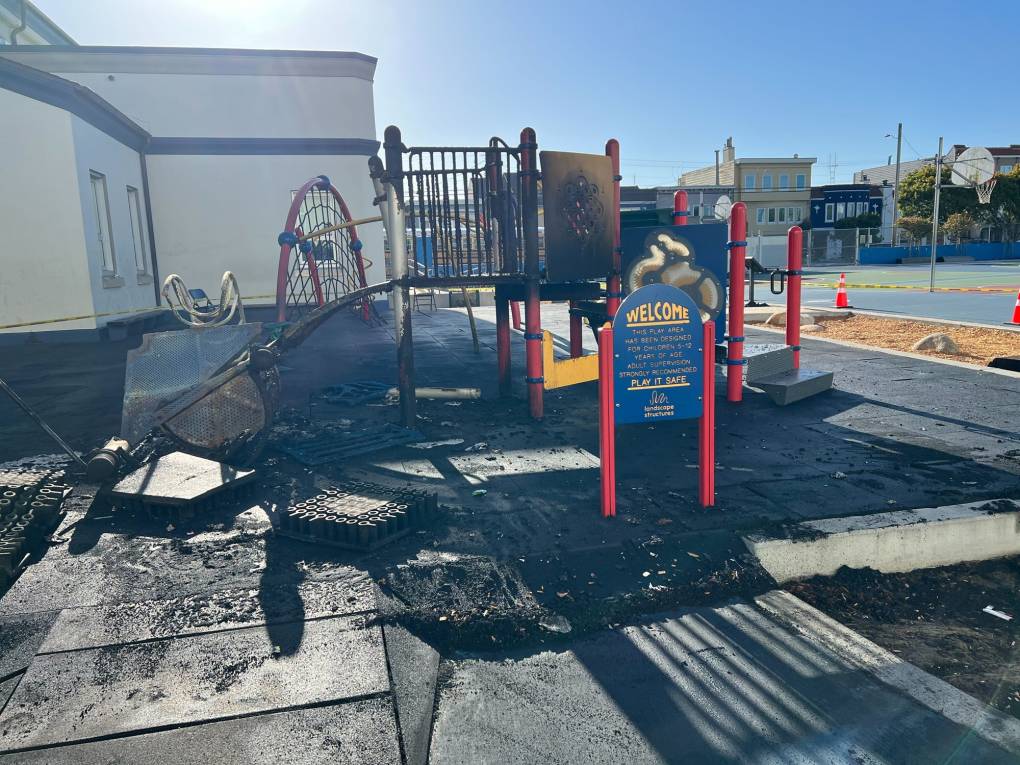
window.__IS_SSR__=true
window.__INITIAL_STATE__={
"attachmentsReducer": {
"audio_0": {
"type": "attachments",
"id": "audio_0",
"imgSizes": {
"kqedFullSize": {
"file": "https://ww2.kqed.org/news/wp-content/themes/KQED-unified/img/audio_bgs/background0.jpg"
}
}
},
"audio_1": {
"type": "attachments",
"id": "audio_1",
"imgSizes": {
"kqedFullSize": {
"file": "https://ww2.kqed.org/news/wp-content/themes/KQED-unified/img/audio_bgs/background1.jpg"
}
}
},
"audio_2": {
"type": "attachments",
"id": "audio_2",
"imgSizes": {
"kqedFullSize": {
"file": "https://ww2.kqed.org/news/wp-content/themes/KQED-unified/img/audio_bgs/background2.jpg"
}
}
},
"audio_3": {
"type": "attachments",
"id": "audio_3",
"imgSizes": {
"kqedFullSize": {
"file": "https://ww2.kqed.org/news/wp-content/themes/KQED-unified/img/audio_bgs/background3.jpg"
}
}
},
"audio_4": {
"type": "attachments",
"id": "audio_4",
"imgSizes": {
"kqedFullSize": {
"file": "https://ww2.kqed.org/news/wp-content/themes/KQED-unified/img/audio_bgs/background4.jpg"
}
}
},
"placeholder": {
"type": "attachments",
"id": "placeholder",
"imgSizes": {
"thumbnail": {
"file": "https://cdn.kqed.org/wp-content/uploads/2024/12/KQED-Default-Image-816638274-2000x1333-1-160x107.jpg",
"width": 160,
"height": 107,
"mimeType": "image/jpeg"
},
"medium": {
"file": "https://cdn.kqed.org/wp-content/uploads/2024/12/KQED-Default-Image-816638274-2000x1333-1-800x533.jpg",
"width": 800,
"height": 533,
"mimeType": "image/jpeg"
},
"medium_large": {
"file": "https://cdn.kqed.org/wp-content/uploads/2024/12/KQED-Default-Image-816638274-2000x1333-1-768x512.jpg",
"width": 768,
"height": 512,
"mimeType": "image/jpeg"
},
"large": {
"file": "https://cdn.kqed.org/wp-content/uploads/2024/12/KQED-Default-Image-816638274-2000x1333-1-1020x680.jpg",
"width": 1020,
"height": 680,
"mimeType": "image/jpeg"
},
"1536x1536": {
"file": "https://cdn.kqed.org/wp-content/uploads/2024/12/KQED-Default-Image-816638274-2000x1333-1-1536x1024.jpg",
"width": 1536,
"height": 1024,
"mimeType": "image/jpeg"
},
"fd-lrg": {
"file": "https://cdn.kqed.org/wp-content/uploads/2024/12/KQED-Default-Image-816638274-2000x1333-1-1536x1024.jpg",
"width": 1536,
"height": 1024,
"mimeType": "image/jpeg"
},
"fd-med": {
"file": "https://cdn.kqed.org/wp-content/uploads/2024/12/KQED-Default-Image-816638274-2000x1333-1-1020x680.jpg",
"width": 1020,
"height": 680,
"mimeType": "image/jpeg"
},
"fd-sm": {
"file": "https://cdn.kqed.org/wp-content/uploads/2024/12/KQED-Default-Image-816638274-2000x1333-1-800x533.jpg",
"width": 800,
"height": 533,
"mimeType": "image/jpeg"
},
"post-thumbnail": {
"file": "https://cdn.kqed.org/wp-content/uploads/2024/12/KQED-Default-Image-816638274-2000x1333-1-672x372.jpg",
"width": 672,
"height": 372,
"mimeType": "image/jpeg"
},
"twentyfourteen-full-width": {
"file": "https://cdn.kqed.org/wp-content/uploads/2024/12/KQED-Default-Image-816638274-2000x1333-1-1038x576.jpg",
"width": 1038,
"height": 576,
"mimeType": "image/jpeg"
},
"xxsmall": {
"file": "https://cdn.kqed.org/wp-content/uploads/2024/12/KQED-Default-Image-816638274-2000x1333-1-160x107.jpg",
"width": 160,
"height": 107,
"mimeType": "image/jpeg"
},
"xsmall": {
"file": "https://cdn.kqed.org/wp-content/uploads/2024/12/KQED-Default-Image-816638274-2000x1333-1-672x372.jpg",
"width": 672,
"height": 372,
"mimeType": "image/jpeg"
},
"small": {
"file": "https://cdn.kqed.org/wp-content/uploads/2024/12/KQED-Default-Image-816638274-2000x1333-1-672x372.jpg",
"width": 672,
"height": 372,
"mimeType": "image/jpeg"
},
"xlarge": {
"file": "https://cdn.kqed.org/wp-content/uploads/2024/12/KQED-Default-Image-816638274-2000x1333-1-1020x680.jpg",
"width": 1020,
"height": 680,
"mimeType": "image/jpeg"
},
"full-width": {
"file": "https://cdn.kqed.org/wp-content/uploads/2024/12/KQED-Default-Image-816638274-2000x1333-1-1920x1280.jpg",
"width": 1920,
"height": 1280,
"mimeType": "image/jpeg"
},
"guest-author-32": {
"file": "https://cdn.kqed.org/wp-content/uploads/2025/01/KQED-Default-Image-816638274-1333x1333-1-160x160.jpg",
"width": 32,
"height": 32,
"mimeType": "image/jpeg"
},
"guest-author-50": {
"file": "https://cdn.kqed.org/wp-content/uploads/2025/01/KQED-Default-Image-816638274-1333x1333-1-160x160.jpg",
"width": 50,
"height": 50,
"mimeType": "image/jpeg"
},
"guest-author-64": {
"file": "https://cdn.kqed.org/wp-content/uploads/2025/01/KQED-Default-Image-816638274-1333x1333-1-160x160.jpg",
"width": 64,
"height": 64,
"mimeType": "image/jpeg"
},
"guest-author-96": {
"file": "https://cdn.kqed.org/wp-content/uploads/2025/01/KQED-Default-Image-816638274-1333x1333-1-160x160.jpg",
"width": 96,
"height": 96,
"mimeType": "image/jpeg"
},
"guest-author-128": {
"file": "https://cdn.kqed.org/wp-content/uploads/2025/01/KQED-Default-Image-816638274-1333x1333-1-160x160.jpg",
"width": 128,
"height": 128,
"mimeType": "image/jpeg"
},
"detail": {
"file": "https://cdn.kqed.org/wp-content/uploads/2025/01/KQED-Default-Image-816638274-1333x1333-1-160x160.jpg",
"width": 160,
"height": 160,
"mimeType": "image/jpeg"
},
"kqedFullSize": {
"file": "https://cdn.kqed.org/wp-content/uploads/2024/12/KQED-Default-Image-816638274-2000x1333-1.jpg",
"width": 2000,
"height": 1333
}
}
},
"news_12046161": {
"type": "attachments",
"id": "news_12046161",
"meta": {
"index": "attachments_1716263798",
"site": "news",
"id": "12046161",
"found": true
},
"title": "Blue Heron Lake in Golden Gate Park in San Francisco on June 24, 2025.",
"publishDate": 1750969859,
"status": "inherit",
"parent": 0,
"modified": 1750969947,
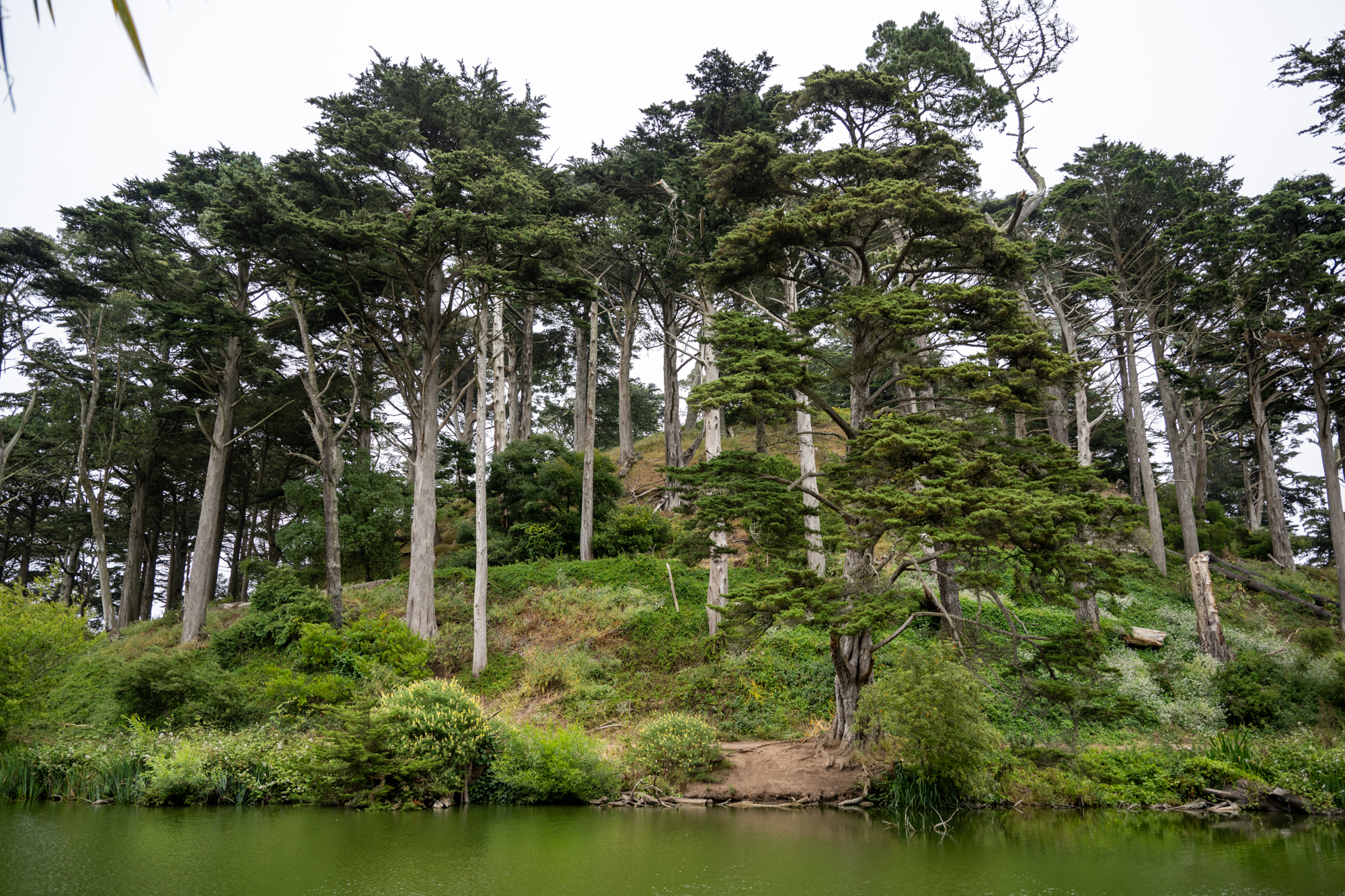
"caption": "Blue Heron Lake in Golden Gate Park in San Francisco on June 24, 2025. The nonprofit San Francisco Parks Alliance directed $66,000 to entities whose figureheads were arrested by the FBI in connection with disgraced former Public Works director Mohammed Nuru's corruption scandal, a new report has found. The implosion of the San Francisco open-spaces organization comes as its leaders recently admitted to misspending at least $3.8 million, prompting multiple investigations.",
"credit": "Beth LaBerge/KQED",
"altTag": null,
"description": null,
"imgSizes": {
"thumbnail": {
"file": "https://cdn.kqed.org/wp-content/uploads/sites/10/2025/06/250624-PARKFILE-26-BL-KQED-160x107.jpg",
"width": 160,
"height": 107,
"mimeType": "image/jpeg"
},
"1536x1536": {
"file": "https://cdn.kqed.org/wp-content/uploads/sites/10/2025/06/250624-PARKFILE-26-BL-KQED-1536x1024.jpg",
"width": 1536,
"height": 1024,
"mimeType": "image/jpeg"
},
"post-thumbnail": {
"file": "https://cdn.kqed.org/wp-content/uploads/sites/10/2025/06/250624-PARKFILE-26-BL-KQED-672x372.jpg",
"width": 672,
"height": 372,
"mimeType": "image/jpeg"
},
"twentyfourteen-full-width": {
"file": "https://cdn.kqed.org/wp-content/uploads/sites/10/2025/06/250624-PARKFILE-26-BL-KQED-1038x576.jpg",
"width": 1038,
"height": 576,
"mimeType": "image/jpeg"
},
"kqedFullSize": {
"file": "https://cdn.kqed.org/wp-content/uploads/sites/10/2025/06/250624-PARKFILE-26-BL-KQED.jpg",
"width": 2000,
"height": 1333
}
},
"isLoading": false,
"fetchFailed": false
},
"news_11800985": {
"type": "attachments",
"id": "news_11800985",
"meta": {
"index": "attachments_1716263798",
"site": "news",
"id": "11800985",
"found": true
},
"parent": 11799871,
"imgSizes": {
"apple_news_ca_landscape_5_5": {
"file": "https://ww2.kqed.org/app/uploads/sites/10/2020/02/RS41109_Urban-Coyote-qut-1-1044x783.jpg",
"width": 1044,
"mimeType": "image/jpeg",
"height": 783
},
"apple_news_ca_square_4_0": {
"file": "https://ww2.kqed.org/app/uploads/sites/10/2020/02/RS41109_Urban-Coyote-qut-1-470x470.jpg",
"width": 470,
"mimeType": "image/jpeg",
"height": 470
},
"twentyfourteen-full-width": {
"file": "https://ww2.kqed.org/app/uploads/sites/10/2020/02/RS41109_Urban-Coyote-qut-1-1038x576.jpg",
"width": 1038,
"mimeType": "image/jpeg",
"height": 576
},
"thumbnail": {
"file": "https://ww2.kqed.org/app/uploads/sites/10/2020/02/RS41109_Urban-Coyote-qut-1-160x120.jpg",
"width": 160,
"mimeType": "image/jpeg",
"height": 120
},
"post-thumbnail": {
"file": "https://ww2.kqed.org/app/uploads/sites/10/2020/02/RS41109_Urban-Coyote-qut-1-672x372.jpg",
"width": 672,
"mimeType": "image/jpeg",
"height": 372
},
"kqedFullSize": {
"file": "https://ww2.kqed.org/app/uploads/sites/10/2020/02/RS41109_Urban-Coyote-qut-1.jpg",
"width": 1200,
"height": 900
},
"apple_news_ca_landscape_4_7": {
"file": "https://ww2.kqed.org/app/uploads/sites/10/2020/02/RS41109_Urban-Coyote-qut-1-632x474.jpg",
"width": 632,
"mimeType": "image/jpeg",
"height": 474
},
"large": {
"file": "https://ww2.kqed.org/app/uploads/sites/10/2020/02/RS41109_Urban-Coyote-qut-1-1020x765.jpg",
"width": 1020,
"mimeType": "image/jpeg",
"height": 765
},
"apple_news_ca_landscape_4_0": {
"file": "https://ww2.kqed.org/app/uploads/sites/10/2020/02/RS41109_Urban-Coyote-qut-1-536x402.jpg",
"width": 536,
"mimeType": "image/jpeg",
"height": 402
},
"apple_news_ca_portrait_12_9": {
"file": "https://ww2.kqed.org/app/uploads/sites/10/2020/02/RS41109_Urban-Coyote-qut-1-1122x900.jpg",
"width": 1122,
"mimeType": "image/jpeg",
"height": 900
},
"medium": {
"file": "https://ww2.kqed.org/app/uploads/sites/10/2020/02/RS41109_Urban-Coyote-qut-1-800x600.jpg",
"width": 800,
"mimeType": "image/jpeg",
"height": 600
},
"apple_news_ca_portrait_4_0": {
"file": "https://ww2.kqed.org/app/uploads/sites/10/2020/02/RS41109_Urban-Coyote-qut-1-354x472.jpg",
"width": 354,
"mimeType": "image/jpeg",
"height": 472
},
"apple_news_ca_portrait_9_7": {
"file": "https://ww2.kqed.org/app/uploads/sites/10/2020/02/RS41109_Urban-Coyote-qut-1-840x900.jpg",
"width": 840,
"mimeType": "image/jpeg",
"height": 900
},
"apple_news_ca_square_9_7": {
"file": "https://ww2.kqed.org/app/uploads/sites/10/2020/02/RS41109_Urban-Coyote-qut-1-1104x900.jpg",
"width": 1104,
"mimeType": "image/jpeg",
"height": 900
},
"apple_news_ca_portrait_4_7": {
"file": "https://ww2.kqed.org/app/uploads/sites/10/2020/02/RS41109_Urban-Coyote-qut-1-414x552.jpg",
"width": 414,
"mimeType": "image/jpeg",
"height": 552
},
"apple_news_ca_portrait_5_5": {
"file": "https://ww2.kqed.org/app/uploads/sites/10/2020/02/RS41109_Urban-Coyote-qut-1-687x900.jpg",
"width": 687,
"mimeType": "image/jpeg",
"height": 900
},
"apple_news_ca_square_4_7": {
"file": "https://ww2.kqed.org/app/uploads/sites/10/2020/02/RS41109_Urban-Coyote-qut-1-550x550.jpg",
"width": 550,
"mimeType": "image/jpeg",
"height": 550
},
"apple_news_ca_square_5_5": {
"file": "https://ww2.kqed.org/app/uploads/sites/10/2020/02/RS41109_Urban-Coyote-qut-1-912x900.jpg",
"width": 912,
"mimeType": "image/jpeg",
"height": 900
}
},
"publishDate": 1581382796,
"modified": 1582150999,
"caption": "In San Francisco, coyotes have claimed urban parks as their territories. ",
"description": null,
"title": "RS41109_Urban Coyote-qut",
"credit": "Courtesy of Janet Kessler",
"status": "inherit",
"isLoading": false,
"fetchFailed": false
},
"news_12042200": {
"type": "attachments",
"id": "news_12042200",
"meta": {
"index": "attachments_1716263798",
"site": "news",
"id": "12042200",
"found": true
},
"title": "008_KQED_630Sansome_02052020_1470_qed",
"publishDate": 1748630169,
"status": "inherit",
"parent": 12042197,
"modified": 1784932362,
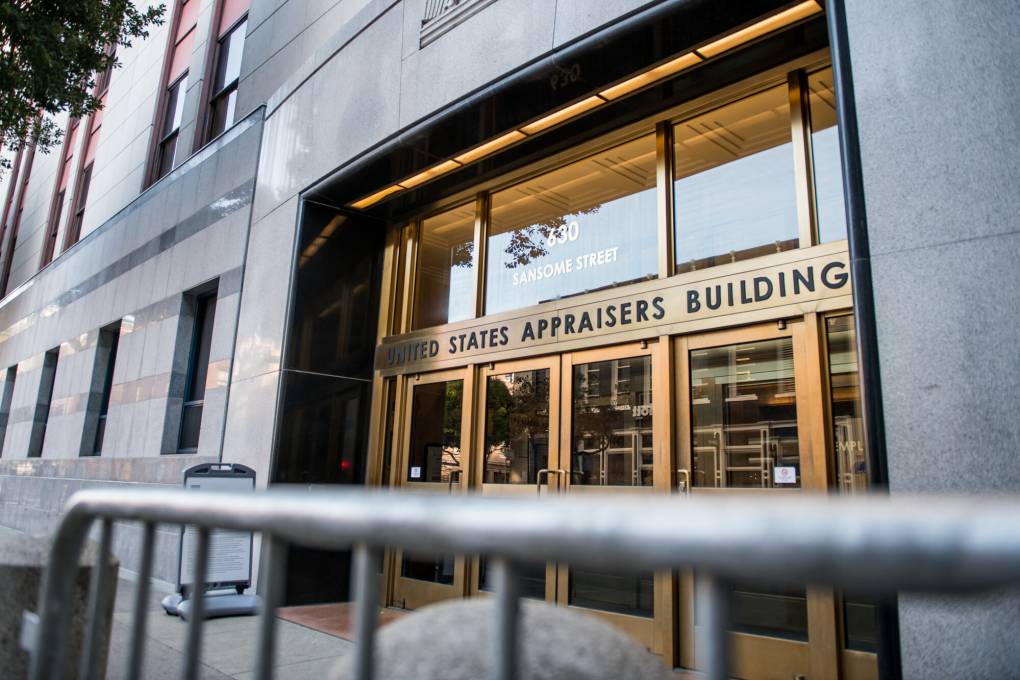
"caption": "The U.S. Immigration & Customs Enforcement building at 630 Sansome St., in San Francisco, California, on Feb. 5, 2020.",
"credit": "Beth LaBerge/KQED",
"altTag": null,
"description": null,
"imgSizes": {
"medium": {
"file": "https://cdn.kqed.org/wp-content/uploads/sites/10/2025/05/008_KQED_630Sansome_02052020_1470_qed-800x533.jpg",
"width": 800,
"height": 533,
"mimeType": "image/jpeg"
},
"large": {
"file": "https://cdn.kqed.org/wp-content/uploads/sites/10/2025/05/008_KQED_630Sansome_02052020_1470_qed-1020x680.jpg",
"width": 1020,
"height": 680,
"mimeType": "image/jpeg"
},
"thumbnail": {
"file": "https://cdn.kqed.org/wp-content/uploads/sites/10/2025/05/008_KQED_630Sansome_02052020_1470_qed-160x107.jpg",
"width": 160,
"height": 107,
"mimeType": "image/jpeg"
},
"1536x1536": {
"file": "https://cdn.kqed.org/wp-content/uploads/sites/10/2025/05/008_KQED_630Sansome_02052020_1470_qed-1536x1024.jpg",
"width": 1536,
"height": 1024,
"mimeType": "image/jpeg"
},
"post-thumbnail": {
"file": "https://cdn.kqed.org/wp-content/uploads/sites/10/2025/05/008_KQED_630Sansome_02052020_1470_qed-672x372.jpg",
"width": 672,
"height": 372,
"mimeType": "image/jpeg"
},
"twentyfourteen-full-width": {
"file": "https://cdn.kqed.org/wp-content/uploads/sites/10/2025/05/008_KQED_630Sansome_02052020_1470_qed-1038x576.jpg",
"width": 1038,
"height": 576,
"mimeType": "image/jpeg"
},
"full-width": {
"file": "https://cdn.kqed.org/wp-content/uploads/sites/10/2025/05/008_KQED_630Sansome_02052020_1470_qed-1920x1280.jpg",
"width": 1920,
"height": 1280,
"mimeType": "image/jpeg"
},
"kqedFullSize": {
"file": "https://cdn.kqed.org/wp-content/uploads/sites/10/2025/05/008_KQED_630Sansome_02052020_1470_qed.jpg",
"width": 1999,
"height": 1333
}
},
"isLoading": false,
"fetchFailed": false
},
"news_12041776": {
"type": "attachments",
"id": "news_12041776",
"meta": {
"index": "attachments_1716263798",
"site": "news",
"id": "12041776",
"found": true
},
"title": "20250428_WarrantlessSearches_GC-28_qed",
"publishDate": 1748449652,
"status": "inherit",
"parent": 12041773,
"modified": 1748449663,
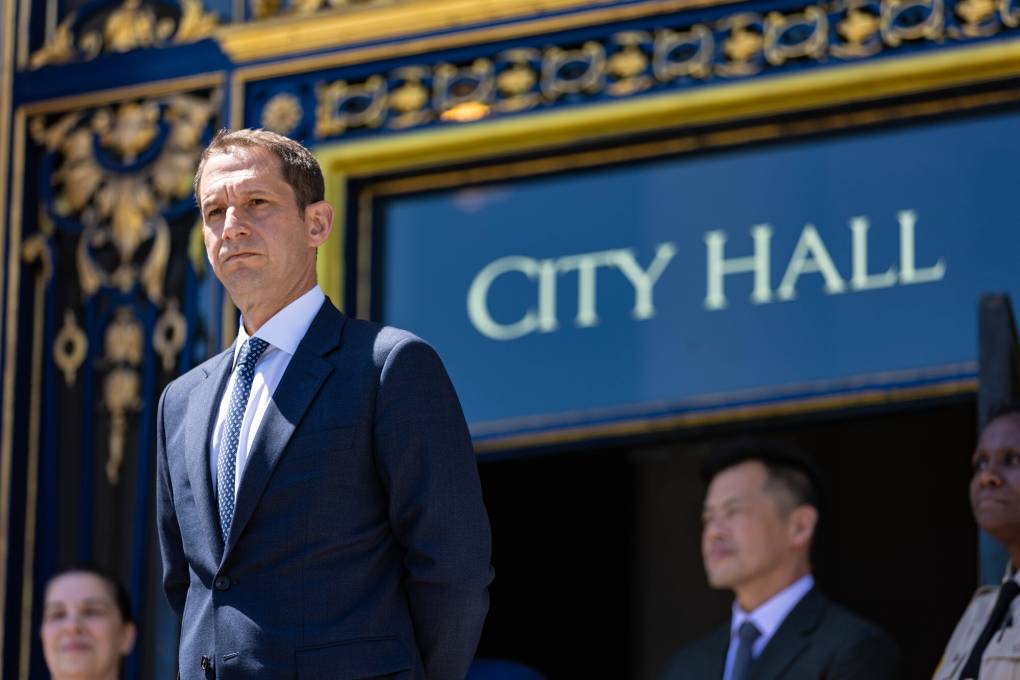
"caption": "Mayor Daniel Lurie attends a press conference announcing the San Francisco Sheriff’s Office’s plan to resume warrantless searches of criminal defendants who have been released and awaiting trial, outside of City Hall on April 28, 2025.",
"credit": "Gina Castro/KQED",
"altTag": null,
"description": null,
"imgSizes": {
"medium": {
"file": "https://cdn.kqed.org/wp-content/uploads/sites/10/2025/05/20250428_WarrantlessSearches_GC-28_qed-800x533.jpg",
"width": 800,
"height": 533,
"mimeType": "image/jpeg"
},
"large": {
"file": "https://cdn.kqed.org/wp-content/uploads/sites/10/2025/05/20250428_WarrantlessSearches_GC-28_qed-1020x680.jpg",
"width": 1020,
"height": 680,
"mimeType": "image/jpeg"
},
"thumbnail": {
"file": "https://cdn.kqed.org/wp-content/uploads/sites/10/2025/05/20250428_WarrantlessSearches_GC-28_qed-160x107.jpg",
"width": 160,
"height": 107,
"mimeType": "image/jpeg"
},
"1536x1536": {
"file": "https://cdn.kqed.org/wp-content/uploads/sites/10/2025/05/20250428_WarrantlessSearches_GC-28_qed-1536x1024.jpg",
"width": 1536,
"height": 1024,
"mimeType": "image/jpeg"
},
"post-thumbnail": {
"file": "https://cdn.kqed.org/wp-content/uploads/sites/10/2025/05/20250428_WarrantlessSearches_GC-28_qed-672x372.jpg",
"width": 672,
"height": 372,
"mimeType": "image/jpeg"
},
"twentyfourteen-full-width": {
"file": "https://cdn.kqed.org/wp-content/uploads/sites/10/2025/05/20250428_WarrantlessSearches_GC-28_qed-1038x576.jpg",
"width": 1038,
"height": 576,
"mimeType": "image/jpeg"
},
"full-width": {
"file": "https://cdn.kqed.org/wp-content/uploads/sites/10/2025/05/20250428_WarrantlessSearches_GC-28_qed-1920x1280.jpg",
"width": 1920,
"height": 1280,
"mimeType": "image/jpeg"
},
"kqedFullSize": {
"file": "https://cdn.kqed.org/wp-content/uploads/sites/10/2025/05/20250428_WarrantlessSearches_GC-28_qed.jpg",
"width": 2000,
"height": 1333
}
},
"isLoading": false,
"fetchFailed": false
},
"news_12042161": {
"type": "attachments",
"id": "news_12042161",
"meta": {
"index": "attachments_1716263798",
"site": "news",
"id": "12042161",
"found": true
},
"title": "A bicyclist rolls past the San Francisco Zoo on Sloat Boulevard during the coronavirus pandemic in San Francisco, Calif. on Friday, March 20, 2020",
"publishDate": 1748626860,
"status": "inherit",
"parent": 12042148,
"modified": 1748626937,
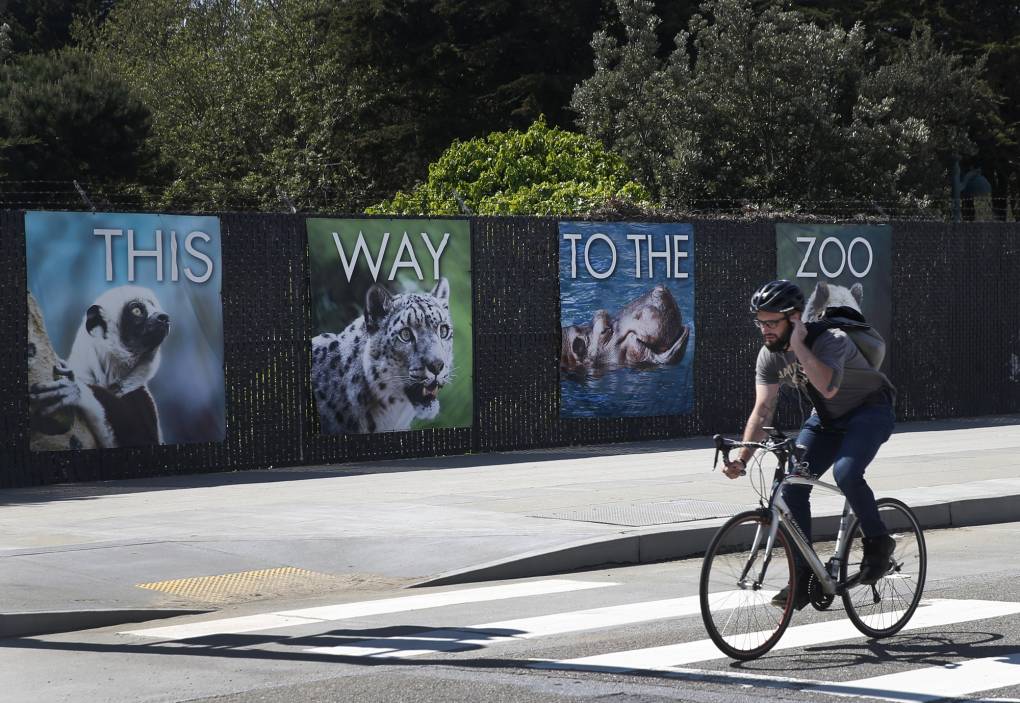
"caption": "A bicyclist rolls past the San Francisco Zoo on Sloat Boulevard in San Francisco, California, on March 20, 2020.",
"credit": "Paul Chinn/The San Francisco Chronicle via Getty Images",
"altTag": null,
"description": null,
"imgSizes": {
"medium": {
"file": "https://cdn.kqed.org/wp-content/uploads/sites/10/2025/05/SanFranciscoZoo-800x551.jpg",
"width": 800,
"height": 551,
"mimeType": "image/jpeg"
},
"large": {
"file": "https://cdn.kqed.org/wp-content/uploads/sites/10/2025/05/SanFranciscoZoo-1020x703.jpg",
"width": 1020,
"height": 703,
"mimeType": "image/jpeg"
},
"thumbnail": {
"file": "https://cdn.kqed.org/wp-content/uploads/sites/10/2025/05/SanFranciscoZoo-160x110.jpg",
"width": 160,
"height": 110,
"mimeType": "image/jpeg"
},
"1536x1536": {
"file": "https://cdn.kqed.org/wp-content/uploads/sites/10/2025/05/SanFranciscoZoo-1536x1058.jpg",
"width": 1536,
"height": 1058,
"mimeType": "image/jpeg"
},
"post-thumbnail": {
"file": "https://cdn.kqed.org/wp-content/uploads/sites/10/2025/05/SanFranciscoZoo-672x372.jpg",
"width": 672,
"height": 372,
"mimeType": "image/jpeg"
},
"twentyfourteen-full-width": {
"file": "https://cdn.kqed.org/wp-content/uploads/sites/10/2025/05/SanFranciscoZoo-1038x576.jpg",
"width": 1038,
"height": 576,
"mimeType": "image/jpeg"
},
"full-width": {
"file": "https://cdn.kqed.org/wp-content/uploads/sites/10/2025/05/SanFranciscoZoo-1920x1323.jpg",
"width": 1920,
"height": 1323,
"mimeType": "image/jpeg"
},
"kqedFullSize": {
"file": "https://cdn.kqed.org/wp-content/uploads/sites/10/2025/05/SanFranciscoZoo.jpg",
"width": 2000,
"height": 1378
}
},
"isLoading": false,
"fetchFailed": false
},
"news_12042031": {
"type": "attachments",
"id": "news_12042031",
"meta": {
"index": "attachments_1716263798",
"site": "news",
"id": "12042031",
"found": true
},
"title": "20250412_SUNSETDUNESGRANDOPENING_GC-9-KQED-1",
"publishDate": 1748548197,
"status": "inherit",
"parent": 12042017,
"modified": 1748548205,
"caption": "Supervisor Joel Engardio speaks during the Sunset Dunes Park grand opening on the Upper Great Highway in San Francisco on April 12, 2025.",
"credit": "Gina Castro/KQED",
"altTag": null,
"description": null,
"imgSizes": {
"medium": {
"file": "https://cdn.kqed.org/wp-content/uploads/sites/10/2025/05/20250412_SUNSETDUNESGRANDOPENING_GC-9-KQED-1-800x533.jpg",
"width": 800,
"height": 533,
"mimeType": "image/jpeg"
},
"large": {
"file": "https://cdn.kqed.org/wp-content/uploads/sites/10/2025/05/20250412_SUNSETDUNESGRANDOPENING_GC-9-KQED-1-1020x680.jpg",
"width": 1020,
"height": 680,
"mimeType": "image/jpeg"
},
"thumbnail": {
"file": "https://cdn.kqed.org/wp-content/uploads/sites/10/2025/05/20250412_SUNSETDUNESGRANDOPENING_GC-9-KQED-1-160x107.jpg",
"width": 160,
"height": 107,
"mimeType": "image/jpeg"
},
"1536x1536": {
"file": "https://cdn.kqed.org/wp-content/uploads/sites/10/2025/05/20250412_SUNSETDUNESGRANDOPENING_GC-9-KQED-1-1536x1024.jpg",
"width": 1536,
"height": 1024,
"mimeType": "image/jpeg"
},
"post-thumbnail": {
"file": "https://cdn.kqed.org/wp-content/uploads/sites/10/2025/05/20250412_SUNSETDUNESGRANDOPENING_GC-9-KQED-1-672x372.jpg",
"width": 672,
"height": 372,
"mimeType": "image/jpeg"
},
"twentyfourteen-full-width": {
"file": "https://cdn.kqed.org/wp-content/uploads/sites/10/2025/05/20250412_SUNSETDUNESGRANDOPENING_GC-9-KQED-1-1038x576.jpg",
"width": 1038,
"height": 576,
"mimeType": "image/jpeg"
},
"full-width": {
"file": "https://cdn.kqed.org/wp-content/uploads/sites/10/2025/05/20250412_SUNSETDUNESGRANDOPENING_GC-9-KQED-1-1920x1280.jpg",
"width": 1920,
"height": 1280,
"mimeType": "image/jpeg"
},
"kqedFullSize": {
"file": "https://cdn.kqed.org/wp-content/uploads/sites/10/2025/05/20250412_SUNSETDUNESGRANDOPENING_GC-9-KQED-1.jpg",
"width": 2000,
"height": 1333
}
},
"isLoading": false,
"fetchFailed": false
},
"news_12041894": {
"type": "attachments",
"id": "news_12041894",
"meta": {
"index": "attachments_1716263798",
"site": "news",
"id": "12041894",
"found": true
},
"title": "250120-InaugurationWatchParty-19_qed",
"publishDate": 1748471822,
"status": "inherit",
"parent": 12041884,
"modified": 1748471909,
"caption": "A young man cheers while watching the inauguration ceremony for President Donald Trump on TV at Harry’s Bar in San Francisco on Monday, Jan. 20, 2025, surrounded by fellow supporters.",
"credit": "Beth LaBerge/KQED",
"altTag": null,
"description": null,
"imgSizes": {
"medium": {
"file": "https://cdn.kqed.org/wp-content/uploads/sites/10/2025/05/250120-InaugurationWatchParty-19_qed-800x533.jpg",
"width": 800,
"height": 533,
"mimeType": "image/jpeg"
},
"large": {
"file": "https://cdn.kqed.org/wp-content/uploads/sites/10/2025/05/250120-InaugurationWatchParty-19_qed-1020x680.jpg",
"width": 1020,
"height": 680,
"mimeType": "image/jpeg"
},
"thumbnail": {
"file": "https://cdn.kqed.org/wp-content/uploads/sites/10/2025/05/250120-InaugurationWatchParty-19_qed-160x107.jpg",
"width": 160,
"height": 107,
"mimeType": "image/jpeg"
},
"1536x1536": {
"file": "https://cdn.kqed.org/wp-content/uploads/sites/10/2025/05/250120-InaugurationWatchParty-19_qed-1536x1024.jpg",
"width": 1536,
"height": 1024,
"mimeType": "image/jpeg"
},
"post-thumbnail": {
"file": "https://cdn.kqed.org/wp-content/uploads/sites/10/2025/05/250120-InaugurationWatchParty-19_qed-672x372.jpg",
"width": 672,
"height": 372,
"mimeType": "image/jpeg"
},
"twentyfourteen-full-width": {
"file": "https://cdn.kqed.org/wp-content/uploads/sites/10/2025/05/250120-InaugurationWatchParty-19_qed-1038x576.jpg",
"width": 1038,
"height": 576,
"mimeType": "image/jpeg"
},
"full-width": {
"file": "https://cdn.kqed.org/wp-content/uploads/sites/10/2025/05/250120-InaugurationWatchParty-19_qed-1920x1280.jpg",
"width": 1920,
"height": 1280,
"mimeType": "image/jpeg"
},
"kqedFullSize": {
"file": "https://cdn.kqed.org/wp-content/uploads/sites/10/2025/05/250120-InaugurationWatchParty-19_qed.jpg",
"width": 1999,
"height": 1333
}
},
"isLoading": false,
"fetchFailed": false
},
"news_12041527": {
"type": "attachments",
"id": "news_12041527",
"meta": {
"index": "attachments_1716263798",
"site": "news",
"id": "12041527",
"found": true
},
"title": "SFPlayground2",
"publishDate": 1748035783,
"status": "inherit",
"parent": 12041470,
"modified": 1748467274,
"caption": "The playground at Lafayette Elementary School in San Francisco’s Outer Richmond was destroyed in a suspicious fire, one of four blazes under investigation in the neighborhood this month.",
"credit": "Courtesy of Hallie Albert",
"altTag": null,
"description": null,
"imgSizes": {
"medium": {
"file": "https://cdn.kqed.org/wp-content/uploads/sites/10/2025/05/SFPlayground2-800x600.jpg",
"width": 800,
"height": 600,
"mimeType": "image/jpeg"
},
"large": {
"file": "https://cdn.kqed.org/wp-content/uploads/sites/10/2025/05/SFPlayground2-1020x765.jpg",
"width": 1020,
"height": 765,
"mimeType": "image/jpeg"
},
"thumbnail": {
"file": "https://cdn.kqed.org/wp-content/uploads/sites/10/2025/05/SFPlayground2-160x120.jpg",
"width": 160,
"height": 120,
"mimeType": "image/jpeg"
},
"1536x1536": {
"file": "https://cdn.kqed.org/wp-content/uploads/sites/10/2025/05/SFPlayground2-1536x1152.jpg",
"width": 1536,
"height": 1152,
"mimeType": "image/jpeg"
},
"post-thumbnail": {
"file": "https://cdn.kqed.org/wp-content/uploads/sites/10/2025/05/SFPlayground2-672x372.jpg",
"width": 672,
"height": 372,
"mimeType": "image/jpeg"
},
"twentyfourteen-full-width": {
"file": "https://cdn.kqed.org/wp-content/uploads/sites/10/2025/05/SFPlayground2-1038x576.jpg",
"width": 1038,
"height": 576,
"mimeType": "image/jpeg"
},
"full-width": {
"file": "https://cdn.kqed.org/wp-content/uploads/sites/10/2025/05/SFPlayground2-1920x1440.jpg",
"width": 1920,
"height": 1440,
"mimeType": "image/jpeg"
},
"kqedFullSize": {
"file": "https://cdn.kqed.org/wp-content/uploads/sites/10/2025/05/SFPlayground2.jpg",
"width": 2000,
"height": 1500
}
},
"isLoading": false,
"fetchFailed": false
},
"news_11979156": {
"type": "attachments",
"id": "news_11979156",
"meta": {
"index": "attachments_1716263798",
"site": "news",
"id": "11979156",
"found": true
},
"title": "240212-ImmigrationCourt-31-BL_qut",
"publishDate": 1710283094,
"status": "inherit",
"parent": 11979131,
"modified": 1748456121,
"caption": "Immigration rights supporters stand outside the new Concord Immigration Court in Concord during a press conference on Feb. 12, 2024.",
"credit": "Beth LaBerge/KQED",
"altTag": null,
"description": null,
"imgSizes": {
"medium": {
"file": "https://cdn.kqed.org/wp-content/uploads/sites/10/2024/03/240212-ImmigrationCourt-31-BL_qut-800x533.jpg",
"width": 800,
"height": 533,
"mimeType": "image/jpeg"
},
"large": {
"file": "https://cdn.kqed.org/wp-content/uploads/sites/10/2024/03/240212-ImmigrationCourt-31-BL_qut-1020x680.jpg",
"width": 1020,
"height": 680,
"mimeType": "image/jpeg"
},
"thumbnail": {
"file": "https://cdn.kqed.org/wp-content/uploads/sites/10/2024/03/240212-ImmigrationCourt-31-BL_qut-160x107.jpg",
"width": 160,
"height": 107,
"mimeType": "image/jpeg"
},
"1536x1536": {
"file": "https://cdn.kqed.org/wp-content/uploads/sites/10/2024/03/240212-ImmigrationCourt-31-BL_qut-1536x1024.jpg",
"width": 1536,
"height": 1024,
"mimeType": "image/jpeg"
},
"post-thumbnail": {
"file": "https://cdn.kqed.org/wp-content/uploads/sites/10/2024/03/240212-ImmigrationCourt-31-BL_qut-672x372.jpg",
"width": 672,
"height": 372,
"mimeType": "image/jpeg"
},
"twentyfourteen-full-width": {
"file": "https://cdn.kqed.org/wp-content/uploads/sites/10/2024/03/240212-ImmigrationCourt-31-BL_qut-1038x576.jpg",
"width": 1038,
"height": 576,
"mimeType": "image/jpeg"
},
"kqedFullSize": {
"file": "https://cdn.kqed.org/wp-content/uploads/sites/10/2024/03/240212-ImmigrationCourt-31-BL_qut.jpg",
"width": 1920,
"height": 1280
}
},
"isLoading": false,
"fetchFailed": false
},
"news_12041775": {
"type": "attachments",
"id": "news_12041775",
"meta": {
"index": "attachments_1716263798",
"site": "news",
"id": "12041775",
"found": true
},
"title": "IMG_1031",
"publishDate": 1748449492,
"status": "inherit",
"parent": 0,
"modified": 1748449799,
"caption": "KQED spoke to experts on how to best preserve family documents, digitize records and how best to connect with organizations who may be interested in your personal archives.",
"credit": "Anna Vignet/KQED",
"altTag": null,
"description": null,
"imgSizes": {
"medium": {
"file": "https://cdn.kqed.org/wp-content/uploads/sites/10/2025/05/IMG_1031-800x600.jpg",
"width": 800,
"height": 600,
"mimeType": "image/jpeg"
},
"large": {
"file": "https://cdn.kqed.org/wp-content/uploads/sites/10/2025/05/IMG_1031-1020x765.jpg",
"width": 1020,
"height": 765,
"mimeType": "image/jpeg"
},
"thumbnail": {
"file": "https://cdn.kqed.org/wp-content/uploads/sites/10/2025/05/IMG_1031-160x120.jpg",
"width": 160,
"height": 120,
"mimeType": "image/jpeg"
},
"1536x1536": {
"file": "https://cdn.kqed.org/wp-content/uploads/sites/10/2025/05/IMG_1031-1536x1152.jpg",
"width": 1536,
"height": 1152,
"mimeType": "image/jpeg"
},
"2048x2048": {
"file": "https://cdn.kqed.org/wp-content/uploads/sites/10/2025/05/IMG_1031-2048x1536.jpg",
"width": 2048,
"height": 1536,
"mimeType": "image/jpeg"
},
"post-thumbnail": {
"file": "https://cdn.kqed.org/wp-content/uploads/sites/10/2025/05/IMG_1031-672x372.jpg",
"width": 672,
"height": 372,
"mimeType": "image/jpeg"
},
"twentyfourteen-full-width": {
"file": "https://cdn.kqed.org/wp-content/uploads/sites/10/2025/05/IMG_1031-1038x576.jpg",
"width": 1038,
"height": 576,
"mimeType": "image/jpeg"
},
"full-width": {
"file": "https://cdn.kqed.org/wp-content/uploads/sites/10/2025/05/IMG_1031-1920x1440.jpg",
"width": 1920,
"height": 1440,
"mimeType": "image/jpeg"
},
"kqedFullSize": {
"file": "https://cdn.kqed.org/wp-content/uploads/sites/10/2025/05/IMG_1031.jpg",
"width": 2560,
"height": 1920
}
},
"isLoading": false,
"fetchFailed": false
},
"news_12040819": {
"type": "attachments",
"id": "news_12040819",
"meta": {
"index": "attachments_1716263798",
"site": "news",
"id": "12040819",
"found": true
},
"title": "250519-VISIONZEROACTIVISM-15-BL-KQED",
"publishDate": 1747695824,
"status": "inherit",
"parent": 12067175,
"modified": 1765845895,
"caption": "Traffic safety advocates from Walk San Francisco, Families for Safe Streets, and the Vision Zero Coalition gather on the steps of San Francisco City Hall on May 19, 2025, to demand the adoption of a new Vision Zero policy by July 30. The demonstrators placed white shoes on the steps, symbolizing the pedestrians who have lost their lives in traffic crashes.",
"credit": "Beth LaBerge/KQED",
"altTag": null,
"description": null,
"imgSizes": {
"medium": {
"file": "https://cdn.kqed.org/wp-content/uploads/sites/10/2025/05/250519-VISIONZEROACTIVISM-15-BL-KQED-800x533.jpg",
"width": 800,
"height": 533,
"mimeType": "image/jpeg"
},
"large": {
"file": "https://cdn.kqed.org/wp-content/uploads/sites/10/2025/05/250519-VISIONZEROACTIVISM-15-BL-KQED-1020x680.jpg",
"width": 1020,
"height": 680,
"mimeType": "image/jpeg"
},
"thumbnail": {
"file": "https://cdn.kqed.org/wp-content/uploads/sites/10/2025/05/250519-VISIONZEROACTIVISM-15-BL-KQED-160x107.jpg",
"width": 160,
"height": 107,
"mimeType": "image/jpeg"
},
"1536x1536": {
"file": "https://cdn.kqed.org/wp-content/uploads/sites/10/2025/05/250519-VISIONZEROACTIVISM-15-BL-KQED-1536x1024.jpg",
"width": 1536,
"height": 1024,
"mimeType": "image/jpeg"
},
"post-thumbnail": {
"file": "https://cdn.kqed.org/wp-content/uploads/sites/10/2025/05/250519-VISIONZEROACTIVISM-15-BL-KQED-672x372.jpg",
"width": 672,
"height": 372,
"mimeType": "image/jpeg"
},
"twentyfourteen-full-width": {
"file": "https://cdn.kqed.org/wp-content/uploads/sites/10/2025/05/250519-VISIONZEROACTIVISM-15-BL-KQED-1038x576.jpg",
"width": 1038,
"height": 576,
"mimeType": "image/jpeg"
},
"full-width": {
"file": "https://cdn.kqed.org/wp-content/uploads/sites/10/2025/05/250519-VISIONZEROACTIVISM-15-BL-KQED-1920x1280.jpg",
"width": 1920,
"height": 1280,
"mimeType": "image/jpeg"
},
"kqedFullSize": {
"file": "https://cdn.kqed.org/wp-content/uploads/sites/10/2025/05/250519-VISIONZEROACTIVISM-15-BL-KQED.jpg",
"width": 2000,
"height": 1333
}
},
"isLoading": false,
"fetchFailed": false
},
"news_12041523": {
"type": "attachments",
"id": "news_12041523",
"meta": {
"index": "attachments_1716263798",
"site": "news",
"id": "12041523",
"found": true
},
"title": "SFPlayground1",
"publishDate": 1748035531,
"status": "inherit",
"parent": 12041470,
"modified": 1748036173,
"caption": "Charred remains of the playground at Lafayette Elementary School in San Francisco, one of two westside playgrounds — along with Lincoln Park — destroyed in a string of four fires this month. Authorities are investigating the cause.",
"credit": "Courtesy of Hallie Albert",
"altTag": null,
"description": null,
"imgSizes": {
"medium": {
"file": "https://cdn.kqed.org/wp-content/uploads/sites/10/2025/05/SFPlayground1-800x600.jpg",
"width": 800,
"height": 600,
"mimeType": "image/jpeg"
},
"large": {
"file": "https://cdn.kqed.org/wp-content/uploads/sites/10/2025/05/SFPlayground1-1020x765.jpg",
"width": 1020,
"height": 765,
"mimeType": "image/jpeg"
},
"thumbnail": {
"file": "https://cdn.kqed.org/wp-content/uploads/sites/10/2025/05/SFPlayground1-160x120.jpg",
"width": 160,
"height": 120,
"mimeType": "image/jpeg"
},
"1536x1536": {
"file": "https://cdn.kqed.org/wp-content/uploads/sites/10/2025/05/SFPlayground1-1536x1152.jpg",
"width": 1536,
"height": 1152,
"mimeType": "image/jpeg"
},
"post-thumbnail": {
"file": "https://cdn.kqed.org/wp-content/uploads/sites/10/2025/05/SFPlayground1-672x372.jpg",
"width": 672,
"height": 372,
"mimeType": "image/jpeg"
},
"twentyfourteen-full-width": {
"file": "https://cdn.kqed.org/wp-content/uploads/sites/10/2025/05/SFPlayground1-1038x576.jpg",
"width": 1038,
"height": 576,
"mimeType": "image/jpeg"
},
"full-width": {
"file": "https://cdn.kqed.org/wp-content/uploads/sites/10/2025/05/SFPlayground1-1920x1440.jpg",
"width": 1920,
"height": 1440,
"mimeType": "image/jpeg"
},
"kqedFullSize": {
"file": "https://cdn.kqed.org/wp-content/uploads/sites/10/2025/05/SFPlayground1.jpg",
"width": 2000,
"height": 1500
}
},
"isLoading": false,
"fetchFailed": false
}
},
"audioPlayerReducer": {
"postId": "stream_live",
"isPaused": true,
"isPlaying": false,
"pfsActive": false,
"pledgeModalIsOpen": true,
"playerDrawerIsOpen": false,
"liveAudioPlayStartedAt": 0,
"liveAudioPlayContext": ""
},
"authorsReducer": {
"matthewgreen": {
"type": "authors",
"id": "1263",
"meta": {
"index": "authors_1716337520",
"id": "1263",
"found": true
},
"name": "Matthew Green",
"firstName": "Matthew",
"lastName": "Green",
"slug": "matthewgreen",
"email": "mgreen@kqed.org",
"display_author_email": false,
"staff_mastheads": [],
"title": "KQED Editor/Reporter",
"bio": "Matthew Green is a digital media producer for KQED News. He previously produced \u003ca href=\"http://www.kqed.org/lowdown\">The Lowdown\u003c/a>, KQED’s multimedia news education blog. Matthew's written for numerous Bay Area publications, including the Oakland Tribune and San Francisco Chronicle. He also taught journalism classes at Fremont High School in East Oakland.\r\n\r\nEmail: mgreen@kqed.org; Twitter: @MGreenKQED",
"avatar": "https://secure.gravatar.com/avatar/3bf498d1267ca02c8494f33d8cfc575e?s=600&d=blank&r=g",
"twitter": "MGreenKQED",
"facebook": null,
"instagram": null,
"linkedin": null,
"sites": [
{
"site": "news",
"roles": []
},
{
"site": "lowdown",
"roles": []
},
{
"site": "science",
"roles": []
},
{
"site": "education",
"roles": []
},
{
"site": "quest",
"roles": []
},
{
"site": "liveblog",
"roles": []
}
],
"headData": {
"title": "Matthew Green | KQED",
"description": "KQED Editor/Reporter",
"ogImgSrc": "https://secure.gravatar.com/avatar/3bf498d1267ca02c8494f33d8cfc575e?s=600&d=blank&r=g",
"twImgSrc": "https://secure.gravatar.com/avatar/3bf498d1267ca02c8494f33d8cfc575e?s=600&d=blank&r=g"
},
"isLoading": false,
"link": "/author/matthewgreen"
},
"ecruzguevarra": {
"type": "authors",
"id": "8654",
"meta": {
"index": "authors_1716337520",
"id": "8654",
"found": true
},
"name": "Ericka Cruz Guevarra",
"firstName": "Ericka",
"lastName": "Cruz Guevarra",
"slug": "ecruzguevarra",
"email": "ecruzguevarra@kqed.org",
"display_author_email": true,
"staff_mastheads": [
"news"
],
"title": "Producer, The Bay Podcast",
"bio": "Ericka Cruz Guevarra is host of \u003ca href=\"https://www.kqed.org/podcasts/thebay\">\u003cem>The Bay\u003c/em>\u003c/a> podcast at KQED. Before host, she was the show’s producer. Her work in that capacity includes a three-part reported series on policing in Vallejo, which won a 2020 excellence in journalism award from the Society of Professional Journalists. Ericka has worked as a breaking news reporter at Oregon Public Broadcasting, helped produce the Code Switch podcast, and was KQED’s inaugural Raul Ramirez Diversity Fund intern. She’s also an alumna of NPR’s Next Generation Radio program. Send her an email if you have strong feelings about whether Fairfield and Suisun City are the Bay. Ericka is represented by SAG-AFTRA.",
"avatar": "https://secure.gravatar.com/avatar/accefc1de4bafc7e234b69bcb9b6f6536c130fd84709bc3069ef11a78787e1bb?s=600&d=blank&r=g",
"twitter": "NotoriousECG",
"bluesky": null,
"facebook": null,
"instagram": null,
"linkedin": null,
"sites": [
{
"site": "arts",
"roles": [
"subscriber"
]
},
{
"site": "news",
"roles": [
"editor",
"manage_categories"
]
},
{
"site": "futureofyou",
"roles": [
"subscriber"
]
},
{
"site": "stateofhealth",
"roles": [
"subscriber"
]
},
{
"site": "science",
"roles": [
"editor"
]
},
{
"site": "forum",
"roles": [
"subscriber"
]
}
],
"headData": {
"title": "Ericka Cruz Guevarra | KQED",
"description": "Producer, The Bay Podcast",
"ogImgSrc": "https://secure.gravatar.com/avatar/accefc1de4bafc7e234b69bcb9b6f6536c130fd84709bc3069ef11a78787e1bb?s=600&d=blank&r=g",
"twImgSrc": "https://secure.gravatar.com/avatar/accefc1de4bafc7e234b69bcb9b6f6536c130fd84709bc3069ef11a78787e1bb?s=600&d=blank&r=g"
},
"isLoading": false,
"link": "/author/ecruzguevarra"
},
"amontecillo": {
"type": "authors",
"id": "11649",
"meta": {
"index": "authors_1716337520",
"id": "11649",
"found": true
},
"name": "Alan Montecillo",
"firstName": "Alan",
"lastName": "Montecillo",
"slug": "amontecillo",
"email": "amontecillo@kqed.org",
"display_author_email": false,
"staff_mastheads": [
"news"
],
"title": "KQED Contributor",
"bio": "Alan Montecillo is the senior editor of \u003cem>\u003ca href=\"http://kqed.org/thebay\">The Bay\u003c/a>, \u003c/em> KQED's local news podcast. Before moving to the Bay Area, he worked as a senior talk show producer for WILL in Champaign-Urbana, Illinois and at Oregon Public Broadcasting in Portland, Oregon. He has won journalism awards from the Society of Professional Journalists Northern California, the Public Media Journalists Association, The Signal Awards, and has also received a regional Edward R. Murrow award. Alan is a Filipino American from Hong Kong and a graduate of Reed College.",
"avatar": "https://secure.gravatar.com/avatar/268f53a2066899ea9efdd8a5900218b17c822d9862cbc9326cccec53ef41d349?s=600&d=blank&r=g",
"twitter": "alanmontecillo",
"bluesky": null,
"facebook": null,
"instagram": null,
"linkedin": null,
"sites": [
{
"site": "",
"roles": [
"editor"
]
},
{
"site": "news",
"roles": [
"editor",
"manage_categories"
]
}
],
"headData": {
"title": "Alan Montecillo | KQED",
"description": "KQED Contributor",
"ogImgSrc": "https://secure.gravatar.com/avatar/268f53a2066899ea9efdd8a5900218b17c822d9862cbc9326cccec53ef41d349?s=600&d=blank&r=g",
"twImgSrc": "https://secure.gravatar.com/avatar/268f53a2066899ea9efdd8a5900218b17c822d9862cbc9326cccec53ef41d349?s=600&d=blank&r=g"
},
"isLoading": false,
"link": "/author/amontecillo"
},
"jessicakariisa": {
"type": "authors",
"id": "11831",
"meta": {
"index": "authors_1716337520",
"id": "11831",
"found": true
},
"name": "Jessica Kariisa",
"firstName": "Jessica",
"lastName": "Kariisa",
"slug": "jessicakariisa",
"email": "jkariisa@kqed.org",
"display_author_email": false,
"staff_mastheads": [],
"title": "Producer, The Bay",
"bio": "Jessica Kariisa is the producer of The Bay. She first joined KQED as an intern for The California Report Magazine, after which she became an on-call producer. She reported a Bay Curious episode on the use of rap lyrics in criminal trials which won a Society of Professional Journalists award in 2023 for Excellence in Features Journalism and the 2023 Signal Award for Best Conversation Starter. She’s worked on podcasts for Snap Judgment and American Public Media. Before embarking on her audio career, she was a music journalist.\r\n\r\nJessica Kariisa is represented by SAG-AFTRA.",
"avatar": "https://secure.gravatar.com/avatar/522e97b28ac0b3d411621c0fde8f3419c7b71ea2c5c262c57c4bb600963f328c?s=600&d=blank&r=g",
"twitter": null,
"bluesky": null,
"facebook": null,
"instagram": null,
"linkedin": null,
"sites": [
{
"site": "arts",
"roles": [
"author"
]
},
{
"site": "news",
"roles": [
"editor",
"manage_categories"
]
}
],
"headData": {
"title": "Jessica Kariisa | KQED",
"description": "Producer, The Bay",
"ogImgSrc": "https://secure.gravatar.com/avatar/522e97b28ac0b3d411621c0fde8f3419c7b71ea2c5c262c57c4bb600963f328c?s=600&d=blank&r=g",
"twImgSrc": "https://secure.gravatar.com/avatar/522e97b28ac0b3d411621c0fde8f3419c7b71ea2c5c262c57c4bb600963f328c?s=600&d=blank&r=g"
},
"isLoading": false,
"link": "/author/jessicakariisa"
},
"sjohnson": {
"type": "authors",
"id": "11840",
"meta": {
"index": "authors_1716337520",
"id": "11840",
"found": true
},
"name": "Sydney Johnson",
"firstName": "Sydney",
"lastName": "Johnson",
"slug": "sjohnson",
"email": "sjohnson@kqed.org",
"display_author_email": false,
"staff_mastheads": [
"news"
],
"title": "KQED Reporter",
"bio": "Sydney Johnson is a general assignment reporter at KQED. She previously reported on public health and city government at the San Francisco Examiner, and before that, she covered statewide education policy for EdSource. Her reporting has won multiple local, state and national awards. Sydney is a graduate of the University of California, Berkeley and lives in San Francisco.",
"avatar": "https://secure.gravatar.com/avatar/97855f2719b72ad6190b7c535fe642c8?s=600&d=blank&r=g",
"twitter": "sydneyfjohnson",
"facebook": null,
"instagram": null,
"linkedin": null,
"sites": [
{
"site": "news",
"roles": [
"editor"
]
}
],
"headData": {
"title": "Sydney Johnson | KQED",
"description": "KQED Reporter",
"ogImgSrc": "https://secure.gravatar.com/avatar/97855f2719b72ad6190b7c535fe642c8?s=600&d=blank&r=g",
"twImgSrc": "https://secure.gravatar.com/avatar/97855f2719b72ad6190b7c535fe642c8?s=600&d=blank&r=g"
},
"isLoading": false,
"link": "/author/sjohnson"
},
"nkhan": {
"type": "authors",
"id": "11867",
"meta": {
"index": "authors_1716337520",
"id": "11867",
"found": true
},
"name": "Nisa Khan",
"firstName": "Nisa",
"lastName": "Khan",
"slug": "nkhan",
"email": "nkhan@kqed.org",
"display_author_email": false,
"staff_mastheads": [],
"title": "KQED Contributor",
"bio": "Nisa Khan is a reporter for KQED's Audience News Desk. She was formerly a data reporter at Michigan Radio. She earned a Bachelor of Science in Information from the University of Michigan and a Master of Arts in Communication from Stanford University.",
"avatar": "https://secure.gravatar.com/avatar/8720459eef081ff64582b3506b124d58523e80e120704a0cbd9892533c914991?s=600&d=blank&r=g",
"twitter": "mnisakhan",
"bluesky": null,
"facebook": null,
"instagram": null,
"linkedin": null,
"sites": [
{
"site": "arts",
"roles": [
"editor"
]
},
{
"site": "news",
"roles": [
"editor"
]
},
{
"site": "science",
"roles": [
"editor",
"author"
]
},
{
"site": "forum",
"roles": [
"editor"
]
},
{
"site": "liveblog",
"roles": [
"contributor"
]
}
],
"headData": {
"title": "Nisa Khan | KQED",
"description": "KQED Contributor",
"ogImgSrc": "https://secure.gravatar.com/avatar/8720459eef081ff64582b3506b124d58523e80e120704a0cbd9892533c914991?s=600&d=blank&r=g",
"twImgSrc": "https://secure.gravatar.com/avatar/8720459eef081ff64582b3506b124d58523e80e120704a0cbd9892533c914991?s=600&d=blank&r=g"
},
"isLoading": false,
"link": "/author/nkhan"
},
"kdebenedetti": {
"type": "authors",
"id": "11913",
"meta": {
"index": "authors_1716337520",
"id": "11913",
"found": true
},
"name": "Katie DeBenedetti",
"firstName": "Katie",
"lastName": "DeBenedetti",
"slug": "kdebenedetti",
"email": "kdebenedetti@kqed.org",
"display_author_email": false,
"staff_mastheads": [
"news",
"science"
],
"title": "KQED Contributor",
"bio": "Katie DeBenedetti is a digital reporter covering daily news for the Express Desk. Prior to joining KQED as a culture reporting intern in January 2024, she covered education and city government for the Napa Valley Register.",
"avatar": "https://secure.gravatar.com/avatar/6e31073cb8f7e4214ab03f42771d0f45?s=600&d=blank&r=g",
"twitter": null,
"facebook": null,
"instagram": null,
"linkedin": null,
"sites": [
{
"site": "news",
"roles": [
"author"
]
},
{
"site": "science",
"roles": [
"author"
]
},
{
"site": "liveblog",
"roles": [
"author"
]
}
],
"headData": {
"title": "Katie DeBenedetti | KQED",
"description": "KQED Contributor",
"ogImgSrc": "https://secure.gravatar.com/avatar/6e31073cb8f7e4214ab03f42771d0f45?s=600&d=blank&r=g",
"twImgSrc": "https://secure.gravatar.com/avatar/6e31073cb8f7e4214ab03f42771d0f45?s=600&d=blank&r=g"
},
"isLoading": false,
"link": "/author/kdebenedetti"
},
"slim": {
"type": "authors",
"id": "11920",
"meta": {
"index": "authors_1716337520",
"id": "11920",
"found": true
},
"name": "Samantha Lim",
"firstName": "Samantha",
"lastName": "Lim",
"slug": "slim",
"email": "slim@KQED.org",
"display_author_email": false,
"staff_mastheads": [],
"title": "KQED Contributor",
"bio": null,
"avatar": "https://secure.gravatar.com/avatar/82e592e6c15fe1a04d385e8ad0fb0b4e?s=600&d=blank&r=g",
"twitter": null,
"facebook": null,
"instagram": null,
"linkedin": null,
"sites": [
{
"site": "news",
"roles": []
}
],
"headData": {
"title": "Samantha Lim | KQED",
"description": "KQED Contributor",
"ogImgSrc": "https://secure.gravatar.com/avatar/82e592e6c15fe1a04d385e8ad0fb0b4e?s=600&d=blank&r=g",
"twImgSrc": "https://secure.gravatar.com/avatar/82e592e6c15fe1a04d385e8ad0fb0b4e?s=600&d=blank&r=g"
},
"isLoading": false,
"link": "/author/slim"
},
"rcooke": {
"type": "authors",
"id": "11921",
"meta": {
"index": "authors_1716337520",
"id": "11921",
"found": true
},
"name": "Riley Cooke",
"firstName": "Riley",
"lastName": "Cooke",
"slug": "rcooke",
"email": "rcooke@kqed.org",
"display_author_email": true,
"staff_mastheads": [
"news"
],
"title": "KQED Contributor",
"bio": "Riley is a senior at UC Berkeley, where she studies political science and journalism. Her work has appeared in SFGate, NBC Bay Area, Local News Matters and more. She enjoys reporting on politics, housing and homelessness — and using as many em dashes as her editors will allow.",
"avatar": "https://secure.gravatar.com/avatar/792f98c126cc5e270a8a96f77f7224ea?s=600&d=blank&r=g",
"twitter": "rrileycooke",
"facebook": null,
"instagram": null,
"linkedin": null,
"sites": [
{
"site": "arts",
"roles": [
"author"
]
},
{
"site": "news",
"roles": [
"author"
]
}
],
"headData": {
"title": "Riley Cooke | KQED",
"description": "KQED Contributor",
"ogImgSrc": "https://secure.gravatar.com/avatar/792f98c126cc5e270a8a96f77f7224ea?s=600&d=blank&r=g",
"twImgSrc": "https://secure.gravatar.com/avatar/792f98c126cc5e270a8a96f77f7224ea?s=600&d=blank&r=g"
},
"isLoading": false,
"link": "/author/rcooke"
}
},
"pagesReducer": {
"news_tag_san-francisco": {
"type": "terms",
"id": "news_38",
"meta": {
"index": "terms_1716263798",
"site": "news",
"id": "38",
"score": 6.7228813
},
"featImg": null,
"name": "San Francisco",
"description": null,
"taxonomy": "tag",
"headData": {
"twImgId": null,
"twTitle": null,
"ogTitle": null,
"ogImgId": null,
"twDescription": null,
"description": null,
"title": "San Francisco Archives | KQED News",
"ogDescription": null
},
"ttid": 58,
"slug": "san-francisco",
"isLoading": false,
"title": "San Francisco",
"pageMeta": {
"site": "news",
"WpPageTemplate": "page-topic-editorial",
"currentPage": 63
},
"blocks": [
{
"blockName": "kqed/post-list",
"attrs": {
"layout": "cardArticle2",
"query": "posts/news?tag=san-francisco",
"seeMore": false,
"paginated": true,
"page": 63
}
},
{
"blockName": "kqed/ad"
}
]
}
},
"pfsSessionReducer": {},
"postsReducer": {
"stream_live": {
"type": "live",
"id": "stream_live",
"audioUrl": "https://streams.kqed.org/kqedradio",
"title": "Live Stream",
"excerpt": "Live Stream information currently unavailable.",
"link": "/radio",
"featImg": "",
"label": {
"name": "KQED Live",
"link": "/"
}
},
"stream_kqedNewscast": {
"type": "posts",
"id": "stream_kqedNewscast",
"audioUrl": "https://www.kqed.org/.stream/anon/radio/RDnews/newscast.mp3?_=1",
"title": "KQED Newscast",
"featImg": "",
"label": {
"name": "88.5 FM",
"link": "/"
}
},
"news_12042526": {
"type": "posts",
"id": "news_12042526",
"meta": {
"index": "posts_1716263798",
"site": "news",
"id": "12042526",
"score": null,
"sort": [
1748988446000
]
},
"guestAuthors": [],
"slug": "sf-parks-alliance-to-shut-down-amid-misspending-scandal-leaving-partners-in-the-lurch",
"title": "SF Parks Alliance to Shut Down Amid Misspending Scandal, Leaving Partners in the Lurch",
"publishDate": 1748988446,
"format": "standard",
"headTitle": "SF Parks Alliance to Shut Down Amid Misspending Scandal, Leaving Partners in the Lurch | KQED",
"labelTerm": {
"site": "news"
},
"content": "\u003cp>The San Francisco Parks Alliance, a prominent nonprofit that has supported the city’s public spaces for more than 50 years, is reportedly preparing to shut down amid revelations that it \u003ca href=\"https://www.kqed.org/news/12041112/sf-supervisor-calls-for-parks-audit-after-nonprofit-partner-misspends-3-8-million\">misspent millions of dollars\u003c/a>.\u003c/p>\n\u003cp>The group’s board members voted last week to begin shuttering operations and laying off staff, leaving dozens of partner organizations scrambling for funding alternatives, \u003ca href=\"https://www.sfchronicle.com/sf/article/troubled-s-f-parks-alliance-shut-amid-city-20357746.php\">the \u003cem>San Francisco Chronicle\u003c/em>\u003c/a> and the \u003ca href=\"https://sfstandard.com/2025/06/02/sf-parks-alliance-shut-down-close/\">\u003cem>San Francisco Standard\u003c/em>\u003c/a> reported on Monday, based on information both outlets said they received from an anonymous source familiar with the situation.\u003c/p>\n\u003cp>Employees who work with at least some of the local groups that the Parks Alliance supports have already received layoff notices.\u003c/p>\n\u003cp>[ad fullwidth]\u003c/p>\n\u003cp>The implosion of the organization comes as its leaders recently\u003ca href=\"https://www.sfchronicle.com/sf/article/parks-alliance-20331332.php\"> admitted to misspending\u003c/a> at least $3.8 million in restricted funds to cover its operating costs, prompting the city to launch civil and \u003ca href=\"https://www.sfchronicle.com/sf/article/da-launches-criminal-probe-nonprofit-misspending-20335694.php\">criminal investigations\u003c/a> of the group and the mayor to suspend its city funding.\u003c/p>\n\u003cp>The Parks Alliance has long been a critical player in supporting San Francisco’s many open-space projects, serving as a fiscal sponsor for about 80 community organizations across the city that don’t have their own tax-exempt status and use the nonprofit as a bank to hold and distribute their funds.\u003c/p>\n\u003cfigure id=\"attachment_12041119\" class=\"wp-caption aligncenter\" style=\"max-width: 2000px\">\u003ca href=\"https://cdn.kqed.org/wp-content/uploads/sites/10/2025/05/250206-RainbowFalls-03-BL_qed.jpg\">\u003cimg loading=\"lazy\" decoding=\"async\" class=\"size-full wp-image-12041119\" src=\"https://cdn.kqed.org/wp-content/uploads/sites/10/2025/05/250206-RainbowFalls-03-BL_qed.jpg\" alt=\"\" width=\"2000\" height=\"1333\" srcset=\"https://cdn.kqed.org/wp-content/uploads/sites/10/2025/05/250206-RainbowFalls-03-BL_qed.jpg 2000w, https://cdn.kqed.org/wp-content/uploads/sites/10/2025/05/250206-RainbowFalls-03-BL_qed-800x533.jpg 800w, https://cdn.kqed.org/wp-content/uploads/sites/10/2025/05/250206-RainbowFalls-03-BL_qed-1020x680.jpg 1020w, https://cdn.kqed.org/wp-content/uploads/sites/10/2025/05/250206-RainbowFalls-03-BL_qed-160x107.jpg 160w, https://cdn.kqed.org/wp-content/uploads/sites/10/2025/05/250206-RainbowFalls-03-BL_qed-1536x1024.jpg 1536w, https://cdn.kqed.org/wp-content/uploads/sites/10/2025/05/250206-RainbowFalls-03-BL_qed-1920x1280.jpg 1920w\" sizes=\"auto, (max-width: 2000px) 100vw, 2000px\">\u003c/a>\u003cfigcaption class=\"wp-caption-text\">Rainbow Falls at Golden Gate Park in San Francisco on Feb. 6, 2025. \u003ccite>(Beth LaBerge/KQED)\u003c/cite>\u003c/figcaption>\u003c/figure>\n\u003cp>Among those groups is Sutro Stewards, which performs habitat restoration and trail maintenance on Mount Sutro and, until this week, had eight staff members, all of whom are technically employed by the Parks Alliance.\u003c/p>\n\u003cp>“I was laid off yesterday, as was all my staff,” Ildiko Polony, the group’s executive director, told KQED. She said all of her employees received a notice on Monday afternoon from the Parks Alliance, sent to their personal emails, with separation paperwork.\u003c/p>\n\u003cp>“Due to significant financial challenges, the San Francisco Parks Alliance had to make a difficult decision to lay off employees effective May 30th,” the email stated, according to Polony, who said she had a feeling this was coming after her entire staff on Friday received vacation payouts on their paychecks.\u003c/p>\n\u003cp>“So that’s how we found out,” she said, noting that the email doesn’t explicitly state the alliance is shutting down. “The communication was horrible. And this is incredibly detrimental to our work.”\u003c/p>\n\u003cp>[aside postID=arts_13975608 hero='https://cdn.kqed.org/wp-content/uploads/sites/2/2023/07/Sister-Act-2-at-Dolores-Park-2022_1920-1020x680.jpg']\u003c/p>\n\u003cp>After reports of the Parks Alliance’s financial mismanagement began emerging in late April, Polony formed a coalition of the many community groups that receive fiscal sponsorship from the alliance, in an effort to keep it afloat.\u003c/p>\n\u003cp>“We all came together to try to work with the board of directors, the board of trustees of SFPA, to right the ship,” she said.\u003c/p>\n\u003cp>Most of the fiscally sponsored groups are volunteer-led, using the alliance to park their individual donations, although at least two others have employees who were also laid off on Monday, Polony said.\u003c/p>\n\u003cp>The groups involved operate in every part of the city, performing an array of open-space improvement projects, she said, including litter cleanup in parks and maintaining public water fountains and stairways.\u003c/p>\n\u003cp>“What I really want people to understand is that while what’s happened with SFPA is unjust, egregious, unfair, possibly criminal and horribly negligent, they’ve [also] basically stolen our money,” added Polony, who said the Parks Alliance is still holding about $175,000 in funds raised by her organization that may now be gone.\u003c/p>\n\u003cp>“That’s why they had access to spend money that my group, as well as most of these other partner groups, had entrusted with them,” she said.\u003c/p>\n\u003cp>In a leaked email last month sent to a Parks Alliance donor and \u003ca href=\"https://www.sfchronicle.com/sf/article/parks-alliance-20331332.php\">obtained by the \u003cem>Chronicle\u003c/em>\u003c/a>, the alliance’s board chair, Louise Mozingo, admitted to misspending those restricted funds and likened the organization’s financial situation to “a dumpster fire.”\u003c/p>\n\u003cfigure id=\"attachment_11801558\" class=\"wp-caption aligncenter\" style=\"max-width: 1920px\">\u003ca href=\"https://cdn.kqed.org/wp-content/uploads/sites/10/2020/02/Mohammed-Nuru.jpg\">\u003cimg loading=\"lazy\" decoding=\"async\" class=\"size-full wp-image-11801558\" src=\"https://cdn.kqed.org/wp-content/uploads/sites/10/2020/02/Mohammed-Nuru.jpg\" alt=\"\" width=\"1920\" height=\"1249\" srcset=\"https://cdn.kqed.org/wp-content/uploads/sites/10/2020/02/Mohammed-Nuru.jpg 1920w, https://cdn.kqed.org/wp-content/uploads/sites/10/2020/02/Mohammed-Nuru-160x104.jpg 160w, https://cdn.kqed.org/wp-content/uploads/sites/10/2020/02/Mohammed-Nuru-800x520.jpg 800w, https://cdn.kqed.org/wp-content/uploads/sites/10/2020/02/Mohammed-Nuru-1020x664.jpg 1020w\" sizes=\"auto, (max-width: 1920px) 100vw, 1920px\">\u003c/a>\u003cfigcaption class=\"wp-caption-text\">Former Public Works Director Mohammed Nuru, who the FBI arrested in January on public corruption charges. \u003ccite>(Beth LaBerge/KQED)\u003c/cite>\u003c/figcaption>\u003c/figure>\n\u003cp>In the email, Mozingo said the board was preparing for the possibility of shutting down the organization and had already contacted a firm specializing in “non-profit liquidation.” She also acknowledged that the board was “very conscious” that doing so would “substantially hurt many small businesses and organizations that will realize a significant loss, causing real hardship in already uncertain times,” according to the \u003cem>Chronicle\u003c/em>.\u003c/p>\n\u003cp>The Parks Alliance did not respond to KQED’s request for comment.\u003c/p>\n\u003cp>The downfall of the alliance, which Supervisor Jackie Fielder described to KQED as “a magnet and a who’s who in the city for very powerful people,” follows a \u003ca href=\"https://www.kqed.org/news/12035871/sf-will-let-nonprofits-report-less-about-themselves-fears-political-attacks\">series of scandals\u003c/a> involving multiple city-funded nonprofits accused of \u003ca href=\"https://www.kqed.org/news/12026600/sfs-black-social-equity-program-mired-in-scandal-being-revived-rebranded\">misusing city funds\u003c/a> or unfairly awarding grants based on personal connections. Last year, the executive director of the now-defunct nonprofit SF SAFE was \u003ca href=\"https://www.kqed.org/news/11997977/former-head-of-sfpd-linked-nonprofit-arrested-over-alleged-misuse-of-700000\">arrested for allegedly stealing and misusing\u003c/a> more than $700,000 in public funds and donations.\u003c/p>\n\u003cp>It’s also not the first time the Parks Alliance, which operates independently from the parks department but is closely linked to it, has been mired in scandal. In 2020, Mohammed Nuru, the city’s former chief of public works, \u003ca href=\"https://www.kqed.org/news/11839531/report-corrupt-sf-official-directed-nonprofit-to-pay-60k-to-organizations-under-fbi-investigation\">funneled nearly $1 million in donations \u003c/a>from various city contractors into a Parks Alliance account that he used as his personal slush fund.[aside postID=news_12041112 hero='https://cdn.kqed.org/wp-content/uploads/sites/10/2025/06/250624-PARKFILE-25-BL-KQED.jpg']Two years later, Nuru was convicted of fraud and \u003ca href=\"https://www.kqed.org/news/11923588/disgraced-former-sf-public-works-chief-mohammed-nuru-sentenced-to-7-years-for-bribery-scheme\">sentenced to seven years in federal prison\u003c/a>.\u003c/p>\n\u003cp>Following news of the alliance’s imminent closure, the Board of Supervisors’ Government Audit and Oversight Committee, co-led by Fielder, announced it would hold a hearing on Friday addressing allegations of financial mismanagement directed against the organization, while also introducing a motion to initiate an audit of the Recreation and Parks Department.\u003c/p>\n\u003cp>The offices of the city attorney and controller, which had already been reviewing the Parks Alliance’s finances, said in a statement on Tuesday that they sought to make sure that any closure or liquidation process “takes into account the needs of the City and the community.”\u003c/p>\n\u003cp>“The financial mismanagement at the Parks Alliance has done real harm to San Francisco, which is why we are working on a joint public integrity review of the matter,” the statement said.\u003c/p>\n\u003cp>Polony said that while the alliance has always been disorganized, it served a critical role in enabling groups like hers to do public service work that directly benefits the city and its residents. And she said it’s incumbent on the city to now step in and fix the mess.\u003c/p>\n\u003cp>“The city hasn’t been able to raise the revenue via taxes to support our public space,” she said. “And so, the function that SFPA provided needs to continue.”\u003c/p>\n\u003cp>Like other groups in her coalition, Polony is now rushing to find a new fiscal sponsor to access her funds so she can rehire her staff and continue the work.\u003c/p>\n\u003cp>“Had this been done smoothly, had the city worked with the Alliance to create a transition for all of these community partners, this could have been done with a lot less harm,” she said. “Their going under makes a bad problem even worse for us because now we’re left in the lurch with no one to catch us.”\u003c/p>\n\u003cp>[ad floatright]\u003c/p>\n",
"blocks": [],
"excerpt": "The implosion of the San Francisco open-spaces organization comes as its leaders recently admitted to misspending at least $3.8 million, prompting multiple investigations.",
"status": "publish",
"parent": 0,
"modified": 1752770275,
"stats": {
"hasAudio": false,
"hasVideo": false,
"hasChartOrMap": false,
"iframeSrcs": [],
"hasGoogleForm": false,
"hasGallery": false,
"hasHearkenModule": false,
"hasPolis": false,
"paragraphCount": 30,
"wordCount": 1296
},
"headData": {
"title": "SF Parks Alliance to Shut Down Amid Misspending Scandal, Leaving Partners in the Lurch | KQED",
"description": "The implosion of the San Francisco open-spaces organization comes as its leaders recently admitted to misspending at least $3.8 million, prompting multiple investigations.",
"ogTitle": "",
"ogDescription": "",
"ogImgId": "",
"twTitle": "",
"twDescription": "",
"twImgId": "",
"schema": {
"@context": "https://schema.org",
"@type": "NewsArticle",
"headline": "SF Parks Alliance to Shut Down Amid Misspending Scandal, Leaving Partners in the Lurch",
"datePublished": "2025-06-03T15:07:26-07:00",
"dateModified": "2025-07-17T09:37:55-07:00",
"image": "https://cdn.kqed.org/wp-content/uploads/2020/02/KQED-OG-Image@1x.png",
"isAccessibleForFree": "True",
"publisher": {
"@type": "NewsMediaOrganization",
"@id": "https://www.kqed.org/#organization",
"name": "KQED",
"logo": "https://cdn.kqed.org/wp-content/uploads/2020/02/KQED-OG-Image@1x.png",
"url": "https://www.kqed.org",
"sameAs": [
"https://www.facebook.com/KQED",
"https://twitter.com/KQED",
"https://www.instagram.com/kqed/",
"https://www.tiktok.com/@kqedofficial",
"https://www.linkedin.com/company/kqed",
"https://www.youtube.com/channel/UCeC0IOo7i1P_61zVUWbJ4nw"
]
}
}
},
"primaryCategory": {
"termId": 8,
"slug": "news",
"name": "News"
},
"sticky": false,
"nprStoryId": "kqed-12042526",
"templateType": "standard",
"featuredImageType": "standard",
"excludeFromSiteSearch": "Include",
"articleAge": "0",
"path": "/news/12042526/sf-parks-alliance-to-shut-down-amid-misspending-scandal-leaving-partners-in-the-lurch",
"audioTrackLength": null,
"parsedContent": [
{
"type": "contentString",
"content": "\u003cdiv class=\"post-body\">\u003cp>\u003cp>The San Francisco Parks Alliance, a prominent nonprofit that has supported the city’s public spaces for more than 50 years, is reportedly preparing to shut down amid revelations that it \u003ca href=\"https://www.kqed.org/news/12041112/sf-supervisor-calls-for-parks-audit-after-nonprofit-partner-misspends-3-8-million\">misspent millions of dollars\u003c/a>.\u003c/p>\n\u003cp>The group’s board members voted last week to begin shuttering operations and laying off staff, leaving dozens of partner organizations scrambling for funding alternatives, \u003ca href=\"https://www.sfchronicle.com/sf/article/troubled-s-f-parks-alliance-shut-amid-city-20357746.php\">the \u003cem>San Francisco Chronicle\u003c/em>\u003c/a> and the \u003ca href=\"https://sfstandard.com/2025/06/02/sf-parks-alliance-shut-down-close/\">\u003cem>San Francisco Standard\u003c/em>\u003c/a> reported on Monday, based on information both outlets said they received from an anonymous source familiar with the situation.\u003c/p>\n\u003cp>Employees who work with at least some of the local groups that the Parks Alliance supports have already received layoff notices.\u003c/p>\n\u003cp>\u003c/p>\u003c/div>",
"attributes": {
"named": {},
"numeric": []
}
},
{
"type": "component",
"content": "",
"name": "ad",
"attributes": {
"named": {
"label": "fullwidth"
},
"numeric": [
"fullwidth"
]
}
},
{
"type": "contentString",
"content": "\u003cdiv class=\"post-body\">\u003cp>\u003c/p>\n\u003cp>The implosion of the organization comes as its leaders recently\u003ca href=\"https://www.sfchronicle.com/sf/article/parks-alliance-20331332.php\"> admitted to misspending\u003c/a> at least $3.8 million in restricted funds to cover its operating costs, prompting the city to launch civil and \u003ca href=\"https://www.sfchronicle.com/sf/article/da-launches-criminal-probe-nonprofit-misspending-20335694.php\">criminal investigations\u003c/a> of the group and the mayor to suspend its city funding.\u003c/p>\n\u003cp>The Parks Alliance has long been a critical player in supporting San Francisco’s many open-space projects, serving as a fiscal sponsor for about 80 community organizations across the city that don’t have their own tax-exempt status and use the nonprofit as a bank to hold and distribute their funds.\u003c/p>\n\u003cfigure id=\"attachment_12041119\" class=\"wp-caption aligncenter\" style=\"max-width: 2000px\">\u003ca href=\"https://cdn.kqed.org/wp-content/uploads/sites/10/2025/05/250206-RainbowFalls-03-BL_qed.jpg\">\u003cimg loading=\"lazy\" decoding=\"async\" class=\"size-full wp-image-12041119\" src=\"https://cdn.kqed.org/wp-content/uploads/sites/10/2025/05/250206-RainbowFalls-03-BL_qed.jpg\" alt=\"\" width=\"2000\" height=\"1333\" srcset=\"https://cdn.kqed.org/wp-content/uploads/sites/10/2025/05/250206-RainbowFalls-03-BL_qed.jpg 2000w, https://cdn.kqed.org/wp-content/uploads/sites/10/2025/05/250206-RainbowFalls-03-BL_qed-800x533.jpg 800w, https://cdn.kqed.org/wp-content/uploads/sites/10/2025/05/250206-RainbowFalls-03-BL_qed-1020x680.jpg 1020w, https://cdn.kqed.org/wp-content/uploads/sites/10/2025/05/250206-RainbowFalls-03-BL_qed-160x107.jpg 160w, https://cdn.kqed.org/wp-content/uploads/sites/10/2025/05/250206-RainbowFalls-03-BL_qed-1536x1024.jpg 1536w, https://cdn.kqed.org/wp-content/uploads/sites/10/2025/05/250206-RainbowFalls-03-BL_qed-1920x1280.jpg 1920w\" sizes=\"auto, (max-width: 2000px) 100vw, 2000px\">\u003c/a>\u003cfigcaption class=\"wp-caption-text\">Rainbow Falls at Golden Gate Park in San Francisco on Feb. 6, 2025. \u003ccite>(Beth LaBerge/KQED)\u003c/cite>\u003c/figcaption>\u003c/figure>\n\u003cp>Among those groups is Sutro Stewards, which performs habitat restoration and trail maintenance on Mount Sutro and, until this week, had eight staff members, all of whom are technically employed by the Parks Alliance.\u003c/p>\n\u003cp>“I was laid off yesterday, as was all my staff,” Ildiko Polony, the group’s executive director, told KQED. She said all of her employees received a notice on Monday afternoon from the Parks Alliance, sent to their personal emails, with separation paperwork.\u003c/p>\n\u003cp>“Due to significant financial challenges, the San Francisco Parks Alliance had to make a difficult decision to lay off employees effective May 30th,” the email stated, according to Polony, who said she had a feeling this was coming after her entire staff on Friday received vacation payouts on their paychecks.\u003c/p>\n\u003cp>“So that’s how we found out,” she said, noting that the email doesn’t explicitly state the alliance is shutting down. “The communication was horrible. And this is incredibly detrimental to our work.”\u003c/p>\n\u003cp>\u003c/p>\u003c/div>",
"attributes": {
"named": {},
"numeric": []
}
},
{
"type": "component",
"content": "",
"name": "aside",
"attributes": {
"named": {
"postid": "arts_13975608",
"hero": "https://cdn.kqed.org/wp-content/uploads/sites/2/2023/07/Sister-Act-2-at-Dolores-Park-2022_1920-1020x680.jpg",
"label": ""
},
"numeric": []
}
},
{
"type": "contentString",
"content": "\u003cdiv class=\"post-body\">\u003cp>\u003c/p>\n\u003cp>After reports of the Parks Alliance’s financial mismanagement began emerging in late April, Polony formed a coalition of the many community groups that receive fiscal sponsorship from the alliance, in an effort to keep it afloat.\u003c/p>\n\u003cp>“We all came together to try to work with the board of directors, the board of trustees of SFPA, to right the ship,” she said.\u003c/p>\n\u003cp>Most of the fiscally sponsored groups are volunteer-led, using the alliance to park their individual donations, although at least two others have employees who were also laid off on Monday, Polony said.\u003c/p>\n\u003cp>The groups involved operate in every part of the city, performing an array of open-space improvement projects, she said, including litter cleanup in parks and maintaining public water fountains and stairways.\u003c/p>\n\u003cp>“What I really want people to understand is that while what’s happened with SFPA is unjust, egregious, unfair, possibly criminal and horribly negligent, they’ve [also] basically stolen our money,” added Polony, who said the Parks Alliance is still holding about $175,000 in funds raised by her organization that may now be gone.\u003c/p>\n\u003cp>“That’s why they had access to spend money that my group, as well as most of these other partner groups, had entrusted with them,” she said.\u003c/p>\n\u003cp>In a leaked email last month sent to a Parks Alliance donor and \u003ca href=\"https://www.sfchronicle.com/sf/article/parks-alliance-20331332.php\">obtained by the \u003cem>Chronicle\u003c/em>\u003c/a>, the alliance’s board chair, Louise Mozingo, admitted to misspending those restricted funds and likened the organization’s financial situation to “a dumpster fire.”\u003c/p>\n\u003cfigure id=\"attachment_11801558\" class=\"wp-caption aligncenter\" style=\"max-width: 1920px\">\u003ca href=\"https://cdn.kqed.org/wp-content/uploads/sites/10/2020/02/Mohammed-Nuru.jpg\">\u003cimg loading=\"lazy\" decoding=\"async\" class=\"size-full wp-image-11801558\" src=\"https://cdn.kqed.org/wp-content/uploads/sites/10/2020/02/Mohammed-Nuru.jpg\" alt=\"\" width=\"1920\" height=\"1249\" srcset=\"https://cdn.kqed.org/wp-content/uploads/sites/10/2020/02/Mohammed-Nuru.jpg 1920w, https://cdn.kqed.org/wp-content/uploads/sites/10/2020/02/Mohammed-Nuru-160x104.jpg 160w, https://cdn.kqed.org/wp-content/uploads/sites/10/2020/02/Mohammed-Nuru-800x520.jpg 800w, https://cdn.kqed.org/wp-content/uploads/sites/10/2020/02/Mohammed-Nuru-1020x664.jpg 1020w\" sizes=\"auto, (max-width: 1920px) 100vw, 1920px\">\u003c/a>\u003cfigcaption class=\"wp-caption-text\">Former Public Works Director Mohammed Nuru, who the FBI arrested in January on public corruption charges. \u003ccite>(Beth LaBerge/KQED)\u003c/cite>\u003c/figcaption>\u003c/figure>\n\u003cp>In the email, Mozingo said the board was preparing for the possibility of shutting down the organization and had already contacted a firm specializing in “non-profit liquidation.” She also acknowledged that the board was “very conscious” that doing so would “substantially hurt many small businesses and organizations that will realize a significant loss, causing real hardship in already uncertain times,” according to the \u003cem>Chronicle\u003c/em>.\u003c/p>\n\u003cp>The Parks Alliance did not respond to KQED’s request for comment.\u003c/p>\n\u003cp>The downfall of the alliance, which Supervisor Jackie Fielder described to KQED as “a magnet and a who’s who in the city for very powerful people,” follows a \u003ca href=\"https://www.kqed.org/news/12035871/sf-will-let-nonprofits-report-less-about-themselves-fears-political-attacks\">series of scandals\u003c/a> involving multiple city-funded nonprofits accused of \u003ca href=\"https://www.kqed.org/news/12026600/sfs-black-social-equity-program-mired-in-scandal-being-revived-rebranded\">misusing city funds\u003c/a> or unfairly awarding grants based on personal connections. Last year, the executive director of the now-defunct nonprofit SF SAFE was \u003ca href=\"https://www.kqed.org/news/11997977/former-head-of-sfpd-linked-nonprofit-arrested-over-alleged-misuse-of-700000\">arrested for allegedly stealing and misusing\u003c/a> more than $700,000 in public funds and donations.\u003c/p>\n\u003cp>It’s also not the first time the Parks Alliance, which operates independently from the parks department but is closely linked to it, has been mired in scandal. In 2020, Mohammed Nuru, the city’s former chief of public works, \u003ca href=\"https://www.kqed.org/news/11839531/report-corrupt-sf-official-directed-nonprofit-to-pay-60k-to-organizations-under-fbi-investigation\">funneled nearly $1 million in donations \u003c/a>from various city contractors into a Parks Alliance account that he used as his personal slush fund.\u003c/p>\u003c/div>",
"attributes": {
"named": {},
"numeric": []
}
},
{
"type": "component",
"content": "",
"name": "aside",
"attributes": {
"named": {
"postid": "news_12041112",
"hero": "https://cdn.kqed.org/wp-content/uploads/sites/10/2025/06/250624-PARKFILE-25-BL-KQED.jpg",
"label": ""
},
"numeric": []
}
},
{
"type": "contentString",
"content": "\u003cdiv class=\"post-body\">\u003cp>Two years later, Nuru was convicted of fraud and \u003ca href=\"https://www.kqed.org/news/11923588/disgraced-former-sf-public-works-chief-mohammed-nuru-sentenced-to-7-years-for-bribery-scheme\">sentenced to seven years in federal prison\u003c/a>.\u003c/p>\n\u003cp>Following news of the alliance’s imminent closure, the Board of Supervisors’ Government Audit and Oversight Committee, co-led by Fielder, announced it would hold a hearing on Friday addressing allegations of financial mismanagement directed against the organization, while also introducing a motion to initiate an audit of the Recreation and Parks Department.\u003c/p>\n\u003cp>The offices of the city attorney and controller, which had already been reviewing the Parks Alliance’s finances, said in a statement on Tuesday that they sought to make sure that any closure or liquidation process “takes into account the needs of the City and the community.”\u003c/p>\n\u003cp>“The financial mismanagement at the Parks Alliance has done real harm to San Francisco, which is why we are working on a joint public integrity review of the matter,” the statement said.\u003c/p>\n\u003cp>Polony said that while the alliance has always been disorganized, it served a critical role in enabling groups like hers to do public service work that directly benefits the city and its residents. And she said it’s incumbent on the city to now step in and fix the mess.\u003c/p>\n\u003cp>“The city hasn’t been able to raise the revenue via taxes to support our public space,” she said. “And so, the function that SFPA provided needs to continue.”\u003c/p>\n\u003cp>Like other groups in her coalition, Polony is now rushing to find a new fiscal sponsor to access her funds so she can rehire her staff and continue the work.\u003c/p>\n\u003cp>“Had this been done smoothly, had the city worked with the Alliance to create a transition for all of these community partners, this could have been done with a lot less harm,” she said. “Their going under makes a bad problem even worse for us because now we’re left in the lurch with no one to catch us.”\u003c/p>\n\u003cp>\u003c/p>\u003c/div>",
"attributes": {
"named": {},
"numeric": []
}
},
{
"type": "component",
"content": "",
"name": "ad",
"attributes": {
"named": {
"label": "floatright"
},
"numeric": [
"floatright"
]
}
},
{
"type": "contentString",
"content": "\u003cdiv class=\"post-body\">\u003cp>\u003c/p>\n\u003c/div>\u003c/p>",
"attributes": {
"named": {},
"numeric": []
}
}
],
"link": "/news/12042526/sf-parks-alliance-to-shut-down-amid-misspending-scandal-leaving-partners-in-the-lurch",
"authors": [
"1263"
],
"categories": [
"news_28250",
"news_8"
],
"tags": [
"news_823",
"news_38",
"news_358"
],
"featImg": "news_12046161",
"label": "news"
},
"news_12042228": {
"type": "posts",
"id": "news_12042228",
"meta": {
"index": "posts_1716263798",
"site": "news",
"id": "12042228",
"score": null,
"sort": [
1748858418000
]
},
"guestAuthors": [],
"slug": "learning-to-live-with-san-franciscos-coyotes",
"title": "Learning to Live With San Francisco’s Coyotes",
"publishDate": 1748858418,
"format": "audio",
"headTitle": "Learning to Live With San Francisco’s Coyotes | KQED",
"labelTerm": {},
"content": "\u003cp>\u003cspan style=\"font-weight: 400\">In the 1900s, San Francisco eradicated native coyotes from the city. But around 20 years ago, they returned and are now a part of daily life. For some residents, they’re a source of wonder, while others view them as a nuisance and a danger to pets and children.\u003c/span>\u003c/p>\n\u003cp>\u003cb>Lin\u003c/b>\u003cstrong>ks:\u003c/strong>\u003c/p>\n\u003cul>\n\u003cli style=\"font-weight: 400\">\u003ca href=\"https://www.nytimes.com/2025/05/19/us/coyotes-san-francisco-california.html\">\u003cspan style=\"font-weight: 400\">The Coyotes of San Francisco\u003c/span>\u003c/a>\u003c/li>\n\u003cli style=\"font-weight: 400\">\u003ca href=\"https://www.nytimes.com/2025/05/29/insider/coyotes-photography.html\">\u003cspan style=\"font-weight: 400\">How We Photographed Coyotes in San Francisco\u003c/span>\u003c/a>\u003c/li>\n\u003c/ul>\n\u003cp>\u003cem>\u003ci>Some members of the KQED podcast team are represented by The Screen Actors Guild, American Federation of Television and Radio Artists. San Francisco Northern California Local.\u003c/i>\u003c/em>\u003c/p>\n\u003cp>\u003c!-- iframe plugin v.4.3 wordpress.org/plugins/iframe/ -->\u003cbr>\n\u003ciframe loading=\"lazy\" frameborder=\"0\" height=\"200\" scrolling=\"no\" src=\"https://playlist.megaphone.fm?e=KQINC2678301290&light=true\" width=\"100%\" class=\"iframe-class\">\u003c/iframe>\u003c/p>\n\u003cp>\u003cem>This is a computer-generated transcript. While our team has reviewed it, there may be errors.\u003c/em>\u003c/p>\n\u003cp>[ad fullwidth]\u003c/p>\n\u003cp>\u003cstrong>Ericka Cruz Guevarra \u003c/strong>[00:01:00] Where are you likely to come across a coyote in San Francisco?\u003c/p>\n\u003cp>\u003cstrong>Heather Knight \u003c/strong>[00:01:04] Increasingly, just about anywhere.\u003c/p>\n\u003cp>\u003cstrong>Ericka Cruz Guevarra \u003c/strong>[00:01:07] Heather Knight is the San Francisco Bureau Chief for The New York Times.\u003c/p>\n\u003cp>\u003cstrong>Heather Knight \u003c/strong>[00:01:13] There are different packs that control the green spaces. So anywhere from Telegraph Hill, Coit Tower, to the Presidio, to Glen Canyon, to golf courses. That’s where they’re concentrated. But they’ve been getting more bold and they go out and explore the city. So you can see them walking up streets. One was found in a laundromat. Sam Altman found one in his backyard, lounging on patio furniture. So yeah, there’s about 100 of them now. I live in Glen Park, and I walk a lot in the canyon there and I see them. There are the warning signs up, and I saw one walking up and down a staircase there. They’re just like your neighbors, you say hi.\u003c/p>\n\u003cp>\u003cstrong>Ericka Cruz Guevarra \u003c/strong>[00:01:59] You mentioned you see them in your own neighborhood and it sounds like just depending where you live and where you hang out they’re basically part of daily life here in a weird way.\u003c/p>\n\u003cp>\u003cstrong>Heather Knight \u003c/strong>[00:02:10] Yeah, people around the country who read my story could not believe that. It sounds so strange that these apex predators would just be out and about in a city, but they are.\u003c/p>\n\u003cp>\u003cstrong>Ericka Cruz Guevarra \u003c/strong>[00:02:21] I mean, how would you describe people’s relationship to these coyotes in San Francisco?\u003c/p>\n\u003cp>\u003cstrong>Heather Knight \u003c/strong>[00:02:28] That’s where things are very divisive. Some people love them, they’ve become part of the culture in some ways. Some people love seeing them and consider it really cool that these wild creatures are just part of our city. They’re on murals now and there are talks at the libraries that just fill up like you can’t even get into them. They’re so popular. But then on the other hand people, especially those who have small dogs and walk them around the city, really do not like them. They can be very dangerous to small dogs especially those that are off leash and a number of them have been killed. They’ve also killed cats, so people with pets may feel differently than others.\u003c/p>\n\u003cp>\u003cstrong>Ericka Cruz Guevarra \u003c/strong>[00:03:09] Stepping back a little bit, tell us about these coyotes and why are they in San Francisco? I mean, they’re native to California, right?\u003c/p>\n\u003cp>\u003cstrong>Heather Knight \u003c/strong>[00:03:16] Yes, they’re native to the West and they’re actually in cities around the country. Some have been spotted in Chicago, Los Angeles, New York, but they really seem to be ubiquitous here in San Francisco. They were very widespread in the city in the early 1900s, but back then, they were considered kind of part of the Wild West that needed to be tamed, and so people were encouraged to actually shoot them on sight or poison them. There were bounties put out by the government, and so they were eradicated from San Francisco for about 75 years. But one of my favorite tidbits that I learned was that they came back to San Francisco about 2002, about 20, 25 years ago. The scientists were able to study their blood, and the DNA of the first arrivals back then actually do not match those to the south, the peninsula, Silicon Valley. Those coyotes are a different beast, apparently, and they actually more closely align with the DNA of those living in Marin County and beyond up north. And so scientists think that they came back by crossing the Golden Gate Bridge, just walked over. I don’t think they paid the toll, probably. And then the first one probably howled and brought others across with them. So then every spring more pups were born and now we have about a hundred.\u003c/p>\n\u003cp>\u003cstrong>Ericka Cruz Guevarra \u003c/strong>[00:04:40] Are there any other theories about how these coyotes could have ended up back in San Francisco from the north?\u003c/p>\n\u003cp>\u003cstrong>Heather Knight \u003c/strong>[00:04:47] It’s possible that they swam, but that is more of a challenge, of course, than walking across the bridge, as probably we could relate to. But interestingly, I learned after publication that there is a family living on Angel Island. So it seems like those probably did swim over, although that’s a shorter swim, so more feasible, unless maybe they hopped aboard a ferry.\u003c/p>\n\u003cp>\u003cstrong>Ericka Cruz Guevarra \u003c/strong>[00:05:10] I mean, I know you talked about this love-hate relationship that San Franciscans seem to have with these coyotes these days. And I know, you talked to a bunch of people. What are the range of feelings that you heard from folks about how they’re feeling about them these days?\u003c/p>\n\u003cp>\u003cstrong>Heather Knight \u003c/strong>[00:05:27] The scientists I talked to are very pro-coyote. They said, you know, you can’t do anything about them anyway. They’re going to be here as they proved they came back and repopulated. Some people say we should cull them, eradicate them again. But the scientists point out that would not work. They’re gonna come back. So there’s a lot of people who live in the city and think they’re majestic creatures. It’s kind a delightful little aspect of San Francisco that you see coyotes, you know, walking to your grocery store. Other people feel very differently, especially those who walk little dogs. I did interview a woman she talked about last fall walking her little eight pound pup at Chrissy Field and it is an off leash area although there were warning signs of coyotes. So she let her dog off leash but kept an eye on him and then a coyote came up and grabbed the dog in its mouth in front of her and ran off and she described screaming and chasing the coyote, eventually caught up to him and it was way too late for her dog. So to see that happen to your pet on a Saturday walk is pretty devastating, so obviously these emotions are strong.\u003c/p>\n\u003cp>\u003cstrong>Ericka Cruz Guevarra \u003c/strong>[00:06:41] Yeah, that’s traumatic. And there’s been a couple of more high profile incidents involving these coyotes in recent years, right, that’s, I think, really leaving a bad taste in people’s mouths.\u003c/p>\n\u003cp>\u003cstrong>Heather Knight \u003c/strong>[00:06:54] Right. So for example, there was one incident at the Botanical Gardens in Golden Gate Park, I believe in the summer of 2024, where a five-year-old girl was bitten on the backside by a coyote and needed stitches. She was okay. But of course, that was traumatic as well. Federal agents came out and killed three members of that coyote family. But it turns out that the camp was held very close to a coyotes den and that it may be that adults were not keeping an eye on the children. And so there’s, you know, scientists are saying like, we need to better exist with these animals and be careful when we have little kids and little dogs in these wild spaces.\u003c/p>\n\u003cp>\u003cstrong>Ericka Cruz Guevarra \u003c/strong>[00:07:32] You talked earlier about the city’s approach to coyotes back in the 1900s, and basically the approach being get rid of the coyotes, but how would you describe the city approach to the coyote these days?\u003c/p>\n\u003cp>\u003cstrong>Heather Knight \u003c/strong>[00:07:45] So now they have a policy where if a coyote kills a little dog, they just consider that kind of the circle of life. That is prey. And it’s just, it can be traumatic to see it, you know, in a city and kind of feel strange and devastating, but it is also natural. But if they do go after children, then that’s when they will take action and discuss what has happened with federal agents and jointly decide when coyotes need to be taken out. So that really aggressive coyote who had killed a number of dogs, the city wasn’t going to do anything about that. But when the coyote did lunge at a school trip of children at Chrissy Field, they decided that the coyotes had to be eradicated.\u003c/p>\n\u003cp>\u003cstrong>Ericka Cruz Guevarra \u003c/strong>[00:08:42] Do we know whether San Francisco coyotes are in fact getting more aggressive? Like has their behavior changed over the years?\u003c/p>\n\u003cp>\u003cstrong>Heather Knight \u003c/strong>[00:08:59] Animal care and control gets reports about coyote behavior often. Usually they do not consider them super disturbing, but when that really aggressive coyote at Chrissy Field was killing dogs and lunged at the school children, they started getting up to 10 reports a day of just that one coyote and, you know, very disturbing, bold, overly aggressive behavior. I’ve never heard of a coyote attacking an adult. Most coyotes will never go after humans. That’s just not part of their behavior. But a few in recent years have become overly aggressive. The wildlife specialists and scientists said that one problem is humans. Some humans will actually hand feed coyotes, which is kind of insane. Like there’s been a few people who will bring trays of raw meat out to parks and just feed them. Far more often, humans are just careless, like they may be picnicking and leave food out near dens. Or trash cans, we see that all the time, are overflowing with food, or fishermen who use raw chicken as bait when they’re fishing in the bay may leave that out on docks. And so coyotes are getting accustomed to associating humans with food. And that is a huge problem behind all of this.\u003c/p>\n\u003cp>\u003cstrong>Ericka Cruz Guevarra \u003c/strong>[00:10:18] It’s interesting. It sounds like, I mean, part of the problem is our relationship to the coyotes, actually.\u003c/p>\n\u003cp>\u003cstrong>Heather Knight \u003c/strong>[00:10:24] Right, so when this particular coyote was killed last fall, the Presidio Wildlife people actually got together and held a funeral for the coyote. They sang songs and spread flowers and they felt really devastated because this is a coyote family that lives in the Presidio, you know, well known to people who work there. They described it as a real failure on their part to not better educate the public and the failure of humans who are leaving far too much food out and kind of messing with the way coyotes naturally behave.\u003c/p>\n\u003cp>\u003cstrong>Ericka Cruz Guevarra \u003c/strong>[00:11:05] And I mean, talking about the circle of life, we actually kind of need these coyotes too, right?\u003c/p>\n\u003cp>\u003cstrong>Heather Knight \u003c/strong>[00:11:12] Yes, so although pet owners can be very anti-coyote, which can be understandable, the scientists I talked to said that they’re actually really important to the ecology of San Francisco. They keep the rat population in check. And they also kill feral cats, which can protect birds. So there’s a lot of benefits to having the coyotes around.\u003c/p>\n\u003cp>\u003cstrong>Ericka Cruz Guevarra \u003c/strong>[00:11:34] Yeah, I guess that’s why our streets don’t look like New York with the rats. Shout out to the coyotes. What would it look like to live in harmony with these coyotes, which as you’ve described are natural to this part of California. They’re important to our ecology. I mean, what do the people you talk with say when it comes to how we can live with these coyotes?\u003c/p>\n\u003cp>\u003cstrong>Heather Knight \u003c/strong>[00:11:57] Yeah, so they said the big thing is the food. Do not leave food scraps out and about. That’s probably just good behavior generally. But another issue is just to be better aware of what their behavior is. One behavior they have is called escorting. So if a parent coyote has babies in a den, they will be very protective of that space in the area around it. This has happened a lot at Bernal Hill where people will be walking their dogs and the coyotes appear to be very threatening. Their face looks threatening, their ears go back, they bare their teeth. But the scientists said that they’re just kind of trying to steer you away from the den and they’re not actually intending to hurt anyone or do anything other than make sure that you don’t get too close to their pups. They’re very big on keeping your little dogs on leashes, especially when you see signs posted. The city’s doing a better job of knowing where the coyotes are and posting those warning signs. So if you see that, even if you’d like your little dog to be able to run around, you know, better safe, then sorry. I was at an outdoor yoga class in Hellman Hollow yesterday and there were a lot of those signs posted but I saw a lot dog owners with little dogs letting them off leash and running around these signs warning of coyotes and I was just like oh gosh this yoga class could go very bad. Luckily it didn’t.\u003c/p>\n\u003cp>\u003cstrong>Ericka Cruz Guevarra \u003c/strong>[00:13:20] I mean, other than, I guess, following these warning signs, are there any other precautions that pet owners are taking?\u003c/p>\n\u003cp>\u003cstrong>Heather Knight \u003c/strong>[00:13:27] Yeah, there’s a new dog accessory these days, which is a vest with spikes on it. Some look kind of construction worker vest orange vibes where others are more punk looking with like black vests and silver spikes. But a lot of dog owners are doing that because coyotes, you know, are not gonna want to grab something with spikes.\u003c/p>\n\u003cp>\u003cstrong>Ericka Cruz Guevarra \u003c/strong>[00:13:51] What has the reader response been like to your story? You’re writing about San Francisco for the New York Times, and there’s a lot of people nationally talking about San Fransisco, but how are they feeling about the San Francisco Coyotes?\u003c/p>\n\u003cp>\u003cstrong>Heather Knight \u003c/strong>[00:14:04] We got a great response. It was really surprising to see how into this story people were, just really captivated by these amazing photos, somuch so that I wrote a follow-up piece describing how the photos were taken. So I got to interview Loren Elliott, the photographer, about how exactly he took these photos. He went out and heard a howl at Bernal Hill and found this coyote pretty early in the morning who was just stirring and he actually spotted it and he was able to take this just wonderful photo that really captured people’s attentions where the coyote is howling and his face is framed in sunlight and right outside the shadow is a car driving past and a woman jogging just feet from him. And when he saw that image on the little screen on his camera, he was like, “Oh, there’s something here. I’m going to keep going.”\u003c/p>\n\u003cp>\u003cstrong>Ericka Cruz Guevarra \u003c/strong>[00:15:03] Yeah, the images in the story are incredible, they’re really cool to look at. Well, Heather Knight from the New York Times, thank you so much for joining us on the show. I appreciate it.\u003c/p>\n\u003cp>[ad floatright]\u003c/p>\n\u003cp>\u003cstrong>Heather Knight \u003c/strong>[00:15:14] Thank you. It was fun to talk to you.\u003c/p>\n\n",
"blocks": [],
"excerpt": "For some residents, they’re a source of wonder, while others view them as dangerous to pets and children.",
"status": "publish",
"parent": 0,
"modified": 1748887070,
"stats": {
"hasAudio": true,
"hasVideo": false,
"hasChartOrMap": false,
"iframeSrcs": [],
"hasGoogleForm": false,
"hasGallery": false,
"hasHearkenModule": false,
"hasPolis": false,
"paragraphCount": 39,
"wordCount": 2753
},
"headData": {
"title": "Learning to Live With San Francisco’s Coyotes | KQED",
"description": "For some residents, they’re a source of wonder, while others view them as dangerous to pets and children.",
"ogTitle": "",
"ogDescription": "",
"ogImgId": "",
"twTitle": "",
"twDescription": "",
"twImgId": "",
"schema": {
"@context": "https://schema.org",
"@type": "NewsArticle",
"headline": "Learning to Live With San Francisco’s Coyotes",
"datePublished": "2025-06-02T03:00:18-07:00",
"dateModified": "2025-06-02T10:57:50-07:00",
"image": "https://cdn.kqed.org/wp-content/uploads/2020/02/KQED-OG-Image@1x.png",
"isAccessibleForFree": "True",
"publisher": {
"@type": "NewsMediaOrganization",
"@id": "https://www.kqed.org/#organization",
"name": "KQED",
"logo": "https://cdn.kqed.org/wp-content/uploads/2020/02/KQED-OG-Image@1x.png",
"url": "https://www.kqed.org",
"sameAs": [
"https://www.facebook.com/KQED",
"https://twitter.com/KQED",
"https://www.instagram.com/kqed/",
"https://www.tiktok.com/@kqedofficial",
"https://www.linkedin.com/company/kqed",
"https://www.youtube.com/channel/UCeC0IOo7i1P_61zVUWbJ4nw"
]
}
}
},
"source": "The Bay",
"sourceUrl": "https://www.kqed.org/podcasts/thebay",
"audioUrl": "https://www.podtrac.com/pts/redirect.mp3/chrt.fm/track/G6C7C3/traffic.megaphone.fm/KQINC2678301290.mp3?updated=1748642179",
"sticky": false,
"nprStoryId": "kqed-12042228",
"templateType": "standard",
"featuredImageType": "standard",
"excludeFromSiteSearch": "Include",
"articleAge": "0",
"path": "/news/12042228/learning-to-live-with-san-franciscos-coyotes",
"audioTrackLength": null,
"parsedContent": [
{
"type": "contentString",
"content": "\u003cdiv class=\"post-body\">\u003cp>\u003cp>\u003cspan style=\"font-weight: 400\">In the 1900s, San Francisco eradicated native coyotes from the city. But around 20 years ago, they returned and are now a part of daily life. For some residents, they’re a source of wonder, while others view them as a nuisance and a danger to pets and children.\u003c/span>\u003c/p>\n\u003cp>\u003cb>Lin\u003c/b>\u003cstrong>ks:\u003c/strong>\u003c/p>\n\u003cul>\n\u003cli style=\"font-weight: 400\">\u003ca href=\"https://www.nytimes.com/2025/05/19/us/coyotes-san-francisco-california.html\">\u003cspan style=\"font-weight: 400\">The Coyotes of San Francisco\u003c/span>\u003c/a>\u003c/li>\n\u003cli style=\"font-weight: 400\">\u003ca href=\"https://www.nytimes.com/2025/05/29/insider/coyotes-photography.html\">\u003cspan style=\"font-weight: 400\">How We Photographed Coyotes in San Francisco\u003c/span>\u003c/a>\u003c/li>\n\u003c/ul>\n\u003cp>\u003cem>\u003ci>Some members of the KQED podcast team are represented by The Screen Actors Guild, American Federation of Television and Radio Artists. San Francisco Northern California Local.\u003c/i>\u003c/em>\u003c/p>\n\u003cp>\u003c!-- iframe plugin v.4.3 wordpress.org/plugins/iframe/ -->\u003cbr>\n\u003ciframe loading=\"lazy\" frameborder=\"0\" height=\"200\" scrolling=\"no\" src=\"https://playlist.megaphone.fm?e=KQINC2678301290&light=true\" width=\"100%\" class=\"iframe-class\">\u003c/iframe>\u003c/p>\n\u003cp>\u003cem>This is a computer-generated transcript. While our team has reviewed it, there may be errors.\u003c/em>\u003c/p>\n\u003cp>\u003c/p>\u003c/div>",
"attributes": {
"named": {},
"numeric": []
}
},
{
"type": "component",
"content": "",
"name": "ad",
"attributes": {
"named": {
"label": "fullwidth"
},
"numeric": [
"fullwidth"
]
}
},
{
"type": "contentString",
"content": "\u003cdiv class=\"post-body\">\u003cp>\u003c/p>\n\u003cp>\u003cstrong>Ericka Cruz Guevarra \u003c/strong>[00:01:00] Where are you likely to come across a coyote in San Francisco?\u003c/p>\n\u003cp>\u003cstrong>Heather Knight \u003c/strong>[00:01:04] Increasingly, just about anywhere.\u003c/p>\n\u003cp>\u003cstrong>Ericka Cruz Guevarra \u003c/strong>[00:01:07] Heather Knight is the San Francisco Bureau Chief for The New York Times.\u003c/p>\n\u003cp>\u003cstrong>Heather Knight \u003c/strong>[00:01:13] There are different packs that control the green spaces. So anywhere from Telegraph Hill, Coit Tower, to the Presidio, to Glen Canyon, to golf courses. That’s where they’re concentrated. But they’ve been getting more bold and they go out and explore the city. So you can see them walking up streets. One was found in a laundromat. Sam Altman found one in his backyard, lounging on patio furniture. So yeah, there’s about 100 of them now. I live in Glen Park, and I walk a lot in the canyon there and I see them. There are the warning signs up, and I saw one walking up and down a staircase there. They’re just like your neighbors, you say hi.\u003c/p>\n\u003cp>\u003cstrong>Ericka Cruz Guevarra \u003c/strong>[00:01:59] You mentioned you see them in your own neighborhood and it sounds like just depending where you live and where you hang out they’re basically part of daily life here in a weird way.\u003c/p>\n\u003cp>\u003cstrong>Heather Knight \u003c/strong>[00:02:10] Yeah, people around the country who read my story could not believe that. It sounds so strange that these apex predators would just be out and about in a city, but they are.\u003c/p>\n\u003cp>\u003cstrong>Ericka Cruz Guevarra \u003c/strong>[00:02:21] I mean, how would you describe people’s relationship to these coyotes in San Francisco?\u003c/p>\n\u003cp>\u003cstrong>Heather Knight \u003c/strong>[00:02:28] That’s where things are very divisive. Some people love them, they’ve become part of the culture in some ways. Some people love seeing them and consider it really cool that these wild creatures are just part of our city. They’re on murals now and there are talks at the libraries that just fill up like you can’t even get into them. They’re so popular. But then on the other hand people, especially those who have small dogs and walk them around the city, really do not like them. They can be very dangerous to small dogs especially those that are off leash and a number of them have been killed. They’ve also killed cats, so people with pets may feel differently than others.\u003c/p>\n\u003cp>\u003cstrong>Ericka Cruz Guevarra \u003c/strong>[00:03:09] Stepping back a little bit, tell us about these coyotes and why are they in San Francisco? I mean, they’re native to California, right?\u003c/p>\n\u003cp>\u003cstrong>Heather Knight \u003c/strong>[00:03:16] Yes, they’re native to the West and they’re actually in cities around the country. Some have been spotted in Chicago, Los Angeles, New York, but they really seem to be ubiquitous here in San Francisco. They were very widespread in the city in the early 1900s, but back then, they were considered kind of part of the Wild West that needed to be tamed, and so people were encouraged to actually shoot them on sight or poison them. There were bounties put out by the government, and so they were eradicated from San Francisco for about 75 years. But one of my favorite tidbits that I learned was that they came back to San Francisco about 2002, about 20, 25 years ago. The scientists were able to study their blood, and the DNA of the first arrivals back then actually do not match those to the south, the peninsula, Silicon Valley. Those coyotes are a different beast, apparently, and they actually more closely align with the DNA of those living in Marin County and beyond up north. And so scientists think that they came back by crossing the Golden Gate Bridge, just walked over. I don’t think they paid the toll, probably. And then the first one probably howled and brought others across with them. So then every spring more pups were born and now we have about a hundred.\u003c/p>\n\u003cp>\u003cstrong>Ericka Cruz Guevarra \u003c/strong>[00:04:40] Are there any other theories about how these coyotes could have ended up back in San Francisco from the north?\u003c/p>\n\u003cp>\u003cstrong>Heather Knight \u003c/strong>[00:04:47] It’s possible that they swam, but that is more of a challenge, of course, than walking across the bridge, as probably we could relate to. But interestingly, I learned after publication that there is a family living on Angel Island. So it seems like those probably did swim over, although that’s a shorter swim, so more feasible, unless maybe they hopped aboard a ferry.\u003c/p>\n\u003cp>\u003cstrong>Ericka Cruz Guevarra \u003c/strong>[00:05:10] I mean, I know you talked about this love-hate relationship that San Franciscans seem to have with these coyotes these days. And I know, you talked to a bunch of people. What are the range of feelings that you heard from folks about how they’re feeling about them these days?\u003c/p>\n\u003cp>\u003cstrong>Heather Knight \u003c/strong>[00:05:27] The scientists I talked to are very pro-coyote. They said, you know, you can’t do anything about them anyway. They’re going to be here as they proved they came back and repopulated. Some people say we should cull them, eradicate them again. But the scientists point out that would not work. They’re gonna come back. So there’s a lot of people who live in the city and think they’re majestic creatures. It’s kind a delightful little aspect of San Francisco that you see coyotes, you know, walking to your grocery store. Other people feel very differently, especially those who walk little dogs. I did interview a woman she talked about last fall walking her little eight pound pup at Chrissy Field and it is an off leash area although there were warning signs of coyotes. So she let her dog off leash but kept an eye on him and then a coyote came up and grabbed the dog in its mouth in front of her and ran off and she described screaming and chasing the coyote, eventually caught up to him and it was way too late for her dog. So to see that happen to your pet on a Saturday walk is pretty devastating, so obviously these emotions are strong.\u003c/p>\n\u003cp>\u003cstrong>Ericka Cruz Guevarra \u003c/strong>[00:06:41] Yeah, that’s traumatic. And there’s been a couple of more high profile incidents involving these coyotes in recent years, right, that’s, I think, really leaving a bad taste in people’s mouths.\u003c/p>\n\u003cp>\u003cstrong>Heather Knight \u003c/strong>[00:06:54] Right. So for example, there was one incident at the Botanical Gardens in Golden Gate Park, I believe in the summer of 2024, where a five-year-old girl was bitten on the backside by a coyote and needed stitches. She was okay. But of course, that was traumatic as well. Federal agents came out and killed three members of that coyote family. But it turns out that the camp was held very close to a coyotes den and that it may be that adults were not keeping an eye on the children. And so there’s, you know, scientists are saying like, we need to better exist with these animals and be careful when we have little kids and little dogs in these wild spaces.\u003c/p>\n\u003cp>\u003cstrong>Ericka Cruz Guevarra \u003c/strong>[00:07:32] You talked earlier about the city’s approach to coyotes back in the 1900s, and basically the approach being get rid of the coyotes, but how would you describe the city approach to the coyote these days?\u003c/p>\n\u003cp>\u003cstrong>Heather Knight \u003c/strong>[00:07:45] So now they have a policy where if a coyote kills a little dog, they just consider that kind of the circle of life. That is prey. And it’s just, it can be traumatic to see it, you know, in a city and kind of feel strange and devastating, but it is also natural. But if they do go after children, then that’s when they will take action and discuss what has happened with federal agents and jointly decide when coyotes need to be taken out. So that really aggressive coyote who had killed a number of dogs, the city wasn’t going to do anything about that. But when the coyote did lunge at a school trip of children at Chrissy Field, they decided that the coyotes had to be eradicated.\u003c/p>\n\u003cp>\u003cstrong>Ericka Cruz Guevarra \u003c/strong>[00:08:42] Do we know whether San Francisco coyotes are in fact getting more aggressive? Like has their behavior changed over the years?\u003c/p>\n\u003cp>\u003cstrong>Heather Knight \u003c/strong>[00:08:59] Animal care and control gets reports about coyote behavior often. Usually they do not consider them super disturbing, but when that really aggressive coyote at Chrissy Field was killing dogs and lunged at the school children, they started getting up to 10 reports a day of just that one coyote and, you know, very disturbing, bold, overly aggressive behavior. I’ve never heard of a coyote attacking an adult. Most coyotes will never go after humans. That’s just not part of their behavior. But a few in recent years have become overly aggressive. The wildlife specialists and scientists said that one problem is humans. Some humans will actually hand feed coyotes, which is kind of insane. Like there’s been a few people who will bring trays of raw meat out to parks and just feed them. Far more often, humans are just careless, like they may be picnicking and leave food out near dens. Or trash cans, we see that all the time, are overflowing with food, or fishermen who use raw chicken as bait when they’re fishing in the bay may leave that out on docks. And so coyotes are getting accustomed to associating humans with food. And that is a huge problem behind all of this.\u003c/p>\n\u003cp>\u003cstrong>Ericka Cruz Guevarra \u003c/strong>[00:10:18] It’s interesting. It sounds like, I mean, part of the problem is our relationship to the coyotes, actually.\u003c/p>\n\u003cp>\u003cstrong>Heather Knight \u003c/strong>[00:10:24] Right, so when this particular coyote was killed last fall, the Presidio Wildlife people actually got together and held a funeral for the coyote. They sang songs and spread flowers and they felt really devastated because this is a coyote family that lives in the Presidio, you know, well known to people who work there. They described it as a real failure on their part to not better educate the public and the failure of humans who are leaving far too much food out and kind of messing with the way coyotes naturally behave.\u003c/p>\n\u003cp>\u003cstrong>Ericka Cruz Guevarra \u003c/strong>[00:11:05] And I mean, talking about the circle of life, we actually kind of need these coyotes too, right?\u003c/p>\n\u003cp>\u003cstrong>Heather Knight \u003c/strong>[00:11:12] Yes, so although pet owners can be very anti-coyote, which can be understandable, the scientists I talked to said that they’re actually really important to the ecology of San Francisco. They keep the rat population in check. And they also kill feral cats, which can protect birds. So there’s a lot of benefits to having the coyotes around.\u003c/p>\n\u003cp>\u003cstrong>Ericka Cruz Guevarra \u003c/strong>[00:11:34] Yeah, I guess that’s why our streets don’t look like New York with the rats. Shout out to the coyotes. What would it look like to live in harmony with these coyotes, which as you’ve described are natural to this part of California. They’re important to our ecology. I mean, what do the people you talk with say when it comes to how we can live with these coyotes?\u003c/p>\n\u003cp>\u003cstrong>Heather Knight \u003c/strong>[00:11:57] Yeah, so they said the big thing is the food. Do not leave food scraps out and about. That’s probably just good behavior generally. But another issue is just to be better aware of what their behavior is. One behavior they have is called escorting. So if a parent coyote has babies in a den, they will be very protective of that space in the area around it. This has happened a lot at Bernal Hill where people will be walking their dogs and the coyotes appear to be very threatening. Their face looks threatening, their ears go back, they bare their teeth. But the scientists said that they’re just kind of trying to steer you away from the den and they’re not actually intending to hurt anyone or do anything other than make sure that you don’t get too close to their pups. They’re very big on keeping your little dogs on leashes, especially when you see signs posted. The city’s doing a better job of knowing where the coyotes are and posting those warning signs. So if you see that, even if you’d like your little dog to be able to run around, you know, better safe, then sorry. I was at an outdoor yoga class in Hellman Hollow yesterday and there were a lot of those signs posted but I saw a lot dog owners with little dogs letting them off leash and running around these signs warning of coyotes and I was just like oh gosh this yoga class could go very bad. Luckily it didn’t.\u003c/p>\n\u003cp>\u003cstrong>Ericka Cruz Guevarra \u003c/strong>[00:13:20] I mean, other than, I guess, following these warning signs, are there any other precautions that pet owners are taking?\u003c/p>\n\u003cp>\u003cstrong>Heather Knight \u003c/strong>[00:13:27] Yeah, there’s a new dog accessory these days, which is a vest with spikes on it. Some look kind of construction worker vest orange vibes where others are more punk looking with like black vests and silver spikes. But a lot of dog owners are doing that because coyotes, you know, are not gonna want to grab something with spikes.\u003c/p>\n\u003cp>\u003cstrong>Ericka Cruz Guevarra \u003c/strong>[00:13:51] What has the reader response been like to your story? You’re writing about San Francisco for the New York Times, and there’s a lot of people nationally talking about San Fransisco, but how are they feeling about the San Francisco Coyotes?\u003c/p>\n\u003cp>\u003cstrong>Heather Knight \u003c/strong>[00:14:04] We got a great response. It was really surprising to see how into this story people were, just really captivated by these amazing photos, somuch so that I wrote a follow-up piece describing how the photos were taken. So I got to interview Loren Elliott, the photographer, about how exactly he took these photos. He went out and heard a howl at Bernal Hill and found this coyote pretty early in the morning who was just stirring and he actually spotted it and he was able to take this just wonderful photo that really captured people’s attentions where the coyote is howling and his face is framed in sunlight and right outside the shadow is a car driving past and a woman jogging just feet from him. And when he saw that image on the little screen on his camera, he was like, “Oh, there’s something here. I’m going to keep going.”\u003c/p>\n\u003cp>\u003cstrong>Ericka Cruz Guevarra \u003c/strong>[00:15:03] Yeah, the images in the story are incredible, they’re really cool to look at. Well, Heather Knight from the New York Times, thank you so much for joining us on the show. I appreciate it.\u003c/p>\n\u003cp>\u003c/p>\u003c/div>",
"attributes": {
"named": {},
"numeric": []
}
},
{
"type": "component",
"content": "",
"name": "ad",
"attributes": {
"named": {
"label": "floatright"
},
"numeric": [
"floatright"
]
}
},
{
"type": "contentString",
"content": "\u003cdiv class=\"post-body\">\u003cp>\u003c/p>\n\u003cp>\u003cstrong>Heather Knight \u003c/strong>[00:15:14] Thank you. It was fun to talk to you.\u003c/p>\n\n\u003c/div>\u003c/p>",
"attributes": {
"named": {},
"numeric": []
}
}
],
"link": "/news/12042228/learning-to-live-with-san-franciscos-coyotes",
"authors": [
"8654",
"11831",
"11649"
],
"categories": [
"news_8"
],
"tags": [
"news_34985",
"news_823",
"news_33812",
"news_21950",
"news_38",
"news_22598",
"news_4170"
],
"featImg": "news_11800985",
"label": "source_news_12042228"
},
"news_12042197": {
"type": "posts",
"id": "news_12042197",
"meta": {
"index": "posts_1716263798",
"site": "news",
"id": "12042197",
"score": null,
"sort": [
1748646649000
]
},
"guestAuthors": [],
"slug": "an-sf-journalist-took-photos-of-ice-officers-then-he-was-asked-to-blur-their-faces",
"title": "An SF Journalist Took Photos of ICE Officers. Then He Was Asked to Blur Their Faces",
"publishDate": 1748646649,
"format": "standard",
"headTitle": "An SF Journalist Took Photos of ICE Officers. Then He Was Asked to Blur Their Faces | KQED",
"labelTerm": {
"site": "news"
},
"content": "\u003cp>When Immigration and Customs Enforcement officers \u003ca href=\"https://www.kqed.org/news/12041810/ice-arrests-at-bay-area-immigration-courts-are-meant-to-stoke-fear-advocates-say\">arrested four people outside the immigration court\u003c/a> in downtown San Francisco this week, reporter Tomoki Chien was there to take cellphone photos and videos of the officers, some of whom wore sunglasses and masks that concealed their faces.\u003c/p>\n\u003cp>Chien, whose \u003ca href=\"https://sfstandard.com/2025/05/27/undercover-ice-agents-make-arrests-san-francisco-court/\">story for the \u003cem>San Francisco Standard\u003c/em>\u003c/a> published with those images, said he was surprised when he received a request from ICE to blur the officers’ faces after the fact.\u003c/p>\n\u003cp>“The interaction was not confrontational,” he said. “There was no confrontation or sense of hostility between us during that exchange.”\u003c/p>\n\u003cp>[ad fullwidth]\u003c/p>\n\u003cp>After the story was published, ICE spokesperson Richard Beam reached out to ask about blurring the faces.\u003c/p>\n\u003cp>“I fully respect the media’s right to take and use photos taken in a public space and would normally not make such a request,” Beam wrote in the email to Chien. “However, out of a concern for the safety of our personnel I wanted to simply ask.”\u003c/p>\n\u003cp>The \u003cem>Standard’s\u003c/em> managing editor, Jeff Bercovici, said he quickly realized that ICE would need a much stronger case for him and his colleagues to grant the request to alter the images — and that doing so would set a dangerous precedent.\u003c/p>\n\u003cfigure id=\"attachment_12024430\" class=\"wp-caption aligncenter\" style=\"max-width: 2000px\">\u003cimg loading=\"lazy\" decoding=\"async\" class=\"size-full wp-image-12024430\" src=\"https://cdn.kqed.org/wp-content/uploads/sites/10/2025/01/250128-SFImmigration-08-BL.jpg\" alt=\"\" width=\"2000\" height=\"1333\" srcset=\"https://cdn.kqed.org/wp-content/uploads/sites/10/2025/01/250128-SFImmigration-08-BL.jpg 2000w, https://cdn.kqed.org/wp-content/uploads/sites/10/2025/01/250128-SFImmigration-08-BL-800x533.jpg 800w, https://cdn.kqed.org/wp-content/uploads/sites/10/2025/01/250128-SFImmigration-08-BL-1020x680.jpg 1020w, https://cdn.kqed.org/wp-content/uploads/sites/10/2025/01/250128-SFImmigration-08-BL-160x107.jpg 160w, https://cdn.kqed.org/wp-content/uploads/sites/10/2025/01/250128-SFImmigration-08-BL-1536x1024.jpg 1536w, https://cdn.kqed.org/wp-content/uploads/sites/10/2025/01/250128-SFImmigration-08-BL-1920x1280.jpg 1920w\" sizes=\"auto, (max-width: 2000px) 100vw, 2000px\">\u003cfigcaption class=\"wp-caption-text\">A group of elected and public safety officials, labor leaders, and community members fills the steps in front of City Hall in San Francisco on Jan. 28, 2025, during a press conference to reaffirm San Francisco’s commitment to being a Sanctuary City. \u003ccite>(Beth LaBerge/KQED)\u003c/cite>\u003c/figcaption>\u003c/figure>\n\u003cp>“That’s the kind of thing that anybody who works in law enforcement, anybody who works in government, any powerful person in the tech industry could say,” Bercovici said. “If we were to consider every time someone makes a plea like that, we would basically not run pictures of people with power or people who are involved with controversial government policy.”\u003c/p>\n\u003cp>To his knowledge, ICE is the only law enforcement agency that has made such a request of the \u003cem>Standard\u003c/em>. It’s unclear how often ICE makes these requests to media outlets, but Beam told KQED that the agency “routinely” does so.\u003c/p>\n\u003cp>David Loy, the legal director of the First Amendment Coalition, said that while government officials can always ask, there is no law barring media outlets from publishing photos or other identifying information of officers conducting operations in public — such as on the street in front of immigration court.\u003c/p>\n\u003cp>“If it’s just a polite request, the government has the right to ask,” Loy said. “What the government should never do is make it the least bit coercive or threatening, in substance if not in form.”[aside postID=news_12041810 hero='https://cdn.kqed.org/wp-content/uploads/sites/10/2024/03/240212-ImmigrationCourt-31-BL_qut-1020x680.jpg']According to emails between ICE and the \u003cem>Standard \u003c/em>reviewed by KQED, there was no evidence of coercion or threats.\u003c/p>\n\u003cp>The same cannot be said for the \u003ca href=\"https://www.kqed.org/news/12025977/fcc-investigates-sf-radio-station-for-ice-reporting-sparking-press-freedom-fears\">Federal Communications Commission’s announcement that it would investigate KCBS\u003c/a> after the San Francisco radio station published details about an ICE operation in February — something Loy described as having a chilling effect on coverage of immigration enforcement.\u003c/p>\n\u003cp>“They claim they’re ‘investigating’ to leave this threat dangling over the station’s head, and that’s very pernicious,” Loy said. “It’s a direct attack on freedom of speech.”\u003c/p>\n\u003cp>Uniformed law enforcement officers in California are required to wear some form of identification, such as a badge or name plate. But that does not extend to federal agents, and ICE officers frequently conduct operations in plainclothes without any identification. During the arrests covered by Chien in the \u003cem>Standard\u003c/em>, all the officers were in plainclothes and only one wore an ICE badge.\u003c/p>\n\u003cp>Journalistic ethics codes also generally oppose any alterations to photos or videos. But as the \u003cem>Standard \u003c/em>reported in its \u003ca href=\"https://sfstandard.com/2025/05/29/ice-arrests-blur-photos-agents-san-francisco-court/\">follow-up story\u003c/a>, other outlets such as \u003ca href=\"https://www.nbcbayarea.com/news/local/2-detained-in-ice-action-at-san-francisco-courthouse/3878292/\">NBC Bay Area\u003c/a> and \u003ca href=\"https://www.ktvu.com/news/immigrant-advocates-california-decry-trump-tactics-detain-asylum-seekers\">KTVU \u003c/a>intermittently blurred the faces of ICE agents in television segments this week.\u003c/p>\n\u003cp>“We as journalists should not slide into a new norm of helping these agencies create a zone of unaccountability around their actions,” Bercovici said.\u003c/p>\n\u003cp>Bercovici also said that ICE, as a public agency, should make its case publicly if it plans to regularly ask news outlets to keep officers anonymous.\u003c/p>\n\u003cp>“If we can be convinced that there is a very specific threat, then we will consider that and might make a different decision,” Bercovici said. “But we think this is the right one for now.”\u003c/p>\n\u003cp>\u003c/p>\n",
"blocks": [],
"excerpt": "After a San Francisco Standard story about ICE arrests was published, a spokesperson for the agency asked to alter the images “out of a concern for the safety of our personnel.”",
"status": "publish",
"parent": 0,
"modified": 1748651450,
"stats": {
"hasAudio": false,
"hasVideo": false,
"hasChartOrMap": false,
"iframeSrcs": [],
"hasGoogleForm": false,
"hasGallery": false,
"hasHearkenModule": false,
"hasPolis": false,
"paragraphCount": 19,
"wordCount": 786
},
"headData": {
"title": "An SF Journalist Took Photos of ICE Officers. Then He Was Asked to Blur Their Faces | KQED",
"description": "After a San Francisco Standard story about ICE arrests was published, a spokesperson for the agency asked to alter the images “out of a concern for the safety of our personnel.”",
"ogTitle": "",
"ogDescription": "",
"ogImgId": "",
"twTitle": "",
"twDescription": "",
"twImgId": "",
"schema": {
"@context": "https://schema.org",
"@type": "NewsArticle",
"headline": "An SF Journalist Took Photos of ICE Officers. Then He Was Asked to Blur Their Faces",
"datePublished": "2025-05-30T16:10:49-07:00",
"dateModified": "2025-05-30T17:30:50-07:00",
"image": "https://cdn.kqed.org/wp-content/uploads/2020/02/KQED-OG-Image@1x.png",
"isAccessibleForFree": "True",
"publisher": {
"@type": "NewsMediaOrganization",
"@id": "https://www.kqed.org/#organization",
"name": "KQED",
"logo": "https://cdn.kqed.org/wp-content/uploads/2020/02/KQED-OG-Image@1x.png",
"url": "https://www.kqed.org",
"sameAs": [
"https://www.facebook.com/KQED",
"https://twitter.com/KQED",
"https://www.instagram.com/kqed/",
"https://www.tiktok.com/@kqedofficial",
"https://www.linkedin.com/company/kqed",
"https://www.youtube.com/channel/UCeC0IOo7i1P_61zVUWbJ4nw"
]
}
}
},
"sticky": false,
"nprStoryId": "kqed-12042197",
"templateType": "standard",
"featuredImageType": "standard",
"excludeFromSiteSearch": "Include",
"articleAge": "0",
"path": "/news/12042197/an-sf-journalist-took-photos-of-ice-officers-then-he-was-asked-to-blur-their-faces",
"audioTrackLength": null,
"parsedContent": [
{
"type": "contentString",
"content": "\u003cdiv class=\"post-body\">\u003cp>\u003cp>When Immigration and Customs Enforcement officers \u003ca href=\"https://www.kqed.org/news/12041810/ice-arrests-at-bay-area-immigration-courts-are-meant-to-stoke-fear-advocates-say\">arrested four people outside the immigration court\u003c/a> in downtown San Francisco this week, reporter Tomoki Chien was there to take cellphone photos and videos of the officers, some of whom wore sunglasses and masks that concealed their faces.\u003c/p>\n\u003cp>Chien, whose \u003ca href=\"https://sfstandard.com/2025/05/27/undercover-ice-agents-make-arrests-san-francisco-court/\">story for the \u003cem>San Francisco Standard\u003c/em>\u003c/a> published with those images, said he was surprised when he received a request from ICE to blur the officers’ faces after the fact.\u003c/p>\n\u003cp>“The interaction was not confrontational,” he said. “There was no confrontation or sense of hostility between us during that exchange.”\u003c/p>\n\u003cp>\u003c/p>\u003c/div>",
"attributes": {
"named": {},
"numeric": []
}
},
{
"type": "component",
"content": "",
"name": "ad",
"attributes": {
"named": {
"label": "fullwidth"
},
"numeric": [
"fullwidth"
]
}
},
{
"type": "contentString",
"content": "\u003cdiv class=\"post-body\">\u003cp>\u003c/p>\n\u003cp>After the story was published, ICE spokesperson Richard Beam reached out to ask about blurring the faces.\u003c/p>\n\u003cp>“I fully respect the media’s right to take and use photos taken in a public space and would normally not make such a request,” Beam wrote in the email to Chien. “However, out of a concern for the safety of our personnel I wanted to simply ask.”\u003c/p>\n\u003cp>The \u003cem>Standard’s\u003c/em> managing editor, Jeff Bercovici, said he quickly realized that ICE would need a much stronger case for him and his colleagues to grant the request to alter the images — and that doing so would set a dangerous precedent.\u003c/p>\n\u003cfigure id=\"attachment_12024430\" class=\"wp-caption aligncenter\" style=\"max-width: 2000px\">\u003cimg loading=\"lazy\" decoding=\"async\" class=\"size-full wp-image-12024430\" src=\"https://cdn.kqed.org/wp-content/uploads/sites/10/2025/01/250128-SFImmigration-08-BL.jpg\" alt=\"\" width=\"2000\" height=\"1333\" srcset=\"https://cdn.kqed.org/wp-content/uploads/sites/10/2025/01/250128-SFImmigration-08-BL.jpg 2000w, https://cdn.kqed.org/wp-content/uploads/sites/10/2025/01/250128-SFImmigration-08-BL-800x533.jpg 800w, https://cdn.kqed.org/wp-content/uploads/sites/10/2025/01/250128-SFImmigration-08-BL-1020x680.jpg 1020w, https://cdn.kqed.org/wp-content/uploads/sites/10/2025/01/250128-SFImmigration-08-BL-160x107.jpg 160w, https://cdn.kqed.org/wp-content/uploads/sites/10/2025/01/250128-SFImmigration-08-BL-1536x1024.jpg 1536w, https://cdn.kqed.org/wp-content/uploads/sites/10/2025/01/250128-SFImmigration-08-BL-1920x1280.jpg 1920w\" sizes=\"auto, (max-width: 2000px) 100vw, 2000px\">\u003cfigcaption class=\"wp-caption-text\">A group of elected and public safety officials, labor leaders, and community members fills the steps in front of City Hall in San Francisco on Jan. 28, 2025, during a press conference to reaffirm San Francisco’s commitment to being a Sanctuary City. \u003ccite>(Beth LaBerge/KQED)\u003c/cite>\u003c/figcaption>\u003c/figure>\n\u003cp>“That’s the kind of thing that anybody who works in law enforcement, anybody who works in government, any powerful person in the tech industry could say,” Bercovici said. “If we were to consider every time someone makes a plea like that, we would basically not run pictures of people with power or people who are involved with controversial government policy.”\u003c/p>\n\u003cp>To his knowledge, ICE is the only law enforcement agency that has made such a request of the \u003cem>Standard\u003c/em>. It’s unclear how often ICE makes these requests to media outlets, but Beam told KQED that the agency “routinely” does so.\u003c/p>\n\u003cp>David Loy, the legal director of the First Amendment Coalition, said that while government officials can always ask, there is no law barring media outlets from publishing photos or other identifying information of officers conducting operations in public — such as on the street in front of immigration court.\u003c/p>\n\u003cp>“If it’s just a polite request, the government has the right to ask,” Loy said. “What the government should never do is make it the least bit coercive or threatening, in substance if not in form.”\u003c/p>\u003c/div>",
"attributes": {
"named": {},
"numeric": []
}
},
{
"type": "component",
"content": "",
"name": "aside",
"attributes": {
"named": {
"postid": "news_12041810",
"hero": "https://cdn.kqed.org/wp-content/uploads/sites/10/2024/03/240212-ImmigrationCourt-31-BL_qut-1020x680.jpg",
"label": ""
},
"numeric": []
}
},
{
"type": "contentString",
"content": "\u003cdiv class=\"post-body\">\u003cp>According to emails between ICE and the \u003cem>Standard \u003c/em>reviewed by KQED, there was no evidence of coercion or threats.\u003c/p>\n\u003cp>The same cannot be said for the \u003ca href=\"https://www.kqed.org/news/12025977/fcc-investigates-sf-radio-station-for-ice-reporting-sparking-press-freedom-fears\">Federal Communications Commission’s announcement that it would investigate KCBS\u003c/a> after the San Francisco radio station published details about an ICE operation in February — something Loy described as having a chilling effect on coverage of immigration enforcement.\u003c/p>\n\u003cp>“They claim they’re ‘investigating’ to leave this threat dangling over the station’s head, and that’s very pernicious,” Loy said. “It’s a direct attack on freedom of speech.”\u003c/p>\n\u003cp>Uniformed law enforcement officers in California are required to wear some form of identification, such as a badge or name plate. But that does not extend to federal agents, and ICE officers frequently conduct operations in plainclothes without any identification. During the arrests covered by Chien in the \u003cem>Standard\u003c/em>, all the officers were in plainclothes and only one wore an ICE badge.\u003c/p>\n\u003cp>Journalistic ethics codes also generally oppose any alterations to photos or videos. But as the \u003cem>Standard \u003c/em>reported in its \u003ca href=\"https://sfstandard.com/2025/05/29/ice-arrests-blur-photos-agents-san-francisco-court/\">follow-up story\u003c/a>, other outlets such as \u003ca href=\"https://www.nbcbayarea.com/news/local/2-detained-in-ice-action-at-san-francisco-courthouse/3878292/\">NBC Bay Area\u003c/a> and \u003ca href=\"https://www.ktvu.com/news/immigrant-advocates-california-decry-trump-tactics-detain-asylum-seekers\">KTVU \u003c/a>intermittently blurred the faces of ICE agents in television segments this week.\u003c/p>\n\u003cp>“We as journalists should not slide into a new norm of helping these agencies create a zone of unaccountability around their actions,” Bercovici said.\u003c/p>\n\u003cp>Bercovici also said that ICE, as a public agency, should make its case publicly if it plans to regularly ask news outlets to keep officers anonymous.\u003c/p>\n\u003cp>“If we can be convinced that there is a very specific threat, then we will consider that and might make a different decision,” Bercovici said. “But we think this is the right one for now.”\u003c/p>\n\u003cp>\u003c/p>\n\u003c/div>\u003c/p>",
"attributes": {
"named": {},
"numeric": []
}
}
],
"link": "/news/12042197/an-sf-journalist-took-photos-of-ice-officers-then-he-was-asked-to-blur-their-faces",
"authors": [
"11921"
],
"categories": [
"news_31795",
"news_1169",
"news_28250",
"news_8",
"news_13"
],
"tags": [
"news_1386",
"news_18538",
"news_1323",
"news_20466",
"news_20579",
"news_20202",
"news_17968",
"news_38",
"news_20529",
"news_244"
],
"featImg": "news_12042200",
"label": "news"
},
"news_12041773": {
"type": "posts",
"id": "news_12041773",
"meta": {
"index": "posts_1716263798",
"site": "news",
"id": "12041773",
"score": null,
"sort": [
1748633412000
]
},
"guestAuthors": [],
"slug": "san-francisco-mayor-daniel-lurie-plans-to-cut-1400-jobs-in-city-budget-proposal",
"title": "San Francisco Mayor Daniel Lurie Plans to Cut 1,400 Jobs in City Budget Proposal",
"publishDate": 1748633412,
"format": "standard",
"headTitle": "San Francisco Mayor Daniel Lurie Plans to Cut 1,400 Jobs in City Budget Proposal | KQED",
"labelTerm": {
"site": "news"
},
"content": "\u003cp>\u003cem>Updated 3:09 p.m. Friday\u003c/em>\u003c/p>\n\u003cp>San Francisco Mayor \u003ca href=\"https://www.kqed.org/news/tag/daniel-lurie\">Daniel Lurie\u003c/a> plans to eliminate about 1,400 city jobs and strip about $100 million in grants and other contracts to balance the city’s budget, according to his nearly $16 billion spending proposal released Friday.\u003c/p>\n\u003cp>The cuts were anticipated as the city had projected a $782 million shortfall for the next two-year budget cycle, along with other looming \u003ca href=\"https://www.kqed.org/science/1997068/sf-planned-to-improve-treasure-islands-transit-trump-took-back-the-funds\">funding threats from the White House\u003c/a>.\u003c/p>\n\u003cp>“A crisis of this magnitude means we cannot avoid painful decisions, and I’m prepared to make them,” Lurie said in his address on Friday. “Here’s the bottom line: We have to stop spending more than we can afford. The era of soaring city budgets and deteriorating street conditions is over.”\u003c/p>\n\u003cp>[ad fullwidth]\u003c/p>\n\u003cp>Most of the jobs on the chopping block are currently vacant, according to the mayor’s office. Only about 100 positions are currently filled, and those include positions where employees are slated for retirement.\u003c/p>\n\u003cp>It’s not exactly clear which positions will be eliminated, but officials said vacant job cuts are spread across 40 departments, while filled positions to be cut will affect 17 departments\u003c/p>\n\u003cp>Most grant-making departments will face some level of reduction over the next two years, mayor’s office officials said.\u003c/p>\n\u003cp>Unions have already fired back.\u003c/p>\n\u003cp>“Layoffs are totally unnecessary. We can find the funds to save jobs and uphold San Francisco values,” Rudy Gonzalez, secretary-treasurer of the San Francisco Building & Construction Trades Council, said in a statement.\u003c/p>\n\u003cfigure id=\"attachment_12020020\" class=\"wp-caption aligncenter\" style=\"max-width: 2000px\">\u003cimg loading=\"lazy\" decoding=\"async\" class=\"size-full wp-image-12020020\" src=\"https://cdn.kqed.org/wp-content/uploads/sites/10/2300/12/GettyImages-2174968250-e1736293413905.jpg\" alt=\"\" width=\"2000\" height=\"1333\">\u003cfigcaption class=\"wp-caption-text\">San Francisco City Hall in November 2024. \u003ccite>(James Carter-Johnson/Getty Images)\u003c/cite>\u003c/figcaption>\u003c/figure>\n\u003cp>Organized labor representatives pointed to ongoing lawsuits from major tech companies like Google and Airbnb, claiming they were forced to overpay taxes, collectively seeking about $415 million back from the city.\u003c/p>\n\u003cp>“This is the budget that Airbnb wants. None of these job cuts should be on the table, but the mayor has decided that tax breaks for Airbnb are more important than public services,” Sarah Perez, a city employee and San Francisco vice president for the International Federation of Professional and Technical Engineers Local 21, said in a statement.\u003c/p>\n\u003cp>Perez added that “cutting public jobs often means handing over important work to for-profit companies, increasing costs and inviting corruption.”\u003c/p>\n\u003cp>While many departments will see their overall budgets shrink, the mayor’s office will see an increase. Officials said that’s due to previously negotiated wage hikes, not new positions.\u003c/p>\n\u003cp>“We are deeply disappointed that the mayor has chosen to cut crucial public services that San Francisco residents and small businesses rely on, rather than working with city workers on the pathway forward that we laid out five months ago,” SEIU 1021 President Theresa Rutherford said in a statement.\u003c/p>\n\u003cp>Lurie, a moderate Democrat, acknowledged that there would be tough budget decisions ahead in \u003ca href=\"https://www.kqed.org/news/12020613/daniel-lurie-hope-for-san-francisco-first-day-celebration\">his inaugural address\u003c/a> in January. Earlier this year, he directed each department to find up to 15% in spending reductions.[aside postID=news_12041112 hero='https://cdn.kqed.org/wp-content/uploads/sites/10/2025/05/IMG_6619_qed-1020x599.jpg']“As we get our fiscal house in order, we are revisiting contracts across city government and bringing grants back in line with pre-pandemic levels,” Lurie said. “These are the steps we must take to responsibly manage our budget, not just this year but for years to come.”\u003c/p>\n\u003cp>Members of the Board of Supervisors are now contending with the cuts.\u003c/p>\n\u003cp>“There are no good options, especially given the attacks and draconian cuts coming from the Trump administration, [which] certainly impact San Francisco,” said Supervisor Connie Chan, chair of the city’s Budget Committee.\u003c/p>\n\u003cp>But some departments were spared, including the district attorney’s and public defender’s offices. The Police Department, Fire Department and Sheriff’s Department will also not face dramatic cuts, along with 911 dispatchers.\u003c/p>\n\u003cp>Lurie’s proposal also sets aside $400 million in reserves to prepare for potential federal funding clawbacks.\u003c/p>\n\u003cp>“In the event that when we face federal cuts, particularly Medicaid, which we were anticipating, we can use that money to offset some of these cuts so that people can continue to have care,” Chan said. “This is really critical. People can die if they do not receive care. Now, will that be enough? No.”\u003c/p>\n\u003cp>The reserve includes $1 million for city attorney litigation efforts “as uncertainty around the federal and state budget processes threatens to undermine San Francisco’s communities and undo the city’s progress,” a budget memo reads.\u003c/p>\n\u003cp>San Francisco receives billions in federal funding in the two-year budget for programs including homeless services, housing and human services. The Trump administration has threatened to pull money from so-called sanctuary cities such as San Francisco, and the city is now on the hook to pay back $141 million in COVID-era federal disaster funding.\u003c/p>\n\u003cp>The mayor’s budget also allocates about $132 million in public facility maintenance, such as repairs for potholes, playground equipment, homeless shelters and fire stations.\u003c/p>\n\u003cp>Nearly two dozen technology improvement projects would get about $50 million earmarked, including efforts to upgrade the city’s street outreach client management tool, tax systems and a citywide data management system.\u003c/p>\n\u003cp>Next, the Budget and Legislative Analyst’s Office will review the budget, and the Board of Supervisors will hold hearings with city departments about the proposed cuts and can request amendments. The final budget is due at the end of June.\u003c/p>\n\u003cp>\u003c/p>\n",
"blocks": [],
"excerpt": "To close San Francisco’s nearly $800 million shortfall for the next two-year budget cycle, the city could cut millions in grants and contracts and eliminate jobs.",
"status": "publish",
"parent": 0,
"modified": 1748642967,
"stats": {
"hasAudio": false,
"hasVideo": false,
"hasChartOrMap": false,
"iframeSrcs": [],
"hasGoogleForm": false,
"hasGallery": false,
"hasHearkenModule": false,
"hasPolis": false,
"paragraphCount": 27,
"wordCount": 938
},
"headData": {
"title": "San Francisco Mayor Daniel Lurie Plans to Cut 1,400 Jobs in City Budget Proposal | KQED",
"description": "To close San Francisco’s nearly $800 million shortfall for the next two-year budget cycle, the city could cut millions in grants and contracts and eliminate jobs.",
"ogTitle": "",
"ogDescription": "",
"ogImgId": "",
"twTitle": "",
"twDescription": "",
"twImgId": "",
"schema": {
"@context": "https://schema.org",
"@type": "NewsArticle",
"headline": "San Francisco Mayor Daniel Lurie Plans to Cut 1,400 Jobs in City Budget Proposal",
"datePublished": "2025-05-30T12:30:12-07:00",
"dateModified": "2025-05-30T15:09:27-07:00",
"image": "https://cdn.kqed.org/wp-content/uploads/2020/02/KQED-OG-Image@1x.png",
"isAccessibleForFree": "True",
"publisher": {
"@type": "NewsMediaOrganization",
"@id": "https://www.kqed.org/#organization",
"name": "KQED",
"logo": "https://cdn.kqed.org/wp-content/uploads/2020/02/KQED-OG-Image@1x.png",
"url": "https://www.kqed.org",
"sameAs": [
"https://www.facebook.com/KQED",
"https://twitter.com/KQED",
"https://www.instagram.com/kqed/",
"https://www.tiktok.com/@kqedofficial",
"https://www.linkedin.com/company/kqed",
"https://www.youtube.com/channel/UCeC0IOo7i1P_61zVUWbJ4nw"
]
}
}
},
"sticky": false,
"nprStoryId": "kqed-12041773",
"templateType": "standard",
"featuredImageType": "standard",
"excludeFromSiteSearch": "Include",
"articleAge": "0",
"path": "/news/12041773/san-francisco-mayor-daniel-lurie-plans-to-cut-1400-jobs-in-city-budget-proposal",
"audioTrackLength": null,
"parsedContent": [
{
"type": "contentString",
"content": "\u003cdiv class=\"post-body\">\u003cp>\u003cp>\u003cem>Updated 3:09 p.m. Friday\u003c/em>\u003c/p>\n\u003cp>San Francisco Mayor \u003ca href=\"https://www.kqed.org/news/tag/daniel-lurie\">Daniel Lurie\u003c/a> plans to eliminate about 1,400 city jobs and strip about $100 million in grants and other contracts to balance the city’s budget, according to his nearly $16 billion spending proposal released Friday.\u003c/p>\n\u003cp>The cuts were anticipated as the city had projected a $782 million shortfall for the next two-year budget cycle, along with other looming \u003ca href=\"https://www.kqed.org/science/1997068/sf-planned-to-improve-treasure-islands-transit-trump-took-back-the-funds\">funding threats from the White House\u003c/a>.\u003c/p>\n\u003cp>“A crisis of this magnitude means we cannot avoid painful decisions, and I’m prepared to make them,” Lurie said in his address on Friday. “Here’s the bottom line: We have to stop spending more than we can afford. The era of soaring city budgets and deteriorating street conditions is over.”\u003c/p>\n\u003cp>\u003c/p>\u003c/div>",
"attributes": {
"named": {},
"numeric": []
}
},
{
"type": "component",
"content": "",
"name": "ad",
"attributes": {
"named": {
"label": "fullwidth"
},
"numeric": [
"fullwidth"
]
}
},
{
"type": "contentString",
"content": "\u003cdiv class=\"post-body\">\u003cp>\u003c/p>\n\u003cp>Most of the jobs on the chopping block are currently vacant, according to the mayor’s office. Only about 100 positions are currently filled, and those include positions where employees are slated for retirement.\u003c/p>\n\u003cp>It’s not exactly clear which positions will be eliminated, but officials said vacant job cuts are spread across 40 departments, while filled positions to be cut will affect 17 departments\u003c/p>\n\u003cp>Most grant-making departments will face some level of reduction over the next two years, mayor’s office officials said.\u003c/p>\n\u003cp>Unions have already fired back.\u003c/p>\n\u003cp>“Layoffs are totally unnecessary. We can find the funds to save jobs and uphold San Francisco values,” Rudy Gonzalez, secretary-treasurer of the San Francisco Building & Construction Trades Council, said in a statement.\u003c/p>\n\u003cfigure id=\"attachment_12020020\" class=\"wp-caption aligncenter\" style=\"max-width: 2000px\">\u003cimg loading=\"lazy\" decoding=\"async\" class=\"size-full wp-image-12020020\" src=\"https://cdn.kqed.org/wp-content/uploads/sites/10/2300/12/GettyImages-2174968250-e1736293413905.jpg\" alt=\"\" width=\"2000\" height=\"1333\">\u003cfigcaption class=\"wp-caption-text\">San Francisco City Hall in November 2024. \u003ccite>(James Carter-Johnson/Getty Images)\u003c/cite>\u003c/figcaption>\u003c/figure>\n\u003cp>Organized labor representatives pointed to ongoing lawsuits from major tech companies like Google and Airbnb, claiming they were forced to overpay taxes, collectively seeking about $415 million back from the city.\u003c/p>\n\u003cp>“This is the budget that Airbnb wants. None of these job cuts should be on the table, but the mayor has decided that tax breaks for Airbnb are more important than public services,” Sarah Perez, a city employee and San Francisco vice president for the International Federation of Professional and Technical Engineers Local 21, said in a statement.\u003c/p>\n\u003cp>Perez added that “cutting public jobs often means handing over important work to for-profit companies, increasing costs and inviting corruption.”\u003c/p>\n\u003cp>While many departments will see their overall budgets shrink, the mayor’s office will see an increase. Officials said that’s due to previously negotiated wage hikes, not new positions.\u003c/p>\n\u003cp>“We are deeply disappointed that the mayor has chosen to cut crucial public services that San Francisco residents and small businesses rely on, rather than working with city workers on the pathway forward that we laid out five months ago,” SEIU 1021 President Theresa Rutherford said in a statement.\u003c/p>\n\u003cp>Lurie, a moderate Democrat, acknowledged that there would be tough budget decisions ahead in \u003ca href=\"https://www.kqed.org/news/12020613/daniel-lurie-hope-for-san-francisco-first-day-celebration\">his inaugural address\u003c/a> in January. Earlier this year, he directed each department to find up to 15% in spending reductions.\u003c/p>\u003c/div>",
"attributes": {
"named": {},
"numeric": []
}
},
{
"type": "component",
"content": "",
"name": "aside",
"attributes": {
"named": {
"postid": "news_12041112",
"hero": "https://cdn.kqed.org/wp-content/uploads/sites/10/2025/05/IMG_6619_qed-1020x599.jpg",
"label": ""
},
"numeric": []
}
},
{
"type": "contentString",
"content": "\u003cdiv class=\"post-body\">\u003cp>“As we get our fiscal house in order, we are revisiting contracts across city government and bringing grants back in line with pre-pandemic levels,” Lurie said. “These are the steps we must take to responsibly manage our budget, not just this year but for years to come.”\u003c/p>\n\u003cp>Members of the Board of Supervisors are now contending with the cuts.\u003c/p>\n\u003cp>“There are no good options, especially given the attacks and draconian cuts coming from the Trump administration, [which] certainly impact San Francisco,” said Supervisor Connie Chan, chair of the city’s Budget Committee.\u003c/p>\n\u003cp>But some departments were spared, including the district attorney’s and public defender’s offices. The Police Department, Fire Department and Sheriff’s Department will also not face dramatic cuts, along with 911 dispatchers.\u003c/p>\n\u003cp>Lurie’s proposal also sets aside $400 million in reserves to prepare for potential federal funding clawbacks.\u003c/p>\n\u003cp>“In the event that when we face federal cuts, particularly Medicaid, which we were anticipating, we can use that money to offset some of these cuts so that people can continue to have care,” Chan said. “This is really critical. People can die if they do not receive care. Now, will that be enough? No.”\u003c/p>\n\u003cp>The reserve includes $1 million for city attorney litigation efforts “as uncertainty around the federal and state budget processes threatens to undermine San Francisco’s communities and undo the city’s progress,” a budget memo reads.\u003c/p>\n\u003cp>San Francisco receives billions in federal funding in the two-year budget for programs including homeless services, housing and human services. The Trump administration has threatened to pull money from so-called sanctuary cities such as San Francisco, and the city is now on the hook to pay back $141 million in COVID-era federal disaster funding.\u003c/p>\n\u003cp>The mayor’s budget also allocates about $132 million in public facility maintenance, such as repairs for potholes, playground equipment, homeless shelters and fire stations.\u003c/p>\n\u003cp>Nearly two dozen technology improvement projects would get about $50 million earmarked, including efforts to upgrade the city’s street outreach client management tool, tax systems and a citywide data management system.\u003c/p>\n\u003cp>Next, the Budget and Legislative Analyst’s Office will review the budget, and the Board of Supervisors will hold hearings with city departments about the proposed cuts and can request amendments. The final budget is due at the end of June.\u003c/p>\n\u003cp>\u003c/p>\n\u003c/div>\u003c/p>",
"attributes": {
"named": {},
"numeric": []
}
}
],
"link": "/news/12041773/san-francisco-mayor-daniel-lurie-plans-to-cut-1400-jobs-in-city-budget-proposal",
"authors": [
"11840"
],
"categories": [
"news_28250",
"news_8",
"news_13"
],
"tags": [
"news_32983",
"news_34055",
"news_27626",
"news_34377",
"news_17968",
"news_38"
],
"featImg": "news_12041776",
"label": "news"
},
"news_12042148": {
"type": "posts",
"id": "news_12042148",
"meta": {
"index": "posts_1716263798",
"site": "news",
"id": "12042148",
"score": null,
"sort": [
1748632469000
]
},
"guestAuthors": [],
"slug": "in-power-struggle-at-sf-zoo-embattled-ceo-appears-to-come-out-on-top",
"title": "In Power Struggle at SF Zoo, Embattled CEO Appears to Come Out on Top",
"publishDate": 1748632469,
"format": "standard",
"headTitle": "In Power Struggle at SF Zoo, Embattled CEO Appears to Come Out on Top | KQED",
"labelTerm": {
"site": "news"
},
"content": "\u003cp>Weeks after an \u003ca href=\"https://www.kqed.org/news/12040473/trouble-at-san-francisco-zoo-could-soon-lead-to-ceos-removal\">attempt to oust\u003c/a> the embattled CEO of the struggling \u003ca href=\"https://www.kqed.org/news/tag/san-francisco-zoo\">San Francisco Zoo\u003c/a>, it appears that she’s come out on top.\u003c/p>\n\u003cp>Tanya Peterson, who has been under fire for growing concerns over safety and alleged mismanagement at the facility in recent years, will remain CEO while the chair of the zoo’s board of directors, who supported the effort to remove her, resigns.\u003c/p>\n\u003cp>Board chair Melinda Dunn is among five members of the San Francisco Zoological Society board who have left their posts since last week, according to Corey Hallman of Teamsters Local Union 856, which represents about 100 zookeepers, dieticians, gardeners and other zoo workers. Dunn declined KQED’s request for comment.\u003c/p>\n\u003cp>[ad fullwidth]\u003c/p>\n\u003cp>The wave of board resignations, \u003ca href=\"https://www.sfchronicle.com/sf/article/s-f-zoo-ceo-remains-power-leader-attempted-20350320.php\">first reported\u003c/a> by the \u003cem>San Francisco Chronicle\u003c/em>, comes after the board deliberated about Peterson’s employment during its regular meeting on May 20, according to Hallman. He said the body held two other discussions on the topic in the following days, but no decision was made.\u003c/p>\n\u003cp>Employees and community advocates have been increasingly adamant that Peterson be removed since reports began surfacing last year about \u003ca href=\"https://www.kqed.org/forum/2010101907448/sf-zoo-is-unsafe-for-visitors-and-animals-according-to-city-report\">unsafe conditions\u003c/a> for workers and animals at the San Francisco Zoo, including a 2023 incident during which a grizzly bear briefly chased a zookeeper after a door was mistakenly left unlocked.\u003c/p>\n\u003cp>Unionized employees took an overwhelming vote of no confidence in Peterson last fall, and the city’s Board of Supervisors requested an audit of the facility in December.\u003c/p>\n\u003cfigure id=\"attachment_12017694\" class=\"wp-caption aligncenter\" style=\"max-width: 2000px\">\u003cimg loading=\"lazy\" decoding=\"async\" class=\"size-full wp-image-12017694\" src=\"https://cdn.kqed.org/wp-content/uploads/sites/10/2024/12/SFZooGetty.jpg\" alt=\"\" width=\"2000\" height=\"1818\" srcset=\"https://cdn.kqed.org/wp-content/uploads/sites/10/2024/12/SFZooGetty.jpg 2000w, https://cdn.kqed.org/wp-content/uploads/sites/10/2024/12/SFZooGetty-800x727.jpg 800w, https://cdn.kqed.org/wp-content/uploads/sites/10/2024/12/SFZooGetty-1020x927.jpg 1020w, https://cdn.kqed.org/wp-content/uploads/sites/10/2024/12/SFZooGetty-160x145.jpg 160w, https://cdn.kqed.org/wp-content/uploads/sites/10/2024/12/SFZooGetty-1536x1396.jpg 1536w, https://cdn.kqed.org/wp-content/uploads/sites/10/2024/12/SFZooGetty-1920x1745.jpg 1920w\" sizes=\"auto, (max-width: 2000px) 100vw, 2000px\">\u003cfigcaption class=\"wp-caption-text\">A pair of macaws perch on a tree inside the newly renovated South American Tropical Forest exhibit at the San Francisco Zoo in San Francisco, California, on Sept. 17, 2010. \u003ccite>(Paul Chinn/The San Francisco Chronicle via Getty Images)\u003c/cite>\u003c/figcaption>\u003c/figure>\n\u003cp>Last week, Matthew Miller, the former chair of the Zoological Society’s risk committee, resigned, citing the board’s inability to decide whether to remove Peterson.\u003c/p>\n\u003cp>Hallman said he believes the resignations this week were also “what seems like protest for the dysfunction of the zoological board.”\u003c/p>\n\u003cp>“I’m shocked at how dysfunctional the board is and how they’ve ignored union members [and] nonunion members employed at the zoo [and] community members and seem to just keep moving forward as if there’s no problem,” he told KQED on Friday.\u003c/p>\n\u003cp>Earlier this month, a group of 12 unionized and nonunionized zoo employees sent the board of directors an anonymous letter, viewed by KQED, calling for Peterson’s removal. They wrote that she has created an environment that is “toxic beyond comprehension,” led by a lack of transparency, increasingly siloed departments and caused high employee turnover.[aside postID=news_12040473 hero='https://cdn.kqed.org/wp-content/uploads/sites/10/2025/05/SFZooGetty1-1020x752.jpg']The dozen signatories, who said they are members of the zoo’s leadership team and sent the letter anonymously for fear of retaliation, wrote that employees would be able to step up to lead the facility if Peterson were removed.\u003c/p>\n\u003cp>“We will reverse the erosion of the programs, facilities, and standards that have progressively declined each year [Peterson] has held onto her power,” the letter reads.\u003c/p>\n\u003cp>A zoo manager, who spoke on the condition of anonymity for fear of retaliation, told KQED that communication between departments has been siloed since the COVID-19 pandemic, and that earlier this year, he and other managers were barred from contacting the board of directors without Peterson’s approval.\u003c/p>\n\u003cp>“Any communication with members of the Board are cleared through the CEO,” reads a draft communication policy viewed by KQED, which the manager said he and other managers had to verbally agree to. He said that their emails can be viewed by zoo leadership.\u003c/p>\n\u003cp>Zoo spokesperson Sam Singer denied the existence of such a communication policy and said employees can call an anonymous hotline with issues.\u003c/p>\n\u003cp>The manager told KQED that the whistleblower hotline isn’t trusted by employees, because “previously, it went to the zoo’s own deputy director who then handed over everything to the CEO.”\u003c/p>\n\u003cp>Despite the apparent controversy, Singer said that Peterson has the “unanimous support” of the board.\u003c/p>\n\u003cp>He added that the facility also remains committed to a plan spearheaded by former Mayor London Breed and Peterson to \u003ca href=\"https://www.kqed.org/news/12036582/sf-zoo-says-on-track-pandas-no-tariffs-endangered-species\">host a set of giant pandas\u003c/a> from China next year.\u003c/p>\n\u003cp>“Tanya Peterson has raised millions of dollars to improve the zoo, to open it up to more children and families throughout the Bay Area,” Singer said. “She has helped create and fund an award-winning children’s playground, plus the highly anticipated giant pandas.”\u003c/p>\n\u003cp>\u003c/p>\n",
"blocks": [],
"excerpt": "Amid turmoil at the San Francisco Zoo, Tanya Peterson will remain CEO while the board chair, who backed an effort to remove her, resigns.",
"status": "publish",
"parent": 0,
"modified": 1748635501,
"stats": {
"hasAudio": false,
"hasVideo": false,
"hasChartOrMap": false,
"iframeSrcs": [],
"hasGoogleForm": false,
"hasGallery": false,
"hasHearkenModule": false,
"hasPolis": false,
"paragraphCount": 20,
"wordCount": 786
},
"headData": {
"title": "In Power Struggle at SF Zoo, Embattled CEO Appears to Come Out on Top | KQED",
"description": "Amid turmoil at the San Francisco Zoo, Tanya Peterson will remain CEO while the board chair, who backed an effort to remove her, resigns.",
"ogTitle": "",
"ogDescription": "",
"ogImgId": "",
"twTitle": "",
"twDescription": "",
"twImgId": "",
"schema": {
"@context": "https://schema.org",
"@type": "NewsArticle",
"headline": "In Power Struggle at SF Zoo, Embattled CEO Appears to Come Out on Top",
"datePublished": "2025-05-30T12:14:29-07:00",
"dateModified": "2025-05-30T13:05:01-07:00",
"image": "https://cdn.kqed.org/wp-content/uploads/2020/02/KQED-OG-Image@1x.png",
"isAccessibleForFree": "True",
"publisher": {
"@type": "NewsMediaOrganization",
"@id": "https://www.kqed.org/#organization",
"name": "KQED",
"logo": "https://cdn.kqed.org/wp-content/uploads/2020/02/KQED-OG-Image@1x.png",
"url": "https://www.kqed.org",
"sameAs": [
"https://www.facebook.com/KQED",
"https://twitter.com/KQED",
"https://www.instagram.com/kqed/",
"https://www.tiktok.com/@kqedofficial",
"https://www.linkedin.com/company/kqed",
"https://www.youtube.com/channel/UCeC0IOo7i1P_61zVUWbJ4nw"
]
}
}
},
"sticky": false,
"nprStoryId": "kqed-12042148",
"templateType": "standard",
"featuredImageType": "standard",
"excludeFromSiteSearch": "Include",
"articleAge": "0",
"path": "/news/12042148/in-power-struggle-at-sf-zoo-embattled-ceo-appears-to-come-out-on-top",
"audioTrackLength": null,
"parsedContent": [
{
"type": "contentString",
"content": "\u003cdiv class=\"post-body\">\u003cp>\u003cp>Weeks after an \u003ca href=\"https://www.kqed.org/news/12040473/trouble-at-san-francisco-zoo-could-soon-lead-to-ceos-removal\">attempt to oust\u003c/a> the embattled CEO of the struggling \u003ca href=\"https://www.kqed.org/news/tag/san-francisco-zoo\">San Francisco Zoo\u003c/a>, it appears that she’s come out on top.\u003c/p>\n\u003cp>Tanya Peterson, who has been under fire for growing concerns over safety and alleged mismanagement at the facility in recent years, will remain CEO while the chair of the zoo’s board of directors, who supported the effort to remove her, resigns.\u003c/p>\n\u003cp>Board chair Melinda Dunn is among five members of the San Francisco Zoological Society board who have left their posts since last week, according to Corey Hallman of Teamsters Local Union 856, which represents about 100 zookeepers, dieticians, gardeners and other zoo workers. Dunn declined KQED’s request for comment.\u003c/p>\n\u003cp>\u003c/p>\u003c/div>",
"attributes": {
"named": {},
"numeric": []
}
},
{
"type": "component",
"content": "",
"name": "ad",
"attributes": {
"named": {
"label": "fullwidth"
},
"numeric": [
"fullwidth"
]
}
},
{
"type": "contentString",
"content": "\u003cdiv class=\"post-body\">\u003cp>\u003c/p>\n\u003cp>The wave of board resignations, \u003ca href=\"https://www.sfchronicle.com/sf/article/s-f-zoo-ceo-remains-power-leader-attempted-20350320.php\">first reported\u003c/a> by the \u003cem>San Francisco Chronicle\u003c/em>, comes after the board deliberated about Peterson’s employment during its regular meeting on May 20, according to Hallman. He said the body held two other discussions on the topic in the following days, but no decision was made.\u003c/p>\n\u003cp>Employees and community advocates have been increasingly adamant that Peterson be removed since reports began surfacing last year about \u003ca href=\"https://www.kqed.org/forum/2010101907448/sf-zoo-is-unsafe-for-visitors-and-animals-according-to-city-report\">unsafe conditions\u003c/a> for workers and animals at the San Francisco Zoo, including a 2023 incident during which a grizzly bear briefly chased a zookeeper after a door was mistakenly left unlocked.\u003c/p>\n\u003cp>Unionized employees took an overwhelming vote of no confidence in Peterson last fall, and the city’s Board of Supervisors requested an audit of the facility in December.\u003c/p>\n\u003cfigure id=\"attachment_12017694\" class=\"wp-caption aligncenter\" style=\"max-width: 2000px\">\u003cimg loading=\"lazy\" decoding=\"async\" class=\"size-full wp-image-12017694\" src=\"https://cdn.kqed.org/wp-content/uploads/sites/10/2024/12/SFZooGetty.jpg\" alt=\"\" width=\"2000\" height=\"1818\" srcset=\"https://cdn.kqed.org/wp-content/uploads/sites/10/2024/12/SFZooGetty.jpg 2000w, https://cdn.kqed.org/wp-content/uploads/sites/10/2024/12/SFZooGetty-800x727.jpg 800w, https://cdn.kqed.org/wp-content/uploads/sites/10/2024/12/SFZooGetty-1020x927.jpg 1020w, https://cdn.kqed.org/wp-content/uploads/sites/10/2024/12/SFZooGetty-160x145.jpg 160w, https://cdn.kqed.org/wp-content/uploads/sites/10/2024/12/SFZooGetty-1536x1396.jpg 1536w, https://cdn.kqed.org/wp-content/uploads/sites/10/2024/12/SFZooGetty-1920x1745.jpg 1920w\" sizes=\"auto, (max-width: 2000px) 100vw, 2000px\">\u003cfigcaption class=\"wp-caption-text\">A pair of macaws perch on a tree inside the newly renovated South American Tropical Forest exhibit at the San Francisco Zoo in San Francisco, California, on Sept. 17, 2010. \u003ccite>(Paul Chinn/The San Francisco Chronicle via Getty Images)\u003c/cite>\u003c/figcaption>\u003c/figure>\n\u003cp>Last week, Matthew Miller, the former chair of the Zoological Society’s risk committee, resigned, citing the board’s inability to decide whether to remove Peterson.\u003c/p>\n\u003cp>Hallman said he believes the resignations this week were also “what seems like protest for the dysfunction of the zoological board.”\u003c/p>\n\u003cp>“I’m shocked at how dysfunctional the board is and how they’ve ignored union members [and] nonunion members employed at the zoo [and] community members and seem to just keep moving forward as if there’s no problem,” he told KQED on Friday.\u003c/p>\n\u003cp>Earlier this month, a group of 12 unionized and nonunionized zoo employees sent the board of directors an anonymous letter, viewed by KQED, calling for Peterson’s removal. They wrote that she has created an environment that is “toxic beyond comprehension,” led by a lack of transparency, increasingly siloed departments and caused high employee turnover.\u003c/p>\u003c/div>",
"attributes": {
"named": {},
"numeric": []
}
},
{
"type": "component",
"content": "",
"name": "aside",
"attributes": {
"named": {
"postid": "news_12040473",
"hero": "https://cdn.kqed.org/wp-content/uploads/sites/10/2025/05/SFZooGetty1-1020x752.jpg",
"label": ""
},
"numeric": []
}
},
{
"type": "contentString",
"content": "\u003cdiv class=\"post-body\">\u003cp>The dozen signatories, who said they are members of the zoo’s leadership team and sent the letter anonymously for fear of retaliation, wrote that employees would be able to step up to lead the facility if Peterson were removed.\u003c/p>\n\u003cp>“We will reverse the erosion of the programs, facilities, and standards that have progressively declined each year [Peterson] has held onto her power,” the letter reads.\u003c/p>\n\u003cp>A zoo manager, who spoke on the condition of anonymity for fear of retaliation, told KQED that communication between departments has been siloed since the COVID-19 pandemic, and that earlier this year, he and other managers were barred from contacting the board of directors without Peterson’s approval.\u003c/p>\n\u003cp>“Any communication with members of the Board are cleared through the CEO,” reads a draft communication policy viewed by KQED, which the manager said he and other managers had to verbally agree to. He said that their emails can be viewed by zoo leadership.\u003c/p>\n\u003cp>Zoo spokesperson Sam Singer denied the existence of such a communication policy and said employees can call an anonymous hotline with issues.\u003c/p>\n\u003cp>The manager told KQED that the whistleblower hotline isn’t trusted by employees, because “previously, it went to the zoo’s own deputy director who then handed over everything to the CEO.”\u003c/p>\n\u003cp>Despite the apparent controversy, Singer said that Peterson has the “unanimous support” of the board.\u003c/p>\n\u003cp>He added that the facility also remains committed to a plan spearheaded by former Mayor London Breed and Peterson to \u003ca href=\"https://www.kqed.org/news/12036582/sf-zoo-says-on-track-pandas-no-tariffs-endangered-species\">host a set of giant pandas\u003c/a> from China next year.\u003c/p>\n\u003cp>“Tanya Peterson has raised millions of dollars to improve the zoo, to open it up to more children and families throughout the Bay Area,” Singer said. “She has helped create and fund an award-winning children’s playground, plus the highly anticipated giant pandas.”\u003c/p>\n\u003cp>\u003c/p>\n\u003c/div>\u003c/p>",
"attributes": {
"named": {},
"numeric": []
}
}
],
"link": "/news/12042148/in-power-struggle-at-sf-zoo-embattled-ceo-appears-to-come-out-on-top",
"authors": [
"11913"
],
"categories": [
"news_31795",
"news_34551",
"news_28250",
"news_8"
],
"tags": [
"news_18132",
"news_19904",
"news_38",
"news_303",
"news_1421"
],
"featImg": "news_12042161",
"label": "news"
},
"news_12042017": {
"type": "posts",
"id": "news_12042017",
"meta": {
"index": "posts_1716263798",
"site": "news",
"id": "12042017",
"score": null,
"sort": [
1748546679000
]
},
"guestAuthors": [],
"slug": "recall-against-sf-supervisor-joel-engardio-heads-to-the-ballot",
"title": "Recall Against SF Supervisor Joel Engardio Heads to the Ballot",
"publishDate": 1748546679,
"format": "standard",
"headTitle": "Recall Against SF Supervisor Joel Engardio Heads to the Ballot | KQED",
"labelTerm": {
"site": "news"
},
"content": "\u003cp>A petition to hold a \u003ca href=\"https://www.kqed.org/news/12041124/sunset-residents-weigh-recall-of-supervisor-engardio-over-great-highway-closure\">recall election against San Francisco Supervisor Joel Engardio\u003c/a> has collected enough signatures to qualify for the ballot, the Department of Elections announced Thursday.\u003c/p>\n\u003cp>Engardio, who represents District 4, was elected in 2022 to oversee neighborhoods including the Outer Sunset and Parkside neighborhoods. But constituents raged against the supervisor after his support of Proposition K in 2024, a citywide ballot measure that voters passed, closing off the upper portion of the Great Highway to cars permanently.\u003c/p>\n\u003cp>“This verifies that the voters of District 4 want better. They really have spoken up and shown that they want a supervisor who represents them and not a bunch of special interests,” said Jamie Hughes, the recall campaign leader.\u003c/p>\n\u003cp>[ad fullwidth]\u003c/p>\n\u003cp>Engardio and other supporters of \u003cspan style=\"font-weight: 400;\">Proposition \u003c/span>K argued that removing cars has created space for a sprawling beachside park, now called Sunset Dunes. Today, the 2-mile highway stretch frequently features rotating art displays, food trucks and car-free lanes for cycling, skating and strolling.\u003c/p>\n\u003cp>Supporters also point to coastal erosion eating away at the lower portion of the Great Highway — from Sloat to Skyline boulevards — which is already scheduled to close in 2026.\u003c/p>\n\u003cp>“Change is hard, and even more so when climate change is forcing our hand,” Engardio said in a statement on Thursday. “I understand that Sunset Dunes represents a tough change for some in our community, but early data is clear: the park is supporting the rehabilitation of the coastal dunes, it’s bringing new customers to local businesses, and it’s providing a popular space for generations of people to enjoy walking, biking, and nature.”\u003c/p>\n\u003cp>[aside postID=news_12041124 hero='https://cdn.kqed.org/wp-content/uploads/sites/10/2025/05/250514-ENGARDIO-RECALL-MD-15-KQED-1020x680.jpg']\u003c/p>\n\u003cp>The majority of District 4 residents living nearest to the 2-mile strip opposed \u003cspan style=\"font-weight: 400;\">Proposition \u003c/span>K in 2024. Many feared closing off the westside thoroughfare would cause significant traffic delays.\u003c/p>\n\u003cp>So far, that’s been true for some car commuters, like Sunset resident Hoi-Sing Hui, who works at an adult care facility in the Richmond District.\u003c/p>\n\u003cp>“Before, it used to take me only about 5 minutes to get to work. Sometimes now it takes like 20 minutes. This is crazy, it’s only like two miles away,” he said just after signing the recall petition on a recent Sunday. “If you close the road, figure out how to resolve the problem. I’m from Hong Kong. I know the meaning of proper public transit. If you don’t want us to drive, please, give us better public transit.”\u003c/p>\n\u003cp>But a successful recall won’t automatically put cars back on the Great Highway. Supervisor Connie Chan, who represents Richmond, said she could explore a ballot measure to potentially reopen the Great Highway to cars if the recall qualified for an election.\u003c/p>\n\u003cp>The petition submitted last week contained 10,523 valid signatures, surpassing the 9,911 required signatures, according to the Department of Elections.\u003c/p>\n\u003cp>Engardio gained political prominence for supporting the recalls of former \u003ca href=\"https://www.kqed.org/news/11916212/chesa-boudin-recall-sf-voters-on-track-to-oust-district-attorney\">District Attorney Chesa Boudin\u003c/a> and three \u003ca href=\"https://www.kqed.org/news/11904879/sf-school-board-recall-results-alison-collins-gabriela-lopez-and-faauuga-moliga-headed-for-recall\">San Francisco school board members\u003c/a> in 2022.\u003c/p>\n\u003cp>Now, a special election for District 4 voters is scheduled for Sept.16, 2025, against him.\u003c/p>\n\u003cp>On Thursday, the supervisor said he feels “confident that Sunset voters will see through” the recall effort, noting more popular changes he’s brought to the neighborhood like the Sunset Night Market.\u003c/p>\n\u003cp>“I hear every day from residents who are tired of distractions and appreciate having a supervisor who shows up and delivers,” Engardio said. “I will campaign hard every day and continue to show up for District 4 so I can serve my community for my full term.”\u003c/p>\n\u003cp>\u003c/p>\n",
"blocks": [],
"excerpt": "Constituents raged against the San Francisco supervisor after his support of Proposition K in 2024, a citywide ballot measure that closed off the upper portion of the Great Highway to cars permanently. ",
"status": "publish",
"parent": 0,
"modified": 1749153391,
"stats": {
"hasAudio": false,
"hasVideo": false,
"hasChartOrMap": false,
"iframeSrcs": [],
"hasGoogleForm": false,
"hasGallery": false,
"hasHearkenModule": false,
"hasPolis": false,
"paragraphCount": 18,
"wordCount": 640
},
"headData": {
"title": "Recall Against SF Supervisor Joel Engardio Heads to the Ballot | KQED",
"description": "Constituents raged against the San Francisco supervisor after his support of Proposition K in 2024, a citywide ballot measure that closed off the upper portion of the Great Highway to cars permanently. ",
"ogTitle": "",
"ogDescription": "",
"ogImgId": "",
"twTitle": "",
"twDescription": "",
"twImgId": "",
"schema": {
"@context": "https://schema.org",
"@type": "NewsArticle",
"headline": "Recall Against SF Supervisor Joel Engardio Heads to the Ballot",
"datePublished": "2025-05-29T12:24:39-07:00",
"dateModified": "2025-06-05T12:56:31-07:00",
"image": "https://cdn.kqed.org/wp-content/uploads/2020/02/KQED-OG-Image@1x.png",
"isAccessibleForFree": "True",
"publisher": {
"@type": "NewsMediaOrganization",
"@id": "https://www.kqed.org/#organization",
"name": "KQED",
"logo": "https://cdn.kqed.org/wp-content/uploads/2020/02/KQED-OG-Image@1x.png",
"url": "https://www.kqed.org",
"sameAs": [
"https://www.facebook.com/KQED",
"https://twitter.com/KQED",
"https://www.instagram.com/kqed/",
"https://www.tiktok.com/@kqedofficial",
"https://www.linkedin.com/company/kqed",
"https://www.youtube.com/channel/UCeC0IOo7i1P_61zVUWbJ4nw"
]
}
}
},
"audioUrl": "https://traffic.omny.fm/d/clips/0af137ef-751e-4b19-a055-aaef00d2d578/ffca7e9f-6831-41c5-bcaf-aaef00f5a073/7ffe3100-bb9d-4773-884c-b2f30100621d/audio.mp3",
"sticky": false,
"nprStoryId": "kqed-12042017",
"templateType": "standard",
"featuredImageType": "standard",
"excludeFromSiteSearch": "Include",
"articleAge": "0",
"path": "/news/12042017/recall-against-sf-supervisor-joel-engardio-heads-to-the-ballot",
"audioTrackLength": null,
"parsedContent": [
{
"type": "contentString",
"content": "\u003cdiv class=\"post-body\">\u003cp>\u003cp>A petition to hold a \u003ca href=\"https://www.kqed.org/news/12041124/sunset-residents-weigh-recall-of-supervisor-engardio-over-great-highway-closure\">recall election against San Francisco Supervisor Joel Engardio\u003c/a> has collected enough signatures to qualify for the ballot, the Department of Elections announced Thursday.\u003c/p>\n\u003cp>Engardio, who represents District 4, was elected in 2022 to oversee neighborhoods including the Outer Sunset and Parkside neighborhoods. But constituents raged against the supervisor after his support of Proposition K in 2024, a citywide ballot measure that voters passed, closing off the upper portion of the Great Highway to cars permanently.\u003c/p>\n\u003cp>“This verifies that the voters of District 4 want better. They really have spoken up and shown that they want a supervisor who represents them and not a bunch of special interests,” said Jamie Hughes, the recall campaign leader.\u003c/p>\n\u003cp>\u003c/p>\u003c/div>",
"attributes": {
"named": {},
"numeric": []
}
},
{
"type": "component",
"content": "",
"name": "ad",
"attributes": {
"named": {
"label": "fullwidth"
},
"numeric": [
"fullwidth"
]
}
},
{
"type": "contentString",
"content": "\u003cdiv class=\"post-body\">\u003cp>\u003c/p>\n\u003cp>Engardio and other supporters of \u003cspan style=\"font-weight: 400;\">Proposition \u003c/span>K argued that removing cars has created space for a sprawling beachside park, now called Sunset Dunes. Today, the 2-mile highway stretch frequently features rotating art displays, food trucks and car-free lanes for cycling, skating and strolling.\u003c/p>\n\u003cp>Supporters also point to coastal erosion eating away at the lower portion of the Great Highway — from Sloat to Skyline boulevards — which is already scheduled to close in 2026.\u003c/p>\n\u003cp>“Change is hard, and even more so when climate change is forcing our hand,” Engardio said in a statement on Thursday. “I understand that Sunset Dunes represents a tough change for some in our community, but early data is clear: the park is supporting the rehabilitation of the coastal dunes, it’s bringing new customers to local businesses, and it’s providing a popular space for generations of people to enjoy walking, biking, and nature.”\u003c/p>\n\u003cp>\u003c/p>\u003c/div>",
"attributes": {
"named": {},
"numeric": []
}
},
{
"type": "component",
"content": "",
"name": "aside",
"attributes": {
"named": {
"postid": "news_12041124",
"hero": "https://cdn.kqed.org/wp-content/uploads/sites/10/2025/05/250514-ENGARDIO-RECALL-MD-15-KQED-1020x680.jpg",
"label": ""
},
"numeric": []
}
},
{
"type": "contentString",
"content": "\u003cdiv class=\"post-body\">\u003cp>\u003c/p>\n\u003cp>The majority of District 4 residents living nearest to the 2-mile strip opposed \u003cspan style=\"font-weight: 400;\">Proposition \u003c/span>K in 2024. Many feared closing off the westside thoroughfare would cause significant traffic delays.\u003c/p>\n\u003cp>So far, that’s been true for some car commuters, like Sunset resident Hoi-Sing Hui, who works at an adult care facility in the Richmond District.\u003c/p>\n\u003cp>“Before, it used to take me only about 5 minutes to get to work. Sometimes now it takes like 20 minutes. This is crazy, it’s only like two miles away,” he said just after signing the recall petition on a recent Sunday. “If you close the road, figure out how to resolve the problem. I’m from Hong Kong. I know the meaning of proper public transit. If you don’t want us to drive, please, give us better public transit.”\u003c/p>\n\u003cp>But a successful recall won’t automatically put cars back on the Great Highway. Supervisor Connie Chan, who represents Richmond, said she could explore a ballot measure to potentially reopen the Great Highway to cars if the recall qualified for an election.\u003c/p>\n\u003cp>The petition submitted last week contained 10,523 valid signatures, surpassing the 9,911 required signatures, according to the Department of Elections.\u003c/p>\n\u003cp>Engardio gained political prominence for supporting the recalls of former \u003ca href=\"https://www.kqed.org/news/11916212/chesa-boudin-recall-sf-voters-on-track-to-oust-district-attorney\">District Attorney Chesa Boudin\u003c/a> and three \u003ca href=\"https://www.kqed.org/news/11904879/sf-school-board-recall-results-alison-collins-gabriela-lopez-and-faauuga-moliga-headed-for-recall\">San Francisco school board members\u003c/a> in 2022.\u003c/p>\n\u003cp>Now, a special election for District 4 voters is scheduled for Sept.16, 2025, against him.\u003c/p>\n\u003cp>On Thursday, the supervisor said he feels “confident that Sunset voters will see through” the recall effort, noting more popular changes he’s brought to the neighborhood like the Sunset Night Market.\u003c/p>\n\u003cp>“I hear every day from residents who are tired of distractions and appreciate having a supervisor who shows up and delivers,” Engardio said. “I will campaign hard every day and continue to show up for District 4 so I can serve my community for my full term.”\u003c/p>\n\u003cp>\u003c/p>\n\u003c/div>\u003c/p>",
"attributes": {
"named": {},
"numeric": []
}
}
],
"link": "/news/12042017/recall-against-sf-supervisor-joel-engardio-heads-to-the-ballot",
"authors": [
"11840"
],
"categories": [
"news_28250",
"news_8",
"news_13"
],
"tags": [
"news_27626",
"news_3841",
"news_31578",
"news_240",
"news_21509",
"news_38",
"news_358",
"news_168",
"news_31584",
"news_35297"
],
"featImg": "news_12042031",
"label": "news"
},
"news_12041884": {
"type": "posts",
"id": "news_12041884",
"meta": {
"index": "posts_1716263798",
"site": "news",
"id": "12041884",
"score": null,
"sort": [
1748540413000
]
},
"guestAuthors": [],
"slug": "after-2024-losses-san-francisco-democrats-want-to-focus-more-on-men-will-it-land",
"title": "After 2024 Losses, San Francisco Democrats Want to Focus More on Men. Will It Land?",
"publishDate": 1748540413,
"format": "standard",
"headTitle": "After 2024 Losses, San Francisco Democrats Want to Focus More on Men. Will It Land? | KQED",
"labelTerm": {
"site": "news"
},
"content": "\u003cp>\u003ca href=\"https://www.kqed.org/news/12037340/sf-democrats-push-for-change-debate-age-limits-for-elected-officials\">San Francisco Democrats \u003c/a>scrambling to coalesce their base ahead of the 2026 midterm elections have a target group in mind: young men.\u003c/p>\n\u003cp>The San Francisco Democratic Central Committee on Wednesday night overwhelmingly passed a resolution calling on their fellow Democrats to do more to address “societal challenges facing boys and men,” emphasizing the need for more job training opportunities, paternal leave and mental health care.\u003c/p>\n\u003cp>“We lost boys and men to the Republican Party. And if we want to win, we need to make our tent bigger and not smaller,” said DCCC member Emma Hare, who authored the resolution. “A lot of boys and men don’t feel heard by the Democratic Party right now.”\u003c/p>\n\u003cp>More than half of young men between the ages of 18–29 voted for Donald Trump in the 2024 presidential election — making a nearly 32% leap from 2020, according to an \u003ca href=\"https://www.americansurveycenter.org/newsletter/2024-election-edition-young-men-swing-toward-trump/\">Associated Press poll\u003c/a>.\u003c/p>\n\u003cp>[ad fullwidth]\u003c/p>\n\u003cp>Even in deep-blue San Francisco, Trump gained ground between his first and second terms across the board.\u003c/p>\n\u003cp>The resolution calls on Democrats to draw men back to the party by expanding access to services such as universal paid parental leave and behavioral health resources for men, and recruiting more male teachers and child care providers.\u003c/p>\n\u003cp>It also notes that men experience higher rates of addiction and suicide, incarceration and barriers to paid paternal leave.\u003c/p>\n\u003cp>“There’s been a lot of conversation about what are the issues you need for young men. And one, I think, is opportunity,” said Jim Ross, a political consultant. “Opportunity in terms of economics, opportunity in terms of access to education, opportunity for employment. All of those things are really important and really, I think crucial to the success, in particular, of young men.”\u003c/p>\n\u003cp>Jason Fong, a freshman at UC Berkeley who grew up in San Francisco, said he doesn’t hear Democrats talking about the issues his male friends are experiencing in their everyday lives.\u003c/p>\n\u003cp>“Many of my floormates and guys that I’ve talked to at Berkeley have been struggling with social isolation. They face heavy stress with school and work, and I think they all lack clear guidance,” said Fong, 19, who gave input on the resolution. “A core value of the Democratic Party, to me, means making sure that no one is left behind, and that includes young men who are struggling and often in silence.”\u003c/p>\n\u003cp>[aside postID=news_12039390 hero='https://cdn.kqed.org/wp-content/uploads/sites/10/2025/05/IMG_1018-1020x765.jpg']\u003c/p>\n\u003cp>But the idea has also drawn skepticism.\u003c/p>\n\u003cp>“Rather than addressing these policies in a substantive way, they’re fighting what they perceive to be the problem of performative politics with more performative policies,” said Eric Jaye, a political consultant. “And if it wasn’t so sad, it would be laughable.”\u003c/p>\n\u003cp>Men still make up the majority of the highest elected positions in the country. Women, particularly women of color, earn less than men on average. Across the country, abortion rights have been rolled back, diversity efforts slashed in both public and private sectors and rights for transgender people and LGBTQ groups face constant threat from President Trump’s agenda.\u003c/p>\n\u003cp>The resolution does not acknowledge how Black and Latino men disproportionately experience the struggles all men face around mental health, college readiness and income disparity.\u003c/p>\n\u003cp>For example, Black men earn about 30% less in a given year compared with white men, according to the American Institute for Boys and Men.\u003c/p>\n\u003cp>“I don’t have that big of an issue with [the resolution], but from the Party perspective, I believe there’s a better way to support young men than describing symptoms of disaffection. It feels like [it’s] pathologizing young men,” progressive DCCC member John Avalos, who abstained from the vote, shared in a text message. “For me, it’s better to address the root causes of disaffection and disenchantment — that our society fails to empower young men and provide emotional and vocational sustenance that can lead to self-actualization.\u003c/p>\n\u003cp>Democrats at the national level are also exploring ways to \u003ca href=\"https://www.nytimes.com/2025/05/25/us/politics/democratic-party-voters.html\">reach more young male voters\u003c/a>. Some strategists are seeking to raise $20 million towards one effort that aims to boost online popularity for the party through advertisements in video games, from influencers and other digital channels.\u003c/p>\n\u003cp>“It’s completely off base. It hasn’t worked and it won’t work,” Jaye said. “It boils down to this trope, that Kamala Harris should have gone on ‘Joe Rogan.’ It doesn’t matter if you’re on ‘Joe Rogan’ or not. It matters what you say on ‘Joe Rogan.’ So, what would she have said?”\u003c/p>\n\u003cp>Such an approach could also be difficult in a social media environment run largely by \u003ca href=\"https://www.kqed.org/news/12023367/what-big-tech-sees-in-donald-trump\">Trump-aligned tech billionaires\u003c/a> like Elon Musk, who owns X (formerly Twitter), and Mark Zuckerberg, who owns Instagram and Facebook.\u003c/p>\n\u003cp>“I don’t know if it’s just advertising that’s going to get it done. I think that you really need to put out some strong proposals and strong ideas that are going to really attract folks and get them excited about the party again,” Ross said. “Just saying that we need to do more for young men is not going to attract men to the party.”\u003c/p>\n\u003cp>In his own effort to hold more open conversations between Republicans and Democrats, Gov. Gavin Newsom, once the mayor of San Francisco, recently started bringing on\u003ca href=\"https://www.kqed.org/news/12030376/newsom-splits-with-democrats-on-trans-athletes-in-sports\"> guests to his podcast like Charlie Kirk\u003c/a>, a right-wing political activist popular among conservative young men.\u003c/p>\n\u003cp>Newsom received blowback from some saying he’s \u003ca href=\"https://www.kqed.org/news/12033818/lgbtq-activists-rally-at-newsoms-home-demand-stronger-trans-rights-commitment\">straying from party values\u003c/a> by finding common ground with conservatives opposing transgender rights like playing sports, and others calling the move plain cringy.\u003c/p>\n\u003cp>Still, supporters of the resolution said that singling out certain identity groups has left some male voters wondering where they fit within the Democratic Party, sending them toward Trump or away from the polls entirely.\u003c/p>\n\u003cp>Ernesto Cuellar, 26, gave input alongside Fong and others.\u003c/p>\n\u003cp>“It’s the lack of alternatives that we are giving men, right? We are really trying to show that there is masculinity in kindness, there is masculinity in caring for others,” said Cuellar, president of San Francisco Young Democrats. “It doesn’t necessarily have to be aggressive.”\u003c/p>\n\u003cp>Supporters, which include progressive DCCC member and Working Families Party leader Jane Kim, also said Democrats shifting away from alienating discourse should not come at the expense of efforts to support traditionally marginalized groups.\u003c/p>\n\u003cp>“The policy recommendations in the resolution are in line with the values of our Democratic Party and the values in San Francisco,” Hare said. “The Democratic Party needs to wake up and look in the mirror about what really, really went wrong in November.”\u003c/p>\n\u003cp>[ad floatright]\u003c/p>\n",
"blocks": [],
"excerpt": "San Francisco’s Democratic Party passed a resolution on Wednesday night urging Democrats to acknowledge and address issues facing boys and young men, the majority of whom voted for Donald Trump in 2024.",
"status": "publish",
"parent": 0,
"modified": 1748549442,
"stats": {
"hasAudio": false,
"hasVideo": false,
"hasChartOrMap": false,
"iframeSrcs": [],
"hasGoogleForm": false,
"hasGallery": false,
"hasHearkenModule": false,
"hasPolis": false,
"paragraphCount": 30,
"wordCount": 1182
},
"headData": {
"title": "After 2024 Losses, San Francisco Democrats Want to Focus More on Men. Will It Land? | KQED",
"description": "San Francisco’s Democratic Party passed a resolution on Wednesday night urging Democrats to acknowledge and address issues facing boys and young men, the majority of whom voted for Donald Trump in 2024.",
"ogTitle": "",
"ogDescription": "",
"ogImgId": "",
"twTitle": "",
"twDescription": "",
"twImgId": "",
"schema": {
"@context": "https://schema.org",
"@type": "NewsArticle",
"headline": "After 2024 Losses, San Francisco Democrats Want to Focus More on Men. Will It Land?",
"datePublished": "2025-05-29T10:40:13-07:00",
"dateModified": "2025-05-29T13:10:42-07:00",
"image": "https://cdn.kqed.org/wp-content/uploads/2020/02/KQED-OG-Image@1x.png",
"isAccessibleForFree": "True",
"publisher": {
"@type": "NewsMediaOrganization",
"@id": "https://www.kqed.org/#organization",
"name": "KQED",
"logo": "https://cdn.kqed.org/wp-content/uploads/2020/02/KQED-OG-Image@1x.png",
"url": "https://www.kqed.org",
"sameAs": [
"https://www.facebook.com/KQED",
"https://twitter.com/KQED",
"https://www.instagram.com/kqed/",
"https://www.tiktok.com/@kqedofficial",
"https://www.linkedin.com/company/kqed",
"https://www.youtube.com/channel/UCeC0IOo7i1P_61zVUWbJ4nw"
]
}
}
},
"sticky": false,
"nprStoryId": "kqed-12041884",
"templateType": "standard",
"featuredImageType": "standard",
"excludeFromSiteSearch": "Include",
"articleAge": "0",
"path": "/news/12041884/after-2024-losses-san-francisco-democrats-want-to-focus-more-on-men-will-it-land",
"audioTrackLength": null,
"parsedContent": [
{
"type": "contentString",
"content": "\u003cdiv class=\"post-body\">\u003cp>\u003cp>\u003ca href=\"https://www.kqed.org/news/12037340/sf-democrats-push-for-change-debate-age-limits-for-elected-officials\">San Francisco Democrats \u003c/a>scrambling to coalesce their base ahead of the 2026 midterm elections have a target group in mind: young men.\u003c/p>\n\u003cp>The San Francisco Democratic Central Committee on Wednesday night overwhelmingly passed a resolution calling on their fellow Democrats to do more to address “societal challenges facing boys and men,” emphasizing the need for more job training opportunities, paternal leave and mental health care.\u003c/p>\n\u003cp>“We lost boys and men to the Republican Party. And if we want to win, we need to make our tent bigger and not smaller,” said DCCC member Emma Hare, who authored the resolution. “A lot of boys and men don’t feel heard by the Democratic Party right now.”\u003c/p>\n\u003cp>More than half of young men between the ages of 18–29 voted for Donald Trump in the 2024 presidential election — making a nearly 32% leap from 2020, according to an \u003ca href=\"https://www.americansurveycenter.org/newsletter/2024-election-edition-young-men-swing-toward-trump/\">Associated Press poll\u003c/a>.\u003c/p>\n\u003cp>\u003c/p>\u003c/div>",
"attributes": {
"named": {},
"numeric": []
}
},
{
"type": "component",
"content": "",
"name": "ad",
"attributes": {
"named": {
"label": "fullwidth"
},
"numeric": [
"fullwidth"
]
}
},
{
"type": "contentString",
"content": "\u003cdiv class=\"post-body\">\u003cp>\u003c/p>\n\u003cp>Even in deep-blue San Francisco, Trump gained ground between his first and second terms across the board.\u003c/p>\n\u003cp>The resolution calls on Democrats to draw men back to the party by expanding access to services such as universal paid parental leave and behavioral health resources for men, and recruiting more male teachers and child care providers.\u003c/p>\n\u003cp>It also notes that men experience higher rates of addiction and suicide, incarceration and barriers to paid paternal leave.\u003c/p>\n\u003cp>“There’s been a lot of conversation about what are the issues you need for young men. And one, I think, is opportunity,” said Jim Ross, a political consultant. “Opportunity in terms of economics, opportunity in terms of access to education, opportunity for employment. All of those things are really important and really, I think crucial to the success, in particular, of young men.”\u003c/p>\n\u003cp>Jason Fong, a freshman at UC Berkeley who grew up in San Francisco, said he doesn’t hear Democrats talking about the issues his male friends are experiencing in their everyday lives.\u003c/p>\n\u003cp>“Many of my floormates and guys that I’ve talked to at Berkeley have been struggling with social isolation. They face heavy stress with school and work, and I think they all lack clear guidance,” said Fong, 19, who gave input on the resolution. “A core value of the Democratic Party, to me, means making sure that no one is left behind, and that includes young men who are struggling and often in silence.”\u003c/p>\n\u003cp>\u003c/p>\u003c/div>",
"attributes": {
"named": {},
"numeric": []
}
},
{
"type": "component",
"content": "",
"name": "aside",
"attributes": {
"named": {
"postid": "news_12039390",
"hero": "https://cdn.kqed.org/wp-content/uploads/sites/10/2025/05/IMG_1018-1020x765.jpg",
"label": ""
},
"numeric": []
}
},
{
"type": "contentString",
"content": "\u003cdiv class=\"post-body\">\u003cp>\u003c/p>\n\u003cp>But the idea has also drawn skepticism.\u003c/p>\n\u003cp>“Rather than addressing these policies in a substantive way, they’re fighting what they perceive to be the problem of performative politics with more performative policies,” said Eric Jaye, a political consultant. “And if it wasn’t so sad, it would be laughable.”\u003c/p>\n\u003cp>Men still make up the majority of the highest elected positions in the country. Women, particularly women of color, earn less than men on average. Across the country, abortion rights have been rolled back, diversity efforts slashed in both public and private sectors and rights for transgender people and LGBTQ groups face constant threat from President Trump’s agenda.\u003c/p>\n\u003cp>The resolution does not acknowledge how Black and Latino men disproportionately experience the struggles all men face around mental health, college readiness and income disparity.\u003c/p>\n\u003cp>For example, Black men earn about 30% less in a given year compared with white men, according to the American Institute for Boys and Men.\u003c/p>\n\u003cp>“I don’t have that big of an issue with [the resolution], but from the Party perspective, I believe there’s a better way to support young men than describing symptoms of disaffection. It feels like [it’s] pathologizing young men,” progressive DCCC member John Avalos, who abstained from the vote, shared in a text message. “For me, it’s better to address the root causes of disaffection and disenchantment — that our society fails to empower young men and provide emotional and vocational sustenance that can lead to self-actualization.\u003c/p>\n\u003cp>Democrats at the national level are also exploring ways to \u003ca href=\"https://www.nytimes.com/2025/05/25/us/politics/democratic-party-voters.html\">reach more young male voters\u003c/a>. Some strategists are seeking to raise $20 million towards one effort that aims to boost online popularity for the party through advertisements in video games, from influencers and other digital channels.\u003c/p>\n\u003cp>“It’s completely off base. It hasn’t worked and it won’t work,” Jaye said. “It boils down to this trope, that Kamala Harris should have gone on ‘Joe Rogan.’ It doesn’t matter if you’re on ‘Joe Rogan’ or not. It matters what you say on ‘Joe Rogan.’ So, what would she have said?”\u003c/p>\n\u003cp>Such an approach could also be difficult in a social media environment run largely by \u003ca href=\"https://www.kqed.org/news/12023367/what-big-tech-sees-in-donald-trump\">Trump-aligned tech billionaires\u003c/a> like Elon Musk, who owns X (formerly Twitter), and Mark Zuckerberg, who owns Instagram and Facebook.\u003c/p>\n\u003cp>“I don’t know if it’s just advertising that’s going to get it done. I think that you really need to put out some strong proposals and strong ideas that are going to really attract folks and get them excited about the party again,” Ross said. “Just saying that we need to do more for young men is not going to attract men to the party.”\u003c/p>\n\u003cp>In his own effort to hold more open conversations between Republicans and Democrats, Gov. Gavin Newsom, once the mayor of San Francisco, recently started bringing on\u003ca href=\"https://www.kqed.org/news/12030376/newsom-splits-with-democrats-on-trans-athletes-in-sports\"> guests to his podcast like Charlie Kirk\u003c/a>, a right-wing political activist popular among conservative young men.\u003c/p>\n\u003cp>Newsom received blowback from some saying he’s \u003ca href=\"https://www.kqed.org/news/12033818/lgbtq-activists-rally-at-newsoms-home-demand-stronger-trans-rights-commitment\">straying from party values\u003c/a> by finding common ground with conservatives opposing transgender rights like playing sports, and others calling the move plain cringy.\u003c/p>\n\u003cp>Still, supporters of the resolution said that singling out certain identity groups has left some male voters wondering where they fit within the Democratic Party, sending them toward Trump or away from the polls entirely.\u003c/p>\n\u003cp>Ernesto Cuellar, 26, gave input alongside Fong and others.\u003c/p>\n\u003cp>“It’s the lack of alternatives that we are giving men, right? We are really trying to show that there is masculinity in kindness, there is masculinity in caring for others,” said Cuellar, president of San Francisco Young Democrats. “It doesn’t necessarily have to be aggressive.”\u003c/p>\n\u003cp>Supporters, which include progressive DCCC member and Working Families Party leader Jane Kim, also said Democrats shifting away from alienating discourse should not come at the expense of efforts to support traditionally marginalized groups.\u003c/p>\n\u003cp>“The policy recommendations in the resolution are in line with the values of our Democratic Party and the values in San Francisco,” Hare said. “The Democratic Party needs to wake up and look in the mirror about what really, really went wrong in November.”\u003c/p>\n\u003cp>\u003c/p>\u003c/div>",
"attributes": {
"named": {},
"numeric": []
}
},
{
"type": "component",
"content": "",
"name": "ad",
"attributes": {
"named": {
"label": "floatright"
},
"numeric": [
"floatright"
]
}
},
{
"type": "contentString",
"content": "\u003cdiv class=\"post-body\">\u003cp>\u003c/p>\n\u003c/div>\u003c/p>",
"attributes": {
"named": {},
"numeric": []
}
}
],
"link": "/news/12041884/after-2024-losses-san-francisco-democrats-want-to-focus-more-on-men-will-it-land",
"authors": [
"11840"
],
"categories": [
"news_31795",
"news_8",
"news_13"
],
"tags": [
"news_20156",
"news_20251",
"news_3976",
"news_176",
"news_1323",
"news_34377",
"news_17968",
"news_38"
],
"featImg": "news_12041894",
"label": "news"
},
"news_12041864": {
"type": "posts",
"id": "news_12041864",
"meta": {
"index": "posts_1716263798",
"site": "news",
"id": "12041864",
"score": null,
"sort": [
1748470923000
]
},
"guestAuthors": [],
"slug": "sf-police-arrest-man-for-arson-after-string-of-playground-fires-in-richmond",
"title": "SF Police Arrest Man for Arson After String of Playground Fires in Richmond",
"publishDate": 1748470923,
"format": "standard",
"headTitle": "SF Police Arrest Man for Arson After String of Playground Fires in Richmond | KQED",
"labelTerm": {
"site": "news"
},
"content": "\u003cp>Amid active investigations into a \u003ca href=\"https://www.kqed.org/news/12041470/suspicious-playground-fires-parents-neighbors-sfs-outer-richmond-on-edge\">series of suspicious fires\u003c/a> that broke out in San Francisco’s Outer Richmond this month, San Francisco police arrested a man for alleged arson and drug possession on Monday.\u003c/p>\n\u003cp>Officers were patrolling the Richmond District around 1:30 a.m. Monday, when they spotted Joseph Martinez, 29, “igniting objects while walking in a park” near La Playa and Balboa streets, according to the San Francisco Police Department. Officers later discovered a larger fire, and the San Francisco Fire Department was called to extinguish the flames.\u003c/p>\n\u003cp>Martinez was arrested and charged with arson, possession of an incendiary device with the intent to set fire to a structure or forest land, possession of methamphetamine, possession of a controlled substance and possession of drug paraphernalia.\u003c/p>\n\u003cp>[ad fullwidth]\u003c/p>\n\u003cp>He was booked into San Francisco County Jail.\u003c/p>\n\u003cp>Police have not confirmed whether Martinez is being investigated for multiple fires, which reportedly destroyed two playgrounds in the Outer Richmond. Instead, officials clarified that the investigations into the suspicious fires are still ongoing and encouraged members of the public to contact the department with any new information.\u003c/p>\n\u003cp>“SFPD is continuing to work with the San Francisco Fire Department in our joint Arson Task Force to investigate other recent suspicious fire cases in the area,” an SFPD spokesperson told KQED in a statement.[aside postID=news_12041470 hero='https://cdn.kqed.org/wp-content/uploads/sites/10/2025/05/SFPlayground1-1020x765.jpg']Firefighters were called to several suspicious fires this month — two at a local elementary school and two at a nearby park.\u003c/p>\n\u003cp>The first fire broke out on May 1, when firefighters responded around 1:30 a.m. to calls of a storage container burning outside Lafayette Elementary School. A shed containing thousands of dollars of school merchandise and event decorations was completely destroyed, according to the school’s Parent Teacher Association.\u003c/p>\n\u003cp>On May 10, another fire was reported at the playground at nearby Lincoln Park around 11 p.m. The blaze burned a hole through a slide but caused no further damage.\u003c/p>\n\u003cp>A few days later, on May 18, a second fire broke out at Lafayette Elementary School around 10:30 p.m. The school’s playground was completely decimated, leaving behind only rubble and twisted metal.\u003c/p>\n\u003cp>On May 21, firefighters responded to a final emergency call at Lincoln Park around 11 p.m., after a flare-up at the park’s play structure. According to Daniel Montes, a spokesperson for the San Francisco Recreation and Parks Department, the playground was entirely destroyed.\u003c/p>\n\u003cp>\u003c/p>\n",
"blocks": [],
"excerpt": "San Francisco police said they arrested a man for “igniting objects” by a park, but did not confirm whether he is being investigated for multiple fires set on or near playgrounds in the Outer Richmond. ",
"status": "publish",
"parent": 0,
"modified": 1748472025,
"stats": {
"hasAudio": false,
"hasVideo": false,
"hasChartOrMap": false,
"iframeSrcs": [],
"hasGoogleForm": false,
"hasGallery": false,
"hasHearkenModule": false,
"hasPolis": false,
"paragraphCount": 12,
"wordCount": 430
},
"headData": {
"title": "SF Police Arrest Man for Arson After String of Playground Fires in Richmond | KQED",
"description": "San Francisco police said they arrested a man for “igniting objects” by a park, but did not confirm whether he is being investigated for multiple fires set on or near playgrounds in the Outer Richmond. ",
"ogTitle": "",
"ogDescription": "",
"ogImgId": "",
"twTitle": "",
"twDescription": "",
"twImgId": "",
"schema": {
"@context": "https://schema.org",
"@type": "NewsArticle",
"headline": "SF Police Arrest Man for Arson After String of Playground Fires in Richmond",
"datePublished": "2025-05-28T15:22:03-07:00",
"dateModified": "2025-05-28T15:40:25-07:00",
"image": "https://cdn.kqed.org/wp-content/uploads/2020/02/KQED-OG-Image@1x.png",
"isAccessibleForFree": "True",
"publisher": {
"@type": "NewsMediaOrganization",
"@id": "https://www.kqed.org/#organization",
"name": "KQED",
"logo": "https://cdn.kqed.org/wp-content/uploads/2020/02/KQED-OG-Image@1x.png",
"url": "https://www.kqed.org",
"sameAs": [
"https://www.facebook.com/KQED",
"https://twitter.com/KQED",
"https://www.instagram.com/kqed/",
"https://www.tiktok.com/@kqedofficial",
"https://www.linkedin.com/company/kqed",
"https://www.youtube.com/channel/UCeC0IOo7i1P_61zVUWbJ4nw"
]
}
}
},
"sticky": false,
"nprStoryId": "kqed-12041864",
"templateType": "standard",
"featuredImageType": "standard",
"excludeFromSiteSearch": "Include",
"articleAge": "0",
"path": "/news/12041864/sf-police-arrest-man-for-arson-after-string-of-playground-fires-in-richmond",
"audioTrackLength": null,
"parsedContent": [
{
"type": "contentString",
"content": "\u003cdiv class=\"post-body\">\u003cp>\u003cp>Amid active investigations into a \u003ca href=\"https://www.kqed.org/news/12041470/suspicious-playground-fires-parents-neighbors-sfs-outer-richmond-on-edge\">series of suspicious fires\u003c/a> that broke out in San Francisco’s Outer Richmond this month, San Francisco police arrested a man for alleged arson and drug possession on Monday.\u003c/p>\n\u003cp>Officers were patrolling the Richmond District around 1:30 a.m. Monday, when they spotted Joseph Martinez, 29, “igniting objects while walking in a park” near La Playa and Balboa streets, according to the San Francisco Police Department. Officers later discovered a larger fire, and the San Francisco Fire Department was called to extinguish the flames.\u003c/p>\n\u003cp>Martinez was arrested and charged with arson, possession of an incendiary device with the intent to set fire to a structure or forest land, possession of methamphetamine, possession of a controlled substance and possession of drug paraphernalia.\u003c/p>\n\u003cp>\u003c/p>\u003c/div>",
"attributes": {
"named": {},
"numeric": []
}
},
{
"type": "component",
"content": "",
"name": "ad",
"attributes": {
"named": {
"label": "fullwidth"
},
"numeric": [
"fullwidth"
]
}
},
{
"type": "contentString",
"content": "\u003cdiv class=\"post-body\">\u003cp>\u003c/p>\n\u003cp>He was booked into San Francisco County Jail.\u003c/p>\n\u003cp>Police have not confirmed whether Martinez is being investigated for multiple fires, which reportedly destroyed two playgrounds in the Outer Richmond. Instead, officials clarified that the investigations into the suspicious fires are still ongoing and encouraged members of the public to contact the department with any new information.\u003c/p>\n\u003cp>“SFPD is continuing to work with the San Francisco Fire Department in our joint Arson Task Force to investigate other recent suspicious fire cases in the area,” an SFPD spokesperson told KQED in a statement.\u003c/p>\u003c/div>",
"attributes": {
"named": {},
"numeric": []
}
},
{
"type": "component",
"content": "",
"name": "aside",
"attributes": {
"named": {
"postid": "news_12041470",
"hero": "https://cdn.kqed.org/wp-content/uploads/sites/10/2025/05/SFPlayground1-1020x765.jpg",
"label": ""
},
"numeric": []
}
},
{
"type": "contentString",
"content": "\u003cdiv class=\"post-body\">\u003cp>Firefighters were called to several suspicious fires this month — two at a local elementary school and two at a nearby park.\u003c/p>\n\u003cp>The first fire broke out on May 1, when firefighters responded around 1:30 a.m. to calls of a storage container burning outside Lafayette Elementary School. A shed containing thousands of dollars of school merchandise and event decorations was completely destroyed, according to the school’s Parent Teacher Association.\u003c/p>\n\u003cp>On May 10, another fire was reported at the playground at nearby Lincoln Park around 11 p.m. The blaze burned a hole through a slide but caused no further damage.\u003c/p>\n\u003cp>A few days later, on May 18, a second fire broke out at Lafayette Elementary School around 10:30 p.m. The school’s playground was completely decimated, leaving behind only rubble and twisted metal.\u003c/p>\n\u003cp>On May 21, firefighters responded to a final emergency call at Lincoln Park around 11 p.m., after a flare-up at the park’s play structure. According to Daniel Montes, a spokesperson for the San Francisco Recreation and Parks Department, the playground was entirely destroyed.\u003c/p>\n\u003cp>\u003c/p>\n\u003c/div>\u003c/p>",
"attributes": {
"named": {},
"numeric": []
}
}
],
"link": "/news/12041864/sf-police-arrest-man-for-arson-after-string-of-playground-fires-in-richmond",
"authors": [
"11920"
],
"categories": [
"news_34167",
"news_28250",
"news_8"
],
"tags": [
"news_24350",
"news_17725",
"news_38",
"news_545"
],
"featImg": "news_12041527",
"label": "news"
},
"news_12041810": {
"type": "posts",
"id": "news_12041810",
"meta": {
"index": "posts_1716263798",
"site": "news",
"id": "12041810",
"score": null,
"sort": [
1748461608000
]
},
"guestAuthors": [],
"slug": "ice-arrests-at-bay-area-immigration-courts-are-meant-to-stoke-fear-advocates-say",
"title": "ICE Arrests at Bay Area Immigration Courts Are Meant to Stoke Fear, Advocates Say",
"publishDate": 1748461608,
"format": "standard",
"headTitle": "ICE Arrests at Bay Area Immigration Courts Are Meant to Stoke Fear, Advocates Say | KQED",
"labelTerm": {
"site": "news"
},
"content": "\u003cp>\u003cem>Updated 12:45 p.m. Wednesday\u003c/em>\u003c/p>\n\u003cp>Immigration advocates gathered across Northern California on Wednesday morning to condemn what they called the unprecedented and unconstitutional \u003ca href=\"https://www.kqed.org/news/12041473/unprecedented-ice-officers-operating-inside-bay-area-immigration-courts-lawyers-say\">arrests of asylum seekers in courthouses\u003c/a>.\u003c/p>\n\u003cp>According to Lisa Knox, the co-executive director of the California Collaborative for Immigrant Justice, at least 10 people have been arrested in San Francisco, Sacramento and Concord this week. Some of the immigrants were taken into custody despite having open asylum cases, a tactic that ICE officials have not previously used in the Bay Area, Knox said.\u003c/p>\n\u003cp>“The Constitution guarantees due process,” she told KQED. “When you’re facing something as life-changing as deportation, you have a right to a process, you have the right to fight that.”\u003c/p>\n\u003cp>[ad fullwidth]\u003c/p>\n\u003cp>Four of the arrests, which took place Tuesday in the halls of San Francisco’s immigration court on Montgomery Street, came after attorneys for the Department of Homeland Security asked judges to reject the individuals’ requests for asylum.\u003c/p>\n\u003cp>Last week, a man was arrested in Concord’s immigration courthouse after his case was thrown out by a judge, but Knox said that on Tuesday, some of those arrested still had active cases after judges rejected the attorneys’ motions to dismiss them.\u003c/p>\n\u003cp>Immigration advocates speaking to a crowd of at least 100 people gathered outside the downtown San Francisco immigration court facility Wednesday said the arrests and deportations are designed to stoke fear and undermine immigrants’ rights.\u003c/p>\n\u003cfigure id=\"attachment_12041832\" class=\"wp-caption aligncenter\" style=\"max-width: 2000px\">\u003cimg loading=\"lazy\" decoding=\"async\" class=\"size-full wp-image-12041832\" src=\"https://cdn.kqed.org/wp-content/uploads/sites/10/2025/05/Immigration1.jpg\" alt=\"\" width=\"2000\" height=\"1500\" srcset=\"https://cdn.kqed.org/wp-content/uploads/sites/10/2025/05/Immigration1.jpg 2000w, https://cdn.kqed.org/wp-content/uploads/sites/10/2025/05/Immigration1-800x600.jpg 800w, https://cdn.kqed.org/wp-content/uploads/sites/10/2025/05/Immigration1-1020x765.jpg 1020w, https://cdn.kqed.org/wp-content/uploads/sites/10/2025/05/Immigration1-160x120.jpg 160w, https://cdn.kqed.org/wp-content/uploads/sites/10/2025/05/Immigration1-1536x1152.jpg 1536w, https://cdn.kqed.org/wp-content/uploads/sites/10/2025/05/Immigration1-1920x1440.jpg 1920w\" sizes=\"auto, (max-width: 2000px) 100vw, 2000px\">\u003cfigcaption class=\"wp-caption-text\">Immigrant rights advocates call on local and federal officials to end detentions by Immigration and Customs Enforcement on May 28, 2025, in downtown San Francisco. \u003ccite>(Riley Cooke/KQED)\u003c/cite>\u003c/figcaption>\u003c/figure>\n\u003cp>“The rights of immigrant children, of our immigrant communities here in San Francisco and Sacramento and Concord, are constantly shifting. They’re trying to keep us on our back foot,” said Fernando Antunez, a social worker with the nonprofit Legal Services for Children.\u003c/p>\n\u003cp>\u003ca href=\"https://www.kqed.org/news/12025647/what-to-do-if-you-encounter-ice\">Immigration enforcement officials\u003c/a> were seen at San Francisco’s downtown immigration court every day last week, and on at least one day at similar facilities in Concord and Sacramento.\u003c/p>\n\u003cp>Similar ICE presence and enforcement actions have been reported at immigration courts across the country, including in Phoenix and New York.\u003c/p>\n\u003cp>But on Wednesday, with the crowd gathered outside, ICE officials were not in the San Francisco court building, said Sanika Mahajan, the director of community engagement and organizing at Mission Action.\u003c/p>\n\u003cp>“There are dozens of us here in the streets, there are dozens more upstairs accompanying our immigrants to their court appointments, and ICE is nowhere to be found,” she told the crowd at the press conference. “That is what happens when we show our people power.”\u003c/p>\n\u003cp>The ICE enforcement efforts are part of a DHS campaign to increase deportations under President Trump, who has pledged to deport at least 1 million undocumented immigrants during the first year of his term.\u003c/p>\n\u003cp>DHS said in a statement that it is “implementing the rule of law,” which allows for the expedited deportation of immigrants who arrived in the U.S. illegally less than two years ago.[aside postID=news_12025647 hero='https://cdn.kqed.org/wp-content/uploads/sites/10/2025/01/GettyImages-1243312873-1020x680.jpg']Historically, the expedited deportation policy has been used mostly to deport people who have just crossed the border or are found within 100 miles of it. However, the Trump administration plans to expand the use of the policy to any person who cannot prove that they have been in the country for more than two years.\u003c/p>\n\u003cp>“Biden ignored this legal fact and chose to release millions of illegal aliens, including violent criminals, into the country with a notice to appear before an immigration judge,” DHS said in its statement. “ICE is now following the law and placing these illegal aliens in expedited removal, as they always should have been.”\u003c/p>\n\u003cp>“This is part of a coordinated campaign by the Trump administration to undermine due process, to not give people their day in court,” Knox said, adding that government officials are also posting flyers on the walls of courthouses that encourage immigrants to “self-deport” and mislead them about their rights in an asylum case.\u003c/p>\n\u003cp>The actions are especially alarming because they are sowing panic and could prevent some immigrants from appearing for a hearing in their case, Knox said. If an asylum seeker misses a hearing, they automatically lose and can be ordered to be deported in absentia.\u003c/p>\n\u003cp>“People are really panicked,” Knox said. “The one place that folks thought they had to go was safe to go, now ICE is arresting people.”\u003c/p>\n\u003cp>\u003cem>KQED’s \u003c/em>\u003ca href=\"https://www.kqed.org/author/rcooke\">\u003cem>Riley Cooke\u003c/em>\u003c/a>\u003cem> contributed to this report.\u003c/em>\u003c/p>\n\u003cp>\u003c/p>\n",
"blocks": [],
"excerpt": "Immigration advocates gathered across Northern California to condemn what they called the unprecedented and unconstitutional arrests of asylum seekers in courthouses.",
"status": "publish",
"parent": 0,
"modified": 1748461580,
"stats": {
"hasAudio": false,
"hasVideo": false,
"hasChartOrMap": false,
"iframeSrcs": [],
"hasGoogleForm": false,
"hasGallery": false,
"hasHearkenModule": false,
"hasPolis": false,
"paragraphCount": 21,
"wordCount": 795
},
"headData": {
"title": "ICE Arrests at Bay Area Immigration Courts Are Meant to Stoke Fear, Advocates Say | KQED",
"description": "Immigration advocates gathered across Northern California to condemn what they called the unprecedented and unconstitutional arrests of asylum seekers in courthouses.",
"ogTitle": "",
"ogDescription": "",
"ogImgId": "",
"twTitle": "",
"twDescription": "",
"twImgId": "",
"schema": {
"@context": "https://schema.org",
"@type": "NewsArticle",
"headline": "ICE Arrests at Bay Area Immigration Courts Are Meant to Stoke Fear, Advocates Say",
"datePublished": "2025-05-28T12:46:48-07:00",
"dateModified": "2025-05-28T12:46:20-07:00",
"image": "https://cdn.kqed.org/wp-content/uploads/2020/02/KQED-OG-Image@1x.png",
"isAccessibleForFree": "True",
"publisher": {
"@type": "NewsMediaOrganization",
"@id": "https://www.kqed.org/#organization",
"name": "KQED",
"logo": "https://cdn.kqed.org/wp-content/uploads/2020/02/KQED-OG-Image@1x.png",
"url": "https://www.kqed.org",
"sameAs": [
"https://www.facebook.com/KQED",
"https://twitter.com/KQED",
"https://www.instagram.com/kqed/",
"https://www.tiktok.com/@kqedofficial",
"https://www.linkedin.com/company/kqed",
"https://www.youtube.com/channel/UCeC0IOo7i1P_61zVUWbJ4nw"
]
}
}
},
"sticky": false,
"nprStoryId": "kqed-12041810",
"templateType": "standard",
"featuredImageType": "standard",
"excludeFromSiteSearch": "Include",
"articleAge": "0",
"path": "/news/12041810/ice-arrests-at-bay-area-immigration-courts-are-meant-to-stoke-fear-advocates-say",
"audioTrackLength": null,
"parsedContent": [
{
"type": "contentString",
"content": "\u003cdiv class=\"post-body\">\u003cp>\u003cp>\u003cem>Updated 12:45 p.m. Wednesday\u003c/em>\u003c/p>\n\u003cp>Immigration advocates gathered across Northern California on Wednesday morning to condemn what they called the unprecedented and unconstitutional \u003ca href=\"https://www.kqed.org/news/12041473/unprecedented-ice-officers-operating-inside-bay-area-immigration-courts-lawyers-say\">arrests of asylum seekers in courthouses\u003c/a>.\u003c/p>\n\u003cp>According to Lisa Knox, the co-executive director of the California Collaborative for Immigrant Justice, at least 10 people have been arrested in San Francisco, Sacramento and Concord this week. Some of the immigrants were taken into custody despite having open asylum cases, a tactic that ICE officials have not previously used in the Bay Area, Knox said.\u003c/p>\n\u003cp>“The Constitution guarantees due process,” she told KQED. “When you’re facing something as life-changing as deportation, you have a right to a process, you have the right to fight that.”\u003c/p>\n\u003cp>\u003c/p>\u003c/div>",
"attributes": {
"named": {},
"numeric": []
}
},
{
"type": "component",
"content": "",
"name": "ad",
"attributes": {
"named": {
"label": "fullwidth"
},
"numeric": [
"fullwidth"
]
}
},
{
"type": "contentString",
"content": "\u003cdiv class=\"post-body\">\u003cp>\u003c/p>\n\u003cp>Four of the arrests, which took place Tuesday in the halls of San Francisco’s immigration court on Montgomery Street, came after attorneys for the Department of Homeland Security asked judges to reject the individuals’ requests for asylum.\u003c/p>\n\u003cp>Last week, a man was arrested in Concord’s immigration courthouse after his case was thrown out by a judge, but Knox said that on Tuesday, some of those arrested still had active cases after judges rejected the attorneys’ motions to dismiss them.\u003c/p>\n\u003cp>Immigration advocates speaking to a crowd of at least 100 people gathered outside the downtown San Francisco immigration court facility Wednesday said the arrests and deportations are designed to stoke fear and undermine immigrants’ rights.\u003c/p>\n\u003cfigure id=\"attachment_12041832\" class=\"wp-caption aligncenter\" style=\"max-width: 2000px\">\u003cimg loading=\"lazy\" decoding=\"async\" class=\"size-full wp-image-12041832\" src=\"https://cdn.kqed.org/wp-content/uploads/sites/10/2025/05/Immigration1.jpg\" alt=\"\" width=\"2000\" height=\"1500\" srcset=\"https://cdn.kqed.org/wp-content/uploads/sites/10/2025/05/Immigration1.jpg 2000w, https://cdn.kqed.org/wp-content/uploads/sites/10/2025/05/Immigration1-800x600.jpg 800w, https://cdn.kqed.org/wp-content/uploads/sites/10/2025/05/Immigration1-1020x765.jpg 1020w, https://cdn.kqed.org/wp-content/uploads/sites/10/2025/05/Immigration1-160x120.jpg 160w, https://cdn.kqed.org/wp-content/uploads/sites/10/2025/05/Immigration1-1536x1152.jpg 1536w, https://cdn.kqed.org/wp-content/uploads/sites/10/2025/05/Immigration1-1920x1440.jpg 1920w\" sizes=\"auto, (max-width: 2000px) 100vw, 2000px\">\u003cfigcaption class=\"wp-caption-text\">Immigrant rights advocates call on local and federal officials to end detentions by Immigration and Customs Enforcement on May 28, 2025, in downtown San Francisco. \u003ccite>(Riley Cooke/KQED)\u003c/cite>\u003c/figcaption>\u003c/figure>\n\u003cp>“The rights of immigrant children, of our immigrant communities here in San Francisco and Sacramento and Concord, are constantly shifting. They’re trying to keep us on our back foot,” said Fernando Antunez, a social worker with the nonprofit Legal Services for Children.\u003c/p>\n\u003cp>\u003ca href=\"https://www.kqed.org/news/12025647/what-to-do-if-you-encounter-ice\">Immigration enforcement officials\u003c/a> were seen at San Francisco’s downtown immigration court every day last week, and on at least one day at similar facilities in Concord and Sacramento.\u003c/p>\n\u003cp>Similar ICE presence and enforcement actions have been reported at immigration courts across the country, including in Phoenix and New York.\u003c/p>\n\u003cp>But on Wednesday, with the crowd gathered outside, ICE officials were not in the San Francisco court building, said Sanika Mahajan, the director of community engagement and organizing at Mission Action.\u003c/p>\n\u003cp>“There are dozens of us here in the streets, there are dozens more upstairs accompanying our immigrants to their court appointments, and ICE is nowhere to be found,” she told the crowd at the press conference. “That is what happens when we show our people power.”\u003c/p>\n\u003cp>The ICE enforcement efforts are part of a DHS campaign to increase deportations under President Trump, who has pledged to deport at least 1 million undocumented immigrants during the first year of his term.\u003c/p>\n\u003cp>DHS said in a statement that it is “implementing the rule of law,” which allows for the expedited deportation of immigrants who arrived in the U.S. illegally less than two years ago.\u003c/p>\u003c/div>",
"attributes": {
"named": {},
"numeric": []
}
},
{
"type": "component",
"content": "",
"name": "aside",
"attributes": {
"named": {
"postid": "news_12025647",
"hero": "https://cdn.kqed.org/wp-content/uploads/sites/10/2025/01/GettyImages-1243312873-1020x680.jpg",
"label": ""
},
"numeric": []
}
},
{
"type": "contentString",
"content": "\u003cdiv class=\"post-body\">\u003cp>Historically, the expedited deportation policy has been used mostly to deport people who have just crossed the border or are found within 100 miles of it. However, the Trump administration plans to expand the use of the policy to any person who cannot prove that they have been in the country for more than two years.\u003c/p>\n\u003cp>“Biden ignored this legal fact and chose to release millions of illegal aliens, including violent criminals, into the country with a notice to appear before an immigration judge,” DHS said in its statement. “ICE is now following the law and placing these illegal aliens in expedited removal, as they always should have been.”\u003c/p>\n\u003cp>“This is part of a coordinated campaign by the Trump administration to undermine due process, to not give people their day in court,” Knox said, adding that government officials are also posting flyers on the walls of courthouses that encourage immigrants to “self-deport” and mislead them about their rights in an asylum case.\u003c/p>\n\u003cp>The actions are especially alarming because they are sowing panic and could prevent some immigrants from appearing for a hearing in their case, Knox said. If an asylum seeker misses a hearing, they automatically lose and can be ordered to be deported in absentia.\u003c/p>\n\u003cp>“People are really panicked,” Knox said. “The one place that folks thought they had to go was safe to go, now ICE is arresting people.”\u003c/p>\n\u003cp>\u003cem>KQED’s \u003c/em>\u003ca href=\"https://www.kqed.org/author/rcooke\">\u003cem>Riley Cooke\u003c/em>\u003c/a>\u003cem> contributed to this report.\u003c/em>\u003c/p>\n\u003cp>\u003c/p>\n\u003c/div>\u003c/p>",
"attributes": {
"named": {},
"numeric": []
}
}
],
"link": "/news/12041810/ice-arrests-at-bay-area-immigration-courts-are-meant-to-stoke-fear-advocates-say",
"authors": [
"11913"
],
"categories": [
"news_31795",
"news_1169",
"news_8",
"news_13"
],
"tags": [
"news_18538",
"news_27626",
"news_34377",
"news_20579",
"news_20202",
"news_6883",
"news_5930",
"news_17968",
"news_38",
"news_20529",
"news_244"
],
"featImg": "news_11979156",
"label": "news"
},
"news_12039595": {
"type": "posts",
"id": "news_12039595",
"meta": {
"index": "posts_1716263798",
"site": "news",
"id": "12039595",
"score": null,
"sort": [
1748458825000
]
},
"guestAuthors": [],
"slug": "how-to-archive-family-photos-history-preserve-old-documents",
"title": "How to Preserve Your Family History Like an Archivist",
"publishDate": 1748458825,
"format": "standard",
"headTitle": "How to Preserve Your Family History Like an Archivist | KQED",
"labelTerm": {
"site": "news"
},
"content": "\u003cp>\u003cem>Updated 11:30 a.m. August 11\u003c/em>\u003c/p>\n\u003cp>Do you have a stack of old family photo albums in the attic? A cookbook by your grandmother, scrawled with her handwritten notes? Your parents’ love letters to each other that you treasure?\u003c/p>\n\u003cp>If so, consider yourself in possession of your family’s unique archives — and there are multiple tools and resources out there to help you preserve these important documents and memories.\u003c/p>\n\u003cp>“Cultural heritage is incredibly important to our society,” said Elise Hochhalter, a book conservator at the San Francisco Public Library. “Preserving physical collections and digital collections is part of how we tell our stories as a culture.”\u003c/p>\n\u003cp>[ad fullwidth]\u003c/p>\n\u003cp>Earlier this year, SFPL held a workshop on safeguarding your family’s archives to mark \u003ca href=\"https://preservationweek.org/\">Preservation Week:\u003c/a> a national initiative from the American Library Association that’s chaired this year by \u003ca href=\"https://www.kqed.org/arts/13938083/the-coolest-place-on-earth-the-public-library\">Bay Area librarian Mychal Threets. \u003c/a>San Francisco resident Jim Fong attended the SFPL workshop, citing his interests in making documentaries. He made one in honor of his mother, screening it during her funeral.\u003c/p>\n\u003cp>Fong stressed the importance of not waiting to start preserving your family’s history.[aside postID=forum_2010101910698 hero='https://cdn.kqed.org/wp-content/uploads/sites/43/2025/07/20250525_OralHistory_GC-6_qed.jpg']\u003c/p>\n\u003cp>For a project like his, “if you don’t have the source material from the early days, there’s nothing that you can count on,” Fong said. “So if anybody wants to make a documentary on their own life, or their family life, you have to start now.”\u003c/p>\n\u003cfigure id=\"attachment_12038806\" class=\"wp-caption aligncenter\" style=\"max-width: 2000px\">\u003cimg loading=\"lazy\" decoding=\"async\" class=\"size-full wp-image-12038806\" src=\"https://cdn.kqed.org/wp-content/uploads/sites/10/2025/05/250501-FAMILY-DOCUMENTS-MD-08-KQED.jpg\" alt=\"\" width=\"2000\" height=\"1333\" srcset=\"https://cdn.kqed.org/wp-content/uploads/sites/10/2025/05/250501-FAMILY-DOCUMENTS-MD-08-KQED.jpg 2000w, https://cdn.kqed.org/wp-content/uploads/sites/10/2025/05/250501-FAMILY-DOCUMENTS-MD-08-KQED-800x533.jpg 800w, https://cdn.kqed.org/wp-content/uploads/sites/10/2025/05/250501-FAMILY-DOCUMENTS-MD-08-KQED-1020x680.jpg 1020w, https://cdn.kqed.org/wp-content/uploads/sites/10/2025/05/250501-FAMILY-DOCUMENTS-MD-08-KQED-160x107.jpg 160w, https://cdn.kqed.org/wp-content/uploads/sites/10/2025/05/250501-FAMILY-DOCUMENTS-MD-08-KQED-1536x1024.jpg 1536w, https://cdn.kqed.org/wp-content/uploads/sites/10/2025/05/250501-FAMILY-DOCUMENTS-MD-08-KQED-1920x1280.jpg 1920w\" sizes=\"auto, (max-width: 2000px) 100vw, 2000px\">\u003cfigcaption class=\"wp-caption-text\">Elise Hochhalter presents at the Preserving Your Personal Collections workshop at the Main Library in San Francisco on May 1, 2025. \u003ccite>(Martin do Nascimento/KQED)\u003c/cite>\u003c/figcaption>\u003c/figure>\n\u003cp>The longer you wait to gather and preserve these kinds of documents, “you’re just missing out on all the family memories that you like,” Fong said.\u003c/p>\n\u003cp>Wondering whether it’s “worth” taking action to preserve your own family’s archives? SFPL’s Hochhalter has a message for you: Something “may seem inconsequential or not substantial enough, but it actually is.”\u003c/p>\n\u003cp>“Community archiving is a really important thing,” she said. “Things that happen outside of the institution — and in your family — do have value.” And when it comes to your own family, “you never know what will have value in 50 years, or what will help be evidence to fill in pieces of a puzzle later on,” Hochhalter said.\u003c/p>\n\u003cp>KQED spoke to experts on how to best preserve documents, digitize records and how best to connect with organizations who may be interested in your archives.\u003c/p>\n\u003ch2>\u003cstrong>How can I safely store these physical materials?\u003c/strong>\u003c/h2>\n\u003cp>\u003ca href=\"https://preservationweek.org/wp-content/uploads/2022/04/PWfirststep_nodate.pdf\">The American Library Association’s own guide to preservation\u003c/a> emphasizes that people shouldn’t let “the pursuit of perfection be an obstacle to getting started.”\u003c/p>\n\u003cp>“Step one is just getting an overview of everything that you have: Collecting all of your materials, collecting the shoe boxes, the various closets’ worth of things,” said Emilie van der Hoorn, the head of the SFPL’s conservation unit.\u003c/p>\n\u003cfigure id=\"attachment_12038803\" class=\"wp-caption aligncenter\" style=\"max-width: 2000px\">\u003cimg loading=\"lazy\" decoding=\"async\" class=\"size-full wp-image-12038803\" src=\"https://cdn.kqed.org/wp-content/uploads/sites/10/2025/05/250501-FAMILY-DOCUMENTS-MD-05-KQED.jpg\" alt=\"\" width=\"2000\" height=\"1334\" srcset=\"https://cdn.kqed.org/wp-content/uploads/sites/10/2025/05/250501-FAMILY-DOCUMENTS-MD-05-KQED.jpg 2000w, https://cdn.kqed.org/wp-content/uploads/sites/10/2025/05/250501-FAMILY-DOCUMENTS-MD-05-KQED-800x534.jpg 800w, https://cdn.kqed.org/wp-content/uploads/sites/10/2025/05/250501-FAMILY-DOCUMENTS-MD-05-KQED-1020x680.jpg 1020w, https://cdn.kqed.org/wp-content/uploads/sites/10/2025/05/250501-FAMILY-DOCUMENTS-MD-05-KQED-160x107.jpg 160w, https://cdn.kqed.org/wp-content/uploads/sites/10/2025/05/250501-FAMILY-DOCUMENTS-MD-05-KQED-1536x1025.jpg 1536w, https://cdn.kqed.org/wp-content/uploads/sites/10/2025/05/250501-FAMILY-DOCUMENTS-MD-05-KQED-1920x1281.jpg 1920w\" sizes=\"auto, (max-width: 2000px) 100vw, 2000px\">\u003cfigcaption class=\"wp-caption-text\">Emilie van der Hoorn greets attendees at the Preserving Your Personal Collections workshop at the Main Library in San Francisco on May 1, 2025. \u003ccite>(Martin do Nascimento/KQED)\u003c/cite>\u003c/figcaption>\u003c/figure>\n\u003cp>Your next step will be assessing how and where each kind of material you’ve collected — paper, photos, books, etc. — should be stored, to preserve its life (more on this below). Make sure your hands are clean or wear gloves when handling your items generally.\u003c/p>\n\u003cp>SFPL recommends you create an inventory of your collection and regularly update it as you add more items. But stay realistic and don’t get overwhelmed, van der Hoorn said. “Don’t anticipate that you’re going to have everything digitized, cataloged, housed, and looking like the Library of Congress in a week.”\u003c/p>\n\u003cp>This is long-term work, she stressed, and “takes years to work on” — so “set yourself very small, manageable goals.”\u003c/p>\n\u003cfigure id=\"attachment_12039613\" class=\"wp-caption aligncenter\" style=\"max-width: 2000px\">\u003cimg loading=\"lazy\" decoding=\"async\" class=\"size-full wp-image-12039613\" src=\"https://cdn.kqed.org/wp-content/uploads/sites/10/2025/05/153079734_qed.jpg\" alt=\"\" width=\"2000\" height=\"1328\" srcset=\"https://cdn.kqed.org/wp-content/uploads/sites/10/2025/05/153079734_qed.jpg 2000w, https://cdn.kqed.org/wp-content/uploads/sites/10/2025/05/153079734_qed-800x531.jpg 800w, https://cdn.kqed.org/wp-content/uploads/sites/10/2025/05/153079734_qed-1020x677.jpg 1020w, https://cdn.kqed.org/wp-content/uploads/sites/10/2025/05/153079734_qed-160x106.jpg 160w, https://cdn.kqed.org/wp-content/uploads/sites/10/2025/05/153079734_qed-1536x1020.jpg 1536w, https://cdn.kqed.org/wp-content/uploads/sites/10/2025/05/153079734_qed-1920x1275.jpg 1920w\" sizes=\"auto, (max-width: 2000px) 100vw, 2000px\">\u003cfigcaption class=\"wp-caption-text\">Make digital copies of old photos when possible. This will reduce how much your originals get handled, lowering the potential for damage. \u003ccite>(Getty Images)\u003c/cite>\u003c/figcaption>\u003c/figure>\n\u003cp>\u003cstrong>Where should materials live in my home?\u003c/strong>\u003c/p>\n\u003cp>Store paper items like letters and folders in a clean part of your home, somewhere free from extreme temperatures, humidity or dust. This is why the ALA suggests archives should \u003cem>not \u003c/em>be stored in basements or attics, even though you might assume collections like these might naturally be housed in such locations.\u003c/p>\n\u003cp>Be wary of areas with wild temperature swings, cautioned SFPL book conservator Savannah Adams. “You don’t want [the storage environment] to be getting really hot and really cold,” she said. “That could be worse than just it being in a consistently hot environment.”\u003c/p>\n\u003cp>Prevent mold by storing materials in a place with humidity levels below 60% (you can purchase a low-cost humidity sensor to monitor this) and where items aren’t touching the ground.\u003cstrong> \u003ca href=\"#A\">Jump to: What to do if materials get wet.\u003c/a>\u003c/strong>\u003c/p>\n\u003cp>Be sure to check on your materials once in a while to make sure everything is still in good condition.\u003c/p>\n\u003cp>\u003cstrong>How can I store papers?\u003c/strong>\u003c/p>\n\u003cp>Keep loose paper items in folders, SFPL said — and label everything with what’s inside.\u003c/p>\n\u003cp>Folders can then be stored in office file folders, plastic tubs or bank boxes. You can upgrade and get professional archival equipment from suppliers like \u003ca href=\"https://www.gaylord.com/\">Gaylord Archival\u003c/a>, \u003ca href=\"https://archival.com/\">Archival Products\u003c/a>, \u003ca href=\"https://www.universityproducts.com/\">University Products\u003c/a> and \u003ca href=\"https://www.hollingermetaledge.com/\">Hollinger Metal Edge\u003c/a>.\u003c/p>\n\u003cp>SFPL also suggests you avoid using Post-it notes, paper clips, staples, rubber bands or tape, which could damage your materials.\u003c/p>\n\u003cp>\u003cstrong>What about photos?\u003c/strong>\u003c/p>\n\u003cp>If you write on the back of photos and documents, be sure to include the full names of people involved, places and dates. Use a pencil, since pens can bleed and fade.\u003c/p>\n\u003cp>Photos can be extra sensitive in storage, so make sure any folders you’re using have passed the Photographic Activity Test — that is, that they’re made of \u003ca href=\"https://www.naa.gov.au/information-management/storing-and-preserving-information/preserving-information/preserving-photographs/about-photographic-activity-test\">material less likely\u003c/a> to damage negatives and delicate photos. (Yes, some \u003ca href=\"https://www.universityproducts.com/photo-products/photo-albums-and-pages?page=3#:~:text=One%20of%20the%20tried%20and,accommodate%20a%20variety%20of%20formats.\">photo albums do pass.\u003c/a>)\u003c/p>\n\u003cp>\u003cstrong>How can I store books?\u003c/strong>\u003c/p>\n\u003cp>Not every book you preserve needs to be a first edition, and can be anything that has sentimental value to you personally.\u003c/p>\n\u003cp>“It could be your favorite cookbook,” Adams said. “It could be a stack of paper that your grandmother wrote on, and you want to preserve that just for handwriting’s sake.”\u003c/p>\n\u003cp>Books specifically should be stored in an upright position or flat on the side — but never slumped or leaning to one side, Adams said. “Books are largely made up of organic material, so they will eventually start to deform based off what position they’re stored in for long periods of time,” she said. You can prevent this by using bookends.\u003c/p>\n\u003cp>Be careful also \u003cem>how \u003c/em>you take books off a shelf, Adams said. Pull from the middle of the spine, rather than from the top of the book: that upper part of the spine can be particularly vulnerable, especially if it’s a leather-bound book.\u003c/p>\n\u003cp>Dusting and tidying your books and shelves will also help prevent damage as well, Adams said. “The accumulation of dust that sits on the surface can actually become abrasive, depending on how long it’s there or what it’s sitting on,” she said — and dust can also be a food source for pests.\u003c/p>\n\u003cfigure id=\"attachment_12039619\" class=\"wp-caption aligncenter\" style=\"max-width: 2121px\">\u003cimg loading=\"lazy\" decoding=\"async\" class=\"size-full wp-image-12039619\" src=\"https://cdn.kqed.org/wp-content/uploads/sites/10/2025/05/GettyImages-143925280.jpg\" alt=\"\" width=\"2121\" height=\"1414\" srcset=\"https://cdn.kqed.org/wp-content/uploads/sites/10/2025/05/GettyImages-143925280.jpg 2121w, https://cdn.kqed.org/wp-content/uploads/sites/10/2025/05/GettyImages-143925280-800x533.jpg 800w, https://cdn.kqed.org/wp-content/uploads/sites/10/2025/05/GettyImages-143925280-1020x680.jpg 1020w, https://cdn.kqed.org/wp-content/uploads/sites/10/2025/05/GettyImages-143925280-160x107.jpg 160w, https://cdn.kqed.org/wp-content/uploads/sites/10/2025/05/GettyImages-143925280-1536x1024.jpg 1536w, https://cdn.kqed.org/wp-content/uploads/sites/10/2025/05/GettyImages-143925280-2048x1365.jpg 2048w, https://cdn.kqed.org/wp-content/uploads/sites/10/2025/05/GettyImages-143925280-1920x1280.jpg 1920w\" sizes=\"auto, (max-width: 2121px) 100vw, 2121px\">\u003cfigcaption class=\"wp-caption-text\">Prevent mold by storing materials in a place with humidity levels below 60% and where items aren’t touching the ground. \u003ccite>(Frank Rothe/Getty Images)\u003c/cite>\u003c/figcaption>\u003c/figure>\n\u003cp>\u003cstrong>\u003ca id=\"A\">\u003c/a>What to do with water damage\u003c/strong>\u003c/p>\n\u003cp>If your materials get wet, move them quickly: Mold settles after 48 hours in wet and humid conditions. Fan out the pages of wet books and stand them on their edge to dry out.\u003c/p>\n\u003cp>If there \u003cem>is \u003c/em>mold on your items, wear PPE like masks and goggles while you contain and quarantine the materials. At this point, you may need to \u003ca href=\"https://www.culturalheritage.org/about-conservation/find-a-conservator\">contact a professional conservator\u003c/a> to figure out options for restoration.\u003c/p>\n\u003cp>The American Institute of Conservation also has several guides on storing \u003ca href=\"https://learning.culturalheritage.org/caring-treasures\">other physical materials,\u003c/a> including \u003ca href=\"https://learning.culturalheritage.org/files/9cde3532-8e53-4e34-ab3c-969471838713?ref_id=2039\">ceramic and glass objects\u003c/a>, \u003ca href=\"https://learning.culturalheritage.org/files/9cde3532-97dd-48e7-afda-f5abd51107c0?ref_id=2039\">metal items like jewelry\u003c/a>, \u003ca href=\"https://learning.culturalheritage.org/files/9cde3532-a8f4-4920-b81d-e2a04e9dc36a?ref_id=2039\">textiles and clothing\u003c/a> and \u003ca href=\"https://learning.culturalheritage.org/files/9cde3532-9184-4e4f-8e13-b6ac788b4de5?ref_id=2039\">furniture\u003c/a>.\u003c/p>\n\u003cp>“There’s some importance to keeping tangible objects and sentimental materials in good condition,” Adams said. And a lot of that really just has to do with preventative care.”\u003c/p>\n\u003ch2>\u003cstrong>How can you digitize your personal archives?\u003c/strong>\u003c/h2>\n\u003cp>After you’ve safely organized and stored your materials, making digital copies of these items where possible will reduce how much your originals get handled, lowering the potential for damage. It’ll also allow you to more easily share your collection with other family members and people online.\u003c/p>\n\u003cp>You can digitize items like:\u003c/p>\n\u003cul>\n\u003cli>Documents, like letters\u003c/li>\n\u003cli>Photographs\u003c/li>\n\u003cli>VHS videotapes\u003c/li>\n\u003cli>Floppy disks\u003c/li>\n\u003cli>Super 8 film\u003c/li>\n\u003cli>Slides\u003c/li>\n\u003cli>Photo negatives\u003c/li>\n\u003cli>Audiocassettes\u003c/li>\n\u003cli>CDs\u003c/li>\n\u003c/ul>\n\u003cp>Digitizing materials can be a time-consuming process, so remember: you don’t have to do it for every single item you’re archiving.\u003c/p>\n\u003cp>As for where to store these materials digitally, cloud-based options include \u003ca href=\"https://cloud.google.com/storage\">Google Cloud Storage\u003c/a>, Apple’s \u003ca href=\"https://www.icloud.com/\">iCloud\u003c/a>, \u003ca href=\"https://mega.io/\">Mega\u003c/a>, \u003ca href=\"https://www.pcloud.com/\">pCloud\u003c/a>, \u003ca href=\"https://www.synology.com/en-us\">Synology\u003c/a>, \u003ca href=\"https://nextcloud.com/\">NextCloud\u003c/a> and \u003ca href=\"https://www.plex.com/platform/cloud-infrastructure-and-security\">Plex\u003c/a>.\u003c/p>\n\u003cp>But Jackie Forsyte, audio-visual archivist with Teach Archive Preserve Exhibit in Los Angeles, emphasized on KQED Forum that \u003ca href=\"https://www.kqed.org/forum/2010101910698/how-to-create-a-family-archive\">the cloud is “just somebody else’s computer\u003c/a> … not this nebulous ‘in the air’ thing.”\u003c/p>\n\u003cp>So if you are worried about the privacy of your items, you can also create your own backup system using hard drives – something that you exercise more control over.\u003c/p>\n\u003cp>“Take a moment and assess what photos and videos are most important to you that are on your iPhone,” recommended Forsyte, then those items “to a physical device as a backup for that larger thing,” she said. “You’re not going be able to download everything, but having just those beautiful choices of what matters to you is essential.”\u003c/p>\n\u003cp>Consider following \u003ca href=\"https://www.armstrongarchives.com/3-2-1-rule-data-backup/\">the “3-2-1 Rule,” which sees you make three copies of each item: for example, one copy stored in the cloud, another on a hard drive and the third saved as a\u003c/a> backup in a different geographical location, for safety.\u003c/p>\n\u003cp>Wherever you store items digitally, be sure to come up with an easy-to-follow and descriptive file-naming practice, so you can find documents after some time.\u003c/p>\n\u003cp>The Library of Congress has a\u003ca href=\"https://digitalpreservation.gov/personalarchiving/\"> thorough guide detailing the at-home digitizing process, including how best to scan your items \u003c/a>and \u003ca href=\"https://loc.gov/preservation/resources/rfs/\">the recommended digital formats\u003c/a> in which you should save materials.\u003c/p>\n\u003cp>You can also seek help digitizing your materials – especially if you are worried about damage – from organizations including:\u003c/p>\n\u003cul>\n\u003cli>\u003ca href=\"https://sfpl.org/locations/main-library/digicenter/diy-digi-lab\">DIY Digi Lab\u003c/a> in San Francisco\u003c/li>\n\u003cli>\u003ca href=\"https://bavc.org/\">Bay Area Video Coalition Media\u003c/a> in San Francisco\u003c/li>\n\u003cli>\u003ca href=\"https://www.digitalrevolution.tv/\">Digital Revolution\u003c/a> in San Francisco\u003c/li>\n\u003cli>\u003ca href=\"https://www.sunsetmediapreservation.com/\">Sunset Media Preservation\u003c/a> in San Francisco\u003c/li>\n\u003cli>\u003ca href=\"https://www.mementopress.com/\">Memento Press\u003c/a> in Oakland\u003c/li>\n\u003cli>\u003ca href=\"https://www.analog-to-digital.net/\">Analog to Digital\u003c/a> in Oakland\u003c/li>\n\u003cli>\u003ca href=\"https://av-workshop.com/\">Audio Video Workshop\u003c/a> in Redwood City\u003c/li>\n\u003cli>\u003ca href=\"https://www.denevi.com/\">Denevi Digital Imaging\u003c/a> in Sunnyvale\u003c/li>\n\u003cli>\u003ca href=\"https://www.digitalrootsstudio.com/\">Digital Roots Studio\u003c/a> in Albany.\u003c/li>\n\u003c/ul>\n\u003cp>Your local library may also have a “memory lab” to help you archive materials.\u003c/p>\n\u003cp>Remember, digital archives aren’t always confined to scans of analogue items. Consider also archiving sentimental materials that were born digitally.\u003c/p>\n\u003cp>For example, \u003ca href=\"https://www.usatoday.com/story/tech/columnist/komando/2023/01/15/how-save-those-important-voicemails-your-smartphone-forever/11048824002/\">your voicemails\u003c/a> would likely need to be re-saved as a .MP3 or .WAV file. Files can be saved as PDFs, and data as a .CSV document. Use a website crawler like the \u003ca href=\"https://web.archive.org/\">Wayback Machine\u003c/a> and \u003ca href=\"https://preservica.com/\">Preservica to \u003c/a>save websites and social media posts, which \u003ca href=\"https://digitalcommons.odu.edu/computerscience_fac_pubs/153/\">you can also export as a WARC file\u003c/a>. Want to archive meaningful emails? You can store these messages through \u003ca href=\"https://www.mailstore.com/en/\">MailStore\u003c/a> or export them from your account as \u003ca href=\"https://support.apple.com/guide/mail/import-or-export-mailboxes-mlhlp1030/mac\">a .mbox file\u003c/a>.\u003c/p>\n\u003cp>Don’t forget about archiving digital photos either, SFPL’s van der Hoorn said: “It’s easy to overlook what you have on your phone, in your old drives.”\u003c/p>\n\u003cp>And keep in mind: a major part of digital preservation is knowing that something widely used today may be obsolete tomorrow, said Forsyte.\u003c/p>\n\u003cp>“Keep an eye on that technology, to really make informed and empowered choices about how you store things,” she said. “And be ready to migrate to the next thing.”\u003c/p>\n\u003cp>\u003cstrong>More resources for starting a family archive\u003c/strong>\u003c/p>\n\u003cul>\n\u003cli>Preservation Week’s webinar on \u003ca href=\"https://preservationweek.org/past-webinars/collecting-and-preserving-after-tragedy-2-2-3-19/\">Disaster Preparedness and Planning\u003c/a>\u003c/li>\n\u003cli>\u003ca href=\"https://www.loc.gov/preservation/\">Library of Congress and Preservation\u003c/a>\u003c/li>\n\u003cli>\u003ca href=\"https://digitalpreservation.gov/\">Library of Congress and Digital Preservation \u003c/a>\u003c/li>\n\u003cli>\u003ca href=\"https://www.culturalheritage.org/\">American Institute for Conservation \u003c/a>\u003c/li>\n\u003cli>\u003ca href=\"https://www.archives.gov/preservation\">National Archives\u003c/a>\u003c/li>\n\u003cli>\u003ca href=\"https://ccaha.org/resources/caring-family-treasures\">Conversator Center for Art and Historic Artifacts\u003c/a>\u003c/li>\n\u003cli>\u003ca href=\"https://sustainableheritagenetwork.org/\">Sustainable Heritage Network\u003c/a>\u003c/li>\n\u003cli>\u003ca href=\"https://www.ala.org/\">American Library Association\u003c/a>\u003c/li>\n\u003cli>\u003ca href=\"https://www.romoe.com/en/article/rap-arcc-org_k7v45vg9.html\">Regional Alliance for Preservation\u003c/a>\u003c/li>\n\u003cli>Find \u003ca href=\"https://www.culturalheritage.org/about-conservation/find-a-conservator\">a professional conservator\u003c/a>.\u003c/li>\n\u003c/ul>\n\u003ch2>\u003cstrong>Think: Could your family archives be valuable more widely?\u003c/strong>\u003c/h2>\n\u003cp>Maybe a family member lived through a notable period of history. Or perhaps you are part of \u003ca href=\"https://densho.org/collections/\">an underrepresented community\u003c/a> that you want to help build its own historical collections.\u003c/p>\n\u003cp>If this is the case, you could consider donating your items to a library, local historical society, museum or archive. You can also donate physical \u003ca href=\"https://help.archive.org/\">materials to online platforms\u003c/a> like the San Francisco-based \u003ca href=\"https://help.archive.org/help/how-do-i-make-a-physical-donation-to-the-internet-archive/\">Internet Archive\u003c/a>.\u003c/p>\n\u003cp>The decline in many areas of archiving online might also spur you to share your family’s collection in pursuit of a bigger cause. According to the Pew Research Center, \u003ca href=\"https://www.pewresearch.org/data-labs/2024/05/17/when-online-content-disappears/\">“a quarter of all webpages that existed at one point between 2013 and 2023 are no longer accessible,”\u003c/a> as lawsuits threaten \u003ca href=\"https://www.kqed.org/news/12031980/what-happens-if-the-internet-archive-goes-dark\">the Internet Archive’s work\u003c/a>.\u003c/p>\n\u003cp>And at the federal level, agencies have been \u003ca href=\"https://www.npr.org/2025/03/19/nx-s1-5317567/federal-websites-lgbtq-diversity-erased#:~:text=Race-,Trans%20people%2C%20women%2C%20people%20of%20color%20erased%20from%20federal%20sites,women%20and%20people%20of%20color.\">rapidly scrubbing\u003c/a> visual and written references to people from historically marginalized communities from government websites, including women, people of color and LGBT+ communities — as the White House has attacked \u003ca href=\"https://www.npr.org/2025/02/25/nx-s1-5307904/black-history-month-dei-teachers\">diversity, equity and inclusion curriculums\u003c/a> in schools.\u003c/p>\n\u003cp>Thinking about donating materials? Reach out to an organization \u003cem>first \u003c/em>to see if they can even accept them, and if so, how they accept donations.\u003c/p>\n\u003cp>\u003cstrong>Think: Whose information is this?\u003c/strong>\u003c/p>\n\u003cp>Donating archives relating to other people can frequently raise issues of copyright — and privacy.\u003c/p>\n\u003cp>\u003ca href=\"https://www.glbthistory.org/donations-acquisitions\">The GBLT Historical Society in San Francisco’s Castro district reminds potential donors \u003c/a>that they “share a responsibility with archival staff” about whose privacy you might inadvertently be affecting by sharing family archives (for example, around a person’s medical history or their out status.)\u003c/p>\n\u003cp>https://www.youtube.com/watch?v=Woy75PQBpZ0\u003c/p>\n\u003cp>\u003cstrong>The logistics of donating your archives\u003c/strong>\u003c/p>\n\u003cp>\u003ca href=\"https://www.theblackivists.com/five-tips-for-donating-your-materials\">The Blackivists\u003c/a>, an archival organization dedicated to Black American history, recommends that you always research any organization you’re thinking about donating to. Do your materials fit their mission? Are they even looking for donations right now? Do they have “\u003ca href=\"https://www.theblackivists.com/five-tips-for-donating-your-materials\">a history of building community-based relationships and preserving their materials?”\u003c/a>\u003c/p>\n\u003cp>Make sure you can answer questions about your collection, like:\u003c/p>\n\u003cul>\n\u003cli>Who created the materials?\u003c/li>\n\u003cli>What types of materials are you donating? What are the formats or file types?\u003c/li>\n\u003cli>When were these items created?\u003c/li>\n\u003cli>Where and how is the material currently being stored?\u003c/li>\n\u003cli>Why do you consider your materials to be important or significant?\u003c/li>\n\u003c/ul>\n\u003cp>\u003cstrong>Intent, trauma and care\u003c/strong>\u003c/p>\n\u003cp>As \u003ca href=\"https://www.theblackivists.com/five-tips-for-donating-your-materials\">The Blackivists’s guide notes\u003c/a>, many communities are underrepresented in archival collections, including people of color, religious minorities and people experiencing homelessness — and that your materials could be “reflective of an important moment in history,”\u003c/p>\n\u003cp>Because of that, the organization said, “They should be given to a repository that will be a good steward of what you’ve captured.”\u003c/p>\n\u003cp>But you shouldn’t rush yourself, either. “There is potential trauma and grief attached to materials, and it may be too difficult and challenging to grapple with right now,” the Blacktivists’ guide said. “You can donate materials when you’re ready. Or not at all.”\u003c/p>\n\u003cp>[ad floatright]\u003c/p>\n",
"blocks": [],
"excerpt": "From old photo albums and letters to books, clothes and even emails, expert archivists share how to safeguard treasured collections by creating a family archive — and what you could then do with it.",
"status": "publish",
"parent": 0,
"modified": 1754937435,
"stats": {
"hasAudio": false,
"hasVideo": true,
"hasChartOrMap": false,
"iframeSrcs": [],
"hasGoogleForm": false,
"hasGallery": false,
"hasHearkenModule": false,
"hasPolis": false,
"paragraphCount": 74,
"wordCount": 2670
},
"headData": {
"title": "How to Preserve Your Family History Like an Archivist | KQED",
"description": "From old photo albums and letters to books, clothes and even emails, expert archivists share how to safeguard treasured collections by creating a family archive — and what you could then do with it.",
"ogTitle": "",
"ogDescription": "",
"ogImgId": "",
"twTitle": "",
"twDescription": "",
"twImgId": "",
"schema": {
"@context": "https://schema.org",
"@type": "NewsArticle",
"headline": "How to Preserve Your Family History Like an Archivist",
"datePublished": "2025-05-28T12:00:25-07:00",
"dateModified": "2025-08-11T11:37:15-07:00",
"image": "https://cdn.kqed.org/wp-content/uploads/2020/02/KQED-OG-Image@1x.png",
"isAccessibleForFree": "True",
"publisher": {
"@type": "NewsMediaOrganization",
"@id": "https://www.kqed.org/#organization",
"name": "KQED",
"logo": "https://cdn.kqed.org/wp-content/uploads/2020/02/KQED-OG-Image@1x.png",
"url": "https://www.kqed.org",
"sameAs": [
"https://www.facebook.com/KQED",
"https://twitter.com/KQED",
"https://www.instagram.com/kqed/",
"https://www.tiktok.com/@kqedofficial",
"https://www.linkedin.com/company/kqed",
"https://www.youtube.com/channel/UCeC0IOo7i1P_61zVUWbJ4nw"
]
}
}
},
"primaryCategory": {
"termId": 8,
"slug": "news",
"name": "News"
},
"sticky": false,
"nprStoryId": "kqed-12039595",
"templateType": "standard",
"featuredImageType": "standard",
"excludeFromSiteSearch": "Include",
"articleAge": "0",
"path": "/news/12039595/how-to-archive-family-photos-history-preserve-old-documents",
"audioTrackLength": null,
"parsedContent": [
{
"type": "contentString",
"content": "\u003cdiv class=\"post-body\">\u003cp>\u003cp>\u003cem>Updated 11:30 a.m. August 11\u003c/em>\u003c/p>\n\u003cp>Do you have a stack of old family photo albums in the attic? A cookbook by your grandmother, scrawled with her handwritten notes? Your parents’ love letters to each other that you treasure?\u003c/p>\n\u003cp>If so, consider yourself in possession of your family’s unique archives — and there are multiple tools and resources out there to help you preserve these important documents and memories.\u003c/p>\n\u003cp>“Cultural heritage is incredibly important to our society,” said Elise Hochhalter, a book conservator at the San Francisco Public Library. “Preserving physical collections and digital collections is part of how we tell our stories as a culture.”\u003c/p>\n\u003cp>\u003c/p>\u003c/div>",
"attributes": {
"named": {},
"numeric": []
}
},
{
"type": "component",
"content": "",
"name": "ad",
"attributes": {
"named": {
"label": "fullwidth"
},
"numeric": [
"fullwidth"
]
}
},
{
"type": "contentString",
"content": "\u003cdiv class=\"post-body\">\u003cp>\u003c/p>\n\u003cp>Earlier this year, SFPL held a workshop on safeguarding your family’s archives to mark \u003ca href=\"https://preservationweek.org/\">Preservation Week:\u003c/a> a national initiative from the American Library Association that’s chaired this year by \u003ca href=\"https://www.kqed.org/arts/13938083/the-coolest-place-on-earth-the-public-library\">Bay Area librarian Mychal Threets. \u003c/a>San Francisco resident Jim Fong attended the SFPL workshop, citing his interests in making documentaries. He made one in honor of his mother, screening it during her funeral.\u003c/p>\n\u003cp>Fong stressed the importance of not waiting to start preserving your family’s history.\u003c/p>\u003c/div>",
"attributes": {
"named": {},
"numeric": []
}
},
{
"type": "component",
"content": "",
"name": "aside",
"attributes": {
"named": {
"postid": "forum_2010101910698",
"hero": "https://cdn.kqed.org/wp-content/uploads/sites/43/2025/07/20250525_OralHistory_GC-6_qed.jpg",
"label": ""
},
"numeric": []
}
},
{
"type": "contentString",
"content": "\u003cdiv class=\"post-body\">\u003cp>\u003c/p>\n\u003cp>For a project like his, “if you don’t have the source material from the early days, there’s nothing that you can count on,” Fong said. “So if anybody wants to make a documentary on their own life, or their family life, you have to start now.”\u003c/p>\n\u003cfigure id=\"attachment_12038806\" class=\"wp-caption aligncenter\" style=\"max-width: 2000px\">\u003cimg loading=\"lazy\" decoding=\"async\" class=\"size-full wp-image-12038806\" src=\"https://cdn.kqed.org/wp-content/uploads/sites/10/2025/05/250501-FAMILY-DOCUMENTS-MD-08-KQED.jpg\" alt=\"\" width=\"2000\" height=\"1333\" srcset=\"https://cdn.kqed.org/wp-content/uploads/sites/10/2025/05/250501-FAMILY-DOCUMENTS-MD-08-KQED.jpg 2000w, https://cdn.kqed.org/wp-content/uploads/sites/10/2025/05/250501-FAMILY-DOCUMENTS-MD-08-KQED-800x533.jpg 800w, https://cdn.kqed.org/wp-content/uploads/sites/10/2025/05/250501-FAMILY-DOCUMENTS-MD-08-KQED-1020x680.jpg 1020w, https://cdn.kqed.org/wp-content/uploads/sites/10/2025/05/250501-FAMILY-DOCUMENTS-MD-08-KQED-160x107.jpg 160w, https://cdn.kqed.org/wp-content/uploads/sites/10/2025/05/250501-FAMILY-DOCUMENTS-MD-08-KQED-1536x1024.jpg 1536w, https://cdn.kqed.org/wp-content/uploads/sites/10/2025/05/250501-FAMILY-DOCUMENTS-MD-08-KQED-1920x1280.jpg 1920w\" sizes=\"auto, (max-width: 2000px) 100vw, 2000px\">\u003cfigcaption class=\"wp-caption-text\">Elise Hochhalter presents at the Preserving Your Personal Collections workshop at the Main Library in San Francisco on May 1, 2025. \u003ccite>(Martin do Nascimento/KQED)\u003c/cite>\u003c/figcaption>\u003c/figure>\n\u003cp>The longer you wait to gather and preserve these kinds of documents, “you’re just missing out on all the family memories that you like,” Fong said.\u003c/p>\n\u003cp>Wondering whether it’s “worth” taking action to preserve your own family’s archives? SFPL’s Hochhalter has a message for you: Something “may seem inconsequential or not substantial enough, but it actually is.”\u003c/p>\n\u003cp>“Community archiving is a really important thing,” she said. “Things that happen outside of the institution — and in your family — do have value.” And when it comes to your own family, “you never know what will have value in 50 years, or what will help be evidence to fill in pieces of a puzzle later on,” Hochhalter said.\u003c/p>\n\u003cp>KQED spoke to experts on how to best preserve documents, digitize records and how best to connect with organizations who may be interested in your archives.\u003c/p>\n\u003ch2>\u003cstrong>How can I safely store these physical materials?\u003c/strong>\u003c/h2>\n\u003cp>\u003ca href=\"https://preservationweek.org/wp-content/uploads/2022/04/PWfirststep_nodate.pdf\">The American Library Association’s own guide to preservation\u003c/a> emphasizes that people shouldn’t let “the pursuit of perfection be an obstacle to getting started.”\u003c/p>\n\u003cp>“Step one is just getting an overview of everything that you have: Collecting all of your materials, collecting the shoe boxes, the various closets’ worth of things,” said Emilie van der Hoorn, the head of the SFPL’s conservation unit.\u003c/p>\n\u003cfigure id=\"attachment_12038803\" class=\"wp-caption aligncenter\" style=\"max-width: 2000px\">\u003cimg loading=\"lazy\" decoding=\"async\" class=\"size-full wp-image-12038803\" src=\"https://cdn.kqed.org/wp-content/uploads/sites/10/2025/05/250501-FAMILY-DOCUMENTS-MD-05-KQED.jpg\" alt=\"\" width=\"2000\" height=\"1334\" srcset=\"https://cdn.kqed.org/wp-content/uploads/sites/10/2025/05/250501-FAMILY-DOCUMENTS-MD-05-KQED.jpg 2000w, https://cdn.kqed.org/wp-content/uploads/sites/10/2025/05/250501-FAMILY-DOCUMENTS-MD-05-KQED-800x534.jpg 800w, https://cdn.kqed.org/wp-content/uploads/sites/10/2025/05/250501-FAMILY-DOCUMENTS-MD-05-KQED-1020x680.jpg 1020w, https://cdn.kqed.org/wp-content/uploads/sites/10/2025/05/250501-FAMILY-DOCUMENTS-MD-05-KQED-160x107.jpg 160w, https://cdn.kqed.org/wp-content/uploads/sites/10/2025/05/250501-FAMILY-DOCUMENTS-MD-05-KQED-1536x1025.jpg 1536w, https://cdn.kqed.org/wp-content/uploads/sites/10/2025/05/250501-FAMILY-DOCUMENTS-MD-05-KQED-1920x1281.jpg 1920w\" sizes=\"auto, (max-width: 2000px) 100vw, 2000px\">\u003cfigcaption class=\"wp-caption-text\">Emilie van der Hoorn greets attendees at the Preserving Your Personal Collections workshop at the Main Library in San Francisco on May 1, 2025. \u003ccite>(Martin do Nascimento/KQED)\u003c/cite>\u003c/figcaption>\u003c/figure>\n\u003cp>Your next step will be assessing how and where each kind of material you’ve collected — paper, photos, books, etc. — should be stored, to preserve its life (more on this below). Make sure your hands are clean or wear gloves when handling your items generally.\u003c/p>\n\u003cp>SFPL recommends you create an inventory of your collection and regularly update it as you add more items. But stay realistic and don’t get overwhelmed, van der Hoorn said. “Don’t anticipate that you’re going to have everything digitized, cataloged, housed, and looking like the Library of Congress in a week.”\u003c/p>\n\u003cp>This is long-term work, she stressed, and “takes years to work on” — so “set yourself very small, manageable goals.”\u003c/p>\n\u003cfigure id=\"attachment_12039613\" class=\"wp-caption aligncenter\" style=\"max-width: 2000px\">\u003cimg loading=\"lazy\" decoding=\"async\" class=\"size-full wp-image-12039613\" src=\"https://cdn.kqed.org/wp-content/uploads/sites/10/2025/05/153079734_qed.jpg\" alt=\"\" width=\"2000\" height=\"1328\" srcset=\"https://cdn.kqed.org/wp-content/uploads/sites/10/2025/05/153079734_qed.jpg 2000w, https://cdn.kqed.org/wp-content/uploads/sites/10/2025/05/153079734_qed-800x531.jpg 800w, https://cdn.kqed.org/wp-content/uploads/sites/10/2025/05/153079734_qed-1020x677.jpg 1020w, https://cdn.kqed.org/wp-content/uploads/sites/10/2025/05/153079734_qed-160x106.jpg 160w, https://cdn.kqed.org/wp-content/uploads/sites/10/2025/05/153079734_qed-1536x1020.jpg 1536w, https://cdn.kqed.org/wp-content/uploads/sites/10/2025/05/153079734_qed-1920x1275.jpg 1920w\" sizes=\"auto, (max-width: 2000px) 100vw, 2000px\">\u003cfigcaption class=\"wp-caption-text\">Make digital copies of old photos when possible. This will reduce how much your originals get handled, lowering the potential for damage. \u003ccite>(Getty Images)\u003c/cite>\u003c/figcaption>\u003c/figure>\n\u003cp>\u003cstrong>Where should materials live in my home?\u003c/strong>\u003c/p>\n\u003cp>Store paper items like letters and folders in a clean part of your home, somewhere free from extreme temperatures, humidity or dust. This is why the ALA suggests archives should \u003cem>not \u003c/em>be stored in basements or attics, even though you might assume collections like these might naturally be housed in such locations.\u003c/p>\n\u003cp>Be wary of areas with wild temperature swings, cautioned SFPL book conservator Savannah Adams. “You don’t want [the storage environment] to be getting really hot and really cold,” she said. “That could be worse than just it being in a consistently hot environment.”\u003c/p>\n\u003cp>Prevent mold by storing materials in a place with humidity levels below 60% (you can purchase a low-cost humidity sensor to monitor this) and where items aren’t touching the ground.\u003cstrong> \u003ca href=\"#A\">Jump to: What to do if materials get wet.\u003c/a>\u003c/strong>\u003c/p>\n\u003cp>Be sure to check on your materials once in a while to make sure everything is still in good condition.\u003c/p>\n\u003cp>\u003cstrong>How can I store papers?\u003c/strong>\u003c/p>\n\u003cp>Keep loose paper items in folders, SFPL said — and label everything with what’s inside.\u003c/p>\n\u003cp>Folders can then be stored in office file folders, plastic tubs or bank boxes. You can upgrade and get professional archival equipment from suppliers like \u003ca href=\"https://www.gaylord.com/\">Gaylord Archival\u003c/a>, \u003ca href=\"https://archival.com/\">Archival Products\u003c/a>, \u003ca href=\"https://www.universityproducts.com/\">University Products\u003c/a> and \u003ca href=\"https://www.hollingermetaledge.com/\">Hollinger Metal Edge\u003c/a>.\u003c/p>\n\u003cp>SFPL also suggests you avoid using Post-it notes, paper clips, staples, rubber bands or tape, which could damage your materials.\u003c/p>\n\u003cp>\u003cstrong>What about photos?\u003c/strong>\u003c/p>\n\u003cp>If you write on the back of photos and documents, be sure to include the full names of people involved, places and dates. Use a pencil, since pens can bleed and fade.\u003c/p>\n\u003cp>Photos can be extra sensitive in storage, so make sure any folders you’re using have passed the Photographic Activity Test — that is, that they’re made of \u003ca href=\"https://www.naa.gov.au/information-management/storing-and-preserving-information/preserving-information/preserving-photographs/about-photographic-activity-test\">material less likely\u003c/a> to damage negatives and delicate photos. (Yes, some \u003ca href=\"https://www.universityproducts.com/photo-products/photo-albums-and-pages?page=3#:~:text=One%20of%20the%20tried%20and,accommodate%20a%20variety%20of%20formats.\">photo albums do pass.\u003c/a>)\u003c/p>\n\u003cp>\u003cstrong>How can I store books?\u003c/strong>\u003c/p>\n\u003cp>Not every book you preserve needs to be a first edition, and can be anything that has sentimental value to you personally.\u003c/p>\n\u003cp>“It could be your favorite cookbook,” Adams said. “It could be a stack of paper that your grandmother wrote on, and you want to preserve that just for handwriting’s sake.”\u003c/p>\n\u003cp>Books specifically should be stored in an upright position or flat on the side — but never slumped or leaning to one side, Adams said. “Books are largely made up of organic material, so they will eventually start to deform based off what position they’re stored in for long periods of time,” she said. You can prevent this by using bookends.\u003c/p>\n\u003cp>Be careful also \u003cem>how \u003c/em>you take books off a shelf, Adams said. Pull from the middle of the spine, rather than from the top of the book: that upper part of the spine can be particularly vulnerable, especially if it’s a leather-bound book.\u003c/p>\n\u003cp>Dusting and tidying your books and shelves will also help prevent damage as well, Adams said. “The accumulation of dust that sits on the surface can actually become abrasive, depending on how long it’s there or what it’s sitting on,” she said — and dust can also be a food source for pests.\u003c/p>\n\u003cfigure id=\"attachment_12039619\" class=\"wp-caption aligncenter\" style=\"max-width: 2121px\">\u003cimg loading=\"lazy\" decoding=\"async\" class=\"size-full wp-image-12039619\" src=\"https://cdn.kqed.org/wp-content/uploads/sites/10/2025/05/GettyImages-143925280.jpg\" alt=\"\" width=\"2121\" height=\"1414\" srcset=\"https://cdn.kqed.org/wp-content/uploads/sites/10/2025/05/GettyImages-143925280.jpg 2121w, https://cdn.kqed.org/wp-content/uploads/sites/10/2025/05/GettyImages-143925280-800x533.jpg 800w, https://cdn.kqed.org/wp-content/uploads/sites/10/2025/05/GettyImages-143925280-1020x680.jpg 1020w, https://cdn.kqed.org/wp-content/uploads/sites/10/2025/05/GettyImages-143925280-160x107.jpg 160w, https://cdn.kqed.org/wp-content/uploads/sites/10/2025/05/GettyImages-143925280-1536x1024.jpg 1536w, https://cdn.kqed.org/wp-content/uploads/sites/10/2025/05/GettyImages-143925280-2048x1365.jpg 2048w, https://cdn.kqed.org/wp-content/uploads/sites/10/2025/05/GettyImages-143925280-1920x1280.jpg 1920w\" sizes=\"auto, (max-width: 2121px) 100vw, 2121px\">\u003cfigcaption class=\"wp-caption-text\">Prevent mold by storing materials in a place with humidity levels below 60% and where items aren’t touching the ground. \u003ccite>(Frank Rothe/Getty Images)\u003c/cite>\u003c/figcaption>\u003c/figure>\n\u003cp>\u003cstrong>\u003ca id=\"A\">\u003c/a>What to do with water damage\u003c/strong>\u003c/p>\n\u003cp>If your materials get wet, move them quickly: Mold settles after 48 hours in wet and humid conditions. Fan out the pages of wet books and stand them on their edge to dry out.\u003c/p>\n\u003cp>If there \u003cem>is \u003c/em>mold on your items, wear PPE like masks and goggles while you contain and quarantine the materials. At this point, you may need to \u003ca href=\"https://www.culturalheritage.org/about-conservation/find-a-conservator\">contact a professional conservator\u003c/a> to figure out options for restoration.\u003c/p>\n\u003cp>The American Institute of Conservation also has several guides on storing \u003ca href=\"https://learning.culturalheritage.org/caring-treasures\">other physical materials,\u003c/a> including \u003ca href=\"https://learning.culturalheritage.org/files/9cde3532-8e53-4e34-ab3c-969471838713?ref_id=2039\">ceramic and glass objects\u003c/a>, \u003ca href=\"https://learning.culturalheritage.org/files/9cde3532-97dd-48e7-afda-f5abd51107c0?ref_id=2039\">metal items like jewelry\u003c/a>, \u003ca href=\"https://learning.culturalheritage.org/files/9cde3532-a8f4-4920-b81d-e2a04e9dc36a?ref_id=2039\">textiles and clothing\u003c/a> and \u003ca href=\"https://learning.culturalheritage.org/files/9cde3532-9184-4e4f-8e13-b6ac788b4de5?ref_id=2039\">furniture\u003c/a>.\u003c/p>\n\u003cp>“There’s some importance to keeping tangible objects and sentimental materials in good condition,” Adams said. And a lot of that really just has to do with preventative care.”\u003c/p>\n\u003ch2>\u003cstrong>How can you digitize your personal archives?\u003c/strong>\u003c/h2>\n\u003cp>After you’ve safely organized and stored your materials, making digital copies of these items where possible will reduce how much your originals get handled, lowering the potential for damage. It’ll also allow you to more easily share your collection with other family members and people online.\u003c/p>\n\u003cp>You can digitize items like:\u003c/p>\n\u003cul>\n\u003cli>Documents, like letters\u003c/li>\n\u003cli>Photographs\u003c/li>\n\u003cli>VHS videotapes\u003c/li>\n\u003cli>Floppy disks\u003c/li>\n\u003cli>Super 8 film\u003c/li>\n\u003cli>Slides\u003c/li>\n\u003cli>Photo negatives\u003c/li>\n\u003cli>Audiocassettes\u003c/li>\n\u003cli>CDs\u003c/li>\n\u003c/ul>\n\u003cp>Digitizing materials can be a time-consuming process, so remember: you don’t have to do it for every single item you’re archiving.\u003c/p>\n\u003cp>As for where to store these materials digitally, cloud-based options include \u003ca href=\"https://cloud.google.com/storage\">Google Cloud Storage\u003c/a>, Apple’s \u003ca href=\"https://www.icloud.com/\">iCloud\u003c/a>, \u003ca href=\"https://mega.io/\">Mega\u003c/a>, \u003ca href=\"https://www.pcloud.com/\">pCloud\u003c/a>, \u003ca href=\"https://www.synology.com/en-us\">Synology\u003c/a>, \u003ca href=\"https://nextcloud.com/\">NextCloud\u003c/a> and \u003ca href=\"https://www.plex.com/platform/cloud-infrastructure-and-security\">Plex\u003c/a>.\u003c/p>\n\u003cp>But Jackie Forsyte, audio-visual archivist with Teach Archive Preserve Exhibit in Los Angeles, emphasized on KQED Forum that \u003ca href=\"https://www.kqed.org/forum/2010101910698/how-to-create-a-family-archive\">the cloud is “just somebody else’s computer\u003c/a> … not this nebulous ‘in the air’ thing.”\u003c/p>\n\u003cp>So if you are worried about the privacy of your items, you can also create your own backup system using hard drives – something that you exercise more control over.\u003c/p>\n\u003cp>“Take a moment and assess what photos and videos are most important to you that are on your iPhone,” recommended Forsyte, then those items “to a physical device as a backup for that larger thing,” she said. “You’re not going be able to download everything, but having just those beautiful choices of what matters to you is essential.”\u003c/p>\n\u003cp>Consider following \u003ca href=\"https://www.armstrongarchives.com/3-2-1-rule-data-backup/\">the “3-2-1 Rule,” which sees you make three copies of each item: for example, one copy stored in the cloud, another on a hard drive and the third saved as a\u003c/a> backup in a different geographical location, for safety.\u003c/p>\n\u003cp>Wherever you store items digitally, be sure to come up with an easy-to-follow and descriptive file-naming practice, so you can find documents after some time.\u003c/p>\n\u003cp>The Library of Congress has a\u003ca href=\"https://digitalpreservation.gov/personalarchiving/\"> thorough guide detailing the at-home digitizing process, including how best to scan your items \u003c/a>and \u003ca href=\"https://loc.gov/preservation/resources/rfs/\">the recommended digital formats\u003c/a> in which you should save materials.\u003c/p>\n\u003cp>You can also seek help digitizing your materials – especially if you are worried about damage – from organizations including:\u003c/p>\n\u003cul>\n\u003cli>\u003ca href=\"https://sfpl.org/locations/main-library/digicenter/diy-digi-lab\">DIY Digi Lab\u003c/a> in San Francisco\u003c/li>\n\u003cli>\u003ca href=\"https://bavc.org/\">Bay Area Video Coalition Media\u003c/a> in San Francisco\u003c/li>\n\u003cli>\u003ca href=\"https://www.digitalrevolution.tv/\">Digital Revolution\u003c/a> in San Francisco\u003c/li>\n\u003cli>\u003ca href=\"https://www.sunsetmediapreservation.com/\">Sunset Media Preservation\u003c/a> in San Francisco\u003c/li>\n\u003cli>\u003ca href=\"https://www.mementopress.com/\">Memento Press\u003c/a> in Oakland\u003c/li>\n\u003cli>\u003ca href=\"https://www.analog-to-digital.net/\">Analog to Digital\u003c/a> in Oakland\u003c/li>\n\u003cli>\u003ca href=\"https://av-workshop.com/\">Audio Video Workshop\u003c/a> in Redwood City\u003c/li>\n\u003cli>\u003ca href=\"https://www.denevi.com/\">Denevi Digital Imaging\u003c/a> in Sunnyvale\u003c/li>\n\u003cli>\u003ca href=\"https://www.digitalrootsstudio.com/\">Digital Roots Studio\u003c/a> in Albany.\u003c/li>\n\u003c/ul>\n\u003cp>Your local library may also have a “memory lab” to help you archive materials.\u003c/p>\n\u003cp>Remember, digital archives aren’t always confined to scans of analogue items. Consider also archiving sentimental materials that were born digitally.\u003c/p>\n\u003cp>For example, \u003ca href=\"https://www.usatoday.com/story/tech/columnist/komando/2023/01/15/how-save-those-important-voicemails-your-smartphone-forever/11048824002/\">your voicemails\u003c/a> would likely need to be re-saved as a .MP3 or .WAV file. Files can be saved as PDFs, and data as a .CSV document. Use a website crawler like the \u003ca href=\"https://web.archive.org/\">Wayback Machine\u003c/a> and \u003ca href=\"https://preservica.com/\">Preservica to \u003c/a>save websites and social media posts, which \u003ca href=\"https://digitalcommons.odu.edu/computerscience_fac_pubs/153/\">you can also export as a WARC file\u003c/a>. Want to archive meaningful emails? You can store these messages through \u003ca href=\"https://www.mailstore.com/en/\">MailStore\u003c/a> or export them from your account as \u003ca href=\"https://support.apple.com/guide/mail/import-or-export-mailboxes-mlhlp1030/mac\">a .mbox file\u003c/a>.\u003c/p>\n\u003cp>Don’t forget about archiving digital photos either, SFPL’s van der Hoorn said: “It’s easy to overlook what you have on your phone, in your old drives.”\u003c/p>\n\u003cp>And keep in mind: a major part of digital preservation is knowing that something widely used today may be obsolete tomorrow, said Forsyte.\u003c/p>\n\u003cp>“Keep an eye on that technology, to really make informed and empowered choices about how you store things,” she said. “And be ready to migrate to the next thing.”\u003c/p>\n\u003cp>\u003cstrong>More resources for starting a family archive\u003c/strong>\u003c/p>\n\u003cul>\n\u003cli>Preservation Week’s webinar on \u003ca href=\"https://preservationweek.org/past-webinars/collecting-and-preserving-after-tragedy-2-2-3-19/\">Disaster Preparedness and Planning\u003c/a>\u003c/li>\n\u003cli>\u003ca href=\"https://www.loc.gov/preservation/\">Library of Congress and Preservation\u003c/a>\u003c/li>\n\u003cli>\u003ca href=\"https://digitalpreservation.gov/\">Library of Congress and Digital Preservation \u003c/a>\u003c/li>\n\u003cli>\u003ca href=\"https://www.culturalheritage.org/\">American Institute for Conservation \u003c/a>\u003c/li>\n\u003cli>\u003ca href=\"https://www.archives.gov/preservation\">National Archives\u003c/a>\u003c/li>\n\u003cli>\u003ca href=\"https://ccaha.org/resources/caring-family-treasures\">Conversator Center for Art and Historic Artifacts\u003c/a>\u003c/li>\n\u003cli>\u003ca href=\"https://sustainableheritagenetwork.org/\">Sustainable Heritage Network\u003c/a>\u003c/li>\n\u003cli>\u003ca href=\"https://www.ala.org/\">American Library Association\u003c/a>\u003c/li>\n\u003cli>\u003ca href=\"https://www.romoe.com/en/article/rap-arcc-org_k7v45vg9.html\">Regional Alliance for Preservation\u003c/a>\u003c/li>\n\u003cli>Find \u003ca href=\"https://www.culturalheritage.org/about-conservation/find-a-conservator\">a professional conservator\u003c/a>.\u003c/li>\n\u003c/ul>\n\u003ch2>\u003cstrong>Think: Could your family archives be valuable more widely?\u003c/strong>\u003c/h2>\n\u003cp>Maybe a family member lived through a notable period of history. Or perhaps you are part of \u003ca href=\"https://densho.org/collections/\">an underrepresented community\u003c/a> that you want to help build its own historical collections.\u003c/p>\n\u003cp>If this is the case, you could consider donating your items to a library, local historical society, museum or archive. You can also donate physical \u003ca href=\"https://help.archive.org/\">materials to online platforms\u003c/a> like the San Francisco-based \u003ca href=\"https://help.archive.org/help/how-do-i-make-a-physical-donation-to-the-internet-archive/\">Internet Archive\u003c/a>.\u003c/p>\n\u003cp>The decline in many areas of archiving online might also spur you to share your family’s collection in pursuit of a bigger cause. According to the Pew Research Center, \u003ca href=\"https://www.pewresearch.org/data-labs/2024/05/17/when-online-content-disappears/\">“a quarter of all webpages that existed at one point between 2013 and 2023 are no longer accessible,”\u003c/a> as lawsuits threaten \u003ca href=\"https://www.kqed.org/news/12031980/what-happens-if-the-internet-archive-goes-dark\">the Internet Archive’s work\u003c/a>.\u003c/p>\n\u003cp>And at the federal level, agencies have been \u003ca href=\"https://www.npr.org/2025/03/19/nx-s1-5317567/federal-websites-lgbtq-diversity-erased#:~:text=Race-,Trans%20people%2C%20women%2C%20people%20of%20color%20erased%20from%20federal%20sites,women%20and%20people%20of%20color.\">rapidly scrubbing\u003c/a> visual and written references to people from historically marginalized communities from government websites, including women, people of color and LGBT+ communities — as the White House has attacked \u003ca href=\"https://www.npr.org/2025/02/25/nx-s1-5307904/black-history-month-dei-teachers\">diversity, equity and inclusion curriculums\u003c/a> in schools.\u003c/p>\n\u003cp>Thinking about donating materials? Reach out to an organization \u003cem>first \u003c/em>to see if they can even accept them, and if so, how they accept donations.\u003c/p>\n\u003cp>\u003cstrong>Think: Whose information is this?\u003c/strong>\u003c/p>\n\u003cp>Donating archives relating to other people can frequently raise issues of copyright — and privacy.\u003c/p>\n\u003cp>\u003ca href=\"https://www.glbthistory.org/donations-acquisitions\">The GBLT Historical Society in San Francisco’s Castro district reminds potential donors \u003c/a>that they “share a responsibility with archival staff” about whose privacy you might inadvertently be affecting by sharing family archives (for example, around a person’s medical history or their out status.)\u003c/p>\u003c/p>\u003cp>\u003cspan class='utils-parseShortcode-shortcodes-__youtubeShortcode__embedYoutube'>\n \u003cspan class='utils-parseShortcode-shortcodes-__youtubeShortcode__embedYoutubeInside'>\n \u003ciframe\n loading='lazy'\n class='utils-parseShortcode-shortcodes-__youtubeShortcode__youtubePlayer'\n type='text/html'\n src='//www.youtube.com/embed/Woy75PQBpZ0'\n title='//www.youtube.com/embed/Woy75PQBpZ0'\n allowfullscreen='true'\n style='border:0;'>\u003c/iframe>\n \u003c/span>\n \u003c/span>\u003c/p>\u003cp>\u003cp>\u003cstrong>The logistics of donating your archives\u003c/strong>\u003c/p>\n\u003cp>\u003ca href=\"https://www.theblackivists.com/five-tips-for-donating-your-materials\">The Blackivists\u003c/a>, an archival organization dedicated to Black American history, recommends that you always research any organization you’re thinking about donating to. Do your materials fit their mission? Are they even looking for donations right now? Do they have “\u003ca href=\"https://www.theblackivists.com/five-tips-for-donating-your-materials\">a history of building community-based relationships and preserving their materials?”\u003c/a>\u003c/p>\n\u003cp>Make sure you can answer questions about your collection, like:\u003c/p>\n\u003cul>\n\u003cli>Who created the materials?\u003c/li>\n\u003cli>What types of materials are you donating? What are the formats or file types?\u003c/li>\n\u003cli>When were these items created?\u003c/li>\n\u003cli>Where and how is the material currently being stored?\u003c/li>\n\u003cli>Why do you consider your materials to be important or significant?\u003c/li>\n\u003c/ul>\n\u003cp>\u003cstrong>Intent, trauma and care\u003c/strong>\u003c/p>\n\u003cp>As \u003ca href=\"https://www.theblackivists.com/five-tips-for-donating-your-materials\">The Blackivists’s guide notes\u003c/a>, many communities are underrepresented in archival collections, including people of color, religious minorities and people experiencing homelessness — and that your materials could be “reflective of an important moment in history,”\u003c/p>\n\u003cp>Because of that, the organization said, “They should be given to a repository that will be a good steward of what you’ve captured.”\u003c/p>\n\u003cp>But you shouldn’t rush yourself, either. “There is potential trauma and grief attached to materials, and it may be too difficult and challenging to grapple with right now,” the Blacktivists’ guide said. “You can donate materials when you’re ready. Or not at all.”\u003c/p>\n\u003cp>\u003c/p>\u003c/div>",
"attributes": {
"named": {},
"numeric": []
}
},
{
"type": "component",
"content": "",
"name": "ad",
"attributes": {
"named": {
"label": "floatright"
},
"numeric": [
"floatright"
]
}
},
{
"type": "contentString",
"content": "\u003cdiv class=\"post-body\">\u003cp>\u003c/p>\n\u003c/div>\u003c/p>",
"attributes": {
"named": {},
"numeric": []
}
}
],
"link": "/news/12039595/how-to-archive-family-photos-history-preserve-old-documents",
"authors": [
"11867"
],
"categories": [
"news_34168",
"news_8"
],
"tags": [
"news_32707",
"news_18143",
"news_38"
],
"featImg": "news_12041775",
"label": "news"
},
"news_12041243": {
"type": "posts",
"id": "news_12041243",
"meta": {
"index": "posts_1716263798",
"site": "news",
"id": "12041243",
"score": null,
"sort": [
1748097022000
]
},
"guestAuthors": [],
"slug": "san-franciscos-streets-still-deadly-advocates-want-lurie-to-do-more",
"title": "San Francisco’s Streets Are Still Deadly. These Advocates Want Lurie to Do More About It",
"publishDate": 1748097022,
"format": "standard",
"headTitle": "San Francisco’s Streets Are Still Deadly. These Advocates Want Lurie to Do More About It | KQED",
"labelTerm": {
"site": "news"
},
"content": "\u003cp>More than seven years ago, Christian Rose was \u003ca href=\"https://www.kqed.org/news/tag/cycling\">cycling\u003c/a> down his usual route in San Francisco’s Richmond District on his way to a tune-up when the day he had long feared became a reality.\u003c/p>\n\u003cp>A car was barreling toward the bike lane on Arguello Boulevard. He yelled out, but the car hit him and sent him flying over its hood. His bike crushed and helmet scraped from the gravelly street, he landed on his right hip.\u003c/p>\n\u003cp>Rose was freshly through his emergency medicine residency at UCSF, and he said he had an immediate and sinking feeling that the hip that took the brunt of the impact was broken.\u003c/p>\n\u003cp>“Being an emergency physician training at San Francisco General, seeing tons of bike crashes, pedestrian crashes, car crashes, I used to leave those shifts sometimes joking … ‘Hopefully, today is not the day that I’ll come back to work before I’m supposed to,’” he said.\u003c/p>\n\u003cp>[ad fullwidth]\u003c/p>\n\u003cp>“So, just at the time I remember the sort of collapsing world of being like, ‘I expected this, I knew this would come at some point, and I just can’t believe it’s today,’” he continued.\u003c/p>\n\u003cp>The intersection where Rose was hit is on San Francisco’s high-injury network, which indicates streets that have the highest percentage of severe and fatal injuries from vehicle crashes, and where the San Francisco Municipal Transportation Agency said it should invest the majority of its resources to prevent future crashes.\u003c/p>\n\u003cp>Rose’s crash occurred three years into the city’s \u003ca href=\"https://www.kqed.org/news/tag/vision-zero\">Vision Zero campaign\u003c/a>, a 10-year effort to end traffic fatalities by making changes to infrastructure and driver behavior. That campaign officially ended in December, far from its goal. Now, transportation safety advocates are pushing Mayor Daniel Lurie and city officials to do more.\u003c/p>\n\u003cfigure id=\"attachment_12040818\" class=\"wp-caption aligncenter\" style=\"max-width: 2000px\">\u003cimg loading=\"lazy\" decoding=\"async\" class=\"size-full wp-image-12040818\" src=\"https://cdn.kqed.org/wp-content/uploads/sites/10/2025/05/250519-VISIONZEROACTIVISM-12-BL-KQED.jpg\" alt=\"\" width=\"2000\" height=\"1333\" srcset=\"https://cdn.kqed.org/wp-content/uploads/sites/10/2025/05/250519-VISIONZEROACTIVISM-12-BL-KQED.jpg 2000w, https://cdn.kqed.org/wp-content/uploads/sites/10/2025/05/250519-VISIONZEROACTIVISM-12-BL-KQED-800x533.jpg 800w, https://cdn.kqed.org/wp-content/uploads/sites/10/2025/05/250519-VISIONZEROACTIVISM-12-BL-KQED-1020x680.jpg 1020w, https://cdn.kqed.org/wp-content/uploads/sites/10/2025/05/250519-VISIONZEROACTIVISM-12-BL-KQED-160x107.jpg 160w, https://cdn.kqed.org/wp-content/uploads/sites/10/2025/05/250519-VISIONZEROACTIVISM-12-BL-KQED-1536x1024.jpg 1536w, https://cdn.kqed.org/wp-content/uploads/sites/10/2025/05/250519-VISIONZEROACTIVISM-12-BL-KQED-1920x1280.jpg 1920w\" sizes=\"auto, (max-width: 2000px) 100vw, 2000px\">\u003cfigcaption class=\"wp-caption-text\">Traffic safety advocates from Walk San Francisco, Families for Safe Streets and the Vision Zero Coalition gather on the steps of San Francisco City Hall on May 19, 2025, to demand the adoption of a new Vision Zero policy by July 30. \u003ccite>(Beth LaBerge/KQED)\u003c/cite>\u003c/figcaption>\u003c/figure>\n\u003cp>Eight years into Vision Zero, another cyclist was struck and killed less than half a mile north of where Rose was on Arguello Boulevard, at another intersection marked high risk.\u003c/p>\n\u003cp>Despite both crashes, the intersection at Cornwall and Arguello, Rose said, looked exactly the same when he rode past it Friday.\u003c/p>\n\u003cp>“Nothing has changed on the entire section,” he told KQED. “There’s only construction going on right now on the upper section, and the lower section hasn’t had any adjustments made either. There are no new traffic signs or anything in that intersection.”\u003c/p>\n\u003ch2>A commitment to ending traffic deaths\u003c/h2>\n\u003cp>In 2014, then-Supervisor Norman Yee, who had survived a crash himself in 2006, shepherded Vision Zero into San Francisco, promising to coordinate city agencies around creating safer intersections for pedestrians and cyclists, and redesigning city streets to curb crash deaths.[aside postID=news_12039914 hero='https://cdn.kqed.org/wp-content/uploads/sites/10/2025/03/250319-SF-SPEED-CAMERAS-MD-03-KQED-1020x680.jpg']The policy’s first action plan the following year had lofty goals: implement safety treatments along at least 13 miles of roadways on the high-injury network each year; assess which speed humps or signage slowed traffic and prevented accidents most effectively; and slow road speeds.\u003c/p>\n\u003cp>When Vision Zero was introduced in San Francisco, the city struggled with an average of about 20 pedestrian deaths and hundreds of critical injuries due to vehicle crashes each year.\u003c/p>\n\u003cp>“The result of this collaborative, citywide effort will be safer, more livable streets as we work to eliminate traffic fatalities by 2024,” the plan reads.\u003c/p>\n\u003cp>Despite high hopes, when the policy sunsetted in December, it came at the end of one of the \u003ca href=\"https://www.kqed.org/news/12020559/can-san-francisco-stop-traffic-violence-so-far-efforts-failing\">deadliest years yet\u003c/a> on San Francisco streets.\u003c/p>\n\u003ch2>Vision Zero expires with little to celebrate\u003c/h2>\n\u003cp>“The biggest tragedy is that 2024 was the worst year for traffic violence, and particularly for pedestrians, it was the worst year for traffic deaths for pedestrians since 2007,” said Jodie Medeiros, the executive director of pedestrian advocacy group Walk SF.\u003c/p>\n\u003cp>According to the nonprofit, 24 people were killed in crashes while walking last year, including a family of four who were waiting at a bus stop when they were \u003ca href=\"https://www.kqed.org/news/11992918/san-francisco-driver-78-arrested-months-after-crash-that-killed-family-of-4\">hit by a vehicle\u003c/a> that veered off the road in West Portal and onto the sidewalk.\u003c/p>\n\u003cp>Collectively, 42 people died in vehicle crashes while walking, biking and driving in 2024, and hundreds were injured.\u003c/p>\n\u003cp>\u003c!-- iframe plugin v.4.3 wordpress.org/plugins/iframe/ -->\u003cbr>\n\u003ciframe loading=\"lazy\" src=\"https://datawrapper.dwcdn.net/Vc9hv/8/\" width=\"1000\" height=\"710\" scrolling=\"yes\" class=\"iframe-class\" frameborder=\"0\">\u003c/iframe>\u003c/p>\n\u003cp>Medeiros said that since 2014, the city has made progress redesigning streets and adding traffic-slowing measures, including \u003ca href=\"https://www.kqed.org/news/12032036/sf-speed-cameras-first-in-state-turn-on-today-heres-where-they-are\">speed cameras\u003c/a> that began to go online last month. But one of the reasons she believes San Francisco is continuing to have a high number of injuries and deaths is because policy change has moved at a glacial pace, and agencies aren’t collaborating the way they should.\u003c/p>\n\u003cp>“It’s important to know that the city is not organized. The agencies haven’t been well coordinated,” Medeiros told KQED.\u003c/p>\n\u003cp>At a street safety hearing in the city’s Land Use and Transportation Committee this month, the Department of Public Health presented traffic death and injury data from 2023 — the most recent the agency had completed, representatives told supervisors. Its most recent high-injury network map is from 2021.\u003c/p>\n\u003cp>SFMTA also revealed that it is lagging on safety improvements that were supposed to be complete along those streets last December, Medeiros said.\u003c/p>\n\u003ch2>The next 10 years of Vision Zero\u003c/h2>\n\u003cp>On the morning of the hearing, Medeiros and other traffic safety advocates gathered on the steps of City Hall to place white sneakers, flats and boots in rows in a somber protest. The 10 pairs of “ghost shoes” represented 10 people who have already died in vehicle crashes in 2025, since Vision Zero expired.\u003c/p>\n\u003cp>The group held signs calling out the lapse in street safety policy and urging Lurie to take up the task of reviving it.\u003c/p>\n\u003cp>In a letter Walk SF sent to Lurie the same day, advocates demanded that he finalize a new policy by July 30, and have an interagency traffic safety plan codified by the end of September for the five agencies responsible for carrying it out: SFMTA, the departments of public health and public works, and the police and fire departments.\u003c/p>\n\u003cfigure id=\"attachment_12040816\" class=\"wp-caption aligncenter\" style=\"max-width: 2000px\">\u003cimg loading=\"lazy\" decoding=\"async\" class=\"size-full wp-image-12040816\" src=\"https://cdn.kqed.org/wp-content/uploads/sites/10/2025/05/250519-VISIONZEROACTIVISM-02-BL-KQED.jpg\" alt=\"\" width=\"2000\" height=\"1333\" srcset=\"https://cdn.kqed.org/wp-content/uploads/sites/10/2025/05/250519-VISIONZEROACTIVISM-02-BL-KQED.jpg 2000w, https://cdn.kqed.org/wp-content/uploads/sites/10/2025/05/250519-VISIONZEROACTIVISM-02-BL-KQED-800x533.jpg 800w, https://cdn.kqed.org/wp-content/uploads/sites/10/2025/05/250519-VISIONZEROACTIVISM-02-BL-KQED-1020x680.jpg 1020w, https://cdn.kqed.org/wp-content/uploads/sites/10/2025/05/250519-VISIONZEROACTIVISM-02-BL-KQED-160x107.jpg 160w, https://cdn.kqed.org/wp-content/uploads/sites/10/2025/05/250519-VISIONZEROACTIVISM-02-BL-KQED-1536x1024.jpg 1536w, https://cdn.kqed.org/wp-content/uploads/sites/10/2025/05/250519-VISIONZEROACTIVISM-02-BL-KQED-1920x1280.jpg 1920w\" sizes=\"auto, (max-width: 2000px) 100vw, 2000px\">\u003cfigcaption class=\"wp-caption-text\">Jodie Medeiros, Executive Director of Walk San Francisco, places flowers on a memorial of white shoes during a rally with traffic safety advocates from Walk SF, Families for Safe Streets, and the Vision Zero Coalition on the steps of San Francisco City Hall on May 19, 2025, to demand the adoption of a new Vision Zero policy by July 30. The white shoes symbolize the pedestrians who have lost their lives in traffic crashes. \u003ccite>(Beth LaBerge/KQED)\u003c/cite>\u003c/figcaption>\u003c/figure>\n\u003cp>“We feel like this is a fair amount of time for him to be in office, to understand the agencies, to understand the challenges, what’s worked, what’s not worked, and to really create and have a robust, thoughtful new Vision Zero,” Medeiros said.\u003c/p>\n\u003cp>The letter also lays out what Walk SF and Bay Area Families for Safer Streets, another advocacy group made up of crash survivors, want to see prioritized in the new policy.\u003c/p>\n\u003cp>One of their main focuses is speeding.\u003c/p>\n\u003cp>“Dangerous speeding is a risk factor,” said advocate Jenny Yu, whose mother was in a severe crash in 2011.\u003c/p>\n\u003cp>“She was crossing the street on Park Presidio and Anza in Golden Gate Park, and a driver was turning left, speeding,” she recalled. “The SUV struck her body and swung her body across the street.”\u003c/p>\n\u003cp>City data shows that 1 in 5 crashes are related to excessive speed, and as speed increases, so does the risk of severe injury and death. If a car traveling 20 mph hits a pedestrian, the risk of a fatality is 10%. If that car is going 40 mph, the risk surges to 80%.[aside postID=news_12028444 hero='https://cdn.kqed.org/wp-content/uploads/sites/10/2015/04/RS13995_5682289311_963280efff_o-1440x961.jpg']“Now, there’s people going more than 20 miles an hour over the speed limit,” Yu said. “So speeding is definitely a factor that [the new] traffic safety plan has to have elements to address.”\u003c/p>\n\u003cp>Just this week, San Francisco released the data from its first month operating speed-monitoring cameras that are meant to ticket drivers traveling more than 10 mph above the speed limit on certain roads. About 20 cameras sent out a collective 31,000 warnings to drivers on high-injury network streets in April, SFMTA reported.\u003c/p>\n\u003cp>Once all 33 of the city’s cameras have been active for 60 days, the cameras will start administering tickets, which Medeiros said she believed can have a real effect on driver behavior.\u003c/p>\n\u003cp>She pointed to the success of similar technology in New York: “The cameras have reduced crashes, reduced speeds, and have been part of their program for Vision Zero,” she said.\u003c/p>\n\u003cp>Walk SF’s letter to Lurie also requests that the new Vision Zero policy lower the speed limits on all high-injury network and commercial streets by 5 mph by 2027 and pursue state legislation to reduce speed limits on residential streets across the city to 20 mph the following year.\u003c/p>\n\u003cp>It also reiterates the importance of redesigning high-injury network streets.\u003c/p>\n\u003cp>“A great example is to look at the Tenderloin,” Medeiros said. “In the current high-injury network map, every single street on the Tenderloin is considered a dangerous street.”\u003c/p>\n\u003cfigure id=\"attachment_11982336\" class=\"wp-caption aligncenter\" style=\"max-width: 1920px\">\u003cimg loading=\"lazy\" decoding=\"async\" class=\"size-full wp-image-11982336\" src=\"https://cdn.kqed.org/wp-content/uploads/sites/10/2024/04/240405-District5BOSRedistricting-014-BL_qut.jpg\" alt=\"A bicyclist rides in the street by parked cars and stores.\" width=\"1920\" height=\"1280\" srcset=\"https://cdn.kqed.org/wp-content/uploads/sites/10/2024/04/240405-District5BOSRedistricting-014-BL_qut.jpg 1920w, https://cdn.kqed.org/wp-content/uploads/sites/10/2024/04/240405-District5BOSRedistricting-014-BL_qut-800x533.jpg 800w, https://cdn.kqed.org/wp-content/uploads/sites/10/2024/04/240405-District5BOSRedistricting-014-BL_qut-1020x680.jpg 1020w, https://cdn.kqed.org/wp-content/uploads/sites/10/2024/04/240405-District5BOSRedistricting-014-BL_qut-160x107.jpg 160w, https://cdn.kqed.org/wp-content/uploads/sites/10/2024/04/240405-District5BOSRedistricting-014-BL_qut-1536x1024.jpg 1536w\" sizes=\"auto, (max-width: 1920px) 100vw, 1920px\">\u003cfigcaption class=\"wp-caption-text\">A bicyclist rides by the Tilted Brim in the Tenderloin neighborhood, a part of the 5th Supervisorial District, in San Francisco on April 5, 2024. \u003ccite>(Beth LaBerge/KQED)\u003c/cite>\u003c/figcaption>\u003c/figure>\n\u003cp>Over the last five years, she said, the Tenderloin saw speed limits reduced to 20 mph; added pedestrian safety zones and daylighting, which makes it illegal to park a car within 20 feet of a pedestrian crosswalk; and removed lanes from the widest streets with the worst speeding problems.\u003c/p>\n\u003cp>“These things were applied universally in the neighborhood. They were applied at scale. And what we’ve really seen is crash rates and close calls have dropped, and speeds have come down,” she told KQED.\u003c/p>\n\u003cp>For those results to be more widespread throughout the city, Medeiros said, there needs to be better collaboration and accountability between city agencies.\u003c/p>\n\u003cp>What has been missing so far, she said, is a mayoral administration that makes Vision Zero a priority.\u003c/p>\n\u003cp>“Vision Zero cities are where the mayors have embraced it and held agencies accountable for citywide change,” she said. “We are really looking at Mayor Lurie for taking a stand, embracing Vision Zero and holding these agencies accountable to make citywide changes to intersections and bringing down dangerous speeds and designing our streets for the most vulnerable people that are using them.”\u003c/p>\n\u003ch2>‘In leading Vision Zero cities, it’s the mayors’\u003c/h2>\n\u003cp>Vision Zero has plenty of promises that remain unrealized.\u003c/p>\n\u003cp>Miles of the high-injury network remain dangerous. Only \u003ca href=\"https://www.kqed.org/news/12039914/just-over-half-sfs-speed-cameras-operational-whats-with-slowdown\">21 of the city’s 33 speed cameras have been set up\u003c/a>, despite the original March launch date. And while safety advocates had championed taking cars off Market Street in 2020, earlier this year, Lurie announced that autonomous vehicle company Waymo would \u003ca href=\"https://www.kqed.org/news/12035348/mayor-lurie-allows-waymo-on-sfs-car-free-market-street\">begin operating\u003c/a> on the downtown thoroughfare.\u003c/p>\n\u003cfigure id=\"attachment_12032139\" class=\"wp-caption aligncenter\" style=\"max-width: 2000px\">\u003cimg loading=\"lazy\" decoding=\"async\" class=\"size-full wp-image-12032139\" src=\"https://cdn.kqed.org/wp-content/uploads/sites/10/2025/03/250319-SF-SPEED-CAMERAS-MD-02-KQED.jpg\" alt=\"\" width=\"2000\" height=\"1333\" srcset=\"https://cdn.kqed.org/wp-content/uploads/sites/10/2025/03/250319-SF-SPEED-CAMERAS-MD-02-KQED.jpg 2000w, https://cdn.kqed.org/wp-content/uploads/sites/10/2025/03/250319-SF-SPEED-CAMERAS-MD-02-KQED-800x533.jpg 800w, https://cdn.kqed.org/wp-content/uploads/sites/10/2025/03/250319-SF-SPEED-CAMERAS-MD-02-KQED-1020x680.jpg 1020w, https://cdn.kqed.org/wp-content/uploads/sites/10/2025/03/250319-SF-SPEED-CAMERAS-MD-02-KQED-160x107.jpg 160w, https://cdn.kqed.org/wp-content/uploads/sites/10/2025/03/250319-SF-SPEED-CAMERAS-MD-02-KQED-1536x1024.jpg 1536w, https://cdn.kqed.org/wp-content/uploads/sites/10/2025/03/250319-SF-SPEED-CAMERAS-MD-02-KQED-1920x1280.jpg 1920w\" sizes=\"auto, (max-width: 2000px) 100vw, 2000px\">\u003cfigcaption class=\"wp-caption-text\">A speed camera on Geary Street in San Francisco on March 19, 2025. \u003ccite>(Martin do Nascimento/KQED)\u003c/cite>\u003c/figcaption>\u003c/figure>\n\u003cp>The city also scrapped plans to begin enforcing daylighting in March, after California passed legislation requiring the buffer zones at all intersections in 2023. SFMTA said it would hold off issuing citations until it was able to paint red all of the curbs the daylighting law applies to, which it estimated will take 18 months.\u003c/p>\n\u003cp>“Who has been held accountable? I have no evidence that anyone has been held accountable for any of the safe street issues,” Rose said. “Someone has to ultimately be responsible for enacting the changes and making sure that they happen, otherwise it just falls on deaf ears.”\u003c/p>\n\u003cp>Advocates hope that person will be Lurie, who assured them at the unveiling of the first speed cameras in April that pedestrian safety is part of his public safety agenda.\u003c/p>\n\u003cp>“It’s been a leadership void on this, to be frank,” Medeiros said. “We really did advocate for this with Mayor Breed, and we’re back advocating this for Mayor Lurie … the ingredient that is currently missing is Mayor Lurie holding these agencies accountable in getting the work done.”\u003c/p>\n\u003cp>[ad floatright]\u003c/p>\n",
"blocks": [],
"excerpt": "The city’s Vision Zero campaign to end traffic fatalities came to a close at the end of 2024 with arguably little progress on its lofty goals. Advocates have a list of requests for its next phase.",
"status": "publish",
"parent": 0,
"modified": 1748045052,
"stats": {
"hasAudio": false,
"hasVideo": false,
"hasChartOrMap": true,
"iframeSrcs": [
"https://datawrapper.dwcdn.net/Vc9hv/8/"
],
"hasGoogleForm": false,
"hasGallery": false,
"hasHearkenModule": false,
"hasPolis": false,
"paragraphCount": 50,
"wordCount": 2152
},
"headData": {
"title": "San Francisco’s Streets Are Still Deadly. These Advocates Want Lurie to Do More About It | KQED",
"description": "The city’s Vision Zero campaign to end traffic fatalities came to a close at the end of 2024 with arguably little progress on its lofty goals. Advocates have a list of requests for its next phase.",
"ogTitle": "",
"ogDescription": "",
"ogImgId": "",
"twTitle": "",
"twDescription": "",
"twImgId": "",
"schema": {
"@context": "https://schema.org",
"@type": "NewsArticle",
"headline": "San Francisco’s Streets Are Still Deadly. These Advocates Want Lurie to Do More About It",
"datePublished": "2025-05-24T07:30:22-07:00",
"dateModified": "2025-05-23T17:04:12-07:00",
"image": "https://cdn.kqed.org/wp-content/uploads/2020/02/KQED-OG-Image@1x.png",
"isAccessibleForFree": "True",
"publisher": {
"@type": "NewsMediaOrganization",
"@id": "https://www.kqed.org/#organization",
"name": "KQED",
"logo": "https://cdn.kqed.org/wp-content/uploads/2020/02/KQED-OG-Image@1x.png",
"url": "https://www.kqed.org",
"sameAs": [
"https://www.facebook.com/KQED",
"https://twitter.com/KQED",
"https://www.instagram.com/kqed/",
"https://www.tiktok.com/@kqedofficial",
"https://www.linkedin.com/company/kqed",
"https://www.youtube.com/channel/UCeC0IOo7i1P_61zVUWbJ4nw"
]
}
}
},
"sticky": false,
"templateType": "standard",
"featuredImageType": "standard",
"excludeFromSiteSearch": "Include",
"articleAge": "0",
"path": "/news/12041243/san-franciscos-streets-still-deadly-advocates-want-lurie-to-do-more",
"audioTrackLength": null,
"parsedContent": [
{
"type": "contentString",
"content": "\u003cdiv class=\"post-body\">\u003cp>\u003cp>More than seven years ago, Christian Rose was \u003ca href=\"https://www.kqed.org/news/tag/cycling\">cycling\u003c/a> down his usual route in San Francisco’s Richmond District on his way to a tune-up when the day he had long feared became a reality.\u003c/p>\n\u003cp>A car was barreling toward the bike lane on Arguello Boulevard. He yelled out, but the car hit him and sent him flying over its hood. His bike crushed and helmet scraped from the gravelly street, he landed on his right hip.\u003c/p>\n\u003cp>Rose was freshly through his emergency medicine residency at UCSF, and he said he had an immediate and sinking feeling that the hip that took the brunt of the impact was broken.\u003c/p>\n\u003cp>“Being an emergency physician training at San Francisco General, seeing tons of bike crashes, pedestrian crashes, car crashes, I used to leave those shifts sometimes joking … ‘Hopefully, today is not the day that I’ll come back to work before I’m supposed to,’” he said.\u003c/p>\n\u003cp>\u003c/p>\u003c/div>",
"attributes": {
"named": {},
"numeric": []
}
},
{
"type": "component",
"content": "",
"name": "ad",
"attributes": {
"named": {
"label": "fullwidth"
},
"numeric": [
"fullwidth"
]
}
},
{
"type": "contentString",
"content": "\u003cdiv class=\"post-body\">\u003cp>\u003c/p>\n\u003cp>“So, just at the time I remember the sort of collapsing world of being like, ‘I expected this, I knew this would come at some point, and I just can’t believe it’s today,’” he continued.\u003c/p>\n\u003cp>The intersection where Rose was hit is on San Francisco’s high-injury network, which indicates streets that have the highest percentage of severe and fatal injuries from vehicle crashes, and where the San Francisco Municipal Transportation Agency said it should invest the majority of its resources to prevent future crashes.\u003c/p>\n\u003cp>Rose’s crash occurred three years into the city’s \u003ca href=\"https://www.kqed.org/news/tag/vision-zero\">Vision Zero campaign\u003c/a>, a 10-year effort to end traffic fatalities by making changes to infrastructure and driver behavior. That campaign officially ended in December, far from its goal. Now, transportation safety advocates are pushing Mayor Daniel Lurie and city officials to do more.\u003c/p>\n\u003cfigure id=\"attachment_12040818\" class=\"wp-caption aligncenter\" style=\"max-width: 2000px\">\u003cimg loading=\"lazy\" decoding=\"async\" class=\"size-full wp-image-12040818\" src=\"https://cdn.kqed.org/wp-content/uploads/sites/10/2025/05/250519-VISIONZEROACTIVISM-12-BL-KQED.jpg\" alt=\"\" width=\"2000\" height=\"1333\" srcset=\"https://cdn.kqed.org/wp-content/uploads/sites/10/2025/05/250519-VISIONZEROACTIVISM-12-BL-KQED.jpg 2000w, https://cdn.kqed.org/wp-content/uploads/sites/10/2025/05/250519-VISIONZEROACTIVISM-12-BL-KQED-800x533.jpg 800w, https://cdn.kqed.org/wp-content/uploads/sites/10/2025/05/250519-VISIONZEROACTIVISM-12-BL-KQED-1020x680.jpg 1020w, https://cdn.kqed.org/wp-content/uploads/sites/10/2025/05/250519-VISIONZEROACTIVISM-12-BL-KQED-160x107.jpg 160w, https://cdn.kqed.org/wp-content/uploads/sites/10/2025/05/250519-VISIONZEROACTIVISM-12-BL-KQED-1536x1024.jpg 1536w, https://cdn.kqed.org/wp-content/uploads/sites/10/2025/05/250519-VISIONZEROACTIVISM-12-BL-KQED-1920x1280.jpg 1920w\" sizes=\"auto, (max-width: 2000px) 100vw, 2000px\">\u003cfigcaption class=\"wp-caption-text\">Traffic safety advocates from Walk San Francisco, Families for Safe Streets and the Vision Zero Coalition gather on the steps of San Francisco City Hall on May 19, 2025, to demand the adoption of a new Vision Zero policy by July 30. \u003ccite>(Beth LaBerge/KQED)\u003c/cite>\u003c/figcaption>\u003c/figure>\n\u003cp>Eight years into Vision Zero, another cyclist was struck and killed less than half a mile north of where Rose was on Arguello Boulevard, at another intersection marked high risk.\u003c/p>\n\u003cp>Despite both crashes, the intersection at Cornwall and Arguello, Rose said, looked exactly the same when he rode past it Friday.\u003c/p>\n\u003cp>“Nothing has changed on the entire section,” he told KQED. “There’s only construction going on right now on the upper section, and the lower section hasn’t had any adjustments made either. There are no new traffic signs or anything in that intersection.”\u003c/p>\n\u003ch2>A commitment to ending traffic deaths\u003c/h2>\n\u003cp>In 2014, then-Supervisor Norman Yee, who had survived a crash himself in 2006, shepherded Vision Zero into San Francisco, promising to coordinate city agencies around creating safer intersections for pedestrians and cyclists, and redesigning city streets to curb crash deaths.\u003c/p>\u003c/div>",
"attributes": {
"named": {},
"numeric": []
}
},
{
"type": "component",
"content": "",
"name": "aside",
"attributes": {
"named": {
"postid": "news_12039914",
"hero": "https://cdn.kqed.org/wp-content/uploads/sites/10/2025/03/250319-SF-SPEED-CAMERAS-MD-03-KQED-1020x680.jpg",
"label": ""
},
"numeric": []
}
},
{
"type": "contentString",
"content": "\u003cdiv class=\"post-body\">\u003cp>The policy’s first action plan the following year had lofty goals: implement safety treatments along at least 13 miles of roadways on the high-injury network each year; assess which speed humps or signage slowed traffic and prevented accidents most effectively; and slow road speeds.\u003c/p>\n\u003cp>When Vision Zero was introduced in San Francisco, the city struggled with an average of about 20 pedestrian deaths and hundreds of critical injuries due to vehicle crashes each year.\u003c/p>\n\u003cp>“The result of this collaborative, citywide effort will be safer, more livable streets as we work to eliminate traffic fatalities by 2024,” the plan reads.\u003c/p>\n\u003cp>Despite high hopes, when the policy sunsetted in December, it came at the end of one of the \u003ca href=\"https://www.kqed.org/news/12020559/can-san-francisco-stop-traffic-violence-so-far-efforts-failing\">deadliest years yet\u003c/a> on San Francisco streets.\u003c/p>\n\u003ch2>Vision Zero expires with little to celebrate\u003c/h2>\n\u003cp>“The biggest tragedy is that 2024 was the worst year for traffic violence, and particularly for pedestrians, it was the worst year for traffic deaths for pedestrians since 2007,” said Jodie Medeiros, the executive director of pedestrian advocacy group Walk SF.\u003c/p>\n\u003cp>According to the nonprofit, 24 people were killed in crashes while walking last year, including a family of four who were waiting at a bus stop when they were \u003ca href=\"https://www.kqed.org/news/11992918/san-francisco-driver-78-arrested-months-after-crash-that-killed-family-of-4\">hit by a vehicle\u003c/a> that veered off the road in West Portal and onto the sidewalk.\u003c/p>\n\u003cp>Collectively, 42 people died in vehicle crashes while walking, biking and driving in 2024, and hundreds were injured.\u003c/p>\n\u003cp>\u003c!-- iframe plugin v.4.3 wordpress.org/plugins/iframe/ -->\u003cbr>\n\u003ciframe loading=\"lazy\" src=\"https://datawrapper.dwcdn.net/Vc9hv/8/\" width=\"1000\" height=\"710\" scrolling=\"yes\" class=\"iframe-class\" frameborder=\"0\">\u003c/iframe>\u003c/p>\n\u003cp>Medeiros said that since 2014, the city has made progress redesigning streets and adding traffic-slowing measures, including \u003ca href=\"https://www.kqed.org/news/12032036/sf-speed-cameras-first-in-state-turn-on-today-heres-where-they-are\">speed cameras\u003c/a> that began to go online last month. But one of the reasons she believes San Francisco is continuing to have a high number of injuries and deaths is because policy change has moved at a glacial pace, and agencies aren’t collaborating the way they should.\u003c/p>\n\u003cp>“It’s important to know that the city is not organized. The agencies haven’t been well coordinated,” Medeiros told KQED.\u003c/p>\n\u003cp>At a street safety hearing in the city’s Land Use and Transportation Committee this month, the Department of Public Health presented traffic death and injury data from 2023 — the most recent the agency had completed, representatives told supervisors. Its most recent high-injury network map is from 2021.\u003c/p>\n\u003cp>SFMTA also revealed that it is lagging on safety improvements that were supposed to be complete along those streets last December, Medeiros said.\u003c/p>\n\u003ch2>The next 10 years of Vision Zero\u003c/h2>\n\u003cp>On the morning of the hearing, Medeiros and other traffic safety advocates gathered on the steps of City Hall to place white sneakers, flats and boots in rows in a somber protest. The 10 pairs of “ghost shoes” represented 10 people who have already died in vehicle crashes in 2025, since Vision Zero expired.\u003c/p>\n\u003cp>The group held signs calling out the lapse in street safety policy and urging Lurie to take up the task of reviving it.\u003c/p>\n\u003cp>In a letter Walk SF sent to Lurie the same day, advocates demanded that he finalize a new policy by July 30, and have an interagency traffic safety plan codified by the end of September for the five agencies responsible for carrying it out: SFMTA, the departments of public health and public works, and the police and fire departments.\u003c/p>\n\u003cfigure id=\"attachment_12040816\" class=\"wp-caption aligncenter\" style=\"max-width: 2000px\">\u003cimg loading=\"lazy\" decoding=\"async\" class=\"size-full wp-image-12040816\" src=\"https://cdn.kqed.org/wp-content/uploads/sites/10/2025/05/250519-VISIONZEROACTIVISM-02-BL-KQED.jpg\" alt=\"\" width=\"2000\" height=\"1333\" srcset=\"https://cdn.kqed.org/wp-content/uploads/sites/10/2025/05/250519-VISIONZEROACTIVISM-02-BL-KQED.jpg 2000w, https://cdn.kqed.org/wp-content/uploads/sites/10/2025/05/250519-VISIONZEROACTIVISM-02-BL-KQED-800x533.jpg 800w, https://cdn.kqed.org/wp-content/uploads/sites/10/2025/05/250519-VISIONZEROACTIVISM-02-BL-KQED-1020x680.jpg 1020w, https://cdn.kqed.org/wp-content/uploads/sites/10/2025/05/250519-VISIONZEROACTIVISM-02-BL-KQED-160x107.jpg 160w, https://cdn.kqed.org/wp-content/uploads/sites/10/2025/05/250519-VISIONZEROACTIVISM-02-BL-KQED-1536x1024.jpg 1536w, https://cdn.kqed.org/wp-content/uploads/sites/10/2025/05/250519-VISIONZEROACTIVISM-02-BL-KQED-1920x1280.jpg 1920w\" sizes=\"auto, (max-width: 2000px) 100vw, 2000px\">\u003cfigcaption class=\"wp-caption-text\">Jodie Medeiros, Executive Director of Walk San Francisco, places flowers on a memorial of white shoes during a rally with traffic safety advocates from Walk SF, Families for Safe Streets, and the Vision Zero Coalition on the steps of San Francisco City Hall on May 19, 2025, to demand the adoption of a new Vision Zero policy by July 30. The white shoes symbolize the pedestrians who have lost their lives in traffic crashes. \u003ccite>(Beth LaBerge/KQED)\u003c/cite>\u003c/figcaption>\u003c/figure>\n\u003cp>“We feel like this is a fair amount of time for him to be in office, to understand the agencies, to understand the challenges, what’s worked, what’s not worked, and to really create and have a robust, thoughtful new Vision Zero,” Medeiros said.\u003c/p>\n\u003cp>The letter also lays out what Walk SF and Bay Area Families for Safer Streets, another advocacy group made up of crash survivors, want to see prioritized in the new policy.\u003c/p>\n\u003cp>One of their main focuses is speeding.\u003c/p>\n\u003cp>“Dangerous speeding is a risk factor,” said advocate Jenny Yu, whose mother was in a severe crash in 2011.\u003c/p>\n\u003cp>“She was crossing the street on Park Presidio and Anza in Golden Gate Park, and a driver was turning left, speeding,” she recalled. “The SUV struck her body and swung her body across the street.”\u003c/p>\n\u003cp>City data shows that 1 in 5 crashes are related to excessive speed, and as speed increases, so does the risk of severe injury and death. If a car traveling 20 mph hits a pedestrian, the risk of a fatality is 10%. If that car is going 40 mph, the risk surges to 80%.\u003c/p>\u003c/div>",
"attributes": {
"named": {},
"numeric": []
}
},
{
"type": "component",
"content": "",
"name": "aside",
"attributes": {
"named": {
"postid": "news_12028444",
"hero": "https://cdn.kqed.org/wp-content/uploads/sites/10/2015/04/RS13995_5682289311_963280efff_o-1440x961.jpg",
"label": ""
},
"numeric": []
}
},
{
"type": "contentString",
"content": "\u003cdiv class=\"post-body\">\u003cp>“Now, there’s people going more than 20 miles an hour over the speed limit,” Yu said. “So speeding is definitely a factor that [the new] traffic safety plan has to have elements to address.”\u003c/p>\n\u003cp>Just this week, San Francisco released the data from its first month operating speed-monitoring cameras that are meant to ticket drivers traveling more than 10 mph above the speed limit on certain roads. About 20 cameras sent out a collective 31,000 warnings to drivers on high-injury network streets in April, SFMTA reported.\u003c/p>\n\u003cp>Once all 33 of the city’s cameras have been active for 60 days, the cameras will start administering tickets, which Medeiros said she believed can have a real effect on driver behavior.\u003c/p>\n\u003cp>She pointed to the success of similar technology in New York: “The cameras have reduced crashes, reduced speeds, and have been part of their program for Vision Zero,” she said.\u003c/p>\n\u003cp>Walk SF’s letter to Lurie also requests that the new Vision Zero policy lower the speed limits on all high-injury network and commercial streets by 5 mph by 2027 and pursue state legislation to reduce speed limits on residential streets across the city to 20 mph the following year.\u003c/p>\n\u003cp>It also reiterates the importance of redesigning high-injury network streets.\u003c/p>\n\u003cp>“A great example is to look at the Tenderloin,” Medeiros said. “In the current high-injury network map, every single street on the Tenderloin is considered a dangerous street.”\u003c/p>\n\u003cfigure id=\"attachment_11982336\" class=\"wp-caption aligncenter\" style=\"max-width: 1920px\">\u003cimg loading=\"lazy\" decoding=\"async\" class=\"size-full wp-image-11982336\" src=\"https://cdn.kqed.org/wp-content/uploads/sites/10/2024/04/240405-District5BOSRedistricting-014-BL_qut.jpg\" alt=\"A bicyclist rides in the street by parked cars and stores.\" width=\"1920\" height=\"1280\" srcset=\"https://cdn.kqed.org/wp-content/uploads/sites/10/2024/04/240405-District5BOSRedistricting-014-BL_qut.jpg 1920w, https://cdn.kqed.org/wp-content/uploads/sites/10/2024/04/240405-District5BOSRedistricting-014-BL_qut-800x533.jpg 800w, https://cdn.kqed.org/wp-content/uploads/sites/10/2024/04/240405-District5BOSRedistricting-014-BL_qut-1020x680.jpg 1020w, https://cdn.kqed.org/wp-content/uploads/sites/10/2024/04/240405-District5BOSRedistricting-014-BL_qut-160x107.jpg 160w, https://cdn.kqed.org/wp-content/uploads/sites/10/2024/04/240405-District5BOSRedistricting-014-BL_qut-1536x1024.jpg 1536w\" sizes=\"auto, (max-width: 1920px) 100vw, 1920px\">\u003cfigcaption class=\"wp-caption-text\">A bicyclist rides by the Tilted Brim in the Tenderloin neighborhood, a part of the 5th Supervisorial District, in San Francisco on April 5, 2024. \u003ccite>(Beth LaBerge/KQED)\u003c/cite>\u003c/figcaption>\u003c/figure>\n\u003cp>Over the last five years, she said, the Tenderloin saw speed limits reduced to 20 mph; added pedestrian safety zones and daylighting, which makes it illegal to park a car within 20 feet of a pedestrian crosswalk; and removed lanes from the widest streets with the worst speeding problems.\u003c/p>\n\u003cp>“These things were applied universally in the neighborhood. They were applied at scale. And what we’ve really seen is crash rates and close calls have dropped, and speeds have come down,” she told KQED.\u003c/p>\n\u003cp>For those results to be more widespread throughout the city, Medeiros said, there needs to be better collaboration and accountability between city agencies.\u003c/p>\n\u003cp>What has been missing so far, she said, is a mayoral administration that makes Vision Zero a priority.\u003c/p>\n\u003cp>“Vision Zero cities are where the mayors have embraced it and held agencies accountable for citywide change,” she said. “We are really looking at Mayor Lurie for taking a stand, embracing Vision Zero and holding these agencies accountable to make citywide changes to intersections and bringing down dangerous speeds and designing our streets for the most vulnerable people that are using them.”\u003c/p>\n\u003ch2>‘In leading Vision Zero cities, it’s the mayors’\u003c/h2>\n\u003cp>Vision Zero has plenty of promises that remain unrealized.\u003c/p>\n\u003cp>Miles of the high-injury network remain dangerous. Only \u003ca href=\"https://www.kqed.org/news/12039914/just-over-half-sfs-speed-cameras-operational-whats-with-slowdown\">21 of the city’s 33 speed cameras have been set up\u003c/a>, despite the original March launch date. And while safety advocates had championed taking cars off Market Street in 2020, earlier this year, Lurie announced that autonomous vehicle company Waymo would \u003ca href=\"https://www.kqed.org/news/12035348/mayor-lurie-allows-waymo-on-sfs-car-free-market-street\">begin operating\u003c/a> on the downtown thoroughfare.\u003c/p>\n\u003cfigure id=\"attachment_12032139\" class=\"wp-caption aligncenter\" style=\"max-width: 2000px\">\u003cimg loading=\"lazy\" decoding=\"async\" class=\"size-full wp-image-12032139\" src=\"https://cdn.kqed.org/wp-content/uploads/sites/10/2025/03/250319-SF-SPEED-CAMERAS-MD-02-KQED.jpg\" alt=\"\" width=\"2000\" height=\"1333\" srcset=\"https://cdn.kqed.org/wp-content/uploads/sites/10/2025/03/250319-SF-SPEED-CAMERAS-MD-02-KQED.jpg 2000w, https://cdn.kqed.org/wp-content/uploads/sites/10/2025/03/250319-SF-SPEED-CAMERAS-MD-02-KQED-800x533.jpg 800w, https://cdn.kqed.org/wp-content/uploads/sites/10/2025/03/250319-SF-SPEED-CAMERAS-MD-02-KQED-1020x680.jpg 1020w, https://cdn.kqed.org/wp-content/uploads/sites/10/2025/03/250319-SF-SPEED-CAMERAS-MD-02-KQED-160x107.jpg 160w, https://cdn.kqed.org/wp-content/uploads/sites/10/2025/03/250319-SF-SPEED-CAMERAS-MD-02-KQED-1536x1024.jpg 1536w, https://cdn.kqed.org/wp-content/uploads/sites/10/2025/03/250319-SF-SPEED-CAMERAS-MD-02-KQED-1920x1280.jpg 1920w\" sizes=\"auto, (max-width: 2000px) 100vw, 2000px\">\u003cfigcaption class=\"wp-caption-text\">A speed camera on Geary Street in San Francisco on March 19, 2025. \u003ccite>(Martin do Nascimento/KQED)\u003c/cite>\u003c/figcaption>\u003c/figure>\n\u003cp>The city also scrapped plans to begin enforcing daylighting in March, after California passed legislation requiring the buffer zones at all intersections in 2023. SFMTA said it would hold off issuing citations until it was able to paint red all of the curbs the daylighting law applies to, which it estimated will take 18 months.\u003c/p>\n\u003cp>“Who has been held accountable? I have no evidence that anyone has been held accountable for any of the safe street issues,” Rose said. “Someone has to ultimately be responsible for enacting the changes and making sure that they happen, otherwise it just falls on deaf ears.”\u003c/p>\n\u003cp>Advocates hope that person will be Lurie, who assured them at the unveiling of the first speed cameras in April that pedestrian safety is part of his public safety agenda.\u003c/p>\n\u003cp>“It’s been a leadership void on this, to be frank,” Medeiros said. “We really did advocate for this with Mayor Breed, and we’re back advocating this for Mayor Lurie … the ingredient that is currently missing is Mayor Lurie holding these agencies accountable in getting the work done.”\u003c/p>\n\u003cp>\u003c/p>\u003c/div>",
"attributes": {
"named": {},
"numeric": []
}
},
{
"type": "component",
"content": "",
"name": "ad",
"attributes": {
"named": {
"label": "floatright"
},
"numeric": [
"floatright"
]
}
},
{
"type": "contentString",
"content": "\u003cdiv class=\"post-body\">\u003cp>\u003c/p>\n\u003c/div>\u003c/p>",
"attributes": {
"named": {},
"numeric": []
}
}
],
"link": "/news/12041243/san-franciscos-streets-still-deadly-advocates-want-lurie-to-do-more",
"authors": [
"11913"
],
"categories": [
"news_28250",
"news_8",
"news_13"
],
"tags": [
"news_21077",
"news_1386",
"news_34055",
"news_5535",
"news_17968",
"news_22456",
"news_38",
"news_1334",
"news_18120",
"news_31838"
],
"featImg": "news_12040819",
"label": "news"
},
"news_12041470": {
"type": "posts",
"id": "news_12041470",
"meta": {
"index": "posts_1716263798",
"site": "news",
"id": "12041470",
"score": null,
"sort": [
1748036613000
]
},
"guestAuthors": [],
"slug": "suspicious-playground-fires-parents-neighbors-sfs-outer-richmond-on-edge",
"title": "Suspicious Playground Fires Have Parents, Neighbors in SF’s Outer Richmond on Edge",
"publishDate": 1748036613,
"format": "standard",
"headTitle": "Suspicious Playground Fires Have Parents, Neighbors in SF’s Outer Richmond on Edge | KQED",
"labelTerm": {
"site": "news"
},
"content": "\u003cp>A series of fires that have destroyed two playgrounds in San Francisco’s \u003ca href=\"https://www.kqed.org/news/12033966/sfs-single-family-home-neighborhoods-apartments-65-story-towers-downtown\">Outer Richmond\u003c/a> in the last week have frightened residents and raised suspicions of foul play, with little known about who or what started the blazes.\u003c/p>\n\u003cp>San Francisco firefighters and police officers are investigating four fires that have broken out in the neighborhood this month, but no suspects have been identified and no arrests have been made.\u003c/p>\n\u003cp>The most recent two fires burned down playgrounds at Lafayette Elementary School and Lincoln Park just a few days before summer vacation begins.\u003c/p>\n\u003cp>[ad fullwidth]\u003c/p>\n\u003cp>“It’s just unreasonable to believe that these could be random, unassociated acts when they are so close together in location and temporal proximity,” said Hallie Albert, vice president of Lafayette’s Parent Teacher Association. “It raises the very reasonable suspicion that they are connected, and that leaves us all very concerned.”\u003c/p>\n\u003cp>Albert, who is also the parent of a fourth-grader at Lafayette, said a sense of fear and anxiety has pervaded the school community, although it varies from person to person. If someone did intentionally start the fires, parents are mostly worried that it could happen again at other play structures and areas frequented by children, she said.\u003c/p>\n\u003cfigure id=\"attachment_12041527\" class=\"wp-caption aligncenter\" style=\"max-width: 2000px\">\u003cimg loading=\"lazy\" decoding=\"async\" class=\"wp-image-12041527 size-full\" src=\"https://cdn.kqed.org/wp-content/uploads/sites/10/2025/05/SFPlayground2.jpg\" alt=\"\" width=\"2000\" height=\"1500\" srcset=\"https://cdn.kqed.org/wp-content/uploads/sites/10/2025/05/SFPlayground2.jpg 2000w, https://cdn.kqed.org/wp-content/uploads/sites/10/2025/05/SFPlayground2-800x600.jpg 800w, https://cdn.kqed.org/wp-content/uploads/sites/10/2025/05/SFPlayground2-1020x765.jpg 1020w, https://cdn.kqed.org/wp-content/uploads/sites/10/2025/05/SFPlayground2-160x120.jpg 160w, https://cdn.kqed.org/wp-content/uploads/sites/10/2025/05/SFPlayground2-1536x1152.jpg 1536w, https://cdn.kqed.org/wp-content/uploads/sites/10/2025/05/SFPlayground2-1920x1440.jpg 1920w\" sizes=\"auto, (max-width: 2000px) 100vw, 2000px\">\u003cfigcaption class=\"wp-caption-text\">The playground at Lafayette Elementary School in San Francisco’s Outer Richmond was destroyed in a suspicious fire, one of four blazes under investigation in the neighborhood this month. \u003ccite>(Courtesy of Hallie Albert)\u003c/cite>\u003c/figcaption>\u003c/figure>\n\u003cp>The fires’ causes have not been determined. Samuel Menchaca, a spokesperson for the \u003ca href=\"https://www.kqed.org/news/tag/san-francisco-fire-department\">San Francisco Fire Department\u003c/a>, said firefighters and officers are taking their investigations seriously and urged people to report anything suspicious or abnormal in the area right away.\u003c/p>\n\u003cp>The first fire broke out on May 1, when firefighters responded around 1:30 a.m. to calls of a storage container burning outside Lafayette Elementary School. The container, which stored thousands of dollars’ worth of PTA merchandise, games, decorations and other event supplies, was completely destroyed, Albert said.\u003c/p>\n\u003cp>On May 10, a small fire was reported at the playground at Lincoln Park around 11 p.m. It burned a hole through a slide, but there was no further damage.[aside postID=news_12041112 hero='https://cdn.kqed.org/wp-content/uploads/sites/10/2025/05/IMG_6619_qed-1020x599.jpg']Earlier this week, a second fire broke out at Lafayette Elementary School around 10:30 p.m. on May 18, completely destroying the school’s playground. All that was left of the structure when devastated parents arrived at the school the next morning was twisted metal, rubble and ash. Fortunately, no one was hurt.\u003c/p>\n\u003cp>Over the next few days, parents and school staff helped to clean up the site. Many of them also volunteered to decorate the fence surrounding the playground. It is now adorned with a colorful display of ribbons and flowers, Albert said.\u003c/p>\n\u003cp>On Wednesday, community members met with school officials and local authorities to discuss the fire and to figure out the next steps.\u003c/p>\n\u003cp>Parents expressed concern over the safety of their children, some of whom were coming home from school with soot and ash on their clothes. The school assured them that emergency procedures were in place, and a cleaning crew was sent out to clear away the debris, Albert said.\u003c/p>\n\u003cfigure id=\"attachment_12041532\" class=\"wp-caption alignleft\" style=\"max-width: 640px\">\u003cimg loading=\"lazy\" decoding=\"async\" class=\"size-large wp-image-12041532\" src=\"https://cdn.kqed.org/wp-content/uploads/sites/10/2025/05/SFPlayground3-1020x1360.jpg\" alt=\"\" width=\"640\" height=\"853\" srcset=\"https://cdn.kqed.org/wp-content/uploads/sites/10/2025/05/SFPlayground3-1020x1360.jpg 1020w, https://cdn.kqed.org/wp-content/uploads/sites/10/2025/05/SFPlayground3-800x1066.jpg 800w, https://cdn.kqed.org/wp-content/uploads/sites/10/2025/05/SFPlayground3-160x213.jpg 160w, https://cdn.kqed.org/wp-content/uploads/sites/10/2025/05/SFPlayground3-1152x1536.jpg 1152w, https://cdn.kqed.org/wp-content/uploads/sites/10/2025/05/SFPlayground3-1536x2048.jpg 1536w, https://cdn.kqed.org/wp-content/uploads/sites/10/2025/05/SFPlayground3-scaled.jpg 1920w\" sizes=\"auto, (max-width: 640px) 100vw, 640px\">\u003cfigcaption class=\"wp-caption-text\">Parents and school staff spent several days cleaning up the site and transforming the playground fence into a vibrant display adorned with colorful ribbons and flowers. \u003ccite>(Courtesy of Erin Montoya)\u003c/cite>\u003c/figcaption>\u003c/figure>\n\u003cp>Another parent asked whether the fire at Lafayette had any connection to the one at Lincoln Park. According to Albert, it was the first time any of them had heard the word “arson” being used to describe what may have happened.\u003c/p>\n\u003cp>“We understand that two incidents in a short time are concerning, and we are working closely with the Fire Department to investigate both cases,” Katrina Kincade, a spokesperson for the \u003ca href=\"https://www.kqed.org/news/tag/sfusd\">San Francisco Unified School District\u003c/a>, said in a statement to KQED. “Until the investigation is complete, we are not making assumptions about the causes of the fires.”\u003c/p>\n\u003cp>A few hours after the community meeting ended on Wednesday, firefighters responded to another emergency call at Lincoln Park around 11 p.m. A second fire had occurred at the park’s play structure, and the damage was far worse than before.\u003c/p>\n\u003cp>According to Daniel Montes, a spokesperson for the San Francisco Recreation and Parks Department, the playground was almost entirely destroyed. All that remains is a small play area for toddlers that was untouched by the fire.\u003c/p>\n\u003cp>“It’s disheartening to see vandalism in any park,” Montes said. “The play area has been effectively destroyed, and this is a treasured space for kids and families in the Richmond neighborhood. We are still trying to assess the damage, but it is closed off to the public for now.”\u003c/p>\n\u003cp>As summer vacation starts, Albert said she’s trying to figure out new ways to keep her children entertained outdoors without some of the play structures that were previously available.\u003c/p>\n\u003cp>“One of the reasons many of us live and love living in Outer Richmond is because we have a more mellowed feel while still being in the city. Our kids are able to go out and be in the neighborhood and play,” she said. “It’s really quite sad and disheartening that they no longer have the spaces that have been burned.”\u003c/p>\n\u003cp>\u003c/p>\n",
"blocks": [],
"excerpt": "The two most recent of four fires this month in the westside San Francisco neighborhood destroyed playgrounds at Lafayette Elementary School and Lincoln Park. Authorities are investigating.",
"status": "publish",
"parent": 0,
"modified": 1748038123,
"stats": {
"hasAudio": false,
"hasVideo": false,
"hasChartOrMap": false,
"iframeSrcs": [],
"hasGoogleForm": false,
"hasGallery": false,
"hasHearkenModule": false,
"hasPolis": false,
"paragraphCount": 20,
"wordCount": 917
},
"headData": {
"title": "Suspicious Playground Fires Have Parents, Neighbors in SF’s Outer Richmond on Edge | KQED",
"description": "The two most recent of four fires this month in the westside San Francisco neighborhood destroyed playgrounds at Lafayette Elementary School and Lincoln Park. Authorities are investigating.",
"ogTitle": "",
"ogDescription": "",
"ogImgId": "",
"twTitle": "",
"twDescription": "",
"twImgId": "",
"schema": {
"@context": "https://schema.org",
"@type": "NewsArticle",
"headline": "Suspicious Playground Fires Have Parents, Neighbors in SF’s Outer Richmond on Edge",
"datePublished": "2025-05-23T14:43:33-07:00",
"dateModified": "2025-05-23T15:08:43-07:00",
"image": "https://cdn.kqed.org/wp-content/uploads/2020/02/KQED-OG-Image@1x.png",
"isAccessibleForFree": "True",
"publisher": {
"@type": "NewsMediaOrganization",
"@id": "https://www.kqed.org/#organization",
"name": "KQED",
"logo": "https://cdn.kqed.org/wp-content/uploads/2020/02/KQED-OG-Image@1x.png",
"url": "https://www.kqed.org",
"sameAs": [
"https://www.facebook.com/KQED",
"https://twitter.com/KQED",
"https://www.instagram.com/kqed/",
"https://www.tiktok.com/@kqedofficial",
"https://www.linkedin.com/company/kqed",
"https://www.youtube.com/channel/UCeC0IOo7i1P_61zVUWbJ4nw"
]
}
}
},
"sticky": false,
"nprStoryId": "kqed-12041470",
"templateType": "standard",
"featuredImageType": "standard",
"excludeFromSiteSearch": "Include",
"articleAge": "0",
"path": "/news/12041470/suspicious-playground-fires-parents-neighbors-sfs-outer-richmond-on-edge",
"audioTrackLength": null,
"parsedContent": [
{
"type": "contentString",
"content": "\u003cdiv class=\"post-body\">\u003cp>\u003cp>A series of fires that have destroyed two playgrounds in San Francisco’s \u003ca href=\"https://www.kqed.org/news/12033966/sfs-single-family-home-neighborhoods-apartments-65-story-towers-downtown\">Outer Richmond\u003c/a> in the last week have frightened residents and raised suspicions of foul play, with little known about who or what started the blazes.\u003c/p>\n\u003cp>San Francisco firefighters and police officers are investigating four fires that have broken out in the neighborhood this month, but no suspects have been identified and no arrests have been made.\u003c/p>\n\u003cp>The most recent two fires burned down playgrounds at Lafayette Elementary School and Lincoln Park just a few days before summer vacation begins.\u003c/p>\n\u003cp>\u003c/p>\u003c/div>",
"attributes": {
"named": {},
"numeric": []
}
},
{
"type": "component",
"content": "",
"name": "ad",
"attributes": {
"named": {
"label": "fullwidth"
},
"numeric": [
"fullwidth"
]
}
},
{
"type": "contentString",
"content": "\u003cdiv class=\"post-body\">\u003cp>\u003c/p>\n\u003cp>“It’s just unreasonable to believe that these could be random, unassociated acts when they are so close together in location and temporal proximity,” said Hallie Albert, vice president of Lafayette’s Parent Teacher Association. “It raises the very reasonable suspicion that they are connected, and that leaves us all very concerned.”\u003c/p>\n\u003cp>Albert, who is also the parent of a fourth-grader at Lafayette, said a sense of fear and anxiety has pervaded the school community, although it varies from person to person. If someone did intentionally start the fires, parents are mostly worried that it could happen again at other play structures and areas frequented by children, she said.\u003c/p>\n\u003cfigure id=\"attachment_12041527\" class=\"wp-caption aligncenter\" style=\"max-width: 2000px\">\u003cimg loading=\"lazy\" decoding=\"async\" class=\"wp-image-12041527 size-full\" src=\"https://cdn.kqed.org/wp-content/uploads/sites/10/2025/05/SFPlayground2.jpg\" alt=\"\" width=\"2000\" height=\"1500\" srcset=\"https://cdn.kqed.org/wp-content/uploads/sites/10/2025/05/SFPlayground2.jpg 2000w, https://cdn.kqed.org/wp-content/uploads/sites/10/2025/05/SFPlayground2-800x600.jpg 800w, https://cdn.kqed.org/wp-content/uploads/sites/10/2025/05/SFPlayground2-1020x765.jpg 1020w, https://cdn.kqed.org/wp-content/uploads/sites/10/2025/05/SFPlayground2-160x120.jpg 160w, https://cdn.kqed.org/wp-content/uploads/sites/10/2025/05/SFPlayground2-1536x1152.jpg 1536w, https://cdn.kqed.org/wp-content/uploads/sites/10/2025/05/SFPlayground2-1920x1440.jpg 1920w\" sizes=\"auto, (max-width: 2000px) 100vw, 2000px\">\u003cfigcaption class=\"wp-caption-text\">The playground at Lafayette Elementary School in San Francisco’s Outer Richmond was destroyed in a suspicious fire, one of four blazes under investigation in the neighborhood this month. \u003ccite>(Courtesy of Hallie Albert)\u003c/cite>\u003c/figcaption>\u003c/figure>\n\u003cp>The fires’ causes have not been determined. Samuel Menchaca, a spokesperson for the \u003ca href=\"https://www.kqed.org/news/tag/san-francisco-fire-department\">San Francisco Fire Department\u003c/a>, said firefighters and officers are taking their investigations seriously and urged people to report anything suspicious or abnormal in the area right away.\u003c/p>\n\u003cp>The first fire broke out on May 1, when firefighters responded around 1:30 a.m. to calls of a storage container burning outside Lafayette Elementary School. The container, which stored thousands of dollars’ worth of PTA merchandise, games, decorations and other event supplies, was completely destroyed, Albert said.\u003c/p>\n\u003cp>On May 10, a small fire was reported at the playground at Lincoln Park around 11 p.m. It burned a hole through a slide, but there was no further damage.\u003c/p>\u003c/div>",
"attributes": {
"named": {},
"numeric": []
}
},
{
"type": "component",
"content": "",
"name": "aside",
"attributes": {
"named": {
"postid": "news_12041112",
"hero": "https://cdn.kqed.org/wp-content/uploads/sites/10/2025/05/IMG_6619_qed-1020x599.jpg",
"label": ""
},
"numeric": []
}
},
{
"type": "contentString",
"content": "\u003cdiv class=\"post-body\">\u003cp>Earlier this week, a second fire broke out at Lafayette Elementary School around 10:30 p.m. on May 18, completely destroying the school’s playground. All that was left of the structure when devastated parents arrived at the school the next morning was twisted metal, rubble and ash. Fortunately, no one was hurt.\u003c/p>\n\u003cp>Over the next few days, parents and school staff helped to clean up the site. Many of them also volunteered to decorate the fence surrounding the playground. It is now adorned with a colorful display of ribbons and flowers, Albert said.\u003c/p>\n\u003cp>On Wednesday, community members met with school officials and local authorities to discuss the fire and to figure out the next steps.\u003c/p>\n\u003cp>Parents expressed concern over the safety of their children, some of whom were coming home from school with soot and ash on their clothes. The school assured them that emergency procedures were in place, and a cleaning crew was sent out to clear away the debris, Albert said.\u003c/p>\n\u003cfigure id=\"attachment_12041532\" class=\"wp-caption alignleft\" style=\"max-width: 640px\">\u003cimg loading=\"lazy\" decoding=\"async\" class=\"size-large wp-image-12041532\" src=\"https://cdn.kqed.org/wp-content/uploads/sites/10/2025/05/SFPlayground3-1020x1360.jpg\" alt=\"\" width=\"640\" height=\"853\" srcset=\"https://cdn.kqed.org/wp-content/uploads/sites/10/2025/05/SFPlayground3-1020x1360.jpg 1020w, https://cdn.kqed.org/wp-content/uploads/sites/10/2025/05/SFPlayground3-800x1066.jpg 800w, https://cdn.kqed.org/wp-content/uploads/sites/10/2025/05/SFPlayground3-160x213.jpg 160w, https://cdn.kqed.org/wp-content/uploads/sites/10/2025/05/SFPlayground3-1152x1536.jpg 1152w, https://cdn.kqed.org/wp-content/uploads/sites/10/2025/05/SFPlayground3-1536x2048.jpg 1536w, https://cdn.kqed.org/wp-content/uploads/sites/10/2025/05/SFPlayground3-scaled.jpg 1920w\" sizes=\"auto, (max-width: 640px) 100vw, 640px\">\u003cfigcaption class=\"wp-caption-text\">Parents and school staff spent several days cleaning up the site and transforming the playground fence into a vibrant display adorned with colorful ribbons and flowers. \u003ccite>(Courtesy of Erin Montoya)\u003c/cite>\u003c/figcaption>\u003c/figure>\n\u003cp>Another parent asked whether the fire at Lafayette had any connection to the one at Lincoln Park. According to Albert, it was the first time any of them had heard the word “arson” being used to describe what may have happened.\u003c/p>\n\u003cp>“We understand that two incidents in a short time are concerning, and we are working closely with the Fire Department to investigate both cases,” Katrina Kincade, a spokesperson for the \u003ca href=\"https://www.kqed.org/news/tag/sfusd\">San Francisco Unified School District\u003c/a>, said in a statement to KQED. “Until the investigation is complete, we are not making assumptions about the causes of the fires.”\u003c/p>\n\u003cp>A few hours after the community meeting ended on Wednesday, firefighters responded to another emergency call at Lincoln Park around 11 p.m. A second fire had occurred at the park’s play structure, and the damage was far worse than before.\u003c/p>\n\u003cp>According to Daniel Montes, a spokesperson for the San Francisco Recreation and Parks Department, the playground was almost entirely destroyed. All that remains is a small play area for toddlers that was untouched by the fire.\u003c/p>\n\u003cp>“It’s disheartening to see vandalism in any park,” Montes said. “The play area has been effectively destroyed, and this is a treasured space for kids and families in the Richmond neighborhood. We are still trying to assess the damage, but it is closed off to the public for now.”\u003c/p>\n\u003cp>As summer vacation starts, Albert said she’s trying to figure out new ways to keep her children entertained outdoors without some of the play structures that were previously available.\u003c/p>\n\u003cp>“One of the reasons many of us live and love living in Outer Richmond is because we have a more mellowed feel while still being in the city. Our kids are able to go out and be in the neighborhood and play,” she said. “It’s really quite sad and disheartening that they no longer have the spaces that have been burned.”\u003c/p>\n\u003cp>\u003c/p>\n\u003c/div>\u003c/p>",
"attributes": {
"named": {},
"numeric": []
}
}
],
"link": "/news/12041470/suspicious-playground-fires-parents-neighbors-sfs-outer-richmond-on-edge",
"authors": [
"11920"
],
"categories": [
"news_34167",
"news_28250",
"news_8"
],
"tags": [
"news_24350",
"news_2043",
"news_17626",
"news_17725",
"news_22456",
"news_20516",
"news_38"
],
"featImg": "news_12041523",
"label": "news"
}
},
"podcastsReducer": {
"isFetching": false,
"fetchFailed": false,
"hasFetched": false,
"podcasts": {}
},
"radioProgramsReducer": {
"isFetching": false,
"fetchFailed": false,
"hasFetched": false,
"radioPrograms": {}
},
"radioSearchSegmentsReducer": {},
"programsReducer": {
"all-things-considered": {
"id": "all-things-considered",
"title": "All Things Considered",
"info": "Every weekday, \u003cem>All Things Considered\u003c/em> hosts Robert Siegel, Audie Cornish, Ari Shapiro, and Kelly McEvers present the program's trademark mix of news, interviews, commentaries, reviews, and offbeat features. Michel Martin hosts on the weekends.",
"airtime": "MON-FRI 1pm-2pm, 4:30pm-6:30pm\u003cbr />SAT-SUN 5pm-6pm",
"imageSrc": "https://cdn.kqed.org/wp-content/uploads/2024/04/All-Things-Considered-Podcast-Tile-360x360-1.jpg",
"officialWebsiteLink": "https://www.npr.org/programs/all-things-considered/",
"meta": {
"site": "news",
"source": "npr"
},
"link": "/radio/program/all-things-considered"
},
"american-suburb-podcast": {
"id": "american-suburb-podcast",
"title": "American Suburb: The Podcast",
"tagline": "The flip side of gentrification, told through one town",
"info": "Gentrification is changing cities across America, forcing people from neighborhoods they have long called home. Call them the displaced. Now those priced out of the Bay Area are looking for a better life in an unlikely place. American Suburb follows this migration to one California town along the Delta, 45 miles from San Francisco. But is this once sleepy suburb ready for them?",
"imageSrc": "https://cdn.kqed.org/wp-content/uploads/2024/04/American-Suburb-Podcast-Tile-703x703-1.jpg",
"officialWebsiteLink": "/news/series/american-suburb-podcast",
"meta": {
"site": "news",
"source": "kqed",
"order": 19
},
"link": "/news/series/american-suburb-podcast/",
"subscribe": {
"npr": "https://rpb3r.app.goo.gl/RBrW",
"apple": "https://itunes.apple.com/WebObjects/MZStore.woa/wa/viewPodcast?mt=2&id=1287748328",
"tuneIn": "https://tunein.com/radio/American-Suburb-p1086805/",
"rss": "https://ww2.kqed.org/news/series/american-suburb-podcast/feed/podcast",
"google": "https://podcasts.google.com/feed/aHR0cHM6Ly9mZWVkcy5tZWdhcGhvbmUuZm0vS1FJTkMzMDExODgxNjA5"
}
},
"baycurious": {
"id": "baycurious",
"title": "Bay Curious",
"tagline": "Exploring the Bay Area, one question at a time",
"info": "KQED’s new podcast, Bay Curious, gets to the bottom of the mysteries — both profound and peculiar — that give the Bay Area its unique identity. And we’ll do it with your help! You ask the questions. You decide what Bay Curious investigates. And you join us on the journey to find the answers.",
"imageSrc": "https://cdn.kqed.org/wp-content/uploads/2024/04/Bay-Curious-Podcast-Tile-703x703-1.jpg",
"imageAlt": "KQED Bay Curious",
"officialWebsiteLink": "/news/series/baycurious",
"meta": {
"site": "news",
"source": "kqed",
"order": 3
},
"link": "/podcasts/baycurious",
"subscribe": {
"apple": "https://podcasts.apple.com/us/podcast/bay-curious/id1172473406",
"npr": "https://www.npr.org/podcasts/500557090/bay-curious",
"rss": "https://ww2.kqed.org/news/category/bay-curious-podcast/feed/podcast",
"amazon": "https://music.amazon.com/podcasts/9a90d476-aa04-455d-9a4c-0871ed6216d4/bay-curious",
"stitcher": "https://www.stitcher.com/podcast/kqed/bay-curious",
"spotify": "https://open.spotify.com/show/6O76IdmhixfijmhTZLIJ8k"
}
},
"bbc-world-service": {
"id": "bbc-world-service",
"title": "BBC World Service",
"info": "The day's top stories from BBC News compiled twice daily in the week, once at weekends.",
"airtime": "MON-FRI 9pm-10pm, TUE-FRI 1am-2am",
"imageSrc": "https://cdn.kqed.org/wp-content/uploads/2024/04/BBC-World-Service-Podcast-Tile-360x360-1.jpg",
"officialWebsiteLink": "https://www.bbc.co.uk/sounds/play/live:bbc_world_service",
"meta": {
"site": "news",
"source": "BBC World Service"
},
"link": "/radio/program/bbc-world-service",
"subscribe": {
"apple": "https://itunes.apple.com/us/podcast/global-news-podcast/id135067274?mt=2",
"tuneIn": "https://tunein.com/radio/BBC-World-Service-p455581/",
"rss": "https://podcasts.files.bbci.co.uk/p02nq0gn.rss"
}
},
"californiareport": {
"id": "californiareport",
"title": "The California Report",
"tagline": "California, day by day",
"info": "KQED’s statewide radio news program providing daily coverage of issues, trends and public policy decisions.",
"imageSrc": "https://cdn.kqed.org/wp-content/uploads/2024/04/The-California-Report-Podcast-Tile-703x703-1.jpg",
"imageAlt": "KQED The California Report",
"officialWebsiteLink": "/californiareport",
"meta": {
"site": "news",
"source": "kqed",
"order": 8
},
"link": "/californiareport",
"subscribe": {
"apple": "https://podcasts.apple.com/us/podcast/kqeds-the-california-report/id79681292",
"amazon": "https://music.amazon.com/podcasts/26099305-72af-4542-9dde-ac1807fe36d5/kqed-s-the-california-report",
"npr": "https://www.npr.org/podcasts/432285393/the-california-report",
"stitcher": "https://www.stitcher.com/podcast/kqedfm-kqeds-the-california-report-podcast-8838",
"rss": "https://ww2.kqed.org/news/tag/tcram/feed/podcast"
}
},
"californiareportmagazine": {
"id": "californiareportmagazine",
"title": "The California Report Magazine",
"tagline": "Your state, your stories",
"info": "Every week, The California Report Magazine takes you on a road trip for the ears: to visit the places and meet the people who make California unique. The in-depth storytelling podcast from the California Report.",
"airtime": "FRI 4:30pm-5pm, 6:30pm-7pm, 11pm-11:30pm",
"imageSrc": "https://cdn.kqed.org/wp-content/uploads/2024/04/The-California-Report-Magazine-Podcast-Tile-703x703-1.jpg",
"imageAlt": "KQED The California Report Magazine",
"officialWebsiteLink": "/californiareportmagazine",
"meta": {
"site": "news",
"source": "kqed",
"order": 10
},
"link": "/californiareportmagazine",
"subscribe": {
"apple": "https://podcasts.apple.com/us/podcast/the-california-report-magazine/id1314750545",
"google": "https://podcasts.google.com/feed/aHR0cHM6Ly9mZWVkcy5tZWdhcGhvbmUuZm0vS1FJTkM3NjkwNjk1OTAz",
"npr": "https://www.npr.org/podcasts/564733126/the-california-report-magazine",
"stitcher": "https://www.stitcher.com/podcast/kqed/the-california-report-magazine",
"rss": "https://ww2.kqed.org/news/tag/tcrmag/feed/podcast"
}
},
"city-arts": {
"id": "city-arts",
"title": "City Arts & Lectures",
"info": "A one-hour radio program to hear celebrated writers, artists and thinkers address contemporary ideas and values, often discussing the creative process. Please note: tapes or transcripts are not available",
"imageSrc": "https://ww2.kqed.org/radio/wp-content/uploads/sites/50/2018/05/cityartsandlecture-300x300.jpg",
"officialWebsiteLink": "https://www.cityarts.net/",
"airtime": "SUN 1pm-2pm, TUE 10pm, WED 1am",
"meta": {
"site": "news",
"source": "City Arts & Lectures"
},
"link": "https://www.cityarts.net",
"subscribe": {
"tuneIn": "https://tunein.com/radio/City-Arts-and-Lectures-p692/",
"rss": "https://www.cityarts.net/feed/"
}
},
"closealltabs": {
"id": "closealltabs",
"title": "Close All Tabs",
"tagline": "Your irreverent guide to the trends redefining our world",
"info": "Close All Tabs breaks down how digital culture shapes our world through thoughtful insights and irreverent humor.",
"imageSrc": "https://cdn.kqed.org/wp-content/uploads/2025/02/CAT_2_Tile-scaled.jpg",
"imageAlt": "KQED Close All Tabs",
"officialWebsiteLink": "/podcasts/closealltabs",
"meta": {
"site": "news",
"source": "kqed",
"order": 1
},
"link": "/podcasts/closealltabs",
"subscribe": {
"apple": "https://podcasts.apple.com/us/podcast/close-all-tabs/id214663465",
"rss": "https://feeds.megaphone.fm/KQINC6993880386",
"amazon": "https://music.amazon.com/podcasts/92d9d4ac-67a3-4eed-b10a-fb45d45b1ef2/close-all-tabs",
"spotify": "https://open.spotify.com/show/6LAJFHnGK1pYXYzv6SIol6?si=deb0cae19813417c"
}
},
"code-switch-life-kit": {
"id": "code-switch-life-kit",
"title": "Code Switch / Life Kit",
"info": "\u003cem>Code Switch\u003c/em>, which listeners will hear in the first part of the hour, has fearless and much-needed conversations about race. Hosted by journalists of color, the show tackles the subject of race head-on, exploring how it impacts every part of society — from politics and pop culture to history, sports and more.\u003cbr />\u003cbr />\u003cem>Life Kit\u003c/em>, which will be in the second part of the hour, guides you through spaces and feelings no one prepares you for — from finances to mental health, from workplace microaggressions to imposter syndrome, from relationships to parenting. The show features experts with real world experience and shares their knowledge. Because everyone needs a little help being human.\u003cbr />\u003cbr />\u003ca href=\"https://www.npr.org/podcasts/510312/codeswitch\">\u003cem>Code Switch\u003c/em> offical site and podcast\u003c/a>\u003cbr />\u003ca href=\"https://www.npr.org/lifekit\">\u003cem>Life Kit\u003c/em> offical site and podcast\u003c/a>\u003cbr />",
"airtime": "SUN 9pm-10pm",
"imageSrc": "https://cdn.kqed.org/wp-content/uploads/2024/04/Code-Switch-Life-Kit-Podcast-Tile-360x360-1.jpg",
"meta": {
"site": "radio",
"source": "npr"
},
"link": "/radio/program/code-switch-life-kit",
"subscribe": {
"apple": "https://podcasts.apple.com/podcast/1112190608?mt=2&at=11l79Y&ct=nprdirectory",
"google": "https://podcasts.google.com/feed/aHR0cHM6Ly93d3cubnByLm9yZy9yc3MvcG9kY2FzdC5waHA_aWQ9NTEwMzEy",
"spotify": "https://open.spotify.com/show/3bExJ9JQpkwNhoHvaIIuyV",
"rss": "https://feeds.npr.org/510312/podcast.xml"
}
},
"commonwealth-club": {
"id": "commonwealth-club",
"title": "Commonwealth Club of California Podcast",
"info": "The Commonwealth Club of California is the nation's oldest and largest public affairs forum. As a non-partisan forum, The Club brings to the public airwaves diverse viewpoints on important topics. The Club's weekly radio broadcast - the oldest in the U.S., dating back to 1924 - is carried across the nation on public radio stations and is now podcasting. Our website archive features audio of our recent programs, as well as selected speeches from our long and distinguished history. This podcast feed is usually updated twice a week and is always un-edited.",
"airtime": "THU 10pm, FRI 1am",
"imageSrc": "https://cdn.kqed.org/wp-content/uploads/2024/04/Commonwealth-Club-Podcast-Tile-360x360-1.jpg",
"officialWebsiteLink": "https://www.commonwealthclub.org/podcasts",
"meta": {
"site": "news",
"source": "Commonwealth Club of California"
},
"link": "/radio/program/commonwealth-club",
"subscribe": {
"apple": "https://itunes.apple.com/us/podcast/commonwealth-club-of-california-podcast/id976334034?mt=2",
"google": "https://podcasts.google.com/feed/aHR0cDovL3d3dy5jb21tb253ZWFsdGhjbHViLm9yZy9hdWRpby9wb2RjYXN0L3dlZWtseS54bWw",
"tuneIn": "https://tunein.com/radio/Commonwealth-Club-of-California-p1060/"
}
},
"forum": {
"id": "forum",
"title": "Forum",
"tagline": "The conversation starts here",
"info": "KQED’s live call-in program discussing local, state, national and international issues, as well as in-depth interviews.",
"airtime": "MON-FRI 9am-11am, 10pm-11pm",
"imageSrc": "https://cdn.kqed.org/wp-content/uploads/2024/04/Forum-Podcast-Tile-703x703-1.jpg",
"imageAlt": "KQED Forum with Mina Kim and Alexis Madrigal",
"officialWebsiteLink": "/forum",
"meta": {
"site": "news",
"source": "kqed",
"order": 9
},
"link": "/forum",
"subscribe": {
"apple": "https://podcasts.apple.com/us/podcast/kqeds-forum/id73329719",
"google": "https://podcasts.google.com/feed/aHR0cHM6Ly9mZWVkcy5tZWdhcGhvbmUuZm0vS1FJTkM5NTU3MzgxNjMz",
"npr": "https://www.npr.org/podcasts/432307980/forum",
"stitcher": "https://www.stitcher.com/podcast/kqedfm-kqeds-forum-podcast",
"rss": "https://feeds.megaphone.fm/KQINC9557381633"
}
},
"freakonomics-radio": {
"id": "freakonomics-radio",
"title": "Freakonomics Radio",
"info": "Freakonomics Radio is a one-hour award-winning podcast and public-radio project hosted by Stephen Dubner, with co-author Steve Levitt as a regular guest. It is produced in partnership with WNYC.",
"imageSrc": "https://ww2.kqed.org/news/wp-content/uploads/sites/10/2018/05/freakonomicsRadio.png",
"officialWebsiteLink": "http://freakonomics.com/",
"airtime": "SUN 1am-2am, SAT 3pm-4pm",
"meta": {
"site": "radio",
"source": "WNYC"
},
"link": "/radio/program/freakonomics-radio",
"subscribe": {
"npr": "https://rpb3r.app.goo.gl/4s8b",
"apple": "https://itunes.apple.com/us/podcast/freakonomics-radio/id354668519",
"tuneIn": "https://tunein.com/podcasts/WNYC-Podcasts/Freakonomics-Radio-p272293/",
"rss": "https://feeds.feedburner.com/freakonomicsradio"
}
},
"fresh-air": {
"id": "fresh-air",
"title": "Fresh Air",
"info": "Hosted by Terry Gross, \u003cem>Fresh Air from WHYY\u003c/em> is the Peabody Award-winning weekday magazine of contemporary arts and issues. One of public radio's most popular programs, Fresh Air features intimate conversations with today's biggest luminaries.",
"airtime": "MON-FRI 7pm-8pm",
"imageSrc": "https://cdn.kqed.org/wp-content/uploads/2024/04/Fresh-Air-Podcast-Tile-360x360-1.jpg",
"officialWebsiteLink": "https://www.npr.org/programs/fresh-air/",
"meta": {
"site": "radio",
"source": "npr"
},
"link": "/radio/program/fresh-air",
"subscribe": {
"npr": "https://rpb3r.app.goo.gl/4s8b",
"apple": "https://itunes.apple.com/WebObjects/MZStore.woa/wa/viewPodcast?s=143441&mt=2&id=214089682&at=11l79Y&ct=nprdirectory",
"tuneIn": "https://tunein.com/radio/Fresh-Air-p17/",
"rss": "https://feeds.npr.org/381444908/podcast.xml"
}
},
"here-and-now": {
"id": "here-and-now",
"title": "Here & Now",
"info": "A live production of NPR and WBUR Boston, in collaboration with stations across the country, Here & Now reflects the fluid world of news as it's happening in the middle of the day, with timely, in-depth news, interviews and conversation. Hosted by Robin Young, Jeremy Hobson and Tonya Mosley.",
"airtime": "MON-THU 11am-12pm",
"imageSrc": "https://cdn.kqed.org/wp-content/uploads/2024/04/Here-And-Now-Podcast-Tile-360x360-1.jpg",
"officialWebsiteLink": "http://www.wbur.org/hereandnow",
"meta": {
"site": "news",
"source": "npr"
},
"link": "/radio/program/here-and-now",
"subsdcribe": {
"apple": "https://itunes.apple.com/WebObjects/MZStore.woa/wa/viewPodcast?mt=2&id=426698661",
"tuneIn": "https://tunein.com/radio/Here--Now-p211/",
"rss": "https://feeds.npr.org/510051/podcast.xml"
}
},
"hidden-brain": {
"id": "hidden-brain",
"title": "Hidden Brain",
"info": "Shankar Vedantam uses science and storytelling to reveal the unconscious patterns that drive human behavior, shape our choices and direct our relationships.",
"imageSrc": "https://ww2.kqed.org/radio/wp-content/uploads/sites/50/2018/05/hiddenbrain.jpg",
"officialWebsiteLink": "https://www.npr.org/series/423302056/hidden-brain",
"airtime": "SUN 7pm-8pm",
"meta": {
"site": "news",
"source": "NPR"
},
"link": "/radio/program/hidden-brain",
"subscribe": {
"apple": "https://itunes.apple.com/us/podcast/hidden-brain/id1028908750?mt=2",
"tuneIn": "https://tunein.com/podcasts/Science-Podcasts/Hidden-Brain-p787503/",
"rss": "https://feeds.npr.org/510308/podcast.xml"
}
},
"how-i-built-this": {
"id": "how-i-built-this",
"title": "How I Built This with Guy Raz",
"info": "Guy Raz dives into the stories behind some of the world's best known companies. How I Built This weaves a narrative journey about innovators, entrepreneurs and idealists—and the movements they built.",
"imageSrc": "https://ww2.kqed.org/news/wp-content/uploads/sites/10/2018/05/howIBuiltThis.png",
"officialWebsiteLink": "https://www.npr.org/podcasts/510313/how-i-built-this",
"airtime": "SUN 7:30pm-8pm",
"meta": {
"site": "news",
"source": "npr"
},
"link": "/radio/program/how-i-built-this",
"subscribe": {
"npr": "https://rpb3r.app.goo.gl/3zxy",
"apple": "https://itunes.apple.com/us/podcast/how-i-built-this-with-guy-raz/id1150510297?mt=2",
"tuneIn": "https://tunein.com/podcasts/Arts--Culture-Podcasts/How-I-Built-This-p910896/",
"rss": "https://feeds.npr.org/510313/podcast.xml"
}
},
"hyphenacion": {
"id": "hyphenacion",
"title": "Hyphenación",
"tagline": "Where conversation and cultura meet",
"info": "What kind of no sabo word is Hyphenación? For us, it’s about living within a hyphenation. Like being a third-gen Mexican-American from the Texas border now living that Bay Area Chicano life. Like Xorje! Each week we bring together a couple of hyphenated Latinos to talk all about personal life choices: family, careers, relationships, belonging … everything is on the table. ",
"imageSrc": "https://cdn.kqed.org/wp-content/uploads/2025/03/Hyphenacion_FinalAssets_PodcastTile.png",
"imageAlt": "KQED Hyphenación",
"officialWebsiteLink": "/podcasts/hyphenacion",
"meta": {
"site": "news",
"source": "kqed",
"order": 15
},
"link": "/podcasts/hyphenacion",
"subscribe": {
"apple": "https://podcasts.apple.com/us/podcast/hyphenaci%C3%B3n/id1191591838",
"spotify": "https://open.spotify.com/show/2p3Fifq96nw9BPcmFdIq0o?si=39209f7b25774f38",
"youtube": "https://www.youtube.com/c/kqedarts",
"amazon": "https://music.amazon.com/podcasts/6c3dd23c-93fb-4aab-97ba-1725fa6315f1/hyphenaci%C3%B3n",
"rss": "https://feeds.megaphone.fm/KQINC2275451163"
}
},
"jerrybrown": {
"id": "jerrybrown",
"title": "The Political Mind of Jerry Brown",
"tagline": "Lessons from a lifetime in politics",
"info": "The Political Mind of Jerry Brown brings listeners the wisdom of the former Governor, Mayor, and presidential candidate. Scott Shafer interviewed Brown for more than 40 hours, covering the former governor's life and half-century in the political game – and Brown has some lessons he'd like to share. ",
"imageSrc": "https://cdn.kqed.org/wp-content/uploads/2024/04/The-Political-Mind-of-Jerry-Brown-Podcast-Tile-703x703-1.jpg",
"imageAlt": "KQED The Political Mind of Jerry Brown",
"officialWebsiteLink": "/podcasts/jerrybrown",
"meta": {
"site": "news",
"source": "kqed",
"order": 18
},
"link": "/podcasts/jerrybrown",
"subscribe": {
"npr": "https://www.npr.org/podcasts/790253322/the-political-mind-of-jerry-brown",
"apple": "https://itunes.apple.com/us/podcast/id1492194549",
"rss": "https://ww2.kqed.org/news/series/jerrybrown/feed/podcast/",
"tuneIn": "http://tun.in/pjGcK",
"stitcher": "https://www.stitcher.com/podcast/kqed/the-political-mind-of-jerry-brown",
"spotify": "https://open.spotify.com/show/54C1dmuyFyKMFttY6X2j6r?si=K8SgRCoISNK6ZbjpXrX5-w",
"amazon": "https://music.amazon.com/podcasts/44420f75-3b0e-4301-ab3b-16da6b09e543/the-political-mind-of-jerry-brown"
}
},
"latino-usa": {
"id": "latino-usa",
"title": "Latino USA",
"airtime": "MON 1am-2am, SUN 6pm-7pm",
"info": "Latino USA, the radio journal of news and culture, is the only national, English-language radio program produced from a Latino perspective.",
"imageSrc": "https://ww2.kqed.org/radio/wp-content/uploads/sites/50/2018/04/latinoUsa.jpg",
"officialWebsiteLink": "http://latinousa.org/",
"meta": {
"site": "news",
"source": "npr"
},
"link": "/radio/program/latino-usa",
"subscribe": {
"npr": "https://rpb3r.app.goo.gl/xtTd",
"apple": "https://itunes.apple.com/WebObjects/MZStore.woa/wa/viewPodcast?s=143441&mt=2&id=79681317&at=11l79Y&ct=nprdirectory",
"tuneIn": "https://tunein.com/radio/Latino-USA-p621/",
"rss": "https://feeds.npr.org/510016/podcast.xml"
}
},
"marketplace": {
"id": "marketplace",
"title": "Marketplace",
"info": "Our flagship program, helmed by Kai Ryssdal, examines what the day in money delivered, through stories, conversations, newsworthy numbers and more. Updated Monday through Friday at about 3:30 p.m. PT.",
"airtime": "MON-FRI 4pm-4:30pm, MON-WED 6:30pm-7pm",
"imageSrc": "https://cdn.kqed.org/wp-content/uploads/2024/04/Marketplace-Podcast-Tile-360x360-1.jpg",
"officialWebsiteLink": "https://www.marketplace.org/",
"meta": {
"site": "news",
"source": "American Public Media"
},
"link": "/radio/program/marketplace",
"subscribe": {
"apple": "https://itunes.apple.com/WebObjects/MZStore.woa/wa/viewPodcast?s=143441&mt=2&id=201853034&at=11l79Y&ct=nprdirectory",
"tuneIn": "https://tunein.com/radio/APM-Marketplace-p88/",
"rss": "https://feeds.publicradio.org/public_feeds/marketplace-pm/rss/rss"
}
},
"masters-of-scale": {
"id": "masters-of-scale",
"title": "Masters of Scale",
"info": "Masters of Scale is an original podcast in which LinkedIn co-founder and Greylock Partner Reid Hoffman sets out to describe and prove theories that explain how great entrepreneurs take their companies from zero to a gazillion in ingenious fashion.",
"airtime": "Every other Wednesday June 12 through October 16 at 8pm (repeats Thursdays at 2am)",
"imageSrc": "https://cdn.kqed.org/wp-content/uploads/2024/04/Masters-of-Scale-Podcast-Tile-360x360-1.jpg",
"officialWebsiteLink": "https://mastersofscale.com/",
"meta": {
"site": "radio",
"source": "WaitWhat"
},
"link": "/radio/program/masters-of-scale",
"subscribe": {
"apple": "http://mastersofscale.app.link/",
"rss": "https://rss.art19.com/masters-of-scale"
}
},
"mindshift": {
"id": "mindshift",
"title": "MindShift",
"tagline": "A podcast about the future of learning and how we raise our kids",
"info": "The MindShift podcast explores the innovations in education that are shaping how kids learn. Hosts Ki Sung and Katrina Schwartz introduce listeners to educators, researchers, parents and students who are developing effective ways to improve how kids learn. We cover topics like how fed-up administrators are developing surprising tactics to deal with classroom disruptions; how listening to podcasts are helping kids develop reading skills; the consequences of overparenting; and why interdisciplinary learning can engage students on all ends of the traditional achievement spectrum. This podcast is part of the MindShift education site, a division of KQED News. KQED is an NPR/PBS member station based in San Francisco. You can also visit the MindShift website for episodes and supplemental blog posts or tweet us \u003ca href=\"https://twitter.com/MindShiftKQED\">@MindShiftKQED\u003c/a> or visit us at \u003ca href=\"/mindshift\">MindShift.KQED.org\u003c/a>",
"imageSrc": "https://cdn.kqed.org/wp-content/uploads/2024/04/Mindshift-Podcast-Tile-703x703-1.jpg",
"imageAlt": "KQED MindShift: How We Will Learn",
"officialWebsiteLink": "/mindshift/",
"meta": {
"site": "news",
"source": "kqed",
"order": 12
},
"link": "/podcasts/mindshift",
"subscribe": {
"apple": "https://podcasts.apple.com/us/podcast/mindshift-podcast/id1078765985",
"google": "https://podcasts.google.com/feed/aHR0cHM6Ly9mZWVkcy5tZWdhcGhvbmUuZm0vS1FJTkM1NzY0NjAwNDI5",
"npr": "https://www.npr.org/podcasts/464615685/mind-shift-podcast",
"stitcher": "https://www.stitcher.com/podcast/kqed/stories-teachers-share",
"spotify": "https://open.spotify.com/show/0MxSpNYZKNprFLCl7eEtyx"
}
},
"morning-edition": {
"id": "morning-edition",
"title": "Morning Edition",
"info": "\u003cem>Morning Edition\u003c/em> takes listeners around the country and the world with multi-faceted stories and commentaries every weekday. Hosts Steve Inskeep, David Greene and Rachel Martin bring you the latest breaking news and features to prepare you for the day.",
"airtime": "MON-FRI 3am-9am",
"imageSrc": "https://cdn.kqed.org/wp-content/uploads/2024/04/Morning-Edition-Podcast-Tile-360x360-1.jpg",
"officialWebsiteLink": "https://www.npr.org/programs/morning-edition/",
"meta": {
"site": "news",
"source": "npr"
},
"link": "/radio/program/morning-edition"
},
"onourwatch": {
"id": "onourwatch",
"title": "On Our Watch",
"tagline": "Deeply-reported investigative journalism",
"info": "For decades, the process for how police police themselves has been inconsistent – if not opaque. In some states, like California, these proceedings were completely hidden. After a new police transparency law unsealed scores of internal affairs files, our reporters set out to examine these cases and the shadow world of police discipline. On Our Watch brings listeners into the rooms where officers are questioned and witnesses are interrogated to find out who this system is really protecting. Is it the officers, or the public they've sworn to serve?",
"imageSrc": "https://cdn.kqed.org/wp-content/uploads/2024/04/On-Our-Watch-Podcast-Tile-703x703-1.jpg",
"imageAlt": "On Our Watch from NPR and KQED",
"officialWebsiteLink": "/podcasts/onourwatch",
"meta": {
"site": "news",
"source": "kqed",
"order": 11
},
"link": "/podcasts/onourwatch",
"subscribe": {
"apple": "https://podcasts.apple.com/podcast/id1567098962",
"google": "https://podcasts.google.com/feed/aHR0cHM6Ly9mZWVkcy5ucHIub3JnLzUxMDM2MC9wb2RjYXN0LnhtbD9zYz1nb29nbGVwb2RjYXN0cw",
"npr": "https://rpb3r.app.goo.gl/onourwatch",
"spotify": "https://open.spotify.com/show/0OLWoyizopu6tY1XiuX70x",
"tuneIn": "https://tunein.com/radio/On-Our-Watch-p1436229/",
"stitcher": "https://www.stitcher.com/show/on-our-watch",
"rss": "https://feeds.npr.org/510360/podcast.xml"
}
},
"on-the-media": {
"id": "on-the-media",
"title": "On The Media",
"info": "Our weekly podcast explores how the media 'sausage' is made, casts an incisive eye on fluctuations in the marketplace of ideas, and examines threats to the freedom of information and expression in America and abroad. For one hour a week, the show tries to lift the veil from the process of \"making media,\" especially news media, because it's through that lens that we see the world and the world sees us",
"airtime": "SUN 2pm-3pm, MON 12am-1am",
"imageSrc": "https://ww2.kqed.org/radio/wp-content/uploads/sites/50/2018/04/onTheMedia.png",
"officialWebsiteLink": "https://www.wnycstudios.org/shows/otm",
"meta": {
"site": "news",
"source": "wnyc"
},
"link": "/radio/program/on-the-media",
"subscribe": {
"apple": "https://itunes.apple.com/us/podcast/on-the-media/id73330715?mt=2",
"tuneIn": "https://tunein.com/radio/On-the-Media-p69/",
"rss": "http://feeds.wnyc.org/onthemedia"
}
},
"pbs-newshour": {
"id": "pbs-newshour",
"title": "PBS NewsHour",
"info": "Analysis, background reports and updates from the PBS NewsHour putting today's news in context.",
"airtime": "MON-FRI 3pm-4pm",
"imageSrc": "https://cdn.kqed.org/wp-content/uploads/2024/04/PBS-News-Hour-Podcast-Tile-360x360-1.jpg",
"officialWebsiteLink": "https://www.pbs.org/newshour/",
"meta": {
"site": "news",
"source": "pbs"
},
"link": "/radio/program/pbs-newshour",
"subscribe": {
"apple": "https://itunes.apple.com/us/podcast/pbs-newshour-full-show/id394432287?mt=2",
"tuneIn": "https://tunein.com/radio/PBS-NewsHour---Full-Show-p425698/",
"rss": "https://www.pbs.org/newshour/feeds/rss/podcasts/show"
}
},
"perspectives": {
"id": "perspectives",
"title": "Perspectives",
"tagline": "KQED's series of daily listener commentaries since 1991",
"info": "KQED's series of daily listener commentaries since 1991.",
"imageSrc": "https://cdn.kqed.org/wp-content/uploads/2025/01/Perspectives_Tile_Final.jpg",
"imageAlt": "KQED Perspectives",
"officialWebsiteLink": "/perspectives/",
"meta": {
"site": "radio",
"source": "kqed",
"order": 14
},
"link": "/perspectives",
"subscribe": {
"apple": "https://podcasts.apple.com/us/podcast/id73801135",
"npr": "https://www.npr.org/podcasts/432309616/perspectives",
"rss": "https://ww2.kqed.org/perspectives/category/perspectives/feed/",
"google": "https://podcasts.google.com/feed/aHR0cHM6Ly93dzIua3FlZC5vcmcvcGVyc3BlY3RpdmVzL2NhdGVnb3J5L3BlcnNwZWN0aXZlcy9mZWVkLw"
}
},
"planet-money": {
"id": "planet-money",
"title": "Planet Money",
"info": "The economy explained. Imagine you could call up a friend and say, Meet me at the bar and tell me what's going on with the economy. Now imagine that's actually a fun evening.",
"airtime": "SUN 3pm-4pm",
"imageSrc": "https://ww2.kqed.org/radio/wp-content/uploads/sites/50/2018/04/planetmoney.jpg",
"officialWebsiteLink": "https://www.npr.org/sections/money/",
"meta": {
"site": "news",
"source": "npr"
},
"link": "/radio/program/planet-money",
"subscribe": {
"npr": "https://rpb3r.app.goo.gl/M4f5",
"apple": "https://itunes.apple.com/us/podcast/planet-money/id290783428?mt=2",
"tuneIn": "https://tunein.com/podcasts/Business--Economics-Podcasts/Planet-Money-p164680/",
"rss": "https://feeds.npr.org/510289/podcast.xml"
}
},
"politicalbreakdown": {
"id": "politicalbreakdown",
"title": "Political Breakdown",
"tagline": "Politics from a personal perspective",
"info": "Political Breakdown is a new series that explores the political intersection of California and the nation. Each week hosts Scott Shafer and Marisa Lagos are joined with a new special guest to unpack politics -- with personality — and offer an insider’s glimpse at how politics happens.",
"airtime": "THU 6:30pm-7pm",
"imageSrc": "https://cdn.kqed.org/wp-content/uploads/2024/04/Political-Breakdown-2024-Podcast-Tile-703x703-1.jpg",
"imageAlt": "KQED Political Breakdown",
"officialWebsiteLink": "/podcasts/politicalbreakdown",
"meta": {
"site": "radio",
"source": "kqed",
"order": 5
},
"link": "/podcasts/politicalbreakdown",
"subscribe": {
"apple": "https://podcasts.apple.com/us/podcast/political-breakdown/id1327641087",
"amazon": "https://music.amazon.com/podcasts/e0c2d153-ad36-4c8d-901d-f1da6a724824/political-breakdown",
"npr": "https://www.npr.org/podcasts/572155894/political-breakdown",
"stitcher": "https://www.stitcher.com/podcast/kqed/political-breakdown",
"spotify": "https://open.spotify.com/show/07RVyIjIdk2WDuVehvBMoN",
"rss": "https://ww2.kqed.org/news/tag/political-breakdown/feed/podcast"
}
},
"possible": {
"id": "possible",
"title": "Possible",
"info": "Possible is hosted by entrepreneur Reid Hoffman and writer Aria Finger. Together in Possible, Hoffman and Finger lead enlightening discussions about building a brighter collective future. The show features interviews with visionary guests like Trevor Noah, Sam Altman and Janette Sadik-Khan. Possible paints an optimistic portrait of the world we can create through science, policy, business, art and our shared humanity. It asks: What if everything goes right for once? How can we get there? Each episode also includes a short fiction story generated by advanced AI GPT-4, serving as a thought-provoking springboard to speculate how humanity could leverage technology for good.",
"airtime": "SUN 2pm",
"imageSrc": "https://cdn.kqed.org/wp-content/uploads/2024/04/Possible-Podcast-Tile-360x360-1.jpg",
"officialWebsiteLink": "https://www.possible.fm/",
"meta": {
"site": "news",
"source": "Possible"
},
"link": "/radio/program/possible",
"subscribe": {
"apple": "https://podcasts.apple.com/us/podcast/possible/id1677184070",
"spotify": "https://open.spotify.com/show/730YpdUSNlMyPQwNnyjp4k"
}
},
"pri-the-world": {
"id": "pri-the-world",
"title": "PRI's The World: Latest Edition",
"info": "Each weekday, host Marco Werman and his team of producers bring you the world's most interesting stories in an hour of radio that reminds us just how small our planet really is.",
"airtime": "MON-FRI 2pm-3pm",
"imageSrc": "https://cdn.kqed.org/wp-content/uploads/2024/04/The-World-Podcast-Tile-360x360-1.jpg",
"officialWebsiteLink": "https://www.pri.org/programs/the-world",
"meta": {
"site": "news",
"source": "PRI"
},
"link": "/radio/program/pri-the-world",
"subscribe": {
"apple": "https://itunes.apple.com/us/podcast/pris-the-world-latest-edition/id278196007?mt=2",
"tuneIn": "https://tunein.com/podcasts/News--Politics-Podcasts/PRIs-The-World-p24/",
"rss": "http://feeds.feedburner.com/pri/theworld"
}
},
"radiolab": {
"id": "radiolab",
"title": "Radiolab",
"info": "A two-time Peabody Award-winner, Radiolab is an investigation told through sounds and stories, and centered around one big idea. In the Radiolab world, information sounds like music and science and culture collide. Hosted by Jad Abumrad and Robert Krulwich, the show is designed for listeners who demand skepticism, but appreciate wonder. WNYC Studios is the producer of other leading podcasts including Freakonomics Radio, Death, Sex & Money, On the Media and many more.",
"airtime": "SUN 12am-1am, SAT 2pm-3pm",
"imageSrc": "https://ww2.kqed.org/radio/wp-content/uploads/sites/50/2018/04/radiolab1400.png",
"officialWebsiteLink": "https://www.wnycstudios.org/shows/radiolab/",
"meta": {
"site": "science",
"source": "WNYC"
},
"link": "/radio/program/radiolab",
"subscribe": {
"apple": "https://itunes.apple.com/us/podcast/radiolab/id152249110?mt=2",
"tuneIn": "https://tunein.com/radio/RadioLab-p68032/",
"rss": "https://feeds.wnyc.org/radiolab"
}
},
"reveal": {
"id": "reveal",
"title": "Reveal",
"info": "Created by The Center for Investigative Reporting and PRX, Reveal is public radios first one-hour weekly radio show and podcast dedicated to investigative reporting. Credible, fact based and without a partisan agenda, Reveal combines the power and artistry of driveway moment storytelling with data-rich reporting on critically important issues. The result is stories that inform and inspire, arming our listeners with information to right injustices, hold the powerful accountable and improve lives.Reveal is hosted by Al Letson and showcases the award-winning work of CIR and newsrooms large and small across the nation. In a radio and podcast market crowded with choices, Reveal focuses on important and often surprising stories that illuminate the world for our listeners.",
"airtime": "SAT 4pm-5pm",
"imageSrc": "https://ww2.kqed.org/radio/wp-content/uploads/sites/50/2018/04/reveal300px.png",
"officialWebsiteLink": "https://www.revealnews.org/episodes/",
"meta": {
"site": "news",
"source": "npr"
},
"link": "/radio/program/reveal",
"subscribe": {
"apple": "https://itunes.apple.com/us/podcast/reveal/id886009669",
"tuneIn": "https://tunein.com/radio/Reveal-p679597/",
"rss": "http://feeds.revealradio.org/revealpodcast"
}
},
"rightnowish": {
"id": "rightnowish",
"title": "Rightnowish",
"tagline": "Art is where you find it",
"info": "Rightnowish digs into life in the Bay Area right now… ish. Journalist Pendarvis Harshaw takes us to galleries painted on the sides of liquor stores in West Oakland. We'll dance in warehouses in the Bayview, make smoothies with kids in South Berkeley, and listen to classical music in a 1984 Cutlass Supreme in Richmond. Every week, Pen talks to movers and shakers about how the Bay Area shapes what they create, and how they shape the place we call home.",
"imageSrc": "https://cdn.kqed.org/wp-content/uploads/2024/04/Rightnowish-Podcast-Tile-500x500-1.jpg",
"imageAlt": "KQED Rightnowish with Pendarvis Harshaw",
"officialWebsiteLink": "/podcasts/rightnowish",
"meta": {
"site": "arts",
"source": "kqed",
"order": 16
},
"link": "/podcasts/rightnowish",
"subscribe": {
"npr": "https://www.npr.org/podcasts/721590300/rightnowish",
"rss": "https://ww2.kqed.org/arts/programs/rightnowish/feed/podcast",
"apple": "https://podcasts.apple.com/us/podcast/rightnowish/id1482187648",
"stitcher": "https://www.stitcher.com/podcast/kqed/rightnowish",
"google": "https://podcasts.google.com/feed/aHR0cHM6Ly9mZWVkcy5tZWdhcGhvbmUuZm0vS1FJTkMxMjU5MTY3NDc4",
"spotify": "https://open.spotify.com/show/7kEJuafTzTVan7B78ttz1I"
}
},
"science-friday": {
"id": "science-friday",
"title": "Science Friday",
"info": "Science Friday is a weekly science talk show, broadcast live over public radio stations nationwide. Each week, the show focuses on science topics that are in the news and tries to bring an educated, balanced discussion to bear on the scientific issues at hand. Panels of expert guests join host Ira Flatow, a veteran science journalist, to discuss science and to take questions from listeners during the call-in portion of the program.",
"airtime": "FRI 11am-1pm",
"imageSrc": "https://cdn.kqed.org/wp-content/uploads/2024/04/Science-Friday-Podcast-Tile-360x360-1.jpg",
"officialWebsiteLink": "https://www.wnycstudios.org/shows/science-friday",
"meta": {
"site": "news",
"source": "npr"
},
"link": "/radio/program/science-friday",
"subscribe": {
"apple": "https://itunes.apple.com/WebObjects/MZStore.woa/wa/viewPodcast?s=143441&mt=2&id=73329284&at=11l79Y&ct=nprdirectory",
"tuneIn": "https://tunein.com/radio/Science-Friday-p394/",
"rss": "http://feeds.wnyc.org/science-friday"
}
},
"snap-judgment": {
"id": "snap-judgment",
"title": "Snap Judgment",
"tagline": "Real stories with killer beats",
"info": "The Snap Judgment radio show and podcast mixes real stories with killer beats to produce cinematic, dramatic radio. Snap's musical brand of storytelling dares listeners to see the world through the eyes of another. This is storytelling... with a BEAT!! Snap first aired on public radio stations nationwide in July 2010. Today, Snap Judgment airs on over 450 public radio stations and is brought to the airwaves by KQED & PRX.",
"airtime": "SAT 1pm-2pm, 9pm-10pm",
"imageSrc": "https://cdn.kqed.org/wp-content/uploads/2024/05/Snap-Judgment-Podcast-Tile-703x703-1.jpg",
"imageAlt": "KQED Snap Judgment",
"officialWebsiteLink": "https://snapjudgment.org",
"meta": {
"site": "arts",
"source": "kqed",
"order": 4
},
"link": "https://snapjudgment.org",
"subscribe": {
"apple": "https://podcasts.apple.com/us/podcast/snap-judgment/id283657561",
"npr": "https://www.npr.org/podcasts/449018144/snap-judgment",
"stitcher": "https://www.pandora.com/podcast/snap-judgment/PC:241?source=stitcher-sunset",
"spotify": "https://open.spotify.com/show/3Cct7ZWmxHNAtLgBTqjC5v",
"rss": "https://snap.feed.snapjudgment.org/"
}
},
"soldout": {
"id": "soldout",
"title": "SOLD OUT: Rethinking Housing in America",
"tagline": "A new future for housing",
"info": "Sold Out: Rethinking Housing in America",
"imageSrc": "https://cdn.kqed.org/wp-content/uploads/2024/04/Sold-Out-Podcast-Tile-703x703-1.jpg",
"imageAlt": "KQED Sold Out: Rethinking Housing in America",
"officialWebsiteLink": "/podcasts/soldout",
"meta": {
"site": "news",
"source": "kqed",
"order": 13
},
"link": "/podcasts/soldout",
"subscribe": {
"npr": "https://www.npr.org/podcasts/911586047/s-o-l-d-o-u-t-a-new-future-for-housing",
"apple": "https://podcasts.apple.com/us/podcast/introducing-sold-out-rethinking-housing-in-america/id1531354937",
"rss": "https://feeds.megaphone.fm/soldout",
"spotify": "https://open.spotify.com/show/38dTBSk2ISFoPiyYNoKn1X",
"stitcher": "https://www.stitcher.com/podcast/kqed/sold-out-rethinking-housing-in-america",
"tunein": "https://tunein.com/radio/SOLD-OUT-Rethinking-Housing-in-America-p1365871/"
}
},
"spooked": {
"id": "spooked",
"title": "Spooked",
"tagline": "True-life supernatural stories",
"info": "",
"imageSrc": "https://cdn.kqed.org/wp-content/uploads/2024/10/Spooked-Podcast-Tile-703x703-1.jpg",
"imageAlt": "KQED Spooked",
"officialWebsiteLink": "https://spookedpodcast.org/",
"meta": {
"site": "news",
"source": "kqed",
"order": 7
},
"link": "https://spookedpodcast.org/",
"subscribe": {
"apple": "https://podcasts.apple.com/us/podcast/spooked/id1279361017",
"npr": "https://www.npr.org/podcasts/549547848/snap-judgment-presents-spooked",
"spotify": "https://open.spotify.com/show/76571Rfl3m7PLJQZKQIGCT",
"rss": "https://feeds.simplecast.com/TBotaapn"
}
},
"tech-nation": {
"id": "tech-nation",
"title": "Tech Nation Radio Podcast",
"info": "Tech Nation is a weekly public radio program, hosted by Dr. Moira Gunn. Founded in 1993, it has grown from a simple interview show to a multi-faceted production, featuring conversations with noted technology and science leaders, and a weekly science and technology-related commentary.",
"airtime": "FRI 10pm",
"imageSrc": "https://cdn.kqed.org/wp-content/uploads/2024/04/Tech-Nation-Radio-Podcast-Tile-360x360-1.jpg",
"officialWebsiteLink": "http://technation.podomatic.com/",
"meta": {
"site": "science",
"source": "Tech Nation Media"
},
"link": "/radio/program/tech-nation",
"subscribe": {
"rss": "https://technation.podomatic.com/rss2.xml"
}
},
"ted-radio-hour": {
"id": "ted-radio-hour",
"title": "TED Radio Hour",
"info": "The TED Radio Hour is a journey through fascinating ideas, astonishing inventions, fresh approaches to old problems, and new ways to think and create.",
"airtime": "SUN 3pm-4pm, SAT 10pm-11pm",
"imageSrc": "https://ww2.kqed.org/radio/wp-content/uploads/sites/50/2018/04/tedRadioHour.jpg",
"officialWebsiteLink": "https://www.npr.org/programs/ted-radio-hour/?showDate=2018-06-22",
"meta": {
"site": "news",
"source": "npr"
},
"link": "/radio/program/ted-radio-hour",
"subscribe": {
"npr": "https://rpb3r.app.goo.gl/8vsS",
"apple": "https://itunes.apple.com/WebObjects/MZStore.woa/wa/viewPodcast?s=143441&mt=2&id=523121474&at=11l79Y&ct=nprdirectory",
"tuneIn": "https://tunein.com/radio/TED-Radio-Hour-p418021/",
"rss": "https://feeds.npr.org/510298/podcast.xml"
}
},
"thebay": {
"id": "thebay",
"title": "The Bay",
"tagline": "Local news to keep you rooted",
"info": "Host Devin Katayama walks you through the biggest story of the day with reporters and newsmakers.",
"imageSrc": "https://cdn.kqed.org/wp-content/uploads/2024/04/The-Bay-Podcast-Tile-703x703-1.jpg",
"imageAlt": "KQED The Bay",
"officialWebsiteLink": "/podcasts/thebay",
"meta": {
"site": "radio",
"source": "kqed",
"order": 2
},
"link": "/podcasts/thebay",
"subscribe": {
"apple": "https://podcasts.apple.com/us/podcast/the-bay/id1350043452",
"amazon": "https://music.amazon.com/podcasts/d800ea4c-7a2c-42f2-b861-edaf78a5db0b/the-bay",
"npr": "https://www.npr.org/podcasts/586725995/the-bay",
"stitcher": "https://www.stitcher.com/podcast/kqed/the-bay",
"spotify": "https://open.spotify.com/show/4BIKBKIujizLHlIlBNaAqQ",
"rss": "https://feeds.megaphone.fm/KQINC8259786327"
}
},
"thelatest": {
"id": "thelatest",
"title": "The Latest",
"tagline": "Trusted local news in real time",
"info": "",
"imageSrc": "https://cdn.kqed.org/wp-content/uploads/2025/05/The-Latest-2025-Podcast-Tile-703x703-1.jpg",
"imageAlt": "KQED The Latest",
"officialWebsiteLink": "/thelatest",
"meta": {
"site": "news",
"source": "kqed",
"order": 6
},
"link": "/thelatest",
"subscribe": {
"apple": "https://podcasts.apple.com/us/podcast/the-latest-from-kqed/id1197721799",
"npr": "https://www.npr.org/podcasts/1257949365/the-latest-from-k-q-e-d",
"spotify": "https://open.spotify.com/show/5KIIXMgM9GTi5AepwOYvIZ?si=bd3053fec7244dba",
"rss": "https://feeds.megaphone.fm/KQINC9137121918"
}
},
"theleap": {
"id": "theleap",
"title": "The Leap",
"tagline": "What if you closed your eyes, and jumped?",
"info": "Stories about people making dramatic, risky changes, told by award-winning public radio reporter Judy Campbell.",
"imageSrc": "https://cdn.kqed.org/wp-content/uploads/2024/04/The-Leap-Podcast-Tile-703x703-1.jpg",
"imageAlt": "KQED The Leap",
"officialWebsiteLink": "/podcasts/theleap",
"meta": {
"site": "news",
"source": "kqed",
"order": 17
},
"link": "/podcasts/theleap",
"subscribe": {
"apple": "https://podcasts.apple.com/us/podcast/the-leap/id1046668171",
"npr": "https://www.npr.org/podcasts/447248267/the-leap",
"stitcher": "https://www.stitcher.com/podcast/kqed/the-leap",
"spotify": "https://open.spotify.com/show/3sSlVHHzU0ytLwuGs1SD1U",
"rss": "https://ww2.kqed.org/news/programs/the-leap/feed/podcast"
}
},
"the-moth-radio-hour": {
"id": "the-moth-radio-hour",
"title": "The Moth Radio Hour",
"info": "Since its launch in 1997, The Moth has presented thousands of true stories, told live and without notes, to standing-room-only crowds worldwide. Moth storytellers stand alone, under a spotlight, with only a microphone and a roomful of strangers. The storyteller and the audience embark on a high-wire act of shared experience which is both terrifying and exhilarating. Since 2008, The Moth podcast has featured many of our favorite stories told live on Moth stages around the country. For information on all of our programs and live events, visit themoth.org.",
"airtime": "SAT 8pm-9pm and SUN 11am-12pm",
"imageSrc": "https://ww2.kqed.org/radio/wp-content/uploads/sites/50/2018/04/theMoth.jpg",
"officialWebsiteLink": "https://themoth.org/",
"meta": {
"site": "arts",
"source": "prx"
},
"link": "/radio/program/the-moth-radio-hour",
"subscribe": {
"apple": "https://itunes.apple.com/us/podcast/the-moth-podcast/id275699983?mt=2",
"tuneIn": "https://tunein.com/radio/The-Moth-p273888/",
"rss": "http://feeds.themoth.org/themothpodcast"
}
},
"the-new-yorker-radio-hour": {
"id": "the-new-yorker-radio-hour",
"title": "The New Yorker Radio Hour",
"info": "The New Yorker Radio Hour is a weekly program presented by the magazine's editor, David Remnick, and produced by WNYC Studios and The New Yorker. Each episode features a diverse mix of interviews, profiles, storytelling, and an occasional burst of humor inspired by the magazine, and shaped by its writers, artists, and editors. This isn't a radio version of a magazine, but something all its own, reflecting the rich possibilities of audio storytelling and conversation. Theme music for the show was composed and performed by Merrill Garbus of tUnE-YArDs.",
"airtime": "SAT 10am-11am",
"imageSrc": "https://cdn.kqed.org/wp-content/uploads/2024/04/The-New-Yorker-Podcast-Tile-360x360-1.jpg",
"officialWebsiteLink": "https://www.wnycstudios.org/shows/tnyradiohour",
"meta": {
"site": "arts",
"source": "WNYC"
},
"link": "/radio/program/the-new-yorker-radio-hour",
"subscribe": {
"apple": "https://itunes.apple.com/us/podcast/id1050430296",
"tuneIn": "https://tunein.com/podcasts/WNYC-Podcasts/New-Yorker-Radio-Hour-p803804/",
"rss": "https://feeds.feedburner.com/newyorkerradiohour"
}
},
"the-sam-sanders-show": {
"id": "the-sam-sanders-show",
"title": "The Sam Sanders Show",
"info": "One of public radio's most dynamic voices, Sam Sanders helped launch The NPR Politics Podcast and hosted NPR's hit show It's Been A Minute. Now, the award-winning host returns with something brand new, The Sam Sanders Show. Every week, Sam Sanders and friends dig into the culture that shapes our lives: what's driving the biggest trends, how artists really think, and even the memes you can't stop scrolling past. Sam is beloved for his way of unpacking the world and bringing you up close to fresh currents and engaging conversations. The Sam Sanders Show is smart, funny and always a good time.",
"airtime": "FRI 12-1pm AND SAT 11am-12pm",
"imageSrc": "https://cdn.kqed.org/wp-content/uploads/2025/11/The-Sam-Sanders-Show-Podcast-Tile-400x400-1.jpg",
"officialWebsiteLink": "https://www.kcrw.com/shows/the-sam-sanders-show/latest",
"meta": {
"site": "arts",
"source": "KCRW"
},
"link": "https://www.kcrw.com/shows/the-sam-sanders-show/latest",
"subscribe": {
"rss": "https://feed.cdnstream1.com/zjb/feed/download/ac/28/59/ac28594c-e1d0-4231-8728-61865cdc80e8.xml"
}
},
"the-splendid-table": {
"id": "the-splendid-table",
"title": "The Splendid Table",
"info": "\u003cem>The Splendid Table\u003c/em> hosts our nation's conversations about cooking, sustainability and food culture.",
"imageSrc": "https://cdn.kqed.org/wp-content/uploads/2024/04/The-Splendid-Table-Podcast-Tile-360x360-1.jpg",
"officialWebsiteLink": "https://www.splendidtable.org/",
"airtime": "SUN 10-11 pm",
"meta": {
"site": "radio",
"source": "npr"
},
"link": "/radio/program/the-splendid-table"
},
"this-american-life": {
"id": "this-american-life",
"title": "This American Life",
"info": "This American Life is a weekly public radio show, heard by 2.2 million people on more than 500 stations. Another 2.5 million people download the weekly podcast. It is hosted by Ira Glass, produced in collaboration with Chicago Public Media, delivered to stations by PRX The Public Radio Exchange, and has won all of the major broadcasting awards.",
"airtime": "SAT 12pm-1pm, 7pm-8pm",
"imageSrc": "https://ww2.kqed.org/radio/wp-content/uploads/sites/50/2018/04/thisAmericanLife.png",
"officialWebsiteLink": "https://www.thisamericanlife.org/",
"meta": {
"site": "news",
"source": "wbez"
},
"link": "/radio/program/this-american-life",
"subscribe": {
"apple": "https://itunes.apple.com/WebObjects/MZStore.woa/wa/viewPodcast?s=143441&mt=2&id=201671138&at=11l79Y&ct=nprdirectory",
"rss": "https://www.thisamericanlife.org/podcast/rss.xml"
}
},
"tinydeskradio": {
"id": "tinydeskradio",
"title": "Tiny Desk Radio",
"info": "We're bringing the best of Tiny Desk to the airwaves, only on public radio.",
"airtime": "SUN 8pm and SAT 9pm",
"imageSrc": "https://cdn.kqed.org/wp-content/uploads/2025/04/300x300-For-Member-Station-Logo-Tiny-Desk-Radio-@2x.png",
"officialWebsiteLink": "https://www.npr.org/series/g-s1-52030/tiny-desk-radio",
"meta": {
"site": "news",
"source": "npr"
},
"link": "/radio/program/tinydeskradio",
"subscribe": {
"rss": "https://feeds.npr.org/g-s1-52030/rss.xml"
}
},
"wait-wait-dont-tell-me": {
"id": "wait-wait-dont-tell-me",
"title": "Wait Wait... Don't Tell Me!",
"info": "Peter Sagal and Bill Kurtis host the weekly NPR News quiz show alongside some of the best and brightest news and entertainment personalities.",
"airtime": "SUN 10am-11am, SAT 11am-12pm, SAT 6pm-7pm",
"imageSrc": "https://cdn.kqed.org/wp-content/uploads/2024/04/Wait-Wait-Podcast-Tile-300x300-1.jpg",
"officialWebsiteLink": "https://www.npr.org/programs/wait-wait-dont-tell-me/",
"meta": {
"site": "news",
"source": "npr"
},
"link": "/radio/program/wait-wait-dont-tell-me",
"subscribe": {
"npr": "https://rpb3r.app.goo.gl/Xogv",
"apple": "https://itunes.apple.com/WebObjects/MZStore.woa/wa/viewPodcast?s=143441&mt=2&id=121493804&at=11l79Y&ct=nprdirectory",
"tuneIn": "https://tunein.com/radio/Wait-Wait-Dont-Tell-Me-p46/",
"rss": "https://feeds.npr.org/344098539/podcast.xml"
}
},
"weekend-edition-saturday": {
"id": "weekend-edition-saturday",
"title": "Weekend Edition Saturday",
"info": "Weekend Edition Saturday wraps up the week's news and offers a mix of analysis and features on a wide range of topics, including arts, sports, entertainment, and human interest stories. The two-hour program is hosted by NPR's Peabody Award-winning Scott Simon.",
"airtime": "SAT 5am-10am",
"imageSrc": "https://cdn.kqed.org/wp-content/uploads/2024/04/Weekend-Edition-Podcast-Tile-360x360-1.jpg",
"officialWebsiteLink": "https://www.npr.org/programs/weekend-edition-saturday/",
"meta": {
"site": "news",
"source": "npr"
},
"link": "/radio/program/weekend-edition-saturday"
},
"weekend-edition-sunday": {
"id": "weekend-edition-sunday",
"title": "Weekend Edition Sunday",
"info": "Weekend Edition Sunday features interviews with newsmakers, artists, scientists, politicians, musicians, writers, theologians and historians. The program has covered news events from Nelson Mandela's 1990 release from a South African prison to the capture of Saddam Hussein.",
"airtime": "SUN 5am-10am",
"imageSrc": "https://cdn.kqed.org/wp-content/uploads/2024/04/Weekend-Edition-Podcast-Tile-360x360-1.jpg",
"officialWebsiteLink": "https://www.npr.org/programs/weekend-edition-sunday/",
"meta": {
"site": "news",
"source": "npr"
},
"link": "/radio/program/weekend-edition-sunday"
}
},
"racesReducer": {},
"racesGenElectionReducer": {},
"racesGenElection2026Reducer": {},
"radioSchedulesReducer": {},
"listsReducer": {
"posts/news?tag=san-francisco": {
"isFetching": false,
"latestQuery": {
"from": 744,
"size": 12
},
"vitalsOnly": false,
"totalRequested": 12,
"isLoading": false,
"isLoadingMore": true,
"total": {
"value": 3222,
"relation": "eq"
},
"items": [
"news_12042526",
"news_12042228",
"news_12042197",
"news_12041773",
"news_12042148",
"news_12042017",
"news_12041884",
"news_12041864",
"news_12041810",
"news_12039595",
"news_12041243",
"news_12041470"
],
"complete": true
}
},
"recallGuideReducer": {
"intros": {},
"policy": {},
"candidates": {}
},
"savedArticleReducer": {
"articles": [],
"status": {}
},
"newslettersReducer": {
"isFetching": false,
"fetchFailed": false,
"hasFetched": false,
"newsletters": {},
"isSubscribing": false,
"isUnsubscribing": false,
"subscribedNewsletters": {}
},
"termsReducer": {
"about": {
"name": "About",
"type": "terms",
"id": "about",
"slug": "about",
"link": "/about",
"taxonomy": "site"
},
"arts": {
"name": "Arts & Culture",
"grouping": [
"arts",
"pop",
"trulyca"
],
"description": "KQED Arts provides daily in-depth coverage of the Bay Area's music, art, film, performing arts, literature and arts news, as well as cultural commentary and criticism.",
"type": "terms",
"id": "arts",
"slug": "arts",
"link": "/arts",
"taxonomy": "site"
},
"artschool": {
"name": "Art School",
"parent": "arts",
"type": "terms",
"id": "artschool",
"slug": "artschool",
"link": "/artschool",
"taxonomy": "site"
},
"bayareabites": {
"name": "KQED food",
"grouping": [
"food",
"bayareabites",
"checkplease"
],
"parent": "food",
"type": "terms",
"id": "bayareabites",
"slug": "bayareabites",
"link": "/food",
"taxonomy": "site"
},
"bayareahiphop": {
"name": "Bay Area Hiphop",
"type": "terms",
"id": "bayareahiphop",
"slug": "bayareahiphop",
"link": "/bayareahiphop",
"taxonomy": "site"
},
"campaign21": {
"name": "Campaign 21",
"type": "terms",
"id": "campaign21",
"slug": "campaign21",
"link": "/campaign21",
"taxonomy": "site"
},
"careers": {
"name": "Careers",
"type": "terms",
"id": "careers",
"slug": "careers",
"link": "/careers",
"taxonomy": "site"
},
"checkplease": {
"name": "KQED food",
"grouping": [
"food",
"bayareabites",
"checkplease"
],
"parent": "food",
"type": "terms",
"id": "checkplease",
"slug": "checkplease",
"link": "/food",
"taxonomy": "site"
},
"education": {
"name": "Education",
"grouping": [
"education"
],
"type": "terms",
"id": "education",
"slug": "education",
"link": "/education",
"taxonomy": "site"
},
"elections": {
"name": "Elections",
"type": "terms",
"id": "elections",
"slug": "elections",
"link": "/elections",
"taxonomy": "site"
},
"events": {
"name": "Events",
"type": "terms",
"id": "events",
"slug": "events",
"link": "/events",
"taxonomy": "site"
},
"event": {
"name": "Event",
"alias": "events",
"type": "terms",
"id": "event",
"slug": "event",
"link": "/event",
"taxonomy": "site"
},
"filmschoolshorts": {
"name": "Film School Shorts",
"type": "terms",
"id": "filmschoolshorts",
"slug": "filmschoolshorts",
"link": "/filmschoolshorts",
"taxonomy": "site"
},
"food": {
"name": "KQED food",
"grouping": [
"food",
"bayareabites",
"checkplease"
],
"type": "terms",
"id": "food",
"slug": "food",
"link": "/food",
"taxonomy": "site"
},
"forum": {
"name": "Forum",
"relatedContentQuery": "posts/forum?",
"parent": "news",
"type": "terms",
"id": "forum",
"slug": "forum",
"link": "/forum",
"taxonomy": "site"
},
"futureofyou": {
"name": "Future of You",
"grouping": [
"science",
"futureofyou"
],
"parent": "science",
"type": "terms",
"id": "futureofyou",
"slug": "futureofyou",
"link": "/futureofyou",
"taxonomy": "site"
},
"jpepinheart": {
"name": "KQED food",
"relatedContentQuery": "posts/food,bayareabites,checkplease",
"parent": "food",
"type": "terms",
"id": "jpepinheart",
"slug": "jpepinheart",
"link": "/food",
"taxonomy": "site"
},
"liveblog": {
"name": "Live Blog",
"type": "terms",
"id": "liveblog",
"slug": "liveblog",
"link": "/liveblog",
"taxonomy": "site"
},
"livetv": {
"name": "Live TV",
"parent": "tv",
"type": "terms",
"id": "livetv",
"slug": "livetv",
"link": "/livetv",
"taxonomy": "site"
},
"lowdown": {
"name": "The Lowdown",
"relatedContentQuery": "posts/lowdown?",
"parent": "news",
"type": "terms",
"id": "lowdown",
"slug": "lowdown",
"link": "/lowdown",
"taxonomy": "site"
},
"mindshift": {
"name": "Mindshift",
"parent": "news",
"description": "MindShift explores the future of education by highlighting the innovative – and sometimes counterintuitive – ways educators and parents are helping all children succeed.",
"type": "terms",
"id": "mindshift",
"slug": "mindshift",
"link": "/mindshift",
"taxonomy": "site"
},
"news": {
"name": "News",
"grouping": [
"news",
"forum"
],
"type": "terms",
"id": "news",
"slug": "news",
"link": "/news",
"taxonomy": "site"
},
"newsletters": {
"name": "newsletters",
"type": "terms",
"id": "newsletters",
"slug": "newsletters",
"link": "/newsletters",
"taxonomy": "site"
},
"perspectives": {
"name": "Perspectives",
"parent": "radio",
"type": "terms",
"id": "perspectives",
"slug": "perspectives",
"link": "/perspectives",
"taxonomy": "site"
},
"podcasts": {
"name": "Podcasts",
"type": "terms",
"id": "podcasts",
"slug": "podcasts",
"link": "/podcasts",
"taxonomy": "site"
},
"pop": {
"name": "Pop",
"parent": "arts",
"type": "terms",
"id": "pop",
"slug": "pop",
"link": "/pop",
"taxonomy": "site"
},
"pressroom": {
"name": "Pressroom",
"type": "terms",
"id": "pressroom",
"slug": "pressroom",
"link": "/pressroom",
"taxonomy": "site"
},
"quest": {
"name": "Quest",
"parent": "science",
"type": "terms",
"id": "quest",
"slug": "quest",
"link": "/quest",
"taxonomy": "site"
},
"radio": {
"name": "Radio",
"grouping": [
"forum",
"perspectives"
],
"description": "Listen to KQED Public Radio – home of Forum and The California Report – on 88.5 FM in San Francisco, 89.3 FM in Sacramento, 88.3 FM in Santa Rosa and 88.1 FM in Martinez.",
"type": "terms",
"id": "radio",
"slug": "radio",
"link": "/radio",
"taxonomy": "site"
},
"root": {
"name": "KQED",
"image": "https://ww2.kqed.org/app/uploads/2020/02/KQED-OG-Image@1x.png",
"imageWidth": 1200,
"imageHeight": 630,
"headData": {
"title": "KQED | News, Radio, Podcasts, TV | Public Media for Northern California",
"description": "KQED provides public radio, television, and independent reporting on issues that matter to the Bay Area. We’re the NPR and PBS member station for Northern California."
},
"type": "terms",
"id": "root",
"slug": "root",
"link": "/root",
"taxonomy": "site"
},
"science": {
"name": "Science",
"grouping": [
"science",
"futureofyou"
],
"description": "KQED Science brings you award-winning science and environment coverage from the Bay Area and beyond.",
"type": "terms",
"id": "science",
"slug": "science",
"link": "/science",
"taxonomy": "site"
},
"stateofhealth": {
"name": "State of Health",
"parent": "science",
"type": "terms",
"id": "stateofhealth",
"slug": "stateofhealth",
"link": "/stateofhealth",
"taxonomy": "site"
},
"support": {
"name": "Support",
"type": "terms",
"id": "support",
"slug": "support",
"link": "/support",
"taxonomy": "site"
},
"thedolist": {
"name": "The Do List",
"parent": "arts",
"type": "terms",
"id": "thedolist",
"slug": "thedolist",
"link": "/thedolist",
"taxonomy": "site"
},
"trulyca": {
"name": "Truly CA",
"grouping": [
"arts",
"pop",
"trulyca"
],
"parent": "arts",
"type": "terms",
"id": "trulyca",
"slug": "trulyca",
"link": "/trulyca",
"taxonomy": "site"
},
"tv": {
"name": "TV",
"type": "terms",
"id": "tv",
"slug": "tv",
"link": "/tv",
"taxonomy": "site"
},
"voterguide": {
"name": "Voter Guide",
"parent": "elections",
"alias": "elections",
"type": "terms",
"id": "voterguide",
"slug": "voterguide",
"link": "/voterguide",
"taxonomy": "site"
},
"guiaelectoral": {
"name": "Guia Electoral",
"parent": "elections",
"alias": "elections",
"type": "terms",
"id": "guiaelectoral",
"slug": "guiaelectoral",
"link": "/guiaelectoral",
"taxonomy": "site"
},
"news_tag_san-francisco": {
"isLoading": true
},
"news_38": {
"type": "terms",
"id": "news_38",
"meta": {
"index": "terms_1716263798",
"site": "news",
"id": "38",
"found": true
},
"relationships": {},
"featImg": null,
"name": "San Francisco",
"description": null,
"taxonomy": "tag",
"headData": {
"twImgId": null,
"twTitle": null,
"ogTitle": null,
"ogImgId": null,
"twDescription": null,
"description": null,
"title": "San Francisco Archives | KQED News",
"ogDescription": null
},
"ttid": 58,
"slug": "san-francisco",
"isLoading": false,
"link": "/news/tag/san-francisco"
},
"source_news_12042228": {
"type": "terms",
"id": "source_news_12042228",
"meta": {
"override": true
},
"name": "The Bay",
"link": "https://www.kqed.org/podcasts/thebay",
"isLoading": false
},
"news_28250": {
"type": "terms",
"id": "news_28250",
"meta": {
"index": "terms_1716263798",
"site": "news",
"id": "28250",
"found": true
},
"relationships": {},
"featImg": null,
"name": "Local",
"description": null,
"taxonomy": "category",
"headData": {
"twImgId": null,
"twTitle": null,
"ogTitle": null,
"ogImgId": null,
"twDescription": null,
"description": null,
"title": "Local Archives | KQED News",
"ogDescription": null
},
"ttid": 28267,
"slug": "local",
"isLoading": false,
"link": "/news/category/local"
},
"news_8": {
"type": "terms",
"id": "news_8",
"meta": {
"index": "terms_1716263798",
"site": "news",
"id": "8",
"found": true
},
"relationships": {},
"featImg": null,
"name": "News",
"description": null,
"taxonomy": "category",
"headData": {
"twImgId": null,
"twTitle": null,
"ogTitle": null,
"ogImgId": null,
"twDescription": null,
"description": null,
"title": "News Archives | KQED News",
"ogDescription": null
},
"ttid": 8,
"slug": "news",
"isLoading": false,
"link": "/news/category/news"
},
"news_823": {
"type": "terms",
"id": "news_823",
"meta": {
"index": "terms_1716263798",
"site": "news",
"id": "823",
"found": true
},
"relationships": {},
"featImg": null,
"name": "Golden Gate Park",
"description": null,
"taxonomy": "tag",
"headData": {
"twImgId": null,
"twTitle": null,
"ogTitle": null,
"ogImgId": null,
"twDescription": null,
"description": null,
"title": "Golden Gate Park Archives | KQED News",
"ogDescription": null
},
"ttid": 833,
"slug": "golden-gate-park",
"isLoading": false,
"link": "/news/tag/golden-gate-park"
},
"news_358": {
"type": "terms",
"id": "news_358",
"meta": {
"index": "terms_1716263798",
"site": "news",
"id": "358",
"found": true
},
"relationships": {},
"featImg": null,
"name": "San Francisco Recreation and Park Commission",
"description": null,
"taxonomy": "tag",
"headData": {
"twImgId": null,
"twTitle": null,
"ogTitle": null,
"ogImgId": null,
"twDescription": null,
"description": null,
"title": "San Francisco Recreation and Park Commission Archives | KQED News",
"ogDescription": null
},
"ttid": 366,
"slug": "san-francisco-recreation-and-park-commission",
"isLoading": false,
"link": "/news/tag/san-francisco-recreation-and-park-commission"
},
"news_33734": {
"type": "terms",
"id": "news_33734",
"meta": {
"index": "terms_1716263798",
"site": "news",
"id": "33734",
"found": true
},
"relationships": {},
"featImg": null,
"name": "Local Politics",
"description": null,
"taxonomy": "interest",
"headData": {
"twImgId": null,
"twTitle": null,
"ogTitle": null,
"ogImgId": null,
"twDescription": null,
"description": null,
"title": "Local Politics Archives | KQED News",
"ogDescription": null
},
"ttid": 33751,
"slug": "local-politics",
"isLoading": false,
"link": "/news/interest/local-politics"
},
"news_33733": {
"type": "terms",
"id": "news_33733",
"meta": {
"index": "terms_1716263798",
"site": "news",
"id": "33733",
"found": true
},
"relationships": {},
"featImg": null,
"name": "News",
"description": null,
"taxonomy": "interest",
"headData": {
"twImgId": null,
"twTitle": null,
"ogTitle": null,
"ogImgId": null,
"twDescription": null,
"description": null,
"title": "News Archives | KQED News",
"ogDescription": null
},
"ttid": 33750,
"slug": "news",
"isLoading": false,
"link": "/news/interest/news"
},
"news_33729": {
"type": "terms",
"id": "news_33729",
"meta": {
"index": "terms_1716263798",
"site": "news",
"id": "33729",
"found": true
},
"relationships": {},
"featImg": null,
"name": "San Francisco",
"description": null,
"taxonomy": "interest",
"headData": {
"twImgId": null,
"twTitle": null,
"ogTitle": null,
"ogImgId": null,
"twDescription": null,
"description": null,
"title": "San Francisco Archives | KQED News",
"ogDescription": null
},
"ttid": 33746,
"slug": "san-francisco",
"isLoading": false,
"link": "/news/interest/san-francisco"
},
"news_34985": {
"type": "terms",
"id": "news_34985",
"meta": {
"index": "terms_1716263798",
"site": "news",
"id": "34985",
"found": true
},
"relationships": {},
"name": "coyotes",
"slug": "coyotes",
"taxonomy": "tag",
"description": null,
"featImg": null,
"headData": {
"title": "coyotes | KQED News",
"description": null,
"ogTitle": null,
"ogDescription": null,
"ogImgId": null,
"twTitle": null,
"twDescription": null,
"twImgId": null
},
"ttid": 35002,
"isLoading": false,
"link": "/news/tag/coyotes"
},
"news_33812": {
"type": "terms",
"id": "news_33812",
"meta": {
"index": "terms_1716263798",
"site": "news",
"id": "33812",
"found": true
},
"relationships": {},
"featImg": null,
"name": "Interests",
"description": null,
"taxonomy": "tag",
"headData": {
"twImgId": null,
"twTitle": null,
"ogTitle": null,
"ogImgId": null,
"twDescription": null,
"description": null,
"title": "Interests Archives | KQED News",
"ogDescription": null
},
"ttid": 33829,
"slug": "interests",
"isLoading": false,
"link": "/news/tag/interests"
},
"news_21950": {
"type": "terms",
"id": "news_21950",
"meta": {
"index": "terms_1716263798",
"site": "news",
"id": "21950",
"found": true
},
"relationships": {},
"featImg": null,
"name": "nature",
"description": null,
"taxonomy": "tag",
"headData": {
"twImgId": null,
"twTitle": null,
"ogTitle": null,
"ogImgId": null,
"twDescription": null,
"description": null,
"title": "nature Archives | KQED News",
"ogDescription": null
},
"ttid": 21967,
"slug": "nature",
"isLoading": false,
"link": "/news/tag/nature"
},
"news_22598": {
"type": "terms",
"id": "news_22598",
"meta": {
"index": "terms_1716263798",
"site": "news",
"id": "22598",
"found": true
},
"relationships": {},
"featImg": null,
"name": "The Bay",
"description": "\u003cimg class=\"alignnone size-medium wp-image-11638190\" src=\"https://ww2.kqed.org/news/wp-content/uploads/sites/10/2018/02/TheBay_1200x6301.png\" alt=\"\" />\r\n\u003cbr/>\r\n\r\nEvery good story starts local. So that’s where we start. \u003ci>The Bay\u003c/i> is storytelling for daily news. KQED host Devin Katayama talks with reporters to help us make sense of what’s happening in the Bay Area. One story. One conversation. One idea.\r\n\r\n\u003cstrong>Subscribe to The Bay:\u003c/strong>\r\n\r\n\u003ca href=\"https://itunes.apple.com/us/podcast/the-bay/id1350043452?mt=2\">\u003cimg src=\"https://ww2.kqed.org/news/wp-content/uploads/sites/10/2018/01/Listen_on_Apple_Podcasts_sRGB_US-e1515635079510.png\" />\u003c/a>",
"taxonomy": "tag",
"headData": {
"twImgId": null,
"twTitle": null,
"ogTitle": null,
"ogImgId": null,
"twDescription": null,
"description": "Every good story starts local. So that’s where we start. The Bay is storytelling for daily news. KQED host Devin Katayama talks with reporters to help us make sense of what’s happening in the Bay Area. One story. One conversation. One idea. Subscribe to The Bay:",
"title": "The Bay Archives | KQED News",
"ogDescription": null
},
"ttid": 22615,
"slug": "the-bay",
"isLoading": false,
"link": "/news/tag/the-bay"
},
"news_4170": {
"type": "terms",
"id": "news_4170",
"meta": {
"index": "terms_1716263798",
"site": "news",
"id": "4170",
"found": true
},
"relationships": {},
"featImg": null,
"name": "the Presidio",
"description": null,
"taxonomy": "tag",
"headData": {
"twImgId": null,
"twTitle": null,
"ogTitle": null,
"ogImgId": null,
"twDescription": null,
"description": null,
"title": "the Presidio Archives | KQED News",
"ogDescription": null
},
"ttid": 4189,
"slug": "the-presidio",
"isLoading": false,
"link": "/news/tag/the-presidio"
},
"news_31795": {
"type": "terms",
"id": "news_31795",
"meta": {
"index": "terms_1716263798",
"site": "news",
"id": "31795",
"found": true
},
"relationships": {},
"featImg": null,
"name": "California",
"description": null,
"taxonomy": "category",
"headData": {
"twImgId": null,
"twTitle": null,
"ogTitle": null,
"ogImgId": null,
"twDescription": null,
"description": null,
"title": "California Archives | KQED News",
"ogDescription": null
},
"ttid": 31812,
"slug": "california",
"isLoading": false,
"link": "/news/category/california"
},
"news_1169": {
"type": "terms",
"id": "news_1169",
"meta": {
"index": "terms_1716263798",
"site": "news",
"id": "1169",
"found": true
},
"relationships": {},
"featImg": null,
"name": "Immigration",
"description": null,
"taxonomy": "category",
"headData": {
"twImgId": null,
"twTitle": null,
"ogTitle": null,
"ogImgId": null,
"twDescription": null,
"description": null,
"title": "Immigration Archives | KQED News",
"ogDescription": null
},
"ttid": 1180,
"slug": "immigration",
"isLoading": false,
"link": "/news/category/immigration"
},
"news_13": {
"type": "terms",
"id": "news_13",
"meta": {
"index": "terms_1716263798",
"site": "news",
"id": "13",
"found": true
},
"relationships": {},
"name": "Politics",
"slug": "politics",
"taxonomy": "category",
"description": null,
"featImg": null,
"headData": {
"title": "Politics | KQED News",
"description": null,
"ogTitle": null,
"ogDescription": null,
"ogImgId": null,
"twTitle": null,
"twDescription": null,
"twImgId": null
},
"ttid": 13,
"isLoading": false,
"link": "/news/category/politics"
},
"news_1386": {
"type": "terms",
"id": "news_1386",
"meta": {
"index": "terms_1716263798",
"site": "news",
"id": "1386",
"found": true
},
"relationships": {},
"featImg": null,
"name": "Bay Area",
"description": null,
"taxonomy": "tag",
"headData": {
"twImgId": null,
"twTitle": null,
"ogTitle": null,
"ogImgId": null,
"twDescription": null,
"description": null,
"title": "Bay Area Archives | KQED News",
"ogDescription": null
},
"ttid": 1398,
"slug": "bay-area",
"isLoading": false,
"link": "/news/tag/bay-area"
},
"news_18538": {
"type": "terms",
"id": "news_18538",
"meta": {
"index": "terms_1716263798",
"site": "news",
"id": "18538",
"found": true
},
"relationships": {},
"featImg": null,
"name": "California",
"description": null,
"taxonomy": "tag",
"headData": {
"twImgId": null,
"twTitle": null,
"ogTitle": null,
"ogImgId": null,
"twDescription": null,
"description": null,
"title": "California Archives | KQED News",
"ogDescription": null
},
"ttid": 31,
"slug": "california",
"isLoading": false,
"link": "/news/tag/california"
},
"news_1323": {
"type": "terms",
"id": "news_1323",
"meta": {
"index": "terms_1716263798",
"site": "news",
"id": "1323",
"found": true
},
"relationships": {},
"featImg": null,
"name": "Donald Trump",
"description": null,
"taxonomy": "tag",
"headData": {
"twImgId": null,
"twTitle": null,
"ogTitle": null,
"ogImgId": null,
"twDescription": null,
"description": null,
"title": "Donald Trump Archives | KQED News",
"ogDescription": null
},
"ttid": 1335,
"slug": "donald-trump",
"isLoading": false,
"link": "/news/tag/donald-trump"
},
"news_20466": {
"type": "terms",
"id": "news_20466",
"meta": {
"index": "terms_1716263798",
"site": "news",
"id": "20466",
"found": true
},
"relationships": {},
"featImg": null,
"name": "Executive Order",
"description": null,
"taxonomy": "tag",
"headData": {
"twImgId": null,
"twTitle": null,
"ogTitle": null,
"ogImgId": null,
"twDescription": null,
"description": null,
"title": "Executive Order Archives | KQED News",
"ogDescription": null
},
"ttid": 20483,
"slug": "executive-order",
"isLoading": false,
"link": "/news/tag/executive-order"
},
"news_20579": {
"type": "terms",
"id": "news_20579",
"meta": {
"index": "terms_1716263798",
"site": "news",
"id": "20579",
"found": true
},
"relationships": {},
"featImg": null,
"name": "immigrant rights",
"description": null,
"taxonomy": "tag",
"headData": {
"twImgId": null,
"twTitle": null,
"ogTitle": null,
"ogImgId": null,
"twDescription": null,
"description": null,
"title": "immigrant rights Archives | KQED News",
"ogDescription": null
},
"ttid": 20596,
"slug": "immigrant-rights",
"isLoading": false,
"link": "/news/tag/immigrant-rights"
},
"news_20202": {
"type": "terms",
"id": "news_20202",
"meta": {
"index": "terms_1716263798",
"site": "news",
"id": "20202",
"found": true
},
"relationships": {},
"featImg": null,
"name": "immigration",
"description": null,
"taxonomy": "tag",
"headData": {
"twImgId": null,
"twTitle": null,
"ogTitle": null,
"ogImgId": null,
"twDescription": null,
"description": null,
"title": "immigration Archives | KQED News",
"ogDescription": null
},
"ttid": 20219,
"slug": "immigration",
"isLoading": false,
"link": "/news/tag/immigration"
},
"news_17968": {
"type": "terms",
"id": "news_17968",
"meta": {
"index": "terms_1716263798",
"site": "news",
"id": "17968",
"found": true
},
"relationships": {},
"name": "Politics",
"slug": "politics",
"taxonomy": "tag",
"description": null,
"featImg": null,
"headData": {
"title": "Politics | KQED News",
"description": null,
"ogTitle": null,
"ogDescription": null,
"ogImgId": null,
"twTitle": null,
"twDescription": null,
"twImgId": null
},
"ttid": 18002,
"isLoading": false,
"link": "/news/tag/politics"
},
"news_20529": {
"type": "terms",
"id": "news_20529",
"meta": {
"index": "terms_1716263798",
"site": "news",
"id": "20529",
"found": true
},
"relationships": {},
"featImg": null,
"name": "U.S. Immigration and Customs Enforcement",
"description": null,
"taxonomy": "tag",
"headData": {
"twImgId": null,
"twTitle": null,
"ogTitle": null,
"ogImgId": null,
"twDescription": null,
"description": null,
"title": "U.S. Immigration and Customs Enforcement Archives | KQED News",
"ogDescription": null
},
"ttid": 20546,
"slug": "u-s-immigration-and-customs-enforcement",
"isLoading": false,
"link": "/news/tag/u-s-immigration-and-customs-enforcement"
},
"news_244": {
"type": "terms",
"id": "news_244",
"meta": {
"index": "terms_1716263798",
"site": "news",
"id": "244",
"found": true
},
"relationships": {},
"featImg": null,
"name": "undocumented immigrants",
"description": null,
"taxonomy": "tag",
"headData": {
"twImgId": null,
"twTitle": null,
"ogTitle": null,
"ogImgId": null,
"twDescription": null,
"description": null,
"title": "undocumented immigrants Archives | KQED News",
"ogDescription": null
},
"ttid": 252,
"slug": "undocumented-immigrants",
"isLoading": false,
"link": "/news/tag/undocumented-immigrants"
},
"news_33748": {
"type": "terms",
"id": "news_33748",
"meta": {
"index": "terms_1716263798",
"site": "news",
"id": "33748",
"found": true
},
"relationships": {},
"featImg": null,
"name": "Immigration",
"description": null,
"taxonomy": "interest",
"headData": {
"twImgId": null,
"twTitle": null,
"ogTitle": null,
"ogImgId": null,
"twDescription": null,
"description": null,
"title": "Immigration Archives | KQED News",
"ogDescription": null
},
"ttid": 33765,
"slug": "immigration",
"isLoading": false,
"link": "/news/interest/immigration"
},
"news_32983": {
"type": "terms",
"id": "news_32983",
"meta": {
"index": "terms_1716263798",
"site": "news",
"id": "32983",
"found": true
},
"relationships": {},
"featImg": null,
"name": "city budgets",
"description": null,
"taxonomy": "tag",
"headData": {
"twImgId": null,
"twTitle": null,
"ogTitle": null,
"ogImgId": null,
"twDescription": null,
"description": null,
"title": "city budgets Archives | KQED News",
"ogDescription": null
},
"ttid": 33000,
"slug": "city-budgets",
"isLoading": false,
"link": "/news/tag/city-budgets"
},
"news_34055": {
"type": "terms",
"id": "news_34055",
"meta": {
"index": "terms_1716263798",
"site": "news",
"id": "34055",
"found": true
},
"relationships": {},
"name": "Daniel Lurie",
"slug": "daniel-lurie",
"taxonomy": "tag",
"description": null,
"featImg": null,
"headData": {
"title": "Daniel Lurie | KQED News",
"description": null,
"ogTitle": null,
"ogDescription": null,
"ogImgId": null,
"twTitle": null,
"twDescription": null,
"twImgId": null
},
"ttid": 34072,
"isLoading": false,
"link": "/news/tag/daniel-lurie"
},
"news_27626": {
"type": "terms",
"id": "news_27626",
"meta": {
"index": "terms_1716263798",
"site": "news",
"id": "27626",
"found": true
},
"relationships": {},
"featImg": null,
"name": "featured-news",
"description": null,
"taxonomy": "tag",
"headData": {
"twImgId": null,
"twTitle": null,
"ogTitle": null,
"ogImgId": null,
"twDescription": null,
"description": null,
"title": "featured-news Archives | KQED News",
"ogDescription": null
},
"ttid": 27643,
"slug": "featured-news",
"isLoading": false,
"link": "/news/tag/featured-news"
},
"news_34377": {
"type": "terms",
"id": "news_34377",
"meta": {
"index": "terms_1716263798",
"site": "news",
"id": "34377",
"found": true
},
"relationships": {},
"name": "featured-politics",
"slug": "featured-politics",
"taxonomy": "tag",
"description": null,
"featImg": null,
"headData": {
"title": "featured-politics Archives | KQED News",
"description": null,
"ogTitle": null,
"ogDescription": null,
"ogImgId": null,
"twTitle": null,
"twDescription": null,
"twImgId": null
},
"ttid": 34394,
"isLoading": false,
"link": "/news/tag/featured-politics"
},
"news_34551": {
"type": "terms",
"id": "news_34551",
"meta": {
"index": "terms_1716263798",
"site": "news",
"id": "34551",
"found": true
},
"relationships": {},
"name": "Labor",
"slug": "labor",
"taxonomy": "category",
"description": "We examine worker safety, workplace regulation, employment trends and union organizing.",
"featImg": null,
"headData": {
"title": "Labor | KQED News",
"description": "We examine worker safety, workplace regulation, employment trends and union organizing.",
"ogTitle": null,
"ogDescription": null,
"ogImgId": null,
"twTitle": null,
"twDescription": null,
"twImgId": null
},
"ttid": 34568,
"isLoading": false,
"link": "/news/category/labor"
},
"news_18132": {
"type": "terms",
"id": "news_18132",
"meta": {
"index": "terms_1716263798",
"site": "news",
"id": "18132",
"found": true
},
"relationships": {},
"featImg": null,
"name": "animals",
"description": null,
"taxonomy": "tag",
"headData": {
"twImgId": null,
"twTitle": null,
"ogTitle": null,
"ogImgId": null,
"twDescription": null,
"description": null,
"title": "animals Archives | KQED News",
"ogDescription": null
},
"ttid": 18166,
"slug": "animals",
"isLoading": false,
"link": "/news/tag/animals"
},
"news_19904": {
"type": "terms",
"id": "news_19904",
"meta": {
"index": "terms_1716263798",
"site": "news",
"id": "19904",
"found": true
},
"relationships": {},
"name": "Labor",
"slug": "labor",
"taxonomy": "tag",
"description": null,
"featImg": null,
"headData": {
"title": "Labor | KQED News",
"description": null,
"ogTitle": null,
"ogDescription": null,
"ogImgId": null,
"twTitle": null,
"twDescription": null,
"twImgId": null
},
"ttid": 19921,
"isLoading": false,
"link": "/news/tag/labor"
},
"news_303": {
"type": "terms",
"id": "news_303",
"meta": {
"index": "terms_1716263798",
"site": "news",
"id": "303",
"found": true
},
"relationships": {},
"featImg": null,
"name": "San Francisco Zoo",
"description": null,
"taxonomy": "tag",
"headData": {
"twImgId": null,
"twTitle": null,
"ogTitle": null,
"ogImgId": null,
"twDescription": null,
"description": null,
"title": "San Francisco Zoo Archives | KQED News",
"ogDescription": null
},
"ttid": 311,
"slug": "san-francisco-zoo",
"isLoading": false,
"link": "/news/tag/san-francisco-zoo"
},
"news_1421": {
"type": "terms",
"id": "news_1421",
"meta": {
"index": "terms_1716263798",
"site": "news",
"id": "1421",
"found": true
},
"relationships": {},
"featImg": null,
"name": "wildlife",
"description": null,
"taxonomy": "tag",
"headData": {
"twImgId": null,
"twTitle": null,
"ogTitle": null,
"ogImgId": null,
"twDescription": null,
"description": null,
"title": "wildlife Archives | KQED News",
"ogDescription": null
},
"ttid": 1433,
"slug": "wildlife",
"isLoading": false,
"link": "/news/tag/wildlife"
},
"news_33738": {
"type": "terms",
"id": "news_33738",
"meta": {
"index": "terms_1716263798",
"site": "news",
"id": "33738",
"found": true
},
"relationships": {},
"featImg": null,
"name": "California",
"description": null,
"taxonomy": "interest",
"headData": {
"twImgId": null,
"twTitle": null,
"ogTitle": null,
"ogImgId": null,
"twDescription": null,
"description": null,
"title": "California Archives | KQED News",
"ogDescription": null
},
"ttid": 33755,
"slug": "california",
"isLoading": false,
"link": "/news/interest/california"
},
"news_3841": {
"type": "terms",
"id": "news_3841",
"meta": {
"index": "terms_1716263798",
"site": "news",
"id": "3841",
"found": true
},
"relationships": {},
"featImg": null,
"name": "Great Highway",
"description": null,
"taxonomy": "tag",
"headData": {
"twImgId": null,
"twTitle": null,
"ogTitle": null,
"ogImgId": null,
"twDescription": null,
"description": null,
"title": "Great Highway Archives | KQED News",
"ogDescription": null
},
"ttid": 3860,
"slug": "great-highway",
"isLoading": false,
"link": "/news/tag/great-highway"
},
"news_31578": {
"type": "terms",
"id": "news_31578",
"meta": {
"index": "terms_1716263798",
"site": "news",
"id": "31578",
"found": true
},
"relationships": {},
"featImg": null,
"name": "Joel Engardio",
"description": null,
"taxonomy": "tag",
"headData": {
"twImgId": null,
"twTitle": null,
"ogTitle": null,
"ogImgId": null,
"twDescription": null,
"description": null,
"title": "Joel Engardio Archives | KQED News",
"ogDescription": null
},
"ttid": 31595,
"slug": "joel-engardio",
"isLoading": false,
"link": "/news/tag/joel-engardio"
},
"news_240": {
"type": "terms",
"id": "news_240",
"meta": {
"index": "terms_1716263798",
"site": "news",
"id": "240",
"found": true
},
"relationships": {},
"featImg": null,
"name": "Ocean Beach",
"description": null,
"taxonomy": "tag",
"headData": {
"twImgId": null,
"twTitle": null,
"ogTitle": null,
"ogImgId": null,
"twDescription": null,
"description": null,
"title": "Ocean Beach Archives | KQED News",
"ogDescription": null
},
"ttid": 248,
"slug": "ocean-beach",
"isLoading": false,
"link": "/news/tag/ocean-beach"
},
"news_21509": {
"type": "terms",
"id": "news_21509",
"meta": {
"index": "terms_1716263798",
"site": "news",
"id": "21509",
"found": true
},
"relationships": {},
"featImg": null,
"name": "recall",
"description": null,
"taxonomy": "tag",
"headData": {
"twImgId": null,
"twTitle": null,
"ogTitle": null,
"ogImgId": null,
"twDescription": null,
"description": null,
"title": "recall Archives | KQED News",
"ogDescription": null
},
"ttid": 21526,
"slug": "recall",
"isLoading": false,
"link": "/news/tag/recall"
},
"news_168": {
"type": "terms",
"id": "news_168",
"meta": {
"index": "terms_1716263798",
"site": "news",
"id": "168",
"found": true
},
"relationships": {},
"featImg": null,
"name": "San Francisco Supervisors",
"description": null,
"taxonomy": "tag",
"headData": {
"twImgId": null,
"twTitle": null,
"ogTitle": null,
"ogImgId": null,
"twDescription": null,
"description": null,
"title": "San Francisco Supervisors Archives | KQED News",
"ogDescription": null
},
"ttid": 175,
"slug": "san-francisco-supervisors",
"isLoading": false,
"link": "/news/tag/san-francisco-supervisors"
},
"news_31584": {
"type": "terms",
"id": "news_31584",
"meta": {
"index": "terms_1716263798",
"site": "news",
"id": "31584",
"found": true
},
"relationships": {},
"featImg": null,
"name": "sunset district",
"description": null,
"taxonomy": "tag",
"headData": {
"twImgId": null,
"twTitle": null,
"ogTitle": null,
"ogImgId": null,
"twDescription": null,
"description": null,
"title": "sunset district Archives | KQED News",
"ogDescription": null
},
"ttid": 31601,
"slug": "sunset-district",
"isLoading": false,
"link": "/news/tag/sunset-district"
},
"news_35297": {
"type": "terms",
"id": "news_35297",
"meta": {
"index": "terms_1716263798",
"site": "news",
"id": "35297",
"found": true
},
"relationships": {},
"name": "Sunset Dunes",
"slug": "sunset-dunes",
"taxonomy": "tag",
"description": null,
"featImg": null,
"headData": {
"title": "Sunset Dunes | KQED News",
"description": null,
"ogTitle": null,
"ogDescription": null,
"ogImgId": null,
"twTitle": null,
"twDescription": null,
"twImgId": null
},
"ttid": 35314,
"isLoading": false,
"link": "/news/tag/sunset-dunes"
},
"news_20156": {
"type": "terms",
"id": "news_20156",
"meta": {
"index": "terms_1716263798",
"site": "news",
"id": "20156",
"found": true
},
"relationships": {},
"featImg": null,
"name": "California Democratic Party",
"description": null,
"taxonomy": "tag",
"headData": {
"twImgId": null,
"twTitle": null,
"ogTitle": null,
"ogImgId": null,
"twDescription": null,
"description": null,
"title": "California Democratic Party Archives | KQED News",
"ogDescription": null
},
"ttid": 20173,
"slug": "california-democratic-party",
"isLoading": false,
"link": "/news/tag/california-democratic-party"
},
"news_20251": {
"type": "terms",
"id": "news_20251",
"meta": {
"index": "terms_1716263798",
"site": "news",
"id": "20251",
"found": true
},
"relationships": {},
"featImg": null,
"name": "California Democrats",
"description": null,
"taxonomy": "tag",
"headData": {
"twImgId": null,
"twTitle": null,
"ogTitle": null,
"ogImgId": null,
"twDescription": null,
"description": null,
"title": "California Democrats Archives | KQED News",
"ogDescription": null
},
"ttid": 20268,
"slug": "california-democrats",
"isLoading": false,
"link": "/news/tag/california-democrats"
},
"news_3976": {
"type": "terms",
"id": "news_3976",
"meta": {
"index": "terms_1716263798",
"site": "news",
"id": "3976",
"found": true
},
"relationships": {},
"featImg": null,
"name": "California Republicans",
"description": null,
"taxonomy": "tag",
"headData": {
"twImgId": null,
"twTitle": null,
"ogTitle": null,
"ogImgId": null,
"twDescription": null,
"description": null,
"title": "California Republicans Archives | KQED News",
"ogDescription": null
},
"ttid": 3995,
"slug": "california-republicans",
"isLoading": false,
"link": "/news/tag/california-republicans"
},
"news_176": {
"type": "terms",
"id": "news_176",
"meta": {
"index": "terms_1716263798",
"site": "news",
"id": "176",
"found": true
},
"relationships": {},
"featImg": null,
"name": "Democrats",
"description": null,
"taxonomy": "tag",
"headData": {
"twImgId": null,
"twTitle": null,
"ogTitle": null,
"ogImgId": null,
"twDescription": null,
"description": null,
"title": "Democrats Archives | KQED News",
"ogDescription": null
},
"ttid": 183,
"slug": "democrats",
"isLoading": false,
"link": "/news/tag/democrats"
},
"news_34167": {
"type": "terms",
"id": "news_34167",
"meta": {
"index": "terms_1716263798",
"site": "news",
"id": "34167",
"found": true
},
"relationships": {},
"name": "Criminal Justice",
"slug": "criminal-justice",
"taxonomy": "category",
"description": null,
"featImg": null,
"headData": {
"title": "Criminal Justice Archives | KQED News",
"description": null,
"ogTitle": null,
"ogDescription": null,
"ogImgId": null,
"twTitle": null,
"twDescription": null,
"twImgId": null
},
"ttid": 34184,
"isLoading": false,
"link": "/news/category/criminal-justice"
},
"news_24350": {
"type": "terms",
"id": "news_24350",
"meta": {
"index": "terms_1716263798",
"site": "news",
"id": "24350",
"found": true
},
"relationships": {},
"featImg": null,
"name": "arson",
"description": null,
"taxonomy": "tag",
"headData": {
"twImgId": null,
"twTitle": null,
"ogTitle": null,
"ogImgId": null,
"twDescription": null,
"description": null,
"title": "arson Archives | KQED News",
"ogDescription": null
},
"ttid": 24367,
"slug": "arson",
"isLoading": false,
"link": "/news/tag/arson"
},
"news_17725": {
"type": "terms",
"id": "news_17725",
"meta": {
"index": "terms_1716263798",
"site": "news",
"id": "17725",
"found": true
},
"relationships": {},
"featImg": null,
"name": "criminal justice",
"description": null,
"taxonomy": "tag",
"headData": {
"twImgId": null,
"twTitle": null,
"ogTitle": null,
"ogImgId": null,
"twDescription": null,
"description": null,
"title": "criminal justice Archives | KQED News",
"ogDescription": null
},
"ttid": 17759,
"slug": "criminal-justice",
"isLoading": false,
"link": "/news/tag/criminal-justice"
},
"news_545": {
"type": "terms",
"id": "news_545",
"meta": {
"index": "terms_1716263798",
"site": "news",
"id": "545",
"found": true
},
"relationships": {},
"featImg": null,
"name": "San Francisco Police Department",
"description": null,
"taxonomy": "tag",
"headData": {
"twImgId": null,
"twTitle": null,
"ogTitle": null,
"ogImgId": null,
"twDescription": null,
"description": null,
"title": "San Francisco Police Department Archives | KQED News",
"ogDescription": null
},
"ttid": 554,
"slug": "san-francisco-police-department",
"isLoading": false,
"link": "/news/tag/san-francisco-police-department"
},
"news_33745": {
"type": "terms",
"id": "news_33745",
"meta": {
"index": "terms_1716263798",
"site": "news",
"id": "33745",
"found": true
},
"relationships": {},
"featImg": null,
"name": "Criminal Justice",
"description": null,
"taxonomy": "interest",
"headData": {
"twImgId": null,
"twTitle": null,
"ogTitle": null,
"ogImgId": null,
"twDescription": null,
"description": null,
"title": "Criminal Justice Archives | KQED News",
"ogDescription": null
},
"ttid": 33762,
"slug": "criminal-justice",
"isLoading": false,
"link": "/news/interest/criminal-justice"
},
"news_6883": {
"type": "terms",
"id": "news_6883",
"meta": {
"index": "terms_1716263798",
"site": "news",
"id": "6883",
"found": true
},
"relationships": {},
"featImg": null,
"name": "immigration courts",
"description": null,
"taxonomy": "tag",
"headData": {
"twImgId": null,
"twTitle": null,
"ogTitle": null,
"ogImgId": null,
"twDescription": null,
"description": null,
"title": "immigration courts Archives | KQED News",
"ogDescription": null
},
"ttid": 6907,
"slug": "immigration-courts",
"isLoading": false,
"link": "/news/tag/immigration-courts"
},
"news_5930": {
"type": "terms",
"id": "news_5930",
"meta": {
"index": "terms_1716263798",
"site": "news",
"id": "5930",
"found": true
},
"relationships": {},
"featImg": null,
"name": "Northern California",
"description": null,
"taxonomy": "tag",
"headData": {
"twImgId": null,
"twTitle": null,
"ogTitle": null,
"ogImgId": null,
"twDescription": null,
"description": null,
"title": "Northern California Archives | KQED News",
"ogDescription": null
},
"ttid": 5954,
"slug": "northern-california",
"isLoading": false,
"link": "/news/tag/northern-california"
},
"news_34168": {
"type": "terms",
"id": "news_34168",
"meta": {
"index": "terms_1716263798",
"site": "news",
"id": "34168",
"found": true
},
"relationships": {},
"name": "Guides and Explainers",
"slug": "guides-and-explainers",
"taxonomy": "category",
"description": null,
"featImg": null,
"headData": {
"title": "Guides and Explainers Archives | KQED News",
"description": null,
"ogTitle": null,
"ogDescription": null,
"ogImgId": null,
"twTitle": null,
"twDescription": null,
"twImgId": null
},
"ttid": 34185,
"isLoading": false,
"link": "/news/category/guides-and-explainers"
},
"news_32707": {
"type": "terms",
"id": "news_32707",
"meta": {
"index": "terms_1716263798",
"site": "news",
"id": "32707",
"found": true
},
"relationships": {},
"featImg": null,
"name": "audience-news",
"description": null,
"taxonomy": "tag",
"headData": {
"twImgId": null,
"twTitle": null,
"ogTitle": null,
"ogImgId": null,
"twDescription": null,
"description": null,
"title": "audience-news Archives | KQED News",
"ogDescription": null
},
"ttid": 32724,
"slug": "audience-news",
"isLoading": false,
"link": "/news/tag/audience-news"
},
"news_18143": {
"type": "terms",
"id": "news_18143",
"meta": {
"index": "terms_1716263798",
"site": "news",
"id": "18143",
"found": true
},
"relationships": {},
"featImg": null,
"name": "family",
"description": null,
"taxonomy": "tag",
"headData": {
"twImgId": null,
"twTitle": null,
"ogTitle": null,
"ogImgId": null,
"twDescription": null,
"description": null,
"title": "family Archives | KQED News",
"ogDescription": null
},
"ttid": 18177,
"slug": "family",
"isLoading": false,
"link": "/news/tag/family"
},
"news_21077": {
"type": "terms",
"id": "news_21077",
"meta": {
"index": "terms_1716263798",
"site": "news",
"id": "21077",
"found": true
},
"relationships": {},
"featImg": null,
"name": "activism",
"description": null,
"taxonomy": "tag",
"headData": {
"twImgId": null,
"twTitle": null,
"ogTitle": null,
"ogImgId": null,
"twDescription": null,
"description": null,
"title": "activism Archives | KQED News",
"ogDescription": null
},
"ttid": 21094,
"slug": "activism",
"isLoading": false,
"link": "/news/tag/activism"
},
"news_5535": {
"type": "terms",
"id": "news_5535",
"meta": {
"index": "terms_1716263798",
"site": "news",
"id": "5535",
"found": true
},
"relationships": {},
"featImg": null,
"name": "pedestrian safety",
"description": null,
"taxonomy": "tag",
"headData": {
"twImgId": null,
"twTitle": null,
"ogTitle": null,
"ogImgId": null,
"twDescription": null,
"description": null,
"title": "pedestrian safety Archives | KQED News",
"ogDescription": null
},
"ttid": 5558,
"slug": "pedestrian-safety",
"isLoading": false,
"link": "/news/tag/pedestrian-safety"
},
"news_22456": {
"type": "terms",
"id": "news_22456",
"meta": {
"index": "terms_1716263798",
"site": "news",
"id": "22456",
"found": true
},
"relationships": {},
"featImg": null,
"name": "public safety",
"description": null,
"taxonomy": "tag",
"headData": {
"twImgId": null,
"twTitle": null,
"ogTitle": null,
"ogImgId": null,
"twDescription": null,
"description": null,
"title": "public safety Archives | KQED News",
"ogDescription": null
},
"ttid": 22473,
"slug": "public-safety",
"isLoading": false,
"link": "/news/tag/public-safety"
},
"news_1334": {
"type": "terms",
"id": "news_1334",
"meta": {
"index": "terms_1716263798",
"site": "news",
"id": "1334",
"found": true
},
"relationships": {},
"featImg": null,
"name": "SFMTA",
"description": null,
"taxonomy": "tag",
"headData": {
"twImgId": null,
"twTitle": null,
"ogTitle": null,
"ogImgId": null,
"twDescription": null,
"description": null,
"title": "SFMTA Archives | KQED News",
"ogDescription": null
},
"ttid": 1346,
"slug": "sfmta",
"isLoading": false,
"link": "/news/tag/sfmta"
},
"news_18120": {
"type": "terms",
"id": "news_18120",
"meta": {
"index": "terms_1716263798",
"site": "news",
"id": "18120",
"found": true
},
"relationships": {},
"featImg": null,
"name": "Vision Zero",
"description": null,
"taxonomy": "tag",
"headData": {
"twImgId": null,
"twTitle": null,
"ogTitle": null,
"ogImgId": null,
"twDescription": null,
"description": null,
"title": "Vision Zero Archives | KQED News",
"ogDescription": null
},
"ttid": 18154,
"slug": "vision-zero",
"isLoading": false,
"link": "/news/tag/vision-zero"
},
"news_31838": {
"type": "terms",
"id": "news_31838",
"meta": {
"index": "terms_1716263798",
"site": "news",
"id": "31838",
"found": true
},
"relationships": {},
"featImg": null,
"name": "Vision Zero SF",
"description": null,
"taxonomy": "tag",
"headData": {
"twImgId": null,
"twTitle": null,
"ogTitle": null,
"ogImgId": null,
"twDescription": null,
"description": null,
"title": "Vision Zero SF Archives | KQED News",
"ogDescription": null
},
"ttid": 31855,
"slug": "vision-zero-sf",
"isLoading": false,
"link": "/news/tag/vision-zero-sf"
},
"news_2043": {
"type": "terms",
"id": "news_2043",
"meta": {
"index": "terms_1716263798",
"site": "news",
"id": "2043",
"found": true
},
"relationships": {},
"featImg": null,
"name": "children",
"description": null,
"taxonomy": "tag",
"headData": {
"twImgId": null,
"twTitle": null,
"ogTitle": null,
"ogImgId": null,
"twDescription": null,
"description": null,
"title": "children Archives | KQED News",
"ogDescription": null
},
"ttid": 2058,
"slug": "children",
"isLoading": false,
"link": "/news/tag/children"
},
"news_17626": {
"type": "terms",
"id": "news_17626",
"meta": {
"index": "terms_1716263798",
"site": "news",
"id": "17626",
"found": true
},
"relationships": {},
"featImg": null,
"name": "crime",
"description": null,
"taxonomy": "tag",
"headData": {
"twImgId": null,
"twTitle": null,
"ogTitle": null,
"ogImgId": null,
"twDescription": null,
"description": null,
"title": "crime Archives | KQED News",
"ogDescription": null
},
"ttid": 17660,
"slug": "crime",
"isLoading": false,
"link": "/news/tag/crime"
},
"news_20516": {
"type": "terms",
"id": "news_20516",
"meta": {
"index": "terms_1716263798",
"site": "news",
"id": "20516",
"found": true
},
"relationships": {},
"featImg": null,
"name": "public schools",
"description": null,
"taxonomy": "tag",
"headData": {
"twImgId": null,
"twTitle": null,
"ogTitle": null,
"ogImgId": null,
"twDescription": null,
"description": null,
"title": "public schools Archives | KQED News",
"ogDescription": null
},
"ttid": 20533,
"slug": "public-schools",
"isLoading": false,
"link": "/news/tag/public-schools"
}
},
"userPermissionsReducer": {
"wpLoggedIn": false
},
"eventsReducer": {},
"fssReducer": {},
"tvDailyScheduleReducer": {},
"tvWeeklyScheduleReducer": {},
"tvPrimetimeScheduleReducer": {},
"tvMonthlyScheduleReducer": {},
"userAccountReducer": {
"user": {
"email": null,
"emailStatus": "EMAIL_UNVALIDATED",
"loggedStatus": "LOGGED_OUT",
"loggingChecked": false,
"articles": [],
"firstName": null,
"lastName": null,
"phoneNumber": null,
"fetchingMembership": false,
"membershipError": false,
"memberships": [
{
"id": null,
"startDate": null,
"firstName": null,
"lastName": null,
"familyNumber": null,
"memberNumber": null,
"memberSince": null,
"expirationDate": null,
"pfsEligible": false,
"isSustaining": false,
"membershipLevel": "Prospect",
"membershipStatus": "Non Member",
"lastGiftDate": null,
"renewalDate": null,
"lastDonationAmount": null
}
]
},
"authModal": {
"isOpen": false,
"view": "LANDING_VIEW"
},
"error": null
},
"youthMediaReducer": {},
"checkPleaseReducer": {
"filterData": {
"region": {
"key": "Restaurant Region",
"filters": [
"Any Region"
]
},
"cuisine": {
"key": "Restaurant Cuisine",
"filters": [
"Any Cuisine"
]
}
},
"restaurantDataById": {},
"restaurantIdsSorted": [],
"error": null
},
"userAgentReducer": {
"userAgent": "Mozilla/5.0 AppleWebKit/537.36 (KHTML, like Gecko; compatible; ClaudeBot/1.0; +claudebot@anthropic.com)",
"isBot": true
},
"requestOutcomesReducer": {
"notFound": []
}
}