window.__IS_SSR__=true
window.__INITIAL_STATE__={
"attachmentsReducer": {
"audio_0": {
"type": "attachments",
"id": "audio_0",
"imgSizes": {
"kqedFullSize": {
"file": "https://ww2.kqed.org/news/wp-content/themes/KQED-unified/img/audio_bgs/background0.jpg"
}
}
},
"audio_1": {
"type": "attachments",
"id": "audio_1",
"imgSizes": {
"kqedFullSize": {
"file": "https://ww2.kqed.org/news/wp-content/themes/KQED-unified/img/audio_bgs/background1.jpg"
}
}
},
"audio_2": {
"type": "attachments",
"id": "audio_2",
"imgSizes": {
"kqedFullSize": {
"file": "https://ww2.kqed.org/news/wp-content/themes/KQED-unified/img/audio_bgs/background2.jpg"
}
}
},
"audio_3": {
"type": "attachments",
"id": "audio_3",
"imgSizes": {
"kqedFullSize": {
"file": "https://ww2.kqed.org/news/wp-content/themes/KQED-unified/img/audio_bgs/background3.jpg"
}
}
},
"audio_4": {
"type": "attachments",
"id": "audio_4",
"imgSizes": {
"kqedFullSize": {
"file": "https://ww2.kqed.org/news/wp-content/themes/KQED-unified/img/audio_bgs/background4.jpg"
}
}
},
"placeholder": {
"type": "attachments",
"id": "placeholder",
"imgSizes": {
"thumbnail": {
"file": "https://cdn.kqed.org/wp-content/uploads/2024/12/KQED-Default-Image-816638274-2000x1333-1-160x107.jpg",
"width": 160,
"height": 107,
"mimeType": "image/jpeg"
},
"medium": {
"file": "https://cdn.kqed.org/wp-content/uploads/2024/12/KQED-Default-Image-816638274-2000x1333-1-800x533.jpg",
"width": 800,
"height": 533,
"mimeType": "image/jpeg"
},
"medium_large": {
"file": "https://cdn.kqed.org/wp-content/uploads/2024/12/KQED-Default-Image-816638274-2000x1333-1-768x512.jpg",
"width": 768,
"height": 512,
"mimeType": "image/jpeg"
},
"large": {
"file": "https://cdn.kqed.org/wp-content/uploads/2024/12/KQED-Default-Image-816638274-2000x1333-1-1020x680.jpg",
"width": 1020,
"height": 680,
"mimeType": "image/jpeg"
},
"1536x1536": {
"file": "https://cdn.kqed.org/wp-content/uploads/2024/12/KQED-Default-Image-816638274-2000x1333-1-1536x1024.jpg",
"width": 1536,
"height": 1024,
"mimeType": "image/jpeg"
},
"fd-lrg": {
"file": "https://cdn.kqed.org/wp-content/uploads/2024/12/KQED-Default-Image-816638274-2000x1333-1-1536x1024.jpg",
"width": 1536,
"height": 1024,
"mimeType": "image/jpeg"
},
"fd-med": {
"file": "https://cdn.kqed.org/wp-content/uploads/2024/12/KQED-Default-Image-816638274-2000x1333-1-1020x680.jpg",
"width": 1020,
"height": 680,
"mimeType": "image/jpeg"
},
"fd-sm": {
"file": "https://cdn.kqed.org/wp-content/uploads/2024/12/KQED-Default-Image-816638274-2000x1333-1-800x533.jpg",
"width": 800,
"height": 533,
"mimeType": "image/jpeg"
},
"post-thumbnail": {
"file": "https://cdn.kqed.org/wp-content/uploads/2024/12/KQED-Default-Image-816638274-2000x1333-1-672x372.jpg",
"width": 672,
"height": 372,
"mimeType": "image/jpeg"
},
"twentyfourteen-full-width": {
"file": "https://cdn.kqed.org/wp-content/uploads/2024/12/KQED-Default-Image-816638274-2000x1333-1-1038x576.jpg",
"width": 1038,
"height": 576,
"mimeType": "image/jpeg"
},
"xxsmall": {
"file": "https://cdn.kqed.org/wp-content/uploads/2024/12/KQED-Default-Image-816638274-2000x1333-1-160x107.jpg",
"width": 160,
"height": 107,
"mimeType": "image/jpeg"
},
"xsmall": {
"file": "https://cdn.kqed.org/wp-content/uploads/2024/12/KQED-Default-Image-816638274-2000x1333-1-672x372.jpg",
"width": 672,
"height": 372,
"mimeType": "image/jpeg"
},
"small": {
"file": "https://cdn.kqed.org/wp-content/uploads/2024/12/KQED-Default-Image-816638274-2000x1333-1-672x372.jpg",
"width": 672,
"height": 372,
"mimeType": "image/jpeg"
},
"xlarge": {
"file": "https://cdn.kqed.org/wp-content/uploads/2024/12/KQED-Default-Image-816638274-2000x1333-1-1020x680.jpg",
"width": 1020,
"height": 680,
"mimeType": "image/jpeg"
},
"full-width": {
"file": "https://cdn.kqed.org/wp-content/uploads/2024/12/KQED-Default-Image-816638274-2000x1333-1-1920x1280.jpg",
"width": 1920,
"height": 1280,
"mimeType": "image/jpeg"
},
"guest-author-32": {
"file": "https://cdn.kqed.org/wp-content/uploads/2025/01/KQED-Default-Image-816638274-1333x1333-1-160x160.jpg",
"width": 32,
"height": 32,
"mimeType": "image/jpeg"
},
"guest-author-50": {
"file": "https://cdn.kqed.org/wp-content/uploads/2025/01/KQED-Default-Image-816638274-1333x1333-1-160x160.jpg",
"width": 50,
"height": 50,
"mimeType": "image/jpeg"
},
"guest-author-64": {
"file": "https://cdn.kqed.org/wp-content/uploads/2025/01/KQED-Default-Image-816638274-1333x1333-1-160x160.jpg",
"width": 64,
"height": 64,
"mimeType": "image/jpeg"
},
"guest-author-96": {
"file": "https://cdn.kqed.org/wp-content/uploads/2025/01/KQED-Default-Image-816638274-1333x1333-1-160x160.jpg",
"width": 96,
"height": 96,
"mimeType": "image/jpeg"
},
"guest-author-128": {
"file": "https://cdn.kqed.org/wp-content/uploads/2025/01/KQED-Default-Image-816638274-1333x1333-1-160x160.jpg",
"width": 128,
"height": 128,
"mimeType": "image/jpeg"
},
"detail": {
"file": "https://cdn.kqed.org/wp-content/uploads/2025/01/KQED-Default-Image-816638274-1333x1333-1-160x160.jpg",
"width": 160,
"height": 160,
"mimeType": "image/jpeg"
},
"kqedFullSize": {
"file": "https://cdn.kqed.org/wp-content/uploads/2024/12/KQED-Default-Image-816638274-2000x1333-1.jpg",
"width": 2000,
"height": 1333
}
}
},
"news_12043426": {
"type": "attachments",
"id": "news_12043426",
"meta": {
"index": "attachments_1716263798",
"site": "news",
"id": "12043426",
"found": true
},
"title": "California Governor Newsom Announces Lawsuit Challenging Trump Tariff Authority",
"publishDate": 1749506167,
"status": "inherit",
"parent": 12043314,
"modified": 1753920496,
"caption": "Gov. Gavin Newsom (right) speaks as Attorney General Rob Bonta looks on during a news conference on April 16, 2025 in Ceres, California. Gov. Newsom and Attorney General Bonta filed a federal lawsuit on Monday afternoon, arguing President Trump’s order federalizing 2,000 California National Guard troops — who normally operate under state command — violated the state’s sovereignty.",
"credit": "Justin Sullivan/Getty Images",
"altTag": null,
"description": null,
"imgSizes": {
"thumbnail": {
"file": "https://cdn.kqed.org/wp-content/uploads/sites/10/2025/06/GavinNewsomRobBontaGetty-160x119.jpg",
"width": 160,
"height": 119,
"mimeType": "image/jpeg"
},
"1536x1536": {
"file": "https://cdn.kqed.org/wp-content/uploads/sites/10/2025/06/GavinNewsomRobBontaGetty-1536x1145.jpg",
"width": 1536,
"height": 1145,
"mimeType": "image/jpeg"
},
"post-thumbnail": {
"file": "https://cdn.kqed.org/wp-content/uploads/sites/10/2025/06/GavinNewsomRobBontaGetty-672x372.jpg",
"width": 672,
"height": 372,
"mimeType": "image/jpeg"
},
"twentyfourteen-full-width": {
"file": "https://cdn.kqed.org/wp-content/uploads/sites/10/2025/06/GavinNewsomRobBontaGetty-1038x576.jpg",
"width": 1038,
"height": 576,
"mimeType": "image/jpeg"
},
"kqedFullSize": {
"file": "https://cdn.kqed.org/wp-content/uploads/sites/10/2025/06/GavinNewsomRobBontaGetty.jpg",
"width": 2000,
"height": 1491
}
},
"isLoading": false,
"fetchFailed": false
},
"news_12043263": {
"type": "attachments",
"id": "news_12043263",
"meta": {
"index": "attachments_1716263798",
"site": "news",
"id": "12043263",
"found": true
},
"title": "Protestors rally outside of the ICE building in San Francisco on June 8, 2035.",
"publishDate": 1749445594,
"status": "inherit",
"parent": 12043255,
"modified": 1749504778,
"caption": "Protesters rally outside the ICE building in San Francisco on June 8, 2025.",
"credit": "Aryk Copley for KQED",
"altTag": null,
"description": null,
"imgSizes": {
"thumbnail": {
"file": "https://cdn.kqed.org/wp-content/uploads/sites/10/2025/06/250608-ICE-OUT-OF-THE-BAY-AC-03-KQED-160x107.jpg",
"width": 160,
"height": 107,
"mimeType": "image/jpeg"
},
"1536x1536": {
"file": "https://cdn.kqed.org/wp-content/uploads/sites/10/2025/06/250608-ICE-OUT-OF-THE-BAY-AC-03-KQED-1536x1024.jpg",
"width": 1536,
"height": 1024,
"mimeType": "image/jpeg"
},
"post-thumbnail": {
"file": "https://cdn.kqed.org/wp-content/uploads/sites/10/2025/06/250608-ICE-OUT-OF-THE-BAY-AC-03-KQED-672x372.jpg",
"width": 672,
"height": 372,
"mimeType": "image/jpeg"
},
"twentyfourteen-full-width": {
"file": "https://cdn.kqed.org/wp-content/uploads/sites/10/2025/06/250608-ICE-OUT-OF-THE-BAY-AC-03-KQED-1038x576.jpg",
"width": 1038,
"height": 576,
"mimeType": "image/jpeg"
},
"kqedFullSize": {
"file": "https://cdn.kqed.org/wp-content/uploads/sites/10/2025/06/250608-ICE-OUT-OF-THE-BAY-AC-03-KQED.jpg",
"width": 2000,
"height": 1333
}
},
"isLoading": false,
"fetchFailed": false
},
"news_12043149": {
"type": "attachments",
"id": "news_12043149",
"meta": {
"index": "attachments_1716263798",
"site": "news",
"id": "12043149",
"found": true
},
"title": "HarveyMilkFolo2",
"publishDate": 1749240300,
"status": "inherit",
"parent": 12043556,
"modified": 1749591284,
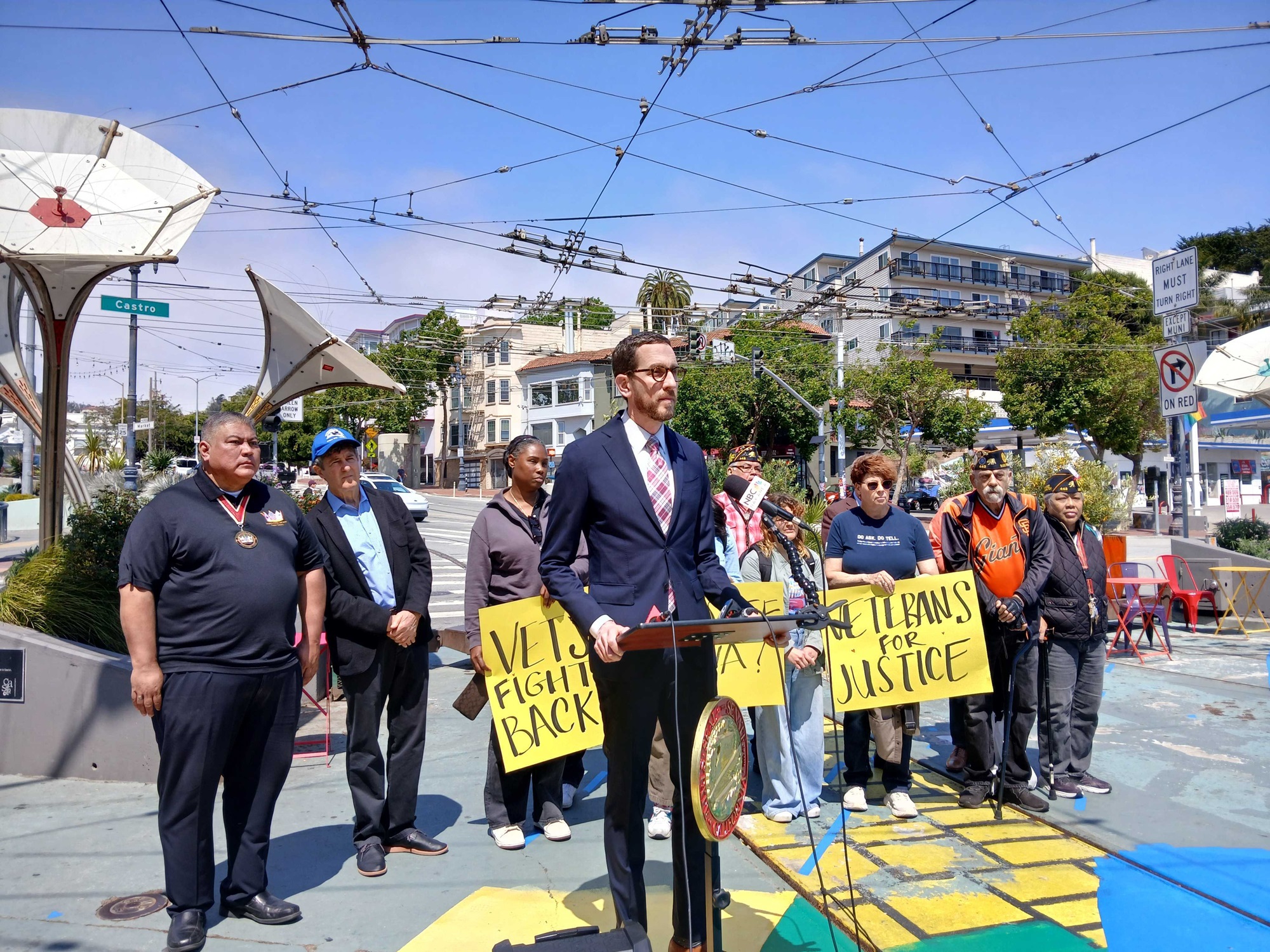
"caption": "Sen. Scott Wiener speaks at a press conference at Jane Warner Plaza in San Francisco on June 6, 2025.",
"credit": "Samantha Kennedy/KQED",
"altTag": null,
"description": null,
"imgSizes": {
"thumbnail": {
"file": "https://cdn.kqed.org/wp-content/uploads/sites/10/2025/06/HarveyMilkFolo2-160x120.jpg",
"width": 160,
"height": 120,
"mimeType": "image/jpeg"
},
"1536x1536": {
"file": "https://cdn.kqed.org/wp-content/uploads/sites/10/2025/06/HarveyMilkFolo2-1536x1152.jpg",
"width": 1536,
"height": 1152,
"mimeType": "image/jpeg"
},
"post-thumbnail": {
"file": "https://cdn.kqed.org/wp-content/uploads/sites/10/2025/06/HarveyMilkFolo2-672x372.jpg",
"width": 672,
"height": 372,
"mimeType": "image/jpeg"
},
"twentyfourteen-full-width": {
"file": "https://cdn.kqed.org/wp-content/uploads/sites/10/2025/06/HarveyMilkFolo2-1038x576.jpg",
"width": 1038,
"height": 576,
"mimeType": "image/jpeg"
},
"kqedFullSize": {
"file": "https://cdn.kqed.org/wp-content/uploads/sites/10/2025/06/HarveyMilkFolo2.jpg",
"width": 2000,
"height": 1500
}
},
"isLoading": false,
"fetchFailed": false
},
"news_12042910": {
"type": "attachments",
"id": "news_12042910",
"meta": {
"index": "attachments_1716263798",
"site": "news",
"id": "12042910",
"found": true
},
"title": "250604-HIKINGSFBLUFFS-19-BL-KQED",
"publishDate": 1749149390,
"status": "inherit",
"parent": 0,
"modified": 1749149445,
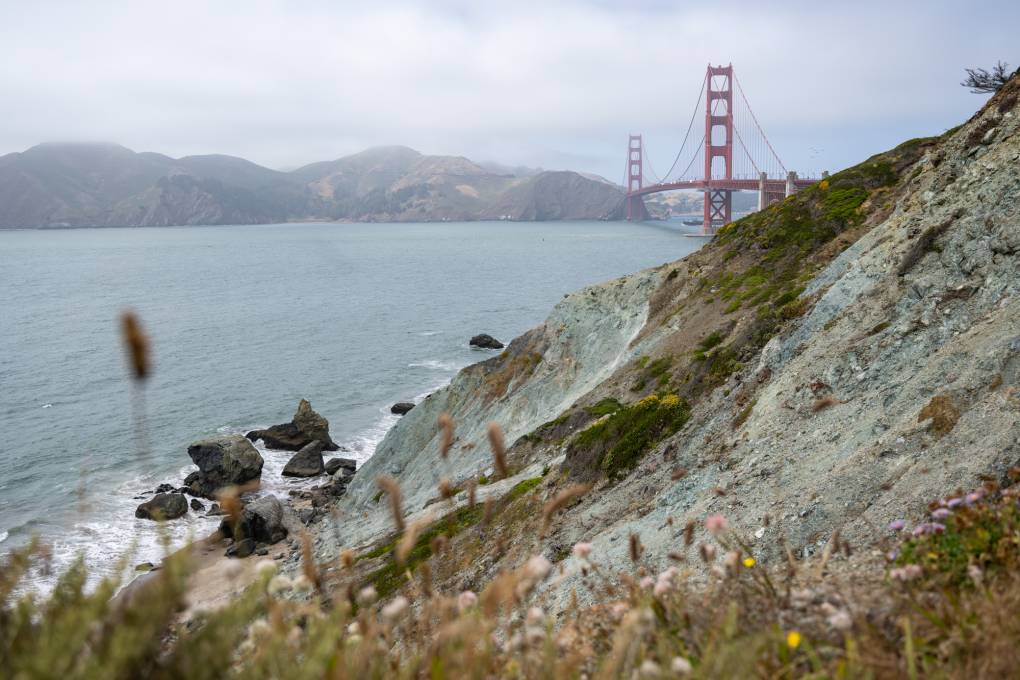
"caption": "A view of the Golden Gate Bridge from the Batteries to Bluffs Trail in the Presidio of San Francisco on June 4, 2025. The coastal path offers views of the Golden Gate Bridge and Pacific Ocean, access to historic military sites and Marshall’s Beach.",
"credit": "Beth LaBerge/KQED",
"altTag": null,
"description": null,
"imgSizes": {
"medium": {
"file": "https://cdn.kqed.org/wp-content/uploads/sites/10/2025/06/250604-HIKINGSFBLUFFS-19-BL-KQED-800x533.jpg",
"width": 800,
"height": 533,
"mimeType": "image/jpeg"
},
"large": {
"file": "https://cdn.kqed.org/wp-content/uploads/sites/10/2025/06/250604-HIKINGSFBLUFFS-19-BL-KQED-1020x680.jpg",
"width": 1020,
"height": 680,
"mimeType": "image/jpeg"
},
"thumbnail": {
"file": "https://cdn.kqed.org/wp-content/uploads/sites/10/2025/06/250604-HIKINGSFBLUFFS-19-BL-KQED-160x107.jpg",
"width": 160,
"height": 107,
"mimeType": "image/jpeg"
},
"1536x1536": {
"file": "https://cdn.kqed.org/wp-content/uploads/sites/10/2025/06/250604-HIKINGSFBLUFFS-19-BL-KQED-1536x1024.jpg",
"width": 1536,
"height": 1024,
"mimeType": "image/jpeg"
},
"post-thumbnail": {
"file": "https://cdn.kqed.org/wp-content/uploads/sites/10/2025/06/250604-HIKINGSFBLUFFS-19-BL-KQED-672x372.jpg",
"width": 672,
"height": 372,
"mimeType": "image/jpeg"
},
"twentyfourteen-full-width": {
"file": "https://cdn.kqed.org/wp-content/uploads/sites/10/2025/06/250604-HIKINGSFBLUFFS-19-BL-KQED-1038x576.jpg",
"width": 1038,
"height": 576,
"mimeType": "image/jpeg"
},
"full-width": {
"file": "https://cdn.kqed.org/wp-content/uploads/sites/10/2025/06/250604-HIKINGSFBLUFFS-19-BL-KQED-1920x1280.jpg",
"width": 1920,
"height": 1280,
"mimeType": "image/jpeg"
},
"kqedFullSize": {
"file": "https://cdn.kqed.org/wp-content/uploads/sites/10/2025/06/250604-HIKINGSFBLUFFS-19-BL-KQED.jpg",
"width": 2000,
"height": 1333
}
},
"isLoading": false,
"fetchFailed": false
},
"news_12042994": {
"type": "attachments",
"id": "news_12042994",
"meta": {
"index": "attachments_1716263798",
"site": "news",
"id": "12042994",
"found": true
},
"title": "250605-TREASUREISLANDJOBCORPS-29-BL-KQED",
"publishDate": 1749164285,
"status": "inherit",
"parent": 0,
"modified": 1749164354,
"caption": "Isborn Ackerson (center left), in cement construction training, and Ray Moore, carpentry, lead a chant during a with students, staff, and supporters at a protest outside the Treasure Island Job Corps Center in San Francisco on June 5, 2025, protesting the facility’s upcoming closure, which they say could leave at-risk youth homeless.",
"credit": "Beth LaBerge/KQED",
"altTag": null,
"description": null,
"imgSizes": {
"thumbnail": {
"file": "https://cdn.kqed.org/wp-content/uploads/sites/10/2025/06/250605-TREASUREISLANDJOBCORPS-29-BL-KQED-160x107.jpg",
"width": 160,
"height": 107,
"mimeType": "image/jpeg"
},
"1536x1536": {
"file": "https://cdn.kqed.org/wp-content/uploads/sites/10/2025/06/250605-TREASUREISLANDJOBCORPS-29-BL-KQED-1536x1024.jpg",
"width": 1536,
"height": 1024,
"mimeType": "image/jpeg"
},
"post-thumbnail": {
"file": "https://cdn.kqed.org/wp-content/uploads/sites/10/2025/06/250605-TREASUREISLANDJOBCORPS-29-BL-KQED-672x372.jpg",
"width": 672,
"height": 372,
"mimeType": "image/jpeg"
},
"twentyfourteen-full-width": {
"file": "https://cdn.kqed.org/wp-content/uploads/sites/10/2025/06/250605-TREASUREISLANDJOBCORPS-29-BL-KQED-1038x576.jpg",
"width": 1038,
"height": 576,
"mimeType": "image/jpeg"
},
"kqedFullSize": {
"file": "https://cdn.kqed.org/wp-content/uploads/sites/10/2025/06/250605-TREASUREISLANDJOBCORPS-29-BL-KQED.jpg",
"width": 2000,
"height": 1333
}
},
"isLoading": false,
"fetchFailed": false
},
"news_12046163": {
"type": "attachments",
"id": "news_12046163",
"meta": {
"index": "attachments_1716263798",
"site": "news",
"id": "12046163",
"found": true
},
"title": "Crane Cove Park in San Francisco on June 24, 2025.",
"publishDate": 1750969867,
"status": "inherit",
"parent": 0,
"modified": 1750969942,
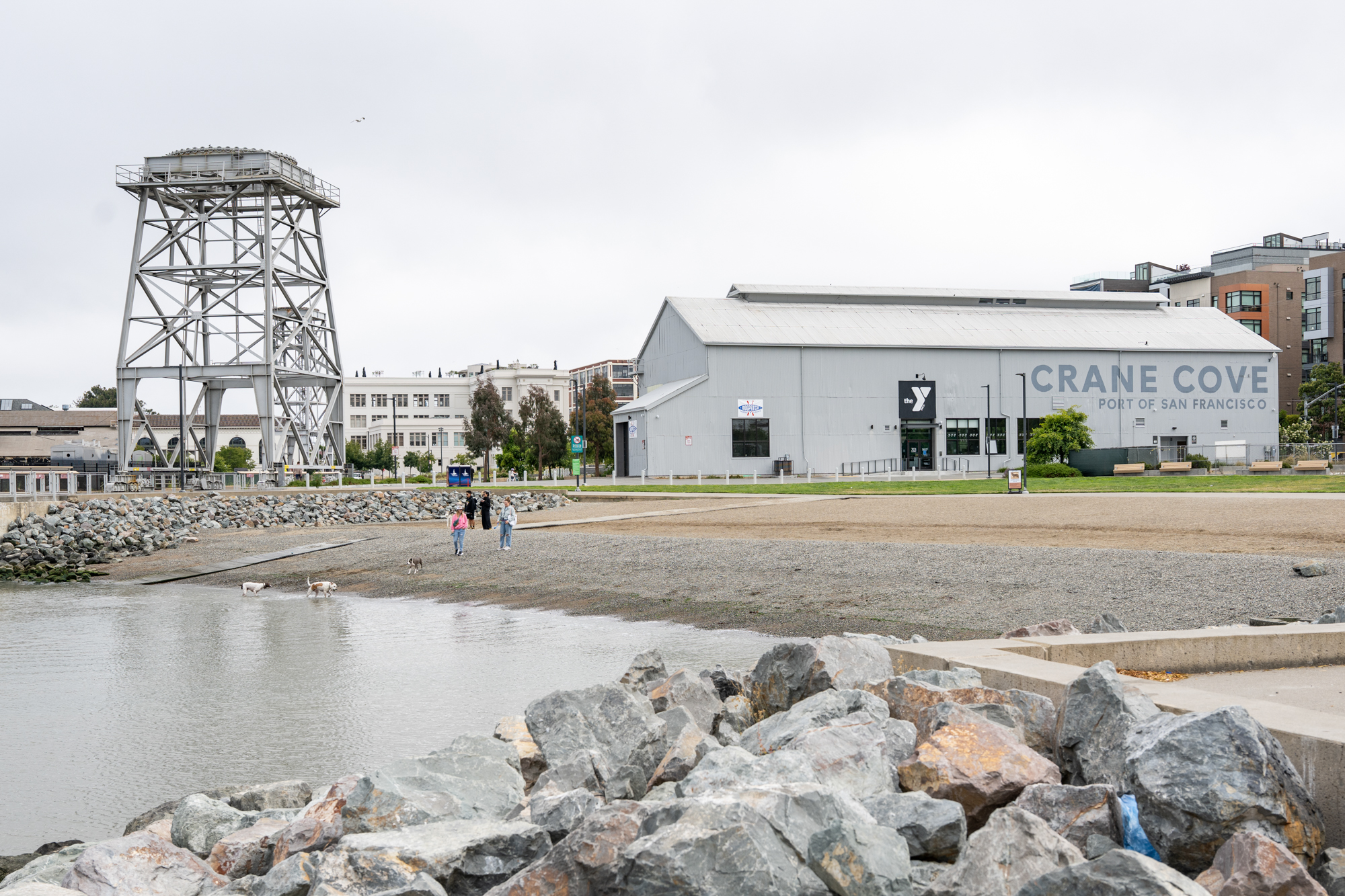
"caption": "Crane Cove Park in San Francisco on June 24, 2025.",
"credit": "Beth LaBerge/KQED",
"altTag": null,
"description": null,
"imgSizes": {
"thumbnail": {
"file": "https://cdn.kqed.org/wp-content/uploads/sites/10/2025/06/250624-PARKFILE-34-BL-KQED-160x107.jpg",
"width": 160,
"height": 107,
"mimeType": "image/jpeg"
},
"1536x1536": {
"file": "https://cdn.kqed.org/wp-content/uploads/sites/10/2025/06/250624-PARKFILE-34-BL-KQED-1536x1024.jpg",
"width": 1536,
"height": 1024,
"mimeType": "image/jpeg"
},
"post-thumbnail": {
"file": "https://cdn.kqed.org/wp-content/uploads/sites/10/2025/06/250624-PARKFILE-34-BL-KQED-672x372.jpg",
"width": 672,
"height": 372,
"mimeType": "image/jpeg"
},
"twentyfourteen-full-width": {
"file": "https://cdn.kqed.org/wp-content/uploads/sites/10/2025/06/250624-PARKFILE-34-BL-KQED-1038x576.jpg",
"width": 1038,
"height": 576,
"mimeType": "image/jpeg"
},
"kqedFullSize": {
"file": "https://cdn.kqed.org/wp-content/uploads/sites/10/2025/06/250624-PARKFILE-34-BL-KQED.jpg",
"width": 2000,
"height": 1333
}
},
"isLoading": false,
"fetchFailed": false
},
"news_12042765": {
"type": "attachments",
"id": "news_12042765",
"meta": {
"index": "attachments_1716263798",
"site": "news",
"id": "12042765",
"found": true
},
"title": "Stern Grove Festival",
"publishDate": 1749071874,
"status": "inherit",
"parent": 12042763,
"modified": 1749083196,
"caption": "Yvette Marie Stevens, known as Chaka Khan, performs for thousands during the final day of the Stern Grove Festival in San Francisco on Sunday, Aug. 25, 2024. ",
"credit": "Photo by Brontë Wittpenn/San Francisco Chronicle via Getty Images",
"altTag": null,
"description": null,
"imgSizes": {
"medium": {
"file": "https://cdn.kqed.org/wp-content/uploads/sites/10/2025/06/GettyImages-2167750287-800x533.jpg",
"width": 800,
"height": 533,
"mimeType": "image/jpeg"
},
"large": {
"file": "https://cdn.kqed.org/wp-content/uploads/sites/10/2025/06/GettyImages-2167750287-1020x680.jpg",
"width": 1020,
"height": 680,
"mimeType": "image/jpeg"
},
"thumbnail": {
"file": "https://cdn.kqed.org/wp-content/uploads/sites/10/2025/06/GettyImages-2167750287-160x107.jpg",
"width": 160,
"height": 107,
"mimeType": "image/jpeg"
},
"1536x1536": {
"file": "https://cdn.kqed.org/wp-content/uploads/sites/10/2025/06/GettyImages-2167750287-1536x1024.jpg",
"width": 1536,
"height": 1024,
"mimeType": "image/jpeg"
},
"2048x2048": {
"file": "https://cdn.kqed.org/wp-content/uploads/sites/10/2025/06/GettyImages-2167750287-2048x1365.jpg",
"width": 2048,
"height": 1365,
"mimeType": "image/jpeg"
},
"post-thumbnail": {
"file": "https://cdn.kqed.org/wp-content/uploads/sites/10/2025/06/GettyImages-2167750287-672x372.jpg",
"width": 672,
"height": 372,
"mimeType": "image/jpeg"
},
"twentyfourteen-full-width": {
"file": "https://cdn.kqed.org/wp-content/uploads/sites/10/2025/06/GettyImages-2167750287-1038x576.jpg",
"width": 1038,
"height": 576,
"mimeType": "image/jpeg"
},
"full-width": {
"file": "https://cdn.kqed.org/wp-content/uploads/sites/10/2025/06/GettyImages-2167750287-1920x1280.jpg",
"width": 1920,
"height": 1280,
"mimeType": "image/jpeg"
},
"kqedFullSize": {
"file": "https://cdn.kqed.org/wp-content/uploads/sites/10/2025/06/GettyImages-2167750287-scaled.jpg",
"width": 2560,
"height": 1707
}
},
"isLoading": false,
"fetchFailed": false
},
"news_12032816": {
"type": "attachments",
"id": "news_12032816",
"meta": {
"index": "attachments_1716263798",
"site": "news",
"id": "12032816",
"found": true
},
"title": "250320-THORNTONBEACH-06-BL-KQED",
"publishDate": 1742853402,
"status": "inherit",
"parent": 0,
"modified": 1742854875,
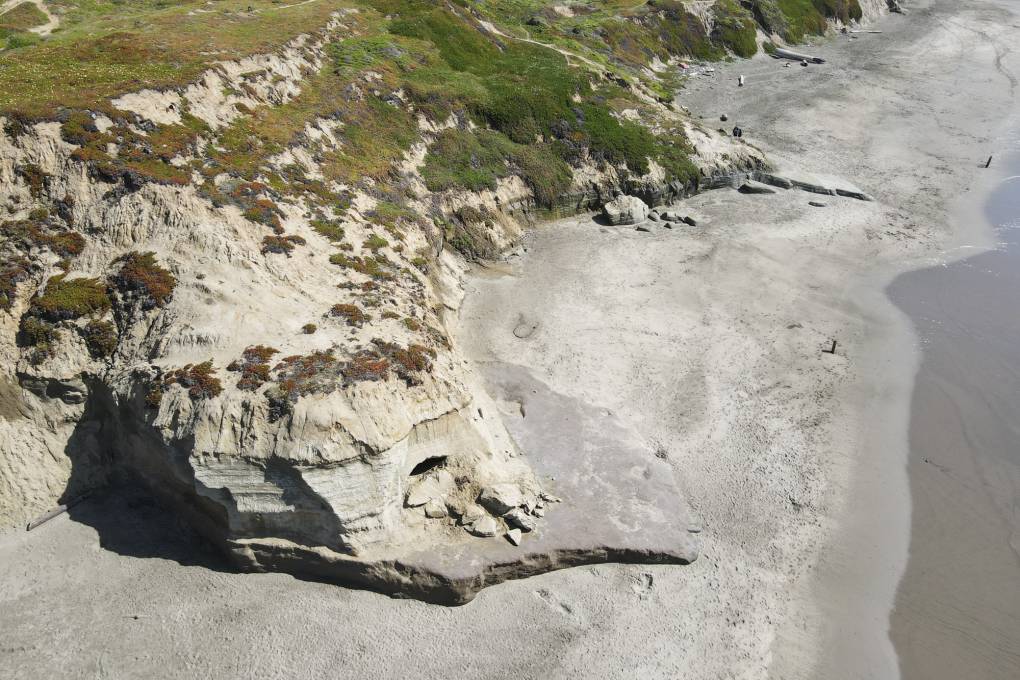
"caption": "Rocks cover a tunnel entrance at Phillip Burton Memorial Beach, located between Thornton State Beach and Fort Funston Beach, in San Francisco on March 21, 2025.",
"credit": "Beth LaBerge/KQED",
"altTag": null,
"description": null,
"imgSizes": {
"medium": {
"file": "https://cdn.kqed.org/wp-content/uploads/sites/10/2025/03/250320-THORNTONBEACH-06-BL-KQED-800x534.jpg",
"width": 800,
"height": 534,
"mimeType": "image/jpeg"
},
"large": {
"file": "https://cdn.kqed.org/wp-content/uploads/sites/10/2025/03/250320-THORNTONBEACH-06-BL-KQED-1020x680.jpg",
"width": 1020,
"height": 680,
"mimeType": "image/jpeg"
},
"thumbnail": {
"file": "https://cdn.kqed.org/wp-content/uploads/sites/10/2025/03/250320-THORNTONBEACH-06-BL-KQED-160x107.jpg",
"width": 160,
"height": 107,
"mimeType": "image/jpeg"
},
"1536x1536": {
"file": "https://cdn.kqed.org/wp-content/uploads/sites/10/2025/03/250320-THORNTONBEACH-06-BL-KQED-1536x1025.jpg",
"width": 1536,
"height": 1025,
"mimeType": "image/jpeg"
},
"post-thumbnail": {
"file": "https://cdn.kqed.org/wp-content/uploads/sites/10/2025/03/250320-THORNTONBEACH-06-BL-KQED-672x372.jpg",
"width": 672,
"height": 372,
"mimeType": "image/jpeg"
},
"twentyfourteen-full-width": {
"file": "https://cdn.kqed.org/wp-content/uploads/sites/10/2025/03/250320-THORNTONBEACH-06-BL-KQED-1038x576.jpg",
"width": 1038,
"height": 576,
"mimeType": "image/jpeg"
},
"full-width": {
"file": "https://cdn.kqed.org/wp-content/uploads/sites/10/2025/03/250320-THORNTONBEACH-06-BL-KQED-1920x1281.jpg",
"width": 1920,
"height": 1281,
"mimeType": "image/jpeg"
},
"kqedFullSize": {
"file": "https://cdn.kqed.org/wp-content/uploads/sites/10/2025/03/250320-THORNTONBEACH-06-BL-KQED.jpg",
"width": 2000,
"height": 1334
}
},
"isLoading": false,
"fetchFailed": false
},
"news_12042750": {
"type": "attachments",
"id": "news_12042750",
"meta": {
"index": "attachments_1716263798",
"site": "news",
"id": "12042750",
"found": true
},
"title": "20250604_SFBUDGETLABOR_GC-20-KQED",
"publishDate": 1749070079,
"status": "inherit",
"parent": 0,
"modified": 1749070126,
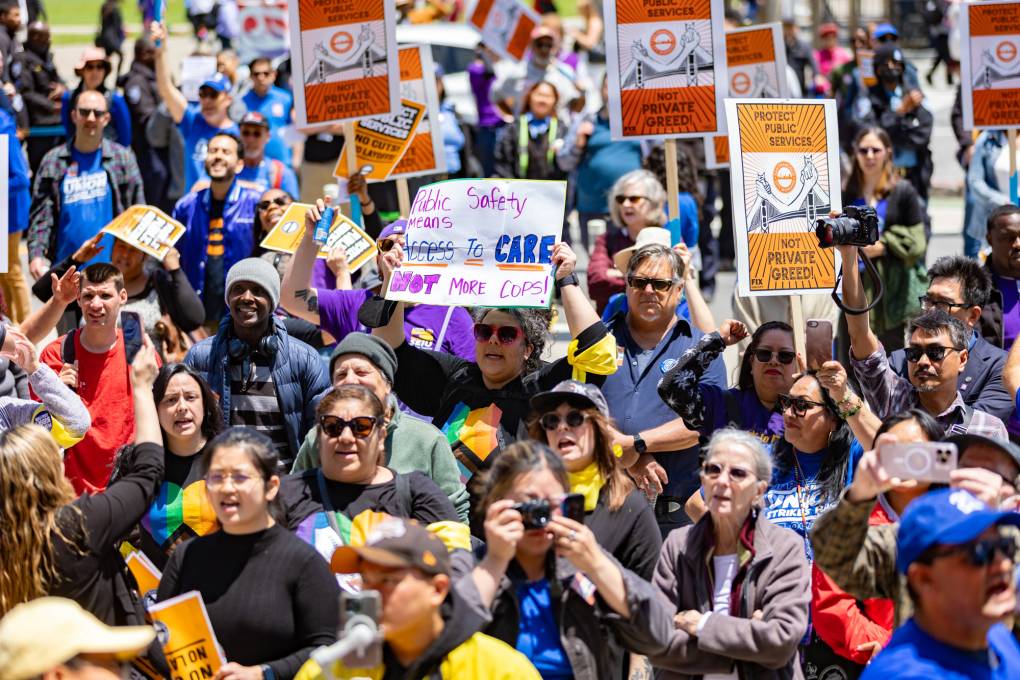
"caption": "Thousands of labor, community and human rights advocates rally in front of City Hall, demanding an alternative to Mayor Lurie’s proposed budget cuts, on June 4, 2025.",
"credit": "Gina Castro/KQED",
"altTag": null,
"description": null,
"imgSizes": {
"medium": {
"file": "https://cdn.kqed.org/wp-content/uploads/sites/10/2025/06/20250604_SFBUDGETLABOR_GC-20-KQED-800x533.jpg",
"width": 800,
"height": 533,
"mimeType": "image/jpeg"
},
"large": {
"file": "https://cdn.kqed.org/wp-content/uploads/sites/10/2025/06/20250604_SFBUDGETLABOR_GC-20-KQED-1020x680.jpg",
"width": 1020,
"height": 680,
"mimeType": "image/jpeg"
},
"thumbnail": {
"file": "https://cdn.kqed.org/wp-content/uploads/sites/10/2025/06/20250604_SFBUDGETLABOR_GC-20-KQED-160x107.jpg",
"width": 160,
"height": 107,
"mimeType": "image/jpeg"
},
"1536x1536": {
"file": "https://cdn.kqed.org/wp-content/uploads/sites/10/2025/06/20250604_SFBUDGETLABOR_GC-20-KQED-1536x1024.jpg",
"width": 1536,
"height": 1024,
"mimeType": "image/jpeg"
},
"post-thumbnail": {
"file": "https://cdn.kqed.org/wp-content/uploads/sites/10/2025/06/20250604_SFBUDGETLABOR_GC-20-KQED-672x372.jpg",
"width": 672,
"height": 372,
"mimeType": "image/jpeg"
},
"twentyfourteen-full-width": {
"file": "https://cdn.kqed.org/wp-content/uploads/sites/10/2025/06/20250604_SFBUDGETLABOR_GC-20-KQED-1038x576.jpg",
"width": 1038,
"height": 576,
"mimeType": "image/jpeg"
},
"full-width": {
"file": "https://cdn.kqed.org/wp-content/uploads/sites/10/2025/06/20250604_SFBUDGETLABOR_GC-20-KQED-1920x1280.jpg",
"width": 1920,
"height": 1280,
"mimeType": "image/jpeg"
},
"kqedFullSize": {
"file": "https://cdn.kqed.org/wp-content/uploads/sites/10/2025/06/20250604_SFBUDGETLABOR_GC-20-KQED.jpg",
"width": 2000,
"height": 1333
}
},
"isLoading": false,
"fetchFailed": false
},
"news_12042687": {
"type": "attachments",
"id": "news_12042687",
"meta": {
"index": "attachments_1716263798",
"site": "news",
"id": "12042687",
"found": true
},
"title": "Veterinarian Adrian Mutlow examines a penguin chick at the San Francisco Zoo in San Francisco, Calif. on Thursday, May 31, 2012. Four chicks have hatched in the past couple of weeks, adding to the population of the zoo's Magellanic penguin colony",
"publishDate": 1749057431,
"status": "inherit",
"parent": 12042683,
"modified": 1749057490,
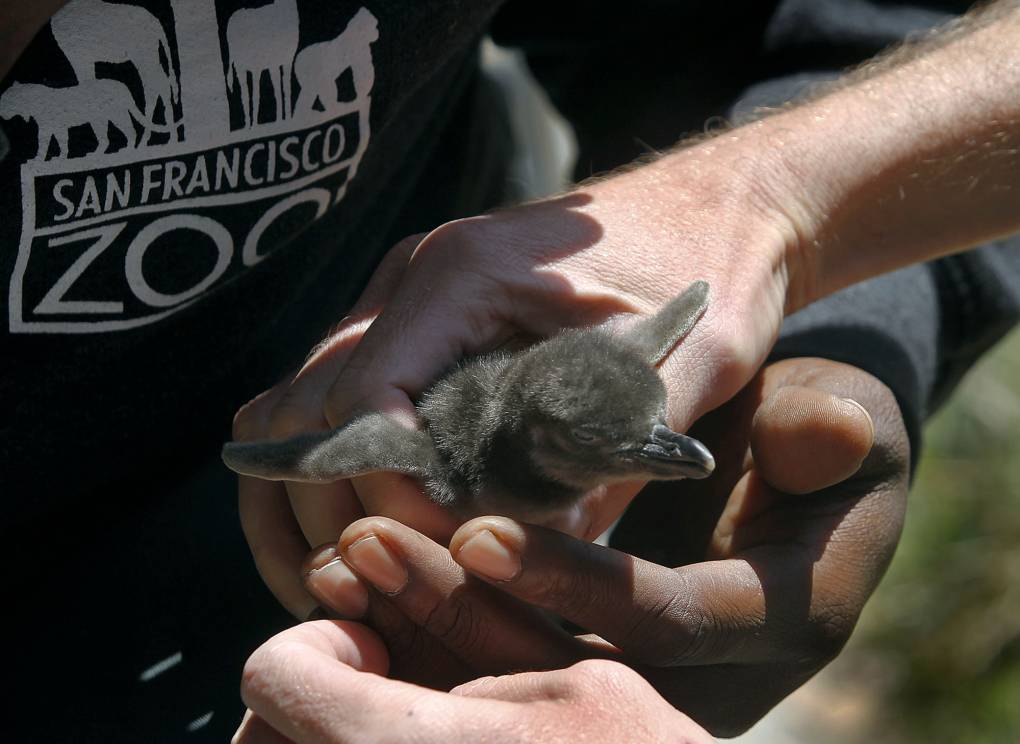
"caption": "A veterinarian examines a penguin chick at the San Francisco Zoo in San Francisco, California, on May 31, 2012. ",
"credit": "Paul Chinn/The San Francisco Chronicle via Getty Images",
"altTag": null,
"description": null,
"imgSizes": {
"medium": {
"file": "https://cdn.kqed.org/wp-content/uploads/sites/10/2025/06/SanFranciscoZooGetty-800x584.jpg",
"width": 800,
"height": 584,
"mimeType": "image/jpeg"
},
"large": {
"file": "https://cdn.kqed.org/wp-content/uploads/sites/10/2025/06/SanFranciscoZooGetty-1020x744.jpg",
"width": 1020,
"height": 744,
"mimeType": "image/jpeg"
},
"thumbnail": {
"file": "https://cdn.kqed.org/wp-content/uploads/sites/10/2025/06/SanFranciscoZooGetty-160x117.jpg",
"width": 160,
"height": 117,
"mimeType": "image/jpeg"
},
"1536x1536": {
"file": "https://cdn.kqed.org/wp-content/uploads/sites/10/2025/06/SanFranciscoZooGetty-1536x1121.jpg",
"width": 1536,
"height": 1121,
"mimeType": "image/jpeg"
},
"post-thumbnail": {
"file": "https://cdn.kqed.org/wp-content/uploads/sites/10/2025/06/SanFranciscoZooGetty-672x372.jpg",
"width": 672,
"height": 372,
"mimeType": "image/jpeg"
},
"twentyfourteen-full-width": {
"file": "https://cdn.kqed.org/wp-content/uploads/sites/10/2025/06/SanFranciscoZooGetty-1038x576.jpg",
"width": 1038,
"height": 576,
"mimeType": "image/jpeg"
},
"full-width": {
"file": "https://cdn.kqed.org/wp-content/uploads/sites/10/2025/06/SanFranciscoZooGetty-1920x1401.jpg",
"width": 1920,
"height": 1401,
"mimeType": "image/jpeg"
},
"kqedFullSize": {
"file": "https://cdn.kqed.org/wp-content/uploads/sites/10/2025/06/SanFranciscoZooGetty.jpg",
"width": 2000,
"height": 1459
}
},
"isLoading": false,
"fetchFailed": false
},
"news_12042524": {
"type": "attachments",
"id": "news_12042524",
"meta": {
"index": "attachments_1716263798",
"site": "news",
"id": "12042524",
"found": true
},
"title": "250418-SFPDFile-45-BL_qed",
"publishDate": 1748974098,
"status": "inherit",
"parent": 12042515,
"modified": 1748974110,
"caption": "Mayor Daniel Lurie walks with Captain Liza Johansen, from the Mission Police Station, and Santiago Lerma, with the Department of Emergency Management, during a public safety walk in San Francisco’s Mission District on April 18, 2025.",
"credit": "Beth LaBerge/KQED",
"altTag": null,
"description": null,
"imgSizes": {
"medium": {
"file": "https://cdn.kqed.org/wp-content/uploads/sites/10/2025/06/250418-SFPDFile-45-BL_qed-800x533.jpg",
"width": 800,
"height": 533,
"mimeType": "image/jpeg"
},
"large": {
"file": "https://cdn.kqed.org/wp-content/uploads/sites/10/2025/06/250418-SFPDFile-45-BL_qed-1020x680.jpg",
"width": 1020,
"height": 680,
"mimeType": "image/jpeg"
},
"thumbnail": {
"file": "https://cdn.kqed.org/wp-content/uploads/sites/10/2025/06/250418-SFPDFile-45-BL_qed-160x107.jpg",
"width": 160,
"height": 107,
"mimeType": "image/jpeg"
},
"1536x1536": {
"file": "https://cdn.kqed.org/wp-content/uploads/sites/10/2025/06/250418-SFPDFile-45-BL_qed-1536x1024.jpg",
"width": 1536,
"height": 1024,
"mimeType": "image/jpeg"
},
"post-thumbnail": {
"file": "https://cdn.kqed.org/wp-content/uploads/sites/10/2025/06/250418-SFPDFile-45-BL_qed-672x372.jpg",
"width": 672,
"height": 372,
"mimeType": "image/jpeg"
},
"twentyfourteen-full-width": {
"file": "https://cdn.kqed.org/wp-content/uploads/sites/10/2025/06/250418-SFPDFile-45-BL_qed-1038x576.jpg",
"width": 1038,
"height": 576,
"mimeType": "image/jpeg"
},
"full-width": {
"file": "https://cdn.kqed.org/wp-content/uploads/sites/10/2025/06/250418-SFPDFile-45-BL_qed-1920x1280.jpg",
"width": 1920,
"height": 1280,
"mimeType": "image/jpeg"
},
"kqedFullSize": {
"file": "https://cdn.kqed.org/wp-content/uploads/sites/10/2025/06/250418-SFPDFile-45-BL_qed.jpg",
"width": 2000,
"height": 1333
}
},
"isLoading": false,
"fetchFailed": false
},
"news_12042569": {
"type": "attachments",
"id": "news_12042569",
"meta": {
"index": "attachments_1716263798",
"site": "news",
"id": "12042569",
"found": true
},
"title": "US-MILITARY-NAVY-HARVEY MILK",
"publishDate": 1748986634,
"status": "inherit",
"parent": 12042566,
"modified": 1748995401,
"caption": "USNS Harvey Milk departs the General Dynamics NASSCO shipyard after a ceremonial address in San Diego, California, on Nov. 6, 2021. ",
"credit": "Ariana Drehsler/AFP via Getty Images",
"altTag": null,
"description": null,
"imgSizes": {
"medium": {
"file": "https://cdn.kqed.org/wp-content/uploads/sites/10/2025/06/USNS-Harvey-Milk-Getty-800x533.jpg",
"width": 800,
"height": 533,
"mimeType": "image/jpeg"
},
"large": {
"file": "https://cdn.kqed.org/wp-content/uploads/sites/10/2025/06/USNS-Harvey-Milk-Getty-1020x680.jpg",
"width": 1020,
"height": 680,
"mimeType": "image/jpeg"
},
"thumbnail": {
"file": "https://cdn.kqed.org/wp-content/uploads/sites/10/2025/06/USNS-Harvey-Milk-Getty-160x107.jpg",
"width": 160,
"height": 107,
"mimeType": "image/jpeg"
},
"1536x1536": {
"file": "https://cdn.kqed.org/wp-content/uploads/sites/10/2025/06/USNS-Harvey-Milk-Getty-1536x1024.jpg",
"width": 1536,
"height": 1024,
"mimeType": "image/jpeg"
},
"post-thumbnail": {
"file": "https://cdn.kqed.org/wp-content/uploads/sites/10/2025/06/USNS-Harvey-Milk-Getty-672x372.jpg",
"width": 672,
"height": 372,
"mimeType": "image/jpeg"
},
"twentyfourteen-full-width": {
"file": "https://cdn.kqed.org/wp-content/uploads/sites/10/2025/06/USNS-Harvey-Milk-Getty-1038x576.jpg",
"width": 1038,
"height": 576,
"mimeType": "image/jpeg"
},
"full-width": {
"file": "https://cdn.kqed.org/wp-content/uploads/sites/10/2025/06/USNS-Harvey-Milk-Getty-1920x1280.jpg",
"width": 1920,
"height": 1280,
"mimeType": "image/jpeg"
},
"kqedFullSize": {
"file": "https://cdn.kqed.org/wp-content/uploads/sites/10/2025/06/USNS-Harvey-Milk-Getty.jpg",
"width": 2000,
"height": 1333
}
},
"isLoading": false,
"fetchFailed": false
}
},
"audioPlayerReducer": {
"postId": "stream_live",
"isPaused": true,
"isPlaying": false,
"pfsActive": false,
"pledgeModalIsOpen": true,
"playerDrawerIsOpen": false,
"liveAudioPlayStartedAt": 0,
"liveAudioPlayContext": ""
},
"authorsReducer": {
"gmarzorati": {
"type": "authors",
"id": "227",
"meta": {
"index": "authors_1716337520",
"id": "227",
"found": true
},
"name": "Guy Marzorati",
"firstName": "Guy",
"lastName": "Marzorati",
"slug": "gmarzorati",
"email": "gmarzorati@KQED.org",
"display_author_email": true,
"staff_mastheads": [
"news"
],
"title": "Correspondent",
"bio": "Guy Marzorati is a correspondent on KQED's California Politics and Government Desk, based in San Jose. A graduate of Santa Clara University, Guy joined KQED in 2013. He reports on state and local politics and produces KQED's digital voter guide.",
"avatar": "https://secure.gravatar.com/avatar/e7038b8dbfd55b104369b76b1cd0b9de?s=600&d=blank&r=g",
"twitter": "guymarzorati",
"facebook": null,
"instagram": null,
"linkedin": null,
"sites": [
{
"site": "",
"roles": [
"editor"
]
},
{
"site": "news",
"roles": [
"editor"
]
},
{
"site": "science",
"roles": [
"editor"
]
},
{
"site": "forum",
"roles": [
"editor"
]
},
{
"site": "elections",
"roles": [
"editor"
]
},
{
"site": "liveblog",
"roles": [
"editor"
]
}
],
"headData": {
"title": "Guy Marzorati | KQED",
"description": "Correspondent",
"ogImgSrc": "https://secure.gravatar.com/avatar/e7038b8dbfd55b104369b76b1cd0b9de?s=600&d=blank&r=g",
"twImgSrc": "https://secure.gravatar.com/avatar/e7038b8dbfd55b104369b76b1cd0b9de?s=600&d=blank&r=g"
},
"isLoading": false,
"link": "/author/gmarzorati"
},
"katrinaschwartz": {
"type": "authors",
"id": "234",
"meta": {
"index": "authors_1716337520",
"id": "234",
"found": true
},
"name": "Katrina Schwartz",
"firstName": "Katrina",
"lastName": "Schwartz",
"slug": "katrinaschwartz",
"email": "kschwartz@kqed.org",
"display_author_email": false,
"staff_mastheads": [
"news"
],
"title": "Producer",
"bio": "Katrina Schwartz is a journalist based in San Francisco. She's worked at KPCC public radio in LA and has reported on air and online for KQED since 2010. She covered how teaching and learning is changing for MindShift between 2012 and 2020. She is the co-host of the MindShift podcast and now produces KQED's Bay Curious podcast.",
"avatar": "https://secure.gravatar.com/avatar/edb4ee79070447a018538c9aae6eeecf28786515b8a0c30e43b6b7dce5aa44c8?s=600&d=blank&r=g",
"twitter": "kschwart",
"bluesky": null,
"facebook": null,
"instagram": null,
"linkedin": null,
"sites": [
{
"site": "",
"roles": [
"editor"
]
},
{
"site": "news",
"roles": [
"editor"
]
},
{
"site": "mindshift",
"roles": [
"administrator"
]
},
{
"site": "stateofhealth",
"roles": [
"author"
]
},
{
"site": "science",
"roles": [
"editor"
]
}
],
"headData": {
"title": "Katrina Schwartz | KQED",
"description": "Producer",
"ogImgSrc": "https://secure.gravatar.com/avatar/edb4ee79070447a018538c9aae6eeecf28786515b8a0c30e43b6b7dce5aa44c8?s=600&d=blank&r=g",
"twImgSrc": "https://secure.gravatar.com/avatar/edb4ee79070447a018538c9aae6eeecf28786515b8a0c30e43b6b7dce5aa44c8?s=600&d=blank&r=g"
},
"isLoading": false,
"link": "/author/katrinaschwartz"
},
"matthewgreen": {
"type": "authors",
"id": "1263",
"meta": {
"index": "authors_1716337520",
"id": "1263",
"found": true
},
"name": "Matthew Green",
"firstName": "Matthew",
"lastName": "Green",
"slug": "matthewgreen",
"email": "mgreen@kqed.org",
"display_author_email": false,
"staff_mastheads": [],
"title": "KQED Editor/Reporter",
"bio": "Matthew Green is a digital media producer for KQED News. He previously produced \u003ca href=\"http://www.kqed.org/lowdown\">The Lowdown\u003c/a>, KQED’s multimedia news education blog. Matthew's written for numerous Bay Area publications, including the Oakland Tribune and San Francisco Chronicle. He also taught journalism classes at Fremont High School in East Oakland.\r\n\r\nEmail: mgreen@kqed.org; Twitter: @MGreenKQED",
"avatar": "https://secure.gravatar.com/avatar/3bf498d1267ca02c8494f33d8cfc575e?s=600&d=blank&r=g",
"twitter": "MGreenKQED",
"facebook": null,
"instagram": null,
"linkedin": null,
"sites": [
{
"site": "news",
"roles": []
},
{
"site": "lowdown",
"roles": []
},
{
"site": "science",
"roles": []
},
{
"site": "education",
"roles": []
},
{
"site": "quest",
"roles": []
},
{
"site": "liveblog",
"roles": []
}
],
"headData": {
"title": "Matthew Green | KQED",
"description": "KQED Editor/Reporter",
"ogImgSrc": "https://secure.gravatar.com/avatar/3bf498d1267ca02c8494f33d8cfc575e?s=600&d=blank&r=g",
"twImgSrc": "https://secure.gravatar.com/avatar/3bf498d1267ca02c8494f33d8cfc575e?s=600&d=blank&r=g"
},
"isLoading": false,
"link": "/author/matthewgreen"
},
"slewis": {
"type": "authors",
"id": "8676",
"meta": {
"index": "authors_1716337520",
"id": "8676",
"found": true
},
"name": "Sukey Lewis",
"firstName": "Sukey",
"lastName": "Lewis",
"slug": "slewis",
"email": "slewis@kqed.org",
"display_author_email": true,
"staff_mastheads": [
"news"
],
"title": "KQED Contributor",
"bio": "Sukey Lewis is a criminal justice reporter and host of \u003cem>On Our Watch\u003c/em>, a new podcast from NPR and KQED about the shadow world of police discipline. In 2018, she co-founded the California Reporting Project, a coalition of newsrooms across the state focused on obtaining previously sealed internal affairs records from law enforcement. In addition to her reporting on police accountability, Sukey has investigated the bail bonds industry, California's wildfires and the high cost of prison phone calls. Sukey earned a master's degree in journalism from the University of California at Berkeley. Send news tips to slewis@kqed.org.",
"avatar": "https://secure.gravatar.com/avatar/03fd6b21024f99d8b0a1966654586de7?s=600&d=blank&r=g",
"twitter": "SukeyLewis",
"facebook": null,
"instagram": null,
"linkedin": null,
"sites": [
{
"site": "news",
"roles": [
"author",
"edit_others_posts"
]
}
],
"headData": {
"title": "Sukey Lewis | KQED",
"description": "KQED Contributor",
"ogImgSrc": "https://secure.gravatar.com/avatar/03fd6b21024f99d8b0a1966654586de7?s=600&d=blank&r=g",
"twImgSrc": "https://secure.gravatar.com/avatar/03fd6b21024f99d8b0a1966654586de7?s=600&d=blank&r=g"
},
"isLoading": false,
"link": "/author/slewis"
},
"nkhan": {
"type": "authors",
"id": "11867",
"meta": {
"index": "authors_1716337520",
"id": "11867",
"found": true
},
"name": "Nisa Khan",
"firstName": "Nisa",
"lastName": "Khan",
"slug": "nkhan",
"email": "nkhan@kqed.org",
"display_author_email": false,
"staff_mastheads": [],
"title": "KQED Contributor",
"bio": "Nisa Khan is a reporter for KQED's Audience News Desk. She was formerly a data reporter at Michigan Radio. She earned a Bachelor of Science in Information from the University of Michigan and a Master of Arts in Communication from Stanford University.",
"avatar": "https://secure.gravatar.com/avatar/8720459eef081ff64582b3506b124d58523e80e120704a0cbd9892533c914991?s=600&d=blank&r=g",
"twitter": "mnisakhan",
"bluesky": null,
"facebook": null,
"instagram": null,
"linkedin": null,
"sites": [
{
"site": "arts",
"roles": [
"editor"
]
},
{
"site": "news",
"roles": [
"editor"
]
},
{
"site": "science",
"roles": [
"editor",
"author"
]
},
{
"site": "forum",
"roles": [
"editor"
]
},
{
"site": "liveblog",
"roles": [
"contributor"
]
}
],
"headData": {
"title": "Nisa Khan | KQED",
"description": "KQED Contributor",
"ogImgSrc": "https://secure.gravatar.com/avatar/8720459eef081ff64582b3506b124d58523e80e120704a0cbd9892533c914991?s=600&d=blank&r=g",
"twImgSrc": "https://secure.gravatar.com/avatar/8720459eef081ff64582b3506b124d58523e80e120704a0cbd9892533c914991?s=600&d=blank&r=g"
},
"isLoading": false,
"link": "/author/nkhan"
},
"kdebenedetti": {
"type": "authors",
"id": "11913",
"meta": {
"index": "authors_1716337520",
"id": "11913",
"found": true
},
"name": "Katie DeBenedetti",
"firstName": "Katie",
"lastName": "DeBenedetti",
"slug": "kdebenedetti",
"email": "kdebenedetti@kqed.org",
"display_author_email": false,
"staff_mastheads": [
"news",
"science"
],
"title": "KQED Contributor",
"bio": "Katie DeBenedetti is a digital reporter covering daily news for the Express Desk. Prior to joining KQED as a culture reporting intern in January 2024, she covered education and city government for the Napa Valley Register.",
"avatar": "https://secure.gravatar.com/avatar/6e31073cb8f7e4214ab03f42771d0f45?s=600&d=blank&r=g",
"twitter": null,
"facebook": null,
"instagram": null,
"linkedin": null,
"sites": [
{
"site": "news",
"roles": [
"author"
]
},
{
"site": "science",
"roles": [
"author"
]
},
{
"site": "liveblog",
"roles": [
"author"
]
}
],
"headData": {
"title": "Katie DeBenedetti | KQED",
"description": "KQED Contributor",
"ogImgSrc": "https://secure.gravatar.com/avatar/6e31073cb8f7e4214ab03f42771d0f45?s=600&d=blank&r=g",
"twImgSrc": "https://secure.gravatar.com/avatar/6e31073cb8f7e4214ab03f42771d0f45?s=600&d=blank&r=g"
},
"isLoading": false,
"link": "/author/kdebenedetti"
},
"slim": {
"type": "authors",
"id": "11920",
"meta": {
"index": "authors_1716337520",
"id": "11920",
"found": true
},
"name": "Samantha Lim",
"firstName": "Samantha",
"lastName": "Lim",
"slug": "slim",
"email": "slim@KQED.org",
"display_author_email": false,
"staff_mastheads": [],
"title": "KQED Contributor",
"bio": null,
"avatar": "https://secure.gravatar.com/avatar/82e592e6c15fe1a04d385e8ad0fb0b4e?s=600&d=blank&r=g",
"twitter": null,
"facebook": null,
"instagram": null,
"linkedin": null,
"sites": [
{
"site": "news",
"roles": []
}
],
"headData": {
"title": "Samantha Lim | KQED",
"description": "KQED Contributor",
"ogImgSrc": "https://secure.gravatar.com/avatar/82e592e6c15fe1a04d385e8ad0fb0b4e?s=600&d=blank&r=g",
"twImgSrc": "https://secure.gravatar.com/avatar/82e592e6c15fe1a04d385e8ad0fb0b4e?s=600&d=blank&r=g"
},
"isLoading": false,
"link": "/author/slim"
},
"rcooke": {
"type": "authors",
"id": "11921",
"meta": {
"index": "authors_1716337520",
"id": "11921",
"found": true
},
"name": "Riley Cooke",
"firstName": "Riley",
"lastName": "Cooke",
"slug": "rcooke",
"email": "rcooke@kqed.org",
"display_author_email": true,
"staff_mastheads": [
"news"
],
"title": "KQED Contributor",
"bio": "Riley is a senior at UC Berkeley, where she studies political science and journalism. Her work has appeared in SFGate, NBC Bay Area, Local News Matters and more. She enjoys reporting on politics, housing and homelessness — and using as many em dashes as her editors will allow.",
"avatar": "https://secure.gravatar.com/avatar/792f98c126cc5e270a8a96f77f7224ea?s=600&d=blank&r=g",
"twitter": "rrileycooke",
"facebook": null,
"instagram": null,
"linkedin": null,
"sites": [
{
"site": "arts",
"roles": [
"author"
]
},
{
"site": "news",
"roles": [
"author"
]
}
],
"headData": {
"title": "Riley Cooke | KQED",
"description": "KQED Contributor",
"ogImgSrc": "https://secure.gravatar.com/avatar/792f98c126cc5e270a8a96f77f7224ea?s=600&d=blank&r=g",
"twImgSrc": "https://secure.gravatar.com/avatar/792f98c126cc5e270a8a96f77f7224ea?s=600&d=blank&r=g"
},
"isLoading": false,
"link": "/author/rcooke"
},
"sarahwright": {
"type": "authors",
"id": "11956",
"meta": {
"index": "authors_1716337520",
"id": "11956",
"found": true
},
"name": "Sarah Wright",
"firstName": "Sarah",
"lastName": "Wright",
"slug": "sarahwright",
"email": "swright@kqed.org",
"display_author_email": true,
"staff_mastheads": [],
"title": "Outdoors Engagement Reporter",
"bio": "Sarah Wright is KQED's Outdoors Engagement Reporter. Originally from Lake Tahoe, she completed a thru-hike of the Pacific Crest Trail in 2019 and was a U.S. Fulbright Program grantee to Argentina in 2023. Her journalism has appeared in The Guardian, The San Francisco Standard, The Palo Alto Weekly and the Half Moon Bay Review.",
"avatar": "https://secure.gravatar.com/avatar/c161a3d6441865cba25e6db4fa561099ad665799e9432e34da2b84d7e371524c?s=600&d=blank&r=g",
"twitter": null,
"bluesky": null,
"facebook": null,
"instagram": null,
"linkedin": null,
"sites": [
{
"site": "arts",
"roles": [
"editor"
]
},
{
"site": "news",
"roles": [
"editor"
]
},
{
"site": "science",
"roles": [
"contributor",
"author"
]
},
{
"site": "forum",
"roles": [
"editor"
]
}
],
"headData": {
"title": "Sarah Wright | KQED",
"description": "Outdoors Engagement Reporter",
"ogImgSrc": "https://secure.gravatar.com/avatar/c161a3d6441865cba25e6db4fa561099ad665799e9432e34da2b84d7e371524c?s=600&d=blank&r=g",
"twImgSrc": "https://secure.gravatar.com/avatar/c161a3d6441865cba25e6db4fa561099ad665799e9432e34da2b84d7e371524c?s=600&d=blank&r=g"
},
"isLoading": false,
"link": "/author/sarahwright"
}
},
"pagesReducer": {
"news_tag_san-francisco": {
"type": "terms",
"id": "news_38",
"meta": {
"index": "terms_1716263798",
"site": "news",
"id": "38",
"score": 6.7229023
},
"featImg": null,
"name": "San Francisco",
"description": null,
"taxonomy": "tag",
"headData": {
"twImgId": null,
"twTitle": null,
"ogTitle": null,
"ogImgId": null,
"twDescription": null,
"description": null,
"title": "San Francisco Archives | KQED News",
"ogDescription": null
},
"ttid": 58,
"slug": "san-francisco",
"isLoading": false,
"title": "San Francisco",
"pageMeta": {
"site": "news",
"WpPageTemplate": "page-topic-editorial",
"currentPage": 62
},
"blocks": [
{
"blockName": "kqed/post-list",
"attrs": {
"layout": "cardArticle2",
"query": "posts/news?tag=san-francisco",
"seeMore": false,
"paginated": true,
"page": 62
}
},
{
"blockName": "kqed/ad"
}
]
}
},
"pfsSessionReducer": {},
"postsReducer": {
"stream_live": {
"type": "live",
"id": "stream_live",
"audioUrl": "https://streams.kqed.org/kqedradio",
"title": "Live Stream",
"excerpt": "Live Stream information currently unavailable.",
"link": "/radio",
"featImg": "",
"label": {
"name": "KQED Live",
"link": "/"
}
},
"stream_kqedNewscast": {
"type": "posts",
"id": "stream_kqedNewscast",
"audioUrl": "https://www.kqed.org/.stream/anon/radio/RDnews/newscast.mp3?_=1",
"title": "KQED Newscast",
"featImg": "",
"label": {
"name": "88.5 FM",
"link": "/"
}
},
"news_12043314": {
"type": "posts",
"id": "news_12043314",
"meta": {
"index": "posts_1716263798",
"site": "news",
"id": "12043314",
"score": null,
"sort": [
1749506507000
]
},
"guestAuthors": [],
"slug": "california-to-sue-trump-for-sending-national-guard-troops-into-la-after-ice-protests",
"title": "California Sues Trump for Sending National Guard Troops Into LA After ICE Protests",
"publishDate": 1749506507,
"format": "standard",
"headTitle": "California Sues Trump for Sending National Guard Troops Into LA After ICE Protests | KQED",
"labelTerm": {
"site": "news"
},
"content": "\u003cp>\u003cem>Updated 3:01 p.m. Monday\u003c/em>\u003c/p>\n\u003cp>California sued the Trump administration on Monday over its deployment of \u003ca href=\"https://www.kqed.org/news/12043221/protesters-and-immigration-authorities-face-off-for-a-2nd-day-in-la-area-after-arrests\">thousands of National Guard troops\u003c/a> in Los Angeles over the weekend, after widespread demonstrations against increased immigration enforcement erupted across the city.\u003c/p>\n\u003cp>In their\u003ca href=\"https://oag.ca.gov/system/files/attachments/press-docs/ECF%201%20-%20Complaint%20NG.pdf\" target=\"_blank\" rel=\"noopener\"> lawsuit\u003c/a>, Gov. Gavin Newsom and Attorney General Rob Bonta argue that Trump’s activation of the guard violated the limits on federal power under the 10th Amendment because Newsom did not ask for the troops. Under ordinary circumstances, National Guard units are under the command of state governors.\u003c/p>\n\u003cp>“This is something that is within Gov. Newsom’s sovereignty,” Bonta said. “And he did not authorize the use of the National Guard here, did not call for it.”\u003c/p>\n\u003cp>[ad fullwidth]\u003c/p>\n\u003cp>Bonta added that local law enforcement agencies, including the Los Angeles Police Department and the Los Angeles County Sheriff’s Department, had enough resources to manage the crowds and respond to sporadic vandalism.\u003c/p>\n\u003cp>“With this order, Trump and [Secretary of Defense Pete] Hegseth ignored law enforcement’s expertise and guidance,” Bonta said.\u003c/p>\n\u003cp>The suit comes amid rising tensions between the Trump administration and California leaders. As Newsom and Bonta accused Trump of overstepping federal law to send in the guard, the president voiced support for arresting Newsom.\u003c/p>\n\u003cfigure id=\"attachment_12043288\" class=\"wp-caption aligncenter\" style=\"max-width: 2000px\">\u003cimg loading=\"lazy\" decoding=\"async\" class=\"size-full wp-image-12043288\" src=\"https://cdn.kqed.org/wp-content/uploads/sites/10/2025/06/GettyImages-2219258354-scaled-e1749490657607.jpg\" alt=\"\" width=\"2000\" height=\"1304\">\u003cfigcaption class=\"wp-caption-text\">California Highway Patrol (CHP) cars, some damaged, are lined up along the 101 freeway after officers cleared protesters from the area on June 8, 2025, in Los Angeles, California. Tensions in the city remain high after the Trump administration called in the National Guard against the wishes of city leaders following two days of clashes with police during a series of immigration raids. More protests are scheduled for Tuesday. \u003ccite>(Mario Tama/Getty Images)\u003c/cite>\u003c/figcaption>\u003c/figure>\n\u003cp>After Trump’s border czar Tom Homan said Saturday that “anybody” who impedes the work of federal law enforcement agents could face arrest, Newsom upped the ante in a Sunday interview with MSNBC.\u003c/p>\n\u003cp>“Come after me, arrest me, let’s just get it over with, tough guy,” Newsom said. “I don’t give a damn.”\u003c/p>\n\u003cp>Trump told reporters outside the White House on Monday that Newsom was doing a “terrible job” and that he’d support Homan pursuing an arrest.\u003c/p>\n\u003cp>“I would do it, if I were Tom, I think it’s great,” Trump said. “Gavin likes the publicity, but I think it would be a great thing.”[aside postID=news_12043255 hero='https://cdn.kqed.org/wp-content/uploads/sites/10/2025/06/250608-ICE-OUT-OF-THE-BAY-AC-13-KQED.jpg']Meanwhile, the administration is expected to increase the military presence in Los Angeles on Tuesday by deploying a battalion of 700 active-duty Marines based out of Twentynine Palms to serve in a “support role.”\u003c/p>\n\u003cp>Trump’s memorandum sending the National Guard into Los Angeles invoked a rarely used provision of the U.S. code that allows a president to deploy guard troops to a state if “there is a rebellion or danger of a rebellion against the authority of the Government of the United States.”\u003c/p>\n\u003cp>The last time a president deployed a state’s national force without the request of its governor was in 1965.\u003c/p>\n\u003cp>White House press secretary Karoline Leavitt said in a statement that the move was necessary after “violent mobs attack[ed]” Immigration and Customs Enforcement officers conducting raids, which have ramped up in recent weeks.\u003c/p>\n\u003cp>ICE \u003ca href=\"https://x.com/ICEgov/status/1931472857554645294\">announced Saturday\u003c/a> that it had arrested 118 immigrants in Los Angeles over the previous week. In San Francisco, at \u003ca href=\"https://www.kqed.org/news/12042887/ice-arrests-15-people-in-san-francisco-including-a-child\">least 15 people\u003c/a>, including a 3-year-old, were arrested following appearances at ICE check-ins last week.\u003c/p>\n\u003cfigure id=\"attachment_12043372\" class=\"wp-caption aligncenter\" style=\"max-width: 2000px\">\u003cimg loading=\"lazy\" decoding=\"async\" class=\"size-full wp-image-12043372\" src=\"https://cdn.kqed.org/wp-content/uploads/sites/10/2025/06/250608-ICE-OUT-OF-THE-BAY-AC-15-KQED.jpg\" alt=\"\" width=\"2000\" height=\"1333\" srcset=\"https://cdn.kqed.org/wp-content/uploads/sites/10/2025/06/250608-ICE-OUT-OF-THE-BAY-AC-15-KQED.jpg 2000w, https://cdn.kqed.org/wp-content/uploads/sites/10/2025/06/250608-ICE-OUT-OF-THE-BAY-AC-15-KQED-160x107.jpg 160w, https://cdn.kqed.org/wp-content/uploads/sites/10/2025/06/250608-ICE-OUT-OF-THE-BAY-AC-15-KQED-1536x1024.jpg 1536w\" sizes=\"auto, (max-width: 2000px) 100vw, 2000px\">\u003cfigcaption class=\"wp-caption-text\">A protester during the early hours of an anti-ICE demonstration in San Francisco on June 8, 2025. \u003ccite>(Aryk Copley for KQED)\u003c/cite>\u003c/figcaption>\u003c/figure>\n\u003cp>Ahilan Arulanantham, faculty co-director of the Center for Immigration Law and Policy at the UCLA School of Law, said Trump’s justification of military deployment could set a dangerous precedent.\u003c/p>\n\u003cp>“If every time there’s a few people who throw rocks or lie down in front of ICE cars or something, that that’s a form of rebellion — then that essentially means that we can live in something akin to a military dictatorship,” Arulanantham said on KQED’s Forum.\u003c/p>\n\u003cp>According to California Legal Affairs Secretary David Sapp, “there is currently no need for the National Guard to be deployed in Los Angeles, and to do so in this unlawful manner and for such a lengthy period is a serious breach of state sovereignty that seems intentionally designed to inflame the situation.”[aside postID=news_12043333 hero='https://cdn.kqed.org/wp-content/uploads/sites/10/2025/06/250608-ICE-OUT-OF-THE-BAY-AC-03-KQED.jpg']Since troops were deployed to the streets of Los Angeles, protests have erupted in other cities across the country, including in San Francisco. On Sunday night, approximately 155\u003ca href=\"https://www.kqed.org/news/12043255/sf-protesters-denounce-ice-raids-and-trumps-national-guard-deployment-to-la\"> people, including six children, were arrested\u003c/a> and issued citations after a group of protesters outside the city’s ICE field office turned violent and vandalized buses and windows, according to the San Francisco Police Department.\u003c/p>\n\u003cp>More demonstrations are expected in the coming days.\u003c/p>\n\u003cp>Over the weekend, Newsom sparred with Trump on social media, saying that he was manufacturing a crisis and inflaming conditions by sending in the guard troops. Los Angeles Mayor \u003ca href=\"https://www.npr.org/2025/06/08/nx-s1-5427196/los-angeles-mayor-karen-bass-on-protests\">Karen Bass said Sunday on NPR\u003c/a> that bringing the National Guard to the city felt “provocative.”\u003c/p>\n\u003cp>“What was happening in terms of the protest and all was well under control by the police department,” she said. “Our law enforcement officers are well-equipped here to handle the level of protest that you saw, and that’s why Governor Newsom did not make the request for federal support, and neither did I, in terms of we thought more support was needed that our local law enforcement couldn’t handle.”\u003c/p>\n\u003cp>Newsom’s showdown with Trump comes months after the governor deployed National Guard troops to Los Angeles in the wake of devastating wildfires and sought a partnership with the new administration on rebuilding and recovery.\u003c/p>\n\u003cfigure id=\"attachment_12043265\" class=\"wp-caption aligncenter\" style=\"max-width: 2000px\">\u003cimg loading=\"lazy\" decoding=\"async\" class=\"size-full wp-image-12043265\" src=\"https://cdn.kqed.org/wp-content/uploads/sites/10/2025/06/250608-ICE-OUT-OF-THE-BAY-AC-05-KQED.jpg\" alt=\"\" width=\"2000\" height=\"1333\" srcset=\"https://cdn.kqed.org/wp-content/uploads/sites/10/2025/06/250608-ICE-OUT-OF-THE-BAY-AC-05-KQED.jpg 2000w, https://cdn.kqed.org/wp-content/uploads/sites/10/2025/06/250608-ICE-OUT-OF-THE-BAY-AC-05-KQED-160x107.jpg 160w, https://cdn.kqed.org/wp-content/uploads/sites/10/2025/06/250608-ICE-OUT-OF-THE-BAY-AC-05-KQED-1536x1024.jpg 1536w\" sizes=\"auto, (max-width: 2000px) 100vw, 2000px\">\u003cfigcaption class=\"wp-caption-text\">A protester walks down the police line during an anti-ICE protest in San Francisco on June 8, 2025. \u003ccite>(Aryk Copley for KQED)\u003c/cite>\u003c/figcaption>\u003c/figure>\n\u003cp>Since then, Newsom has reprised his earlier role as a top Trump critic — on tariffs, Medicaid cuts and environmental policy. With his response to the idea of being arrested, Newsom showed a bravado that could boost his image among California Democrats, spoiling for a fight with Trump, said Los Angeles Democratic strategist Michael Trujillo.\u003c/p>\n\u003cp>“I think you saw someone challenging the masculinity of this White House,” Trujillo said. “I think you saw, for lack of a better word, some machismo coming from a Democrat, and I wouldn’t be shocked if you see Newsom’s polling improve.”\u003c/p>\n\u003cp>Trujillo said partisan confrontation with the White House could also boost local L.A. officials, particularly Bass, who is up for re-election next year.\u003c/p>\n\u003cp>In his order Saturday night, Trump justified the deployment by saying the protests had caused security threats at federal property, including detention centers.\u003c/p>\n\u003cp>“To the extent that protests or acts of violence directly inhibit the execution of the laws, they constitute a form of rebellion against the authority of the Government of the United States,” he wrote.\u003c/p>\n\u003cp>Trujillo, an L.A. native, said Angelenos are unlikely to believe the demonstrations have reached a level of disorder that merits a heavy federal response.\u003c/p>\n\u003cp>“I think on the Lakers-winning-the-championship scale, this is about a three, three and a half,” he said.\u003c/p>\n\u003cp>[ad floatright]\u003c/p>\n",
"blocks": [],
"excerpt": "Gov. Gavin Newsom and Attorney General Rob Bonta filed the federal lawsuit on Monday afternoon, arguing President Trump’s order federalizing 2,000 California National Guard troops — who normally operate under state command — violated the state’s sovereignty.",
"status": "publish",
"parent": 0,
"modified": 1749575705,
"stats": {
"hasAudio": false,
"hasVideo": false,
"hasChartOrMap": false,
"iframeSrcs": [],
"hasGoogleForm": false,
"hasGallery": false,
"hasHearkenModule": false,
"hasPolis": false,
"paragraphCount": 31,
"wordCount": 1307
},
"headData": {
"title": "California Sues Trump for Sending National Guard Troops Into LA After ICE Protests | KQED",
"description": "Gov. Gavin Newsom and Attorney General Rob Bonta filed the federal lawsuit on Monday afternoon, arguing President Trump’s order federalizing 2,000 California National Guard troops — who normally operate under state command — violated the state’s sovereignty.",
"ogTitle": "",
"ogDescription": "",
"ogImgId": "",
"twTitle": "",
"twDescription": "",
"twImgId": "",
"schema": {
"@context": "https://schema.org",
"@type": "NewsArticle",
"headline": "California Sues Trump for Sending National Guard Troops Into LA After ICE Protests",
"datePublished": "2025-06-09T15:01:47-07:00",
"dateModified": "2025-06-10T10:15:05-07:00",
"image": "https://cdn.kqed.org/wp-content/uploads/2020/02/KQED-OG-Image@1x.png",
"isAccessibleForFree": "True",
"publisher": {
"@type": "NewsMediaOrganization",
"@id": "https://www.kqed.org/#organization",
"name": "KQED",
"logo": "https://cdn.kqed.org/wp-content/uploads/2020/02/KQED-OG-Image@1x.png",
"url": "https://www.kqed.org",
"sameAs": [
"https://www.facebook.com/KQED",
"https://twitter.com/KQED",
"https://www.instagram.com/kqed/",
"https://www.tiktok.com/@kqedofficial",
"https://www.linkedin.com/company/kqed",
"https://www.youtube.com/channel/UCeC0IOo7i1P_61zVUWbJ4nw"
]
}
}
},
"audioUrl": "https://traffic.omny.fm/d/clips/0af137ef-751e-4b19-a055-aaef00d2d578/ffca7e9f-6831-41c5-bcaf-aaef00f5a073/b56f119c-2f69-40df-b0c9-b2f80112dac3/audio.mp3",
"sticky": false,
"nprStoryId": "kqed-12043314",
"templateType": "standard",
"featuredImageType": "standard",
"excludeFromSiteSearch": "Include",
"articleAge": "0",
"path": "/news/12043314/california-to-sue-trump-for-sending-national-guard-troops-into-la-after-ice-protests",
"audioTrackLength": null,
"parsedContent": [
{
"type": "contentString",
"content": "\u003cdiv class=\"post-body\">\u003cp>\u003cp>\u003cem>Updated 3:01 p.m. Monday\u003c/em>\u003c/p>\n\u003cp>California sued the Trump administration on Monday over its deployment of \u003ca href=\"https://www.kqed.org/news/12043221/protesters-and-immigration-authorities-face-off-for-a-2nd-day-in-la-area-after-arrests\">thousands of National Guard troops\u003c/a> in Los Angeles over the weekend, after widespread demonstrations against increased immigration enforcement erupted across the city.\u003c/p>\n\u003cp>In their\u003ca href=\"https://oag.ca.gov/system/files/attachments/press-docs/ECF%201%20-%20Complaint%20NG.pdf\" target=\"_blank\" rel=\"noopener\"> lawsuit\u003c/a>, Gov. Gavin Newsom and Attorney General Rob Bonta argue that Trump’s activation of the guard violated the limits on federal power under the 10th Amendment because Newsom did not ask for the troops. Under ordinary circumstances, National Guard units are under the command of state governors.\u003c/p>\n\u003cp>“This is something that is within Gov. Newsom’s sovereignty,” Bonta said. “And he did not authorize the use of the National Guard here, did not call for it.”\u003c/p>\n\u003cp>\u003c/p>\u003c/div>",
"attributes": {
"named": {},
"numeric": []
}
},
{
"type": "component",
"content": "",
"name": "ad",
"attributes": {
"named": {
"label": "fullwidth"
},
"numeric": [
"fullwidth"
]
}
},
{
"type": "contentString",
"content": "\u003cdiv class=\"post-body\">\u003cp>\u003c/p>\n\u003cp>Bonta added that local law enforcement agencies, including the Los Angeles Police Department and the Los Angeles County Sheriff’s Department, had enough resources to manage the crowds and respond to sporadic vandalism.\u003c/p>\n\u003cp>“With this order, Trump and [Secretary of Defense Pete] Hegseth ignored law enforcement’s expertise and guidance,” Bonta said.\u003c/p>\n\u003cp>The suit comes amid rising tensions between the Trump administration and California leaders. As Newsom and Bonta accused Trump of overstepping federal law to send in the guard, the president voiced support for arresting Newsom.\u003c/p>\n\u003cfigure id=\"attachment_12043288\" class=\"wp-caption aligncenter\" style=\"max-width: 2000px\">\u003cimg loading=\"lazy\" decoding=\"async\" class=\"size-full wp-image-12043288\" src=\"https://cdn.kqed.org/wp-content/uploads/sites/10/2025/06/GettyImages-2219258354-scaled-e1749490657607.jpg\" alt=\"\" width=\"2000\" height=\"1304\">\u003cfigcaption class=\"wp-caption-text\">California Highway Patrol (CHP) cars, some damaged, are lined up along the 101 freeway after officers cleared protesters from the area on June 8, 2025, in Los Angeles, California. Tensions in the city remain high after the Trump administration called in the National Guard against the wishes of city leaders following two days of clashes with police during a series of immigration raids. More protests are scheduled for Tuesday. \u003ccite>(Mario Tama/Getty Images)\u003c/cite>\u003c/figcaption>\u003c/figure>\n\u003cp>After Trump’s border czar Tom Homan said Saturday that “anybody” who impedes the work of federal law enforcement agents could face arrest, Newsom upped the ante in a Sunday interview with MSNBC.\u003c/p>\n\u003cp>“Come after me, arrest me, let’s just get it over with, tough guy,” Newsom said. “I don’t give a damn.”\u003c/p>\n\u003cp>Trump told reporters outside the White House on Monday that Newsom was doing a “terrible job” and that he’d support Homan pursuing an arrest.\u003c/p>\n\u003cp>“I would do it, if I were Tom, I think it’s great,” Trump said. “Gavin likes the publicity, but I think it would be a great thing.”\u003c/p>\u003c/div>",
"attributes": {
"named": {},
"numeric": []
}
},
{
"type": "component",
"content": "",
"name": "aside",
"attributes": {
"named": {
"postid": "news_12043255",
"hero": "https://cdn.kqed.org/wp-content/uploads/sites/10/2025/06/250608-ICE-OUT-OF-THE-BAY-AC-13-KQED.jpg",
"label": ""
},
"numeric": []
}
},
{
"type": "contentString",
"content": "\u003cdiv class=\"post-body\">\u003cp>Meanwhile, the administration is expected to increase the military presence in Los Angeles on Tuesday by deploying a battalion of 700 active-duty Marines based out of Twentynine Palms to serve in a “support role.”\u003c/p>\n\u003cp>Trump’s memorandum sending the National Guard into Los Angeles invoked a rarely used provision of the U.S. code that allows a president to deploy guard troops to a state if “there is a rebellion or danger of a rebellion against the authority of the Government of the United States.”\u003c/p>\n\u003cp>The last time a president deployed a state’s national force without the request of its governor was in 1965.\u003c/p>\n\u003cp>White House press secretary Karoline Leavitt said in a statement that the move was necessary after “violent mobs attack[ed]” Immigration and Customs Enforcement officers conducting raids, which have ramped up in recent weeks.\u003c/p>\n\u003cp>ICE \u003ca href=\"https://x.com/ICEgov/status/1931472857554645294\">announced Saturday\u003c/a> that it had arrested 118 immigrants in Los Angeles over the previous week. In San Francisco, at \u003ca href=\"https://www.kqed.org/news/12042887/ice-arrests-15-people-in-san-francisco-including-a-child\">least 15 people\u003c/a>, including a 3-year-old, were arrested following appearances at ICE check-ins last week.\u003c/p>\n\u003cfigure id=\"attachment_12043372\" class=\"wp-caption aligncenter\" style=\"max-width: 2000px\">\u003cimg loading=\"lazy\" decoding=\"async\" class=\"size-full wp-image-12043372\" src=\"https://cdn.kqed.org/wp-content/uploads/sites/10/2025/06/250608-ICE-OUT-OF-THE-BAY-AC-15-KQED.jpg\" alt=\"\" width=\"2000\" height=\"1333\" srcset=\"https://cdn.kqed.org/wp-content/uploads/sites/10/2025/06/250608-ICE-OUT-OF-THE-BAY-AC-15-KQED.jpg 2000w, https://cdn.kqed.org/wp-content/uploads/sites/10/2025/06/250608-ICE-OUT-OF-THE-BAY-AC-15-KQED-160x107.jpg 160w, https://cdn.kqed.org/wp-content/uploads/sites/10/2025/06/250608-ICE-OUT-OF-THE-BAY-AC-15-KQED-1536x1024.jpg 1536w\" sizes=\"auto, (max-width: 2000px) 100vw, 2000px\">\u003cfigcaption class=\"wp-caption-text\">A protester during the early hours of an anti-ICE demonstration in San Francisco on June 8, 2025. \u003ccite>(Aryk Copley for KQED)\u003c/cite>\u003c/figcaption>\u003c/figure>\n\u003cp>Ahilan Arulanantham, faculty co-director of the Center for Immigration Law and Policy at the UCLA School of Law, said Trump’s justification of military deployment could set a dangerous precedent.\u003c/p>\n\u003cp>“If every time there’s a few people who throw rocks or lie down in front of ICE cars or something, that that’s a form of rebellion — then that essentially means that we can live in something akin to a military dictatorship,” Arulanantham said on KQED’s Forum.\u003c/p>\n\u003cp>According to California Legal Affairs Secretary David Sapp, “there is currently no need for the National Guard to be deployed in Los Angeles, and to do so in this unlawful manner and for such a lengthy period is a serious breach of state sovereignty that seems intentionally designed to inflame the situation.”\u003c/p>\u003c/div>",
"attributes": {
"named": {},
"numeric": []
}
},
{
"type": "component",
"content": "",
"name": "aside",
"attributes": {
"named": {
"postid": "news_12043333",
"hero": "https://cdn.kqed.org/wp-content/uploads/sites/10/2025/06/250608-ICE-OUT-OF-THE-BAY-AC-03-KQED.jpg",
"label": ""
},
"numeric": []
}
},
{
"type": "contentString",
"content": "\u003cdiv class=\"post-body\">\u003cp>Since troops were deployed to the streets of Los Angeles, protests have erupted in other cities across the country, including in San Francisco. On Sunday night, approximately 155\u003ca href=\"https://www.kqed.org/news/12043255/sf-protesters-denounce-ice-raids-and-trumps-national-guard-deployment-to-la\"> people, including six children, were arrested\u003c/a> and issued citations after a group of protesters outside the city’s ICE field office turned violent and vandalized buses and windows, according to the San Francisco Police Department.\u003c/p>\n\u003cp>More demonstrations are expected in the coming days.\u003c/p>\n\u003cp>Over the weekend, Newsom sparred with Trump on social media, saying that he was manufacturing a crisis and inflaming conditions by sending in the guard troops. Los Angeles Mayor \u003ca href=\"https://www.npr.org/2025/06/08/nx-s1-5427196/los-angeles-mayor-karen-bass-on-protests\">Karen Bass said Sunday on NPR\u003c/a> that bringing the National Guard to the city felt “provocative.”\u003c/p>\n\u003cp>“What was happening in terms of the protest and all was well under control by the police department,” she said. “Our law enforcement officers are well-equipped here to handle the level of protest that you saw, and that’s why Governor Newsom did not make the request for federal support, and neither did I, in terms of we thought more support was needed that our local law enforcement couldn’t handle.”\u003c/p>\n\u003cp>Newsom’s showdown with Trump comes months after the governor deployed National Guard troops to Los Angeles in the wake of devastating wildfires and sought a partnership with the new administration on rebuilding and recovery.\u003c/p>\n\u003cfigure id=\"attachment_12043265\" class=\"wp-caption aligncenter\" style=\"max-width: 2000px\">\u003cimg loading=\"lazy\" decoding=\"async\" class=\"size-full wp-image-12043265\" src=\"https://cdn.kqed.org/wp-content/uploads/sites/10/2025/06/250608-ICE-OUT-OF-THE-BAY-AC-05-KQED.jpg\" alt=\"\" width=\"2000\" height=\"1333\" srcset=\"https://cdn.kqed.org/wp-content/uploads/sites/10/2025/06/250608-ICE-OUT-OF-THE-BAY-AC-05-KQED.jpg 2000w, https://cdn.kqed.org/wp-content/uploads/sites/10/2025/06/250608-ICE-OUT-OF-THE-BAY-AC-05-KQED-160x107.jpg 160w, https://cdn.kqed.org/wp-content/uploads/sites/10/2025/06/250608-ICE-OUT-OF-THE-BAY-AC-05-KQED-1536x1024.jpg 1536w\" sizes=\"auto, (max-width: 2000px) 100vw, 2000px\">\u003cfigcaption class=\"wp-caption-text\">A protester walks down the police line during an anti-ICE protest in San Francisco on June 8, 2025. \u003ccite>(Aryk Copley for KQED)\u003c/cite>\u003c/figcaption>\u003c/figure>\n\u003cp>Since then, Newsom has reprised his earlier role as a top Trump critic — on tariffs, Medicaid cuts and environmental policy. With his response to the idea of being arrested, Newsom showed a bravado that could boost his image among California Democrats, spoiling for a fight with Trump, said Los Angeles Democratic strategist Michael Trujillo.\u003c/p>\n\u003cp>“I think you saw someone challenging the masculinity of this White House,” Trujillo said. “I think you saw, for lack of a better word, some machismo coming from a Democrat, and I wouldn’t be shocked if you see Newsom’s polling improve.”\u003c/p>\n\u003cp>Trujillo said partisan confrontation with the White House could also boost local L.A. officials, particularly Bass, who is up for re-election next year.\u003c/p>\n\u003cp>In his order Saturday night, Trump justified the deployment by saying the protests had caused security threats at federal property, including detention centers.\u003c/p>\n\u003cp>“To the extent that protests or acts of violence directly inhibit the execution of the laws, they constitute a form of rebellion against the authority of the Government of the United States,” he wrote.\u003c/p>\n\u003cp>Trujillo, an L.A. native, said Angelenos are unlikely to believe the demonstrations have reached a level of disorder that merits a heavy federal response.\u003c/p>\n\u003cp>“I think on the Lakers-winning-the-championship scale, this is about a three, three and a half,” he said.\u003c/p>\n\u003cp>\u003c/p>\u003c/div>",
"attributes": {
"named": {},
"numeric": []
}
},
{
"type": "component",
"content": "",
"name": "ad",
"attributes": {
"named": {
"label": "floatright"
},
"numeric": [
"floatright"
]
}
},
{
"type": "contentString",
"content": "\u003cdiv class=\"post-body\">\u003cp>\u003c/p>\n\u003c/div>\u003c/p>",
"attributes": {
"named": {},
"numeric": []
}
}
],
"link": "/news/12043314/california-to-sue-trump-for-sending-national-guard-troops-into-la-after-ice-protests",
"authors": [
"11913",
"227"
],
"categories": [
"news_31795",
"news_1169",
"news_8",
"news_13"
],
"tags": [
"news_18538",
"news_20098",
"news_1323",
"news_34377",
"news_16",
"news_20202",
"news_4",
"news_21708",
"news_17968",
"news_745",
"news_38",
"news_20529"
],
"featImg": "news_12043426",
"label": "news"
},
"news_12043333": {
"type": "posts",
"id": "news_12043333",
"meta": {
"index": "posts_1716263798",
"site": "news",
"id": "12043333",
"score": null,
"sort": [
1749504345000
]
},
"guestAuthors": [],
"slug": "san-francisco-prepares-for-more-ice-protests-after-night-of-mass-arrests",
"title": "San Francisco Prepares for More ICE Protests After Night of Mass Arrests",
"publishDate": 1749504345,
"format": "standard",
"headTitle": "San Francisco Prepares for More ICE Protests After Night of Mass Arrests | KQED",
"labelTerm": {
"site": "news"
},
"content": "\u003cp>San Francisco officials are preparing for more protests after more than \u003ca href=\"https://www.kqed.org/news/12043255/sf-protesters-denounce-ice-raids-and-trumps-national-guard-deployment-to-la\">150 people were arrested at a demonstration on Sunday\u003c/a> night against President Trump’s \u003ca href=\"https://www.kqed.org/news/12043221/protesters-and-immigration-authorities-face-off-for-a-2nd-day-in-la-area-after-arrests\">deployment of National Guard troops\u003c/a> in Los Angeles.\u003c/p>\n\u003cp>At least three more demonstrations are planned for Monday in San Francisco. More are expected throughout the week as Immigration and Customs Enforcement officials ramp up raids and arrests across the country, inflaming tensions between Democrat-led cities and the federal government.\u003c/p>\n\u003cp>Mayor Daniel Lurie made clear that while the city is prepared for unrest, backup from the National Guard was not needed or wanted in San Francisco.\u003c/p>\n\u003cp>[ad fullwidth]\u003c/p>\n\u003cp>“We are ready. We are meeting regularly. … We have what we need behind me,” he said at a public safety briefing on Monday morning, referencing the line of department heads standing behind him at the podium.\u003c/p>\n\u003cp>The news conference came after Gov. Gavin Newsom and Attorney General Rob Bonta said \u003ca href=\"https://www.kqed.org/news/12043314/california-to-sue-trump-for-sending-national-guard-troops-into-la-after-ice-protests?utm_source=facebook.com&utm_campaign=npr&utm_term=nprnews&utm_medium=social&fbclid=IwY2xjawK0EIVleHRuA2FlbQIxMQBicmlkETFCZDF0aUphMG5OTExsNXFBAR6Yl0wLUTt56HSmHmFsAAxw8iOdY00y-L9C4cKs5dhvQWbo4g_UVfU3f3Odfw_aem_9xak5nIWgp42_BlxNQUtCg\">California would sue Trump\u003c/a> over the deployment of National Guard troops, who normally operate under state command.\u003c/p>\n\u003cfigure id=\"attachment_12043368\" class=\"wp-caption aligncenter\" style=\"max-width: 2000px\">\u003cimg loading=\"lazy\" decoding=\"async\" class=\"size-full wp-image-12043368\" src=\"https://cdn.kqed.org/wp-content/uploads/sites/10/2025/06/250609-LURIEPRESSER-04-BL-KQED.jpg\" alt=\"\" width=\"2000\" height=\"1333\" srcset=\"https://cdn.kqed.org/wp-content/uploads/sites/10/2025/06/250609-LURIEPRESSER-04-BL-KQED.jpg 2000w, https://cdn.kqed.org/wp-content/uploads/sites/10/2025/06/250609-LURIEPRESSER-04-BL-KQED-160x107.jpg 160w, https://cdn.kqed.org/wp-content/uploads/sites/10/2025/06/250609-LURIEPRESSER-04-BL-KQED-1536x1024.jpg 1536w\" sizes=\"auto, (max-width: 2000px) 100vw, 2000px\">\u003cfigcaption class=\"wp-caption-text\">Mayor Daniel Lurie speaks at a press conference with public safety leaders in San Francisco on June 9, 2025. \u003ccite>(Beth LaBerge/KQED)\u003c/cite>\u003c/figcaption>\u003c/figure>\n\u003cp>At Sunday night’s protest outside an ICE field office in San Francisco, hundreds of demonstrators decried the agency’s operations in the city and the federal response to a tense weekend of protests in Southern California.\u003c/p>\n\u003cp>About 155 people were arrested and issued citations for refusal to disperse, according to interim Police Chief Paul Yep.\u003c/p>\n\u003cp>Authorities said they declared an unlawful assembly when protesters were at Washington and Sansome streets after “members of the crowd began committing vandalism, destroying property and committing assaults.” Many people left after the crowd was ordered to disperse shortly after 7 p.m., police officials said, but a contingency proceeded to march down Market Street and eventually to the 200 block of Montgomery Street downtown, where protesters were arrested.[aside postID=news_12043314 hero='https://cdn.kqed.org/wp-content/uploads/sites/10/2025/06/250608-ICE-OUT-OF-THE-BAY-AC-05-KQED.jpg']Protesters damaged Muni buses and broke windows of some downtown businesses, according to police. Three officers were injured during the demonstration, including one who was sent to a hospital for medical examination.\u003c/p>\n\u003cp>Of those arrested, 147 adults were released after being cited, while one was booked on suspicion of assault with a deadly weapon upon a peace officer, removing a weapon from a peace officer and resisting arrest. Six children were also arrested and released.\u003c/p>\n\u003cp>District Attorney Brooke Jenkins said her office could opt to file charges against additional people after it reviews video footage. She asked protesters planning to take to the streets in the coming days to do so in accordance with the law.\u003c/p>\n\u003cp>“I really stand here before you to urge anyone involved in these upcoming demonstrations to ensure that you follow the law in your expression of First Amendment speech,” she said. “That is how we remain a leader in this country. Those who are committing acts of violence and vandalism are undermining the true mission of those who are standing up for what they believe.”\u003c/p>\n\u003cp>Assistant Sheriff Kathy Johnson said that the Sheriff’s Department had activated a county jail for mass arrests should they become necessary, and was prepared to open additional housing units.\u003c/p>\n\u003cfigure id=\"attachment_12043370\" class=\"wp-caption aligncenter\" style=\"max-width: 2000px\">\u003cimg loading=\"lazy\" decoding=\"async\" class=\"size-full wp-image-12043370\" src=\"https://cdn.kqed.org/wp-content/uploads/sites/10/2025/06/250609-LURIEPRESSER-11-BL-KQED.jpg\" alt=\"\" width=\"2000\" height=\"1333\" srcset=\"https://cdn.kqed.org/wp-content/uploads/sites/10/2025/06/250609-LURIEPRESSER-11-BL-KQED.jpg 2000w, https://cdn.kqed.org/wp-content/uploads/sites/10/2025/06/250609-LURIEPRESSER-11-BL-KQED-160x107.jpg 160w, https://cdn.kqed.org/wp-content/uploads/sites/10/2025/06/250609-LURIEPRESSER-11-BL-KQED-1536x1024.jpg 1536w\" sizes=\"auto, (max-width: 2000px) 100vw, 2000px\">\u003cfigcaption class=\"wp-caption-text\">Interim San Francisco Police Chief Paul Yep speaks at a press conference with public safety leaders in San Francisco on June 9, 2025. \u003ccite>(Beth LaBerge/KQED)\u003c/cite>\u003c/figcaption>\u003c/figure>\n\u003cp>“We do not enforce immigration laws,” she said. “However, violent destruction of property is a different matter. We are prepared, we are coordinated, and we are committed to protecting San Francisco and its people.”\u003c/p>\n\u003cp>Lurie dodged questions from reporters directly related to Trump — as he has done since taking office in January — but he affirmed San Franciscans’ right to protest, noting that federal immigration policy was making the city less safe.[aside postID=news_11821950 hero='https://ww2.kqed.org/app/uploads/sites/10/2023/04/RS64575_022_KQED_AntiochPoliceRacistTextProtest_04182023-qut-1020x680.jpg']“I understand why people are out on the streets,” he said. “The tactics being used across the country to target immigrant communities are meant to instill fear. Those tactics make members of our community less likely to work with law enforcement to report crimes and criminals; they make people afraid to go to work or send their kids to school.”\u003c/p>\n\u003cp>Last week, 15 people were \u003ca href=\"https://www.kqed.org/news/12042887/ice-arrests-15-people-in-san-francisco-including-a-child\">detained at the city’s immigration court\u003c/a> following ICE check-ins, including a 3-year-old. Many of the women and children who were detained have been sent to detention centers out of state, since California does not have any family detention centers, according to Milli Atkinson, director of the Immigrant Legal Defense Program at the San Francisco Bar Association’s Justice and Diversity Center.\u003c/p>\n\u003cp>She said at least one woman and her children are being held in a Texas detention center.\u003c/p>\n\u003cp>Although ICE officials haven’t been seen at the immigration court on Montgomery Street since May 27, Atkinson said the first confirmed ICE arrest at the city’s federal courthouse occurred Friday.\u003c/p>\n\u003cp>She said that the legal defense center would be more carefully monitoring the courtroom where the man was detained, since it is where immigration hearings occur and could be a target for ICE operations.\u003c/p>\n\u003cp>San Francisco will continue to prohibit local law enforcement from assisting in immigration enforcement, Lurie said, adding that his administration is investing in immigrant legal services and community organizations.\u003c/p>\n\u003cp>\u003cem>KQED’s \u003c/em>\u003ca href=\"https://www.kqed.org/author/slewis\">\u003cem>Sukey Lewis\u003c/em>\u003c/a>\u003cem> contributed to this report.\u003c/em>\u003c/p>\n\u003cp>\u003c/p>\n",
"blocks": [],
"excerpt": "Over 150 people were arrested Sunday night at a protest against President Trump’s deployment of National Guard troops in Los Angeles. More demonstrations are planned.",
"status": "publish",
"parent": 0,
"modified": 1749505409,
"stats": {
"hasAudio": false,
"hasVideo": false,
"hasChartOrMap": false,
"iframeSrcs": [],
"hasGoogleForm": false,
"hasGallery": false,
"hasHearkenModule": false,
"hasPolis": false,
"paragraphCount": 22,
"wordCount": 946
},
"headData": {
"title": "San Francisco Prepares for More ICE Protests After Night of Mass Arrests | KQED",
"description": "Over 150 people were arrested Sunday night at a protest against President Trump’s deployment of National Guard troops in Los Angeles. More demonstrations are planned.",
"ogTitle": "",
"ogDescription": "",
"ogImgId": "",
"twTitle": "",
"twDescription": "",
"twImgId": "",
"schema": {
"@context": "https://schema.org",
"@type": "NewsArticle",
"headline": "San Francisco Prepares for More ICE Protests After Night of Mass Arrests",
"datePublished": "2025-06-09T14:25:45-07:00",
"dateModified": "2025-06-09T14:43:29-07:00",
"image": "https://cdn.kqed.org/wp-content/uploads/2020/02/KQED-OG-Image@1x.png",
"isAccessibleForFree": "True",
"publisher": {
"@type": "NewsMediaOrganization",
"@id": "https://www.kqed.org/#organization",
"name": "KQED",
"logo": "https://cdn.kqed.org/wp-content/uploads/2020/02/KQED-OG-Image@1x.png",
"url": "https://www.kqed.org",
"sameAs": [
"https://www.facebook.com/KQED",
"https://twitter.com/KQED",
"https://www.instagram.com/kqed/",
"https://www.tiktok.com/@kqedofficial",
"https://www.linkedin.com/company/kqed",
"https://www.youtube.com/channel/UCeC0IOo7i1P_61zVUWbJ4nw"
]
}
}
},
"sticky": false,
"nprStoryId": "kqed-12043333",
"templateType": "standard",
"featuredImageType": "standard",
"excludeFromSiteSearch": "Include",
"articleAge": "0",
"path": "/news/12043333/san-francisco-prepares-for-more-ice-protests-after-night-of-mass-arrests",
"audioTrackLength": null,
"parsedContent": [
{
"type": "contentString",
"content": "\u003cdiv class=\"post-body\">\u003cp>\u003cp>San Francisco officials are preparing for more protests after more than \u003ca href=\"https://www.kqed.org/news/12043255/sf-protesters-denounce-ice-raids-and-trumps-national-guard-deployment-to-la\">150 people were arrested at a demonstration on Sunday\u003c/a> night against President Trump’s \u003ca href=\"https://www.kqed.org/news/12043221/protesters-and-immigration-authorities-face-off-for-a-2nd-day-in-la-area-after-arrests\">deployment of National Guard troops\u003c/a> in Los Angeles.\u003c/p>\n\u003cp>At least three more demonstrations are planned for Monday in San Francisco. More are expected throughout the week as Immigration and Customs Enforcement officials ramp up raids and arrests across the country, inflaming tensions between Democrat-led cities and the federal government.\u003c/p>\n\u003cp>Mayor Daniel Lurie made clear that while the city is prepared for unrest, backup from the National Guard was not needed or wanted in San Francisco.\u003c/p>\n\u003cp>\u003c/p>\u003c/div>",
"attributes": {
"named": {},
"numeric": []
}
},
{
"type": "component",
"content": "",
"name": "ad",
"attributes": {
"named": {
"label": "fullwidth"
},
"numeric": [
"fullwidth"
]
}
},
{
"type": "contentString",
"content": "\u003cdiv class=\"post-body\">\u003cp>\u003c/p>\n\u003cp>“We are ready. We are meeting regularly. … We have what we need behind me,” he said at a public safety briefing on Monday morning, referencing the line of department heads standing behind him at the podium.\u003c/p>\n\u003cp>The news conference came after Gov. Gavin Newsom and Attorney General Rob Bonta said \u003ca href=\"https://www.kqed.org/news/12043314/california-to-sue-trump-for-sending-national-guard-troops-into-la-after-ice-protests?utm_source=facebook.com&utm_campaign=npr&utm_term=nprnews&utm_medium=social&fbclid=IwY2xjawK0EIVleHRuA2FlbQIxMQBicmlkETFCZDF0aUphMG5OTExsNXFBAR6Yl0wLUTt56HSmHmFsAAxw8iOdY00y-L9C4cKs5dhvQWbo4g_UVfU3f3Odfw_aem_9xak5nIWgp42_BlxNQUtCg\">California would sue Trump\u003c/a> over the deployment of National Guard troops, who normally operate under state command.\u003c/p>\n\u003cfigure id=\"attachment_12043368\" class=\"wp-caption aligncenter\" style=\"max-width: 2000px\">\u003cimg loading=\"lazy\" decoding=\"async\" class=\"size-full wp-image-12043368\" src=\"https://cdn.kqed.org/wp-content/uploads/sites/10/2025/06/250609-LURIEPRESSER-04-BL-KQED.jpg\" alt=\"\" width=\"2000\" height=\"1333\" srcset=\"https://cdn.kqed.org/wp-content/uploads/sites/10/2025/06/250609-LURIEPRESSER-04-BL-KQED.jpg 2000w, https://cdn.kqed.org/wp-content/uploads/sites/10/2025/06/250609-LURIEPRESSER-04-BL-KQED-160x107.jpg 160w, https://cdn.kqed.org/wp-content/uploads/sites/10/2025/06/250609-LURIEPRESSER-04-BL-KQED-1536x1024.jpg 1536w\" sizes=\"auto, (max-width: 2000px) 100vw, 2000px\">\u003cfigcaption class=\"wp-caption-text\">Mayor Daniel Lurie speaks at a press conference with public safety leaders in San Francisco on June 9, 2025. \u003ccite>(Beth LaBerge/KQED)\u003c/cite>\u003c/figcaption>\u003c/figure>\n\u003cp>At Sunday night’s protest outside an ICE field office in San Francisco, hundreds of demonstrators decried the agency’s operations in the city and the federal response to a tense weekend of protests in Southern California.\u003c/p>\n\u003cp>About 155 people were arrested and issued citations for refusal to disperse, according to interim Police Chief Paul Yep.\u003c/p>\n\u003cp>Authorities said they declared an unlawful assembly when protesters were at Washington and Sansome streets after “members of the crowd began committing vandalism, destroying property and committing assaults.” Many people left after the crowd was ordered to disperse shortly after 7 p.m., police officials said, but a contingency proceeded to march down Market Street and eventually to the 200 block of Montgomery Street downtown, where protesters were arrested.\u003c/p>\u003c/div>",
"attributes": {
"named": {},
"numeric": []
}
},
{
"type": "component",
"content": "",
"name": "aside",
"attributes": {
"named": {
"postid": "news_12043314",
"hero": "https://cdn.kqed.org/wp-content/uploads/sites/10/2025/06/250608-ICE-OUT-OF-THE-BAY-AC-05-KQED.jpg",
"label": ""
},
"numeric": []
}
},
{
"type": "contentString",
"content": "\u003cdiv class=\"post-body\">\u003cp>Protesters damaged Muni buses and broke windows of some downtown businesses, according to police. Three officers were injured during the demonstration, including one who was sent to a hospital for medical examination.\u003c/p>\n\u003cp>Of those arrested, 147 adults were released after being cited, while one was booked on suspicion of assault with a deadly weapon upon a peace officer, removing a weapon from a peace officer and resisting arrest. Six children were also arrested and released.\u003c/p>\n\u003cp>District Attorney Brooke Jenkins said her office could opt to file charges against additional people after it reviews video footage. She asked protesters planning to take to the streets in the coming days to do so in accordance with the law.\u003c/p>\n\u003cp>“I really stand here before you to urge anyone involved in these upcoming demonstrations to ensure that you follow the law in your expression of First Amendment speech,” she said. “That is how we remain a leader in this country. Those who are committing acts of violence and vandalism are undermining the true mission of those who are standing up for what they believe.”\u003c/p>\n\u003cp>Assistant Sheriff Kathy Johnson said that the Sheriff’s Department had activated a county jail for mass arrests should they become necessary, and was prepared to open additional housing units.\u003c/p>\n\u003cfigure id=\"attachment_12043370\" class=\"wp-caption aligncenter\" style=\"max-width: 2000px\">\u003cimg loading=\"lazy\" decoding=\"async\" class=\"size-full wp-image-12043370\" src=\"https://cdn.kqed.org/wp-content/uploads/sites/10/2025/06/250609-LURIEPRESSER-11-BL-KQED.jpg\" alt=\"\" width=\"2000\" height=\"1333\" srcset=\"https://cdn.kqed.org/wp-content/uploads/sites/10/2025/06/250609-LURIEPRESSER-11-BL-KQED.jpg 2000w, https://cdn.kqed.org/wp-content/uploads/sites/10/2025/06/250609-LURIEPRESSER-11-BL-KQED-160x107.jpg 160w, https://cdn.kqed.org/wp-content/uploads/sites/10/2025/06/250609-LURIEPRESSER-11-BL-KQED-1536x1024.jpg 1536w\" sizes=\"auto, (max-width: 2000px) 100vw, 2000px\">\u003cfigcaption class=\"wp-caption-text\">Interim San Francisco Police Chief Paul Yep speaks at a press conference with public safety leaders in San Francisco on June 9, 2025. \u003ccite>(Beth LaBerge/KQED)\u003c/cite>\u003c/figcaption>\u003c/figure>\n\u003cp>“We do not enforce immigration laws,” she said. “However, violent destruction of property is a different matter. We are prepared, we are coordinated, and we are committed to protecting San Francisco and its people.”\u003c/p>\n\u003cp>Lurie dodged questions from reporters directly related to Trump — as he has done since taking office in January — but he affirmed San Franciscans’ right to protest, noting that federal immigration policy was making the city less safe.\u003c/p>\u003c/div>",
"attributes": {
"named": {},
"numeric": []
}
},
{
"type": "component",
"content": "",
"name": "aside",
"attributes": {
"named": {
"postid": "news_11821950",
"hero": "https://ww2.kqed.org/app/uploads/sites/10/2023/04/RS64575_022_KQED_AntiochPoliceRacistTextProtest_04182023-qut-1020x680.jpg",
"label": ""
},
"numeric": []
}
},
{
"type": "contentString",
"content": "\u003cdiv class=\"post-body\">\u003cp>“I understand why people are out on the streets,” he said. “The tactics being used across the country to target immigrant communities are meant to instill fear. Those tactics make members of our community less likely to work with law enforcement to report crimes and criminals; they make people afraid to go to work or send their kids to school.”\u003c/p>\n\u003cp>Last week, 15 people were \u003ca href=\"https://www.kqed.org/news/12042887/ice-arrests-15-people-in-san-francisco-including-a-child\">detained at the city’s immigration court\u003c/a> following ICE check-ins, including a 3-year-old. Many of the women and children who were detained have been sent to detention centers out of state, since California does not have any family detention centers, according to Milli Atkinson, director of the Immigrant Legal Defense Program at the San Francisco Bar Association’s Justice and Diversity Center.\u003c/p>\n\u003cp>She said at least one woman and her children are being held in a Texas detention center.\u003c/p>\n\u003cp>Although ICE officials haven’t been seen at the immigration court on Montgomery Street since May 27, Atkinson said the first confirmed ICE arrest at the city’s federal courthouse occurred Friday.\u003c/p>\n\u003cp>She said that the legal defense center would be more carefully monitoring the courtroom where the man was detained, since it is where immigration hearings occur and could be a target for ICE operations.\u003c/p>\n\u003cp>San Francisco will continue to prohibit local law enforcement from assisting in immigration enforcement, Lurie said, adding that his administration is investing in immigrant legal services and community organizations.\u003c/p>\n\u003cp>\u003cem>KQED’s \u003c/em>\u003ca href=\"https://www.kqed.org/author/slewis\">\u003cem>Sukey Lewis\u003c/em>\u003c/a>\u003cem> contributed to this report.\u003c/em>\u003c/p>\n\u003cp>\u003c/p>\n\u003c/div>\u003c/p>",
"attributes": {
"named": {},
"numeric": []
}
}
],
"link": "/news/12043333/san-francisco-prepares-for-more-ice-protests-after-night-of-mass-arrests",
"authors": [
"11913"
],
"categories": [
"news_1169",
"news_28250",
"news_8",
"news_13"
],
"tags": [
"news_18538",
"news_20098",
"news_1323",
"news_27626",
"news_34377",
"news_16",
"news_20202",
"news_17968",
"news_745",
"news_38",
"news_20529"
],
"featImg": "news_12043263",
"label": "news"
},
"news_12043115": {
"type": "posts",
"id": "news_12043115",
"meta": {
"index": "posts_1716263798",
"site": "news",
"id": "12043115",
"score": null,
"sort": [
1749251731000
]
},
"guestAuthors": [],
"slug": "despicable-bay-area-leaders-slam-plan-to-rename-usns-harvey-milk",
"title": "‘Despicable’: Bay Area Leaders Slam Plan to Rename USNS Harvey Milk",
"publishDate": 1749251731,
"format": "standard",
"headTitle": "‘Despicable’: Bay Area Leaders Slam Plan to Rename USNS Harvey Milk | KQED",
"labelTerm": {
"site": "news"
},
"content": "\u003cp>Over a dozen LGBTQ+ rights activists, veterans and elected officials gathered in San Francisco’s Castro neighborhood this week to protest against the Trump administration’s decision to rename the \u003ca href=\"https://www.kqed.org/news/12042566/shameful-bay-area-leaders-condemn-trumps-threat-to-rename-usns-harvey-milk\">USNS Harvey Milk\u003c/a>.\u003c/p>\n\u003cp>The naval ship, named after former San Francisco Supervisor and gay rights trailblazer Harvey Milk, is one of several vessels that U.S. Secretary of Defense Pete Hegseth reportedly plans to rename this Pride month. Bay Area advocates and Navy veterans are calling the move an attack on the \u003ca href=\"https://www.kqed.org/news/tag/lgbtq\">LGBTQ+ community\u003c/a> and a disservice to gay service members.\u003c/p>\n\u003cp>“Veterans worked for years to secure the naming of a naval vessel for our hero, Harvey Milk, and what Trump and Hegseth are doing is despicable,” state Sen. Scott Wiener said. “It is part of their campaign to erase all LGBTQ people from public life.”\u003c/p>\n\u003cp>[ad fullwidth]\u003c/p>\n\u003cp>Milk, one of the first openly gay elected officials in the country, served as a U.S. Navy officer before he was forced to retire after his sexuality was made public. He was elected to the San Francisco Board of Supervisors in 1977 and served until his assassination the following year.\u003c/p>\n\u003cp>The USNS Harvey Milk was christened in 2021 in honor of the civil rights icon. For many in the LGBTQ+ community, Milk’s legacy is deeply tied to the Bay Area’s gay rights movement, Wiener said, and the ship serves as a powerful acknowledgment of that history and his leadership.\u003c/p>\n\u003cfigure id=\"attachment_11991696\" class=\"wp-caption aligncenter\" style=\"max-width: 2560px\">\u003cimg loading=\"lazy\" decoding=\"async\" class=\"size-full wp-image-11991696\" src=\"https://cdn.kqed.org/wp-content/uploads/sites/10/2024/06/GettyImages-1298867563-scaled.jpg\" alt=\"\" width=\"2560\" height=\"1885\" srcset=\"https://cdn.kqed.org/wp-content/uploads/sites/10/2024/06/GettyImages-1298867563-scaled.jpg 2560w, https://cdn.kqed.org/wp-content/uploads/sites/10/2024/06/GettyImages-1298867563-800x589.jpg 800w, https://cdn.kqed.org/wp-content/uploads/sites/10/2024/06/GettyImages-1298867563-1020x751.jpg 1020w, https://cdn.kqed.org/wp-content/uploads/sites/10/2024/06/GettyImages-1298867563-160x118.jpg 160w, https://cdn.kqed.org/wp-content/uploads/sites/10/2024/06/GettyImages-1298867563-1536x1131.jpg 1536w, https://cdn.kqed.org/wp-content/uploads/sites/10/2024/06/GettyImages-1298867563-2048x1508.jpg 2048w, https://cdn.kqed.org/wp-content/uploads/sites/10/2024/06/GettyImages-1298867563-1920x1413.jpg 1920w\" sizes=\"auto, (max-width: 2560px) 100vw, 2560px\">\u003cfigcaption class=\"wp-caption-text\">Openly gay American politician, Harvey Milk (1930-1978), at the Gay Pride Parade, San Francisco, June 23, 1978. He is holding a placard that reads: “I’m from Woodmere, NY.” \u003ccite>(Terry Schmitt/San Francisco Chronicle via Getty Images)\u003c/cite>\u003c/figcaption>\u003c/figure>\n\u003cp>Renaming the USNS Harvey Milk would be a slap in the face to the LGBTQ+ community, he said.\u003c/p>\n\u003cp>As for the Trump administration’s repeated commitment to the military’s warrior ethos, Wiener said its efforts to weaken the \u003ca href=\"https://www.kqed.org/news/12039690/sf-judge-pauses-much-of-trump-administrations-massive-downsizing-of-federal-agencies\">Department of Veterans Affairs\u003c/a> — and limit access to essential services such as health care — have jeopardized the well-being of soldiers and veterans.[aside postID=news_12042566 hero='https://cdn.kqed.org/wp-content/uploads/sites/10/2025/06/USNS-Harvey-Milk-Getty-1020x680.jpg']The Trump administration “claims that they are so macho and masculine and are going to have the best military on the planet,” he said. “But then, they go ahead and attack and undermine the very people who have made this country what it is by serving and putting their lives at risk.”\u003c/p>\n\u003cp>Zoe Dunning, a former U.S. Navy commander and one of the lead advocates for the repeal of Don’t Ask, Don’t Tell, called the decision to rename the USNS Harvey Milk an affront to “every LGBTQ+ veteran and service member in uniform.”\u003c/p>\n\u003cp>Soldiers commit to protecting the American people — even if it costs them their lives, Dunning said, and in return, the nation has a duty to treat them with care and respect.\u003c/p>\n\u003cp>“Harvey Milk honored the Navy’s values, which is honor, courage and commitment,” Dunning continued. “He was truthful about the fact that he’s a gay man. He showed courage in coming out and being the first openly gay elected official in the country.\u003c/p>\n\u003cfigure id=\"attachment_12043150\" class=\"wp-caption aligncenter\" style=\"max-width: 2000px\">\u003cimg loading=\"lazy\" decoding=\"async\" class=\"size-full wp-image-12043150\" src=\"https://cdn.kqed.org/wp-content/uploads/sites/10/2025/06/HarveyMilkFolo3.jpg\" alt=\"\" width=\"2000\" height=\"1500\" srcset=\"https://cdn.kqed.org/wp-content/uploads/sites/10/2025/06/HarveyMilkFolo3.jpg 2000w, https://cdn.kqed.org/wp-content/uploads/sites/10/2025/06/HarveyMilkFolo3-160x120.jpg 160w, https://cdn.kqed.org/wp-content/uploads/sites/10/2025/06/HarveyMilkFolo3-1536x1152.jpg 1536w\" sizes=\"auto, (max-width: 2000px) 100vw, 2000px\">\u003cfigcaption class=\"wp-caption-text\">Zoe Dunning, a gay veteran, speaks at a press conference at San Francisco’s Jane Warner Plaza on June 6, 2025. \u003ccite>(Samantha Kennedy/KQED)\u003c/cite>\u003c/figcaption>\u003c/figure>\n\u003cp>“He showed commitment by serving in the Navy and being committed to our country and then being committed to the LGBTQ community here in the Castro and in San Francisco.”\u003c/p>\n\u003cp>Mario Benfield, commander of the Alexander Hamilton Post of the American Legion and a war veteran, said Hegseth and the Trump administration’s push to remove Milk’s name is “poor leadership.” Their attempts at dismissing service members who are part of the LGBTQ+ community, especially those who are transgender, are outrageous, Benfield said.\u003c/p>\n\u003cp>“These red-blooded Americans volunteered to serve in our military, and now, they’re supposed to just give it up because of [Hegseth’s] homophobia,” Benfield said. “We can’t tolerate this.”\u003c/p>\n\u003cp>\u003cem>KQED’s \u003c/em>\u003ca href=\"https://www.kqed.org/author/skennedy\">\u003cem>Samantha Kennedy\u003c/em>\u003c/a>\u003cem> contributed to this report.\u003c/em>\u003c/p>\n\u003cp>\u003c/p>\n",
"blocks": [],
"excerpt": "LGBTQ+ advocates, veterans and San Francisco officials condemned a proposal by U.S. Secretary of Defense Pete Hegseth to rename the naval vessel, calling it an attack on queer history and military service.",
"status": "publish",
"parent": 0,
"modified": 1749253888,
"stats": {
"hasAudio": false,
"hasVideo": false,
"hasChartOrMap": false,
"iframeSrcs": [],
"hasGoogleForm": false,
"hasGallery": false,
"hasHearkenModule": false,
"hasPolis": false,
"paragraphCount": 16,
"wordCount": 724
},
"headData": {
"title": "‘Despicable’: Bay Area Leaders Slam Plan to Rename USNS Harvey Milk | KQED",
"description": "LGBTQ+ advocates, veterans and San Francisco officials condemned a proposal by U.S. Secretary of Defense Pete Hegseth to rename the naval vessel, calling it an attack on queer history and military service.",
"ogTitle": "",
"ogDescription": "",
"ogImgId": "",
"twTitle": "",
"twDescription": "",
"twImgId": "",
"schema": {
"@context": "https://schema.org",
"@type": "NewsArticle",
"headline": "‘Despicable’: Bay Area Leaders Slam Plan to Rename USNS Harvey Milk",
"datePublished": "2025-06-06T16:15:31-07:00",
"dateModified": "2025-06-06T16:51:28-07:00",
"image": "https://cdn.kqed.org/wp-content/uploads/2020/02/KQED-OG-Image@1x.png",
"isAccessibleForFree": "True",
"publisher": {
"@type": "NewsMediaOrganization",
"@id": "https://www.kqed.org/#organization",
"name": "KQED",
"logo": "https://cdn.kqed.org/wp-content/uploads/2020/02/KQED-OG-Image@1x.png",
"url": "https://www.kqed.org",
"sameAs": [
"https://www.facebook.com/KQED",
"https://twitter.com/KQED",
"https://www.instagram.com/kqed/",
"https://www.tiktok.com/@kqedofficial",
"https://www.linkedin.com/company/kqed",
"https://www.youtube.com/channel/UCeC0IOo7i1P_61zVUWbJ4nw"
]
}
}
},
"sticky": false,
"nprStoryId": "kqed-12043115",
"templateType": "standard",
"featuredImageType": "standard",
"excludeFromSiteSearch": "Include",
"articleAge": "0",
"path": "/news/12043115/despicable-bay-area-leaders-slam-plan-to-rename-usns-harvey-milk",
"audioTrackLength": null,
"parsedContent": [
{
"type": "contentString",
"content": "\u003cdiv class=\"post-body\">\u003cp>\u003cp>Over a dozen LGBTQ+ rights activists, veterans and elected officials gathered in San Francisco’s Castro neighborhood this week to protest against the Trump administration’s decision to rename the \u003ca href=\"https://www.kqed.org/news/12042566/shameful-bay-area-leaders-condemn-trumps-threat-to-rename-usns-harvey-milk\">USNS Harvey Milk\u003c/a>.\u003c/p>\n\u003cp>The naval ship, named after former San Francisco Supervisor and gay rights trailblazer Harvey Milk, is one of several vessels that U.S. Secretary of Defense Pete Hegseth reportedly plans to rename this Pride month. Bay Area advocates and Navy veterans are calling the move an attack on the \u003ca href=\"https://www.kqed.org/news/tag/lgbtq\">LGBTQ+ community\u003c/a> and a disservice to gay service members.\u003c/p>\n\u003cp>“Veterans worked for years to secure the naming of a naval vessel for our hero, Harvey Milk, and what Trump and Hegseth are doing is despicable,” state Sen. Scott Wiener said. “It is part of their campaign to erase all LGBTQ people from public life.”\u003c/p>\n\u003cp>\u003c/p>\u003c/div>",
"attributes": {
"named": {},
"numeric": []
}
},
{
"type": "component",
"content": "",
"name": "ad",
"attributes": {
"named": {
"label": "fullwidth"
},
"numeric": [
"fullwidth"
]
}
},
{
"type": "contentString",
"content": "\u003cdiv class=\"post-body\">\u003cp>\u003c/p>\n\u003cp>Milk, one of the first openly gay elected officials in the country, served as a U.S. Navy officer before he was forced to retire after his sexuality was made public. He was elected to the San Francisco Board of Supervisors in 1977 and served until his assassination the following year.\u003c/p>\n\u003cp>The USNS Harvey Milk was christened in 2021 in honor of the civil rights icon. For many in the LGBTQ+ community, Milk’s legacy is deeply tied to the Bay Area’s gay rights movement, Wiener said, and the ship serves as a powerful acknowledgment of that history and his leadership.\u003c/p>\n\u003cfigure id=\"attachment_11991696\" class=\"wp-caption aligncenter\" style=\"max-width: 2560px\">\u003cimg loading=\"lazy\" decoding=\"async\" class=\"size-full wp-image-11991696\" src=\"https://cdn.kqed.org/wp-content/uploads/sites/10/2024/06/GettyImages-1298867563-scaled.jpg\" alt=\"\" width=\"2560\" height=\"1885\" srcset=\"https://cdn.kqed.org/wp-content/uploads/sites/10/2024/06/GettyImages-1298867563-scaled.jpg 2560w, https://cdn.kqed.org/wp-content/uploads/sites/10/2024/06/GettyImages-1298867563-800x589.jpg 800w, https://cdn.kqed.org/wp-content/uploads/sites/10/2024/06/GettyImages-1298867563-1020x751.jpg 1020w, https://cdn.kqed.org/wp-content/uploads/sites/10/2024/06/GettyImages-1298867563-160x118.jpg 160w, https://cdn.kqed.org/wp-content/uploads/sites/10/2024/06/GettyImages-1298867563-1536x1131.jpg 1536w, https://cdn.kqed.org/wp-content/uploads/sites/10/2024/06/GettyImages-1298867563-2048x1508.jpg 2048w, https://cdn.kqed.org/wp-content/uploads/sites/10/2024/06/GettyImages-1298867563-1920x1413.jpg 1920w\" sizes=\"auto, (max-width: 2560px) 100vw, 2560px\">\u003cfigcaption class=\"wp-caption-text\">Openly gay American politician, Harvey Milk (1930-1978), at the Gay Pride Parade, San Francisco, June 23, 1978. He is holding a placard that reads: “I’m from Woodmere, NY.” \u003ccite>(Terry Schmitt/San Francisco Chronicle via Getty Images)\u003c/cite>\u003c/figcaption>\u003c/figure>\n\u003cp>Renaming the USNS Harvey Milk would be a slap in the face to the LGBTQ+ community, he said.\u003c/p>\n\u003cp>As for the Trump administration’s repeated commitment to the military’s warrior ethos, Wiener said its efforts to weaken the \u003ca href=\"https://www.kqed.org/news/12039690/sf-judge-pauses-much-of-trump-administrations-massive-downsizing-of-federal-agencies\">Department of Veterans Affairs\u003c/a> — and limit access to essential services such as health care — have jeopardized the well-being of soldiers and veterans.\u003c/p>\u003c/div>",
"attributes": {
"named": {},
"numeric": []
}
},
{
"type": "component",
"content": "",
"name": "aside",
"attributes": {
"named": {
"postid": "news_12042566",
"hero": "https://cdn.kqed.org/wp-content/uploads/sites/10/2025/06/USNS-Harvey-Milk-Getty-1020x680.jpg",
"label": ""
},
"numeric": []
}
},
{
"type": "contentString",
"content": "\u003cdiv class=\"post-body\">\u003cp>The Trump administration “claims that they are so macho and masculine and are going to have the best military on the planet,” he said. “But then, they go ahead and attack and undermine the very people who have made this country what it is by serving and putting their lives at risk.”\u003c/p>\n\u003cp>Zoe Dunning, a former U.S. Navy commander and one of the lead advocates for the repeal of Don’t Ask, Don’t Tell, called the decision to rename the USNS Harvey Milk an affront to “every LGBTQ+ veteran and service member in uniform.”\u003c/p>\n\u003cp>Soldiers commit to protecting the American people — even if it costs them their lives, Dunning said, and in return, the nation has a duty to treat them with care and respect.\u003c/p>\n\u003cp>“Harvey Milk honored the Navy’s values, which is honor, courage and commitment,” Dunning continued. “He was truthful about the fact that he’s a gay man. He showed courage in coming out and being the first openly gay elected official in the country.\u003c/p>\n\u003cfigure id=\"attachment_12043150\" class=\"wp-caption aligncenter\" style=\"max-width: 2000px\">\u003cimg loading=\"lazy\" decoding=\"async\" class=\"size-full wp-image-12043150\" src=\"https://cdn.kqed.org/wp-content/uploads/sites/10/2025/06/HarveyMilkFolo3.jpg\" alt=\"\" width=\"2000\" height=\"1500\" srcset=\"https://cdn.kqed.org/wp-content/uploads/sites/10/2025/06/HarveyMilkFolo3.jpg 2000w, https://cdn.kqed.org/wp-content/uploads/sites/10/2025/06/HarveyMilkFolo3-160x120.jpg 160w, https://cdn.kqed.org/wp-content/uploads/sites/10/2025/06/HarveyMilkFolo3-1536x1152.jpg 1536w\" sizes=\"auto, (max-width: 2000px) 100vw, 2000px\">\u003cfigcaption class=\"wp-caption-text\">Zoe Dunning, a gay veteran, speaks at a press conference at San Francisco’s Jane Warner Plaza on June 6, 2025. \u003ccite>(Samantha Kennedy/KQED)\u003c/cite>\u003c/figcaption>\u003c/figure>\n\u003cp>“He showed commitment by serving in the Navy and being committed to our country and then being committed to the LGBTQ community here in the Castro and in San Francisco.”\u003c/p>\n\u003cp>Mario Benfield, commander of the Alexander Hamilton Post of the American Legion and a war veteran, said Hegseth and the Trump administration’s push to remove Milk’s name is “poor leadership.” Their attempts at dismissing service members who are part of the LGBTQ+ community, especially those who are transgender, are outrageous, Benfield said.\u003c/p>\n\u003cp>“These red-blooded Americans volunteered to serve in our military, and now, they’re supposed to just give it up because of [Hegseth’s] homophobia,” Benfield said. “We can’t tolerate this.”\u003c/p>\n\u003cp>\u003cem>KQED’s \u003c/em>\u003ca href=\"https://www.kqed.org/author/skennedy\">\u003cem>Samantha Kennedy\u003c/em>\u003c/a>\u003cem> contributed to this report.\u003c/em>\u003c/p>\n\u003cp>\u003c/p>\n\u003c/div>\u003c/p>",
"attributes": {
"named": {},
"numeric": []
}
}
],
"link": "/news/12043115/despicable-bay-area-leaders-slam-plan-to-rename-usns-harvey-milk",
"authors": [
"11920"
],
"categories": [
"news_31795",
"news_8",
"news_13"
],
"tags": [
"news_21534",
"news_3252",
"news_1323",
"news_27626",
"news_34377",
"news_1682",
"news_20004",
"news_20003",
"news_17968",
"news_38"
],
"featImg": "news_12043149",
"label": "news"
},
"news_12042938": {
"type": "posts",
"id": "news_12042938",
"meta": {
"index": "posts_1716263798",
"site": "news",
"id": "12042938",
"score": null,
"sort": [
1749218443000
]
},
"guestAuthors": [],
"slug": "hiking-along-beautiful-bluffs-can-get-risky-heres-how-to-stay-safe",
"title": "Hiking Along Beautiful Bluffs Can Get Risky. Here’s How to Stay Safe",
"publishDate": 1749218443,
"format": "standard",
"headTitle": "Hiking Along Beautiful Bluffs Can Get Risky. Here’s How to Stay Safe | KQED",
"labelTerm": {
"site": "news"
},
"content": "\u003cp>San Francisco’s dramatic coastline makes its hikes, especially in the Presidio overlooking the Golden Gate Bridge, uniquely stunning. But hiking here is not without its risks — in just one weekend, \u003ca href=\"https://www.sfchronicle.com/bayarea/article/presidio-rescue-again-20356204.php\">two people had to be rescued from the Presidio’s treacherous cliffs. \u003c/a>\u003c/p>\n\u003cp>For the most part, hiking in the city is safe, but there are a few common mistakes locals and visitors alike make that can get them in trouble. Read on for a few key things you should know before venturing out to take in some of the city’s most striking views.\u003c/p>\n\u003cp>\u003cstrong>Jump straight to: \u003c/strong>\u003c/p>\n\u003cul>\n\u003cli>\u003cstrong>\u003ca href=\"#A\">Why do people keep needing rescue on the cliffs?\u003c/a>\u003c/strong>\u003c/li>\n\u003cli>\u003cstrong>\u003ca href=\"#A\">What will happen if I fall or need help?\u003c/a>\u003c/strong>\u003c/li>\n\u003cli>\u003cstrong>\u003ca href=\"#A\">Do I have to pay money to be rescued?\u003c/a>\u003c/strong>\u003c/li>\n\u003cli>\u003cstrong>\u003ca href=\"#A\">What should I know before heading out for a hike?\u003c/a>\u003c/strong>\u003c/li>\n\u003c/ul>\n\u003cp>[ad fullwidth]\u003c/p>\n\u003ch2>\u003cstrong>\u003ca id=\"A\">\u003c/a>Why do people keep needing rescue on San Francisco’s cliffs?\u003c/strong>\u003c/h2>\n\u003cp>This weekend wasn’t an anomaly, said Lt. Mariano Elias, spokesperson for the San Francisco Fire Department. Anytime there is good weather and a clear view across the bay, “people want to get … right to the edge to find their safe, happy place, and then it becomes unsafe,” Elias said.\u003c/p>\n\u003cp>\u003ca href=\"https://www.kqed.org/science/1997037/hottest-event-of-the-year-bay-area-braces-for-elevated-heat-and-high-tides-too\">Last weekend was sunny, bringing crowds to enjoy the views\u003c/a> of the Marin Headlands and picnic out in the sunshine, “which is the draw, of course,” Elias said. The two people rescued were off-trail near the \u003ca href=\"https://presidio.gov/explore/attractions/batteries-to-bluffs-trail\">Batteries to Bluffs Trail\u003c/a>, which, in addition to getting hikers up close to the bridge, hangs precariously over the ocean below.\u003c/p>\n\u003cfigure id=\"attachment_12042911\" class=\"wp-caption aligncenter\" style=\"max-width: 2000px\">\u003cimg loading=\"lazy\" decoding=\"async\" class=\"size-full wp-image-12042911\" src=\"https://cdn.kqed.org/wp-content/uploads/sites/10/2025/06/250604-HIKINGSFBLUFFS-23-BL-KQED.jpg\" alt=\"\" width=\"2000\" height=\"1333\" srcset=\"https://cdn.kqed.org/wp-content/uploads/sites/10/2025/06/250604-HIKINGSFBLUFFS-23-BL-KQED.jpg 2000w, https://cdn.kqed.org/wp-content/uploads/sites/10/2025/06/250604-HIKINGSFBLUFFS-23-BL-KQED-800x533.jpg 800w, https://cdn.kqed.org/wp-content/uploads/sites/10/2025/06/250604-HIKINGSFBLUFFS-23-BL-KQED-1020x680.jpg 1020w, https://cdn.kqed.org/wp-content/uploads/sites/10/2025/06/250604-HIKINGSFBLUFFS-23-BL-KQED-160x107.jpg 160w, https://cdn.kqed.org/wp-content/uploads/sites/10/2025/06/250604-HIKINGSFBLUFFS-23-BL-KQED-1536x1024.jpg 1536w, https://cdn.kqed.org/wp-content/uploads/sites/10/2025/06/250604-HIKINGSFBLUFFS-23-BL-KQED-1920x1280.jpg 1920w\" sizes=\"auto, (max-width: 2000px) 100vw, 2000px\">\u003cfigcaption class=\"wp-caption-text\">The Batteries to Bluffs Trail in the Presidio of San Francisco on June 4, 2025. \u003ccite>(Beth LaBerge/KQED)\u003c/cite>\u003c/figcaption>\u003c/figure>\n\u003cp>“[It’s] easy to go down, harder to come up,” he said. “The person [rescued on Saturday] was difficult to access because they were not visible and they didn’t know where they were.”\u003c/p>\n\u003cp>If the trails are particularly crowded, a hiker might try to step away and get space to be alone, leading them into unfamiliar territory. The cliffs aren’t just steep here — trails are also overgrown, oftentimes with poison oak, and it can be hard to tell where, if anywhere, they lead.\u003c/p>\n\u003cp>Changing tides can also put people at risk. The two people rescued this past weekend, \u003ca href=\"https://www.youtube.com/watch?v=xBybgshsv14\">one of whom required a helicopter response,\u003c/a> were both climbing up, away from the water, which can lead to injuries or getting lost as they attempt to scale the cliffside.\u003c/p>\n\u003cp>“Sometimes the tide is low and people start walking and meandering around the rocks and the water, and then the tide starts coming in and then they can’t walk on the beach any longer,” Elias said. “So then they start climbing up the hillside, which creates another danger — possible falling down or loose rocks. I think sometimes people aren’t really aware of what can happen.”\u003c/p>\n\u003cp>And another common factor in rescues is intoxication from drugs or alcohol, Elias said.\u003c/p>\n\u003cfigure id=\"attachment_12042909\" class=\"wp-caption aligncenter\" style=\"max-width: 2000px\">\u003cimg loading=\"lazy\" decoding=\"async\" class=\"size-full wp-image-12042909\" src=\"https://cdn.kqed.org/wp-content/uploads/sites/10/2025/06/250604-HIKINGSFBLUFFS-06-BL-KQED.jpg\" alt=\"\" width=\"2000\" height=\"1333\" srcset=\"https://cdn.kqed.org/wp-content/uploads/sites/10/2025/06/250604-HIKINGSFBLUFFS-06-BL-KQED.jpg 2000w, https://cdn.kqed.org/wp-content/uploads/sites/10/2025/06/250604-HIKINGSFBLUFFS-06-BL-KQED-800x533.jpg 800w, https://cdn.kqed.org/wp-content/uploads/sites/10/2025/06/250604-HIKINGSFBLUFFS-06-BL-KQED-1020x680.jpg 1020w, https://cdn.kqed.org/wp-content/uploads/sites/10/2025/06/250604-HIKINGSFBLUFFS-06-BL-KQED-160x107.jpg 160w, https://cdn.kqed.org/wp-content/uploads/sites/10/2025/06/250604-HIKINGSFBLUFFS-06-BL-KQED-1536x1024.jpg 1536w, https://cdn.kqed.org/wp-content/uploads/sites/10/2025/06/250604-HIKINGSFBLUFFS-06-BL-KQED-1920x1280.jpg 1920w\" sizes=\"auto, (max-width: 2000px) 100vw, 2000px\">\u003cfigcaption class=\"wp-caption-text\">A sign warns of hazardous cliffs along the Batteries to Bluffs Trail in the Presidio of San Francisco on June 4, 2025. \u003ccite>(Beth LaBerge/KQED)\u003c/cite>\u003c/figcaption>\u003c/figure>\n\u003ch2>\u003cstrong>\u003ca id=\"B\">\u003c/a>What will happen if I fall or need help?\u003c/strong>\u003c/h2>\n\u003cp>According to data from the fire department, on average, 32 people have to get rescued from the city’s cliffs each year. And that’s not even including the 91 on average people rescued from the bay, and 45 from the ocean.\u003c/p>\n\u003cp>Elias said the SFFD prepares for these events with several fire units that specialize in coastal rescue. They use special equipment and are trained with ropes to get people who are stuck on cliff edges, including at night.\u003c/p>\n\u003cp>They also prepare for fair-weather weekends where they expect a high volume of people to be out on the coastline.\u003c/p>\n\u003cfigure id=\"attachment_12042912\" class=\"wp-caption aligncenter\" style=\"max-width: 2000px\">\u003cimg loading=\"lazy\" decoding=\"async\" class=\"size-full wp-image-12042912\" src=\"https://cdn.kqed.org/wp-content/uploads/sites/10/2025/06/250604-HIKINGSFBLUFFS-26-BL-KQED.jpg\" alt=\"\" width=\"2000\" height=\"1333\" srcset=\"https://cdn.kqed.org/wp-content/uploads/sites/10/2025/06/250604-HIKINGSFBLUFFS-26-BL-KQED.jpg 2000w, https://cdn.kqed.org/wp-content/uploads/sites/10/2025/06/250604-HIKINGSFBLUFFS-26-BL-KQED-800x533.jpg 800w, https://cdn.kqed.org/wp-content/uploads/sites/10/2025/06/250604-HIKINGSFBLUFFS-26-BL-KQED-1020x680.jpg 1020w, https://cdn.kqed.org/wp-content/uploads/sites/10/2025/06/250604-HIKINGSFBLUFFS-26-BL-KQED-160x107.jpg 160w, https://cdn.kqed.org/wp-content/uploads/sites/10/2025/06/250604-HIKINGSFBLUFFS-26-BL-KQED-1536x1024.jpg 1536w, https://cdn.kqed.org/wp-content/uploads/sites/10/2025/06/250604-HIKINGSFBLUFFS-26-BL-KQED-1920x1280.jpg 1920w\" sizes=\"auto, (max-width: 2000px) 100vw, 2000px\">\u003cfigcaption class=\"wp-caption-text\">A hiker sits near the ocean along the Batteries to Bluffs Trail in the Presidio of San Francisco on June 4, 2025. \u003ccite>(Beth LaBerge/KQED)\u003c/cite>\u003c/figcaption>\u003c/figure>\n\u003cp>“We plan for those things,” Elias said. “Our crews drive by the busy spots.”\u003c/p>\n\u003cp>It’s not just people who go over cliffs, either. Elias said they have to rescue hundreds of dogs as well, \u003ca href=\"https://www.kqed.org/news/11930802/fort-funston-know-why-sfs-iconic-dog-walking-cliffs-can-be-dangerous\">especially at Fort Funston,\u003c/a> on the southwestern edge of the city.\u003c/p>\n\u003cp>If a rescue does have to be initiated, a team of about 20 people will respond, and may include a helicopter coming out of Napa, which can get there in around 10 minutes, Elias said. Oftentimes, a firefighter has to be lowered over a cliff for a rescue, either by being tied to a fire engine, a tree or anchored into the ground with spikes.\u003c/p>\n\u003ch2>\u003cstrong>\u003ca id=\"C\">\u003c/a>Do I have to pay money to be rescued?\u003c/strong>\u003c/h2>\n\u003cp>While the rescues won’t cost the stranded person any money — they’re provided as a public service — Elias said each cliff rescue does create what they call an “open gap” in coverage. The Parks Service can and sometimes does issue citations to people who don’t follow posted signs to stay on trail, he said.\u003c/p>\n\u003cp>“You should just follow the directions and stay on the trail and play it safe.”\u003c/p>\n\u003cfigure id=\"attachment_12042908\" class=\"wp-caption aligncenter\" style=\"max-width: 2000px\">\u003cimg loading=\"lazy\" decoding=\"async\" class=\"size-full wp-image-12042908\" src=\"https://cdn.kqed.org/wp-content/uploads/sites/10/2025/06/250604-HIKINGSFBLUFFS-03-BL-KQED.jpg\" alt=\"\" width=\"2000\" height=\"1333\" srcset=\"https://cdn.kqed.org/wp-content/uploads/sites/10/2025/06/250604-HIKINGSFBLUFFS-03-BL-KQED.jpg 2000w, https://cdn.kqed.org/wp-content/uploads/sites/10/2025/06/250604-HIKINGSFBLUFFS-03-BL-KQED-800x533.jpg 800w, https://cdn.kqed.org/wp-content/uploads/sites/10/2025/06/250604-HIKINGSFBLUFFS-03-BL-KQED-1020x680.jpg 1020w, https://cdn.kqed.org/wp-content/uploads/sites/10/2025/06/250604-HIKINGSFBLUFFS-03-BL-KQED-160x107.jpg 160w, https://cdn.kqed.org/wp-content/uploads/sites/10/2025/06/250604-HIKINGSFBLUFFS-03-BL-KQED-1536x1024.jpg 1536w, https://cdn.kqed.org/wp-content/uploads/sites/10/2025/06/250604-HIKINGSFBLUFFS-03-BL-KQED-1920x1280.jpg 1920w\" sizes=\"auto, (max-width: 2000px) 100vw, 2000px\">\u003cfigcaption class=\"wp-caption-text\">A jogger runs along part of the Batteries to Bluffs Trail in the Presidio of San Francisco on June 4, 2025. \u003ccite>(Beth LaBerge/KQED)\u003c/cite>\u003c/figcaption>\u003c/figure>\n\u003ch2>\u003cstrong>\u003ca id=\"D\">\u003c/a>What should I know before heading out for a hike?\u003c/strong>\u003c/h2>\n\u003cp>Aside from staying on designated trails, there’s one other key to keeping safe on the bluffs: “We advise people to know where they are,” Elias said. “If I don’t know where you are, it’s almost impossible to find somebody in this area.”\u003c/p>\n\u003cp>He said to try to stay in areas with cell service so you can call first responders and provide your location if you need help getting to safety. Also, \u003ca href=\"https://tidesandcurrents.noaa.gov/stationhome.html?id=9414290\">be aware of the ocean’s tides\u003c/a> and plan your beachcombing walk accordingly, he said.\u003c/p>\n\u003cp>\u003ca href=\"https://www.kqed.org/news/12014611/king-tide-back-bay-area-heres-what-you-can-expect\">King Tides,\u003c/a> which can rise unexpectedly and take hikers off guard, \u003ca href=\"https://www.kqed.org/news/12041127/dont-go-into-the-water-at-ocean-beach-sf-officials-urge-ahead-of-memorial-day-weekend\">can be extremely dangerous \u003c/a>— or lead hikers to attempt dangerous maneuvers on the cliffs.\u003c/p>\n\u003cp>“People do frequent this area quite a bit, and it’s beautiful, but we do recommend people to stay on the trail,” he said.\u003c/p>\n\u003cp>https://docs.google.com/forms/d/e/1FAIpQLSeCeDp_MY_h4G6VWj_-VPl-BJlQ3Uya2H0vxRZZd_47BpXwVA/viewform?embedded=true\u003c/p>\n\u003cp>[ad floatright]\u003c/p>\n",
"blocks": [],
"excerpt": "After two cliff rescues in San Francisco last weekend, firefighters urge hikers to stay on trails and be aware of tides.",
"status": "publish",
"parent": 0,
"modified": 1749158338,
"stats": {
"hasAudio": false,
"hasVideo": false,
"hasChartOrMap": false,
"iframeSrcs": [],
"hasGoogleForm": true,
"hasGallery": false,
"hasHearkenModule": false,
"hasPolis": false,
"paragraphCount": 24,
"wordCount": 1079
},
"headData": {
"title": "Hiking Along Beautiful Bluffs Can Get Risky. Here’s How to Stay Safe | KQED",
"description": "After two cliff rescues in San Francisco last weekend, firefighters urge hikers to stay on trails and be aware of tides.",
"ogTitle": "",
"ogDescription": "",
"ogImgId": "",
"twTitle": "",
"twDescription": "",
"twImgId": "",
"schema": {
"@context": "https://schema.org",
"@type": "NewsArticle",
"headline": "Hiking Along Beautiful Bluffs Can Get Risky. Here’s How to Stay Safe",
"datePublished": "2025-06-06T07:00:43-07:00",
"dateModified": "2025-06-05T14:18:58-07:00",
"image": "https://cdn.kqed.org/wp-content/uploads/2020/02/KQED-OG-Image@1x.png",
"isAccessibleForFree": "True",
"publisher": {
"@type": "NewsMediaOrganization",
"@id": "https://www.kqed.org/#organization",
"name": "KQED",
"logo": "https://cdn.kqed.org/wp-content/uploads/2020/02/KQED-OG-Image@1x.png",
"url": "https://www.kqed.org",
"sameAs": [
"https://www.facebook.com/KQED",
"https://twitter.com/KQED",
"https://www.instagram.com/kqed/",
"https://www.tiktok.com/@kqedofficial",
"https://www.linkedin.com/company/kqed",
"https://www.youtube.com/channel/UCeC0IOo7i1P_61zVUWbJ4nw"
]
}
}
},
"sticky": false,
"templateType": "standard",
"featuredImageType": "standard",
"excludeFromSiteSearch": "Include",
"articleAge": "0",
"path": "/news/12042938/hiking-along-beautiful-bluffs-can-get-risky-heres-how-to-stay-safe",
"audioTrackLength": null,
"parsedContent": [
{
"type": "contentString",
"content": "\u003cdiv class=\"post-body\">\u003cp>\u003cp>San Francisco’s dramatic coastline makes its hikes, especially in the Presidio overlooking the Golden Gate Bridge, uniquely stunning. But hiking here is not without its risks — in just one weekend, \u003ca href=\"https://www.sfchronicle.com/bayarea/article/presidio-rescue-again-20356204.php\">two people had to be rescued from the Presidio’s treacherous cliffs. \u003c/a>\u003c/p>\n\u003cp>For the most part, hiking in the city is safe, but there are a few common mistakes locals and visitors alike make that can get them in trouble. Read on for a few key things you should know before venturing out to take in some of the city’s most striking views.\u003c/p>\n\u003cp>\u003cstrong>Jump straight to: \u003c/strong>\u003c/p>\n\u003cul>\n\u003cli>\u003cstrong>\u003ca href=\"#A\">Why do people keep needing rescue on the cliffs?\u003c/a>\u003c/strong>\u003c/li>\n\u003cli>\u003cstrong>\u003ca href=\"#A\">What will happen if I fall or need help?\u003c/a>\u003c/strong>\u003c/li>\n\u003cli>\u003cstrong>\u003ca href=\"#A\">Do I have to pay money to be rescued?\u003c/a>\u003c/strong>\u003c/li>\n\u003cli>\u003cstrong>\u003ca href=\"#A\">What should I know before heading out for a hike?\u003c/a>\u003c/strong>\u003c/li>\n\u003c/ul>\n\u003cp>\u003c/p>\u003c/div>",
"attributes": {
"named": {},
"numeric": []
}
},
{
"type": "component",
"content": "",
"name": "ad",
"attributes": {
"named": {
"label": "fullwidth"
},
"numeric": [
"fullwidth"
]
}
},
{
"type": "contentString",
"content": "\u003cdiv class=\"post-body\">\u003cp>\u003c/p>\n\u003ch2>\u003cstrong>\u003ca id=\"A\">\u003c/a>Why do people keep needing rescue on San Francisco’s cliffs?\u003c/strong>\u003c/h2>\n\u003cp>This weekend wasn’t an anomaly, said Lt. Mariano Elias, spokesperson for the San Francisco Fire Department. Anytime there is good weather and a clear view across the bay, “people want to get … right to the edge to find their safe, happy place, and then it becomes unsafe,” Elias said.\u003c/p>\n\u003cp>\u003ca href=\"https://www.kqed.org/science/1997037/hottest-event-of-the-year-bay-area-braces-for-elevated-heat-and-high-tides-too\">Last weekend was sunny, bringing crowds to enjoy the views\u003c/a> of the Marin Headlands and picnic out in the sunshine, “which is the draw, of course,” Elias said. The two people rescued were off-trail near the \u003ca href=\"https://presidio.gov/explore/attractions/batteries-to-bluffs-trail\">Batteries to Bluffs Trail\u003c/a>, which, in addition to getting hikers up close to the bridge, hangs precariously over the ocean below.\u003c/p>\n\u003cfigure id=\"attachment_12042911\" class=\"wp-caption aligncenter\" style=\"max-width: 2000px\">\u003cimg loading=\"lazy\" decoding=\"async\" class=\"size-full wp-image-12042911\" src=\"https://cdn.kqed.org/wp-content/uploads/sites/10/2025/06/250604-HIKINGSFBLUFFS-23-BL-KQED.jpg\" alt=\"\" width=\"2000\" height=\"1333\" srcset=\"https://cdn.kqed.org/wp-content/uploads/sites/10/2025/06/250604-HIKINGSFBLUFFS-23-BL-KQED.jpg 2000w, https://cdn.kqed.org/wp-content/uploads/sites/10/2025/06/250604-HIKINGSFBLUFFS-23-BL-KQED-800x533.jpg 800w, https://cdn.kqed.org/wp-content/uploads/sites/10/2025/06/250604-HIKINGSFBLUFFS-23-BL-KQED-1020x680.jpg 1020w, https://cdn.kqed.org/wp-content/uploads/sites/10/2025/06/250604-HIKINGSFBLUFFS-23-BL-KQED-160x107.jpg 160w, https://cdn.kqed.org/wp-content/uploads/sites/10/2025/06/250604-HIKINGSFBLUFFS-23-BL-KQED-1536x1024.jpg 1536w, https://cdn.kqed.org/wp-content/uploads/sites/10/2025/06/250604-HIKINGSFBLUFFS-23-BL-KQED-1920x1280.jpg 1920w\" sizes=\"auto, (max-width: 2000px) 100vw, 2000px\">\u003cfigcaption class=\"wp-caption-text\">The Batteries to Bluffs Trail in the Presidio of San Francisco on June 4, 2025. \u003ccite>(Beth LaBerge/KQED)\u003c/cite>\u003c/figcaption>\u003c/figure>\n\u003cp>“[It’s] easy to go down, harder to come up,” he said. “The person [rescued on Saturday] was difficult to access because they were not visible and they didn’t know where they were.”\u003c/p>\n\u003cp>If the trails are particularly crowded, a hiker might try to step away and get space to be alone, leading them into unfamiliar territory. The cliffs aren’t just steep here — trails are also overgrown, oftentimes with poison oak, and it can be hard to tell where, if anywhere, they lead.\u003c/p>\n\u003cp>Changing tides can also put people at risk. The two people rescued this past weekend, \u003ca href=\"https://www.youtube.com/watch?v=xBybgshsv14\">one of whom required a helicopter response,\u003c/a> were both climbing up, away from the water, which can lead to injuries or getting lost as they attempt to scale the cliffside.\u003c/p>\n\u003cp>“Sometimes the tide is low and people start walking and meandering around the rocks and the water, and then the tide starts coming in and then they can’t walk on the beach any longer,” Elias said. “So then they start climbing up the hillside, which creates another danger — possible falling down or loose rocks. I think sometimes people aren’t really aware of what can happen.”\u003c/p>\n\u003cp>And another common factor in rescues is intoxication from drugs or alcohol, Elias said.\u003c/p>\n\u003cfigure id=\"attachment_12042909\" class=\"wp-caption aligncenter\" style=\"max-width: 2000px\">\u003cimg loading=\"lazy\" decoding=\"async\" class=\"size-full wp-image-12042909\" src=\"https://cdn.kqed.org/wp-content/uploads/sites/10/2025/06/250604-HIKINGSFBLUFFS-06-BL-KQED.jpg\" alt=\"\" width=\"2000\" height=\"1333\" srcset=\"https://cdn.kqed.org/wp-content/uploads/sites/10/2025/06/250604-HIKINGSFBLUFFS-06-BL-KQED.jpg 2000w, https://cdn.kqed.org/wp-content/uploads/sites/10/2025/06/250604-HIKINGSFBLUFFS-06-BL-KQED-800x533.jpg 800w, https://cdn.kqed.org/wp-content/uploads/sites/10/2025/06/250604-HIKINGSFBLUFFS-06-BL-KQED-1020x680.jpg 1020w, https://cdn.kqed.org/wp-content/uploads/sites/10/2025/06/250604-HIKINGSFBLUFFS-06-BL-KQED-160x107.jpg 160w, https://cdn.kqed.org/wp-content/uploads/sites/10/2025/06/250604-HIKINGSFBLUFFS-06-BL-KQED-1536x1024.jpg 1536w, https://cdn.kqed.org/wp-content/uploads/sites/10/2025/06/250604-HIKINGSFBLUFFS-06-BL-KQED-1920x1280.jpg 1920w\" sizes=\"auto, (max-width: 2000px) 100vw, 2000px\">\u003cfigcaption class=\"wp-caption-text\">A sign warns of hazardous cliffs along the Batteries to Bluffs Trail in the Presidio of San Francisco on June 4, 2025. \u003ccite>(Beth LaBerge/KQED)\u003c/cite>\u003c/figcaption>\u003c/figure>\n\u003ch2>\u003cstrong>\u003ca id=\"B\">\u003c/a>What will happen if I fall or need help?\u003c/strong>\u003c/h2>\n\u003cp>According to data from the fire department, on average, 32 people have to get rescued from the city’s cliffs each year. And that’s not even including the 91 on average people rescued from the bay, and 45 from the ocean.\u003c/p>\n\u003cp>Elias said the SFFD prepares for these events with several fire units that specialize in coastal rescue. They use special equipment and are trained with ropes to get people who are stuck on cliff edges, including at night.\u003c/p>\n\u003cp>They also prepare for fair-weather weekends where they expect a high volume of people to be out on the coastline.\u003c/p>\n\u003cfigure id=\"attachment_12042912\" class=\"wp-caption aligncenter\" style=\"max-width: 2000px\">\u003cimg loading=\"lazy\" decoding=\"async\" class=\"size-full wp-image-12042912\" src=\"https://cdn.kqed.org/wp-content/uploads/sites/10/2025/06/250604-HIKINGSFBLUFFS-26-BL-KQED.jpg\" alt=\"\" width=\"2000\" height=\"1333\" srcset=\"https://cdn.kqed.org/wp-content/uploads/sites/10/2025/06/250604-HIKINGSFBLUFFS-26-BL-KQED.jpg 2000w, https://cdn.kqed.org/wp-content/uploads/sites/10/2025/06/250604-HIKINGSFBLUFFS-26-BL-KQED-800x533.jpg 800w, https://cdn.kqed.org/wp-content/uploads/sites/10/2025/06/250604-HIKINGSFBLUFFS-26-BL-KQED-1020x680.jpg 1020w, https://cdn.kqed.org/wp-content/uploads/sites/10/2025/06/250604-HIKINGSFBLUFFS-26-BL-KQED-160x107.jpg 160w, https://cdn.kqed.org/wp-content/uploads/sites/10/2025/06/250604-HIKINGSFBLUFFS-26-BL-KQED-1536x1024.jpg 1536w, https://cdn.kqed.org/wp-content/uploads/sites/10/2025/06/250604-HIKINGSFBLUFFS-26-BL-KQED-1920x1280.jpg 1920w\" sizes=\"auto, (max-width: 2000px) 100vw, 2000px\">\u003cfigcaption class=\"wp-caption-text\">A hiker sits near the ocean along the Batteries to Bluffs Trail in the Presidio of San Francisco on June 4, 2025. \u003ccite>(Beth LaBerge/KQED)\u003c/cite>\u003c/figcaption>\u003c/figure>\n\u003cp>“We plan for those things,” Elias said. “Our crews drive by the busy spots.”\u003c/p>\n\u003cp>It’s not just people who go over cliffs, either. Elias said they have to rescue hundreds of dogs as well, \u003ca href=\"https://www.kqed.org/news/11930802/fort-funston-know-why-sfs-iconic-dog-walking-cliffs-can-be-dangerous\">especially at Fort Funston,\u003c/a> on the southwestern edge of the city.\u003c/p>\n\u003cp>If a rescue does have to be initiated, a team of about 20 people will respond, and may include a helicopter coming out of Napa, which can get there in around 10 minutes, Elias said. Oftentimes, a firefighter has to be lowered over a cliff for a rescue, either by being tied to a fire engine, a tree or anchored into the ground with spikes.\u003c/p>\n\u003ch2>\u003cstrong>\u003ca id=\"C\">\u003c/a>Do I have to pay money to be rescued?\u003c/strong>\u003c/h2>\n\u003cp>While the rescues won’t cost the stranded person any money — they’re provided as a public service — Elias said each cliff rescue does create what they call an “open gap” in coverage. The Parks Service can and sometimes does issue citations to people who don’t follow posted signs to stay on trail, he said.\u003c/p>\n\u003cp>“You should just follow the directions and stay on the trail and play it safe.”\u003c/p>\n\u003cfigure id=\"attachment_12042908\" class=\"wp-caption aligncenter\" style=\"max-width: 2000px\">\u003cimg loading=\"lazy\" decoding=\"async\" class=\"size-full wp-image-12042908\" src=\"https://cdn.kqed.org/wp-content/uploads/sites/10/2025/06/250604-HIKINGSFBLUFFS-03-BL-KQED.jpg\" alt=\"\" width=\"2000\" height=\"1333\" srcset=\"https://cdn.kqed.org/wp-content/uploads/sites/10/2025/06/250604-HIKINGSFBLUFFS-03-BL-KQED.jpg 2000w, https://cdn.kqed.org/wp-content/uploads/sites/10/2025/06/250604-HIKINGSFBLUFFS-03-BL-KQED-800x533.jpg 800w, https://cdn.kqed.org/wp-content/uploads/sites/10/2025/06/250604-HIKINGSFBLUFFS-03-BL-KQED-1020x680.jpg 1020w, https://cdn.kqed.org/wp-content/uploads/sites/10/2025/06/250604-HIKINGSFBLUFFS-03-BL-KQED-160x107.jpg 160w, https://cdn.kqed.org/wp-content/uploads/sites/10/2025/06/250604-HIKINGSFBLUFFS-03-BL-KQED-1536x1024.jpg 1536w, https://cdn.kqed.org/wp-content/uploads/sites/10/2025/06/250604-HIKINGSFBLUFFS-03-BL-KQED-1920x1280.jpg 1920w\" sizes=\"auto, (max-width: 2000px) 100vw, 2000px\">\u003cfigcaption class=\"wp-caption-text\">A jogger runs along part of the Batteries to Bluffs Trail in the Presidio of San Francisco on June 4, 2025. \u003ccite>(Beth LaBerge/KQED)\u003c/cite>\u003c/figcaption>\u003c/figure>\n\u003ch2>\u003cstrong>\u003ca id=\"D\">\u003c/a>What should I know before heading out for a hike?\u003c/strong>\u003c/h2>\n\u003cp>Aside from staying on designated trails, there’s one other key to keeping safe on the bluffs: “We advise people to know where they are,” Elias said. “If I don’t know where you are, it’s almost impossible to find somebody in this area.”\u003c/p>\n\u003cp>He said to try to stay in areas with cell service so you can call first responders and provide your location if you need help getting to safety. Also, \u003ca href=\"https://tidesandcurrents.noaa.gov/stationhome.html?id=9414290\">be aware of the ocean’s tides\u003c/a> and plan your beachcombing walk accordingly, he said.\u003c/p>\n\u003cp>\u003ca href=\"https://www.kqed.org/news/12014611/king-tide-back-bay-area-heres-what-you-can-expect\">King Tides,\u003c/a> which can rise unexpectedly and take hikers off guard, \u003ca href=\"https://www.kqed.org/news/12041127/dont-go-into-the-water-at-ocean-beach-sf-officials-urge-ahead-of-memorial-day-weekend\">can be extremely dangerous \u003c/a>— or lead hikers to attempt dangerous maneuvers on the cliffs.\u003c/p>\n\u003cp>“People do frequent this area quite a bit, and it’s beautiful, but we do recommend people to stay on the trail,” he said.\u003c/p>\u003c/p>\u003cp>\u003cdiv class='utils-parseShortcode-shortcodes-__shortcodes__shortcodeWrapper'>\n \u003ciframe\n src='https://docs.google.com/forms/d/e/1FAIpQLSeCeDp_MY_h4G6VWj_-VPl-BJlQ3Uya2H0vxRZZd_47BpXwVA/viewform?embedded=true?embedded=true'\n title='https://docs.google.com/forms/d/e/1FAIpQLSeCeDp_MY_h4G6VWj_-VPl-BJlQ3Uya2H0vxRZZd_47BpXwVA/viewform?embedded=true'\n width='760' height='500'\n frameborder='0'\n marginheight='0' marginwidth='0'>\u003c/iframe>\u003c/div>\u003c/p>\u003cp>\u003cp>\u003c/p>\u003c/div>",
"attributes": {
"named": {},
"numeric": []
}
},
{
"type": "component",
"content": "",
"name": "ad",
"attributes": {
"named": {
"label": "floatright"
},
"numeric": [
"floatright"
]
}
},
{
"type": "contentString",
"content": "\u003cdiv class=\"post-body\">\u003cp>\u003c/p>\n\u003c/div>\u003c/p>",
"attributes": {
"named": {},
"numeric": []
}
}
],
"link": "/news/12042938/hiking-along-beautiful-bluffs-can-get-risky-heres-how-to-stay-safe",
"authors": [
"11956",
"8676"
],
"categories": [
"news_19906",
"news_34168",
"news_457",
"news_8"
],
"tags": [
"news_32707",
"news_3242",
"news_17925",
"news_2905",
"news_5663",
"news_383",
"news_38",
"news_1861",
"news_1513"
],
"featImg": "news_12042910",
"label": "news"
},
"news_12042895": {
"type": "posts",
"id": "news_12042895",
"meta": {
"index": "posts_1716263798",
"site": "news",
"id": "12042895",
"score": null,
"sort": [
1749207632000
]
},
"guestAuthors": [],
"slug": "san-francisco-job-corps-students-face-uncertain-future",
"title": "San Francisco Job Corps Students Face Uncertain Future",
"publishDate": 1749207632,
"format": "standard",
"headTitle": "San Francisco Job Corps Students Face Uncertain Future | KQED",
"labelTerm": {
"site": "news"
},
"content": "\u003cp>Driving over the Bay Bridge into \u003ca href=\"https://www.kqed.org/news/tag/san-francisco\">San Francisco\u003c/a>, the vast, mostly barren compound that’s home to the Treasure Island Job Corps Center doesn’t look like much.\u003c/p>\n\u003cp>But students gaining certifications in culinary arts, construction, hospitality and other blue-collar careers at the trade school say it has been a lifeline for more than 20 years.\u003c/p>\n\u003cp>Since 1999, thousands of low-income youth and young adults have gotten high school diplomas and trade certifications while living and working at the federally funded site. Now, more than 350 who were enrolled as of last week are at risk of losing that lifeline in the coming weeks, as the Department of Labor plans to pause operations at Job Corps centers across the country.\u003c/p>\n\u003cp>[ad fullwidth]\u003c/p>\n\u003cp>“Many of us have nowhere to go,” said Eddie Lopez, 19, one of dozens of students, staff members and community advocates who gathered Thursday to protest the termination.\u003c/p>\n\u003cp>Lopez came to the center four months ago, after couch surfing in the East Bay and trying to find a job to support himself.\u003c/p>\n\u003cfigure id=\"attachment_12042991\" class=\"wp-caption aligncenter\" style=\"max-width: 2000px\">\u003cimg loading=\"lazy\" decoding=\"async\" class=\"size-full wp-image-12042991\" src=\"https://cdn.kqed.org/wp-content/uploads/sites/10/2025/06/250605-TREASUREISLANDJOBCORPS-14-BL-KQED.jpg\" alt=\"\" width=\"2000\" height=\"1333\" srcset=\"https://cdn.kqed.org/wp-content/uploads/sites/10/2025/06/250605-TREASUREISLANDJOBCORPS-14-BL-KQED.jpg 2000w, https://cdn.kqed.org/wp-content/uploads/sites/10/2025/06/250605-TREASUREISLANDJOBCORPS-14-BL-KQED-160x107.jpg 160w, https://cdn.kqed.org/wp-content/uploads/sites/10/2025/06/250605-TREASUREISLANDJOBCORPS-14-BL-KQED-1536x1024.jpg 1536w\" sizes=\"auto, (max-width: 2000px) 100vw, 2000px\">\u003cfigcaption class=\"wp-caption-text\">Students, staff and supporters rally outside the Treasure Island Job Corps Center in San Francisco on June 5, 2025, protesting the facility’s upcoming closure, which they say could leave at-risk youth homeless. \u003ccite>(Beth LaBerge/KQED)\u003c/cite>\u003c/figcaption>\u003c/figure>\n\u003cp>“We came here with nothing — no job, no home, no support system — and now they expect us to find something in a couple of days. It’s just really heartbreaking and horrifying and inhumane,” he said.\u003c/p>\n\u003cp>Lopez and other students at Treasure Island found out last week that they would need to leave the island after the Department of Labor announced it would indefinitely pause operations at the end of June at the vast majority of its 131 trade schools that offer free schooling, housing and healthcare to low-income 16 to 24 year olds.\u003c/p>\n\u003cp>Department of Labor Secretary Lori Chavez-DeRemer said in a statement that the department had reviewed the program and determined that it was “no longer achieving the intended outcomes that students deserve,” based on a review of serious incident reports at Job Corps sites and the financial impact of the program, which operated with a $140 million deficit in 2024.[aside postID=news_12042125 hero='https://cdn.kqed.org/wp-content/uploads/sites/10/2025/05/250529-JOBCORPSCENTER-07-BL-KQED-1020x680.jpg']About 250 of the 375 students who resided on Treasure Island prior to the DOL’s announcement have already left, and more are preparing to leave by the end of the week, according to Lacy Barnes, a representative for the Union of Teachers and Classified Professionals, which represents the center’s employees.\u003c/p>\n\u003cp>A \u003ca href=\"https://www.kqed.org/news/12042125/trump-pauses-job-corps-leaving-san-jose-trade-students-in-turmoil\">similar exodus\u003c/a> has happened at the San José Job Corps site, where another 350 students found out last Thursday that their program would be shut down, and some were told to pack their bags within days.\u003c/p>\n\u003cp>Other students, including Lopez, plan to stay on campus until they’re forced to leave.\u003c/p>\n\u003cp>On Wednesday, a federal judge granted a temporary restraining order to a trade group representing Job Corps center operators suing the Department of Labor over its abrupt announcement, ordering the department not to pause work or terminate agreements with contractors until a further ruling. The order lasts through June 17, when a hearing is scheduled in the case.\u003c/p>\n\u003cp>Even if U.S. District Judge Andrew Carter grants the contractors an injunction that would extend until the case could be decided in court, Barnes worries that the chaos over the last week cannot be rectified.\u003c/p>\n\u003cfigure id=\"attachment_12042992\" class=\"wp-caption aligncenter\" style=\"max-width: 2000px\">\u003cimg loading=\"lazy\" decoding=\"async\" class=\"size-full wp-image-12042992\" src=\"https://cdn.kqed.org/wp-content/uploads/sites/10/2025/06/250605-TREASUREISLANDJOBCORPS-21-BL-KQED.jpg\" alt=\"\" width=\"2000\" height=\"1333\" srcset=\"https://cdn.kqed.org/wp-content/uploads/sites/10/2025/06/250605-TREASUREISLANDJOBCORPS-21-BL-KQED.jpg 2000w, https://cdn.kqed.org/wp-content/uploads/sites/10/2025/06/250605-TREASUREISLANDJOBCORPS-21-BL-KQED-160x107.jpg 160w, https://cdn.kqed.org/wp-content/uploads/sites/10/2025/06/250605-TREASUREISLANDJOBCORPS-21-BL-KQED-1536x1024.jpg 1536w\" sizes=\"auto, (max-width: 2000px) 100vw, 2000px\">\u003cfigcaption class=\"wp-caption-text\">Frank Lara, executive vice president of United Educators of San Francisco, speaks during a rally outside the Treasure Island Job Corps Center in San Francisco on June 5, 2025, protesting the facility’s upcoming closure, which they say could leave at-risk youth homeless. \u003ccite>(Beth LaBerge/KQED)\u003c/cite>\u003c/figcaption>\u003c/figure>\n\u003cp>“The damage that’s incurred — we can’t recoup that,” she said.\u003c/p>\n\u003cp>Many of the students who come to job corps centers escaped difficult home situations or were previously unhoused, and are at heightened risk if they are forced to return to those circumstances.\u003c/p>\n\u003cp>Isaiah Moncrease, who recently completed the culinary program at Treasure Island, said without it, he isn’t sure he would see a future where he has a legal job.\u003c/p>\n\u003cp>“I got into gang life, I sold drugs, and I almost ended up in jail multiple times,” he said. “This program not only saved my life, but saved the lives of countless other students.”\u003c/p>\n\u003cp>Before coming to Job Corps, Moncrease said he and his siblings had been moved around nine states and more than 50 counties by his mother, who was struggling with drug addiction.\u003c/p>\n\u003cp>“She went wherever the drugs were, and we went with her,” he told KQED.\u003c/p>\n\u003cfigure id=\"attachment_12042990\" class=\"wp-caption aligncenter\" style=\"max-width: 2000px\">\u003cimg loading=\"lazy\" decoding=\"async\" class=\"size-full wp-image-12042990\" src=\"https://cdn.kqed.org/wp-content/uploads/sites/10/2025/06/250605-TREASUREISLANDJOBCORPS-12-BL-KQED.jpg\" alt=\"\" width=\"2000\" height=\"1333\" srcset=\"https://cdn.kqed.org/wp-content/uploads/sites/10/2025/06/250605-TREASUREISLANDJOBCORPS-12-BL-KQED.jpg 2000w, https://cdn.kqed.org/wp-content/uploads/sites/10/2025/06/250605-TREASUREISLANDJOBCORPS-12-BL-KQED-160x107.jpg 160w, https://cdn.kqed.org/wp-content/uploads/sites/10/2025/06/250605-TREASUREISLANDJOBCORPS-12-BL-KQED-1536x1024.jpg 1536w\" sizes=\"auto, (max-width: 2000px) 100vw, 2000px\">\u003cfigcaption class=\"wp-caption-text\">Colleen Jeffers, president of the Council of Classified Employees (CFT), listens to speakers during a rally outside the Treasure Island Job Corps Center in San Francisco on June 5, 2025, protesting the facility’s upcoming closure, which they say could leave at-risk youth homeless. \u003ccite>(Beth LaBerge/KQED)\u003c/cite>\u003c/figcaption>\u003c/figure>\n\u003cp>Eventually, he landed in Antioch with his father, where he said he was abused. Job Corps gave him an escape.\u003c/p>\n\u003cp>“In the last eight months, I have completed my culinary trade, I have got my managers and my food handler certificates, and I’ve been taught how to stand strong and proud and be who I am,” he said.\u003c/p>\n\u003cp>The center also provided a second chance for the Pierson-Jurik family.\u003c/p>\n\u003cp>Annette Pierson and Kathryn Jurik gave their daughter Eren a choice last year: go to Job Corps, or find a place to live on her own, without their help.\u003c/p>\n\u003cp>“We were having family difficulties, and we were trying to help our daughter launch,” Jurik said. “Things were getting really rough, and we gave her the choice.”\u003c/p>\n\u003cp>While Eren’s been at the center, they’ve been able to repair their family relationship. Eren was able to finish her trade program last week, and on Friday, she’s moving back to her parents’ house in Santa Rosa, with new guardrails in place to ensure they can live together healthily.\u003c/p>\n\u003cp>“I have a sign that says, ‘Job Corps saved my family,’ because we were deteriorating,” Jurik said. “Now we can be together, and spend time and talk. … we can sit around and have adult conversations and she can bring her friends home.”\u003c/p>\n\u003cp>She and others hope the program can continue: “It’s priceless. Whatever it costs is priceless for one kid,” she told KQED.\u003c/p>\n\u003cp>[ad floatright]\u003c/p>\n",
"blocks": [],
"excerpt": "The Department of Labor announced it would indefinitely pause operations at most of its Job Corps sites nationwide.",
"status": "publish",
"parent": 0,
"modified": 1749170618,
"stats": {
"hasAudio": false,
"hasVideo": false,
"hasChartOrMap": false,
"iframeSrcs": [],
"hasGoogleForm": false,
"hasGallery": false,
"hasHearkenModule": false,
"hasPolis": false,
"paragraphCount": 28,
"wordCount": 1131
},
"headData": {
"title": "San Francisco Job Corps Students Face Uncertain Future | KQED",
"description": "The Department of Labor announced it would indefinitely pause operations at most of its Job Corps sites nationwide.",
"ogTitle": "",
"ogDescription": "",
"ogImgId": "",
"twTitle": "",
"twDescription": "",
"twImgId": "",
"schema": {
"@context": "https://schema.org",
"@type": "NewsArticle",
"headline": "San Francisco Job Corps Students Face Uncertain Future",
"datePublished": "2025-06-06T04:00:32-07:00",
"dateModified": "2025-06-05T17:43:38-07:00",
"image": "https://cdn.kqed.org/wp-content/uploads/2020/02/KQED-OG-Image@1x.png",
"isAccessibleForFree": "True",
"publisher": {
"@type": "NewsMediaOrganization",
"@id": "https://www.kqed.org/#organization",
"name": "KQED",
"logo": "https://cdn.kqed.org/wp-content/uploads/2020/02/KQED-OG-Image@1x.png",
"url": "https://www.kqed.org",
"sameAs": [
"https://www.facebook.com/KQED",
"https://twitter.com/KQED",
"https://www.instagram.com/kqed/",
"https://www.tiktok.com/@kqedofficial",
"https://www.linkedin.com/company/kqed",
"https://www.youtube.com/channel/UCeC0IOo7i1P_61zVUWbJ4nw"
]
}
}
},
"sticky": false,
"templateType": "standard",
"featuredImageType": "standard",
"excludeFromSiteSearch": "Include",
"articleAge": "0",
"path": "/news/12042895/san-francisco-job-corps-students-face-uncertain-future",
"audioTrackLength": null,
"parsedContent": [
{
"type": "contentString",
"content": "\u003cdiv class=\"post-body\">\u003cp>\u003cp>Driving over the Bay Bridge into \u003ca href=\"https://www.kqed.org/news/tag/san-francisco\">San Francisco\u003c/a>, the vast, mostly barren compound that’s home to the Treasure Island Job Corps Center doesn’t look like much.\u003c/p>\n\u003cp>But students gaining certifications in culinary arts, construction, hospitality and other blue-collar careers at the trade school say it has been a lifeline for more than 20 years.\u003c/p>\n\u003cp>Since 1999, thousands of low-income youth and young adults have gotten high school diplomas and trade certifications while living and working at the federally funded site. Now, more than 350 who were enrolled as of last week are at risk of losing that lifeline in the coming weeks, as the Department of Labor plans to pause operations at Job Corps centers across the country.\u003c/p>\n\u003cp>\u003c/p>\u003c/div>",
"attributes": {
"named": {},
"numeric": []
}
},
{
"type": "component",
"content": "",
"name": "ad",
"attributes": {
"named": {
"label": "fullwidth"
},
"numeric": [
"fullwidth"
]
}
},
{
"type": "contentString",
"content": "\u003cdiv class=\"post-body\">\u003cp>\u003c/p>\n\u003cp>“Many of us have nowhere to go,” said Eddie Lopez, 19, one of dozens of students, staff members and community advocates who gathered Thursday to protest the termination.\u003c/p>\n\u003cp>Lopez came to the center four months ago, after couch surfing in the East Bay and trying to find a job to support himself.\u003c/p>\n\u003cfigure id=\"attachment_12042991\" class=\"wp-caption aligncenter\" style=\"max-width: 2000px\">\u003cimg loading=\"lazy\" decoding=\"async\" class=\"size-full wp-image-12042991\" src=\"https://cdn.kqed.org/wp-content/uploads/sites/10/2025/06/250605-TREASUREISLANDJOBCORPS-14-BL-KQED.jpg\" alt=\"\" width=\"2000\" height=\"1333\" srcset=\"https://cdn.kqed.org/wp-content/uploads/sites/10/2025/06/250605-TREASUREISLANDJOBCORPS-14-BL-KQED.jpg 2000w, https://cdn.kqed.org/wp-content/uploads/sites/10/2025/06/250605-TREASUREISLANDJOBCORPS-14-BL-KQED-160x107.jpg 160w, https://cdn.kqed.org/wp-content/uploads/sites/10/2025/06/250605-TREASUREISLANDJOBCORPS-14-BL-KQED-1536x1024.jpg 1536w\" sizes=\"auto, (max-width: 2000px) 100vw, 2000px\">\u003cfigcaption class=\"wp-caption-text\">Students, staff and supporters rally outside the Treasure Island Job Corps Center in San Francisco on June 5, 2025, protesting the facility’s upcoming closure, which they say could leave at-risk youth homeless. \u003ccite>(Beth LaBerge/KQED)\u003c/cite>\u003c/figcaption>\u003c/figure>\n\u003cp>“We came here with nothing — no job, no home, no support system — and now they expect us to find something in a couple of days. It’s just really heartbreaking and horrifying and inhumane,” he said.\u003c/p>\n\u003cp>Lopez and other students at Treasure Island found out last week that they would need to leave the island after the Department of Labor announced it would indefinitely pause operations at the end of June at the vast majority of its 131 trade schools that offer free schooling, housing and healthcare to low-income 16 to 24 year olds.\u003c/p>\n\u003cp>Department of Labor Secretary Lori Chavez-DeRemer said in a statement that the department had reviewed the program and determined that it was “no longer achieving the intended outcomes that students deserve,” based on a review of serious incident reports at Job Corps sites and the financial impact of the program, which operated with a $140 million deficit in 2024.\u003c/p>\u003c/div>",
"attributes": {
"named": {},
"numeric": []
}
},
{
"type": "component",
"content": "",
"name": "aside",
"attributes": {
"named": {
"postid": "news_12042125",
"hero": "https://cdn.kqed.org/wp-content/uploads/sites/10/2025/05/250529-JOBCORPSCENTER-07-BL-KQED-1020x680.jpg",
"label": ""
},
"numeric": []
}
},
{
"type": "contentString",
"content": "\u003cdiv class=\"post-body\">\u003cp>About 250 of the 375 students who resided on Treasure Island prior to the DOL’s announcement have already left, and more are preparing to leave by the end of the week, according to Lacy Barnes, a representative for the Union of Teachers and Classified Professionals, which represents the center’s employees.\u003c/p>\n\u003cp>A \u003ca href=\"https://www.kqed.org/news/12042125/trump-pauses-job-corps-leaving-san-jose-trade-students-in-turmoil\">similar exodus\u003c/a> has happened at the San José Job Corps site, where another 350 students found out last Thursday that their program would be shut down, and some were told to pack their bags within days.\u003c/p>\n\u003cp>Other students, including Lopez, plan to stay on campus until they’re forced to leave.\u003c/p>\n\u003cp>On Wednesday, a federal judge granted a temporary restraining order to a trade group representing Job Corps center operators suing the Department of Labor over its abrupt announcement, ordering the department not to pause work or terminate agreements with contractors until a further ruling. The order lasts through June 17, when a hearing is scheduled in the case.\u003c/p>\n\u003cp>Even if U.S. District Judge Andrew Carter grants the contractors an injunction that would extend until the case could be decided in court, Barnes worries that the chaos over the last week cannot be rectified.\u003c/p>\n\u003cfigure id=\"attachment_12042992\" class=\"wp-caption aligncenter\" style=\"max-width: 2000px\">\u003cimg loading=\"lazy\" decoding=\"async\" class=\"size-full wp-image-12042992\" src=\"https://cdn.kqed.org/wp-content/uploads/sites/10/2025/06/250605-TREASUREISLANDJOBCORPS-21-BL-KQED.jpg\" alt=\"\" width=\"2000\" height=\"1333\" srcset=\"https://cdn.kqed.org/wp-content/uploads/sites/10/2025/06/250605-TREASUREISLANDJOBCORPS-21-BL-KQED.jpg 2000w, https://cdn.kqed.org/wp-content/uploads/sites/10/2025/06/250605-TREASUREISLANDJOBCORPS-21-BL-KQED-160x107.jpg 160w, https://cdn.kqed.org/wp-content/uploads/sites/10/2025/06/250605-TREASUREISLANDJOBCORPS-21-BL-KQED-1536x1024.jpg 1536w\" sizes=\"auto, (max-width: 2000px) 100vw, 2000px\">\u003cfigcaption class=\"wp-caption-text\">Frank Lara, executive vice president of United Educators of San Francisco, speaks during a rally outside the Treasure Island Job Corps Center in San Francisco on June 5, 2025, protesting the facility’s upcoming closure, which they say could leave at-risk youth homeless. \u003ccite>(Beth LaBerge/KQED)\u003c/cite>\u003c/figcaption>\u003c/figure>\n\u003cp>“The damage that’s incurred — we can’t recoup that,” she said.\u003c/p>\n\u003cp>Many of the students who come to job corps centers escaped difficult home situations or were previously unhoused, and are at heightened risk if they are forced to return to those circumstances.\u003c/p>\n\u003cp>Isaiah Moncrease, who recently completed the culinary program at Treasure Island, said without it, he isn’t sure he would see a future where he has a legal job.\u003c/p>\n\u003cp>“I got into gang life, I sold drugs, and I almost ended up in jail multiple times,” he said. “This program not only saved my life, but saved the lives of countless other students.”\u003c/p>\n\u003cp>Before coming to Job Corps, Moncrease said he and his siblings had been moved around nine states and more than 50 counties by his mother, who was struggling with drug addiction.\u003c/p>\n\u003cp>“She went wherever the drugs were, and we went with her,” he told KQED.\u003c/p>\n\u003cfigure id=\"attachment_12042990\" class=\"wp-caption aligncenter\" style=\"max-width: 2000px\">\u003cimg loading=\"lazy\" decoding=\"async\" class=\"size-full wp-image-12042990\" src=\"https://cdn.kqed.org/wp-content/uploads/sites/10/2025/06/250605-TREASUREISLANDJOBCORPS-12-BL-KQED.jpg\" alt=\"\" width=\"2000\" height=\"1333\" srcset=\"https://cdn.kqed.org/wp-content/uploads/sites/10/2025/06/250605-TREASUREISLANDJOBCORPS-12-BL-KQED.jpg 2000w, https://cdn.kqed.org/wp-content/uploads/sites/10/2025/06/250605-TREASUREISLANDJOBCORPS-12-BL-KQED-160x107.jpg 160w, https://cdn.kqed.org/wp-content/uploads/sites/10/2025/06/250605-TREASUREISLANDJOBCORPS-12-BL-KQED-1536x1024.jpg 1536w\" sizes=\"auto, (max-width: 2000px) 100vw, 2000px\">\u003cfigcaption class=\"wp-caption-text\">Colleen Jeffers, president of the Council of Classified Employees (CFT), listens to speakers during a rally outside the Treasure Island Job Corps Center in San Francisco on June 5, 2025, protesting the facility’s upcoming closure, which they say could leave at-risk youth homeless. \u003ccite>(Beth LaBerge/KQED)\u003c/cite>\u003c/figcaption>\u003c/figure>\n\u003cp>Eventually, he landed in Antioch with his father, where he said he was abused. Job Corps gave him an escape.\u003c/p>\n\u003cp>“In the last eight months, I have completed my culinary trade, I have got my managers and my food handler certificates, and I’ve been taught how to stand strong and proud and be who I am,” he said.\u003c/p>\n\u003cp>The center also provided a second chance for the Pierson-Jurik family.\u003c/p>\n\u003cp>Annette Pierson and Kathryn Jurik gave their daughter Eren a choice last year: go to Job Corps, or find a place to live on her own, without their help.\u003c/p>\n\u003cp>“We were having family difficulties, and we were trying to help our daughter launch,” Jurik said. “Things were getting really rough, and we gave her the choice.”\u003c/p>\n\u003cp>While Eren’s been at the center, they’ve been able to repair their family relationship. Eren was able to finish her trade program last week, and on Friday, she’s moving back to her parents’ house in Santa Rosa, with new guardrails in place to ensure they can live together healthily.\u003c/p>\n\u003cp>“I have a sign that says, ‘Job Corps saved my family,’ because we were deteriorating,” Jurik said. “Now we can be together, and spend time and talk. … we can sit around and have adult conversations and she can bring her friends home.”\u003c/p>\n\u003cp>She and others hope the program can continue: “It’s priceless. Whatever it costs is priceless for one kid,” she told KQED.\u003c/p>\n\u003cp>\u003c/p>\u003c/div>",
"attributes": {
"named": {},
"numeric": []
}
},
{
"type": "component",
"content": "",
"name": "ad",
"attributes": {
"named": {
"label": "floatright"
},
"numeric": [
"floatright"
]
}
},
{
"type": "contentString",
"content": "\u003cdiv class=\"post-body\">\u003cp>\u003c/p>\n\u003c/div>\u003c/p>",
"attributes": {
"named": {},
"numeric": []
}
}
],
"link": "/news/12042895/san-francisco-job-corps-students-face-uncertain-future",
"authors": [
"11913"
],
"categories": [
"news_34551",
"news_8",
"news_13"
],
"tags": [
"news_1386",
"news_18538",
"news_1323",
"news_27626",
"news_35063",
"news_1775",
"news_1760",
"news_19904",
"news_17968",
"news_38",
"news_18541",
"news_21285",
"news_1279",
"news_98"
],
"featImg": "news_12042994",
"label": "news"
},
"news_12042870": {
"type": "posts",
"id": "news_12042870",
"meta": {
"index": "posts_1716263798",
"site": "news",
"id": "12042870",
"score": null,
"sort": [
1749168466000
]
},
"guestAuthors": [],
"slug": "sf-supervisors-order-subpoenas-for-fraught-former-parks-nonprofit",
"title": "SF Supervisors Order Subpoenas for Ex-Leaders of Defunct Parks Nonprofit",
"publishDate": 1749168466,
"format": "standard",
"headTitle": "SF Supervisors Order Subpoenas for Ex-Leaders of Defunct Parks Nonprofit | KQED",
"labelTerm": {
"site": "news"
},
"content": "\u003cp>San Francisco supervisors are subpoenaing the former leaders of the San Francisco Parks Alliance, days after the prominent nonprofit abruptly shut down amid \u003ca href=\"https://www.kqed.org/news/12041112/sf-supervisor-calls-for-parks-audit-after-nonprofit-partner-misspends-3-8-million\">allegations of gross financial mismanagement\u003c/a>.\u003c/p>\n\u003cp>At a hearing on Thursday, Supervisors Shamann Walton and Jackie Fielder called on three former top officials to testify about why the organization misspent millions of dollars in donor funds.\u003c/p>\n\u003cp>The Parks Alliance acted as the fundraising arm of the city’s open spaces. The group’s former leaders, including Robert Ogilvie, the organization’s CEO until just days ago, his predecessor, Drew Becher, and former treasurer, Rick Hutchinson, will be required to appear before the committee under penalty of perjury, and could be held in contempt if they refuse to comply.\u003c/p>\n\u003cp>[ad fullwidth]\u003c/p>\n\u003cp>Walton lambasted the organization for its fiscal mismanagement and lack of transparency, which has left dozens of partner organizations scrambling for funding alternatives.\u003c/p>\n\u003cp>“The harm to neighborhood groups across San Francisco cannot be overstated,” said Walton, a member of the Government Audit & Oversight Committee. “Many of these groups are volunteer-run. They did nothing wrong. Their funds were held in a trust, and now those funds may be gone.”\u003c/p>\n\u003cp>The organization’s implosion comes as its leaders last month admitted to misspending at least $3.8 million in restricted funds in order to cover its operating costs, prompting the city to\u003ca href=\"https://www.kqed.org/news/12041112/sf-supervisor-calls-for-parks-audit-after-nonprofit-partner-misspends-3-8-million\"> launch civil and criminal investigations\u003c/a> of the group and the mayor to suspend its city funding.\u003c/p>\n\u003cp>[aside postID=news_12042690 hero='https://cdn.kqed.org/wp-content/uploads/sites/10/2025/06/20250604_SFBUDGETLABOR_GC-20-KQED-1020x680.jpg']\u003c/p>\n\u003cp>For more than 50 years, the Parks Alliance was a critical player in supporting San Francisco’s many open-space projects and serving as a fiscal sponsor for more than 80 community organizations across the city that don’t have their own tax-exempt status and use the nonprofit as a bank to hold and distribute their funds.\u003c/p>\n\u003cp>“We do not know the Parks Alliance’s full assets at this time, but we do know they owe the city and many nonprofits a lot of money,” Walton said. “We are here to demand answers. This is about public trust, accountability and the real consequences of failed oversight.”\u003c/p>\n\u003cp>In a leaked email last month sent to a Parks Alliance donor and obtained by the \u003cem>San Francisco Chronicle\u003c/em>, the Alliance’s board chair, Louise Mozingo, admitted to improperly spending those restricted funds and likened the organization’s financial situation to “a dumpster fire.”\u003c/p>\n\u003cp>In the email, Mozingo said the board was preparing for the possibility of shutting down the organization and had already contacted a firm specializing in “nonprofit liquidation.” She also acknowledged that the board was “very conscious” that doing so would “substantially hurt many small businesses and organizations that will realize a significant loss, causing real hardship in already uncertain times,” according to \u003cem>the Chronicle\u003c/em>.\u003c/p>\n\u003cp>The Parks Alliance did not respond to KQED’s request for comment.[aside postID=news_12042526 hero='https://cdn.kqed.org/wp-content/uploads/sites/10/2020/05/RS42458_003_KQED_SanFrancisco_GGP_03302020-qut-1020x680.jpg']The downfall of the Alliance, which Supervisor Jackie Fielder described to KQED as “a magnet and a who’s who in the city for very powerful people,” follows a series of scandals involving multiple city-funded nonprofits accused of \u003ca href=\"https://www.kqed.org/news/12004947/sf-mayor-breed-pushes-back-against-corruption-criticism-from-opponents\">misusing city funds\u003c/a> or unfairly awarding grants based on personal connections. Last year, the executive director of the now-defunct nonprofit SF SAFE was arrested for \u003ca href=\"https://www.kqed.org/news/11997977/former-head-of-sfpd-linked-nonprofit-arrested-over-alleged-misuse-of-700000\">allegedly stealing and misusing\u003c/a> more than $700,000 in public funds and donations.\u003c/p>\n\u003cp>At Thursday’s hearing, Fielder also directed the city’s Budget and Legislative Analyst to \u003ca href=\"https://www.kqed.org/news/12041112/sf-supervisor-calls-for-parks-audit-after-nonprofit-partner-misspends-3-8-million\">audit the city’s Recreation and Parks Department,\u003c/a> which has worked closely with the Alliance on various open-space projects. The audit, she said, should include a review of the department’s current projects and its financial ties to the nonprofit.\u003c/p>\n\u003cp>“With all of the mistrust in city government from San Franciscans, I think it’s all the more important for the Recreation and Parks Department to undertake this audit as questions surround their affiliated nonprofits,” Fielder told KQED.\u003c/p>\n\u003cp>Dozens of representatives of groups impacted by the Alliance’s closure also spoke at Thursday’s hearing, urging supervisors to hold the defunct nonprofit’s leaders accountable and “solve this mess.”\u003c/p>\n\u003cp>“There are a lot of community projects in every single district of the city, and each of the supervisors here knows well how important these projects are to the fabric of the neighborhood,” said Rosaura Valle, who helps lead the Detroit Steps Project in the city’s Sunnyside neighborhood, an initiative funded largely by small donations from local residents. ”Volunteers commit their own personal time, skills and passion to projects that benefit the community and the city at no cost to the city. And now we’re stripped of our assets.”\u003c/p>\n\u003cp>Ildiko Polony, the executive director of conservation group Sutro Stewards, one of the few fiscally sponsored groups that had paid employees, said her entire staff, who the Alliance technically employed, received layoff notices on Monday.\u003c/p>\n\u003cp>“Now I’m in a position of scrambling, trying to figure out what to do,” she said.\u003c/p>\n\u003cp>After reports of the Parks Alliance’s financial mismanagement began emerging in late April, Polony formed a coalition of fiscally sponsored groups, in an ultimately unsuccessful effort to keep the Alliance afloat. Now its members, who held a press event on the steps of City Hall ahead of Thursday’s hearing, are calling on the city to make them whole.\u003c/p>\n\u003cp>The coalition estimates that close to $2 million of its donations were depleted by the Alliance, and is now demanding city leaders compensate the groups, so they can reimburse their vendors, rehire staff and continue projects. It also calls on the city to maintain the function of Alliance’s fiscal sponsorship program.\u003c/p>\n\u003cp>“[It] has allowed for community partners, for neighbors to get together to make the change that they want to see happen in their neighborhoods,” Polony said. “There is little that is as empowering to a community than being able to come together and envision together what you wanna see happen in your community and then work to make that happen.\u003c/p>\n\u003cp>“So the fiscal sponsorship program that SFPA provided, that function needs to continue.”\u003c/p>\n\u003cp>[ad floatright]\u003c/p>\n",
"blocks": [],
"excerpt": "The San Francisco Parks Alliance abruptly shut down this week after admitting to misspending millions of dollars in restricted funds, leaving more than 80 community partners in the lurch.",
"status": "publish",
"parent": 0,
"modified": 1750971596,
"stats": {
"hasAudio": false,
"hasVideo": false,
"hasChartOrMap": false,
"iframeSrcs": [],
"hasGoogleForm": false,
"hasGallery": false,
"hasHearkenModule": false,
"hasPolis": false,
"paragraphCount": 24,
"wordCount": 1099
},
"headData": {
"title": "SF Supervisors Order Subpoenas for Ex-Leaders of Defunct Parks Nonprofit | KQED",
"description": "The San Francisco Parks Alliance abruptly shut down this week after admitting to misspending millions of dollars in restricted funds, leaving more than 80 community partners in the lurch.",
"ogTitle": "",
"ogDescription": "",
"ogImgId": "",
"twTitle": "",
"twDescription": "",
"twImgId": "",
"schema": {
"@context": "https://schema.org",
"@type": "NewsArticle",
"headline": "SF Supervisors Order Subpoenas for Ex-Leaders of Defunct Parks Nonprofit",
"datePublished": "2025-06-05T17:07:46-07:00",
"dateModified": "2025-06-26T13:59:56-07:00",
"image": "https://cdn.kqed.org/wp-content/uploads/2020/02/KQED-OG-Image@1x.png",
"isAccessibleForFree": "True",
"publisher": {
"@type": "NewsMediaOrganization",
"@id": "https://www.kqed.org/#organization",
"name": "KQED",
"logo": "https://cdn.kqed.org/wp-content/uploads/2020/02/KQED-OG-Image@1x.png",
"url": "https://www.kqed.org",
"sameAs": [
"https://www.facebook.com/KQED",
"https://twitter.com/KQED",
"https://www.instagram.com/kqed/",
"https://www.tiktok.com/@kqedofficial",
"https://www.linkedin.com/company/kqed",
"https://www.youtube.com/channel/UCeC0IOo7i1P_61zVUWbJ4nw"
]
}
}
},
"primaryCategory": {
"termId": 8,
"slug": "news",
"name": "News"
},
"sticky": false,
"nprStoryId": "kqed-12042870",
"templateType": "standard",
"featuredImageType": "standard",
"excludeFromSiteSearch": "Include",
"articleAge": "0",
"path": "/news/12042870/sf-supervisors-order-subpoenas-for-fraught-former-parks-nonprofit",
"audioTrackLength": null,
"parsedContent": [
{
"type": "contentString",
"content": "\u003cdiv class=\"post-body\">\u003cp>\u003cp>San Francisco supervisors are subpoenaing the former leaders of the San Francisco Parks Alliance, days after the prominent nonprofit abruptly shut down amid \u003ca href=\"https://www.kqed.org/news/12041112/sf-supervisor-calls-for-parks-audit-after-nonprofit-partner-misspends-3-8-million\">allegations of gross financial mismanagement\u003c/a>.\u003c/p>\n\u003cp>At a hearing on Thursday, Supervisors Shamann Walton and Jackie Fielder called on three former top officials to testify about why the organization misspent millions of dollars in donor funds.\u003c/p>\n\u003cp>The Parks Alliance acted as the fundraising arm of the city’s open spaces. The group’s former leaders, including Robert Ogilvie, the organization’s CEO until just days ago, his predecessor, Drew Becher, and former treasurer, Rick Hutchinson, will be required to appear before the committee under penalty of perjury, and could be held in contempt if they refuse to comply.\u003c/p>\n\u003cp>\u003c/p>\u003c/div>",
"attributes": {
"named": {},
"numeric": []
}
},
{
"type": "component",
"content": "",
"name": "ad",
"attributes": {
"named": {
"label": "fullwidth"
},
"numeric": [
"fullwidth"
]
}
},
{
"type": "contentString",
"content": "\u003cdiv class=\"post-body\">\u003cp>\u003c/p>\n\u003cp>Walton lambasted the organization for its fiscal mismanagement and lack of transparency, which has left dozens of partner organizations scrambling for funding alternatives.\u003c/p>\n\u003cp>“The harm to neighborhood groups across San Francisco cannot be overstated,” said Walton, a member of the Government Audit & Oversight Committee. “Many of these groups are volunteer-run. They did nothing wrong. Their funds were held in a trust, and now those funds may be gone.”\u003c/p>\n\u003cp>The organization’s implosion comes as its leaders last month admitted to misspending at least $3.8 million in restricted funds in order to cover its operating costs, prompting the city to\u003ca href=\"https://www.kqed.org/news/12041112/sf-supervisor-calls-for-parks-audit-after-nonprofit-partner-misspends-3-8-million\"> launch civil and criminal investigations\u003c/a> of the group and the mayor to suspend its city funding.\u003c/p>\n\u003cp>\u003c/p>\u003c/div>",
"attributes": {
"named": {},
"numeric": []
}
},
{
"type": "component",
"content": "",
"name": "aside",
"attributes": {
"named": {
"postid": "news_12042690",
"hero": "https://cdn.kqed.org/wp-content/uploads/sites/10/2025/06/20250604_SFBUDGETLABOR_GC-20-KQED-1020x680.jpg",
"label": ""
},
"numeric": []
}
},
{
"type": "contentString",
"content": "\u003cdiv class=\"post-body\">\u003cp>\u003c/p>\n\u003cp>For more than 50 years, the Parks Alliance was a critical player in supporting San Francisco’s many open-space projects and serving as a fiscal sponsor for more than 80 community organizations across the city that don’t have their own tax-exempt status and use the nonprofit as a bank to hold and distribute their funds.\u003c/p>\n\u003cp>“We do not know the Parks Alliance’s full assets at this time, but we do know they owe the city and many nonprofits a lot of money,” Walton said. “We are here to demand answers. This is about public trust, accountability and the real consequences of failed oversight.”\u003c/p>\n\u003cp>In a leaked email last month sent to a Parks Alliance donor and obtained by the \u003cem>San Francisco Chronicle\u003c/em>, the Alliance’s board chair, Louise Mozingo, admitted to improperly spending those restricted funds and likened the organization’s financial situation to “a dumpster fire.”\u003c/p>\n\u003cp>In the email, Mozingo said the board was preparing for the possibility of shutting down the organization and had already contacted a firm specializing in “nonprofit liquidation.” She also acknowledged that the board was “very conscious” that doing so would “substantially hurt many small businesses and organizations that will realize a significant loss, causing real hardship in already uncertain times,” according to \u003cem>the Chronicle\u003c/em>.\u003c/p>\n\u003cp>The Parks Alliance did not respond to KQED’s request for comment.\u003c/p>\u003c/div>",
"attributes": {
"named": {},
"numeric": []
}
},
{
"type": "component",
"content": "",
"name": "aside",
"attributes": {
"named": {
"postid": "news_12042526",
"hero": "https://cdn.kqed.org/wp-content/uploads/sites/10/2020/05/RS42458_003_KQED_SanFrancisco_GGP_03302020-qut-1020x680.jpg",
"label": ""
},
"numeric": []
}
},
{
"type": "contentString",
"content": "\u003cdiv class=\"post-body\">\u003cp>The downfall of the Alliance, which Supervisor Jackie Fielder described to KQED as “a magnet and a who’s who in the city for very powerful people,” follows a series of scandals involving multiple city-funded nonprofits accused of \u003ca href=\"https://www.kqed.org/news/12004947/sf-mayor-breed-pushes-back-against-corruption-criticism-from-opponents\">misusing city funds\u003c/a> or unfairly awarding grants based on personal connections. Last year, the executive director of the now-defunct nonprofit SF SAFE was arrested for \u003ca href=\"https://www.kqed.org/news/11997977/former-head-of-sfpd-linked-nonprofit-arrested-over-alleged-misuse-of-700000\">allegedly stealing and misusing\u003c/a> more than $700,000 in public funds and donations.\u003c/p>\n\u003cp>At Thursday’s hearing, Fielder also directed the city’s Budget and Legislative Analyst to \u003ca href=\"https://www.kqed.org/news/12041112/sf-supervisor-calls-for-parks-audit-after-nonprofit-partner-misspends-3-8-million\">audit the city’s Recreation and Parks Department,\u003c/a> which has worked closely with the Alliance on various open-space projects. The audit, she said, should include a review of the department’s current projects and its financial ties to the nonprofit.\u003c/p>\n\u003cp>“With all of the mistrust in city government from San Franciscans, I think it’s all the more important for the Recreation and Parks Department to undertake this audit as questions surround their affiliated nonprofits,” Fielder told KQED.\u003c/p>\n\u003cp>Dozens of representatives of groups impacted by the Alliance’s closure also spoke at Thursday’s hearing, urging supervisors to hold the defunct nonprofit’s leaders accountable and “solve this mess.”\u003c/p>\n\u003cp>“There are a lot of community projects in every single district of the city, and each of the supervisors here knows well how important these projects are to the fabric of the neighborhood,” said Rosaura Valle, who helps lead the Detroit Steps Project in the city’s Sunnyside neighborhood, an initiative funded largely by small donations from local residents. ”Volunteers commit their own personal time, skills and passion to projects that benefit the community and the city at no cost to the city. And now we’re stripped of our assets.”\u003c/p>\n\u003cp>Ildiko Polony, the executive director of conservation group Sutro Stewards, one of the few fiscally sponsored groups that had paid employees, said her entire staff, who the Alliance technically employed, received layoff notices on Monday.\u003c/p>\n\u003cp>“Now I’m in a position of scrambling, trying to figure out what to do,” she said.\u003c/p>\n\u003cp>After reports of the Parks Alliance’s financial mismanagement began emerging in late April, Polony formed a coalition of fiscally sponsored groups, in an ultimately unsuccessful effort to keep the Alliance afloat. Now its members, who held a press event on the steps of City Hall ahead of Thursday’s hearing, are calling on the city to make them whole.\u003c/p>\n\u003cp>The coalition estimates that close to $2 million of its donations were depleted by the Alliance, and is now demanding city leaders compensate the groups, so they can reimburse their vendors, rehire staff and continue projects. It also calls on the city to maintain the function of Alliance’s fiscal sponsorship program.\u003c/p>\n\u003cp>“[It] has allowed for community partners, for neighbors to get together to make the change that they want to see happen in their neighborhoods,” Polony said. “There is little that is as empowering to a community than being able to come together and envision together what you wanna see happen in your community and then work to make that happen.\u003c/p>\n\u003cp>“So the fiscal sponsorship program that SFPA provided, that function needs to continue.”\u003c/p>\n\u003cp>\u003c/p>\u003c/div>",
"attributes": {
"named": {},
"numeric": []
}
},
{
"type": "component",
"content": "",
"name": "ad",
"attributes": {
"named": {
"label": "floatright"
},
"numeric": [
"floatright"
]
}
},
{
"type": "contentString",
"content": "\u003cdiv class=\"post-body\">\u003cp>\u003c/p>\n\u003c/div>\u003c/p>",
"attributes": {
"named": {},
"numeric": []
}
}
],
"link": "/news/12042870/sf-supervisors-order-subpoenas-for-fraught-former-parks-nonprofit",
"authors": [
"1263"
],
"categories": [
"news_28250",
"news_8"
],
"tags": [
"news_34420",
"news_1386",
"news_823",
"news_2905",
"news_38"
],
"featImg": "news_12046163",
"label": "news"
},
"news_12042763": {
"type": "posts",
"id": "news_12042763",
"meta": {
"index": "posts_1716263798",
"site": "news",
"id": "12042763",
"score": null,
"sort": [
1749121248000
]
},
"guestAuthors": [],
"slug": "stern-grove-festival-2025-from-tickets-to-schedules-to-transit",
"title": "Stern Grove Festival 2025: What to Know About New Lottery System, Schedules and Transit",
"publishDate": 1749121248,
"format": "standard",
"headTitle": "Stern Grove Festival 2025: What to Know About New Lottery System, Schedules and Transit | KQED",
"labelTerm": {
"site": "news"
},
"content": "\u003cp>It’s summer, and that means Stern Grove — San Francisco’s long-running free concert series — is coming back with \u003ca href=\"https://www.kqed.org/arts/13974214/stern-grove-2025-lineup-free-concerts-diana-ross-san-francisco\">the legendary Diana Ross as the headliner\u003c/a>.\u003c/p>\n\u003cp>But this year, the festival is doing things differently. While entrance is still free, Stern Grove is operating on \u003ca href=\"https://www.sterngrove.org/lottery-howto\">a lottery system\u003c/a> when distributing tickets this year. Festival goers will have to sign up through an online system six weeks before a certain show.\u003c/p>\n\u003cp>“I’m not a fan,” admits KQED’s own mid-level giving manager — and Stern Grove expert — Rachel Gelbmann. She said she missed out on securing tickets for some of her first-pick shows.\u003c/p>\n\u003cp>[ad fullwidth]\u003c/p>\n\u003cp>“With the new system, you have a week to enter a lottery system and you either will or won’t get awarded tickets,” she said, but added that despite these changes, she’s still making an effort to see her favorites, which include Ross, the California Honey Drops and Damien and Stephen Marley.\u003c/p>\n\u003cp>Since Gelbmann is a Stern Grove regular and concert enthusiast, we naturally turned to her for any tips on how to navigate this year’s festival. With the \u003ca href=\"https://www.nytimes.com/2025/03/05/business/gen-z-concert-tickets-taylor-swift-beyonce.html\">price of concert tickets nowadays\u003c/a>, any event promising free music is almost guaranteed to attract a huge crowd, and Gelbmann tells us how to secure tickets, enter the venue and other key tips.\u003c/p>\n\u003cfigure id=\"attachment_12042767\" class=\"wp-caption aligncenter\" style=\"max-width: 2000px\">\u003ca href=\"https://cdn.kqed.org/wp-content/uploads/sites/10/2025/06/GettyImages-1628523574-scaled-e1749072539649.jpg\">\u003cimg loading=\"lazy\" decoding=\"async\" class=\"size-full wp-image-12042767\" src=\"https://cdn.kqed.org/wp-content/uploads/sites/10/2025/06/GettyImages-1628523574-scaled-e1749072539649.jpg\" alt=\"\" width=\"2000\" height=\"1334\">\u003c/a>\u003cfigcaption class=\"wp-caption-text\">The Flaming Lips perform at the Stern Grove festival on Aug. 20, 2023, in San Francisco, California. \u003ccite>(Photo by Miikka Skaffari/Getty Images)\u003c/cite>\u003c/figcaption>\u003c/figure>\n\u003ch2>First things first: What is the new Stern Grove ticketing system?\u003c/h2>\n\u003cp>There will be \u003ca href=\"https://www.sterngrove.org/lineup\">eleven concerts for Stern Grove\u003c/a>: the first one — featuring The California Honeydrops — is scheduled for June 15 and there will be concerts every following weekend leading up to the two-day weekend picnic on Aug. 16 and 17. You can check out the lineup on \u003ca href=\"https://www.kqed.org/arts/13974214/stern-grove-2025-lineup-free-concerts-diana-ross-san-francisco\">KQED Arts\u003c/a> or \u003ca href=\"https://www.sterngrove.org/lineup\">Stern Grove’s website\u003c/a>.\u003c/p>\n\u003cp>Six weeks \u003cem>before\u003c/em> each concert date, the online ticket lottery opens up, which can be found \u003ca href=\"https://www.sterngrove.org/lineup\">under each artist’s name\u003c/a> or on the artist’s individual page on the festival’s website. The lottery will ask for your name, zip code, demographic information and how many tickets you want. You can request up to four tickets.\u003c/p>\n\u003cp>Children two years or younger do not need tickets. (Stern Grove also has \u003ca href=\"https://www.sterngrove.org/experiencekidzone\">weekly programming for children\u003c/a>, from 12:30 p.m. to 3 p.m., that includes face painting, a petting zoo and games.)\u003c/p>\n\u003cp>Once the lottery for a concert opens up, you will have a week to enter your name. So if you are trying to watch \u003ca href=\"https://www.sterngrove.org/phantogram\">Phantogram on July 13\u003c/a>, the sign-up for the lottery is from June 1 to June 8.\u003c/p>\n\u003cp>“We understand the nostalgia for the “just show up” days of the past, but evolving safety standards and insurance requirements make it impossible to return to that model,” \u003ca href=\"https://www.sterngrove.org/ticket-info\">Stern Grove’s website reads\u003c/a>.\u003c/p>\n\u003cp>After a week, Stern Grove will send out an email (from \u003ca href=\"mailto:orders@sterngrove.org\">orders@sterngrove.org\u003c/a>) to those who have won the lottery. You will have 72 hours to confirm with the festival and secure your tickets. (The website highlights that the message with your tickets comes with a claim button — which works only once!)\u003c/p>\n\u003cp>The tickets will be emailed to you.\u003c/p>\n\u003ch2>What if you don’t get tickets?\u003c/h2>\n\u003cp>If you are unable to get tickets through the lottery, there are some other ways to catch the show.\u003c/p>\n\u003cp>The day before each show, Stern Grove will \u003ca href=\"https://www.sterngrove.org/community-box-offices\">distribute a thousand tickets on a first-come, first-served basis\u003c/a>. They will hand out two tickets per person.\u003c/p>\n\u003cp>The locations where to pick up these tickets vary, and you can check them out at \u003ca href=\"https://www.sterngrove.org/community-box-offices\">Stern Grove’s map\u003c/a>.[aside postID=arts_13974214 hero='https://cdn.kqed.org/wp-content/uploads/sites/2/2025/04/GettyImages-2159811667-1020x728.jpg']For example, if you want to see Phantogram, you would have to wait for tickets at China Basin Park on July 12 at 12 p.m.\u003c/p>\n\u003cp>Stern Grove also provides \u003ca href=\"https://secure.qgiv.com/for/fy25tablesales/event/934138/embed/79176/\">a (very pricey) option of reserving tables\u003c/a> for \u003ca href=\"https://secure.qgiv.com/for/fy25tablesales/event/934159/embed/79178/\">large groups of ten to forty people\u003c/a>. For example, for Orville Peck on July 27, a table for ten with expedited entrance and parking spots \u003ca href=\"https://secure.qgiv.com/for/fy25tablesales/event/934159/embed/79178/\">costs around $2,000\u003c/a>.\u003c/p>\n\u003cp>DoTheBay also has \u003ca href=\"https://dothebay.com/\">a ticket giveaway\u003c/a> for each concert in the festival. You can enter using a \u003ca href=\"https://dothebay.com/events/2025/6/15/stern-grove-festival-2025-golden-ticket-giveaway-tickets\">form\u003c/a> on Do The Bay’s website.\u003c/p>\n\u003cp>People can also \u003ca href=\"https://www.sterngrove.org/volunteer\">consider volunteering for Stern Grove\u003c/a> to be able to get a spot at a show. Volunteering can include cleaning up and breaking down the setup after the concert. With only a couple of weeks left before the start of the festival, Gelbmann has noticed spots going quickly and advised people to try signing up sooner rather than later.\u003c/p>\n\u003cp>Volunteers can get \u003ca href=\"https://www.sterngrove.org/volunteer\">two free tickets to a show of their choosing\u003c/a> \u003cem>after\u003c/em> they complete their shift.\u003c/p>\n\u003cp>Volunteers sign up through \u003ca href=\"https://volunteer.bloomerang.co/web-admin/app/#/join-party?k=68b5x7vgyhxdfi\">a website called Bloomerang\u003c/a>. You can choose a day you are available, and \u003ca href=\"https://volunteer.bloomerang.co/web-admin/app/#/join-party?k=ynahnr5166kodb\">one of the four shifts\u003c/a>: Setup Crew (8 a.m. to 12 p.m.), Welcome Crew (10 a.m. to 2 p.m.), Festival Flow Crew (12 p.m. to 4 p.m.) and Breakdown Crew (2 p.m. to 6 p.m.).\u003c/p>\n\u003cp>According to Gelbmann, “the best shift is the early morning one, where you’re done by noon. Because then you can have first dibs on the best place to sit in the park.”\u003c/p>\n\u003cp>“You would also get your volunteering out of the way so you could enjoy your lunch and then enjoy the music,” she added. “You can also volunteer for leader shifts, but you might be kind of working during the music acts.”\u003c/p>\n\u003cfigure id=\"attachment_12042768\" class=\"wp-caption aligncenter\" style=\"max-width: 2000px\">\u003ca href=\"https://cdn.kqed.org/wp-content/uploads/sites/10/2025/06/GettyImages-827121516-scaled-e1749072873169.jpg\">\u003cimg loading=\"lazy\" decoding=\"async\" class=\"size-full wp-image-12042768\" src=\"https://cdn.kqed.org/wp-content/uploads/sites/10/2025/06/GettyImages-827121516-scaled-e1749072873169.jpg\" alt=\"\" width=\"2000\" height=\"1334\">\u003c/a>\u003cfigcaption class=\"wp-caption-text\">Sarah Barthel of Phantogram performs on Day 3 of the Osheaga Music and Art Festival at Parc Jean-Drapeau on Aug. 6, 2017, in Montreal, Canada. Phantogram is playing Stern Grove on July 13, 2025. \u003ccite>(Photo by Mark Horton/WireImage)\u003c/cite>\u003c/figcaption>\u003c/figure>\n\u003ch2>When and where does the show start?\u003c/h2>\n\u003cp>Stern Grove shows \u003ca href=\"https://www.sterngrove.org/getting-here\">take place\u003c/a> at 19th Avenue and Sloat Boulevard in San Francisco. The concert is down a hill, and you \u003cem>do\u003c/em> have to climb down a hill to get to the concert, and then up that same hill when heading out. (\u003cstrong>\u003ca href=\"#JumpaheadtowhataccessibilityoptionsareavailableatSternGrove\">Jump ahead to what accessibility options are available at Stern Grove.\u003c/a>\u003c/strong>)\u003c/p>\n\u003cp>The two general admission entrances are 23rd and Wawona and 19th and Sloat.\u003c/p>\n\u003cp>The usual schedule is: lines open at 10 a.m., gates open at 12 p.m., DJ spinning at 1 p.m., and the show starts at 2 p.m. The \u003ca href=\"https://www.sterngrove.org/getting-here\">concert usually ends\u003c/a> at 4:30 or 5 p.m.\u003c/p>\n\u003cp>“Although it’s a free show, you have to be strategic about it,” Gelbmann said. “It’s a whole day thing.”\u003c/p>\n\u003cp>If you want a good spot, Gelbmann suggested getting in line around 9 or 9:30 a.m.[aside postID=arts_13975778 hero='https://cdn.kqed.org/wp-content/uploads/sites/2/2024/08/240811_OutsideLands__EG_040-1536x1024.jpg'](Stern Grove officials say that overnight camping is not allowed.)\u003c/p>\n\u003cp>“We typically pack like breakfast burritos and our comfy seats for the show and just park ourselves on the sidewalk, and hang out with our burritos and something to read,” she said.\u003c/p>\n\u003cp>Gelbmann said when the gates open, sometimes there is a “mad rush” to get the best spots since \u003ca href=\"https://www.sterngrove.org/seating-areas\">it is first-come, first-served\u003c/a>.\u003c/p>\n\u003cp>“Others can be a little territorial and not so nice,” she said. “I would just recommend being prepared for that.”\u003c/p>\n\u003cp>The seating areas include:\u003c/p>\n\u003cul>\n\u003cli>Concert Meadow\u003c/li>\n\u003cli>Hillside\u003c/li>\n\u003cli>West Meadow (includes a screen to watch the concert)\u003c/li>\n\u003cli>ADA, senior and wheelchair seating\u003c/li>\n\u003c/ul>\n\u003cp>But no worries, because in her experience, “90% of the people that do go to Stern Grove come with a good attitude and are friendly to people.”\u003c/p>\n\u003cfigure id=\"attachment_12042771\" class=\"wp-caption aligncenter\" style=\"max-width: 1000px\">\u003ca href=\"https://cdn.kqed.org/wp-content/uploads/sites/10/2025/06/2025SternGroveFestivalVenueMap_PublicForWeb.jpg\">\u003cimg loading=\"lazy\" decoding=\"async\" class=\"size-full wp-image-12042771\" src=\"https://cdn.kqed.org/wp-content/uploads/sites/10/2025/06/2025SternGroveFestivalVenueMap_PublicForWeb.jpg\" alt=\"\" width=\"1000\" height=\"652\" srcset=\"https://cdn.kqed.org/wp-content/uploads/sites/10/2025/06/2025SternGroveFestivalVenueMap_PublicForWeb.jpg 1000w, https://cdn.kqed.org/wp-content/uploads/sites/10/2025/06/2025SternGroveFestivalVenueMap_PublicForWeb-800x522.jpg 800w, https://cdn.kqed.org/wp-content/uploads/sites/10/2025/06/2025SternGroveFestivalVenueMap_PublicForWeb-160x104.jpg 160w\" sizes=\"auto, (max-width: 1000px) 100vw, 1000px\">\u003c/a>\u003cfigcaption class=\"wp-caption-text\">A map of the 2025 Stern Grove Festival. \u003ccite>(Courtesy of Stern Grove Festival.)\u003c/cite>\u003c/figcaption>\u003c/figure>\n\u003ch2>How do I get to Stern Grove?\u003c/h2>\n\u003cp>Stern Grove organizers \u003ca href=\"https://www.sterngrove.org/getting-here\">highly recommend that visitors take public transportation\u003c/a> or rideshares to the festival, since there is no public parking available.\u003c/p>\n\u003cp>People who bought picnic tables do get parking spaces, and information will be emailed to them. More about accessible parking below.\u003c/p>\n\u003cp>“Street parking in the surrounding neighborhood is extremely limited,” the website reads. “Illegally parked cars — including those blocking driveways — may be ticketed and towed.”\u003c/p>\n\u003ch2>Public transportation\u003c/h2>\n\u003cp>Visitors can use \u003ca href=\"http://511.org\">511.org\u003c/a> to plan out their route.\u003c/p>\n\u003cp>For the \u003ca href=\"https://www.sterngrove.org/getting-here\">Muni Metro\u003c/a>: “Take lines M Ocean View or the K Ingleside and exit at the St. Francis Circle stop. Walk west one block to the park entrance at 19th Avenue and Sloat Boulevard.”\u003c/p>\n\u003cp>For \u003ca href=\"https://www.sterngrove.org/getting-here\">Muni bus service\u003c/a>: “Lines 23-Monterey and 28-19th Avenue stop right at 19th Avenue and Sloat Boulevard.”\u003c/p>\n\u003cp>For \u003ca href=\"https://www.sterngrove.org/getting-here\">BART\u003c/a>: Take a train to Civic Center and transfer to Muni Metro M Ocean View or the K Ingleside. You can also take \u003ca href=\"https://www.sterngrove.org/getting-here\">BART\u003c/a> to Glen Park Station and transfer to MUNI bus 23-Monterey and \u003ca href=\"https://www.sterngrove.org/getting-here\">BART\u003c/a> to Daly City and transfer to MUNI bus 28-19th Avenue.\u003c/p>\n\u003ch2>Bikes\u003c/h2>\n\u003cp>While bikes are not allowed in the venue, bikes can be stored with the valet located at 21st and Wowona. This storage space is open from noon to one hour after the concert ends.\u003c/p>\n\u003ch2>\u003ca id=\"JumpaheadtowhataccessibilityoptionsareavailableatSternGrove\">\u003c/a>Accessibility\u003c/h2>\n\u003cp>When selecting a ticket, you can mention if you need accessibility services during your concert. This does not guarantee accessibility seating, as it is \u003ca href=\"https://www.sterngrove.org/accessibility-ada\">first-come, first-served\u003c/a>.[aside postID=arts_13970908 hero='https://cdn.kqed.org/wp-content/uploads/sites/2/2021/08/Stage_COVER-1020x765.jpg']But it’s still worth letting organizers know that you need accessible seating when signing up, because Stern Grove may reach out \u003ca href=\"https://www.sterngrove.org/accessibility-ada\">four weeks before the concert\u003c/a> to communicate possible arrangements.\u003c/p>\n\u003cp>\u003ca href=\"https://www.sterngrove.org/getting-here\">Accessible parking\u003c/a> is also first-come, first-served along the North side of Sloat Blvd between 19th Ave and 22nd Ave.”\u003c/p>\n\u003cp>There is also a shuttle that does a round trip from the 19th and Sloat Entrance and the Concert Meadow. Hours for the shuttle are 11:00 a.m. to 5:30 p.m.\u003c/p>\n\u003cp>Gelbmann used the bus system last year, when she was pregnant, and mentioned that it can be slow.\u003c/p>\n\u003cp>“It’s one small bus and it does shifts,” she explained. “If you’re in that first load of people, you’ll get in pretty early, but you have to be pretty patient.”\u003c/p>\n\u003ch2>What can I bring? What can I not bring?\u003c/h2>\n\u003cp>\u003ca href=\"https://www.sterngrove.org/what-can-i-bring\">You can bring\u003c/a>:\u003c/p>\n\u003cul>\n\u003cli>Blankets under 5 x 7 ft\u003c/li>\n\u003cli>Low-profile lawn chairs\u003c/li>\n\u003cli>Picnics and coolers\u003c/li>\n\u003cli>Your own food and drinks\u003c/li>\n\u003cli>Alcohol\u003c/li>\n\u003cli>Strollers are allowed, if they can be folded down and not block pathways\u003c/li>\n\u003c/ul>\n\u003cp>You cannot bring:\u003c/p>\n\u003cul>\n\u003cli>Tarps\u003c/li>\n\u003cli>Large blankets\u003c/li>\n\u003cli>Pets. \u003ca href=\"https://archive.ada.gov/regs2010/service_animal_qa.pdf\">Service or support animals\u003c/a> \u003cem>are \u003c/em>allowed\u003c/li>\n\u003cli>Sharp knives with a blade longer than 4 inches.\u003c/li>\n\u003cli>High-backed, standard folding chairs\u003c/li>\n\u003cli>Large or tall tables\u003c/li>\n\u003cli>Tents\u003c/li>\n\u003cli>Umbrellas\u003c/li>\n\u003cli>Shade structures\u003c/li>\n\u003cli>Barbecues/grills or any item with open flame.\u003c/li>\n\u003cli>Video or audio recording equipment, like drones or professional still camera equipment with a detachable lens longer than two inches or tripods.\u003c/li>\n\u003cli>Skateboards, scooters, hoverboards or any personal motorized vehicles\u003c/li>\n\u003cli>Firearms or weapons of any kind\u003c/li>\n\u003cli>Fireworks and explosives or any item with open flame\u003c/li>\n\u003cli>Illegal substances (including narcotics) or drug paraphernalia\u003c/li>\n\u003cli>Amplified sound, bullhorns or speakers\u003c/li>\n\u003cli>Cigarettes/smoking\u003c/li>\n\u003c/ul>\n\u003cfigure id=\"attachment_12042816\" class=\"wp-caption aligncenter\" style=\"max-width: 2000px\">\u003ca href=\"https://cdn.kqed.org/wp-content/uploads/sites/10/2025/06/GettyImages-1628529491-scaled-e1749080290450.jpg\">\u003cimg loading=\"lazy\" decoding=\"async\" class=\"size-full wp-image-12042816\" src=\"https://cdn.kqed.org/wp-content/uploads/sites/10/2025/06/GettyImages-1628529491-scaled-e1749080290450.jpg\" alt=\"\" width=\"2000\" height=\"1334\">\u003c/a>\u003cfigcaption class=\"wp-caption-text\">Festival attendees grab a bite at the Stern Grove festival on Aug. 20, 2023. \u003ccite>(Photo by Miikka Skaffari/Getty Images)\u003c/cite>\u003c/figcaption>\u003c/figure>\n\u003ch2>Food\u003c/h2>\n\u003cp>There are food trucks, drinks and alcohol available at the venue. But you are also able to bring \u003ca href=\"https://www.sterngrove.org/experiencefooddrink\">your own picnic supplies\u003c/a>.\u003c/p>\n\u003cp>“We have breakfast and lunch there. And by the time we leave, it’s usually almost dinnertime,” Gelbmann said.\u003c/p>\n\u003ch2>Weather\u003c/h2>\n\u003cp>It’s summertime in San Francisco. So remember — layer up. That means jackets and extra shirts, as well as sunscreen and hats.\u003c/p>\n\u003cp>“It could be freezing, or it could be hot and sweaty and sunny,” Gelbmann said. “It could be all those things in one day.”\u003c/p>\n\u003cp>[ad floatright]\u003c/p>\n",
"blocks": [],
"excerpt": "Here’s what you need to know about accessing this year’s beloved, free San Francisco festival.",
"status": "publish",
"parent": 0,
"modified": 1749085883,
"stats": {
"hasAudio": false,
"hasVideo": false,
"hasChartOrMap": false,
"iframeSrcs": [],
"hasGoogleForm": false,
"hasGallery": false,
"hasHearkenModule": false,
"hasPolis": false,
"paragraphCount": 53,
"wordCount": 2037
},
"headData": {
"title": "Stern Grove Festival 2025: What to Know About New Lottery System, Schedules and Transit | KQED",
"description": "Here’s what you need to know about accessing this year’s beloved, free San Francisco festival.",
"ogTitle": "",
"ogDescription": "",
"ogImgId": "",
"twTitle": "",
"twDescription": "",
"twImgId": "",
"schema": {
"@context": "https://schema.org",
"@type": "NewsArticle",
"headline": "Stern Grove Festival 2025: What to Know About New Lottery System, Schedules and Transit",
"datePublished": "2025-06-05T04:00:48-07:00",
"dateModified": "2025-06-04T18:11:23-07:00",
"image": "https://cdn.kqed.org/wp-content/uploads/2020/02/KQED-OG-Image@1x.png",
"isAccessibleForFree": "True",
"publisher": {
"@type": "NewsMediaOrganization",
"@id": "https://www.kqed.org/#organization",
"name": "KQED",
"logo": "https://cdn.kqed.org/wp-content/uploads/2020/02/KQED-OG-Image@1x.png",
"url": "https://www.kqed.org",
"sameAs": [
"https://www.facebook.com/KQED",
"https://twitter.com/KQED",
"https://www.instagram.com/kqed/",
"https://www.tiktok.com/@kqedofficial",
"https://www.linkedin.com/company/kqed",
"https://www.youtube.com/channel/UCeC0IOo7i1P_61zVUWbJ4nw"
]
}
}
},
"sticky": false,
"templateType": "standard",
"featuredImageType": "standard",
"excludeFromSiteSearch": "Include",
"articleAge": "0",
"path": "/news/12042763/stern-grove-festival-2025-from-tickets-to-schedules-to-transit",
"audioTrackLength": null,
"parsedContent": [
{
"type": "contentString",
"content": "\u003cdiv class=\"post-body\">\u003cp>\u003cp>It’s summer, and that means Stern Grove — San Francisco’s long-running free concert series — is coming back with \u003ca href=\"https://www.kqed.org/arts/13974214/stern-grove-2025-lineup-free-concerts-diana-ross-san-francisco\">the legendary Diana Ross as the headliner\u003c/a>.\u003c/p>\n\u003cp>But this year, the festival is doing things differently. While entrance is still free, Stern Grove is operating on \u003ca href=\"https://www.sterngrove.org/lottery-howto\">a lottery system\u003c/a> when distributing tickets this year. Festival goers will have to sign up through an online system six weeks before a certain show.\u003c/p>\n\u003cp>“I’m not a fan,” admits KQED’s own mid-level giving manager — and Stern Grove expert — Rachel Gelbmann. She said she missed out on securing tickets for some of her first-pick shows.\u003c/p>\n\u003cp>\u003c/p>\u003c/div>",
"attributes": {
"named": {},
"numeric": []
}
},
{
"type": "component",
"content": "",
"name": "ad",
"attributes": {
"named": {
"label": "fullwidth"
},
"numeric": [
"fullwidth"
]
}
},
{
"type": "contentString",
"content": "\u003cdiv class=\"post-body\">\u003cp>\u003c/p>\n\u003cp>“With the new system, you have a week to enter a lottery system and you either will or won’t get awarded tickets,” she said, but added that despite these changes, she’s still making an effort to see her favorites, which include Ross, the California Honey Drops and Damien and Stephen Marley.\u003c/p>\n\u003cp>Since Gelbmann is a Stern Grove regular and concert enthusiast, we naturally turned to her for any tips on how to navigate this year’s festival. With the \u003ca href=\"https://www.nytimes.com/2025/03/05/business/gen-z-concert-tickets-taylor-swift-beyonce.html\">price of concert tickets nowadays\u003c/a>, any event promising free music is almost guaranteed to attract a huge crowd, and Gelbmann tells us how to secure tickets, enter the venue and other key tips.\u003c/p>\n\u003cfigure id=\"attachment_12042767\" class=\"wp-caption aligncenter\" style=\"max-width: 2000px\">\u003ca href=\"https://cdn.kqed.org/wp-content/uploads/sites/10/2025/06/GettyImages-1628523574-scaled-e1749072539649.jpg\">\u003cimg loading=\"lazy\" decoding=\"async\" class=\"size-full wp-image-12042767\" src=\"https://cdn.kqed.org/wp-content/uploads/sites/10/2025/06/GettyImages-1628523574-scaled-e1749072539649.jpg\" alt=\"\" width=\"2000\" height=\"1334\">\u003c/a>\u003cfigcaption class=\"wp-caption-text\">The Flaming Lips perform at the Stern Grove festival on Aug. 20, 2023, in San Francisco, California. \u003ccite>(Photo by Miikka Skaffari/Getty Images)\u003c/cite>\u003c/figcaption>\u003c/figure>\n\u003ch2>First things first: What is the new Stern Grove ticketing system?\u003c/h2>\n\u003cp>There will be \u003ca href=\"https://www.sterngrove.org/lineup\">eleven concerts for Stern Grove\u003c/a>: the first one — featuring The California Honeydrops — is scheduled for June 15 and there will be concerts every following weekend leading up to the two-day weekend picnic on Aug. 16 and 17. You can check out the lineup on \u003ca href=\"https://www.kqed.org/arts/13974214/stern-grove-2025-lineup-free-concerts-diana-ross-san-francisco\">KQED Arts\u003c/a> or \u003ca href=\"https://www.sterngrove.org/lineup\">Stern Grove’s website\u003c/a>.\u003c/p>\n\u003cp>Six weeks \u003cem>before\u003c/em> each concert date, the online ticket lottery opens up, which can be found \u003ca href=\"https://www.sterngrove.org/lineup\">under each artist’s name\u003c/a> or on the artist’s individual page on the festival’s website. The lottery will ask for your name, zip code, demographic information and how many tickets you want. You can request up to four tickets.\u003c/p>\n\u003cp>Children two years or younger do not need tickets. (Stern Grove also has \u003ca href=\"https://www.sterngrove.org/experiencekidzone\">weekly programming for children\u003c/a>, from 12:30 p.m. to 3 p.m., that includes face painting, a petting zoo and games.)\u003c/p>\n\u003cp>Once the lottery for a concert opens up, you will have a week to enter your name. So if you are trying to watch \u003ca href=\"https://www.sterngrove.org/phantogram\">Phantogram on July 13\u003c/a>, the sign-up for the lottery is from June 1 to June 8.\u003c/p>\n\u003cp>“We understand the nostalgia for the “just show up” days of the past, but evolving safety standards and insurance requirements make it impossible to return to that model,” \u003ca href=\"https://www.sterngrove.org/ticket-info\">Stern Grove’s website reads\u003c/a>.\u003c/p>\n\u003cp>After a week, Stern Grove will send out an email (from \u003ca href=\"mailto:orders@sterngrove.org\">orders@sterngrove.org\u003c/a>) to those who have won the lottery. You will have 72 hours to confirm with the festival and secure your tickets. (The website highlights that the message with your tickets comes with a claim button — which works only once!)\u003c/p>\n\u003cp>The tickets will be emailed to you.\u003c/p>\n\u003ch2>What if you don’t get tickets?\u003c/h2>\n\u003cp>If you are unable to get tickets through the lottery, there are some other ways to catch the show.\u003c/p>\n\u003cp>The day before each show, Stern Grove will \u003ca href=\"https://www.sterngrove.org/community-box-offices\">distribute a thousand tickets on a first-come, first-served basis\u003c/a>. They will hand out two tickets per person.\u003c/p>\n\u003cp>The locations where to pick up these tickets vary, and you can check them out at \u003ca href=\"https://www.sterngrove.org/community-box-offices\">Stern Grove’s map\u003c/a>.\u003c/p>\u003c/div>",
"attributes": {
"named": {},
"numeric": []
}
},
{
"type": "component",
"content": "",
"name": "aside",
"attributes": {
"named": {
"postid": "arts_13974214",
"hero": "https://cdn.kqed.org/wp-content/uploads/sites/2/2025/04/GettyImages-2159811667-1020x728.jpg",
"label": ""
},
"numeric": []
}
},
{
"type": "contentString",
"content": "\u003cdiv class=\"post-body\">\u003cp>For example, if you want to see Phantogram, you would have to wait for tickets at China Basin Park on July 12 at 12 p.m.\u003c/p>\n\u003cp>Stern Grove also provides \u003ca href=\"https://secure.qgiv.com/for/fy25tablesales/event/934138/embed/79176/\">a (very pricey) option of reserving tables\u003c/a> for \u003ca href=\"https://secure.qgiv.com/for/fy25tablesales/event/934159/embed/79178/\">large groups of ten to forty people\u003c/a>. For example, for Orville Peck on July 27, a table for ten with expedited entrance and parking spots \u003ca href=\"https://secure.qgiv.com/for/fy25tablesales/event/934159/embed/79178/\">costs around $2,000\u003c/a>.\u003c/p>\n\u003cp>DoTheBay also has \u003ca href=\"https://dothebay.com/\">a ticket giveaway\u003c/a> for each concert in the festival. You can enter using a \u003ca href=\"https://dothebay.com/events/2025/6/15/stern-grove-festival-2025-golden-ticket-giveaway-tickets\">form\u003c/a> on Do The Bay’s website.\u003c/p>\n\u003cp>People can also \u003ca href=\"https://www.sterngrove.org/volunteer\">consider volunteering for Stern Grove\u003c/a> to be able to get a spot at a show. Volunteering can include cleaning up and breaking down the setup after the concert. With only a couple of weeks left before the start of the festival, Gelbmann has noticed spots going quickly and advised people to try signing up sooner rather than later.\u003c/p>\n\u003cp>Volunteers can get \u003ca href=\"https://www.sterngrove.org/volunteer\">two free tickets to a show of their choosing\u003c/a> \u003cem>after\u003c/em> they complete their shift.\u003c/p>\n\u003cp>Volunteers sign up through \u003ca href=\"https://volunteer.bloomerang.co/web-admin/app/#/join-party?k=68b5x7vgyhxdfi\">a website called Bloomerang\u003c/a>. You can choose a day you are available, and \u003ca href=\"https://volunteer.bloomerang.co/web-admin/app/#/join-party?k=ynahnr5166kodb\">one of the four shifts\u003c/a>: Setup Crew (8 a.m. to 12 p.m.), Welcome Crew (10 a.m. to 2 p.m.), Festival Flow Crew (12 p.m. to 4 p.m.) and Breakdown Crew (2 p.m. to 6 p.m.).\u003c/p>\n\u003cp>According to Gelbmann, “the best shift is the early morning one, where you’re done by noon. Because then you can have first dibs on the best place to sit in the park.”\u003c/p>\n\u003cp>“You would also get your volunteering out of the way so you could enjoy your lunch and then enjoy the music,” she added. “You can also volunteer for leader shifts, but you might be kind of working during the music acts.”\u003c/p>\n\u003cfigure id=\"attachment_12042768\" class=\"wp-caption aligncenter\" style=\"max-width: 2000px\">\u003ca href=\"https://cdn.kqed.org/wp-content/uploads/sites/10/2025/06/GettyImages-827121516-scaled-e1749072873169.jpg\">\u003cimg loading=\"lazy\" decoding=\"async\" class=\"size-full wp-image-12042768\" src=\"https://cdn.kqed.org/wp-content/uploads/sites/10/2025/06/GettyImages-827121516-scaled-e1749072873169.jpg\" alt=\"\" width=\"2000\" height=\"1334\">\u003c/a>\u003cfigcaption class=\"wp-caption-text\">Sarah Barthel of Phantogram performs on Day 3 of the Osheaga Music and Art Festival at Parc Jean-Drapeau on Aug. 6, 2017, in Montreal, Canada. Phantogram is playing Stern Grove on July 13, 2025. \u003ccite>(Photo by Mark Horton/WireImage)\u003c/cite>\u003c/figcaption>\u003c/figure>\n\u003ch2>When and where does the show start?\u003c/h2>\n\u003cp>Stern Grove shows \u003ca href=\"https://www.sterngrove.org/getting-here\">take place\u003c/a> at 19th Avenue and Sloat Boulevard in San Francisco. The concert is down a hill, and you \u003cem>do\u003c/em> have to climb down a hill to get to the concert, and then up that same hill when heading out. (\u003cstrong>\u003ca href=\"#JumpaheadtowhataccessibilityoptionsareavailableatSternGrove\">Jump ahead to what accessibility options are available at Stern Grove.\u003c/a>\u003c/strong>)\u003c/p>\n\u003cp>The two general admission entrances are 23rd and Wawona and 19th and Sloat.\u003c/p>\n\u003cp>The usual schedule is: lines open at 10 a.m., gates open at 12 p.m., DJ spinning at 1 p.m., and the show starts at 2 p.m. The \u003ca href=\"https://www.sterngrove.org/getting-here\">concert usually ends\u003c/a> at 4:30 or 5 p.m.\u003c/p>\n\u003cp>“Although it’s a free show, you have to be strategic about it,” Gelbmann said. “It’s a whole day thing.”\u003c/p>\n\u003cp>If you want a good spot, Gelbmann suggested getting in line around 9 or 9:30 a.m.\u003c/p>\u003c/div>",
"attributes": {
"named": {},
"numeric": []
}
},
{
"type": "component",
"content": "",
"name": "aside",
"attributes": {
"named": {
"postid": "arts_13975778",
"hero": "https://cdn.kqed.org/wp-content/uploads/sites/2/2024/08/240811_OutsideLands__EG_040-1536x1024.jpg",
"label": ""
},
"numeric": []
}
},
{
"type": "contentString",
"content": "\u003cdiv class=\"post-body\">\u003cp>(Stern Grove officials say that overnight camping is not allowed.)\u003c/p>\n\u003cp>“We typically pack like breakfast burritos and our comfy seats for the show and just park ourselves on the sidewalk, and hang out with our burritos and something to read,” she said.\u003c/p>\n\u003cp>Gelbmann said when the gates open, sometimes there is a “mad rush” to get the best spots since \u003ca href=\"https://www.sterngrove.org/seating-areas\">it is first-come, first-served\u003c/a>.\u003c/p>\n\u003cp>“Others can be a little territorial and not so nice,” she said. “I would just recommend being prepared for that.”\u003c/p>\n\u003cp>The seating areas include:\u003c/p>\n\u003cul>\n\u003cli>Concert Meadow\u003c/li>\n\u003cli>Hillside\u003c/li>\n\u003cli>West Meadow (includes a screen to watch the concert)\u003c/li>\n\u003cli>ADA, senior and wheelchair seating\u003c/li>\n\u003c/ul>\n\u003cp>But no worries, because in her experience, “90% of the people that do go to Stern Grove come with a good attitude and are friendly to people.”\u003c/p>\n\u003cfigure id=\"attachment_12042771\" class=\"wp-caption aligncenter\" style=\"max-width: 1000px\">\u003ca href=\"https://cdn.kqed.org/wp-content/uploads/sites/10/2025/06/2025SternGroveFestivalVenueMap_PublicForWeb.jpg\">\u003cimg loading=\"lazy\" decoding=\"async\" class=\"size-full wp-image-12042771\" src=\"https://cdn.kqed.org/wp-content/uploads/sites/10/2025/06/2025SternGroveFestivalVenueMap_PublicForWeb.jpg\" alt=\"\" width=\"1000\" height=\"652\" srcset=\"https://cdn.kqed.org/wp-content/uploads/sites/10/2025/06/2025SternGroveFestivalVenueMap_PublicForWeb.jpg 1000w, https://cdn.kqed.org/wp-content/uploads/sites/10/2025/06/2025SternGroveFestivalVenueMap_PublicForWeb-800x522.jpg 800w, https://cdn.kqed.org/wp-content/uploads/sites/10/2025/06/2025SternGroveFestivalVenueMap_PublicForWeb-160x104.jpg 160w\" sizes=\"auto, (max-width: 1000px) 100vw, 1000px\">\u003c/a>\u003cfigcaption class=\"wp-caption-text\">A map of the 2025 Stern Grove Festival. \u003ccite>(Courtesy of Stern Grove Festival.)\u003c/cite>\u003c/figcaption>\u003c/figure>\n\u003ch2>How do I get to Stern Grove?\u003c/h2>\n\u003cp>Stern Grove organizers \u003ca href=\"https://www.sterngrove.org/getting-here\">highly recommend that visitors take public transportation\u003c/a> or rideshares to the festival, since there is no public parking available.\u003c/p>\n\u003cp>People who bought picnic tables do get parking spaces, and information will be emailed to them. More about accessible parking below.\u003c/p>\n\u003cp>“Street parking in the surrounding neighborhood is extremely limited,” the website reads. “Illegally parked cars — including those blocking driveways — may be ticketed and towed.”\u003c/p>\n\u003ch2>Public transportation\u003c/h2>\n\u003cp>Visitors can use \u003ca href=\"http://511.org\">511.org\u003c/a> to plan out their route.\u003c/p>\n\u003cp>For the \u003ca href=\"https://www.sterngrove.org/getting-here\">Muni Metro\u003c/a>: “Take lines M Ocean View or the K Ingleside and exit at the St. Francis Circle stop. Walk west one block to the park entrance at 19th Avenue and Sloat Boulevard.”\u003c/p>\n\u003cp>For \u003ca href=\"https://www.sterngrove.org/getting-here\">Muni bus service\u003c/a>: “Lines 23-Monterey and 28-19th Avenue stop right at 19th Avenue and Sloat Boulevard.”\u003c/p>\n\u003cp>For \u003ca href=\"https://www.sterngrove.org/getting-here\">BART\u003c/a>: Take a train to Civic Center and transfer to Muni Metro M Ocean View or the K Ingleside. You can also take \u003ca href=\"https://www.sterngrove.org/getting-here\">BART\u003c/a> to Glen Park Station and transfer to MUNI bus 23-Monterey and \u003ca href=\"https://www.sterngrove.org/getting-here\">BART\u003c/a> to Daly City and transfer to MUNI bus 28-19th Avenue.\u003c/p>\n\u003ch2>Bikes\u003c/h2>\n\u003cp>While bikes are not allowed in the venue, bikes can be stored with the valet located at 21st and Wowona. This storage space is open from noon to one hour after the concert ends.\u003c/p>\n\u003ch2>\u003ca id=\"JumpaheadtowhataccessibilityoptionsareavailableatSternGrove\">\u003c/a>Accessibility\u003c/h2>\n\u003cp>When selecting a ticket, you can mention if you need accessibility services during your concert. This does not guarantee accessibility seating, as it is \u003ca href=\"https://www.sterngrove.org/accessibility-ada\">first-come, first-served\u003c/a>.\u003c/p>\u003c/div>",
"attributes": {
"named": {},
"numeric": []
}
},
{
"type": "component",
"content": "",
"name": "aside",
"attributes": {
"named": {
"postid": "arts_13970908",
"hero": "https://cdn.kqed.org/wp-content/uploads/sites/2/2021/08/Stage_COVER-1020x765.jpg",
"label": ""
},
"numeric": []
}
},
{
"type": "contentString",
"content": "\u003cdiv class=\"post-body\">\u003cp>But it’s still worth letting organizers know that you need accessible seating when signing up, because Stern Grove may reach out \u003ca href=\"https://www.sterngrove.org/accessibility-ada\">four weeks before the concert\u003c/a> to communicate possible arrangements.\u003c/p>\n\u003cp>\u003ca href=\"https://www.sterngrove.org/getting-here\">Accessible parking\u003c/a> is also first-come, first-served along the North side of Sloat Blvd between 19th Ave and 22nd Ave.”\u003c/p>\n\u003cp>There is also a shuttle that does a round trip from the 19th and Sloat Entrance and the Concert Meadow. Hours for the shuttle are 11:00 a.m. to 5:30 p.m.\u003c/p>\n\u003cp>Gelbmann used the bus system last year, when she was pregnant, and mentioned that it can be slow.\u003c/p>\n\u003cp>“It’s one small bus and it does shifts,” she explained. “If you’re in that first load of people, you’ll get in pretty early, but you have to be pretty patient.”\u003c/p>\n\u003ch2>What can I bring? What can I not bring?\u003c/h2>\n\u003cp>\u003ca href=\"https://www.sterngrove.org/what-can-i-bring\">You can bring\u003c/a>:\u003c/p>\n\u003cul>\n\u003cli>Blankets under 5 x 7 ft\u003c/li>\n\u003cli>Low-profile lawn chairs\u003c/li>\n\u003cli>Picnics and coolers\u003c/li>\n\u003cli>Your own food and drinks\u003c/li>\n\u003cli>Alcohol\u003c/li>\n\u003cli>Strollers are allowed, if they can be folded down and not block pathways\u003c/li>\n\u003c/ul>\n\u003cp>You cannot bring:\u003c/p>\n\u003cul>\n\u003cli>Tarps\u003c/li>\n\u003cli>Large blankets\u003c/li>\n\u003cli>Pets. \u003ca href=\"https://archive.ada.gov/regs2010/service_animal_qa.pdf\">Service or support animals\u003c/a> \u003cem>are \u003c/em>allowed\u003c/li>\n\u003cli>Sharp knives with a blade longer than 4 inches.\u003c/li>\n\u003cli>High-backed, standard folding chairs\u003c/li>\n\u003cli>Large or tall tables\u003c/li>\n\u003cli>Tents\u003c/li>\n\u003cli>Umbrellas\u003c/li>\n\u003cli>Shade structures\u003c/li>\n\u003cli>Barbecues/grills or any item with open flame.\u003c/li>\n\u003cli>Video or audio recording equipment, like drones or professional still camera equipment with a detachable lens longer than two inches or tripods.\u003c/li>\n\u003cli>Skateboards, scooters, hoverboards or any personal motorized vehicles\u003c/li>\n\u003cli>Firearms or weapons of any kind\u003c/li>\n\u003cli>Fireworks and explosives or any item with open flame\u003c/li>\n\u003cli>Illegal substances (including narcotics) or drug paraphernalia\u003c/li>\n\u003cli>Amplified sound, bullhorns or speakers\u003c/li>\n\u003cli>Cigarettes/smoking\u003c/li>\n\u003c/ul>\n\u003cfigure id=\"attachment_12042816\" class=\"wp-caption aligncenter\" style=\"max-width: 2000px\">\u003ca href=\"https://cdn.kqed.org/wp-content/uploads/sites/10/2025/06/GettyImages-1628529491-scaled-e1749080290450.jpg\">\u003cimg loading=\"lazy\" decoding=\"async\" class=\"size-full wp-image-12042816\" src=\"https://cdn.kqed.org/wp-content/uploads/sites/10/2025/06/GettyImages-1628529491-scaled-e1749080290450.jpg\" alt=\"\" width=\"2000\" height=\"1334\">\u003c/a>\u003cfigcaption class=\"wp-caption-text\">Festival attendees grab a bite at the Stern Grove festival on Aug. 20, 2023. \u003ccite>(Photo by Miikka Skaffari/Getty Images)\u003c/cite>\u003c/figcaption>\u003c/figure>\n\u003ch2>Food\u003c/h2>\n\u003cp>There are food trucks, drinks and alcohol available at the venue. But you are also able to bring \u003ca href=\"https://www.sterngrove.org/experiencefooddrink\">your own picnic supplies\u003c/a>.\u003c/p>\n\u003cp>“We have breakfast and lunch there. And by the time we leave, it’s usually almost dinnertime,” Gelbmann said.\u003c/p>\n\u003ch2>Weather\u003c/h2>\n\u003cp>It’s summertime in San Francisco. So remember — layer up. That means jackets and extra shirts, as well as sunscreen and hats.\u003c/p>\n\u003cp>“It could be freezing, or it could be hot and sweaty and sunny,” Gelbmann said. “It could be all those things in one day.”\u003c/p>\n\u003cp>\u003c/p>\u003c/div>",
"attributes": {
"named": {},
"numeric": []
}
},
{
"type": "component",
"content": "",
"name": "ad",
"attributes": {
"named": {
"label": "floatright"
},
"numeric": [
"floatright"
]
}
},
{
"type": "contentString",
"content": "\u003cdiv class=\"post-body\">\u003cp>\u003c/p>\n\u003c/div>\u003c/p>",
"attributes": {
"named": {},
"numeric": []
}
}
],
"link": "/news/12042763/stern-grove-festival-2025-from-tickets-to-schedules-to-transit",
"authors": [
"11867"
],
"categories": [
"news_223",
"news_31795",
"news_8"
],
"tags": [
"news_19133",
"news_32662",
"news_32707",
"news_1386",
"news_18538",
"news_3772",
"news_27626",
"news_333",
"news_26702",
"news_29577",
"news_38"
],
"featImg": "news_12042765",
"label": "news"
},
"news_12041355": {
"type": "posts",
"id": "news_12041355",
"meta": {
"index": "posts_1716263798",
"site": "news",
"id": "12041355",
"score": null,
"sort": [
1749117637000
]
},
"guestAuthors": [],
"slug": "what-is-that-massive-tunnel-on-the-beach-south-of-fort-funston",
"title": "What Is That Massive Tunnel on the Beach South of Fort Funston?",
"publishDate": 1749117637,
"format": "standard",
"headTitle": "What Is That Massive Tunnel on the Beach South of Fort Funston? | KQED",
"labelTerm": {
"term": 33523,
"site": "news"
},
"content": "\u003cp>\u003cem>\u003ca href=\"#A\">View the full episode transcript.\u003c/a>\u003c/em>\u003c/p>\n\u003cp>The beach just south of Fort Funston looks like many in Northern California: a wide swath of sand stretches to the surf on one side, while on the other, steep sandy bluffs with succulents rise above. But walking along \u003ca href=\"https://www.californiabeaches.com/beach/phillip-burton-memorial-beach/\">Phillip Burton Memorial Beach\u003c/a>, sandwiched between Fort Funston and Thornton Beach access points, walkers may notice something unusual.\u003c/p>\n\u003cp>[baycuriousbug]\u003c/p>\n\u003cp>“It’s a tunnel coming out of the hillside in the middle of the beach, kind of not close to anything,” said Francisco Alvarado.\u003c/p>\n\u003cp>Alvarado spotted this mysterious tunnel one day while walking his chihuahua, Little Bean, on the beach. The opening is etched into the cliff, with its floor at about head height. When Alvarado climbed up to look inside, he realized the tunnel was big, about three feet across. The roof was smooth and flat.\u003c/p>\n\u003cp>“It’s just a very mysterious tunnel and I want to know what it was used for,” he said.\u003c/p>\n\u003cp>Near the tunnel, old wood pilings jut out of the ocean. They look like the remnants of a pier, so Alvarado wondered if this tunnel could be from an old train line. Or, maybe it’s got something to do with drainage?\u003c/p>\n\u003cp>[ad fullwidth]\u003c/p>\n\u003ch2>Finding the tunnel\u003c/h2>\n\u003cp>To get to the bottom of this tunnel mystery, I enlist Katryn Wiese, a professor of geology, oceanography and paleontology at College of San Mateo.\u003c/p>\n\u003cp>She’s very familiar with this beach and regularly brings her students here on field trips.\u003c/p>\n\u003cp>“Basically this whole section of the coastline is very soft rock and it slides all the time,” says Wiese, in reference to \u003ca href=\"https://baynature.org/article/down-to-the-sea-again/\">the section of beach between San Francisco and Pacifica\u003c/a>.\u003c/p>\n\u003cp>She says most people are unaware of the landslide risk, and don’t know that beaches like this can change with the seasons.\u003c/p>\n\u003cfigure id=\"attachment_12041385\" class=\"wp-caption aligncenter\" style=\"max-width: 2000px\">\u003cimg loading=\"lazy\" decoding=\"async\" class=\"size-full wp-image-12041385\" src=\"https://cdn.kqed.org/wp-content/uploads/sites/10/2025/06/20250228_TUNNEL_DMB_0090-KQED.jpg\" alt=\"\" width=\"2000\" height=\"1334\" srcset=\"https://cdn.kqed.org/wp-content/uploads/sites/10/2025/06/20250228_TUNNEL_DMB_0090-KQED.jpg 2000w, https://cdn.kqed.org/wp-content/uploads/sites/10/2025/06/20250228_TUNNEL_DMB_0090-KQED-800x534.jpg 800w, https://cdn.kqed.org/wp-content/uploads/sites/10/2025/06/20250228_TUNNEL_DMB_0090-KQED-1020x680.jpg 1020w, https://cdn.kqed.org/wp-content/uploads/sites/10/2025/06/20250228_TUNNEL_DMB_0090-KQED-160x107.jpg 160w, https://cdn.kqed.org/wp-content/uploads/sites/10/2025/06/20250228_TUNNEL_DMB_0090-KQED-1536x1025.jpg 1536w, https://cdn.kqed.org/wp-content/uploads/sites/10/2025/06/20250228_TUNNEL_DMB_0090-KQED-1920x1281.jpg 1920w\" sizes=\"auto, (max-width: 2000px) 100vw, 2000px\">\u003cfigcaption class=\"wp-caption-text\">Philip Burton Memorial Beach in San Francisco, on Friday, Feb. 28, 2025. \u003ccite>(David Barreda/KQED)\u003c/cite>\u003c/figcaption>\u003c/figure>\n\u003cp>“So the sand piles up in the summer, and then throughout the winter, the heavier waves start excavating it,” pulling the sand back out to the ocean and uncovering rocks hidden below.\u003c/p>\n\u003cp>This means spring is the best time to see hidden treasures embedded in the rock cliff.\u003c/p>\n\u003cp>“There’s all these beautiful fossil-rich rocks right at the base of the cliff” on the north side of the stairs that take you down to the beach from the main Fort Funston parking lot, she said. “But you only can see them in the spring. Otherwise they’re covered with sand.”\u003c/p>\n\u003cp>If you look closely at the bottom of the cliff there, you can see clam fossils dating back almost a million years, Wiese says.\u003c/p>\n\u003cp>I meet Wiese at low tide, the best time to see as much of the rocky cliff as possible and hopefully reveal more clues about what this tunnel might be. We walk south down the beach in search of the mysterious tunnel. In the distance, the wood pilings Alvarado described poke out of the surf.\u003c/p>\n\u003cp>And then, we see it: a dark, cavernous opening in a part of the cliffside that juts out further than the rest. With our feet in the beach sand, looking up at the cliff, we see several layers of rock. The lowest layer is dark red and provides a slope we can climb up, like a welcome mat at the cliff’s base.\u003c/p>\n\u003cfigure id=\"attachment_12032817\" class=\"wp-caption aligncenter\" style=\"max-width: 2000px\">\u003cimg loading=\"lazy\" decoding=\"async\" class=\"size-full wp-image-12032817\" src=\"https://cdn.kqed.org/wp-content/uploads/sites/10/2025/03/250320-THORNTONBEACH-12-BL-KQED.jpg\" alt=\"\" width=\"2000\" height=\"1333\" srcset=\"https://cdn.kqed.org/wp-content/uploads/sites/10/2025/03/250320-THORNTONBEACH-12-BL-KQED.jpg 2000w, https://cdn.kqed.org/wp-content/uploads/sites/10/2025/03/250320-THORNTONBEACH-12-BL-KQED-800x533.jpg 800w, https://cdn.kqed.org/wp-content/uploads/sites/10/2025/03/250320-THORNTONBEACH-12-BL-KQED-1020x680.jpg 1020w, https://cdn.kqed.org/wp-content/uploads/sites/10/2025/03/250320-THORNTONBEACH-12-BL-KQED-160x107.jpg 160w, https://cdn.kqed.org/wp-content/uploads/sites/10/2025/03/250320-THORNTONBEACH-12-BL-KQED-1536x1024.jpg 1536w, https://cdn.kqed.org/wp-content/uploads/sites/10/2025/03/250320-THORNTONBEACH-12-BL-KQED-1920x1280.jpg 1920w\" sizes=\"auto, (max-width: 2000px) 100vw, 2000px\">\u003cfigcaption class=\"wp-caption-text\">A group of people pass by a tunnel entrance covered in rocks at Phillip Burton Memorial Beach, located between Thornton State Beach and Fort Funston Beach, in San Francisco on March 21, 2025. \u003ccite>(Beth LaBerge/KQED)\u003c/cite>\u003c/figcaption>\u003c/figure>\n\u003cp>“Whenever something sticks out on a coastline, away from everything else, it’s because it’s made of more resistant rock,” Wiese explains. “As the waves come in, they’re going to naturally excavate the softest stuff [and] leave the hardest stuff behind.”\u003c/p>\n\u003cp>While all the rock in this region is fairly sandy, some of it is denser because it was compressed over time.\u003c/p>\n\u003cp>She points out three distinct types of rock in front of us. They look like a layer cake, with the tunnel carved into the middle tier.\u003c/p>\n\u003cp>The tunnel’s mouth has partially caved in, so we scramble closer for a better view.\u003c/p>\n\u003cfigure id=\"attachment_12041336\" class=\"wp-caption aligncenter\" style=\"max-width: 1333px\">\u003cimg loading=\"lazy\" decoding=\"async\" class=\"size-full wp-image-12041336\" src=\"https://cdn.kqed.org/wp-content/uploads/sites/10/2025/05/THORNTONBEACHTUNNEL1-KQED.jpg\" alt=\"\" width=\"1333\" height=\"2000\" srcset=\"https://cdn.kqed.org/wp-content/uploads/sites/10/2025/05/THORNTONBEACHTUNNEL1-KQED.jpg 1333w, https://cdn.kqed.org/wp-content/uploads/sites/10/2025/05/THORNTONBEACHTUNNEL1-KQED-800x1200.jpg 800w, https://cdn.kqed.org/wp-content/uploads/sites/10/2025/05/THORNTONBEACHTUNNEL1-KQED-1020x1530.jpg 1020w, https://cdn.kqed.org/wp-content/uploads/sites/10/2025/05/THORNTONBEACHTUNNEL1-KQED-160x240.jpg 160w, https://cdn.kqed.org/wp-content/uploads/sites/10/2025/05/THORNTONBEACHTUNNEL1-KQED-1024x1536.jpg 1024w\" sizes=\"auto, (max-width: 1333px) 100vw, 1333px\">\u003cfigcaption class=\"wp-caption-text\">A large tunnel in the cliffside is visible from Phillip Burton Memorial Beach, just south of Fort Funston. When this photo was taken, on May 5, 2024, the tunnel mouth was unobstructed. Later, a cave-in would partially block the opening. \u003ccite>(Courtesy of Francisco Alvarado)\u003c/cite>\u003c/figcaption>\u003c/figure>\n\u003cp>We see round marks on the sides of the tunnel’s entrance, like someone took a large ice cream scooper to the walls. Wiese says that it looks like the work of a human — she’s seen similar markings at man-made tunnels near Sutro Baths.\u003c/p>\n\u003cp>But she’s puzzled by how large the tunnel is — not likely the work of locals out for some fun.\u003c/p>\n\u003cp>As we peer into the tunnel, it’s hard to see where, or if, it stops. So, I climb over the cave-in and slide down a short drop into the tunnel, where the crashing wave sounds from outside are much quieter.\u003c/p>\n\u003cp>Several feet inside, the walls of the tunnel are round and smooth. I can stand — hunched over — near the mouth, but as I go deeper into the cliffside, the tunnel narrows and I drop to my hands and knees. The tunnel’s end is roughly 30 feet from its start.\u003c/p>\n\u003cfigure id=\"attachment_12041382\" class=\"wp-caption aligncenter\" style=\"max-width: 2000px\">\u003cimg loading=\"lazy\" decoding=\"async\" class=\"size-full wp-image-12041382\" src=\"https://cdn.kqed.org/wp-content/uploads/sites/10/2025/06/IMG_5487-KQED.jpg\" alt=\"\" width=\"2000\" height=\"1333\" srcset=\"https://cdn.kqed.org/wp-content/uploads/sites/10/2025/06/IMG_5487-KQED.jpg 2000w, https://cdn.kqed.org/wp-content/uploads/sites/10/2025/06/IMG_5487-KQED-800x533.jpg 800w, https://cdn.kqed.org/wp-content/uploads/sites/10/2025/06/IMG_5487-KQED-1020x680.jpg 1020w, https://cdn.kqed.org/wp-content/uploads/sites/10/2025/06/IMG_5487-KQED-160x107.jpg 160w, https://cdn.kqed.org/wp-content/uploads/sites/10/2025/06/IMG_5487-KQED-1536x1024.jpg 1536w, https://cdn.kqed.org/wp-content/uploads/sites/10/2025/06/IMG_5487-KQED-1920x1280.jpg 1920w\" sizes=\"auto, (max-width: 2000px) 100vw, 2000px\">\u003cfigcaption class=\"wp-caption-text\">Bay Curious producer and editor Katrina Schwartz took her microphone into a tunnel on Phillip Burton Memorial Beach to see how far back it goes. \u003ccite>(Courtesy of Katryn Wiese)\u003c/cite>\u003c/figcaption>\u003c/figure>\n\u003cfigure id=\"attachment_12041409\" class=\"wp-caption aligncenter\" style=\"max-width: 2500px\">\u003cimg loading=\"lazy\" decoding=\"async\" class=\"size-full wp-image-12041409\" src=\"https://cdn.kqed.org/wp-content/uploads/sites/10/2025/06/Side-by-side-Downpage.jpg\" alt=\"\" width=\"2500\" height=\"833\" srcset=\"https://cdn.kqed.org/wp-content/uploads/sites/10/2025/06/Side-by-side-Downpage.jpg 2500w, https://cdn.kqed.org/wp-content/uploads/sites/10/2025/06/Side-by-side-Downpage-800x267.jpg 800w, https://cdn.kqed.org/wp-content/uploads/sites/10/2025/06/Side-by-side-Downpage-1020x340.jpg 1020w, https://cdn.kqed.org/wp-content/uploads/sites/10/2025/06/Side-by-side-Downpage-160x53.jpg 160w, https://cdn.kqed.org/wp-content/uploads/sites/10/2025/06/Side-by-side-Downpage-1536x512.jpg 1536w, https://cdn.kqed.org/wp-content/uploads/sites/10/2025/06/Side-by-side-Downpage-2048x682.jpg 2048w, https://cdn.kqed.org/wp-content/uploads/sites/10/2025/06/Side-by-side-Downpage-1920x640.jpg 1920w\" sizes=\"auto, (max-width: 2500px) 100vw, 2500px\">\u003cfigcaption class=\"wp-caption-text\">A tunnel on Philip Burton Memorial Beach seen from the beach (right) and up close (left) in San Francisco, on Friday, Feb. 28, 2025. \u003ccite>(David M. Barreda/KQED)\u003c/cite>\u003c/figcaption>\u003c/figure>\n\u003ch2>The tale of a beach over time\u003c/h2>\n\u003cp>Wiese immediately had a theory about the tunnel’s origins, but wanted to check it by looking at older photos of the same spot. She clicked through the many she’s taken when she brings her students there.\u003c/p>\n\u003cp>“The tunnel was not there back in 2021,” she said. But she does spot it in her 2024 photos, and believes it probably started to form naturally in 2022 or 2023.\u003c/p>\n\u003cp>“When I saw how smooth the inside was, and I felt the rock is very, very soft, I realized that the waves have actually been smoothing it out throughout this storm season,” Wiese said. “If the waves have a hole and they can go in it, they’re gonna just start digging that hole deeper and deeper. That is a typical aspect of coastal erosion.”\u003c/p>\n\u003cfigure id=\"attachment_12041337\" class=\"wp-caption aligncenter\" style=\"max-width: 1333px\">\u003cimg loading=\"lazy\" decoding=\"async\" class=\"size-full wp-image-12041337\" src=\"https://cdn.kqed.org/wp-content/uploads/sites/10/2025/05/THORNTONBEACHTUNNEL2-KQED.jpg\" alt=\"\" width=\"1333\" height=\"2000\" srcset=\"https://cdn.kqed.org/wp-content/uploads/sites/10/2025/05/THORNTONBEACHTUNNEL2-KQED.jpg 1333w, https://cdn.kqed.org/wp-content/uploads/sites/10/2025/05/THORNTONBEACHTUNNEL2-KQED-800x1200.jpg 800w, https://cdn.kqed.org/wp-content/uploads/sites/10/2025/05/THORNTONBEACHTUNNEL2-KQED-1020x1530.jpg 1020w, https://cdn.kqed.org/wp-content/uploads/sites/10/2025/05/THORNTONBEACHTUNNEL2-KQED-160x240.jpg 160w, https://cdn.kqed.org/wp-content/uploads/sites/10/2025/05/THORNTONBEACHTUNNEL2-KQED-1024x1536.jpg 1024w\" sizes=\"auto, (max-width: 1333px) 100vw, 1333px\">\u003cfigcaption class=\"wp-caption-text\">A large tunnel in the cliffside is visible from Phillip Burton Memorial Beach, just south of Fort Funston, May 5, 2024. After this photo was taken, a cave-in made the tunnel less accessible. (Courtesy Francisco Alvarado) \u003ccite>(Courtesy of Francisco Alvarado)\u003c/cite>\u003c/figcaption>\u003c/figure>\n\u003cp>In one photo from January 2021, she pointed out where the first small indentation began. Over several winters, heavy waves battered the same spot in a soft rock layer, gradually excavating it, and creating the startlingly large tunnel I scurried through.\u003c/p>\n\u003cp>“It’s excavating this softer layer, which is between two harder layers,” Wiese said. “That’s not a thin layer, it’s about 6 or 7 feet tall, so you get a large tunnel.”\u003c/p>\n\u003cp>In the end, there were no pirate lairs, no long lost railroad tunnel used to smuggle Prohibition-era booze into San Francisco (I know you were thinking it). But the tunnel’s builder — the ocean — was an equally surprising culprit. It reminds us that the beach is constantly changing. Maybe the next time Alvarado walks Little Bean here, there will be no tunnel at all.\u003c/p>\n\u003cp>[baycuriousquestion]\u003c/p>\n\u003ch2>\u003ca id=\"A\">\u003c/a>Episode Transcript\u003c/h2>\n\u003cp>\u003cem>This is a computer-generated transcript. While our team has reviewed it, there may be errors.\u003c/em>\u003c/p>\n\u003cp>\u003cstrong>Katrina Schwartz:\u003c/strong> Francisco Alvarado likes to walk his Chihuahua, Little Bean, on the beach near Fort Funston, right on the border with Daly City.\u003c/p>\n\u003cp>\u003cstrong>Francisco Alvarado: \u003c/strong>He is 13 years old. Brown big ears and we’ve been going to the beach his entire life, but he loves it down there.\u003c/p>\n\u003cp>\u003cstrong>Katrina Schwartz: \u003c/strong>One day, they strolled along a beach that will look familiar to Northern Californians: dramatic bluffs covered in sand and succulents. But then, Francisco saw something unusual.\u003c/p>\n\u003cp>\u003cstrong>Francisco Alvarado: \u003c/strong>It’s a tunnel coming out of the hillside in the middle of the beach, kind of not close to anything.\u003c/p>\n\u003cp>\u003cstrong>Katrina Schwartz: \u003c/strong>If you stand on the beach at low tide, with your back to the ocean, he says you’ll see this elevated cave-like thing in the middle of a cliff. Its floor is around head-height. He climbed up to get a better look inside. It was bigger than he thought, maybe 3-feet wide, and it’s roof is smooth and flat.\u003c/p>\n\u003cp>\u003cstrong>Francisco Alvarado: \u003c/strong>It’s just a very mysterious tunnel and I want to know what it was used for.\u003c/p>\n\u003cp>\u003cstrong>Katrina Schwartz: \u003c/strong>Since Francisco first saw this tunnel, his curiosity has consumed him. And he’s got some guesses about it.\u003c/p>\n\u003cp>\u003cstrong>Francisco Alvarado: \u003c/strong>And it has some, like, poles or maybe we used to be a platform on, on the beach. I think the tunnel is like an old train tunnel or something from way back in the day. My sister who was with me that day, she thinks it’s an old like a storm drain runoff or something.\u003c/p>\n\u003cp>\u003cem>Theme starts\u003c/em>\u003c/p>\n\u003cp>\u003cstrong>Katrina Schwartz: \u003c/strong>So we’ve got some theories. Today on Bay Curious we’ll visit Phillip Burton Memorial Beach, as it’s technically called, to see if we can find clues that tell us more about this mysterious tunnel. I’m Katrina Schwartz, you’re listening to Bay Curious. Stay with us.\u003c/p>\n\u003cp>\u003cstrong>Katrina Schwartz: \u003c/strong>Today we’re on a mission to find out more about a large tunnel carved into a cliff on the beach between Fort Funston and Thornton Beach. \u003cem>(Sounds of the beach) \u003c/em>To find some answers, I meet up with Katryn Wiese, a geology professor at College of San Mateo. We start at the large Fort Funston parking lot and pick our way down what looks to me like a huge sandy cliff.\u003c/p>\n\u003cp>\u003cstrong>Katryn Wiese: \u003c/strong>We’re walking down the massive landslide that is Fort Funston. So this, up at the top there, was the original surface of this cliff, and this whole area we’re walking down here was a big landslide.\u003c/p>\n\u003cp>\u003cstrong>Katrina Schwartz: \u003c/strong>There are logs hammered into the slope — almost like a ladder — to help hikers navigate the sliding sand.\u003c/p>\n\u003cp>\u003cstrong>Katryn Wiese: \u003c/strong>Basically this whole section of the coastline is very soft rock and it slides all the time.\u003c/p>\n\u003cp>\u003cstrong>Katrina Schwartz: \u003c/strong>Katryn tells me this beach can change dramatically depending on the season.\u003c/p>\n\u003cp>\u003cstrong>Katryn Wiese:\u003c/strong> So the sand piles up in the summer, and then throughout the winter, the heavier waves start excavating it.\u003c/p>\n\u003cp>\u003cstrong>Katrina Schwartz: \u003c/strong>That means there are hidden treasures here that can only be seen at certain times of the year.\u003c/p>\n\u003cp>\u003cstrong>Katryn Wiese: \u003c/strong>Back where we first came in at Fort Funston, there’s all these beautiful fossil-rich rocks right at the base of the cliff. But you only can see them in the spring. otherwise they’re covered with sand.\u003c/p>\n\u003cp>\u003cstrong>Katrina Schwartz: \u003c/strong>Look closely at the bottom of the cliff and you can see clam fossils dating back almost a million years, Katryn says.\u003c/p>\n\u003cp>But today, we’re on the hunt for a tunnel, not fossils. Neither Katryn nor I have seen this tunnel yet, so as we amble south down the beach we keep our eyes peeled for what Francisco described.\u003c/p>\n\u003cp>\u003cstrong>Katrina Schwartz (in tape):\u003c/strong> I wonder if this is it coming up\u003c/p>\n\u003cp>\u003cstrong>Katryn Wiese: \u003c/strong>Let’s take a look.\u003c/p>\n\u003cp>\u003cstrong>Katrina Schwartz: \u003c/strong>It’s definitely the right place. Francisco told us to look for two things: wood pilings sticking out of the nearby surf, and a cliff that juts farther into the Pacific than surrounding bluffs. Katryn and I walk over to get a closer look.\u003c/p>\n\u003cp>\u003cstrong>Katryn Wiese: \u003c/strong>When you touch it, what do you feel?\u003c/p>\n\u003cp>\u003cstrong>Katrina Schwartz (in tape): \u003c/strong>It’s pretty hard and it’s definitely very rough.\u003c/p>\n\u003cp>\u003cstrong>Katryn Wiese: \u003c/strong>What grain size would you associate with that?\u003cstrong> \u003c/strong>\u003c/p>\n\u003cp>\u003cstrong>Katrina Schwartz (in tape): \u003c/strong>Feels like sand to me.\u003c/p>\n\u003cp>\u003cstrong>Katryn Wiese: \u003c/strong>It’s very sandy, isn’t it? Yeah, so this is a sandstone.\u003c/p>\n\u003cp>\u003cstrong>Katrina Schwartz: \u003c/strong>Little sand particles brush off when we rub the stone.\u003c/p>\n\u003cp>\u003cstrong>Katryn Wiese: \u003c/strong>So whenever something sticks out on a coastline, away from everything else, it’s because it’s made of more resistant rock. So as the waves come in, they’re going to naturally excavate the softest stuff, leave the hardest stuff behind.\u003c/p>\n\u003cp>\u003cstrong>Katrina Schwartz: \u003c/strong>Katryn says with soft rock like this, any little divet in the surface of the bluff can quickly become larger as the waves crash against it.\u003c/p>\n\u003cp>\u003cstrong>Katryn Wiese: \u003c/strong>When the waves come in they’re going hit that same indentation. It’s going to funnel the water into that indentation. And it’s just going to get deeper and deeper and deeper.\u003c/p>\n\u003cp>\u003cstrong>Katrina Schwartz: \u003c/strong>Looking up the cliff, we spot it! The mouth of the tunnel is barely visible about eight feet off the sand where we stand. When Francisco first saw it, the opening was much more obvious, but since then it looks like the mouth of the tunnel has collapsed, partially blocking the entrance.\u003c/p>\n\u003cp>\u003cstrong>Katryn Wiese: \u003c/strong>I’m going to go up and take a look.\u003c/p>\n\u003cp>\u003cstrong>Katrina Schwartz: \u003c/strong>We climb up a rocky shelf that gets us close enough to peer in, over the sandy rubble. It really is big — large enough for me to stand up hunched over. And it’s deep. We debate whether it’s safe to go inside.\u003c/p>\n\u003cp>\u003cstrong>Katrina Schwartz (in tape): \u003c/strong>Well, and it certainly goes back, I mean, 12, 15 feet, from what we can even see. So, like, if you were 15 feet back and then it caved in, that would be really bad.\u003c/p>\n\u003cp>\u003cstrong>Katryn Wiese: \u003c/strong>It’s so tempting, though. And it’s not so much that I’m worried about the tunnel caving in. I’m worried about the collapse of the entrance. So this collapsed, we don’t know when, but it was recent.\u003c/p>\n\u003cp>\u003cstrong>Katrina Schwartz: \u003c/strong>Katryn admits to being let’s say \u003cem>wary\u003c/em> of confined spaces.\u003c/p>\n\u003cp>\u003cstrong>Katryn Wiese: \u003c/strong>You need to get someone who’s braver than me, because I don’t want to go back in there.\u003c/p>\n\u003cp>\u003cstrong>Katrina Schwartz: \u003c/strong>But the allure of solving this mystery is just too much for me.\u003c/p>\n\u003cp>\u003cstrong>Katrina Schwartz (in tape): \u003c/strong>I’m going into this tunnel.\u003c/p>\n\u003cp>\u003cstrong>Katrina Schwartz: \u003c/strong>I hand Katryn my backpack and clutch my recorder as I climb over the cave-in and slide down several feet of sand into near darkness.\u003c/p>\n\u003cp>\u003cstrong>Katrina Schwartz (in tape): \u003c/strong>Ok, so I’m down in here. You can hear it’s a lot quieter.\u003c/p>\n\u003cp>\u003cstrong>Katrina Schwartz: \u003c/strong>It looks like someone has used a big ice cream scoop on the side of the tunnel near the entrance. The marks look similar to ones in a tunnel from the 1800s at Sutro Baths, so Katryn’s wondering if this tunnel really could be from back then.\u003c/p>\n\u003cp>\u003cstrong>Katrina Schwartz (in tape): \u003c/strong>I’m going to go a little further back and see.\u003c/p>\n\u003cp>\u003cstrong>Katrina Schwartz: \u003c/strong>But further in, the sides of the tunnel are smooth, a strike against the 1800s theory.\u003c/p>\n\u003cp>\u003cstrong>Katrina Schwartz (in tape): \u003c/strong>It gets smaller and smaller. I think it only goes 20 or 30 feet back.\u003c/p>\n\u003cp>\u003cstrong>Katrina Schwartz: \u003c/strong>I also noticed that although the sides of the tunnel are round and smooth, the top is flat, so from the outside, the tunnel opening looks something like a trapezoid.\u003c/p>\n\u003cp>\u003cstrong>Katrina Schwartz (in tape): \u003c/strong>The top is a little flatter.\u003c/p>\n\u003cp>\u003cstrong>Katryn Wiese:\u003c/strong> I’m noticing that too.\u003c/p>\n\u003cp>\u003cstrong>Katrina Schwartz: \u003c/strong>By this time, I’d been in the tunnel for five or six minutes and to be honest, I got a little spooked. I figured the less time in there the better and made my way out.\u003c/p>\n\u003cp>\u003cstrong>Katryn Wiese: \u003c/strong>I’m glad you did it. It needed to be done. Nice one.\u003c/p>\n\u003cp>\u003cstrong>Katrina Schwartz: \u003c/strong>After examining the rock formation up close — and taking photos of me inside it — Katryn heads back to her computer. She wants to compare today’s shots with some photographs she’s taken of the same spot on the beach going back several years.\u003c/p>\n\u003cp>Later, I hopped on a call to talk about what she’d found.\u003c/p>\n\u003cp>\u003cstrong>Katryn Wiese: \u003c/strong>The tunnel was not there back in 2021.\u003c/p>\n\u003cp>\u003cstrong>Katrina Schwartz: \u003c/strong>So just four years ago, there was no tunnel.\u003c/p>\n\u003cp>\u003cstrong>Katryn Wiese: \u003c/strong>And it does appear a year ago in ’24. You know, somewhere around ’23, probably year ’22–’23 is when it started to get excavated.\u003c/p>\n\u003cp>\u003cstrong>Katrina Schwartz: \u003c/strong>That means it’s probably not an old tunnel from the 1800s. And there isn’t a lot of evidence for it being a drainage outlet either.\u003c/p>\n\u003cp>\u003cstrong>Katryn Wiese: \u003c/strong>But then when I saw how smooth the inside was, and of course, how I felt the rock is very, very soft, I realized that, well, the waves have actually been smoothing it out throughout this storm season. And of course if the waves have a hole and they can go in it, they’re gonna just start digging that hole deeper and deeper. That is a typical aspect of coastal erosion.\u003c/p>\n\u003cp>\u003cstrong>Katrina Schwartz: \u003c/strong>And in the winter, those waves are especially powerful, reaching all the way up to, and inside of, the tunnel.\u003c/p>\n\u003cp>From a photo she took in January of 2021, Katryn can even see where she thinks the first indentation started.\u003c/p>\n\u003cp>\u003cstrong>Katryn Wiese: \u003c/strong>There’s no tunnel yet, but there’s more rock on the top of it right here. But you can kind of see what looks like a little bit of an indentation.\u003c/p>\n\u003cp>\u003cstrong>Katrina Schwartz: \u003c/strong>But why is the roof so perfectly flat? The geologist has an explanation for that too. The cliff is composed of different layers of rock. The layer just above the cave is dense, but the ocean has scoured away with the rock below.\u003c/p>\n\u003cp>\u003cstrong>Katryn Wiese: \u003c/strong>So, it’s because it’s excavating this softer layer, which is between two harder layers. And it just so happens that’s not a thin layer, it’s about six or seven feet tall, so you get a large tunnel.\u003c/p>\n\u003cp>\u003cstrong>Katrina Schwartz: \u003c/strong>The marks at the opening of the tunnel that made Katryn originally think humans might have dug it — those ice cream scoops — likely are the work of curious people. But they probably didn’t dig the whole tunnel, they just widened the mouth. Their digging may have even caused the cave-in we saw.\u003c/p>\n\u003cp>\u003cstrong>Katryn Wiese: \u003c/strong>And it ends up being a natural answer, which is sort of what you would have guessed from the beginning, but it’s nice to have it confirmed.\u003c/p>\n\u003cp>\u003cstrong>Katrina Schwartz: \u003c/strong>I know, I was hoping this cave was some kind of secret rumrunners tunnel.\u003c/p>\n\u003cp>But the truth is more surprising in some ways. In a few more years this massive tunnel might no longer exist. As landslides shift the cliffs and strong waves buffet them, this beach is constantly changing.\u003c/p>\n\u003cp>So the next time Francisco brings his dog Little Bean to walk here, it could look completely different.\u003c/p>\n\u003cp>If listening to this story really made you want to see what this tunnel looks like for yourself, go check out our website … kqed.org/bay curious. We’ll put a link in our show notes too. We’ve got photos of what the tunnel looked like when Francisco saw it AND ones from after the cave in, when I was there. Honestly, it’s pretty cool.\u003c/p>\n\u003cp>Thanks to Francisco for asking this week’s question. It actually won a Bay Curious voting round. And we’ve got three new questions up on our website now, ready for you to go vote. Here are your options:\u003c/p>\n\u003cp>\u003cstrong>Question 1: \u003c/strong>The Nimitz House — an abandoned, but still-stunning 6,000 square foot mansion located literally under the Bay Bridge on Yerba Buena — is something even long-time San Francisco residents know nothing about. What’s the story of the mansion?\u003c/p>\n\u003cp>\u003cstrong>Question 2:\u003c/strong> What were the navigational trees in Oakland and how did they help sailors avoid Blossom Rock in the bay? And also, what’s the story of Blossom Rock being blown up?\u003c/p>\n\u003cp>\u003cstrong>Question 3:\u003c/strong> What the story with the “art” (read: eyesore) installation just west of the Ferry Building in San Francisco? It’s the large concrete structure with flowing, moldy mildew water (on Google maps it’s called the Vaillancourt Fountain).\u003c/p>\n\u003cp>\u003cstrong>Katrina Schwartz:\u003c/strong> Head over to kqed dot org slash bay curious to cast your vote. And, while you’re there, scroll down a little ways and sign up for our newsletter. We only send it once and month and in it we answer even more of your questions!\u003c/p>\n\u003cp>\u003cstrong>Francisco Alvarado:\u003c/strong> Bay Curious is made in San Francisco at member-supported KQED.\u003c/p>\n\u003cp>\u003cstrong>Katrina Schwartz:\u003c/strong> Our show is produced by Gabriela Glueck, Christopher Beale and me, Katrina Schwartz. With extra support from Conner, Vicky Chung, Mark Jones, Alana Walker, Maha Sanad, Katie Springer, Jen Chien, Holly Kernan and everyone at team KQED.\u003c/p>\n\u003cp>Some members of the KQED podcast team are represented by The Screen Actors Guild, American Federation of Television and Radio Artists. San Francisco Northern California Local.\u003c/p>\n\u003cp>Have a great week.\u003c/p>\n\u003cp> \u003c/p>\n\u003cp> \u003c/p>\n\u003cp> \u003c/p>\n\u003cp>[ad floatright]\u003c/p>\n",
"blocks": [],
"excerpt": "There’s a tunnel large enough for a human to stand up in on a Daly City beach just south of San Francisco’s Fort Funston. How did it get there?",
"status": "publish",
"parent": 0,
"modified": 1748541077,
"stats": {
"hasAudio": false,
"hasVideo": false,
"hasChartOrMap": false,
"iframeSrcs": [],
"hasGoogleForm": false,
"hasGallery": false,
"hasHearkenModule": true,
"hasPolis": false,
"paragraphCount": 114,
"wordCount": 3724
},
"headData": {
"title": "What Is That Massive Tunnel on the Beach South of Fort Funston? | KQED",
"description": "There’s a tunnel large enough for a human to stand up in on a Daly City beach just south of San Francisco’s Fort Funston. How did it get there?",
"ogTitle": "",
"ogDescription": "",
"ogImgId": "",
"twTitle": "",
"twDescription": "",
"twImgId": "",
"schema": {
"@context": "https://schema.org",
"@type": "NewsArticle",
"headline": "What Is That Massive Tunnel on the Beach South of Fort Funston?",
"datePublished": "2025-06-05T03:00:37-07:00",
"dateModified": "2025-05-29T10:51:17-07:00",
"image": "https://cdn.kqed.org/wp-content/uploads/2020/02/KQED-OG-Image@1x.png",
"isAccessibleForFree": "True",
"publisher": {
"@type": "NewsMediaOrganization",
"@id": "https://www.kqed.org/#organization",
"name": "KQED",
"logo": "https://cdn.kqed.org/wp-content/uploads/2020/02/KQED-OG-Image@1x.png",
"url": "https://www.kqed.org",
"sameAs": [
"https://www.facebook.com/KQED",
"https://twitter.com/KQED",
"https://www.instagram.com/kqed/",
"https://www.tiktok.com/@kqedofficial",
"https://www.linkedin.com/company/kqed",
"https://www.youtube.com/channel/UCeC0IOo7i1P_61zVUWbJ4nw"
]
}
}
},
"audioUrl": "https://www.podtrac.com/pts/redirect.mp3/pdst.fm/e/chrt.fm/track/G6C7C3/traffic.megaphone.fm/KQINC2459582816.mp3?updated=1748474117",
"sticky": false,
"templateType": "standard",
"featuredImageType": "standard",
"excludeFromSiteSearch": "Include",
"articleAge": "0",
"path": "/news/12041355/what-is-that-massive-tunnel-on-the-beach-south-of-fort-funston",
"audioTrackLength": null,
"parsedContent": [
{
"type": "contentString",
"content": "\u003cdiv class=\"post-body\">\u003cp>\u003cp>\u003cem>\u003ca href=\"#A\">View the full episode transcript.\u003c/a>\u003c/em>\u003c/p>\n\u003cp>The beach just south of Fort Funston looks like many in Northern California: a wide swath of sand stretches to the surf on one side, while on the other, steep sandy bluffs with succulents rise above. But walking along \u003ca href=\"https://www.californiabeaches.com/beach/phillip-burton-memorial-beach/\">Phillip Burton Memorial Beach\u003c/a>, sandwiched between Fort Funston and Thornton Beach access points, walkers may notice something unusual.\u003c/p>\n\u003cp>\u003c/p>\u003cp>\u003caside class=\"alignleft utils-parseShortcode-shortcodes-__bayCuriousPodcastShortcode__bayCurious\">\u003cimg src=https://cdn.kqed.org/wp-content/uploads/2023/02/bayCuriousLogo.png alt=\"Bay Curious Podcast\" loading=\"lazy\" />\n What do you wonder about the Bay Area, its culture or people that you want KQED to investigate?\n \u003ca href=\"/news/series/baycurious\">Ask Bay Curious.\u003c/a>\u003c/aside>\u003c/p>\u003cp>\u003c/p>\n\u003cp>“It’s a tunnel coming out of the hillside in the middle of the beach, kind of not close to anything,” said Francisco Alvarado.\u003c/p>\n\u003cp>Alvarado spotted this mysterious tunnel one day while walking his chihuahua, Little Bean, on the beach. The opening is etched into the cliff, with its floor at about head height. When Alvarado climbed up to look inside, he realized the tunnel was big, about three feet across. The roof was smooth and flat.\u003c/p>\n\u003cp>“It’s just a very mysterious tunnel and I want to know what it was used for,” he said.\u003c/p>\n\u003cp>Near the tunnel, old wood pilings jut out of the ocean. They look like the remnants of a pier, so Alvarado wondered if this tunnel could be from an old train line. Or, maybe it’s got something to do with drainage?\u003c/p>\n\u003cp>\u003c/p>\u003c/div>",
"attributes": {
"named": {},
"numeric": []
}
},
{
"type": "component",
"content": "",
"name": "ad",
"attributes": {
"named": {
"label": "fullwidth"
},
"numeric": [
"fullwidth"
]
}
},
{
"type": "contentString",
"content": "\u003cdiv class=\"post-body\">\u003cp>\u003c/p>\n\u003ch2>Finding the tunnel\u003c/h2>\n\u003cp>To get to the bottom of this tunnel mystery, I enlist Katryn Wiese, a professor of geology, oceanography and paleontology at College of San Mateo.\u003c/p>\n\u003cp>She’s very familiar with this beach and regularly brings her students here on field trips.\u003c/p>\n\u003cp>“Basically this whole section of the coastline is very soft rock and it slides all the time,” says Wiese, in reference to \u003ca href=\"https://baynature.org/article/down-to-the-sea-again/\">the section of beach between San Francisco and Pacifica\u003c/a>.\u003c/p>\n\u003cp>She says most people are unaware of the landslide risk, and don’t know that beaches like this can change with the seasons.\u003c/p>\n\u003cfigure id=\"attachment_12041385\" class=\"wp-caption aligncenter\" style=\"max-width: 2000px\">\u003cimg loading=\"lazy\" decoding=\"async\" class=\"size-full wp-image-12041385\" src=\"https://cdn.kqed.org/wp-content/uploads/sites/10/2025/06/20250228_TUNNEL_DMB_0090-KQED.jpg\" alt=\"\" width=\"2000\" height=\"1334\" srcset=\"https://cdn.kqed.org/wp-content/uploads/sites/10/2025/06/20250228_TUNNEL_DMB_0090-KQED.jpg 2000w, https://cdn.kqed.org/wp-content/uploads/sites/10/2025/06/20250228_TUNNEL_DMB_0090-KQED-800x534.jpg 800w, https://cdn.kqed.org/wp-content/uploads/sites/10/2025/06/20250228_TUNNEL_DMB_0090-KQED-1020x680.jpg 1020w, https://cdn.kqed.org/wp-content/uploads/sites/10/2025/06/20250228_TUNNEL_DMB_0090-KQED-160x107.jpg 160w, https://cdn.kqed.org/wp-content/uploads/sites/10/2025/06/20250228_TUNNEL_DMB_0090-KQED-1536x1025.jpg 1536w, https://cdn.kqed.org/wp-content/uploads/sites/10/2025/06/20250228_TUNNEL_DMB_0090-KQED-1920x1281.jpg 1920w\" sizes=\"auto, (max-width: 2000px) 100vw, 2000px\">\u003cfigcaption class=\"wp-caption-text\">Philip Burton Memorial Beach in San Francisco, on Friday, Feb. 28, 2025. \u003ccite>(David Barreda/KQED)\u003c/cite>\u003c/figcaption>\u003c/figure>\n\u003cp>“So the sand piles up in the summer, and then throughout the winter, the heavier waves start excavating it,” pulling the sand back out to the ocean and uncovering rocks hidden below.\u003c/p>\n\u003cp>This means spring is the best time to see hidden treasures embedded in the rock cliff.\u003c/p>\n\u003cp>“There’s all these beautiful fossil-rich rocks right at the base of the cliff” on the north side of the stairs that take you down to the beach from the main Fort Funston parking lot, she said. “But you only can see them in the spring. Otherwise they’re covered with sand.”\u003c/p>\n\u003cp>If you look closely at the bottom of the cliff there, you can see clam fossils dating back almost a million years, Wiese says.\u003c/p>\n\u003cp>I meet Wiese at low tide, the best time to see as much of the rocky cliff as possible and hopefully reveal more clues about what this tunnel might be. We walk south down the beach in search of the mysterious tunnel. In the distance, the wood pilings Alvarado described poke out of the surf.\u003c/p>\n\u003cp>And then, we see it: a dark, cavernous opening in a part of the cliffside that juts out further than the rest. With our feet in the beach sand, looking up at the cliff, we see several layers of rock. The lowest layer is dark red and provides a slope we can climb up, like a welcome mat at the cliff’s base.\u003c/p>\n\u003cfigure id=\"attachment_12032817\" class=\"wp-caption aligncenter\" style=\"max-width: 2000px\">\u003cimg loading=\"lazy\" decoding=\"async\" class=\"size-full wp-image-12032817\" src=\"https://cdn.kqed.org/wp-content/uploads/sites/10/2025/03/250320-THORNTONBEACH-12-BL-KQED.jpg\" alt=\"\" width=\"2000\" height=\"1333\" srcset=\"https://cdn.kqed.org/wp-content/uploads/sites/10/2025/03/250320-THORNTONBEACH-12-BL-KQED.jpg 2000w, https://cdn.kqed.org/wp-content/uploads/sites/10/2025/03/250320-THORNTONBEACH-12-BL-KQED-800x533.jpg 800w, https://cdn.kqed.org/wp-content/uploads/sites/10/2025/03/250320-THORNTONBEACH-12-BL-KQED-1020x680.jpg 1020w, https://cdn.kqed.org/wp-content/uploads/sites/10/2025/03/250320-THORNTONBEACH-12-BL-KQED-160x107.jpg 160w, https://cdn.kqed.org/wp-content/uploads/sites/10/2025/03/250320-THORNTONBEACH-12-BL-KQED-1536x1024.jpg 1536w, https://cdn.kqed.org/wp-content/uploads/sites/10/2025/03/250320-THORNTONBEACH-12-BL-KQED-1920x1280.jpg 1920w\" sizes=\"auto, (max-width: 2000px) 100vw, 2000px\">\u003cfigcaption class=\"wp-caption-text\">A group of people pass by a tunnel entrance covered in rocks at Phillip Burton Memorial Beach, located between Thornton State Beach and Fort Funston Beach, in San Francisco on March 21, 2025. \u003ccite>(Beth LaBerge/KQED)\u003c/cite>\u003c/figcaption>\u003c/figure>\n\u003cp>“Whenever something sticks out on a coastline, away from everything else, it’s because it’s made of more resistant rock,” Wiese explains. “As the waves come in, they’re going to naturally excavate the softest stuff [and] leave the hardest stuff behind.”\u003c/p>\n\u003cp>While all the rock in this region is fairly sandy, some of it is denser because it was compressed over time.\u003c/p>\n\u003cp>She points out three distinct types of rock in front of us. They look like a layer cake, with the tunnel carved into the middle tier.\u003c/p>\n\u003cp>The tunnel’s mouth has partially caved in, so we scramble closer for a better view.\u003c/p>\n\u003cfigure id=\"attachment_12041336\" class=\"wp-caption aligncenter\" style=\"max-width: 1333px\">\u003cimg loading=\"lazy\" decoding=\"async\" class=\"size-full wp-image-12041336\" src=\"https://cdn.kqed.org/wp-content/uploads/sites/10/2025/05/THORNTONBEACHTUNNEL1-KQED.jpg\" alt=\"\" width=\"1333\" height=\"2000\" srcset=\"https://cdn.kqed.org/wp-content/uploads/sites/10/2025/05/THORNTONBEACHTUNNEL1-KQED.jpg 1333w, https://cdn.kqed.org/wp-content/uploads/sites/10/2025/05/THORNTONBEACHTUNNEL1-KQED-800x1200.jpg 800w, https://cdn.kqed.org/wp-content/uploads/sites/10/2025/05/THORNTONBEACHTUNNEL1-KQED-1020x1530.jpg 1020w, https://cdn.kqed.org/wp-content/uploads/sites/10/2025/05/THORNTONBEACHTUNNEL1-KQED-160x240.jpg 160w, https://cdn.kqed.org/wp-content/uploads/sites/10/2025/05/THORNTONBEACHTUNNEL1-KQED-1024x1536.jpg 1024w\" sizes=\"auto, (max-width: 1333px) 100vw, 1333px\">\u003cfigcaption class=\"wp-caption-text\">A large tunnel in the cliffside is visible from Phillip Burton Memorial Beach, just south of Fort Funston. When this photo was taken, on May 5, 2024, the tunnel mouth was unobstructed. Later, a cave-in would partially block the opening. \u003ccite>(Courtesy of Francisco Alvarado)\u003c/cite>\u003c/figcaption>\u003c/figure>\n\u003cp>We see round marks on the sides of the tunnel’s entrance, like someone took a large ice cream scooper to the walls. Wiese says that it looks like the work of a human — she’s seen similar markings at man-made tunnels near Sutro Baths.\u003c/p>\n\u003cp>But she’s puzzled by how large the tunnel is — not likely the work of locals out for some fun.\u003c/p>\n\u003cp>As we peer into the tunnel, it’s hard to see where, or if, it stops. So, I climb over the cave-in and slide down a short drop into the tunnel, where the crashing wave sounds from outside are much quieter.\u003c/p>\n\u003cp>Several feet inside, the walls of the tunnel are round and smooth. I can stand — hunched over — near the mouth, but as I go deeper into the cliffside, the tunnel narrows and I drop to my hands and knees. The tunnel’s end is roughly 30 feet from its start.\u003c/p>\n\u003cfigure id=\"attachment_12041382\" class=\"wp-caption aligncenter\" style=\"max-width: 2000px\">\u003cimg loading=\"lazy\" decoding=\"async\" class=\"size-full wp-image-12041382\" src=\"https://cdn.kqed.org/wp-content/uploads/sites/10/2025/06/IMG_5487-KQED.jpg\" alt=\"\" width=\"2000\" height=\"1333\" srcset=\"https://cdn.kqed.org/wp-content/uploads/sites/10/2025/06/IMG_5487-KQED.jpg 2000w, https://cdn.kqed.org/wp-content/uploads/sites/10/2025/06/IMG_5487-KQED-800x533.jpg 800w, https://cdn.kqed.org/wp-content/uploads/sites/10/2025/06/IMG_5487-KQED-1020x680.jpg 1020w, https://cdn.kqed.org/wp-content/uploads/sites/10/2025/06/IMG_5487-KQED-160x107.jpg 160w, https://cdn.kqed.org/wp-content/uploads/sites/10/2025/06/IMG_5487-KQED-1536x1024.jpg 1536w, https://cdn.kqed.org/wp-content/uploads/sites/10/2025/06/IMG_5487-KQED-1920x1280.jpg 1920w\" sizes=\"auto, (max-width: 2000px) 100vw, 2000px\">\u003cfigcaption class=\"wp-caption-text\">Bay Curious producer and editor Katrina Schwartz took her microphone into a tunnel on Phillip Burton Memorial Beach to see how far back it goes. \u003ccite>(Courtesy of Katryn Wiese)\u003c/cite>\u003c/figcaption>\u003c/figure>\n\u003cfigure id=\"attachment_12041409\" class=\"wp-caption aligncenter\" style=\"max-width: 2500px\">\u003cimg loading=\"lazy\" decoding=\"async\" class=\"size-full wp-image-12041409\" src=\"https://cdn.kqed.org/wp-content/uploads/sites/10/2025/06/Side-by-side-Downpage.jpg\" alt=\"\" width=\"2500\" height=\"833\" srcset=\"https://cdn.kqed.org/wp-content/uploads/sites/10/2025/06/Side-by-side-Downpage.jpg 2500w, https://cdn.kqed.org/wp-content/uploads/sites/10/2025/06/Side-by-side-Downpage-800x267.jpg 800w, https://cdn.kqed.org/wp-content/uploads/sites/10/2025/06/Side-by-side-Downpage-1020x340.jpg 1020w, https://cdn.kqed.org/wp-content/uploads/sites/10/2025/06/Side-by-side-Downpage-160x53.jpg 160w, https://cdn.kqed.org/wp-content/uploads/sites/10/2025/06/Side-by-side-Downpage-1536x512.jpg 1536w, https://cdn.kqed.org/wp-content/uploads/sites/10/2025/06/Side-by-side-Downpage-2048x682.jpg 2048w, https://cdn.kqed.org/wp-content/uploads/sites/10/2025/06/Side-by-side-Downpage-1920x640.jpg 1920w\" sizes=\"auto, (max-width: 2500px) 100vw, 2500px\">\u003cfigcaption class=\"wp-caption-text\">A tunnel on Philip Burton Memorial Beach seen from the beach (right) and up close (left) in San Francisco, on Friday, Feb. 28, 2025. \u003ccite>(David M. Barreda/KQED)\u003c/cite>\u003c/figcaption>\u003c/figure>\n\u003ch2>The tale of a beach over time\u003c/h2>\n\u003cp>Wiese immediately had a theory about the tunnel’s origins, but wanted to check it by looking at older photos of the same spot. She clicked through the many she’s taken when she brings her students there.\u003c/p>\n\u003cp>“The tunnel was not there back in 2021,” she said. But she does spot it in her 2024 photos, and believes it probably started to form naturally in 2022 or 2023.\u003c/p>\n\u003cp>“When I saw how smooth the inside was, and I felt the rock is very, very soft, I realized that the waves have actually been smoothing it out throughout this storm season,” Wiese said. “If the waves have a hole and they can go in it, they’re gonna just start digging that hole deeper and deeper. That is a typical aspect of coastal erosion.”\u003c/p>\n\u003cfigure id=\"attachment_12041337\" class=\"wp-caption aligncenter\" style=\"max-width: 1333px\">\u003cimg loading=\"lazy\" decoding=\"async\" class=\"size-full wp-image-12041337\" src=\"https://cdn.kqed.org/wp-content/uploads/sites/10/2025/05/THORNTONBEACHTUNNEL2-KQED.jpg\" alt=\"\" width=\"1333\" height=\"2000\" srcset=\"https://cdn.kqed.org/wp-content/uploads/sites/10/2025/05/THORNTONBEACHTUNNEL2-KQED.jpg 1333w, https://cdn.kqed.org/wp-content/uploads/sites/10/2025/05/THORNTONBEACHTUNNEL2-KQED-800x1200.jpg 800w, https://cdn.kqed.org/wp-content/uploads/sites/10/2025/05/THORNTONBEACHTUNNEL2-KQED-1020x1530.jpg 1020w, https://cdn.kqed.org/wp-content/uploads/sites/10/2025/05/THORNTONBEACHTUNNEL2-KQED-160x240.jpg 160w, https://cdn.kqed.org/wp-content/uploads/sites/10/2025/05/THORNTONBEACHTUNNEL2-KQED-1024x1536.jpg 1024w\" sizes=\"auto, (max-width: 1333px) 100vw, 1333px\">\u003cfigcaption class=\"wp-caption-text\">A large tunnel in the cliffside is visible from Phillip Burton Memorial Beach, just south of Fort Funston, May 5, 2024. After this photo was taken, a cave-in made the tunnel less accessible. (Courtesy Francisco Alvarado) \u003ccite>(Courtesy of Francisco Alvarado)\u003c/cite>\u003c/figcaption>\u003c/figure>\n\u003cp>In one photo from January 2021, she pointed out where the first small indentation began. Over several winters, heavy waves battered the same spot in a soft rock layer, gradually excavating it, and creating the startlingly large tunnel I scurried through.\u003c/p>\n\u003cp>“It’s excavating this softer layer, which is between two harder layers,” Wiese said. “That’s not a thin layer, it’s about 6 or 7 feet tall, so you get a large tunnel.”\u003c/p>\n\u003cp>In the end, there were no pirate lairs, no long lost railroad tunnel used to smuggle Prohibition-era booze into San Francisco (I know you were thinking it). But the tunnel’s builder — the ocean — was an equally surprising culprit. It reminds us that the beach is constantly changing. Maybe the next time Alvarado walks Little Bean here, there will be no tunnel at all.\u003c/p>\n\u003cp>\u003c/p>\u003c/div>",
"attributes": {
"named": {},
"numeric": []
}
},
{
"type": "component",
"content": "",
"name": "baycuriousquestion",
"attributes": {
"named": {
"label": ""
},
"numeric": []
}
},
{
"type": "contentString",
"content": "\u003cdiv class=\"post-body\">\u003cp>\u003c/p>\n\u003ch2>\u003ca id=\"A\">\u003c/a>Episode Transcript\u003c/h2>\n\u003cp>\u003cem>This is a computer-generated transcript. While our team has reviewed it, there may be errors.\u003c/em>\u003c/p>\n\u003cp>\u003cstrong>Katrina Schwartz:\u003c/strong> Francisco Alvarado likes to walk his Chihuahua, Little Bean, on the beach near Fort Funston, right on the border with Daly City.\u003c/p>\n\u003cp>\u003cstrong>Francisco Alvarado: \u003c/strong>He is 13 years old. Brown big ears and we’ve been going to the beach his entire life, but he loves it down there.\u003c/p>\n\u003cp>\u003cstrong>Katrina Schwartz: \u003c/strong>One day, they strolled along a beach that will look familiar to Northern Californians: dramatic bluffs covered in sand and succulents. But then, Francisco saw something unusual.\u003c/p>\n\u003cp>\u003cstrong>Francisco Alvarado: \u003c/strong>It’s a tunnel coming out of the hillside in the middle of the beach, kind of not close to anything.\u003c/p>\n\u003cp>\u003cstrong>Katrina Schwartz: \u003c/strong>If you stand on the beach at low tide, with your back to the ocean, he says you’ll see this elevated cave-like thing in the middle of a cliff. Its floor is around head-height. He climbed up to get a better look inside. It was bigger than he thought, maybe 3-feet wide, and it’s roof is smooth and flat.\u003c/p>\n\u003cp>\u003cstrong>Francisco Alvarado: \u003c/strong>It’s just a very mysterious tunnel and I want to know what it was used for.\u003c/p>\n\u003cp>\u003cstrong>Katrina Schwartz: \u003c/strong>Since Francisco first saw this tunnel, his curiosity has consumed him. And he’s got some guesses about it.\u003c/p>\n\u003cp>\u003cstrong>Francisco Alvarado: \u003c/strong>And it has some, like, poles or maybe we used to be a platform on, on the beach. I think the tunnel is like an old train tunnel or something from way back in the day. My sister who was with me that day, she thinks it’s an old like a storm drain runoff or something.\u003c/p>\n\u003cp>\u003cem>Theme starts\u003c/em>\u003c/p>\n\u003cp>\u003cstrong>Katrina Schwartz: \u003c/strong>So we’ve got some theories. Today on Bay Curious we’ll visit Phillip Burton Memorial Beach, as it’s technically called, to see if we can find clues that tell us more about this mysterious tunnel. I’m Katrina Schwartz, you’re listening to Bay Curious. Stay with us.\u003c/p>\n\u003cp>\u003cstrong>Katrina Schwartz: \u003c/strong>Today we’re on a mission to find out more about a large tunnel carved into a cliff on the beach between Fort Funston and Thornton Beach. \u003cem>(Sounds of the beach) \u003c/em>To find some answers, I meet up with Katryn Wiese, a geology professor at College of San Mateo. We start at the large Fort Funston parking lot and pick our way down what looks to me like a huge sandy cliff.\u003c/p>\n\u003cp>\u003cstrong>Katryn Wiese: \u003c/strong>We’re walking down the massive landslide that is Fort Funston. So this, up at the top there, was the original surface of this cliff, and this whole area we’re walking down here was a big landslide.\u003c/p>\n\u003cp>\u003cstrong>Katrina Schwartz: \u003c/strong>There are logs hammered into the slope — almost like a ladder — to help hikers navigate the sliding sand.\u003c/p>\n\u003cp>\u003cstrong>Katryn Wiese: \u003c/strong>Basically this whole section of the coastline is very soft rock and it slides all the time.\u003c/p>\n\u003cp>\u003cstrong>Katrina Schwartz: \u003c/strong>Katryn tells me this beach can change dramatically depending on the season.\u003c/p>\n\u003cp>\u003cstrong>Katryn Wiese:\u003c/strong> So the sand piles up in the summer, and then throughout the winter, the heavier waves start excavating it.\u003c/p>\n\u003cp>\u003cstrong>Katrina Schwartz: \u003c/strong>That means there are hidden treasures here that can only be seen at certain times of the year.\u003c/p>\n\u003cp>\u003cstrong>Katryn Wiese: \u003c/strong>Back where we first came in at Fort Funston, there’s all these beautiful fossil-rich rocks right at the base of the cliff. But you only can see them in the spring. otherwise they’re covered with sand.\u003c/p>\n\u003cp>\u003cstrong>Katrina Schwartz: \u003c/strong>Look closely at the bottom of the cliff and you can see clam fossils dating back almost a million years, Katryn says.\u003c/p>\n\u003cp>But today, we’re on the hunt for a tunnel, not fossils. Neither Katryn nor I have seen this tunnel yet, so as we amble south down the beach we keep our eyes peeled for what Francisco described.\u003c/p>\n\u003cp>\u003cstrong>Katrina Schwartz (in tape):\u003c/strong> I wonder if this is it coming up\u003c/p>\n\u003cp>\u003cstrong>Katryn Wiese: \u003c/strong>Let’s take a look.\u003c/p>\n\u003cp>\u003cstrong>Katrina Schwartz: \u003c/strong>It’s definitely the right place. Francisco told us to look for two things: wood pilings sticking out of the nearby surf, and a cliff that juts farther into the Pacific than surrounding bluffs. Katryn and I walk over to get a closer look.\u003c/p>\n\u003cp>\u003cstrong>Katryn Wiese: \u003c/strong>When you touch it, what do you feel?\u003c/p>\n\u003cp>\u003cstrong>Katrina Schwartz (in tape): \u003c/strong>It’s pretty hard and it’s definitely very rough.\u003c/p>\n\u003cp>\u003cstrong>Katryn Wiese: \u003c/strong>What grain size would you associate with that?\u003cstrong> \u003c/strong>\u003c/p>\n\u003cp>\u003cstrong>Katrina Schwartz (in tape): \u003c/strong>Feels like sand to me.\u003c/p>\n\u003cp>\u003cstrong>Katryn Wiese: \u003c/strong>It’s very sandy, isn’t it? Yeah, so this is a sandstone.\u003c/p>\n\u003cp>\u003cstrong>Katrina Schwartz: \u003c/strong>Little sand particles brush off when we rub the stone.\u003c/p>\n\u003cp>\u003cstrong>Katryn Wiese: \u003c/strong>So whenever something sticks out on a coastline, away from everything else, it’s because it’s made of more resistant rock. So as the waves come in, they’re going to naturally excavate the softest stuff, leave the hardest stuff behind.\u003c/p>\n\u003cp>\u003cstrong>Katrina Schwartz: \u003c/strong>Katryn says with soft rock like this, any little divet in the surface of the bluff can quickly become larger as the waves crash against it.\u003c/p>\n\u003cp>\u003cstrong>Katryn Wiese: \u003c/strong>When the waves come in they’re going hit that same indentation. It’s going to funnel the water into that indentation. And it’s just going to get deeper and deeper and deeper.\u003c/p>\n\u003cp>\u003cstrong>Katrina Schwartz: \u003c/strong>Looking up the cliff, we spot it! The mouth of the tunnel is barely visible about eight feet off the sand where we stand. When Francisco first saw it, the opening was much more obvious, but since then it looks like the mouth of the tunnel has collapsed, partially blocking the entrance.\u003c/p>\n\u003cp>\u003cstrong>Katryn Wiese: \u003c/strong>I’m going to go up and take a look.\u003c/p>\n\u003cp>\u003cstrong>Katrina Schwartz: \u003c/strong>We climb up a rocky shelf that gets us close enough to peer in, over the sandy rubble. It really is big — large enough for me to stand up hunched over. And it’s deep. We debate whether it’s safe to go inside.\u003c/p>\n\u003cp>\u003cstrong>Katrina Schwartz (in tape): \u003c/strong>Well, and it certainly goes back, I mean, 12, 15 feet, from what we can even see. So, like, if you were 15 feet back and then it caved in, that would be really bad.\u003c/p>\n\u003cp>\u003cstrong>Katryn Wiese: \u003c/strong>It’s so tempting, though. And it’s not so much that I’m worried about the tunnel caving in. I’m worried about the collapse of the entrance. So this collapsed, we don’t know when, but it was recent.\u003c/p>\n\u003cp>\u003cstrong>Katrina Schwartz: \u003c/strong>Katryn admits to being let’s say \u003cem>wary\u003c/em> of confined spaces.\u003c/p>\n\u003cp>\u003cstrong>Katryn Wiese: \u003c/strong>You need to get someone who’s braver than me, because I don’t want to go back in there.\u003c/p>\n\u003cp>\u003cstrong>Katrina Schwartz: \u003c/strong>But the allure of solving this mystery is just too much for me.\u003c/p>\n\u003cp>\u003cstrong>Katrina Schwartz (in tape): \u003c/strong>I’m going into this tunnel.\u003c/p>\n\u003cp>\u003cstrong>Katrina Schwartz: \u003c/strong>I hand Katryn my backpack and clutch my recorder as I climb over the cave-in and slide down several feet of sand into near darkness.\u003c/p>\n\u003cp>\u003cstrong>Katrina Schwartz (in tape): \u003c/strong>Ok, so I’m down in here. You can hear it’s a lot quieter.\u003c/p>\n\u003cp>\u003cstrong>Katrina Schwartz: \u003c/strong>It looks like someone has used a big ice cream scoop on the side of the tunnel near the entrance. The marks look similar to ones in a tunnel from the 1800s at Sutro Baths, so Katryn’s wondering if this tunnel really could be from back then.\u003c/p>\n\u003cp>\u003cstrong>Katrina Schwartz (in tape): \u003c/strong>I’m going to go a little further back and see.\u003c/p>\n\u003cp>\u003cstrong>Katrina Schwartz: \u003c/strong>But further in, the sides of the tunnel are smooth, a strike against the 1800s theory.\u003c/p>\n\u003cp>\u003cstrong>Katrina Schwartz (in tape): \u003c/strong>It gets smaller and smaller. I think it only goes 20 or 30 feet back.\u003c/p>\n\u003cp>\u003cstrong>Katrina Schwartz: \u003c/strong>I also noticed that although the sides of the tunnel are round and smooth, the top is flat, so from the outside, the tunnel opening looks something like a trapezoid.\u003c/p>\n\u003cp>\u003cstrong>Katrina Schwartz (in tape): \u003c/strong>The top is a little flatter.\u003c/p>\n\u003cp>\u003cstrong>Katryn Wiese:\u003c/strong> I’m noticing that too.\u003c/p>\n\u003cp>\u003cstrong>Katrina Schwartz: \u003c/strong>By this time, I’d been in the tunnel for five or six minutes and to be honest, I got a little spooked. I figured the less time in there the better and made my way out.\u003c/p>\n\u003cp>\u003cstrong>Katryn Wiese: \u003c/strong>I’m glad you did it. It needed to be done. Nice one.\u003c/p>\n\u003cp>\u003cstrong>Katrina Schwartz: \u003c/strong>After examining the rock formation up close — and taking photos of me inside it — Katryn heads back to her computer. She wants to compare today’s shots with some photographs she’s taken of the same spot on the beach going back several years.\u003c/p>\n\u003cp>Later, I hopped on a call to talk about what she’d found.\u003c/p>\n\u003cp>\u003cstrong>Katryn Wiese: \u003c/strong>The tunnel was not there back in 2021.\u003c/p>\n\u003cp>\u003cstrong>Katrina Schwartz: \u003c/strong>So just four years ago, there was no tunnel.\u003c/p>\n\u003cp>\u003cstrong>Katryn Wiese: \u003c/strong>And it does appear a year ago in ’24. You know, somewhere around ’23, probably year ’22–’23 is when it started to get excavated.\u003c/p>\n\u003cp>\u003cstrong>Katrina Schwartz: \u003c/strong>That means it’s probably not an old tunnel from the 1800s. And there isn’t a lot of evidence for it being a drainage outlet either.\u003c/p>\n\u003cp>\u003cstrong>Katryn Wiese: \u003c/strong>But then when I saw how smooth the inside was, and of course, how I felt the rock is very, very soft, I realized that, well, the waves have actually been smoothing it out throughout this storm season. And of course if the waves have a hole and they can go in it, they’re gonna just start digging that hole deeper and deeper. That is a typical aspect of coastal erosion.\u003c/p>\n\u003cp>\u003cstrong>Katrina Schwartz: \u003c/strong>And in the winter, those waves are especially powerful, reaching all the way up to, and inside of, the tunnel.\u003c/p>\n\u003cp>From a photo she took in January of 2021, Katryn can even see where she thinks the first indentation started.\u003c/p>\n\u003cp>\u003cstrong>Katryn Wiese: \u003c/strong>There’s no tunnel yet, but there’s more rock on the top of it right here. But you can kind of see what looks like a little bit of an indentation.\u003c/p>\n\u003cp>\u003cstrong>Katrina Schwartz: \u003c/strong>But why is the roof so perfectly flat? The geologist has an explanation for that too. The cliff is composed of different layers of rock. The layer just above the cave is dense, but the ocean has scoured away with the rock below.\u003c/p>\n\u003cp>\u003cstrong>Katryn Wiese: \u003c/strong>So, it’s because it’s excavating this softer layer, which is between two harder layers. And it just so happens that’s not a thin layer, it’s about six or seven feet tall, so you get a large tunnel.\u003c/p>\n\u003cp>\u003cstrong>Katrina Schwartz: \u003c/strong>The marks at the opening of the tunnel that made Katryn originally think humans might have dug it — those ice cream scoops — likely are the work of curious people. But they probably didn’t dig the whole tunnel, they just widened the mouth. Their digging may have even caused the cave-in we saw.\u003c/p>\n\u003cp>\u003cstrong>Katryn Wiese: \u003c/strong>And it ends up being a natural answer, which is sort of what you would have guessed from the beginning, but it’s nice to have it confirmed.\u003c/p>\n\u003cp>\u003cstrong>Katrina Schwartz: \u003c/strong>I know, I was hoping this cave was some kind of secret rumrunners tunnel.\u003c/p>\n\u003cp>But the truth is more surprising in some ways. In a few more years this massive tunnel might no longer exist. As landslides shift the cliffs and strong waves buffet them, this beach is constantly changing.\u003c/p>\n\u003cp>So the next time Francisco brings his dog Little Bean to walk here, it could look completely different.\u003c/p>\n\u003cp>If listening to this story really made you want to see what this tunnel looks like for yourself, go check out our website … kqed.org/bay curious. We’ll put a link in our show notes too. We’ve got photos of what the tunnel looked like when Francisco saw it AND ones from after the cave in, when I was there. Honestly, it’s pretty cool.\u003c/p>\n\u003cp>Thanks to Francisco for asking this week’s question. It actually won a Bay Curious voting round. And we’ve got three new questions up on our website now, ready for you to go vote. Here are your options:\u003c/p>\n\u003cp>\u003cstrong>Question 1: \u003c/strong>The Nimitz House — an abandoned, but still-stunning 6,000 square foot mansion located literally under the Bay Bridge on Yerba Buena — is something even long-time San Francisco residents know nothing about. What’s the story of the mansion?\u003c/p>\n\u003cp>\u003cstrong>Question 2:\u003c/strong> What were the navigational trees in Oakland and how did they help sailors avoid Blossom Rock in the bay? And also, what’s the story of Blossom Rock being blown up?\u003c/p>\n\u003cp>\u003cstrong>Question 3:\u003c/strong> What the story with the “art” (read: eyesore) installation just west of the Ferry Building in San Francisco? It’s the large concrete structure with flowing, moldy mildew water (on Google maps it’s called the Vaillancourt Fountain).\u003c/p>\n\u003cp>\u003cstrong>Katrina Schwartz:\u003c/strong> Head over to kqed dot org slash bay curious to cast your vote. And, while you’re there, scroll down a little ways and sign up for our newsletter. We only send it once and month and in it we answer even more of your questions!\u003c/p>\n\u003cp>\u003cstrong>Francisco Alvarado:\u003c/strong> Bay Curious is made in San Francisco at member-supported KQED.\u003c/p>\n\u003cp>\u003cstrong>Katrina Schwartz:\u003c/strong> Our show is produced by Gabriela Glueck, Christopher Beale and me, Katrina Schwartz. With extra support from Conner, Vicky Chung, Mark Jones, Alana Walker, Maha Sanad, Katie Springer, Jen Chien, Holly Kernan and everyone at team KQED.\u003c/p>\n\u003cp>Some members of the KQED podcast team are represented by The Screen Actors Guild, American Federation of Television and Radio Artists. San Francisco Northern California Local.\u003c/p>\n\u003cp>Have a great week.\u003c/p>\n\u003cp> \u003c/p>\n\u003cp> \u003c/p>\n\u003cp> \u003c/p>\n\u003cp>\u003c/p>\u003c/div>",
"attributes": {
"named": {},
"numeric": []
}
},
{
"type": "component",
"content": "",
"name": "ad",
"attributes": {
"named": {
"label": "floatright"
},
"numeric": [
"floatright"
]
}
},
{
"type": "contentString",
"content": "\u003cdiv class=\"post-body\">\u003cp>\u003c/p>\n\u003c/div>\u003c/p>",
"attributes": {
"named": {},
"numeric": []
}
}
],
"link": "/news/12041355/what-is-that-massive-tunnel-on-the-beach-south-of-fort-funston",
"authors": [
"234"
],
"programs": [
"news_33523"
],
"series": [
"news_17986"
],
"categories": [
"news_34168",
"news_8",
"news_356"
],
"tags": [
"news_18426",
"news_2567",
"news_38"
],
"featImg": "news_12032816",
"label": "news_33523"
},
"news_12042690": {
"type": "posts",
"id": "news_12042690",
"meta": {
"index": "posts_1716263798",
"site": "news",
"id": "12042690",
"score": null,
"sort": [
1749080702000
]
},
"guestAuthors": [],
"slug": "sf-labor-unions-community-groups-decry-budget-cuts-at-city-hall",
"title": "SF Labor Unions, Community Groups Decry Budget Cuts at City Hall",
"publishDate": 1749080702,
"format": "standard",
"headTitle": "SF Labor Unions, Community Groups Decry Budget Cuts at City Hall | KQED",
"labelTerm": {
"site": "news"
},
"content": "\u003cp>More than 1,000 labor and community organizers flooded the steps of \u003ca href=\"https://www.kqed.org/news/tag/san-francisco\">San Francisco\u003c/a>’s City Hall on Wednesday to protest Mayor Daniel Lurie’s proposed budget, which city workers and activists have said insufficiently protects public services.\u003c/p>\n\u003cp>“This proposed budget completely misses the mark,” said Jennifer Friedenbach, the executive director of the city’s Coalition on Homelessness. “It’s really a politics-first budget that really deprioritizes the poorest and most vulnerable San Franciscans.”\u003c/p>\n\u003cp>The protest was described as “the biggest budget rally in about 20 years in San Francisco history” by Anya Worley-Ziegmann of the People’s Budget Coalition, a collective of nonprofits and activists that organized the rally.\u003c/p>\n\u003cp>[ad fullwidth]\u003c/p>\n\u003cp>Lurie proposed steep cuts to address the looming $782 million budget shortfall, as well as to bolster the city against the Trump administration’s threat to gut federal funding. That includes eliminating 1,400 city jobs — the vast majority of which currently sit vacant — and around $100 million in grants and other contracts.\u003c/p>\n\u003cp>While dozens of union members with SEIU Local 1021 and IFPTE Local 21 received layoff notices, not all city departments will see job cuts. Advocates noted that the proposal maintained funding for the city’s police, sheriff, fire, district attorney, public defender and emergency management.\u003c/p>\n\u003cfigure id=\"attachment_12042747\" class=\"wp-caption aligncenter\" style=\"max-width: 2000px\">\u003cimg loading=\"lazy\" decoding=\"async\" class=\"size-full wp-image-12042747\" src=\"https://cdn.kqed.org/wp-content/uploads/sites/10/2025/06/20250604_SFBUDGETLABOR_GC-2-KQED.jpg\" alt=\"\" width=\"2000\" height=\"1333\" srcset=\"https://cdn.kqed.org/wp-content/uploads/sites/10/2025/06/20250604_SFBUDGETLABOR_GC-2-KQED.jpg 2000w, https://cdn.kqed.org/wp-content/uploads/sites/10/2025/06/20250604_SFBUDGETLABOR_GC-2-KQED-800x533.jpg 800w, https://cdn.kqed.org/wp-content/uploads/sites/10/2025/06/20250604_SFBUDGETLABOR_GC-2-KQED-1020x680.jpg 1020w, https://cdn.kqed.org/wp-content/uploads/sites/10/2025/06/20250604_SFBUDGETLABOR_GC-2-KQED-160x107.jpg 160w, https://cdn.kqed.org/wp-content/uploads/sites/10/2025/06/20250604_SFBUDGETLABOR_GC-2-KQED-1536x1024.jpg 1536w, https://cdn.kqed.org/wp-content/uploads/sites/10/2025/06/20250604_SFBUDGETLABOR_GC-2-KQED-1920x1280.jpg 1920w\" sizes=\"auto, (max-width: 2000px) 100vw, 2000px\">\u003cfigcaption class=\"wp-caption-text\">An individual holds a sign reading “protect public services, no cuts no layoffs” at a rally in front of City Hall, where thousands of labor unions and community organizations are demanding an alternative to Mayor Lurie’s proposed budget cuts, on June 4, 2025. \u003ccite>(Gina Castro/KQED)\u003c/cite>\u003c/figcaption>\u003c/figure>\n\u003cp>“Some departments are getting increases, those are the SFPD and the sheriff’s office,” Worley-Ziegmann said. “Daniel Lurie has marked them out as essential services, completely ignoring the fact that people need to eat, people need housing, they do not need mass arrests and jails.”\u003c/p>\n\u003cp>Judy Sorros is a member of SEIU Local 1021 and has spent more than 19 years working for the city. But she was among those who received a layoff notice as a result of Lurie’s budget proposal, just weeks after she celebrated 20 years of the CityBuild program with the mayor and Speaker Emerita Nancy Pelosi.\u003c/p>\n\u003cp>“To the mayor: please, you celebrated us, please continue celebrating us by not cutting our program,” Sorros said. “In fact, we could probably use a little boost.”\u003c/p>\n\u003cp>Other organizers say the cuts could have “devastating” impacts on programs that address food and housing security, such as\u003ca href=\"https://www.kqed.org/news/12026600/sfs-black-social-equity-program-mired-in-scandal-being-revived-rebranded\"> All My Usos\u003c/a>, a nonprofit that provides community resources to San Francisco’s Pacific Islander community.\u003c/p>\n\u003cfigure id=\"attachment_12027265\" class=\"wp-caption aligncenter\" style=\"max-width: 2000px\">\u003cimg loading=\"lazy\" decoding=\"async\" class=\"size-full wp-image-12027265\" src=\"https://cdn.kqed.org/wp-content/uploads/sites/10/2025/02/250214-DREAMKEEPERRETURNS-01-BL-KQED.jpg\" alt=\"\" width=\"2000\" height=\"1333\" srcset=\"https://cdn.kqed.org/wp-content/uploads/sites/10/2025/02/250214-DREAMKEEPERRETURNS-01-BL-KQED.jpg 2000w, https://cdn.kqed.org/wp-content/uploads/sites/10/2025/02/250214-DREAMKEEPERRETURNS-01-BL-KQED-800x533.jpg 800w, https://cdn.kqed.org/wp-content/uploads/sites/10/2025/02/250214-DREAMKEEPERRETURNS-01-BL-KQED-1020x680.jpg 1020w, https://cdn.kqed.org/wp-content/uploads/sites/10/2025/02/250214-DREAMKEEPERRETURNS-01-BL-KQED-160x107.jpg 160w, https://cdn.kqed.org/wp-content/uploads/sites/10/2025/02/250214-DREAMKEEPERRETURNS-01-BL-KQED-1536x1024.jpg 1536w, https://cdn.kqed.org/wp-content/uploads/sites/10/2025/02/250214-DREAMKEEPERRETURNS-01-BL-KQED-1920x1280.jpg 1920w\" sizes=\"auto, (max-width: 2000px) 100vw, 2000px\">\u003cfigcaption class=\"wp-caption-text\">Program coordinator Jessica Ponce sits in the office of All My Usos in San Francisco on Feb. 14, 2025. Ponce keeps stuffed animals in her office to help create a welcoming space, especially for the children in the community. All My Usos supports marginalized communities, especially Pacific Islander families in the Bay Area, through programs that build relationships and foster leadership. \u003ccite>(Beth LaBerge/KQED)\u003c/cite>\u003c/figcaption>\u003c/figure>\n\u003cp>“You’re cutting the lifeline of many community members,” said Jessica Ponce, a program coordinator with All My Usos. “With these budget cuts, you’re cutting essential services and direct services, especially to families, and limiting their access to a better life.”\u003c/p>\n\u003cp>While Lurie’s proposed budget includes an additional $2.2 million to the Citywide Food Access Team, organizers say cuts elsewhere will trickle down and impact community-based organizations that partner with the city.[aside postID=news_12042515 hero='https://cdn.kqed.org/wp-content/uploads/sites/10/2025/06/250418-SFPDFile-45-BL_qed-1020x680.jpg']The budget also proposes a restructuring of funding from Proposition C, a ballot measure that voters passed in 2018 to fund housing and homelessness services. The existing language specifies which funding can be used where, leaving millions of dollars unspent.\u003c/p>\n\u003cp>Lurie’s proposal would reallocate that unused funding to plug holes elsewhere in the budget, sparking fierce opposition from homelessness advocacy groups for prioritizing adult shelter beds over housing for children and families. Friedenbach described the move as a way to create a “big slush fund.”\u003c/p>\n\u003cp>“For the most part, it would be moving [the money] from kids to grown-ups and from housing to shelter. That is something that we are vehemently opposed to,” she said. “We specifically structured Prop. C because we wanted to see efficient use of resources and that’s what the voters supported.”\u003c/p>\n\u003cp>Lurie’s office, however, describes the reallocation as a way to unlock funding that may otherwise never be used to address homelessness in the city. In his proposal, that amounts to $90 million over the next three years from the proposition’s revenue.\u003c/p>\n\u003cfigure id=\"attachment_12042748\" class=\"wp-caption aligncenter\" style=\"max-width: 2000px\">\u003cimg loading=\"lazy\" decoding=\"async\" class=\"size-full wp-image-12042748\" src=\"https://cdn.kqed.org/wp-content/uploads/sites/10/2025/06/20250604_SFBUDGETLABOR_GC-13-KQED.jpg\" alt=\"\" width=\"2000\" height=\"1333\" srcset=\"https://cdn.kqed.org/wp-content/uploads/sites/10/2025/06/20250604_SFBUDGETLABOR_GC-13-KQED.jpg 2000w, https://cdn.kqed.org/wp-content/uploads/sites/10/2025/06/20250604_SFBUDGETLABOR_GC-13-KQED-800x533.jpg 800w, https://cdn.kqed.org/wp-content/uploads/sites/10/2025/06/20250604_SFBUDGETLABOR_GC-13-KQED-1020x680.jpg 1020w, https://cdn.kqed.org/wp-content/uploads/sites/10/2025/06/20250604_SFBUDGETLABOR_GC-13-KQED-160x107.jpg 160w, https://cdn.kqed.org/wp-content/uploads/sites/10/2025/06/20250604_SFBUDGETLABOR_GC-13-KQED-1536x1024.jpg 1536w, https://cdn.kqed.org/wp-content/uploads/sites/10/2025/06/20250604_SFBUDGETLABOR_GC-13-KQED-1920x1280.jpg 1920w\" sizes=\"auto, (max-width: 2000px) 100vw, 2000px\">\u003cfigcaption class=\"wp-caption-text\">Bianca Polovina, President of IFPTE Local 21, speaks to thousands of labor, community and human rights advocates rallying in front of City Hall, demanding an alternative to Mayor Lurie’s proposed budget cuts, on June 4, 2025. \u003ccite>(Gina Castro/KQED)\u003c/cite>\u003c/figcaption>\u003c/figure>\n\u003cp>Rally organizers also pointed to \u003ca href=\"https://www.kqed.org/news/12041773/san-francisco-mayor-daniel-lurie-plans-to-cut-1400-jobs-in-city-budget-proposal\">an ongoing lawsuit filed by Airbnb\u003c/a> against the city: the company is seeking $120 million from San Francisco, claiming they were forced to overpay taxes.\u003c/p>\n\u003cp>While California democrats have called on Lurie to take a stand against Airbnb and other companies seeking to claw back money on business taxes, Lurie has instead tried to play ball with big business, to lure their tax base back to San Francisco.\u003c/p>\n\u003cp>This hasn’t sat well with organizers, who accused Lurie’s proposal of capitulating to “the billionaires and well-connected corporations refusing to pay their fair taxes and suing the City for half of its projected deficit.”\u003c/p>\n\u003cp>Dozens of protesters filled a budget hearing later in the afternoon with chants and public comments opposing the cuts. The Board of Supervisors has until the end of the month to approve the budget and can request amendments in the meantime.\u003c/p>\n\u003cp>\u003c/p>\n",
"blocks": [],
"excerpt": "Activists challenged San Francisco Mayor Daniel Lurie’s proposed budget, which eliminates 1,400 city jobs. ",
"status": "publish",
"parent": 0,
"modified": 1749083615,
"stats": {
"hasAudio": false,
"hasVideo": false,
"hasChartOrMap": false,
"iframeSrcs": [],
"hasGoogleForm": false,
"hasGallery": false,
"hasHearkenModule": false,
"hasPolis": false,
"paragraphCount": 20,
"wordCount": 1010
},
"headData": {
"title": "SF Labor Unions, Community Groups Decry Budget Cuts at City Hall | KQED",
"description": "Activists challenged San Francisco Mayor Daniel Lurie’s proposed budget, which eliminates 1,400 city jobs. ",
"ogTitle": "",
"ogDescription": "",
"ogImgId": "",
"twTitle": "",
"twDescription": "",
"twImgId": "",
"schema": {
"@context": "https://schema.org",
"@type": "NewsArticle",
"headline": "SF Labor Unions, Community Groups Decry Budget Cuts at City Hall",
"datePublished": "2025-06-04T16:45:02-07:00",
"dateModified": "2025-06-04T17:33:35-07:00",
"image": "https://cdn.kqed.org/wp-content/uploads/2020/02/KQED-OG-Image@1x.png",
"isAccessibleForFree": "True",
"publisher": {
"@type": "NewsMediaOrganization",
"@id": "https://www.kqed.org/#organization",
"name": "KQED",
"logo": "https://cdn.kqed.org/wp-content/uploads/2020/02/KQED-OG-Image@1x.png",
"url": "https://www.kqed.org",
"sameAs": [
"https://www.facebook.com/KQED",
"https://twitter.com/KQED",
"https://www.instagram.com/kqed/",
"https://www.tiktok.com/@kqedofficial",
"https://www.linkedin.com/company/kqed",
"https://www.youtube.com/channel/UCeC0IOo7i1P_61zVUWbJ4nw"
]
}
}
},
"sticky": false,
"nprStoryId": "kqed-12042690",
"templateType": "standard",
"featuredImageType": "standard",
"excludeFromSiteSearch": "Include",
"articleAge": "0",
"path": "/news/12042690/sf-labor-unions-community-groups-decry-budget-cuts-at-city-hall",
"audioTrackLength": null,
"parsedContent": [
{
"type": "contentString",
"content": "\u003cdiv class=\"post-body\">\u003cp>\u003cp>More than 1,000 labor and community organizers flooded the steps of \u003ca href=\"https://www.kqed.org/news/tag/san-francisco\">San Francisco\u003c/a>’s City Hall on Wednesday to protest Mayor Daniel Lurie’s proposed budget, which city workers and activists have said insufficiently protects public services.\u003c/p>\n\u003cp>“This proposed budget completely misses the mark,” said Jennifer Friedenbach, the executive director of the city’s Coalition on Homelessness. “It’s really a politics-first budget that really deprioritizes the poorest and most vulnerable San Franciscans.”\u003c/p>\n\u003cp>The protest was described as “the biggest budget rally in about 20 years in San Francisco history” by Anya Worley-Ziegmann of the People’s Budget Coalition, a collective of nonprofits and activists that organized the rally.\u003c/p>\n\u003cp>\u003c/p>\u003c/div>",
"attributes": {
"named": {},
"numeric": []
}
},
{
"type": "component",
"content": "",
"name": "ad",
"attributes": {
"named": {
"label": "fullwidth"
},
"numeric": [
"fullwidth"
]
}
},
{
"type": "contentString",
"content": "\u003cdiv class=\"post-body\">\u003cp>\u003c/p>\n\u003cp>Lurie proposed steep cuts to address the looming $782 million budget shortfall, as well as to bolster the city against the Trump administration’s threat to gut federal funding. That includes eliminating 1,400 city jobs — the vast majority of which currently sit vacant — and around $100 million in grants and other contracts.\u003c/p>\n\u003cp>While dozens of union members with SEIU Local 1021 and IFPTE Local 21 received layoff notices, not all city departments will see job cuts. Advocates noted that the proposal maintained funding for the city’s police, sheriff, fire, district attorney, public defender and emergency management.\u003c/p>\n\u003cfigure id=\"attachment_12042747\" class=\"wp-caption aligncenter\" style=\"max-width: 2000px\">\u003cimg loading=\"lazy\" decoding=\"async\" class=\"size-full wp-image-12042747\" src=\"https://cdn.kqed.org/wp-content/uploads/sites/10/2025/06/20250604_SFBUDGETLABOR_GC-2-KQED.jpg\" alt=\"\" width=\"2000\" height=\"1333\" srcset=\"https://cdn.kqed.org/wp-content/uploads/sites/10/2025/06/20250604_SFBUDGETLABOR_GC-2-KQED.jpg 2000w, https://cdn.kqed.org/wp-content/uploads/sites/10/2025/06/20250604_SFBUDGETLABOR_GC-2-KQED-800x533.jpg 800w, https://cdn.kqed.org/wp-content/uploads/sites/10/2025/06/20250604_SFBUDGETLABOR_GC-2-KQED-1020x680.jpg 1020w, https://cdn.kqed.org/wp-content/uploads/sites/10/2025/06/20250604_SFBUDGETLABOR_GC-2-KQED-160x107.jpg 160w, https://cdn.kqed.org/wp-content/uploads/sites/10/2025/06/20250604_SFBUDGETLABOR_GC-2-KQED-1536x1024.jpg 1536w, https://cdn.kqed.org/wp-content/uploads/sites/10/2025/06/20250604_SFBUDGETLABOR_GC-2-KQED-1920x1280.jpg 1920w\" sizes=\"auto, (max-width: 2000px) 100vw, 2000px\">\u003cfigcaption class=\"wp-caption-text\">An individual holds a sign reading “protect public services, no cuts no layoffs” at a rally in front of City Hall, where thousands of labor unions and community organizations are demanding an alternative to Mayor Lurie’s proposed budget cuts, on June 4, 2025. \u003ccite>(Gina Castro/KQED)\u003c/cite>\u003c/figcaption>\u003c/figure>\n\u003cp>“Some departments are getting increases, those are the SFPD and the sheriff’s office,” Worley-Ziegmann said. “Daniel Lurie has marked them out as essential services, completely ignoring the fact that people need to eat, people need housing, they do not need mass arrests and jails.”\u003c/p>\n\u003cp>Judy Sorros is a member of SEIU Local 1021 and has spent more than 19 years working for the city. But she was among those who received a layoff notice as a result of Lurie’s budget proposal, just weeks after she celebrated 20 years of the CityBuild program with the mayor and Speaker Emerita Nancy Pelosi.\u003c/p>\n\u003cp>“To the mayor: please, you celebrated us, please continue celebrating us by not cutting our program,” Sorros said. “In fact, we could probably use a little boost.”\u003c/p>\n\u003cp>Other organizers say the cuts could have “devastating” impacts on programs that address food and housing security, such as\u003ca href=\"https://www.kqed.org/news/12026600/sfs-black-social-equity-program-mired-in-scandal-being-revived-rebranded\"> All My Usos\u003c/a>, a nonprofit that provides community resources to San Francisco’s Pacific Islander community.\u003c/p>\n\u003cfigure id=\"attachment_12027265\" class=\"wp-caption aligncenter\" style=\"max-width: 2000px\">\u003cimg loading=\"lazy\" decoding=\"async\" class=\"size-full wp-image-12027265\" src=\"https://cdn.kqed.org/wp-content/uploads/sites/10/2025/02/250214-DREAMKEEPERRETURNS-01-BL-KQED.jpg\" alt=\"\" width=\"2000\" height=\"1333\" srcset=\"https://cdn.kqed.org/wp-content/uploads/sites/10/2025/02/250214-DREAMKEEPERRETURNS-01-BL-KQED.jpg 2000w, https://cdn.kqed.org/wp-content/uploads/sites/10/2025/02/250214-DREAMKEEPERRETURNS-01-BL-KQED-800x533.jpg 800w, https://cdn.kqed.org/wp-content/uploads/sites/10/2025/02/250214-DREAMKEEPERRETURNS-01-BL-KQED-1020x680.jpg 1020w, https://cdn.kqed.org/wp-content/uploads/sites/10/2025/02/250214-DREAMKEEPERRETURNS-01-BL-KQED-160x107.jpg 160w, https://cdn.kqed.org/wp-content/uploads/sites/10/2025/02/250214-DREAMKEEPERRETURNS-01-BL-KQED-1536x1024.jpg 1536w, https://cdn.kqed.org/wp-content/uploads/sites/10/2025/02/250214-DREAMKEEPERRETURNS-01-BL-KQED-1920x1280.jpg 1920w\" sizes=\"auto, (max-width: 2000px) 100vw, 2000px\">\u003cfigcaption class=\"wp-caption-text\">Program coordinator Jessica Ponce sits in the office of All My Usos in San Francisco on Feb. 14, 2025. Ponce keeps stuffed animals in her office to help create a welcoming space, especially for the children in the community. All My Usos supports marginalized communities, especially Pacific Islander families in the Bay Area, through programs that build relationships and foster leadership. \u003ccite>(Beth LaBerge/KQED)\u003c/cite>\u003c/figcaption>\u003c/figure>\n\u003cp>“You’re cutting the lifeline of many community members,” said Jessica Ponce, a program coordinator with All My Usos. “With these budget cuts, you’re cutting essential services and direct services, especially to families, and limiting their access to a better life.”\u003c/p>\n\u003cp>While Lurie’s proposed budget includes an additional $2.2 million to the Citywide Food Access Team, organizers say cuts elsewhere will trickle down and impact community-based organizations that partner with the city.\u003c/p>\u003c/div>",
"attributes": {
"named": {},
"numeric": []
}
},
{
"type": "component",
"content": "",
"name": "aside",
"attributes": {
"named": {
"postid": "news_12042515",
"hero": "https://cdn.kqed.org/wp-content/uploads/sites/10/2025/06/250418-SFPDFile-45-BL_qed-1020x680.jpg",
"label": ""
},
"numeric": []
}
},
{
"type": "contentString",
"content": "\u003cdiv class=\"post-body\">\u003cp>The budget also proposes a restructuring of funding from Proposition C, a ballot measure that voters passed in 2018 to fund housing and homelessness services. The existing language specifies which funding can be used where, leaving millions of dollars unspent.\u003c/p>\n\u003cp>Lurie’s proposal would reallocate that unused funding to plug holes elsewhere in the budget, sparking fierce opposition from homelessness advocacy groups for prioritizing adult shelter beds over housing for children and families. Friedenbach described the move as a way to create a “big slush fund.”\u003c/p>\n\u003cp>“For the most part, it would be moving [the money] from kids to grown-ups and from housing to shelter. That is something that we are vehemently opposed to,” she said. “We specifically structured Prop. C because we wanted to see efficient use of resources and that’s what the voters supported.”\u003c/p>\n\u003cp>Lurie’s office, however, describes the reallocation as a way to unlock funding that may otherwise never be used to address homelessness in the city. In his proposal, that amounts to $90 million over the next three years from the proposition’s revenue.\u003c/p>\n\u003cfigure id=\"attachment_12042748\" class=\"wp-caption aligncenter\" style=\"max-width: 2000px\">\u003cimg loading=\"lazy\" decoding=\"async\" class=\"size-full wp-image-12042748\" src=\"https://cdn.kqed.org/wp-content/uploads/sites/10/2025/06/20250604_SFBUDGETLABOR_GC-13-KQED.jpg\" alt=\"\" width=\"2000\" height=\"1333\" srcset=\"https://cdn.kqed.org/wp-content/uploads/sites/10/2025/06/20250604_SFBUDGETLABOR_GC-13-KQED.jpg 2000w, https://cdn.kqed.org/wp-content/uploads/sites/10/2025/06/20250604_SFBUDGETLABOR_GC-13-KQED-800x533.jpg 800w, https://cdn.kqed.org/wp-content/uploads/sites/10/2025/06/20250604_SFBUDGETLABOR_GC-13-KQED-1020x680.jpg 1020w, https://cdn.kqed.org/wp-content/uploads/sites/10/2025/06/20250604_SFBUDGETLABOR_GC-13-KQED-160x107.jpg 160w, https://cdn.kqed.org/wp-content/uploads/sites/10/2025/06/20250604_SFBUDGETLABOR_GC-13-KQED-1536x1024.jpg 1536w, https://cdn.kqed.org/wp-content/uploads/sites/10/2025/06/20250604_SFBUDGETLABOR_GC-13-KQED-1920x1280.jpg 1920w\" sizes=\"auto, (max-width: 2000px) 100vw, 2000px\">\u003cfigcaption class=\"wp-caption-text\">Bianca Polovina, President of IFPTE Local 21, speaks to thousands of labor, community and human rights advocates rallying in front of City Hall, demanding an alternative to Mayor Lurie’s proposed budget cuts, on June 4, 2025. \u003ccite>(Gina Castro/KQED)\u003c/cite>\u003c/figcaption>\u003c/figure>\n\u003cp>Rally organizers also pointed to \u003ca href=\"https://www.kqed.org/news/12041773/san-francisco-mayor-daniel-lurie-plans-to-cut-1400-jobs-in-city-budget-proposal\">an ongoing lawsuit filed by Airbnb\u003c/a> against the city: the company is seeking $120 million from San Francisco, claiming they were forced to overpay taxes.\u003c/p>\n\u003cp>While California democrats have called on Lurie to take a stand against Airbnb and other companies seeking to claw back money on business taxes, Lurie has instead tried to play ball with big business, to lure their tax base back to San Francisco.\u003c/p>\n\u003cp>This hasn’t sat well with organizers, who accused Lurie’s proposal of capitulating to “the billionaires and well-connected corporations refusing to pay their fair taxes and suing the City for half of its projected deficit.”\u003c/p>\n\u003cp>Dozens of protesters filled a budget hearing later in the afternoon with chants and public comments opposing the cuts. The Board of Supervisors has until the end of the month to approve the budget and can request amendments in the meantime.\u003c/p>\n\u003cp>\u003c/p>\n\u003c/div>\u003c/p>",
"attributes": {
"named": {},
"numeric": []
}
}
],
"link": "/news/12042690/sf-labor-unions-community-groups-decry-budget-cuts-at-city-hall",
"authors": [
"11921"
],
"categories": [
"news_28250",
"news_8",
"news_13"
],
"tags": [
"news_32983",
"news_32006",
"news_34055",
"news_34377",
"news_17968",
"news_38"
],
"featImg": "news_12042750",
"label": "news"
},
"news_12042683": {
"type": "posts",
"id": "news_12042683",
"meta": {
"index": "posts_1716263798",
"site": "news",
"id": "12042683",
"score": null,
"sort": [
1749064387000
]
},
"guestAuthors": [],
"slug": "as-turmoil-mounts-at-sf-zoo-city-auditor-threatens-to-step-up-investigation",
"title": "As Turmoil Mounts at SF Zoo, City Auditor Threatens to Step Up Investigation",
"publishDate": 1749064387,
"format": "standard",
"headTitle": "As Turmoil Mounts at SF Zoo, City Auditor Threatens to Step Up Investigation | KQED",
"labelTerm": {
"site": "news"
},
"content": "\u003cp>\u003cem>Updated 3:36 p.m. Wednesday\u003c/em>\u003c/p>\n\u003cp>The chief city auditor, looking into \u003ca href=\"https://www.kqed.org/forum/2010101907448/sf-zoo-is-unsafe-for-visitors-and-animals-according-to-city-report\">trouble\u003c/a> at the \u003ca href=\"https://www.kqed.org/news/tag/san-francisco-zoo\">San Francisco Zoo,\u003c/a> slammed its management over the weekend, accusing them of failing to comply with his team’s investigation and threatening to escalate orders to turn over documents.\u003c/p>\n\u003cp>In a scathing letter \u003ca href=\"https://www.sfchronicle.com/bayarea/article/san-francisco-auditors-blast-uncooperative-20359328.php\">first reported\u003c/a> by the \u003cem>San Francisco Chronicle, \u003c/em>Dan Goncher, a principal in the Budget and Legislative Analyst’s Office, wrote that the zoo’s management had been uncooperative with the audit since it launched in January, failed to hand over dozens of documents, made false claims about the status of others and provided contradictory financial statements.\u003c/p>\n\u003cp>“If zoo management continues to be uncooperative in fulfilling our requests, we will recommend that the Board of Supervisors take further action to compel you to do so, including by exercising subpoena power,” the letter reads.\u003c/p>\n\u003cp>[ad full-width]\u003c/p>\n\u003cp>Supervisor Myrna Melgar, who represents the neighborhoods surrounding the zoo, said she’s already asked the chair of the Budget and Finance Committee to hold the zoo’s $4 million in annual funding in reserve until it complies.\u003c/p>\n\u003cp>[ad fullwidth]\u003c/p>\n\u003cp>She said her actions were in response to CEO Tanya Peterson’s “consolidation of power” after members of the board of the San Francisco Zoological Society, which runs the zoo, attempted to oust her in recent weeks.\u003c/p>\n\u003cp>“I cannot say [Peterson] has been successful because this is a basic thing in the relationship — transparency and accountability — and we haven’t been able to get it,” Melgar told KQED. “Whether or not she should continue, that’s up to the board, that’s the way things are. … As the supervisor, the representative for the area in the city, I wish that the relationship were more functional.”\u003c/p>\n\u003cp>The Board of Supervisors requested the audit of the \u003ca href=\"https://www.kqed.org/news/12042148/in-power-struggle-at-sf-zoo-embattled-ceo-appears-to-come-out-on-top\">scandal-ridden zoo\u003c/a> in December after an Animal Control and Welfare Commission report found unsafe conditions for animals and employees. It also came after the union representing about 100 zookeepers, dieticians, gardeners and other zoo workers overwhelmingly passed a vote of no confidence in Peterson.\u003c/p>\n\u003cp>Since January, the Budget and Legislative Analyst’s Office has requested 25 sets of documents regarding the facility’s finances, recent health and safety inspections, internal policies and complaints, according to the letter. As of Sunday, only six of the items had been completely handed over to the auditing team.\u003c/p>\n\u003cfigure id=\"attachment_12040493\" class=\"wp-caption aligncenter\" style=\"max-width: 2000px\">\u003cimg loading=\"lazy\" decoding=\"async\" class=\"wp-image-12040493 size-full\" src=\"https://cdn.kqed.org/wp-content/uploads/sites/10/2025/05/SFZooGetty1.jpg\" alt=\"\" width=\"2000\" height=\"1474\" srcset=\"https://cdn.kqed.org/wp-content/uploads/sites/10/2025/05/SFZooGetty1.jpg 2000w, https://cdn.kqed.org/wp-content/uploads/sites/10/2025/05/SFZooGetty1-800x590.jpg 800w, https://cdn.kqed.org/wp-content/uploads/sites/10/2025/05/SFZooGetty1-1020x752.jpg 1020w, https://cdn.kqed.org/wp-content/uploads/sites/10/2025/05/SFZooGetty1-160x118.jpg 160w, https://cdn.kqed.org/wp-content/uploads/sites/10/2025/05/SFZooGetty1-1536x1132.jpg 1536w, https://cdn.kqed.org/wp-content/uploads/sites/10/2025/05/SFZooGetty1-1920x1415.jpg 1920w\" sizes=\"auto, (max-width: 2000px) 100vw, 2000px\">\u003cfigcaption class=\"wp-caption-text\">San Francisco Zoo director Tanya Peterson visits the giraffes in the African Savanna exhibit in San Francisco, California, on Jan. 7, 2011. \u003ccite>(Paul Chinn/The San Francisco Chronicle via Getty Images)\u003c/cite>\u003c/figcaption>\u003c/figure>\n\u003cp>Zoo spokesperson Sam Singer said he believes that the audit team’s claim that the zoo has failed to comply with the investigation is “possibly a misunderstanding” and that it is in “substantial compliance” with the review.\u003c/p>\n\u003cp>But Goncher wrote that much of the requested information had only been partially provided, some has been withheld or reportedly does not exist, and in multiple cases, false claims or conflicting information have been submitted.\u003c/p>\n\u003cp>The letter was sent Sunday to Peterson, members of the Board of Supervisors and staff of the Zoological Society. It followed a back-and-forth between Goncher and Peterson in which the CEO’s assistant responded Sunday to a list of outstanding documents with a letter on the zoo’s tracking of information requests.\u003c/p>\n\u003cp>The Sunday letter included multiple misleading claims, Goncher said, including that the Zoological Society has complied with the audit team during and following a January visit to the facility.[aside postID=news_12042148 hero='https://cdn.kqed.org/wp-content/uploads/sites/10/2025/05/SanFranciscoZoo-1020x703.jpg']“You disregarded our meeting agenda and instead gave us a lengthy presentation on the history of the Zoo,” Goncher said. “After over 90 minutes, I interjected so that we could discuss our agenda items, at which point you informed us that Zoo management would not be cooperating with the audit until further notice.”\u003c/p>\n\u003cp>Documents submitted by the zoo since then, including an inspection report and the most recent accreditation report by the Association of Zoos and Aquariums, have been incomplete and included “extensive redactions,” he said.\u003c/p>\n\u003cp>Other inspection reports and citations from the U.S. Department of Agriculture have not been turned in, and some, the zoo said, did not exist.\u003c/p>\n\u003cp>“[San Francisco Zoological Society] reported no USDA findings for the audit period, but the [Budget and Legislative Analyst’s Office] identified evidence to the contrary,” Goncher said.\u003c/p>\n\u003cp>He said that between 2020 and 2025, the zoo was cited by the department for deteriorating primate enclosures, a lemur escape, rodent feces and facility issues.\u003c/p>\n\u003cp>“USDA also issued multiple ‘Teachable Moments’ related to fencing, sanitation, and pest control,” the letter said.\u003c/p>\n\u003cp>Singer did not respond to direct questions about why the zoo has withheld specific documents cited by the Budget and Legislative Analyst’s Office, or Goncher’s claim that others exist, contrary to the zoo’s statements.\u003c/p>\n\u003cp>Goncher’s threats to escalate the investigation are the latest in an unfurling controversy at the zoo.\u003c/p>\n\u003cp>Last month, union leaders said the Zoological Society’s board was \u003ca href=\"https://www.kqed.org/news/12040473/trouble-at-san-francisco-zoo-could-soon-lead-to-ceos-removal\">attempting to oust Peterson\u003c/a>, who they said had lost support from staff and board directors.\u003c/p>\n\u003cp>Following multiple closed-door meetings, Peterson remained in power, but five directors have since resigned, with one citing issues with Peterson’s employment specifically. Union representative Corey Hallman told KQED that he believes the other resignations were also in “what seems like protest for the dysfunction of the zoological board.”\u003c/p>\n\u003cp>\u003c/p>\n\u003cp>Still, Singer told KQED last week that Peterson has the “unanimous support” of the board.\u003c/p>\n\n",
"blocks": [],
"excerpt": "The budget official running a city audit of the San Francisco Zoo said management has failed to comply with his team’s investigation, raising the prospect of subpoenas.",
"status": "publish",
"parent": 0,
"modified": 1749076607,
"stats": {
"hasAudio": false,
"hasVideo": false,
"hasChartOrMap": false,
"iframeSrcs": [],
"hasGoogleForm": false,
"hasGallery": false,
"hasHearkenModule": false,
"hasPolis": false,
"paragraphCount": 26,
"wordCount": 973
},
"headData": {
"title": "As Turmoil Mounts at SF Zoo, City Auditor Threatens to Step Up Investigation | KQED",
"description": "The budget official running a city audit of the San Francisco Zoo said management has failed to comply with his team’s investigation, raising the prospect of subpoenas.",
"ogTitle": "",
"ogDescription": "",
"ogImgId": "",
"twTitle": "",
"twDescription": "",
"twImgId": "",
"schema": {
"@context": "https://schema.org",
"@type": "NewsArticle",
"headline": "As Turmoil Mounts at SF Zoo, City Auditor Threatens to Step Up Investigation",
"datePublished": "2025-06-04T12:13:07-07:00",
"dateModified": "2025-06-04T15:36:47-07:00",
"image": "https://cdn.kqed.org/wp-content/uploads/2020/02/KQED-OG-Image@1x.png",
"isAccessibleForFree": "True",
"publisher": {
"@type": "NewsMediaOrganization",
"@id": "https://www.kqed.org/#organization",
"name": "KQED",
"logo": "https://cdn.kqed.org/wp-content/uploads/2020/02/KQED-OG-Image@1x.png",
"url": "https://www.kqed.org",
"sameAs": [
"https://www.facebook.com/KQED",
"https://twitter.com/KQED",
"https://www.instagram.com/kqed/",
"https://www.tiktok.com/@kqedofficial",
"https://www.linkedin.com/company/kqed",
"https://www.youtube.com/channel/UCeC0IOo7i1P_61zVUWbJ4nw"
]
}
}
},
"sticky": false,
"nprStoryId": "kqed-12042683",
"templateType": "standard",
"featuredImageType": "standard",
"excludeFromSiteSearch": "Include",
"articleAge": "0",
"path": "/news/12042683/as-turmoil-mounts-at-sf-zoo-city-auditor-threatens-to-step-up-investigation",
"audioTrackLength": null,
"parsedContent": [
{
"type": "contentString",
"content": "\u003cdiv class=\"post-body\">\u003cp>\u003cp>\u003cem>Updated 3:36 p.m. Wednesday\u003c/em>\u003c/p>\n\u003cp>The chief city auditor, looking into \u003ca href=\"https://www.kqed.org/forum/2010101907448/sf-zoo-is-unsafe-for-visitors-and-animals-according-to-city-report\">trouble\u003c/a> at the \u003ca href=\"https://www.kqed.org/news/tag/san-francisco-zoo\">San Francisco Zoo,\u003c/a> slammed its management over the weekend, accusing them of failing to comply with his team’s investigation and threatening to escalate orders to turn over documents.\u003c/p>\n\u003cp>In a scathing letter \u003ca href=\"https://www.sfchronicle.com/bayarea/article/san-francisco-auditors-blast-uncooperative-20359328.php\">first reported\u003c/a> by the \u003cem>San Francisco Chronicle, \u003c/em>Dan Goncher, a principal in the Budget and Legislative Analyst’s Office, wrote that the zoo’s management had been uncooperative with the audit since it launched in January, failed to hand over dozens of documents, made false claims about the status of others and provided contradictory financial statements.\u003c/p>\n\u003cp>“If zoo management continues to be uncooperative in fulfilling our requests, we will recommend that the Board of Supervisors take further action to compel you to do so, including by exercising subpoena power,” the letter reads.\u003c/p>\n\u003cp>\u003c/p>\u003c/div>",
"attributes": {
"named": {},
"numeric": []
}
},
{
"type": "component",
"content": "",
"name": "ad",
"attributes": {
"named": {
"label": "full-width"
},
"numeric": [
"full-width"
]
}
},
{
"type": "contentString",
"content": "\u003cdiv class=\"post-body\">\u003cp>\u003c/p>\n\u003cp>Supervisor Myrna Melgar, who represents the neighborhoods surrounding the zoo, said she’s already asked the chair of the Budget and Finance Committee to hold the zoo’s $4 million in annual funding in reserve until it complies.\u003c/p>\n\u003cp>\u003c/p>\u003c/div>",
"attributes": {
"named": {},
"numeric": []
}
},
{
"type": "component",
"content": "",
"name": "ad",
"attributes": {
"named": {
"label": "fullwidth"
},
"numeric": [
"fullwidth"
]
}
},
{
"type": "contentString",
"content": "\u003cdiv class=\"post-body\">\u003cp>\u003c/p>\n\u003cp>She said her actions were in response to CEO Tanya Peterson’s “consolidation of power” after members of the board of the San Francisco Zoological Society, which runs the zoo, attempted to oust her in recent weeks.\u003c/p>\n\u003cp>“I cannot say [Peterson] has been successful because this is a basic thing in the relationship — transparency and accountability — and we haven’t been able to get it,” Melgar told KQED. “Whether or not she should continue, that’s up to the board, that’s the way things are. … As the supervisor, the representative for the area in the city, I wish that the relationship were more functional.”\u003c/p>\n\u003cp>The Board of Supervisors requested the audit of the \u003ca href=\"https://www.kqed.org/news/12042148/in-power-struggle-at-sf-zoo-embattled-ceo-appears-to-come-out-on-top\">scandal-ridden zoo\u003c/a> in December after an Animal Control and Welfare Commission report found unsafe conditions for animals and employees. It also came after the union representing about 100 zookeepers, dieticians, gardeners and other zoo workers overwhelmingly passed a vote of no confidence in Peterson.\u003c/p>\n\u003cp>Since January, the Budget and Legislative Analyst’s Office has requested 25 sets of documents regarding the facility’s finances, recent health and safety inspections, internal policies and complaints, according to the letter. As of Sunday, only six of the items had been completely handed over to the auditing team.\u003c/p>\n\u003cfigure id=\"attachment_12040493\" class=\"wp-caption aligncenter\" style=\"max-width: 2000px\">\u003cimg loading=\"lazy\" decoding=\"async\" class=\"wp-image-12040493 size-full\" src=\"https://cdn.kqed.org/wp-content/uploads/sites/10/2025/05/SFZooGetty1.jpg\" alt=\"\" width=\"2000\" height=\"1474\" srcset=\"https://cdn.kqed.org/wp-content/uploads/sites/10/2025/05/SFZooGetty1.jpg 2000w, https://cdn.kqed.org/wp-content/uploads/sites/10/2025/05/SFZooGetty1-800x590.jpg 800w, https://cdn.kqed.org/wp-content/uploads/sites/10/2025/05/SFZooGetty1-1020x752.jpg 1020w, https://cdn.kqed.org/wp-content/uploads/sites/10/2025/05/SFZooGetty1-160x118.jpg 160w, https://cdn.kqed.org/wp-content/uploads/sites/10/2025/05/SFZooGetty1-1536x1132.jpg 1536w, https://cdn.kqed.org/wp-content/uploads/sites/10/2025/05/SFZooGetty1-1920x1415.jpg 1920w\" sizes=\"auto, (max-width: 2000px) 100vw, 2000px\">\u003cfigcaption class=\"wp-caption-text\">San Francisco Zoo director Tanya Peterson visits the giraffes in the African Savanna exhibit in San Francisco, California, on Jan. 7, 2011. \u003ccite>(Paul Chinn/The San Francisco Chronicle via Getty Images)\u003c/cite>\u003c/figcaption>\u003c/figure>\n\u003cp>Zoo spokesperson Sam Singer said he believes that the audit team’s claim that the zoo has failed to comply with the investigation is “possibly a misunderstanding” and that it is in “substantial compliance” with the review.\u003c/p>\n\u003cp>But Goncher wrote that much of the requested information had only been partially provided, some has been withheld or reportedly does not exist, and in multiple cases, false claims or conflicting information have been submitted.\u003c/p>\n\u003cp>The letter was sent Sunday to Peterson, members of the Board of Supervisors and staff of the Zoological Society. It followed a back-and-forth between Goncher and Peterson in which the CEO’s assistant responded Sunday to a list of outstanding documents with a letter on the zoo’s tracking of information requests.\u003c/p>\n\u003cp>The Sunday letter included multiple misleading claims, Goncher said, including that the Zoological Society has complied with the audit team during and following a January visit to the facility.\u003c/p>\u003c/div>",
"attributes": {
"named": {},
"numeric": []
}
},
{
"type": "component",
"content": "",
"name": "aside",
"attributes": {
"named": {
"postid": "news_12042148",
"hero": "https://cdn.kqed.org/wp-content/uploads/sites/10/2025/05/SanFranciscoZoo-1020x703.jpg",
"label": ""
},
"numeric": []
}
},
{
"type": "contentString",
"content": "\u003cdiv class=\"post-body\">\u003cp>“You disregarded our meeting agenda and instead gave us a lengthy presentation on the history of the Zoo,” Goncher said. “After over 90 minutes, I interjected so that we could discuss our agenda items, at which point you informed us that Zoo management would not be cooperating with the audit until further notice.”\u003c/p>\n\u003cp>Documents submitted by the zoo since then, including an inspection report and the most recent accreditation report by the Association of Zoos and Aquariums, have been incomplete and included “extensive redactions,” he said.\u003c/p>\n\u003cp>Other inspection reports and citations from the U.S. Department of Agriculture have not been turned in, and some, the zoo said, did not exist.\u003c/p>\n\u003cp>“[San Francisco Zoological Society] reported no USDA findings for the audit period, but the [Budget and Legislative Analyst’s Office] identified evidence to the contrary,” Goncher said.\u003c/p>\n\u003cp>He said that between 2020 and 2025, the zoo was cited by the department for deteriorating primate enclosures, a lemur escape, rodent feces and facility issues.\u003c/p>\n\u003cp>“USDA also issued multiple ‘Teachable Moments’ related to fencing, sanitation, and pest control,” the letter said.\u003c/p>\n\u003cp>Singer did not respond to direct questions about why the zoo has withheld specific documents cited by the Budget and Legislative Analyst’s Office, or Goncher’s claim that others exist, contrary to the zoo’s statements.\u003c/p>\n\u003cp>Goncher’s threats to escalate the investigation are the latest in an unfurling controversy at the zoo.\u003c/p>\n\u003cp>Last month, union leaders said the Zoological Society’s board was \u003ca href=\"https://www.kqed.org/news/12040473/trouble-at-san-francisco-zoo-could-soon-lead-to-ceos-removal\">attempting to oust Peterson\u003c/a>, who they said had lost support from staff and board directors.\u003c/p>\n\u003cp>Following multiple closed-door meetings, Peterson remained in power, but five directors have since resigned, with one citing issues with Peterson’s employment specifically. Union representative Corey Hallman told KQED that he believes the other resignations were also in “what seems like protest for the dysfunction of the zoological board.”\u003c/p>\n\u003cp>\u003c/p>\n\u003cp>Still, Singer told KQED last week that Peterson has the “unanimous support” of the board.\u003c/p>\n\n\u003c/div>\u003c/p>",
"attributes": {
"named": {},
"numeric": []
}
}
],
"link": "/news/12042683/as-turmoil-mounts-at-sf-zoo-city-auditor-threatens-to-step-up-investigation",
"authors": [
"11913"
],
"categories": [
"news_28250",
"news_8"
],
"tags": [
"news_18132",
"news_34420",
"news_1386",
"news_38",
"news_303",
"news_1421"
],
"featImg": "news_12042687",
"label": "news"
},
"news_12042515": {
"type": "posts",
"id": "news_12042515",
"meta": {
"index": "posts_1716263798",
"site": "news",
"id": "12042515",
"score": null,
"sort": [
1749047444000
]
},
"guestAuthors": [],
"slug": "sf-crypto-billionaire-wants-to-donate-millions-for-police-drones-surveillance-efforts",
"title": "SF Crypto Billionaire Wants to Donate Millions for Police Drones, Surveillance Efforts",
"publishDate": 1749047444,
"format": "standard",
"headTitle": "SF Crypto Billionaire Wants to Donate Millions for Police Drones, Surveillance Efforts | KQED",
"labelTerm": {
"site": "news"
},
"content": "\u003cp>San Francisco police commissioners on Wednesday will consider a crypto billionaire’s offer of nearly $9.4 million to fund \u003ca href=\"https://www.kqed.org/news/12004882/san-francisco-to-deploy-mobile-surveillance-units-in-latest-expansion-of-police-tech\">increased surveillance efforts\u003c/a>, reigniting questions about the ethics of both the controversial technology and large private donations for public programs.\u003c/p>\n\u003cp>The funds would come from cryptocurrency company Ripple and the San Francisco Police Community Foundation, a nonprofit created by Ripple co-founder Chris Larsen, who has been a prominent supporter of new \u003ca href=\"https://www.kqed.org/news/tag/san-francisco-police-department\">SFPD\u003c/a> technology efforts.\u003c/p>\n\u003cp>If approved, the donation would provide new downtown office space for the Police Department’s surveillance unit, dubbed the Real Time Investigations Center, and funding for a dozen officer-operated drones to \u003ca href=\"https://www.kqed.org/news/11999063/san-francisco-police-deploy-drone-surveillance-after-24-year-break\">add to the fleet\u003c/a> it brought online last summer, among other technology.\u003c/p>\n\u003cp>[ad fullwidth]\u003c/p>\n\u003cp>Roughly $2.13 million of the donation would be in the form of a cost-free sublease of Ripple’s former office space at 315 Montgomery St. Currently, the RTIC operates out of the Hall of Justice, but according to the resolution before the Police Commission, the run-down building has hampered the unit’s ability to make use of its new technologies.\u003c/p>\n\u003cp>Larsen said the space has “such bad infrastructure that the police today literally lose connectivity to their drones while they’re trying to chase a suspect and that ruins the chase.”\u003c/p>\n\u003cfigure id=\"attachment_12042525\" class=\"wp-caption aligncenter\" style=\"max-width: 2000px\">\u003cimg loading=\"lazy\" decoding=\"async\" class=\"size-full wp-image-12042525\" src=\"https://cdn.kqed.org/wp-content/uploads/sites/10/2025/06/250418-SFPDFile-39-BL_qed.jpg\" alt=\"\" width=\"2000\" height=\"1333\" srcset=\"https://cdn.kqed.org/wp-content/uploads/sites/10/2025/06/250418-SFPDFile-39-BL_qed.jpg 2000w, https://cdn.kqed.org/wp-content/uploads/sites/10/2025/06/250418-SFPDFile-39-BL_qed-800x533.jpg 800w, https://cdn.kqed.org/wp-content/uploads/sites/10/2025/06/250418-SFPDFile-39-BL_qed-1020x680.jpg 1020w, https://cdn.kqed.org/wp-content/uploads/sites/10/2025/06/250418-SFPDFile-39-BL_qed-160x107.jpg 160w, https://cdn.kqed.org/wp-content/uploads/sites/10/2025/06/250418-SFPDFile-39-BL_qed-1536x1024.jpg 1536w, https://cdn.kqed.org/wp-content/uploads/sites/10/2025/06/250418-SFPDFile-39-BL_qed-1920x1280.jpg 1920w\" sizes=\"auto, (max-width: 2000px) 100vw, 2000px\">\u003cfigcaption class=\"wp-caption-text\">A San Francisco Police Department officer stands at 16th and Mission Streets in San Francisco on April 18, 2025. \u003ccite>(Beth LaBerge/KQED)\u003c/cite>\u003c/figcaption>\u003c/figure>\n\u003cp>Ripple’s existing lease doesn’t expire until December 2026, but the company relocated into a larger space on Battery Street in Jackson Square in 2022. Until the paid-for rental expires, Larsen said he saw an opportunity to “help out” the Police Department.\u003c/p>\n\u003cp>He said that after next December, it will be up to SFPD to decide whether to keep and pay for the space.\u003c/p>\n\u003cp>The remaining $7.25 million would go toward the purchase of new drones and installation of technology upgrades in the space, provided by the San Francisco Community Police Foundation. The legislation would also waive the city’s competitive bidding requirement that would generally apply to the Police Department’s purchases of equipment, technology or services.\u003c/p>\n\u003cp>Larsen created the foundation, which was formed last year to support the San Francisco Police Department, but does not sit on its board.[aside postID=news_12039914 hero='https://cdn.kqed.org/wp-content/uploads/sites/10/2025/03/250319-SF-SPEED-CAMERAS-MD-03-KQED-1020x680.jpg']Critics of the donation say that it allows wealthy citizens to “buy” policies they want the city to adopt.\u003c/p>\n\u003cp>“There is a rich person bankrolling technology that police are going to buy and use in the city, also without any democratic approval,” said Matthew Guariglia, a senior policy analyst at the digital privacy nonprofit Electronic Frontier Foundation.\u003c/p>\n\u003cp>Larsen disagrees that the donation overrides community input. He said it has to go through four levels of oversight — the foundation’s board cleared the funding, and along with the sublease, will now have to gain the approval of the Police Commission, Board of Supervisors, and Mayor Daniel Lurie.\u003c/p>\n\u003cp>Lurie has expressed support for RTIC and its technology, announcing at an April press conference that SFPD plans to expand the unit in the coming months and crediting its work in part for the city’s drop in crime.\u003c/p>\n\u003cp>“RTIC has already supported hundreds of arrests, with crime down 30% citywide, and with this new facility, the SFPD will have the tools and the technology it needs to take this work to the next level and help our officers keep our streets safe,” he said in a statement.\u003c/p>\n\u003cp>Many of the tools the money would fund were also \u003ca href=\"https://www.kqed.org/news/11978236/props-e-and-f-pass-prewrite\">backed by San Francisco voters\u003c/a> through the passage of Proposition E, which expanded SFPD’s ability to use surveillance technology and diminished the Police Commission’s power. It received 54% approval last March.\u003c/p>\n\u003cp>Since then, the RTIC unit has assisted in more than 500 arrests and prevented “numerous” police pursuits, according to the resolution.\u003c/p>\n\u003cfigure id=\"attachment_11959511\" class=\"wp-caption aligncenter\" style=\"max-width: 2560px\">\u003cimg loading=\"lazy\" decoding=\"async\" class=\"size-full wp-image-11959511\" src=\"https://cdn.kqed.org/wp-content/uploads/sites/10/2023/08/GettyImages-1258762922-scaled.jpg\" alt=\"A street in San Francisco lined with Victorian homes and cars. The camera is angled from a lower angle to focus on shards of shattered glass on the floor.\" width=\"2560\" height=\"1707\" srcset=\"https://cdn.kqed.org/wp-content/uploads/sites/10/2023/08/GettyImages-1258762922-scaled.jpg 2560w, https://cdn.kqed.org/wp-content/uploads/sites/10/2023/08/GettyImages-1258762922-800x533.jpg 800w, https://cdn.kqed.org/wp-content/uploads/sites/10/2023/08/GettyImages-1258762922-1020x680.jpg 1020w, https://cdn.kqed.org/wp-content/uploads/sites/10/2023/08/GettyImages-1258762922-160x107.jpg 160w, https://cdn.kqed.org/wp-content/uploads/sites/10/2023/08/GettyImages-1258762922-1536x1024.jpg 1536w, https://cdn.kqed.org/wp-content/uploads/sites/10/2023/08/GettyImages-1258762922-2048x1365.jpg 2048w, https://cdn.kqed.org/wp-content/uploads/sites/10/2023/08/GettyImages-1258762922-1920x1280.jpg 1920w\" sizes=\"auto, (max-width: 2560px) 100vw, 2560px\">\u003cfigcaption class=\"wp-caption-text\">Broken glass pieces from a car window are seen near a curb in Alamo Square in San Francisco, California, on June 16, 2023. \u003ccite>(Tayfun Coskun/Anadolu Agency via Getty Images)\u003c/cite>\u003c/figcaption>\u003c/figure>\n\u003cp>“Some of these tools … have been really effective at catching these professional smash-and-grab crews that run roughshod over the city,” Larsen told KQED. “You’ve seen that now in the numbers: over 20% drop from last year in smash-and-grabs, last year was the lowest murder rate since the 1960s.”\u003c/p>\n\u003cp>Guariglia pointed out that the decline in smash-and-grab robberies isn’t unique to San Francisco. Nationally, \u003ca href=\"https://www.ppic.org/blog/crime-in-california-is-trending-downward-new-data-suggests/#:~:text=California's%20decreases%20in%20violent%20and,%25%20and%204.4%25%2C%20respectively.\">property crime was down 8.4%\u003c/a> in 2024, according to the Public Policy Institute of California, and it has continued to fall this year.\u003c/p>\n\u003cp>He said increased surveillance can easily have a disproportionate and negative impact on poorer, more vulnerable communities, depending on where the technology is placed.\u003c/p>\n\u003cp>“If you live in a neighborhood with more surveillance … they are open to police harassment for jaywalking, for littering, a lot of really small minor things that are actionable for officers, but if you live in fancier neighborhoods up the hill with less cameras, you can get away with,” he said.\u003c/p>\n\u003cp>Larsen said he understands that concern, but believes that San Francisco’s public safety policy has swung too far on both sides of the pendulum in recent years, from over- to under-policing. The current surveillance technology, he said, can be used in a conscious way.\u003c/p>\n\u003cp>“The concern for the pendulum swinging too far the other way again is a valid one,” he said. “There’s a lot of room here to make sure that the police have the tools they need for their basic job, but everybody has to be concerned about it going too far, and we are, too.”\u003c/p>\n\u003cp>\u003c/p>\n",
"blocks": [],
"excerpt": "San Francisco police commissioners will consider the offer from Ripple and the nonprofit created by its co-founder, Chris Larsen, reigniting ethical questions.",
"status": "publish",
"parent": 0,
"modified": 1748991413,
"stats": {
"hasAudio": false,
"hasVideo": false,
"hasChartOrMap": false,
"iframeSrcs": [],
"hasGoogleForm": false,
"hasGallery": false,
"hasHearkenModule": false,
"hasPolis": false,
"paragraphCount": 23,
"wordCount": 1006
},
"headData": {
"title": "SF Crypto Billionaire Wants to Donate Millions for Police Drones, Surveillance Efforts | KQED",
"description": "San Francisco police commissioners will consider the offer from Ripple and the nonprofit created by its co-founder, Chris Larsen, reigniting ethical questions.",
"ogTitle": "",
"ogDescription": "",
"ogImgId": "",
"twTitle": "",
"twDescription": "",
"twImgId": "",
"schema": {
"@context": "https://schema.org",
"@type": "NewsArticle",
"headline": "SF Crypto Billionaire Wants to Donate Millions for Police Drones, Surveillance Efforts",
"datePublished": "2025-06-04T07:30:44-07:00",
"dateModified": "2025-06-03T15:56:53-07:00",
"image": "https://cdn.kqed.org/wp-content/uploads/2020/02/KQED-OG-Image@1x.png",
"isAccessibleForFree": "True",
"publisher": {
"@type": "NewsMediaOrganization",
"@id": "https://www.kqed.org/#organization",
"name": "KQED",
"logo": "https://cdn.kqed.org/wp-content/uploads/2020/02/KQED-OG-Image@1x.png",
"url": "https://www.kqed.org",
"sameAs": [
"https://www.facebook.com/KQED",
"https://twitter.com/KQED",
"https://www.instagram.com/kqed/",
"https://www.tiktok.com/@kqedofficial",
"https://www.linkedin.com/company/kqed",
"https://www.youtube.com/channel/UCeC0IOo7i1P_61zVUWbJ4nw"
]
}
}
},
"sticky": false,
"templateType": "standard",
"featuredImageType": "standard",
"excludeFromSiteSearch": "Include",
"articleAge": "0",
"path": "/news/12042515/sf-crypto-billionaire-wants-to-donate-millions-for-police-drones-surveillance-efforts",
"audioTrackLength": null,
"parsedContent": [
{
"type": "contentString",
"content": "\u003cdiv class=\"post-body\">\u003cp>\u003cp>San Francisco police commissioners on Wednesday will consider a crypto billionaire’s offer of nearly $9.4 million to fund \u003ca href=\"https://www.kqed.org/news/12004882/san-francisco-to-deploy-mobile-surveillance-units-in-latest-expansion-of-police-tech\">increased surveillance efforts\u003c/a>, reigniting questions about the ethics of both the controversial technology and large private donations for public programs.\u003c/p>\n\u003cp>The funds would come from cryptocurrency company Ripple and the San Francisco Police Community Foundation, a nonprofit created by Ripple co-founder Chris Larsen, who has been a prominent supporter of new \u003ca href=\"https://www.kqed.org/news/tag/san-francisco-police-department\">SFPD\u003c/a> technology efforts.\u003c/p>\n\u003cp>If approved, the donation would provide new downtown office space for the Police Department’s surveillance unit, dubbed the Real Time Investigations Center, and funding for a dozen officer-operated drones to \u003ca href=\"https://www.kqed.org/news/11999063/san-francisco-police-deploy-drone-surveillance-after-24-year-break\">add to the fleet\u003c/a> it brought online last summer, among other technology.\u003c/p>\n\u003cp>\u003c/p>\u003c/div>",
"attributes": {
"named": {},
"numeric": []
}
},
{
"type": "component",
"content": "",
"name": "ad",
"attributes": {
"named": {
"label": "fullwidth"
},
"numeric": [
"fullwidth"
]
}
},
{
"type": "contentString",
"content": "\u003cdiv class=\"post-body\">\u003cp>\u003c/p>\n\u003cp>Roughly $2.13 million of the donation would be in the form of a cost-free sublease of Ripple’s former office space at 315 Montgomery St. Currently, the RTIC operates out of the Hall of Justice, but according to the resolution before the Police Commission, the run-down building has hampered the unit’s ability to make use of its new technologies.\u003c/p>\n\u003cp>Larsen said the space has “such bad infrastructure that the police today literally lose connectivity to their drones while they’re trying to chase a suspect and that ruins the chase.”\u003c/p>\n\u003cfigure id=\"attachment_12042525\" class=\"wp-caption aligncenter\" style=\"max-width: 2000px\">\u003cimg loading=\"lazy\" decoding=\"async\" class=\"size-full wp-image-12042525\" src=\"https://cdn.kqed.org/wp-content/uploads/sites/10/2025/06/250418-SFPDFile-39-BL_qed.jpg\" alt=\"\" width=\"2000\" height=\"1333\" srcset=\"https://cdn.kqed.org/wp-content/uploads/sites/10/2025/06/250418-SFPDFile-39-BL_qed.jpg 2000w, https://cdn.kqed.org/wp-content/uploads/sites/10/2025/06/250418-SFPDFile-39-BL_qed-800x533.jpg 800w, https://cdn.kqed.org/wp-content/uploads/sites/10/2025/06/250418-SFPDFile-39-BL_qed-1020x680.jpg 1020w, https://cdn.kqed.org/wp-content/uploads/sites/10/2025/06/250418-SFPDFile-39-BL_qed-160x107.jpg 160w, https://cdn.kqed.org/wp-content/uploads/sites/10/2025/06/250418-SFPDFile-39-BL_qed-1536x1024.jpg 1536w, https://cdn.kqed.org/wp-content/uploads/sites/10/2025/06/250418-SFPDFile-39-BL_qed-1920x1280.jpg 1920w\" sizes=\"auto, (max-width: 2000px) 100vw, 2000px\">\u003cfigcaption class=\"wp-caption-text\">A San Francisco Police Department officer stands at 16th and Mission Streets in San Francisco on April 18, 2025. \u003ccite>(Beth LaBerge/KQED)\u003c/cite>\u003c/figcaption>\u003c/figure>\n\u003cp>Ripple’s existing lease doesn’t expire until December 2026, but the company relocated into a larger space on Battery Street in Jackson Square in 2022. Until the paid-for rental expires, Larsen said he saw an opportunity to “help out” the Police Department.\u003c/p>\n\u003cp>He said that after next December, it will be up to SFPD to decide whether to keep and pay for the space.\u003c/p>\n\u003cp>The remaining $7.25 million would go toward the purchase of new drones and installation of technology upgrades in the space, provided by the San Francisco Community Police Foundation. The legislation would also waive the city’s competitive bidding requirement that would generally apply to the Police Department’s purchases of equipment, technology or services.\u003c/p>\n\u003cp>Larsen created the foundation, which was formed last year to support the San Francisco Police Department, but does not sit on its board.\u003c/p>\u003c/div>",
"attributes": {
"named": {},
"numeric": []
}
},
{
"type": "component",
"content": "",
"name": "aside",
"attributes": {
"named": {
"postid": "news_12039914",
"hero": "https://cdn.kqed.org/wp-content/uploads/sites/10/2025/03/250319-SF-SPEED-CAMERAS-MD-03-KQED-1020x680.jpg",
"label": ""
},
"numeric": []
}
},
{
"type": "contentString",
"content": "\u003cdiv class=\"post-body\">\u003cp>Critics of the donation say that it allows wealthy citizens to “buy” policies they want the city to adopt.\u003c/p>\n\u003cp>“There is a rich person bankrolling technology that police are going to buy and use in the city, also without any democratic approval,” said Matthew Guariglia, a senior policy analyst at the digital privacy nonprofit Electronic Frontier Foundation.\u003c/p>\n\u003cp>Larsen disagrees that the donation overrides community input. He said it has to go through four levels of oversight — the foundation’s board cleared the funding, and along with the sublease, will now have to gain the approval of the Police Commission, Board of Supervisors, and Mayor Daniel Lurie.\u003c/p>\n\u003cp>Lurie has expressed support for RTIC and its technology, announcing at an April press conference that SFPD plans to expand the unit in the coming months and crediting its work in part for the city’s drop in crime.\u003c/p>\n\u003cp>“RTIC has already supported hundreds of arrests, with crime down 30% citywide, and with this new facility, the SFPD will have the tools and the technology it needs to take this work to the next level and help our officers keep our streets safe,” he said in a statement.\u003c/p>\n\u003cp>Many of the tools the money would fund were also \u003ca href=\"https://www.kqed.org/news/11978236/props-e-and-f-pass-prewrite\">backed by San Francisco voters\u003c/a> through the passage of Proposition E, which expanded SFPD’s ability to use surveillance technology and diminished the Police Commission’s power. It received 54% approval last March.\u003c/p>\n\u003cp>Since then, the RTIC unit has assisted in more than 500 arrests and prevented “numerous” police pursuits, according to the resolution.\u003c/p>\n\u003cfigure id=\"attachment_11959511\" class=\"wp-caption aligncenter\" style=\"max-width: 2560px\">\u003cimg loading=\"lazy\" decoding=\"async\" class=\"size-full wp-image-11959511\" src=\"https://cdn.kqed.org/wp-content/uploads/sites/10/2023/08/GettyImages-1258762922-scaled.jpg\" alt=\"A street in San Francisco lined with Victorian homes and cars. The camera is angled from a lower angle to focus on shards of shattered glass on the floor.\" width=\"2560\" height=\"1707\" srcset=\"https://cdn.kqed.org/wp-content/uploads/sites/10/2023/08/GettyImages-1258762922-scaled.jpg 2560w, https://cdn.kqed.org/wp-content/uploads/sites/10/2023/08/GettyImages-1258762922-800x533.jpg 800w, https://cdn.kqed.org/wp-content/uploads/sites/10/2023/08/GettyImages-1258762922-1020x680.jpg 1020w, https://cdn.kqed.org/wp-content/uploads/sites/10/2023/08/GettyImages-1258762922-160x107.jpg 160w, https://cdn.kqed.org/wp-content/uploads/sites/10/2023/08/GettyImages-1258762922-1536x1024.jpg 1536w, https://cdn.kqed.org/wp-content/uploads/sites/10/2023/08/GettyImages-1258762922-2048x1365.jpg 2048w, https://cdn.kqed.org/wp-content/uploads/sites/10/2023/08/GettyImages-1258762922-1920x1280.jpg 1920w\" sizes=\"auto, (max-width: 2560px) 100vw, 2560px\">\u003cfigcaption class=\"wp-caption-text\">Broken glass pieces from a car window are seen near a curb in Alamo Square in San Francisco, California, on June 16, 2023. \u003ccite>(Tayfun Coskun/Anadolu Agency via Getty Images)\u003c/cite>\u003c/figcaption>\u003c/figure>\n\u003cp>“Some of these tools … have been really effective at catching these professional smash-and-grab crews that run roughshod over the city,” Larsen told KQED. “You’ve seen that now in the numbers: over 20% drop from last year in smash-and-grabs, last year was the lowest murder rate since the 1960s.”\u003c/p>\n\u003cp>Guariglia pointed out that the decline in smash-and-grab robberies isn’t unique to San Francisco. Nationally, \u003ca href=\"https://www.ppic.org/blog/crime-in-california-is-trending-downward-new-data-suggests/#:~:text=California's%20decreases%20in%20violent%20and,%25%20and%204.4%25%2C%20respectively.\">property crime was down 8.4%\u003c/a> in 2024, according to the Public Policy Institute of California, and it has continued to fall this year.\u003c/p>\n\u003cp>He said increased surveillance can easily have a disproportionate and negative impact on poorer, more vulnerable communities, depending on where the technology is placed.\u003c/p>\n\u003cp>“If you live in a neighborhood with more surveillance … they are open to police harassment for jaywalking, for littering, a lot of really small minor things that are actionable for officers, but if you live in fancier neighborhoods up the hill with less cameras, you can get away with,” he said.\u003c/p>\n\u003cp>Larsen said he understands that concern, but believes that San Francisco’s public safety policy has swung too far on both sides of the pendulum in recent years, from over- to under-policing. The current surveillance technology, he said, can be used in a conscious way.\u003c/p>\n\u003cp>“The concern for the pendulum swinging too far the other way again is a valid one,” he said. “There’s a lot of room here to make sure that the police have the tools they need for their basic job, but everybody has to be concerned about it going too far, and we are, too.”\u003c/p>\n\u003cp>\u003c/p>\n\u003c/div>\u003c/p>",
"attributes": {
"named": {},
"numeric": []
}
}
],
"link": "/news/12042515/sf-crypto-billionaire-wants-to-donate-millions-for-police-drones-surveillance-efforts",
"authors": [
"11913"
],
"categories": [
"news_28250",
"news_8",
"news_248"
],
"tags": [
"news_1386",
"news_34061",
"news_35112",
"news_22757",
"news_34055",
"news_17968",
"news_38",
"news_545",
"news_34586",
"news_4289",
"news_1631"
],
"featImg": "news_12042524",
"label": "news"
},
"news_12042566": {
"type": "posts",
"id": "news_12042566",
"meta": {
"index": "posts_1716263798",
"site": "news",
"id": "12042566",
"score": null,
"sort": [
1748995285000
]
},
"guestAuthors": [],
"slug": "shameful-bay-area-leaders-condemn-trumps-threat-to-rename-usns-harvey-milk",
"title": "‘Shameful’: Bay Area Leaders Condemn Trump’s Threat to Rename USNS Harvey Milk",
"publishDate": 1748995285,
"format": "standard",
"headTitle": "‘Shameful’: Bay Area Leaders Condemn Trump’s Threat to Rename USNS Harvey Milk | KQED",
"labelTerm": {
"site": "news"
},
"content": "\u003cp>Amid reports that U.S. Secretary of Defense Pete Hegseth is ordering the Navy to rename the \u003ca href=\"https://www.kqed.org/news/11895494/the-u-s-navy-has-christened-a-ship-named-after-slain-gay-rights-leader-harvey-milk\">USNS Harvey Milk\u003c/a> during Pride month, several Bay Area leaders are condemning the directive as an \u003ca href=\"https://www.kqed.org/news/tag/lgbtq\">attack on the LGBTQ+ community\u003c/a>.\u003c/p>\n\u003cp>The naval oiler is one of several ships named after iconic civil rights leaders, including watercraft named for Supreme Court Justice Ruth Bader Ginsburg and Harriet Tubman. These ships are among several that could be renamed, keeping with the Trump administration’s hostility towards diversity, equity and inclusion efforts, according to reports by CBS News and other outlets.\u003c/p>\n\u003cp>The renaming of the USNS could happen in as little as a month. A spokesperson for the Pentagon said more information will be available upon the completion of an internal review.\u003c/p>\n\u003cp>[ad fullwidth]\u003c/p>\n\u003cp>“Secretary Hegseth is committed to ensuring that the names attached to all [Department of Defense] installations and assets are reflective of the Commander-in-Chief’s priorities, our nation’s history, and the warrior ethos,” spokesperson Sean Parnell said in a statement.\u003c/p>\n\u003cp>Harvey Milk, a gay rights trailblazer and former San Francisco city supervisor, was one of the first openly gay elected officials in the country. He also served as an officer in the U.S. Navy for several years before he was \u003ca href=\"https://www.ebar.com/story/288094/redirect/News/News/\">forced to retire\u003c/a> after the discovery of his sexuality.\u003c/p>\n\u003cfigure id=\"attachment_11706596\" class=\"wp-caption aligncenter\" style=\"max-width: 2000px\">\u003cimg loading=\"lazy\" decoding=\"async\" class=\"size-full wp-image-11706596\" src=\"https://cdn.kqed.org/wp-content/uploads/sites/10/2018/11/IMG_8675-e1748995062500.jpg\" alt=\"\" width=\"2000\" height=\"1500\">\u003cfigcaption class=\"wp-caption-text\">Mayor George Moscone, left, and Harvey Milk were political allies who represented a changing political landscape in San Francisco.\u003c/figcaption>\u003c/figure>\n\u003cp>In 1978, Milk was assassinated at City Hall alongside Mayor George Moscone by former San Francisco Supervisor Dan White. His untimely death, as well as his years of activism on behalf of the gay community, turned him into a civil rights icon.\u003c/p>\n\u003cp>“The reported decision by the Trump Administration to change the names of the USNS Harvey Milk and other ships in the John Lewis-class is a shameful, vindictive erasure of those who fought to break down barriers for all to chase the American Dream,” Speaker Emerita Nancy Pelosi said in a statement to KQED.\u003c/p>\n\u003cp>Pelosi said San Francisco is proud to have Milk’s name on a naval vessel alongside others that honor civil rights giants. He fought not only for the LGBTQ+ community but for “the dignity and worth of every person,” she added.[aside postID=news_12042393 hero='https://cdn.kqed.org/wp-content/uploads/sites/10/2025/06/BoulderColoradoAttackGetty-1020x680.jpg']State Sen. Scott Wiener called the decision to rename the USNS Harvey Milk a reversal of all the work that’s been done to persuade the Navy to recognize Milk and his service. He rebuked the order as an act of bigotry.\u003c/p>\n\u003cp>“The removal of Harvey Milk’s name from a naval vessel — during Pride Month, no less — is absolutely shameful. Harvey Milk was a hero. He was a veteran who served our country. He died for our community,” Wiener told KQED in a statement.\u003c/p>\n\u003cp>Trump and Hegseth are “determined to erase LGBTQ people from all aspects of public life,” he continued.\u003c/p>\n\u003cp>Cleve Jones, a human rights activist who was a student intern in the office of Supervisor Milk, said the news of the possible name change is unsurprising in light of everything that has transpired since Trump’s election.\u003c/p>\n\u003cp>He said it is interesting, however, that the defense secretary has chosen to focus so much attention on the name of a ship in the backdrop of major global conflicts such as the war against Ukraine and China’s threats against Taiwan.\u003c/p>\n\u003cp>“This administration … has turned the entire world order upside down and inside out,” Jones said. “It’s really shameful and does not bode well for the security of our nation.”\u003c/p>\n\u003cp>As for how Milk would react to this week’s news, Jones said he thinks the man would be unbothered.\u003c/p>\n\u003cp>Milk “would shrug it off and laugh and double down,” Jones said. “It’s time for us all to focus on the real issues: the real issue of security, the real issues of housing costs, of groceries, of the press — the real issues facing Americans, the ones they talk about at their dinner table.”\u003c/p>\n\u003cp>“I don’t think they’re talking about the names of these ships at their kitchen table.”\u003c/p>\n\u003cp>\u003cem>KQED’s \u003c/em>\u003ca href=\"https://www.kqed.org/author/adahlstromeckman\">\u003cem>Azul Dahlstrom-Eckman\u003c/em>\u003c/a>\u003cem> contributed to this report.\u003c/em>\u003c/p>\n\u003cp>\u003c/p>\n",
"blocks": [],
"excerpt": "Ships named for other civil rights leaders could also be renamed, after Trump’s latest order targeting DEI and the LGBTQ+ community. ",
"status": "publish",
"parent": 0,
"modified": 1749063926,
"stats": {
"hasAudio": false,
"hasVideo": false,
"hasChartOrMap": false,
"iframeSrcs": [],
"hasGoogleForm": false,
"hasGallery": false,
"hasHearkenModule": false,
"hasPolis": false,
"paragraphCount": 19,
"wordCount": 745
},
"headData": {
"title": "‘Shameful’: Bay Area Leaders Condemn Trump’s Threat to Rename USNS Harvey Milk | KQED",
"description": "Ships named for other civil rights leaders could also be renamed, after Trump’s latest order targeting DEI and the LGBTQ+ community. ",
"ogTitle": "",
"ogDescription": "",
"ogImgId": "",
"twTitle": "",
"twDescription": "",
"twImgId": "",
"schema": {
"@context": "https://schema.org",
"@type": "NewsArticle",
"headline": "‘Shameful’: Bay Area Leaders Condemn Trump’s Threat to Rename USNS Harvey Milk",
"datePublished": "2025-06-03T17:01:25-07:00",
"dateModified": "2025-06-04T12:05:26-07:00",
"image": "https://cdn.kqed.org/wp-content/uploads/2020/02/KQED-OG-Image@1x.png",
"isAccessibleForFree": "True",
"publisher": {
"@type": "NewsMediaOrganization",
"@id": "https://www.kqed.org/#organization",
"name": "KQED",
"logo": "https://cdn.kqed.org/wp-content/uploads/2020/02/KQED-OG-Image@1x.png",
"url": "https://www.kqed.org",
"sameAs": [
"https://www.facebook.com/KQED",
"https://twitter.com/KQED",
"https://www.instagram.com/kqed/",
"https://www.tiktok.com/@kqedofficial",
"https://www.linkedin.com/company/kqed",
"https://www.youtube.com/channel/UCeC0IOo7i1P_61zVUWbJ4nw"
]
}
}
},
"audioUrl": "https://traffic.omny.fm/d/clips/0af137ef-751e-4b19-a055-aaef00d2d578/ffca7e9f-6831-41c5-bcaf-aaef00f5a073/38a38375-f1b4-4d74-b4e1-b2f201019dcf/audio.mp3",
"sticky": false,
"nprStoryId": "kqed-12042566",
"templateType": "standard",
"featuredImageType": "standard",
"excludeFromSiteSearch": "Include",
"articleAge": "0",
"path": "/news/12042566/shameful-bay-area-leaders-condemn-trumps-threat-to-rename-usns-harvey-milk",
"audioTrackLength": null,
"parsedContent": [
{
"type": "contentString",
"content": "\u003cdiv class=\"post-body\">\u003cp>\u003cp>Amid reports that U.S. Secretary of Defense Pete Hegseth is ordering the Navy to rename the \u003ca href=\"https://www.kqed.org/news/11895494/the-u-s-navy-has-christened-a-ship-named-after-slain-gay-rights-leader-harvey-milk\">USNS Harvey Milk\u003c/a> during Pride month, several Bay Area leaders are condemning the directive as an \u003ca href=\"https://www.kqed.org/news/tag/lgbtq\">attack on the LGBTQ+ community\u003c/a>.\u003c/p>\n\u003cp>The naval oiler is one of several ships named after iconic civil rights leaders, including watercraft named for Supreme Court Justice Ruth Bader Ginsburg and Harriet Tubman. These ships are among several that could be renamed, keeping with the Trump administration’s hostility towards diversity, equity and inclusion efforts, according to reports by CBS News and other outlets.\u003c/p>\n\u003cp>The renaming of the USNS could happen in as little as a month. A spokesperson for the Pentagon said more information will be available upon the completion of an internal review.\u003c/p>\n\u003cp>\u003c/p>\u003c/div>",
"attributes": {
"named": {},
"numeric": []
}
},
{
"type": "component",
"content": "",
"name": "ad",
"attributes": {
"named": {
"label": "fullwidth"
},
"numeric": [
"fullwidth"
]
}
},
{
"type": "contentString",
"content": "\u003cdiv class=\"post-body\">\u003cp>\u003c/p>\n\u003cp>“Secretary Hegseth is committed to ensuring that the names attached to all [Department of Defense] installations and assets are reflective of the Commander-in-Chief’s priorities, our nation’s history, and the warrior ethos,” spokesperson Sean Parnell said in a statement.\u003c/p>\n\u003cp>Harvey Milk, a gay rights trailblazer and former San Francisco city supervisor, was one of the first openly gay elected officials in the country. He also served as an officer in the U.S. Navy for several years before he was \u003ca href=\"https://www.ebar.com/story/288094/redirect/News/News/\">forced to retire\u003c/a> after the discovery of his sexuality.\u003c/p>\n\u003cfigure id=\"attachment_11706596\" class=\"wp-caption aligncenter\" style=\"max-width: 2000px\">\u003cimg loading=\"lazy\" decoding=\"async\" class=\"size-full wp-image-11706596\" src=\"https://cdn.kqed.org/wp-content/uploads/sites/10/2018/11/IMG_8675-e1748995062500.jpg\" alt=\"\" width=\"2000\" height=\"1500\">\u003cfigcaption class=\"wp-caption-text\">Mayor George Moscone, left, and Harvey Milk were political allies who represented a changing political landscape in San Francisco.\u003c/figcaption>\u003c/figure>\n\u003cp>In 1978, Milk was assassinated at City Hall alongside Mayor George Moscone by former San Francisco Supervisor Dan White. His untimely death, as well as his years of activism on behalf of the gay community, turned him into a civil rights icon.\u003c/p>\n\u003cp>“The reported decision by the Trump Administration to change the names of the USNS Harvey Milk and other ships in the John Lewis-class is a shameful, vindictive erasure of those who fought to break down barriers for all to chase the American Dream,” Speaker Emerita Nancy Pelosi said in a statement to KQED.\u003c/p>\n\u003cp>Pelosi said San Francisco is proud to have Milk’s name on a naval vessel alongside others that honor civil rights giants. He fought not only for the LGBTQ+ community but for “the dignity and worth of every person,” she added.\u003c/p>\u003c/div>",
"attributes": {
"named": {},
"numeric": []
}
},
{
"type": "component",
"content": "",
"name": "aside",
"attributes": {
"named": {
"postid": "news_12042393",
"hero": "https://cdn.kqed.org/wp-content/uploads/sites/10/2025/06/BoulderColoradoAttackGetty-1020x680.jpg",
"label": ""
},
"numeric": []
}
},
{
"type": "contentString",
"content": "\u003cdiv class=\"post-body\">\u003cp>State Sen. Scott Wiener called the decision to rename the USNS Harvey Milk a reversal of all the work that’s been done to persuade the Navy to recognize Milk and his service. He rebuked the order as an act of bigotry.\u003c/p>\n\u003cp>“The removal of Harvey Milk’s name from a naval vessel — during Pride Month, no less — is absolutely shameful. Harvey Milk was a hero. He was a veteran who served our country. He died for our community,” Wiener told KQED in a statement.\u003c/p>\n\u003cp>Trump and Hegseth are “determined to erase LGBTQ people from all aspects of public life,” he continued.\u003c/p>\n\u003cp>Cleve Jones, a human rights activist who was a student intern in the office of Supervisor Milk, said the news of the possible name change is unsurprising in light of everything that has transpired since Trump’s election.\u003c/p>\n\u003cp>He said it is interesting, however, that the defense secretary has chosen to focus so much attention on the name of a ship in the backdrop of major global conflicts such as the war against Ukraine and China’s threats against Taiwan.\u003c/p>\n\u003cp>“This administration … has turned the entire world order upside down and inside out,” Jones said. “It’s really shameful and does not bode well for the security of our nation.”\u003c/p>\n\u003cp>As for how Milk would react to this week’s news, Jones said he thinks the man would be unbothered.\u003c/p>\n\u003cp>Milk “would shrug it off and laugh and double down,” Jones said. “It’s time for us all to focus on the real issues: the real issue of security, the real issues of housing costs, of groceries, of the press — the real issues facing Americans, the ones they talk about at their dinner table.”\u003c/p>\n\u003cp>“I don’t think they’re talking about the names of these ships at their kitchen table.”\u003c/p>\n\u003cp>\u003cem>KQED’s \u003c/em>\u003ca href=\"https://www.kqed.org/author/adahlstromeckman\">\u003cem>Azul Dahlstrom-Eckman\u003c/em>\u003c/a>\u003cem> contributed to this report.\u003c/em>\u003c/p>\n\u003cp>\u003c/p>\n\u003c/div>\u003c/p>",
"attributes": {
"named": {},
"numeric": []
}
}
],
"link": "/news/12042566/shameful-bay-area-leaders-condemn-trumps-threat-to-rename-usns-harvey-milk",
"authors": [
"11920"
],
"categories": [
"news_28250",
"news_8",
"news_13"
],
"tags": [
"news_4750",
"news_32395",
"news_1323",
"news_35457",
"news_1682",
"news_20004",
"news_17968",
"news_38"
],
"featImg": "news_12042569",
"label": "news"
}
},
"podcastsReducer": {
"isFetching": false,
"fetchFailed": false,
"hasFetched": false,
"podcasts": {}
},
"radioProgramsReducer": {
"isFetching": false,
"fetchFailed": false,
"hasFetched": false,
"radioPrograms": {}
},
"radioSearchSegmentsReducer": {},
"programsReducer": {
"all-things-considered": {
"id": "all-things-considered",
"title": "All Things Considered",
"info": "Every weekday, \u003cem>All Things Considered\u003c/em> hosts Robert Siegel, Audie Cornish, Ari Shapiro, and Kelly McEvers present the program's trademark mix of news, interviews, commentaries, reviews, and offbeat features. Michel Martin hosts on the weekends.",
"airtime": "MON-FRI 1pm-2pm, 4:30pm-6:30pm\u003cbr />SAT-SUN 5pm-6pm",
"imageSrc": "https://cdn.kqed.org/wp-content/uploads/2024/04/All-Things-Considered-Podcast-Tile-360x360-1.jpg",
"officialWebsiteLink": "https://www.npr.org/programs/all-things-considered/",
"meta": {
"site": "news",
"source": "npr"
},
"link": "/radio/program/all-things-considered"
},
"american-suburb-podcast": {
"id": "american-suburb-podcast",
"title": "American Suburb: The Podcast",
"tagline": "The flip side of gentrification, told through one town",
"info": "Gentrification is changing cities across America, forcing people from neighborhoods they have long called home. Call them the displaced. Now those priced out of the Bay Area are looking for a better life in an unlikely place. American Suburb follows this migration to one California town along the Delta, 45 miles from San Francisco. But is this once sleepy suburb ready for them?",
"imageSrc": "https://cdn.kqed.org/wp-content/uploads/2024/04/American-Suburb-Podcast-Tile-703x703-1.jpg",
"officialWebsiteLink": "/news/series/american-suburb-podcast",
"meta": {
"site": "news",
"source": "kqed",
"order": 19
},
"link": "/news/series/american-suburb-podcast/",
"subscribe": {
"npr": "https://rpb3r.app.goo.gl/RBrW",
"apple": "https://itunes.apple.com/WebObjects/MZStore.woa/wa/viewPodcast?mt=2&id=1287748328",
"tuneIn": "https://tunein.com/radio/American-Suburb-p1086805/",
"rss": "https://ww2.kqed.org/news/series/american-suburb-podcast/feed/podcast",
"google": "https://podcasts.google.com/feed/aHR0cHM6Ly9mZWVkcy5tZWdhcGhvbmUuZm0vS1FJTkMzMDExODgxNjA5"
}
},
"baycurious": {
"id": "baycurious",
"title": "Bay Curious",
"tagline": "Exploring the Bay Area, one question at a time",
"info": "KQED’s new podcast, Bay Curious, gets to the bottom of the mysteries — both profound and peculiar — that give the Bay Area its unique identity. And we’ll do it with your help! You ask the questions. You decide what Bay Curious investigates. And you join us on the journey to find the answers.",
"imageSrc": "https://cdn.kqed.org/wp-content/uploads/2024/04/Bay-Curious-Podcast-Tile-703x703-1.jpg",
"imageAlt": "KQED Bay Curious",
"officialWebsiteLink": "/news/series/baycurious",
"meta": {
"site": "news",
"source": "kqed",
"order": 3
},
"link": "/podcasts/baycurious",
"subscribe": {
"apple": "https://podcasts.apple.com/us/podcast/bay-curious/id1172473406",
"npr": "https://www.npr.org/podcasts/500557090/bay-curious",
"rss": "https://ww2.kqed.org/news/category/bay-curious-podcast/feed/podcast",
"amazon": "https://music.amazon.com/podcasts/9a90d476-aa04-455d-9a4c-0871ed6216d4/bay-curious",
"stitcher": "https://www.stitcher.com/podcast/kqed/bay-curious",
"spotify": "https://open.spotify.com/show/6O76IdmhixfijmhTZLIJ8k"
}
},
"bbc-world-service": {
"id": "bbc-world-service",
"title": "BBC World Service",
"info": "The day's top stories from BBC News compiled twice daily in the week, once at weekends.",
"airtime": "MON-FRI 9pm-10pm, TUE-FRI 1am-2am",
"imageSrc": "https://cdn.kqed.org/wp-content/uploads/2024/04/BBC-World-Service-Podcast-Tile-360x360-1.jpg",
"officialWebsiteLink": "https://www.bbc.co.uk/sounds/play/live:bbc_world_service",
"meta": {
"site": "news",
"source": "BBC World Service"
},
"link": "/radio/program/bbc-world-service",
"subscribe": {
"apple": "https://itunes.apple.com/us/podcast/global-news-podcast/id135067274?mt=2",
"tuneIn": "https://tunein.com/radio/BBC-World-Service-p455581/",
"rss": "https://podcasts.files.bbci.co.uk/p02nq0gn.rss"
}
},
"californiareport": {
"id": "californiareport",
"title": "The California Report",
"tagline": "California, day by day",
"info": "KQED’s statewide radio news program providing daily coverage of issues, trends and public policy decisions.",
"imageSrc": "https://cdn.kqed.org/wp-content/uploads/2024/04/The-California-Report-Podcast-Tile-703x703-1.jpg",
"imageAlt": "KQED The California Report",
"officialWebsiteLink": "/californiareport",
"meta": {
"site": "news",
"source": "kqed",
"order": 8
},
"link": "/californiareport",
"subscribe": {
"apple": "https://podcasts.apple.com/us/podcast/kqeds-the-california-report/id79681292",
"amazon": "https://music.amazon.com/podcasts/26099305-72af-4542-9dde-ac1807fe36d5/kqed-s-the-california-report",
"npr": "https://www.npr.org/podcasts/432285393/the-california-report",
"stitcher": "https://www.stitcher.com/podcast/kqedfm-kqeds-the-california-report-podcast-8838",
"rss": "https://ww2.kqed.org/news/tag/tcram/feed/podcast"
}
},
"californiareportmagazine": {
"id": "californiareportmagazine",
"title": "The California Report Magazine",
"tagline": "Your state, your stories",
"info": "Every week, The California Report Magazine takes you on a road trip for the ears: to visit the places and meet the people who make California unique. The in-depth storytelling podcast from the California Report.",
"airtime": "FRI 4:30pm-5pm, 6:30pm-7pm, 11pm-11:30pm",
"imageSrc": "https://cdn.kqed.org/wp-content/uploads/2024/04/The-California-Report-Magazine-Podcast-Tile-703x703-1.jpg",
"imageAlt": "KQED The California Report Magazine",
"officialWebsiteLink": "/californiareportmagazine",
"meta": {
"site": "news",
"source": "kqed",
"order": 10
},
"link": "/californiareportmagazine",
"subscribe": {
"apple": "https://podcasts.apple.com/us/podcast/the-california-report-magazine/id1314750545",
"google": "https://podcasts.google.com/feed/aHR0cHM6Ly9mZWVkcy5tZWdhcGhvbmUuZm0vS1FJTkM3NjkwNjk1OTAz",
"npr": "https://www.npr.org/podcasts/564733126/the-california-report-magazine",
"stitcher": "https://www.stitcher.com/podcast/kqed/the-california-report-magazine",
"rss": "https://ww2.kqed.org/news/tag/tcrmag/feed/podcast"
}
},
"city-arts": {
"id": "city-arts",
"title": "City Arts & Lectures",
"info": "A one-hour radio program to hear celebrated writers, artists and thinkers address contemporary ideas and values, often discussing the creative process. Please note: tapes or transcripts are not available",
"imageSrc": "https://ww2.kqed.org/radio/wp-content/uploads/sites/50/2018/05/cityartsandlecture-300x300.jpg",
"officialWebsiteLink": "https://www.cityarts.net/",
"airtime": "SUN 1pm-2pm, TUE 10pm, WED 1am",
"meta": {
"site": "news",
"source": "City Arts & Lectures"
},
"link": "https://www.cityarts.net",
"subscribe": {
"tuneIn": "https://tunein.com/radio/City-Arts-and-Lectures-p692/",
"rss": "https://www.cityarts.net/feed/"
}
},
"closealltabs": {
"id": "closealltabs",
"title": "Close All Tabs",
"tagline": "Your irreverent guide to the trends redefining our world",
"info": "Close All Tabs breaks down how digital culture shapes our world through thoughtful insights and irreverent humor.",
"imageSrc": "https://cdn.kqed.org/wp-content/uploads/2025/02/CAT_2_Tile-scaled.jpg",
"imageAlt": "KQED Close All Tabs",
"officialWebsiteLink": "/podcasts/closealltabs",
"meta": {
"site": "news",
"source": "kqed",
"order": 1
},
"link": "/podcasts/closealltabs",
"subscribe": {
"apple": "https://podcasts.apple.com/us/podcast/close-all-tabs/id214663465",
"rss": "https://feeds.megaphone.fm/KQINC6993880386",
"amazon": "https://music.amazon.com/podcasts/92d9d4ac-67a3-4eed-b10a-fb45d45b1ef2/close-all-tabs",
"spotify": "https://open.spotify.com/show/6LAJFHnGK1pYXYzv6SIol6?si=deb0cae19813417c"
}
},
"code-switch-life-kit": {
"id": "code-switch-life-kit",
"title": "Code Switch / Life Kit",
"info": "\u003cem>Code Switch\u003c/em>, which listeners will hear in the first part of the hour, has fearless and much-needed conversations about race. Hosted by journalists of color, the show tackles the subject of race head-on, exploring how it impacts every part of society — from politics and pop culture to history, sports and more.\u003cbr />\u003cbr />\u003cem>Life Kit\u003c/em>, which will be in the second part of the hour, guides you through spaces and feelings no one prepares you for — from finances to mental health, from workplace microaggressions to imposter syndrome, from relationships to parenting. The show features experts with real world experience and shares their knowledge. Because everyone needs a little help being human.\u003cbr />\u003cbr />\u003ca href=\"https://www.npr.org/podcasts/510312/codeswitch\">\u003cem>Code Switch\u003c/em> offical site and podcast\u003c/a>\u003cbr />\u003ca href=\"https://www.npr.org/lifekit\">\u003cem>Life Kit\u003c/em> offical site and podcast\u003c/a>\u003cbr />",
"airtime": "SUN 9pm-10pm",
"imageSrc": "https://cdn.kqed.org/wp-content/uploads/2024/04/Code-Switch-Life-Kit-Podcast-Tile-360x360-1.jpg",
"meta": {
"site": "radio",
"source": "npr"
},
"link": "/radio/program/code-switch-life-kit",
"subscribe": {
"apple": "https://podcasts.apple.com/podcast/1112190608?mt=2&at=11l79Y&ct=nprdirectory",
"google": "https://podcasts.google.com/feed/aHR0cHM6Ly93d3cubnByLm9yZy9yc3MvcG9kY2FzdC5waHA_aWQ9NTEwMzEy",
"spotify": "https://open.spotify.com/show/3bExJ9JQpkwNhoHvaIIuyV",
"rss": "https://feeds.npr.org/510312/podcast.xml"
}
},
"commonwealth-club": {
"id": "commonwealth-club",
"title": "Commonwealth Club of California Podcast",
"info": "The Commonwealth Club of California is the nation's oldest and largest public affairs forum. As a non-partisan forum, The Club brings to the public airwaves diverse viewpoints on important topics. The Club's weekly radio broadcast - the oldest in the U.S., dating back to 1924 - is carried across the nation on public radio stations and is now podcasting. Our website archive features audio of our recent programs, as well as selected speeches from our long and distinguished history. This podcast feed is usually updated twice a week and is always un-edited.",
"airtime": "THU 10pm, FRI 1am",
"imageSrc": "https://cdn.kqed.org/wp-content/uploads/2024/04/Commonwealth-Club-Podcast-Tile-360x360-1.jpg",
"officialWebsiteLink": "https://www.commonwealthclub.org/podcasts",
"meta": {
"site": "news",
"source": "Commonwealth Club of California"
},
"link": "/radio/program/commonwealth-club",
"subscribe": {
"apple": "https://itunes.apple.com/us/podcast/commonwealth-club-of-california-podcast/id976334034?mt=2",
"google": "https://podcasts.google.com/feed/aHR0cDovL3d3dy5jb21tb253ZWFsdGhjbHViLm9yZy9hdWRpby9wb2RjYXN0L3dlZWtseS54bWw",
"tuneIn": "https://tunein.com/radio/Commonwealth-Club-of-California-p1060/"
}
},
"forum": {
"id": "forum",
"title": "Forum",
"tagline": "The conversation starts here",
"info": "KQED’s live call-in program discussing local, state, national and international issues, as well as in-depth interviews.",
"airtime": "MON-FRI 9am-11am, 10pm-11pm",
"imageSrc": "https://cdn.kqed.org/wp-content/uploads/2024/04/Forum-Podcast-Tile-703x703-1.jpg",
"imageAlt": "KQED Forum with Mina Kim and Alexis Madrigal",
"officialWebsiteLink": "/forum",
"meta": {
"site": "news",
"source": "kqed",
"order": 9
},
"link": "/forum",
"subscribe": {
"apple": "https://podcasts.apple.com/us/podcast/kqeds-forum/id73329719",
"google": "https://podcasts.google.com/feed/aHR0cHM6Ly9mZWVkcy5tZWdhcGhvbmUuZm0vS1FJTkM5NTU3MzgxNjMz",
"npr": "https://www.npr.org/podcasts/432307980/forum",
"stitcher": "https://www.stitcher.com/podcast/kqedfm-kqeds-forum-podcast",
"rss": "https://feeds.megaphone.fm/KQINC9557381633"
}
},
"freakonomics-radio": {
"id": "freakonomics-radio",
"title": "Freakonomics Radio",
"info": "Freakonomics Radio is a one-hour award-winning podcast and public-radio project hosted by Stephen Dubner, with co-author Steve Levitt as a regular guest. It is produced in partnership with WNYC.",
"imageSrc": "https://ww2.kqed.org/news/wp-content/uploads/sites/10/2018/05/freakonomicsRadio.png",
"officialWebsiteLink": "http://freakonomics.com/",
"airtime": "SUN 1am-2am, SAT 3pm-4pm",
"meta": {
"site": "radio",
"source": "WNYC"
},
"link": "/radio/program/freakonomics-radio",
"subscribe": {
"npr": "https://rpb3r.app.goo.gl/4s8b",
"apple": "https://itunes.apple.com/us/podcast/freakonomics-radio/id354668519",
"tuneIn": "https://tunein.com/podcasts/WNYC-Podcasts/Freakonomics-Radio-p272293/",
"rss": "https://feeds.feedburner.com/freakonomicsradio"
}
},
"fresh-air": {
"id": "fresh-air",
"title": "Fresh Air",
"info": "Hosted by Terry Gross, \u003cem>Fresh Air from WHYY\u003c/em> is the Peabody Award-winning weekday magazine of contemporary arts and issues. One of public radio's most popular programs, Fresh Air features intimate conversations with today's biggest luminaries.",
"airtime": "MON-FRI 7pm-8pm",
"imageSrc": "https://cdn.kqed.org/wp-content/uploads/2024/04/Fresh-Air-Podcast-Tile-360x360-1.jpg",
"officialWebsiteLink": "https://www.npr.org/programs/fresh-air/",
"meta": {
"site": "radio",
"source": "npr"
},
"link": "/radio/program/fresh-air",
"subscribe": {
"npr": "https://rpb3r.app.goo.gl/4s8b",
"apple": "https://itunes.apple.com/WebObjects/MZStore.woa/wa/viewPodcast?s=143441&mt=2&id=214089682&at=11l79Y&ct=nprdirectory",
"tuneIn": "https://tunein.com/radio/Fresh-Air-p17/",
"rss": "https://feeds.npr.org/381444908/podcast.xml"
}
},
"here-and-now": {
"id": "here-and-now",
"title": "Here & Now",
"info": "A live production of NPR and WBUR Boston, in collaboration with stations across the country, Here & Now reflects the fluid world of news as it's happening in the middle of the day, with timely, in-depth news, interviews and conversation. Hosted by Robin Young, Jeremy Hobson and Tonya Mosley.",
"airtime": "MON-THU 11am-12pm",
"imageSrc": "https://cdn.kqed.org/wp-content/uploads/2024/04/Here-And-Now-Podcast-Tile-360x360-1.jpg",
"officialWebsiteLink": "http://www.wbur.org/hereandnow",
"meta": {
"site": "news",
"source": "npr"
},
"link": "/radio/program/here-and-now",
"subsdcribe": {
"apple": "https://itunes.apple.com/WebObjects/MZStore.woa/wa/viewPodcast?mt=2&id=426698661",
"tuneIn": "https://tunein.com/radio/Here--Now-p211/",
"rss": "https://feeds.npr.org/510051/podcast.xml"
}
},
"hidden-brain": {
"id": "hidden-brain",
"title": "Hidden Brain",
"info": "Shankar Vedantam uses science and storytelling to reveal the unconscious patterns that drive human behavior, shape our choices and direct our relationships.",
"imageSrc": "https://ww2.kqed.org/radio/wp-content/uploads/sites/50/2018/05/hiddenbrain.jpg",
"officialWebsiteLink": "https://www.npr.org/series/423302056/hidden-brain",
"airtime": "SUN 7pm-8pm",
"meta": {
"site": "news",
"source": "NPR"
},
"link": "/radio/program/hidden-brain",
"subscribe": {
"apple": "https://itunes.apple.com/us/podcast/hidden-brain/id1028908750?mt=2",
"tuneIn": "https://tunein.com/podcasts/Science-Podcasts/Hidden-Brain-p787503/",
"rss": "https://feeds.npr.org/510308/podcast.xml"
}
},
"how-i-built-this": {
"id": "how-i-built-this",
"title": "How I Built This with Guy Raz",
"info": "Guy Raz dives into the stories behind some of the world's best known companies. How I Built This weaves a narrative journey about innovators, entrepreneurs and idealists—and the movements they built.",
"imageSrc": "https://ww2.kqed.org/news/wp-content/uploads/sites/10/2018/05/howIBuiltThis.png",
"officialWebsiteLink": "https://www.npr.org/podcasts/510313/how-i-built-this",
"airtime": "SUN 7:30pm-8pm",
"meta": {
"site": "news",
"source": "npr"
},
"link": "/radio/program/how-i-built-this",
"subscribe": {
"npr": "https://rpb3r.app.goo.gl/3zxy",
"apple": "https://itunes.apple.com/us/podcast/how-i-built-this-with-guy-raz/id1150510297?mt=2",
"tuneIn": "https://tunein.com/podcasts/Arts--Culture-Podcasts/How-I-Built-This-p910896/",
"rss": "https://feeds.npr.org/510313/podcast.xml"
}
},
"hyphenacion": {
"id": "hyphenacion",
"title": "Hyphenación",
"tagline": "Where conversation and cultura meet",
"info": "What kind of no sabo word is Hyphenación? For us, it’s about living within a hyphenation. Like being a third-gen Mexican-American from the Texas border now living that Bay Area Chicano life. Like Xorje! Each week we bring together a couple of hyphenated Latinos to talk all about personal life choices: family, careers, relationships, belonging … everything is on the table. ",
"imageSrc": "https://cdn.kqed.org/wp-content/uploads/2025/03/Hyphenacion_FinalAssets_PodcastTile.png",
"imageAlt": "KQED Hyphenación",
"officialWebsiteLink": "/podcasts/hyphenacion",
"meta": {
"site": "news",
"source": "kqed",
"order": 15
},
"link": "/podcasts/hyphenacion",
"subscribe": {
"apple": "https://podcasts.apple.com/us/podcast/hyphenaci%C3%B3n/id1191591838",
"spotify": "https://open.spotify.com/show/2p3Fifq96nw9BPcmFdIq0o?si=39209f7b25774f38",
"youtube": "https://www.youtube.com/c/kqedarts",
"amazon": "https://music.amazon.com/podcasts/6c3dd23c-93fb-4aab-97ba-1725fa6315f1/hyphenaci%C3%B3n",
"rss": "https://feeds.megaphone.fm/KQINC2275451163"
}
},
"jerrybrown": {
"id": "jerrybrown",
"title": "The Political Mind of Jerry Brown",
"tagline": "Lessons from a lifetime in politics",
"info": "The Political Mind of Jerry Brown brings listeners the wisdom of the former Governor, Mayor, and presidential candidate. Scott Shafer interviewed Brown for more than 40 hours, covering the former governor's life and half-century in the political game – and Brown has some lessons he'd like to share. ",
"imageSrc": "https://cdn.kqed.org/wp-content/uploads/2024/04/The-Political-Mind-of-Jerry-Brown-Podcast-Tile-703x703-1.jpg",
"imageAlt": "KQED The Political Mind of Jerry Brown",
"officialWebsiteLink": "/podcasts/jerrybrown",
"meta": {
"site": "news",
"source": "kqed",
"order": 18
},
"link": "/podcasts/jerrybrown",
"subscribe": {
"npr": "https://www.npr.org/podcasts/790253322/the-political-mind-of-jerry-brown",
"apple": "https://itunes.apple.com/us/podcast/id1492194549",
"rss": "https://ww2.kqed.org/news/series/jerrybrown/feed/podcast/",
"tuneIn": "http://tun.in/pjGcK",
"stitcher": "https://www.stitcher.com/podcast/kqed/the-political-mind-of-jerry-brown",
"spotify": "https://open.spotify.com/show/54C1dmuyFyKMFttY6X2j6r?si=K8SgRCoISNK6ZbjpXrX5-w",
"amazon": "https://music.amazon.com/podcasts/44420f75-3b0e-4301-ab3b-16da6b09e543/the-political-mind-of-jerry-brown"
}
},
"latino-usa": {
"id": "latino-usa",
"title": "Latino USA",
"airtime": "MON 1am-2am, SUN 6pm-7pm",
"info": "Latino USA, the radio journal of news and culture, is the only national, English-language radio program produced from a Latino perspective.",
"imageSrc": "https://ww2.kqed.org/radio/wp-content/uploads/sites/50/2018/04/latinoUsa.jpg",
"officialWebsiteLink": "http://latinousa.org/",
"meta": {
"site": "news",
"source": "npr"
},
"link": "/radio/program/latino-usa",
"subscribe": {
"npr": "https://rpb3r.app.goo.gl/xtTd",
"apple": "https://itunes.apple.com/WebObjects/MZStore.woa/wa/viewPodcast?s=143441&mt=2&id=79681317&at=11l79Y&ct=nprdirectory",
"tuneIn": "https://tunein.com/radio/Latino-USA-p621/",
"rss": "https://feeds.npr.org/510016/podcast.xml"
}
},
"marketplace": {
"id": "marketplace",
"title": "Marketplace",
"info": "Our flagship program, helmed by Kai Ryssdal, examines what the day in money delivered, through stories, conversations, newsworthy numbers and more. Updated Monday through Friday at about 3:30 p.m. PT.",
"airtime": "MON-FRI 4pm-4:30pm, MON-WED 6:30pm-7pm",
"imageSrc": "https://cdn.kqed.org/wp-content/uploads/2024/04/Marketplace-Podcast-Tile-360x360-1.jpg",
"officialWebsiteLink": "https://www.marketplace.org/",
"meta": {
"site": "news",
"source": "American Public Media"
},
"link": "/radio/program/marketplace",
"subscribe": {
"apple": "https://itunes.apple.com/WebObjects/MZStore.woa/wa/viewPodcast?s=143441&mt=2&id=201853034&at=11l79Y&ct=nprdirectory",
"tuneIn": "https://tunein.com/radio/APM-Marketplace-p88/",
"rss": "https://feeds.publicradio.org/public_feeds/marketplace-pm/rss/rss"
}
},
"masters-of-scale": {
"id": "masters-of-scale",
"title": "Masters of Scale",
"info": "Masters of Scale is an original podcast in which LinkedIn co-founder and Greylock Partner Reid Hoffman sets out to describe and prove theories that explain how great entrepreneurs take their companies from zero to a gazillion in ingenious fashion.",
"airtime": "Every other Wednesday June 12 through October 16 at 8pm (repeats Thursdays at 2am)",
"imageSrc": "https://cdn.kqed.org/wp-content/uploads/2024/04/Masters-of-Scale-Podcast-Tile-360x360-1.jpg",
"officialWebsiteLink": "https://mastersofscale.com/",
"meta": {
"site": "radio",
"source": "WaitWhat"
},
"link": "/radio/program/masters-of-scale",
"subscribe": {
"apple": "http://mastersofscale.app.link/",
"rss": "https://rss.art19.com/masters-of-scale"
}
},
"mindshift": {
"id": "mindshift",
"title": "MindShift",
"tagline": "A podcast about the future of learning and how we raise our kids",
"info": "The MindShift podcast explores the innovations in education that are shaping how kids learn. Hosts Ki Sung and Katrina Schwartz introduce listeners to educators, researchers, parents and students who are developing effective ways to improve how kids learn. We cover topics like how fed-up administrators are developing surprising tactics to deal with classroom disruptions; how listening to podcasts are helping kids develop reading skills; the consequences of overparenting; and why interdisciplinary learning can engage students on all ends of the traditional achievement spectrum. This podcast is part of the MindShift education site, a division of KQED News. KQED is an NPR/PBS member station based in San Francisco. You can also visit the MindShift website for episodes and supplemental blog posts or tweet us \u003ca href=\"https://twitter.com/MindShiftKQED\">@MindShiftKQED\u003c/a> or visit us at \u003ca href=\"/mindshift\">MindShift.KQED.org\u003c/a>",
"imageSrc": "https://cdn.kqed.org/wp-content/uploads/2024/04/Mindshift-Podcast-Tile-703x703-1.jpg",
"imageAlt": "KQED MindShift: How We Will Learn",
"officialWebsiteLink": "/mindshift/",
"meta": {
"site": "news",
"source": "kqed",
"order": 12
},
"link": "/podcasts/mindshift",
"subscribe": {
"apple": "https://podcasts.apple.com/us/podcast/mindshift-podcast/id1078765985",
"google": "https://podcasts.google.com/feed/aHR0cHM6Ly9mZWVkcy5tZWdhcGhvbmUuZm0vS1FJTkM1NzY0NjAwNDI5",
"npr": "https://www.npr.org/podcasts/464615685/mind-shift-podcast",
"stitcher": "https://www.stitcher.com/podcast/kqed/stories-teachers-share",
"spotify": "https://open.spotify.com/show/0MxSpNYZKNprFLCl7eEtyx"
}
},
"morning-edition": {
"id": "morning-edition",
"title": "Morning Edition",
"info": "\u003cem>Morning Edition\u003c/em> takes listeners around the country and the world with multi-faceted stories and commentaries every weekday. Hosts Steve Inskeep, David Greene and Rachel Martin bring you the latest breaking news and features to prepare you for the day.",
"airtime": "MON-FRI 3am-9am",
"imageSrc": "https://cdn.kqed.org/wp-content/uploads/2024/04/Morning-Edition-Podcast-Tile-360x360-1.jpg",
"officialWebsiteLink": "https://www.npr.org/programs/morning-edition/",
"meta": {
"site": "news",
"source": "npr"
},
"link": "/radio/program/morning-edition"
},
"onourwatch": {
"id": "onourwatch",
"title": "On Our Watch",
"tagline": "Deeply-reported investigative journalism",
"info": "For decades, the process for how police police themselves has been inconsistent – if not opaque. In some states, like California, these proceedings were completely hidden. After a new police transparency law unsealed scores of internal affairs files, our reporters set out to examine these cases and the shadow world of police discipline. On Our Watch brings listeners into the rooms where officers are questioned and witnesses are interrogated to find out who this system is really protecting. Is it the officers, or the public they've sworn to serve?",
"imageSrc": "https://cdn.kqed.org/wp-content/uploads/2024/04/On-Our-Watch-Podcast-Tile-703x703-1.jpg",
"imageAlt": "On Our Watch from NPR and KQED",
"officialWebsiteLink": "/podcasts/onourwatch",
"meta": {
"site": "news",
"source": "kqed",
"order": 11
},
"link": "/podcasts/onourwatch",
"subscribe": {
"apple": "https://podcasts.apple.com/podcast/id1567098962",
"google": "https://podcasts.google.com/feed/aHR0cHM6Ly9mZWVkcy5ucHIub3JnLzUxMDM2MC9wb2RjYXN0LnhtbD9zYz1nb29nbGVwb2RjYXN0cw",
"npr": "https://rpb3r.app.goo.gl/onourwatch",
"spotify": "https://open.spotify.com/show/0OLWoyizopu6tY1XiuX70x",
"tuneIn": "https://tunein.com/radio/On-Our-Watch-p1436229/",
"stitcher": "https://www.stitcher.com/show/on-our-watch",
"rss": "https://feeds.npr.org/510360/podcast.xml"
}
},
"on-the-media": {
"id": "on-the-media",
"title": "On The Media",
"info": "Our weekly podcast explores how the media 'sausage' is made, casts an incisive eye on fluctuations in the marketplace of ideas, and examines threats to the freedom of information and expression in America and abroad. For one hour a week, the show tries to lift the veil from the process of \"making media,\" especially news media, because it's through that lens that we see the world and the world sees us",
"airtime": "SUN 2pm-3pm, MON 12am-1am",
"imageSrc": "https://ww2.kqed.org/radio/wp-content/uploads/sites/50/2018/04/onTheMedia.png",
"officialWebsiteLink": "https://www.wnycstudios.org/shows/otm",
"meta": {
"site": "news",
"source": "wnyc"
},
"link": "/radio/program/on-the-media",
"subscribe": {
"apple": "https://itunes.apple.com/us/podcast/on-the-media/id73330715?mt=2",
"tuneIn": "https://tunein.com/radio/On-the-Media-p69/",
"rss": "http://feeds.wnyc.org/onthemedia"
}
},
"pbs-newshour": {
"id": "pbs-newshour",
"title": "PBS NewsHour",
"info": "Analysis, background reports and updates from the PBS NewsHour putting today's news in context.",
"airtime": "MON-FRI 3pm-4pm",
"imageSrc": "https://cdn.kqed.org/wp-content/uploads/2024/04/PBS-News-Hour-Podcast-Tile-360x360-1.jpg",
"officialWebsiteLink": "https://www.pbs.org/newshour/",
"meta": {
"site": "news",
"source": "pbs"
},
"link": "/radio/program/pbs-newshour",
"subscribe": {
"apple": "https://itunes.apple.com/us/podcast/pbs-newshour-full-show/id394432287?mt=2",
"tuneIn": "https://tunein.com/radio/PBS-NewsHour---Full-Show-p425698/",
"rss": "https://www.pbs.org/newshour/feeds/rss/podcasts/show"
}
},
"perspectives": {
"id": "perspectives",
"title": "Perspectives",
"tagline": "KQED's series of daily listener commentaries since 1991",
"info": "KQED's series of daily listener commentaries since 1991.",
"imageSrc": "https://cdn.kqed.org/wp-content/uploads/2025/01/Perspectives_Tile_Final.jpg",
"imageAlt": "KQED Perspectives",
"officialWebsiteLink": "/perspectives/",
"meta": {
"site": "radio",
"source": "kqed",
"order": 14
},
"link": "/perspectives",
"subscribe": {
"apple": "https://podcasts.apple.com/us/podcast/id73801135",
"npr": "https://www.npr.org/podcasts/432309616/perspectives",
"rss": "https://ww2.kqed.org/perspectives/category/perspectives/feed/",
"google": "https://podcasts.google.com/feed/aHR0cHM6Ly93dzIua3FlZC5vcmcvcGVyc3BlY3RpdmVzL2NhdGVnb3J5L3BlcnNwZWN0aXZlcy9mZWVkLw"
}
},
"planet-money": {
"id": "planet-money",
"title": "Planet Money",
"info": "The economy explained. Imagine you could call up a friend and say, Meet me at the bar and tell me what's going on with the economy. Now imagine that's actually a fun evening.",
"airtime": "SUN 3pm-4pm",
"imageSrc": "https://ww2.kqed.org/radio/wp-content/uploads/sites/50/2018/04/planetmoney.jpg",
"officialWebsiteLink": "https://www.npr.org/sections/money/",
"meta": {
"site": "news",
"source": "npr"
},
"link": "/radio/program/planet-money",
"subscribe": {
"npr": "https://rpb3r.app.goo.gl/M4f5",
"apple": "https://itunes.apple.com/us/podcast/planet-money/id290783428?mt=2",
"tuneIn": "https://tunein.com/podcasts/Business--Economics-Podcasts/Planet-Money-p164680/",
"rss": "https://feeds.npr.org/510289/podcast.xml"
}
},
"politicalbreakdown": {
"id": "politicalbreakdown",
"title": "Political Breakdown",
"tagline": "Politics from a personal perspective",
"info": "Political Breakdown is a new series that explores the political intersection of California and the nation. Each week hosts Scott Shafer and Marisa Lagos are joined with a new special guest to unpack politics -- with personality — and offer an insider’s glimpse at how politics happens.",
"airtime": "THU 6:30pm-7pm",
"imageSrc": "https://cdn.kqed.org/wp-content/uploads/2024/04/Political-Breakdown-2024-Podcast-Tile-703x703-1.jpg",
"imageAlt": "KQED Political Breakdown",
"officialWebsiteLink": "/podcasts/politicalbreakdown",
"meta": {
"site": "radio",
"source": "kqed",
"order": 5
},
"link": "/podcasts/politicalbreakdown",
"subscribe": {
"apple": "https://podcasts.apple.com/us/podcast/political-breakdown/id1327641087",
"amazon": "https://music.amazon.com/podcasts/e0c2d153-ad36-4c8d-901d-f1da6a724824/political-breakdown",
"npr": "https://www.npr.org/podcasts/572155894/political-breakdown",
"stitcher": "https://www.stitcher.com/podcast/kqed/political-breakdown",
"spotify": "https://open.spotify.com/show/07RVyIjIdk2WDuVehvBMoN",
"rss": "https://ww2.kqed.org/news/tag/political-breakdown/feed/podcast"
}
},
"possible": {
"id": "possible",
"title": "Possible",
"info": "Possible is hosted by entrepreneur Reid Hoffman and writer Aria Finger. Together in Possible, Hoffman and Finger lead enlightening discussions about building a brighter collective future. The show features interviews with visionary guests like Trevor Noah, Sam Altman and Janette Sadik-Khan. Possible paints an optimistic portrait of the world we can create through science, policy, business, art and our shared humanity. It asks: What if everything goes right for once? How can we get there? Each episode also includes a short fiction story generated by advanced AI GPT-4, serving as a thought-provoking springboard to speculate how humanity could leverage technology for good.",
"airtime": "SUN 2pm",
"imageSrc": "https://cdn.kqed.org/wp-content/uploads/2024/04/Possible-Podcast-Tile-360x360-1.jpg",
"officialWebsiteLink": "https://www.possible.fm/",
"meta": {
"site": "news",
"source": "Possible"
},
"link": "/radio/program/possible",
"subscribe": {
"apple": "https://podcasts.apple.com/us/podcast/possible/id1677184070",
"spotify": "https://open.spotify.com/show/730YpdUSNlMyPQwNnyjp4k"
}
},
"pri-the-world": {
"id": "pri-the-world",
"title": "PRI's The World: Latest Edition",
"info": "Each weekday, host Marco Werman and his team of producers bring you the world's most interesting stories in an hour of radio that reminds us just how small our planet really is.",
"airtime": "MON-FRI 2pm-3pm",
"imageSrc": "https://cdn.kqed.org/wp-content/uploads/2024/04/The-World-Podcast-Tile-360x360-1.jpg",
"officialWebsiteLink": "https://www.pri.org/programs/the-world",
"meta": {
"site": "news",
"source": "PRI"
},
"link": "/radio/program/pri-the-world",
"subscribe": {
"apple": "https://itunes.apple.com/us/podcast/pris-the-world-latest-edition/id278196007?mt=2",
"tuneIn": "https://tunein.com/podcasts/News--Politics-Podcasts/PRIs-The-World-p24/",
"rss": "http://feeds.feedburner.com/pri/theworld"
}
},
"radiolab": {
"id": "radiolab",
"title": "Radiolab",
"info": "A two-time Peabody Award-winner, Radiolab is an investigation told through sounds and stories, and centered around one big idea. In the Radiolab world, information sounds like music and science and culture collide. Hosted by Jad Abumrad and Robert Krulwich, the show is designed for listeners who demand skepticism, but appreciate wonder. WNYC Studios is the producer of other leading podcasts including Freakonomics Radio, Death, Sex & Money, On the Media and many more.",
"airtime": "SUN 12am-1am, SAT 2pm-3pm",
"imageSrc": "https://ww2.kqed.org/radio/wp-content/uploads/sites/50/2018/04/radiolab1400.png",
"officialWebsiteLink": "https://www.wnycstudios.org/shows/radiolab/",
"meta": {
"site": "science",
"source": "WNYC"
},
"link": "/radio/program/radiolab",
"subscribe": {
"apple": "https://itunes.apple.com/us/podcast/radiolab/id152249110?mt=2",
"tuneIn": "https://tunein.com/radio/RadioLab-p68032/",
"rss": "https://feeds.wnyc.org/radiolab"
}
},
"reveal": {
"id": "reveal",
"title": "Reveal",
"info": "Created by The Center for Investigative Reporting and PRX, Reveal is public radios first one-hour weekly radio show and podcast dedicated to investigative reporting. Credible, fact based and without a partisan agenda, Reveal combines the power and artistry of driveway moment storytelling with data-rich reporting on critically important issues. The result is stories that inform and inspire, arming our listeners with information to right injustices, hold the powerful accountable and improve lives.Reveal is hosted by Al Letson and showcases the award-winning work of CIR and newsrooms large and small across the nation. In a radio and podcast market crowded with choices, Reveal focuses on important and often surprising stories that illuminate the world for our listeners.",
"airtime": "SAT 4pm-5pm",
"imageSrc": "https://ww2.kqed.org/radio/wp-content/uploads/sites/50/2018/04/reveal300px.png",
"officialWebsiteLink": "https://www.revealnews.org/episodes/",
"meta": {
"site": "news",
"source": "npr"
},
"link": "/radio/program/reveal",
"subscribe": {
"apple": "https://itunes.apple.com/us/podcast/reveal/id886009669",
"tuneIn": "https://tunein.com/radio/Reveal-p679597/",
"rss": "http://feeds.revealradio.org/revealpodcast"
}
},
"rightnowish": {
"id": "rightnowish",
"title": "Rightnowish",
"tagline": "Art is where you find it",
"info": "Rightnowish digs into life in the Bay Area right now… ish. Journalist Pendarvis Harshaw takes us to galleries painted on the sides of liquor stores in West Oakland. We'll dance in warehouses in the Bayview, make smoothies with kids in South Berkeley, and listen to classical music in a 1984 Cutlass Supreme in Richmond. Every week, Pen talks to movers and shakers about how the Bay Area shapes what they create, and how they shape the place we call home.",
"imageSrc": "https://cdn.kqed.org/wp-content/uploads/2024/04/Rightnowish-Podcast-Tile-500x500-1.jpg",
"imageAlt": "KQED Rightnowish with Pendarvis Harshaw",
"officialWebsiteLink": "/podcasts/rightnowish",
"meta": {
"site": "arts",
"source": "kqed",
"order": 16
},
"link": "/podcasts/rightnowish",
"subscribe": {
"npr": "https://www.npr.org/podcasts/721590300/rightnowish",
"rss": "https://ww2.kqed.org/arts/programs/rightnowish/feed/podcast",
"apple": "https://podcasts.apple.com/us/podcast/rightnowish/id1482187648",
"stitcher": "https://www.stitcher.com/podcast/kqed/rightnowish",
"google": "https://podcasts.google.com/feed/aHR0cHM6Ly9mZWVkcy5tZWdhcGhvbmUuZm0vS1FJTkMxMjU5MTY3NDc4",
"spotify": "https://open.spotify.com/show/7kEJuafTzTVan7B78ttz1I"
}
},
"science-friday": {
"id": "science-friday",
"title": "Science Friday",
"info": "Science Friday is a weekly science talk show, broadcast live over public radio stations nationwide. Each week, the show focuses on science topics that are in the news and tries to bring an educated, balanced discussion to bear on the scientific issues at hand. Panels of expert guests join host Ira Flatow, a veteran science journalist, to discuss science and to take questions from listeners during the call-in portion of the program.",
"airtime": "FRI 11am-1pm",
"imageSrc": "https://cdn.kqed.org/wp-content/uploads/2024/04/Science-Friday-Podcast-Tile-360x360-1.jpg",
"officialWebsiteLink": "https://www.wnycstudios.org/shows/science-friday",
"meta": {
"site": "news",
"source": "npr"
},
"link": "/radio/program/science-friday",
"subscribe": {
"apple": "https://itunes.apple.com/WebObjects/MZStore.woa/wa/viewPodcast?s=143441&mt=2&id=73329284&at=11l79Y&ct=nprdirectory",
"tuneIn": "https://tunein.com/radio/Science-Friday-p394/",
"rss": "http://feeds.wnyc.org/science-friday"
}
},
"snap-judgment": {
"id": "snap-judgment",
"title": "Snap Judgment",
"tagline": "Real stories with killer beats",
"info": "The Snap Judgment radio show and podcast mixes real stories with killer beats to produce cinematic, dramatic radio. Snap's musical brand of storytelling dares listeners to see the world through the eyes of another. This is storytelling... with a BEAT!! Snap first aired on public radio stations nationwide in July 2010. Today, Snap Judgment airs on over 450 public radio stations and is brought to the airwaves by KQED & PRX.",
"airtime": "SAT 1pm-2pm, 9pm-10pm",
"imageSrc": "https://cdn.kqed.org/wp-content/uploads/2024/05/Snap-Judgment-Podcast-Tile-703x703-1.jpg",
"imageAlt": "KQED Snap Judgment",
"officialWebsiteLink": "https://snapjudgment.org",
"meta": {
"site": "arts",
"source": "kqed",
"order": 4
},
"link": "https://snapjudgment.org",
"subscribe": {
"apple": "https://podcasts.apple.com/us/podcast/snap-judgment/id283657561",
"npr": "https://www.npr.org/podcasts/449018144/snap-judgment",
"stitcher": "https://www.pandora.com/podcast/snap-judgment/PC:241?source=stitcher-sunset",
"spotify": "https://open.spotify.com/show/3Cct7ZWmxHNAtLgBTqjC5v",
"rss": "https://snap.feed.snapjudgment.org/"
}
},
"soldout": {
"id": "soldout",
"title": "SOLD OUT: Rethinking Housing in America",
"tagline": "A new future for housing",
"info": "Sold Out: Rethinking Housing in America",
"imageSrc": "https://cdn.kqed.org/wp-content/uploads/2024/04/Sold-Out-Podcast-Tile-703x703-1.jpg",
"imageAlt": "KQED Sold Out: Rethinking Housing in America",
"officialWebsiteLink": "/podcasts/soldout",
"meta": {
"site": "news",
"source": "kqed",
"order": 13
},
"link": "/podcasts/soldout",
"subscribe": {
"npr": "https://www.npr.org/podcasts/911586047/s-o-l-d-o-u-t-a-new-future-for-housing",
"apple": "https://podcasts.apple.com/us/podcast/introducing-sold-out-rethinking-housing-in-america/id1531354937",
"rss": "https://feeds.megaphone.fm/soldout",
"spotify": "https://open.spotify.com/show/38dTBSk2ISFoPiyYNoKn1X",
"stitcher": "https://www.stitcher.com/podcast/kqed/sold-out-rethinking-housing-in-america",
"tunein": "https://tunein.com/radio/SOLD-OUT-Rethinking-Housing-in-America-p1365871/"
}
},
"spooked": {
"id": "spooked",
"title": "Spooked",
"tagline": "True-life supernatural stories",
"info": "",
"imageSrc": "https://cdn.kqed.org/wp-content/uploads/2024/10/Spooked-Podcast-Tile-703x703-1.jpg",
"imageAlt": "KQED Spooked",
"officialWebsiteLink": "https://spookedpodcast.org/",
"meta": {
"site": "news",
"source": "kqed",
"order": 7
},
"link": "https://spookedpodcast.org/",
"subscribe": {
"apple": "https://podcasts.apple.com/us/podcast/spooked/id1279361017",
"npr": "https://www.npr.org/podcasts/549547848/snap-judgment-presents-spooked",
"spotify": "https://open.spotify.com/show/76571Rfl3m7PLJQZKQIGCT",
"rss": "https://feeds.simplecast.com/TBotaapn"
}
},
"tech-nation": {
"id": "tech-nation",
"title": "Tech Nation Radio Podcast",
"info": "Tech Nation is a weekly public radio program, hosted by Dr. Moira Gunn. Founded in 1993, it has grown from a simple interview show to a multi-faceted production, featuring conversations with noted technology and science leaders, and a weekly science and technology-related commentary.",
"airtime": "FRI 10pm",
"imageSrc": "https://cdn.kqed.org/wp-content/uploads/2024/04/Tech-Nation-Radio-Podcast-Tile-360x360-1.jpg",
"officialWebsiteLink": "http://technation.podomatic.com/",
"meta": {
"site": "science",
"source": "Tech Nation Media"
},
"link": "/radio/program/tech-nation",
"subscribe": {
"rss": "https://technation.podomatic.com/rss2.xml"
}
},
"ted-radio-hour": {
"id": "ted-radio-hour",
"title": "TED Radio Hour",
"info": "The TED Radio Hour is a journey through fascinating ideas, astonishing inventions, fresh approaches to old problems, and new ways to think and create.",
"airtime": "SUN 3pm-4pm, SAT 10pm-11pm",
"imageSrc": "https://ww2.kqed.org/radio/wp-content/uploads/sites/50/2018/04/tedRadioHour.jpg",
"officialWebsiteLink": "https://www.npr.org/programs/ted-radio-hour/?showDate=2018-06-22",
"meta": {
"site": "news",
"source": "npr"
},
"link": "/radio/program/ted-radio-hour",
"subscribe": {
"npr": "https://rpb3r.app.goo.gl/8vsS",
"apple": "https://itunes.apple.com/WebObjects/MZStore.woa/wa/viewPodcast?s=143441&mt=2&id=523121474&at=11l79Y&ct=nprdirectory",
"tuneIn": "https://tunein.com/radio/TED-Radio-Hour-p418021/",
"rss": "https://feeds.npr.org/510298/podcast.xml"
}
},
"thebay": {
"id": "thebay",
"title": "The Bay",
"tagline": "Local news to keep you rooted",
"info": "Host Devin Katayama walks you through the biggest story of the day with reporters and newsmakers.",
"imageSrc": "https://cdn.kqed.org/wp-content/uploads/2024/04/The-Bay-Podcast-Tile-703x703-1.jpg",
"imageAlt": "KQED The Bay",
"officialWebsiteLink": "/podcasts/thebay",
"meta": {
"site": "radio",
"source": "kqed",
"order": 2
},
"link": "/podcasts/thebay",
"subscribe": {
"apple": "https://podcasts.apple.com/us/podcast/the-bay/id1350043452",
"amazon": "https://music.amazon.com/podcasts/d800ea4c-7a2c-42f2-b861-edaf78a5db0b/the-bay",
"npr": "https://www.npr.org/podcasts/586725995/the-bay",
"stitcher": "https://www.stitcher.com/podcast/kqed/the-bay",
"spotify": "https://open.spotify.com/show/4BIKBKIujizLHlIlBNaAqQ",
"rss": "https://feeds.megaphone.fm/KQINC8259786327"
}
},
"thelatest": {
"id": "thelatest",
"title": "The Latest",
"tagline": "Trusted local news in real time",
"info": "",
"imageSrc": "https://cdn.kqed.org/wp-content/uploads/2025/05/The-Latest-2025-Podcast-Tile-703x703-1.jpg",
"imageAlt": "KQED The Latest",
"officialWebsiteLink": "/thelatest",
"meta": {
"site": "news",
"source": "kqed",
"order": 6
},
"link": "/thelatest",
"subscribe": {
"apple": "https://podcasts.apple.com/us/podcast/the-latest-from-kqed/id1197721799",
"npr": "https://www.npr.org/podcasts/1257949365/the-latest-from-k-q-e-d",
"spotify": "https://open.spotify.com/show/5KIIXMgM9GTi5AepwOYvIZ?si=bd3053fec7244dba",
"rss": "https://feeds.megaphone.fm/KQINC9137121918"
}
},
"theleap": {
"id": "theleap",
"title": "The Leap",
"tagline": "What if you closed your eyes, and jumped?",
"info": "Stories about people making dramatic, risky changes, told by award-winning public radio reporter Judy Campbell.",
"imageSrc": "https://cdn.kqed.org/wp-content/uploads/2024/04/The-Leap-Podcast-Tile-703x703-1.jpg",
"imageAlt": "KQED The Leap",
"officialWebsiteLink": "/podcasts/theleap",
"meta": {
"site": "news",
"source": "kqed",
"order": 17
},
"link": "/podcasts/theleap",
"subscribe": {
"apple": "https://podcasts.apple.com/us/podcast/the-leap/id1046668171",
"npr": "https://www.npr.org/podcasts/447248267/the-leap",
"stitcher": "https://www.stitcher.com/podcast/kqed/the-leap",
"spotify": "https://open.spotify.com/show/3sSlVHHzU0ytLwuGs1SD1U",
"rss": "https://ww2.kqed.org/news/programs/the-leap/feed/podcast"
}
},
"the-moth-radio-hour": {
"id": "the-moth-radio-hour",
"title": "The Moth Radio Hour",
"info": "Since its launch in 1997, The Moth has presented thousands of true stories, told live and without notes, to standing-room-only crowds worldwide. Moth storytellers stand alone, under a spotlight, with only a microphone and a roomful of strangers. The storyteller and the audience embark on a high-wire act of shared experience which is both terrifying and exhilarating. Since 2008, The Moth podcast has featured many of our favorite stories told live on Moth stages around the country. For information on all of our programs and live events, visit themoth.org.",
"airtime": "SAT 8pm-9pm and SUN 11am-12pm",
"imageSrc": "https://ww2.kqed.org/radio/wp-content/uploads/sites/50/2018/04/theMoth.jpg",
"officialWebsiteLink": "https://themoth.org/",
"meta": {
"site": "arts",
"source": "prx"
},
"link": "/radio/program/the-moth-radio-hour",
"subscribe": {
"apple": "https://itunes.apple.com/us/podcast/the-moth-podcast/id275699983?mt=2",
"tuneIn": "https://tunein.com/radio/The-Moth-p273888/",
"rss": "http://feeds.themoth.org/themothpodcast"
}
},
"the-new-yorker-radio-hour": {
"id": "the-new-yorker-radio-hour",
"title": "The New Yorker Radio Hour",
"info": "The New Yorker Radio Hour is a weekly program presented by the magazine's editor, David Remnick, and produced by WNYC Studios and The New Yorker. Each episode features a diverse mix of interviews, profiles, storytelling, and an occasional burst of humor inspired by the magazine, and shaped by its writers, artists, and editors. This isn't a radio version of a magazine, but something all its own, reflecting the rich possibilities of audio storytelling and conversation. Theme music for the show was composed and performed by Merrill Garbus of tUnE-YArDs.",
"airtime": "SAT 10am-11am",
"imageSrc": "https://cdn.kqed.org/wp-content/uploads/2024/04/The-New-Yorker-Podcast-Tile-360x360-1.jpg",
"officialWebsiteLink": "https://www.wnycstudios.org/shows/tnyradiohour",
"meta": {
"site": "arts",
"source": "WNYC"
},
"link": "/radio/program/the-new-yorker-radio-hour",
"subscribe": {
"apple": "https://itunes.apple.com/us/podcast/id1050430296",
"tuneIn": "https://tunein.com/podcasts/WNYC-Podcasts/New-Yorker-Radio-Hour-p803804/",
"rss": "https://feeds.feedburner.com/newyorkerradiohour"
}
},
"the-sam-sanders-show": {
"id": "the-sam-sanders-show",
"title": "The Sam Sanders Show",
"info": "One of public radio's most dynamic voices, Sam Sanders helped launch The NPR Politics Podcast and hosted NPR's hit show It's Been A Minute. Now, the award-winning host returns with something brand new, The Sam Sanders Show. Every week, Sam Sanders and friends dig into the culture that shapes our lives: what's driving the biggest trends, how artists really think, and even the memes you can't stop scrolling past. Sam is beloved for his way of unpacking the world and bringing you up close to fresh currents and engaging conversations. The Sam Sanders Show is smart, funny and always a good time.",
"airtime": "FRI 12-1pm AND SAT 11am-12pm",
"imageSrc": "https://cdn.kqed.org/wp-content/uploads/2025/11/The-Sam-Sanders-Show-Podcast-Tile-400x400-1.jpg",
"officialWebsiteLink": "https://www.kcrw.com/shows/the-sam-sanders-show/latest",
"meta": {
"site": "arts",
"source": "KCRW"
},
"link": "https://www.kcrw.com/shows/the-sam-sanders-show/latest",
"subscribe": {
"rss": "https://feed.cdnstream1.com/zjb/feed/download/ac/28/59/ac28594c-e1d0-4231-8728-61865cdc80e8.xml"
}
},
"the-splendid-table": {
"id": "the-splendid-table",
"title": "The Splendid Table",
"info": "\u003cem>The Splendid Table\u003c/em> hosts our nation's conversations about cooking, sustainability and food culture.",
"imageSrc": "https://cdn.kqed.org/wp-content/uploads/2024/04/The-Splendid-Table-Podcast-Tile-360x360-1.jpg",
"officialWebsiteLink": "https://www.splendidtable.org/",
"airtime": "SUN 10-11 pm",
"meta": {
"site": "radio",
"source": "npr"
},
"link": "/radio/program/the-splendid-table"
},
"this-american-life": {
"id": "this-american-life",
"title": "This American Life",
"info": "This American Life is a weekly public radio show, heard by 2.2 million people on more than 500 stations. Another 2.5 million people download the weekly podcast. It is hosted by Ira Glass, produced in collaboration with Chicago Public Media, delivered to stations by PRX The Public Radio Exchange, and has won all of the major broadcasting awards.",
"airtime": "SAT 12pm-1pm, 7pm-8pm",
"imageSrc": "https://ww2.kqed.org/radio/wp-content/uploads/sites/50/2018/04/thisAmericanLife.png",
"officialWebsiteLink": "https://www.thisamericanlife.org/",
"meta": {
"site": "news",
"source": "wbez"
},
"link": "/radio/program/this-american-life",
"subscribe": {
"apple": "https://itunes.apple.com/WebObjects/MZStore.woa/wa/viewPodcast?s=143441&mt=2&id=201671138&at=11l79Y&ct=nprdirectory",
"rss": "https://www.thisamericanlife.org/podcast/rss.xml"
}
},
"tinydeskradio": {
"id": "tinydeskradio",
"title": "Tiny Desk Radio",
"info": "We're bringing the best of Tiny Desk to the airwaves, only on public radio.",
"airtime": "SUN 8pm and SAT 9pm",
"imageSrc": "https://cdn.kqed.org/wp-content/uploads/2025/04/300x300-For-Member-Station-Logo-Tiny-Desk-Radio-@2x.png",
"officialWebsiteLink": "https://www.npr.org/series/g-s1-52030/tiny-desk-radio",
"meta": {
"site": "news",
"source": "npr"
},
"link": "/radio/program/tinydeskradio",
"subscribe": {
"rss": "https://feeds.npr.org/g-s1-52030/rss.xml"
}
},
"wait-wait-dont-tell-me": {
"id": "wait-wait-dont-tell-me",
"title": "Wait Wait... Don't Tell Me!",
"info": "Peter Sagal and Bill Kurtis host the weekly NPR News quiz show alongside some of the best and brightest news and entertainment personalities.",
"airtime": "SUN 10am-11am, SAT 11am-12pm, SAT 6pm-7pm",
"imageSrc": "https://cdn.kqed.org/wp-content/uploads/2024/04/Wait-Wait-Podcast-Tile-300x300-1.jpg",
"officialWebsiteLink": "https://www.npr.org/programs/wait-wait-dont-tell-me/",
"meta": {
"site": "news",
"source": "npr"
},
"link": "/radio/program/wait-wait-dont-tell-me",
"subscribe": {
"npr": "https://rpb3r.app.goo.gl/Xogv",
"apple": "https://itunes.apple.com/WebObjects/MZStore.woa/wa/viewPodcast?s=143441&mt=2&id=121493804&at=11l79Y&ct=nprdirectory",
"tuneIn": "https://tunein.com/radio/Wait-Wait-Dont-Tell-Me-p46/",
"rss": "https://feeds.npr.org/344098539/podcast.xml"
}
},
"weekend-edition-saturday": {
"id": "weekend-edition-saturday",
"title": "Weekend Edition Saturday",
"info": "Weekend Edition Saturday wraps up the week's news and offers a mix of analysis and features on a wide range of topics, including arts, sports, entertainment, and human interest stories. The two-hour program is hosted by NPR's Peabody Award-winning Scott Simon.",
"airtime": "SAT 5am-10am",
"imageSrc": "https://cdn.kqed.org/wp-content/uploads/2024/04/Weekend-Edition-Podcast-Tile-360x360-1.jpg",
"officialWebsiteLink": "https://www.npr.org/programs/weekend-edition-saturday/",
"meta": {
"site": "news",
"source": "npr"
},
"link": "/radio/program/weekend-edition-saturday"
},
"weekend-edition-sunday": {
"id": "weekend-edition-sunday",
"title": "Weekend Edition Sunday",
"info": "Weekend Edition Sunday features interviews with newsmakers, artists, scientists, politicians, musicians, writers, theologians and historians. The program has covered news events from Nelson Mandela's 1990 release from a South African prison to the capture of Saddam Hussein.",
"airtime": "SUN 5am-10am",
"imageSrc": "https://cdn.kqed.org/wp-content/uploads/2024/04/Weekend-Edition-Podcast-Tile-360x360-1.jpg",
"officialWebsiteLink": "https://www.npr.org/programs/weekend-edition-sunday/",
"meta": {
"site": "news",
"source": "npr"
},
"link": "/radio/program/weekend-edition-sunday"
}
},
"racesReducer": {},
"racesGenElectionReducer": {},
"racesGenElection2026Reducer": {},
"radioSchedulesReducer": {},
"listsReducer": {
"posts/news?tag=san-francisco": {
"isFetching": false,
"latestQuery": {
"from": 732,
"size": 12
},
"vitalsOnly": false,
"totalRequested": 12,
"isLoading": false,
"isLoadingMore": true,
"total": {
"value": 3222,
"relation": "eq"
},
"items": [
"news_12043314",
"news_12043333",
"news_12043115",
"news_12042938",
"news_12042895",
"news_12042870",
"news_12042763",
"news_12041355",
"news_12042690",
"news_12042683",
"news_12042515",
"news_12042566"
],
"complete": true
}
},
"recallGuideReducer": {
"intros": {},
"policy": {},
"candidates": {}
},
"savedArticleReducer": {
"articles": [],
"status": {}
},
"newslettersReducer": {
"isFetching": false,
"fetchFailed": false,
"hasFetched": false,
"newsletters": {},
"isSubscribing": false,
"isUnsubscribing": false,
"subscribedNewsletters": {}
},
"termsReducer": {
"about": {
"name": "About",
"type": "terms",
"id": "about",
"slug": "about",
"link": "/about",
"taxonomy": "site"
},
"arts": {
"name": "Arts & Culture",
"grouping": [
"arts",
"pop",
"trulyca"
],
"description": "KQED Arts provides daily in-depth coverage of the Bay Area's music, art, film, performing arts, literature and arts news, as well as cultural commentary and criticism.",
"type": "terms",
"id": "arts",
"slug": "arts",
"link": "/arts",
"taxonomy": "site"
},
"artschool": {
"name": "Art School",
"parent": "arts",
"type": "terms",
"id": "artschool",
"slug": "artschool",
"link": "/artschool",
"taxonomy": "site"
},
"bayareabites": {
"name": "KQED food",
"grouping": [
"food",
"bayareabites",
"checkplease"
],
"parent": "food",
"type": "terms",
"id": "bayareabites",
"slug": "bayareabites",
"link": "/food",
"taxonomy": "site"
},
"bayareahiphop": {
"name": "Bay Area Hiphop",
"type": "terms",
"id": "bayareahiphop",
"slug": "bayareahiphop",
"link": "/bayareahiphop",
"taxonomy": "site"
},
"campaign21": {
"name": "Campaign 21",
"type": "terms",
"id": "campaign21",
"slug": "campaign21",
"link": "/campaign21",
"taxonomy": "site"
},
"careers": {
"name": "Careers",
"type": "terms",
"id": "careers",
"slug": "careers",
"link": "/careers",
"taxonomy": "site"
},
"checkplease": {
"name": "KQED food",
"grouping": [
"food",
"bayareabites",
"checkplease"
],
"parent": "food",
"type": "terms",
"id": "checkplease",
"slug": "checkplease",
"link": "/food",
"taxonomy": "site"
},
"education": {
"name": "Education",
"grouping": [
"education"
],
"type": "terms",
"id": "education",
"slug": "education",
"link": "/education",
"taxonomy": "site"
},
"elections": {
"name": "Elections",
"type": "terms",
"id": "elections",
"slug": "elections",
"link": "/elections",
"taxonomy": "site"
},
"events": {
"name": "Events",
"type": "terms",
"id": "events",
"slug": "events",
"link": "/events",
"taxonomy": "site"
},
"event": {
"name": "Event",
"alias": "events",
"type": "terms",
"id": "event",
"slug": "event",
"link": "/event",
"taxonomy": "site"
},
"filmschoolshorts": {
"name": "Film School Shorts",
"type": "terms",
"id": "filmschoolshorts",
"slug": "filmschoolshorts",
"link": "/filmschoolshorts",
"taxonomy": "site"
},
"food": {
"name": "KQED food",
"grouping": [
"food",
"bayareabites",
"checkplease"
],
"type": "terms",
"id": "food",
"slug": "food",
"link": "/food",
"taxonomy": "site"
},
"forum": {
"name": "Forum",
"relatedContentQuery": "posts/forum?",
"parent": "news",
"type": "terms",
"id": "forum",
"slug": "forum",
"link": "/forum",
"taxonomy": "site"
},
"futureofyou": {
"name": "Future of You",
"grouping": [
"science",
"futureofyou"
],
"parent": "science",
"type": "terms",
"id": "futureofyou",
"slug": "futureofyou",
"link": "/futureofyou",
"taxonomy": "site"
},
"jpepinheart": {
"name": "KQED food",
"relatedContentQuery": "posts/food,bayareabites,checkplease",
"parent": "food",
"type": "terms",
"id": "jpepinheart",
"slug": "jpepinheart",
"link": "/food",
"taxonomy": "site"
},
"liveblog": {
"name": "Live Blog",
"type": "terms",
"id": "liveblog",
"slug": "liveblog",
"link": "/liveblog",
"taxonomy": "site"
},
"livetv": {
"name": "Live TV",
"parent": "tv",
"type": "terms",
"id": "livetv",
"slug": "livetv",
"link": "/livetv",
"taxonomy": "site"
},
"lowdown": {
"name": "The Lowdown",
"relatedContentQuery": "posts/lowdown?",
"parent": "news",
"type": "terms",
"id": "lowdown",
"slug": "lowdown",
"link": "/lowdown",
"taxonomy": "site"
},
"mindshift": {
"name": "Mindshift",
"parent": "news",
"description": "MindShift explores the future of education by highlighting the innovative – and sometimes counterintuitive – ways educators and parents are helping all children succeed.",
"type": "terms",
"id": "mindshift",
"slug": "mindshift",
"link": "/mindshift",
"taxonomy": "site"
},
"news": {
"name": "News",
"grouping": [
"news",
"forum"
],
"type": "terms",
"id": "news",
"slug": "news",
"link": "/news",
"taxonomy": "site"
},
"newsletters": {
"name": "newsletters",
"type": "terms",
"id": "newsletters",
"slug": "newsletters",
"link": "/newsletters",
"taxonomy": "site"
},
"perspectives": {
"name": "Perspectives",
"parent": "radio",
"type": "terms",
"id": "perspectives",
"slug": "perspectives",
"link": "/perspectives",
"taxonomy": "site"
},
"podcasts": {
"name": "Podcasts",
"type": "terms",
"id": "podcasts",
"slug": "podcasts",
"link": "/podcasts",
"taxonomy": "site"
},
"pop": {
"name": "Pop",
"parent": "arts",
"type": "terms",
"id": "pop",
"slug": "pop",
"link": "/pop",
"taxonomy": "site"
},
"pressroom": {
"name": "Pressroom",
"type": "terms",
"id": "pressroom",
"slug": "pressroom",
"link": "/pressroom",
"taxonomy": "site"
},
"quest": {
"name": "Quest",
"parent": "science",
"type": "terms",
"id": "quest",
"slug": "quest",
"link": "/quest",
"taxonomy": "site"
},
"radio": {
"name": "Radio",
"grouping": [
"forum",
"perspectives"
],
"description": "Listen to KQED Public Radio – home of Forum and The California Report – on 88.5 FM in San Francisco, 89.3 FM in Sacramento, 88.3 FM in Santa Rosa and 88.1 FM in Martinez.",
"type": "terms",
"id": "radio",
"slug": "radio",
"link": "/radio",
"taxonomy": "site"
},
"root": {
"name": "KQED",
"image": "https://ww2.kqed.org/app/uploads/2020/02/KQED-OG-Image@1x.png",
"imageWidth": 1200,
"imageHeight": 630,
"headData": {
"title": "KQED | News, Radio, Podcasts, TV | Public Media for Northern California",
"description": "KQED provides public radio, television, and independent reporting on issues that matter to the Bay Area. We’re the NPR and PBS member station for Northern California."
},
"type": "terms",
"id": "root",
"slug": "root",
"link": "/root",
"taxonomy": "site"
},
"science": {
"name": "Science",
"grouping": [
"science",
"futureofyou"
],
"description": "KQED Science brings you award-winning science and environment coverage from the Bay Area and beyond.",
"type": "terms",
"id": "science",
"slug": "science",
"link": "/science",
"taxonomy": "site"
},
"stateofhealth": {
"name": "State of Health",
"parent": "science",
"type": "terms",
"id": "stateofhealth",
"slug": "stateofhealth",
"link": "/stateofhealth",
"taxonomy": "site"
},
"support": {
"name": "Support",
"type": "terms",
"id": "support",
"slug": "support",
"link": "/support",
"taxonomy": "site"
},
"thedolist": {
"name": "The Do List",
"parent": "arts",
"type": "terms",
"id": "thedolist",
"slug": "thedolist",
"link": "/thedolist",
"taxonomy": "site"
},
"trulyca": {
"name": "Truly CA",
"grouping": [
"arts",
"pop",
"trulyca"
],
"parent": "arts",
"type": "terms",
"id": "trulyca",
"slug": "trulyca",
"link": "/trulyca",
"taxonomy": "site"
},
"tv": {
"name": "TV",
"type": "terms",
"id": "tv",
"slug": "tv",
"link": "/tv",
"taxonomy": "site"
},
"voterguide": {
"name": "Voter Guide",
"parent": "elections",
"alias": "elections",
"type": "terms",
"id": "voterguide",
"slug": "voterguide",
"link": "/voterguide",
"taxonomy": "site"
},
"guiaelectoral": {
"name": "Guia Electoral",
"parent": "elections",
"alias": "elections",
"type": "terms",
"id": "guiaelectoral",
"slug": "guiaelectoral",
"link": "/guiaelectoral",
"taxonomy": "site"
},
"news_tag_san-francisco": {
"isLoading": true
},
"news_38": {
"type": "terms",
"id": "news_38",
"meta": {
"index": "terms_1716263798",
"site": "news",
"id": "38",
"found": true
},
"relationships": {},
"featImg": null,
"name": "San Francisco",
"description": null,
"taxonomy": "tag",
"headData": {
"twImgId": null,
"twTitle": null,
"ogTitle": null,
"ogImgId": null,
"twDescription": null,
"description": null,
"title": "San Francisco Archives | KQED News",
"ogDescription": null
},
"ttid": 58,
"slug": "san-francisco",
"isLoading": false,
"link": "/news/tag/san-francisco"
},
"news_31795": {
"type": "terms",
"id": "news_31795",
"meta": {
"index": "terms_1716263798",
"site": "news",
"id": "31795",
"found": true
},
"relationships": {},
"featImg": null,
"name": "California",
"description": null,
"taxonomy": "category",
"headData": {
"twImgId": null,
"twTitle": null,
"ogTitle": null,
"ogImgId": null,
"twDescription": null,
"description": null,
"title": "California Archives | KQED News",
"ogDescription": null
},
"ttid": 31812,
"slug": "california",
"isLoading": false,
"link": "/news/category/california"
},
"news_1169": {
"type": "terms",
"id": "news_1169",
"meta": {
"index": "terms_1716263798",
"site": "news",
"id": "1169",
"found": true
},
"relationships": {},
"featImg": null,
"name": "Immigration",
"description": null,
"taxonomy": "category",
"headData": {
"twImgId": null,
"twTitle": null,
"ogTitle": null,
"ogImgId": null,
"twDescription": null,
"description": null,
"title": "Immigration Archives | KQED News",
"ogDescription": null
},
"ttid": 1180,
"slug": "immigration",
"isLoading": false,
"link": "/news/category/immigration"
},
"news_8": {
"type": "terms",
"id": "news_8",
"meta": {
"index": "terms_1716263798",
"site": "news",
"id": "8",
"found": true
},
"relationships": {},
"featImg": null,
"name": "News",
"description": null,
"taxonomy": "category",
"headData": {
"twImgId": null,
"twTitle": null,
"ogTitle": null,
"ogImgId": null,
"twDescription": null,
"description": null,
"title": "News Archives | KQED News",
"ogDescription": null
},
"ttid": 8,
"slug": "news",
"isLoading": false,
"link": "/news/category/news"
},
"news_13": {
"type": "terms",
"id": "news_13",
"meta": {
"index": "terms_1716263798",
"site": "news",
"id": "13",
"found": true
},
"relationships": {},
"name": "Politics",
"slug": "politics",
"taxonomy": "category",
"description": null,
"featImg": null,
"headData": {
"title": "Politics | KQED News",
"description": null,
"ogTitle": null,
"ogDescription": null,
"ogImgId": null,
"twTitle": null,
"twDescription": null,
"twImgId": null
},
"ttid": 13,
"isLoading": false,
"link": "/news/category/politics"
},
"news_18538": {
"type": "terms",
"id": "news_18538",
"meta": {
"index": "terms_1716263798",
"site": "news",
"id": "18538",
"found": true
},
"relationships": {},
"featImg": null,
"name": "California",
"description": null,
"taxonomy": "tag",
"headData": {
"twImgId": null,
"twTitle": null,
"ogTitle": null,
"ogImgId": null,
"twDescription": null,
"description": null,
"title": "California Archives | KQED News",
"ogDescription": null
},
"ttid": 31,
"slug": "california",
"isLoading": false,
"link": "/news/tag/california"
},
"news_20098": {
"type": "terms",
"id": "news_20098",
"meta": {
"index": "terms_1716263798",
"site": "news",
"id": "20098",
"found": true
},
"relationships": {},
"featImg": null,
"name": "California National Guard",
"description": null,
"taxonomy": "tag",
"headData": {
"twImgId": null,
"twTitle": null,
"ogTitle": null,
"ogImgId": null,
"twDescription": null,
"description": null,
"title": "California National Guard Archives | KQED News",
"ogDescription": null
},
"ttid": 20115,
"slug": "california-national-guard",
"isLoading": false,
"link": "/news/tag/california-national-guard"
},
"news_1323": {
"type": "terms",
"id": "news_1323",
"meta": {
"index": "terms_1716263798",
"site": "news",
"id": "1323",
"found": true
},
"relationships": {},
"featImg": null,
"name": "Donald Trump",
"description": null,
"taxonomy": "tag",
"headData": {
"twImgId": null,
"twTitle": null,
"ogTitle": null,
"ogImgId": null,
"twDescription": null,
"description": null,
"title": "Donald Trump Archives | KQED News",
"ogDescription": null
},
"ttid": 1335,
"slug": "donald-trump",
"isLoading": false,
"link": "/news/tag/donald-trump"
},
"news_34377": {
"type": "terms",
"id": "news_34377",
"meta": {
"index": "terms_1716263798",
"site": "news",
"id": "34377",
"found": true
},
"relationships": {},
"name": "featured-politics",
"slug": "featured-politics",
"taxonomy": "tag",
"description": null,
"featImg": null,
"headData": {
"title": "featured-politics Archives | KQED News",
"description": null,
"ogTitle": null,
"ogDescription": null,
"ogImgId": null,
"twTitle": null,
"twDescription": null,
"twImgId": null
},
"ttid": 34394,
"isLoading": false,
"link": "/news/tag/featured-politics"
},
"news_16": {
"type": "terms",
"id": "news_16",
"meta": {
"index": "terms_1716263798",
"site": "news",
"id": "16",
"found": true
},
"relationships": {},
"featImg": null,
"name": "Gavin Newsom",
"description": null,
"taxonomy": "tag",
"headData": {
"twImgId": null,
"twTitle": null,
"ogTitle": null,
"ogImgId": null,
"twDescription": null,
"description": null,
"title": "Gavin Newsom Archives | KQED News",
"ogDescription": null
},
"ttid": 16,
"slug": "gavin-newsom",
"isLoading": false,
"link": "/news/tag/gavin-newsom"
},
"news_20202": {
"type": "terms",
"id": "news_20202",
"meta": {
"index": "terms_1716263798",
"site": "news",
"id": "20202",
"found": true
},
"relationships": {},
"featImg": null,
"name": "immigration",
"description": null,
"taxonomy": "tag",
"headData": {
"twImgId": null,
"twTitle": null,
"ogTitle": null,
"ogImgId": null,
"twDescription": null,
"description": null,
"title": "immigration Archives | KQED News",
"ogDescription": null
},
"ttid": 20219,
"slug": "immigration",
"isLoading": false,
"link": "/news/tag/immigration"
},
"news_4": {
"type": "terms",
"id": "news_4",
"meta": {
"index": "terms_1716263798",
"site": "news",
"id": "4",
"found": true
},
"relationships": {},
"featImg": null,
"name": "los angeles",
"description": null,
"taxonomy": "tag",
"headData": {
"twImgId": null,
"twTitle": null,
"ogTitle": null,
"ogImgId": null,
"twDescription": null,
"description": null,
"title": "los angeles Archives | KQED News",
"ogDescription": null
},
"ttid": 4,
"slug": "los-angeles",
"isLoading": false,
"link": "/news/tag/los-angeles"
},
"news_21708": {
"type": "terms",
"id": "news_21708",
"meta": {
"index": "terms_1716263798",
"site": "news",
"id": "21708",
"found": true
},
"relationships": {},
"featImg": null,
"name": "Marines",
"description": null,
"taxonomy": "tag",
"headData": {
"twImgId": null,
"twTitle": null,
"ogTitle": null,
"ogImgId": null,
"twDescription": null,
"description": null,
"title": "Marines Archives | KQED News",
"ogDescription": null
},
"ttid": 21725,
"slug": "marines",
"isLoading": false,
"link": "/news/tag/marines"
},
"news_17968": {
"type": "terms",
"id": "news_17968",
"meta": {
"index": "terms_1716263798",
"site": "news",
"id": "17968",
"found": true
},
"relationships": {},
"name": "Politics",
"slug": "politics",
"taxonomy": "tag",
"description": null,
"featImg": null,
"headData": {
"title": "Politics | KQED News",
"description": null,
"ogTitle": null,
"ogDescription": null,
"ogImgId": null,
"twTitle": null,
"twDescription": null,
"twImgId": null
},
"ttid": 18002,
"isLoading": false,
"link": "/news/tag/politics"
},
"news_745": {
"type": "terms",
"id": "news_745",
"meta": {
"index": "terms_1716263798",
"site": "news",
"id": "745",
"found": true
},
"relationships": {},
"featImg": null,
"name": "protests",
"description": null,
"taxonomy": "tag",
"headData": {
"twImgId": null,
"twTitle": null,
"ogTitle": null,
"ogImgId": null,
"twDescription": null,
"description": null,
"title": "protests Archives | KQED News",
"ogDescription": null
},
"ttid": 754,
"slug": "protests",
"isLoading": false,
"link": "/news/tag/protests"
},
"news_20529": {
"type": "terms",
"id": "news_20529",
"meta": {
"index": "terms_1716263798",
"site": "news",
"id": "20529",
"found": true
},
"relationships": {},
"featImg": null,
"name": "U.S. Immigration and Customs Enforcement",
"description": null,
"taxonomy": "tag",
"headData": {
"twImgId": null,
"twTitle": null,
"ogTitle": null,
"ogImgId": null,
"twDescription": null,
"description": null,
"title": "U.S. Immigration and Customs Enforcement Archives | KQED News",
"ogDescription": null
},
"ttid": 20546,
"slug": "u-s-immigration-and-customs-enforcement",
"isLoading": false,
"link": "/news/tag/u-s-immigration-and-customs-enforcement"
},
"news_33738": {
"type": "terms",
"id": "news_33738",
"meta": {
"index": "terms_1716263798",
"site": "news",
"id": "33738",
"found": true
},
"relationships": {},
"featImg": null,
"name": "California",
"description": null,
"taxonomy": "interest",
"headData": {
"twImgId": null,
"twTitle": null,
"ogTitle": null,
"ogImgId": null,
"twDescription": null,
"description": null,
"title": "California Archives | KQED News",
"ogDescription": null
},
"ttid": 33755,
"slug": "california",
"isLoading": false,
"link": "/news/interest/california"
},
"news_33734": {
"type": "terms",
"id": "news_33734",
"meta": {
"index": "terms_1716263798",
"site": "news",
"id": "33734",
"found": true
},
"relationships": {},
"featImg": null,
"name": "Local Politics",
"description": null,
"taxonomy": "interest",
"headData": {
"twImgId": null,
"twTitle": null,
"ogTitle": null,
"ogImgId": null,
"twDescription": null,
"description": null,
"title": "Local Politics Archives | KQED News",
"ogDescription": null
},
"ttid": 33751,
"slug": "local-politics",
"isLoading": false,
"link": "/news/interest/local-politics"
},
"news_33733": {
"type": "terms",
"id": "news_33733",
"meta": {
"index": "terms_1716263798",
"site": "news",
"id": "33733",
"found": true
},
"relationships": {},
"featImg": null,
"name": "News",
"description": null,
"taxonomy": "interest",
"headData": {
"twImgId": null,
"twTitle": null,
"ogTitle": null,
"ogImgId": null,
"twDescription": null,
"description": null,
"title": "News Archives | KQED News",
"ogDescription": null
},
"ttid": 33750,
"slug": "news",
"isLoading": false,
"link": "/news/interest/news"
},
"news_28250": {
"type": "terms",
"id": "news_28250",
"meta": {
"index": "terms_1716263798",
"site": "news",
"id": "28250",
"found": true
},
"relationships": {},
"featImg": null,
"name": "Local",
"description": null,
"taxonomy": "category",
"headData": {
"twImgId": null,
"twTitle": null,
"ogTitle": null,
"ogImgId": null,
"twDescription": null,
"description": null,
"title": "Local Archives | KQED News",
"ogDescription": null
},
"ttid": 28267,
"slug": "local",
"isLoading": false,
"link": "/news/category/local"
},
"news_27626": {
"type": "terms",
"id": "news_27626",
"meta": {
"index": "terms_1716263798",
"site": "news",
"id": "27626",
"found": true
},
"relationships": {},
"featImg": null,
"name": "featured-news",
"description": null,
"taxonomy": "tag",
"headData": {
"twImgId": null,
"twTitle": null,
"ogTitle": null,
"ogImgId": null,
"twDescription": null,
"description": null,
"title": "featured-news Archives | KQED News",
"ogDescription": null
},
"ttid": 27643,
"slug": "featured-news",
"isLoading": false,
"link": "/news/tag/featured-news"
},
"news_33748": {
"type": "terms",
"id": "news_33748",
"meta": {
"index": "terms_1716263798",
"site": "news",
"id": "33748",
"found": true
},
"relationships": {},
"featImg": null,
"name": "Immigration",
"description": null,
"taxonomy": "interest",
"headData": {
"twImgId": null,
"twTitle": null,
"ogTitle": null,
"ogImgId": null,
"twDescription": null,
"description": null,
"title": "Immigration Archives | KQED News",
"ogDescription": null
},
"ttid": 33765,
"slug": "immigration",
"isLoading": false,
"link": "/news/interest/immigration"
},
"news_33729": {
"type": "terms",
"id": "news_33729",
"meta": {
"index": "terms_1716263798",
"site": "news",
"id": "33729",
"found": true
},
"relationships": {},
"featImg": null,
"name": "San Francisco",
"description": null,
"taxonomy": "interest",
"headData": {
"twImgId": null,
"twTitle": null,
"ogTitle": null,
"ogImgId": null,
"twDescription": null,
"description": null,
"title": "San Francisco Archives | KQED News",
"ogDescription": null
},
"ttid": 33746,
"slug": "san-francisco",
"isLoading": false,
"link": "/news/interest/san-francisco"
},
"news_21534": {
"type": "terms",
"id": "news_21534",
"meta": {
"index": "terms_1716263798",
"site": "news",
"id": "21534",
"found": true
},
"relationships": {},
"featImg": null,
"name": "Castro",
"description": null,
"taxonomy": "tag",
"headData": {
"twImgId": null,
"twTitle": null,
"ogTitle": null,
"ogImgId": null,
"twDescription": null,
"description": null,
"title": "Castro Archives | KQED News",
"ogDescription": null
},
"ttid": 21551,
"slug": "castro",
"isLoading": false,
"link": "/news/tag/castro"
},
"news_3252": {
"type": "terms",
"id": "news_3252",
"meta": {
"index": "terms_1716263798",
"site": "news",
"id": "3252",
"found": true
},
"relationships": {},
"featImg": null,
"name": "Castro district",
"description": null,
"taxonomy": "tag",
"headData": {
"twImgId": null,
"twTitle": null,
"ogTitle": null,
"ogImgId": null,
"twDescription": null,
"description": null,
"title": "Castro district Archives | KQED News",
"ogDescription": null
},
"ttid": 3270,
"slug": "castro-district",
"isLoading": false,
"link": "/news/tag/castro-district"
},
"news_1682": {
"type": "terms",
"id": "news_1682",
"meta": {
"index": "terms_1716263798",
"site": "news",
"id": "1682",
"found": true
},
"relationships": {},
"featImg": null,
"name": "Harvey Milk",
"description": null,
"taxonomy": "tag",
"headData": {
"twImgId": null,
"twTitle": null,
"ogTitle": null,
"ogImgId": null,
"twDescription": null,
"description": null,
"title": "Harvey Milk Archives | KQED News",
"ogDescription": null
},
"ttid": 1694,
"slug": "harvey-milk",
"isLoading": false,
"link": "/news/tag/harvey-milk"
},
"news_20004": {
"type": "terms",
"id": "news_20004",
"meta": {
"index": "terms_1716263798",
"site": "news",
"id": "20004",
"found": true
},
"relationships": {},
"featImg": null,
"name": "LGBTQ",
"description": null,
"taxonomy": "tag",
"headData": {
"twImgId": null,
"twTitle": null,
"ogTitle": null,
"ogImgId": null,
"twDescription": null,
"description": null,
"title": "LGBTQ Archives | KQED News",
"ogDescription": null
},
"ttid": 20021,
"slug": "lgbtq",
"isLoading": false,
"link": "/news/tag/lgbtq"
},
"news_20003": {
"type": "terms",
"id": "news_20003",
"meta": {
"index": "terms_1716263798",
"site": "news",
"id": "20003",
"found": true
},
"relationships": {},
"featImg": null,
"name": "LGBTQ community",
"description": null,
"taxonomy": "tag",
"headData": {
"twImgId": null,
"twTitle": null,
"ogTitle": null,
"ogImgId": null,
"twDescription": null,
"description": null,
"title": "LGBTQ community Archives | KQED News",
"ogDescription": null
},
"ttid": 20020,
"slug": "lgbtq-community",
"isLoading": false,
"link": "/news/tag/lgbtq-community"
},
"news_19906": {
"type": "terms",
"id": "news_19906",
"meta": {
"index": "terms_1716263798",
"site": "news",
"id": "19906",
"found": true
},
"relationships": {},
"featImg": null,
"name": "Environment",
"description": null,
"taxonomy": "category",
"headData": {
"twImgId": null,
"twTitle": null,
"ogTitle": null,
"ogImgId": null,
"twDescription": null,
"description": null,
"title": "Environment Archives | KQED News",
"ogDescription": null
},
"ttid": 19923,
"slug": "environment",
"isLoading": false,
"link": "/news/category/environment"
},
"news_34168": {
"type": "terms",
"id": "news_34168",
"meta": {
"index": "terms_1716263798",
"site": "news",
"id": "34168",
"found": true
},
"relationships": {},
"name": "Guides and Explainers",
"slug": "guides-and-explainers",
"taxonomy": "category",
"description": null,
"featImg": null,
"headData": {
"title": "Guides and Explainers Archives | KQED News",
"description": null,
"ogTitle": null,
"ogDescription": null,
"ogImgId": null,
"twTitle": null,
"twDescription": null,
"twImgId": null
},
"ttid": 34185,
"isLoading": false,
"link": "/news/category/guides-and-explainers"
},
"news_457": {
"type": "terms",
"id": "news_457",
"meta": {
"index": "terms_1716263798",
"site": "news",
"id": "457",
"found": true
},
"relationships": {},
"featImg": null,
"name": "Health",
"description": null,
"taxonomy": "category",
"headData": {
"twImgId": null,
"twTitle": null,
"ogTitle": null,
"ogImgId": null,
"twDescription": null,
"description": null,
"title": "Health Archives | KQED News",
"ogDescription": null
},
"ttid": 16998,
"slug": "health",
"isLoading": false,
"link": "/news/category/health"
},
"news_32707": {
"type": "terms",
"id": "news_32707",
"meta": {
"index": "terms_1716263798",
"site": "news",
"id": "32707",
"found": true
},
"relationships": {},
"featImg": null,
"name": "audience-news",
"description": null,
"taxonomy": "tag",
"headData": {
"twImgId": null,
"twTitle": null,
"ogTitle": null,
"ogImgId": null,
"twDescription": null,
"description": null,
"title": "audience-news Archives | KQED News",
"ogDescription": null
},
"ttid": 32724,
"slug": "audience-news",
"isLoading": false,
"link": "/news/tag/audience-news"
},
"news_3242": {
"type": "terms",
"id": "news_3242",
"meta": {
"index": "terms_1716263798",
"site": "news",
"id": "3242",
"found": true
},
"relationships": {},
"featImg": null,
"name": "beaches",
"description": null,
"taxonomy": "tag",
"headData": {
"twImgId": null,
"twTitle": null,
"ogTitle": null,
"ogImgId": null,
"twDescription": null,
"description": null,
"title": "beaches Archives | KQED News",
"ogDescription": null
},
"ttid": 3260,
"slug": "beaches",
"isLoading": false,
"link": "/news/tag/beaches"
},
"news_17925": {
"type": "terms",
"id": "news_17925",
"meta": {
"index": "terms_1716263798",
"site": "news",
"id": "17925",
"found": true
},
"relationships": {},
"featImg": null,
"name": "hiking",
"description": null,
"taxonomy": "tag",
"headData": {
"twImgId": null,
"twTitle": null,
"ogTitle": null,
"ogImgId": null,
"twDescription": null,
"description": null,
"title": "hiking Archives | KQED News",
"ogDescription": null
},
"ttid": 17959,
"slug": "hiking",
"isLoading": false,
"link": "/news/tag/hiking"
},
"news_2905": {
"type": "terms",
"id": "news_2905",
"meta": {
"index": "terms_1716263798",
"site": "news",
"id": "2905",
"found": true
},
"relationships": {},
"featImg": null,
"name": "parks",
"description": null,
"taxonomy": "tag",
"headData": {
"twImgId": null,
"twTitle": null,
"ogTitle": null,
"ogImgId": null,
"twDescription": null,
"description": null,
"title": "parks Archives | KQED News",
"ogDescription": null
},
"ttid": 2923,
"slug": "parks",
"isLoading": false,
"link": "/news/tag/parks"
},
"news_5663": {
"type": "terms",
"id": "news_5663",
"meta": {
"index": "terms_1716263798",
"site": "news",
"id": "5663",
"found": true
},
"relationships": {},
"featImg": null,
"name": "Presidio",
"description": null,
"taxonomy": "tag",
"headData": {
"twImgId": null,
"twTitle": null,
"ogTitle": null,
"ogImgId": null,
"twDescription": null,
"description": null,
"title": "Presidio Archives | KQED News",
"ogDescription": null
},
"ttid": 5687,
"slug": "presidio",
"isLoading": false,
"link": "/news/tag/presidio"
},
"news_383": {
"type": "terms",
"id": "news_383",
"meta": {
"index": "terms_1716263798",
"site": "news",
"id": "383",
"found": true
},
"relationships": {},
"featImg": null,
"name": "Recreation",
"description": null,
"taxonomy": "tag",
"headData": {
"twImgId": null,
"twTitle": null,
"ogTitle": null,
"ogImgId": null,
"twDescription": null,
"description": null,
"title": "Recreation Archives | KQED News",
"ogDescription": null
},
"ttid": 391,
"slug": "recreation",
"isLoading": false,
"link": "/news/tag/recreation"
},
"news_1861": {
"type": "terms",
"id": "news_1861",
"meta": {
"index": "terms_1716263798",
"site": "news",
"id": "1861",
"found": true
},
"relationships": {},
"featImg": null,
"name": "San Francisco Bay",
"description": null,
"taxonomy": "tag",
"headData": {
"twImgId": null,
"twTitle": null,
"ogTitle": null,
"ogImgId": null,
"twDescription": null,
"description": null,
"title": "San Francisco Bay Archives | KQED News",
"ogDescription": null
},
"ttid": 1876,
"slug": "san-francisco-bay",
"isLoading": false,
"link": "/news/tag/san-francisco-bay"
},
"news_1513": {
"type": "terms",
"id": "news_1513",
"meta": {
"index": "terms_1716263798",
"site": "news",
"id": "1513",
"found": true
},
"relationships": {},
"featImg": null,
"name": "San Francisco Fire Department",
"description": null,
"taxonomy": "tag",
"headData": {
"twImgId": null,
"twTitle": null,
"ogTitle": null,
"ogImgId": null,
"twDescription": null,
"description": null,
"title": "San Francisco Fire Department Archives | KQED News",
"ogDescription": null
},
"ttid": 1525,
"slug": "san-francisco-fire-department",
"isLoading": false,
"link": "/news/tag/san-francisco-fire-department"
},
"news_33747": {
"type": "terms",
"id": "news_33747",
"meta": {
"index": "terms_1716263798",
"site": "news",
"id": "33747",
"found": true
},
"relationships": {},
"featImg": null,
"name": "Health",
"description": null,
"taxonomy": "interest",
"headData": {
"twImgId": null,
"twTitle": null,
"ogTitle": null,
"ogImgId": null,
"twDescription": null,
"description": null,
"title": "Health Archives | KQED News",
"ogDescription": null
},
"ttid": 33764,
"slug": "health",
"isLoading": false,
"link": "/news/interest/health"
},
"news_34551": {
"type": "terms",
"id": "news_34551",
"meta": {
"index": "terms_1716263798",
"site": "news",
"id": "34551",
"found": true
},
"relationships": {},
"name": "Labor",
"slug": "labor",
"taxonomy": "category",
"description": "We examine worker safety, workplace regulation, employment trends and union organizing.",
"featImg": null,
"headData": {
"title": "Labor | KQED News",
"description": "We examine worker safety, workplace regulation, employment trends and union organizing.",
"ogTitle": null,
"ogDescription": null,
"ogImgId": null,
"twTitle": null,
"twDescription": null,
"twImgId": null
},
"ttid": 34568,
"isLoading": false,
"link": "/news/category/labor"
},
"news_1386": {
"type": "terms",
"id": "news_1386",
"meta": {
"index": "terms_1716263798",
"site": "news",
"id": "1386",
"found": true
},
"relationships": {},
"featImg": null,
"name": "Bay Area",
"description": null,
"taxonomy": "tag",
"headData": {
"twImgId": null,
"twTitle": null,
"ogTitle": null,
"ogImgId": null,
"twDescription": null,
"description": null,
"title": "Bay Area Archives | KQED News",
"ogDescription": null
},
"ttid": 1398,
"slug": "bay-area",
"isLoading": false,
"link": "/news/tag/bay-area"
},
"news_35063": {
"type": "terms",
"id": "news_35063",
"meta": {
"index": "terms_1716263798",
"site": "news",
"id": "35063",
"found": true
},
"relationships": {},
"name": "federal funding",
"slug": "federal-funding",
"taxonomy": "tag",
"description": null,
"featImg": null,
"headData": {
"title": "federal funding | KQED News",
"description": null,
"ogTitle": null,
"ogDescription": null,
"ogImgId": null,
"twTitle": null,
"twDescription": null,
"twImgId": null
},
"ttid": 35080,
"isLoading": false,
"link": "/news/tag/federal-funding"
},
"news_1775": {
"type": "terms",
"id": "news_1775",
"meta": {
"index": "terms_1716263798",
"site": "news",
"id": "1775",
"found": true
},
"relationships": {},
"featImg": null,
"name": "housing",
"description": null,
"taxonomy": "tag",
"headData": {
"twImgId": null,
"twTitle": null,
"ogTitle": null,
"ogImgId": null,
"twDescription": null,
"description": null,
"title": "housing Archives | KQED News",
"ogDescription": null
},
"ttid": 1790,
"slug": "housing",
"isLoading": false,
"link": "/news/tag/housing"
},
"news_1760": {
"type": "terms",
"id": "news_1760",
"meta": {
"index": "terms_1716263798",
"site": "news",
"id": "1760",
"found": true
},
"relationships": {},
"featImg": null,
"name": "Jobs",
"description": null,
"taxonomy": "tag",
"headData": {
"twImgId": null,
"twTitle": null,
"ogTitle": null,
"ogImgId": null,
"twDescription": null,
"description": null,
"title": "Jobs Archives | KQED News",
"ogDescription": null
},
"ttid": 1773,
"slug": "jobs",
"isLoading": false,
"link": "/news/tag/jobs"
},
"news_19904": {
"type": "terms",
"id": "news_19904",
"meta": {
"index": "terms_1716263798",
"site": "news",
"id": "19904",
"found": true
},
"relationships": {},
"name": "Labor",
"slug": "labor",
"taxonomy": "tag",
"description": null,
"featImg": null,
"headData": {
"title": "Labor | KQED News",
"description": null,
"ogTitle": null,
"ogDescription": null,
"ogImgId": null,
"twTitle": null,
"twDescription": null,
"twImgId": null
},
"ttid": 19921,
"isLoading": false,
"link": "/news/tag/labor"
},
"news_18541": {
"type": "terms",
"id": "news_18541",
"meta": {
"index": "terms_1716263798",
"site": "news",
"id": "18541",
"found": true
},
"relationships": {},
"featImg": null,
"name": "San Jose",
"description": null,
"taxonomy": "tag",
"headData": {
"twImgId": null,
"twTitle": null,
"ogTitle": null,
"ogImgId": null,
"twDescription": null,
"description": null,
"title": "San Jose Archives | KQED News",
"ogDescription": null
},
"ttid": 91,
"slug": "san-jose",
"isLoading": false,
"link": "/news/tag/san-jose"
},
"news_21285": {
"type": "terms",
"id": "news_21285",
"meta": {
"index": "terms_1716263798",
"site": "news",
"id": "21285",
"found": true
},
"relationships": {},
"featImg": null,
"name": "South Bay",
"description": null,
"taxonomy": "tag",
"headData": {
"twImgId": null,
"twTitle": null,
"ogTitle": null,
"ogImgId": null,
"twDescription": null,
"description": null,
"title": "South Bay Archives | KQED News",
"ogDescription": null
},
"ttid": 21302,
"slug": "south-bay",
"isLoading": false,
"link": "/news/tag/south-bay"
},
"news_1279": {
"type": "terms",
"id": "news_1279",
"meta": {
"index": "terms_1716263798",
"site": "news",
"id": "1279",
"found": true
},
"relationships": {},
"featImg": null,
"name": "Treasure Island",
"description": null,
"taxonomy": "tag",
"headData": {
"twImgId": null,
"twTitle": null,
"ogTitle": null,
"ogImgId": null,
"twDescription": null,
"description": null,
"title": "Treasure Island Archives | KQED News",
"ogDescription": null
},
"ttid": 1291,
"slug": "treasure-island",
"isLoading": false,
"link": "/news/tag/treasure-island"
},
"news_98": {
"type": "terms",
"id": "news_98",
"meta": {
"index": "terms_1716263798",
"site": "news",
"id": "98",
"found": true
},
"relationships": {},
"featImg": null,
"name": "Youth",
"description": null,
"taxonomy": "tag",
"headData": {
"twImgId": null,
"twTitle": null,
"ogTitle": null,
"ogImgId": null,
"twDescription": null,
"description": null,
"title": "Youth Archives | KQED News",
"ogDescription": null
},
"ttid": 101,
"slug": "youth",
"isLoading": false,
"link": "/news/tag/youth"
},
"news_34420": {
"type": "terms",
"id": "news_34420",
"meta": {
"index": "terms_1716263798",
"site": "news",
"id": "34420",
"found": true
},
"relationships": {},
"name": "audit",
"slug": "audit",
"taxonomy": "tag",
"description": null,
"featImg": null,
"headData": {
"title": "audit | KQED News",
"description": null,
"ogTitle": null,
"ogDescription": null,
"ogImgId": null,
"twTitle": null,
"twDescription": null,
"twImgId": null
},
"ttid": 34437,
"isLoading": false,
"link": "/news/tag/audit"
},
"news_823": {
"type": "terms",
"id": "news_823",
"meta": {
"index": "terms_1716263798",
"site": "news",
"id": "823",
"found": true
},
"relationships": {},
"featImg": null,
"name": "Golden Gate Park",
"description": null,
"taxonomy": "tag",
"headData": {
"twImgId": null,
"twTitle": null,
"ogTitle": null,
"ogImgId": null,
"twDescription": null,
"description": null,
"title": "Golden Gate Park Archives | KQED News",
"ogDescription": null
},
"ttid": 833,
"slug": "golden-gate-park",
"isLoading": false,
"link": "/news/tag/golden-gate-park"
},
"news_223": {
"type": "terms",
"id": "news_223",
"meta": {
"index": "terms_1716263798",
"site": "news",
"id": "223",
"found": true
},
"relationships": {},
"featImg": null,
"name": "Arts and Culture",
"description": null,
"taxonomy": "category",
"headData": {
"twImgId": null,
"twTitle": null,
"ogTitle": null,
"ogImgId": null,
"twDescription": null,
"description": null,
"title": "Arts and Culture Archives | KQED News",
"ogDescription": null
},
"ttid": 231,
"slug": "arts-and-culture",
"isLoading": false,
"link": "/news/category/arts-and-culture"
},
"news_19133": {
"type": "terms",
"id": "news_19133",
"meta": {
"index": "terms_1716263798",
"site": "news",
"id": "19133",
"found": true
},
"relationships": {},
"featImg": null,
"name": "Arts",
"description": null,
"taxonomy": "tag",
"headData": {
"twImgId": null,
"twTitle": null,
"ogTitle": null,
"ogImgId": null,
"twDescription": null,
"description": null,
"title": "Arts Archives | KQED News",
"ogDescription": null
},
"ttid": 19150,
"slug": "arts",
"isLoading": false,
"link": "/news/tag/arts"
},
"news_32662": {
"type": "terms",
"id": "news_32662",
"meta": {
"index": "terms_1716263798",
"site": "news",
"id": "32662",
"found": true
},
"relationships": {},
"featImg": null,
"name": "arts and culture",
"description": null,
"taxonomy": "tag",
"headData": {
"twImgId": null,
"twTitle": null,
"ogTitle": null,
"ogImgId": null,
"twDescription": null,
"description": null,
"title": "arts and culture Archives | KQED News",
"ogDescription": null
},
"ttid": 32679,
"slug": "arts-and-culture",
"isLoading": false,
"link": "/news/tag/arts-and-culture"
},
"news_3772": {
"type": "terms",
"id": "news_3772",
"meta": {
"index": "terms_1716263798",
"site": "news",
"id": "3772",
"found": true
},
"relationships": {},
"featImg": null,
"name": "concert",
"description": null,
"taxonomy": "tag",
"headData": {
"twImgId": null,
"twTitle": null,
"ogTitle": null,
"ogImgId": null,
"twDescription": null,
"description": null,
"title": "concert Archives | KQED News",
"ogDescription": null
},
"ttid": 3790,
"slug": "concert",
"isLoading": false,
"link": "/news/tag/concert"
},
"news_333": {
"type": "terms",
"id": "news_333",
"meta": {
"index": "terms_1716263798",
"site": "news",
"id": "333",
"found": true
},
"relationships": {},
"featImg": null,
"name": "Food",
"description": null,
"taxonomy": "tag",
"headData": {
"twImgId": null,
"twTitle": null,
"ogTitle": null,
"ogImgId": null,
"twDescription": null,
"description": null,
"title": "Food Archives | KQED News",
"ogDescription": null
},
"ttid": 341,
"slug": "food",
"isLoading": false,
"link": "/news/tag/food"
},
"news_26702": {
"type": "terms",
"id": "news_26702",
"meta": {
"index": "terms_1716263798",
"site": "news",
"id": "26702",
"found": true
},
"relationships": {},
"featImg": null,
"name": "KQED guides",
"description": null,
"taxonomy": "tag",
"headData": {
"twImgId": null,
"twTitle": null,
"ogTitle": null,
"ogImgId": null,
"twDescription": null,
"description": null,
"title": "KQED guides Archives | KQED News",
"ogDescription": null
},
"ttid": 26719,
"slug": "kqed-guides",
"isLoading": false,
"link": "/news/tag/kqed-guides"
},
"news_29577": {
"type": "terms",
"id": "news_29577",
"meta": {
"index": "terms_1716263798",
"site": "news",
"id": "29577",
"found": true
},
"relationships": {},
"featImg": null,
"name": "Live Music",
"description": null,
"taxonomy": "tag",
"headData": {
"twImgId": null,
"twTitle": null,
"ogTitle": null,
"ogImgId": null,
"twDescription": null,
"description": null,
"title": "Live Music Archives | KQED News",
"ogDescription": null
},
"ttid": 29594,
"slug": "live-music",
"isLoading": false,
"link": "/news/tag/live-music"
},
"news_33749": {
"type": "terms",
"id": "news_33749",
"meta": {
"index": "terms_1716263798",
"site": "news",
"id": "33749",
"found": true
},
"relationships": {},
"featImg": null,
"name": "Entertainment",
"description": null,
"taxonomy": "interest",
"headData": {
"twImgId": null,
"twTitle": null,
"ogTitle": null,
"ogImgId": null,
"twDescription": null,
"description": null,
"title": "Entertainment Archives | KQED News",
"ogDescription": null
},
"ttid": 33766,
"slug": "entertainment",
"isLoading": false,
"link": "/news/interest/entertainment"
},
"news_33740": {
"type": "terms",
"id": "news_33740",
"meta": {
"index": "terms_1716263798",
"site": "news",
"id": "33740",
"found": true
},
"relationships": {},
"featImg": null,
"name": "Events",
"description": null,
"taxonomy": "interest",
"headData": {
"twImgId": null,
"twTitle": null,
"ogTitle": null,
"ogImgId": null,
"twDescription": null,
"description": null,
"title": "Events Archives | KQED News",
"ogDescription": null
},
"ttid": 33757,
"slug": "events",
"isLoading": false,
"link": "/news/interest/events"
},
"news_33523": {
"type": "terms",
"id": "news_33523",
"meta": {
"index": "terms_1716263798",
"site": "news",
"id": "33523",
"found": true
},
"relationships": {},
"featImg": null,
"name": "Bay Curious",
"description": null,
"taxonomy": "program",
"headData": {
"twImgId": null,
"twTitle": null,
"ogTitle": null,
"ogImgId": null,
"twDescription": null,
"description": null,
"title": "Bay Curious Archives | KQED News",
"ogDescription": null
},
"ttid": 33540,
"slug": "bay-curious",
"isLoading": false,
"link": "/news/program/bay-curious"
},
"news_17986": {
"type": "terms",
"id": "news_17986",
"meta": {
"index": "terms_1716263798",
"site": "news",
"id": "17986",
"found": true
},
"relationships": {},
"featImg": "https://ww2.kqed.org/app/uploads/sites/10/2016/11/BayCuriousLogoFinal01-e1493662037229.png",
"name": "Bay Curious",
"description": "\u003ch2>A podcast exploring the Bay Area one question at a time\u003c/h2>\r\n\r\n\u003caside>\r\n\u003cdiv style=\"width: 100%; padding-right: 20px;\">\r\n\r\nKQED’s \u003cstrong>Bay Curious\u003c/strong> gets to the bottom of the mysteries — both profound and peculiar — that give the Bay Area its unique identity. And we’ll do it with your help! You ask the questions. You decide what Bay Curious investigates. And you join us on the journey to find the answers.\r\n\u003cbr />\r\n\u003cspan class=\"alignleft\">\u003ca href=\"https://itunes.apple.com/us/podcast/id1172473406\">\u003cimg width=\"75px\" src=\"https://ww2.kqed.org/news/wp-content/uploads/sites/10/2016/11/DownloadOniTunes_100x100.png\">\u003c/a> \u003ca href=\"https://goo.gl/app/playmusic?ibi=com.google.PlayMusic&isi=691797987&ius=googleplaymusic&link=https://play.google.com/music/m/Ipi2mc5aqfen4nr2daayiziiyuy?t%3DBay_Curious\">\u003cimg width=\"75px\" src=\"https://ww2.kqed.org/news/wp-content/uploads/sites/10/2016/11/Google_Play_100x100.png\">\u003c/a>\u003c/span>\u003c/div>\r\n\u003c/aside> \r\n\u003ch2>What's your question?\u003c/h2>\r\n\u003cdiv id=\"huxq6\" class=\"curiosity-module\" data-pym-src=\"//modules.wearehearken.com/kqed/curiosity_modules/133\">\u003c/div>\r\n\u003cscript src=\"//assets.wearehearken.com/production/thirdparty/p.m.js\">\u003c/script>\r\n\u003ch2>Bay Curious monthly newsletter\u003c/h2>\r\nWe're launching it soon! \u003ca href=\"https://docs.google.com/forms/d/e/1FAIpQLSdEtzbyNbSQkRHCCAkKhoGiAl3Bd0zWxhk0ZseJ1KH_o_ZDjQ/viewform\" target=\"_blank\">Sign up\u003c/a> so you don't miss it when it drops.\r\n",
"taxonomy": "series",
"headData": {
"twImgId": null,
"twTitle": null,
"ogTitle": null,
"ogImgId": null,
"twDescription": null,
"description": "A podcast exploring the Bay Area one question at a time KQED’s Bay Curious gets to the bottom of the mysteries — both profound and peculiar — that give the Bay Area its unique identity. And we’ll do it with your help! You ask the questions. You decide what Bay Curious investigates. And you join us on the journey to find the answers. What's your question? Bay Curious monthly newsletter We're launching it soon! Sign up so you don't miss it when it drops.",
"title": "Bay Curious Archives | KQED News",
"ogDescription": null
},
"ttid": 18020,
"slug": "baycurious",
"isLoading": false,
"link": "/news/series/baycurious"
},
"news_356": {
"type": "terms",
"id": "news_356",
"meta": {
"index": "terms_1716263798",
"site": "news",
"id": "356",
"found": true
},
"relationships": {},
"featImg": null,
"name": "Science",
"description": null,
"taxonomy": "category",
"headData": {
"twImgId": null,
"twTitle": null,
"ogTitle": null,
"ogImgId": null,
"twDescription": null,
"description": null,
"title": "Science Archives | KQED News",
"ogDescription": null
},
"ttid": 364,
"slug": "science",
"isLoading": false,
"link": "/news/category/science"
},
"news_18426": {
"type": "terms",
"id": "news_18426",
"meta": {
"index": "terms_1716263798",
"site": "news",
"id": "18426",
"found": true
},
"relationships": {},
"featImg": null,
"name": "Bay Curious",
"description": null,
"taxonomy": "tag",
"headData": {
"twImgId": null,
"twTitle": null,
"ogTitle": null,
"ogImgId": null,
"twDescription": null,
"description": null,
"title": "Bay Curious Archives | KQED News",
"ogDescription": null
},
"ttid": 18460,
"slug": "bay-curious",
"isLoading": false,
"link": "/news/tag/bay-curious"
},
"news_2567": {
"type": "terms",
"id": "news_2567",
"meta": {
"index": "terms_1716263798",
"site": "news",
"id": "2567",
"found": true
},
"relationships": {},
"featImg": null,
"name": "Daly City",
"description": null,
"taxonomy": "tag",
"headData": {
"twImgId": null,
"twTitle": null,
"ogTitle": null,
"ogImgId": null,
"twDescription": null,
"description": null,
"title": "Daly City Archives | KQED News",
"ogDescription": null
},
"ttid": 2582,
"slug": "daly-city",
"isLoading": false,
"link": "/news/tag/daly-city"
},
"news_33744": {
"type": "terms",
"id": "news_33744",
"meta": {
"index": "terms_1716263798",
"site": "news",
"id": "33744",
"found": true
},
"relationships": {},
"featImg": null,
"name": "Peninsula",
"description": null,
"taxonomy": "interest",
"headData": {
"twImgId": null,
"twTitle": null,
"ogTitle": null,
"ogImgId": null,
"twDescription": null,
"description": null,
"title": "Peninsula Archives | KQED News",
"ogDescription": null
},
"ttid": 33761,
"slug": "peninsula",
"isLoading": false,
"link": "/news/interest/peninsula"
},
"news_32983": {
"type": "terms",
"id": "news_32983",
"meta": {
"index": "terms_1716263798",
"site": "news",
"id": "32983",
"found": true
},
"relationships": {},
"featImg": null,
"name": "city budgets",
"description": null,
"taxonomy": "tag",
"headData": {
"twImgId": null,
"twTitle": null,
"ogTitle": null,
"ogImgId": null,
"twDescription": null,
"description": null,
"title": "city budgets Archives | KQED News",
"ogDescription": null
},
"ttid": 33000,
"slug": "city-budgets",
"isLoading": false,
"link": "/news/tag/city-budgets"
},
"news_32006": {
"type": "terms",
"id": "news_32006",
"meta": {
"index": "terms_1716263798",
"site": "news",
"id": "32006",
"found": true
},
"relationships": {},
"featImg": null,
"name": "City Hall",
"description": null,
"taxonomy": "tag",
"headData": {
"twImgId": null,
"twTitle": null,
"ogTitle": null,
"ogImgId": null,
"twDescription": null,
"description": null,
"title": "City Hall Archives | KQED News",
"ogDescription": null
},
"ttid": 32023,
"slug": "city-hall",
"isLoading": false,
"link": "/news/tag/city-hall"
},
"news_34055": {
"type": "terms",
"id": "news_34055",
"meta": {
"index": "terms_1716263798",
"site": "news",
"id": "34055",
"found": true
},
"relationships": {},
"name": "Daniel Lurie",
"slug": "daniel-lurie",
"taxonomy": "tag",
"description": null,
"featImg": null,
"headData": {
"title": "Daniel Lurie | KQED News",
"description": null,
"ogTitle": null,
"ogDescription": null,
"ogImgId": null,
"twTitle": null,
"twDescription": null,
"twImgId": null
},
"ttid": 34072,
"isLoading": false,
"link": "/news/tag/daniel-lurie"
},
"news_18132": {
"type": "terms",
"id": "news_18132",
"meta": {
"index": "terms_1716263798",
"site": "news",
"id": "18132",
"found": true
},
"relationships": {},
"featImg": null,
"name": "animals",
"description": null,
"taxonomy": "tag",
"headData": {
"twImgId": null,
"twTitle": null,
"ogTitle": null,
"ogImgId": null,
"twDescription": null,
"description": null,
"title": "animals Archives | KQED News",
"ogDescription": null
},
"ttid": 18166,
"slug": "animals",
"isLoading": false,
"link": "/news/tag/animals"
},
"news_303": {
"type": "terms",
"id": "news_303",
"meta": {
"index": "terms_1716263798",
"site": "news",
"id": "303",
"found": true
},
"relationships": {},
"featImg": null,
"name": "San Francisco Zoo",
"description": null,
"taxonomy": "tag",
"headData": {
"twImgId": null,
"twTitle": null,
"ogTitle": null,
"ogImgId": null,
"twDescription": null,
"description": null,
"title": "San Francisco Zoo Archives | KQED News",
"ogDescription": null
},
"ttid": 311,
"slug": "san-francisco-zoo",
"isLoading": false,
"link": "/news/tag/san-francisco-zoo"
},
"news_1421": {
"type": "terms",
"id": "news_1421",
"meta": {
"index": "terms_1716263798",
"site": "news",
"id": "1421",
"found": true
},
"relationships": {},
"featImg": null,
"name": "wildlife",
"description": null,
"taxonomy": "tag",
"headData": {
"twImgId": null,
"twTitle": null,
"ogTitle": null,
"ogImgId": null,
"twDescription": null,
"description": null,
"title": "wildlife Archives | KQED News",
"ogDescription": null
},
"ttid": 1433,
"slug": "wildlife",
"isLoading": false,
"link": "/news/tag/wildlife"
},
"news_248": {
"type": "terms",
"id": "news_248",
"meta": {
"index": "terms_1716263798",
"site": "news",
"id": "248",
"found": true
},
"relationships": {},
"featImg": null,
"name": "Technology",
"description": null,
"taxonomy": "category",
"headData": {
"twImgId": null,
"twTitle": null,
"ogTitle": null,
"ogImgId": null,
"twDescription": null,
"description": null,
"title": "Technology Archives | KQED News",
"ogDescription": null
},
"ttid": 256,
"slug": "technology",
"isLoading": false,
"link": "/news/category/technology"
},
"news_34061": {
"type": "terms",
"id": "news_34061",
"meta": {
"index": "terms_1716263798",
"site": "news",
"id": "34061",
"found": true
},
"relationships": {},
"featImg": null,
"name": "billionaires",
"description": null,
"taxonomy": "tag",
"headData": {
"twImgId": null,
"twTitle": null,
"ogTitle": null,
"ogImgId": null,
"twDescription": null,
"description": null,
"title": "billionaires Archives | KQED News",
"ogDescription": null
},
"ttid": 34078,
"slug": "billionaires",
"isLoading": false,
"link": "/news/tag/billionaires"
},
"news_35112": {
"type": "terms",
"id": "news_35112",
"meta": {
"index": "terms_1716263798",
"site": "news",
"id": "35112",
"found": true
},
"relationships": {},
"name": "crypto",
"slug": "crypto",
"taxonomy": "tag",
"description": null,
"featImg": null,
"headData": {
"title": "crypto | KQED News",
"description": null,
"ogTitle": null,
"ogDescription": null,
"ogImgId": null,
"twTitle": null,
"twDescription": null,
"twImgId": null
},
"ttid": 35129,
"isLoading": false,
"link": "/news/tag/crypto"
},
"news_22757": {
"type": "terms",
"id": "news_22757",
"meta": {
"index": "terms_1716263798",
"site": "news",
"id": "22757",
"found": true
},
"relationships": {},
"featImg": null,
"name": "cryptocurrency",
"description": null,
"taxonomy": "tag",
"headData": {
"twImgId": null,
"twTitle": null,
"ogTitle": null,
"ogImgId": null,
"twDescription": null,
"description": null,
"title": "cryptocurrency Archives | KQED News",
"ogDescription": null
},
"ttid": 22774,
"slug": "cryptocurrency",
"isLoading": false,
"link": "/news/tag/cryptocurrency"
},
"news_545": {
"type": "terms",
"id": "news_545",
"meta": {
"index": "terms_1716263798",
"site": "news",
"id": "545",
"found": true
},
"relationships": {},
"featImg": null,
"name": "San Francisco Police Department",
"description": null,
"taxonomy": "tag",
"headData": {
"twImgId": null,
"twTitle": null,
"ogTitle": null,
"ogImgId": null,
"twDescription": null,
"description": null,
"title": "San Francisco Police Department Archives | KQED News",
"ogDescription": null
},
"ttid": 554,
"slug": "san-francisco-police-department",
"isLoading": false,
"link": "/news/tag/san-francisco-police-department"
},
"news_34586": {
"type": "terms",
"id": "news_34586",
"meta": {
"index": "terms_1716263798",
"site": "news",
"id": "34586",
"found": true
},
"relationships": {},
"name": "Silicon Valley",
"slug": "silicon-valley",
"taxonomy": "tag",
"description": null,
"featImg": null,
"headData": {
"title": "Silicon Valley | KQED News",
"description": null,
"ogTitle": null,
"ogDescription": null,
"ogImgId": null,
"twTitle": null,
"twDescription": null,
"twImgId": null
},
"ttid": 34603,
"isLoading": false,
"link": "/news/tag/silicon-valley"
},
"news_4289": {
"type": "terms",
"id": "news_4289",
"meta": {
"index": "terms_1716263798",
"site": "news",
"id": "4289",
"found": true
},
"relationships": {},
"featImg": null,
"name": "surveillance",
"description": null,
"taxonomy": "tag",
"headData": {
"twImgId": null,
"twTitle": null,
"ogTitle": null,
"ogImgId": null,
"twDescription": null,
"description": null,
"title": "surveillance Archives | KQED News",
"ogDescription": null
},
"ttid": 4308,
"slug": "surveillance",
"isLoading": false,
"link": "/news/tag/surveillance"
},
"news_1631": {
"type": "terms",
"id": "news_1631",
"meta": {
"index": "terms_1716263798",
"site": "news",
"id": "1631",
"found": true
},
"relationships": {},
"name": "Technology",
"slug": "technology",
"taxonomy": "tag",
"description": null,
"featImg": null,
"headData": {
"title": "Technology | KQED News",
"description": null,
"ogTitle": null,
"ogDescription": null,
"ogImgId": null,
"twTitle": null,
"twDescription": null,
"twImgId": null
},
"ttid": 1643,
"isLoading": false,
"link": "/news/tag/technology"
},
"news_33732": {
"type": "terms",
"id": "news_33732",
"meta": {
"index": "terms_1716263798",
"site": "news",
"id": "33732",
"found": true
},
"relationships": {},
"featImg": null,
"name": "Technology",
"description": null,
"taxonomy": "interest",
"headData": {
"twImgId": null,
"twTitle": null,
"ogTitle": null,
"ogImgId": null,
"twDescription": null,
"description": null,
"title": "Technology Archives | KQED News",
"ogDescription": null
},
"ttid": 33749,
"slug": "technology",
"isLoading": false,
"link": "/news/interest/technology"
},
"news_4750": {
"type": "terms",
"id": "news_4750",
"meta": {
"index": "terms_1716263798",
"site": "news",
"id": "4750",
"found": true
},
"relationships": {},
"featImg": null,
"name": "civil rights",
"description": null,
"taxonomy": "tag",
"headData": {
"twImgId": null,
"twTitle": null,
"ogTitle": null,
"ogImgId": null,
"twDescription": null,
"description": null,
"title": "civil rights Archives | KQED News",
"ogDescription": null
},
"ttid": 4769,
"slug": "civil-rights",
"isLoading": false,
"link": "/news/tag/civil-rights"
},
"news_32395": {
"type": "terms",
"id": "news_32395",
"meta": {
"index": "terms_1716263798",
"site": "news",
"id": "32395",
"found": true
},
"relationships": {},
"featImg": null,
"name": "DEI",
"description": null,
"taxonomy": "tag",
"headData": {
"twImgId": null,
"twTitle": null,
"ogTitle": null,
"ogImgId": null,
"twDescription": null,
"description": null,
"title": "DEI Archives | KQED News",
"ogDescription": null
},
"ttid": 32412,
"slug": "dei",
"isLoading": false,
"link": "/news/tag/dei"
},
"news_35457": {
"type": "terms",
"id": "news_35457",
"meta": {
"index": "terms_1716263798",
"site": "news",
"id": "35457",
"found": true
},
"relationships": {},
"name": "features-politics",
"slug": "features-politics",
"taxonomy": "tag",
"description": null,
"featImg": null,
"headData": {
"title": "features-politics | KQED News",
"description": null,
"ogTitle": null,
"ogDescription": null,
"ogImgId": null,
"twTitle": null,
"twDescription": null,
"twImgId": null
},
"ttid": 35474,
"isLoading": false,
"link": "/news/tag/features-politics"
}
},
"userPermissionsReducer": {
"wpLoggedIn": false
},
"eventsReducer": {},
"fssReducer": {},
"tvDailyScheduleReducer": {},
"tvWeeklyScheduleReducer": {},
"tvPrimetimeScheduleReducer": {},
"tvMonthlyScheduleReducer": {},
"userAccountReducer": {
"user": {
"email": null,
"emailStatus": "EMAIL_UNVALIDATED",
"loggedStatus": "LOGGED_OUT",
"loggingChecked": false,
"articles": [],
"firstName": null,
"lastName": null,
"phoneNumber": null,
"fetchingMembership": false,
"membershipError": false,
"memberships": [
{
"id": null,
"startDate": null,
"firstName": null,
"lastName": null,
"familyNumber": null,
"memberNumber": null,
"memberSince": null,
"expirationDate": null,
"pfsEligible": false,
"isSustaining": false,
"membershipLevel": "Prospect",
"membershipStatus": "Non Member",
"lastGiftDate": null,
"renewalDate": null,
"lastDonationAmount": null
}
]
},
"authModal": {
"isOpen": false,
"view": "LANDING_VIEW"
},
"error": null
},
"youthMediaReducer": {},
"checkPleaseReducer": {
"filterData": {
"region": {
"key": "Restaurant Region",
"filters": [
"Any Region"
]
},
"cuisine": {
"key": "Restaurant Cuisine",
"filters": [
"Any Cuisine"
]
}
},
"restaurantDataById": {},
"restaurantIdsSorted": [],
"error": null
},
"userAgentReducer": {
"userAgent": "Mozilla/5.0 AppleWebKit/537.36 (KHTML, like Gecko; compatible; ClaudeBot/1.0; +claudebot@anthropic.com)",
"isBot": true
},
"requestOutcomesReducer": {
"notFound": []
}
}