window.__IS_SSR__=true
window.__INITIAL_STATE__={
"attachmentsReducer": {
"audio_0": {
"type": "attachments",
"id": "audio_0",
"imgSizes": {
"kqedFullSize": {
"file": "https://ww2.kqed.org/news/wp-content/themes/KQED-unified/img/audio_bgs/background0.jpg"
}
}
},
"audio_1": {
"type": "attachments",
"id": "audio_1",
"imgSizes": {
"kqedFullSize": {
"file": "https://ww2.kqed.org/news/wp-content/themes/KQED-unified/img/audio_bgs/background1.jpg"
}
}
},
"audio_2": {
"type": "attachments",
"id": "audio_2",
"imgSizes": {
"kqedFullSize": {
"file": "https://ww2.kqed.org/news/wp-content/themes/KQED-unified/img/audio_bgs/background2.jpg"
}
}
},
"audio_3": {
"type": "attachments",
"id": "audio_3",
"imgSizes": {
"kqedFullSize": {
"file": "https://ww2.kqed.org/news/wp-content/themes/KQED-unified/img/audio_bgs/background3.jpg"
}
}
},
"audio_4": {
"type": "attachments",
"id": "audio_4",
"imgSizes": {
"kqedFullSize": {
"file": "https://ww2.kqed.org/news/wp-content/themes/KQED-unified/img/audio_bgs/background4.jpg"
}
}
},
"placeholder": {
"type": "attachments",
"id": "placeholder",
"imgSizes": {
"thumbnail": {
"file": "https://cdn.kqed.org/wp-content/uploads/2024/12/KQED-Default-Image-816638274-2000x1333-1-160x107.jpg",
"width": 160,
"height": 107,
"mimeType": "image/jpeg"
},
"medium": {
"file": "https://cdn.kqed.org/wp-content/uploads/2024/12/KQED-Default-Image-816638274-2000x1333-1-800x533.jpg",
"width": 800,
"height": 533,
"mimeType": "image/jpeg"
},
"medium_large": {
"file": "https://cdn.kqed.org/wp-content/uploads/2024/12/KQED-Default-Image-816638274-2000x1333-1-768x512.jpg",
"width": 768,
"height": 512,
"mimeType": "image/jpeg"
},
"large": {
"file": "https://cdn.kqed.org/wp-content/uploads/2024/12/KQED-Default-Image-816638274-2000x1333-1-1020x680.jpg",
"width": 1020,
"height": 680,
"mimeType": "image/jpeg"
},
"1536x1536": {
"file": "https://cdn.kqed.org/wp-content/uploads/2024/12/KQED-Default-Image-816638274-2000x1333-1-1536x1024.jpg",
"width": 1536,
"height": 1024,
"mimeType": "image/jpeg"
},
"fd-lrg": {
"file": "https://cdn.kqed.org/wp-content/uploads/2024/12/KQED-Default-Image-816638274-2000x1333-1-1536x1024.jpg",
"width": 1536,
"height": 1024,
"mimeType": "image/jpeg"
},
"fd-med": {
"file": "https://cdn.kqed.org/wp-content/uploads/2024/12/KQED-Default-Image-816638274-2000x1333-1-1020x680.jpg",
"width": 1020,
"height": 680,
"mimeType": "image/jpeg"
},
"fd-sm": {
"file": "https://cdn.kqed.org/wp-content/uploads/2024/12/KQED-Default-Image-816638274-2000x1333-1-800x533.jpg",
"width": 800,
"height": 533,
"mimeType": "image/jpeg"
},
"post-thumbnail": {
"file": "https://cdn.kqed.org/wp-content/uploads/2024/12/KQED-Default-Image-816638274-2000x1333-1-672x372.jpg",
"width": 672,
"height": 372,
"mimeType": "image/jpeg"
},
"twentyfourteen-full-width": {
"file": "https://cdn.kqed.org/wp-content/uploads/2024/12/KQED-Default-Image-816638274-2000x1333-1-1038x576.jpg",
"width": 1038,
"height": 576,
"mimeType": "image/jpeg"
},
"xxsmall": {
"file": "https://cdn.kqed.org/wp-content/uploads/2024/12/KQED-Default-Image-816638274-2000x1333-1-160x107.jpg",
"width": 160,
"height": 107,
"mimeType": "image/jpeg"
},
"xsmall": {
"file": "https://cdn.kqed.org/wp-content/uploads/2024/12/KQED-Default-Image-816638274-2000x1333-1-672x372.jpg",
"width": 672,
"height": 372,
"mimeType": "image/jpeg"
},
"small": {
"file": "https://cdn.kqed.org/wp-content/uploads/2024/12/KQED-Default-Image-816638274-2000x1333-1-672x372.jpg",
"width": 672,
"height": 372,
"mimeType": "image/jpeg"
},
"xlarge": {
"file": "https://cdn.kqed.org/wp-content/uploads/2024/12/KQED-Default-Image-816638274-2000x1333-1-1020x680.jpg",
"width": 1020,
"height": 680,
"mimeType": "image/jpeg"
},
"full-width": {
"file": "https://cdn.kqed.org/wp-content/uploads/2024/12/KQED-Default-Image-816638274-2000x1333-1-1920x1280.jpg",
"width": 1920,
"height": 1280,
"mimeType": "image/jpeg"
},
"guest-author-32": {
"file": "https://cdn.kqed.org/wp-content/uploads/2025/01/KQED-Default-Image-816638274-1333x1333-1-160x160.jpg",
"width": 32,
"height": 32,
"mimeType": "image/jpeg"
},
"guest-author-50": {
"file": "https://cdn.kqed.org/wp-content/uploads/2025/01/KQED-Default-Image-816638274-1333x1333-1-160x160.jpg",
"width": 50,
"height": 50,
"mimeType": "image/jpeg"
},
"guest-author-64": {
"file": "https://cdn.kqed.org/wp-content/uploads/2025/01/KQED-Default-Image-816638274-1333x1333-1-160x160.jpg",
"width": 64,
"height": 64,
"mimeType": "image/jpeg"
},
"guest-author-96": {
"file": "https://cdn.kqed.org/wp-content/uploads/2025/01/KQED-Default-Image-816638274-1333x1333-1-160x160.jpg",
"width": 96,
"height": 96,
"mimeType": "image/jpeg"
},
"guest-author-128": {
"file": "https://cdn.kqed.org/wp-content/uploads/2025/01/KQED-Default-Image-816638274-1333x1333-1-160x160.jpg",
"width": 128,
"height": 128,
"mimeType": "image/jpeg"
},
"detail": {
"file": "https://cdn.kqed.org/wp-content/uploads/2025/01/KQED-Default-Image-816638274-1333x1333-1-160x160.jpg",
"width": 160,
"height": 160,
"mimeType": "image/jpeg"
},
"kqedFullSize": {
"file": "https://cdn.kqed.org/wp-content/uploads/2024/12/KQED-Default-Image-816638274-2000x1333-1.jpg",
"width": 2000,
"height": 1333
}
}
},
"news_12062182": {
"type": "attachments",
"id": "news_12062182",
"meta": {
"index": "attachments_1716263798",
"site": "news",
"id": "12062182",
"found": true
},
"title": "250519-AffordableHousingFile-13-BL_qed (1)",
"publishDate": 1761779265,
"status": "inherit",
"parent": 12062042,
"modified": 1764725123,
"caption": "Construction is underway on an affordable housing apartment building at 2550 Irving St. in San Francisco’s Sunset District on May 19, 2025. A new housing report acknowledges that Mayor Daniel Lurie’s Family Zoning Plan could lead to a “significant increase in the city’s housing supply.” ",
"credit": "Beth LaBerge/KQED",
"altTag": null,
"description": null,
"imgSizes": {
"thumbnail": {
"file": "https://cdn.kqed.org/wp-content/uploads/sites/10/2025/10/250519-AffordableHousingFile-13-BL_qed-1-160x107.jpg",
"width": 160,
"height": 107,
"mimeType": "image/jpeg"
},
"1536x1536": {
"file": "https://cdn.kqed.org/wp-content/uploads/sites/10/2025/10/250519-AffordableHousingFile-13-BL_qed-1-1536x1024.jpg",
"width": 1536,
"height": 1024,
"mimeType": "image/jpeg"
},
"post-thumbnail": {
"file": "https://cdn.kqed.org/wp-content/uploads/sites/10/2025/10/250519-AffordableHousingFile-13-BL_qed-1-672x372.jpg",
"width": 672,
"height": 372,
"mimeType": "image/jpeg"
},
"twentyfourteen-full-width": {
"file": "https://cdn.kqed.org/wp-content/uploads/sites/10/2025/10/250519-AffordableHousingFile-13-BL_qed-1-1038x576.jpg",
"width": 1038,
"height": 576,
"mimeType": "image/jpeg"
},
"npr-cds-wide": {
"file": "https://cdn.kqed.org/wp-content/uploads/sites/10/2025/10/250519-AffordableHousingFile-13-BL_qed-1-1600x900.jpg",
"width": 1600,
"height": 900,
"mimeType": "image/jpeg"
},
"kqedFullSize": {
"file": "https://cdn.kqed.org/wp-content/uploads/sites/10/2025/10/250519-AffordableHousingFile-13-BL_qed-1.jpg",
"width": 2000,
"height": 1333
}
},
"isLoading": false,
"fetchFailed": false
},
"news_12062092": {
"type": "attachments",
"id": "news_12062092",
"meta": {
"index": "attachments_1716263798",
"site": "news",
"id": "12062092",
"found": true
},
"title": "251029-SNAP PRESSER-MD-02-KQED",
"publishDate": 1761771185,
"status": "inherit",
"parent": 12065576,
"modified": 1764615071,
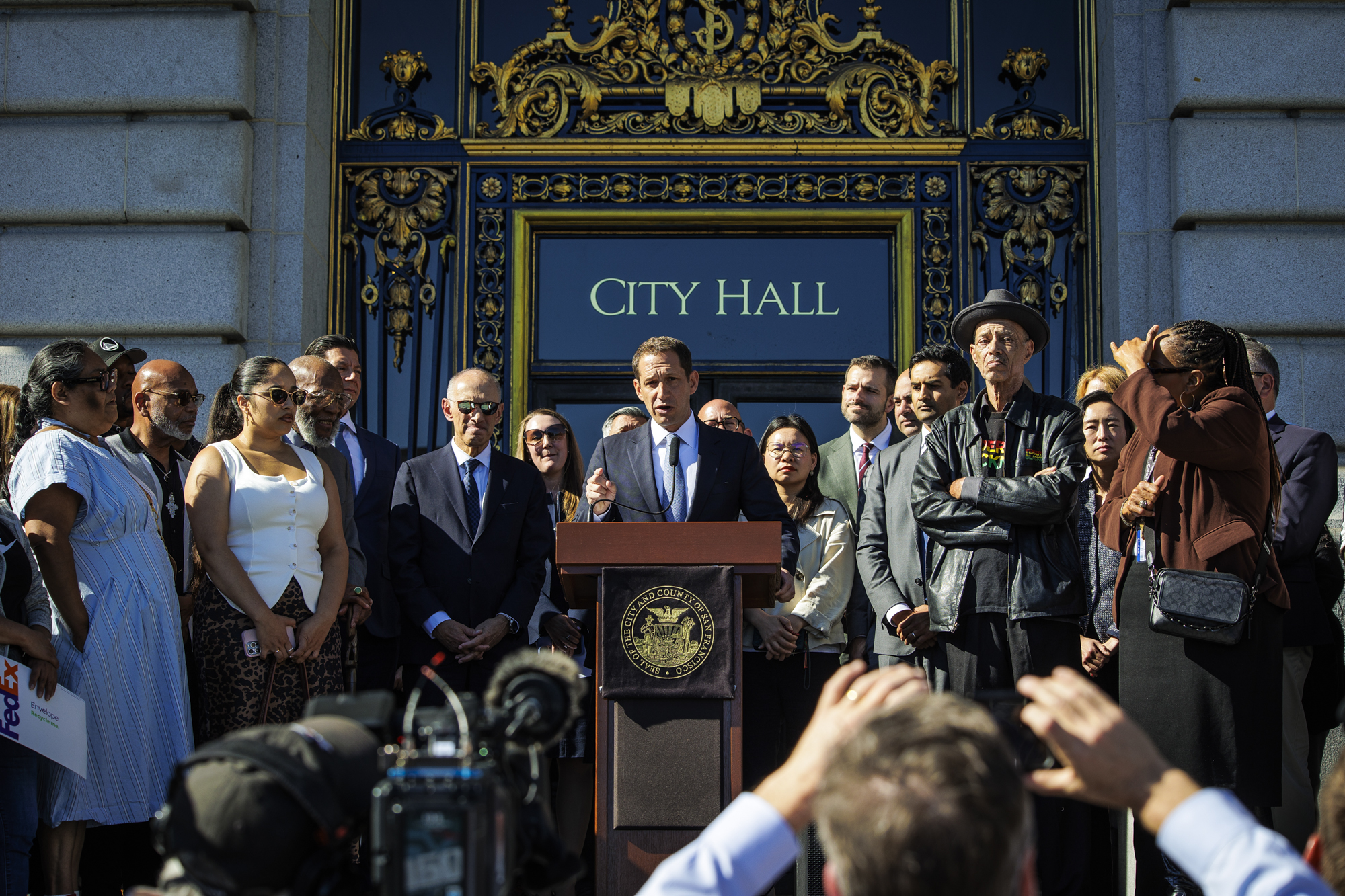
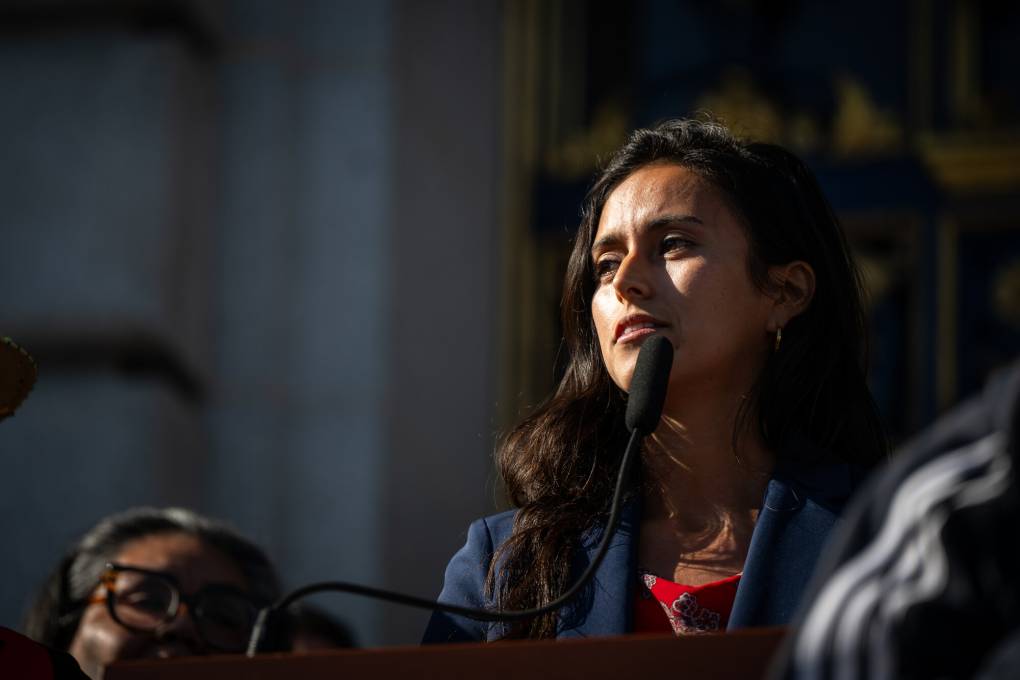
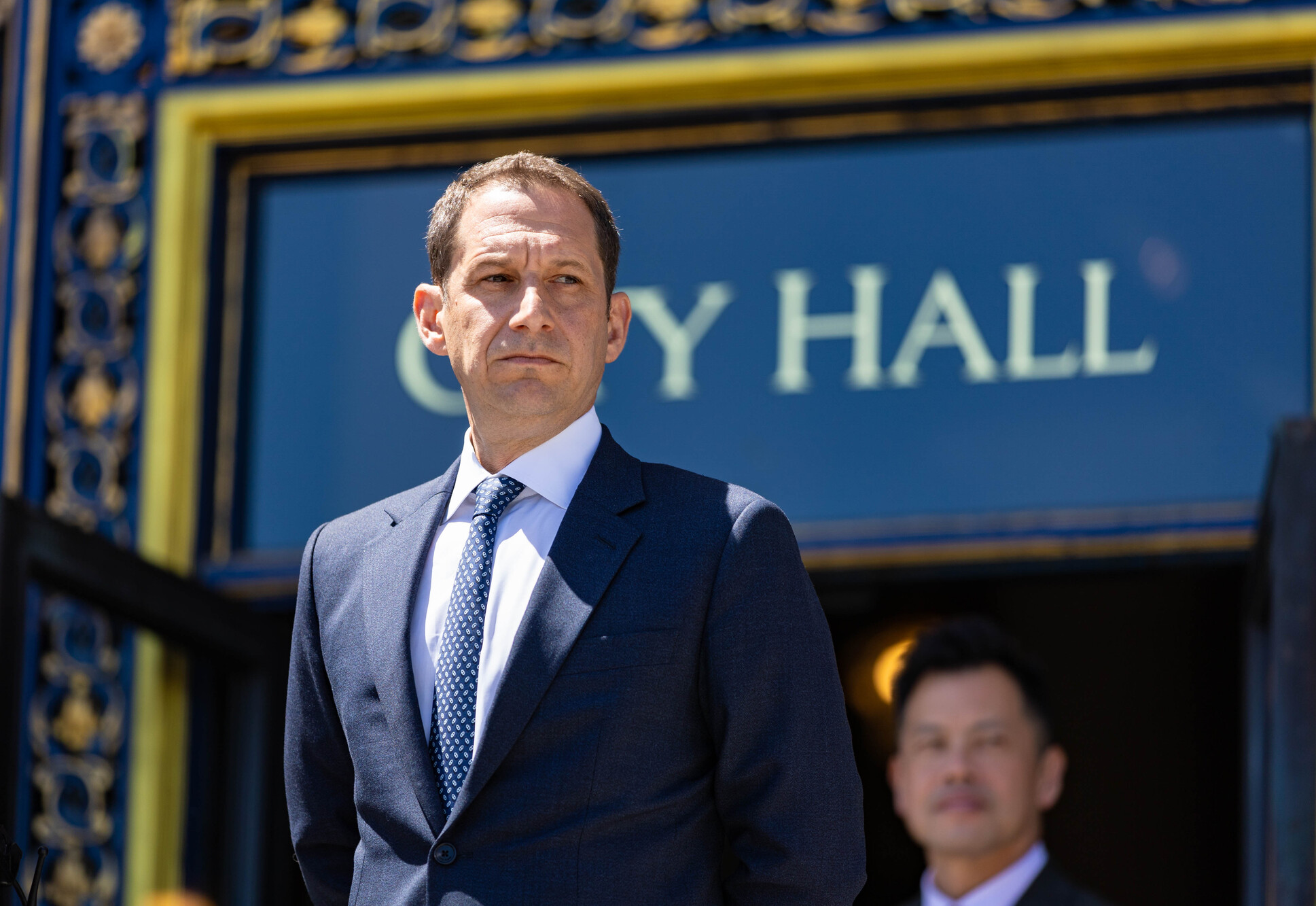
"caption": "Mayor Daniel Lurie speaks at a press event in front of San Francisco City Hall on Oct. 29, 2025.",
"credit": "Martin do Nascimento/KQED",
"altTag": null,
"description": null,
"imgSizes": {
"thumbnail": {
"file": "https://cdn.kqed.org/wp-content/uploads/sites/10/2025/10/251029-SNAP-PRESSER-MD-02-KQED-160x107.jpg",
"width": 160,
"height": 107,
"mimeType": "image/jpeg"
},
"1536x1536": {
"file": "https://cdn.kqed.org/wp-content/uploads/sites/10/2025/10/251029-SNAP-PRESSER-MD-02-KQED-1536x1024.jpg",
"width": 1536,
"height": 1024,
"mimeType": "image/jpeg"
},
"post-thumbnail": {
"file": "https://cdn.kqed.org/wp-content/uploads/sites/10/2025/10/251029-SNAP-PRESSER-MD-02-KQED-672x372.jpg",
"width": 672,
"height": 372,
"mimeType": "image/jpeg"
},
"twentyfourteen-full-width": {
"file": "https://cdn.kqed.org/wp-content/uploads/sites/10/2025/10/251029-SNAP-PRESSER-MD-02-KQED-1038x576.jpg",
"width": 1038,
"height": 576,
"mimeType": "image/jpeg"
},
"npr-cds-wide": {
"file": "https://cdn.kqed.org/wp-content/uploads/sites/10/2025/10/251029-SNAP-PRESSER-MD-02-KQED-1600x900.jpg",
"width": 1600,
"height": 900,
"mimeType": "image/jpeg"
},
"kqedFullSize": {
"file": "https://cdn.kqed.org/wp-content/uploads/sites/10/2025/10/251029-SNAP-PRESSER-MD-02-KQED.jpg",
"width": 2000,
"height": 1333
}
},
"isLoading": false,
"fetchFailed": false
},
"news_11843813": {
"type": "attachments",
"id": "news_11843813",
"meta": {
"index": "attachments_1716263798",
"site": "news",
"id": "11843813",
"found": true
},
"parent": 11843123,
"imgSizes": {
"apple_news_ca_landscape_5_5": {
"file": "https://ww2.kqed.org/app/uploads/sites/10/2020/10/uber-lyft-protest-sign-1044x783.jpg",
"width": 1044,
"mimeType": "image/jpeg",
"height": 783
},
"apple_news_ca_square_4_0": {
"file": "https://ww2.kqed.org/app/uploads/sites/10/2020/10/uber-lyft-protest-sign-470x470.jpg",
"width": 470,
"mimeType": "image/jpeg",
"height": 470
},
"twentyfourteen-full-width": {
"file": "https://ww2.kqed.org/app/uploads/sites/10/2020/10/uber-lyft-protest-sign-1038x576.jpg",
"width": 1038,
"mimeType": "image/jpeg",
"height": 576
},
"thumbnail": {
"file": "https://ww2.kqed.org/app/uploads/sites/10/2020/10/uber-lyft-protest-sign-160x111.jpg",
"width": 160,
"mimeType": "image/jpeg",
"height": 111
},
"post-thumbnail": {
"file": "https://ww2.kqed.org/app/uploads/sites/10/2020/10/uber-lyft-protest-sign-672x372.jpg",
"width": 672,
"mimeType": "image/jpeg",
"height": 372
},
"kqedFullSize": {
"file": "https://ww2.kqed.org/app/uploads/sites/10/2020/10/uber-lyft-protest-sign.jpg",
"width": 1920,
"height": 1330
},
"apple_news_ca_landscape_4_7": {
"file": "https://ww2.kqed.org/app/uploads/sites/10/2020/10/uber-lyft-protest-sign-632x474.jpg",
"width": 632,
"mimeType": "image/jpeg",
"height": 474
},
"large": {
"file": "https://ww2.kqed.org/app/uploads/sites/10/2020/10/uber-lyft-protest-sign-1020x707.jpg",
"width": 1020,
"mimeType": "image/jpeg",
"height": 707
},
"apple_news_ca_landscape_4_0": {
"file": "https://ww2.kqed.org/app/uploads/sites/10/2020/10/uber-lyft-protest-sign-536x402.jpg",
"width": 536,
"mimeType": "image/jpeg",
"height": 402
},
"apple_news_ca_portrait_12_9": {
"file": "https://ww2.kqed.org/app/uploads/sites/10/2020/10/uber-lyft-protest-sign-1122x1330.jpg",
"width": 1122,
"mimeType": "image/jpeg",
"height": 1330
},
"medium": {
"file": "https://ww2.kqed.org/app/uploads/sites/10/2020/10/uber-lyft-protest-sign-800x554.jpg",
"width": 800,
"mimeType": "image/jpeg",
"height": 554
},
"apple_news_ca_portrait_4_0": {
"file": "https://ww2.kqed.org/app/uploads/sites/10/2020/10/uber-lyft-protest-sign-354x472.jpg",
"width": 354,
"mimeType": "image/jpeg",
"height": 472
},
"apple_news_ca_portrait_9_7": {
"file": "https://ww2.kqed.org/app/uploads/sites/10/2020/10/uber-lyft-protest-sign-840x1120.jpg",
"width": 840,
"mimeType": "image/jpeg",
"height": 1120
},
"apple_news_ca_landscape_12_9": {
"file": "https://ww2.kqed.org/app/uploads/sites/10/2020/10/uber-lyft-protest-sign-1832x1330.jpg",
"width": 1832,
"mimeType": "image/jpeg",
"height": 1330
},
"apple_news_ca_square_9_7": {
"file": "https://ww2.kqed.org/app/uploads/sites/10/2020/10/uber-lyft-protest-sign-1104x1104.jpg",
"width": 1104,
"mimeType": "image/jpeg",
"height": 1104
},
"1536x1536": {
"file": "https://ww2.kqed.org/app/uploads/sites/10/2020/10/uber-lyft-protest-sign-1536x1064.jpg",
"width": 1536,
"mimeType": "image/jpeg",
"height": 1064
},
"apple_news_ca_portrait_4_7": {
"file": "https://ww2.kqed.org/app/uploads/sites/10/2020/10/uber-lyft-protest-sign-414x552.jpg",
"width": 414,
"mimeType": "image/jpeg",
"height": 552
},
"apple_news_ca_square_12_9": {
"file": "https://ww2.kqed.org/app/uploads/sites/10/2020/10/uber-lyft-protest-sign-1472x1330.jpg",
"width": 1472,
"mimeType": "image/jpeg",
"height": 1330
},
"apple_news_ca_portrait_5_5": {
"file": "https://ww2.kqed.org/app/uploads/sites/10/2020/10/uber-lyft-protest-sign-687x916.jpg",
"width": 687,
"mimeType": "image/jpeg",
"height": 916
},
"apple_news_ca_square_4_7": {
"file": "https://ww2.kqed.org/app/uploads/sites/10/2020/10/uber-lyft-protest-sign-550x550.jpg",
"width": 550,
"mimeType": "image/jpeg",
"height": 550
},
"apple_news_ca_landscape_9_7": {
"file": "https://ww2.kqed.org/app/uploads/sites/10/2020/10/uber-lyft-protest-sign-1376x1032.jpg",
"width": 1376,
"mimeType": "image/jpeg",
"height": 1032
},
"apple_news_ca_square_5_5": {
"file": "https://ww2.kqed.org/app/uploads/sites/10/2020/10/uber-lyft-protest-sign-912x912.jpg",
"width": 912,
"mimeType": "image/jpeg",
"height": 912
}
},
"publishDate": 1603753946,
"modified": 1678823724,
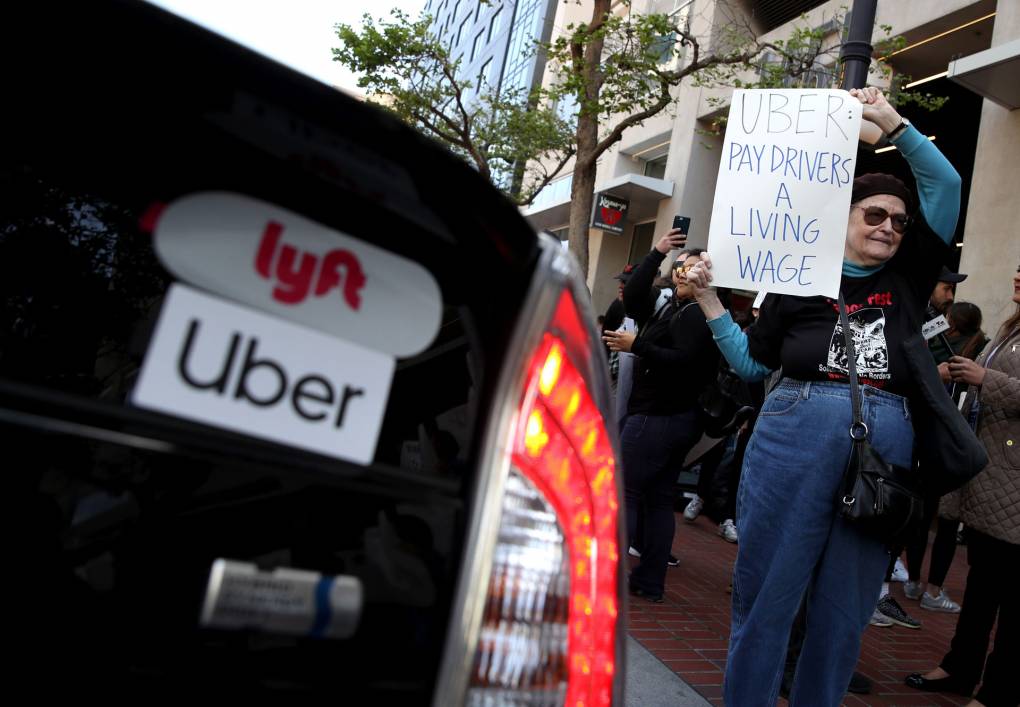
"caption": "A supporter of ride-hail drivers holds a sign during a protest in front of Uber headquarters in May 2019. Prop. 22, backed by huge amounts of cash from gig companies, would create a new class of worker in California.",
"description": "A supporter of ride-hail drivers holds a sign during a protest in front of Uber headquarters in May, 2019. Prop. 22, backed by huge amounts of cash from gig companies, would create a new class of worker in California.",
"title": "uber-lyft-protest-sign",
"credit": "Justin Sullivan/Getty Images",
"status": "inherit",
"altTag": "Protesters stand on a sidewalk in front of an office, and next to a car with Lyft and Uber stickers on the back. A woman holds a sign that says: Uber: 'Pay Drivers a Living Wage.'",
"isLoading": false,
"fetchFailed": false
},
"news_12042200": {
"type": "attachments",
"id": "news_12042200",
"meta": {
"index": "attachments_1716263798",
"site": "news",
"id": "12042200",
"found": true
},
"title": "008_KQED_630Sansome_02052020_1470_qed",
"publishDate": 1748630169,
"status": "inherit",
"parent": 12042197,
"modified": 1784932362,
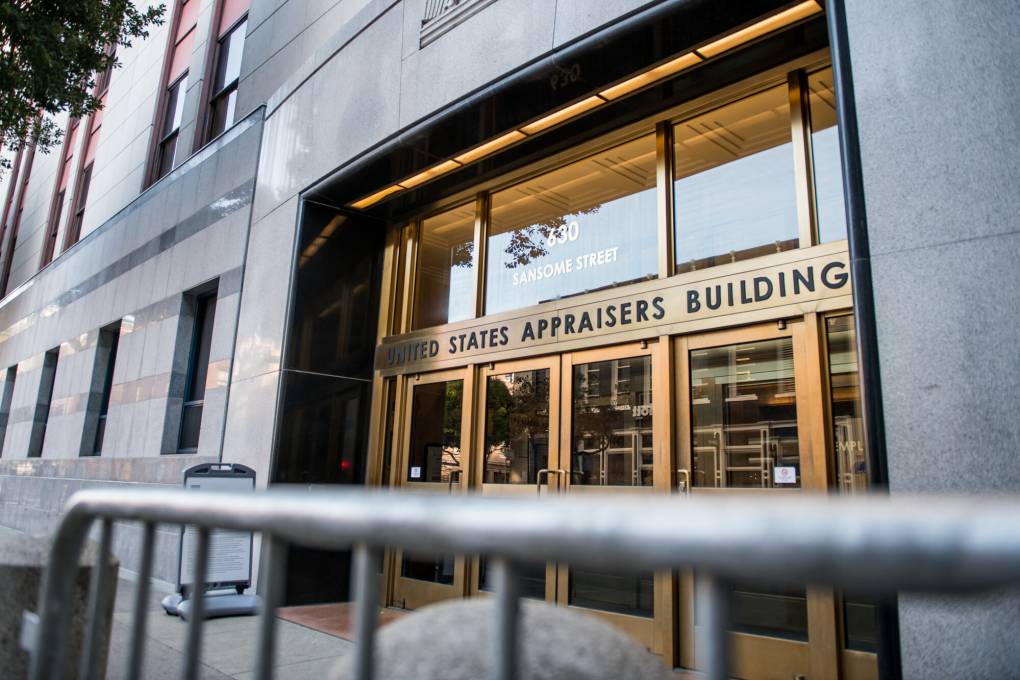
"caption": "The U.S. Immigration & Customs Enforcement building at 630 Sansome St., in San Francisco, California, on Feb. 5, 2020.",
"credit": "Beth LaBerge/KQED",
"altTag": null,
"description": null,
"imgSizes": {
"medium": {
"file": "https://cdn.kqed.org/wp-content/uploads/sites/10/2025/05/008_KQED_630Sansome_02052020_1470_qed-800x533.jpg",
"width": 800,
"height": 533,
"mimeType": "image/jpeg"
},
"large": {
"file": "https://cdn.kqed.org/wp-content/uploads/sites/10/2025/05/008_KQED_630Sansome_02052020_1470_qed-1020x680.jpg",
"width": 1020,
"height": 680,
"mimeType": "image/jpeg"
},
"thumbnail": {
"file": "https://cdn.kqed.org/wp-content/uploads/sites/10/2025/05/008_KQED_630Sansome_02052020_1470_qed-160x107.jpg",
"width": 160,
"height": 107,
"mimeType": "image/jpeg"
},
"1536x1536": {
"file": "https://cdn.kqed.org/wp-content/uploads/sites/10/2025/05/008_KQED_630Sansome_02052020_1470_qed-1536x1024.jpg",
"width": 1536,
"height": 1024,
"mimeType": "image/jpeg"
},
"post-thumbnail": {
"file": "https://cdn.kqed.org/wp-content/uploads/sites/10/2025/05/008_KQED_630Sansome_02052020_1470_qed-672x372.jpg",
"width": 672,
"height": 372,
"mimeType": "image/jpeg"
},
"twentyfourteen-full-width": {
"file": "https://cdn.kqed.org/wp-content/uploads/sites/10/2025/05/008_KQED_630Sansome_02052020_1470_qed-1038x576.jpg",
"width": 1038,
"height": 576,
"mimeType": "image/jpeg"
},
"full-width": {
"file": "https://cdn.kqed.org/wp-content/uploads/sites/10/2025/05/008_KQED_630Sansome_02052020_1470_qed-1920x1280.jpg",
"width": 1920,
"height": 1280,
"mimeType": "image/jpeg"
},
"kqedFullSize": {
"file": "https://cdn.kqed.org/wp-content/uploads/sites/10/2025/05/008_KQED_630Sansome_02052020_1470_qed.jpg",
"width": 1999,
"height": 1333
}
},
"isLoading": false,
"fetchFailed": false
},
"news_12061707": {
"type": "attachments",
"id": "news_12061707",
"meta": {
"index": "attachments_1716263798",
"site": "news",
"id": "12061707",
"found": true
},
"title": "American Muslims for Palestine, 17th Annual Convention for Palestine in Illinois",
"publishDate": 1761594151,
"status": "inherit",
"parent": 12061703,
"modified": 1761594378,
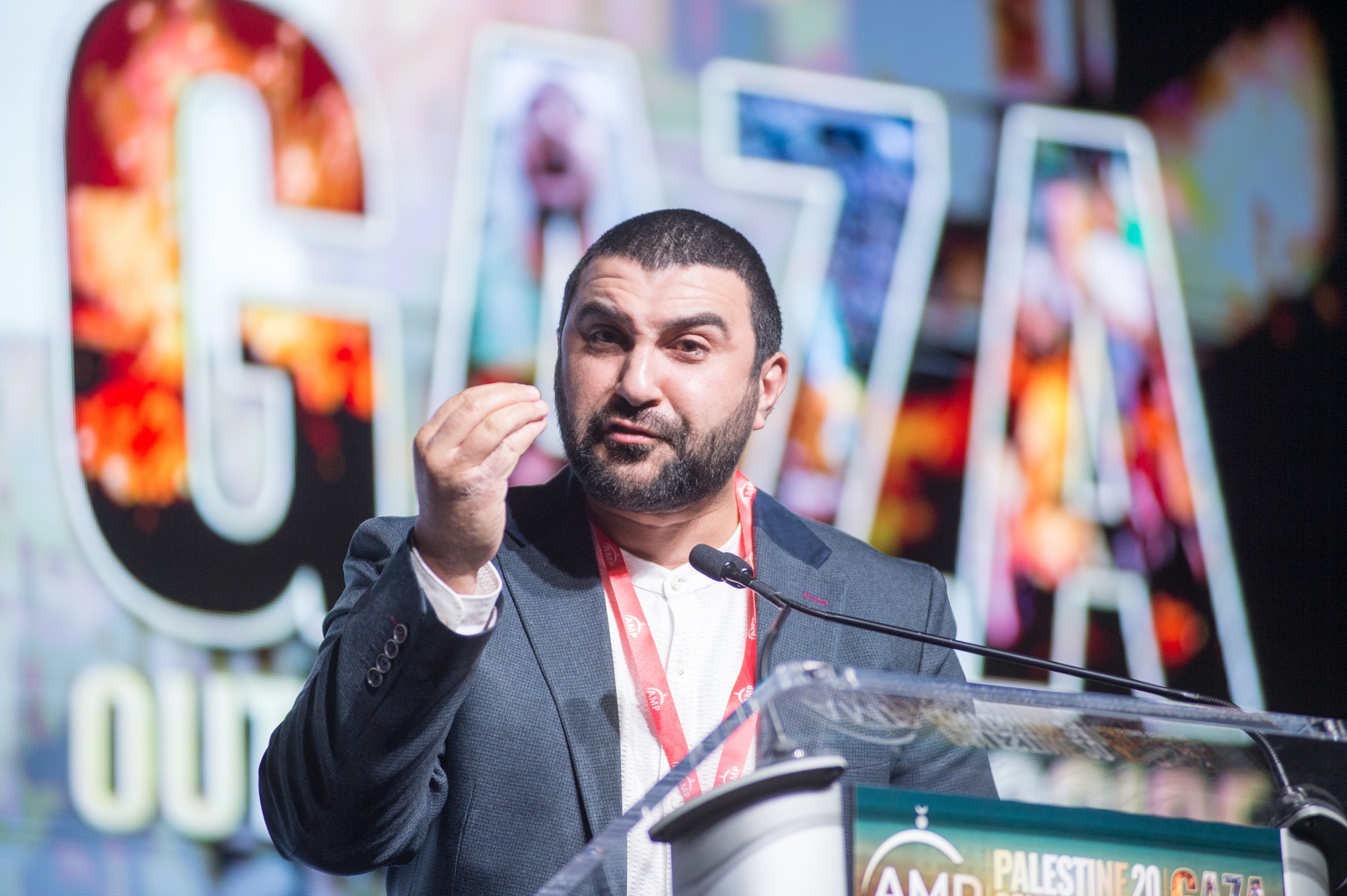
"caption": "Sami Hamdi, managing director of the International Interest, during a speech at the 17th Annual Convention for Palestine at the Tinley Park Convention Center in Tinley Park, Illinois, on Nov. 30, 2024.",
"credit": "Jacek Boczarski/Anadolu via Getty Images",
"altTag": null,
"description": null,
"imgSizes": {
"thumbnail": {
"file": "https://cdn.kqed.org/wp-content/uploads/sites/10/2025/10/SamiHamdiGetty-160x106.jpg",
"width": 160,
"height": 106,
"mimeType": "image/jpeg"
},
"1536x1536": {
"file": "https://cdn.kqed.org/wp-content/uploads/sites/10/2025/10/SamiHamdiGetty-1536x1022.jpg",
"width": 1536,
"height": 1022,
"mimeType": "image/jpeg"
},
"post-thumbnail": {
"file": "https://cdn.kqed.org/wp-content/uploads/sites/10/2025/10/SamiHamdiGetty-672x372.jpg",
"width": 672,
"height": 372,
"mimeType": "image/jpeg"
},
"twentyfourteen-full-width": {
"file": "https://cdn.kqed.org/wp-content/uploads/sites/10/2025/10/SamiHamdiGetty-1038x576.jpg",
"width": 1038,
"height": 576,
"mimeType": "image/jpeg"
},
"npr-cds-wide": {
"file": "https://cdn.kqed.org/wp-content/uploads/sites/10/2025/10/SamiHamdiGetty-1600x900.jpg",
"width": 1600,
"height": 900,
"mimeType": "image/jpeg"
},
"kqedFullSize": {
"file": "https://cdn.kqed.org/wp-content/uploads/sites/10/2025/10/SamiHamdiGetty.jpg",
"width": 2000,
"height": 1331
}
},
"isLoading": false,
"fetchFailed": false
},
"news_12041396": {
"type": "attachments",
"id": "news_12041396",
"meta": {
"index": "attachments_1716263798",
"site": "news",
"id": "12041396",
"found": true
},
"title": "250128-SFImmigration-25-BL_qed",
"publishDate": 1747954329,
"status": "inherit",
"parent": 12041112,
"modified": 1764713928,
"caption": "San Francisco Supervisor Jackie Fielder speaks during a press conference with elected and public safety officials and labor leaders in front of City Hall in San Francisco on Jan. 28, 2025.",
"credit": "Beth LaBerge/KQED",
"altTag": null,
"description": null,
"imgSizes": {
"medium": {
"file": "https://cdn.kqed.org/wp-content/uploads/sites/10/2025/05/250128-SFImmigration-25-BL_qed-800x533.jpg",
"width": 800,
"height": 533,
"mimeType": "image/jpeg"
},
"large": {
"file": "https://cdn.kqed.org/wp-content/uploads/sites/10/2025/05/250128-SFImmigration-25-BL_qed-1020x680.jpg",
"width": 1020,
"height": 680,
"mimeType": "image/jpeg"
},
"thumbnail": {
"file": "https://cdn.kqed.org/wp-content/uploads/sites/10/2025/05/250128-SFImmigration-25-BL_qed-160x107.jpg",
"width": 160,
"height": 107,
"mimeType": "image/jpeg"
},
"1536x1536": {
"file": "https://cdn.kqed.org/wp-content/uploads/sites/10/2025/05/250128-SFImmigration-25-BL_qed-1536x1024.jpg",
"width": 1536,
"height": 1024,
"mimeType": "image/jpeg"
},
"post-thumbnail": {
"file": "https://cdn.kqed.org/wp-content/uploads/sites/10/2025/05/250128-SFImmigration-25-BL_qed-672x372.jpg",
"width": 672,
"height": 372,
"mimeType": "image/jpeg"
},
"twentyfourteen-full-width": {
"file": "https://cdn.kqed.org/wp-content/uploads/sites/10/2025/05/250128-SFImmigration-25-BL_qed-1038x576.jpg",
"width": 1038,
"height": 576,
"mimeType": "image/jpeg"
},
"full-width": {
"file": "https://cdn.kqed.org/wp-content/uploads/sites/10/2025/05/250128-SFImmigration-25-BL_qed-1920x1280.jpg",
"width": 1920,
"height": 1280,
"mimeType": "image/jpeg"
},
"kqedFullSize": {
"file": "https://cdn.kqed.org/wp-content/uploads/sites/10/2025/05/250128-SFImmigration-25-BL_qed.jpg",
"width": 2000,
"height": 1333
}
},
"isLoading": false,
"fetchFailed": false
},
"news_12061284": {
"type": "attachments",
"id": "news_12061284",
"meta": {
"index": "attachments_1716263798",
"site": "news",
"id": "12061284",
"found": true
},
"title": "033_KQED_SanFrancisco_SFSU_03112020_6923_qed",
"publishDate": 1761252538,
"status": "inherit",
"parent": 12061272,
"modified": 1761252591,
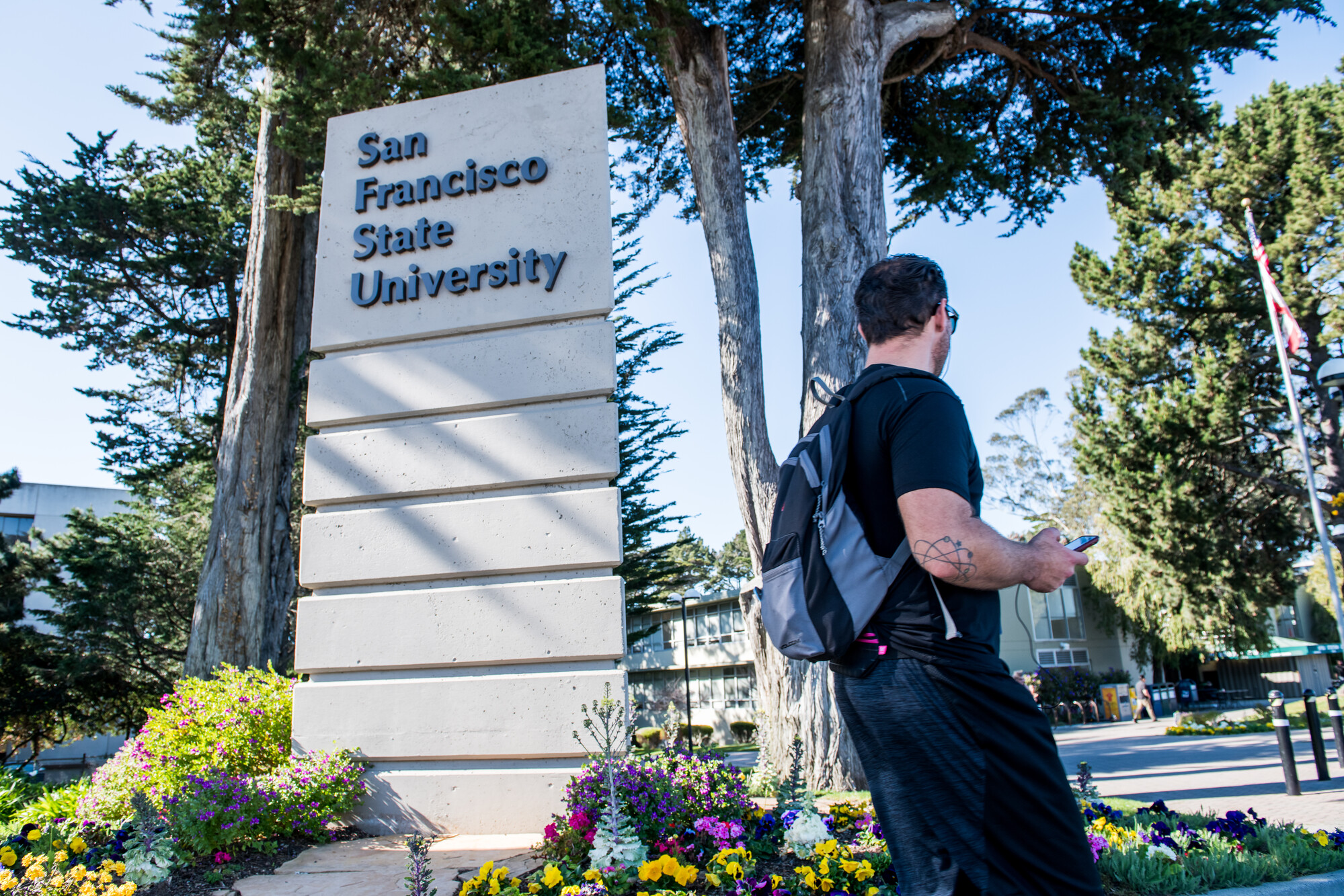
"caption": "San Francisco State University on March 11, 2020.\n\n",
"credit": "Beth LaBerge/KQED",
"altTag": null,
"description": null,
"imgSizes": {
"thumbnail": {
"file": "https://cdn.kqed.org/wp-content/uploads/sites/10/2025/10/033_KQED_SanFrancisco_SFSU_03112020_6923_qed-160x107.jpg",
"width": 160,
"height": 107,
"mimeType": "image/jpeg"
},
"1536x1536": {
"file": "https://cdn.kqed.org/wp-content/uploads/sites/10/2025/10/033_KQED_SanFrancisco_SFSU_03112020_6923_qed-1536x1024.jpg",
"width": 1536,
"height": 1024,
"mimeType": "image/jpeg"
},
"post-thumbnail": {
"file": "https://cdn.kqed.org/wp-content/uploads/sites/10/2025/10/033_KQED_SanFrancisco_SFSU_03112020_6923_qed-672x372.jpg",
"width": 672,
"height": 372,
"mimeType": "image/jpeg"
},
"twentyfourteen-full-width": {
"file": "https://cdn.kqed.org/wp-content/uploads/sites/10/2025/10/033_KQED_SanFrancisco_SFSU_03112020_6923_qed-1038x576.jpg",
"width": 1038,
"height": 576,
"mimeType": "image/jpeg"
},
"npr-cds-wide": {
"file": "https://cdn.kqed.org/wp-content/uploads/sites/10/2025/10/033_KQED_SanFrancisco_SFSU_03112020_6923_qed-1600x900.jpg",
"width": 1600,
"height": 900,
"mimeType": "image/jpeg"
},
"kqedFullSize": {
"file": "https://cdn.kqed.org/wp-content/uploads/sites/10/2025/10/033_KQED_SanFrancisco_SFSU_03112020_6923_qed.jpg",
"width": 1999,
"height": 1333
}
},
"isLoading": false,
"fetchFailed": false
},
"news_12061290": {
"type": "attachments",
"id": "news_12061290",
"meta": {
"index": "attachments_1716263798",
"site": "news",
"id": "12061290",
"found": true
},
"title": "20251023_SF CITY HALL_HERNANDEZ-2-KQED",
"publishDate": 1761255686,
"status": "inherit",
"parent": 0,
"modified": 1761255733,
"caption": "District 10 Supervisor Shamann Walton speaks at a rally outside San Francisco City Hall on Oct. 23, 2025, where faith, labor and community leaders denounced federal threats to deploy troops in the Bay Area.",
"credit": "Gustavo Hernandez/KQED",
"altTag": null,
"description": null,
"imgSizes": {
"thumbnail": {
"file": "https://cdn.kqed.org/wp-content/uploads/sites/10/2025/10/20251023_SF-CITY-HALL_HERNANDEZ-2-KQED-160x107.jpg",
"width": 160,
"height": 107,
"mimeType": "image/jpeg"
},
"1536x1536": {
"file": "https://cdn.kqed.org/wp-content/uploads/sites/10/2025/10/20251023_SF-CITY-HALL_HERNANDEZ-2-KQED-1536x1024.jpg",
"width": 1536,
"height": 1024,
"mimeType": "image/jpeg"
},
"post-thumbnail": {
"file": "https://cdn.kqed.org/wp-content/uploads/sites/10/2025/10/20251023_SF-CITY-HALL_HERNANDEZ-2-KQED-672x372.jpg",
"width": 672,
"height": 372,
"mimeType": "image/jpeg"
},
"twentyfourteen-full-width": {
"file": "https://cdn.kqed.org/wp-content/uploads/sites/10/2025/10/20251023_SF-CITY-HALL_HERNANDEZ-2-KQED-1038x576.jpg",
"width": 1038,
"height": 576,
"mimeType": "image/jpeg"
},
"npr-cds-wide": {
"file": "https://cdn.kqed.org/wp-content/uploads/sites/10/2025/10/20251023_SF-CITY-HALL_HERNANDEZ-2-KQED-1600x900.jpg",
"width": 1600,
"height": 900,
"mimeType": "image/jpeg"
},
"kqedFullSize": {
"file": "https://cdn.kqed.org/wp-content/uploads/sites/10/2025/10/20251023_SF-CITY-HALL_HERNANDEZ-2-KQED.jpg",
"width": 2000,
"height": 1333
}
},
"isLoading": false,
"fetchFailed": false
},
"news_12061203": {
"type": "attachments",
"id": "news_12061203",
"meta": {
"index": "attachments_1716263798",
"site": "news",
"id": "12061203",
"found": true
},
"title": "protesters block the entrance to Coast Guard Island Alameda",
"publishDate": 1761236167,
"status": "inherit",
"parent": 0,
"modified": 1761242543,
"caption": "A U.S. Customs and Border Protection agent confronts protesters blocking the entrance to Coast Guard Base Alameda, where they are sent to as a staging area for the long-threatened immigration crackdown, in Oakland on Oct. 23, 2025. ",
"credit": "Stephen Lam/San Francisco Chronicle via Getty Images",
"altTag": null,
"description": null,
"imgSizes": {
"thumbnail": {
"file": "https://cdn.kqed.org/wp-content/uploads/sites/10/2025/10/GETTYIMAGES-2242445000-KQED-160x107.jpg",
"width": 160,
"height": 107,
"mimeType": "image/jpeg"
},
"1536x1536": {
"file": "https://cdn.kqed.org/wp-content/uploads/sites/10/2025/10/GETTYIMAGES-2242445000-KQED-1536x1025.jpg",
"width": 1536,
"height": 1025,
"mimeType": "image/jpeg"
},
"post-thumbnail": {
"file": "https://cdn.kqed.org/wp-content/uploads/sites/10/2025/10/GETTYIMAGES-2242445000-KQED-672x372.jpg",
"width": 672,
"height": 372,
"mimeType": "image/jpeg"
},
"twentyfourteen-full-width": {
"file": "https://cdn.kqed.org/wp-content/uploads/sites/10/2025/10/GETTYIMAGES-2242445000-KQED-1038x576.jpg",
"width": 1038,
"height": 576,
"mimeType": "image/jpeg"
},
"npr-cds-wide": {
"file": "https://cdn.kqed.org/wp-content/uploads/sites/10/2025/10/GETTYIMAGES-2242445000-KQED-1600x900.jpg",
"width": 1600,
"height": 900,
"mimeType": "image/jpeg"
},
"kqedFullSize": {
"file": "https://cdn.kqed.org/wp-content/uploads/sites/10/2025/10/GETTYIMAGES-2242445000-KQED.jpg",
"width": 2000,
"height": 1334
}
},
"isLoading": false,
"fetchFailed": false
},
"news_12044183": {
"type": "attachments",
"id": "news_12044183",
"meta": {
"index": "attachments_1716263798",
"site": "news",
"id": "12044183",
"found": true
},
"title": "20250428_WarrantlessSearches_GC-29_qed",
"publishDate": 1749836052,
"status": "inherit",
"parent": 12044180,
"modified": 1749836087,
"caption": "Mayor Daniel Lurie attends a press conference outside of San Francisco City Hall on April 28, 2025.",
"credit": "Gina Castro/KQED",
"altTag": null,
"description": null,
"imgSizes": {
"thumbnail": {
"file": "https://cdn.kqed.org/wp-content/uploads/sites/10/2025/06/20250428_WarrantlessSearches_GC-29_qed-160x110.jpg",
"width": 160,
"height": 110,
"mimeType": "image/jpeg"
},
"1536x1536": {
"file": "https://cdn.kqed.org/wp-content/uploads/sites/10/2025/06/20250428_WarrantlessSearches_GC-29_qed-1536x1057.jpg",
"width": 1536,
"height": 1057,
"mimeType": "image/jpeg"
},
"post-thumbnail": {
"file": "https://cdn.kqed.org/wp-content/uploads/sites/10/2025/06/20250428_WarrantlessSearches_GC-29_qed-672x372.jpg",
"width": 672,
"height": 372,
"mimeType": "image/jpeg"
},
"twentyfourteen-full-width": {
"file": "https://cdn.kqed.org/wp-content/uploads/sites/10/2025/06/20250428_WarrantlessSearches_GC-29_qed-1038x576.jpg",
"width": 1038,
"height": 576,
"mimeType": "image/jpeg"
},
"kqedFullSize": {
"file": "https://cdn.kqed.org/wp-content/uploads/sites/10/2025/06/20250428_WarrantlessSearches_GC-29_qed.jpg",
"width": 1937,
"height": 1333
}
},
"isLoading": false,
"fetchFailed": false
},
"news_12061114": {
"type": "attachments",
"id": "news_12061114",
"meta": {
"index": "attachments_1716263798",
"site": "news",
"id": "12061114",
"found": true
},
"title": "251022-INDIABASINSHORELINEPARK-06-BL-KQED",
"publishDate": 1761171770,
"status": "inherit",
"parent": 0,
"modified": 1761171802,
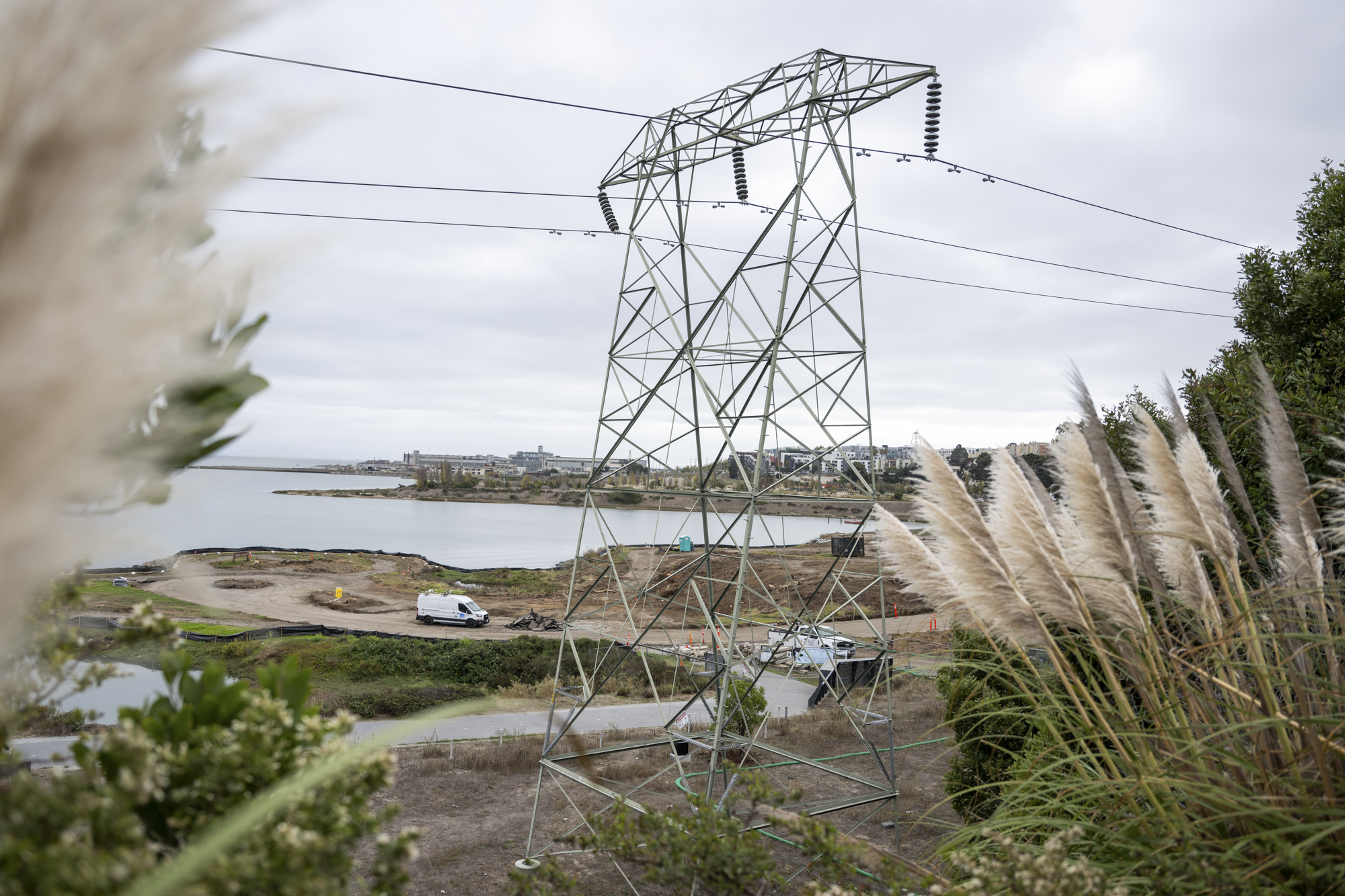
"caption": "A transmission tower at India Basin Shoreline Park in San Francisco on Oct. 22, 2025.",
"credit": "Beth LaBerge/KQED",
"altTag": null,
"description": null,
"imgSizes": {
"thumbnail": {
"file": "https://cdn.kqed.org/wp-content/uploads/sites/10/2025/10/251022-INDIABASINSHORELINEPARK-06-BL-KQED-160x107.jpg",
"width": 160,
"height": 107,
"mimeType": "image/jpeg"
},
"1536x1536": {
"file": "https://cdn.kqed.org/wp-content/uploads/sites/10/2025/10/251022-INDIABASINSHORELINEPARK-06-BL-KQED-1536x1024.jpg",
"width": 1536,
"height": 1024,
"mimeType": "image/jpeg"
},
"post-thumbnail": {
"file": "https://cdn.kqed.org/wp-content/uploads/sites/10/2025/10/251022-INDIABASINSHORELINEPARK-06-BL-KQED-672x372.jpg",
"width": 672,
"height": 372,
"mimeType": "image/jpeg"
},
"twentyfourteen-full-width": {
"file": "https://cdn.kqed.org/wp-content/uploads/sites/10/2025/10/251022-INDIABASINSHORELINEPARK-06-BL-KQED-1038x576.jpg",
"width": 1038,
"height": 576,
"mimeType": "image/jpeg"
},
"npr-cds-wide": {
"file": "https://cdn.kqed.org/wp-content/uploads/sites/10/2025/10/251022-INDIABASINSHORELINEPARK-06-BL-KQED-1600x900.jpg",
"width": 1600,
"height": 900,
"mimeType": "image/jpeg"
},
"kqedFullSize": {
"file": "https://cdn.kqed.org/wp-content/uploads/sites/10/2025/10/251022-INDIABASINSHORELINEPARK-06-BL-KQED.jpg",
"width": 2000,
"height": 1333
}
},
"isLoading": false,
"fetchFailed": false
},
"news_12060884": {
"type": "attachments",
"id": "news_12060884",
"meta": {
"index": "attachments_1716263798",
"site": "news",
"id": "12060884",
"found": true
},
"title": "251021-SCOTTWIENER-03-BL-KQED",
"publishDate": 1761076337,
"status": "inherit",
"parent": 12063507,
"modified": 1762560472,
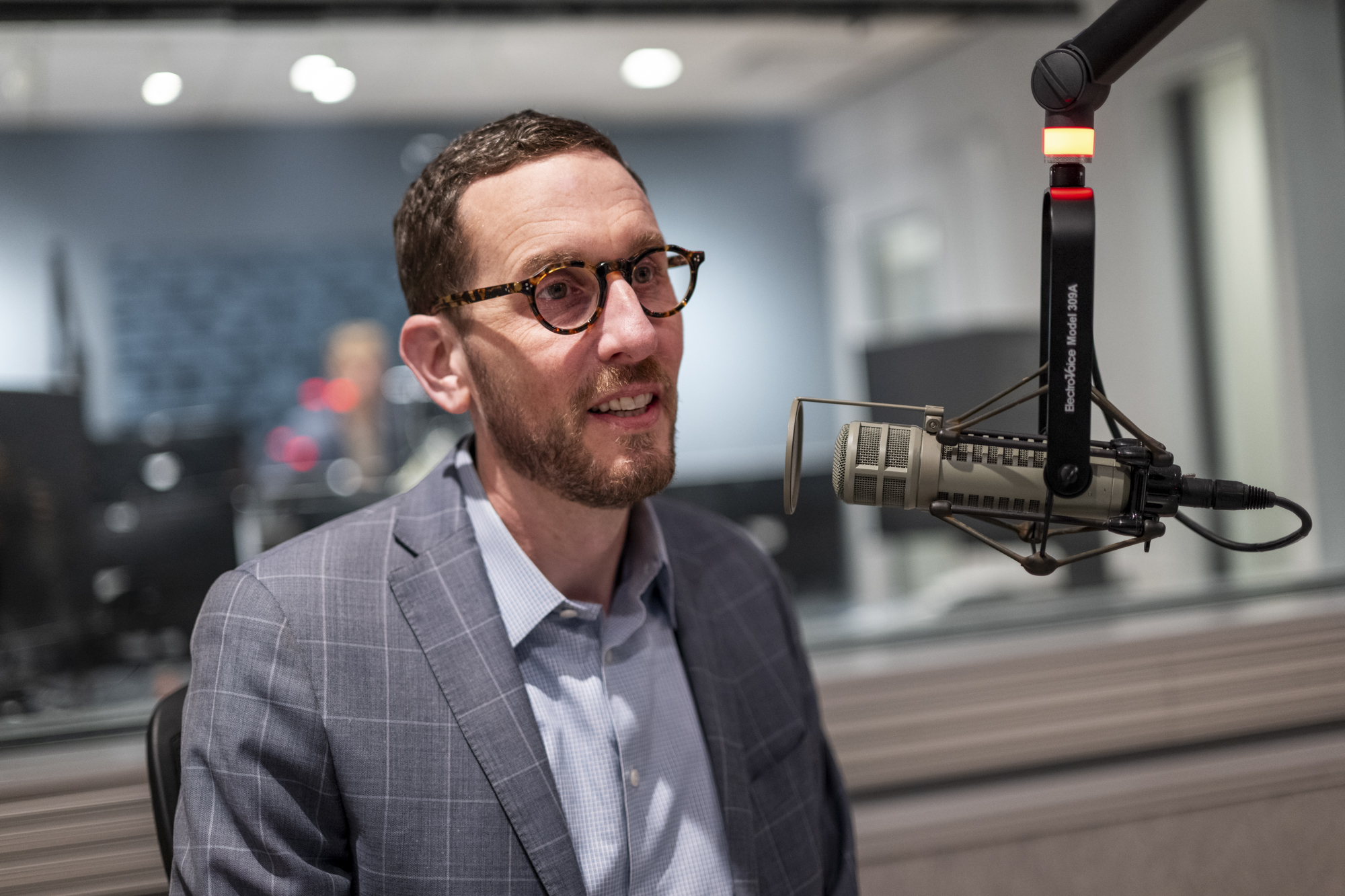
"caption": "Sen. Scott Wiener talks with political reporter Scott Shafer at the KQED offices in San Francisco on Oct. 21, 2025.",
"credit": "Beth LaBerge/KQED",
"altTag": null,
"description": null,
"imgSizes": {
"thumbnail": {
"file": "https://cdn.kqed.org/wp-content/uploads/sites/10/2025/10/251021-SCOTTWIENER-03-BL-KQED-160x107.jpg",
"width": 160,
"height": 107,
"mimeType": "image/jpeg"
},
"1536x1536": {
"file": "https://cdn.kqed.org/wp-content/uploads/sites/10/2025/10/251021-SCOTTWIENER-03-BL-KQED-1536x1024.jpg",
"width": 1536,
"height": 1024,
"mimeType": "image/jpeg"
},
"post-thumbnail": {
"file": "https://cdn.kqed.org/wp-content/uploads/sites/10/2025/10/251021-SCOTTWIENER-03-BL-KQED-672x372.jpg",
"width": 672,
"height": 372,
"mimeType": "image/jpeg"
},
"twentyfourteen-full-width": {
"file": "https://cdn.kqed.org/wp-content/uploads/sites/10/2025/10/251021-SCOTTWIENER-03-BL-KQED-1038x576.jpg",
"width": 1038,
"height": 576,
"mimeType": "image/jpeg"
},
"kqedFullSize": {
"file": "https://cdn.kqed.org/wp-content/uploads/sites/10/2025/10/251021-SCOTTWIENER-03-BL-KQED.jpg",
"width": 2000,
"height": 1333
}
},
"isLoading": false,
"fetchFailed": false
}
},
"audioPlayerReducer": {
"postId": "stream_live",
"isPaused": true,
"isPlaying": false,
"pfsActive": false,
"pledgeModalIsOpen": true,
"playerDrawerIsOpen": false,
"liveAudioPlayStartedAt": 0,
"liveAudioPlayContext": ""
},
"authorsReducer": {
"scottshafer": {
"type": "authors",
"id": "255",
"meta": {
"index": "authors_1716337520",
"id": "255",
"found": true
},
"name": "Scott Shafer",
"firstName": "Scott",
"lastName": "Shafer",
"slug": "scottshafer",
"email": "sshafer@kqed.org",
"display_author_email": false,
"staff_mastheads": [
"news"
],
"title": "KQED Contributor",
"bio": "Scott Shafer is a senior editor with the KQED Politics and Government desk. He is co-host of Political Breakdown, the award-winning radio show and podcast with a personal take on the world of politics. Scott came to KQED in 1998 to host the statewide\u003cem> California Report\u003c/em>. Prior to that he had extended stints in politics and government\u003cem>.\u003c/em> He uses that inside experience at KQED in his, reporting, hosting and analysis for the politics desk. Scott collaborated \u003cem>Political Breakdown a\u003c/em>nd on \u003cem>The Political Mind of Jerry Brown, \u003c/em>an eight-part series about the life and extraordinary political career of the former governor. For fun, he plays water polo with the San Francisco Tsunami.",
"avatar": "https://secure.gravatar.com/avatar/a62ebae45b79d7aed1a39a0e3bf68104?s=600&d=blank&r=g",
"twitter": "scottshafer",
"bluesky": null,
"facebook": null,
"instagram": null,
"linkedin": null,
"sites": [
{
"site": "news",
"roles": [
"editor"
]
},
{
"site": "stateofhealth",
"roles": [
"author"
]
},
{
"site": "science",
"roles": [
"author"
]
},
{
"site": "forum",
"roles": [
"subscriber"
]
},
{
"site": "liveblog",
"roles": [
"author"
]
}
],
"headData": {
"title": "Scott Shafer | KQED",
"description": "KQED Contributor",
"ogImgSrc": "https://secure.gravatar.com/avatar/a62ebae45b79d7aed1a39a0e3bf68104?s=600&d=blank&r=g",
"twImgSrc": "https://secure.gravatar.com/avatar/a62ebae45b79d7aed1a39a0e3bf68104?s=600&d=blank&r=g"
},
"isLoading": false,
"link": "/author/scottshafer"
},
"nvoynovskaya": {
"type": "authors",
"id": "11387",
"meta": {
"index": "authors_1716337520",
"id": "11387",
"found": true
},
"name": "Nastia Voynovskaya",
"firstName": "Nastia",
"lastName": "Voynovskaya",
"slug": "nvoynovskaya",
"email": "nvoynovskaya@kqed.org",
"display_author_email": false,
"staff_mastheads": [
"arts"
],
"title": "Editor and reporter",
"bio": "Nastia Voynovskaya is a reporter, editor and host at KQED Arts & Culture. She's been covering the arts in the Bay Area for over a decade, with a focus on music, queer culture, labor issues and grassroots organizing. She has edited KQED story series such as Trans Bay: A History of San Francisco's Gender-Diverse Community, and co-created KQED's Bay Area hip-hop history project, That's My Word. Nastia's work has been recognized by the Society of Professional Journalists and San Francisco Press Club. She regularly appears on podcasts and radio programs, including NPR's All Songs Considered, and hosts live events where music, culture and conversation meet.",
"avatar": "https://secure.gravatar.com/avatar/5025ee460e5a85d69ca20ea6c6f2f80d7e17795c828f61ea3aecfcd924e9042e?s=600&d=blank&r=g",
"twitter": null,
"bluesky": null,
"facebook": null,
"instagram": "https://www.instagram.com/nananastia/",
"linkedin": null,
"sites": [
{
"site": "",
"roles": [
"editor"
]
},
{
"site": "arts",
"roles": [
"administrator"
]
},
{
"site": "news",
"roles": [
"editor"
]
},
{
"site": "pop",
"roles": [
"administrator"
]
},
{
"site": "bayareabites",
"roles": [
"editor"
]
},
{
"site": "podcasts",
"roles": [
"editor"
]
},
{
"site": "hiphop",
"roles": [
"editor"
]
}
],
"headData": {
"title": "Nastia Voynovskaya | KQED",
"description": "Editor and reporter",
"ogImgSrc": "https://secure.gravatar.com/avatar/5025ee460e5a85d69ca20ea6c6f2f80d7e17795c828f61ea3aecfcd924e9042e?s=600&d=blank&r=g",
"twImgSrc": "https://secure.gravatar.com/avatar/5025ee460e5a85d69ca20ea6c6f2f80d7e17795c828f61ea3aecfcd924e9042e?s=600&d=blank&r=g"
},
"isLoading": false,
"link": "/author/nvoynovskaya"
},
"abandlamudi": {
"type": "authors",
"id": "11672",
"meta": {
"index": "authors_1716337520",
"id": "11672",
"found": true
},
"name": "Adhiti Bandlamudi",
"firstName": "Adhiti",
"lastName": "Bandlamudi",
"slug": "abandlamudi",
"email": "abandlamudi@kqed.org",
"display_author_email": false,
"staff_mastheads": [
"news"
],
"title": "KQED Housing Reporter",
"bio": "Adhiti Bandlamudi reports for KQED's Housing desk. She focuses on how housing gets built across the Bay Area. Before joining KQED in 2020, she reported for WUNC in Durham, North Carolina, WABE in Atlanta, Georgia and Capital Public Radio in Sacramento. In 2017, she was awarded a Kroc Fellowship at NPR where she reported on everything from sprinkles to the Golden State Killer's arrest. When she's not reporting, she's baking new recipes in her kitchen or watching movies with friends and family. She's originally from Georgia and has strong opinions about Great British Bake Off.",
"avatar": "https://secure.gravatar.com/avatar/868129c8b257bb99a3500e2c86a65400?s=600&d=mm&r=g",
"twitter": "oddity_adhiti",
"facebook": null,
"instagram": null,
"linkedin": null,
"sites": [
{
"site": "arts",
"roles": [
"author"
]
},
{
"site": "news",
"roles": [
"editor"
]
},
{
"site": "liveblog",
"roles": [
"author"
]
}
],
"headData": {
"title": "Adhiti Bandlamudi | KQED",
"description": "KQED Housing Reporter",
"ogImgSrc": "https://secure.gravatar.com/avatar/868129c8b257bb99a3500e2c86a65400?s=600&d=mm&r=g",
"twImgSrc": "https://secure.gravatar.com/avatar/868129c8b257bb99a3500e2c86a65400?s=600&d=mm&r=g"
},
"isLoading": false,
"link": "/author/abandlamudi"
},
"adahlstromeckman": {
"type": "authors",
"id": "11785",
"meta": {
"index": "authors_1716337520",
"id": "11785",
"found": true
},
"name": "Azul Dahlstrom-Eckman",
"firstName": "Azul",
"lastName": "Dahlstrom-Eckman",
"slug": "adahlstromeckman",
"email": "adahlstrom-eckman@kqed.org",
"display_author_email": true,
"staff_mastheads": [],
"title": "Reporter",
"bio": "Azul is a reporter for KQED focusing on transportation and features. He joined KQED in 2021 as an alumna of KALW's Audio Academy radio journalism training program.",
"avatar": "https://secure.gravatar.com/avatar/9cb750298435add7815a777f55bf1f46845c1386bb8452555c60a7b820b5aba3?s=600&d=blank&r=g",
"twitter": "@zuliemann",
"bluesky": "@azul415.bsky.social",
"facebook": null,
"instagram": null,
"linkedin": null,
"sites": [
{
"site": "arts",
"roles": [
"editor"
]
},
{
"site": "news",
"roles": [
"editor"
]
},
{
"site": "science",
"roles": [
"editor"
]
},
{
"site": "liveblog",
"roles": [
"author"
]
}
],
"headData": {
"title": "Azul Dahlstrom-Eckman | KQED",
"description": "Reporter",
"ogImgSrc": "https://secure.gravatar.com/avatar/9cb750298435add7815a777f55bf1f46845c1386bb8452555c60a7b820b5aba3?s=600&d=blank&r=g",
"twImgSrc": "https://secure.gravatar.com/avatar/9cb750298435add7815a777f55bf1f46845c1386bb8452555c60a7b820b5aba3?s=600&d=blank&r=g"
},
"isLoading": false,
"link": "/author/adahlstromeckman"
},
"daisynguyen": {
"type": "authors",
"id": "11829",
"meta": {
"index": "authors_1716337520",
"id": "11829",
"found": true
},
"name": "Daisy Nguyen",
"firstName": "Daisy",
"lastName": "Nguyen",
"slug": "daisynguyen",
"email": "daisynguyen@kqed.org",
"display_author_email": true,
"staff_mastheads": [
"news"
],
"title": "KQED Contributor",
"bio": "I have covered early childhood education and child care for KQED since 2022. I focus on policies aimed at increasing access to early care and education and how they shape individual lives. I've been a journalist for more than two decades, with most of that time devoted to covering breaking news throughout California for The Associated Press. I grew up in San Francisco and studied at UC Davis and Columbia University's Graduate School of Journalism. I live in Oakland with my husband and two kids.",
"avatar": "https://secure.gravatar.com/avatar/2da2127c27f7143b53ebd419800fd55f?s=600&d=blank&r=g",
"twitter": null,
"facebook": null,
"instagram": null,
"linkedin": "https://www.linkedin.com/in/daisynguyen/",
"sites": [
{
"site": "news",
"roles": [
"author"
]
},
{
"site": "liveblog",
"roles": [
"author"
]
}
],
"headData": {
"title": "Daisy Nguyen | KQED",
"description": "KQED Contributor",
"ogImgSrc": "https://secure.gravatar.com/avatar/2da2127c27f7143b53ebd419800fd55f?s=600&d=blank&r=g",
"twImgSrc": "https://secure.gravatar.com/avatar/2da2127c27f7143b53ebd419800fd55f?s=600&d=blank&r=g"
},
"isLoading": false,
"link": "/author/daisynguyen"
},
"sjohnson": {
"type": "authors",
"id": "11840",
"meta": {
"index": "authors_1716337520",
"id": "11840",
"found": true
},
"name": "Sydney Johnson",
"firstName": "Sydney",
"lastName": "Johnson",
"slug": "sjohnson",
"email": "sjohnson@kqed.org",
"display_author_email": false,
"staff_mastheads": [
"news"
],
"title": "KQED Reporter",
"bio": "Sydney Johnson is a general assignment reporter at KQED. She previously reported on public health and city government at the San Francisco Examiner, and before that, she covered statewide education policy for EdSource. Her reporting has won multiple local, state and national awards. Sydney is a graduate of the University of California, Berkeley and lives in San Francisco.",
"avatar": "https://secure.gravatar.com/avatar/97855f2719b72ad6190b7c535fe642c8?s=600&d=blank&r=g",
"twitter": "sydneyfjohnson",
"facebook": null,
"instagram": null,
"linkedin": null,
"sites": [
{
"site": "news",
"roles": [
"editor"
]
}
],
"headData": {
"title": "Sydney Johnson | KQED",
"description": "KQED Reporter",
"ogImgSrc": "https://secure.gravatar.com/avatar/97855f2719b72ad6190b7c535fe642c8?s=600&d=blank&r=g",
"twImgSrc": "https://secure.gravatar.com/avatar/97855f2719b72ad6190b7c535fe642c8?s=600&d=blank&r=g"
},
"isLoading": false,
"link": "/author/sjohnson"
},
"kdebenedetti": {
"type": "authors",
"id": "11913",
"meta": {
"index": "authors_1716337520",
"id": "11913",
"found": true
},
"name": "Katie DeBenedetti",
"firstName": "Katie",
"lastName": "DeBenedetti",
"slug": "kdebenedetti",
"email": "kdebenedetti@kqed.org",
"display_author_email": false,
"staff_mastheads": [
"news",
"science"
],
"title": "KQED Contributor",
"bio": "Katie DeBenedetti is a digital reporter covering daily news for the Express Desk. Prior to joining KQED as a culture reporting intern in January 2024, she covered education and city government for the Napa Valley Register.",
"avatar": "https://secure.gravatar.com/avatar/6e31073cb8f7e4214ab03f42771d0f45?s=600&d=blank&r=g",
"twitter": null,
"facebook": null,
"instagram": null,
"linkedin": null,
"sites": [
{
"site": "news",
"roles": [
"author"
]
},
{
"site": "science",
"roles": [
"author"
]
},
{
"site": "liveblog",
"roles": [
"author"
]
}
],
"headData": {
"title": "Katie DeBenedetti | KQED",
"description": "KQED Contributor",
"ogImgSrc": "https://secure.gravatar.com/avatar/6e31073cb8f7e4214ab03f42771d0f45?s=600&d=blank&r=g",
"twImgSrc": "https://secure.gravatar.com/avatar/6e31073cb8f7e4214ab03f42771d0f45?s=600&d=blank&r=g"
},
"isLoading": false,
"link": "/author/kdebenedetti"
},
"nsuliman": {
"type": "authors",
"id": "11985",
"meta": {
"index": "authors_1716337520",
"id": "11985",
"found": true
},
"name": "Nibras Suliman",
"firstName": "Nibras",
"lastName": "Suliman",
"slug": "nsuliman",
"email": "nsuliman@kqed.org",
"display_author_email": false,
"staff_mastheads": [],
"title": "KQED Contributor",
"bio": null,
"avatar": "https://secure.gravatar.com/avatar/581946774e0249b1fcdfb01d4f143d12?s=600&d=blank&r=g",
"twitter": null,
"facebook": null,
"instagram": null,
"linkedin": null,
"sites": [
{
"site": "news",
"roles": []
}
],
"headData": {
"title": "Nibras Suliman | KQED",
"description": "KQED Contributor",
"ogImgSrc": "https://secure.gravatar.com/avatar/581946774e0249b1fcdfb01d4f143d12?s=600&d=blank&r=g",
"twImgSrc": "https://secure.gravatar.com/avatar/581946774e0249b1fcdfb01d4f143d12?s=600&d=blank&r=g"
},
"isLoading": false,
"link": "/author/nsuliman"
},
"aaliahmad": {
"type": "authors",
"id": "11986",
"meta": {
"index": "authors_1716337520",
"id": "11986",
"found": true
},
"name": "Ayah Ali-Ahmad",
"firstName": "Ayah",
"lastName": "Ali-Ahmad",
"slug": "aaliahmad",
"email": "aaliahmad@KQED.org",
"display_author_email": false,
"staff_mastheads": [],
"title": "KQED Contributor",
"bio": null,
"avatar": "https://secure.gravatar.com/avatar/1cf54f187a5e1064b2cfef3f3d2f1e4f93e453395d56912aca6382a6071ec3ed?s=600&d=blank&r=g",
"twitter": "ayahaliahmad",
"bluesky": null,
"facebook": null,
"instagram": null,
"linkedin": null,
"sites": [
{
"site": "news",
"roles": [
"subscriber"
]
}
],
"headData": {
"title": "Ayah Ali-Ahmad | KQED",
"description": "KQED Contributor",
"ogImgSrc": "https://secure.gravatar.com/avatar/1cf54f187a5e1064b2cfef3f3d2f1e4f93e453395d56912aca6382a6071ec3ed?s=600&d=blank&r=g",
"twImgSrc": "https://secure.gravatar.com/avatar/1cf54f187a5e1064b2cfef3f3d2f1e4f93e453395d56912aca6382a6071ec3ed?s=600&d=blank&r=g"
},
"isLoading": false,
"link": "/author/aaliahmad"
}
},
"pagesReducer": {
"news_tag_san-francisco": {
"type": "terms",
"id": "news_38",
"meta": {
"index": "terms_1716263798",
"site": "news",
"id": "38",
"score": 6.7228813
},
"featImg": null,
"name": "San Francisco",
"description": null,
"taxonomy": "tag",
"headData": {
"twImgId": null,
"twTitle": null,
"ogTitle": null,
"ogImgId": null,
"twDescription": null,
"description": null,
"title": "San Francisco Archives | KQED News",
"ogDescription": null
},
"ttid": 58,
"slug": "san-francisco",
"isLoading": false,
"title": "San Francisco",
"pageMeta": {
"site": "news",
"WpPageTemplate": "page-topic-editorial",
"currentPage": 43
},
"blocks": [
{
"blockName": "kqed/post-list",
"attrs": {
"layout": "cardArticle2",
"query": "posts/news?tag=san-francisco",
"seeMore": false,
"paginated": true,
"page": 43
}
},
{
"blockName": "kqed/ad"
}
]
}
},
"pfsSessionReducer": {},
"postsReducer": {
"stream_live": {
"type": "live",
"id": "stream_live",
"audioUrl": "https://streams.kqed.org/kqedradio",
"title": "Live Stream",
"excerpt": "Live Stream information currently unavailable.",
"link": "/radio",
"featImg": "",
"label": {
"name": "KQED Live",
"link": "/"
}
},
"stream_kqedNewscast": {
"type": "posts",
"id": "stream_kqedNewscast",
"audioUrl": "https://www.kqed.org/.stream/anon/radio/RDnews/newscast.mp3?_=1",
"title": "KQED Newscast",
"featImg": "",
"label": {
"name": "88.5 FM",
"link": "/"
}
},
"news_12062042": {
"type": "posts",
"id": "news_12062042",
"meta": {
"index": "posts_1716263798",
"site": "news",
"id": "12062042",
"score": null,
"sort": [
1761780125000
]
},
"guestAuthors": [],
"slug": "report-projects-weak-housing-production-under-san-francisco-zoning-plan-over-next-20-years",
"title": "Report Projects Weak Housing Production Under San Francisco Zoning Plan Over Next 20 Years",
"publishDate": 1761780125,
"format": "standard",
"headTitle": "Report Projects Weak Housing Production Under San Francisco Zoning Plan Over Next 20 Years | KQED",
"labelTerm": {
"site": "news"
},
"content": "\u003cp>\u003ca href=\"https://www.kqed.org/news/tag/san-francisco\">San Francisco\u003c/a>’s contentious \u003ca href=\"https://sfplanning.org/sf-family-zoning-plan\">rezoning plan\u003c/a> is unlikely to produce the number of homes the city is required to build to meet state requirements, according to projections in a report released Thursday by the city’s chief economist.\u003c/p>\n\u003cp>San Francisco is on the hook to make way for 82,000 new homes by 2031, and risks losing state funding and control over housing development if a local rezoning plan is not adopted by January 2026. The report could add another hurdle for the housing proposal, which has already been a major test for Mayor Daniel Lurie, who had never served in public office before this year.\u003c/p>\n\u003cp>The report suggests that Lurie’s Family Zoning Plan could lead to a “significant increase in the city’s housing supply.” But even optimistic modeling projected only about 14,600 new units, due to construction costs and the plan’s dependency on market conditions.\u003c/p>\n\u003cp>[ad fullwidth]\u003c/p>\n\u003cp>“The context for housing development in San Francisco has changed profoundly in the past several years,” the report read.\u003c/p>\n\u003cp>“Nevertheless, under both scenarios considered in this report, the proposed rezoning would lead to a significant increase in the city’s housing supply, and have broadly positive effects on housing prices and the city’s broader economy.”\u003c/p>\n\u003cp>The city’s Office of Economic Analysis reviews all new legislation introduced at the board and will report on its economic effects if it’s determined to have a significant impact.\u003c/p>\n\u003cfigure id=\"attachment_12062183\" class=\"wp-caption aligncenter\" style=\"max-width: 2000px\">\u003cimg loading=\"lazy\" decoding=\"async\" class=\"wp-image-12062183 size-full\" src=\"https://cdn.kqed.org/wp-content/uploads/sites/10/2025/10/240214-CoastalCommission-56-BL_qed.jpg\" alt=\"\" width=\"2000\" height=\"1333\" srcset=\"https://cdn.kqed.org/wp-content/uploads/sites/10/2025/10/240214-CoastalCommission-56-BL_qed.jpg 2000w, https://cdn.kqed.org/wp-content/uploads/sites/10/2025/10/240214-CoastalCommission-56-BL_qed-160x107.jpg 160w, https://cdn.kqed.org/wp-content/uploads/sites/10/2025/10/240214-CoastalCommission-56-BL_qed-1536x1024.jpg 1536w\" sizes=\"auto, (max-width: 2000px) 100vw, 2000px\">\u003cfigcaption class=\"wp-caption-text\">Houses line Lawton Street in San Francisco’s Sunset District on Feb. 14, 2024. \u003ccite>(Beth LaBerge/KQED)\u003c/cite>\u003c/figcaption>\u003c/figure>\n\u003cp>The Family Zoning Plan increases citywide capacity for about 39,000 additional homes, meeting the state target of 36,200 units in the city’s more residential \u003ca href=\"https://www.kqed.org/news/12057448/on-sfs-west-side-a-push-to-protect-historic-landmarks-amid-plans-for-more-housing\">western\u003c/a> and northern neighborhoods. The plan does not include blueprints for actual developments, but instead permits more units to be built on some 92,000 parcels in the city to allow denser and taller housing in areas where development is restricted.\u003c/p>\n\u003cp>A separate \u003ca href=\"https://sfplanning.org/sites/default/files/documents/citywide/FZP-Factsheet-Capacity-Calculations.pdf\">financial feasibility\u003c/a> analysis by the Planning Department found that the plan could produce about 19,000 units of moderate and above moderate income units, meeting the state-mandated target of 16,000 for these income categories.\u003c/p>\n\u003cp>The report analyzes market trends before and after the 2010s, when housing production sharply increased following a post-recession low. But the chief economist points out that housing is now more expensive to build than before the coronavirus pandemic, with no clear signals that could change or revert back any time soon.[aside postID=news_12059533 hero='https://cdn.kqed.org/wp-content/uploads/sites/10/2025/06/002_KQED_Housing_Oakland_02212020_3417_qed-1020x680.jpg']“An expansive rezoning effort, like the proposed Family Zoning plan, will be challenged to match the 2010s levels of new housing development in the city, even under an optimistic high-growth scenario,” the report read.\u003c/p>\n\u003cp>California Department of Housing and Community Development, in its preliminary review in September, said the city’s rezoning plan is largely compliant. It’s unclear how they will view the latest report or whether it will affect the city’s standing with the state.\u003c/p>\n\u003cp>If the city fails to pass a rezoning plan by January, state officials could withhold local funding and take over San Francisco’s housing production approval processes.\u003c/p>\n\u003cp>“Too many parents are already afraid their kids won’t be able to afford to live in San Francisco,” said Charles Lutvak, a spokesperson for the mayor’s office. “Mayor Lurie’s Family Zoning Plan will help build the housing we need and meet our obligations under state law — we just need to get it done.”\u003c/p>\n\u003cp>Yes In My Backyard (YIMBY) organizers who support the rezoning proposal have been pushing for more permissive rules to allow for more density and housing across the city.\u003c/p>\n\u003cp>“We still should be doing family zoning, but we need to do a lot more to actually produce the housing we need as a city,” said Jane Natoli, Organizing Director at YIMBY Action in San Francisco, who stressed that the plan needs to pass. “I am concerned because we have a target that we’re supposed to be moving toward.”\u003c/p>\n\u003cfigure id=\"attachment_12046616\" class=\"wp-caption aligncenter\" style=\"max-width: 2000px\">\u003cimg loading=\"lazy\" decoding=\"async\" class=\"size-full wp-image-12046616\" src=\"https://cdn.kqed.org/wp-content/uploads/sites/10/2025/06/250618-NewTeacherHousing-19-BL_qed.jpg\" alt=\"\" width=\"2000\" height=\"1333\" srcset=\"https://cdn.kqed.org/wp-content/uploads/sites/10/2025/06/250618-NewTeacherHousing-19-BL_qed.jpg 2000w, https://cdn.kqed.org/wp-content/uploads/sites/10/2025/06/250618-NewTeacherHousing-19-BL_qed-160x107.jpg 160w, https://cdn.kqed.org/wp-content/uploads/sites/10/2025/06/250618-NewTeacherHousing-19-BL_qed-1536x1024.jpg 1536w\" sizes=\"auto, (max-width: 2000px) 100vw, 2000px\">\u003cfigcaption class=\"wp-caption-text\">Construction workers build at 750 Golden Gate Avenue in San Francisco on June 18, 2025, during a groundbreaking ceremony marking the start of two affordable housing projects. One will deliver 75 units prioritized for SFUSD and City College educators, and the other at 850 Turk will add 92 family apartments. \u003ccite>(Beth LaBerge/KQED)\u003c/cite>\u003c/figcaption>\u003c/figure>\n\u003cp>Critics of the plan, which span from homeowners fearful of changes in their neighborhoods to housing watchdogs who say the plan doesn’t do enough to protect renters and small businesses, said the latest findings match some of their concerns, too.\u003c/p>\n\u003cp>\u003cstrong>“\u003c/strong>The problem isn’t zoning; it’s financing, construction costs, and an outdated RHNA formula driven by politics rather than real demand,” said Lori Brooks with Neighborhoods United SF, using an acronym that stands for Regional Housing Needs Allocation and refers to the number of homes each jurisdiction must build.\u003c/p>\n\u003cp>Some supervisors are simultaneously pushing for a \u003ca href=\"https://www.kqed.org/news/12058853/san-francisco-public-bank-supporters-eye-2026-ballot-measure\">public bank that could help finance the thousands of affordable units\u003c/a> that are already approved in San Francisco, but are stalled in the development pipeline due to a lack of funding. Other datasets show \u003ca href=\"https://www.sfchronicle.com/sf/article/housing-megaprojects-stalled-20812460.php\">private development has also slowed\u003c/a>.[aside postID=news_12061468 hero='https://cdn.kqed.org/wp-content/uploads/sites/10/2025/10/251015-FAIRFAXRECALL-24-BL-KQED.jpg']“Instead of focusing on what’s actually needed — preserving existing rent-controlled housing, supporting small businesses, and building truly affordable homes — this plan upzones nearly the entire west and northeast sides of the city with no guardrails, no affordability guarantees, and silences the voice of residents in how their communities should grow,” Brooks said.\u003c/p>\n\u003cp>The report casts two projections based on a high-growth scenario and a low-growth scenario.\u003c/p>\n\u003cp>The high-growth scenario assumes that the city’s housing process returns to pre-pandemic levels by 2030 and grows until 2045, projecting a 10% increase in housing prices over the next five years. Under that model, the report found the plan could add 14,646 additional housing units, beyond what the city’s existing zoning might produce, over the next 20 years.\u003c/p>\n\u003cp>The low-growth scenario assumes that San Francisco housing prices increase only at the U.S. long-term rate of 1.8% annually, and that housing prices won’t reach pre-pandemic levels until 2041. That projection would lead to only 8,504 new units in 20 years.\u003c/p>\n\u003cp>The report also highlights changes to the housing market that have occurred in westside and northern neighborhoods, which are a focus of the rezoning plan to increase density. Condos downtown and in the South of Market neighborhood have experienced price drops of nearly 40% since 2016, while the Richmond and Sunset have fallen only slightly.\u003c/p>\n\u003cfigure id=\"attachment_12042431\" class=\"wp-caption aligncenter\" style=\"max-width: 2000px\">\u003cimg loading=\"lazy\" decoding=\"async\" class=\"size-full wp-image-12042431\" src=\"https://cdn.kqed.org/wp-content/uploads/sites/10/2025/06/250519-AffordableHousingFile-10-BL_qed.jpg\" alt=\"\" width=\"2000\" height=\"1333\" srcset=\"https://cdn.kqed.org/wp-content/uploads/sites/10/2025/06/250519-AffordableHousingFile-10-BL_qed.jpg 2000w, https://cdn.kqed.org/wp-content/uploads/sites/10/2025/06/250519-AffordableHousingFile-10-BL_qed-800x533.jpg 800w, https://cdn.kqed.org/wp-content/uploads/sites/10/2025/06/250519-AffordableHousingFile-10-BL_qed-1020x680.jpg 1020w, https://cdn.kqed.org/wp-content/uploads/sites/10/2025/06/250519-AffordableHousingFile-10-BL_qed-160x107.jpg 160w, https://cdn.kqed.org/wp-content/uploads/sites/10/2025/06/250519-AffordableHousingFile-10-BL_qed-1536x1024.jpg 1536w, https://cdn.kqed.org/wp-content/uploads/sites/10/2025/06/250519-AffordableHousingFile-10-BL_qed-1920x1280.jpg 1920w\" sizes=\"auto, (max-width: 2000px) 100vw, 2000px\">\u003cfigcaption class=\"wp-caption-text\">Housing in San Francisco’s Sunset District on May 19, 2025. \u003ccite>(Beth LaBerge/KQED)\u003c/cite>\u003c/figcaption>\u003c/figure>\n\u003cp>Jeff Bellisario, executive director of the Bay Area Council, said he’s projecting insignificant shifts in construction and labor costs in the years ahead. But other market factors could pose a challenge for the city in its effort to build thousands of new affordable homes.\u003c/p>\n\u003cp>“The real question is, where do rents go in the city? They have been increasing in the last 12 months. Do they continue on an upward trajectory?” he said. “Even if costs continue to move in an upward fashion or stay elevated, that may not matter if developers are able to recapture that via rents or if their condos are for-sale units via higher home prices. So I think that’s really the equation to think about.”\u003c/p>\n\u003cp>The report notes that the amount of housing that will be produced as a result of rezoning, and its economic impact on the city, depends on the future housing market conditions, creating uncertainty in the projections.\u003c/p>\n\u003cp>“If market conditions were such that the 36,000 unit target was achieved, as a result of the rezoning, the economic impact on the city would likely be significantly more positive than the estimates in this report,” it read.\u003c/p>\n\u003cp>San Francisco’s Planning Commission approved the city’s zoning plan in September. In the weeks since, supervisors have put forward amendments, including to prohibit demolition of buildings with more than two rent-controlled units and to incentivize developers to replace lost commercial space.\u003c/p>\n\u003cp>Those amendments were not included in the city economist’s latest report, but could lower the housing production projections even more.\u003c/p>\n\u003cp>“As for the amendments, some are improvements, but they do not go far enough to protect tenants, small businesses, or neighborhood-serving corridors,” Brooks, of Neighborhoods United SF, said. “A responsible housing plan must balance production with protection and preservation. This one does not.”\u003c/p>\n\u003cp>[ad floatright]\u003c/p>\n",
"blocks": [],
"excerpt": "But the report acknowledges that Mayor Daniel Lurie’s Family Zoning Plan could lead to a “significant increase in the city’s housing supply.” ",
"status": "publish",
"parent": 0,
"modified": 1761851232,
"stats": {
"hasAudio": false,
"hasVideo": false,
"hasChartOrMap": false,
"iframeSrcs": [],
"hasGoogleForm": false,
"hasGallery": false,
"hasHearkenModule": false,
"hasPolis": false,
"paragraphCount": 30,
"wordCount": 1517
},
"headData": {
"title": "Report Projects Weak Housing Production Under San Francisco Zoning Plan Over Next 20 Years | KQED",
"description": "But the report acknowledges that Mayor Daniel Lurie’s Family Zoning Plan could lead to a “significant increase in the city’s housing supply.” ",
"ogTitle": "",
"ogDescription": "",
"ogImgId": "",
"twTitle": "",
"twDescription": "",
"twImgId": "",
"schema": {
"@context": "https://schema.org",
"@type": "NewsArticle",
"headline": "Report Projects Weak Housing Production Under San Francisco Zoning Plan Over Next 20 Years",
"datePublished": "2025-10-29T16:22:05-07:00",
"dateModified": "2025-10-30T12:07:12-07:00",
"image": "https://cdn.kqed.org/wp-content/uploads/2020/02/KQED-OG-Image@1x.png",
"isAccessibleForFree": "True",
"publisher": {
"@type": "NewsMediaOrganization",
"@id": "https://www.kqed.org/#organization",
"name": "KQED",
"logo": "https://cdn.kqed.org/wp-content/uploads/2020/02/KQED-OG-Image@1x.png",
"url": "https://www.kqed.org",
"sameAs": [
"https://www.facebook.com/KQED",
"https://twitter.com/KQED",
"https://www.instagram.com/kqed/",
"https://www.tiktok.com/@kqedofficial",
"https://www.linkedin.com/company/kqed",
"https://www.youtube.com/channel/UCeC0IOo7i1P_61zVUWbJ4nw"
]
}
}
},
"primaryCategory": {
"termId": 6266,
"slug": "housing",
"name": "Housing"
},
"sticky": false,
"nprStoryId": "kqed-12062042",
"templateType": "standard",
"featuredImageType": "standard",
"excludeFromSiteSearch": "Include",
"articleAge": "0",
"path": "/news/12062042/report-projects-weak-housing-production-under-san-francisco-zoning-plan-over-next-20-years",
"audioTrackLength": null,
"parsedContent": [
{
"type": "contentString",
"content": "\u003cdiv class=\"post-body\">\u003cp>\u003cp>\u003ca href=\"https://www.kqed.org/news/tag/san-francisco\">San Francisco\u003c/a>’s contentious \u003ca href=\"https://sfplanning.org/sf-family-zoning-plan\">rezoning plan\u003c/a> is unlikely to produce the number of homes the city is required to build to meet state requirements, according to projections in a report released Thursday by the city’s chief economist.\u003c/p>\n\u003cp>San Francisco is on the hook to make way for 82,000 new homes by 2031, and risks losing state funding and control over housing development if a local rezoning plan is not adopted by January 2026. The report could add another hurdle for the housing proposal, which has already been a major test for Mayor Daniel Lurie, who had never served in public office before this year.\u003c/p>\n\u003cp>The report suggests that Lurie’s Family Zoning Plan could lead to a “significant increase in the city’s housing supply.” But even optimistic modeling projected only about 14,600 new units, due to construction costs and the plan’s dependency on market conditions.\u003c/p>\n\u003cp>\u003c/p>\u003c/div>",
"attributes": {
"named": {},
"numeric": []
}
},
{
"type": "component",
"content": "",
"name": "ad",
"attributes": {
"named": {
"label": "fullwidth"
},
"numeric": [
"fullwidth"
]
}
},
{
"type": "contentString",
"content": "\u003cdiv class=\"post-body\">\u003cp>\u003c/p>\n\u003cp>“The context for housing development in San Francisco has changed profoundly in the past several years,” the report read.\u003c/p>\n\u003cp>“Nevertheless, under both scenarios considered in this report, the proposed rezoning would lead to a significant increase in the city’s housing supply, and have broadly positive effects on housing prices and the city’s broader economy.”\u003c/p>\n\u003cp>The city’s Office of Economic Analysis reviews all new legislation introduced at the board and will report on its economic effects if it’s determined to have a significant impact.\u003c/p>\n\u003cfigure id=\"attachment_12062183\" class=\"wp-caption aligncenter\" style=\"max-width: 2000px\">\u003cimg loading=\"lazy\" decoding=\"async\" class=\"wp-image-12062183 size-full\" src=\"https://cdn.kqed.org/wp-content/uploads/sites/10/2025/10/240214-CoastalCommission-56-BL_qed.jpg\" alt=\"\" width=\"2000\" height=\"1333\" srcset=\"https://cdn.kqed.org/wp-content/uploads/sites/10/2025/10/240214-CoastalCommission-56-BL_qed.jpg 2000w, https://cdn.kqed.org/wp-content/uploads/sites/10/2025/10/240214-CoastalCommission-56-BL_qed-160x107.jpg 160w, https://cdn.kqed.org/wp-content/uploads/sites/10/2025/10/240214-CoastalCommission-56-BL_qed-1536x1024.jpg 1536w\" sizes=\"auto, (max-width: 2000px) 100vw, 2000px\">\u003cfigcaption class=\"wp-caption-text\">Houses line Lawton Street in San Francisco’s Sunset District on Feb. 14, 2024. \u003ccite>(Beth LaBerge/KQED)\u003c/cite>\u003c/figcaption>\u003c/figure>\n\u003cp>The Family Zoning Plan increases citywide capacity for about 39,000 additional homes, meeting the state target of 36,200 units in the city’s more residential \u003ca href=\"https://www.kqed.org/news/12057448/on-sfs-west-side-a-push-to-protect-historic-landmarks-amid-plans-for-more-housing\">western\u003c/a> and northern neighborhoods. The plan does not include blueprints for actual developments, but instead permits more units to be built on some 92,000 parcels in the city to allow denser and taller housing in areas where development is restricted.\u003c/p>\n\u003cp>A separate \u003ca href=\"https://sfplanning.org/sites/default/files/documents/citywide/FZP-Factsheet-Capacity-Calculations.pdf\">financial feasibility\u003c/a> analysis by the Planning Department found that the plan could produce about 19,000 units of moderate and above moderate income units, meeting the state-mandated target of 16,000 for these income categories.\u003c/p>\n\u003cp>The report analyzes market trends before and after the 2010s, when housing production sharply increased following a post-recession low. But the chief economist points out that housing is now more expensive to build than before the coronavirus pandemic, with no clear signals that could change or revert back any time soon.\u003c/p>\u003c/div>",
"attributes": {
"named": {},
"numeric": []
}
},
{
"type": "component",
"content": "",
"name": "aside",
"attributes": {
"named": {
"postid": "news_12059533",
"hero": "https://cdn.kqed.org/wp-content/uploads/sites/10/2025/06/002_KQED_Housing_Oakland_02212020_3417_qed-1020x680.jpg",
"label": ""
},
"numeric": []
}
},
{
"type": "contentString",
"content": "\u003cdiv class=\"post-body\">\u003cp>“An expansive rezoning effort, like the proposed Family Zoning plan, will be challenged to match the 2010s levels of new housing development in the city, even under an optimistic high-growth scenario,” the report read.\u003c/p>\n\u003cp>California Department of Housing and Community Development, in its preliminary review in September, said the city’s rezoning plan is largely compliant. It’s unclear how they will view the latest report or whether it will affect the city’s standing with the state.\u003c/p>\n\u003cp>If the city fails to pass a rezoning plan by January, state officials could withhold local funding and take over San Francisco’s housing production approval processes.\u003c/p>\n\u003cp>“Too many parents are already afraid their kids won’t be able to afford to live in San Francisco,” said Charles Lutvak, a spokesperson for the mayor’s office. “Mayor Lurie’s Family Zoning Plan will help build the housing we need and meet our obligations under state law — we just need to get it done.”\u003c/p>\n\u003cp>Yes In My Backyard (YIMBY) organizers who support the rezoning proposal have been pushing for more permissive rules to allow for more density and housing across the city.\u003c/p>\n\u003cp>“We still should be doing family zoning, but we need to do a lot more to actually produce the housing we need as a city,” said Jane Natoli, Organizing Director at YIMBY Action in San Francisco, who stressed that the plan needs to pass. “I am concerned because we have a target that we’re supposed to be moving toward.”\u003c/p>\n\u003cfigure id=\"attachment_12046616\" class=\"wp-caption aligncenter\" style=\"max-width: 2000px\">\u003cimg loading=\"lazy\" decoding=\"async\" class=\"size-full wp-image-12046616\" src=\"https://cdn.kqed.org/wp-content/uploads/sites/10/2025/06/250618-NewTeacherHousing-19-BL_qed.jpg\" alt=\"\" width=\"2000\" height=\"1333\" srcset=\"https://cdn.kqed.org/wp-content/uploads/sites/10/2025/06/250618-NewTeacherHousing-19-BL_qed.jpg 2000w, https://cdn.kqed.org/wp-content/uploads/sites/10/2025/06/250618-NewTeacherHousing-19-BL_qed-160x107.jpg 160w, https://cdn.kqed.org/wp-content/uploads/sites/10/2025/06/250618-NewTeacherHousing-19-BL_qed-1536x1024.jpg 1536w\" sizes=\"auto, (max-width: 2000px) 100vw, 2000px\">\u003cfigcaption class=\"wp-caption-text\">Construction workers build at 750 Golden Gate Avenue in San Francisco on June 18, 2025, during a groundbreaking ceremony marking the start of two affordable housing projects. One will deliver 75 units prioritized for SFUSD and City College educators, and the other at 850 Turk will add 92 family apartments. \u003ccite>(Beth LaBerge/KQED)\u003c/cite>\u003c/figcaption>\u003c/figure>\n\u003cp>Critics of the plan, which span from homeowners fearful of changes in their neighborhoods to housing watchdogs who say the plan doesn’t do enough to protect renters and small businesses, said the latest findings match some of their concerns, too.\u003c/p>\n\u003cp>\u003cstrong>“\u003c/strong>The problem isn’t zoning; it’s financing, construction costs, and an outdated RHNA formula driven by politics rather than real demand,” said Lori Brooks with Neighborhoods United SF, using an acronym that stands for Regional Housing Needs Allocation and refers to the number of homes each jurisdiction must build.\u003c/p>\n\u003cp>Some supervisors are simultaneously pushing for a \u003ca href=\"https://www.kqed.org/news/12058853/san-francisco-public-bank-supporters-eye-2026-ballot-measure\">public bank that could help finance the thousands of affordable units\u003c/a> that are already approved in San Francisco, but are stalled in the development pipeline due to a lack of funding. Other datasets show \u003ca href=\"https://www.sfchronicle.com/sf/article/housing-megaprojects-stalled-20812460.php\">private development has also slowed\u003c/a>.\u003c/p>\u003c/div>",
"attributes": {
"named": {},
"numeric": []
}
},
{
"type": "component",
"content": "",
"name": "aside",
"attributes": {
"named": {
"postid": "news_12061468",
"hero": "https://cdn.kqed.org/wp-content/uploads/sites/10/2025/10/251015-FAIRFAXRECALL-24-BL-KQED.jpg",
"label": ""
},
"numeric": []
}
},
{
"type": "contentString",
"content": "\u003cdiv class=\"post-body\">\u003cp>“Instead of focusing on what’s actually needed — preserving existing rent-controlled housing, supporting small businesses, and building truly affordable homes — this plan upzones nearly the entire west and northeast sides of the city with no guardrails, no affordability guarantees, and silences the voice of residents in how their communities should grow,” Brooks said.\u003c/p>\n\u003cp>The report casts two projections based on a high-growth scenario and a low-growth scenario.\u003c/p>\n\u003cp>The high-growth scenario assumes that the city’s housing process returns to pre-pandemic levels by 2030 and grows until 2045, projecting a 10% increase in housing prices over the next five years. Under that model, the report found the plan could add 14,646 additional housing units, beyond what the city’s existing zoning might produce, over the next 20 years.\u003c/p>\n\u003cp>The low-growth scenario assumes that San Francisco housing prices increase only at the U.S. long-term rate of 1.8% annually, and that housing prices won’t reach pre-pandemic levels until 2041. That projection would lead to only 8,504 new units in 20 years.\u003c/p>\n\u003cp>The report also highlights changes to the housing market that have occurred in westside and northern neighborhoods, which are a focus of the rezoning plan to increase density. Condos downtown and in the South of Market neighborhood have experienced price drops of nearly 40% since 2016, while the Richmond and Sunset have fallen only slightly.\u003c/p>\n\u003cfigure id=\"attachment_12042431\" class=\"wp-caption aligncenter\" style=\"max-width: 2000px\">\u003cimg loading=\"lazy\" decoding=\"async\" class=\"size-full wp-image-12042431\" src=\"https://cdn.kqed.org/wp-content/uploads/sites/10/2025/06/250519-AffordableHousingFile-10-BL_qed.jpg\" alt=\"\" width=\"2000\" height=\"1333\" srcset=\"https://cdn.kqed.org/wp-content/uploads/sites/10/2025/06/250519-AffordableHousingFile-10-BL_qed.jpg 2000w, https://cdn.kqed.org/wp-content/uploads/sites/10/2025/06/250519-AffordableHousingFile-10-BL_qed-800x533.jpg 800w, https://cdn.kqed.org/wp-content/uploads/sites/10/2025/06/250519-AffordableHousingFile-10-BL_qed-1020x680.jpg 1020w, https://cdn.kqed.org/wp-content/uploads/sites/10/2025/06/250519-AffordableHousingFile-10-BL_qed-160x107.jpg 160w, https://cdn.kqed.org/wp-content/uploads/sites/10/2025/06/250519-AffordableHousingFile-10-BL_qed-1536x1024.jpg 1536w, https://cdn.kqed.org/wp-content/uploads/sites/10/2025/06/250519-AffordableHousingFile-10-BL_qed-1920x1280.jpg 1920w\" sizes=\"auto, (max-width: 2000px) 100vw, 2000px\">\u003cfigcaption class=\"wp-caption-text\">Housing in San Francisco’s Sunset District on May 19, 2025. \u003ccite>(Beth LaBerge/KQED)\u003c/cite>\u003c/figcaption>\u003c/figure>\n\u003cp>Jeff Bellisario, executive director of the Bay Area Council, said he’s projecting insignificant shifts in construction and labor costs in the years ahead. But other market factors could pose a challenge for the city in its effort to build thousands of new affordable homes.\u003c/p>\n\u003cp>“The real question is, where do rents go in the city? They have been increasing in the last 12 months. Do they continue on an upward trajectory?” he said. “Even if costs continue to move in an upward fashion or stay elevated, that may not matter if developers are able to recapture that via rents or if their condos are for-sale units via higher home prices. So I think that’s really the equation to think about.”\u003c/p>\n\u003cp>The report notes that the amount of housing that will be produced as a result of rezoning, and its economic impact on the city, depends on the future housing market conditions, creating uncertainty in the projections.\u003c/p>\n\u003cp>“If market conditions were such that the 36,000 unit target was achieved, as a result of the rezoning, the economic impact on the city would likely be significantly more positive than the estimates in this report,” it read.\u003c/p>\n\u003cp>San Francisco’s Planning Commission approved the city’s zoning plan in September. In the weeks since, supervisors have put forward amendments, including to prohibit demolition of buildings with more than two rent-controlled units and to incentivize developers to replace lost commercial space.\u003c/p>\n\u003cp>Those amendments were not included in the city economist’s latest report, but could lower the housing production projections even more.\u003c/p>\n\u003cp>“As for the amendments, some are improvements, but they do not go far enough to protect tenants, small businesses, or neighborhood-serving corridors,” Brooks, of Neighborhoods United SF, said. “A responsible housing plan must balance production with protection and preservation. This one does not.”\u003c/p>\n\u003cp>\u003c/p>\u003c/div>",
"attributes": {
"named": {},
"numeric": []
}
},
{
"type": "component",
"content": "",
"name": "ad",
"attributes": {
"named": {
"label": "floatright"
},
"numeric": [
"floatright"
]
}
},
{
"type": "contentString",
"content": "\u003cdiv class=\"post-body\">\u003cp>\u003c/p>\n\u003c/div>\u003c/p>",
"attributes": {
"named": {},
"numeric": []
}
}
],
"link": "/news/12062042/report-projects-weak-housing-production-under-san-francisco-zoning-plan-over-next-20-years",
"authors": [
"11840",
"11672"
],
"categories": [
"news_6266",
"news_28250",
"news_8",
"news_13"
],
"tags": [
"news_3921",
"news_3651",
"news_34055",
"news_21863",
"news_18545",
"news_1775",
"news_38",
"news_31584"
],
"featImg": "news_12062182",
"label": "news"
},
"news_12062034": {
"type": "posts",
"id": "news_12062034",
"meta": {
"index": "posts_1716263798",
"site": "news",
"id": "12062034",
"score": null,
"sort": [
1761768484000
]
},
"guestAuthors": [],
"slug": "san-francisco-will-cover-full-snap-benefits-for-november-amid-federal-shutdown",
"title": "San Francisco Will Cover SNAP Benefits for November Amid Federal Shutdown",
"publishDate": 1761768484,
"format": "standard",
"headTitle": "San Francisco Will Cover SNAP Benefits for November Amid Federal Shutdown | KQED",
"labelTerm": {
"site": "news"
},
"content": "\u003cp>About 112,000 San Francisco residents who are expected to \u003ca href=\"https://www.kqed.org/news/12060770/snap-calfresh-food-stamps-government-shutdown-november-payments-ebt\">lose their November food stamp benefits\u003c/a> due to a suspension by the federal government will get some relief through an $18 million public-private partnership announced by Mayor Daniel Lurie Wednesday.\u003c/p>\n\u003cp>Next week, the city’s Human Services Agency will mail letters to recipients of CalFresh, California’s version of the Supplemental Nutrition Assistance Program, with instructions to access pre-paid gift cards that will cover their full benefits for November, Lurie said.\u003c/p>\n\u003cp>“Your mayor and your leaders will not let this federal government shutdown prevent you from putting food on the table for your family,” Lurie said at a press conference announcing the initiative on Wednesday.\u003c/p>\n\u003cp>[ad fullwidth]\u003c/p>\n\u003cp>Half of the initiative’s cost will come from a $400 million reserve that San Francisco lawmakers set up in this year’s budget to help the local government address potential federal and state funding cuts.\u003c/p>\n\u003cp>Crankstart, the family foundation of venture capitalist Michael Moritz and writer Harriet Heyman, paid for the other half. The cards will be redeemable at citywide grocery stores in partnership with the San Francisco-Marin Food Bank.\u003c/p>\n\u003cfigure id=\"attachment_11953000\" class=\"wp-caption aligncenter\" style=\"max-width: 2000px\">\u003cimg loading=\"lazy\" decoding=\"async\" class=\"size-full wp-image-11953000\" src=\"https://cdn.kqed.org/wp-content/uploads/sites/10/2023/06/RS66293_230613-SFMarinFoodPantry-04-BL-KQED.jpg\" alt=\"A woman with gray hair wearing a black face mask holds out cauliflower heads as a man using a can walks past in a paved outdoor area.\" width=\"2000\" height=\"1333\" srcset=\"https://cdn.kqed.org/wp-content/uploads/sites/10/2023/06/RS66293_230613-SFMarinFoodPantry-04-BL-KQED.jpg 2000w, https://cdn.kqed.org/wp-content/uploads/sites/10/2023/06/RS66293_230613-SFMarinFoodPantry-04-BL-KQED-800x533.jpg 800w, https://cdn.kqed.org/wp-content/uploads/sites/10/2023/06/RS66293_230613-SFMarinFoodPantry-04-BL-KQED-1020x680.jpg 1020w, https://cdn.kqed.org/wp-content/uploads/sites/10/2023/06/RS66293_230613-SFMarinFoodPantry-04-BL-KQED-160x107.jpg 160w, https://cdn.kqed.org/wp-content/uploads/sites/10/2023/06/RS66293_230613-SFMarinFoodPantry-04-BL-KQED-1536x1024.jpg 1536w, https://cdn.kqed.org/wp-content/uploads/sites/10/2023/06/RS66293_230613-SFMarinFoodPantry-04-BL-KQED-1920x1280.jpg 1920w\" sizes=\"auto, (max-width: 2000px) 100vw, 2000px\">\u003cfigcaption class=\"wp-caption-text\">Volunteers distribute food items at a San Francisco-Marin Food Bank pop-up pantry in the Richmond District of San Francisco on June 13, 2023. Volunteers at the food distribution events often help set up, build grocery bags, distribute food, check in participants, manage the line and help with other tasks as needed. \u003ccite>(Beth LaBerge/KQED)\u003c/cite>\u003c/figcaption>\u003c/figure>\n\u003cp>SNAP benefits are set to lapse nationwide in November for the first time since the program was created in 1964 as the federal government shutdown enters its fifth week. Millions of Californians are expected to miss out on benefits; already, some restaurants around the Bay Area are \u003ca href=\"https://www.kqed.org/arts/13982957/snap-calfresh-ebt-november-shutdown-meals-food-assistance-san-francisco-bay-area\">offering free or discounted meals\u003c/a> to affected families.\u003c/p>\n\u003cp>Thus far, no end to the shutdown appears to be in sight as Democrats and Republicans remain in a standoff over the 2026 spending plan and discussions over \u003ca href=\"https://www.kqed.org/news/12058393/bay-area-lawmakers-say-gop-to-blame-as-shutdown-threatens-affordable-care-act\">expiring federal health care subsidies\u003c/a>.[aside postID=news_12062018 hero='https://cdn.kqed.org/wp-content/uploads/sites/10/2025/10/FoodPantryGetty1.jpg']“While the situation in Washington remains uncertain, here in San Francisco, we are taking care of each other,” Lurie said Wednesday. “This city stands with our workers, our kids and our seniors, and we’ll keep doing what it takes to ensure San Franciscans remain safe and healthy.”\u003c/p>\n\u003cp>Even as San Francisco aims to close the gap, experts say the SNAP suspension could represent a loss of $20 million a month in benefits, meaning more is needed to help low-income families in the city cope with loss of food benefits while keeping up with the cost of living in the Bay Area.\u003c/p>\n\u003cp>There is an exponential amount of need at the moment that isn’t being met with the matched resources,” said Pegah Faed, executive director of Safe and Sound.\u003c/p>\n\u003cp>Faed’s organization supports \u003ca href=\"https://sffamilyservicesalliance.org/\">an alliance of family services groups\u003c/a> in San Francisco that \u003ca href=\"https://donate.safeandsound.org/campaign/739731/donate\">announced a fund to help families\u003c/a> at risk of losing access to SNAP and the federal supplemental nutrition program for women, infants and children, known as WIC. It is considering giving direct cash or vouchers.\u003c/p>\n\u003cp>Advocates from these organizations hope the fund will draw in more donations the same way they saw people pool resources to help families in need during the pandemic.\u003c/p>\n\u003cfigure id=\"attachment_12061018\" class=\"wp-caption aligncenter\" style=\"max-width: 2000px\">\u003cimg loading=\"lazy\" decoding=\"async\" class=\"wp-image-12061018 size-full\" src=\"https://cdn.kqed.org/wp-content/uploads/sites/10/2025/10/GettyImages-1031437072-scaled-e1761153823511.jpg\" alt=\"\" width=\"2000\" height=\"1334\">\u003cfigcaption class=\"wp-caption-text\">Safe and Sound joins an alliance of family service groups in San Francisco, announcing a new fund to help families at risk of losing access to SNAP and the federal WIC nutrition program. It is considering offering direct cash assistance or vouchers. \u003ccite>(Rawpixel/iStock / Getty Images Plus)\u003c/cite>\u003c/figcaption>\u003c/figure>\n\u003cp>Faed said it was too soon to announce an initial amount or a fundraising goal.\u003c/p>\n\u003cp>“The collective awareness of how important this particular moment and time is to support those who are receiving these benefits is at an all-time high,” Faed said. “Everyone is trying to do their part because no child, no individual should have to go a day without knowing where their next meal is coming from.”[aside postID=news_12061005 hero='https://cdn.kqed.org/wp-content/uploads/sites/10/2025/10/GettyImages-1457114961-2000x1333.jpg']Lurie’s announcement came a day after the Alameda County Board of Supervisors approved giving $10 million to local food banks and food assistance programs to offer some relief to residents who rely on CalFresh.\u003c/p>\n\u003cp>The indefinite delay to SNAP benefits could result in 13,000 to 19,000 more people seeking food assistance daily from the Alameda County Community Food Bank, on top of the 60,000 who already rely on it, according to its communications director, Michael Altfest.\u003c/p>\n\u003cp>California is also \u003ca href=\"https://www.kqed.org/news/12061030/california-national-guard-to-support-food-banks-as-federal-shutdown-drags-on\">deploying National Guard units\u003c/a> to food banks across the state, where there’s expected to be an influx of clients as more people go without federal support next month.\u003c/p>\n\u003cp>And on Tuesday, the state joined 21 others in \u003ca href=\"https://www.kqed.org/news/12061823/california-sues-trump-administration-over-suspension-of-snap-benefits-during-shutdown\">suing the Trump administration\u003c/a>, seeking a temporary restraining order to halt the suspension of SNAP benefits.\u003c/p>\n\u003cp>Lurie said his office would continue to monitor the federal shutdown.\u003c/p>\n\u003cp>“In my entire career, and now as mayor, it has never been acceptable to throw up our hands and expect kids, parents and seniors to just figure it out,” he said. “And in this city, we will not stand by.”\u003c/p>\n\u003cp>\u003c/p>\n",
"blocks": [],
"excerpt": "Mayor Daniel Lurie announced an $18 million public-private partnership for the roughly 112,000 San Francisco residents expected to miss next month’s federal food aid benefits.",
"status": "publish",
"parent": 0,
"modified": 1761778259,
"stats": {
"hasAudio": false,
"hasVideo": false,
"hasChartOrMap": false,
"iframeSrcs": [],
"hasGoogleForm": false,
"hasGallery": false,
"hasHearkenModule": false,
"hasPolis": false,
"paragraphCount": 20,
"wordCount": 908
},
"headData": {
"title": "San Francisco Will Cover SNAP Benefits for November Amid Federal Shutdown | KQED",
"description": "Mayor Daniel Lurie announced an $18 million public-private partnership for the roughly 112,000 San Francisco residents expected to miss next month’s federal food aid benefits.",
"ogTitle": "",
"ogDescription": "",
"ogImgId": "",
"twTitle": "",
"twDescription": "",
"twImgId": "",
"schema": {
"@context": "https://schema.org",
"@type": "NewsArticle",
"headline": "San Francisco Will Cover SNAP Benefits for November Amid Federal Shutdown",
"datePublished": "2025-10-29T13:08:04-07:00",
"dateModified": "2025-10-29T15:50:59-07:00",
"image": "https://cdn.kqed.org/wp-content/uploads/2020/02/KQED-OG-Image@1x.png",
"isAccessibleForFree": "True",
"publisher": {
"@type": "NewsMediaOrganization",
"@id": "https://www.kqed.org/#organization",
"name": "KQED",
"logo": "https://cdn.kqed.org/wp-content/uploads/2020/02/KQED-OG-Image@1x.png",
"url": "https://www.kqed.org",
"sameAs": [
"https://www.facebook.com/KQED",
"https://twitter.com/KQED",
"https://www.instagram.com/kqed/",
"https://www.tiktok.com/@kqedofficial",
"https://www.linkedin.com/company/kqed",
"https://www.youtube.com/channel/UCeC0IOo7i1P_61zVUWbJ4nw"
]
}
}
},
"primaryCategory": {
"termId": 28250,
"slug": "local",
"name": "Local"
},
"sticky": false,
"nprStoryId": "kqed-12062034",
"templateType": "standard",
"featuredImageType": "standard",
"excludeFromSiteSearch": "Include",
"articleAge": "0",
"path": "/news/12062034/san-francisco-will-cover-full-snap-benefits-for-november-amid-federal-shutdown",
"audioTrackLength": null,
"parsedContent": [
{
"type": "contentString",
"content": "\u003cdiv class=\"post-body\">\u003cp>\u003cp>About 112,000 San Francisco residents who are expected to \u003ca href=\"https://www.kqed.org/news/12060770/snap-calfresh-food-stamps-government-shutdown-november-payments-ebt\">lose their November food stamp benefits\u003c/a> due to a suspension by the federal government will get some relief through an $18 million public-private partnership announced by Mayor Daniel Lurie Wednesday.\u003c/p>\n\u003cp>Next week, the city’s Human Services Agency will mail letters to recipients of CalFresh, California’s version of the Supplemental Nutrition Assistance Program, with instructions to access pre-paid gift cards that will cover their full benefits for November, Lurie said.\u003c/p>\n\u003cp>“Your mayor and your leaders will not let this federal government shutdown prevent you from putting food on the table for your family,” Lurie said at a press conference announcing the initiative on Wednesday.\u003c/p>\n\u003cp>\u003c/p>\u003c/div>",
"attributes": {
"named": {},
"numeric": []
}
},
{
"type": "component",
"content": "",
"name": "ad",
"attributes": {
"named": {
"label": "fullwidth"
},
"numeric": [
"fullwidth"
]
}
},
{
"type": "contentString",
"content": "\u003cdiv class=\"post-body\">\u003cp>\u003c/p>\n\u003cp>Half of the initiative’s cost will come from a $400 million reserve that San Francisco lawmakers set up in this year’s budget to help the local government address potential federal and state funding cuts.\u003c/p>\n\u003cp>Crankstart, the family foundation of venture capitalist Michael Moritz and writer Harriet Heyman, paid for the other half. The cards will be redeemable at citywide grocery stores in partnership with the San Francisco-Marin Food Bank.\u003c/p>\n\u003cfigure id=\"attachment_11953000\" class=\"wp-caption aligncenter\" style=\"max-width: 2000px\">\u003cimg loading=\"lazy\" decoding=\"async\" class=\"size-full wp-image-11953000\" src=\"https://cdn.kqed.org/wp-content/uploads/sites/10/2023/06/RS66293_230613-SFMarinFoodPantry-04-BL-KQED.jpg\" alt=\"A woman with gray hair wearing a black face mask holds out cauliflower heads as a man using a can walks past in a paved outdoor area.\" width=\"2000\" height=\"1333\" srcset=\"https://cdn.kqed.org/wp-content/uploads/sites/10/2023/06/RS66293_230613-SFMarinFoodPantry-04-BL-KQED.jpg 2000w, https://cdn.kqed.org/wp-content/uploads/sites/10/2023/06/RS66293_230613-SFMarinFoodPantry-04-BL-KQED-800x533.jpg 800w, https://cdn.kqed.org/wp-content/uploads/sites/10/2023/06/RS66293_230613-SFMarinFoodPantry-04-BL-KQED-1020x680.jpg 1020w, https://cdn.kqed.org/wp-content/uploads/sites/10/2023/06/RS66293_230613-SFMarinFoodPantry-04-BL-KQED-160x107.jpg 160w, https://cdn.kqed.org/wp-content/uploads/sites/10/2023/06/RS66293_230613-SFMarinFoodPantry-04-BL-KQED-1536x1024.jpg 1536w, https://cdn.kqed.org/wp-content/uploads/sites/10/2023/06/RS66293_230613-SFMarinFoodPantry-04-BL-KQED-1920x1280.jpg 1920w\" sizes=\"auto, (max-width: 2000px) 100vw, 2000px\">\u003cfigcaption class=\"wp-caption-text\">Volunteers distribute food items at a San Francisco-Marin Food Bank pop-up pantry in the Richmond District of San Francisco on June 13, 2023. Volunteers at the food distribution events often help set up, build grocery bags, distribute food, check in participants, manage the line and help with other tasks as needed. \u003ccite>(Beth LaBerge/KQED)\u003c/cite>\u003c/figcaption>\u003c/figure>\n\u003cp>SNAP benefits are set to lapse nationwide in November for the first time since the program was created in 1964 as the federal government shutdown enters its fifth week. Millions of Californians are expected to miss out on benefits; already, some restaurants around the Bay Area are \u003ca href=\"https://www.kqed.org/arts/13982957/snap-calfresh-ebt-november-shutdown-meals-food-assistance-san-francisco-bay-area\">offering free or discounted meals\u003c/a> to affected families.\u003c/p>\n\u003cp>Thus far, no end to the shutdown appears to be in sight as Democrats and Republicans remain in a standoff over the 2026 spending plan and discussions over \u003ca href=\"https://www.kqed.org/news/12058393/bay-area-lawmakers-say-gop-to-blame-as-shutdown-threatens-affordable-care-act\">expiring federal health care subsidies\u003c/a>.\u003c/p>\u003c/div>",
"attributes": {
"named": {},
"numeric": []
}
},
{
"type": "component",
"content": "",
"name": "aside",
"attributes": {
"named": {
"postid": "news_12062018",
"hero": "https://cdn.kqed.org/wp-content/uploads/sites/10/2025/10/FoodPantryGetty1.jpg",
"label": ""
},
"numeric": []
}
},
{
"type": "contentString",
"content": "\u003cdiv class=\"post-body\">\u003cp>“While the situation in Washington remains uncertain, here in San Francisco, we are taking care of each other,” Lurie said Wednesday. “This city stands with our workers, our kids and our seniors, and we’ll keep doing what it takes to ensure San Franciscans remain safe and healthy.”\u003c/p>\n\u003cp>Even as San Francisco aims to close the gap, experts say the SNAP suspension could represent a loss of $20 million a month in benefits, meaning more is needed to help low-income families in the city cope with loss of food benefits while keeping up with the cost of living in the Bay Area.\u003c/p>\n\u003cp>There is an exponential amount of need at the moment that isn’t being met with the matched resources,” said Pegah Faed, executive director of Safe and Sound.\u003c/p>\n\u003cp>Faed’s organization supports \u003ca href=\"https://sffamilyservicesalliance.org/\">an alliance of family services groups\u003c/a> in San Francisco that \u003ca href=\"https://donate.safeandsound.org/campaign/739731/donate\">announced a fund to help families\u003c/a> at risk of losing access to SNAP and the federal supplemental nutrition program for women, infants and children, known as WIC. It is considering giving direct cash or vouchers.\u003c/p>\n\u003cp>Advocates from these organizations hope the fund will draw in more donations the same way they saw people pool resources to help families in need during the pandemic.\u003c/p>\n\u003cfigure id=\"attachment_12061018\" class=\"wp-caption aligncenter\" style=\"max-width: 2000px\">\u003cimg loading=\"lazy\" decoding=\"async\" class=\"wp-image-12061018 size-full\" src=\"https://cdn.kqed.org/wp-content/uploads/sites/10/2025/10/GettyImages-1031437072-scaled-e1761153823511.jpg\" alt=\"\" width=\"2000\" height=\"1334\">\u003cfigcaption class=\"wp-caption-text\">Safe and Sound joins an alliance of family service groups in San Francisco, announcing a new fund to help families at risk of losing access to SNAP and the federal WIC nutrition program. It is considering offering direct cash assistance or vouchers. \u003ccite>(Rawpixel/iStock / Getty Images Plus)\u003c/cite>\u003c/figcaption>\u003c/figure>\n\u003cp>Faed said it was too soon to announce an initial amount or a fundraising goal.\u003c/p>\n\u003cp>“The collective awareness of how important this particular moment and time is to support those who are receiving these benefits is at an all-time high,” Faed said. “Everyone is trying to do their part because no child, no individual should have to go a day without knowing where their next meal is coming from.”\u003c/p>\u003c/div>",
"attributes": {
"named": {},
"numeric": []
}
},
{
"type": "component",
"content": "",
"name": "aside",
"attributes": {
"named": {
"postid": "news_12061005",
"hero": "https://cdn.kqed.org/wp-content/uploads/sites/10/2025/10/GettyImages-1457114961-2000x1333.jpg",
"label": ""
},
"numeric": []
}
},
{
"type": "contentString",
"content": "\u003cdiv class=\"post-body\">\u003cp>Lurie’s announcement came a day after the Alameda County Board of Supervisors approved giving $10 million to local food banks and food assistance programs to offer some relief to residents who rely on CalFresh.\u003c/p>\n\u003cp>The indefinite delay to SNAP benefits could result in 13,000 to 19,000 more people seeking food assistance daily from the Alameda County Community Food Bank, on top of the 60,000 who already rely on it, according to its communications director, Michael Altfest.\u003c/p>\n\u003cp>California is also \u003ca href=\"https://www.kqed.org/news/12061030/california-national-guard-to-support-food-banks-as-federal-shutdown-drags-on\">deploying National Guard units\u003c/a> to food banks across the state, where there’s expected to be an influx of clients as more people go without federal support next month.\u003c/p>\n\u003cp>And on Tuesday, the state joined 21 others in \u003ca href=\"https://www.kqed.org/news/12061823/california-sues-trump-administration-over-suspension-of-snap-benefits-during-shutdown\">suing the Trump administration\u003c/a>, seeking a temporary restraining order to halt the suspension of SNAP benefits.\u003c/p>\n\u003cp>Lurie said his office would continue to monitor the federal shutdown.\u003c/p>\n\u003cp>“In my entire career, and now as mayor, it has never been acceptable to throw up our hands and expect kids, parents and seniors to just figure it out,” he said. “And in this city, we will not stand by.”\u003c/p>\n\u003cp>\u003c/p>\n\u003c/div>\u003c/p>",
"attributes": {
"named": {},
"numeric": []
}
}
],
"link": "/news/12062034/san-francisco-will-cover-full-snap-benefits-for-november-amid-federal-shutdown",
"authors": [
"11829",
"11913"
],
"categories": [
"news_457",
"news_28250",
"news_8",
"news_13"
],
"tags": [
"news_1386",
"news_34055",
"news_27626",
"news_23122",
"news_20337",
"news_21602",
"news_1204",
"news_18543",
"news_38",
"news_22992"
],
"featImg": "news_12062092",
"label": "news"
},
"news_12061967": {
"type": "posts",
"id": "news_12061967",
"meta": {
"index": "posts_1716263798",
"site": "news",
"id": "12061967",
"score": null,
"sort": [
1761748209000
]
},
"guestAuthors": [],
"slug": "sf-supervisors-propose-tax-on-wealthy-ceos-ride-hailing-companies-for-2026-ballot",
"title": "SF Supervisors Propose Tax on Wealthy CEOs, Ride-Hailing Companies for 2026 Ballot",
"publishDate": 1761748209,
"format": "standard",
"headTitle": "SF Supervisors Propose Tax on Wealthy CEOs, Ride-Hailing Companies for 2026 Ballot | KQED",
"labelTerm": {
"site": "news"
},
"content": "\u003cp>San Francisco supervisors are looking to increase taxes on the city’s wealthiest executives and ride-hailing companies through a \u003ca href=\"https://media.api.sf.gov/documents/20251024_Gross_Receipts_Tax_Increase_for_Certain_Ride_Services.pdf?utm_campaign=power_play&utm_medium=email&utm_source=sfs_newsletter&utm_term=10_26_25\">November 2026 ballot measure\u003c/a>.\u003c/p>\n\u003cp>Supervisor Connie Chan said the move was urgent after Salesforce CEO Marc Benioff’s recent comments supporting President Donald Trump’s threats to send the National Guard to San Francisco, which triggered a \u003ca href=\"https://www.kqed.org/news/12060875/san-francisco-prepares-necessary-legal-action-if-trump-deploys-national-guard\">media firestorm\u003c/a> before Benioff \u003ca href=\"https://www.kqed.org/news/12060384/salesforce-ceo-marc-benioff-walks-back-call-for-national-guard-to-san-francisco\">walked back his remarks\u003c/a> and proved instrumental in getting Trump to abandon his plans for an immigration enforcement surge in the Bay Area.\u003c/p>\n\u003cp>“They make billions in profit off of the backs of workers in San Francisco, then they can have a throwaway line and throw the entire city into turmoil. It’s time to make sure they pay their fair share,” Chan told KQED.\u003c/p>\n\u003cp>[ad fullwidth]\u003c/p>\n\u003cp>Chan’s proposal would ask city voters to reinstate the previous structure of the city’s Overpaid Executive Tax, which imposes a tax on businesses where the highest-paid executive earns more than 100 times the median compensation of San Francisco employees.. In November 2024, voters repealed parts of the executive tax through Proposition M, a comprehensive business tax reform measure. Chan’s proposal allows other changes made in Prop M to remain intact.\u003c/p>\n\u003cp>The plan would also raise taxes on ride-hailing companies, including Uber, Lyft and Waymo, similar to Proposition L on the November 2024 ballot. Although voters approved Prop L, the proposal did not take effect because Prop M included a provision that nullified the ride-share tax.\u003c/p>\n\u003cfigure id=\"attachment_12053307\" class=\"wp-caption aligncenter\" style=\"max-width: 2000px\">\u003cimg loading=\"lazy\" decoding=\"async\" class=\"size-full wp-image-12053307\" src=\"https://cdn.kqed.org/wp-content/uploads/sites/10/2025/08/231102-DriverlessTaxi-15-BL_qed.jpg\" alt=\"\" width=\"2000\" height=\"1333\" srcset=\"https://cdn.kqed.org/wp-content/uploads/sites/10/2025/08/231102-DriverlessTaxi-15-BL_qed.jpg 2000w, https://cdn.kqed.org/wp-content/uploads/sites/10/2025/08/231102-DriverlessTaxi-15-BL_qed-160x107.jpg 160w, https://cdn.kqed.org/wp-content/uploads/sites/10/2025/08/231102-DriverlessTaxi-15-BL_qed-1536x1024.jpg 1536w\" sizes=\"auto, (max-width: 2000px) 100vw, 2000px\">\u003cfigcaption class=\"wp-caption-text\">A Waymo driverless taxi drives through Downtown San Francisco, California, on Nov. 2, 2023. \u003ccite>(Carlos Avila Gonzalez/SF Chronicle )\u003c/cite>\u003c/figcaption>\u003c/figure>\n\u003cp>The ballot measure proposal needs only a 50% majority to pass, and could generate around $150-200 million annually. It has been submitted for a hearing before the Board of Supervisors Rules Committee; however, it automatically qualifies for the November 2026 ballot because four supervisors signed on — Chan, along with Supervisors Shamann Walton, Jackie Fielder and Chyanne Chen.\u003c/p>\n\u003cp>Chan, who represents the Richmond District, said the funding, which would not be earmarked for a specific purpose, is needed as the city weathers cuts from the federal government to healthcare, food benefits and the city’s public transportation system, which is facing a deficit of more than $300 million.\u003c/p>\n\u003cp>“Our city government is being put into an impossible position to step up to the plate, which is to say that this is the time and moment that billionaires need to pay their fair share,” Chan said. “We know that since January, they’ve gotten their way with the Trump administration through tax cuts.”[aside postID=news_12060384 hero='https://cdn.kqed.org/wp-content/uploads/sites/10/2024/02/ap20336794283031_custom-78b2f9039ebb1cd87ba3c4d3edf97a3854590c5a-1020x679.jpg']Other state and local officials have meanwhile put forward other ideas to solve the city’s funding gaps. Mayor Daniel Lurie is backing a \u003ca href=\"https://www.sf.gov/news-mayor-lurie-unveils-heart-of-the-city-executive-directive-to-accelerate-san-franciscos-economic-comeback\">parcel tax that would raise funding\u003c/a> for local public transit. State Sens. Scott Wiener (D-San Francisco) and Jesse Arreguín (D-Berkeley) have put forward a \u003ca href=\"https://www.kqed.org/news/12032607/first-look-at-2026-tax-proposal-to-keep-bay-area-transit-running\">regional sales tax for the November 2026\u003c/a> ballot to fund Bay Area transit agencies.\u003c/p>\n\u003cp>Lurie has not publicly commented on the recent progressive business tax measure.\u003c/p>\n\u003cp>Earlier this year, the mayor moved to \u003ca href=\"https://www.sf.gov/news-mayor-lurie-announces-next-phase-of-waymo-operations-on-market-street-to-drive-downtowns-comeback-with-new-transportation-options-coming-to-market-street-august-26\">allow Waymo’s autonomous vehicles\u003c/a> to drive along the stretch of Market Street where cars are prohibited, stirring backlash from Uber and Lyft, as well as public transportation and bicycle advocates.\u003c/p>\n\u003cp>“This measure would hinder the city’s comeback by making rides more expensive and hurting drivers,” said CJ Macklin, director of communications at Lyft. “This would be particularly devastating for low-income communities who struggle to even access the Muni system and depend on ride-share to get around. It’s the wrong move for San Francisco.”\u003c/p>\n\u003cp>“This TNC tax hits people who most rely on our platform to move and work,” a spokesperson for Uber said in an email. “It is irresponsible and blatantly ignores the city’s affordability crisis, less than a year after voters overwhelmingly approved business tax reform [Prop M] to encourage our city’s recovery.”\u003c/p>\n\u003cp>Waymo did not immediately respond to requests for comment.\u003c/p>\n\u003cp>Supervisor Matt Dorsey, who represents downtown and Mission Bay, where many major companies and ride-share services are based, did not co-sign the paperwork for the proposal.\u003c/p>\n\u003cp>But he said he’s open to a tax on ride-hailing companies to fund public transportation, and supported Prop L in 2024.\u003c/p>\n\u003cp>“My big worry as the downtown supervisor when we ask for funding for our transit service and Muni, in particular, it needs to be a tax that’s fair, reasonable and sufficient to solve the problem,” Dorsey said. “I would like for everybody to get on the same page. Public transit is something that we can’t afford to lose.”\u003c/p>\n\u003cp>\u003c/p>\n",
"blocks": [],
"excerpt": "San Francisco supervisors say recent comments from Salesforce CEO Marc Benioff warrant the proposed hike to the city’s Overpaid Executive Tax.",
"status": "publish",
"parent": 0,
"modified": 1761763045,
"stats": {
"hasAudio": false,
"hasVideo": false,
"hasChartOrMap": false,
"iframeSrcs": [],
"hasGoogleForm": false,
"hasGallery": false,
"hasHearkenModule": false,
"hasPolis": false,
"paragraphCount": 18,
"wordCount": 832
},
"headData": {
"title": "SF Supervisors Propose Tax on Wealthy CEOs, Ride-Hailing Companies for 2026 Ballot | KQED",
"description": "San Francisco supervisors say recent comments from Salesforce CEO Marc Benioff warrant the proposed hike to the city’s Overpaid Executive Tax.",
"ogTitle": "",
"ogDescription": "",
"ogImgId": "",
"twTitle": "",
"twDescription": "",
"twImgId": "",
"schema": {
"@context": "https://schema.org",
"@type": "NewsArticle",
"headline": "SF Supervisors Propose Tax on Wealthy CEOs, Ride-Hailing Companies for 2026 Ballot",
"datePublished": "2025-10-29T07:30:09-07:00",
"dateModified": "2025-10-29T11:37:25-07:00",
"image": "https://cdn.kqed.org/wp-content/uploads/2020/02/KQED-OG-Image@1x.png",
"isAccessibleForFree": "True",
"publisher": {
"@type": "NewsMediaOrganization",
"@id": "https://www.kqed.org/#organization",
"name": "KQED",
"logo": "https://cdn.kqed.org/wp-content/uploads/2020/02/KQED-OG-Image@1x.png",
"url": "https://www.kqed.org",
"sameAs": [
"https://www.facebook.com/KQED",
"https://twitter.com/KQED",
"https://www.instagram.com/kqed/",
"https://www.tiktok.com/@kqedofficial",
"https://www.linkedin.com/company/kqed",
"https://www.youtube.com/channel/UCeC0IOo7i1P_61zVUWbJ4nw"
]
}
}
},
"primaryCategory": {
"termId": 13,
"slug": "politics",
"name": "Politics"
},
"sticky": false,
"nprStoryId": "kqed-12061967",
"templateType": "standard",
"featuredImageType": "standard",
"excludeFromSiteSearch": "Include",
"articleAge": "0",
"path": "/news/12061967/sf-supervisors-propose-tax-on-wealthy-ceos-ride-hailing-companies-for-2026-ballot",
"audioTrackLength": null,
"parsedContent": [
{
"type": "contentString",
"content": "\u003cdiv class=\"post-body\">\u003cp>\u003cp>San Francisco supervisors are looking to increase taxes on the city’s wealthiest executives and ride-hailing companies through a \u003ca href=\"https://media.api.sf.gov/documents/20251024_Gross_Receipts_Tax_Increase_for_Certain_Ride_Services.pdf?utm_campaign=power_play&utm_medium=email&utm_source=sfs_newsletter&utm_term=10_26_25\">November 2026 ballot measure\u003c/a>.\u003c/p>\n\u003cp>Supervisor Connie Chan said the move was urgent after Salesforce CEO Marc Benioff’s recent comments supporting President Donald Trump’s threats to send the National Guard to San Francisco, which triggered a \u003ca href=\"https://www.kqed.org/news/12060875/san-francisco-prepares-necessary-legal-action-if-trump-deploys-national-guard\">media firestorm\u003c/a> before Benioff \u003ca href=\"https://www.kqed.org/news/12060384/salesforce-ceo-marc-benioff-walks-back-call-for-national-guard-to-san-francisco\">walked back his remarks\u003c/a> and proved instrumental in getting Trump to abandon his plans for an immigration enforcement surge in the Bay Area.\u003c/p>\n\u003cp>“They make billions in profit off of the backs of workers in San Francisco, then they can have a throwaway line and throw the entire city into turmoil. It’s time to make sure they pay their fair share,” Chan told KQED.\u003c/p>\n\u003cp>\u003c/p>\u003c/div>",
"attributes": {
"named": {},
"numeric": []
}
},
{
"type": "component",
"content": "",
"name": "ad",
"attributes": {
"named": {
"label": "fullwidth"
},
"numeric": [
"fullwidth"
]
}
},
{
"type": "contentString",
"content": "\u003cdiv class=\"post-body\">\u003cp>\u003c/p>\n\u003cp>Chan’s proposal would ask city voters to reinstate the previous structure of the city’s Overpaid Executive Tax, which imposes a tax on businesses where the highest-paid executive earns more than 100 times the median compensation of San Francisco employees.. In November 2024, voters repealed parts of the executive tax through Proposition M, a comprehensive business tax reform measure. Chan’s proposal allows other changes made in Prop M to remain intact.\u003c/p>\n\u003cp>The plan would also raise taxes on ride-hailing companies, including Uber, Lyft and Waymo, similar to Proposition L on the November 2024 ballot. Although voters approved Prop L, the proposal did not take effect because Prop M included a provision that nullified the ride-share tax.\u003c/p>\n\u003cfigure id=\"attachment_12053307\" class=\"wp-caption aligncenter\" style=\"max-width: 2000px\">\u003cimg loading=\"lazy\" decoding=\"async\" class=\"size-full wp-image-12053307\" src=\"https://cdn.kqed.org/wp-content/uploads/sites/10/2025/08/231102-DriverlessTaxi-15-BL_qed.jpg\" alt=\"\" width=\"2000\" height=\"1333\" srcset=\"https://cdn.kqed.org/wp-content/uploads/sites/10/2025/08/231102-DriverlessTaxi-15-BL_qed.jpg 2000w, https://cdn.kqed.org/wp-content/uploads/sites/10/2025/08/231102-DriverlessTaxi-15-BL_qed-160x107.jpg 160w, https://cdn.kqed.org/wp-content/uploads/sites/10/2025/08/231102-DriverlessTaxi-15-BL_qed-1536x1024.jpg 1536w\" sizes=\"auto, (max-width: 2000px) 100vw, 2000px\">\u003cfigcaption class=\"wp-caption-text\">A Waymo driverless taxi drives through Downtown San Francisco, California, on Nov. 2, 2023. \u003ccite>(Carlos Avila Gonzalez/SF Chronicle )\u003c/cite>\u003c/figcaption>\u003c/figure>\n\u003cp>The ballot measure proposal needs only a 50% majority to pass, and could generate around $150-200 million annually. It has been submitted for a hearing before the Board of Supervisors Rules Committee; however, it automatically qualifies for the November 2026 ballot because four supervisors signed on — Chan, along with Supervisors Shamann Walton, Jackie Fielder and Chyanne Chen.\u003c/p>\n\u003cp>Chan, who represents the Richmond District, said the funding, which would not be earmarked for a specific purpose, is needed as the city weathers cuts from the federal government to healthcare, food benefits and the city’s public transportation system, which is facing a deficit of more than $300 million.\u003c/p>\n\u003cp>“Our city government is being put into an impossible position to step up to the plate, which is to say that this is the time and moment that billionaires need to pay their fair share,” Chan said. “We know that since January, they’ve gotten their way with the Trump administration through tax cuts.”\u003c/p>\u003c/div>",
"attributes": {
"named": {},
"numeric": []
}
},
{
"type": "component",
"content": "",
"name": "aside",
"attributes": {
"named": {
"postid": "news_12060384",
"hero": "https://cdn.kqed.org/wp-content/uploads/sites/10/2024/02/ap20336794283031_custom-78b2f9039ebb1cd87ba3c4d3edf97a3854590c5a-1020x679.jpg",
"label": ""
},
"numeric": []
}
},
{
"type": "contentString",
"content": "\u003cdiv class=\"post-body\">\u003cp>Other state and local officials have meanwhile put forward other ideas to solve the city’s funding gaps. Mayor Daniel Lurie is backing a \u003ca href=\"https://www.sf.gov/news-mayor-lurie-unveils-heart-of-the-city-executive-directive-to-accelerate-san-franciscos-economic-comeback\">parcel tax that would raise funding\u003c/a> for local public transit. State Sens. Scott Wiener (D-San Francisco) and Jesse Arreguín (D-Berkeley) have put forward a \u003ca href=\"https://www.kqed.org/news/12032607/first-look-at-2026-tax-proposal-to-keep-bay-area-transit-running\">regional sales tax for the November 2026\u003c/a> ballot to fund Bay Area transit agencies.\u003c/p>\n\u003cp>Lurie has not publicly commented on the recent progressive business tax measure.\u003c/p>\n\u003cp>Earlier this year, the mayor moved to \u003ca href=\"https://www.sf.gov/news-mayor-lurie-announces-next-phase-of-waymo-operations-on-market-street-to-drive-downtowns-comeback-with-new-transportation-options-coming-to-market-street-august-26\">allow Waymo’s autonomous vehicles\u003c/a> to drive along the stretch of Market Street where cars are prohibited, stirring backlash from Uber and Lyft, as well as public transportation and bicycle advocates.\u003c/p>\n\u003cp>“This measure would hinder the city’s comeback by making rides more expensive and hurting drivers,” said CJ Macklin, director of communications at Lyft. “This would be particularly devastating for low-income communities who struggle to even access the Muni system and depend on ride-share to get around. It’s the wrong move for San Francisco.”\u003c/p>\n\u003cp>“This TNC tax hits people who most rely on our platform to move and work,” a spokesperson for Uber said in an email. “It is irresponsible and blatantly ignores the city’s affordability crisis, less than a year after voters overwhelmingly approved business tax reform [Prop M] to encourage our city’s recovery.”\u003c/p>\n\u003cp>Waymo did not immediately respond to requests for comment.\u003c/p>\n\u003cp>Supervisor Matt Dorsey, who represents downtown and Mission Bay, where many major companies and ride-share services are based, did not co-sign the paperwork for the proposal.\u003c/p>\n\u003cp>But he said he’s open to a tax on ride-hailing companies to fund public transportation, and supported Prop L in 2024.\u003c/p>\n\u003cp>“My big worry as the downtown supervisor when we ask for funding for our transit service and Muni, in particular, it needs to be a tax that’s fair, reasonable and sufficient to solve the problem,” Dorsey said. “I would like for everybody to get on the same page. Public transit is something that we can’t afford to lose.”\u003c/p>\n\u003cp>\u003c/p>\n\u003c/div>\u003c/p>",
"attributes": {
"named": {},
"numeric": []
}
}
],
"link": "/news/12061967/sf-supervisors-propose-tax-on-wealthy-ceos-ride-hailing-companies-for-2026-ballot",
"authors": [
"11840"
],
"categories": [
"news_31795",
"news_1169",
"news_28250",
"news_8",
"news_13"
],
"tags": [
"news_1386",
"news_34061",
"news_20098",
"news_35606",
"news_20202",
"news_4524",
"news_17897",
"news_79",
"news_18183",
"news_23667",
"news_4756",
"news_38",
"news_4523"
],
"featImg": "news_11843813",
"label": "news"
},
"news_12061844": {
"type": "posts",
"id": "news_12061844",
"meta": {
"index": "posts_1716263798",
"site": "news",
"id": "12061844",
"score": null,
"sort": [
1761739235000
]
},
"guestAuthors": [],
"slug": "after-trump-surge-scare-sf-supervisors-race-to-fund-immigrant-legal-defense",
"title": "After Trump Surge Scare, SF Supervisors Race to Fund Immigrant Legal Defense",
"publishDate": 1761739235,
"format": "standard",
"headTitle": "After Trump Surge Scare, SF Supervisors Race to Fund Immigrant Legal Defense | KQED",
"labelTerm": {
"site": "news"
},
"content": "\u003cp>\u003ca href=\"https://www.kqed.org/immigration\">San Francisco\u003c/a> leaders on Tuesday announced legislation that would \u003ca href=\"https://www.kqed.org/news/12061227/not-today-sf-officials-activists-vow-to-mobilize-against-immigration-enforcement\">bolster the city’s immigrant legal defense funds\u003c/a> and rapid response networks by $3.5 million.\u003c/p>\n\u003cp>This move follows the arrival of dozens of \u003ca href=\"https://www.kqed.org/news/12061191/activists-federal-agents-clash-at-coast-guard-base-during-immigration-crackdown\">federal agents in the Bay Area\u003c/a> last week, and President Donald Trump’s continued \u003ca href=\"https://www.kqed.org/news/12061080/federal-border-agents-to-arrive-in-bay-area-as-cities-brace-for-enforcement-surge\">threats\u003c/a> to send \u003ca href=\"https://www.kqed.org/news/12061209/lurie-trump-is-calling-off-plans-to-send-federal-troops-to-san-francisco\">federal troops to San Francisco\u003c/a> — deployments that were ultimately \u003ca href=\"https://www.kqed.org/news/12061545/bay-area-spared-from-federal-immigration-enforcement-surge-officials-say\">postponed\u003c/a>.\u003c/p>\n\u003cp>“Last week was very nerve-wracking for the Mission,” said District 9 Supervisor Jackie Fielder. Fielder, who represents the city’s most significant community of Latino immigrants, noted the immediate impact of the threat: “Teachers reported fewer students coming to school, Latino restaurants and small businesses fewer customers and many day laborers, domestic workers, and legal mobile vendors staying home.”\u003c/p>\n\u003cp>[ad fullwidth]\u003c/p>\n\u003cp>The $3.5 million supplement, spearheaded by Budget Chair Connie Chan, will support a critical network of legal aid organizations and the city’s \u003ca href=\"https://www.sfrrn.org/\">Rapid Response Network\u003c/a>, which provides immediate assistance and deploys immigration attorneys to courts and detention sites. The funds are expected to be administered by the Mayor’s Office of Housing and Community Development and will likely be distributed to organizations such as the SF Immigrant Legal Defense Collaborative and the SF Immigrant Legal and Education Network.\u003c/p>\n\u003cp>Other Bay Area counties have already increased funds towards immigrant legal aid services following the surge of immigration enforcement activity since Trump took office. Most recently, \u003ca href=\"https://www.kqed.org/news/12059894/alameda-county-approves-3-5-million-to-scale-up-immigrant-defense-amid-ice-surge\">Alameda County Supervisors\u003c/a> approved $3.5 million in emergency funds. [aside postID=news_12058784 hero='https://cdn.kqed.org/wp-content/uploads/sites/10/2025/10/20251026_FAMILYMEMBERSARRESTED_HERNANDEZ-1-KQED.jpg'] Six supervisors spoke outside City Hall on Tuesday alongside immigration organizations to make their case on why the budget expansion is needed amid fiscal constraints during the government shutdown. Although Trump backed off a surge last week, city leaders underscored that federal agents, such as ICE, are still active in the Bay Area. Supervisor Bilal Mahmood highlighted a recent detention of a Pakistani resident in the Tenderloin last week as proof that the community remains vulnerable.\u003c/p>\n\u003cp>“Though Trump called off the surge for now, ICE has been and will likely continue to be in San Francisco targeting people for arrest, especially in the courts,” Fielder said.\u003c/p>\n\u003cp>Mahmood stressed the importance of increasing funding to support residents: “from the threats they face today, as well as ensuring that we’re using every legislative toolkit in our disposal to make sure that residents continue to feel safe and the city has their back.”\u003c/p>\n\u003cp>In addition to the budget increase, Mahmood and Supervisor Chyanne Chen are drafting a request for legislation to create “ICE-free zones” on city-owned properties. Santa Clara County leaders are \u003ca href=\"https://www.kqed.org/news/12060893/south-bay-leaders-aim-to-create-ice-free-zones\">working on a similar proposal\u003c/a>, aimed at prohibiting immigration agents from public facilities like parking garages for their operations.\u003c/p>\n\u003cp>Supervisor Chan is set to formally present the legislation to the Board of Supervisors, with a vote expected at a later date. According to Supervisor Fielder’s Legislative Aide Ana Herrera, the officials aim to finalize the legislation by the end of the year.\u003c/p>\n\u003cp>\u003c/p>\n",
"blocks": [],
"excerpt": "San Francisco leaders seek to bolster immigrant defense funds by $3.5 million in the wake of enforcement fears that gripped the Bay Area.\r\n",
"status": "publish",
"parent": 0,
"modified": 1763421582,
"stats": {
"hasAudio": false,
"hasVideo": false,
"hasChartOrMap": false,
"iframeSrcs": [],
"hasGoogleForm": false,
"hasGallery": false,
"hasHearkenModule": false,
"hasPolis": false,
"paragraphCount": 11,
"wordCount": 520
},
"headData": {
"title": "After Trump Surge Scare, SF Supervisors Race to Fund Immigrant Legal Defense | KQED",
"description": "San Francisco leaders seek to bolster immigrant defense funds by $3.5 million in the wake of enforcement fears that gripped the Bay Area.\r\n",
"ogTitle": "",
"ogDescription": "",
"ogImgId": "",
"twTitle": "",
"twDescription": "",
"twImgId": "",
"schema": {
"@context": "https://schema.org",
"@type": "NewsArticle",
"headline": "After Trump Surge Scare, SF Supervisors Race to Fund Immigrant Legal Defense",
"datePublished": "2025-10-29T05:00:35-07:00",
"dateModified": "2025-11-17T15:19:42-08:00",
"image": "https://cdn.kqed.org/wp-content/uploads/2020/02/KQED-OG-Image@1x.png",
"isAccessibleForFree": "True",
"publisher": {
"@type": "NewsMediaOrganization",
"@id": "https://www.kqed.org/#organization",
"name": "KQED",
"logo": "https://cdn.kqed.org/wp-content/uploads/2020/02/KQED-OG-Image@1x.png",
"url": "https://www.kqed.org",
"sameAs": [
"https://www.facebook.com/KQED",
"https://twitter.com/KQED",
"https://www.instagram.com/kqed/",
"https://www.tiktok.com/@kqedofficial",
"https://www.linkedin.com/company/kqed",
"https://www.youtube.com/channel/UCeC0IOo7i1P_61zVUWbJ4nw"
]
}
}
},
"primaryCategory": {
"termId": 8,
"slug": "news",
"name": "News"
},
"sticky": false,
"nprStoryId": "kqed-12061844",
"templateType": "standard",
"featuredImageType": "standard",
"excludeFromSiteSearch": "Include",
"showOnAuthorArchivePages": "No",
"articleAge": "0",
"path": "/news/12061844/after-trump-surge-scare-sf-supervisors-race-to-fund-immigrant-legal-defense",
"audioTrackLength": null,
"parsedContent": [
{
"type": "contentString",
"content": "\u003cdiv class=\"post-body\">\u003cp>\u003cp>\u003ca href=\"https://www.kqed.org/immigration\">San Francisco\u003c/a> leaders on Tuesday announced legislation that would \u003ca href=\"https://www.kqed.org/news/12061227/not-today-sf-officials-activists-vow-to-mobilize-against-immigration-enforcement\">bolster the city’s immigrant legal defense funds\u003c/a> and rapid response networks by $3.5 million.\u003c/p>\n\u003cp>This move follows the arrival of dozens of \u003ca href=\"https://www.kqed.org/news/12061191/activists-federal-agents-clash-at-coast-guard-base-during-immigration-crackdown\">federal agents in the Bay Area\u003c/a> last week, and President Donald Trump’s continued \u003ca href=\"https://www.kqed.org/news/12061080/federal-border-agents-to-arrive-in-bay-area-as-cities-brace-for-enforcement-surge\">threats\u003c/a> to send \u003ca href=\"https://www.kqed.org/news/12061209/lurie-trump-is-calling-off-plans-to-send-federal-troops-to-san-francisco\">federal troops to San Francisco\u003c/a> — deployments that were ultimately \u003ca href=\"https://www.kqed.org/news/12061545/bay-area-spared-from-federal-immigration-enforcement-surge-officials-say\">postponed\u003c/a>.\u003c/p>\n\u003cp>“Last week was very nerve-wracking for the Mission,” said District 9 Supervisor Jackie Fielder. Fielder, who represents the city’s most significant community of Latino immigrants, noted the immediate impact of the threat: “Teachers reported fewer students coming to school, Latino restaurants and small businesses fewer customers and many day laborers, domestic workers, and legal mobile vendors staying home.”\u003c/p>\n\u003cp>\u003c/p>\u003c/div>",
"attributes": {
"named": {},
"numeric": []
}
},
{
"type": "component",
"content": "",
"name": "ad",
"attributes": {
"named": {
"label": "fullwidth"
},
"numeric": [
"fullwidth"
]
}
},
{
"type": "contentString",
"content": "\u003cdiv class=\"post-body\">\u003cp>\u003c/p>\n\u003cp>The $3.5 million supplement, spearheaded by Budget Chair Connie Chan, will support a critical network of legal aid organizations and the city’s \u003ca href=\"https://www.sfrrn.org/\">Rapid Response Network\u003c/a>, which provides immediate assistance and deploys immigration attorneys to courts and detention sites. The funds are expected to be administered by the Mayor’s Office of Housing and Community Development and will likely be distributed to organizations such as the SF Immigrant Legal Defense Collaborative and the SF Immigrant Legal and Education Network.\u003c/p>\n\u003cp>Other Bay Area counties have already increased funds towards immigrant legal aid services following the surge of immigration enforcement activity since Trump took office. Most recently, \u003ca href=\"https://www.kqed.org/news/12059894/alameda-county-approves-3-5-million-to-scale-up-immigrant-defense-amid-ice-surge\">Alameda County Supervisors\u003c/a> approved $3.5 million in emergency funds. \u003c/p>\u003c/div>",
"attributes": {
"named": {},
"numeric": []
}
},
{
"type": "component",
"content": "",
"name": "aside",
"attributes": {
"named": {
"postid": "news_12058784",
"hero": "https://cdn.kqed.org/wp-content/uploads/sites/10/2025/10/20251026_FAMILYMEMBERSARRESTED_HERNANDEZ-1-KQED.jpg",
"label": ""
},
"numeric": []
}
},
{
"type": "contentString",
"content": "\u003cdiv class=\"post-body\">\u003cp> Six supervisors spoke outside City Hall on Tuesday alongside immigration organizations to make their case on why the budget expansion is needed amid fiscal constraints during the government shutdown. Although Trump backed off a surge last week, city leaders underscored that federal agents, such as ICE, are still active in the Bay Area. Supervisor Bilal Mahmood highlighted a recent detention of a Pakistani resident in the Tenderloin last week as proof that the community remains vulnerable.\u003c/p>\n\u003cp>“Though Trump called off the surge for now, ICE has been and will likely continue to be in San Francisco targeting people for arrest, especially in the courts,” Fielder said.\u003c/p>\n\u003cp>Mahmood stressed the importance of increasing funding to support residents: “from the threats they face today, as well as ensuring that we’re using every legislative toolkit in our disposal to make sure that residents continue to feel safe and the city has their back.”\u003c/p>\n\u003cp>In addition to the budget increase, Mahmood and Supervisor Chyanne Chen are drafting a request for legislation to create “ICE-free zones” on city-owned properties. Santa Clara County leaders are \u003ca href=\"https://www.kqed.org/news/12060893/south-bay-leaders-aim-to-create-ice-free-zones\">working on a similar proposal\u003c/a>, aimed at prohibiting immigration agents from public facilities like parking garages for their operations.\u003c/p>\n\u003cp>Supervisor Chan is set to formally present the legislation to the Board of Supervisors, with a vote expected at a later date. According to Supervisor Fielder’s Legislative Aide Ana Herrera, the officials aim to finalize the legislation by the end of the year.\u003c/p>\n\u003cp>\u003c/p>\n\u003c/div>\u003c/p>",
"attributes": {
"named": {},
"numeric": []
}
}
],
"link": "/news/12061844/after-trump-surge-scare-sf-supervisors-race-to-fund-immigrant-legal-defense",
"authors": [
"11986"
],
"categories": [
"news_31795",
"news_1169",
"news_28250",
"news_8",
"news_13"
],
"tags": [
"news_1386",
"news_21200",
"news_35606",
"news_20202",
"news_38",
"news_20529"
],
"featImg": "news_12042200",
"label": "news"
},
"news_12061703": {
"type": "posts",
"id": "news_12061703",
"meta": {
"index": "posts_1716263798",
"site": "news",
"id": "12061703",
"score": null,
"sort": [
1761603251000
]
},
"guestAuthors": [],
"slug": "british-commentator-sami-hamdis-detention-at-sfo-raises-alarms-over-free-speech",
"title": "British Commentator Sami Hamdi’s Detention at SFO Raises Alarms Over Free Speech",
"publishDate": 1761603251,
"format": "standard",
"headTitle": "British Commentator Sami Hamdi’s Detention at SFO Raises Alarms Over Free Speech | KQED",
"labelTerm": {
"site": "news"
},
"content": "\u003cp>Activists are warning about the erosion of free speech as they demand the release of British political commentator Sami Hamdi, who was detained at \u003ca href=\"https://www.kqed.org/news/tag/san-francisco-international-airport\">San Francisco International Airport\u003c/a> on Sunday during a speaking tour of the U.S.\u003c/p>\n\u003cp>The State Department confirmed in a \u003ca href=\"https://x.com/StateDept/status/1982564610759594104\">statement on social media\u003c/a> that Hamdi, who has been a vocal critic of Israel, had his visa revoked and will be removed from the country.\u003c/p>\n\u003cp>He was traveling across the U.S. to appear at multiple events, including the Council on American-Islamic Relations’ Sacramento chapter’s annual gala Saturday, and another CAIR gala in Florida, scheduled for Sunday night.\u003c/p>\n\u003cp>[ad fullwidth]\u003c/p>\n\u003cp>The organization alleged that Hamdi was detained because of his criticism of Israel and at the urging of right-wing political activists, including Laura Loomer, who has called herself a “\u003ca href=\"https://www.independent.co.uk/news/world/americas/us-election/laura-loomer-islamophobe-republican-primary-florida-a9677066.html\">proud Islamophobe\u003c/a>.”\u003c/p>\n\u003cp>“Abducting a prominent British Muslim journalist and political commentator on a speaking tour in the United States because he dared to criticize the Israeli government’s genocide is a blatant affront to free speech,” CAIR said in a statement.\u003c/p>\n\u003cp>Loomer wrote on X that she demanded federal authorities “treat Hamdi as the major National security threat that he is” and reported him “over his documented support for Islamic terrorism.”\u003c/p>\n\u003cp>The Department of Homeland Security \u003ca href=\"https://x.com/TriciaOhio/status/1982514569307197749\">revoked Hamdi’s visa\u003c/a> and has him in Immigration and Customs Enforcement custody as it moves to deport him, spokesperson Tricia McLaughlin said.[aside postID=news_12061545 hero='https://cdn.kqed.org/wp-content/uploads/sites/10/2025/10/251023-MAYOR-LEE-PRESSER-MD-05-KQED.jpg']“The United States has no obligation to host foreigners who support terrorism and actively undermine the safety of Americans,” the State Department said on X on Sunday. “We continue to revoke the visas of persons engaged in such activity.”\u003c/p>\n\u003cp>Hamdi is the managing director of the International Interest, an organization that says it “advises on geopolitical environments and risks across the globe.” He has also appeared on \u003ca href=\"https://www.facebook.com/reel/2469842849870782\">Al Jazeera\u003c/a>, Britain’s \u003ca href=\"https://www.instagram.com/p/DP07I53DJsj/?hl=en\">Sky News\u003c/a> and other media outlets to offer commentary on the war in Gaza.\u003c/p>\n\u003cp>His detention appears to follow others by DHS under President Trump to revoke visas from people over political speech, \u003ca href=\"https://www.cnn.com/2025/10/14/politics/state-department-revoke-visas-charlie-kirk-murder\">including people who the State Department said “celebrated” Charlie Kirk’s\u003c/a> death.\u003c/p>\n\u003cp>“Sending him to ICE detention, I think, is intentionally trying to put fear into others who are also speaking about this subject and … others who are traveling with visas as well, as public speakers or guests at different events,” said Reshad Noorzay, the executive director of CAIR Sacramento Valley/Central California.\u003c/p>\n\u003cp>California’s CAIR chapter said Monday that its legal team, as well as attorneys from the Muslim Legal Fund of America and the HMA Law Firm, are seeking Hamdi’s release.\u003c/p>\n\u003cp>Noorzay told KQED on Sunday that the organization is hoping Hamdi can reunite with his family and travel back to the United Kingdom. He said in the future, there should be a longer conversation about what the claims that led to Hamdi’s detention were and the State Department’s willingness to “act so brazenly.”\u003c/p>\n\u003cp>“It’s an attack on free speech, it’s an attack on the community and it’s really an attack on Americans who dare to criticize a foreign government and its actions,” he said.\u003c/p>\n\u003cp>\u003cem>KQED’s \u003c/em>\u003ca href=\"https://www.kqed.org/author/shossaini\">\u003cem>Sara Hossaini\u003c/em>\u003c/a>\u003cem> contributed to this report.\u003c/em>\u003c/p>\n\u003cp>\u003c/p>\n",
"blocks": [],
"excerpt": "Immigration officials on Sunday detained Hamdi, who has been a vocal critic of Israel, and the State Department said his visa was revoked as it seeks to remove him from the U.S.",
"status": "publish",
"parent": 0,
"modified": 1761605264,
"stats": {
"hasAudio": false,
"hasVideo": false,
"hasChartOrMap": false,
"iframeSrcs": [],
"hasGoogleForm": false,
"hasGallery": false,
"hasHearkenModule": false,
"hasPolis": false,
"paragraphCount": 16,
"wordCount": 590
},
"headData": {
"title": "British Commentator Sami Hamdi’s Detention at SFO Raises Alarms Over Free Speech | KQED",
"description": "Immigration officials on Sunday detained Hamdi, who has been a vocal critic of Israel, and the State Department said his visa was revoked as it seeks to remove him from the U.S.",
"ogTitle": "",
"ogDescription": "",
"ogImgId": "",
"twTitle": "",
"twDescription": "",
"twImgId": "",
"schema": {
"@context": "https://schema.org",
"@type": "NewsArticle",
"headline": "British Commentator Sami Hamdi’s Detention at SFO Raises Alarms Over Free Speech",
"datePublished": "2025-10-27T15:14:11-07:00",
"dateModified": "2025-10-27T15:47:44-07:00",
"image": "https://cdn.kqed.org/wp-content/uploads/2020/02/KQED-OG-Image@1x.png",
"isAccessibleForFree": "True",
"publisher": {
"@type": "NewsMediaOrganization",
"@id": "https://www.kqed.org/#organization",
"name": "KQED",
"logo": "https://cdn.kqed.org/wp-content/uploads/2020/02/KQED-OG-Image@1x.png",
"url": "https://www.kqed.org",
"sameAs": [
"https://www.facebook.com/KQED",
"https://twitter.com/KQED",
"https://www.instagram.com/kqed/",
"https://www.tiktok.com/@kqedofficial",
"https://www.linkedin.com/company/kqed",
"https://www.youtube.com/channel/UCeC0IOo7i1P_61zVUWbJ4nw"
]
}
}
},
"primaryCategory": {
"termId": 1169,
"slug": "immigration",
"name": "Immigration"
},
"sticky": false,
"nprStoryId": "kqed-12061703",
"templateType": "standard",
"featuredImageType": "standard",
"excludeFromSiteSearch": "Include",
"articleAge": "0",
"path": "/news/12061703/british-commentator-sami-hamdis-detention-at-sfo-raises-alarms-over-free-speech",
"audioTrackLength": null,
"parsedContent": [
{
"type": "contentString",
"content": "\u003cdiv class=\"post-body\">\u003cp>\u003cp>Activists are warning about the erosion of free speech as they demand the release of British political commentator Sami Hamdi, who was detained at \u003ca href=\"https://www.kqed.org/news/tag/san-francisco-international-airport\">San Francisco International Airport\u003c/a> on Sunday during a speaking tour of the U.S.\u003c/p>\n\u003cp>The State Department confirmed in a \u003ca href=\"https://x.com/StateDept/status/1982564610759594104\">statement on social media\u003c/a> that Hamdi, who has been a vocal critic of Israel, had his visa revoked and will be removed from the country.\u003c/p>\n\u003cp>He was traveling across the U.S. to appear at multiple events, including the Council on American-Islamic Relations’ Sacramento chapter’s annual gala Saturday, and another CAIR gala in Florida, scheduled for Sunday night.\u003c/p>\n\u003cp>\u003c/p>\u003c/div>",
"attributes": {
"named": {},
"numeric": []
}
},
{
"type": "component",
"content": "",
"name": "ad",
"attributes": {
"named": {
"label": "fullwidth"
},
"numeric": [
"fullwidth"
]
}
},
{
"type": "contentString",
"content": "\u003cdiv class=\"post-body\">\u003cp>\u003c/p>\n\u003cp>The organization alleged that Hamdi was detained because of his criticism of Israel and at the urging of right-wing political activists, including Laura Loomer, who has called herself a “\u003ca href=\"https://www.independent.co.uk/news/world/americas/us-election/laura-loomer-islamophobe-republican-primary-florida-a9677066.html\">proud Islamophobe\u003c/a>.”\u003c/p>\n\u003cp>“Abducting a prominent British Muslim journalist and political commentator on a speaking tour in the United States because he dared to criticize the Israeli government’s genocide is a blatant affront to free speech,” CAIR said in a statement.\u003c/p>\n\u003cp>Loomer wrote on X that she demanded federal authorities “treat Hamdi as the major National security threat that he is” and reported him “over his documented support for Islamic terrorism.”\u003c/p>\n\u003cp>The Department of Homeland Security \u003ca href=\"https://x.com/TriciaOhio/status/1982514569307197749\">revoked Hamdi’s visa\u003c/a> and has him in Immigration and Customs Enforcement custody as it moves to deport him, spokesperson Tricia McLaughlin said.\u003c/p>\u003c/div>",
"attributes": {
"named": {},
"numeric": []
}
},
{
"type": "component",
"content": "",
"name": "aside",
"attributes": {
"named": {
"postid": "news_12061545",
"hero": "https://cdn.kqed.org/wp-content/uploads/sites/10/2025/10/251023-MAYOR-LEE-PRESSER-MD-05-KQED.jpg",
"label": ""
},
"numeric": []
}
},
{
"type": "contentString",
"content": "\u003cdiv class=\"post-body\">\u003cp>“The United States has no obligation to host foreigners who support terrorism and actively undermine the safety of Americans,” the State Department said on X on Sunday. “We continue to revoke the visas of persons engaged in such activity.”\u003c/p>\n\u003cp>Hamdi is the managing director of the International Interest, an organization that says it “advises on geopolitical environments and risks across the globe.” He has also appeared on \u003ca href=\"https://www.facebook.com/reel/2469842849870782\">Al Jazeera\u003c/a>, Britain’s \u003ca href=\"https://www.instagram.com/p/DP07I53DJsj/?hl=en\">Sky News\u003c/a> and other media outlets to offer commentary on the war in Gaza.\u003c/p>\n\u003cp>His detention appears to follow others by DHS under President Trump to revoke visas from people over political speech, \u003ca href=\"https://www.cnn.com/2025/10/14/politics/state-department-revoke-visas-charlie-kirk-murder\">including people who the State Department said “celebrated” Charlie Kirk’s\u003c/a> death.\u003c/p>\n\u003cp>“Sending him to ICE detention, I think, is intentionally trying to put fear into others who are also speaking about this subject and … others who are traveling with visas as well, as public speakers or guests at different events,” said Reshad Noorzay, the executive director of CAIR Sacramento Valley/Central California.\u003c/p>\n\u003cp>California’s CAIR chapter said Monday that its legal team, as well as attorneys from the Muslim Legal Fund of America and the HMA Law Firm, are seeking Hamdi’s release.\u003c/p>\n\u003cp>Noorzay told KQED on Sunday that the organization is hoping Hamdi can reunite with his family and travel back to the United Kingdom. He said in the future, there should be a longer conversation about what the claims that led to Hamdi’s detention were and the State Department’s willingness to “act so brazenly.”\u003c/p>\n\u003cp>“It’s an attack on free speech, it’s an attack on the community and it’s really an attack on Americans who dare to criticize a foreign government and its actions,” he said.\u003c/p>\n\u003cp>\u003cem>KQED’s \u003c/em>\u003ca href=\"https://www.kqed.org/author/shossaini\">\u003cem>Sara Hossaini\u003c/em>\u003c/a>\u003cem> contributed to this report.\u003c/em>\u003c/p>\n\u003cp>\u003c/p>\n\u003c/div>\u003c/p>",
"attributes": {
"named": {},
"numeric": []
}
}
],
"link": "/news/12061703/british-commentator-sami-hamdis-detention-at-sfo-raises-alarms-over-free-speech",
"authors": [
"11913"
],
"categories": [
"news_31795",
"news_1169",
"news_8",
"news_13"
],
"tags": [
"news_27626",
"news_6631",
"news_35606",
"news_20202",
"news_33333",
"news_4272",
"news_17968",
"news_38",
"news_2767",
"news_451",
"news_20529"
],
"featImg": "news_12061707",
"label": "news"
},
"news_12061453": {
"type": "posts",
"id": "news_12061453",
"meta": {
"index": "posts_1716263798",
"site": "news",
"id": "12061453",
"score": null,
"sort": [
1761347071000
]
},
"guestAuthors": [],
"slug": "sf-supervisors-push-back-on-luries-call-to-increase-federal-law-enforcement-over-fentanyl",
"title": "SF Supervisors Push Back on Lurie’s Call to Increase Federal Law Enforcement Over Fentanyl",
"publishDate": 1761347071,
"format": "standard",
"headTitle": "SF Supervisors Push Back on Lurie’s Call to Increase Federal Law Enforcement Over Fentanyl | KQED",
"labelTerm": {
"site": "news"
},
"content": "\u003cp>Mayor Daniel Lurie took a victory lap on Thursday after successfully convincing \u003ca href=\"https://www.kqed.org/news/12061209/lurie-trump-is-calling-off-plans-to-send-federal-troops-to-san-francisco\">President Donald Trump to walk back plans\u003c/a> for a \u003ca href=\"https://www.kqed.org/news/12061080/federal-border-agents-to-arrive-in-bay-area-as-cities-brace-for-enforcement-surge\">federal immigration enforcement surge\u003c/a> in San Francisco — with some observers praising his political acumen.\u003c/p>\n\u003cp>But several city leaders are angered by the mayor telling the president during a late-night phone call this week that he still welcomes support from other federal law enforcement agencies like the Federal Bureau of Investigation and the Drug Enforcement Administration.\u003c/p>\n\u003cp>Supervisors representing neighborhoods with dense immigrant populations were quick to criticize Lurie for calling for additional federal law enforcement under the Trump administration, worried such cooperation could ultimately lead to more immigration-related arrests.\u003c/p>\n\u003cp>[ad fullwidth]\u003c/p>\n\u003cp>Supervisor Jackie Fielder, whose district includes the diverse Mission District, has been particularly vocal.\u003c/p>\n\u003cp>“I take issue with the mayor meeting with Pam Bondi and his statements to welcome ATF, FBI, DEA under Trump’s leadership, because they’ve all been deputized to carry out immigration enforcement,” Fielder said. “They are looking for any reason to criminalize immigrants, and lumping them in with drug dealers is only helping them with that task of having a mass deportation machine.”\u003c/p>\n\u003cp>On Thursday, Lurie, who has \u003ca href=\"https://www.kqed.org/news/12023569/lurie-tiptoes-around-trump-as-sf-leaders-challenge-executive-orders\">refrained from saying Trump’s name publicly\u003c/a>, said he spoke directly to Attorney General Pam Bondi about working with agencies like the FBI, DEA and ATF on drug enforcement.\u003c/p>\n\u003cfigure id=\"attachment_12061109\" class=\"wp-caption aligncenter\" style=\"max-width: 2000px\">\u003cimg loading=\"lazy\" decoding=\"async\" class=\"size-full wp-image-12061109\" src=\"https://cdn.kqed.org/wp-content/uploads/sites/10/2025/10/251007_Urban-Alchemy-Rally_-2_qed-1.jpg\" alt=\"\" width=\"2000\" height=\"1333\" srcset=\"https://cdn.kqed.org/wp-content/uploads/sites/10/2025/10/251007_Urban-Alchemy-Rally_-2_qed-1.jpg 2000w, https://cdn.kqed.org/wp-content/uploads/sites/10/2025/10/251007_Urban-Alchemy-Rally_-2_qed-1-160x107.jpg 160w, https://cdn.kqed.org/wp-content/uploads/sites/10/2025/10/251007_Urban-Alchemy-Rally_-2_qed-1-1536x1024.jpg 1536w\" sizes=\"auto, (max-width: 2000px) 100vw, 2000px\">\u003cfigcaption class=\"wp-caption-text\">Mayor Daniel Lurie speaks at a rally on the steps of City Hall in San Francisco on Oct. 7, 2025. \u003ccite>(Gustavo Hernandez/KQED)\u003c/cite>\u003c/figcaption>\u003c/figure>\n\u003cp>“She echoed her willingness to partner with our local law enforcement to combat fentanyl and hold drug traffickers accountable,” Lurie said in a speech announcing Trump had changed his mind.\u003c/p>\n\u003cp>The president’s swift pivot, after weeks of threatening to send in the National Guard, comes amid a backdrop of increasing arrests by Immigration and Customs Enforcement agents often directly outside San Francisco’s immigration court.\u003c/p>\n\u003cp>Moments after Lurie’s press conference on Thursday, announcing that Trump had backed off, Supervisor Bilal Mahmood, who represents the Tenderloin, told reporters that one of his constituents had recently been arrested by ICE outside the city’s immigration courthouse.[aside postID=news_12061545 hero='https://cdn.kqed.org/wp-content/uploads/sites/10/2025/10/251023-MAYOR-LEE-PRESSER-MD-05-KQED.jpg']“A man from Pakistan, which was the home country where my family is originally from, was detained at immigration court. These tactics create trauma and erode trust in the public institutions intended to serve and protect all residents,” Mahmood said. “[Trump] may be holding back for now, but whether it’s 100 agents or one, this is unacceptable.”\u003c/p>\n\u003cp>Yet the mayor’s dealings with the Trump administration come as a relief to many who worried troops on the ground in San Francisco would only inspire more fear and chaos.\u003c/p>\n\u003cp>“Mayor Lurie deserves credit. There’s no doubt that he initiated some of these conversations, and it seems like a deliberate strategy to enlist the support of people such as Marc Benioff, a rich businessman, that Trump might listen to,” said Jason McDaniel, a politics professor at San Francisco State University.\u003c/p>\n\u003cp>Last week, Salesforce CEO Marc Benioff, who formerly supported Democratic candidates, came under fire for praising Trump and supporting calls to send the National Guard to San Francisco. Lurie spoke directly with Benioff, who later \u003ca href=\"https://www.kqed.org/news/12060384/salesforce-ceo-marc-benioff-walks-back-call-for-national-guard-to-san-francisco\">walked back his remarks and apologized\u003c/a>.\u003c/p>\n\u003cp>As tensions this week over a potential National Guard deployment loomed, Lurie repeatedly \u003ca href=\"https://www.kqed.org/news/12061106/sf-mayor-directs-police-to-protect-immigrants-protestors-ahead-of-anticipated-raids\">affirmed the city’s sanctuary status\u003c/a>, meaning local police cannot aid federal immigration enforcement. But the city also can’t interfere with these agencies operating in San Francisco, either.\u003c/p>\n\u003cfigure id=\"attachment_12038606\" class=\"wp-caption aligncenter\" style=\"max-width: 2000px\">\u003cimg loading=\"lazy\" decoding=\"async\" class=\"size-full wp-image-12038606\" src=\"https://cdn.kqed.org/wp-content/uploads/sites/10/2025/05/250502-TENDERLOINTRIAGECENTER-19-BL-KQED.jpg\" alt=\"\" width=\"2000\" height=\"1333\" srcset=\"https://cdn.kqed.org/wp-content/uploads/sites/10/2025/05/250502-TENDERLOINTRIAGECENTER-19-BL-KQED.jpg 2000w, https://cdn.kqed.org/wp-content/uploads/sites/10/2025/05/250502-TENDERLOINTRIAGECENTER-19-BL-KQED-800x533.jpg 800w, https://cdn.kqed.org/wp-content/uploads/sites/10/2025/05/250502-TENDERLOINTRIAGECENTER-19-BL-KQED-1020x680.jpg 1020w, https://cdn.kqed.org/wp-content/uploads/sites/10/2025/05/250502-TENDERLOINTRIAGECENTER-19-BL-KQED-160x107.jpg 160w, https://cdn.kqed.org/wp-content/uploads/sites/10/2025/05/250502-TENDERLOINTRIAGECENTER-19-BL-KQED-1536x1024.jpg 1536w, https://cdn.kqed.org/wp-content/uploads/sites/10/2025/05/250502-TENDERLOINTRIAGECENTER-19-BL-KQED-1920x1280.jpg 1920w\" sizes=\"auto, (max-width: 2000px) 100vw, 2000px\">\u003cfigcaption class=\"wp-caption-text\">A San Francisco Police Department officer drives through the Tenderloin neighborhood of San Francisco on May 2, 2025. \u003ccite>(Beth LaBerge/KQED)\u003c/cite>\u003c/figcaption>\u003c/figure>\n\u003cp>The city already partners with agencies like the FBI, DEA and ATF as part of a \u003ca href=\"https://omny.fm/shows/kqed-segmented-audio/hendricks-sf-fentanyl-sanctuary\">multi-agency crackdown on fentanyl dealing in the Tenderloin\u003c/a>. These agencies also assist with immigration enforcement, have the power to arrest and can turn people over to ICE for potential deportation.\u003c/p>\n\u003cp>Some city leaders want to see more of that.\u003c/p>\n\u003cp>“If drug dealers are undocumented immigrants and committing a crime in our city, they should be deported,” said Supervisor Matt Dorsey, who represents the South of Market neighborhood.\u003c/p>\n\u003cp>The U.S. attorney general’s office has cut back on street-level drug-dealing cases, Dorsey said.\u003c/p>\n\u003cp>“That was disappointing … having a good, strong cooperative federal partnership could mean a big difference,” Dorsey said, applauding the mayor’s negotiation with the president.\u003c/p>\n\u003cfigure id=\"attachment_12034108\" class=\"wp-caption aligncenter\" style=\"max-width: 2000px\">\u003cimg loading=\"lazy\" decoding=\"async\" class=\"size-full wp-image-12034108\" src=\"https://cdn.kqed.org/wp-content/uploads/sites/10/2025/04/240410-BilalMahmood-002-BL_qed.jpg\" alt=\"\" width=\"2000\" height=\"1333\" srcset=\"https://cdn.kqed.org/wp-content/uploads/sites/10/2025/04/240410-BilalMahmood-002-BL_qed.jpg 2000w, https://cdn.kqed.org/wp-content/uploads/sites/10/2025/04/240410-BilalMahmood-002-BL_qed-800x533.jpg 800w, https://cdn.kqed.org/wp-content/uploads/sites/10/2025/04/240410-BilalMahmood-002-BL_qed-1020x680.jpg 1020w, https://cdn.kqed.org/wp-content/uploads/sites/10/2025/04/240410-BilalMahmood-002-BL_qed-160x107.jpg 160w, https://cdn.kqed.org/wp-content/uploads/sites/10/2025/04/240410-BilalMahmood-002-BL_qed-1536x1024.jpg 1536w, https://cdn.kqed.org/wp-content/uploads/sites/10/2025/04/240410-BilalMahmood-002-BL_qed-1920x1280.jpg 1920w\" sizes=\"auto, (max-width: 2000px) 100vw, 2000px\">\u003cfigcaption class=\"wp-caption-text\">District 5 Supervisor Bilal Mahmood speaks with District 6 Supervisor Matt Dorsey before a press conference about strategies to end open-air drug markets in San Francisco, on April 10, 2024. \u003ccite>(Beth LaBerge/KQED)\u003c/cite>\u003c/figcaption>\u003c/figure>\n\u003cp>Previous administrations have also brought in state resources like the California Highway Patrol to assist with drug trafficking. Last year, Lurie made combating outdoor drug use and dealing a key component of his mayoral campaign.\u003c/p>\n\u003cp>“Asking for help from federal and state governments to bring more resources to bear is certainly something that I can see being a popular position and one that is consistent with the positions that Lurie has laid out,” McDaniel said of Lurie’s messaging.\u003c/p>\n\u003cp>Drug arrests and citations have increased in San Francisco this year, according to city data, and the first-term mayor claimed that the support of federal law enforcement has been helpful in that mission.\u003c/p>\n\u003cp>“We have an ongoing partnership … to tackle fentanyl,” Lurie said when asked about concerns that increased law enforcement from other federal agencies could threaten immigrants. “We’ve made progress, but we still have a lot of work to do on this front. Fentanyl is a scourge in our city, and we will work with anybody that will help us end the fentanyl crisis on our streets.”\u003c/p>\n\u003cfigure id=\"attachment_12061292\" class=\"wp-caption aligncenter\" style=\"max-width: 2000px\">\u003cimg loading=\"lazy\" decoding=\"async\" class=\"size-full wp-image-12061292\" src=\"https://cdn.kqed.org/wp-content/uploads/sites/10/2025/10/20251023_SF-CITY-HALL_HERNANDEZ-6-KQED.jpg\" alt=\"\" width=\"2000\" height=\"1333\" srcset=\"https://cdn.kqed.org/wp-content/uploads/sites/10/2025/10/20251023_SF-CITY-HALL_HERNANDEZ-6-KQED.jpg 2000w, https://cdn.kqed.org/wp-content/uploads/sites/10/2025/10/20251023_SF-CITY-HALL_HERNANDEZ-6-KQED-160x107.jpg 160w, https://cdn.kqed.org/wp-content/uploads/sites/10/2025/10/20251023_SF-CITY-HALL_HERNANDEZ-6-KQED-1536x1024.jpg 1536w\" sizes=\"auto, (max-width: 2000px) 100vw, 2000px\">\u003cfigcaption class=\"wp-caption-text\">Hundreds gathered on the steps of San Francisco City Hall for a press conference organized by faith, labor and immigrant rights groups opposing federal intervention and calling for community protection and solidarity on Oct 23, 2025. \u003ccite>(Gustavo Hernandez/KQED)\u003c/cite>\u003c/figcaption>\u003c/figure>\n\u003cp>During his address Thursday, Lurie stood flanked by the city’s public safety leaders, who supported the mayor’s calls for more cooperation with federal law enforcement agencies on drug issues. Trump also \u003ca href=\"https://truthsocial.com/@realDonaldTrump/posts/115424560133045127\">posted to Truth Social, praising Lurie\u003c/a> for the city’s progress on crime.\u003c/p>\n\u003cp>But outside City Hall, at a rally with labor unions, nurses echoed Fielder’s concerns. Many feared that immigrants with no connections to the drug trade could be targeted and racially profiled.\u003c/p>\n\u003cp>Others said increasing law enforcement to handle street-level drug challenges, including fentanyl dealing and overdoses, could have adverse public health effects.[aside postID=news_12061209 hero='https://cdn.kqed.org/wp-content/uploads/sites/10/2025/06/20250428_WarrantlessSearches_GC-29_qed.jpg']“It would just exacerbate the problem,” said Amy Erb, a registered ICU nurse in San Francisco and member of the California Nurses Association board of directors. “If we need any help from the feds, it’s to help give us health care, housing and education. Things that would support this community so that those who have been displaced won’t seek to escape with drugs.”\u003c/p>\n\u003cp>Shortly after Lurie’s announcement that the National Guard was called off, Fielder and other supervisors on Thursday announced legislation to increase funding for legal aid and other services for the immigrant community.\u003c/p>\n\u003cp>“The mayor can’t have it both ways,” said Supervisor Shamann Walton, echoing Fielder’s concerns. “We have a moral obligation to not allow for federal troops or anyone to come in and attack our communities. We know that the leadership of this country right now at the federal level, most certainly, wants to attack our residents here in San Francisco.”\u003c/p>\n\u003cp>McDaniel, the San Francisco State professor, said Lurie’s strategy with Trump is also enhanced by the fact that the mayor comes from a wealthy background and has strong business ties.\u003c/p>\n\u003cp>“There are many leaders in our country who are not given that benefit of the doubt from Trump. People like our former mayor, London Breed, who also had some working relationships with Marc Benioff,” McDaniel said. He also warned that Trump’s good graces are often slippery.\u003c/p>\n\u003cp>“Trump is known for turning on people with the slightest provocation,” he said, “or even lack thereof.”\u003c/p>\n\u003cp>[ad floatright]\u003c/p>\n",
"blocks": [],
"excerpt": "The mayor’s dealings with Trump come as a relief to many who feared troops on the ground in San Francisco would only inspire more fear and chaos.",
"status": "publish",
"parent": 0,
"modified": 1761348992,
"stats": {
"hasAudio": false,
"hasVideo": false,
"hasChartOrMap": false,
"iframeSrcs": [],
"hasGoogleForm": false,
"hasGallery": false,
"hasHearkenModule": false,
"hasPolis": false,
"paragraphCount": 32,
"wordCount": 1440
},
"headData": {
"title": "SF Supervisors Push Back on Lurie’s Call to Increase Federal Law Enforcement Over Fentanyl | KQED",
"description": "The mayor’s dealings with Trump come as a relief to many who feared troops on the ground in San Francisco would only inspire more fear and chaos.",
"ogTitle": "",
"ogDescription": "",
"ogImgId": "",
"twTitle": "",
"twDescription": "",
"twImgId": "",
"schema": {
"@context": "https://schema.org",
"@type": "NewsArticle",
"headline": "SF Supervisors Push Back on Lurie’s Call to Increase Federal Law Enforcement Over Fentanyl",
"datePublished": "2025-10-24T16:04:31-07:00",
"dateModified": "2025-10-24T16:36:32-07:00",
"image": "https://cdn.kqed.org/wp-content/uploads/2020/02/KQED-OG-Image@1x.png",
"isAccessibleForFree": "True",
"publisher": {
"@type": "NewsMediaOrganization",
"@id": "https://www.kqed.org/#organization",
"name": "KQED",
"logo": "https://cdn.kqed.org/wp-content/uploads/2020/02/KQED-OG-Image@1x.png",
"url": "https://www.kqed.org",
"sameAs": [
"https://www.facebook.com/KQED",
"https://twitter.com/KQED",
"https://www.instagram.com/kqed/",
"https://www.tiktok.com/@kqedofficial",
"https://www.linkedin.com/company/kqed",
"https://www.youtube.com/channel/UCeC0IOo7i1P_61zVUWbJ4nw"
]
}
}
},
"primaryCategory": {
"termId": 13,
"slug": "politics",
"name": "Politics"
},
"sticky": false,
"nprStoryId": "kqed-12061453",
"templateType": "standard",
"featuredImageType": "standard",
"excludeFromSiteSearch": "Include",
"articleAge": "0",
"path": "/news/12061453/sf-supervisors-push-back-on-luries-call-to-increase-federal-law-enforcement-over-fentanyl",
"audioTrackLength": null,
"parsedContent": [
{
"type": "contentString",
"content": "\u003cdiv class=\"post-body\">\u003cp>\u003cp>Mayor Daniel Lurie took a victory lap on Thursday after successfully convincing \u003ca href=\"https://www.kqed.org/news/12061209/lurie-trump-is-calling-off-plans-to-send-federal-troops-to-san-francisco\">President Donald Trump to walk back plans\u003c/a> for a \u003ca href=\"https://www.kqed.org/news/12061080/federal-border-agents-to-arrive-in-bay-area-as-cities-brace-for-enforcement-surge\">federal immigration enforcement surge\u003c/a> in San Francisco — with some observers praising his political acumen.\u003c/p>\n\u003cp>But several city leaders are angered by the mayor telling the president during a late-night phone call this week that he still welcomes support from other federal law enforcement agencies like the Federal Bureau of Investigation and the Drug Enforcement Administration.\u003c/p>\n\u003cp>Supervisors representing neighborhoods with dense immigrant populations were quick to criticize Lurie for calling for additional federal law enforcement under the Trump administration, worried such cooperation could ultimately lead to more immigration-related arrests.\u003c/p>\n\u003cp>\u003c/p>\u003c/div>",
"attributes": {
"named": {},
"numeric": []
}
},
{
"type": "component",
"content": "",
"name": "ad",
"attributes": {
"named": {
"label": "fullwidth"
},
"numeric": [
"fullwidth"
]
}
},
{
"type": "contentString",
"content": "\u003cdiv class=\"post-body\">\u003cp>\u003c/p>\n\u003cp>Supervisor Jackie Fielder, whose district includes the diverse Mission District, has been particularly vocal.\u003c/p>\n\u003cp>“I take issue with the mayor meeting with Pam Bondi and his statements to welcome ATF, FBI, DEA under Trump’s leadership, because they’ve all been deputized to carry out immigration enforcement,” Fielder said. “They are looking for any reason to criminalize immigrants, and lumping them in with drug dealers is only helping them with that task of having a mass deportation machine.”\u003c/p>\n\u003cp>On Thursday, Lurie, who has \u003ca href=\"https://www.kqed.org/news/12023569/lurie-tiptoes-around-trump-as-sf-leaders-challenge-executive-orders\">refrained from saying Trump’s name publicly\u003c/a>, said he spoke directly to Attorney General Pam Bondi about working with agencies like the FBI, DEA and ATF on drug enforcement.\u003c/p>\n\u003cfigure id=\"attachment_12061109\" class=\"wp-caption aligncenter\" style=\"max-width: 2000px\">\u003cimg loading=\"lazy\" decoding=\"async\" class=\"size-full wp-image-12061109\" src=\"https://cdn.kqed.org/wp-content/uploads/sites/10/2025/10/251007_Urban-Alchemy-Rally_-2_qed-1.jpg\" alt=\"\" width=\"2000\" height=\"1333\" srcset=\"https://cdn.kqed.org/wp-content/uploads/sites/10/2025/10/251007_Urban-Alchemy-Rally_-2_qed-1.jpg 2000w, https://cdn.kqed.org/wp-content/uploads/sites/10/2025/10/251007_Urban-Alchemy-Rally_-2_qed-1-160x107.jpg 160w, https://cdn.kqed.org/wp-content/uploads/sites/10/2025/10/251007_Urban-Alchemy-Rally_-2_qed-1-1536x1024.jpg 1536w\" sizes=\"auto, (max-width: 2000px) 100vw, 2000px\">\u003cfigcaption class=\"wp-caption-text\">Mayor Daniel Lurie speaks at a rally on the steps of City Hall in San Francisco on Oct. 7, 2025. \u003ccite>(Gustavo Hernandez/KQED)\u003c/cite>\u003c/figcaption>\u003c/figure>\n\u003cp>“She echoed her willingness to partner with our local law enforcement to combat fentanyl and hold drug traffickers accountable,” Lurie said in a speech announcing Trump had changed his mind.\u003c/p>\n\u003cp>The president’s swift pivot, after weeks of threatening to send in the National Guard, comes amid a backdrop of increasing arrests by Immigration and Customs Enforcement agents often directly outside San Francisco’s immigration court.\u003c/p>\n\u003cp>Moments after Lurie’s press conference on Thursday, announcing that Trump had backed off, Supervisor Bilal Mahmood, who represents the Tenderloin, told reporters that one of his constituents had recently been arrested by ICE outside the city’s immigration courthouse.\u003c/p>\u003c/div>",
"attributes": {
"named": {},
"numeric": []
}
},
{
"type": "component",
"content": "",
"name": "aside",
"attributes": {
"named": {
"postid": "news_12061545",
"hero": "https://cdn.kqed.org/wp-content/uploads/sites/10/2025/10/251023-MAYOR-LEE-PRESSER-MD-05-KQED.jpg",
"label": ""
},
"numeric": []
}
},
{
"type": "contentString",
"content": "\u003cdiv class=\"post-body\">\u003cp>“A man from Pakistan, which was the home country where my family is originally from, was detained at immigration court. These tactics create trauma and erode trust in the public institutions intended to serve and protect all residents,” Mahmood said. “[Trump] may be holding back for now, but whether it’s 100 agents or one, this is unacceptable.”\u003c/p>\n\u003cp>Yet the mayor’s dealings with the Trump administration come as a relief to many who worried troops on the ground in San Francisco would only inspire more fear and chaos.\u003c/p>\n\u003cp>“Mayor Lurie deserves credit. There’s no doubt that he initiated some of these conversations, and it seems like a deliberate strategy to enlist the support of people such as Marc Benioff, a rich businessman, that Trump might listen to,” said Jason McDaniel, a politics professor at San Francisco State University.\u003c/p>\n\u003cp>Last week, Salesforce CEO Marc Benioff, who formerly supported Democratic candidates, came under fire for praising Trump and supporting calls to send the National Guard to San Francisco. Lurie spoke directly with Benioff, who later \u003ca href=\"https://www.kqed.org/news/12060384/salesforce-ceo-marc-benioff-walks-back-call-for-national-guard-to-san-francisco\">walked back his remarks and apologized\u003c/a>.\u003c/p>\n\u003cp>As tensions this week over a potential National Guard deployment loomed, Lurie repeatedly \u003ca href=\"https://www.kqed.org/news/12061106/sf-mayor-directs-police-to-protect-immigrants-protestors-ahead-of-anticipated-raids\">affirmed the city’s sanctuary status\u003c/a>, meaning local police cannot aid federal immigration enforcement. But the city also can’t interfere with these agencies operating in San Francisco, either.\u003c/p>\n\u003cfigure id=\"attachment_12038606\" class=\"wp-caption aligncenter\" style=\"max-width: 2000px\">\u003cimg loading=\"lazy\" decoding=\"async\" class=\"size-full wp-image-12038606\" src=\"https://cdn.kqed.org/wp-content/uploads/sites/10/2025/05/250502-TENDERLOINTRIAGECENTER-19-BL-KQED.jpg\" alt=\"\" width=\"2000\" height=\"1333\" srcset=\"https://cdn.kqed.org/wp-content/uploads/sites/10/2025/05/250502-TENDERLOINTRIAGECENTER-19-BL-KQED.jpg 2000w, https://cdn.kqed.org/wp-content/uploads/sites/10/2025/05/250502-TENDERLOINTRIAGECENTER-19-BL-KQED-800x533.jpg 800w, https://cdn.kqed.org/wp-content/uploads/sites/10/2025/05/250502-TENDERLOINTRIAGECENTER-19-BL-KQED-1020x680.jpg 1020w, https://cdn.kqed.org/wp-content/uploads/sites/10/2025/05/250502-TENDERLOINTRIAGECENTER-19-BL-KQED-160x107.jpg 160w, https://cdn.kqed.org/wp-content/uploads/sites/10/2025/05/250502-TENDERLOINTRIAGECENTER-19-BL-KQED-1536x1024.jpg 1536w, https://cdn.kqed.org/wp-content/uploads/sites/10/2025/05/250502-TENDERLOINTRIAGECENTER-19-BL-KQED-1920x1280.jpg 1920w\" sizes=\"auto, (max-width: 2000px) 100vw, 2000px\">\u003cfigcaption class=\"wp-caption-text\">A San Francisco Police Department officer drives through the Tenderloin neighborhood of San Francisco on May 2, 2025. \u003ccite>(Beth LaBerge/KQED)\u003c/cite>\u003c/figcaption>\u003c/figure>\n\u003cp>The city already partners with agencies like the FBI, DEA and ATF as part of a \u003ca href=\"https://omny.fm/shows/kqed-segmented-audio/hendricks-sf-fentanyl-sanctuary\">multi-agency crackdown on fentanyl dealing in the Tenderloin\u003c/a>. These agencies also assist with immigration enforcement, have the power to arrest and can turn people over to ICE for potential deportation.\u003c/p>\n\u003cp>Some city leaders want to see more of that.\u003c/p>\n\u003cp>“If drug dealers are undocumented immigrants and committing a crime in our city, they should be deported,” said Supervisor Matt Dorsey, who represents the South of Market neighborhood.\u003c/p>\n\u003cp>The U.S. attorney general’s office has cut back on street-level drug-dealing cases, Dorsey said.\u003c/p>\n\u003cp>“That was disappointing … having a good, strong cooperative federal partnership could mean a big difference,” Dorsey said, applauding the mayor’s negotiation with the president.\u003c/p>\n\u003cfigure id=\"attachment_12034108\" class=\"wp-caption aligncenter\" style=\"max-width: 2000px\">\u003cimg loading=\"lazy\" decoding=\"async\" class=\"size-full wp-image-12034108\" src=\"https://cdn.kqed.org/wp-content/uploads/sites/10/2025/04/240410-BilalMahmood-002-BL_qed.jpg\" alt=\"\" width=\"2000\" height=\"1333\" srcset=\"https://cdn.kqed.org/wp-content/uploads/sites/10/2025/04/240410-BilalMahmood-002-BL_qed.jpg 2000w, https://cdn.kqed.org/wp-content/uploads/sites/10/2025/04/240410-BilalMahmood-002-BL_qed-800x533.jpg 800w, https://cdn.kqed.org/wp-content/uploads/sites/10/2025/04/240410-BilalMahmood-002-BL_qed-1020x680.jpg 1020w, https://cdn.kqed.org/wp-content/uploads/sites/10/2025/04/240410-BilalMahmood-002-BL_qed-160x107.jpg 160w, https://cdn.kqed.org/wp-content/uploads/sites/10/2025/04/240410-BilalMahmood-002-BL_qed-1536x1024.jpg 1536w, https://cdn.kqed.org/wp-content/uploads/sites/10/2025/04/240410-BilalMahmood-002-BL_qed-1920x1280.jpg 1920w\" sizes=\"auto, (max-width: 2000px) 100vw, 2000px\">\u003cfigcaption class=\"wp-caption-text\">District 5 Supervisor Bilal Mahmood speaks with District 6 Supervisor Matt Dorsey before a press conference about strategies to end open-air drug markets in San Francisco, on April 10, 2024. \u003ccite>(Beth LaBerge/KQED)\u003c/cite>\u003c/figcaption>\u003c/figure>\n\u003cp>Previous administrations have also brought in state resources like the California Highway Patrol to assist with drug trafficking. Last year, Lurie made combating outdoor drug use and dealing a key component of his mayoral campaign.\u003c/p>\n\u003cp>“Asking for help from federal and state governments to bring more resources to bear is certainly something that I can see being a popular position and one that is consistent with the positions that Lurie has laid out,” McDaniel said of Lurie’s messaging.\u003c/p>\n\u003cp>Drug arrests and citations have increased in San Francisco this year, according to city data, and the first-term mayor claimed that the support of federal law enforcement has been helpful in that mission.\u003c/p>\n\u003cp>“We have an ongoing partnership … to tackle fentanyl,” Lurie said when asked about concerns that increased law enforcement from other federal agencies could threaten immigrants. “We’ve made progress, but we still have a lot of work to do on this front. Fentanyl is a scourge in our city, and we will work with anybody that will help us end the fentanyl crisis on our streets.”\u003c/p>\n\u003cfigure id=\"attachment_12061292\" class=\"wp-caption aligncenter\" style=\"max-width: 2000px\">\u003cimg loading=\"lazy\" decoding=\"async\" class=\"size-full wp-image-12061292\" src=\"https://cdn.kqed.org/wp-content/uploads/sites/10/2025/10/20251023_SF-CITY-HALL_HERNANDEZ-6-KQED.jpg\" alt=\"\" width=\"2000\" height=\"1333\" srcset=\"https://cdn.kqed.org/wp-content/uploads/sites/10/2025/10/20251023_SF-CITY-HALL_HERNANDEZ-6-KQED.jpg 2000w, https://cdn.kqed.org/wp-content/uploads/sites/10/2025/10/20251023_SF-CITY-HALL_HERNANDEZ-6-KQED-160x107.jpg 160w, https://cdn.kqed.org/wp-content/uploads/sites/10/2025/10/20251023_SF-CITY-HALL_HERNANDEZ-6-KQED-1536x1024.jpg 1536w\" sizes=\"auto, (max-width: 2000px) 100vw, 2000px\">\u003cfigcaption class=\"wp-caption-text\">Hundreds gathered on the steps of San Francisco City Hall for a press conference organized by faith, labor and immigrant rights groups opposing federal intervention and calling for community protection and solidarity on Oct 23, 2025. \u003ccite>(Gustavo Hernandez/KQED)\u003c/cite>\u003c/figcaption>\u003c/figure>\n\u003cp>During his address Thursday, Lurie stood flanked by the city’s public safety leaders, who supported the mayor’s calls for more cooperation with federal law enforcement agencies on drug issues. Trump also \u003ca href=\"https://truthsocial.com/@realDonaldTrump/posts/115424560133045127\">posted to Truth Social, praising Lurie\u003c/a> for the city’s progress on crime.\u003c/p>\n\u003cp>But outside City Hall, at a rally with labor unions, nurses echoed Fielder’s concerns. Many feared that immigrants with no connections to the drug trade could be targeted and racially profiled.\u003c/p>\n\u003cp>Others said increasing law enforcement to handle street-level drug challenges, including fentanyl dealing and overdoses, could have adverse public health effects.\u003c/p>\u003c/div>",
"attributes": {
"named": {},
"numeric": []
}
},
{
"type": "component",
"content": "",
"name": "aside",
"attributes": {
"named": {
"postid": "news_12061209",
"hero": "https://cdn.kqed.org/wp-content/uploads/sites/10/2025/06/20250428_WarrantlessSearches_GC-29_qed.jpg",
"label": ""
},
"numeric": []
}
},
{
"type": "contentString",
"content": "\u003cdiv class=\"post-body\">\u003cp>“It would just exacerbate the problem,” said Amy Erb, a registered ICU nurse in San Francisco and member of the California Nurses Association board of directors. “If we need any help from the feds, it’s to help give us health care, housing and education. Things that would support this community so that those who have been displaced won’t seek to escape with drugs.”\u003c/p>\n\u003cp>Shortly after Lurie’s announcement that the National Guard was called off, Fielder and other supervisors on Thursday announced legislation to increase funding for legal aid and other services for the immigrant community.\u003c/p>\n\u003cp>“The mayor can’t have it both ways,” said Supervisor Shamann Walton, echoing Fielder’s concerns. “We have a moral obligation to not allow for federal troops or anyone to come in and attack our communities. We know that the leadership of this country right now at the federal level, most certainly, wants to attack our residents here in San Francisco.”\u003c/p>\n\u003cp>McDaniel, the San Francisco State professor, said Lurie’s strategy with Trump is also enhanced by the fact that the mayor comes from a wealthy background and has strong business ties.\u003c/p>\n\u003cp>“There are many leaders in our country who are not given that benefit of the doubt from Trump. People like our former mayor, London Breed, who also had some working relationships with Marc Benioff,” McDaniel said. He also warned that Trump’s good graces are often slippery.\u003c/p>\n\u003cp>“Trump is known for turning on people with the slightest provocation,” he said, “or even lack thereof.”\u003c/p>\n\u003cp>\u003c/p>\u003c/div>",
"attributes": {
"named": {},
"numeric": []
}
},
{
"type": "component",
"content": "",
"name": "ad",
"attributes": {
"named": {
"label": "floatright"
},
"numeric": [
"floatright"
]
}
},
{
"type": "contentString",
"content": "\u003cdiv class=\"post-body\">\u003cp>\u003c/p>\n\u003c/div>\u003c/p>",
"attributes": {
"named": {},
"numeric": []
}
}
],
"link": "/news/12061453/sf-supervisors-push-back-on-luries-call-to-increase-federal-law-enforcement-over-fentanyl",
"authors": [
"11840"
],
"categories": [
"news_31795",
"news_1169",
"news_28250",
"news_8",
"news_13"
],
"tags": [
"news_18538",
"news_34055",
"news_1323",
"news_25968",
"news_17999",
"news_425",
"news_36003",
"news_23051",
"news_20202",
"news_19903",
"news_22774",
"news_17968",
"news_38",
"news_196",
"news_3181"
],
"featImg": "news_12041396",
"label": "news"
},
"news_12061272": {
"type": "posts",
"id": "news_12061272",
"meta": {
"index": "posts_1716263798",
"site": "news",
"id": "12061272",
"score": null,
"sort": [
1761318048000
]
},
"guestAuthors": [],
"slug": "san-francisco-state-guarantees-admission-to-sf-public-school-students",
"title": "San Francisco State Guarantees Admission to SF Public School Students",
"publishDate": 1761318048,
"format": "standard",
"headTitle": "San Francisco State Guarantees Admission to SF Public School Students | KQED",
"labelTerm": {
"site": "news"
},
"content": "\u003cp>High schoolers in the San Francisco Unified School District and San Francisco City College students applying to college are now guaranteed admission to \u003ca href=\"https://www.kqed.org/news/tag/san-francisco-state-university\">San Francisco State University\u003c/a>.\u003c/p>\n\u003cp>On Thursday, the University and City College announced a partnership with the San Francisco Unified School District that guarantees admissions to high school seniors who meet certain eligibility requirements — benefitting both students and the University, which has suffered from declining enrollment.\u003c/p>\n\u003cp>The loss of students caused SFSU to announce a \u003ca href=\"https://president.sfsu.edu/presidents-messages-2024\">financial emergency in 2024. \u003c/a>SFSU president Lynn Mahoney \u003ca href=\"https://president.sfsu.edu/presidents-messages-2024\">said \u003c/a>that the school was expecting “significant reductions in the 2025–26 budget.”\u003c/p>\n\u003cp>[ad fullwidth]\u003c/p>\n\u003cp>Katie Lynch, who manages enrollment for SFSU, said guaranteed admissions could help keep the University afloat.\u003c/p>\n\u003cp>“We are deploying a number of strategies, one of them being the guaranteed admissions with San Francisco Unified and City College of San Francisco to help mitigate the loss of enrollment that we’re seeing and to bolster our relationship with our San Francisco residents as the institution of choice for them,” she said.\u003c/p>\n\u003cfigure id=\"attachment_12061390\" class=\"wp-caption aligncenter\" style=\"max-width: 2000px\">\u003cimg loading=\"lazy\" decoding=\"async\" class=\"size-full wp-image-12061390\" src=\"https://cdn.kqed.org/wp-content/uploads/sites/10/2025/10/SFUSD.jpg\" alt=\"\" width=\"2000\" height=\"1333\" srcset=\"https://cdn.kqed.org/wp-content/uploads/sites/10/2025/10/SFUSD.jpg 2000w, https://cdn.kqed.org/wp-content/uploads/sites/10/2025/10/SFUSD-160x107.jpg 160w, https://cdn.kqed.org/wp-content/uploads/sites/10/2025/10/SFUSD-1536x1024.jpg 1536w\" sizes=\"auto, (max-width: 2000px) 100vw, 2000px\">\u003cfigcaption class=\"wp-caption-text\">City College of San Francisco Chancellor Kimberlee S. Messina (from left), San Francisco Unified School District Superintendent Maria Su and SFSU President Lynn Mahoney pose at a press conference on Oct. 23, 2025, announcing the partnership. \u003ccite>(Kent Bravo/Dropbox)\u003c/cite>\u003c/figcaption>\u003c/figure>\n\u003cp>Now, the University will send all eligible students in San Francisco a postcard in the mail with the words, “Congratulations, You’re In!”\u003c/p>\n\u003cp>The new partnership is part of a larger movement to increase state college enrollment in California.\u003c/p>\n\u003cp>Last year, the California State University system announced a direct admissions pilot program with Riverside County in which about 12,000 high school seniors will be offered admission to a CSU for the fall 2025 term.[aside postID=news_12059855 hero='https://cdn.kqed.org/wp-content/uploads/sites/10/2025/04/20240403_SJSUFILE_GC-11-KQED-1020x680.jpg']Earlier this month, Gov. Gavin Newsom signed\u003ca href=\"https://leginfo.legislature.ca.gov/faces/billNavClient.xhtml?bill_id=202520260SB640\"> SB 640\u003c/a>, which expanded the program throughout California and allows every high school student to be admitted automatically if they have the grades to get in. The law takes effect in January, with full statewide participation starting for fall 2027 applicants.\u003c/p>\n\u003cp>To qualify, high school students must have a GPA of at least 2.5 and City College students must have a GPA of 2.0, among other requirements. Students still need to formally apply and pay the $70 application fee after they receive the offer.\u003c/p>\n\u003cp>“While we don’t know exactly how many students this will yield, we do think that year over year this will build greater momentum with enrolling San Francisco Unified and City College students,” Lynch said.\u003c/p>\n\u003cp>“I think it is going to reduce barriers for several hundred students who aren’t taking advantage of the educational wealth of the city,” said San Francisco State President Lynn Mahoney.\u003c/p>\n\u003cp>Kimberlee Messina, chancellor of City College of San Francisco, said she sees the new program as a way to reduce barriers for students looking to attend college.\u003c/p>\n\u003cp>“This partnership is demystifying all of the complications of higher education for our San Francisco students,” she said.\u003c/p>\n\u003cp>\u003c/p>\n",
"blocks": [],
"excerpt": "A new deal between San Francisco State University, City College of San Francisco and San Francisco schools automatically admits local students who meet GPA requirements. ",
"status": "publish",
"parent": 0,
"modified": 1767641786,
"stats": {
"hasAudio": false,
"hasVideo": false,
"hasChartOrMap": false,
"iframeSrcs": [],
"hasGoogleForm": false,
"hasGallery": false,
"hasHearkenModule": false,
"hasPolis": false,
"paragraphCount": 15,
"wordCount": 525
},
"headData": {
"title": "San Francisco State Guarantees Admission to SF Public School Students | KQED",
"description": "A new deal between San Francisco State University, City College of San Francisco and San Francisco schools automatically admits local students who meet GPA requirements. ",
"ogTitle": "",
"ogDescription": "",
"ogImgId": "",
"twTitle": "",
"twDescription": "",
"twImgId": "",
"schema": {
"@context": "https://schema.org",
"@type": "NewsArticle",
"headline": "San Francisco State Guarantees Admission to SF Public School Students",
"datePublished": "2025-10-24T08:00:48-07:00",
"dateModified": "2026-01-05T11:36:26-08:00",
"image": "https://cdn.kqed.org/wp-content/uploads/2020/02/KQED-OG-Image@1x.png",
"isAccessibleForFree": "True",
"publisher": {
"@type": "NewsMediaOrganization",
"@id": "https://www.kqed.org/#organization",
"name": "KQED",
"logo": "https://cdn.kqed.org/wp-content/uploads/2020/02/KQED-OG-Image@1x.png",
"url": "https://www.kqed.org",
"sameAs": [
"https://www.facebook.com/KQED",
"https://twitter.com/KQED",
"https://www.instagram.com/kqed/",
"https://www.tiktok.com/@kqedofficial",
"https://www.linkedin.com/company/kqed",
"https://www.youtube.com/channel/UCeC0IOo7i1P_61zVUWbJ4nw"
]
}
}
},
"primaryCategory": {
"termId": 18540,
"slug": "education",
"name": "Education"
},
"sticky": false,
"nprStoryId": "kqed-12061272",
"templateType": "standard",
"featuredImageType": "standard",
"excludeFromSiteSearch": "Include",
"showOnAuthorArchivePages": "No",
"articleAge": "0",
"path": "/news/12061272/san-francisco-state-guarantees-admission-to-sf-public-school-students",
"audioTrackLength": null,
"parsedContent": [
{
"type": "contentString",
"content": "\u003cdiv class=\"post-body\">\u003cp>\u003cp>High schoolers in the San Francisco Unified School District and San Francisco City College students applying to college are now guaranteed admission to \u003ca href=\"https://www.kqed.org/news/tag/san-francisco-state-university\">San Francisco State University\u003c/a>.\u003c/p>\n\u003cp>On Thursday, the University and City College announced a partnership with the San Francisco Unified School District that guarantees admissions to high school seniors who meet certain eligibility requirements — benefitting both students and the University, which has suffered from declining enrollment.\u003c/p>\n\u003cp>The loss of students caused SFSU to announce a \u003ca href=\"https://president.sfsu.edu/presidents-messages-2024\">financial emergency in 2024. \u003c/a>SFSU president Lynn Mahoney \u003ca href=\"https://president.sfsu.edu/presidents-messages-2024\">said \u003c/a>that the school was expecting “significant reductions in the 2025–26 budget.”\u003c/p>\n\u003cp>\u003c/p>\u003c/div>",
"attributes": {
"named": {},
"numeric": []
}
},
{
"type": "component",
"content": "",
"name": "ad",
"attributes": {
"named": {
"label": "fullwidth"
},
"numeric": [
"fullwidth"
]
}
},
{
"type": "contentString",
"content": "\u003cdiv class=\"post-body\">\u003cp>\u003c/p>\n\u003cp>Katie Lynch, who manages enrollment for SFSU, said guaranteed admissions could help keep the University afloat.\u003c/p>\n\u003cp>“We are deploying a number of strategies, one of them being the guaranteed admissions with San Francisco Unified and City College of San Francisco to help mitigate the loss of enrollment that we’re seeing and to bolster our relationship with our San Francisco residents as the institution of choice for them,” she said.\u003c/p>\n\u003cfigure id=\"attachment_12061390\" class=\"wp-caption aligncenter\" style=\"max-width: 2000px\">\u003cimg loading=\"lazy\" decoding=\"async\" class=\"size-full wp-image-12061390\" src=\"https://cdn.kqed.org/wp-content/uploads/sites/10/2025/10/SFUSD.jpg\" alt=\"\" width=\"2000\" height=\"1333\" srcset=\"https://cdn.kqed.org/wp-content/uploads/sites/10/2025/10/SFUSD.jpg 2000w, https://cdn.kqed.org/wp-content/uploads/sites/10/2025/10/SFUSD-160x107.jpg 160w, https://cdn.kqed.org/wp-content/uploads/sites/10/2025/10/SFUSD-1536x1024.jpg 1536w\" sizes=\"auto, (max-width: 2000px) 100vw, 2000px\">\u003cfigcaption class=\"wp-caption-text\">City College of San Francisco Chancellor Kimberlee S. Messina (from left), San Francisco Unified School District Superintendent Maria Su and SFSU President Lynn Mahoney pose at a press conference on Oct. 23, 2025, announcing the partnership. \u003ccite>(Kent Bravo/Dropbox)\u003c/cite>\u003c/figcaption>\u003c/figure>\n\u003cp>Now, the University will send all eligible students in San Francisco a postcard in the mail with the words, “Congratulations, You’re In!”\u003c/p>\n\u003cp>The new partnership is part of a larger movement to increase state college enrollment in California.\u003c/p>\n\u003cp>Last year, the California State University system announced a direct admissions pilot program with Riverside County in which about 12,000 high school seniors will be offered admission to a CSU for the fall 2025 term.\u003c/p>\u003c/div>",
"attributes": {
"named": {},
"numeric": []
}
},
{
"type": "component",
"content": "",
"name": "aside",
"attributes": {
"named": {
"postid": "news_12059855",
"hero": "https://cdn.kqed.org/wp-content/uploads/sites/10/2025/04/20240403_SJSUFILE_GC-11-KQED-1020x680.jpg",
"label": ""
},
"numeric": []
}
},
{
"type": "contentString",
"content": "\u003cdiv class=\"post-body\">\u003cp>Earlier this month, Gov. Gavin Newsom signed\u003ca href=\"https://leginfo.legislature.ca.gov/faces/billNavClient.xhtml?bill_id=202520260SB640\"> SB 640\u003c/a>, which expanded the program throughout California and allows every high school student to be admitted automatically if they have the grades to get in. The law takes effect in January, with full statewide participation starting for fall 2027 applicants.\u003c/p>\n\u003cp>To qualify, high school students must have a GPA of at least 2.5 and City College students must have a GPA of 2.0, among other requirements. Students still need to formally apply and pay the $70 application fee after they receive the offer.\u003c/p>\n\u003cp>“While we don’t know exactly how many students this will yield, we do think that year over year this will build greater momentum with enrolling San Francisco Unified and City College students,” Lynch said.\u003c/p>\n\u003cp>“I think it is going to reduce barriers for several hundred students who aren’t taking advantage of the educational wealth of the city,” said San Francisco State President Lynn Mahoney.\u003c/p>\n\u003cp>Kimberlee Messina, chancellor of City College of San Francisco, said she sees the new program as a way to reduce barriers for students looking to attend college.\u003c/p>\n\u003cp>“This partnership is demystifying all of the complications of higher education for our San Francisco students,” she said.\u003c/p>\n\u003cp>\u003c/p>\n\u003c/div>\u003c/p>",
"attributes": {
"named": {},
"numeric": []
}
}
],
"link": "/news/12061272/san-francisco-state-guarantees-admission-to-sf-public-school-students",
"authors": [
"11985"
],
"categories": [
"news_18540",
"news_28250",
"news_8"
],
"tags": [
"news_2863",
"news_22810",
"news_34055",
"news_20013",
"news_38",
"news_1260",
"news_2200"
],
"featImg": "news_12061284",
"label": "news"
},
"news_12061227": {
"type": "posts",
"id": "news_12061227",
"meta": {
"index": "posts_1716263798",
"site": "news",
"id": "12061227",
"score": null,
"sort": [
1761260885000
]
},
"guestAuthors": [],
"slug": "not-today-sf-officials-activists-vow-to-mobilize-against-immigration-enforcement",
"title": "‘Not Today’: SF Officials, Activists Vow to Mobilize Against Immigration Enforcement",
"publishDate": 1761260885,
"format": "standard",
"headTitle": "‘Not Today’: SF Officials, Activists Vow to Mobilize Against Immigration Enforcement | KQED",
"labelTerm": {
"site": "news"
},
"content": "\u003cp>As protesters rallied across the bay \u003ca href=\"https://www.kqed.org/news/12061191/activists-federal-agents-clash-at-coast-guard-base-during-immigration-crackdown\">at Alameda’s Coast Guard Island\u003c/a>, a coalition of labor, faith and city leaders gathered Thursday on the steps of San Francisco City Hall to denounce President Donald Trump’s mobilization of federal immigration agents in the Bay Area and share resources for community members who are at risk.\u003c/p>\n\u003cp>“They want us to backtrack our sanctuary policy,” said San Francisco Supervisor Jackie Fielder. “They want us to hand over our neighbors, our co-workers, our friends … to ICE. They want to tap our surveillance networks … to let Trump spy on our streets, our families, our people. They want our police to help them enforce their racist immigration agenda. Well, I say hell no. Not today, not tomorrow, not ever.”\u003c/p>\n\u003cp>Led by grassroots group Bay Resistance, the rally’s speakers included San Francisco Supervisors Chyanne Chen and Shamann Walton, as well as representatives from the San Francisco Labor Council, United Educators of San Francisco, SEIU Local 87, Mission Action and Trabajadores Unidos.\u003c/p>\n\u003cp>[ad fullwidth]\u003c/p>\n\u003cp>The groups stood against Trump’s decision this week to send more than 100 Customs and Border Protection agents to Alameda’s Coast Guard base as part of a\u003ca href=\"https://www.kqed.org/news/12061080/federal-border-agents-to-arrive-in-bay-area-as-cities-brace-for-enforcement-surge\"> major immigration enforcement operation\u003c/a> in the Bay Area.\u003c/p>\n\u003cp>Early Thursday morning, around 300 peaceful protesters assembled outside the Oakland entrance to Coast Guard Island. Activists told KQED that CBP agents drove through the crowd in SUVs, setting off flash-bang grenades; one of their vehicles ran over a protester’s foot. Another masked agent shot pepper powder at a reverend who attempted to block a vehicle, according to a witness. Two people were arrested as the protest dragged on into the afternoon.\u003c/p>\n\u003cfigure id=\"attachment_12061292\" class=\"wp-caption aligncenter\" style=\"max-width: 2000px\">\u003cimg loading=\"lazy\" decoding=\"async\" class=\"size-full wp-image-12061292\" src=\"https://cdn.kqed.org/wp-content/uploads/sites/10/2025/10/20251023_SF-CITY-HALL_HERNANDEZ-6-KQED.jpg\" alt=\"\" width=\"2000\" height=\"1333\" srcset=\"https://cdn.kqed.org/wp-content/uploads/sites/10/2025/10/20251023_SF-CITY-HALL_HERNANDEZ-6-KQED.jpg 2000w, https://cdn.kqed.org/wp-content/uploads/sites/10/2025/10/20251023_SF-CITY-HALL_HERNANDEZ-6-KQED-160x107.jpg 160w, https://cdn.kqed.org/wp-content/uploads/sites/10/2025/10/20251023_SF-CITY-HALL_HERNANDEZ-6-KQED-1536x1024.jpg 1536w\" sizes=\"auto, (max-width: 2000px) 100vw, 2000px\">\u003cfigcaption class=\"wp-caption-text\">Hundreds gathered on the steps of San Francisco City Hall for a press conference organized by faith, labor and immigrant rights groups opposing federal intervention and calling for community protection and solidarity on Oct. 23, 2025. \u003ccite>(Gustavo Hernandez/KQED)\u003c/cite>\u003c/figcaption>\u003c/figure>\n\u003cp>Elected officials, including Gov. Gavin Newsom, as well as community activists, have warned that Trump could use protests as a pretext to send in the National Guard to San Francisco or other Bay Area cities. But Thursday morning, Mayor Daniel Lurie\u003ca href=\"https://www.kqed.org/news/12061209/lurie-trump-is-calling-off-plans-to-send-federal-troops-to-san-francisco\"> announced that he received a late-night phone call\u003c/a> from the president, who told him he’d call off federal deployment to the city.\u003c/p>\n\u003cp>“My team will continue to monitor the situation closely, and our city remains prepared for any scenario,” Lurie said in a statement.\u003c/p>\n\u003cp>Many of the speakers on the City Hall steps were skeptical. “We want everyone to know that, regardless of new announcements, we stand with our communities,” Walton said. “We have to be careful because we do not trust this administration.”[aside postID=news_12061209 hero='https://cdn.kqed.org/wp-content/uploads/sites/10/2025/06/20250428_WarrantlessSearches_GC-29_qed.jpg']Fielder went further, denouncing Lurie’s statement that, although he opposes federalization of the National Guard, he’d welcome collaboration with the FBI; Drug Enforcement Administration; Bureau of Alcohol, Tobacco, Firearms and Explosives; and federal prosecutors to arrest drug dealers in San Francisco.\u003c/p>\n\u003cp>“We should not negotiate with a fascist administration,” Fielder said.\u003c/p>\n\u003cp>Several speakers pointed out that even if Trump doesn’t deploy the National Guard, CBP agents in Alameda still put people at risk. “As everyone knows, our workers live in the nine Bay Area counties and beyond,” said Kim Tavaglione, executive director of the San Francisco Labor Council. “Labor is vowing to protect every worker in every county in the Bay Area.”\u003c/p>\n\u003cp>Cassondra Curiel, president of United Educators of San Francisco, said that her union members are worried that heightened immigration enforcement increases their chances of being racially profiled and arrested, even if they are citizens or permanent residents. A \u003ca href=\"https://www.npr.org/2025/09/13/nx-s1-5507125/the-supreme-court-clears-the-way-for-ice-agents-to-treat-race-as-grounds-for-immigration-stops\">recent Supreme Court ruling\u003c/a> cleared the way for immigration enforcement agents to use race as a pretext to stop and detain people.\u003c/p>\n\u003cp>“We know these agents are going to profile Latino communities, Spanish speakers, Black people and Asian people, which is the majority — literally 78% — of our entire district,” Curiel told KQED in an interview after the rally.\u003c/p>\n\u003cfigure id=\"attachment_12061291\" class=\"wp-caption aligncenter\" style=\"max-width: 2000px\">\u003cimg loading=\"lazy\" decoding=\"async\" class=\"size-full wp-image-12061291\" src=\"https://cdn.kqed.org/wp-content/uploads/sites/10/2025/10/20251023_SF-CITY-HALL_HERNANDEZ-3-KQED.jpg\" alt=\"\" width=\"2000\" height=\"1333\" srcset=\"https://cdn.kqed.org/wp-content/uploads/sites/10/2025/10/20251023_SF-CITY-HALL_HERNANDEZ-3-KQED.jpg 2000w, https://cdn.kqed.org/wp-content/uploads/sites/10/2025/10/20251023_SF-CITY-HALL_HERNANDEZ-3-KQED-160x107.jpg 160w, https://cdn.kqed.org/wp-content/uploads/sites/10/2025/10/20251023_SF-CITY-HALL_HERNANDEZ-3-KQED-1536x1024.jpg 1536w\" sizes=\"auto, (max-width: 2000px) 100vw, 2000px\">\u003cfigcaption class=\"wp-caption-text\">Rev. Deborah Lee, co-executive director of the Interfaith Movement for Human Integrity, addresses the crowd on Oct. 23, 2025 rally at San Francisco City Hall. \u003ccite>(Gustavo Hernandez/KQED)\u003c/cite>\u003c/figcaption>\u003c/figure>\n\u003cp>Many of the activists pointed to mutual aid resources, including those assembled by \u003ca href=\"https://www.bayresistance.org/get-ready\">Bay Resistance\u003c/a>. The organization has a know-your-rights toolkit and phone numbers to a rapid-response network where people can report ICE agent sightings in all nine Bay Area counties, and get help if a loved one has been detained. Volunteers have also been watching street corners where day laborers gather and reporting ICE activity through the \u003ca href=\"https://ndlon.org/adopt-a-day-labor-corner/\">Adopt a Corner program\u003c/a>.\u003c/p>\n\u003cp>Laura Valdez, executive director of Mission Action and a representative of the \u003ca href=\"https://www.sfrrn.org/\">San Francisco Rapid Response Network\u003c/a>, implored immigrants to take precautions, including sharing identifying information such as their full legal name and immigration file “A-number” with trusted loved ones so that her organization can help locate them if they get detained by ICE.\u003c/p>\n\u003cp>“This might be the start of mass enforcement of our communities, and we need to prepare adequately,” Valdez said.\u003c/p>\n\u003cp>Bay Resistance will lead another protest on Thursday at 5 p.m. at San Francisco’s Embarcadero Plaza.\u003c/p>\n\u003cp>\u003c/p>\n",
"blocks": [],
"excerpt": "At San Francisco City Hall, labor, faith and city leaders implored the public to use rapid response networks to report ICE and Border Patrol activity. ",
"status": "publish",
"parent": 0,
"modified": 1761262073,
"stats": {
"hasAudio": false,
"hasVideo": false,
"hasChartOrMap": false,
"iframeSrcs": [],
"hasGoogleForm": false,
"hasGallery": false,
"hasHearkenModule": false,
"hasPolis": false,
"paragraphCount": 18,
"wordCount": 908
},
"headData": {
"title": "‘Not Today’: SF Officials, Activists Vow to Mobilize Against Immigration Enforcement | KQED",
"description": "At San Francisco City Hall, labor, faith and city leaders implored the public to use rapid response networks to report ICE and Border Patrol activity. ",
"ogTitle": "",
"ogDescription": "",
"ogImgId": "",
"twTitle": "",
"twDescription": "",
"twImgId": "",
"schema": {
"@context": "https://schema.org",
"@type": "NewsArticle",
"headline": "‘Not Today’: SF Officials, Activists Vow to Mobilize Against Immigration Enforcement",
"datePublished": "2025-10-23T16:08:05-07:00",
"dateModified": "2025-10-23T16:27:53-07:00",
"image": "https://cdn.kqed.org/wp-content/uploads/2020/02/KQED-OG-Image@1x.png",
"isAccessibleForFree": "True",
"publisher": {
"@type": "NewsMediaOrganization",
"@id": "https://www.kqed.org/#organization",
"name": "KQED",
"logo": "https://cdn.kqed.org/wp-content/uploads/2020/02/KQED-OG-Image@1x.png",
"url": "https://www.kqed.org",
"sameAs": [
"https://www.facebook.com/KQED",
"https://twitter.com/KQED",
"https://www.instagram.com/kqed/",
"https://www.tiktok.com/@kqedofficial",
"https://www.linkedin.com/company/kqed",
"https://www.youtube.com/channel/UCeC0IOo7i1P_61zVUWbJ4nw"
]
}
}
},
"primaryCategory": {
"termId": 1169,
"slug": "immigration",
"name": "Immigration"
},
"sticky": false,
"nprStoryId": "kqed-12061227",
"templateType": "standard",
"featuredImageType": "standard",
"excludeFromSiteSearch": "Include",
"articleAge": "0",
"path": "/news/12061227/not-today-sf-officials-activists-vow-to-mobilize-against-immigration-enforcement",
"audioTrackLength": null,
"parsedContent": [
{
"type": "contentString",
"content": "\u003cdiv class=\"post-body\">\u003cp>\u003cp>As protesters rallied across the bay \u003ca href=\"https://www.kqed.org/news/12061191/activists-federal-agents-clash-at-coast-guard-base-during-immigration-crackdown\">at Alameda’s Coast Guard Island\u003c/a>, a coalition of labor, faith and city leaders gathered Thursday on the steps of San Francisco City Hall to denounce President Donald Trump’s mobilization of federal immigration agents in the Bay Area and share resources for community members who are at risk.\u003c/p>\n\u003cp>“They want us to backtrack our sanctuary policy,” said San Francisco Supervisor Jackie Fielder. “They want us to hand over our neighbors, our co-workers, our friends … to ICE. They want to tap our surveillance networks … to let Trump spy on our streets, our families, our people. They want our police to help them enforce their racist immigration agenda. Well, I say hell no. Not today, not tomorrow, not ever.”\u003c/p>\n\u003cp>Led by grassroots group Bay Resistance, the rally’s speakers included San Francisco Supervisors Chyanne Chen and Shamann Walton, as well as representatives from the San Francisco Labor Council, United Educators of San Francisco, SEIU Local 87, Mission Action and Trabajadores Unidos.\u003c/p>\n\u003cp>\u003c/p>\u003c/div>",
"attributes": {
"named": {},
"numeric": []
}
},
{
"type": "component",
"content": "",
"name": "ad",
"attributes": {
"named": {
"label": "fullwidth"
},
"numeric": [
"fullwidth"
]
}
},
{
"type": "contentString",
"content": "\u003cdiv class=\"post-body\">\u003cp>\u003c/p>\n\u003cp>The groups stood against Trump’s decision this week to send more than 100 Customs and Border Protection agents to Alameda’s Coast Guard base as part of a\u003ca href=\"https://www.kqed.org/news/12061080/federal-border-agents-to-arrive-in-bay-area-as-cities-brace-for-enforcement-surge\"> major immigration enforcement operation\u003c/a> in the Bay Area.\u003c/p>\n\u003cp>Early Thursday morning, around 300 peaceful protesters assembled outside the Oakland entrance to Coast Guard Island. Activists told KQED that CBP agents drove through the crowd in SUVs, setting off flash-bang grenades; one of their vehicles ran over a protester’s foot. Another masked agent shot pepper powder at a reverend who attempted to block a vehicle, according to a witness. Two people were arrested as the protest dragged on into the afternoon.\u003c/p>\n\u003cfigure id=\"attachment_12061292\" class=\"wp-caption aligncenter\" style=\"max-width: 2000px\">\u003cimg loading=\"lazy\" decoding=\"async\" class=\"size-full wp-image-12061292\" src=\"https://cdn.kqed.org/wp-content/uploads/sites/10/2025/10/20251023_SF-CITY-HALL_HERNANDEZ-6-KQED.jpg\" alt=\"\" width=\"2000\" height=\"1333\" srcset=\"https://cdn.kqed.org/wp-content/uploads/sites/10/2025/10/20251023_SF-CITY-HALL_HERNANDEZ-6-KQED.jpg 2000w, https://cdn.kqed.org/wp-content/uploads/sites/10/2025/10/20251023_SF-CITY-HALL_HERNANDEZ-6-KQED-160x107.jpg 160w, https://cdn.kqed.org/wp-content/uploads/sites/10/2025/10/20251023_SF-CITY-HALL_HERNANDEZ-6-KQED-1536x1024.jpg 1536w\" sizes=\"auto, (max-width: 2000px) 100vw, 2000px\">\u003cfigcaption class=\"wp-caption-text\">Hundreds gathered on the steps of San Francisco City Hall for a press conference organized by faith, labor and immigrant rights groups opposing federal intervention and calling for community protection and solidarity on Oct. 23, 2025. \u003ccite>(Gustavo Hernandez/KQED)\u003c/cite>\u003c/figcaption>\u003c/figure>\n\u003cp>Elected officials, including Gov. Gavin Newsom, as well as community activists, have warned that Trump could use protests as a pretext to send in the National Guard to San Francisco or other Bay Area cities. But Thursday morning, Mayor Daniel Lurie\u003ca href=\"https://www.kqed.org/news/12061209/lurie-trump-is-calling-off-plans-to-send-federal-troops-to-san-francisco\"> announced that he received a late-night phone call\u003c/a> from the president, who told him he’d call off federal deployment to the city.\u003c/p>\n\u003cp>“My team will continue to monitor the situation closely, and our city remains prepared for any scenario,” Lurie said in a statement.\u003c/p>\n\u003cp>Many of the speakers on the City Hall steps were skeptical. “We want everyone to know that, regardless of new announcements, we stand with our communities,” Walton said. “We have to be careful because we do not trust this administration.”\u003c/p>\u003c/div>",
"attributes": {
"named": {},
"numeric": []
}
},
{
"type": "component",
"content": "",
"name": "aside",
"attributes": {
"named": {
"postid": "news_12061209",
"hero": "https://cdn.kqed.org/wp-content/uploads/sites/10/2025/06/20250428_WarrantlessSearches_GC-29_qed.jpg",
"label": ""
},
"numeric": []
}
},
{
"type": "contentString",
"content": "\u003cdiv class=\"post-body\">\u003cp>Fielder went further, denouncing Lurie’s statement that, although he opposes federalization of the National Guard, he’d welcome collaboration with the FBI; Drug Enforcement Administration; Bureau of Alcohol, Tobacco, Firearms and Explosives; and federal prosecutors to arrest drug dealers in San Francisco.\u003c/p>\n\u003cp>“We should not negotiate with a fascist administration,” Fielder said.\u003c/p>\n\u003cp>Several speakers pointed out that even if Trump doesn’t deploy the National Guard, CBP agents in Alameda still put people at risk. “As everyone knows, our workers live in the nine Bay Area counties and beyond,” said Kim Tavaglione, executive director of the San Francisco Labor Council. “Labor is vowing to protect every worker in every county in the Bay Area.”\u003c/p>\n\u003cp>Cassondra Curiel, president of United Educators of San Francisco, said that her union members are worried that heightened immigration enforcement increases their chances of being racially profiled and arrested, even if they are citizens or permanent residents. A \u003ca href=\"https://www.npr.org/2025/09/13/nx-s1-5507125/the-supreme-court-clears-the-way-for-ice-agents-to-treat-race-as-grounds-for-immigration-stops\">recent Supreme Court ruling\u003c/a> cleared the way for immigration enforcement agents to use race as a pretext to stop and detain people.\u003c/p>\n\u003cp>“We know these agents are going to profile Latino communities, Spanish speakers, Black people and Asian people, which is the majority — literally 78% — of our entire district,” Curiel told KQED in an interview after the rally.\u003c/p>\n\u003cfigure id=\"attachment_12061291\" class=\"wp-caption aligncenter\" style=\"max-width: 2000px\">\u003cimg loading=\"lazy\" decoding=\"async\" class=\"size-full wp-image-12061291\" src=\"https://cdn.kqed.org/wp-content/uploads/sites/10/2025/10/20251023_SF-CITY-HALL_HERNANDEZ-3-KQED.jpg\" alt=\"\" width=\"2000\" height=\"1333\" srcset=\"https://cdn.kqed.org/wp-content/uploads/sites/10/2025/10/20251023_SF-CITY-HALL_HERNANDEZ-3-KQED.jpg 2000w, https://cdn.kqed.org/wp-content/uploads/sites/10/2025/10/20251023_SF-CITY-HALL_HERNANDEZ-3-KQED-160x107.jpg 160w, https://cdn.kqed.org/wp-content/uploads/sites/10/2025/10/20251023_SF-CITY-HALL_HERNANDEZ-3-KQED-1536x1024.jpg 1536w\" sizes=\"auto, (max-width: 2000px) 100vw, 2000px\">\u003cfigcaption class=\"wp-caption-text\">Rev. Deborah Lee, co-executive director of the Interfaith Movement for Human Integrity, addresses the crowd on Oct. 23, 2025 rally at San Francisco City Hall. \u003ccite>(Gustavo Hernandez/KQED)\u003c/cite>\u003c/figcaption>\u003c/figure>\n\u003cp>Many of the activists pointed to mutual aid resources, including those assembled by \u003ca href=\"https://www.bayresistance.org/get-ready\">Bay Resistance\u003c/a>. The organization has a know-your-rights toolkit and phone numbers to a rapid-response network where people can report ICE agent sightings in all nine Bay Area counties, and get help if a loved one has been detained. Volunteers have also been watching street corners where day laborers gather and reporting ICE activity through the \u003ca href=\"https://ndlon.org/adopt-a-day-labor-corner/\">Adopt a Corner program\u003c/a>.\u003c/p>\n\u003cp>Laura Valdez, executive director of Mission Action and a representative of the \u003ca href=\"https://www.sfrrn.org/\">San Francisco Rapid Response Network\u003c/a>, implored immigrants to take precautions, including sharing identifying information such as their full legal name and immigration file “A-number” with trusted loved ones so that her organization can help locate them if they get detained by ICE.\u003c/p>\n\u003cp>“This might be the start of mass enforcement of our communities, and we need to prepare adequately,” Valdez said.\u003c/p>\n\u003cp>Bay Resistance will lead another protest on Thursday at 5 p.m. at San Francisco’s Embarcadero Plaza.\u003c/p>\n\u003cp>\u003c/p>\n\u003c/div>\u003c/p>",
"attributes": {
"named": {},
"numeric": []
}
}
],
"link": "/news/12061227/not-today-sf-officials-activists-vow-to-mobilize-against-immigration-enforcement",
"authors": [
"11387"
],
"categories": [
"news_1169",
"news_28250",
"news_8",
"news_13"
],
"tags": [
"news_1386",
"news_32006",
"news_21130",
"news_21200",
"news_34055",
"news_1323",
"news_35606",
"news_20202",
"news_38",
"news_28121",
"news_22923",
"news_20529"
],
"featImg": "news_12061290",
"label": "news"
},
"news_12061191": {
"type": "posts",
"id": "news_12061191",
"meta": {
"index": "posts_1716263798",
"site": "news",
"id": "12061191",
"score": null,
"sort": [
1761257824000
]
},
"guestAuthors": [],
"slug": "activists-federal-agents-clash-at-coast-guard-base-during-immigration-crackdown",
"title": "2 Arrests at Coast Guard Base Blockade During Trump Immigration Crackdown",
"publishDate": 1761257824,
"format": "standard",
"headTitle": "2 Arrests at Coast Guard Base Blockade During Trump Immigration Crackdown | KQED",
"labelTerm": {
"site": "news"
},
"content": "\u003cp>Two people have been arrested at the entrance to Alameda’s Coast Guard Island Thursday, where hundreds of \u003ca href=\"https://www.kqed.org/news/tag/bay-area\">Bay Area\u003c/a> residents have been stationed for hours, protesting the Trump administration’s deployment of U.S. Customs and Border Protection to Coast Guard Base Alameda.\u003c/p>\n\u003cp>Agents began arriving early Thursday morning, according to activists, as part of President Donald Trump’s long-anticipated expansion of \u003ca href=\"https://www.kqed.org/news/12061080/federal-border-agents-to-arrive-in-bay-area-as-cities-brace-for-enforcement-surge\">immigration enforcement operations in the Bay Area\u003c/a>.\u003c/p>\n\u003cp>Protesters said they began picketing at the intersection near the sole access bridge to the Coast Guard base overnight, before San Francisco Mayor Daniel Lurie and President Donald Trump announced Thursday that a planned federal “surge” into San Francisco this weekend had been called off.\u003c/p>\n\u003cp>[ad fullwidth]\u003c/p>\n\u003cp>The president has not addressed other Bay Area cities, which remain on high alert, or clarified what this means for the CBP officers who arrived in the East Bay early Thursday.\u003c/p>\n\u003cp>Around 2:30 p.m., organizers called on protesters to disperse and reconvene at Fruitvale Station in East Oakland around 4 p.m., after California Highway Patrol officers said they would arrest people who didn’t clear the intersection to allow civilians working on the island to leave.\u003c/p>\n\u003cfigure id=\"attachment_12061195\" class=\"wp-caption aligncenter\" style=\"max-width: 2000px\">\u003cimg loading=\"lazy\" decoding=\"async\" class=\"size-full wp-image-12061195\" src=\"https://cdn.kqed.org/wp-content/uploads/sites/10/2025/10/251023-COASTGUARD-02-BL-KQED.jpg\" alt=\"\" width=\"2000\" height=\"1333\" srcset=\"https://cdn.kqed.org/wp-content/uploads/sites/10/2025/10/251023-COASTGUARD-02-BL-KQED.jpg 2000w, https://cdn.kqed.org/wp-content/uploads/sites/10/2025/10/251023-COASTGUARD-02-BL-KQED-160x107.jpg 160w, https://cdn.kqed.org/wp-content/uploads/sites/10/2025/10/251023-COASTGUARD-02-BL-KQED-1536x1024.jpg 1536w\" sizes=\"auto, (max-width: 2000px) 100vw, 2000px\">\u003cfigcaption class=\"wp-caption-text\">U.S. Coast Guard security stand guard as demonstrators gather in front of the entrance to a U.S. Coast Guard base in Oakland on Oct. 23, 2025. \u003ccite>(Beth LaBerge/KQED)\u003c/cite>\u003c/figcaption>\u003c/figure>\n\u003cp>Some protesters refusing to move have engaged in an ongoing standoff with the law enforcement officials. By 3 p.m., CHP had largely cleared the middle of the intersection, but many people remained on the sides of the road.\u003c/p>\n\u003cp>Tensions first flared early Thursday morning, when around six marked CBP vans were able to enter the base shortly before 7 a.m. One official threw what appeared to be a flash-bang grenade into the crowd, and a van drove over the ankle of an organizer who was attempting to speak with the agents inside, according to activists.\u003c/p>\n\u003cp>Another agent exited their vehicle and shot pepper powder at a local faith leader attempting to block the road, according to Penny Nixon, with the Peninsula Solidarity Cohort.\u003c/p>\n\u003cfigure id=\"attachment_12061204\" class=\"wp-caption aligncenter\" style=\"max-width: 2000px\">\u003cimg loading=\"lazy\" decoding=\"async\" class=\"size-full wp-image-12061204\" src=\"https://cdn.kqed.org/wp-content/uploads/sites/10/2025/10/GETTYIMAGES-2242801100-KQED.jpg\" alt=\"\" width=\"2000\" height=\"1377\" srcset=\"https://cdn.kqed.org/wp-content/uploads/sites/10/2025/10/GETTYIMAGES-2242801100-KQED.jpg 2000w, https://cdn.kqed.org/wp-content/uploads/sites/10/2025/10/GETTYIMAGES-2242801100-KQED-160x110.jpg 160w, https://cdn.kqed.org/wp-content/uploads/sites/10/2025/10/GETTYIMAGES-2242801100-KQED-1536x1058.jpg 1536w\" sizes=\"auto, (max-width: 2000px) 100vw, 2000px\">\u003cfigcaption class=\"wp-caption-text\">In an aerial view, U.S. Coast Guard personnel stand guard at the entrance to Coast Guard Island as protesters block the road on Oct. 23, 2025, in Oakland. Federal agents have arrived in the San Francisco Bay Area for immigration operations. \u003ccite>(Justin Sullivan/Getty Images)\u003c/cite>\u003c/figcaption>\u003c/figure>\n\u003cp>“He [the reverend] was saying, ‘I come in peace’ in front of a car and an [immigration] agent geared up, masked, got out of the car, raised his weapon and shot,” she said. “What they are doing is immoral. It is anti-American, anti-democracy. But more than anything, it is immoral.”\u003c/p>\n\u003cp>The Department of Homeland Security said in a statement Friday that law enforcement provided “ample notice” to clear the street and “used appropriate force to clear the area for the safety of law enforcement.” \u003c/p>\n\u003cp>“Purposefully impeding access to federal buildings and law enforcement is dangerous and is not peacefully protesting,” a spokesperson said via email.\u003c/p>\n\u003cp>Smaller scuffles continued throughout the morning, but most of the protest was calm, with a steady flow of people joining and leaving the picket line at the intersection at the base’s access bridge. Alameda resident Nadine Skinner stopped by on her lunch break with apple strudels and beignets for the protesters who’d been standing in the streets for hours.\u003c/p>\n\u003cp>“For those who are still here staying, I want to support them and support our community,” she told KQED. “It’s hungering work protecting your community.”\u003c/p>\n\u003cp>“Disruption is a way to send a message … and right now, what’s going on is that ICE is not welcome in the Bay,” said Melanie Jasper, who’s been at the protest since 8:30 a.m.\u003c/p>\n\u003cp>She said that after at least some federal agents have accessed the island: “We don’t want to let them off their s—-y little island. If they want to hang out there, they can. They can’t come into our community.”[aside postID=news_12061209 hero='https://cdn.kqed.org/wp-content/uploads/sites/10/2025/06/20250428_WarrantlessSearches_GC-29_qed.jpg']Just after 12:30 p.m., California Highway Patrol officers arrived, saying they needed to keep access on and off the island open after emergency personnel had been unable to get through in response to an earlier 911 call.\u003c/p>\n\u003cp>Sgt. Andrew Barclay, CHP spokesperson, said the agency “supports peoples’ right to First Amendment speech, protected protest.”\u003c/p>\n\u003cp>Initially, protesters appeared to abide by CHP’s request, moving cars out of their way while continuing to sing hymns, bang drums and play music. But after CHP threatened to begin making arrests if protesters did not move around 2:30 p.m., organizers called on the crowd to disperse.\u003c/p>\n\u003cp>The protest in Oakland has been the first of many expected in the Bay Area in response to the immigration officials’ arrival. Hundreds also \u003ca href=\"https://www.kqed.org/news/12061227/not-today-sf-officials-activists-vow-to-mobilize-against-immigration-enforcement\">gathered on the steps of San Francisco’s City Hall \u003c/a>Thursday afternoon to oppose immigration enforcement in the city after the dispatch triggered fears that Trump was following through on promises to ramp up operations.\u003c/p>\n\u003cp>Sandra, 25, arrived at the demonstration shortly before noon. She said she planned to stay for a few hours before heading into San Francisco for another rally planned this evening.\u003c/p>\n\u003cp>“I come from a family of mixed-status people,” said Sandra, an East Bay resident and DACA recipient. “I wake up, it’s on my mind. Go to sleep, it is on my mind.\u003c/p>\n\u003cfigure id=\"attachment_12061197\" class=\"wp-caption aligncenter\" style=\"max-width: 2000px\">\u003cimg loading=\"lazy\" decoding=\"async\" class=\"size-full wp-image-12061197\" src=\"https://cdn.kqed.org/wp-content/uploads/sites/10/2025/10/251023-COASTGUARD-04-BL-KQED.jpg\" alt=\"\" width=\"2000\" height=\"1333\" srcset=\"https://cdn.kqed.org/wp-content/uploads/sites/10/2025/10/251023-COASTGUARD-04-BL-KQED.jpg 2000w, https://cdn.kqed.org/wp-content/uploads/sites/10/2025/10/251023-COASTGUARD-04-BL-KQED-160x107.jpg 160w, https://cdn.kqed.org/wp-content/uploads/sites/10/2025/10/251023-COASTGUARD-04-BL-KQED-1536x1024.jpg 1536w\" sizes=\"auto, (max-width: 2000px) 100vw, 2000px\">\u003cfigcaption class=\"wp-caption-text\">Demonstrators gather in front of the entrance to a U.S. Coast Guard base in Oakland on Oct. 23, 2025. \u003ccite>(Beth LaBerge/KQED)\u003c/cite>\u003c/figcaption>\u003c/figure>\n\u003cp>“It’s just the everyday fear, like constantly having to remind your family members that they have rights, constantly having to remind people not to open the doors … I have family members who are scared to go to the grocery store, scared to get gas, scared to go get water. Basic necessities.”\u003c/p>\n\u003cp>Throughout the summer, Immigration and Customs Enforcement and CBP officers have ramped up local enforcement operations, moving to have undocumented immigrants’ asylum cases dismissed and making detentions outside of courtrooms and ICE field offices. The move was unprecedented prior to the Trump administration.\u003c/p>\n\u003cp>“It feels like an invasion,” said Oakland resident Sonia Diermayer, who was at the Oakland protest earlier Thursday morning. “It feels as if the federal government is basically invading our communities to spread terrorism and fear, and it’s working.”\u003c/p>\n\u003cp>Recent expanded immigration enforcement in Los Angeles, Washington, D.C., Chicago and Portland, Oregon, has been followed by Trump sending National Guard troops to the cities. Though he has cited alleged crime spikes and violent protests against immigration enforcement operations as justification, with little evidence to show for it, the rollouts of federal troops have all targeted Democrat-led cities and raised criticisms of abuse of power.\u003c/p>\n\u003cp>Over the last few weeks, Trump has set his eyes on the Bay Area, and specifically San Francisco, as the \u003ca href=\"https://www.kqed.org/news/12060875/san-francisco-prepares-necessary-legal-action-if-trump-deploys-national-guard\">next target for National Guard deployment\u003c/a>.\u003c/p>\n\u003cfigure id=\"attachment_12061200\" class=\"wp-caption aligncenter\" style=\"max-width: 2000px\">\u003cimg loading=\"lazy\" decoding=\"async\" class=\"size-full wp-image-12061200\" src=\"https://cdn.kqed.org/wp-content/uploads/sites/10/2025/10/251023-COASTGUARD-08-BL-KQED.jpg\" alt=\"\" width=\"2000\" height=\"1333\" srcset=\"https://cdn.kqed.org/wp-content/uploads/sites/10/2025/10/251023-COASTGUARD-08-BL-KQED.jpg 2000w, https://cdn.kqed.org/wp-content/uploads/sites/10/2025/10/251023-COASTGUARD-08-BL-KQED-160x107.jpg 160w, https://cdn.kqed.org/wp-content/uploads/sites/10/2025/10/251023-COASTGUARD-08-BL-KQED-1536x1024.jpg 1536w\" sizes=\"auto, (max-width: 2000px) 100vw, 2000px\">\u003cfigcaption class=\"wp-caption-text\">A used flash-bang device lies on the ground near the entrance to a U.S. Coast Guard base in Oakland on Oct. 23, 2025. \u003ccite>(Beth LaBerge/KQED)\u003c/cite>\u003c/figcaption>\u003c/figure>\n\u003cp>“It’s the authoritarian playbook,” Gov. Gavin Newsom said during a press conference Wednesday. “For this administration, you send first masked men to the cities that you want to militarize … communities are torn asunder, it creates anxiety and stress, and that manifests into expressions of free speech. And then you use those expressions and those images as the justification to send the guard and suppress free speech, suppress free expression.”\u003c/p>\n\u003cp>Lurie and Trump confirmed that plans for a federal “surge” into San Francisco Saturday were called off after late-night conversations between the president, his “friends in the city” — \u003ca href=\"https://www.kqed.org/news/12060874/behind-benioffs-call-for-national-guard-troops\">including Salesforce CEO Marc Benioff \u003c/a>— and Lurie.\u003c/p>\n\u003cp>“I spoke to Mayor Lurie last night and he asked, very nicely, that I give him a chance to see if he can turn it around,” Trump wrote in a post on Truth Social Thursday. “The people of San Francisco have come together on fighting Crime, especially since we began to take charge of that very nasty subject.”\u003c/p>\n\u003cp>Lurie did not provide any information about other Bay Area cities while speaking to reporters Thursday.\u003c/p>\n\u003cp>“It would be really disturbing to me if Lurie didn’t have an agreement with the other mayors of the Bay Area … to make sure that we are united in stopping ICE from harming our communities,” said Michelle Mascarenhas, who was among the protesters. “That’s what I would be concerned about.”\u003c/p>\n\u003cp>San José Mayor Matt Mahan said in a social media statement that Trump did the “right thing” by calling off the deployment in San Francisco, adding that the South Bay city was the “safest big city in the nation because of the trust built between our police officers and our residents.\u003c/p>\n\u003cp>“We know how to keep our community safe — and we will continue to do so regardless of immigration status,” he wrote on\u003ca href=\"https://x.com/MattMahanSJ/status/1981412777911865527?t=qqjRBZu7SkBmsQvQfGicvQ&s=19\"> X\u003c/a>.\u003c/p>\n\u003cp>Oakland Mayor Barbara Lee said at a press conference Thursday that her office hasn’t received any information and will \u003ca href=\"https://www.kqed.org/news/12061224/oakland-braces-for-possible-federal-action-after-san-francisco-dodges-trumps-attention\">continue to prepare\u003c/a>. On Wednesday, Lee said the city “remains a proud sanctuary city committed to standing with our immigrant families.”\u003c/p>\n\u003cp>“I want to have a clean conscience for the future generations after,” Diermayer said. “That I’ve done my part. For my grandchildren, and children, and nieces and nephews … I want to give them some hope that there’s a future for them here in America.”\u003c/p>\n\u003cp>\u003cem>KQED’s \u003c/em>\u003ca href=\"https://www.kqed.org/author/ebaldassari\">\u003cem>Erin Baldassari\u003c/em>\u003c/a>\u003cem> and \u003c/em>\u003ca href=\"https://www.kqed.org/author/abandlamudi\">\u003cem>Adhiti Bandlamudi\u003c/em>\u003c/a>\u003cem> contributed to this report.\u003c/em>\u003c/p>\n\u003cp>[ad floatright]\u003c/p>\n",
"blocks": [],
"excerpt": "Crowds protesting President Donald Trump’s Bay Area immigration operation in Oakland were met with a forceful response by U.S. Customs and Border Protection and California Highway Patrol.",
"status": "publish",
"parent": 0,
"modified": 1761340986,
"stats": {
"hasAudio": false,
"hasVideo": false,
"hasChartOrMap": false,
"iframeSrcs": [],
"hasGoogleForm": false,
"hasGallery": false,
"hasHearkenModule": false,
"hasPolis": false,
"paragraphCount": 37,
"wordCount": 1702
},
"headData": {
"title": "2 Arrests at Coast Guard Base Blockade During Trump Immigration Crackdown | KQED",
"description": "Crowds protesting President Donald Trump’s Bay Area immigration operation in Oakland were met with a forceful response by U.S. Customs and Border Protection and California Highway Patrol.",
"ogTitle": "",
"ogDescription": "",
"ogImgId": "",
"twTitle": "",
"twDescription": "",
"twImgId": "",
"schema": {
"@context": "https://schema.org",
"@type": "NewsArticle",
"headline": "2 Arrests at Coast Guard Base Blockade During Trump Immigration Crackdown",
"datePublished": "2025-10-23T15:17:04-07:00",
"dateModified": "2025-10-24T14:23:06-07:00",
"image": "https://cdn.kqed.org/wp-content/uploads/2020/02/KQED-OG-Image@1x.png",
"isAccessibleForFree": "True",
"publisher": {
"@type": "NewsMediaOrganization",
"@id": "https://www.kqed.org/#organization",
"name": "KQED",
"logo": "https://cdn.kqed.org/wp-content/uploads/2020/02/KQED-OG-Image@1x.png",
"url": "https://www.kqed.org",
"sameAs": [
"https://www.facebook.com/KQED",
"https://twitter.com/KQED",
"https://www.instagram.com/kqed/",
"https://www.tiktok.com/@kqedofficial",
"https://www.linkedin.com/company/kqed",
"https://www.youtube.com/channel/UCeC0IOo7i1P_61zVUWbJ4nw"
]
}
}
},
"primaryCategory": {
"termId": 1169,
"slug": "immigration",
"name": "Immigration"
},
"sticky": false,
"nprStoryId": "kqed-12061191",
"templateType": "standard",
"featuredImageType": "standard",
"excludeFromSiteSearch": "Include",
"articleAge": "0",
"path": "/news/12061191/activists-federal-agents-clash-at-coast-guard-base-during-immigration-crackdown",
"audioTrackLength": null,
"parsedContent": [
{
"type": "contentString",
"content": "\u003cdiv class=\"post-body\">\u003cp>\u003cp>Two people have been arrested at the entrance to Alameda’s Coast Guard Island Thursday, where hundreds of \u003ca href=\"https://www.kqed.org/news/tag/bay-area\">Bay Area\u003c/a> residents have been stationed for hours, protesting the Trump administration’s deployment of U.S. Customs and Border Protection to Coast Guard Base Alameda.\u003c/p>\n\u003cp>Agents began arriving early Thursday morning, according to activists, as part of President Donald Trump’s long-anticipated expansion of \u003ca href=\"https://www.kqed.org/news/12061080/federal-border-agents-to-arrive-in-bay-area-as-cities-brace-for-enforcement-surge\">immigration enforcement operations in the Bay Area\u003c/a>.\u003c/p>\n\u003cp>Protesters said they began picketing at the intersection near the sole access bridge to the Coast Guard base overnight, before San Francisco Mayor Daniel Lurie and President Donald Trump announced Thursday that a planned federal “surge” into San Francisco this weekend had been called off.\u003c/p>\n\u003cp>\u003c/p>\u003c/div>",
"attributes": {
"named": {},
"numeric": []
}
},
{
"type": "component",
"content": "",
"name": "ad",
"attributes": {
"named": {
"label": "fullwidth"
},
"numeric": [
"fullwidth"
]
}
},
{
"type": "contentString",
"content": "\u003cdiv class=\"post-body\">\u003cp>\u003c/p>\n\u003cp>The president has not addressed other Bay Area cities, which remain on high alert, or clarified what this means for the CBP officers who arrived in the East Bay early Thursday.\u003c/p>\n\u003cp>Around 2:30 p.m., organizers called on protesters to disperse and reconvene at Fruitvale Station in East Oakland around 4 p.m., after California Highway Patrol officers said they would arrest people who didn’t clear the intersection to allow civilians working on the island to leave.\u003c/p>\n\u003cfigure id=\"attachment_12061195\" class=\"wp-caption aligncenter\" style=\"max-width: 2000px\">\u003cimg loading=\"lazy\" decoding=\"async\" class=\"size-full wp-image-12061195\" src=\"https://cdn.kqed.org/wp-content/uploads/sites/10/2025/10/251023-COASTGUARD-02-BL-KQED.jpg\" alt=\"\" width=\"2000\" height=\"1333\" srcset=\"https://cdn.kqed.org/wp-content/uploads/sites/10/2025/10/251023-COASTGUARD-02-BL-KQED.jpg 2000w, https://cdn.kqed.org/wp-content/uploads/sites/10/2025/10/251023-COASTGUARD-02-BL-KQED-160x107.jpg 160w, https://cdn.kqed.org/wp-content/uploads/sites/10/2025/10/251023-COASTGUARD-02-BL-KQED-1536x1024.jpg 1536w\" sizes=\"auto, (max-width: 2000px) 100vw, 2000px\">\u003cfigcaption class=\"wp-caption-text\">U.S. Coast Guard security stand guard as demonstrators gather in front of the entrance to a U.S. Coast Guard base in Oakland on Oct. 23, 2025. \u003ccite>(Beth LaBerge/KQED)\u003c/cite>\u003c/figcaption>\u003c/figure>\n\u003cp>Some protesters refusing to move have engaged in an ongoing standoff with the law enforcement officials. By 3 p.m., CHP had largely cleared the middle of the intersection, but many people remained on the sides of the road.\u003c/p>\n\u003cp>Tensions first flared early Thursday morning, when around six marked CBP vans were able to enter the base shortly before 7 a.m. One official threw what appeared to be a flash-bang grenade into the crowd, and a van drove over the ankle of an organizer who was attempting to speak with the agents inside, according to activists.\u003c/p>\n\u003cp>Another agent exited their vehicle and shot pepper powder at a local faith leader attempting to block the road, according to Penny Nixon, with the Peninsula Solidarity Cohort.\u003c/p>\n\u003cfigure id=\"attachment_12061204\" class=\"wp-caption aligncenter\" style=\"max-width: 2000px\">\u003cimg loading=\"lazy\" decoding=\"async\" class=\"size-full wp-image-12061204\" src=\"https://cdn.kqed.org/wp-content/uploads/sites/10/2025/10/GETTYIMAGES-2242801100-KQED.jpg\" alt=\"\" width=\"2000\" height=\"1377\" srcset=\"https://cdn.kqed.org/wp-content/uploads/sites/10/2025/10/GETTYIMAGES-2242801100-KQED.jpg 2000w, https://cdn.kqed.org/wp-content/uploads/sites/10/2025/10/GETTYIMAGES-2242801100-KQED-160x110.jpg 160w, https://cdn.kqed.org/wp-content/uploads/sites/10/2025/10/GETTYIMAGES-2242801100-KQED-1536x1058.jpg 1536w\" sizes=\"auto, (max-width: 2000px) 100vw, 2000px\">\u003cfigcaption class=\"wp-caption-text\">In an aerial view, U.S. Coast Guard personnel stand guard at the entrance to Coast Guard Island as protesters block the road on Oct. 23, 2025, in Oakland. Federal agents have arrived in the San Francisco Bay Area for immigration operations. \u003ccite>(Justin Sullivan/Getty Images)\u003c/cite>\u003c/figcaption>\u003c/figure>\n\u003cp>“He [the reverend] was saying, ‘I come in peace’ in front of a car and an [immigration] agent geared up, masked, got out of the car, raised his weapon and shot,” she said. “What they are doing is immoral. It is anti-American, anti-democracy. But more than anything, it is immoral.”\u003c/p>\n\u003cp>The Department of Homeland Security said in a statement Friday that law enforcement provided “ample notice” to clear the street and “used appropriate force to clear the area for the safety of law enforcement.” \u003c/p>\n\u003cp>“Purposefully impeding access to federal buildings and law enforcement is dangerous and is not peacefully protesting,” a spokesperson said via email.\u003c/p>\n\u003cp>Smaller scuffles continued throughout the morning, but most of the protest was calm, with a steady flow of people joining and leaving the picket line at the intersection at the base’s access bridge. Alameda resident Nadine Skinner stopped by on her lunch break with apple strudels and beignets for the protesters who’d been standing in the streets for hours.\u003c/p>\n\u003cp>“For those who are still here staying, I want to support them and support our community,” she told KQED. “It’s hungering work protecting your community.”\u003c/p>\n\u003cp>“Disruption is a way to send a message … and right now, what’s going on is that ICE is not welcome in the Bay,” said Melanie Jasper, who’s been at the protest since 8:30 a.m.\u003c/p>\n\u003cp>She said that after at least some federal agents have accessed the island: “We don’t want to let them off their s—-y little island. If they want to hang out there, they can. They can’t come into our community.”\u003c/p>\u003c/div>",
"attributes": {
"named": {},
"numeric": []
}
},
{
"type": "component",
"content": "",
"name": "aside",
"attributes": {
"named": {
"postid": "news_12061209",
"hero": "https://cdn.kqed.org/wp-content/uploads/sites/10/2025/06/20250428_WarrantlessSearches_GC-29_qed.jpg",
"label": ""
},
"numeric": []
}
},
{
"type": "contentString",
"content": "\u003cdiv class=\"post-body\">\u003cp>Just after 12:30 p.m., California Highway Patrol officers arrived, saying they needed to keep access on and off the island open after emergency personnel had been unable to get through in response to an earlier 911 call.\u003c/p>\n\u003cp>Sgt. Andrew Barclay, CHP spokesperson, said the agency “supports peoples’ right to First Amendment speech, protected protest.”\u003c/p>\n\u003cp>Initially, protesters appeared to abide by CHP’s request, moving cars out of their way while continuing to sing hymns, bang drums and play music. But after CHP threatened to begin making arrests if protesters did not move around 2:30 p.m., organizers called on the crowd to disperse.\u003c/p>\n\u003cp>The protest in Oakland has been the first of many expected in the Bay Area in response to the immigration officials’ arrival. Hundreds also \u003ca href=\"https://www.kqed.org/news/12061227/not-today-sf-officials-activists-vow-to-mobilize-against-immigration-enforcement\">gathered on the steps of San Francisco’s City Hall \u003c/a>Thursday afternoon to oppose immigration enforcement in the city after the dispatch triggered fears that Trump was following through on promises to ramp up operations.\u003c/p>\n\u003cp>Sandra, 25, arrived at the demonstration shortly before noon. She said she planned to stay for a few hours before heading into San Francisco for another rally planned this evening.\u003c/p>\n\u003cp>“I come from a family of mixed-status people,” said Sandra, an East Bay resident and DACA recipient. “I wake up, it’s on my mind. Go to sleep, it is on my mind.\u003c/p>\n\u003cfigure id=\"attachment_12061197\" class=\"wp-caption aligncenter\" style=\"max-width: 2000px\">\u003cimg loading=\"lazy\" decoding=\"async\" class=\"size-full wp-image-12061197\" src=\"https://cdn.kqed.org/wp-content/uploads/sites/10/2025/10/251023-COASTGUARD-04-BL-KQED.jpg\" alt=\"\" width=\"2000\" height=\"1333\" srcset=\"https://cdn.kqed.org/wp-content/uploads/sites/10/2025/10/251023-COASTGUARD-04-BL-KQED.jpg 2000w, https://cdn.kqed.org/wp-content/uploads/sites/10/2025/10/251023-COASTGUARD-04-BL-KQED-160x107.jpg 160w, https://cdn.kqed.org/wp-content/uploads/sites/10/2025/10/251023-COASTGUARD-04-BL-KQED-1536x1024.jpg 1536w\" sizes=\"auto, (max-width: 2000px) 100vw, 2000px\">\u003cfigcaption class=\"wp-caption-text\">Demonstrators gather in front of the entrance to a U.S. Coast Guard base in Oakland on Oct. 23, 2025. \u003ccite>(Beth LaBerge/KQED)\u003c/cite>\u003c/figcaption>\u003c/figure>\n\u003cp>“It’s just the everyday fear, like constantly having to remind your family members that they have rights, constantly having to remind people not to open the doors … I have family members who are scared to go to the grocery store, scared to get gas, scared to go get water. Basic necessities.”\u003c/p>\n\u003cp>Throughout the summer, Immigration and Customs Enforcement and CBP officers have ramped up local enforcement operations, moving to have undocumented immigrants’ asylum cases dismissed and making detentions outside of courtrooms and ICE field offices. The move was unprecedented prior to the Trump administration.\u003c/p>\n\u003cp>“It feels like an invasion,” said Oakland resident Sonia Diermayer, who was at the Oakland protest earlier Thursday morning. “It feels as if the federal government is basically invading our communities to spread terrorism and fear, and it’s working.”\u003c/p>\n\u003cp>Recent expanded immigration enforcement in Los Angeles, Washington, D.C., Chicago and Portland, Oregon, has been followed by Trump sending National Guard troops to the cities. Though he has cited alleged crime spikes and violent protests against immigration enforcement operations as justification, with little evidence to show for it, the rollouts of federal troops have all targeted Democrat-led cities and raised criticisms of abuse of power.\u003c/p>\n\u003cp>Over the last few weeks, Trump has set his eyes on the Bay Area, and specifically San Francisco, as the \u003ca href=\"https://www.kqed.org/news/12060875/san-francisco-prepares-necessary-legal-action-if-trump-deploys-national-guard\">next target for National Guard deployment\u003c/a>.\u003c/p>\n\u003cfigure id=\"attachment_12061200\" class=\"wp-caption aligncenter\" style=\"max-width: 2000px\">\u003cimg loading=\"lazy\" decoding=\"async\" class=\"size-full wp-image-12061200\" src=\"https://cdn.kqed.org/wp-content/uploads/sites/10/2025/10/251023-COASTGUARD-08-BL-KQED.jpg\" alt=\"\" width=\"2000\" height=\"1333\" srcset=\"https://cdn.kqed.org/wp-content/uploads/sites/10/2025/10/251023-COASTGUARD-08-BL-KQED.jpg 2000w, https://cdn.kqed.org/wp-content/uploads/sites/10/2025/10/251023-COASTGUARD-08-BL-KQED-160x107.jpg 160w, https://cdn.kqed.org/wp-content/uploads/sites/10/2025/10/251023-COASTGUARD-08-BL-KQED-1536x1024.jpg 1536w\" sizes=\"auto, (max-width: 2000px) 100vw, 2000px\">\u003cfigcaption class=\"wp-caption-text\">A used flash-bang device lies on the ground near the entrance to a U.S. Coast Guard base in Oakland on Oct. 23, 2025. \u003ccite>(Beth LaBerge/KQED)\u003c/cite>\u003c/figcaption>\u003c/figure>\n\u003cp>“It’s the authoritarian playbook,” Gov. Gavin Newsom said during a press conference Wednesday. “For this administration, you send first masked men to the cities that you want to militarize … communities are torn asunder, it creates anxiety and stress, and that manifests into expressions of free speech. And then you use those expressions and those images as the justification to send the guard and suppress free speech, suppress free expression.”\u003c/p>\n\u003cp>Lurie and Trump confirmed that plans for a federal “surge” into San Francisco Saturday were called off after late-night conversations between the president, his “friends in the city” — \u003ca href=\"https://www.kqed.org/news/12060874/behind-benioffs-call-for-national-guard-troops\">including Salesforce CEO Marc Benioff \u003c/a>— and Lurie.\u003c/p>\n\u003cp>“I spoke to Mayor Lurie last night and he asked, very nicely, that I give him a chance to see if he can turn it around,” Trump wrote in a post on Truth Social Thursday. “The people of San Francisco have come together on fighting Crime, especially since we began to take charge of that very nasty subject.”\u003c/p>\n\u003cp>Lurie did not provide any information about other Bay Area cities while speaking to reporters Thursday.\u003c/p>\n\u003cp>“It would be really disturbing to me if Lurie didn’t have an agreement with the other mayors of the Bay Area … to make sure that we are united in stopping ICE from harming our communities,” said Michelle Mascarenhas, who was among the protesters. “That’s what I would be concerned about.”\u003c/p>\n\u003cp>San José Mayor Matt Mahan said in a social media statement that Trump did the “right thing” by calling off the deployment in San Francisco, adding that the South Bay city was the “safest big city in the nation because of the trust built between our police officers and our residents.\u003c/p>\n\u003cp>“We know how to keep our community safe — and we will continue to do so regardless of immigration status,” he wrote on\u003ca href=\"https://x.com/MattMahanSJ/status/1981412777911865527?t=qqjRBZu7SkBmsQvQfGicvQ&s=19\"> X\u003c/a>.\u003c/p>\n\u003cp>Oakland Mayor Barbara Lee said at a press conference Thursday that her office hasn’t received any information and will \u003ca href=\"https://www.kqed.org/news/12061224/oakland-braces-for-possible-federal-action-after-san-francisco-dodges-trumps-attention\">continue to prepare\u003c/a>. On Wednesday, Lee said the city “remains a proud sanctuary city committed to standing with our immigrant families.”\u003c/p>\n\u003cp>“I want to have a clean conscience for the future generations after,” Diermayer said. “That I’ve done my part. For my grandchildren, and children, and nieces and nephews … I want to give them some hope that there’s a future for them here in America.”\u003c/p>\n\u003cp>\u003cem>KQED’s \u003c/em>\u003ca href=\"https://www.kqed.org/author/ebaldassari\">\u003cem>Erin Baldassari\u003c/em>\u003c/a>\u003cem> and \u003c/em>\u003ca href=\"https://www.kqed.org/author/abandlamudi\">\u003cem>Adhiti Bandlamudi\u003c/em>\u003c/a>\u003cem> contributed to this report.\u003c/em>\u003c/p>\n\u003cp>\u003c/p>\u003c/div>",
"attributes": {
"named": {},
"numeric": []
}
},
{
"type": "component",
"content": "",
"name": "ad",
"attributes": {
"named": {
"label": "floatright"
},
"numeric": [
"floatright"
]
}
},
{
"type": "contentString",
"content": "\u003cdiv class=\"post-body\">\u003cp>\u003c/p>\n\u003c/div>\u003c/p>",
"attributes": {
"named": {},
"numeric": []
}
}
],
"link": "/news/12061191/activists-federal-agents-clash-at-coast-guard-base-during-immigration-crackdown",
"authors": [
"11913",
"11785"
],
"categories": [
"news_1169",
"news_28250",
"news_8",
"news_13"
],
"tags": [
"news_18848",
"news_260",
"news_22185",
"news_1386",
"news_18538",
"news_34055",
"news_1323",
"news_27626",
"news_34377",
"news_35606",
"news_20202",
"news_34054",
"news_17968",
"news_38"
],
"featImg": "news_12061203",
"label": "news"
},
"news_12061209": {
"type": "posts",
"id": "news_12061209",
"meta": {
"index": "posts_1716263798",
"site": "news",
"id": "12061209",
"score": null,
"sort": [
1761238854000
]
},
"guestAuthors": [],
"slug": "lurie-trump-is-calling-off-plans-to-send-federal-troops-to-san-francisco",
"title": "Lurie: Trump Is ‘Calling Off’ Plans to Send Federal Troops to San Francisco",
"publishDate": 1761238854,
"format": "standard",
"headTitle": "Lurie: Trump Is ‘Calling Off’ Plans to Send Federal Troops to San Francisco | KQED",
"labelTerm": {
"site": "news"
},
"content": "\u003cp>\u003ca href=\"https://www.kqed.org/news/tag/daniel-lurie\">Mayor Daniel Lurie\u003c/a> announced Thursday that President Donald Trump is “calling off any plans for a federal deployment in San Francisco,” after a phone call with the president the night before.\u003c/p>\n\u003cp>The mayor also said he spoke with Secretary of Homeland Security Kristi Noem, who “reaffirmed that direction,” in a conversation Thursday morning.\u003c/p>\n\u003cp>“We have work to do, and we would welcome continued partnerships with the FBI, [Drug Enforcement Administration], [Bureau of Alcohol, Tobacco, Firearms and Explosives,] and U.S. Attorney to get drugs and drug dealers off our streets, but having the military and militarized immigration enforcement in our city will hinder our recovery,” Lurie said.\u003c/p>\n\u003cp>Trump echoed the mayor in a statement on Truth Social, saying Lurie asked “very nicely” to rethink a “surge” of federal troops planned for Saturday.\u003c/p>\n\u003cp>[ad fullwidth]\u003c/p>\n\u003cp>“I told him I think he is making a mistake, because we can do it much faster, and remove the criminals that the Law does not permit him to remove,” the president posted. “The people of San Francisco have come together on fighting Crime, especially since we began to take charge of that very nasty subject.”\u003c/p>\n\u003cp>The news comes as federal officials arrived Thursday morning in the East Bay, where Customs and Border Protection is set to begin using Alameda’s Coast Guard base as a “place of operation” for expanded federal \u003ca href=\"https://www.kqed.org/news/12061080/federal-border-agents-to-arrive-in-bay-area-as-cities-brace-for-enforcement-surge\">immigration enforcement operations\u003c/a>. It remains unclear what Lurie’s announcement will mean for the rest of the Bay Area, or whether it applied to CBP officials who \u003ca href=\"https://www.kqed.org/news/12061191/activists-federal-agents-clash-at-coast-guard-base-during-immigration-crackdown\">arrived at Alameda’s Coast Guard Island\u003c/a> earlier Thursday morning as part of an apparent expansion of immigration enforcement.\u003c/p>\n\u003cp>“I was told the surge was being called off. [Trump] only spoke about San Francisco prior, so all I can say is what he told me,” Lurie told reporters midday Thursday.\u003c/p>\n\u003cp>Oakland Mayor Barbara Lee said the city hasn’t received any new information and \u003ca href=\"https://www.kqed.org/news/12061224/oakland-braces-for-possible-federal-action-after-san-francisco-dodges-trumps-attention\">will continue to prepare\u003c/a>.\u003c/p>\n\u003cfigure id=\"attachment_12061199\" class=\"wp-caption aligncenter\" style=\"max-width: 2000px\">\u003cimg loading=\"lazy\" decoding=\"async\" class=\"size-full wp-image-12061199\" src=\"https://cdn.kqed.org/wp-content/uploads/sites/10/2025/10/251023-COASTGUARD-07-BL-KQED.jpg\" alt=\"\" width=\"2000\" height=\"1333\" srcset=\"https://cdn.kqed.org/wp-content/uploads/sites/10/2025/10/251023-COASTGUARD-07-BL-KQED.jpg 2000w, https://cdn.kqed.org/wp-content/uploads/sites/10/2025/10/251023-COASTGUARD-07-BL-KQED-160x107.jpg 160w, https://cdn.kqed.org/wp-content/uploads/sites/10/2025/10/251023-COASTGUARD-07-BL-KQED-1536x1024.jpg 1536w\" sizes=\"auto, (max-width: 2000px) 100vw, 2000px\">\u003cfigcaption class=\"wp-caption-text\">Demonstrators gather in front of the entrance to a U.S. Coast Guard base in Oakland on Oct. 23, 2025. \u003ccite>(Beth LaBerge/KQED)\u003c/cite>\u003c/figcaption>\u003c/figure>\n\u003cp>In San José, Mayor Matt Mahan said that Trump did the “right thing” by calling off a federal deployment.\u003c/p>\n\u003cp>“We know how to keep our community safe — and we will continue to do so regardless of immigration status,” he \u003ca href=\"https://x.com/MattMahanSJ/status/1981412777911865527?t=qqjRBZu7SkBmsQvQfGicvQ&s=19\">wrote on X.\u003c/a>\u003c/p>\n\u003cp>As federal officials arrived at the bridge access to the base early Thursday, \u003ca href=\"https://www.kqed.org/news/12061191/activists-federal-agents-clash-at-coast-guard-base-during-immigration-crackdown\">clashes broke out with protesters gathered to block their path\u003c/a>, injuring at least two people. More demonstrations are planned throughout the day across the Bay Area.\u003c/p>\n\u003cp>While activists stationed by the bridge cheered upon hearing Lurie’s announcement, many said they would continue to protest the immigration agents’ arrival.[aside postID=news_12061191 hero='https://cdn.kqed.org/wp-content/uploads/sites/10/2025/10/GETTYIMAGES-2242445000-KQED.jpg']Lurie said his team remains “prepared for any scenario” and has a plan ready to be activated at any moment if necessary.\u003c/p>\n\u003cp>“It is my sincere hope that we never have to put that planning into action,” he told reporters Thursday.\u003c/p>\n\u003cp>“I am profoundly grateful to all the San Franciscans who came together over the last several days during a difficult time,” he continued. “This takes everyone. Our community, our values, and our progress have been on full display. This is our city at our best.”\u003c/p>\n\u003cp>Speaker Emerita Nancy Pelosi commended Lurie’s leadership, saying his handling of the potential deployment demonstrated a “steadfast commitment to the safety and well-being of San Franciscans.”\u003c/p>\n\u003cp>“Mayor Lurie has underscored that public safety must be driven by local priorities, respectful of our values and communities,” she wrote in a statement.\u003c/p>\n\u003cp>Not all local leaders were satisfied with Lurie’s announcement, though.\u003c/p>\n\u003cp>Supervisor Jackie Fielder, who represents San Francisco’s Mission District, a neighborhood with a significant Latino community, said she was concerned that the mayor “would welcome continued partnerships” with federal law enforcement agencies, which have been reassigned to conduct immigration enforcement activities under Trump.\u003c/p>\n\u003cp>“While we in San Francisco uphold a criminal justice system that ensures due process, Trump does not,” she said in a statement. “Trump has said he will come after presumed criminals, but his forces have come after law-abiding people in other cities, regardless of citizenship status … Welcoming ATF, FBI, DEA under Pam Bondi is a dangerous invitation to a fascist administration.”\u003c/p>\n\u003cfigure id=\"attachment_12041396\" class=\"wp-caption aligncenter\" style=\"max-width: 2000px\">\u003cimg loading=\"lazy\" decoding=\"async\" class=\"size-full wp-image-12041396\" src=\"https://cdn.kqed.org/wp-content/uploads/sites/10/2025/05/250128-SFImmigration-25-BL_qed.jpg\" alt=\"\" width=\"2000\" height=\"1333\" srcset=\"https://cdn.kqed.org/wp-content/uploads/sites/10/2025/05/250128-SFImmigration-25-BL_qed.jpg 2000w, https://cdn.kqed.org/wp-content/uploads/sites/10/2025/05/250128-SFImmigration-25-BL_qed-800x533.jpg 800w, https://cdn.kqed.org/wp-content/uploads/sites/10/2025/05/250128-SFImmigration-25-BL_qed-1020x680.jpg 1020w, https://cdn.kqed.org/wp-content/uploads/sites/10/2025/05/250128-SFImmigration-25-BL_qed-160x107.jpg 160w, https://cdn.kqed.org/wp-content/uploads/sites/10/2025/05/250128-SFImmigration-25-BL_qed-1536x1024.jpg 1536w, https://cdn.kqed.org/wp-content/uploads/sites/10/2025/05/250128-SFImmigration-25-BL_qed-1920x1280.jpg 1920w\" sizes=\"auto, (max-width: 2000px) 100vw, 2000px\">\u003cfigcaption class=\"wp-caption-text\">San Francisco Supervisor Jackie Fielder speaks during a press conference with elected and public safety officials and labor leaders in front of City Hall in San Francisco on Jan. 28, 2025, to reaffirm San Francisco’s commitment to being a Sanctuary City. \u003ccite>(Beth LaBerge/KQED)\u003c/cite>\u003c/figcaption>\u003c/figure>\n\u003cp>Lurie said the city has ongoing partnerships with federal law enforcement agencies to fight pervasive fentanyl use, and added that in a call Thursday with Attorney General Pam Bondi, she “echoed her willingness to partner with our local law enforcement to combat fentanyl and hold drug traffickers accountable.”\u003c/p>\n\u003cp>In other cities where Trump has deployed National Guard troops, he’s first sent in additional immigration agents, which has incited protests and offered a justification for the federal military forces.\u003c/p>\n\u003cp>In recent weeks, Trump has set his eye on the Bay Area for National Guard deployment, saying in a Fox News appearance Sunday that troops would come to San Francisco, floating the possible invocation of the Insurrection Act to carry out the deployment.\u003c/p>\n\u003cp>On Wednesday, Gov. Gavin Newsom called the move part of the “authoritarian playbook.”\u003c/p>\n\u003cp>“You send first masked men to the cities that you want to militarize … communities are torn asunder, it creates anxiety and stress, and that manifests into expressions of free speech,” he said. “And then you use those expressions and those images as the justification to send the guard and suppress free speech, suppress free expression.”\u003c/p>\n\u003cp>\u003cem>KQED’s \u003c/em>\u003ca href=\"https://www.kqed.org/author/adahlstromeckman\">\u003cem>Azul Dahlstrom-Eckman\u003c/em>\u003c/a>\u003cem>, \u003c/em>\u003ca href=\"https://www.kqed.org/author/sjohnson\">\u003cem>Sydney Johnson\u003c/em>\u003c/a>\u003cem> and \u003c/em>\u003ca href=\"https://www.kqed.org/author/ahall\">\u003cem>Alex Hall\u003c/em>\u003c/a>\u003cem> contributed to this report.\u003c/em>\u003c/p>\n\u003cp>\u003c/p>\n",
"blocks": [],
"excerpt": "San Francisco Mayor Daniel Lurie said he spoke with Trump and with Homeland Security chief Kristi Noem by phone last night and this morning.",
"status": "publish",
"parent": 0,
"modified": 1761262623,
"stats": {
"hasAudio": false,
"hasVideo": false,
"hasChartOrMap": false,
"iframeSrcs": [],
"hasGoogleForm": false,
"hasGallery": false,
"hasHearkenModule": false,
"hasPolis": false,
"paragraphCount": 27,
"wordCount": 1035
},
"headData": {
"title": "Lurie: Trump Is ‘Calling Off’ Plans to Send Federal Troops to San Francisco | KQED",
"description": "San Francisco Mayor Daniel Lurie said he spoke with Trump and with Homeland Security chief Kristi Noem by phone last night and this morning.",
"ogTitle": "",
"ogDescription": "",
"ogImgId": "",
"twTitle": "",
"twDescription": "",
"twImgId": "",
"schema": {
"@context": "https://schema.org",
"@type": "NewsArticle",
"headline": "Lurie: Trump Is ‘Calling Off’ Plans to Send Federal Troops to San Francisco",
"datePublished": "2025-10-23T10:00:54-07:00",
"dateModified": "2025-10-23T16:37:03-07:00",
"image": "https://cdn.kqed.org/wp-content/uploads/2020/02/KQED-OG-Image@1x.png",
"isAccessibleForFree": "True",
"publisher": {
"@type": "NewsMediaOrganization",
"@id": "https://www.kqed.org/#organization",
"name": "KQED",
"logo": "https://cdn.kqed.org/wp-content/uploads/2020/02/KQED-OG-Image@1x.png",
"url": "https://www.kqed.org",
"sameAs": [
"https://www.facebook.com/KQED",
"https://twitter.com/KQED",
"https://www.instagram.com/kqed/",
"https://www.tiktok.com/@kqedofficial",
"https://www.linkedin.com/company/kqed",
"https://www.youtube.com/channel/UCeC0IOo7i1P_61zVUWbJ4nw"
]
}
}
},
"primaryCategory": {
"termId": 13,
"slug": "politics",
"name": "Politics"
},
"sticky": false,
"nprStoryId": "kqed-12061209",
"templateType": "standard",
"featuredImageType": "standard",
"excludeFromSiteSearch": "Include",
"articleAge": "0",
"path": "/news/12061209/lurie-trump-is-calling-off-plans-to-send-federal-troops-to-san-francisco",
"audioTrackLength": null,
"parsedContent": [
{
"type": "contentString",
"content": "\u003cdiv class=\"post-body\">\u003cp>\u003cp>\u003ca href=\"https://www.kqed.org/news/tag/daniel-lurie\">Mayor Daniel Lurie\u003c/a> announced Thursday that President Donald Trump is “calling off any plans for a federal deployment in San Francisco,” after a phone call with the president the night before.\u003c/p>\n\u003cp>The mayor also said he spoke with Secretary of Homeland Security Kristi Noem, who “reaffirmed that direction,” in a conversation Thursday morning.\u003c/p>\n\u003cp>“We have work to do, and we would welcome continued partnerships with the FBI, [Drug Enforcement Administration], [Bureau of Alcohol, Tobacco, Firearms and Explosives,] and U.S. Attorney to get drugs and drug dealers off our streets, but having the military and militarized immigration enforcement in our city will hinder our recovery,” Lurie said.\u003c/p>\n\u003cp>Trump echoed the mayor in a statement on Truth Social, saying Lurie asked “very nicely” to rethink a “surge” of federal troops planned for Saturday.\u003c/p>\n\u003cp>\u003c/p>\u003c/div>",
"attributes": {
"named": {},
"numeric": []
}
},
{
"type": "component",
"content": "",
"name": "ad",
"attributes": {
"named": {
"label": "fullwidth"
},
"numeric": [
"fullwidth"
]
}
},
{
"type": "contentString",
"content": "\u003cdiv class=\"post-body\">\u003cp>\u003c/p>\n\u003cp>“I told him I think he is making a mistake, because we can do it much faster, and remove the criminals that the Law does not permit him to remove,” the president posted. “The people of San Francisco have come together on fighting Crime, especially since we began to take charge of that very nasty subject.”\u003c/p>\n\u003cp>The news comes as federal officials arrived Thursday morning in the East Bay, where Customs and Border Protection is set to begin using Alameda’s Coast Guard base as a “place of operation” for expanded federal \u003ca href=\"https://www.kqed.org/news/12061080/federal-border-agents-to-arrive-in-bay-area-as-cities-brace-for-enforcement-surge\">immigration enforcement operations\u003c/a>. It remains unclear what Lurie’s announcement will mean for the rest of the Bay Area, or whether it applied to CBP officials who \u003ca href=\"https://www.kqed.org/news/12061191/activists-federal-agents-clash-at-coast-guard-base-during-immigration-crackdown\">arrived at Alameda’s Coast Guard Island\u003c/a> earlier Thursday morning as part of an apparent expansion of immigration enforcement.\u003c/p>\n\u003cp>“I was told the surge was being called off. [Trump] only spoke about San Francisco prior, so all I can say is what he told me,” Lurie told reporters midday Thursday.\u003c/p>\n\u003cp>Oakland Mayor Barbara Lee said the city hasn’t received any new information and \u003ca href=\"https://www.kqed.org/news/12061224/oakland-braces-for-possible-federal-action-after-san-francisco-dodges-trumps-attention\">will continue to prepare\u003c/a>.\u003c/p>\n\u003cfigure id=\"attachment_12061199\" class=\"wp-caption aligncenter\" style=\"max-width: 2000px\">\u003cimg loading=\"lazy\" decoding=\"async\" class=\"size-full wp-image-12061199\" src=\"https://cdn.kqed.org/wp-content/uploads/sites/10/2025/10/251023-COASTGUARD-07-BL-KQED.jpg\" alt=\"\" width=\"2000\" height=\"1333\" srcset=\"https://cdn.kqed.org/wp-content/uploads/sites/10/2025/10/251023-COASTGUARD-07-BL-KQED.jpg 2000w, https://cdn.kqed.org/wp-content/uploads/sites/10/2025/10/251023-COASTGUARD-07-BL-KQED-160x107.jpg 160w, https://cdn.kqed.org/wp-content/uploads/sites/10/2025/10/251023-COASTGUARD-07-BL-KQED-1536x1024.jpg 1536w\" sizes=\"auto, (max-width: 2000px) 100vw, 2000px\">\u003cfigcaption class=\"wp-caption-text\">Demonstrators gather in front of the entrance to a U.S. Coast Guard base in Oakland on Oct. 23, 2025. \u003ccite>(Beth LaBerge/KQED)\u003c/cite>\u003c/figcaption>\u003c/figure>\n\u003cp>In San José, Mayor Matt Mahan said that Trump did the “right thing” by calling off a federal deployment.\u003c/p>\n\u003cp>“We know how to keep our community safe — and we will continue to do so regardless of immigration status,” he \u003ca href=\"https://x.com/MattMahanSJ/status/1981412777911865527?t=qqjRBZu7SkBmsQvQfGicvQ&s=19\">wrote on X.\u003c/a>\u003c/p>\n\u003cp>As federal officials arrived at the bridge access to the base early Thursday, \u003ca href=\"https://www.kqed.org/news/12061191/activists-federal-agents-clash-at-coast-guard-base-during-immigration-crackdown\">clashes broke out with protesters gathered to block their path\u003c/a>, injuring at least two people. More demonstrations are planned throughout the day across the Bay Area.\u003c/p>\n\u003cp>While activists stationed by the bridge cheered upon hearing Lurie’s announcement, many said they would continue to protest the immigration agents’ arrival.\u003c/p>\u003c/div>",
"attributes": {
"named": {},
"numeric": []
}
},
{
"type": "component",
"content": "",
"name": "aside",
"attributes": {
"named": {
"postid": "news_12061191",
"hero": "https://cdn.kqed.org/wp-content/uploads/sites/10/2025/10/GETTYIMAGES-2242445000-KQED.jpg",
"label": ""
},
"numeric": []
}
},
{
"type": "contentString",
"content": "\u003cdiv class=\"post-body\">\u003cp>Lurie said his team remains “prepared for any scenario” and has a plan ready to be activated at any moment if necessary.\u003c/p>\n\u003cp>“It is my sincere hope that we never have to put that planning into action,” he told reporters Thursday.\u003c/p>\n\u003cp>“I am profoundly grateful to all the San Franciscans who came together over the last several days during a difficult time,” he continued. “This takes everyone. Our community, our values, and our progress have been on full display. This is our city at our best.”\u003c/p>\n\u003cp>Speaker Emerita Nancy Pelosi commended Lurie’s leadership, saying his handling of the potential deployment demonstrated a “steadfast commitment to the safety and well-being of San Franciscans.”\u003c/p>\n\u003cp>“Mayor Lurie has underscored that public safety must be driven by local priorities, respectful of our values and communities,” she wrote in a statement.\u003c/p>\n\u003cp>Not all local leaders were satisfied with Lurie’s announcement, though.\u003c/p>\n\u003cp>Supervisor Jackie Fielder, who represents San Francisco’s Mission District, a neighborhood with a significant Latino community, said she was concerned that the mayor “would welcome continued partnerships” with federal law enforcement agencies, which have been reassigned to conduct immigration enforcement activities under Trump.\u003c/p>\n\u003cp>“While we in San Francisco uphold a criminal justice system that ensures due process, Trump does not,” she said in a statement. “Trump has said he will come after presumed criminals, but his forces have come after law-abiding people in other cities, regardless of citizenship status … Welcoming ATF, FBI, DEA under Pam Bondi is a dangerous invitation to a fascist administration.”\u003c/p>\n\u003cfigure id=\"attachment_12041396\" class=\"wp-caption aligncenter\" style=\"max-width: 2000px\">\u003cimg loading=\"lazy\" decoding=\"async\" class=\"size-full wp-image-12041396\" src=\"https://cdn.kqed.org/wp-content/uploads/sites/10/2025/05/250128-SFImmigration-25-BL_qed.jpg\" alt=\"\" width=\"2000\" height=\"1333\" srcset=\"https://cdn.kqed.org/wp-content/uploads/sites/10/2025/05/250128-SFImmigration-25-BL_qed.jpg 2000w, https://cdn.kqed.org/wp-content/uploads/sites/10/2025/05/250128-SFImmigration-25-BL_qed-800x533.jpg 800w, https://cdn.kqed.org/wp-content/uploads/sites/10/2025/05/250128-SFImmigration-25-BL_qed-1020x680.jpg 1020w, https://cdn.kqed.org/wp-content/uploads/sites/10/2025/05/250128-SFImmigration-25-BL_qed-160x107.jpg 160w, https://cdn.kqed.org/wp-content/uploads/sites/10/2025/05/250128-SFImmigration-25-BL_qed-1536x1024.jpg 1536w, https://cdn.kqed.org/wp-content/uploads/sites/10/2025/05/250128-SFImmigration-25-BL_qed-1920x1280.jpg 1920w\" sizes=\"auto, (max-width: 2000px) 100vw, 2000px\">\u003cfigcaption class=\"wp-caption-text\">San Francisco Supervisor Jackie Fielder speaks during a press conference with elected and public safety officials and labor leaders in front of City Hall in San Francisco on Jan. 28, 2025, to reaffirm San Francisco’s commitment to being a Sanctuary City. \u003ccite>(Beth LaBerge/KQED)\u003c/cite>\u003c/figcaption>\u003c/figure>\n\u003cp>Lurie said the city has ongoing partnerships with federal law enforcement agencies to fight pervasive fentanyl use, and added that in a call Thursday with Attorney General Pam Bondi, she “echoed her willingness to partner with our local law enforcement to combat fentanyl and hold drug traffickers accountable.”\u003c/p>\n\u003cp>In other cities where Trump has deployed National Guard troops, he’s first sent in additional immigration agents, which has incited protests and offered a justification for the federal military forces.\u003c/p>\n\u003cp>In recent weeks, Trump has set his eye on the Bay Area for National Guard deployment, saying in a Fox News appearance Sunday that troops would come to San Francisco, floating the possible invocation of the Insurrection Act to carry out the deployment.\u003c/p>\n\u003cp>On Wednesday, Gov. Gavin Newsom called the move part of the “authoritarian playbook.”\u003c/p>\n\u003cp>“You send first masked men to the cities that you want to militarize … communities are torn asunder, it creates anxiety and stress, and that manifests into expressions of free speech,” he said. “And then you use those expressions and those images as the justification to send the guard and suppress free speech, suppress free expression.”\u003c/p>\n\u003cp>\u003cem>KQED’s \u003c/em>\u003ca href=\"https://www.kqed.org/author/adahlstromeckman\">\u003cem>Azul Dahlstrom-Eckman\u003c/em>\u003c/a>\u003cem>, \u003c/em>\u003ca href=\"https://www.kqed.org/author/sjohnson\">\u003cem>Sydney Johnson\u003c/em>\u003c/a>\u003cem> and \u003c/em>\u003ca href=\"https://www.kqed.org/author/ahall\">\u003cem>Alex Hall\u003c/em>\u003c/a>\u003cem> contributed to this report.\u003c/em>\u003c/p>\n\u003cp>\u003c/p>\n\u003c/div>\u003c/p>",
"attributes": {
"named": {},
"numeric": []
}
}
],
"link": "/news/12061209/lurie-trump-is-calling-off-plans-to-send-federal-troops-to-san-francisco",
"authors": [
"11913"
],
"categories": [
"news_1169",
"news_28250",
"news_8",
"news_13"
],
"tags": [
"news_1386",
"news_35204",
"news_21200",
"news_34055",
"news_1323",
"news_27626",
"news_35606",
"news_20202",
"news_17968",
"news_38",
"news_20529"
],
"featImg": "news_12044183",
"label": "news"
},
"news_12060929": {
"type": "posts",
"id": "news_12060929",
"meta": {
"index": "posts_1716263798",
"site": "news",
"id": "12060929",
"score": null,
"sort": [
1761231614000
]
},
"guestAuthors": [],
"slug": "pge-tower-symbol-of-environmental-racism-removed-from-bayview-hunters-point",
"title": "PG&E Tower, ‘Symbol of Environmental Racism,’ Removed From Bayview-Hunters Point",
"publishDate": 1761231614,
"format": "standard",
"headTitle": "PG&E Tower, ‘Symbol of Environmental Racism,’ Removed From Bayview-Hunters Point | KQED",
"labelTerm": {
"site": "news"
},
"content": "\u003cp>A PG&E transmission tower in \u003ca href=\"https://www.kqed.org/news/tag/san-francisco\">San Francisco\u003c/a>‘s Bayview-Hunters Point neighborhood is being removed this week after years of advocacy by residents over health and environmental concerns.\u003c/p>\n\u003cp>Arieann Harrison, whose family has lived in the neighborhood for generations, grew up across the street from the tower. She said she and other residents are glad to see it go.\u003c/p>\n\u003cp>“It’s a symbol of long-overdue environmental justice for Bayview-Hunters Point; this tower stood as a reminder of industrial neglect and environmental racism lingering between our community and the shoreline we deserve to access freely,” she said.\u003c/p>\n\u003cp>[ad fullwidth]\u003c/p>\n\u003cp>The tower, located at the entrance of \u003ca href=\"https://www.kqed.org/forum/2010101907522/how-to-design-a-park-that-brings-a-community-together\">India Basin Waterfront Park\u003c/a>, \u003ca href=\"https://sfrecpark.org/CivicAlerts.aspx?AID=2325\">stood \u003c/a>between the neighborhood and the park for years. For residents, it was a reminder of \u003ca href=\"https://www.kqed.org/arts/13925787/from-the-soil-a-family-tree-on-toxic-terrain\">the toxic PG&E plant \u003c/a>that neighbors fought successfully to close in 2006.\u003c/p>\n\u003cp>Harrison said blood tests reveal elevated levels of metal in her body, including lead, mercury and antimony. She said her son’s tests reveal similar results, and that, more than once, she’s had to rush him to the emergency room due to excessive nose bleeds and weight loss.\u003c/p>\n\u003cfigure id=\"attachment_12061020\" class=\"wp-caption aligncenter\" style=\"max-width: 2000px\">\u003cimg loading=\"lazy\" decoding=\"async\" class=\"size-full wp-image-12061020\" src=\"https://cdn.kqed.org/wp-content/uploads/sites/10/2025/10/BayviewHuntersPointKQED.jpg\" alt=\"\" width=\"2000\" height=\"1500\" srcset=\"https://cdn.kqed.org/wp-content/uploads/sites/10/2025/10/BayviewHuntersPointKQED.jpg 2000w, https://cdn.kqed.org/wp-content/uploads/sites/10/2025/10/BayviewHuntersPointKQED-160x120.jpg 160w, https://cdn.kqed.org/wp-content/uploads/sites/10/2025/10/BayviewHuntersPointKQED-1536x1152.jpg 1536w\" sizes=\"auto, (max-width: 2000px) 100vw, 2000px\">\u003cfigcaption class=\"wp-caption-text\">Community members, including Arieann Harrison (second from left), meet with PG&E Senior Director of Community Relations Stephanie Isaacson (right) at the tower site in Bayview-Hunters Point on Oct. 20, 2025. \u003ccite>(Nibras Suliman/KQED)\u003c/cite>\u003c/figcaption>\u003c/figure>\n\u003cp>She said these are the consequences of living in such an industrialized area.\u003c/p>\n\u003cp>“Being a Black mother, my experience … is that usually you’re looked at like you are the problem. But that wasn’t necessarily so, because it wasn’t just true for my child, it was true for every child in the building,” she said.\u003c/p>\n\u003cp>Harrison is one of several generations of community members who have advocated for environmental justice in the district.[aside postID=news_12005257 hero='https://cdn.kqed.org/wp-content/uploads/sites/10/2024/09/240918-HUNTERSPOINTCRANE-16-BL-KQED-1020x680.jpg']“My mother, Marie Harrison, who was deemed the mother of the movement for environmental justice here in San Francisco, would be proud of seeing these projects move forward. But unfortunately, you have the city dragging its feet with doing the right thing,” she said.\u003c/p>\n\u003cp>In a statement, the San Francisco Recreation and Park Department said that the development of the park and the removal of the tower is an effort to reconnect the neighborhood to its shoreline.\u003c/p>\n\u003cp>The new city park is scheduled for completion in 2028 at a total cost of $200 million.\u003c/p>\n\u003cp>Once completed, the park will connect the 2.5-acre southern section of the park at 900 Innes Ave to the 7.5-acre India Basin Shoreline Park, creating a 10-acre park with playgrounds, boating, a cookout terrace and more.\u003c/p>\n\u003cp>PG&E added that the development is a way of working with the community to meet their needs.\u003c/p>\n\u003cp>“This is the culmination, but not the end of many, many years of us working with and engaging with the community and attempting to keep our promises to right the wrongs of the historic inequity that has plagued this community,” said Stephanie Isaacson, senior director of community relations at PG&E.\u003c/p>\n\u003cfigure id=\"attachment_12061113\" class=\"wp-caption aligncenter\" style=\"max-width: 2000px\">\u003cimg loading=\"lazy\" decoding=\"async\" class=\"size-full wp-image-12061113\" src=\"https://cdn.kqed.org/wp-content/uploads/sites/10/2025/10/251022-INDIABASINSHORELINEPARK-02-BL-KQED.jpg\" alt=\"\" width=\"2000\" height=\"1333\" srcset=\"https://cdn.kqed.org/wp-content/uploads/sites/10/2025/10/251022-INDIABASINSHORELINEPARK-02-BL-KQED.jpg 2000w, https://cdn.kqed.org/wp-content/uploads/sites/10/2025/10/251022-INDIABASINSHORELINEPARK-02-BL-KQED-160x107.jpg 160w, https://cdn.kqed.org/wp-content/uploads/sites/10/2025/10/251022-INDIABASINSHORELINEPARK-02-BL-KQED-1536x1024.jpg 1536w\" sizes=\"auto, (max-width: 2000px) 100vw, 2000px\">\u003cfigcaption class=\"wp-caption-text\">A sign announces upgrades to the India Basin Shoreline Park in San Francisco on Oct. 22, 2025. \u003ccite>(Beth LaBerge/KQED)\u003c/cite>\u003c/figcaption>\u003c/figure>\n\u003cp>The property at 900 Innes Ave. was acquired by the San Francisco Recreation and Park Department in 2014 and was opened to the public in October 2024. It was previously used as a shipbuilding and boat repair facility, which left behind \u003ca href=\"https://ibwaterfrontpark.com/faq\">harmful chemicals\u003c/a> in the soil.\u003c/p>\n\u003cp>While the contaminated soil was removed during the restoration of the park, Harrison said there’s much more work that needs to be done for the health of the community.\u003c/p>\n\u003cp>“For decades, Bayview Hunters Point has waited for promises to become action,” she said.“I think that the city of San Francisco needs to share some of the burden that we have here in District 10, and have borne the brunt of for a very long time — for decades.”\u003c/p>\n\u003cp>\u003c/p>\n",
"blocks": [],
"excerpt": "The tower stood between residents of the San Francisco neighborhood and the city’s new India Basin Waterfront Park. ",
"status": "publish",
"parent": 0,
"modified": 1767641741,
"stats": {
"hasAudio": false,
"hasVideo": false,
"hasChartOrMap": false,
"iframeSrcs": [],
"hasGoogleForm": false,
"hasGallery": false,
"hasHearkenModule": false,
"hasPolis": false,
"paragraphCount": 18,
"wordCount": 698
},
"headData": {
"title": "PG&E Tower, ‘Symbol of Environmental Racism,’ Removed From Bayview-Hunters Point | KQED",
"description": "The tower stood between residents of the San Francisco neighborhood and the city’s new India Basin Waterfront Park. ",
"ogTitle": "",
"ogDescription": "",
"ogImgId": "",
"twTitle": "",
"twDescription": "",
"twImgId": "",
"schema": {
"@context": "https://schema.org",
"@type": "NewsArticle",
"headline": "PG&E Tower, ‘Symbol of Environmental Racism,’ Removed From Bayview-Hunters Point",
"datePublished": "2025-10-23T08:00:14-07:00",
"dateModified": "2026-01-05T11:35:41-08:00",
"image": "https://cdn.kqed.org/wp-content/uploads/2020/02/KQED-OG-Image@1x.png",
"isAccessibleForFree": "True",
"publisher": {
"@type": "NewsMediaOrganization",
"@id": "https://www.kqed.org/#organization",
"name": "KQED",
"logo": "https://cdn.kqed.org/wp-content/uploads/2020/02/KQED-OG-Image@1x.png",
"url": "https://www.kqed.org",
"sameAs": [
"https://www.facebook.com/KQED",
"https://twitter.com/KQED",
"https://www.instagram.com/kqed/",
"https://www.tiktok.com/@kqedofficial",
"https://www.linkedin.com/company/kqed",
"https://www.youtube.com/channel/UCeC0IOo7i1P_61zVUWbJ4nw"
]
}
}
},
"primaryCategory": {
"termId": 8,
"slug": "news",
"name": "News"
},
"sticky": false,
"nprStoryId": "kqed-12060929",
"templateType": "standard",
"featuredImageType": "standard",
"excludeFromSiteSearch": "Include",
"showOnAuthorArchivePages": "No",
"articleAge": "0",
"path": "/news/12060929/pge-tower-symbol-of-environmental-racism-removed-from-bayview-hunters-point",
"audioTrackLength": null,
"parsedContent": [
{
"type": "contentString",
"content": "\u003cdiv class=\"post-body\">\u003cp>\u003cp>A PG&E transmission tower in \u003ca href=\"https://www.kqed.org/news/tag/san-francisco\">San Francisco\u003c/a>‘s Bayview-Hunters Point neighborhood is being removed this week after years of advocacy by residents over health and environmental concerns.\u003c/p>\n\u003cp>Arieann Harrison, whose family has lived in the neighborhood for generations, grew up across the street from the tower. She said she and other residents are glad to see it go.\u003c/p>\n\u003cp>“It’s a symbol of long-overdue environmental justice for Bayview-Hunters Point; this tower stood as a reminder of industrial neglect and environmental racism lingering between our community and the shoreline we deserve to access freely,” she said.\u003c/p>\n\u003cp>\u003c/p>\u003c/div>",
"attributes": {
"named": {},
"numeric": []
}
},
{
"type": "component",
"content": "",
"name": "ad",
"attributes": {
"named": {
"label": "fullwidth"
},
"numeric": [
"fullwidth"
]
}
},
{
"type": "contentString",
"content": "\u003cdiv class=\"post-body\">\u003cp>\u003c/p>\n\u003cp>The tower, located at the entrance of \u003ca href=\"https://www.kqed.org/forum/2010101907522/how-to-design-a-park-that-brings-a-community-together\">India Basin Waterfront Park\u003c/a>, \u003ca href=\"https://sfrecpark.org/CivicAlerts.aspx?AID=2325\">stood \u003c/a>between the neighborhood and the park for years. For residents, it was a reminder of \u003ca href=\"https://www.kqed.org/arts/13925787/from-the-soil-a-family-tree-on-toxic-terrain\">the toxic PG&E plant \u003c/a>that neighbors fought successfully to close in 2006.\u003c/p>\n\u003cp>Harrison said blood tests reveal elevated levels of metal in her body, including lead, mercury and antimony. She said her son’s tests reveal similar results, and that, more than once, she’s had to rush him to the emergency room due to excessive nose bleeds and weight loss.\u003c/p>\n\u003cfigure id=\"attachment_12061020\" class=\"wp-caption aligncenter\" style=\"max-width: 2000px\">\u003cimg loading=\"lazy\" decoding=\"async\" class=\"size-full wp-image-12061020\" src=\"https://cdn.kqed.org/wp-content/uploads/sites/10/2025/10/BayviewHuntersPointKQED.jpg\" alt=\"\" width=\"2000\" height=\"1500\" srcset=\"https://cdn.kqed.org/wp-content/uploads/sites/10/2025/10/BayviewHuntersPointKQED.jpg 2000w, https://cdn.kqed.org/wp-content/uploads/sites/10/2025/10/BayviewHuntersPointKQED-160x120.jpg 160w, https://cdn.kqed.org/wp-content/uploads/sites/10/2025/10/BayviewHuntersPointKQED-1536x1152.jpg 1536w\" sizes=\"auto, (max-width: 2000px) 100vw, 2000px\">\u003cfigcaption class=\"wp-caption-text\">Community members, including Arieann Harrison (second from left), meet with PG&E Senior Director of Community Relations Stephanie Isaacson (right) at the tower site in Bayview-Hunters Point on Oct. 20, 2025. \u003ccite>(Nibras Suliman/KQED)\u003c/cite>\u003c/figcaption>\u003c/figure>\n\u003cp>She said these are the consequences of living in such an industrialized area.\u003c/p>\n\u003cp>“Being a Black mother, my experience … is that usually you’re looked at like you are the problem. But that wasn’t necessarily so, because it wasn’t just true for my child, it was true for every child in the building,” she said.\u003c/p>\n\u003cp>Harrison is one of several generations of community members who have advocated for environmental justice in the district.\u003c/p>\u003c/div>",
"attributes": {
"named": {},
"numeric": []
}
},
{
"type": "component",
"content": "",
"name": "aside",
"attributes": {
"named": {
"postid": "news_12005257",
"hero": "https://cdn.kqed.org/wp-content/uploads/sites/10/2024/09/240918-HUNTERSPOINTCRANE-16-BL-KQED-1020x680.jpg",
"label": ""
},
"numeric": []
}
},
{
"type": "contentString",
"content": "\u003cdiv class=\"post-body\">\u003cp>“My mother, Marie Harrison, who was deemed the mother of the movement for environmental justice here in San Francisco, would be proud of seeing these projects move forward. But unfortunately, you have the city dragging its feet with doing the right thing,” she said.\u003c/p>\n\u003cp>In a statement, the San Francisco Recreation and Park Department said that the development of the park and the removal of the tower is an effort to reconnect the neighborhood to its shoreline.\u003c/p>\n\u003cp>The new city park is scheduled for completion in 2028 at a total cost of $200 million.\u003c/p>\n\u003cp>Once completed, the park will connect the 2.5-acre southern section of the park at 900 Innes Ave to the 7.5-acre India Basin Shoreline Park, creating a 10-acre park with playgrounds, boating, a cookout terrace and more.\u003c/p>\n\u003cp>PG&E added that the development is a way of working with the community to meet their needs.\u003c/p>\n\u003cp>“This is the culmination, but not the end of many, many years of us working with and engaging with the community and attempting to keep our promises to right the wrongs of the historic inequity that has plagued this community,” said Stephanie Isaacson, senior director of community relations at PG&E.\u003c/p>\n\u003cfigure id=\"attachment_12061113\" class=\"wp-caption aligncenter\" style=\"max-width: 2000px\">\u003cimg loading=\"lazy\" decoding=\"async\" class=\"size-full wp-image-12061113\" src=\"https://cdn.kqed.org/wp-content/uploads/sites/10/2025/10/251022-INDIABASINSHORELINEPARK-02-BL-KQED.jpg\" alt=\"\" width=\"2000\" height=\"1333\" srcset=\"https://cdn.kqed.org/wp-content/uploads/sites/10/2025/10/251022-INDIABASINSHORELINEPARK-02-BL-KQED.jpg 2000w, https://cdn.kqed.org/wp-content/uploads/sites/10/2025/10/251022-INDIABASINSHORELINEPARK-02-BL-KQED-160x107.jpg 160w, https://cdn.kqed.org/wp-content/uploads/sites/10/2025/10/251022-INDIABASINSHORELINEPARK-02-BL-KQED-1536x1024.jpg 1536w\" sizes=\"auto, (max-width: 2000px) 100vw, 2000px\">\u003cfigcaption class=\"wp-caption-text\">A sign announces upgrades to the India Basin Shoreline Park in San Francisco on Oct. 22, 2025. \u003ccite>(Beth LaBerge/KQED)\u003c/cite>\u003c/figcaption>\u003c/figure>\n\u003cp>The property at 900 Innes Ave. was acquired by the San Francisco Recreation and Park Department in 2014 and was opened to the public in October 2024. It was previously used as a shipbuilding and boat repair facility, which left behind \u003ca href=\"https://ibwaterfrontpark.com/faq\">harmful chemicals\u003c/a> in the soil.\u003c/p>\n\u003cp>While the contaminated soil was removed during the restoration of the park, Harrison said there’s much more work that needs to be done for the health of the community.\u003c/p>\n\u003cp>“For decades, Bayview Hunters Point has waited for promises to become action,” she said.“I think that the city of San Francisco needs to share some of the burden that we have here in District 10, and have borne the brunt of for a very long time — for decades.”\u003c/p>\n\u003cp>\u003c/p>\n\u003c/div>\u003c/p>",
"attributes": {
"named": {},
"numeric": []
}
}
],
"link": "/news/12060929/pge-tower-symbol-of-environmental-racism-removed-from-bayview-hunters-point",
"authors": [
"11985"
],
"categories": [
"news_28250",
"news_8"
],
"tags": [
"news_1386",
"news_5706",
"news_1700",
"news_140",
"news_19216",
"news_38"
],
"featImg": "news_12061114",
"label": "news"
},
"news_12061112": {
"type": "posts",
"id": "news_12061112",
"meta": {
"index": "posts_1716263798",
"site": "news",
"id": "12061112",
"score": null,
"sort": [
1761229800000
]
},
"guestAuthors": [],
"slug": "wieners-run-for-pelosis-seat-marks-a-new-phase-for-californias-housing-politics",
"title": "Wiener’s Run for Pelosi’s Seat Marks a New Phase for California’s Housing Politics",
"publishDate": 1761229800,
"format": "standard",
"headTitle": "Wiener’s Run for Pelosi’s Seat Marks a New Phase for California’s Housing Politics | KQED",
"labelTerm": {},
"content": "\u003cp>\u003cstrong>\u003cem>[This column was reported for Political Breakdown, a bimonthly newsletter offering analysis and context on Bay Area and California political news. \u003ca href=\"https://www.kqed.org/newsletters/political-breakdown\">Click here to subscribe\u003c/a>.]\u003c/em>\u003c/strong>\u003c/p>\n\u003cp>Scott Wiener has represented San Francisco in the state Senate since 2017. In those eight years, the 55-year-old Democrat has become one of the most prolific and effective lawmakers, particularly on housing issues.\u003c/p>\n\u003cp>Earlier this month, Gov. Gavin Newsom signed Wiener’s \u003ca href=\"https://www.kqed.org/news/12059533/newsom-signs-ambitious-bill-to-boost-housing-density-near-public-transit\">landmark SB 79\u003c/a>, which allows greater housing density — up to nine stories — along public transit corridors and major bus stops statewide, even in neighborhoods where local zoning restricts development to single-family homes.\u003c/p>\n\u003cp>“I fight hard and I can be stubborn about it, but I’m being stubborn because people need housing and the system is broken,” Wiener said Tuesday.\u003c/p>\n\u003cp>[ad fullwidth]\u003c/p>\n\u003cp>Wiener has been a leading advocate for removing barriers to housing construction, including the California Environmental Quality Act, or CEQA, which has often been used to stop, delay or scale down housing projects since its passage in the 1970s.\u003c/p>\n\u003cp>“He’s authored some really big, really consequential bills — including bills that have a lot of opposition,” said Brian Hanlon, founder of the pro-housing group \u003ca href=\"https://cayimby.org/\">California YIMBY\u003c/a> (Yes in My Backyard). Hanlon called Wiener “one of our strongest housing champions,” and said he often goes the extra mile to get controversial bills over the finish line. “He’s just not afraid to stand up for what’s right.”\u003c/p>\n\u003cp>Wiener also seems to relish taking on contentious issues, including legislation to regulate artificial intelligence, protect gay and trans youth and to prohibit federal immigration agents from concealing their faces.\u003c/p>\n\u003cp>His political courage has won him plenty of admirers — and more than a few enemies.\u003c/p>\n\u003cp>“I’ve been in a lot of different situations where I’ve been willing to break glass and sometimes piss people off, but it was the right thing to do. And so I want to take that approach to Congress,” Wiener said.\u003c/p>\n\u003cp>He said he has faced “thousands of death threats,” primarily from “the MAGA hard right,” over his bills supporting LGBT youth.\u003c/p>\n\u003cfigure id=\"attachment_12042675\" class=\"wp-caption aligncenter\" style=\"max-width: 2000px\">\u003cimg loading=\"lazy\" decoding=\"async\" class=\"size-full wp-image-12042675\" src=\"https://cdn.kqed.org/wp-content/uploads/sites/10/2025/06/002_KQED_Housing_Oakland_02212020_3417_qed.jpg\" alt=\"\" width=\"2000\" height=\"1333\" srcset=\"https://cdn.kqed.org/wp-content/uploads/sites/10/2025/06/002_KQED_Housing_Oakland_02212020_3417_qed.jpg 2000w, https://cdn.kqed.org/wp-content/uploads/sites/10/2025/06/002_KQED_Housing_Oakland_02212020_3417_qed-800x533.jpg 800w, https://cdn.kqed.org/wp-content/uploads/sites/10/2025/06/002_KQED_Housing_Oakland_02212020_3417_qed-1020x680.jpg 1020w, https://cdn.kqed.org/wp-content/uploads/sites/10/2025/06/002_KQED_Housing_Oakland_02212020_3417_qed-160x107.jpg 160w, https://cdn.kqed.org/wp-content/uploads/sites/10/2025/06/002_KQED_Housing_Oakland_02212020_3417_qed-1536x1024.jpg 1536w, https://cdn.kqed.org/wp-content/uploads/sites/10/2025/06/002_KQED_Housing_Oakland_02212020_3417_qed-1920x1280.jpg 1920w\" sizes=\"auto, (max-width: 2000px) 100vw, 2000px\">\u003cfigcaption class=\"wp-caption-text\">Apartment buildings under construction near Macarthur BART station in Oakland, on Feb. 21, 2020. SB 79 from San Francisco state Sen. Scott Wiener builds on years of advocacy to add more housing stock in California’s biggest metro areas, overriding local zoning laws. \u003ccite>(Beth LaBerge/KQED)\u003c/cite>\u003c/figcaption>\u003c/figure>\n\u003cp>It was widely assumed that Wiener, who has long expressed interest in running for Congress, would wait until Rep. Nancy Pelosi announced her retirement before entering the race. But he said this week \u003ca href=\"https://www.kqed.org/news/12060826/state-sen-scott-wiener-is-running-for-pelosis-house-seat-saying-it-was-time\">he could no longer wait\u003c/a> to see whether the 85-year-old Democrat will retire.\u003c/p>\n\u003cp>“This really isn’t about Nancy Pelosi,” Wiener said. “Nancy Pelosi has moved mountains for the country and for San Francisco and I think the world of her. She’s not said whether she’s running again and we’re now to the point where we’re just a few months out from the filing deadline. And so it was time to enter the race.”\u003c/p>\n\u003cp>Pelosi’s spokesperson Ian Krager declined to comment directly on Wiener’s announcement, though he confirmed Wiener called the speaker emerita before declaring his candidacy.\u003c/p>\n\u003cp>“Speaker Pelosi is fully focused on her mission to win the Yes on 50 special election in California on November 4th,” Krager said in a statement. “She urges all Californians to join in that mission on the path to Democrats taking back the House.”\u003c/p>\n\u003cp>Pelosi is likely to clarify her political plans after next month’s election.\u003c/p>\n\u003cfigure id=\"attachment_12024946\" class=\"wp-caption aligncenter\" style=\"max-width: 2000px\">\u003cimg loading=\"lazy\" decoding=\"async\" class=\"size-full wp-image-12024946\" src=\"https://cdn.kqed.org/wp-content/uploads/sites/10/2025/01/20250130_Pelosi_DB_01540.jpg\" alt=\"\" width=\"2000\" height=\"1333\" srcset=\"https://cdn.kqed.org/wp-content/uploads/sites/10/2025/01/20250130_Pelosi_DB_01540.jpg 2000w, https://cdn.kqed.org/wp-content/uploads/sites/10/2025/01/20250130_Pelosi_DB_01540-800x533.jpg 800w, https://cdn.kqed.org/wp-content/uploads/sites/10/2025/01/20250130_Pelosi_DB_01540-1020x680.jpg 1020w, https://cdn.kqed.org/wp-content/uploads/sites/10/2025/01/20250130_Pelosi_DB_01540-160x107.jpg 160w, https://cdn.kqed.org/wp-content/uploads/sites/10/2025/01/20250130_Pelosi_DB_01540-1536x1024.jpg 1536w, https://cdn.kqed.org/wp-content/uploads/sites/10/2025/01/20250130_Pelosi_DB_01540-1920x1280.jpg 1920w\" sizes=\"auto, (max-width: 2000px) 100vw, 2000px\">\u003cfigcaption class=\"wp-caption-text\">Speaker Emerita Nancy Pelosi meets with KQED in her office at the San Francisco Federal Building on Jan. 30, 2025. \u003ccite>(David M. Barreda/KQED)\u003c/cite>\u003c/figcaption>\u003c/figure>\n\u003cp>An advisor to Wiener said his decision to move forward was partly prompted by the \u003ca href=\"https://www.kqed.org/news/12033097/hes-challenging-nancy-pelosi-and-the-democratic-party\">candidacy of Saikat Chakrabarti\u003c/a>, a wealthy software engineer capable of self-funding his campaign. Chakrabarti has generated buzz for his insurgent campaign against a San Francisco icon he says should step aside.\u003c/p>\n\u003cp>Chakrabarti knows something about knocking off entrenched incumbents. In 2018, he managed the upstart congressional campaign of Alexandria Ocasio-Cortez, who unexpectedly defeated incumbent New York Democrat Rep. Joe Crowley. He later served as Ocasio-Cortez’s chief of staff in the House, helping draft the Green New Deal.[aside postID=news_12033097 hero='https://cdn.kqed.org/wp-content/uploads/sites/10/2025/03/250326-SAIKAT-CHAKRABARTI-ON-PB-MD-01-KQED-1.jpg']According to his \u003ca href=\"https://disclosures-clerk.house.gov/public_disc/financial-pdfs/2025/10063516.pdf\">economic disclosure form\u003c/a>, Chakrabarti, who officially launched his campaign against Pelosi earlier this year, is worth at least $167 million, much of it equity in Stripe, the payment processing company where he was a founding engineer. If elected, he would be one of the wealthiest members of Congress.\u003c/p>\n\u003cp>Wiener, who opened his congressional campaign committee last year, reported raising more than $1 million in his \u003ca href=\"https://www.fec.gov/data/committee/C00909283/\">most recent filing\u003c/a> with the Federal Election Commission, with $867,105 cash on hand at the end of September.\u003c/p>\n\u003cp>By comparison, Chakrabarti’s \u003ca href=\"https://www.fec.gov/data/candidate/H6CA11219/\">FEC filing\u003c/a> shows total contributions of just under $1 million, about half from personal loans to his campaign. After spending on infrastructure, he reported $95,384 cash on hand and $755,000 in outstanding loans and debts. But given his net worth, he can presumably self-fund this campaign going forward.\u003c/p>\n\u003cp>Pelosi, long one of the Democratic Party’s most prolific fundraisers, \u003ca href=\"https://www.fec.gov/data/committee/C00213512/\">reported contributions\u003c/a> of just over $2 million for 2025, including at least $450,000 transferred to the Democratic Congressional Campaign Committee. She reported $1.5 million cash on hand through September.\u003c/p>\n\u003cp>Expect Wiener to cast Chakrabarti as a kind of political dilettante with weak ties to San Francisco and little experience governing.\u003c/p>\n\u003cp>“It’s not enough just to say, ‘Oh I want to challenge the establishment and do all these things,’ when you don’t necessarily have the track record of showing that you know how to do that,” Wiener said, without mentioning Chakrabarti by name.\u003c/p>\n\u003cp>Chakrabarti responded in a statement: “I have experience turning big ideas into reality even in a gridlocked Congress. Scott has experience tinkering with regulations in an overwhelmingly Democratic Sacramento.”\u003c/p>\n\u003cfigure id=\"attachment_12056792\" class=\"wp-caption aligncenter\" style=\"max-width: 2000px\">\u003cimg loading=\"lazy\" decoding=\"async\" class=\"size-full wp-image-12056792\" src=\"https://cdn.kqed.org/wp-content/uploads/sites/10/2025/09/OaklandGazaProtest1.jpg\" alt=\"\" width=\"2000\" height=\"1333\" srcset=\"https://cdn.kqed.org/wp-content/uploads/sites/10/2025/09/OaklandGazaProtest1.jpg 2000w, https://cdn.kqed.org/wp-content/uploads/sites/10/2025/09/OaklandGazaProtest1-160x107.jpg 160w, https://cdn.kqed.org/wp-content/uploads/sites/10/2025/09/OaklandGazaProtest1-1536x1024.jpg 1536w\" sizes=\"auto, (max-width: 2000px) 100vw, 2000px\">\u003cfigcaption class=\"wp-caption-text\">Pro-Palestinian activists attempt to block access to the Port of Oakland in September. A bill languishing in the House would block the sale or transfer of certain bombs and other weapons to Israel. \u003ccite>(Juan Carlos Lara/KQED)\u003c/cite>\u003c/figcaption>\u003c/figure>\n\u003cp>One issue that could separate Chakrabarti from Wiener, who is Jewish, is Gaza. Israel’s war there has drawn widespread condemnation for the devastation and deaths of tens of thousands of Palestinians following Hamas’ Oct. 7 attack on a music festival in southern Israel that killed hundreds and took about 240 civilians hostage.\u003c/p>\n\u003cp>A bill currently languishing in the House, \u003ca href=\"https://www.congress.gov/bill/119th-congress/house-bill/3565/text\">H.R. 3565\u003c/a>, would block the sale or transfer of certain bombs and other weapons to Israel. Chakrabarti has \u003ca href=\"https://www.saikat.us/en/blockthebombs\">aired ads\u003c/a> calling on Pelosi to support the bill, which has not passed out of committee. Interviewed this week, Wiener twice declined to say how he’d vote on H.R. 3565, but said, “I do not think that we should be selling offensive arms to Israel under this government or any government like it. We need to get a government that’s committed both to democracy and to peace and not to this devastation.”\u003c/p>\n\u003cp>Veteran San Francisco political consultant Eric Jaye said while he disagrees with many of Wiener’s policy positions, he acknowledges his effectiveness.\u003c/p>\n\u003cp>“Scott Wiener has been one of the most productive legislators we’ve ever seen in San Francisco, and in many respects he’s the Nancy Pelosi of his generation. He’s the Willie Brown of his generation. He’s the Phil Burton of his generation,” Jaye said.\u003c/p>\n\u003cp>When this congressional seat became vacant after the death of Rep. Sala Burton, Pelosi received a deathbed endorsement from Burton’s widow but she was relatively unknown beyond Democratic Party insiders. More than a dozen people ran including four San Francisco supervisors. Jaye doubts there will be that kind of candidate stampede this time.\u003c/p>\n\u003cp>“(Pelosi) didn’t scare anybody out. Now, if it’s Wiener and Pelosi, I don’t think others will look at that and say, ‘I could beat one of those two,’” Jaye said. At the same time, he added that Pelosi “suffers from a suspicion that grew in the American electorate about octogenarian leaders, based on what happened with former President Biden.”\u003c/p>\n\u003cp>Still, an open House seat is too enticing for politicians to ignore. Supervisor Connie Chan is reportedly considering a run. Pelosi’s daughter, Christine, has also considered running.\u003c/p>\n\u003cp>Whoever enters the race, Jaye said, will face “a moment in San Francisco politics, California politics, national politics where voters are pretty frustrated with the slow pace of change. So it’s a very, very roiled political environment.”\u003c/p>\n\u003cp>[ad floatright]\u003c/p>\n",
"blocks": [],
"excerpt": "Scott Wiener’s entry into the race for Nancy Pelosi’s seat highlights how California’s housing agenda — and his role as its chief architect — could shape San Francisco’s next era of political power.",
"status": "publish",
"parent": 0,
"modified": 1761241584,
"stats": {
"hasAudio": false,
"hasVideo": false,
"hasChartOrMap": false,
"iframeSrcs": [],
"hasGoogleForm": false,
"hasGallery": false,
"hasHearkenModule": false,
"hasPolis": false,
"paragraphCount": 33,
"wordCount": 1536
},
"headData": {
"title": "Wiener’s Run for Pelosi’s Seat Marks a New Phase for California’s Housing Politics | KQED",
"description": "Scott Wiener’s entry into the race for Nancy Pelosi’s seat highlights how California’s housing agenda — and his role as its chief architect — could shape San Francisco’s next era of political power.",
"ogTitle": "",
"ogDescription": "",
"ogImgId": "",
"twTitle": "",
"twDescription": "",
"twImgId": "",
"schema": {
"@context": "https://schema.org",
"@type": "NewsArticle",
"headline": "Wiener’s Run for Pelosi’s Seat Marks a New Phase for California’s Housing Politics",
"datePublished": "2025-10-23T07:30:00-07:00",
"dateModified": "2025-10-23T10:46:24-07:00",
"image": "https://cdn.kqed.org/wp-content/uploads/2020/02/KQED-OG-Image@1x.png",
"isAccessibleForFree": "True",
"publisher": {
"@type": "NewsMediaOrganization",
"@id": "https://www.kqed.org/#organization",
"name": "KQED",
"logo": "https://cdn.kqed.org/wp-content/uploads/2020/02/KQED-OG-Image@1x.png",
"url": "https://www.kqed.org",
"sameAs": [
"https://www.facebook.com/KQED",
"https://twitter.com/KQED",
"https://www.instagram.com/kqed/",
"https://www.tiktok.com/@kqedofficial",
"https://www.linkedin.com/company/kqed",
"https://www.youtube.com/channel/UCeC0IOo7i1P_61zVUWbJ4nw"
]
}
}
},
"primaryCategory": {
"termId": 8,
"slug": "news",
"name": "News"
},
"source": "COMMENTARY",
"sticky": false,
"nprStoryId": "kqed-12061112",
"templateType": "standard",
"featuredImageType": "standard",
"excludeFromSiteSearch": "Include",
"articleAge": "0",
"path": "/news/12061112/wieners-run-for-pelosis-seat-marks-a-new-phase-for-californias-housing-politics",
"audioTrackLength": null,
"parsedContent": [
{
"type": "contentString",
"content": "\u003cdiv class=\"post-body\">\u003cp>\u003cp>\u003cstrong>\u003cem>[This column was reported for Political Breakdown, a bimonthly newsletter offering analysis and context on Bay Area and California political news. \u003ca href=\"https://www.kqed.org/newsletters/political-breakdown\">Click here to subscribe\u003c/a>.]\u003c/em>\u003c/strong>\u003c/p>\n\u003cp>Scott Wiener has represented San Francisco in the state Senate since 2017. In those eight years, the 55-year-old Democrat has become one of the most prolific and effective lawmakers, particularly on housing issues.\u003c/p>\n\u003cp>Earlier this month, Gov. Gavin Newsom signed Wiener’s \u003ca href=\"https://www.kqed.org/news/12059533/newsom-signs-ambitious-bill-to-boost-housing-density-near-public-transit\">landmark SB 79\u003c/a>, which allows greater housing density — up to nine stories — along public transit corridors and major bus stops statewide, even in neighborhoods where local zoning restricts development to single-family homes.\u003c/p>\n\u003cp>“I fight hard and I can be stubborn about it, but I’m being stubborn because people need housing and the system is broken,” Wiener said Tuesday.\u003c/p>\n\u003cp>\u003c/p>\u003c/div>",
"attributes": {
"named": {},
"numeric": []
}
},
{
"type": "component",
"content": "",
"name": "ad",
"attributes": {
"named": {
"label": "fullwidth"
},
"numeric": [
"fullwidth"
]
}
},
{
"type": "contentString",
"content": "\u003cdiv class=\"post-body\">\u003cp>\u003c/p>\n\u003cp>Wiener has been a leading advocate for removing barriers to housing construction, including the California Environmental Quality Act, or CEQA, which has often been used to stop, delay or scale down housing projects since its passage in the 1970s.\u003c/p>\n\u003cp>“He’s authored some really big, really consequential bills — including bills that have a lot of opposition,” said Brian Hanlon, founder of the pro-housing group \u003ca href=\"https://cayimby.org/\">California YIMBY\u003c/a> (Yes in My Backyard). Hanlon called Wiener “one of our strongest housing champions,” and said he often goes the extra mile to get controversial bills over the finish line. “He’s just not afraid to stand up for what’s right.”\u003c/p>\n\u003cp>Wiener also seems to relish taking on contentious issues, including legislation to regulate artificial intelligence, protect gay and trans youth and to prohibit federal immigration agents from concealing their faces.\u003c/p>\n\u003cp>His political courage has won him plenty of admirers — and more than a few enemies.\u003c/p>\n\u003cp>“I’ve been in a lot of different situations where I’ve been willing to break glass and sometimes piss people off, but it was the right thing to do. And so I want to take that approach to Congress,” Wiener said.\u003c/p>\n\u003cp>He said he has faced “thousands of death threats,” primarily from “the MAGA hard right,” over his bills supporting LGBT youth.\u003c/p>\n\u003cfigure id=\"attachment_12042675\" class=\"wp-caption aligncenter\" style=\"max-width: 2000px\">\u003cimg loading=\"lazy\" decoding=\"async\" class=\"size-full wp-image-12042675\" src=\"https://cdn.kqed.org/wp-content/uploads/sites/10/2025/06/002_KQED_Housing_Oakland_02212020_3417_qed.jpg\" alt=\"\" width=\"2000\" height=\"1333\" srcset=\"https://cdn.kqed.org/wp-content/uploads/sites/10/2025/06/002_KQED_Housing_Oakland_02212020_3417_qed.jpg 2000w, https://cdn.kqed.org/wp-content/uploads/sites/10/2025/06/002_KQED_Housing_Oakland_02212020_3417_qed-800x533.jpg 800w, https://cdn.kqed.org/wp-content/uploads/sites/10/2025/06/002_KQED_Housing_Oakland_02212020_3417_qed-1020x680.jpg 1020w, https://cdn.kqed.org/wp-content/uploads/sites/10/2025/06/002_KQED_Housing_Oakland_02212020_3417_qed-160x107.jpg 160w, https://cdn.kqed.org/wp-content/uploads/sites/10/2025/06/002_KQED_Housing_Oakland_02212020_3417_qed-1536x1024.jpg 1536w, https://cdn.kqed.org/wp-content/uploads/sites/10/2025/06/002_KQED_Housing_Oakland_02212020_3417_qed-1920x1280.jpg 1920w\" sizes=\"auto, (max-width: 2000px) 100vw, 2000px\">\u003cfigcaption class=\"wp-caption-text\">Apartment buildings under construction near Macarthur BART station in Oakland, on Feb. 21, 2020. SB 79 from San Francisco state Sen. Scott Wiener builds on years of advocacy to add more housing stock in California’s biggest metro areas, overriding local zoning laws. \u003ccite>(Beth LaBerge/KQED)\u003c/cite>\u003c/figcaption>\u003c/figure>\n\u003cp>It was widely assumed that Wiener, who has long expressed interest in running for Congress, would wait until Rep. Nancy Pelosi announced her retirement before entering the race. But he said this week \u003ca href=\"https://www.kqed.org/news/12060826/state-sen-scott-wiener-is-running-for-pelosis-house-seat-saying-it-was-time\">he could no longer wait\u003c/a> to see whether the 85-year-old Democrat will retire.\u003c/p>\n\u003cp>“This really isn’t about Nancy Pelosi,” Wiener said. “Nancy Pelosi has moved mountains for the country and for San Francisco and I think the world of her. She’s not said whether she’s running again and we’re now to the point where we’re just a few months out from the filing deadline. And so it was time to enter the race.”\u003c/p>\n\u003cp>Pelosi’s spokesperson Ian Krager declined to comment directly on Wiener’s announcement, though he confirmed Wiener called the speaker emerita before declaring his candidacy.\u003c/p>\n\u003cp>“Speaker Pelosi is fully focused on her mission to win the Yes on 50 special election in California on November 4th,” Krager said in a statement. “She urges all Californians to join in that mission on the path to Democrats taking back the House.”\u003c/p>\n\u003cp>Pelosi is likely to clarify her political plans after next month’s election.\u003c/p>\n\u003cfigure id=\"attachment_12024946\" class=\"wp-caption aligncenter\" style=\"max-width: 2000px\">\u003cimg loading=\"lazy\" decoding=\"async\" class=\"size-full wp-image-12024946\" src=\"https://cdn.kqed.org/wp-content/uploads/sites/10/2025/01/20250130_Pelosi_DB_01540.jpg\" alt=\"\" width=\"2000\" height=\"1333\" srcset=\"https://cdn.kqed.org/wp-content/uploads/sites/10/2025/01/20250130_Pelosi_DB_01540.jpg 2000w, https://cdn.kqed.org/wp-content/uploads/sites/10/2025/01/20250130_Pelosi_DB_01540-800x533.jpg 800w, https://cdn.kqed.org/wp-content/uploads/sites/10/2025/01/20250130_Pelosi_DB_01540-1020x680.jpg 1020w, https://cdn.kqed.org/wp-content/uploads/sites/10/2025/01/20250130_Pelosi_DB_01540-160x107.jpg 160w, https://cdn.kqed.org/wp-content/uploads/sites/10/2025/01/20250130_Pelosi_DB_01540-1536x1024.jpg 1536w, https://cdn.kqed.org/wp-content/uploads/sites/10/2025/01/20250130_Pelosi_DB_01540-1920x1280.jpg 1920w\" sizes=\"auto, (max-width: 2000px) 100vw, 2000px\">\u003cfigcaption class=\"wp-caption-text\">Speaker Emerita Nancy Pelosi meets with KQED in her office at the San Francisco Federal Building on Jan. 30, 2025. \u003ccite>(David M. Barreda/KQED)\u003c/cite>\u003c/figcaption>\u003c/figure>\n\u003cp>An advisor to Wiener said his decision to move forward was partly prompted by the \u003ca href=\"https://www.kqed.org/news/12033097/hes-challenging-nancy-pelosi-and-the-democratic-party\">candidacy of Saikat Chakrabarti\u003c/a>, a wealthy software engineer capable of self-funding his campaign. Chakrabarti has generated buzz for his insurgent campaign against a San Francisco icon he says should step aside.\u003c/p>\n\u003cp>Chakrabarti knows something about knocking off entrenched incumbents. In 2018, he managed the upstart congressional campaign of Alexandria Ocasio-Cortez, who unexpectedly defeated incumbent New York Democrat Rep. Joe Crowley. He later served as Ocasio-Cortez’s chief of staff in the House, helping draft the Green New Deal.\u003c/p>\u003c/div>",
"attributes": {
"named": {},
"numeric": []
}
},
{
"type": "component",
"content": "",
"name": "aside",
"attributes": {
"named": {
"postid": "news_12033097",
"hero": "https://cdn.kqed.org/wp-content/uploads/sites/10/2025/03/250326-SAIKAT-CHAKRABARTI-ON-PB-MD-01-KQED-1.jpg",
"label": ""
},
"numeric": []
}
},
{
"type": "contentString",
"content": "\u003cdiv class=\"post-body\">\u003cp>According to his \u003ca href=\"https://disclosures-clerk.house.gov/public_disc/financial-pdfs/2025/10063516.pdf\">economic disclosure form\u003c/a>, Chakrabarti, who officially launched his campaign against Pelosi earlier this year, is worth at least $167 million, much of it equity in Stripe, the payment processing company where he was a founding engineer. If elected, he would be one of the wealthiest members of Congress.\u003c/p>\n\u003cp>Wiener, who opened his congressional campaign committee last year, reported raising more than $1 million in his \u003ca href=\"https://www.fec.gov/data/committee/C00909283/\">most recent filing\u003c/a> with the Federal Election Commission, with $867,105 cash on hand at the end of September.\u003c/p>\n\u003cp>By comparison, Chakrabarti’s \u003ca href=\"https://www.fec.gov/data/candidate/H6CA11219/\">FEC filing\u003c/a> shows total contributions of just under $1 million, about half from personal loans to his campaign. After spending on infrastructure, he reported $95,384 cash on hand and $755,000 in outstanding loans and debts. But given his net worth, he can presumably self-fund this campaign going forward.\u003c/p>\n\u003cp>Pelosi, long one of the Democratic Party’s most prolific fundraisers, \u003ca href=\"https://www.fec.gov/data/committee/C00213512/\">reported contributions\u003c/a> of just over $2 million for 2025, including at least $450,000 transferred to the Democratic Congressional Campaign Committee. She reported $1.5 million cash on hand through September.\u003c/p>\n\u003cp>Expect Wiener to cast Chakrabarti as a kind of political dilettante with weak ties to San Francisco and little experience governing.\u003c/p>\n\u003cp>“It’s not enough just to say, ‘Oh I want to challenge the establishment and do all these things,’ when you don’t necessarily have the track record of showing that you know how to do that,” Wiener said, without mentioning Chakrabarti by name.\u003c/p>\n\u003cp>Chakrabarti responded in a statement: “I have experience turning big ideas into reality even in a gridlocked Congress. Scott has experience tinkering with regulations in an overwhelmingly Democratic Sacramento.”\u003c/p>\n\u003cfigure id=\"attachment_12056792\" class=\"wp-caption aligncenter\" style=\"max-width: 2000px\">\u003cimg loading=\"lazy\" decoding=\"async\" class=\"size-full wp-image-12056792\" src=\"https://cdn.kqed.org/wp-content/uploads/sites/10/2025/09/OaklandGazaProtest1.jpg\" alt=\"\" width=\"2000\" height=\"1333\" srcset=\"https://cdn.kqed.org/wp-content/uploads/sites/10/2025/09/OaklandGazaProtest1.jpg 2000w, https://cdn.kqed.org/wp-content/uploads/sites/10/2025/09/OaklandGazaProtest1-160x107.jpg 160w, https://cdn.kqed.org/wp-content/uploads/sites/10/2025/09/OaklandGazaProtest1-1536x1024.jpg 1536w\" sizes=\"auto, (max-width: 2000px) 100vw, 2000px\">\u003cfigcaption class=\"wp-caption-text\">Pro-Palestinian activists attempt to block access to the Port of Oakland in September. A bill languishing in the House would block the sale or transfer of certain bombs and other weapons to Israel. \u003ccite>(Juan Carlos Lara/KQED)\u003c/cite>\u003c/figcaption>\u003c/figure>\n\u003cp>One issue that could separate Chakrabarti from Wiener, who is Jewish, is Gaza. Israel’s war there has drawn widespread condemnation for the devastation and deaths of tens of thousands of Palestinians following Hamas’ Oct. 7 attack on a music festival in southern Israel that killed hundreds and took about 240 civilians hostage.\u003c/p>\n\u003cp>A bill currently languishing in the House, \u003ca href=\"https://www.congress.gov/bill/119th-congress/house-bill/3565/text\">H.R. 3565\u003c/a>, would block the sale or transfer of certain bombs and other weapons to Israel. Chakrabarti has \u003ca href=\"https://www.saikat.us/en/blockthebombs\">aired ads\u003c/a> calling on Pelosi to support the bill, which has not passed out of committee. Interviewed this week, Wiener twice declined to say how he’d vote on H.R. 3565, but said, “I do not think that we should be selling offensive arms to Israel under this government or any government like it. We need to get a government that’s committed both to democracy and to peace and not to this devastation.”\u003c/p>\n\u003cp>Veteran San Francisco political consultant Eric Jaye said while he disagrees with many of Wiener’s policy positions, he acknowledges his effectiveness.\u003c/p>\n\u003cp>“Scott Wiener has been one of the most productive legislators we’ve ever seen in San Francisco, and in many respects he’s the Nancy Pelosi of his generation. He’s the Willie Brown of his generation. He’s the Phil Burton of his generation,” Jaye said.\u003c/p>\n\u003cp>When this congressional seat became vacant after the death of Rep. Sala Burton, Pelosi received a deathbed endorsement from Burton’s widow but she was relatively unknown beyond Democratic Party insiders. More than a dozen people ran including four San Francisco supervisors. Jaye doubts there will be that kind of candidate stampede this time.\u003c/p>\n\u003cp>“(Pelosi) didn’t scare anybody out. Now, if it’s Wiener and Pelosi, I don’t think others will look at that and say, ‘I could beat one of those two,’” Jaye said. At the same time, he added that Pelosi “suffers from a suspicion that grew in the American electorate about octogenarian leaders, based on what happened with former President Biden.”\u003c/p>\n\u003cp>Still, an open House seat is too enticing for politicians to ignore. Supervisor Connie Chan is reportedly considering a run. Pelosi’s daughter, Christine, has also considered running.\u003c/p>\n\u003cp>Whoever enters the race, Jaye said, will face “a moment in San Francisco politics, California politics, national politics where voters are pretty frustrated with the slow pace of change. So it’s a very, very roiled political environment.”\u003c/p>\n\u003cp>\u003c/p>\u003c/div>",
"attributes": {
"named": {},
"numeric": []
}
},
{
"type": "component",
"content": "",
"name": "ad",
"attributes": {
"named": {
"label": "floatright"
},
"numeric": [
"floatright"
]
}
},
{
"type": "contentString",
"content": "\u003cdiv class=\"post-body\">\u003cp>\u003c/p>\n\u003c/div>\u003c/p>",
"attributes": {
"named": {},
"numeric": []
}
}
],
"link": "/news/12061112/wieners-run-for-pelosis-seat-marks-a-new-phase-for-californias-housing-politics",
"authors": [
"255"
],
"categories": [
"news_31795",
"news_6266",
"news_8",
"news_13"
],
"tags": [
"news_18538",
"news_34377",
"news_1775",
"news_177",
"news_38"
],
"featImg": "news_12060884",
"label": "source_news_12061112"
}
},
"podcastsReducer": {
"isFetching": false,
"fetchFailed": false,
"hasFetched": false,
"podcasts": {}
},
"radioProgramsReducer": {
"isFetching": false,
"fetchFailed": false,
"hasFetched": false,
"radioPrograms": {}
},
"radioSearchSegmentsReducer": {},
"programsReducer": {
"all-things-considered": {
"id": "all-things-considered",
"title": "All Things Considered",
"info": "Every weekday, \u003cem>All Things Considered\u003c/em> hosts Robert Siegel, Audie Cornish, Ari Shapiro, and Kelly McEvers present the program's trademark mix of news, interviews, commentaries, reviews, and offbeat features. Michel Martin hosts on the weekends.",
"airtime": "MON-FRI 1pm-2pm, 4:30pm-6:30pm\u003cbr />SAT-SUN 5pm-6pm",
"imageSrc": "https://cdn.kqed.org/wp-content/uploads/2024/04/All-Things-Considered-Podcast-Tile-360x360-1.jpg",
"officialWebsiteLink": "https://www.npr.org/programs/all-things-considered/",
"meta": {
"site": "news",
"source": "npr"
},
"link": "/radio/program/all-things-considered"
},
"american-suburb-podcast": {
"id": "american-suburb-podcast",
"title": "American Suburb: The Podcast",
"tagline": "The flip side of gentrification, told through one town",
"info": "Gentrification is changing cities across America, forcing people from neighborhoods they have long called home. Call them the displaced. Now those priced out of the Bay Area are looking for a better life in an unlikely place. American Suburb follows this migration to one California town along the Delta, 45 miles from San Francisco. But is this once sleepy suburb ready for them?",
"imageSrc": "https://cdn.kqed.org/wp-content/uploads/2024/04/American-Suburb-Podcast-Tile-703x703-1.jpg",
"officialWebsiteLink": "/news/series/american-suburb-podcast",
"meta": {
"site": "news",
"source": "kqed",
"order": 19
},
"link": "/news/series/american-suburb-podcast/",
"subscribe": {
"npr": "https://rpb3r.app.goo.gl/RBrW",
"apple": "https://itunes.apple.com/WebObjects/MZStore.woa/wa/viewPodcast?mt=2&id=1287748328",
"tuneIn": "https://tunein.com/radio/American-Suburb-p1086805/",
"rss": "https://ww2.kqed.org/news/series/american-suburb-podcast/feed/podcast",
"google": "https://podcasts.google.com/feed/aHR0cHM6Ly9mZWVkcy5tZWdhcGhvbmUuZm0vS1FJTkMzMDExODgxNjA5"
}
},
"baycurious": {
"id": "baycurious",
"title": "Bay Curious",
"tagline": "Exploring the Bay Area, one question at a time",
"info": "KQED’s new podcast, Bay Curious, gets to the bottom of the mysteries — both profound and peculiar — that give the Bay Area its unique identity. And we’ll do it with your help! You ask the questions. You decide what Bay Curious investigates. And you join us on the journey to find the answers.",
"imageSrc": "https://cdn.kqed.org/wp-content/uploads/2024/04/Bay-Curious-Podcast-Tile-703x703-1.jpg",
"imageAlt": "KQED Bay Curious",
"officialWebsiteLink": "/news/series/baycurious",
"meta": {
"site": "news",
"source": "kqed",
"order": 3
},
"link": "/podcasts/baycurious",
"subscribe": {
"apple": "https://podcasts.apple.com/us/podcast/bay-curious/id1172473406",
"npr": "https://www.npr.org/podcasts/500557090/bay-curious",
"rss": "https://ww2.kqed.org/news/category/bay-curious-podcast/feed/podcast",
"amazon": "https://music.amazon.com/podcasts/9a90d476-aa04-455d-9a4c-0871ed6216d4/bay-curious",
"stitcher": "https://www.stitcher.com/podcast/kqed/bay-curious",
"spotify": "https://open.spotify.com/show/6O76IdmhixfijmhTZLIJ8k"
}
},
"bbc-world-service": {
"id": "bbc-world-service",
"title": "BBC World Service",
"info": "The day's top stories from BBC News compiled twice daily in the week, once at weekends.",
"airtime": "MON-FRI 9pm-10pm, TUE-FRI 1am-2am",
"imageSrc": "https://cdn.kqed.org/wp-content/uploads/2024/04/BBC-World-Service-Podcast-Tile-360x360-1.jpg",
"officialWebsiteLink": "https://www.bbc.co.uk/sounds/play/live:bbc_world_service",
"meta": {
"site": "news",
"source": "BBC World Service"
},
"link": "/radio/program/bbc-world-service",
"subscribe": {
"apple": "https://itunes.apple.com/us/podcast/global-news-podcast/id135067274?mt=2",
"tuneIn": "https://tunein.com/radio/BBC-World-Service-p455581/",
"rss": "https://podcasts.files.bbci.co.uk/p02nq0gn.rss"
}
},
"californiareport": {
"id": "californiareport",
"title": "The California Report",
"tagline": "California, day by day",
"info": "KQED’s statewide radio news program providing daily coverage of issues, trends and public policy decisions.",
"imageSrc": "https://cdn.kqed.org/wp-content/uploads/2024/04/The-California-Report-Podcast-Tile-703x703-1.jpg",
"imageAlt": "KQED The California Report",
"officialWebsiteLink": "/californiareport",
"meta": {
"site": "news",
"source": "kqed",
"order": 8
},
"link": "/californiareport",
"subscribe": {
"apple": "https://podcasts.apple.com/us/podcast/kqeds-the-california-report/id79681292",
"amazon": "https://music.amazon.com/podcasts/26099305-72af-4542-9dde-ac1807fe36d5/kqed-s-the-california-report",
"npr": "https://www.npr.org/podcasts/432285393/the-california-report",
"stitcher": "https://www.stitcher.com/podcast/kqedfm-kqeds-the-california-report-podcast-8838",
"rss": "https://ww2.kqed.org/news/tag/tcram/feed/podcast"
}
},
"californiareportmagazine": {
"id": "californiareportmagazine",
"title": "The California Report Magazine",
"tagline": "Your state, your stories",
"info": "Every week, The California Report Magazine takes you on a road trip for the ears: to visit the places and meet the people who make California unique. The in-depth storytelling podcast from the California Report.",
"airtime": "FRI 4:30pm-5pm, 6:30pm-7pm, 11pm-11:30pm",
"imageSrc": "https://cdn.kqed.org/wp-content/uploads/2024/04/The-California-Report-Magazine-Podcast-Tile-703x703-1.jpg",
"imageAlt": "KQED The California Report Magazine",
"officialWebsiteLink": "/californiareportmagazine",
"meta": {
"site": "news",
"source": "kqed",
"order": 10
},
"link": "/californiareportmagazine",
"subscribe": {
"apple": "https://podcasts.apple.com/us/podcast/the-california-report-magazine/id1314750545",
"google": "https://podcasts.google.com/feed/aHR0cHM6Ly9mZWVkcy5tZWdhcGhvbmUuZm0vS1FJTkM3NjkwNjk1OTAz",
"npr": "https://www.npr.org/podcasts/564733126/the-california-report-magazine",
"stitcher": "https://www.stitcher.com/podcast/kqed/the-california-report-magazine",
"rss": "https://ww2.kqed.org/news/tag/tcrmag/feed/podcast"
}
},
"city-arts": {
"id": "city-arts",
"title": "City Arts & Lectures",
"info": "A one-hour radio program to hear celebrated writers, artists and thinkers address contemporary ideas and values, often discussing the creative process. Please note: tapes or transcripts are not available",
"imageSrc": "https://ww2.kqed.org/radio/wp-content/uploads/sites/50/2018/05/cityartsandlecture-300x300.jpg",
"officialWebsiteLink": "https://www.cityarts.net/",
"airtime": "SUN 1pm-2pm, TUE 10pm, WED 1am",
"meta": {
"site": "news",
"source": "City Arts & Lectures"
},
"link": "https://www.cityarts.net",
"subscribe": {
"tuneIn": "https://tunein.com/radio/City-Arts-and-Lectures-p692/",
"rss": "https://www.cityarts.net/feed/"
}
},
"closealltabs": {
"id": "closealltabs",
"title": "Close All Tabs",
"tagline": "Your irreverent guide to the trends redefining our world",
"info": "Close All Tabs breaks down how digital culture shapes our world through thoughtful insights and irreverent humor.",
"imageSrc": "https://cdn.kqed.org/wp-content/uploads/2025/02/CAT_2_Tile-scaled.jpg",
"imageAlt": "KQED Close All Tabs",
"officialWebsiteLink": "/podcasts/closealltabs",
"meta": {
"site": "news",
"source": "kqed",
"order": 1
},
"link": "/podcasts/closealltabs",
"subscribe": {
"apple": "https://podcasts.apple.com/us/podcast/close-all-tabs/id214663465",
"rss": "https://feeds.megaphone.fm/KQINC6993880386",
"amazon": "https://music.amazon.com/podcasts/92d9d4ac-67a3-4eed-b10a-fb45d45b1ef2/close-all-tabs",
"spotify": "https://open.spotify.com/show/6LAJFHnGK1pYXYzv6SIol6?si=deb0cae19813417c"
}
},
"code-switch-life-kit": {
"id": "code-switch-life-kit",
"title": "Code Switch / Life Kit",
"info": "\u003cem>Code Switch\u003c/em>, which listeners will hear in the first part of the hour, has fearless and much-needed conversations about race. Hosted by journalists of color, the show tackles the subject of race head-on, exploring how it impacts every part of society — from politics and pop culture to history, sports and more.\u003cbr />\u003cbr />\u003cem>Life Kit\u003c/em>, which will be in the second part of the hour, guides you through spaces and feelings no one prepares you for — from finances to mental health, from workplace microaggressions to imposter syndrome, from relationships to parenting. The show features experts with real world experience and shares their knowledge. Because everyone needs a little help being human.\u003cbr />\u003cbr />\u003ca href=\"https://www.npr.org/podcasts/510312/codeswitch\">\u003cem>Code Switch\u003c/em> offical site and podcast\u003c/a>\u003cbr />\u003ca href=\"https://www.npr.org/lifekit\">\u003cem>Life Kit\u003c/em> offical site and podcast\u003c/a>\u003cbr />",
"airtime": "SUN 9pm-10pm",
"imageSrc": "https://cdn.kqed.org/wp-content/uploads/2024/04/Code-Switch-Life-Kit-Podcast-Tile-360x360-1.jpg",
"meta": {
"site": "radio",
"source": "npr"
},
"link": "/radio/program/code-switch-life-kit",
"subscribe": {
"apple": "https://podcasts.apple.com/podcast/1112190608?mt=2&at=11l79Y&ct=nprdirectory",
"google": "https://podcasts.google.com/feed/aHR0cHM6Ly93d3cubnByLm9yZy9yc3MvcG9kY2FzdC5waHA_aWQ9NTEwMzEy",
"spotify": "https://open.spotify.com/show/3bExJ9JQpkwNhoHvaIIuyV",
"rss": "https://feeds.npr.org/510312/podcast.xml"
}
},
"commonwealth-club": {
"id": "commonwealth-club",
"title": "Commonwealth Club of California Podcast",
"info": "The Commonwealth Club of California is the nation's oldest and largest public affairs forum. As a non-partisan forum, The Club brings to the public airwaves diverse viewpoints on important topics. The Club's weekly radio broadcast - the oldest in the U.S., dating back to 1924 - is carried across the nation on public radio stations and is now podcasting. Our website archive features audio of our recent programs, as well as selected speeches from our long and distinguished history. This podcast feed is usually updated twice a week and is always un-edited.",
"airtime": "THU 10pm, FRI 1am",
"imageSrc": "https://cdn.kqed.org/wp-content/uploads/2024/04/Commonwealth-Club-Podcast-Tile-360x360-1.jpg",
"officialWebsiteLink": "https://www.commonwealthclub.org/podcasts",
"meta": {
"site": "news",
"source": "Commonwealth Club of California"
},
"link": "/radio/program/commonwealth-club",
"subscribe": {
"apple": "https://itunes.apple.com/us/podcast/commonwealth-club-of-california-podcast/id976334034?mt=2",
"google": "https://podcasts.google.com/feed/aHR0cDovL3d3dy5jb21tb253ZWFsdGhjbHViLm9yZy9hdWRpby9wb2RjYXN0L3dlZWtseS54bWw",
"tuneIn": "https://tunein.com/radio/Commonwealth-Club-of-California-p1060/"
}
},
"forum": {
"id": "forum",
"title": "Forum",
"tagline": "The conversation starts here",
"info": "KQED’s live call-in program discussing local, state, national and international issues, as well as in-depth interviews.",
"airtime": "MON-FRI 9am-11am, 10pm-11pm",
"imageSrc": "https://cdn.kqed.org/wp-content/uploads/2024/04/Forum-Podcast-Tile-703x703-1.jpg",
"imageAlt": "KQED Forum with Mina Kim and Alexis Madrigal",
"officialWebsiteLink": "/forum",
"meta": {
"site": "news",
"source": "kqed",
"order": 9
},
"link": "/forum",
"subscribe": {
"apple": "https://podcasts.apple.com/us/podcast/kqeds-forum/id73329719",
"google": "https://podcasts.google.com/feed/aHR0cHM6Ly9mZWVkcy5tZWdhcGhvbmUuZm0vS1FJTkM5NTU3MzgxNjMz",
"npr": "https://www.npr.org/podcasts/432307980/forum",
"stitcher": "https://www.stitcher.com/podcast/kqedfm-kqeds-forum-podcast",
"rss": "https://feeds.megaphone.fm/KQINC9557381633"
}
},
"freakonomics-radio": {
"id": "freakonomics-radio",
"title": "Freakonomics Radio",
"info": "Freakonomics Radio is a one-hour award-winning podcast and public-radio project hosted by Stephen Dubner, with co-author Steve Levitt as a regular guest. It is produced in partnership with WNYC.",
"imageSrc": "https://ww2.kqed.org/news/wp-content/uploads/sites/10/2018/05/freakonomicsRadio.png",
"officialWebsiteLink": "http://freakonomics.com/",
"airtime": "SUN 1am-2am, SAT 3pm-4pm",
"meta": {
"site": "radio",
"source": "WNYC"
},
"link": "/radio/program/freakonomics-radio",
"subscribe": {
"npr": "https://rpb3r.app.goo.gl/4s8b",
"apple": "https://itunes.apple.com/us/podcast/freakonomics-radio/id354668519",
"tuneIn": "https://tunein.com/podcasts/WNYC-Podcasts/Freakonomics-Radio-p272293/",
"rss": "https://feeds.feedburner.com/freakonomicsradio"
}
},
"fresh-air": {
"id": "fresh-air",
"title": "Fresh Air",
"info": "Hosted by Terry Gross, \u003cem>Fresh Air from WHYY\u003c/em> is the Peabody Award-winning weekday magazine of contemporary arts and issues. One of public radio's most popular programs, Fresh Air features intimate conversations with today's biggest luminaries.",
"airtime": "MON-FRI 7pm-8pm",
"imageSrc": "https://cdn.kqed.org/wp-content/uploads/2024/04/Fresh-Air-Podcast-Tile-360x360-1.jpg",
"officialWebsiteLink": "https://www.npr.org/programs/fresh-air/",
"meta": {
"site": "radio",
"source": "npr"
},
"link": "/radio/program/fresh-air",
"subscribe": {
"npr": "https://rpb3r.app.goo.gl/4s8b",
"apple": "https://itunes.apple.com/WebObjects/MZStore.woa/wa/viewPodcast?s=143441&mt=2&id=214089682&at=11l79Y&ct=nprdirectory",
"tuneIn": "https://tunein.com/radio/Fresh-Air-p17/",
"rss": "https://feeds.npr.org/381444908/podcast.xml"
}
},
"here-and-now": {
"id": "here-and-now",
"title": "Here & Now",
"info": "A live production of NPR and WBUR Boston, in collaboration with stations across the country, Here & Now reflects the fluid world of news as it's happening in the middle of the day, with timely, in-depth news, interviews and conversation. Hosted by Robin Young, Jeremy Hobson and Tonya Mosley.",
"airtime": "MON-THU 11am-12pm",
"imageSrc": "https://cdn.kqed.org/wp-content/uploads/2024/04/Here-And-Now-Podcast-Tile-360x360-1.jpg",
"officialWebsiteLink": "http://www.wbur.org/hereandnow",
"meta": {
"site": "news",
"source": "npr"
},
"link": "/radio/program/here-and-now",
"subsdcribe": {
"apple": "https://itunes.apple.com/WebObjects/MZStore.woa/wa/viewPodcast?mt=2&id=426698661",
"tuneIn": "https://tunein.com/radio/Here--Now-p211/",
"rss": "https://feeds.npr.org/510051/podcast.xml"
}
},
"hidden-brain": {
"id": "hidden-brain",
"title": "Hidden Brain",
"info": "Shankar Vedantam uses science and storytelling to reveal the unconscious patterns that drive human behavior, shape our choices and direct our relationships.",
"imageSrc": "https://ww2.kqed.org/radio/wp-content/uploads/sites/50/2018/05/hiddenbrain.jpg",
"officialWebsiteLink": "https://www.npr.org/series/423302056/hidden-brain",
"airtime": "SUN 7pm-8pm",
"meta": {
"site": "news",
"source": "NPR"
},
"link": "/radio/program/hidden-brain",
"subscribe": {
"apple": "https://itunes.apple.com/us/podcast/hidden-brain/id1028908750?mt=2",
"tuneIn": "https://tunein.com/podcasts/Science-Podcasts/Hidden-Brain-p787503/",
"rss": "https://feeds.npr.org/510308/podcast.xml"
}
},
"how-i-built-this": {
"id": "how-i-built-this",
"title": "How I Built This with Guy Raz",
"info": "Guy Raz dives into the stories behind some of the world's best known companies. How I Built This weaves a narrative journey about innovators, entrepreneurs and idealists—and the movements they built.",
"imageSrc": "https://ww2.kqed.org/news/wp-content/uploads/sites/10/2018/05/howIBuiltThis.png",
"officialWebsiteLink": "https://www.npr.org/podcasts/510313/how-i-built-this",
"airtime": "SUN 7:30pm-8pm",
"meta": {
"site": "news",
"source": "npr"
},
"link": "/radio/program/how-i-built-this",
"subscribe": {
"npr": "https://rpb3r.app.goo.gl/3zxy",
"apple": "https://itunes.apple.com/us/podcast/how-i-built-this-with-guy-raz/id1150510297?mt=2",
"tuneIn": "https://tunein.com/podcasts/Arts--Culture-Podcasts/How-I-Built-This-p910896/",
"rss": "https://feeds.npr.org/510313/podcast.xml"
}
},
"hyphenacion": {
"id": "hyphenacion",
"title": "Hyphenación",
"tagline": "Where conversation and cultura meet",
"info": "What kind of no sabo word is Hyphenación? For us, it’s about living within a hyphenation. Like being a third-gen Mexican-American from the Texas border now living that Bay Area Chicano life. Like Xorje! Each week we bring together a couple of hyphenated Latinos to talk all about personal life choices: family, careers, relationships, belonging … everything is on the table. ",
"imageSrc": "https://cdn.kqed.org/wp-content/uploads/2025/03/Hyphenacion_FinalAssets_PodcastTile.png",
"imageAlt": "KQED Hyphenación",
"officialWebsiteLink": "/podcasts/hyphenacion",
"meta": {
"site": "news",
"source": "kqed",
"order": 15
},
"link": "/podcasts/hyphenacion",
"subscribe": {
"apple": "https://podcasts.apple.com/us/podcast/hyphenaci%C3%B3n/id1191591838",
"spotify": "https://open.spotify.com/show/2p3Fifq96nw9BPcmFdIq0o?si=39209f7b25774f38",
"youtube": "https://www.youtube.com/c/kqedarts",
"amazon": "https://music.amazon.com/podcasts/6c3dd23c-93fb-4aab-97ba-1725fa6315f1/hyphenaci%C3%B3n",
"rss": "https://feeds.megaphone.fm/KQINC2275451163"
}
},
"jerrybrown": {
"id": "jerrybrown",
"title": "The Political Mind of Jerry Brown",
"tagline": "Lessons from a lifetime in politics",
"info": "The Political Mind of Jerry Brown brings listeners the wisdom of the former Governor, Mayor, and presidential candidate. Scott Shafer interviewed Brown for more than 40 hours, covering the former governor's life and half-century in the political game – and Brown has some lessons he'd like to share. ",
"imageSrc": "https://cdn.kqed.org/wp-content/uploads/2024/04/The-Political-Mind-of-Jerry-Brown-Podcast-Tile-703x703-1.jpg",
"imageAlt": "KQED The Political Mind of Jerry Brown",
"officialWebsiteLink": "/podcasts/jerrybrown",
"meta": {
"site": "news",
"source": "kqed",
"order": 18
},
"link": "/podcasts/jerrybrown",
"subscribe": {
"npr": "https://www.npr.org/podcasts/790253322/the-political-mind-of-jerry-brown",
"apple": "https://itunes.apple.com/us/podcast/id1492194549",
"rss": "https://ww2.kqed.org/news/series/jerrybrown/feed/podcast/",
"tuneIn": "http://tun.in/pjGcK",
"stitcher": "https://www.stitcher.com/podcast/kqed/the-political-mind-of-jerry-brown",
"spotify": "https://open.spotify.com/show/54C1dmuyFyKMFttY6X2j6r?si=K8SgRCoISNK6ZbjpXrX5-w",
"amazon": "https://music.amazon.com/podcasts/44420f75-3b0e-4301-ab3b-16da6b09e543/the-political-mind-of-jerry-brown"
}
},
"latino-usa": {
"id": "latino-usa",
"title": "Latino USA",
"airtime": "MON 1am-2am, SUN 6pm-7pm",
"info": "Latino USA, the radio journal of news and culture, is the only national, English-language radio program produced from a Latino perspective.",
"imageSrc": "https://ww2.kqed.org/radio/wp-content/uploads/sites/50/2018/04/latinoUsa.jpg",
"officialWebsiteLink": "http://latinousa.org/",
"meta": {
"site": "news",
"source": "npr"
},
"link": "/radio/program/latino-usa",
"subscribe": {
"npr": "https://rpb3r.app.goo.gl/xtTd",
"apple": "https://itunes.apple.com/WebObjects/MZStore.woa/wa/viewPodcast?s=143441&mt=2&id=79681317&at=11l79Y&ct=nprdirectory",
"tuneIn": "https://tunein.com/radio/Latino-USA-p621/",
"rss": "https://feeds.npr.org/510016/podcast.xml"
}
},
"marketplace": {
"id": "marketplace",
"title": "Marketplace",
"info": "Our flagship program, helmed by Kai Ryssdal, examines what the day in money delivered, through stories, conversations, newsworthy numbers and more. Updated Monday through Friday at about 3:30 p.m. PT.",
"airtime": "MON-FRI 4pm-4:30pm, MON-WED 6:30pm-7pm",
"imageSrc": "https://cdn.kqed.org/wp-content/uploads/2024/04/Marketplace-Podcast-Tile-360x360-1.jpg",
"officialWebsiteLink": "https://www.marketplace.org/",
"meta": {
"site": "news",
"source": "American Public Media"
},
"link": "/radio/program/marketplace",
"subscribe": {
"apple": "https://itunes.apple.com/WebObjects/MZStore.woa/wa/viewPodcast?s=143441&mt=2&id=201853034&at=11l79Y&ct=nprdirectory",
"tuneIn": "https://tunein.com/radio/APM-Marketplace-p88/",
"rss": "https://feeds.publicradio.org/public_feeds/marketplace-pm/rss/rss"
}
},
"masters-of-scale": {
"id": "masters-of-scale",
"title": "Masters of Scale",
"info": "Masters of Scale is an original podcast in which LinkedIn co-founder and Greylock Partner Reid Hoffman sets out to describe and prove theories that explain how great entrepreneurs take their companies from zero to a gazillion in ingenious fashion.",
"airtime": "Every other Wednesday June 12 through October 16 at 8pm (repeats Thursdays at 2am)",
"imageSrc": "https://cdn.kqed.org/wp-content/uploads/2024/04/Masters-of-Scale-Podcast-Tile-360x360-1.jpg",
"officialWebsiteLink": "https://mastersofscale.com/",
"meta": {
"site": "radio",
"source": "WaitWhat"
},
"link": "/radio/program/masters-of-scale",
"subscribe": {
"apple": "http://mastersofscale.app.link/",
"rss": "https://rss.art19.com/masters-of-scale"
}
},
"mindshift": {
"id": "mindshift",
"title": "MindShift",
"tagline": "A podcast about the future of learning and how we raise our kids",
"info": "The MindShift podcast explores the innovations in education that are shaping how kids learn. Hosts Ki Sung and Katrina Schwartz introduce listeners to educators, researchers, parents and students who are developing effective ways to improve how kids learn. We cover topics like how fed-up administrators are developing surprising tactics to deal with classroom disruptions; how listening to podcasts are helping kids develop reading skills; the consequences of overparenting; and why interdisciplinary learning can engage students on all ends of the traditional achievement spectrum. This podcast is part of the MindShift education site, a division of KQED News. KQED is an NPR/PBS member station based in San Francisco. You can also visit the MindShift website for episodes and supplemental blog posts or tweet us \u003ca href=\"https://twitter.com/MindShiftKQED\">@MindShiftKQED\u003c/a> or visit us at \u003ca href=\"/mindshift\">MindShift.KQED.org\u003c/a>",
"imageSrc": "https://cdn.kqed.org/wp-content/uploads/2024/04/Mindshift-Podcast-Tile-703x703-1.jpg",
"imageAlt": "KQED MindShift: How We Will Learn",
"officialWebsiteLink": "/mindshift/",
"meta": {
"site": "news",
"source": "kqed",
"order": 12
},
"link": "/podcasts/mindshift",
"subscribe": {
"apple": "https://podcasts.apple.com/us/podcast/mindshift-podcast/id1078765985",
"google": "https://podcasts.google.com/feed/aHR0cHM6Ly9mZWVkcy5tZWdhcGhvbmUuZm0vS1FJTkM1NzY0NjAwNDI5",
"npr": "https://www.npr.org/podcasts/464615685/mind-shift-podcast",
"stitcher": "https://www.stitcher.com/podcast/kqed/stories-teachers-share",
"spotify": "https://open.spotify.com/show/0MxSpNYZKNprFLCl7eEtyx"
}
},
"morning-edition": {
"id": "morning-edition",
"title": "Morning Edition",
"info": "\u003cem>Morning Edition\u003c/em> takes listeners around the country and the world with multi-faceted stories and commentaries every weekday. Hosts Steve Inskeep, David Greene and Rachel Martin bring you the latest breaking news and features to prepare you for the day.",
"airtime": "MON-FRI 3am-9am",
"imageSrc": "https://cdn.kqed.org/wp-content/uploads/2024/04/Morning-Edition-Podcast-Tile-360x360-1.jpg",
"officialWebsiteLink": "https://www.npr.org/programs/morning-edition/",
"meta": {
"site": "news",
"source": "npr"
},
"link": "/radio/program/morning-edition"
},
"onourwatch": {
"id": "onourwatch",
"title": "On Our Watch",
"tagline": "Deeply-reported investigative journalism",
"info": "For decades, the process for how police police themselves has been inconsistent – if not opaque. In some states, like California, these proceedings were completely hidden. After a new police transparency law unsealed scores of internal affairs files, our reporters set out to examine these cases and the shadow world of police discipline. On Our Watch brings listeners into the rooms where officers are questioned and witnesses are interrogated to find out who this system is really protecting. Is it the officers, or the public they've sworn to serve?",
"imageSrc": "https://cdn.kqed.org/wp-content/uploads/2024/04/On-Our-Watch-Podcast-Tile-703x703-1.jpg",
"imageAlt": "On Our Watch from NPR and KQED",
"officialWebsiteLink": "/podcasts/onourwatch",
"meta": {
"site": "news",
"source": "kqed",
"order": 11
},
"link": "/podcasts/onourwatch",
"subscribe": {
"apple": "https://podcasts.apple.com/podcast/id1567098962",
"google": "https://podcasts.google.com/feed/aHR0cHM6Ly9mZWVkcy5ucHIub3JnLzUxMDM2MC9wb2RjYXN0LnhtbD9zYz1nb29nbGVwb2RjYXN0cw",
"npr": "https://rpb3r.app.goo.gl/onourwatch",
"spotify": "https://open.spotify.com/show/0OLWoyizopu6tY1XiuX70x",
"tuneIn": "https://tunein.com/radio/On-Our-Watch-p1436229/",
"stitcher": "https://www.stitcher.com/show/on-our-watch",
"rss": "https://feeds.npr.org/510360/podcast.xml"
}
},
"on-the-media": {
"id": "on-the-media",
"title": "On The Media",
"info": "Our weekly podcast explores how the media 'sausage' is made, casts an incisive eye on fluctuations in the marketplace of ideas, and examines threats to the freedom of information and expression in America and abroad. For one hour a week, the show tries to lift the veil from the process of \"making media,\" especially news media, because it's through that lens that we see the world and the world sees us",
"airtime": "SUN 2pm-3pm, MON 12am-1am",
"imageSrc": "https://ww2.kqed.org/radio/wp-content/uploads/sites/50/2018/04/onTheMedia.png",
"officialWebsiteLink": "https://www.wnycstudios.org/shows/otm",
"meta": {
"site": "news",
"source": "wnyc"
},
"link": "/radio/program/on-the-media",
"subscribe": {
"apple": "https://itunes.apple.com/us/podcast/on-the-media/id73330715?mt=2",
"tuneIn": "https://tunein.com/radio/On-the-Media-p69/",
"rss": "http://feeds.wnyc.org/onthemedia"
}
},
"pbs-newshour": {
"id": "pbs-newshour",
"title": "PBS NewsHour",
"info": "Analysis, background reports and updates from the PBS NewsHour putting today's news in context.",
"airtime": "MON-FRI 3pm-4pm",
"imageSrc": "https://cdn.kqed.org/wp-content/uploads/2024/04/PBS-News-Hour-Podcast-Tile-360x360-1.jpg",
"officialWebsiteLink": "https://www.pbs.org/newshour/",
"meta": {
"site": "news",
"source": "pbs"
},
"link": "/radio/program/pbs-newshour",
"subscribe": {
"apple": "https://itunes.apple.com/us/podcast/pbs-newshour-full-show/id394432287?mt=2",
"tuneIn": "https://tunein.com/radio/PBS-NewsHour---Full-Show-p425698/",
"rss": "https://www.pbs.org/newshour/feeds/rss/podcasts/show"
}
},
"perspectives": {
"id": "perspectives",
"title": "Perspectives",
"tagline": "KQED's series of daily listener commentaries since 1991",
"info": "KQED's series of daily listener commentaries since 1991.",
"imageSrc": "https://cdn.kqed.org/wp-content/uploads/2025/01/Perspectives_Tile_Final.jpg",
"imageAlt": "KQED Perspectives",
"officialWebsiteLink": "/perspectives/",
"meta": {
"site": "radio",
"source": "kqed",
"order": 14
},
"link": "/perspectives",
"subscribe": {
"apple": "https://podcasts.apple.com/us/podcast/id73801135",
"npr": "https://www.npr.org/podcasts/432309616/perspectives",
"rss": "https://ww2.kqed.org/perspectives/category/perspectives/feed/",
"google": "https://podcasts.google.com/feed/aHR0cHM6Ly93dzIua3FlZC5vcmcvcGVyc3BlY3RpdmVzL2NhdGVnb3J5L3BlcnNwZWN0aXZlcy9mZWVkLw"
}
},
"planet-money": {
"id": "planet-money",
"title": "Planet Money",
"info": "The economy explained. Imagine you could call up a friend and say, Meet me at the bar and tell me what's going on with the economy. Now imagine that's actually a fun evening.",
"airtime": "SUN 3pm-4pm",
"imageSrc": "https://ww2.kqed.org/radio/wp-content/uploads/sites/50/2018/04/planetmoney.jpg",
"officialWebsiteLink": "https://www.npr.org/sections/money/",
"meta": {
"site": "news",
"source": "npr"
},
"link": "/radio/program/planet-money",
"subscribe": {
"npr": "https://rpb3r.app.goo.gl/M4f5",
"apple": "https://itunes.apple.com/us/podcast/planet-money/id290783428?mt=2",
"tuneIn": "https://tunein.com/podcasts/Business--Economics-Podcasts/Planet-Money-p164680/",
"rss": "https://feeds.npr.org/510289/podcast.xml"
}
},
"politicalbreakdown": {
"id": "politicalbreakdown",
"title": "Political Breakdown",
"tagline": "Politics from a personal perspective",
"info": "Political Breakdown is a new series that explores the political intersection of California and the nation. Each week hosts Scott Shafer and Marisa Lagos are joined with a new special guest to unpack politics -- with personality — and offer an insider’s glimpse at how politics happens.",
"airtime": "THU 6:30pm-7pm",
"imageSrc": "https://cdn.kqed.org/wp-content/uploads/2024/04/Political-Breakdown-2024-Podcast-Tile-703x703-1.jpg",
"imageAlt": "KQED Political Breakdown",
"officialWebsiteLink": "/podcasts/politicalbreakdown",
"meta": {
"site": "radio",
"source": "kqed",
"order": 5
},
"link": "/podcasts/politicalbreakdown",
"subscribe": {
"apple": "https://podcasts.apple.com/us/podcast/political-breakdown/id1327641087",
"amazon": "https://music.amazon.com/podcasts/e0c2d153-ad36-4c8d-901d-f1da6a724824/political-breakdown",
"npr": "https://www.npr.org/podcasts/572155894/political-breakdown",
"stitcher": "https://www.stitcher.com/podcast/kqed/political-breakdown",
"spotify": "https://open.spotify.com/show/07RVyIjIdk2WDuVehvBMoN",
"rss": "https://ww2.kqed.org/news/tag/political-breakdown/feed/podcast"
}
},
"possible": {
"id": "possible",
"title": "Possible",
"info": "Possible is hosted by entrepreneur Reid Hoffman and writer Aria Finger. Together in Possible, Hoffman and Finger lead enlightening discussions about building a brighter collective future. The show features interviews with visionary guests like Trevor Noah, Sam Altman and Janette Sadik-Khan. Possible paints an optimistic portrait of the world we can create through science, policy, business, art and our shared humanity. It asks: What if everything goes right for once? How can we get there? Each episode also includes a short fiction story generated by advanced AI GPT-4, serving as a thought-provoking springboard to speculate how humanity could leverage technology for good.",
"airtime": "SUN 2pm",
"imageSrc": "https://cdn.kqed.org/wp-content/uploads/2024/04/Possible-Podcast-Tile-360x360-1.jpg",
"officialWebsiteLink": "https://www.possible.fm/",
"meta": {
"site": "news",
"source": "Possible"
},
"link": "/radio/program/possible",
"subscribe": {
"apple": "https://podcasts.apple.com/us/podcast/possible/id1677184070",
"spotify": "https://open.spotify.com/show/730YpdUSNlMyPQwNnyjp4k"
}
},
"pri-the-world": {
"id": "pri-the-world",
"title": "PRI's The World: Latest Edition",
"info": "Each weekday, host Marco Werman and his team of producers bring you the world's most interesting stories in an hour of radio that reminds us just how small our planet really is.",
"airtime": "MON-FRI 2pm-3pm",
"imageSrc": "https://cdn.kqed.org/wp-content/uploads/2024/04/The-World-Podcast-Tile-360x360-1.jpg",
"officialWebsiteLink": "https://www.pri.org/programs/the-world",
"meta": {
"site": "news",
"source": "PRI"
},
"link": "/radio/program/pri-the-world",
"subscribe": {
"apple": "https://itunes.apple.com/us/podcast/pris-the-world-latest-edition/id278196007?mt=2",
"tuneIn": "https://tunein.com/podcasts/News--Politics-Podcasts/PRIs-The-World-p24/",
"rss": "http://feeds.feedburner.com/pri/theworld"
}
},
"radiolab": {
"id": "radiolab",
"title": "Radiolab",
"info": "A two-time Peabody Award-winner, Radiolab is an investigation told through sounds and stories, and centered around one big idea. In the Radiolab world, information sounds like music and science and culture collide. Hosted by Jad Abumrad and Robert Krulwich, the show is designed for listeners who demand skepticism, but appreciate wonder. WNYC Studios is the producer of other leading podcasts including Freakonomics Radio, Death, Sex & Money, On the Media and many more.",
"airtime": "SUN 12am-1am, SAT 2pm-3pm",
"imageSrc": "https://ww2.kqed.org/radio/wp-content/uploads/sites/50/2018/04/radiolab1400.png",
"officialWebsiteLink": "https://www.wnycstudios.org/shows/radiolab/",
"meta": {
"site": "science",
"source": "WNYC"
},
"link": "/radio/program/radiolab",
"subscribe": {
"apple": "https://itunes.apple.com/us/podcast/radiolab/id152249110?mt=2",
"tuneIn": "https://tunein.com/radio/RadioLab-p68032/",
"rss": "https://feeds.wnyc.org/radiolab"
}
},
"reveal": {
"id": "reveal",
"title": "Reveal",
"info": "Created by The Center for Investigative Reporting and PRX, Reveal is public radios first one-hour weekly radio show and podcast dedicated to investigative reporting. Credible, fact based and without a partisan agenda, Reveal combines the power and artistry of driveway moment storytelling with data-rich reporting on critically important issues. The result is stories that inform and inspire, arming our listeners with information to right injustices, hold the powerful accountable and improve lives.Reveal is hosted by Al Letson and showcases the award-winning work of CIR and newsrooms large and small across the nation. In a radio and podcast market crowded with choices, Reveal focuses on important and often surprising stories that illuminate the world for our listeners.",
"airtime": "SAT 4pm-5pm",
"imageSrc": "https://ww2.kqed.org/radio/wp-content/uploads/sites/50/2018/04/reveal300px.png",
"officialWebsiteLink": "https://www.revealnews.org/episodes/",
"meta": {
"site": "news",
"source": "npr"
},
"link": "/radio/program/reveal",
"subscribe": {
"apple": "https://itunes.apple.com/us/podcast/reveal/id886009669",
"tuneIn": "https://tunein.com/radio/Reveal-p679597/",
"rss": "http://feeds.revealradio.org/revealpodcast"
}
},
"rightnowish": {
"id": "rightnowish",
"title": "Rightnowish",
"tagline": "Art is where you find it",
"info": "Rightnowish digs into life in the Bay Area right now… ish. Journalist Pendarvis Harshaw takes us to galleries painted on the sides of liquor stores in West Oakland. We'll dance in warehouses in the Bayview, make smoothies with kids in South Berkeley, and listen to classical music in a 1984 Cutlass Supreme in Richmond. Every week, Pen talks to movers and shakers about how the Bay Area shapes what they create, and how they shape the place we call home.",
"imageSrc": "https://cdn.kqed.org/wp-content/uploads/2024/04/Rightnowish-Podcast-Tile-500x500-1.jpg",
"imageAlt": "KQED Rightnowish with Pendarvis Harshaw",
"officialWebsiteLink": "/podcasts/rightnowish",
"meta": {
"site": "arts",
"source": "kqed",
"order": 16
},
"link": "/podcasts/rightnowish",
"subscribe": {
"npr": "https://www.npr.org/podcasts/721590300/rightnowish",
"rss": "https://ww2.kqed.org/arts/programs/rightnowish/feed/podcast",
"apple": "https://podcasts.apple.com/us/podcast/rightnowish/id1482187648",
"stitcher": "https://www.stitcher.com/podcast/kqed/rightnowish",
"google": "https://podcasts.google.com/feed/aHR0cHM6Ly9mZWVkcy5tZWdhcGhvbmUuZm0vS1FJTkMxMjU5MTY3NDc4",
"spotify": "https://open.spotify.com/show/7kEJuafTzTVan7B78ttz1I"
}
},
"science-friday": {
"id": "science-friday",
"title": "Science Friday",
"info": "Science Friday is a weekly science talk show, broadcast live over public radio stations nationwide. Each week, the show focuses on science topics that are in the news and tries to bring an educated, balanced discussion to bear on the scientific issues at hand. Panels of expert guests join host Ira Flatow, a veteran science journalist, to discuss science and to take questions from listeners during the call-in portion of the program.",
"airtime": "FRI 11am-1pm",
"imageSrc": "https://cdn.kqed.org/wp-content/uploads/2024/04/Science-Friday-Podcast-Tile-360x360-1.jpg",
"officialWebsiteLink": "https://www.wnycstudios.org/shows/science-friday",
"meta": {
"site": "news",
"source": "npr"
},
"link": "/radio/program/science-friday",
"subscribe": {
"apple": "https://itunes.apple.com/WebObjects/MZStore.woa/wa/viewPodcast?s=143441&mt=2&id=73329284&at=11l79Y&ct=nprdirectory",
"tuneIn": "https://tunein.com/radio/Science-Friday-p394/",
"rss": "http://feeds.wnyc.org/science-friday"
}
},
"snap-judgment": {
"id": "snap-judgment",
"title": "Snap Judgment",
"tagline": "Real stories with killer beats",
"info": "The Snap Judgment radio show and podcast mixes real stories with killer beats to produce cinematic, dramatic radio. Snap's musical brand of storytelling dares listeners to see the world through the eyes of another. This is storytelling... with a BEAT!! Snap first aired on public radio stations nationwide in July 2010. Today, Snap Judgment airs on over 450 public radio stations and is brought to the airwaves by KQED & PRX.",
"airtime": "SAT 1pm-2pm, 9pm-10pm",
"imageSrc": "https://cdn.kqed.org/wp-content/uploads/2024/05/Snap-Judgment-Podcast-Tile-703x703-1.jpg",
"imageAlt": "KQED Snap Judgment",
"officialWebsiteLink": "https://snapjudgment.org",
"meta": {
"site": "arts",
"source": "kqed",
"order": 4
},
"link": "https://snapjudgment.org",
"subscribe": {
"apple": "https://podcasts.apple.com/us/podcast/snap-judgment/id283657561",
"npr": "https://www.npr.org/podcasts/449018144/snap-judgment",
"stitcher": "https://www.pandora.com/podcast/snap-judgment/PC:241?source=stitcher-sunset",
"spotify": "https://open.spotify.com/show/3Cct7ZWmxHNAtLgBTqjC5v",
"rss": "https://snap.feed.snapjudgment.org/"
}
},
"soldout": {
"id": "soldout",
"title": "SOLD OUT: Rethinking Housing in America",
"tagline": "A new future for housing",
"info": "Sold Out: Rethinking Housing in America",
"imageSrc": "https://cdn.kqed.org/wp-content/uploads/2024/04/Sold-Out-Podcast-Tile-703x703-1.jpg",
"imageAlt": "KQED Sold Out: Rethinking Housing in America",
"officialWebsiteLink": "/podcasts/soldout",
"meta": {
"site": "news",
"source": "kqed",
"order": 13
},
"link": "/podcasts/soldout",
"subscribe": {
"npr": "https://www.npr.org/podcasts/911586047/s-o-l-d-o-u-t-a-new-future-for-housing",
"apple": "https://podcasts.apple.com/us/podcast/introducing-sold-out-rethinking-housing-in-america/id1531354937",
"rss": "https://feeds.megaphone.fm/soldout",
"spotify": "https://open.spotify.com/show/38dTBSk2ISFoPiyYNoKn1X",
"stitcher": "https://www.stitcher.com/podcast/kqed/sold-out-rethinking-housing-in-america",
"tunein": "https://tunein.com/radio/SOLD-OUT-Rethinking-Housing-in-America-p1365871/"
}
},
"spooked": {
"id": "spooked",
"title": "Spooked",
"tagline": "True-life supernatural stories",
"info": "",
"imageSrc": "https://cdn.kqed.org/wp-content/uploads/2024/10/Spooked-Podcast-Tile-703x703-1.jpg",
"imageAlt": "KQED Spooked",
"officialWebsiteLink": "https://spookedpodcast.org/",
"meta": {
"site": "news",
"source": "kqed",
"order": 7
},
"link": "https://spookedpodcast.org/",
"subscribe": {
"apple": "https://podcasts.apple.com/us/podcast/spooked/id1279361017",
"npr": "https://www.npr.org/podcasts/549547848/snap-judgment-presents-spooked",
"spotify": "https://open.spotify.com/show/76571Rfl3m7PLJQZKQIGCT",
"rss": "https://feeds.simplecast.com/TBotaapn"
}
},
"tech-nation": {
"id": "tech-nation",
"title": "Tech Nation Radio Podcast",
"info": "Tech Nation is a weekly public radio program, hosted by Dr. Moira Gunn. Founded in 1993, it has grown from a simple interview show to a multi-faceted production, featuring conversations with noted technology and science leaders, and a weekly science and technology-related commentary.",
"airtime": "FRI 10pm",
"imageSrc": "https://cdn.kqed.org/wp-content/uploads/2024/04/Tech-Nation-Radio-Podcast-Tile-360x360-1.jpg",
"officialWebsiteLink": "http://technation.podomatic.com/",
"meta": {
"site": "science",
"source": "Tech Nation Media"
},
"link": "/radio/program/tech-nation",
"subscribe": {
"rss": "https://technation.podomatic.com/rss2.xml"
}
},
"ted-radio-hour": {
"id": "ted-radio-hour",
"title": "TED Radio Hour",
"info": "The TED Radio Hour is a journey through fascinating ideas, astonishing inventions, fresh approaches to old problems, and new ways to think and create.",
"airtime": "SUN 3pm-4pm, SAT 10pm-11pm",
"imageSrc": "https://ww2.kqed.org/radio/wp-content/uploads/sites/50/2018/04/tedRadioHour.jpg",
"officialWebsiteLink": "https://www.npr.org/programs/ted-radio-hour/?showDate=2018-06-22",
"meta": {
"site": "news",
"source": "npr"
},
"link": "/radio/program/ted-radio-hour",
"subscribe": {
"npr": "https://rpb3r.app.goo.gl/8vsS",
"apple": "https://itunes.apple.com/WebObjects/MZStore.woa/wa/viewPodcast?s=143441&mt=2&id=523121474&at=11l79Y&ct=nprdirectory",
"tuneIn": "https://tunein.com/radio/TED-Radio-Hour-p418021/",
"rss": "https://feeds.npr.org/510298/podcast.xml"
}
},
"thebay": {
"id": "thebay",
"title": "The Bay",
"tagline": "Local news to keep you rooted",
"info": "Host Devin Katayama walks you through the biggest story of the day with reporters and newsmakers.",
"imageSrc": "https://cdn.kqed.org/wp-content/uploads/2024/04/The-Bay-Podcast-Tile-703x703-1.jpg",
"imageAlt": "KQED The Bay",
"officialWebsiteLink": "/podcasts/thebay",
"meta": {
"site": "radio",
"source": "kqed",
"order": 2
},
"link": "/podcasts/thebay",
"subscribe": {
"apple": "https://podcasts.apple.com/us/podcast/the-bay/id1350043452",
"amazon": "https://music.amazon.com/podcasts/d800ea4c-7a2c-42f2-b861-edaf78a5db0b/the-bay",
"npr": "https://www.npr.org/podcasts/586725995/the-bay",
"stitcher": "https://www.stitcher.com/podcast/kqed/the-bay",
"spotify": "https://open.spotify.com/show/4BIKBKIujizLHlIlBNaAqQ",
"rss": "https://feeds.megaphone.fm/KQINC8259786327"
}
},
"thelatest": {
"id": "thelatest",
"title": "The Latest",
"tagline": "Trusted local news in real time",
"info": "",
"imageSrc": "https://cdn.kqed.org/wp-content/uploads/2025/05/The-Latest-2025-Podcast-Tile-703x703-1.jpg",
"imageAlt": "KQED The Latest",
"officialWebsiteLink": "/thelatest",
"meta": {
"site": "news",
"source": "kqed",
"order": 6
},
"link": "/thelatest",
"subscribe": {
"apple": "https://podcasts.apple.com/us/podcast/the-latest-from-kqed/id1197721799",
"npr": "https://www.npr.org/podcasts/1257949365/the-latest-from-k-q-e-d",
"spotify": "https://open.spotify.com/show/5KIIXMgM9GTi5AepwOYvIZ?si=bd3053fec7244dba",
"rss": "https://feeds.megaphone.fm/KQINC9137121918"
}
},
"theleap": {
"id": "theleap",
"title": "The Leap",
"tagline": "What if you closed your eyes, and jumped?",
"info": "Stories about people making dramatic, risky changes, told by award-winning public radio reporter Judy Campbell.",
"imageSrc": "https://cdn.kqed.org/wp-content/uploads/2024/04/The-Leap-Podcast-Tile-703x703-1.jpg",
"imageAlt": "KQED The Leap",
"officialWebsiteLink": "/podcasts/theleap",
"meta": {
"site": "news",
"source": "kqed",
"order": 17
},
"link": "/podcasts/theleap",
"subscribe": {
"apple": "https://podcasts.apple.com/us/podcast/the-leap/id1046668171",
"npr": "https://www.npr.org/podcasts/447248267/the-leap",
"stitcher": "https://www.stitcher.com/podcast/kqed/the-leap",
"spotify": "https://open.spotify.com/show/3sSlVHHzU0ytLwuGs1SD1U",
"rss": "https://ww2.kqed.org/news/programs/the-leap/feed/podcast"
}
},
"the-moth-radio-hour": {
"id": "the-moth-radio-hour",
"title": "The Moth Radio Hour",
"info": "Since its launch in 1997, The Moth has presented thousands of true stories, told live and without notes, to standing-room-only crowds worldwide. Moth storytellers stand alone, under a spotlight, with only a microphone and a roomful of strangers. The storyteller and the audience embark on a high-wire act of shared experience which is both terrifying and exhilarating. Since 2008, The Moth podcast has featured many of our favorite stories told live on Moth stages around the country. For information on all of our programs and live events, visit themoth.org.",
"airtime": "SAT 8pm-9pm and SUN 11am-12pm",
"imageSrc": "https://ww2.kqed.org/radio/wp-content/uploads/sites/50/2018/04/theMoth.jpg",
"officialWebsiteLink": "https://themoth.org/",
"meta": {
"site": "arts",
"source": "prx"
},
"link": "/radio/program/the-moth-radio-hour",
"subscribe": {
"apple": "https://itunes.apple.com/us/podcast/the-moth-podcast/id275699983?mt=2",
"tuneIn": "https://tunein.com/radio/The-Moth-p273888/",
"rss": "http://feeds.themoth.org/themothpodcast"
}
},
"the-new-yorker-radio-hour": {
"id": "the-new-yorker-radio-hour",
"title": "The New Yorker Radio Hour",
"info": "The New Yorker Radio Hour is a weekly program presented by the magazine's editor, David Remnick, and produced by WNYC Studios and The New Yorker. Each episode features a diverse mix of interviews, profiles, storytelling, and an occasional burst of humor inspired by the magazine, and shaped by its writers, artists, and editors. This isn't a radio version of a magazine, but something all its own, reflecting the rich possibilities of audio storytelling and conversation. Theme music for the show was composed and performed by Merrill Garbus of tUnE-YArDs.",
"airtime": "SAT 10am-11am",
"imageSrc": "https://cdn.kqed.org/wp-content/uploads/2024/04/The-New-Yorker-Podcast-Tile-360x360-1.jpg",
"officialWebsiteLink": "https://www.wnycstudios.org/shows/tnyradiohour",
"meta": {
"site": "arts",
"source": "WNYC"
},
"link": "/radio/program/the-new-yorker-radio-hour",
"subscribe": {
"apple": "https://itunes.apple.com/us/podcast/id1050430296",
"tuneIn": "https://tunein.com/podcasts/WNYC-Podcasts/New-Yorker-Radio-Hour-p803804/",
"rss": "https://feeds.feedburner.com/newyorkerradiohour"
}
},
"the-sam-sanders-show": {
"id": "the-sam-sanders-show",
"title": "The Sam Sanders Show",
"info": "One of public radio's most dynamic voices, Sam Sanders helped launch The NPR Politics Podcast and hosted NPR's hit show It's Been A Minute. Now, the award-winning host returns with something brand new, The Sam Sanders Show. Every week, Sam Sanders and friends dig into the culture that shapes our lives: what's driving the biggest trends, how artists really think, and even the memes you can't stop scrolling past. Sam is beloved for his way of unpacking the world and bringing you up close to fresh currents and engaging conversations. The Sam Sanders Show is smart, funny and always a good time.",
"airtime": "FRI 12-1pm AND SAT 11am-12pm",
"imageSrc": "https://cdn.kqed.org/wp-content/uploads/2025/11/The-Sam-Sanders-Show-Podcast-Tile-400x400-1.jpg",
"officialWebsiteLink": "https://www.kcrw.com/shows/the-sam-sanders-show/latest",
"meta": {
"site": "arts",
"source": "KCRW"
},
"link": "https://www.kcrw.com/shows/the-sam-sanders-show/latest",
"subscribe": {
"rss": "https://feed.cdnstream1.com/zjb/feed/download/ac/28/59/ac28594c-e1d0-4231-8728-61865cdc80e8.xml"
}
},
"the-splendid-table": {
"id": "the-splendid-table",
"title": "The Splendid Table",
"info": "\u003cem>The Splendid Table\u003c/em> hosts our nation's conversations about cooking, sustainability and food culture.",
"imageSrc": "https://cdn.kqed.org/wp-content/uploads/2024/04/The-Splendid-Table-Podcast-Tile-360x360-1.jpg",
"officialWebsiteLink": "https://www.splendidtable.org/",
"airtime": "SUN 10-11 pm",
"meta": {
"site": "radio",
"source": "npr"
},
"link": "/radio/program/the-splendid-table"
},
"this-american-life": {
"id": "this-american-life",
"title": "This American Life",
"info": "This American Life is a weekly public radio show, heard by 2.2 million people on more than 500 stations. Another 2.5 million people download the weekly podcast. It is hosted by Ira Glass, produced in collaboration with Chicago Public Media, delivered to stations by PRX The Public Radio Exchange, and has won all of the major broadcasting awards.",
"airtime": "SAT 12pm-1pm, 7pm-8pm",
"imageSrc": "https://ww2.kqed.org/radio/wp-content/uploads/sites/50/2018/04/thisAmericanLife.png",
"officialWebsiteLink": "https://www.thisamericanlife.org/",
"meta": {
"site": "news",
"source": "wbez"
},
"link": "/radio/program/this-american-life",
"subscribe": {
"apple": "https://itunes.apple.com/WebObjects/MZStore.woa/wa/viewPodcast?s=143441&mt=2&id=201671138&at=11l79Y&ct=nprdirectory",
"rss": "https://www.thisamericanlife.org/podcast/rss.xml"
}
},
"tinydeskradio": {
"id": "tinydeskradio",
"title": "Tiny Desk Radio",
"info": "We're bringing the best of Tiny Desk to the airwaves, only on public radio.",
"airtime": "SUN 8pm and SAT 9pm",
"imageSrc": "https://cdn.kqed.org/wp-content/uploads/2025/04/300x300-For-Member-Station-Logo-Tiny-Desk-Radio-@2x.png",
"officialWebsiteLink": "https://www.npr.org/series/g-s1-52030/tiny-desk-radio",
"meta": {
"site": "news",
"source": "npr"
},
"link": "/radio/program/tinydeskradio",
"subscribe": {
"rss": "https://feeds.npr.org/g-s1-52030/rss.xml"
}
},
"wait-wait-dont-tell-me": {
"id": "wait-wait-dont-tell-me",
"title": "Wait Wait... Don't Tell Me!",
"info": "Peter Sagal and Bill Kurtis host the weekly NPR News quiz show alongside some of the best and brightest news and entertainment personalities.",
"airtime": "SUN 10am-11am, SAT 11am-12pm, SAT 6pm-7pm",
"imageSrc": "https://cdn.kqed.org/wp-content/uploads/2024/04/Wait-Wait-Podcast-Tile-300x300-1.jpg",
"officialWebsiteLink": "https://www.npr.org/programs/wait-wait-dont-tell-me/",
"meta": {
"site": "news",
"source": "npr"
},
"link": "/radio/program/wait-wait-dont-tell-me",
"subscribe": {
"npr": "https://rpb3r.app.goo.gl/Xogv",
"apple": "https://itunes.apple.com/WebObjects/MZStore.woa/wa/viewPodcast?s=143441&mt=2&id=121493804&at=11l79Y&ct=nprdirectory",
"tuneIn": "https://tunein.com/radio/Wait-Wait-Dont-Tell-Me-p46/",
"rss": "https://feeds.npr.org/344098539/podcast.xml"
}
},
"weekend-edition-saturday": {
"id": "weekend-edition-saturday",
"title": "Weekend Edition Saturday",
"info": "Weekend Edition Saturday wraps up the week's news and offers a mix of analysis and features on a wide range of topics, including arts, sports, entertainment, and human interest stories. The two-hour program is hosted by NPR's Peabody Award-winning Scott Simon.",
"airtime": "SAT 5am-10am",
"imageSrc": "https://cdn.kqed.org/wp-content/uploads/2024/04/Weekend-Edition-Podcast-Tile-360x360-1.jpg",
"officialWebsiteLink": "https://www.npr.org/programs/weekend-edition-saturday/",
"meta": {
"site": "news",
"source": "npr"
},
"link": "/radio/program/weekend-edition-saturday"
},
"weekend-edition-sunday": {
"id": "weekend-edition-sunday",
"title": "Weekend Edition Sunday",
"info": "Weekend Edition Sunday features interviews with newsmakers, artists, scientists, politicians, musicians, writers, theologians and historians. The program has covered news events from Nelson Mandela's 1990 release from a South African prison to the capture of Saddam Hussein.",
"airtime": "SUN 5am-10am",
"imageSrc": "https://cdn.kqed.org/wp-content/uploads/2024/04/Weekend-Edition-Podcast-Tile-360x360-1.jpg",
"officialWebsiteLink": "https://www.npr.org/programs/weekend-edition-sunday/",
"meta": {
"site": "news",
"source": "npr"
},
"link": "/radio/program/weekend-edition-sunday"
}
},
"racesReducer": {},
"racesGenElectionReducer": {},
"racesGenElection2026Reducer": {},
"radioSchedulesReducer": {},
"listsReducer": {
"posts/news?tag=san-francisco": {
"isFetching": false,
"latestQuery": {
"from": 504,
"size": 12
},
"vitalsOnly": false,
"totalRequested": 12,
"isLoading": false,
"isLoadingMore": true,
"total": {
"value": 3221,
"relation": "eq"
},
"items": [
"news_12062042",
"news_12062034",
"news_12061967",
"news_12061844",
"news_12061703",
"news_12061453",
"news_12061272",
"news_12061227",
"news_12061191",
"news_12061209",
"news_12060929",
"news_12061112"
],
"complete": true
}
},
"recallGuideReducer": {
"intros": {},
"policy": {},
"candidates": {}
},
"savedArticleReducer": {
"articles": [],
"status": {}
},
"newslettersReducer": {
"isFetching": false,
"fetchFailed": false,
"hasFetched": false,
"newsletters": {},
"isSubscribing": false,
"isUnsubscribing": false,
"subscribedNewsletters": {}
},
"termsReducer": {
"about": {
"name": "About",
"type": "terms",
"id": "about",
"slug": "about",
"link": "/about",
"taxonomy": "site"
},
"arts": {
"name": "Arts & Culture",
"grouping": [
"arts",
"pop",
"trulyca"
],
"description": "KQED Arts provides daily in-depth coverage of the Bay Area's music, art, film, performing arts, literature and arts news, as well as cultural commentary and criticism.",
"type": "terms",
"id": "arts",
"slug": "arts",
"link": "/arts",
"taxonomy": "site"
},
"artschool": {
"name": "Art School",
"parent": "arts",
"type": "terms",
"id": "artschool",
"slug": "artschool",
"link": "/artschool",
"taxonomy": "site"
},
"bayareabites": {
"name": "KQED food",
"grouping": [
"food",
"bayareabites",
"checkplease"
],
"parent": "food",
"type": "terms",
"id": "bayareabites",
"slug": "bayareabites",
"link": "/food",
"taxonomy": "site"
},
"bayareahiphop": {
"name": "Bay Area Hiphop",
"type": "terms",
"id": "bayareahiphop",
"slug": "bayareahiphop",
"link": "/bayareahiphop",
"taxonomy": "site"
},
"campaign21": {
"name": "Campaign 21",
"type": "terms",
"id": "campaign21",
"slug": "campaign21",
"link": "/campaign21",
"taxonomy": "site"
},
"careers": {
"name": "Careers",
"type": "terms",
"id": "careers",
"slug": "careers",
"link": "/careers",
"taxonomy": "site"
},
"checkplease": {
"name": "KQED food",
"grouping": [
"food",
"bayareabites",
"checkplease"
],
"parent": "food",
"type": "terms",
"id": "checkplease",
"slug": "checkplease",
"link": "/food",
"taxonomy": "site"
},
"education": {
"name": "Education",
"grouping": [
"education"
],
"type": "terms",
"id": "education",
"slug": "education",
"link": "/education",
"taxonomy": "site"
},
"elections": {
"name": "Elections",
"type": "terms",
"id": "elections",
"slug": "elections",
"link": "/elections",
"taxonomy": "site"
},
"events": {
"name": "Events",
"type": "terms",
"id": "events",
"slug": "events",
"link": "/events",
"taxonomy": "site"
},
"event": {
"name": "Event",
"alias": "events",
"type": "terms",
"id": "event",
"slug": "event",
"link": "/event",
"taxonomy": "site"
},
"filmschoolshorts": {
"name": "Film School Shorts",
"type": "terms",
"id": "filmschoolshorts",
"slug": "filmschoolshorts",
"link": "/filmschoolshorts",
"taxonomy": "site"
},
"food": {
"name": "KQED food",
"grouping": [
"food",
"bayareabites",
"checkplease"
],
"type": "terms",
"id": "food",
"slug": "food",
"link": "/food",
"taxonomy": "site"
},
"forum": {
"name": "Forum",
"relatedContentQuery": "posts/forum?",
"parent": "news",
"type": "terms",
"id": "forum",
"slug": "forum",
"link": "/forum",
"taxonomy": "site"
},
"futureofyou": {
"name": "Future of You",
"grouping": [
"science",
"futureofyou"
],
"parent": "science",
"type": "terms",
"id": "futureofyou",
"slug": "futureofyou",
"link": "/futureofyou",
"taxonomy": "site"
},
"jpepinheart": {
"name": "KQED food",
"relatedContentQuery": "posts/food,bayareabites,checkplease",
"parent": "food",
"type": "terms",
"id": "jpepinheart",
"slug": "jpepinheart",
"link": "/food",
"taxonomy": "site"
},
"liveblog": {
"name": "Live Blog",
"type": "terms",
"id": "liveblog",
"slug": "liveblog",
"link": "/liveblog",
"taxonomy": "site"
},
"livetv": {
"name": "Live TV",
"parent": "tv",
"type": "terms",
"id": "livetv",
"slug": "livetv",
"link": "/livetv",
"taxonomy": "site"
},
"lowdown": {
"name": "The Lowdown",
"relatedContentQuery": "posts/lowdown?",
"parent": "news",
"type": "terms",
"id": "lowdown",
"slug": "lowdown",
"link": "/lowdown",
"taxonomy": "site"
},
"mindshift": {
"name": "Mindshift",
"parent": "news",
"description": "MindShift explores the future of education by highlighting the innovative – and sometimes counterintuitive – ways educators and parents are helping all children succeed.",
"type": "terms",
"id": "mindshift",
"slug": "mindshift",
"link": "/mindshift",
"taxonomy": "site"
},
"news": {
"name": "News",
"grouping": [
"news",
"forum"
],
"type": "terms",
"id": "news",
"slug": "news",
"link": "/news",
"taxonomy": "site"
},
"newsletters": {
"name": "newsletters",
"type": "terms",
"id": "newsletters",
"slug": "newsletters",
"link": "/newsletters",
"taxonomy": "site"
},
"perspectives": {
"name": "Perspectives",
"parent": "radio",
"type": "terms",
"id": "perspectives",
"slug": "perspectives",
"link": "/perspectives",
"taxonomy": "site"
},
"podcasts": {
"name": "Podcasts",
"type": "terms",
"id": "podcasts",
"slug": "podcasts",
"link": "/podcasts",
"taxonomy": "site"
},
"pop": {
"name": "Pop",
"parent": "arts",
"type": "terms",
"id": "pop",
"slug": "pop",
"link": "/pop",
"taxonomy": "site"
},
"pressroom": {
"name": "Pressroom",
"type": "terms",
"id": "pressroom",
"slug": "pressroom",
"link": "/pressroom",
"taxonomy": "site"
},
"quest": {
"name": "Quest",
"parent": "science",
"type": "terms",
"id": "quest",
"slug": "quest",
"link": "/quest",
"taxonomy": "site"
},
"radio": {
"name": "Radio",
"grouping": [
"forum",
"perspectives"
],
"description": "Listen to KQED Public Radio – home of Forum and The California Report – on 88.5 FM in San Francisco, 89.3 FM in Sacramento, 88.3 FM in Santa Rosa and 88.1 FM in Martinez.",
"type": "terms",
"id": "radio",
"slug": "radio",
"link": "/radio",
"taxonomy": "site"
},
"root": {
"name": "KQED",
"image": "https://ww2.kqed.org/app/uploads/2020/02/KQED-OG-Image@1x.png",
"imageWidth": 1200,
"imageHeight": 630,
"headData": {
"title": "KQED | News, Radio, Podcasts, TV | Public Media for Northern California",
"description": "KQED provides public radio, television, and independent reporting on issues that matter to the Bay Area. We’re the NPR and PBS member station for Northern California."
},
"type": "terms",
"id": "root",
"slug": "root",
"link": "/root",
"taxonomy": "site"
},
"science": {
"name": "Science",
"grouping": [
"science",
"futureofyou"
],
"description": "KQED Science brings you award-winning science and environment coverage from the Bay Area and beyond.",
"type": "terms",
"id": "science",
"slug": "science",
"link": "/science",
"taxonomy": "site"
},
"stateofhealth": {
"name": "State of Health",
"parent": "science",
"type": "terms",
"id": "stateofhealth",
"slug": "stateofhealth",
"link": "/stateofhealth",
"taxonomy": "site"
},
"support": {
"name": "Support",
"type": "terms",
"id": "support",
"slug": "support",
"link": "/support",
"taxonomy": "site"
},
"thedolist": {
"name": "The Do List",
"parent": "arts",
"type": "terms",
"id": "thedolist",
"slug": "thedolist",
"link": "/thedolist",
"taxonomy": "site"
},
"trulyca": {
"name": "Truly CA",
"grouping": [
"arts",
"pop",
"trulyca"
],
"parent": "arts",
"type": "terms",
"id": "trulyca",
"slug": "trulyca",
"link": "/trulyca",
"taxonomy": "site"
},
"tv": {
"name": "TV",
"type": "terms",
"id": "tv",
"slug": "tv",
"link": "/tv",
"taxonomy": "site"
},
"voterguide": {
"name": "Voter Guide",
"parent": "elections",
"alias": "elections",
"type": "terms",
"id": "voterguide",
"slug": "voterguide",
"link": "/voterguide",
"taxonomy": "site"
},
"guiaelectoral": {
"name": "Guia Electoral",
"parent": "elections",
"alias": "elections",
"type": "terms",
"id": "guiaelectoral",
"slug": "guiaelectoral",
"link": "/guiaelectoral",
"taxonomy": "site"
},
"news_tag_san-francisco": {
"isLoading": true
},
"news_38": {
"type": "terms",
"id": "news_38",
"meta": {
"index": "terms_1716263798",
"site": "news",
"id": "38",
"found": true
},
"relationships": {},
"featImg": null,
"name": "San Francisco",
"description": null,
"taxonomy": "tag",
"headData": {
"twImgId": null,
"twTitle": null,
"ogTitle": null,
"ogImgId": null,
"twDescription": null,
"description": null,
"title": "San Francisco Archives | KQED News",
"ogDescription": null
},
"ttid": 58,
"slug": "san-francisco",
"isLoading": false,
"link": "/news/tag/san-francisco"
},
"source_news_12061112": {
"type": "terms",
"id": "source_news_12061112",
"meta": {
"override": true
},
"name": "COMMENTARY",
"isLoading": false
},
"news_6266": {
"type": "terms",
"id": "news_6266",
"meta": {
"index": "terms_1716263798",
"site": "news",
"id": "6266",
"found": true
},
"relationships": {},
"featImg": null,
"name": "Housing",
"description": null,
"taxonomy": "category",
"headData": {
"twImgId": null,
"twTitle": null,
"ogTitle": null,
"ogImgId": null,
"twDescription": null,
"description": null,
"title": "Housing Archives | KQED News",
"ogDescription": null
},
"ttid": 6290,
"slug": "housing",
"isLoading": false,
"link": "/news/category/housing"
},
"news_28250": {
"type": "terms",
"id": "news_28250",
"meta": {
"index": "terms_1716263798",
"site": "news",
"id": "28250",
"found": true
},
"relationships": {},
"featImg": null,
"name": "Local",
"description": null,
"taxonomy": "category",
"headData": {
"twImgId": null,
"twTitle": null,
"ogTitle": null,
"ogImgId": null,
"twDescription": null,
"description": null,
"title": "Local Archives | KQED News",
"ogDescription": null
},
"ttid": 28267,
"slug": "local",
"isLoading": false,
"link": "/news/category/local"
},
"news_8": {
"type": "terms",
"id": "news_8",
"meta": {
"index": "terms_1716263798",
"site": "news",
"id": "8",
"found": true
},
"relationships": {},
"featImg": null,
"name": "News",
"description": null,
"taxonomy": "category",
"headData": {
"twImgId": null,
"twTitle": null,
"ogTitle": null,
"ogImgId": null,
"twDescription": null,
"description": null,
"title": "News Archives | KQED News",
"ogDescription": null
},
"ttid": 8,
"slug": "news",
"isLoading": false,
"link": "/news/category/news"
},
"news_13": {
"type": "terms",
"id": "news_13",
"meta": {
"index": "terms_1716263798",
"site": "news",
"id": "13",
"found": true
},
"relationships": {},
"name": "Politics",
"slug": "politics",
"taxonomy": "category",
"description": null,
"featImg": null,
"headData": {
"title": "Politics | KQED News",
"description": null,
"ogTitle": null,
"ogDescription": null,
"ogImgId": null,
"twTitle": null,
"twDescription": null,
"twImgId": null
},
"ttid": 13,
"isLoading": false,
"link": "/news/category/politics"
},
"news_3921": {
"type": "terms",
"id": "news_3921",
"meta": {
"index": "terms_1716263798",
"site": "news",
"id": "3921",
"found": true
},
"relationships": {},
"featImg": null,
"name": "affordable housing",
"description": null,
"taxonomy": "tag",
"headData": {
"twImgId": null,
"twTitle": null,
"ogTitle": null,
"ogImgId": null,
"twDescription": null,
"description": null,
"title": "affordable housing Archives | KQED News",
"ogDescription": null
},
"ttid": 3940,
"slug": "affordable-housing",
"isLoading": false,
"link": "/news/tag/affordable-housing"
},
"news_3651": {
"type": "terms",
"id": "news_3651",
"meta": {
"index": "terms_1716263798",
"site": "news",
"id": "3651",
"found": true
},
"relationships": {},
"featImg": null,
"name": "California economy",
"description": null,
"taxonomy": "tag",
"headData": {
"twImgId": null,
"twTitle": null,
"ogTitle": null,
"ogImgId": null,
"twDescription": null,
"description": null,
"title": "California economy Archives | KQED News",
"ogDescription": null
},
"ttid": 3669,
"slug": "california-economy",
"isLoading": false,
"link": "/news/tag/california-economy"
},
"news_34055": {
"type": "terms",
"id": "news_34055",
"meta": {
"index": "terms_1716263798",
"site": "news",
"id": "34055",
"found": true
},
"relationships": {},
"name": "Daniel Lurie",
"slug": "daniel-lurie",
"taxonomy": "tag",
"description": null,
"featImg": null,
"headData": {
"title": "Daniel Lurie | KQED News",
"description": null,
"ogTitle": null,
"ogDescription": null,
"ogImgId": null,
"twTitle": null,
"twDescription": null,
"twImgId": null
},
"ttid": 34072,
"isLoading": false,
"link": "/news/tag/daniel-lurie"
},
"news_21863": {
"type": "terms",
"id": "news_21863",
"meta": {
"index": "terms_1716263798",
"site": "news",
"id": "21863",
"found": true
},
"relationships": {},
"featImg": null,
"name": "development",
"description": null,
"taxonomy": "tag",
"headData": {
"twImgId": null,
"twTitle": null,
"ogTitle": null,
"ogImgId": null,
"twDescription": null,
"description": null,
"title": "development Archives | KQED News",
"ogDescription": null
},
"ttid": 21880,
"slug": "development",
"isLoading": false,
"link": "/news/tag/development"
},
"news_18545": {
"type": "terms",
"id": "news_18545",
"meta": {
"index": "terms_1716263798",
"site": "news",
"id": "18545",
"found": true
},
"relationships": {},
"featImg": null,
"name": "Economy",
"description": null,
"taxonomy": "tag",
"headData": {
"twImgId": null,
"twTitle": null,
"ogTitle": null,
"ogImgId": null,
"twDescription": null,
"description": null,
"title": "Economy Archives | KQED News",
"ogDescription": null
},
"ttid": 1771,
"slug": "economy",
"isLoading": false,
"link": "/news/tag/economy"
},
"news_1775": {
"type": "terms",
"id": "news_1775",
"meta": {
"index": "terms_1716263798",
"site": "news",
"id": "1775",
"found": true
},
"relationships": {},
"featImg": null,
"name": "housing",
"description": null,
"taxonomy": "tag",
"headData": {
"twImgId": null,
"twTitle": null,
"ogTitle": null,
"ogImgId": null,
"twDescription": null,
"description": null,
"title": "housing Archives | KQED News",
"ogDescription": null
},
"ttid": 1790,
"slug": "housing",
"isLoading": false,
"link": "/news/tag/housing"
},
"news_31584": {
"type": "terms",
"id": "news_31584",
"meta": {
"index": "terms_1716263798",
"site": "news",
"id": "31584",
"found": true
},
"relationships": {},
"featImg": null,
"name": "sunset district",
"description": null,
"taxonomy": "tag",
"headData": {
"twImgId": null,
"twTitle": null,
"ogTitle": null,
"ogImgId": null,
"twDescription": null,
"description": null,
"title": "sunset district Archives | KQED News",
"ogDescription": null
},
"ttid": 31601,
"slug": "sunset-district",
"isLoading": false,
"link": "/news/tag/sunset-district"
},
"news_33739": {
"type": "terms",
"id": "news_33739",
"meta": {
"index": "terms_1716263798",
"site": "news",
"id": "33739",
"found": true
},
"relationships": {},
"featImg": null,
"name": "Housing",
"description": null,
"taxonomy": "interest",
"headData": {
"twImgId": null,
"twTitle": null,
"ogTitle": null,
"ogImgId": null,
"twDescription": null,
"description": null,
"title": "Housing Archives | KQED News",
"ogDescription": null
},
"ttid": 33756,
"slug": "housing",
"isLoading": false,
"link": "/news/interest/housing"
},
"news_33733": {
"type": "terms",
"id": "news_33733",
"meta": {
"index": "terms_1716263798",
"site": "news",
"id": "33733",
"found": true
},
"relationships": {},
"featImg": null,
"name": "News",
"description": null,
"taxonomy": "interest",
"headData": {
"twImgId": null,
"twTitle": null,
"ogTitle": null,
"ogImgId": null,
"twDescription": null,
"description": null,
"title": "News Archives | KQED News",
"ogDescription": null
},
"ttid": 33750,
"slug": "news",
"isLoading": false,
"link": "/news/interest/news"
},
"news_33729": {
"type": "terms",
"id": "news_33729",
"meta": {
"index": "terms_1716263798",
"site": "news",
"id": "33729",
"found": true
},
"relationships": {},
"featImg": null,
"name": "San Francisco",
"description": null,
"taxonomy": "interest",
"headData": {
"twImgId": null,
"twTitle": null,
"ogTitle": null,
"ogImgId": null,
"twDescription": null,
"description": null,
"title": "San Francisco Archives | KQED News",
"ogDescription": null
},
"ttid": 33746,
"slug": "san-francisco",
"isLoading": false,
"link": "/news/interest/san-francisco"
},
"news_457": {
"type": "terms",
"id": "news_457",
"meta": {
"index": "terms_1716263798",
"site": "news",
"id": "457",
"found": true
},
"relationships": {},
"featImg": null,
"name": "Health",
"description": null,
"taxonomy": "category",
"headData": {
"twImgId": null,
"twTitle": null,
"ogTitle": null,
"ogImgId": null,
"twDescription": null,
"description": null,
"title": "Health Archives | KQED News",
"ogDescription": null
},
"ttid": 16998,
"slug": "health",
"isLoading": false,
"link": "/news/category/health"
},
"news_1386": {
"type": "terms",
"id": "news_1386",
"meta": {
"index": "terms_1716263798",
"site": "news",
"id": "1386",
"found": true
},
"relationships": {},
"featImg": null,
"name": "Bay Area",
"description": null,
"taxonomy": "tag",
"headData": {
"twImgId": null,
"twTitle": null,
"ogTitle": null,
"ogImgId": null,
"twDescription": null,
"description": null,
"title": "Bay Area Archives | KQED News",
"ogDescription": null
},
"ttid": 1398,
"slug": "bay-area",
"isLoading": false,
"link": "/news/tag/bay-area"
},
"news_27626": {
"type": "terms",
"id": "news_27626",
"meta": {
"index": "terms_1716263798",
"site": "news",
"id": "27626",
"found": true
},
"relationships": {},
"featImg": null,
"name": "featured-news",
"description": null,
"taxonomy": "tag",
"headData": {
"twImgId": null,
"twTitle": null,
"ogTitle": null,
"ogImgId": null,
"twDescription": null,
"description": null,
"title": "featured-news Archives | KQED News",
"ogDescription": null
},
"ttid": 27643,
"slug": "featured-news",
"isLoading": false,
"link": "/news/tag/featured-news"
},
"news_23122": {
"type": "terms",
"id": "news_23122",
"meta": {
"index": "terms_1716263798",
"site": "news",
"id": "23122",
"found": true
},
"relationships": {},
"featImg": null,
"name": "food assistance",
"description": null,
"taxonomy": "tag",
"headData": {
"twImgId": null,
"twTitle": null,
"ogTitle": null,
"ogImgId": null,
"twDescription": null,
"description": null,
"title": "food assistance Archives | KQED News",
"ogDescription": null
},
"ttid": 23139,
"slug": "food-assistance",
"isLoading": false,
"link": "/news/tag/food-assistance"
},
"news_20337": {
"type": "terms",
"id": "news_20337",
"meta": {
"index": "terms_1716263798",
"site": "news",
"id": "20337",
"found": true
},
"relationships": {},
"featImg": null,
"name": "food banks",
"description": null,
"taxonomy": "tag",
"headData": {
"twImgId": null,
"twTitle": null,
"ogTitle": null,
"ogImgId": null,
"twDescription": null,
"description": null,
"title": "food banks Archives | KQED News",
"ogDescription": null
},
"ttid": 20354,
"slug": "food-banks",
"isLoading": false,
"link": "/news/tag/food-banks"
},
"news_21602": {
"type": "terms",
"id": "news_21602",
"meta": {
"index": "terms_1716263798",
"site": "news",
"id": "21602",
"found": true
},
"relationships": {},
"featImg": null,
"name": "food insecurity",
"description": null,
"taxonomy": "tag",
"headData": {
"twImgId": null,
"twTitle": null,
"ogTitle": null,
"ogImgId": null,
"twDescription": null,
"description": null,
"title": "food insecurity Archives | KQED News",
"ogDescription": null
},
"ttid": 21619,
"slug": "food-insecurity",
"isLoading": false,
"link": "/news/tag/food-insecurity"
},
"news_1204": {
"type": "terms",
"id": "news_1204",
"meta": {
"index": "terms_1716263798",
"site": "news",
"id": "1204",
"found": true
},
"relationships": {},
"featImg": null,
"name": "government shutdown",
"description": null,
"taxonomy": "tag",
"headData": {
"twImgId": null,
"twTitle": null,
"ogTitle": null,
"ogImgId": null,
"twDescription": null,
"description": null,
"title": "government shutdown Archives | KQED News",
"ogDescription": null
},
"ttid": 1216,
"slug": "government-shutdown",
"isLoading": false,
"link": "/news/tag/government-shutdown"
},
"news_18543": {
"type": "terms",
"id": "news_18543",
"meta": {
"index": "terms_1716263798",
"site": "news",
"id": "18543",
"found": true
},
"relationships": {},
"featImg": null,
"name": "Health",
"description": null,
"taxonomy": "tag",
"headData": {
"twImgId": null,
"twTitle": null,
"ogTitle": null,
"ogImgId": null,
"twDescription": null,
"description": null,
"title": "Health Archives | KQED News",
"ogDescription": null
},
"ttid": 466,
"slug": "health",
"isLoading": false,
"link": "/news/tag/health"
},
"news_22992": {
"type": "terms",
"id": "news_22992",
"meta": {
"index": "terms_1716263798",
"site": "news",
"id": "22992",
"found": true
},
"relationships": {},
"featImg": null,
"name": "snap",
"description": null,
"taxonomy": "tag",
"headData": {
"twImgId": null,
"twTitle": null,
"ogTitle": null,
"ogImgId": null,
"twDescription": null,
"description": null,
"title": "snap Archives | KQED News",
"ogDescription": null
},
"ttid": 23009,
"slug": "snap",
"isLoading": false,
"link": "/news/tag/snap"
},
"news_33747": {
"type": "terms",
"id": "news_33747",
"meta": {
"index": "terms_1716263798",
"site": "news",
"id": "33747",
"found": true
},
"relationships": {},
"featImg": null,
"name": "Health",
"description": null,
"taxonomy": "interest",
"headData": {
"twImgId": null,
"twTitle": null,
"ogTitle": null,
"ogImgId": null,
"twDescription": null,
"description": null,
"title": "Health Archives | KQED News",
"ogDescription": null
},
"ttid": 33764,
"slug": "health",
"isLoading": false,
"link": "/news/interest/health"
},
"news_31795": {
"type": "terms",
"id": "news_31795",
"meta": {
"index": "terms_1716263798",
"site": "news",
"id": "31795",
"found": true
},
"relationships": {},
"featImg": null,
"name": "California",
"description": null,
"taxonomy": "category",
"headData": {
"twImgId": null,
"twTitle": null,
"ogTitle": null,
"ogImgId": null,
"twDescription": null,
"description": null,
"title": "California Archives | KQED News",
"ogDescription": null
},
"ttid": 31812,
"slug": "california",
"isLoading": false,
"link": "/news/category/california"
},
"news_1169": {
"type": "terms",
"id": "news_1169",
"meta": {
"index": "terms_1716263798",
"site": "news",
"id": "1169",
"found": true
},
"relationships": {},
"featImg": null,
"name": "Immigration",
"description": null,
"taxonomy": "category",
"headData": {
"twImgId": null,
"twTitle": null,
"ogTitle": null,
"ogImgId": null,
"twDescription": null,
"description": null,
"title": "Immigration Archives | KQED News",
"ogDescription": null
},
"ttid": 1180,
"slug": "immigration",
"isLoading": false,
"link": "/news/category/immigration"
},
"news_34061": {
"type": "terms",
"id": "news_34061",
"meta": {
"index": "terms_1716263798",
"site": "news",
"id": "34061",
"found": true
},
"relationships": {},
"featImg": null,
"name": "billionaires",
"description": null,
"taxonomy": "tag",
"headData": {
"twImgId": null,
"twTitle": null,
"ogTitle": null,
"ogImgId": null,
"twDescription": null,
"description": null,
"title": "billionaires Archives | KQED News",
"ogDescription": null
},
"ttid": 34078,
"slug": "billionaires",
"isLoading": false,
"link": "/news/tag/billionaires"
},
"news_20098": {
"type": "terms",
"id": "news_20098",
"meta": {
"index": "terms_1716263798",
"site": "news",
"id": "20098",
"found": true
},
"relationships": {},
"featImg": null,
"name": "California National Guard",
"description": null,
"taxonomy": "tag",
"headData": {
"twImgId": null,
"twTitle": null,
"ogTitle": null,
"ogImgId": null,
"twDescription": null,
"description": null,
"title": "California National Guard Archives | KQED News",
"ogDescription": null
},
"ttid": 20115,
"slug": "california-national-guard",
"isLoading": false,
"link": "/news/tag/california-national-guard"
},
"news_35606": {
"type": "terms",
"id": "news_35606",
"meta": {
"index": "terms_1716263798",
"site": "news",
"id": "35606",
"found": true
},
"relationships": {},
"name": "ICE raids",
"slug": "ice-raids",
"taxonomy": "tag",
"description": null,
"featImg": null,
"headData": {
"title": "ICE raids | KQED News",
"description": null,
"ogTitle": null,
"ogDescription": null,
"ogImgId": null,
"twTitle": null,
"twDescription": null,
"twImgId": null
},
"ttid": 35623,
"isLoading": false,
"link": "/news/tag/ice-raids"
},
"news_20202": {
"type": "terms",
"id": "news_20202",
"meta": {
"index": "terms_1716263798",
"site": "news",
"id": "20202",
"found": true
},
"relationships": {},
"featImg": null,
"name": "immigration",
"description": null,
"taxonomy": "tag",
"headData": {
"twImgId": null,
"twTitle": null,
"ogTitle": null,
"ogImgId": null,
"twDescription": null,
"description": null,
"title": "immigration Archives | KQED News",
"ogDescription": null
},
"ttid": 20219,
"slug": "immigration",
"isLoading": false,
"link": "/news/tag/immigration"
},
"news_4524": {
"type": "terms",
"id": "news_4524",
"meta": {
"index": "terms_1716263798",
"site": "news",
"id": "4524",
"found": true
},
"relationships": {},
"featImg": null,
"name": "Lyft",
"description": null,
"taxonomy": "tag",
"headData": {
"twImgId": null,
"twTitle": null,
"ogTitle": null,
"ogImgId": null,
"twDescription": null,
"description": null,
"title": "Lyft Archives | KQED News",
"ogDescription": null
},
"ttid": 4543,
"slug": "lyft",
"isLoading": false,
"link": "/news/tag/lyft"
},
"news_17897": {
"type": "terms",
"id": "news_17897",
"meta": {
"index": "terms_1716263798",
"site": "news",
"id": "17897",
"found": true
},
"relationships": {},
"featImg": null,
"name": "Marc Benioff",
"description": null,
"taxonomy": "tag",
"headData": {
"twImgId": null,
"twTitle": null,
"ogTitle": null,
"ogImgId": null,
"twDescription": null,
"description": null,
"title": "Marc Benioff Archives | KQED News",
"ogDescription": null
},
"ttid": 17931,
"slug": "marc-benioff",
"isLoading": false,
"link": "/news/tag/marc-benioff"
},
"news_79": {
"type": "terms",
"id": "news_79",
"meta": {
"index": "terms_1716263798",
"site": "news",
"id": "79",
"found": true
},
"relationships": {},
"featImg": null,
"name": "National Guard",
"description": null,
"taxonomy": "tag",
"headData": {
"twImgId": null,
"twTitle": null,
"ogTitle": null,
"ogImgId": null,
"twDescription": null,
"description": null,
"title": "National Guard Archives | KQED News",
"ogDescription": null
},
"ttid": 80,
"slug": "national-guard",
"isLoading": false,
"link": "/news/tag/national-guard"
},
"news_18183": {
"type": "terms",
"id": "news_18183",
"meta": {
"index": "terms_1716263798",
"site": "news",
"id": "18183",
"found": true
},
"relationships": {},
"featImg": null,
"name": "ride services",
"description": null,
"taxonomy": "tag",
"headData": {
"twImgId": null,
"twTitle": null,
"ogTitle": null,
"ogImgId": null,
"twDescription": null,
"description": null,
"title": "ride services Archives | KQED News",
"ogDescription": null
},
"ttid": 18217,
"slug": "ride-services",
"isLoading": false,
"link": "/news/tag/ride-services"
},
"news_23667": {
"type": "terms",
"id": "news_23667",
"meta": {
"index": "terms_1716263798",
"site": "news",
"id": "23667",
"found": true
},
"relationships": {},
"featImg": null,
"name": "ride-hailing",
"description": null,
"taxonomy": "tag",
"headData": {
"twImgId": null,
"twTitle": null,
"ogTitle": null,
"ogImgId": null,
"twDescription": null,
"description": null,
"title": "ride-hailing Archives | KQED News",
"ogDescription": null
},
"ttid": 23684,
"slug": "ride-hailing",
"isLoading": false,
"link": "/news/tag/ride-hailing"
},
"news_4756": {
"type": "terms",
"id": "news_4756",
"meta": {
"index": "terms_1716263798",
"site": "news",
"id": "4756",
"found": true
},
"relationships": {},
"featImg": null,
"name": "ride-sharing",
"description": null,
"taxonomy": "tag",
"headData": {
"twImgId": null,
"twTitle": null,
"ogTitle": null,
"ogImgId": null,
"twDescription": null,
"description": null,
"title": "ride-sharing Archives | KQED News",
"ogDescription": null
},
"ttid": 4775,
"slug": "ride-sharing",
"isLoading": false,
"link": "/news/tag/ride-sharing"
},
"news_4523": {
"type": "terms",
"id": "news_4523",
"meta": {
"index": "terms_1716263798",
"site": "news",
"id": "4523",
"found": true
},
"relationships": {},
"featImg": null,
"name": "Uber",
"description": null,
"taxonomy": "tag",
"headData": {
"twImgId": null,
"twTitle": null,
"ogTitle": null,
"ogImgId": null,
"twDescription": null,
"description": null,
"title": "Uber Archives | KQED News",
"ogDescription": null
},
"ttid": 4542,
"slug": "uber",
"isLoading": false,
"link": "/news/tag/uber"
},
"news_33734": {
"type": "terms",
"id": "news_33734",
"meta": {
"index": "terms_1716263798",
"site": "news",
"id": "33734",
"found": true
},
"relationships": {},
"featImg": null,
"name": "Local Politics",
"description": null,
"taxonomy": "interest",
"headData": {
"twImgId": null,
"twTitle": null,
"ogTitle": null,
"ogImgId": null,
"twDescription": null,
"description": null,
"title": "Local Politics Archives | KQED News",
"ogDescription": null
},
"ttid": 33751,
"slug": "local-politics",
"isLoading": false,
"link": "/news/interest/local-politics"
},
"news_21200": {
"type": "terms",
"id": "news_21200",
"meta": {
"index": "terms_1716263798",
"site": "news",
"id": "21200",
"found": true
},
"relationships": {},
"featImg": null,
"name": "Customs and Border Protection",
"description": null,
"taxonomy": "tag",
"headData": {
"twImgId": null,
"twTitle": null,
"ogTitle": null,
"ogImgId": null,
"twDescription": null,
"description": null,
"title": "Customs and Border Protection Archives | KQED News",
"ogDescription": null
},
"ttid": 21217,
"slug": "customs-and-border-protection",
"isLoading": false,
"link": "/news/tag/customs-and-border-protection"
},
"news_20529": {
"type": "terms",
"id": "news_20529",
"meta": {
"index": "terms_1716263798",
"site": "news",
"id": "20529",
"found": true
},
"relationships": {},
"featImg": null,
"name": "U.S. Immigration and Customs Enforcement",
"description": null,
"taxonomy": "tag",
"headData": {
"twImgId": null,
"twTitle": null,
"ogTitle": null,
"ogImgId": null,
"twDescription": null,
"description": null,
"title": "U.S. Immigration and Customs Enforcement Archives | KQED News",
"ogDescription": null
},
"ttid": 20546,
"slug": "u-s-immigration-and-customs-enforcement",
"isLoading": false,
"link": "/news/tag/u-s-immigration-and-customs-enforcement"
},
"news_33748": {
"type": "terms",
"id": "news_33748",
"meta": {
"index": "terms_1716263798",
"site": "news",
"id": "33748",
"found": true
},
"relationships": {},
"featImg": null,
"name": "Immigration",
"description": null,
"taxonomy": "interest",
"headData": {
"twImgId": null,
"twTitle": null,
"ogTitle": null,
"ogImgId": null,
"twDescription": null,
"description": null,
"title": "Immigration Archives | KQED News",
"ogDescription": null
},
"ttid": 33765,
"slug": "immigration",
"isLoading": false,
"link": "/news/interest/immigration"
},
"news_6631": {
"type": "terms",
"id": "news_6631",
"meta": {
"index": "terms_1716263798",
"site": "news",
"id": "6631",
"found": true
},
"relationships": {},
"featImg": null,
"name": "Gaza",
"description": null,
"taxonomy": "tag",
"headData": {
"twImgId": null,
"twTitle": null,
"ogTitle": null,
"ogImgId": null,
"twDescription": null,
"description": null,
"title": "Gaza Archives | KQED News",
"ogDescription": null
},
"ttid": 6655,
"slug": "gaza",
"isLoading": false,
"link": "/news/tag/gaza"
},
"news_33333": {
"type": "terms",
"id": "news_33333",
"meta": {
"index": "terms_1716263798",
"site": "news",
"id": "33333",
"found": true
},
"relationships": {},
"featImg": null,
"name": "Israel-Hamas War",
"description": null,
"taxonomy": "tag",
"headData": {
"twImgId": null,
"twTitle": null,
"ogTitle": null,
"ogImgId": null,
"twDescription": null,
"description": null,
"title": "Israel-Hamas War Archives | KQED News",
"ogDescription": null
},
"ttid": 33350,
"slug": "israel-hamas-war",
"isLoading": false,
"link": "/news/tag/israel-hamas-war"
},
"news_4272": {
"type": "terms",
"id": "news_4272",
"meta": {
"index": "terms_1716263798",
"site": "news",
"id": "4272",
"found": true
},
"relationships": {},
"featImg": null,
"name": "Muslims",
"description": null,
"taxonomy": "tag",
"headData": {
"twImgId": null,
"twTitle": null,
"ogTitle": null,
"ogImgId": null,
"twDescription": null,
"description": null,
"title": "Muslims Archives | KQED News",
"ogDescription": null
},
"ttid": 4291,
"slug": "muslims",
"isLoading": false,
"link": "/news/tag/muslims"
},
"news_17968": {
"type": "terms",
"id": "news_17968",
"meta": {
"index": "terms_1716263798",
"site": "news",
"id": "17968",
"found": true
},
"relationships": {},
"name": "Politics",
"slug": "politics",
"taxonomy": "tag",
"description": null,
"featImg": null,
"headData": {
"title": "Politics | KQED News",
"description": null,
"ogTitle": null,
"ogDescription": null,
"ogImgId": null,
"twTitle": null,
"twDescription": null,
"twImgId": null
},
"ttid": 18002,
"isLoading": false,
"link": "/news/tag/politics"
},
"news_2767": {
"type": "terms",
"id": "news_2767",
"meta": {
"index": "terms_1716263798",
"site": "news",
"id": "2767",
"found": true
},
"relationships": {},
"featImg": null,
"name": "San Francisco international Airport",
"description": null,
"taxonomy": "tag",
"headData": {
"twImgId": null,
"twTitle": null,
"ogTitle": null,
"ogImgId": null,
"twDescription": null,
"description": null,
"title": "San Francisco international Airport Archives | KQED News",
"ogDescription": null
},
"ttid": 2785,
"slug": "san-francisco-international-airport",
"isLoading": false,
"link": "/news/tag/san-francisco-international-airport"
},
"news_451": {
"type": "terms",
"id": "news_451",
"meta": {
"index": "terms_1716263798",
"site": "news",
"id": "451",
"found": true
},
"relationships": {},
"featImg": null,
"name": "SFO",
"description": null,
"taxonomy": "tag",
"headData": {
"twImgId": null,
"twTitle": null,
"ogTitle": null,
"ogImgId": null,
"twDescription": null,
"description": null,
"title": "SFO Archives | KQED News",
"ogDescription": null
},
"ttid": 460,
"slug": "sfo",
"isLoading": false,
"link": "/news/tag/sfo"
},
"news_18538": {
"type": "terms",
"id": "news_18538",
"meta": {
"index": "terms_1716263798",
"site": "news",
"id": "18538",
"found": true
},
"relationships": {},
"featImg": null,
"name": "California",
"description": null,
"taxonomy": "tag",
"headData": {
"twImgId": null,
"twTitle": null,
"ogTitle": null,
"ogImgId": null,
"twDescription": null,
"description": null,
"title": "California Archives | KQED News",
"ogDescription": null
},
"ttid": 31,
"slug": "california",
"isLoading": false,
"link": "/news/tag/california"
},
"news_1323": {
"type": "terms",
"id": "news_1323",
"meta": {
"index": "terms_1716263798",
"site": "news",
"id": "1323",
"found": true
},
"relationships": {},
"featImg": null,
"name": "Donald Trump",
"description": null,
"taxonomy": "tag",
"headData": {
"twImgId": null,
"twTitle": null,
"ogTitle": null,
"ogImgId": null,
"twDescription": null,
"description": null,
"title": "Donald Trump Archives | KQED News",
"ogDescription": null
},
"ttid": 1335,
"slug": "donald-trump",
"isLoading": false,
"link": "/news/tag/donald-trump"
},
"news_25968": {
"type": "terms",
"id": "news_25968",
"meta": {
"index": "terms_1716263798",
"site": "news",
"id": "25968",
"found": true
},
"relationships": {},
"featImg": null,
"name": "drug addiction",
"description": null,
"taxonomy": "tag",
"headData": {
"twImgId": null,
"twTitle": null,
"ogTitle": null,
"ogImgId": null,
"twDescription": null,
"description": null,
"title": "drug addiction Archives | KQED News",
"ogDescription": null
},
"ttid": 25985,
"slug": "drug-addiction",
"isLoading": false,
"link": "/news/tag/drug-addiction"
},
"news_17999": {
"type": "terms",
"id": "news_17999",
"meta": {
"index": "terms_1716263798",
"site": "news",
"id": "17999",
"found": true
},
"relationships": {},
"featImg": null,
"name": "drug laws",
"description": null,
"taxonomy": "tag",
"headData": {
"twImgId": null,
"twTitle": null,
"ogTitle": null,
"ogImgId": null,
"twDescription": null,
"description": null,
"title": "drug laws Archives | KQED News",
"ogDescription": null
},
"ttid": 18033,
"slug": "drug-laws",
"isLoading": false,
"link": "/news/tag/drug-laws"
},
"news_425": {
"type": "terms",
"id": "news_425",
"meta": {
"index": "terms_1716263798",
"site": "news",
"id": "425",
"found": true
},
"relationships": {},
"featImg": null,
"name": "FBI",
"description": null,
"taxonomy": "tag",
"headData": {
"twImgId": null,
"twTitle": null,
"ogTitle": null,
"ogImgId": null,
"twDescription": null,
"description": null,
"title": "FBI Archives | KQED News",
"ogDescription": null
},
"ttid": 434,
"slug": "fbi",
"isLoading": false,
"link": "/news/tag/fbi"
},
"news_36003": {
"type": "terms",
"id": "news_36003",
"meta": {
"index": "terms_1716263798",
"site": "news",
"id": "36003",
"found": true
},
"relationships": {},
"name": "federal agents",
"slug": "federal-agents",
"taxonomy": "tag",
"description": null,
"featImg": null,
"headData": {
"title": "federal agents | KQED News",
"description": null,
"ogTitle": null,
"ogDescription": null,
"ogImgId": null,
"twTitle": null,
"twDescription": null,
"twImgId": null
},
"ttid": 36020,
"isLoading": false,
"link": "/news/tag/federal-agents"
},
"news_23051": {
"type": "terms",
"id": "news_23051",
"meta": {
"index": "terms_1716263798",
"site": "news",
"id": "23051",
"found": true
},
"relationships": {},
"featImg": null,
"name": "fentanyl",
"description": null,
"taxonomy": "tag",
"headData": {
"twImgId": null,
"twTitle": null,
"ogTitle": null,
"ogImgId": null,
"twDescription": null,
"description": null,
"title": "fentanyl Archives | KQED News",
"ogDescription": null
},
"ttid": 23068,
"slug": "fentanyl",
"isLoading": false,
"link": "/news/tag/fentanyl"
},
"news_19903": {
"type": "terms",
"id": "news_19903",
"meta": {
"index": "terms_1716263798",
"site": "news",
"id": "19903",
"found": true
},
"relationships": {},
"featImg": null,
"name": "law enforcement",
"description": null,
"taxonomy": "tag",
"headData": {
"twImgId": null,
"twTitle": null,
"ogTitle": null,
"ogImgId": null,
"twDescription": null,
"description": null,
"title": "law enforcement Archives | KQED News",
"ogDescription": null
},
"ttid": 19920,
"slug": "law-enforcement",
"isLoading": false,
"link": "/news/tag/law-enforcement"
},
"news_22774": {
"type": "terms",
"id": "news_22774",
"meta": {
"index": "terms_1716263798",
"site": "news",
"id": "22774",
"found": true
},
"relationships": {},
"featImg": null,
"name": "opioids",
"description": null,
"taxonomy": "tag",
"headData": {
"twImgId": null,
"twTitle": null,
"ogTitle": null,
"ogImgId": null,
"twDescription": null,
"description": null,
"title": "opioids Archives | KQED News",
"ogDescription": null
},
"ttid": 22791,
"slug": "opioids",
"isLoading": false,
"link": "/news/tag/opioids"
},
"news_196": {
"type": "terms",
"id": "news_196",
"meta": {
"index": "terms_1716263798",
"site": "news",
"id": "196",
"found": true
},
"relationships": {},
"featImg": null,
"name": "San Francisco Board of Supervisors",
"description": null,
"taxonomy": "tag",
"headData": {
"twImgId": null,
"twTitle": null,
"ogTitle": null,
"ogImgId": null,
"twDescription": null,
"description": null,
"title": "San Francisco Board of Supervisors Archives | KQED News",
"ogDescription": null
},
"ttid": 204,
"slug": "san-francisco-board-of-supervisors",
"isLoading": false,
"link": "/news/tag/san-francisco-board-of-supervisors"
},
"news_3181": {
"type": "terms",
"id": "news_3181",
"meta": {
"index": "terms_1716263798",
"site": "news",
"id": "3181",
"found": true
},
"relationships": {},
"featImg": null,
"name": "Tenderloin",
"description": null,
"taxonomy": "tag",
"headData": {
"twImgId": null,
"twTitle": null,
"ogTitle": null,
"ogImgId": null,
"twDescription": null,
"description": null,
"title": "Tenderloin Archives | KQED News",
"ogDescription": null
},
"ttid": 3199,
"slug": "tenderloin",
"isLoading": false,
"link": "/news/tag/tenderloin"
},
"news_18540": {
"type": "terms",
"id": "news_18540",
"meta": {
"index": "terms_1716263798",
"site": "news",
"id": "18540",
"found": true
},
"relationships": {},
"featImg": null,
"name": "Education",
"description": null,
"taxonomy": "category",
"headData": {
"twImgId": null,
"twTitle": null,
"ogTitle": null,
"ogImgId": null,
"twDescription": null,
"description": null,
"title": "Education Archives | KQED News",
"ogDescription": null
},
"ttid": 2595,
"slug": "education",
"isLoading": false,
"link": "/news/category/education"
},
"news_2863": {
"type": "terms",
"id": "news_2863",
"meta": {
"index": "terms_1716263798",
"site": "news",
"id": "2863",
"found": true
},
"relationships": {},
"featImg": null,
"name": "City College of San Francisco",
"description": null,
"taxonomy": "tag",
"headData": {
"twImgId": null,
"twTitle": null,
"ogTitle": null,
"ogImgId": null,
"twDescription": null,
"description": null,
"title": "City College of San Francisco Archives | KQED News",
"ogDescription": null
},
"ttid": 2881,
"slug": "city-college-of-san-francisco",
"isLoading": false,
"link": "/news/tag/city-college-of-san-francisco"
},
"news_22810": {
"type": "terms",
"id": "news_22810",
"meta": {
"index": "terms_1716263798",
"site": "news",
"id": "22810",
"found": true
},
"relationships": {},
"featImg": null,
"name": "college access",
"description": null,
"taxonomy": "tag",
"headData": {
"twImgId": null,
"twTitle": null,
"ogTitle": null,
"ogImgId": null,
"twDescription": null,
"description": null,
"title": "college access Archives | KQED News",
"ogDescription": null
},
"ttid": 22827,
"slug": "college-access",
"isLoading": false,
"link": "/news/tag/college-access"
},
"news_20013": {
"type": "terms",
"id": "news_20013",
"meta": {
"index": "terms_1716263798",
"site": "news",
"id": "20013",
"found": true
},
"relationships": {},
"featImg": null,
"name": "education",
"description": null,
"taxonomy": "tag",
"headData": {
"twImgId": null,
"twTitle": null,
"ogTitle": null,
"ogImgId": null,
"twDescription": null,
"description": null,
"title": "education Archives | KQED News",
"ogDescription": null
},
"ttid": 20030,
"slug": "education",
"isLoading": false,
"link": "/news/tag/education"
},
"news_1260": {
"type": "terms",
"id": "news_1260",
"meta": {
"index": "terms_1716263798",
"site": "news",
"id": "1260",
"found": true
},
"relationships": {},
"featImg": null,
"name": "San Francisco State",
"description": null,
"taxonomy": "tag",
"headData": {
"twImgId": null,
"twTitle": null,
"ogTitle": null,
"ogImgId": null,
"twDescription": null,
"description": null,
"title": "San Francisco State Archives | KQED News",
"ogDescription": null
},
"ttid": 1272,
"slug": "san-francisco-state",
"isLoading": false,
"link": "/news/tag/san-francisco-state"
},
"news_2200": {
"type": "terms",
"id": "news_2200",
"meta": {
"index": "terms_1716263798",
"site": "news",
"id": "2200",
"found": true
},
"relationships": {},
"featImg": null,
"name": "San Francisco State University",
"description": null,
"taxonomy": "tag",
"headData": {
"twImgId": null,
"twTitle": null,
"ogTitle": null,
"ogImgId": null,
"twDescription": null,
"description": null,
"title": "San Francisco State University Archives | KQED News",
"ogDescription": null
},
"ttid": 2215,
"slug": "san-francisco-state-university",
"isLoading": false,
"link": "/news/tag/san-francisco-state-university"
},
"news_33746": {
"type": "terms",
"id": "news_33746",
"meta": {
"index": "terms_1716263798",
"site": "news",
"id": "33746",
"found": true
},
"relationships": {},
"featImg": null,
"name": "Education",
"description": null,
"taxonomy": "interest",
"headData": {
"twImgId": null,
"twTitle": null,
"ogTitle": null,
"ogImgId": null,
"twDescription": null,
"description": null,
"title": "Education Archives | KQED News",
"ogDescription": null
},
"ttid": 33763,
"slug": "education",
"isLoading": false,
"link": "/news/interest/education"
},
"news_32006": {
"type": "terms",
"id": "news_32006",
"meta": {
"index": "terms_1716263798",
"site": "news",
"id": "32006",
"found": true
},
"relationships": {},
"featImg": null,
"name": "City Hall",
"description": null,
"taxonomy": "tag",
"headData": {
"twImgId": null,
"twTitle": null,
"ogTitle": null,
"ogImgId": null,
"twDescription": null,
"description": null,
"title": "City Hall Archives | KQED News",
"ogDescription": null
},
"ttid": 32023,
"slug": "city-hall",
"isLoading": false,
"link": "/news/tag/city-hall"
},
"news_21130": {
"type": "terms",
"id": "news_21130",
"meta": {
"index": "terms_1716263798",
"site": "news",
"id": "21130",
"found": true
},
"relationships": {},
"name": "Coast Guard",
"slug": "coast-guard",
"taxonomy": "tag",
"description": null,
"featImg": null,
"headData": {
"title": "Coast Guard | KQED News",
"description": null,
"ogTitle": null,
"ogDescription": null,
"ogImgId": null,
"twTitle": null,
"twDescription": null,
"twImgId": null,
"metaRobotsNoIndex": "noindex"
},
"ttid": 21147,
"isLoading": false,
"link": "/news/tag/coast-guard"
},
"news_28121": {
"type": "terms",
"id": "news_28121",
"meta": {
"index": "terms_1716263798",
"site": "news",
"id": "28121",
"found": true
},
"relationships": {},
"name": "Shamann Walton",
"slug": "shamann-walton",
"taxonomy": "tag",
"description": null,
"featImg": null,
"headData": {
"title": "Shamann Walton | KQED News",
"description": null,
"ogTitle": null,
"ogDescription": null,
"ogImgId": null,
"twTitle": null,
"twDescription": null,
"twImgId": null,
"metaRobotsNoIndex": "noindex"
},
"ttid": 28138,
"isLoading": false,
"link": "/news/tag/shamann-walton"
},
"news_22923": {
"type": "terms",
"id": "news_22923",
"meta": {
"index": "terms_1716263798",
"site": "news",
"id": "22923",
"found": true
},
"relationships": {},
"name": "U.S. Coast Guard",
"slug": "u-s-coast-guard",
"taxonomy": "tag",
"description": null,
"featImg": null,
"headData": {
"title": "U.S. Coast Guard | KQED News",
"description": null,
"ogTitle": null,
"ogDescription": null,
"ogImgId": null,
"twTitle": null,
"twDescription": null,
"twImgId": null,
"metaRobotsNoIndex": "noindex"
},
"ttid": 22940,
"isLoading": false,
"link": "/news/tag/u-s-coast-guard"
},
"news_18848": {
"type": "terms",
"id": "news_18848",
"meta": {
"index": "terms_1716263798",
"site": "news",
"id": "18848",
"found": true
},
"relationships": {},
"featImg": null,
"name": "Alameda",
"description": null,
"taxonomy": "tag",
"headData": {
"twImgId": null,
"twTitle": null,
"ogTitle": null,
"ogImgId": null,
"twDescription": null,
"description": null,
"title": "Alameda Archives | KQED News",
"ogDescription": null
},
"ttid": 18865,
"slug": "alameda",
"isLoading": false,
"link": "/news/tag/alameda"
},
"news_260": {
"type": "terms",
"id": "news_260",
"meta": {
"index": "terms_1716263798",
"site": "news",
"id": "260",
"found": true
},
"relationships": {},
"featImg": null,
"name": "Alameda County",
"description": null,
"taxonomy": "tag",
"headData": {
"twImgId": null,
"twTitle": null,
"ogTitle": null,
"ogImgId": null,
"twDescription": null,
"description": null,
"title": "Alameda County Archives | KQED News",
"ogDescription": null
},
"ttid": 268,
"slug": "alameda-county",
"isLoading": false,
"link": "/news/tag/alameda-county"
},
"news_22185": {
"type": "terms",
"id": "news_22185",
"meta": {
"index": "terms_1716263798",
"site": "news",
"id": "22185",
"found": true
},
"relationships": {},
"featImg": null,
"name": "Barbara Lee",
"description": null,
"taxonomy": "tag",
"headData": {
"twImgId": null,
"twTitle": null,
"ogTitle": null,
"ogImgId": null,
"twDescription": null,
"description": null,
"title": "Barbara Lee Archives | KQED News",
"ogDescription": null
},
"ttid": 22202,
"slug": "barbara-lee",
"isLoading": false,
"link": "/news/tag/barbara-lee"
},
"news_34377": {
"type": "terms",
"id": "news_34377",
"meta": {
"index": "terms_1716263798",
"site": "news",
"id": "34377",
"found": true
},
"relationships": {},
"name": "featured-politics",
"slug": "featured-politics",
"taxonomy": "tag",
"description": null,
"featImg": null,
"headData": {
"title": "featured-politics Archives | KQED News",
"description": null,
"ogTitle": null,
"ogDescription": null,
"ogImgId": null,
"twTitle": null,
"twDescription": null,
"twImgId": null
},
"ttid": 34394,
"isLoading": false,
"link": "/news/tag/featured-politics"
},
"news_34054": {
"type": "terms",
"id": "news_34054",
"meta": {
"index": "terms_1716263798",
"site": "news",
"id": "34054",
"found": true
},
"relationships": {},
"featImg": null,
"name": "oakland",
"description": null,
"taxonomy": "tag",
"headData": {
"twImgId": null,
"twTitle": null,
"ogTitle": null,
"ogImgId": null,
"twDescription": null,
"description": null,
"title": "oakland Archives | KQED News",
"ogDescription": null
},
"ttid": 34071,
"slug": "oakland",
"isLoading": false,
"link": "/news/tag/oakland"
},
"news_35204": {
"type": "terms",
"id": "news_35204",
"meta": {
"index": "terms_1716263798",
"site": "news",
"id": "35204",
"found": true
},
"relationships": {},
"name": "CPB",
"slug": "cpb",
"taxonomy": "tag",
"description": null,
"featImg": null,
"headData": {
"title": "CPB | KQED News",
"description": null,
"ogTitle": null,
"ogDescription": null,
"ogImgId": null,
"twTitle": null,
"twDescription": null,
"twImgId": null
},
"ttid": 35221,
"isLoading": false,
"link": "/news/tag/cpb"
},
"news_5706": {
"type": "terms",
"id": "news_5706",
"meta": {
"index": "terms_1716263798",
"site": "news",
"id": "5706",
"found": true
},
"relationships": {},
"featImg": null,
"name": "Bayview",
"description": null,
"taxonomy": "tag",
"headData": {
"twImgId": null,
"twTitle": null,
"ogTitle": null,
"ogImgId": null,
"twDescription": null,
"description": null,
"title": "Bayview Archives | KQED News",
"ogDescription": null
},
"ttid": 5730,
"slug": "bayview",
"isLoading": false,
"link": "/news/tag/bayview"
},
"news_1700": {
"type": "terms",
"id": "news_1700",
"meta": {
"index": "terms_1716263798",
"site": "news",
"id": "1700",
"found": true
},
"relationships": {},
"featImg": null,
"name": "Bayview Hunters Point",
"description": null,
"taxonomy": "tag",
"headData": {
"twImgId": null,
"twTitle": null,
"ogTitle": null,
"ogImgId": null,
"twDescription": null,
"description": null,
"title": "Bayview Hunters Point Archives | KQED News",
"ogDescription": null
},
"ttid": 1712,
"slug": "bayview-hunters-point",
"isLoading": false,
"link": "/news/tag/bayview-hunters-point"
},
"news_140": {
"type": "terms",
"id": "news_140",
"meta": {
"index": "terms_1716263798",
"site": "news",
"id": "140",
"found": true
},
"relationships": {},
"featImg": null,
"name": "PG&E",
"description": null,
"taxonomy": "tag",
"headData": {
"twImgId": null,
"twTitle": null,
"ogTitle": null,
"ogImgId": null,
"twDescription": null,
"description": null,
"title": "PG&E Archives | KQED News",
"ogDescription": null
},
"ttid": 144,
"slug": "pge",
"isLoading": false,
"link": "/news/tag/pge"
},
"news_19216": {
"type": "terms",
"id": "news_19216",
"meta": {
"index": "terms_1716263798",
"site": "news",
"id": "19216",
"found": true
},
"relationships": {},
"featImg": null,
"name": "racism",
"description": null,
"taxonomy": "tag",
"headData": {
"twImgId": null,
"twTitle": null,
"ogTitle": null,
"ogImgId": null,
"twDescription": null,
"description": null,
"title": "racism Archives | KQED News",
"ogDescription": null
},
"ttid": 19233,
"slug": "racism",
"isLoading": false,
"link": "/news/tag/racism"
},
"news_177": {
"type": "terms",
"id": "news_177",
"meta": {
"index": "terms_1716263798",
"site": "news",
"id": "177",
"found": true
},
"relationships": {},
"featImg": null,
"name": "Nancy Pelosi",
"description": null,
"taxonomy": "tag",
"headData": {
"twImgId": null,
"twTitle": null,
"ogTitle": null,
"ogImgId": null,
"twDescription": null,
"description": null,
"title": "Nancy Pelosi Archives | KQED News",
"ogDescription": null
},
"ttid": 184,
"slug": "nancy-pelosi",
"isLoading": false,
"link": "/news/tag/nancy-pelosi"
},
"news_33738": {
"type": "terms",
"id": "news_33738",
"meta": {
"index": "terms_1716263798",
"site": "news",
"id": "33738",
"found": true
},
"relationships": {},
"featImg": null,
"name": "California",
"description": null,
"taxonomy": "interest",
"headData": {
"twImgId": null,
"twTitle": null,
"ogTitle": null,
"ogImgId": null,
"twDescription": null,
"description": null,
"title": "California Archives | KQED News",
"ogDescription": null
},
"ttid": 33755,
"slug": "california",
"isLoading": false,
"link": "/news/interest/california"
}
},
"userPermissionsReducer": {
"wpLoggedIn": false
},
"eventsReducer": {},
"fssReducer": {},
"tvDailyScheduleReducer": {},
"tvWeeklyScheduleReducer": {},
"tvPrimetimeScheduleReducer": {},
"tvMonthlyScheduleReducer": {},
"userAccountReducer": {
"user": {
"email": null,
"emailStatus": "EMAIL_UNVALIDATED",
"loggedStatus": "LOGGED_OUT",
"loggingChecked": false,
"articles": [],
"firstName": null,
"lastName": null,
"phoneNumber": null,
"fetchingMembership": false,
"membershipError": false,
"memberships": [
{
"id": null,
"startDate": null,
"firstName": null,
"lastName": null,
"familyNumber": null,
"memberNumber": null,
"memberSince": null,
"expirationDate": null,
"pfsEligible": false,
"isSustaining": false,
"membershipLevel": "Prospect",
"membershipStatus": "Non Member",
"lastGiftDate": null,
"renewalDate": null,
"lastDonationAmount": null
}
]
},
"authModal": {
"isOpen": false,
"view": "LANDING_VIEW"
},
"error": null
},
"youthMediaReducer": {},
"checkPleaseReducer": {
"filterData": {
"region": {
"key": "Restaurant Region",
"filters": [
"Any Region"
]
},
"cuisine": {
"key": "Restaurant Cuisine",
"filters": [
"Any Cuisine"
]
}
},
"restaurantDataById": {},
"restaurantIdsSorted": [],
"error": null
},
"userAgentReducer": {
"userAgent": "Mozilla/5.0 AppleWebKit/537.36 (KHTML, like Gecko; compatible; ClaudeBot/1.0; +claudebot@anthropic.com)",
"isBot": true
},
"requestOutcomesReducer": {
"notFound": []
}
}