window.__IS_SSR__=true
window.__INITIAL_STATE__={
"attachmentsReducer": {
"audio_0": {
"type": "attachments",
"id": "audio_0",
"imgSizes": {
"kqedFullSize": {
"file": "https://ww2.kqed.org/news/wp-content/themes/KQED-unified/img/audio_bgs/background0.jpg"
}
}
},
"audio_1": {
"type": "attachments",
"id": "audio_1",
"imgSizes": {
"kqedFullSize": {
"file": "https://ww2.kqed.org/news/wp-content/themes/KQED-unified/img/audio_bgs/background1.jpg"
}
}
},
"audio_2": {
"type": "attachments",
"id": "audio_2",
"imgSizes": {
"kqedFullSize": {
"file": "https://ww2.kqed.org/news/wp-content/themes/KQED-unified/img/audio_bgs/background2.jpg"
}
}
},
"audio_3": {
"type": "attachments",
"id": "audio_3",
"imgSizes": {
"kqedFullSize": {
"file": "https://ww2.kqed.org/news/wp-content/themes/KQED-unified/img/audio_bgs/background3.jpg"
}
}
},
"audio_4": {
"type": "attachments",
"id": "audio_4",
"imgSizes": {
"kqedFullSize": {
"file": "https://ww2.kqed.org/news/wp-content/themes/KQED-unified/img/audio_bgs/background4.jpg"
}
}
},
"placeholder": {
"type": "attachments",
"id": "placeholder",
"imgSizes": {
"thumbnail": {
"file": "https://cdn.kqed.org/wp-content/uploads/2024/12/KQED-Default-Image-816638274-2000x1333-1-160x107.jpg",
"width": 160,
"height": 107,
"mimeType": "image/jpeg"
},
"medium": {
"file": "https://cdn.kqed.org/wp-content/uploads/2024/12/KQED-Default-Image-816638274-2000x1333-1-800x533.jpg",
"width": 800,
"height": 533,
"mimeType": "image/jpeg"
},
"medium_large": {
"file": "https://cdn.kqed.org/wp-content/uploads/2024/12/KQED-Default-Image-816638274-2000x1333-1-768x512.jpg",
"width": 768,
"height": 512,
"mimeType": "image/jpeg"
},
"large": {
"file": "https://cdn.kqed.org/wp-content/uploads/2024/12/KQED-Default-Image-816638274-2000x1333-1-1020x680.jpg",
"width": 1020,
"height": 680,
"mimeType": "image/jpeg"
},
"1536x1536": {
"file": "https://cdn.kqed.org/wp-content/uploads/2024/12/KQED-Default-Image-816638274-2000x1333-1-1536x1024.jpg",
"width": 1536,
"height": 1024,
"mimeType": "image/jpeg"
},
"fd-lrg": {
"file": "https://cdn.kqed.org/wp-content/uploads/2024/12/KQED-Default-Image-816638274-2000x1333-1-1536x1024.jpg",
"width": 1536,
"height": 1024,
"mimeType": "image/jpeg"
},
"fd-med": {
"file": "https://cdn.kqed.org/wp-content/uploads/2024/12/KQED-Default-Image-816638274-2000x1333-1-1020x680.jpg",
"width": 1020,
"height": 680,
"mimeType": "image/jpeg"
},
"fd-sm": {
"file": "https://cdn.kqed.org/wp-content/uploads/2024/12/KQED-Default-Image-816638274-2000x1333-1-800x533.jpg",
"width": 800,
"height": 533,
"mimeType": "image/jpeg"
},
"post-thumbnail": {
"file": "https://cdn.kqed.org/wp-content/uploads/2024/12/KQED-Default-Image-816638274-2000x1333-1-672x372.jpg",
"width": 672,
"height": 372,
"mimeType": "image/jpeg"
},
"twentyfourteen-full-width": {
"file": "https://cdn.kqed.org/wp-content/uploads/2024/12/KQED-Default-Image-816638274-2000x1333-1-1038x576.jpg",
"width": 1038,
"height": 576,
"mimeType": "image/jpeg"
},
"xxsmall": {
"file": "https://cdn.kqed.org/wp-content/uploads/2024/12/KQED-Default-Image-816638274-2000x1333-1-160x107.jpg",
"width": 160,
"height": 107,
"mimeType": "image/jpeg"
},
"xsmall": {
"file": "https://cdn.kqed.org/wp-content/uploads/2024/12/KQED-Default-Image-816638274-2000x1333-1-672x372.jpg",
"width": 672,
"height": 372,
"mimeType": "image/jpeg"
},
"small": {
"file": "https://cdn.kqed.org/wp-content/uploads/2024/12/KQED-Default-Image-816638274-2000x1333-1-672x372.jpg",
"width": 672,
"height": 372,
"mimeType": "image/jpeg"
},
"xlarge": {
"file": "https://cdn.kqed.org/wp-content/uploads/2024/12/KQED-Default-Image-816638274-2000x1333-1-1020x680.jpg",
"width": 1020,
"height": 680,
"mimeType": "image/jpeg"
},
"full-width": {
"file": "https://cdn.kqed.org/wp-content/uploads/2024/12/KQED-Default-Image-816638274-2000x1333-1-1920x1280.jpg",
"width": 1920,
"height": 1280,
"mimeType": "image/jpeg"
},
"guest-author-32": {
"file": "https://cdn.kqed.org/wp-content/uploads/2025/01/KQED-Default-Image-816638274-1333x1333-1-160x160.jpg",
"width": 32,
"height": 32,
"mimeType": "image/jpeg"
},
"guest-author-50": {
"file": "https://cdn.kqed.org/wp-content/uploads/2025/01/KQED-Default-Image-816638274-1333x1333-1-160x160.jpg",
"width": 50,
"height": 50,
"mimeType": "image/jpeg"
},
"guest-author-64": {
"file": "https://cdn.kqed.org/wp-content/uploads/2025/01/KQED-Default-Image-816638274-1333x1333-1-160x160.jpg",
"width": 64,
"height": 64,
"mimeType": "image/jpeg"
},
"guest-author-96": {
"file": "https://cdn.kqed.org/wp-content/uploads/2025/01/KQED-Default-Image-816638274-1333x1333-1-160x160.jpg",
"width": 96,
"height": 96,
"mimeType": "image/jpeg"
},
"guest-author-128": {
"file": "https://cdn.kqed.org/wp-content/uploads/2025/01/KQED-Default-Image-816638274-1333x1333-1-160x160.jpg",
"width": 128,
"height": 128,
"mimeType": "image/jpeg"
},
"detail": {
"file": "https://cdn.kqed.org/wp-content/uploads/2025/01/KQED-Default-Image-816638274-1333x1333-1-160x160.jpg",
"width": 160,
"height": 160,
"mimeType": "image/jpeg"
},
"kqedFullSize": {
"file": "https://cdn.kqed.org/wp-content/uploads/2024/12/KQED-Default-Image-816638274-2000x1333-1.jpg",
"width": 2000,
"height": 1333
}
}
},
"news_12068573": {
"type": "attachments",
"id": "news_12068573",
"meta": {
"index": "attachments_1716263798",
"site": "news",
"id": "12068573",
"found": true
},
"title": "260102-hazelsinnraid00040_TV_qed",
"publishDate": 1767392926,
"status": "inherit",
"parent": 0,
"modified": 1767393210,
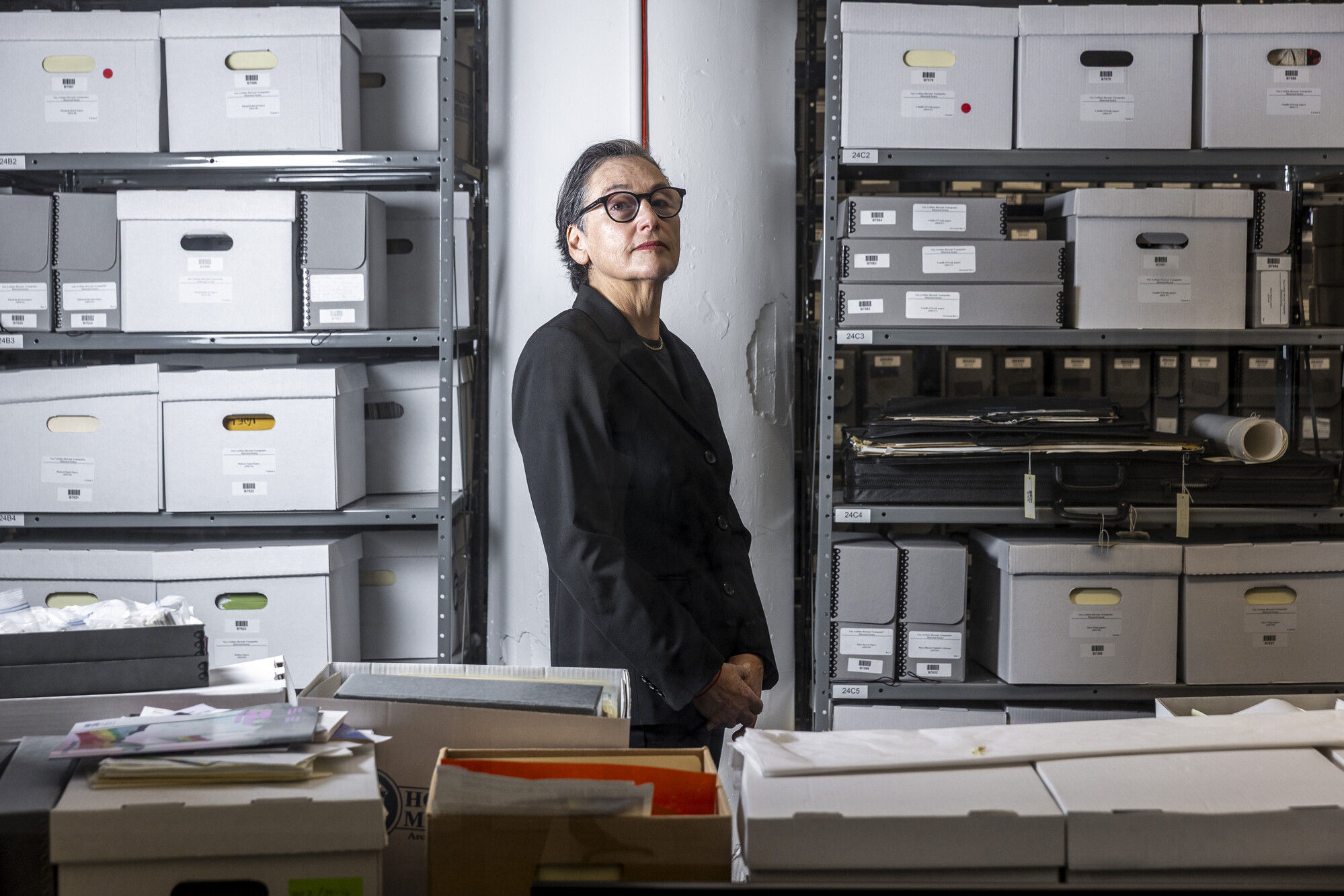
"caption": "Nan Alamilla Boyd, a historian, poses for a portrait at the GLBT Historical Society Archives in San Francisco on January 2, 2026.",
"credit": "Tâm Vũ / KQED",
"altTag": null,
"description": null,
"imgSizes": {
"thumbnail": {
"file": "https://cdn.kqed.org/wp-content/uploads/sites/10/2026/01/260102-hazelsinnraid00040_TV_qed-160x107.jpg",
"width": 160,
"height": 107,
"mimeType": "image/jpeg"
},
"1536x1536": {
"file": "https://cdn.kqed.org/wp-content/uploads/sites/10/2026/01/260102-hazelsinnraid00040_TV_qed-1536x1024.jpg",
"width": 1536,
"height": 1024,
"mimeType": "image/jpeg"
},
"post-thumbnail": {
"file": "https://cdn.kqed.org/wp-content/uploads/sites/10/2026/01/260102-hazelsinnraid00040_TV_qed-672x372.jpg",
"width": 672,
"height": 372,
"mimeType": "image/jpeg"
},
"twentyfourteen-full-width": {
"file": "https://cdn.kqed.org/wp-content/uploads/sites/10/2026/01/260102-hazelsinnraid00040_TV_qed-1038x576.jpg",
"width": 1038,
"height": 576,
"mimeType": "image/jpeg"
},
"npr-cds-wide": {
"file": "https://cdn.kqed.org/wp-content/uploads/sites/10/2026/01/260102-hazelsinnraid00040_TV_qed-1200x675.jpg",
"width": 1200,
"height": 675,
"mimeType": "image/jpeg"
},
"kqedFullSize": {
"file": "https://cdn.kqed.org/wp-content/uploads/sites/10/2026/01/260102-hazelsinnraid00040_TV_qed.jpg",
"width": 1999,
"height": 1333
}
},
"isLoading": false,
"fetchFailed": false
},
"news_12069823": {
"type": "attachments",
"id": "news_12069823",
"meta": {
"index": "attachments_1716263798",
"site": "news",
"id": "12069823",
"found": true
},
"title": "011426_SF VA CUTS _GH_013-KQED",
"publishDate": 1768429983,
"status": "inherit",
"parent": 0,
"modified": 1768430812,
"caption": "Veterans and union members rally in opposition to proposed staffing cuts at the San Francisco VA Medical Center in San Francisco on Jan. 14, 2026.",
"credit": "Gustavo Hernandez/KQED",
"altTag": null,
"description": null,
"imgSizes": {
"thumbnail": {
"file": "https://cdn.kqed.org/wp-content/uploads/sites/10/2026/01/011426_SF-VA-CUTS-_GH_013-KQED-160x107.jpg",
"width": 160,
"height": 107,
"mimeType": "image/jpeg"
},
"1536x1536": {
"file": "https://cdn.kqed.org/wp-content/uploads/sites/10/2026/01/011426_SF-VA-CUTS-_GH_013-KQED-1536x1024.jpg",
"width": 1536,
"height": 1024,
"mimeType": "image/jpeg"
},
"post-thumbnail": {
"file": "https://cdn.kqed.org/wp-content/uploads/sites/10/2026/01/011426_SF-VA-CUTS-_GH_013-KQED-672x372.jpg",
"width": 672,
"height": 372,
"mimeType": "image/jpeg"
},
"twentyfourteen-full-width": {
"file": "https://cdn.kqed.org/wp-content/uploads/sites/10/2026/01/011426_SF-VA-CUTS-_GH_013-KQED-1038x576.jpg",
"width": 1038,
"height": 576,
"mimeType": "image/jpeg"
},
"npr-cds-wide": {
"file": "https://cdn.kqed.org/wp-content/uploads/sites/10/2026/01/011426_SF-VA-CUTS-_GH_013-KQED-1200x675.jpg",
"width": 1200,
"height": 675,
"mimeType": "image/jpeg"
},
"kqedFullSize": {
"file": "https://cdn.kqed.org/wp-content/uploads/sites/10/2026/01/011426_SF-VA-CUTS-_GH_013-KQED.jpg",
"width": 2000,
"height": 1333
}
},
"isLoading": false,
"fetchFailed": false
},
"news_12037387": {
"type": "attachments",
"id": "news_12037387",
"meta": {
"index": "attachments_1716263798",
"site": "news",
"id": "12037387",
"found": true
},
"title": "May Day Protests",
"publishDate": 1745447079,
"status": "inherit",
"parent": 12037376,
"modified": 1765486756,
"caption": "Protesters walk during a march in San Francisco on May 1, 2017. ",
"credit": "Jeff Chiu/AP Photo",
"altTag": null,
"description": "Protesters walk during a march in San Francisco on May 1, 2017. Immigrant groups and their allies have joined forces to carry out marches, rallies and protests in cities nationwide to mark May Day, saying there's renewed momentum to fight back against Trump administration policies. ",
"imgSizes": {
"medium": {
"file": "https://cdn.kqed.org/wp-content/uploads/sites/10/2025/04/SanctuaryCitySFTrumpAP-800x569.jpg",
"width": 800,
"height": 569,
"mimeType": "image/jpeg"
},
"large": {
"file": "https://cdn.kqed.org/wp-content/uploads/sites/10/2025/04/SanctuaryCitySFTrumpAP-1020x725.jpg",
"width": 1020,
"height": 725,
"mimeType": "image/jpeg"
},
"thumbnail": {
"file": "https://cdn.kqed.org/wp-content/uploads/sites/10/2025/04/SanctuaryCitySFTrumpAP-160x114.jpg",
"width": 160,
"height": 114,
"mimeType": "image/jpeg"
},
"1536x1536": {
"file": "https://cdn.kqed.org/wp-content/uploads/sites/10/2025/04/SanctuaryCitySFTrumpAP-1536x1092.jpg",
"width": 1536,
"height": 1092,
"mimeType": "image/jpeg"
},
"post-thumbnail": {
"file": "https://cdn.kqed.org/wp-content/uploads/sites/10/2025/04/SanctuaryCitySFTrumpAP-672x372.jpg",
"width": 672,
"height": 372,
"mimeType": "image/jpeg"
},
"twentyfourteen-full-width": {
"file": "https://cdn.kqed.org/wp-content/uploads/sites/10/2025/04/SanctuaryCitySFTrumpAP-1038x576.jpg",
"width": 1038,
"height": 576,
"mimeType": "image/jpeg"
},
"full-width": {
"file": "https://cdn.kqed.org/wp-content/uploads/sites/10/2025/04/SanctuaryCitySFTrumpAP-1920x1365.jpg",
"width": 1920,
"height": 1365,
"mimeType": "image/jpeg"
},
"kqedFullSize": {
"file": "https://cdn.kqed.org/wp-content/uploads/sites/10/2025/04/SanctuaryCitySFTrumpAP.jpg",
"width": 2000,
"height": 1422
}
},
"isLoading": false,
"fetchFailed": false
},
"news_12069642": {
"type": "attachments",
"id": "news_12069642",
"meta": {
"index": "attachments_1716263798",
"site": "news",
"id": "12069642",
"found": true
},
"title": "2023 LA Pride Parade",
"publishDate": 1768349551,
"status": "inherit",
"parent": 12069566,
"modified": 1768349573,
"caption": "The Trevor Project at the 2023 LA Pride Parade on June 11, 2023 in Hollywood, California. ",
"credit": "Rodin Eckenroth/Getty Images",
"altTag": null,
"description": null,
"imgSizes": {
"thumbnail": {
"file": "https://cdn.kqed.org/wp-content/uploads/sites/10/2026/01/GettyImages-1497747995-160x107.jpg",
"width": 160,
"height": 107,
"mimeType": "image/jpeg"
},
"1536x1536": {
"file": "https://cdn.kqed.org/wp-content/uploads/sites/10/2026/01/GettyImages-1497747995-1536x1024.jpg",
"width": 1536,
"height": 1024,
"mimeType": "image/jpeg"
},
"post-thumbnail": {
"file": "https://cdn.kqed.org/wp-content/uploads/sites/10/2026/01/GettyImages-1497747995-672x372.jpg",
"width": 672,
"height": 372,
"mimeType": "image/jpeg"
},
"twentyfourteen-full-width": {
"file": "https://cdn.kqed.org/wp-content/uploads/sites/10/2026/01/GettyImages-1497747995-1038x576.jpg",
"width": 1038,
"height": 576,
"mimeType": "image/jpeg"
},
"npr-cds-wide": {
"file": "https://cdn.kqed.org/wp-content/uploads/sites/10/2026/01/GettyImages-1497747995-1200x675.jpg",
"width": 1200,
"height": 675,
"mimeType": "image/jpeg"
},
"kqedFullSize": {
"file": "https://cdn.kqed.org/wp-content/uploads/sites/10/2026/01/GettyImages-1497747995.jpg",
"width": 1950,
"height": 1300
}
},
"isLoading": false,
"fetchFailed": false
},
"news_12040913": {
"type": "attachments",
"id": "news_12040913",
"meta": {
"index": "attachments_1716263798",
"site": "news",
"id": "12040913",
"found": true
},
"title": "PARK0412_2",
"publishDate": 1747763607,
"status": "inherit",
"parent": 12040892,
"modified": 1768348223,
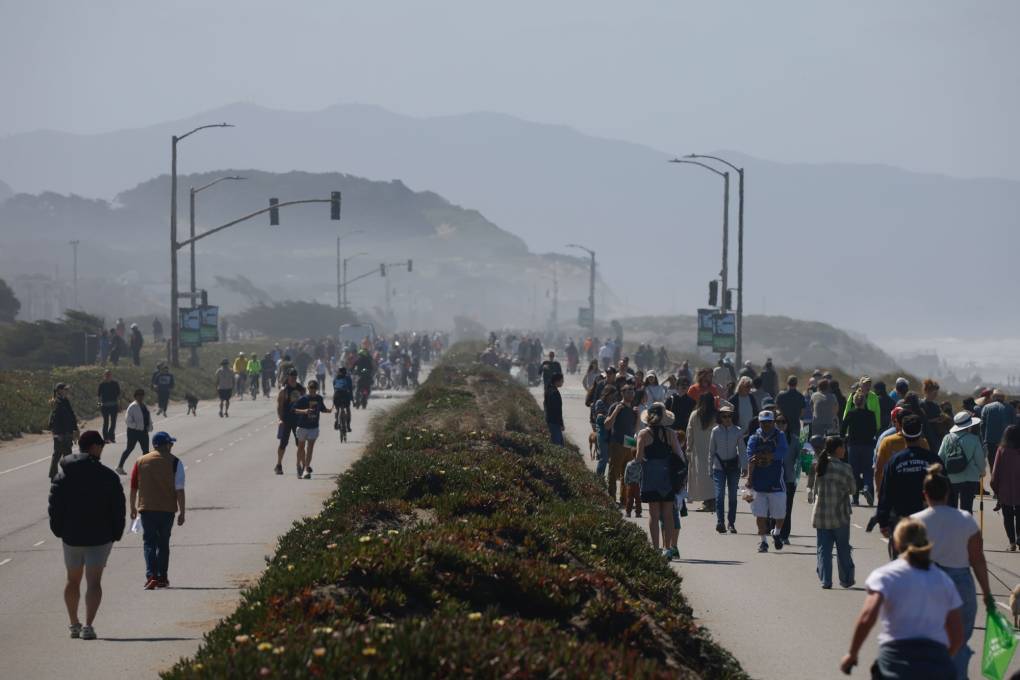
"caption": "Visitors seen during the grand opening of the Sunset Dunes Park along the former Upper Great Highway, in San Francisco, on April 12, 2025.",
"credit": "Stephen Lam/San Francisco Chronicle via Getty Images",
"altTag": null,
"description": null,
"imgSizes": {
"medium": {
"file": "https://cdn.kqed.org/wp-content/uploads/sites/10/2025/05/SunsetDunesGetty-800x533.jpg",
"width": 800,
"height": 533,
"mimeType": "image/jpeg"
},
"large": {
"file": "https://cdn.kqed.org/wp-content/uploads/sites/10/2025/05/SunsetDunesGetty-1020x680.jpg",
"width": 1020,
"height": 680,
"mimeType": "image/jpeg"
},
"thumbnail": {
"file": "https://cdn.kqed.org/wp-content/uploads/sites/10/2025/05/SunsetDunesGetty-160x107.jpg",
"width": 160,
"height": 107,
"mimeType": "image/jpeg"
},
"1536x1536": {
"file": "https://cdn.kqed.org/wp-content/uploads/sites/10/2025/05/SunsetDunesGetty-1536x1024.jpg",
"width": 1536,
"height": 1024,
"mimeType": "image/jpeg"
},
"post-thumbnail": {
"file": "https://cdn.kqed.org/wp-content/uploads/sites/10/2025/05/SunsetDunesGetty-672x372.jpg",
"width": 672,
"height": 372,
"mimeType": "image/jpeg"
},
"twentyfourteen-full-width": {
"file": "https://cdn.kqed.org/wp-content/uploads/sites/10/2025/05/SunsetDunesGetty-1038x576.jpg",
"width": 1038,
"height": 576,
"mimeType": "image/jpeg"
},
"full-width": {
"file": "https://cdn.kqed.org/wp-content/uploads/sites/10/2025/05/SunsetDunesGetty-1920x1280.jpg",
"width": 1920,
"height": 1280,
"mimeType": "image/jpeg"
},
"kqedFullSize": {
"file": "https://cdn.kqed.org/wp-content/uploads/sites/10/2025/05/SunsetDunesGetty.jpg",
"width": 2000,
"height": 1333
}
},
"isLoading": false,
"fetchFailed": false
},
"news_12055238": {
"type": "attachments",
"id": "news_12055238",
"meta": {
"index": "attachments_1716263798",
"site": "news",
"id": "12055238",
"found": true
},
"title": "250908-VAILLANCOURTFOUNTAINREMOVAL-10-BL-KQED",
"publishDate": 1757374293,
"status": "inherit",
"parent": 12055275,
"modified": 1757635243,
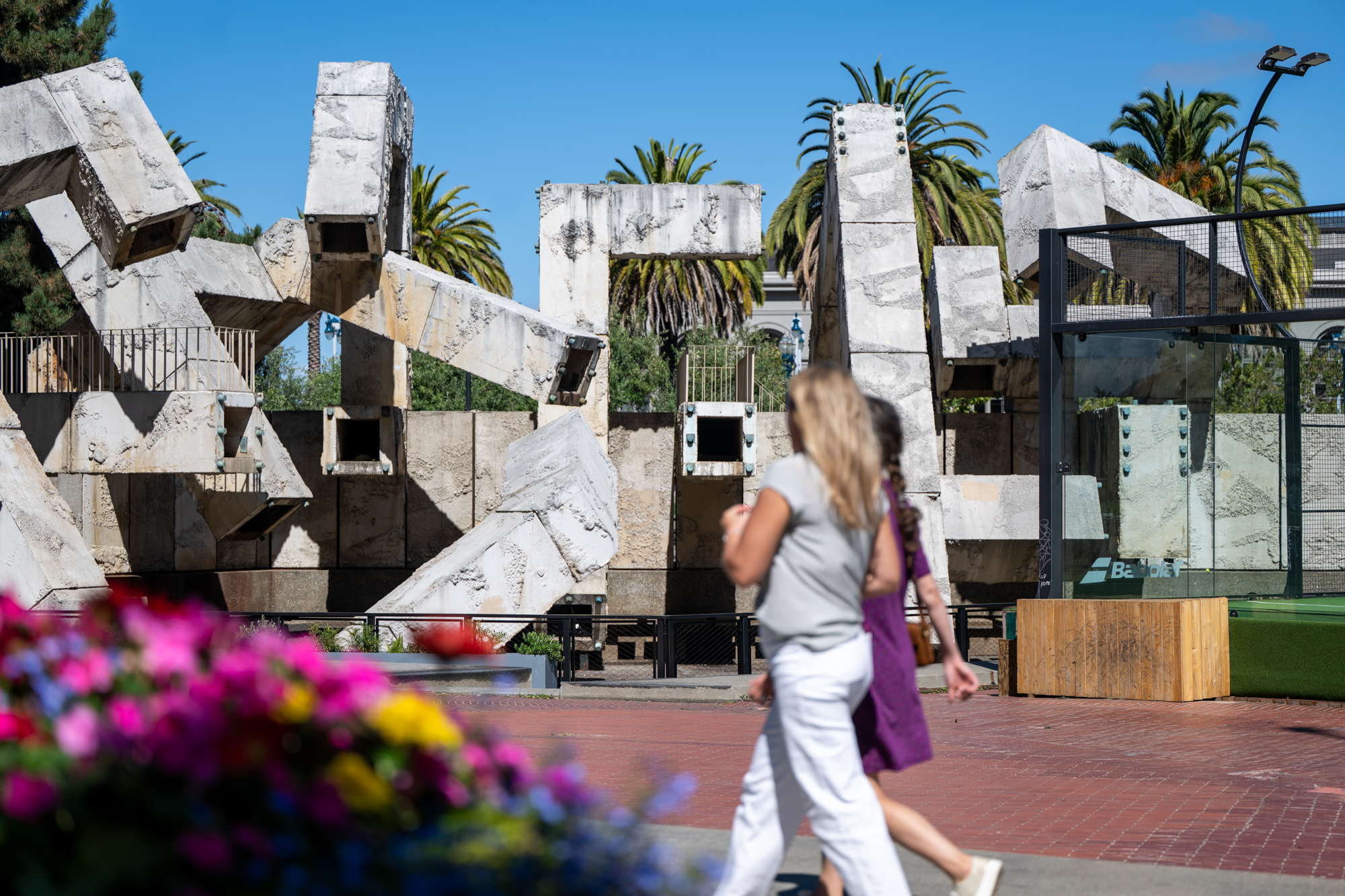
"caption": "The Vaillancourt Fountain in the Embarcadero Plaza in San Francisco on Sept. 8, 2025. ",
"credit": "Beth LaBerge/KQED",
"altTag": null,
"description": null,
"imgSizes": {
"thumbnail": {
"file": "https://cdn.kqed.org/wp-content/uploads/sites/10/2025/09/250908-VAILLANCOURTFOUNTAINREMOVAL-10-BL-KQED-160x107.jpg",
"width": 160,
"height": 107,
"mimeType": "image/jpeg"
},
"1536x1536": {
"file": "https://cdn.kqed.org/wp-content/uploads/sites/10/2025/09/250908-VAILLANCOURTFOUNTAINREMOVAL-10-BL-KQED-1536x1024.jpg",
"width": 1536,
"height": 1024,
"mimeType": "image/jpeg"
},
"post-thumbnail": {
"file": "https://cdn.kqed.org/wp-content/uploads/sites/10/2025/09/250908-VAILLANCOURTFOUNTAINREMOVAL-10-BL-KQED-672x372.jpg",
"width": 672,
"height": 372,
"mimeType": "image/jpeg"
},
"twentyfourteen-full-width": {
"file": "https://cdn.kqed.org/wp-content/uploads/sites/10/2025/09/250908-VAILLANCOURTFOUNTAINREMOVAL-10-BL-KQED-1038x576.jpg",
"width": 1038,
"height": 576,
"mimeType": "image/jpeg"
},
"kqedFullSize": {
"file": "https://cdn.kqed.org/wp-content/uploads/sites/10/2025/09/250908-VAILLANCOURTFOUNTAINREMOVAL-10-BL-KQED.jpg",
"width": 2000,
"height": 1333
}
},
"isLoading": false,
"fetchFailed": false
},
"news_12061109": {
"type": "attachments",
"id": "news_12061109",
"meta": {
"index": "attachments_1716263798",
"site": "news",
"id": "12061109",
"found": true
},
"title": "251007_Urban Alchemy Rally_-2_qed",
"publishDate": 1761171697,
"status": "inherit",
"parent": 12061106,
"modified": 1761171728,
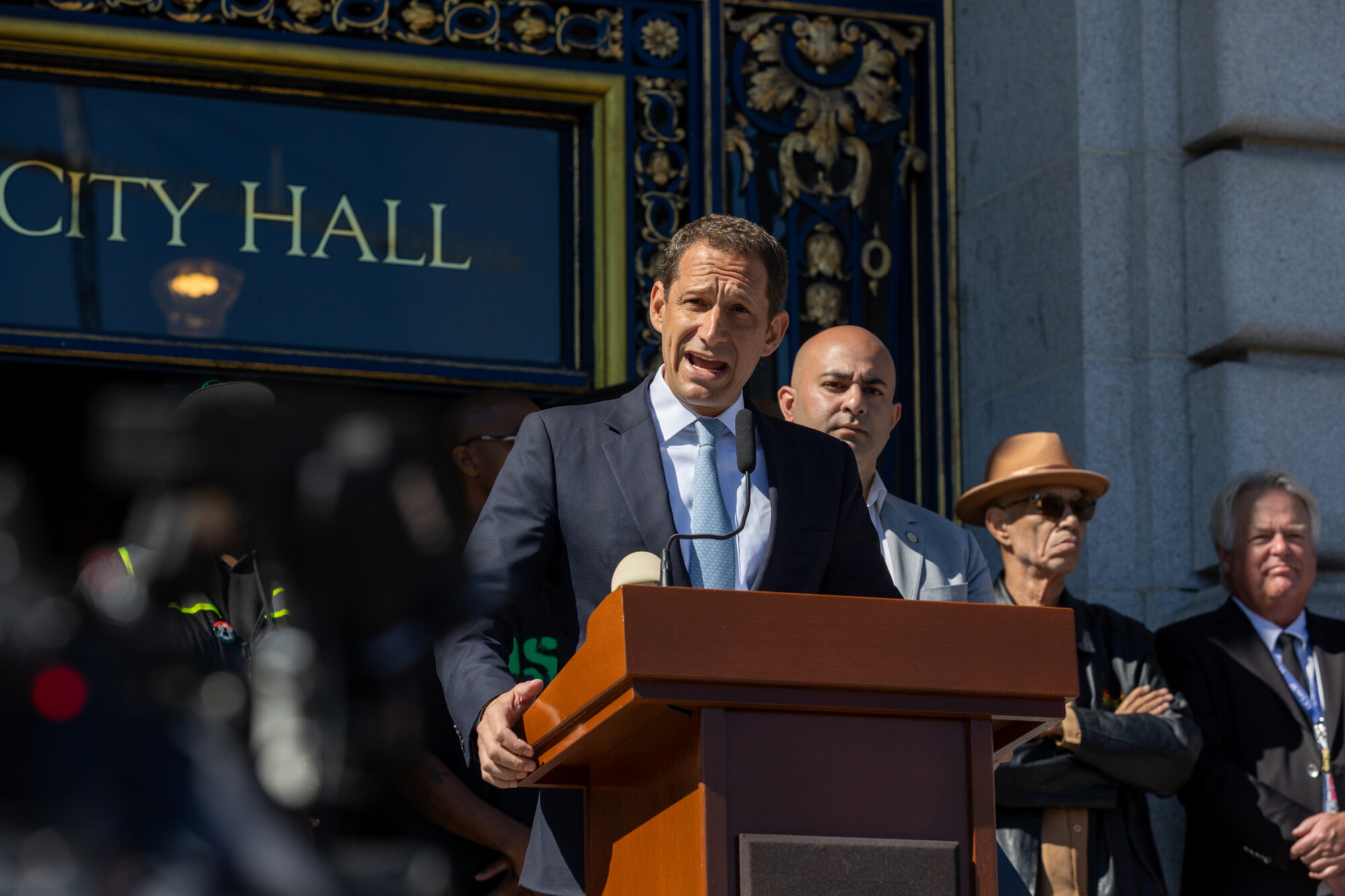
"caption": "Mayor Daniel Lurie speaks at a rally on the steps of City Hall in San Francisco on Oct. 7, 2025.",
"credit": "Gustavo Hernandez/KQED",
"altTag": null,
"description": null,
"imgSizes": {
"thumbnail": {
"file": "https://cdn.kqed.org/wp-content/uploads/sites/10/2025/10/251007_Urban-Alchemy-Rally_-2_qed-1-160x107.jpg",
"width": 160,
"height": 107,
"mimeType": "image/jpeg"
},
"1536x1536": {
"file": "https://cdn.kqed.org/wp-content/uploads/sites/10/2025/10/251007_Urban-Alchemy-Rally_-2_qed-1-1536x1024.jpg",
"width": 1536,
"height": 1024,
"mimeType": "image/jpeg"
},
"post-thumbnail": {
"file": "https://cdn.kqed.org/wp-content/uploads/sites/10/2025/10/251007_Urban-Alchemy-Rally_-2_qed-1-672x372.jpg",
"width": 672,
"height": 372,
"mimeType": "image/jpeg"
},
"twentyfourteen-full-width": {
"file": "https://cdn.kqed.org/wp-content/uploads/sites/10/2025/10/251007_Urban-Alchemy-Rally_-2_qed-1-1038x576.jpg",
"width": 1038,
"height": 576,
"mimeType": "image/jpeg"
},
"npr-cds-wide": {
"file": "https://cdn.kqed.org/wp-content/uploads/sites/10/2025/10/251007_Urban-Alchemy-Rally_-2_qed-1-1600x900.jpg",
"width": 1600,
"height": 900,
"mimeType": "image/jpeg"
},
"kqedFullSize": {
"file": "https://cdn.kqed.org/wp-content/uploads/sites/10/2025/10/251007_Urban-Alchemy-Rally_-2_qed-1.jpg",
"width": 2000,
"height": 1333
}
},
"isLoading": false,
"fetchFailed": false
},
"news_11725572": {
"type": "attachments",
"id": "news_11725572",
"meta": {
"index": "attachments_1716263798",
"site": "news",
"id": "11725572",
"found": true
},
"parent": 11725571,
"imgSizes": {
"twentyfourteen-full-width": {
"file": "https://ww2.kqed.org/app/uploads/sites/10/2019/02/ap_19032839240667-c3ea9c8607ab8c46c7dcbc486a7c0f917e3d5a08-1038x576.jpg",
"width": 1038,
"mimeType": "image/jpeg",
"height": 576
},
"thumbnail": {
"file": "https://ww2.kqed.org/app/uploads/sites/10/2019/02/ap_19032839240667-c3ea9c8607ab8c46c7dcbc486a7c0f917e3d5a08-160x120.jpg",
"width": 160,
"mimeType": "image/jpeg",
"height": 120
},
"post-thumbnail": {
"file": "https://ww2.kqed.org/app/uploads/sites/10/2019/02/ap_19032839240667-c3ea9c8607ab8c46c7dcbc486a7c0f917e3d5a08-672x372.jpg",
"width": 672,
"mimeType": "image/jpeg",
"height": 372
},
"kqedFullSize": {
"file": "https://ww2.kqed.org/app/uploads/sites/10/2019/02/ap_19032839240667-c3ea9c8607ab8c46c7dcbc486a7c0f917e3d5a08-e1549984154270.jpg",
"width": 1920,
"height": 1438
},
"large": {
"file": "https://ww2.kqed.org/app/uploads/sites/10/2019/02/ap_19032839240667-c3ea9c8607ab8c46c7dcbc486a7c0f917e3d5a08-1020x764.jpg",
"width": 1020,
"mimeType": "image/jpeg",
"height": 764
},
"complete_open_graph": {
"file": "https://ww2.kqed.org/app/uploads/sites/10/2019/02/ap_19032839240667-c3ea9c8607ab8c46c7dcbc486a7c0f917e3d5a08-1200x899.jpg",
"width": 1200,
"mimeType": "image/jpeg",
"height": 899
},
"guest-author-50": {
"file": "https://ww2.kqed.org/app/uploads/sites/10/2019/02/ap_19032839240667-c3ea9c8607ab8c46c7dcbc486a7c0f917e3d5a08-50x50.jpg",
"width": 50,
"mimeType": "image/jpeg",
"height": 50
},
"guest-author-96": {
"file": "https://ww2.kqed.org/app/uploads/sites/10/2019/02/ap_19032839240667-c3ea9c8607ab8c46c7dcbc486a7c0f917e3d5a08-96x96.jpg",
"width": 96,
"mimeType": "image/jpeg",
"height": 96
},
"medium": {
"file": "https://ww2.kqed.org/app/uploads/sites/10/2019/02/ap_19032839240667-c3ea9c8607ab8c46c7dcbc486a7c0f917e3d5a08-800x599.jpg",
"width": 800,
"mimeType": "image/jpeg",
"height": 599
},
"guest-author-64": {
"file": "https://ww2.kqed.org/app/uploads/sites/10/2019/02/ap_19032839240667-c3ea9c8607ab8c46c7dcbc486a7c0f917e3d5a08-64x64.jpg",
"width": 64,
"mimeType": "image/jpeg",
"height": 64
},
"guest-author-32": {
"file": "https://ww2.kqed.org/app/uploads/sites/10/2019/02/ap_19032839240667-c3ea9c8607ab8c46c7dcbc486a7c0f917e3d5a08-32x32.jpg",
"width": 32,
"mimeType": "image/jpeg",
"height": 32
},
"full-width": {
"file": "https://ww2.kqed.org/app/uploads/sites/10/2019/02/ap_19032839240667-c3ea9c8607ab8c46c7dcbc486a7c0f917e3d5a08-1920x1438.jpg",
"width": 1920,
"mimeType": "image/jpeg",
"height": 1438
},
"detail": {
"file": "https://ww2.kqed.org/app/uploads/sites/10/2019/02/ap_19032839240667-c3ea9c8607ab8c46c7dcbc486a7c0f917e3d5a08-150x150.jpg",
"width": 150,
"mimeType": "image/jpeg",
"height": 150
},
"guest-author-128": {
"file": "https://ww2.kqed.org/app/uploads/sites/10/2019/02/ap_19032839240667-c3ea9c8607ab8c46c7dcbc486a7c0f917e3d5a08-128x128.jpg",
"width": 128,
"mimeType": "image/jpeg",
"height": 128
}
},
"publishDate": 1549984022,
"modified": 1549984145,
"caption": "A man walks past a PG&E sign.",
"description": "A man walks past a Pacific Gas",
"title": "A man walks past a Pacific Gas & Electric Co. entrance in Daly City, Calif. After filing for bankruptcy last month, the company will replace half of its board of directors.",
"credit": "Jeff Chiu/AP",
"status": "inherit",
"isLoading": false,
"fetchFailed": false
},
"news_12054567": {
"type": "attachments",
"id": "news_12054567",
"meta": {
"index": "attachments_1716263798",
"site": "news",
"id": "12054567",
"found": true
},
"title": "US-POLITICS-IMMIGRATION",
"publishDate": 1756941444,
"status": "inherit",
"parent": 12054544,
"modified": 1769006278,
"caption": "The CoreCivic, Inc. California City Immigration Processing Center stands in the Kern County desert on July 10, 2025.",
"credit": "Patrick T. Fallon/AFP via Getty Images",
"altTag": null,
"description": null,
"imgSizes": {
"thumbnail": {
"file": "https://cdn.kqed.org/wp-content/uploads/sites/10/2025/09/KernCountyICEDetentionGetty-160x107.jpg",
"width": 160,
"height": 107,
"mimeType": "image/jpeg"
},
"1536x1536": {
"file": "https://cdn.kqed.org/wp-content/uploads/sites/10/2025/09/KernCountyICEDetentionGetty-1536x1024.jpg",
"width": 1536,
"height": 1024,
"mimeType": "image/jpeg"
},
"post-thumbnail": {
"file": "https://cdn.kqed.org/wp-content/uploads/sites/10/2025/09/KernCountyICEDetentionGetty-672x372.jpg",
"width": 672,
"height": 372,
"mimeType": "image/jpeg"
},
"twentyfourteen-full-width": {
"file": "https://cdn.kqed.org/wp-content/uploads/sites/10/2025/09/KernCountyICEDetentionGetty-1038x576.jpg",
"width": 1038,
"height": 576,
"mimeType": "image/jpeg"
},
"kqedFullSize": {
"file": "https://cdn.kqed.org/wp-content/uploads/sites/10/2025/09/KernCountyICEDetentionGetty.jpg",
"width": 2000,
"height": 1333
}
},
"isLoading": false,
"fetchFailed": false
},
"news_12069330": {
"type": "attachments",
"id": "news_12069330",
"meta": {
"index": "attachments_1716263798",
"site": "news",
"id": "12069330",
"found": true
},
"title": "Group of university students staring at mobile phones Announcement of academic results or test scores",
"publishDate": 1768004932,
"status": "inherit",
"parent": 12069286,
"modified": 1768007574,
"caption": "A group of university students stares at a mobile phone.",
"credit": "Pranithan Chorruangsak/Getty Images",
"altTag": null,
"description": null,
"imgSizes": {
"thumbnail": {
"file": "https://cdn.kqed.org/wp-content/uploads/sites/10/2026/01/OpenAI-160x107.jpg",
"width": 160,
"height": 107,
"mimeType": "image/jpeg"
},
"1536x1536": {
"file": "https://cdn.kqed.org/wp-content/uploads/sites/10/2026/01/OpenAI-1536x1024.jpg",
"width": 1536,
"height": 1024,
"mimeType": "image/jpeg"
},
"post-thumbnail": {
"file": "https://cdn.kqed.org/wp-content/uploads/sites/10/2026/01/OpenAI-672x372.jpg",
"width": 672,
"height": 372,
"mimeType": "image/jpeg"
},
"twentyfourteen-full-width": {
"file": "https://cdn.kqed.org/wp-content/uploads/sites/10/2026/01/OpenAI-1038x576.jpg",
"width": 1038,
"height": 576,
"mimeType": "image/jpeg"
},
"npr-cds-wide": {
"file": "https://cdn.kqed.org/wp-content/uploads/sites/10/2026/01/OpenAI-1200x675.jpg",
"width": 1200,
"height": 675,
"mimeType": "image/jpeg"
},
"kqedFullSize": {
"file": "https://cdn.kqed.org/wp-content/uploads/sites/10/2026/01/OpenAI.jpg",
"width": 2000,
"height": 1333
}
},
"isLoading": false,
"fetchFailed": false
},
"news_12069121": {
"type": "attachments",
"id": "news_12069121",
"meta": {
"index": "attachments_1716263798",
"site": "news",
"id": "12069121",
"found": true
},
"title": "Renee Nicole Good Killing Protest",
"publishDate": 1767905302,
"status": "inherit",
"parent": 12069104,
"modified": 1768001664,
"caption": "Protesters take part in a vigil for Renee Nicole Good at Fruitvale Plaza Park in Oakland, California, on Wednesday, Jan. 7, 2025. Good, a legal observer, was fatally shot by an ICE agent in Minneapolis on Wednesday. ",
"credit": "Jane Tyska/Digital First Media/East Bay Times via Getty Images",
"altTag": null,
"description": null,
"imgSizes": {
"thumbnail": {
"file": "https://cdn.kqed.org/wp-content/uploads/sites/10/2026/01/ReneeGoodProtestOaklandGetty-160x114.jpg",
"width": 160,
"height": 114,
"mimeType": "image/jpeg"
},
"1536x1536": {
"file": "https://cdn.kqed.org/wp-content/uploads/sites/10/2026/01/ReneeGoodProtestOaklandGetty-1536x1096.jpg",
"width": 1536,
"height": 1096,
"mimeType": "image/jpeg"
},
"post-thumbnail": {
"file": "https://cdn.kqed.org/wp-content/uploads/sites/10/2026/01/ReneeGoodProtestOaklandGetty-672x372.jpg",
"width": 672,
"height": 372,
"mimeType": "image/jpeg"
},
"twentyfourteen-full-width": {
"file": "https://cdn.kqed.org/wp-content/uploads/sites/10/2026/01/ReneeGoodProtestOaklandGetty-1038x576.jpg",
"width": 1038,
"height": 576,
"mimeType": "image/jpeg"
},
"npr-cds-wide": {
"file": "https://cdn.kqed.org/wp-content/uploads/sites/10/2026/01/ReneeGoodProtestOaklandGetty-1200x675.jpg",
"width": 1200,
"height": 675,
"mimeType": "image/jpeg"
},
"kqedFullSize": {
"file": "https://cdn.kqed.org/wp-content/uploads/sites/10/2026/01/ReneeGoodProtestOaklandGetty.jpg",
"width": 2000,
"height": 1427
}
},
"isLoading": false,
"fetchFailed": false
},
"news_12042431": {
"type": "attachments",
"id": "news_12042431",
"meta": {
"index": "attachments_1716263798",
"site": "news",
"id": "12042431",
"found": true
},
"title": "Housing in San Francisco’s Sunset District on May 19, 2025.",
"publishDate": 1748902894,
"status": "inherit",
"parent": 12042376,
"modified": 1761779984,
"caption": "Housing in San Francisco’s Sunset District on May 19, 2025.",
"credit": "Beth LaBerge/KQED",
"altTag": null,
"description": null,
"imgSizes": {
"medium": {
"file": "https://cdn.kqed.org/wp-content/uploads/sites/10/2025/06/250519-AffordableHousingFile-10-BL_qed-800x533.jpg",
"width": 800,
"height": 533,
"mimeType": "image/jpeg"
},
"large": {
"file": "https://cdn.kqed.org/wp-content/uploads/sites/10/2025/06/250519-AffordableHousingFile-10-BL_qed-1020x680.jpg",
"width": 1020,
"height": 680,
"mimeType": "image/jpeg"
},
"thumbnail": {
"file": "https://cdn.kqed.org/wp-content/uploads/sites/10/2025/06/250519-AffordableHousingFile-10-BL_qed-160x107.jpg",
"width": 160,
"height": 107,
"mimeType": "image/jpeg"
},
"1536x1536": {
"file": "https://cdn.kqed.org/wp-content/uploads/sites/10/2025/06/250519-AffordableHousingFile-10-BL_qed-1536x1024.jpg",
"width": 1536,
"height": 1024,
"mimeType": "image/jpeg"
},
"post-thumbnail": {
"file": "https://cdn.kqed.org/wp-content/uploads/sites/10/2025/06/250519-AffordableHousingFile-10-BL_qed-672x372.jpg",
"width": 672,
"height": 372,
"mimeType": "image/jpeg"
},
"twentyfourteen-full-width": {
"file": "https://cdn.kqed.org/wp-content/uploads/sites/10/2025/06/250519-AffordableHousingFile-10-BL_qed-1038x576.jpg",
"width": 1038,
"height": 576,
"mimeType": "image/jpeg"
},
"full-width": {
"file": "https://cdn.kqed.org/wp-content/uploads/sites/10/2025/06/250519-AffordableHousingFile-10-BL_qed-1920x1280.jpg",
"width": 1920,
"height": 1280,
"mimeType": "image/jpeg"
},
"kqedFullSize": {
"file": "https://cdn.kqed.org/wp-content/uploads/sites/10/2025/06/250519-AffordableHousingFile-10-BL_qed.jpg",
"width": 2000,
"height": 1333
}
},
"isLoading": false,
"fetchFailed": false
}
},
"audioPlayerReducer": {
"postId": "stream_live",
"isPaused": true,
"isPlaying": false,
"pfsActive": false,
"pledgeModalIsOpen": true,
"playerDrawerIsOpen": false,
"liveAudioPlayStartedAt": 0,
"liveAudioPlayContext": ""
},
"authorsReducer": {
"byline_news_12069417": {
"type": "authors",
"id": "byline_news_12069417",
"meta": {
"override": true
},
"slug": "byline_news_12069417",
"name": "Eliza Peppel ",
"isLoading": false
},
"rachael-myrow": {
"type": "authors",
"id": "251",
"meta": {
"index": "authors_1716337520",
"id": "251",
"found": true
},
"name": "Rachael Myrow",
"firstName": "Rachael",
"lastName": "Myrow",
"slug": "rachael-myrow",
"email": "rmyrow@kqed.org",
"display_author_email": true,
"staff_mastheads": [
"news"
],
"title": "Senior Editor of KQED's Silicon Valley News Desk",
"bio": "• I write and edit stories about how Silicon Valley power and policies shape everyday life in California. I’m also passionate about making Bay Area history and culture more accessible to a broad public. • I’ve been a journalist for most of my life, starting in high school with The Franklin Press in Los Angeles, where I grew up. While earning my first degree in English at UC Berkeley, I got my start in public radio at KALX-FM. After completing a second degree in journalism at Cal, I landed my first professional job at Marketplace, then moved on to KPCC (now LAist), and then KQED, where I hosted The California Report for more than seven years. • My reporting has appeared on NPR, The World, WBUR’s \u003ci>Here & Now\u003c/i>, and the BBC. I also guest host for KQED’s \u003ci>Forum\u003c/i>, as well as the Commonwealth Club in San Francisco. • I speak periodically on media, democracy and technology issues, and do voiceover work for documentaries and educational video projects. • Outside of the studio, you'll find me hiking Bay Area trails and whipping up Insta-ready meals in my kitchen. • I do not accept gifts, money, or favors from anyone connected to my reporting, I don't pay people for information, and I do not support or donate to political causes. • I strive to treat the people I report on with fairness, honesty, and respect. I also recognize there are often multiple sides to a story and work to verify information through multiple sources and documentation. If I get something wrong, I correct it.",
"avatar": "https://secure.gravatar.com/avatar/3ed8a3c5f26025e4a805ba634cda8cd764906b97438a6d9ce216b044e340da4e?s=600&d=blank&r=g",
"twitter": "rachaelmyrow",
"bluesky": null,
"facebook": null,
"instagram": null,
"linkedin": "https://www.linkedin.com/in/rachaelmyrow/",
"sites": [
{
"site": "arts",
"roles": [
"administrator"
]
},
{
"site": "news",
"roles": [
"edit_others_posts",
"editor"
]
},
{
"site": "futureofyou",
"roles": [
"editor"
]
},
{
"site": "bayareabites",
"roles": [
"editor"
]
},
{
"site": "stateofhealth",
"roles": [
"editor"
]
},
{
"site": "science",
"roles": [
"editor"
]
},
{
"site": "food",
"roles": [
"editor"
]
},
{
"site": "forum",
"roles": [
"editor"
]
},
{
"site": "liveblog",
"roles": [
"author"
]
}
],
"headData": {
"title": "Rachael Myrow | KQED",
"description": "Senior Editor of KQED's Silicon Valley News Desk",
"ogImgSrc": "https://secure.gravatar.com/avatar/3ed8a3c5f26025e4a805ba634cda8cd764906b97438a6d9ce216b044e340da4e?s=600&d=blank&r=g",
"twImgSrc": "https://secure.gravatar.com/avatar/3ed8a3c5f26025e4a805ba634cda8cd764906b97438a6d9ce216b044e340da4e?s=600&d=blank&r=g"
},
"isLoading": false,
"link": "/author/rachael-myrow"
},
"tychehendricks": {
"type": "authors",
"id": "259",
"meta": {
"index": "authors_1716337520",
"id": "259",
"found": true
},
"name": "Tyche Hendricks",
"firstName": "Tyche",
"lastName": "Hendricks",
"slug": "tychehendricks",
"email": "thendricks@kqed.org",
"display_author_email": true,
"staff_mastheads": [
"news"
],
"title": "KQED Senior Editor, Immigration",
"bio": "\u003cspan style=\"font-weight: 400;\">Tyche Hendricks is KQED’s senior editor for immigration, leading coverage of the policy and politics that affect California’s immigrant communities. Her work for KQED’s radio and online audiences is also carried on NPR and other national outlets. She has been recognized with awards from the Radio and Television News Directors Association, the Society for Professional Journalists; the Education Writers Association; the Best of the West and the National Federation of Community Broadcasters. Before joining KQED in 2010, Tyche spent more than a dozen years as a newspaper reporter, notably at the \u003c/span>\u003ci>\u003cspan style=\"font-weight: 400;\">San Francisco Chronicle\u003c/span>\u003c/i>\u003cspan style=\"font-weight: 400;\">. At different times she has covered criminal justice, government and politics and urban planning. Tyche has taught in the MFA Creative Writing program at the University of San Francisco and at UC Berkeley’s Graduate School of Journalism, where she was co-director of a national immigration symposium for professional journalists. She is the author of \u003c/span>\u003ci>\u003cspan style=\"font-weight: 400;\">The Wind Doesn't Need a Passport: Stories from the U.S.-Mexico Borderlands\u003c/span>\u003c/i>\u003cspan style=\"font-weight: 400;\"> (University of California Press). \u003c/span>",
"avatar": "https://secure.gravatar.com/avatar/b8ee458e2731c2d43df86882ce17267e?s=600&d=blank&r=g",
"twitter": "tychehendricks",
"facebook": null,
"instagram": null,
"linkedin": null,
"sites": [
{
"site": "news",
"roles": [
"editor"
]
},
{
"site": "stateofhealth",
"roles": [
"editor"
]
}
],
"headData": {
"title": "Tyche Hendricks | KQED",
"description": "KQED Senior Editor, Immigration",
"ogImgSrc": "https://secure.gravatar.com/avatar/b8ee458e2731c2d43df86882ce17267e?s=600&d=blank&r=g",
"twImgSrc": "https://secure.gravatar.com/avatar/b8ee458e2731c2d43df86882ce17267e?s=600&d=blank&r=g"
},
"isLoading": false,
"link": "/author/tychehendricks"
},
"lklivans": {
"type": "authors",
"id": "8648",
"meta": {
"index": "authors_1716337520",
"id": "8648",
"found": true
},
"name": "Laura Klivans",
"firstName": "Laura",
"lastName": "Klivans",
"slug": "lklivans",
"email": "lklivans@kqed.org",
"display_author_email": true,
"staff_mastheads": [
"news",
"science"
],
"title": "Reporter",
"bio": "Laura Klivans is an award-winning science reporter for KQED News, where she covers climate change with an eye on both groundbreaking progress and gaps in action. She is the former host of KQED's blockbuster video series about tiny, amazing animals, \u003cem>Deep Look\u003c/em>. Her work reaches national audiences through NPR, \u003cem>Here & Now, \u003c/em>PRI, and other major outlets. \r\n\r\nLaura’s won five Northern California Area Emmy Awards for Deep Look and First Place in the Greater Bay Area Journalism Awards for a podcast exploring how one Oakland neighborhood teamed up to reduce planet-heating pollution.\r\n\r\nBeyond her reporting, she hosts and moderates events. In the past, she taught audio storytelling at the UC Berkeley Graduate School of Journalism, led international education programs, worked with immigrants and refugees along the Thai-Burmese border, taught high schoolers sex ed, and was an actress. \r\n\r\nShe's a former UC Berkeley Human Rights Fellow, USC Center for Health Journalism's California Fellow and Coro Fellow in Public Affairs. Laura has a master’s in journalism from UC Berkeley, a master’s in education from Harvard, and an undergraduate degree from Northwestern University.\r\n\r\nShe loves trying to riddle the meaning out of vanity license plates.",
"avatar": "https://secure.gravatar.com/avatar/2d2ecd1550a494cc10ad4a503406965585902124739e775a9b3817eebf1d88be?s=600&d=blank&r=g",
"twitter": "lauraklivans",
"bluesky": null,
"facebook": null,
"instagram": null,
"linkedin": null,
"sites": [
{
"site": "news",
"roles": [
"editor"
]
},
{
"site": "stateofhealth",
"roles": [
"contributor",
"editor"
]
},
{
"site": "science",
"roles": [
"editor"
]
},
{
"site": "forum",
"roles": [
"editor"
]
}
],
"headData": {
"title": "Laura Klivans | KQED",
"description": "Reporter",
"ogImgSrc": "https://secure.gravatar.com/avatar/2d2ecd1550a494cc10ad4a503406965585902124739e775a9b3817eebf1d88be?s=600&d=blank&r=g",
"twImgSrc": "https://secure.gravatar.com/avatar/2d2ecd1550a494cc10ad4a503406965585902124739e775a9b3817eebf1d88be?s=600&d=blank&r=g"
},
"isLoading": false,
"link": "/author/lklivans"
},
"amontecillo": {
"type": "authors",
"id": "11649",
"meta": {
"index": "authors_1716337520",
"id": "11649",
"found": true
},
"name": "Alan Montecillo",
"firstName": "Alan",
"lastName": "Montecillo",
"slug": "amontecillo",
"email": "amontecillo@kqed.org",
"display_author_email": false,
"staff_mastheads": [
"news"
],
"title": "KQED Contributor",
"bio": "Alan Montecillo is the senior editor of \u003cem>\u003ca href=\"http://kqed.org/thebay\">The Bay\u003c/a>, \u003c/em> KQED's local news podcast. Before moving to the Bay Area, he worked as a senior talk show producer for WILL in Champaign-Urbana, Illinois and at Oregon Public Broadcasting in Portland, Oregon. He has won journalism awards from the Society of Professional Journalists Northern California, the Public Media Journalists Association, The Signal Awards, and has also received a regional Edward R. Murrow award. Alan is a Filipino American from Hong Kong and a graduate of Reed College.",
"avatar": "https://secure.gravatar.com/avatar/268f53a2066899ea9efdd8a5900218b17c822d9862cbc9326cccec53ef41d349?s=600&d=blank&r=g",
"twitter": "alanmontecillo",
"bluesky": null,
"facebook": null,
"instagram": null,
"linkedin": null,
"sites": [
{
"site": "",
"roles": [
"editor"
]
},
{
"site": "news",
"roles": [
"editor",
"manage_categories"
]
}
],
"headData": {
"title": "Alan Montecillo | KQED",
"description": "KQED Contributor",
"ogImgSrc": "https://secure.gravatar.com/avatar/268f53a2066899ea9efdd8a5900218b17c822d9862cbc9326cccec53ef41d349?s=600&d=blank&r=g",
"twImgSrc": "https://secure.gravatar.com/avatar/268f53a2066899ea9efdd8a5900218b17c822d9862cbc9326cccec53ef41d349?s=600&d=blank&r=g"
},
"isLoading": false,
"link": "/author/amontecillo"
},
"jlara": {
"type": "authors",
"id": "11761",
"meta": {
"index": "authors_1716337520",
"id": "11761",
"found": true
},
"name": "Juan Carlos Lara",
"firstName": "Juan Carlos",
"lastName": "Lara",
"slug": "jlara",
"email": "jlara@kqed.org",
"display_author_email": false,
"staff_mastheads": [],
"title": "KQED Contributor",
"bio": null,
"avatar": "https://secure.gravatar.com/avatar/19e2052b9b05657c5ff2af2121846e9c?s=600&d=blank&r=g",
"twitter": null,
"facebook": null,
"instagram": null,
"linkedin": null,
"sites": [
{
"site": "arts",
"roles": [
"editor"
]
},
{
"site": "news",
"roles": [
"editor"
]
},
{
"site": "forum",
"roles": [
"editor"
]
},
{
"site": "liveblog",
"roles": [
"contributor"
]
}
],
"headData": {
"title": "Juan Carlos Lara | KQED",
"description": "KQED Contributor",
"ogImgSrc": "https://secure.gravatar.com/avatar/19e2052b9b05657c5ff2af2121846e9c?s=600&d=blank&r=g",
"twImgSrc": "https://secure.gravatar.com/avatar/19e2052b9b05657c5ff2af2121846e9c?s=600&d=blank&r=g"
},
"isLoading": false,
"link": "/author/jlara"
},
"jessicakariisa": {
"type": "authors",
"id": "11831",
"meta": {
"index": "authors_1716337520",
"id": "11831",
"found": true
},
"name": "Jessica Kariisa",
"firstName": "Jessica",
"lastName": "Kariisa",
"slug": "jessicakariisa",
"email": "jkariisa@kqed.org",
"display_author_email": false,
"staff_mastheads": [],
"title": "Producer, The Bay",
"bio": "Jessica Kariisa is the producer of The Bay. She first joined KQED as an intern for The California Report Magazine, after which she became an on-call producer. She reported a Bay Curious episode on the use of rap lyrics in criminal trials which won a Society of Professional Journalists award in 2023 for Excellence in Features Journalism and the 2023 Signal Award for Best Conversation Starter. She’s worked on podcasts for Snap Judgment and American Public Media. Before embarking on her audio career, she was a music journalist.\r\n\r\nJessica Kariisa is represented by SAG-AFTRA.",
"avatar": "https://secure.gravatar.com/avatar/522e97b28ac0b3d411621c0fde8f3419c7b71ea2c5c262c57c4bb600963f328c?s=600&d=blank&r=g",
"twitter": null,
"bluesky": null,
"facebook": null,
"instagram": null,
"linkedin": null,
"sites": [
{
"site": "arts",
"roles": [
"author"
]
},
{
"site": "news",
"roles": [
"editor",
"manage_categories"
]
}
],
"headData": {
"title": "Jessica Kariisa | KQED",
"description": "Producer, The Bay",
"ogImgSrc": "https://secure.gravatar.com/avatar/522e97b28ac0b3d411621c0fde8f3419c7b71ea2c5c262c57c4bb600963f328c?s=600&d=blank&r=g",
"twImgSrc": "https://secure.gravatar.com/avatar/522e97b28ac0b3d411621c0fde8f3419c7b71ea2c5c262c57c4bb600963f328c?s=600&d=blank&r=g"
},
"isLoading": false,
"link": "/author/jessicakariisa"
},
"sjohnson": {
"type": "authors",
"id": "11840",
"meta": {
"index": "authors_1716337520",
"id": "11840",
"found": true
},
"name": "Sydney Johnson",
"firstName": "Sydney",
"lastName": "Johnson",
"slug": "sjohnson",
"email": "sjohnson@kqed.org",
"display_author_email": false,
"staff_mastheads": [
"news"
],
"title": "KQED Reporter",
"bio": "Sydney Johnson is a general assignment reporter at KQED. She previously reported on public health and city government at the San Francisco Examiner, and before that, she covered statewide education policy for EdSource. Her reporting has won multiple local, state and national awards. Sydney is a graduate of the University of California, Berkeley and lives in San Francisco.",
"avatar": "https://secure.gravatar.com/avatar/97855f2719b72ad6190b7c535fe642c8?s=600&d=blank&r=g",
"twitter": "sydneyfjohnson",
"facebook": null,
"instagram": null,
"linkedin": null,
"sites": [
{
"site": "news",
"roles": [
"editor"
]
}
],
"headData": {
"title": "Sydney Johnson | KQED",
"description": "KQED Reporter",
"ogImgSrc": "https://secure.gravatar.com/avatar/97855f2719b72ad6190b7c535fe642c8?s=600&d=blank&r=g",
"twImgSrc": "https://secure.gravatar.com/avatar/97855f2719b72ad6190b7c535fe642c8?s=600&d=blank&r=g"
},
"isLoading": false,
"link": "/author/sjohnson"
},
"kdebenedetti": {
"type": "authors",
"id": "11913",
"meta": {
"index": "authors_1716337520",
"id": "11913",
"found": true
},
"name": "Katie DeBenedetti",
"firstName": "Katie",
"lastName": "DeBenedetti",
"slug": "kdebenedetti",
"email": "kdebenedetti@kqed.org",
"display_author_email": false,
"staff_mastheads": [
"news",
"science"
],
"title": "KQED Contributor",
"bio": "Katie DeBenedetti is a digital reporter covering daily news for the Express Desk. Prior to joining KQED as a culture reporting intern in January 2024, she covered education and city government for the Napa Valley Register.",
"avatar": "https://secure.gravatar.com/avatar/6e31073cb8f7e4214ab03f42771d0f45?s=600&d=blank&r=g",
"twitter": null,
"facebook": null,
"instagram": null,
"linkedin": null,
"sites": [
{
"site": "news",
"roles": [
"author"
]
},
{
"site": "science",
"roles": [
"author"
]
},
{
"site": "liveblog",
"roles": [
"author"
]
}
],
"headData": {
"title": "Katie DeBenedetti | KQED",
"description": "KQED Contributor",
"ogImgSrc": "https://secure.gravatar.com/avatar/6e31073cb8f7e4214ab03f42771d0f45?s=600&d=blank&r=g",
"twImgSrc": "https://secure.gravatar.com/avatar/6e31073cb8f7e4214ab03f42771d0f45?s=600&d=blank&r=g"
},
"isLoading": false,
"link": "/author/kdebenedetti"
},
"gglueck": {
"type": "authors",
"id": "11946",
"meta": {
"index": "authors_1716337520",
"id": "11946",
"found": true
},
"name": "Gabriela Glueck",
"firstName": "Gabriela",
"lastName": "Glueck",
"slug": "gglueck",
"email": "gglueck@kqed.org",
"display_author_email": false,
"staff_mastheads": [
"news"
],
"title": "KQED Contributor",
"bio": null,
"avatar": "https://secure.gravatar.com/avatar/ec62b7e3f7727ce1070cc7046dde80271d1e63cf2178d6194f68bb8d1440f841?s=600&d=blank&r=g",
"twitter": null,
"bluesky": null,
"facebook": null,
"instagram": null,
"linkedin": null,
"sites": [
{
"site": "news",
"roles": [
"editor"
]
}
],
"headData": {
"title": "Gabriela Glueck | KQED",
"description": "KQED Contributor",
"ogImgSrc": "https://secure.gravatar.com/avatar/ec62b7e3f7727ce1070cc7046dde80271d1e63cf2178d6194f68bb8d1440f841?s=600&d=blank&r=g",
"twImgSrc": "https://secure.gravatar.com/avatar/ec62b7e3f7727ce1070cc7046dde80271d1e63cf2178d6194f68bb8d1440f841?s=600&d=blank&r=g"
},
"isLoading": false,
"link": "/author/gglueck"
},
"aamaral": {
"type": "authors",
"id": "11947",
"meta": {
"index": "authors_1716337520",
"id": "11947",
"found": true
},
"name": "Ana De Almeida Amaral",
"firstName": "Ana",
"lastName": "De Almeida Amaral",
"slug": "aamaral",
"email": "aamaral@kqed.org",
"display_author_email": false,
"staff_mastheads": [],
"title": "KQED Contributor",
"bio": null,
"avatar": "https://secure.gravatar.com/avatar/eb08e0e3effedf89fc5153d5f7416228a3359f82750571d5de728615b88e8c32?s=600&d=blank&r=g",
"twitter": null,
"bluesky": null,
"facebook": null,
"instagram": null,
"linkedin": null,
"sites": [
{
"site": "arts",
"roles": [
"editor"
]
},
{
"site": "news",
"roles": [
"editor"
]
},
{
"site": "forum",
"roles": [
"editor"
]
}
],
"headData": {
"title": "Ana De Almeida Amaral | KQED",
"description": "KQED Contributor",
"ogImgSrc": "https://secure.gravatar.com/avatar/eb08e0e3effedf89fc5153d5f7416228a3359f82750571d5de728615b88e8c32?s=600&d=blank&r=g",
"twImgSrc": "https://secure.gravatar.com/avatar/eb08e0e3effedf89fc5153d5f7416228a3359f82750571d5de728615b88e8c32?s=600&d=blank&r=g"
},
"isLoading": false,
"link": "/author/aamaral"
},
"aaliahmad": {
"type": "authors",
"id": "11986",
"meta": {
"index": "authors_1716337520",
"id": "11986",
"found": true
},
"name": "Ayah Ali-Ahmad",
"firstName": "Ayah",
"lastName": "Ali-Ahmad",
"slug": "aaliahmad",
"email": "aaliahmad@KQED.org",
"display_author_email": false,
"staff_mastheads": [],
"title": "KQED Contributor",
"bio": null,
"avatar": "https://secure.gravatar.com/avatar/1cf54f187a5e1064b2cfef3f3d2f1e4f93e453395d56912aca6382a6071ec3ed?s=600&d=blank&r=g",
"twitter": "ayahaliahmad",
"bluesky": null,
"facebook": null,
"instagram": null,
"linkedin": null,
"sites": [
{
"site": "news",
"roles": [
"subscriber"
]
}
],
"headData": {
"title": "Ayah Ali-Ahmad | KQED",
"description": "KQED Contributor",
"ogImgSrc": "https://secure.gravatar.com/avatar/1cf54f187a5e1064b2cfef3f3d2f1e4f93e453395d56912aca6382a6071ec3ed?s=600&d=blank&r=g",
"twImgSrc": "https://secure.gravatar.com/avatar/1cf54f187a5e1064b2cfef3f3d2f1e4f93e453395d56912aca6382a6071ec3ed?s=600&d=blank&r=g"
},
"isLoading": false,
"link": "/author/aaliahmad"
},
"epeppel": {
"type": "authors",
"id": "11989",
"meta": {
"index": "authors_1716337520",
"id": "11989",
"found": true
},
"name": "Eliza Peppel",
"firstName": "Eliza",
"lastName": "Peppel",
"slug": "epeppel",
"email": "epeppel@kqed.org",
"display_author_email": false,
"staff_mastheads": [],
"title": null,
"bio": "Eliza is an award-winning journalist living in Oakland. She was previously a reporting fellow at KALW, where she reported daily news and long-form radio features. Eliza studied journalism at Fordham University in The Bronx during the COVID-19 pandemic. She grew up mainly in California and spent a few childhood years in Aix en Provence, France.",
"avatar": "https://secure.gravatar.com/avatar/20d9e17a06ee787c11052e6096319dd583b6376233d02383dab5eaeb874d5f56?s=600&d=blank&r=g",
"twitter": null,
"bluesky": null,
"facebook": null,
"instagram": null,
"linkedin": null,
"sites": [
{
"site": "news",
"roles": [
"subscriber"
]
},
{
"site": "science",
"roles": [
"subscriber"
]
}
],
"headData": {
"title": "Eliza Peppel | KQED",
"description": null,
"ogImgSrc": "https://secure.gravatar.com/avatar/20d9e17a06ee787c11052e6096319dd583b6376233d02383dab5eaeb874d5f56?s=600&d=blank&r=g",
"twImgSrc": "https://secure.gravatar.com/avatar/20d9e17a06ee787c11052e6096319dd583b6376233d02383dab5eaeb874d5f56?s=600&d=blank&r=g"
},
"isLoading": false,
"link": "/author/epeppel"
}
},
"pagesReducer": {
"news_tag_san-francisco": {
"type": "terms",
"id": "news_38",
"meta": {
"index": "terms_1716263798",
"site": "news",
"id": "38",
"score": 6.7229023
},
"featImg": null,
"name": "San Francisco",
"description": null,
"taxonomy": "tag",
"headData": {
"twImgId": null,
"twTitle": null,
"ogTitle": null,
"ogImgId": null,
"twDescription": null,
"description": null,
"title": "San Francisco Archives | KQED News",
"ogDescription": null
},
"ttid": 58,
"slug": "san-francisco",
"isLoading": false,
"title": "San Francisco",
"pageMeta": {
"site": "news",
"WpPageTemplate": "page-topic-editorial",
"currentPage": 33
},
"blocks": [
{
"blockName": "kqed/post-list",
"attrs": {
"layout": "cardArticle2",
"query": "posts/news?tag=san-francisco",
"seeMore": false,
"paginated": true,
"page": 33
}
},
{
"blockName": "kqed/ad"
}
]
}
},
"pfsSessionReducer": {},
"postsReducer": {
"stream_live": {
"type": "live",
"id": "stream_live",
"audioUrl": "https://streams.kqed.org/kqedradio",
"title": "Live Stream",
"excerpt": "Live Stream information currently unavailable.",
"link": "/radio",
"featImg": "",
"label": {
"name": "KQED Live",
"link": "/"
}
},
"stream_kqedNewscast": {
"type": "posts",
"id": "stream_kqedNewscast",
"audioUrl": "https://www.kqed.org/.stream/anon/radio/RDnews/newscast.mp3?_=1",
"title": "KQED Newscast",
"featImg": "",
"label": {
"name": "88.5 FM",
"link": "/"
}
},
"news_12069545": {
"type": "posts",
"id": "news_12069545",
"meta": {
"index": "posts_1716263798",
"site": "news",
"id": "12069545",
"score": null,
"sort": [
1768474854000
]
},
"guestAuthors": [],
"slug": "how-the-bay-areas-gay-bars-became-a-battleground-for-lgtbq-rights-in-the-1950s",
"title": "How the Bay Area’s Gay Bars Became a Battleground for LGBTQ+ Rights in the 1950s",
"publishDate": 1768474854,
"format": "standard",
"headTitle": "How the Bay Area’s Gay Bars Became a Battleground for LGBTQ+ Rights in the 1950s | KQED",
"labelTerm": {},
"content": "\u003cp>\u003ca href=\"#episode-transcript\">\u003ci>View the full episode transcript.\u003c/i>\u003c/a>\u003c/p>\n\u003cp>\u003ca href=\"https://www.kqed.org/news/tag/san-francisco\">San Francisco\u003c/a> has an international reputation as a haven of freedom and culture for the \u003ca href=\"https://www.kqed.org/news/tag/lgbtq\">LGBTQ+\u003c/a> community. And with good reason.\u003c/p>\n\u003cp>San Francisco elected \u003ca href=\"https://www.kqed.org/news/11706248/40-years-after-assassinations-assessing-the-legacies-of-harvey-milk-and-george-moscone\">Harvey Milk\u003c/a>, California’s first openly gay public official. It’s \u003ca href=\"https://www.kqed.org/news/11876846/never-take-it-down-the-original-1978-rainbow-flag-returns-to-sf\">the birthplace of the rainbow pride flag\u003c/a>, now a global symbol. The city has also long had an iconic drag queen scene and legendary nightlife with \u003ca href=\"https://www.kqed.org/arts/13930323/san-francisco-gay-bars-history-silver-rail-febes-black-cat\">a long history of bustling gay\u003c/a> and \u003ca href=\"https://www.kqed.org/arts/13929998/historic-lesbian-bars-san-francisco-mauds-pegs-front-anns-monas-440-tommy-vasu\">lesbian bars\u003c/a>.\u003c/p>\n\u003cp>But the Bay Area was not always this way. The LGBTQ+ community had to fight for these freedoms and safe spaces. Often, this fight was against oppressive policing from the state and local government. And some important moments in that fight happened in unexpected places, like Pacifica.\u003c/p>\n\u003cp>[ad fullwidth]\u003c/p>\n\u003cp>“I was like, whoa, it says this was in Pacifica! Why have I never heard of it?” Bay Curious listener Henry Lie asked. He’d stumbled across mention of a 1956 police raid at a bar called Hazel’s Inn, where nearly a hundred queer folks were arrested. He wanted to know more.\u003c/p>\n\u003ch2>Progress and repression of LGBTQ+ rights\u003c/h2>\n\u003cp>“The early 1950s, I would say it was the heyday of gay nightlife in San Francisco,” said Nan Alamilla Boyd, an oral historian at the UC Berkeley’s Bancroft Library. As a longtime researcher of San Francisco’s LGBTQ+ history, Boyd has interviewed dozens of queer individuals who frequented gay bars during this time.\u003c/p>\n\u003cp>Her interviews uncover stories of the Bay Area’s history, especially the repression queer people faced in the 1950s.\u003c/p>\n\u003cfigure id=\"attachment_12069459\" class=\"wp-caption aligncenter\" style=\"max-width: 2000px\">\u003ca href=\"https://cdn.kqed.org/wp-content/uploads/sites/10/2026/01/HAZEL_S-BUILDING_1966-KQED.jpg\">\u003cimg loading=\"lazy\" decoding=\"async\" class=\"size-full wp-image-12069459\" src=\"https://cdn.kqed.org/wp-content/uploads/sites/10/2026/01/HAZEL_S-BUILDING_1966-KQED.jpg\" alt=\"\" width=\"2000\" height=\"1171\" srcset=\"https://cdn.kqed.org/wp-content/uploads/sites/10/2026/01/HAZEL_S-BUILDING_1966-KQED.jpg 2000w, https://cdn.kqed.org/wp-content/uploads/sites/10/2026/01/HAZEL_S-BUILDING_1966-KQED-160x94.jpg 160w, https://cdn.kqed.org/wp-content/uploads/sites/10/2026/01/HAZEL_S-BUILDING_1966-KQED-1536x899.jpg 1536w\" sizes=\"auto, (max-width: 2000px) 100vw, 2000px\">\u003c/a>\u003cfigcaption class=\"wp-caption-text\">The building once housed Hazel’s Inn. This photo was taken in 1966, when the city condemned the building. \u003ccite>(Courtesy of The Pacifica Historical Society)\u003c/cite>\u003c/figcaption>\u003c/figure>\n\u003cp>“A lot of these people [I interviewed] witnessed front row seats to [this repressive era], and kept being as out and proud as possible and survived to tell about it,” Boyd said.\u003c/p>\n\u003cp>In 1951, the California State Board of Equalization revoked the liquor license of the Black Cat Cafe, a popular gay bar, because the establishment was “injurious to public morals.” The Black Cat owner, Sol Stouman, appealed the move to the California Supreme Court. The court ruled in his favor, affirming that the presence of LGBTQ+ people in a bar was allowable, as long as there were no “immoral acts” taking place. The case is known as Stoumen v. Reilly and many historians see it as the first legal victory for the LGBTQ+ community.\u003c/p>\n\u003cp>“The argument was that it’s not illegal to be a homosexual, it’s illegal to do homosexual acts,” Boyd explained. “I know it seems really regressive now, but the decision was liberating because the conclusion was that it wasn’t status that was illegal, it was behavior.”\u003c/p>\n\u003cp>For the first time, LGBTQ+ people had the protected right to gather at bars without facing prosecution for simply being a queer person in public. And so queer nightlife blossomed.\u003c/p>\n\u003cp>“There were maybe four or five ‘lesbian bars’ in North Beach within walking distance of each other at any point in time between 1948 and 1955,” Boyd said.[aside postID=news_12029551 hero='https://cdn.kqed.org/wp-content/uploads/sites/10/2025/03/250205-WildSideWest-21-BL_qed-1020x680.jpg']But just a few years later, the U.S. government started targeting the LGBTQ+ community. Now known as the \u003ca href=\"https://www.history.com/articles/state-department-gay-employees-outed-fired-lavender-scare\">Lavender Scare\u003c/a>, many of the freedoms enjoyed in the early 50s came under attack.\u003c/p>\n\u003cp>President Dwight D. Eisenhower signed an executive order in 1953 banning gay people from federal work for immoral conduct and “sexual perversion.” And in California, a new state agency called the Department of Alcoholic Beverage Control was created in 1955. Known as the ABC, its job was to ensure that licensed bars abided by legal and \u003cem>moral \u003c/em>codes.\u003c/p>\n\u003cp>“Things really changed in 1955,” Boyd said. The ABC began waging a war against gay bars.\u003c/p>\n\u003cp>The agency found ways to undermine the protections previously won by the LGBTQ+ community in Stouman v. Reilly. Since “homosexual acts” were still illegal, suddenly the state was very concerned about specific actions taking place in bars.\u003c/p>\n\u003cp>“There was a question about what exactly [were] the behaviors that [were] illegal,” Boyd said. “Do you have to see someone having sex in the bar? Or is it kissing? What about fondling? What about sitting on a lap? What about dancing close? So, all this stuff then started being hashed out.”\u003c/p>\n\u003cp>With each enforcement action against queer bar patrons, the ABC expanded the definition of illegal acts. Soon, even dancing with someone of the same sex was punishable. The ABC even collaborated with local law enforcement agencies to conduct undercover surveillance operations that identified and monitored LGBTQ gathering spots.\u003c/p>\n\u003cp>By 1955, the gay bars in San Francisco were getting less and less safe. And as harassment and policing increased, the LGBTQ+ community began looking for new places to gather outside of San Francisco, away from well-known gay bars. The community ended up down the coast, where they made Hazel’s Inn their spot.\u003c/p>\n\u003ch2>The Hazel’s Inn raid\u003c/h2>\n\u003cp>In the early hours of Feb. 19, 1956, a group of 35 ABC and San Mateo County Sheriff’s officers stormed into a full and bustling Hazel’s Inn. There were around 200 patrons present in the bar, mostly men, when the sheriff jumped onto the bar and announced, “This is a raid!”\u003c/p>\n\u003cp>Ninety people were arrested that night, including the bar’s owner, Hazel Nikola, a straight woman in her 60’s.\u003c/p>\n\u003cfigure id=\"attachment_12069461\" class=\"wp-caption alignright\" style=\"max-width: 2125px\">\u003ca href=\"https://cdn.kqed.org/wp-content/uploads/sites/10/2026/01/San_Francisco_Chronicle__February_20_1956__Hazel_s-Inn-KQED-1-scaled.jpg\">\u003cimg loading=\"lazy\" decoding=\"async\" class=\"size-full wp-image-12069461\" src=\"https://cdn.kqed.org/wp-content/uploads/sites/10/2026/01/San_Francisco_Chronicle__February_20_1956__Hazel_s-Inn-KQED-1-scaled.jpg\" alt=\"\" width=\"2125\" height=\"2560\" srcset=\"https://cdn.kqed.org/wp-content/uploads/sites/10/2026/01/San_Francisco_Chronicle__February_20_1956__Hazel_s-Inn-KQED-1-scaled.jpg 2125w, https://cdn.kqed.org/wp-content/uploads/sites/10/2026/01/San_Francisco_Chronicle__February_20_1956__Hazel_s-Inn-KQED-1-2000x2409.jpg 2000w, https://cdn.kqed.org/wp-content/uploads/sites/10/2026/01/San_Francisco_Chronicle__February_20_1956__Hazel_s-Inn-KQED-1-160x193.jpg 160w, https://cdn.kqed.org/wp-content/uploads/sites/10/2026/01/San_Francisco_Chronicle__February_20_1956__Hazel_s-Inn-KQED-1-1275x1536.jpg 1275w, https://cdn.kqed.org/wp-content/uploads/sites/10/2026/01/San_Francisco_Chronicle__February_20_1956__Hazel_s-Inn-KQED-1-1700x2048.jpg 1700w\" sizes=\"auto, (max-width: 2125px) 100vw, 2125px\">\u003c/a>\u003cfigcaption class=\"wp-caption-text\">Coverage of the Hazel’s Inn raid from the San Francisco Chronicle in 1956. It was common, at the time, for newspapers to use derogatory language in reference to the LGBTQ community. \u003ccite>(The San Francisco Chronicle via Newsbank)\u003c/cite>\u003c/figcaption>\u003c/figure>\n\u003cp>Hazel’s Inn had been under state surveillance for months, and patrons were forced to walk past a line of agents who had been watching them. One by one, agents picked out those they had seen showing queer affection. Most of those arrested faced vagrancy charges. Nikola’s liquor license was quickly revoked for knowingly hosting a hangout for queer people and for serving an underage person.\u003c/p>\n\u003cp>When \u003ca href=\"https://www.newspapers.com/article/the-times-20-february-1956-smt-hazels-i/10556199/\">\u003cem>The San Mateo Times\u003c/em>\u003c/a> asked Sheriff Earl Whitmore about the raid, he said, “Let it be known that we are not going to tolerate gatherings of homosexuals in the county.”\u003c/p>\n\u003cp>The full extent of the ABC’s operation at Hazel’s Inn became clear as the case was brought before\u003ca href=\"https://go.gale.com/ps/i.do?p=AHSI&u=glbths&id=GALE%7CMDRLJF555849529&v=2.1&it=r&sid=bookmark-AHSI&sPage=11&asid=6014d9b9\"> the ABC Board\u003c/a> and the \u003ca href=\"https://caselaw.findlaw.com/court/ca-court-of-appeal/1810632.html\">court\u003c/a>.\u003c/p>\n\u003cp>In court documents, Laurence E. Strong, an ABC agent, described the scene at Hazel’s Inn the night of the raid and in the months leading up to it. Strong described how one male patron sat on another man’s lap and how two others were seen holding hands. In the corner of the bar, a couple was seen embracing as one nestled his head into the other’s shoulder. Some men pinched each other’s butts and fondled each other while dancing. Women danced close together with other women. Men were seen powdering their faces and women wore slacks and sports coats.\u003c/p>\n\u003cp>These scenes of queerness would be used in court to justify the revocation of Nikola’s liquor license for being a “resort for sexual perverts.”\u003c/p>\n\u003cp>While most of those arrested that night were cleared of charges, the damage had already been done. Newspapers caught wind of the raid, and patrons were publicly outed, with their names, occupations and home addresses published for all to see.\u003c/p>\n\u003cp>“People were so fearful,” Boyd said. “There were [LGBTQ+ people] who would never go out because they were afraid of getting arrested. And then [their] name would be in the paper and [their] life would be ruined.”\u003c/p>\n\u003cp>The Hazel’s Inn raid became a playbook for the state to target the queer community over the following 15 years. Surveillance, raids, and the revocation of liquor licenses were all part of a strategy to push LGBTQ+ people out of the Bay Area.\u003c/p>\n\u003ch2>Resistance amidst repression\u003c/h2>\n\u003cp>Looking back at this history of aggressive policing against queer people and their bars, it’s no surprise that queer nightlife continues to be central to the LGBTQ+ community. For many, gay bars were the only spaces they were afforded the freedom to be openly queer. They were also the battlegrounds where civil rights were won and lost.\u003c/p>\n\u003cp>And the fight for LGBTQ+ rights continues. As the federal government uses its power to withhold \u003ca href=\"https://www.kqed.org/news/12049666/nowhere-else-to-go-sf-families-protest-kaisers-new-limits-on-gender-affirming-care\">gender-affirming healthcare\u003c/a> and to target\u003ca href=\"https://www.kqed.org/news/12047432/us-sues-california-over-its-refusal-to-ban-transgender-athletes-from-girls-sports\"> transgender youth in sports\u003c/a>, Boyd said it can be hard to keep hope alive.\u003c/p>\n\u003cfigure id=\"attachment_12068581\" class=\"wp-caption aligncenter\" style=\"max-width: 2000px\">\u003ca href=\"https://cdn.kqed.org/wp-content/uploads/sites/10/2026/01/260102-hazelsinnraid00178_TV_qed.jpg\">\u003cimg loading=\"lazy\" decoding=\"async\" class=\"size-full wp-image-12068581\" src=\"https://cdn.kqed.org/wp-content/uploads/sites/10/2026/01/260102-hazelsinnraid00178_TV_qed.jpg\" alt=\"\" width=\"2000\" height=\"1333\" srcset=\"https://cdn.kqed.org/wp-content/uploads/sites/10/2026/01/260102-hazelsinnraid00178_TV_qed.jpg 2000w, https://cdn.kqed.org/wp-content/uploads/sites/10/2026/01/260102-hazelsinnraid00178_TV_qed-160x107.jpg 160w, https://cdn.kqed.org/wp-content/uploads/sites/10/2026/01/260102-hazelsinnraid00178_TV_qed-1536x1024.jpg 1536w\" sizes=\"auto, (max-width: 2000px) 100vw, 2000px\">\u003c/a>\u003cfigcaption class=\"wp-caption-text\">Nan Alamilla Boyd, a historian, poses for a portrait at the GLBT Historical Society Archives in San Francisco on Jan. 2, 2026. \u003ccite>(Tâm Vũ / KQED)\u003c/cite>\u003c/figcaption>\u003c/figure>\n\u003cp>“The hits [to LGBTQ+ rights] keep coming and in many different ways,” she said.\u003c/p>\n\u003cp>Still, her work has taught her that in times of repression, powerful political organizing and cultural innovation can emerge.\u003c/p>\n\u003cp>“By the early 1960s, [queer] bartenders and the bar owners had pretty elaborate methods to resist the policing agencies,” Boyd said.\u003c/p>\n\u003cp>They created a resistance movement powerful enough to outlast the government’s efforts to eradicate queer nightlife.\u003c/p>\n\u003cp>“You can’t really make cultural innovation illegal because it happens,” Boyd said. “It’s everything, everywhere, all at once. It’s the thing that’s our spirit.”\u003c/p>\n\u003cp>And it’s because of that indomitable spirit that the Bay Area looks and feels the way it does today.\u003c/p>\n\u003cp>[ad fullwidth]\u003c/p>\n\u003cp>[aside postID=news_12063643 hero='https://cdn.kqed.org/wp-content/uploads/sites/10/2025/11/251008-GirlintheFishbowl-01-BL.jpg']\u003c/p>\n\u003cp>[baycuriousquestion]\u003c/p>\n\u003ch2 id=\"episode-transcript\">Episode Transcript\u003c/h2>\n\u003cp>\u003cstrong>Olivia Allen-Price: \u003c/strong>San Francisco and its surrounding Bay Area have long been known as a gay capital of the world.\u003c/p>\n\u003cp>\u003cem>Music starts\u003c/em>\u003c/p>\n\u003cp>After all, it’s here, where the first lesbian civil rights group was formed, the Daughters of Bilitis.\u003c/p>\n\u003cp>And where Harvey Milk became an iconic gay public official! [tape]\u003c/p>\n\u003cp>\u003cstrong>Harvey Milk:\u003c/strong> I will fight to represent my constituents. I will fight to represent the city and county of San Francisco. I will fight to give those people who once walked away hope, so that those people will walk back in. Thank you very much. [clapping]\u003c/p>\n\u003cp>\u003cstrong>Olivia Allen-Price: \u003c/strong>It was the birthplace of the Gay pride flag. And it’s where city hall is lit up in a rainbow for pride month. This is the Bay Area that our question asker, Henry Lie, knows well.\u003c/p>\n\u003cp>\u003cem>Music stops\u003c/em>\u003c/p>\n\u003cp>\u003cstrong>Henry Lie: \u003c/strong>I’m originally from Pacifica…went to high school at Terranova High School.\u003c/p>\n\u003cp>\u003cstrong>Olivia Allen-Price: \u003c/strong>Henry always thought of Pacifica as an extension of San Francisco — it’s just a few miles south, after all. And, there’s not a whole lot that surprises Henry about his hometown. That is until he learned about a moment in Pacifica’s history that left him with a ton of questions.\u003c/p>\n\u003cp>\u003cstrong>Henry Lie:\u003c/strong> We have this museum.. I think I was there and saw like a footnote or something and it just said like, oh yeah, Hazel’s Inn raid where, you know, there was a large gathering of LGBTQ+ identifying people and a bunch of people were arrested, couple of people charged.\u003c/p>\n\u003cp>\u003cstrong>Olivia Allen-Price: \u003c/strong>Henry had stumbled across a forgotten moment in history — a massive police raid that took place in 1956, part of a crusade to push LGBTQ people out of the Bay Area.\u003c/p>\n\u003cp>\u003cem>Ominous music starts\u003c/em>\u003c/p>\n\u003cp>Local newspapers documented the raid.\u003c/p>\n\u003cp>\u003cem>\u003cstrong>Voice Over 1: \u003c/strong>San Francisco Examiner: Ninety persons, mostly men, were booked at the San Mateo County jail yesterday after a vice raid on a tavern suspected of being a gathering place for sex deviates.\u003c/em>\u003c/p>\n\u003cp>\u003cem>\u003cstrong>Voice Over 2: \u003c/strong>San Mateo Times: The raid, according to Sheriff Whitmore, “was to let homosexuals know we’re not going to tolerate their congregation in this county.” \u003c/em>\u003c/p>\n\u003cp>\u003cem>\u003cstrong>Voice Over 3: \u003c/strong>Redwood City Tribune: Mrs. Nicola, owner of Hazel’s Inn, is charged with operating a resort for sexual deviates. \u003c/em>\u003c/p>\n\u003cp>\u003cstrong>Olivia Allen-Price:\u003c/strong> Big questions began surfacing for Henry.\u003c/p>\n\u003cp>\u003cstrong>Henry Lie:\u003c/strong> And I was like, whoa, I’ve never even heard of Hazel’s Inn. This says this was in Pacifica. Why have I never heard of it?\u003c/p>\n\u003cp>\u003cstrong>Olivia Allen-Price:\u003c/strong> So he came to Bay Curious, hoping to find out more.\u003c/p>\n\u003cp>\u003cstrong>Henry Lie:\u003c/strong> Could you dive deeper into the Hazel’s Inn raid in Pacifica and the effects that it had on the LGBTQ plus community in the greater Bay area in the late 1950s?\u003c/p>\n\u003cp>\u003cem>Bay Curious theme music starts\u003c/em>\u003c/p>\n\u003cp>\u003cstrong>Olivia Allen-Price: \u003c/strong>I’m Olivia Allen-Price and this is Bay Curious. This week, we’re going back to the gay bars of the 1950s to learn about a moment in time when the San Francisco Bay Area was far less welcoming.\u003c/p>\n\u003cp>All that coming right up.\u003c/p>\n\u003cp>\u003cem>Theme music ends\u003c/em>\u003c/p>\n\u003cp>\u003cem>Sponsor Break\u003c/em>\u003c/p>\n\u003cp>\u003cstrong>Olivia Allen-Price: \u003c/strong>To dig deeper into Bay Area queer history, KQED’s Ana De Almeida Amaral takes us to Pacifica.\u003c/p>\n\u003cp>\u003cstrong>Ana De Almeida Amaral:\u003c/strong> Pacifica is a beautiful place, with sprawling views of the ocean and stunning beaches. It has that small town feel, complete with a\u003cem> tiny\u003c/em> museum showcasing its history.\u003c/p>\n\u003cp>\u003cstrong>Laura Del Rosso:\u003c/strong> This is our little museum…\u003c/p>\n\u003cp>\u003cstrong>Ana De Almeida Amaral: \u003c/strong>Laura Del Rosso was born and raised in Pacifica, and serves as a docent and board member for the Pacifica Coastside Museum.\u003c/p>\n\u003cp>\u003cstrong>Laura Del Rosso:\u003c/strong> This whole area around here was full of speakeasies, taverns, restaurants, and brothels during Prohibition.\u003c/p>\n\u003cp>\u003cstrong>Ana De Almeida Amaral: \u003c/strong>It seems hard to imagine now, but this small town was once infamous for its nightlife.\u003c/p>\n\u003cp>\u003cstrong>Laura Del Rosso: \u003c/strong>Some people think that San Mateo County coast was actually the wettest place in the whole United States, meaning there was more booze here and in Half Moon Bay area than anywhere else in the country.\u003c/p>\n\u003cp>\u003cstrong>Ana De Almeida Amaral: \u003c/strong>While the historical society has long been aware of the clandestine nightlife during Prohibition, it wasn’t until a few years ago that they started uncovering the history of a hushed queer nightlife scene that took hold right here, in the 1950’s.\u003c/p>\n\u003cp>\u003cem>Jazzy music starts\u003c/em>\u003c/p>\n\u003cp>\u003cstrong>Ana De Almeida Amaral: \u003c/strong>Hazel’s Inn was a tavern in Sharp Park, now a neighborhood in Pacifica. ^The bar is long gone^, but in 1956 the Pacifica Tribune, described it as a large and homey space, with knick-nacks above a mahogany bar, a shuffle board, a dance floor and a jukebox.\u003c/p>\n\u003cp>Hazel’s Inn was owned and run by Hazel Nikola, a straight woman in her 60s.\u003c/p>\n\u003cp>\u003cstrong>Laura Del Rosso:\u003c/strong> From what we understand then, after she got a divorce she was running the place by herself.\u003c/p>\n\u003cp>\u003cstrong>Ana De Almeida Amaral: \u003c/strong>And the place was popular! Sometimes there were up to 500 patrons in a weekend. For a long time it catered mostly to locals and tourists on holiday at the beach, but then in 1955 and 56, the LGBT community made it \u003cem>their\u003c/em> spot.\u003c/p>\n\u003cp>\u003cstrong>Laura Del Rosso:\u003c/strong> When the gay men started coming from San Francisco, she welcomed them. And she was non-judgmental. However, it’s obvious that somebody was not happy and did contact the sheriff.\u003c/p>\n\u003cp>\u003cstrong>Ana De Almeida Amaral: \u003c/strong>But before we can get to that night — the night of the Hazel’s Inn raid — we have to ask why here? Miles from San Francisco, hidden in a small town, far from any other gay nightlife, why was Hazel’s Inn the place that attracted hundreds of LGBTQ people?\u003c/p>\n\u003cp>\u003cstrong>Ana De Almeida Amaral: \u003c/strong>To answer this question, I went to the archives at the GLBT historical society — where collections documenting the Gay, Lesbian, Bisexual, and Trans community are housed.\u003c/p>\n\u003cp>There, I met Dr. Nan Alamilla Boyd. She’s an oral historian with the Bancroft Library at UC Berkeley.\u003c/p>\n\u003cp>\u003cstrong>Dr. Nan Alamilla Boyd: \u003c/strong>I was professor of women and gender studies at San Francisco State for decades.\u003c/p>\n\u003cp>\u003cstrong>Ana De Almeida Amaral: \u003c/strong>She’s one of the few people who has researched queer nightlife in the 1950’s.\u003c/p>\n\u003cp>\u003cstrong>Dr. Nan Alamilla Boyd:\u003c/strong> 1956, 90 persons, mostly men were booked at the San Mateo county jail…\u003c/p>\n\u003cp>\u003cstrong>Ana De Almeida Amaral: \u003c/strong>At the archives we read some of the newspaper clippings about Hazel’s Inn.\u003c/p>\n\u003cp>\u003cstrong>Dr. Nan Alamilla Boyd:\u003c/strong> Suspected of being a gathering place for sex deviates…\u003c/p>\n\u003cp>\u003cstrong>Ana De Almeida Amaral: \u003c/strong>She did a lot of her research back in the 1990s and was able to interview dozens of queer people who lived in the Bay Area in the 1940s and 50s. Most of them have since passed away, so her work and these archives are some of the last links to this story.\u003c/p>\n\u003cp>\u003cem>Piano music starts\u003c/em>\u003c/p>\n\u003cp>\u003cstrong>Ana De Almeida Amaral: \u003c/strong>Back in the 1940s, San Francisco already had a queer nightlife scene, but at the time it was illegal to be gay. And bars that were caught serving queer people… that was illegal too.\u003c/p>\n\u003cp>\u003cstrong>Dr. Nan Alamilla Boyd:\u003c/strong> If you were not a legal kind of person, then you couldn’t like buy a drink in a bar.\u003c/p>\n\u003cp>\u003cstrong>Ana De Almeida Amaral: \u003c/strong>But the law changed in 1951— when the Black Cat Cafe, in San Francisco, had its liquor license suspended for serving members of the LGBT community. The owner appealed the decision to the California Supreme court. The case is known as Stouman vs. Riley and it’s a big moment in queer civil rights history.\u003c/p>\n\u003cp>\u003cstrong>Dr. Nan Alamilla Boyd:\u003c/strong> The argument was that it’s not illegal to be a homosexual, it’s illegal to do homosexual acts.\u003c/p>\n\u003cp>\u003cstrong>Ana De Almeida Amaral: \u003c/strong>The court agreed. And the ruling became one of the first civil rights protections for LGBTQ people.\u003c/p>\n\u003cp>\u003cem>Music ends\u003c/em>\u003c/p>\n\u003cp>\u003cstrong>Ana De Almeida Amaral: \u003c/strong>For the first time, they had the protected right to assemble. Gay men and lesbian women could buy drinks at bars and hang out with other queer friends.\u003c/p>\n\u003cp>That is as long as there were no homosexual acts taking place that were deemed “illegal or immoral.”\u003c/p>\n\u003cp>Like many legal decisions, it was a vague but powerful protection.\u003c/p>\n\u003cp>\u003cstrong>Dr. Nan Alamilla Boyd:\u003c/strong> I know it seems really regressive now, right? But the decision was liberating because the conclusion was that it wasn’t Status that was illegal, it was behavior.\u003c/p>\n\u003cp>\u003cstrong>Ana De Almeida Amaral: \u003c/strong>And so queer nightlife in the Bay Area blossomed.\u003c/p>\n\u003cp>\u003cstrong>Dr. Nan Alamilla Boyd:\u003c/strong> In the early 1950s, I would say it was the heyday of gay nightlife in San Francisco.\u003c/p>\n\u003cp>\u003cstrong>Ana De Almeida Amaral: \u003c/strong>And really iconic gay bars came into the picture. The Black Cat Cafe was running again, Tommy’s Place and Ann’s 440 opened. And these places became sanctuaries for the LGBT community to be \u003cem>together. \u003c/em>\u003c/p>\n\u003cp>\u003cstrong>Dr. Nan Alamilla Boyd:\u003c/strong> There were maybe four or five quote unquote lesbian bars in North Beach in walking distance of each other at any point in time between like, let’s say, 1948 and 1955. So it’s like a really interesting community that evolved.\u003c/p>\n\u003cp>\u003cstrong>Ana De Almeida Amaral: \u003c/strong>And this was really important because in the 1950s it was still not super safe to be gay. Many queer folks were closeted by day in order to keep their jobs. But at night…at the bar…there was a freedom that didn’t really exist anywhere else.\u003c/p>\n\u003cp>\u003cstrong>Dr. Nan Alamilla Boyd:\u003c/strong> And it was before the state caught wind of what was happening.\u003c/p>\n\u003cp>\u003cstrong>Ana De Almeida Amaral: \u003c/strong>But then a panic started to take hold in the United States…\u003c/p>\n\u003cp>\u003cstrong>Senator McCarthy archival tape:\u003c/strong> Are you a member of the communist conspiracy as of this moment?\u003c/p>\n\u003cp>\u003cstrong>Ana De Almeida Amaral: \u003c/strong>A conservative mindset took hold in American politics and culture — ushering in a time of suspicion and fear.\u003c/p>\n\u003cp>\u003cstrong>Senator McCarthy archival tape:\u003c/strong> Our nation may very well die, and I ask you caused it?\u003c/p>\n\u003cp>\u003cstrong>Ana De Almeida Amaral: \u003c/strong>And quickly, LGBT people become \u003cu>targets\u003c/u> at the federal, state and local level.\u003c/p>\n\u003cp>President Eisenhower signed an executive order in 1953 banning gay people from federal work, labeling them as having immoral conduct and “sexual perversion.”\u003c/p>\n\u003cp>And, in 1955 \u003cem>California\u003c/em> created a new state agency called the Department of Alcoholic Beverage Control or the ABC. An agency whose sole job was to ensure that licensed bars abided by legal and \u003cem>moral\u003c/em> codes.\u003c/p>\n\u003cp>And from the moment the department of Alcoholic Beverage control was created a top priority for them was to…\u003c/p>\n\u003cp>\u003cstrong>Dr. Nan Alamilla Boyd: \u003c/strong>Shut down the gay bars.\u003c/p>\n\u003cp>\u003cstrong>Ana De Almeida Amaral: \u003c/strong>And they did this by finding ways around those vague protections won in the Stouman v. Riley case.\u003c/p>\n\u003cp>While queer people were granted the right to assemble, “homosexual acts” were still illegal, so authorities started taking an interest in the specifics of what that meant.\u003c/p>\n\u003cp>\u003cstrong>Dr. Nan Alamilla Boyd:\u003c/strong> There’s a question about like, well then what exactly are the behaviors that are illegal? Like, do you have to like see someone, having sex in the bar? Or is it kissing? What about fondling? What about sitting on a lap? What about holding hands? What about dancing close? So all this stuff was like, then started being hashed out, you know, this is an illegal act.\u003c/p>\n\u003cp>\u003cstrong>Ana De Almeida Amaral: \u003c/strong>And the Department of Alcoholic Beverage Control started collaborating with a bunch of law enforcement agencies throughout the Bay Area to ferret out people engaged in those acts.\u003c/p>\n\u003cp>By 1955, the gay bars in San Francisco were getting less and less safe.\u003c/p>\n\u003cp>And as harassment and policing increased, the LGBT community began looking for new places to gather outside of San Francisco, away from well-known gay bars, and they ended up down the coast, at Hazel’s Inn.\u003c/p>\n\u003cp>\u003cem>Sound design of a raucous bar scene\u003c/em>\u003c/p>\n\u003cp>The only testimonies about what happened on Feb. 19, 1956, the night that Hazel’s Inn was raided, come from court documents and hearings at the Alcoholic Beverage Control Board. Laurence E. Strong, an ABC agent, described in detail what was happening at the bar.\u003c/p>\n\u003cp>That night, the dance floor was alive, and the bar was filled with around 200 patrons, mostly men. These men wrapped their arms around each other and embraced one another while dancing.\u003c/p>\n\u003cp>He also described how one patron sat on another man’s lap and how two other men held hands. In the corner of the bar, a couple embraced as one nestled his head into the other’s shoulder. Some men pinched each other’s butts and fondled each other while dancing. Women danced close together with other women. Men were seen powdering their faces and women wore slacks and sports coats.\u003c/p>\n\u003cp>It sounds like a scene of queer joy.\u003c/p>\n\u003cp>\u003cem>Music turns tense\u003c/em>\u003c/p>\n\u003cp>Suddenly, 35 law enforcement agents stormed the bar — a mix of San Mateo county sheriff’s officers and ABC agents began arresting people. The sheriff jumped on to the bar and announced:\u003c/p>\n\u003cp>\u003cstrong>Voice over:\u003c/strong> “This is a raid!”\u003c/p>\n\u003cp>\u003cstrong>Ana De Almeida Amaral: \u003c/strong>Patrons were forced to walk past a line of agents. And one by one, agents picked out people they had seen showing queer affection.\u003c/p>\n\u003cp>Dr. Boyd says that the Alcoholic Beverage Control Board had been watching Hazel’s Inn for months, gathering evidence and building a case that behavior there was “illegal and immoral.”\u003c/p>\n\u003cp>\u003cstrong>Dr. Nan Alamilla Boyd: \u003c/strong>They had undercover agents in the bars. And they would go in twos or threes and they would watch each other. And somebody would get an interested person, and then would sort of lead them on, until there was some kind of physical, sexual, or flirtatious engagement that involved touching. It was entrapment. And that was a common and acceptable practice.\u003c/p>\n\u003cp>\u003cstrong>Ana De Almeida Amaral: \u003c/strong>Ninety people were arrested that night at Hazel’s Inn, including Hazel Nikola — the owner. The bar’s liquor license was quickly revoked for being quote “a resort for sexual perverts” and for serving someone underaged.\u003c/p>\n\u003cp>The mass arrest caught the attention of a variety of civil rights groups, including the ACLU who represented 30 defendants. Most of those arrested were cleared of charges, but the damage had already been done. People were outed in the newspapers.\u003c/p>\n\u003cp>\u003cstrong>Dr. Nan Alamilla Boyd:\u003c/strong> There would be a list of the people and their address and sometimes their occupation.\u003c/p>\n\u003cp>\u003cstrong>Voice over: \u003c/strong>The San Mateo Times: Local persons arrested were: Iris Ann Glasgow, 24 years old. Clerk. 1515 James Street, Redwood City.\u003c/p>\n\u003cp>\u003cstrong>Ana De Almeida Amaral: \u003c/strong>Many of these people were publicly named as “sexual perverts”. That often meant being ostracized or losing their job.\u003c/p>\n\u003cp>\u003cstrong>Dr. Nan Alamilla Boyd:\u003c/strong> People were so fearful.\u003c/p>\n\u003cp>\u003cem>Cello music starts\u003c/em>\u003c/p>\n\u003cp>\u003cstrong>Ana De Almeida Amaral: \u003c/strong>As for the bar, Hazel fought the revocation of her liquor license for\u003cem> two years \u003c/em>but the court ultimately sided with the ABC.\u003c/p>\n\u003cp>\u003cstrong>Laura Del Rosso:\u003c/strong> I think she was just really bitter about what happened here.\u003c/p>\n\u003cp>\u003cem>Music ends\u003c/em>\u003c/p>\n\u003cp>\u003cstrong>Ana De Almeida Amaral: \u003c/strong>Back in the Pacifica Coastside museum, Laura reflected on what the raid did to Hazel Nikola.\u003c/p>\n\u003cp>\u003cstrong>Laura Del Rosso:\u003c/strong> She lost her liquor license and things just kind of went downhill for her. You have that information on the thing. And she ended up, she ended closing. She was very, very bitter at the end. She felt like she was really an important part of the community and that they had kind of betrayed her. She left Sharp Park and went to live somewhere else. And never came back.\u003c/p>\n\u003cp>\u003cstrong>Ana De Almeida Amaral: \u003c/strong>For the queer community, the effects were even more devastating. The Hazel’s Inn Raid became a playbook for the state to target the queer community over the next 15 years. (Surveillance, raids, and the revocation of liquor licenses.) It was a strategy to push LGBTQ people out of the Bay Area.\u003c/p>\n\u003cp>But it didn’t work.\u003c/p>\n\u003cp>Despite this aggressive policing and repression, the gay bars never died.\u003c/p>\n\u003cp>Queer patrons, and bartenders, and bar owners found ways to keep going. They found ways to spot surveillance in their bars, they organized and worked to keep the police out of their spaces.\u003c/p>\n\u003cp>Historian Dr. Boyd again:\u003c/p>\n\u003cp>\u003cstrong>Dr. Nan Alamilla Boyd:\u003c/strong> My takeaway from history as a historian is that during these times of repression. There’s cultural innovation that happens. You can’t really name it yet, right? But it’s taking shape you know, that there’s something coming.\u003c/p>\n\u003cp>\u003cem>Music starts\u003c/em>\u003c/p>\n\u003cp>\u003cstrong>Ana De Almeida Amaral: \u003c/strong>During those years of extreme repression, queer activists were making connections, organizing, and laying the groundwork for the next several decades of activism that would see LGBTQ rights expand.\u003c/p>\n\u003cp>The Bay Area has changed a lot since the raid at Hazel’s Inn. But still, a fearless commitment to community and authenticity — the spirit that kept these gay bars alive — lives on here.\u003c/p>\n\u003cp>\u003cstrong>Olivia Allen-Price: \u003c/strong>That was reporter Ana De Almeida Amaral. Featuring the voices of Azul Dahlstrom-Eckman, Carly Severn, Christopher Beale and Paul Lancour for archival material.\u003c/p>\n\u003cp>Did you know that Bay Curious listeners help choose which questions we answer on the podcast? Each month we have a new voting round up at \u003ca href=\"http://baycurious.org\">BayCurious.org\u003c/a>, with three fascinating questions to choose from. This month…\u003c/p>\n\u003cp>\u003cstrong>Question 1: \u003c/strong>Did the Navy airship America crash land into several houses? What happened to the crew?\u003c/p>\n\u003cp>\u003cstrong>Question 2:\u003c/strong> Why is San Francisco home to so many federal and statewide courts? Why aren’t they in Sacramento or Los Angeles?\u003c/p>\n\u003cp>\u003cstrong>Question 3: \u003c/strong>I want to learn more about San Francisco upzoning and how people feel about it in the Richmond and Sunset districts.\u003c/p>\n\u003cp>\u003cstrong>Olivia Allen-Price: \u003c/strong>Cast your vote with one click at \u003ca href=\"http://baycurious.org\">BayCurious.org\u003c/a>.\u003c/p>\n\u003cp>\u003cstrong>Henry Lie:\u003c/strong> Bay Curious is made in San Francisco at member-supported KQED.\u003c/p>\n\u003cp>\u003cstrong>Olivia Allen-Price: \u003c/strong>Become a member today at \u003ca href=\"http://kqed.org/donate\">kqed.org/donate\u003c/a>. Our show is produced by Katrina Schwartz, Christopher Beale and me Olivia Allen-Price. With extra support from Katie Sprenger, Matt Morales, Tim Olsen, Maha Sanad, Jen Chien, Ethan Toven-Lindsey and everyone on team KQED.\u003c/p>\n\u003cp>Some members of the KQED podcast team are represented by The Screen Actors Guild, American Federation of Television and Radio Artists. San Francisco Northern California Local.\u003c/p>\n\u003cp>I’m Olivia Allen-Price. Have a wonderful week.\u003c/p>\n\u003cp>[ad floatright]\u003c/p>\n",
"blocks": [],
"excerpt": "A 1956 police raid of a Pacifica bar, resulting in the arrest of many LGBTQ+ people, became a playbook for state repression for the next 15 years.",
"status": "publish",
"parent": 0,
"modified": 1768416043,
"stats": {
"hasAudio": false,
"hasVideo": false,
"hasChartOrMap": false,
"iframeSrcs": [],
"hasGoogleForm": false,
"hasGallery": false,
"hasHearkenModule": true,
"hasPolis": false,
"paragraphCount": 163,
"wordCount": 4837
},
"headData": {
"title": "How the Bay Area’s Gay Bars Became a Battleground for LGBTQ+ Rights in the 1950s | KQED",
"description": "A 1956 police raid of a Pacifica bar, resulting in the arrest of many LGBTQ+ people, became a playbook for state repression for the next 15 years.",
"ogTitle": "",
"ogDescription": "",
"ogImgId": "",
"twTitle": "",
"twDescription": "",
"twImgId": "",
"schema": {
"@context": "https://schema.org",
"@type": "NewsArticle",
"headline": "How the Bay Area’s Gay Bars Became a Battleground for LGBTQ+ Rights in the 1950s",
"datePublished": "2026-01-15T03:00:54-08:00",
"dateModified": "2026-01-14T10:40:43-08:00",
"image": "https://cdn.kqed.org/wp-content/uploads/2020/02/KQED-OG-Image@1x.png",
"isAccessibleForFree": "True",
"publisher": {
"@type": "NewsMediaOrganization",
"@id": "https://www.kqed.org/#organization",
"name": "KQED",
"logo": "https://cdn.kqed.org/wp-content/uploads/2020/02/KQED-OG-Image@1x.png",
"url": "https://www.kqed.org",
"sameAs": [
"https://www.facebook.com/KQED",
"https://twitter.com/KQED",
"https://www.instagram.com/kqed/",
"https://www.tiktok.com/@kqedofficial",
"https://www.linkedin.com/company/kqed",
"https://www.youtube.com/channel/UCeC0IOo7i1P_61zVUWbJ4nw"
]
}
}
},
"primaryCategory": {
"termId": 33520,
"slug": "podcast",
"name": "Podcast"
},
"source": "Bay Curious",
"sourceUrl": "https://www.kqed.org/podcasts/baycurious",
"audioUrl": "https://dcs-spotify.megaphone.fm/KQINC3551505375.mp3?key=5bf723704d0983f2407f6c1c158f2ac5&request_event_id=9b1330cb-63d5-4ab8-b9d2-eb3c01b046d9&session_id=9b1330cb-63d5-4ab8-b9d2-eb3c01b046d9&timetoken=1768356637_305C278F88663E8B398042DE85B0F974",
"sticky": false,
"templateType": "standard",
"featuredImageType": "standard",
"excludeFromSiteSearch": "Include",
"articleAge": "0",
"path": "/news/12069545/how-the-bay-areas-gay-bars-became-a-battleground-for-lgtbq-rights-in-the-1950s",
"audioTrackLength": null,
"parsedContent": [
{
"type": "contentString",
"content": "\u003cdiv class=\"post-body\">\u003cp>\u003cp>\u003ca href=\"#episode-transcript\">\u003ci>View the full episode transcript.\u003c/i>\u003c/a>\u003c/p>\n\u003cp>\u003ca href=\"https://www.kqed.org/news/tag/san-francisco\">San Francisco\u003c/a> has an international reputation as a haven of freedom and culture for the \u003ca href=\"https://www.kqed.org/news/tag/lgbtq\">LGBTQ+\u003c/a> community. And with good reason.\u003c/p>\n\u003cp>San Francisco elected \u003ca href=\"https://www.kqed.org/news/11706248/40-years-after-assassinations-assessing-the-legacies-of-harvey-milk-and-george-moscone\">Harvey Milk\u003c/a>, California’s first openly gay public official. It’s \u003ca href=\"https://www.kqed.org/news/11876846/never-take-it-down-the-original-1978-rainbow-flag-returns-to-sf\">the birthplace of the rainbow pride flag\u003c/a>, now a global symbol. The city has also long had an iconic drag queen scene and legendary nightlife with \u003ca href=\"https://www.kqed.org/arts/13930323/san-francisco-gay-bars-history-silver-rail-febes-black-cat\">a long history of bustling gay\u003c/a> and \u003ca href=\"https://www.kqed.org/arts/13929998/historic-lesbian-bars-san-francisco-mauds-pegs-front-anns-monas-440-tommy-vasu\">lesbian bars\u003c/a>.\u003c/p>\n\u003cp>But the Bay Area was not always this way. The LGBTQ+ community had to fight for these freedoms and safe spaces. Often, this fight was against oppressive policing from the state and local government. And some important moments in that fight happened in unexpected places, like Pacifica.\u003c/p>\n\u003cp>\u003c/p>\u003c/div>",
"attributes": {
"named": {},
"numeric": []
}
},
{
"type": "component",
"content": "",
"name": "ad",
"attributes": {
"named": {
"label": "fullwidth"
},
"numeric": [
"fullwidth"
]
}
},
{
"type": "contentString",
"content": "\u003cdiv class=\"post-body\">\u003cp>\u003c/p>\n\u003cp>“I was like, whoa, it says this was in Pacifica! Why have I never heard of it?” Bay Curious listener Henry Lie asked. He’d stumbled across mention of a 1956 police raid at a bar called Hazel’s Inn, where nearly a hundred queer folks were arrested. He wanted to know more.\u003c/p>\n\u003ch2>Progress and repression of LGBTQ+ rights\u003c/h2>\n\u003cp>“The early 1950s, I would say it was the heyday of gay nightlife in San Francisco,” said Nan Alamilla Boyd, an oral historian at the UC Berkeley’s Bancroft Library. As a longtime researcher of San Francisco’s LGBTQ+ history, Boyd has interviewed dozens of queer individuals who frequented gay bars during this time.\u003c/p>\n\u003cp>Her interviews uncover stories of the Bay Area’s history, especially the repression queer people faced in the 1950s.\u003c/p>\n\u003cfigure id=\"attachment_12069459\" class=\"wp-caption aligncenter\" style=\"max-width: 2000px\">\u003ca href=\"https://cdn.kqed.org/wp-content/uploads/sites/10/2026/01/HAZEL_S-BUILDING_1966-KQED.jpg\">\u003cimg loading=\"lazy\" decoding=\"async\" class=\"size-full wp-image-12069459\" src=\"https://cdn.kqed.org/wp-content/uploads/sites/10/2026/01/HAZEL_S-BUILDING_1966-KQED.jpg\" alt=\"\" width=\"2000\" height=\"1171\" srcset=\"https://cdn.kqed.org/wp-content/uploads/sites/10/2026/01/HAZEL_S-BUILDING_1966-KQED.jpg 2000w, https://cdn.kqed.org/wp-content/uploads/sites/10/2026/01/HAZEL_S-BUILDING_1966-KQED-160x94.jpg 160w, https://cdn.kqed.org/wp-content/uploads/sites/10/2026/01/HAZEL_S-BUILDING_1966-KQED-1536x899.jpg 1536w\" sizes=\"auto, (max-width: 2000px) 100vw, 2000px\">\u003c/a>\u003cfigcaption class=\"wp-caption-text\">The building once housed Hazel’s Inn. This photo was taken in 1966, when the city condemned the building. \u003ccite>(Courtesy of The Pacifica Historical Society)\u003c/cite>\u003c/figcaption>\u003c/figure>\n\u003cp>“A lot of these people [I interviewed] witnessed front row seats to [this repressive era], and kept being as out and proud as possible and survived to tell about it,” Boyd said.\u003c/p>\n\u003cp>In 1951, the California State Board of Equalization revoked the liquor license of the Black Cat Cafe, a popular gay bar, because the establishment was “injurious to public morals.” The Black Cat owner, Sol Stouman, appealed the move to the California Supreme Court. The court ruled in his favor, affirming that the presence of LGBTQ+ people in a bar was allowable, as long as there were no “immoral acts” taking place. The case is known as Stoumen v. Reilly and many historians see it as the first legal victory for the LGBTQ+ community.\u003c/p>\n\u003cp>“The argument was that it’s not illegal to be a homosexual, it’s illegal to do homosexual acts,” Boyd explained. “I know it seems really regressive now, but the decision was liberating because the conclusion was that it wasn’t status that was illegal, it was behavior.”\u003c/p>\n\u003cp>For the first time, LGBTQ+ people had the protected right to gather at bars without facing prosecution for simply being a queer person in public. And so queer nightlife blossomed.\u003c/p>\n\u003cp>“There were maybe four or five ‘lesbian bars’ in North Beach within walking distance of each other at any point in time between 1948 and 1955,” Boyd said.\u003c/p>\u003c/div>",
"attributes": {
"named": {},
"numeric": []
}
},
{
"type": "component",
"content": "",
"name": "aside",
"attributes": {
"named": {
"postid": "news_12029551",
"hero": "https://cdn.kqed.org/wp-content/uploads/sites/10/2025/03/250205-WildSideWest-21-BL_qed-1020x680.jpg",
"label": ""
},
"numeric": []
}
},
{
"type": "contentString",
"content": "\u003cdiv class=\"post-body\">\u003cp>But just a few years later, the U.S. government started targeting the LGBTQ+ community. Now known as the \u003ca href=\"https://www.history.com/articles/state-department-gay-employees-outed-fired-lavender-scare\">Lavender Scare\u003c/a>, many of the freedoms enjoyed in the early 50s came under attack.\u003c/p>\n\u003cp>President Dwight D. Eisenhower signed an executive order in 1953 banning gay people from federal work for immoral conduct and “sexual perversion.” And in California, a new state agency called the Department of Alcoholic Beverage Control was created in 1955. Known as the ABC, its job was to ensure that licensed bars abided by legal and \u003cem>moral \u003c/em>codes.\u003c/p>\n\u003cp>“Things really changed in 1955,” Boyd said. The ABC began waging a war against gay bars.\u003c/p>\n\u003cp>The agency found ways to undermine the protections previously won by the LGBTQ+ community in Stouman v. Reilly. Since “homosexual acts” were still illegal, suddenly the state was very concerned about specific actions taking place in bars.\u003c/p>\n\u003cp>“There was a question about what exactly [were] the behaviors that [were] illegal,” Boyd said. “Do you have to see someone having sex in the bar? Or is it kissing? What about fondling? What about sitting on a lap? What about dancing close? So, all this stuff then started being hashed out.”\u003c/p>\n\u003cp>With each enforcement action against queer bar patrons, the ABC expanded the definition of illegal acts. Soon, even dancing with someone of the same sex was punishable. The ABC even collaborated with local law enforcement agencies to conduct undercover surveillance operations that identified and monitored LGBTQ gathering spots.\u003c/p>\n\u003cp>By 1955, the gay bars in San Francisco were getting less and less safe. And as harassment and policing increased, the LGBTQ+ community began looking for new places to gather outside of San Francisco, away from well-known gay bars. The community ended up down the coast, where they made Hazel’s Inn their spot.\u003c/p>\n\u003ch2>The Hazel’s Inn raid\u003c/h2>\n\u003cp>In the early hours of Feb. 19, 1956, a group of 35 ABC and San Mateo County Sheriff’s officers stormed into a full and bustling Hazel’s Inn. There were around 200 patrons present in the bar, mostly men, when the sheriff jumped onto the bar and announced, “This is a raid!”\u003c/p>\n\u003cp>Ninety people were arrested that night, including the bar’s owner, Hazel Nikola, a straight woman in her 60’s.\u003c/p>\n\u003cfigure id=\"attachment_12069461\" class=\"wp-caption alignright\" style=\"max-width: 2125px\">\u003ca href=\"https://cdn.kqed.org/wp-content/uploads/sites/10/2026/01/San_Francisco_Chronicle__February_20_1956__Hazel_s-Inn-KQED-1-scaled.jpg\">\u003cimg loading=\"lazy\" decoding=\"async\" class=\"size-full wp-image-12069461\" src=\"https://cdn.kqed.org/wp-content/uploads/sites/10/2026/01/San_Francisco_Chronicle__February_20_1956__Hazel_s-Inn-KQED-1-scaled.jpg\" alt=\"\" width=\"2125\" height=\"2560\" srcset=\"https://cdn.kqed.org/wp-content/uploads/sites/10/2026/01/San_Francisco_Chronicle__February_20_1956__Hazel_s-Inn-KQED-1-scaled.jpg 2125w, https://cdn.kqed.org/wp-content/uploads/sites/10/2026/01/San_Francisco_Chronicle__February_20_1956__Hazel_s-Inn-KQED-1-2000x2409.jpg 2000w, https://cdn.kqed.org/wp-content/uploads/sites/10/2026/01/San_Francisco_Chronicle__February_20_1956__Hazel_s-Inn-KQED-1-160x193.jpg 160w, https://cdn.kqed.org/wp-content/uploads/sites/10/2026/01/San_Francisco_Chronicle__February_20_1956__Hazel_s-Inn-KQED-1-1275x1536.jpg 1275w, https://cdn.kqed.org/wp-content/uploads/sites/10/2026/01/San_Francisco_Chronicle__February_20_1956__Hazel_s-Inn-KQED-1-1700x2048.jpg 1700w\" sizes=\"auto, (max-width: 2125px) 100vw, 2125px\">\u003c/a>\u003cfigcaption class=\"wp-caption-text\">Coverage of the Hazel’s Inn raid from the San Francisco Chronicle in 1956. It was common, at the time, for newspapers to use derogatory language in reference to the LGBTQ community. \u003ccite>(The San Francisco Chronicle via Newsbank)\u003c/cite>\u003c/figcaption>\u003c/figure>\n\u003cp>Hazel’s Inn had been under state surveillance for months, and patrons were forced to walk past a line of agents who had been watching them. One by one, agents picked out those they had seen showing queer affection. Most of those arrested faced vagrancy charges. Nikola’s liquor license was quickly revoked for knowingly hosting a hangout for queer people and for serving an underage person.\u003c/p>\n\u003cp>When \u003ca href=\"https://www.newspapers.com/article/the-times-20-february-1956-smt-hazels-i/10556199/\">\u003cem>The San Mateo Times\u003c/em>\u003c/a> asked Sheriff Earl Whitmore about the raid, he said, “Let it be known that we are not going to tolerate gatherings of homosexuals in the county.”\u003c/p>\n\u003cp>The full extent of the ABC’s operation at Hazel’s Inn became clear as the case was brought before\u003ca href=\"https://go.gale.com/ps/i.do?p=AHSI&u=glbths&id=GALE%7CMDRLJF555849529&v=2.1&it=r&sid=bookmark-AHSI&sPage=11&asid=6014d9b9\"> the ABC Board\u003c/a> and the \u003ca href=\"https://caselaw.findlaw.com/court/ca-court-of-appeal/1810632.html\">court\u003c/a>.\u003c/p>\n\u003cp>In court documents, Laurence E. Strong, an ABC agent, described the scene at Hazel’s Inn the night of the raid and in the months leading up to it. Strong described how one male patron sat on another man’s lap and how two others were seen holding hands. In the corner of the bar, a couple was seen embracing as one nestled his head into the other’s shoulder. Some men pinched each other’s butts and fondled each other while dancing. Women danced close together with other women. Men were seen powdering their faces and women wore slacks and sports coats.\u003c/p>\n\u003cp>These scenes of queerness would be used in court to justify the revocation of Nikola’s liquor license for being a “resort for sexual perverts.”\u003c/p>\n\u003cp>While most of those arrested that night were cleared of charges, the damage had already been done. Newspapers caught wind of the raid, and patrons were publicly outed, with their names, occupations and home addresses published for all to see.\u003c/p>\n\u003cp>“People were so fearful,” Boyd said. “There were [LGBTQ+ people] who would never go out because they were afraid of getting arrested. And then [their] name would be in the paper and [their] life would be ruined.”\u003c/p>\n\u003cp>The Hazel’s Inn raid became a playbook for the state to target the queer community over the following 15 years. Surveillance, raids, and the revocation of liquor licenses were all part of a strategy to push LGBTQ+ people out of the Bay Area.\u003c/p>\n\u003ch2>Resistance amidst repression\u003c/h2>\n\u003cp>Looking back at this history of aggressive policing against queer people and their bars, it’s no surprise that queer nightlife continues to be central to the LGBTQ+ community. For many, gay bars were the only spaces they were afforded the freedom to be openly queer. They were also the battlegrounds where civil rights were won and lost.\u003c/p>\n\u003cp>And the fight for LGBTQ+ rights continues. As the federal government uses its power to withhold \u003ca href=\"https://www.kqed.org/news/12049666/nowhere-else-to-go-sf-families-protest-kaisers-new-limits-on-gender-affirming-care\">gender-affirming healthcare\u003c/a> and to target\u003ca href=\"https://www.kqed.org/news/12047432/us-sues-california-over-its-refusal-to-ban-transgender-athletes-from-girls-sports\"> transgender youth in sports\u003c/a>, Boyd said it can be hard to keep hope alive.\u003c/p>\n\u003cfigure id=\"attachment_12068581\" class=\"wp-caption aligncenter\" style=\"max-width: 2000px\">\u003ca href=\"https://cdn.kqed.org/wp-content/uploads/sites/10/2026/01/260102-hazelsinnraid00178_TV_qed.jpg\">\u003cimg loading=\"lazy\" decoding=\"async\" class=\"size-full wp-image-12068581\" src=\"https://cdn.kqed.org/wp-content/uploads/sites/10/2026/01/260102-hazelsinnraid00178_TV_qed.jpg\" alt=\"\" width=\"2000\" height=\"1333\" srcset=\"https://cdn.kqed.org/wp-content/uploads/sites/10/2026/01/260102-hazelsinnraid00178_TV_qed.jpg 2000w, https://cdn.kqed.org/wp-content/uploads/sites/10/2026/01/260102-hazelsinnraid00178_TV_qed-160x107.jpg 160w, https://cdn.kqed.org/wp-content/uploads/sites/10/2026/01/260102-hazelsinnraid00178_TV_qed-1536x1024.jpg 1536w\" sizes=\"auto, (max-width: 2000px) 100vw, 2000px\">\u003c/a>\u003cfigcaption class=\"wp-caption-text\">Nan Alamilla Boyd, a historian, poses for a portrait at the GLBT Historical Society Archives in San Francisco on Jan. 2, 2026. \u003ccite>(Tâm Vũ / KQED)\u003c/cite>\u003c/figcaption>\u003c/figure>\n\u003cp>“The hits [to LGBTQ+ rights] keep coming and in many different ways,” she said.\u003c/p>\n\u003cp>Still, her work has taught her that in times of repression, powerful political organizing and cultural innovation can emerge.\u003c/p>\n\u003cp>“By the early 1960s, [queer] bartenders and the bar owners had pretty elaborate methods to resist the policing agencies,” Boyd said.\u003c/p>\n\u003cp>They created a resistance movement powerful enough to outlast the government’s efforts to eradicate queer nightlife.\u003c/p>\n\u003cp>“You can’t really make cultural innovation illegal because it happens,” Boyd said. “It’s everything, everywhere, all at once. It’s the thing that’s our spirit.”\u003c/p>\n\u003cp>And it’s because of that indomitable spirit that the Bay Area looks and feels the way it does today.\u003c/p>\n\u003cp>\u003c/p>\u003c/div>",
"attributes": {
"named": {},
"numeric": []
}
},
{
"type": "component",
"content": "",
"name": "ad",
"attributes": {
"named": {
"label": "fullwidth"
},
"numeric": [
"fullwidth"
]
}
},
{
"type": "contentString",
"content": "\u003cdiv class=\"post-body\">\u003cp>\u003c/p>\n\u003cp>\u003c/p>\u003c/div>",
"attributes": {
"named": {},
"numeric": []
}
},
{
"type": "component",
"content": "",
"name": "aside",
"attributes": {
"named": {
"postid": "news_12063643",
"hero": "https://cdn.kqed.org/wp-content/uploads/sites/10/2025/11/251008-GirlintheFishbowl-01-BL.jpg",
"label": ""
},
"numeric": []
}
},
{
"type": "contentString",
"content": "\u003cdiv class=\"post-body\">\u003cp>\u003c/p>\n\u003cp>\u003c/p>\u003c/div>",
"attributes": {
"named": {},
"numeric": []
}
},
{
"type": "component",
"content": "",
"name": "baycuriousquestion",
"attributes": {
"named": {
"label": ""
},
"numeric": []
}
},
{
"type": "contentString",
"content": "\u003cdiv class=\"post-body\">\u003c/div>",
"attributes": {
"named": {},
"numeric": []
}
},
{
"type": "contentString",
"content": "\u003cdiv class=\"post-content post-body\">\u003ch2 id=\"episode-transcript\">Episode Transcript\u003c/h2>\n\u003cp>\u003cstrong>Olivia Allen-Price: \u003c/strong>San Francisco and its surrounding Bay Area have long been known as a gay capital of the world.\u003c/p>\n\u003cp>\u003cem>Music starts\u003c/em>\u003c/p>\n\u003cp>After all, it’s here, where the first lesbian civil rights group was formed, the Daughters of Bilitis.\u003c/p>\n\u003cp>And where Harvey Milk became an iconic gay public official! [tape]\u003c/p>\n\u003cp>\u003cstrong>Harvey Milk:\u003c/strong> I will fight to represent my constituents. I will fight to represent the city and county of San Francisco. I will fight to give those people who once walked away hope, so that those people will walk back in. Thank you very much. [clapping]\u003c/p>\n\u003cp>\u003cstrong>Olivia Allen-Price: \u003c/strong>It was the birthplace of the Gay pride flag. And it’s where city hall is lit up in a rainbow for pride month. This is the Bay Area that our question asker, Henry Lie, knows well.\u003c/p>\n\u003cp>\u003cem>Music stops\u003c/em>\u003c/p>\n\u003cp>\u003cstrong>Henry Lie: \u003c/strong>I’m originally from Pacifica…went to high school at Terranova High School.\u003c/p>\n\u003cp>\u003cstrong>Olivia Allen-Price: \u003c/strong>Henry always thought of Pacifica as an extension of San Francisco — it’s just a few miles south, after all. And, there’s not a whole lot that surprises Henry about his hometown. That is until he learned about a moment in Pacifica’s history that left him with a ton of questions.\u003c/p>\n\u003cp>\u003cstrong>Henry Lie:\u003c/strong> We have this museum.. I think I was there and saw like a footnote or something and it just said like, oh yeah, Hazel’s Inn raid where, you know, there was a large gathering of LGBTQ+ identifying people and a bunch of people were arrested, couple of people charged.\u003c/p>\n\u003cp>\u003cstrong>Olivia Allen-Price: \u003c/strong>Henry had stumbled across a forgotten moment in history — a massive police raid that took place in 1956, part of a crusade to push LGBTQ people out of the Bay Area.\u003c/p>\n\u003cp>\u003cem>Ominous music starts\u003c/em>\u003c/p>\n\u003cp>Local newspapers documented the raid.\u003c/p>\n\u003cp>\u003cem>\u003cstrong>Voice Over 1: \u003c/strong>San Francisco Examiner: Ninety persons, mostly men, were booked at the San Mateo County jail yesterday after a vice raid on a tavern suspected of being a gathering place for sex deviates.\u003c/em>\u003c/p>\n\u003cp>\u003cem>\u003cstrong>Voice Over 2: \u003c/strong>San Mateo Times: The raid, according to Sheriff Whitmore, “was to let homosexuals know we’re not going to tolerate their congregation in this county.” \u003c/em>\u003c/p>\n\u003cp>\u003cem>\u003cstrong>Voice Over 3: \u003c/strong>Redwood City Tribune: Mrs. Nicola, owner of Hazel’s Inn, is charged with operating a resort for sexual deviates. \u003c/em>\u003c/p>\n\u003cp>\u003cstrong>Olivia Allen-Price:\u003c/strong> Big questions began surfacing for Henry.\u003c/p>\n\u003cp>\u003cstrong>Henry Lie:\u003c/strong> And I was like, whoa, I’ve never even heard of Hazel’s Inn. This says this was in Pacifica. Why have I never heard of it?\u003c/p>\n\u003cp>\u003cstrong>Olivia Allen-Price:\u003c/strong> So he came to Bay Curious, hoping to find out more.\u003c/p>\n\u003cp>\u003cstrong>Henry Lie:\u003c/strong> Could you dive deeper into the Hazel’s Inn raid in Pacifica and the effects that it had on the LGBTQ plus community in the greater Bay area in the late 1950s?\u003c/p>\n\u003cp>\u003cem>Bay Curious theme music starts\u003c/em>\u003c/p>\n\u003cp>\u003cstrong>Olivia Allen-Price: \u003c/strong>I’m Olivia Allen-Price and this is Bay Curious. This week, we’re going back to the gay bars of the 1950s to learn about a moment in time when the San Francisco Bay Area was far less welcoming.\u003c/p>\n\u003cp>All that coming right up.\u003c/p>\n\u003cp>\u003cem>Theme music ends\u003c/em>\u003c/p>\n\u003cp>\u003cem>Sponsor Break\u003c/em>\u003c/p>\n\u003cp>\u003cstrong>Olivia Allen-Price: \u003c/strong>To dig deeper into Bay Area queer history, KQED’s Ana De Almeida Amaral takes us to Pacifica.\u003c/p>\n\u003cp>\u003cstrong>Ana De Almeida Amaral:\u003c/strong> Pacifica is a beautiful place, with sprawling views of the ocean and stunning beaches. It has that small town feel, complete with a\u003cem> tiny\u003c/em> museum showcasing its history.\u003c/p>\n\u003cp>\u003cstrong>Laura Del Rosso:\u003c/strong> This is our little museum…\u003c/p>\n\u003cp>\u003cstrong>Ana De Almeida Amaral: \u003c/strong>Laura Del Rosso was born and raised in Pacifica, and serves as a docent and board member for the Pacifica Coastside Museum.\u003c/p>\n\u003cp>\u003cstrong>Laura Del Rosso:\u003c/strong> This whole area around here was full of speakeasies, taverns, restaurants, and brothels during Prohibition.\u003c/p>\n\u003cp>\u003cstrong>Ana De Almeida Amaral: \u003c/strong>It seems hard to imagine now, but this small town was once infamous for its nightlife.\u003c/p>\n\u003cp>\u003cstrong>Laura Del Rosso: \u003c/strong>Some people think that San Mateo County coast was actually the wettest place in the whole United States, meaning there was more booze here and in Half Moon Bay area than anywhere else in the country.\u003c/p>\n\u003cp>\u003cstrong>Ana De Almeida Amaral: \u003c/strong>While the historical society has long been aware of the clandestine nightlife during Prohibition, it wasn’t until a few years ago that they started uncovering the history of a hushed queer nightlife scene that took hold right here, in the 1950’s.\u003c/p>\n\u003cp>\u003cem>Jazzy music starts\u003c/em>\u003c/p>\n\u003cp>\u003cstrong>Ana De Almeida Amaral: \u003c/strong>Hazel’s Inn was a tavern in Sharp Park, now a neighborhood in Pacifica. ^The bar is long gone^, but in 1956 the Pacifica Tribune, described it as a large and homey space, with knick-nacks above a mahogany bar, a shuffle board, a dance floor and a jukebox.\u003c/p>\n\u003cp>Hazel’s Inn was owned and run by Hazel Nikola, a straight woman in her 60s.\u003c/p>\n\u003cp>\u003cstrong>Laura Del Rosso:\u003c/strong> From what we understand then, after she got a divorce she was running the place by herself.\u003c/p>\n\u003cp>\u003cstrong>Ana De Almeida Amaral: \u003c/strong>And the place was popular! Sometimes there were up to 500 patrons in a weekend. For a long time it catered mostly to locals and tourists on holiday at the beach, but then in 1955 and 56, the LGBT community made it \u003cem>their\u003c/em> spot.\u003c/p>\n\u003cp>\u003cstrong>Laura Del Rosso:\u003c/strong> When the gay men started coming from San Francisco, she welcomed them. And she was non-judgmental. However, it’s obvious that somebody was not happy and did contact the sheriff.\u003c/p>\n\u003cp>\u003cstrong>Ana De Almeida Amaral: \u003c/strong>But before we can get to that night — the night of the Hazel’s Inn raid — we have to ask why here? Miles from San Francisco, hidden in a small town, far from any other gay nightlife, why was Hazel’s Inn the place that attracted hundreds of LGBTQ people?\u003c/p>\n\u003cp>\u003cstrong>Ana De Almeida Amaral: \u003c/strong>To answer this question, I went to the archives at the GLBT historical society — where collections documenting the Gay, Lesbian, Bisexual, and Trans community are housed.\u003c/p>\n\u003cp>There, I met Dr. Nan Alamilla Boyd. She’s an oral historian with the Bancroft Library at UC Berkeley.\u003c/p>\n\u003cp>\u003cstrong>Dr. Nan Alamilla Boyd: \u003c/strong>I was professor of women and gender studies at San Francisco State for decades.\u003c/p>\n\u003cp>\u003cstrong>Ana De Almeida Amaral: \u003c/strong>She’s one of the few people who has researched queer nightlife in the 1950’s.\u003c/p>\n\u003cp>\u003cstrong>Dr. Nan Alamilla Boyd:\u003c/strong> 1956, 90 persons, mostly men were booked at the San Mateo county jail…\u003c/p>\n\u003cp>\u003cstrong>Ana De Almeida Amaral: \u003c/strong>At the archives we read some of the newspaper clippings about Hazel’s Inn.\u003c/p>\n\u003cp>\u003cstrong>Dr. Nan Alamilla Boyd:\u003c/strong> Suspected of being a gathering place for sex deviates…\u003c/p>\n\u003cp>\u003cstrong>Ana De Almeida Amaral: \u003c/strong>She did a lot of her research back in the 1990s and was able to interview dozens of queer people who lived in the Bay Area in the 1940s and 50s. Most of them have since passed away, so her work and these archives are some of the last links to this story.\u003c/p>\n\u003cp>\u003cem>Piano music starts\u003c/em>\u003c/p>\n\u003cp>\u003cstrong>Ana De Almeida Amaral: \u003c/strong>Back in the 1940s, San Francisco already had a queer nightlife scene, but at the time it was illegal to be gay. And bars that were caught serving queer people… that was illegal too.\u003c/p>\n\u003cp>\u003cstrong>Dr. Nan Alamilla Boyd:\u003c/strong> If you were not a legal kind of person, then you couldn’t like buy a drink in a bar.\u003c/p>\n\u003cp>\u003cstrong>Ana De Almeida Amaral: \u003c/strong>But the law changed in 1951— when the Black Cat Cafe, in San Francisco, had its liquor license suspended for serving members of the LGBT community. The owner appealed the decision to the California Supreme court. The case is known as Stouman vs. Riley and it’s a big moment in queer civil rights history.\u003c/p>\n\u003cp>\u003cstrong>Dr. Nan Alamilla Boyd:\u003c/strong> The argument was that it’s not illegal to be a homosexual, it’s illegal to do homosexual acts.\u003c/p>\n\u003cp>\u003cstrong>Ana De Almeida Amaral: \u003c/strong>The court agreed. And the ruling became one of the first civil rights protections for LGBTQ people.\u003c/p>\n\u003cp>\u003cem>Music ends\u003c/em>\u003c/p>\n\u003cp>\u003cstrong>Ana De Almeida Amaral: \u003c/strong>For the first time, they had the protected right to assemble. Gay men and lesbian women could buy drinks at bars and hang out with other queer friends.\u003c/p>\n\u003cp>That is as long as there were no homosexual acts taking place that were deemed “illegal or immoral.”\u003c/p>\n\u003cp>Like many legal decisions, it was a vague but powerful protection.\u003c/p>\n\u003cp>\u003cstrong>Dr. Nan Alamilla Boyd:\u003c/strong> I know it seems really regressive now, right? But the decision was liberating because the conclusion was that it wasn’t Status that was illegal, it was behavior.\u003c/p>\n\u003cp>\u003cstrong>Ana De Almeida Amaral: \u003c/strong>And so queer nightlife in the Bay Area blossomed.\u003c/p>\n\u003cp>\u003cstrong>Dr. Nan Alamilla Boyd:\u003c/strong> In the early 1950s, I would say it was the heyday of gay nightlife in San Francisco.\u003c/p>\n\u003cp>\u003cstrong>Ana De Almeida Amaral: \u003c/strong>And really iconic gay bars came into the picture. The Black Cat Cafe was running again, Tommy’s Place and Ann’s 440 opened. And these places became sanctuaries for the LGBT community to be \u003cem>together. \u003c/em>\u003c/p>\n\u003cp>\u003cstrong>Dr. Nan Alamilla Boyd:\u003c/strong> There were maybe four or five quote unquote lesbian bars in North Beach in walking distance of each other at any point in time between like, let’s say, 1948 and 1955. So it’s like a really interesting community that evolved.\u003c/p>\n\u003cp>\u003cstrong>Ana De Almeida Amaral: \u003c/strong>And this was really important because in the 1950s it was still not super safe to be gay. Many queer folks were closeted by day in order to keep their jobs. But at night…at the bar…there was a freedom that didn’t really exist anywhere else.\u003c/p>\n\u003cp>\u003cstrong>Dr. Nan Alamilla Boyd:\u003c/strong> And it was before the state caught wind of what was happening.\u003c/p>\n\u003cp>\u003cstrong>Ana De Almeida Amaral: \u003c/strong>But then a panic started to take hold in the United States…\u003c/p>\n\u003cp>\u003cstrong>Senator McCarthy archival tape:\u003c/strong> Are you a member of the communist conspiracy as of this moment?\u003c/p>\n\u003cp>\u003cstrong>Ana De Almeida Amaral: \u003c/strong>A conservative mindset took hold in American politics and culture — ushering in a time of suspicion and fear.\u003c/p>\n\u003cp>\u003cstrong>Senator McCarthy archival tape:\u003c/strong> Our nation may very well die, and I ask you caused it?\u003c/p>\n\u003cp>\u003cstrong>Ana De Almeida Amaral: \u003c/strong>And quickly, LGBT people become \u003cu>targets\u003c/u> at the federal, state and local level.\u003c/p>\n\u003cp>President Eisenhower signed an executive order in 1953 banning gay people from federal work, labeling them as having immoral conduct and “sexual perversion.”\u003c/p>\n\u003cp>And, in 1955 \u003cem>California\u003c/em> created a new state agency called the Department of Alcoholic Beverage Control or the ABC. An agency whose sole job was to ensure that licensed bars abided by legal and \u003cem>moral\u003c/em> codes.\u003c/p>\n\u003cp>And from the moment the department of Alcoholic Beverage control was created a top priority for them was to…\u003c/p>\n\u003cp>\u003cstrong>Dr. Nan Alamilla Boyd: \u003c/strong>Shut down the gay bars.\u003c/p>\n\u003cp>\u003cstrong>Ana De Almeida Amaral: \u003c/strong>And they did this by finding ways around those vague protections won in the Stouman v. Riley case.\u003c/p>\n\u003cp>While queer people were granted the right to assemble, “homosexual acts” were still illegal, so authorities started taking an interest in the specifics of what that meant.\u003c/p>\n\u003cp>\u003cstrong>Dr. Nan Alamilla Boyd:\u003c/strong> There’s a question about like, well then what exactly are the behaviors that are illegal? Like, do you have to like see someone, having sex in the bar? Or is it kissing? What about fondling? What about sitting on a lap? What about holding hands? What about dancing close? So all this stuff was like, then started being hashed out, you know, this is an illegal act.\u003c/p>\n\u003cp>\u003cstrong>Ana De Almeida Amaral: \u003c/strong>And the Department of Alcoholic Beverage Control started collaborating with a bunch of law enforcement agencies throughout the Bay Area to ferret out people engaged in those acts.\u003c/p>\n\u003cp>By 1955, the gay bars in San Francisco were getting less and less safe.\u003c/p>\n\u003cp>And as harassment and policing increased, the LGBT community began looking for new places to gather outside of San Francisco, away from well-known gay bars, and they ended up down the coast, at Hazel’s Inn.\u003c/p>\n\u003cp>\u003cem>Sound design of a raucous bar scene\u003c/em>\u003c/p>\n\u003cp>The only testimonies about what happened on Feb. 19, 1956, the night that Hazel’s Inn was raided, come from court documents and hearings at the Alcoholic Beverage Control Board. Laurence E. Strong, an ABC agent, described in detail what was happening at the bar.\u003c/p>\n\u003cp>That night, the dance floor was alive, and the bar was filled with around 200 patrons, mostly men. These men wrapped their arms around each other and embraced one another while dancing.\u003c/p>\n\u003cp>He also described how one patron sat on another man’s lap and how two other men held hands. In the corner of the bar, a couple embraced as one nestled his head into the other’s shoulder. Some men pinched each other’s butts and fondled each other while dancing. Women danced close together with other women. Men were seen powdering their faces and women wore slacks and sports coats.\u003c/p>\n\u003cp>It sounds like a scene of queer joy.\u003c/p>\n\u003cp>\u003cem>Music turns tense\u003c/em>\u003c/p>\n\u003cp>Suddenly, 35 law enforcement agents stormed the bar — a mix of San Mateo county sheriff’s officers and ABC agents began arresting people. The sheriff jumped on to the bar and announced:\u003c/p>\n\u003cp>\u003cstrong>Voice over:\u003c/strong> “This is a raid!”\u003c/p>\n\u003cp>\u003cstrong>Ana De Almeida Amaral: \u003c/strong>Patrons were forced to walk past a line of agents. And one by one, agents picked out people they had seen showing queer affection.\u003c/p>\n\u003cp>Dr. Boyd says that the Alcoholic Beverage Control Board had been watching Hazel’s Inn for months, gathering evidence and building a case that behavior there was “illegal and immoral.”\u003c/p>\n\u003cp>\u003cstrong>Dr. Nan Alamilla Boyd: \u003c/strong>They had undercover agents in the bars. And they would go in twos or threes and they would watch each other. And somebody would get an interested person, and then would sort of lead them on, until there was some kind of physical, sexual, or flirtatious engagement that involved touching. It was entrapment. And that was a common and acceptable practice.\u003c/p>\n\u003cp>\u003cstrong>Ana De Almeida Amaral: \u003c/strong>Ninety people were arrested that night at Hazel’s Inn, including Hazel Nikola — the owner. The bar’s liquor license was quickly revoked for being quote “a resort for sexual perverts” and for serving someone underaged.\u003c/p>\n\u003cp>The mass arrest caught the attention of a variety of civil rights groups, including the ACLU who represented 30 defendants. Most of those arrested were cleared of charges, but the damage had already been done. People were outed in the newspapers.\u003c/p>\n\u003cp>\u003cstrong>Dr. Nan Alamilla Boyd:\u003c/strong> There would be a list of the people and their address and sometimes their occupation.\u003c/p>\n\u003cp>\u003cstrong>Voice over: \u003c/strong>The San Mateo Times: Local persons arrested were: Iris Ann Glasgow, 24 years old. Clerk. 1515 James Street, Redwood City.\u003c/p>\n\u003cp>\u003cstrong>Ana De Almeida Amaral: \u003c/strong>Many of these people were publicly named as “sexual perverts”. That often meant being ostracized or losing their job.\u003c/p>\n\u003cp>\u003cstrong>Dr. Nan Alamilla Boyd:\u003c/strong> People were so fearful.\u003c/p>\n\u003cp>\u003cem>Cello music starts\u003c/em>\u003c/p>\n\u003cp>\u003cstrong>Ana De Almeida Amaral: \u003c/strong>As for the bar, Hazel fought the revocation of her liquor license for\u003cem> two years \u003c/em>but the court ultimately sided with the ABC.\u003c/p>\n\u003cp>\u003cstrong>Laura Del Rosso:\u003c/strong> I think she was just really bitter about what happened here.\u003c/p>\n\u003cp>\u003cem>Music ends\u003c/em>\u003c/p>\n\u003cp>\u003cstrong>Ana De Almeida Amaral: \u003c/strong>Back in the Pacifica Coastside museum, Laura reflected on what the raid did to Hazel Nikola.\u003c/p>\n\u003cp>\u003cstrong>Laura Del Rosso:\u003c/strong> She lost her liquor license and things just kind of went downhill for her. You have that information on the thing. And she ended up, she ended closing. She was very, very bitter at the end. She felt like she was really an important part of the community and that they had kind of betrayed her. She left Sharp Park and went to live somewhere else. And never came back.\u003c/p>\n\u003cp>\u003cstrong>Ana De Almeida Amaral: \u003c/strong>For the queer community, the effects were even more devastating. The Hazel’s Inn Raid became a playbook for the state to target the queer community over the next 15 years. (Surveillance, raids, and the revocation of liquor licenses.) It was a strategy to push LGBTQ people out of the Bay Area.\u003c/p>\n\u003cp>But it didn’t work.\u003c/p>\n\u003cp>Despite this aggressive policing and repression, the gay bars never died.\u003c/p>\n\u003cp>Queer patrons, and bartenders, and bar owners found ways to keep going. They found ways to spot surveillance in their bars, they organized and worked to keep the police out of their spaces.\u003c/p>\n\u003cp>Historian Dr. Boyd again:\u003c/p>\n\u003cp>\u003cstrong>Dr. Nan Alamilla Boyd:\u003c/strong> My takeaway from history as a historian is that during these times of repression. There’s cultural innovation that happens. You can’t really name it yet, right? But it’s taking shape you know, that there’s something coming.\u003c/p>\n\u003cp>\u003cem>Music starts\u003c/em>\u003c/p>\n\u003cp>\u003cstrong>Ana De Almeida Amaral: \u003c/strong>During those years of extreme repression, queer activists were making connections, organizing, and laying the groundwork for the next several decades of activism that would see LGBTQ rights expand.\u003c/p>\n\u003cp>The Bay Area has changed a lot since the raid at Hazel’s Inn. But still, a fearless commitment to community and authenticity — the spirit that kept these gay bars alive — lives on here.\u003c/p>\n\u003cp>\u003cstrong>Olivia Allen-Price: \u003c/strong>That was reporter Ana De Almeida Amaral. Featuring the voices of Azul Dahlstrom-Eckman, Carly Severn, Christopher Beale and Paul Lancour for archival material.\u003c/p>\n\u003cp>Did you know that Bay Curious listeners help choose which questions we answer on the podcast? Each month we have a new voting round up at \u003ca href=\"http://baycurious.org\">BayCurious.org\u003c/a>, with three fascinating questions to choose from. This month…\u003c/p>\n\u003cp>\u003cstrong>Question 1: \u003c/strong>Did the Navy airship America crash land into several houses? What happened to the crew?\u003c/p>\n\u003cp>\u003cstrong>Question 2:\u003c/strong> Why is San Francisco home to so many federal and statewide courts? Why aren’t they in Sacramento or Los Angeles?\u003c/p>\n\u003cp>\u003cstrong>Question 3: \u003c/strong>I want to learn more about San Francisco upzoning and how people feel about it in the Richmond and Sunset districts.\u003c/p>\n\u003cp>\u003cstrong>Olivia Allen-Price: \u003c/strong>Cast your vote with one click at \u003ca href=\"http://baycurious.org\">BayCurious.org\u003c/a>.\u003c/p>\n\u003cp>\u003cstrong>Henry Lie:\u003c/strong> Bay Curious is made in San Francisco at member-supported KQED.\u003c/p>\n\u003cp>\u003cstrong>Olivia Allen-Price: \u003c/strong>Become a member today at \u003ca href=\"http://kqed.org/donate\">kqed.org/donate\u003c/a>. Our show is produced by Katrina Schwartz, Christopher Beale and me Olivia Allen-Price. With extra support from Katie Sprenger, Matt Morales, Tim Olsen, Maha Sanad, Jen Chien, Ethan Toven-Lindsey and everyone on team KQED.\u003c/p>\n\u003cp>Some members of the KQED podcast team are represented by The Screen Actors Guild, American Federation of Television and Radio Artists. San Francisco Northern California Local.\u003c/p>\n\u003cp>I’m Olivia Allen-Price. Have a wonderful week.\u003c/p>\n\u003cp>\u003c/p>\n\u003c/div>"
}
],
"link": "/news/12069545/how-the-bay-areas-gay-bars-became-a-battleground-for-lgtbq-rights-in-the-1950s",
"authors": [
"11947"
],
"programs": [
"news_33523",
"news_34552"
],
"series": [
"news_17986"
],
"categories": [
"news_6266",
"news_28250",
"news_8",
"news_33520"
],
"tags": [
"news_3631",
"news_18426",
"news_18538",
"news_160",
"news_20004",
"news_32549",
"news_28426",
"news_38",
"news_34993",
"news_34934"
],
"featImg": "news_12068573",
"label": "source_news_12069545"
},
"news_12069772": {
"type": "posts",
"id": "news_12069772",
"meta": {
"index": "posts_1716263798",
"site": "news",
"id": "12069772",
"score": null,
"sort": [
1768437814000
]
},
"guestAuthors": [],
"slug": "trump-eliminates-157-jobs-at-the-san-francisco-veterans-affairs-medical-center",
"title": "Trump Eliminates 157 Jobs at the San Francisco Veterans Affairs Medical Center",
"publishDate": 1768437814,
"format": "standard",
"headTitle": "Trump Eliminates 157 Jobs at the San Francisco Veterans Affairs Medical Center | KQED",
"labelTerm": {
"site": "news"
},
"content": "\u003cp>The \u003ca href=\"https://www.kqed.org/news/tag/donald-trump\">Trump\u003c/a> administration has cut over 157 open roles at the \u003ca href=\"https://www.kqed.org/news/tag/san-francisco\">San Francisco\u003c/a> Veterans Affairs Medical Center and outpatient clinics across the Bay Area.\u003c/p>\n\u003cp>That’s according to the Federal Unionists Network, an association of federal workers, who say these jobs are critical. The SFVAMC employs physicians, nurses, social workers, psychologists and other healthcare professionals.\u003c/p>\n\u003cp>Frontline VA workers, veterans and union representatives from the National Federation of Federal Employees held a rally outside the Medical Center at 4150 Clement St. in San Francisco on Wednesday afternoon to protest the cuts.\u003c/p>\n\u003cp>[ad fullwidth]\u003c/p>\n\u003cp>They warned that cuts will weaken the VA health care system by translating into higher strain on the medical center in the form of “longer wait times, heavier patient loads, reduced services and increased safety risks for the veterans who rely on the VA for care”.\u003c/p>\n\u003cp>Mark Smith, an occupational therapist and the NFFE Local 1 Union president, said the positions lost include peer support specialists — veterans hired to support fellow veterans’ access to mental health treatment — as well as psychologists, therapists and nurses.\u003c/p>\n\u003cfigure id=\"attachment_12069822\" class=\"wp-caption aligncenter\" style=\"max-width: 2000px\">\u003cimg loading=\"lazy\" decoding=\"async\" class=\"size-full wp-image-12069822\" src=\"https://cdn.kqed.org/wp-content/uploads/sites/10/2026/01/011426_SF-VA-CUTS-_GH_003-KQED.jpg\" alt=\"\" width=\"2000\" height=\"1333\" srcset=\"https://cdn.kqed.org/wp-content/uploads/sites/10/2026/01/011426_SF-VA-CUTS-_GH_003-KQED.jpg 2000w, https://cdn.kqed.org/wp-content/uploads/sites/10/2026/01/011426_SF-VA-CUTS-_GH_003-KQED-160x107.jpg 160w, https://cdn.kqed.org/wp-content/uploads/sites/10/2026/01/011426_SF-VA-CUTS-_GH_003-KQED-1536x1024.jpg 1536w\" sizes=\"auto, (max-width: 2000px) 100vw, 2000px\">\u003cfigcaption class=\"wp-caption-text\">Suzanne Gordon, an award-winning journalist and co-founder of the Veterans Healthcare Policy Institute, speaks during a rally opposing proposed staffing cuts at the San Francisco VA Medical Center on Jan. 14, 2026, in San Francisco. \u003ccite>(Gustavo Hernandez/KQED)\u003c/cite>\u003c/figcaption>\u003c/figure>\n\u003cp>That includes the SFVAMC’s singular emergency room social worker position.\u003c/p>\n\u003cp>“I think that one is just ludicrous frankly … They help ensure veterans get the resources that they need when they’re in a crisis. This is absolutely going to have an impact on Bay Area veterans.”\u003c/p>\n\u003cp>This month, the U.S. Department of Veterans Affairs has begun the process of cutting up to 37,000 vacant positions nationwide in what government officials have called a \u003ca href=\"https://news.va.gov/press-room/va-launches-veterans-health-administration-reorganization/\">“reorganization”\u003c/a> of the VA health care system.\u003c/p>\n\u003cp>“Since March, we’ve been conducting a holistic review of the department centered on reducing bureaucracy and improving services to Veterans,” VA Secretary Doug Collins said in a \u003ca href=\"https://news.va.gov/press-room/va-to-reduce-staff-by-nearly-30k-by-end-of-fy2025/\">statement\u003c/a> in July. “As a result of our efforts, VA is headed in the right direction — both in terms of staff levels and customer service. A department-wide [Reduction in Force] is off the table, but that doesn’t mean we’re done improving VA. Our review has resulted in a host of new ideas for better serving Veterans that we will continue to pursue.”[aside postID=news_12068953 hero='https://cdn.kqed.org/wp-content/uploads/sites/10/2026/01/230913-ChildCareCenterEviction-007-BL_qed.jpg']Collins is expected to \u003ca href=\"https://www.veterans.senate.gov/2026/1/chairman-moran-announces-committee-hearing-with-secretary-collins-on-reorganization-of-va-healthcare-system\">testify\u003c/a> before the Senate Committee on Veterans Affairs on the details surrounding proposed changes on Jan. 28.\u003c/p>\n\u003cp>The nationwide cuts were announced in December, targeting positions that have been vacant for at least a year. The VA has argued that the dissolution of these positions will not negatively affect care.\u003c/p>\n\u003cp>“No VA employees are being removed, and this will have zero impact on veteran care,” VA Press Secretary Pete Kasperowicz said. He called the positions “mostly COVID-era roles that are no longer necessary.”\u003c/p>\n\u003cp>“That’s sort of like saying that, you know, you could throw out your fire extinguisher because your house hasn’t caught fire lately, and you have a sink and a bucket,” Smith said.\u003c/p>\n\u003cp>The sunny afternoon rally in San Francisco’s Land End drew honks and cheers from passing cars. Suzanne Gordon, co-founder of the Veterans Healthcare Policy Institute, told the crowd that the administration’s decision will strangle the system and kill patients.\u003c/p>\n\u003cp>“It’ll end up depriving them of healthcare because of staff cuts and capping cuts … Every healthcare system has vacant positions, but a healthy healthcare system fills them quickly.”\u003c/p>\n\u003cp>The San Francisco rally followed one in New York City \u003ca href=\"https://www.nationalnursesunited.org/press/nurses-and-veterans-to-rally-against-trump-plan-to-eliminate-hundreds-of-va-jobs-in-nyc\">last week\u003c/a>. Nurses and Veterans rallied in the Bronx against the Trump administration’s cuts, after the VA eliminated at least 383 veterans-related health care positions across the five boroughs.\u003c/p>\n\u003cp>\u003c/p>\n",
"blocks": [],
"excerpt": "The reductions eliminate the medical center’s only emergency room social worker position, among others.",
"status": "publish",
"parent": 0,
"modified": 1768601198,
"stats": {
"hasAudio": false,
"hasVideo": false,
"hasChartOrMap": false,
"iframeSrcs": [],
"hasGoogleForm": false,
"hasGallery": false,
"hasHearkenModule": false,
"hasPolis": false,
"paragraphCount": 17,
"wordCount": 682
},
"headData": {
"title": "Trump Eliminates 157 Jobs at the San Francisco Veterans Affairs Medical Center | KQED",
"description": "The reductions eliminate the medical center’s only emergency room social worker position, among others.",
"ogTitle": "",
"ogDescription": "",
"ogImgId": "",
"twTitle": "",
"twDescription": "",
"twImgId": "",
"schema": {
"@context": "https://schema.org",
"@type": "NewsArticle",
"headline": "Trump Eliminates 157 Jobs at the San Francisco Veterans Affairs Medical Center",
"datePublished": "2026-01-14T16:43:34-08:00",
"dateModified": "2026-01-16T14:06:38-08:00",
"image": "https://cdn.kqed.org/wp-content/uploads/2020/02/KQED-OG-Image@1x.png",
"isAccessibleForFree": "True",
"publisher": {
"@type": "NewsMediaOrganization",
"@id": "https://www.kqed.org/#organization",
"name": "KQED",
"logo": "https://cdn.kqed.org/wp-content/uploads/2020/02/KQED-OG-Image@1x.png",
"url": "https://www.kqed.org",
"sameAs": [
"https://www.facebook.com/KQED",
"https://twitter.com/KQED",
"https://www.instagram.com/kqed/",
"https://www.tiktok.com/@kqedofficial",
"https://www.linkedin.com/company/kqed",
"https://www.youtube.com/channel/UCeC0IOo7i1P_61zVUWbJ4nw"
]
}
}
},
"primaryCategory": {
"termId": 13,
"slug": "politics",
"name": "Politics"
},
"sticky": false,
"nprStoryId": "kqed-12069772",
"templateType": "standard",
"featuredImageType": "standard",
"excludeFromSiteSearch": "Include",
"showOnAuthorArchivePages": "No",
"articleAge": "0",
"path": "/news/12069772/trump-eliminates-157-jobs-at-the-san-francisco-veterans-affairs-medical-center",
"audioTrackLength": null,
"parsedContent": [
{
"type": "contentString",
"content": "\u003cdiv class=\"post-body\">\u003cp>\u003cp>The \u003ca href=\"https://www.kqed.org/news/tag/donald-trump\">Trump\u003c/a> administration has cut over 157 open roles at the \u003ca href=\"https://www.kqed.org/news/tag/san-francisco\">San Francisco\u003c/a> Veterans Affairs Medical Center and outpatient clinics across the Bay Area.\u003c/p>\n\u003cp>That’s according to the Federal Unionists Network, an association of federal workers, who say these jobs are critical. The SFVAMC employs physicians, nurses, social workers, psychologists and other healthcare professionals.\u003c/p>\n\u003cp>Frontline VA workers, veterans and union representatives from the National Federation of Federal Employees held a rally outside the Medical Center at 4150 Clement St. in San Francisco on Wednesday afternoon to protest the cuts.\u003c/p>\n\u003cp>\u003c/p>\u003c/div>",
"attributes": {
"named": {},
"numeric": []
}
},
{
"type": "component",
"content": "",
"name": "ad",
"attributes": {
"named": {
"label": "fullwidth"
},
"numeric": [
"fullwidth"
]
}
},
{
"type": "contentString",
"content": "\u003cdiv class=\"post-body\">\u003cp>\u003c/p>\n\u003cp>They warned that cuts will weaken the VA health care system by translating into higher strain on the medical center in the form of “longer wait times, heavier patient loads, reduced services and increased safety risks for the veterans who rely on the VA for care”.\u003c/p>\n\u003cp>Mark Smith, an occupational therapist and the NFFE Local 1 Union president, said the positions lost include peer support specialists — veterans hired to support fellow veterans’ access to mental health treatment — as well as psychologists, therapists and nurses.\u003c/p>\n\u003cfigure id=\"attachment_12069822\" class=\"wp-caption aligncenter\" style=\"max-width: 2000px\">\u003cimg loading=\"lazy\" decoding=\"async\" class=\"size-full wp-image-12069822\" src=\"https://cdn.kqed.org/wp-content/uploads/sites/10/2026/01/011426_SF-VA-CUTS-_GH_003-KQED.jpg\" alt=\"\" width=\"2000\" height=\"1333\" srcset=\"https://cdn.kqed.org/wp-content/uploads/sites/10/2026/01/011426_SF-VA-CUTS-_GH_003-KQED.jpg 2000w, https://cdn.kqed.org/wp-content/uploads/sites/10/2026/01/011426_SF-VA-CUTS-_GH_003-KQED-160x107.jpg 160w, https://cdn.kqed.org/wp-content/uploads/sites/10/2026/01/011426_SF-VA-CUTS-_GH_003-KQED-1536x1024.jpg 1536w\" sizes=\"auto, (max-width: 2000px) 100vw, 2000px\">\u003cfigcaption class=\"wp-caption-text\">Suzanne Gordon, an award-winning journalist and co-founder of the Veterans Healthcare Policy Institute, speaks during a rally opposing proposed staffing cuts at the San Francisco VA Medical Center on Jan. 14, 2026, in San Francisco. \u003ccite>(Gustavo Hernandez/KQED)\u003c/cite>\u003c/figcaption>\u003c/figure>\n\u003cp>That includes the SFVAMC’s singular emergency room social worker position.\u003c/p>\n\u003cp>“I think that one is just ludicrous frankly … They help ensure veterans get the resources that they need when they’re in a crisis. This is absolutely going to have an impact on Bay Area veterans.”\u003c/p>\n\u003cp>This month, the U.S. Department of Veterans Affairs has begun the process of cutting up to 37,000 vacant positions nationwide in what government officials have called a \u003ca href=\"https://news.va.gov/press-room/va-launches-veterans-health-administration-reorganization/\">“reorganization”\u003c/a> of the VA health care system.\u003c/p>\n\u003cp>“Since March, we’ve been conducting a holistic review of the department centered on reducing bureaucracy and improving services to Veterans,” VA Secretary Doug Collins said in a \u003ca href=\"https://news.va.gov/press-room/va-to-reduce-staff-by-nearly-30k-by-end-of-fy2025/\">statement\u003c/a> in July. “As a result of our efforts, VA is headed in the right direction — both in terms of staff levels and customer service. A department-wide [Reduction in Force] is off the table, but that doesn’t mean we’re done improving VA. Our review has resulted in a host of new ideas for better serving Veterans that we will continue to pursue.”\u003c/p>\u003c/div>",
"attributes": {
"named": {},
"numeric": []
}
},
{
"type": "component",
"content": "",
"name": "aside",
"attributes": {
"named": {
"postid": "news_12068953",
"hero": "https://cdn.kqed.org/wp-content/uploads/sites/10/2026/01/230913-ChildCareCenterEviction-007-BL_qed.jpg",
"label": ""
},
"numeric": []
}
},
{
"type": "contentString",
"content": "\u003cdiv class=\"post-body\">\u003cp>Collins is expected to \u003ca href=\"https://www.veterans.senate.gov/2026/1/chairman-moran-announces-committee-hearing-with-secretary-collins-on-reorganization-of-va-healthcare-system\">testify\u003c/a> before the Senate Committee on Veterans Affairs on the details surrounding proposed changes on Jan. 28.\u003c/p>\n\u003cp>The nationwide cuts were announced in December, targeting positions that have been vacant for at least a year. The VA has argued that the dissolution of these positions will not negatively affect care.\u003c/p>\n\u003cp>“No VA employees are being removed, and this will have zero impact on veteran care,” VA Press Secretary Pete Kasperowicz said. He called the positions “mostly COVID-era roles that are no longer necessary.”\u003c/p>\n\u003cp>“That’s sort of like saying that, you know, you could throw out your fire extinguisher because your house hasn’t caught fire lately, and you have a sink and a bucket,” Smith said.\u003c/p>\n\u003cp>The sunny afternoon rally in San Francisco’s Land End drew honks and cheers from passing cars. Suzanne Gordon, co-founder of the Veterans Healthcare Policy Institute, told the crowd that the administration’s decision will strangle the system and kill patients.\u003c/p>\n\u003cp>“It’ll end up depriving them of healthcare because of staff cuts and capping cuts … Every healthcare system has vacant positions, but a healthy healthcare system fills them quickly.”\u003c/p>\n\u003cp>The San Francisco rally followed one in New York City \u003ca href=\"https://www.nationalnursesunited.org/press/nurses-and-veterans-to-rally-against-trump-plan-to-eliminate-hundreds-of-va-jobs-in-nyc\">last week\u003c/a>. Nurses and Veterans rallied in the Bronx against the Trump administration’s cuts, after the VA eliminated at least 383 veterans-related health care positions across the five boroughs.\u003c/p>\n\u003cp>\u003c/p>\n\u003c/div>\u003c/p>",
"attributes": {
"named": {},
"numeric": []
}
}
],
"link": "/news/12069772/trump-eliminates-157-jobs-at-the-san-francisco-veterans-affairs-medical-center",
"authors": [
"11989"
],
"categories": [
"news_31795",
"news_457",
"news_8",
"news_13"
],
"tags": [
"news_18538",
"news_1416",
"news_1323",
"news_35760",
"news_18543",
"news_35118",
"news_24939",
"news_17996",
"news_17968",
"news_38",
"news_237",
"news_827"
],
"featImg": "news_12069823",
"label": "news"
},
"news_12069724": {
"type": "posts",
"id": "news_12069724",
"meta": {
"index": "posts_1716263798",
"site": "news",
"id": "12069724",
"score": null,
"sort": [
1768433334000
]
},
"guestAuthors": [],
"slug": "attorney-general-rob-bonta-says-if-trump-ends-sanctuary-city-funding-he-will-lose",
"title": "Attorney General Rob Bonta Says if Trump Ends Sanctuary City Funding, He Will Lose",
"publishDate": 1768433334,
"format": "standard",
"headTitle": "Attorney General Rob Bonta Says if Trump Ends Sanctuary City Funding, He Will Lose | KQED",
"labelTerm": {
"site": "news"
},
"content": "\u003cp>After \u003ca href=\"https://www.kqed.org/news/tag/donald-trump\">President Donald Trump\u003c/a> announced this week that he plans to withhold funding from cities and states that have “sanctuary” immigration policies beginning next month, Attorney General \u003ca href=\"https://www.kqed.org/news/tag/rob-bonta\">Rob Bonta\u003c/a> and Bay Area cities are promising to take legal action should payments stop.\u003c/p>\n\u003cp>Bonta and Bay Area prosecutors said Wednesday that California has repeatedly won legal battles to block similar threats by the president during both of his administrations, and would do so again.\u003c/p>\n\u003cp>“This is a lawless repeat offender president who has lost on this issue multiple times already and will lose again,” he told KQED.\u003c/p>\n\u003cp>[ad fullwidth]\u003c/p>\n\u003cp>Trump made the threat on Tuesday amid escalating immigration crackdowns in Democrat-led cities, where three people have been shot by federal officials this month. In an address to the Detroit Economic Club, he said that beginning Feb. 1, his administration would withhold all payments to sanctuary cities and their states, which he said “protect criminals.”\u003c/p>\n\u003cp>“No more payments will be made by the federal government to states for their corrupt criminal protection centers known as sanctuary cities,” he reiterated in a post on social media on Wednesday. “All they do is breed crime and violence.”\u003c/p>\n\u003cfigure id=\"attachment_12045683\" class=\"wp-caption aligncenter\" style=\"max-width: 2560px\">\u003cimg loading=\"lazy\" decoding=\"async\" class=\"size-full wp-image-12045683\" src=\"https://cdn.kqed.org/wp-content/uploads/sites/10/2025/06/GettyImages-2220642625-scaled.jpg\" alt=\"\" width=\"2560\" height=\"1707\" srcset=\"https://cdn.kqed.org/wp-content/uploads/sites/10/2025/06/GettyImages-2220642625-scaled.jpg 2560w, https://cdn.kqed.org/wp-content/uploads/sites/10/2025/06/GettyImages-2220642625-2000x1333.jpg 2000w, https://cdn.kqed.org/wp-content/uploads/sites/10/2025/06/GettyImages-2220642625-160x107.jpg 160w, https://cdn.kqed.org/wp-content/uploads/sites/10/2025/06/GettyImages-2220642625-1536x1024.jpg 1536w, https://cdn.kqed.org/wp-content/uploads/sites/10/2025/06/GettyImages-2220642625-2048x1365.jpg 2048w\" sizes=\"auto, (max-width: 2560px) 100vw, 2560px\">\u003cfigcaption class=\"wp-caption-text\">President Donald Trump addresses the nation, alongside Vice President JD Vance (left), Secretary of State Marco Rubio (second, right) and Secretary of Defense Pete Hegseth (right), from the White House in Washington, D.C. on June 21, 2025. \u003ccite>(Carlos Barria/Pool/AFP via Getty Images )\u003c/cite>\u003c/figcaption>\u003c/figure>\n\u003cp>The announcement echoes a pair of executive orders from last January, which said that the administration would take action to ensure that jurisdictions with sanctuary policies do not receive federal funding. A memorandum by Attorney General Pam Bondi in February reiterated that sentiment.\u003c/p>\n\u003cp>A San Francisco federal judge in April \u003ca href=\"https://www.kqed.org/news/12037376/sf-santa-clara-counties-ask-us-court-halt-trumps-sanctuary-city-funding-freeze\">granted a preliminary injunction \u003c/a>halting those orders, which was \u003ca href=\"https://www.kqed.org/news/12053486/judge-blocks-trump-from-cutting-money-to-la-chicago-and-bay-area-cities-over-sanctuary-policies\">extended in August\u003c/a> and expanded to more than 30 cities and counties.\u003c/p>\n\u003cp>The same judge in 2017 ruled that a similar Trump executive order was “\u003ca href=\"https://www.npr.org/sections/thetwo-way/2017/11/21/565678707/enter-title#:~:text=Sullivan/Getty%20Images-,Protesters%20stand%20arm%2Din%2Darm%20as%20they%20block%20an%20entrance,cooperate%20with%20federal%20immigration%20authorities.&text=The%20Trump%20administration%20cannot%20withhold,the%20previous%20ones%2C%20is%20permanent.\">unduly coercive\u003c/a>” and violated the separation of powers, and permanently blocked him from withholding funds over cities’ sanctuary policies.[aside postID=news_12069540 hero='https://cdn.kqed.org/wp-content/uploads/sites/10/2026/01/260113-BROOKE-JENKINS-ON-PB-MD-04-KQED-1.jpg']“Federal courts have held a number of times that our sanctuary policies are lawful,” said San Francisco City Attorney David Chiu, whose office is party to the suit filed earlier this year. “This administration has repeatedly tried to withhold funding or impose illegal funding conditions on our city and many others. We’ve already taken legal action to protect our federal funding, and we’re going to continue to do so.”\u003c/p>\n\u003cp>Chiu said the move feels like an attempt by the president to distract from “horrific actions” in Minneapolis, where 37-year-old Renee Good was shot and killed by an ICE agent earlier this month while acting as a \u003ca href=\"https://www.kqed.org/news/12069104/bay-area-immigrant-defense-groups-report-surge-in-support-after-minneapolis-ice-killing\">legal observer for immigrants\u003c/a> in the city, according to Minnesota’s Attorney General.\u003c/p>\n\u003cp>Attorney General Kristi Noem, meanwhile, has said Good was carrying out actions that amounted to an “act of domestic terrorism” before she was shot, and Trump has made false claims about the events that led up to the incident.\u003c/p>\n\u003cp>Two others were shot by Border Patrol agents in Portland, Oregon, the following day, on Jan. 8, during an attempt to pull over their vehicle.\u003c/p>\n\u003cfigure id=\"attachment_12024429\" class=\"wp-caption aligncenter\" style=\"max-width: 2000px\">\u003cimg loading=\"lazy\" decoding=\"async\" class=\"size-full wp-image-12024429\" src=\"https://cdn.kqed.org/wp-content/uploads/sites/10/2025/01/250128-SFImmigration-05-BL.jpg\" alt=\"\" width=\"2000\" height=\"1333\" srcset=\"https://cdn.kqed.org/wp-content/uploads/sites/10/2025/01/250128-SFImmigration-05-BL.jpg 2000w, https://cdn.kqed.org/wp-content/uploads/sites/10/2025/01/250128-SFImmigration-05-BL-800x533.jpg 800w, https://cdn.kqed.org/wp-content/uploads/sites/10/2025/01/250128-SFImmigration-05-BL-1020x680.jpg 1020w, https://cdn.kqed.org/wp-content/uploads/sites/10/2025/01/250128-SFImmigration-05-BL-160x107.jpg 160w, https://cdn.kqed.org/wp-content/uploads/sites/10/2025/01/250128-SFImmigration-05-BL-1536x1024.jpg 1536w, https://cdn.kqed.org/wp-content/uploads/sites/10/2025/01/250128-SFImmigration-05-BL-1920x1280.jpg 1920w\" sizes=\"auto, (max-width: 2000px) 100vw, 2000px\">\u003cfigcaption class=\"wp-caption-text\">San Francisco City Attorney David Chiu speaks during a press conference with elected and public safety officials and labor leaders in front of City Hall in San Francisco on Jan. 28, 2025, to reaffirm San Francisco’s commitment to being a Sanctuary City. \u003ccite>(Beth LaBerge/KQED)\u003c/cite>\u003c/figcaption>\u003c/figure>\n\u003cp>Chiu and Tony LoPresti, county counsel for Santa Clara County, both said that whether the cities launch further legal action will depend on whether Trump follows through on this week’s threats, and in what form.\u003c/p>\n\u003cp>While Santa Clara County doesn’t use “sanctuary” language specifically, it also has policies that assert its right not to use local resources to aid federal immigration enforcement.\u003c/p>\n\u003cp>“We are certainly going to ensure that we’re enforcing the injunctions that we have in place, and that we will continue as a county … to litigate our constitutional rights not to cooperate with the federal government and their immigration enforcement campaign,” LoPresti said.\u003c/p>\n\u003cp>Oakland Mayor Barbara Lee called Trump’s announcement an attempt to “bully” sanctuary cities, and said that threats from Washington would not be effective.\u003c/p>\n\u003cp>Should the Trump administration begin withholding funds next month, Bonta said, the state is prepared to take legal action “within minutes.”\u003c/p>\n\u003cp>“We’ve got the arguments, we have the briefs, we have a legal strategy,” he said. “We just need to see how his general statements manifest into a specific action — what funding to what city for what issue.”\u003c/p>\n\u003cp>“Maybe it’ll be nothing, but we’re not counting on that. We believe he’s gonna do something, and whatever it is, we’ll be ready,” he continued.\u003c/p>\n\u003cp>\u003cem>KQED’s \u003c/em>\u003ca href=\"https://www.kqed.org/author/tychehendricks\">\u003cem>Tyche Hendricks\u003c/em>\u003c/a>\u003cem> contributed to this report. \u003c/em>\u003c/p>\n\u003cp>\u003c/p>\n",
"blocks": [],
"excerpt": "California has repeatedly won legal battles to block similar threats by the president, Bay Area prosecutors added, and the state would win again.",
"status": "publish",
"parent": 0,
"modified": 1768437024,
"stats": {
"hasAudio": false,
"hasVideo": false,
"hasChartOrMap": false,
"iframeSrcs": [],
"hasGoogleForm": false,
"hasGallery": false,
"hasHearkenModule": false,
"hasPolis": false,
"paragraphCount": 21,
"wordCount": 880
},
"headData": {
"title": "Attorney General Rob Bonta Says if Trump Ends Sanctuary City Funding, He Will Lose | KQED",
"description": "California has repeatedly won legal battles to block similar threats by the president, Bay Area prosecutors added, and the state would win again.",
"ogTitle": "",
"ogDescription": "",
"ogImgId": "",
"twTitle": "",
"twDescription": "",
"twImgId": "",
"schema": {
"@context": "https://schema.org",
"@type": "NewsArticle",
"headline": "Attorney General Rob Bonta Says if Trump Ends Sanctuary City Funding, He Will Lose",
"datePublished": "2026-01-14T15:28:54-08:00",
"dateModified": "2026-01-14T16:30:24-08:00",
"image": "https://cdn.kqed.org/wp-content/uploads/2020/02/KQED-OG-Image@1x.png",
"isAccessibleForFree": "True",
"publisher": {
"@type": "NewsMediaOrganization",
"@id": "https://www.kqed.org/#organization",
"name": "KQED",
"logo": "https://cdn.kqed.org/wp-content/uploads/2020/02/KQED-OG-Image@1x.png",
"url": "https://www.kqed.org",
"sameAs": [
"https://www.facebook.com/KQED",
"https://twitter.com/KQED",
"https://www.instagram.com/kqed/",
"https://www.tiktok.com/@kqedofficial",
"https://www.linkedin.com/company/kqed",
"https://www.youtube.com/channel/UCeC0IOo7i1P_61zVUWbJ4nw"
]
}
}
},
"primaryCategory": {
"termId": 13,
"slug": "politics",
"name": "Politics"
},
"sticky": false,
"nprStoryId": "kqed-12069724",
"templateType": "standard",
"featuredImageType": "standard",
"excludeFromSiteSearch": "Include",
"articleAge": "0",
"path": "/news/12069724/attorney-general-rob-bonta-says-if-trump-ends-sanctuary-city-funding-he-will-lose",
"audioTrackLength": null,
"parsedContent": [
{
"type": "contentString",
"content": "\u003cdiv class=\"post-body\">\u003cp>\u003cp>After \u003ca href=\"https://www.kqed.org/news/tag/donald-trump\">President Donald Trump\u003c/a> announced this week that he plans to withhold funding from cities and states that have “sanctuary” immigration policies beginning next month, Attorney General \u003ca href=\"https://www.kqed.org/news/tag/rob-bonta\">Rob Bonta\u003c/a> and Bay Area cities are promising to take legal action should payments stop.\u003c/p>\n\u003cp>Bonta and Bay Area prosecutors said Wednesday that California has repeatedly won legal battles to block similar threats by the president during both of his administrations, and would do so again.\u003c/p>\n\u003cp>“This is a lawless repeat offender president who has lost on this issue multiple times already and will lose again,” he told KQED.\u003c/p>\n\u003cp>\u003c/p>\u003c/div>",
"attributes": {
"named": {},
"numeric": []
}
},
{
"type": "component",
"content": "",
"name": "ad",
"attributes": {
"named": {
"label": "fullwidth"
},
"numeric": [
"fullwidth"
]
}
},
{
"type": "contentString",
"content": "\u003cdiv class=\"post-body\">\u003cp>\u003c/p>\n\u003cp>Trump made the threat on Tuesday amid escalating immigration crackdowns in Democrat-led cities, where three people have been shot by federal officials this month. In an address to the Detroit Economic Club, he said that beginning Feb. 1, his administration would withhold all payments to sanctuary cities and their states, which he said “protect criminals.”\u003c/p>\n\u003cp>“No more payments will be made by the federal government to states for their corrupt criminal protection centers known as sanctuary cities,” he reiterated in a post on social media on Wednesday. “All they do is breed crime and violence.”\u003c/p>\n\u003cfigure id=\"attachment_12045683\" class=\"wp-caption aligncenter\" style=\"max-width: 2560px\">\u003cimg loading=\"lazy\" decoding=\"async\" class=\"size-full wp-image-12045683\" src=\"https://cdn.kqed.org/wp-content/uploads/sites/10/2025/06/GettyImages-2220642625-scaled.jpg\" alt=\"\" width=\"2560\" height=\"1707\" srcset=\"https://cdn.kqed.org/wp-content/uploads/sites/10/2025/06/GettyImages-2220642625-scaled.jpg 2560w, https://cdn.kqed.org/wp-content/uploads/sites/10/2025/06/GettyImages-2220642625-2000x1333.jpg 2000w, https://cdn.kqed.org/wp-content/uploads/sites/10/2025/06/GettyImages-2220642625-160x107.jpg 160w, https://cdn.kqed.org/wp-content/uploads/sites/10/2025/06/GettyImages-2220642625-1536x1024.jpg 1536w, https://cdn.kqed.org/wp-content/uploads/sites/10/2025/06/GettyImages-2220642625-2048x1365.jpg 2048w\" sizes=\"auto, (max-width: 2560px) 100vw, 2560px\">\u003cfigcaption class=\"wp-caption-text\">President Donald Trump addresses the nation, alongside Vice President JD Vance (left), Secretary of State Marco Rubio (second, right) and Secretary of Defense Pete Hegseth (right), from the White House in Washington, D.C. on June 21, 2025. \u003ccite>(Carlos Barria/Pool/AFP via Getty Images )\u003c/cite>\u003c/figcaption>\u003c/figure>\n\u003cp>The announcement echoes a pair of executive orders from last January, which said that the administration would take action to ensure that jurisdictions with sanctuary policies do not receive federal funding. A memorandum by Attorney General Pam Bondi in February reiterated that sentiment.\u003c/p>\n\u003cp>A San Francisco federal judge in April \u003ca href=\"https://www.kqed.org/news/12037376/sf-santa-clara-counties-ask-us-court-halt-trumps-sanctuary-city-funding-freeze\">granted a preliminary injunction \u003c/a>halting those orders, which was \u003ca href=\"https://www.kqed.org/news/12053486/judge-blocks-trump-from-cutting-money-to-la-chicago-and-bay-area-cities-over-sanctuary-policies\">extended in August\u003c/a> and expanded to more than 30 cities and counties.\u003c/p>\n\u003cp>The same judge in 2017 ruled that a similar Trump executive order was “\u003ca href=\"https://www.npr.org/sections/thetwo-way/2017/11/21/565678707/enter-title#:~:text=Sullivan/Getty%20Images-,Protesters%20stand%20arm%2Din%2Darm%20as%20they%20block%20an%20entrance,cooperate%20with%20federal%20immigration%20authorities.&text=The%20Trump%20administration%20cannot%20withhold,the%20previous%20ones%2C%20is%20permanent.\">unduly coercive\u003c/a>” and violated the separation of powers, and permanently blocked him from withholding funds over cities’ sanctuary policies.\u003c/p>\u003c/div>",
"attributes": {
"named": {},
"numeric": []
}
},
{
"type": "component",
"content": "",
"name": "aside",
"attributes": {
"named": {
"postid": "news_12069540",
"hero": "https://cdn.kqed.org/wp-content/uploads/sites/10/2026/01/260113-BROOKE-JENKINS-ON-PB-MD-04-KQED-1.jpg",
"label": ""
},
"numeric": []
}
},
{
"type": "contentString",
"content": "\u003cdiv class=\"post-body\">\u003cp>“Federal courts have held a number of times that our sanctuary policies are lawful,” said San Francisco City Attorney David Chiu, whose office is party to the suit filed earlier this year. “This administration has repeatedly tried to withhold funding or impose illegal funding conditions on our city and many others. We’ve already taken legal action to protect our federal funding, and we’re going to continue to do so.”\u003c/p>\n\u003cp>Chiu said the move feels like an attempt by the president to distract from “horrific actions” in Minneapolis, where 37-year-old Renee Good was shot and killed by an ICE agent earlier this month while acting as a \u003ca href=\"https://www.kqed.org/news/12069104/bay-area-immigrant-defense-groups-report-surge-in-support-after-minneapolis-ice-killing\">legal observer for immigrants\u003c/a> in the city, according to Minnesota’s Attorney General.\u003c/p>\n\u003cp>Attorney General Kristi Noem, meanwhile, has said Good was carrying out actions that amounted to an “act of domestic terrorism” before she was shot, and Trump has made false claims about the events that led up to the incident.\u003c/p>\n\u003cp>Two others were shot by Border Patrol agents in Portland, Oregon, the following day, on Jan. 8, during an attempt to pull over their vehicle.\u003c/p>\n\u003cfigure id=\"attachment_12024429\" class=\"wp-caption aligncenter\" style=\"max-width: 2000px\">\u003cimg loading=\"lazy\" decoding=\"async\" class=\"size-full wp-image-12024429\" src=\"https://cdn.kqed.org/wp-content/uploads/sites/10/2025/01/250128-SFImmigration-05-BL.jpg\" alt=\"\" width=\"2000\" height=\"1333\" srcset=\"https://cdn.kqed.org/wp-content/uploads/sites/10/2025/01/250128-SFImmigration-05-BL.jpg 2000w, https://cdn.kqed.org/wp-content/uploads/sites/10/2025/01/250128-SFImmigration-05-BL-800x533.jpg 800w, https://cdn.kqed.org/wp-content/uploads/sites/10/2025/01/250128-SFImmigration-05-BL-1020x680.jpg 1020w, https://cdn.kqed.org/wp-content/uploads/sites/10/2025/01/250128-SFImmigration-05-BL-160x107.jpg 160w, https://cdn.kqed.org/wp-content/uploads/sites/10/2025/01/250128-SFImmigration-05-BL-1536x1024.jpg 1536w, https://cdn.kqed.org/wp-content/uploads/sites/10/2025/01/250128-SFImmigration-05-BL-1920x1280.jpg 1920w\" sizes=\"auto, (max-width: 2000px) 100vw, 2000px\">\u003cfigcaption class=\"wp-caption-text\">San Francisco City Attorney David Chiu speaks during a press conference with elected and public safety officials and labor leaders in front of City Hall in San Francisco on Jan. 28, 2025, to reaffirm San Francisco’s commitment to being a Sanctuary City. \u003ccite>(Beth LaBerge/KQED)\u003c/cite>\u003c/figcaption>\u003c/figure>\n\u003cp>Chiu and Tony LoPresti, county counsel for Santa Clara County, both said that whether the cities launch further legal action will depend on whether Trump follows through on this week’s threats, and in what form.\u003c/p>\n\u003cp>While Santa Clara County doesn’t use “sanctuary” language specifically, it also has policies that assert its right not to use local resources to aid federal immigration enforcement.\u003c/p>\n\u003cp>“We are certainly going to ensure that we’re enforcing the injunctions that we have in place, and that we will continue as a county … to litigate our constitutional rights not to cooperate with the federal government and their immigration enforcement campaign,” LoPresti said.\u003c/p>\n\u003cp>Oakland Mayor Barbara Lee called Trump’s announcement an attempt to “bully” sanctuary cities, and said that threats from Washington would not be effective.\u003c/p>\n\u003cp>Should the Trump administration begin withholding funds next month, Bonta said, the state is prepared to take legal action “within minutes.”\u003c/p>\n\u003cp>“We’ve got the arguments, we have the briefs, we have a legal strategy,” he said. “We just need to see how his general statements manifest into a specific action — what funding to what city for what issue.”\u003c/p>\n\u003cp>“Maybe it’ll be nothing, but we’re not counting on that. We believe he’s gonna do something, and whatever it is, we’ll be ready,” he continued.\u003c/p>\n\u003cp>\u003cem>KQED’s \u003c/em>\u003ca href=\"https://www.kqed.org/author/tychehendricks\">\u003cem>Tyche Hendricks\u003c/em>\u003c/a>\u003cem> contributed to this report. \u003c/em>\u003c/p>\n\u003cp>\u003c/p>\n\u003c/div>\u003c/p>",
"attributes": {
"named": {},
"numeric": []
}
}
],
"link": "/news/12069724/attorney-general-rob-bonta-says-if-trump-ends-sanctuary-city-funding-he-will-lose",
"authors": [
"11913"
],
"categories": [
"news_31795",
"news_1169",
"news_28250",
"news_8",
"news_13"
],
"tags": [
"news_1386",
"news_129",
"news_18538",
"news_1323",
"news_34377",
"news_35063",
"news_34927",
"news_16",
"news_21891",
"news_17968",
"news_3674",
"news_38",
"news_20445",
"news_18775"
],
"featImg": "news_12037387",
"label": "news"
},
"news_12069566": {
"type": "posts",
"id": "news_12069566",
"meta": {
"index": "posts_1716263798",
"site": "news",
"id": "12069566",
"score": null,
"sort": [
1768349887000
]
},
"guestAuthors": [],
"slug": "mackenzie-scott-donates-45-million-to-the-trevor-project-amid-trump-funding-cuts",
"title": "MacKenzie Scott Donates $45 Million to The Trevor Project, Amid Trump Funding Cuts",
"publishDate": 1768349887,
"format": "standard",
"headTitle": "MacKenzie Scott Donates $45 Million to The Trevor Project, Amid Trump Funding Cuts | KQED",
"labelTerm": {
"site": "news"
},
"content": "\u003cp>The Trevor Project, a nonprofit best known for its suicide prevention for \u003ca href=\"https://www.kqed.org/news/tag/lgbtq\">LGBTQ\u003c/a>+ youth, announced Monday it has received a $45 million gift from billionaire philanthropist MacKenzie Scott — the largest one-time donation in the organization’s 27-year history.\u003c/p>\n\u003cp>The contribution, made in late 2025, is intended to support the organization’s long-term sustainability and arrives \u003ca href=\"https://www.kqed.org/news/12029864/will-i-be-safe-transgender-california-youth-feel-threatened-by-trumps-executive-orders\">at a critical juncture\u003c/a>, said Janson Wu, senior vice president of philanthropy at The Trevor Project.\u003c/p>\n\u003cp>Last year, the federal government cut $25 million in funding that the organization had relied on to operate its crisis services, including the 988 lifeline that connects youths to counselors.\u003c/p>\n\u003cp>[ad fullwidth]\u003c/p>\n\u003cp>“This gift from MacKenzie Scott could not have come at a more critical and crucial time,” Wu said. “What this transformational investment will do is allow us to ensure that when young people reach out to us, there will be a compassionate, caring person on the other end to take their calls.”\u003c/p>\n\u003cp>Scott’s fortune largely comes from her ex-husband, Amazon founder Jeff Bezos.\u003c/p>\n\u003cp>In 2020, Scott donated $6 million to the group. Phil Buchanan, president of the Center for Effective Philanthropy, said this second, much larger gift is an order of magnitude bigger than a typical grant and serves as a powerful signal to the broader philanthropic community.\u003c/p>\n\u003cp>“It shores them up. It’s a huge signal to their other funders that they’re going to be okay, that they’re going to be well-funded and stable,” Buchanan said.\u003c/p>\n\u003cfigure id=\"attachment_11980110\" class=\"wp-caption aligncenter\" style=\"max-width: 1376px\">\u003cimg loading=\"lazy\" decoding=\"async\" class=\"size-full wp-image-11980110\" src=\"https://cdn.kqed.org/wp-content/uploads/sites/10/2024/03/MScott.jpg\" alt=\"A white woman with long brown hair smiles at the camera.\" width=\"1376\" height=\"953\" srcset=\"https://cdn.kqed.org/wp-content/uploads/sites/10/2024/03/MScott.jpg 1376w, https://cdn.kqed.org/wp-content/uploads/sites/10/2024/03/MScott-800x554.jpg 800w, https://cdn.kqed.org/wp-content/uploads/sites/10/2024/03/MScott-1020x706.jpg 1020w, https://cdn.kqed.org/wp-content/uploads/sites/10/2024/03/MScott-160x111.jpg 160w\" sizes=\"auto, (max-width: 1376px) 100vw, 1376px\">\u003cfigcaption class=\"wp-caption-text\">MacKenzie Scott at the 2018 Vanity Fair Oscar Party in Beverly Hills. \u003ccite>(Taylor Hill/FilmMagic)\u003c/cite>\u003c/figcaption>\u003c/figure>\n\u003cp>“It provides a sort of space to be innovative. If you’re on the hamster wheel running from grant to grant, never quite sure you can make it work, it’s very difficult to dream up new ideas.”\u003c/p>\n\u003cp>The Trevor Project operates on an annual budget of approximately $49 million, which must be raised every year. While Scott’s contribution is a one-time gift, Wu said the organization learned a “valuable lesson” when federal funding was severed.\u003c/p>\n\u003cp>He noted the group is now focused on diversifying its revenue to ensure the organization remains sustainable for generations to come.\u003c/p>\n\u003cp>The funding reaches the organization at a time when its latest research indicates that mental health challenges for queer youth are intensifying. According to the nonprofit, an estimated 1.8 million LGBTQ+ young people in the United States seriously consider \u003ca href=\"https://www.kqed.org/news/12006633/more-trans-teens-attempted-suicide-after-states-passed-anti-trans-laws-study-shows\">suicide each year\u003c/a>.[aside postID=news_12061805 hero='https://cdn.kqed.org/wp-content/uploads/sites/10/2025/10/1.png']Experts like Buchanan note that as federal support for equity-focused organizations becomes increasingly tied to political shifts, private philanthropy is being forced to fill the gaps. Buchanan said that while private donors cannot fill every hole left by government cuts, bold action like Scott’s encourages other wealthy individuals to act.\u003c/p>\n\u003cp>In addition to research and advocacy, the nonprofit operates 24/7 crisis services in the U.S. and Mexico, including phone, text and chat lifelines. Wu said the organization will spend the next several months roadmapping a plan to ensure the gift strengthens the organization’s infrastructure while maintaining its reliance on a broad community of supporters.\u003c/p>\n\u003cp>“We are committed to growing our community of support and philanthropy, so that we can sustain our life-saving services year after year, while also making really responsible decisions on how we invest this one-time investment from MacKenzie Scott,” Wu said.\u003c/p>\n\u003cp>The Trevor Project is also \u003ca href=\"https://www.thetrevorproject.org/blog/the-trevor-project-urges-supreme-court-to-reject-anti-transgender-sports-bans/\">urging\u003c/a> the U.S. Supreme Court to reject state-level sports bans targeting transgender athletes, arguing that anti-trans policies contribute to the worsening mental health crisis.\u003c/p>\n\u003cp>\u003c/p>\n",
"blocks": [],
"excerpt": "The nonprofit operates suicide prevention hotlines for LGBTQ+ youth in the U.S. and Mexico. ",
"status": "publish",
"parent": 0,
"modified": 1768350747,
"stats": {
"hasAudio": false,
"hasVideo": false,
"hasChartOrMap": false,
"iframeSrcs": [],
"hasGoogleForm": false,
"hasGallery": false,
"hasHearkenModule": false,
"hasPolis": false,
"paragraphCount": 16,
"wordCount": 629
},
"headData": {
"title": "MacKenzie Scott Donates $45 Million to The Trevor Project, Amid Trump Funding Cuts | KQED",
"description": "The nonprofit operates suicide prevention hotlines for LGBTQ+ youth in the U.S. and Mexico. ",
"ogTitle": "",
"ogDescription": "",
"ogImgId": "",
"twTitle": "",
"twDescription": "",
"twImgId": "",
"schema": {
"@context": "https://schema.org",
"@type": "NewsArticle",
"headline": "MacKenzie Scott Donates $45 Million to The Trevor Project, Amid Trump Funding Cuts",
"datePublished": "2026-01-13T16:18:07-08:00",
"dateModified": "2026-01-13T16:32:27-08:00",
"image": "https://cdn.kqed.org/wp-content/uploads/2020/02/KQED-OG-Image@1x.png",
"isAccessibleForFree": "True",
"publisher": {
"@type": "NewsMediaOrganization",
"@id": "https://www.kqed.org/#organization",
"name": "KQED",
"logo": "https://cdn.kqed.org/wp-content/uploads/2020/02/KQED-OG-Image@1x.png",
"url": "https://www.kqed.org",
"sameAs": [
"https://www.facebook.com/KQED",
"https://twitter.com/KQED",
"https://www.instagram.com/kqed/",
"https://www.tiktok.com/@kqedofficial",
"https://www.linkedin.com/company/kqed",
"https://www.youtube.com/channel/UCeC0IOo7i1P_61zVUWbJ4nw"
]
}
}
},
"primaryCategory": {
"termId": 8,
"slug": "news",
"name": "News"
},
"sticky": false,
"nprStoryId": "kqed-12069566",
"templateType": "standard",
"featuredImageType": "standard",
"excludeFromSiteSearch": "Include",
"articleAge": "0",
"path": "/news/12069566/mackenzie-scott-donates-45-million-to-the-trevor-project-amid-trump-funding-cuts",
"audioTrackLength": null,
"parsedContent": [
{
"type": "contentString",
"content": "\u003cdiv class=\"post-body\">\u003cp>\u003cp>The Trevor Project, a nonprofit best known for its suicide prevention for \u003ca href=\"https://www.kqed.org/news/tag/lgbtq\">LGBTQ\u003c/a>+ youth, announced Monday it has received a $45 million gift from billionaire philanthropist MacKenzie Scott — the largest one-time donation in the organization’s 27-year history.\u003c/p>\n\u003cp>The contribution, made in late 2025, is intended to support the organization’s long-term sustainability and arrives \u003ca href=\"https://www.kqed.org/news/12029864/will-i-be-safe-transgender-california-youth-feel-threatened-by-trumps-executive-orders\">at a critical juncture\u003c/a>, said Janson Wu, senior vice president of philanthropy at The Trevor Project.\u003c/p>\n\u003cp>Last year, the federal government cut $25 million in funding that the organization had relied on to operate its crisis services, including the 988 lifeline that connects youths to counselors.\u003c/p>\n\u003cp>\u003c/p>\u003c/div>",
"attributes": {
"named": {},
"numeric": []
}
},
{
"type": "component",
"content": "",
"name": "ad",
"attributes": {
"named": {
"label": "fullwidth"
},
"numeric": [
"fullwidth"
]
}
},
{
"type": "contentString",
"content": "\u003cdiv class=\"post-body\">\u003cp>\u003c/p>\n\u003cp>“This gift from MacKenzie Scott could not have come at a more critical and crucial time,” Wu said. “What this transformational investment will do is allow us to ensure that when young people reach out to us, there will be a compassionate, caring person on the other end to take their calls.”\u003c/p>\n\u003cp>Scott’s fortune largely comes from her ex-husband, Amazon founder Jeff Bezos.\u003c/p>\n\u003cp>In 2020, Scott donated $6 million to the group. Phil Buchanan, president of the Center for Effective Philanthropy, said this second, much larger gift is an order of magnitude bigger than a typical grant and serves as a powerful signal to the broader philanthropic community.\u003c/p>\n\u003cp>“It shores them up. It’s a huge signal to their other funders that they’re going to be okay, that they’re going to be well-funded and stable,” Buchanan said.\u003c/p>\n\u003cfigure id=\"attachment_11980110\" class=\"wp-caption aligncenter\" style=\"max-width: 1376px\">\u003cimg loading=\"lazy\" decoding=\"async\" class=\"size-full wp-image-11980110\" src=\"https://cdn.kqed.org/wp-content/uploads/sites/10/2024/03/MScott.jpg\" alt=\"A white woman with long brown hair smiles at the camera.\" width=\"1376\" height=\"953\" srcset=\"https://cdn.kqed.org/wp-content/uploads/sites/10/2024/03/MScott.jpg 1376w, https://cdn.kqed.org/wp-content/uploads/sites/10/2024/03/MScott-800x554.jpg 800w, https://cdn.kqed.org/wp-content/uploads/sites/10/2024/03/MScott-1020x706.jpg 1020w, https://cdn.kqed.org/wp-content/uploads/sites/10/2024/03/MScott-160x111.jpg 160w\" sizes=\"auto, (max-width: 1376px) 100vw, 1376px\">\u003cfigcaption class=\"wp-caption-text\">MacKenzie Scott at the 2018 Vanity Fair Oscar Party in Beverly Hills. \u003ccite>(Taylor Hill/FilmMagic)\u003c/cite>\u003c/figcaption>\u003c/figure>\n\u003cp>“It provides a sort of space to be innovative. If you’re on the hamster wheel running from grant to grant, never quite sure you can make it work, it’s very difficult to dream up new ideas.”\u003c/p>\n\u003cp>The Trevor Project operates on an annual budget of approximately $49 million, which must be raised every year. While Scott’s contribution is a one-time gift, Wu said the organization learned a “valuable lesson” when federal funding was severed.\u003c/p>\n\u003cp>He noted the group is now focused on diversifying its revenue to ensure the organization remains sustainable for generations to come.\u003c/p>\n\u003cp>The funding reaches the organization at a time when its latest research indicates that mental health challenges for queer youth are intensifying. According to the nonprofit, an estimated 1.8 million LGBTQ+ young people in the United States seriously consider \u003ca href=\"https://www.kqed.org/news/12006633/more-trans-teens-attempted-suicide-after-states-passed-anti-trans-laws-study-shows\">suicide each year\u003c/a>.\u003c/p>\u003c/div>",
"attributes": {
"named": {},
"numeric": []
}
},
{
"type": "component",
"content": "",
"name": "aside",
"attributes": {
"named": {
"postid": "news_12061805",
"hero": "https://cdn.kqed.org/wp-content/uploads/sites/10/2025/10/1.png",
"label": ""
},
"numeric": []
}
},
{
"type": "contentString",
"content": "\u003cdiv class=\"post-body\">\u003cp>Experts like Buchanan note that as federal support for equity-focused organizations becomes increasingly tied to political shifts, private philanthropy is being forced to fill the gaps. Buchanan said that while private donors cannot fill every hole left by government cuts, bold action like Scott’s encourages other wealthy individuals to act.\u003c/p>\n\u003cp>In addition to research and advocacy, the nonprofit operates 24/7 crisis services in the U.S. and Mexico, including phone, text and chat lifelines. Wu said the organization will spend the next several months roadmapping a plan to ensure the gift strengthens the organization’s infrastructure while maintaining its reliance on a broad community of supporters.\u003c/p>\n\u003cp>“We are committed to growing our community of support and philanthropy, so that we can sustain our life-saving services year after year, while also making really responsible decisions on how we invest this one-time investment from MacKenzie Scott,” Wu said.\u003c/p>\n\u003cp>The Trevor Project is also \u003ca href=\"https://www.thetrevorproject.org/blog/the-trevor-project-urges-supreme-court-to-reject-anti-transgender-sports-bans/\">urging\u003c/a> the U.S. Supreme Court to reject state-level sports bans targeting transgender athletes, arguing that anti-trans policies contribute to the worsening mental health crisis.\u003c/p>\n\u003cp>\u003c/p>\n\u003c/div>\u003c/p>",
"attributes": {
"named": {},
"numeric": []
}
}
],
"link": "/news/12069566/mackenzie-scott-donates-45-million-to-the-trevor-project-amid-trump-funding-cuts",
"authors": [
"11986"
],
"categories": [
"news_31795",
"news_457",
"news_8"
],
"tags": [
"news_1323",
"news_35760",
"news_32549",
"news_2109",
"news_17996",
"news_2173",
"news_38"
],
"featImg": "news_12069642",
"label": "news"
},
"news_12069580": {
"type": "posts",
"id": "news_12069580",
"meta": {
"index": "posts_1716263798",
"site": "news",
"id": "12069580",
"score": null,
"sort": [
1768347516000
]
},
"guestAuthors": [],
"slug": "great-highway-ballot-measure-proposal-appears-doomed-for-june-election",
"title": "Great Highway Ballot Measure Proposal Officially Doomed for June Election",
"publishDate": 1768347516,
"format": "standard",
"headTitle": "Great Highway Ballot Measure Proposal Officially Doomed for June Election | KQED",
"labelTerm": {
"site": "news"
},
"content": "\u003cp>Last-minute efforts to place \u003ca href=\"https://www.kqed.org/news/12069100/sunset-supervisor-reveals-draft-ballot-measure-to-put-cars-back-on-the-great-highway\">another Great Highway ballot measure\u003c/a> before San Francisco voters in June 2026 have been defeated.\u003c/p>\n\u003cp>Supervisor Alan Wong, who represents the Sunset District, has been leading the charge to give voters another chance to weigh in on whether cars should be allowed back on the Great Highway on weekdays. The deadline to submit the measure was Tuesday at 5 p.m., and he was shy the support of just one supervisor to reach the threshold needed to qualify.\u003c/p>\n\u003cp>\u003cspan style=\"font-weight: 400\">“While we did not receive the four signatures necessary to put a ballot measure to reopen the Great Highway on the ballot, I am proud of the overwhelming community support behind this measure,” Wong said Tuesday evening after the deadline. “While the measure will not move forward at this time, it is clear from continued community engagement that a compromise approach remains important.”\u003c/span>\u003c/p>\n\u003cp>[ad fullwidth]\u003c/p>\n\u003cp>Richmond Supervisor Connie Chan, who is currently running for California’s 11th Congressional seat, announced she would back Wong’s measure.\u003c/p>\n\u003cp>\u003cspan style=\"font-weight: 400\">Supervisor Cheyenne Chen also signed on to Supervisor Wong’s ballot measure just before the Tuesday deadline. \u003c/span>\u003c/p>\n\u003cp>\u003cspan style=\"font-weight: 400\">“San Francisco residents who are unable to use public transit need safe and predictable road access for their daily commutes,” Chen said in a statement. “The compromise allows community members to get to and from their appointments, school, and work, while also maintaining a public open space on the weekends.” \u003c/span>\u003c/p>\n\u003cp>Supervisor Shamann Walton, who had previously said he could support such a ballot measure, did not sign on. Walton, whose aide Natalie Gee is running for District 4 supervisor, said he still supports a “compromise from the community” for opening the Great Highway, according to \u003ci>Mission Local\u003c/i>.\u003c/p>\n\u003cp>The fight over the Great Highway has been a fraught issue in District 4 for years now. In 2020, the city closed a 2-mile stretch of the road to cars to allow for more social distancing and recreation during the COVID-19 pandemic. Then in 2022, voters elected to keep the road closed to cars on weekends and allow them on weekdays.\u003c/p>\n\u003cfigure id=\"attachment_12069188\" class=\"wp-caption aligncenter\" style=\"max-width: 2000px\">\u003cimg loading=\"lazy\" decoding=\"async\" class=\"size-full wp-image-12069188\" src=\"https://cdn.kqed.org/wp-content/uploads/sites/10/2026/01/260108-AlanWongGreatHighway-09-BL_qed.jpg\" alt=\"\" width=\"2000\" height=\"1333\" srcset=\"https://cdn.kqed.org/wp-content/uploads/sites/10/2026/01/260108-AlanWongGreatHighway-09-BL_qed.jpg 2000w, https://cdn.kqed.org/wp-content/uploads/sites/10/2026/01/260108-AlanWongGreatHighway-09-BL_qed-160x107.jpg 160w, https://cdn.kqed.org/wp-content/uploads/sites/10/2026/01/260108-AlanWongGreatHighway-09-BL_qed-1536x1024.jpg 1536w\" sizes=\"auto, (max-width: 2000px) 100vw, 2000px\">\u003cfigcaption class=\"wp-caption-text\">District 4 Supervisor Alan Wong speaks during a press conference about the Great Highway at City Hall in San Francisco on Jan. 8, 2026. A map behind him highlights traffic incidents in the Sunset District from 2024 and 2025. \u003ccite>(Beth LaBerge/KQED)\u003c/cite>\u003c/figcaption>\u003c/figure>\n\u003cp>In November 2024, voters citywide passed Proposition K, which permanently closed the upper portion of the Great Highway to cars to make way for a beachside park, called Sunset Dunes, which opened in April 2025.\u003c/p>\n\u003cp>Supporters of the park say it’s brought increased foot traffic to local businesses and created an outdoor venue for events, cycling and strolling, art exhibits and a skate park. Others point to how the Great Highway is in need of an environmental overhaul already due to climate change, and note that the lower portion of the road is already closed due to coastal erosion.\u003c/p>\n\u003cp>\u003cspan style=\"font-weight: 400\">“This was the last gasp of an anti-park crusade that San Franciscans have rejected at every turn,” said Lucas Lux, a Sunset resident and president of Friends of Sunset Dunes. “San Franciscans have made a decision and the park is here to stay. The park belongs to all San Franciscans regardless of how they voted on it, so we invite our neighbors to join us in planning the next phase of our shared oceanfront park.”\u003c/span>[aside postID=news_12069100 hero='https://cdn.kqed.org/wp-content/uploads/sites/10/2026/01/260108-AlanWongGreatHighway-08-BL_qed.jpg']Despite Proposition K’s success citywide, voters who live closest to the park in the Sunset largely voted against removing cars from the Great Highway. Mayor Daniel Lurie appointed Wong in December to represent the Sunset after District 4 voters recalled their former supervisor, Joel Engardio, largely over his support of Proposition K.\u003c/p>\n\u003cp>\u003cspan style=\"font-weight: 400\">“I’m glad that the vast majority of supervisors realized putting Sunset Dunes back on the ballot would be a distracting political wedge issue when we need to focus on issues like affordability and everything else that has the world on fire right now,” Engardio said Tuesday evening. “Fighting over a park and a road is not going to help anyone when the park is popular and traffic is fine.”\u003c/span>\u003c/p>\n\u003cp>Wong, who was born and raised in the neighborhood, said he voted against Proposition K and supports reopening the Great Highway to cars during weekdays and keeping it closed as a park on weekends.\u003c/p>\n\u003cp>\u003cspan style=\"font-weight: 400\">“Let me be clear––the reason why we don’t have the four signatures is because of politics. The measure had community support,” Wong said. “This was a straightforward measure––it would have rescinded Proposition K and restored the Great Highway compromise.”\u003c/span>\u003c/p>\n\u003cp>Not all businesses have felt a boost from the road closure.\u003c/p>\n\u003cp>“Our restaurant is right on 19th Avenue, and we have seen fewer customers because traffic is so backed up and parking is harder to access,” said Susan Wang, owner of Guilin Rice Noodles House, in a press release from Supervisor Wong’s office.\u003c/p>\n\u003cp>Others who want cars back on the westside thoroughfare, including Wong, said Proposition K has led to increased traffic in the area and has made commuting hours a headache. A study from the San Francisco Municipal Transportation Authority found minimal impact, however.\u003c/p>\n\u003cp>“When that access was removed, those trips didn’t go away. Traffic was redirected onto neighborhood streets and already busy corridors, changing what everyday life looks like for families, seniors and small businesses across the Sunset,” Wong said. “I need to listen to my constituents and prioritize daily commutes to work, school and essential services over weekday recreational use.”\u003c/p>\n\u003cp>\u003cem>KQED reporter\u003ca href=\"https://www.kqed.org/author/aaliahmad\"> Ayah Ali-Ahmad\u003c/a> contributed to this story. \u003c/em>\u003c/p>\n\u003cp>\u003c/p>\n",
"blocks": [],
"excerpt": "Supervisor Alan Wong, who is leading the charge to put cars back on the Great Highway, needed one more supervisor to support his plan. \r\n",
"status": "publish",
"parent": 0,
"modified": 1768368292,
"stats": {
"hasAudio": false,
"hasVideo": false,
"hasChartOrMap": false,
"iframeSrcs": [],
"hasGoogleForm": false,
"hasGallery": false,
"hasHearkenModule": false,
"hasPolis": false,
"paragraphCount": 21,
"wordCount": 990
},
"headData": {
"title": "Great Highway Ballot Measure Proposal Officially Doomed for June Election | KQED",
"description": "Supervisor Alan Wong, who is leading the charge to put cars back on the Great Highway, needed one more supervisor to support his plan. \r\n",
"ogTitle": "",
"ogDescription": "",
"ogImgId": "",
"twTitle": "",
"twDescription": "",
"twImgId": "",
"schema": {
"@context": "https://schema.org",
"@type": "NewsArticle",
"headline": "Great Highway Ballot Measure Proposal Officially Doomed for June Election",
"datePublished": "2026-01-13T15:38:36-08:00",
"dateModified": "2026-01-13T21:24:52-08:00",
"image": "https://cdn.kqed.org/wp-content/uploads/2020/02/KQED-OG-Image@1x.png",
"isAccessibleForFree": "True",
"publisher": {
"@type": "NewsMediaOrganization",
"@id": "https://www.kqed.org/#organization",
"name": "KQED",
"logo": "https://cdn.kqed.org/wp-content/uploads/2020/02/KQED-OG-Image@1x.png",
"url": "https://www.kqed.org",
"sameAs": [
"https://www.facebook.com/KQED",
"https://twitter.com/KQED",
"https://www.instagram.com/kqed/",
"https://www.tiktok.com/@kqedofficial",
"https://www.linkedin.com/company/kqed",
"https://www.youtube.com/channel/UCeC0IOo7i1P_61zVUWbJ4nw"
]
}
}
},
"primaryCategory": {
"termId": 13,
"slug": "politics",
"name": "Politics"
},
"sticky": false,
"nprStoryId": "kqed-12069580",
"templateType": "standard",
"featuredImageType": "standard",
"excludeFromSiteSearch": "Include",
"articleAge": "0",
"path": "/news/12069580/great-highway-ballot-measure-proposal-appears-doomed-for-june-election",
"audioTrackLength": null,
"parsedContent": [
{
"type": "contentString",
"content": "\u003cdiv class=\"post-body\">\u003cp>\u003cp>Last-minute efforts to place \u003ca href=\"https://www.kqed.org/news/12069100/sunset-supervisor-reveals-draft-ballot-measure-to-put-cars-back-on-the-great-highway\">another Great Highway ballot measure\u003c/a> before San Francisco voters in June 2026 have been defeated.\u003c/p>\n\u003cp>Supervisor Alan Wong, who represents the Sunset District, has been leading the charge to give voters another chance to weigh in on whether cars should be allowed back on the Great Highway on weekdays. The deadline to submit the measure was Tuesday at 5 p.m., and he was shy the support of just one supervisor to reach the threshold needed to qualify.\u003c/p>\n\u003cp>\u003cspan style=\"font-weight: 400\">“While we did not receive the four signatures necessary to put a ballot measure to reopen the Great Highway on the ballot, I am proud of the overwhelming community support behind this measure,” Wong said Tuesday evening after the deadline. “While the measure will not move forward at this time, it is clear from continued community engagement that a compromise approach remains important.”\u003c/span>\u003c/p>\n\u003cp>\u003c/p>\u003c/div>",
"attributes": {
"named": {},
"numeric": []
}
},
{
"type": "component",
"content": "",
"name": "ad",
"attributes": {
"named": {
"label": "fullwidth"
},
"numeric": [
"fullwidth"
]
}
},
{
"type": "contentString",
"content": "\u003cdiv class=\"post-body\">\u003cp>\u003c/p>\n\u003cp>Richmond Supervisor Connie Chan, who is currently running for California’s 11th Congressional seat, announced she would back Wong’s measure.\u003c/p>\n\u003cp>\u003cspan style=\"font-weight: 400\">Supervisor Cheyenne Chen also signed on to Supervisor Wong’s ballot measure just before the Tuesday deadline. \u003c/span>\u003c/p>\n\u003cp>\u003cspan style=\"font-weight: 400\">“San Francisco residents who are unable to use public transit need safe and predictable road access for their daily commutes,” Chen said in a statement. “The compromise allows community members to get to and from their appointments, school, and work, while also maintaining a public open space on the weekends.” \u003c/span>\u003c/p>\n\u003cp>Supervisor Shamann Walton, who had previously said he could support such a ballot measure, did not sign on. Walton, whose aide Natalie Gee is running for District 4 supervisor, said he still supports a “compromise from the community” for opening the Great Highway, according to \u003ci>Mission Local\u003c/i>.\u003c/p>\n\u003cp>The fight over the Great Highway has been a fraught issue in District 4 for years now. In 2020, the city closed a 2-mile stretch of the road to cars to allow for more social distancing and recreation during the COVID-19 pandemic. Then in 2022, voters elected to keep the road closed to cars on weekends and allow them on weekdays.\u003c/p>\n\u003cfigure id=\"attachment_12069188\" class=\"wp-caption aligncenter\" style=\"max-width: 2000px\">\u003cimg loading=\"lazy\" decoding=\"async\" class=\"size-full wp-image-12069188\" src=\"https://cdn.kqed.org/wp-content/uploads/sites/10/2026/01/260108-AlanWongGreatHighway-09-BL_qed.jpg\" alt=\"\" width=\"2000\" height=\"1333\" srcset=\"https://cdn.kqed.org/wp-content/uploads/sites/10/2026/01/260108-AlanWongGreatHighway-09-BL_qed.jpg 2000w, https://cdn.kqed.org/wp-content/uploads/sites/10/2026/01/260108-AlanWongGreatHighway-09-BL_qed-160x107.jpg 160w, https://cdn.kqed.org/wp-content/uploads/sites/10/2026/01/260108-AlanWongGreatHighway-09-BL_qed-1536x1024.jpg 1536w\" sizes=\"auto, (max-width: 2000px) 100vw, 2000px\">\u003cfigcaption class=\"wp-caption-text\">District 4 Supervisor Alan Wong speaks during a press conference about the Great Highway at City Hall in San Francisco on Jan. 8, 2026. A map behind him highlights traffic incidents in the Sunset District from 2024 and 2025. \u003ccite>(Beth LaBerge/KQED)\u003c/cite>\u003c/figcaption>\u003c/figure>\n\u003cp>In November 2024, voters citywide passed Proposition K, which permanently closed the upper portion of the Great Highway to cars to make way for a beachside park, called Sunset Dunes, which opened in April 2025.\u003c/p>\n\u003cp>Supporters of the park say it’s brought increased foot traffic to local businesses and created an outdoor venue for events, cycling and strolling, art exhibits and a skate park. Others point to how the Great Highway is in need of an environmental overhaul already due to climate change, and note that the lower portion of the road is already closed due to coastal erosion.\u003c/p>\n\u003cp>\u003cspan style=\"font-weight: 400\">“This was the last gasp of an anti-park crusade that San Franciscans have rejected at every turn,” said Lucas Lux, a Sunset resident and president of Friends of Sunset Dunes. “San Franciscans have made a decision and the park is here to stay. The park belongs to all San Franciscans regardless of how they voted on it, so we invite our neighbors to join us in planning the next phase of our shared oceanfront park.”\u003c/span>\u003c/p>\u003c/div>",
"attributes": {
"named": {},
"numeric": []
}
},
{
"type": "component",
"content": "",
"name": "aside",
"attributes": {
"named": {
"postid": "news_12069100",
"hero": "https://cdn.kqed.org/wp-content/uploads/sites/10/2026/01/260108-AlanWongGreatHighway-08-BL_qed.jpg",
"label": ""
},
"numeric": []
}
},
{
"type": "contentString",
"content": "\u003cdiv class=\"post-body\">\u003cp>Despite Proposition K’s success citywide, voters who live closest to the park in the Sunset largely voted against removing cars from the Great Highway. Mayor Daniel Lurie appointed Wong in December to represent the Sunset after District 4 voters recalled their former supervisor, Joel Engardio, largely over his support of Proposition K.\u003c/p>\n\u003cp>\u003cspan style=\"font-weight: 400\">“I’m glad that the vast majority of supervisors realized putting Sunset Dunes back on the ballot would be a distracting political wedge issue when we need to focus on issues like affordability and everything else that has the world on fire right now,” Engardio said Tuesday evening. “Fighting over a park and a road is not going to help anyone when the park is popular and traffic is fine.”\u003c/span>\u003c/p>\n\u003cp>Wong, who was born and raised in the neighborhood, said he voted against Proposition K and supports reopening the Great Highway to cars during weekdays and keeping it closed as a park on weekends.\u003c/p>\n\u003cp>\u003cspan style=\"font-weight: 400\">“Let me be clear––the reason why we don’t have the four signatures is because of politics. The measure had community support,” Wong said. “This was a straightforward measure––it would have rescinded Proposition K and restored the Great Highway compromise.”\u003c/span>\u003c/p>\n\u003cp>Not all businesses have felt a boost from the road closure.\u003c/p>\n\u003cp>“Our restaurant is right on 19th Avenue, and we have seen fewer customers because traffic is so backed up and parking is harder to access,” said Susan Wang, owner of Guilin Rice Noodles House, in a press release from Supervisor Wong’s office.\u003c/p>\n\u003cp>Others who want cars back on the westside thoroughfare, including Wong, said Proposition K has led to increased traffic in the area and has made commuting hours a headache. A study from the San Francisco Municipal Transportation Authority found minimal impact, however.\u003c/p>\n\u003cp>“When that access was removed, those trips didn’t go away. Traffic was redirected onto neighborhood streets and already busy corridors, changing what everyday life looks like for families, seniors and small businesses across the Sunset,” Wong said. “I need to listen to my constituents and prioritize daily commutes to work, school and essential services over weekday recreational use.”\u003c/p>\n\u003cp>\u003cem>KQED reporter\u003ca href=\"https://www.kqed.org/author/aaliahmad\"> Ayah Ali-Ahmad\u003c/a> contributed to this story. \u003c/em>\u003c/p>\n\u003cp>\u003c/p>\n\u003c/div>\u003c/p>",
"attributes": {
"named": {},
"numeric": []
}
}
],
"link": "/news/12069580/great-highway-ballot-measure-proposal-appears-doomed-for-june-election",
"authors": [
"11840"
],
"categories": [
"news_28250",
"news_8",
"news_13"
],
"tags": [
"news_18862",
"news_1386",
"news_3841",
"news_31578",
"news_38",
"news_31584",
"news_35297"
],
"featImg": "news_12040913",
"label": "news"
},
"news_12069424": {
"type": "posts",
"id": "news_12069424",
"meta": {
"index": "posts_1716263798",
"site": "news",
"id": "12069424",
"score": null,
"sort": [
1768305651000
]
},
"guestAuthors": [],
"slug": "iconic-often-reviled-sf-fountain-is-down-to-its-last-chance-to-stave-off-removal",
"title": "Iconic, Often Reviled SF Fountain Is Down to Its Last Chance to Stave Off Removal",
"publishDate": 1768305651,
"format": "standard",
"headTitle": "Iconic, Often Reviled SF Fountain Is Down to Its Last Chance to Stave Off Removal | KQED",
"labelTerm": {
"site": "news"
},
"content": "\u003cp>San Francisco could begin dismantling one of its most controversial public art pieces as soon as next month, unless the Board of Supervisors grants a request by supporters of \u003ca href=\"https://www.kqed.org/news/12055275/this-fountain-looms-over-sfs-skateboarding-scene-a-growing-few-are-trying-to-save-it\">the Vaillancourt Fountain\u003c/a> to halt its emergency removal on Tuesday.\u003c/p>\n\u003cp>The hulking concrete structure, built in 1971 in the shadow of the towering Embarcadero Freeway, has sustained major corrosion and degradation that makes it an imminent safety risk and exempts it from the full California Environmental Quality Act review process, according to the city. In November, the city’s Arts Commission gave the Recreation and Parks Department the go-ahead for an expedited removal of the fountain.\u003c/p>\n\u003cp>Now, a coalition of art historians, landscape architects and skateboarders are down to perhaps their last chance to keep the fountain in place. They are asking supervisors to require the review process before disassembly can move forward.\u003c/p>\n\u003cp>[ad fullwidth]\u003c/p>\n\u003cp>“We feel that as a significant work of landscape architecture and art that is eligible for listing in the National Register of Historic Places, it should be subject to the California Environmental Quality Act,” said Charles Birnbaum, founder of the nonprofit Cultural Landscape Foundation.\u003c/p>\n\u003cp>“There’s a reason why people go through a process to assess and evaluate the historic significance of a place, so we don’t make a knee-jerk reaction. To me, this is no different.”\u003c/p>\n\u003cp>The battle over the 710-ton jumble of blocky concrete tubes, which has been compared to the excrements of a robot dog and “dynamited debris,” comes amid a plan to transform Embarcadero Plaza and nearby Sue Bierman Park into a grassy waterfront park. In 2024, San Francisco’s parks department announced it would partner with real estate developer Boston Properties (BXP) and Downtown SF Partnership on the project.\u003c/p>\n\u003cfigure id=\"attachment_12055237\" class=\"wp-caption aligncenter\" style=\"max-width: 2000px\">\u003cimg loading=\"lazy\" decoding=\"async\" class=\"size-full wp-image-12055237\" src=\"https://cdn.kqed.org/wp-content/uploads/sites/10/2025/09/250908-VAILLANCOURTFOUNTAINREMOVAL-07-BL-KQED.jpg\" alt=\"\" width=\"2000\" height=\"1333\" srcset=\"https://cdn.kqed.org/wp-content/uploads/sites/10/2025/09/250908-VAILLANCOURTFOUNTAINREMOVAL-07-BL-KQED.jpg 2000w, https://cdn.kqed.org/wp-content/uploads/sites/10/2025/09/250908-VAILLANCOURTFOUNTAINREMOVAL-07-BL-KQED-160x107.jpg 160w, https://cdn.kqed.org/wp-content/uploads/sites/10/2025/09/250908-VAILLANCOURTFOUNTAINREMOVAL-07-BL-KQED-1536x1024.jpg 1536w\" sizes=\"auto, (max-width: 2000px) 100vw, 2000px\">\u003cfigcaption class=\"wp-caption-text\">The Vaillancourt Fountain in the Embarcadero Plaza in San Francisco on Sept. 8, 2025. The 40-foot concrete fountain was designed by artist Armand Vaillancourt and installed in 1971. \u003ccite>(Beth LaBerge/KQED)\u003c/cite>\u003c/figcaption>\u003c/figure>\n\u003cp>City officials said at the time that the redevelopment would foster connectivity and community engagement, but Vaillancourt’s supporters worry that the current plans, which don’t include the fountain, abandon the history of the space.\u003c/p>\n\u003cp>The fountain’s rushing waters initially served to drown out the sound of cars on the nearby Embarcadero Freeway. Though the freeway came down after it was destroyed in the Loma Prieta earthquake in 1989, and the fountain itself has run dry periodically over time, it served as the backdrop of numerous protests, a free outdoor U2 concert, and countless photos and videos by street skateboarders in the 1980s and ’90s.\u003c/p>\n\u003cp>“It has always been a destination for everything from happenings to public protests,” said Birnbaum, who called the fountain and brick-lined Embarcadero Plaza significant emblems of modernist architecture and San Francisco’s social and cultural history. “The fountain was the magnetic icon that invited engagement and participation.”\u003c/p>\n\u003cp>There’s been pushback since redevelopment plans were announced in 2024, but tensions have intensified in recent months after the city was granted its emergency exemption from the California Environmental Quality Act process.[aside postID=news_12055275 hero='https://cdn.kqed.org/wp-content/uploads/sites/10/2025/09/250910-VAILLANCOURT-FOUNTAIN-REMOVAL-MD-01-KQED.jpg']In November, Recreation and Parks project manager Eoanna Goodwin told the city’s Arts Commission, which is made up of working art professionals appointed by the mayor and oversees the fountain, that one of the massive arms of the fountain had failed and was bearing weight it was not intended to support. The department put up fencing and mesh screening to prohibit access, she said, but that had been repeatedly breached and could be dangerous to residents and visitors.\u003c/p>\n\u003cp>“This is not a sustainable, long-term solution,” Goodwin told the commission. “Disassembly and secure storage are the appropriate next steps and safe path forward.”\u003c/p>\n\u003cp>An engineering firm contracted to assess the fountain last year \u003ca href=\"https://static1.squarespace.com/static/5c806e5734c4e2faa1db54c9/t/68a80fea9a2a9f2b6e2a55e2/1755844586236/20250602+Vaillancourt+Fountain+Conditions+Assessment+Final.pdf\">found widespread corrosion\u003c/a> of the structural steel and concrete, and the \u003ca href=\"https://sfgov.legistar.com/View.ashx?M=F&ID=15053519&GUID=B66F97F1-DCD9-4C7A-8B4D-55CBF170D2BA\">Planning Department wrote in October\u003c/a> that parts of the structure could be at risk of “progressive or localized collapse” under its own weight, environmental loading or seismic activity.\u003c/p>\n\u003cp>But the fountain’s supporters say that degradation isn’t new. According to Birnbaum, the city has failed to do necessary maintenance work or invest in programming to keep the fountain and surrounding space a vibrant community hub.\u003c/p>\n\u003cp>“We’ve been involved in this site for a decade now, and it was clear the path that this was heading,” he told KQED. “The situation we find ourselves in is not an unexpected occurrence. It’s a predictable result of years of neglect.”\u003c/p>\n\u003cfigure id=\"attachment_12055239\" class=\"wp-caption aligncenter\" style=\"max-width: 2000px\">\u003cimg loading=\"lazy\" decoding=\"async\" class=\"size-full wp-image-12055239\" src=\"https://cdn.kqed.org/wp-content/uploads/sites/10/2025/09/250908-VAILLANCOURTFOUNTAINREMOVAL-12-BL-KQED.jpg\" alt=\"\" width=\"2000\" height=\"1333\" srcset=\"https://cdn.kqed.org/wp-content/uploads/sites/10/2025/09/250908-VAILLANCOURTFOUNTAINREMOVAL-12-BL-KQED.jpg 2000w, https://cdn.kqed.org/wp-content/uploads/sites/10/2025/09/250908-VAILLANCOURTFOUNTAINREMOVAL-12-BL-KQED-160x107.jpg 160w, https://cdn.kqed.org/wp-content/uploads/sites/10/2025/09/250908-VAILLANCOURTFOUNTAINREMOVAL-12-BL-KQED-1536x1024.jpg 1536w\" sizes=\"auto, (max-width: 2000px) 100vw, 2000px\">\u003cfigcaption class=\"wp-caption-text\">The Vaillancourt Fountain in the Embarcadero Plaza in San Francisco on Sept. 8, 2025. The 40-foot concrete fountain was designed by artist Armand Vaillancourt and installed in 1971. \u003ccite>(Beth LaBerge/KQED)\u003c/cite>\u003c/figcaption>\u003c/figure>\n\u003cp>The appeal to the Board of Supervisors, filed by modernist conservation nonprofit Docomomo and supported by Birnbaum’s organization, alleges that parks officials invoked the emergency exemption not to mitigate an imminent risk but to avoid the long and often cumbersome CEQA process.\u003c/p>\n\u003cp>“The administrative record paints a clear picture: the [Recreation and Parks] Department decided to remove the Vaillancourt Fountain in late 2024 to make way for a pre-planned park renovation,” it reads. “Funding was secured for project management along with the explicitly declared strategy to use the removal of the fountain to “avoid an EIR [Environmental Impact Report].”\u003c/p>\n\u003cp>According to the appeal, the Planning Department granted the emergency exemption in November, shortly after it determined that the Vaillancourt Fountain was eligible for the National Register of Historic Places, triggering CEQA protections.\u003c/p>\n\u003cp>“There’s a reason why these procedures are in place,” Birnbaum said. “There’s a reason why people go through a process to assess and evaluate the historic significance of a place, so we don’t make a knee-jerk reaction.”\u003c/p>\n\u003cp>Some city officials and the Recreation and Parks Department, on the other hand, said that the space isn’t being used to its full potential and that the fountain hasn’t operated as it was designed to for years.\u003c/p>\n\u003cfigure id=\"attachment_12027567\" class=\"wp-caption aligncenter\" style=\"max-width: 2000px\">\u003cimg loading=\"lazy\" decoding=\"async\" class=\"wp-image-12027567 size-full\" src=\"https://cdn.kqed.org/wp-content/uploads/sites/10/2025/02/250218-SFDowntown-17-BL.jpg\" alt=\"\" width=\"2000\" height=\"1333\" srcset=\"https://cdn.kqed.org/wp-content/uploads/sites/10/2025/02/250218-SFDowntown-17-BL.jpg 2000w, https://cdn.kqed.org/wp-content/uploads/sites/10/2025/02/250218-SFDowntown-17-BL-800x533.jpg 800w, https://cdn.kqed.org/wp-content/uploads/sites/10/2025/02/250218-SFDowntown-17-BL-1020x680.jpg 1020w, https://cdn.kqed.org/wp-content/uploads/sites/10/2025/02/250218-SFDowntown-17-BL-160x107.jpg 160w, https://cdn.kqed.org/wp-content/uploads/sites/10/2025/02/250218-SFDowntown-17-BL-1536x1024.jpg 1536w, https://cdn.kqed.org/wp-content/uploads/sites/10/2025/02/250218-SFDowntown-17-BL-1920x1280.jpg 1920w\" sizes=\"auto, (max-width: 2000px) 100vw, 2000px\">\u003cfigcaption class=\"wp-caption-text\">District 3 Supervisor Danny Sauter speaks during a press conference in Union Square, San Francisco, on Feb. 18, 2025. \u003ccite>(Beth LaBerge/KQED)\u003c/cite>\u003c/figcaption>\u003c/figure>\n\u003cp>“I think there’s a lot of folks who have fond memories of a fountain, but maybe they have memories that are connected to when the fountain was there with the Embarcadero Freeway or when the fountain was newer and working fully and in better shape,” said Supervisor Danny Sauter, who represents the area. “If you’ve lived in the neighborhood 10, 20, 30 years, you have that memory. I would say some of the newer residents frankly don’t have as much of a connection.”\u003c/p>\n\u003cp>In general, he said, it seems like the groups fighting for the fountain to be maintained are those with an interest in architectural history, not neighbors.\u003c/p>\n\u003cp>“I don’t see that same passion and attachment to it from nearby residents, for example, and neighborhood groups in the Barbary Coast and then into the adjoining neighborhoods,” he said.\u003c/p>\n\u003cp>If the Board of Supervisors does not grant Docomomo’s request and allows the removal of the fountain to go forward, Recreation and Parks could begin disassembly as soon as February. The department said it plans to store the fountain’s pieces in a secure location, where it could further assess its damage and possible repairs.\u003c/p>\n\u003cp>But arts commissioners, and fountain fans, are wary of any path to restoration. Goodwin estimated that the construction to return the fountain to working condition could cost at least $29 million.\u003c/p>\n\u003cp>“My fear is that once it’s removed, it opens the door to never coming back,” Arts Commissioner Patrick Carney said at the November meeting. “If it is temporarily removed without a plan and funds in place beforehand to possibly restore it or move it, then its fate may be sealed.”\u003c/p>\n\u003cp>[ad floatright]\u003c/p>\n",
"blocks": [],
"excerpt": "San Francisco could begin dismantling the Vaillancourt Fountain in Embarcadero Plaza as soon as next month, unless the Board of Supervisors grants a request to halt its expedited removal.",
"status": "publish",
"parent": 0,
"modified": 1768329227,
"stats": {
"hasAudio": false,
"hasVideo": false,
"hasChartOrMap": false,
"iframeSrcs": [],
"hasGoogleForm": false,
"hasGallery": false,
"hasHearkenModule": false,
"hasPolis": false,
"paragraphCount": 27,
"wordCount": 1388
},
"headData": {
"title": "Iconic, Often Reviled SF Fountain Is Down to Its Last Chance to Stave Off Removal | KQED",
"description": "San Francisco could begin dismantling the Vaillancourt Fountain in Embarcadero Plaza as soon as next month, unless the Board of Supervisors grants a request to halt its expedited removal.",
"ogTitle": "",
"ogDescription": "",
"ogImgId": "",
"twTitle": "",
"twDescription": "",
"twImgId": "",
"schema": {
"@context": "https://schema.org",
"@type": "NewsArticle",
"headline": "Iconic, Often Reviled SF Fountain Is Down to Its Last Chance to Stave Off Removal",
"datePublished": "2026-01-13T04:00:51-08:00",
"dateModified": "2026-01-13T10:33:47-08:00",
"image": "https://cdn.kqed.org/wp-content/uploads/2020/02/KQED-OG-Image@1x.png",
"isAccessibleForFree": "True",
"publisher": {
"@type": "NewsMediaOrganization",
"@id": "https://www.kqed.org/#organization",
"name": "KQED",
"logo": "https://cdn.kqed.org/wp-content/uploads/2020/02/KQED-OG-Image@1x.png",
"url": "https://www.kqed.org",
"sameAs": [
"https://www.facebook.com/KQED",
"https://twitter.com/KQED",
"https://www.instagram.com/kqed/",
"https://www.tiktok.com/@kqedofficial",
"https://www.linkedin.com/company/kqed",
"https://www.youtube.com/channel/UCeC0IOo7i1P_61zVUWbJ4nw"
]
}
}
},
"primaryCategory": {
"termId": 28250,
"slug": "local",
"name": "Local"
},
"audioUrl": "https://traffic.omny.fm/d/clips/0af137ef-751e-4b19-a055-aaef00d2d578/ffca7e9f-6831-41c5-bcaf-aaef00f5a073/607e8e2d-5b62-45ae-8cd1-b3d1012203cc/audio.mp3",
"sticky": false,
"nprStoryId": "kqed-12069424",
"templateType": "standard",
"featuredImageType": "standard",
"excludeFromSiteSearch": "Include",
"articleAge": "0",
"path": "/news/12069424/iconic-often-reviled-sf-fountain-is-down-to-its-last-chance-to-stave-off-removal",
"audioTrackLength": null,
"parsedContent": [
{
"type": "contentString",
"content": "\u003cdiv class=\"post-body\">\u003cp>\u003cp>San Francisco could begin dismantling one of its most controversial public art pieces as soon as next month, unless the Board of Supervisors grants a request by supporters of \u003ca href=\"https://www.kqed.org/news/12055275/this-fountain-looms-over-sfs-skateboarding-scene-a-growing-few-are-trying-to-save-it\">the Vaillancourt Fountain\u003c/a> to halt its emergency removal on Tuesday.\u003c/p>\n\u003cp>The hulking concrete structure, built in 1971 in the shadow of the towering Embarcadero Freeway, has sustained major corrosion and degradation that makes it an imminent safety risk and exempts it from the full California Environmental Quality Act review process, according to the city. In November, the city’s Arts Commission gave the Recreation and Parks Department the go-ahead for an expedited removal of the fountain.\u003c/p>\n\u003cp>Now, a coalition of art historians, landscape architects and skateboarders are down to perhaps their last chance to keep the fountain in place. They are asking supervisors to require the review process before disassembly can move forward.\u003c/p>\n\u003cp>\u003c/p>\u003c/div>",
"attributes": {
"named": {},
"numeric": []
}
},
{
"type": "component",
"content": "",
"name": "ad",
"attributes": {
"named": {
"label": "fullwidth"
},
"numeric": [
"fullwidth"
]
}
},
{
"type": "contentString",
"content": "\u003cdiv class=\"post-body\">\u003cp>\u003c/p>\n\u003cp>“We feel that as a significant work of landscape architecture and art that is eligible for listing in the National Register of Historic Places, it should be subject to the California Environmental Quality Act,” said Charles Birnbaum, founder of the nonprofit Cultural Landscape Foundation.\u003c/p>\n\u003cp>“There’s a reason why people go through a process to assess and evaluate the historic significance of a place, so we don’t make a knee-jerk reaction. To me, this is no different.”\u003c/p>\n\u003cp>The battle over the 710-ton jumble of blocky concrete tubes, which has been compared to the excrements of a robot dog and “dynamited debris,” comes amid a plan to transform Embarcadero Plaza and nearby Sue Bierman Park into a grassy waterfront park. In 2024, San Francisco’s parks department announced it would partner with real estate developer Boston Properties (BXP) and Downtown SF Partnership on the project.\u003c/p>\n\u003cfigure id=\"attachment_12055237\" class=\"wp-caption aligncenter\" style=\"max-width: 2000px\">\u003cimg loading=\"lazy\" decoding=\"async\" class=\"size-full wp-image-12055237\" src=\"https://cdn.kqed.org/wp-content/uploads/sites/10/2025/09/250908-VAILLANCOURTFOUNTAINREMOVAL-07-BL-KQED.jpg\" alt=\"\" width=\"2000\" height=\"1333\" srcset=\"https://cdn.kqed.org/wp-content/uploads/sites/10/2025/09/250908-VAILLANCOURTFOUNTAINREMOVAL-07-BL-KQED.jpg 2000w, https://cdn.kqed.org/wp-content/uploads/sites/10/2025/09/250908-VAILLANCOURTFOUNTAINREMOVAL-07-BL-KQED-160x107.jpg 160w, https://cdn.kqed.org/wp-content/uploads/sites/10/2025/09/250908-VAILLANCOURTFOUNTAINREMOVAL-07-BL-KQED-1536x1024.jpg 1536w\" sizes=\"auto, (max-width: 2000px) 100vw, 2000px\">\u003cfigcaption class=\"wp-caption-text\">The Vaillancourt Fountain in the Embarcadero Plaza in San Francisco on Sept. 8, 2025. The 40-foot concrete fountain was designed by artist Armand Vaillancourt and installed in 1971. \u003ccite>(Beth LaBerge/KQED)\u003c/cite>\u003c/figcaption>\u003c/figure>\n\u003cp>City officials said at the time that the redevelopment would foster connectivity and community engagement, but Vaillancourt’s supporters worry that the current plans, which don’t include the fountain, abandon the history of the space.\u003c/p>\n\u003cp>The fountain’s rushing waters initially served to drown out the sound of cars on the nearby Embarcadero Freeway. Though the freeway came down after it was destroyed in the Loma Prieta earthquake in 1989, and the fountain itself has run dry periodically over time, it served as the backdrop of numerous protests, a free outdoor U2 concert, and countless photos and videos by street skateboarders in the 1980s and ’90s.\u003c/p>\n\u003cp>“It has always been a destination for everything from happenings to public protests,” said Birnbaum, who called the fountain and brick-lined Embarcadero Plaza significant emblems of modernist architecture and San Francisco’s social and cultural history. “The fountain was the magnetic icon that invited engagement and participation.”\u003c/p>\n\u003cp>There’s been pushback since redevelopment plans were announced in 2024, but tensions have intensified in recent months after the city was granted its emergency exemption from the California Environmental Quality Act process.\u003c/p>\u003c/div>",
"attributes": {
"named": {},
"numeric": []
}
},
{
"type": "component",
"content": "",
"name": "aside",
"attributes": {
"named": {
"postid": "news_12055275",
"hero": "https://cdn.kqed.org/wp-content/uploads/sites/10/2025/09/250910-VAILLANCOURT-FOUNTAIN-REMOVAL-MD-01-KQED.jpg",
"label": ""
},
"numeric": []
}
},
{
"type": "contentString",
"content": "\u003cdiv class=\"post-body\">\u003cp>In November, Recreation and Parks project manager Eoanna Goodwin told the city’s Arts Commission, which is made up of working art professionals appointed by the mayor and oversees the fountain, that one of the massive arms of the fountain had failed and was bearing weight it was not intended to support. The department put up fencing and mesh screening to prohibit access, she said, but that had been repeatedly breached and could be dangerous to residents and visitors.\u003c/p>\n\u003cp>“This is not a sustainable, long-term solution,” Goodwin told the commission. “Disassembly and secure storage are the appropriate next steps and safe path forward.”\u003c/p>\n\u003cp>An engineering firm contracted to assess the fountain last year \u003ca href=\"https://static1.squarespace.com/static/5c806e5734c4e2faa1db54c9/t/68a80fea9a2a9f2b6e2a55e2/1755844586236/20250602+Vaillancourt+Fountain+Conditions+Assessment+Final.pdf\">found widespread corrosion\u003c/a> of the structural steel and concrete, and the \u003ca href=\"https://sfgov.legistar.com/View.ashx?M=F&ID=15053519&GUID=B66F97F1-DCD9-4C7A-8B4D-55CBF170D2BA\">Planning Department wrote in October\u003c/a> that parts of the structure could be at risk of “progressive or localized collapse” under its own weight, environmental loading or seismic activity.\u003c/p>\n\u003cp>But the fountain’s supporters say that degradation isn’t new. According to Birnbaum, the city has failed to do necessary maintenance work or invest in programming to keep the fountain and surrounding space a vibrant community hub.\u003c/p>\n\u003cp>“We’ve been involved in this site for a decade now, and it was clear the path that this was heading,” he told KQED. “The situation we find ourselves in is not an unexpected occurrence. It’s a predictable result of years of neglect.”\u003c/p>\n\u003cfigure id=\"attachment_12055239\" class=\"wp-caption aligncenter\" style=\"max-width: 2000px\">\u003cimg loading=\"lazy\" decoding=\"async\" class=\"size-full wp-image-12055239\" src=\"https://cdn.kqed.org/wp-content/uploads/sites/10/2025/09/250908-VAILLANCOURTFOUNTAINREMOVAL-12-BL-KQED.jpg\" alt=\"\" width=\"2000\" height=\"1333\" srcset=\"https://cdn.kqed.org/wp-content/uploads/sites/10/2025/09/250908-VAILLANCOURTFOUNTAINREMOVAL-12-BL-KQED.jpg 2000w, https://cdn.kqed.org/wp-content/uploads/sites/10/2025/09/250908-VAILLANCOURTFOUNTAINREMOVAL-12-BL-KQED-160x107.jpg 160w, https://cdn.kqed.org/wp-content/uploads/sites/10/2025/09/250908-VAILLANCOURTFOUNTAINREMOVAL-12-BL-KQED-1536x1024.jpg 1536w\" sizes=\"auto, (max-width: 2000px) 100vw, 2000px\">\u003cfigcaption class=\"wp-caption-text\">The Vaillancourt Fountain in the Embarcadero Plaza in San Francisco on Sept. 8, 2025. The 40-foot concrete fountain was designed by artist Armand Vaillancourt and installed in 1971. \u003ccite>(Beth LaBerge/KQED)\u003c/cite>\u003c/figcaption>\u003c/figure>\n\u003cp>The appeal to the Board of Supervisors, filed by modernist conservation nonprofit Docomomo and supported by Birnbaum’s organization, alleges that parks officials invoked the emergency exemption not to mitigate an imminent risk but to avoid the long and often cumbersome CEQA process.\u003c/p>\n\u003cp>“The administrative record paints a clear picture: the [Recreation and Parks] Department decided to remove the Vaillancourt Fountain in late 2024 to make way for a pre-planned park renovation,” it reads. “Funding was secured for project management along with the explicitly declared strategy to use the removal of the fountain to “avoid an EIR [Environmental Impact Report].”\u003c/p>\n\u003cp>According to the appeal, the Planning Department granted the emergency exemption in November, shortly after it determined that the Vaillancourt Fountain was eligible for the National Register of Historic Places, triggering CEQA protections.\u003c/p>\n\u003cp>“There’s a reason why these procedures are in place,” Birnbaum said. “There’s a reason why people go through a process to assess and evaluate the historic significance of a place, so we don’t make a knee-jerk reaction.”\u003c/p>\n\u003cp>Some city officials and the Recreation and Parks Department, on the other hand, said that the space isn’t being used to its full potential and that the fountain hasn’t operated as it was designed to for years.\u003c/p>\n\u003cfigure id=\"attachment_12027567\" class=\"wp-caption aligncenter\" style=\"max-width: 2000px\">\u003cimg loading=\"lazy\" decoding=\"async\" class=\"wp-image-12027567 size-full\" src=\"https://cdn.kqed.org/wp-content/uploads/sites/10/2025/02/250218-SFDowntown-17-BL.jpg\" alt=\"\" width=\"2000\" height=\"1333\" srcset=\"https://cdn.kqed.org/wp-content/uploads/sites/10/2025/02/250218-SFDowntown-17-BL.jpg 2000w, https://cdn.kqed.org/wp-content/uploads/sites/10/2025/02/250218-SFDowntown-17-BL-800x533.jpg 800w, https://cdn.kqed.org/wp-content/uploads/sites/10/2025/02/250218-SFDowntown-17-BL-1020x680.jpg 1020w, https://cdn.kqed.org/wp-content/uploads/sites/10/2025/02/250218-SFDowntown-17-BL-160x107.jpg 160w, https://cdn.kqed.org/wp-content/uploads/sites/10/2025/02/250218-SFDowntown-17-BL-1536x1024.jpg 1536w, https://cdn.kqed.org/wp-content/uploads/sites/10/2025/02/250218-SFDowntown-17-BL-1920x1280.jpg 1920w\" sizes=\"auto, (max-width: 2000px) 100vw, 2000px\">\u003cfigcaption class=\"wp-caption-text\">District 3 Supervisor Danny Sauter speaks during a press conference in Union Square, San Francisco, on Feb. 18, 2025. \u003ccite>(Beth LaBerge/KQED)\u003c/cite>\u003c/figcaption>\u003c/figure>\n\u003cp>“I think there’s a lot of folks who have fond memories of a fountain, but maybe they have memories that are connected to when the fountain was there with the Embarcadero Freeway or when the fountain was newer and working fully and in better shape,” said Supervisor Danny Sauter, who represents the area. “If you’ve lived in the neighborhood 10, 20, 30 years, you have that memory. I would say some of the newer residents frankly don’t have as much of a connection.”\u003c/p>\n\u003cp>In general, he said, it seems like the groups fighting for the fountain to be maintained are those with an interest in architectural history, not neighbors.\u003c/p>\n\u003cp>“I don’t see that same passion and attachment to it from nearby residents, for example, and neighborhood groups in the Barbary Coast and then into the adjoining neighborhoods,” he said.\u003c/p>\n\u003cp>If the Board of Supervisors does not grant Docomomo’s request and allows the removal of the fountain to go forward, Recreation and Parks could begin disassembly as soon as February. The department said it plans to store the fountain’s pieces in a secure location, where it could further assess its damage and possible repairs.\u003c/p>\n\u003cp>But arts commissioners, and fountain fans, are wary of any path to restoration. Goodwin estimated that the construction to return the fountain to working condition could cost at least $29 million.\u003c/p>\n\u003cp>“My fear is that once it’s removed, it opens the door to never coming back,” Arts Commissioner Patrick Carney said at the November meeting. “If it is temporarily removed without a plan and funds in place beforehand to possibly restore it or move it, then its fate may be sealed.”\u003c/p>\n\u003cp>\u003c/p>\u003c/div>",
"attributes": {
"named": {},
"numeric": []
}
},
{
"type": "component",
"content": "",
"name": "ad",
"attributes": {
"named": {
"label": "floatright"
},
"numeric": [
"floatright"
]
}
},
{
"type": "contentString",
"content": "\u003cdiv class=\"post-body\">\u003cp>\u003c/p>\n\u003c/div>\u003c/p>",
"attributes": {
"named": {},
"numeric": []
}
}
],
"link": "/news/12069424/iconic-often-reviled-sf-fountain-is-down-to-its-last-chance-to-stave-off-removal",
"authors": [
"11913"
],
"categories": [
"news_29992",
"news_223",
"news_28250",
"news_8"
],
"tags": [
"news_19133",
"news_32662",
"news_22973",
"news_2674",
"news_27626",
"news_38",
"news_6627",
"news_6576"
],
"featImg": "news_12055238",
"label": "news"
},
"news_12069417": {
"type": "posts",
"id": "news_12069417",
"meta": {
"index": "posts_1716263798",
"site": "news",
"id": "12069417",
"score": null,
"sort": [
1768266300000
]
},
"guestAuthors": [],
"slug": "lurie-backs-proposed-california-law-to-allow-court-ordered-psychiatric-drugs",
"title": "Lurie Backs Proposed California Law to Allow Court-Ordered Psychiatric Drugs",
"publishDate": 1768266300,
"format": "standard",
"headTitle": "Lurie Backs Proposed California Law to Allow Court-Ordered Psychiatric Drugs | KQED",
"labelTerm": {
"site": "news"
},
"content": "\u003cp>San Francisco Mayor \u003ca href=\"https://www.kqed.org/news/tag/daniel-lurie\">Daniel Lurie\u003c/a> is backing a proposed state law that would allow courts to authorize involuntary medication for people struggling with behavioral health issues.\u003c/p>\n\u003cp>Under current law, judges can order people to participate in assisted outpatient treatment, but they cannot require medication that officials said is “often essential” to stabilizing severe mental illness. This bill would allow courts to implement involuntary medication into an individual’s treatment plan “when clinically necessary,” and assign a psychiatrist to oversee case specifics like dosages and effectiveness over time.\u003c/p>\n\u003cp>Lurie, San Francisco Assemblymember Catherine Stefani — the bill’s author — and Supervisor Rafael Mandelman gathered with other local and state officials on the steps of City Hall on Monday to emphasize the need for additional care options for the city’s most vulnerable residents.\u003c/p>\n\u003cp>[ad fullwidth]\u003c/p>\n\u003cp>“We have a situation where courts can mandate so-called treatment, but can’t actually mandate treatment like necessary medication that provides the relief that is desperately needed,” Stefani said. “The result is predictable: people fall off their care plans, they deteriorate, they cycle again through our emergency rooms, psychiatric holds, jails and back out onto the street. This is not compassion, it’s failure.”\u003c/p>\n\u003cp>The program marks the latest in the city’s recent efforts to curb a visible behavioral health crisis. Lurie last week announced the launch of the Rapid Enforcement, Support, Evaluation, and Triage Center — which offers an alternative to jail or hospitalization for individuals arrested for public intoxication. Last year, the mayor’s office consolidated the city’s 10 street outreach teams and opened a drop-in \u003ca href=\"https://www.kqed.org/news/12038376/tenderloin-welcomes-mental-health-clinic-demands-broader-city-action-on-homelessness\">mental health stabilization center\u003c/a> at 822 Geary Street in the Tenderloin as part of the city’s 2025 \u003ca href=\"https://www.kqed.org/news/12031581/first-look-sf-mayor-luries-yearlong-plan-homelessness-response\">Breaking the Cycle plan.\u003c/a>[aside postID=news_12068599 hero='https://cdn.kqed.org/wp-content/uploads/sites/10/2025/12/251230-SFSocialWorker-19-BL.jpg']“Too many people in San Francisco are falling into crisis when intervention could — and should — come sooner. At the center of this effort is a simple reality: Stability is the gateway to recovery,” Lurie said. “For many people with severe mental illness, medication is what allows treatment to work at all. Without it, housing placements fail, care plans break down, and crises repeat themselves — often with greater harm each time.”\u003c/p>\n\u003cp>Involuntary commitments and forced treatment of mental health in California \u003ca href=\"https://www.kqed.org/news/11944448/a-war-of-compassion-debate-over-forced-treatment-of-mental-illness-splits-california-liberals\">have long been controversial.\u003c/a> And past attempts by the city to place those struggling with mental health issues into involuntary medical treatment have been called “\u003ca href=\"https://www.sfchronicle.com/sf/article/modest-gains-effort-force-mentally-ill-treatment-20394450.php\">disappointing\u003c/a>” by city leaders — in part due to a shortage of facilities that can specifically address the combination of mental illness and addiction.\u003c/p>\n\u003cp>Officials are hopeful that this addition of medication authorization will provide care to individuals who may not need a full conservatorship.\u003c/p>\n\u003cp>“We certainly do not have the beds or the staffing capacity to provide full-blown conservatorships for all of those people,” Mandelman said. “So, this is a less-intrusive intervention to get medical care through assisted outpatient treatment to people who could benefit [from] it.”\u003c/p>\n\u003cp>\u003c/p>\n",
"blocks": [],
"excerpt": "\"For many people with severe mental illness, medication is what allows treatment to work at all,\" San Francisco Mayor Daniel Lurie said. ",
"status": "publish",
"parent": 0,
"modified": 1768326249,
"stats": {
"hasAudio": false,
"hasVideo": false,
"hasChartOrMap": false,
"iframeSrcs": [],
"hasGoogleForm": false,
"hasGallery": false,
"hasHearkenModule": false,
"hasPolis": false,
"paragraphCount": 10,
"wordCount": 534
},
"headData": {
"title": "Lurie Backs Proposed California Law to Allow Court-Ordered Psychiatric Drugs | KQED",
"description": ""For many people with severe mental illness, medication is what allows treatment to work at all," San Francisco Mayor Daniel Lurie said. ",
"ogTitle": "",
"ogDescription": "",
"ogImgId": "",
"twTitle": "",
"twDescription": "",
"twImgId": "",
"schema": {
"@context": "https://schema.org",
"@type": "NewsArticle",
"headline": "Lurie Backs Proposed California Law to Allow Court-Ordered Psychiatric Drugs",
"datePublished": "2026-01-12T17:05:00-08:00",
"dateModified": "2026-01-13T09:44:09-08:00",
"image": "https://cdn.kqed.org/wp-content/uploads/2020/02/KQED-OG-Image@1x.png",
"isAccessibleForFree": "True",
"publisher": {
"@type": "NewsMediaOrganization",
"@id": "https://www.kqed.org/#organization",
"name": "KQED",
"logo": "https://cdn.kqed.org/wp-content/uploads/2020/02/KQED-OG-Image@1x.png",
"url": "https://www.kqed.org",
"sameAs": [
"https://www.facebook.com/KQED",
"https://twitter.com/KQED",
"https://www.instagram.com/kqed/",
"https://www.tiktok.com/@kqedofficial",
"https://www.linkedin.com/company/kqed",
"https://www.youtube.com/channel/UCeC0IOo7i1P_61zVUWbJ4nw"
]
}
}
},
"primaryCategory": {
"termId": 457,
"slug": "health",
"name": "Health"
},
"sticky": false,
"nprByline": "Eliza Peppel ",
"nprStoryId": "kqed-12069417",
"templateType": "standard",
"featuredImageType": "standard",
"excludeFromSiteSearch": "Include",
"showOnAuthorArchivePages": "No",
"articleAge": "0",
"path": "/news/12069417/lurie-backs-proposed-california-law-to-allow-court-ordered-psychiatric-drugs",
"audioTrackLength": null,
"parsedContent": [
{
"type": "contentString",
"content": "\u003cdiv class=\"post-body\">\u003cp>\u003cp>San Francisco Mayor \u003ca href=\"https://www.kqed.org/news/tag/daniel-lurie\">Daniel Lurie\u003c/a> is backing a proposed state law that would allow courts to authorize involuntary medication for people struggling with behavioral health issues.\u003c/p>\n\u003cp>Under current law, judges can order people to participate in assisted outpatient treatment, but they cannot require medication that officials said is “often essential” to stabilizing severe mental illness. This bill would allow courts to implement involuntary medication into an individual’s treatment plan “when clinically necessary,” and assign a psychiatrist to oversee case specifics like dosages and effectiveness over time.\u003c/p>\n\u003cp>Lurie, San Francisco Assemblymember Catherine Stefani — the bill’s author — and Supervisor Rafael Mandelman gathered with other local and state officials on the steps of City Hall on Monday to emphasize the need for additional care options for the city’s most vulnerable residents.\u003c/p>\n\u003cp>\u003c/p>\u003c/div>",
"attributes": {
"named": {},
"numeric": []
}
},
{
"type": "component",
"content": "",
"name": "ad",
"attributes": {
"named": {
"label": "fullwidth"
},
"numeric": [
"fullwidth"
]
}
},
{
"type": "contentString",
"content": "\u003cdiv class=\"post-body\">\u003cp>\u003c/p>\n\u003cp>“We have a situation where courts can mandate so-called treatment, but can’t actually mandate treatment like necessary medication that provides the relief that is desperately needed,” Stefani said. “The result is predictable: people fall off their care plans, they deteriorate, they cycle again through our emergency rooms, psychiatric holds, jails and back out onto the street. This is not compassion, it’s failure.”\u003c/p>\n\u003cp>The program marks the latest in the city’s recent efforts to curb a visible behavioral health crisis. Lurie last week announced the launch of the Rapid Enforcement, Support, Evaluation, and Triage Center — which offers an alternative to jail or hospitalization for individuals arrested for public intoxication. Last year, the mayor’s office consolidated the city’s 10 street outreach teams and opened a drop-in \u003ca href=\"https://www.kqed.org/news/12038376/tenderloin-welcomes-mental-health-clinic-demands-broader-city-action-on-homelessness\">mental health stabilization center\u003c/a> at 822 Geary Street in the Tenderloin as part of the city’s 2025 \u003ca href=\"https://www.kqed.org/news/12031581/first-look-sf-mayor-luries-yearlong-plan-homelessness-response\">Breaking the Cycle plan.\u003c/a>\u003c/p>\u003c/div>",
"attributes": {
"named": {},
"numeric": []
}
},
{
"type": "component",
"content": "",
"name": "aside",
"attributes": {
"named": {
"postid": "news_12068599",
"hero": "https://cdn.kqed.org/wp-content/uploads/sites/10/2025/12/251230-SFSocialWorker-19-BL.jpg",
"label": ""
},
"numeric": []
}
},
{
"type": "contentString",
"content": "\u003cdiv class=\"post-body\">\u003cp>“Too many people in San Francisco are falling into crisis when intervention could — and should — come sooner. At the center of this effort is a simple reality: Stability is the gateway to recovery,” Lurie said. “For many people with severe mental illness, medication is what allows treatment to work at all. Without it, housing placements fail, care plans break down, and crises repeat themselves — often with greater harm each time.”\u003c/p>\n\u003cp>Involuntary commitments and forced treatment of mental health in California \u003ca href=\"https://www.kqed.org/news/11944448/a-war-of-compassion-debate-over-forced-treatment-of-mental-illness-splits-california-liberals\">have long been controversial.\u003c/a> And past attempts by the city to place those struggling with mental health issues into involuntary medical treatment have been called “\u003ca href=\"https://www.sfchronicle.com/sf/article/modest-gains-effort-force-mentally-ill-treatment-20394450.php\">disappointing\u003c/a>” by city leaders — in part due to a shortage of facilities that can specifically address the combination of mental illness and addiction.\u003c/p>\n\u003cp>Officials are hopeful that this addition of medication authorization will provide care to individuals who may not need a full conservatorship.\u003c/p>\n\u003cp>“We certainly do not have the beds or the staffing capacity to provide full-blown conservatorships for all of those people,” Mandelman said. “So, this is a less-intrusive intervention to get medical care through assisted outpatient treatment to people who could benefit [from] it.”\u003c/p>\n\u003cp>\u003c/p>\n\u003c/div>\u003c/p>",
"attributes": {
"named": {},
"numeric": []
}
}
],
"link": "/news/12069417/lurie-backs-proposed-california-law-to-allow-court-ordered-psychiatric-drugs",
"authors": [
"byline_news_12069417"
],
"categories": [
"news_34167",
"news_457",
"news_8",
"news_13"
],
"tags": [
"news_34055",
"news_18543",
"news_35118",
"news_2109",
"news_35994",
"news_38"
],
"featImg": "news_12061109",
"label": "news"
},
"news_12069285": {
"type": "posts",
"id": "news_12069285",
"meta": {
"index": "posts_1716263798",
"site": "news",
"id": "12069285",
"score": null,
"sort": [
1768215626000
]
},
"guestAuthors": [],
"slug": "could-san-francisco-really-take-over-pge",
"title": "Could San Francisco Really Take Over PG&E?",
"publishDate": 1768215626,
"format": "audio",
"headTitle": "Could San Francisco Really Take Over PG&E? | KQED",
"labelTerm": {},
"content": "\u003cp>\u003cspan style=\"font-weight: 400\">San Francisco residents are furious with Pacific Gas & Electric after nearly one third of the city was hit by a series of power outages over the holiday season. This public outrage has also revived calls for the city — or even the state — to take over the investor-owned utility.\u003c/span>\u003c/p>\n\u003cp>\u003c!-- iframe plugin v.4.3 wordpress.org/plugins/iframe/ -->\u003cbr>\n\u003ciframe loading=\"lazy\" frameborder=\"0\" height=\"200\" scrolling=\"no\" src=\"https://playlist.megaphone.fm?e=KQINC9963352964&light=true\" width=\"100%\" class=\"iframe-class\">\u003c/iframe>\u003c/p>\n\u003cp>\u003cem>\u003ci>Some members of the KQED podcast team are represented by The Screen Actors Guild, American Federation of Television and Radio Artists. San Francisco Northern California Local.\u003c/i>\u003c/em>\u003c/p>\n\u003cp>\u003cstrong>Alan Montecillo \u003c/strong>[00:00:00] I’m Alan Montecillo, in for Erika Cruz Guevara, and welcome to The Bay, local news to keep you rooted. A few weeks ago during the holiday season, San Francisco was hit with a series of power outages. Businesses lost customers during the busiest weekend of the year, restaurants had to throw out food, and some people didn’t get their power back for days.\u003c/p>\n\u003cp>\u003cstrong>Susan Molthen \u003c/strong>[00:00:27] It’s terrible, I have a restaurant and I had a party of over 15-16 people last night and I had to call them all to cancel. This is my livelihood and I can’t, I can’ open.\u003c/p>\n\u003cp>[ad fullwidth]\u003c/p>\n\u003cp>\u003cstrong>Desi Valdez \u003c/strong>[00:00:40] Haven’t been able to do anything I needed to do. So I’ve just been sitting around in the dark, trying to find motivation, but it’s hard when there’s nothing to turn on.\u003c/p>\n\u003cp>\u003cstrong>Alan Montecillo \u003c/strong>[00:00:51] San Francisco residents, especially on the city’s west side, are furious with PG&E. And all this chaos has some people wondering whether it’s time for the city to go even further and take over the investor-owned utility.\u003c/p>\n\u003cp>\u003cstrong>Scott Wiener \u003c/strong>[00:01:07] It’s time for us to move forward, for San Francisco to be able to break away from PG&E to form our own public utility. We’ve got to get this done.\u003c/p>\n\u003cp>\u003cstrong>Alan Montecillo \u003c/strong>[00:01:17] Today, what it would take for San Francisco to break up with PG&E.\u003c/p>\n\u003cp>\u003cstrong>Laura Klivans \u003c/strong>[00:01:26] On December 20th, there was a fire at a substation, like a power substation PG&E in Soma, Mission and Eighth Streets, which led to power outages for roughly a third of San Francisco customers.\u003c/p>\n\u003cp>\u003cstrong>Alan Montecillo \u003c/strong>[00:01:42] Laura Klivans is a climate reporter for KQED.\u003c/p>\n\u003cp>\u003cstrong>Laura Klivans \u003c/strong>[00:01:47] The neighborhoods that were most affected were Richmond, sort of the west side, Presidio, parts of the sunset. We even saw some of the Fillmore, some of Hayes Valley, some parts of downtown. For different people, it lasted for different time periods. So if you talk to somebody in the Richmond, they really got it the worst. They got it for sustained periods of time, some up to two or three days, and then multiple outages.\u003c/p>\n\u003cp>\u003cstrong>Alan Montecillo \u003c/strong>[00:02:15] I remember that first one that lasted for some residents 48 hours maybe, and there were several more after that, right?\u003c/p>\n\u003cp>\u003cstrong>Laura Klivans \u003c/strong>[00:02:23] Yeah, there were several others after that, not lasting as long. PG&E attempted to fix and restore power. They put in these diesel generators in the Richmond district, which were extremely loud and residents didn’t like those either. And then the impacts on people were significant. A lot of people lost the stuff in their fridge. There was all sorts of regular nuisances. And for businesses too, it was a holiday week, a lot of people were going out to restaurants and stuff and they were losing all their produce or fish or whatever it might be. PG&E has offered to give people money for this stuff, 200 bucks for residents on your credit on your next bill and 2,500 for businesses and you could apply for even more. But for some people, it’s more than just like a nuisance and an inconvenience.\u003c/p>\n\u003cp>\u003cstrong>Kai Spencer-Martin \u003c/strong>[00:03:15] I’m in a wheelchair. I’m gonna power wheelchair. I wouldn’t be able to charge my chair. I wouldn’t be able get out of my building or into my building.\u003c/p>\n\u003cp>\u003cstrong>Laura Klivans \u003c/strong>[00:03:24] I talked to San Francisco residents, including Kai Spencer Martin, about this latest power loss.\u003c/p>\n\u003cp>\u003cstrong>Kai Spencer-Martin \u003c/strong>[00:03:29] If the power went out, I wouldn’t be able to go out and buy new groceries because my groceries went bad. We’d go hungry. My family. And it’s not just me. It’s me, my husband, my teenage son.\u003c/p>\n\u003cp>\u003cstrong>Laura Klivans \u003c/strong>[00:03:40] Luckily, she said the lights all around her building went out and hers didn’t. And she found out later that they have a backup generator in her building. So she was really lucky. But she’s an example of like how it’s more than just an inconvenience, right? Like it’s just more than eating a weird meal and trying to keep your fridge closed. She also has medications that need to be refrigerated, uses a nebulizer for asthma, and her husband uses a CPAP machine for sleeping.\u003c/p>\n\u003cp>\u003cstrong>Kai Spencer-Martin \u003c/strong>[00:04:08] I have other friends that have disabilities that live in some of the downtown SROs that were out of power, um, for days, some of them just went hungry.\u003c/p>\n\u003cp>\u003cstrong>Alan Montecillo \u003c/strong>[00:04:25] How much anger were you seeing, and are still seeing, as a result of this power outage and the ones that came after?\u003c/p>\n\u003cp>\u003cstrong>Laura Klivans \u003c/strong>[00:04:34] Yeah, I mean, I think many people are familiar with how people already feel about PG&E. And if you look at like any Reddit forum about this power outage, it’s just like full of livid people, understandably, and people saying, how is this our one choice? People are upset for how much they’re paying for this power that isn’t very reliable. And all of this anger has led for calls for the city to take over PG&e.\u003c/p>\n\u003cp>\u003cstrong>Scott Wiener \u003c/strong>[00:05:07] PG&E is too large. It’s not adequately maintaining its infrastructure as we saw this weekend yet again with the substation that caught on fire.\u003c/p>\n\u003cp>\u003cstrong>Laura Klivans \u003c/strong>[00:05:17] State Senator Scott Wiener, he has just recently in the last few days introduced legislation that would make it easier for cities to break away from PG&E.\u003c/p>\n\u003cp>\u003cstrong>Scott Wiener \u003c/strong>[00:05:29] When giant corporations put profits over the public interest, it is time for us to act.\u003c/p>\n\u003cp>\u003cstrong>Laura Klivans \u003c/strong>[00:05:36] And then we have other local officials supporting it, like San Francisco Supervisor Matt Dorsey. Why is that the solution that many people are thinking about now? Because PG&E is an investor-owned utility, which means it is motivated by profit in part, because they have investors and they need to offer them a return to make it worth them investing in the company. If PG&e were public, it would not have that motivation.\u003c/p>\n\u003cp>\u003cstrong>Alan Montecillo \u003c/strong>[00:06:03] Is the idea that a takeover would lead to cheaper and better?\u003c/p>\n\u003cp>\u003cstrong>Laura Klivans \u003c/strong>[00:06:11] That’s the idea, yeah. So if you look at some other examples, there are some places that have public power and they are paying way lower rates than people who have PG&E. And also, by having local control, you have more control of the grid that’s in front of you and the priorities in your smaller area.\u003c/p>\n\u003cp>\u003cstrong>Alan Montecillo \u003c/strong>[00:06:33] So how does this happen exactly? Can San Francisco just make PG&E an offer? I mean, is PG&e even for sale in San Francisco or anywhere?\u003c/p>\n\u003cp>\u003cstrong>Laura Klivans \u003c/strong>[00:06:42] PG&E is not for sale, and they are not interested in selling all their infrastructure in San Francisco, but through a process called eminent domain, it could be possible. And what this would mean would be that San Francisco, it’s within their purview to take private property for public use as long as it pays fair compensation. So it would mean buying the part of the grid that PG&E owns and also paying for the cost of separating that out. We would need to have regulators involved. The California Public Utilities Commission would be involved. This would likely involve a variety of lawsuits because PG&E isn’t interested in this, we’d also need some sort of environmental review. If this all happened and the city and county of San Francisco was able to take over all of these poles and wires that currently belong to PG&E, then you need to staff the organization and run the organization. And I don’t know, who knows how to do that? Former PG&e workers. Maybe you find a whole bunch of new people. There’s just a lot that goes into this.\u003c/p>\n\u003cp>\u003cstrong>Alan Montecillo \u003c/strong>[00:08:05] When Sacramento took over its utility and lessons for the rest of us. That’s coming up after the break. Are there examples of other California cities doing this that we can point to? That would be instructive here.\u003c/p>\n\u003cp>\u003cstrong>Laura Klivans \u003c/strong>[00:08:30] So, in 1923, Sacramento residents were really fed up with PG&E. They were fed up high rates and poor service, does that sound familiar? So they voted overwhelmingly, 87%, to establish what is called SMUD, the Sacramento Municipal Utility District, which is a public utility.\u003c/p>\n\u003cp>\u003cstrong>Mohit Chhabra \u003c/strong>[00:08:53] In 1923, Sacramento residents voted to establish SMUD, and voters finally approved a $12 million bond to do that in 1934.\u003c/p>\n\u003cp>\u003cstrong>Laura Klivans \u003c/strong>[00:09:05] So I spoke to Mohit Chhabra. He’s an analyst at the Natural Resources Defense Council. He focuses on energy and economics and climate about how this played out in Sacramento.\u003c/p>\n\u003cp>\u003cstrong>Mohit Chhabra \u003c/strong>[00:09:16] And then it took them 23 years after that to start serving customers as SMUD. Because there were legal battles. PG&E challenged Sacramento’s eminent domain claim in state and federal courts. And you have to figure out exactly how much you need to pay to buy them out and so on. And it took 23 years.\u003c/p>\n\u003cp>\u003cstrong>Laura Klivans \u003c/strong>[00:09:40] There were operational challenges. SMUD inherited aging infrastructure, poorly maintained infrastructure. They had trouble recruiting workers. They actually had their prices increase around the 70s and 80s. And then now, here we are today, and SMUD is actually doing very well. Their prices are way cheaper than PG&E’s. People seem more happy with it, but it’s taken quite some time.\u003c/p>\n\u003cp>\u003cstrong>Mohit Chhabra \u003c/strong>[00:10:12] Are the gains from owning the utility public, worth the amount of money, time and effort that San Francisco would spend to buy out a section of PG&E and start running its own public utility? That’s the key question.\u003c/p>\n\u003cp>\u003cstrong>Alan Montecillo \u003c/strong>[00:10:38] I mean, I can’t imagine if you’re PG&E right now and you’re seeing all of this anger towards you and you are seeing talk of taking over, buying out your infrastructure in San Francisco. I can imagine they’re thrilled about the idea of this. What has PG&e said about this?\u003c/p>\n\u003cp>\u003cstrong>Laura Klivans \u003c/strong>[00:10:55] Right. So I reached out to PG&E. They provided me with a statement. You know, they don’t intend to give away or sell their infrastructure in San Francisco. They want to continue to serve San Francisco They also bring up that San Francisco offered to buy PG&Es electric grid in San Francisco in 2019. But that is still in process. And they have said that San Francisco has failed to sort of provide a bunch of things that. Are needed to move forward with that process.\u003c/p>\n\u003cp>\u003cstrong>Alan Montecillo \u003c/strong>[00:11:28] So we’ve established that taking over PG&E would be very expensive. It would take a lot of time. Um, but if San Francisco was able to do this, what could that mean for the rest of the state?\u003c/p>\n\u003cp>\u003cstrong>Laura Klivans \u003c/strong>[00:11:41] There could be a lot of impacts on our neighbors. So for one, if San Francisco opts out of PG&E, prices for the rest of Californians will likely increase. And that’s because some of the more expensive parts of the system and what we’re spending on right now is protecting against wildfires, paying for past wildfires protecting against future ones. And those areas that we need to work on are in more fire prone areas, that’s not San Francisco.\u003c/p>\n\u003cp>\u003cstrong>Mohit Chhabra \u003c/strong>[00:12:12] Someone needs to pay for the shared part of the grid. If different parts of the state start doing that, and it’s likely going to be the wealthier cities, it’s the less wealthy cities that are left footing the bill for the grid\u003c/p>\n\u003cp>\u003cstrong>Laura Klivans \u003c/strong>[00:12:26] This is something Mohit Chhabra has thought a lot about.\u003c/p>\n\u003cp>\u003cstrong>Mohit Chhabra \u003c/strong>[00:12:29] The wealthiest cities can buy themselves out. They have the densest grid. They stand to gain the most.\u003c/p>\n\u003cp>\u003cstrong>Laura Klivans \u003c/strong>[00:12:38] We’d also be removing this source of income for these programs that help offset the cost of PG&E. So about 30% of PG and E customers get reduced bills through programs like one’s called CARE. But that comes from subsidization from everybody paying in. And so if you’re taking off like a wealthier city, then again, those costs are gonna be distributed throughout the rest of the customers that aren’t part of that public power.\u003c/p>\n\u003cp>\u003cstrong>Alan Montecillo \u003c/strong>[00:13:14] All this said, Laura, the argument, right, is that if we take over PG&E, we can have more affordable power, more reliable power that isn’t beholden to increasing profits for investors. Do we know whether public power is better?\u003c/p>\n\u003cp>\u003cstrong>Laura Klivans \u003c/strong>[00:13:28] So it’s really a mixed bag. It’s like, if you look at SMUD, it’s like works really well. And then if you at Puerto Rico, it hasn’t worked really well, so it just, it depends on implementation.\u003c/p>\n\u003cp>\u003cstrong>Alan Montecillo \u003c/strong>[00:13:43] Whether or not San Francisco or even the state of California can take over PG&E, there is this public anger, like now. So where does this, you know, public pressure, where does this anger go in the meantime?\u003c/p>\n\u003cp>\u003cstrong>Laura Klivans \u003c/strong>[00:14:00] Yeah. So this anger, you know, even if it doesn’t lead to a public power takeover and, you know, San Francisco power or whatever we would call it, it can go somewhere. This all this public pressure and this intensified scrutiny on the power grid in places where we don’t have wildfire could actually be useful.\u003c/p>\n\u003cp>\u003cstrong>Mark Toney \u003c/strong>[00:14:19] Maybe it will take a credible campaign to wake up PG&E to what they need to do.\u003c/p>\n\u003cp>\u003cstrong>Laura Klivans \u003c/strong>[00:14:29] I spoke to Mark Toney, he’s the executive director of the Utility Reform Network. And while his organization doesn’t take a position on local campaigns to create public power entities and believes, you know, communities, this is in your purview to do, he brought up the point that it could increase accountability for PG&E.\u003c/p>\n\u003cp>\u003cstrong>Mark Toney \u003c/strong>[00:14:50] I don’t want to discourage this campaign, public power campaign, and I’ll tell you why. Because if there is a real threat that they may lose the franchise, maybe that will provide the motivation to do a better job, to bring the rates down, to increase the of their facilities.\u003c/p>\n\u003cp>[ad floatright]\u003c/p>\n\u003cp>\u003cstrong>Laura Klivans \u003c/strong>[00:15:15] At least these calls and this pressure might turn PG&E’s attention or the attention of other people who hold them accountable to infrastructure in San Francisco. So you know, maybe public power doesn’t happen, but maybe PG&E prioritizes San Francisco’s infrastructure more than they have.\u003c/p>\n\n",
"blocks": [],
"excerpt": "A series of power outages in San Francisco has renewed calls for cities — or even the state — to take over PG&E.",
"status": "publish",
"parent": 0,
"modified": 1768257602,
"stats": {
"hasAudio": true,
"hasVideo": false,
"hasChartOrMap": false,
"iframeSrcs": [],
"hasGoogleForm": false,
"hasGallery": false,
"hasHearkenModule": false,
"hasPolis": false,
"paragraphCount": 54,
"wordCount": 2788
},
"headData": {
"title": "Could San Francisco Really Take Over PG&E? | KQED",
"description": "A series of power outages in San Francisco has renewed calls for cities — or even the state — to take over PG&E.",
"ogTitle": "",
"ogDescription": "",
"ogImgId": "",
"twTitle": "",
"twDescription": "",
"twImgId": "",
"schema": {
"@context": "https://schema.org",
"@type": "NewsArticle",
"headline": "Could San Francisco Really Take Over PG&E?",
"datePublished": "2026-01-12T03:00:26-08:00",
"dateModified": "2026-01-12T14:40:02-08:00",
"image": "https://cdn.kqed.org/wp-content/uploads/2020/02/KQED-OG-Image@1x.png",
"isAccessibleForFree": "True",
"publisher": {
"@type": "NewsMediaOrganization",
"@id": "https://www.kqed.org/#organization",
"name": "KQED",
"logo": "https://cdn.kqed.org/wp-content/uploads/2020/02/KQED-OG-Image@1x.png",
"url": "https://www.kqed.org",
"sameAs": [
"https://www.facebook.com/KQED",
"https://twitter.com/KQED",
"https://www.instagram.com/kqed/",
"https://www.tiktok.com/@kqedofficial",
"https://www.linkedin.com/company/kqed",
"https://www.youtube.com/channel/UCeC0IOo7i1P_61zVUWbJ4nw"
]
}
}
},
"primaryCategory": {
"termId": 28250,
"slug": "local",
"name": "Local"
},
"source": "The Bay",
"sourceUrl": "https://www.kqed.org/podcasts/thebay",
"audioUrl": "https://www.podtrac.com/pts/redirect.mp3/traffic.megaphone.fm/KQINC9963352964.mp3",
"sticky": false,
"nprStoryId": "kqed-12069285",
"templateType": "standard",
"featuredImageType": "standard",
"excludeFromSiteSearch": "Include",
"articleAge": "0",
"path": "/news/12069285/could-san-francisco-really-take-over-pge",
"audioTrackLength": null,
"parsedContent": [
{
"type": "contentString",
"content": "\u003cdiv class=\"post-body\">\u003cp>\u003cp>\u003cspan style=\"font-weight: 400\">San Francisco residents are furious with Pacific Gas & Electric after nearly one third of the city was hit by a series of power outages over the holiday season. This public outrage has also revived calls for the city — or even the state — to take over the investor-owned utility.\u003c/span>\u003c/p>\n\u003cp>\u003c!-- iframe plugin v.4.3 wordpress.org/plugins/iframe/ -->\u003cbr>\n\u003ciframe loading=\"lazy\" frameborder=\"0\" height=\"200\" scrolling=\"no\" src=\"https://playlist.megaphone.fm?e=KQINC9963352964&light=true\" width=\"100%\" class=\"iframe-class\">\u003c/iframe>\u003c/p>\n\u003cp>\u003cem>\u003ci>Some members of the KQED podcast team are represented by The Screen Actors Guild, American Federation of Television and Radio Artists. San Francisco Northern California Local.\u003c/i>\u003c/em>\u003c/p>\n\u003cp>\u003cstrong>Alan Montecillo \u003c/strong>[00:00:00] I’m Alan Montecillo, in for Erika Cruz Guevara, and welcome to The Bay, local news to keep you rooted. A few weeks ago during the holiday season, San Francisco was hit with a series of power outages. Businesses lost customers during the busiest weekend of the year, restaurants had to throw out food, and some people didn’t get their power back for days.\u003c/p>\n\u003cp>\u003cstrong>Susan Molthen \u003c/strong>[00:00:27] It’s terrible, I have a restaurant and I had a party of over 15-16 people last night and I had to call them all to cancel. This is my livelihood and I can’t, I can’ open.\u003c/p>\n\u003cp>\u003c/p>\u003c/div>",
"attributes": {
"named": {},
"numeric": []
}
},
{
"type": "component",
"content": "",
"name": "ad",
"attributes": {
"named": {
"label": "fullwidth"
},
"numeric": [
"fullwidth"
]
}
},
{
"type": "contentString",
"content": "\u003cdiv class=\"post-body\">\u003cp>\u003c/p>\n\u003cp>\u003cstrong>Desi Valdez \u003c/strong>[00:00:40] Haven’t been able to do anything I needed to do. So I’ve just been sitting around in the dark, trying to find motivation, but it’s hard when there’s nothing to turn on.\u003c/p>\n\u003cp>\u003cstrong>Alan Montecillo \u003c/strong>[00:00:51] San Francisco residents, especially on the city’s west side, are furious with PG&E. And all this chaos has some people wondering whether it’s time for the city to go even further and take over the investor-owned utility.\u003c/p>\n\u003cp>\u003cstrong>Scott Wiener \u003c/strong>[00:01:07] It’s time for us to move forward, for San Francisco to be able to break away from PG&E to form our own public utility. We’ve got to get this done.\u003c/p>\n\u003cp>\u003cstrong>Alan Montecillo \u003c/strong>[00:01:17] Today, what it would take for San Francisco to break up with PG&E.\u003c/p>\n\u003cp>\u003cstrong>Laura Klivans \u003c/strong>[00:01:26] On December 20th, there was a fire at a substation, like a power substation PG&E in Soma, Mission and Eighth Streets, which led to power outages for roughly a third of San Francisco customers.\u003c/p>\n\u003cp>\u003cstrong>Alan Montecillo \u003c/strong>[00:01:42] Laura Klivans is a climate reporter for KQED.\u003c/p>\n\u003cp>\u003cstrong>Laura Klivans \u003c/strong>[00:01:47] The neighborhoods that were most affected were Richmond, sort of the west side, Presidio, parts of the sunset. We even saw some of the Fillmore, some of Hayes Valley, some parts of downtown. For different people, it lasted for different time periods. So if you talk to somebody in the Richmond, they really got it the worst. They got it for sustained periods of time, some up to two or three days, and then multiple outages.\u003c/p>\n\u003cp>\u003cstrong>Alan Montecillo \u003c/strong>[00:02:15] I remember that first one that lasted for some residents 48 hours maybe, and there were several more after that, right?\u003c/p>\n\u003cp>\u003cstrong>Laura Klivans \u003c/strong>[00:02:23] Yeah, there were several others after that, not lasting as long. PG&E attempted to fix and restore power. They put in these diesel generators in the Richmond district, which were extremely loud and residents didn’t like those either. And then the impacts on people were significant. A lot of people lost the stuff in their fridge. There was all sorts of regular nuisances. And for businesses too, it was a holiday week, a lot of people were going out to restaurants and stuff and they were losing all their produce or fish or whatever it might be. PG&E has offered to give people money for this stuff, 200 bucks for residents on your credit on your next bill and 2,500 for businesses and you could apply for even more. But for some people, it’s more than just like a nuisance and an inconvenience.\u003c/p>\n\u003cp>\u003cstrong>Kai Spencer-Martin \u003c/strong>[00:03:15] I’m in a wheelchair. I’m gonna power wheelchair. I wouldn’t be able to charge my chair. I wouldn’t be able get out of my building or into my building.\u003c/p>\n\u003cp>\u003cstrong>Laura Klivans \u003c/strong>[00:03:24] I talked to San Francisco residents, including Kai Spencer Martin, about this latest power loss.\u003c/p>\n\u003cp>\u003cstrong>Kai Spencer-Martin \u003c/strong>[00:03:29] If the power went out, I wouldn’t be able to go out and buy new groceries because my groceries went bad. We’d go hungry. My family. And it’s not just me. It’s me, my husband, my teenage son.\u003c/p>\n\u003cp>\u003cstrong>Laura Klivans \u003c/strong>[00:03:40] Luckily, she said the lights all around her building went out and hers didn’t. And she found out later that they have a backup generator in her building. So she was really lucky. But she’s an example of like how it’s more than just an inconvenience, right? Like it’s just more than eating a weird meal and trying to keep your fridge closed. She also has medications that need to be refrigerated, uses a nebulizer for asthma, and her husband uses a CPAP machine for sleeping.\u003c/p>\n\u003cp>\u003cstrong>Kai Spencer-Martin \u003c/strong>[00:04:08] I have other friends that have disabilities that live in some of the downtown SROs that were out of power, um, for days, some of them just went hungry.\u003c/p>\n\u003cp>\u003cstrong>Alan Montecillo \u003c/strong>[00:04:25] How much anger were you seeing, and are still seeing, as a result of this power outage and the ones that came after?\u003c/p>\n\u003cp>\u003cstrong>Laura Klivans \u003c/strong>[00:04:34] Yeah, I mean, I think many people are familiar with how people already feel about PG&E. And if you look at like any Reddit forum about this power outage, it’s just like full of livid people, understandably, and people saying, how is this our one choice? People are upset for how much they’re paying for this power that isn’t very reliable. And all of this anger has led for calls for the city to take over PG&e.\u003c/p>\n\u003cp>\u003cstrong>Scott Wiener \u003c/strong>[00:05:07] PG&E is too large. It’s not adequately maintaining its infrastructure as we saw this weekend yet again with the substation that caught on fire.\u003c/p>\n\u003cp>\u003cstrong>Laura Klivans \u003c/strong>[00:05:17] State Senator Scott Wiener, he has just recently in the last few days introduced legislation that would make it easier for cities to break away from PG&E.\u003c/p>\n\u003cp>\u003cstrong>Scott Wiener \u003c/strong>[00:05:29] When giant corporations put profits over the public interest, it is time for us to act.\u003c/p>\n\u003cp>\u003cstrong>Laura Klivans \u003c/strong>[00:05:36] And then we have other local officials supporting it, like San Francisco Supervisor Matt Dorsey. Why is that the solution that many people are thinking about now? Because PG&E is an investor-owned utility, which means it is motivated by profit in part, because they have investors and they need to offer them a return to make it worth them investing in the company. If PG&e were public, it would not have that motivation.\u003c/p>\n\u003cp>\u003cstrong>Alan Montecillo \u003c/strong>[00:06:03] Is the idea that a takeover would lead to cheaper and better?\u003c/p>\n\u003cp>\u003cstrong>Laura Klivans \u003c/strong>[00:06:11] That’s the idea, yeah. So if you look at some other examples, there are some places that have public power and they are paying way lower rates than people who have PG&E. And also, by having local control, you have more control of the grid that’s in front of you and the priorities in your smaller area.\u003c/p>\n\u003cp>\u003cstrong>Alan Montecillo \u003c/strong>[00:06:33] So how does this happen exactly? Can San Francisco just make PG&E an offer? I mean, is PG&e even for sale in San Francisco or anywhere?\u003c/p>\n\u003cp>\u003cstrong>Laura Klivans \u003c/strong>[00:06:42] PG&E is not for sale, and they are not interested in selling all their infrastructure in San Francisco, but through a process called eminent domain, it could be possible. And what this would mean would be that San Francisco, it’s within their purview to take private property for public use as long as it pays fair compensation. So it would mean buying the part of the grid that PG&E owns and also paying for the cost of separating that out. We would need to have regulators involved. The California Public Utilities Commission would be involved. This would likely involve a variety of lawsuits because PG&E isn’t interested in this, we’d also need some sort of environmental review. If this all happened and the city and county of San Francisco was able to take over all of these poles and wires that currently belong to PG&E, then you need to staff the organization and run the organization. And I don’t know, who knows how to do that? Former PG&e workers. Maybe you find a whole bunch of new people. There’s just a lot that goes into this.\u003c/p>\n\u003cp>\u003cstrong>Alan Montecillo \u003c/strong>[00:08:05] When Sacramento took over its utility and lessons for the rest of us. That’s coming up after the break. Are there examples of other California cities doing this that we can point to? That would be instructive here.\u003c/p>\n\u003cp>\u003cstrong>Laura Klivans \u003c/strong>[00:08:30] So, in 1923, Sacramento residents were really fed up with PG&E. They were fed up high rates and poor service, does that sound familiar? So they voted overwhelmingly, 87%, to establish what is called SMUD, the Sacramento Municipal Utility District, which is a public utility.\u003c/p>\n\u003cp>\u003cstrong>Mohit Chhabra \u003c/strong>[00:08:53] In 1923, Sacramento residents voted to establish SMUD, and voters finally approved a $12 million bond to do that in 1934.\u003c/p>\n\u003cp>\u003cstrong>Laura Klivans \u003c/strong>[00:09:05] So I spoke to Mohit Chhabra. He’s an analyst at the Natural Resources Defense Council. He focuses on energy and economics and climate about how this played out in Sacramento.\u003c/p>\n\u003cp>\u003cstrong>Mohit Chhabra \u003c/strong>[00:09:16] And then it took them 23 years after that to start serving customers as SMUD. Because there were legal battles. PG&E challenged Sacramento’s eminent domain claim in state and federal courts. And you have to figure out exactly how much you need to pay to buy them out and so on. And it took 23 years.\u003c/p>\n\u003cp>\u003cstrong>Laura Klivans \u003c/strong>[00:09:40] There were operational challenges. SMUD inherited aging infrastructure, poorly maintained infrastructure. They had trouble recruiting workers. They actually had their prices increase around the 70s and 80s. And then now, here we are today, and SMUD is actually doing very well. Their prices are way cheaper than PG&E’s. People seem more happy with it, but it’s taken quite some time.\u003c/p>\n\u003cp>\u003cstrong>Mohit Chhabra \u003c/strong>[00:10:12] Are the gains from owning the utility public, worth the amount of money, time and effort that San Francisco would spend to buy out a section of PG&E and start running its own public utility? That’s the key question.\u003c/p>\n\u003cp>\u003cstrong>Alan Montecillo \u003c/strong>[00:10:38] I mean, I can’t imagine if you’re PG&E right now and you’re seeing all of this anger towards you and you are seeing talk of taking over, buying out your infrastructure in San Francisco. I can imagine they’re thrilled about the idea of this. What has PG&e said about this?\u003c/p>\n\u003cp>\u003cstrong>Laura Klivans \u003c/strong>[00:10:55] Right. So I reached out to PG&E. They provided me with a statement. You know, they don’t intend to give away or sell their infrastructure in San Francisco. They want to continue to serve San Francisco They also bring up that San Francisco offered to buy PG&Es electric grid in San Francisco in 2019. But that is still in process. And they have said that San Francisco has failed to sort of provide a bunch of things that. Are needed to move forward with that process.\u003c/p>\n\u003cp>\u003cstrong>Alan Montecillo \u003c/strong>[00:11:28] So we’ve established that taking over PG&E would be very expensive. It would take a lot of time. Um, but if San Francisco was able to do this, what could that mean for the rest of the state?\u003c/p>\n\u003cp>\u003cstrong>Laura Klivans \u003c/strong>[00:11:41] There could be a lot of impacts on our neighbors. So for one, if San Francisco opts out of PG&E, prices for the rest of Californians will likely increase. And that’s because some of the more expensive parts of the system and what we’re spending on right now is protecting against wildfires, paying for past wildfires protecting against future ones. And those areas that we need to work on are in more fire prone areas, that’s not San Francisco.\u003c/p>\n\u003cp>\u003cstrong>Mohit Chhabra \u003c/strong>[00:12:12] Someone needs to pay for the shared part of the grid. If different parts of the state start doing that, and it’s likely going to be the wealthier cities, it’s the less wealthy cities that are left footing the bill for the grid\u003c/p>\n\u003cp>\u003cstrong>Laura Klivans \u003c/strong>[00:12:26] This is something Mohit Chhabra has thought a lot about.\u003c/p>\n\u003cp>\u003cstrong>Mohit Chhabra \u003c/strong>[00:12:29] The wealthiest cities can buy themselves out. They have the densest grid. They stand to gain the most.\u003c/p>\n\u003cp>\u003cstrong>Laura Klivans \u003c/strong>[00:12:38] We’d also be removing this source of income for these programs that help offset the cost of PG&E. So about 30% of PG and E customers get reduced bills through programs like one’s called CARE. But that comes from subsidization from everybody paying in. And so if you’re taking off like a wealthier city, then again, those costs are gonna be distributed throughout the rest of the customers that aren’t part of that public power.\u003c/p>\n\u003cp>\u003cstrong>Alan Montecillo \u003c/strong>[00:13:14] All this said, Laura, the argument, right, is that if we take over PG&E, we can have more affordable power, more reliable power that isn’t beholden to increasing profits for investors. Do we know whether public power is better?\u003c/p>\n\u003cp>\u003cstrong>Laura Klivans \u003c/strong>[00:13:28] So it’s really a mixed bag. It’s like, if you look at SMUD, it’s like works really well. And then if you at Puerto Rico, it hasn’t worked really well, so it just, it depends on implementation.\u003c/p>\n\u003cp>\u003cstrong>Alan Montecillo \u003c/strong>[00:13:43] Whether or not San Francisco or even the state of California can take over PG&E, there is this public anger, like now. So where does this, you know, public pressure, where does this anger go in the meantime?\u003c/p>\n\u003cp>\u003cstrong>Laura Klivans \u003c/strong>[00:14:00] Yeah. So this anger, you know, even if it doesn’t lead to a public power takeover and, you know, San Francisco power or whatever we would call it, it can go somewhere. This all this public pressure and this intensified scrutiny on the power grid in places where we don’t have wildfire could actually be useful.\u003c/p>\n\u003cp>\u003cstrong>Mark Toney \u003c/strong>[00:14:19] Maybe it will take a credible campaign to wake up PG&E to what they need to do.\u003c/p>\n\u003cp>\u003cstrong>Laura Klivans \u003c/strong>[00:14:29] I spoke to Mark Toney, he’s the executive director of the Utility Reform Network. And while his organization doesn’t take a position on local campaigns to create public power entities and believes, you know, communities, this is in your purview to do, he brought up the point that it could increase accountability for PG&E.\u003c/p>\n\u003cp>\u003cstrong>Mark Toney \u003c/strong>[00:14:50] I don’t want to discourage this campaign, public power campaign, and I’ll tell you why. Because if there is a real threat that they may lose the franchise, maybe that will provide the motivation to do a better job, to bring the rates down, to increase the of their facilities.\u003c/p>\n\u003cp>\u003c/p>\u003c/div>",
"attributes": {
"named": {},
"numeric": []
}
},
{
"type": "component",
"content": "",
"name": "ad",
"attributes": {
"named": {
"label": "floatright"
},
"numeric": [
"floatright"
]
}
},
{
"type": "contentString",
"content": "\u003cdiv class=\"post-body\">\u003cp>\u003c/p>\n\u003cp>\u003cstrong>Laura Klivans \u003c/strong>[00:15:15] At least these calls and this pressure might turn PG&E’s attention or the attention of other people who hold them accountable to infrastructure in San Francisco. So you know, maybe public power doesn’t happen, but maybe PG&E prioritizes San Francisco’s infrastructure more than they have.\u003c/p>\n\n\u003c/div>\u003c/p>",
"attributes": {
"named": {},
"numeric": []
}
}
],
"link": "/news/12069285/could-san-francisco-really-take-over-pge",
"authors": [
"11649",
"8648",
"11946",
"11831"
],
"categories": [
"news_28250",
"news_8"
],
"tags": [
"news_33812",
"news_140",
"news_38",
"news_22598"
],
"featImg": "news_11725572",
"label": "source_news_12069285"
},
"news_12069220": {
"type": "posts",
"id": "news_12069220",
"meta": {
"index": "posts_1716263798",
"site": "news",
"id": "12069220",
"score": null,
"sort": [
1768046454000
]
},
"guestAuthors": [],
"slug": "south-bay-rep-ro-khanna-horrified-after-visit-to-california-city-ice-detention-center",
"title": "South Bay Rep. Ro Khanna ‘Horrified’ After Visit to California City ICE Detention Center",
"publishDate": 1768046454,
"format": "standard",
"headTitle": "South Bay Rep. Ro Khanna ‘Horrified’ After Visit to California City ICE Detention Center | KQED",
"labelTerm": {
"site": "news"
},
"content": "\u003cp>A Bay Area lawmaker said conditions at the \u003ca href=\"https://www.kqed.org/news/12054544/californias-newest-immigration-facility-is-also-its-biggest-is-it-operating-legally\">newest immigration jail\u003c/a> in California amounted to “a violation of human rights” after an oversight visit this week.\u003c/p>\n\u003cp>South Bay Rep. Ro Khanna described what he called the “systemic neglect” of more than 900 people currently held at the California City Detention Facility, a private prison in the Mojave Desert, which opened in late August under a contract with U.S. Immigration and Customs Enforcement.\u003c/p>\n\u003cp>“We’re treating these people like animals, not like human beings … It’s an embarrassment for the country,” he told KQED. “Whatever you think about the consequences for people who are undocumented, we should all agree that you treat people with dignity.”\u003c/p>\n\u003cp>[ad fullwidth]\u003c/p>\n\u003cp>Khanna’s visit comes at a time when ICE is locking up more people than ever in its history — roughly 69,000 as of late December — as the Trump administration continues its massive ramp-up in immigration enforcement as part of an aggressive campaign to deport millions of non-citizens.\u003c/p>\n\u003cp>Advocates have raised alarms over poor conditions in ICE detention as the number of in-custody deaths\u003ca href=\"https://www.theguardian.com/us-news/ng-interactive/2026/jan/04/ice-2025-deaths-timeline\"> surged\u003c/a> to its highest level in more than 20 years, with 32 people dying in 2025.\u003c/p>\n\u003cp>Congress has a legal right to inspect immigration detention centers, even unannounced. But over the past year, ICE has repeatedly denied access to politicians who have tried to exercise their power of oversight. Last July, several House \u003ca href=\"https://www.texasobserver.org/dems-congress-ice-detention-oversight-lawsuit/\">Democrats sued\u003c/a> the Trump administration after ICE issued a policy requiring seven days advance notice to schedule a visit. Last month, a federal judge \u003ca href=\"https://www.politico.com/news/2025/12/17/ice-lawmaker-visits-policy-ruling-00695801\">blocked \u003c/a>that policy while the case unfolded.\u003c/p>\n\u003cfigure id=\"attachment_12069262\" class=\"wp-caption aligncenter\" style=\"max-width: 1500px\">\u003cimg loading=\"lazy\" decoding=\"async\" class=\"size-full wp-image-12069262\" src=\"https://cdn.kqed.org/wp-content/uploads/sites/10/2026/01/G9_jv3KW0AMIDK3_a.jpg\" alt=\"\" width=\"1500\" height=\"1000\" srcset=\"https://cdn.kqed.org/wp-content/uploads/sites/10/2026/01/G9_jv3KW0AMIDK3_a.jpg 1500w, https://cdn.kqed.org/wp-content/uploads/sites/10/2026/01/G9_jv3KW0AMIDK3_a-160x107.jpg 160w\" sizes=\"auto, (max-width: 1500px) 100vw, 1500px\">\u003cfigcaption class=\"wp-caption-text\">South Bay Democrat Rep. Ro Khanna and his staff member, Yvonne Inciarte, stand outside of the ICE California City Detention Center on Jan. 5, 2025. \u003ccite>(Courtesy Ro Khanna's office)\u003c/cite>\u003c/figcaption>\u003c/figure>\n\u003cp>Khanna’s visit to the California City facility was pre-arranged. His office first reached out to ICE on Dec. 4 to set up the visit, which took place Jan. 5, a staff member said.\u003c/p>\n\u003cp>Khanna said he and an aide spent about three hours there, and took an official tour of the facility — which is set to become ICE’s largest in the state, with capacity for nearly 2,600 detainees. Khanna was reportedly told there were 1,428 detainees, including 215 women. The most recently available ICE data available, from Dec. 26, shows 922 detainees — although that number could have increased over the past two weeks.\u003c/p>\n\u003cp>The lawmaker said he also had two group sessions where he was able to talk with 47 detained people who had signed up to meet him. No prison staff was present in the meetings, he said.\u003c/p>\n\u003cp>“During the tour, [the warden and other prison officials] were showing us they were going by the book, and they took standards really seriously,” he said. “Then when we met the detainees, I was just floored.”[aside postID=news_12068663 hero='https://cdn.kqed.org/wp-content/uploads/sites/10/2026/01/260105-VenezuelaCalifornia-06-BL_qed.jpg']Khanna said he spoke with a man who said he had blood in his urine and was still waiting for medical care after seven days. He said people described rocks in their food, undrinkable water, punishing lockdowns four times a day and no-contact visits with family members.\u003c/p>\n\u003cp>“It was really dehumanizing, and many of them were in tears,” he said. “Some of them had been in this country for over a decade, paying taxes, and they’re just shocked that they had been sent to this facility.”\u003c/p>\n\u003cp>Khanna said he was particularly alarmed by the lack of medical care. On the day he visited, he said, he saw only one doctor handling a clinic waiting room filled with roughly 40 patients.\u003c/p>\n\u003cp>CoreCivic, the company that owns and operates the facility, said the safety and health of people in its custody is its top priority.\u003c/p>\n\u003cp>The facility employs licensed health care providers, who “[take] seriously their role and responsibility to provide high-quality healthcare, available 24/7, to the individuals in our care,” said CoreCivic public affairs director Ryan Gustin, in a statement emailed to KQED. “Our health services teams follow both CoreCivic’s standards for medical care and the standards set forth by our government partners. All individuals have daily access to sign up for medical care, including mental health services.”\u003c/p>\n\u003cp>Gustin added that the company’s immigration facilities are closely monitored by ICE and required to undergo regular reviews and audits “to ensure an appropriate standard of living and care for all detainees.”\u003c/p>\n\u003cfigure id=\"attachment_12054617\" class=\"wp-caption aligncenter\" style=\"max-width: 2000px\">\u003cimg loading=\"lazy\" decoding=\"async\" class=\"size-full wp-image-12054617\" src=\"https://cdn.kqed.org/wp-content/uploads/sites/10/2025/09/CoreCivicKQED3.jpg\" alt=\"\" width=\"2000\" height=\"1125\" srcset=\"https://cdn.kqed.org/wp-content/uploads/sites/10/2025/09/CoreCivicKQED3.jpg 2000w, https://cdn.kqed.org/wp-content/uploads/sites/10/2025/09/CoreCivicKQED3-160x90.jpg 160w, https://cdn.kqed.org/wp-content/uploads/sites/10/2025/09/CoreCivicKQED3-1536x864.jpg 1536w\" sizes=\"auto, (max-width: 2000px) 100vw, 2000px\">\u003cfigcaption class=\"wp-caption-text\">The CoreCivic Inc. California City Immigration Processing Center in California City, California, in June 2025. \u003ccite>(Saul Gonzalez/KQED)\u003c/cite>\u003c/figcaption>\u003c/figure>\n\u003cp>ICE did not respond to repeated requests for comment. But information the agency is legally required to make public indicates that, as of Dec. 26, 2025, the most recent inspection of the California City facility took place “pre-occupancy,” with another inspection due at an unspecified date in 2026.\u003c/p>\n\u003cp>A state-authorized \u003ca href=\"https://www.kqed.org/news/12062774/conditions-at-massive-new-california-immigration-facility-are-alarming-report-finds\">inspection was conducted\u003c/a> in September by Disability Rights California, a nonprofit watchdog organization with \u003ca href=\"https://www.disabilityrightsca.org/publications/summary-of-disability-rights-californias-authority-under-state-and-federal-law\">investigative powers\u003c/a> under state and federal law to protect the rights of people with physical, developmental and psychiatric disabilities. The group found that conditions at the detention center were dangerous for disabled people and that health care access was broadly lacking.\u003c/p>\n\u003cp>In October, immigrant rights organizations filed a lawsuit alleging that CoreCivic began operating the ICE facility without first obtaining state and local permits. Then, in November, detainees at the facility\u003ca href=\"https://calmatters.org/justice/2025/11/ice-california-city-detainee-lawsuit/\"> sued\u003c/a>, alleging the place is polluted by sewage leaks and insect infestations, and that detainees can’t get proper medical attention for life-threatening conditions.[aside postID=news_12069104 hero='https://cdn.kqed.org/wp-content/uploads/sites/10/2026/01/ReneeGoodProtestOaklandGetty.jpg']Last month, the California Attorney General’s office sent out its own inspection team, as mandated under state law, and then \u003ca href=\"https://oag.ca.gov/news/press-releases/attorney-general-bonta-warns-dangerous-conditions-california-city-detention\">issued \u003c/a>a sharply worded letter to Homeland Security Secretary Kristi Noem, calling out “dangerous and inadequate living conditions.”\u003c/p>\n\u003cp>Attorney General Rob Bonta said the facility had “opened prematurely and was not prepared to handle the needs of the incoming population.”\u003c/p>\n\u003cp>ICE’s $130 million two-year contract with CoreCivic for the California City facility — formerly used as a state prison but vacant since 2023 — was enabled by Congress’s passage last summer of a budget bill that included $170 billion for President Donald Trump’s immigration enforcement priorities — including $45 billion specifically for detention facilities. Analysts estimate the money could allow for as many as 116,000 detention beds. By comparison, ICE held about 39,000 people in the final days of the Biden administration.\u003c/p>\n\u003cp>Khanna said he decided to see the inside of the facility for himself after residents in his Santa Clara County district expressed concern for loved ones who were held there. The lawmaker said he wants more of Congress to visit detention centers and hold ICE accountable.\u003c/p>\n\u003cp>“I think more members need to go in,” he said. “Get access to these facilities and talk to the detainees. And then we need to tell their stories. That’s our job in oversight. I did it because my constituents faced it, and I’m really glad I did and horrified to see what I discovered.”\u003c/p>\n\u003cp>[ad floatright]\u003c/p>\n",
"blocks": [],
"excerpt": "The Trump administration is holding a record number of people in immigration jails — 69,000 as of December 2025.",
"status": "publish",
"parent": 0,
"modified": 1768868659,
"stats": {
"hasAudio": false,
"hasVideo": false,
"hasChartOrMap": false,
"iframeSrcs": [],
"hasGoogleForm": false,
"hasGallery": false,
"hasHearkenModule": false,
"hasPolis": false,
"paragraphCount": 24,
"wordCount": 1255
},
"headData": {
"title": "South Bay Rep. Ro Khanna ‘Horrified’ After Visit to California City ICE Detention Center | KQED",
"description": "The Trump administration is holding a record number of people in immigration jails — 69,000 as of December 2025.",
"ogTitle": "",
"ogDescription": "",
"ogImgId": "",
"twTitle": "",
"twDescription": "",
"twImgId": "",
"schema": {
"@context": "https://schema.org",
"@type": "NewsArticle",
"headline": "South Bay Rep. Ro Khanna ‘Horrified’ After Visit to California City ICE Detention Center",
"datePublished": "2026-01-10T04:00:54-08:00",
"dateModified": "2026-01-19T16:24:19-08:00",
"image": "https://cdn.kqed.org/wp-content/uploads/2020/02/KQED-OG-Image@1x.png",
"isAccessibleForFree": "True",
"publisher": {
"@type": "NewsMediaOrganization",
"@id": "https://www.kqed.org/#organization",
"name": "KQED",
"logo": "https://cdn.kqed.org/wp-content/uploads/2020/02/KQED-OG-Image@1x.png",
"url": "https://www.kqed.org",
"sameAs": [
"https://www.facebook.com/KQED",
"https://twitter.com/KQED",
"https://www.instagram.com/kqed/",
"https://www.tiktok.com/@kqedofficial",
"https://www.linkedin.com/company/kqed",
"https://www.youtube.com/channel/UCeC0IOo7i1P_61zVUWbJ4nw"
]
}
}
},
"primaryCategory": {
"termId": 1169,
"slug": "immigration",
"name": "Immigration"
},
"audioUrl": "https://traffic.omny.fm/d/clips/0af137ef-751e-4b19-a055-aaef00d2d578/ffca7e9f-6831-41c5-bcaf-aaef00f5a073/ff7b4c58-eed4-4c19-8c43-b3d2011f73b4/audio.mp3",
"sticky": false,
"nprStoryId": "kqed-12069220",
"templateType": "standard",
"featuredImageType": "standard",
"excludeFromSiteSearch": "Include",
"articleAge": "0",
"path": "/news/12069220/south-bay-rep-ro-khanna-horrified-after-visit-to-california-city-ice-detention-center",
"audioTrackLength": null,
"parsedContent": [
{
"type": "contentString",
"content": "\u003cdiv class=\"post-body\">\u003cp>\u003cp>A Bay Area lawmaker said conditions at the \u003ca href=\"https://www.kqed.org/news/12054544/californias-newest-immigration-facility-is-also-its-biggest-is-it-operating-legally\">newest immigration jail\u003c/a> in California amounted to “a violation of human rights” after an oversight visit this week.\u003c/p>\n\u003cp>South Bay Rep. Ro Khanna described what he called the “systemic neglect” of more than 900 people currently held at the California City Detention Facility, a private prison in the Mojave Desert, which opened in late August under a contract with U.S. Immigration and Customs Enforcement.\u003c/p>\n\u003cp>“We’re treating these people like animals, not like human beings … It’s an embarrassment for the country,” he told KQED. “Whatever you think about the consequences for people who are undocumented, we should all agree that you treat people with dignity.”\u003c/p>\n\u003cp>\u003c/p>\u003c/div>",
"attributes": {
"named": {},
"numeric": []
}
},
{
"type": "component",
"content": "",
"name": "ad",
"attributes": {
"named": {
"label": "fullwidth"
},
"numeric": [
"fullwidth"
]
}
},
{
"type": "contentString",
"content": "\u003cdiv class=\"post-body\">\u003cp>\u003c/p>\n\u003cp>Khanna’s visit comes at a time when ICE is locking up more people than ever in its history — roughly 69,000 as of late December — as the Trump administration continues its massive ramp-up in immigration enforcement as part of an aggressive campaign to deport millions of non-citizens.\u003c/p>\n\u003cp>Advocates have raised alarms over poor conditions in ICE detention as the number of in-custody deaths\u003ca href=\"https://www.theguardian.com/us-news/ng-interactive/2026/jan/04/ice-2025-deaths-timeline\"> surged\u003c/a> to its highest level in more than 20 years, with 32 people dying in 2025.\u003c/p>\n\u003cp>Congress has a legal right to inspect immigration detention centers, even unannounced. But over the past year, ICE has repeatedly denied access to politicians who have tried to exercise their power of oversight. Last July, several House \u003ca href=\"https://www.texasobserver.org/dems-congress-ice-detention-oversight-lawsuit/\">Democrats sued\u003c/a> the Trump administration after ICE issued a policy requiring seven days advance notice to schedule a visit. Last month, a federal judge \u003ca href=\"https://www.politico.com/news/2025/12/17/ice-lawmaker-visits-policy-ruling-00695801\">blocked \u003c/a>that policy while the case unfolded.\u003c/p>\n\u003cfigure id=\"attachment_12069262\" class=\"wp-caption aligncenter\" style=\"max-width: 1500px\">\u003cimg loading=\"lazy\" decoding=\"async\" class=\"size-full wp-image-12069262\" src=\"https://cdn.kqed.org/wp-content/uploads/sites/10/2026/01/G9_jv3KW0AMIDK3_a.jpg\" alt=\"\" width=\"1500\" height=\"1000\" srcset=\"https://cdn.kqed.org/wp-content/uploads/sites/10/2026/01/G9_jv3KW0AMIDK3_a.jpg 1500w, https://cdn.kqed.org/wp-content/uploads/sites/10/2026/01/G9_jv3KW0AMIDK3_a-160x107.jpg 160w\" sizes=\"auto, (max-width: 1500px) 100vw, 1500px\">\u003cfigcaption class=\"wp-caption-text\">South Bay Democrat Rep. Ro Khanna and his staff member, Yvonne Inciarte, stand outside of the ICE California City Detention Center on Jan. 5, 2025. \u003ccite>(Courtesy Ro Khanna's office)\u003c/cite>\u003c/figcaption>\u003c/figure>\n\u003cp>Khanna’s visit to the California City facility was pre-arranged. His office first reached out to ICE on Dec. 4 to set up the visit, which took place Jan. 5, a staff member said.\u003c/p>\n\u003cp>Khanna said he and an aide spent about three hours there, and took an official tour of the facility — which is set to become ICE’s largest in the state, with capacity for nearly 2,600 detainees. Khanna was reportedly told there were 1,428 detainees, including 215 women. The most recently available ICE data available, from Dec. 26, shows 922 detainees — although that number could have increased over the past two weeks.\u003c/p>\n\u003cp>The lawmaker said he also had two group sessions where he was able to talk with 47 detained people who had signed up to meet him. No prison staff was present in the meetings, he said.\u003c/p>\n\u003cp>“During the tour, [the warden and other prison officials] were showing us they were going by the book, and they took standards really seriously,” he said. “Then when we met the detainees, I was just floored.”\u003c/p>\u003c/div>",
"attributes": {
"named": {},
"numeric": []
}
},
{
"type": "component",
"content": "",
"name": "aside",
"attributes": {
"named": {
"postid": "news_12068663",
"hero": "https://cdn.kqed.org/wp-content/uploads/sites/10/2026/01/260105-VenezuelaCalifornia-06-BL_qed.jpg",
"label": ""
},
"numeric": []
}
},
{
"type": "contentString",
"content": "\u003cdiv class=\"post-body\">\u003cp>Khanna said he spoke with a man who said he had blood in his urine and was still waiting for medical care after seven days. He said people described rocks in their food, undrinkable water, punishing lockdowns four times a day and no-contact visits with family members.\u003c/p>\n\u003cp>“It was really dehumanizing, and many of them were in tears,” he said. “Some of them had been in this country for over a decade, paying taxes, and they’re just shocked that they had been sent to this facility.”\u003c/p>\n\u003cp>Khanna said he was particularly alarmed by the lack of medical care. On the day he visited, he said, he saw only one doctor handling a clinic waiting room filled with roughly 40 patients.\u003c/p>\n\u003cp>CoreCivic, the company that owns and operates the facility, said the safety and health of people in its custody is its top priority.\u003c/p>\n\u003cp>The facility employs licensed health care providers, who “[take] seriously their role and responsibility to provide high-quality healthcare, available 24/7, to the individuals in our care,” said CoreCivic public affairs director Ryan Gustin, in a statement emailed to KQED. “Our health services teams follow both CoreCivic’s standards for medical care and the standards set forth by our government partners. All individuals have daily access to sign up for medical care, including mental health services.”\u003c/p>\n\u003cp>Gustin added that the company’s immigration facilities are closely monitored by ICE and required to undergo regular reviews and audits “to ensure an appropriate standard of living and care for all detainees.”\u003c/p>\n\u003cfigure id=\"attachment_12054617\" class=\"wp-caption aligncenter\" style=\"max-width: 2000px\">\u003cimg loading=\"lazy\" decoding=\"async\" class=\"size-full wp-image-12054617\" src=\"https://cdn.kqed.org/wp-content/uploads/sites/10/2025/09/CoreCivicKQED3.jpg\" alt=\"\" width=\"2000\" height=\"1125\" srcset=\"https://cdn.kqed.org/wp-content/uploads/sites/10/2025/09/CoreCivicKQED3.jpg 2000w, https://cdn.kqed.org/wp-content/uploads/sites/10/2025/09/CoreCivicKQED3-160x90.jpg 160w, https://cdn.kqed.org/wp-content/uploads/sites/10/2025/09/CoreCivicKQED3-1536x864.jpg 1536w\" sizes=\"auto, (max-width: 2000px) 100vw, 2000px\">\u003cfigcaption class=\"wp-caption-text\">The CoreCivic Inc. California City Immigration Processing Center in California City, California, in June 2025. \u003ccite>(Saul Gonzalez/KQED)\u003c/cite>\u003c/figcaption>\u003c/figure>\n\u003cp>ICE did not respond to repeated requests for comment. But information the agency is legally required to make public indicates that, as of Dec. 26, 2025, the most recent inspection of the California City facility took place “pre-occupancy,” with another inspection due at an unspecified date in 2026.\u003c/p>\n\u003cp>A state-authorized \u003ca href=\"https://www.kqed.org/news/12062774/conditions-at-massive-new-california-immigration-facility-are-alarming-report-finds\">inspection was conducted\u003c/a> in September by Disability Rights California, a nonprofit watchdog organization with \u003ca href=\"https://www.disabilityrightsca.org/publications/summary-of-disability-rights-californias-authority-under-state-and-federal-law\">investigative powers\u003c/a> under state and federal law to protect the rights of people with physical, developmental and psychiatric disabilities. The group found that conditions at the detention center were dangerous for disabled people and that health care access was broadly lacking.\u003c/p>\n\u003cp>In October, immigrant rights organizations filed a lawsuit alleging that CoreCivic began operating the ICE facility without first obtaining state and local permits. Then, in November, detainees at the facility\u003ca href=\"https://calmatters.org/justice/2025/11/ice-california-city-detainee-lawsuit/\"> sued\u003c/a>, alleging the place is polluted by sewage leaks and insect infestations, and that detainees can’t get proper medical attention for life-threatening conditions.\u003c/p>\u003c/div>",
"attributes": {
"named": {},
"numeric": []
}
},
{
"type": "component",
"content": "",
"name": "aside",
"attributes": {
"named": {
"postid": "news_12069104",
"hero": "https://cdn.kqed.org/wp-content/uploads/sites/10/2026/01/ReneeGoodProtestOaklandGetty.jpg",
"label": ""
},
"numeric": []
}
},
{
"type": "contentString",
"content": "\u003cdiv class=\"post-body\">\u003cp>Last month, the California Attorney General’s office sent out its own inspection team, as mandated under state law, and then \u003ca href=\"https://oag.ca.gov/news/press-releases/attorney-general-bonta-warns-dangerous-conditions-california-city-detention\">issued \u003c/a>a sharply worded letter to Homeland Security Secretary Kristi Noem, calling out “dangerous and inadequate living conditions.”\u003c/p>\n\u003cp>Attorney General Rob Bonta said the facility had “opened prematurely and was not prepared to handle the needs of the incoming population.”\u003c/p>\n\u003cp>ICE’s $130 million two-year contract with CoreCivic for the California City facility — formerly used as a state prison but vacant since 2023 — was enabled by Congress’s passage last summer of a budget bill that included $170 billion for President Donald Trump’s immigration enforcement priorities — including $45 billion specifically for detention facilities. Analysts estimate the money could allow for as many as 116,000 detention beds. By comparison, ICE held about 39,000 people in the final days of the Biden administration.\u003c/p>\n\u003cp>Khanna said he decided to see the inside of the facility for himself after residents in his Santa Clara County district expressed concern for loved ones who were held there. The lawmaker said he wants more of Congress to visit detention centers and hold ICE accountable.\u003c/p>\n\u003cp>“I think more members need to go in,” he said. “Get access to these facilities and talk to the detainees. And then we need to tell their stories. That’s our job in oversight. I did it because my constituents faced it, and I’m really glad I did and horrified to see what I discovered.”\u003c/p>\n\u003cp>\u003c/p>\u003c/div>",
"attributes": {
"named": {},
"numeric": []
}
},
{
"type": "component",
"content": "",
"name": "ad",
"attributes": {
"named": {
"label": "floatright"
},
"numeric": [
"floatright"
]
}
},
{
"type": "contentString",
"content": "\u003cdiv class=\"post-body\">\u003cp>\u003c/p>\n\u003c/div>\u003c/p>",
"attributes": {
"named": {},
"numeric": []
}
}
],
"link": "/news/12069220/south-bay-rep-ro-khanna-horrified-after-visit-to-california-city-ice-detention-center",
"authors": [
"259"
],
"categories": [
"news_1169",
"news_6188",
"news_28250",
"news_8"
],
"tags": [
"news_18538",
"news_35600",
"news_27240",
"news_1323",
"news_27626",
"news_21027",
"news_20606",
"news_22215",
"news_20579",
"news_20202",
"news_17996",
"news_6238",
"news_38",
"news_23744",
"news_20529"
],
"featImg": "news_12054567",
"label": "news"
},
"news_12069286": {
"type": "posts",
"id": "news_12069286",
"meta": {
"index": "posts_1716263798",
"site": "news",
"id": "12069286",
"score": null,
"sort": [
1768005363000
]
},
"guestAuthors": [],
"slug": "openai-and-common-sense-media-partner-on-new-kids-ai-safety-ballot-measure",
"title": "OpenAI and Common Sense Media Partner on New Kids AI Safety Ballot Measure",
"publishDate": 1768005363,
"format": "standard",
"headTitle": "OpenAI and Common Sense Media Partner on New Kids AI Safety Ballot Measure | KQED",
"labelTerm": {
"site": "news"
},
"content": "\u003cp>Common Sense Media and \u003ca href=\"https://www.kqed.org/news/tag/openai\">OpenAI\u003c/a> announced Friday they’re backing a consolidated effort to deliver AI chatbot guardrails for children, after dropping their competing ballot measures on the issue.\u003c/p>\n\u003cp>The announcement was a surprising turn of events, pairing two players in the space who have often been at odds with each other.\u003c/p>\n\u003cp>Lobbyists for OpenAI and other major tech industry groups \u003ca href=\"https://www.kqed.org/news/12059714/newsom-vetoes-most-watched-childrens-ai-bill-signs-16-others-targeting-tech\">actively opposed a similar bill\u003c/a> co-sponsored by the child advocacy group Common Sense Media in the last legislative session. Gov. Gavin Newsom ultimately \u003ca href=\"https://www.kqed.org/news/12059714/newsom-vetoes-most-watched-childrens-ai-bill-signs-16-others-targeting-tech\">vetoed the bill\u003c/a> in October 2025.\u003c/p>\n\u003cp>[ad fullwidth]\u003c/p>\n\u003cp>The Parents & Kids Safe AI Act would require companies to identify youth users and deliver an experience designed to block emotional manipulation and child-targeted advertising, as well as give parents more control. The state’s attorney general’s office would enforce the provisions, and independent annual safety audits would provide accountability.\u003c/p>\n\u003cp>\u003cstrong>What’s in it for OpenAI?\u003c/strong> Chris Lehane, chief global affairs officer for the San Francisco-based AI developer, said there’s great appeal for the company to partner with Common Sense Media, because it has credibility with voters, lawmakers and parents. “How you build this trust is incredibly important for the societal license to be able to operate,” Lehane said.\u003c/p>\n\u003cfigure id=\"attachment_12069332\" class=\"wp-caption aligncenter\" style=\"max-width: 2000px\">\u003cimg loading=\"lazy\" decoding=\"async\" class=\"wp-image-12069332 size-full\" src=\"https://cdn.kqed.org/wp-content/uploads/sites/10/2026/01/phones-at-school-getty.jpg\" alt=\"\" width=\"2000\" height=\"1333\" srcset=\"https://cdn.kqed.org/wp-content/uploads/sites/10/2026/01/phones-at-school-getty.jpg 2000w, https://cdn.kqed.org/wp-content/uploads/sites/10/2026/01/phones-at-school-getty-160x107.jpg 160w, https://cdn.kqed.org/wp-content/uploads/sites/10/2026/01/phones-at-school-getty-1536x1024.jpg 1536w\" sizes=\"auto, (max-width: 2000px) 100vw, 2000px\">\u003cfigcaption class=\"wp-caption-text\">In September 2024, Gov. Gavin Newsom signed the Phone‑Free Schools Act (AB 3216), which requires every school district, charter school and county education office to adopt policies by July 1, 2026, that limit or prohibit the use of smartphones by students while on campus or under school supervision.\u003c/figcaption>\u003c/figure>\n\u003cp>Not mentioned: the company is facing several \u003ca href=\"https://www.kqed.org/news/12063401/openai-faces-legal-storm-over-claims-its-ai-drove-users-to-suicide-delusions\">lawsuits\u003c/a> from plaintiffs claiming ChatGPT brought on mental delusions and, in four cases, drove people to suicide.\u003c/p>\n\u003cp>\u003cstrong>What’s in it for Common Sense Media?\u003c/strong> Jim Steyer, the advocacy group’s founder and CEO, said their polling shows overwhelming numbers of California voters, regardless of their party, support stronger AI protections for kids, teens and families. “This is so core to the long-term future of this industry that there are the right kind of protections, and that the public trusts these platforms and the big frontier labs,” Steyer said.\u003c/p>\n\u003cp>“I’m pleased to see a leading child safety organization and a large tech company joining forces on this critical safety issue affecting our children,” wrote Asm. Rebecca Bauer-Kahan, D-Orinda, who authored the similar bill Newsom vetoed last year. “The legislature’s role remains unchanged; we have both the role and responsibility to protect California’s children and to represent our constituents.”[aside postID=news_12060365 hero='https://cdn.kqed.org/wp-content/uploads/sites/10/2025/10/SamAltmanGetty.jpg']“While this is an important milestone, there’s more work to be done and I continue to believe this issue should be tackled by the legislature and governor through a public process inviting all stakeholders to participate,” wrote Sen. Steve Padilla, D-San Diego, who authored SB 243, an AI chatbot safety bill that \u003ca href=\"https://www.kqed.org/news/12058013/newsom-signs-california-ai-transparency-bill-tailored-to-meet-tech-industry-tastes\">did get the governor’s signature\u003c/a> last year.\u003c/p>\n\u003cp>Padilla, however, disagrees with the proposal to put the law into the state constitution, warning that it would create an unnecessarily high bar to revise and update that law in the future.\u003c/p>\n\u003cp>When asked about opting to promote a ballot measure, Steyer argued he’s interested in whatever strategy or combination of strategies gets child safety regulations on the books.\u003c/p>\n\u003cp>In the last year alone, Common Sense Media has sponsored or supported a variety of bills aimed at protecting children online, including social media warning labels and an age verification mandate. “At this pivotal moment for AI, we cannot make the same mistake that we did with social media,” Steyer said, criticizing Silicon Valley companies that have been using children as guinea pigs, and “fueled a youth mental health crisis here in California, and quite frankly, across the world.”\u003c/p>\n\u003cp>Lehane predictably used more measured terms. “We do believe AI is an empowerment tool. It helps people solve really hard problems,” he began, finishing with “Part and parcel of that is making sure parents have the control and are empowered to exercise control in terms of how their kids use it.”\u003c/p>\n\u003cp>The initiative’s backers still need to gather signatures to qualify it for the California ballot this November, an effort that Lehane said is likely to begin next month.\u003c/p>\n\u003cp>\u003c/p>\n",
"blocks": [],
"excerpt": "Common Sense Media and OpenAI announced a California initiative they say would, if voters approve, establish the strongest youth AI safety protections in the nation, in the absence of federal mandates. ",
"status": "publish",
"parent": 0,
"modified": 1768008189,
"stats": {
"hasAudio": false,
"hasVideo": false,
"hasChartOrMap": false,
"iframeSrcs": [],
"hasGoogleForm": false,
"hasGallery": false,
"hasHearkenModule": false,
"hasPolis": false,
"paragraphCount": 15,
"wordCount": 749
},
"headData": {
"title": "OpenAI and Common Sense Media Partner on New Kids AI Safety Ballot Measure | KQED",
"description": "Common Sense Media and OpenAI announced a California initiative they say would, if voters approve, establish the strongest youth AI safety protections in the nation, in the absence of federal mandates. ",
"ogTitle": "",
"ogDescription": "",
"ogImgId": "",
"twTitle": "",
"twDescription": "",
"twImgId": "",
"schema": {
"@context": "https://schema.org",
"@type": "NewsArticle",
"headline": "OpenAI and Common Sense Media Partner on New Kids AI Safety Ballot Measure",
"datePublished": "2026-01-09T16:36:03-08:00",
"dateModified": "2026-01-09T17:23:09-08:00",
"image": "https://cdn.kqed.org/wp-content/uploads/2020/02/KQED-OG-Image@1x.png",
"isAccessibleForFree": "True",
"publisher": {
"@type": "NewsMediaOrganization",
"@id": "https://www.kqed.org/#organization",
"name": "KQED",
"logo": "https://cdn.kqed.org/wp-content/uploads/2020/02/KQED-OG-Image@1x.png",
"url": "https://www.kqed.org",
"sameAs": [
"https://www.facebook.com/KQED",
"https://twitter.com/KQED",
"https://www.instagram.com/kqed/",
"https://www.tiktok.com/@kqedofficial",
"https://www.linkedin.com/company/kqed",
"https://www.youtube.com/channel/UCeC0IOo7i1P_61zVUWbJ4nw"
]
}
}
},
"primaryCategory": {
"termId": 248,
"slug": "technology",
"name": "Technology"
},
"sticky": false,
"nprStoryId": "kqed-12069286",
"templateType": "standard",
"featuredImageType": "standard",
"excludeFromSiteSearch": "Include",
"articleAge": "0",
"path": "/news/12069286/openai-and-common-sense-media-partner-on-new-kids-ai-safety-ballot-measure",
"audioTrackLength": null,
"parsedContent": [
{
"type": "contentString",
"content": "\u003cdiv class=\"post-body\">\u003cp>\u003cp>Common Sense Media and \u003ca href=\"https://www.kqed.org/news/tag/openai\">OpenAI\u003c/a> announced Friday they’re backing a consolidated effort to deliver AI chatbot guardrails for children, after dropping their competing ballot measures on the issue.\u003c/p>\n\u003cp>The announcement was a surprising turn of events, pairing two players in the space who have often been at odds with each other.\u003c/p>\n\u003cp>Lobbyists for OpenAI and other major tech industry groups \u003ca href=\"https://www.kqed.org/news/12059714/newsom-vetoes-most-watched-childrens-ai-bill-signs-16-others-targeting-tech\">actively opposed a similar bill\u003c/a> co-sponsored by the child advocacy group Common Sense Media in the last legislative session. Gov. Gavin Newsom ultimately \u003ca href=\"https://www.kqed.org/news/12059714/newsom-vetoes-most-watched-childrens-ai-bill-signs-16-others-targeting-tech\">vetoed the bill\u003c/a> in October 2025.\u003c/p>\n\u003cp>\u003c/p>\u003c/div>",
"attributes": {
"named": {},
"numeric": []
}
},
{
"type": "component",
"content": "",
"name": "ad",
"attributes": {
"named": {
"label": "fullwidth"
},
"numeric": [
"fullwidth"
]
}
},
{
"type": "contentString",
"content": "\u003cdiv class=\"post-body\">\u003cp>\u003c/p>\n\u003cp>The Parents & Kids Safe AI Act would require companies to identify youth users and deliver an experience designed to block emotional manipulation and child-targeted advertising, as well as give parents more control. The state’s attorney general’s office would enforce the provisions, and independent annual safety audits would provide accountability.\u003c/p>\n\u003cp>\u003cstrong>What’s in it for OpenAI?\u003c/strong> Chris Lehane, chief global affairs officer for the San Francisco-based AI developer, said there’s great appeal for the company to partner with Common Sense Media, because it has credibility with voters, lawmakers and parents. “How you build this trust is incredibly important for the societal license to be able to operate,” Lehane said.\u003c/p>\n\u003cfigure id=\"attachment_12069332\" class=\"wp-caption aligncenter\" style=\"max-width: 2000px\">\u003cimg loading=\"lazy\" decoding=\"async\" class=\"wp-image-12069332 size-full\" src=\"https://cdn.kqed.org/wp-content/uploads/sites/10/2026/01/phones-at-school-getty.jpg\" alt=\"\" width=\"2000\" height=\"1333\" srcset=\"https://cdn.kqed.org/wp-content/uploads/sites/10/2026/01/phones-at-school-getty.jpg 2000w, https://cdn.kqed.org/wp-content/uploads/sites/10/2026/01/phones-at-school-getty-160x107.jpg 160w, https://cdn.kqed.org/wp-content/uploads/sites/10/2026/01/phones-at-school-getty-1536x1024.jpg 1536w\" sizes=\"auto, (max-width: 2000px) 100vw, 2000px\">\u003cfigcaption class=\"wp-caption-text\">In September 2024, Gov. Gavin Newsom signed the Phone‑Free Schools Act (AB 3216), which requires every school district, charter school and county education office to adopt policies by July 1, 2026, that limit or prohibit the use of smartphones by students while on campus or under school supervision.\u003c/figcaption>\u003c/figure>\n\u003cp>Not mentioned: the company is facing several \u003ca href=\"https://www.kqed.org/news/12063401/openai-faces-legal-storm-over-claims-its-ai-drove-users-to-suicide-delusions\">lawsuits\u003c/a> from plaintiffs claiming ChatGPT brought on mental delusions and, in four cases, drove people to suicide.\u003c/p>\n\u003cp>\u003cstrong>What’s in it for Common Sense Media?\u003c/strong> Jim Steyer, the advocacy group’s founder and CEO, said their polling shows overwhelming numbers of California voters, regardless of their party, support stronger AI protections for kids, teens and families. “This is so core to the long-term future of this industry that there are the right kind of protections, and that the public trusts these platforms and the big frontier labs,” Steyer said.\u003c/p>\n\u003cp>“I’m pleased to see a leading child safety organization and a large tech company joining forces on this critical safety issue affecting our children,” wrote Asm. Rebecca Bauer-Kahan, D-Orinda, who authored the similar bill Newsom vetoed last year. “The legislature’s role remains unchanged; we have both the role and responsibility to protect California’s children and to represent our constituents.”\u003c/p>\u003c/div>",
"attributes": {
"named": {},
"numeric": []
}
},
{
"type": "component",
"content": "",
"name": "aside",
"attributes": {
"named": {
"postid": "news_12060365",
"hero": "https://cdn.kqed.org/wp-content/uploads/sites/10/2025/10/SamAltmanGetty.jpg",
"label": ""
},
"numeric": []
}
},
{
"type": "contentString",
"content": "\u003cdiv class=\"post-body\">\u003cp>“While this is an important milestone, there’s more work to be done and I continue to believe this issue should be tackled by the legislature and governor through a public process inviting all stakeholders to participate,” wrote Sen. Steve Padilla, D-San Diego, who authored SB 243, an AI chatbot safety bill that \u003ca href=\"https://www.kqed.org/news/12058013/newsom-signs-california-ai-transparency-bill-tailored-to-meet-tech-industry-tastes\">did get the governor’s signature\u003c/a> last year.\u003c/p>\n\u003cp>Padilla, however, disagrees with the proposal to put the law into the state constitution, warning that it would create an unnecessarily high bar to revise and update that law in the future.\u003c/p>\n\u003cp>When asked about opting to promote a ballot measure, Steyer argued he’s interested in whatever strategy or combination of strategies gets child safety regulations on the books.\u003c/p>\n\u003cp>In the last year alone, Common Sense Media has sponsored or supported a variety of bills aimed at protecting children online, including social media warning labels and an age verification mandate. “At this pivotal moment for AI, we cannot make the same mistake that we did with social media,” Steyer said, criticizing Silicon Valley companies that have been using children as guinea pigs, and “fueled a youth mental health crisis here in California, and quite frankly, across the world.”\u003c/p>\n\u003cp>Lehane predictably used more measured terms. “We do believe AI is an empowerment tool. It helps people solve really hard problems,” he began, finishing with “Part and parcel of that is making sure parents have the control and are empowered to exercise control in terms of how their kids use it.”\u003c/p>\n\u003cp>The initiative’s backers still need to gather signatures to qualify it for the California ballot this November, an effort that Lehane said is likely to begin next month.\u003c/p>\n\u003cp>\u003c/p>\n\u003c/div>\u003c/p>",
"attributes": {
"named": {},
"numeric": []
}
}
],
"link": "/news/12069286/openai-and-common-sense-media-partner-on-new-kids-ai-safety-ballot-measure",
"authors": [
"251"
],
"categories": [
"news_31795",
"news_8",
"news_13",
"news_248"
],
"tags": [
"news_18538",
"news_22307",
"news_32668",
"news_33542",
"news_38",
"news_34586",
"news_21285",
"news_1631"
],
"featImg": "news_12069330",
"label": "news"
},
"news_12069104": {
"type": "posts",
"id": "news_12069104",
"meta": {
"index": "posts_1716263798",
"site": "news",
"id": "12069104",
"score": null,
"sort": [
1768001364000
]
},
"guestAuthors": [],
"slug": "bay-area-immigrant-defense-groups-report-surge-in-support-after-minneapolis-ice-killing",
"title": "Bay Area Immigrant Defense Groups Report Surge in Support After Minneapolis ICE Killing",
"publishDate": 1768001364,
"format": "standard",
"headTitle": "Bay Area Immigrant Defense Groups Report Surge in Support After Minneapolis ICE Killing | KQED",
"labelTerm": {
"site": "news"
},
"content": "\u003cp>Local rapid response networks are reporting an increased interest in volunteer training after an \u003ca href=\"https://www.kqed.org/news/tag/immigration\">Immigration\u003c/a> and Customs Enforcement officer fatally shot a Minneapolis woman on Wednesday.\u003c/p>\n\u003cp>Within 48 hours of the shooting of Renee Nicole Good, 37, officials with the North Bay Rapid Response Network said 30 individuals reached out to request legal observer training — the biggest surge they’ve seen since the last presidential election.\u003c/p>\n\u003cp>Local and Minnesota state leaders said Good was on the scene as a legal observer or a volunteer who monitors law enforcement operations during intensifying protests against ICE enforcement in Minneapolis.\u003c/p>\n\u003cp>[ad fullwidth]\u003c/p>\n\u003cp>Angel Ibarra, a co-director of the Alameda County Immigration Legal and Education Partnership, which serves as Alameda’s rapid response network, said the East Bay organization has similarly received a flood of messages expressing interest in volunteer training. The networks provide resources for immigrant communities, including confirming immigration enforcement activity in real time.\u003c/p>\n\u003cp>“That just speaks to the resilience of our communities and how willing they are to put themselves out there to support and be allies,” Ibarra said. “We are already updating our trainings to include stronger guidance on situational awareness, legal observation, de-escalation and how volunteers can protect one another when they’re out in the community.”\u003c/p>\n\u003cp>Engels Garcia, a steering committee member for the Rapid Response Network in Santa Clara, said the network is also updating its training and procedures, adding that the group is committed to continuing its work.\u003c/p>\n\u003cfigure id=\"attachment_12069305\" class=\"wp-caption aligncenter\" style=\"max-width: 2000px\">\u003cimg loading=\"lazy\" decoding=\"async\" class=\"size-full wp-image-12069305\" src=\"https://cdn.kqed.org/wp-content/uploads/sites/10/2026/01/ReneeGoodProtestOaklandGetty2.jpg\" alt=\"\" width=\"2000\" height=\"1433\" srcset=\"https://cdn.kqed.org/wp-content/uploads/sites/10/2026/01/ReneeGoodProtestOaklandGetty2.jpg 2000w, https://cdn.kqed.org/wp-content/uploads/sites/10/2026/01/ReneeGoodProtestOaklandGetty2-160x115.jpg 160w, https://cdn.kqed.org/wp-content/uploads/sites/10/2026/01/ReneeGoodProtestOaklandGetty2-1536x1101.jpg 1536w\" sizes=\"auto, (max-width: 2000px) 100vw, 2000px\">\u003cfigcaption class=\"wp-caption-text\">Protesters take part in a vigil for Renee Nicole Good at Fruitvale Plaza in Oakland, California, on Wednesday, Jan. 7, 2026. \u003ccite>(Jane Tyska/Digital First Media/East Bay Times via Getty Images)\u003c/cite>\u003c/figcaption>\u003c/figure>\n\u003cp>“We know that this is intimidation not only to our legal observers and to the Rapid Response Network, but to the community in general, and we’re not going to be intimidated,” Garcia said. “Regardless of what transpired, no one should lose their life from recording ICE activity in our communities.”\u003c/p>\n\u003cp>Ibarra said Alameda’s rapid response network is also hearing from current volunteers in response to the shooting.\u003c/p>\n\u003cp>“This is what we do, this is our bread and butter,” Ibarra said. “The fact that now, you need to take this extra level of precaution to make sure that folks are being not just effective but safe in the face of federal law enforcement is something that, you know, we didn’t expect originally, but we are in that sad reality now.”\u003c/p>\n\u003cp>Within 36 hours of the high-profile killing, local advocates held a handful of marches and vigils across the Bay Area — and organizers said more are coming this weekend.[aside postID=news_11821950 hero='https://ww2.kqed.org/app/uploads/sites/10/2023/04/RS64575_022_KQED_AntiochPoliceRacistTextProtest_04182023-qut-1020x680.jpg']Demonstrations are already planned for Saturday in several cities, including Dublin, Livermore, Concord and San Francisco.\u003c/p>\n\u003cp>The night of the shooting, a group gathered outside of ICE offices in San Francisco.\u003c/p>\n\u003cp>“We saw what was happening in Minneapolis, and we said we couldn’t wait another day to actually get our voices out there and the community’s voices out there,” Adam Sheehan, an event producer with Indivisible SF, a group behind last year’s \u003ca href=\"https://www.kqed.org/news/12060511/massive-no-kings-crowds-return-to-bay-area-streets-rebuking-trump\">No Kings protest\u003c/a>, told KQED.\u003c/p>\n\u003cp>Indivisible SF is also organizing a protest on Saturday, with other Bay Area \u003ca href=\"https://www.mobilize.us/?tag_ids=29132\">chapters\u003c/a> holding their own demonstrations and vigils.\u003c/p>\n\u003cp>Sheehan criticized the federal response to the shooting, citing comments made by Homeland Security Secretary Kristi Noem, who initially described Good’s actions in the moments leading up to her death as domestic terrorism. Noem also accused Good of attempting to weaponize her vehicle against agents on the scene.\u003c/p>\n\u003cp>“[Noem] came out in the cowboy hat and said it was domestic terrorism, trying to run over an officer, and then the footage came out and didn’t speak to that at all,” Sheehan said.\u003c/p>\n\u003cp>At a press conference on Wednesday after the shooting, Noem said immigration officers were “carrying out lawful operations” in Minneapolis, and protesters gathered around an ICE vehicle that was stuck in the snow that morning.\u003c/p>\n\u003cfigure id=\"attachment_12069309\" class=\"wp-caption aligncenter\" style=\"max-width: 2000px\">\u003cimg loading=\"lazy\" decoding=\"async\" class=\"wp-image-12069309 size-full\" src=\"https://cdn.kqed.org/wp-content/uploads/sites/10/2026/01/KristiNoemGetty.jpg\" alt=\"\" width=\"2000\" height=\"1333\" srcset=\"https://cdn.kqed.org/wp-content/uploads/sites/10/2026/01/KristiNoemGetty.jpg 2000w, https://cdn.kqed.org/wp-content/uploads/sites/10/2026/01/KristiNoemGetty-160x107.jpg 160w, https://cdn.kqed.org/wp-content/uploads/sites/10/2026/01/KristiNoemGetty-1536x1024.jpg 1536w\" sizes=\"auto, (max-width: 2000px) 100vw, 2000px\">\u003cfigcaption class=\"wp-caption-text\">Secretary of Homeland Security Kristi Noem speaks at a news conference on Jan. 7, 2026, in Brownsville, Texas. Secretary Noem announced that the federal government would be deploying 500 miles of water barriers in the Rio Grande River. \u003ccite>(Michael Gonzalez/Getty Images)\u003c/cite>\u003c/figcaption>\u003c/figure>\n\u003cp>“Law enforcement were attempting to push out this vehicle … when a mob of agitators that were harassing them all day began blocking them in, shouting and impeding law enforcement operations,” Noem said, referring to Good’s vehicle.\u003c/p>\n\u003cp>\u003ca href=\"https://www.nytimes.com/video/us/100000010631041/minneapolis-ice-shooting-video.html\">Footage\u003c/a> from multiple angles sourced by the \u003cem>New York Times\u003c/em> shows Good in a car nearby as officers begin advancing towards her maroon SUV. Good, the driver, appeared to try to turn right to leave the scene, but can first be seen appearing to wave the cars by, indicating for them to pass in front of her.\u003c/p>\n\u003cp>That’s when she was approached by immigration officers and ordered to exit the vehicle. Footage shows Good back the car up, then turn as if to evade the officers. As she began to pull forward, one officer fired three shots into the vehicle, shooting Good in the head. The FBI is currently investigating the shooting.\u003c/p>\n\u003cp>A day later, Customs and Border Patrol agents also \u003ca href=\"https://www.kgou.org/2026-01-09/border-patrol-shooting-in-portland-raises-questions-about-law-enforcement-training\">shot and wounded two people\u003c/a> in Portland.\u003c/p>\n\u003cp>“It was a completely unconscionable and lawless act — the murder of an innocent woman who was doing nothing illegal, simply legally observing ICE actions in Minneapolis,” Sanika Mahajan, an organizer with the Party for Socialism and Liberation, one of the groups behind another San Francisco demonstration the night of Good’s death, said.\u003c/p>\n\u003cp>Rev. Deborah Lee is the co-executive director of the Interfaith Movement for Human Integrity, a group that has organized recent protests against ICE actions and holds vigils outside of San Francisco ICE offices multiple times per week. Lee said the news of Good’s death was devastating and noted that it’s not the first time ICE has employed violence against people observing or protesting immigration enforcement activity.\u003c/p>\n\u003cfigure id=\"attachment_12069308\" class=\"wp-caption aligncenter\" style=\"max-width: 2000px\">\u003cimg loading=\"lazy\" decoding=\"async\" class=\"size-full wp-image-12069308\" src=\"https://cdn.kqed.org/wp-content/uploads/sites/10/2026/01/ReneeGoodProtestOaklandGetty3.jpg\" alt=\"\" width=\"2000\" height=\"1341\" srcset=\"https://cdn.kqed.org/wp-content/uploads/sites/10/2026/01/ReneeGoodProtestOaklandGetty3.jpg 2000w, https://cdn.kqed.org/wp-content/uploads/sites/10/2026/01/ReneeGoodProtestOaklandGetty3-160x107.jpg 160w, https://cdn.kqed.org/wp-content/uploads/sites/10/2026/01/ReneeGoodProtestOaklandGetty3-1536x1030.jpg 1536w\" sizes=\"auto, (max-width: 2000px) 100vw, 2000px\">\u003cfigcaption class=\"wp-caption-text\">Protesters take part in a vigil for Renee Nicole Good at Fruitvale Plaza Park in Oakland, California, on Wednesday, Jan. 7, 2026. \u003ccite>(Jane Tyska/Digital First Media/East Bay Times via Getty Images)\u003c/cite>\u003c/figcaption>\u003c/figure>\n\u003cp>“Even here in Oakland, right? They shot a pepper ball right into the face of one of our faith colleagues,” Lee said, referring to an October protest against \u003ca href=\"https://www.kqed.org/news/12061545/bay-area-spared-from-federal-immigration-enforcement-surge-officials-say\">potential ICE-enforcement escalation\u003c/a> in the Bay Area, where a federal agent shot \u003ca href=\"https://www.kqed.org/news/12061191/activists-federal-agents-clash-at-coast-guard-base-during-immigration-crackdown\">San Mateo pastor Jorge Bautista\u003c/a> in the face with some kind of pepper powder \u003ca href=\"https://oaklandside.org/2025/10/23/live-report-cbp-staging-area-coast-guard-island-oakland-alameda/\">at point-blank range.\u003c/a>\u003c/p>\n\u003cp>Lee said this moment is also an opportunity to remember other deaths resulting from ICE actions, like Jaime Alanís, a farmworker in Ventura who \u003ca href=\"https://www.kqed.org/news/12047860/california-farmworker-dies-after-falling-from-greenhouse-roof-during-ice-raid\">fell off a greenhouse roof \u003c/a>during an ICE raid in July and died of his injuries a day later.\u003c/p>\n\u003cp>2025 was also the \u003ca href=\"https://www.npr.org/2025/10/23/nx-s1-5538090/ice-detention-custody-immigration-arrest-enforcement-dhs-trump\">deadliest\u003c/a> year for people in ICE custody in more than 20 years. A total of \u003ca href=\"https://www.theguardian.com/us-news/ng-interactive/2026/jan/04/ice-2025-deaths-timeline\">32 people\u003c/a> died in ICE custody last year.\u003c/p>\n\u003cp>Limei Chen, an activist with the interfaith movement, regularly participates in those vigils. Last month, Chen, Lee and dozens of others were handcuffed and cited after they chained themselves to the doors of those offices to demand an end to ICE detentions of people showing up for court hearings or mandated check-ins.\u003c/p>\n\u003cp>“Our main goal is to let the folks there who are there for their ICE check-ins know that they are not alone. We are there. We are witnessing, and we are supporting them,” Chen said.\u003c/p>\n\u003cp>Chen said they were still processing the news of Good’s death and what it means for people like them who regularly encounter federal immigration enforcement.\u003c/p>\n\u003cp>“I was having this conversation with my mom about the action that we did a few weeks back, and she said to me, ‘I don’t want you to die.’ And I was thinking, well, that wouldn’t happen in the U.S.,” Chen said. “I’m sitting with my mom’s words. I’m sitting with the recent news. And I’m not quite sure how that might change my calculus.”\u003c/p>\n\u003cp>[ad floatright]\u003c/p>\n",
"blocks": [],
"excerpt": "Within 36 hours of Wednesday’s shooting, local advocates held marches and vigils — with more planned across the Bay Area this weekend.",
"status": "publish",
"parent": 0,
"modified": 1768004961,
"stats": {
"hasAudio": false,
"hasVideo": false,
"hasChartOrMap": false,
"iframeSrcs": [],
"hasGoogleForm": false,
"hasGallery": false,
"hasHearkenModule": false,
"hasPolis": false,
"paragraphCount": 31,
"wordCount": 1416
},
"headData": {
"title": "Bay Area Immigrant Defense Groups Report Surge in Support After Minneapolis ICE Killing | KQED",
"description": "Within 36 hours of Wednesday’s shooting, local advocates held marches and vigils — with more planned across the Bay Area this weekend.",
"ogTitle": "",
"ogDescription": "",
"ogImgId": "",
"twTitle": "",
"twDescription": "",
"twImgId": "",
"schema": {
"@context": "https://schema.org",
"@type": "NewsArticle",
"headline": "Bay Area Immigrant Defense Groups Report Surge in Support After Minneapolis ICE Killing",
"datePublished": "2026-01-09T15:29:24-08:00",
"dateModified": "2026-01-09T16:29:21-08:00",
"image": "https://cdn.kqed.org/wp-content/uploads/2020/02/KQED-OG-Image@1x.png",
"isAccessibleForFree": "True",
"publisher": {
"@type": "NewsMediaOrganization",
"@id": "https://www.kqed.org/#organization",
"name": "KQED",
"logo": "https://cdn.kqed.org/wp-content/uploads/2020/02/KQED-OG-Image@1x.png",
"url": "https://www.kqed.org",
"sameAs": [
"https://www.facebook.com/KQED",
"https://twitter.com/KQED",
"https://www.instagram.com/kqed/",
"https://www.tiktok.com/@kqedofficial",
"https://www.linkedin.com/company/kqed",
"https://www.youtube.com/channel/UCeC0IOo7i1P_61zVUWbJ4nw"
]
}
}
},
"primaryCategory": {
"termId": 13,
"slug": "politics",
"name": "Politics"
},
"sticky": false,
"nprStoryId": "kqed-12069104",
"templateType": "standard",
"featuredImageType": "standard",
"excludeFromSiteSearch": "Include",
"articleAge": "0",
"path": "/news/12069104/bay-area-immigrant-defense-groups-report-surge-in-support-after-minneapolis-ice-killing",
"audioTrackLength": null,
"parsedContent": [
{
"type": "contentString",
"content": "\u003cdiv class=\"post-body\">\u003cp>\u003cp>Local rapid response networks are reporting an increased interest in volunteer training after an \u003ca href=\"https://www.kqed.org/news/tag/immigration\">Immigration\u003c/a> and Customs Enforcement officer fatally shot a Minneapolis woman on Wednesday.\u003c/p>\n\u003cp>Within 48 hours of the shooting of Renee Nicole Good, 37, officials with the North Bay Rapid Response Network said 30 individuals reached out to request legal observer training — the biggest surge they’ve seen since the last presidential election.\u003c/p>\n\u003cp>Local and Minnesota state leaders said Good was on the scene as a legal observer or a volunteer who monitors law enforcement operations during intensifying protests against ICE enforcement in Minneapolis.\u003c/p>\n\u003cp>\u003c/p>\u003c/div>",
"attributes": {
"named": {},
"numeric": []
}
},
{
"type": "component",
"content": "",
"name": "ad",
"attributes": {
"named": {
"label": "fullwidth"
},
"numeric": [
"fullwidth"
]
}
},
{
"type": "contentString",
"content": "\u003cdiv class=\"post-body\">\u003cp>\u003c/p>\n\u003cp>Angel Ibarra, a co-director of the Alameda County Immigration Legal and Education Partnership, which serves as Alameda’s rapid response network, said the East Bay organization has similarly received a flood of messages expressing interest in volunteer training. The networks provide resources for immigrant communities, including confirming immigration enforcement activity in real time.\u003c/p>\n\u003cp>“That just speaks to the resilience of our communities and how willing they are to put themselves out there to support and be allies,” Ibarra said. “We are already updating our trainings to include stronger guidance on situational awareness, legal observation, de-escalation and how volunteers can protect one another when they’re out in the community.”\u003c/p>\n\u003cp>Engels Garcia, a steering committee member for the Rapid Response Network in Santa Clara, said the network is also updating its training and procedures, adding that the group is committed to continuing its work.\u003c/p>\n\u003cfigure id=\"attachment_12069305\" class=\"wp-caption aligncenter\" style=\"max-width: 2000px\">\u003cimg loading=\"lazy\" decoding=\"async\" class=\"size-full wp-image-12069305\" src=\"https://cdn.kqed.org/wp-content/uploads/sites/10/2026/01/ReneeGoodProtestOaklandGetty2.jpg\" alt=\"\" width=\"2000\" height=\"1433\" srcset=\"https://cdn.kqed.org/wp-content/uploads/sites/10/2026/01/ReneeGoodProtestOaklandGetty2.jpg 2000w, https://cdn.kqed.org/wp-content/uploads/sites/10/2026/01/ReneeGoodProtestOaklandGetty2-160x115.jpg 160w, https://cdn.kqed.org/wp-content/uploads/sites/10/2026/01/ReneeGoodProtestOaklandGetty2-1536x1101.jpg 1536w\" sizes=\"auto, (max-width: 2000px) 100vw, 2000px\">\u003cfigcaption class=\"wp-caption-text\">Protesters take part in a vigil for Renee Nicole Good at Fruitvale Plaza in Oakland, California, on Wednesday, Jan. 7, 2026. \u003ccite>(Jane Tyska/Digital First Media/East Bay Times via Getty Images)\u003c/cite>\u003c/figcaption>\u003c/figure>\n\u003cp>“We know that this is intimidation not only to our legal observers and to the Rapid Response Network, but to the community in general, and we’re not going to be intimidated,” Garcia said. “Regardless of what transpired, no one should lose their life from recording ICE activity in our communities.”\u003c/p>\n\u003cp>Ibarra said Alameda’s rapid response network is also hearing from current volunteers in response to the shooting.\u003c/p>\n\u003cp>“This is what we do, this is our bread and butter,” Ibarra said. “The fact that now, you need to take this extra level of precaution to make sure that folks are being not just effective but safe in the face of federal law enforcement is something that, you know, we didn’t expect originally, but we are in that sad reality now.”\u003c/p>\n\u003cp>Within 36 hours of the high-profile killing, local advocates held a handful of marches and vigils across the Bay Area — and organizers said more are coming this weekend.\u003c/p>\u003c/div>",
"attributes": {
"named": {},
"numeric": []
}
},
{
"type": "component",
"content": "",
"name": "aside",
"attributes": {
"named": {
"postid": "news_11821950",
"hero": "https://ww2.kqed.org/app/uploads/sites/10/2023/04/RS64575_022_KQED_AntiochPoliceRacistTextProtest_04182023-qut-1020x680.jpg",
"label": ""
},
"numeric": []
}
},
{
"type": "contentString",
"content": "\u003cdiv class=\"post-body\">\u003cp>Demonstrations are already planned for Saturday in several cities, including Dublin, Livermore, Concord and San Francisco.\u003c/p>\n\u003cp>The night of the shooting, a group gathered outside of ICE offices in San Francisco.\u003c/p>\n\u003cp>“We saw what was happening in Minneapolis, and we said we couldn’t wait another day to actually get our voices out there and the community’s voices out there,” Adam Sheehan, an event producer with Indivisible SF, a group behind last year’s \u003ca href=\"https://www.kqed.org/news/12060511/massive-no-kings-crowds-return-to-bay-area-streets-rebuking-trump\">No Kings protest\u003c/a>, told KQED.\u003c/p>\n\u003cp>Indivisible SF is also organizing a protest on Saturday, with other Bay Area \u003ca href=\"https://www.mobilize.us/?tag_ids=29132\">chapters\u003c/a> holding their own demonstrations and vigils.\u003c/p>\n\u003cp>Sheehan criticized the federal response to the shooting, citing comments made by Homeland Security Secretary Kristi Noem, who initially described Good’s actions in the moments leading up to her death as domestic terrorism. Noem also accused Good of attempting to weaponize her vehicle against agents on the scene.\u003c/p>\n\u003cp>“[Noem] came out in the cowboy hat and said it was domestic terrorism, trying to run over an officer, and then the footage came out and didn’t speak to that at all,” Sheehan said.\u003c/p>\n\u003cp>At a press conference on Wednesday after the shooting, Noem said immigration officers were “carrying out lawful operations” in Minneapolis, and protesters gathered around an ICE vehicle that was stuck in the snow that morning.\u003c/p>\n\u003cfigure id=\"attachment_12069309\" class=\"wp-caption aligncenter\" style=\"max-width: 2000px\">\u003cimg loading=\"lazy\" decoding=\"async\" class=\"wp-image-12069309 size-full\" src=\"https://cdn.kqed.org/wp-content/uploads/sites/10/2026/01/KristiNoemGetty.jpg\" alt=\"\" width=\"2000\" height=\"1333\" srcset=\"https://cdn.kqed.org/wp-content/uploads/sites/10/2026/01/KristiNoemGetty.jpg 2000w, https://cdn.kqed.org/wp-content/uploads/sites/10/2026/01/KristiNoemGetty-160x107.jpg 160w, https://cdn.kqed.org/wp-content/uploads/sites/10/2026/01/KristiNoemGetty-1536x1024.jpg 1536w\" sizes=\"auto, (max-width: 2000px) 100vw, 2000px\">\u003cfigcaption class=\"wp-caption-text\">Secretary of Homeland Security Kristi Noem speaks at a news conference on Jan. 7, 2026, in Brownsville, Texas. Secretary Noem announced that the federal government would be deploying 500 miles of water barriers in the Rio Grande River. \u003ccite>(Michael Gonzalez/Getty Images)\u003c/cite>\u003c/figcaption>\u003c/figure>\n\u003cp>“Law enforcement were attempting to push out this vehicle … when a mob of agitators that were harassing them all day began blocking them in, shouting and impeding law enforcement operations,” Noem said, referring to Good’s vehicle.\u003c/p>\n\u003cp>\u003ca href=\"https://www.nytimes.com/video/us/100000010631041/minneapolis-ice-shooting-video.html\">Footage\u003c/a> from multiple angles sourced by the \u003cem>New York Times\u003c/em> shows Good in a car nearby as officers begin advancing towards her maroon SUV. Good, the driver, appeared to try to turn right to leave the scene, but can first be seen appearing to wave the cars by, indicating for them to pass in front of her.\u003c/p>\n\u003cp>That’s when she was approached by immigration officers and ordered to exit the vehicle. Footage shows Good back the car up, then turn as if to evade the officers. As she began to pull forward, one officer fired three shots into the vehicle, shooting Good in the head. The FBI is currently investigating the shooting.\u003c/p>\n\u003cp>A day later, Customs and Border Patrol agents also \u003ca href=\"https://www.kgou.org/2026-01-09/border-patrol-shooting-in-portland-raises-questions-about-law-enforcement-training\">shot and wounded two people\u003c/a> in Portland.\u003c/p>\n\u003cp>“It was a completely unconscionable and lawless act — the murder of an innocent woman who was doing nothing illegal, simply legally observing ICE actions in Minneapolis,” Sanika Mahajan, an organizer with the Party for Socialism and Liberation, one of the groups behind another San Francisco demonstration the night of Good’s death, said.\u003c/p>\n\u003cp>Rev. Deborah Lee is the co-executive director of the Interfaith Movement for Human Integrity, a group that has organized recent protests against ICE actions and holds vigils outside of San Francisco ICE offices multiple times per week. Lee said the news of Good’s death was devastating and noted that it’s not the first time ICE has employed violence against people observing or protesting immigration enforcement activity.\u003c/p>\n\u003cfigure id=\"attachment_12069308\" class=\"wp-caption aligncenter\" style=\"max-width: 2000px\">\u003cimg loading=\"lazy\" decoding=\"async\" class=\"size-full wp-image-12069308\" src=\"https://cdn.kqed.org/wp-content/uploads/sites/10/2026/01/ReneeGoodProtestOaklandGetty3.jpg\" alt=\"\" width=\"2000\" height=\"1341\" srcset=\"https://cdn.kqed.org/wp-content/uploads/sites/10/2026/01/ReneeGoodProtestOaklandGetty3.jpg 2000w, https://cdn.kqed.org/wp-content/uploads/sites/10/2026/01/ReneeGoodProtestOaklandGetty3-160x107.jpg 160w, https://cdn.kqed.org/wp-content/uploads/sites/10/2026/01/ReneeGoodProtestOaklandGetty3-1536x1030.jpg 1536w\" sizes=\"auto, (max-width: 2000px) 100vw, 2000px\">\u003cfigcaption class=\"wp-caption-text\">Protesters take part in a vigil for Renee Nicole Good at Fruitvale Plaza Park in Oakland, California, on Wednesday, Jan. 7, 2026. \u003ccite>(Jane Tyska/Digital First Media/East Bay Times via Getty Images)\u003c/cite>\u003c/figcaption>\u003c/figure>\n\u003cp>“Even here in Oakland, right? They shot a pepper ball right into the face of one of our faith colleagues,” Lee said, referring to an October protest against \u003ca href=\"https://www.kqed.org/news/12061545/bay-area-spared-from-federal-immigration-enforcement-surge-officials-say\">potential ICE-enforcement escalation\u003c/a> in the Bay Area, where a federal agent shot \u003ca href=\"https://www.kqed.org/news/12061191/activists-federal-agents-clash-at-coast-guard-base-during-immigration-crackdown\">San Mateo pastor Jorge Bautista\u003c/a> in the face with some kind of pepper powder \u003ca href=\"https://oaklandside.org/2025/10/23/live-report-cbp-staging-area-coast-guard-island-oakland-alameda/\">at point-blank range.\u003c/a>\u003c/p>\n\u003cp>Lee said this moment is also an opportunity to remember other deaths resulting from ICE actions, like Jaime Alanís, a farmworker in Ventura who \u003ca href=\"https://www.kqed.org/news/12047860/california-farmworker-dies-after-falling-from-greenhouse-roof-during-ice-raid\">fell off a greenhouse roof \u003c/a>during an ICE raid in July and died of his injuries a day later.\u003c/p>\n\u003cp>2025 was also the \u003ca href=\"https://www.npr.org/2025/10/23/nx-s1-5538090/ice-detention-custody-immigration-arrest-enforcement-dhs-trump\">deadliest\u003c/a> year for people in ICE custody in more than 20 years. A total of \u003ca href=\"https://www.theguardian.com/us-news/ng-interactive/2026/jan/04/ice-2025-deaths-timeline\">32 people\u003c/a> died in ICE custody last year.\u003c/p>\n\u003cp>Limei Chen, an activist with the interfaith movement, regularly participates in those vigils. Last month, Chen, Lee and dozens of others were handcuffed and cited after they chained themselves to the doors of those offices to demand an end to ICE detentions of people showing up for court hearings or mandated check-ins.\u003c/p>\n\u003cp>“Our main goal is to let the folks there who are there for their ICE check-ins know that they are not alone. We are there. We are witnessing, and we are supporting them,” Chen said.\u003c/p>\n\u003cp>Chen said they were still processing the news of Good’s death and what it means for people like them who regularly encounter federal immigration enforcement.\u003c/p>\n\u003cp>“I was having this conversation with my mom about the action that we did a few weeks back, and she said to me, ‘I don’t want you to die.’ And I was thinking, well, that wouldn’t happen in the U.S.,” Chen said. “I’m sitting with my mom’s words. I’m sitting with the recent news. And I’m not quite sure how that might change my calculus.”\u003c/p>\n\u003cp>\u003c/p>\u003c/div>",
"attributes": {
"named": {},
"numeric": []
}
},
{
"type": "component",
"content": "",
"name": "ad",
"attributes": {
"named": {
"label": "floatright"
},
"numeric": [
"floatright"
]
}
},
{
"type": "contentString",
"content": "\u003cdiv class=\"post-body\">\u003cp>\u003c/p>\n\u003c/div>\u003c/p>",
"attributes": {
"named": {},
"numeric": []
}
}
],
"link": "/news/12069104/bay-area-immigrant-defense-groups-report-surge-in-support-after-minneapolis-ice-killing",
"authors": [
"11761"
],
"categories": [
"news_31795",
"news_1169",
"news_28250",
"news_8",
"news_13"
],
"tags": [
"news_1386",
"news_1323",
"news_27626",
"news_20202",
"news_34380",
"news_17968",
"news_745",
"news_38",
"news_20529"
],
"featImg": "news_12069121",
"label": "news"
},
"news_12069226": {
"type": "posts",
"id": "news_12069226",
"meta": {
"index": "posts_1716263798",
"site": "news",
"id": "12069226",
"score": null,
"sort": [
1767995212000
]
},
"guestAuthors": [],
"slug": "neighborhood-small-business-groups-file-lawsuit-over-san-francisco-rezoning-plan",
"title": "Neighborhood, Small Business Groups File Lawsuit Over San Francisco Rezoning Plan",
"publishDate": 1767995212,
"format": "standard",
"headTitle": "Neighborhood, Small Business Groups File Lawsuit Over San Francisco Rezoning Plan | KQED",
"labelTerm": {
"site": "news"
},
"content": "\u003cp>Plaintiffs representing small businesses and neighborhood groups filed a lawsuit on Friday morning challenging Mayor Daniel Lurie’s controversial “\u003ca href=\"https://www.kqed.org/news/12065204/everything-you-need-to-know-about-san-franciscos-family-zoning-plan\">Family Zoning Plan\u003c/a>,” which allows for taller and more dense housing in large swaths of the city.\u003c/p>\n\u003cp>The litigation comes after months of debate and input on the plan, which aims to make it easier to build housing as the city faces a state mandate to add tens of thousands of new homes by 2031. Filed by members of Neighborhoods United San Francisco and Small Business Forward, a progressive business coalition, the lawsuit seeks to pause implementation of the rezoning plan \u003ca href=\"https://www.kqed.org/news/12065204/everything-you-need-to-know-about-san-franciscos-family-zoning-plan\">that the city passed in December\u003c/a> and is set to take effect Monday.\u003c/p>\n\u003cp>“You cannot claim to support families and affordability while advancing a rezoning that encourages displacement, strains infrastructure, and offers no clear path to housing people can afford,” Katherine Petrin, co-founder of Neighborhoods United, said in a statement.\u003c/p>\n\u003cp>[ad fullwidth]\u003c/p>\n\u003cp>California required San Francisco to adopt an updated zoning plan by Jan. 31 to make way for 82,000 housing units in the next five years. Some 43,000 units that the city has already approved, but that have yet to be developed, are included in the tally of total units. The city’s plan aims to create capacity for at least 36,000 units for various income levels.\u003c/p>\n\u003cp>The mayor’s office, planning department and other agencies held numerous public meetings, workshops and feedback sessions on the plan leading up to its final vote in December. Some changes were included in the plan, including an amendment to remove any building with three or more rent-controlled units from demolition.\u003c/p>\n\u003cfigure id=\"attachment_12044983\" class=\"wp-caption aligncenter\" style=\"max-width: 2000px\">\u003cimg loading=\"lazy\" decoding=\"async\" class=\"size-full wp-image-12044983\" src=\"https://cdn.kqed.org/wp-content/uploads/sites/10/2025/06/250618-NEWTEACHERHOUSING-14-BL-KQED.jpg\" alt=\"\" width=\"2000\" height=\"1333\" srcset=\"https://cdn.kqed.org/wp-content/uploads/sites/10/2025/06/250618-NEWTEACHERHOUSING-14-BL-KQED.jpg 2000w, https://cdn.kqed.org/wp-content/uploads/sites/10/2025/06/250618-NEWTEACHERHOUSING-14-BL-KQED-160x107.jpg 160w, https://cdn.kqed.org/wp-content/uploads/sites/10/2025/06/250618-NEWTEACHERHOUSING-14-BL-KQED-1536x1024.jpg 1536w\" sizes=\"auto, (max-width: 2000px) 100vw, 2000px\">\u003cfigcaption class=\"wp-caption-text\">Mayor Daniel Lurie, alongside members of the team behind a new housing project, during a groundbreaking ceremony in San Francisco on June 18, 2025. The event marked the start of two affordable housing developments — one with 75 units prioritized for SFUSD and City College educators, and another that will add 92 family apartments. \u003ccite>(Beth LaBerge/KQED)\u003c/cite>\u003c/figcaption>\u003c/figure>\n\u003cp>Critics of the zoning plan said it didn’t go far enough to protect tenants and businesses that could be displaced as a result of development or increasing rental prices. The lawsuit also alleges that the city did not conduct a proper review under the California Environmental Quality Act before passing the plan.\u003c/p>\n\u003cp>“Rather than prepare a CEQA document to analyze the 2025 upzone’s impacts and to consider reasonable alternatives and mitigation measures, the city instead bypassed CEQA review and relied on the addendum to the environmental impact report prepared in 2022 for the Housing Element of the City’s General Plan,” the complaint said.\u003c/p>\n\u003cp>A rezoning plan is also required under the city’s \u003ca href=\"https://sfplanning.org/project/housing-element-update-2022\">Housing Element\u003c/a>, a set of policies aimed at guiding where and how the city’s future housing should be built. Plaintiffs in the lawsuit also allege that the mayor’s plan does not fully comply with the Housing Element, saying the new rezoning rules allow for more dramatic redevelopment than what was approved in the city’s housing plan passed in 2022.\u003c/p>\n\u003cp>“The mayor’s plan left in thousands of rent-controlled housing units. A lot of our small business employees live in these,” said Christin Evans, who owns The Booksmith in Haight-Ashbury.[aside postID=news_12065708 hero='https://cdn.kqed.org/wp-content/uploads/sites/10/2025/04/250325-ApartmentsonWestside-06-BL_qed-1020x680.jpg']“The concern from Small Business Forward is that we get this housing plan right, that we make sure that we are taking care of not displacing small business workers from the city, that we are protecting small business workers, not just their jobs and livelihoods, but also the housing that they live in.”\u003c/p>\n\u003cp>City officials defended the mayor’s housing plan on Friday, saying it underwent a thorough review before approval by state officials.\u003c/p>\n\u003cp>“The Family Zoning Plan is the product of years of study, outreach and hearings. The city took deliberate obligations under state law, including CEQA. We are comforted that the California Department of Housing and Community Development reviewed the Family Zoning Plan and felt it complied with state law,” said Jen Kwart, a spokesperson for the city attorney. “We will review any lawsuit once we are served and will have more to say in court.”\u003c/p>\n\u003cp>Representatives from the mayor’s office underscored that the city needs to build more housing to meet state requirements and keep up with increasing demand for housing.\u003c/p>\n\u003cp>State housing authorities could have withheld critical public funding and taken over local housing plans and approvals if San Francisco failed to pass a housing plan by the end of this month.\u003c/p>\n\u003cp>“More and more, families are struggling to live in San Francisco, and the Family Zoning Plan will help us build the affordable homes they need to stay here,” said Charles Lutvak, a spokesperson for the mayor’s office. “The status quo isn’t working for families in this city, and we’re not going to wait around for someone else to do something about it.”\u003c/p>\n\u003cfigure id=\"attachment_12068866\" class=\"wp-caption aligncenter\" style=\"max-width: 2000px\">\u003cimg loading=\"lazy\" decoding=\"async\" class=\"size-full wp-image-12068866\" src=\"https://cdn.kqed.org/wp-content/uploads/sites/10/2026/01/250618-NewTeacherHousing-18-BL_qed.jpg\" alt=\"\" width=\"2000\" height=\"1333\" srcset=\"https://cdn.kqed.org/wp-content/uploads/sites/10/2026/01/250618-NewTeacherHousing-18-BL_qed.jpg 2000w, https://cdn.kqed.org/wp-content/uploads/sites/10/2026/01/250618-NewTeacherHousing-18-BL_qed-160x107.jpg 160w, https://cdn.kqed.org/wp-content/uploads/sites/10/2026/01/250618-NewTeacherHousing-18-BL_qed-1536x1024.jpg 1536w\" sizes=\"auto, (max-width: 2000px) 100vw, 2000px\">\u003cfigcaption class=\"wp-caption-text\">Construction workers build at 750 Golden Gate Ave., in San Francisco, on June 18, 2025, during a groundbreaking ceremony marking the start of two affordable housing projects. One will deliver 75 units prioritized for SFUSD and City College educators, and the other at 850 Turk will add 92 family apartments. \u003ccite>(Beth LaBerge/KQED)\u003c/cite>\u003c/figcaption>\u003c/figure>\n\u003cp>The lawsuit filed on Friday may not be the only legal challenge that Lurie’s rezoning plan faces. Pro-housing development advocacy groups such as YIMBY Law, the legal arm of Yes In My Backyard, have also suggested that they could file a lawsuit if the city doesn’t do enough to produce more housing in the city.\u003c/p>\n\u003cp>“We passed that Housing Element and it passed unanimously. So if we’re not just not meeting the spirit but not meeting the letter of the law, then we want to make sure we are holding San Francisco compliant,” said Jane Natoli, Bay Area Director of YIMBY Action.\u003c/p>\n\u003cp>Estimates for how much housing might actually result from the zoning changes have been mixed. Due to economic constraints like building and construction costs, the Planning Department estimates that the mayor’s plan could realistically open up to 19,000 units; however, modeling from the city’s Chief Economist suggests that it could produce only around 14,600 units.\u003c/p>\n\u003cp>“One of the small ironies of today’s lawsuit is if they are saying we need to go back [to the zoning plan], we definitely don’t have a plan that’s compliant and are opening ourselves up to the builder’s remedy,” Natoli said, referring to a legal process through which the state allows developers to bypass local zoning rules if the city is not meeting state housing requirements.\u003c/p>\n\u003cp>Plaintiffs in the lawsuit filed Friday are also exploring a 2026 ballot measure that would give voters a chance to potentially weigh in on additional changes to the new zoning plan.\u003c/p>\n\u003cp>Richard Drury, the attorney representing Neighborhoods United and Small Business Forward, said that the plaintiffs have not yet decided whether they will seek preliminary relief or a resolution in the court.\u003c/p>\n\u003cp>“This plan didn’t go through the right public review process to produce more affordable housing and less damage,” Drury said. “Instead, they upzoned parts of the city and are threatening to eliminate some rent-controlled housing to build luxury condos, which is the opposite of what the plan aimed to do.”\u003c/p>\n\u003cp>[ad floatright]\u003c/p>\n",
"blocks": [],
"excerpt": "Plaintiffs are looking to pause implementation of Mayor Daniel Lurie’s \"Family Zoning Plan\" while seeking stronger protections for renters, small businesses and infrastructure. ",
"status": "publish",
"parent": 0,
"modified": 1767998029,
"stats": {
"hasAudio": false,
"hasVideo": false,
"hasChartOrMap": false,
"iframeSrcs": [],
"hasGoogleForm": false,
"hasGallery": false,
"hasHearkenModule": false,
"hasPolis": false,
"paragraphCount": 23,
"wordCount": 1289
},
"headData": {
"title": "Neighborhood, Small Business Groups File Lawsuit Over San Francisco Rezoning Plan | KQED",
"description": "Plaintiffs are looking to pause implementation of Mayor Daniel Lurie’s "Family Zoning Plan" while seeking stronger protections for renters, small businesses and infrastructure. ",
"ogTitle": "",
"ogDescription": "",
"ogImgId": "",
"twTitle": "",
"twDescription": "",
"twImgId": "",
"schema": {
"@context": "https://schema.org",
"@type": "NewsArticle",
"headline": "Neighborhood, Small Business Groups File Lawsuit Over San Francisco Rezoning Plan",
"datePublished": "2026-01-09T13:46:52-08:00",
"dateModified": "2026-01-09T14:33:49-08:00",
"image": "https://cdn.kqed.org/wp-content/uploads/2020/02/KQED-OG-Image@1x.png",
"isAccessibleForFree": "True",
"publisher": {
"@type": "NewsMediaOrganization",
"@id": "https://www.kqed.org/#organization",
"name": "KQED",
"logo": "https://cdn.kqed.org/wp-content/uploads/2020/02/KQED-OG-Image@1x.png",
"url": "https://www.kqed.org",
"sameAs": [
"https://www.facebook.com/KQED",
"https://twitter.com/KQED",
"https://www.instagram.com/kqed/",
"https://www.tiktok.com/@kqedofficial",
"https://www.linkedin.com/company/kqed",
"https://www.youtube.com/channel/UCeC0IOo7i1P_61zVUWbJ4nw"
]
}
}
},
"primaryCategory": {
"termId": 6266,
"slug": "housing",
"name": "Housing"
},
"sticky": false,
"nprStoryId": "kqed-12069226",
"templateType": "standard",
"featuredImageType": "standard",
"excludeFromSiteSearch": "Include",
"articleAge": "0",
"path": "/news/12069226/neighborhood-small-business-groups-file-lawsuit-over-san-francisco-rezoning-plan",
"audioTrackLength": null,
"parsedContent": [
{
"type": "contentString",
"content": "\u003cdiv class=\"post-body\">\u003cp>\u003cp>Plaintiffs representing small businesses and neighborhood groups filed a lawsuit on Friday morning challenging Mayor Daniel Lurie’s controversial “\u003ca href=\"https://www.kqed.org/news/12065204/everything-you-need-to-know-about-san-franciscos-family-zoning-plan\">Family Zoning Plan\u003c/a>,” which allows for taller and more dense housing in large swaths of the city.\u003c/p>\n\u003cp>The litigation comes after months of debate and input on the plan, which aims to make it easier to build housing as the city faces a state mandate to add tens of thousands of new homes by 2031. Filed by members of Neighborhoods United San Francisco and Small Business Forward, a progressive business coalition, the lawsuit seeks to pause implementation of the rezoning plan \u003ca href=\"https://www.kqed.org/news/12065204/everything-you-need-to-know-about-san-franciscos-family-zoning-plan\">that the city passed in December\u003c/a> and is set to take effect Monday.\u003c/p>\n\u003cp>“You cannot claim to support families and affordability while advancing a rezoning that encourages displacement, strains infrastructure, and offers no clear path to housing people can afford,” Katherine Petrin, co-founder of Neighborhoods United, said in a statement.\u003c/p>\n\u003cp>\u003c/p>\u003c/div>",
"attributes": {
"named": {},
"numeric": []
}
},
{
"type": "component",
"content": "",
"name": "ad",
"attributes": {
"named": {
"label": "fullwidth"
},
"numeric": [
"fullwidth"
]
}
},
{
"type": "contentString",
"content": "\u003cdiv class=\"post-body\">\u003cp>\u003c/p>\n\u003cp>California required San Francisco to adopt an updated zoning plan by Jan. 31 to make way for 82,000 housing units in the next five years. Some 43,000 units that the city has already approved, but that have yet to be developed, are included in the tally of total units. The city’s plan aims to create capacity for at least 36,000 units for various income levels.\u003c/p>\n\u003cp>The mayor’s office, planning department and other agencies held numerous public meetings, workshops and feedback sessions on the plan leading up to its final vote in December. Some changes were included in the plan, including an amendment to remove any building with three or more rent-controlled units from demolition.\u003c/p>\n\u003cfigure id=\"attachment_12044983\" class=\"wp-caption aligncenter\" style=\"max-width: 2000px\">\u003cimg loading=\"lazy\" decoding=\"async\" class=\"size-full wp-image-12044983\" src=\"https://cdn.kqed.org/wp-content/uploads/sites/10/2025/06/250618-NEWTEACHERHOUSING-14-BL-KQED.jpg\" alt=\"\" width=\"2000\" height=\"1333\" srcset=\"https://cdn.kqed.org/wp-content/uploads/sites/10/2025/06/250618-NEWTEACHERHOUSING-14-BL-KQED.jpg 2000w, https://cdn.kqed.org/wp-content/uploads/sites/10/2025/06/250618-NEWTEACHERHOUSING-14-BL-KQED-160x107.jpg 160w, https://cdn.kqed.org/wp-content/uploads/sites/10/2025/06/250618-NEWTEACHERHOUSING-14-BL-KQED-1536x1024.jpg 1536w\" sizes=\"auto, (max-width: 2000px) 100vw, 2000px\">\u003cfigcaption class=\"wp-caption-text\">Mayor Daniel Lurie, alongside members of the team behind a new housing project, during a groundbreaking ceremony in San Francisco on June 18, 2025. The event marked the start of two affordable housing developments — one with 75 units prioritized for SFUSD and City College educators, and another that will add 92 family apartments. \u003ccite>(Beth LaBerge/KQED)\u003c/cite>\u003c/figcaption>\u003c/figure>\n\u003cp>Critics of the zoning plan said it didn’t go far enough to protect tenants and businesses that could be displaced as a result of development or increasing rental prices. The lawsuit also alleges that the city did not conduct a proper review under the California Environmental Quality Act before passing the plan.\u003c/p>\n\u003cp>“Rather than prepare a CEQA document to analyze the 2025 upzone’s impacts and to consider reasonable alternatives and mitigation measures, the city instead bypassed CEQA review and relied on the addendum to the environmental impact report prepared in 2022 for the Housing Element of the City’s General Plan,” the complaint said.\u003c/p>\n\u003cp>A rezoning plan is also required under the city’s \u003ca href=\"https://sfplanning.org/project/housing-element-update-2022\">Housing Element\u003c/a>, a set of policies aimed at guiding where and how the city’s future housing should be built. Plaintiffs in the lawsuit also allege that the mayor’s plan does not fully comply with the Housing Element, saying the new rezoning rules allow for more dramatic redevelopment than what was approved in the city’s housing plan passed in 2022.\u003c/p>\n\u003cp>“The mayor’s plan left in thousands of rent-controlled housing units. A lot of our small business employees live in these,” said Christin Evans, who owns The Booksmith in Haight-Ashbury.\u003c/p>\u003c/div>",
"attributes": {
"named": {},
"numeric": []
}
},
{
"type": "component",
"content": "",
"name": "aside",
"attributes": {
"named": {
"postid": "news_12065708",
"hero": "https://cdn.kqed.org/wp-content/uploads/sites/10/2025/04/250325-ApartmentsonWestside-06-BL_qed-1020x680.jpg",
"label": ""
},
"numeric": []
}
},
{
"type": "contentString",
"content": "\u003cdiv class=\"post-body\">\u003cp>“The concern from Small Business Forward is that we get this housing plan right, that we make sure that we are taking care of not displacing small business workers from the city, that we are protecting small business workers, not just their jobs and livelihoods, but also the housing that they live in.”\u003c/p>\n\u003cp>City officials defended the mayor’s housing plan on Friday, saying it underwent a thorough review before approval by state officials.\u003c/p>\n\u003cp>“The Family Zoning Plan is the product of years of study, outreach and hearings. The city took deliberate obligations under state law, including CEQA. We are comforted that the California Department of Housing and Community Development reviewed the Family Zoning Plan and felt it complied with state law,” said Jen Kwart, a spokesperson for the city attorney. “We will review any lawsuit once we are served and will have more to say in court.”\u003c/p>\n\u003cp>Representatives from the mayor’s office underscored that the city needs to build more housing to meet state requirements and keep up with increasing demand for housing.\u003c/p>\n\u003cp>State housing authorities could have withheld critical public funding and taken over local housing plans and approvals if San Francisco failed to pass a housing plan by the end of this month.\u003c/p>\n\u003cp>“More and more, families are struggling to live in San Francisco, and the Family Zoning Plan will help us build the affordable homes they need to stay here,” said Charles Lutvak, a spokesperson for the mayor’s office. “The status quo isn’t working for families in this city, and we’re not going to wait around for someone else to do something about it.”\u003c/p>\n\u003cfigure id=\"attachment_12068866\" class=\"wp-caption aligncenter\" style=\"max-width: 2000px\">\u003cimg loading=\"lazy\" decoding=\"async\" class=\"size-full wp-image-12068866\" src=\"https://cdn.kqed.org/wp-content/uploads/sites/10/2026/01/250618-NewTeacherHousing-18-BL_qed.jpg\" alt=\"\" width=\"2000\" height=\"1333\" srcset=\"https://cdn.kqed.org/wp-content/uploads/sites/10/2026/01/250618-NewTeacherHousing-18-BL_qed.jpg 2000w, https://cdn.kqed.org/wp-content/uploads/sites/10/2026/01/250618-NewTeacherHousing-18-BL_qed-160x107.jpg 160w, https://cdn.kqed.org/wp-content/uploads/sites/10/2026/01/250618-NewTeacherHousing-18-BL_qed-1536x1024.jpg 1536w\" sizes=\"auto, (max-width: 2000px) 100vw, 2000px\">\u003cfigcaption class=\"wp-caption-text\">Construction workers build at 750 Golden Gate Ave., in San Francisco, on June 18, 2025, during a groundbreaking ceremony marking the start of two affordable housing projects. One will deliver 75 units prioritized for SFUSD and City College educators, and the other at 850 Turk will add 92 family apartments. \u003ccite>(Beth LaBerge/KQED)\u003c/cite>\u003c/figcaption>\u003c/figure>\n\u003cp>The lawsuit filed on Friday may not be the only legal challenge that Lurie’s rezoning plan faces. Pro-housing development advocacy groups such as YIMBY Law, the legal arm of Yes In My Backyard, have also suggested that they could file a lawsuit if the city doesn’t do enough to produce more housing in the city.\u003c/p>\n\u003cp>“We passed that Housing Element and it passed unanimously. So if we’re not just not meeting the spirit but not meeting the letter of the law, then we want to make sure we are holding San Francisco compliant,” said Jane Natoli, Bay Area Director of YIMBY Action.\u003c/p>\n\u003cp>Estimates for how much housing might actually result from the zoning changes have been mixed. Due to economic constraints like building and construction costs, the Planning Department estimates that the mayor’s plan could realistically open up to 19,000 units; however, modeling from the city’s Chief Economist suggests that it could produce only around 14,600 units.\u003c/p>\n\u003cp>“One of the small ironies of today’s lawsuit is if they are saying we need to go back [to the zoning plan], we definitely don’t have a plan that’s compliant and are opening ourselves up to the builder’s remedy,” Natoli said, referring to a legal process through which the state allows developers to bypass local zoning rules if the city is not meeting state housing requirements.\u003c/p>\n\u003cp>Plaintiffs in the lawsuit filed Friday are also exploring a 2026 ballot measure that would give voters a chance to potentially weigh in on additional changes to the new zoning plan.\u003c/p>\n\u003cp>Richard Drury, the attorney representing Neighborhoods United and Small Business Forward, said that the plaintiffs have not yet decided whether they will seek preliminary relief or a resolution in the court.\u003c/p>\n\u003cp>“This plan didn’t go through the right public review process to produce more affordable housing and less damage,” Drury said. “Instead, they upzoned parts of the city and are threatening to eliminate some rent-controlled housing to build luxury condos, which is the opposite of what the plan aimed to do.”\u003c/p>\n\u003cp>\u003c/p>\u003c/div>",
"attributes": {
"named": {},
"numeric": []
}
},
{
"type": "component",
"content": "",
"name": "ad",
"attributes": {
"named": {
"label": "floatright"
},
"numeric": [
"floatright"
]
}
},
{
"type": "contentString",
"content": "\u003cdiv class=\"post-body\">\u003cp>\u003c/p>\n\u003c/div>\u003c/p>",
"attributes": {
"named": {},
"numeric": []
}
}
],
"link": "/news/12069226/neighborhood-small-business-groups-file-lawsuit-over-san-francisco-rezoning-plan",
"authors": [
"11840"
],
"categories": [
"news_6266",
"news_28250",
"news_8"
],
"tags": [
"news_3921",
"news_34055",
"news_21863",
"news_1775",
"news_38",
"news_25372"
],
"featImg": "news_12042431",
"label": "news"
}
},
"podcastsReducer": {
"isFetching": false,
"fetchFailed": false,
"hasFetched": false,
"podcasts": {}
},
"radioProgramsReducer": {
"isFetching": false,
"fetchFailed": false,
"hasFetched": false,
"radioPrograms": {}
},
"radioSearchSegmentsReducer": {},
"programsReducer": {
"all-things-considered": {
"id": "all-things-considered",
"title": "All Things Considered",
"info": "Every weekday, \u003cem>All Things Considered\u003c/em> hosts Robert Siegel, Audie Cornish, Ari Shapiro, and Kelly McEvers present the program's trademark mix of news, interviews, commentaries, reviews, and offbeat features. Michel Martin hosts on the weekends.",
"airtime": "MON-FRI 1pm-2pm, 4:30pm-6:30pm\u003cbr />SAT-SUN 5pm-6pm",
"imageSrc": "https://cdn.kqed.org/wp-content/uploads/2024/04/All-Things-Considered-Podcast-Tile-360x360-1.jpg",
"officialWebsiteLink": "https://www.npr.org/programs/all-things-considered/",
"meta": {
"site": "news",
"source": "npr"
},
"link": "/radio/program/all-things-considered"
},
"american-suburb-podcast": {
"id": "american-suburb-podcast",
"title": "American Suburb: The Podcast",
"tagline": "The flip side of gentrification, told through one town",
"info": "Gentrification is changing cities across America, forcing people from neighborhoods they have long called home. Call them the displaced. Now those priced out of the Bay Area are looking for a better life in an unlikely place. American Suburb follows this migration to one California town along the Delta, 45 miles from San Francisco. But is this once sleepy suburb ready for them?",
"imageSrc": "https://cdn.kqed.org/wp-content/uploads/2024/04/American-Suburb-Podcast-Tile-703x703-1.jpg",
"officialWebsiteLink": "/news/series/american-suburb-podcast",
"meta": {
"site": "news",
"source": "kqed",
"order": 19
},
"link": "/news/series/american-suburb-podcast/",
"subscribe": {
"npr": "https://rpb3r.app.goo.gl/RBrW",
"apple": "https://itunes.apple.com/WebObjects/MZStore.woa/wa/viewPodcast?mt=2&id=1287748328",
"tuneIn": "https://tunein.com/radio/American-Suburb-p1086805/",
"rss": "https://ww2.kqed.org/news/series/american-suburb-podcast/feed/podcast",
"google": "https://podcasts.google.com/feed/aHR0cHM6Ly9mZWVkcy5tZWdhcGhvbmUuZm0vS1FJTkMzMDExODgxNjA5"
}
},
"baycurious": {
"id": "baycurious",
"title": "Bay Curious",
"tagline": "Exploring the Bay Area, one question at a time",
"info": "KQED’s new podcast, Bay Curious, gets to the bottom of the mysteries — both profound and peculiar — that give the Bay Area its unique identity. And we’ll do it with your help! You ask the questions. You decide what Bay Curious investigates. And you join us on the journey to find the answers.",
"imageSrc": "https://cdn.kqed.org/wp-content/uploads/2024/04/Bay-Curious-Podcast-Tile-703x703-1.jpg",
"imageAlt": "KQED Bay Curious",
"officialWebsiteLink": "/news/series/baycurious",
"meta": {
"site": "news",
"source": "kqed",
"order": 3
},
"link": "/podcasts/baycurious",
"subscribe": {
"apple": "https://podcasts.apple.com/us/podcast/bay-curious/id1172473406",
"npr": "https://www.npr.org/podcasts/500557090/bay-curious",
"rss": "https://ww2.kqed.org/news/category/bay-curious-podcast/feed/podcast",
"amazon": "https://music.amazon.com/podcasts/9a90d476-aa04-455d-9a4c-0871ed6216d4/bay-curious",
"stitcher": "https://www.stitcher.com/podcast/kqed/bay-curious",
"spotify": "https://open.spotify.com/show/6O76IdmhixfijmhTZLIJ8k"
}
},
"bbc-world-service": {
"id": "bbc-world-service",
"title": "BBC World Service",
"info": "The day's top stories from BBC News compiled twice daily in the week, once at weekends.",
"airtime": "MON-FRI 9pm-10pm, TUE-FRI 1am-2am",
"imageSrc": "https://cdn.kqed.org/wp-content/uploads/2024/04/BBC-World-Service-Podcast-Tile-360x360-1.jpg",
"officialWebsiteLink": "https://www.bbc.co.uk/sounds/play/live:bbc_world_service",
"meta": {
"site": "news",
"source": "BBC World Service"
},
"link": "/radio/program/bbc-world-service",
"subscribe": {
"apple": "https://itunes.apple.com/us/podcast/global-news-podcast/id135067274?mt=2",
"tuneIn": "https://tunein.com/radio/BBC-World-Service-p455581/",
"rss": "https://podcasts.files.bbci.co.uk/p02nq0gn.rss"
}
},
"californiareport": {
"id": "californiareport",
"title": "The California Report",
"tagline": "California, day by day",
"info": "KQED’s statewide radio news program providing daily coverage of issues, trends and public policy decisions.",
"imageSrc": "https://cdn.kqed.org/wp-content/uploads/2024/04/The-California-Report-Podcast-Tile-703x703-1.jpg",
"imageAlt": "KQED The California Report",
"officialWebsiteLink": "/californiareport",
"meta": {
"site": "news",
"source": "kqed",
"order": 8
},
"link": "/californiareport",
"subscribe": {
"apple": "https://podcasts.apple.com/us/podcast/kqeds-the-california-report/id79681292",
"amazon": "https://music.amazon.com/podcasts/26099305-72af-4542-9dde-ac1807fe36d5/kqed-s-the-california-report",
"npr": "https://www.npr.org/podcasts/432285393/the-california-report",
"stitcher": "https://www.stitcher.com/podcast/kqedfm-kqeds-the-california-report-podcast-8838",
"rss": "https://ww2.kqed.org/news/tag/tcram/feed/podcast"
}
},
"californiareportmagazine": {
"id": "californiareportmagazine",
"title": "The California Report Magazine",
"tagline": "Your state, your stories",
"info": "Every week, The California Report Magazine takes you on a road trip for the ears: to visit the places and meet the people who make California unique. The in-depth storytelling podcast from the California Report.",
"airtime": "FRI 4:30pm-5pm, 6:30pm-7pm, 11pm-11:30pm",
"imageSrc": "https://cdn.kqed.org/wp-content/uploads/2024/04/The-California-Report-Magazine-Podcast-Tile-703x703-1.jpg",
"imageAlt": "KQED The California Report Magazine",
"officialWebsiteLink": "/californiareportmagazine",
"meta": {
"site": "news",
"source": "kqed",
"order": 10
},
"link": "/californiareportmagazine",
"subscribe": {
"apple": "https://podcasts.apple.com/us/podcast/the-california-report-magazine/id1314750545",
"google": "https://podcasts.google.com/feed/aHR0cHM6Ly9mZWVkcy5tZWdhcGhvbmUuZm0vS1FJTkM3NjkwNjk1OTAz",
"npr": "https://www.npr.org/podcasts/564733126/the-california-report-magazine",
"stitcher": "https://www.stitcher.com/podcast/kqed/the-california-report-magazine",
"rss": "https://ww2.kqed.org/news/tag/tcrmag/feed/podcast"
}
},
"city-arts": {
"id": "city-arts",
"title": "City Arts & Lectures",
"info": "A one-hour radio program to hear celebrated writers, artists and thinkers address contemporary ideas and values, often discussing the creative process. Please note: tapes or transcripts are not available",
"imageSrc": "https://ww2.kqed.org/radio/wp-content/uploads/sites/50/2018/05/cityartsandlecture-300x300.jpg",
"officialWebsiteLink": "https://www.cityarts.net/",
"airtime": "SUN 1pm-2pm, TUE 10pm, WED 1am",
"meta": {
"site": "news",
"source": "City Arts & Lectures"
},
"link": "https://www.cityarts.net",
"subscribe": {
"tuneIn": "https://tunein.com/radio/City-Arts-and-Lectures-p692/",
"rss": "https://www.cityarts.net/feed/"
}
},
"closealltabs": {
"id": "closealltabs",
"title": "Close All Tabs",
"tagline": "Your irreverent guide to the trends redefining our world",
"info": "Close All Tabs breaks down how digital culture shapes our world through thoughtful insights and irreverent humor.",
"imageSrc": "https://cdn.kqed.org/wp-content/uploads/2025/02/CAT_2_Tile-scaled.jpg",
"imageAlt": "KQED Close All Tabs",
"officialWebsiteLink": "/podcasts/closealltabs",
"meta": {
"site": "news",
"source": "kqed",
"order": 1
},
"link": "/podcasts/closealltabs",
"subscribe": {
"apple": "https://podcasts.apple.com/us/podcast/close-all-tabs/id214663465",
"rss": "https://feeds.megaphone.fm/KQINC6993880386",
"amazon": "https://music.amazon.com/podcasts/92d9d4ac-67a3-4eed-b10a-fb45d45b1ef2/close-all-tabs",
"spotify": "https://open.spotify.com/show/6LAJFHnGK1pYXYzv6SIol6?si=deb0cae19813417c"
}
},
"code-switch-life-kit": {
"id": "code-switch-life-kit",
"title": "Code Switch / Life Kit",
"info": "\u003cem>Code Switch\u003c/em>, which listeners will hear in the first part of the hour, has fearless and much-needed conversations about race. Hosted by journalists of color, the show tackles the subject of race head-on, exploring how it impacts every part of society — from politics and pop culture to history, sports and more.\u003cbr />\u003cbr />\u003cem>Life Kit\u003c/em>, which will be in the second part of the hour, guides you through spaces and feelings no one prepares you for — from finances to mental health, from workplace microaggressions to imposter syndrome, from relationships to parenting. The show features experts with real world experience and shares their knowledge. Because everyone needs a little help being human.\u003cbr />\u003cbr />\u003ca href=\"https://www.npr.org/podcasts/510312/codeswitch\">\u003cem>Code Switch\u003c/em> offical site and podcast\u003c/a>\u003cbr />\u003ca href=\"https://www.npr.org/lifekit\">\u003cem>Life Kit\u003c/em> offical site and podcast\u003c/a>\u003cbr />",
"airtime": "SUN 9pm-10pm",
"imageSrc": "https://cdn.kqed.org/wp-content/uploads/2024/04/Code-Switch-Life-Kit-Podcast-Tile-360x360-1.jpg",
"meta": {
"site": "radio",
"source": "npr"
},
"link": "/radio/program/code-switch-life-kit",
"subscribe": {
"apple": "https://podcasts.apple.com/podcast/1112190608?mt=2&at=11l79Y&ct=nprdirectory",
"google": "https://podcasts.google.com/feed/aHR0cHM6Ly93d3cubnByLm9yZy9yc3MvcG9kY2FzdC5waHA_aWQ9NTEwMzEy",
"spotify": "https://open.spotify.com/show/3bExJ9JQpkwNhoHvaIIuyV",
"rss": "https://feeds.npr.org/510312/podcast.xml"
}
},
"commonwealth-club": {
"id": "commonwealth-club",
"title": "Commonwealth Club of California Podcast",
"info": "The Commonwealth Club of California is the nation's oldest and largest public affairs forum. As a non-partisan forum, The Club brings to the public airwaves diverse viewpoints on important topics. The Club's weekly radio broadcast - the oldest in the U.S., dating back to 1924 - is carried across the nation on public radio stations and is now podcasting. Our website archive features audio of our recent programs, as well as selected speeches from our long and distinguished history. This podcast feed is usually updated twice a week and is always un-edited.",
"airtime": "THU 10pm, FRI 1am",
"imageSrc": "https://cdn.kqed.org/wp-content/uploads/2024/04/Commonwealth-Club-Podcast-Tile-360x360-1.jpg",
"officialWebsiteLink": "https://www.commonwealthclub.org/podcasts",
"meta": {
"site": "news",
"source": "Commonwealth Club of California"
},
"link": "/radio/program/commonwealth-club",
"subscribe": {
"apple": "https://itunes.apple.com/us/podcast/commonwealth-club-of-california-podcast/id976334034?mt=2",
"google": "https://podcasts.google.com/feed/aHR0cDovL3d3dy5jb21tb253ZWFsdGhjbHViLm9yZy9hdWRpby9wb2RjYXN0L3dlZWtseS54bWw",
"tuneIn": "https://tunein.com/radio/Commonwealth-Club-of-California-p1060/"
}
},
"forum": {
"id": "forum",
"title": "Forum",
"tagline": "The conversation starts here",
"info": "KQED’s live call-in program discussing local, state, national and international issues, as well as in-depth interviews.",
"airtime": "MON-FRI 9am-11am, 10pm-11pm",
"imageSrc": "https://cdn.kqed.org/wp-content/uploads/2024/04/Forum-Podcast-Tile-703x703-1.jpg",
"imageAlt": "KQED Forum with Mina Kim and Alexis Madrigal",
"officialWebsiteLink": "/forum",
"meta": {
"site": "news",
"source": "kqed",
"order": 9
},
"link": "/forum",
"subscribe": {
"apple": "https://podcasts.apple.com/us/podcast/kqeds-forum/id73329719",
"google": "https://podcasts.google.com/feed/aHR0cHM6Ly9mZWVkcy5tZWdhcGhvbmUuZm0vS1FJTkM5NTU3MzgxNjMz",
"npr": "https://www.npr.org/podcasts/432307980/forum",
"stitcher": "https://www.stitcher.com/podcast/kqedfm-kqeds-forum-podcast",
"rss": "https://feeds.megaphone.fm/KQINC9557381633"
}
},
"freakonomics-radio": {
"id": "freakonomics-radio",
"title": "Freakonomics Radio",
"info": "Freakonomics Radio is a one-hour award-winning podcast and public-radio project hosted by Stephen Dubner, with co-author Steve Levitt as a regular guest. It is produced in partnership with WNYC.",
"imageSrc": "https://ww2.kqed.org/news/wp-content/uploads/sites/10/2018/05/freakonomicsRadio.png",
"officialWebsiteLink": "http://freakonomics.com/",
"airtime": "SUN 1am-2am, SAT 3pm-4pm",
"meta": {
"site": "radio",
"source": "WNYC"
},
"link": "/radio/program/freakonomics-radio",
"subscribe": {
"npr": "https://rpb3r.app.goo.gl/4s8b",
"apple": "https://itunes.apple.com/us/podcast/freakonomics-radio/id354668519",
"tuneIn": "https://tunein.com/podcasts/WNYC-Podcasts/Freakonomics-Radio-p272293/",
"rss": "https://feeds.feedburner.com/freakonomicsradio"
}
},
"fresh-air": {
"id": "fresh-air",
"title": "Fresh Air",
"info": "Hosted by Terry Gross, \u003cem>Fresh Air from WHYY\u003c/em> is the Peabody Award-winning weekday magazine of contemporary arts and issues. One of public radio's most popular programs, Fresh Air features intimate conversations with today's biggest luminaries.",
"airtime": "MON-FRI 7pm-8pm",
"imageSrc": "https://cdn.kqed.org/wp-content/uploads/2024/04/Fresh-Air-Podcast-Tile-360x360-1.jpg",
"officialWebsiteLink": "https://www.npr.org/programs/fresh-air/",
"meta": {
"site": "radio",
"source": "npr"
},
"link": "/radio/program/fresh-air",
"subscribe": {
"npr": "https://rpb3r.app.goo.gl/4s8b",
"apple": "https://itunes.apple.com/WebObjects/MZStore.woa/wa/viewPodcast?s=143441&mt=2&id=214089682&at=11l79Y&ct=nprdirectory",
"tuneIn": "https://tunein.com/radio/Fresh-Air-p17/",
"rss": "https://feeds.npr.org/381444908/podcast.xml"
}
},
"here-and-now": {
"id": "here-and-now",
"title": "Here & Now",
"info": "A live production of NPR and WBUR Boston, in collaboration with stations across the country, Here & Now reflects the fluid world of news as it's happening in the middle of the day, with timely, in-depth news, interviews and conversation. Hosted by Robin Young, Jeremy Hobson and Tonya Mosley.",
"airtime": "MON-THU 11am-12pm",
"imageSrc": "https://cdn.kqed.org/wp-content/uploads/2024/04/Here-And-Now-Podcast-Tile-360x360-1.jpg",
"officialWebsiteLink": "http://www.wbur.org/hereandnow",
"meta": {
"site": "news",
"source": "npr"
},
"link": "/radio/program/here-and-now",
"subsdcribe": {
"apple": "https://itunes.apple.com/WebObjects/MZStore.woa/wa/viewPodcast?mt=2&id=426698661",
"tuneIn": "https://tunein.com/radio/Here--Now-p211/",
"rss": "https://feeds.npr.org/510051/podcast.xml"
}
},
"hidden-brain": {
"id": "hidden-brain",
"title": "Hidden Brain",
"info": "Shankar Vedantam uses science and storytelling to reveal the unconscious patterns that drive human behavior, shape our choices and direct our relationships.",
"imageSrc": "https://ww2.kqed.org/radio/wp-content/uploads/sites/50/2018/05/hiddenbrain.jpg",
"officialWebsiteLink": "https://www.npr.org/series/423302056/hidden-brain",
"airtime": "SUN 7pm-8pm",
"meta": {
"site": "news",
"source": "NPR"
},
"link": "/radio/program/hidden-brain",
"subscribe": {
"apple": "https://itunes.apple.com/us/podcast/hidden-brain/id1028908750?mt=2",
"tuneIn": "https://tunein.com/podcasts/Science-Podcasts/Hidden-Brain-p787503/",
"rss": "https://feeds.npr.org/510308/podcast.xml"
}
},
"how-i-built-this": {
"id": "how-i-built-this",
"title": "How I Built This with Guy Raz",
"info": "Guy Raz dives into the stories behind some of the world's best known companies. How I Built This weaves a narrative journey about innovators, entrepreneurs and idealists—and the movements they built.",
"imageSrc": "https://ww2.kqed.org/news/wp-content/uploads/sites/10/2018/05/howIBuiltThis.png",
"officialWebsiteLink": "https://www.npr.org/podcasts/510313/how-i-built-this",
"airtime": "SUN 7:30pm-8pm",
"meta": {
"site": "news",
"source": "npr"
},
"link": "/radio/program/how-i-built-this",
"subscribe": {
"npr": "https://rpb3r.app.goo.gl/3zxy",
"apple": "https://itunes.apple.com/us/podcast/how-i-built-this-with-guy-raz/id1150510297?mt=2",
"tuneIn": "https://tunein.com/podcasts/Arts--Culture-Podcasts/How-I-Built-This-p910896/",
"rss": "https://feeds.npr.org/510313/podcast.xml"
}
},
"hyphenacion": {
"id": "hyphenacion",
"title": "Hyphenación",
"tagline": "Where conversation and cultura meet",
"info": "What kind of no sabo word is Hyphenación? For us, it’s about living within a hyphenation. Like being a third-gen Mexican-American from the Texas border now living that Bay Area Chicano life. Like Xorje! Each week we bring together a couple of hyphenated Latinos to talk all about personal life choices: family, careers, relationships, belonging … everything is on the table. ",
"imageSrc": "https://cdn.kqed.org/wp-content/uploads/2025/03/Hyphenacion_FinalAssets_PodcastTile.png",
"imageAlt": "KQED Hyphenación",
"officialWebsiteLink": "/podcasts/hyphenacion",
"meta": {
"site": "news",
"source": "kqed",
"order": 15
},
"link": "/podcasts/hyphenacion",
"subscribe": {
"apple": "https://podcasts.apple.com/us/podcast/hyphenaci%C3%B3n/id1191591838",
"spotify": "https://open.spotify.com/show/2p3Fifq96nw9BPcmFdIq0o?si=39209f7b25774f38",
"youtube": "https://www.youtube.com/c/kqedarts",
"amazon": "https://music.amazon.com/podcasts/6c3dd23c-93fb-4aab-97ba-1725fa6315f1/hyphenaci%C3%B3n",
"rss": "https://feeds.megaphone.fm/KQINC2275451163"
}
},
"jerrybrown": {
"id": "jerrybrown",
"title": "The Political Mind of Jerry Brown",
"tagline": "Lessons from a lifetime in politics",
"info": "The Political Mind of Jerry Brown brings listeners the wisdom of the former Governor, Mayor, and presidential candidate. Scott Shafer interviewed Brown for more than 40 hours, covering the former governor's life and half-century in the political game – and Brown has some lessons he'd like to share. ",
"imageSrc": "https://cdn.kqed.org/wp-content/uploads/2024/04/The-Political-Mind-of-Jerry-Brown-Podcast-Tile-703x703-1.jpg",
"imageAlt": "KQED The Political Mind of Jerry Brown",
"officialWebsiteLink": "/podcasts/jerrybrown",
"meta": {
"site": "news",
"source": "kqed",
"order": 18
},
"link": "/podcasts/jerrybrown",
"subscribe": {
"npr": "https://www.npr.org/podcasts/790253322/the-political-mind-of-jerry-brown",
"apple": "https://itunes.apple.com/us/podcast/id1492194549",
"rss": "https://ww2.kqed.org/news/series/jerrybrown/feed/podcast/",
"tuneIn": "http://tun.in/pjGcK",
"stitcher": "https://www.stitcher.com/podcast/kqed/the-political-mind-of-jerry-brown",
"spotify": "https://open.spotify.com/show/54C1dmuyFyKMFttY6X2j6r?si=K8SgRCoISNK6ZbjpXrX5-w",
"amazon": "https://music.amazon.com/podcasts/44420f75-3b0e-4301-ab3b-16da6b09e543/the-political-mind-of-jerry-brown"
}
},
"latino-usa": {
"id": "latino-usa",
"title": "Latino USA",
"airtime": "MON 1am-2am, SUN 6pm-7pm",
"info": "Latino USA, the radio journal of news and culture, is the only national, English-language radio program produced from a Latino perspective.",
"imageSrc": "https://ww2.kqed.org/radio/wp-content/uploads/sites/50/2018/04/latinoUsa.jpg",
"officialWebsiteLink": "http://latinousa.org/",
"meta": {
"site": "news",
"source": "npr"
},
"link": "/radio/program/latino-usa",
"subscribe": {
"npr": "https://rpb3r.app.goo.gl/xtTd",
"apple": "https://itunes.apple.com/WebObjects/MZStore.woa/wa/viewPodcast?s=143441&mt=2&id=79681317&at=11l79Y&ct=nprdirectory",
"tuneIn": "https://tunein.com/radio/Latino-USA-p621/",
"rss": "https://feeds.npr.org/510016/podcast.xml"
}
},
"marketplace": {
"id": "marketplace",
"title": "Marketplace",
"info": "Our flagship program, helmed by Kai Ryssdal, examines what the day in money delivered, through stories, conversations, newsworthy numbers and more. Updated Monday through Friday at about 3:30 p.m. PT.",
"airtime": "MON-FRI 4pm-4:30pm, MON-WED 6:30pm-7pm",
"imageSrc": "https://cdn.kqed.org/wp-content/uploads/2024/04/Marketplace-Podcast-Tile-360x360-1.jpg",
"officialWebsiteLink": "https://www.marketplace.org/",
"meta": {
"site": "news",
"source": "American Public Media"
},
"link": "/radio/program/marketplace",
"subscribe": {
"apple": "https://itunes.apple.com/WebObjects/MZStore.woa/wa/viewPodcast?s=143441&mt=2&id=201853034&at=11l79Y&ct=nprdirectory",
"tuneIn": "https://tunein.com/radio/APM-Marketplace-p88/",
"rss": "https://feeds.publicradio.org/public_feeds/marketplace-pm/rss/rss"
}
},
"masters-of-scale": {
"id": "masters-of-scale",
"title": "Masters of Scale",
"info": "Masters of Scale is an original podcast in which LinkedIn co-founder and Greylock Partner Reid Hoffman sets out to describe and prove theories that explain how great entrepreneurs take their companies from zero to a gazillion in ingenious fashion.",
"airtime": "Every other Wednesday June 12 through October 16 at 8pm (repeats Thursdays at 2am)",
"imageSrc": "https://cdn.kqed.org/wp-content/uploads/2024/04/Masters-of-Scale-Podcast-Tile-360x360-1.jpg",
"officialWebsiteLink": "https://mastersofscale.com/",
"meta": {
"site": "radio",
"source": "WaitWhat"
},
"link": "/radio/program/masters-of-scale",
"subscribe": {
"apple": "http://mastersofscale.app.link/",
"rss": "https://rss.art19.com/masters-of-scale"
}
},
"mindshift": {
"id": "mindshift",
"title": "MindShift",
"tagline": "A podcast about the future of learning and how we raise our kids",
"info": "The MindShift podcast explores the innovations in education that are shaping how kids learn. Hosts Ki Sung and Katrina Schwartz introduce listeners to educators, researchers, parents and students who are developing effective ways to improve how kids learn. We cover topics like how fed-up administrators are developing surprising tactics to deal with classroom disruptions; how listening to podcasts are helping kids develop reading skills; the consequences of overparenting; and why interdisciplinary learning can engage students on all ends of the traditional achievement spectrum. This podcast is part of the MindShift education site, a division of KQED News. KQED is an NPR/PBS member station based in San Francisco. You can also visit the MindShift website for episodes and supplemental blog posts or tweet us \u003ca href=\"https://twitter.com/MindShiftKQED\">@MindShiftKQED\u003c/a> or visit us at \u003ca href=\"/mindshift\">MindShift.KQED.org\u003c/a>",
"imageSrc": "https://cdn.kqed.org/wp-content/uploads/2024/04/Mindshift-Podcast-Tile-703x703-1.jpg",
"imageAlt": "KQED MindShift: How We Will Learn",
"officialWebsiteLink": "/mindshift/",
"meta": {
"site": "news",
"source": "kqed",
"order": 12
},
"link": "/podcasts/mindshift",
"subscribe": {
"apple": "https://podcasts.apple.com/us/podcast/mindshift-podcast/id1078765985",
"google": "https://podcasts.google.com/feed/aHR0cHM6Ly9mZWVkcy5tZWdhcGhvbmUuZm0vS1FJTkM1NzY0NjAwNDI5",
"npr": "https://www.npr.org/podcasts/464615685/mind-shift-podcast",
"stitcher": "https://www.stitcher.com/podcast/kqed/stories-teachers-share",
"spotify": "https://open.spotify.com/show/0MxSpNYZKNprFLCl7eEtyx"
}
},
"morning-edition": {
"id": "morning-edition",
"title": "Morning Edition",
"info": "\u003cem>Morning Edition\u003c/em> takes listeners around the country and the world with multi-faceted stories and commentaries every weekday. Hosts Steve Inskeep, David Greene and Rachel Martin bring you the latest breaking news and features to prepare you for the day.",
"airtime": "MON-FRI 3am-9am",
"imageSrc": "https://cdn.kqed.org/wp-content/uploads/2024/04/Morning-Edition-Podcast-Tile-360x360-1.jpg",
"officialWebsiteLink": "https://www.npr.org/programs/morning-edition/",
"meta": {
"site": "news",
"source": "npr"
},
"link": "/radio/program/morning-edition"
},
"onourwatch": {
"id": "onourwatch",
"title": "On Our Watch",
"tagline": "Deeply-reported investigative journalism",
"info": "For decades, the process for how police police themselves has been inconsistent – if not opaque. In some states, like California, these proceedings were completely hidden. After a new police transparency law unsealed scores of internal affairs files, our reporters set out to examine these cases and the shadow world of police discipline. On Our Watch brings listeners into the rooms where officers are questioned and witnesses are interrogated to find out who this system is really protecting. Is it the officers, or the public they've sworn to serve?",
"imageSrc": "https://cdn.kqed.org/wp-content/uploads/2024/04/On-Our-Watch-Podcast-Tile-703x703-1.jpg",
"imageAlt": "On Our Watch from NPR and KQED",
"officialWebsiteLink": "/podcasts/onourwatch",
"meta": {
"site": "news",
"source": "kqed",
"order": 11
},
"link": "/podcasts/onourwatch",
"subscribe": {
"apple": "https://podcasts.apple.com/podcast/id1567098962",
"google": "https://podcasts.google.com/feed/aHR0cHM6Ly9mZWVkcy5ucHIub3JnLzUxMDM2MC9wb2RjYXN0LnhtbD9zYz1nb29nbGVwb2RjYXN0cw",
"npr": "https://rpb3r.app.goo.gl/onourwatch",
"spotify": "https://open.spotify.com/show/0OLWoyizopu6tY1XiuX70x",
"tuneIn": "https://tunein.com/radio/On-Our-Watch-p1436229/",
"stitcher": "https://www.stitcher.com/show/on-our-watch",
"rss": "https://feeds.npr.org/510360/podcast.xml"
}
},
"on-the-media": {
"id": "on-the-media",
"title": "On The Media",
"info": "Our weekly podcast explores how the media 'sausage' is made, casts an incisive eye on fluctuations in the marketplace of ideas, and examines threats to the freedom of information and expression in America and abroad. For one hour a week, the show tries to lift the veil from the process of \"making media,\" especially news media, because it's through that lens that we see the world and the world sees us",
"airtime": "SUN 2pm-3pm, MON 12am-1am",
"imageSrc": "https://ww2.kqed.org/radio/wp-content/uploads/sites/50/2018/04/onTheMedia.png",
"officialWebsiteLink": "https://www.wnycstudios.org/shows/otm",
"meta": {
"site": "news",
"source": "wnyc"
},
"link": "/radio/program/on-the-media",
"subscribe": {
"apple": "https://itunes.apple.com/us/podcast/on-the-media/id73330715?mt=2",
"tuneIn": "https://tunein.com/radio/On-the-Media-p69/",
"rss": "http://feeds.wnyc.org/onthemedia"
}
},
"pbs-newshour": {
"id": "pbs-newshour",
"title": "PBS NewsHour",
"info": "Analysis, background reports and updates from the PBS NewsHour putting today's news in context.",
"airtime": "MON-FRI 3pm-4pm",
"imageSrc": "https://cdn.kqed.org/wp-content/uploads/2024/04/PBS-News-Hour-Podcast-Tile-360x360-1.jpg",
"officialWebsiteLink": "https://www.pbs.org/newshour/",
"meta": {
"site": "news",
"source": "pbs"
},
"link": "/radio/program/pbs-newshour",
"subscribe": {
"apple": "https://itunes.apple.com/us/podcast/pbs-newshour-full-show/id394432287?mt=2",
"tuneIn": "https://tunein.com/radio/PBS-NewsHour---Full-Show-p425698/",
"rss": "https://www.pbs.org/newshour/feeds/rss/podcasts/show"
}
},
"perspectives": {
"id": "perspectives",
"title": "Perspectives",
"tagline": "KQED's series of daily listener commentaries since 1991",
"info": "KQED's series of daily listener commentaries since 1991.",
"imageSrc": "https://cdn.kqed.org/wp-content/uploads/2025/01/Perspectives_Tile_Final.jpg",
"imageAlt": "KQED Perspectives",
"officialWebsiteLink": "/perspectives/",
"meta": {
"site": "radio",
"source": "kqed",
"order": 14
},
"link": "/perspectives",
"subscribe": {
"apple": "https://podcasts.apple.com/us/podcast/id73801135",
"npr": "https://www.npr.org/podcasts/432309616/perspectives",
"rss": "https://ww2.kqed.org/perspectives/category/perspectives/feed/",
"google": "https://podcasts.google.com/feed/aHR0cHM6Ly93dzIua3FlZC5vcmcvcGVyc3BlY3RpdmVzL2NhdGVnb3J5L3BlcnNwZWN0aXZlcy9mZWVkLw"
}
},
"planet-money": {
"id": "planet-money",
"title": "Planet Money",
"info": "The economy explained. Imagine you could call up a friend and say, Meet me at the bar and tell me what's going on with the economy. Now imagine that's actually a fun evening.",
"airtime": "SUN 3pm-4pm",
"imageSrc": "https://ww2.kqed.org/radio/wp-content/uploads/sites/50/2018/04/planetmoney.jpg",
"officialWebsiteLink": "https://www.npr.org/sections/money/",
"meta": {
"site": "news",
"source": "npr"
},
"link": "/radio/program/planet-money",
"subscribe": {
"npr": "https://rpb3r.app.goo.gl/M4f5",
"apple": "https://itunes.apple.com/us/podcast/planet-money/id290783428?mt=2",
"tuneIn": "https://tunein.com/podcasts/Business--Economics-Podcasts/Planet-Money-p164680/",
"rss": "https://feeds.npr.org/510289/podcast.xml"
}
},
"politicalbreakdown": {
"id": "politicalbreakdown",
"title": "Political Breakdown",
"tagline": "Politics from a personal perspective",
"info": "Political Breakdown is a new series that explores the political intersection of California and the nation. Each week hosts Scott Shafer and Marisa Lagos are joined with a new special guest to unpack politics -- with personality — and offer an insider’s glimpse at how politics happens.",
"airtime": "THU 6:30pm-7pm",
"imageSrc": "https://cdn.kqed.org/wp-content/uploads/2024/04/Political-Breakdown-2024-Podcast-Tile-703x703-1.jpg",
"imageAlt": "KQED Political Breakdown",
"officialWebsiteLink": "/podcasts/politicalbreakdown",
"meta": {
"site": "radio",
"source": "kqed",
"order": 5
},
"link": "/podcasts/politicalbreakdown",
"subscribe": {
"apple": "https://podcasts.apple.com/us/podcast/political-breakdown/id1327641087",
"amazon": "https://music.amazon.com/podcasts/e0c2d153-ad36-4c8d-901d-f1da6a724824/political-breakdown",
"npr": "https://www.npr.org/podcasts/572155894/political-breakdown",
"stitcher": "https://www.stitcher.com/podcast/kqed/political-breakdown",
"spotify": "https://open.spotify.com/show/07RVyIjIdk2WDuVehvBMoN",
"rss": "https://ww2.kqed.org/news/tag/political-breakdown/feed/podcast"
}
},
"possible": {
"id": "possible",
"title": "Possible",
"info": "Possible is hosted by entrepreneur Reid Hoffman and writer Aria Finger. Together in Possible, Hoffman and Finger lead enlightening discussions about building a brighter collective future. The show features interviews with visionary guests like Trevor Noah, Sam Altman and Janette Sadik-Khan. Possible paints an optimistic portrait of the world we can create through science, policy, business, art and our shared humanity. It asks: What if everything goes right for once? How can we get there? Each episode also includes a short fiction story generated by advanced AI GPT-4, serving as a thought-provoking springboard to speculate how humanity could leverage technology for good.",
"airtime": "SUN 2pm",
"imageSrc": "https://cdn.kqed.org/wp-content/uploads/2024/04/Possible-Podcast-Tile-360x360-1.jpg",
"officialWebsiteLink": "https://www.possible.fm/",
"meta": {
"site": "news",
"source": "Possible"
},
"link": "/radio/program/possible",
"subscribe": {
"apple": "https://podcasts.apple.com/us/podcast/possible/id1677184070",
"spotify": "https://open.spotify.com/show/730YpdUSNlMyPQwNnyjp4k"
}
},
"pri-the-world": {
"id": "pri-the-world",
"title": "PRI's The World: Latest Edition",
"info": "Each weekday, host Marco Werman and his team of producers bring you the world's most interesting stories in an hour of radio that reminds us just how small our planet really is.",
"airtime": "MON-FRI 2pm-3pm",
"imageSrc": "https://cdn.kqed.org/wp-content/uploads/2024/04/The-World-Podcast-Tile-360x360-1.jpg",
"officialWebsiteLink": "https://www.pri.org/programs/the-world",
"meta": {
"site": "news",
"source": "PRI"
},
"link": "/radio/program/pri-the-world",
"subscribe": {
"apple": "https://itunes.apple.com/us/podcast/pris-the-world-latest-edition/id278196007?mt=2",
"tuneIn": "https://tunein.com/podcasts/News--Politics-Podcasts/PRIs-The-World-p24/",
"rss": "http://feeds.feedburner.com/pri/theworld"
}
},
"radiolab": {
"id": "radiolab",
"title": "Radiolab",
"info": "A two-time Peabody Award-winner, Radiolab is an investigation told through sounds and stories, and centered around one big idea. In the Radiolab world, information sounds like music and science and culture collide. Hosted by Jad Abumrad and Robert Krulwich, the show is designed for listeners who demand skepticism, but appreciate wonder. WNYC Studios is the producer of other leading podcasts including Freakonomics Radio, Death, Sex & Money, On the Media and many more.",
"airtime": "SUN 12am-1am, SAT 2pm-3pm",
"imageSrc": "https://ww2.kqed.org/radio/wp-content/uploads/sites/50/2018/04/radiolab1400.png",
"officialWebsiteLink": "https://www.wnycstudios.org/shows/radiolab/",
"meta": {
"site": "science",
"source": "WNYC"
},
"link": "/radio/program/radiolab",
"subscribe": {
"apple": "https://itunes.apple.com/us/podcast/radiolab/id152249110?mt=2",
"tuneIn": "https://tunein.com/radio/RadioLab-p68032/",
"rss": "https://feeds.wnyc.org/radiolab"
}
},
"reveal": {
"id": "reveal",
"title": "Reveal",
"info": "Created by The Center for Investigative Reporting and PRX, Reveal is public radios first one-hour weekly radio show and podcast dedicated to investigative reporting. Credible, fact based and without a partisan agenda, Reveal combines the power and artistry of driveway moment storytelling with data-rich reporting on critically important issues. The result is stories that inform and inspire, arming our listeners with information to right injustices, hold the powerful accountable and improve lives.Reveal is hosted by Al Letson and showcases the award-winning work of CIR and newsrooms large and small across the nation. In a radio and podcast market crowded with choices, Reveal focuses on important and often surprising stories that illuminate the world for our listeners.",
"airtime": "SAT 4pm-5pm",
"imageSrc": "https://ww2.kqed.org/radio/wp-content/uploads/sites/50/2018/04/reveal300px.png",
"officialWebsiteLink": "https://www.revealnews.org/episodes/",
"meta": {
"site": "news",
"source": "npr"
},
"link": "/radio/program/reveal",
"subscribe": {
"apple": "https://itunes.apple.com/us/podcast/reveal/id886009669",
"tuneIn": "https://tunein.com/radio/Reveal-p679597/",
"rss": "http://feeds.revealradio.org/revealpodcast"
}
},
"rightnowish": {
"id": "rightnowish",
"title": "Rightnowish",
"tagline": "Art is where you find it",
"info": "Rightnowish digs into life in the Bay Area right now… ish. Journalist Pendarvis Harshaw takes us to galleries painted on the sides of liquor stores in West Oakland. We'll dance in warehouses in the Bayview, make smoothies with kids in South Berkeley, and listen to classical music in a 1984 Cutlass Supreme in Richmond. Every week, Pen talks to movers and shakers about how the Bay Area shapes what they create, and how they shape the place we call home.",
"imageSrc": "https://cdn.kqed.org/wp-content/uploads/2024/04/Rightnowish-Podcast-Tile-500x500-1.jpg",
"imageAlt": "KQED Rightnowish with Pendarvis Harshaw",
"officialWebsiteLink": "/podcasts/rightnowish",
"meta": {
"site": "arts",
"source": "kqed",
"order": 16
},
"link": "/podcasts/rightnowish",
"subscribe": {
"npr": "https://www.npr.org/podcasts/721590300/rightnowish",
"rss": "https://ww2.kqed.org/arts/programs/rightnowish/feed/podcast",
"apple": "https://podcasts.apple.com/us/podcast/rightnowish/id1482187648",
"stitcher": "https://www.stitcher.com/podcast/kqed/rightnowish",
"google": "https://podcasts.google.com/feed/aHR0cHM6Ly9mZWVkcy5tZWdhcGhvbmUuZm0vS1FJTkMxMjU5MTY3NDc4",
"spotify": "https://open.spotify.com/show/7kEJuafTzTVan7B78ttz1I"
}
},
"science-friday": {
"id": "science-friday",
"title": "Science Friday",
"info": "Science Friday is a weekly science talk show, broadcast live over public radio stations nationwide. Each week, the show focuses on science topics that are in the news and tries to bring an educated, balanced discussion to bear on the scientific issues at hand. Panels of expert guests join host Ira Flatow, a veteran science journalist, to discuss science and to take questions from listeners during the call-in portion of the program.",
"airtime": "FRI 11am-1pm",
"imageSrc": "https://cdn.kqed.org/wp-content/uploads/2024/04/Science-Friday-Podcast-Tile-360x360-1.jpg",
"officialWebsiteLink": "https://www.wnycstudios.org/shows/science-friday",
"meta": {
"site": "news",
"source": "npr"
},
"link": "/radio/program/science-friday",
"subscribe": {
"apple": "https://itunes.apple.com/WebObjects/MZStore.woa/wa/viewPodcast?s=143441&mt=2&id=73329284&at=11l79Y&ct=nprdirectory",
"tuneIn": "https://tunein.com/radio/Science-Friday-p394/",
"rss": "http://feeds.wnyc.org/science-friday"
}
},
"snap-judgment": {
"id": "snap-judgment",
"title": "Snap Judgment",
"tagline": "Real stories with killer beats",
"info": "The Snap Judgment radio show and podcast mixes real stories with killer beats to produce cinematic, dramatic radio. Snap's musical brand of storytelling dares listeners to see the world through the eyes of another. This is storytelling... with a BEAT!! Snap first aired on public radio stations nationwide in July 2010. Today, Snap Judgment airs on over 450 public radio stations and is brought to the airwaves by KQED & PRX.",
"airtime": "SAT 1pm-2pm, 9pm-10pm",
"imageSrc": "https://cdn.kqed.org/wp-content/uploads/2024/05/Snap-Judgment-Podcast-Tile-703x703-1.jpg",
"imageAlt": "KQED Snap Judgment",
"officialWebsiteLink": "https://snapjudgment.org",
"meta": {
"site": "arts",
"source": "kqed",
"order": 4
},
"link": "https://snapjudgment.org",
"subscribe": {
"apple": "https://podcasts.apple.com/us/podcast/snap-judgment/id283657561",
"npr": "https://www.npr.org/podcasts/449018144/snap-judgment",
"stitcher": "https://www.pandora.com/podcast/snap-judgment/PC:241?source=stitcher-sunset",
"spotify": "https://open.spotify.com/show/3Cct7ZWmxHNAtLgBTqjC5v",
"rss": "https://snap.feed.snapjudgment.org/"
}
},
"soldout": {
"id": "soldout",
"title": "SOLD OUT: Rethinking Housing in America",
"tagline": "A new future for housing",
"info": "Sold Out: Rethinking Housing in America",
"imageSrc": "https://cdn.kqed.org/wp-content/uploads/2024/04/Sold-Out-Podcast-Tile-703x703-1.jpg",
"imageAlt": "KQED Sold Out: Rethinking Housing in America",
"officialWebsiteLink": "/podcasts/soldout",
"meta": {
"site": "news",
"source": "kqed",
"order": 13
},
"link": "/podcasts/soldout",
"subscribe": {
"npr": "https://www.npr.org/podcasts/911586047/s-o-l-d-o-u-t-a-new-future-for-housing",
"apple": "https://podcasts.apple.com/us/podcast/introducing-sold-out-rethinking-housing-in-america/id1531354937",
"rss": "https://feeds.megaphone.fm/soldout",
"spotify": "https://open.spotify.com/show/38dTBSk2ISFoPiyYNoKn1X",
"stitcher": "https://www.stitcher.com/podcast/kqed/sold-out-rethinking-housing-in-america",
"tunein": "https://tunein.com/radio/SOLD-OUT-Rethinking-Housing-in-America-p1365871/"
}
},
"spooked": {
"id": "spooked",
"title": "Spooked",
"tagline": "True-life supernatural stories",
"info": "",
"imageSrc": "https://cdn.kqed.org/wp-content/uploads/2024/10/Spooked-Podcast-Tile-703x703-1.jpg",
"imageAlt": "KQED Spooked",
"officialWebsiteLink": "https://spookedpodcast.org/",
"meta": {
"site": "news",
"source": "kqed",
"order": 7
},
"link": "https://spookedpodcast.org/",
"subscribe": {
"apple": "https://podcasts.apple.com/us/podcast/spooked/id1279361017",
"npr": "https://www.npr.org/podcasts/549547848/snap-judgment-presents-spooked",
"spotify": "https://open.spotify.com/show/76571Rfl3m7PLJQZKQIGCT",
"rss": "https://feeds.simplecast.com/TBotaapn"
}
},
"tech-nation": {
"id": "tech-nation",
"title": "Tech Nation Radio Podcast",
"info": "Tech Nation is a weekly public radio program, hosted by Dr. Moira Gunn. Founded in 1993, it has grown from a simple interview show to a multi-faceted production, featuring conversations with noted technology and science leaders, and a weekly science and technology-related commentary.",
"airtime": "FRI 10pm",
"imageSrc": "https://cdn.kqed.org/wp-content/uploads/2024/04/Tech-Nation-Radio-Podcast-Tile-360x360-1.jpg",
"officialWebsiteLink": "http://technation.podomatic.com/",
"meta": {
"site": "science",
"source": "Tech Nation Media"
},
"link": "/radio/program/tech-nation",
"subscribe": {
"rss": "https://technation.podomatic.com/rss2.xml"
}
},
"ted-radio-hour": {
"id": "ted-radio-hour",
"title": "TED Radio Hour",
"info": "The TED Radio Hour is a journey through fascinating ideas, astonishing inventions, fresh approaches to old problems, and new ways to think and create.",
"airtime": "SUN 3pm-4pm, SAT 10pm-11pm",
"imageSrc": "https://ww2.kqed.org/radio/wp-content/uploads/sites/50/2018/04/tedRadioHour.jpg",
"officialWebsiteLink": "https://www.npr.org/programs/ted-radio-hour/?showDate=2018-06-22",
"meta": {
"site": "news",
"source": "npr"
},
"link": "/radio/program/ted-radio-hour",
"subscribe": {
"npr": "https://rpb3r.app.goo.gl/8vsS",
"apple": "https://itunes.apple.com/WebObjects/MZStore.woa/wa/viewPodcast?s=143441&mt=2&id=523121474&at=11l79Y&ct=nprdirectory",
"tuneIn": "https://tunein.com/radio/TED-Radio-Hour-p418021/",
"rss": "https://feeds.npr.org/510298/podcast.xml"
}
},
"thebay": {
"id": "thebay",
"title": "The Bay",
"tagline": "Local news to keep you rooted",
"info": "Host Devin Katayama walks you through the biggest story of the day with reporters and newsmakers.",
"imageSrc": "https://cdn.kqed.org/wp-content/uploads/2024/04/The-Bay-Podcast-Tile-703x703-1.jpg",
"imageAlt": "KQED The Bay",
"officialWebsiteLink": "/podcasts/thebay",
"meta": {
"site": "radio",
"source": "kqed",
"order": 2
},
"link": "/podcasts/thebay",
"subscribe": {
"apple": "https://podcasts.apple.com/us/podcast/the-bay/id1350043452",
"amazon": "https://music.amazon.com/podcasts/d800ea4c-7a2c-42f2-b861-edaf78a5db0b/the-bay",
"npr": "https://www.npr.org/podcasts/586725995/the-bay",
"stitcher": "https://www.stitcher.com/podcast/kqed/the-bay",
"spotify": "https://open.spotify.com/show/4BIKBKIujizLHlIlBNaAqQ",
"rss": "https://feeds.megaphone.fm/KQINC8259786327"
}
},
"thelatest": {
"id": "thelatest",
"title": "The Latest",
"tagline": "Trusted local news in real time",
"info": "",
"imageSrc": "https://cdn.kqed.org/wp-content/uploads/2025/05/The-Latest-2025-Podcast-Tile-703x703-1.jpg",
"imageAlt": "KQED The Latest",
"officialWebsiteLink": "/thelatest",
"meta": {
"site": "news",
"source": "kqed",
"order": 6
},
"link": "/thelatest",
"subscribe": {
"apple": "https://podcasts.apple.com/us/podcast/the-latest-from-kqed/id1197721799",
"npr": "https://www.npr.org/podcasts/1257949365/the-latest-from-k-q-e-d",
"spotify": "https://open.spotify.com/show/5KIIXMgM9GTi5AepwOYvIZ?si=bd3053fec7244dba",
"rss": "https://feeds.megaphone.fm/KQINC9137121918"
}
},
"theleap": {
"id": "theleap",
"title": "The Leap",
"tagline": "What if you closed your eyes, and jumped?",
"info": "Stories about people making dramatic, risky changes, told by award-winning public radio reporter Judy Campbell.",
"imageSrc": "https://cdn.kqed.org/wp-content/uploads/2024/04/The-Leap-Podcast-Tile-703x703-1.jpg",
"imageAlt": "KQED The Leap",
"officialWebsiteLink": "/podcasts/theleap",
"meta": {
"site": "news",
"source": "kqed",
"order": 17
},
"link": "/podcasts/theleap",
"subscribe": {
"apple": "https://podcasts.apple.com/us/podcast/the-leap/id1046668171",
"npr": "https://www.npr.org/podcasts/447248267/the-leap",
"stitcher": "https://www.stitcher.com/podcast/kqed/the-leap",
"spotify": "https://open.spotify.com/show/3sSlVHHzU0ytLwuGs1SD1U",
"rss": "https://ww2.kqed.org/news/programs/the-leap/feed/podcast"
}
},
"the-moth-radio-hour": {
"id": "the-moth-radio-hour",
"title": "The Moth Radio Hour",
"info": "Since its launch in 1997, The Moth has presented thousands of true stories, told live and without notes, to standing-room-only crowds worldwide. Moth storytellers stand alone, under a spotlight, with only a microphone and a roomful of strangers. The storyteller and the audience embark on a high-wire act of shared experience which is both terrifying and exhilarating. Since 2008, The Moth podcast has featured many of our favorite stories told live on Moth stages around the country. For information on all of our programs and live events, visit themoth.org.",
"airtime": "SAT 8pm-9pm and SUN 11am-12pm",
"imageSrc": "https://ww2.kqed.org/radio/wp-content/uploads/sites/50/2018/04/theMoth.jpg",
"officialWebsiteLink": "https://themoth.org/",
"meta": {
"site": "arts",
"source": "prx"
},
"link": "/radio/program/the-moth-radio-hour",
"subscribe": {
"apple": "https://itunes.apple.com/us/podcast/the-moth-podcast/id275699983?mt=2",
"tuneIn": "https://tunein.com/radio/The-Moth-p273888/",
"rss": "http://feeds.themoth.org/themothpodcast"
}
},
"the-new-yorker-radio-hour": {
"id": "the-new-yorker-radio-hour",
"title": "The New Yorker Radio Hour",
"info": "The New Yorker Radio Hour is a weekly program presented by the magazine's editor, David Remnick, and produced by WNYC Studios and The New Yorker. Each episode features a diverse mix of interviews, profiles, storytelling, and an occasional burst of humor inspired by the magazine, and shaped by its writers, artists, and editors. This isn't a radio version of a magazine, but something all its own, reflecting the rich possibilities of audio storytelling and conversation. Theme music for the show was composed and performed by Merrill Garbus of tUnE-YArDs.",
"airtime": "SAT 10am-11am",
"imageSrc": "https://cdn.kqed.org/wp-content/uploads/2024/04/The-New-Yorker-Podcast-Tile-360x360-1.jpg",
"officialWebsiteLink": "https://www.wnycstudios.org/shows/tnyradiohour",
"meta": {
"site": "arts",
"source": "WNYC"
},
"link": "/radio/program/the-new-yorker-radio-hour",
"subscribe": {
"apple": "https://itunes.apple.com/us/podcast/id1050430296",
"tuneIn": "https://tunein.com/podcasts/WNYC-Podcasts/New-Yorker-Radio-Hour-p803804/",
"rss": "https://feeds.feedburner.com/newyorkerradiohour"
}
},
"the-sam-sanders-show": {
"id": "the-sam-sanders-show",
"title": "The Sam Sanders Show",
"info": "One of public radio's most dynamic voices, Sam Sanders helped launch The NPR Politics Podcast and hosted NPR's hit show It's Been A Minute. Now, the award-winning host returns with something brand new, The Sam Sanders Show. Every week, Sam Sanders and friends dig into the culture that shapes our lives: what's driving the biggest trends, how artists really think, and even the memes you can't stop scrolling past. Sam is beloved for his way of unpacking the world and bringing you up close to fresh currents and engaging conversations. The Sam Sanders Show is smart, funny and always a good time.",
"airtime": "FRI 12-1pm AND SAT 11am-12pm",
"imageSrc": "https://cdn.kqed.org/wp-content/uploads/2025/11/The-Sam-Sanders-Show-Podcast-Tile-400x400-1.jpg",
"officialWebsiteLink": "https://www.kcrw.com/shows/the-sam-sanders-show/latest",
"meta": {
"site": "arts",
"source": "KCRW"
},
"link": "https://www.kcrw.com/shows/the-sam-sanders-show/latest",
"subscribe": {
"rss": "https://feed.cdnstream1.com/zjb/feed/download/ac/28/59/ac28594c-e1d0-4231-8728-61865cdc80e8.xml"
}
},
"the-splendid-table": {
"id": "the-splendid-table",
"title": "The Splendid Table",
"info": "\u003cem>The Splendid Table\u003c/em> hosts our nation's conversations about cooking, sustainability and food culture.",
"imageSrc": "https://cdn.kqed.org/wp-content/uploads/2024/04/The-Splendid-Table-Podcast-Tile-360x360-1.jpg",
"officialWebsiteLink": "https://www.splendidtable.org/",
"airtime": "SUN 10-11 pm",
"meta": {
"site": "radio",
"source": "npr"
},
"link": "/radio/program/the-splendid-table"
},
"this-american-life": {
"id": "this-american-life",
"title": "This American Life",
"info": "This American Life is a weekly public radio show, heard by 2.2 million people on more than 500 stations. Another 2.5 million people download the weekly podcast. It is hosted by Ira Glass, produced in collaboration with Chicago Public Media, delivered to stations by PRX The Public Radio Exchange, and has won all of the major broadcasting awards.",
"airtime": "SAT 12pm-1pm, 7pm-8pm",
"imageSrc": "https://ww2.kqed.org/radio/wp-content/uploads/sites/50/2018/04/thisAmericanLife.png",
"officialWebsiteLink": "https://www.thisamericanlife.org/",
"meta": {
"site": "news",
"source": "wbez"
},
"link": "/radio/program/this-american-life",
"subscribe": {
"apple": "https://itunes.apple.com/WebObjects/MZStore.woa/wa/viewPodcast?s=143441&mt=2&id=201671138&at=11l79Y&ct=nprdirectory",
"rss": "https://www.thisamericanlife.org/podcast/rss.xml"
}
},
"tinydeskradio": {
"id": "tinydeskradio",
"title": "Tiny Desk Radio",
"info": "We're bringing the best of Tiny Desk to the airwaves, only on public radio.",
"airtime": "SUN 8pm and SAT 9pm",
"imageSrc": "https://cdn.kqed.org/wp-content/uploads/2025/04/300x300-For-Member-Station-Logo-Tiny-Desk-Radio-@2x.png",
"officialWebsiteLink": "https://www.npr.org/series/g-s1-52030/tiny-desk-radio",
"meta": {
"site": "news",
"source": "npr"
},
"link": "/radio/program/tinydeskradio",
"subscribe": {
"rss": "https://feeds.npr.org/g-s1-52030/rss.xml"
}
},
"wait-wait-dont-tell-me": {
"id": "wait-wait-dont-tell-me",
"title": "Wait Wait... Don't Tell Me!",
"info": "Peter Sagal and Bill Kurtis host the weekly NPR News quiz show alongside some of the best and brightest news and entertainment personalities.",
"airtime": "SUN 10am-11am, SAT 11am-12pm, SAT 6pm-7pm",
"imageSrc": "https://cdn.kqed.org/wp-content/uploads/2024/04/Wait-Wait-Podcast-Tile-300x300-1.jpg",
"officialWebsiteLink": "https://www.npr.org/programs/wait-wait-dont-tell-me/",
"meta": {
"site": "news",
"source": "npr"
},
"link": "/radio/program/wait-wait-dont-tell-me",
"subscribe": {
"npr": "https://rpb3r.app.goo.gl/Xogv",
"apple": "https://itunes.apple.com/WebObjects/MZStore.woa/wa/viewPodcast?s=143441&mt=2&id=121493804&at=11l79Y&ct=nprdirectory",
"tuneIn": "https://tunein.com/radio/Wait-Wait-Dont-Tell-Me-p46/",
"rss": "https://feeds.npr.org/344098539/podcast.xml"
}
},
"weekend-edition-saturday": {
"id": "weekend-edition-saturday",
"title": "Weekend Edition Saturday",
"info": "Weekend Edition Saturday wraps up the week's news and offers a mix of analysis and features on a wide range of topics, including arts, sports, entertainment, and human interest stories. The two-hour program is hosted by NPR's Peabody Award-winning Scott Simon.",
"airtime": "SAT 5am-10am",
"imageSrc": "https://cdn.kqed.org/wp-content/uploads/2024/04/Weekend-Edition-Podcast-Tile-360x360-1.jpg",
"officialWebsiteLink": "https://www.npr.org/programs/weekend-edition-saturday/",
"meta": {
"site": "news",
"source": "npr"
},
"link": "/radio/program/weekend-edition-saturday"
},
"weekend-edition-sunday": {
"id": "weekend-edition-sunday",
"title": "Weekend Edition Sunday",
"info": "Weekend Edition Sunday features interviews with newsmakers, artists, scientists, politicians, musicians, writers, theologians and historians. The program has covered news events from Nelson Mandela's 1990 release from a South African prison to the capture of Saddam Hussein.",
"airtime": "SUN 5am-10am",
"imageSrc": "https://cdn.kqed.org/wp-content/uploads/2024/04/Weekend-Edition-Podcast-Tile-360x360-1.jpg",
"officialWebsiteLink": "https://www.npr.org/programs/weekend-edition-sunday/",
"meta": {
"site": "news",
"source": "npr"
},
"link": "/radio/program/weekend-edition-sunday"
}
},
"racesReducer": {},
"racesGenElectionReducer": {},
"racesGenElection2026Reducer": {},
"radioSchedulesReducer": {},
"listsReducer": {
"posts/news?tag=san-francisco": {
"isFetching": false,
"latestQuery": {
"from": 384,
"size": 12
},
"vitalsOnly": false,
"totalRequested": 12,
"isLoading": false,
"isLoadingMore": true,
"total": {
"value": 3221,
"relation": "eq"
},
"items": [
"news_12069545",
"news_12069772",
"news_12069724",
"news_12069566",
"news_12069580",
"news_12069424",
"news_12069417",
"news_12069285",
"news_12069220",
"news_12069286",
"news_12069104",
"news_12069226"
],
"complete": true
}
},
"recallGuideReducer": {
"intros": {},
"policy": {},
"candidates": {}
},
"savedArticleReducer": {
"articles": [],
"status": {}
},
"newslettersReducer": {
"isFetching": false,
"fetchFailed": false,
"hasFetched": false,
"newsletters": {},
"isSubscribing": false,
"isUnsubscribing": false,
"subscribedNewsletters": {}
},
"termsReducer": {
"about": {
"name": "About",
"type": "terms",
"id": "about",
"slug": "about",
"link": "/about",
"taxonomy": "site"
},
"arts": {
"name": "Arts & Culture",
"grouping": [
"arts",
"pop",
"trulyca"
],
"description": "KQED Arts provides daily in-depth coverage of the Bay Area's music, art, film, performing arts, literature and arts news, as well as cultural commentary and criticism.",
"type": "terms",
"id": "arts",
"slug": "arts",
"link": "/arts",
"taxonomy": "site"
},
"artschool": {
"name": "Art School",
"parent": "arts",
"type": "terms",
"id": "artschool",
"slug": "artschool",
"link": "/artschool",
"taxonomy": "site"
},
"bayareabites": {
"name": "KQED food",
"grouping": [
"food",
"bayareabites",
"checkplease"
],
"parent": "food",
"type": "terms",
"id": "bayareabites",
"slug": "bayareabites",
"link": "/food",
"taxonomy": "site"
},
"bayareahiphop": {
"name": "Bay Area Hiphop",
"type": "terms",
"id": "bayareahiphop",
"slug": "bayareahiphop",
"link": "/bayareahiphop",
"taxonomy": "site"
},
"campaign21": {
"name": "Campaign 21",
"type": "terms",
"id": "campaign21",
"slug": "campaign21",
"link": "/campaign21",
"taxonomy": "site"
},
"careers": {
"name": "Careers",
"type": "terms",
"id": "careers",
"slug": "careers",
"link": "/careers",
"taxonomy": "site"
},
"checkplease": {
"name": "KQED food",
"grouping": [
"food",
"bayareabites",
"checkplease"
],
"parent": "food",
"type": "terms",
"id": "checkplease",
"slug": "checkplease",
"link": "/food",
"taxonomy": "site"
},
"education": {
"name": "Education",
"grouping": [
"education"
],
"type": "terms",
"id": "education",
"slug": "education",
"link": "/education",
"taxonomy": "site"
},
"elections": {
"name": "Elections",
"type": "terms",
"id": "elections",
"slug": "elections",
"link": "/elections",
"taxonomy": "site"
},
"events": {
"name": "Events",
"type": "terms",
"id": "events",
"slug": "events",
"link": "/events",
"taxonomy": "site"
},
"event": {
"name": "Event",
"alias": "events",
"type": "terms",
"id": "event",
"slug": "event",
"link": "/event",
"taxonomy": "site"
},
"filmschoolshorts": {
"name": "Film School Shorts",
"type": "terms",
"id": "filmschoolshorts",
"slug": "filmschoolshorts",
"link": "/filmschoolshorts",
"taxonomy": "site"
},
"food": {
"name": "KQED food",
"grouping": [
"food",
"bayareabites",
"checkplease"
],
"type": "terms",
"id": "food",
"slug": "food",
"link": "/food",
"taxonomy": "site"
},
"forum": {
"name": "Forum",
"relatedContentQuery": "posts/forum?",
"parent": "news",
"type": "terms",
"id": "forum",
"slug": "forum",
"link": "/forum",
"taxonomy": "site"
},
"futureofyou": {
"name": "Future of You",
"grouping": [
"science",
"futureofyou"
],
"parent": "science",
"type": "terms",
"id": "futureofyou",
"slug": "futureofyou",
"link": "/futureofyou",
"taxonomy": "site"
},
"jpepinheart": {
"name": "KQED food",
"relatedContentQuery": "posts/food,bayareabites,checkplease",
"parent": "food",
"type": "terms",
"id": "jpepinheart",
"slug": "jpepinheart",
"link": "/food",
"taxonomy": "site"
},
"liveblog": {
"name": "Live Blog",
"type": "terms",
"id": "liveblog",
"slug": "liveblog",
"link": "/liveblog",
"taxonomy": "site"
},
"livetv": {
"name": "Live TV",
"parent": "tv",
"type": "terms",
"id": "livetv",
"slug": "livetv",
"link": "/livetv",
"taxonomy": "site"
},
"lowdown": {
"name": "The Lowdown",
"relatedContentQuery": "posts/lowdown?",
"parent": "news",
"type": "terms",
"id": "lowdown",
"slug": "lowdown",
"link": "/lowdown",
"taxonomy": "site"
},
"mindshift": {
"name": "Mindshift",
"parent": "news",
"description": "MindShift explores the future of education by highlighting the innovative – and sometimes counterintuitive – ways educators and parents are helping all children succeed.",
"type": "terms",
"id": "mindshift",
"slug": "mindshift",
"link": "/mindshift",
"taxonomy": "site"
},
"news": {
"name": "News",
"grouping": [
"news",
"forum"
],
"type": "terms",
"id": "news",
"slug": "news",
"link": "/news",
"taxonomy": "site"
},
"newsletters": {
"name": "newsletters",
"type": "terms",
"id": "newsletters",
"slug": "newsletters",
"link": "/newsletters",
"taxonomy": "site"
},
"perspectives": {
"name": "Perspectives",
"parent": "radio",
"type": "terms",
"id": "perspectives",
"slug": "perspectives",
"link": "/perspectives",
"taxonomy": "site"
},
"podcasts": {
"name": "Podcasts",
"type": "terms",
"id": "podcasts",
"slug": "podcasts",
"link": "/podcasts",
"taxonomy": "site"
},
"pop": {
"name": "Pop",
"parent": "arts",
"type": "terms",
"id": "pop",
"slug": "pop",
"link": "/pop",
"taxonomy": "site"
},
"pressroom": {
"name": "Pressroom",
"type": "terms",
"id": "pressroom",
"slug": "pressroom",
"link": "/pressroom",
"taxonomy": "site"
},
"quest": {
"name": "Quest",
"parent": "science",
"type": "terms",
"id": "quest",
"slug": "quest",
"link": "/quest",
"taxonomy": "site"
},
"radio": {
"name": "Radio",
"grouping": [
"forum",
"perspectives"
],
"description": "Listen to KQED Public Radio – home of Forum and The California Report – on 88.5 FM in San Francisco, 89.3 FM in Sacramento, 88.3 FM in Santa Rosa and 88.1 FM in Martinez.",
"type": "terms",
"id": "radio",
"slug": "radio",
"link": "/radio",
"taxonomy": "site"
},
"root": {
"name": "KQED",
"image": "https://ww2.kqed.org/app/uploads/2020/02/KQED-OG-Image@1x.png",
"imageWidth": 1200,
"imageHeight": 630,
"headData": {
"title": "KQED | News, Radio, Podcasts, TV | Public Media for Northern California",
"description": "KQED provides public radio, television, and independent reporting on issues that matter to the Bay Area. We’re the NPR and PBS member station for Northern California."
},
"type": "terms",
"id": "root",
"slug": "root",
"link": "/root",
"taxonomy": "site"
},
"science": {
"name": "Science",
"grouping": [
"science",
"futureofyou"
],
"description": "KQED Science brings you award-winning science and environment coverage from the Bay Area and beyond.",
"type": "terms",
"id": "science",
"slug": "science",
"link": "/science",
"taxonomy": "site"
},
"stateofhealth": {
"name": "State of Health",
"parent": "science",
"type": "terms",
"id": "stateofhealth",
"slug": "stateofhealth",
"link": "/stateofhealth",
"taxonomy": "site"
},
"support": {
"name": "Support",
"type": "terms",
"id": "support",
"slug": "support",
"link": "/support",
"taxonomy": "site"
},
"thedolist": {
"name": "The Do List",
"parent": "arts",
"type": "terms",
"id": "thedolist",
"slug": "thedolist",
"link": "/thedolist",
"taxonomy": "site"
},
"trulyca": {
"name": "Truly CA",
"grouping": [
"arts",
"pop",
"trulyca"
],
"parent": "arts",
"type": "terms",
"id": "trulyca",
"slug": "trulyca",
"link": "/trulyca",
"taxonomy": "site"
},
"tv": {
"name": "TV",
"type": "terms",
"id": "tv",
"slug": "tv",
"link": "/tv",
"taxonomy": "site"
},
"voterguide": {
"name": "Voter Guide",
"parent": "elections",
"alias": "elections",
"type": "terms",
"id": "voterguide",
"slug": "voterguide",
"link": "/voterguide",
"taxonomy": "site"
},
"guiaelectoral": {
"name": "Guia Electoral",
"parent": "elections",
"alias": "elections",
"type": "terms",
"id": "guiaelectoral",
"slug": "guiaelectoral",
"link": "/guiaelectoral",
"taxonomy": "site"
},
"news_tag_san-francisco": {
"isLoading": true
},
"news_38": {
"type": "terms",
"id": "news_38",
"meta": {
"index": "terms_1716263798",
"site": "news",
"id": "38",
"found": true
},
"relationships": {},
"featImg": null,
"name": "San Francisco",
"description": null,
"taxonomy": "tag",
"headData": {
"twImgId": null,
"twTitle": null,
"ogTitle": null,
"ogImgId": null,
"twDescription": null,
"description": null,
"title": "San Francisco Archives | KQED News",
"ogDescription": null
},
"ttid": 58,
"slug": "san-francisco",
"isLoading": false,
"link": "/news/tag/san-francisco"
},
"source_news_12069545": {
"type": "terms",
"id": "source_news_12069545",
"meta": {
"override": true
},
"name": "Bay Curious",
"link": "https://www.kqed.org/podcasts/baycurious",
"isLoading": false
},
"source_news_12069285": {
"type": "terms",
"id": "source_news_12069285",
"meta": {
"override": true
},
"name": "The Bay",
"link": "https://www.kqed.org/podcasts/thebay",
"isLoading": false
},
"news_33523": {
"type": "terms",
"id": "news_33523",
"meta": {
"index": "terms_1716263798",
"site": "news",
"id": "33523",
"found": true
},
"relationships": {},
"featImg": null,
"name": "Bay Curious",
"description": null,
"taxonomy": "program",
"headData": {
"twImgId": null,
"twTitle": null,
"ogTitle": null,
"ogImgId": null,
"twDescription": null,
"description": null,
"title": "Bay Curious Archives | KQED News",
"ogDescription": null
},
"ttid": 33540,
"slug": "bay-curious",
"isLoading": false,
"link": "/news/program/bay-curious"
},
"news_34552": {
"type": "terms",
"id": "news_34552",
"meta": {
"index": "terms_1716263798",
"site": "news",
"id": "34552",
"found": true
},
"relationships": {},
"name": "baycurious",
"slug": "baycurious",
"taxonomy": "program",
"description": null,
"featImg": null,
"headData": {
"title": "baycurious | KQED News",
"description": null,
"ogTitle": null,
"ogDescription": null,
"ogImgId": null,
"twTitle": null,
"twDescription": null,
"twImgId": null
},
"ttid": 34569,
"isLoading": false,
"link": "/news/program/baycurious"
},
"news_17986": {
"type": "terms",
"id": "news_17986",
"meta": {
"index": "terms_1716263798",
"site": "news",
"id": "17986",
"found": true
},
"relationships": {},
"featImg": "https://ww2.kqed.org/app/uploads/sites/10/2016/11/BayCuriousLogoFinal01-e1493662037229.png",
"name": "Bay Curious",
"description": "\u003ch2>A podcast exploring the Bay Area one question at a time\u003c/h2>\r\n\r\n\u003caside>\r\n\u003cdiv style=\"width: 100%; padding-right: 20px;\">\r\n\r\nKQED’s \u003cstrong>Bay Curious\u003c/strong> gets to the bottom of the mysteries — both profound and peculiar — that give the Bay Area its unique identity. And we’ll do it with your help! You ask the questions. You decide what Bay Curious investigates. And you join us on the journey to find the answers.\r\n\u003cbr />\r\n\u003cspan class=\"alignleft\">\u003ca href=\"https://itunes.apple.com/us/podcast/id1172473406\">\u003cimg width=\"75px\" src=\"https://ww2.kqed.org/news/wp-content/uploads/sites/10/2016/11/DownloadOniTunes_100x100.png\">\u003c/a> \u003ca href=\"https://goo.gl/app/playmusic?ibi=com.google.PlayMusic&isi=691797987&ius=googleplaymusic&link=https://play.google.com/music/m/Ipi2mc5aqfen4nr2daayiziiyuy?t%3DBay_Curious\">\u003cimg width=\"75px\" src=\"https://ww2.kqed.org/news/wp-content/uploads/sites/10/2016/11/Google_Play_100x100.png\">\u003c/a>\u003c/span>\u003c/div>\r\n\u003c/aside> \r\n\u003ch2>What's your question?\u003c/h2>\r\n\u003cdiv id=\"huxq6\" class=\"curiosity-module\" data-pym-src=\"//modules.wearehearken.com/kqed/curiosity_modules/133\">\u003c/div>\r\n\u003cscript src=\"//assets.wearehearken.com/production/thirdparty/p.m.js\">\u003c/script>\r\n\u003ch2>Bay Curious monthly newsletter\u003c/h2>\r\nWe're launching it soon! \u003ca href=\"https://docs.google.com/forms/d/e/1FAIpQLSdEtzbyNbSQkRHCCAkKhoGiAl3Bd0zWxhk0ZseJ1KH_o_ZDjQ/viewform\" target=\"_blank\">Sign up\u003c/a> so you don't miss it when it drops.\r\n",
"taxonomy": "series",
"headData": {
"twImgId": null,
"twTitle": null,
"ogTitle": null,
"ogImgId": null,
"twDescription": null,
"description": "A podcast exploring the Bay Area one question at a time KQED’s Bay Curious gets to the bottom of the mysteries — both profound and peculiar — that give the Bay Area its unique identity. And we’ll do it with your help! You ask the questions. You decide what Bay Curious investigates. And you join us on the journey to find the answers. What's your question? Bay Curious monthly newsletter We're launching it soon! Sign up so you don't miss it when it drops.",
"title": "Bay Curious Archives | KQED News",
"ogDescription": null
},
"ttid": 18020,
"slug": "baycurious",
"isLoading": false,
"link": "/news/series/baycurious"
},
"news_6266": {
"type": "terms",
"id": "news_6266",
"meta": {
"index": "terms_1716263798",
"site": "news",
"id": "6266",
"found": true
},
"relationships": {},
"featImg": null,
"name": "Housing",
"description": null,
"taxonomy": "category",
"headData": {
"twImgId": null,
"twTitle": null,
"ogTitle": null,
"ogImgId": null,
"twDescription": null,
"description": null,
"title": "Housing Archives | KQED News",
"ogDescription": null
},
"ttid": 6290,
"slug": "housing",
"isLoading": false,
"link": "/news/category/housing"
},
"news_28250": {
"type": "terms",
"id": "news_28250",
"meta": {
"index": "terms_1716263798",
"site": "news",
"id": "28250",
"found": true
},
"relationships": {},
"featImg": null,
"name": "Local",
"description": null,
"taxonomy": "category",
"headData": {
"twImgId": null,
"twTitle": null,
"ogTitle": null,
"ogImgId": null,
"twDescription": null,
"description": null,
"title": "Local Archives | KQED News",
"ogDescription": null
},
"ttid": 28267,
"slug": "local",
"isLoading": false,
"link": "/news/category/local"
},
"news_8": {
"type": "terms",
"id": "news_8",
"meta": {
"index": "terms_1716263798",
"site": "news",
"id": "8",
"found": true
},
"relationships": {},
"featImg": null,
"name": "News",
"description": null,
"taxonomy": "category",
"headData": {
"twImgId": null,
"twTitle": null,
"ogTitle": null,
"ogImgId": null,
"twDescription": null,
"description": null,
"title": "News Archives | KQED News",
"ogDescription": null
},
"ttid": 8,
"slug": "news",
"isLoading": false,
"link": "/news/category/news"
},
"news_33520": {
"type": "terms",
"id": "news_33520",
"meta": {
"index": "terms_1716263798",
"site": "news",
"id": "33520",
"found": true
},
"relationships": {},
"featImg": null,
"name": "Podcast",
"description": null,
"taxonomy": "category",
"headData": {
"twImgId": null,
"twTitle": null,
"ogTitle": null,
"ogImgId": null,
"twDescription": null,
"description": null,
"title": "Podcast Archives | KQED News",
"ogDescription": null
},
"ttid": 33537,
"slug": "podcast",
"isLoading": false,
"link": "/news/category/podcast"
},
"news_3631": {
"type": "terms",
"id": "news_3631",
"meta": {
"index": "terms_1716263798",
"site": "news",
"id": "3631",
"found": true
},
"relationships": {},
"featImg": null,
"name": "Bay Area History",
"description": null,
"taxonomy": "tag",
"headData": {
"twImgId": null,
"twTitle": null,
"ogTitle": null,
"ogImgId": null,
"twDescription": null,
"description": null,
"title": "Bay Area History Archives | KQED News",
"ogDescription": null
},
"ttid": 3649,
"slug": "bay-area-history",
"isLoading": false,
"link": "/news/tag/bay-area-history"
},
"news_18426": {
"type": "terms",
"id": "news_18426",
"meta": {
"index": "terms_1716263798",
"site": "news",
"id": "18426",
"found": true
},
"relationships": {},
"featImg": null,
"name": "Bay Curious",
"description": null,
"taxonomy": "tag",
"headData": {
"twImgId": null,
"twTitle": null,
"ogTitle": null,
"ogImgId": null,
"twDescription": null,
"description": null,
"title": "Bay Curious Archives | KQED News",
"ogDescription": null
},
"ttid": 18460,
"slug": "bay-curious",
"isLoading": false,
"link": "/news/tag/bay-curious"
},
"news_18538": {
"type": "terms",
"id": "news_18538",
"meta": {
"index": "terms_1716263798",
"site": "news",
"id": "18538",
"found": true
},
"relationships": {},
"featImg": null,
"name": "California",
"description": null,
"taxonomy": "tag",
"headData": {
"twImgId": null,
"twTitle": null,
"ogTitle": null,
"ogImgId": null,
"twDescription": null,
"description": null,
"title": "California Archives | KQED News",
"ogDescription": null
},
"ttid": 31,
"slug": "california",
"isLoading": false,
"link": "/news/tag/california"
},
"news_160": {
"type": "terms",
"id": "news_160",
"meta": {
"index": "terms_1716263798",
"site": "news",
"id": "160",
"found": true
},
"relationships": {},
"featImg": null,
"name": "history",
"description": null,
"taxonomy": "tag",
"headData": {
"twImgId": null,
"twTitle": null,
"ogTitle": null,
"ogImgId": null,
"twDescription": null,
"description": null,
"title": "history Archives | KQED News",
"ogDescription": null
},
"ttid": 167,
"slug": "history",
"isLoading": false,
"link": "/news/tag/history"
},
"news_20004": {
"type": "terms",
"id": "news_20004",
"meta": {
"index": "terms_1716263798",
"site": "news",
"id": "20004",
"found": true
},
"relationships": {},
"featImg": null,
"name": "LGBTQ",
"description": null,
"taxonomy": "tag",
"headData": {
"twImgId": null,
"twTitle": null,
"ogTitle": null,
"ogImgId": null,
"twDescription": null,
"description": null,
"title": "LGBTQ Archives | KQED News",
"ogDescription": null
},
"ttid": 20021,
"slug": "lgbtq",
"isLoading": false,
"link": "/news/tag/lgbtq"
},
"news_32549": {
"type": "terms",
"id": "news_32549",
"meta": {
"index": "terms_1716263798",
"site": "news",
"id": "32549",
"found": true
},
"relationships": {},
"featImg": null,
"name": "LGBTQ youth",
"description": null,
"taxonomy": "tag",
"headData": {
"twImgId": null,
"twTitle": null,
"ogTitle": null,
"ogImgId": null,
"twDescription": null,
"description": null,
"title": "LGBTQ youth Archives | KQED News",
"ogDescription": null
},
"ttid": 32566,
"slug": "lgbtq-youth",
"isLoading": false,
"link": "/news/tag/lgbtq-youth"
},
"news_28426": {
"type": "terms",
"id": "news_28426",
"meta": {
"index": "terms_1716263798",
"site": "news",
"id": "28426",
"found": true
},
"relationships": {},
"featImg": null,
"name": "podcast",
"description": null,
"taxonomy": "tag",
"headData": {
"twImgId": null,
"twTitle": null,
"ogTitle": null,
"ogImgId": null,
"twDescription": null,
"description": null,
"title": "podcast Archives | KQED News",
"ogDescription": null
},
"ttid": 28443,
"slug": "podcast",
"isLoading": false,
"link": "/news/tag/podcast"
},
"news_34993": {
"type": "terms",
"id": "news_34993",
"meta": {
"index": "terms_1716263798",
"site": "news",
"id": "34993",
"found": true
},
"relationships": {},
"name": "trans",
"slug": "trans",
"taxonomy": "tag",
"description": null,
"featImg": null,
"headData": {
"title": "trans | KQED News",
"description": null,
"ogTitle": null,
"ogDescription": null,
"ogImgId": null,
"twTitle": null,
"twDescription": null,
"twImgId": null
},
"ttid": 35010,
"isLoading": false,
"link": "/news/tag/trans"
},
"news_34934": {
"type": "terms",
"id": "news_34934",
"meta": {
"index": "terms_1716263798",
"site": "news",
"id": "34934",
"found": true
},
"relationships": {},
"name": "trans rights",
"slug": "trans-rights",
"taxonomy": "tag",
"description": null,
"featImg": null,
"headData": {
"title": "trans rights | KQED News",
"description": null,
"ogTitle": null,
"ogDescription": null,
"ogImgId": null,
"twTitle": null,
"twDescription": null,
"twImgId": null
},
"ttid": 34951,
"isLoading": false,
"link": "/news/tag/trans-rights"
},
"news_33736": {
"type": "terms",
"id": "news_33736",
"meta": {
"index": "terms_1716263798",
"site": "news",
"id": "33736",
"found": true
},
"relationships": {},
"featImg": null,
"name": "Arts and Culture",
"description": null,
"taxonomy": "interest",
"headData": {
"twImgId": null,
"twTitle": null,
"ogTitle": null,
"ogImgId": null,
"twDescription": null,
"description": null,
"title": "Arts and Culture Archives | KQED News",
"ogDescription": null
},
"ttid": 33753,
"slug": "arts-and-culture",
"isLoading": false,
"link": "/news/interest/arts-and-culture"
},
"news_33738": {
"type": "terms",
"id": "news_33738",
"meta": {
"index": "terms_1716263798",
"site": "news",
"id": "33738",
"found": true
},
"relationships": {},
"featImg": null,
"name": "California",
"description": null,
"taxonomy": "interest",
"headData": {
"twImgId": null,
"twTitle": null,
"ogTitle": null,
"ogImgId": null,
"twDescription": null,
"description": null,
"title": "California Archives | KQED News",
"ogDescription": null
},
"ttid": 33755,
"slug": "california",
"isLoading": false,
"link": "/news/interest/california"
},
"news_33729": {
"type": "terms",
"id": "news_33729",
"meta": {
"index": "terms_1716263798",
"site": "news",
"id": "33729",
"found": true
},
"relationships": {},
"featImg": null,
"name": "San Francisco",
"description": null,
"taxonomy": "interest",
"headData": {
"twImgId": null,
"twTitle": null,
"ogTitle": null,
"ogImgId": null,
"twDescription": null,
"description": null,
"title": "San Francisco Archives | KQED News",
"ogDescription": null
},
"ttid": 33746,
"slug": "san-francisco",
"isLoading": false,
"link": "/news/interest/san-francisco"
},
"news_31795": {
"type": "terms",
"id": "news_31795",
"meta": {
"index": "terms_1716263798",
"site": "news",
"id": "31795",
"found": true
},
"relationships": {},
"featImg": null,
"name": "California",
"description": null,
"taxonomy": "category",
"headData": {
"twImgId": null,
"twTitle": null,
"ogTitle": null,
"ogImgId": null,
"twDescription": null,
"description": null,
"title": "California Archives | KQED News",
"ogDescription": null
},
"ttid": 31812,
"slug": "california",
"isLoading": false,
"link": "/news/category/california"
},
"news_457": {
"type": "terms",
"id": "news_457",
"meta": {
"index": "terms_1716263798",
"site": "news",
"id": "457",
"found": true
},
"relationships": {},
"featImg": null,
"name": "Health",
"description": null,
"taxonomy": "category",
"headData": {
"twImgId": null,
"twTitle": null,
"ogTitle": null,
"ogImgId": null,
"twDescription": null,
"description": null,
"title": "Health Archives | KQED News",
"ogDescription": null
},
"ttid": 16998,
"slug": "health",
"isLoading": false,
"link": "/news/category/health"
},
"news_13": {
"type": "terms",
"id": "news_13",
"meta": {
"index": "terms_1716263798",
"site": "news",
"id": "13",
"found": true
},
"relationships": {},
"name": "Politics",
"slug": "politics",
"taxonomy": "category",
"description": null,
"featImg": null,
"headData": {
"title": "Politics | KQED News",
"description": null,
"ogTitle": null,
"ogDescription": null,
"ogImgId": null,
"twTitle": null,
"twDescription": null,
"twImgId": null
},
"ttid": 13,
"isLoading": false,
"link": "/news/category/politics"
},
"news_1416": {
"type": "terms",
"id": "news_1416",
"meta": {
"index": "terms_1716263798",
"site": "news",
"id": "1416",
"found": true
},
"relationships": {},
"featImg": null,
"name": "Department of Veterans Affairs",
"description": null,
"taxonomy": "tag",
"headData": {
"twImgId": null,
"twTitle": null,
"ogTitle": null,
"ogImgId": null,
"twDescription": null,
"description": null,
"title": "Department of Veterans Affairs Archives | KQED News",
"ogDescription": null
},
"ttid": 1428,
"slug": "department-of-veterans-affairs",
"isLoading": false,
"link": "/news/tag/department-of-veterans-affairs"
},
"news_1323": {
"type": "terms",
"id": "news_1323",
"meta": {
"index": "terms_1716263798",
"site": "news",
"id": "1323",
"found": true
},
"relationships": {},
"featImg": null,
"name": "Donald Trump",
"description": null,
"taxonomy": "tag",
"headData": {
"twImgId": null,
"twTitle": null,
"ogTitle": null,
"ogImgId": null,
"twDescription": null,
"description": null,
"title": "Donald Trump Archives | KQED News",
"ogDescription": null
},
"ttid": 1335,
"slug": "donald-trump",
"isLoading": false,
"link": "/news/tag/donald-trump"
},
"news_35760": {
"type": "terms",
"id": "news_35760",
"meta": {
"index": "terms_1716263798",
"site": "news",
"id": "35760",
"found": true
},
"relationships": {},
"name": "funding cuts",
"slug": "funding-cuts",
"taxonomy": "tag",
"description": null,
"featImg": null,
"headData": {
"title": "funding cuts | KQED News",
"description": null,
"ogTitle": null,
"ogDescription": null,
"ogImgId": null,
"twTitle": null,
"twDescription": null,
"twImgId": null
},
"ttid": 35777,
"isLoading": false,
"link": "/news/tag/funding-cuts"
},
"news_18543": {
"type": "terms",
"id": "news_18543",
"meta": {
"index": "terms_1716263798",
"site": "news",
"id": "18543",
"found": true
},
"relationships": {},
"featImg": null,
"name": "Health",
"description": null,
"taxonomy": "tag",
"headData": {
"twImgId": null,
"twTitle": null,
"ogTitle": null,
"ogImgId": null,
"twDescription": null,
"description": null,
"title": "Health Archives | KQED News",
"ogDescription": null
},
"ttid": 466,
"slug": "health",
"isLoading": false,
"link": "/news/tag/health"
},
"news_35118": {
"type": "terms",
"id": "news_35118",
"meta": {
"index": "terms_1716263798",
"site": "news",
"id": "35118",
"found": true
},
"relationships": {},
"name": "health care",
"slug": "health-care",
"taxonomy": "tag",
"description": null,
"featImg": null,
"headData": {
"title": "health care | KQED News",
"description": null,
"ogTitle": null,
"ogDescription": null,
"ogImgId": null,
"twTitle": null,
"twDescription": null,
"twImgId": null
},
"ttid": 35135,
"isLoading": false,
"link": "/news/tag/health-care"
},
"news_24939": {
"type": "terms",
"id": "news_24939",
"meta": {
"index": "terms_1716263798",
"site": "news",
"id": "24939",
"found": true
},
"relationships": {},
"featImg": null,
"name": "health care workers",
"description": null,
"taxonomy": "tag",
"headData": {
"twImgId": null,
"twTitle": null,
"ogTitle": null,
"ogImgId": null,
"twDescription": null,
"description": null,
"title": "health care workers Archives | KQED News",
"ogDescription": null
},
"ttid": 24956,
"slug": "health-care-workers",
"isLoading": false,
"link": "/news/tag/health-care-workers"
},
"news_17996": {
"type": "terms",
"id": "news_17996",
"meta": {
"index": "terms_1716263798",
"site": "news",
"id": "17996",
"found": true
},
"relationships": {},
"featImg": null,
"name": "News",
"description": null,
"taxonomy": "tag",
"headData": {
"twImgId": null,
"twTitle": null,
"ogTitle": null,
"ogImgId": null,
"twDescription": null,
"description": null,
"title": "News Archives | KQED News",
"ogDescription": null
},
"ttid": 18030,
"slug": "news",
"isLoading": false,
"link": "/news/tag/news"
},
"news_17968": {
"type": "terms",
"id": "news_17968",
"meta": {
"index": "terms_1716263798",
"site": "news",
"id": "17968",
"found": true
},
"relationships": {},
"name": "Politics",
"slug": "politics",
"taxonomy": "tag",
"description": null,
"featImg": null,
"headData": {
"title": "Politics | KQED News",
"description": null,
"ogTitle": null,
"ogDescription": null,
"ogImgId": null,
"twTitle": null,
"twDescription": null,
"twImgId": null
},
"ttid": 18002,
"isLoading": false,
"link": "/news/tag/politics"
},
"news_237": {
"type": "terms",
"id": "news_237",
"meta": {
"index": "terms_1716263798",
"site": "news",
"id": "237",
"found": true
},
"relationships": {},
"featImg": null,
"name": "veterans",
"description": null,
"taxonomy": "tag",
"headData": {
"twImgId": null,
"twTitle": null,
"ogTitle": null,
"ogImgId": null,
"twDescription": null,
"description": null,
"title": "veterans Archives | KQED News",
"ogDescription": null
},
"ttid": 245,
"slug": "veterans",
"isLoading": false,
"link": "/news/tag/veterans"
},
"news_827": {
"type": "terms",
"id": "news_827",
"meta": {
"index": "terms_1716263798",
"site": "news",
"id": "827",
"found": true
},
"relationships": {},
"featImg": null,
"name": "veterans affairs",
"description": null,
"taxonomy": "tag",
"headData": {
"twImgId": null,
"twTitle": null,
"ogTitle": null,
"ogImgId": null,
"twDescription": null,
"description": null,
"title": "veterans affairs Archives | KQED News",
"ogDescription": null
},
"ttid": 837,
"slug": "veterans-affairs",
"isLoading": false,
"link": "/news/tag/veterans-affairs"
},
"news_33747": {
"type": "terms",
"id": "news_33747",
"meta": {
"index": "terms_1716263798",
"site": "news",
"id": "33747",
"found": true
},
"relationships": {},
"featImg": null,
"name": "Health",
"description": null,
"taxonomy": "interest",
"headData": {
"twImgId": null,
"twTitle": null,
"ogTitle": null,
"ogImgId": null,
"twDescription": null,
"description": null,
"title": "Health Archives | KQED News",
"ogDescription": null
},
"ttid": 33764,
"slug": "health",
"isLoading": false,
"link": "/news/interest/health"
},
"news_33733": {
"type": "terms",
"id": "news_33733",
"meta": {
"index": "terms_1716263798",
"site": "news",
"id": "33733",
"found": true
},
"relationships": {},
"featImg": null,
"name": "News",
"description": null,
"taxonomy": "interest",
"headData": {
"twImgId": null,
"twTitle": null,
"ogTitle": null,
"ogImgId": null,
"twDescription": null,
"description": null,
"title": "News Archives | KQED News",
"ogDescription": null
},
"ttid": 33750,
"slug": "news",
"isLoading": false,
"link": "/news/interest/news"
},
"news_1169": {
"type": "terms",
"id": "news_1169",
"meta": {
"index": "terms_1716263798",
"site": "news",
"id": "1169",
"found": true
},
"relationships": {},
"featImg": null,
"name": "Immigration",
"description": null,
"taxonomy": "category",
"headData": {
"twImgId": null,
"twTitle": null,
"ogTitle": null,
"ogImgId": null,
"twDescription": null,
"description": null,
"title": "Immigration Archives | KQED News",
"ogDescription": null
},
"ttid": 1180,
"slug": "immigration",
"isLoading": false,
"link": "/news/category/immigration"
},
"news_1386": {
"type": "terms",
"id": "news_1386",
"meta": {
"index": "terms_1716263798",
"site": "news",
"id": "1386",
"found": true
},
"relationships": {},
"featImg": null,
"name": "Bay Area",
"description": null,
"taxonomy": "tag",
"headData": {
"twImgId": null,
"twTitle": null,
"ogTitle": null,
"ogImgId": null,
"twDescription": null,
"description": null,
"title": "Bay Area Archives | KQED News",
"ogDescription": null
},
"ttid": 1398,
"slug": "bay-area",
"isLoading": false,
"link": "/news/tag/bay-area"
},
"news_129": {
"type": "terms",
"id": "news_129",
"meta": {
"index": "terms_1716263798",
"site": "news",
"id": "129",
"found": true
},
"relationships": {},
"featImg": null,
"name": "Berkeley",
"description": null,
"taxonomy": "tag",
"headData": {
"twImgId": null,
"twTitle": null,
"ogTitle": null,
"ogImgId": null,
"twDescription": null,
"description": null,
"title": "Berkeley Archives | KQED News",
"ogDescription": null
},
"ttid": 133,
"slug": "berkeley",
"isLoading": false,
"link": "/news/tag/berkeley"
},
"news_34377": {
"type": "terms",
"id": "news_34377",
"meta": {
"index": "terms_1716263798",
"site": "news",
"id": "34377",
"found": true
},
"relationships": {},
"name": "featured-politics",
"slug": "featured-politics",
"taxonomy": "tag",
"description": null,
"featImg": null,
"headData": {
"title": "featured-politics Archives | KQED News",
"description": null,
"ogTitle": null,
"ogDescription": null,
"ogImgId": null,
"twTitle": null,
"twDescription": null,
"twImgId": null
},
"ttid": 34394,
"isLoading": false,
"link": "/news/tag/featured-politics"
},
"news_35063": {
"type": "terms",
"id": "news_35063",
"meta": {
"index": "terms_1716263798",
"site": "news",
"id": "35063",
"found": true
},
"relationships": {},
"name": "federal funding",
"slug": "federal-funding",
"taxonomy": "tag",
"description": null,
"featImg": null,
"headData": {
"title": "federal funding | KQED News",
"description": null,
"ogTitle": null,
"ogDescription": null,
"ogImgId": null,
"twTitle": null,
"twDescription": null,
"twImgId": null
},
"ttid": 35080,
"isLoading": false,
"link": "/news/tag/federal-funding"
},
"news_34927": {
"type": "terms",
"id": "news_34927",
"meta": {
"index": "terms_1716263798",
"site": "news",
"id": "34927",
"found": true
},
"relationships": {},
"name": "federal funds",
"slug": "federal-funds",
"taxonomy": "tag",
"description": null,
"featImg": null,
"headData": {
"title": "federal funds | KQED News",
"description": null,
"ogTitle": null,
"ogDescription": null,
"ogImgId": null,
"twTitle": null,
"twDescription": null,
"twImgId": null
},
"ttid": 34944,
"isLoading": false,
"link": "/news/tag/federal-funds"
},
"news_16": {
"type": "terms",
"id": "news_16",
"meta": {
"index": "terms_1716263798",
"site": "news",
"id": "16",
"found": true
},
"relationships": {},
"featImg": null,
"name": "Gavin Newsom",
"description": null,
"taxonomy": "tag",
"headData": {
"twImgId": null,
"twTitle": null,
"ogTitle": null,
"ogImgId": null,
"twDescription": null,
"description": null,
"title": "Gavin Newsom Archives | KQED News",
"ogDescription": null
},
"ttid": 16,
"slug": "gavin-newsom",
"isLoading": false,
"link": "/news/tag/gavin-newsom"
},
"news_21891": {
"type": "terms",
"id": "news_21891",
"meta": {
"index": "terms_1716263798",
"site": "news",
"id": "21891",
"found": true
},
"relationships": {},
"featImg": null,
"name": "lawsuits",
"description": null,
"taxonomy": "tag",
"headData": {
"twImgId": null,
"twTitle": null,
"ogTitle": null,
"ogImgId": null,
"twDescription": null,
"description": null,
"title": "lawsuits Archives | KQED News",
"ogDescription": null
},
"ttid": 21908,
"slug": "lawsuits",
"isLoading": false,
"link": "/news/tag/lawsuits"
},
"news_3674": {
"type": "terms",
"id": "news_3674",
"meta": {
"index": "terms_1716263798",
"site": "news",
"id": "3674",
"found": true
},
"relationships": {},
"featImg": null,
"name": "Rob Bonta",
"description": null,
"taxonomy": "tag",
"headData": {
"twImgId": null,
"twTitle": null,
"ogTitle": null,
"ogImgId": null,
"twDescription": null,
"description": null,
"title": "Rob Bonta Archives | KQED News",
"ogDescription": null
},
"ttid": 3692,
"slug": "rob-bonta",
"isLoading": false,
"link": "/news/tag/rob-bonta"
},
"news_20445": {
"type": "terms",
"id": "news_20445",
"meta": {
"index": "terms_1716263798",
"site": "news",
"id": "20445",
"found": true
},
"relationships": {},
"featImg": null,
"name": "Sanctuary Cities",
"description": null,
"taxonomy": "tag",
"headData": {
"twImgId": null,
"twTitle": null,
"ogTitle": null,
"ogImgId": null,
"twDescription": null,
"description": null,
"title": "Sanctuary Cities Archives | KQED News",
"ogDescription": null
},
"ttid": 20462,
"slug": "sanctuary-cities",
"isLoading": false,
"link": "/news/tag/sanctuary-cities"
},
"news_18775": {
"type": "terms",
"id": "news_18775",
"meta": {
"index": "terms_1716263798",
"site": "news",
"id": "18775",
"found": true
},
"relationships": {},
"featImg": null,
"name": "sanctuary city",
"description": null,
"taxonomy": "tag",
"headData": {
"twImgId": null,
"twTitle": null,
"ogTitle": null,
"ogImgId": null,
"twDescription": null,
"description": null,
"title": "sanctuary city Archives | KQED News",
"ogDescription": null
},
"ttid": 18792,
"slug": "sanctuary-city",
"isLoading": false,
"link": "/news/tag/sanctuary-city"
},
"news_33734": {
"type": "terms",
"id": "news_33734",
"meta": {
"index": "terms_1716263798",
"site": "news",
"id": "33734",
"found": true
},
"relationships": {},
"featImg": null,
"name": "Local Politics",
"description": null,
"taxonomy": "interest",
"headData": {
"twImgId": null,
"twTitle": null,
"ogTitle": null,
"ogImgId": null,
"twDescription": null,
"description": null,
"title": "Local Politics Archives | KQED News",
"ogDescription": null
},
"ttid": 33751,
"slug": "local-politics",
"isLoading": false,
"link": "/news/interest/local-politics"
},
"news_2109": {
"type": "terms",
"id": "news_2109",
"meta": {
"index": "terms_1716263798",
"site": "news",
"id": "2109",
"found": true
},
"relationships": {},
"featImg": null,
"name": "mental health",
"description": null,
"taxonomy": "tag",
"headData": {
"twImgId": null,
"twTitle": null,
"ogTitle": null,
"ogImgId": null,
"twDescription": null,
"description": null,
"title": "mental health Archives | KQED News",
"ogDescription": null
},
"ttid": 2124,
"slug": "mental-health",
"isLoading": false,
"link": "/news/tag/mental-health"
},
"news_2173": {
"type": "terms",
"id": "news_2173",
"meta": {
"index": "terms_1716263798",
"site": "news",
"id": "2173",
"found": true
},
"relationships": {},
"featImg": null,
"name": "Philanthropy",
"description": null,
"taxonomy": "tag",
"headData": {
"twImgId": null,
"twTitle": null,
"ogTitle": null,
"ogImgId": null,
"twDescription": null,
"description": null,
"title": "Philanthropy Archives | KQED News",
"ogDescription": null
},
"ttid": 2188,
"slug": "philanthropy",
"isLoading": false,
"link": "/news/tag/philanthropy"
},
"news_18862": {
"type": "terms",
"id": "news_18862",
"meta": {
"index": "terms_1716263798",
"site": "news",
"id": "18862",
"found": true
},
"relationships": {},
"featImg": null,
"name": "ballot measures",
"description": null,
"taxonomy": "tag",
"headData": {
"twImgId": null,
"twTitle": null,
"ogTitle": null,
"ogImgId": null,
"twDescription": null,
"description": null,
"title": "ballot measures Archives | KQED News",
"ogDescription": null
},
"ttid": 18879,
"slug": "ballot-measures",
"isLoading": false,
"link": "/news/tag/ballot-measures"
},
"news_3841": {
"type": "terms",
"id": "news_3841",
"meta": {
"index": "terms_1716263798",
"site": "news",
"id": "3841",
"found": true
},
"relationships": {},
"featImg": null,
"name": "Great Highway",
"description": null,
"taxonomy": "tag",
"headData": {
"twImgId": null,
"twTitle": null,
"ogTitle": null,
"ogImgId": null,
"twDescription": null,
"description": null,
"title": "Great Highway Archives | KQED News",
"ogDescription": null
},
"ttid": 3860,
"slug": "great-highway",
"isLoading": false,
"link": "/news/tag/great-highway"
},
"news_31578": {
"type": "terms",
"id": "news_31578",
"meta": {
"index": "terms_1716263798",
"site": "news",
"id": "31578",
"found": true
},
"relationships": {},
"featImg": null,
"name": "Joel Engardio",
"description": null,
"taxonomy": "tag",
"headData": {
"twImgId": null,
"twTitle": null,
"ogTitle": null,
"ogImgId": null,
"twDescription": null,
"description": null,
"title": "Joel Engardio Archives | KQED News",
"ogDescription": null
},
"ttid": 31595,
"slug": "joel-engardio",
"isLoading": false,
"link": "/news/tag/joel-engardio"
},
"news_31584": {
"type": "terms",
"id": "news_31584",
"meta": {
"index": "terms_1716263798",
"site": "news",
"id": "31584",
"found": true
},
"relationships": {},
"featImg": null,
"name": "sunset district",
"description": null,
"taxonomy": "tag",
"headData": {
"twImgId": null,
"twTitle": null,
"ogTitle": null,
"ogImgId": null,
"twDescription": null,
"description": null,
"title": "sunset district Archives | KQED News",
"ogDescription": null
},
"ttid": 31601,
"slug": "sunset-district",
"isLoading": false,
"link": "/news/tag/sunset-district"
},
"news_35297": {
"type": "terms",
"id": "news_35297",
"meta": {
"index": "terms_1716263798",
"site": "news",
"id": "35297",
"found": true
},
"relationships": {},
"name": "Sunset Dunes",
"slug": "sunset-dunes",
"taxonomy": "tag",
"description": null,
"featImg": null,
"headData": {
"title": "Sunset Dunes | KQED News",
"description": null,
"ogTitle": null,
"ogDescription": null,
"ogImgId": null,
"twTitle": null,
"twDescription": null,
"twImgId": null
},
"ttid": 35314,
"isLoading": false,
"link": "/news/tag/sunset-dunes"
},
"news_29992": {
"type": "terms",
"id": "news_29992",
"meta": {
"index": "terms_1716263798",
"site": "news",
"id": "29992",
"found": true
},
"relationships": {},
"featImg": null,
"name": "Arts",
"description": null,
"taxonomy": "category",
"headData": {
"twImgId": null,
"twTitle": null,
"ogTitle": null,
"ogImgId": null,
"twDescription": null,
"description": null,
"title": "Arts Archives | KQED News",
"ogDescription": null
},
"ttid": 30009,
"slug": "arts",
"isLoading": false,
"link": "/news/category/arts"
},
"news_223": {
"type": "terms",
"id": "news_223",
"meta": {
"index": "terms_1716263798",
"site": "news",
"id": "223",
"found": true
},
"relationships": {},
"featImg": null,
"name": "Arts and Culture",
"description": null,
"taxonomy": "category",
"headData": {
"twImgId": null,
"twTitle": null,
"ogTitle": null,
"ogImgId": null,
"twDescription": null,
"description": null,
"title": "Arts and Culture Archives | KQED News",
"ogDescription": null
},
"ttid": 231,
"slug": "arts-and-culture",
"isLoading": false,
"link": "/news/category/arts-and-culture"
},
"news_19133": {
"type": "terms",
"id": "news_19133",
"meta": {
"index": "terms_1716263798",
"site": "news",
"id": "19133",
"found": true
},
"relationships": {},
"featImg": null,
"name": "Arts",
"description": null,
"taxonomy": "tag",
"headData": {
"twImgId": null,
"twTitle": null,
"ogTitle": null,
"ogImgId": null,
"twDescription": null,
"description": null,
"title": "Arts Archives | KQED News",
"ogDescription": null
},
"ttid": 19150,
"slug": "arts",
"isLoading": false,
"link": "/news/tag/arts"
},
"news_32662": {
"type": "terms",
"id": "news_32662",
"meta": {
"index": "terms_1716263798",
"site": "news",
"id": "32662",
"found": true
},
"relationships": {},
"featImg": null,
"name": "arts and culture",
"description": null,
"taxonomy": "tag",
"headData": {
"twImgId": null,
"twTitle": null,
"ogTitle": null,
"ogImgId": null,
"twDescription": null,
"description": null,
"title": "arts and culture Archives | KQED News",
"ogDescription": null
},
"ttid": 32679,
"slug": "arts-and-culture",
"isLoading": false,
"link": "/news/tag/arts-and-culture"
},
"news_22973": {
"type": "terms",
"id": "news_22973",
"meta": {
"index": "terms_1716263798",
"site": "news",
"id": "22973",
"found": true
},
"relationships": {},
"featImg": null,
"name": "culture",
"description": null,
"taxonomy": "tag",
"headData": {
"twImgId": null,
"twTitle": null,
"ogTitle": null,
"ogImgId": null,
"twDescription": null,
"description": null,
"title": "culture Archives | KQED News",
"ogDescription": null
},
"ttid": 22990,
"slug": "culture",
"isLoading": false,
"link": "/news/tag/culture"
},
"news_2674": {
"type": "terms",
"id": "news_2674",
"meta": {
"index": "terms_1716263798",
"site": "news",
"id": "2674",
"found": true
},
"relationships": {},
"featImg": null,
"name": "Embarcadero",
"description": null,
"taxonomy": "tag",
"headData": {
"twImgId": null,
"twTitle": null,
"ogTitle": null,
"ogImgId": null,
"twDescription": null,
"description": null,
"title": "Embarcadero Archives | KQED News",
"ogDescription": null
},
"ttid": 2691,
"slug": "embarcadero",
"isLoading": false,
"link": "/news/tag/embarcadero"
},
"news_27626": {
"type": "terms",
"id": "news_27626",
"meta": {
"index": "terms_1716263798",
"site": "news",
"id": "27626",
"found": true
},
"relationships": {},
"featImg": null,
"name": "featured-news",
"description": null,
"taxonomy": "tag",
"headData": {
"twImgId": null,
"twTitle": null,
"ogTitle": null,
"ogImgId": null,
"twDescription": null,
"description": null,
"title": "featured-news Archives | KQED News",
"ogDescription": null
},
"ttid": 27643,
"slug": "featured-news",
"isLoading": false,
"link": "/news/tag/featured-news"
},
"news_6627": {
"type": "terms",
"id": "news_6627",
"meta": {
"index": "terms_1716263798",
"site": "news",
"id": "6627",
"found": true
},
"relationships": {},
"featImg": null,
"name": "San Francisco history",
"description": null,
"taxonomy": "tag",
"headData": {
"twImgId": null,
"twTitle": null,
"ogTitle": null,
"ogImgId": null,
"twDescription": null,
"description": null,
"title": "San Francisco history Archives | KQED News",
"ogDescription": null
},
"ttid": 6651,
"slug": "san-francisco-history",
"isLoading": false,
"link": "/news/tag/san-francisco-history"
},
"news_6576": {
"type": "terms",
"id": "news_6576",
"meta": {
"index": "terms_1716263798",
"site": "news",
"id": "6576",
"found": true
},
"relationships": {},
"featImg": null,
"name": "skateboarding",
"description": null,
"taxonomy": "tag",
"headData": {
"twImgId": null,
"twTitle": null,
"ogTitle": null,
"ogImgId": null,
"twDescription": null,
"description": null,
"title": "skateboarding Archives | KQED News",
"ogDescription": null
},
"ttid": 6600,
"slug": "skateboarding",
"isLoading": false,
"link": "/news/tag/skateboarding"
},
"news_34167": {
"type": "terms",
"id": "news_34167",
"meta": {
"index": "terms_1716263798",
"site": "news",
"id": "34167",
"found": true
},
"relationships": {},
"name": "Criminal Justice",
"slug": "criminal-justice",
"taxonomy": "category",
"description": null,
"featImg": null,
"headData": {
"title": "Criminal Justice Archives | KQED News",
"description": null,
"ogTitle": null,
"ogDescription": null,
"ogImgId": null,
"twTitle": null,
"twDescription": null,
"twImgId": null
},
"ttid": 34184,
"isLoading": false,
"link": "/news/category/criminal-justice"
},
"news_34055": {
"type": "terms",
"id": "news_34055",
"meta": {
"index": "terms_1716263798",
"site": "news",
"id": "34055",
"found": true
},
"relationships": {},
"name": "Daniel Lurie",
"slug": "daniel-lurie",
"taxonomy": "tag",
"description": null,
"featImg": null,
"headData": {
"title": "Daniel Lurie | KQED News",
"description": null,
"ogTitle": null,
"ogDescription": null,
"ogImgId": null,
"twTitle": null,
"twDescription": null,
"twImgId": null
},
"ttid": 34072,
"isLoading": false,
"link": "/news/tag/daniel-lurie"
},
"news_35994": {
"type": "terms",
"id": "news_35994",
"meta": {
"index": "terms_1716263798",
"site": "news",
"id": "35994",
"found": true
},
"relationships": {},
"name": "mental health care",
"slug": "mental-health-care",
"taxonomy": "tag",
"description": null,
"featImg": null,
"headData": {
"title": "mental health care | KQED News",
"description": null,
"ogTitle": null,
"ogDescription": null,
"ogImgId": null,
"twTitle": null,
"twDescription": null,
"twImgId": null
},
"ttid": 36011,
"isLoading": false,
"link": "/news/tag/mental-health-care"
},
"news_33812": {
"type": "terms",
"id": "news_33812",
"meta": {
"index": "terms_1716263798",
"site": "news",
"id": "33812",
"found": true
},
"relationships": {},
"featImg": null,
"name": "Interests",
"description": null,
"taxonomy": "tag",
"headData": {
"twImgId": null,
"twTitle": null,
"ogTitle": null,
"ogImgId": null,
"twDescription": null,
"description": null,
"title": "Interests Archives | KQED News",
"ogDescription": null
},
"ttid": 33829,
"slug": "interests",
"isLoading": false,
"link": "/news/tag/interests"
},
"news_140": {
"type": "terms",
"id": "news_140",
"meta": {
"index": "terms_1716263798",
"site": "news",
"id": "140",
"found": true
},
"relationships": {},
"featImg": null,
"name": "PG&E",
"description": null,
"taxonomy": "tag",
"headData": {
"twImgId": null,
"twTitle": null,
"ogTitle": null,
"ogImgId": null,
"twDescription": null,
"description": null,
"title": "PG&E Archives | KQED News",
"ogDescription": null
},
"ttid": 144,
"slug": "pge",
"isLoading": false,
"link": "/news/tag/pge"
},
"news_22598": {
"type": "terms",
"id": "news_22598",
"meta": {
"index": "terms_1716263798",
"site": "news",
"id": "22598",
"found": true
},
"relationships": {},
"featImg": null,
"name": "The Bay",
"description": "\u003cimg class=\"alignnone size-medium wp-image-11638190\" src=\"https://ww2.kqed.org/news/wp-content/uploads/sites/10/2018/02/TheBay_1200x6301.png\" alt=\"\" />\r\n\u003cbr/>\r\n\r\nEvery good story starts local. So that’s where we start. \u003ci>The Bay\u003c/i> is storytelling for daily news. KQED host Devin Katayama talks with reporters to help us make sense of what’s happening in the Bay Area. One story. One conversation. One idea.\r\n\r\n\u003cstrong>Subscribe to The Bay:\u003c/strong>\r\n\r\n\u003ca href=\"https://itunes.apple.com/us/podcast/the-bay/id1350043452?mt=2\">\u003cimg src=\"https://ww2.kqed.org/news/wp-content/uploads/sites/10/2018/01/Listen_on_Apple_Podcasts_sRGB_US-e1515635079510.png\" />\u003c/a>",
"taxonomy": "tag",
"headData": {
"twImgId": null,
"twTitle": null,
"ogTitle": null,
"ogImgId": null,
"twDescription": null,
"description": "Every good story starts local. So that’s where we start. The Bay is storytelling for daily news. KQED host Devin Katayama talks with reporters to help us make sense of what’s happening in the Bay Area. One story. One conversation. One idea. Subscribe to The Bay:",
"title": "The Bay Archives | KQED News",
"ogDescription": null
},
"ttid": 22615,
"slug": "the-bay",
"isLoading": false,
"link": "/news/tag/the-bay"
},
"news_6188": {
"type": "terms",
"id": "news_6188",
"meta": {
"index": "terms_1716263798",
"site": "news",
"id": "6188",
"found": true
},
"relationships": {},
"featImg": null,
"name": "Law and Justice",
"description": null,
"taxonomy": "category",
"headData": {
"twImgId": null,
"twTitle": null,
"ogTitle": null,
"ogImgId": null,
"twDescription": null,
"description": null,
"title": "Law and Justice Archives | KQED News",
"ogDescription": null
},
"ttid": 6212,
"slug": "law-and-justice",
"isLoading": false,
"link": "/news/category/law-and-justice"
},
"news_35600": {
"type": "terms",
"id": "news_35600",
"meta": {
"index": "terms_1716263798",
"site": "news",
"id": "35600",
"found": true
},
"relationships": {},
"name": "California City",
"slug": "california-city",
"taxonomy": "tag",
"description": null,
"featImg": null,
"headData": {
"title": "California City | KQED News",
"description": null,
"ogTitle": null,
"ogDescription": null,
"ogImgId": null,
"twTitle": null,
"twDescription": null,
"twImgId": null
},
"ttid": 35617,
"isLoading": false,
"link": "/news/tag/california-city"
},
"news_27240": {
"type": "terms",
"id": "news_27240",
"meta": {
"index": "terms_1716263798",
"site": "news",
"id": "27240",
"found": true
},
"relationships": {},
"featImg": null,
"name": "detention centers",
"description": null,
"taxonomy": "tag",
"headData": {
"twImgId": null,
"twTitle": null,
"ogTitle": null,
"ogImgId": null,
"twDescription": null,
"description": null,
"title": "detention centers Archives | KQED News",
"ogDescription": null
},
"ttid": 27257,
"slug": "detention-centers",
"isLoading": false,
"link": "/news/tag/detention-centers"
},
"news_21027": {
"type": "terms",
"id": "news_21027",
"meta": {
"index": "terms_1716263798",
"site": "news",
"id": "21027",
"found": true
},
"relationships": {},
"featImg": null,
"name": "ICE",
"description": null,
"taxonomy": "tag",
"headData": {
"twImgId": null,
"twTitle": null,
"ogTitle": null,
"ogImgId": null,
"twDescription": null,
"description": null,
"title": "ICE Archives | KQED News",
"ogDescription": null
},
"ttid": 21044,
"slug": "ice",
"isLoading": false,
"link": "/news/tag/ice"
},
"news_20606": {
"type": "terms",
"id": "news_20606",
"meta": {
"index": "terms_1716263798",
"site": "news",
"id": "20606",
"found": true
},
"relationships": {},
"featImg": null,
"name": "immigrant detainees",
"description": null,
"taxonomy": "tag",
"headData": {
"twImgId": null,
"twTitle": null,
"ogTitle": null,
"ogImgId": null,
"twDescription": null,
"description": null,
"title": "immigrant detainees Archives | KQED News",
"ogDescription": null
},
"ttid": 20623,
"slug": "immigrant-detainees",
"isLoading": false,
"link": "/news/tag/immigrant-detainees"
},
"news_22215": {
"type": "terms",
"id": "news_22215",
"meta": {
"index": "terms_1716263798",
"site": "news",
"id": "22215",
"found": true
},
"relationships": {},
"featImg": null,
"name": "immigrant detention centers",
"description": null,
"taxonomy": "tag",
"headData": {
"twImgId": null,
"twTitle": null,
"ogTitle": null,
"ogImgId": null,
"twDescription": null,
"description": null,
"title": "immigrant detention centers Archives | KQED News",
"ogDescription": null
},
"ttid": 22232,
"slug": "immigrant-detention-centers",
"isLoading": false,
"link": "/news/tag/immigrant-detention-centers"
},
"news_20579": {
"type": "terms",
"id": "news_20579",
"meta": {
"index": "terms_1716263798",
"site": "news",
"id": "20579",
"found": true
},
"relationships": {},
"featImg": null,
"name": "immigrant rights",
"description": null,
"taxonomy": "tag",
"headData": {
"twImgId": null,
"twTitle": null,
"ogTitle": null,
"ogImgId": null,
"twDescription": null,
"description": null,
"title": "immigrant rights Archives | KQED News",
"ogDescription": null
},
"ttid": 20596,
"slug": "immigrant-rights",
"isLoading": false,
"link": "/news/tag/immigrant-rights"
},
"news_20202": {
"type": "terms",
"id": "news_20202",
"meta": {
"index": "terms_1716263798",
"site": "news",
"id": "20202",
"found": true
},
"relationships": {},
"featImg": null,
"name": "immigration",
"description": null,
"taxonomy": "tag",
"headData": {
"twImgId": null,
"twTitle": null,
"ogTitle": null,
"ogImgId": null,
"twDescription": null,
"description": null,
"title": "immigration Archives | KQED News",
"ogDescription": null
},
"ttid": 20219,
"slug": "immigration",
"isLoading": false,
"link": "/news/tag/immigration"
},
"news_6238": {
"type": "terms",
"id": "news_6238",
"meta": {
"index": "terms_1716263798",
"site": "news",
"id": "6238",
"found": true
},
"relationships": {},
"featImg": null,
"name": "Ro Khanna",
"description": null,
"taxonomy": "tag",
"headData": {
"twImgId": null,
"twTitle": null,
"ogTitle": null,
"ogImgId": null,
"twDescription": null,
"description": null,
"title": "Ro Khanna Archives | KQED News",
"ogDescription": null
},
"ttid": 6262,
"slug": "ro-khanna",
"isLoading": false,
"link": "/news/tag/ro-khanna"
},
"news_23744": {
"type": "terms",
"id": "news_23744",
"meta": {
"index": "terms_1716263798",
"site": "news",
"id": "23744",
"found": true
},
"relationships": {},
"featImg": null,
"name": "U.S. Customs and Border Enforcement",
"description": null,
"taxonomy": "tag",
"headData": {
"twImgId": null,
"twTitle": null,
"ogTitle": null,
"ogImgId": null,
"twDescription": null,
"description": null,
"title": "U.S. Customs and Border Enforcement Archives | KQED News",
"ogDescription": null
},
"ttid": 23761,
"slug": "u-s-customs-and-border-enforcement",
"isLoading": false,
"link": "/news/tag/u-s-customs-and-border-enforcement"
},
"news_20529": {
"type": "terms",
"id": "news_20529",
"meta": {
"index": "terms_1716263798",
"site": "news",
"id": "20529",
"found": true
},
"relationships": {},
"featImg": null,
"name": "U.S. Immigration and Customs Enforcement",
"description": null,
"taxonomy": "tag",
"headData": {
"twImgId": null,
"twTitle": null,
"ogTitle": null,
"ogImgId": null,
"twDescription": null,
"description": null,
"title": "U.S. Immigration and Customs Enforcement Archives | KQED News",
"ogDescription": null
},
"ttid": 20546,
"slug": "u-s-immigration-and-customs-enforcement",
"isLoading": false,
"link": "/news/tag/u-s-immigration-and-customs-enforcement"
},
"news_33748": {
"type": "terms",
"id": "news_33748",
"meta": {
"index": "terms_1716263798",
"site": "news",
"id": "33748",
"found": true
},
"relationships": {},
"featImg": null,
"name": "Immigration",
"description": null,
"taxonomy": "interest",
"headData": {
"twImgId": null,
"twTitle": null,
"ogTitle": null,
"ogImgId": null,
"twDescription": null,
"description": null,
"title": "Immigration Archives | KQED News",
"ogDescription": null
},
"ttid": 33765,
"slug": "immigration",
"isLoading": false,
"link": "/news/interest/immigration"
},
"news_248": {
"type": "terms",
"id": "news_248",
"meta": {
"index": "terms_1716263798",
"site": "news",
"id": "248",
"found": true
},
"relationships": {},
"featImg": null,
"name": "Technology",
"description": null,
"taxonomy": "category",
"headData": {
"twImgId": null,
"twTitle": null,
"ogTitle": null,
"ogImgId": null,
"twDescription": null,
"description": null,
"title": "Technology Archives | KQED News",
"ogDescription": null
},
"ttid": 256,
"slug": "technology",
"isLoading": false,
"link": "/news/category/technology"
},
"news_22307": {
"type": "terms",
"id": "news_22307",
"meta": {
"index": "terms_1716263798",
"site": "news",
"id": "22307",
"found": true
},
"relationships": {},
"featImg": null,
"name": "california laws",
"description": null,
"taxonomy": "tag",
"headData": {
"twImgId": null,
"twTitle": null,
"ogTitle": null,
"ogImgId": null,
"twDescription": null,
"description": null,
"title": "california laws Archives | KQED News",
"ogDescription": null
},
"ttid": 22324,
"slug": "california-laws",
"isLoading": false,
"link": "/news/tag/california-laws"
},
"news_32668": {
"type": "terms",
"id": "news_32668",
"meta": {
"index": "terms_1716263798",
"site": "news",
"id": "32668",
"found": true
},
"relationships": {},
"featImg": null,
"name": "ChatGPT",
"description": null,
"taxonomy": "tag",
"headData": {
"twImgId": null,
"twTitle": null,
"ogTitle": null,
"ogImgId": null,
"twDescription": null,
"description": null,
"title": "ChatGPT Archives | KQED News",
"ogDescription": null
},
"ttid": 32685,
"slug": "chatgpt",
"isLoading": false,
"link": "/news/tag/chatgpt"
},
"news_33542": {
"type": "terms",
"id": "news_33542",
"meta": {
"index": "terms_1716263798",
"site": "news",
"id": "33542",
"found": true
},
"relationships": {},
"featImg": null,
"name": "OpenAI",
"description": null,
"taxonomy": "tag",
"headData": {
"twImgId": null,
"twTitle": null,
"ogTitle": null,
"ogImgId": null,
"twDescription": null,
"description": null,
"title": "OpenAI Archives | KQED News",
"ogDescription": null
},
"ttid": 33559,
"slug": "openai",
"isLoading": false,
"link": "/news/tag/openai"
},
"news_34586": {
"type": "terms",
"id": "news_34586",
"meta": {
"index": "terms_1716263798",
"site": "news",
"id": "34586",
"found": true
},
"relationships": {},
"name": "Silicon Valley",
"slug": "silicon-valley",
"taxonomy": "tag",
"description": null,
"featImg": null,
"headData": {
"title": "Silicon Valley | KQED News",
"description": null,
"ogTitle": null,
"ogDescription": null,
"ogImgId": null,
"twTitle": null,
"twDescription": null,
"twImgId": null
},
"ttid": 34603,
"isLoading": false,
"link": "/news/tag/silicon-valley"
},
"news_21285": {
"type": "terms",
"id": "news_21285",
"meta": {
"index": "terms_1716263798",
"site": "news",
"id": "21285",
"found": true
},
"relationships": {},
"featImg": null,
"name": "South Bay",
"description": null,
"taxonomy": "tag",
"headData": {
"twImgId": null,
"twTitle": null,
"ogTitle": null,
"ogImgId": null,
"twDescription": null,
"description": null,
"title": "South Bay Archives | KQED News",
"ogDescription": null
},
"ttid": 21302,
"slug": "south-bay",
"isLoading": false,
"link": "/news/tag/south-bay"
},
"news_1631": {
"type": "terms",
"id": "news_1631",
"meta": {
"index": "terms_1716263798",
"site": "news",
"id": "1631",
"found": true
},
"relationships": {},
"name": "Technology",
"slug": "technology",
"taxonomy": "tag",
"description": null,
"featImg": null,
"headData": {
"title": "Technology | KQED News",
"description": null,
"ogTitle": null,
"ogDescription": null,
"ogImgId": null,
"twTitle": null,
"twDescription": null,
"twImgId": null
},
"ttid": 1643,
"isLoading": false,
"link": "/news/tag/technology"
},
"news_33731": {
"type": "terms",
"id": "news_33731",
"meta": {
"index": "terms_1716263798",
"site": "news",
"id": "33731",
"found": true
},
"relationships": {},
"featImg": null,
"name": "South Bay",
"description": null,
"taxonomy": "interest",
"headData": {
"twImgId": null,
"twTitle": null,
"ogTitle": null,
"ogImgId": null,
"twDescription": null,
"description": null,
"title": "South Bay Archives | KQED News",
"ogDescription": null
},
"ttid": 33748,
"slug": "south-bay",
"isLoading": false,
"link": "/news/interest/south-bay"
},
"news_33732": {
"type": "terms",
"id": "news_33732",
"meta": {
"index": "terms_1716263798",
"site": "news",
"id": "33732",
"found": true
},
"relationships": {},
"featImg": null,
"name": "Technology",
"description": null,
"taxonomy": "interest",
"headData": {
"twImgId": null,
"twTitle": null,
"ogTitle": null,
"ogImgId": null,
"twDescription": null,
"description": null,
"title": "Technology Archives | KQED News",
"ogDescription": null
},
"ttid": 33749,
"slug": "technology",
"isLoading": false,
"link": "/news/interest/technology"
},
"news_34380": {
"type": "terms",
"id": "news_34380",
"meta": {
"index": "terms_1716263798",
"site": "news",
"id": "34380",
"found": true
},
"relationships": {},
"name": "minnesota",
"slug": "minnesota",
"taxonomy": "tag",
"description": null,
"featImg": null,
"headData": {
"title": "minnesota | KQED News",
"description": null,
"ogTitle": null,
"ogDescription": null,
"ogImgId": null,
"twTitle": null,
"twDescription": null,
"twImgId": null,
"metaRobotsNoIndex": "noindex"
},
"ttid": 34397,
"isLoading": false,
"link": "/news/tag/minnesota"
},
"news_745": {
"type": "terms",
"id": "news_745",
"meta": {
"index": "terms_1716263798",
"site": "news",
"id": "745",
"found": true
},
"relationships": {},
"featImg": null,
"name": "protests",
"description": null,
"taxonomy": "tag",
"headData": {
"twImgId": null,
"twTitle": null,
"ogTitle": null,
"ogImgId": null,
"twDescription": null,
"description": null,
"title": "protests Archives | KQED News",
"ogDescription": null
},
"ttid": 754,
"slug": "protests",
"isLoading": false,
"link": "/news/tag/protests"
},
"news_3921": {
"type": "terms",
"id": "news_3921",
"meta": {
"index": "terms_1716263798",
"site": "news",
"id": "3921",
"found": true
},
"relationships": {},
"featImg": null,
"name": "affordable housing",
"description": null,
"taxonomy": "tag",
"headData": {
"twImgId": null,
"twTitle": null,
"ogTitle": null,
"ogImgId": null,
"twDescription": null,
"description": null,
"title": "affordable housing Archives | KQED News",
"ogDescription": null
},
"ttid": 3940,
"slug": "affordable-housing",
"isLoading": false,
"link": "/news/tag/affordable-housing"
},
"news_21863": {
"type": "terms",
"id": "news_21863",
"meta": {
"index": "terms_1716263798",
"site": "news",
"id": "21863",
"found": true
},
"relationships": {},
"featImg": null,
"name": "development",
"description": null,
"taxonomy": "tag",
"headData": {
"twImgId": null,
"twTitle": null,
"ogTitle": null,
"ogImgId": null,
"twDescription": null,
"description": null,
"title": "development Archives | KQED News",
"ogDescription": null
},
"ttid": 21880,
"slug": "development",
"isLoading": false,
"link": "/news/tag/development"
},
"news_1775": {
"type": "terms",
"id": "news_1775",
"meta": {
"index": "terms_1716263798",
"site": "news",
"id": "1775",
"found": true
},
"relationships": {},
"featImg": null,
"name": "housing",
"description": null,
"taxonomy": "tag",
"headData": {
"twImgId": null,
"twTitle": null,
"ogTitle": null,
"ogImgId": null,
"twDescription": null,
"description": null,
"title": "housing Archives | KQED News",
"ogDescription": null
},
"ttid": 1790,
"slug": "housing",
"isLoading": false,
"link": "/news/tag/housing"
},
"news_25372": {
"type": "terms",
"id": "news_25372",
"meta": {
"index": "terms_1716263798",
"site": "news",
"id": "25372",
"found": true
},
"relationships": {},
"featImg": null,
"name": "zoning",
"description": null,
"taxonomy": "tag",
"headData": {
"twImgId": null,
"twTitle": null,
"ogTitle": null,
"ogImgId": null,
"twDescription": null,
"description": null,
"title": "zoning Archives | KQED News",
"ogDescription": null
},
"ttid": 25389,
"slug": "zoning",
"isLoading": false,
"link": "/news/tag/zoning"
},
"news_33739": {
"type": "terms",
"id": "news_33739",
"meta": {
"index": "terms_1716263798",
"site": "news",
"id": "33739",
"found": true
},
"relationships": {},
"featImg": null,
"name": "Housing",
"description": null,
"taxonomy": "interest",
"headData": {
"twImgId": null,
"twTitle": null,
"ogTitle": null,
"ogImgId": null,
"twDescription": null,
"description": null,
"title": "Housing Archives | KQED News",
"ogDescription": null
},
"ttid": 33756,
"slug": "housing",
"isLoading": false,
"link": "/news/interest/housing"
}
},
"userPermissionsReducer": {
"wpLoggedIn": false
},
"eventsReducer": {},
"fssReducer": {},
"tvDailyScheduleReducer": {},
"tvWeeklyScheduleReducer": {},
"tvPrimetimeScheduleReducer": {},
"tvMonthlyScheduleReducer": {},
"userAccountReducer": {
"user": {
"email": null,
"emailStatus": "EMAIL_UNVALIDATED",
"loggedStatus": "LOGGED_OUT",
"loggingChecked": false,
"articles": [],
"firstName": null,
"lastName": null,
"phoneNumber": null,
"fetchingMembership": false,
"membershipError": false,
"memberships": [
{
"id": null,
"startDate": null,
"firstName": null,
"lastName": null,
"familyNumber": null,
"memberNumber": null,
"memberSince": null,
"expirationDate": null,
"pfsEligible": false,
"isSustaining": false,
"membershipLevel": "Prospect",
"membershipStatus": "Non Member",
"lastGiftDate": null,
"renewalDate": null,
"lastDonationAmount": null
}
]
},
"authModal": {
"isOpen": false,
"view": "LANDING_VIEW"
},
"error": null
},
"youthMediaReducer": {},
"checkPleaseReducer": {
"filterData": {
"region": {
"key": "Restaurant Region",
"filters": [
"Any Region"
]
},
"cuisine": {
"key": "Restaurant Cuisine",
"filters": [
"Any Cuisine"
]
}
},
"restaurantDataById": {},
"restaurantIdsSorted": [],
"error": null
},
"userAgentReducer": {
"userAgent": "Mozilla/5.0 AppleWebKit/537.36 (KHTML, like Gecko; compatible; ClaudeBot/1.0; +claudebot@anthropic.com)",
"isBot": true
},
"requestOutcomesReducer": {
"notFound": []
}
}