window.__IS_SSR__=true
window.__INITIAL_STATE__={
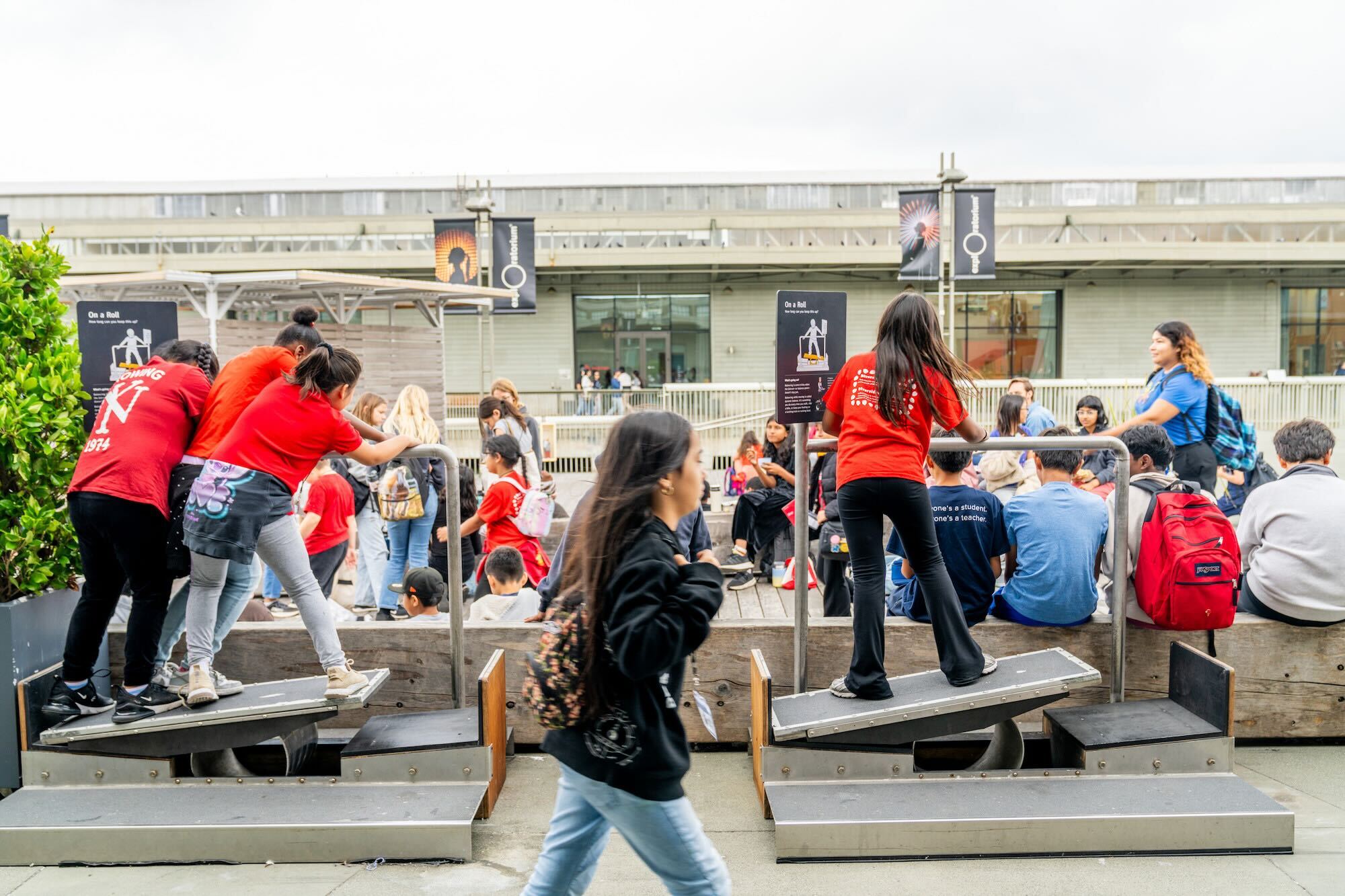
"attachmentsReducer": {
"audio_0": {
"type": "attachments",
"id": "audio_0",
"imgSizes": {
"kqedFullSize": {
"file": "https://ww2.kqed.org/news/wp-content/themes/KQED-unified/img/audio_bgs/background0.jpg"
}
}
},
"audio_1": {
"type": "attachments",
"id": "audio_1",
"imgSizes": {
"kqedFullSize": {
"file": "https://ww2.kqed.org/news/wp-content/themes/KQED-unified/img/audio_bgs/background1.jpg"
}
}
},
"audio_2": {
"type": "attachments",
"id": "audio_2",
"imgSizes": {
"kqedFullSize": {
"file": "https://ww2.kqed.org/news/wp-content/themes/KQED-unified/img/audio_bgs/background2.jpg"
}
}
},
"audio_3": {
"type": "attachments",
"id": "audio_3",
"imgSizes": {
"kqedFullSize": {
"file": "https://ww2.kqed.org/news/wp-content/themes/KQED-unified/img/audio_bgs/background3.jpg"
}
}
},
"audio_4": {
"type": "attachments",
"id": "audio_4",
"imgSizes": {
"kqedFullSize": {
"file": "https://ww2.kqed.org/news/wp-content/themes/KQED-unified/img/audio_bgs/background4.jpg"
}
}
},
"placeholder": {
"type": "attachments",
"id": "placeholder",
"imgSizes": {
"thumbnail": {
"file": "https://cdn.kqed.org/wp-content/uploads/2024/12/KQED-Default-Image-816638274-2000x1333-1-160x107.jpg",
"width": 160,
"height": 107,
"mimeType": "image/jpeg"
},
"medium": {
"file": "https://cdn.kqed.org/wp-content/uploads/2024/12/KQED-Default-Image-816638274-2000x1333-1-800x533.jpg",
"width": 800,
"height": 533,
"mimeType": "image/jpeg"
},
"medium_large": {
"file": "https://cdn.kqed.org/wp-content/uploads/2024/12/KQED-Default-Image-816638274-2000x1333-1-768x512.jpg",
"width": 768,
"height": 512,
"mimeType": "image/jpeg"
},
"large": {
"file": "https://cdn.kqed.org/wp-content/uploads/2024/12/KQED-Default-Image-816638274-2000x1333-1-1020x680.jpg",
"width": 1020,
"height": 680,
"mimeType": "image/jpeg"
},
"1536x1536": {
"file": "https://cdn.kqed.org/wp-content/uploads/2024/12/KQED-Default-Image-816638274-2000x1333-1-1536x1024.jpg",
"width": 1536,
"height": 1024,
"mimeType": "image/jpeg"
},
"fd-lrg": {
"file": "https://cdn.kqed.org/wp-content/uploads/2024/12/KQED-Default-Image-816638274-2000x1333-1-1536x1024.jpg",
"width": 1536,
"height": 1024,
"mimeType": "image/jpeg"
},
"fd-med": {
"file": "https://cdn.kqed.org/wp-content/uploads/2024/12/KQED-Default-Image-816638274-2000x1333-1-1020x680.jpg",
"width": 1020,
"height": 680,
"mimeType": "image/jpeg"
},
"fd-sm": {
"file": "https://cdn.kqed.org/wp-content/uploads/2024/12/KQED-Default-Image-816638274-2000x1333-1-800x533.jpg",
"width": 800,
"height": 533,
"mimeType": "image/jpeg"
},
"post-thumbnail": {
"file": "https://cdn.kqed.org/wp-content/uploads/2024/12/KQED-Default-Image-816638274-2000x1333-1-672x372.jpg",
"width": 672,
"height": 372,
"mimeType": "image/jpeg"
},
"twentyfourteen-full-width": {
"file": "https://cdn.kqed.org/wp-content/uploads/2024/12/KQED-Default-Image-816638274-2000x1333-1-1038x576.jpg",
"width": 1038,
"height": 576,
"mimeType": "image/jpeg"
},
"xxsmall": {
"file": "https://cdn.kqed.org/wp-content/uploads/2024/12/KQED-Default-Image-816638274-2000x1333-1-160x107.jpg",
"width": 160,
"height": 107,
"mimeType": "image/jpeg"
},
"xsmall": {
"file": "https://cdn.kqed.org/wp-content/uploads/2024/12/KQED-Default-Image-816638274-2000x1333-1-672x372.jpg",
"width": 672,
"height": 372,
"mimeType": "image/jpeg"
},
"small": {
"file": "https://cdn.kqed.org/wp-content/uploads/2024/12/KQED-Default-Image-816638274-2000x1333-1-672x372.jpg",
"width": 672,
"height": 372,
"mimeType": "image/jpeg"
},
"xlarge": {
"file": "https://cdn.kqed.org/wp-content/uploads/2024/12/KQED-Default-Image-816638274-2000x1333-1-1020x680.jpg",
"width": 1020,
"height": 680,
"mimeType": "image/jpeg"
},
"full-width": {
"file": "https://cdn.kqed.org/wp-content/uploads/2024/12/KQED-Default-Image-816638274-2000x1333-1-1920x1280.jpg",
"width": 1920,
"height": 1280,
"mimeType": "image/jpeg"
},
"guest-author-32": {
"file": "https://cdn.kqed.org/wp-content/uploads/2025/01/KQED-Default-Image-816638274-1333x1333-1-160x160.jpg",
"width": 32,
"height": 32,
"mimeType": "image/jpeg"
},
"guest-author-50": {
"file": "https://cdn.kqed.org/wp-content/uploads/2025/01/KQED-Default-Image-816638274-1333x1333-1-160x160.jpg",
"width": 50,
"height": 50,
"mimeType": "image/jpeg"
},
"guest-author-64": {
"file": "https://cdn.kqed.org/wp-content/uploads/2025/01/KQED-Default-Image-816638274-1333x1333-1-160x160.jpg",
"width": 64,
"height": 64,
"mimeType": "image/jpeg"
},
"guest-author-96": {
"file": "https://cdn.kqed.org/wp-content/uploads/2025/01/KQED-Default-Image-816638274-1333x1333-1-160x160.jpg",
"width": 96,
"height": 96,
"mimeType": "image/jpeg"
},
"guest-author-128": {
"file": "https://cdn.kqed.org/wp-content/uploads/2025/01/KQED-Default-Image-816638274-1333x1333-1-160x160.jpg",
"width": 128,
"height": 128,
"mimeType": "image/jpeg"
},
"detail": {
"file": "https://cdn.kqed.org/wp-content/uploads/2025/01/KQED-Default-Image-816638274-1333x1333-1-160x160.jpg",
"width": 160,
"height": 160,
"mimeType": "image/jpeg"
},
"kqedFullSize": {
"file": "https://cdn.kqed.org/wp-content/uploads/2024/12/KQED-Default-Image-816638274-2000x1333-1.jpg",
"width": 2000,
"height": 1333
}
}
},
"news_12073223": {
"type": "attachments",
"id": "news_12073223",
"meta": {
"index": "attachments_1716263798",
"site": "news",
"id": "12073223",
"found": true
},
"title": "IMG_8090",
"publishDate": 1770844497,
"status": "inherit",
"parent": 12073183,
"modified": 1770844521,
"caption": "The Exploratorium is among several museums offering discounted admission for families during the SFUSD strike.",
"credit": "Courtesy of The Exploratorium",
"altTag": null,
"description": null,
"imgSizes": {
"thumbnail": {
"file": "https://cdn.kqed.org/wp-content/uploads/sites/10/2026/02/IMG_8090-160x107.jpg",
"width": 160,
"height": 107,
"mimeType": "image/jpeg"
},
"1536x1536": {
"file": "https://cdn.kqed.org/wp-content/uploads/sites/10/2026/02/IMG_8090-1536x1024.jpg",
"width": 1536,
"height": 1024,
"mimeType": "image/jpeg"
},
"post-thumbnail": {
"file": "https://cdn.kqed.org/wp-content/uploads/sites/10/2026/02/IMG_8090-672x372.jpg",
"width": 672,
"height": 372,
"mimeType": "image/jpeg"
},
"twentyfourteen-full-width": {
"file": "https://cdn.kqed.org/wp-content/uploads/sites/10/2026/02/IMG_8090-1038x576.jpg",
"width": 1038,
"height": 576,
"mimeType": "image/jpeg"
},
"npr-cds-wide": {
"file": "https://cdn.kqed.org/wp-content/uploads/sites/10/2026/02/IMG_8090-1200x675.jpg",
"width": 1200,
"height": 675,
"mimeType": "image/jpeg"
},
"kqedFullSize": {
"file": "https://cdn.kqed.org/wp-content/uploads/sites/10/2026/02/IMG_8090.jpg",
"width": 2000,
"height": 1333
}
},
"isLoading": false,
"fetchFailed": false
},
"news_12073227": {
"type": "attachments",
"id": "news_12073227",
"meta": {
"index": "attachments_1716263798",
"site": "news",
"id": "12073227",
"found": true
},
"title": "260211-SFUSDSTRIKEOCEANBEACH-05-BL-KQED",
"publishDate": 1770846526,
"status": "inherit",
"parent": 12073306,
"modified": 1770999108,
"caption": "Striking San Francisco Unified School District employees form the words \"For Our Students Strike\" at Ocean Beach in San Francisco on Feb. 11, 2026.",
"credit": "Beth LaBerge/KQED",
"altTag": null,
"description": null,
"imgSizes": {
"thumbnail": {
"file": "https://cdn.kqed.org/wp-content/uploads/sites/10/2026/02/260211-SFUSDSTRIKEOCEANBEACH-05-BL-KQED-160x107.jpg",
"width": 160,
"height": 107,
"mimeType": "image/jpeg"
},
"1536x1536": {
"file": "https://cdn.kqed.org/wp-content/uploads/sites/10/2026/02/260211-SFUSDSTRIKEOCEANBEACH-05-BL-KQED-1536x1025.jpg",
"width": 1536,
"height": 1025,
"mimeType": "image/jpeg"
},
"post-thumbnail": {
"file": "https://cdn.kqed.org/wp-content/uploads/sites/10/2026/02/260211-SFUSDSTRIKEOCEANBEACH-05-BL-KQED-672x372.jpg",
"width": 672,
"height": 372,
"mimeType": "image/jpeg"
},
"twentyfourteen-full-width": {
"file": "https://cdn.kqed.org/wp-content/uploads/sites/10/2026/02/260211-SFUSDSTRIKEOCEANBEACH-05-BL-KQED-1038x576.jpg",
"width": 1038,
"height": 576,
"mimeType": "image/jpeg"
},
"npr-cds-wide": {
"file": "https://cdn.kqed.org/wp-content/uploads/sites/10/2026/02/260211-SFUSDSTRIKEOCEANBEACH-05-BL-KQED-1200x675.jpg",
"width": 1200,
"height": 675,
"mimeType": "image/jpeg"
},
"kqedFullSize": {
"file": "https://cdn.kqed.org/wp-content/uploads/sites/10/2026/02/260211-SFUSDSTRIKEOCEANBEACH-05-BL-KQED.jpg",
"width": 2000,
"height": 1334
}
},
"isLoading": false,
"fetchFailed": false
},
"news_12073056": {
"type": "attachments",
"id": "news_12073056",
"meta": {
"index": "attachments_1716263798",
"site": "news",
"id": "12073056",
"found": true
},
"title": "260210-SFUSDSTRIKEDAY2-24-BL-KQED",
"publishDate": 1770758931,
"status": "inherit",
"parent": 12073717,
"modified": 1771453651,
"caption": "Frances Tang stands alongside teachers, faculty and supporters during a rally on the second day of an SFUSD teachers strike at Dolores Park in San Francisco on Feb. 10, 2026. A deal between the district and the teachers union remains elusive. So far, it appears, teachers have the leverage.",
"credit": "Beth LaBerge/KQED",
"altTag": null,
"description": null,
"imgSizes": {
"thumbnail": {
"file": "https://cdn.kqed.org/wp-content/uploads/sites/10/2026/02/260210-SFUSDSTRIKEDAY2-24-BL-KQED-160x107.jpg",
"width": 160,
"height": 107,
"mimeType": "image/jpeg"
},
"1536x1536": {
"file": "https://cdn.kqed.org/wp-content/uploads/sites/10/2026/02/260210-SFUSDSTRIKEDAY2-24-BL-KQED-1536x1024.jpg",
"width": 1536,
"height": 1024,
"mimeType": "image/jpeg"
},
"post-thumbnail": {
"file": "https://cdn.kqed.org/wp-content/uploads/sites/10/2026/02/260210-SFUSDSTRIKEDAY2-24-BL-KQED-672x372.jpg",
"width": 672,
"height": 372,
"mimeType": "image/jpeg"
},
"twentyfourteen-full-width": {
"file": "https://cdn.kqed.org/wp-content/uploads/sites/10/2026/02/260210-SFUSDSTRIKEDAY2-24-BL-KQED-1038x576.jpg",
"width": 1038,
"height": 576,
"mimeType": "image/jpeg"
},
"npr-cds-wide": {
"file": "https://cdn.kqed.org/wp-content/uploads/sites/10/2026/02/260210-SFUSDSTRIKEDAY2-24-BL-KQED-1200x675.jpg",
"width": 1200,
"height": 675,
"mimeType": "image/jpeg"
},
"kqedFullSize": {
"file": "https://cdn.kqed.org/wp-content/uploads/sites/10/2026/02/260210-SFUSDSTRIKEDAY2-24-BL-KQED.jpg",
"width": 2000,
"height": 1333
}
},
"isLoading": false,
"fetchFailed": false
},
"news_12071944": {
"type": "attachments",
"id": "news_12071944",
"meta": {
"index": "attachments_1716263798",
"site": "news",
"id": "12071944",
"found": true
},
"title": "260130-SFCHILDCAREACCESS00005_TV-KQED",
"publishDate": 1770069977,
"status": "inherit",
"parent": 0,
"modified": 1770070024,
"caption": "Lyuba Shkolnik carries a child at her in-home childcare business called Daycare Bumblebee in San Francisco on January 30, 2026. San Francisco is expanding access to child care by offering 50% discounts to middle- and upper-middle-income earners in an effort to tackle affordability issues in one of the most expensive cities in the country. Daycare Bumblebee is trying to get approval to enter the city's Early Learning For All system.",
"credit": "Tâm Vũ/KQED",
"altTag": null,
"description": null,
"imgSizes": {
"thumbnail": {
"file": "https://cdn.kqed.org/wp-content/uploads/sites/10/2026/02/260130-SFCHILDCAREACCESS00005_TV-KQED-160x107.jpg",
"width": 160,
"height": 107,
"mimeType": "image/jpeg"
},
"1536x1536": {
"file": "https://cdn.kqed.org/wp-content/uploads/sites/10/2026/02/260130-SFCHILDCAREACCESS00005_TV-KQED-1536x1024.jpg",
"width": 1536,
"height": 1024,
"mimeType": "image/jpeg"
},
"post-thumbnail": {
"file": "https://cdn.kqed.org/wp-content/uploads/sites/10/2026/02/260130-SFCHILDCAREACCESS00005_TV-KQED-672x372.jpg",
"width": 672,
"height": 372,
"mimeType": "image/jpeg"
},
"twentyfourteen-full-width": {
"file": "https://cdn.kqed.org/wp-content/uploads/sites/10/2026/02/260130-SFCHILDCAREACCESS00005_TV-KQED-1038x576.jpg",
"width": 1038,
"height": 576,
"mimeType": "image/jpeg"
},
"npr-cds-wide": {
"file": "https://cdn.kqed.org/wp-content/uploads/sites/10/2026/02/260130-SFCHILDCAREACCESS00005_TV-KQED-1200x675.jpg",
"width": 1200,
"height": 675,
"mimeType": "image/jpeg"
},
"kqedFullSize": {
"file": "https://cdn.kqed.org/wp-content/uploads/sites/10/2026/02/260130-SFCHILDCAREACCESS00005_TV-KQED.jpg",
"width": 2000,
"height": 1333
}
},
"isLoading": false,
"fetchFailed": false
},
"news_12073009": {
"type": "attachments",
"id": "news_12073009",
"meta": {
"index": "attachments_1716263798",
"site": "news",
"id": "12073009",
"found": true
},
"title": "260210-SFUSDSTRIKEDAY2-03-BL-KQED",
"publishDate": 1770751732,
"status": "inherit",
"parent": 0,
"modified": 1770751749,
"caption": "Tumua Faasua cheers as vehicles honk during the second day of an SFUSD teachers’ strike near Abraham Lincoln High School in San Francisco’s Sunset District on Feb. 10, 2026.",
"credit": "Beth LaBerge/KQED",
"altTag": null,
"description": null,
"imgSizes": {
"thumbnail": {
"file": "https://cdn.kqed.org/wp-content/uploads/sites/10/2026/02/260210-SFUSDSTRIKEDAY2-03-BL-KQED-160x107.jpg",
"width": 160,
"height": 107,
"mimeType": "image/jpeg"
},
"1536x1536": {
"file": "https://cdn.kqed.org/wp-content/uploads/sites/10/2026/02/260210-SFUSDSTRIKEDAY2-03-BL-KQED-1536x1024.jpg",
"width": 1536,
"height": 1024,
"mimeType": "image/jpeg"
},
"post-thumbnail": {
"file": "https://cdn.kqed.org/wp-content/uploads/sites/10/2026/02/260210-SFUSDSTRIKEDAY2-03-BL-KQED-672x372.jpg",
"width": 672,
"height": 372,
"mimeType": "image/jpeg"
},
"twentyfourteen-full-width": {
"file": "https://cdn.kqed.org/wp-content/uploads/sites/10/2026/02/260210-SFUSDSTRIKEDAY2-03-BL-KQED-1038x576.jpg",
"width": 1038,
"height": 576,
"mimeType": "image/jpeg"
},
"npr-cds-wide": {
"file": "https://cdn.kqed.org/wp-content/uploads/sites/10/2026/02/260210-SFUSDSTRIKEDAY2-03-BL-KQED-1200x675.jpg",
"width": 1200,
"height": 675,
"mimeType": "image/jpeg"
},
"kqedFullSize": {
"file": "https://cdn.kqed.org/wp-content/uploads/sites/10/2026/02/260210-SFUSDSTRIKEDAY2-03-BL-KQED.jpg",
"width": 2000,
"height": 1333
}
},
"isLoading": false,
"fetchFailed": false
},
"news_12073046": {
"type": "attachments",
"id": "news_12073046",
"meta": {
"index": "attachments_1716263798",
"site": "news",
"id": "12073046",
"found": true
},
"title": "The Tenderloin neighborhood of San Francisco on May 2, 2025.",
"publishDate": 1770757387,
"status": "inherit",
"parent": 12073043,
"modified": 1770757397,
"caption": "The Tenderloin neighborhood of San Francisco on May 2, 2025.",
"credit": "Beth LaBerge/KQED",
"altTag": null,
"description": null,
"imgSizes": {
"thumbnail": {
"file": "https://cdn.kqed.org/wp-content/uploads/sites/10/2026/02/250502-TenderloinTriageCenter-25-BL_qed-160x107.jpg",
"width": 160,
"height": 107,
"mimeType": "image/jpeg"
},
"1536x1536": {
"file": "https://cdn.kqed.org/wp-content/uploads/sites/10/2026/02/250502-TenderloinTriageCenter-25-BL_qed-1536x1024.jpg",
"width": 1536,
"height": 1024,
"mimeType": "image/jpeg"
},
"post-thumbnail": {
"file": "https://cdn.kqed.org/wp-content/uploads/sites/10/2026/02/250502-TenderloinTriageCenter-25-BL_qed-672x372.jpg",
"width": 672,
"height": 372,
"mimeType": "image/jpeg"
},
"twentyfourteen-full-width": {
"file": "https://cdn.kqed.org/wp-content/uploads/sites/10/2026/02/250502-TenderloinTriageCenter-25-BL_qed-1038x576.jpg",
"width": 1038,
"height": 576,
"mimeType": "image/jpeg"
},
"npr-cds-wide": {
"file": "https://cdn.kqed.org/wp-content/uploads/sites/10/2026/02/250502-TenderloinTriageCenter-25-BL_qed-1200x675.jpg",
"width": 1200,
"height": 675,
"mimeType": "image/jpeg"
},
"kqedFullSize": {
"file": "https://cdn.kqed.org/wp-content/uploads/sites/10/2026/02/250502-TenderloinTriageCenter-25-BL_qed.jpg",
"width": 2000,
"height": 1333
}
},
"isLoading": false,
"fetchFailed": false
},
"news_12072848": {
"type": "attachments",
"id": "news_12072848",
"meta": {
"index": "attachments_1716263798",
"site": "news",
"id": "12072848",
"found": true
},
"title": "20260209_SFUSDSTRIKE_GC-9-KQED",
"publishDate": 1770660211,
"status": "inherit",
"parent": 12072729,
"modified": 1770667000,
"caption": "Cassondra Curiel, president of the United Educators of San Francisco, center, speaks during a press conference at Mission High School on Feb. 9, 2026. Teachers went on strike for the first time in nearly 50 years.",
"credit": "Gina Castro for KQED",
"altTag": null,
"description": null,
"imgSizes": {
"thumbnail": {
"file": "https://cdn.kqed.org/wp-content/uploads/sites/10/2026/02/20260209_SFUSDSTRIKE_GC-9-KQED-160x107.jpg",
"width": 160,
"height": 107,
"mimeType": "image/jpeg"
},
"1536x1536": {
"file": "https://cdn.kqed.org/wp-content/uploads/sites/10/2026/02/20260209_SFUSDSTRIKE_GC-9-KQED-1536x1024.jpg",
"width": 1536,
"height": 1024,
"mimeType": "image/jpeg"
},
"post-thumbnail": {
"file": "https://cdn.kqed.org/wp-content/uploads/sites/10/2026/02/20260209_SFUSDSTRIKE_GC-9-KQED-672x372.jpg",
"width": 672,
"height": 372,
"mimeType": "image/jpeg"
},
"twentyfourteen-full-width": {
"file": "https://cdn.kqed.org/wp-content/uploads/sites/10/2026/02/20260209_SFUSDSTRIKE_GC-9-KQED-1038x576.jpg",
"width": 1038,
"height": 576,
"mimeType": "image/jpeg"
},
"npr-cds-wide": {
"file": "https://cdn.kqed.org/wp-content/uploads/sites/10/2026/02/20260209_SFUSDSTRIKE_GC-9-KQED-1200x675.jpg",
"width": 1200,
"height": 675,
"mimeType": "image/jpeg"
},
"kqedFullSize": {
"file": "https://cdn.kqed.org/wp-content/uploads/sites/10/2026/02/20260209_SFUSDSTRIKE_GC-9-KQED.jpg",
"width": 2000,
"height": 1333
}
},
"isLoading": false,
"fetchFailed": false
},
"news_11838978": {
"type": "attachments",
"id": "news_11838978",
"meta": {
"index": "attachments_1716263798",
"site": "news",
"id": "11838978",
"found": true
},
"parent": 11838967,
"imgSizes": {
"apple_news_ca_landscape_5_5": {
"file": "https://ww2.kqed.org/app/uploads/sites/10/2020/09/RS30495_alt_1026-1044x783.jpg",
"width": 1044,
"mimeType": "image/jpeg",
"height": 783
},
"apple_news_ca_square_4_0": {
"file": "https://ww2.kqed.org/app/uploads/sites/10/2020/09/RS30495_alt_1026-470x470.jpg",
"width": 470,
"mimeType": "image/jpeg",
"height": 470
},
"twentyfourteen-full-width": {
"file": "https://ww2.kqed.org/app/uploads/sites/10/2020/09/RS30495_alt_1026-1038x576.jpg",
"width": 1038,
"mimeType": "image/jpeg",
"height": 576
},
"thumbnail": {
"file": "https://ww2.kqed.org/app/uploads/sites/10/2020/09/RS30495_alt_1026-160x109.jpg",
"width": 160,
"mimeType": "image/jpeg",
"height": 109
},
"post-thumbnail": {
"file": "https://ww2.kqed.org/app/uploads/sites/10/2020/09/RS30495_alt_1026-672x372.jpg",
"width": 672,
"mimeType": "image/jpeg",
"height": 372
},
"kqedFullSize": {
"file": "https://ww2.kqed.org/app/uploads/sites/10/2020/09/RS30495_alt_1026.jpg",
"width": 1920,
"height": 1303
},
"apple_news_ca_landscape_4_7": {
"file": "https://ww2.kqed.org/app/uploads/sites/10/2020/09/RS30495_alt_1026-632x474.jpg",
"width": 632,
"mimeType": "image/jpeg",
"height": 474
},
"large": {
"file": "https://ww2.kqed.org/app/uploads/sites/10/2020/09/RS30495_alt_1026-1020x692.jpg",
"width": 1020,
"mimeType": "image/jpeg",
"height": 692
},
"apple_news_ca_landscape_4_0": {
"file": "https://ww2.kqed.org/app/uploads/sites/10/2020/09/RS30495_alt_1026-536x402.jpg",
"width": 536,
"mimeType": "image/jpeg",
"height": 402
},
"apple_news_ca_portrait_12_9": {
"file": "https://ww2.kqed.org/app/uploads/sites/10/2020/09/RS30495_alt_1026-1122x1303.jpg",
"width": 1122,
"mimeType": "image/jpeg",
"height": 1303
},
"medium": {
"file": "https://ww2.kqed.org/app/uploads/sites/10/2020/09/RS30495_alt_1026-800x543.jpg",
"width": 800,
"mimeType": "image/jpeg",
"height": 543
},
"apple_news_ca_portrait_4_0": {
"file": "https://ww2.kqed.org/app/uploads/sites/10/2020/09/RS30495_alt_1026-354x472.jpg",
"width": 354,
"mimeType": "image/jpeg",
"height": 472
},
"apple_news_ca_portrait_9_7": {
"file": "https://ww2.kqed.org/app/uploads/sites/10/2020/09/RS30495_alt_1026-840x1120.jpg",
"width": 840,
"mimeType": "image/jpeg",
"height": 1120
},
"apple_news_ca_landscape_12_9": {
"file": "https://ww2.kqed.org/app/uploads/sites/10/2020/09/RS30495_alt_1026-1832x1303.jpg",
"width": 1832,
"mimeType": "image/jpeg",
"height": 1303
},
"apple_news_ca_square_9_7": {
"file": "https://ww2.kqed.org/app/uploads/sites/10/2020/09/RS30495_alt_1026-1104x1104.jpg",
"width": 1104,
"mimeType": "image/jpeg",
"height": 1104
},
"1536x1536": {
"file": "https://ww2.kqed.org/app/uploads/sites/10/2020/09/RS30495_alt_1026-1536x1042.jpg",
"width": 1536,
"mimeType": "image/jpeg",
"height": 1042
},
"apple_news_ca_portrait_4_7": {
"file": "https://ww2.kqed.org/app/uploads/sites/10/2020/09/RS30495_alt_1026-414x552.jpg",
"width": 414,
"mimeType": "image/jpeg",
"height": 552
},
"apple_news_ca_square_12_9": {
"file": "https://ww2.kqed.org/app/uploads/sites/10/2020/09/RS30495_alt_1026-1472x1303.jpg",
"width": 1472,
"mimeType": "image/jpeg",
"height": 1303
},
"apple_news_ca_portrait_5_5": {
"file": "https://ww2.kqed.org/app/uploads/sites/10/2020/09/RS30495_alt_1026-687x916.jpg",
"width": 687,
"mimeType": "image/jpeg",
"height": 916
},
"apple_news_ca_square_4_7": {
"file": "https://ww2.kqed.org/app/uploads/sites/10/2020/09/RS30495_alt_1026-550x550.jpg",
"width": 550,
"mimeType": "image/jpeg",
"height": 550
},
"apple_news_ca_landscape_9_7": {
"file": "https://ww2.kqed.org/app/uploads/sites/10/2020/09/RS30495_alt_1026-1376x1032.jpg",
"width": 1376,
"mimeType": "image/jpeg",
"height": 1032
},
"apple_news_ca_square_5_5": {
"file": "https://ww2.kqed.org/app/uploads/sites/10/2020/09/RS30495_alt_1026-912x912.jpg",
"width": 912,
"mimeType": "image/jpeg",
"height": 912
}
},
"publishDate": 1600714424,
"modified": 1600714590,
"caption": "The San Francisco medical examiner's office has been under fire in recent years for a large backlog in death investigations. Now the office is facing multiple lawsuits from former employees.",
"description": "The San Francisco medical examiner's office has been under fire in recent years for a large backlog in death investigations. Now the office is facing multiple lawsuits from former employees.",
"title": "RS30495_alt_1026",
"credit": "Alex Emslie/KQED",
"status": "inherit",
"isLoading": false,
"fetchFailed": false
},
"news_12072944": {
"type": "attachments",
"id": "news_12072944",
"meta": {
"index": "attachments_1716263798",
"site": "news",
"id": "12072944",
"found": true
},
"title": "Trump Mask Lawsuit",
"publishDate": 1770681137,
"status": "inherit",
"parent": 12072927,
"modified": 1770681204,
"caption": "Law enforcement officers stand guard during a protest on June 14, 2025, in Los Angeles. ",
"credit": "Ethan Swope/AP Photo",
"altTag": null,
"description": null,
"imgSizes": {
"thumbnail": {
"file": "https://cdn.kqed.org/wp-content/uploads/sites/10/2026/02/FederalOfficersMasksAP-160x107.jpg",
"width": 160,
"height": 107,
"mimeType": "image/jpeg"
},
"1536x1536": {
"file": "https://cdn.kqed.org/wp-content/uploads/sites/10/2026/02/FederalOfficersMasksAP-1536x1024.jpg",
"width": 1536,
"height": 1024,
"mimeType": "image/jpeg"
},
"post-thumbnail": {
"file": "https://cdn.kqed.org/wp-content/uploads/sites/10/2026/02/FederalOfficersMasksAP-672x372.jpg",
"width": 672,
"height": 372,
"mimeType": "image/jpeg"
},
"twentyfourteen-full-width": {
"file": "https://cdn.kqed.org/wp-content/uploads/sites/10/2026/02/FederalOfficersMasksAP-1038x576.jpg",
"width": 1038,
"height": 576,
"mimeType": "image/jpeg"
},
"npr-cds-wide": {
"file": "https://cdn.kqed.org/wp-content/uploads/sites/10/2026/02/FederalOfficersMasksAP-1200x675.jpg",
"width": 1200,
"height": 675,
"mimeType": "image/jpeg"
},
"kqedFullSize": {
"file": "https://cdn.kqed.org/wp-content/uploads/sites/10/2026/02/FederalOfficersMasksAP.jpg",
"width": 2000,
"height": 1333
}
},
"isLoading": false,
"fetchFailed": false
},
"news_12072895": {
"type": "attachments",
"id": "news_12072895",
"meta": {
"index": "attachments_1716263798",
"site": "news",
"id": "12072895",
"found": true
},
"title": "260209-SFUSDSTRIKE-19-BL-KQED",
"publishDate": 1770673237,
"status": "inherit",
"parent": 12073183,
"modified": 1770858051,
"caption": "Students make a sign that says, ‘Help Teachers’ at Mission Science Workshop in the Excelsior neighborhood of San Francisco on Feb. 9, 2026, during an SFUSD teachers’ strike that closed all district schools.",
"credit": "Beth LaBerge/KQED",
"altTag": null,
"description": null,
"imgSizes": {
"thumbnail": {
"file": "https://cdn.kqed.org/wp-content/uploads/sites/10/2026/02/260209-SFUSDSTRIKE-19-BL-KQED-160x107.jpg",
"width": 160,
"height": 107,
"mimeType": "image/jpeg"
},
"1536x1536": {
"file": "https://cdn.kqed.org/wp-content/uploads/sites/10/2026/02/260209-SFUSDSTRIKE-19-BL-KQED-1536x1024.jpg",
"width": 1536,
"height": 1024,
"mimeType": "image/jpeg"
},
"post-thumbnail": {
"file": "https://cdn.kqed.org/wp-content/uploads/sites/10/2026/02/260209-SFUSDSTRIKE-19-BL-KQED-672x372.jpg",
"width": 672,
"height": 372,
"mimeType": "image/jpeg"
},
"twentyfourteen-full-width": {
"file": "https://cdn.kqed.org/wp-content/uploads/sites/10/2026/02/260209-SFUSDSTRIKE-19-BL-KQED-1038x576.jpg",
"width": 1038,
"height": 576,
"mimeType": "image/jpeg"
},
"npr-cds-wide": {
"file": "https://cdn.kqed.org/wp-content/uploads/sites/10/2026/02/260209-SFUSDSTRIKE-19-BL-KQED-1200x675.jpg",
"width": 1200,
"height": 675,
"mimeType": "image/jpeg"
},
"kqedFullSize": {
"file": "https://cdn.kqed.org/wp-content/uploads/sites/10/2026/02/260209-SFUSDSTRIKE-19-BL-KQED.jpg",
"width": 2000,
"height": 1333
}
},
"isLoading": false,
"fetchFailed": false
},
"news_12072851": {
"type": "attachments",
"id": "news_12072851",
"meta": {
"index": "attachments_1716263798",
"site": "news",
"id": "12072851",
"found": true
},
"title": "20260209_SFUSDSTRIKE_GC-17-KQED",
"publishDate": 1770660222,
"status": "inherit",
"parent": 0,
"modified": 1770667600,
"caption": "Mar Martinez, math teacher at Mission High, pickets during a teacher’s strike at Mission High School on Feb. 9, 2026. The strike is the first in nearly 50 years.",
"credit": "Gina Castro for KQED",
"altTag": null,
"description": null,
"imgSizes": {
"thumbnail": {
"file": "https://cdn.kqed.org/wp-content/uploads/sites/10/2026/02/20260209_SFUSDSTRIKE_GC-17-KQED-160x107.jpg",
"width": 160,
"height": 107,
"mimeType": "image/jpeg"
},
"1536x1536": {
"file": "https://cdn.kqed.org/wp-content/uploads/sites/10/2026/02/20260209_SFUSDSTRIKE_GC-17-KQED-1536x1024.jpg",
"width": 1536,
"height": 1024,
"mimeType": "image/jpeg"
},
"post-thumbnail": {
"file": "https://cdn.kqed.org/wp-content/uploads/sites/10/2026/02/20260209_SFUSDSTRIKE_GC-17-KQED-672x372.jpg",
"width": 672,
"height": 372,
"mimeType": "image/jpeg"
},
"twentyfourteen-full-width": {
"file": "https://cdn.kqed.org/wp-content/uploads/sites/10/2026/02/20260209_SFUSDSTRIKE_GC-17-KQED-1038x576.jpg",
"width": 1038,
"height": 576,
"mimeType": "image/jpeg"
},
"npr-cds-wide": {
"file": "https://cdn.kqed.org/wp-content/uploads/sites/10/2026/02/20260209_SFUSDSTRIKE_GC-17-KQED-1200x675.jpg",
"width": 1200,
"height": 675,
"mimeType": "image/jpeg"
},
"kqedFullSize": {
"file": "https://cdn.kqed.org/wp-content/uploads/sites/10/2026/02/20260209_SFUSDSTRIKE_GC-17-KQED.jpg",
"width": 2000,
"height": 1333
}
},
"isLoading": false,
"fetchFailed": false
},
"news_12072592": {
"type": "attachments",
"id": "news_12072592",
"meta": {
"index": "attachments_1716263798",
"site": "news",
"id": "12072592",
"found": true
},
"title": "Crow-roost",
"publishDate": 1770399442,
"status": "inherit",
"parent": 12072433,
"modified": 1770399528,
"caption": "Silhouettes of crows roosting. Have you seen the huge gatherings of crows near Oakland’s Lake Merritt or in downtown San Francisco? There’s an explanation for their behavior.",
"credit": "David McNew/Getty Images",
"altTag": null,
"description": null,
"imgSizes": {
"medium": {
"file": "https://cdn.kqed.org/wp-content/uploads/sites/10/2026/02/Crow-roost-2000x1125.jpg",
"width": 2000,
"height": 1125,
"mimeType": "image/jpeg"
},
"large": {
"file": "https://cdn.kqed.org/wp-content/uploads/sites/10/2026/02/Crow-roost-2000x1125.jpg",
"width": 2000,
"height": 1125,
"mimeType": "image/jpeg"
},
"thumbnail": {
"file": "https://cdn.kqed.org/wp-content/uploads/sites/10/2026/02/Crow-roost-160x90.jpg",
"width": 160,
"height": 90,
"mimeType": "image/jpeg"
},
"1536x1536": {
"file": "https://cdn.kqed.org/wp-content/uploads/sites/10/2026/02/Crow-roost-1536x864.jpg",
"width": 1536,
"height": 864,
"mimeType": "image/jpeg"
},
"2048x2048": {
"file": "https://cdn.kqed.org/wp-content/uploads/sites/10/2026/02/Crow-roost-2048x1152.jpg",
"width": 2048,
"height": 1152,
"mimeType": "image/jpeg"
},
"post-thumbnail": {
"file": "https://cdn.kqed.org/wp-content/uploads/sites/10/2026/02/Crow-roost-672x372.jpg",
"width": 672,
"height": 372,
"mimeType": "image/jpeg"
},
"twentyfourteen-full-width": {
"file": "https://cdn.kqed.org/wp-content/uploads/sites/10/2026/02/Crow-roost-1038x576.jpg",
"width": 1038,
"height": 576,
"mimeType": "image/jpeg"
},
"full-width": {
"file": "https://cdn.kqed.org/wp-content/uploads/sites/10/2026/02/Crow-roost-2000x1125.jpg",
"width": 2000,
"height": 1125,
"mimeType": "image/jpeg"
},
"npr-cds-wide": {
"file": "https://cdn.kqed.org/wp-content/uploads/sites/10/2026/02/Crow-roost-1200x675.jpg",
"width": 1200,
"height": 675,
"mimeType": "image/jpeg"
},
"kqedFullSize": {
"file": "https://cdn.kqed.org/wp-content/uploads/sites/10/2026/02/Crow-roost-scaled-e1770399460644.jpg",
"width": 2000,
"height": 1125
}
},
"isLoading": false,
"fetchFailed": false
}
},
"audioPlayerReducer": {
"postId": "stream_live",
"isPaused": true,
"isPlaying": false,
"pfsActive": false,
"pledgeModalIsOpen": true,
"playerDrawerIsOpen": false,
"liveAudioPlayStartedAt": 0,
"liveAudioPlayContext": ""
},
"authorsReducer": {
"katrinaschwartz": {
"type": "authors",
"id": "234",
"meta": {
"index": "authors_1716337520",
"id": "234",
"found": true
},
"name": "Katrina Schwartz",
"firstName": "Katrina",
"lastName": "Schwartz",
"slug": "katrinaschwartz",
"email": "kschwartz@kqed.org",
"display_author_email": false,
"staff_mastheads": [
"news"
],
"title": "Producer",
"bio": "Katrina Schwartz is a journalist based in San Francisco. She's worked at KPCC public radio in LA and has reported on air and online for KQED since 2010. She covered how teaching and learning is changing for MindShift between 2012 and 2020. She is the co-host of the MindShift podcast and now produces KQED's Bay Curious podcast.",
"avatar": "https://secure.gravatar.com/avatar/edb4ee79070447a018538c9aae6eeecf28786515b8a0c30e43b6b7dce5aa44c8?s=600&d=blank&r=g",
"twitter": "kschwart",
"bluesky": null,
"facebook": null,
"instagram": null,
"linkedin": null,
"sites": [
{
"site": "",
"roles": [
"editor"
]
},
{
"site": "news",
"roles": [
"editor"
]
},
{
"site": "mindshift",
"roles": [
"administrator"
]
},
{
"site": "stateofhealth",
"roles": [
"author"
]
},
{
"site": "science",
"roles": [
"editor"
]
}
],
"headData": {
"title": "Katrina Schwartz | KQED",
"description": "Producer",
"ogImgSrc": "https://secure.gravatar.com/avatar/edb4ee79070447a018538c9aae6eeecf28786515b8a0c30e43b6b7dce5aa44c8?s=600&d=blank&r=g",
"twImgSrc": "https://secure.gravatar.com/avatar/edb4ee79070447a018538c9aae6eeecf28786515b8a0c30e43b6b7dce5aa44c8?s=600&d=blank&r=g"
},
"isLoading": false,
"link": "/author/katrinaschwartz"
},
"mlagos": {
"type": "authors",
"id": "3239",
"meta": {
"index": "authors_1716337520",
"id": "3239",
"found": true
},
"name": "Marisa Lagos",
"firstName": "Marisa",
"lastName": "Lagos",
"slug": "mlagos",
"email": "mlagos@kqed.org",
"display_author_email": false,
"staff_mastheads": [
"news"
],
"title": "KQED Contributor",
"bio": "Marisa Lagos is a correspondent for KQED’s California Politics and Government Desk and co-hosts the award-winning show and podcast, Political Breakdown. At KQED, Lagos also conducts reporting, analysis and investigations into state, local and national politics for radio, TV, online and onstage. In 2022, she and co-host, Scott Shafer, moderated the only gubernatorial debate in California. In 2020, the \u003ci>Washington Post\u003c/i> named her one of the top political journalists in California; she was nominated for a Peabody and won several other awards for her work investigating the 2017 California wildfires. She has worked at the \u003ci>San Francisco Chronicle\u003c/i>, \u003ci>San Francisco Examiner\u003c/i> and \u003ci>Los Angeles Times\u003c/i>. A UC Santa Barbara graduate, she lives in San Francisco with her two sons and husband.",
"avatar": "https://secure.gravatar.com/avatar/a261a0d3696fc066871ef96b85b5e7d2?s=600&d=blank&r=g",
"twitter": "@mlagos",
"facebook": null,
"instagram": null,
"linkedin": null,
"sites": [
{
"site": "arts",
"roles": [
"author"
]
},
{
"site": "news",
"roles": [
"editor"
]
},
{
"site": "science",
"roles": [
"editor"
]
},
{
"site": "forum",
"roles": [
"author"
]
},
{
"site": "liveblog",
"roles": [
"author"
]
}
],
"headData": {
"title": "Marisa Lagos | KQED",
"description": "KQED Contributor",
"ogImgSrc": "https://secure.gravatar.com/avatar/a261a0d3696fc066871ef96b85b5e7d2?s=600&d=blank&r=g",
"twImgSrc": "https://secure.gravatar.com/avatar/a261a0d3696fc066871ef96b85b5e7d2?s=600&d=blank&r=g"
},
"isLoading": false,
"link": "/author/mlagos"
},
"ecruzguevarra": {
"type": "authors",
"id": "8654",
"meta": {
"index": "authors_1716337520",
"id": "8654",
"found": true
},
"name": "Ericka Cruz Guevarra",
"firstName": "Ericka",
"lastName": "Cruz Guevarra",
"slug": "ecruzguevarra",
"email": "ecruzguevarra@kqed.org",
"display_author_email": true,
"staff_mastheads": [
"news"
],
"title": "Producer, The Bay Podcast",
"bio": "Ericka Cruz Guevarra is host of \u003ca href=\"https://www.kqed.org/podcasts/thebay\">\u003cem>The Bay\u003c/em>\u003c/a> podcast at KQED. Before host, she was the show’s producer. Her work in that capacity includes a three-part reported series on policing in Vallejo, which won a 2020 excellence in journalism award from the Society of Professional Journalists. Ericka has worked as a breaking news reporter at Oregon Public Broadcasting, helped produce the Code Switch podcast, and was KQED’s inaugural Raul Ramirez Diversity Fund intern. She’s also an alumna of NPR’s Next Generation Radio program. Send her an email if you have strong feelings about whether Fairfield and Suisun City are the Bay. Ericka is represented by SAG-AFTRA.",
"avatar": "https://secure.gravatar.com/avatar/accefc1de4bafc7e234b69bcb9b6f6536c130fd84709bc3069ef11a78787e1bb?s=600&d=blank&r=g",
"twitter": "NotoriousECG",
"bluesky": null,
"facebook": null,
"instagram": null,
"linkedin": null,
"sites": [
{
"site": "arts",
"roles": [
"subscriber"
]
},
{
"site": "news",
"roles": [
"editor",
"manage_categories"
]
},
{
"site": "futureofyou",
"roles": [
"subscriber"
]
},
{
"site": "stateofhealth",
"roles": [
"subscriber"
]
},
{
"site": "science",
"roles": [
"editor"
]
},
{
"site": "forum",
"roles": [
"subscriber"
]
}
],
"headData": {
"title": "Ericka Cruz Guevarra | KQED",
"description": "Producer, The Bay Podcast",
"ogImgSrc": "https://secure.gravatar.com/avatar/accefc1de4bafc7e234b69bcb9b6f6536c130fd84709bc3069ef11a78787e1bb?s=600&d=blank&r=g",
"twImgSrc": "https://secure.gravatar.com/avatar/accefc1de4bafc7e234b69bcb9b6f6536c130fd84709bc3069ef11a78787e1bb?s=600&d=blank&r=g"
},
"isLoading": false,
"link": "/author/ecruzguevarra"
},
"amontecillo": {
"type": "authors",
"id": "11649",
"meta": {
"index": "authors_1716337520",
"id": "11649",
"found": true
},
"name": "Alan Montecillo",
"firstName": "Alan",
"lastName": "Montecillo",
"slug": "amontecillo",
"email": "amontecillo@kqed.org",
"display_author_email": false,
"staff_mastheads": [
"news"
],
"title": "KQED Contributor",
"bio": "Alan Montecillo is the senior editor of \u003cem>\u003ca href=\"http://kqed.org/thebay\">The Bay\u003c/a>, \u003c/em> KQED's local news podcast. Before moving to the Bay Area, he worked as a senior talk show producer for WILL in Champaign-Urbana, Illinois and at Oregon Public Broadcasting in Portland, Oregon. He has won journalism awards from the Society of Professional Journalists Northern California, the Public Media Journalists Association, The Signal Awards, and has also received a regional Edward R. Murrow award. Alan is a Filipino American from Hong Kong and a graduate of Reed College.",
"avatar": "https://secure.gravatar.com/avatar/268f53a2066899ea9efdd8a5900218b17c822d9862cbc9326cccec53ef41d349?s=600&d=blank&r=g",
"twitter": "alanmontecillo",
"bluesky": null,
"facebook": null,
"instagram": null,
"linkedin": null,
"sites": [
{
"site": "",
"roles": [
"editor"
]
},
{
"site": "news",
"roles": [
"editor",
"manage_categories"
]
}
],
"headData": {
"title": "Alan Montecillo | KQED",
"description": "KQED Contributor",
"ogImgSrc": "https://secure.gravatar.com/avatar/268f53a2066899ea9efdd8a5900218b17c822d9862cbc9326cccec53ef41d349?s=600&d=blank&r=g",
"twImgSrc": "https://secure.gravatar.com/avatar/268f53a2066899ea9efdd8a5900218b17c822d9862cbc9326cccec53ef41d349?s=600&d=blank&r=g"
},
"isLoading": false,
"link": "/author/amontecillo"
},
"daisynguyen": {
"type": "authors",
"id": "11829",
"meta": {
"index": "authors_1716337520",
"id": "11829",
"found": true
},
"name": "Daisy Nguyen",
"firstName": "Daisy",
"lastName": "Nguyen",
"slug": "daisynguyen",
"email": "daisynguyen@kqed.org",
"display_author_email": true,
"staff_mastheads": [
"news"
],
"title": "KQED Contributor",
"bio": "I have covered early childhood education and child care for KQED since 2022. I focus on policies aimed at increasing access to early care and education and how they shape individual lives. I've been a journalist for more than two decades, with most of that time devoted to covering breaking news throughout California for The Associated Press. I grew up in San Francisco and studied at UC Davis and Columbia University's Graduate School of Journalism. I live in Oakland with my husband and two kids.",
"avatar": "https://secure.gravatar.com/avatar/2da2127c27f7143b53ebd419800fd55f?s=600&d=blank&r=g",
"twitter": null,
"facebook": null,
"instagram": null,
"linkedin": "https://www.linkedin.com/in/daisynguyen/",
"sites": [
{
"site": "news",
"roles": [
"author"
]
},
{
"site": "liveblog",
"roles": [
"author"
]
}
],
"headData": {
"title": "Daisy Nguyen | KQED",
"description": "KQED Contributor",
"ogImgSrc": "https://secure.gravatar.com/avatar/2da2127c27f7143b53ebd419800fd55f?s=600&d=blank&r=g",
"twImgSrc": "https://secure.gravatar.com/avatar/2da2127c27f7143b53ebd419800fd55f?s=600&d=blank&r=g"
},
"isLoading": false,
"link": "/author/daisynguyen"
},
"jessicakariisa": {
"type": "authors",
"id": "11831",
"meta": {
"index": "authors_1716337520",
"id": "11831",
"found": true
},
"name": "Jessica Kariisa",
"firstName": "Jessica",
"lastName": "Kariisa",
"slug": "jessicakariisa",
"email": "jkariisa@kqed.org",
"display_author_email": false,
"staff_mastheads": [],
"title": "Producer, The Bay",
"bio": "Jessica Kariisa is the producer of The Bay. She first joined KQED as an intern for The California Report Magazine, after which she became an on-call producer. She reported a Bay Curious episode on the use of rap lyrics in criminal trials which won a Society of Professional Journalists award in 2023 for Excellence in Features Journalism and the 2023 Signal Award for Best Conversation Starter. She’s worked on podcasts for Snap Judgment and American Public Media. Before embarking on her audio career, she was a music journalist.\r\n\r\nJessica Kariisa is represented by SAG-AFTRA.",
"avatar": "https://secure.gravatar.com/avatar/522e97b28ac0b3d411621c0fde8f3419c7b71ea2c5c262c57c4bb600963f328c?s=600&d=blank&r=g",
"twitter": null,
"bluesky": null,
"facebook": null,
"instagram": null,
"linkedin": null,
"sites": [
{
"site": "arts",
"roles": [
"author"
]
},
{
"site": "news",
"roles": [
"editor",
"manage_categories"
]
}
],
"headData": {
"title": "Jessica Kariisa | KQED",
"description": "Producer, The Bay",
"ogImgSrc": "https://secure.gravatar.com/avatar/522e97b28ac0b3d411621c0fde8f3419c7b71ea2c5c262c57c4bb600963f328c?s=600&d=blank&r=g",
"twImgSrc": "https://secure.gravatar.com/avatar/522e97b28ac0b3d411621c0fde8f3419c7b71ea2c5c262c57c4bb600963f328c?s=600&d=blank&r=g"
},
"isLoading": false,
"link": "/author/jessicakariisa"
},
"sjohnson": {
"type": "authors",
"id": "11840",
"meta": {
"index": "authors_1716337520",
"id": "11840",
"found": true
},
"name": "Sydney Johnson",
"firstName": "Sydney",
"lastName": "Johnson",
"slug": "sjohnson",
"email": "sjohnson@kqed.org",
"display_author_email": false,
"staff_mastheads": [
"news"
],
"title": "KQED Reporter",
"bio": "Sydney Johnson is a general assignment reporter at KQED. She previously reported on public health and city government at the San Francisco Examiner, and before that, she covered statewide education policy for EdSource. Her reporting has won multiple local, state and national awards. Sydney is a graduate of the University of California, Berkeley and lives in San Francisco.",
"avatar": "https://secure.gravatar.com/avatar/97855f2719b72ad6190b7c535fe642c8?s=600&d=blank&r=g",
"twitter": "sydneyfjohnson",
"facebook": null,
"instagram": null,
"linkedin": null,
"sites": [
{
"site": "news",
"roles": [
"editor"
]
}
],
"headData": {
"title": "Sydney Johnson | KQED",
"description": "KQED Reporter",
"ogImgSrc": "https://secure.gravatar.com/avatar/97855f2719b72ad6190b7c535fe642c8?s=600&d=blank&r=g",
"twImgSrc": "https://secure.gravatar.com/avatar/97855f2719b72ad6190b7c535fe642c8?s=600&d=blank&r=g"
},
"isLoading": false,
"link": "/author/sjohnson"
},
"nkhan": {
"type": "authors",
"id": "11867",
"meta": {
"index": "authors_1716337520",
"id": "11867",
"found": true
},
"name": "Nisa Khan",
"firstName": "Nisa",
"lastName": "Khan",
"slug": "nkhan",
"email": "nkhan@kqed.org",
"display_author_email": false,
"staff_mastheads": [],
"title": "KQED Contributor",
"bio": "Nisa Khan is a reporter for KQED's Audience News Desk. She was formerly a data reporter at Michigan Radio. She earned a Bachelor of Science in Information from the University of Michigan and a Master of Arts in Communication from Stanford University.",
"avatar": "https://secure.gravatar.com/avatar/8720459eef081ff64582b3506b124d58523e80e120704a0cbd9892533c914991?s=600&d=blank&r=g",
"twitter": "mnisakhan",
"bluesky": null,
"facebook": null,
"instagram": null,
"linkedin": null,
"sites": [
{
"site": "arts",
"roles": [
"editor"
]
},
{
"site": "news",
"roles": [
"editor"
]
},
{
"site": "science",
"roles": [
"editor",
"author"
]
},
{
"site": "forum",
"roles": [
"editor"
]
},
{
"site": "liveblog",
"roles": [
"contributor"
]
}
],
"headData": {
"title": "Nisa Khan | KQED",
"description": "KQED Contributor",
"ogImgSrc": "https://secure.gravatar.com/avatar/8720459eef081ff64582b3506b124d58523e80e120704a0cbd9892533c914991?s=600&d=blank&r=g",
"twImgSrc": "https://secure.gravatar.com/avatar/8720459eef081ff64582b3506b124d58523e80e120704a0cbd9892533c914991?s=600&d=blank&r=g"
},
"isLoading": false,
"link": "/author/nkhan"
},
"kdebenedetti": {
"type": "authors",
"id": "11913",
"meta": {
"index": "authors_1716337520",
"id": "11913",
"found": true
},
"name": "Katie DeBenedetti",
"firstName": "Katie",
"lastName": "DeBenedetti",
"slug": "kdebenedetti",
"email": "kdebenedetti@kqed.org",
"display_author_email": false,
"staff_mastheads": [
"news",
"science"
],
"title": "KQED Contributor",
"bio": "Katie DeBenedetti is a digital reporter covering daily news for the Express Desk. Prior to joining KQED as a culture reporting intern in January 2024, she covered education and city government for the Napa Valley Register.",
"avatar": "https://secure.gravatar.com/avatar/6e31073cb8f7e4214ab03f42771d0f45?s=600&d=blank&r=g",
"twitter": null,
"facebook": null,
"instagram": null,
"linkedin": null,
"sites": [
{
"site": "news",
"roles": [
"author"
]
},
{
"site": "science",
"roles": [
"author"
]
},
{
"site": "liveblog",
"roles": [
"author"
]
}
],
"headData": {
"title": "Katie DeBenedetti | KQED",
"description": "KQED Contributor",
"ogImgSrc": "https://secure.gravatar.com/avatar/6e31073cb8f7e4214ab03f42771d0f45?s=600&d=blank&r=g",
"twImgSrc": "https://secure.gravatar.com/avatar/6e31073cb8f7e4214ab03f42771d0f45?s=600&d=blank&r=g"
},
"isLoading": false,
"link": "/author/kdebenedetti"
},
"emanoukian": {
"type": "authors",
"id": "11925",
"meta": {
"index": "authors_1716337520",
"id": "11925",
"found": true
},
"name": "Elize Manoukian",
"firstName": "Elize",
"lastName": "Manoukian",
"slug": "emanoukian",
"email": "emanoukian@KQED.org",
"display_author_email": false,
"staff_mastheads": [
"news"
],
"title": "Digital News Editor",
"bio": "Elize Manoukian is an award-winning audio producer and Senior Editor on the Express Desk, KQED's digital news platform. Her work has appeared on KPFA, Interlochen Public Radio, Oregon Public Broadcast, the New York Daily News, LA Times and the San Diego Union-Tribune.",
"avatar": "https://secure.gravatar.com/avatar/4525f1a8e46ccb30933b32653d9772064cfefe3fa655eb45b3b3a80341f6bdad?s=600&d=blank&r=g",
"twitter": null,
"bluesky": null,
"facebook": null,
"instagram": null,
"linkedin": null,
"sites": [
{
"site": "arts",
"roles": [
"editor"
]
},
{
"site": "news",
"roles": [
"editor"
]
},
{
"site": "science",
"roles": [
"editor"
]
}
],
"headData": {
"title": "Elize Manoukian | KQED",
"description": "Digital News Editor",
"ogImgSrc": "https://secure.gravatar.com/avatar/4525f1a8e46ccb30933b32653d9772064cfefe3fa655eb45b3b3a80341f6bdad?s=600&d=blank&r=g",
"twImgSrc": "https://secure.gravatar.com/avatar/4525f1a8e46ccb30933b32653d9772064cfefe3fa655eb45b3b3a80341f6bdad?s=600&d=blank&r=g"
},
"isLoading": false,
"link": "/author/emanoukian"
}
},
"pagesReducer": {
"news_tag_san-francisco": {
"type": "terms",
"id": "news_38",
"meta": {
"index": "terms_1716263798",
"site": "news",
"id": "38",
"score": 6.7228813
},
"featImg": null,
"name": "San Francisco",
"description": null,
"taxonomy": "tag",
"headData": {
"twImgId": null,
"twTitle": null,
"ogTitle": null,
"ogImgId": null,
"twDescription": null,
"description": null,
"title": "San Francisco Archives | KQED News",
"ogDescription": null
},
"ttid": 58,
"slug": "san-francisco",
"isLoading": false,
"title": "San Francisco",
"pageMeta": {
"site": "news",
"WpPageTemplate": "page-topic-editorial",
"currentPage": 29
},
"blocks": [
{
"blockName": "kqed/post-list",
"attrs": {
"layout": "cardArticle2",
"query": "posts/news?tag=san-francisco",
"seeMore": false,
"paginated": true,
"page": 29
}
},
{
"blockName": "kqed/ad"
}
]
}
},
"pfsSessionReducer": {},
"postsReducer": {
"stream_live": {
"type": "live",
"id": "stream_live",
"audioUrl": "https://streams.kqed.org/kqedradio",
"title": "Live Stream",
"excerpt": "Live Stream information currently unavailable.",
"link": "/radio",
"featImg": "",
"label": {
"name": "KQED Live",
"link": "/"
}
},
"stream_kqedNewscast": {
"type": "posts",
"id": "stream_kqedNewscast",
"audioUrl": "https://www.kqed.org/.stream/anon/radio/RDnews/newscast.mp3?_=1",
"title": "KQED Newscast",
"featImg": "",
"label": {
"name": "88.5 FM",
"link": "/"
}
},
"news_12073183": {
"type": "posts",
"id": "news_12073183",
"meta": {
"index": "posts_1716263798",
"site": "news",
"id": "12073183",
"score": null,
"sort": [
1770858224000
]
},
"guestAuthors": [],
"slug": "sfusd-san-francisco-teachers-strike-museums-free-tickets-discounts-sf-library",
"title": "Where Can SFUSD Families Take Children During the Teachers Strike?",
"publishDate": 1770858224,
"format": "standard",
"headTitle": "Where Can SFUSD Families Take Children During the Teachers Strike? | KQED",
"labelTerm": {
"site": "news"
},
"content": "\u003cp>The Exploratorium is no stranger to students visiting during the weekday — albeit mostly thanks to school field trips.\u003c/p>\n\u003cp>But due to the ongoing \u003ca href=\"https://www.kqed.org/news/12072028/2026-san-francisco-teachers-strike-sfusd-when-sf-union-childcare-after-school-programs-meals\">San Francisco teachers strike\u003c/a> — the first such walkout in \u003ca href=\"https://www.kqed.org/news/12071181/san-francisco-teachers-union-moves-closer-to-a-historic-strike-first-in-more-than-50-years\">almost half a century\u003c/a> — the hands-on science museum on the city’s Embarcadero was flooded with children on a Wednesday afternoon.\u003c/p>\n\u003cp>Nashat Moyn was at the Exploratorium with her two children — one in pre-K, the other in second grade — and watched them dial the knobs of a light display.\u003c/p>\n\u003cp>[ad fullwidth]\u003c/p>\n\u003cp>Like many caregivers of the roughly 50,000 students enrolled within the San Francisco Unified School District system, Moyn has scrambled to occupy her children’s time during this uncertain week. She said that she and her fellow caregivers have stepped up for each other, scheduling playdates and outings for other people’s kids.\u003c/p>\n\u003cul>\n\u003cli>\u003cstrong>\u003ca href=\"#Discounts\">Jump straight to: Places in San Francisco offering discounts to SFUSD families right now\u003c/a>\u003c/strong>\u003c/li>\n\u003c/ul>\n\u003cp>Moyn came to the Exploratorium, she said, because of the deal the museum was offering during the strike — free admission for SFUSD students plus a discount for accompanying adults.\u003c/p>\n\u003cp>“We love to come here anyways,” she said. “We’re not in school, but they’re gonna learn so much just by being here.”\u003c/p>\n\u003cp>“It’s been hard — it’s day by day,” said SFUSD parent Hang Vu at the museum on Wednesday. “Every evening we sit around like, ‘What can we do the next day to keep them occupied, without them just sitting on the computers or screens all day?”\u003c/p>\n\u003cfigure id=\"attachment_12073278\" class=\"wp-caption aligncenter\" style=\"max-width: 2000px\">\u003ca href=\"https://cdn.kqed.org/wp-content/uploads/sites/10/2026/02/IMG_8089-1.jpg\">\u003cimg loading=\"lazy\" decoding=\"async\" class=\"size-full wp-image-12073278\" src=\"https://cdn.kqed.org/wp-content/uploads/sites/10/2026/02/IMG_8089-1.jpg\" alt=\"\" width=\"2000\" height=\"1334\" srcset=\"https://cdn.kqed.org/wp-content/uploads/sites/10/2026/02/IMG_8089-1.jpg 2000w, https://cdn.kqed.org/wp-content/uploads/sites/10/2026/02/IMG_8089-1-160x107.jpg 160w, https://cdn.kqed.org/wp-content/uploads/sites/10/2026/02/IMG_8089-1-1536x1025.jpg 1536w\" sizes=\"auto, (max-width: 2000px) 100vw, 2000px\">\u003c/a>\u003cfigcaption class=\"wp-caption-text\">The Exploratorium is among several museums offering discounted admission for families during the SFUSD strike. \u003ccite>(Courtesy of the Exploratorium)\u003c/cite>\u003c/figcaption>\u003c/figure>\n\u003cp>According to Megan Taylor, chief teaching and learning officer at the Exploratorium, over 200 students and caregivers took advantage of the promotion on Tuesday. The Exploratorium’s communications manager, Lyndsey Roach, said nearly 50 of these people were a group from a local YMCA. She also saw many caregroups formed by parents, who also seemed to be multitasking with their laptops as well.\u003c/p>\n\u003cp>“The Exploratorium takes its responsibility supporting educators very seriously and supporting the young people that are currently displaced in schools very seriously,” Taylor said.\u003c/p>\n\u003cp>Moyn said she supports the educators during the strike, and said she’s saddened by what she called “a fight, like ‘district versus the teachers.’”\u003c/p>\n\u003cp>“We live in a very expensive city with high earners, high taxes,” she said. “My dream would be — San Francisco being the city that it is — that we have the best-funded public schools … Wouldn’t that be amazing?”\u003c/p>\n\u003cp>The Fine Arts Museums of San Francisco, the De Young Museum and the Legion of Honor have always allowed young people under the age of 17 to attend the museum for free. But during the SFUSD strike, the museums are also allowing accompanying adults to temporarily enter for free as well.[aside postID=news_12072028 hero='https://cdn.kqed.org/wp-content/uploads/sites/10/2026/02/20260209_SFUSDSTRIKE_GC-9-KQED.jpg']In the De Young in Golden Gate Park, Manash Das’s four-year-old son led his father by the hand through the galleries, eagerly looking at the \u003ca href=\"https://www.famsf.org/exhibitions/rose-b-simpson\">lowriders\u003c/a>, sculptures and pottery.\u003c/p>\n\u003cp>“We love our art, and we love going to the museum – and we’ve never been to this one before,” Das said.\u003c/p>\n\u003cp>“And cardboard arts and crafts!” his son said.\u003c/p>\n\u003cp>“We support our teachers, and we want them to get what they need,” Das said. “\u003ca href=\"https://www.kqed.org/news/12072981/the-sfusd-teachers-strike-goes-on-heres-what-itll-take-to-end-it\">Fair wages and coverage for the dependents.\u003c/a> Like, that’s crazy that they don’t have those things.”\u003c/p>\n\u003cp>“We wanted to make sure that the parents [or] the caregivers here with the kids are also welcomed,” De Young’s director of visitor experience, Anna Present, said. “So that they know they have a place to go where they can continue education, be out of the rain, be safe, and have some really interesting and fun dialogue about our work.”\u003c/p>\n\u003cp>Keep reading for a list of the museums, galleries, libraries and other locations offering a space for SFUSD families who are able to attend during the strike, and which ones are offering discounts at this time.\u003c/p>\n\u003cp>And if you’re looking for where students can find free meals while schools are closed, take a look at \u003ca href=\"https://www.kqed.org/news/12072028/2026-san-francisco-teachers-strike-sfusd-when-sf-union-childcare-after-school-programs-meals#Whataboutchildrenwhorelyonfreemealsatschool\">our list of free and low-cost food assistance during the SFUSD strike.\u003c/a>\u003c/p>\n\u003ch2>\u003cstrong>San Francisco\u003ca id=\"Discounts\">\u003c/a> museums offering free or reduced admission during the strike\u003c/strong>\u003c/h2>\n\u003cp>These museums across the city are expanding their hours or providing free admission for students during the strike. (Bear in mind that many Bay Area museums always had\u003ca href=\"https://www.kqed.org/news/11943906/how-to-find-free-museum-tickets-in-the-bay-area\"> free or discounted admission for visitors under 18\u003c/a>.)\u003c/p>\n\u003cp>Be sure to check the scheduling and see if the museum is open that day,= before heading out.\u003c/p>\n\u003cul>\n\u003cli>\u003cstrong>The California Academy of Sciences \u003c/strong>is offering \u003ca href=\"https://www.calacademy.org/complimentary-admission-policy-during-sfusd-teacher-strike\">free admission\u003c/a> to students under 17 during the weekday, plus discounts for accompanying guardians.\u003c/li>\n\u003cli>According to \u003ca href=\"https://www.instagram.com/p/DUi6yG6CQt1/?img_index=1&igsh=NTc4MTIwNjQ2YQ%3D%3D\">a social media post\u003c/a>, the \u003cstrong>Asian Art Museum\u003c/strong> in Civic Center is expanding free admission on Mondays, Thursdays and Fridays for guests under 18 \u003cem>and \u003c/em>an adult accompanying them. (The museum is closed on Tuesdays and Wednesdays.)\u003c/li>\n\u003cli>\u003cstrong>SFMOMA\u003c/strong> always has \u003ca href=\"https://tickets.sfmoma.org/tickets/type?performanceId=10875&timezone=173&type=ga\">free tickets for kids 18 and under\u003c/a>, but for every six kids, an adult must also be in attendance.\u003c/li>\n\u003cli>According to the \u003cstrong>de Young Museum\u003c/strong>’s \u003ca href=\"https://www.famsf.org/visit/de-young\">notice\u003c/a>, “General admission is always free for students 17 and under. During the SFUSD closures, free admission for an accompanying parent or guardian is also available on-site, [Tuesday through Friday.]”\u003c/li>\n\u003cli>\u003cstrong>Legion of Honor\u003c/strong> also has \u003ca href=\"https://www.famsf.org/visit/legion-of-honor\">free general admission for students 17 or under\u003c/a>. “During the SFUSD closures, free admission for an accompanying parent or guardian is also available on-site, [Tuesday to Friday.]”\u003c/li>\n\u003cli>\u003cstrong>YBCA \u003c/strong>in the Yerba Buena Gardens area has free entry for young people 17 and under. On Wednesday, admission is \u003ca href=\"https://ybca.org/visit/\">free for everyone\u003c/a>.\u003c/li>\n\u003cli>\u003cstrong>The Exploratorium\u003c/strong> is offering free weekday student admission and adult discounts, according to \u003ca href=\"https://www.instagram.com/p/DUir8Bcgaep/?img_index=1\">a social media post\u003c/a>.\u003c/li>\n\u003cli>\u003cstrong>MoAD\u003c/strong> is \u003ca href=\"https://www.moadsf.org/visit\">free for youth under 12\u003c/a>. For students age 12 and over, tickets are $12.\u003c/li>\n\u003cli>Tickets are \u003ca href=\"https://www.waltdisney.org/visit/admission\">free for children 5 and under\u003c/a> at the \u003cstrong>Walt Disney Family Museum\u003c/strong>.\u003c/li>\n\u003c/ul>\n\u003ch2>Libraries around San Francisco\u003c/h2>\n\u003cp>Most San Francisco public library branches are open during normal school hours, and a SFPL spokesperson said that their spaces remain a resource for students. Some libraries within the city have \u003ca href=\"https://mommypoppins.com/san-francisco-bay-area-kids/indoor-activities/san-francisco-and-bay-area-libraries\">play spaces inside \u003c/a>for younger children.\u003c/p>\n\u003cp>Children older than eight can spend time in the city’s public libraries without a parent or guardian. \u003ca href=\"https://sfpl.org/locations\">Find a library branch near you in San Francisco.\u003c/a>\u003c/p>\n\u003cp>San Francisco publication McSweeney’s also runs \u003ca href=\"https://www.theinternationallibraryofyoungauthors.org/\">The International Library of Young Authors\u003c/a> on Valencia Street in the Mission District. It is free to enter, and is open Tuesday to Saturday from 12 p.m. to 6 p.m.\u003c/p>\n\u003cp>The library offers activities for students, as well as an array of books written by young people ages 6 to 18.\u003c/p>\n\u003cp>[ad floatright]\u003c/p>\n",
"blocks": [],
"excerpt": "From museums to libraries, here are some of the places San Francisco families can take kids as the teachers' strike rolls on.",
"status": "publish",
"parent": 0,
"modified": 1770920652,
"stats": {
"hasAudio": false,
"hasVideo": false,
"hasChartOrMap": false,
"iframeSrcs": [],
"hasGoogleForm": false,
"hasGallery": false,
"hasHearkenModule": false,
"hasPolis": false,
"paragraphCount": 26,
"wordCount": 1201
},
"headData": {
"title": "Where Can SFUSD Families Take Children During the Teachers Strike? | KQED",
"description": "From museums to libraries, here are some of the places San Francisco families can take kids as the teachers' strike rolls on.",
"ogTitle": "",
"ogDescription": "",
"ogImgId": "",
"twTitle": "",
"twDescription": "",
"twImgId": "",
"schema": {
"@context": "https://schema.org",
"@type": "NewsArticle",
"headline": "Where Can SFUSD Families Take Children During the Teachers Strike?",
"datePublished": "2026-02-11T17:03:44-08:00",
"dateModified": "2026-02-12T10:24:12-08:00",
"image": "https://cdn.kqed.org/wp-content/uploads/2020/02/KQED-OG-Image@1x.png",
"isAccessibleForFree": "True",
"publisher": {
"@type": "NewsMediaOrganization",
"@id": "https://www.kqed.org/#organization",
"name": "KQED",
"logo": "https://cdn.kqed.org/wp-content/uploads/2020/02/KQED-OG-Image@1x.png",
"url": "https://www.kqed.org",
"sameAs": [
"https://www.facebook.com/KQED",
"https://twitter.com/KQED",
"https://www.instagram.com/kqed/",
"https://www.tiktok.com/@kqedofficial",
"https://www.linkedin.com/company/kqed",
"https://www.youtube.com/channel/UCeC0IOo7i1P_61zVUWbJ4nw"
]
}
}
},
"primaryCategory": {
"termId": 34168,
"slug": "guides-and-explainers",
"name": "Guides and Explainers"
},
"audioUrl": "https://traffic.omny.fm/d/clips/0af137ef-751e-4b19-a055-aaef00d2d578/ffca7e9f-6831-41c5-bcaf-aaef00f5a073/96a7381f-67af-477b-8afa-b3ef012d935c/audio.mp3",
"sticky": false,
"nprStoryId": "kqed-12073183",
"templateType": "standard",
"featuredImageType": "standard",
"excludeFromSiteSearch": "Include",
"articleAge": "0",
"path": "/news/12073183/sfusd-san-francisco-teachers-strike-museums-free-tickets-discounts-sf-library",
"audioTrackLength": null,
"parsedContent": [
{
"type": "contentString",
"content": "\u003cdiv class=\"post-body\">\u003cp>\u003cp>The Exploratorium is no stranger to students visiting during the weekday — albeit mostly thanks to school field trips.\u003c/p>\n\u003cp>But due to the ongoing \u003ca href=\"https://www.kqed.org/news/12072028/2026-san-francisco-teachers-strike-sfusd-when-sf-union-childcare-after-school-programs-meals\">San Francisco teachers strike\u003c/a> — the first such walkout in \u003ca href=\"https://www.kqed.org/news/12071181/san-francisco-teachers-union-moves-closer-to-a-historic-strike-first-in-more-than-50-years\">almost half a century\u003c/a> — the hands-on science museum on the city’s Embarcadero was flooded with children on a Wednesday afternoon.\u003c/p>\n\u003cp>Nashat Moyn was at the Exploratorium with her two children — one in pre-K, the other in second grade — and watched them dial the knobs of a light display.\u003c/p>\n\u003cp>\u003c/p>\u003c/div>",
"attributes": {
"named": {},
"numeric": []
}
},
{
"type": "component",
"content": "",
"name": "ad",
"attributes": {
"named": {
"label": "fullwidth"
},
"numeric": [
"fullwidth"
]
}
},
{
"type": "contentString",
"content": "\u003cdiv class=\"post-body\">\u003cp>\u003c/p>\n\u003cp>Like many caregivers of the roughly 50,000 students enrolled within the San Francisco Unified School District system, Moyn has scrambled to occupy her children’s time during this uncertain week. She said that she and her fellow caregivers have stepped up for each other, scheduling playdates and outings for other people’s kids.\u003c/p>\n\u003cul>\n\u003cli>\u003cstrong>\u003ca href=\"#Discounts\">Jump straight to: Places in San Francisco offering discounts to SFUSD families right now\u003c/a>\u003c/strong>\u003c/li>\n\u003c/ul>\n\u003cp>Moyn came to the Exploratorium, she said, because of the deal the museum was offering during the strike — free admission for SFUSD students plus a discount for accompanying adults.\u003c/p>\n\u003cp>“We love to come here anyways,” she said. “We’re not in school, but they’re gonna learn so much just by being here.”\u003c/p>\n\u003cp>“It’s been hard — it’s day by day,” said SFUSD parent Hang Vu at the museum on Wednesday. “Every evening we sit around like, ‘What can we do the next day to keep them occupied, without them just sitting on the computers or screens all day?”\u003c/p>\n\u003cfigure id=\"attachment_12073278\" class=\"wp-caption aligncenter\" style=\"max-width: 2000px\">\u003ca href=\"https://cdn.kqed.org/wp-content/uploads/sites/10/2026/02/IMG_8089-1.jpg\">\u003cimg loading=\"lazy\" decoding=\"async\" class=\"size-full wp-image-12073278\" src=\"https://cdn.kqed.org/wp-content/uploads/sites/10/2026/02/IMG_8089-1.jpg\" alt=\"\" width=\"2000\" height=\"1334\" srcset=\"https://cdn.kqed.org/wp-content/uploads/sites/10/2026/02/IMG_8089-1.jpg 2000w, https://cdn.kqed.org/wp-content/uploads/sites/10/2026/02/IMG_8089-1-160x107.jpg 160w, https://cdn.kqed.org/wp-content/uploads/sites/10/2026/02/IMG_8089-1-1536x1025.jpg 1536w\" sizes=\"auto, (max-width: 2000px) 100vw, 2000px\">\u003c/a>\u003cfigcaption class=\"wp-caption-text\">The Exploratorium is among several museums offering discounted admission for families during the SFUSD strike. \u003ccite>(Courtesy of the Exploratorium)\u003c/cite>\u003c/figcaption>\u003c/figure>\n\u003cp>According to Megan Taylor, chief teaching and learning officer at the Exploratorium, over 200 students and caregivers took advantage of the promotion on Tuesday. The Exploratorium’s communications manager, Lyndsey Roach, said nearly 50 of these people were a group from a local YMCA. She also saw many caregroups formed by parents, who also seemed to be multitasking with their laptops as well.\u003c/p>\n\u003cp>“The Exploratorium takes its responsibility supporting educators very seriously and supporting the young people that are currently displaced in schools very seriously,” Taylor said.\u003c/p>\n\u003cp>Moyn said she supports the educators during the strike, and said she’s saddened by what she called “a fight, like ‘district versus the teachers.’”\u003c/p>\n\u003cp>“We live in a very expensive city with high earners, high taxes,” she said. “My dream would be — San Francisco being the city that it is — that we have the best-funded public schools … Wouldn’t that be amazing?”\u003c/p>\n\u003cp>The Fine Arts Museums of San Francisco, the De Young Museum and the Legion of Honor have always allowed young people under the age of 17 to attend the museum for free. But during the SFUSD strike, the museums are also allowing accompanying adults to temporarily enter for free as well.\u003c/p>\u003c/div>",
"attributes": {
"named": {},
"numeric": []
}
},
{
"type": "component",
"content": "",
"name": "aside",
"attributes": {
"named": {
"postid": "news_12072028",
"hero": "https://cdn.kqed.org/wp-content/uploads/sites/10/2026/02/20260209_SFUSDSTRIKE_GC-9-KQED.jpg",
"label": ""
},
"numeric": []
}
},
{
"type": "contentString",
"content": "\u003cdiv class=\"post-body\">\u003cp>In the De Young in Golden Gate Park, Manash Das’s four-year-old son led his father by the hand through the galleries, eagerly looking at the \u003ca href=\"https://www.famsf.org/exhibitions/rose-b-simpson\">lowriders\u003c/a>, sculptures and pottery.\u003c/p>\n\u003cp>“We love our art, and we love going to the museum – and we’ve never been to this one before,” Das said.\u003c/p>\n\u003cp>“And cardboard arts and crafts!” his son said.\u003c/p>\n\u003cp>“We support our teachers, and we want them to get what they need,” Das said. “\u003ca href=\"https://www.kqed.org/news/12072981/the-sfusd-teachers-strike-goes-on-heres-what-itll-take-to-end-it\">Fair wages and coverage for the dependents.\u003c/a> Like, that’s crazy that they don’t have those things.”\u003c/p>\n\u003cp>“We wanted to make sure that the parents [or] the caregivers here with the kids are also welcomed,” De Young’s director of visitor experience, Anna Present, said. “So that they know they have a place to go where they can continue education, be out of the rain, be safe, and have some really interesting and fun dialogue about our work.”\u003c/p>\n\u003cp>Keep reading for a list of the museums, galleries, libraries and other locations offering a space for SFUSD families who are able to attend during the strike, and which ones are offering discounts at this time.\u003c/p>\n\u003cp>And if you’re looking for where students can find free meals while schools are closed, take a look at \u003ca href=\"https://www.kqed.org/news/12072028/2026-san-francisco-teachers-strike-sfusd-when-sf-union-childcare-after-school-programs-meals#Whataboutchildrenwhorelyonfreemealsatschool\">our list of free and low-cost food assistance during the SFUSD strike.\u003c/a>\u003c/p>\n\u003ch2>\u003cstrong>San Francisco\u003ca id=\"Discounts\">\u003c/a> museums offering free or reduced admission during the strike\u003c/strong>\u003c/h2>\n\u003cp>These museums across the city are expanding their hours or providing free admission for students during the strike. (Bear in mind that many Bay Area museums always had\u003ca href=\"https://www.kqed.org/news/11943906/how-to-find-free-museum-tickets-in-the-bay-area\"> free or discounted admission for visitors under 18\u003c/a>.)\u003c/p>\n\u003cp>Be sure to check the scheduling and see if the museum is open that day,= before heading out.\u003c/p>\n\u003cul>\n\u003cli>\u003cstrong>The California Academy of Sciences \u003c/strong>is offering \u003ca href=\"https://www.calacademy.org/complimentary-admission-policy-during-sfusd-teacher-strike\">free admission\u003c/a> to students under 17 during the weekday, plus discounts for accompanying guardians.\u003c/li>\n\u003cli>According to \u003ca href=\"https://www.instagram.com/p/DUi6yG6CQt1/?img_index=1&igsh=NTc4MTIwNjQ2YQ%3D%3D\">a social media post\u003c/a>, the \u003cstrong>Asian Art Museum\u003c/strong> in Civic Center is expanding free admission on Mondays, Thursdays and Fridays for guests under 18 \u003cem>and \u003c/em>an adult accompanying them. (The museum is closed on Tuesdays and Wednesdays.)\u003c/li>\n\u003cli>\u003cstrong>SFMOMA\u003c/strong> always has \u003ca href=\"https://tickets.sfmoma.org/tickets/type?performanceId=10875&timezone=173&type=ga\">free tickets for kids 18 and under\u003c/a>, but for every six kids, an adult must also be in attendance.\u003c/li>\n\u003cli>According to the \u003cstrong>de Young Museum\u003c/strong>’s \u003ca href=\"https://www.famsf.org/visit/de-young\">notice\u003c/a>, “General admission is always free for students 17 and under. During the SFUSD closures, free admission for an accompanying parent or guardian is also available on-site, [Tuesday through Friday.]”\u003c/li>\n\u003cli>\u003cstrong>Legion of Honor\u003c/strong> also has \u003ca href=\"https://www.famsf.org/visit/legion-of-honor\">free general admission for students 17 or under\u003c/a>. “During the SFUSD closures, free admission for an accompanying parent or guardian is also available on-site, [Tuesday to Friday.]”\u003c/li>\n\u003cli>\u003cstrong>YBCA \u003c/strong>in the Yerba Buena Gardens area has free entry for young people 17 and under. On Wednesday, admission is \u003ca href=\"https://ybca.org/visit/\">free for everyone\u003c/a>.\u003c/li>\n\u003cli>\u003cstrong>The Exploratorium\u003c/strong> is offering free weekday student admission and adult discounts, according to \u003ca href=\"https://www.instagram.com/p/DUir8Bcgaep/?img_index=1\">a social media post\u003c/a>.\u003c/li>\n\u003cli>\u003cstrong>MoAD\u003c/strong> is \u003ca href=\"https://www.moadsf.org/visit\">free for youth under 12\u003c/a>. For students age 12 and over, tickets are $12.\u003c/li>\n\u003cli>Tickets are \u003ca href=\"https://www.waltdisney.org/visit/admission\">free for children 5 and under\u003c/a> at the \u003cstrong>Walt Disney Family Museum\u003c/strong>.\u003c/li>\n\u003c/ul>\n\u003ch2>Libraries around San Francisco\u003c/h2>\n\u003cp>Most San Francisco public library branches are open during normal school hours, and a SFPL spokesperson said that their spaces remain a resource for students. Some libraries within the city have \u003ca href=\"https://mommypoppins.com/san-francisco-bay-area-kids/indoor-activities/san-francisco-and-bay-area-libraries\">play spaces inside \u003c/a>for younger children.\u003c/p>\n\u003cp>Children older than eight can spend time in the city’s public libraries without a parent or guardian. \u003ca href=\"https://sfpl.org/locations\">Find a library branch near you in San Francisco.\u003c/a>\u003c/p>\n\u003cp>San Francisco publication McSweeney’s also runs \u003ca href=\"https://www.theinternationallibraryofyoungauthors.org/\">The International Library of Young Authors\u003c/a> on Valencia Street in the Mission District. It is free to enter, and is open Tuesday to Saturday from 12 p.m. to 6 p.m.\u003c/p>\n\u003cp>The library offers activities for students, as well as an array of books written by young people ages 6 to 18.\u003c/p>\n\u003cp>\u003c/p>\u003c/div>",
"attributes": {
"named": {},
"numeric": []
}
},
{
"type": "component",
"content": "",
"name": "ad",
"attributes": {
"named": {
"label": "floatright"
},
"numeric": [
"floatright"
]
}
},
{
"type": "contentString",
"content": "\u003cdiv class=\"post-body\">\u003cp>\u003c/p>\n\u003c/div>\u003c/p>",
"attributes": {
"named": {},
"numeric": []
}
}
],
"link": "/news/12073183/sfusd-san-francisco-teachers-strike-museums-free-tickets-discounts-sf-library",
"authors": [
"11867"
],
"categories": [
"news_18540",
"news_34168",
"news_8"
],
"tags": [
"news_32707",
"news_1386",
"news_20013",
"news_23333",
"news_35888",
"news_639",
"news_38",
"news_3946",
"news_1290",
"news_24807"
],
"featImg": "news_12073223",
"label": "news"
},
"news_12073219": {
"type": "posts",
"id": "news_12073219",
"meta": {
"index": "posts_1716263798",
"site": "news",
"id": "12073219",
"score": null,
"sort": [
1770850274000
]
},
"guestAuthors": [],
"slug": "san-francisco-teachers-strike-day-3-citys-schools-stay-closed-as-negotiations-drag-on",
"title": "San Francisco Teachers Strike Day 3: City’s Schools Stay Closed as Negotiations Drag On",
"publishDate": 1770850274,
"format": "standard",
"headTitle": "San Francisco Teachers Strike Day 3: City’s Schools Stay Closed as Negotiations Drag On | KQED",
"labelTerm": {
"site": "news"
},
"content": "\u003cp>As educators resume picket lines across \u003ca href=\"https://www.kqed.org/news/tag/san-francisco\">San Francisco\u003c/a> on Wednesday, the city’s school district and teachers union are back at the bargaining table — and clashing over the state of negotiations.\u003c/p>\n\u003cp>And the San Francisco Unified School District announced Wednesday evening that Thursday classes would be cancelled.\u003c/p>\n\u003cp>At a morning press conference, Superintendent Maria Su told reporters that United Educators of San Francisco left the bargaining table late Tuesday night, despite a new proposal from the district at the ready.\u003c/p>\n\u003cp>“At 10 o’clock last night, we had a counter specifically addressing health care,” Su said, stressing that the district told union leaders they were prepared to continue through the night. “I have it ready to go. When they let us come into their room to negotiate, we will share that.”\u003c/p>\n\u003cp>[ad fullwidth]\u003c/p>\n\u003cp>But the union said in a message just after bargaining wrapped up around 10:30 p.m. that the district was to blame for lagging talks.\u003c/p>\n\u003cp>“SFUSD is the reason for the delay,” UESF said in a statement. “The district continues to show a lack of urgency to reach an agreement that centers on our students and their needs.”\u003c/p>\n\u003cp>The parties had a rare moment of consensus on Tuesday, when both said they’d made major progress — reaching tentative agreements around artificial intelligence regulation, contract language protecting immigrant families and a commitment to maintain and expand a current shelter program for unhoused students. The union also seemed amenable to a 10% wage hike for paraeducators over two years that came late Monday.\u003c/p>\n\u003cfigure id=\"attachment_12073226\" class=\"wp-caption aligncenter\" style=\"max-width: 2000px\">\u003cimg loading=\"lazy\" decoding=\"async\" class=\"size-full wp-image-12073226\" src=\"https://cdn.kqed.org/wp-content/uploads/sites/10/2026/02/260211-SFUSDSTRIKEOCEANBEACH-04-BL-KQED.jpg\" alt=\"\" width=\"2000\" height=\"1333\" srcset=\"https://cdn.kqed.org/wp-content/uploads/sites/10/2026/02/260211-SFUSDSTRIKEOCEANBEACH-04-BL-KQED.jpg 2000w, https://cdn.kqed.org/wp-content/uploads/sites/10/2026/02/260211-SFUSDSTRIKEOCEANBEACH-04-BL-KQED-160x107.jpg 160w, https://cdn.kqed.org/wp-content/uploads/sites/10/2026/02/260211-SFUSDSTRIKEOCEANBEACH-04-BL-KQED-1536x1024.jpg 1536w\" sizes=\"auto, (max-width: 2000px) 100vw, 2000px\">\u003cfigcaption class=\"wp-caption-text\">Striking San Francisco Unified School District employees form the words “For Our Students Strike” at Ocean Beach in San Francisco on Feb. 11, 2026. \u003ccite>(Beth LaBerge/KQED)\u003c/cite>\u003c/figcaption>\u003c/figure>\n\u003cp>But UESF said it’s still waiting on proposals that meet its demands around health care and special education working conditions, as well as a wage offer for teachers, social workers, counselors and other “certificated” staff.\u003c/p>\n\u003cp>“While we’ve seen movement towards an agreement that will bring our students back to classrooms, and made a few important steps on that path[,] we know there is more work to be done,” UESF’s statement reads. “What comes next is a matter of the district prioritizing classrooms, students and educators.”\u003c/p>\n\u003cp>SFUSD has not elaborated on the wage and health care benefits it planned to present this morning, but its most recent offer included a commitment to fund 80% of health care premiums for families with two dependents, and extend paraeducators’ workday by an hour, in addition to the raise.\u003c/p>\n\u003cp>Since negotiations began last March, the union has requested 9% raises for certificated staff and 14% for security guards and paraeducators, who work as teacher’s aides. They’re also requesting full benefit coverage and a change to the district’s special education caseload model to reduce the burden of work.[aside postID=news_12072028 hero='https://cdn.kqed.org/wp-content/uploads/sites/10/2026/02/20260209_SFUSDSTRIKE_GC-9-KQED.jpg']The district had originally proposed a 2% raise for all educators — which is less than the state’s cost-of-living adjustment for the year. It came up to offer a 6% raise over two years for certificated staff last weekend.\u003c/p>\n\u003cp>Still, the stalemate surrounding special education and health care remains. SFUSD has repeatedly said it cannot meet the union’s asks because of its current budget crisis.\u003c/p>\n\u003cp>The district is predicting a budget deficit of about $100 million next year, and is currently under state oversight. It has maintained that if it makes an offer beyond its financial means, it could be rejected by fiscal advisers. Su said on Wednesday that the district still has a negative budget certification.\u003c/p>\n\u003cp>“We’re slowly inching out of that,” Su said on Wednesday. “We are on the right path to fiscal solvency, and so we need to be responsible with the deals … it’s not just this year, it’s just next year. It’s about setting up this school district for many years to come.”\u003c/p>\n\u003cp>But the amount of funding the district really has at its disposal has been another point of contention with the union. UESF has pointed to a financial reserve of about $110 million that the district recently set aside as a rainy-day fund, as money that could — and, it argues, should — be spent now. California requires districts to maintain a reserve equivalent to 2% of its general fund, which for SFUSD would equal about $28 million.\u003c/p>\n\u003cp>It’s suggested the same of the district’s significant fund balance, which is made up of money that the district has left over at the end of a budget year — usually because it made more in revenue than it expected. At the end of the 2024-2025 school year, that \u003ca href=\"https://www.sfusd.edu/information-employees/labor-relations/negotiations-updates/status-sfusd-negotiations-uesf\">balance \u003c/a>was almost $430 million.\u003c/p>\n\u003cp>“We see that they have a reserve of almost $400 million. We believe that today’s dollars are for today’s students,” union President Cassondra Curiel said at a rally on Monday.\u003c/p>\n\u003cfigure id=\"attachment_12072847\" class=\"wp-caption aligncenter\" style=\"max-width: 2000px\">\u003cimg loading=\"lazy\" decoding=\"async\" class=\"size-full wp-image-12072847\" src=\"https://cdn.kqed.org/wp-content/uploads/sites/10/2026/02/20260209_SFUSDSTRIKE_GC-6-KQED.jpg\" alt=\"\" width=\"2000\" height=\"1333\" srcset=\"https://cdn.kqed.org/wp-content/uploads/sites/10/2026/02/20260209_SFUSDSTRIKE_GC-6-KQED.jpg 2000w, https://cdn.kqed.org/wp-content/uploads/sites/10/2026/02/20260209_SFUSDSTRIKE_GC-6-KQED-160x107.jpg 160w, https://cdn.kqed.org/wp-content/uploads/sites/10/2026/02/20260209_SFUSDSTRIKE_GC-6-KQED-1536x1024.jpg 1536w\" sizes=\"auto, (max-width: 2000px) 100vw, 2000px\">\u003cfigcaption class=\"wp-caption-text\">Cassondra Curiel, president of the United Educators of San Francisco, speaks during a press conference at Mission High School on Feb. 9, 2026. \u003ccite>(Gina Castro for KQED)\u003c/cite>\u003c/figcaption>\u003c/figure>\n\u003cp>But the district said both of those pools of money serve different purposes, and are not to be used for ongoing expenses like salaries and benefits.\u003c/p>\n\u003cp>“Using one-time fund balance for permanent raises creates a funding cliff,” it said in a statement on its website. “Once the one-time money runs out, the district would be forced to make even deeper cuts to classrooms and lay off more staff to cover the ongoing cost.”\u003c/p>\n\u003cp>The district proposed earlier in negotiations contract language that would direct general fund balance money beyond $50 million at the end of the year toward educator bonuses. Su said the union rejected that offer.\u003c/p>\n\u003cp>Negotiations are planned to continue on throughout the day on Wednesday. As pressure mounts from parents struggling to manage days with their children home from school, and after Mayor Daniel Lurie and State Superintendent of Public Instruction Tony Thurmond joined negotiators in the War Memorial Veterans building on Tuesday evening, Su has said her team is prepared to make a deal.\u003c/p>\n\u003cp>“We are here. We are ready. We want to get this done,” Su said. “We need UESF to join us so that we can sign this agreement today and get our kids back into the classroom.”\u003c/p>\n\u003cp>[ad floatright]\u003c/p>\n",
"blocks": [],
"excerpt": "The teachers union said it’s still waiting on proposals that meet demands around health care and special education staffing. “We want to get this done,” Superintendent Maria Su said Wednesday.",
"status": "publish",
"parent": 0,
"modified": 1770858880,
"stats": {
"hasAudio": false,
"hasVideo": false,
"hasChartOrMap": false,
"iframeSrcs": [],
"hasGoogleForm": false,
"hasGallery": false,
"hasHearkenModule": false,
"hasPolis": false,
"paragraphCount": 24,
"wordCount": 1121
},
"headData": {
"title": "San Francisco Teachers Strike Day 3: City’s Schools Stay Closed as Negotiations Drag On | KQED",
"description": "The teachers union said it’s still waiting on proposals that meet demands around health care and special education staffing. “We want to get this done,” Superintendent Maria Su said Wednesday.",
"ogTitle": "",
"ogDescription": "",
"ogImgId": "",
"twTitle": "",
"twDescription": "",
"twImgId": "",
"schema": {
"@context": "https://schema.org",
"@type": "NewsArticle",
"headline": "San Francisco Teachers Strike Day 3: City’s Schools Stay Closed as Negotiations Drag On",
"datePublished": "2026-02-11T14:51:14-08:00",
"dateModified": "2026-02-11T17:14:40-08:00",
"image": "https://cdn.kqed.org/wp-content/uploads/2020/02/KQED-OG-Image@1x.png",
"isAccessibleForFree": "True",
"publisher": {
"@type": "NewsMediaOrganization",
"@id": "https://www.kqed.org/#organization",
"name": "KQED",
"logo": "https://cdn.kqed.org/wp-content/uploads/2020/02/KQED-OG-Image@1x.png",
"url": "https://www.kqed.org",
"sameAs": [
"https://www.facebook.com/KQED",
"https://twitter.com/KQED",
"https://www.instagram.com/kqed/",
"https://www.tiktok.com/@kqedofficial",
"https://www.linkedin.com/company/kqed",
"https://www.youtube.com/channel/UCeC0IOo7i1P_61zVUWbJ4nw"
]
}
}
},
"primaryCategory": {
"termId": 18540,
"slug": "education",
"name": "Education"
},
"sticky": false,
"nprStoryId": "kqed-12073219",
"templateType": "standard",
"featuredImageType": "standard",
"excludeFromSiteSearch": "Include",
"articleAge": "0",
"path": "/news/12073219/san-francisco-teachers-strike-day-3-citys-schools-stay-closed-as-negotiations-drag-on",
"audioTrackLength": null,
"parsedContent": [
{
"type": "contentString",
"content": "\u003cdiv class=\"post-body\">\u003cp>\u003cp>As educators resume picket lines across \u003ca href=\"https://www.kqed.org/news/tag/san-francisco\">San Francisco\u003c/a> on Wednesday, the city’s school district and teachers union are back at the bargaining table — and clashing over the state of negotiations.\u003c/p>\n\u003cp>And the San Francisco Unified School District announced Wednesday evening that Thursday classes would be cancelled.\u003c/p>\n\u003cp>At a morning press conference, Superintendent Maria Su told reporters that United Educators of San Francisco left the bargaining table late Tuesday night, despite a new proposal from the district at the ready.\u003c/p>\n\u003cp>“At 10 o’clock last night, we had a counter specifically addressing health care,” Su said, stressing that the district told union leaders they were prepared to continue through the night. “I have it ready to go. When they let us come into their room to negotiate, we will share that.”\u003c/p>\n\u003cp>\u003c/p>\u003c/div>",
"attributes": {
"named": {},
"numeric": []
}
},
{
"type": "component",
"content": "",
"name": "ad",
"attributes": {
"named": {
"label": "fullwidth"
},
"numeric": [
"fullwidth"
]
}
},
{
"type": "contentString",
"content": "\u003cdiv class=\"post-body\">\u003cp>\u003c/p>\n\u003cp>But the union said in a message just after bargaining wrapped up around 10:30 p.m. that the district was to blame for lagging talks.\u003c/p>\n\u003cp>“SFUSD is the reason for the delay,” UESF said in a statement. “The district continues to show a lack of urgency to reach an agreement that centers on our students and their needs.”\u003c/p>\n\u003cp>The parties had a rare moment of consensus on Tuesday, when both said they’d made major progress — reaching tentative agreements around artificial intelligence regulation, contract language protecting immigrant families and a commitment to maintain and expand a current shelter program for unhoused students. The union also seemed amenable to a 10% wage hike for paraeducators over two years that came late Monday.\u003c/p>\n\u003cfigure id=\"attachment_12073226\" class=\"wp-caption aligncenter\" style=\"max-width: 2000px\">\u003cimg loading=\"lazy\" decoding=\"async\" class=\"size-full wp-image-12073226\" src=\"https://cdn.kqed.org/wp-content/uploads/sites/10/2026/02/260211-SFUSDSTRIKEOCEANBEACH-04-BL-KQED.jpg\" alt=\"\" width=\"2000\" height=\"1333\" srcset=\"https://cdn.kqed.org/wp-content/uploads/sites/10/2026/02/260211-SFUSDSTRIKEOCEANBEACH-04-BL-KQED.jpg 2000w, https://cdn.kqed.org/wp-content/uploads/sites/10/2026/02/260211-SFUSDSTRIKEOCEANBEACH-04-BL-KQED-160x107.jpg 160w, https://cdn.kqed.org/wp-content/uploads/sites/10/2026/02/260211-SFUSDSTRIKEOCEANBEACH-04-BL-KQED-1536x1024.jpg 1536w\" sizes=\"auto, (max-width: 2000px) 100vw, 2000px\">\u003cfigcaption class=\"wp-caption-text\">Striking San Francisco Unified School District employees form the words “For Our Students Strike” at Ocean Beach in San Francisco on Feb. 11, 2026. \u003ccite>(Beth LaBerge/KQED)\u003c/cite>\u003c/figcaption>\u003c/figure>\n\u003cp>But UESF said it’s still waiting on proposals that meet its demands around health care and special education working conditions, as well as a wage offer for teachers, social workers, counselors and other “certificated” staff.\u003c/p>\n\u003cp>“While we’ve seen movement towards an agreement that will bring our students back to classrooms, and made a few important steps on that path[,] we know there is more work to be done,” UESF’s statement reads. “What comes next is a matter of the district prioritizing classrooms, students and educators.”\u003c/p>\n\u003cp>SFUSD has not elaborated on the wage and health care benefits it planned to present this morning, but its most recent offer included a commitment to fund 80% of health care premiums for families with two dependents, and extend paraeducators’ workday by an hour, in addition to the raise.\u003c/p>\n\u003cp>Since negotiations began last March, the union has requested 9% raises for certificated staff and 14% for security guards and paraeducators, who work as teacher’s aides. They’re also requesting full benefit coverage and a change to the district’s special education caseload model to reduce the burden of work.\u003c/p>\u003c/div>",
"attributes": {
"named": {},
"numeric": []
}
},
{
"type": "component",
"content": "",
"name": "aside",
"attributes": {
"named": {
"postid": "news_12072028",
"hero": "https://cdn.kqed.org/wp-content/uploads/sites/10/2026/02/20260209_SFUSDSTRIKE_GC-9-KQED.jpg",
"label": ""
},
"numeric": []
}
},
{
"type": "contentString",
"content": "\u003cdiv class=\"post-body\">\u003cp>The district had originally proposed a 2% raise for all educators — which is less than the state’s cost-of-living adjustment for the year. It came up to offer a 6% raise over two years for certificated staff last weekend.\u003c/p>\n\u003cp>Still, the stalemate surrounding special education and health care remains. SFUSD has repeatedly said it cannot meet the union’s asks because of its current budget crisis.\u003c/p>\n\u003cp>The district is predicting a budget deficit of about $100 million next year, and is currently under state oversight. It has maintained that if it makes an offer beyond its financial means, it could be rejected by fiscal advisers. Su said on Wednesday that the district still has a negative budget certification.\u003c/p>\n\u003cp>“We’re slowly inching out of that,” Su said on Wednesday. “We are on the right path to fiscal solvency, and so we need to be responsible with the deals … it’s not just this year, it’s just next year. It’s about setting up this school district for many years to come.”\u003c/p>\n\u003cp>But the amount of funding the district really has at its disposal has been another point of contention with the union. UESF has pointed to a financial reserve of about $110 million that the district recently set aside as a rainy-day fund, as money that could — and, it argues, should — be spent now. California requires districts to maintain a reserve equivalent to 2% of its general fund, which for SFUSD would equal about $28 million.\u003c/p>\n\u003cp>It’s suggested the same of the district’s significant fund balance, which is made up of money that the district has left over at the end of a budget year — usually because it made more in revenue than it expected. At the end of the 2024-2025 school year, that \u003ca href=\"https://www.sfusd.edu/information-employees/labor-relations/negotiations-updates/status-sfusd-negotiations-uesf\">balance \u003c/a>was almost $430 million.\u003c/p>\n\u003cp>“We see that they have a reserve of almost $400 million. We believe that today’s dollars are for today’s students,” union President Cassondra Curiel said at a rally on Monday.\u003c/p>\n\u003cfigure id=\"attachment_12072847\" class=\"wp-caption aligncenter\" style=\"max-width: 2000px\">\u003cimg loading=\"lazy\" decoding=\"async\" class=\"size-full wp-image-12072847\" src=\"https://cdn.kqed.org/wp-content/uploads/sites/10/2026/02/20260209_SFUSDSTRIKE_GC-6-KQED.jpg\" alt=\"\" width=\"2000\" height=\"1333\" srcset=\"https://cdn.kqed.org/wp-content/uploads/sites/10/2026/02/20260209_SFUSDSTRIKE_GC-6-KQED.jpg 2000w, https://cdn.kqed.org/wp-content/uploads/sites/10/2026/02/20260209_SFUSDSTRIKE_GC-6-KQED-160x107.jpg 160w, https://cdn.kqed.org/wp-content/uploads/sites/10/2026/02/20260209_SFUSDSTRIKE_GC-6-KQED-1536x1024.jpg 1536w\" sizes=\"auto, (max-width: 2000px) 100vw, 2000px\">\u003cfigcaption class=\"wp-caption-text\">Cassondra Curiel, president of the United Educators of San Francisco, speaks during a press conference at Mission High School on Feb. 9, 2026. \u003ccite>(Gina Castro for KQED)\u003c/cite>\u003c/figcaption>\u003c/figure>\n\u003cp>But the district said both of those pools of money serve different purposes, and are not to be used for ongoing expenses like salaries and benefits.\u003c/p>\n\u003cp>“Using one-time fund balance for permanent raises creates a funding cliff,” it said in a statement on its website. “Once the one-time money runs out, the district would be forced to make even deeper cuts to classrooms and lay off more staff to cover the ongoing cost.”\u003c/p>\n\u003cp>The district proposed earlier in negotiations contract language that would direct general fund balance money beyond $50 million at the end of the year toward educator bonuses. Su said the union rejected that offer.\u003c/p>\n\u003cp>Negotiations are planned to continue on throughout the day on Wednesday. As pressure mounts from parents struggling to manage days with their children home from school, and after Mayor Daniel Lurie and State Superintendent of Public Instruction Tony Thurmond joined negotiators in the War Memorial Veterans building on Tuesday evening, Su has said her team is prepared to make a deal.\u003c/p>\n\u003cp>“We are here. We are ready. We want to get this done,” Su said. “We need UESF to join us so that we can sign this agreement today and get our kids back into the classroom.”\u003c/p>\n\u003cp>\u003c/p>\u003c/div>",
"attributes": {
"named": {},
"numeric": []
}
},
{
"type": "component",
"content": "",
"name": "ad",
"attributes": {
"named": {
"label": "floatright"
},
"numeric": [
"floatright"
]
}
},
{
"type": "contentString",
"content": "\u003cdiv class=\"post-body\">\u003cp>\u003c/p>\n\u003c/div>\u003c/p>",
"attributes": {
"named": {},
"numeric": []
}
}
],
"link": "/news/12073219/san-francisco-teachers-strike-day-3-citys-schools-stay-closed-as-negotiations-drag-on",
"authors": [
"11913"
],
"categories": [
"news_18540",
"news_34551",
"news_28250",
"news_8"
],
"tags": [
"news_20013",
"news_27626",
"news_240",
"news_38",
"news_3946",
"news_1290",
"news_24807",
"news_30789"
],
"featImg": "news_12073227",
"label": "news"
},
"news_12072981": {
"type": "posts",
"id": "news_12072981",
"meta": {
"index": "posts_1716263798",
"site": "news",
"id": "12072981",
"score": null,
"sort": [
1770835167000
]
},
"guestAuthors": [],
"slug": "the-sfusd-teachers-strike-goes-on-heres-what-itll-take-to-end-it",
"title": "The SFUSD Teachers Strike Goes On. Here’s What It’ll Take to End It",
"publishDate": 1770835167,
"format": "standard",
"headTitle": "The SFUSD Teachers Strike Goes On. Here’s What It’ll Take to End It | KQED",
"labelTerm": {
"site": "news"
},
"content": "\u003cp>San Francisco’s public schools are \u003ca href=\"https://www.kqed.org/news/12072729/san-francisco-teachers-walk-out-in-first-strike-in-nearly-50-years\">closed for the third day in a row\u003c/a> Wednesday, as a path to end the city’s \u003ca href=\"https://www.kqed.org/news/12072392/san-francisco-teachers-will-call-for-a-strike-next-week\">teachers’ strike\u003c/a> remains elusive.\u003c/p>\n\u003cp>The union says it won’t back down without contract proposals that meet its core demands on wages and health care, while the district argues it cannot spend beyond a tight budget. So far, the union seems to be enjoying a groundswell of support from district families and city residents.\u003c/p>\n\u003cp>Meanwhile, elected officials are increasingly pleading with both sides to come to an agreement and reopen schools. Members of the Board of Education joined negotiations at the War Memorial Veterans Building in downtown San Francisco throughout the day Tuesday, and Mayor Daniel Lurie arrived around 5 p.m. to meet with Superintendent Maria Su and United Educators of San Francisco President Cassondra Curiel.\u003c/p>\n\u003cp>[ad fullwidth]\u003c/p>\n\u003cp>“They can get a deal done and they need to get the deal done,” he said leaving around 7 p.m. “The last two days have been very productive and I want them to get to a deal so our kids, our students can get back into the classroom where they can continue to learn and thrive. That is, I think, all of our goals.”\u003c/p>\n\u003cp>Earlier in the day, union leaders said that while the district is stepping up its offers at the bargaining table, it’s not enough. So far in negotiations on Tuesday morning, the district moved its offer on health care from covering 75% of premiums to 80%.\u003c/p>\n\u003cfigure id=\"attachment_12073058\" class=\"wp-caption aligncenter\" style=\"max-width: 2000px\">\u003ca href=\"https://cdn.kqed.org/wp-content/uploads/sites/10/2026/02/260210-SFUSDSTRIKEDAY2-33-BL-KQED.jpg\">\u003cimg loading=\"lazy\" decoding=\"async\" class=\"size-full wp-image-12073058\" src=\"https://cdn.kqed.org/wp-content/uploads/sites/10/2026/02/260210-SFUSDSTRIKEDAY2-33-BL-KQED.jpg\" alt=\"\" width=\"2000\" height=\"1333\" srcset=\"https://cdn.kqed.org/wp-content/uploads/sites/10/2026/02/260210-SFUSDSTRIKEDAY2-33-BL-KQED.jpg 2000w, https://cdn.kqed.org/wp-content/uploads/sites/10/2026/02/260210-SFUSDSTRIKEDAY2-33-BL-KQED-160x107.jpg 160w, https://cdn.kqed.org/wp-content/uploads/sites/10/2026/02/260210-SFUSDSTRIKEDAY2-33-BL-KQED-1536x1024.jpg 1536w\" sizes=\"auto, (max-width: 2000px) 100vw, 2000px\">\u003c/a>\u003cfigcaption class=\"wp-caption-text\">Teachers, faculty, and supporters gather for a rally during the second day of an SFUSD teachers’ strike at Dolores Park in San Francisco on Feb. 10, 2026. \u003ccite>(Beth LaBerge/KQED)\u003c/cite>\u003c/figcaption>\u003c/figure>\n\u003cp>“Not enough. We walk the line until it’s 100%,” Nathalie Hrizi, United Educators of San Francisco’s vice president of substitutes, said to loud cheers from the crowd of thousands gathered at a rainy rally at Dolores Park. “We walk the line until special education has a workload model. We walk the line until paraeducators and certificated staff get the raise we deserve to stay in our city.”\u003c/p>\n\u003cp>She said that the district was “still not ready” to meet the union’s outstanding demands.\u003c/p>\n\u003cp>Tuesday’s negotiations came after bargaining teams met late into the night Monday for what Balboa High School math teacher Ryan Alias called the most productive bargaining session since October.[aside postID=news_12072735 hero='https://cdn.kqed.org/wp-content/uploads/sites/10/2026/02/260209-SFUSDSTRIKE-19-BL-KQED.jpg']“We’ve seen movement today that we haven’t seen in 11 months of bargaining,” he told KQED Monday, after the hourslong session wrapped up around 9 p.m.\u003c/p>\n\u003cp>For once, district officials echoed the union’s assessment of bargaining.\u003c/p>\n\u003cp>“We made a lot of progress last night working with our partners, and we started early this morning to continue to hammer out some of these last remaining issues,” Superintendent Maria Su told reporters Tuesday. “I continue to believe that we can come together in good faith and reach an agreement that is fair, responsible and sustainable.”\u003c/p>\n\u003cp>The parties have been negotiating a new contract since last March, and educators have been working under an expired deal since July.\u003c/p>\n\u003cp>For months, negotiations yielded little movement from either side. UESF had proposed 9% raises for classroom teachers and 14% raises for paraeducators; fully funded health care for educators’ families; changes to the district’s special education staffing model; and a few no-cost proposals related to immigration and housing protections for families.\u003c/p>\n\u003cp>The \u003ca href=\"https://www.kqed.org/news/tag/sfusd\">San Francisco Unified School District\u003c/a> has maintained that those demands aren’t feasible given its budget crisis — with a $100 million deficit projected for next year. Until this past weekend, the district had only offered a 2% raise for each of the next three years, with concessions from educators, including giving up a sabbatical program and additional preparation periods for those who teach Advanced Placement courses.\u003c/p>\n\u003cfigure id=\"attachment_12073057\" class=\"wp-caption aligncenter\" style=\"max-width: 2000px\">\u003cimg loading=\"lazy\" decoding=\"async\" class=\"size-full wp-image-12073057\" src=\"https://cdn.kqed.org/wp-content/uploads/sites/10/2026/02/260210-SFUSDSTRIKEDAY2-27-BL-KQED.jpg\" alt=\"\" width=\"2000\" height=\"1333\" srcset=\"https://cdn.kqed.org/wp-content/uploads/sites/10/2026/02/260210-SFUSDSTRIKEDAY2-27-BL-KQED.jpg 2000w, https://cdn.kqed.org/wp-content/uploads/sites/10/2026/02/260210-SFUSDSTRIKEDAY2-27-BL-KQED-160x107.jpg 160w, https://cdn.kqed.org/wp-content/uploads/sites/10/2026/02/260210-SFUSDSTRIKEDAY2-27-BL-KQED-1536x1024.jpg 1536w\" sizes=\"auto, (max-width: 2000px) 100vw, 2000px\">\u003cfigcaption class=\"wp-caption-text\">Teachers, faculty, and supporters gather for a rally during the second day of an SFUSD teachers’ strike at Dolores Park in San Francisco on Feb. 10, 2026. \u003ccite>(Beth LaBerge/KQED)\u003c/cite>\u003c/figcaption>\u003c/figure>\n\u003cp>But as the strike loomed over the weekend, the school district accepted some of the union’s no-cost proposals, and on day one of the work stoppage, it offered its most significant raise for some staff: a 10% raise over two years for paraeducators and school security guards, and an additional hour of work per day for paraeducators.\u003c/p>\n\u003cp>“It was significantly higher than the district said was possible,” Alias said.\u003c/p>\n\u003cp>According to San Francisco State University labor historian John Logan, that movement — and the thousands of people who turned out to picket lines and a rally outside City Hall — sends a message: So far, the city has teachers’ backs, and they have the leverage.\u003c/p>\n\u003cp>“That was really unusually large, and the atmosphere was sort of unusually steadfast and resolved and determined,” Logan said. “For the time being, [educators] have very significant support in the community and amongst parents. So I think the pressure [is] on the school district to come up with an offer — not just an improved offer — but an offer that is acceptable to the teachers union.”\u003c/p>\n\u003cfigure id=\"attachment_12073055\" class=\"wp-caption aligncenter\" style=\"max-width: 2000px\">\u003ca href=\"https://cdn.kqed.org/wp-content/uploads/sites/10/2026/02/260210-SFUSDSTRIKEDAY2-23-BL-KQED.jpg\">\u003cimg loading=\"lazy\" decoding=\"async\" class=\"size-full wp-image-12073055\" src=\"https://cdn.kqed.org/wp-content/uploads/sites/10/2026/02/260210-SFUSDSTRIKEDAY2-23-BL-KQED.jpg\" alt=\"\" width=\"2000\" height=\"1333\" srcset=\"https://cdn.kqed.org/wp-content/uploads/sites/10/2026/02/260210-SFUSDSTRIKEDAY2-23-BL-KQED.jpg 2000w, https://cdn.kqed.org/wp-content/uploads/sites/10/2026/02/260210-SFUSDSTRIKEDAY2-23-BL-KQED-160x107.jpg 160w, https://cdn.kqed.org/wp-content/uploads/sites/10/2026/02/260210-SFUSDSTRIKEDAY2-23-BL-KQED-1536x1024.jpg 1536w\" sizes=\"auto, (max-width: 2000px) 100vw, 2000px\">\u003c/a>\u003cfigcaption class=\"wp-caption-text\">Aztec dancers perform during a rally of teachers, faculty, and supporters on the second day of an SFUSD teachers’ strike at Dolores Park in San Francisco on Feb. 10, 2026. \u003ccite>(Beth LaBerge/KQED)\u003c/cite>\u003c/figcaption>\u003c/figure>\n\u003cp>Alias said the union’s bargaining team has been invigorated by the community support, and while the district’s proposal on some wage hikes was a win, it will take more for the union to accept a deal.\u003c/p>\n\u003cp>To end the strike, he said, “We need higher wages. We need fully funded family health care. And we need the district to take the stability crisis in our special education staffing seriously.”\u003c/p>\n\u003cp>Alias said the union wouldn’t decide whether to accept the proposed raise for classified staff until it sees the district’s wage proposals for other educators, as well as those addressing special education workloads and health benefits.[aside postID=news_12072028 hero='https://cdn.kqed.org/wp-content/uploads/sites/10/2026/02/20260209_SFUSDSTRIKE_GC-9-KQED.jpg']“It’s really difficult to see how this will be settled unless the school district comes up with a significantly better offer,” said Logan, the SFSU labor historian. “Something that teachers think, ‘Yes, this isn’t everything we want, but this is enough, and we’ve achieved enough of our goals and … we have sufficiently achieved our aims at this point.”\u003c/p>\n\u003cp>“I do think that will happen, but absent that, I don’t think there’s any settlement in the near future,” Logan said.\u003c/p>\n\u003cp>Despite recent progress, Alias said UESF leaders are frustrated that the district still hasn’t made an offer to fully cover health care, which costs a family of four up to $1,550 a month after rates increased this year.\u003c/p>\n\u003cp>The union made that demand months ago, but he said on Monday night, UESF was told that SFUSD would meet with the city’s Health Service System on Tuesday to get cost estimates for the proposal.\u003c/p>\n\u003cp>“They hadn’t done their homework,” Alias told KQED.\u003c/p>\n\u003cp>As an alternative to SFUSD’s offer to cover a percentage of premiums, it’s also proposed an annual benefit allowance of $24,000 for educators to spend on health care costs.\u003c/p>\n\u003cfigure id=\"attachment_12073121\" class=\"wp-caption aligncenter\" style=\"max-width: 2000px\">\u003cimg loading=\"lazy\" decoding=\"async\" class=\"size-full wp-image-12073121\" src=\"https://cdn.kqed.org/wp-content/uploads/sites/10/2026/02/260210-SFUSDStrikeDay2-54-BL_qed.jpg\" alt=\"\" width=\"2000\" height=\"1333\" srcset=\"https://cdn.kqed.org/wp-content/uploads/sites/10/2026/02/260210-SFUSDStrikeDay2-54-BL_qed.jpg 2000w, https://cdn.kqed.org/wp-content/uploads/sites/10/2026/02/260210-SFUSDStrikeDay2-54-BL_qed-160x107.jpg 160w, https://cdn.kqed.org/wp-content/uploads/sites/10/2026/02/260210-SFUSDStrikeDay2-54-BL_qed-1536x1024.jpg 1536w\" sizes=\"auto, (max-width: 2000px) 100vw, 2000px\">\u003cfigcaption class=\"wp-caption-text\">Teachers, faculty, and supporters march from Dolores Park to City Hall during the second day of an SFUSD teachers’ strike in San Francisco on Feb. 10, 2026. \u003ccite>(Beth LaBerge/KQED)\u003c/cite>\u003c/figcaption>\u003c/figure>\n\u003cp>As the sides continue to negotiate, city departments have stepped in to offer some extended programming for about 1,000 of the district’s most vulnerable students, and served more than 3,000 meals at temporary distribution centers on Monday. Parents are also piecing together \u003ca href=\"https://www.kqed.org/news/12072735/san-francisco-parents-scramble-for-child-care-amid-teachers-strike\">alternative child care\u003c/a>, keeping kids busy with educational activities and trying to get through math and grammar worksheets in instructional packets sent out by the district.\u003c/p>\n\u003cp>Those challenges could grow as the strike goes on, and while community support for the union appears strong at the moment, Ohio State University political science professor Vladimir Kogan warned that during the COVID-19 pandemic, San Francisco was a sort of “cautionary tale” of when that support wanes.\u003c/p>\n\u003cp>The city “had a recall just a few years ago, in part because much of the community really turned on the school board in some of the things that they were doing at the behest of the teachers union,” he said.\u003c/p>\n\u003cp>In 2022, three \u003ca href=\"https://www.kqed.org/news/11904879/sf-school-board-recall-results-alison-collins-gabriela-lopez-and-faauuga-moliga-headed-for-recall\">school board members were recalled\u003c/a>, in part over their reluctance to reopen campuses during the 2020-2021 school year, while pushing forward a racial justice effort to rename certain district schools and end merit-based enrollment at Lowell High School.\u003c/p>\n\u003cfigure id=\"attachment_12073010\" class=\"wp-caption aligncenter\" style=\"max-width: 2000px\">\u003cimg loading=\"lazy\" decoding=\"async\" class=\"size-full wp-image-12073010\" src=\"https://cdn.kqed.org/wp-content/uploads/sites/10/2026/02/260210-SFUSDSTRIKEDAY2-05-BL-KQED.jpg\" alt=\"\" width=\"2000\" height=\"1333\" srcset=\"https://cdn.kqed.org/wp-content/uploads/sites/10/2026/02/260210-SFUSDSTRIKEDAY2-05-BL-KQED.jpg 2000w, https://cdn.kqed.org/wp-content/uploads/sites/10/2026/02/260210-SFUSDSTRIKEDAY2-05-BL-KQED-160x107.jpg 160w, https://cdn.kqed.org/wp-content/uploads/sites/10/2026/02/260210-SFUSDSTRIKEDAY2-05-BL-KQED-1536x1024.jpg 1536w\" sizes=\"auto, (max-width: 2000px) 100vw, 2000px\">\u003cfigcaption class=\"wp-caption-text\">Teachers, faculty, and supporters march during the second day of an SFUSD teachers’ strike near Abraham Lincoln High School in San Francisco’s Sunset District on Feb. 10, 2026. \u003ccite>(Beth LaBerge/KQED)\u003c/cite>\u003c/figcaption>\u003c/figure>\n\u003cp>\u003cspan style=\"background-color: transparent;\">“The memory of the recall is probably still pretty fresh and it shows you just how quickly opinion can turn,” Kogan said. “Particularly, when the public comes to believe that the interest of the teachers are not the same as the interest of the students.”\u003c/span>\u003c/p>\n\u003cp>Su said Tuesday morning that the district recognizes the urgency to reach a full agreement and end the strike.\u003c/p>\n\u003cp>“We understand the strain and the difficulties that school closure is placing on parents, on students and on the community,” she said.\u003c/p>\n\u003cp>Because the state reimburses school districts based on daily attendance, every day that campuses are closed also costs the district $7 million to $10 million, according to Su.\u003c/p>\n\u003cp>\u003cem>KQED’s \u003c/em>\u003ca href=\"https://www.kqed.org/author/aaliahmad\">\u003cem>Ayah Ali-Ahmad\u003c/em>\u003c/a>\u003cem> contributed to this report.\u003c/em>\u003c/p>\n\u003cp>[ad floatright]\u003c/p>\n",
"blocks": [],
"excerpt": "While San Francisco’s public schools stay closed, a deal between the district and the teachers union remains elusive. So far, it appears, teachers have the leverage.",
"status": "publish",
"parent": 0,
"modified": 1770835210,
"stats": {
"hasAudio": false,
"hasVideo": false,
"hasChartOrMap": false,
"iframeSrcs": [],
"hasGoogleForm": false,
"hasGallery": false,
"hasHearkenModule": false,
"hasPolis": false,
"paragraphCount": 36,
"wordCount": 1708
},
"headData": {
"title": "The SFUSD Teachers Strike Goes On. Here’s What It’ll Take to End It | KQED",
"description": "While San Francisco’s public schools stay closed, a deal between the district and the teachers union remains elusive. So far, it appears, teachers have the leverage.",
"ogTitle": "",
"ogDescription": "",
"ogImgId": "",
"twTitle": "",
"twDescription": "",
"twImgId": "",
"schema": {
"@context": "https://schema.org",
"@type": "NewsArticle",
"headline": "The SFUSD Teachers Strike Goes On. Here’s What It’ll Take to End It",
"datePublished": "2026-02-11T10:39:27-08:00",
"dateModified": "2026-02-11T10:40:10-08:00",
"image": "https://cdn.kqed.org/wp-content/uploads/2020/02/KQED-OG-Image@1x.png",
"isAccessibleForFree": "True",
"publisher": {
"@type": "NewsMediaOrganization",
"@id": "https://www.kqed.org/#organization",
"name": "KQED",
"logo": "https://cdn.kqed.org/wp-content/uploads/2020/02/KQED-OG-Image@1x.png",
"url": "https://www.kqed.org",
"sameAs": [
"https://www.facebook.com/KQED",
"https://twitter.com/KQED",
"https://www.instagram.com/kqed/",
"https://www.tiktok.com/@kqedofficial",
"https://www.linkedin.com/company/kqed",
"https://www.youtube.com/channel/UCeC0IOo7i1P_61zVUWbJ4nw"
]
}
}
},
"primaryCategory": {
"termId": 18540,
"slug": "education",
"name": "Education"
},
"sticky": false,
"nprStoryId": "kqed-12072981",
"templateType": "standard",
"featuredImageType": "standard",
"excludeFromSiteSearch": "Include",
"articleAge": "0",
"path": "/news/12072981/the-sfusd-teachers-strike-goes-on-heres-what-itll-take-to-end-it",
"audioTrackLength": null,
"parsedContent": [
{
"type": "contentString",
"content": "\u003cdiv class=\"post-body\">\u003cp>\u003cp>San Francisco’s public schools are \u003ca href=\"https://www.kqed.org/news/12072729/san-francisco-teachers-walk-out-in-first-strike-in-nearly-50-years\">closed for the third day in a row\u003c/a> Wednesday, as a path to end the city’s \u003ca href=\"https://www.kqed.org/news/12072392/san-francisco-teachers-will-call-for-a-strike-next-week\">teachers’ strike\u003c/a> remains elusive.\u003c/p>\n\u003cp>The union says it won’t back down without contract proposals that meet its core demands on wages and health care, while the district argues it cannot spend beyond a tight budget. So far, the union seems to be enjoying a groundswell of support from district families and city residents.\u003c/p>\n\u003cp>Meanwhile, elected officials are increasingly pleading with both sides to come to an agreement and reopen schools. Members of the Board of Education joined negotiations at the War Memorial Veterans Building in downtown San Francisco throughout the day Tuesday, and Mayor Daniel Lurie arrived around 5 p.m. to meet with Superintendent Maria Su and United Educators of San Francisco President Cassondra Curiel.\u003c/p>\n\u003cp>\u003c/p>\u003c/div>",
"attributes": {
"named": {},
"numeric": []
}
},
{
"type": "component",
"content": "",
"name": "ad",
"attributes": {
"named": {
"label": "fullwidth"
},
"numeric": [
"fullwidth"
]
}
},
{
"type": "contentString",
"content": "\u003cdiv class=\"post-body\">\u003cp>\u003c/p>\n\u003cp>“They can get a deal done and they need to get the deal done,” he said leaving around 7 p.m. “The last two days have been very productive and I want them to get to a deal so our kids, our students can get back into the classroom where they can continue to learn and thrive. That is, I think, all of our goals.”\u003c/p>\n\u003cp>Earlier in the day, union leaders said that while the district is stepping up its offers at the bargaining table, it’s not enough. So far in negotiations on Tuesday morning, the district moved its offer on health care from covering 75% of premiums to 80%.\u003c/p>\n\u003cfigure id=\"attachment_12073058\" class=\"wp-caption aligncenter\" style=\"max-width: 2000px\">\u003ca href=\"https://cdn.kqed.org/wp-content/uploads/sites/10/2026/02/260210-SFUSDSTRIKEDAY2-33-BL-KQED.jpg\">\u003cimg loading=\"lazy\" decoding=\"async\" class=\"size-full wp-image-12073058\" src=\"https://cdn.kqed.org/wp-content/uploads/sites/10/2026/02/260210-SFUSDSTRIKEDAY2-33-BL-KQED.jpg\" alt=\"\" width=\"2000\" height=\"1333\" srcset=\"https://cdn.kqed.org/wp-content/uploads/sites/10/2026/02/260210-SFUSDSTRIKEDAY2-33-BL-KQED.jpg 2000w, https://cdn.kqed.org/wp-content/uploads/sites/10/2026/02/260210-SFUSDSTRIKEDAY2-33-BL-KQED-160x107.jpg 160w, https://cdn.kqed.org/wp-content/uploads/sites/10/2026/02/260210-SFUSDSTRIKEDAY2-33-BL-KQED-1536x1024.jpg 1536w\" sizes=\"auto, (max-width: 2000px) 100vw, 2000px\">\u003c/a>\u003cfigcaption class=\"wp-caption-text\">Teachers, faculty, and supporters gather for a rally during the second day of an SFUSD teachers’ strike at Dolores Park in San Francisco on Feb. 10, 2026. \u003ccite>(Beth LaBerge/KQED)\u003c/cite>\u003c/figcaption>\u003c/figure>\n\u003cp>“Not enough. We walk the line until it’s 100%,” Nathalie Hrizi, United Educators of San Francisco’s vice president of substitutes, said to loud cheers from the crowd of thousands gathered at a rainy rally at Dolores Park. “We walk the line until special education has a workload model. We walk the line until paraeducators and certificated staff get the raise we deserve to stay in our city.”\u003c/p>\n\u003cp>She said that the district was “still not ready” to meet the union’s outstanding demands.\u003c/p>\n\u003cp>Tuesday’s negotiations came after bargaining teams met late into the night Monday for what Balboa High School math teacher Ryan Alias called the most productive bargaining session since October.\u003c/p>\u003c/div>",
"attributes": {
"named": {},
"numeric": []
}
},
{
"type": "component",
"content": "",
"name": "aside",
"attributes": {
"named": {
"postid": "news_12072735",
"hero": "https://cdn.kqed.org/wp-content/uploads/sites/10/2026/02/260209-SFUSDSTRIKE-19-BL-KQED.jpg",
"label": ""
},
"numeric": []
}
},
{
"type": "contentString",
"content": "\u003cdiv class=\"post-body\">\u003cp>“We’ve seen movement today that we haven’t seen in 11 months of bargaining,” he told KQED Monday, after the hourslong session wrapped up around 9 p.m.\u003c/p>\n\u003cp>For once, district officials echoed the union’s assessment of bargaining.\u003c/p>\n\u003cp>“We made a lot of progress last night working with our partners, and we started early this morning to continue to hammer out some of these last remaining issues,” Superintendent Maria Su told reporters Tuesday. “I continue to believe that we can come together in good faith and reach an agreement that is fair, responsible and sustainable.”\u003c/p>\n\u003cp>The parties have been negotiating a new contract since last March, and educators have been working under an expired deal since July.\u003c/p>\n\u003cp>For months, negotiations yielded little movement from either side. UESF had proposed 9% raises for classroom teachers and 14% raises for paraeducators; fully funded health care for educators’ families; changes to the district’s special education staffing model; and a few no-cost proposals related to immigration and housing protections for families.\u003c/p>\n\u003cp>The \u003ca href=\"https://www.kqed.org/news/tag/sfusd\">San Francisco Unified School District\u003c/a> has maintained that those demands aren’t feasible given its budget crisis — with a $100 million deficit projected for next year. Until this past weekend, the district had only offered a 2% raise for each of the next three years, with concessions from educators, including giving up a sabbatical program and additional preparation periods for those who teach Advanced Placement courses.\u003c/p>\n\u003cfigure id=\"attachment_12073057\" class=\"wp-caption aligncenter\" style=\"max-width: 2000px\">\u003cimg loading=\"lazy\" decoding=\"async\" class=\"size-full wp-image-12073057\" src=\"https://cdn.kqed.org/wp-content/uploads/sites/10/2026/02/260210-SFUSDSTRIKEDAY2-27-BL-KQED.jpg\" alt=\"\" width=\"2000\" height=\"1333\" srcset=\"https://cdn.kqed.org/wp-content/uploads/sites/10/2026/02/260210-SFUSDSTRIKEDAY2-27-BL-KQED.jpg 2000w, https://cdn.kqed.org/wp-content/uploads/sites/10/2026/02/260210-SFUSDSTRIKEDAY2-27-BL-KQED-160x107.jpg 160w, https://cdn.kqed.org/wp-content/uploads/sites/10/2026/02/260210-SFUSDSTRIKEDAY2-27-BL-KQED-1536x1024.jpg 1536w\" sizes=\"auto, (max-width: 2000px) 100vw, 2000px\">\u003cfigcaption class=\"wp-caption-text\">Teachers, faculty, and supporters gather for a rally during the second day of an SFUSD teachers’ strike at Dolores Park in San Francisco on Feb. 10, 2026. \u003ccite>(Beth LaBerge/KQED)\u003c/cite>\u003c/figcaption>\u003c/figure>\n\u003cp>But as the strike loomed over the weekend, the school district accepted some of the union’s no-cost proposals, and on day one of the work stoppage, it offered its most significant raise for some staff: a 10% raise over two years for paraeducators and school security guards, and an additional hour of work per day for paraeducators.\u003c/p>\n\u003cp>“It was significantly higher than the district said was possible,” Alias said.\u003c/p>\n\u003cp>According to San Francisco State University labor historian John Logan, that movement — and the thousands of people who turned out to picket lines and a rally outside City Hall — sends a message: So far, the city has teachers’ backs, and they have the leverage.\u003c/p>\n\u003cp>“That was really unusually large, and the atmosphere was sort of unusually steadfast and resolved and determined,” Logan said. “For the time being, [educators] have very significant support in the community and amongst parents. So I think the pressure [is] on the school district to come up with an offer — not just an improved offer — but an offer that is acceptable to the teachers union.”\u003c/p>\n\u003cfigure id=\"attachment_12073055\" class=\"wp-caption aligncenter\" style=\"max-width: 2000px\">\u003ca href=\"https://cdn.kqed.org/wp-content/uploads/sites/10/2026/02/260210-SFUSDSTRIKEDAY2-23-BL-KQED.jpg\">\u003cimg loading=\"lazy\" decoding=\"async\" class=\"size-full wp-image-12073055\" src=\"https://cdn.kqed.org/wp-content/uploads/sites/10/2026/02/260210-SFUSDSTRIKEDAY2-23-BL-KQED.jpg\" alt=\"\" width=\"2000\" height=\"1333\" srcset=\"https://cdn.kqed.org/wp-content/uploads/sites/10/2026/02/260210-SFUSDSTRIKEDAY2-23-BL-KQED.jpg 2000w, https://cdn.kqed.org/wp-content/uploads/sites/10/2026/02/260210-SFUSDSTRIKEDAY2-23-BL-KQED-160x107.jpg 160w, https://cdn.kqed.org/wp-content/uploads/sites/10/2026/02/260210-SFUSDSTRIKEDAY2-23-BL-KQED-1536x1024.jpg 1536w\" sizes=\"auto, (max-width: 2000px) 100vw, 2000px\">\u003c/a>\u003cfigcaption class=\"wp-caption-text\">Aztec dancers perform during a rally of teachers, faculty, and supporters on the second day of an SFUSD teachers’ strike at Dolores Park in San Francisco on Feb. 10, 2026. \u003ccite>(Beth LaBerge/KQED)\u003c/cite>\u003c/figcaption>\u003c/figure>\n\u003cp>Alias said the union’s bargaining team has been invigorated by the community support, and while the district’s proposal on some wage hikes was a win, it will take more for the union to accept a deal.\u003c/p>\n\u003cp>To end the strike, he said, “We need higher wages. We need fully funded family health care. And we need the district to take the stability crisis in our special education staffing seriously.”\u003c/p>\n\u003cp>Alias said the union wouldn’t decide whether to accept the proposed raise for classified staff until it sees the district’s wage proposals for other educators, as well as those addressing special education workloads and health benefits.\u003c/p>\u003c/div>",
"attributes": {
"named": {},
"numeric": []
}
},
{
"type": "component",
"content": "",
"name": "aside",
"attributes": {
"named": {
"postid": "news_12072028",
"hero": "https://cdn.kqed.org/wp-content/uploads/sites/10/2026/02/20260209_SFUSDSTRIKE_GC-9-KQED.jpg",
"label": ""
},
"numeric": []
}
},
{
"type": "contentString",
"content": "\u003cdiv class=\"post-body\">\u003cp>“It’s really difficult to see how this will be settled unless the school district comes up with a significantly better offer,” said Logan, the SFSU labor historian. “Something that teachers think, ‘Yes, this isn’t everything we want, but this is enough, and we’ve achieved enough of our goals and … we have sufficiently achieved our aims at this point.”\u003c/p>\n\u003cp>“I do think that will happen, but absent that, I don’t think there’s any settlement in the near future,” Logan said.\u003c/p>\n\u003cp>Despite recent progress, Alias said UESF leaders are frustrated that the district still hasn’t made an offer to fully cover health care, which costs a family of four up to $1,550 a month after rates increased this year.\u003c/p>\n\u003cp>The union made that demand months ago, but he said on Monday night, UESF was told that SFUSD would meet with the city’s Health Service System on Tuesday to get cost estimates for the proposal.\u003c/p>\n\u003cp>“They hadn’t done their homework,” Alias told KQED.\u003c/p>\n\u003cp>As an alternative to SFUSD’s offer to cover a percentage of premiums, it’s also proposed an annual benefit allowance of $24,000 for educators to spend on health care costs.\u003c/p>\n\u003cfigure id=\"attachment_12073121\" class=\"wp-caption aligncenter\" style=\"max-width: 2000px\">\u003cimg loading=\"lazy\" decoding=\"async\" class=\"size-full wp-image-12073121\" src=\"https://cdn.kqed.org/wp-content/uploads/sites/10/2026/02/260210-SFUSDStrikeDay2-54-BL_qed.jpg\" alt=\"\" width=\"2000\" height=\"1333\" srcset=\"https://cdn.kqed.org/wp-content/uploads/sites/10/2026/02/260210-SFUSDStrikeDay2-54-BL_qed.jpg 2000w, https://cdn.kqed.org/wp-content/uploads/sites/10/2026/02/260210-SFUSDStrikeDay2-54-BL_qed-160x107.jpg 160w, https://cdn.kqed.org/wp-content/uploads/sites/10/2026/02/260210-SFUSDStrikeDay2-54-BL_qed-1536x1024.jpg 1536w\" sizes=\"auto, (max-width: 2000px) 100vw, 2000px\">\u003cfigcaption class=\"wp-caption-text\">Teachers, faculty, and supporters march from Dolores Park to City Hall during the second day of an SFUSD teachers’ strike in San Francisco on Feb. 10, 2026. \u003ccite>(Beth LaBerge/KQED)\u003c/cite>\u003c/figcaption>\u003c/figure>\n\u003cp>As the sides continue to negotiate, city departments have stepped in to offer some extended programming for about 1,000 of the district’s most vulnerable students, and served more than 3,000 meals at temporary distribution centers on Monday. Parents are also piecing together \u003ca href=\"https://www.kqed.org/news/12072735/san-francisco-parents-scramble-for-child-care-amid-teachers-strike\">alternative child care\u003c/a>, keeping kids busy with educational activities and trying to get through math and grammar worksheets in instructional packets sent out by the district.\u003c/p>\n\u003cp>Those challenges could grow as the strike goes on, and while community support for the union appears strong at the moment, Ohio State University political science professor Vladimir Kogan warned that during the COVID-19 pandemic, San Francisco was a sort of “cautionary tale” of when that support wanes.\u003c/p>\n\u003cp>The city “had a recall just a few years ago, in part because much of the community really turned on the school board in some of the things that they were doing at the behest of the teachers union,” he said.\u003c/p>\n\u003cp>In 2022, three \u003ca href=\"https://www.kqed.org/news/11904879/sf-school-board-recall-results-alison-collins-gabriela-lopez-and-faauuga-moliga-headed-for-recall\">school board members were recalled\u003c/a>, in part over their reluctance to reopen campuses during the 2020-2021 school year, while pushing forward a racial justice effort to rename certain district schools and end merit-based enrollment at Lowell High School.\u003c/p>\n\u003cfigure id=\"attachment_12073010\" class=\"wp-caption aligncenter\" style=\"max-width: 2000px\">\u003cimg loading=\"lazy\" decoding=\"async\" class=\"size-full wp-image-12073010\" src=\"https://cdn.kqed.org/wp-content/uploads/sites/10/2026/02/260210-SFUSDSTRIKEDAY2-05-BL-KQED.jpg\" alt=\"\" width=\"2000\" height=\"1333\" srcset=\"https://cdn.kqed.org/wp-content/uploads/sites/10/2026/02/260210-SFUSDSTRIKEDAY2-05-BL-KQED.jpg 2000w, https://cdn.kqed.org/wp-content/uploads/sites/10/2026/02/260210-SFUSDSTRIKEDAY2-05-BL-KQED-160x107.jpg 160w, https://cdn.kqed.org/wp-content/uploads/sites/10/2026/02/260210-SFUSDSTRIKEDAY2-05-BL-KQED-1536x1024.jpg 1536w\" sizes=\"auto, (max-width: 2000px) 100vw, 2000px\">\u003cfigcaption class=\"wp-caption-text\">Teachers, faculty, and supporters march during the second day of an SFUSD teachers’ strike near Abraham Lincoln High School in San Francisco’s Sunset District on Feb. 10, 2026. \u003ccite>(Beth LaBerge/KQED)\u003c/cite>\u003c/figcaption>\u003c/figure>\n\u003cp>\u003cspan style=\"background-color: transparent;\">“The memory of the recall is probably still pretty fresh and it shows you just how quickly opinion can turn,” Kogan said. “Particularly, when the public comes to believe that the interest of the teachers are not the same as the interest of the students.”\u003c/span>\u003c/p>\n\u003cp>Su said Tuesday morning that the district recognizes the urgency to reach a full agreement and end the strike.\u003c/p>\n\u003cp>“We understand the strain and the difficulties that school closure is placing on parents, on students and on the community,” she said.\u003c/p>\n\u003cp>Because the state reimburses school districts based on daily attendance, every day that campuses are closed also costs the district $7 million to $10 million, according to Su.\u003c/p>\n\u003cp>\u003cem>KQED’s \u003c/em>\u003ca href=\"https://www.kqed.org/author/aaliahmad\">\u003cem>Ayah Ali-Ahmad\u003c/em>\u003c/a>\u003cem> contributed to this report.\u003c/em>\u003c/p>\n\u003cp>\u003c/p>\u003c/div>",
"attributes": {
"named": {},
"numeric": []
}
},
{
"type": "component",
"content": "",
"name": "ad",
"attributes": {
"named": {
"label": "floatright"
},
"numeric": [
"floatright"
]
}
},
{
"type": "contentString",
"content": "\u003cdiv class=\"post-body\">\u003cp>\u003c/p>\n\u003c/div>\u003c/p>",
"attributes": {
"named": {},
"numeric": []
}
}
],
"link": "/news/12072981/the-sfusd-teachers-strike-goes-on-heres-what-itll-take-to-end-it",
"authors": [
"11913"
],
"categories": [
"news_18540",
"news_34551",
"news_28250",
"news_8"
],
"tags": [
"news_20013",
"news_24590",
"news_38",
"news_3946",
"news_1290",
"news_24807",
"news_30789"
],
"featImg": "news_12073056",
"label": "news"
},
"news_12071760": {
"type": "posts",
"id": "news_12071760",
"meta": {
"index": "posts_1716263798",
"site": "news",
"id": "12071760",
"score": null,
"sort": [
1770811213000
]
},
"guestAuthors": [],
"slug": "lack-of-approved-child-care-providers-may-slow-rollout-of-san-franciscos-expanded-subsidies",
"title": "Lack of Approved Child Care Providers May Slow Rollout of San Francisco’s Expanded Subsidies",
"publishDate": 1770811213,
"format": "standard",
"headTitle": "Lack of Approved Child Care Providers May Slow Rollout of San Francisco’s Expanded Subsidies | KQED",
"labelTerm": {
"site": "news"
},
"content": "\u003cp>When Daniel Zimmerman heard that \u003ca href=\"https://www.kqed.org/news/tag/san-francisco\">San Francisco\u003c/a> would offer free or low-cost child care to more families, he went online to make sure he and his wife qualify for a discount and started dreaming about having another baby.\u003c/p>\n\u003cp>For the last few years, the couple has been paying about $3,500 per month to send their children, ages 2 and 5, to a Spanish immersion preschool. Zimmerman said even though they earn six figures — he’s a nurse, and she’s a dietician — keeping up with the high cost of child care leaves them “basically in the red every month.”\u003c/p>\n\u003cp>“We’re not saving money, but we figured, especially when they’re young, we’ll just weather the storm until they get into public school,” he said.\u003c/p>\n\u003cp>[ad fullwidth]\u003c/p>\n\u003cp>The prospect of getting financial aid made him think they could raise three kids in the city. But he may need to brace for some snags when he starts looking for child care.\u003c/p>\n\u003cp>Under guidelines set by the city Department of Early Childhood, income-eligible families can only select from nearly 600 child care programs within a pre-approved network. That might limit parents’ choices at a time when San Francisco is \u003ca href=\"https://www.kqed.org/news/12069711/san-francisco-expands-child-care-subsidies-to-tackle-affordability-issues\">expanding child care subsidies\u003c/a> to middle-income earners as part of a broader push to make the city affordable for families.\u003c/p>\n\u003cp>Last month, Mayor Daniel Lurie announced that a family of four making less than $234,000 a year can get free child care, and starting in July, those earning up to $312,000 annually will qualify for a \u003ca href=\"https://provider.sfdec.org/wp-content/uploads/ELFA-Center-FCC-Rates-FY25-26.pdf\">50% discount\u003c/a>. The changes put San Francisco ahead of other major cities in offering nearly universal access to child care.\u003c/p>\n\u003cfigure id=\"attachment_12071945\" class=\"wp-caption aligncenter\" style=\"max-width: 2000px\">\u003cimg loading=\"lazy\" decoding=\"async\" class=\"size-full wp-image-12071945\" src=\"https://cdn.kqed.org/wp-content/uploads/sites/10/2026/02/260130-SFCHILDCAREACCESS00075_TV-KQED.jpg\" alt=\"\" width=\"2000\" height=\"1333\" srcset=\"https://cdn.kqed.org/wp-content/uploads/sites/10/2026/02/260130-SFCHILDCAREACCESS00075_TV-KQED.jpg 2000w, https://cdn.kqed.org/wp-content/uploads/sites/10/2026/02/260130-SFCHILDCAREACCESS00075_TV-KQED-160x107.jpg 160w, https://cdn.kqed.org/wp-content/uploads/sites/10/2026/02/260130-SFCHILDCAREACCESS00075_TV-KQED-1536x1024.jpg 1536w\" sizes=\"auto, (max-width: 2000px) 100vw, 2000px\">\u003cfigcaption class=\"wp-caption-text\">Children play at an in-home child care business called Daycare Bumblebee in San Francisco on Jan. 30, 2026. \u003ccite>(Tâm Vũ/KQED)\u003c/cite>\u003c/figcaption>\u003c/figure>\n\u003cp>Up to 12,000 kids under age 5 will be eligible for the newly expanded subsidies — though fewer than half are expected to enroll — paid by \u003ca href=\"https://www.kqed.org/news/11948690/business-tax-provides-crucial-funding-for-early-childhood-education-and-care-in-san-francisco\">funds from Baby Prop C, a 3.5% tax on commercial property leases\u003c/a>.\u003c/p>\n\u003cp>“A lot of people are excited and have a lot of questions,” said Mark Ryle, CEO of Wu Yee Children’s Services, an agency contracted by the city to refer families who qualify for subsidies to child care providers with available spaces. “We’ve seen a pretty significant uptick in inquiries around the tuition credit program.”\u003c/p>\n\u003cp>Some families are discovering, though, that getting public funding for child care comes with a catch.\u003c/p>\n\u003cblockquote>\u003cp>\u003cstrong>\u003cem>The early years matter. Tell us what you want to learn about early childhood education and care by \u003c/em>\u003c/strong>\u003ca href=\"https://survey.alchemer.com/s3/8658266/ChildhoodAudience\">\u003cstrong>\u003cem>clicking here\u003c/em>\u003c/strong>\u003c/a>\u003cstrong>\u003cem>.\u003c/em>\u003c/strong>\u003c/p>\u003c/blockquote>\n\u003cp>When Danielle Eichenbaum learned she qualified for the city’s subsidized child care, her toddler was already enrolled in Daycare Bumblebee in the West Portal neighborhood. She wanted him to stay — not only with the caregivers he already bonded with, but because they were teaching him Russian and exposing him to music, karate and other enriching activities.[aside postID=news_12069711 hero='https://cdn.kqed.org/wp-content/uploads/sites/10/2026/01/260115-SFCHILDCARESUBSIDIES00057_TV-KQED.jpg']But the day care wasn’t part of the city-funded network, called Early Learning for All, or ELFA.\u003c/p>\n\u003cp>“I cried when we left. It was such a wonderful program,” she said. “His program now is great, too, but I miss the other one.”\u003c/p>\n\u003cp>Bumblebee’s owner, Lyuba Schkolnik, decided to join ELFA to help Eichenbaum. But she soon discovered the process could take more than a year, requiring her to complete several early childhood education classes and undergo evaluations to determine if her program meets the city’s \u003ca href=\"https://provider.sfdec.org/wp-content/uploads/Quality-Standard_Updated_052125.pdf\">quality standards\u003c/a>.\u003c/p>\n\u003cp>Schkolnik, who left a marketing career to open her day care, didn’t mind taking the classes and hopes to get in. Joining the network comes with perks: Last year, in-home day care owners like her got $16,000 stipends to help them earn a living wage, and $12,000 to boost their assistants’ pay.\u003c/p>\n\u003cp>“But the fact it takes so long for someone to become a provider within the system is a little bit disheartening because the [expanded subsidies] are supposed to launch shortly, and we want to help families,” she said.\u003c/p>\n\u003cp>Other parents expressed frustration over a policy that prohibits placing a deposit to hold space at their preferred day care, which is a standard practice in private-pay programs, where families often compete for scarce infant-care slots. Ryle said this assures fair access for everyone.\u003c/p>\n\u003cp>Eichenbaum said that while she understood the system’s equitable goals, she worries the high standards to join ELFA are making it too hard for providers like Schkolnik to participate in the system and for parents like her to get the child care that works for them.\u003c/p>\n\u003cfigure id=\"attachment_12071946\" class=\"wp-caption aligncenter\" style=\"max-width: 2000px\">\u003cimg loading=\"lazy\" decoding=\"async\" class=\"size-full wp-image-12071946\" src=\"https://cdn.kqed.org/wp-content/uploads/sites/10/2026/02/260130-SFCHILDCAREACCESS00137_TV-KQED.jpg\" alt=\"\" width=\"2000\" height=\"1333\" srcset=\"https://cdn.kqed.org/wp-content/uploads/sites/10/2026/02/260130-SFCHILDCAREACCESS00137_TV-KQED.jpg 2000w, https://cdn.kqed.org/wp-content/uploads/sites/10/2026/02/260130-SFCHILDCAREACCESS00137_TV-KQED-160x107.jpg 160w, https://cdn.kqed.org/wp-content/uploads/sites/10/2026/02/260130-SFCHILDCAREACCESS00137_TV-KQED-1536x1024.jpg 1536w\" sizes=\"auto, (max-width: 2000px) 100vw, 2000px\">\u003cfigcaption class=\"wp-caption-text\">Lyuba Shkolnik teaches children how to bake muffins at her in-home child care business called Daycare Bumblebee in San Francisco on Jan. 30, 2026. \u003ccite>(Tâm Vũ/KQED)\u003c/cite>\u003c/figcaption>\u003c/figure>\n\u003cp>“Their goals are so lofty that they don’t look at the real-world impact,” she said. “They are letting the perfect be the enemy of the good.”\u003c/p>\n\u003cp>Inside City Hall, two members of the Board of Supervisors want the early childhood department to speed things up for providers who want to join ELFA. They worry that when the subsidies expand, the waitlist for child care will grow.\u003c/p>\n\u003cp>“Do I want to go faster than they probably feel comfortable with? Of course I do,” Supervisor Stephen Sherrill said. “I think we can expand the system without sacrificing quality.”\u003c/p>\n\u003cp>Supervisor Myrna Melgar said she’d like to see a simpler and more accessible system.[aside postID=news_12070762 hero='https://cdn.kqed.org/wp-content/uploads/sites/10/2026/01/240911-CHILDCARE-REAX-MD-01_qed.jpg']“There are multiple things that go into the decision to pick a provider. It’s how you feel. Sometimes it’s cultural and language competence, sometimes it is proximity to your home or work. And so on top of it, to layer a bunch of other things for eligibility, it makes it difficult and complicated,” she said.\u003c/p>\n\u003cp>Ingrid Mezquita, director of the Department of Early Childhood, said the city is carefully building out the system, adding more ELFA sites and infant and toddler care slots in neighborhoods that need them most. Depending on their qualifications, she said, some providers can “easily whisk through in less than three months and some programs may take a little longer.”\u003c/p>\n\u003cp>“We need to have those kinds of quality assurances because, at the end of the day, our accountability and our responsibility is to that child and to that family and the programs that do come on board and do enroll in this public funding support also prescribe to that and have that shared accountability with us,” she said.\u003c/p>\n\u003cp>Over the past three years, the city used unspent funds that accrued when it was fighting a taxpayer group’s lawsuit over Baby Prop C to clear the waitlist for lower-income families who needed child care, boost wages for more than 3,000 early educators, who have historically been underpaid, and support their professional development. Those funds are expected to run out in six years.\u003c/p>\n\u003cp>As a result, the city-funded child care programs are serving more than 9,000 kids, have a lower staff turnover rate than the state average, and children’s kindergarten readiness has gone up, Mezquita said.\u003c/p>\n\u003cfigure id=\"attachment_12071947\" class=\"wp-caption aligncenter\" style=\"max-width: 2000px\">\u003cimg loading=\"lazy\" decoding=\"async\" class=\"size-full wp-image-12071947\" src=\"https://cdn.kqed.org/wp-content/uploads/sites/10/2026/02/260130-SFCHILDCAREACCESS00152_TV-KQED.jpg\" alt=\"\" width=\"2000\" height=\"1333\" srcset=\"https://cdn.kqed.org/wp-content/uploads/sites/10/2026/02/260130-SFCHILDCAREACCESS00152_TV-KQED.jpg 2000w, https://cdn.kqed.org/wp-content/uploads/sites/10/2026/02/260130-SFCHILDCAREACCESS00152_TV-KQED-160x107.jpg 160w, https://cdn.kqed.org/wp-content/uploads/sites/10/2026/02/260130-SFCHILDCAREACCESS00152_TV-KQED-1536x1024.jpg 1536w\" sizes=\"auto, (max-width: 2000px) 100vw, 2000px\">\u003cfigcaption class=\"wp-caption-text\">Shoes line a cubby at Daycare Bumblebee in San Francisco on Jan. 30, 2026. \u003ccite>(Tâm Vũ/KQED)\u003c/cite>\u003c/figcaption>\u003c/figure>\n\u003cp>About 700 children are currently on the wait list for care, though there are about 1,000 available spaces. One reason for the discrepancy is that there aren’t enough infant- and toddler-care slots to meet demand, or the open slots don’t match families’ preferred schedule, location or language, she said.\u003c/p>\n\u003cp>“We have expanded access, but the only thing that is a little bit of an art and a science — mostly art — to pinpoint is the preferences of families,” she said at a recent Board of Supervisors hearing.\u003c/p>\n\u003cp>The Department of Early Childhood estimates that ongoing revenue from the commercial rent tax can pay for the expanded subsidies. But the department cautions that it may not cover the program’s full cost down the road if the commercial real estate market softens.\u003c/p>\n\u003cp>Mezquita said she’s hopeful San Francisco’s experiment will demonstrate that it can be scaled up and funded with state dollars. The city was first to offer free preschool for 4-year-olds in 2005, and this year, California expanded transitional kindergarten for all children who turn 4 by Sept. 1.\u003c/p>\n\u003cp>“We are building a universal system. How we’re designing it is also taking into account that eventually, yes, we also need the partnership with the state to be able to not only expand it, but also make it widely available,” she said.\u003c/p>\n\u003cp>[ad floatright]\u003c/p>\n",
"blocks": [],
"excerpt": "San Francisco’s newly expanded child care subsidies could add up to 12,000 kids, straining an already-limited set of pre-approved providers.",
"status": "publish",
"parent": 0,
"modified": 1772149107,
"stats": {
"hasAudio": false,
"hasVideo": false,
"hasChartOrMap": false,
"iframeSrcs": [],
"hasGoogleForm": false,
"hasGallery": false,
"hasHearkenModule": false,
"hasPolis": false,
"paragraphCount": 32,
"wordCount": 1550
},
"headData": {
"title": "Lack of Approved Child Care Providers May Slow Rollout of San Francisco’s Expanded Subsidies | KQED",
"description": "San Francisco’s newly expanded child care subsidies could add up to 12,000 kids, straining an already-limited set of pre-approved providers.",
"ogTitle": "",
"ogDescription": "",
"ogImgId": "",
"twTitle": "",
"twDescription": "",
"twImgId": "",
"schema": {
"@context": "https://schema.org",
"@type": "NewsArticle",
"headline": "Lack of Approved Child Care Providers May Slow Rollout of San Francisco’s Expanded Subsidies",
"datePublished": "2026-02-11T04:00:13-08:00",
"dateModified": "2026-02-26T15:38:27-08:00",
"image": "https://cdn.kqed.org/wp-content/uploads/2020/02/KQED-OG-Image@1x.png",
"isAccessibleForFree": "True",
"publisher": {
"@type": "NewsMediaOrganization",
"@id": "https://www.kqed.org/#organization",
"name": "KQED",
"logo": "https://cdn.kqed.org/wp-content/uploads/2020/02/KQED-OG-Image@1x.png",
"url": "https://www.kqed.org",
"sameAs": [
"https://www.facebook.com/KQED",
"https://twitter.com/KQED",
"https://www.instagram.com/kqed/",
"https://www.tiktok.com/@kqedofficial",
"https://www.linkedin.com/company/kqed",
"https://www.youtube.com/channel/UCeC0IOo7i1P_61zVUWbJ4nw"
]
}
}
},
"primaryCategory": {
"termId": 18540,
"slug": "education",
"name": "Education"
},
"audioUrl": "https://traffic.omny.fm/d/clips/0af137ef-751e-4b19-a055-aaef00d2d578/ffca7e9f-6831-41c5-bcaf-aaef00f5a073/ecdf0a16-b712-42ce-ac7b-b3f6011e497b/audio.mp3",
"sticky": false,
"nprStoryId": "kqed-12071760",
"templateType": "standard",
"featuredImageType": "standard",
"excludeFromSiteSearch": "Include",
"articleAge": "0",
"path": "/news/12071760/lack-of-approved-child-care-providers-may-slow-rollout-of-san-franciscos-expanded-subsidies",
"audioTrackLength": null,
"parsedContent": [
{
"type": "contentString",
"content": "\u003cdiv class=\"post-body\">\u003cp>\u003cp>When Daniel Zimmerman heard that \u003ca href=\"https://www.kqed.org/news/tag/san-francisco\">San Francisco\u003c/a> would offer free or low-cost child care to more families, he went online to make sure he and his wife qualify for a discount and started dreaming about having another baby.\u003c/p>\n\u003cp>For the last few years, the couple has been paying about $3,500 per month to send their children, ages 2 and 5, to a Spanish immersion preschool. Zimmerman said even though they earn six figures — he’s a nurse, and she’s a dietician — keeping up with the high cost of child care leaves them “basically in the red every month.”\u003c/p>\n\u003cp>“We’re not saving money, but we figured, especially when they’re young, we’ll just weather the storm until they get into public school,” he said.\u003c/p>\n\u003cp>\u003c/p>\u003c/div>",
"attributes": {
"named": {},
"numeric": []
}
},
{
"type": "component",
"content": "",
"name": "ad",
"attributes": {
"named": {
"label": "fullwidth"
},
"numeric": [
"fullwidth"
]
}
},
{
"type": "contentString",
"content": "\u003cdiv class=\"post-body\">\u003cp>\u003c/p>\n\u003cp>The prospect of getting financial aid made him think they could raise three kids in the city. But he may need to brace for some snags when he starts looking for child care.\u003c/p>\n\u003cp>Under guidelines set by the city Department of Early Childhood, income-eligible families can only select from nearly 600 child care programs within a pre-approved network. That might limit parents’ choices at a time when San Francisco is \u003ca href=\"https://www.kqed.org/news/12069711/san-francisco-expands-child-care-subsidies-to-tackle-affordability-issues\">expanding child care subsidies\u003c/a> to middle-income earners as part of a broader push to make the city affordable for families.\u003c/p>\n\u003cp>Last month, Mayor Daniel Lurie announced that a family of four making less than $234,000 a year can get free child care, and starting in July, those earning up to $312,000 annually will qualify for a \u003ca href=\"https://provider.sfdec.org/wp-content/uploads/ELFA-Center-FCC-Rates-FY25-26.pdf\">50% discount\u003c/a>. The changes put San Francisco ahead of other major cities in offering nearly universal access to child care.\u003c/p>\n\u003cfigure id=\"attachment_12071945\" class=\"wp-caption aligncenter\" style=\"max-width: 2000px\">\u003cimg loading=\"lazy\" decoding=\"async\" class=\"size-full wp-image-12071945\" src=\"https://cdn.kqed.org/wp-content/uploads/sites/10/2026/02/260130-SFCHILDCAREACCESS00075_TV-KQED.jpg\" alt=\"\" width=\"2000\" height=\"1333\" srcset=\"https://cdn.kqed.org/wp-content/uploads/sites/10/2026/02/260130-SFCHILDCAREACCESS00075_TV-KQED.jpg 2000w, https://cdn.kqed.org/wp-content/uploads/sites/10/2026/02/260130-SFCHILDCAREACCESS00075_TV-KQED-160x107.jpg 160w, https://cdn.kqed.org/wp-content/uploads/sites/10/2026/02/260130-SFCHILDCAREACCESS00075_TV-KQED-1536x1024.jpg 1536w\" sizes=\"auto, (max-width: 2000px) 100vw, 2000px\">\u003cfigcaption class=\"wp-caption-text\">Children play at an in-home child care business called Daycare Bumblebee in San Francisco on Jan. 30, 2026. \u003ccite>(Tâm Vũ/KQED)\u003c/cite>\u003c/figcaption>\u003c/figure>\n\u003cp>Up to 12,000 kids under age 5 will be eligible for the newly expanded subsidies — though fewer than half are expected to enroll — paid by \u003ca href=\"https://www.kqed.org/news/11948690/business-tax-provides-crucial-funding-for-early-childhood-education-and-care-in-san-francisco\">funds from Baby Prop C, a 3.5% tax on commercial property leases\u003c/a>.\u003c/p>\n\u003cp>“A lot of people are excited and have a lot of questions,” said Mark Ryle, CEO of Wu Yee Children’s Services, an agency contracted by the city to refer families who qualify for subsidies to child care providers with available spaces. “We’ve seen a pretty significant uptick in inquiries around the tuition credit program.”\u003c/p>\n\u003cp>Some families are discovering, though, that getting public funding for child care comes with a catch.\u003c/p>\n\u003cblockquote>\u003cp>\u003cstrong>\u003cem>The early years matter. Tell us what you want to learn about early childhood education and care by \u003c/em>\u003c/strong>\u003ca href=\"https://survey.alchemer.com/s3/8658266/ChildhoodAudience\">\u003cstrong>\u003cem>clicking here\u003c/em>\u003c/strong>\u003c/a>\u003cstrong>\u003cem>.\u003c/em>\u003c/strong>\u003c/p>\u003c/blockquote>\n\u003cp>When Danielle Eichenbaum learned she qualified for the city’s subsidized child care, her toddler was already enrolled in Daycare Bumblebee in the West Portal neighborhood. She wanted him to stay — not only with the caregivers he already bonded with, but because they were teaching him Russian and exposing him to music, karate and other enriching activities.\u003c/p>\u003c/div>",
"attributes": {
"named": {},
"numeric": []
}
},
{
"type": "component",
"content": "",
"name": "aside",
"attributes": {
"named": {
"postid": "news_12069711",
"hero": "https://cdn.kqed.org/wp-content/uploads/sites/10/2026/01/260115-SFCHILDCARESUBSIDIES00057_TV-KQED.jpg",
"label": ""
},
"numeric": []
}
},
{
"type": "contentString",
"content": "\u003cdiv class=\"post-body\">\u003cp>But the day care wasn’t part of the city-funded network, called Early Learning for All, or ELFA.\u003c/p>\n\u003cp>“I cried when we left. It was such a wonderful program,” she said. “His program now is great, too, but I miss the other one.”\u003c/p>\n\u003cp>Bumblebee’s owner, Lyuba Schkolnik, decided to join ELFA to help Eichenbaum. But she soon discovered the process could take more than a year, requiring her to complete several early childhood education classes and undergo evaluations to determine if her program meets the city’s \u003ca href=\"https://provider.sfdec.org/wp-content/uploads/Quality-Standard_Updated_052125.pdf\">quality standards\u003c/a>.\u003c/p>\n\u003cp>Schkolnik, who left a marketing career to open her day care, didn’t mind taking the classes and hopes to get in. Joining the network comes with perks: Last year, in-home day care owners like her got $16,000 stipends to help them earn a living wage, and $12,000 to boost their assistants’ pay.\u003c/p>\n\u003cp>“But the fact it takes so long for someone to become a provider within the system is a little bit disheartening because the [expanded subsidies] are supposed to launch shortly, and we want to help families,” she said.\u003c/p>\n\u003cp>Other parents expressed frustration over a policy that prohibits placing a deposit to hold space at their preferred day care, which is a standard practice in private-pay programs, where families often compete for scarce infant-care slots. Ryle said this assures fair access for everyone.\u003c/p>\n\u003cp>Eichenbaum said that while she understood the system’s equitable goals, she worries the high standards to join ELFA are making it too hard for providers like Schkolnik to participate in the system and for parents like her to get the child care that works for them.\u003c/p>\n\u003cfigure id=\"attachment_12071946\" class=\"wp-caption aligncenter\" style=\"max-width: 2000px\">\u003cimg loading=\"lazy\" decoding=\"async\" class=\"size-full wp-image-12071946\" src=\"https://cdn.kqed.org/wp-content/uploads/sites/10/2026/02/260130-SFCHILDCAREACCESS00137_TV-KQED.jpg\" alt=\"\" width=\"2000\" height=\"1333\" srcset=\"https://cdn.kqed.org/wp-content/uploads/sites/10/2026/02/260130-SFCHILDCAREACCESS00137_TV-KQED.jpg 2000w, https://cdn.kqed.org/wp-content/uploads/sites/10/2026/02/260130-SFCHILDCAREACCESS00137_TV-KQED-160x107.jpg 160w, https://cdn.kqed.org/wp-content/uploads/sites/10/2026/02/260130-SFCHILDCAREACCESS00137_TV-KQED-1536x1024.jpg 1536w\" sizes=\"auto, (max-width: 2000px) 100vw, 2000px\">\u003cfigcaption class=\"wp-caption-text\">Lyuba Shkolnik teaches children how to bake muffins at her in-home child care business called Daycare Bumblebee in San Francisco on Jan. 30, 2026. \u003ccite>(Tâm Vũ/KQED)\u003c/cite>\u003c/figcaption>\u003c/figure>\n\u003cp>“Their goals are so lofty that they don’t look at the real-world impact,” she said. “They are letting the perfect be the enemy of the good.”\u003c/p>\n\u003cp>Inside City Hall, two members of the Board of Supervisors want the early childhood department to speed things up for providers who want to join ELFA. They worry that when the subsidies expand, the waitlist for child care will grow.\u003c/p>\n\u003cp>“Do I want to go faster than they probably feel comfortable with? Of course I do,” Supervisor Stephen Sherrill said. “I think we can expand the system without sacrificing quality.”\u003c/p>\n\u003cp>Supervisor Myrna Melgar said she’d like to see a simpler and more accessible system.\u003c/p>\u003c/div>",
"attributes": {
"named": {},
"numeric": []
}
},
{
"type": "component",
"content": "",
"name": "aside",
"attributes": {
"named": {
"postid": "news_12070762",
"hero": "https://cdn.kqed.org/wp-content/uploads/sites/10/2026/01/240911-CHILDCARE-REAX-MD-01_qed.jpg",
"label": ""
},
"numeric": []
}
},
{
"type": "contentString",
"content": "\u003cdiv class=\"post-body\">\u003cp>“There are multiple things that go into the decision to pick a provider. It’s how you feel. Sometimes it’s cultural and language competence, sometimes it is proximity to your home or work. And so on top of it, to layer a bunch of other things for eligibility, it makes it difficult and complicated,” she said.\u003c/p>\n\u003cp>Ingrid Mezquita, director of the Department of Early Childhood, said the city is carefully building out the system, adding more ELFA sites and infant and toddler care slots in neighborhoods that need them most. Depending on their qualifications, she said, some providers can “easily whisk through in less than three months and some programs may take a little longer.”\u003c/p>\n\u003cp>“We need to have those kinds of quality assurances because, at the end of the day, our accountability and our responsibility is to that child and to that family and the programs that do come on board and do enroll in this public funding support also prescribe to that and have that shared accountability with us,” she said.\u003c/p>\n\u003cp>Over the past three years, the city used unspent funds that accrued when it was fighting a taxpayer group’s lawsuit over Baby Prop C to clear the waitlist for lower-income families who needed child care, boost wages for more than 3,000 early educators, who have historically been underpaid, and support their professional development. Those funds are expected to run out in six years.\u003c/p>\n\u003cp>As a result, the city-funded child care programs are serving more than 9,000 kids, have a lower staff turnover rate than the state average, and children’s kindergarten readiness has gone up, Mezquita said.\u003c/p>\n\u003cfigure id=\"attachment_12071947\" class=\"wp-caption aligncenter\" style=\"max-width: 2000px\">\u003cimg loading=\"lazy\" decoding=\"async\" class=\"size-full wp-image-12071947\" src=\"https://cdn.kqed.org/wp-content/uploads/sites/10/2026/02/260130-SFCHILDCAREACCESS00152_TV-KQED.jpg\" alt=\"\" width=\"2000\" height=\"1333\" srcset=\"https://cdn.kqed.org/wp-content/uploads/sites/10/2026/02/260130-SFCHILDCAREACCESS00152_TV-KQED.jpg 2000w, https://cdn.kqed.org/wp-content/uploads/sites/10/2026/02/260130-SFCHILDCAREACCESS00152_TV-KQED-160x107.jpg 160w, https://cdn.kqed.org/wp-content/uploads/sites/10/2026/02/260130-SFCHILDCAREACCESS00152_TV-KQED-1536x1024.jpg 1536w\" sizes=\"auto, (max-width: 2000px) 100vw, 2000px\">\u003cfigcaption class=\"wp-caption-text\">Shoes line a cubby at Daycare Bumblebee in San Francisco on Jan. 30, 2026. \u003ccite>(Tâm Vũ/KQED)\u003c/cite>\u003c/figcaption>\u003c/figure>\n\u003cp>About 700 children are currently on the wait list for care, though there are about 1,000 available spaces. One reason for the discrepancy is that there aren’t enough infant- and toddler-care slots to meet demand, or the open slots don’t match families’ preferred schedule, location or language, she said.\u003c/p>\n\u003cp>“We have expanded access, but the only thing that is a little bit of an art and a science — mostly art — to pinpoint is the preferences of families,” she said at a recent Board of Supervisors hearing.\u003c/p>\n\u003cp>The Department of Early Childhood estimates that ongoing revenue from the commercial rent tax can pay for the expanded subsidies. But the department cautions that it may not cover the program’s full cost down the road if the commercial real estate market softens.\u003c/p>\n\u003cp>Mezquita said she’s hopeful San Francisco’s experiment will demonstrate that it can be scaled up and funded with state dollars. The city was first to offer free preschool for 4-year-olds in 2005, and this year, California expanded transitional kindergarten for all children who turn 4 by Sept. 1.\u003c/p>\n\u003cp>“We are building a universal system. How we’re designing it is also taking into account that eventually, yes, we also need the partnership with the state to be able to not only expand it, but also make it widely available,” she said.\u003c/p>\n\u003cp>\u003c/p>\u003c/div>",
"attributes": {
"named": {},
"numeric": []
}
},
{
"type": "component",
"content": "",
"name": "ad",
"attributes": {
"named": {
"label": "floatright"
},
"numeric": [
"floatright"
]
}
},
{
"type": "contentString",
"content": "\u003cdiv class=\"post-body\">\u003cp>\u003c/p>\n\u003c/div>\u003c/p>",
"attributes": {
"named": {},
"numeric": []
}
}
],
"link": "/news/12071760/lack-of-approved-child-care-providers-may-slow-rollout-of-san-franciscos-expanded-subsidies",
"authors": [
"11829"
],
"categories": [
"news_1758",
"news_18540",
"news_28250",
"news_8"
],
"tags": [
"news_26598",
"news_25647",
"news_1386",
"news_3651",
"news_20754",
"news_34055",
"news_32102",
"news_32928",
"news_29460",
"news_18545",
"news_23333",
"news_27626",
"news_38"
],
"featImg": "news_12071944",
"label": "news"
},
"news_12073065": {
"type": "posts",
"id": "news_12073065",
"meta": {
"index": "posts_1716263798",
"site": "news",
"id": "12073065",
"score": null,
"sort": [
1770807608000
]
},
"guestAuthors": [],
"slug": "san-francisco-public-school-teachers-go-on-strike",
"title": "San Francisco Public School Teachers Go on Strike",
"publishDate": 1770807608,
"format": "audio",
"headTitle": "San Francisco Public School Teachers Go on Strike | KQED",
"labelTerm": {},
"content": "\u003cp>On Monday, teachers at San Francisco Unified School District went on strike for the first time since 1979. The district and the United Educators of San Francisco (UESF) remain apart on issues like wage increases and family health care. We talk with the San Francisco Chronicle’s Jill Tucker about the impact on families, and why teacher strikes seem to be spreading across California.\u003c/p>\n\u003cp>\u003cstrong>Links:\u003c/strong>\u003c/p>\n\u003cul>\n\u003cli>\u003ca href=\"https://www.kqed.org/news/12072028/2026-san-francisco-teachers-strike-sfusd-when-sf-union-childcare-after-school-programs-meals\">San Francisco Teachers Strike: What Should Families Know? | KQED\u003c/a>\u003c/li>\n\u003c/ul>\n\u003cp>\u003c!-- iframe plugin v.4.3 wordpress.org/plugins/iframe/ -->\u003cbr>\n\u003ciframe loading=\"lazy\" frameborder=\"0\" height=\"200\" scrolling=\"no\" src=\"https://playlist.megaphone.fm?e=KQINC3148238556\" width=\"100%\" class=\"iframe-class\">\u003c/iframe>\u003c/p>\n\u003cp>\u003ci>Some members of the KQED podcast team are represented by The Screen Actors Guild, American Federation of Television and Radio Artists, San Francisco-Northern California Local.\u003c/i>\u003c/p>\n\u003cp>\u003cstrong>Ericka Cruz Guevarra \u003c/strong>[00:01:12] I’m Ericka Cruz Guevarra and welcome to The Bay, local news to keep you rooted. San Francisco’s public schools are closed and its teachers are on strike for the first time in nearly 50 years. More than 6,000 members of the United Educators of San Francisco are demanding higher wages and fully funded family healthcare benefits.\u003c/p>\n\u003cp>[ad fullwidth]\u003c/p>\n\u003cp>\u003cstrong>Logan Crawford \u003c/strong>[00:01:45] Please pay our teachers fairly so that they can keep up with the cost of living in San Francisco.\u003c/p>\n\u003cp>\u003cstrong>Ericka Cruz Guevarra \u003c/strong>[00:01:52] The strike has left the city with a huge childcare gap, but many students and parents are out on the picket lines too.\u003c/p>\n\u003cp>\u003cstrong>Charlie Macias \u003c/strong>[00:02:01] We are protesting for teachers to get fair pay.\u003c/p>\n\u003cp>\u003cstrong>Ericka Cruz Guevarra \u003c/strong>[00:02:08] Today, I sit down with the San Francisco Chronicle’s education reporter, Jill Tucker, to discuss the San Fransisco Unified Teacher Strike and why teacher strikes are happening across California.\u003c/p>\n\u003cp>\u003cstrong>Ericka Cruz Guevarra \u003c/strong>[00:02:31] So I’m talking to you on Tuesday morning here. What is the vibe with the strike so far, would you say? Well, what have you seen so far?\u003c/p>\n\u003cp>\u003cstrong>Jill Tucker \u003c/strong>[00:02:39] Well, I think, like most strikes, it’s tense. There’s a lot of frustration among families. I think there’s frustration at the bargaining table.\u003c/p>\n\u003cp>\u003cstrong>Cassandra Curiel \u003c/strong>[00:03:00] What this contract represents is stability for San Francisco Unified for years to come. And its commitment to us in coming to an agreement immediately will secure the schools that San Franciscans deserve.\u003c/p>\n\u003cp>\u003cstrong>Jill Tucker \u003c/strong>[00:03:13] Strikes in general are angry things. It’s very emotional. And I think that that’s what we have seen across this.\u003c/p>\n\u003cp>\u003cstrong>Alexis Panzer \u003c/strong>[00:03:22] And so I’m upset that people who work twice as hard as my husband or I do, can’t have their health insurance covered, period. So yeah, give them what they deserve, man. That’s all I gotta say right now.\u003c/p>\n\u003cp>\u003cstrong>Ericka Cruz Guevarra \u003c/strong>[00:03:36] And this is, as I understand it, the first time that San Francisco teachers are striking in nearly 50 years, which sounds like a pretty big deal. You’ve been covering schools and education for a long time. Were you surprised when this happened?\u003c/p>\n\u003cp>\u003cstrong>Jill Tucker \u003c/strong>[00:03:52] Yes and no. You know, the first strike since 1979 is pretty historic. That was right after Prop 13 passed and I was a little kid. So that is a long time. But I will say that the trend in the state is definitely teacher strikes and impasses and things like that. So we’re definitely seeing trends. So in one way, yes, having a strike in San Francisco with teachers is something that hasn’t happened in a long and not really expected. That said, we are seeing strikes. We saw one in West Contra Costa. We’ll likely see more in the future.\u003c/p>\n\u003cp>\u003cstrong>Ericka Cruz Guevarra \u003c/strong>[00:04:30] So let’s talk a little bit more about the mechanics of the strike in San Francisco, because as I understand it, it’s not just teachers who are on strike, right? Who exactly is on strike in this city?\u003c/p>\n\u003cp>\u003cstrong>Jill Tucker \u003c/strong>[00:04:42] Yeah, so it is the teacher’s union, but they represent more than just teachers. It is counselors, social workers, nurses, para-educators or teachers’ aides, security guards. So there is a lot of people that are in that union, which represents almost 6,000, what we call educators. But also the administrator’s union joined in a sympathy strike. So that’s principals and assistant principals and some other folks like that. So there is an awful lot of different types of people that are in the schools, mostly at school sites that are on the picket lines.\u003c/p>\n\u003cp>\u003cstrong>Ericka Cruz Guevarra \u003c/strong>[00:05:22] I mean, I have to ask why now? What is this about exactly?\u003c/p>\n\u003cp>\u003cstrong>Jill Tucker \u003c/strong>[00:05:26] On paper, it is about raises, as it always is, you know, it’s about money, it s about services for special education teachers, it s about class sizes, it s about a lot of things that are typically in teachers’ contracts. There are some other things that they actually have settled already, so they have inched closer to an agreement like AI policies, things like that, student housing. But the really biggest sticking point is family health care. They want 100% paid for family health care. Currently, employees get free health care, but if they have a family, they pay, I think it was about $1,200. I think just went up to about $1500 a month. So that’s really expensive, especially if you are a single parent, for example, with two dependents, that’s a significant portion of your salary.\u003c/p>\n\u003cp>\u003cstrong>Cassandra Curiel \u003c/strong>[00:06:25] We get paid once a month. So if we just got our paychecks just a couple days ago, $1,550 just went straight out of that to make sure that our kiddo can go to the doctor.\u003c/p>\n\u003cp>\u003cstrong>Jill Tucker \u003c/strong>[00:06:35] Cassandra Curiel, president of the United Educators of San Francisco has said that educators in San Francisco must have fully paid family health care. And that is something that they have not wavered on.\u003c/p>\n\u003cp>\u003cstrong>Cassandra Curiel \u003c/strong>[00:06:51] It’s been tough, but folks are really motivated to make sure that we are able to stabilize our schools and our classrooms with the kind of proposals that we’ve put forward for our members and then also for our students.\u003c/p>\n\u003cp>\u003cstrong>Jill Tucker \u003c/strong>[00:07:08] The district at one point offered that, but it would have been paid for with sort of a temporary buyer that would run out. And so there would be no guarantees after three years and the union wants it to be a permanent part of the contract. But there is no funding mechanism for that for the district. They don’t believe they have the ability to cover that cost over the long term. So they’re looking for ways to cover that without having to make additional cuts.\u003c/p>\n\u003cp>\u003cstrong>Ericka Cruz Guevarra \u003c/strong>[00:07:36] Yeah, and of course the district is saying, you know, its hands are tied. What about the district at this point in negotiations, what are they saying?\u003c/p>\n\u003cp>\u003cstrong>Jill Tucker \u003c/strong>[00:07:44] Superintendent Maria Su has said repeatedly that she wants to honor the educators while being fiscally responsible.\u003c/p>\n\u003cp>\u003cstrong>Maria Su \u003c/strong>[00:07:54] We always want to make sure that we continue to build a school district that will be sustainable and that is set up to serve many more generations to come.\u003c/p>\n\u003cp>\u003cstrong>Jill Tucker \u003c/strong>[00:08:10] She wants to make sure that the district does not become fiscally insolvent.\u003c/p>\n\u003cp>\u003cstrong>Maria Su \u003c/strong>[00:08:15] We do not have enough funding to cover our current year expenses plus the next two years of expenses. And 85% of our budget pays for staff. And so it’s really, really difficult when we’re talking about trying to close a huge budget deficit.\u003c/p>\n\u003cp>\u003cstrong>Jill Tucker \u003c/strong>[00:08:41] The district remains under a state advisor who has the ability to veto any school board spending because of the budget deficit that the district has had for many years. They’ve been overspending for many, many years, and while there is disagreement between the union and the district over what money they have or don’t have, the reality is they’ve been overspending. And they do have a deficit and the state has a watchdog there to make sure that they do not need a state bailout loan in the future. The state trustee has been involved behind the scenes with the district, advising them on what is affordable or not, according to Superintendent Su. And if they go past spending me on their means, he could veto the agreement that the district makes with the union.\u003c/p>\n\u003cp>\u003cstrong>Ericka Cruz Guevarra \u003c/strong>[00:09:37] What does this mean right now for SFUSD students? I mean, are there places for students to go at this point?\u003c/p>\n\u003cp>\u003cstrong>Jill Tucker \u003c/strong>[00:09:46] Yes and no. There are many community organizations and the city parks and rec department, YMCA, Boys and Girls Club, all of these organizations have really stepped up to try to say take after school programs and make them full day programs during the strike. But the reality is the district has 49,000 students and there are a lot of families that have difficulty finding child care, they can’t afford camps or they can get their kids. To the YMCA. So there are a lot of families that are really hurting. A lot of folks have told me they’re having COVID flashbacks when schools closed and they have no idea how long they would be closed for that not knowing and has just really triggered them.\u003c/p>\n\u003cp>\u003cstrong>Ericka Cruz Guevarra \u003c/strong>[00:10:41] At the same time, I’ve heard a lot of parents also expressing a lot of support for the teachers at the same time. I mean, what is your sense of public opinion, despite the sort of inconveniences that the strike is having on on parents and families?\u003c/p>\n\u003cp>\u003cstrong>Jill Tucker \u003c/strong>[00:10:57] You know, I mean, you would be hard-pressed to find a parent or a family that doesn’t love their teacher. I think, you know, there’s mixed feelings about the strike, but that’s very different than the love of their teachers and the support of their teacher’s. I talked to one parent who has mixed feelings about the strike, but was bringing food to the strike line, bringing, you know, for the teachers. Everyone wants the strike and nobody wants to be on strike. It’s it’s you know it’s very emotional though. You like I said at the start.\u003c/p>\n\u003cp>\u003cstrong>Ericka Cruz Guevarra \u003c/strong>[00:11:31] I wanna zoom out, Jill, because there was just a strike at the West Contra Costa Unified School District. Berkeley teachers are in labor negotiations that have stalled. Oakland teachers were negotiating a contract last year. And the story just seems similar. And I just have to ask, why does this keep happening?\u003c/p>\n\u003cp>\u003cstrong>Jill Tucker \u003c/strong>[00:11:54] To a certain degree, what we’re seeing right now is a bit of a coordinated effort with the State Teachers Union, the California Teachers Association that have gotten many districts, a few dozen districts to sign on to their We Can’t Wait campaign. San Francisco, Oakland, West Contra Costa, Los Angeles, and Berkeley, a lot of these districts are all part of that. In general, the goal of the CTA is to demonstrate sort of the widespread issues of education funding and how the state’s funding of education and other issues are having an impact on the schools. So I think there’s a political movement that is part of this, but it is also a district issue in each of those individual communities. What teachers are paid or what their benefits are. I mean, certainly $1,500 a month for health care is a difficult thing for many people. The reality is our schools have, with declining enrollment, with state funding and state budgets strapped as well, with a federal government that has made cutbacks in terms of funding for schools, the Department of Education is slowly whittling away, we’re really reaching sort of that crisis point. And I think all of that is sort of coming together for education, not just in California, but across the country. It just feels more fraught now than it has in the past. It doesn’t feel just localized. It feels bigger.\u003c/p>\n\u003cp>\u003cstrong>Ericka Cruz Guevarra \u003c/strong>[00:13:38] I mean, I have to imagine it’s probably hard to say how long this strike in San Francisco will last at this point.\u003c/p>\n\u003cp>[ad floatright]\u003c/p>\n\u003cp>\u003cstrong>Jill Tucker \u003c/strong>[00:13:45] Yeah, I am hopeful that it will be less than a week, but one never knows. The last strike in San Francisco was almost seven weeks long. The West Contra Costa strike was less than a week. It was four days. Oakland’s strike was, I think, just shy of two weeks, the last one. I do think that at a certain point, the entire community, parents, and everyone, any patients, any, you know, it starts to shift. We’re heading into a four-day weekend for the district, so I think folks are hoping that kids can get back to school before that, but we’ll see. As I said, though, I think we’re gonna see more of these strikes. You know, San Francisco is the second, and so I they’re setting the pace, to a certain degree, for a lot of these other districts.\u003c/p>\n\n",
"blocks": [],
"excerpt": "On Monday, teachers at San Francisco Unified School District went on strike for the first time since 1979.",
"status": "publish",
"parent": 0,
"modified": 1771017342,
"stats": {
"hasAudio": true,
"hasVideo": false,
"hasChartOrMap": false,
"iframeSrcs": [],
"hasGoogleForm": false,
"hasGallery": false,
"hasHearkenModule": false,
"hasPolis": false,
"paragraphCount": 40,
"wordCount": 2327
},
"headData": {
"title": "San Francisco Public School Teachers Go on Strike | KQED",
"description": "On Monday, teachers at San Francisco Unified School District went on strike for the first time since 1979.",
"ogTitle": "",
"ogDescription": "",
"ogImgId": "",
"twTitle": "",
"twDescription": "",
"twImgId": "",
"schema": {
"@context": "https://schema.org",
"@type": "NewsArticle",
"headline": "San Francisco Public School Teachers Go on Strike",
"datePublished": "2026-02-11T03:00:08-08:00",
"dateModified": "2026-02-13T13:15:42-08:00",
"image": "https://cdn.kqed.org/wp-content/uploads/2020/02/KQED-OG-Image@1x.png",
"isAccessibleForFree": "True",
"publisher": {
"@type": "NewsMediaOrganization",
"@id": "https://www.kqed.org/#organization",
"name": "KQED",
"logo": "https://cdn.kqed.org/wp-content/uploads/2020/02/KQED-OG-Image@1x.png",
"url": "https://www.kqed.org",
"sameAs": [
"https://www.facebook.com/KQED",
"https://twitter.com/KQED",
"https://www.instagram.com/kqed/",
"https://www.tiktok.com/@kqedofficial",
"https://www.linkedin.com/company/kqed",
"https://www.youtube.com/channel/UCeC0IOo7i1P_61zVUWbJ4nw"
]
}
}
},
"primaryCategory": {
"termId": 8,
"slug": "news",
"name": "News"
},
"source": "The Bay",
"sourceUrl": "https://www.kqed.org/podcasts/thebay",
"audioUrl": "https://www.podtrac.com/pts/redirect.mp3/traffic.megaphone.fm/KQINC3148238556.mp3",
"sticky": false,
"nprStoryId": "kqed-12073065",
"templateType": "standard",
"featuredImageType": "standard",
"excludeFromSiteSearch": "Include",
"articleAge": "0",
"path": "/news/12073065/san-francisco-public-school-teachers-go-on-strike",
"audioTrackLength": null,
"parsedContent": [
{
"type": "contentString",
"content": "\u003cdiv class=\"post-body\">\u003cp>\u003cp>On Monday, teachers at San Francisco Unified School District went on strike for the first time since 1979. The district and the United Educators of San Francisco (UESF) remain apart on issues like wage increases and family health care. We talk with the San Francisco Chronicle’s Jill Tucker about the impact on families, and why teacher strikes seem to be spreading across California.\u003c/p>\n\u003cp>\u003cstrong>Links:\u003c/strong>\u003c/p>\n\u003cul>\n\u003cli>\u003ca href=\"https://www.kqed.org/news/12072028/2026-san-francisco-teachers-strike-sfusd-when-sf-union-childcare-after-school-programs-meals\">San Francisco Teachers Strike: What Should Families Know? | KQED\u003c/a>\u003c/li>\n\u003c/ul>\n\u003cp>\u003c!-- iframe plugin v.4.3 wordpress.org/plugins/iframe/ -->\u003cbr>\n\u003ciframe loading=\"lazy\" frameborder=\"0\" height=\"200\" scrolling=\"no\" src=\"https://playlist.megaphone.fm?e=KQINC3148238556\" width=\"100%\" class=\"iframe-class\">\u003c/iframe>\u003c/p>\n\u003cp>\u003ci>Some members of the KQED podcast team are represented by The Screen Actors Guild, American Federation of Television and Radio Artists, San Francisco-Northern California Local.\u003c/i>\u003c/p>\n\u003cp>\u003cstrong>Ericka Cruz Guevarra \u003c/strong>[00:01:12] I’m Ericka Cruz Guevarra and welcome to The Bay, local news to keep you rooted. San Francisco’s public schools are closed and its teachers are on strike for the first time in nearly 50 years. More than 6,000 members of the United Educators of San Francisco are demanding higher wages and fully funded family healthcare benefits.\u003c/p>\n\u003cp>\u003c/p>\u003c/div>",
"attributes": {
"named": {},
"numeric": []
}
},
{
"type": "component",
"content": "",
"name": "ad",
"attributes": {
"named": {
"label": "fullwidth"
},
"numeric": [
"fullwidth"
]
}
},
{
"type": "contentString",
"content": "\u003cdiv class=\"post-body\">\u003cp>\u003c/p>\n\u003cp>\u003cstrong>Logan Crawford \u003c/strong>[00:01:45] Please pay our teachers fairly so that they can keep up with the cost of living in San Francisco.\u003c/p>\n\u003cp>\u003cstrong>Ericka Cruz Guevarra \u003c/strong>[00:01:52] The strike has left the city with a huge childcare gap, but many students and parents are out on the picket lines too.\u003c/p>\n\u003cp>\u003cstrong>Charlie Macias \u003c/strong>[00:02:01] We are protesting for teachers to get fair pay.\u003c/p>\n\u003cp>\u003cstrong>Ericka Cruz Guevarra \u003c/strong>[00:02:08] Today, I sit down with the San Francisco Chronicle’s education reporter, Jill Tucker, to discuss the San Fransisco Unified Teacher Strike and why teacher strikes are happening across California.\u003c/p>\n\u003cp>\u003cstrong>Ericka Cruz Guevarra \u003c/strong>[00:02:31] So I’m talking to you on Tuesday morning here. What is the vibe with the strike so far, would you say? Well, what have you seen so far?\u003c/p>\n\u003cp>\u003cstrong>Jill Tucker \u003c/strong>[00:02:39] Well, I think, like most strikes, it’s tense. There’s a lot of frustration among families. I think there’s frustration at the bargaining table.\u003c/p>\n\u003cp>\u003cstrong>Cassandra Curiel \u003c/strong>[00:03:00] What this contract represents is stability for San Francisco Unified for years to come. And its commitment to us in coming to an agreement immediately will secure the schools that San Franciscans deserve.\u003c/p>\n\u003cp>\u003cstrong>Jill Tucker \u003c/strong>[00:03:13] Strikes in general are angry things. It’s very emotional. And I think that that’s what we have seen across this.\u003c/p>\n\u003cp>\u003cstrong>Alexis Panzer \u003c/strong>[00:03:22] And so I’m upset that people who work twice as hard as my husband or I do, can’t have their health insurance covered, period. So yeah, give them what they deserve, man. That’s all I gotta say right now.\u003c/p>\n\u003cp>\u003cstrong>Ericka Cruz Guevarra \u003c/strong>[00:03:36] And this is, as I understand it, the first time that San Francisco teachers are striking in nearly 50 years, which sounds like a pretty big deal. You’ve been covering schools and education for a long time. Were you surprised when this happened?\u003c/p>\n\u003cp>\u003cstrong>Jill Tucker \u003c/strong>[00:03:52] Yes and no. You know, the first strike since 1979 is pretty historic. That was right after Prop 13 passed and I was a little kid. So that is a long time. But I will say that the trend in the state is definitely teacher strikes and impasses and things like that. So we’re definitely seeing trends. So in one way, yes, having a strike in San Francisco with teachers is something that hasn’t happened in a long and not really expected. That said, we are seeing strikes. We saw one in West Contra Costa. We’ll likely see more in the future.\u003c/p>\n\u003cp>\u003cstrong>Ericka Cruz Guevarra \u003c/strong>[00:04:30] So let’s talk a little bit more about the mechanics of the strike in San Francisco, because as I understand it, it’s not just teachers who are on strike, right? Who exactly is on strike in this city?\u003c/p>\n\u003cp>\u003cstrong>Jill Tucker \u003c/strong>[00:04:42] Yeah, so it is the teacher’s union, but they represent more than just teachers. It is counselors, social workers, nurses, para-educators or teachers’ aides, security guards. So there is a lot of people that are in that union, which represents almost 6,000, what we call educators. But also the administrator’s union joined in a sympathy strike. So that’s principals and assistant principals and some other folks like that. So there is an awful lot of different types of people that are in the schools, mostly at school sites that are on the picket lines.\u003c/p>\n\u003cp>\u003cstrong>Ericka Cruz Guevarra \u003c/strong>[00:05:22] I mean, I have to ask why now? What is this about exactly?\u003c/p>\n\u003cp>\u003cstrong>Jill Tucker \u003c/strong>[00:05:26] On paper, it is about raises, as it always is, you know, it’s about money, it s about services for special education teachers, it s about class sizes, it s about a lot of things that are typically in teachers’ contracts. There are some other things that they actually have settled already, so they have inched closer to an agreement like AI policies, things like that, student housing. But the really biggest sticking point is family health care. They want 100% paid for family health care. Currently, employees get free health care, but if they have a family, they pay, I think it was about $1,200. I think just went up to about $1500 a month. So that’s really expensive, especially if you are a single parent, for example, with two dependents, that’s a significant portion of your salary.\u003c/p>\n\u003cp>\u003cstrong>Cassandra Curiel \u003c/strong>[00:06:25] We get paid once a month. So if we just got our paychecks just a couple days ago, $1,550 just went straight out of that to make sure that our kiddo can go to the doctor.\u003c/p>\n\u003cp>\u003cstrong>Jill Tucker \u003c/strong>[00:06:35] Cassandra Curiel, president of the United Educators of San Francisco has said that educators in San Francisco must have fully paid family health care. And that is something that they have not wavered on.\u003c/p>\n\u003cp>\u003cstrong>Cassandra Curiel \u003c/strong>[00:06:51] It’s been tough, but folks are really motivated to make sure that we are able to stabilize our schools and our classrooms with the kind of proposals that we’ve put forward for our members and then also for our students.\u003c/p>\n\u003cp>\u003cstrong>Jill Tucker \u003c/strong>[00:07:08] The district at one point offered that, but it would have been paid for with sort of a temporary buyer that would run out. And so there would be no guarantees after three years and the union wants it to be a permanent part of the contract. But there is no funding mechanism for that for the district. They don’t believe they have the ability to cover that cost over the long term. So they’re looking for ways to cover that without having to make additional cuts.\u003c/p>\n\u003cp>\u003cstrong>Ericka Cruz Guevarra \u003c/strong>[00:07:36] Yeah, and of course the district is saying, you know, its hands are tied. What about the district at this point in negotiations, what are they saying?\u003c/p>\n\u003cp>\u003cstrong>Jill Tucker \u003c/strong>[00:07:44] Superintendent Maria Su has said repeatedly that she wants to honor the educators while being fiscally responsible.\u003c/p>\n\u003cp>\u003cstrong>Maria Su \u003c/strong>[00:07:54] We always want to make sure that we continue to build a school district that will be sustainable and that is set up to serve many more generations to come.\u003c/p>\n\u003cp>\u003cstrong>Jill Tucker \u003c/strong>[00:08:10] She wants to make sure that the district does not become fiscally insolvent.\u003c/p>\n\u003cp>\u003cstrong>Maria Su \u003c/strong>[00:08:15] We do not have enough funding to cover our current year expenses plus the next two years of expenses. And 85% of our budget pays for staff. And so it’s really, really difficult when we’re talking about trying to close a huge budget deficit.\u003c/p>\n\u003cp>\u003cstrong>Jill Tucker \u003c/strong>[00:08:41] The district remains under a state advisor who has the ability to veto any school board spending because of the budget deficit that the district has had for many years. They’ve been overspending for many, many years, and while there is disagreement between the union and the district over what money they have or don’t have, the reality is they’ve been overspending. And they do have a deficit and the state has a watchdog there to make sure that they do not need a state bailout loan in the future. The state trustee has been involved behind the scenes with the district, advising them on what is affordable or not, according to Superintendent Su. And if they go past spending me on their means, he could veto the agreement that the district makes with the union.\u003c/p>\n\u003cp>\u003cstrong>Ericka Cruz Guevarra \u003c/strong>[00:09:37] What does this mean right now for SFUSD students? I mean, are there places for students to go at this point?\u003c/p>\n\u003cp>\u003cstrong>Jill Tucker \u003c/strong>[00:09:46] Yes and no. There are many community organizations and the city parks and rec department, YMCA, Boys and Girls Club, all of these organizations have really stepped up to try to say take after school programs and make them full day programs during the strike. But the reality is the district has 49,000 students and there are a lot of families that have difficulty finding child care, they can’t afford camps or they can get their kids. To the YMCA. So there are a lot of families that are really hurting. A lot of folks have told me they’re having COVID flashbacks when schools closed and they have no idea how long they would be closed for that not knowing and has just really triggered them.\u003c/p>\n\u003cp>\u003cstrong>Ericka Cruz Guevarra \u003c/strong>[00:10:41] At the same time, I’ve heard a lot of parents also expressing a lot of support for the teachers at the same time. I mean, what is your sense of public opinion, despite the sort of inconveniences that the strike is having on on parents and families?\u003c/p>\n\u003cp>\u003cstrong>Jill Tucker \u003c/strong>[00:10:57] You know, I mean, you would be hard-pressed to find a parent or a family that doesn’t love their teacher. I think, you know, there’s mixed feelings about the strike, but that’s very different than the love of their teachers and the support of their teacher’s. I talked to one parent who has mixed feelings about the strike, but was bringing food to the strike line, bringing, you know, for the teachers. Everyone wants the strike and nobody wants to be on strike. It’s it’s you know it’s very emotional though. You like I said at the start.\u003c/p>\n\u003cp>\u003cstrong>Ericka Cruz Guevarra \u003c/strong>[00:11:31] I wanna zoom out, Jill, because there was just a strike at the West Contra Costa Unified School District. Berkeley teachers are in labor negotiations that have stalled. Oakland teachers were negotiating a contract last year. And the story just seems similar. And I just have to ask, why does this keep happening?\u003c/p>\n\u003cp>\u003cstrong>Jill Tucker \u003c/strong>[00:11:54] To a certain degree, what we’re seeing right now is a bit of a coordinated effort with the State Teachers Union, the California Teachers Association that have gotten many districts, a few dozen districts to sign on to their We Can’t Wait campaign. San Francisco, Oakland, West Contra Costa, Los Angeles, and Berkeley, a lot of these districts are all part of that. In general, the goal of the CTA is to demonstrate sort of the widespread issues of education funding and how the state’s funding of education and other issues are having an impact on the schools. So I think there’s a political movement that is part of this, but it is also a district issue in each of those individual communities. What teachers are paid or what their benefits are. I mean, certainly $1,500 a month for health care is a difficult thing for many people. The reality is our schools have, with declining enrollment, with state funding and state budgets strapped as well, with a federal government that has made cutbacks in terms of funding for schools, the Department of Education is slowly whittling away, we’re really reaching sort of that crisis point. And I think all of that is sort of coming together for education, not just in California, but across the country. It just feels more fraught now than it has in the past. It doesn’t feel just localized. It feels bigger.\u003c/p>\n\u003cp>\u003cstrong>Ericka Cruz Guevarra \u003c/strong>[00:13:38] I mean, I have to imagine it’s probably hard to say how long this strike in San Francisco will last at this point.\u003c/p>\n\u003cp>\u003c/p>\u003c/div>",
"attributes": {
"named": {},
"numeric": []
}
},
{
"type": "component",
"content": "",
"name": "ad",
"attributes": {
"named": {
"label": "floatright"
},
"numeric": [
"floatright"
]
}
},
{
"type": "contentString",
"content": "\u003cdiv class=\"post-body\">\u003cp>\u003c/p>\n\u003cp>\u003cstrong>Jill Tucker \u003c/strong>[00:13:45] Yeah, I am hopeful that it will be less than a week, but one never knows. The last strike in San Francisco was almost seven weeks long. The West Contra Costa strike was less than a week. It was four days. Oakland’s strike was, I think, just shy of two weeks, the last one. I do think that at a certain point, the entire community, parents, and everyone, any patients, any, you know, it starts to shift. We’re heading into a four-day weekend for the district, so I think folks are hoping that kids can get back to school before that, but we’ll see. As I said, though, I think we’re gonna see more of these strikes. You know, San Francisco is the second, and so I they’re setting the pace, to a certain degree, for a lot of these other districts.\u003c/p>\n\n\u003c/div>\u003c/p>",
"attributes": {
"named": {},
"numeric": []
}
}
],
"link": "/news/12073065/san-francisco-public-school-teachers-go-on-strike",
"authors": [
"8654",
"11649",
"11831"
],
"categories": [
"news_8"
],
"tags": [
"news_20013",
"news_33812",
"news_38",
"news_1290",
"news_24807",
"news_22598"
],
"featImg": "news_12073009",
"label": "source_news_12073065"
},
"news_12073043": {
"type": "posts",
"id": "news_12073043",
"meta": {
"index": "posts_1716263798",
"site": "news",
"id": "12073043",
"score": null,
"sort": [
1770765330000
]
},
"guestAuthors": [],
"slug": "san-francisco-extends-curfew-for-downtown-convenience-stores",
"title": "San Francisco Extends Curfew for Downtown Convenience Stores",
"publishDate": 1770765330,
"format": "standard",
"headTitle": "San Francisco Extends Curfew for Downtown Convenience Stores | KQED",
"labelTerm": {
"site": "news"
},
"content": "\u003cp>Mandatory closing times for certain convenience stores in the Tenderloin and other downtown San Francisco neighborhoods will expand and continue for 18 additional months, after the Board of Supervisors agreed Tuesday to extend a pilot program.\u003c/p>\n\u003cp>Supporters of the new ordinance say the program has helped reduce illegal activity in the late evening and early morning hours by limiting spaces where people might congregate, particularly around shops that sell alcohol and tobacco. But some local residents worry the plan cuts off business for small shopkeepers without addressing the root cause of street-level crime issues.\u003c/p>\n\u003cp>“Philosophically, I don’t like having to punish small businesses for problems that are outside of their control,” said Supervisor Matt Dorsey, who oversees the South of Market neighborhood, which the pilot program will encompass. “But the reality is that we need an effective strategy to give the neighborhood a kind of overnight cooling off period and just to make it a less welcoming environment for some of the disorder that plays out.”\u003c/p>\n\u003cp>[ad fullwidth]\u003c/p>\n\u003cp>The ordinance, which was passed with nine yes and two no votes, prohibits certain food and tobacco retail stores (but not restaurants or bars) from operating between 12 a.m. and 5 a.m. Violators can face up to a $1,000 fine. Supervisor Jackie Fielder and Supervisor Shamann Walton voted against the extension.\u003c/p>\n\u003cp>“It’s my view that this legislation makes small businesses the scapegoats for the failures of SFPD,” Fielder said after the proposal to extend the plan was first presented to the full Board of Supervisors on Feb. 3, referring to the city’s police department.\u003c/p>\n\u003cfigure id=\"attachment_12038606\" class=\"wp-caption aligncenter\" style=\"max-width: 2000px\">\u003ca href=\"https://cdn.kqed.org/wp-content/uploads/sites/10/2025/05/250502-TENDERLOINTRIAGECENTER-19-BL-KQED.jpg\">\u003cimg loading=\"lazy\" decoding=\"async\" class=\"size-full wp-image-12038606\" src=\"https://cdn.kqed.org/wp-content/uploads/sites/10/2025/05/250502-TENDERLOINTRIAGECENTER-19-BL-KQED.jpg\" alt=\"\" width=\"2000\" height=\"1333\" srcset=\"https://cdn.kqed.org/wp-content/uploads/sites/10/2025/05/250502-TENDERLOINTRIAGECENTER-19-BL-KQED.jpg 2000w, https://cdn.kqed.org/wp-content/uploads/sites/10/2025/05/250502-TENDERLOINTRIAGECENTER-19-BL-KQED-800x533.jpg 800w, https://cdn.kqed.org/wp-content/uploads/sites/10/2025/05/250502-TENDERLOINTRIAGECENTER-19-BL-KQED-1020x680.jpg 1020w, https://cdn.kqed.org/wp-content/uploads/sites/10/2025/05/250502-TENDERLOINTRIAGECENTER-19-BL-KQED-160x107.jpg 160w, https://cdn.kqed.org/wp-content/uploads/sites/10/2025/05/250502-TENDERLOINTRIAGECENTER-19-BL-KQED-1536x1024.jpg 1536w, https://cdn.kqed.org/wp-content/uploads/sites/10/2025/05/250502-TENDERLOINTRIAGECENTER-19-BL-KQED-1920x1280.jpg 1920w\" sizes=\"auto, (max-width: 2000px) 100vw, 2000px\">\u003c/a>\u003cfigcaption class=\"wp-caption-text\">A San Francisco Police Department officer drives through the Tenderloin neighborhood of San Francisco on May 2, 2025. \u003ccite>(Beth LaBerge/KQED)\u003c/cite>\u003c/figcaption>\u003c/figure>\n\u003cp>What started as a pilot program in July 2024 in the Tenderloin will now extend north to Geary Street, west to Polk Street, east to Powell Street and south to several South of Market corridors such as 6th Street. The city is also pushing back the program’s initial end date of June 2026 to 18 months after the ordinance is signed into law.\u003c/p>\n\u003cp>San Francisco Police Department \u003ca href=\"https://sfgov.legistar.com/View.ashx?M=F&ID=15036739&GUID=D76FCA04-6072-4538-BA8C-28E563E1F1E8\">data\u003c/a> shows there was a 14% decrease in violent crime in the initial stage of the pilot program, as well as a nearly 18% reduction in calls for service in the designated area.\u003c/p>\n\u003cp>Supervisor Bilal Mahmood, who represents the Tenderloin, said in last week’s Board of Supervisors meeting that “loitering around late-night establishments isn’t just an issue of optics.”\u003c/p>\n\u003cp>“We are administering this type of solution so residents in the Tenderloin don’t feel like they’re in a de facto curfew where they feel unsafe walking outside,” Mahmood said, adding that it’s not a “perfect solution.”\u003c/p>\n\u003cp>Several residents and local organizations have expressed support for the curfew and changes they have seen in their neighborhood since its implementation, including the Mid-Market Business Association, the Mid-Market Community Benefit District and UC Law SF.[aside postID=news_12064023 hero='https://cdn.kqed.org/wp-content/uploads/sites/10/2025/10/251007_Urban-Alchemy-Rally_-13_qed.jpg']“This legislation is a necessary step toward bringing these drug markets under control and restoring livability to Mid-Market and SOMA,” Leah Edwards, a District 6 resident, wrote in a letter of support.\u003c/p>\n\u003cp>A separate \u003ca href=\"https://link.springer.com/article/10.1057/s41284-025-00517-w\">independent study\u003c/a> published in November 2025 also found a 56% reduction in drug-related incidents during the curfew hours over nine months. However, authors of that study told \u003ca href=\"https://missionlocal.org/2026/02/researchers-urge-caution-tenderloin-curfew-study/\">\u003cem>Mission Local\u003c/em>\u003c/a> that their findings should not be taken as conclusive support for the approach, but rather offer preliminary and limited data.\u003c/p>\n\u003cp>Dorsey said the plan has helped calm down street conditions late at night, but that there is still work to do to address underlying issues. He pointed to the city’s effort to hire more police officers and a new sobering site downtown where people can get connected to drug treatment options like buprenorphine, a medication for opioid use disorder.\u003c/p>\n\u003cp>He said his office is also working to secure some kind of relief, such as limiting business fees, for the roughly 75 shopkeepers who the curfew could impact.\u003c/p>\n\u003cp>Opponents of the approach, which include the \u003ca href=\"https://sfgov.legistar.com/View.ashx?M=F&ID=15159996&GUID=9C2C28BB-452C-46B6-B2A9-D78B578B5953\">Small Business Commission\u003c/a>, maintain that it threatens to cut off sales and could make it harder to operate in an area known for its music venues, galleries and event spaces.\u003c/p>\n\u003cp>Other skeptics said the data on the program so far might fail to capture where street-level challenges have shifted since the program’s implementation.\u003c/p>\n\u003cp>“Incident counts alone are not a clean measure of underlying street conditions, particularly when enforcement strategies may change alongside policy implementation,” Kayla Brittingham, a resident of SoMa West, wrote in a letter to the Board of Supervisors ahead of the vote on Tuesday. “For many blocks, nighttime activity is a defining feature of the neighborhood’s identity and economic viability, rather than a source of disorder.”\u003c/p>\n\u003cp>\u003c/p>\n",
"blocks": [],
"excerpt": "A pilot program that imposes a mandatory closing time on certain food and tobacco stores in the Tenderloin will continue for 18 additional months.",
"status": "publish",
"parent": 0,
"modified": 1770766803,
"stats": {
"hasAudio": false,
"hasVideo": false,
"hasChartOrMap": false,
"iframeSrcs": [],
"hasGoogleForm": false,
"hasGallery": false,
"hasHearkenModule": false,
"hasPolis": false,
"paragraphCount": 18,
"wordCount": 848
},
"headData": {
"title": "San Francisco Extends Curfew for Downtown Convenience Stores | KQED",
"description": "A pilot program that imposes a mandatory closing time on certain food and tobacco stores in the Tenderloin will continue for 18 additional months.",
"ogTitle": "",
"ogDescription": "",
"ogImgId": "",
"twTitle": "",
"twDescription": "",
"twImgId": "",
"schema": {
"@context": "https://schema.org",
"@type": "NewsArticle",
"headline": "San Francisco Extends Curfew for Downtown Convenience Stores",
"datePublished": "2026-02-10T15:15:30-08:00",
"dateModified": "2026-02-10T15:40:03-08:00",
"image": "https://cdn.kqed.org/wp-content/uploads/2020/02/KQED-OG-Image@1x.png",
"isAccessibleForFree": "True",
"publisher": {
"@type": "NewsMediaOrganization",
"@id": "https://www.kqed.org/#organization",
"name": "KQED",
"logo": "https://cdn.kqed.org/wp-content/uploads/2020/02/KQED-OG-Image@1x.png",
"url": "https://www.kqed.org",
"sameAs": [
"https://www.facebook.com/KQED",
"https://twitter.com/KQED",
"https://www.instagram.com/kqed/",
"https://www.tiktok.com/@kqedofficial",
"https://www.linkedin.com/company/kqed",
"https://www.youtube.com/channel/UCeC0IOo7i1P_61zVUWbJ4nw"
]
}
}
},
"primaryCategory": {
"termId": 28250,
"slug": "local",
"name": "Local"
},
"sticky": false,
"nprStoryId": "kqed-12073043",
"templateType": "standard",
"featuredImageType": "standard",
"excludeFromSiteSearch": "Include",
"articleAge": "0",
"path": "/news/12073043/san-francisco-extends-curfew-for-downtown-convenience-stores",
"audioTrackLength": null,
"parsedContent": [
{
"type": "contentString",
"content": "\u003cdiv class=\"post-body\">\u003cp>\u003cp>Mandatory closing times for certain convenience stores in the Tenderloin and other downtown San Francisco neighborhoods will expand and continue for 18 additional months, after the Board of Supervisors agreed Tuesday to extend a pilot program.\u003c/p>\n\u003cp>Supporters of the new ordinance say the program has helped reduce illegal activity in the late evening and early morning hours by limiting spaces where people might congregate, particularly around shops that sell alcohol and tobacco. But some local residents worry the plan cuts off business for small shopkeepers without addressing the root cause of street-level crime issues.\u003c/p>\n\u003cp>“Philosophically, I don’t like having to punish small businesses for problems that are outside of their control,” said Supervisor Matt Dorsey, who oversees the South of Market neighborhood, which the pilot program will encompass. “But the reality is that we need an effective strategy to give the neighborhood a kind of overnight cooling off period and just to make it a less welcoming environment for some of the disorder that plays out.”\u003c/p>\n\u003cp>\u003c/p>\u003c/div>",
"attributes": {
"named": {},
"numeric": []
}
},
{
"type": "component",
"content": "",
"name": "ad",
"attributes": {
"named": {
"label": "fullwidth"
},
"numeric": [
"fullwidth"
]
}
},
{
"type": "contentString",
"content": "\u003cdiv class=\"post-body\">\u003cp>\u003c/p>\n\u003cp>The ordinance, which was passed with nine yes and two no votes, prohibits certain food and tobacco retail stores (but not restaurants or bars) from operating between 12 a.m. and 5 a.m. Violators can face up to a $1,000 fine. Supervisor Jackie Fielder and Supervisor Shamann Walton voted against the extension.\u003c/p>\n\u003cp>“It’s my view that this legislation makes small businesses the scapegoats for the failures of SFPD,” Fielder said after the proposal to extend the plan was first presented to the full Board of Supervisors on Feb. 3, referring to the city’s police department.\u003c/p>\n\u003cfigure id=\"attachment_12038606\" class=\"wp-caption aligncenter\" style=\"max-width: 2000px\">\u003ca href=\"https://cdn.kqed.org/wp-content/uploads/sites/10/2025/05/250502-TENDERLOINTRIAGECENTER-19-BL-KQED.jpg\">\u003cimg loading=\"lazy\" decoding=\"async\" class=\"size-full wp-image-12038606\" src=\"https://cdn.kqed.org/wp-content/uploads/sites/10/2025/05/250502-TENDERLOINTRIAGECENTER-19-BL-KQED.jpg\" alt=\"\" width=\"2000\" height=\"1333\" srcset=\"https://cdn.kqed.org/wp-content/uploads/sites/10/2025/05/250502-TENDERLOINTRIAGECENTER-19-BL-KQED.jpg 2000w, https://cdn.kqed.org/wp-content/uploads/sites/10/2025/05/250502-TENDERLOINTRIAGECENTER-19-BL-KQED-800x533.jpg 800w, https://cdn.kqed.org/wp-content/uploads/sites/10/2025/05/250502-TENDERLOINTRIAGECENTER-19-BL-KQED-1020x680.jpg 1020w, https://cdn.kqed.org/wp-content/uploads/sites/10/2025/05/250502-TENDERLOINTRIAGECENTER-19-BL-KQED-160x107.jpg 160w, https://cdn.kqed.org/wp-content/uploads/sites/10/2025/05/250502-TENDERLOINTRIAGECENTER-19-BL-KQED-1536x1024.jpg 1536w, https://cdn.kqed.org/wp-content/uploads/sites/10/2025/05/250502-TENDERLOINTRIAGECENTER-19-BL-KQED-1920x1280.jpg 1920w\" sizes=\"auto, (max-width: 2000px) 100vw, 2000px\">\u003c/a>\u003cfigcaption class=\"wp-caption-text\">A San Francisco Police Department officer drives through the Tenderloin neighborhood of San Francisco on May 2, 2025. \u003ccite>(Beth LaBerge/KQED)\u003c/cite>\u003c/figcaption>\u003c/figure>\n\u003cp>What started as a pilot program in July 2024 in the Tenderloin will now extend north to Geary Street, west to Polk Street, east to Powell Street and south to several South of Market corridors such as 6th Street. The city is also pushing back the program’s initial end date of June 2026 to 18 months after the ordinance is signed into law.\u003c/p>\n\u003cp>San Francisco Police Department \u003ca href=\"https://sfgov.legistar.com/View.ashx?M=F&ID=15036739&GUID=D76FCA04-6072-4538-BA8C-28E563E1F1E8\">data\u003c/a> shows there was a 14% decrease in violent crime in the initial stage of the pilot program, as well as a nearly 18% reduction in calls for service in the designated area.\u003c/p>\n\u003cp>Supervisor Bilal Mahmood, who represents the Tenderloin, said in last week’s Board of Supervisors meeting that “loitering around late-night establishments isn’t just an issue of optics.”\u003c/p>\n\u003cp>“We are administering this type of solution so residents in the Tenderloin don’t feel like they’re in a de facto curfew where they feel unsafe walking outside,” Mahmood said, adding that it’s not a “perfect solution.”\u003c/p>\n\u003cp>Several residents and local organizations have expressed support for the curfew and changes they have seen in their neighborhood since its implementation, including the Mid-Market Business Association, the Mid-Market Community Benefit District and UC Law SF.\u003c/p>\u003c/div>",
"attributes": {
"named": {},
"numeric": []
}
},
{
"type": "component",
"content": "",
"name": "aside",
"attributes": {
"named": {
"postid": "news_12064023",
"hero": "https://cdn.kqed.org/wp-content/uploads/sites/10/2025/10/251007_Urban-Alchemy-Rally_-13_qed.jpg",
"label": ""
},
"numeric": []
}
},
{
"type": "contentString",
"content": "\u003cdiv class=\"post-body\">\u003cp>“This legislation is a necessary step toward bringing these drug markets under control and restoring livability to Mid-Market and SOMA,” Leah Edwards, a District 6 resident, wrote in a letter of support.\u003c/p>\n\u003cp>A separate \u003ca href=\"https://link.springer.com/article/10.1057/s41284-025-00517-w\">independent study\u003c/a> published in November 2025 also found a 56% reduction in drug-related incidents during the curfew hours over nine months. However, authors of that study told \u003ca href=\"https://missionlocal.org/2026/02/researchers-urge-caution-tenderloin-curfew-study/\">\u003cem>Mission Local\u003c/em>\u003c/a> that their findings should not be taken as conclusive support for the approach, but rather offer preliminary and limited data.\u003c/p>\n\u003cp>Dorsey said the plan has helped calm down street conditions late at night, but that there is still work to do to address underlying issues. He pointed to the city’s effort to hire more police officers and a new sobering site downtown where people can get connected to drug treatment options like buprenorphine, a medication for opioid use disorder.\u003c/p>\n\u003cp>He said his office is also working to secure some kind of relief, such as limiting business fees, for the roughly 75 shopkeepers who the curfew could impact.\u003c/p>\n\u003cp>Opponents of the approach, which include the \u003ca href=\"https://sfgov.legistar.com/View.ashx?M=F&ID=15159996&GUID=9C2C28BB-452C-46B6-B2A9-D78B578B5953\">Small Business Commission\u003c/a>, maintain that it threatens to cut off sales and could make it harder to operate in an area known for its music venues, galleries and event spaces.\u003c/p>\n\u003cp>Other skeptics said the data on the program so far might fail to capture where street-level challenges have shifted since the program’s implementation.\u003c/p>\n\u003cp>“Incident counts alone are not a clean measure of underlying street conditions, particularly when enforcement strategies may change alongside policy implementation,” Kayla Brittingham, a resident of SoMa West, wrote in a letter to the Board of Supervisors ahead of the vote on Tuesday. “For many blocks, nighttime activity is a defining feature of the neighborhood’s identity and economic viability, rather than a source of disorder.”\u003c/p>\n\u003cp>\u003c/p>\n\u003c/div>\u003c/p>",
"attributes": {
"named": {},
"numeric": []
}
}
],
"link": "/news/12073043/san-francisco-extends-curfew-for-downtown-convenience-stores",
"authors": [
"11840"
],
"categories": [
"news_6188",
"news_28250",
"news_8"
],
"tags": [
"news_38",
"news_20331",
"news_3181"
],
"featImg": "news_12073046",
"label": "news"
},
"news_12072028": {
"type": "posts",
"id": "news_12072028",
"meta": {
"index": "posts_1716263798",
"site": "news",
"id": "12072028",
"score": null,
"sort": [
1770751859000
]
},
"guestAuthors": [],
"slug": "2026-san-francisco-teachers-strike-sfusd-when-sf-union-childcare-after-school-programs-meals",
"title": "SFUSD Teachers Strike: Where Can Families Find Child Care and Meals?",
"publishDate": 1770751859,
"format": "standard",
"headTitle": "SFUSD Teachers Strike: Where Can Families Find Child Care and Meals? | KQED",
"labelTerm": {
"site": "news"
},
"content": "\u003cp>For the first time in \u003ca href=\"https://www.kqed.org/news/12071181/san-francisco-teachers-union-moves-closer-to-a-historic-strike-first-in-more-than-50-years\">nearly 50 years\u003c/a>, San Francisco teachers began\u003ca href=\"https://www.kqed.org/news/12072392/san-francisco-teachers-will-call-for-a-strike-next-week\"> striking this Monday\u003c/a>. Now in its second day, the strike has halted work for teachers, counselors, nurses and social workers — and shuttered more than 110 district schools.\u003c/p>\n\u003cp>After nearly a year of tense contract negotiations between the San Francisco Unified School District and the United Educators of San Francisco union, the two sides \u003ca href=\"https://www.kqed.org/news/12059537/as-deficit-looms-sf-public-school-teachers-threaten-strike-over-fair-contracts\">reached an impasse\u003c/a> in the fall. The union says educators need higher wages that keep up with the rising cost of Bay Area living and fully-funded family health care. The district, however, argues its dire budget crisis makes meeting those demands an impossibility.\u003c/p>\n\u003cp>The strike comes amid a \u003ca href=\"https://www.kqed.org/news/12025440/schools-face-cuts-california-teachers-unions-band-together-demands'\">coordinated campaign across California\u003c/a> by teachers unions with similar demands. And it’s not the first time Bay Area teachers have mobilized in recent years: Oakland teachers went on \u003ca href=\"https://www.kqed.org/news/11949458/oakland-teachers-strike-ends-as-union-reaches-agreement-with-school-district\">strike in 2023\u003c/a>, and almost went to \u003ca href=\"https://www.kqed.org/news/12038227/oakland-teachers-strike-called-off-after-union-reaches-deal-school-district\">the picket line again in 2025\u003c/a>. West Contra Costa County teachers held \u003ca href=\"https://www.kqed.org/news/12066401/west-contra-costa-teachers-strike-continues-as-support-staff-return-to-work\">a four-day strike in December\u003c/a> that ended after the district offered them 8% raises and fully-funded health care.\u003c/p>\n\u003cp>[ad fullwidth]\u003c/p>\n\u003cp>It is the first time since 1979 that San Francisco teachers have walked off the job and to the picket lines. Hundreds of custodial and food service workers, principals and administrators are\u003ca href=\"https://www.kqed.org/news/12072729/san-francisco-teachers-walk-out-in-first-strike-in-nearly-50-years\"> also joining in a sympathy strike\u003c/a>.\u003c/p>\n\u003cp>And the lack of recent precedent for a strike like this means that parents and caregivers with kids currently in SFUSD won’t have much experience with exactly what to do when their schools are going through labor negotiations.\u003c/p>\n\u003cp>From free meals to child care support, keep reading to see what union organizers, teachers, school officials and parents say about what families should expect during the strike.\u003c/p>\n\u003cp>\u003cstrong>Jump straight to\u003c/strong>\u003c/p>\n\u003cul>\n\u003cli>\u003cstrong>\u003ca href=\"#WhatoptionsdoSanFranciscofamilieshaveforchildcareduringastrike\">What options do San Francisco families have for child care during a strike?\u003c/a>\u003c/strong>\u003c/li>\n\u003cli>\u003cstrong>\u003ca href=\"#Whataboutchildrenwhorelyonfreemealsatschool\">What about children who rely on free meals at school?\u003c/a>\u003c/strong>\u003c/li>\n\u003c/ul>\n\u003ch2>What do we know about school closures during the SFUSD strike?\u003c/h2>\n\u003cp>The strike begins Monday, and the district’s 111 non-charter schools are closed.\u003c/p>\n\u003cp>UESF announced the decision to strike on Thursday morning in an email to its members, also sending a formal notice to the school district.\u003c/p>\n\u003cp>“We did not come to this decision lightly,” UESF President Cassondra Curiel said at a press conference Thursday morning. “It is up to the district to come [to the bargaining table] with a serious proposal to solve the stability crisis. If not, it will be up to the thousands of educators of UESF to do what few of us have done before and take the next step onto the picket lines on Monday morning.”\u003c/p>\n\u003cfigure id=\"attachment_12072847\" class=\"wp-caption aligncenter\" style=\"max-width: 2000px\">\u003cimg loading=\"lazy\" decoding=\"async\" class=\"size-full wp-image-12072847\" src=\"https://cdn.kqed.org/wp-content/uploads/sites/10/2026/02/20260209_SFUSDSTRIKE_GC-6-KQED.jpg\" alt=\"\" width=\"2000\" height=\"1333\" srcset=\"https://cdn.kqed.org/wp-content/uploads/sites/10/2026/02/20260209_SFUSDSTRIKE_GC-6-KQED.jpg 2000w, https://cdn.kqed.org/wp-content/uploads/sites/10/2026/02/20260209_SFUSDSTRIKE_GC-6-KQED-160x107.jpg 160w, https://cdn.kqed.org/wp-content/uploads/sites/10/2026/02/20260209_SFUSDSTRIKE_GC-6-KQED-1536x1024.jpg 1536w\" sizes=\"auto, (max-width: 2000px) 100vw, 2000px\">\u003cfigcaption class=\"wp-caption-text\">Cassondra Curiel, president of the United Educators of San Francisco, speaks during a press conference at Mission High School on Feb. 9, 2026. \u003ccite>(Gina Castro for KQED)\u003c/cite>\u003c/figcaption>\u003c/figure>\n\u003cp>Without the 6,000 teachers, paraeducators, social workers and counselors represented by United Educators of San Francisco — and announcements from the unions that represent the possibility that administrators and other campus workers will refuse to cross picket lines — Superintendent Maria Su said schools will not be able to open.\u003c/p>\n\u003cp>If schools stayed open, students who attend would have continued to be supervised, but instruction would likely have not continued as usual.\u003c/p>\n\u003cp>“We know that parents are stressed right now by this decision to possibly strike. And we don’t want to strike,” Vanessa Hutchinson-Szekely, a physical education teacher at Roosevelt Middle School and a union member, said earlier this week. “It’s very intense.”\u003c/p>\n\u003cp>Also this week, Su guaranteed that the district would meet its requirement of 180 school days, which might mean extending the school year beyond \u003ca href=\"https://drive.google.com/file/d/1Zu3XmotsMkdDtc6PuIwe9fsu-NsGSqn0/view\">the currently scheduled closing day of June 3\u003c/a>.\u003c/p>\n\u003ch2>Are the district and union still negotiating to avoid a strike?\u003c/h2>\n\u003cp>SFUSD and UESF met for a bargaining session Thursday, and the district proposed a new deal. It was rejected by the union, which called it “disappointing.”\u003c/p>\n\u003cp>They’re set to bargain again on Tuesday morning.\u003c/p>\n\u003ch2>Which San Francisco schools could be most affected by the strike?\u003c/h2>\n\u003cp>While \u003ca href=\"https://www.sfusd.edu/schools/directory\">all schools \u003c/a>closed Monday, the impacts of the strike could start to vary depending on how long the action lasts.[aside postID=news_12072599 hero='https://cdn.kqed.org/wp-content/uploads/sites/10/2025/08/250818-SFUSDFIRSTDAY-13-KQED.jpg']During the 1979 strike, for example, some schools reopened before others, and also operated differently depending on what staff they had available.\u003c/p>\n\u003cp>Su has said that whether a campus can open will depend on its available staffing and that a school requires an administrator to open and close the campus, along with custodial services.\u003c/p>\n\u003cp>Staff would also be needed to supervise students, and food service workers would need to be on hand to provide meals.\u003c/p>\n\u003cp>SFUSD’s administrators and janitors are both members of different unions. But both have declared sympathy strikes, meaning they will not cross picket lines in solidarity with teachers.\u003c/p>\n\u003cp>UESF has suggested that families stay in close contact with their school’s educators and create group communication channels through apps like WhatsApp or Signal to discuss their school-specific details.\u003c/p>\n\u003ch2>\u003ca id=\"WhatoptionsdoSanFranciscofamilieshaveforchildcareduringastrike\">\u003c/a>What options do working families have for child care during this time?\u003c/h2>\n\u003cp>The closure of San Francisco schools because of the strike could put parents in a logistical bind when it comes to their children.\u003c/p>\n\u003cp>\u003cstrong>SFUSD’s options\u003c/strong>\u003c/p>\n\u003cp>SFUSD’s website says that there is temporary child care for students under the age of 5, and parents should reach out to referral partners to help connect them to options. The contacts are:\u003c/p>\n\u003cul>\n\u003cli>\u003ca href=\"https://www.facebook.com/childrenscouncil?__cft__%5b0%5d=AZa6WwXHKy-yFNKlFEhbpx4kwNWDCHBUyMMCzJ8DH8NNpWyaa4Bod4i7r8tHmOMkGsfMQgD9YpG_uFPbcu5-1IoQsld6byTgIGFH27JWPWQUCmL4BN0DMbkvT9Ld4xiMKQROKJqIBXu7UbeNy_QGQlcsG2jz_Zx4HIoSd1oNVt-Xww&__tn__=-%5dK-R\">Children’s Council\u003c/a>: 415-343-3300 or \u003ca href=\"mailto:rr@childrenscouncil.org\">rr@childrenscouncil.org\u003c/a>\u003c/li>\n\u003cli>\u003ca href=\"https://www.facebook.com/WuYeeOrg?__cft__%5b0%5d=AZa6WwXHKy-yFNKlFEhbpx4kwNWDCHBUyMMCzJ8DH8NNpWyaa4Bod4i7r8tHmOMkGsfMQgD9YpG_uFPbcu5-1IoQsld6byTgIGFH27JWPWQUCmL4BN0DMbkvT9Ld4xiMKQROKJqIBXu7UbeNy_QGQlcsG2jz_Zx4HIoSd1oNVt-Xww&__tn__=-%5dK-R\">Wu Yee Children’s Services\u003c/a>: 1-844-644-4300 or \u003ca href=\"mailto:randr@wuyee.org\">randr@wuyee.org\u003c/a>\u003c/li>\n\u003c/ul>\n\u003cp>For other age groups, SFUSD has \u003ca href=\"https://docs.google.com/document/d/1ecLWahYrM0OedreZon-1JcIzeWxANctCjjYfKDEZusM/edit?tab=t.0\">a list of vetted organizations\u003c/a> providing activities and supervision for children. Space is extremely limited, however.\u003c/p>\n\u003cfigure id=\"attachment_12058782\" class=\"wp-caption aligncenter\" style=\"max-width: 2000px\">\u003cimg loading=\"lazy\" decoding=\"async\" class=\"size-full wp-image-12058782\" src=\"https://cdn.kqed.org/wp-content/uploads/sites/10/2025/10/250818-SFUSDFirstDay-30_qed.jpg\" alt=\"\" width=\"2000\" height=\"1333\" srcset=\"https://cdn.kqed.org/wp-content/uploads/sites/10/2025/10/250818-SFUSDFirstDay-30_qed.jpg 2000w, https://cdn.kqed.org/wp-content/uploads/sites/10/2025/10/250818-SFUSDFirstDay-30_qed-160x107.jpg 160w, https://cdn.kqed.org/wp-content/uploads/sites/10/2025/10/250818-SFUSDFirstDay-30_qed-1536x1024.jpg 1536w\" sizes=\"auto, (max-width: 2000px) 100vw, 2000px\">\u003cfigcaption class=\"wp-caption-text\">Mayor Daniel Lurie speaks during a press conference at Sanchez Elementary School on the first day of classes for the new school year in San Francisco on Aug. 18, 2025. \u003ccite>(Beth LaBerge/KQED)\u003c/cite>\u003c/figcaption>\u003c/figure>\n\u003cp>The district also has a list of state-funded community organizations \u003ca href=\"https://docs.google.com/document/d/1eUNCkN4b3OSxIkIzMBebpzKMaKuwNnM4xvX3cOm6T2w/edit?tab=t.0\">providing academic and recreation support\u003c/a> off-site. (Meals may also be provided.) Priority access is given to students whose families qualify for free or reduced-price meal benefits, are foster youth or homeless youth, or are English language learners. The document is also available in:\u003c/p>\n\u003cul>\n\u003cli>\u003ca href=\"https://docs.google.com/document/d/13u7JYgXyPI12zrtZlyBuiZ07y7SIdycRVAkxO-kewbE/edit?tab=t.0\">Spanish\u003c/a>\u003c/li>\n\u003cli>\u003ca href=\"https://docs.google.com/document/d/1oaHn_0ftnpOhpScuY7GqAfm4fPlkKuFHMgMIHbH0icY/edit?tab=t.0\">Arabic\u003c/a>\u003c/li>\n\u003cli>\u003ca href=\"https://docs.google.com/document/d/1LIP2gMRrmkF_AvbhYt2-Xl_YvHiEpvSO6z6Azh-OETg/edit?tab=t.0\">Chinese\u003c/a>\u003c/li>\n\u003cli>\u003ca href=\"https://docs.google.com/document/d/1qM-qOw6qfsi8cWUz2fH4qro5mZbP-oxSFa8op6DPS2U/edit?tab=t.0\">Samoan\u003c/a>\u003c/li>\n\u003cli>\u003ca href=\"https://docs.google.com/document/d/1608z0Ys9EJUgic8JmF9cWowvTMjKVdFFiXDzJDMNCWM/edit?tab=t.0\">Tagalog\u003c/a>\u003c/li>\n\u003cli>\u003ca href=\"https://docs.google.com/document/d/1Sasg-9-p8Hk1Gmn3SZOm1py8GnPdy4RO_MDtoRyhcEE/edit?tab=t.0\">Vietnamese\u003c/a>\u003c/li>\n\u003c/ul>\n\u003cp>\u003cstrong>Union options\u003c/strong>\u003c/p>\n\u003cp>UESF has invited parents to bring their children and join picket lines, and the union also said it is in contact with community partner organizations that are “assessing their capacity” to expand child care offerings throughout the school day.\u003c/p>\n\u003cp>\u003cstrong>After-school programming\u003c/strong>\u003c/p>\n\u003cp>Mayor Daniel Lurie said \u003ca href=\"https://www.kqed.org/news/12072599/sf-schools-will-close-if-teachers-strike-heres-how-city-hall-plans-to-step-in\">parents should reach out to their after-school care providers \u003c/a>directly for information on their options.\u003c/p>\n\u003cp>A program your child is already part of may be providing extended services. The San Francisco Beacon Initiative works with local nonprofits — including the YMCA of Greater San Francisco and the Boys and Girls Club — to run after-school programs at 27 SFUSD schools, including all of the district’s middle schools and its highest-need elementary schools.\u003c/p>\n\u003cp>Sally Jenkins-Stevens, the Beacon Initiative’s executive director, said that all these partners are looking into the feasibility of offering all-day care for students, though any services they can provide would likely be for some of the children already enrolled in their after-school programs.\u003c/p>\n\u003cp>Some other organizations, she said, are simply limited by space. Many use campus facilities, and it’s unclear whether they would be able to access those if schools close.\u003c/p>\n\u003cp>\u003cstrong>Programs and organizations offering expanded care during the SFUSD strike include:\u003c/strong>\u003c/p>\n\u003cul>\n\u003cli>The \u003cstrong>city’s Recreation & Park\u003c/strong> after-school programs \u003ca href=\"https://www.sfusd.edu/information-employees/labor-relations/negotiations-updates/information-and-resources-families#83030\">“have been extended to full-day programs for children who are currently enrolled in their programs.”\u003c/a>\u003c/li>\n\u003cli>\u003ca href=\"https://www.sfmariposakids.com/\">\u003cstrong>Mariposa Kids\u003c/strong>\u003c/a> told KQED in an email that it is “opening full-day programming to families enrolled in our After-School Program on each strike day” from 9 a.m. to 5:30 p.m. However, they do not “have the capacity to enroll other families on strike days.”\u003c/li>\n\u003cli>\u003ca href=\"https://rocksf.org/\">\u003cstrong>Real Options for City Kids\u003c/strong>\u003c/a>, which operates at Visitacion Valley elementary and middle schools, as well as El Dorado Elementary School, has also confirmed that it can extend its care. However, that’ll be a fraction of its students — about 40, compared with the 300 they provide after-school programming for, according to Jenkins-Stevens.\u003c/li>\n\u003cli>\u003ca href=\"https://www.826valencia.org/\">\u003cstrong>826 Valencia\u003c/strong>\u003c/a>, a Mission District organization centered around developing children’s writing skills, told KQED they would be “changing our programming so that we can accommodate students we normally see in other settings at our centers from [9 a.m. to 3 p.m.]” They are also “keeping our regular after-school programs for those who are enrolled.”\u003c/li>\n\u003cli>\u003cstrong>\u003ca href=\"https://sf-stemful.com/\">STEMful San Francisco\u003c/a> \u003c/strong>is “offering a full-day program from 9:00 a.m. to 3:00 p.m.” for current members, including “an extended care option until 6:00 p.m.”\u003c/li>\n\u003cli>\u003ca href=\"https://www.missionscienceworkshop.org/\">\u003cstrong>Mission Science Workshop\u003c/strong>\u003c/a> is expanding programming during the strike. The latest workshop details, hours and updates can be found on the Mission Science Workshop \u003ca href=\"https://www.instagram.com/missionscienceworkshop/p/DUjpExmjyJ2/?hl=en\">Instagram\u003c/a>.\u003c/li>\n\u003c/ul>\n\u003cp>\u003cstrong>Public libraries\u003c/strong>\u003c/p>\n\u003cp>Most San Francisco public library branches are open during normal school hours, and a SFPL spokesperson said that their spaces remain a resource for students. Children older than eight can spend time in the city’s public libraries without a parent or guardian.\u003c/p>\n\u003cp>\u003cstrong>Museums\u003c/strong>\u003c/p>\n\u003cp>Some museums across the city are expanding their hours or providing free admission for students during the strike. (Bear in mind that many Bay Area museums always had\u003ca href=\"https://www.kqed.org/news/11943906/how-to-find-free-museum-tickets-in-the-bay-area\"> free or discounted admission for visitors under 18\u003c/a>.)\u003c/p>\n\u003cp>Be sure to check the scheduling and see if the museum is open that day, before heading out.\u003c/p>\n\u003cul>\n\u003cli>\u003cstrong>\u003ca href=\"https://www.calacademy.org/complimentary-admission-policy-during-sfusd-teacher-strike\">The California Academy of Sciences\u003c/a> \u003c/strong>is offering free admission to students under 17 during the weekday, plus discounts for accompanying guardians.\u003c/li>\n\u003cli>According to \u003ca href=\"https://www.instagram.com/p/DUi6yG6CQt1/?img_index=1&igsh=NTc4MTIwNjQ2YQ%3D%3D\">a social media post\u003c/a>, the \u003cstrong>Asian Art Museum\u003c/strong> in Civic Center is expanding free admission on Mondays, Thursdays and Fridays for guests under 18 \u003cem>and \u003c/em>an adult accompanying them. (The museum is closed on Tuesdays and Wednesdays.)\u003c/li>\n\u003cli>\u003cstrong>SFMOMA\u003c/strong> always has \u003ca href=\"https://tickets.sfmoma.org/tickets/type?performanceId=10875&timezone=173&type=ga\">free tickets for kids 18 and under\u003c/a>, but for every 6 kids an adult must also be in attendance.\u003c/li>\n\u003cli>According to the \u003cstrong>de Young Museum\u003c/strong>’s \u003ca href=\"https://www.famsf.org/visit/de-young\">notice\u003c/a>, “General admission is always free for students 17 and under. During the SFUSD closures, free admission for an accompanying parent or guardian is also available on-site, [Tuesday through Friday.]”\u003c/li>\n\u003cli>\u003cstrong>Legion of Honor\u003c/strong> also has \u003ca href=\"https://www.famsf.org/visit/legion-of-honor\">free general admission for students 17 or under\u003c/a>. “During the SFUSD closures, free admission for an accompanying parent or guardian is also available on-site, [Tuesday to Friday.]”\u003c/li>\n\u003cli>\u003cstrong>YBCA \u003c/strong>in the Yerba Buena Gardens area has free entry for young people 17 and under. On Wednesday, admission is \u003ca href=\"https://ybca.org/visit/\">free for everyone\u003c/a>.\u003c/li>\n\u003cli>\u003cstrong>The Exploratorium\u003c/strong> is offering free weekday student admission and adult discounts, according to \u003ca href=\"https://www.instagram.com/p/DUir8Bcgaep/?img_index=1\">a social media post\u003c/a>.\u003c/li>\n\u003cli>\u003cstrong>MoAD\u003c/strong> is \u003ca href=\"https://www.moadsf.org/visit\">free for youth under 12\u003c/a>. For students age 12 and over, tickets are $12.\u003c/li>\n\u003cli>Tickets are \u003ca href=\"https://www.waltdisney.org/visit/admission\">free for children 5 and under\u003c/a> at the \u003cstrong>Walt Disney Family Museum\u003c/strong>.\u003c/li>\n\u003c/ul>\n\u003ch2>What happens to special education services during a strike?\u003c/h2>\n\u003cp>The district has said its non-public school programs, which serve a couple of hundred students with the most significant special education needs, will continue to provide services.\u003c/p>\n\u003cp>It has not yet put forward any concrete plans for providing services to its roughly 7,000 other special education students.\u003c/p>\n\u003ch2>\u003ca id=\"Whataboutchildrenwhorelyonfreemealsatschool\">\u003c/a>What about families who rely on free meals at school?\u003c/h2>\n\u003cp>Mayor Lurie said on day one, his office is prepared to \u003ca href=\"https://www.kqed.org/news/12072599/sf-schools-will-close-if-teachers-strike-heres-how-city-hall-plans-to-step-in\">stand up meal distribution centers \u003c/a>where students can receive a grab-and-go lunch on a first-come, first-served basis. Some sites will also offer breakfast, and \u003ca href=\"https://www.sf.gov/departments--children-youth-and-their-families/free-youth-meals-sfusd-school-strike?preview=true&ts=20260206150049\">can be found on the city’s website\u003c/a>. These meals are available to youth under the age of 18, and on a first-come, first-served basis.\u003c/p>\n\u003cp>According to \u003ca href=\"https://www.sfusd.edu/information-employees/labor-relations/negotiations-updates/information-and-resources-families\">SFUSD’s website\u003c/a>, “To pick up meals, youth or a parent or caregiver will need to provide the child’s name, grade, and school.”\u003c/p>\n\u003cp>\u003c!-- iframe plugin v.4.3 wordpress.org/plugins/iframe/ -->\u003cbr>\n\u003ciframe loading=\"lazy\" src=\"https://www.google.com/maps/d/embed?mid=1vlptdAfBXgBKZHAKOYjd5vJ6i6iZ4HY&ehbc=2E312F\" width=\"640\" height=\"480\" scrolling=\"yes\" class=\"iframe-class\" frameborder=\"0\">\u003c/iframe>\u003c/p>\n\u003cp>The centers will be in partnership with the Department of Children, Youth and Their Families; the San Francisco Public Library; the Recreation and Parks Department; and other community-based organizations. Families will receive information about the locations, hours and meal availability at sites directly, Lurie said.\u003c/p>\n\u003cp>For children who participate in after-school programs, San Francisco’s Department of Children, Youth and Their Families provides daily snacks and suppers, and it has already asked its partner organizations if they can serve as meal distribution sites in the event of a strike, according to Jenkins-Stevens.\u003c/p>\n\u003cfigure id=\"attachment_11825852\" class=\"wp-caption aligncenter\" style=\"max-width: 1920px\">\u003cimg loading=\"lazy\" decoding=\"async\" class=\"size-full wp-image-11825852\" src=\"https://cdn.kqed.org/wp-content/uploads/sites/10/2020/06/RS43801_GettyImages-107987983-qut.jpg\" alt=\"\" width=\"1920\" height=\"1282\" srcset=\"https://cdn.kqed.org/wp-content/uploads/sites/10/2020/06/RS43801_GettyImages-107987983-qut.jpg 1920w, https://cdn.kqed.org/wp-content/uploads/sites/10/2020/06/RS43801_GettyImages-107987983-qut-800x534.jpg 800w, https://cdn.kqed.org/wp-content/uploads/sites/10/2020/06/RS43801_GettyImages-107987983-qut-1020x681.jpg 1020w, https://cdn.kqed.org/wp-content/uploads/sites/10/2020/06/RS43801_GettyImages-107987983-qut-160x107.jpg 160w, https://cdn.kqed.org/wp-content/uploads/sites/10/2020/06/RS43801_GettyImages-107987983-qut-1536x1026.jpg 1536w\" sizes=\"auto, (max-width: 1920px) 100vw, 1920px\">\u003cfigcaption class=\"wp-caption-text\">A student walks by a library book drop box outside of the main branch of the San Francisco Public Library on Jan. 11, 2011, in San Francisco, California. \u003ccite>(Justin Sullivan/Getty Images)\u003c/cite>\u003c/figcaption>\u003c/figure>\n\u003cp>KQED has a thorough guide on \u003ca href=\"https://www.kqed.org/news/12061440/calfresh-snap-ebt-shutdown-find-food-banks-near-me-san-francisco-bay-area-alameda-oakland-contra-costa-newsom-national-guard\">how to find and use a food pantry near you\u003c/a> in the Bay Area, including San Francisco resources like:\u003c/p>\n\u003cul>\n\u003cli>The \u003ca href=\"https://www.cafoodbanks.org/our-members/\">\u003cstrong>California Association of Food Banks’\u003c/strong> online tool\u003c/a>, which lists all the major food banks in the state\u003c/li>\n\u003cli>\u003ca href=\"https://211ca.org/\">The state’s \u003cstrong>211\u003c/strong> hotline\u003c/a>\u003c/li>\n\u003cli>The \u003ca href=\"https://www.sfmfoodbank.org/\">\u003cstrong>SF-Marin Food Bank\u003c/strong>\u003c/a>, which distributes food to participating pantry organizations, has \u003ca href=\"https://foodlocator.sfmfoodbank.org/?_gl=1*1lbew87*_gcl_au*MTkzNzUwMDUyLjE3NjEyNDUwMzE.&_ga=2.54192875.2143041145.1761245031-1508876033.1761245031\">a tool to locate food resources near you\u003c/a>\u003c/li>\n\u003cli>\u003ca href=\"https://www.cityteam.org/get-help/san-francisco\">\u003cstrong>CityTeam San Francisco\u003c/strong>\u003c/a>’s \u003ca href=\"https://www.cityteam.org/get-help/san-francisco\">searchable database\u003c/a> of places to find food and other types of support\u003c/li>\n\u003cli>\u003ca href=\"https://www.stanthonysf.org/services/dining-room/\">\u003cstrong>St. Anthony’s Foundation\u003c/strong>\u003c/a> at 121 Golden Gate Ave.\u003c/li>\n\u003cli>\u003ca href=\"https://www.glide.org/programs/daily-free-meals/\">\u003cstrong>Glide Memorial Church\u003c/strong>\u003c/a> at 330 Ellis St.\u003c/li>\n\u003cli>\u003ca href=\"https://www.missionfoodhub.org/our-programs\">\u003cstrong>Mission Food Hub\u003c/strong>\u003c/a> at 701 Alabama St., which provides groceries on Fridays to registered residents living in zip code 94110\u003c/li>\n\u003cli>\u003cstrong>\u003ca href=\"https://www.instagram.com/p/DUjn4sDEjd0/?img_index=6&igsh=NTc4MTIwNjQ2YQ%3D%3D\">Bread for Ed\u003c/a>\u003c/strong>at 1020 Kearny Street for children who attend Chinatown elementary schools\u003c/li>\n\u003cli>\u003cstrong>\u003ca href=\"https://www.ymcasf.org/program/food-assistance/\">YMCA Food Assistance Program\u003c/a>\u003c/strong>\u003c/li>\n\u003c/ul>\n\u003cp>San Francisco County also provides some food assistance, including:\u003c/p>\n\u003cul>\n\u003cli>\u003ca href=\"https://www.sfhsa.org/services/food/free-food-locations\">Free food locations offering both groceries and meals\u003c/a>\u003c/li>\n\u003cli>\u003ca href=\"https://www.sfhsa.org/services/disability-aging/groceries-meals\">Options for having meals delivered to your home\u003c/a>\u003c/li>\n\u003cli>\u003ca href=\"https://www.sfhsa.org/services/disability-aging/groceries-meals/community-meals\">Locations where you can find a community meal\u003c/a>\u003c/li>\n\u003c/ul>\n\u003ch2>How did we get to a San Francisco teachers’ strike?\u003c/h2>\n\u003cp>UESF and SFUSD have been negotiating a new two-year contract for union members since last March. Currently, educators are working under their 2023–2025 deal, which expired in June.\u003c/p>\n\u003cp>In October, the parties declared an impasse — meaning they couldn’t come to an agreement independently — and entered the current mediation process.\u003c/p>\n\u003cfigure id=\"attachment_12072850\" class=\"wp-caption aligncenter\" style=\"max-width: 2000px\">\u003cimg loading=\"lazy\" decoding=\"async\" class=\"wp-image-12072850 size-full\" src=\"https://cdn.kqed.org/wp-content/uploads/sites/10/2026/02/20260209_SFUSDSTRIKE_GC-13-KQED.jpg\" alt=\"\" width=\"2000\" height=\"1333\" srcset=\"https://cdn.kqed.org/wp-content/uploads/sites/10/2026/02/20260209_SFUSDSTRIKE_GC-13-KQED.jpg 2000w, https://cdn.kqed.org/wp-content/uploads/sites/10/2026/02/20260209_SFUSDSTRIKE_GC-13-KQED-160x107.jpg 160w, https://cdn.kqed.org/wp-content/uploads/sites/10/2026/02/20260209_SFUSDSTRIKE_GC-13-KQED-1536x1024.jpg 1536w\" sizes=\"auto, (max-width: 2000px) 100vw, 2000px\">\u003cfigcaption class=\"wp-caption-text\">Tadd Scott, English teacher at Mission High, bangs a drum during a teacher’s strike at Mission High School on Feb. 9, 2026. \u003ccite>(Gina Castro for KQED)\u003c/cite>\u003c/figcaption>\u003c/figure>\n\u003cp>The union has said its core demands are:\u003c/p>\n\u003cul>\n\u003cli>Fully funded health care for families\u003c/li>\n\u003cli>A 9% to 14% wage increase\u003c/li>\n\u003cli>A proposal that the district add its \u003ca href=\"https://www.sfusd.edu/services/family-supports-services/immigration-policy-resources\">sanctuary district\u003c/a> policy language, which says it is committed to protecting immigrant students, to educators’ contracts\u003c/li>\n\u003cli>A written commitment from the district to continue its current emergency shelter housing program for families\u003c/li>\n\u003c/ul>\n\u003cp>Union negotiators say many of their proposals over the last 10 months have been rejected, including those regarding the sanctuary policy language and the emergency shelter housing program.\u003c/p>\n\u003cp>On Thursday, the district proposed a new offer:\u003c/p>\n\u003cul>\n\u003cli>Like their October deal, it maintains a 2% raise over three years\u003c/li>\n\u003cli>It proposes two health care options: one that would cover 75% of premiums, and another offering a $24,000 annual benefit allowance for health care costs. Neither matches the district’s claims earlier this week that it planned to fully cover healthcare costs through a “creative solution.”\u003c/li>\n\u003cli>It also proposes the creation of a pilot program that would test transitioning special education staff from a caseload to a workload model.\u003c/li>\n\u003c/ul>\n\u003cp>The union said the district’s raise proposal came with \u003ca href=\"https://www.kqed.org/news/12065524/san-francisco-teachers-take-key-step-toward-strike\">major concessions\u003c/a>, including the end of a sabbatical program for longstanding members — and additional preparation periods for others who teach Advanced Placement classes — that they don’t want to give up. The union has indicated it will not accept a deal that doesn’t fully fund family health care.\u003c/p>\n\u003cp>“As someone who’s born and raised here, I think the city is just an incredible place to raise a family, to have kids,” Hutchinson-Szekely said. “I want our teachers to be able to stay in the city.”\u003c/p>\n\u003cp>“We love our jobs. We love our kids,” she said. “We also just want to stay in San Francisco.”\u003c/p>\n\u003ch2>What was in that fact-finding report ahead of the teachers’ strike announcement?\u003c/h2>\n\u003cp>The union’s announcement to strike followed what’s called a “fact-finding report.”\u003c/p>\n\u003cp>This report is the final step in the mediation process between a school district and union, and is written by a three-person committee: one representative each from the district and the union, joined by a neutral mediator.\u003c/p>\n\u003cfigure id=\"attachment_12036911\" class=\"wp-caption aligncenter\" style=\"max-width: 2000px\">\u003cimg loading=\"lazy\" decoding=\"async\" class=\"size-full wp-image-12036911\" src=\"https://cdn.kqed.org/wp-content/uploads/sites/10/2025/04/250418-SFUSD-06-BL-KQED.jpg\" alt=\"\" width=\"2000\" height=\"1333\" srcset=\"https://cdn.kqed.org/wp-content/uploads/sites/10/2025/04/250418-SFUSD-06-BL-KQED.jpg 2000w, https://cdn.kqed.org/wp-content/uploads/sites/10/2025/04/250418-SFUSD-06-BL-KQED-800x533.jpg 800w, https://cdn.kqed.org/wp-content/uploads/sites/10/2025/04/250418-SFUSD-06-BL-KQED-1020x680.jpg 1020w, https://cdn.kqed.org/wp-content/uploads/sites/10/2025/04/250418-SFUSD-06-BL-KQED-160x107.jpg 160w, https://cdn.kqed.org/wp-content/uploads/sites/10/2025/04/250418-SFUSD-06-BL-KQED-1536x1024.jpg 1536w, https://cdn.kqed.org/wp-content/uploads/sites/10/2025/04/250418-SFUSD-06-BL-KQED-1920x1280.jpg 1920w\" sizes=\"auto, (max-width: 2000px) 100vw, 2000px\">\u003cfigcaption class=\"wp-caption-text\">The San Francisco Unified School District Administrative Offices in San Francisco on April 18, 2025. \u003ccite>(Beth LaBerge/KQED)\u003c/cite>\u003c/figcaption>\u003c/figure>\n\u003cp>The committee held a hearing process, which included gathering information and evidence — like financial data, wage and benefits comparisons and other reports based on their proposals — from both parties. This information was then reflected in the report, which also included non-binding recommendations for a settlement.\u003c/p>\n\u003cp>Here’s what Wednesday’s fact-finding panel for SFUSD and UESF said in its report about each of the union’s core demands:\u003c/p>\n\u003col>\n\u003cli>\u003cstrong>Wages: \u003c/strong>The report says that the district’s financial situation is “precarious,” and that the union’s request for a 9% raise over two years isn’t feasible. But it also said that the district’s proposal of 2% per year for three years doesn’t keep pace with the state’s cost-of-living adjustment. The report ultimately recommended a 3% raise for each of the next two years.\u003c/li>\n\u003cli>\u003cstrong>Health care:\u003c/strong> Again citing the district’s finances, the panel said that fully funding healthcare on a \u003cem>permanent\u003c/em> basis is unfeasible — but that it \u003cem>can\u003c/em> \u003cem>afford to \u003c/em>for the next three years at least. The panel recommended using parcel tax funding to fully cover healthcare for families on Kaiser Permanente plans for three years, and urged the district to look for another source to possibly extend that longer.\u003c/li>\n\u003cli>\u003cstrong>Sanctuary policy language and emergency shelter program:\u003c/strong> The panel said both of these are not mandatory bargaining subjects, and shouldn’t be included in the agreement. The report concluded that including the sanctuary language opens the district up to “significant liability” and “imposes onerous responsibilities on the District as a landlord, job trainer, and legal advocate.”\u003c/li>\n\u003cli>\u003cstrong>Special education: \u003c/strong>The union has asked the district to shift special education work models from being based on a certain number of students, or a case load, to a more manageable workload. The panel said that while that proposal would be cost-prohibitive, the district should pursue a pilot program that includes a few elementary schools, as well as a middle and high school, “to develop an approach to address the demands and constraints special education teachers face.”\u003c/li>\n\u003c/ol>\n\u003ch2>Has this kind of strike ever happened before?\u003c/h2>\n\u003cp>The last time San Francisco teachers walked out almost half a century ago, the strike lasted more than six weeks, beginning in September 1979 and delaying the start of the school year.\u003c/p>\n\u003cp>Elementary school campuses reopened two weeks into the strike, and middle and high school campuses slowly resumed operations the following week.\u003c/p>\n\u003cp>While some teachers crossed the picket line to return to their classrooms, and the district brought in substitutes to supervise students, instruction was still majorly interrupted throughout.\u003c/p>\n\u003cfigure id=\"attachment_12008414\" class=\"wp-caption aligncenter\" style=\"max-width: 2000px\">\u003cimg loading=\"lazy\" decoding=\"async\" class=\"size-full wp-image-12008414\" src=\"https://cdn.kqed.org/wp-content/uploads/sites/10/2024/10/SFUSDStudentsGetty.jpg\" alt=\"\" width=\"2000\" height=\"1336\" srcset=\"https://cdn.kqed.org/wp-content/uploads/sites/10/2024/10/SFUSDStudentsGetty.jpg 2000w, https://cdn.kqed.org/wp-content/uploads/sites/10/2024/10/SFUSDStudentsGetty-800x534.jpg 800w, https://cdn.kqed.org/wp-content/uploads/sites/10/2024/10/SFUSDStudentsGetty-1020x681.jpg 1020w, https://cdn.kqed.org/wp-content/uploads/sites/10/2024/10/SFUSDStudentsGetty-160x107.jpg 160w, https://cdn.kqed.org/wp-content/uploads/sites/10/2024/10/SFUSDStudentsGetty-1536x1026.jpg 1536w, https://cdn.kqed.org/wp-content/uploads/sites/10/2024/10/SFUSDStudentsGetty-1920x1283.jpg 1920w\" sizes=\"auto, (max-width: 2000px) 100vw, 2000px\">\u003cfigcaption class=\"wp-caption-text\">Students from the San Francisco Unified School District return to their buses after a field trip in San Francisco, California, on Sept. 13, 2012. \u003ccite>(Liz Hafalia/The San Francisco Chronicle via Getty Images)\u003c/cite>\u003c/figcaption>\u003c/figure>\n\u003cp>The strike came after \u003ca href=\"https://www.kqed.org/news/12042376/nearly-50-years-later-proposition-13s-impact-is-still-being-felt\">Proposition 13\u003c/a> capped California property taxes, which made up the majority of \u003ca href=\"https://www.kqed.org/news/11701044/how-proposition-13-transformed-neighborhood-public-schools-throughout-california\">public school funding\u003c/a>. As a result of the funding loss and declining enrollment, SFUSD had laid off more than 1,000 teachers.\u003c/p>\n\u003cp>John Logan, a labor and employment studies professor at San Francisco State University, said it’s unlikely a strike this year would last that long — but it’s possible it could extend a week or two, which would be majorly disruptive.\u003c/p>\n\u003cp>In 1979, then-Mayor Dianne Feinstein was integral to negotiating the end of the strike. Logan said city officials would likely also feel the heat to get involved this time around. “Your local elected politicians are going to feel huge pressure first to try and avoid a strike, and then if a strike were to happen, to make sure that it’s over as quickly as possible,” he said.\u003c/p>\n\u003cfigure id=\"attachment_12070473\" class=\"wp-caption aligncenter\" style=\"max-width: 2000px\">\u003cimg loading=\"lazy\" decoding=\"async\" class=\"size-full wp-image-12070473\" src=\"https://cdn.kqed.org/wp-content/uploads/sites/10/2026/01/241023-SFUSDSuperintendent-53-BL_qed.jpg\" alt=\"\" width=\"2000\" height=\"1333\" srcset=\"https://cdn.kqed.org/wp-content/uploads/sites/10/2026/01/241023-SFUSDSuperintendent-53-BL_qed.jpg 2000w, https://cdn.kqed.org/wp-content/uploads/sites/10/2026/01/241023-SFUSDSuperintendent-53-BL_qed-160x107.jpg 160w, https://cdn.kqed.org/wp-content/uploads/sites/10/2026/01/241023-SFUSDSuperintendent-53-BL_qed-1536x1024.jpg 1536w\" sizes=\"auto, (max-width: 2000px) 100vw, 2000px\">\u003cfigcaption class=\"wp-caption-text\">A classroom at Yick Wo Alternative Elementary School in San Francisco on Oct. 23, 2024. \u003ccite>(Beth LaBerge/KQED)\u003c/cite>\u003c/figcaption>\u003c/figure>\n\u003cp>Mayor Lurie this week has urged the district and union to continue bargaining and said he is in communication with both parties.\u003c/p>\n\u003cp>The 1979 strike finally ended with a deal for a 15.5% wage hike and a promise to rehire 700 teachers — close to the 15.7% raise and promise to rehire all teachers that the union initially proposed.\u003c/p>\n\u003cp>Logan said if a strike comes to pass in 2026, he similarly expects to see “the school district moving closer to the position that the union is asking for.”\u003c/p>\n\u003cp>“If a strike were to happen, within days, politicians would be saying, ‘This has to end,’ and school district officials would be under enormous pressure to bargain a settlement with the union,” Logan said.\u003c/p>\n\u003ch2>If parents support the strike, how can they show it?\u003c/h2>\n\u003cp>UESF’s Hutchinson-Szekely said that parents have “so much influence,” especially when \u003ca href=\"https://www.kqed.org/news/11967439/how-can-i-call-my-representative-a-step-by-step-guide-to-the-process\">emailing or calling\u003c/a> school board members and district leadership.\u003c/p>\n\u003cp>Parents can also attend \u003ca href=\"https://www.sfusd.edu/about-sfusd/board-education/board-meeting-calendar-and-agendas\">school board meetings on Tuesday nights\u003c/a> and\u003ca href=\"https://www.sfusd.edu/about-sfusd/board-education/public-comment-protocols\"> speak during public comments\u003c/a>.\u003c/p>\n\u003cp>Another way to show support for the strike, Hutchinson-Szekely said, is by leaving positive comments online or by sending an encouraging message to a union member, she said.\u003c/p>\n\u003cfigure id=\"attachment_12008836\" class=\"wp-caption aligncenter\" style=\"max-width: 2000px\">\u003cimg loading=\"lazy\" decoding=\"async\" class=\"wp-image-12008836 size-full\" src=\"https://cdn.kqed.org/wp-content/uploads/sites/10/2024/10/241009-SFUSDCLOSURESMARCH-32-BL-KQED.jpg\" alt=\"\" width=\"2000\" height=\"1333\" srcset=\"https://cdn.kqed.org/wp-content/uploads/sites/10/2024/10/241009-SFUSDCLOSURESMARCH-32-BL-KQED.jpg 2000w, https://cdn.kqed.org/wp-content/uploads/sites/10/2024/10/241009-SFUSDCLOSURESMARCH-32-BL-KQED-800x533.jpg 800w, https://cdn.kqed.org/wp-content/uploads/sites/10/2024/10/241009-SFUSDCLOSURESMARCH-32-BL-KQED-1020x680.jpg 1020w, https://cdn.kqed.org/wp-content/uploads/sites/10/2024/10/241009-SFUSDCLOSURESMARCH-32-BL-KQED-160x107.jpg 160w, https://cdn.kqed.org/wp-content/uploads/sites/10/2024/10/241009-SFUSDCLOSURESMARCH-32-BL-KQED-1536x1024.jpg 1536w, https://cdn.kqed.org/wp-content/uploads/sites/10/2024/10/241009-SFUSDCLOSURESMARCH-32-BL-KQED-1920x1280.jpg 1920w\" sizes=\"auto, (max-width: 2000px) 100vw, 2000px\">\u003cfigcaption class=\"wp-caption-text\">Tiffany Furrell holds her daughter Zoe, 4, on her shoulders alongside teachers and students of Harvey Milk Civil Rights Academy during a rally at Harvey Milk Plaza in the Castro neighborhood of San Francisco on Oct. 9, 2024, to protest against the potential closure of the school. \u003ccite>(Beth LaBerge/KQED)\u003c/cite>\u003c/figcaption>\u003c/figure>\n\u003cp>If there is a strike, UESF says all members of the public — including parents — are welcome to show up in person and contribute in various ways. For example, UESF is seeking volunteers to \u003ca href=\"https://docs.google.com/document/d/1z4dyY1dsTHmu5JCjKzfzGhMF0Hy_jtzvcMOjHF_jT0A/edit?tab=t.0\">“adopt a picket”\u003c/a> at \u003ca href=\"https://docs.google.com/forms/d/e/1FAIpQLSelkCrL0Xp53Fbn8KEsejhJK9bSqYtR-l5uSG7zip2EpVM-KA/viewform\">a school they’re connected to\u003c/a>, and perform tasks such as coordinating food and drink deliveries for picketers, collecting donations and providing child care support.\u003c/p>\n\u003cp>Hutchinson-Szekely also encouraged families to talk to students about “what it means to be in solidarity with the staff.” She said this may involve instigating conversations about how schools operate, and talking with children about how “chronic underfunding and understaffing are more disruptive in the long term.”\u003c/p>\n\u003cp>“We’re just hoping that kind of discussion can happen within families, and emphasizing that the inconvenience is temporary,” she said. “But the impact of under-resourced schools lasts for years.”\u003c/p>\n\u003ch2>What does ‘crossing a picket line’ actually mean?\u003c/h2>\n\u003cp>\u003cstrong>Families sending students to school during a strike\u003c/strong>\u003c/p>\n\u003cp>\u003ca href=\"https://wecantwait.info/parents/uesf\">The CTA\u003c/a> says that as a parent or guardian, “you’ll have to decide if you want your child in this environment” of a school that’s in the middle of a strike.\u003c/p>\n\u003cp>“A strike is most powerful when students do not attend school, because this puts financial pressure on the district to negotiate with educators or lose more money from the state,” \u003ca href=\"https://wecantwait.info/parents/uesf\">the statewide union’s guidance\u003c/a> for families reads.\u003c/p>\n\u003cfigure id=\"attachment_12072849\" class=\"wp-caption aligncenter\" style=\"max-width: 2000px\">\u003cimg loading=\"lazy\" decoding=\"async\" class=\"wp-image-12072849 size-full\" src=\"https://cdn.kqed.org/wp-content/uploads/sites/10/2026/02/20260209_SFUSDSTRIKE_GC-12-KQED.jpg\" alt=\"\" width=\"2000\" height=\"1337\" srcset=\"https://cdn.kqed.org/wp-content/uploads/sites/10/2026/02/20260209_SFUSDSTRIKE_GC-12-KQED.jpg 2000w, https://cdn.kqed.org/wp-content/uploads/sites/10/2026/02/20260209_SFUSDSTRIKE_GC-12-KQED-160x107.jpg 160w, https://cdn.kqed.org/wp-content/uploads/sites/10/2026/02/20260209_SFUSDSTRIKE_GC-12-KQED-1536x1027.jpg 1536w\" sizes=\"auto, (max-width: 2000px) 100vw, 2000px\">\u003cfigcaption class=\"wp-caption-text\">Alison White, teacher at Mission High, top, leads a chant during a teacher’s strike at Mission High School on Feb. 9, 2026. \u003ccite>(Gina Castro for KQED)\u003c/cite>\u003c/figcaption>\u003c/figure>\n\u003cp>\u003cstrong>Volunteers teaching in schools during a strike in the absence of teachers\u003c/strong>\u003c/p>\n\u003cp>The \u003ca href=\"https://www.pta.org/home/advocacy/ptas-positions/Individual-Position-Statements/Position-Statement-Teacher-Negotiations-Sanctions-and-Strikes\">National Parent-Teacher Association guidance\u003c/a> to local branches also states that “PTA should not man the classrooms” unless “possibly for a day in the absence of advance notice of a strike.”\u003c/p>\n\u003cp>“Not only is manning of classrooms inconsistent with PTA efforts to obtain a qualified teacher in every classroom, but personal liability may be incurred,” the notice reads. “If the school administration intends to keep the schools open during a teacher walkout, it should develop a corps of volunteers outside the PTA structure.”\u003c/p>\n\u003cp>\u003cem>KQED’s \u003c/em>\u003ca href=\"https://www.kqed.org/author/carlysevern\">\u003cem>Carly Severn\u003c/em>\u003c/a>\u003cem> \u003ci>\u003cspan style=\"font-weight: 400;\">and \u003c/span>\u003c/i>\u003ca href=\"https://www.kqed.org/author/shotchkiss\">\u003ci>\u003cspan style=\"font-weight: 400;\">Sarah Hotchkiss\u003c/span>\u003c/i>\u003c/a> contributed to this report.\u003c/em>\u003c/p>\n\u003cp>[ad floatright]\u003c/p>\n",
"blocks": [],
"excerpt": "Where can San Francisco parents find child care and free meals while SFUSD teachers are on strike? Here’s what we know.\r\n",
"status": "publish",
"parent": 0,
"modified": 1770856978,
"stats": {
"hasAudio": false,
"hasVideo": false,
"hasChartOrMap": true,
"iframeSrcs": [
"https://www.google.com/maps/d/embed"
],
"hasGoogleForm": false,
"hasGallery": false,
"hasHearkenModule": false,
"hasPolis": false,
"paragraphCount": 85,
"wordCount": 4168
},
"headData": {
"title": "SFUSD Teachers Strike: Where Can Families Find Child Care and Meals? | KQED",
"description": "Where can San Francisco parents find child care and free meals while SFUSD teachers are on strike? Here’s what we know.\r\n",
"ogTitle": "",
"ogDescription": "",
"ogImgId": "",
"twTitle": "",
"twDescription": "",
"twImgId": "",
"schema": {
"@context": "https://schema.org",
"@type": "NewsArticle",
"headline": "SFUSD Teachers Strike: Where Can Families Find Child Care and Meals?",
"datePublished": "2026-02-10T11:30:59-08:00",
"dateModified": "2026-02-11T16:42:58-08:00",
"image": "https://cdn.kqed.org/wp-content/uploads/2020/02/KQED-OG-Image@1x.png",
"isAccessibleForFree": "True",
"publisher": {
"@type": "NewsMediaOrganization",
"@id": "https://www.kqed.org/#organization",
"name": "KQED",
"logo": "https://cdn.kqed.org/wp-content/uploads/2020/02/KQED-OG-Image@1x.png",
"url": "https://www.kqed.org",
"sameAs": [
"https://www.facebook.com/KQED",
"https://twitter.com/KQED",
"https://www.instagram.com/kqed/",
"https://www.tiktok.com/@kqedofficial",
"https://www.linkedin.com/company/kqed",
"https://www.youtube.com/channel/UCeC0IOo7i1P_61zVUWbJ4nw"
]
}
}
},
"primaryCategory": {
"termId": 34168,
"slug": "guides-and-explainers",
"name": "Guides and Explainers"
},
"sticky": false,
"nprStoryId": "kqed-12072028",
"templateType": "standard",
"featuredImageType": "standard",
"excludeFromSiteSearch": "Include",
"articleAge": "0",
"path": "/news/12072028/2026-san-francisco-teachers-strike-sfusd-when-sf-union-childcare-after-school-programs-meals",
"audioTrackLength": null,
"parsedContent": [
{
"type": "contentString",
"content": "\u003cdiv class=\"post-body\">\u003cp>\u003cp>For the first time in \u003ca href=\"https://www.kqed.org/news/12071181/san-francisco-teachers-union-moves-closer-to-a-historic-strike-first-in-more-than-50-years\">nearly 50 years\u003c/a>, San Francisco teachers began\u003ca href=\"https://www.kqed.org/news/12072392/san-francisco-teachers-will-call-for-a-strike-next-week\"> striking this Monday\u003c/a>. Now in its second day, the strike has halted work for teachers, counselors, nurses and social workers — and shuttered more than 110 district schools.\u003c/p>\n\u003cp>After nearly a year of tense contract negotiations between the San Francisco Unified School District and the United Educators of San Francisco union, the two sides \u003ca href=\"https://www.kqed.org/news/12059537/as-deficit-looms-sf-public-school-teachers-threaten-strike-over-fair-contracts\">reached an impasse\u003c/a> in the fall. The union says educators need higher wages that keep up with the rising cost of Bay Area living and fully-funded family health care. The district, however, argues its dire budget crisis makes meeting those demands an impossibility.\u003c/p>\n\u003cp>The strike comes amid a \u003ca href=\"https://www.kqed.org/news/12025440/schools-face-cuts-california-teachers-unions-band-together-demands'\">coordinated campaign across California\u003c/a> by teachers unions with similar demands. And it’s not the first time Bay Area teachers have mobilized in recent years: Oakland teachers went on \u003ca href=\"https://www.kqed.org/news/11949458/oakland-teachers-strike-ends-as-union-reaches-agreement-with-school-district\">strike in 2023\u003c/a>, and almost went to \u003ca href=\"https://www.kqed.org/news/12038227/oakland-teachers-strike-called-off-after-union-reaches-deal-school-district\">the picket line again in 2025\u003c/a>. West Contra Costa County teachers held \u003ca href=\"https://www.kqed.org/news/12066401/west-contra-costa-teachers-strike-continues-as-support-staff-return-to-work\">a four-day strike in December\u003c/a> that ended after the district offered them 8% raises and fully-funded health care.\u003c/p>\n\u003cp>\u003c/p>\u003c/div>",
"attributes": {
"named": {},
"numeric": []
}
},
{
"type": "component",
"content": "",
"name": "ad",
"attributes": {
"named": {
"label": "fullwidth"
},
"numeric": [
"fullwidth"
]
}
},
{
"type": "contentString",
"content": "\u003cdiv class=\"post-body\">\u003cp>\u003c/p>\n\u003cp>It is the first time since 1979 that San Francisco teachers have walked off the job and to the picket lines. Hundreds of custodial and food service workers, principals and administrators are\u003ca href=\"https://www.kqed.org/news/12072729/san-francisco-teachers-walk-out-in-first-strike-in-nearly-50-years\"> also joining in a sympathy strike\u003c/a>.\u003c/p>\n\u003cp>And the lack of recent precedent for a strike like this means that parents and caregivers with kids currently in SFUSD won’t have much experience with exactly what to do when their schools are going through labor negotiations.\u003c/p>\n\u003cp>From free meals to child care support, keep reading to see what union organizers, teachers, school officials and parents say about what families should expect during the strike.\u003c/p>\n\u003cp>\u003cstrong>Jump straight to\u003c/strong>\u003c/p>\n\u003cul>\n\u003cli>\u003cstrong>\u003ca href=\"#WhatoptionsdoSanFranciscofamilieshaveforchildcareduringastrike\">What options do San Francisco families have for child care during a strike?\u003c/a>\u003c/strong>\u003c/li>\n\u003cli>\u003cstrong>\u003ca href=\"#Whataboutchildrenwhorelyonfreemealsatschool\">What about children who rely on free meals at school?\u003c/a>\u003c/strong>\u003c/li>\n\u003c/ul>\n\u003ch2>What do we know about school closures during the SFUSD strike?\u003c/h2>\n\u003cp>The strike begins Monday, and the district’s 111 non-charter schools are closed.\u003c/p>\n\u003cp>UESF announced the decision to strike on Thursday morning in an email to its members, also sending a formal notice to the school district.\u003c/p>\n\u003cp>“We did not come to this decision lightly,” UESF President Cassondra Curiel said at a press conference Thursday morning. “It is up to the district to come [to the bargaining table] with a serious proposal to solve the stability crisis. If not, it will be up to the thousands of educators of UESF to do what few of us have done before and take the next step onto the picket lines on Monday morning.”\u003c/p>\n\u003cfigure id=\"attachment_12072847\" class=\"wp-caption aligncenter\" style=\"max-width: 2000px\">\u003cimg loading=\"lazy\" decoding=\"async\" class=\"size-full wp-image-12072847\" src=\"https://cdn.kqed.org/wp-content/uploads/sites/10/2026/02/20260209_SFUSDSTRIKE_GC-6-KQED.jpg\" alt=\"\" width=\"2000\" height=\"1333\" srcset=\"https://cdn.kqed.org/wp-content/uploads/sites/10/2026/02/20260209_SFUSDSTRIKE_GC-6-KQED.jpg 2000w, https://cdn.kqed.org/wp-content/uploads/sites/10/2026/02/20260209_SFUSDSTRIKE_GC-6-KQED-160x107.jpg 160w, https://cdn.kqed.org/wp-content/uploads/sites/10/2026/02/20260209_SFUSDSTRIKE_GC-6-KQED-1536x1024.jpg 1536w\" sizes=\"auto, (max-width: 2000px) 100vw, 2000px\">\u003cfigcaption class=\"wp-caption-text\">Cassondra Curiel, president of the United Educators of San Francisco, speaks during a press conference at Mission High School on Feb. 9, 2026. \u003ccite>(Gina Castro for KQED)\u003c/cite>\u003c/figcaption>\u003c/figure>\n\u003cp>Without the 6,000 teachers, paraeducators, social workers and counselors represented by United Educators of San Francisco — and announcements from the unions that represent the possibility that administrators and other campus workers will refuse to cross picket lines — Superintendent Maria Su said schools will not be able to open.\u003c/p>\n\u003cp>If schools stayed open, students who attend would have continued to be supervised, but instruction would likely have not continued as usual.\u003c/p>\n\u003cp>“We know that parents are stressed right now by this decision to possibly strike. And we don’t want to strike,” Vanessa Hutchinson-Szekely, a physical education teacher at Roosevelt Middle School and a union member, said earlier this week. “It’s very intense.”\u003c/p>\n\u003cp>Also this week, Su guaranteed that the district would meet its requirement of 180 school days, which might mean extending the school year beyond \u003ca href=\"https://drive.google.com/file/d/1Zu3XmotsMkdDtc6PuIwe9fsu-NsGSqn0/view\">the currently scheduled closing day of June 3\u003c/a>.\u003c/p>\n\u003ch2>Are the district and union still negotiating to avoid a strike?\u003c/h2>\n\u003cp>SFUSD and UESF met for a bargaining session Thursday, and the district proposed a new deal. It was rejected by the union, which called it “disappointing.”\u003c/p>\n\u003cp>They’re set to bargain again on Tuesday morning.\u003c/p>\n\u003ch2>Which San Francisco schools could be most affected by the strike?\u003c/h2>\n\u003cp>While \u003ca href=\"https://www.sfusd.edu/schools/directory\">all schools \u003c/a>closed Monday, the impacts of the strike could start to vary depending on how long the action lasts.\u003c/p>\u003c/div>",
"attributes": {
"named": {},
"numeric": []
}
},
{
"type": "component",
"content": "",
"name": "aside",
"attributes": {
"named": {
"postid": "news_12072599",
"hero": "https://cdn.kqed.org/wp-content/uploads/sites/10/2025/08/250818-SFUSDFIRSTDAY-13-KQED.jpg",
"label": ""
},
"numeric": []
}
},
{
"type": "contentString",
"content": "\u003cdiv class=\"post-body\">\u003cp>During the 1979 strike, for example, some schools reopened before others, and also operated differently depending on what staff they had available.\u003c/p>\n\u003cp>Su has said that whether a campus can open will depend on its available staffing and that a school requires an administrator to open and close the campus, along with custodial services.\u003c/p>\n\u003cp>Staff would also be needed to supervise students, and food service workers would need to be on hand to provide meals.\u003c/p>\n\u003cp>SFUSD’s administrators and janitors are both members of different unions. But both have declared sympathy strikes, meaning they will not cross picket lines in solidarity with teachers.\u003c/p>\n\u003cp>UESF has suggested that families stay in close contact with their school’s educators and create group communication channels through apps like WhatsApp or Signal to discuss their school-specific details.\u003c/p>\n\u003ch2>\u003ca id=\"WhatoptionsdoSanFranciscofamilieshaveforchildcareduringastrike\">\u003c/a>What options do working families have for child care during this time?\u003c/h2>\n\u003cp>The closure of San Francisco schools because of the strike could put parents in a logistical bind when it comes to their children.\u003c/p>\n\u003cp>\u003cstrong>SFUSD’s options\u003c/strong>\u003c/p>\n\u003cp>SFUSD’s website says that there is temporary child care for students under the age of 5, and parents should reach out to referral partners to help connect them to options. The contacts are:\u003c/p>\n\u003cul>\n\u003cli>\u003ca href=\"https://www.facebook.com/childrenscouncil?__cft__%5b0%5d=AZa6WwXHKy-yFNKlFEhbpx4kwNWDCHBUyMMCzJ8DH8NNpWyaa4Bod4i7r8tHmOMkGsfMQgD9YpG_uFPbcu5-1IoQsld6byTgIGFH27JWPWQUCmL4BN0DMbkvT9Ld4xiMKQROKJqIBXu7UbeNy_QGQlcsG2jz_Zx4HIoSd1oNVt-Xww&__tn__=-%5dK-R\">Children’s Council\u003c/a>: 415-343-3300 or \u003ca href=\"mailto:rr@childrenscouncil.org\">rr@childrenscouncil.org\u003c/a>\u003c/li>\n\u003cli>\u003ca href=\"https://www.facebook.com/WuYeeOrg?__cft__%5b0%5d=AZa6WwXHKy-yFNKlFEhbpx4kwNWDCHBUyMMCzJ8DH8NNpWyaa4Bod4i7r8tHmOMkGsfMQgD9YpG_uFPbcu5-1IoQsld6byTgIGFH27JWPWQUCmL4BN0DMbkvT9Ld4xiMKQROKJqIBXu7UbeNy_QGQlcsG2jz_Zx4HIoSd1oNVt-Xww&__tn__=-%5dK-R\">Wu Yee Children’s Services\u003c/a>: 1-844-644-4300 or \u003ca href=\"mailto:randr@wuyee.org\">randr@wuyee.org\u003c/a>\u003c/li>\n\u003c/ul>\n\u003cp>For other age groups, SFUSD has \u003ca href=\"https://docs.google.com/document/d/1ecLWahYrM0OedreZon-1JcIzeWxANctCjjYfKDEZusM/edit?tab=t.0\">a list of vetted organizations\u003c/a> providing activities and supervision for children. Space is extremely limited, however.\u003c/p>\n\u003cfigure id=\"attachment_12058782\" class=\"wp-caption aligncenter\" style=\"max-width: 2000px\">\u003cimg loading=\"lazy\" decoding=\"async\" class=\"size-full wp-image-12058782\" src=\"https://cdn.kqed.org/wp-content/uploads/sites/10/2025/10/250818-SFUSDFirstDay-30_qed.jpg\" alt=\"\" width=\"2000\" height=\"1333\" srcset=\"https://cdn.kqed.org/wp-content/uploads/sites/10/2025/10/250818-SFUSDFirstDay-30_qed.jpg 2000w, https://cdn.kqed.org/wp-content/uploads/sites/10/2025/10/250818-SFUSDFirstDay-30_qed-160x107.jpg 160w, https://cdn.kqed.org/wp-content/uploads/sites/10/2025/10/250818-SFUSDFirstDay-30_qed-1536x1024.jpg 1536w\" sizes=\"auto, (max-width: 2000px) 100vw, 2000px\">\u003cfigcaption class=\"wp-caption-text\">Mayor Daniel Lurie speaks during a press conference at Sanchez Elementary School on the first day of classes for the new school year in San Francisco on Aug. 18, 2025. \u003ccite>(Beth LaBerge/KQED)\u003c/cite>\u003c/figcaption>\u003c/figure>\n\u003cp>The district also has a list of state-funded community organizations \u003ca href=\"https://docs.google.com/document/d/1eUNCkN4b3OSxIkIzMBebpzKMaKuwNnM4xvX3cOm6T2w/edit?tab=t.0\">providing academic and recreation support\u003c/a> off-site. (Meals may also be provided.) Priority access is given to students whose families qualify for free or reduced-price meal benefits, are foster youth or homeless youth, or are English language learners. The document is also available in:\u003c/p>\n\u003cul>\n\u003cli>\u003ca href=\"https://docs.google.com/document/d/13u7JYgXyPI12zrtZlyBuiZ07y7SIdycRVAkxO-kewbE/edit?tab=t.0\">Spanish\u003c/a>\u003c/li>\n\u003cli>\u003ca href=\"https://docs.google.com/document/d/1oaHn_0ftnpOhpScuY7GqAfm4fPlkKuFHMgMIHbH0icY/edit?tab=t.0\">Arabic\u003c/a>\u003c/li>\n\u003cli>\u003ca href=\"https://docs.google.com/document/d/1LIP2gMRrmkF_AvbhYt2-Xl_YvHiEpvSO6z6Azh-OETg/edit?tab=t.0\">Chinese\u003c/a>\u003c/li>\n\u003cli>\u003ca href=\"https://docs.google.com/document/d/1qM-qOw6qfsi8cWUz2fH4qro5mZbP-oxSFa8op6DPS2U/edit?tab=t.0\">Samoan\u003c/a>\u003c/li>\n\u003cli>\u003ca href=\"https://docs.google.com/document/d/1608z0Ys9EJUgic8JmF9cWowvTMjKVdFFiXDzJDMNCWM/edit?tab=t.0\">Tagalog\u003c/a>\u003c/li>\n\u003cli>\u003ca href=\"https://docs.google.com/document/d/1Sasg-9-p8Hk1Gmn3SZOm1py8GnPdy4RO_MDtoRyhcEE/edit?tab=t.0\">Vietnamese\u003c/a>\u003c/li>\n\u003c/ul>\n\u003cp>\u003cstrong>Union options\u003c/strong>\u003c/p>\n\u003cp>UESF has invited parents to bring their children and join picket lines, and the union also said it is in contact with community partner organizations that are “assessing their capacity” to expand child care offerings throughout the school day.\u003c/p>\n\u003cp>\u003cstrong>After-school programming\u003c/strong>\u003c/p>\n\u003cp>Mayor Daniel Lurie said \u003ca href=\"https://www.kqed.org/news/12072599/sf-schools-will-close-if-teachers-strike-heres-how-city-hall-plans-to-step-in\">parents should reach out to their after-school care providers \u003c/a>directly for information on their options.\u003c/p>\n\u003cp>A program your child is already part of may be providing extended services. The San Francisco Beacon Initiative works with local nonprofits — including the YMCA of Greater San Francisco and the Boys and Girls Club — to run after-school programs at 27 SFUSD schools, including all of the district’s middle schools and its highest-need elementary schools.\u003c/p>\n\u003cp>Sally Jenkins-Stevens, the Beacon Initiative’s executive director, said that all these partners are looking into the feasibility of offering all-day care for students, though any services they can provide would likely be for some of the children already enrolled in their after-school programs.\u003c/p>\n\u003cp>Some other organizations, she said, are simply limited by space. Many use campus facilities, and it’s unclear whether they would be able to access those if schools close.\u003c/p>\n\u003cp>\u003cstrong>Programs and organizations offering expanded care during the SFUSD strike include:\u003c/strong>\u003c/p>\n\u003cul>\n\u003cli>The \u003cstrong>city’s Recreation & Park\u003c/strong> after-school programs \u003ca href=\"https://www.sfusd.edu/information-employees/labor-relations/negotiations-updates/information-and-resources-families#83030\">“have been extended to full-day programs for children who are currently enrolled in their programs.”\u003c/a>\u003c/li>\n\u003cli>\u003ca href=\"https://www.sfmariposakids.com/\">\u003cstrong>Mariposa Kids\u003c/strong>\u003c/a> told KQED in an email that it is “opening full-day programming to families enrolled in our After-School Program on each strike day” from 9 a.m. to 5:30 p.m. However, they do not “have the capacity to enroll other families on strike days.”\u003c/li>\n\u003cli>\u003ca href=\"https://rocksf.org/\">\u003cstrong>Real Options for City Kids\u003c/strong>\u003c/a>, which operates at Visitacion Valley elementary and middle schools, as well as El Dorado Elementary School, has also confirmed that it can extend its care. However, that’ll be a fraction of its students — about 40, compared with the 300 they provide after-school programming for, according to Jenkins-Stevens.\u003c/li>\n\u003cli>\u003ca href=\"https://www.826valencia.org/\">\u003cstrong>826 Valencia\u003c/strong>\u003c/a>, a Mission District organization centered around developing children’s writing skills, told KQED they would be “changing our programming so that we can accommodate students we normally see in other settings at our centers from [9 a.m. to 3 p.m.]” They are also “keeping our regular after-school programs for those who are enrolled.”\u003c/li>\n\u003cli>\u003cstrong>\u003ca href=\"https://sf-stemful.com/\">STEMful San Francisco\u003c/a> \u003c/strong>is “offering a full-day program from 9:00 a.m. to 3:00 p.m.” for current members, including “an extended care option until 6:00 p.m.”\u003c/li>\n\u003cli>\u003ca href=\"https://www.missionscienceworkshop.org/\">\u003cstrong>Mission Science Workshop\u003c/strong>\u003c/a> is expanding programming during the strike. The latest workshop details, hours and updates can be found on the Mission Science Workshop \u003ca href=\"https://www.instagram.com/missionscienceworkshop/p/DUjpExmjyJ2/?hl=en\">Instagram\u003c/a>.\u003c/li>\n\u003c/ul>\n\u003cp>\u003cstrong>Public libraries\u003c/strong>\u003c/p>\n\u003cp>Most San Francisco public library branches are open during normal school hours, and a SFPL spokesperson said that their spaces remain a resource for students. Children older than eight can spend time in the city’s public libraries without a parent or guardian.\u003c/p>\n\u003cp>\u003cstrong>Museums\u003c/strong>\u003c/p>\n\u003cp>Some museums across the city are expanding their hours or providing free admission for students during the strike. (Bear in mind that many Bay Area museums always had\u003ca href=\"https://www.kqed.org/news/11943906/how-to-find-free-museum-tickets-in-the-bay-area\"> free or discounted admission for visitors under 18\u003c/a>.)\u003c/p>\n\u003cp>Be sure to check the scheduling and see if the museum is open that day, before heading out.\u003c/p>\n\u003cul>\n\u003cli>\u003cstrong>\u003ca href=\"https://www.calacademy.org/complimentary-admission-policy-during-sfusd-teacher-strike\">The California Academy of Sciences\u003c/a> \u003c/strong>is offering free admission to students under 17 during the weekday, plus discounts for accompanying guardians.\u003c/li>\n\u003cli>According to \u003ca href=\"https://www.instagram.com/p/DUi6yG6CQt1/?img_index=1&igsh=NTc4MTIwNjQ2YQ%3D%3D\">a social media post\u003c/a>, the \u003cstrong>Asian Art Museum\u003c/strong> in Civic Center is expanding free admission on Mondays, Thursdays and Fridays for guests under 18 \u003cem>and \u003c/em>an adult accompanying them. (The museum is closed on Tuesdays and Wednesdays.)\u003c/li>\n\u003cli>\u003cstrong>SFMOMA\u003c/strong> always has \u003ca href=\"https://tickets.sfmoma.org/tickets/type?performanceId=10875&timezone=173&type=ga\">free tickets for kids 18 and under\u003c/a>, but for every 6 kids an adult must also be in attendance.\u003c/li>\n\u003cli>According to the \u003cstrong>de Young Museum\u003c/strong>’s \u003ca href=\"https://www.famsf.org/visit/de-young\">notice\u003c/a>, “General admission is always free for students 17 and under. During the SFUSD closures, free admission for an accompanying parent or guardian is also available on-site, [Tuesday through Friday.]”\u003c/li>\n\u003cli>\u003cstrong>Legion of Honor\u003c/strong> also has \u003ca href=\"https://www.famsf.org/visit/legion-of-honor\">free general admission for students 17 or under\u003c/a>. “During the SFUSD closures, free admission for an accompanying parent or guardian is also available on-site, [Tuesday to Friday.]”\u003c/li>\n\u003cli>\u003cstrong>YBCA \u003c/strong>in the Yerba Buena Gardens area has free entry for young people 17 and under. On Wednesday, admission is \u003ca href=\"https://ybca.org/visit/\">free for everyone\u003c/a>.\u003c/li>\n\u003cli>\u003cstrong>The Exploratorium\u003c/strong> is offering free weekday student admission and adult discounts, according to \u003ca href=\"https://www.instagram.com/p/DUir8Bcgaep/?img_index=1\">a social media post\u003c/a>.\u003c/li>\n\u003cli>\u003cstrong>MoAD\u003c/strong> is \u003ca href=\"https://www.moadsf.org/visit\">free for youth under 12\u003c/a>. For students age 12 and over, tickets are $12.\u003c/li>\n\u003cli>Tickets are \u003ca href=\"https://www.waltdisney.org/visit/admission\">free for children 5 and under\u003c/a> at the \u003cstrong>Walt Disney Family Museum\u003c/strong>.\u003c/li>\n\u003c/ul>\n\u003ch2>What happens to special education services during a strike?\u003c/h2>\n\u003cp>The district has said its non-public school programs, which serve a couple of hundred students with the most significant special education needs, will continue to provide services.\u003c/p>\n\u003cp>It has not yet put forward any concrete plans for providing services to its roughly 7,000 other special education students.\u003c/p>\n\u003ch2>\u003ca id=\"Whataboutchildrenwhorelyonfreemealsatschool\">\u003c/a>What about families who rely on free meals at school?\u003c/h2>\n\u003cp>Mayor Lurie said on day one, his office is prepared to \u003ca href=\"https://www.kqed.org/news/12072599/sf-schools-will-close-if-teachers-strike-heres-how-city-hall-plans-to-step-in\">stand up meal distribution centers \u003c/a>where students can receive a grab-and-go lunch on a first-come, first-served basis. Some sites will also offer breakfast, and \u003ca href=\"https://www.sf.gov/departments--children-youth-and-their-families/free-youth-meals-sfusd-school-strike?preview=true&ts=20260206150049\">can be found on the city’s website\u003c/a>. These meals are available to youth under the age of 18, and on a first-come, first-served basis.\u003c/p>\n\u003cp>According to \u003ca href=\"https://www.sfusd.edu/information-employees/labor-relations/negotiations-updates/information-and-resources-families\">SFUSD’s website\u003c/a>, “To pick up meals, youth or a parent or caregiver will need to provide the child’s name, grade, and school.”\u003c/p>\n\u003cp>\u003c!-- iframe plugin v.4.3 wordpress.org/plugins/iframe/ -->\u003cbr>\n\u003ciframe loading=\"lazy\" src=\"https://www.google.com/maps/d/embed?mid=1vlptdAfBXgBKZHAKOYjd5vJ6i6iZ4HY&ehbc=2E312F\" width=\"640\" height=\"480\" scrolling=\"yes\" class=\"iframe-class\" frameborder=\"0\">\u003c/iframe>\u003c/p>\n\u003cp>The centers will be in partnership with the Department of Children, Youth and Their Families; the San Francisco Public Library; the Recreation and Parks Department; and other community-based organizations. Families will receive information about the locations, hours and meal availability at sites directly, Lurie said.\u003c/p>\n\u003cp>For children who participate in after-school programs, San Francisco’s Department of Children, Youth and Their Families provides daily snacks and suppers, and it has already asked its partner organizations if they can serve as meal distribution sites in the event of a strike, according to Jenkins-Stevens.\u003c/p>\n\u003cfigure id=\"attachment_11825852\" class=\"wp-caption aligncenter\" style=\"max-width: 1920px\">\u003cimg loading=\"lazy\" decoding=\"async\" class=\"size-full wp-image-11825852\" src=\"https://cdn.kqed.org/wp-content/uploads/sites/10/2020/06/RS43801_GettyImages-107987983-qut.jpg\" alt=\"\" width=\"1920\" height=\"1282\" srcset=\"https://cdn.kqed.org/wp-content/uploads/sites/10/2020/06/RS43801_GettyImages-107987983-qut.jpg 1920w, https://cdn.kqed.org/wp-content/uploads/sites/10/2020/06/RS43801_GettyImages-107987983-qut-800x534.jpg 800w, https://cdn.kqed.org/wp-content/uploads/sites/10/2020/06/RS43801_GettyImages-107987983-qut-1020x681.jpg 1020w, https://cdn.kqed.org/wp-content/uploads/sites/10/2020/06/RS43801_GettyImages-107987983-qut-160x107.jpg 160w, https://cdn.kqed.org/wp-content/uploads/sites/10/2020/06/RS43801_GettyImages-107987983-qut-1536x1026.jpg 1536w\" sizes=\"auto, (max-width: 1920px) 100vw, 1920px\">\u003cfigcaption class=\"wp-caption-text\">A student walks by a library book drop box outside of the main branch of the San Francisco Public Library on Jan. 11, 2011, in San Francisco, California. \u003ccite>(Justin Sullivan/Getty Images)\u003c/cite>\u003c/figcaption>\u003c/figure>\n\u003cp>KQED has a thorough guide on \u003ca href=\"https://www.kqed.org/news/12061440/calfresh-snap-ebt-shutdown-find-food-banks-near-me-san-francisco-bay-area-alameda-oakland-contra-costa-newsom-national-guard\">how to find and use a food pantry near you\u003c/a> in the Bay Area, including San Francisco resources like:\u003c/p>\n\u003cul>\n\u003cli>The \u003ca href=\"https://www.cafoodbanks.org/our-members/\">\u003cstrong>California Association of Food Banks’\u003c/strong> online tool\u003c/a>, which lists all the major food banks in the state\u003c/li>\n\u003cli>\u003ca href=\"https://211ca.org/\">The state’s \u003cstrong>211\u003c/strong> hotline\u003c/a>\u003c/li>\n\u003cli>The \u003ca href=\"https://www.sfmfoodbank.org/\">\u003cstrong>SF-Marin Food Bank\u003c/strong>\u003c/a>, which distributes food to participating pantry organizations, has \u003ca href=\"https://foodlocator.sfmfoodbank.org/?_gl=1*1lbew87*_gcl_au*MTkzNzUwMDUyLjE3NjEyNDUwMzE.&_ga=2.54192875.2143041145.1761245031-1508876033.1761245031\">a tool to locate food resources near you\u003c/a>\u003c/li>\n\u003cli>\u003ca href=\"https://www.cityteam.org/get-help/san-francisco\">\u003cstrong>CityTeam San Francisco\u003c/strong>\u003c/a>’s \u003ca href=\"https://www.cityteam.org/get-help/san-francisco\">searchable database\u003c/a> of places to find food and other types of support\u003c/li>\n\u003cli>\u003ca href=\"https://www.stanthonysf.org/services/dining-room/\">\u003cstrong>St. Anthony’s Foundation\u003c/strong>\u003c/a> at 121 Golden Gate Ave.\u003c/li>\n\u003cli>\u003ca href=\"https://www.glide.org/programs/daily-free-meals/\">\u003cstrong>Glide Memorial Church\u003c/strong>\u003c/a> at 330 Ellis St.\u003c/li>\n\u003cli>\u003ca href=\"https://www.missionfoodhub.org/our-programs\">\u003cstrong>Mission Food Hub\u003c/strong>\u003c/a> at 701 Alabama St., which provides groceries on Fridays to registered residents living in zip code 94110\u003c/li>\n\u003cli>\u003cstrong>\u003ca href=\"https://www.instagram.com/p/DUjn4sDEjd0/?img_index=6&igsh=NTc4MTIwNjQ2YQ%3D%3D\">Bread for Ed\u003c/a>\u003c/strong>at 1020 Kearny Street for children who attend Chinatown elementary schools\u003c/li>\n\u003cli>\u003cstrong>\u003ca href=\"https://www.ymcasf.org/program/food-assistance/\">YMCA Food Assistance Program\u003c/a>\u003c/strong>\u003c/li>\n\u003c/ul>\n\u003cp>San Francisco County also provides some food assistance, including:\u003c/p>\n\u003cul>\n\u003cli>\u003ca href=\"https://www.sfhsa.org/services/food/free-food-locations\">Free food locations offering both groceries and meals\u003c/a>\u003c/li>\n\u003cli>\u003ca href=\"https://www.sfhsa.org/services/disability-aging/groceries-meals\">Options for having meals delivered to your home\u003c/a>\u003c/li>\n\u003cli>\u003ca href=\"https://www.sfhsa.org/services/disability-aging/groceries-meals/community-meals\">Locations where you can find a community meal\u003c/a>\u003c/li>\n\u003c/ul>\n\u003ch2>How did we get to a San Francisco teachers’ strike?\u003c/h2>\n\u003cp>UESF and SFUSD have been negotiating a new two-year contract for union members since last March. Currently, educators are working under their 2023–2025 deal, which expired in June.\u003c/p>\n\u003cp>In October, the parties declared an impasse — meaning they couldn’t come to an agreement independently — and entered the current mediation process.\u003c/p>\n\u003cfigure id=\"attachment_12072850\" class=\"wp-caption aligncenter\" style=\"max-width: 2000px\">\u003cimg loading=\"lazy\" decoding=\"async\" class=\"wp-image-12072850 size-full\" src=\"https://cdn.kqed.org/wp-content/uploads/sites/10/2026/02/20260209_SFUSDSTRIKE_GC-13-KQED.jpg\" alt=\"\" width=\"2000\" height=\"1333\" srcset=\"https://cdn.kqed.org/wp-content/uploads/sites/10/2026/02/20260209_SFUSDSTRIKE_GC-13-KQED.jpg 2000w, https://cdn.kqed.org/wp-content/uploads/sites/10/2026/02/20260209_SFUSDSTRIKE_GC-13-KQED-160x107.jpg 160w, https://cdn.kqed.org/wp-content/uploads/sites/10/2026/02/20260209_SFUSDSTRIKE_GC-13-KQED-1536x1024.jpg 1536w\" sizes=\"auto, (max-width: 2000px) 100vw, 2000px\">\u003cfigcaption class=\"wp-caption-text\">Tadd Scott, English teacher at Mission High, bangs a drum during a teacher’s strike at Mission High School on Feb. 9, 2026. \u003ccite>(Gina Castro for KQED)\u003c/cite>\u003c/figcaption>\u003c/figure>\n\u003cp>The union has said its core demands are:\u003c/p>\n\u003cul>\n\u003cli>Fully funded health care for families\u003c/li>\n\u003cli>A 9% to 14% wage increase\u003c/li>\n\u003cli>A proposal that the district add its \u003ca href=\"https://www.sfusd.edu/services/family-supports-services/immigration-policy-resources\">sanctuary district\u003c/a> policy language, which says it is committed to protecting immigrant students, to educators’ contracts\u003c/li>\n\u003cli>A written commitment from the district to continue its current emergency shelter housing program for families\u003c/li>\n\u003c/ul>\n\u003cp>Union negotiators say many of their proposals over the last 10 months have been rejected, including those regarding the sanctuary policy language and the emergency shelter housing program.\u003c/p>\n\u003cp>On Thursday, the district proposed a new offer:\u003c/p>\n\u003cul>\n\u003cli>Like their October deal, it maintains a 2% raise over three years\u003c/li>\n\u003cli>It proposes two health care options: one that would cover 75% of premiums, and another offering a $24,000 annual benefit allowance for health care costs. Neither matches the district’s claims earlier this week that it planned to fully cover healthcare costs through a “creative solution.”\u003c/li>\n\u003cli>It also proposes the creation of a pilot program that would test transitioning special education staff from a caseload to a workload model.\u003c/li>\n\u003c/ul>\n\u003cp>The union said the district’s raise proposal came with \u003ca href=\"https://www.kqed.org/news/12065524/san-francisco-teachers-take-key-step-toward-strike\">major concessions\u003c/a>, including the end of a sabbatical program for longstanding members — and additional preparation periods for others who teach Advanced Placement classes — that they don’t want to give up. The union has indicated it will not accept a deal that doesn’t fully fund family health care.\u003c/p>\n\u003cp>“As someone who’s born and raised here, I think the city is just an incredible place to raise a family, to have kids,” Hutchinson-Szekely said. “I want our teachers to be able to stay in the city.”\u003c/p>\n\u003cp>“We love our jobs. We love our kids,” she said. “We also just want to stay in San Francisco.”\u003c/p>\n\u003ch2>What was in that fact-finding report ahead of the teachers’ strike announcement?\u003c/h2>\n\u003cp>The union’s announcement to strike followed what’s called a “fact-finding report.”\u003c/p>\n\u003cp>This report is the final step in the mediation process between a school district and union, and is written by a three-person committee: one representative each from the district and the union, joined by a neutral mediator.\u003c/p>\n\u003cfigure id=\"attachment_12036911\" class=\"wp-caption aligncenter\" style=\"max-width: 2000px\">\u003cimg loading=\"lazy\" decoding=\"async\" class=\"size-full wp-image-12036911\" src=\"https://cdn.kqed.org/wp-content/uploads/sites/10/2025/04/250418-SFUSD-06-BL-KQED.jpg\" alt=\"\" width=\"2000\" height=\"1333\" srcset=\"https://cdn.kqed.org/wp-content/uploads/sites/10/2025/04/250418-SFUSD-06-BL-KQED.jpg 2000w, https://cdn.kqed.org/wp-content/uploads/sites/10/2025/04/250418-SFUSD-06-BL-KQED-800x533.jpg 800w, https://cdn.kqed.org/wp-content/uploads/sites/10/2025/04/250418-SFUSD-06-BL-KQED-1020x680.jpg 1020w, https://cdn.kqed.org/wp-content/uploads/sites/10/2025/04/250418-SFUSD-06-BL-KQED-160x107.jpg 160w, https://cdn.kqed.org/wp-content/uploads/sites/10/2025/04/250418-SFUSD-06-BL-KQED-1536x1024.jpg 1536w, https://cdn.kqed.org/wp-content/uploads/sites/10/2025/04/250418-SFUSD-06-BL-KQED-1920x1280.jpg 1920w\" sizes=\"auto, (max-width: 2000px) 100vw, 2000px\">\u003cfigcaption class=\"wp-caption-text\">The San Francisco Unified School District Administrative Offices in San Francisco on April 18, 2025. \u003ccite>(Beth LaBerge/KQED)\u003c/cite>\u003c/figcaption>\u003c/figure>\n\u003cp>The committee held a hearing process, which included gathering information and evidence — like financial data, wage and benefits comparisons and other reports based on their proposals — from both parties. This information was then reflected in the report, which also included non-binding recommendations for a settlement.\u003c/p>\n\u003cp>Here’s what Wednesday’s fact-finding panel for SFUSD and UESF said in its report about each of the union’s core demands:\u003c/p>\n\u003col>\n\u003cli>\u003cstrong>Wages: \u003c/strong>The report says that the district’s financial situation is “precarious,” and that the union’s request for a 9% raise over two years isn’t feasible. But it also said that the district’s proposal of 2% per year for three years doesn’t keep pace with the state’s cost-of-living adjustment. The report ultimately recommended a 3% raise for each of the next two years.\u003c/li>\n\u003cli>\u003cstrong>Health care:\u003c/strong> Again citing the district’s finances, the panel said that fully funding healthcare on a \u003cem>permanent\u003c/em> basis is unfeasible — but that it \u003cem>can\u003c/em> \u003cem>afford to \u003c/em>for the next three years at least. The panel recommended using parcel tax funding to fully cover healthcare for families on Kaiser Permanente plans for three years, and urged the district to look for another source to possibly extend that longer.\u003c/li>\n\u003cli>\u003cstrong>Sanctuary policy language and emergency shelter program:\u003c/strong> The panel said both of these are not mandatory bargaining subjects, and shouldn’t be included in the agreement. The report concluded that including the sanctuary language opens the district up to “significant liability” and “imposes onerous responsibilities on the District as a landlord, job trainer, and legal advocate.”\u003c/li>\n\u003cli>\u003cstrong>Special education: \u003c/strong>The union has asked the district to shift special education work models from being based on a certain number of students, or a case load, to a more manageable workload. The panel said that while that proposal would be cost-prohibitive, the district should pursue a pilot program that includes a few elementary schools, as well as a middle and high school, “to develop an approach to address the demands and constraints special education teachers face.”\u003c/li>\n\u003c/ol>\n\u003ch2>Has this kind of strike ever happened before?\u003c/h2>\n\u003cp>The last time San Francisco teachers walked out almost half a century ago, the strike lasted more than six weeks, beginning in September 1979 and delaying the start of the school year.\u003c/p>\n\u003cp>Elementary school campuses reopened two weeks into the strike, and middle and high school campuses slowly resumed operations the following week.\u003c/p>\n\u003cp>While some teachers crossed the picket line to return to their classrooms, and the district brought in substitutes to supervise students, instruction was still majorly interrupted throughout.\u003c/p>\n\u003cfigure id=\"attachment_12008414\" class=\"wp-caption aligncenter\" style=\"max-width: 2000px\">\u003cimg loading=\"lazy\" decoding=\"async\" class=\"size-full wp-image-12008414\" src=\"https://cdn.kqed.org/wp-content/uploads/sites/10/2024/10/SFUSDStudentsGetty.jpg\" alt=\"\" width=\"2000\" height=\"1336\" srcset=\"https://cdn.kqed.org/wp-content/uploads/sites/10/2024/10/SFUSDStudentsGetty.jpg 2000w, https://cdn.kqed.org/wp-content/uploads/sites/10/2024/10/SFUSDStudentsGetty-800x534.jpg 800w, https://cdn.kqed.org/wp-content/uploads/sites/10/2024/10/SFUSDStudentsGetty-1020x681.jpg 1020w, https://cdn.kqed.org/wp-content/uploads/sites/10/2024/10/SFUSDStudentsGetty-160x107.jpg 160w, https://cdn.kqed.org/wp-content/uploads/sites/10/2024/10/SFUSDStudentsGetty-1536x1026.jpg 1536w, https://cdn.kqed.org/wp-content/uploads/sites/10/2024/10/SFUSDStudentsGetty-1920x1283.jpg 1920w\" sizes=\"auto, (max-width: 2000px) 100vw, 2000px\">\u003cfigcaption class=\"wp-caption-text\">Students from the San Francisco Unified School District return to their buses after a field trip in San Francisco, California, on Sept. 13, 2012. \u003ccite>(Liz Hafalia/The San Francisco Chronicle via Getty Images)\u003c/cite>\u003c/figcaption>\u003c/figure>\n\u003cp>The strike came after \u003ca href=\"https://www.kqed.org/news/12042376/nearly-50-years-later-proposition-13s-impact-is-still-being-felt\">Proposition 13\u003c/a> capped California property taxes, which made up the majority of \u003ca href=\"https://www.kqed.org/news/11701044/how-proposition-13-transformed-neighborhood-public-schools-throughout-california\">public school funding\u003c/a>. As a result of the funding loss and declining enrollment, SFUSD had laid off more than 1,000 teachers.\u003c/p>\n\u003cp>John Logan, a labor and employment studies professor at San Francisco State University, said it’s unlikely a strike this year would last that long — but it’s possible it could extend a week or two, which would be majorly disruptive.\u003c/p>\n\u003cp>In 1979, then-Mayor Dianne Feinstein was integral to negotiating the end of the strike. Logan said city officials would likely also feel the heat to get involved this time around. “Your local elected politicians are going to feel huge pressure first to try and avoid a strike, and then if a strike were to happen, to make sure that it’s over as quickly as possible,” he said.\u003c/p>\n\u003cfigure id=\"attachment_12070473\" class=\"wp-caption aligncenter\" style=\"max-width: 2000px\">\u003cimg loading=\"lazy\" decoding=\"async\" class=\"size-full wp-image-12070473\" src=\"https://cdn.kqed.org/wp-content/uploads/sites/10/2026/01/241023-SFUSDSuperintendent-53-BL_qed.jpg\" alt=\"\" width=\"2000\" height=\"1333\" srcset=\"https://cdn.kqed.org/wp-content/uploads/sites/10/2026/01/241023-SFUSDSuperintendent-53-BL_qed.jpg 2000w, https://cdn.kqed.org/wp-content/uploads/sites/10/2026/01/241023-SFUSDSuperintendent-53-BL_qed-160x107.jpg 160w, https://cdn.kqed.org/wp-content/uploads/sites/10/2026/01/241023-SFUSDSuperintendent-53-BL_qed-1536x1024.jpg 1536w\" sizes=\"auto, (max-width: 2000px) 100vw, 2000px\">\u003cfigcaption class=\"wp-caption-text\">A classroom at Yick Wo Alternative Elementary School in San Francisco on Oct. 23, 2024. \u003ccite>(Beth LaBerge/KQED)\u003c/cite>\u003c/figcaption>\u003c/figure>\n\u003cp>Mayor Lurie this week has urged the district and union to continue bargaining and said he is in communication with both parties.\u003c/p>\n\u003cp>The 1979 strike finally ended with a deal for a 15.5% wage hike and a promise to rehire 700 teachers — close to the 15.7% raise and promise to rehire all teachers that the union initially proposed.\u003c/p>\n\u003cp>Logan said if a strike comes to pass in 2026, he similarly expects to see “the school district moving closer to the position that the union is asking for.”\u003c/p>\n\u003cp>“If a strike were to happen, within days, politicians would be saying, ‘This has to end,’ and school district officials would be under enormous pressure to bargain a settlement with the union,” Logan said.\u003c/p>\n\u003ch2>If parents support the strike, how can they show it?\u003c/h2>\n\u003cp>UESF’s Hutchinson-Szekely said that parents have “so much influence,” especially when \u003ca href=\"https://www.kqed.org/news/11967439/how-can-i-call-my-representative-a-step-by-step-guide-to-the-process\">emailing or calling\u003c/a> school board members and district leadership.\u003c/p>\n\u003cp>Parents can also attend \u003ca href=\"https://www.sfusd.edu/about-sfusd/board-education/board-meeting-calendar-and-agendas\">school board meetings on Tuesday nights\u003c/a> and\u003ca href=\"https://www.sfusd.edu/about-sfusd/board-education/public-comment-protocols\"> speak during public comments\u003c/a>.\u003c/p>\n\u003cp>Another way to show support for the strike, Hutchinson-Szekely said, is by leaving positive comments online or by sending an encouraging message to a union member, she said.\u003c/p>\n\u003cfigure id=\"attachment_12008836\" class=\"wp-caption aligncenter\" style=\"max-width: 2000px\">\u003cimg loading=\"lazy\" decoding=\"async\" class=\"wp-image-12008836 size-full\" src=\"https://cdn.kqed.org/wp-content/uploads/sites/10/2024/10/241009-SFUSDCLOSURESMARCH-32-BL-KQED.jpg\" alt=\"\" width=\"2000\" height=\"1333\" srcset=\"https://cdn.kqed.org/wp-content/uploads/sites/10/2024/10/241009-SFUSDCLOSURESMARCH-32-BL-KQED.jpg 2000w, https://cdn.kqed.org/wp-content/uploads/sites/10/2024/10/241009-SFUSDCLOSURESMARCH-32-BL-KQED-800x533.jpg 800w, https://cdn.kqed.org/wp-content/uploads/sites/10/2024/10/241009-SFUSDCLOSURESMARCH-32-BL-KQED-1020x680.jpg 1020w, https://cdn.kqed.org/wp-content/uploads/sites/10/2024/10/241009-SFUSDCLOSURESMARCH-32-BL-KQED-160x107.jpg 160w, https://cdn.kqed.org/wp-content/uploads/sites/10/2024/10/241009-SFUSDCLOSURESMARCH-32-BL-KQED-1536x1024.jpg 1536w, https://cdn.kqed.org/wp-content/uploads/sites/10/2024/10/241009-SFUSDCLOSURESMARCH-32-BL-KQED-1920x1280.jpg 1920w\" sizes=\"auto, (max-width: 2000px) 100vw, 2000px\">\u003cfigcaption class=\"wp-caption-text\">Tiffany Furrell holds her daughter Zoe, 4, on her shoulders alongside teachers and students of Harvey Milk Civil Rights Academy during a rally at Harvey Milk Plaza in the Castro neighborhood of San Francisco on Oct. 9, 2024, to protest against the potential closure of the school. \u003ccite>(Beth LaBerge/KQED)\u003c/cite>\u003c/figcaption>\u003c/figure>\n\u003cp>If there is a strike, UESF says all members of the public — including parents — are welcome to show up in person and contribute in various ways. For example, UESF is seeking volunteers to \u003ca href=\"https://docs.google.com/document/d/1z4dyY1dsTHmu5JCjKzfzGhMF0Hy_jtzvcMOjHF_jT0A/edit?tab=t.0\">“adopt a picket”\u003c/a> at \u003ca href=\"https://docs.google.com/forms/d/e/1FAIpQLSelkCrL0Xp53Fbn8KEsejhJK9bSqYtR-l5uSG7zip2EpVM-KA/viewform\">a school they’re connected to\u003c/a>, and perform tasks such as coordinating food and drink deliveries for picketers, collecting donations and providing child care support.\u003c/p>\n\u003cp>Hutchinson-Szekely also encouraged families to talk to students about “what it means to be in solidarity with the staff.” She said this may involve instigating conversations about how schools operate, and talking with children about how “chronic underfunding and understaffing are more disruptive in the long term.”\u003c/p>\n\u003cp>“We’re just hoping that kind of discussion can happen within families, and emphasizing that the inconvenience is temporary,” she said. “But the impact of under-resourced schools lasts for years.”\u003c/p>\n\u003ch2>What does ‘crossing a picket line’ actually mean?\u003c/h2>\n\u003cp>\u003cstrong>Families sending students to school during a strike\u003c/strong>\u003c/p>\n\u003cp>\u003ca href=\"https://wecantwait.info/parents/uesf\">The CTA\u003c/a> says that as a parent or guardian, “you’ll have to decide if you want your child in this environment” of a school that’s in the middle of a strike.\u003c/p>\n\u003cp>“A strike is most powerful when students do not attend school, because this puts financial pressure on the district to negotiate with educators or lose more money from the state,” \u003ca href=\"https://wecantwait.info/parents/uesf\">the statewide union’s guidance\u003c/a> for families reads.\u003c/p>\n\u003cfigure id=\"attachment_12072849\" class=\"wp-caption aligncenter\" style=\"max-width: 2000px\">\u003cimg loading=\"lazy\" decoding=\"async\" class=\"wp-image-12072849 size-full\" src=\"https://cdn.kqed.org/wp-content/uploads/sites/10/2026/02/20260209_SFUSDSTRIKE_GC-12-KQED.jpg\" alt=\"\" width=\"2000\" height=\"1337\" srcset=\"https://cdn.kqed.org/wp-content/uploads/sites/10/2026/02/20260209_SFUSDSTRIKE_GC-12-KQED.jpg 2000w, https://cdn.kqed.org/wp-content/uploads/sites/10/2026/02/20260209_SFUSDSTRIKE_GC-12-KQED-160x107.jpg 160w, https://cdn.kqed.org/wp-content/uploads/sites/10/2026/02/20260209_SFUSDSTRIKE_GC-12-KQED-1536x1027.jpg 1536w\" sizes=\"auto, (max-width: 2000px) 100vw, 2000px\">\u003cfigcaption class=\"wp-caption-text\">Alison White, teacher at Mission High, top, leads a chant during a teacher’s strike at Mission High School on Feb. 9, 2026. \u003ccite>(Gina Castro for KQED)\u003c/cite>\u003c/figcaption>\u003c/figure>\n\u003cp>\u003cstrong>Volunteers teaching in schools during a strike in the absence of teachers\u003c/strong>\u003c/p>\n\u003cp>The \u003ca href=\"https://www.pta.org/home/advocacy/ptas-positions/Individual-Position-Statements/Position-Statement-Teacher-Negotiations-Sanctions-and-Strikes\">National Parent-Teacher Association guidance\u003c/a> to local branches also states that “PTA should not man the classrooms” unless “possibly for a day in the absence of advance notice of a strike.”\u003c/p>\n\u003cp>“Not only is manning of classrooms inconsistent with PTA efforts to obtain a qualified teacher in every classroom, but personal liability may be incurred,” the notice reads. “If the school administration intends to keep the schools open during a teacher walkout, it should develop a corps of volunteers outside the PTA structure.”\u003c/p>\n\u003cp>\u003cem>KQED’s \u003c/em>\u003ca href=\"https://www.kqed.org/author/carlysevern\">\u003cem>Carly Severn\u003c/em>\u003c/a>\u003cem> \u003ci>\u003cspan style=\"font-weight: 400;\">and \u003c/span>\u003c/i>\u003ca href=\"https://www.kqed.org/author/shotchkiss\">\u003ci>\u003cspan style=\"font-weight: 400;\">Sarah Hotchkiss\u003c/span>\u003c/i>\u003c/a> contributed to this report.\u003c/em>\u003c/p>\n\u003cp>\u003c/p>\u003c/div>",
"attributes": {
"named": {},
"numeric": []
}
},
{
"type": "component",
"content": "",
"name": "ad",
"attributes": {
"named": {
"label": "floatright"
},
"numeric": [
"floatright"
]
}
},
{
"type": "contentString",
"content": "\u003cdiv class=\"post-body\">\u003cp>\u003c/p>\n\u003c/div>\u003c/p>",
"attributes": {
"named": {},
"numeric": []
}
}
],
"link": "/news/12072028/2026-san-francisco-teachers-strike-sfusd-when-sf-union-childcare-after-school-programs-meals",
"authors": [
"11913",
"11867"
],
"categories": [
"news_18540",
"news_34168",
"news_34551",
"news_28250",
"news_8"
],
"tags": [
"news_32707",
"news_20013",
"news_35888",
"news_19904",
"news_38",
"news_3946",
"news_1290",
"news_24807",
"news_30789"
],
"featImg": "news_12072848",
"label": "news"
},
"news_12072739": {
"type": "posts",
"id": "news_12072739",
"meta": {
"index": "posts_1716263798",
"site": "news",
"id": "12072739",
"score": null,
"sort": [
1770739245000
]
},
"guestAuthors": [],
"slug": "san-francisco-to-pay-750k-in-lawsuit-alleging-top-official-threw-away-human-skull",
"title": "San Francisco to Pay $750K in Lawsuit Alleging Top Official Threw Away Human Skull",
"publishDate": 1770739245,
"format": "standard",
"headTitle": "San Francisco to Pay $750K in Lawsuit Alleging Top Official Threw Away Human Skull | KQED",
"labelTerm": {
"site": "news"
},
"content": "\u003cp>The \u003ca href=\"https://www.kqed.org/news/tag/san-francisco-board-of-supervisors\">San Francisco Board of Supervisors\u003c/a> will soon approve a $750,000 settlement in a wrongful-termination suit alleging that a top medical examiner’s official threw away a skull needed to identify a body.\u003c/p>\n\u003cp>According to the lawsuit filed in 2024, former Office of the Chief Medical Examiner employee Sonia Kominek-Adachi alleged that she faced retaliation from David Serrano Sewell, the OCME’s executive director, after reporting that he had tossed an unidentified human skull in the trash while cleaning out the medical examiner’s office.\u003c/p>\n\u003cp>A former death investigator in the office, Kominek-Adachi, said she discovered that the skull was missing in January 2023 while taking inventory of body parts in OCME’s custody. She said she then emailed Serrano Sewell about his involvement and reported it to her supervisors, which she alleged led to retaliation, harassment and her eventual firing.\u003c/p>\n\u003cp>[ad fullwidth]\u003c/p>\n\u003cp>Kominek-Adachi’s lawsuit also accuses Serrano Sewell of showing a prior pattern of abusing his authority. According to the suit, he routinely treated Kominek-Adachi inappropriately because of her gender, used racial slurs and made derogatory comments about women in the office — telling her: “They need to know their place,” and “They need to keep quiet,” court records state. In one instance, Kominek-Adachi alleged that when she introduced Serrano Sewell to her boyfriend, he told her, “It’s good to marry up.”\u003c/p>\n\u003cp>The suit also alleges that Serrano Sewell interfered in a high-profile public investigation by directing staff to change the cause of death for a San Francisco supervisor’s stepson, who died of suicide. And in a separate incident, OCME employees deposed in the lawsuit also stated concerns that Serrano Sewell had allegedly altered information on documents related to the OCME’s National Association of Medical Examiners accreditation.\u003c/p>\n\u003cfigure id=\"attachment_11838973\" class=\"wp-caption aligncenter\" style=\"max-width: 1920px\">\u003cimg loading=\"lazy\" decoding=\"async\" class=\"wp-image-11838973 size-full\" src=\"https://cdn.kqed.org/wp-content/uploads/sites/10/2020/09/San-Francisco-Medical-Examiner-RS30497_alt_1025.jpg\" alt=\"\" width=\"1920\" height=\"1440\" srcset=\"https://cdn.kqed.org/wp-content/uploads/sites/10/2020/09/San-Francisco-Medical-Examiner-RS30497_alt_1025.jpg 1920w, https://cdn.kqed.org/wp-content/uploads/sites/10/2020/09/San-Francisco-Medical-Examiner-RS30497_alt_1025-800x600.jpg 800w, https://cdn.kqed.org/wp-content/uploads/sites/10/2020/09/San-Francisco-Medical-Examiner-RS30497_alt_1025-1020x765.jpg 1020w, https://cdn.kqed.org/wp-content/uploads/sites/10/2020/09/San-Francisco-Medical-Examiner-RS30497_alt_1025-160x120.jpg 160w, https://cdn.kqed.org/wp-content/uploads/sites/10/2020/09/San-Francisco-Medical-Examiner-RS30497_alt_1025-1536x1152.jpg 1536w, https://cdn.kqed.org/wp-content/uploads/sites/10/2020/09/San-Francisco-Medical-Examiner-RS30497_alt_1025-1832x1374.jpg 1832w, https://cdn.kqed.org/wp-content/uploads/sites/10/2020/09/San-Francisco-Medical-Examiner-RS30497_alt_1025-1376x1032.jpg 1376w, https://cdn.kqed.org/wp-content/uploads/sites/10/2020/09/San-Francisco-Medical-Examiner-RS30497_alt_1025-1044x783.jpg 1044w, https://cdn.kqed.org/wp-content/uploads/sites/10/2020/09/San-Francisco-Medical-Examiner-RS30497_alt_1025-632x474.jpg 632w, https://cdn.kqed.org/wp-content/uploads/sites/10/2020/09/San-Francisco-Medical-Examiner-RS30497_alt_1025-536x402.jpg 536w\" sizes=\"auto, (max-width: 1920px) 100vw, 1920px\">\u003cfigcaption class=\"wp-caption-text\">A 2024 lawsuit alleges that a former Office of the Chief Medical Examiner employee faced retaliation after reporting that the agency’s executive director threw an unidentified human skull in the trash while cleaning out the office. \u003ccite>(Alex Emslie/KQED)\u003c/cite>\u003c/figcaption>\u003c/figure>\n\u003cp>“Sonia wasn’t just fighting for herself in this case,” James Urbanic, her attorney, told KQED. “Yes, it was about her termination and what she went through, but she was also fighting against the city, using bureaucracy against its employees. Once she began shining her light into the dark corners of City Hall, she didn’t let up, and I think the city’s better off for it.”\u003c/p>\n\u003cp>The OCME and Serrano Sewell did not respond to requests for comment.\u003c/p>\n\u003cp>The missing skull eventually set the events in motion for Kominek-Adachi’s firing, the suit argues. The U.S. Department of Justice had ordered the OCME to improve its records of missing and unidentified persons, a task assigned to Kominek-Adachi. According to the suit, San Francisco had fallen behind on identifying unclaimed human remains.\u003c/p>\n\u003cp>From 2020-2023, San Francisco has reported 1,487 unidentified or unclaimed individuals, city data shows. If the bodies can’t be identified or no next of kin is found, the city cremates the deceased and \u003ca href=\"https://sfstandard.com/2024/04/02/san-francisco-unclaimed-dead-names/\">scatters\u003c/a> their ashes at the Golden Gate.[aside postID=news_12072450 hero='https://cdn.kqed.org/wp-content/uploads/sites/10/2025/09/CoreCivicKernCountyGetty.jpg']The OCME’s website said that in the overwhelming majority of death cases, it identifies the subject within 24 hours.\u003c/p>\n\u003cp>In depositions, staff alleged that the skull had been last seen in reconstruction clay, which made it look like a mannequin head. Kominek-Adachi argued that Serrano Sewell, who thought that the skull was a prop, threw it away during the viewing room cleaning, which was needed for inspection.\u003c/p>\n\u003cp>“It was total incompetence,” Kominek-Adachi told KQED. “He has an office job and had no business handling remains.”\u003c/p>\n\u003cp>In 2024, records obtained by the \u003ca href=\"https://sfstandard.com/2024/02/06/human-skull-missing-medical-examiner-employee-lawsuit/\">\u003cem>San Francisco Standard\u003c/em>\u003c/a> connected the head to an unidentified man found dead near an encampment in the city’s Lake Merced neighborhood. Depositions with other OCME employees show that attempts weren’t made to locate the skull until “it was on the news.”\u003c/p>\n\u003cp>“The skull was a critical element in the OCME’s ability to identify Doe #82’s remains,” the suit alleges. However, it said Serrano Sewell “made no effort to initiate an investigation into the whereabouts of the skull,” nor did he respond to Kominek-Adachi’s emails about it.\u003c/p>\n\u003cp>Instead, he allegedly tried to stop her from getting a promotion by illegally directing her to take a polygraph test that other candidates for the position were not required to take. When she was ultimately promoted, she was given a temporary position, a loophole that allowed her to be fired at will, the suit states.\u003c/p>\n\u003cfigure id=\"attachment_11957423\" class=\"wp-caption aligncenter\" style=\"max-width: 2000px\">\u003cimg loading=\"lazy\" decoding=\"async\" class=\"wp-image-11957423 size-full\" src=\"https://cdn.kqed.org/wp-content/uploads/sites/10/2023/08/RS67658_230802-CityHallSanFrancisco-16-BL-KQED.jpg\" alt=\"The dome of an ornate building.\" width=\"2000\" height=\"1333\" srcset=\"https://cdn.kqed.org/wp-content/uploads/sites/10/2023/08/RS67658_230802-CityHallSanFrancisco-16-BL-KQED.jpg 2000w, https://cdn.kqed.org/wp-content/uploads/sites/10/2023/08/RS67658_230802-CityHallSanFrancisco-16-BL-KQED-800x533.jpg 800w, https://cdn.kqed.org/wp-content/uploads/sites/10/2023/08/RS67658_230802-CityHallSanFrancisco-16-BL-KQED-1020x680.jpg 1020w, https://cdn.kqed.org/wp-content/uploads/sites/10/2023/08/RS67658_230802-CityHallSanFrancisco-16-BL-KQED-160x107.jpg 160w, https://cdn.kqed.org/wp-content/uploads/sites/10/2023/08/RS67658_230802-CityHallSanFrancisco-16-BL-KQED-1536x1024.jpg 1536w, https://cdn.kqed.org/wp-content/uploads/sites/10/2023/08/RS67658_230802-CityHallSanFrancisco-16-BL-KQED-1920x1280.jpg 1920w\" sizes=\"auto, (max-width: 2000px) 100vw, 2000px\">\u003cfigcaption class=\"wp-caption-text\">San Francisco City Hall on Aug. 2, 2023. \u003ccite>(Beth LaBerge/KQED)\u003c/cite>\u003c/figcaption>\u003c/figure>\n\u003cp>Then, Kominek-Adachi and Serrano Sewell became embroiled in a state consumer affairs case against a funeral home in Placer County, which refused to cremate Kominek-Adachi’s grandmother, the suit states. Although she said her complaint was a personal matter, the funeral home contacted the OCME, which Serrano Sewell allegedly seized upon as an opportunity to terminate her.\u003c/p>\n\u003cp>Court records show that Serrano Sewell said he found the skull in February 2024, after multiple other employees “diligently searched for it and couldn’t find it,” Urbanic said.\u003c/p>\n\u003cp>“It was only after Ms. Kominek was fired that they found the skull, and that’s its own story,” he said.\u003c/p>\n\u003cp>The ordinance to approve the settlement will be introduced on Tuesday and then assigned to the Government Audit and Oversight Committee, before the Board of Supervisors finalizes the settlement over the next few weeks.\u003c/p>\n\u003cp>\u003cem>KQED’s \u003c/em>\u003ca href=\"https://www.kqed.org/author/ahall\">\u003cem>Alex Hall\u003c/em>\u003c/a>\u003cem> contributed to this report.\u003c/em>\u003c/p>\n\u003cp>\u003c/p>\n",
"blocks": [],
"excerpt": "A former Office of the Chief Medical Examiner employee’s wrongful-termination suit said she faced retaliation and harassment after reporting the missing skull.",
"status": "publish",
"parent": 0,
"modified": 1770683704,
"stats": {
"hasAudio": false,
"hasVideo": false,
"hasChartOrMap": false,
"iframeSrcs": [],
"hasGoogleForm": false,
"hasGallery": false,
"hasHearkenModule": false,
"hasPolis": false,
"paragraphCount": 21,
"wordCount": 987
},
"headData": {
"title": "San Francisco to Pay $750K in Lawsuit Alleging Top Official Threw Away Human Skull | KQED",
"description": "A former Office of the Chief Medical Examiner employee’s wrongful-termination suit said she faced retaliation and harassment after reporting the missing skull.",
"ogTitle": "",
"ogDescription": "",
"ogImgId": "",
"twTitle": "",
"twDescription": "",
"twImgId": "",
"schema": {
"@context": "https://schema.org",
"@type": "NewsArticle",
"headline": "San Francisco to Pay $750K in Lawsuit Alleging Top Official Threw Away Human Skull",
"datePublished": "2026-02-10T08:00:45-08:00",
"dateModified": "2026-02-09T16:35:04-08:00",
"image": "https://cdn.kqed.org/wp-content/uploads/2020/02/KQED-OG-Image@1x.png",
"isAccessibleForFree": "True",
"publisher": {
"@type": "NewsMediaOrganization",
"@id": "https://www.kqed.org/#organization",
"name": "KQED",
"logo": "https://cdn.kqed.org/wp-content/uploads/2020/02/KQED-OG-Image@1x.png",
"url": "https://www.kqed.org",
"sameAs": [
"https://www.facebook.com/KQED",
"https://twitter.com/KQED",
"https://www.instagram.com/kqed/",
"https://www.tiktok.com/@kqedofficial",
"https://www.linkedin.com/company/kqed",
"https://www.youtube.com/channel/UCeC0IOo7i1P_61zVUWbJ4nw"
]
}
}
},
"primaryCategory": {
"termId": 6188,
"slug": "law-and-justice",
"name": "Law and Justice"
},
"sticky": false,
"templateType": "standard",
"featuredImageType": "standard",
"excludeFromSiteSearch": "Include",
"articleAge": "0",
"path": "/news/12072739/san-francisco-to-pay-750k-in-lawsuit-alleging-top-official-threw-away-human-skull",
"audioTrackLength": null,
"parsedContent": [
{
"type": "contentString",
"content": "\u003cdiv class=\"post-body\">\u003cp>\u003cp>The \u003ca href=\"https://www.kqed.org/news/tag/san-francisco-board-of-supervisors\">San Francisco Board of Supervisors\u003c/a> will soon approve a $750,000 settlement in a wrongful-termination suit alleging that a top medical examiner’s official threw away a skull needed to identify a body.\u003c/p>\n\u003cp>According to the lawsuit filed in 2024, former Office of the Chief Medical Examiner employee Sonia Kominek-Adachi alleged that she faced retaliation from David Serrano Sewell, the OCME’s executive director, after reporting that he had tossed an unidentified human skull in the trash while cleaning out the medical examiner’s office.\u003c/p>\n\u003cp>A former death investigator in the office, Kominek-Adachi, said she discovered that the skull was missing in January 2023 while taking inventory of body parts in OCME’s custody. She said she then emailed Serrano Sewell about his involvement and reported it to her supervisors, which she alleged led to retaliation, harassment and her eventual firing.\u003c/p>\n\u003cp>\u003c/p>\u003c/div>",
"attributes": {
"named": {},
"numeric": []
}
},
{
"type": "component",
"content": "",
"name": "ad",
"attributes": {
"named": {
"label": "fullwidth"
},
"numeric": [
"fullwidth"
]
}
},
{
"type": "contentString",
"content": "\u003cdiv class=\"post-body\">\u003cp>\u003c/p>\n\u003cp>Kominek-Adachi’s lawsuit also accuses Serrano Sewell of showing a prior pattern of abusing his authority. According to the suit, he routinely treated Kominek-Adachi inappropriately because of her gender, used racial slurs and made derogatory comments about women in the office — telling her: “They need to know their place,” and “They need to keep quiet,” court records state. In one instance, Kominek-Adachi alleged that when she introduced Serrano Sewell to her boyfriend, he told her, “It’s good to marry up.”\u003c/p>\n\u003cp>The suit also alleges that Serrano Sewell interfered in a high-profile public investigation by directing staff to change the cause of death for a San Francisco supervisor’s stepson, who died of suicide. And in a separate incident, OCME employees deposed in the lawsuit also stated concerns that Serrano Sewell had allegedly altered information on documents related to the OCME’s National Association of Medical Examiners accreditation.\u003c/p>\n\u003cfigure id=\"attachment_11838973\" class=\"wp-caption aligncenter\" style=\"max-width: 1920px\">\u003cimg loading=\"lazy\" decoding=\"async\" class=\"wp-image-11838973 size-full\" src=\"https://cdn.kqed.org/wp-content/uploads/sites/10/2020/09/San-Francisco-Medical-Examiner-RS30497_alt_1025.jpg\" alt=\"\" width=\"1920\" height=\"1440\" srcset=\"https://cdn.kqed.org/wp-content/uploads/sites/10/2020/09/San-Francisco-Medical-Examiner-RS30497_alt_1025.jpg 1920w, https://cdn.kqed.org/wp-content/uploads/sites/10/2020/09/San-Francisco-Medical-Examiner-RS30497_alt_1025-800x600.jpg 800w, https://cdn.kqed.org/wp-content/uploads/sites/10/2020/09/San-Francisco-Medical-Examiner-RS30497_alt_1025-1020x765.jpg 1020w, https://cdn.kqed.org/wp-content/uploads/sites/10/2020/09/San-Francisco-Medical-Examiner-RS30497_alt_1025-160x120.jpg 160w, https://cdn.kqed.org/wp-content/uploads/sites/10/2020/09/San-Francisco-Medical-Examiner-RS30497_alt_1025-1536x1152.jpg 1536w, https://cdn.kqed.org/wp-content/uploads/sites/10/2020/09/San-Francisco-Medical-Examiner-RS30497_alt_1025-1832x1374.jpg 1832w, https://cdn.kqed.org/wp-content/uploads/sites/10/2020/09/San-Francisco-Medical-Examiner-RS30497_alt_1025-1376x1032.jpg 1376w, https://cdn.kqed.org/wp-content/uploads/sites/10/2020/09/San-Francisco-Medical-Examiner-RS30497_alt_1025-1044x783.jpg 1044w, https://cdn.kqed.org/wp-content/uploads/sites/10/2020/09/San-Francisco-Medical-Examiner-RS30497_alt_1025-632x474.jpg 632w, https://cdn.kqed.org/wp-content/uploads/sites/10/2020/09/San-Francisco-Medical-Examiner-RS30497_alt_1025-536x402.jpg 536w\" sizes=\"auto, (max-width: 1920px) 100vw, 1920px\">\u003cfigcaption class=\"wp-caption-text\">A 2024 lawsuit alleges that a former Office of the Chief Medical Examiner employee faced retaliation after reporting that the agency’s executive director threw an unidentified human skull in the trash while cleaning out the office. \u003ccite>(Alex Emslie/KQED)\u003c/cite>\u003c/figcaption>\u003c/figure>\n\u003cp>“Sonia wasn’t just fighting for herself in this case,” James Urbanic, her attorney, told KQED. “Yes, it was about her termination and what she went through, but she was also fighting against the city, using bureaucracy against its employees. Once she began shining her light into the dark corners of City Hall, she didn’t let up, and I think the city’s better off for it.”\u003c/p>\n\u003cp>The OCME and Serrano Sewell did not respond to requests for comment.\u003c/p>\n\u003cp>The missing skull eventually set the events in motion for Kominek-Adachi’s firing, the suit argues. The U.S. Department of Justice had ordered the OCME to improve its records of missing and unidentified persons, a task assigned to Kominek-Adachi. According to the suit, San Francisco had fallen behind on identifying unclaimed human remains.\u003c/p>\n\u003cp>From 2020-2023, San Francisco has reported 1,487 unidentified or unclaimed individuals, city data shows. If the bodies can’t be identified or no next of kin is found, the city cremates the deceased and \u003ca href=\"https://sfstandard.com/2024/04/02/san-francisco-unclaimed-dead-names/\">scatters\u003c/a> their ashes at the Golden Gate.\u003c/p>\u003c/div>",
"attributes": {
"named": {},
"numeric": []
}
},
{
"type": "component",
"content": "",
"name": "aside",
"attributes": {
"named": {
"postid": "news_12072450",
"hero": "https://cdn.kqed.org/wp-content/uploads/sites/10/2025/09/CoreCivicKernCountyGetty.jpg",
"label": ""
},
"numeric": []
}
},
{
"type": "contentString",
"content": "\u003cdiv class=\"post-body\">\u003cp>The OCME’s website said that in the overwhelming majority of death cases, it identifies the subject within 24 hours.\u003c/p>\n\u003cp>In depositions, staff alleged that the skull had been last seen in reconstruction clay, which made it look like a mannequin head. Kominek-Adachi argued that Serrano Sewell, who thought that the skull was a prop, threw it away during the viewing room cleaning, which was needed for inspection.\u003c/p>\n\u003cp>“It was total incompetence,” Kominek-Adachi told KQED. “He has an office job and had no business handling remains.”\u003c/p>\n\u003cp>In 2024, records obtained by the \u003ca href=\"https://sfstandard.com/2024/02/06/human-skull-missing-medical-examiner-employee-lawsuit/\">\u003cem>San Francisco Standard\u003c/em>\u003c/a> connected the head to an unidentified man found dead near an encampment in the city’s Lake Merced neighborhood. Depositions with other OCME employees show that attempts weren’t made to locate the skull until “it was on the news.”\u003c/p>\n\u003cp>“The skull was a critical element in the OCME’s ability to identify Doe #82’s remains,” the suit alleges. However, it said Serrano Sewell “made no effort to initiate an investigation into the whereabouts of the skull,” nor did he respond to Kominek-Adachi’s emails about it.\u003c/p>\n\u003cp>Instead, he allegedly tried to stop her from getting a promotion by illegally directing her to take a polygraph test that other candidates for the position were not required to take. When she was ultimately promoted, she was given a temporary position, a loophole that allowed her to be fired at will, the suit states.\u003c/p>\n\u003cfigure id=\"attachment_11957423\" class=\"wp-caption aligncenter\" style=\"max-width: 2000px\">\u003cimg loading=\"lazy\" decoding=\"async\" class=\"wp-image-11957423 size-full\" src=\"https://cdn.kqed.org/wp-content/uploads/sites/10/2023/08/RS67658_230802-CityHallSanFrancisco-16-BL-KQED.jpg\" alt=\"The dome of an ornate building.\" width=\"2000\" height=\"1333\" srcset=\"https://cdn.kqed.org/wp-content/uploads/sites/10/2023/08/RS67658_230802-CityHallSanFrancisco-16-BL-KQED.jpg 2000w, https://cdn.kqed.org/wp-content/uploads/sites/10/2023/08/RS67658_230802-CityHallSanFrancisco-16-BL-KQED-800x533.jpg 800w, https://cdn.kqed.org/wp-content/uploads/sites/10/2023/08/RS67658_230802-CityHallSanFrancisco-16-BL-KQED-1020x680.jpg 1020w, https://cdn.kqed.org/wp-content/uploads/sites/10/2023/08/RS67658_230802-CityHallSanFrancisco-16-BL-KQED-160x107.jpg 160w, https://cdn.kqed.org/wp-content/uploads/sites/10/2023/08/RS67658_230802-CityHallSanFrancisco-16-BL-KQED-1536x1024.jpg 1536w, https://cdn.kqed.org/wp-content/uploads/sites/10/2023/08/RS67658_230802-CityHallSanFrancisco-16-BL-KQED-1920x1280.jpg 1920w\" sizes=\"auto, (max-width: 2000px) 100vw, 2000px\">\u003cfigcaption class=\"wp-caption-text\">San Francisco City Hall on Aug. 2, 2023. \u003ccite>(Beth LaBerge/KQED)\u003c/cite>\u003c/figcaption>\u003c/figure>\n\u003cp>Then, Kominek-Adachi and Serrano Sewell became embroiled in a state consumer affairs case against a funeral home in Placer County, which refused to cremate Kominek-Adachi’s grandmother, the suit states. Although she said her complaint was a personal matter, the funeral home contacted the OCME, which Serrano Sewell allegedly seized upon as an opportunity to terminate her.\u003c/p>\n\u003cp>Court records show that Serrano Sewell said he found the skull in February 2024, after multiple other employees “diligently searched for it and couldn’t find it,” Urbanic said.\u003c/p>\n\u003cp>“It was only after Ms. Kominek was fired that they found the skull, and that’s its own story,” he said.\u003c/p>\n\u003cp>The ordinance to approve the settlement will be introduced on Tuesday and then assigned to the Government Audit and Oversight Committee, before the Board of Supervisors finalizes the settlement over the next few weeks.\u003c/p>\n\u003cp>\u003cem>KQED’s \u003c/em>\u003ca href=\"https://www.kqed.org/author/ahall\">\u003cem>Alex Hall\u003c/em>\u003c/a>\u003cem> contributed to this report.\u003c/em>\u003c/p>\n\u003cp>\u003c/p>\n\u003c/div>\u003c/p>",
"attributes": {
"named": {},
"numeric": []
}
}
],
"link": "/news/12072739/san-francisco-to-pay-750k-in-lawsuit-alleging-top-official-threw-away-human-skull",
"authors": [
"11925"
],
"categories": [
"news_31795",
"news_6188",
"news_28250",
"news_8"
],
"tags": [
"news_17725",
"news_22434",
"news_36166",
"news_21891",
"news_23360",
"news_17996",
"news_31275",
"news_38",
"news_3064"
],
"featImg": "news_11838978",
"label": "news"
},
"news_12072927": {
"type": "posts",
"id": "news_12072927",
"meta": {
"index": "posts_1716263798",
"site": "news",
"id": "12072927",
"score": null,
"sort": [
1770686930000
]
},
"guestAuthors": [],
"slug": "after-us-judge-blocks-californias-ice-mask-ban-scott-wiener-says-he-will-make-it-enforceable",
"title": "After US Judge Blocks California’s ICE Mask Ban, Scott Wiener Says He Will Make It Enforceable",
"publishDate": 1770686930,
"format": "standard",
"headTitle": "After US Judge Blocks California’s ICE Mask Ban, Scott Wiener Says He Will Make It Enforceable | KQED",
"labelTerm": {
"site": "news"
},
"content": "\u003cp>A federal court blocked enforcement of a California\u003ca href=\"https://www.kqed.org/news/12058936/masking-bill-fuels-california-legal-battle-over-federal-immigration-agents\"> law barring federal and local officers\u003c/a> from wearing masks, while finding that the state’s ban is not inherently unconstitutional — a ruling the law’s Democratic author framed as a win.\u003c/p>\n\u003cp>U.S. District Court Judge Christina Snyder \u003ca href=\"https://storage.courtlistener.com/recap/gov.uscourts.cacd.995805/gov.uscourts.cacd.995805.63.0_29.pdf\">ruled\u003c/a> in her preliminary injunction that by excluding California law enforcement agents from its ban on masking, \u003ca href=\"https://leginfo.legislature.ca.gov/faces/billNavClient.xhtml?bill_id=202520260SB627\">SB 627\u003c/a> likely violates a federal doctrine that prohibits state laws from discriminating against the federal government.\u003c/p>\n\u003cp>In response, state Sen. Scott Wiener — \u003ca href=\"https://www.kqed.org/news/12044570/california-bill-would-prohibit-ice-officers-from-wearing-masks-in-the-state\">who wrote the original bill \u003c/a>— immediately announced new legislation to add state law enforcement officers to the masking ban. Wiener removed state officers from SB 627 at the request of Gov. Gavin Newsom last year, but said he believes the politics have changed as public backlash has grown to President Donald Trump’s deportation push.\u003c/p>\n\u003cp>[ad fullwidth]\u003c/p>\n\u003cp>“This court ruling is a huge win, because the federal court ruled that California has the power to ban federal agents, including ICE, from wearing masks and that we simply have to add state police back into the law to make it enforceable,” Wiener said.\u003c/p>\n\u003cp>The Trump administration sued over the masking ban in November, and also took aim at another bill, \u003ca href=\"https://leginfo.legislature.ca.gov/faces/billNavClient.xhtml?bill_id=202520260SB805\">SB 805\u003c/a>, requiring law enforcement agents to visibly display their agency and a name or badge number. In a win for California, Snyder on Monday ruled that the state can enforce the identification provision.\u003c/p>\n\u003cfigure id=\"attachment_12013975\" class=\"wp-caption aligncenter\" style=\"max-width: 2000px\">\u003ca href=\"https://cdn.kqed.org/wp-content/uploads/sites/10/2024/11/02_060622-ICE-Immigration-AP-CM.jpg\">\u003cimg loading=\"lazy\" decoding=\"async\" class=\"size-full wp-image-12013975\" src=\"https://cdn.kqed.org/wp-content/uploads/sites/10/2024/11/02_060622-ICE-Immigration-AP-CM.jpg\" alt=\"A person in jeans and a t-shirt stands while someone with a vest and gun ties something around them.\" width=\"2000\" height=\"1333\" srcset=\"https://cdn.kqed.org/wp-content/uploads/sites/10/2024/11/02_060622-ICE-Immigration-AP-CM.jpg 2000w, https://cdn.kqed.org/wp-content/uploads/sites/10/2024/11/02_060622-ICE-Immigration-AP-CM-800x533.jpg 800w, https://cdn.kqed.org/wp-content/uploads/sites/10/2024/11/02_060622-ICE-Immigration-AP-CM-1020x680.jpg 1020w, https://cdn.kqed.org/wp-content/uploads/sites/10/2024/11/02_060622-ICE-Immigration-AP-CM-160x107.jpg 160w, https://cdn.kqed.org/wp-content/uploads/sites/10/2024/11/02_060622-ICE-Immigration-AP-CM-1536x1024.jpg 1536w, https://cdn.kqed.org/wp-content/uploads/sites/10/2024/11/02_060622-ICE-Immigration-AP-CM-1920x1280.jpg 1920w\" sizes=\"auto, (max-width: 2000px) 100vw, 2000px\">\u003c/a>\u003cfigcaption class=\"wp-caption-text\">U.S. Immigration and Customs Enforcement agents transfer an immigrant after an early morning raid on June 6, 2022. \u003ccite>(Damian Dovarganes/AP Photo)\u003c/cite>\u003c/figcaption>\u003c/figure>\n\u003cp>The 30-page ruling from Snyder, appointed by former President Bill Clinton, comes as public outrage grows over how U.S. Immigration and Customs Enforcement and Border Patrol agents conduct themselves — anger that has spread in the wake of the killings of two American citizens by federal agents in Minneapolis.\u003c/p>\n\u003cp>The state of \u003ca href=\"https://www.kuow.org/stories/washington-state-senate-passes-mask-ban-to-curb-federal-immigration-enforcement-tactics\">Washington\u003c/a> passed its own mask ban last month, and similar bans are being considered by other Democratic-led states, like\u003ca href=\"https://newjerseymonitor.com/2025/12/12/nj-bill-bans-masks-for-ice-agents/\"> New Jersey\u003c/a>,\u003ca href=\"https://www.opb.org/article/2026/01/14/oregon-lawmakers-consider-disputed-penalites-federal-agents-masking/\"> Oregon\u003c/a>,\u003ca href=\"https://gothamist.com/news/ny-bill-would-ban-ice-and-other-officers-from-wearing-masks-heres-what-to-know\"> New York\u003c/a> and\u003ca href=\"https://www.fox32chicago.com/news/illinois-lawmakers-push-to-unmask-ice-agents-in-new-bill\"> Illinois\u003c/a>.\u003c/p>\n\u003cp>Democrats in Congress have also seized on the issue, refusing to fund the Department of Homeland Security without reforms and greater accountability. Among their demands: a ban on masking by federal agents.\u003c/p>\n\u003cp>Wiener said that while constitutional experts had advised him that SB 627 would pass constitutional muster even without including state law enforcement, he respects the court’s contrary stance. Wiener said he believes there will be support in the California Legislature to add state law enforcement back in.\u003c/p>\n\u003cp>“We are in a very different world right now than we were in the summer of 2025,” he said. “Things were bad last year, but they have only gotten worse since then, particularly given what happened in Minneapolis.”[aside postID=news_12058936 hero='https://cdn.kqed.org/wp-content/uploads/sites/10/2025/10/BorderPatrolAgentsGetty.jpg']He continued: “People do not want masked law enforcement in their communities, people want to be able to see who is patrolling their communities, people understand that if ICE and any other law enforcement wear ski masks, that creates an atmosphere of impunity and terror, and prevents accountability.”\u003c/p>\n\u003cp>But it’s not clear if Newsom would sign such a bill. In response to the ruling, his press office \u003ca href=\"https://x.com/govpressoffice/status/2021016512677675504?s=46\">wrote\u003c/a> on social media, “Mr. Wiener rejected our proposed fixes to his bill — language that was later included in the identification bill the court upheld today. He chose a different approach, and today the court found his approach unlawful.”\u003c/p>\n\u003cp>U.S. Attorney General Pam Bondi \u003ca href=\"https://x.com/AGPamBondi/status/2020987402882515174?s=20\">celebrated\u003c/a> the ruling on X, calling it “ANOTHER key court victory.”\u003c/p>\n\u003cp>“Following our arguments, a district court in California BLOCKED the enforcement of a law that would have banned federal agents from wearing masks to protect their identities,” Bondi wrote. “We will continue fighting and winning in court for President Trump’s law-and-order agenda.”\u003c/p>\n\u003cp>In court on Monday, Snyder dismissed several arguments the Trump administration has made to justify why agents should be allowed to mask.\u003c/p>\n\u003cp>She noted that there are no federal laws or regulations that require federal law enforcement officers to wear facial coverings or conceal their identity, and “in fact, some federal laws and regulations require visible identification in certain circumstances.”\u003c/p>\n\u003cp>Historically, she noted, federal officers have not been masked.\u003c/p>\n\u003cp>Snyder also found that the federal government “has not met its burden to show that enforcement of the challenged provisions … would interfere with or take control of federal law enforcement operations,” — comparing them to traffic laws that dictate how a federal officer may drive on state roads.\u003c/p>\n\u003cp>And she rejected the argument that bills will put officers at risk of attacks and physical harm, noting that the potential harms cited in court — including doxing, threats and assault — are all crimes themselves.\u003c/p>\n\u003cp>“A rule that prohibits law enforcement officers from wearing masks or requires them to have visible identification does not facilitate or enable criminals to harm law enforcement officers,” she wrote. To the contrary, she added later, the “presence of masked and unidentifiable individuals, including law enforcement, is more likely to heighten the sense of insecurity for all.”\u003c/p>\n\u003cp>And in a clear rebuke to statements made by \u003ca href=\"https://www.kqed.org/news/12070101/california-prosecutors-push-back-on-ice-immunity-claims\">Vice President JD Vance and others\u003c/a> after the Minneapolis shootings, Snyder noted that, “The law is clear that federal officers do not have absolute immunity from state prosecution.”\u003c/p>\n\u003cp>\u003c/p>\n",
"blocks": [],
"excerpt": "While a partial win for the Trump administration, the court left room for California to make the mask ban constitutional.",
"status": "publish",
"parent": 0,
"modified": 1770764599,
"stats": {
"hasAudio": false,
"hasVideo": false,
"hasChartOrMap": false,
"iframeSrcs": [],
"hasGoogleForm": false,
"hasGallery": false,
"hasHearkenModule": false,
"hasPolis": false,
"paragraphCount": 22,
"wordCount": 931
},
"headData": {
"title": "After US Judge Blocks California’s ICE Mask Ban, Scott Wiener Says He Will Make It Enforceable | KQED",
"description": "While a partial win for the Trump administration, the court left room for California to make the mask ban constitutional.",
"ogTitle": "",
"ogDescription": "",
"ogImgId": "",
"twTitle": "",
"twDescription": "",
"twImgId": "",
"schema": {
"@context": "https://schema.org",
"@type": "NewsArticle",
"headline": "After US Judge Blocks California’s ICE Mask Ban, Scott Wiener Says He Will Make It Enforceable",
"datePublished": "2026-02-09T17:28:50-08:00",
"dateModified": "2026-02-10T15:03:19-08:00",
"image": "https://cdn.kqed.org/wp-content/uploads/2020/02/KQED-OG-Image@1x.png",
"isAccessibleForFree": "True",
"publisher": {
"@type": "NewsMediaOrganization",
"@id": "https://www.kqed.org/#organization",
"name": "KQED",
"logo": "https://cdn.kqed.org/wp-content/uploads/2020/02/KQED-OG-Image@1x.png",
"url": "https://www.kqed.org",
"sameAs": [
"https://www.facebook.com/KQED",
"https://twitter.com/KQED",
"https://www.instagram.com/kqed/",
"https://www.tiktok.com/@kqedofficial",
"https://www.linkedin.com/company/kqed",
"https://www.youtube.com/channel/UCeC0IOo7i1P_61zVUWbJ4nw"
]
}
}
},
"primaryCategory": {
"termId": 1169,
"slug": "immigration",
"name": "Immigration"
},
"audioUrl": "https://traffic.omny.fm/d/clips/0af137ef-751e-4b19-a055-aaef00d2d578/ffca7e9f-6831-41c5-bcaf-aaef00f5a073/bdbc2481-e31b-4f16-b2c4-b3ed0123132f/audio.mp3",
"sticky": false,
"nprStoryId": "kqed-12072927",
"templateType": "standard",
"featuredImageType": "standard",
"excludeFromSiteSearch": "Include",
"articleAge": "0",
"path": "/news/12072927/after-us-judge-blocks-californias-ice-mask-ban-scott-wiener-says-he-will-make-it-enforceable",
"audioTrackLength": null,
"parsedContent": [
{
"type": "contentString",
"content": "\u003cdiv class=\"post-body\">\u003cp>\u003cp>A federal court blocked enforcement of a California\u003ca href=\"https://www.kqed.org/news/12058936/masking-bill-fuels-california-legal-battle-over-federal-immigration-agents\"> law barring federal and local officers\u003c/a> from wearing masks, while finding that the state’s ban is not inherently unconstitutional — a ruling the law’s Democratic author framed as a win.\u003c/p>\n\u003cp>U.S. District Court Judge Christina Snyder \u003ca href=\"https://storage.courtlistener.com/recap/gov.uscourts.cacd.995805/gov.uscourts.cacd.995805.63.0_29.pdf\">ruled\u003c/a> in her preliminary injunction that by excluding California law enforcement agents from its ban on masking, \u003ca href=\"https://leginfo.legislature.ca.gov/faces/billNavClient.xhtml?bill_id=202520260SB627\">SB 627\u003c/a> likely violates a federal doctrine that prohibits state laws from discriminating against the federal government.\u003c/p>\n\u003cp>In response, state Sen. Scott Wiener — \u003ca href=\"https://www.kqed.org/news/12044570/california-bill-would-prohibit-ice-officers-from-wearing-masks-in-the-state\">who wrote the original bill \u003c/a>— immediately announced new legislation to add state law enforcement officers to the masking ban. Wiener removed state officers from SB 627 at the request of Gov. Gavin Newsom last year, but said he believes the politics have changed as public backlash has grown to President Donald Trump’s deportation push.\u003c/p>\n\u003cp>\u003c/p>\u003c/div>",
"attributes": {
"named": {},
"numeric": []
}
},
{
"type": "component",
"content": "",
"name": "ad",
"attributes": {
"named": {
"label": "fullwidth"
},
"numeric": [
"fullwidth"
]
}
},
{
"type": "contentString",
"content": "\u003cdiv class=\"post-body\">\u003cp>\u003c/p>\n\u003cp>“This court ruling is a huge win, because the federal court ruled that California has the power to ban federal agents, including ICE, from wearing masks and that we simply have to add state police back into the law to make it enforceable,” Wiener said.\u003c/p>\n\u003cp>The Trump administration sued over the masking ban in November, and also took aim at another bill, \u003ca href=\"https://leginfo.legislature.ca.gov/faces/billNavClient.xhtml?bill_id=202520260SB805\">SB 805\u003c/a>, requiring law enforcement agents to visibly display their agency and a name or badge number. In a win for California, Snyder on Monday ruled that the state can enforce the identification provision.\u003c/p>\n\u003cfigure id=\"attachment_12013975\" class=\"wp-caption aligncenter\" style=\"max-width: 2000px\">\u003ca href=\"https://cdn.kqed.org/wp-content/uploads/sites/10/2024/11/02_060622-ICE-Immigration-AP-CM.jpg\">\u003cimg loading=\"lazy\" decoding=\"async\" class=\"size-full wp-image-12013975\" src=\"https://cdn.kqed.org/wp-content/uploads/sites/10/2024/11/02_060622-ICE-Immigration-AP-CM.jpg\" alt=\"A person in jeans and a t-shirt stands while someone with a vest and gun ties something around them.\" width=\"2000\" height=\"1333\" srcset=\"https://cdn.kqed.org/wp-content/uploads/sites/10/2024/11/02_060622-ICE-Immigration-AP-CM.jpg 2000w, https://cdn.kqed.org/wp-content/uploads/sites/10/2024/11/02_060622-ICE-Immigration-AP-CM-800x533.jpg 800w, https://cdn.kqed.org/wp-content/uploads/sites/10/2024/11/02_060622-ICE-Immigration-AP-CM-1020x680.jpg 1020w, https://cdn.kqed.org/wp-content/uploads/sites/10/2024/11/02_060622-ICE-Immigration-AP-CM-160x107.jpg 160w, https://cdn.kqed.org/wp-content/uploads/sites/10/2024/11/02_060622-ICE-Immigration-AP-CM-1536x1024.jpg 1536w, https://cdn.kqed.org/wp-content/uploads/sites/10/2024/11/02_060622-ICE-Immigration-AP-CM-1920x1280.jpg 1920w\" sizes=\"auto, (max-width: 2000px) 100vw, 2000px\">\u003c/a>\u003cfigcaption class=\"wp-caption-text\">U.S. Immigration and Customs Enforcement agents transfer an immigrant after an early morning raid on June 6, 2022. \u003ccite>(Damian Dovarganes/AP Photo)\u003c/cite>\u003c/figcaption>\u003c/figure>\n\u003cp>The 30-page ruling from Snyder, appointed by former President Bill Clinton, comes as public outrage grows over how U.S. Immigration and Customs Enforcement and Border Patrol agents conduct themselves — anger that has spread in the wake of the killings of two American citizens by federal agents in Minneapolis.\u003c/p>\n\u003cp>The state of \u003ca href=\"https://www.kuow.org/stories/washington-state-senate-passes-mask-ban-to-curb-federal-immigration-enforcement-tactics\">Washington\u003c/a> passed its own mask ban last month, and similar bans are being considered by other Democratic-led states, like\u003ca href=\"https://newjerseymonitor.com/2025/12/12/nj-bill-bans-masks-for-ice-agents/\"> New Jersey\u003c/a>,\u003ca href=\"https://www.opb.org/article/2026/01/14/oregon-lawmakers-consider-disputed-penalites-federal-agents-masking/\"> Oregon\u003c/a>,\u003ca href=\"https://gothamist.com/news/ny-bill-would-ban-ice-and-other-officers-from-wearing-masks-heres-what-to-know\"> New York\u003c/a> and\u003ca href=\"https://www.fox32chicago.com/news/illinois-lawmakers-push-to-unmask-ice-agents-in-new-bill\"> Illinois\u003c/a>.\u003c/p>\n\u003cp>Democrats in Congress have also seized on the issue, refusing to fund the Department of Homeland Security without reforms and greater accountability. Among their demands: a ban on masking by federal agents.\u003c/p>\n\u003cp>Wiener said that while constitutional experts had advised him that SB 627 would pass constitutional muster even without including state law enforcement, he respects the court’s contrary stance. Wiener said he believes there will be support in the California Legislature to add state law enforcement back in.\u003c/p>\n\u003cp>“We are in a very different world right now than we were in the summer of 2025,” he said. “Things were bad last year, but they have only gotten worse since then, particularly given what happened in Minneapolis.”\u003c/p>\u003c/div>",
"attributes": {
"named": {},
"numeric": []
}
},
{
"type": "component",
"content": "",
"name": "aside",
"attributes": {
"named": {
"postid": "news_12058936",
"hero": "https://cdn.kqed.org/wp-content/uploads/sites/10/2025/10/BorderPatrolAgentsGetty.jpg",
"label": ""
},
"numeric": []
}
},
{
"type": "contentString",
"content": "\u003cdiv class=\"post-body\">\u003cp>He continued: “People do not want masked law enforcement in their communities, people want to be able to see who is patrolling their communities, people understand that if ICE and any other law enforcement wear ski masks, that creates an atmosphere of impunity and terror, and prevents accountability.”\u003c/p>\n\u003cp>But it’s not clear if Newsom would sign such a bill. In response to the ruling, his press office \u003ca href=\"https://x.com/govpressoffice/status/2021016512677675504?s=46\">wrote\u003c/a> on social media, “Mr. Wiener rejected our proposed fixes to his bill — language that was later included in the identification bill the court upheld today. He chose a different approach, and today the court found his approach unlawful.”\u003c/p>\n\u003cp>U.S. Attorney General Pam Bondi \u003ca href=\"https://x.com/AGPamBondi/status/2020987402882515174?s=20\">celebrated\u003c/a> the ruling on X, calling it “ANOTHER key court victory.”\u003c/p>\n\u003cp>“Following our arguments, a district court in California BLOCKED the enforcement of a law that would have banned federal agents from wearing masks to protect their identities,” Bondi wrote. “We will continue fighting and winning in court for President Trump’s law-and-order agenda.”\u003c/p>\n\u003cp>In court on Monday, Snyder dismissed several arguments the Trump administration has made to justify why agents should be allowed to mask.\u003c/p>\n\u003cp>She noted that there are no federal laws or regulations that require federal law enforcement officers to wear facial coverings or conceal their identity, and “in fact, some federal laws and regulations require visible identification in certain circumstances.”\u003c/p>\n\u003cp>Historically, she noted, federal officers have not been masked.\u003c/p>\n\u003cp>Snyder also found that the federal government “has not met its burden to show that enforcement of the challenged provisions … would interfere with or take control of federal law enforcement operations,” — comparing them to traffic laws that dictate how a federal officer may drive on state roads.\u003c/p>\n\u003cp>And she rejected the argument that bills will put officers at risk of attacks and physical harm, noting that the potential harms cited in court — including doxing, threats and assault — are all crimes themselves.\u003c/p>\n\u003cp>“A rule that prohibits law enforcement officers from wearing masks or requires them to have visible identification does not facilitate or enable criminals to harm law enforcement officers,” she wrote. To the contrary, she added later, the “presence of masked and unidentifiable individuals, including law enforcement, is more likely to heighten the sense of insecurity for all.”\u003c/p>\n\u003cp>And in a clear rebuke to statements made by \u003ca href=\"https://www.kqed.org/news/12070101/california-prosecutors-push-back-on-ice-immunity-claims\">Vice President JD Vance and others\u003c/a> after the Minneapolis shootings, Snyder noted that, “The law is clear that federal officers do not have absolute immunity from state prosecution.”\u003c/p>\n\u003cp>\u003c/p>\n\u003c/div>\u003c/p>",
"attributes": {
"named": {},
"numeric": []
}
}
],
"link": "/news/12072927/after-us-judge-blocks-californias-ice-mask-ban-scott-wiener-says-he-will-make-it-enforceable",
"authors": [
"3239"
],
"categories": [
"news_31795",
"news_1169",
"news_8",
"news_13"
],
"tags": [
"news_18538",
"news_22307",
"news_20202",
"news_21791",
"news_17968",
"news_38",
"news_1217",
"news_20529"
],
"featImg": "news_12072944",
"label": "news"
},
"news_12072735": {
"type": "posts",
"id": "news_12072735",
"meta": {
"index": "posts_1716263798",
"site": "news",
"id": "12072735",
"score": null,
"sort": [
1770685186000
]
},
"guestAuthors": [],
"slug": "san-francisco-parents-scramble-for-child-care-amid-teachers-strike",
"title": "San Francisco Parents Scramble for Child Care Amid Teachers’ Strike",
"publishDate": 1770685186,
"format": "standard",
"headTitle": "San Francisco Parents Scramble for Child Care Amid Teachers’ Strike | KQED",
"labelTerm": {
"site": "news"
},
"content": "\u003cp>With some 50,000 \u003ca href=\"https://www.kqed.org/news/tag/san-francisco-unified-school-district\">San Francisco Unified School District\u003c/a> students out of class on the first day of a teacher’s strike on Monday, parents around the city scrambled to adjust.\u003c/p>\n\u003cp>The school system’s 111 public \u003ca href=\"https://www.kqed.org/news/12072729/san-francisco-teachers-walk-out-in-first-strike-in-nearly-50-years\">campuses were shuttered\u003c/a> after the San Francisco Unified School District and United Educators of San Francisco failed to come to an agreement over the weekend.\u003c/p>\n\u003cp>In the Excelsior neighborhood, the nonprofit Mission Science Workshop decided to open its doors to give refuge to families who had nowhere else to go.\u003c/p>\n\u003cp>[ad fullwidth]\u003c/p>\n\u003cp>A class was originally scheduled to visit the maker’s space, but when the strike canceled their field trip, the nonprofit offered kids the chance to drop in, tinker with tools, make art or pet a snake.\u003c/p>\n\u003cp>“Just like during the pandemic, as a small organization, we’re able to really quickly pivot and change our programs on the fly,” said Bart Evans, an assistant director and instructor at the workshop. He brought along his youngest son, a second grader at Sunnyside Elementary School.\u003c/p>\n\u003cfigure id=\"attachment_12072892\" class=\"wp-caption aligncenter\" style=\"max-width: 2000px\">\u003cimg loading=\"lazy\" decoding=\"async\" class=\"size-full wp-image-12072892\" src=\"https://cdn.kqed.org/wp-content/uploads/sites/10/2026/02/260209-SFUSDSTRIKE-13-BL-KQED.jpg\" alt=\"\" width=\"2000\" height=\"1333\" srcset=\"https://cdn.kqed.org/wp-content/uploads/sites/10/2026/02/260209-SFUSDSTRIKE-13-BL-KQED.jpg 2000w, https://cdn.kqed.org/wp-content/uploads/sites/10/2026/02/260209-SFUSDSTRIKE-13-BL-KQED-160x107.jpg 160w, https://cdn.kqed.org/wp-content/uploads/sites/10/2026/02/260209-SFUSDSTRIKE-13-BL-KQED-1536x1024.jpg 1536w\" sizes=\"auto, (max-width: 2000px) 100vw, 2000px\">\u003cfigcaption class=\"wp-caption-text\">Bart Evans, programs manager and science instructor, talks with students and parents at Mission Science Workshop in the Excelsior neighborhood of San Francisco on Feb. 9, 2026, during an SFUSD teachers’ strike that closed all district schools. \u003ccite>(Beth LaBerge/KQED)\u003c/cite>\u003c/figcaption>\u003c/figure>\n\u003cp>Parents who flocked to the workshop were splitting child care duties with their neighbors or friends, or were shuffling their work hours, to adapt to the school closures.\u003c/p>\n\u003cp>“We wouldn’t know what else to do, so this is great,” said David Andrade, who brought his son, a third grader at Alvarado Elementary School, to the workshop.\u003c/p>\n\u003cp>Andrade works as a paraeducator, assisting a student who is deaf and blind at the school district. He’s not a member of the teacher’s union, and said that while he supports their fight for “better things down the road,” he’s worried about the student in his care.[aside postID=news_12072028 hero='https://cdn.kqed.org/wp-content/uploads/sites/10/2026/02/20260209_SFUSDSTRIKE_GC-9-KQED.jpg']“I’m just wondering how he’s doing today, and how his dad is doing. He’s got a single father. And so I was really curious how they’re handling it,” he said.\u003c/p>\n\u003cp>Emily de Ayora took the morning off to bring her three kids, along with her neighbor’s children and a fellow PTA board member’s child, to the workshop. She belongs to her neighborhood mom’s group on WhatsApp, and said many members have already offered to trade child care responsibilities.\u003c/p>\n\u003cp>“It’s pretty amazing how quickly parents can organize when we need to,” she said.\u003c/p>\n\u003cp>De Ayora, who’s also a member of the San Francisco Parent Coalition, said she supports the teachers’ cause, but hopes they can get what they need through negotiations and the strike could end soon.\u003c/p>\n\u003cp>“My kids are fine. I’m lucky,” she said. “But there are many, many other children in this district that rely on school for food. There are many parents who are emergency workers, and they rely on schools as a safe place for their children to go every day. There are many, many students in this district who are [in] special education, and taking them out of their daily routine is extremely challenging for them.”\u003c/p>\n\u003cp>The strike brought other parents back to the pandemic, when they were juggling with work and remote learning at the same time.\u003c/p>\n\u003cfigure id=\"attachment_12072891\" class=\"wp-caption aligncenter\" style=\"max-width: 2000px\">\u003cimg loading=\"lazy\" decoding=\"async\" class=\"size-full wp-image-12072891\" src=\"https://cdn.kqed.org/wp-content/uploads/sites/10/2026/02/260209-SFUSDSTRIKE-07-BL-KQED.jpg\" alt=\"\" width=\"2000\" height=\"1333\" srcset=\"https://cdn.kqed.org/wp-content/uploads/sites/10/2026/02/260209-SFUSDSTRIKE-07-BL-KQED.jpg 2000w, https://cdn.kqed.org/wp-content/uploads/sites/10/2026/02/260209-SFUSDSTRIKE-07-BL-KQED-160x107.jpg 160w, https://cdn.kqed.org/wp-content/uploads/sites/10/2026/02/260209-SFUSDSTRIKE-07-BL-KQED-1536x1024.jpg 1536w\" sizes=\"auto, (max-width: 2000px) 100vw, 2000px\">\u003cfigcaption class=\"wp-caption-text\">Emily de Ayora (center), communications specialist for the SF Parents Coalition, chaperones a group of students at Mission Science Workshop in the Excelsior neighborhood of San Francisco on Feb. 9, 2026, during an SFUSD teachers’ strike that closed all district schools. \u003ccite>(Beth LaBerge/KQED)\u003c/cite>\u003c/figcaption>\u003c/figure>\n\u003cp>Abigail Alvarenga tried to get her two kids, who are in second and third grade at Monroe Elementary School, to work on their math and grammar worksheets before giving up and taking them to the science workshop.\u003c/p>\n\u003cp>Alvarenga and her husband are both firefighters, and they alternate their shifts to take care of the children. The couple can handle an indefinite strike, she said, but other families and older students aren’t so lucky.\u003c/p>\n\u003cp>“Our kids are young, but I imagine for kids that are trying to do all of their high school stuff and trying to get their grades up for getting into colleges, the more days they’re off, the further and further behind they will get,” she said.\u003c/p>\n\u003cp>The longer the strike goes on, she said, she’ll have to reach for the workbooks and keep her children up to speed on their writing, reading and arithmetic.\u003c/p>\n\u003cp>\u003c/p>\n",
"blocks": [],
"excerpt": "In San Francisco’s Excelsior neighborhood, the nonprofit Mission Science Workshop opened its doors to provide activities for families.",
"status": "publish",
"parent": 0,
"modified": 1770747214,
"stats": {
"hasAudio": false,
"hasVideo": false,
"hasChartOrMap": false,
"iframeSrcs": [],
"hasGoogleForm": false,
"hasGallery": false,
"hasHearkenModule": false,
"hasPolis": false,
"paragraphCount": 19,
"wordCount": 805
},
"headData": {
"title": "San Francisco Parents Scramble for Child Care Amid Teachers’ Strike | KQED",
"description": "In San Francisco’s Excelsior neighborhood, the nonprofit Mission Science Workshop opened its doors to provide activities for families.",
"ogTitle": "",
"ogDescription": "",
"ogImgId": "",
"twTitle": "",
"twDescription": "",
"twImgId": "",
"schema": {
"@context": "https://schema.org",
"@type": "NewsArticle",
"headline": "San Francisco Parents Scramble for Child Care Amid Teachers’ Strike",
"datePublished": "2026-02-09T16:59:46-08:00",
"dateModified": "2026-02-10T10:13:34-08:00",
"image": "https://cdn.kqed.org/wp-content/uploads/2020/02/KQED-OG-Image@1x.png",
"isAccessibleForFree": "True",
"publisher": {
"@type": "NewsMediaOrganization",
"@id": "https://www.kqed.org/#organization",
"name": "KQED",
"logo": "https://cdn.kqed.org/wp-content/uploads/2020/02/KQED-OG-Image@1x.png",
"url": "https://www.kqed.org",
"sameAs": [
"https://www.facebook.com/KQED",
"https://twitter.com/KQED",
"https://www.instagram.com/kqed/",
"https://www.tiktok.com/@kqedofficial",
"https://www.linkedin.com/company/kqed",
"https://www.youtube.com/channel/UCeC0IOo7i1P_61zVUWbJ4nw"
]
}
}
},
"primaryCategory": {
"termId": 18540,
"slug": "education",
"name": "Education"
},
"audioUrl": "https://traffic.omny.fm/d/clips/0af137ef-751e-4b19-a055-aaef00d2d578/ffca7e9f-6831-41c5-bcaf-aaef00f5a073/5f2f30a5-889f-4dbf-9468-b3ed0123132e/audio.mp3",
"sticky": false,
"nprStoryId": "kqed-12072735",
"templateType": "standard",
"featuredImageType": "standard",
"excludeFromSiteSearch": "Include",
"articleAge": "0",
"path": "/news/12072735/san-francisco-parents-scramble-for-child-care-amid-teachers-strike",
"audioTrackLength": null,
"parsedContent": [
{
"type": "contentString",
"content": "\u003cdiv class=\"post-body\">\u003cp>\u003cp>With some 50,000 \u003ca href=\"https://www.kqed.org/news/tag/san-francisco-unified-school-district\">San Francisco Unified School District\u003c/a> students out of class on the first day of a teacher’s strike on Monday, parents around the city scrambled to adjust.\u003c/p>\n\u003cp>The school system’s 111 public \u003ca href=\"https://www.kqed.org/news/12072729/san-francisco-teachers-walk-out-in-first-strike-in-nearly-50-years\">campuses were shuttered\u003c/a> after the San Francisco Unified School District and United Educators of San Francisco failed to come to an agreement over the weekend.\u003c/p>\n\u003cp>In the Excelsior neighborhood, the nonprofit Mission Science Workshop decided to open its doors to give refuge to families who had nowhere else to go.\u003c/p>\n\u003cp>\u003c/p>\u003c/div>",
"attributes": {
"named": {},
"numeric": []
}
},
{
"type": "component",
"content": "",
"name": "ad",
"attributes": {
"named": {
"label": "fullwidth"
},
"numeric": [
"fullwidth"
]
}
},
{
"type": "contentString",
"content": "\u003cdiv class=\"post-body\">\u003cp>\u003c/p>\n\u003cp>A class was originally scheduled to visit the maker’s space, but when the strike canceled their field trip, the nonprofit offered kids the chance to drop in, tinker with tools, make art or pet a snake.\u003c/p>\n\u003cp>“Just like during the pandemic, as a small organization, we’re able to really quickly pivot and change our programs on the fly,” said Bart Evans, an assistant director and instructor at the workshop. He brought along his youngest son, a second grader at Sunnyside Elementary School.\u003c/p>\n\u003cfigure id=\"attachment_12072892\" class=\"wp-caption aligncenter\" style=\"max-width: 2000px\">\u003cimg loading=\"lazy\" decoding=\"async\" class=\"size-full wp-image-12072892\" src=\"https://cdn.kqed.org/wp-content/uploads/sites/10/2026/02/260209-SFUSDSTRIKE-13-BL-KQED.jpg\" alt=\"\" width=\"2000\" height=\"1333\" srcset=\"https://cdn.kqed.org/wp-content/uploads/sites/10/2026/02/260209-SFUSDSTRIKE-13-BL-KQED.jpg 2000w, https://cdn.kqed.org/wp-content/uploads/sites/10/2026/02/260209-SFUSDSTRIKE-13-BL-KQED-160x107.jpg 160w, https://cdn.kqed.org/wp-content/uploads/sites/10/2026/02/260209-SFUSDSTRIKE-13-BL-KQED-1536x1024.jpg 1536w\" sizes=\"auto, (max-width: 2000px) 100vw, 2000px\">\u003cfigcaption class=\"wp-caption-text\">Bart Evans, programs manager and science instructor, talks with students and parents at Mission Science Workshop in the Excelsior neighborhood of San Francisco on Feb. 9, 2026, during an SFUSD teachers’ strike that closed all district schools. \u003ccite>(Beth LaBerge/KQED)\u003c/cite>\u003c/figcaption>\u003c/figure>\n\u003cp>Parents who flocked to the workshop were splitting child care duties with their neighbors or friends, or were shuffling their work hours, to adapt to the school closures.\u003c/p>\n\u003cp>“We wouldn’t know what else to do, so this is great,” said David Andrade, who brought his son, a third grader at Alvarado Elementary School, to the workshop.\u003c/p>\n\u003cp>Andrade works as a paraeducator, assisting a student who is deaf and blind at the school district. He’s not a member of the teacher’s union, and said that while he supports their fight for “better things down the road,” he’s worried about the student in his care.\u003c/p>\u003c/div>",
"attributes": {
"named": {},
"numeric": []
}
},
{
"type": "component",
"content": "",
"name": "aside",
"attributes": {
"named": {
"postid": "news_12072028",
"hero": "https://cdn.kqed.org/wp-content/uploads/sites/10/2026/02/20260209_SFUSDSTRIKE_GC-9-KQED.jpg",
"label": ""
},
"numeric": []
}
},
{
"type": "contentString",
"content": "\u003cdiv class=\"post-body\">\u003cp>“I’m just wondering how he’s doing today, and how his dad is doing. He’s got a single father. And so I was really curious how they’re handling it,” he said.\u003c/p>\n\u003cp>Emily de Ayora took the morning off to bring her three kids, along with her neighbor’s children and a fellow PTA board member’s child, to the workshop. She belongs to her neighborhood mom’s group on WhatsApp, and said many members have already offered to trade child care responsibilities.\u003c/p>\n\u003cp>“It’s pretty amazing how quickly parents can organize when we need to,” she said.\u003c/p>\n\u003cp>De Ayora, who’s also a member of the San Francisco Parent Coalition, said she supports the teachers’ cause, but hopes they can get what they need through negotiations and the strike could end soon.\u003c/p>\n\u003cp>“My kids are fine. I’m lucky,” she said. “But there are many, many other children in this district that rely on school for food. There are many parents who are emergency workers, and they rely on schools as a safe place for their children to go every day. There are many, many students in this district who are [in] special education, and taking them out of their daily routine is extremely challenging for them.”\u003c/p>\n\u003cp>The strike brought other parents back to the pandemic, when they were juggling with work and remote learning at the same time.\u003c/p>\n\u003cfigure id=\"attachment_12072891\" class=\"wp-caption aligncenter\" style=\"max-width: 2000px\">\u003cimg loading=\"lazy\" decoding=\"async\" class=\"size-full wp-image-12072891\" src=\"https://cdn.kqed.org/wp-content/uploads/sites/10/2026/02/260209-SFUSDSTRIKE-07-BL-KQED.jpg\" alt=\"\" width=\"2000\" height=\"1333\" srcset=\"https://cdn.kqed.org/wp-content/uploads/sites/10/2026/02/260209-SFUSDSTRIKE-07-BL-KQED.jpg 2000w, https://cdn.kqed.org/wp-content/uploads/sites/10/2026/02/260209-SFUSDSTRIKE-07-BL-KQED-160x107.jpg 160w, https://cdn.kqed.org/wp-content/uploads/sites/10/2026/02/260209-SFUSDSTRIKE-07-BL-KQED-1536x1024.jpg 1536w\" sizes=\"auto, (max-width: 2000px) 100vw, 2000px\">\u003cfigcaption class=\"wp-caption-text\">Emily de Ayora (center), communications specialist for the SF Parents Coalition, chaperones a group of students at Mission Science Workshop in the Excelsior neighborhood of San Francisco on Feb. 9, 2026, during an SFUSD teachers’ strike that closed all district schools. \u003ccite>(Beth LaBerge/KQED)\u003c/cite>\u003c/figcaption>\u003c/figure>\n\u003cp>Abigail Alvarenga tried to get her two kids, who are in second and third grade at Monroe Elementary School, to work on their math and grammar worksheets before giving up and taking them to the science workshop.\u003c/p>\n\u003cp>Alvarenga and her husband are both firefighters, and they alternate their shifts to take care of the children. The couple can handle an indefinite strike, she said, but other families and older students aren’t so lucky.\u003c/p>\n\u003cp>“Our kids are young, but I imagine for kids that are trying to do all of their high school stuff and trying to get their grades up for getting into colleges, the more days they’re off, the further and further behind they will get,” she said.\u003c/p>\n\u003cp>The longer the strike goes on, she said, she’ll have to reach for the workbooks and keep her children up to speed on their writing, reading and arithmetic.\u003c/p>\n\u003cp>\u003c/p>\n\u003c/div>\u003c/p>",
"attributes": {
"named": {},
"numeric": []
}
}
],
"link": "/news/12072735/san-francisco-parents-scramble-for-child-care-amid-teachers-strike",
"authors": [
"11829"
],
"categories": [
"news_18540",
"news_34551",
"news_8"
],
"tags": [
"news_32102",
"news_20013",
"news_27626",
"news_24590",
"news_38",
"news_3946",
"news_1290",
"news_24807",
"news_30789"
],
"featImg": "news_12072895",
"label": "news"
},
"news_12072729": {
"type": "posts",
"id": "news_12072729",
"meta": {
"index": "posts_1716263798",
"site": "news",
"id": "12072729",
"score": null,
"sort": [
1770661300000
]
},
"guestAuthors": [],
"slug": "san-francisco-teachers-walk-out-in-first-strike-in-nearly-50-years",
"title": "SF Teachers Walk Out in First Strike in Nearly 50 Years. Schools Will Remain Closed",
"publishDate": 1770661300,
"format": "standard",
"headTitle": "SF Teachers Walk Out in First Strike in Nearly 50 Years. Schools Will Remain Closed | KQED",
"labelTerm": {
"site": "news"
},
"content": "\u003cp>San Francisco’s educators headed to the picket lines early Monday, kicking off the city’s \u003ca href=\"https://www.kqed.org/news/12072392/san-francisco-teachers-will-call-for-a-strike-next-week\">first school strike\u003c/a> in almost 50 years.\u003c/p>\n\u003cp>The city’s 111 public school \u003ca href=\"https://www.kqed.org/news/12072599/sf-schools-will-close-if-teachers-strike-heres-how-city-hall-plans-to-step-in\">campuses are shuttered\u003c/a> after the \u003ca href=\"https://www.kqed.org/news/tag/sfusd\">San Francisco Unified School District\u003c/a> and United Educators of San Francisco failed to come to a contract deal over the weekend, and the union declined Mayor Daniel Lurie’s call to delay the strike while negotiations continue.\u003c/p>\n\u003cp>“What this contract represents is stability for San Francisco Unified for years to come,” UESF President Cassondra Curiel said outside Mission High School on Monday morning, where students and families joined hundreds of teachers, counselors and social workers outside the darkened building.\u003c/p>\n\u003cp>[ad fullwidth]\u003c/p>\n\u003cp>She said the only way to call off the strike would be for the union and district to come to a full contract agreement: “You can expect to see strong picket lines until that agreement is achieved,” Curiel added.\u003c/p>\n\u003cp>Without a deal, SFUSD’s schools are closed indefinitely. Just before 2 p.m., the district confirmed to families that campuses would remain closed Tuesday.\u003c/p>\n\u003cp>In addition to the thousands of striking educators, hundreds of custodial and food service workers, principals and administrators also walked off the job in sympathy strikes, making it unsafe for the district to open schools, officials said.\u003c/p>\n\u003cfigure id=\"attachment_12072848\" class=\"wp-caption aligncenter\" style=\"max-width: 2000px\">\u003cimg loading=\"lazy\" decoding=\"async\" class=\"size-full wp-image-12072848\" src=\"https://cdn.kqed.org/wp-content/uploads/sites/10/2026/02/20260209_SFUSDSTRIKE_GC-9-KQED.jpg\" alt=\"\" width=\"2000\" height=\"1333\" srcset=\"https://cdn.kqed.org/wp-content/uploads/sites/10/2026/02/20260209_SFUSDSTRIKE_GC-9-KQED.jpg 2000w, https://cdn.kqed.org/wp-content/uploads/sites/10/2026/02/20260209_SFUSDSTRIKE_GC-9-KQED-160x107.jpg 160w, https://cdn.kqed.org/wp-content/uploads/sites/10/2026/02/20260209_SFUSDSTRIKE_GC-9-KQED-1536x1024.jpg 1536w\" sizes=\"auto, (max-width: 2000px) 100vw, 2000px\">\u003cfigcaption class=\"wp-caption-text\">Cassondra Curiel, president of the United Educators of San Francisco, center, speaks during a press conference at Mission High School on Feb. 9, 2026. Teachers went on strike for the first time in nearly 50 years. \u003ccite>(Gina Castro for KQED)\u003c/cite>\u003c/figcaption>\u003c/figure>\n\u003cp>Superintendent Maria Su told reporters Monday morning that the district’s team was prepared to receive a proposal from UESF when negotiations resumed at noon Monday, after an hourslong bargaining session broke down late Saturday night.\u003c/p>\n\u003cp>“We are ready to sit that down at the bargaining table, work through the remaining issues, and quite frankly, stay here all night as long as it takes to get to a full agreement,” she said, adding that the district hopes to reach an agreement today. “Every day this strike continues has real consequences.”\u003c/p>\n\u003cp>Many families rely on school for access to food and child care throughout the day, along with instruction, mental health support and social connection, Su said.[aside postID=news_12072028 hero='https://cdn.kqed.org/wp-content/uploads/sites/10/2026/02/20260209_SFUSDSTRIKE_GC-6-KQED-1536x1024.jpg']During the disruption, the city has set up \u003ca href=\"https://www.kqed.org/news/12072028/2026-san-francisco-teachers-strike-sfusd-when-sf-union-childcare-after-school-programs-meals\">meal distribution sites\u003c/a>, and the district said some of its community partners and Recreation and Park Department after-school programs have been extended to all-day child care for their most at-risk students. Libraries and recreation centers are opening their doors to students older than 8, and the district is also offering independent study packets for children at home.\u003c/p>\n\u003cp>UESF declared the strike last week after months of state-led mediation ended with the union and district still far apart on many key demands, including fully funded family health care benefits and wage increases. The parties have been negotiating a new contract for almost a year, and educators are currently working under a deal that expired in June.\u003c/p>\n\u003cp>In addition to health coverage, the union has asked for raises of 9% and 14% for teachers and paraeducators over two years and changes to special education staffing. The district had said those demands are impossible given its financial crisis, and it repeatedly offered a 6% raise over three years and some increases to health care coverage.\u003c/p>\n\u003cp>Since the union declared it would strike, SFUSD made some movement on key demands, offering a 6% raise over two years and a $24,000 annual benefit allowance to cover health care costs during an hourslong bargaining session on Saturday.\u003c/p>\n\u003cp>At that session, the district and union reached a tentative agreement regarding the district’s sanctuary schools policy. UESF cited the agreement as an “important win” but rejected the district’s wage and benefits offers.\u003c/p>\n\u003cfigure id=\"attachment_12072850\" class=\"wp-caption aligncenter\" style=\"max-width: 2000px\">\u003cimg loading=\"lazy\" decoding=\"async\" class=\"size-full wp-image-12072850\" src=\"https://cdn.kqed.org/wp-content/uploads/sites/10/2026/02/20260209_SFUSDSTRIKE_GC-13-KQED.jpg\" alt=\"\" width=\"2000\" height=\"1333\" srcset=\"https://cdn.kqed.org/wp-content/uploads/sites/10/2026/02/20260209_SFUSDSTRIKE_GC-13-KQED.jpg 2000w, https://cdn.kqed.org/wp-content/uploads/sites/10/2026/02/20260209_SFUSDSTRIKE_GC-13-KQED-160x107.jpg 160w, https://cdn.kqed.org/wp-content/uploads/sites/10/2026/02/20260209_SFUSDSTRIKE_GC-13-KQED-1536x1024.jpg 1536w\" sizes=\"auto, (max-width: 2000px) 100vw, 2000px\">\u003cfigcaption class=\"wp-caption-text\">Tadd Scott, English teacher at Mission High, bangs a drum during a teacher’s strike at Mission High School on Feb. 9, 2026. \u003ccite>(Gina Castro for KQED)\u003c/cite>\u003c/figcaption>\u003c/figure>\n\u003cp>“The district is clearly not taking our demands seriously,” the union said in a statement. “They are still telling us that any salary increases will come at the cost of previous contract wins. They are still not addressing the widespread crisis in our special education classrooms. And they are still not offering us a contract with fully funded family healthcare.”\u003c/p>\n\u003cp>Gabriel Farfan, a paraeducator at Mission High School, stood on the picket lines early Monday. He said he was fighting for better wages, after being forced to move out of the city last year as the cost of living outpaced his pay. Now, he said, he has a 45-minute commute from the East Bay to get to school.\u003c/p>\n\u003cblockquote>\u003cp>\u003cstrong>\u003cem>California is an expensive place to live. Are you feeling the pinch? \u003ca href=\"#Shareyourstory\">Share your story\u003c/a> with KQED by leaving us a voicemail at \u003ca href=\"tel:4155532115\">415-553-2115\u003c/a> or \u003ca href=\"https://docs.google.com/forms/d/e/1FAIpQLSe5v6Atf-zIWjJr8ZXgyOmDSRVu2kSdv4_RdPTIWLdBmnVoXg/viewform?usp=header\">clicking here\u003c/a>.\u003c/em>\u003c/strong>\u003c/p>\u003c/blockquote>\n\u003cp>“We are the lowest paid throughout school, and we are the backbone for our students,” he told KQED, adding that most paraeducators only work six hours a day.\u003c/p>\n\u003cp>“I think everybody here has their hopes up for the negotiations to go through,” he said. “I have a lot of students I’ve been helping from ninth all the way to 12th grade. I know a lot of the students in here; they know me. I get emails saying, ‘I will miss you,’ and I miss them, too, of course. For most of them, we are their second home. We’re their second families.”\u003c/p>\n\u003cp>Across the city at Harvey Milk Civil Rights Academy, Charlie Macias and her mom, Nicole, had joined an early morning picket.\u003c/p>\n\u003cfigure id=\"attachment_12043121\" class=\"wp-caption aligncenter\" style=\"max-width: 2000px\">\u003cimg loading=\"lazy\" decoding=\"async\" class=\"size-full wp-image-12043121\" src=\"https://cdn.kqed.org/wp-content/uploads/sites/10/2025/06/241009-SFUSDClosuresMarch-37-BL_qed.jpg\" alt=\"\" width=\"2000\" height=\"1333\" srcset=\"https://cdn.kqed.org/wp-content/uploads/sites/10/2025/06/241009-SFUSDClosuresMarch-37-BL_qed.jpg 2000w, https://cdn.kqed.org/wp-content/uploads/sites/10/2025/06/241009-SFUSDClosuresMarch-37-BL_qed-160x107.jpg 160w, https://cdn.kqed.org/wp-content/uploads/sites/10/2025/06/241009-SFUSDClosuresMarch-37-BL_qed-1536x1024.jpg 1536w\" sizes=\"auto, (max-width: 2000px) 100vw, 2000px\">\u003cfigcaption class=\"wp-caption-text\">A student holds a sign alongside teachers and fellow students of Harvey Milk Civil Rights Academy during a rally at Harvey Milk Plaza in the Castro neighborhood of San Francisco on Oct. 9, 2024, to protest against the potential closure of the school. \u003ccite>(Beth LaBerge/KQED)\u003c/cite>\u003c/figcaption>\u003c/figure>\n\u003cp>“I’m missing my classroom a lot,” the first-grader said. She hopes classes will be back in session by Friday, when the school has planned a pajama day.\u003c/p>\n\u003cp>“We figured if school’s going to be closed, we might as well join our teachers and fight for them and what they deserve,” Nicole, who said she was home from work Monday because of the strike, told KQED.\u003c/p>\n\u003cp>On Sunday, Lurie pleaded with the union to delay its walkout by three days so that schools can remain open as negotiations continue.\u003c/p>\n\u003cp>“It is critical that they continue the conversation so our kids can stay in school,” Lurie wrote in a statement, which was echoed by Speaker Emerita Nancy Pelosi on social media.\u003c/p>\n\u003cp>“Our teachers are custodians of our children five days of the week, and they deserve our support, our students need continuity and our families deserve certainty,” Pelosi wrote.\u003c/p>\n\u003cfigure id=\"attachment_12072846\" class=\"wp-caption aligncenter\" style=\"max-width: 2000px\">\u003cimg loading=\"lazy\" decoding=\"async\" class=\"size-full wp-image-12072846\" src=\"https://cdn.kqed.org/wp-content/uploads/sites/10/2026/02/20260209_SFUSDSTRIKE_GC-1-KQED.jpg\" alt=\"\" width=\"2000\" height=\"1333\" srcset=\"https://cdn.kqed.org/wp-content/uploads/sites/10/2026/02/20260209_SFUSDSTRIKE_GC-1-KQED.jpg 2000w, https://cdn.kqed.org/wp-content/uploads/sites/10/2026/02/20260209_SFUSDSTRIKE_GC-1-KQED-160x107.jpg 160w, https://cdn.kqed.org/wp-content/uploads/sites/10/2026/02/20260209_SFUSDSTRIKE_GC-1-KQED-1536x1024.jpg 1536w\" sizes=\"auto, (max-width: 2000px) 100vw, 2000px\">\u003cfigcaption class=\"wp-caption-text\">SFUSD educators picket for the first time in nearly 50 years at Mission High School on Feb. 9, 2026. \u003ccite>(Gina Castro for KQED)\u003c/cite>\u003c/figcaption>\u003c/figure>\n\u003cp>But San Francisco State University labor historian John Logan said in an email that the union “really can’t delay the strike unless it genuinely believes that a deal is imminent, which is clearly not the case here.”\u003c/p>\n\u003cp>“It’s honestly kind of mind-boggling that they’ve let it get to this point,” he wrote. “The problems facing the district in terms of teacher retention, morale and staffing levels have been building for years. The district knew that there was enormous dissatisfaction among the teachers, and if they had any doubt about just how bad it was, they saw the result of two overwhelming strike votes.”\u003c/p>\n\u003cp>Monday morning at the Tenderloin Recreation Center, Lurie spoke publicly about the strike for the first time, saying he said he was frustrated that after Saturday’s bargaining session, where union and district officials said they made significant progress, negotiations seemed to stall Sunday.\u003c/p>\n\u003cp>“Yesterday, there was a lack of dialogue,” Lurie told reporters.\u003c/p>\n\u003cp>“I think so incredibly highly of our educators and our teachers. I want them well-paid. I want them to be able to afford health care,” he continued. “And I want our kids in school. So I’m going to work tirelessly 24-7 to facilitate an agreement that educators can agree to and that the school district can agree to.”\u003c/p>\n\u003cp>\u003cem>KQED’s \u003c/em>\u003ca href=\"https://www.kqed.org/author/aaliahmad\">\u003cem>Ayah Ali-Ahmad\u003c/em>\u003c/a>\u003cem> and \u003c/em>\u003ca href=\"https://www.kqed.org/author/sjohnson\">\u003cem>Sydney Johnson\u003c/em>\u003c/a>\u003cem> contributed to this report.\u003c/em>\u003c/p>\n\u003ch2>\u003ca id=\"Shareyourstory\">\u003c/a>California is expensive. Share your story of how you get by\u003c/h2>\n\u003cp>https://docs.google.com/forms/d/e/1FAIpQLSe5v6Atf-zIWjJr8ZXgyOmDSRVu2kSdv4_RdPTIWLdBmnVoXg/viewform?usp=header\u003c/p>\n\u003cp>[ad floatright]\u003c/p>\n",
"blocks": [],
"excerpt": "The city’s 111 public school campuses are closed Monday and will stay closed Tuesday after the San Francisco Unified School District and the teachers union failed to come to a contract deal.",
"status": "publish",
"parent": 0,
"modified": 1770675027,
"stats": {
"hasAudio": false,
"hasVideo": false,
"hasChartOrMap": false,
"iframeSrcs": [],
"hasGoogleForm": true,
"hasGallery": false,
"hasHearkenModule": false,
"hasPolis": false,
"paragraphCount": 32,
"wordCount": 1489
},
"headData": {
"title": "SF Teachers Walk Out in First Strike in Nearly 50 Years. Schools Will Remain Closed | KQED",
"description": "The city’s 111 public school campuses are closed Monday and will stay closed Tuesday after the San Francisco Unified School District and the teachers union failed to come to a contract deal.",
"ogTitle": "",
"ogDescription": "",
"ogImgId": "",
"twTitle": "",
"twDescription": "",
"twImgId": "",
"schema": {
"@context": "https://schema.org",
"@type": "NewsArticle",
"headline": "SF Teachers Walk Out in First Strike in Nearly 50 Years. Schools Will Remain Closed",
"datePublished": "2026-02-09T10:21:40-08:00",
"dateModified": "2026-02-09T14:10:27-08:00",
"image": "https://cdn.kqed.org/wp-content/uploads/2020/02/KQED-OG-Image@1x.png",
"isAccessibleForFree": "True",
"publisher": {
"@type": "NewsMediaOrganization",
"@id": "https://www.kqed.org/#organization",
"name": "KQED",
"logo": "https://cdn.kqed.org/wp-content/uploads/2020/02/KQED-OG-Image@1x.png",
"url": "https://www.kqed.org",
"sameAs": [
"https://www.facebook.com/KQED",
"https://twitter.com/KQED",
"https://www.instagram.com/kqed/",
"https://www.tiktok.com/@kqedofficial",
"https://www.linkedin.com/company/kqed",
"https://www.youtube.com/channel/UCeC0IOo7i1P_61zVUWbJ4nw"
]
}
}
},
"primaryCategory": {
"termId": 18540,
"slug": "education",
"name": "Education"
},
"sticky": false,
"nprStoryId": "kqed-12072729",
"templateType": "standard",
"featuredImageType": "standard",
"excludeFromSiteSearch": "Include",
"articleAge": "0",
"path": "/news/12072729/san-francisco-teachers-walk-out-in-first-strike-in-nearly-50-years",
"audioTrackLength": null,
"parsedContent": [
{
"type": "contentString",
"content": "\u003cdiv class=\"post-body\">\u003cp>\u003cp>San Francisco’s educators headed to the picket lines early Monday, kicking off the city’s \u003ca href=\"https://www.kqed.org/news/12072392/san-francisco-teachers-will-call-for-a-strike-next-week\">first school strike\u003c/a> in almost 50 years.\u003c/p>\n\u003cp>The city’s 111 public school \u003ca href=\"https://www.kqed.org/news/12072599/sf-schools-will-close-if-teachers-strike-heres-how-city-hall-plans-to-step-in\">campuses are shuttered\u003c/a> after the \u003ca href=\"https://www.kqed.org/news/tag/sfusd\">San Francisco Unified School District\u003c/a> and United Educators of San Francisco failed to come to a contract deal over the weekend, and the union declined Mayor Daniel Lurie’s call to delay the strike while negotiations continue.\u003c/p>\n\u003cp>“What this contract represents is stability for San Francisco Unified for years to come,” UESF President Cassondra Curiel said outside Mission High School on Monday morning, where students and families joined hundreds of teachers, counselors and social workers outside the darkened building.\u003c/p>\n\u003cp>\u003c/p>\u003c/div>",
"attributes": {
"named": {},
"numeric": []
}
},
{
"type": "component",
"content": "",
"name": "ad",
"attributes": {
"named": {
"label": "fullwidth"
},
"numeric": [
"fullwidth"
]
}
},
{
"type": "contentString",
"content": "\u003cdiv class=\"post-body\">\u003cp>\u003c/p>\n\u003cp>She said the only way to call off the strike would be for the union and district to come to a full contract agreement: “You can expect to see strong picket lines until that agreement is achieved,” Curiel added.\u003c/p>\n\u003cp>Without a deal, SFUSD’s schools are closed indefinitely. Just before 2 p.m., the district confirmed to families that campuses would remain closed Tuesday.\u003c/p>\n\u003cp>In addition to the thousands of striking educators, hundreds of custodial and food service workers, principals and administrators also walked off the job in sympathy strikes, making it unsafe for the district to open schools, officials said.\u003c/p>\n\u003cfigure id=\"attachment_12072848\" class=\"wp-caption aligncenter\" style=\"max-width: 2000px\">\u003cimg loading=\"lazy\" decoding=\"async\" class=\"size-full wp-image-12072848\" src=\"https://cdn.kqed.org/wp-content/uploads/sites/10/2026/02/20260209_SFUSDSTRIKE_GC-9-KQED.jpg\" alt=\"\" width=\"2000\" height=\"1333\" srcset=\"https://cdn.kqed.org/wp-content/uploads/sites/10/2026/02/20260209_SFUSDSTRIKE_GC-9-KQED.jpg 2000w, https://cdn.kqed.org/wp-content/uploads/sites/10/2026/02/20260209_SFUSDSTRIKE_GC-9-KQED-160x107.jpg 160w, https://cdn.kqed.org/wp-content/uploads/sites/10/2026/02/20260209_SFUSDSTRIKE_GC-9-KQED-1536x1024.jpg 1536w\" sizes=\"auto, (max-width: 2000px) 100vw, 2000px\">\u003cfigcaption class=\"wp-caption-text\">Cassondra Curiel, president of the United Educators of San Francisco, center, speaks during a press conference at Mission High School on Feb. 9, 2026. Teachers went on strike for the first time in nearly 50 years. \u003ccite>(Gina Castro for KQED)\u003c/cite>\u003c/figcaption>\u003c/figure>\n\u003cp>Superintendent Maria Su told reporters Monday morning that the district’s team was prepared to receive a proposal from UESF when negotiations resumed at noon Monday, after an hourslong bargaining session broke down late Saturday night.\u003c/p>\n\u003cp>“We are ready to sit that down at the bargaining table, work through the remaining issues, and quite frankly, stay here all night as long as it takes to get to a full agreement,” she said, adding that the district hopes to reach an agreement today. “Every day this strike continues has real consequences.”\u003c/p>\n\u003cp>Many families rely on school for access to food and child care throughout the day, along with instruction, mental health support and social connection, Su said.\u003c/p>\u003c/div>",
"attributes": {
"named": {},
"numeric": []
}
},
{
"type": "component",
"content": "",
"name": "aside",
"attributes": {
"named": {
"postid": "news_12072028",
"hero": "https://cdn.kqed.org/wp-content/uploads/sites/10/2026/02/20260209_SFUSDSTRIKE_GC-6-KQED-1536x1024.jpg",
"label": ""
},
"numeric": []
}
},
{
"type": "contentString",
"content": "\u003cdiv class=\"post-body\">\u003cp>During the disruption, the city has set up \u003ca href=\"https://www.kqed.org/news/12072028/2026-san-francisco-teachers-strike-sfusd-when-sf-union-childcare-after-school-programs-meals\">meal distribution sites\u003c/a>, and the district said some of its community partners and Recreation and Park Department after-school programs have been extended to all-day child care for their most at-risk students. Libraries and recreation centers are opening their doors to students older than 8, and the district is also offering independent study packets for children at home.\u003c/p>\n\u003cp>UESF declared the strike last week after months of state-led mediation ended with the union and district still far apart on many key demands, including fully funded family health care benefits and wage increases. The parties have been negotiating a new contract for almost a year, and educators are currently working under a deal that expired in June.\u003c/p>\n\u003cp>In addition to health coverage, the union has asked for raises of 9% and 14% for teachers and paraeducators over two years and changes to special education staffing. The district had said those demands are impossible given its financial crisis, and it repeatedly offered a 6% raise over three years and some increases to health care coverage.\u003c/p>\n\u003cp>Since the union declared it would strike, SFUSD made some movement on key demands, offering a 6% raise over two years and a $24,000 annual benefit allowance to cover health care costs during an hourslong bargaining session on Saturday.\u003c/p>\n\u003cp>At that session, the district and union reached a tentative agreement regarding the district’s sanctuary schools policy. UESF cited the agreement as an “important win” but rejected the district’s wage and benefits offers.\u003c/p>\n\u003cfigure id=\"attachment_12072850\" class=\"wp-caption aligncenter\" style=\"max-width: 2000px\">\u003cimg loading=\"lazy\" decoding=\"async\" class=\"size-full wp-image-12072850\" src=\"https://cdn.kqed.org/wp-content/uploads/sites/10/2026/02/20260209_SFUSDSTRIKE_GC-13-KQED.jpg\" alt=\"\" width=\"2000\" height=\"1333\" srcset=\"https://cdn.kqed.org/wp-content/uploads/sites/10/2026/02/20260209_SFUSDSTRIKE_GC-13-KQED.jpg 2000w, https://cdn.kqed.org/wp-content/uploads/sites/10/2026/02/20260209_SFUSDSTRIKE_GC-13-KQED-160x107.jpg 160w, https://cdn.kqed.org/wp-content/uploads/sites/10/2026/02/20260209_SFUSDSTRIKE_GC-13-KQED-1536x1024.jpg 1536w\" sizes=\"auto, (max-width: 2000px) 100vw, 2000px\">\u003cfigcaption class=\"wp-caption-text\">Tadd Scott, English teacher at Mission High, bangs a drum during a teacher’s strike at Mission High School on Feb. 9, 2026. \u003ccite>(Gina Castro for KQED)\u003c/cite>\u003c/figcaption>\u003c/figure>\n\u003cp>“The district is clearly not taking our demands seriously,” the union said in a statement. “They are still telling us that any salary increases will come at the cost of previous contract wins. They are still not addressing the widespread crisis in our special education classrooms. And they are still not offering us a contract with fully funded family healthcare.”\u003c/p>\n\u003cp>Gabriel Farfan, a paraeducator at Mission High School, stood on the picket lines early Monday. He said he was fighting for better wages, after being forced to move out of the city last year as the cost of living outpaced his pay. Now, he said, he has a 45-minute commute from the East Bay to get to school.\u003c/p>\n\u003cblockquote>\u003cp>\u003cstrong>\u003cem>California is an expensive place to live. Are you feeling the pinch? \u003ca href=\"#Shareyourstory\">Share your story\u003c/a> with KQED by leaving us a voicemail at \u003ca href=\"tel:4155532115\">415-553-2115\u003c/a> or \u003ca href=\"https://docs.google.com/forms/d/e/1FAIpQLSe5v6Atf-zIWjJr8ZXgyOmDSRVu2kSdv4_RdPTIWLdBmnVoXg/viewform?usp=header\">clicking here\u003c/a>.\u003c/em>\u003c/strong>\u003c/p>\u003c/blockquote>\n\u003cp>“We are the lowest paid throughout school, and we are the backbone for our students,” he told KQED, adding that most paraeducators only work six hours a day.\u003c/p>\n\u003cp>“I think everybody here has their hopes up for the negotiations to go through,” he said. “I have a lot of students I’ve been helping from ninth all the way to 12th grade. I know a lot of the students in here; they know me. I get emails saying, ‘I will miss you,’ and I miss them, too, of course. For most of them, we are their second home. We’re their second families.”\u003c/p>\n\u003cp>Across the city at Harvey Milk Civil Rights Academy, Charlie Macias and her mom, Nicole, had joined an early morning picket.\u003c/p>\n\u003cfigure id=\"attachment_12043121\" class=\"wp-caption aligncenter\" style=\"max-width: 2000px\">\u003cimg loading=\"lazy\" decoding=\"async\" class=\"size-full wp-image-12043121\" src=\"https://cdn.kqed.org/wp-content/uploads/sites/10/2025/06/241009-SFUSDClosuresMarch-37-BL_qed.jpg\" alt=\"\" width=\"2000\" height=\"1333\" srcset=\"https://cdn.kqed.org/wp-content/uploads/sites/10/2025/06/241009-SFUSDClosuresMarch-37-BL_qed.jpg 2000w, https://cdn.kqed.org/wp-content/uploads/sites/10/2025/06/241009-SFUSDClosuresMarch-37-BL_qed-160x107.jpg 160w, https://cdn.kqed.org/wp-content/uploads/sites/10/2025/06/241009-SFUSDClosuresMarch-37-BL_qed-1536x1024.jpg 1536w\" sizes=\"auto, (max-width: 2000px) 100vw, 2000px\">\u003cfigcaption class=\"wp-caption-text\">A student holds a sign alongside teachers and fellow students of Harvey Milk Civil Rights Academy during a rally at Harvey Milk Plaza in the Castro neighborhood of San Francisco on Oct. 9, 2024, to protest against the potential closure of the school. \u003ccite>(Beth LaBerge/KQED)\u003c/cite>\u003c/figcaption>\u003c/figure>\n\u003cp>“I’m missing my classroom a lot,” the first-grader said. She hopes classes will be back in session by Friday, when the school has planned a pajama day.\u003c/p>\n\u003cp>“We figured if school’s going to be closed, we might as well join our teachers and fight for them and what they deserve,” Nicole, who said she was home from work Monday because of the strike, told KQED.\u003c/p>\n\u003cp>On Sunday, Lurie pleaded with the union to delay its walkout by three days so that schools can remain open as negotiations continue.\u003c/p>\n\u003cp>“It is critical that they continue the conversation so our kids can stay in school,” Lurie wrote in a statement, which was echoed by Speaker Emerita Nancy Pelosi on social media.\u003c/p>\n\u003cp>“Our teachers are custodians of our children five days of the week, and they deserve our support, our students need continuity and our families deserve certainty,” Pelosi wrote.\u003c/p>\n\u003cfigure id=\"attachment_12072846\" class=\"wp-caption aligncenter\" style=\"max-width: 2000px\">\u003cimg loading=\"lazy\" decoding=\"async\" class=\"size-full wp-image-12072846\" src=\"https://cdn.kqed.org/wp-content/uploads/sites/10/2026/02/20260209_SFUSDSTRIKE_GC-1-KQED.jpg\" alt=\"\" width=\"2000\" height=\"1333\" srcset=\"https://cdn.kqed.org/wp-content/uploads/sites/10/2026/02/20260209_SFUSDSTRIKE_GC-1-KQED.jpg 2000w, https://cdn.kqed.org/wp-content/uploads/sites/10/2026/02/20260209_SFUSDSTRIKE_GC-1-KQED-160x107.jpg 160w, https://cdn.kqed.org/wp-content/uploads/sites/10/2026/02/20260209_SFUSDSTRIKE_GC-1-KQED-1536x1024.jpg 1536w\" sizes=\"auto, (max-width: 2000px) 100vw, 2000px\">\u003cfigcaption class=\"wp-caption-text\">SFUSD educators picket for the first time in nearly 50 years at Mission High School on Feb. 9, 2026. \u003ccite>(Gina Castro for KQED)\u003c/cite>\u003c/figcaption>\u003c/figure>\n\u003cp>But San Francisco State University labor historian John Logan said in an email that the union “really can’t delay the strike unless it genuinely believes that a deal is imminent, which is clearly not the case here.”\u003c/p>\n\u003cp>“It’s honestly kind of mind-boggling that they’ve let it get to this point,” he wrote. “The problems facing the district in terms of teacher retention, morale and staffing levels have been building for years. The district knew that there was enormous dissatisfaction among the teachers, and if they had any doubt about just how bad it was, they saw the result of two overwhelming strike votes.”\u003c/p>\n\u003cp>Monday morning at the Tenderloin Recreation Center, Lurie spoke publicly about the strike for the first time, saying he said he was frustrated that after Saturday’s bargaining session, where union and district officials said they made significant progress, negotiations seemed to stall Sunday.\u003c/p>\n\u003cp>“Yesterday, there was a lack of dialogue,” Lurie told reporters.\u003c/p>\n\u003cp>“I think so incredibly highly of our educators and our teachers. I want them well-paid. I want them to be able to afford health care,” he continued. “And I want our kids in school. So I’m going to work tirelessly 24-7 to facilitate an agreement that educators can agree to and that the school district can agree to.”\u003c/p>\n\u003cp>\u003cem>KQED’s \u003c/em>\u003ca href=\"https://www.kqed.org/author/aaliahmad\">\u003cem>Ayah Ali-Ahmad\u003c/em>\u003c/a>\u003cem> and \u003c/em>\u003ca href=\"https://www.kqed.org/author/sjohnson\">\u003cem>Sydney Johnson\u003c/em>\u003c/a>\u003cem> contributed to this report.\u003c/em>\u003c/p>\n\u003ch2>\u003ca id=\"Shareyourstory\">\u003c/a>California is expensive. Share your story of how you get by\u003c/h2>\u003c/p>\u003cp>\u003cdiv class='utils-parseShortcode-shortcodes-__shortcodes__shortcodeWrapper'>\n \u003ciframe\n src='https://docs.google.com/forms/d/e/1FAIpQLSe5v6Atf-zIWjJr8ZXgyOmDSRVu2kSdv4_RdPTIWLdBmnVoXg/viewform?usp=header?embedded=true'\n title='https://docs.google.com/forms/d/e/1FAIpQLSe5v6Atf-zIWjJr8ZXgyOmDSRVu2kSdv4_RdPTIWLdBmnVoXg/viewform?usp=header'\n width='760' height='500'\n frameborder='0'\n marginheight='0' marginwidth='0'>\u003c/iframe>\u003c/div>\u003c/p>\u003cp>\u003cp>\u003c/p>\u003c/div>",
"attributes": {
"named": {},
"numeric": []
}
},
{
"type": "component",
"content": "",
"name": "ad",
"attributes": {
"named": {
"label": "floatright"
},
"numeric": [
"floatright"
]
}
},
{
"type": "contentString",
"content": "\u003cdiv class=\"post-body\">\u003cp>\u003c/p>\n\u003c/div>\u003c/p>",
"attributes": {
"named": {},
"numeric": []
}
}
],
"link": "/news/12072729/san-francisco-teachers-walk-out-in-first-strike-in-nearly-50-years",
"authors": [
"11913"
],
"categories": [
"news_18540",
"news_34551",
"news_28250",
"news_8"
],
"tags": [
"news_20013",
"news_27626",
"news_24590",
"news_38",
"news_3946",
"news_1290",
"news_24807",
"news_30789"
],
"featImg": "news_12072851",
"label": "news"
},
"news_12072433": {
"type": "posts",
"id": "news_12072433",
"meta": {
"index": "posts_1716263798",
"site": "news",
"id": "12072433",
"score": null,
"sort": [
1770634812000
]
},
"guestAuthors": [],
"slug": "is-it-crow-maggedon-why-crows-are-flocking-to-bay-area-cities-each-winter",
"title": "Is It Crow-maggedon? Why Crows Are Flocking to Bay Area Cities Each Winter",
"publishDate": 1770634812,
"format": "standard",
"headTitle": "Is It Crow-maggedon? Why Crows Are Flocking to Bay Area Cities Each Winter | KQED",
"labelTerm": {},
"content": "\u003cp>\u003ca href=\"#episode-transcript\">\u003ci>View the full episode transcript.\u003c/i>\u003c/a>\u003c/p>\n\u003cp>Around sunset on winter evenings, hordes of crows choke the night sky over the Bay Area, often flocking to the same favorite spots night after night.\u003c/p>\n\u003cp>Bay Curious listener Matteo Clark-Hurley asked: “Is there a crow-maggedon happening in downtown areas of Oakland and San Francisco? Hundreds come out at dusk. Sections of streets with trees are covered in bird poop. Are there more crows now?”\u003c/p>\n\u003cp>And Clark-Hurley’s not the only one — many Bay Curious fans have written to ask why there are so many crows, where they’re going and why they’ve chosen to congregate in certain locations in Oakland and San Francisco.\u003c/p>\n\u003cp>[ad fullwidth]\u003c/p>\n\u003cp>The short answer is yes, there are more crows now. The crow population in the Bay Area has been on a steady increase since about 1975, but really exploded after 2000 or so.\u003c/p>\n\u003cp>Every December, \u003ca href=\"https://goldengatebirdalliance.org/birding-resources/birding-information/christmas-bird-counts/\">volunteers \u003c/a>head out on one particular day and count as many birds as they can to get an approximation of the winter population. In 2025, populations in San Francisco and Oakland both doubled. Volunteers counted \u003ca href=\"https://www.sfgate.com/bayarea/article/crow-populations-san-francisco-21316117.php\">more than 3,000 crows in San Francisco alone\u003c/a>.\u003c/p>\n\u003cfigure id=\"attachment_12073969\" class=\"wp-caption aligncenter\" style=\"max-width: 2090px\">\u003cimg loading=\"lazy\" decoding=\"async\" class=\"size-full wp-image-12073969\" src=\"https://cdn.kqed.org/wp-content/uploads/sites/10/2026/02/iStock-1223536047.jpg\" alt=\"Three black birds perch on a concrete wall looking at the ocean.\" width=\"2090\" height=\"1434\" srcset=\"https://cdn.kqed.org/wp-content/uploads/sites/10/2026/02/iStock-1223536047.jpg 2090w, https://cdn.kqed.org/wp-content/uploads/sites/10/2026/02/iStock-1223536047-2000x1372.jpg 2000w, https://cdn.kqed.org/wp-content/uploads/sites/10/2026/02/iStock-1223536047-160x110.jpg 160w, https://cdn.kqed.org/wp-content/uploads/sites/10/2026/02/iStock-1223536047-1536x1054.jpg 1536w, https://cdn.kqed.org/wp-content/uploads/sites/10/2026/02/iStock-1223536047-2048x1405.jpg 2048w\" sizes=\"auto, (max-width: 2090px) 100vw, 2090px\">\u003cfigcaption class=\"wp-caption-text\">Three crows at perch on a wall at Ocean Beach. Crows used to live more rurally, but have increasingly been flocking to urban areas where food is plentiful. \u003ccite>(Auseklis/iStock)\u003c/cite>\u003c/figcaption>\u003c/figure>\n\u003cp>“There’s been basically logarithmic growth, which is sort of what you would expect in an unchecked system,” said Glenn Phillips, executive director of the \u003ca href=\"https://goldengatebirdalliance.org/\">Golden Gate Bird Alliance\u003c/a>, which runs the count.\u003c/p>\n\u003cp>Why so many more crows, you ask? Well, many bird experts think that \u003ca href=\"https://www.kqed.org/news/11800958/crows-are-crowding-your-bay-area-skies-why-2\">their range has shifted\u003c/a>. Crows used to be found in more rural areas, where they could have a damaging effect on crops. Even though it’s illegal to kill crows — the Migratory Bird Treaty Act protects them — farmers can get a special permit to hunt them.\u003c/p>\n\u003cp>“Crows are not only very smart, they have amazing memory,” Phillips said. “So crows learn who is trouble … and they can share that information with their peers and their offspring.”\u003c/p>\n\u003cp>Crows have learned to stay away from rural areas where they’re being hunted and have instead discovered that cities are \u003cem>great\u003c/em> places to find food. Because crows will eat almost anything — from bugs to roadkill, baby birds and cherries — the backyards and streets of the Bay Area offer abundant food for them. They also don’t have many predators, which is why their numbers have grown so steadily.\u003c/p>\n\u003cp>They are susceptible to some diseases, though.[aside postID=news_12072333 hero='https://cdn.kqed.org/wp-content/uploads/sites/10/2026/02/Milan-Cortina-Olympics-cropped-2000x1125.jpg']“All the crows and their relatives are really susceptible to West Nile,” Phillips said. “The crow populations have some years where they crash and other years when they keep booming.”\u003c/p>\n\u003cp>And, while we \u003cem>are\u003c/em> seeing more crows in the Bay Area, overall, the crow population is not dramatically increasing in California.\u003c/p>\n\u003cp>Now, onto the dramatic roosting behavior people have noticed in December, January and February.\u003c/p>\n\u003cp>“This is a seasonal phenomenon that crows gather in large roosts during the winter,” Phillips said.\u003c/p>\n\u003cp>Scientists believe it happens for two reasons. First, there is protection in numbers. Any bigger bird that wants to attack a crow will be overwhelmed by its brethren. Second, crows gather and share information about where to find food, which can be harder to forage in the wintertime. And, after they gather and share information, they sleep.\u003c/p>\n\u003cp>Many of us think of birds and nests, assuming the nest is a bird’s home. But Phillips said that’s a common misperception.\u003c/p>\n\u003cfigure id=\"attachment_11752335\" class=\"wp-caption aligncenter\" style=\"max-width: 1920px\">\u003ca href=\"https://cdn.kqed.org/wp-content/uploads/sites/10/2019/06/47607919412_9471ea2cf2_o-e1559676823145.jpg\">\u003cimg loading=\"lazy\" decoding=\"async\" class=\"size-full wp-image-11752335\" src=\"https://cdn.kqed.org/wp-content/uploads/sites/10/2019/06/47607919412_9471ea2cf2_o-e1559676823145.jpg\" alt=\"\" width=\"1920\" height=\"1246\">\u003c/a>\u003cfigcaption class=\"wp-caption-text\">A power trio of crows hanging out in Berkeley. \u003ccite>(Dan Brekke/KQED)\u003c/cite>\u003c/figcaption>\u003c/figure>\n\u003cp>“The nest is only used during the breeding season for the vast majority of birds,” he said. “They don’t use it when they’re not raising their young. It’s the nursery, not the home. And so most birds sleep in trees, on cliffs, on buildings.”\u003c/p>\n\u003cp>Those big gatherings of crows people have seen near Lake Merritt in Oakland or by the East Cut in San Francisco, or even out by San Francisco International Airport, are where the crows roost and sleep for the night in winter. They’re usually looking for a place with good perches, that has vantage points to spot predators and that’s protected from wind and rain.\u003c/p>\n\u003cp>“You could almost set your watch by it,” Phillips said. “They’re really consistent when they come.”\u003c/p>\n\u003cp>Always at sunset, no matter when sunset is.\u003c/p>\n\u003cp>Bay Curious listener Kevin Branch has another question we hear a lot about crows: “There are so many crows around nowadays. Are they pushing out the old normal birds that I grew up with — the bluejays, the mockingbirds, the redwing blackbird?”[aside postID=news_12071437 hero='https://cdn.kqed.org/wp-content/uploads/sites/10/2025/09/250919-UKRAINIANFARM_01564_TV-KQED.jpg']Crows are opportunistic eaters and there’s no doubt that they will raid nests of other birds and eat their young. But they don’t target other birds intentionally. Phillips said so far, there’s no evidence that the increased number of crows is responsible for declines in other species. Crows also aren’t the only critters that raid nests — squirrels, gulls and cats do a lot of damage too.\u003c/p>\n\u003cp>“It’s part of the cycle,” Phillips said. He often reminds folks worried about songbirds that certain species adapt to being prey.\u003c/p>\n\u003cp>“[For example], robins can lay six to eight eggs and they can have two or three clutches a year. So if every robin grew up to be an adult, we would be up to our eyeballs in robins.”\u003c/p>\n\u003cp>Crows also behave differently in the spring and summer when it’s time to breed. Rather than large roosts, they’ll split into smaller groups, dividing up territory so that each bird can feed its young. Come springtime, you’ll be far less likely to see a horde of crows darkening the sky at sunset.\u003c/p>\n\u003cp>Have more questions about why the crow population has increased and what scientists say we should do about it? Check out this \u003ca href=\"https://www.kqed.org/news/11800958/crows-are-crowding-your-bay-area-skies-why-2\">excellent feature from KQED’s Dan Brekke\u003c/a>.\u003c/p>\n\u003cp>[baycuriousquestion]\u003c/p>\n\u003ch2 id=\"episode-transcript\">Episode Transcript\u003c/h2>\n\u003cp>\u003cb>Olivia Allen-Price: \u003c/b>\u003cspan style=\"font-weight: 400;\">Bay Curious in your feed on a Monday? It’s true. We’re dropping two episodes each week for a while — and experimenting with some new things along the way. Let us know what you think! Our email is \u003c/span>\u003ca href=\"mailto:baycurious@kqed.org\">\u003cspan style=\"font-weight: 400;\">baycurious@kqed.org\u003c/span>\u003c/a>\u003cspan style=\"font-weight: 400;\">.\u003c/span>\u003c/p>\n\u003cp>\u003cspan style=\"font-weight: 400;\">Now on to the episode…\u003c/span>\u003c/p>\n\u003cp>\u003ci>\u003cspan style=\"font-weight: 400;\">Sounds of crows\u003c/span>\u003c/i>\u003c/p>\n\u003cp>\u003cspan style=\"font-weight: 400;\">Chances are good, that is a familiar sound.\u003c/span>\u003cspan style=\"font-weight: 400;\">\u003cbr>\n\u003c/span>\u003cspan style=\"font-weight: 400;\">\u003cbr>\n\u003c/span>\u003ci>\u003cspan style=\"font-weight: 400;\">Crow sounds\u003c/span>\u003c/i>\u003c/p>\n\u003cp>\u003cspan style=\"font-weight: 400;\">Those would be “Corvus brachyrhynchos” aka crows.\u003c/span>\u003c/p>\n\u003cp>\u003cspan style=\"font-weight: 400;\">Our often \u003c/span>\u003ci>\u003cspan style=\"font-weight: 400;\">unwanted\u003c/span>\u003c/i>\u003cspan style=\"font-weight: 400;\"> urban neighbors. Crows are thought to be loud, pesky, aggressive — even sinister. No matter what you think of them, they’re hard not to notice. They really demand our attention. \u003c/span>\u003c/p>\n\u003cp>\u003cspan style=\"font-weight: 400;\">I’m Olivia Allen-Price. This is Bay Curious and recently several listeners have written to us observing there’s a “crow-maggedon” happening in downtown Oakland and San Francisco. Listeners are seeing huge flocks of crows flying across the sky around sunset, congregating in the same locations night after night after night. \u003c/span>\u003cspan style=\"font-weight: 400;\">\u003cbr>\n\u003c/span>\u003cspan style=\"font-weight: 400;\">\u003cbr>\n\u003c/span>\u003cb>Glenn Phillips: \u003c/b>\u003cspan style=\"font-weight: 400;\">This is a seasonal phenomenon that crows gather in large roosts during the winter. \u003c/span>\u003c/p>\n\u003cp>\u003cb>Olivia Allen-Price:\u003c/b>\u003cspan style=\"font-weight: 400;\"> Glenn Phillips is the executive director of the Golden Gate Bird Alliance. They count the crows every winter. The most recent count happened in December 2025 and in Oakland and San Francisco, the crow population basically doubled from the year before.\u003c/span>\u003c/p>\n\u003cp>\u003cb>Glenn Phillips: \u003c/b>\u003cspan style=\"font-weight: 400;\">One reason for roosting in large numbers is that there’s safety in numbers. Any predator that would be wanting to take out a crow is gonna have to deal with not just one crow but thousands.\u003c/span>\u003c/p>\n\u003cp>\u003cb>Olivia Allen-Price: \u003c/b>\u003cspan style=\"font-weight: 400;\">But also, crows are social animals. They share information about where to find food when they gather to sleep at night. And they certainly have some favorite places to sleep.\u003c/span>\u003cspan style=\"font-weight: 400;\">\u003cbr>\n\u003c/span>\u003cspan style=\"font-weight: 400;\">\u003cbr>\n\u003c/span>\u003cspan style=\"font-weight: 400;\">They’re looking for good places to perch, with views of predators, shelter from wind and rain…\u003c/span>\u003cspan style=\"font-weight: 400;\">\u003cbr>\n\u003c/span>\u003cspan style=\"font-weight: 400;\">\u003cbr>\n\u003c/span>\u003cspan style=\"font-weight: 400;\">A place they can let their metaphorical hair down – or, in a crow’s world, let their claws tighten.\u003c/span>\u003c/p>\n\u003cp>\u003cb>Glenn Phillips: \u003c/b>\u003cspan style=\"font-weight: 400;\">When you relax your hand, it’s loose. When a bird relaxes its claw, it is firm and tight. So that they actually have to actively open their feet in order to let go of something. So when they’re sleeping, they aren’t gonna fall off because that grip is tight.\u003c/span>\u003c/p>\n\u003cp>\u003cb>Olivia Allen-Price: \u003c/b>\u003cspan style=\"font-weight: 400;\">Pretty wild! \u003c/span>\u003cspan style=\"font-weight: 400;\">\u003cbr>\n\u003c/span>\u003cspan style=\"font-weight: 400;\">\u003cbr>\n\u003c/span>\u003cspan style=\"font-weight: 400;\">So that answers some of your questions about crows. But for the rest of today’s episode we’ll focus on this one sent in from San Mateo listener Kevin Branch in 2019. \u003c/span>\u003c/p>\n\u003cp>\u003cb>Kevin Branch: \u003c/b>\u003cspan style=\"font-weight: 400;\">There are so many crows around nowadays. Are they pushing out the old normal birds that I grew up with — the bluejays, the mockingbirds, the redwing blackbird — the birds I used to grow up listening to in the morning. \u003c/span>\u003c/p>\n\u003cp>\u003cb>Olivia Allen-Price:\u003c/b>\u003cspan style=\"font-weight: 400;\"> Kevin also wanted to know if there\u003c/span> \u003cspan style=\"font-weight: 400;\">is a plan to,\u003c/span>\u003ci>\u003cspan style=\"font-weight: 400;\"> ahem,\u003c/span>\u003c/i>\u003cspan style=\"font-weight: 400;\"> reduce their populations. We asked KQED’s Dan Brekke, who has a fascination with just about everything including the natural world, to take a stab at answering them. \u003c/span>\u003c/p>\n\u003cp>\u003cspan style=\"font-weight: 400;\">So Dan, what have you got for us? \u003c/span>\u003c/p>\n\u003cp>\u003cb>Dan Brekke:\u003c/b>\u003cspan style=\"font-weight: 400;\"> Let’s just say Kevin isn’t imagining things. \u003c/span>\u003c/p>\n\u003cp>\u003ci>\u003cspan style=\"font-weight: 400;\">Sounds of birds\u003c/span>\u003c/i>\u003c/p>\n\u003cp>\u003cb>Dan Brekke: \u003c/b>\u003cspan style=\"font-weight: 400;\">I visited him at work — a theatrical rigging company down in Redwood City —\u003c/span> \u003cspan style=\"font-weight: 400;\">and he says it’s the same thing every day — crows. \u003c/span>\u003c/p>\n\u003cp>\u003cspan style=\"font-weight: 400;\">Kevin Branch: I see ‘em in the morning, I see ‘em in the afternoon, I see ‘em up in trees, I see ‘em on top of buildings. They’re everywhere. I kind of feel like the crow has taken over big time.\u003c/span>\u003c/p>\n\u003cp>\u003cb>Dan Brekke: \u003c/b>\u003cspan style=\"font-weight: 400;\">And after hearing all those crows, Kevin has a pretty good crow caw himself.\u003c/span>\u003c/p>\n\u003cp>\u003cb>Kevin Branch:\u003c/b>\u003cspan style=\"font-weight: 400;\"> CAW CAW!\u003c/span>\u003c/p>\n\u003cp>\u003cb>Dan Brekke: \u003c/b>\u003cspan style=\"font-weight: 400;\">Kevin’s right — we’re seeing more crows these days. How many more? The numbers are surprising. I spoke with Bob Lewis, who helps run the Golden Gate Audubon Society’s Annual Christmas Bird Count. \u003c/span>\u003c/p>\n\u003cp>\u003cb>Bob Lewis: \u003c/b>\u003cspan style=\"font-weight: 400;\">So, I just took a look at the count today, and starting with 2000, year 2000, there were 167 crows in our circle.\u003c/span>\u003c/p>\n\u003cp>\u003cb>Dan Brekke: \u003c/b>\u003cspan style=\"font-weight: 400;\">That ‘circle’ covers Oakland and a large part of the East Bay shoreline and hills. Around Christmastime, 300 volunteers canvas the area and tally the birds.\u003c/span>\u003c/p>\n\u003cp>\u003cb>Bob Lewis: \u003c/b>\u003cspan style=\"font-weight: 400;\">It’s the biggest count in the U.S. Actually, it’s the biggest count in the world.\u003c/span>\u003c/p>\n\u003cp>\u003cb>Dan Brekke: \u003c/b>\u003cspan style=\"font-weight: 400;\">So, we started in 2000 with 167 crows. And since then?\u003c/span>\u003c/p>\n\u003cp>\u003cb>Bob Lewis: \u003c/b>\u003cspan style=\"font-weight: 400;\">In 2002, there were 250, it went up significantly. In 2005 there were 400. At 2010, there was over a thousand. 2015 almost fifteen hundred. And in 2018, there were almost twenty-five hundred crows.\u003c/span>\u003c/p>\n\u003cp>\u003cb>Dan Brekke: \u003c/b>\u003cspan style=\"font-weight: 400;\">From 167 crows to twenty-five hundred in less than 20 years. That’s fifteen times as many!\u003c/span>\u003c/p>\n\u003cp>\u003cspan style=\"font-weight: 400;\">Not everywhere in the Bay Area has seen that kind of spike. For instance, South Bay crow populations have fallen in the Christmas Bird Count over the last decade, apparently because of a spike in West Nile virus that killed many of the birds.\u003c/span>\u003c/p>\n\u003cp>\u003cspan style=\"font-weight: 400;\">But John Marzluff, a University of Washington wildlife biologist, says the pattern of increasing crow populations is a familiar one.\u003c/span>\u003c/p>\n\u003cp>\u003cb>John Marzluff:\u003c/b>\u003cspan style=\"font-weight: 400;\"> That’s a common trend for a lot of corvids across the western U.S., for sure.\u003c/span>\u003c/p>\n\u003cp>[ad fullwidth]\u003c/p>\n\u003cp>\u003cb>Dan Brekke: \u003c/b>\u003cspan style=\"font-weight: 400;\">That word he said is “corvids.”\u003c/span>\u003c/p>\n\u003cp>\u003cspan style=\"font-weight: 400;\">That’s a family of birds that includes crows and ravens — another species whose Bay Area population has soared in recent decades. \u003c/span>\u003cspan style=\"font-weight: 400;\">\u003cbr>\n\u003c/span>\u003cspan style=\"font-weight: 400;\">\u003cbr>\n\u003c/span>\u003cb>Olivia Allen-Price:\u003c/b>\u003cspan style=\"font-weight: 400;\"> OK, so we clearly have more crows, at least in most parts of the Bay Area. Kevin also wanted to know why?\u003c/span>\u003c/p>\n\u003cp>\u003cb>Dan Brekke: \u003c/b>\u003cspan style=\"font-weight: 400;\">The people who watch the birds point to an equation with two major parts. \u003c/span>\u003c/p>\n\u003cp>\u003cspan style=\"font-weight: 400;\">The first part has to do with where crows are not very welcome. Here’s Bob Lewis again. \u003c/span>\u003c/p>\n\u003cp>\u003cb>Bob Lewis:\u003c/b>\u003cspan style=\"font-weight: 400;\"> One argument, which may be true, is that crows are smart birds, and crows have historically inhabited the countryside. Farmers put up scarecrows and crows eat corn. But in the country, crows get shot, too, and crows have perhaps discovered in the cities and towns that it’s a much safer place to be.\u003c/span>\u003c/p>\n\u003cp>\u003ci>\u003cspan style=\"font-weight: 400;\">Sounds of a hunting video sneak up\u003c/span>\u003c/i>\u003c/p>\n\u003cp>\u003cb>Dan Brekke: \u003c/b>\u003cspan style=\"font-weight: 400;\">That’s sound from one of the many, many crow hunt videos you can find online. \u003c/span>\u003c/p>\n\u003cp>\u003cspan style=\"font-weight: 400;\">You can’t really blame crows for feeling like they’re not wanted out there in the country. \u003c/span>\u003c/p>\n\u003cp>\u003ci>\u003cspan style=\"font-weight: 400;\">Shotgun sound in the clear\u003c/span>\u003c/i>\u003c/p>\n\u003cp>\u003cb>Dan Brekke: \u003c/b>\u003cspan style=\"font-weight: 400;\">One hundred years ago this year a company in the ammunition industry launched a “national crow shoot,” ostensibly to get rid of a threat to crops and other birds. \u003c/span>\u003c/p>\n\u003cp>\u003cspan style=\"font-weight: 400;\">And this wasn’t just a “country activity.” \u003c/span>\u003c/p>\n\u003cp>\u003cspan style=\"font-weight: 400;\">San Francisco’s Golden Gate Park employed a hunter — usually a city cop — to shoot crows and other unwanted animals, like jays and coyotes. \u003c/span>\u003c/p>\n\u003cp>\u003cb>Crow shoot with hunter voices: \u003c/b>\u003cspan style=\"font-weight: 400;\">“Take him,” (laughter) “I think you hit him that one.”\u003c/span>\u003c/p>\n\u003cp>\u003cb>Dan Brekke: \u003c/b>\u003cspan style=\"font-weight: 400;\">And here in California, crows are fair game in most rural areas from December 1st to the beginning of April. In 2015, California hunters reported killing about 35,000 crows. \u003c/span>\u003c/p>\n\u003cp>\u003cb>Hunting video: \u003c/b>\u003cspan style=\"font-weight: 400;\">Nice! There you go!”\u003c/span>\u003c/p>\n\u003cp>\u003cb>Dan Brekke: \u003c/b>\u003cspan style=\"font-weight: 400;\">But unfriendly humans are just one factor that has led to more crows becoming city dwellers. \u003c/span>\u003c/p>\n\u003cp>\u003cb>John Marzluff:\u003c/b>\u003cspan style=\"font-weight: 400;\"> I think it’s kind of simple myself. Basically, we’ve provided more food for them. Now, the reasons for that may be more complex, because it includes things like garbage, like fast-food restaurant waste, like road kill, so there are a lot of ways we provide them food. But that’s the bottom line. That’s why they’re more abundant.\u003c/span>\u003c/p>\n\u003cp>\u003cb>Olivia Allen-Price: \u003c/b>\u003cspan style=\"font-weight: 400;\">But haven’t we city dwellers have always been pretty messy. Look at the giant open garbage dumps that used to be on the edge of every big city. If garbage is attracting crows — where were they before?\u003c/span>\u003c/p>\n\u003cp>\u003cb>John Marzluff:\u003c/b>\u003cspan style=\"font-weight: 400;\"> You don’t have to have a dump. I mean, I think actually in terms of territoriality and increasing the breeding population, it’s better to have food more uniformly distributed.\u003c/span>\u003c/p>\n\u003cp>\u003cb>Dan Brekke: \u003c/b>\u003cspan style=\"font-weight: 400;\">Our urbanized area is much, much larger than it used to be. And we’re providing rich, dependable sources of food — from lawns to leftovers. More food allows crow populations to become more dense.\u003c/span>\u003c/p>\n\u003cp>\u003cb>John Marzluff:\u003c/b>\u003cspan style=\"font-weight: 400;\"> They only defend enough space that’s necessary to get enough food to raise their young and survive. So as more food is available, they can live in tighter and tighter quarters and you can fit more of them into the place.\u003c/span>\u003cb>\u003ci>\u003cbr>\n\u003c/i>\u003c/b>\u003cb>\u003ci>\u003cbr>\n\u003c/i>\u003c/b>\u003cb>Olivia Allen-Price: \u003c/b>\u003cspan style=\"font-weight: 400;\">When we return, we get to the bloody truth. Are these crows killing other birds? Stay with us.\u003c/span>\u003c/p>\n\u003cp>\u003ci>\u003cspan style=\"font-weight: 400;\">Sponsor break\u003c/span>\u003c/i>\u003c/p>\n\u003cp>\u003cb>Olivia Allen-Price: \u003c/b>\u003cspan style=\"font-weight: 400;\">So now we know that we do have more crows, and we have some ideas about why. The next question is: Are they killing other species of birds? Like those songbirds Kevin remembers?\u003c/span>\u003cspan style=\"font-weight: 400;\">\u003cbr>\n\u003c/span>\u003cspan style=\"font-weight: 400;\">\u003cbr>\n\u003c/span>\u003ci>\u003cspan style=\"font-weight: 400;\">Songbird sounds\u003c/span>\u003c/i>\u003c/p>\n\u003cp>\u003cb>Dan Brekke:\u003c/b>\u003cspan style=\"font-weight: 400;\"> One of the “crow people” I talked to is named Kaeli Swift, a wildlife scientist who has done lots of research on crows.\u003c/span>\u003c/p>\n\u003cp>\u003cspan style=\"font-weight: 400;\">She said there are limited instances where crows — abetted by humans, typically — can pose an unusual threat to endangered species like snowy plovers.\u003c/span>\u003c/p>\n\u003cp>\u003cb>Kaeli Swift:\u003c/b>\u003cspan style=\"font-weight: 400;\"> But your standard suburban backyard like L.A. or Seattle or New York or anywhere else in the country — not so much. Most people that contact me feeling like crows wiped away all of the birds in their neighborhood — and just have this perception that if you see a flock of crows it means none of your songbirds aren’t going to reproduce, that everything is doomed — the science just does not back that up. \u003c/span>\u003c/p>\n\u003cp>\u003cb>Dan Brekke: \u003c/b>\u003cspan style=\"font-weight: 400;\">So research does not show that crows are remorseless killers.\u003c/span>\u003c/p>\n\u003cp>\u003cspan style=\"font-weight: 400;\">And if there are in fact fewer songbirds than when Kevin grew up, it could be for many reasons — loss of habitat, those pesky squirrels or even our domestic cats. \u003c/span>\u003c/p>\n\u003cp>\u003cspan style=\"font-weight: 400;\">Swift points to a long list of the birds’ winning qualities.\u003c/span>\u003c/p>\n\u003cp>\u003cb>Kaeli Swift:\u003c/b>\u003cspan style=\"font-weight: 400;\"> There’s a lot of qualities that I don’t think you can help but find really attractive — like their ability to learn our faces and be pretty excited to see us when you’ve built up a positive relationship with them by feeding them, for example. They play, so you can watch them play games, particularly the young birds. And they’re just kind of charismatic and goofy in the way that a dog with a really strong personality is. For me, crows have the same sort of quality where if you watch them you just see them do all these things that are so interesting that you just kind of can’t help falling in love with them if you just open yourself up to that. \u003c/span>\u003c/p>\n\u003cp>\u003cb>Olivia Allen-Price:\u003c/b>\u003cspan style=\"font-weight: 400;\"> They sound like humans.\u003c/span>\u003cspan style=\"font-weight: 400;\">\u003cbr>\n\u003c/span>\u003cspan style=\"font-weight: 400;\">\u003cbr>\n\u003c/span>\u003cb>Dan Brekke:\u003c/b>\u003cspan style=\"font-weight: 400;\"> Kaeli Swift says many of our problems with crows may stem from how much we share in common with them.\u003c/span>\u003c/p>\n\u003cp>\u003cb>Kaeli Swift: \u003c/b>\u003cspan style=\"font-weight: 400;\">They’re clever, so they’re able to outsmart some of the ways we try to keep them out of our garbage or out of our property. They are social, so they are really noisy. They are protective parents, so they can be aggressive around their babies when they feel like they’re being a threat.\u003c/span>\u003c/p>\n\u003cp>\u003cb>Dan Brekke:\u003c/b>\u003cspan style=\"font-weight: 400;\"> I keep coming back to this thing John Marzluff said, that it’s important to remember crows are “sentient beings,” like us, and that we ought to learn to use our big human brains to discover and address the problems we have with a growing crow population. \u003c/span>\u003c/p>\n\u003cp>\u003cb>John Marzluff:\u003c/b>\u003cspan style=\"font-weight: 400;\"> I do end every one of my talks about crows with a slide that’s like, ‘OK, these things can get under our skin. Why? And what should we do?’ And my take-home is that we should celebrate them for being successful, and if we need to control them in places, we need to think hard about it. Like they think about how to live with us, we need to think about how to live with them and come up with strategies that will have meaningful effects on their populations — not just kill a bunch of them.\u003c/span>\u003c/p>\n\u003cp>\u003cb>Dan Brekke:\u003c/b>\u003cspan style=\"font-weight: 400;\"> Things like better managing our waste and being faster about removing roadkill.\u003c/span>\u003c/p>\n\u003cp>\u003cb>Olivia Allen-Price:\u003c/b>\u003cspan style=\"font-weight: 400;\"> But mostly, it sounds like we need to just learn to co-exist with crows. And see the good in them?\u003c/span>\u003c/p>\n\u003cp>\u003cb>Dan Brekke:\u003c/b>\u003cspan style=\"font-weight: 400;\"> Exactly. While I was doing research for this story I came across a poetry collection about crows.\u003c/span>\u003cspan style=\"font-weight: 400;\">\u003cbr>\n\u003c/span>\u003cspan style=\"font-weight: 400;\">\u003cbr>\n\u003c/span>\u003cb>Olivia Allen-Price:\u003c/b>\u003cspan style=\"font-weight: 400;\"> Sounds good. We will listen to one of those poems on the way out. But first, thank you — reporter Dan Brekke — for your reporting this week.\u003c/span>\u003cb>Dan Brekke: \u003c/b>\u003cspan style=\"font-weight: 400;\">You’re welcome\u003c/span>\u003cspan style=\"font-weight: 400;\">\u003cbr>\n\u003c/span>\u003cspan style=\"font-weight: 400;\">\u003cbr>\n\u003c/span>\u003cb>Olivia Allen-Price: \u003c/b>\u003cspan style=\"font-weight: 400;\">And also a big thanks to our question asker, Kevin Branch. \u003c/span>\u003cspan style=\"font-weight: 400;\">\u003cbr>\n\u003c/span>\u003cspan style=\"font-weight: 400;\">\u003cbr>\n\u003c/span>\u003cb>Kevin Branch: \u003c/b>\u003cspan style=\"font-weight: 400;\">Bay Curious is made in San Francisco at KQED. \u003c/span>\u003cspan style=\"font-weight: 400;\">\u003cbr>\n\u003c/span>\u003cspan style=\"font-weight: 400;\">\u003cbr>\n\u003c/span>\u003cb>Olivia Allen-Price: \u003c/b>\u003cspan style=\"font-weight: 400;\">This episode was produced by Amanda Font, Christopher Beale, Katie McMurran, Katrina Schwartz and me, Olivia Allen-Price. Special thanks this week to Pauline Bartolone. \u003c/span>\u003c/p>\n\u003cp>\u003cspan style=\"font-weight: 400;\">And now the poem we promised you.\u003c/span>\u003c/p>\n\u003cp>\u003cb>Sasha Khokha reads “Early Morning Crow” by Jim Natal: \u003c/b>\u003c/p>\n\u003cp>\u003cspan style=\"font-weight: 400;\">Crows have no shame. They caw at 6 a.m., \u003c/span>\u003c/p>\n\u003cp>\u003cspan style=\"font-weight: 400;\">expect a response from the windows reflecting\u003c/span>\u003c/p>\n\u003cp>\u003cspan style=\"font-weight: 400;\">overcast skies, wait for an echo\u003c/span>\u003c/p>\n\u003cp>\u003cspan style=\"font-weight: 400;\">to return across the canyon, for the bottle \u003c/span>\u003c/p>\n\u003cp>\u003cspan style=\"font-weight: 400;\">to wash up on shore, the telephone\u003c/span>\u003c/p>\n\u003cp>\u003cspan style=\"font-weight: 400;\">to ring, the empty half of the bed to fill.\u003c/span>\u003c/p>\n\u003cp>\u003cspan style=\"font-weight: 400;\">You cannot throw\u003c/span>\u003c/p>\n\u003cp>\u003cspan style=\"font-weight: 400;\">a boot at them like sex-struck cartoon cats\u003c/span>\u003c/p>\n\u003cp>\u003cspan style=\"font-weight: 400;\">yowling backlit by the moon, cannot\u003c/span>\u003c/p>\n\u003cp>\u003cspan style=\"font-weight: 400;\">shoo them like pie-faced pasture cows ruminating\u003c/span>\u003c/p>\n\u003cp>\u003cspan style=\"font-weight: 400;\">with the intensity of low-watt bulbs.\u003c/span>\u003c/p>\n\u003cp>\u003cspan style=\"font-weight: 400;\">The crows wake you\u003c/span>\u003c/p>\n\u003cp>\u003cspan style=\"font-weight: 400;\">too early. And there you are, an overdue \u003c/span>\u003c/p>\n\u003cp>\u003cspan style=\"font-weight: 400;\">bill, over-ripe melon, alone with your thoughts sluicing\u003c/span>\u003c/p>\n\u003cp>\u003cspan style=\"font-weight: 400;\">back through the gates you had to lower by hand\u003c/span>\u003c/p>\n\u003cp>\u003cspan style=\"font-weight: 400;\">the night before, cranking rusty cogs and wheels\u003c/span>\u003c/p>\n\u003cp>\u003cspan style=\"font-weight: 400;\">so you could get some sleep.\u003c/span>\u003c/p>\n\u003cp>\u003cspan style=\"font-weight: 400;\">The bed floods\u003c/span>\u003c/p>\n\u003cp>\u003cspan style=\"font-weight: 400;\"> and you rise, afloat with black wings spread\u003c/span>\u003c/p>\n\u003cp>\u003cspan style=\"font-weight: 400;\">like oil upon the surface, a near-fatality\u003c/span>\u003c/p>\n\u003cp>\u003cspan style=\"font-weight: 400;\">the cold almost got, wet through and hearing \u003c/span>\u003c/p>\n\u003cp>\u003cspan style=\"font-weight: 400;\">a solitary crow that croaks: \u003c/span>\u003c/p>\n\u003cp>\u003cspan style=\"font-weight: 400;\">Is anybody there?\u003c/span>\u003c/p>\n\u003cp>\u003cspan style=\"font-weight: 400;\">Is anybody there?\u003c/span>\u003c/p>\n\u003cp>\u003cspan style=\"font-weight: 400;\">then flies away before you can form \u003c/span>\u003c/p>\n\u003cp>\u003cspan style=\"font-weight: 400;\">a suitable answer. \u003c/span>\u003c/p>\n\u003cp>\u003cb>Olivia Allen-Price: \u003c/b>\u003cspan style=\"font-weight: 400;\">Some members of the KQED podcast team are represented by The Screen Actors Guild, American Federation of Television and Radio Artists. San Francisco Northern California Local.\u003c/span>\u003c/p>\n\u003cp>\u003cspan style=\"font-weight: 400;\">I’m Olivia Allen-Price. Have a wonderful week.\u003c/span>\u003c/p>\n\u003cp>[ad floatright]\u003c/p>\n",
"blocks": [],
"excerpt": "Have you seen the huge gatherings of crows near Oakland’s Lake Merritt or in downtown San Francisco? There’s an explanation for their behavior.",
"status": "publish",
"parent": 0,
"modified": 1771548931,
"stats": {
"hasAudio": false,
"hasVideo": false,
"hasChartOrMap": false,
"iframeSrcs": [],
"hasGoogleForm": false,
"hasGallery": false,
"hasHearkenModule": true,
"hasPolis": false,
"paragraphCount": 126,
"wordCount": 3636
},
"headData": {
"title": "Is It Crow-maggedon? Why Crows Are Flocking to Bay Area Cities Each Winter | KQED",
"description": "Have you seen the huge gatherings of crows near Oakland’s Lake Merritt or in downtown San Francisco? There’s an explanation for their behavior.",
"ogTitle": "",
"ogDescription": "",
"ogImgId": "",
"twTitle": "",
"twDescription": "",
"twImgId": "",
"schema": {
"@context": "https://schema.org",
"@type": "NewsArticle",
"headline": "Is It Crow-maggedon? Why Crows Are Flocking to Bay Area Cities Each Winter",
"datePublished": "2026-02-09T03:00:12-08:00",
"dateModified": "2026-02-19T16:55:31-08:00",
"image": "https://cdn.kqed.org/wp-content/uploads/2020/02/KQED-OG-Image@1x.png",
"isAccessibleForFree": "True",
"publisher": {
"@type": "NewsMediaOrganization",
"@id": "https://www.kqed.org/#organization",
"name": "KQED",
"logo": "https://cdn.kqed.org/wp-content/uploads/2020/02/KQED-OG-Image@1x.png",
"url": "https://www.kqed.org",
"sameAs": [
"https://www.facebook.com/KQED",
"https://twitter.com/KQED",
"https://www.instagram.com/kqed/",
"https://www.tiktok.com/@kqedofficial",
"https://www.linkedin.com/company/kqed",
"https://www.youtube.com/channel/UCeC0IOo7i1P_61zVUWbJ4nw"
]
}
}
},
"primaryCategory": {
"termId": 31795,
"slug": "california",
"name": "California"
},
"source": "Bay Curious",
"sourceUrl": "https://www.kqed.org/podcasts/baycurious",
"audioUrl": "https://www.podtrac.com/pts/redirect.mp3/pdst.fm/e/traffic.megaphone.fm/KQINC7568819698.mp3?updated=1770251518",
"sticky": false,
"templateType": "standard",
"featuredImageType": "standard",
"excludeFromSiteSearch": "Include",
"articleAge": "0",
"path": "/news/12072433/is-it-crow-maggedon-why-crows-are-flocking-to-bay-area-cities-each-winter",
"audioTrackLength": null,
"parsedContent": [
{
"type": "contentString",
"content": "\u003cdiv class=\"post-body\">\u003cp>\u003cp>\u003ca href=\"#episode-transcript\">\u003ci>View the full episode transcript.\u003c/i>\u003c/a>\u003c/p>\n\u003cp>Around sunset on winter evenings, hordes of crows choke the night sky over the Bay Area, often flocking to the same favorite spots night after night.\u003c/p>\n\u003cp>Bay Curious listener Matteo Clark-Hurley asked: “Is there a crow-maggedon happening in downtown areas of Oakland and San Francisco? Hundreds come out at dusk. Sections of streets with trees are covered in bird poop. Are there more crows now?”\u003c/p>\n\u003cp>And Clark-Hurley’s not the only one — many Bay Curious fans have written to ask why there are so many crows, where they’re going and why they’ve chosen to congregate in certain locations in Oakland and San Francisco.\u003c/p>\n\u003cp>\u003c/p>\u003c/div>",
"attributes": {
"named": {},
"numeric": []
}
},
{
"type": "component",
"content": "",
"name": "ad",
"attributes": {
"named": {
"label": "fullwidth"
},
"numeric": [
"fullwidth"
]
}
},
{
"type": "contentString",
"content": "\u003cdiv class=\"post-body\">\u003cp>\u003c/p>\n\u003cp>The short answer is yes, there are more crows now. The crow population in the Bay Area has been on a steady increase since about 1975, but really exploded after 2000 or so.\u003c/p>\n\u003cp>Every December, \u003ca href=\"https://goldengatebirdalliance.org/birding-resources/birding-information/christmas-bird-counts/\">volunteers \u003c/a>head out on one particular day and count as many birds as they can to get an approximation of the winter population. In 2025, populations in San Francisco and Oakland both doubled. Volunteers counted \u003ca href=\"https://www.sfgate.com/bayarea/article/crow-populations-san-francisco-21316117.php\">more than 3,000 crows in San Francisco alone\u003c/a>.\u003c/p>\n\u003cfigure id=\"attachment_12073969\" class=\"wp-caption aligncenter\" style=\"max-width: 2090px\">\u003cimg loading=\"lazy\" decoding=\"async\" class=\"size-full wp-image-12073969\" src=\"https://cdn.kqed.org/wp-content/uploads/sites/10/2026/02/iStock-1223536047.jpg\" alt=\"Three black birds perch on a concrete wall looking at the ocean.\" width=\"2090\" height=\"1434\" srcset=\"https://cdn.kqed.org/wp-content/uploads/sites/10/2026/02/iStock-1223536047.jpg 2090w, https://cdn.kqed.org/wp-content/uploads/sites/10/2026/02/iStock-1223536047-2000x1372.jpg 2000w, https://cdn.kqed.org/wp-content/uploads/sites/10/2026/02/iStock-1223536047-160x110.jpg 160w, https://cdn.kqed.org/wp-content/uploads/sites/10/2026/02/iStock-1223536047-1536x1054.jpg 1536w, https://cdn.kqed.org/wp-content/uploads/sites/10/2026/02/iStock-1223536047-2048x1405.jpg 2048w\" sizes=\"auto, (max-width: 2090px) 100vw, 2090px\">\u003cfigcaption class=\"wp-caption-text\">Three crows at perch on a wall at Ocean Beach. Crows used to live more rurally, but have increasingly been flocking to urban areas where food is plentiful. \u003ccite>(Auseklis/iStock)\u003c/cite>\u003c/figcaption>\u003c/figure>\n\u003cp>“There’s been basically logarithmic growth, which is sort of what you would expect in an unchecked system,” said Glenn Phillips, executive director of the \u003ca href=\"https://goldengatebirdalliance.org/\">Golden Gate Bird Alliance\u003c/a>, which runs the count.\u003c/p>\n\u003cp>Why so many more crows, you ask? Well, many bird experts think that \u003ca href=\"https://www.kqed.org/news/11800958/crows-are-crowding-your-bay-area-skies-why-2\">their range has shifted\u003c/a>. Crows used to be found in more rural areas, where they could have a damaging effect on crops. Even though it’s illegal to kill crows — the Migratory Bird Treaty Act protects them — farmers can get a special permit to hunt them.\u003c/p>\n\u003cp>“Crows are not only very smart, they have amazing memory,” Phillips said. “So crows learn who is trouble … and they can share that information with their peers and their offspring.”\u003c/p>\n\u003cp>Crows have learned to stay away from rural areas where they’re being hunted and have instead discovered that cities are \u003cem>great\u003c/em> places to find food. Because crows will eat almost anything — from bugs to roadkill, baby birds and cherries — the backyards and streets of the Bay Area offer abundant food for them. They also don’t have many predators, which is why their numbers have grown so steadily.\u003c/p>\n\u003cp>They are susceptible to some diseases, though.\u003c/p>\u003c/div>",
"attributes": {
"named": {},
"numeric": []
}
},
{
"type": "component",
"content": "",
"name": "aside",
"attributes": {
"named": {
"postid": "news_12072333",
"hero": "https://cdn.kqed.org/wp-content/uploads/sites/10/2026/02/Milan-Cortina-Olympics-cropped-2000x1125.jpg",
"label": ""
},
"numeric": []
}
},
{
"type": "contentString",
"content": "\u003cdiv class=\"post-body\">\u003cp>“All the crows and their relatives are really susceptible to West Nile,” Phillips said. “The crow populations have some years where they crash and other years when they keep booming.”\u003c/p>\n\u003cp>And, while we \u003cem>are\u003c/em> seeing more crows in the Bay Area, overall, the crow population is not dramatically increasing in California.\u003c/p>\n\u003cp>Now, onto the dramatic roosting behavior people have noticed in December, January and February.\u003c/p>\n\u003cp>“This is a seasonal phenomenon that crows gather in large roosts during the winter,” Phillips said.\u003c/p>\n\u003cp>Scientists believe it happens for two reasons. First, there is protection in numbers. Any bigger bird that wants to attack a crow will be overwhelmed by its brethren. Second, crows gather and share information about where to find food, which can be harder to forage in the wintertime. And, after they gather and share information, they sleep.\u003c/p>\n\u003cp>Many of us think of birds and nests, assuming the nest is a bird’s home. But Phillips said that’s a common misperception.\u003c/p>\n\u003cfigure id=\"attachment_11752335\" class=\"wp-caption aligncenter\" style=\"max-width: 1920px\">\u003ca href=\"https://cdn.kqed.org/wp-content/uploads/sites/10/2019/06/47607919412_9471ea2cf2_o-e1559676823145.jpg\">\u003cimg loading=\"lazy\" decoding=\"async\" class=\"size-full wp-image-11752335\" src=\"https://cdn.kqed.org/wp-content/uploads/sites/10/2019/06/47607919412_9471ea2cf2_o-e1559676823145.jpg\" alt=\"\" width=\"1920\" height=\"1246\">\u003c/a>\u003cfigcaption class=\"wp-caption-text\">A power trio of crows hanging out in Berkeley. \u003ccite>(Dan Brekke/KQED)\u003c/cite>\u003c/figcaption>\u003c/figure>\n\u003cp>“The nest is only used during the breeding season for the vast majority of birds,” he said. “They don’t use it when they’re not raising their young. It’s the nursery, not the home. And so most birds sleep in trees, on cliffs, on buildings.”\u003c/p>\n\u003cp>Those big gatherings of crows people have seen near Lake Merritt in Oakland or by the East Cut in San Francisco, or even out by San Francisco International Airport, are where the crows roost and sleep for the night in winter. They’re usually looking for a place with good perches, that has vantage points to spot predators and that’s protected from wind and rain.\u003c/p>\n\u003cp>“You could almost set your watch by it,” Phillips said. “They’re really consistent when they come.”\u003c/p>\n\u003cp>Always at sunset, no matter when sunset is.\u003c/p>\n\u003cp>Bay Curious listener Kevin Branch has another question we hear a lot about crows: “There are so many crows around nowadays. Are they pushing out the old normal birds that I grew up with — the bluejays, the mockingbirds, the redwing blackbird?”\u003c/p>\u003c/div>",
"attributes": {
"named": {},
"numeric": []
}
},
{
"type": "component",
"content": "",
"name": "aside",
"attributes": {
"named": {
"postid": "news_12071437",
"hero": "https://cdn.kqed.org/wp-content/uploads/sites/10/2025/09/250919-UKRAINIANFARM_01564_TV-KQED.jpg",
"label": ""
},
"numeric": []
}
},
{
"type": "contentString",
"content": "\u003cdiv class=\"post-body\">\u003cp>Crows are opportunistic eaters and there’s no doubt that they will raid nests of other birds and eat their young. But they don’t target other birds intentionally. Phillips said so far, there’s no evidence that the increased number of crows is responsible for declines in other species. Crows also aren’t the only critters that raid nests — squirrels, gulls and cats do a lot of damage too.\u003c/p>\n\u003cp>“It’s part of the cycle,” Phillips said. He often reminds folks worried about songbirds that certain species adapt to being prey.\u003c/p>\n\u003cp>“[For example], robins can lay six to eight eggs and they can have two or three clutches a year. So if every robin grew up to be an adult, we would be up to our eyeballs in robins.”\u003c/p>\n\u003cp>Crows also behave differently in the spring and summer when it’s time to breed. Rather than large roosts, they’ll split into smaller groups, dividing up territory so that each bird can feed its young. Come springtime, you’ll be far less likely to see a horde of crows darkening the sky at sunset.\u003c/p>\n\u003cp>Have more questions about why the crow population has increased and what scientists say we should do about it? Check out this \u003ca href=\"https://www.kqed.org/news/11800958/crows-are-crowding-your-bay-area-skies-why-2\">excellent feature from KQED’s Dan Brekke\u003c/a>.\u003c/p>\n\u003cp>\u003c/p>\u003c/div>",
"attributes": {
"named": {},
"numeric": []
}
},
{
"type": "component",
"content": "",
"name": "baycuriousquestion",
"attributes": {
"named": {
"label": ""
},
"numeric": []
}
},
{
"type": "contentString",
"content": "\u003cdiv class=\"post-body\">\u003c/div>",
"attributes": {
"named": {},
"numeric": []
}
},
{
"type": "contentString",
"content": "\u003cdiv class=\"post-content post-body\">\u003ch2 id=\"episode-transcript\">Episode Transcript\u003c/h2>\n\u003cp>\u003cb>Olivia Allen-Price: \u003c/b>\u003cspan style=\"font-weight: 400;\">Bay Curious in your feed on a Monday? It’s true. We’re dropping two episodes each week for a while — and experimenting with some new things along the way. Let us know what you think! Our email is \u003c/span>\u003ca href=\"mailto:baycurious@kqed.org\">\u003cspan style=\"font-weight: 400;\">baycurious@kqed.org\u003c/span>\u003c/a>\u003cspan style=\"font-weight: 400;\">.\u003c/span>\u003c/p>\n\u003cp>\u003cspan style=\"font-weight: 400;\">Now on to the episode…\u003c/span>\u003c/p>\n\u003cp>\u003ci>\u003cspan style=\"font-weight: 400;\">Sounds of crows\u003c/span>\u003c/i>\u003c/p>\n\u003cp>\u003cspan style=\"font-weight: 400;\">Chances are good, that is a familiar sound.\u003c/span>\u003cspan style=\"font-weight: 400;\">\u003cbr>\n\u003c/span>\u003cspan style=\"font-weight: 400;\">\u003cbr>\n\u003c/span>\u003ci>\u003cspan style=\"font-weight: 400;\">Crow sounds\u003c/span>\u003c/i>\u003c/p>\n\u003cp>\u003cspan style=\"font-weight: 400;\">Those would be “Corvus brachyrhynchos” aka crows.\u003c/span>\u003c/p>\n\u003cp>\u003cspan style=\"font-weight: 400;\">Our often \u003c/span>\u003ci>\u003cspan style=\"font-weight: 400;\">unwanted\u003c/span>\u003c/i>\u003cspan style=\"font-weight: 400;\"> urban neighbors. Crows are thought to be loud, pesky, aggressive — even sinister. No matter what you think of them, they’re hard not to notice. They really demand our attention. \u003c/span>\u003c/p>\n\u003cp>\u003cspan style=\"font-weight: 400;\">I’m Olivia Allen-Price. This is Bay Curious and recently several listeners have written to us observing there’s a “crow-maggedon” happening in downtown Oakland and San Francisco. Listeners are seeing huge flocks of crows flying across the sky around sunset, congregating in the same locations night after night after night. \u003c/span>\u003cspan style=\"font-weight: 400;\">\u003cbr>\n\u003c/span>\u003cspan style=\"font-weight: 400;\">\u003cbr>\n\u003c/span>\u003cb>Glenn Phillips: \u003c/b>\u003cspan style=\"font-weight: 400;\">This is a seasonal phenomenon that crows gather in large roosts during the winter. \u003c/span>\u003c/p>\n\u003cp>\u003cb>Olivia Allen-Price:\u003c/b>\u003cspan style=\"font-weight: 400;\"> Glenn Phillips is the executive director of the Golden Gate Bird Alliance. They count the crows every winter. The most recent count happened in December 2025 and in Oakland and San Francisco, the crow population basically doubled from the year before.\u003c/span>\u003c/p>\n\u003cp>\u003cb>Glenn Phillips: \u003c/b>\u003cspan style=\"font-weight: 400;\">One reason for roosting in large numbers is that there’s safety in numbers. Any predator that would be wanting to take out a crow is gonna have to deal with not just one crow but thousands.\u003c/span>\u003c/p>\n\u003cp>\u003cb>Olivia Allen-Price: \u003c/b>\u003cspan style=\"font-weight: 400;\">But also, crows are social animals. They share information about where to find food when they gather to sleep at night. And they certainly have some favorite places to sleep.\u003c/span>\u003cspan style=\"font-weight: 400;\">\u003cbr>\n\u003c/span>\u003cspan style=\"font-weight: 400;\">\u003cbr>\n\u003c/span>\u003cspan style=\"font-weight: 400;\">They’re looking for good places to perch, with views of predators, shelter from wind and rain…\u003c/span>\u003cspan style=\"font-weight: 400;\">\u003cbr>\n\u003c/span>\u003cspan style=\"font-weight: 400;\">\u003cbr>\n\u003c/span>\u003cspan style=\"font-weight: 400;\">A place they can let their metaphorical hair down – or, in a crow’s world, let their claws tighten.\u003c/span>\u003c/p>\n\u003cp>\u003cb>Glenn Phillips: \u003c/b>\u003cspan style=\"font-weight: 400;\">When you relax your hand, it’s loose. When a bird relaxes its claw, it is firm and tight. So that they actually have to actively open their feet in order to let go of something. So when they’re sleeping, they aren’t gonna fall off because that grip is tight.\u003c/span>\u003c/p>\n\u003cp>\u003cb>Olivia Allen-Price: \u003c/b>\u003cspan style=\"font-weight: 400;\">Pretty wild! \u003c/span>\u003cspan style=\"font-weight: 400;\">\u003cbr>\n\u003c/span>\u003cspan style=\"font-weight: 400;\">\u003cbr>\n\u003c/span>\u003cspan style=\"font-weight: 400;\">So that answers some of your questions about crows. But for the rest of today’s episode we’ll focus on this one sent in from San Mateo listener Kevin Branch in 2019. \u003c/span>\u003c/p>\n\u003cp>\u003cb>Kevin Branch: \u003c/b>\u003cspan style=\"font-weight: 400;\">There are so many crows around nowadays. Are they pushing out the old normal birds that I grew up with — the bluejays, the mockingbirds, the redwing blackbird — the birds I used to grow up listening to in the morning. \u003c/span>\u003c/p>\n\u003cp>\u003cb>Olivia Allen-Price:\u003c/b>\u003cspan style=\"font-weight: 400;\"> Kevin also wanted to know if there\u003c/span> \u003cspan style=\"font-weight: 400;\">is a plan to,\u003c/span>\u003ci>\u003cspan style=\"font-weight: 400;\"> ahem,\u003c/span>\u003c/i>\u003cspan style=\"font-weight: 400;\"> reduce their populations. We asked KQED’s Dan Brekke, who has a fascination with just about everything including the natural world, to take a stab at answering them. \u003c/span>\u003c/p>\n\u003cp>\u003cspan style=\"font-weight: 400;\">So Dan, what have you got for us? \u003c/span>\u003c/p>\n\u003cp>\u003cb>Dan Brekke:\u003c/b>\u003cspan style=\"font-weight: 400;\"> Let’s just say Kevin isn’t imagining things. \u003c/span>\u003c/p>\n\u003cp>\u003ci>\u003cspan style=\"font-weight: 400;\">Sounds of birds\u003c/span>\u003c/i>\u003c/p>\n\u003cp>\u003cb>Dan Brekke: \u003c/b>\u003cspan style=\"font-weight: 400;\">I visited him at work — a theatrical rigging company down in Redwood City —\u003c/span> \u003cspan style=\"font-weight: 400;\">and he says it’s the same thing every day — crows. \u003c/span>\u003c/p>\n\u003cp>\u003cspan style=\"font-weight: 400;\">Kevin Branch: I see ‘em in the morning, I see ‘em in the afternoon, I see ‘em up in trees, I see ‘em on top of buildings. They’re everywhere. I kind of feel like the crow has taken over big time.\u003c/span>\u003c/p>\n\u003cp>\u003cb>Dan Brekke: \u003c/b>\u003cspan style=\"font-weight: 400;\">And after hearing all those crows, Kevin has a pretty good crow caw himself.\u003c/span>\u003c/p>\n\u003cp>\u003cb>Kevin Branch:\u003c/b>\u003cspan style=\"font-weight: 400;\"> CAW CAW!\u003c/span>\u003c/p>\n\u003cp>\u003cb>Dan Brekke: \u003c/b>\u003cspan style=\"font-weight: 400;\">Kevin’s right — we’re seeing more crows these days. How many more? The numbers are surprising. I spoke with Bob Lewis, who helps run the Golden Gate Audubon Society’s Annual Christmas Bird Count. \u003c/span>\u003c/p>\n\u003cp>\u003cb>Bob Lewis: \u003c/b>\u003cspan style=\"font-weight: 400;\">So, I just took a look at the count today, and starting with 2000, year 2000, there were 167 crows in our circle.\u003c/span>\u003c/p>\n\u003cp>\u003cb>Dan Brekke: \u003c/b>\u003cspan style=\"font-weight: 400;\">That ‘circle’ covers Oakland and a large part of the East Bay shoreline and hills. Around Christmastime, 300 volunteers canvas the area and tally the birds.\u003c/span>\u003c/p>\n\u003cp>\u003cb>Bob Lewis: \u003c/b>\u003cspan style=\"font-weight: 400;\">It’s the biggest count in the U.S. Actually, it’s the biggest count in the world.\u003c/span>\u003c/p>\n\u003cp>\u003cb>Dan Brekke: \u003c/b>\u003cspan style=\"font-weight: 400;\">So, we started in 2000 with 167 crows. And since then?\u003c/span>\u003c/p>\n\u003cp>\u003cb>Bob Lewis: \u003c/b>\u003cspan style=\"font-weight: 400;\">In 2002, there were 250, it went up significantly. In 2005 there were 400. At 2010, there was over a thousand. 2015 almost fifteen hundred. And in 2018, there were almost twenty-five hundred crows.\u003c/span>\u003c/p>\n\u003cp>\u003cb>Dan Brekke: \u003c/b>\u003cspan style=\"font-weight: 400;\">From 167 crows to twenty-five hundred in less than 20 years. That’s fifteen times as many!\u003c/span>\u003c/p>\n\u003cp>\u003cspan style=\"font-weight: 400;\">Not everywhere in the Bay Area has seen that kind of spike. For instance, South Bay crow populations have fallen in the Christmas Bird Count over the last decade, apparently because of a spike in West Nile virus that killed many of the birds.\u003c/span>\u003c/p>\n\u003cp>\u003cspan style=\"font-weight: 400;\">But John Marzluff, a University of Washington wildlife biologist, says the pattern of increasing crow populations is a familiar one.\u003c/span>\u003c/p>\n\u003cp>\u003cb>John Marzluff:\u003c/b>\u003cspan style=\"font-weight: 400;\"> That’s a common trend for a lot of corvids across the western U.S., for sure.\u003c/span>\u003c/p>\n\u003cp>\u003c/p>\n\u003cp>\u003cb>Dan Brekke: \u003c/b>\u003cspan style=\"font-weight: 400;\">That word he said is “corvids.”\u003c/span>\u003c/p>\n\u003cp>\u003cspan style=\"font-weight: 400;\">That’s a family of birds that includes crows and ravens — another species whose Bay Area population has soared in recent decades. \u003c/span>\u003cspan style=\"font-weight: 400;\">\u003cbr>\n\u003c/span>\u003cspan style=\"font-weight: 400;\">\u003cbr>\n\u003c/span>\u003cb>Olivia Allen-Price:\u003c/b>\u003cspan style=\"font-weight: 400;\"> OK, so we clearly have more crows, at least in most parts of the Bay Area. Kevin also wanted to know why?\u003c/span>\u003c/p>\n\u003cp>\u003cb>Dan Brekke: \u003c/b>\u003cspan style=\"font-weight: 400;\">The people who watch the birds point to an equation with two major parts. \u003c/span>\u003c/p>\n\u003cp>\u003cspan style=\"font-weight: 400;\">The first part has to do with where crows are not very welcome. Here’s Bob Lewis again. \u003c/span>\u003c/p>\n\u003cp>\u003cb>Bob Lewis:\u003c/b>\u003cspan style=\"font-weight: 400;\"> One argument, which may be true, is that crows are smart birds, and crows have historically inhabited the countryside. Farmers put up scarecrows and crows eat corn. But in the country, crows get shot, too, and crows have perhaps discovered in the cities and towns that it’s a much safer place to be.\u003c/span>\u003c/p>\n\u003cp>\u003ci>\u003cspan style=\"font-weight: 400;\">Sounds of a hunting video sneak up\u003c/span>\u003c/i>\u003c/p>\n\u003cp>\u003cb>Dan Brekke: \u003c/b>\u003cspan style=\"font-weight: 400;\">That’s sound from one of the many, many crow hunt videos you can find online. \u003c/span>\u003c/p>\n\u003cp>\u003cspan style=\"font-weight: 400;\">You can’t really blame crows for feeling like they’re not wanted out there in the country. \u003c/span>\u003c/p>\n\u003cp>\u003ci>\u003cspan style=\"font-weight: 400;\">Shotgun sound in the clear\u003c/span>\u003c/i>\u003c/p>\n\u003cp>\u003cb>Dan Brekke: \u003c/b>\u003cspan style=\"font-weight: 400;\">One hundred years ago this year a company in the ammunition industry launched a “national crow shoot,” ostensibly to get rid of a threat to crops and other birds. \u003c/span>\u003c/p>\n\u003cp>\u003cspan style=\"font-weight: 400;\">And this wasn’t just a “country activity.” \u003c/span>\u003c/p>\n\u003cp>\u003cspan style=\"font-weight: 400;\">San Francisco’s Golden Gate Park employed a hunter — usually a city cop — to shoot crows and other unwanted animals, like jays and coyotes. \u003c/span>\u003c/p>\n\u003cp>\u003cb>Crow shoot with hunter voices: \u003c/b>\u003cspan style=\"font-weight: 400;\">“Take him,” (laughter) “I think you hit him that one.”\u003c/span>\u003c/p>\n\u003cp>\u003cb>Dan Brekke: \u003c/b>\u003cspan style=\"font-weight: 400;\">And here in California, crows are fair game in most rural areas from December 1st to the beginning of April. In 2015, California hunters reported killing about 35,000 crows. \u003c/span>\u003c/p>\n\u003cp>\u003cb>Hunting video: \u003c/b>\u003cspan style=\"font-weight: 400;\">Nice! There you go!”\u003c/span>\u003c/p>\n\u003cp>\u003cb>Dan Brekke: \u003c/b>\u003cspan style=\"font-weight: 400;\">But unfriendly humans are just one factor that has led to more crows becoming city dwellers. \u003c/span>\u003c/p>\n\u003cp>\u003cb>John Marzluff:\u003c/b>\u003cspan style=\"font-weight: 400;\"> I think it’s kind of simple myself. Basically, we’ve provided more food for them. Now, the reasons for that may be more complex, because it includes things like garbage, like fast-food restaurant waste, like road kill, so there are a lot of ways we provide them food. But that’s the bottom line. That’s why they’re more abundant.\u003c/span>\u003c/p>\n\u003cp>\u003cb>Olivia Allen-Price: \u003c/b>\u003cspan style=\"font-weight: 400;\">But haven’t we city dwellers have always been pretty messy. Look at the giant open garbage dumps that used to be on the edge of every big city. If garbage is attracting crows — where were they before?\u003c/span>\u003c/p>\n\u003cp>\u003cb>John Marzluff:\u003c/b>\u003cspan style=\"font-weight: 400;\"> You don’t have to have a dump. I mean, I think actually in terms of territoriality and increasing the breeding population, it’s better to have food more uniformly distributed.\u003c/span>\u003c/p>\n\u003cp>\u003cb>Dan Brekke: \u003c/b>\u003cspan style=\"font-weight: 400;\">Our urbanized area is much, much larger than it used to be. And we’re providing rich, dependable sources of food — from lawns to leftovers. More food allows crow populations to become more dense.\u003c/span>\u003c/p>\n\u003cp>\u003cb>John Marzluff:\u003c/b>\u003cspan style=\"font-weight: 400;\"> They only defend enough space that’s necessary to get enough food to raise their young and survive. So as more food is available, they can live in tighter and tighter quarters and you can fit more of them into the place.\u003c/span>\u003cb>\u003ci>\u003cbr>\n\u003c/i>\u003c/b>\u003cb>\u003ci>\u003cbr>\n\u003c/i>\u003c/b>\u003cb>Olivia Allen-Price: \u003c/b>\u003cspan style=\"font-weight: 400;\">When we return, we get to the bloody truth. Are these crows killing other birds? Stay with us.\u003c/span>\u003c/p>\n\u003cp>\u003ci>\u003cspan style=\"font-weight: 400;\">Sponsor break\u003c/span>\u003c/i>\u003c/p>\n\u003cp>\u003cb>Olivia Allen-Price: \u003c/b>\u003cspan style=\"font-weight: 400;\">So now we know that we do have more crows, and we have some ideas about why. The next question is: Are they killing other species of birds? Like those songbirds Kevin remembers?\u003c/span>\u003cspan style=\"font-weight: 400;\">\u003cbr>\n\u003c/span>\u003cspan style=\"font-weight: 400;\">\u003cbr>\n\u003c/span>\u003ci>\u003cspan style=\"font-weight: 400;\">Songbird sounds\u003c/span>\u003c/i>\u003c/p>\n\u003cp>\u003cb>Dan Brekke:\u003c/b>\u003cspan style=\"font-weight: 400;\"> One of the “crow people” I talked to is named Kaeli Swift, a wildlife scientist who has done lots of research on crows.\u003c/span>\u003c/p>\n\u003cp>\u003cspan style=\"font-weight: 400;\">She said there are limited instances where crows — abetted by humans, typically — can pose an unusual threat to endangered species like snowy plovers.\u003c/span>\u003c/p>\n\u003cp>\u003cb>Kaeli Swift:\u003c/b>\u003cspan style=\"font-weight: 400;\"> But your standard suburban backyard like L.A. or Seattle or New York or anywhere else in the country — not so much. Most people that contact me feeling like crows wiped away all of the birds in their neighborhood — and just have this perception that if you see a flock of crows it means none of your songbirds aren’t going to reproduce, that everything is doomed — the science just does not back that up. \u003c/span>\u003c/p>\n\u003cp>\u003cb>Dan Brekke: \u003c/b>\u003cspan style=\"font-weight: 400;\">So research does not show that crows are remorseless killers.\u003c/span>\u003c/p>\n\u003cp>\u003cspan style=\"font-weight: 400;\">And if there are in fact fewer songbirds than when Kevin grew up, it could be for many reasons — loss of habitat, those pesky squirrels or even our domestic cats. \u003c/span>\u003c/p>\n\u003cp>\u003cspan style=\"font-weight: 400;\">Swift points to a long list of the birds’ winning qualities.\u003c/span>\u003c/p>\n\u003cp>\u003cb>Kaeli Swift:\u003c/b>\u003cspan style=\"font-weight: 400;\"> There’s a lot of qualities that I don’t think you can help but find really attractive — like their ability to learn our faces and be pretty excited to see us when you’ve built up a positive relationship with them by feeding them, for example. They play, so you can watch them play games, particularly the young birds. And they’re just kind of charismatic and goofy in the way that a dog with a really strong personality is. For me, crows have the same sort of quality where if you watch them you just see them do all these things that are so interesting that you just kind of can’t help falling in love with them if you just open yourself up to that. \u003c/span>\u003c/p>\n\u003cp>\u003cb>Olivia Allen-Price:\u003c/b>\u003cspan style=\"font-weight: 400;\"> They sound like humans.\u003c/span>\u003cspan style=\"font-weight: 400;\">\u003cbr>\n\u003c/span>\u003cspan style=\"font-weight: 400;\">\u003cbr>\n\u003c/span>\u003cb>Dan Brekke:\u003c/b>\u003cspan style=\"font-weight: 400;\"> Kaeli Swift says many of our problems with crows may stem from how much we share in common with them.\u003c/span>\u003c/p>\n\u003cp>\u003cb>Kaeli Swift: \u003c/b>\u003cspan style=\"font-weight: 400;\">They’re clever, so they’re able to outsmart some of the ways we try to keep them out of our garbage or out of our property. They are social, so they are really noisy. They are protective parents, so they can be aggressive around their babies when they feel like they’re being a threat.\u003c/span>\u003c/p>\n\u003cp>\u003cb>Dan Brekke:\u003c/b>\u003cspan style=\"font-weight: 400;\"> I keep coming back to this thing John Marzluff said, that it’s important to remember crows are “sentient beings,” like us, and that we ought to learn to use our big human brains to discover and address the problems we have with a growing crow population. \u003c/span>\u003c/p>\n\u003cp>\u003cb>John Marzluff:\u003c/b>\u003cspan style=\"font-weight: 400;\"> I do end every one of my talks about crows with a slide that’s like, ‘OK, these things can get under our skin. Why? And what should we do?’ And my take-home is that we should celebrate them for being successful, and if we need to control them in places, we need to think hard about it. Like they think about how to live with us, we need to think about how to live with them and come up with strategies that will have meaningful effects on their populations — not just kill a bunch of them.\u003c/span>\u003c/p>\n\u003cp>\u003cb>Dan Brekke:\u003c/b>\u003cspan style=\"font-weight: 400;\"> Things like better managing our waste and being faster about removing roadkill.\u003c/span>\u003c/p>\n\u003cp>\u003cb>Olivia Allen-Price:\u003c/b>\u003cspan style=\"font-weight: 400;\"> But mostly, it sounds like we need to just learn to co-exist with crows. And see the good in them?\u003c/span>\u003c/p>\n\u003cp>\u003cb>Dan Brekke:\u003c/b>\u003cspan style=\"font-weight: 400;\"> Exactly. While I was doing research for this story I came across a poetry collection about crows.\u003c/span>\u003cspan style=\"font-weight: 400;\">\u003cbr>\n\u003c/span>\u003cspan style=\"font-weight: 400;\">\u003cbr>\n\u003c/span>\u003cb>Olivia Allen-Price:\u003c/b>\u003cspan style=\"font-weight: 400;\"> Sounds good. We will listen to one of those poems on the way out. But first, thank you — reporter Dan Brekke — for your reporting this week.\u003c/span>\u003cb>Dan Brekke: \u003c/b>\u003cspan style=\"font-weight: 400;\">You’re welcome\u003c/span>\u003cspan style=\"font-weight: 400;\">\u003cbr>\n\u003c/span>\u003cspan style=\"font-weight: 400;\">\u003cbr>\n\u003c/span>\u003cb>Olivia Allen-Price: \u003c/b>\u003cspan style=\"font-weight: 400;\">And also a big thanks to our question asker, Kevin Branch. \u003c/span>\u003cspan style=\"font-weight: 400;\">\u003cbr>\n\u003c/span>\u003cspan style=\"font-weight: 400;\">\u003cbr>\n\u003c/span>\u003cb>Kevin Branch: \u003c/b>\u003cspan style=\"font-weight: 400;\">Bay Curious is made in San Francisco at KQED. \u003c/span>\u003cspan style=\"font-weight: 400;\">\u003cbr>\n\u003c/span>\u003cspan style=\"font-weight: 400;\">\u003cbr>\n\u003c/span>\u003cb>Olivia Allen-Price: \u003c/b>\u003cspan style=\"font-weight: 400;\">This episode was produced by Amanda Font, Christopher Beale, Katie McMurran, Katrina Schwartz and me, Olivia Allen-Price. Special thanks this week to Pauline Bartolone. \u003c/span>\u003c/p>\n\u003cp>\u003cspan style=\"font-weight: 400;\">And now the poem we promised you.\u003c/span>\u003c/p>\n\u003cp>\u003cb>Sasha Khokha reads “Early Morning Crow” by Jim Natal: \u003c/b>\u003c/p>\n\u003cp>\u003cspan style=\"font-weight: 400;\">Crows have no shame. They caw at 6 a.m., \u003c/span>\u003c/p>\n\u003cp>\u003cspan style=\"font-weight: 400;\">expect a response from the windows reflecting\u003c/span>\u003c/p>\n\u003cp>\u003cspan style=\"font-weight: 400;\">overcast skies, wait for an echo\u003c/span>\u003c/p>\n\u003cp>\u003cspan style=\"font-weight: 400;\">to return across the canyon, for the bottle \u003c/span>\u003c/p>\n\u003cp>\u003cspan style=\"font-weight: 400;\">to wash up on shore, the telephone\u003c/span>\u003c/p>\n\u003cp>\u003cspan style=\"font-weight: 400;\">to ring, the empty half of the bed to fill.\u003c/span>\u003c/p>\n\u003cp>\u003cspan style=\"font-weight: 400;\">You cannot throw\u003c/span>\u003c/p>\n\u003cp>\u003cspan style=\"font-weight: 400;\">a boot at them like sex-struck cartoon cats\u003c/span>\u003c/p>\n\u003cp>\u003cspan style=\"font-weight: 400;\">yowling backlit by the moon, cannot\u003c/span>\u003c/p>\n\u003cp>\u003cspan style=\"font-weight: 400;\">shoo them like pie-faced pasture cows ruminating\u003c/span>\u003c/p>\n\u003cp>\u003cspan style=\"font-weight: 400;\">with the intensity of low-watt bulbs.\u003c/span>\u003c/p>\n\u003cp>\u003cspan style=\"font-weight: 400;\">The crows wake you\u003c/span>\u003c/p>\n\u003cp>\u003cspan style=\"font-weight: 400;\">too early. And there you are, an overdue \u003c/span>\u003c/p>\n\u003cp>\u003cspan style=\"font-weight: 400;\">bill, over-ripe melon, alone with your thoughts sluicing\u003c/span>\u003c/p>\n\u003cp>\u003cspan style=\"font-weight: 400;\">back through the gates you had to lower by hand\u003c/span>\u003c/p>\n\u003cp>\u003cspan style=\"font-weight: 400;\">the night before, cranking rusty cogs and wheels\u003c/span>\u003c/p>\n\u003cp>\u003cspan style=\"font-weight: 400;\">so you could get some sleep.\u003c/span>\u003c/p>\n\u003cp>\u003cspan style=\"font-weight: 400;\">The bed floods\u003c/span>\u003c/p>\n\u003cp>\u003cspan style=\"font-weight: 400;\"> and you rise, afloat with black wings spread\u003c/span>\u003c/p>\n\u003cp>\u003cspan style=\"font-weight: 400;\">like oil upon the surface, a near-fatality\u003c/span>\u003c/p>\n\u003cp>\u003cspan style=\"font-weight: 400;\">the cold almost got, wet through and hearing \u003c/span>\u003c/p>\n\u003cp>\u003cspan style=\"font-weight: 400;\">a solitary crow that croaks: \u003c/span>\u003c/p>\n\u003cp>\u003cspan style=\"font-weight: 400;\">Is anybody there?\u003c/span>\u003c/p>\n\u003cp>\u003cspan style=\"font-weight: 400;\">Is anybody there?\u003c/span>\u003c/p>\n\u003cp>\u003cspan style=\"font-weight: 400;\">then flies away before you can form \u003c/span>\u003c/p>\n\u003cp>\u003cspan style=\"font-weight: 400;\">a suitable answer. \u003c/span>\u003c/p>\n\u003cp>\u003cb>Olivia Allen-Price: \u003c/b>\u003cspan style=\"font-weight: 400;\">Some members of the KQED podcast team are represented by The Screen Actors Guild, American Federation of Television and Radio Artists. San Francisco Northern California Local.\u003c/span>\u003c/p>\n\u003cp>\u003cspan style=\"font-weight: 400;\">I’m Olivia Allen-Price. Have a wonderful week.\u003c/span>\u003c/p>\n\u003cp>\u003c/p>\n\u003c/div>"
}
],
"link": "/news/12072433/is-it-crow-maggedon-why-crows-are-flocking-to-bay-area-cities-each-winter",
"authors": [
"234"
],
"programs": [
"news_33523",
"news_34552"
],
"series": [
"news_17986"
],
"categories": [
"news_31795",
"news_19906",
"news_8",
"news_33520"
],
"tags": [
"news_3631",
"news_18426",
"news_22952",
"news_18538",
"news_27626",
"news_34054",
"news_38",
"news_3187",
"news_1421"
],
"featImg": "news_12072592",
"label": "source_news_12072433"
}
},
"podcastsReducer": {
"isFetching": false,
"fetchFailed": false,
"hasFetched": false,
"podcasts": {}
},
"radioProgramsReducer": {
"isFetching": false,
"fetchFailed": false,
"hasFetched": false,
"radioPrograms": {}
},
"radioSearchSegmentsReducer": {},
"programsReducer": {
"all-things-considered": {
"id": "all-things-considered",
"title": "All Things Considered",
"info": "Every weekday, \u003cem>All Things Considered\u003c/em> hosts Robert Siegel, Audie Cornish, Ari Shapiro, and Kelly McEvers present the program's trademark mix of news, interviews, commentaries, reviews, and offbeat features. Michel Martin hosts on the weekends.",
"airtime": "MON-FRI 1pm-2pm, 4:30pm-6:30pm\u003cbr />SAT-SUN 5pm-6pm",
"imageSrc": "https://cdn.kqed.org/wp-content/uploads/2024/04/All-Things-Considered-Podcast-Tile-360x360-1.jpg",
"officialWebsiteLink": "https://www.npr.org/programs/all-things-considered/",
"meta": {
"site": "news",
"source": "npr"
},
"link": "/radio/program/all-things-considered"
},
"american-suburb-podcast": {
"id": "american-suburb-podcast",
"title": "American Suburb: The Podcast",
"tagline": "The flip side of gentrification, told through one town",
"info": "Gentrification is changing cities across America, forcing people from neighborhoods they have long called home. Call them the displaced. Now those priced out of the Bay Area are looking for a better life in an unlikely place. American Suburb follows this migration to one California town along the Delta, 45 miles from San Francisco. But is this once sleepy suburb ready for them?",
"imageSrc": "https://cdn.kqed.org/wp-content/uploads/2024/04/American-Suburb-Podcast-Tile-703x703-1.jpg",
"officialWebsiteLink": "/news/series/american-suburb-podcast",
"meta": {
"site": "news",
"source": "kqed",
"order": 19
},
"link": "/news/series/american-suburb-podcast/",
"subscribe": {
"npr": "https://rpb3r.app.goo.gl/RBrW",
"apple": "https://itunes.apple.com/WebObjects/MZStore.woa/wa/viewPodcast?mt=2&id=1287748328",
"tuneIn": "https://tunein.com/radio/American-Suburb-p1086805/",
"rss": "https://ww2.kqed.org/news/series/american-suburb-podcast/feed/podcast",
"google": "https://podcasts.google.com/feed/aHR0cHM6Ly9mZWVkcy5tZWdhcGhvbmUuZm0vS1FJTkMzMDExODgxNjA5"
}
},
"baycurious": {
"id": "baycurious",
"title": "Bay Curious",
"tagline": "Exploring the Bay Area, one question at a time",
"info": "KQED’s new podcast, Bay Curious, gets to the bottom of the mysteries — both profound and peculiar — that give the Bay Area its unique identity. And we’ll do it with your help! You ask the questions. You decide what Bay Curious investigates. And you join us on the journey to find the answers.",
"imageSrc": "https://cdn.kqed.org/wp-content/uploads/2024/04/Bay-Curious-Podcast-Tile-703x703-1.jpg",
"imageAlt": "KQED Bay Curious",
"officialWebsiteLink": "/news/series/baycurious",
"meta": {
"site": "news",
"source": "kqed",
"order": 3
},
"link": "/podcasts/baycurious",
"subscribe": {
"apple": "https://podcasts.apple.com/us/podcast/bay-curious/id1172473406",
"npr": "https://www.npr.org/podcasts/500557090/bay-curious",
"rss": "https://ww2.kqed.org/news/category/bay-curious-podcast/feed/podcast",
"amazon": "https://music.amazon.com/podcasts/9a90d476-aa04-455d-9a4c-0871ed6216d4/bay-curious",
"stitcher": "https://www.stitcher.com/podcast/kqed/bay-curious",
"spotify": "https://open.spotify.com/show/6O76IdmhixfijmhTZLIJ8k"
}
},
"bbc-world-service": {
"id": "bbc-world-service",
"title": "BBC World Service",
"info": "The day's top stories from BBC News compiled twice daily in the week, once at weekends.",
"airtime": "MON-FRI 9pm-10pm, TUE-FRI 1am-2am",
"imageSrc": "https://cdn.kqed.org/wp-content/uploads/2024/04/BBC-World-Service-Podcast-Tile-360x360-1.jpg",
"officialWebsiteLink": "https://www.bbc.co.uk/sounds/play/live:bbc_world_service",
"meta": {
"site": "news",
"source": "BBC World Service"
},
"link": "/radio/program/bbc-world-service",
"subscribe": {
"apple": "https://itunes.apple.com/us/podcast/global-news-podcast/id135067274?mt=2",
"tuneIn": "https://tunein.com/radio/BBC-World-Service-p455581/",
"rss": "https://podcasts.files.bbci.co.uk/p02nq0gn.rss"
}
},
"californiareport": {
"id": "californiareport",
"title": "The California Report",
"tagline": "California, day by day",
"info": "KQED’s statewide radio news program providing daily coverage of issues, trends and public policy decisions.",
"imageSrc": "https://cdn.kqed.org/wp-content/uploads/2024/04/The-California-Report-Podcast-Tile-703x703-1.jpg",
"imageAlt": "KQED The California Report",
"officialWebsiteLink": "/californiareport",
"meta": {
"site": "news",
"source": "kqed",
"order": 8
},
"link": "/californiareport",
"subscribe": {
"apple": "https://podcasts.apple.com/us/podcast/kqeds-the-california-report/id79681292",
"amazon": "https://music.amazon.com/podcasts/26099305-72af-4542-9dde-ac1807fe36d5/kqed-s-the-california-report",
"npr": "https://www.npr.org/podcasts/432285393/the-california-report",
"stitcher": "https://www.stitcher.com/podcast/kqedfm-kqeds-the-california-report-podcast-8838",
"rss": "https://ww2.kqed.org/news/tag/tcram/feed/podcast"
}
},
"californiareportmagazine": {
"id": "californiareportmagazine",
"title": "The California Report Magazine",
"tagline": "Your state, your stories",
"info": "Every week, The California Report Magazine takes you on a road trip for the ears: to visit the places and meet the people who make California unique. The in-depth storytelling podcast from the California Report.",
"airtime": "FRI 4:30pm-5pm, 6:30pm-7pm, 11pm-11:30pm",
"imageSrc": "https://cdn.kqed.org/wp-content/uploads/2024/04/The-California-Report-Magazine-Podcast-Tile-703x703-1.jpg",
"imageAlt": "KQED The California Report Magazine",
"officialWebsiteLink": "/californiareportmagazine",
"meta": {
"site": "news",
"source": "kqed",
"order": 10
},
"link": "/californiareportmagazine",
"subscribe": {
"apple": "https://podcasts.apple.com/us/podcast/the-california-report-magazine/id1314750545",
"google": "https://podcasts.google.com/feed/aHR0cHM6Ly9mZWVkcy5tZWdhcGhvbmUuZm0vS1FJTkM3NjkwNjk1OTAz",
"npr": "https://www.npr.org/podcasts/564733126/the-california-report-magazine",
"stitcher": "https://www.stitcher.com/podcast/kqed/the-california-report-magazine",
"rss": "https://ww2.kqed.org/news/tag/tcrmag/feed/podcast"
}
},
"city-arts": {
"id": "city-arts",
"title": "City Arts & Lectures",
"info": "A one-hour radio program to hear celebrated writers, artists and thinkers address contemporary ideas and values, often discussing the creative process. Please note: tapes or transcripts are not available",
"imageSrc": "https://ww2.kqed.org/radio/wp-content/uploads/sites/50/2018/05/cityartsandlecture-300x300.jpg",
"officialWebsiteLink": "https://www.cityarts.net/",
"airtime": "SUN 1pm-2pm, TUE 10pm, WED 1am",
"meta": {
"site": "news",
"source": "City Arts & Lectures"
},
"link": "https://www.cityarts.net",
"subscribe": {
"tuneIn": "https://tunein.com/radio/City-Arts-and-Lectures-p692/",
"rss": "https://www.cityarts.net/feed/"
}
},
"closealltabs": {
"id": "closealltabs",
"title": "Close All Tabs",
"tagline": "Your irreverent guide to the trends redefining our world",
"info": "Close All Tabs breaks down how digital culture shapes our world through thoughtful insights and irreverent humor.",
"imageSrc": "https://cdn.kqed.org/wp-content/uploads/2025/02/CAT_2_Tile-scaled.jpg",
"imageAlt": "KQED Close All Tabs",
"officialWebsiteLink": "/podcasts/closealltabs",
"meta": {
"site": "news",
"source": "kqed",
"order": 1
},
"link": "/podcasts/closealltabs",
"subscribe": {
"apple": "https://podcasts.apple.com/us/podcast/close-all-tabs/id214663465",
"rss": "https://feeds.megaphone.fm/KQINC6993880386",
"amazon": "https://music.amazon.com/podcasts/92d9d4ac-67a3-4eed-b10a-fb45d45b1ef2/close-all-tabs",
"spotify": "https://open.spotify.com/show/6LAJFHnGK1pYXYzv6SIol6?si=deb0cae19813417c"
}
},
"code-switch-life-kit": {
"id": "code-switch-life-kit",
"title": "Code Switch / Life Kit",
"info": "\u003cem>Code Switch\u003c/em>, which listeners will hear in the first part of the hour, has fearless and much-needed conversations about race. Hosted by journalists of color, the show tackles the subject of race head-on, exploring how it impacts every part of society — from politics and pop culture to history, sports and more.\u003cbr />\u003cbr />\u003cem>Life Kit\u003c/em>, which will be in the second part of the hour, guides you through spaces and feelings no one prepares you for — from finances to mental health, from workplace microaggressions to imposter syndrome, from relationships to parenting. The show features experts with real world experience and shares their knowledge. Because everyone needs a little help being human.\u003cbr />\u003cbr />\u003ca href=\"https://www.npr.org/podcasts/510312/codeswitch\">\u003cem>Code Switch\u003c/em> offical site and podcast\u003c/a>\u003cbr />\u003ca href=\"https://www.npr.org/lifekit\">\u003cem>Life Kit\u003c/em> offical site and podcast\u003c/a>\u003cbr />",
"airtime": "SUN 9pm-10pm",
"imageSrc": "https://cdn.kqed.org/wp-content/uploads/2024/04/Code-Switch-Life-Kit-Podcast-Tile-360x360-1.jpg",
"meta": {
"site": "radio",
"source": "npr"
},
"link": "/radio/program/code-switch-life-kit",
"subscribe": {
"apple": "https://podcasts.apple.com/podcast/1112190608?mt=2&at=11l79Y&ct=nprdirectory",
"google": "https://podcasts.google.com/feed/aHR0cHM6Ly93d3cubnByLm9yZy9yc3MvcG9kY2FzdC5waHA_aWQ9NTEwMzEy",
"spotify": "https://open.spotify.com/show/3bExJ9JQpkwNhoHvaIIuyV",
"rss": "https://feeds.npr.org/510312/podcast.xml"
}
},
"commonwealth-club": {
"id": "commonwealth-club",
"title": "Commonwealth Club of California Podcast",
"info": "The Commonwealth Club of California is the nation's oldest and largest public affairs forum. As a non-partisan forum, The Club brings to the public airwaves diverse viewpoints on important topics. The Club's weekly radio broadcast - the oldest in the U.S., dating back to 1924 - is carried across the nation on public radio stations and is now podcasting. Our website archive features audio of our recent programs, as well as selected speeches from our long and distinguished history. This podcast feed is usually updated twice a week and is always un-edited.",
"airtime": "THU 10pm, FRI 1am",
"imageSrc": "https://cdn.kqed.org/wp-content/uploads/2024/04/Commonwealth-Club-Podcast-Tile-360x360-1.jpg",
"officialWebsiteLink": "https://www.commonwealthclub.org/podcasts",
"meta": {
"site": "news",
"source": "Commonwealth Club of California"
},
"link": "/radio/program/commonwealth-club",
"subscribe": {
"apple": "https://itunes.apple.com/us/podcast/commonwealth-club-of-california-podcast/id976334034?mt=2",
"google": "https://podcasts.google.com/feed/aHR0cDovL3d3dy5jb21tb253ZWFsdGhjbHViLm9yZy9hdWRpby9wb2RjYXN0L3dlZWtseS54bWw",
"tuneIn": "https://tunein.com/radio/Commonwealth-Club-of-California-p1060/"
}
},
"forum": {
"id": "forum",
"title": "Forum",
"tagline": "The conversation starts here",
"info": "KQED’s live call-in program discussing local, state, national and international issues, as well as in-depth interviews.",
"airtime": "MON-FRI 9am-11am, 10pm-11pm",
"imageSrc": "https://cdn.kqed.org/wp-content/uploads/2024/04/Forum-Podcast-Tile-703x703-1.jpg",
"imageAlt": "KQED Forum with Mina Kim and Alexis Madrigal",
"officialWebsiteLink": "/forum",
"meta": {
"site": "news",
"source": "kqed",
"order": 9
},
"link": "/forum",
"subscribe": {
"apple": "https://podcasts.apple.com/us/podcast/kqeds-forum/id73329719",
"google": "https://podcasts.google.com/feed/aHR0cHM6Ly9mZWVkcy5tZWdhcGhvbmUuZm0vS1FJTkM5NTU3MzgxNjMz",
"npr": "https://www.npr.org/podcasts/432307980/forum",
"stitcher": "https://www.stitcher.com/podcast/kqedfm-kqeds-forum-podcast",
"rss": "https://feeds.megaphone.fm/KQINC9557381633"
}
},
"freakonomics-radio": {
"id": "freakonomics-radio",
"title": "Freakonomics Radio",
"info": "Freakonomics Radio is a one-hour award-winning podcast and public-radio project hosted by Stephen Dubner, with co-author Steve Levitt as a regular guest. It is produced in partnership with WNYC.",
"imageSrc": "https://ww2.kqed.org/news/wp-content/uploads/sites/10/2018/05/freakonomicsRadio.png",
"officialWebsiteLink": "http://freakonomics.com/",
"airtime": "SUN 1am-2am, SAT 3pm-4pm",
"meta": {
"site": "radio",
"source": "WNYC"
},
"link": "/radio/program/freakonomics-radio",
"subscribe": {
"npr": "https://rpb3r.app.goo.gl/4s8b",
"apple": "https://itunes.apple.com/us/podcast/freakonomics-radio/id354668519",
"tuneIn": "https://tunein.com/podcasts/WNYC-Podcasts/Freakonomics-Radio-p272293/",
"rss": "https://feeds.feedburner.com/freakonomicsradio"
}
},
"fresh-air": {
"id": "fresh-air",
"title": "Fresh Air",
"info": "Hosted by Terry Gross, \u003cem>Fresh Air from WHYY\u003c/em> is the Peabody Award-winning weekday magazine of contemporary arts and issues. One of public radio's most popular programs, Fresh Air features intimate conversations with today's biggest luminaries.",
"airtime": "MON-FRI 7pm-8pm",
"imageSrc": "https://cdn.kqed.org/wp-content/uploads/2024/04/Fresh-Air-Podcast-Tile-360x360-1.jpg",
"officialWebsiteLink": "https://www.npr.org/programs/fresh-air/",
"meta": {
"site": "radio",
"source": "npr"
},
"link": "/radio/program/fresh-air",
"subscribe": {
"npr": "https://rpb3r.app.goo.gl/4s8b",
"apple": "https://itunes.apple.com/WebObjects/MZStore.woa/wa/viewPodcast?s=143441&mt=2&id=214089682&at=11l79Y&ct=nprdirectory",
"tuneIn": "https://tunein.com/radio/Fresh-Air-p17/",
"rss": "https://feeds.npr.org/381444908/podcast.xml"
}
},
"here-and-now": {
"id": "here-and-now",
"title": "Here & Now",
"info": "A live production of NPR and WBUR Boston, in collaboration with stations across the country, Here & Now reflects the fluid world of news as it's happening in the middle of the day, with timely, in-depth news, interviews and conversation. Hosted by Robin Young, Jeremy Hobson and Tonya Mosley.",
"airtime": "MON-THU 11am-12pm",
"imageSrc": "https://cdn.kqed.org/wp-content/uploads/2024/04/Here-And-Now-Podcast-Tile-360x360-1.jpg",
"officialWebsiteLink": "http://www.wbur.org/hereandnow",
"meta": {
"site": "news",
"source": "npr"
},
"link": "/radio/program/here-and-now",
"subsdcribe": {
"apple": "https://itunes.apple.com/WebObjects/MZStore.woa/wa/viewPodcast?mt=2&id=426698661",
"tuneIn": "https://tunein.com/radio/Here--Now-p211/",
"rss": "https://feeds.npr.org/510051/podcast.xml"
}
},
"hidden-brain": {
"id": "hidden-brain",
"title": "Hidden Brain",
"info": "Shankar Vedantam uses science and storytelling to reveal the unconscious patterns that drive human behavior, shape our choices and direct our relationships.",
"imageSrc": "https://ww2.kqed.org/radio/wp-content/uploads/sites/50/2018/05/hiddenbrain.jpg",
"officialWebsiteLink": "https://www.npr.org/series/423302056/hidden-brain",
"airtime": "SUN 7pm-8pm",
"meta": {
"site": "news",
"source": "NPR"
},
"link": "/radio/program/hidden-brain",
"subscribe": {
"apple": "https://itunes.apple.com/us/podcast/hidden-brain/id1028908750?mt=2",
"tuneIn": "https://tunein.com/podcasts/Science-Podcasts/Hidden-Brain-p787503/",
"rss": "https://feeds.npr.org/510308/podcast.xml"
}
},
"how-i-built-this": {
"id": "how-i-built-this",
"title": "How I Built This with Guy Raz",
"info": "Guy Raz dives into the stories behind some of the world's best known companies. How I Built This weaves a narrative journey about innovators, entrepreneurs and idealists—and the movements they built.",
"imageSrc": "https://ww2.kqed.org/news/wp-content/uploads/sites/10/2018/05/howIBuiltThis.png",
"officialWebsiteLink": "https://www.npr.org/podcasts/510313/how-i-built-this",
"airtime": "SUN 7:30pm-8pm",
"meta": {
"site": "news",
"source": "npr"
},
"link": "/radio/program/how-i-built-this",
"subscribe": {
"npr": "https://rpb3r.app.goo.gl/3zxy",
"apple": "https://itunes.apple.com/us/podcast/how-i-built-this-with-guy-raz/id1150510297?mt=2",
"tuneIn": "https://tunein.com/podcasts/Arts--Culture-Podcasts/How-I-Built-This-p910896/",
"rss": "https://feeds.npr.org/510313/podcast.xml"
}
},
"hyphenacion": {
"id": "hyphenacion",
"title": "Hyphenación",
"tagline": "Where conversation and cultura meet",
"info": "What kind of no sabo word is Hyphenación? For us, it’s about living within a hyphenation. Like being a third-gen Mexican-American from the Texas border now living that Bay Area Chicano life. Like Xorje! Each week we bring together a couple of hyphenated Latinos to talk all about personal life choices: family, careers, relationships, belonging … everything is on the table. ",
"imageSrc": "https://cdn.kqed.org/wp-content/uploads/2025/03/Hyphenacion_FinalAssets_PodcastTile.png",
"imageAlt": "KQED Hyphenación",
"officialWebsiteLink": "/podcasts/hyphenacion",
"meta": {
"site": "news",
"source": "kqed",
"order": 15
},
"link": "/podcasts/hyphenacion",
"subscribe": {
"apple": "https://podcasts.apple.com/us/podcast/hyphenaci%C3%B3n/id1191591838",
"spotify": "https://open.spotify.com/show/2p3Fifq96nw9BPcmFdIq0o?si=39209f7b25774f38",
"youtube": "https://www.youtube.com/c/kqedarts",
"amazon": "https://music.amazon.com/podcasts/6c3dd23c-93fb-4aab-97ba-1725fa6315f1/hyphenaci%C3%B3n",
"rss": "https://feeds.megaphone.fm/KQINC2275451163"
}
},
"jerrybrown": {
"id": "jerrybrown",
"title": "The Political Mind of Jerry Brown",
"tagline": "Lessons from a lifetime in politics",
"info": "The Political Mind of Jerry Brown brings listeners the wisdom of the former Governor, Mayor, and presidential candidate. Scott Shafer interviewed Brown for more than 40 hours, covering the former governor's life and half-century in the political game – and Brown has some lessons he'd like to share. ",
"imageSrc": "https://cdn.kqed.org/wp-content/uploads/2024/04/The-Political-Mind-of-Jerry-Brown-Podcast-Tile-703x703-1.jpg",
"imageAlt": "KQED The Political Mind of Jerry Brown",
"officialWebsiteLink": "/podcasts/jerrybrown",
"meta": {
"site": "news",
"source": "kqed",
"order": 18
},
"link": "/podcasts/jerrybrown",
"subscribe": {
"npr": "https://www.npr.org/podcasts/790253322/the-political-mind-of-jerry-brown",
"apple": "https://itunes.apple.com/us/podcast/id1492194549",
"rss": "https://ww2.kqed.org/news/series/jerrybrown/feed/podcast/",
"tuneIn": "http://tun.in/pjGcK",
"stitcher": "https://www.stitcher.com/podcast/kqed/the-political-mind-of-jerry-brown",
"spotify": "https://open.spotify.com/show/54C1dmuyFyKMFttY6X2j6r?si=K8SgRCoISNK6ZbjpXrX5-w",
"amazon": "https://music.amazon.com/podcasts/44420f75-3b0e-4301-ab3b-16da6b09e543/the-political-mind-of-jerry-brown"
}
},
"latino-usa": {
"id": "latino-usa",
"title": "Latino USA",
"airtime": "MON 1am-2am, SUN 6pm-7pm",
"info": "Latino USA, the radio journal of news and culture, is the only national, English-language radio program produced from a Latino perspective.",
"imageSrc": "https://ww2.kqed.org/radio/wp-content/uploads/sites/50/2018/04/latinoUsa.jpg",
"officialWebsiteLink": "http://latinousa.org/",
"meta": {
"site": "news",
"source": "npr"
},
"link": "/radio/program/latino-usa",
"subscribe": {
"npr": "https://rpb3r.app.goo.gl/xtTd",
"apple": "https://itunes.apple.com/WebObjects/MZStore.woa/wa/viewPodcast?s=143441&mt=2&id=79681317&at=11l79Y&ct=nprdirectory",
"tuneIn": "https://tunein.com/radio/Latino-USA-p621/",
"rss": "https://feeds.npr.org/510016/podcast.xml"
}
},
"marketplace": {
"id": "marketplace",
"title": "Marketplace",
"info": "Our flagship program, helmed by Kai Ryssdal, examines what the day in money delivered, through stories, conversations, newsworthy numbers and more. Updated Monday through Friday at about 3:30 p.m. PT.",
"airtime": "MON-FRI 4pm-4:30pm, MON-WED 6:30pm-7pm",
"imageSrc": "https://cdn.kqed.org/wp-content/uploads/2024/04/Marketplace-Podcast-Tile-360x360-1.jpg",
"officialWebsiteLink": "https://www.marketplace.org/",
"meta": {
"site": "news",
"source": "American Public Media"
},
"link": "/radio/program/marketplace",
"subscribe": {
"apple": "https://itunes.apple.com/WebObjects/MZStore.woa/wa/viewPodcast?s=143441&mt=2&id=201853034&at=11l79Y&ct=nprdirectory",
"tuneIn": "https://tunein.com/radio/APM-Marketplace-p88/",
"rss": "https://feeds.publicradio.org/public_feeds/marketplace-pm/rss/rss"
}
},
"masters-of-scale": {
"id": "masters-of-scale",
"title": "Masters of Scale",
"info": "Masters of Scale is an original podcast in which LinkedIn co-founder and Greylock Partner Reid Hoffman sets out to describe and prove theories that explain how great entrepreneurs take their companies from zero to a gazillion in ingenious fashion.",
"airtime": "Every other Wednesday June 12 through October 16 at 8pm (repeats Thursdays at 2am)",
"imageSrc": "https://cdn.kqed.org/wp-content/uploads/2024/04/Masters-of-Scale-Podcast-Tile-360x360-1.jpg",
"officialWebsiteLink": "https://mastersofscale.com/",
"meta": {
"site": "radio",
"source": "WaitWhat"
},
"link": "/radio/program/masters-of-scale",
"subscribe": {
"apple": "http://mastersofscale.app.link/",
"rss": "https://rss.art19.com/masters-of-scale"
}
},
"mindshift": {
"id": "mindshift",
"title": "MindShift",
"tagline": "A podcast about the future of learning and how we raise our kids",
"info": "The MindShift podcast explores the innovations in education that are shaping how kids learn. Hosts Ki Sung and Katrina Schwartz introduce listeners to educators, researchers, parents and students who are developing effective ways to improve how kids learn. We cover topics like how fed-up administrators are developing surprising tactics to deal with classroom disruptions; how listening to podcasts are helping kids develop reading skills; the consequences of overparenting; and why interdisciplinary learning can engage students on all ends of the traditional achievement spectrum. This podcast is part of the MindShift education site, a division of KQED News. KQED is an NPR/PBS member station based in San Francisco. You can also visit the MindShift website for episodes and supplemental blog posts or tweet us \u003ca href=\"https://twitter.com/MindShiftKQED\">@MindShiftKQED\u003c/a> or visit us at \u003ca href=\"/mindshift\">MindShift.KQED.org\u003c/a>",
"imageSrc": "https://cdn.kqed.org/wp-content/uploads/2024/04/Mindshift-Podcast-Tile-703x703-1.jpg",
"imageAlt": "KQED MindShift: How We Will Learn",
"officialWebsiteLink": "/mindshift/",
"meta": {
"site": "news",
"source": "kqed",
"order": 12
},
"link": "/podcasts/mindshift",
"subscribe": {
"apple": "https://podcasts.apple.com/us/podcast/mindshift-podcast/id1078765985",
"google": "https://podcasts.google.com/feed/aHR0cHM6Ly9mZWVkcy5tZWdhcGhvbmUuZm0vS1FJTkM1NzY0NjAwNDI5",
"npr": "https://www.npr.org/podcasts/464615685/mind-shift-podcast",
"stitcher": "https://www.stitcher.com/podcast/kqed/stories-teachers-share",
"spotify": "https://open.spotify.com/show/0MxSpNYZKNprFLCl7eEtyx"
}
},
"morning-edition": {
"id": "morning-edition",
"title": "Morning Edition",
"info": "\u003cem>Morning Edition\u003c/em> takes listeners around the country and the world with multi-faceted stories and commentaries every weekday. Hosts Steve Inskeep, David Greene and Rachel Martin bring you the latest breaking news and features to prepare you for the day.",
"airtime": "MON-FRI 3am-9am",
"imageSrc": "https://cdn.kqed.org/wp-content/uploads/2024/04/Morning-Edition-Podcast-Tile-360x360-1.jpg",
"officialWebsiteLink": "https://www.npr.org/programs/morning-edition/",
"meta": {
"site": "news",
"source": "npr"
},
"link": "/radio/program/morning-edition"
},
"onourwatch": {
"id": "onourwatch",
"title": "On Our Watch",
"tagline": "Deeply-reported investigative journalism",
"info": "For decades, the process for how police police themselves has been inconsistent – if not opaque. In some states, like California, these proceedings were completely hidden. After a new police transparency law unsealed scores of internal affairs files, our reporters set out to examine these cases and the shadow world of police discipline. On Our Watch brings listeners into the rooms where officers are questioned and witnesses are interrogated to find out who this system is really protecting. Is it the officers, or the public they've sworn to serve?",
"imageSrc": "https://cdn.kqed.org/wp-content/uploads/2024/04/On-Our-Watch-Podcast-Tile-703x703-1.jpg",
"imageAlt": "On Our Watch from NPR and KQED",
"officialWebsiteLink": "/podcasts/onourwatch",
"meta": {
"site": "news",
"source": "kqed",
"order": 11
},
"link": "/podcasts/onourwatch",
"subscribe": {
"apple": "https://podcasts.apple.com/podcast/id1567098962",
"google": "https://podcasts.google.com/feed/aHR0cHM6Ly9mZWVkcy5ucHIub3JnLzUxMDM2MC9wb2RjYXN0LnhtbD9zYz1nb29nbGVwb2RjYXN0cw",
"npr": "https://rpb3r.app.goo.gl/onourwatch",
"spotify": "https://open.spotify.com/show/0OLWoyizopu6tY1XiuX70x",
"tuneIn": "https://tunein.com/radio/On-Our-Watch-p1436229/",
"stitcher": "https://www.stitcher.com/show/on-our-watch",
"rss": "https://feeds.npr.org/510360/podcast.xml"
}
},
"on-the-media": {
"id": "on-the-media",
"title": "On The Media",
"info": "Our weekly podcast explores how the media 'sausage' is made, casts an incisive eye on fluctuations in the marketplace of ideas, and examines threats to the freedom of information and expression in America and abroad. For one hour a week, the show tries to lift the veil from the process of \"making media,\" especially news media, because it's through that lens that we see the world and the world sees us",
"airtime": "SUN 2pm-3pm, MON 12am-1am",
"imageSrc": "https://ww2.kqed.org/radio/wp-content/uploads/sites/50/2018/04/onTheMedia.png",
"officialWebsiteLink": "https://www.wnycstudios.org/shows/otm",
"meta": {
"site": "news",
"source": "wnyc"
},
"link": "/radio/program/on-the-media",
"subscribe": {
"apple": "https://itunes.apple.com/us/podcast/on-the-media/id73330715?mt=2",
"tuneIn": "https://tunein.com/radio/On-the-Media-p69/",
"rss": "http://feeds.wnyc.org/onthemedia"
}
},
"pbs-newshour": {
"id": "pbs-newshour",
"title": "PBS NewsHour",
"info": "Analysis, background reports and updates from the PBS NewsHour putting today's news in context.",
"airtime": "MON-FRI 3pm-4pm",
"imageSrc": "https://cdn.kqed.org/wp-content/uploads/2024/04/PBS-News-Hour-Podcast-Tile-360x360-1.jpg",
"officialWebsiteLink": "https://www.pbs.org/newshour/",
"meta": {
"site": "news",
"source": "pbs"
},
"link": "/radio/program/pbs-newshour",
"subscribe": {
"apple": "https://itunes.apple.com/us/podcast/pbs-newshour-full-show/id394432287?mt=2",
"tuneIn": "https://tunein.com/radio/PBS-NewsHour---Full-Show-p425698/",
"rss": "https://www.pbs.org/newshour/feeds/rss/podcasts/show"
}
},
"perspectives": {
"id": "perspectives",
"title": "Perspectives",
"tagline": "KQED's series of daily listener commentaries since 1991",
"info": "KQED's series of daily listener commentaries since 1991.",
"imageSrc": "https://cdn.kqed.org/wp-content/uploads/2025/01/Perspectives_Tile_Final.jpg",
"imageAlt": "KQED Perspectives",
"officialWebsiteLink": "/perspectives/",
"meta": {
"site": "radio",
"source": "kqed",
"order": 14
},
"link": "/perspectives",
"subscribe": {
"apple": "https://podcasts.apple.com/us/podcast/id73801135",
"npr": "https://www.npr.org/podcasts/432309616/perspectives",
"rss": "https://ww2.kqed.org/perspectives/category/perspectives/feed/",
"google": "https://podcasts.google.com/feed/aHR0cHM6Ly93dzIua3FlZC5vcmcvcGVyc3BlY3RpdmVzL2NhdGVnb3J5L3BlcnNwZWN0aXZlcy9mZWVkLw"
}
},
"planet-money": {
"id": "planet-money",
"title": "Planet Money",
"info": "The economy explained. Imagine you could call up a friend and say, Meet me at the bar and tell me what's going on with the economy. Now imagine that's actually a fun evening.",
"airtime": "SUN 3pm-4pm",
"imageSrc": "https://ww2.kqed.org/radio/wp-content/uploads/sites/50/2018/04/planetmoney.jpg",
"officialWebsiteLink": "https://www.npr.org/sections/money/",
"meta": {
"site": "news",
"source": "npr"
},
"link": "/radio/program/planet-money",
"subscribe": {
"npr": "https://rpb3r.app.goo.gl/M4f5",
"apple": "https://itunes.apple.com/us/podcast/planet-money/id290783428?mt=2",
"tuneIn": "https://tunein.com/podcasts/Business--Economics-Podcasts/Planet-Money-p164680/",
"rss": "https://feeds.npr.org/510289/podcast.xml"
}
},
"politicalbreakdown": {
"id": "politicalbreakdown",
"title": "Political Breakdown",
"tagline": "Politics from a personal perspective",
"info": "Political Breakdown is a new series that explores the political intersection of California and the nation. Each week hosts Scott Shafer and Marisa Lagos are joined with a new special guest to unpack politics -- with personality — and offer an insider’s glimpse at how politics happens.",
"airtime": "THU 6:30pm-7pm",
"imageSrc": "https://cdn.kqed.org/wp-content/uploads/2024/04/Political-Breakdown-2024-Podcast-Tile-703x703-1.jpg",
"imageAlt": "KQED Political Breakdown",
"officialWebsiteLink": "/podcasts/politicalbreakdown",
"meta": {
"site": "radio",
"source": "kqed",
"order": 5
},
"link": "/podcasts/politicalbreakdown",
"subscribe": {
"apple": "https://podcasts.apple.com/us/podcast/political-breakdown/id1327641087",
"amazon": "https://music.amazon.com/podcasts/e0c2d153-ad36-4c8d-901d-f1da6a724824/political-breakdown",
"npr": "https://www.npr.org/podcasts/572155894/political-breakdown",
"stitcher": "https://www.stitcher.com/podcast/kqed/political-breakdown",
"spotify": "https://open.spotify.com/show/07RVyIjIdk2WDuVehvBMoN",
"rss": "https://ww2.kqed.org/news/tag/political-breakdown/feed/podcast"
}
},
"possible": {
"id": "possible",
"title": "Possible",
"info": "Possible is hosted by entrepreneur Reid Hoffman and writer Aria Finger. Together in Possible, Hoffman and Finger lead enlightening discussions about building a brighter collective future. The show features interviews with visionary guests like Trevor Noah, Sam Altman and Janette Sadik-Khan. Possible paints an optimistic portrait of the world we can create through science, policy, business, art and our shared humanity. It asks: What if everything goes right for once? How can we get there? Each episode also includes a short fiction story generated by advanced AI GPT-4, serving as a thought-provoking springboard to speculate how humanity could leverage technology for good.",
"airtime": "SUN 2pm",
"imageSrc": "https://cdn.kqed.org/wp-content/uploads/2024/04/Possible-Podcast-Tile-360x360-1.jpg",
"officialWebsiteLink": "https://www.possible.fm/",
"meta": {
"site": "news",
"source": "Possible"
},
"link": "/radio/program/possible",
"subscribe": {
"apple": "https://podcasts.apple.com/us/podcast/possible/id1677184070",
"spotify": "https://open.spotify.com/show/730YpdUSNlMyPQwNnyjp4k"
}
},
"pri-the-world": {
"id": "pri-the-world",
"title": "PRI's The World: Latest Edition",
"info": "Each weekday, host Marco Werman and his team of producers bring you the world's most interesting stories in an hour of radio that reminds us just how small our planet really is.",
"airtime": "MON-FRI 2pm-3pm",
"imageSrc": "https://cdn.kqed.org/wp-content/uploads/2024/04/The-World-Podcast-Tile-360x360-1.jpg",
"officialWebsiteLink": "https://www.pri.org/programs/the-world",
"meta": {
"site": "news",
"source": "PRI"
},
"link": "/radio/program/pri-the-world",
"subscribe": {
"apple": "https://itunes.apple.com/us/podcast/pris-the-world-latest-edition/id278196007?mt=2",
"tuneIn": "https://tunein.com/podcasts/News--Politics-Podcasts/PRIs-The-World-p24/",
"rss": "http://feeds.feedburner.com/pri/theworld"
}
},
"radiolab": {
"id": "radiolab",
"title": "Radiolab",
"info": "A two-time Peabody Award-winner, Radiolab is an investigation told through sounds and stories, and centered around one big idea. In the Radiolab world, information sounds like music and science and culture collide. Hosted by Jad Abumrad and Robert Krulwich, the show is designed for listeners who demand skepticism, but appreciate wonder. WNYC Studios is the producer of other leading podcasts including Freakonomics Radio, Death, Sex & Money, On the Media and many more.",
"airtime": "SUN 12am-1am, SAT 2pm-3pm",
"imageSrc": "https://ww2.kqed.org/radio/wp-content/uploads/sites/50/2018/04/radiolab1400.png",
"officialWebsiteLink": "https://www.wnycstudios.org/shows/radiolab/",
"meta": {
"site": "science",
"source": "WNYC"
},
"link": "/radio/program/radiolab",
"subscribe": {
"apple": "https://itunes.apple.com/us/podcast/radiolab/id152249110?mt=2",
"tuneIn": "https://tunein.com/radio/RadioLab-p68032/",
"rss": "https://feeds.wnyc.org/radiolab"
}
},
"reveal": {
"id": "reveal",
"title": "Reveal",
"info": "Created by The Center for Investigative Reporting and PRX, Reveal is public radios first one-hour weekly radio show and podcast dedicated to investigative reporting. Credible, fact based and without a partisan agenda, Reveal combines the power and artistry of driveway moment storytelling with data-rich reporting on critically important issues. The result is stories that inform and inspire, arming our listeners with information to right injustices, hold the powerful accountable and improve lives.Reveal is hosted by Al Letson and showcases the award-winning work of CIR and newsrooms large and small across the nation. In a radio and podcast market crowded with choices, Reveal focuses on important and often surprising stories that illuminate the world for our listeners.",
"airtime": "SAT 4pm-5pm",
"imageSrc": "https://ww2.kqed.org/radio/wp-content/uploads/sites/50/2018/04/reveal300px.png",
"officialWebsiteLink": "https://www.revealnews.org/episodes/",
"meta": {
"site": "news",
"source": "npr"
},
"link": "/radio/program/reveal",
"subscribe": {
"apple": "https://itunes.apple.com/us/podcast/reveal/id886009669",
"tuneIn": "https://tunein.com/radio/Reveal-p679597/",
"rss": "http://feeds.revealradio.org/revealpodcast"
}
},
"rightnowish": {
"id": "rightnowish",
"title": "Rightnowish",
"tagline": "Art is where you find it",
"info": "Rightnowish digs into life in the Bay Area right now… ish. Journalist Pendarvis Harshaw takes us to galleries painted on the sides of liquor stores in West Oakland. We'll dance in warehouses in the Bayview, make smoothies with kids in South Berkeley, and listen to classical music in a 1984 Cutlass Supreme in Richmond. Every week, Pen talks to movers and shakers about how the Bay Area shapes what they create, and how they shape the place we call home.",
"imageSrc": "https://cdn.kqed.org/wp-content/uploads/2024/04/Rightnowish-Podcast-Tile-500x500-1.jpg",
"imageAlt": "KQED Rightnowish with Pendarvis Harshaw",
"officialWebsiteLink": "/podcasts/rightnowish",
"meta": {
"site": "arts",
"source": "kqed",
"order": 16
},
"link": "/podcasts/rightnowish",
"subscribe": {
"npr": "https://www.npr.org/podcasts/721590300/rightnowish",
"rss": "https://ww2.kqed.org/arts/programs/rightnowish/feed/podcast",
"apple": "https://podcasts.apple.com/us/podcast/rightnowish/id1482187648",
"stitcher": "https://www.stitcher.com/podcast/kqed/rightnowish",
"google": "https://podcasts.google.com/feed/aHR0cHM6Ly9mZWVkcy5tZWdhcGhvbmUuZm0vS1FJTkMxMjU5MTY3NDc4",
"spotify": "https://open.spotify.com/show/7kEJuafTzTVan7B78ttz1I"
}
},
"science-friday": {
"id": "science-friday",
"title": "Science Friday",
"info": "Science Friday is a weekly science talk show, broadcast live over public radio stations nationwide. Each week, the show focuses on science topics that are in the news and tries to bring an educated, balanced discussion to bear on the scientific issues at hand. Panels of expert guests join host Ira Flatow, a veteran science journalist, to discuss science and to take questions from listeners during the call-in portion of the program.",
"airtime": "FRI 11am-1pm",
"imageSrc": "https://cdn.kqed.org/wp-content/uploads/2024/04/Science-Friday-Podcast-Tile-360x360-1.jpg",
"officialWebsiteLink": "https://www.wnycstudios.org/shows/science-friday",
"meta": {
"site": "news",
"source": "npr"
},
"link": "/radio/program/science-friday",
"subscribe": {
"apple": "https://itunes.apple.com/WebObjects/MZStore.woa/wa/viewPodcast?s=143441&mt=2&id=73329284&at=11l79Y&ct=nprdirectory",
"tuneIn": "https://tunein.com/radio/Science-Friday-p394/",
"rss": "http://feeds.wnyc.org/science-friday"
}
},
"snap-judgment": {
"id": "snap-judgment",
"title": "Snap Judgment",
"tagline": "Real stories with killer beats",
"info": "The Snap Judgment radio show and podcast mixes real stories with killer beats to produce cinematic, dramatic radio. Snap's musical brand of storytelling dares listeners to see the world through the eyes of another. This is storytelling... with a BEAT!! Snap first aired on public radio stations nationwide in July 2010. Today, Snap Judgment airs on over 450 public radio stations and is brought to the airwaves by KQED & PRX.",
"airtime": "SAT 1pm-2pm, 9pm-10pm",
"imageSrc": "https://cdn.kqed.org/wp-content/uploads/2024/05/Snap-Judgment-Podcast-Tile-703x703-1.jpg",
"imageAlt": "KQED Snap Judgment",
"officialWebsiteLink": "https://snapjudgment.org",
"meta": {
"site": "arts",
"source": "kqed",
"order": 4
},
"link": "https://snapjudgment.org",
"subscribe": {
"apple": "https://podcasts.apple.com/us/podcast/snap-judgment/id283657561",
"npr": "https://www.npr.org/podcasts/449018144/snap-judgment",
"stitcher": "https://www.pandora.com/podcast/snap-judgment/PC:241?source=stitcher-sunset",
"spotify": "https://open.spotify.com/show/3Cct7ZWmxHNAtLgBTqjC5v",
"rss": "https://snap.feed.snapjudgment.org/"
}
},
"soldout": {
"id": "soldout",
"title": "SOLD OUT: Rethinking Housing in America",
"tagline": "A new future for housing",
"info": "Sold Out: Rethinking Housing in America",
"imageSrc": "https://cdn.kqed.org/wp-content/uploads/2024/04/Sold-Out-Podcast-Tile-703x703-1.jpg",
"imageAlt": "KQED Sold Out: Rethinking Housing in America",
"officialWebsiteLink": "/podcasts/soldout",
"meta": {
"site": "news",
"source": "kqed",
"order": 13
},
"link": "/podcasts/soldout",
"subscribe": {
"npr": "https://www.npr.org/podcasts/911586047/s-o-l-d-o-u-t-a-new-future-for-housing",
"apple": "https://podcasts.apple.com/us/podcast/introducing-sold-out-rethinking-housing-in-america/id1531354937",
"rss": "https://feeds.megaphone.fm/soldout",
"spotify": "https://open.spotify.com/show/38dTBSk2ISFoPiyYNoKn1X",
"stitcher": "https://www.stitcher.com/podcast/kqed/sold-out-rethinking-housing-in-america",
"tunein": "https://tunein.com/radio/SOLD-OUT-Rethinking-Housing-in-America-p1365871/"
}
},
"spooked": {
"id": "spooked",
"title": "Spooked",
"tagline": "True-life supernatural stories",
"info": "",
"imageSrc": "https://cdn.kqed.org/wp-content/uploads/2024/10/Spooked-Podcast-Tile-703x703-1.jpg",
"imageAlt": "KQED Spooked",
"officialWebsiteLink": "https://spookedpodcast.org/",
"meta": {
"site": "news",
"source": "kqed",
"order": 7
},
"link": "https://spookedpodcast.org/",
"subscribe": {
"apple": "https://podcasts.apple.com/us/podcast/spooked/id1279361017",
"npr": "https://www.npr.org/podcasts/549547848/snap-judgment-presents-spooked",
"spotify": "https://open.spotify.com/show/76571Rfl3m7PLJQZKQIGCT",
"rss": "https://feeds.simplecast.com/TBotaapn"
}
},
"tech-nation": {
"id": "tech-nation",
"title": "Tech Nation Radio Podcast",
"info": "Tech Nation is a weekly public radio program, hosted by Dr. Moira Gunn. Founded in 1993, it has grown from a simple interview show to a multi-faceted production, featuring conversations with noted technology and science leaders, and a weekly science and technology-related commentary.",
"airtime": "FRI 10pm",
"imageSrc": "https://cdn.kqed.org/wp-content/uploads/2024/04/Tech-Nation-Radio-Podcast-Tile-360x360-1.jpg",
"officialWebsiteLink": "http://technation.podomatic.com/",
"meta": {
"site": "science",
"source": "Tech Nation Media"
},
"link": "/radio/program/tech-nation",
"subscribe": {
"rss": "https://technation.podomatic.com/rss2.xml"
}
},
"ted-radio-hour": {
"id": "ted-radio-hour",
"title": "TED Radio Hour",
"info": "The TED Radio Hour is a journey through fascinating ideas, astonishing inventions, fresh approaches to old problems, and new ways to think and create.",
"airtime": "SUN 3pm-4pm, SAT 10pm-11pm",
"imageSrc": "https://ww2.kqed.org/radio/wp-content/uploads/sites/50/2018/04/tedRadioHour.jpg",
"officialWebsiteLink": "https://www.npr.org/programs/ted-radio-hour/?showDate=2018-06-22",
"meta": {
"site": "news",
"source": "npr"
},
"link": "/radio/program/ted-radio-hour",
"subscribe": {
"npr": "https://rpb3r.app.goo.gl/8vsS",
"apple": "https://itunes.apple.com/WebObjects/MZStore.woa/wa/viewPodcast?s=143441&mt=2&id=523121474&at=11l79Y&ct=nprdirectory",
"tuneIn": "https://tunein.com/radio/TED-Radio-Hour-p418021/",
"rss": "https://feeds.npr.org/510298/podcast.xml"
}
},
"thebay": {
"id": "thebay",
"title": "The Bay",
"tagline": "Local news to keep you rooted",
"info": "Host Devin Katayama walks you through the biggest story of the day with reporters and newsmakers.",
"imageSrc": "https://cdn.kqed.org/wp-content/uploads/2024/04/The-Bay-Podcast-Tile-703x703-1.jpg",
"imageAlt": "KQED The Bay",
"officialWebsiteLink": "/podcasts/thebay",
"meta": {
"site": "radio",
"source": "kqed",
"order": 2
},
"link": "/podcasts/thebay",
"subscribe": {
"apple": "https://podcasts.apple.com/us/podcast/the-bay/id1350043452",
"amazon": "https://music.amazon.com/podcasts/d800ea4c-7a2c-42f2-b861-edaf78a5db0b/the-bay",
"npr": "https://www.npr.org/podcasts/586725995/the-bay",
"stitcher": "https://www.stitcher.com/podcast/kqed/the-bay",
"spotify": "https://open.spotify.com/show/4BIKBKIujizLHlIlBNaAqQ",
"rss": "https://feeds.megaphone.fm/KQINC8259786327"
}
},
"thelatest": {
"id": "thelatest",
"title": "The Latest",
"tagline": "Trusted local news in real time",
"info": "",
"imageSrc": "https://cdn.kqed.org/wp-content/uploads/2025/05/The-Latest-2025-Podcast-Tile-703x703-1.jpg",
"imageAlt": "KQED The Latest",
"officialWebsiteLink": "/thelatest",
"meta": {
"site": "news",
"source": "kqed",
"order": 6
},
"link": "/thelatest",
"subscribe": {
"apple": "https://podcasts.apple.com/us/podcast/the-latest-from-kqed/id1197721799",
"npr": "https://www.npr.org/podcasts/1257949365/the-latest-from-k-q-e-d",
"spotify": "https://open.spotify.com/show/5KIIXMgM9GTi5AepwOYvIZ?si=bd3053fec7244dba",
"rss": "https://feeds.megaphone.fm/KQINC9137121918"
}
},
"theleap": {
"id": "theleap",
"title": "The Leap",
"tagline": "What if you closed your eyes, and jumped?",
"info": "Stories about people making dramatic, risky changes, told by award-winning public radio reporter Judy Campbell.",
"imageSrc": "https://cdn.kqed.org/wp-content/uploads/2024/04/The-Leap-Podcast-Tile-703x703-1.jpg",
"imageAlt": "KQED The Leap",
"officialWebsiteLink": "/podcasts/theleap",
"meta": {
"site": "news",
"source": "kqed",
"order": 17
},
"link": "/podcasts/theleap",
"subscribe": {
"apple": "https://podcasts.apple.com/us/podcast/the-leap/id1046668171",
"npr": "https://www.npr.org/podcasts/447248267/the-leap",
"stitcher": "https://www.stitcher.com/podcast/kqed/the-leap",
"spotify": "https://open.spotify.com/show/3sSlVHHzU0ytLwuGs1SD1U",
"rss": "https://ww2.kqed.org/news/programs/the-leap/feed/podcast"
}
},
"the-moth-radio-hour": {
"id": "the-moth-radio-hour",
"title": "The Moth Radio Hour",
"info": "Since its launch in 1997, The Moth has presented thousands of true stories, told live and without notes, to standing-room-only crowds worldwide. Moth storytellers stand alone, under a spotlight, with only a microphone and a roomful of strangers. The storyteller and the audience embark on a high-wire act of shared experience which is both terrifying and exhilarating. Since 2008, The Moth podcast has featured many of our favorite stories told live on Moth stages around the country. For information on all of our programs and live events, visit themoth.org.",
"airtime": "SAT 8pm-9pm and SUN 11am-12pm",
"imageSrc": "https://ww2.kqed.org/radio/wp-content/uploads/sites/50/2018/04/theMoth.jpg",
"officialWebsiteLink": "https://themoth.org/",
"meta": {
"site": "arts",
"source": "prx"
},
"link": "/radio/program/the-moth-radio-hour",
"subscribe": {
"apple": "https://itunes.apple.com/us/podcast/the-moth-podcast/id275699983?mt=2",
"tuneIn": "https://tunein.com/radio/The-Moth-p273888/",
"rss": "http://feeds.themoth.org/themothpodcast"
}
},
"the-new-yorker-radio-hour": {
"id": "the-new-yorker-radio-hour",
"title": "The New Yorker Radio Hour",
"info": "The New Yorker Radio Hour is a weekly program presented by the magazine's editor, David Remnick, and produced by WNYC Studios and The New Yorker. Each episode features a diverse mix of interviews, profiles, storytelling, and an occasional burst of humor inspired by the magazine, and shaped by its writers, artists, and editors. This isn't a radio version of a magazine, but something all its own, reflecting the rich possibilities of audio storytelling and conversation. Theme music for the show was composed and performed by Merrill Garbus of tUnE-YArDs.",
"airtime": "SAT 10am-11am",
"imageSrc": "https://cdn.kqed.org/wp-content/uploads/2024/04/The-New-Yorker-Podcast-Tile-360x360-1.jpg",
"officialWebsiteLink": "https://www.wnycstudios.org/shows/tnyradiohour",
"meta": {
"site": "arts",
"source": "WNYC"
},
"link": "/radio/program/the-new-yorker-radio-hour",
"subscribe": {
"apple": "https://itunes.apple.com/us/podcast/id1050430296",
"tuneIn": "https://tunein.com/podcasts/WNYC-Podcasts/New-Yorker-Radio-Hour-p803804/",
"rss": "https://feeds.feedburner.com/newyorkerradiohour"
}
},
"the-sam-sanders-show": {
"id": "the-sam-sanders-show",
"title": "The Sam Sanders Show",
"info": "One of public radio's most dynamic voices, Sam Sanders helped launch The NPR Politics Podcast and hosted NPR's hit show It's Been A Minute. Now, the award-winning host returns with something brand new, The Sam Sanders Show. Every week, Sam Sanders and friends dig into the culture that shapes our lives: what's driving the biggest trends, how artists really think, and even the memes you can't stop scrolling past. Sam is beloved for his way of unpacking the world and bringing you up close to fresh currents and engaging conversations. The Sam Sanders Show is smart, funny and always a good time.",
"airtime": "FRI 12-1pm AND SAT 11am-12pm",
"imageSrc": "https://cdn.kqed.org/wp-content/uploads/2025/11/The-Sam-Sanders-Show-Podcast-Tile-400x400-1.jpg",
"officialWebsiteLink": "https://www.kcrw.com/shows/the-sam-sanders-show/latest",
"meta": {
"site": "arts",
"source": "KCRW"
},
"link": "https://www.kcrw.com/shows/the-sam-sanders-show/latest",
"subscribe": {
"rss": "https://feed.cdnstream1.com/zjb/feed/download/ac/28/59/ac28594c-e1d0-4231-8728-61865cdc80e8.xml"
}
},
"the-splendid-table": {
"id": "the-splendid-table",
"title": "The Splendid Table",
"info": "\u003cem>The Splendid Table\u003c/em> hosts our nation's conversations about cooking, sustainability and food culture.",
"imageSrc": "https://cdn.kqed.org/wp-content/uploads/2024/04/The-Splendid-Table-Podcast-Tile-360x360-1.jpg",
"officialWebsiteLink": "https://www.splendidtable.org/",
"airtime": "SUN 10-11 pm",
"meta": {
"site": "radio",
"source": "npr"
},
"link": "/radio/program/the-splendid-table"
},
"this-american-life": {
"id": "this-american-life",
"title": "This American Life",
"info": "This American Life is a weekly public radio show, heard by 2.2 million people on more than 500 stations. Another 2.5 million people download the weekly podcast. It is hosted by Ira Glass, produced in collaboration with Chicago Public Media, delivered to stations by PRX The Public Radio Exchange, and has won all of the major broadcasting awards.",
"airtime": "SAT 12pm-1pm, 7pm-8pm",
"imageSrc": "https://ww2.kqed.org/radio/wp-content/uploads/sites/50/2018/04/thisAmericanLife.png",
"officialWebsiteLink": "https://www.thisamericanlife.org/",
"meta": {
"site": "news",
"source": "wbez"
},
"link": "/radio/program/this-american-life",
"subscribe": {
"apple": "https://itunes.apple.com/WebObjects/MZStore.woa/wa/viewPodcast?s=143441&mt=2&id=201671138&at=11l79Y&ct=nprdirectory",
"rss": "https://www.thisamericanlife.org/podcast/rss.xml"
}
},
"tinydeskradio": {
"id": "tinydeskradio",
"title": "Tiny Desk Radio",
"info": "We're bringing the best of Tiny Desk to the airwaves, only on public radio.",
"airtime": "SUN 8pm and SAT 9pm",
"imageSrc": "https://cdn.kqed.org/wp-content/uploads/2025/04/300x300-For-Member-Station-Logo-Tiny-Desk-Radio-@2x.png",
"officialWebsiteLink": "https://www.npr.org/series/g-s1-52030/tiny-desk-radio",
"meta": {
"site": "news",
"source": "npr"
},
"link": "/radio/program/tinydeskradio",
"subscribe": {
"rss": "https://feeds.npr.org/g-s1-52030/rss.xml"
}
},
"wait-wait-dont-tell-me": {
"id": "wait-wait-dont-tell-me",
"title": "Wait Wait... Don't Tell Me!",
"info": "Peter Sagal and Bill Kurtis host the weekly NPR News quiz show alongside some of the best and brightest news and entertainment personalities.",
"airtime": "SUN 10am-11am, SAT 11am-12pm, SAT 6pm-7pm",
"imageSrc": "https://cdn.kqed.org/wp-content/uploads/2024/04/Wait-Wait-Podcast-Tile-300x300-1.jpg",
"officialWebsiteLink": "https://www.npr.org/programs/wait-wait-dont-tell-me/",
"meta": {
"site": "news",
"source": "npr"
},
"link": "/radio/program/wait-wait-dont-tell-me",
"subscribe": {
"npr": "https://rpb3r.app.goo.gl/Xogv",
"apple": "https://itunes.apple.com/WebObjects/MZStore.woa/wa/viewPodcast?s=143441&mt=2&id=121493804&at=11l79Y&ct=nprdirectory",
"tuneIn": "https://tunein.com/radio/Wait-Wait-Dont-Tell-Me-p46/",
"rss": "https://feeds.npr.org/344098539/podcast.xml"
}
},
"weekend-edition-saturday": {
"id": "weekend-edition-saturday",
"title": "Weekend Edition Saturday",
"info": "Weekend Edition Saturday wraps up the week's news and offers a mix of analysis and features on a wide range of topics, including arts, sports, entertainment, and human interest stories. The two-hour program is hosted by NPR's Peabody Award-winning Scott Simon.",
"airtime": "SAT 5am-10am",
"imageSrc": "https://cdn.kqed.org/wp-content/uploads/2024/04/Weekend-Edition-Podcast-Tile-360x360-1.jpg",
"officialWebsiteLink": "https://www.npr.org/programs/weekend-edition-saturday/",
"meta": {
"site": "news",
"source": "npr"
},
"link": "/radio/program/weekend-edition-saturday"
},
"weekend-edition-sunday": {
"id": "weekend-edition-sunday",
"title": "Weekend Edition Sunday",
"info": "Weekend Edition Sunday features interviews with newsmakers, artists, scientists, politicians, musicians, writers, theologians and historians. The program has covered news events from Nelson Mandela's 1990 release from a South African prison to the capture of Saddam Hussein.",
"airtime": "SUN 5am-10am",
"imageSrc": "https://cdn.kqed.org/wp-content/uploads/2024/04/Weekend-Edition-Podcast-Tile-360x360-1.jpg",
"officialWebsiteLink": "https://www.npr.org/programs/weekend-edition-sunday/",
"meta": {
"site": "news",
"source": "npr"
},
"link": "/radio/program/weekend-edition-sunday"
}
},
"racesReducer": {},
"racesGenElectionReducer": {},
"racesGenElection2026Reducer": {},
"radioSchedulesReducer": {},
"listsReducer": {
"posts/news?tag=san-francisco": {
"isFetching": false,
"latestQuery": {
"from": 336,
"size": 12
},
"vitalsOnly": false,
"totalRequested": 12,
"isLoading": false,
"isLoadingMore": true,
"total": {
"value": 3221,
"relation": "eq"
},
"items": [
"news_12073183",
"news_12073219",
"news_12072981",
"news_12071760",
"news_12073065",
"news_12073043",
"news_12072028",
"news_12072739",
"news_12072927",
"news_12072735",
"news_12072729",
"news_12072433"
],
"complete": true
}
},
"recallGuideReducer": {
"intros": {},
"policy": {},
"candidates": {}
},
"savedArticleReducer": {
"articles": [],
"status": {}
},
"newslettersReducer": {
"isFetching": false,
"fetchFailed": false,
"hasFetched": false,
"newsletters": {},
"isSubscribing": false,
"isUnsubscribing": false,
"subscribedNewsletters": {}
},
"termsReducer": {
"about": {
"name": "About",
"type": "terms",
"id": "about",
"slug": "about",
"link": "/about",
"taxonomy": "site"
},
"arts": {
"name": "Arts & Culture",
"grouping": [
"arts",
"pop",
"trulyca"
],
"description": "KQED Arts provides daily in-depth coverage of the Bay Area's music, art, film, performing arts, literature and arts news, as well as cultural commentary and criticism.",
"type": "terms",
"id": "arts",
"slug": "arts",
"link": "/arts",
"taxonomy": "site"
},
"artschool": {
"name": "Art School",
"parent": "arts",
"type": "terms",
"id": "artschool",
"slug": "artschool",
"link": "/artschool",
"taxonomy": "site"
},
"bayareabites": {
"name": "KQED food",
"grouping": [
"food",
"bayareabites",
"checkplease"
],
"parent": "food",
"type": "terms",
"id": "bayareabites",
"slug": "bayareabites",
"link": "/food",
"taxonomy": "site"
},
"bayareahiphop": {
"name": "Bay Area Hiphop",
"type": "terms",
"id": "bayareahiphop",
"slug": "bayareahiphop",
"link": "/bayareahiphop",
"taxonomy": "site"
},
"campaign21": {
"name": "Campaign 21",
"type": "terms",
"id": "campaign21",
"slug": "campaign21",
"link": "/campaign21",
"taxonomy": "site"
},
"careers": {
"name": "Careers",
"type": "terms",
"id": "careers",
"slug": "careers",
"link": "/careers",
"taxonomy": "site"
},
"checkplease": {
"name": "KQED food",
"grouping": [
"food",
"bayareabites",
"checkplease"
],
"parent": "food",
"type": "terms",
"id": "checkplease",
"slug": "checkplease",
"link": "/food",
"taxonomy": "site"
},
"education": {
"name": "Education",
"grouping": [
"education"
],
"type": "terms",
"id": "education",
"slug": "education",
"link": "/education",
"taxonomy": "site"
},
"elections": {
"name": "Elections",
"type": "terms",
"id": "elections",
"slug": "elections",
"link": "/elections",
"taxonomy": "site"
},
"events": {
"name": "Events",
"type": "terms",
"id": "events",
"slug": "events",
"link": "/events",
"taxonomy": "site"
},
"event": {
"name": "Event",
"alias": "events",
"type": "terms",
"id": "event",
"slug": "event",
"link": "/event",
"taxonomy": "site"
},
"filmschoolshorts": {
"name": "Film School Shorts",
"type": "terms",
"id": "filmschoolshorts",
"slug": "filmschoolshorts",
"link": "/filmschoolshorts",
"taxonomy": "site"
},
"food": {
"name": "KQED food",
"grouping": [
"food",
"bayareabites",
"checkplease"
],
"type": "terms",
"id": "food",
"slug": "food",
"link": "/food",
"taxonomy": "site"
},
"forum": {
"name": "Forum",
"relatedContentQuery": "posts/forum?",
"parent": "news",
"type": "terms",
"id": "forum",
"slug": "forum",
"link": "/forum",
"taxonomy": "site"
},
"futureofyou": {
"name": "Future of You",
"grouping": [
"science",
"futureofyou"
],
"parent": "science",
"type": "terms",
"id": "futureofyou",
"slug": "futureofyou",
"link": "/futureofyou",
"taxonomy": "site"
},
"jpepinheart": {
"name": "KQED food",
"relatedContentQuery": "posts/food,bayareabites,checkplease",
"parent": "food",
"type": "terms",
"id": "jpepinheart",
"slug": "jpepinheart",
"link": "/food",
"taxonomy": "site"
},
"liveblog": {
"name": "Live Blog",
"type": "terms",
"id": "liveblog",
"slug": "liveblog",
"link": "/liveblog",
"taxonomy": "site"
},
"livetv": {
"name": "Live TV",
"parent": "tv",
"type": "terms",
"id": "livetv",
"slug": "livetv",
"link": "/livetv",
"taxonomy": "site"
},
"lowdown": {
"name": "The Lowdown",
"relatedContentQuery": "posts/lowdown?",
"parent": "news",
"type": "terms",
"id": "lowdown",
"slug": "lowdown",
"link": "/lowdown",
"taxonomy": "site"
},
"mindshift": {
"name": "Mindshift",
"parent": "news",
"description": "MindShift explores the future of education by highlighting the innovative – and sometimes counterintuitive – ways educators and parents are helping all children succeed.",
"type": "terms",
"id": "mindshift",
"slug": "mindshift",
"link": "/mindshift",
"taxonomy": "site"
},
"news": {
"name": "News",
"grouping": [
"news",
"forum"
],
"type": "terms",
"id": "news",
"slug": "news",
"link": "/news",
"taxonomy": "site"
},
"newsletters": {
"name": "newsletters",
"type": "terms",
"id": "newsletters",
"slug": "newsletters",
"link": "/newsletters",
"taxonomy": "site"
},
"perspectives": {
"name": "Perspectives",
"parent": "radio",
"type": "terms",
"id": "perspectives",
"slug": "perspectives",
"link": "/perspectives",
"taxonomy": "site"
},
"podcasts": {
"name": "Podcasts",
"type": "terms",
"id": "podcasts",
"slug": "podcasts",
"link": "/podcasts",
"taxonomy": "site"
},
"pop": {
"name": "Pop",
"parent": "arts",
"type": "terms",
"id": "pop",
"slug": "pop",
"link": "/pop",
"taxonomy": "site"
},
"pressroom": {
"name": "Pressroom",
"type": "terms",
"id": "pressroom",
"slug": "pressroom",
"link": "/pressroom",
"taxonomy": "site"
},
"quest": {
"name": "Quest",
"parent": "science",
"type": "terms",
"id": "quest",
"slug": "quest",
"link": "/quest",
"taxonomy": "site"
},
"radio": {
"name": "Radio",
"grouping": [
"forum",
"perspectives"
],
"description": "Listen to KQED Public Radio – home of Forum and The California Report – on 88.5 FM in San Francisco, 89.3 FM in Sacramento, 88.3 FM in Santa Rosa and 88.1 FM in Martinez.",
"type": "terms",
"id": "radio",
"slug": "radio",
"link": "/radio",
"taxonomy": "site"
},
"root": {
"name": "KQED",
"image": "https://ww2.kqed.org/app/uploads/2020/02/KQED-OG-Image@1x.png",
"imageWidth": 1200,
"imageHeight": 630,
"headData": {
"title": "KQED | News, Radio, Podcasts, TV | Public Media for Northern California",
"description": "KQED provides public radio, television, and independent reporting on issues that matter to the Bay Area. We’re the NPR and PBS member station for Northern California."
},
"type": "terms",
"id": "root",
"slug": "root",
"link": "/root",
"taxonomy": "site"
},
"science": {
"name": "Science",
"grouping": [
"science",
"futureofyou"
],
"description": "KQED Science brings you award-winning science and environment coverage from the Bay Area and beyond.",
"type": "terms",
"id": "science",
"slug": "science",
"link": "/science",
"taxonomy": "site"
},
"stateofhealth": {
"name": "State of Health",
"parent": "science",
"type": "terms",
"id": "stateofhealth",
"slug": "stateofhealth",
"link": "/stateofhealth",
"taxonomy": "site"
},
"support": {
"name": "Support",
"type": "terms",
"id": "support",
"slug": "support",
"link": "/support",
"taxonomy": "site"
},
"thedolist": {
"name": "The Do List",
"parent": "arts",
"type": "terms",
"id": "thedolist",
"slug": "thedolist",
"link": "/thedolist",
"taxonomy": "site"
},
"trulyca": {
"name": "Truly CA",
"grouping": [
"arts",
"pop",
"trulyca"
],
"parent": "arts",
"type": "terms",
"id": "trulyca",
"slug": "trulyca",
"link": "/trulyca",
"taxonomy": "site"
},
"tv": {
"name": "TV",
"type": "terms",
"id": "tv",
"slug": "tv",
"link": "/tv",
"taxonomy": "site"
},
"voterguide": {
"name": "Voter Guide",
"parent": "elections",
"alias": "elections",
"type": "terms",
"id": "voterguide",
"slug": "voterguide",
"link": "/voterguide",
"taxonomy": "site"
},
"guiaelectoral": {
"name": "Guia Electoral",
"parent": "elections",
"alias": "elections",
"type": "terms",
"id": "guiaelectoral",
"slug": "guiaelectoral",
"link": "/guiaelectoral",
"taxonomy": "site"
},
"news_tag_san-francisco": {
"isLoading": true
},
"news_38": {
"type": "terms",
"id": "news_38",
"meta": {
"index": "terms_1716263798",
"site": "news",
"id": "38",
"found": true
},
"relationships": {},
"featImg": null,
"name": "San Francisco",
"description": null,
"taxonomy": "tag",
"headData": {
"twImgId": null,
"twTitle": null,
"ogTitle": null,
"ogImgId": null,
"twDescription": null,
"description": null,
"title": "San Francisco Archives | KQED News",
"ogDescription": null
},
"ttid": 58,
"slug": "san-francisco",
"isLoading": false,
"link": "/news/tag/san-francisco"
},
"source_news_12073065": {
"type": "terms",
"id": "source_news_12073065",
"meta": {
"override": true
},
"name": "The Bay",
"link": "https://www.kqed.org/podcasts/thebay",
"isLoading": false
},
"source_news_12072433": {
"type": "terms",
"id": "source_news_12072433",
"meta": {
"override": true
},
"name": "Bay Curious",
"link": "https://www.kqed.org/podcasts/baycurious",
"isLoading": false
},
"news_18540": {
"type": "terms",
"id": "news_18540",
"meta": {
"index": "terms_1716263798",
"site": "news",
"id": "18540",
"found": true
},
"relationships": {},
"featImg": null,
"name": "Education",
"description": null,
"taxonomy": "category",
"headData": {
"twImgId": null,
"twTitle": null,
"ogTitle": null,
"ogImgId": null,
"twDescription": null,
"description": null,
"title": "Education Archives | KQED News",
"ogDescription": null
},
"ttid": 2595,
"slug": "education",
"isLoading": false,
"link": "/news/category/education"
},
"news_34168": {
"type": "terms",
"id": "news_34168",
"meta": {
"index": "terms_1716263798",
"site": "news",
"id": "34168",
"found": true
},
"relationships": {},
"name": "Guides and Explainers",
"slug": "guides-and-explainers",
"taxonomy": "category",
"description": null,
"featImg": null,
"headData": {
"title": "Guides and Explainers Archives | KQED News",
"description": null,
"ogTitle": null,
"ogDescription": null,
"ogImgId": null,
"twTitle": null,
"twDescription": null,
"twImgId": null
},
"ttid": 34185,
"isLoading": false,
"link": "/news/category/guides-and-explainers"
},
"news_8": {
"type": "terms",
"id": "news_8",
"meta": {
"index": "terms_1716263798",
"site": "news",
"id": "8",
"found": true
},
"relationships": {},
"featImg": null,
"name": "News",
"description": null,
"taxonomy": "category",
"headData": {
"twImgId": null,
"twTitle": null,
"ogTitle": null,
"ogImgId": null,
"twDescription": null,
"description": null,
"title": "News Archives | KQED News",
"ogDescription": null
},
"ttid": 8,
"slug": "news",
"isLoading": false,
"link": "/news/category/news"
},
"news_32707": {
"type": "terms",
"id": "news_32707",
"meta": {
"index": "terms_1716263798",
"site": "news",
"id": "32707",
"found": true
},
"relationships": {},
"featImg": null,
"name": "audience-news",
"description": null,
"taxonomy": "tag",
"headData": {
"twImgId": null,
"twTitle": null,
"ogTitle": null,
"ogImgId": null,
"twDescription": null,
"description": null,
"title": "audience-news Archives | KQED News",
"ogDescription": null
},
"ttid": 32724,
"slug": "audience-news",
"isLoading": false,
"link": "/news/tag/audience-news"
},
"news_1386": {
"type": "terms",
"id": "news_1386",
"meta": {
"index": "terms_1716263798",
"site": "news",
"id": "1386",
"found": true
},
"relationships": {},
"featImg": null,
"name": "Bay Area",
"description": null,
"taxonomy": "tag",
"headData": {
"twImgId": null,
"twTitle": null,
"ogTitle": null,
"ogImgId": null,
"twDescription": null,
"description": null,
"title": "Bay Area Archives | KQED News",
"ogDescription": null
},
"ttid": 1398,
"slug": "bay-area",
"isLoading": false,
"link": "/news/tag/bay-area"
},
"news_20013": {
"type": "terms",
"id": "news_20013",
"meta": {
"index": "terms_1716263798",
"site": "news",
"id": "20013",
"found": true
},
"relationships": {},
"featImg": null,
"name": "education",
"description": null,
"taxonomy": "tag",
"headData": {
"twImgId": null,
"twTitle": null,
"ogTitle": null,
"ogImgId": null,
"twDescription": null,
"description": null,
"title": "education Archives | KQED News",
"ogDescription": null
},
"ttid": 20030,
"slug": "education",
"isLoading": false,
"link": "/news/tag/education"
},
"news_23333": {
"type": "terms",
"id": "news_23333",
"meta": {
"index": "terms_1716263798",
"site": "news",
"id": "23333",
"found": true
},
"relationships": {},
"featImg": null,
"name": "families",
"description": null,
"taxonomy": "tag",
"headData": {
"twImgId": null,
"twTitle": null,
"ogTitle": null,
"ogImgId": null,
"twDescription": null,
"description": null,
"title": "families Archives | KQED News",
"ogDescription": null
},
"ttid": 23350,
"slug": "families",
"isLoading": false,
"link": "/news/tag/families"
},
"news_35888": {
"type": "terms",
"id": "news_35888",
"meta": {
"index": "terms_1716263798",
"site": "news",
"id": "35888",
"found": true
},
"relationships": {},
"name": "featured-audience-news",
"slug": "featured-audience-news",
"taxonomy": "tag",
"description": null,
"featImg": null,
"headData": {
"title": "featured-audience-news | KQED News",
"description": null,
"ogTitle": null,
"ogDescription": null,
"ogImgId": null,
"twTitle": null,
"twDescription": null,
"twImgId": null
},
"ttid": 35905,
"isLoading": false,
"link": "/news/tag/featured-audience-news"
},
"news_639": {
"type": "terms",
"id": "news_639",
"meta": {
"index": "terms_1716263798",
"site": "news",
"id": "639",
"found": true
},
"relationships": {},
"featImg": null,
"name": "museums",
"description": null,
"taxonomy": "tag",
"headData": {
"twImgId": null,
"twTitle": null,
"ogTitle": null,
"ogImgId": null,
"twDescription": null,
"description": null,
"title": "museums Archives | KQED News",
"ogDescription": null
},
"ttid": 648,
"slug": "museums",
"isLoading": false,
"link": "/news/tag/museums"
},
"news_3946": {
"type": "terms",
"id": "news_3946",
"meta": {
"index": "terms_1716263798",
"site": "news",
"id": "3946",
"found": true
},
"relationships": {},
"featImg": null,
"name": "San Francisco Unified School District",
"description": null,
"taxonomy": "tag",
"headData": {
"twImgId": null,
"twTitle": null,
"ogTitle": null,
"ogImgId": null,
"twDescription": null,
"description": null,
"title": "San Francisco Unified School District Archives | KQED News",
"ogDescription": null
},
"ttid": 3965,
"slug": "san-francisco-unified-school-district",
"isLoading": false,
"link": "/news/tag/san-francisco-unified-school-district"
},
"news_1290": {
"type": "terms",
"id": "news_1290",
"meta": {
"index": "terms_1716263798",
"site": "news",
"id": "1290",
"found": true
},
"relationships": {},
"featImg": null,
"name": "SFUSD",
"description": null,
"taxonomy": "tag",
"headData": {
"twImgId": null,
"twTitle": null,
"ogTitle": null,
"ogImgId": null,
"twDescription": null,
"description": null,
"title": "SFUSD Archives | KQED News",
"ogDescription": null
},
"ttid": 1302,
"slug": "sfusd",
"isLoading": false,
"link": "/news/tag/sfusd"
},
"news_24807": {
"type": "terms",
"id": "news_24807",
"meta": {
"index": "terms_1716263798",
"site": "news",
"id": "24807",
"found": true
},
"relationships": {},
"featImg": null,
"name": "teachers strike",
"description": null,
"taxonomy": "tag",
"headData": {
"twImgId": null,
"twTitle": null,
"ogTitle": null,
"ogImgId": null,
"twDescription": null,
"description": null,
"title": "teachers strike Archives | KQED News",
"ogDescription": null
},
"ttid": 24824,
"slug": "teachers-strike",
"isLoading": false,
"link": "/news/tag/teachers-strike"
},
"news_33746": {
"type": "terms",
"id": "news_33746",
"meta": {
"index": "terms_1716263798",
"site": "news",
"id": "33746",
"found": true
},
"relationships": {},
"featImg": null,
"name": "Education",
"description": null,
"taxonomy": "interest",
"headData": {
"twImgId": null,
"twTitle": null,
"ogTitle": null,
"ogImgId": null,
"twDescription": null,
"description": null,
"title": "Education Archives | KQED News",
"ogDescription": null
},
"ttid": 33763,
"slug": "education",
"isLoading": false,
"link": "/news/interest/education"
},
"news_33733": {
"type": "terms",
"id": "news_33733",
"meta": {
"index": "terms_1716263798",
"site": "news",
"id": "33733",
"found": true
},
"relationships": {},
"featImg": null,
"name": "News",
"description": null,
"taxonomy": "interest",
"headData": {
"twImgId": null,
"twTitle": null,
"ogTitle": null,
"ogImgId": null,
"twDescription": null,
"description": null,
"title": "News Archives | KQED News",
"ogDescription": null
},
"ttid": 33750,
"slug": "news",
"isLoading": false,
"link": "/news/interest/news"
},
"news_33729": {
"type": "terms",
"id": "news_33729",
"meta": {
"index": "terms_1716263798",
"site": "news",
"id": "33729",
"found": true
},
"relationships": {},
"featImg": null,
"name": "San Francisco",
"description": null,
"taxonomy": "interest",
"headData": {
"twImgId": null,
"twTitle": null,
"ogTitle": null,
"ogImgId": null,
"twDescription": null,
"description": null,
"title": "San Francisco Archives | KQED News",
"ogDescription": null
},
"ttid": 33746,
"slug": "san-francisco",
"isLoading": false,
"link": "/news/interest/san-francisco"
},
"news_34551": {
"type": "terms",
"id": "news_34551",
"meta": {
"index": "terms_1716263798",
"site": "news",
"id": "34551",
"found": true
},
"relationships": {},
"name": "Labor",
"slug": "labor",
"taxonomy": "category",
"description": "We examine worker safety, workplace regulation, employment trends and union organizing.",
"featImg": null,
"headData": {
"title": "Labor | KQED News",
"description": "We examine worker safety, workplace regulation, employment trends and union organizing.",
"ogTitle": null,
"ogDescription": null,
"ogImgId": null,
"twTitle": null,
"twDescription": null,
"twImgId": null
},
"ttid": 34568,
"isLoading": false,
"link": "/news/category/labor"
},
"news_28250": {
"type": "terms",
"id": "news_28250",
"meta": {
"index": "terms_1716263798",
"site": "news",
"id": "28250",
"found": true
},
"relationships": {},
"featImg": null,
"name": "Local",
"description": null,
"taxonomy": "category",
"headData": {
"twImgId": null,
"twTitle": null,
"ogTitle": null,
"ogImgId": null,
"twDescription": null,
"description": null,
"title": "Local Archives | KQED News",
"ogDescription": null
},
"ttid": 28267,
"slug": "local",
"isLoading": false,
"link": "/news/category/local"
},
"news_27626": {
"type": "terms",
"id": "news_27626",
"meta": {
"index": "terms_1716263798",
"site": "news",
"id": "27626",
"found": true
},
"relationships": {},
"featImg": null,
"name": "featured-news",
"description": null,
"taxonomy": "tag",
"headData": {
"twImgId": null,
"twTitle": null,
"ogTitle": null,
"ogImgId": null,
"twDescription": null,
"description": null,
"title": "featured-news Archives | KQED News",
"ogDescription": null
},
"ttid": 27643,
"slug": "featured-news",
"isLoading": false,
"link": "/news/tag/featured-news"
},
"news_240": {
"type": "terms",
"id": "news_240",
"meta": {
"index": "terms_1716263798",
"site": "news",
"id": "240",
"found": true
},
"relationships": {},
"featImg": null,
"name": "Ocean Beach",
"description": null,
"taxonomy": "tag",
"headData": {
"twImgId": null,
"twTitle": null,
"ogTitle": null,
"ogImgId": null,
"twDescription": null,
"description": null,
"title": "Ocean Beach Archives | KQED News",
"ogDescription": null
},
"ttid": 248,
"slug": "ocean-beach",
"isLoading": false,
"link": "/news/tag/ocean-beach"
},
"news_30789": {
"type": "terms",
"id": "news_30789",
"meta": {
"index": "terms_1716263798",
"site": "news",
"id": "30789",
"found": true
},
"relationships": {},
"featImg": null,
"name": "United Educators of San Francisco",
"description": null,
"taxonomy": "tag",
"headData": {
"twImgId": null,
"twTitle": null,
"ogTitle": null,
"ogImgId": null,
"twDescription": null,
"description": null,
"title": "United Educators of San Francisco Archives | KQED News",
"ogDescription": null
},
"ttid": 30806,
"slug": "united-educators-of-san-francisco",
"isLoading": false,
"link": "/news/tag/united-educators-of-san-francisco"
},
"news_24590": {
"type": "terms",
"id": "news_24590",
"meta": {
"index": "terms_1716263798",
"site": "news",
"id": "24590",
"found": true
},
"relationships": {},
"featImg": null,
"name": "labor strikes",
"description": null,
"taxonomy": "tag",
"headData": {
"twImgId": null,
"twTitle": null,
"ogTitle": null,
"ogImgId": null,
"twDescription": null,
"description": null,
"title": "labor strikes Archives | KQED News",
"ogDescription": null
},
"ttid": 24607,
"slug": "labor-strikes",
"isLoading": false,
"link": "/news/tag/labor-strikes"
},
"news_1758": {
"type": "terms",
"id": "news_1758",
"meta": {
"index": "terms_1716263798",
"site": "news",
"id": "1758",
"found": true
},
"relationships": {},
"featImg": null,
"name": "Economy",
"description": null,
"taxonomy": "category",
"headData": {
"twImgId": null,
"twTitle": null,
"ogTitle": null,
"ogImgId": null,
"twDescription": null,
"description": "Full coverage of the economy",
"title": "Economy Archives | KQED News",
"ogDescription": null
},
"ttid": 2648,
"slug": "economy",
"isLoading": false,
"link": "/news/category/economy"
},
"news_26598": {
"type": "terms",
"id": "news_26598",
"meta": {
"index": "terms_1716263798",
"site": "news",
"id": "26598",
"found": true
},
"relationships": {},
"name": "affordability",
"slug": "affordability",
"taxonomy": "tag",
"description": null,
"featImg": null,
"headData": {
"title": "affordability | KQED News",
"description": null,
"ogTitle": null,
"ogDescription": null,
"ogImgId": null,
"twTitle": null,
"twDescription": null,
"twImgId": null,
"metaRobotsNoIndex": "noindex"
},
"ttid": 26615,
"isLoading": false,
"link": "/news/tag/affordability"
},
"news_25647": {
"type": "terms",
"id": "news_25647",
"meta": {
"index": "terms_1716263798",
"site": "news",
"id": "25647",
"found": true
},
"relationships": {},
"name": "affordable child care",
"slug": "affordable-child-care",
"taxonomy": "tag",
"description": null,
"featImg": null,
"headData": {
"title": "affordable child care | KQED News",
"description": null,
"ogTitle": null,
"ogDescription": null,
"ogImgId": null,
"twTitle": null,
"twDescription": null,
"twImgId": null,
"metaRobotsNoIndex": "noindex"
},
"ttid": 25664,
"isLoading": false,
"link": "/news/tag/affordable-child-care"
},
"news_3651": {
"type": "terms",
"id": "news_3651",
"meta": {
"index": "terms_1716263798",
"site": "news",
"id": "3651",
"found": true
},
"relationships": {},
"featImg": null,
"name": "California economy",
"description": null,
"taxonomy": "tag",
"headData": {
"twImgId": null,
"twTitle": null,
"ogTitle": null,
"ogImgId": null,
"twDescription": null,
"description": null,
"title": "California economy Archives | KQED News",
"ogDescription": null
},
"ttid": 3669,
"slug": "california-economy",
"isLoading": false,
"link": "/news/tag/california-economy"
},
"news_20754": {
"type": "terms",
"id": "news_20754",
"meta": {
"index": "terms_1716263798",
"site": "news",
"id": "20754",
"found": true
},
"relationships": {},
"featImg": null,
"name": "child care",
"description": null,
"taxonomy": "tag",
"headData": {
"twImgId": null,
"twTitle": null,
"ogTitle": null,
"ogImgId": null,
"twDescription": null,
"description": null,
"title": "child care Archives | KQED News",
"ogDescription": null
},
"ttid": 20771,
"slug": "child-care",
"isLoading": false,
"link": "/news/tag/child-care"
},
"news_34055": {
"type": "terms",
"id": "news_34055",
"meta": {
"index": "terms_1716263798",
"site": "news",
"id": "34055",
"found": true
},
"relationships": {},
"name": "Daniel Lurie",
"slug": "daniel-lurie",
"taxonomy": "tag",
"description": null,
"featImg": null,
"headData": {
"title": "Daniel Lurie | KQED News",
"description": null,
"ogTitle": null,
"ogDescription": null,
"ogImgId": null,
"twTitle": null,
"twDescription": null,
"twImgId": null
},
"ttid": 34072,
"isLoading": false,
"link": "/news/tag/daniel-lurie"
},
"news_32102": {
"type": "terms",
"id": "news_32102",
"meta": {
"index": "terms_1716263798",
"site": "news",
"id": "32102",
"found": true
},
"relationships": {},
"featImg": null,
"name": "early childhood education and care",
"description": null,
"taxonomy": "tag",
"headData": {
"twImgId": null,
"twTitle": null,
"ogTitle": null,
"ogImgId": null,
"twDescription": null,
"description": null,
"title": "early childhood education and care Archives | KQED News",
"ogDescription": null
},
"ttid": 32119,
"slug": "early-childhood-education-and-care",
"isLoading": false,
"link": "/news/tag/early-childhood-education-and-care"
},
"news_32928": {
"type": "terms",
"id": "news_32928",
"meta": {
"index": "terms_1716263798",
"site": "news",
"id": "32928",
"found": true
},
"relationships": {},
"featImg": null,
"name": "early childhood services",
"description": null,
"taxonomy": "tag",
"headData": {
"twImgId": null,
"twTitle": null,
"ogTitle": null,
"ogImgId": null,
"twDescription": null,
"description": null,
"title": "early childhood services Archives | KQED News",
"ogDescription": null
},
"ttid": 32945,
"slug": "early-childhood-services",
"isLoading": false,
"link": "/news/tag/early-childhood-services"
},
"news_29460": {
"type": "terms",
"id": "news_29460",
"meta": {
"index": "terms_1716263798",
"site": "news",
"id": "29460",
"found": true
},
"relationships": {},
"featImg": null,
"name": "early education",
"description": null,
"taxonomy": "tag",
"headData": {
"twImgId": null,
"twTitle": null,
"ogTitle": null,
"ogImgId": null,
"twDescription": null,
"description": null,
"title": "early education Archives | KQED News",
"ogDescription": null
},
"ttid": 29477,
"slug": "early-education",
"isLoading": false,
"link": "/news/tag/early-education"
},
"news_18545": {
"type": "terms",
"id": "news_18545",
"meta": {
"index": "terms_1716263798",
"site": "news",
"id": "18545",
"found": true
},
"relationships": {},
"featImg": null,
"name": "Economy",
"description": null,
"taxonomy": "tag",
"headData": {
"twImgId": null,
"twTitle": null,
"ogTitle": null,
"ogImgId": null,
"twDescription": null,
"description": null,
"title": "Economy Archives | KQED News",
"ogDescription": null
},
"ttid": 1771,
"slug": "economy",
"isLoading": false,
"link": "/news/tag/economy"
},
"news_33812": {
"type": "terms",
"id": "news_33812",
"meta": {
"index": "terms_1716263798",
"site": "news",
"id": "33812",
"found": true
},
"relationships": {},
"featImg": null,
"name": "Interests",
"description": null,
"taxonomy": "tag",
"headData": {
"twImgId": null,
"twTitle": null,
"ogTitle": null,
"ogImgId": null,
"twDescription": null,
"description": null,
"title": "Interests Archives | KQED News",
"ogDescription": null
},
"ttid": 33829,
"slug": "interests",
"isLoading": false,
"link": "/news/tag/interests"
},
"news_22598": {
"type": "terms",
"id": "news_22598",
"meta": {
"index": "terms_1716263798",
"site": "news",
"id": "22598",
"found": true
},
"relationships": {},
"featImg": null,
"name": "The Bay",
"description": "\u003cimg class=\"alignnone size-medium wp-image-11638190\" src=\"https://ww2.kqed.org/news/wp-content/uploads/sites/10/2018/02/TheBay_1200x6301.png\" alt=\"\" />\r\n\u003cbr/>\r\n\r\nEvery good story starts local. So that’s where we start. \u003ci>The Bay\u003c/i> is storytelling for daily news. KQED host Devin Katayama talks with reporters to help us make sense of what’s happening in the Bay Area. One story. One conversation. One idea.\r\n\r\n\u003cstrong>Subscribe to The Bay:\u003c/strong>\r\n\r\n\u003ca href=\"https://itunes.apple.com/us/podcast/the-bay/id1350043452?mt=2\">\u003cimg src=\"https://ww2.kqed.org/news/wp-content/uploads/sites/10/2018/01/Listen_on_Apple_Podcasts_sRGB_US-e1515635079510.png\" />\u003c/a>",
"taxonomy": "tag",
"headData": {
"twImgId": null,
"twTitle": null,
"ogTitle": null,
"ogImgId": null,
"twDescription": null,
"description": "Every good story starts local. So that’s where we start. The Bay is storytelling for daily news. KQED host Devin Katayama talks with reporters to help us make sense of what’s happening in the Bay Area. One story. One conversation. One idea. Subscribe to The Bay:",
"title": "The Bay Archives | KQED News",
"ogDescription": null
},
"ttid": 22615,
"slug": "the-bay",
"isLoading": false,
"link": "/news/tag/the-bay"
},
"news_6188": {
"type": "terms",
"id": "news_6188",
"meta": {
"index": "terms_1716263798",
"site": "news",
"id": "6188",
"found": true
},
"relationships": {},
"featImg": null,
"name": "Law and Justice",
"description": null,
"taxonomy": "category",
"headData": {
"twImgId": null,
"twTitle": null,
"ogTitle": null,
"ogImgId": null,
"twDescription": null,
"description": null,
"title": "Law and Justice Archives | KQED News",
"ogDescription": null
},
"ttid": 6212,
"slug": "law-and-justice",
"isLoading": false,
"link": "/news/category/law-and-justice"
},
"news_20331": {
"type": "terms",
"id": "news_20331",
"meta": {
"index": "terms_1716263798",
"site": "news",
"id": "20331",
"found": true
},
"relationships": {},
"featImg": null,
"name": "SFPD",
"description": null,
"taxonomy": "tag",
"headData": {
"twImgId": null,
"twTitle": null,
"ogTitle": null,
"ogImgId": null,
"twDescription": null,
"description": null,
"title": "SFPD Archives | KQED News",
"ogDescription": null
},
"ttid": 20348,
"slug": "sfpd",
"isLoading": false,
"link": "/news/tag/sfpd"
},
"news_3181": {
"type": "terms",
"id": "news_3181",
"meta": {
"index": "terms_1716263798",
"site": "news",
"id": "3181",
"found": true
},
"relationships": {},
"featImg": null,
"name": "Tenderloin",
"description": null,
"taxonomy": "tag",
"headData": {
"twImgId": null,
"twTitle": null,
"ogTitle": null,
"ogImgId": null,
"twDescription": null,
"description": null,
"title": "Tenderloin Archives | KQED News",
"ogDescription": null
},
"ttid": 3199,
"slug": "tenderloin",
"isLoading": false,
"link": "/news/tag/tenderloin"
},
"news_19904": {
"type": "terms",
"id": "news_19904",
"meta": {
"index": "terms_1716263798",
"site": "news",
"id": "19904",
"found": true
},
"relationships": {},
"name": "Labor",
"slug": "labor",
"taxonomy": "tag",
"description": null,
"featImg": null,
"headData": {
"title": "Labor | KQED News",
"description": null,
"ogTitle": null,
"ogDescription": null,
"ogImgId": null,
"twTitle": null,
"twDescription": null,
"twImgId": null
},
"ttid": 19921,
"isLoading": false,
"link": "/news/tag/labor"
},
"news_31795": {
"type": "terms",
"id": "news_31795",
"meta": {
"index": "terms_1716263798",
"site": "news",
"id": "31795",
"found": true
},
"relationships": {},
"featImg": null,
"name": "California",
"description": null,
"taxonomy": "category",
"headData": {
"twImgId": null,
"twTitle": null,
"ogTitle": null,
"ogImgId": null,
"twDescription": null,
"description": null,
"title": "California Archives | KQED News",
"ogDescription": null
},
"ttid": 31812,
"slug": "california",
"isLoading": false,
"link": "/news/category/california"
},
"news_17725": {
"type": "terms",
"id": "news_17725",
"meta": {
"index": "terms_1716263798",
"site": "news",
"id": "17725",
"found": true
},
"relationships": {},
"featImg": null,
"name": "criminal justice",
"description": null,
"taxonomy": "tag",
"headData": {
"twImgId": null,
"twTitle": null,
"ogTitle": null,
"ogImgId": null,
"twDescription": null,
"description": null,
"title": "criminal justice Archives | KQED News",
"ogDescription": null
},
"ttid": 17759,
"slug": "criminal-justice",
"isLoading": false,
"link": "/news/tag/criminal-justice"
},
"news_22434": {
"type": "terms",
"id": "news_22434",
"meta": {
"index": "terms_1716263798",
"site": "news",
"id": "22434",
"found": true
},
"relationships": {},
"featImg": null,
"name": "death",
"description": null,
"taxonomy": "tag",
"headData": {
"twImgId": null,
"twTitle": null,
"ogTitle": null,
"ogImgId": null,
"twDescription": null,
"description": null,
"title": "death Archives | KQED News",
"ogDescription": null
},
"ttid": 22451,
"slug": "death",
"isLoading": false,
"link": "/news/tag/death"
},
"news_36166": {
"type": "terms",
"id": "news_36166",
"meta": {
"index": "terms_1716263798",
"site": "news",
"id": "36166",
"found": true
},
"relationships": {},
"name": "employees",
"slug": "employees",
"taxonomy": "tag",
"description": null,
"featImg": null,
"headData": {
"title": "employees | KQED News",
"description": null,
"ogTitle": null,
"ogDescription": null,
"ogImgId": null,
"twTitle": null,
"twDescription": null,
"twImgId": null
},
"ttid": 36183,
"isLoading": false,
"link": "/news/tag/employees"
},
"news_21891": {
"type": "terms",
"id": "news_21891",
"meta": {
"index": "terms_1716263798",
"site": "news",
"id": "21891",
"found": true
},
"relationships": {},
"featImg": null,
"name": "lawsuits",
"description": null,
"taxonomy": "tag",
"headData": {
"twImgId": null,
"twTitle": null,
"ogTitle": null,
"ogImgId": null,
"twDescription": null,
"description": null,
"title": "lawsuits Archives | KQED News",
"ogDescription": null
},
"ttid": 21908,
"slug": "lawsuits",
"isLoading": false,
"link": "/news/tag/lawsuits"
},
"news_23360": {
"type": "terms",
"id": "news_23360",
"meta": {
"index": "terms_1716263798",
"site": "news",
"id": "23360",
"found": true
},
"relationships": {},
"featImg": null,
"name": "medical examiner",
"description": null,
"taxonomy": "tag",
"headData": {
"twImgId": null,
"twTitle": null,
"ogTitle": null,
"ogImgId": null,
"twDescription": null,
"description": null,
"title": "medical examiner Archives | KQED News",
"ogDescription": null
},
"ttid": 23377,
"slug": "medical-examiner",
"isLoading": false,
"link": "/news/tag/medical-examiner"
},
"news_17996": {
"type": "terms",
"id": "news_17996",
"meta": {
"index": "terms_1716263798",
"site": "news",
"id": "17996",
"found": true
},
"relationships": {},
"featImg": null,
"name": "News",
"description": null,
"taxonomy": "tag",
"headData": {
"twImgId": null,
"twTitle": null,
"ogTitle": null,
"ogImgId": null,
"twDescription": null,
"description": null,
"title": "News Archives | KQED News",
"ogDescription": null
},
"ttid": 18030,
"slug": "news",
"isLoading": false,
"link": "/news/tag/news"
},
"news_31275": {
"type": "terms",
"id": "news_31275",
"meta": {
"index": "terms_1716263798",
"site": "news",
"id": "31275",
"found": true
},
"relationships": {},
"featImg": null,
"name": "retaliation",
"description": null,
"taxonomy": "tag",
"headData": {
"twImgId": null,
"twTitle": null,
"ogTitle": null,
"ogImgId": null,
"twDescription": null,
"description": null,
"title": "retaliation Archives | KQED News",
"ogDescription": null
},
"ttid": 31292,
"slug": "retaliation",
"isLoading": false,
"link": "/news/tag/retaliation"
},
"news_3064": {
"type": "terms",
"id": "news_3064",
"meta": {
"index": "terms_1716263798",
"site": "news",
"id": "3064",
"found": true
},
"relationships": {},
"featImg": null,
"name": "settlement",
"description": null,
"taxonomy": "tag",
"headData": {
"twImgId": null,
"twTitle": null,
"ogTitle": null,
"ogImgId": null,
"twDescription": null,
"description": null,
"title": "settlement Archives | KQED News",
"ogDescription": null
},
"ttid": 3082,
"slug": "settlement",
"isLoading": false,
"link": "/news/tag/settlement"
},
"news_33745": {
"type": "terms",
"id": "news_33745",
"meta": {
"index": "terms_1716263798",
"site": "news",
"id": "33745",
"found": true
},
"relationships": {},
"featImg": null,
"name": "Criminal Justice",
"description": null,
"taxonomy": "interest",
"headData": {
"twImgId": null,
"twTitle": null,
"ogTitle": null,
"ogImgId": null,
"twDescription": null,
"description": null,
"title": "Criminal Justice Archives | KQED News",
"ogDescription": null
},
"ttid": 33762,
"slug": "criminal-justice",
"isLoading": false,
"link": "/news/interest/criminal-justice"
},
"news_1169": {
"type": "terms",
"id": "news_1169",
"meta": {
"index": "terms_1716263798",
"site": "news",
"id": "1169",
"found": true
},
"relationships": {},
"featImg": null,
"name": "Immigration",
"description": null,
"taxonomy": "category",
"headData": {
"twImgId": null,
"twTitle": null,
"ogTitle": null,
"ogImgId": null,
"twDescription": null,
"description": null,
"title": "Immigration Archives | KQED News",
"ogDescription": null
},
"ttid": 1180,
"slug": "immigration",
"isLoading": false,
"link": "/news/category/immigration"
},
"news_13": {
"type": "terms",
"id": "news_13",
"meta": {
"index": "terms_1716263798",
"site": "news",
"id": "13",
"found": true
},
"relationships": {},
"name": "Politics",
"slug": "politics",
"taxonomy": "category",
"description": null,
"featImg": null,
"headData": {
"title": "Politics | KQED News",
"description": null,
"ogTitle": null,
"ogDescription": null,
"ogImgId": null,
"twTitle": null,
"twDescription": null,
"twImgId": null
},
"ttid": 13,
"isLoading": false,
"link": "/news/category/politics"
},
"news_18538": {
"type": "terms",
"id": "news_18538",
"meta": {
"index": "terms_1716263798",
"site": "news",
"id": "18538",
"found": true
},
"relationships": {},
"featImg": null,
"name": "California",
"description": null,
"taxonomy": "tag",
"headData": {
"twImgId": null,
"twTitle": null,
"ogTitle": null,
"ogImgId": null,
"twDescription": null,
"description": null,
"title": "California Archives | KQED News",
"ogDescription": null
},
"ttid": 31,
"slug": "california",
"isLoading": false,
"link": "/news/tag/california"
},
"news_22307": {
"type": "terms",
"id": "news_22307",
"meta": {
"index": "terms_1716263798",
"site": "news",
"id": "22307",
"found": true
},
"relationships": {},
"featImg": null,
"name": "california laws",
"description": null,
"taxonomy": "tag",
"headData": {
"twImgId": null,
"twTitle": null,
"ogTitle": null,
"ogImgId": null,
"twDescription": null,
"description": null,
"title": "california laws Archives | KQED News",
"ogDescription": null
},
"ttid": 22324,
"slug": "california-laws",
"isLoading": false,
"link": "/news/tag/california-laws"
},
"news_20202": {
"type": "terms",
"id": "news_20202",
"meta": {
"index": "terms_1716263798",
"site": "news",
"id": "20202",
"found": true
},
"relationships": {},
"featImg": null,
"name": "immigration",
"description": null,
"taxonomy": "tag",
"headData": {
"twImgId": null,
"twTitle": null,
"ogTitle": null,
"ogImgId": null,
"twDescription": null,
"description": null,
"title": "immigration Archives | KQED News",
"ogDescription": null
},
"ttid": 20219,
"slug": "immigration",
"isLoading": false,
"link": "/news/tag/immigration"
},
"news_21791": {
"type": "terms",
"id": "news_21791",
"meta": {
"index": "terms_1716263798",
"site": "news",
"id": "21791",
"found": true
},
"relationships": {},
"featImg": null,
"name": "immigration enforcement",
"description": null,
"taxonomy": "tag",
"headData": {
"twImgId": null,
"twTitle": null,
"ogTitle": null,
"ogImgId": null,
"twDescription": null,
"description": null,
"title": "immigration enforcement Archives | KQED News",
"ogDescription": null
},
"ttid": 21808,
"slug": "immigration-enforcement",
"isLoading": false,
"link": "/news/tag/immigration-enforcement"
},
"news_17968": {
"type": "terms",
"id": "news_17968",
"meta": {
"index": "terms_1716263798",
"site": "news",
"id": "17968",
"found": true
},
"relationships": {},
"name": "Politics",
"slug": "politics",
"taxonomy": "tag",
"description": null,
"featImg": null,
"headData": {
"title": "Politics | KQED News",
"description": null,
"ogTitle": null,
"ogDescription": null,
"ogImgId": null,
"twTitle": null,
"twDescription": null,
"twImgId": null
},
"ttid": 18002,
"isLoading": false,
"link": "/news/tag/politics"
},
"news_1217": {
"type": "terms",
"id": "news_1217",
"meta": {
"index": "terms_1716263798",
"site": "news",
"id": "1217",
"found": true
},
"relationships": {},
"featImg": null,
"name": "Scott Wiener",
"description": null,
"taxonomy": "tag",
"headData": {
"twImgId": null,
"twTitle": null,
"ogTitle": null,
"ogImgId": null,
"twDescription": null,
"description": null,
"title": "Scott Wiener Archives | KQED News",
"ogDescription": null
},
"ttid": 1229,
"slug": "scott-wiener",
"isLoading": false,
"link": "/news/tag/scott-wiener"
},
"news_20529": {
"type": "terms",
"id": "news_20529",
"meta": {
"index": "terms_1716263798",
"site": "news",
"id": "20529",
"found": true
},
"relationships": {},
"featImg": null,
"name": "U.S. Immigration and Customs Enforcement",
"description": null,
"taxonomy": "tag",
"headData": {
"twImgId": null,
"twTitle": null,
"ogTitle": null,
"ogImgId": null,
"twDescription": null,
"description": null,
"title": "U.S. Immigration and Customs Enforcement Archives | KQED News",
"ogDescription": null
},
"ttid": 20546,
"slug": "u-s-immigration-and-customs-enforcement",
"isLoading": false,
"link": "/news/tag/u-s-immigration-and-customs-enforcement"
},
"news_33738": {
"type": "terms",
"id": "news_33738",
"meta": {
"index": "terms_1716263798",
"site": "news",
"id": "33738",
"found": true
},
"relationships": {},
"featImg": null,
"name": "California",
"description": null,
"taxonomy": "interest",
"headData": {
"twImgId": null,
"twTitle": null,
"ogTitle": null,
"ogImgId": null,
"twDescription": null,
"description": null,
"title": "California Archives | KQED News",
"ogDescription": null
},
"ttid": 33755,
"slug": "california",
"isLoading": false,
"link": "/news/interest/california"
},
"news_33748": {
"type": "terms",
"id": "news_33748",
"meta": {
"index": "terms_1716263798",
"site": "news",
"id": "33748",
"found": true
},
"relationships": {},
"featImg": null,
"name": "Immigration",
"description": null,
"taxonomy": "interest",
"headData": {
"twImgId": null,
"twTitle": null,
"ogTitle": null,
"ogImgId": null,
"twDescription": null,
"description": null,
"title": "Immigration Archives | KQED News",
"ogDescription": null
},
"ttid": 33765,
"slug": "immigration",
"isLoading": false,
"link": "/news/interest/immigration"
},
"news_33523": {
"type": "terms",
"id": "news_33523",
"meta": {
"index": "terms_1716263798",
"site": "news",
"id": "33523",
"found": true
},
"relationships": {},
"featImg": null,
"name": "Bay Curious",
"description": null,
"taxonomy": "program",
"headData": {
"twImgId": null,
"twTitle": null,
"ogTitle": null,
"ogImgId": null,
"twDescription": null,
"description": null,
"title": "Bay Curious Archives | KQED News",
"ogDescription": null
},
"ttid": 33540,
"slug": "bay-curious",
"isLoading": false,
"link": "/news/program/bay-curious"
},
"news_34552": {
"type": "terms",
"id": "news_34552",
"meta": {
"index": "terms_1716263798",
"site": "news",
"id": "34552",
"found": true
},
"relationships": {},
"name": "baycurious",
"slug": "baycurious",
"taxonomy": "program",
"description": null,
"featImg": null,
"headData": {
"title": "baycurious | KQED News",
"description": null,
"ogTitle": null,
"ogDescription": null,
"ogImgId": null,
"twTitle": null,
"twDescription": null,
"twImgId": null
},
"ttid": 34569,
"isLoading": false,
"link": "/news/program/baycurious"
},
"news_17986": {
"type": "terms",
"id": "news_17986",
"meta": {
"index": "terms_1716263798",
"site": "news",
"id": "17986",
"found": true
},
"relationships": {},
"featImg": "https://ww2.kqed.org/app/uploads/sites/10/2016/11/BayCuriousLogoFinal01-e1493662037229.png",
"name": "Bay Curious",
"description": "\u003ch2>A podcast exploring the Bay Area one question at a time\u003c/h2>\r\n\r\n\u003caside>\r\n\u003cdiv style=\"width: 100%; padding-right: 20px;\">\r\n\r\nKQED’s \u003cstrong>Bay Curious\u003c/strong> gets to the bottom of the mysteries — both profound and peculiar — that give the Bay Area its unique identity. And we’ll do it with your help! You ask the questions. You decide what Bay Curious investigates. And you join us on the journey to find the answers.\r\n\u003cbr />\r\n\u003cspan class=\"alignleft\">\u003ca href=\"https://itunes.apple.com/us/podcast/id1172473406\">\u003cimg width=\"75px\" src=\"https://ww2.kqed.org/news/wp-content/uploads/sites/10/2016/11/DownloadOniTunes_100x100.png\">\u003c/a> \u003ca href=\"https://goo.gl/app/playmusic?ibi=com.google.PlayMusic&isi=691797987&ius=googleplaymusic&link=https://play.google.com/music/m/Ipi2mc5aqfen4nr2daayiziiyuy?t%3DBay_Curious\">\u003cimg width=\"75px\" src=\"https://ww2.kqed.org/news/wp-content/uploads/sites/10/2016/11/Google_Play_100x100.png\">\u003c/a>\u003c/span>\u003c/div>\r\n\u003c/aside> \r\n\u003ch2>What's your question?\u003c/h2>\r\n\u003cdiv id=\"huxq6\" class=\"curiosity-module\" data-pym-src=\"//modules.wearehearken.com/kqed/curiosity_modules/133\">\u003c/div>\r\n\u003cscript src=\"//assets.wearehearken.com/production/thirdparty/p.m.js\">\u003c/script>\r\n\u003ch2>Bay Curious monthly newsletter\u003c/h2>\r\nWe're launching it soon! \u003ca href=\"https://docs.google.com/forms/d/e/1FAIpQLSdEtzbyNbSQkRHCCAkKhoGiAl3Bd0zWxhk0ZseJ1KH_o_ZDjQ/viewform\" target=\"_blank\">Sign up\u003c/a> so you don't miss it when it drops.\r\n",
"taxonomy": "series",
"headData": {
"twImgId": null,
"twTitle": null,
"ogTitle": null,
"ogImgId": null,
"twDescription": null,
"description": "A podcast exploring the Bay Area one question at a time KQED’s Bay Curious gets to the bottom of the mysteries — both profound and peculiar — that give the Bay Area its unique identity. And we’ll do it with your help! You ask the questions. You decide what Bay Curious investigates. And you join us on the journey to find the answers. What's your question? Bay Curious monthly newsletter We're launching it soon! Sign up so you don't miss it when it drops.",
"title": "Bay Curious Archives | KQED News",
"ogDescription": null
},
"ttid": 18020,
"slug": "baycurious",
"isLoading": false,
"link": "/news/series/baycurious"
},
"news_19906": {
"type": "terms",
"id": "news_19906",
"meta": {
"index": "terms_1716263798",
"site": "news",
"id": "19906",
"found": true
},
"relationships": {},
"featImg": null,
"name": "Environment",
"description": null,
"taxonomy": "category",
"headData": {
"twImgId": null,
"twTitle": null,
"ogTitle": null,
"ogImgId": null,
"twDescription": null,
"description": null,
"title": "Environment Archives | KQED News",
"ogDescription": null
},
"ttid": 19923,
"slug": "environment",
"isLoading": false,
"link": "/news/category/environment"
},
"news_33520": {
"type": "terms",
"id": "news_33520",
"meta": {
"index": "terms_1716263798",
"site": "news",
"id": "33520",
"found": true
},
"relationships": {},
"featImg": null,
"name": "Podcast",
"description": null,
"taxonomy": "category",
"headData": {
"twImgId": null,
"twTitle": null,
"ogTitle": null,
"ogImgId": null,
"twDescription": null,
"description": null,
"title": "Podcast Archives | KQED News",
"ogDescription": null
},
"ttid": 33537,
"slug": "podcast",
"isLoading": false,
"link": "/news/category/podcast"
},
"news_3631": {
"type": "terms",
"id": "news_3631",
"meta": {
"index": "terms_1716263798",
"site": "news",
"id": "3631",
"found": true
},
"relationships": {},
"featImg": null,
"name": "Bay Area History",
"description": null,
"taxonomy": "tag",
"headData": {
"twImgId": null,
"twTitle": null,
"ogTitle": null,
"ogImgId": null,
"twDescription": null,
"description": null,
"title": "Bay Area History Archives | KQED News",
"ogDescription": null
},
"ttid": 3649,
"slug": "bay-area-history",
"isLoading": false,
"link": "/news/tag/bay-area-history"
},
"news_18426": {
"type": "terms",
"id": "news_18426",
"meta": {
"index": "terms_1716263798",
"site": "news",
"id": "18426",
"found": true
},
"relationships": {},
"featImg": null,
"name": "Bay Curious",
"description": null,
"taxonomy": "tag",
"headData": {
"twImgId": null,
"twTitle": null,
"ogTitle": null,
"ogImgId": null,
"twDescription": null,
"description": null,
"title": "Bay Curious Archives | KQED News",
"ogDescription": null
},
"ttid": 18460,
"slug": "bay-curious",
"isLoading": false,
"link": "/news/tag/bay-curious"
},
"news_22952": {
"type": "terms",
"id": "news_22952",
"meta": {
"index": "terms_1716263798",
"site": "news",
"id": "22952",
"found": true
},
"relationships": {},
"featImg": null,
"name": "Bird",
"description": null,
"taxonomy": "tag",
"headData": {
"twImgId": null,
"twTitle": null,
"ogTitle": null,
"ogImgId": null,
"twDescription": null,
"description": null,
"title": "Bird Archives | KQED News",
"ogDescription": null
},
"ttid": 22969,
"slug": "bird",
"isLoading": false,
"link": "/news/tag/bird"
},
"news_34054": {
"type": "terms",
"id": "news_34054",
"meta": {
"index": "terms_1716263798",
"site": "news",
"id": "34054",
"found": true
},
"relationships": {},
"featImg": null,
"name": "oakland",
"description": null,
"taxonomy": "tag",
"headData": {
"twImgId": null,
"twTitle": null,
"ogTitle": null,
"ogImgId": null,
"twDescription": null,
"description": null,
"title": "oakland Archives | KQED News",
"ogDescription": null
},
"ttid": 34071,
"slug": "oakland",
"isLoading": false,
"link": "/news/tag/oakland"
},
"news_3187": {
"type": "terms",
"id": "news_3187",
"meta": {
"index": "terms_1716263798",
"site": "news",
"id": "3187",
"found": true
},
"relationships": {},
"featImg": null,
"name": "science",
"description": null,
"taxonomy": "tag",
"headData": {
"twImgId": null,
"twTitle": null,
"ogTitle": null,
"ogImgId": null,
"twDescription": null,
"description": null,
"title": "science Archives | KQED News",
"ogDescription": null
},
"ttid": 3205,
"slug": "science-2",
"isLoading": false,
"link": "/news/tag/science-2"
},
"news_1421": {
"type": "terms",
"id": "news_1421",
"meta": {
"index": "terms_1716263798",
"site": "news",
"id": "1421",
"found": true
},
"relationships": {},
"featImg": null,
"name": "wildlife",
"description": null,
"taxonomy": "tag",
"headData": {
"twImgId": null,
"twTitle": null,
"ogTitle": null,
"ogImgId": null,
"twDescription": null,
"description": null,
"title": "wildlife Archives | KQED News",
"ogDescription": null
},
"ttid": 1433,
"slug": "wildlife",
"isLoading": false,
"link": "/news/tag/wildlife"
},
"news_33736": {
"type": "terms",
"id": "news_33736",
"meta": {
"index": "terms_1716263798",
"site": "news",
"id": "33736",
"found": true
},
"relationships": {},
"featImg": null,
"name": "Arts and Culture",
"description": null,
"taxonomy": "interest",
"headData": {
"twImgId": null,
"twTitle": null,
"ogTitle": null,
"ogImgId": null,
"twDescription": null,
"description": null,
"title": "Arts and Culture Archives | KQED News",
"ogDescription": null
},
"ttid": 33753,
"slug": "arts-and-culture",
"isLoading": false,
"link": "/news/interest/arts-and-culture"
}
},
"userPermissionsReducer": {
"wpLoggedIn": false
},
"eventsReducer": {},
"fssReducer": {},
"tvDailyScheduleReducer": {},
"tvWeeklyScheduleReducer": {},
"tvPrimetimeScheduleReducer": {},
"tvMonthlyScheduleReducer": {},
"userAccountReducer": {
"user": {
"email": null,
"emailStatus": "EMAIL_UNVALIDATED",
"loggedStatus": "LOGGED_OUT",
"loggingChecked": false,
"articles": [],
"firstName": null,
"lastName": null,
"phoneNumber": null,
"fetchingMembership": false,
"membershipError": false,
"memberships": [
{
"id": null,
"startDate": null,
"firstName": null,
"lastName": null,
"familyNumber": null,
"memberNumber": null,
"memberSince": null,
"expirationDate": null,
"pfsEligible": false,
"isSustaining": false,
"membershipLevel": "Prospect",
"membershipStatus": "Non Member",
"lastGiftDate": null,
"renewalDate": null,
"lastDonationAmount": null
}
]
},
"authModal": {
"isOpen": false,
"view": "LANDING_VIEW"
},
"error": null
},
"youthMediaReducer": {},
"checkPleaseReducer": {
"filterData": {
"region": {
"key": "Restaurant Region",
"filters": [
"Any Region"
]
},
"cuisine": {
"key": "Restaurant Cuisine",
"filters": [
"Any Cuisine"
]
}
},
"restaurantDataById": {},
"restaurantIdsSorted": [],
"error": null
},
"userAgentReducer": {
"userAgent": "Mozilla/5.0 AppleWebKit/537.36 (KHTML, like Gecko; compatible; ClaudeBot/1.0; +claudebot@anthropic.com)",
"isBot": true
},
"requestOutcomesReducer": {
"notFound": []
}
}