window.__IS_SSR__=true
window.__INITIAL_STATE__={
"attachmentsReducer": {
"audio_0": {
"type": "attachments",
"id": "audio_0",
"imgSizes": {
"kqedFullSize": {
"file": "https://ww2.kqed.org/news/wp-content/themes/KQED-unified/img/audio_bgs/background0.jpg"
}
}
},
"audio_1": {
"type": "attachments",
"id": "audio_1",
"imgSizes": {
"kqedFullSize": {
"file": "https://ww2.kqed.org/news/wp-content/themes/KQED-unified/img/audio_bgs/background1.jpg"
}
}
},
"audio_2": {
"type": "attachments",
"id": "audio_2",
"imgSizes": {
"kqedFullSize": {
"file": "https://ww2.kqed.org/news/wp-content/themes/KQED-unified/img/audio_bgs/background2.jpg"
}
}
},
"audio_3": {
"type": "attachments",
"id": "audio_3",
"imgSizes": {
"kqedFullSize": {
"file": "https://ww2.kqed.org/news/wp-content/themes/KQED-unified/img/audio_bgs/background3.jpg"
}
}
},
"audio_4": {
"type": "attachments",
"id": "audio_4",
"imgSizes": {
"kqedFullSize": {
"file": "https://ww2.kqed.org/news/wp-content/themes/KQED-unified/img/audio_bgs/background4.jpg"
}
}
},
"placeholder": {
"type": "attachments",
"id": "placeholder",
"imgSizes": {
"thumbnail": {
"file": "https://cdn.kqed.org/wp-content/uploads/2024/12/KQED-Default-Image-816638274-2000x1333-1-160x107.jpg",
"width": 160,
"height": 107,
"mimeType": "image/jpeg"
},
"medium": {
"file": "https://cdn.kqed.org/wp-content/uploads/2024/12/KQED-Default-Image-816638274-2000x1333-1-800x533.jpg",
"width": 800,
"height": 533,
"mimeType": "image/jpeg"
},
"medium_large": {
"file": "https://cdn.kqed.org/wp-content/uploads/2024/12/KQED-Default-Image-816638274-2000x1333-1-768x512.jpg",
"width": 768,
"height": 512,
"mimeType": "image/jpeg"
},
"large": {
"file": "https://cdn.kqed.org/wp-content/uploads/2024/12/KQED-Default-Image-816638274-2000x1333-1-1020x680.jpg",
"width": 1020,
"height": 680,
"mimeType": "image/jpeg"
},
"1536x1536": {
"file": "https://cdn.kqed.org/wp-content/uploads/2024/12/KQED-Default-Image-816638274-2000x1333-1-1536x1024.jpg",
"width": 1536,
"height": 1024,
"mimeType": "image/jpeg"
},
"fd-lrg": {
"file": "https://cdn.kqed.org/wp-content/uploads/2024/12/KQED-Default-Image-816638274-2000x1333-1-1536x1024.jpg",
"width": 1536,
"height": 1024,
"mimeType": "image/jpeg"
},
"fd-med": {
"file": "https://cdn.kqed.org/wp-content/uploads/2024/12/KQED-Default-Image-816638274-2000x1333-1-1020x680.jpg",
"width": 1020,
"height": 680,
"mimeType": "image/jpeg"
},
"fd-sm": {
"file": "https://cdn.kqed.org/wp-content/uploads/2024/12/KQED-Default-Image-816638274-2000x1333-1-800x533.jpg",
"width": 800,
"height": 533,
"mimeType": "image/jpeg"
},
"post-thumbnail": {
"file": "https://cdn.kqed.org/wp-content/uploads/2024/12/KQED-Default-Image-816638274-2000x1333-1-672x372.jpg",
"width": 672,
"height": 372,
"mimeType": "image/jpeg"
},
"twentyfourteen-full-width": {
"file": "https://cdn.kqed.org/wp-content/uploads/2024/12/KQED-Default-Image-816638274-2000x1333-1-1038x576.jpg",
"width": 1038,
"height": 576,
"mimeType": "image/jpeg"
},
"xxsmall": {
"file": "https://cdn.kqed.org/wp-content/uploads/2024/12/KQED-Default-Image-816638274-2000x1333-1-160x107.jpg",
"width": 160,
"height": 107,
"mimeType": "image/jpeg"
},
"xsmall": {
"file": "https://cdn.kqed.org/wp-content/uploads/2024/12/KQED-Default-Image-816638274-2000x1333-1-672x372.jpg",
"width": 672,
"height": 372,
"mimeType": "image/jpeg"
},
"small": {
"file": "https://cdn.kqed.org/wp-content/uploads/2024/12/KQED-Default-Image-816638274-2000x1333-1-672x372.jpg",
"width": 672,
"height": 372,
"mimeType": "image/jpeg"
},
"xlarge": {
"file": "https://cdn.kqed.org/wp-content/uploads/2024/12/KQED-Default-Image-816638274-2000x1333-1-1020x680.jpg",
"width": 1020,
"height": 680,
"mimeType": "image/jpeg"
},
"full-width": {
"file": "https://cdn.kqed.org/wp-content/uploads/2024/12/KQED-Default-Image-816638274-2000x1333-1-1920x1280.jpg",
"width": 1920,
"height": 1280,
"mimeType": "image/jpeg"
},
"guest-author-32": {
"file": "https://cdn.kqed.org/wp-content/uploads/2025/01/KQED-Default-Image-816638274-1333x1333-1-160x160.jpg",
"width": 32,
"height": 32,
"mimeType": "image/jpeg"
},
"guest-author-50": {
"file": "https://cdn.kqed.org/wp-content/uploads/2025/01/KQED-Default-Image-816638274-1333x1333-1-160x160.jpg",
"width": 50,
"height": 50,
"mimeType": "image/jpeg"
},
"guest-author-64": {
"file": "https://cdn.kqed.org/wp-content/uploads/2025/01/KQED-Default-Image-816638274-1333x1333-1-160x160.jpg",
"width": 64,
"height": 64,
"mimeType": "image/jpeg"
},
"guest-author-96": {
"file": "https://cdn.kqed.org/wp-content/uploads/2025/01/KQED-Default-Image-816638274-1333x1333-1-160x160.jpg",
"width": 96,
"height": 96,
"mimeType": "image/jpeg"
},
"guest-author-128": {
"file": "https://cdn.kqed.org/wp-content/uploads/2025/01/KQED-Default-Image-816638274-1333x1333-1-160x160.jpg",
"width": 128,
"height": 128,
"mimeType": "image/jpeg"
},
"detail": {
"file": "https://cdn.kqed.org/wp-content/uploads/2025/01/KQED-Default-Image-816638274-1333x1333-1-160x160.jpg",
"width": 160,
"height": 160,
"mimeType": "image/jpeg"
},
"kqedFullSize": {
"file": "https://cdn.kqed.org/wp-content/uploads/2024/12/KQED-Default-Image-816638274-2000x1333-1.jpg",
"width": 2000,
"height": 1333
}
}
},
"news_10711226": {
"type": "attachments",
"id": "news_10711226",
"meta": {
"index": "attachments_1716263798",
"site": "news",
"id": "10711226",
"found": true
},
"parent": 10710678,
"imgSizes": {
"twentyfourteen-full-width": {
"file": "https://ww2.kqed.org/app/uploads/sites/10/2015/10/ItsITcleaner-1038x576.jpg",
"width": 1038,
"mimeType": "image/jpeg",
"height": 576
},
"thumbnail": {
"file": "https://ww2.kqed.org/app/uploads/sites/10/2015/10/ItsITcleaner-400x255.jpg",
"width": 400,
"mimeType": "image/jpeg",
"height": 255
},
"fd-sm": {
"file": "https://ww2.kqed.org/app/uploads/sites/10/2015/10/ItsITcleaner-960x611.jpg",
"width": 960,
"mimeType": "image/jpeg",
"height": 611
},
"post-thumbnail": {
"file": "https://ww2.kqed.org/app/uploads/sites/10/2015/10/ItsITcleaner-672x372.jpg",
"width": 672,
"mimeType": "image/jpeg",
"height": 372
},
"kqedFullSize": {
"file": "https://ww2.kqed.org/app/uploads/sites/10/2015/10/ItsITcleaner.jpg",
"width": 1920,
"height": 1222
},
"large": {
"file": "https://ww2.kqed.org/app/uploads/sites/10/2015/10/ItsITcleaner-1440x917.jpg",
"width": 1440,
"mimeType": "image/jpeg",
"height": 917
},
"guest-author-96": {
"file": "https://ww2.kqed.org/app/uploads/sites/10/2015/10/ItsITcleaner-96x96.jpg",
"width": 96,
"mimeType": "image/jpeg",
"height": 96
},
"medium": {
"file": "https://ww2.kqed.org/app/uploads/sites/10/2015/10/ItsITcleaner-800x509.jpg",
"width": 800,
"mimeType": "image/jpeg",
"height": 509
},
"guest-author-64": {
"file": "https://ww2.kqed.org/app/uploads/sites/10/2015/10/ItsITcleaner-64x64.jpg",
"width": 64,
"mimeType": "image/jpeg",
"height": 64
},
"guest-author-32": {
"file": "https://ww2.kqed.org/app/uploads/sites/10/2015/10/ItsITcleaner-32x32.jpg",
"width": 32,
"mimeType": "image/jpeg",
"height": 32
},
"jmtc-small-thumb": {
"file": "https://ww2.kqed.org/app/uploads/sites/10/2015/10/ItsITcleaner-280x150.jpg",
"width": 280,
"mimeType": "image/jpeg",
"height": 150
},
"fd-lrg": {
"file": "https://ww2.kqed.org/app/uploads/sites/10/2015/10/ItsITcleaner-1920x1222.jpg",
"width": 1920,
"mimeType": "image/jpeg",
"height": 1222
},
"fd-med": {
"file": "https://ww2.kqed.org/app/uploads/sites/10/2015/10/ItsITcleaner-1180x751.jpg",
"width": 1180,
"mimeType": "image/jpeg",
"height": 751
},
"detail": {
"file": "https://ww2.kqed.org/app/uploads/sites/10/2015/10/ItsITcleaner-75x75.jpg",
"width": 75,
"mimeType": "image/jpeg",
"height": 75
},
"guest-author-128": {
"file": "https://ww2.kqed.org/app/uploads/sites/10/2015/10/ItsITcleaner-128x128.jpg",
"width": 128,
"mimeType": "image/jpeg",
"height": 128
}
},
"publishDate": 1444277319,
"modified": 1444277514,
"caption": null,
"description": null,
"title": "ItsITcleaner",
"credit": "Olivia Allen-Price/KQED",
"status": "inherit",
"isLoading": false,
"fetchFailed": false
},
"news_11435938": {
"type": "attachments",
"id": "news_11435938",
"meta": {
"index": "attachments_1716263798",
"site": "news",
"id": "11435938",
"found": true
},
"parent": 11435714,
"imgSizes": {
"small": {
"file": "https://ww2.kqed.org/app/uploads/sites/10/2017/05/IMAG1497-520x294.jpg",
"width": 520,
"mimeType": "image/jpeg",
"height": 294
},
"twentyfourteen-full-width": {
"file": "https://ww2.kqed.org/app/uploads/sites/10/2017/05/IMAG1497-1038x576.jpg",
"width": 1038,
"mimeType": "image/jpeg",
"height": 576
},
"thumbnail": {
"file": "https://ww2.kqed.org/app/uploads/sites/10/2017/05/IMAG1497-160x90.jpg",
"width": 160,
"mimeType": "image/jpeg",
"height": 90
},
"fd-sm": {
"file": "https://ww2.kqed.org/app/uploads/sites/10/2017/05/IMAG1497-960x543.jpg",
"width": 960,
"mimeType": "image/jpeg",
"height": 543
},
"post-thumbnail": {
"file": "https://ww2.kqed.org/app/uploads/sites/10/2017/05/IMAG1497-672x372.jpg",
"width": 672,
"mimeType": "image/jpeg",
"height": 372
},
"xsmall": {
"file": "https://ww2.kqed.org/app/uploads/sites/10/2017/05/IMAG1497-375x212.jpg",
"width": 375,
"mimeType": "image/jpeg",
"height": 212
},
"kqedFullSize": {
"file": "https://ww2.kqed.org/app/uploads/sites/10/2017/05/IMAG1497-e1493675021370.jpg",
"width": 1920,
"height": 1086
},
"large": {
"file": "https://ww2.kqed.org/app/uploads/sites/10/2017/05/IMAG1497-1020x577.jpg",
"width": 1020,
"mimeType": "image/jpeg",
"height": 577
},
"xlarge": {
"file": "https://ww2.kqed.org/app/uploads/sites/10/2017/05/IMAG1497-1180x667.jpg",
"width": 1180,
"mimeType": "image/jpeg",
"height": 667
},
"guest-author-50": {
"file": "https://ww2.kqed.org/app/uploads/sites/10/2017/05/IMAG1497-50x50.jpg",
"width": 50,
"mimeType": "image/jpeg",
"height": 50
},
"guest-author-96": {
"file": "https://ww2.kqed.org/app/uploads/sites/10/2017/05/IMAG1497-96x96.jpg",
"width": 96,
"mimeType": "image/jpeg",
"height": 96
},
"medium": {
"file": "https://ww2.kqed.org/app/uploads/sites/10/2017/05/IMAG1497-800x452.jpg",
"width": 800,
"mimeType": "image/jpeg",
"height": 452
},
"guest-author-64": {
"file": "https://ww2.kqed.org/app/uploads/sites/10/2017/05/IMAG1497-64x64.jpg",
"width": 64,
"mimeType": "image/jpeg",
"height": 64
},
"guest-author-32": {
"file": "https://ww2.kqed.org/app/uploads/sites/10/2017/05/IMAG1497-32x32.jpg",
"width": 32,
"mimeType": "image/jpeg",
"height": 32
},
"fd-lrg": {
"file": "https://ww2.kqed.org/app/uploads/sites/10/2017/05/IMAG1497-1920x1086.jpg",
"width": 1920,
"mimeType": "image/jpeg",
"height": 1086
},
"fd-med": {
"file": "https://ww2.kqed.org/app/uploads/sites/10/2017/05/IMAG1497-1180x667.jpg",
"width": 1180,
"mimeType": "image/jpeg",
"height": 667
},
"full-width": {
"file": "https://ww2.kqed.org/app/uploads/sites/10/2017/05/IMAG1497-1920x1086.jpg",
"width": 1920,
"mimeType": "image/jpeg",
"height": 1086
},
"detail": {
"file": "https://ww2.kqed.org/app/uploads/sites/10/2017/05/IMAG1497-150x150.jpg",
"width": 150,
"mimeType": "image/jpeg",
"height": 150
},
"guest-author-128": {
"file": "https://ww2.kqed.org/app/uploads/sites/10/2017/05/IMAG1497-128x128.jpg",
"width": 128,
"mimeType": "image/jpeg",
"height": 128
},
"xxsmall": {
"file": "https://ww2.kqed.org/app/uploads/sites/10/2017/05/IMAG1497-240x136.jpg",
"width": 240,
"mimeType": "image/jpeg",
"height": 136
}
},
"publishDate": 1493674173,
"modified": 1493675015,
"caption": "San Francisco City Attorney Dennis Herrera announces a settlement in a lawsuit filed against the city by Airbnb and HomeAway.",
"description": null,
"title": "IMAG1497",
"credit": "Eli Wirtschafter/KQED",
"status": "inherit",
"isLoading": false,
"fetchFailed": false
},
"news_125639": {
"type": "attachments",
"id": "news_125639",
"meta": {
"index": "attachments_1716263798",
"site": "news",
"id": "125639",
"found": true
},
"parent": 125634,
"imgSizes": {
"kqedFullSize": {
"file": "https://ww2.kqed.org/app/uploads/sites/10/2014/02/RS1833_SanFranciscoCityHall.jpg",
"width": 1024,
"height": 685
}
},
"publishDate": 1391808894,
"modified": 1493070589,
"caption": "San Francisco City Hall ",
"description": null,
"title": "RS1833_SanFranciscoCityHall",
"credit": "jivedanson/Flickr",
"status": "inherit",
"isLoading": false,
"fetchFailed": false
},
"news_11415547": {
"type": "attachments",
"id": "news_11415547",
"meta": {
"index": "attachments_1716263798",
"site": "news",
"id": "11415547",
"found": true
},
"parent": 11415544,
"imgSizes": {
"small": {
"file": "https://ww2.kqed.org/app/uploads/sites/10/2017/04/tobacco-protest-1920-520x390.jpg",
"width": 520,
"mimeType": "image/jpeg",
"height": 390
},
"twentyfourteen-full-width": {
"file": "https://ww2.kqed.org/app/uploads/sites/10/2017/04/tobacco-protest-1920-1038x576.jpg",
"width": 1038,
"mimeType": "image/jpeg",
"height": 576
},
"thumbnail": {
"file": "https://ww2.kqed.org/app/uploads/sites/10/2017/04/tobacco-protest-1920-160x120.jpg",
"width": 160,
"mimeType": "image/jpeg",
"height": 120
},
"fd-sm": {
"file": "https://ww2.kqed.org/app/uploads/sites/10/2017/04/tobacco-protest-1920-960x720.jpg",
"width": 960,
"mimeType": "image/jpeg",
"height": 720
},
"post-thumbnail": {
"file": "https://ww2.kqed.org/app/uploads/sites/10/2017/04/tobacco-protest-1920-672x372.jpg",
"width": 672,
"mimeType": "image/jpeg",
"height": 372
},
"xsmall": {
"file": "https://ww2.kqed.org/app/uploads/sites/10/2017/04/tobacco-protest-1920-375x281.jpg",
"width": 375,
"mimeType": "image/jpeg",
"height": 281
},
"kqedFullSize": {
"file": "https://ww2.kqed.org/app/uploads/sites/10/2017/04/tobacco-protest-1920.jpg",
"width": 1920,
"height": 1440
},
"large": {
"file": "https://ww2.kqed.org/app/uploads/sites/10/2017/04/tobacco-protest-1920-1020x765.jpg",
"width": 1020,
"mimeType": "image/jpeg",
"height": 765
},
"xlarge": {
"file": "https://ww2.kqed.org/app/uploads/sites/10/2017/04/tobacco-protest-1920-1180x885.jpg",
"width": 1180,
"mimeType": "image/jpeg",
"height": 885
},
"guest-author-50": {
"file": "https://ww2.kqed.org/app/uploads/sites/10/2017/04/tobacco-protest-1920-50x50.jpg",
"width": 50,
"mimeType": "image/jpeg",
"height": 50
},
"guest-author-96": {
"file": "https://ww2.kqed.org/app/uploads/sites/10/2017/04/tobacco-protest-1920-96x96.jpg",
"width": 96,
"mimeType": "image/jpeg",
"height": 96
},
"medium": {
"file": "https://ww2.kqed.org/app/uploads/sites/10/2017/04/tobacco-protest-1920-800x600.jpg",
"width": 800,
"mimeType": "image/jpeg",
"height": 600
},
"guest-author-64": {
"file": "https://ww2.kqed.org/app/uploads/sites/10/2017/04/tobacco-protest-1920-64x64.jpg",
"width": 64,
"mimeType": "image/jpeg",
"height": 64
},
"guest-author-32": {
"file": "https://ww2.kqed.org/app/uploads/sites/10/2017/04/tobacco-protest-1920-32x32.jpg",
"width": 32,
"mimeType": "image/jpeg",
"height": 32
},
"fd-lrg": {
"file": "https://ww2.kqed.org/app/uploads/sites/10/2017/04/tobacco-protest-1920-1920x1440.jpg",
"width": 1920,
"mimeType": "image/jpeg",
"height": 1440
},
"fd-med": {
"file": "https://ww2.kqed.org/app/uploads/sites/10/2017/04/tobacco-protest-1920-1180x885.jpg",
"width": 1180,
"mimeType": "image/jpeg",
"height": 885
},
"full-width": {
"file": "https://ww2.kqed.org/app/uploads/sites/10/2017/04/tobacco-protest-1920-1920x1440.jpg",
"width": 1920,
"mimeType": "image/jpeg",
"height": 1440
},
"detail": {
"file": "https://ww2.kqed.org/app/uploads/sites/10/2017/04/tobacco-protest-1920-150x150.jpg",
"width": 150,
"mimeType": "image/jpeg",
"height": 150
},
"guest-author-128": {
"file": "https://ww2.kqed.org/app/uploads/sites/10/2017/04/tobacco-protest-1920-128x128.jpg",
"width": 128,
"mimeType": "image/jpeg",
"height": 128
},
"xxsmall": {
"file": "https://ww2.kqed.org/app/uploads/sites/10/2017/04/tobacco-protest-1920-240x180.jpg",
"width": 240,
"mimeType": "image/jpeg",
"height": 180
}
},
"publishDate": 1492562647,
"modified": 1492562764,
"caption": "Proponents of the flavored tobacco ban gathered at San Francisco City Hall with signs on April 18, 2017.",
"description": null,
"title": "tobacco-protest-1920",
"credit": "Parth Shah/KQED",
"status": "inherit",
"isLoading": false,
"fetchFailed": false
},
"news_11396898": {
"type": "attachments",
"id": "news_11396898",
"meta": {
"index": "attachments_1716263798",
"site": "news",
"id": "11396898",
"found": true
},
"parent": 11396887,
"imgSizes": {
"small": {
"file": "https://ww2.kqed.org/app/uploads/sites/10/2017/04/tower-520x390.jpg",
"width": 520,
"mimeType": "image/jpeg",
"height": 390
},
"twentyfourteen-full-width": {
"file": "https://ww2.kqed.org/app/uploads/sites/10/2017/04/tower-1038x576.jpg",
"width": 1038,
"mimeType": "image/jpeg",
"height": 576
},
"thumbnail": {
"file": "https://ww2.kqed.org/app/uploads/sites/10/2017/04/tower-160x120.jpg",
"width": 160,
"mimeType": "image/jpeg",
"height": 120
},
"fd-sm": {
"file": "https://ww2.kqed.org/app/uploads/sites/10/2017/04/tower-960x720.jpg",
"width": 960,
"mimeType": "image/jpeg",
"height": 720
},
"post-thumbnail": {
"file": "https://ww2.kqed.org/app/uploads/sites/10/2017/04/tower-672x372.jpg",
"width": 672,
"mimeType": "image/jpeg",
"height": 372
},
"xsmall": {
"file": "https://ww2.kqed.org/app/uploads/sites/10/2017/04/tower-375x281.jpg",
"width": 375,
"mimeType": "image/jpeg",
"height": 281
},
"kqedFullSize": {
"file": "https://ww2.kqed.org/app/uploads/sites/10/2017/04/tower-e1491586970747.jpg",
"width": 1920,
"height": 1440
},
"large": {
"file": "https://ww2.kqed.org/app/uploads/sites/10/2017/04/tower-1020x765.jpg",
"width": 1020,
"mimeType": "image/jpeg",
"height": 765
},
"xlarge": {
"file": "https://ww2.kqed.org/app/uploads/sites/10/2017/04/tower-1180x885.jpg",
"width": 1180,
"mimeType": "image/jpeg",
"height": 885
},
"guest-author-50": {
"file": "https://ww2.kqed.org/app/uploads/sites/10/2017/04/tower-50x50.jpg",
"width": 50,
"mimeType": "image/jpeg",
"height": 50
},
"guest-author-96": {
"file": "https://ww2.kqed.org/app/uploads/sites/10/2017/04/tower-96x96.jpg",
"width": 96,
"mimeType": "image/jpeg",
"height": 96
},
"medium": {
"file": "https://ww2.kqed.org/app/uploads/sites/10/2017/04/tower-800x600.jpg",
"width": 800,
"mimeType": "image/jpeg",
"height": 600
},
"guest-author-64": {
"file": "https://ww2.kqed.org/app/uploads/sites/10/2017/04/tower-64x64.jpg",
"width": 64,
"mimeType": "image/jpeg",
"height": 64
},
"guest-author-32": {
"file": "https://ww2.kqed.org/app/uploads/sites/10/2017/04/tower-32x32.jpg",
"width": 32,
"mimeType": "image/jpeg",
"height": 32
},
"fd-lrg": {
"file": "https://ww2.kqed.org/app/uploads/sites/10/2017/04/tower-1920x1440.jpg",
"width": 1920,
"mimeType": "image/jpeg",
"height": 1440
},
"fd-med": {
"file": "https://ww2.kqed.org/app/uploads/sites/10/2017/04/tower-1180x885.jpg",
"width": 1180,
"mimeType": "image/jpeg",
"height": 885
},
"full-width": {
"file": "https://ww2.kqed.org/app/uploads/sites/10/2017/04/tower-1920x1440.jpg",
"width": 1920,
"mimeType": "image/jpeg",
"height": 1440
},
"detail": {
"file": "https://ww2.kqed.org/app/uploads/sites/10/2017/04/tower-150x150.jpg",
"width": 150,
"mimeType": "image/jpeg",
"height": 150
},
"guest-author-128": {
"file": "https://ww2.kqed.org/app/uploads/sites/10/2017/04/tower-128x128.jpg",
"width": 128,
"mimeType": "image/jpeg",
"height": 128
},
"xxsmall": {
"file": "https://ww2.kqed.org/app/uploads/sites/10/2017/04/tower-240x180.jpg",
"width": 240,
"mimeType": "image/jpeg",
"height": 180
}
},
"publishDate": 1491586805,
"modified": 1491586930,
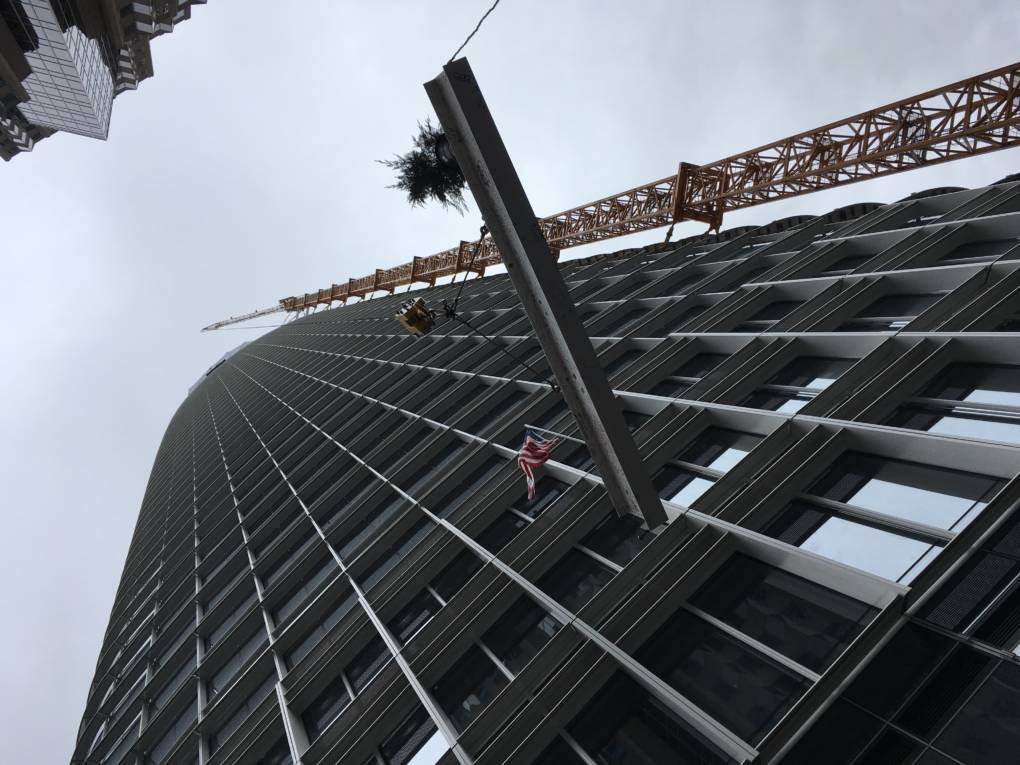
"caption": "The final beam goes up on Salesforce Tower on April 6, 2017 in San Francisco.",
"description": null,
"title": "tower",
"credit": "Alissa Escarce/KQED",
"status": "inherit",
"isLoading": false,
"fetchFailed": false
},
"news_11393500": {
"type": "attachments",
"id": "news_11393500",
"meta": {
"index": "attachments_1716263798",
"site": "news",
"id": "11393500",
"found": true
},
"parent": 11393498,
"imgSizes": {
"small": {
"file": "https://ww2.kqed.org/app/uploads/sites/10/2017/04/RS24859_20170405_SFTMA_Credit_BertJohnson-1-qut-520x347.jpg",
"width": 520,
"mimeType": "image/jpeg",
"height": 347
},
"twentyfourteen-full-width": {
"file": "https://ww2.kqed.org/app/uploads/sites/10/2017/04/RS24859_20170405_SFTMA_Credit_BertJohnson-1-qut-1038x576.jpg",
"width": 1038,
"mimeType": "image/jpeg",
"height": 576
},
"thumbnail": {
"file": "https://ww2.kqed.org/app/uploads/sites/10/2017/04/RS24859_20170405_SFTMA_Credit_BertJohnson-1-qut-160x107.jpg",
"width": 160,
"mimeType": "image/jpeg",
"height": 107
},
"fd-sm": {
"file": "https://ww2.kqed.org/app/uploads/sites/10/2017/04/RS24859_20170405_SFTMA_Credit_BertJohnson-1-qut-960x640.jpg",
"width": 960,
"mimeType": "image/jpeg",
"height": 640
},
"post-thumbnail": {
"file": "https://ww2.kqed.org/app/uploads/sites/10/2017/04/RS24859_20170405_SFTMA_Credit_BertJohnson-1-qut-672x372.jpg",
"width": 672,
"mimeType": "image/jpeg",
"height": 372
},
"xsmall": {
"file": "https://ww2.kqed.org/app/uploads/sites/10/2017/04/RS24859_20170405_SFTMA_Credit_BertJohnson-1-qut-375x250.jpg",
"width": 375,
"mimeType": "image/jpeg",
"height": 250
},
"kqedFullSize": {
"file": "https://ww2.kqed.org/app/uploads/sites/10/2017/04/RS24859_20170405_SFTMA_Credit_BertJohnson-1-qut.jpg",
"width": 1920,
"height": 1280
},
"large": {
"file": "https://ww2.kqed.org/app/uploads/sites/10/2017/04/RS24859_20170405_SFTMA_Credit_BertJohnson-1-qut-1020x680.jpg",
"width": 1020,
"mimeType": "image/jpeg",
"height": 680
},
"xlarge": {
"file": "https://ww2.kqed.org/app/uploads/sites/10/2017/04/RS24859_20170405_SFTMA_Credit_BertJohnson-1-qut-1180x787.jpg",
"width": 1180,
"mimeType": "image/jpeg",
"height": 787
},
"guest-author-50": {
"file": "https://ww2.kqed.org/app/uploads/sites/10/2017/04/RS24859_20170405_SFTMA_Credit_BertJohnson-1-qut-50x50.jpg",
"width": 50,
"mimeType": "image/jpeg",
"height": 50
},
"guest-author-96": {
"file": "https://ww2.kqed.org/app/uploads/sites/10/2017/04/RS24859_20170405_SFTMA_Credit_BertJohnson-1-qut-96x96.jpg",
"width": 96,
"mimeType": "image/jpeg",
"height": 96
},
"medium": {
"file": "https://ww2.kqed.org/app/uploads/sites/10/2017/04/RS24859_20170405_SFTMA_Credit_BertJohnson-1-qut-800x533.jpg",
"width": 800,
"mimeType": "image/jpeg",
"height": 533
},
"guest-author-64": {
"file": "https://ww2.kqed.org/app/uploads/sites/10/2017/04/RS24859_20170405_SFTMA_Credit_BertJohnson-1-qut-64x64.jpg",
"width": 64,
"mimeType": "image/jpeg",
"height": 64
},
"guest-author-32": {
"file": "https://ww2.kqed.org/app/uploads/sites/10/2017/04/RS24859_20170405_SFTMA_Credit_BertJohnson-1-qut-32x32.jpg",
"width": 32,
"mimeType": "image/jpeg",
"height": 32
},
"fd-lrg": {
"file": "https://ww2.kqed.org/app/uploads/sites/10/2017/04/RS24859_20170405_SFTMA_Credit_BertJohnson-1-qut-1920x1280.jpg",
"width": 1920,
"mimeType": "image/jpeg",
"height": 1280
},
"fd-med": {
"file": "https://ww2.kqed.org/app/uploads/sites/10/2017/04/RS24859_20170405_SFTMA_Credit_BertJohnson-1-qut-1180x787.jpg",
"width": 1180,
"mimeType": "image/jpeg",
"height": 787
},
"full-width": {
"file": "https://ww2.kqed.org/app/uploads/sites/10/2017/04/RS24859_20170405_SFTMA_Credit_BertJohnson-1-qut-1920x1280.jpg",
"width": 1920,
"mimeType": "image/jpeg",
"height": 1280
},
"detail": {
"file": "https://ww2.kqed.org/app/uploads/sites/10/2017/04/RS24859_20170405_SFTMA_Credit_BertJohnson-1-qut-150x150.jpg",
"width": 150,
"mimeType": "image/jpeg",
"height": 150
},
"guest-author-128": {
"file": "https://ww2.kqed.org/app/uploads/sites/10/2017/04/RS24859_20170405_SFTMA_Credit_BertJohnson-1-qut-128x128.jpg",
"width": 128,
"mimeType": "image/jpeg",
"height": 128
},
"xxsmall": {
"file": "https://ww2.kqed.org/app/uploads/sites/10/2017/04/RS24859_20170405_SFTMA_Credit_BertJohnson-1-qut-240x160.jpg",
"width": 240,
"mimeType": "image/jpeg",
"height": 160
}
},
"publishDate": 1491426841,
"modified": 1491431519,
"caption": "A Municipal Railway bus leaves a stop on 16th Street in San Francisco on April 5, 2017.",
"description": null,
"title": "RS24859_20170405_SFTMA_Credit_BertJohnson-1-qut",
"credit": "Bert Johnson/KQED",
"status": "inherit",
"isLoading": false,
"fetchFailed": false
},
"news_11380693": {
"type": "attachments",
"id": "news_11380693",
"meta": {
"index": "attachments_1716263798",
"site": "news",
"id": "11380693",
"found": true
},
"parent": 11380475,
"imgSizes": {
"small": {
"file": "https://ww2.kqed.org/app/uploads/sites/10/2017/03/HC03282017-qut-520x359.jpg",
"width": 520,
"mimeType": "image/jpeg",
"height": 359
},
"twentyfourteen-full-width": {
"file": "https://ww2.kqed.org/app/uploads/sites/10/2017/03/HC03282017-qut-1038x576.jpg",
"width": 1038,
"mimeType": "image/jpeg",
"height": 576
},
"thumbnail": {
"file": "https://ww2.kqed.org/app/uploads/sites/10/2017/03/HC03282017-qut-160x110.jpg",
"width": 160,
"mimeType": "image/jpeg",
"height": 110
},
"fd-sm": {
"file": "https://ww2.kqed.org/app/uploads/sites/10/2017/03/HC03282017-qut-960x662.jpg",
"width": 960,
"mimeType": "image/jpeg",
"height": 662
},
"post-thumbnail": {
"file": "https://ww2.kqed.org/app/uploads/sites/10/2017/03/HC03282017-qut-672x372.jpg",
"width": 672,
"mimeType": "image/jpeg",
"height": 372
},
"xsmall": {
"file": "https://ww2.kqed.org/app/uploads/sites/10/2017/03/HC03282017-qut-375x259.jpg",
"width": 375,
"mimeType": "image/jpeg",
"height": 259
},
"kqedFullSize": {
"file": "https://ww2.kqed.org/app/uploads/sites/10/2017/03/HC03282017-qut.jpg",
"width": 1920,
"height": 1324
},
"large": {
"file": "https://ww2.kqed.org/app/uploads/sites/10/2017/03/HC03282017-qut-1020x703.jpg",
"width": 1020,
"mimeType": "image/jpeg",
"height": 703
},
"xlarge": {
"file": "https://ww2.kqed.org/app/uploads/sites/10/2017/03/HC03282017-qut-1180x814.jpg",
"width": 1180,
"mimeType": "image/jpeg",
"height": 814
},
"guest-author-50": {
"file": "https://ww2.kqed.org/app/uploads/sites/10/2017/03/HC03282017-qut-50x50.jpg",
"width": 50,
"mimeType": "image/jpeg",
"height": 50
},
"guest-author-96": {
"file": "https://ww2.kqed.org/app/uploads/sites/10/2017/03/HC03282017-qut-96x96.jpg",
"width": 96,
"mimeType": "image/jpeg",
"height": 96
},
"medium": {
"file": "https://ww2.kqed.org/app/uploads/sites/10/2017/03/HC03282017-qut-800x552.jpg",
"width": 800,
"mimeType": "image/jpeg",
"height": 552
},
"guest-author-64": {
"file": "https://ww2.kqed.org/app/uploads/sites/10/2017/03/HC03282017-qut-64x64.jpg",
"width": 64,
"mimeType": "image/jpeg",
"height": 64
},
"guest-author-32": {
"file": "https://ww2.kqed.org/app/uploads/sites/10/2017/03/HC03282017-qut-32x32.jpg",
"width": 32,
"mimeType": "image/jpeg",
"height": 32
},
"fd-lrg": {
"file": "https://ww2.kqed.org/app/uploads/sites/10/2017/03/HC03282017-qut-1920x1324.jpg",
"width": 1920,
"mimeType": "image/jpeg",
"height": 1324
},
"fd-med": {
"file": "https://ww2.kqed.org/app/uploads/sites/10/2017/03/HC03282017-qut-1180x814.jpg",
"width": 1180,
"mimeType": "image/jpeg",
"height": 814
},
"full-width": {
"file": "https://ww2.kqed.org/app/uploads/sites/10/2017/03/HC03282017-qut-1920x1324.jpg",
"width": 1920,
"mimeType": "image/jpeg",
"height": 1324
},
"detail": {
"file": "https://ww2.kqed.org/app/uploads/sites/10/2017/03/HC03282017-qut-150x150.jpg",
"width": 150,
"mimeType": "image/jpeg",
"height": 150
},
"guest-author-128": {
"file": "https://ww2.kqed.org/app/uploads/sites/10/2017/03/HC03282017-qut-128x128.jpg",
"width": 128,
"mimeType": "image/jpeg",
"height": 128
},
"xxsmall": {
"file": "https://ww2.kqed.org/app/uploads/sites/10/2017/03/HC03282017-qut-240x166.jpg",
"width": 240,
"mimeType": "image/jpeg",
"height": 166
}
},
"publishDate": 1490746102,
"modified": 1490746132,
"caption": "Former Secretary of State Hillary Clinton delivers a keynote address during the 28th Annual Professional Business Women of California conference on March 28, 2017 in San Francisco, California. Hillary Clinton delivered the keynote address at the day-long conference featuring speakers, seminars and panel discussions with industry leaders. ",
"description": null,
"title": "HC03282017-qut",
"credit": "Justin Sullivan/Getty Images",
"status": "inherit",
"isLoading": false,
"fetchFailed": false
},
"news_11353132": {
"type": "attachments",
"id": "news_11353132",
"meta": {
"index": "attachments_1716263798",
"site": "news",
"id": "11353132",
"found": true
},
"parent": 11352020,
"imgSizes": {
"small": {
"file": "https://ww2.kqed.org/app/uploads/sites/10/2017/03/BlueShield800-520x348.jpg",
"width": 520,
"mimeType": "image/jpeg",
"height": 348
},
"thumbnail": {
"file": "https://ww2.kqed.org/app/uploads/sites/10/2017/03/BlueShield800-160x107.jpg",
"width": 160,
"mimeType": "image/jpeg",
"height": 107
},
"post-thumbnail": {
"file": "https://ww2.kqed.org/app/uploads/sites/10/2017/03/BlueShield800-672x372.jpg",
"width": 672,
"mimeType": "image/jpeg",
"height": 372
},
"xsmall": {
"file": "https://ww2.kqed.org/app/uploads/sites/10/2017/03/BlueShield800-375x251.jpg",
"width": 375,
"mimeType": "image/jpeg",
"height": 251
},
"kqedFullSize": {
"file": "https://ww2.kqed.org/app/uploads/sites/10/2017/03/BlueShield800.jpg",
"width": 800,
"height": 535
},
"guest-author-50": {
"file": "https://ww2.kqed.org/app/uploads/sites/10/2017/03/BlueShield800-50x50.jpg",
"width": 50,
"mimeType": "image/jpeg",
"height": 50
},
"guest-author-96": {
"file": "https://ww2.kqed.org/app/uploads/sites/10/2017/03/BlueShield800-96x96.jpg",
"width": 96,
"mimeType": "image/jpeg",
"height": 96
},
"medium": {
"file": "https://ww2.kqed.org/app/uploads/sites/10/2017/03/BlueShield800-800x535.jpg",
"width": 800,
"mimeType": "image/jpeg",
"height": 535
},
"guest-author-64": {
"file": "https://ww2.kqed.org/app/uploads/sites/10/2017/03/BlueShield800-64x64.jpg",
"width": 64,
"mimeType": "image/jpeg",
"height": 64
},
"guest-author-32": {
"file": "https://ww2.kqed.org/app/uploads/sites/10/2017/03/BlueShield800-32x32.jpg",
"width": 32,
"mimeType": "image/jpeg",
"height": 32
},
"detail": {
"file": "https://ww2.kqed.org/app/uploads/sites/10/2017/03/BlueShield800-150x150.jpg",
"width": 150,
"mimeType": "image/jpeg",
"height": 150
},
"guest-author-128": {
"file": "https://ww2.kqed.org/app/uploads/sites/10/2017/03/BlueShield800-128x128.jpg",
"width": 128,
"mimeType": "image/jpeg",
"height": 128
},
"xxsmall": {
"file": "https://ww2.kqed.org/app/uploads/sites/10/2017/03/BlueShield800-240x161.jpg",
"width": 240,
"mimeType": "image/jpeg",
"height": 161
}
},
"publishDate": 1489171305,
"modified": 1489186143,
"caption": "Blue Shield, a nonprofit health insurer, was founded in San Francisco 78 years ago.",
"description": "Blue Shield, a nonprofit health insurer, was founded in San Francisco 78 years ago.",
"title": "BlueShield800",
"credit": "Steve Rhodes/Flickr",
"status": "inherit",
"isLoading": false,
"fetchFailed": false
},
"news_11295129": {
"type": "attachments",
"id": "news_11295129",
"meta": {
"index": "attachments_1716263798",
"site": "news",
"id": "11295129",
"found": true
},
"parent": 11294922,
"imgSizes": {
"small": {
"file": "https://ww2.kqed.org/app/uploads/sites/10/2017/01/Herrera-520x392.jpg",
"width": 520,
"mimeType": "image/jpeg",
"height": 392
},
"twentyfourteen-full-width": {
"file": "https://ww2.kqed.org/app/uploads/sites/10/2017/01/Herrera-1038x576.jpg",
"width": 1038,
"mimeType": "image/jpeg",
"height": 576
},
"thumbnail": {
"file": "https://ww2.kqed.org/app/uploads/sites/10/2017/01/Herrera-160x121.jpg",
"width": 160,
"mimeType": "image/jpeg",
"height": 121
},
"fd-sm": {
"file": "https://ww2.kqed.org/app/uploads/sites/10/2017/01/Herrera-960x724.jpg",
"width": 960,
"mimeType": "image/jpeg",
"height": 724
},
"post-thumbnail": {
"file": "https://ww2.kqed.org/app/uploads/sites/10/2017/01/Herrera-672x372.jpg",
"width": 672,
"mimeType": "image/jpeg",
"height": 372
},
"xsmall": {
"file": "https://ww2.kqed.org/app/uploads/sites/10/2017/01/Herrera-375x283.jpg",
"width": 375,
"mimeType": "image/jpeg",
"height": 283
},
"kqedFullSize": {
"file": "https://ww2.kqed.org/app/uploads/sites/10/2017/01/Herrera.jpg",
"width": 1920,
"height": 1448
},
"large": {
"file": "https://ww2.kqed.org/app/uploads/sites/10/2017/01/Herrera-1020x769.jpg",
"width": 1020,
"mimeType": "image/jpeg",
"height": 769
},
"xlarge": {
"file": "https://ww2.kqed.org/app/uploads/sites/10/2017/01/Herrera-1180x890.jpg",
"width": 1180,
"mimeType": "image/jpeg",
"height": 890
},
"guest-author-50": {
"file": "https://ww2.kqed.org/app/uploads/sites/10/2017/01/Herrera-50x50.jpg",
"width": 50,
"mimeType": "image/jpeg",
"height": 50
},
"guest-author-96": {
"file": "https://ww2.kqed.org/app/uploads/sites/10/2017/01/Herrera-96x96.jpg",
"width": 96,
"mimeType": "image/jpeg",
"height": 96
},
"medium": {
"file": "https://ww2.kqed.org/app/uploads/sites/10/2017/01/Herrera-800x603.jpg",
"width": 800,
"mimeType": "image/jpeg",
"height": 603
},
"guest-author-64": {
"file": "https://ww2.kqed.org/app/uploads/sites/10/2017/01/Herrera-64x64.jpg",
"width": 64,
"mimeType": "image/jpeg",
"height": 64
},
"guest-author-32": {
"file": "https://ww2.kqed.org/app/uploads/sites/10/2017/01/Herrera-32x32.jpg",
"width": 32,
"mimeType": "image/jpeg",
"height": 32
},
"jmtc-small-thumb": {
"file": "https://ww2.kqed.org/app/uploads/sites/10/2017/01/Herrera-280x150.jpg",
"width": 280,
"mimeType": "image/jpeg",
"height": 150
},
"fd-lrg": {
"file": "https://ww2.kqed.org/app/uploads/sites/10/2017/01/Herrera-1920x1448.jpg",
"width": 1920,
"mimeType": "image/jpeg",
"height": 1448
},
"fd-med": {
"file": "https://ww2.kqed.org/app/uploads/sites/10/2017/01/Herrera-1180x890.jpg",
"width": 1180,
"mimeType": "image/jpeg",
"height": 890
},
"full-width": {
"file": "https://ww2.kqed.org/app/uploads/sites/10/2017/01/Herrera-1920x1448.jpg",
"width": 1920,
"mimeType": "image/jpeg",
"height": 1448
},
"detail": {
"file": "https://ww2.kqed.org/app/uploads/sites/10/2017/01/Herrera-150x150.jpg",
"width": 150,
"mimeType": "image/jpeg",
"height": 150
},
"guest-author-128": {
"file": "https://ww2.kqed.org/app/uploads/sites/10/2017/01/Herrera-128x128.jpg",
"width": 128,
"mimeType": "image/jpeg",
"height": 128
},
"xxsmall": {
"file": "https://ww2.kqed.org/app/uploads/sites/10/2017/01/Herrera-240x181.jpg",
"width": 240,
"mimeType": "image/jpeg",
"height": 181
}
},
"publishDate": 1485899800,
"modified": 1485900007,
"caption": "San Francisco City Attorney Dennis Herrera says not only is President Trump's executive order to strip funding from sanctuary cities illegal, but that it also undermines local communities by 'sowing distrust of law enforcement.'",
"description": "San Francisco City Attorney Dennis Herrera says not only is President Trump's executive order to strip funding from sanctuary cities illegal, but that it also undermines local communities by 'sowing distrust of law enforcement.'",
"title": "Herrera",
"credit": "Ryan Levi/KQED",
"status": "inherit",
"isLoading": false,
"fetchFailed": false
},
"news_137366": {
"type": "attachments",
"id": "news_137366",
"meta": {
"index": "attachments_1716263798",
"site": "news",
"id": "137366",
"found": true
},
"parent": 137357,
"imgSizes": {
"kqedFullSize": {
"file": "https://ww2.kqed.org/app/uploads/sites/10/2014/05/RS8537_IMG_9782-scr-e1405355033607.jpg",
"width": 640,
"height": 427
}
},
"publishDate": 1401314841,
"modified": 1487805998,
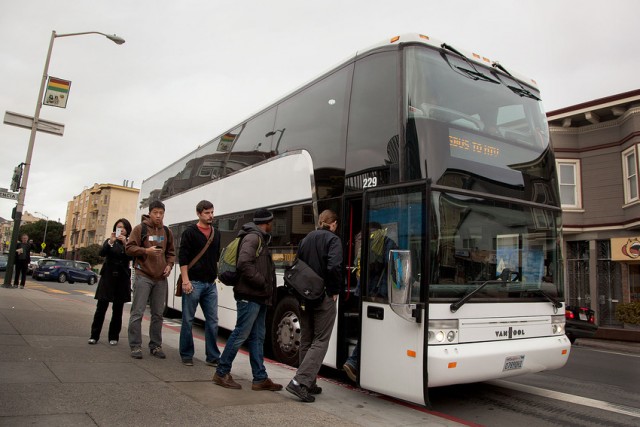
"caption": "Tech workers board a shuttle bus in San Francisco. ",
"description": "Tech workers board a shuttle bus in San Francisco. (Mark Andrew Boyer/KQED)",
"title": "Tech Workers-Google Buses",
"credit": "Mark Andrew Boyer/KQED",
"status": "inherit",
"isLoading": false,
"fetchFailed": false
},
"news_11321150": {
"type": "attachments",
"id": "news_11321150",
"meta": {
"index": "attachments_1716263798",
"site": "news",
"id": "11321150",
"found": true
},
"parent": 11319802,
"imgSizes": {
"small": {
"file": "https://ww2.kqed.org/app/uploads/sites/10/2017/02/image2-520x390.jpg",
"width": 520,
"mimeType": "image/jpeg",
"height": 390
},
"twentyfourteen-full-width": {
"file": "https://ww2.kqed.org/app/uploads/sites/10/2017/02/image2-1038x576.jpg",
"width": 1038,
"mimeType": "image/jpeg",
"height": 576
},
"thumbnail": {
"file": "https://ww2.kqed.org/app/uploads/sites/10/2017/02/image2-160x120.jpg",
"width": 160,
"mimeType": "image/jpeg",
"height": 120
},
"fd-sm": {
"file": "https://ww2.kqed.org/app/uploads/sites/10/2017/02/image2-960x720.jpg",
"width": 960,
"mimeType": "image/jpeg",
"height": 720
},
"post-thumbnail": {
"file": "https://ww2.kqed.org/app/uploads/sites/10/2017/02/image2-672x372.jpg",
"width": 672,
"mimeType": "image/jpeg",
"height": 372
},
"xsmall": {
"file": "https://ww2.kqed.org/app/uploads/sites/10/2017/02/image2-375x281.jpg",
"width": 375,
"mimeType": "image/jpeg",
"height": 281
},
"kqedFullSize": {
"file": "https://ww2.kqed.org/app/uploads/sites/10/2017/02/image2-e1487353047999.jpg",
"width": 1920,
"height": 1440
},
"large": {
"file": "https://ww2.kqed.org/app/uploads/sites/10/2017/02/image2-1020x765.jpg",
"width": 1020,
"mimeType": "image/jpeg",
"height": 765
},
"xlarge": {
"file": "https://ww2.kqed.org/app/uploads/sites/10/2017/02/image2-1180x885.jpg",
"width": 1180,
"mimeType": "image/jpeg",
"height": 885
},
"guest-author-50": {
"file": "https://ww2.kqed.org/app/uploads/sites/10/2017/02/image2-50x50.jpg",
"width": 50,
"mimeType": "image/jpeg",
"height": 50
},
"guest-author-96": {
"file": "https://ww2.kqed.org/app/uploads/sites/10/2017/02/image2-96x96.jpg",
"width": 96,
"mimeType": "image/jpeg",
"height": 96
},
"medium": {
"file": "https://ww2.kqed.org/app/uploads/sites/10/2017/02/image2-800x600.jpg",
"width": 800,
"mimeType": "image/jpeg",
"height": 600
},
"guest-author-64": {
"file": "https://ww2.kqed.org/app/uploads/sites/10/2017/02/image2-64x64.jpg",
"width": 64,
"mimeType": "image/jpeg",
"height": 64
},
"guest-author-32": {
"file": "https://ww2.kqed.org/app/uploads/sites/10/2017/02/image2-32x32.jpg",
"width": 32,
"mimeType": "image/jpeg",
"height": 32
},
"fd-lrg": {
"file": "https://ww2.kqed.org/app/uploads/sites/10/2017/02/image2-1920x1440.jpg",
"width": 1920,
"mimeType": "image/jpeg",
"height": 1440
},
"fd-med": {
"file": "https://ww2.kqed.org/app/uploads/sites/10/2017/02/image2-1180x885.jpg",
"width": 1180,
"mimeType": "image/jpeg",
"height": 885
},
"full-width": {
"file": "https://ww2.kqed.org/app/uploads/sites/10/2017/02/image2-1920x1440.jpg",
"width": 1920,
"mimeType": "image/jpeg",
"height": 1440
},
"detail": {
"file": "https://ww2.kqed.org/app/uploads/sites/10/2017/02/image2-150x150.jpg",
"width": 150,
"mimeType": "image/jpeg",
"height": 150
},
"guest-author-128": {
"file": "https://ww2.kqed.org/app/uploads/sites/10/2017/02/image2-128x128.jpg",
"width": 128,
"mimeType": "image/jpeg",
"height": 128
},
"xxsmall": {
"file": "https://ww2.kqed.org/app/uploads/sites/10/2017/02/image2-240x180.jpg",
"width": 240,
"mimeType": "image/jpeg",
"height": 180
}
},
"publishDate": 1487352959,
"modified": 1487353040,
"caption": "A view of the Tehama Street skyscraper.",
"description": null,
"title": "image2",
"credit": "Alyssa Jeong Perry/KQED",
"status": "inherit",
"isLoading": false,
"fetchFailed": false
},
"news_11286494": {
"type": "attachments",
"id": "news_11286494",
"meta": {
"index": "attachments_1716263798",
"site": "news",
"id": "11286494",
"found": true
},
"parent": 11286488,
"imgSizes": {
"small": {
"file": "https://ww2.kqed.org/app/uploads/sites/10/2017/01/RS23854_GettyImages-632685470-qut-520x347.jpg",
"width": 520,
"mimeType": "image/jpeg",
"height": 347
},
"twentyfourteen-full-width": {
"file": "https://ww2.kqed.org/app/uploads/sites/10/2017/01/RS23854_GettyImages-632685470-qut-1038x576.jpg",
"width": 1038,
"mimeType": "image/jpeg",
"height": 576
},
"thumbnail": {
"file": "https://ww2.kqed.org/app/uploads/sites/10/2017/01/RS23854_GettyImages-632685470-qut-160x107.jpg",
"width": 160,
"mimeType": "image/jpeg",
"height": 107
},
"fd-sm": {
"file": "https://ww2.kqed.org/app/uploads/sites/10/2017/01/RS23854_GettyImages-632685470-qut-960x640.jpg",
"width": 960,
"mimeType": "image/jpeg",
"height": 640
},
"post-thumbnail": {
"file": "https://ww2.kqed.org/app/uploads/sites/10/2017/01/RS23854_GettyImages-632685470-qut-672x372.jpg",
"width": 672,
"mimeType": "image/jpeg",
"height": 372
},
"xsmall": {
"file": "https://ww2.kqed.org/app/uploads/sites/10/2017/01/RS23854_GettyImages-632685470-qut-375x250.jpg",
"width": 375,
"mimeType": "image/jpeg",
"height": 250
},
"kqedFullSize": {
"file": "https://ww2.kqed.org/app/uploads/sites/10/2017/01/RS23854_GettyImages-632685470-qut.jpg",
"width": 1920,
"height": 1280
},
"large": {
"file": "https://ww2.kqed.org/app/uploads/sites/10/2017/01/RS23854_GettyImages-632685470-qut-1020x680.jpg",
"width": 1020,
"mimeType": "image/jpeg",
"height": 680
},
"xlarge": {
"file": "https://ww2.kqed.org/app/uploads/sites/10/2017/01/RS23854_GettyImages-632685470-qut-1180x787.jpg",
"width": 1180,
"mimeType": "image/jpeg",
"height": 787
},
"guest-author-50": {
"file": "https://ww2.kqed.org/app/uploads/sites/10/2017/01/RS23854_GettyImages-632685470-qut-50x50.jpg",
"width": 50,
"mimeType": "image/jpeg",
"height": 50
},
"guest-author-96": {
"file": "https://ww2.kqed.org/app/uploads/sites/10/2017/01/RS23854_GettyImages-632685470-qut-96x96.jpg",
"width": 96,
"mimeType": "image/jpeg",
"height": 96
},
"medium": {
"file": "https://ww2.kqed.org/app/uploads/sites/10/2017/01/RS23854_GettyImages-632685470-qut-800x533.jpg",
"width": 800,
"mimeType": "image/jpeg",
"height": 533
},
"guest-author-64": {
"file": "https://ww2.kqed.org/app/uploads/sites/10/2017/01/RS23854_GettyImages-632685470-qut-64x64.jpg",
"width": 64,
"mimeType": "image/jpeg",
"height": 64
},
"guest-author-32": {
"file": "https://ww2.kqed.org/app/uploads/sites/10/2017/01/RS23854_GettyImages-632685470-qut-32x32.jpg",
"width": 32,
"mimeType": "image/jpeg",
"height": 32
},
"jmtc-small-thumb": {
"file": "https://ww2.kqed.org/app/uploads/sites/10/2017/01/RS23854_GettyImages-632685470-qut-280x150.jpg",
"width": 280,
"mimeType": "image/jpeg",
"height": 150
},
"fd-lrg": {
"file": "https://ww2.kqed.org/app/uploads/sites/10/2017/01/RS23854_GettyImages-632685470-qut-1920x1280.jpg",
"width": 1920,
"mimeType": "image/jpeg",
"height": 1280
},
"fd-med": {
"file": "https://ww2.kqed.org/app/uploads/sites/10/2017/01/RS23854_GettyImages-632685470-qut-1180x787.jpg",
"width": 1180,
"mimeType": "image/jpeg",
"height": 787
},
"full-width": {
"file": "https://ww2.kqed.org/app/uploads/sites/10/2017/01/RS23854_GettyImages-632685470-qut-1920x1280.jpg",
"width": 1920,
"mimeType": "image/jpeg",
"height": 1280
},
"detail": {
"file": "https://ww2.kqed.org/app/uploads/sites/10/2017/01/RS23854_GettyImages-632685470-qut-150x150.jpg",
"width": 150,
"mimeType": "image/jpeg",
"height": 150
},
"guest-author-128": {
"file": "https://ww2.kqed.org/app/uploads/sites/10/2017/01/RS23854_GettyImages-632685470-qut-128x128.jpg",
"width": 128,
"mimeType": "image/jpeg",
"height": 128
},
"xxsmall": {
"file": "https://ww2.kqed.org/app/uploads/sites/10/2017/01/RS23854_GettyImages-632685470-qut-240x160.jpg",
"width": 240,
"mimeType": "image/jpeg",
"height": 160
}
},
"publishDate": 1485387460,
"modified": 1511309574,
"caption": "U.S. President Trump displays one of the two executive orders on immigration he signed during a visit to the Department of Homeland Security in January. ",
"description": " U.S. President Donald Trump displays one of the two executive orders on immigration he signed during a visit to the Department of Homeland Security Jan. 25, 2017 in Washington.",
"title": "Donald Trump-Executive Orders",
"credit": " Chip Somodevilla/Getty Images",
"status": "inherit",
"isLoading": false,
"fetchFailed": false
}
},
"audioPlayerReducer": {
"postId": "stream_live",
"isPaused": true,
"isPlaying": false,
"pfsActive": false,
"pledgeModalIsOpen": true,
"playerDrawerIsOpen": false,
"liveAudioPlayStartedAt": 0,
"liveAudioPlayContext": ""
},
"authorsReducer": {
"byline_news_10710678": {
"type": "authors",
"id": "byline_news_10710678",
"meta": {
"override": true
},
"slug": "byline_news_10710678",
"name": "\u003cstrong>Alyssa Kapnik Samuel\u003c/strong>",
"isLoading": false
},
"byline_news_11415544": {
"type": "authors",
"id": "byline_news_11415544",
"meta": {
"override": true
},
"slug": "byline_news_11415544",
"name": "\u003cstrong>\u003ca href=\"https://twitter.com/parthfm?lang=en\">Parth Shah\u003c/a>\u003c/strong>",
"isLoading": false
},
"byline_news_11393498": {
"type": "authors",
"id": "byline_news_11393498",
"meta": {
"override": true
},
"slug": "byline_news_11393498",
"name": "\u003cstrong>\u003ca href=\"https://twitter.com/marianaurbannew\">Mariana Urban\u003c/a> and \u003ca href=\"https://twitter.com/bertjohnsonfoto\">Bert Johnson\u003c/a> \u003c/strong>",
"isLoading": false
},
"bgoebel": {
"type": "authors",
"id": "214",
"meta": {
"index": "authors_1716337520",
"id": "214",
"found": true
},
"name": "Bryan Goebel",
"firstName": "Bryan",
"lastName": "Goebel",
"slug": "bgoebel",
"email": "bgoebel@kqed.org",
"display_author_email": false,
"staff_mastheads": [],
"title": null,
"bio": "Bryan Goebel is a reporter focused on transportation and housing issues. He was previously the editor of Streetsblog San Francisco, and an anchor/editor at KCBS Radio. He's a lifelong Californian and has also worked at radio stations in Barstow, Redding and Sacramento.",
"avatar": "https://secure.gravatar.com/avatar/7fdd6b065bfe9a23a71bcfa80848df88?s=600&d=blank&r=g",
"twitter": "velobry",
"facebook": null,
"instagram": null,
"linkedin": null,
"sites": [
{
"site": "news",
"roles": [
"subscriber"
]
},
{
"site": "stateofhealth",
"roles": [
"subscriber"
]
}
],
"headData": {
"title": "Bryan Goebel | KQED",
"description": null,
"ogImgSrc": "https://secure.gravatar.com/avatar/7fdd6b065bfe9a23a71bcfa80848df88?s=600&d=blank&r=g",
"twImgSrc": "https://secure.gravatar.com/avatar/7fdd6b065bfe9a23a71bcfa80848df88?s=600&d=blank&r=g"
},
"isLoading": false,
"link": "/author/bgoebel"
},
"gmarzorati": {
"type": "authors",
"id": "227",
"meta": {
"index": "authors_1716337520",
"id": "227",
"found": true
},
"name": "Guy Marzorati",
"firstName": "Guy",
"lastName": "Marzorati",
"slug": "gmarzorati",
"email": "gmarzorati@KQED.org",
"display_author_email": true,
"staff_mastheads": [
"news"
],
"title": "Correspondent",
"bio": "Guy Marzorati is a correspondent on KQED's California Politics and Government Desk, based in San Jose. A graduate of Santa Clara University, Guy joined KQED in 2013. He reports on state and local politics and produces KQED's digital voter guide.",
"avatar": "https://secure.gravatar.com/avatar/e7038b8dbfd55b104369b76b1cd0b9de?s=600&d=blank&r=g",
"twitter": "guymarzorati",
"facebook": null,
"instagram": null,
"linkedin": null,
"sites": [
{
"site": "",
"roles": [
"editor"
]
},
{
"site": "news",
"roles": [
"editor"
]
},
{
"site": "science",
"roles": [
"editor"
]
},
{
"site": "forum",
"roles": [
"editor"
]
},
{
"site": "elections",
"roles": [
"editor"
]
},
{
"site": "liveblog",
"roles": [
"editor"
]
}
],
"headData": {
"title": "Guy Marzorati | KQED",
"description": "Correspondent",
"ogImgSrc": "https://secure.gravatar.com/avatar/e7038b8dbfd55b104369b76b1cd0b9de?s=600&d=blank&r=g",
"twImgSrc": "https://secure.gravatar.com/avatar/e7038b8dbfd55b104369b76b1cd0b9de?s=600&d=blank&r=g"
},
"isLoading": false,
"link": "/author/gmarzorati"
},
"petejonshuler": {
"type": "authors",
"id": "248",
"meta": {
"index": "authors_1716337520",
"id": "248",
"found": true
},
"name": "Peter Jon Shuler",
"firstName": "Peter",
"lastName": "Jon Shuler",
"slug": "petejonshuler",
"email": "pshuler@kqed.org",
"display_author_email": false,
"staff_mastheads": [
"news"
],
"title": "KQED Contributor",
"bio": null,
"avatar": "https://secure.gravatar.com/avatar/4bcbeaf7cf49fec98284db283a33a47b?s=600&d=blank&r=g",
"twitter": null,
"facebook": null,
"instagram": null,
"linkedin": null,
"sites": [
{
"site": "news",
"roles": [
"contributor"
]
}
],
"headData": {
"title": "Peter Jon Shuler | KQED",
"description": "KQED Contributor",
"ogImgSrc": "https://secure.gravatar.com/avatar/4bcbeaf7cf49fec98284db283a33a47b?s=600&d=blank&r=g",
"twImgSrc": "https://secure.gravatar.com/avatar/4bcbeaf7cf49fec98284db283a33a47b?s=600&d=blank&r=g"
},
"isLoading": false,
"link": "/author/petejonshuler"
},
"scottshafer": {
"type": "authors",
"id": "255",
"meta": {
"index": "authors_1716337520",
"id": "255",
"found": true
},
"name": "Scott Shafer",
"firstName": "Scott",
"lastName": "Shafer",
"slug": "scottshafer",
"email": "sshafer@kqed.org",
"display_author_email": false,
"staff_mastheads": [
"news"
],
"title": "KQED Contributor",
"bio": "Scott Shafer is a senior editor with the KQED Politics and Government desk. He is co-host of Political Breakdown, the award-winning radio show and podcast with a personal take on the world of politics. Scott came to KQED in 1998 to host the statewide\u003cem> California Report\u003c/em>. Prior to that he had extended stints in politics and government\u003cem>.\u003c/em> He uses that inside experience at KQED in his, reporting, hosting and analysis for the politics desk. Scott collaborated \u003cem>Political Breakdown a\u003c/em>nd on \u003cem>The Political Mind of Jerry Brown, \u003c/em>an eight-part series about the life and extraordinary political career of the former governor. For fun, he plays water polo with the San Francisco Tsunami.",
"avatar": "https://secure.gravatar.com/avatar/a62ebae45b79d7aed1a39a0e3bf68104?s=600&d=blank&r=g",
"twitter": "scottshafer",
"bluesky": null,
"facebook": null,
"instagram": null,
"linkedin": null,
"sites": [
{
"site": "news",
"roles": [
"editor"
]
},
{
"site": "stateofhealth",
"roles": [
"author"
]
},
{
"site": "science",
"roles": [
"author"
]
},
{
"site": "forum",
"roles": [
"subscriber"
]
},
{
"site": "liveblog",
"roles": [
"author"
]
}
],
"headData": {
"title": "Scott Shafer | KQED",
"description": "KQED Contributor",
"ogImgSrc": "https://secure.gravatar.com/avatar/a62ebae45b79d7aed1a39a0e3bf68104?s=600&d=blank&r=g",
"twImgSrc": "https://secure.gravatar.com/avatar/a62ebae45b79d7aed1a39a0e3bf68104?s=600&d=blank&r=g"
},
"isLoading": false,
"link": "/author/scottshafer"
},
"tarasiler": {
"type": "authors",
"id": "257",
"meta": {
"index": "authors_1716337520",
"id": "257",
"found": true
},
"name": "Tara Siler",
"firstName": "Tara",
"lastName": "Siler",
"slug": "tarasiler",
"email": "tsiler@kqed.org",
"display_author_email": false,
"staff_mastheads": [
"news"
],
"title": "KQED Contributor",
"bio": "Tara reports and anchors for KQED news. She covers a range of issues from community-police relations to local politics. Tara started out in community radio in the Bay Area, where she was raised. She eventually moved to Washington DC where she covered Congress for eight years for Pacifica and Monitor Radio. Her stories have also been heard on NPR's All Things Considered, Morning Edition and The World.\r\n\r\nTara lives with her husband in Oakland-- where they raised their two sons. She enjoys spending time with her family, gardening and hiking in the Oakland hills... and keeping up with the news.",
"avatar": "https://secure.gravatar.com/avatar/99802f9746fb80b65fd8ec6c57954450?s=600&d=blank&r=g",
"twitter": null,
"facebook": null,
"instagram": null,
"linkedin": null,
"sites": [
{
"site": "news",
"roles": [
"contributor",
"edit_others_posts"
]
},
{
"site": "stateofhealth",
"roles": [
"author"
]
}
],
"headData": {
"title": "Tara Siler | KQED",
"description": "KQED Contributor",
"ogImgSrc": "https://secure.gravatar.com/avatar/99802f9746fb80b65fd8ec6c57954450?s=600&d=blank&r=g",
"twImgSrc": "https://secure.gravatar.com/avatar/99802f9746fb80b65fd8ec6c57954450?s=600&d=blank&r=g"
},
"isLoading": false,
"link": "/author/tarasiler"
},
"tgoldberg": {
"type": "authors",
"id": "258",
"meta": {
"index": "authors_1716337520",
"id": "258",
"found": true
},
"name": "Ted Goldberg",
"firstName": "Ted",
"lastName": "Goldberg",
"slug": "tgoldberg",
"email": "tgoldberg@kqed.org",
"display_author_email": true,
"staff_mastheads": [
"news"
],
"title": "KQED Managing Editor, News and Newscasts",
"bio": "Ted Goldberg is Managing Editor of News and Newscasts at KQED. His main reporting beat is the Bay Area's oil refining industry.\r\n\r\nPrior to joining KQED in 2014, Ted worked at CBS News and WCBS AM in New York and Bay City News and KCBS Radio in San Francisco. He graduated from Oberlin College in Ohio in 1998.",
"avatar": "https://secure.gravatar.com/avatar/30ce2e4fe89135e104f89be2394d16225b9d36c121b5b3cb7651ce642978b96f?s=600&d=blank&r=g",
"twitter": "TedrickG",
"bluesky": null,
"facebook": null,
"instagram": null,
"linkedin": null,
"sites": [
{
"site": "news",
"roles": [
"editor"
]
},
{
"site": "science",
"roles": [
"editor"
]
}
],
"headData": {
"title": "Ted Goldberg | KQED",
"description": "KQED Managing Editor, News and Newscasts",
"ogImgSrc": "https://secure.gravatar.com/avatar/30ce2e4fe89135e104f89be2394d16225b9d36c121b5b3cb7651ce642978b96f?s=600&d=blank&r=g",
"twImgSrc": "https://secure.gravatar.com/avatar/30ce2e4fe89135e104f89be2394d16225b9d36c121b5b3cb7651ce642978b96f?s=600&d=blank&r=g"
},
"isLoading": false,
"link": "/author/tgoldberg"
},
"mlagos": {
"type": "authors",
"id": "3239",
"meta": {
"index": "authors_1716337520",
"id": "3239",
"found": true
},
"name": "Marisa Lagos",
"firstName": "Marisa",
"lastName": "Lagos",
"slug": "mlagos",
"email": "mlagos@kqed.org",
"display_author_email": false,
"staff_mastheads": [
"news"
],
"title": "KQED Contributor",
"bio": "Marisa Lagos is a correspondent for KQED’s California Politics and Government Desk and co-hosts the award-winning show and podcast, Political Breakdown. At KQED, Lagos also conducts reporting, analysis and investigations into state, local and national politics for radio, TV, online and onstage. In 2022, she and co-host, Scott Shafer, moderated the only gubernatorial debate in California. In 2020, the \u003ci>Washington Post\u003c/i> named her one of the top political journalists in California; she was nominated for a Peabody and won several other awards for her work investigating the 2017 California wildfires. She has worked at the \u003ci>San Francisco Chronicle\u003c/i>, \u003ci>San Francisco Examiner\u003c/i> and \u003ci>Los Angeles Times\u003c/i>. A UC Santa Barbara graduate, she lives in San Francisco with her two sons and husband.",
"avatar": "https://secure.gravatar.com/avatar/a261a0d3696fc066871ef96b85b5e7d2?s=600&d=blank&r=g",
"twitter": "@mlagos",
"facebook": null,
"instagram": null,
"linkedin": null,
"sites": [
{
"site": "arts",
"roles": [
"author"
]
},
{
"site": "news",
"roles": [
"editor"
]
},
{
"site": "science",
"roles": [
"editor"
]
},
{
"site": "forum",
"roles": [
"author"
]
},
{
"site": "liveblog",
"roles": [
"author"
]
}
],
"headData": {
"title": "Marisa Lagos | KQED",
"description": "KQED Contributor",
"ogImgSrc": "https://secure.gravatar.com/avatar/a261a0d3696fc066871ef96b85b5e7d2?s=600&d=blank&r=g",
"twImgSrc": "https://secure.gravatar.com/avatar/a261a0d3696fc066871ef96b85b5e7d2?s=600&d=blank&r=g"
},
"isLoading": false,
"link": "/author/mlagos"
},
"ewirtschafter": {
"type": "authors",
"id": "11259",
"meta": {
"index": "authors_1716337520",
"id": "11259",
"found": true
},
"name": "Eli Wirtschafter",
"firstName": "Eli",
"lastName": "Wirtschafter",
"slug": "ewirtschafter",
"email": "ewirtschafter@KQED.org",
"display_author_email": false,
"staff_mastheads": [],
"title": "KQED Contributor",
"bio": "Eli Wirtschafter is a freelance reporter and producer focusing on transportation, art, and activism. He previously interned with \u003cem>The California Report\u003c/em> and KQED Local News\u003cem>.\u003c/em> Eli is also KALW's transportation reporter, and a graduate of KALW's \u003ca href=\"http://kalw.org/post/enrollment-now-open-kalws-audio-academy#stream/0\" target=\"_blank\" rel=\"noopener noreferrer\">Audio Academy.\u003c/a> Eli's work has been heard on NPR, Here & Now, and BackStory. Find him on Twitter at \u003ca href=\"https://twitter.com/RadioEli\" target=\"_blank\" rel=\"noopener noreferrer\">@RadioEli\u003c/a>.",
"avatar": "https://secure.gravatar.com/avatar/dd6917a8f3309e9659ae1da5ffc10865559102003d58d9f077ca49c7f7ca792e?s=600&d=blank&r=g",
"twitter": "RadioEli",
"bluesky": null,
"facebook": null,
"instagram": null,
"linkedin": null,
"sites": [
{
"site": "arts",
"roles": [
"subscriber"
]
},
{
"site": "news",
"roles": [
"author"
]
},
{
"site": "science",
"roles": [
"author"
]
}
],
"headData": {
"title": "Eli Wirtschafter | KQED",
"description": "KQED Contributor",
"ogImgSrc": "https://secure.gravatar.com/avatar/dd6917a8f3309e9659ae1da5ffc10865559102003d58d9f077ca49c7f7ca792e?s=600&d=blank&r=g",
"twImgSrc": "https://secure.gravatar.com/avatar/dd6917a8f3309e9659ae1da5ffc10865559102003d58d9f077ca49c7f7ca792e?s=600&d=blank&r=g"
},
"isLoading": false,
"link": "/author/ewirtschafter"
},
"aescarce": {
"type": "authors",
"id": "11337",
"meta": {
"index": "authors_1716337520",
"id": "11337",
"found": true
},
"name": "Alissa Escarce",
"firstName": "Alissa",
"lastName": "Escarce",
"slug": "aescarce",
"email": "AEscarce@KQED.org",
"display_author_email": false,
"staff_mastheads": [],
"title": "KQED Contributor",
"bio": "Alissa Escarce is a former radio news intern for KQED. She is also an independent radio producer whose work on urban planning, immigration, and agriculture has appeared on NPR's Latino USA, KCRW, and Radio Bilingue. Email: aescarce@kqed.org Twitter: @Alissa Escarce",
"avatar": "https://secure.gravatar.com/avatar/6b67efb4a15999ffba7cc1a680cb87b1?s=600&d=blank&r=g",
"twitter": "AlissaEscarce",
"facebook": null,
"instagram": null,
"linkedin": null,
"sites": [
{
"site": "news",
"roles": [
"subscriber"
]
}
],
"headData": {
"title": "Alissa Escarce | KQED",
"description": "KQED Contributor",
"ogImgSrc": "https://secure.gravatar.com/avatar/6b67efb4a15999ffba7cc1a680cb87b1?s=600&d=blank&r=g",
"twImgSrc": "https://secure.gravatar.com/avatar/6b67efb4a15999ffba7cc1a680cb87b1?s=600&d=blank&r=g"
},
"isLoading": false,
"link": "/author/aescarce"
}
},
"pagesReducer": {
"news_tag_san-francisco": {
"type": "terms",
"id": "news_38",
"meta": {
"index": "terms_1716263798",
"site": "news",
"id": "38",
"score": 6.723328
},
"featImg": null,
"name": "San Francisco",
"description": null,
"taxonomy": "tag",
"headData": {
"twImgId": null,
"twTitle": null,
"ogTitle": null,
"ogImgId": null,
"twDescription": null,
"description": null,
"title": "San Francisco Archives | KQED News",
"ogDescription": null
},
"ttid": 58,
"slug": "san-francisco",
"isLoading": false,
"title": "San Francisco",
"pageMeta": {
"site": "news",
"WpPageTemplate": "page-topic-editorial",
"currentPage": 168
},
"blocks": [
{
"blockName": "kqed/post-list",
"attrs": {
"layout": "cardArticle2",
"query": "posts/news?tag=san-francisco",
"seeMore": false,
"paginated": true,
"page": 168
}
},
{
"blockName": "kqed/ad"
}
]
}
},
"pfsSessionReducer": {},
"postsReducer": {
"stream_live": {
"type": "live",
"id": "stream_live",
"audioUrl": "https://streams.kqed.org/kqedradio",
"title": "Live Stream",
"excerpt": "Live Stream information currently unavailable.",
"link": "/radio",
"featImg": "",
"label": {
"name": "KQED Live",
"link": "/"
}
},
"stream_kqedNewscast": {
"type": "posts",
"id": "stream_kqedNewscast",
"audioUrl": "https://www.kqed.org/.stream/anon/radio/RDnews/newscast.mp3?_=1",
"title": "KQED Newscast",
"featImg": "",
"label": {
"name": "88.5 FM",
"link": "/"
}
},
"news_10710678": {
"type": "posts",
"id": "news_10710678",
"meta": {
"index": "posts_1716263798",
"site": "news",
"id": "10710678",
"score": null,
"sort": [
1493902824000
]
},
"parent": 0,
"labelTerm": {},
"blocks": [],
"publishDate": 1493902824,
"format": "audio",
"title": "It's-It! The San Francisco Treat That Sparked a Cult Following",
"headTitle": "It’s-It! The San Francisco Treat That Sparked a Cult Following | KQED",
"content": "\u003cp>\u003cem>San Franciscans have been having a love-affair with this ice cream treat since 1928. \u003ca href=\"https://ww2.kqed.org/news/series/baycurious/\" target=\"_blank\" rel=\"noopener\">Bay Curious\u003c/a> is a podcast from KQED that answers questions about the Bay Area.\u003c/em>\u003c/p>\n\u003cp>[dropcap]I[/dropcap]t’s rare to meet a true San Francisco native. In a city almost completely overrun these days with advancement and development and the future, we find brief moments of peace and solace in anything that came before the first tech bubble burst.\u003c/p>\n\u003cp>My husband, Seth, and I are not natives. Far from it. He hails from Georgia and I from Colorado. I moved to the Bay Area three years ago, and I often find myself trying to puzzle out the “real” San Francisco.\u003c/p>\n\u003cp>I first heard about It’s-It ice cream bars from my sister-in-law. She was the first to mention them, but then everyone worth their San Francisco salt had a word to describe the bars: intrinsic, essential, authentic, old-school San Francisco, I was told.\u003c/p>\n\u003cp>It’s-It belongs to a different era. In 1928, George Whitney, manager of a well-loved, long gone Ocean Beach amusement park, Playland, invented a soon-to-be classic. The It’s-It: cookie, ice cream, cookie, chocolate.\u003c/p>\n\u003cfigure id=\"attachment_10710734\" class=\"wp-caption aligncenter\" style=\"max-width: 661px\">\u003ca href=\"http://ww2.kqed.org/news/wp-content/uploads/sites/10/2015/10/playland.jpg\">\u003cimg decoding=\"async\" loading=\"lazy\" class=\"size-full wp-image-10710734\" src=\"http://ww2.kqed.org/news/wp-content/uploads/sites/10/2015/10/playland.jpg\" alt=\"Playland was located at Ocean Beach, just north of Golden Gate Park. It closed in 1972.\" width=\"661\" height=\"443\" srcset=\"https://ww2.kqed.org/app/uploads/sites/10/2015/10/playland.jpg 661w, https://ww2.kqed.org/app/uploads/sites/10/2015/10/playland-400x268.jpg 400w\" sizes=\"(max-width: 661px) 100vw, 661px\">\u003c/a>\u003cfigcaption class=\"wp-caption-text\">Playland was located at Ocean Beach, just north of Golden Gate Park. It closed in 1972. \u003ccite>(San Francisco Public Library)\u003c/cite>\u003c/figcaption>\u003c/figure>\n\u003cp>The sandwich has survived nearly 90 years. It’s seen the construction of the both the Bay Bridge and the Golden Gate Bridge; witnessed the New York Giants move to San Francisco; lived through the Summer of Love, the rise and fall of the Beat Poets, the assassinations of Harvey Milk and Mayor George Moscone. That sandwich has felt earthquakes, won three World Series, and seen the city swell with pride and wealth and a bit of self-loathing following not one, but two tech booms.\u003c/p>\n\u003cp>[ad fullwidth]\u003c/p>\n\u003cp>The dessert has even endured multiple owners. In the 1970s, the original formula and name were sold to an immigrant with an eye on the American Dream: Mr. Charles Shamieh. He didn’t quite stick to the recipe — he made it his own — but the concept, the name, the title it had earned, that bit of original San Francisco, is still tucked between those cookie walls.\u003c/p>\n\u003cp>Today, they’re made at a \u003ca href=\"https://www.youtube.com/watch?v=6hajtrkpt60\" target=\"_blank\" rel=\"noopener\">factory in Burlingame\u003c/a> that you may pass on U.S. 101.\u003c/p>\n\u003cp>Last summer, It’s-It announced the introduction of two new flavors to the classically short list of options: pumpkin and strawberry. So we went to the factory. We met the Shamieh family. We saw nothing. We went all the way to Burlingame, and were told that no one gets to see inside the It’s-It factory.\u003c/p>\n\u003cp>So we took to the streets. We wanted to see what people really think about It’s-Its, and if they’d care at all about the change.\u003c/p>\n\u003cp>[baycuriousbug]\u003c/p>\n\u003cp>Almost every person we stopped on the street had an opinion. Most of them had tried the ice cream sandwich at one point or another during their time in San Francisco. Some had routines that included the ice cream in their weekly, or nightly, schedule. Some remembered childhoods filled with family and that particular treat.\u003c/p>\n\u003cp>Tatiana Rivera, 22, told us she’s been eating vanilla It’s-Its since she was seven years old. We asked her if she always gets the vanilla, and she said yes. “I just can’t get over it,” she said.\u003c/p>\n\u003cp>Steve Cox told us, “This is personal. I’ve been having an affair with It’s-It for 17 years.”\u003c/p>\n\u003cp>\u003c/p>\n\u003cp>“It’s a treat — a San Francisco treat,” said John Stillwater. “It’s good. Nothing super special. It’s not gonna change your life. It’s just a yummy little ice cream sandwich.”\u003c/p>\n\n",
"stats": {
"hasVideo": false,
"hasChartOrMap": false,
"hasAudio": false,
"hasPolis": false,
"wordCount": 664,
"hasGoogleForm": false,
"hasGallery": false,
"hasHearkenModule": false,
"iframeSrcs": [],
"paragraphCount": 17
},
"modified": 1700597642,
"excerpt": "San Franciscans have been having a love-affair with this ice cream treat since 1928.",
"headData": {
"twImgId": "",
"twTitle": "",
"ogTitle": "",
"ogImgId": "",
"twDescription": "",
"description": "San Franciscans have been having a love-affair with this ice cream treat since 1928.",
"title": "It's-It! The San Francisco Treat That Sparked a Cult Following | KQED",
"ogDescription": "",
"schema": {
"@context": "https://schema.org",
"@type": "NewsArticle",
"headline": "It's-It! The San Francisco Treat That Sparked a Cult Following",
"datePublished": "2017-05-04T06:00:24-07:00",
"dateModified": "2023-11-21T12:14:02-08:00",
"image": "https://cdn.kqed.org/wp-content/uploads/2020/02/KQED-OG-Image@1x.png",
"isAccessibleForFree": "True",
"publisher": {
"@type": "NewsMediaOrganization",
"@id": "https://www.kqed.org/#organization",
"name": "KQED",
"logo": "https://cdn.kqed.org/wp-content/uploads/2020/02/KQED-OG-Image@1x.png",
"url": "https://www.kqed.org",
"sameAs": [
"https://www.facebook.com/KQED",
"https://twitter.com/KQED",
"https://www.instagram.com/kqed/",
"https://www.tiktok.com/@kqedofficial",
"https://www.linkedin.com/company/kqed",
"https://www.youtube.com/channel/UCeC0IOo7i1P_61zVUWbJ4nw"
]
}
}
},
"guestAuthors": [],
"slug": "its-it-the-san-francisco-treat-that-sparked-a-cult-following",
"status": "publish",
"sourceUrl": "https://www.kqed.org/news/series/baycurious",
"customPermalink": "2015/10/11/its-it-the-san-francisco-treat-that-sparked-a-cult-following/",
"audioUrl": "https://www.kqed.org/.stream/anon/radio/bay-curious/2017/05/its-its-ice-cream.mp3",
"nprByline": "\u003cstrong>Alyssa Kapnik Samuel\u003c/strong>",
"audioTrackLength": 351,
"source": "Bay Curious",
"path": "/news/10710678/its-it-the-san-francisco-treat-that-sparked-a-cult-following",
"audioDuration": 351000,
"parsedContent": [
{
"type": "contentString",
"content": "\u003cdiv class=\"post-body\">\u003cp>\u003cp>\u003cem>San Franciscans have been having a love-affair with this ice cream treat since 1928. \u003ca href=\"https://ww2.kqed.org/news/series/baycurious/\" target=\"_blank\" rel=\"noopener\">Bay Curious\u003c/a> is a podcast from KQED that answers questions about the Bay Area.\u003c/em>\u003c/p>\n\u003cp>\u003c/p>\u003cp>\u003cspan class=\"utils-parseShortcode-shortcodes-__dropcapShortcode__dropcap\">I\u003c/span>\u003c/p>\u003cp>t’s rare to meet a true San Francisco native. In a city almost completely overrun these days with advancement and development and the future, we find brief moments of peace and solace in anything that came before the first tech bubble burst.\u003c/p>\n\u003cp>My husband, Seth, and I are not natives. Far from it. He hails from Georgia and I from Colorado. I moved to the Bay Area three years ago, and I often find myself trying to puzzle out the “real” San Francisco.\u003c/p>\n\u003cp>I first heard about It’s-It ice cream bars from my sister-in-law. She was the first to mention them, but then everyone worth their San Francisco salt had a word to describe the bars: intrinsic, essential, authentic, old-school San Francisco, I was told.\u003c/p>\n\u003cp>It’s-It belongs to a different era. In 1928, George Whitney, manager of a well-loved, long gone Ocean Beach amusement park, Playland, invented a soon-to-be classic. The It’s-It: cookie, ice cream, cookie, chocolate.\u003c/p>\n\u003cfigure id=\"attachment_10710734\" class=\"wp-caption aligncenter\" style=\"max-width: 661px\">\u003ca href=\"http://ww2.kqed.org/news/wp-content/uploads/sites/10/2015/10/playland.jpg\">\u003cimg decoding=\"async\" loading=\"lazy\" class=\"size-full wp-image-10710734\" src=\"http://ww2.kqed.org/news/wp-content/uploads/sites/10/2015/10/playland.jpg\" alt=\"Playland was located at Ocean Beach, just north of Golden Gate Park. It closed in 1972.\" width=\"661\" height=\"443\" srcset=\"https://ww2.kqed.org/app/uploads/sites/10/2015/10/playland.jpg 661w, https://ww2.kqed.org/app/uploads/sites/10/2015/10/playland-400x268.jpg 400w\" sizes=\"(max-width: 661px) 100vw, 661px\">\u003c/a>\u003cfigcaption class=\"wp-caption-text\">Playland was located at Ocean Beach, just north of Golden Gate Park. It closed in 1972. \u003ccite>(San Francisco Public Library)\u003c/cite>\u003c/figcaption>\u003c/figure>\n\u003cp>The sandwich has survived nearly 90 years. It’s seen the construction of the both the Bay Bridge and the Golden Gate Bridge; witnessed the New York Giants move to San Francisco; lived through the Summer of Love, the rise and fall of the Beat Poets, the assassinations of Harvey Milk and Mayor George Moscone. That sandwich has felt earthquakes, won three World Series, and seen the city swell with pride and wealth and a bit of self-loathing following not one, but two tech booms.\u003c/p>\n\u003cp>\u003c/p>\u003c/div>",
"attributes": {
"named": {},
"numeric": []
}
},
{
"type": "component",
"content": "",
"name": "ad",
"attributes": {
"named": {
"label": "fullwidth"
},
"numeric": [
"fullwidth"
]
}
},
{
"type": "contentString",
"content": "\u003cdiv class=\"post-body\">\u003cp>\u003c/p>\n\u003cp>The dessert has even endured multiple owners. In the 1970s, the original formula and name were sold to an immigrant with an eye on the American Dream: Mr. Charles Shamieh. He didn’t quite stick to the recipe — he made it his own — but the concept, the name, the title it had earned, that bit of original San Francisco, is still tucked between those cookie walls.\u003c/p>\n\u003cp>Today, they’re made at a \u003ca href=\"https://www.youtube.com/watch?v=6hajtrkpt60\" target=\"_blank\" rel=\"noopener\">factory in Burlingame\u003c/a> that you may pass on U.S. 101.\u003c/p>\n\u003cp>Last summer, It’s-It announced the introduction of two new flavors to the classically short list of options: pumpkin and strawberry. So we went to the factory. We met the Shamieh family. We saw nothing. We went all the way to Burlingame, and were told that no one gets to see inside the It’s-It factory.\u003c/p>\n\u003cp>So we took to the streets. We wanted to see what people really think about It’s-Its, and if they’d care at all about the change.\u003c/p>\n\u003cp>\u003c/p>\u003cp>\u003caside class=\"alignleft utils-parseShortcode-shortcodes-__bayCuriousPodcastShortcode__bayCurious\">\u003cimg src=https://cdn.kqed.org/wp-content/uploads/2023/02/bayCuriousLogo.png alt=\"Bay Curious Podcast\" loading=\"lazy\" />\n What do you wonder about the Bay Area, its culture or people that you want KQED to investigate?\n \u003ca href=\"/news/series/baycurious\">Ask Bay Curious.\u003c/a>\u003c/aside>\u003c/p>\u003cp>\u003c/p>\n\u003cp>Almost every person we stopped on the street had an opinion. Most of them had tried the ice cream sandwich at one point or another during their time in San Francisco. Some had routines that included the ice cream in their weekly, or nightly, schedule. Some remembered childhoods filled with family and that particular treat.\u003c/p>\n\u003cp>Tatiana Rivera, 22, told us she’s been eating vanilla It’s-Its since she was seven years old. We asked her if she always gets the vanilla, and she said yes. “I just can’t get over it,” she said.\u003c/p>\n\u003cp>Steve Cox told us, “This is personal. I’ve been having an affair with It’s-It for 17 years.”\u003c/p>\n\u003cp>\u003c/p>\n\u003cp>“It’s a treat — a San Francisco treat,” said John Stillwater. “It’s good. Nothing super special. It’s not gonna change your life. It’s just a yummy little ice cream sandwich.”\u003c/p>\n\n\u003c/div>\u003c/p>",
"attributes": {
"named": {},
"numeric": []
}
}
],
"link": "/news/10710678/its-it-the-san-francisco-treat-that-sparked-a-cult-following",
"authors": [
"byline_news_10710678"
],
"programs": [
"news_33523"
],
"series": [
"news_17986"
],
"categories": [
"news_8",
"news_33520"
],
"tags": [
"news_38"
],
"featImg": "news_10711226",
"label": "source_news_10710678"
},
"news_11435714": {
"type": "posts",
"id": "news_11435714",
"meta": {
"index": "posts_1716263798",
"site": "news",
"id": "11435714",
"score": null,
"sort": [
1493678511000
]
},
"guestAuthors": [],
"slug": "san-francisco-and-airbnb-reach-agreement-to-settle-lawsuit",
"title": "San Francisco and Airbnb Reach Agreement to Settle Lawsuit",
"publishDate": 1493678511,
"format": "standard",
"headTitle": "San Francisco and Airbnb Reach Agreement to Settle Lawsuit | KQED",
"labelTerm": {
"term": 6944,
"site": "news"
},
"content": "\u003cp>San Francisco and Airbnb have reached an agreement to settle the short-term rental company’s lawsuit against its home city.\u003c/p>\n\u003cp>The settlement ends a court battle over a San Francisco ordinance that holds short-term rental companies liable for listings that are not registered with the city, as required by law. Under the settlement, hosts will be able to register with the city on the Airbnb or HomeAway platforms.\u003c/p>\n\u003cp>“That goes to our desire to have certainty, for hosts to have visibility and a clear understanding of what they’re supposed to do to comply with the existing regulatory structure in San Francisco,” said Chris Lehane, head of global policy and communications for Airbnb.\u003c/p>\n\u003cp>Currently, San Francisco residents hoping to rent out their homes or apartments on a short-term rental website are required to register in person with the city. Encouraging and \u003ca href=\"https://ww2.kqed.org/news/2015/02/02/Enforcement-Issues-San-Francisco-Legalize-Airbnb-Rentals/\" target=\"_blank\" rel=\"noopener\">enforcing \u003c/a>registration has remained a challenge for the city, and \u003ca href=\"http://sfbos.org/sites/default/files/FileCenter/Documents/55575-BLA.ShortTermRentals%20040716.pdf\" target=\"_blank\" rel=\"noopener\">estimates show \u003c/a>that less than a quarter of San Francisco hosts have actually signed up.\u003c/p>\n\u003cp>Hoping to push short-term rental platforms to become more involved in overseeing registration, San Francisco supervisors passed an ordinance holding platforms criminally liable if they posted bookings from unregistered hosts. Airbnb and HomeAway challenged that law in federal court last June.\u003c/p>\n\u003cp>[ad fullwidth]\u003c/p>\n\u003cp>Under the agreement announced Monday, hosts will have to post their city registration number before listing a home, and HomeAway and Airbnb will send the city a monthly update of all San Francisco listings, to ensure that the hosts have registered.\u003c/p>\n\u003cp>“This settlement ensures that the two largest rental platforms in San Francisco will only include legal listings, and that the city has the tools for quick and effective enforcement,” City Attorney Dennis Herrera said.\u003c/p>\n\u003cp>\u003c/p>\n\u003cp>Airbnb says the new registration system should be up and running early next year. The settlement still needs approval from the Board of Supervisors and Mayor Ed Lee, who signaled approval of the settlement in a statement Monday, calling it a “significant leap forward for enforcement of our short-term rental laws.”\u003c/p>\n\n",
"blocks": [],
"excerpt": "The agreement between San Francisco and Airbnb will allow hosts to register on short-term rental sites.",
"status": "publish",
"parent": 0,
"modified": 1721152756,
"stats": {
"hasAudio": false,
"hasVideo": false,
"hasChartOrMap": false,
"iframeSrcs": [],
"hasGoogleForm": false,
"hasGallery": false,
"hasHearkenModule": false,
"hasPolis": false,
"paragraphCount": 10,
"wordCount": 352
},
"headData": {
"title": "San Francisco and Airbnb Reach Agreement to Settle Lawsuit | KQED",
"description": "The agreement between San Francisco and Airbnb will allow hosts to register on short-term rental sites.",
"ogTitle": "",
"ogDescription": "",
"ogImgId": "",
"twTitle": "",
"twDescription": "",
"twImgId": "",
"schema": {
"@context": "https://schema.org",
"@type": "NewsArticle",
"headline": "San Francisco and Airbnb Reach Agreement to Settle Lawsuit",
"datePublished": "2017-05-01T15:41:51-07:00",
"dateModified": "2024-07-16T10:59:16-07:00",
"image": "https://cdn.kqed.org/wp-content/uploads/2020/02/KQED-OG-Image@1x.png",
"isAccessibleForFree": "True",
"publisher": {
"@type": "NewsMediaOrganization",
"@id": "https://www.kqed.org/#organization",
"name": "KQED",
"logo": "https://cdn.kqed.org/wp-content/uploads/2020/02/KQED-OG-Image@1x.png",
"url": "https://www.kqed.org",
"sameAs": [
"https://www.facebook.com/KQED",
"https://twitter.com/KQED",
"https://www.instagram.com/kqed/",
"https://www.tiktok.com/@kqedofficial",
"https://www.linkedin.com/company/kqed",
"https://www.youtube.com/channel/UCeC0IOo7i1P_61zVUWbJ4nw"
]
}
}
},
"sticky": false,
"path": "/news/11435714/san-francisco-and-airbnb-reach-agreement-to-settle-lawsuit",
"audioTrackLength": null,
"parsedContent": [
{
"type": "contentString",
"content": "\u003cdiv class=\"post-body\">\u003cp>\u003cp>San Francisco and Airbnb have reached an agreement to settle the short-term rental company’s lawsuit against its home city.\u003c/p>\n\u003cp>The settlement ends a court battle over a San Francisco ordinance that holds short-term rental companies liable for listings that are not registered with the city, as required by law. Under the settlement, hosts will be able to register with the city on the Airbnb or HomeAway platforms.\u003c/p>\n\u003cp>“That goes to our desire to have certainty, for hosts to have visibility and a clear understanding of what they’re supposed to do to comply with the existing regulatory structure in San Francisco,” said Chris Lehane, head of global policy and communications for Airbnb.\u003c/p>\n\u003cp>Currently, San Francisco residents hoping to rent out their homes or apartments on a short-term rental website are required to register in person with the city. Encouraging and \u003ca href=\"https://ww2.kqed.org/news/2015/02/02/Enforcement-Issues-San-Francisco-Legalize-Airbnb-Rentals/\" target=\"_blank\" rel=\"noopener\">enforcing \u003c/a>registration has remained a challenge for the city, and \u003ca href=\"http://sfbos.org/sites/default/files/FileCenter/Documents/55575-BLA.ShortTermRentals%20040716.pdf\" target=\"_blank\" rel=\"noopener\">estimates show \u003c/a>that less than a quarter of San Francisco hosts have actually signed up.\u003c/p>\n\u003cp>Hoping to push short-term rental platforms to become more involved in overseeing registration, San Francisco supervisors passed an ordinance holding platforms criminally liable if they posted bookings from unregistered hosts. Airbnb and HomeAway challenged that law in federal court last June.\u003c/p>\n\u003cp>\u003c/p>\u003c/div>",
"attributes": {
"named": {},
"numeric": []
}
},
{
"type": "component",
"content": "",
"name": "ad",
"attributes": {
"named": {
"label": "fullwidth"
},
"numeric": [
"fullwidth"
]
}
},
{
"type": "contentString",
"content": "\u003cdiv class=\"post-body\">\u003cp>\u003c/p>\n\u003cp>Under the agreement announced Monday, hosts will have to post their city registration number before listing a home, and HomeAway and Airbnb will send the city a monthly update of all San Francisco listings, to ensure that the hosts have registered.\u003c/p>\n\u003cp>“This settlement ensures that the two largest rental platforms in San Francisco will only include legal listings, and that the city has the tools for quick and effective enforcement,” City Attorney Dennis Herrera said.\u003c/p>\n\u003cp>\u003c/p>\n\u003cp>Airbnb says the new registration system should be up and running early next year. The settlement still needs approval from the Board of Supervisors and Mayor Ed Lee, who signaled approval of the settlement in a statement Monday, calling it a “significant leap forward for enforcement of our short-term rental laws.”\u003c/p>\n\n\u003c/div>\u003c/p>",
"attributes": {
"named": {},
"numeric": []
}
}
],
"link": "/news/11435714/san-francisco-and-airbnb-reach-agreement-to-settle-lawsuit",
"authors": [
"11259",
"227",
"248"
],
"programs": [
"news_6944"
],
"categories": [
"news_1758",
"news_6266",
"news_248"
],
"tags": [
"news_1735",
"news_38"
],
"featImg": "news_11435938",
"label": "news_6944"
},
"news_11424662": {
"type": "posts",
"id": "news_11424662",
"meta": {
"index": "posts_1716263798",
"site": "news",
"id": "11424662",
"score": null,
"sort": [
1493104446000
]
},
"parent": 0,
"labelTerm": {
"site": "news",
"term": 72
},
"blocks": [],
"publishDate": 1493104446,
"format": "audio",
"disqusTitle": "Trump Election Complicates Noncitizen Voting in S.F.",
"title": "Trump Election Complicates Noncitizen Voting in S.F.",
"headTitle": "The California Report | KQED News",
"content": "\u003cp>Lost amid Donald Trump’s stunning upset in the election in November was the passage of a controversial San Francisco ballot measure. \u003ca href=\"https://ballotpedia.org/San_Francisco,_California,_Non-Citizen_Voting_in_School_Board_Elections_Amendment,_Proposition_N_(November_2016)\" target=\"_blank\">Proposition N\u003c/a> will allow noncitizens with children to vote in local school board elections. But now, with immigrant communities worried over the Trump administration cracking down on sanctuary cities, that might be easier said than done.\u003c/p>\n\u003cp>\"It's really unfortunate that the national rhetoric and the Trump administration has become so hostile to immigrants that they fear to participate in this very basic American right,\" said David Lee, executive director of the \u003ca href=\"https://www.facebook.com/engagevoters\" target=\"_blank\">Chinese American Voters Education Committee \u003c/a>in San Francisco.\u003c/p>\n\u003cp>Lee's group encourages Chinese-Americans to get involved in politics. Lee supported Proposition N, but now worries that many immigrants will prefer to stay under the radar, even if they’re here legally. He notes that while the city is nearly a third Asian, the school board currently has no Chinese-American members. He thinks encouraging noncitizens to vote could help change that.\u003c/p>\n\u003cp>\"We have a lot to gain as a community because we’re getting a voice that is rarely heard from involved in politics,\" Lee said.\u003c/p>\n\u003cp>While Lee sees Proposition N as a shining example of the city’s progressive, forward-thinking policies, not everyone agrees.\u003c/p>\n\u003cp>[ad fullwidth]\u003c/p>\n\u003cp>\"San Francisco, I’ve called it the utopian petri dish of California,\" said Harmeet Dhillon, national committeewoman from California for the Republican National Committee. \"Bad ideas that survive the chemical process here tend to spread and metastasize throughout California. And I’m afraid that's what’s really going on behind this.\"\u003c/p>\n\u003cp>As an attorney, Dhillon handles election law cases. And she thinks the idea of letting noncitizens participate in elections, including people here illegally, is likely to encourage voter fraud.\u003c/p>\n\u003cp>\"I think a lot of people who don't speak English may misunderstand their right to vote more generally,\" Dhillon said. \"You vote in this election and it feels good. Your candidate won and so you might decide to register for a general election as well.\"\u003c/p>\n\u003cp>Dhillon and many other Republicans criticize California for not doing a better job of checking voter rolls and cross-referencing them with undocumented immigrants who get benefits, such as a California identification card for driving.\u003c/p>\n\u003cp>\"I'm not saying turn them in,\" Dhillon says, \"but just for the integrity of the ballot.\"\u003c/p>\n\u003cp>For the record, California Secretary of State Alex Padilla says there's no evidence to support allegations that the state's voter rolls include many undocumented people who are ineligible to cast ballots.\u003c/p>\n\u003cp>More than two-thirds of \u003ca href=\"http://www.sfusd.edu/en/employment/certificated-careers/teaching-careers/why-teach-with-sfusd/our-district-snapshot.html\" target=\"_blank\">K-12 students\u003c/a> in San Francisco's public schools are Latino or Asian-American. Of all students, at least one in three are believed to have a parent who’s an immigrant.\u003c/p>\n\u003cp>The passage of Proposition N made San Francisco the first city in California to allow noncitizens with school-age children to vote, but only in school board elections. The idea is to give immigrant parents more of a voice in how the city’s public schools are run.\u003c/p>\n\u003cp>That got a big thumbs-up from Carmen Flores at a recent school board meeting. Flores is from Nicaragua and has two kids in public schools. She's now a naturalized citizen and therefore allowed to vote in all elections. But she thinks noncitizens should also have a voice.\u003c/p>\n\u003cp>\"If you allow the children to attend school, why can't a parent have the right to vote?\" Flores said. \"It doesn’t make sense not to do it. Schools in San Francisco are not good. You have to fight to get a really good public school. That’s what I did for my child.\"\u003c/p>\n\u003cp>But the idea of noncitizens voting does not sit well with parent Nicole Powell.\u003c/p>\n\u003cp>\"That’s why we pay taxes, this is why we vote,\" Powell said. \"These are things that are in place for a reason. So I personally feel like, you should be a citizen.\"\u003c/p>\n\u003cp>San Francisco rejected ballot measures to allow noncitizen voting twice before finally passing it in November. San Francisco school board President \u003ca href=\"http://www.smartvoter.org/2014/11/04/ca/sf/vote/walton_s/bio.html\">Shamann Walton\u003c/a> acknowledges backers of Proposition N never imagined it would be enacted during a presidency deemed hostile to immigrants. But he says that shouldn't be a long-term concern.\u003c/p>\n\u003cp>\"We thought we would probably have a different leader in the White House,\" Walton said. \"But remember, presidencies don't last forever, thank God. But hopefully this policy does.\"\u003c/p>\n\u003cp>The measure will take effect for November elections in 2018, 2020 and 2022, and will expire after that unless the Board of Supervisors adopts an ordinance to continue it.\u003c/p>\n\u003cp>The man responsible for implementing Proposition N is city elections chief John Arntz. He says his main focus isn’t the politics of this. It’s just making sure it comes off without a hitch.\u003c/p>\n\u003cp>\"Potentially, there’s going to be a lot of attention to this and a lot of activity,\" Arntz said. \"Just stay to the goal and get it implemented and run the election, and everything else will pass by.\"\u003c/p>\n\u003cp>Once it’s up and running, San Francisco will join several small towns in Maryland that also allow noncitizens to cast ballots in school board elections.\u003c/p>\n\u003cp>\u003c/p>\n\u003cp>\u003cem>Editor's note: A previous version of this story incorrectly stated that the San Francisco School Board currently has no Asian-American members. KQED regrets the error.\u003c/em>\u003c/p>\n\n",
"disqusIdentifier": "11424662 https://ww2.kqed.org/news/?p=11424662",
"disqusUrl": "https://ww2.kqed.org/news/2017/04/25/trump-election-complicates-noncitizen-voting-in-s-f/",
"stats": {
"hasVideo": false,
"hasChartOrMap": false,
"hasAudio": false,
"hasPolis": false,
"wordCount": 918,
"hasGoogleForm": false,
"hasGallery": false,
"hasHearkenModule": false,
"iframeSrcs": [],
"paragraphCount": 26
},
"modified": 1493838009,
"excerpt": "When San Franciscans passed a measure allowing noncitizens with kids to vote in school board elections, they never imagined a new president would be threatening sanctuary cities.",
"headData": {
"twImgId": "",
"twTitle": "",
"ogTitle": "",
"ogImgId": "",
"twDescription": "",
"description": "When San Franciscans passed a measure allowing noncitizens with kids to vote in school board elections, they never imagined a new president would be threatening sanctuary cities.",
"title": "Trump Election Complicates Noncitizen Voting in S.F. | KQED",
"ogDescription": "",
"schema": {
"@context": "https://schema.org",
"@type": "NewsArticle",
"headline": "Trump Election Complicates Noncitizen Voting in S.F.",
"datePublished": "2017-04-25T00:14:06-07:00",
"dateModified": "2017-05-03T12:00:09-07:00",
"image": "https://cdn.kqed.org/wp-content/uploads/2020/02/KQED-OG-Image@1x.png",
"isAccessibleForFree": "True",
"publisher": {
"@type": "NewsMediaOrganization",
"@id": "https://www.kqed.org/#organization",
"name": "KQED",
"logo": "https://cdn.kqed.org/wp-content/uploads/2020/02/KQED-OG-Image@1x.png",
"url": "https://www.kqed.org",
"sameAs": [
"https://www.facebook.com/KQED",
"https://twitter.com/KQED",
"https://www.instagram.com/kqed/",
"https://www.tiktok.com/@kqedofficial",
"https://www.linkedin.com/company/kqed",
"https://www.youtube.com/channel/UCeC0IOo7i1P_61zVUWbJ4nw"
]
}
}
},
"guestAuthors": [],
"slug": "trump-election-complicates-noncitizen-voting-in-s-f",
"status": "publish",
"audioUrl": "http://www.kqed.org/.stream/anon/radio/RDnews/2017/04/shafer20170425.mp3",
"guestFields": "0",
"path": "/news/11424662/trump-election-complicates-noncitizen-voting-in-s-f",
"audioTrackLength": null,
"parsedContent": [
{
"type": "contentString",
"content": "\u003cdiv class=\"post-body\">\u003cp>\u003cp>Lost amid Donald Trump’s stunning upset in the election in November was the passage of a controversial San Francisco ballot measure. \u003ca href=\"https://ballotpedia.org/San_Francisco,_California,_Non-Citizen_Voting_in_School_Board_Elections_Amendment,_Proposition_N_(November_2016)\" target=\"_blank\">Proposition N\u003c/a> will allow noncitizens with children to vote in local school board elections. But now, with immigrant communities worried over the Trump administration cracking down on sanctuary cities, that might be easier said than done.\u003c/p>\n\u003cp>\"It's really unfortunate that the national rhetoric and the Trump administration has become so hostile to immigrants that they fear to participate in this very basic American right,\" said David Lee, executive director of the \u003ca href=\"https://www.facebook.com/engagevoters\" target=\"_blank\">Chinese American Voters Education Committee \u003c/a>in San Francisco.\u003c/p>\n\u003cp>Lee's group encourages Chinese-Americans to get involved in politics. Lee supported Proposition N, but now worries that many immigrants will prefer to stay under the radar, even if they’re here legally. He notes that while the city is nearly a third Asian, the school board currently has no Chinese-American members. He thinks encouraging noncitizens to vote could help change that.\u003c/p>\n\u003cp>\"We have a lot to gain as a community because we’re getting a voice that is rarely heard from involved in politics,\" Lee said.\u003c/p>\n\u003cp>While Lee sees Proposition N as a shining example of the city’s progressive, forward-thinking policies, not everyone agrees.\u003c/p>\n\u003cp>\u003c/p>\u003c/div>",
"attributes": {
"named": {},
"numeric": []
}
},
{
"type": "component",
"content": "",
"name": "ad",
"attributes": {
"named": {
"label": "fullwidth"
},
"numeric": [
"fullwidth"
]
}
},
{
"type": "contentString",
"content": "\u003cdiv class=\"post-body\">\u003cp>\u003c/p>\n\u003cp>\"San Francisco, I’ve called it the utopian petri dish of California,\" said Harmeet Dhillon, national committeewoman from California for the Republican National Committee. \"Bad ideas that survive the chemical process here tend to spread and metastasize throughout California. And I’m afraid that's what’s really going on behind this.\"\u003c/p>\n\u003cp>As an attorney, Dhillon handles election law cases. And she thinks the idea of letting noncitizens participate in elections, including people here illegally, is likely to encourage voter fraud.\u003c/p>\n\u003cp>\"I think a lot of people who don't speak English may misunderstand their right to vote more generally,\" Dhillon said. \"You vote in this election and it feels good. Your candidate won and so you might decide to register for a general election as well.\"\u003c/p>\n\u003cp>Dhillon and many other Republicans criticize California for not doing a better job of checking voter rolls and cross-referencing them with undocumented immigrants who get benefits, such as a California identification card for driving.\u003c/p>\n\u003cp>\"I'm not saying turn them in,\" Dhillon says, \"but just for the integrity of the ballot.\"\u003c/p>\n\u003cp>For the record, California Secretary of State Alex Padilla says there's no evidence to support allegations that the state's voter rolls include many undocumented people who are ineligible to cast ballots.\u003c/p>\n\u003cp>More than two-thirds of \u003ca href=\"http://www.sfusd.edu/en/employment/certificated-careers/teaching-careers/why-teach-with-sfusd/our-district-snapshot.html\" target=\"_blank\">K-12 students\u003c/a> in San Francisco's public schools are Latino or Asian-American. Of all students, at least one in three are believed to have a parent who’s an immigrant.\u003c/p>\n\u003cp>The passage of Proposition N made San Francisco the first city in California to allow noncitizens with school-age children to vote, but only in school board elections. The idea is to give immigrant parents more of a voice in how the city’s public schools are run.\u003c/p>\n\u003cp>That got a big thumbs-up from Carmen Flores at a recent school board meeting. Flores is from Nicaragua and has two kids in public schools. She's now a naturalized citizen and therefore allowed to vote in all elections. But she thinks noncitizens should also have a voice.\u003c/p>\n\u003cp>\"If you allow the children to attend school, why can't a parent have the right to vote?\" Flores said. \"It doesn’t make sense not to do it. Schools in San Francisco are not good. You have to fight to get a really good public school. That’s what I did for my child.\"\u003c/p>\n\u003cp>But the idea of noncitizens voting does not sit well with parent Nicole Powell.\u003c/p>\n\u003cp>\"That’s why we pay taxes, this is why we vote,\" Powell said. \"These are things that are in place for a reason. So I personally feel like, you should be a citizen.\"\u003c/p>\n\u003cp>San Francisco rejected ballot measures to allow noncitizen voting twice before finally passing it in November. San Francisco school board President \u003ca href=\"http://www.smartvoter.org/2014/11/04/ca/sf/vote/walton_s/bio.html\">Shamann Walton\u003c/a> acknowledges backers of Proposition N never imagined it would be enacted during a presidency deemed hostile to immigrants. But he says that shouldn't be a long-term concern.\u003c/p>\n\u003cp>\"We thought we would probably have a different leader in the White House,\" Walton said. \"But remember, presidencies don't last forever, thank God. But hopefully this policy does.\"\u003c/p>\n\u003cp>The measure will take effect for November elections in 2018, 2020 and 2022, and will expire after that unless the Board of Supervisors adopts an ordinance to continue it.\u003c/p>\n\u003cp>The man responsible for implementing Proposition N is city elections chief John Arntz. He says his main focus isn’t the politics of this. It’s just making sure it comes off without a hitch.\u003c/p>\n\u003cp>\"Potentially, there’s going to be a lot of attention to this and a lot of activity,\" Arntz said. \"Just stay to the goal and get it implemented and run the election, and everything else will pass by.\"\u003c/p>\n\u003cp>Once it’s up and running, San Francisco will join several small towns in Maryland that also allow noncitizens to cast ballots in school board elections.\u003c/p>\n\u003cp>\u003c/p>\n\u003cp>\u003cem>Editor's note: A previous version of this story incorrectly stated that the San Francisco School Board currently has no Asian-American members. KQED regrets the error.\u003c/em>\u003c/p>\n\n\u003c/div>\u003c/p>",
"attributes": {
"named": {},
"numeric": []
}
}
],
"link": "/news/11424662/trump-election-complicates-noncitizen-voting-in-s-f",
"authors": [
"255"
],
"programs": [
"news_6944",
"news_72"
],
"categories": [
"news_8",
"news_13"
],
"tags": [
"news_1323",
"news_38",
"news_17286",
"news_17041",
"news_2027"
],
"featImg": "news_125639",
"label": "news_72"
},
"news_11415544": {
"type": "posts",
"id": "news_11415544",
"meta": {
"index": "posts_1716263798",
"site": "news",
"id": "11415544",
"score": null,
"sort": [
1492624321000
]
},
"parent": 0,
"labelTerm": {
"site": "news",
"term": 6944
},
"blocks": [],
"publishDate": 1492624321,
"format": "standard",
"disqusTitle": "S.F. Looks to Ban All Flavored Tobacco Products",
"title": "S.F. Looks to Ban All Flavored Tobacco Products",
"headTitle": "News Fix | KQED News",
"content": "\u003cp>A proposed ordinance would ban the sale of all flavored tobacco products in San Francisco.\u003c/p>\n\u003cp>\"Flavored tobacco products are widely considered to be starter products because they taste good, they mask the flavor of tobacco,\" said Supervisor Malia Cohen, who authored the legislation. \"They make it easier for people experimenting with tobacco to become lifelong users.\"\u003c/p>\n\u003cp>Many cities around the country have banned flavored tobacco products, but the ban would make San Francisco the first to also ban menthol products. Menthol use is especially high in African-American communities. According to the Centers for Disease Control and Prevention, nearly nine in every 10 African-American smokers prefers menthol cigarettes.\u003c/p>\n\u003cp>\"Menthol, the main culprit in particular, cools and numbs the throat, making the smoke feel smoother,\" Cohen said. \"Restricting the sale of flavored tobacco is vital to make sure we give the next generation a fighting chance at living a healthy, full life.\"\u003c/p>\n\u003cp>The ban targets all tobacco products, including e-cigarettes and hookah. It also only applies to retailers and won't make it illegal for individuals to possess flavored tobacco products.\u003c/p>\n\u003cp>[ad fullwidth]\u003c/p>\n\u003cp>\"I'll be really glad when this approaches my desk. I'm going to be signing it with eager, eager anticipation,\" Mayor Ed Lee said. If signed, the ban would go into effect in January 2018.\u003c/p>\n\u003cp>Neill Franklin is a former police officer with the Law Enforcement Action Partnership. He said banning flavored tobacco products is reminiscent of the prohibition against alcohol in the 1920s.\u003c/p>\n\u003cp>\"We know what happens when we prohibit popular products. We inadvertently create a very profitable underground market,\" Franklin said.\u003c/p>\n\u003cp>While the ordinance explicitly states that it will target retailers and not individuals, Franklin said he thinks the interpretation of the law will get messy when someone is caught selling flavored tobacco products on the street.\u003c/p>\n\u003cp>\"In an effort to do what we believe to be a very, very good thing for the health of this country, you don't inadvertently want to cause another problem,\" Franklin said. \"Especially during a time when we're trying to do some relationship-building between the police and communities of color.\"\u003c/p>\n\u003cp>Cohen said Franklin’s statements exploit the death of Eric Garner, a black man choked to death in New York when found selling single cigarettes on the sidewalk.\u003c/p>\n\u003cp>“That’s trying to cast a doubt to the African-American community and crime, which is a very insidious connection,” Cohen said. “What hurts the community is selective targeting to products that cause cancer, stroke, heart disease and ultimately will bring about death.”\u003c/p>\n\u003cp>Some small-business owners are also wary of the ban. Miriam Zouzounis is a board member with the Arab American Grocers Association, which represents 300 stores in the San Francisco area. Zouzounis said many corner stores rely on tobacco products for more than half of their total revenue.\u003c/p>\n\u003cp>\"The cigarettes and the tobacco are anchor products,\" Zouzounis said. \"If those products are gone, the reason why people will come to our store won’t be there anymore to sell the impulse products, the drinks and the sandwiches.\"\u003c/p>\n\u003cp>Zouzounis echoed Franklin, saying a ban on flavored tobacco products would create an underground market and encourage people to drive to neighboring towns to make purchases.\u003c/p>\n\u003cp>“We shouldn’t be upholding the prosperity of a select few for making others extremely sick at best and killing them at worst,” Cohen said in response to arguments that the ban would significantly impact small businesses in San Francisco.\u003c/p>\n\u003cp>\u003c/p>\n\u003cp>Similar tobacco bans exist in other parts of California, like the city of Sonoma and Santa Clara County. Oakland is looking to adopt a similar ordinance restricting flavored tobacco products, including menthol cigarettes, this May.\u003c/p>\n\n",
"disqusIdentifier": "11415544 https://ww2.kqed.org/news/?p=11415544",
"disqusUrl": "https://ww2.kqed.org/news/2017/04/19/s-f-looks-to-ban-all-flavored-tobacco-products/",
"stats": {
"hasVideo": false,
"hasChartOrMap": false,
"hasAudio": false,
"hasPolis": false,
"wordCount": 625,
"hasGoogleForm": false,
"hasGallery": false,
"hasHearkenModule": false,
"iframeSrcs": [],
"paragraphCount": 19
},
"modified": 1492641145,
"excerpt": "Many cities have banned flavored tobacco products, but S.F. would be the first to also ban menthol products.",
"headData": {
"twImgId": "",
"twTitle": "",
"ogTitle": "",
"ogImgId": "",
"twDescription": "",
"description": "Many cities have banned flavored tobacco products, but S.F. would be the first to also ban menthol products.",
"title": "S.F. Looks to Ban All Flavored Tobacco Products | KQED",
"ogDescription": "",
"schema": {
"@context": "https://schema.org",
"@type": "NewsArticle",
"headline": "S.F. Looks to Ban All Flavored Tobacco Products",
"datePublished": "2017-04-19T10:52:01-07:00",
"dateModified": "2017-04-19T15:32:25-07:00",
"image": "https://cdn.kqed.org/wp-content/uploads/2020/02/KQED-OG-Image@1x.png",
"isAccessibleForFree": "True",
"publisher": {
"@type": "NewsMediaOrganization",
"@id": "https://www.kqed.org/#organization",
"name": "KQED",
"logo": "https://cdn.kqed.org/wp-content/uploads/2020/02/KQED-OG-Image@1x.png",
"url": "https://www.kqed.org",
"sameAs": [
"https://www.facebook.com/KQED",
"https://twitter.com/KQED",
"https://www.instagram.com/kqed/",
"https://www.tiktok.com/@kqedofficial",
"https://www.linkedin.com/company/kqed",
"https://www.youtube.com/channel/UCeC0IOo7i1P_61zVUWbJ4nw"
]
}
}
},
"guestAuthors": [],
"slug": "s-f-looks-to-ban-all-flavored-tobacco-products",
"status": "publish",
"nprByline": "\u003cstrong>\u003ca href=\"https://twitter.com/parthfm?lang=en\">Parth Shah\u003c/a>\u003c/strong>",
"path": "/news/11415544/s-f-looks-to-ban-all-flavored-tobacco-products",
"audioTrackLength": null,
"parsedContent": [
{
"type": "contentString",
"content": "\u003cdiv class=\"post-body\">\u003cp>\u003cp>A proposed ordinance would ban the sale of all flavored tobacco products in San Francisco.\u003c/p>\n\u003cp>\"Flavored tobacco products are widely considered to be starter products because they taste good, they mask the flavor of tobacco,\" said Supervisor Malia Cohen, who authored the legislation. \"They make it easier for people experimenting with tobacco to become lifelong users.\"\u003c/p>\n\u003cp>Many cities around the country have banned flavored tobacco products, but the ban would make San Francisco the first to also ban menthol products. Menthol use is especially high in African-American communities. According to the Centers for Disease Control and Prevention, nearly nine in every 10 African-American smokers prefers menthol cigarettes.\u003c/p>\n\u003cp>\"Menthol, the main culprit in particular, cools and numbs the throat, making the smoke feel smoother,\" Cohen said. \"Restricting the sale of flavored tobacco is vital to make sure we give the next generation a fighting chance at living a healthy, full life.\"\u003c/p>\n\u003cp>The ban targets all tobacco products, including e-cigarettes and hookah. It also only applies to retailers and won't make it illegal for individuals to possess flavored tobacco products.\u003c/p>\n\u003cp>\u003c/p>\u003c/div>",
"attributes": {
"named": {},
"numeric": []
}
},
{
"type": "component",
"content": "",
"name": "ad",
"attributes": {
"named": {
"label": "fullwidth"
},
"numeric": [
"fullwidth"
]
}
},
{
"type": "contentString",
"content": "\u003cdiv class=\"post-body\">\u003cp>\u003c/p>\n\u003cp>\"I'll be really glad when this approaches my desk. I'm going to be signing it with eager, eager anticipation,\" Mayor Ed Lee said. If signed, the ban would go into effect in January 2018.\u003c/p>\n\u003cp>Neill Franklin is a former police officer with the Law Enforcement Action Partnership. He said banning flavored tobacco products is reminiscent of the prohibition against alcohol in the 1920s.\u003c/p>\n\u003cp>\"We know what happens when we prohibit popular products. We inadvertently create a very profitable underground market,\" Franklin said.\u003c/p>\n\u003cp>While the ordinance explicitly states that it will target retailers and not individuals, Franklin said he thinks the interpretation of the law will get messy when someone is caught selling flavored tobacco products on the street.\u003c/p>\n\u003cp>\"In an effort to do what we believe to be a very, very good thing for the health of this country, you don't inadvertently want to cause another problem,\" Franklin said. \"Especially during a time when we're trying to do some relationship-building between the police and communities of color.\"\u003c/p>\n\u003cp>Cohen said Franklin’s statements exploit the death of Eric Garner, a black man choked to death in New York when found selling single cigarettes on the sidewalk.\u003c/p>\n\u003cp>“That’s trying to cast a doubt to the African-American community and crime, which is a very insidious connection,” Cohen said. “What hurts the community is selective targeting to products that cause cancer, stroke, heart disease and ultimately will bring about death.”\u003c/p>\n\u003cp>Some small-business owners are also wary of the ban. Miriam Zouzounis is a board member with the Arab American Grocers Association, which represents 300 stores in the San Francisco area. Zouzounis said many corner stores rely on tobacco products for more than half of their total revenue.\u003c/p>\n\u003cp>\"The cigarettes and the tobacco are anchor products,\" Zouzounis said. \"If those products are gone, the reason why people will come to our store won’t be there anymore to sell the impulse products, the drinks and the sandwiches.\"\u003c/p>\n\u003cp>Zouzounis echoed Franklin, saying a ban on flavored tobacco products would create an underground market and encourage people to drive to neighboring towns to make purchases.\u003c/p>\n\u003cp>“We shouldn’t be upholding the prosperity of a select few for making others extremely sick at best and killing them at worst,” Cohen said in response to arguments that the ban would significantly impact small businesses in San Francisco.\u003c/p>\n\u003cp>\u003c/p>\n\u003cp>Similar tobacco bans exist in other parts of California, like the city of Sonoma and Santa Clara County. Oakland is looking to adopt a similar ordinance restricting flavored tobacco products, including menthol cigarettes, this May.\u003c/p>\n\n\u003c/div>\u003c/p>",
"attributes": {
"named": {},
"numeric": []
}
}
],
"link": "/news/11415544/s-f-looks-to-ban-all-flavored-tobacco-products",
"authors": [
"byline_news_11415544"
],
"programs": [
"news_6944"
],
"categories": [
"news_457",
"news_8"
],
"tags": [
"news_19542",
"news_38",
"news_2629"
],
"featImg": "news_11415547",
"label": "news_6944"
},
"news_11396887": {
"type": "posts",
"id": "news_11396887",
"meta": {
"index": "posts_1716263798",
"site": "news",
"id": "11396887",
"score": null,
"sort": [
1491591822000
]
},
"parent": 0,
"labelTerm": {
"site": "news",
"term": 6944
},
"blocks": [],
"publishDate": 1491591822,
"format": "standard",
"disqusTitle": "Salesforce Tower Nears Completion as Final Beam Installed",
"title": "Salesforce Tower Nears Completion as Final Beam Installed",
"headTitle": "News Fix | KQED News",
"content": "\u003cp>The Bay Area’s tallest building is almost finished. The structural phase of construction on the $1.1 billion Salesforce Tower in downtown San Francisco was completed this week, and the building is expected to open in early 2018.\u003c/p>\n\u003cp>Workers broke ground on the project four years ago, and it now stands almost 1,000 feet tall.\u003c/p>\n\u003cp>\"There’s almost no point in San Francisco that you can be in today without seeing this tower,” said Supervisor Jane Kim at the tower’s topping-off ceremony on Thursday. “Whether you’re in the Sunset or the Richmond, this is truly changing the skyline.\"\u003c/p>\n\u003cp>[soundcloud url=\"https://api.soundcloud.com/tracks/316600027\" params=\"color=ff5500&auto_play=false&hide_related=false&show_comments=true&show_user=true&show_reposts=false\" width=\"100%\" height=\"166\" iframe=\"true\" /]\u003c/p>\n\u003cp>Seventy percent of the building has already been leased to companies including Salesforce, Bain & Co. and Accenture. Salesforce alone will have offices on floors 3 to 30, and plans to have a total of 10,000 employees working out of this and two adjacent buildings.\u003c/p>\n\u003cp>[ad fullwidth]\u003c/p>\n\u003cp>https://twitter.com/AlissaEscarce/status/850056175382966272\u003c/p>\n\u003cp>Salesforce will also occupy the 61st floor, which will be left open, without offices or conference rooms. CEO Marc Benioff said the floor will be used as a meeting space for employees during the workday, and will be available to community organizations after hours, free of charge.\u003c/p>\n\u003cp>Benioff said the tower \"needs to be a symbol for not just a great company, but a reminder that we all need to be giving back and doing something for others.\"\u003c/p>\n\u003cp>https://twitter.com/AlissaEscarce/status/850096283683508224\u003c/p>\n\u003cp>Approximately 700 construction workers work on-site each day. Tana Harris, a manlift operator, has worked on the project for two years, moving construction materials and coworkers up and down the building’s 64 floors in a large construction elevator.\u003c/p>\n\u003cp>Now she has only a few months left. At the topping-off ceremony, she was one of hundreds who signed the tower’s last beam before it was installed.\u003c/p>\n\u003cp>\u003c/p>\n\u003cp>“This is going to be a wonderful experience, just to go down in history,” she said. “I put my name on the building, so I’ll remember this always.”\u003c/p>\n\n",
"disqusIdentifier": "11396887 https://ww2.kqed.org/news/?p=11396887",
"disqusUrl": "https://ww2.kqed.org/news/2017/04/07/salesforce-tower-nears-completion-as-final-beam-installed/",
"stats": {
"hasVideo": false,
"hasChartOrMap": false,
"hasAudio": false,
"hasPolis": false,
"wordCount": 384,
"hasGoogleForm": false,
"hasGallery": false,
"hasHearkenModule": false,
"iframeSrcs": [],
"paragraphCount": 12
},
"modified": 1491600495,
"excerpt": "Salesforce will have offices on floors 3 to 30, and plans to have a total of 10,000 employees working out of this and two adjacent buildings.",
"headData": {
"twImgId": "",
"twTitle": "",
"ogTitle": "",
"ogImgId": "",
"twDescription": "",
"description": "Salesforce will have offices on floors 3 to 30, and plans to have a total of 10,000 employees working out of this and two adjacent buildings.",
"title": "Salesforce Tower Nears Completion as Final Beam Installed | KQED",
"ogDescription": "",
"schema": {
"@context": "https://schema.org",
"@type": "NewsArticle",
"headline": "Salesforce Tower Nears Completion as Final Beam Installed",
"datePublished": "2017-04-07T12:03:42-07:00",
"dateModified": "2017-04-07T14:28:15-07:00",
"image": "https://cdn.kqed.org/wp-content/uploads/2020/02/KQED-OG-Image@1x.png",
"isAccessibleForFree": "True",
"publisher": {
"@type": "NewsMediaOrganization",
"@id": "https://www.kqed.org/#organization",
"name": "KQED",
"logo": "https://cdn.kqed.org/wp-content/uploads/2020/02/KQED-OG-Image@1x.png",
"url": "https://www.kqed.org",
"sameAs": [
"https://www.facebook.com/KQED",
"https://twitter.com/KQED",
"https://www.instagram.com/kqed/",
"https://www.tiktok.com/@kqedofficial",
"https://www.linkedin.com/company/kqed",
"https://www.youtube.com/channel/UCeC0IOo7i1P_61zVUWbJ4nw"
]
}
}
},
"guestAuthors": [],
"slug": "salesforce-tower-nears-completion-as-final-beam-installed",
"status": "publish",
"path": "/news/11396887/salesforce-tower-nears-completion-as-final-beam-installed",
"audioTrackLength": null,
"parsedContent": [
{
"type": "contentString",
"content": "\u003cdiv class=\"post-body\">\u003cp>\u003cp>The Bay Area’s tallest building is almost finished. The structural phase of construction on the $1.1 billion Salesforce Tower in downtown San Francisco was completed this week, and the building is expected to open in early 2018.\u003c/p>\n\u003cp>Workers broke ground on the project four years ago, and it now stands almost 1,000 feet tall.\u003c/p>\n\u003cp>\"There’s almost no point in San Francisco that you can be in today without seeing this tower,” said Supervisor Jane Kim at the tower’s topping-off ceremony on Thursday. “Whether you’re in the Sunset or the Richmond, this is truly changing the skyline.\"\u003c/p>\n\u003cp>\u003c/p>\u003cp>\u003cdiv class='utils-parseShortcode-shortcodes-__shortcodes__shortcodeWrapper'>\n \u003ciframe width='100%' height='166'\n scrolling='no' frameborder='no'\n src='https://w.soundcloud.com/player/?url=https://api.soundcloud.com/tracks/316600027&visual=true&color=ff5500&auto_play=false&hide_related=false&show_comments=true&show_user=true&show_reposts=false'\n title='https://api.soundcloud.com/tracks/316600027'>\n \u003c/iframe>\n \u003c/div>\u003c/p>\u003cp>\u003c/p>\n\u003cp>Seventy percent of the building has already been leased to companies including Salesforce, Bain & Co. and Accenture. Salesforce alone will have offices on floors 3 to 30, and plans to have a total of 10,000 employees working out of this and two adjacent buildings.\u003c/p>\n\u003cp>\u003c/p>\u003c/div>",
"attributes": {
"named": {},
"numeric": []
}
},
{
"type": "component",
"content": "",
"name": "ad",
"attributes": {
"named": {
"label": "fullwidth"
},
"numeric": [
"fullwidth"
]
}
},
{
"type": "contentString",
"content": "\u003cdiv class=\"post-body\">\u003cp>\u003c/p>\u003c/p>\u003c/div>",
"attributes": {
"named": {},
"numeric": []
}
},
{
"type": "component",
"content": "",
"name": "singleTwitterStatus",
"attributes": {
"named": {
"id": "850056175382966272"
},
"numeric": []
}
},
{
"type": "contentString",
"content": "\u003cdiv class=\"post-body\">\u003cp>\n\u003cp>Salesforce will also occupy the 61st floor, which will be left open, without offices or conference rooms. CEO Marc Benioff said the floor will be used as a meeting space for employees during the workday, and will be available to community organizations after hours, free of charge.\u003c/p>\n\u003cp>Benioff said the tower \"needs to be a symbol for not just a great company, but a reminder that we all need to be giving back and doing something for others.\"\u003c/p>\u003c/p>\u003c/div>",
"attributes": {
"named": {},
"numeric": []
}
},
{
"type": "component",
"content": "",
"name": "singleTwitterStatus",
"attributes": {
"named": {
"id": "850096283683508224"
},
"numeric": []
}
},
{
"type": "contentString",
"content": "\u003cdiv class=\"post-body\">\u003cp>\n\u003cp>Approximately 700 construction workers work on-site each day. Tana Harris, a manlift operator, has worked on the project for two years, moving construction materials and coworkers up and down the building’s 64 floors in a large construction elevator.\u003c/p>\n\u003cp>Now she has only a few months left. At the topping-off ceremony, she was one of hundreds who signed the tower’s last beam before it was installed.\u003c/p>\n\u003cp>\u003c/p>\n\u003cp>“This is going to be a wonderful experience, just to go down in history,” she said. “I put my name on the building, so I’ll remember this always.”\u003c/p>\n\n\u003c/div>\u003c/p>",
"attributes": {
"named": {},
"numeric": []
}
}
],
"link": "/news/11396887/salesforce-tower-nears-completion-as-final-beam-installed",
"authors": [
"11337"
],
"programs": [
"news_6944"
],
"categories": [
"news_1758",
"news_8"
],
"tags": [
"news_5150",
"news_38"
],
"featImg": "news_11396898",
"label": "news_6944"
},
"news_11393498": {
"type": "posts",
"id": "news_11393498",
"meta": {
"index": "posts_1716263798",
"site": "news",
"id": "11393498",
"score": null,
"sort": [
1491436123000
]
},
"parent": 0,
"labelTerm": {
"site": "news",
"term": 6944
},
"blocks": [],
"publishDate": 1491436123,
"format": "standard",
"disqusTitle": "Muni Bans Political Ads on Buses, Trains and Shelters",
"title": "Muni Bans Political Ads on Buses, Trains and Shelters",
"headTitle": "News Fix | KQED News",
"content": "\u003cp>The San Francisco Municipal Transportation Agency's Board of Directors voted Tuesday to ban political ads on its buses, trains and transit shelters, raising concerns of censorship.\u003c/p>\n\u003cp>Policies like this have been adopted by other transit systems nationwide, including New York City, in response to a recent wave of anti-Muslim ads. The SFMTA faced controversy in 2012 for ads that appeared on buses and transit shelters that said: \"In any war between the civilized man and the savage, support the civilized man. Support Israel, defeat Jihad.\" At the time, transit officials said they could not remove the ads because that could be viewed as a violation of the First Amendment.\u003c/p>\n\u003cp>But Sameena Usman, director of government relations for the Bay Area chapter of the Council on American-Islamic Relations (CAIR), says that this policy change is not the solution.\u003c/p>\n\u003cp>\"We stand up for our First Amendment rights,\" she told KQED. \"Our American values teach us that the best response to this offensive speech is actually more speech, and this policy is the opposite of that.\"\u003c/p>\n\u003cp>Alan Schlosser, senior counsel for the San Francisco chapter of the ACLU, agrees. He said that discourse is the only way to deal with offensive public content, but he is also concerned that the policy may give transit authorities too much power.\u003c/p>\n\u003cp>[ad fullwidth]\u003c/p>\n\u003cp>\"Some Muni official will have the power to determine whether speech is political or not, insulting or not, or offensive or not,\" he said. \"And those kinds of broad powers to government officials to make those subjective decisions is very problematic in terms of First Amendment protections.\"\u003c/p>\n\u003cp>Paul Rose, an SFMTA spokesman, defended the new policy, saying it was adopted to prevent the appearance of ads that \"have the potential to be harmful or disruptive to the transit system.\"\u003c/p>\n\u003cp>Rose said that the SFMTA sought input from community groups while drafting the policy, which was adopted by a unanimous vote and without discussion, and goes into effect immediately.\u003c/p>\n\u003cp>\u003c/p>\n\u003cp>The amended policy specifically prohibits \"advertisements concerning a political or public issue, containing profanity or violent descriptions or images, are intended to be insulting, degrading, disparaging, demeaning or offensive, are reasonably likely to be harmful or disruptive to the SFMTA’s transit system, encourage or depict unsafe transit behavior or are adverse to the interests of the SFMTA, effective April 5, 2017.\"\u003c/p>\n\n",
"disqusIdentifier": "11393498 https://ww2.kqed.org/news/?p=11393498",
"disqusUrl": "https://ww2.kqed.org/news/2017/04/05/muni-bans-political-ads-on-buses-trains-and-shelters/",
"stats": {
"hasVideo": false,
"hasChartOrMap": false,
"hasAudio": false,
"hasPolis": false,
"wordCount": 391,
"hasGoogleForm": false,
"hasGallery": false,
"hasHearkenModule": false,
"iframeSrcs": [],
"paragraphCount": 11
},
"modified": 1491436123,
"excerpt": "New policy also prohibits violent, profane and offensive ads. Critics, however, raise concerns about censorship and First Amendment rights.",
"headData": {
"twImgId": "",
"twTitle": "",
"ogTitle": "",
"ogImgId": "",
"twDescription": "",
"description": "New policy also prohibits violent, profane and offensive ads. Critics, however, raise concerns about censorship and First Amendment rights.",
"title": "Muni Bans Political Ads on Buses, Trains and Shelters | KQED",
"ogDescription": "",
"schema": {
"@context": "https://schema.org",
"@type": "NewsArticle",
"headline": "Muni Bans Political Ads on Buses, Trains and Shelters",
"datePublished": "2017-04-05T16:48:43-07:00",
"dateModified": "2017-04-05T16:48:43-07:00",
"image": "https://cdn.kqed.org/wp-content/uploads/2020/02/KQED-OG-Image@1x.png",
"isAccessibleForFree": "True",
"publisher": {
"@type": "NewsMediaOrganization",
"@id": "https://www.kqed.org/#organization",
"name": "KQED",
"logo": "https://cdn.kqed.org/wp-content/uploads/2020/02/KQED-OG-Image@1x.png",
"url": "https://www.kqed.org",
"sameAs": [
"https://www.facebook.com/KQED",
"https://twitter.com/KQED",
"https://www.instagram.com/kqed/",
"https://www.tiktok.com/@kqedofficial",
"https://www.linkedin.com/company/kqed",
"https://www.youtube.com/channel/UCeC0IOo7i1P_61zVUWbJ4nw"
]
}
}
},
"guestAuthors": [],
"slug": "muni-bans-political-ads-on-buses-trains-and-shelters",
"status": "publish",
"nprByline": "\u003cstrong>\u003ca href=\"https://twitter.com/marianaurbannew\">Mariana Urban\u003c/a> and \u003ca href=\"https://twitter.com/bertjohnsonfoto\">Bert Johnson\u003c/a> \u003c/strong>",
"path": "/news/11393498/muni-bans-political-ads-on-buses-trains-and-shelters",
"audioTrackLength": null,
"parsedContent": [
{
"type": "contentString",
"content": "\u003cdiv class=\"post-body\">\u003cp>\u003cp>The San Francisco Municipal Transportation Agency's Board of Directors voted Tuesday to ban political ads on its buses, trains and transit shelters, raising concerns of censorship.\u003c/p>\n\u003cp>Policies like this have been adopted by other transit systems nationwide, including New York City, in response to a recent wave of anti-Muslim ads. The SFMTA faced controversy in 2012 for ads that appeared on buses and transit shelters that said: \"In any war between the civilized man and the savage, support the civilized man. Support Israel, defeat Jihad.\" At the time, transit officials said they could not remove the ads because that could be viewed as a violation of the First Amendment.\u003c/p>\n\u003cp>But Sameena Usman, director of government relations for the Bay Area chapter of the Council on American-Islamic Relations (CAIR), says that this policy change is not the solution.\u003c/p>\n\u003cp>\"We stand up for our First Amendment rights,\" she told KQED. \"Our American values teach us that the best response to this offensive speech is actually more speech, and this policy is the opposite of that.\"\u003c/p>\n\u003cp>Alan Schlosser, senior counsel for the San Francisco chapter of the ACLU, agrees. He said that discourse is the only way to deal with offensive public content, but he is also concerned that the policy may give transit authorities too much power.\u003c/p>\n\u003cp>\u003c/p>\u003c/div>",
"attributes": {
"named": {},
"numeric": []
}
},
{
"type": "component",
"content": "",
"name": "ad",
"attributes": {
"named": {
"label": "fullwidth"
},
"numeric": [
"fullwidth"
]
}
},
{
"type": "contentString",
"content": "\u003cdiv class=\"post-body\">\u003cp>\u003c/p>\n\u003cp>\"Some Muni official will have the power to determine whether speech is political or not, insulting or not, or offensive or not,\" he said. \"And those kinds of broad powers to government officials to make those subjective decisions is very problematic in terms of First Amendment protections.\"\u003c/p>\n\u003cp>Paul Rose, an SFMTA spokesman, defended the new policy, saying it was adopted to prevent the appearance of ads that \"have the potential to be harmful or disruptive to the transit system.\"\u003c/p>\n\u003cp>Rose said that the SFMTA sought input from community groups while drafting the policy, which was adopted by a unanimous vote and without discussion, and goes into effect immediately.\u003c/p>\n\u003cp>\u003c/p>\n\u003cp>The amended policy specifically prohibits \"advertisements concerning a political or public issue, containing profanity or violent descriptions or images, are intended to be insulting, degrading, disparaging, demeaning or offensive, are reasonably likely to be harmful or disruptive to the SFMTA’s transit system, encourage or depict unsafe transit behavior or are adverse to the interests of the SFMTA, effective April 5, 2017.\"\u003c/p>\n\n\u003c/div>\u003c/p>",
"attributes": {
"named": {},
"numeric": []
}
}
],
"link": "/news/11393498/muni-bans-political-ads-on-buses-trains-and-shelters",
"authors": [
"byline_news_11393498"
],
"programs": [
"news_6944"
],
"categories": [
"news_8",
"news_13",
"news_1397"
],
"tags": [
"news_20759",
"news_320",
"news_20110",
"news_38",
"news_1334"
],
"featImg": "news_11393500",
"label": "news_6944"
},
"news_11380475": {
"type": "posts",
"id": "news_11380475",
"meta": {
"index": "posts_1716263798",
"site": "news",
"id": "11380475",
"score": null,
"sort": [
1490749296000
]
},
"parent": 0,
"labelTerm": {
"site": "news",
"term": 72
},
"blocks": [],
"publishDate": 1490749296,
"format": "standard",
"disqusTitle": "Hillary Clinton in San Francisco: 'Resist. Insist. Persist. Enlist.'",
"title": "Hillary Clinton in San Francisco: 'Resist. Insist. Persist. Enlist.'",
"headTitle": "The California Report | KQED News",
"content": "\u003cp>In her most overtly political remarks since losing the 2016 election, former Democratic presidential candidate Hillary Clinton gave a rousing speech to several thousand women packed into a ballroom at Moscone Center West in San Francisco on Tuesday.\u003c/p>\n\u003cp>In 30-minute remarks, Clinton touched on her election loss and hinted about her next moves in public life, including advocating for workplace equity.\u003c/p>\n\u003cp>\"Obviously the outcome of the election wasn’t the one I hoped for or worked for,\" she said. \"But I will never stop speaking out for commonsense benefits that will allow moms and dads to stay on the job.\"\u003c/p>\n\u003cp>[audio src=\"http://www.kqed.org/.stream/anon/radio/tcr/2017/03/2017-03-29c-tcr.mp3\" Image=\"https://ww2.kqed.org/news/wp-content/uploads/sites/10/2016/10/ap_479953412821_custom-e5768d35b11090d89508ec6361dbecff88ad09dc-800x533.jpg\" Title=\"Hillary Clinton in San Francisco: 'Resist. Insist. Persist. Enlist.'\" program=\"The California Report\"]\u003c/p>\n\u003cp>Clinton gave the closing address at a conference organized by the Professional BusinessWomen of California (PBWC). The theme was inclusion and advancing opportunities for women in business.\u003c/p>\n\u003cp>[ad fullwidth]\u003c/p>\n\u003cp>But in her opening remarks, she spoke more about politics and her one-time foe, Donald Trump, although she never mentioned him by name. Referencing his inaugural address, she said, \"Where some see a dark vision of carnage I see a light shining on creativity and opportunity.\"\u003c/p>\n\u003cp>She also noted last week's defeat of the Republican health care bill, saying \"when this disastrous bill failed, it was a victory for all Americans.\" But she cautioned, \"the other side never quits. Sooner or later, they’ll try again. We will have to fight back twice as hard. Not for the sake of politics, but because these are bad policies that will hurt people and take our country in the wrong direction.\"\u003c/p>\n\u003cp>Clinton talked about the barriers remaining to women in the workplace, too, and told the crowd \"don't think it can't happen to you.\"\u003c/p>\n\u003cp>The former secretary of state and U.S. senator has made few public appearances since her unexpected loss to Trump. On St. Patrick's Day, she spoke to the Society of Irish Women in Scranton, Pennsylvania, telling them she was \"ready to come out of the woods\" -- a reference to post-election Clinton sightings in the forest near her home in Chappaqua, New York.\u003c/p>\n\u003cp>In a sign of Clinton regaining her stride after the election, she told the San Francisco crowd that she had a new four-word mantra: \"Resist. Insist. Persist. Enlist.\"\u003c/p>\n\u003cp>After her opening remarks, Clinton settled into a friendly, personal and safe conversation with Susie Tompkins Buell, a longtime confidante and campaign fundraiser who lives in San Francisco. They avoided tough political issues, discussing things like Clinton's \"amazing empathy\" and personal resilience.\u003c/p>\n\u003cp>Clinton was a last-minute addition to the conference and her participation was announced less than two weeks ago. She is expected to speak at Georgetown University on Friday, where she'll give awards to four women who helped promote the successful peace process in Colombia.\u003c/p>\n\u003cp>\u003c/p>\n\u003cp>Other speakers at the day-long conference in San Francisco were Oakland Mayor Libby Schaaf and Rep. Jackie Speier, who gave a pre-recorded message.\u003c/p>\n\n",
"disqusIdentifier": "11380475 https://ww2.kqed.org/news/?p=11380475",
"disqusUrl": "https://ww2.kqed.org/news/2017/03/28/hillary-clinton-in-san-francisco-resist-insist-persist-enlist/",
"stats": {
"hasVideo": false,
"hasChartOrMap": false,
"hasAudio": true,
"hasPolis": false,
"wordCount": 545,
"hasGoogleForm": false,
"hasGallery": false,
"hasHearkenModule": false,
"iframeSrcs": [],
"paragraphCount": 14
},
"modified": 1490811167,
"excerpt": "In a rousing speech, Clinton touched on her election loss and hinted about her next moves in public life.",
"headData": {
"twImgId": "",
"twTitle": "",
"ogTitle": "",
"ogImgId": "",
"twDescription": "",
"description": "In a rousing speech, Clinton touched on her election loss and hinted about her next moves in public life.",
"title": "Hillary Clinton in San Francisco: 'Resist. Insist. Persist. Enlist.' | KQED",
"ogDescription": "",
"schema": {
"@context": "https://schema.org",
"@type": "NewsArticle",
"headline": "Hillary Clinton in San Francisco: 'Resist. Insist. Persist. Enlist.'",
"datePublished": "2017-03-28T18:01:36-07:00",
"dateModified": "2017-03-29T11:12:47-07:00",
"image": "https://cdn.kqed.org/wp-content/uploads/2020/02/KQED-OG-Image@1x.png",
"isAccessibleForFree": "True",
"publisher": {
"@type": "NewsMediaOrganization",
"@id": "https://www.kqed.org/#organization",
"name": "KQED",
"logo": "https://cdn.kqed.org/wp-content/uploads/2020/02/KQED-OG-Image@1x.png",
"url": "https://www.kqed.org",
"sameAs": [
"https://www.facebook.com/KQED",
"https://twitter.com/KQED",
"https://www.instagram.com/kqed/",
"https://www.tiktok.com/@kqedofficial",
"https://www.linkedin.com/company/kqed",
"https://www.youtube.com/channel/UCeC0IOo7i1P_61zVUWbJ4nw"
]
}
}
},
"guestAuthors": [],
"slug": "hillary-clinton-in-san-francisco-resist-insist-persist-enlist",
"status": "publish",
"audioUrl": "http://www.kqed.org/.stream/anon/radio/tcr/2017/03/2017-03-29c-tcr.mp3",
"guestFields": "0",
"path": "/news/11380475/hillary-clinton-in-san-francisco-resist-insist-persist-enlist",
"audioTrackLength": null,
"parsedContent": [
{
"type": "contentString",
"content": "\u003cdiv class=\"post-body\">\u003cp>\u003cp>In her most overtly political remarks since losing the 2016 election, former Democratic presidential candidate Hillary Clinton gave a rousing speech to several thousand women packed into a ballroom at Moscone Center West in San Francisco on Tuesday.\u003c/p>\n\u003cp>In 30-minute remarks, Clinton touched on her election loss and hinted about her next moves in public life, including advocating for workplace equity.\u003c/p>\n\u003cp>\"Obviously the outcome of the election wasn’t the one I hoped for or worked for,\" she said. \"But I will never stop speaking out for commonsense benefits that will allow moms and dads to stay on the job.\"\u003c/p>\n\u003cp>\u003c/p>\u003c/div>",
"attributes": {
"named": {},
"numeric": []
}
},
{
"type": "component",
"content": "",
"name": "audio",
"attributes": {
"named": {
"src": "http://www.kqed.org/.stream/anon/radio/tcr/2017/03/2017-03-29c-tcr.mp3",
"image": "https://ww2.kqed.org/news/wp-content/uploads/sites/10/2016/10/ap_479953412821_custom-e5768d35b11090d89508ec6361dbecff88ad09dc-800x533.jpg",
"title": "Hillary Clinton in San Francisco: 'Resist. Insist. Persist. Enlist.'",
"program": "The California Report",
"label": ""
},
"numeric": []
}
},
{
"type": "contentString",
"content": "\u003cdiv class=\"post-body\">\u003cp>\u003c/p>\n\u003cp>Clinton gave the closing address at a conference organized by the Professional BusinessWomen of California (PBWC). The theme was inclusion and advancing opportunities for women in business.\u003c/p>\n\u003cp>\u003c/p>\u003c/div>",
"attributes": {
"named": {},
"numeric": []
}
},
{
"type": "component",
"content": "",
"name": "ad",
"attributes": {
"named": {
"label": "fullwidth"
},
"numeric": [
"fullwidth"
]
}
},
{
"type": "contentString",
"content": "\u003cdiv class=\"post-body\">\u003cp>\u003c/p>\n\u003cp>But in her opening remarks, she spoke more about politics and her one-time foe, Donald Trump, although she never mentioned him by name. Referencing his inaugural address, she said, \"Where some see a dark vision of carnage I see a light shining on creativity and opportunity.\"\u003c/p>\n\u003cp>She also noted last week's defeat of the Republican health care bill, saying \"when this disastrous bill failed, it was a victory for all Americans.\" But she cautioned, \"the other side never quits. Sooner or later, they’ll try again. We will have to fight back twice as hard. Not for the sake of politics, but because these are bad policies that will hurt people and take our country in the wrong direction.\"\u003c/p>\n\u003cp>Clinton talked about the barriers remaining to women in the workplace, too, and told the crowd \"don't think it can't happen to you.\"\u003c/p>\n\u003cp>The former secretary of state and U.S. senator has made few public appearances since her unexpected loss to Trump. On St. Patrick's Day, she spoke to the Society of Irish Women in Scranton, Pennsylvania, telling them she was \"ready to come out of the woods\" -- a reference to post-election Clinton sightings in the forest near her home in Chappaqua, New York.\u003c/p>\n\u003cp>In a sign of Clinton regaining her stride after the election, she told the San Francisco crowd that she had a new four-word mantra: \"Resist. Insist. Persist. Enlist.\"\u003c/p>\n\u003cp>After her opening remarks, Clinton settled into a friendly, personal and safe conversation with Susie Tompkins Buell, a longtime confidante and campaign fundraiser who lives in San Francisco. They avoided tough political issues, discussing things like Clinton's \"amazing empathy\" and personal resilience.\u003c/p>\n\u003cp>Clinton was a last-minute addition to the conference and her participation was announced less than two weeks ago. She is expected to speak at Georgetown University on Friday, where she'll give awards to four women who helped promote the successful peace process in Colombia.\u003c/p>\n\u003cp>\u003c/p>\n\u003cp>Other speakers at the day-long conference in San Francisco were Oakland Mayor Libby Schaaf and Rep. Jackie Speier, who gave a pre-recorded message.\u003c/p>\n\n\u003c/div>\u003c/p>",
"attributes": {
"named": {},
"numeric": []
}
}
],
"link": "/news/11380475/hillary-clinton-in-san-francisco-resist-insist-persist-enlist",
"authors": [
"255"
],
"programs": [
"news_6944",
"news_72"
],
"categories": [
"news_8",
"news_13"
],
"tags": [
"news_18538",
"news_1323",
"news_1866",
"news_38",
"news_17041"
],
"featImg": "news_11380693",
"label": "news_72"
},
"news_11352020": {
"type": "posts",
"id": "news_11352020",
"meta": {
"index": "posts_1716263798",
"site": "news",
"id": "11352020",
"score": null,
"sort": [
1489171547000
]
},
"parent": 0,
"labelTerm": {
"site": "news",
"term": 72
},
"blocks": [],
"publishDate": 1489171547,
"format": "standard",
"disqusTitle": "Blue Shield Moving Headquarters From San Francisco to Oakland",
"title": "Blue Shield Moving Headquarters From San Francisco to Oakland",
"headTitle": "The California Report | KQED News",
"content": "\u003cp>Blue Shield of California says it will save tens of millions of dollars by moving its headquarters and its 1,200 workers from San Francisco to Oakland.\u003c/p>\n\u003cp>The nonprofit health insurer, founded in San Francisco 78 years ago, announced Wednesday it plans to leave the city for the East Bay in 2019.\u003c/p>\n\u003cp>Blue Shield’s lease of its current Beale Street property in San Francisco is up in two years, and the company had to make a decision, said spokesman Steve Shivinsky.\u003c/p>\n\u003cp>“This was a move to find a location that would allow us to save us some money,” he said.\u003c/p>\n\u003cp>Some companies are finding it increasingly difficult to pay San Francisco’s skyrocketing rental rates, pushed up by the tech boom. The company estimates the move will save $150 million over the 13-year lease in Oakland.\u003c/p>\n\u003cp>[ad fullwidth]\u003c/p>\n\u003cp>Blue Shield will occupy part of a new 24-story office tower to be developed at 601 City Center. The building is being developed by Shorenstein Realty Services and MetLife.\u003c/p>\n\u003cp>Oakland Mayor Libby Schaaf said Blue Shield was a “strong corporate citizen” that would give a boost to the city's revitalization and add to its growing hub of health and tech companies, which include Kaiser Permanente and Pandora Media.\u003c/p>\n\u003cp>\u003c/p>\n\u003cp>Blue Shield’s independent philanthropic organization, Blue Shield Foundation, will remain in San Francisco.\u003c/p>\n\n",
"disqusIdentifier": "11352020 https://ww2.kqed.org/news/?p=11352020",
"disqusUrl": "https://ww2.kqed.org/news/2017/03/10/blue-shield-moving-headquarters-from-san-francisco-to-oakland/",
"stats": {
"hasVideo": false,
"hasChartOrMap": false,
"hasAudio": false,
"hasPolis": false,
"wordCount": 237,
"hasGoogleForm": false,
"hasGallery": false,
"hasHearkenModule": false,
"iframeSrcs": [],
"paragraphCount": 10
},
"modified": 1489186158,
"excerpt": "Blue Shield of California says the decision to move its HQ from San Francisco to Oakland will save the company tens of millions of dollars.",
"headData": {
"twImgId": "",
"twTitle": "",
"ogTitle": "",
"ogImgId": "",
"twDescription": "",
"description": "Blue Shield of California says the decision to move its HQ from San Francisco to Oakland will save the company tens of millions of dollars.",
"title": "Blue Shield Moving Headquarters From San Francisco to Oakland | KQED",
"ogDescription": "",
"schema": {
"@context": "https://schema.org",
"@type": "NewsArticle",
"headline": "Blue Shield Moving Headquarters From San Francisco to Oakland",
"datePublished": "2017-03-10T10:45:47-08:00",
"dateModified": "2017-03-10T14:49:18-08:00",
"image": "https://cdn.kqed.org/wp-content/uploads/2020/02/KQED-OG-Image@1x.png",
"isAccessibleForFree": "True",
"publisher": {
"@type": "NewsMediaOrganization",
"@id": "https://www.kqed.org/#organization",
"name": "KQED",
"logo": "https://cdn.kqed.org/wp-content/uploads/2020/02/KQED-OG-Image@1x.png",
"url": "https://www.kqed.org",
"sameAs": [
"https://www.facebook.com/KQED",
"https://twitter.com/KQED",
"https://www.instagram.com/kqed/",
"https://www.tiktok.com/@kqedofficial",
"https://www.linkedin.com/company/kqed",
"https://www.youtube.com/channel/UCeC0IOo7i1P_61zVUWbJ4nw"
]
}
}
},
"guestAuthors": [],
"slug": "blue-shield-moving-headquarters-from-san-francisco-to-oakland",
"status": "publish",
"path": "/news/11352020/blue-shield-moving-headquarters-from-san-francisco-to-oakland",
"audioTrackLength": null,
"parsedContent": [
{
"type": "contentString",
"content": "\u003cdiv class=\"post-body\">\u003cp>\u003cp>Blue Shield of California says it will save tens of millions of dollars by moving its headquarters and its 1,200 workers from San Francisco to Oakland.\u003c/p>\n\u003cp>The nonprofit health insurer, founded in San Francisco 78 years ago, announced Wednesday it plans to leave the city for the East Bay in 2019.\u003c/p>\n\u003cp>Blue Shield’s lease of its current Beale Street property in San Francisco is up in two years, and the company had to make a decision, said spokesman Steve Shivinsky.\u003c/p>\n\u003cp>“This was a move to find a location that would allow us to save us some money,” he said.\u003c/p>\n\u003cp>Some companies are finding it increasingly difficult to pay San Francisco’s skyrocketing rental rates, pushed up by the tech boom. The company estimates the move will save $150 million over the 13-year lease in Oakland.\u003c/p>\n\u003cp>\u003c/p>\u003c/div>",
"attributes": {
"named": {},
"numeric": []
}
},
{
"type": "component",
"content": "",
"name": "ad",
"attributes": {
"named": {
"label": "fullwidth"
},
"numeric": [
"fullwidth"
]
}
},
{
"type": "contentString",
"content": "\u003cdiv class=\"post-body\">\u003cp>\u003c/p>\n\u003cp>Blue Shield will occupy part of a new 24-story office tower to be developed at 601 City Center. The building is being developed by Shorenstein Realty Services and MetLife.\u003c/p>\n\u003cp>Oakland Mayor Libby Schaaf said Blue Shield was a “strong corporate citizen” that would give a boost to the city's revitalization and add to its growing hub of health and tech companies, which include Kaiser Permanente and Pandora Media.\u003c/p>\n\u003cp>\u003c/p>\n\u003cp>Blue Shield’s independent philanthropic organization, Blue Shield Foundation, will remain in San Francisco.\u003c/p>\n\n\u003c/div>\u003c/p>",
"attributes": {
"named": {},
"numeric": []
}
}
],
"link": "/news/11352020/blue-shield-moving-headquarters-from-san-francisco-to-oakland",
"authors": [
"257"
],
"programs": [
"news_6944",
"news_72"
],
"categories": [
"news_457",
"news_8"
],
"tags": [
"news_20630",
"news_18",
"news_38"
],
"featImg": "news_11353132",
"label": "news_72"
},
"news_11351630": {
"type": "posts",
"id": "news_11351630",
"meta": {
"index": "posts_1716263798",
"site": "news",
"id": "11351630",
"score": null,
"sort": [
1489090589000
]
},
"parent": 0,
"labelTerm": {
"site": "news",
"term": 72
},
"blocks": [],
"publishDate": 1489090589,
"format": "standard",
"disqusTitle": "S.F. City Attorney Asks Court to Block Trump Order Stripping 'Sanctuary City' Funding",
"title": "S.F. City Attorney Asks Court to Block Trump Order Stripping 'Sanctuary City' Funding",
"headTitle": "The California Report | KQED News",
"content": "\u003cp>San Francisco City Attorney Dennis Herrera is asking a federal court to block part of a \u003ca href=\"https://www.whitehouse.gov/the-press-office/2017/01/25/presidential-executive-order-enhancing-public-safety-interior-united\" target=\"_blank\">presidential executive order \u003c/a>that directs the Trump administration to strip federal funding from so-called sanctuary cities.\u003c/p>\n\u003cp>President Trump issued the order just days after assuming office, and Herrera \u003ca href=\"https://ww2.kqed.org/news/2017/01/31/s-f-files-suit-against-trump-saying-punishing-sanctuary-cities-is-illegal/\" target=\"_blank\">sued the following week\u003c/a>. In a \u003ca href=\"https://gallery.mailchimp.com/561c7fcf27d46702f57bdf30b/files/1aeb72fe-4470-490e-bab4-9b507dc755a8/PI_Motion.pdf\" target=\"_blank\">court filing\u003c/a> on Wednesday, Herrera said the city can't wait for the case to play out — or even for Trump to withhold the money — because they're trying to craft a budget for the fiscal year beginning July 1.\u003c/p>\n\u003cp>In the filing, Herrera wrote that the consequences of what he calls a “presidential fiat” are “potentially catastrophic” — the city stands to lose as much as $2 billion — and San Francisco \"cannot stand idly by waiting for the Executive Order's uncertain process to unfold.”\u003c/p>\n\u003cp>[contextly_sidebar id=\"uwqT1UislU8fRJ5YDmu3uTurFG4FivVc\"]\u003c/p>\n\u003cp>\"Withdrawing all — or even a substantial amount — of federal funding would be devastating to San Francisco: the City would be forced to reduce the number of first responders, suspend capital projects, and slash critical service programs,\" he added.\u003c/p>\n\u003cp>[ad fullwidth]\u003c/p>\n\u003cp>The city would have to put money into a budget reserve to account for the potential loss of significant funds — and that money wouldn't be available for other services and programs when the new fiscal year begins.\u003c/p>\n\u003cp>Though the Trump administration may clarify the scope of the order in the weeks and months to come, \"there is no assurance they will,\" and the city has to make decisions about a budget reserve by May 15. \"San Francisco therefore has no choice but to seek this Court’s intervention now,\" Herrera said.\u003c/p>\n\u003cp>\u003c/p>\n\u003cp>As KQED has previously reported, there are \u003ca href=\"https://ww2.kqed.org/news/2016/11/29/donald-trump-wants-to-cut-funding-from-sanctuary-cities-but-can-he/\" target=\"_blank\">serious legal questions about whether the Trump administration can withhold most federal dollars\u003c/a> — questions Herrera brings up in the filing.\u003c/p>\n\n",
"disqusIdentifier": "11351630 https://ww2.kqed.org/news/?p=11351630",
"disqusUrl": "https://ww2.kqed.org/news/2017/03/09/s-f-city-attorney-asks-court-to-block-trump-order-stripping-sanctuary-city-funding/",
"stats": {
"hasVideo": false,
"hasChartOrMap": false,
"hasAudio": false,
"hasPolis": false,
"wordCount": 320,
"hasGoogleForm": false,
"hasGallery": false,
"hasHearkenModule": false,
"iframeSrcs": [],
"paragraphCount": 10
},
"modified": 1489104449,
"excerpt": "In a court filing Wednesday, Herrera said the city can't wait for the court case to play out -- or even for Trump to withhold the money -- because they are trying to craft a budget for the fiscal year that begins in July.",
"headData": {
"twImgId": "",
"twTitle": "",
"ogTitle": "",
"ogImgId": "",
"twDescription": "",
"description": "In a court filing Wednesday, Herrera said the city can't wait for the court case to play out -- or even for Trump to withhold the money -- because they are trying to craft a budget for the fiscal year that begins in July.",
"title": "S.F. City Attorney Asks Court to Block Trump Order Stripping 'Sanctuary City' Funding | KQED",
"ogDescription": "",
"schema": {
"@context": "https://schema.org",
"@type": "NewsArticle",
"headline": "S.F. City Attorney Asks Court to Block Trump Order Stripping 'Sanctuary City' Funding",
"datePublished": "2017-03-09T12:16:29-08:00",
"dateModified": "2017-03-09T16:07:29-08:00",
"image": "https://cdn.kqed.org/wp-content/uploads/2020/02/KQED-OG-Image@1x.png",
"isAccessibleForFree": "True",
"publisher": {
"@type": "NewsMediaOrganization",
"@id": "https://www.kqed.org/#organization",
"name": "KQED",
"logo": "https://cdn.kqed.org/wp-content/uploads/2020/02/KQED-OG-Image@1x.png",
"url": "https://www.kqed.org",
"sameAs": [
"https://www.facebook.com/KQED",
"https://twitter.com/KQED",
"https://www.instagram.com/kqed/",
"https://www.tiktok.com/@kqedofficial",
"https://www.linkedin.com/company/kqed",
"https://www.youtube.com/channel/UCeC0IOo7i1P_61zVUWbJ4nw"
]
}
}
},
"guestAuthors": [],
"slug": "s-f-city-attorney-asks-court-to-block-trump-order-stripping-sanctuary-city-funding",
"status": "publish",
"path": "/news/11351630/s-f-city-attorney-asks-court-to-block-trump-order-stripping-sanctuary-city-funding",
"audioTrackLength": null,
"parsedContent": [
{
"type": "contentString",
"content": "\u003cdiv class=\"post-body\">\u003cp>\u003cp>San Francisco City Attorney Dennis Herrera is asking a federal court to block part of a \u003ca href=\"https://www.whitehouse.gov/the-press-office/2017/01/25/presidential-executive-order-enhancing-public-safety-interior-united\" target=\"_blank\">presidential executive order \u003c/a>that directs the Trump administration to strip federal funding from so-called sanctuary cities.\u003c/p>\n\u003cp>President Trump issued the order just days after assuming office, and Herrera \u003ca href=\"https://ww2.kqed.org/news/2017/01/31/s-f-files-suit-against-trump-saying-punishing-sanctuary-cities-is-illegal/\" target=\"_blank\">sued the following week\u003c/a>. In a \u003ca href=\"https://gallery.mailchimp.com/561c7fcf27d46702f57bdf30b/files/1aeb72fe-4470-490e-bab4-9b507dc755a8/PI_Motion.pdf\" target=\"_blank\">court filing\u003c/a> on Wednesday, Herrera said the city can't wait for the case to play out — or even for Trump to withhold the money — because they're trying to craft a budget for the fiscal year beginning July 1.\u003c/p>\n\u003cp>In the filing, Herrera wrote that the consequences of what he calls a “presidential fiat” are “potentially catastrophic” — the city stands to lose as much as $2 billion — and San Francisco \"cannot stand idly by waiting for the Executive Order's uncertain process to unfold.”\u003c/p>\n\u003cp>\u003c/p>\u003cp>\u003c/p>\u003cp>\u003c/p>\n\u003cp>\"Withdrawing all — or even a substantial amount — of federal funding would be devastating to San Francisco: the City would be forced to reduce the number of first responders, suspend capital projects, and slash critical service programs,\" he added.\u003c/p>\n\u003cp>\u003c/p>\u003c/div>",
"attributes": {
"named": {},
"numeric": []
}
},
{
"type": "component",
"content": "",
"name": "ad",
"attributes": {
"named": {
"label": "fullwidth"
},
"numeric": [
"fullwidth"
]
}
},
{
"type": "contentString",
"content": "\u003cdiv class=\"post-body\">\u003cp>\u003c/p>\n\u003cp>The city would have to put money into a budget reserve to account for the potential loss of significant funds — and that money wouldn't be available for other services and programs when the new fiscal year begins.\u003c/p>\n\u003cp>Though the Trump administration may clarify the scope of the order in the weeks and months to come, \"there is no assurance they will,\" and the city has to make decisions about a budget reserve by May 15. \"San Francisco therefore has no choice but to seek this Court’s intervention now,\" Herrera said.\u003c/p>\n\u003cp>\u003c/p>\n\u003cp>As KQED has previously reported, there are \u003ca href=\"https://ww2.kqed.org/news/2016/11/29/donald-trump-wants-to-cut-funding-from-sanctuary-cities-but-can-he/\" target=\"_blank\">serious legal questions about whether the Trump administration can withhold most federal dollars\u003c/a> — questions Herrera brings up in the filing.\u003c/p>\n\n\u003c/div>\u003c/p>",
"attributes": {
"named": {},
"numeric": []
}
}
],
"link": "/news/11351630/s-f-city-attorney-asks-court-to-block-trump-order-stripping-sanctuary-city-funding",
"authors": [
"3239"
],
"programs": [
"news_6944",
"news_72"
],
"categories": [
"news_1169",
"news_6188",
"news_13"
],
"tags": [
"news_1692",
"news_1323",
"news_38",
"news_18775"
],
"featImg": "news_11295129",
"label": "news_72"
},
"news_11328302": {
"type": "posts",
"id": "news_11328302",
"meta": {
"index": "posts_1716263798",
"site": "news",
"id": "11328302",
"score": null,
"sort": [
1487803482000
]
},
"guestAuthors": [],
"slug": "s-f-agency-votes-to-make-google-bus-program-permanent",
"title": "S.F. Agency Votes to Make 'Google Bus' Program Permanent",
"publishDate": 1487803482,
"format": "standard",
"headTitle": "S.F. Agency Votes to Make ‘Google Bus’ Program Permanent | KQED",
"labelTerm": {
"term": 6944,
"site": "news"
},
"content": "\u003cp>Corporate shuttles — you know, those behemoth buses carrying people back and forth to Apple, Facebook, Google and other Silicon Valley tech campuses — have become a prolific presence on the streets of San Francisco.\u003c/p>\n\u003cp>They’ve been assailed by critics as \u003ca href=\"https://www.lrb.co.uk/v35/n03/rebecca-solnit/diary\" target=\"_blank\" rel=\"noopener\">a harbinger of gentrification\u003c/a> and an engine of congestion. And they’ve been embraced by car-free tech workers as a vital transportation link to Silicon Valley at a time when public transit is not a convenient option.\u003c/p>\n\u003cp>Now, after a unanimous vote Tuesday by the San Francisco Municipal Transportation Agency board of directors, a pilot program has become permanent that sought to tame a seemingly out-of-control shuttle fleet and impose rules about what streets they can use and where they can pick up and let off passengers.\u003c/p>\n\u003cp>The vote means 17 operators that shuttle nearly 10,000 workers to Silicon Valley every weekday can continue to use a network of 125 Muni bus stops and white curb zones in exchange for paying a small fee and complying with updated city regulations. SFMTA officials estimate an average of 360 to 390 shuttle buses are on the streets each weekday. \u003c/p>\n\u003cp>The agency dropped a proposal that would have created a hub system — designated locations that shuttle riders would get to using other modes of transportation, instead of buses being dispersed throughout the city. The idea was nixed because an SFMTA study found that between 24 percent and 45 percent of shuttle riders would shift to driving, causing an increase in traffic and greenhouse gas emissions.\u003c/p>\n\u003cp>[ad fullwidth]\u003c/p>\n\u003cp>At Tuesday’s meeting, several tech workers testified that while they value and use public transportation, it’s not a good option for them.\u003c/p>\n\u003cp>“I think if everyone who currently uses a shuttle got on a Muni bus or train in the morning, that would be a pretty big influx of people and that would negatively impact not only the shuttle users, but everybody else as well,” said Anna Tchetchetkine.\u003c/p>\n\u003cp>Another tech employee, Michael Chen, said having a shuttle as a transit option has allowed him to live without a car.\u003c/p>\n\u003cp>“By providing the shuttles, it means that many people who would otherwise drive or carpool to work are not taking individual cars … and reducing the burden on our overburdened public streets,” said Chen.\u003c/p>\n\u003cp>Doug Bloch with the Teamsters Union praised the SFMTA’s labor harmony requirement for shuttle companies, saying it’s helped unionize many drivers.\u003c/p>\n\u003cp>“Every day, 1,000 drivers get behind the wheels of these buses, and 500 have organized with the Teamsters and are now part of the middle class. And we can thank the MTA that has made that possible for these drivers,” Bloch said.\u003c/p>\n\u003cp>Critics, however, said the SFMTA needs to further study the impact shuttles have on Muni and affordable housing.\u003c/p>\n\u003cp>“This commuter shuttle program is largely an illegal corporate giveaway,” said Sue Vaughan of the Coalition for Fair, Legal and Environmental Transit. “It’s a giveaway of our public bus stops. We need those public bus stops so we can expand our own public transportation system.”\u003c/p>\n\u003cp>“We find that people are not happy, contrary to what we’ve been hearing … with a program that puts 400 corporate buses on their streets daily,” said Noe Valley resident Phoebe Cutler. “The recent iteration has managed to exacerbate the chaos by concentrating it on a few streets.”\u003c/p>\n\u003cp>SFMTA officials said they would work to address congestion concerns on 24th Street in Noe Valley. Some residents showed photos of the street clogged with shuttles.\u003c/p>\n\u003cp>SFMTA officials stressed the shuttle program is voluntary and that without it the situation on city streets would be much worse.\u003c/p>\n\u003cp>Participating companies will continue to pay for annual permits and allow the SFMTA access to GPS tracking data. Shuttle drivers will undergo safety training in order to comply with Vision Zero, the city’s program to end all traffic deaths by 2024.\u003c/p>\n\u003cp>Under \u003ca href=\"https://www.sfmta.com/sites/default/files/agendaitems/2017/2-21-17%20Item%2011%20Commuter%20Shuttle%20Program%20Continuation.pdf\" target=\"_blank\" rel=\"noopener\">the revised program\u003c/a>, penalties for violations would increase from $250 to $500 and could reach $1,000 for repeated violations within a 12-month period.\u003c/p>\n\u003cp>Francesca Napolitan of the SFMTA, who manages the shuttle program, said the agency has collected more than $700,000 in shuttle fines since last April and is working on boosting enforcement by hiring more parking officers and targeting trouble spots. Overall, fines are down, a sign that enforcement is working, she said.\u003c/p>\n\u003cp>Josie Ahrens of Walk San Francisco, the city’s pedestrian advocacy organization, urged the SFMTA “to develop a single, clear way for the public to report dangerous behaviors by drivers.” In response, Napolitan said the agency was working with 311 on a reporting system.\u003c/p>\n\u003cp>\u003c/p>\n\u003cp>Ahrens also encouraged the SFMTA to work with shuttle companies to integrate crash prevention technologies into their vehicles and make shuttle crash data transparent to the public.\u003c/p>\n\n",
"blocks": [],
"excerpt": "Revised program will increase fines and boost enforcement on 17 corporate shuttle operators. ",
"status": "publish",
"parent": 0,
"modified": 1729029608,
"stats": {
"hasAudio": false,
"hasVideo": false,
"hasChartOrMap": false,
"iframeSrcs": [],
"hasGoogleForm": false,
"hasGallery": false,
"hasHearkenModule": false,
"hasPolis": false,
"paragraphCount": 23,
"wordCount": 829
},
"headData": {
"title": "S.F. Agency Votes to Make 'Google Bus' Program Permanent | KQED",
"description": "Revised program will increase fines and boost enforcement on 17 corporate shuttle operators. ",
"ogTitle": "",
"ogDescription": "",
"ogImgId": "",
"twTitle": "",
"twDescription": "",
"twImgId": "",
"schema": {
"@context": "https://schema.org",
"@type": "NewsArticle",
"headline": "S.F. Agency Votes to Make 'Google Bus' Program Permanent",
"datePublished": "2017-02-22T14:44:42-08:00",
"dateModified": "2024-10-15T15:00:08-07:00",
"image": "https://cdn.kqed.org/wp-content/uploads/2020/02/KQED-OG-Image@1x.png",
"isAccessibleForFree": "True",
"publisher": {
"@type": "NewsMediaOrganization",
"@id": "https://www.kqed.org/#organization",
"name": "KQED",
"logo": "https://cdn.kqed.org/wp-content/uploads/2020/02/KQED-OG-Image@1x.png",
"url": "https://www.kqed.org",
"sameAs": [
"https://www.facebook.com/KQED",
"https://twitter.com/KQED",
"https://www.instagram.com/kqed/",
"https://www.tiktok.com/@kqedofficial",
"https://www.linkedin.com/company/kqed",
"https://www.youtube.com/channel/UCeC0IOo7i1P_61zVUWbJ4nw"
]
}
}
},
"sticky": false,
"path": "/news/11328302/s-f-agency-votes-to-make-google-bus-program-permanent",
"audioTrackLength": null,
"parsedContent": [
{
"type": "contentString",
"content": "\u003cdiv class=\"post-body\">\u003cp>\u003cp>Corporate shuttles — you know, those behemoth buses carrying people back and forth to Apple, Facebook, Google and other Silicon Valley tech campuses — have become a prolific presence on the streets of San Francisco.\u003c/p>\n\u003cp>They’ve been assailed by critics as \u003ca href=\"https://www.lrb.co.uk/v35/n03/rebecca-solnit/diary\" target=\"_blank\" rel=\"noopener\">a harbinger of gentrification\u003c/a> and an engine of congestion. And they’ve been embraced by car-free tech workers as a vital transportation link to Silicon Valley at a time when public transit is not a convenient option.\u003c/p>\n\u003cp>Now, after a unanimous vote Tuesday by the San Francisco Municipal Transportation Agency board of directors, a pilot program has become permanent that sought to tame a seemingly out-of-control shuttle fleet and impose rules about what streets they can use and where they can pick up and let off passengers.\u003c/p>\n\u003cp>The vote means 17 operators that shuttle nearly 10,000 workers to Silicon Valley every weekday can continue to use a network of 125 Muni bus stops and white curb zones in exchange for paying a small fee and complying with updated city regulations. SFMTA officials estimate an average of 360 to 390 shuttle buses are on the streets each weekday. \u003c/p>\n\u003cp>The agency dropped a proposal that would have created a hub system — designated locations that shuttle riders would get to using other modes of transportation, instead of buses being dispersed throughout the city. The idea was nixed because an SFMTA study found that between 24 percent and 45 percent of shuttle riders would shift to driving, causing an increase in traffic and greenhouse gas emissions.\u003c/p>\n\u003cp>\u003c/p>\u003c/div>",
"attributes": {
"named": {},
"numeric": []
}
},
{
"type": "component",
"content": "",
"name": "ad",
"attributes": {
"named": {
"label": "fullwidth"
},
"numeric": [
"fullwidth"
]
}
},
{
"type": "contentString",
"content": "\u003cdiv class=\"post-body\">\u003cp>\u003c/p>\n\u003cp>At Tuesday’s meeting, several tech workers testified that while they value and use public transportation, it’s not a good option for them.\u003c/p>\n\u003cp>“I think if everyone who currently uses a shuttle got on a Muni bus or train in the morning, that would be a pretty big influx of people and that would negatively impact not only the shuttle users, but everybody else as well,” said Anna Tchetchetkine.\u003c/p>\n\u003cp>Another tech employee, Michael Chen, said having a shuttle as a transit option has allowed him to live without a car.\u003c/p>\n\u003cp>“By providing the shuttles, it means that many people who would otherwise drive or carpool to work are not taking individual cars … and reducing the burden on our overburdened public streets,” said Chen.\u003c/p>\n\u003cp>Doug Bloch with the Teamsters Union praised the SFMTA’s labor harmony requirement for shuttle companies, saying it’s helped unionize many drivers.\u003c/p>\n\u003cp>“Every day, 1,000 drivers get behind the wheels of these buses, and 500 have organized with the Teamsters and are now part of the middle class. And we can thank the MTA that has made that possible for these drivers,” Bloch said.\u003c/p>\n\u003cp>Critics, however, said the SFMTA needs to further study the impact shuttles have on Muni and affordable housing.\u003c/p>\n\u003cp>“This commuter shuttle program is largely an illegal corporate giveaway,” said Sue Vaughan of the Coalition for Fair, Legal and Environmental Transit. “It’s a giveaway of our public bus stops. We need those public bus stops so we can expand our own public transportation system.”\u003c/p>\n\u003cp>“We find that people are not happy, contrary to what we’ve been hearing … with a program that puts 400 corporate buses on their streets daily,” said Noe Valley resident Phoebe Cutler. “The recent iteration has managed to exacerbate the chaos by concentrating it on a few streets.”\u003c/p>\n\u003cp>SFMTA officials said they would work to address congestion concerns on 24th Street in Noe Valley. Some residents showed photos of the street clogged with shuttles.\u003c/p>\n\u003cp>SFMTA officials stressed the shuttle program is voluntary and that without it the situation on city streets would be much worse.\u003c/p>\n\u003cp>Participating companies will continue to pay for annual permits and allow the SFMTA access to GPS tracking data. Shuttle drivers will undergo safety training in order to comply with Vision Zero, the city’s program to end all traffic deaths by 2024.\u003c/p>\n\u003cp>Under \u003ca href=\"https://www.sfmta.com/sites/default/files/agendaitems/2017/2-21-17%20Item%2011%20Commuter%20Shuttle%20Program%20Continuation.pdf\" target=\"_blank\" rel=\"noopener\">the revised program\u003c/a>, penalties for violations would increase from $250 to $500 and could reach $1,000 for repeated violations within a 12-month period.\u003c/p>\n\u003cp>Francesca Napolitan of the SFMTA, who manages the shuttle program, said the agency has collected more than $700,000 in shuttle fines since last April and is working on boosting enforcement by hiring more parking officers and targeting trouble spots. Overall, fines are down, a sign that enforcement is working, she said.\u003c/p>\n\u003cp>Josie Ahrens of Walk San Francisco, the city’s pedestrian advocacy organization, urged the SFMTA “to develop a single, clear way for the public to report dangerous behaviors by drivers.” In response, Napolitan said the agency was working with 311 on a reporting system.\u003c/p>\n\u003cp>\u003c/p>\n\u003cp>Ahrens also encouraged the SFMTA to work with shuttle companies to integrate crash prevention technologies into their vehicles and make shuttle crash data transparent to the public.\u003c/p>\n\n\u003c/div>\u003c/p>",
"attributes": {
"named": {},
"numeric": []
}
}
],
"link": "/news/11328302/s-f-agency-votes-to-make-google-bus-program-permanent",
"authors": [
"214"
],
"programs": [
"news_6944"
],
"categories": [
"news_8",
"news_248",
"news_1397"
],
"tags": [
"news_5269",
"news_38",
"news_1631"
],
"featImg": "news_137366",
"label": "news_6944"
},
"news_11319802": {
"type": "posts",
"id": "news_11319802",
"meta": {
"index": "posts_1716263798",
"site": "news",
"id": "11319802",
"score": null,
"sort": [
1487707205000
]
},
"parent": 0,
"labelTerm": {
"site": "news",
"term": 72
},
"blocks": [],
"publishDate": 1487707205,
"format": "standard",
"disqusTitle": "Construction at Site of S.F. High-Rise Accident Cleared to Resume",
"title": "Construction at Site of S.F. High-Rise Accident Cleared to Resume",
"headTitle": "The California Report | KQED News",
"content": "\u003cp>\u003cstrong>Update, 12:40 p.m., Tuesday, Feb. 21:\u003c/strong>\u003c/p>\n\u003cp>Work is set to resume Tuesday on a high-rise in San Francisco's South of Market neighborhood that was shut down for several days due to an accident that prompted evacuations at more than a dozen nearby buildings.\u003c/p>\n\u003cp>\"The owner/contractors will be resuming work immediately on this project,\" said Department of Building Inspection spokesman Bill Strawn after an agency inspector and engineer visited the Tehama Street site Tuesday morning.\u003c/p>\n\u003cp>The agency lifted its restrictions after work was done to shore up a platform on the 35th floor of the project. That job has been completed, \u003ca href=\"https://www.scribd.com/document/339949086/Letter-Allowing-Work-to-Resume-at-41-Tehama-St-in-San-Francisco\" target=\"_blank\">according to a letter\u003c/a> sent from an engineer hired to assess the site to one of the project's subcontractors, Pacific Structures.\u003c/p>\n\u003cp>\u003cstrong>Original Post, Thursday, Feb. 16:\u003c/strong>\u003c/p>\n\u003cp>[ad fullwidth]\u003c/p>\n\u003cp>Pacific Structures, a San Francisco-based company that's now under investigation by state workplace safety regulators in connection with a high-rise accident in the South of Market area on Wednesday, was one of the firms linked to a major construction fire in the city over two years ago.\u003c/p>\n\u003cp>On Thursday, city building inspectors barred construction work at the Tehama Street skyscraper site for 48 hours and California's Division of Occupational Safety and Health (Cal/OSHA) began its probe of the incident.\u003c/p>\n\u003cp>Cal/OSHA inspectors gained access to the building hours after crews were able to stabilize a platform on the 35th floor that began to tip the day before, a scare that led to the evacuation of more than a dozen nearby buildings.\u003c/p>\n\u003cp>A hydraulic jack, part of a device described by building inspectors as a climbing-form machine, was supporting the platform but failed, leading to concerns that a concrete slab it was holding up would fall to the street.\u003c/p>\n\u003cp>\"The platform tilted when the hydraulic jack failed,\" said Cal/OSHA spokeswoman Erika Monterroza.\u003c/p>\n\u003cp>\"It tipped over, the machine then ran into the wall and caused this concrete form to angle out,\" said Bill Strawn, a spokesman for the Department of Building Inspection, in an interview.\u003c/p>\n\u003cp>The climbing-form machine acts like a massive elevator, allowing crews to lay out concrete floor by floor. The large device was being dismantled Thursday, Strawn said.\u003c/p>\n\u003cp>Building inspectors have issued a notice of violation on the worksite, requiring that crews make the area safe and that a licensed engineer issue reports to the city on the cause of the failure and attesting to a new setup's structural integrity, he said.\u003c/p>\n\u003cp>The main contractor for the project is Lendlease, an international construction firm based in Sydney, Australia.\u003c/p>\n\u003cp>Pacific Structures, a subsidiary of the firm Build Group, is a subcontractor on the project dealing in concrete.\u003c/p>\n\u003cp>Pacific Structures and Build Group were involved in the renovation of the former Renoir Hotel at 45 McAllister St. when it was badly damaged in a \u003ca href=\"https://ww2.kqed.org/news/2014/08/05/cal-osha-probes-san-francisco-mid-market-fire-eight-workers-injured/\">three-alarm fire\u003c/a> on Aug. 4, 2014.\u003c/p>\n\u003cp>The fire injured eight workers, led to an investigation by Cal/OSHA and eventually prompted the San Francisco Fire Department to issue \u003ca href=\"https://ww2.kqed.org/news/2014/09/11/sf-fire-dept-construction-firm-removed-sprinkler-systems-contrary-to-directive/\">two safety citations against Build Group\u003c/a>.\u003c/p>\n\u003cp>Fire officials said at the time that the company removed sprinkler systems at the McAllister Street site and another one on Buchanan Street.\u003c/p>\n\u003cp>Build Group initially appealed the two $1,000 penalties, but in May 2015 it quietly withdrew its objection.\u003c/p>\n\u003cp>The Renoir Hotel blaze came in the middle of the city's building boom and months after a much larger \u003ca href=\"https://ww2.kqed.org/news/2015/03/11/san-francisco-mission-bay-fire-lessons-learned/\">construction site fire in the Mission Bay\u003c/a> neighborhood that also led to citations against a subcontractor.\u003c/p>\n\u003cp>\u003c/p>\n\u003cp>A spokeswoman for Build Group and Pacific Structures has yet to comment on Thursday's incident.\u003c/p>\n\n",
"disqusIdentifier": "11319802 https://ww2.kqed.org/news/?p=11319802",
"disqusUrl": "https://ww2.kqed.org/news/2017/02/21/cement-company-in-high-rise-accident-tied-to-large-s-f-construction-fire-in-2014/",
"stats": {
"hasVideo": false,
"hasChartOrMap": false,
"hasAudio": false,
"hasPolis": false,
"wordCount": 617,
"hasGoogleForm": false,
"hasGallery": false,
"hasHearkenModule": false,
"iframeSrcs": [],
"paragraphCount": 23
},
"modified": 1487717065,
"excerpt": "Pacific Structures was one of the companies tied to the 2014 Renoir Hotel remake fire that injured eight. ",
"headData": {
"twImgId": "",
"twTitle": "",
"ogTitle": "",
"ogImgId": "",
"twDescription": "",
"description": "Pacific Structures was one of the companies tied to the 2014 Renoir Hotel remake fire that injured eight. ",
"title": "Construction at Site of S.F. High-Rise Accident Cleared to Resume | KQED",
"ogDescription": "",
"schema": {
"@context": "https://schema.org",
"@type": "NewsArticle",
"headline": "Construction at Site of S.F. High-Rise Accident Cleared to Resume",
"datePublished": "2017-02-21T12:00:05-08:00",
"dateModified": "2017-02-21T14:44:25-08:00",
"image": "https://cdn.kqed.org/wp-content/uploads/2020/02/KQED-OG-Image@1x.png",
"isAccessibleForFree": "True",
"publisher": {
"@type": "NewsMediaOrganization",
"@id": "https://www.kqed.org/#organization",
"name": "KQED",
"logo": "https://cdn.kqed.org/wp-content/uploads/2020/02/KQED-OG-Image@1x.png",
"url": "https://www.kqed.org",
"sameAs": [
"https://www.facebook.com/KQED",
"https://twitter.com/KQED",
"https://www.instagram.com/kqed/",
"https://www.tiktok.com/@kqedofficial",
"https://www.linkedin.com/company/kqed",
"https://www.youtube.com/channel/UCeC0IOo7i1P_61zVUWbJ4nw"
]
}
}
},
"guestAuthors": [],
"slug": "cement-company-in-high-rise-accident-tied-to-large-s-f-construction-fire-in-2014",
"status": "publish",
"customPermalink": "2017/02/16/cement-company-in-high-rise-accident-tied-to-large-s-f-construction-fire-in-2014/",
"path": "/news/11319802/cement-company-in-high-rise-accident-tied-to-large-s-f-construction-fire-in-2014",
"audioTrackLength": null,
"parsedContent": [
{
"type": "contentString",
"content": "\u003cdiv class=\"post-body\">\u003cp>\u003cp>\u003cstrong>Update, 12:40 p.m., Tuesday, Feb. 21:\u003c/strong>\u003c/p>\n\u003cp>Work is set to resume Tuesday on a high-rise in San Francisco's South of Market neighborhood that was shut down for several days due to an accident that prompted evacuations at more than a dozen nearby buildings.\u003c/p>\n\u003cp>\"The owner/contractors will be resuming work immediately on this project,\" said Department of Building Inspection spokesman Bill Strawn after an agency inspector and engineer visited the Tehama Street site Tuesday morning.\u003c/p>\n\u003cp>The agency lifted its restrictions after work was done to shore up a platform on the 35th floor of the project. That job has been completed, \u003ca href=\"https://www.scribd.com/document/339949086/Letter-Allowing-Work-to-Resume-at-41-Tehama-St-in-San-Francisco\" target=\"_blank\">according to a letter\u003c/a> sent from an engineer hired to assess the site to one of the project's subcontractors, Pacific Structures.\u003c/p>\n\u003cp>\u003cstrong>Original Post, Thursday, Feb. 16:\u003c/strong>\u003c/p>\n\u003cp>\u003c/p>\u003c/div>",
"attributes": {
"named": {},
"numeric": []
}
},
{
"type": "component",
"content": "",
"name": "ad",
"attributes": {
"named": {
"label": "fullwidth"
},
"numeric": [
"fullwidth"
]
}
},
{
"type": "contentString",
"content": "\u003cdiv class=\"post-body\">\u003cp>\u003c/p>\n\u003cp>Pacific Structures, a San Francisco-based company that's now under investigation by state workplace safety regulators in connection with a high-rise accident in the South of Market area on Wednesday, was one of the firms linked to a major construction fire in the city over two years ago.\u003c/p>\n\u003cp>On Thursday, city building inspectors barred construction work at the Tehama Street skyscraper site for 48 hours and California's Division of Occupational Safety and Health (Cal/OSHA) began its probe of the incident.\u003c/p>\n\u003cp>Cal/OSHA inspectors gained access to the building hours after crews were able to stabilize a platform on the 35th floor that began to tip the day before, a scare that led to the evacuation of more than a dozen nearby buildings.\u003c/p>\n\u003cp>A hydraulic jack, part of a device described by building inspectors as a climbing-form machine, was supporting the platform but failed, leading to concerns that a concrete slab it was holding up would fall to the street.\u003c/p>\n\u003cp>\"The platform tilted when the hydraulic jack failed,\" said Cal/OSHA spokeswoman Erika Monterroza.\u003c/p>\n\u003cp>\"It tipped over, the machine then ran into the wall and caused this concrete form to angle out,\" said Bill Strawn, a spokesman for the Department of Building Inspection, in an interview.\u003c/p>\n\u003cp>The climbing-form machine acts like a massive elevator, allowing crews to lay out concrete floor by floor. The large device was being dismantled Thursday, Strawn said.\u003c/p>\n\u003cp>Building inspectors have issued a notice of violation on the worksite, requiring that crews make the area safe and that a licensed engineer issue reports to the city on the cause of the failure and attesting to a new setup's structural integrity, he said.\u003c/p>\n\u003cp>The main contractor for the project is Lendlease, an international construction firm based in Sydney, Australia.\u003c/p>\n\u003cp>Pacific Structures, a subsidiary of the firm Build Group, is a subcontractor on the project dealing in concrete.\u003c/p>\n\u003cp>Pacific Structures and Build Group were involved in the renovation of the former Renoir Hotel at 45 McAllister St. when it was badly damaged in a \u003ca href=\"https://ww2.kqed.org/news/2014/08/05/cal-osha-probes-san-francisco-mid-market-fire-eight-workers-injured/\">three-alarm fire\u003c/a> on Aug. 4, 2014.\u003c/p>\n\u003cp>The fire injured eight workers, led to an investigation by Cal/OSHA and eventually prompted the San Francisco Fire Department to issue \u003ca href=\"https://ww2.kqed.org/news/2014/09/11/sf-fire-dept-construction-firm-removed-sprinkler-systems-contrary-to-directive/\">two safety citations against Build Group\u003c/a>.\u003c/p>\n\u003cp>Fire officials said at the time that the company removed sprinkler systems at the McAllister Street site and another one on Buchanan Street.\u003c/p>\n\u003cp>Build Group initially appealed the two $1,000 penalties, but in May 2015 it quietly withdrew its objection.\u003c/p>\n\u003cp>The Renoir Hotel blaze came in the middle of the city's building boom and months after a much larger \u003ca href=\"https://ww2.kqed.org/news/2015/03/11/san-francisco-mission-bay-fire-lessons-learned/\">construction site fire in the Mission Bay\u003c/a> neighborhood that also led to citations against a subcontractor.\u003c/p>\n\u003cp>\u003c/p>\n\u003cp>A spokeswoman for Build Group and Pacific Structures has yet to comment on Thursday's incident.\u003c/p>\n\n\u003c/div>\u003c/p>",
"attributes": {
"named": {},
"numeric": []
}
}
],
"link": "/news/11319802/cement-company-in-high-rise-accident-tied-to-large-s-f-construction-fire-in-2014",
"authors": [
"258"
],
"programs": [
"news_6944",
"news_72"
],
"categories": [
"news_1758",
"news_457",
"news_6266",
"news_8"
],
"tags": [
"news_38"
],
"featImg": "news_11321150",
"label": "news_72"
},
"news_11294922": {
"type": "posts",
"id": "news_11294922",
"meta": {
"index": "posts_1716263798",
"site": "news",
"id": "11294922",
"score": null,
"sort": [
1485896693000
]
},
"parent": 0,
"labelTerm": {
"site": "news",
"term": 72
},
"blocks": [],
"publishDate": 1485896693,
"format": "standard",
"disqusTitle": "S.F. Files Suit Against Trump, Saying Punishing Sanctuary Cities Is Illegal",
"title": "S.F. Files Suit Against Trump, Saying Punishing Sanctuary Cities Is Illegal",
"headTitle": "The California Report | KQED News",
"content": "\u003cp>The city of San Francisco filed suit Tuesday against President Trump and his administration, charging that Trump's order to strip funding from sanctuary cities amounts to an invasion of the city's sovereignty, a violation of the 10th Amendment.\u003c/p>\n\u003cp>City Attorney Dennis Herrera and Mayor Ed Lee announced the \u003ca href=\"#sfvstrump\">lawsuit (embedded below)\u003c/a> at City Hall, arguing that previous court decisions over states' rights issues prevent the federal government from enacting policy like \u003ca href=\"https://ww2.kqed.org/news/2017/01/25/questions-resistance-greet-trumps-immigration-orders-in-california/\">last week's executive order\u003c/a>.\u003c/p>\n\u003cp>“This is not a step I take lightly, but it’s one that’s necessary to defend the people of this city, this state and this country from the overreach of a president who has shown little respect for our Constitution, states' rights or the rule of law,\" Herrera said. \"The fabric of our communities and billions of dollars are at stake.”\u003c/p>\n\u003cp>[soundcloud url=\"https://api.soundcloud.com/tracks/305628698\" params=\"color=ff5500&auto_play=false&hide_related=false&show_comments=true&show_user=true&show_reposts=false\" width=\"100%\" height=\"166\" iframe=\"true\" /]\u003c/p>\n\u003cp>A spokesman for the White House did not immediately respond to a request for comment.\u003c/p>\n\u003cp>[ad fullwidth]\u003c/p>\n\u003cp>Trump's \u003ca href=\"https://www.whitehouse.gov/the-press-office/2017/01/25/presidential-executive-order-enhancing-public-safety-interior-united\">executive order\u003c/a> directs the U.S. attorney general and secretary of the Department of Homeland Security to take federal grants away from jurisdictions that refuse to comply with a U.S. law that requires local governments to communicate with the federal government about undocumented immigrants.\u003c/p>\n\u003cp>\"Sanctuary jurisdictions across the United States willfully violate federal law in an attempt to shield aliens from removal from the United States,\" the order stated. \"Tens of thousands of removable aliens have been released into communities across the country, solely because their home countries refuse to accept their repatriation. Many of these aliens are criminals who have served time in our federal, state, and local jails. The presence of such individuals in the United States, and the practices of foreign nations that refuse the repatriation of their nationals, are contrary to the national interest.\"\u003c/p>\n\u003cp>But the lawsuit states that San Francisco's sanctuary laws don't prevent the city from communicating with federal officials -- and Herrera said city officials do that regularly. The city attorney wants a court to rule that San Francisco's sanctuary policies and ordinances comply with that federal code, or to decide that the relevant federal law is unconstitutional.\u003c/p>\n\u003cfigure id=\"attachment_11295129\" class=\"wp-caption aligncenter\" style=\"max-width: 800px\">\u003cimg class=\"size-medium wp-image-11295129\" src=\"https://ww2.kqed.org/news/wp-content/uploads/sites/10/2017/01/Herrera-800x603.jpg\" alt=\"San Francisco City Attorney Dennis Herrera says not only is President Trump's executive order to strip funding from sanctuary cities illegal, but that it also undermines local communities by 'sowing distrust of law enforcement.'\" width=\"800\" height=\"603\" srcset=\"https://ww2.kqed.org/app/uploads/sites/10/2017/01/Herrera-800x603.jpg 800w, https://ww2.kqed.org/app/uploads/sites/10/2017/01/Herrera-160x121.jpg 160w, https://ww2.kqed.org/app/uploads/sites/10/2017/01/Herrera-1020x769.jpg 1020w, https://ww2.kqed.org/app/uploads/sites/10/2017/01/Herrera.jpg 1920w, https://ww2.kqed.org/app/uploads/sites/10/2017/01/Herrera-1180x890.jpg 1180w, https://ww2.kqed.org/app/uploads/sites/10/2017/01/Herrera-960x724.jpg 960w, https://ww2.kqed.org/app/uploads/sites/10/2017/01/Herrera-240x181.jpg 240w, https://ww2.kqed.org/app/uploads/sites/10/2017/01/Herrera-375x283.jpg 375w, https://ww2.kqed.org/app/uploads/sites/10/2017/01/Herrera-520x392.jpg 520w\" sizes=\"(max-width: 800px) 100vw, 800px\">\u003cfigcaption class=\"wp-caption-text\">San Francisco City Attorney Dennis Herrera says not only is President Trump's executive order to strip funding from sanctuary cities illegal, but that it also undermines local communities by 'sowing distrust of law enforcement.' \u003ccite>(Ryan Levi/KQED)\u003c/cite>\u003c/figcaption>\u003c/figure>\n\u003cp>“President Trump's executive order tries to turn city and state employees into federal immigration officers. That is unconstitutional,\" Herrera said. \"No president can commandeer the local police force and turn it into the deportation arm of the federal government.\"\u003c/p>\n\u003cp>Herrera argued that the order undermines local communities by \"sowing distrust of law enforcement,\" and that far from making cities safer -- as Trump and supporters of the order claim -- it will make them less safe. He cited \u003ca href=\"https://www.americanprogress.org/press/release/2017/01/26/297292/release-in-sanctuary-counties-crime-is-significantly-lower-and-economies-are-stronger-than-in-comparable-nonsanctuary-ones-says-new-cap-nilc-report/\">a report, released last week\u003c/a> by a pro-immigration group, finding that there's less crime in sanctuary jurisdictions.\u003c/p>\n\u003cp>\"Sanctuary policies encourage undocumented immigrants to report crimes so that cities can investigate and prosecute. These policies get violent criminals off the street who might otherwise not have been reported,\" he said. \"Many people think that sanctuary city policies protect criminals, but that is wrong. If the federal government has a criminal warrant, we honor that.\"\u003c/p>\n\u003cp>Herrera said the city has been gearing up for a legal fight since Trump's election, \u003ca href=\"https://ww2.kqed.org/news/2016/11/29/donald-trump-wants-to-cut-funding-from-sanctuary-cities-but-can-he/\">given his campaign promises to target sanctuary cities.\u003c/a> And both he and Mayor Lee said they would welcome the participation of other sanctuary cities and the state of California in the lawsuit.\u003c/p>\n\u003cp>“We are ready to fight to keep our city safe,\" Lee said. \"As a city we will fight back, and today we fight back.\"\u003c/p>\n\u003cp>Lee and Herrera downplayed the possibility that the suit would make San Francisco even more of a target for the Trump administration and Republicans in Congress.\u003c/p>\n\u003cp>\"It's no secret San Francisco has been a target, as it were, from well before the filing of this lawsuit today, and we owe it to our residents to make sure we are protecting their interests, protecting taxpayer dollars,\" Herrera said. \"We are going to use every tool at our disposal to make sure that the rule of law is followed, our residents are protected and they know they have an entity here that will fight on their behalf.\"\u003c/p>\n\u003cp>Asked if he has a message for the new president, Herrera didn't mince words.\u003c/p>\n\u003cp>“Obey the rule of law. Abide by the Constitution. We are a nation of laws, not of men, right? And there are processes and there are legal structures there that give a level of predictability that we all have to live by,\" Herrera said. \"You're not emperor who rules by fiat. We all have to abide by the rule of law, and we are going to make that clear.\"\u003c/p>\n\u003cp>\u003c/p>\n\u003cp>\u003c!-- iframe plugin v.4.3 wordpress.org/plugins/iframe/ -->\u003cbr>\n\u003ciframe class=\"scribd_iframe_embed\" src=\"https://www.scribd.com/embeds/338046530/content?start_page=1&view_mode=scroll&access_key=key-gYaxq31ClKQKLawzT2hN&show_recommendations=true\" data-auto-height=\"false\" data-aspect-ratio=\"0.7729220222793488\" scrolling=\"no\" id=\"doc_60979\" width=\"100%\" height=\"600\" frameborder=\"0\">\u003c/iframe>\u003c/p>\n\n",
"disqusIdentifier": "11294922 https://ww2.kqed.org/news/?p=11294922",
"disqusUrl": "https://ww2.kqed.org/news/2017/01/31/s-f-files-suit-against-trump-saying-punishing-sanctuary-cities-is-illegal/",
"stats": {
"hasVideo": false,
"hasChartOrMap": false,
"hasAudio": false,
"hasPolis": false,
"wordCount": 859,
"hasGoogleForm": false,
"hasGallery": false,
"hasHearkenModule": false,
"iframeSrcs": [],
"paragraphCount": 20
},
"modified": 1485975191,
"excerpt": "Action alleges that administration has overstepped constitutional boundaries and is violating the city's sovereignty.",
"headData": {
"twImgId": "",
"twTitle": "",
"ogTitle": "",
"ogImgId": "",
"twDescription": "",
"description": "Action alleges that administration has overstepped constitutional boundaries and is violating the city's sovereignty.",
"title": "S.F. Files Suit Against Trump, Saying Punishing Sanctuary Cities Is Illegal | KQED",
"ogDescription": "",
"schema": {
"@context": "https://schema.org",
"@type": "NewsArticle",
"headline": "S.F. Files Suit Against Trump, Saying Punishing Sanctuary Cities Is Illegal",
"datePublished": "2017-01-31T13:04:53-08:00",
"dateModified": "2017-02-01T10:53:11-08:00",
"image": "https://cdn.kqed.org/wp-content/uploads/2020/02/KQED-OG-Image@1x.png",
"isAccessibleForFree": "True",
"publisher": {
"@type": "NewsMediaOrganization",
"@id": "https://www.kqed.org/#organization",
"name": "KQED",
"logo": "https://cdn.kqed.org/wp-content/uploads/2020/02/KQED-OG-Image@1x.png",
"url": "https://www.kqed.org",
"sameAs": [
"https://www.facebook.com/KQED",
"https://twitter.com/KQED",
"https://www.instagram.com/kqed/",
"https://www.tiktok.com/@kqedofficial",
"https://www.linkedin.com/company/kqed",
"https://www.youtube.com/channel/UCeC0IOo7i1P_61zVUWbJ4nw"
]
}
}
},
"guestAuthors": [],
"slug": "s-f-files-suit-against-trump-saying-punishing-sanctuary-cities-is-illegal",
"status": "publish",
"path": "/news/11294922/s-f-files-suit-against-trump-saying-punishing-sanctuary-cities-is-illegal",
"audioTrackLength": null,
"parsedContent": [
{
"type": "contentString",
"content": "\u003cdiv class=\"post-body\">\u003cp>\u003cp>The city of San Francisco filed suit Tuesday against President Trump and his administration, charging that Trump's order to strip funding from sanctuary cities amounts to an invasion of the city's sovereignty, a violation of the 10th Amendment.\u003c/p>\n\u003cp>City Attorney Dennis Herrera and Mayor Ed Lee announced the \u003ca href=\"#sfvstrump\">lawsuit (embedded below)\u003c/a> at City Hall, arguing that previous court decisions over states' rights issues prevent the federal government from enacting policy like \u003ca href=\"https://ww2.kqed.org/news/2017/01/25/questions-resistance-greet-trumps-immigration-orders-in-california/\">last week's executive order\u003c/a>.\u003c/p>\n\u003cp>“This is not a step I take lightly, but it’s one that’s necessary to defend the people of this city, this state and this country from the overreach of a president who has shown little respect for our Constitution, states' rights or the rule of law,\" Herrera said. \"The fabric of our communities and billions of dollars are at stake.”\u003c/p>\n\u003cp>\u003c/p>\u003cp>\u003cdiv class='utils-parseShortcode-shortcodes-__shortcodes__shortcodeWrapper'>\n \u003ciframe width='100%' height='166'\n scrolling='no' frameborder='no'\n src='https://w.soundcloud.com/player/?url=https://api.soundcloud.com/tracks/305628698&visual=true&color=ff5500&auto_play=false&hide_related=false&show_comments=true&show_user=true&show_reposts=false'\n title='https://api.soundcloud.com/tracks/305628698'>\n \u003c/iframe>\n \u003c/div>\u003c/p>\u003cp>\u003c/p>\n\u003cp>A spokesman for the White House did not immediately respond to a request for comment.\u003c/p>\n\u003cp>\u003c/p>\u003c/div>",
"attributes": {
"named": {},
"numeric": []
}
},
{
"type": "component",
"content": "",
"name": "ad",
"attributes": {
"named": {
"label": "fullwidth"
},
"numeric": [
"fullwidth"
]
}
},
{
"type": "contentString",
"content": "\u003cdiv class=\"post-body\">\u003cp>\u003c/p>\n\u003cp>Trump's \u003ca href=\"https://www.whitehouse.gov/the-press-office/2017/01/25/presidential-executive-order-enhancing-public-safety-interior-united\">executive order\u003c/a> directs the U.S. attorney general and secretary of the Department of Homeland Security to take federal grants away from jurisdictions that refuse to comply with a U.S. law that requires local governments to communicate with the federal government about undocumented immigrants.\u003c/p>\n\u003cp>\"Sanctuary jurisdictions across the United States willfully violate federal law in an attempt to shield aliens from removal from the United States,\" the order stated. \"Tens of thousands of removable aliens have been released into communities across the country, solely because their home countries refuse to accept their repatriation. Many of these aliens are criminals who have served time in our federal, state, and local jails. The presence of such individuals in the United States, and the practices of foreign nations that refuse the repatriation of their nationals, are contrary to the national interest.\"\u003c/p>\n\u003cp>But the lawsuit states that San Francisco's sanctuary laws don't prevent the city from communicating with federal officials -- and Herrera said city officials do that regularly. The city attorney wants a court to rule that San Francisco's sanctuary policies and ordinances comply with that federal code, or to decide that the relevant federal law is unconstitutional.\u003c/p>\n\u003cfigure id=\"attachment_11295129\" class=\"wp-caption aligncenter\" style=\"max-width: 800px\">\u003cimg class=\"size-medium wp-image-11295129\" src=\"https://ww2.kqed.org/news/wp-content/uploads/sites/10/2017/01/Herrera-800x603.jpg\" alt=\"San Francisco City Attorney Dennis Herrera says not only is President Trump's executive order to strip funding from sanctuary cities illegal, but that it also undermines local communities by 'sowing distrust of law enforcement.'\" width=\"800\" height=\"603\" srcset=\"https://ww2.kqed.org/app/uploads/sites/10/2017/01/Herrera-800x603.jpg 800w, https://ww2.kqed.org/app/uploads/sites/10/2017/01/Herrera-160x121.jpg 160w, https://ww2.kqed.org/app/uploads/sites/10/2017/01/Herrera-1020x769.jpg 1020w, https://ww2.kqed.org/app/uploads/sites/10/2017/01/Herrera.jpg 1920w, https://ww2.kqed.org/app/uploads/sites/10/2017/01/Herrera-1180x890.jpg 1180w, https://ww2.kqed.org/app/uploads/sites/10/2017/01/Herrera-960x724.jpg 960w, https://ww2.kqed.org/app/uploads/sites/10/2017/01/Herrera-240x181.jpg 240w, https://ww2.kqed.org/app/uploads/sites/10/2017/01/Herrera-375x283.jpg 375w, https://ww2.kqed.org/app/uploads/sites/10/2017/01/Herrera-520x392.jpg 520w\" sizes=\"(max-width: 800px) 100vw, 800px\">\u003cfigcaption class=\"wp-caption-text\">San Francisco City Attorney Dennis Herrera says not only is President Trump's executive order to strip funding from sanctuary cities illegal, but that it also undermines local communities by 'sowing distrust of law enforcement.' \u003ccite>(Ryan Levi/KQED)\u003c/cite>\u003c/figcaption>\u003c/figure>\n\u003cp>“President Trump's executive order tries to turn city and state employees into federal immigration officers. That is unconstitutional,\" Herrera said. \"No president can commandeer the local police force and turn it into the deportation arm of the federal government.\"\u003c/p>\n\u003cp>Herrera argued that the order undermines local communities by \"sowing distrust of law enforcement,\" and that far from making cities safer -- as Trump and supporters of the order claim -- it will make them less safe. He cited \u003ca href=\"https://www.americanprogress.org/press/release/2017/01/26/297292/release-in-sanctuary-counties-crime-is-significantly-lower-and-economies-are-stronger-than-in-comparable-nonsanctuary-ones-says-new-cap-nilc-report/\">a report, released last week\u003c/a> by a pro-immigration group, finding that there's less crime in sanctuary jurisdictions.\u003c/p>\n\u003cp>\"Sanctuary policies encourage undocumented immigrants to report crimes so that cities can investigate and prosecute. These policies get violent criminals off the street who might otherwise not have been reported,\" he said. \"Many people think that sanctuary city policies protect criminals, but that is wrong. If the federal government has a criminal warrant, we honor that.\"\u003c/p>\n\u003cp>Herrera said the city has been gearing up for a legal fight since Trump's election, \u003ca href=\"https://ww2.kqed.org/news/2016/11/29/donald-trump-wants-to-cut-funding-from-sanctuary-cities-but-can-he/\">given his campaign promises to target sanctuary cities.\u003c/a> And both he and Mayor Lee said they would welcome the participation of other sanctuary cities and the state of California in the lawsuit.\u003c/p>\n\u003cp>“We are ready to fight to keep our city safe,\" Lee said. \"As a city we will fight back, and today we fight back.\"\u003c/p>\n\u003cp>Lee and Herrera downplayed the possibility that the suit would make San Francisco even more of a target for the Trump administration and Republicans in Congress.\u003c/p>\n\u003cp>\"It's no secret San Francisco has been a target, as it were, from well before the filing of this lawsuit today, and we owe it to our residents to make sure we are protecting their interests, protecting taxpayer dollars,\" Herrera said. \"We are going to use every tool at our disposal to make sure that the rule of law is followed, our residents are protected and they know they have an entity here that will fight on their behalf.\"\u003c/p>\n\u003cp>Asked if he has a message for the new president, Herrera didn't mince words.\u003c/p>\n\u003cp>“Obey the rule of law. Abide by the Constitution. We are a nation of laws, not of men, right? And there are processes and there are legal structures there that give a level of predictability that we all have to live by,\" Herrera said. \"You're not emperor who rules by fiat. We all have to abide by the rule of law, and we are going to make that clear.\"\u003c/p>\n\u003cp>\u003c/p>\n\u003cp>\u003c!-- iframe plugin v.4.3 wordpress.org/plugins/iframe/ -->\u003cbr>\n\u003ciframe class=\"scribd_iframe_embed\" src=\"https://www.scribd.com/embeds/338046530/content?start_page=1&view_mode=scroll&access_key=key-gYaxq31ClKQKLawzT2hN&show_recommendations=true\" data-auto-height=\"false\" data-aspect-ratio=\"0.7729220222793488\" scrolling=\"no\" id=\"doc_60979\" width=\"100%\" height=\"600\" frameborder=\"0\">\u003c/iframe>\u003c/p>\n\n\u003c/div>\u003c/p>",
"attributes": {
"named": {},
"numeric": []
}
}
],
"link": "/news/11294922/s-f-files-suit-against-trump-saying-punishing-sanctuary-cities-is-illegal",
"authors": [
"3239"
],
"programs": [
"news_6944",
"news_72"
],
"categories": [
"news_1169",
"news_6188",
"news_8",
"news_13"
],
"tags": [
"news_1323",
"news_19542",
"news_38",
"news_18775",
"news_17286",
"news_17041"
],
"featImg": "news_11286494",
"label": "news_72"
}
},
"podcastsReducer": {
"isFetching": false,
"fetchFailed": false,
"hasFetched": false,
"podcasts": {}
},
"radioProgramsReducer": {
"isFetching": false,
"fetchFailed": false,
"hasFetched": false,
"radioPrograms": {}
},
"radioSearchSegmentsReducer": {},
"programsReducer": {
"all-things-considered": {
"id": "all-things-considered",
"title": "All Things Considered",
"info": "Every weekday, \u003cem>All Things Considered\u003c/em> hosts Robert Siegel, Audie Cornish, Ari Shapiro, and Kelly McEvers present the program's trademark mix of news, interviews, commentaries, reviews, and offbeat features. Michel Martin hosts on the weekends.",
"airtime": "MON-FRI 1pm-2pm, 4:30pm-6:30pm\u003cbr />SAT-SUN 5pm-6pm",
"imageSrc": "https://cdn.kqed.org/wp-content/uploads/2024/04/All-Things-Considered-Podcast-Tile-360x360-1.jpg",
"officialWebsiteLink": "https://www.npr.org/programs/all-things-considered/",
"meta": {
"site": "news",
"source": "npr"
},
"link": "/radio/program/all-things-considered"
},
"american-suburb-podcast": {
"id": "american-suburb-podcast",
"title": "American Suburb: The Podcast",
"tagline": "The flip side of gentrification, told through one town",
"info": "Gentrification is changing cities across America, forcing people from neighborhoods they have long called home. Call them the displaced. Now those priced out of the Bay Area are looking for a better life in an unlikely place. American Suburb follows this migration to one California town along the Delta, 45 miles from San Francisco. But is this once sleepy suburb ready for them?",
"imageSrc": "https://cdn.kqed.org/wp-content/uploads/2024/04/American-Suburb-Podcast-Tile-703x703-1.jpg",
"officialWebsiteLink": "/news/series/american-suburb-podcast",
"meta": {
"site": "news",
"source": "kqed",
"order": 19
},
"link": "/news/series/american-suburb-podcast/",
"subscribe": {
"npr": "https://rpb3r.app.goo.gl/RBrW",
"apple": "https://itunes.apple.com/WebObjects/MZStore.woa/wa/viewPodcast?mt=2&id=1287748328",
"tuneIn": "https://tunein.com/radio/American-Suburb-p1086805/",
"rss": "https://ww2.kqed.org/news/series/american-suburb-podcast/feed/podcast",
"google": "https://podcasts.google.com/feed/aHR0cHM6Ly9mZWVkcy5tZWdhcGhvbmUuZm0vS1FJTkMzMDExODgxNjA5"
}
},
"baycurious": {
"id": "baycurious",
"title": "Bay Curious",
"tagline": "Exploring the Bay Area, one question at a time",
"info": "KQED’s new podcast, Bay Curious, gets to the bottom of the mysteries — both profound and peculiar — that give the Bay Area its unique identity. And we’ll do it with your help! You ask the questions. You decide what Bay Curious investigates. And you join us on the journey to find the answers.",
"imageSrc": "https://cdn.kqed.org/wp-content/uploads/2024/04/Bay-Curious-Podcast-Tile-703x703-1.jpg",
"imageAlt": "KQED Bay Curious",
"officialWebsiteLink": "/news/series/baycurious",
"meta": {
"site": "news",
"source": "kqed",
"order": 3
},
"link": "/podcasts/baycurious",
"subscribe": {
"apple": "https://podcasts.apple.com/us/podcast/bay-curious/id1172473406",
"npr": "https://www.npr.org/podcasts/500557090/bay-curious",
"rss": "https://ww2.kqed.org/news/category/bay-curious-podcast/feed/podcast",
"amazon": "https://music.amazon.com/podcasts/9a90d476-aa04-455d-9a4c-0871ed6216d4/bay-curious",
"stitcher": "https://www.stitcher.com/podcast/kqed/bay-curious",
"spotify": "https://open.spotify.com/show/6O76IdmhixfijmhTZLIJ8k"
}
},
"bbc-world-service": {
"id": "bbc-world-service",
"title": "BBC World Service",
"info": "The day's top stories from BBC News compiled twice daily in the week, once at weekends.",
"airtime": "MON-FRI 9pm-10pm, TUE-FRI 1am-2am",
"imageSrc": "https://cdn.kqed.org/wp-content/uploads/2024/04/BBC-World-Service-Podcast-Tile-360x360-1.jpg",
"officialWebsiteLink": "https://www.bbc.co.uk/sounds/play/live:bbc_world_service",
"meta": {
"site": "news",
"source": "BBC World Service"
},
"link": "/radio/program/bbc-world-service",
"subscribe": {
"apple": "https://itunes.apple.com/us/podcast/global-news-podcast/id135067274?mt=2",
"tuneIn": "https://tunein.com/radio/BBC-World-Service-p455581/",
"rss": "https://podcasts.files.bbci.co.uk/p02nq0gn.rss"
}
},
"californiareport": {
"id": "californiareport",
"title": "The California Report",
"tagline": "California, day by day",
"info": "KQED’s statewide radio news program providing daily coverage of issues, trends and public policy decisions.",
"imageSrc": "https://cdn.kqed.org/wp-content/uploads/2024/04/The-California-Report-Podcast-Tile-703x703-1.jpg",
"imageAlt": "KQED The California Report",
"officialWebsiteLink": "/californiareport",
"meta": {
"site": "news",
"source": "kqed",
"order": 8
},
"link": "/californiareport",
"subscribe": {
"apple": "https://podcasts.apple.com/us/podcast/kqeds-the-california-report/id79681292",
"amazon": "https://music.amazon.com/podcasts/26099305-72af-4542-9dde-ac1807fe36d5/kqed-s-the-california-report",
"npr": "https://www.npr.org/podcasts/432285393/the-california-report",
"stitcher": "https://www.stitcher.com/podcast/kqedfm-kqeds-the-california-report-podcast-8838",
"rss": "https://ww2.kqed.org/news/tag/tcram/feed/podcast"
}
},
"californiareportmagazine": {
"id": "californiareportmagazine",
"title": "The California Report Magazine",
"tagline": "Your state, your stories",
"info": "Every week, The California Report Magazine takes you on a road trip for the ears: to visit the places and meet the people who make California unique. The in-depth storytelling podcast from the California Report.",
"airtime": "FRI 4:30pm-5pm, 6:30pm-7pm, 11pm-11:30pm",
"imageSrc": "https://cdn.kqed.org/wp-content/uploads/2024/04/The-California-Report-Magazine-Podcast-Tile-703x703-1.jpg",
"imageAlt": "KQED The California Report Magazine",
"officialWebsiteLink": "/californiareportmagazine",
"meta": {
"site": "news",
"source": "kqed",
"order": 10
},
"link": "/californiareportmagazine",
"subscribe": {
"apple": "https://podcasts.apple.com/us/podcast/the-california-report-magazine/id1314750545",
"google": "https://podcasts.google.com/feed/aHR0cHM6Ly9mZWVkcy5tZWdhcGhvbmUuZm0vS1FJTkM3NjkwNjk1OTAz",
"npr": "https://www.npr.org/podcasts/564733126/the-california-report-magazine",
"stitcher": "https://www.stitcher.com/podcast/kqed/the-california-report-magazine",
"rss": "https://ww2.kqed.org/news/tag/tcrmag/feed/podcast"
}
},
"city-arts": {
"id": "city-arts",
"title": "City Arts & Lectures",
"info": "A one-hour radio program to hear celebrated writers, artists and thinkers address contemporary ideas and values, often discussing the creative process. Please note: tapes or transcripts are not available",
"imageSrc": "https://ww2.kqed.org/radio/wp-content/uploads/sites/50/2018/05/cityartsandlecture-300x300.jpg",
"officialWebsiteLink": "https://www.cityarts.net/",
"airtime": "SUN 1pm-2pm, TUE 10pm, WED 1am",
"meta": {
"site": "news",
"source": "City Arts & Lectures"
},
"link": "https://www.cityarts.net",
"subscribe": {
"tuneIn": "https://tunein.com/radio/City-Arts-and-Lectures-p692/",
"rss": "https://www.cityarts.net/feed/"
}
},
"closealltabs": {
"id": "closealltabs",
"title": "Close All Tabs",
"tagline": "Your irreverent guide to the trends redefining our world",
"info": "Close All Tabs breaks down how digital culture shapes our world through thoughtful insights and irreverent humor.",
"imageSrc": "https://cdn.kqed.org/wp-content/uploads/2025/02/CAT_2_Tile-scaled.jpg",
"imageAlt": "KQED Close All Tabs",
"officialWebsiteLink": "/podcasts/closealltabs",
"meta": {
"site": "news",
"source": "kqed",
"order": 1
},
"link": "/podcasts/closealltabs",
"subscribe": {
"apple": "https://podcasts.apple.com/us/podcast/close-all-tabs/id214663465",
"rss": "https://feeds.megaphone.fm/KQINC6993880386",
"amazon": "https://music.amazon.com/podcasts/92d9d4ac-67a3-4eed-b10a-fb45d45b1ef2/close-all-tabs",
"spotify": "https://open.spotify.com/show/6LAJFHnGK1pYXYzv6SIol6?si=deb0cae19813417c"
}
},
"code-switch-life-kit": {
"id": "code-switch-life-kit",
"title": "Code Switch / Life Kit",
"info": "\u003cem>Code Switch\u003c/em>, which listeners will hear in the first part of the hour, has fearless and much-needed conversations about race. Hosted by journalists of color, the show tackles the subject of race head-on, exploring how it impacts every part of society — from politics and pop culture to history, sports and more.\u003cbr />\u003cbr />\u003cem>Life Kit\u003c/em>, which will be in the second part of the hour, guides you through spaces and feelings no one prepares you for — from finances to mental health, from workplace microaggressions to imposter syndrome, from relationships to parenting. The show features experts with real world experience and shares their knowledge. Because everyone needs a little help being human.\u003cbr />\u003cbr />\u003ca href=\"https://www.npr.org/podcasts/510312/codeswitch\">\u003cem>Code Switch\u003c/em> offical site and podcast\u003c/a>\u003cbr />\u003ca href=\"https://www.npr.org/lifekit\">\u003cem>Life Kit\u003c/em> offical site and podcast\u003c/a>\u003cbr />",
"airtime": "SUN 9pm-10pm",
"imageSrc": "https://cdn.kqed.org/wp-content/uploads/2024/04/Code-Switch-Life-Kit-Podcast-Tile-360x360-1.jpg",
"meta": {
"site": "radio",
"source": "npr"
},
"link": "/radio/program/code-switch-life-kit",
"subscribe": {
"apple": "https://podcasts.apple.com/podcast/1112190608?mt=2&at=11l79Y&ct=nprdirectory",
"google": "https://podcasts.google.com/feed/aHR0cHM6Ly93d3cubnByLm9yZy9yc3MvcG9kY2FzdC5waHA_aWQ9NTEwMzEy",
"spotify": "https://open.spotify.com/show/3bExJ9JQpkwNhoHvaIIuyV",
"rss": "https://feeds.npr.org/510312/podcast.xml"
}
},
"commonwealth-club": {
"id": "commonwealth-club",
"title": "Commonwealth Club of California Podcast",
"info": "The Commonwealth Club of California is the nation's oldest and largest public affairs forum. As a non-partisan forum, The Club brings to the public airwaves diverse viewpoints on important topics. The Club's weekly radio broadcast - the oldest in the U.S., dating back to 1924 - is carried across the nation on public radio stations and is now podcasting. Our website archive features audio of our recent programs, as well as selected speeches from our long and distinguished history. This podcast feed is usually updated twice a week and is always un-edited.",
"airtime": "THU 10pm, FRI 1am",
"imageSrc": "https://cdn.kqed.org/wp-content/uploads/2024/04/Commonwealth-Club-Podcast-Tile-360x360-1.jpg",
"officialWebsiteLink": "https://www.commonwealthclub.org/podcasts",
"meta": {
"site": "news",
"source": "Commonwealth Club of California"
},
"link": "/radio/program/commonwealth-club",
"subscribe": {
"apple": "https://itunes.apple.com/us/podcast/commonwealth-club-of-california-podcast/id976334034?mt=2",
"google": "https://podcasts.google.com/feed/aHR0cDovL3d3dy5jb21tb253ZWFsdGhjbHViLm9yZy9hdWRpby9wb2RjYXN0L3dlZWtseS54bWw",
"tuneIn": "https://tunein.com/radio/Commonwealth-Club-of-California-p1060/"
}
},
"forum": {
"id": "forum",
"title": "Forum",
"tagline": "The conversation starts here",
"info": "KQED’s live call-in program discussing local, state, national and international issues, as well as in-depth interviews.",
"airtime": "MON-FRI 9am-11am, 10pm-11pm",
"imageSrc": "https://cdn.kqed.org/wp-content/uploads/2024/04/Forum-Podcast-Tile-703x703-1.jpg",
"imageAlt": "KQED Forum with Mina Kim and Alexis Madrigal",
"officialWebsiteLink": "/forum",
"meta": {
"site": "news",
"source": "kqed",
"order": 9
},
"link": "/forum",
"subscribe": {
"apple": "https://podcasts.apple.com/us/podcast/kqeds-forum/id73329719",
"google": "https://podcasts.google.com/feed/aHR0cHM6Ly9mZWVkcy5tZWdhcGhvbmUuZm0vS1FJTkM5NTU3MzgxNjMz",
"npr": "https://www.npr.org/podcasts/432307980/forum",
"stitcher": "https://www.stitcher.com/podcast/kqedfm-kqeds-forum-podcast",
"rss": "https://feeds.megaphone.fm/KQINC9557381633"
}
},
"freakonomics-radio": {
"id": "freakonomics-radio",
"title": "Freakonomics Radio",
"info": "Freakonomics Radio is a one-hour award-winning podcast and public-radio project hosted by Stephen Dubner, with co-author Steve Levitt as a regular guest. It is produced in partnership with WNYC.",
"imageSrc": "https://ww2.kqed.org/news/wp-content/uploads/sites/10/2018/05/freakonomicsRadio.png",
"officialWebsiteLink": "http://freakonomics.com/",
"airtime": "SUN 1am-2am, SAT 3pm-4pm",
"meta": {
"site": "radio",
"source": "WNYC"
},
"link": "/radio/program/freakonomics-radio",
"subscribe": {
"npr": "https://rpb3r.app.goo.gl/4s8b",
"apple": "https://itunes.apple.com/us/podcast/freakonomics-radio/id354668519",
"tuneIn": "https://tunein.com/podcasts/WNYC-Podcasts/Freakonomics-Radio-p272293/",
"rss": "https://feeds.feedburner.com/freakonomicsradio"
}
},
"fresh-air": {
"id": "fresh-air",
"title": "Fresh Air",
"info": "Hosted by Terry Gross, \u003cem>Fresh Air from WHYY\u003c/em> is the Peabody Award-winning weekday magazine of contemporary arts and issues. One of public radio's most popular programs, Fresh Air features intimate conversations with today's biggest luminaries.",
"airtime": "MON-FRI 7pm-8pm",
"imageSrc": "https://cdn.kqed.org/wp-content/uploads/2024/04/Fresh-Air-Podcast-Tile-360x360-1.jpg",
"officialWebsiteLink": "https://www.npr.org/programs/fresh-air/",
"meta": {
"site": "radio",
"source": "npr"
},
"link": "/radio/program/fresh-air",
"subscribe": {
"npr": "https://rpb3r.app.goo.gl/4s8b",
"apple": "https://itunes.apple.com/WebObjects/MZStore.woa/wa/viewPodcast?s=143441&mt=2&id=214089682&at=11l79Y&ct=nprdirectory",
"tuneIn": "https://tunein.com/radio/Fresh-Air-p17/",
"rss": "https://feeds.npr.org/381444908/podcast.xml"
}
},
"here-and-now": {
"id": "here-and-now",
"title": "Here & Now",
"info": "A live production of NPR and WBUR Boston, in collaboration with stations across the country, Here & Now reflects the fluid world of news as it's happening in the middle of the day, with timely, in-depth news, interviews and conversation. Hosted by Robin Young, Jeremy Hobson and Tonya Mosley.",
"airtime": "MON-THU 11am-12pm",
"imageSrc": "https://cdn.kqed.org/wp-content/uploads/2024/04/Here-And-Now-Podcast-Tile-360x360-1.jpg",
"officialWebsiteLink": "http://www.wbur.org/hereandnow",
"meta": {
"site": "news",
"source": "npr"
},
"link": "/radio/program/here-and-now",
"subsdcribe": {
"apple": "https://itunes.apple.com/WebObjects/MZStore.woa/wa/viewPodcast?mt=2&id=426698661",
"tuneIn": "https://tunein.com/radio/Here--Now-p211/",
"rss": "https://feeds.npr.org/510051/podcast.xml"
}
},
"hidden-brain": {
"id": "hidden-brain",
"title": "Hidden Brain",
"info": "Shankar Vedantam uses science and storytelling to reveal the unconscious patterns that drive human behavior, shape our choices and direct our relationships.",
"imageSrc": "https://ww2.kqed.org/radio/wp-content/uploads/sites/50/2018/05/hiddenbrain.jpg",
"officialWebsiteLink": "https://www.npr.org/series/423302056/hidden-brain",
"airtime": "SUN 7pm-8pm",
"meta": {
"site": "news",
"source": "NPR"
},
"link": "/radio/program/hidden-brain",
"subscribe": {
"apple": "https://itunes.apple.com/us/podcast/hidden-brain/id1028908750?mt=2",
"tuneIn": "https://tunein.com/podcasts/Science-Podcasts/Hidden-Brain-p787503/",
"rss": "https://feeds.npr.org/510308/podcast.xml"
}
},
"how-i-built-this": {
"id": "how-i-built-this",
"title": "How I Built This with Guy Raz",
"info": "Guy Raz dives into the stories behind some of the world's best known companies. How I Built This weaves a narrative journey about innovators, entrepreneurs and idealists—and the movements they built.",
"imageSrc": "https://ww2.kqed.org/news/wp-content/uploads/sites/10/2018/05/howIBuiltThis.png",
"officialWebsiteLink": "https://www.npr.org/podcasts/510313/how-i-built-this",
"airtime": "SUN 7:30pm-8pm",
"meta": {
"site": "news",
"source": "npr"
},
"link": "/radio/program/how-i-built-this",
"subscribe": {
"npr": "https://rpb3r.app.goo.gl/3zxy",
"apple": "https://itunes.apple.com/us/podcast/how-i-built-this-with-guy-raz/id1150510297?mt=2",
"tuneIn": "https://tunein.com/podcasts/Arts--Culture-Podcasts/How-I-Built-This-p910896/",
"rss": "https://feeds.npr.org/510313/podcast.xml"
}
},
"hyphenacion": {
"id": "hyphenacion",
"title": "Hyphenación",
"tagline": "Where conversation and cultura meet",
"info": "What kind of no sabo word is Hyphenación? For us, it’s about living within a hyphenation. Like being a third-gen Mexican-American from the Texas border now living that Bay Area Chicano life. Like Xorje! Each week we bring together a couple of hyphenated Latinos to talk all about personal life choices: family, careers, relationships, belonging … everything is on the table. ",
"imageSrc": "https://cdn.kqed.org/wp-content/uploads/2025/03/Hyphenacion_FinalAssets_PodcastTile.png",
"imageAlt": "KQED Hyphenación",
"officialWebsiteLink": "/podcasts/hyphenacion",
"meta": {
"site": "news",
"source": "kqed",
"order": 15
},
"link": "/podcasts/hyphenacion",
"subscribe": {
"apple": "https://podcasts.apple.com/us/podcast/hyphenaci%C3%B3n/id1191591838",
"spotify": "https://open.spotify.com/show/2p3Fifq96nw9BPcmFdIq0o?si=39209f7b25774f38",
"youtube": "https://www.youtube.com/c/kqedarts",
"amazon": "https://music.amazon.com/podcasts/6c3dd23c-93fb-4aab-97ba-1725fa6315f1/hyphenaci%C3%B3n",
"rss": "https://feeds.megaphone.fm/KQINC2275451163"
}
},
"jerrybrown": {
"id": "jerrybrown",
"title": "The Political Mind of Jerry Brown",
"tagline": "Lessons from a lifetime in politics",
"info": "The Political Mind of Jerry Brown brings listeners the wisdom of the former Governor, Mayor, and presidential candidate. Scott Shafer interviewed Brown for more than 40 hours, covering the former governor's life and half-century in the political game – and Brown has some lessons he'd like to share. ",
"imageSrc": "https://cdn.kqed.org/wp-content/uploads/2024/04/The-Political-Mind-of-Jerry-Brown-Podcast-Tile-703x703-1.jpg",
"imageAlt": "KQED The Political Mind of Jerry Brown",
"officialWebsiteLink": "/podcasts/jerrybrown",
"meta": {
"site": "news",
"source": "kqed",
"order": 18
},
"link": "/podcasts/jerrybrown",
"subscribe": {
"npr": "https://www.npr.org/podcasts/790253322/the-political-mind-of-jerry-brown",
"apple": "https://itunes.apple.com/us/podcast/id1492194549",
"rss": "https://ww2.kqed.org/news/series/jerrybrown/feed/podcast/",
"tuneIn": "http://tun.in/pjGcK",
"stitcher": "https://www.stitcher.com/podcast/kqed/the-political-mind-of-jerry-brown",
"spotify": "https://open.spotify.com/show/54C1dmuyFyKMFttY6X2j6r?si=K8SgRCoISNK6ZbjpXrX5-w",
"amazon": "https://music.amazon.com/podcasts/44420f75-3b0e-4301-ab3b-16da6b09e543/the-political-mind-of-jerry-brown"
}
},
"latino-usa": {
"id": "latino-usa",
"title": "Latino USA",
"airtime": "MON 1am-2am, SUN 6pm-7pm",
"info": "Latino USA, the radio journal of news and culture, is the only national, English-language radio program produced from a Latino perspective.",
"imageSrc": "https://ww2.kqed.org/radio/wp-content/uploads/sites/50/2018/04/latinoUsa.jpg",
"officialWebsiteLink": "http://latinousa.org/",
"meta": {
"site": "news",
"source": "npr"
},
"link": "/radio/program/latino-usa",
"subscribe": {
"npr": "https://rpb3r.app.goo.gl/xtTd",
"apple": "https://itunes.apple.com/WebObjects/MZStore.woa/wa/viewPodcast?s=143441&mt=2&id=79681317&at=11l79Y&ct=nprdirectory",
"tuneIn": "https://tunein.com/radio/Latino-USA-p621/",
"rss": "https://feeds.npr.org/510016/podcast.xml"
}
},
"marketplace": {
"id": "marketplace",
"title": "Marketplace",
"info": "Our flagship program, helmed by Kai Ryssdal, examines what the day in money delivered, through stories, conversations, newsworthy numbers and more. Updated Monday through Friday at about 3:30 p.m. PT.",
"airtime": "MON-FRI 4pm-4:30pm, MON-WED 6:30pm-7pm",
"imageSrc": "https://cdn.kqed.org/wp-content/uploads/2024/04/Marketplace-Podcast-Tile-360x360-1.jpg",
"officialWebsiteLink": "https://www.marketplace.org/",
"meta": {
"site": "news",
"source": "American Public Media"
},
"link": "/radio/program/marketplace",
"subscribe": {
"apple": "https://itunes.apple.com/WebObjects/MZStore.woa/wa/viewPodcast?s=143441&mt=2&id=201853034&at=11l79Y&ct=nprdirectory",
"tuneIn": "https://tunein.com/radio/APM-Marketplace-p88/",
"rss": "https://feeds.publicradio.org/public_feeds/marketplace-pm/rss/rss"
}
},
"masters-of-scale": {
"id": "masters-of-scale",
"title": "Masters of Scale",
"info": "Masters of Scale is an original podcast in which LinkedIn co-founder and Greylock Partner Reid Hoffman sets out to describe and prove theories that explain how great entrepreneurs take their companies from zero to a gazillion in ingenious fashion.",
"airtime": "Every other Wednesday June 12 through October 16 at 8pm (repeats Thursdays at 2am)",
"imageSrc": "https://cdn.kqed.org/wp-content/uploads/2024/04/Masters-of-Scale-Podcast-Tile-360x360-1.jpg",
"officialWebsiteLink": "https://mastersofscale.com/",
"meta": {
"site": "radio",
"source": "WaitWhat"
},
"link": "/radio/program/masters-of-scale",
"subscribe": {
"apple": "http://mastersofscale.app.link/",
"rss": "https://rss.art19.com/masters-of-scale"
}
},
"mindshift": {
"id": "mindshift",
"title": "MindShift",
"tagline": "A podcast about the future of learning and how we raise our kids",
"info": "The MindShift podcast explores the innovations in education that are shaping how kids learn. Hosts Ki Sung and Katrina Schwartz introduce listeners to educators, researchers, parents and students who are developing effective ways to improve how kids learn. We cover topics like how fed-up administrators are developing surprising tactics to deal with classroom disruptions; how listening to podcasts are helping kids develop reading skills; the consequences of overparenting; and why interdisciplinary learning can engage students on all ends of the traditional achievement spectrum. This podcast is part of the MindShift education site, a division of KQED News. KQED is an NPR/PBS member station based in San Francisco. You can also visit the MindShift website for episodes and supplemental blog posts or tweet us \u003ca href=\"https://twitter.com/MindShiftKQED\">@MindShiftKQED\u003c/a> or visit us at \u003ca href=\"/mindshift\">MindShift.KQED.org\u003c/a>",
"imageSrc": "https://cdn.kqed.org/wp-content/uploads/2024/04/Mindshift-Podcast-Tile-703x703-1.jpg",
"imageAlt": "KQED MindShift: How We Will Learn",
"officialWebsiteLink": "/mindshift/",
"meta": {
"site": "news",
"source": "kqed",
"order": 12
},
"link": "/podcasts/mindshift",
"subscribe": {
"apple": "https://podcasts.apple.com/us/podcast/mindshift-podcast/id1078765985",
"google": "https://podcasts.google.com/feed/aHR0cHM6Ly9mZWVkcy5tZWdhcGhvbmUuZm0vS1FJTkM1NzY0NjAwNDI5",
"npr": "https://www.npr.org/podcasts/464615685/mind-shift-podcast",
"stitcher": "https://www.stitcher.com/podcast/kqed/stories-teachers-share",
"spotify": "https://open.spotify.com/show/0MxSpNYZKNprFLCl7eEtyx"
}
},
"morning-edition": {
"id": "morning-edition",
"title": "Morning Edition",
"info": "\u003cem>Morning Edition\u003c/em> takes listeners around the country and the world with multi-faceted stories and commentaries every weekday. Hosts Steve Inskeep, David Greene and Rachel Martin bring you the latest breaking news and features to prepare you for the day.",
"airtime": "MON-FRI 3am-9am",
"imageSrc": "https://cdn.kqed.org/wp-content/uploads/2024/04/Morning-Edition-Podcast-Tile-360x360-1.jpg",
"officialWebsiteLink": "https://www.npr.org/programs/morning-edition/",
"meta": {
"site": "news",
"source": "npr"
},
"link": "/radio/program/morning-edition"
},
"onourwatch": {
"id": "onourwatch",
"title": "On Our Watch",
"tagline": "Deeply-reported investigative journalism",
"info": "For decades, the process for how police police themselves has been inconsistent – if not opaque. In some states, like California, these proceedings were completely hidden. After a new police transparency law unsealed scores of internal affairs files, our reporters set out to examine these cases and the shadow world of police discipline. On Our Watch brings listeners into the rooms where officers are questioned and witnesses are interrogated to find out who this system is really protecting. Is it the officers, or the public they've sworn to serve?",
"imageSrc": "https://cdn.kqed.org/wp-content/uploads/2024/04/On-Our-Watch-Podcast-Tile-703x703-1.jpg",
"imageAlt": "On Our Watch from NPR and KQED",
"officialWebsiteLink": "/podcasts/onourwatch",
"meta": {
"site": "news",
"source": "kqed",
"order": 11
},
"link": "/podcasts/onourwatch",
"subscribe": {
"apple": "https://podcasts.apple.com/podcast/id1567098962",
"google": "https://podcasts.google.com/feed/aHR0cHM6Ly9mZWVkcy5ucHIub3JnLzUxMDM2MC9wb2RjYXN0LnhtbD9zYz1nb29nbGVwb2RjYXN0cw",
"npr": "https://rpb3r.app.goo.gl/onourwatch",
"spotify": "https://open.spotify.com/show/0OLWoyizopu6tY1XiuX70x",
"tuneIn": "https://tunein.com/radio/On-Our-Watch-p1436229/",
"stitcher": "https://www.stitcher.com/show/on-our-watch",
"rss": "https://feeds.npr.org/510360/podcast.xml"
}
},
"on-the-media": {
"id": "on-the-media",
"title": "On The Media",
"info": "Our weekly podcast explores how the media 'sausage' is made, casts an incisive eye on fluctuations in the marketplace of ideas, and examines threats to the freedom of information and expression in America and abroad. For one hour a week, the show tries to lift the veil from the process of \"making media,\" especially news media, because it's through that lens that we see the world and the world sees us",
"airtime": "SUN 2pm-3pm, MON 12am-1am",
"imageSrc": "https://ww2.kqed.org/radio/wp-content/uploads/sites/50/2018/04/onTheMedia.png",
"officialWebsiteLink": "https://www.wnycstudios.org/shows/otm",
"meta": {
"site": "news",
"source": "wnyc"
},
"link": "/radio/program/on-the-media",
"subscribe": {
"apple": "https://itunes.apple.com/us/podcast/on-the-media/id73330715?mt=2",
"tuneIn": "https://tunein.com/radio/On-the-Media-p69/",
"rss": "http://feeds.wnyc.org/onthemedia"
}
},
"pbs-newshour": {
"id": "pbs-newshour",
"title": "PBS NewsHour",
"info": "Analysis, background reports and updates from the PBS NewsHour putting today's news in context.",
"airtime": "MON-FRI 3pm-4pm",
"imageSrc": "https://cdn.kqed.org/wp-content/uploads/2024/04/PBS-News-Hour-Podcast-Tile-360x360-1.jpg",
"officialWebsiteLink": "https://www.pbs.org/newshour/",
"meta": {
"site": "news",
"source": "pbs"
},
"link": "/radio/program/pbs-newshour",
"subscribe": {
"apple": "https://itunes.apple.com/us/podcast/pbs-newshour-full-show/id394432287?mt=2",
"tuneIn": "https://tunein.com/radio/PBS-NewsHour---Full-Show-p425698/",
"rss": "https://www.pbs.org/newshour/feeds/rss/podcasts/show"
}
},
"perspectives": {
"id": "perspectives",
"title": "Perspectives",
"tagline": "KQED's series of daily listener commentaries since 1991",
"info": "KQED's series of daily listener commentaries since 1991.",
"imageSrc": "https://cdn.kqed.org/wp-content/uploads/2025/01/Perspectives_Tile_Final.jpg",
"imageAlt": "KQED Perspectives",
"officialWebsiteLink": "/perspectives/",
"meta": {
"site": "radio",
"source": "kqed",
"order": 14
},
"link": "/perspectives",
"subscribe": {
"apple": "https://podcasts.apple.com/us/podcast/id73801135",
"npr": "https://www.npr.org/podcasts/432309616/perspectives",
"rss": "https://ww2.kqed.org/perspectives/category/perspectives/feed/",
"google": "https://podcasts.google.com/feed/aHR0cHM6Ly93dzIua3FlZC5vcmcvcGVyc3BlY3RpdmVzL2NhdGVnb3J5L3BlcnNwZWN0aXZlcy9mZWVkLw"
}
},
"planet-money": {
"id": "planet-money",
"title": "Planet Money",
"info": "The economy explained. Imagine you could call up a friend and say, Meet me at the bar and tell me what's going on with the economy. Now imagine that's actually a fun evening.",
"airtime": "SUN 3pm-4pm",
"imageSrc": "https://ww2.kqed.org/radio/wp-content/uploads/sites/50/2018/04/planetmoney.jpg",
"officialWebsiteLink": "https://www.npr.org/sections/money/",
"meta": {
"site": "news",
"source": "npr"
},
"link": "/radio/program/planet-money",
"subscribe": {
"npr": "https://rpb3r.app.goo.gl/M4f5",
"apple": "https://itunes.apple.com/us/podcast/planet-money/id290783428?mt=2",
"tuneIn": "https://tunein.com/podcasts/Business--Economics-Podcasts/Planet-Money-p164680/",
"rss": "https://feeds.npr.org/510289/podcast.xml"
}
},
"politicalbreakdown": {
"id": "politicalbreakdown",
"title": "Political Breakdown",
"tagline": "Politics from a personal perspective",
"info": "Political Breakdown is a new series that explores the political intersection of California and the nation. Each week hosts Scott Shafer and Marisa Lagos are joined with a new special guest to unpack politics -- with personality — and offer an insider’s glimpse at how politics happens.",
"airtime": "THU 6:30pm-7pm",
"imageSrc": "https://cdn.kqed.org/wp-content/uploads/2024/04/Political-Breakdown-2024-Podcast-Tile-703x703-1.jpg",
"imageAlt": "KQED Political Breakdown",
"officialWebsiteLink": "/podcasts/politicalbreakdown",
"meta": {
"site": "radio",
"source": "kqed",
"order": 5
},
"link": "/podcasts/politicalbreakdown",
"subscribe": {
"apple": "https://podcasts.apple.com/us/podcast/political-breakdown/id1327641087",
"amazon": "https://music.amazon.com/podcasts/e0c2d153-ad36-4c8d-901d-f1da6a724824/political-breakdown",
"npr": "https://www.npr.org/podcasts/572155894/political-breakdown",
"stitcher": "https://www.stitcher.com/podcast/kqed/political-breakdown",
"spotify": "https://open.spotify.com/show/07RVyIjIdk2WDuVehvBMoN",
"rss": "https://ww2.kqed.org/news/tag/political-breakdown/feed/podcast"
}
},
"possible": {
"id": "possible",
"title": "Possible",
"info": "Possible is hosted by entrepreneur Reid Hoffman and writer Aria Finger. Together in Possible, Hoffman and Finger lead enlightening discussions about building a brighter collective future. The show features interviews with visionary guests like Trevor Noah, Sam Altman and Janette Sadik-Khan. Possible paints an optimistic portrait of the world we can create through science, policy, business, art and our shared humanity. It asks: What if everything goes right for once? How can we get there? Each episode also includes a short fiction story generated by advanced AI GPT-4, serving as a thought-provoking springboard to speculate how humanity could leverage technology for good.",
"airtime": "SUN 2pm",
"imageSrc": "https://cdn.kqed.org/wp-content/uploads/2024/04/Possible-Podcast-Tile-360x360-1.jpg",
"officialWebsiteLink": "https://www.possible.fm/",
"meta": {
"site": "news",
"source": "Possible"
},
"link": "/radio/program/possible",
"subscribe": {
"apple": "https://podcasts.apple.com/us/podcast/possible/id1677184070",
"spotify": "https://open.spotify.com/show/730YpdUSNlMyPQwNnyjp4k"
}
},
"pri-the-world": {
"id": "pri-the-world",
"title": "PRI's The World: Latest Edition",
"info": "Each weekday, host Marco Werman and his team of producers bring you the world's most interesting stories in an hour of radio that reminds us just how small our planet really is.",
"airtime": "MON-FRI 2pm-3pm",
"imageSrc": "https://cdn.kqed.org/wp-content/uploads/2024/04/The-World-Podcast-Tile-360x360-1.jpg",
"officialWebsiteLink": "https://www.pri.org/programs/the-world",
"meta": {
"site": "news",
"source": "PRI"
},
"link": "/radio/program/pri-the-world",
"subscribe": {
"apple": "https://itunes.apple.com/us/podcast/pris-the-world-latest-edition/id278196007?mt=2",
"tuneIn": "https://tunein.com/podcasts/News--Politics-Podcasts/PRIs-The-World-p24/",
"rss": "http://feeds.feedburner.com/pri/theworld"
}
},
"radiolab": {
"id": "radiolab",
"title": "Radiolab",
"info": "A two-time Peabody Award-winner, Radiolab is an investigation told through sounds and stories, and centered around one big idea. In the Radiolab world, information sounds like music and science and culture collide. Hosted by Jad Abumrad and Robert Krulwich, the show is designed for listeners who demand skepticism, but appreciate wonder. WNYC Studios is the producer of other leading podcasts including Freakonomics Radio, Death, Sex & Money, On the Media and many more.",
"airtime": "SUN 12am-1am, SAT 2pm-3pm",
"imageSrc": "https://ww2.kqed.org/radio/wp-content/uploads/sites/50/2018/04/radiolab1400.png",
"officialWebsiteLink": "https://www.wnycstudios.org/shows/radiolab/",
"meta": {
"site": "science",
"source": "WNYC"
},
"link": "/radio/program/radiolab",
"subscribe": {
"apple": "https://itunes.apple.com/us/podcast/radiolab/id152249110?mt=2",
"tuneIn": "https://tunein.com/radio/RadioLab-p68032/",
"rss": "https://feeds.wnyc.org/radiolab"
}
},
"reveal": {
"id": "reveal",
"title": "Reveal",
"info": "Created by The Center for Investigative Reporting and PRX, Reveal is public radios first one-hour weekly radio show and podcast dedicated to investigative reporting. Credible, fact based and without a partisan agenda, Reveal combines the power and artistry of driveway moment storytelling with data-rich reporting on critically important issues. The result is stories that inform and inspire, arming our listeners with information to right injustices, hold the powerful accountable and improve lives.Reveal is hosted by Al Letson and showcases the award-winning work of CIR and newsrooms large and small across the nation. In a radio and podcast market crowded with choices, Reveal focuses on important and often surprising stories that illuminate the world for our listeners.",
"airtime": "SAT 4pm-5pm",
"imageSrc": "https://ww2.kqed.org/radio/wp-content/uploads/sites/50/2018/04/reveal300px.png",
"officialWebsiteLink": "https://www.revealnews.org/episodes/",
"meta": {
"site": "news",
"source": "npr"
},
"link": "/radio/program/reveal",
"subscribe": {
"apple": "https://itunes.apple.com/us/podcast/reveal/id886009669",
"tuneIn": "https://tunein.com/radio/Reveal-p679597/",
"rss": "http://feeds.revealradio.org/revealpodcast"
}
},
"rightnowish": {
"id": "rightnowish",
"title": "Rightnowish",
"tagline": "Art is where you find it",
"info": "Rightnowish digs into life in the Bay Area right now… ish. Journalist Pendarvis Harshaw takes us to galleries painted on the sides of liquor stores in West Oakland. We'll dance in warehouses in the Bayview, make smoothies with kids in South Berkeley, and listen to classical music in a 1984 Cutlass Supreme in Richmond. Every week, Pen talks to movers and shakers about how the Bay Area shapes what they create, and how they shape the place we call home.",
"imageSrc": "https://cdn.kqed.org/wp-content/uploads/2024/04/Rightnowish-Podcast-Tile-500x500-1.jpg",
"imageAlt": "KQED Rightnowish with Pendarvis Harshaw",
"officialWebsiteLink": "/podcasts/rightnowish",
"meta": {
"site": "arts",
"source": "kqed",
"order": 16
},
"link": "/podcasts/rightnowish",
"subscribe": {
"npr": "https://www.npr.org/podcasts/721590300/rightnowish",
"rss": "https://ww2.kqed.org/arts/programs/rightnowish/feed/podcast",
"apple": "https://podcasts.apple.com/us/podcast/rightnowish/id1482187648",
"stitcher": "https://www.stitcher.com/podcast/kqed/rightnowish",
"google": "https://podcasts.google.com/feed/aHR0cHM6Ly9mZWVkcy5tZWdhcGhvbmUuZm0vS1FJTkMxMjU5MTY3NDc4",
"spotify": "https://open.spotify.com/show/7kEJuafTzTVan7B78ttz1I"
}
},
"science-friday": {
"id": "science-friday",
"title": "Science Friday",
"info": "Science Friday is a weekly science talk show, broadcast live over public radio stations nationwide. Each week, the show focuses on science topics that are in the news and tries to bring an educated, balanced discussion to bear on the scientific issues at hand. Panels of expert guests join host Ira Flatow, a veteran science journalist, to discuss science and to take questions from listeners during the call-in portion of the program.",
"airtime": "FRI 11am-1pm",
"imageSrc": "https://cdn.kqed.org/wp-content/uploads/2024/04/Science-Friday-Podcast-Tile-360x360-1.jpg",
"officialWebsiteLink": "https://www.wnycstudios.org/shows/science-friday",
"meta": {
"site": "news",
"source": "npr"
},
"link": "/radio/program/science-friday",
"subscribe": {
"apple": "https://itunes.apple.com/WebObjects/MZStore.woa/wa/viewPodcast?s=143441&mt=2&id=73329284&at=11l79Y&ct=nprdirectory",
"tuneIn": "https://tunein.com/radio/Science-Friday-p394/",
"rss": "http://feeds.wnyc.org/science-friday"
}
},
"snap-judgment": {
"id": "snap-judgment",
"title": "Snap Judgment",
"tagline": "Real stories with killer beats",
"info": "The Snap Judgment radio show and podcast mixes real stories with killer beats to produce cinematic, dramatic radio. Snap's musical brand of storytelling dares listeners to see the world through the eyes of another. This is storytelling... with a BEAT!! Snap first aired on public radio stations nationwide in July 2010. Today, Snap Judgment airs on over 450 public radio stations and is brought to the airwaves by KQED & PRX.",
"airtime": "SAT 1pm-2pm, 9pm-10pm",
"imageSrc": "https://cdn.kqed.org/wp-content/uploads/2024/05/Snap-Judgment-Podcast-Tile-703x703-1.jpg",
"imageAlt": "KQED Snap Judgment",
"officialWebsiteLink": "https://snapjudgment.org",
"meta": {
"site": "arts",
"source": "kqed",
"order": 4
},
"link": "https://snapjudgment.org",
"subscribe": {
"apple": "https://podcasts.apple.com/us/podcast/snap-judgment/id283657561",
"npr": "https://www.npr.org/podcasts/449018144/snap-judgment",
"stitcher": "https://www.pandora.com/podcast/snap-judgment/PC:241?source=stitcher-sunset",
"spotify": "https://open.spotify.com/show/3Cct7ZWmxHNAtLgBTqjC5v",
"rss": "https://snap.feed.snapjudgment.org/"
}
},
"soldout": {
"id": "soldout",
"title": "SOLD OUT: Rethinking Housing in America",
"tagline": "A new future for housing",
"info": "Sold Out: Rethinking Housing in America",
"imageSrc": "https://cdn.kqed.org/wp-content/uploads/2024/04/Sold-Out-Podcast-Tile-703x703-1.jpg",
"imageAlt": "KQED Sold Out: Rethinking Housing in America",
"officialWebsiteLink": "/podcasts/soldout",
"meta": {
"site": "news",
"source": "kqed",
"order": 13
},
"link": "/podcasts/soldout",
"subscribe": {
"npr": "https://www.npr.org/podcasts/911586047/s-o-l-d-o-u-t-a-new-future-for-housing",
"apple": "https://podcasts.apple.com/us/podcast/introducing-sold-out-rethinking-housing-in-america/id1531354937",
"rss": "https://feeds.megaphone.fm/soldout",
"spotify": "https://open.spotify.com/show/38dTBSk2ISFoPiyYNoKn1X",
"stitcher": "https://www.stitcher.com/podcast/kqed/sold-out-rethinking-housing-in-america",
"tunein": "https://tunein.com/radio/SOLD-OUT-Rethinking-Housing-in-America-p1365871/"
}
},
"spooked": {
"id": "spooked",
"title": "Spooked",
"tagline": "True-life supernatural stories",
"info": "",
"imageSrc": "https://cdn.kqed.org/wp-content/uploads/2024/10/Spooked-Podcast-Tile-703x703-1.jpg",
"imageAlt": "KQED Spooked",
"officialWebsiteLink": "https://spookedpodcast.org/",
"meta": {
"site": "news",
"source": "kqed",
"order": 7
},
"link": "https://spookedpodcast.org/",
"subscribe": {
"apple": "https://podcasts.apple.com/us/podcast/spooked/id1279361017",
"npr": "https://www.npr.org/podcasts/549547848/snap-judgment-presents-spooked",
"spotify": "https://open.spotify.com/show/76571Rfl3m7PLJQZKQIGCT",
"rss": "https://feeds.simplecast.com/TBotaapn"
}
},
"tech-nation": {
"id": "tech-nation",
"title": "Tech Nation Radio Podcast",
"info": "Tech Nation is a weekly public radio program, hosted by Dr. Moira Gunn. Founded in 1993, it has grown from a simple interview show to a multi-faceted production, featuring conversations with noted technology and science leaders, and a weekly science and technology-related commentary.",
"airtime": "FRI 10pm",
"imageSrc": "https://cdn.kqed.org/wp-content/uploads/2024/04/Tech-Nation-Radio-Podcast-Tile-360x360-1.jpg",
"officialWebsiteLink": "http://technation.podomatic.com/",
"meta": {
"site": "science",
"source": "Tech Nation Media"
},
"link": "/radio/program/tech-nation",
"subscribe": {
"rss": "https://technation.podomatic.com/rss2.xml"
}
},
"ted-radio-hour": {
"id": "ted-radio-hour",
"title": "TED Radio Hour",
"info": "The TED Radio Hour is a journey through fascinating ideas, astonishing inventions, fresh approaches to old problems, and new ways to think and create.",
"airtime": "SUN 3pm-4pm, SAT 10pm-11pm",
"imageSrc": "https://ww2.kqed.org/radio/wp-content/uploads/sites/50/2018/04/tedRadioHour.jpg",
"officialWebsiteLink": "https://www.npr.org/programs/ted-radio-hour/?showDate=2018-06-22",
"meta": {
"site": "news",
"source": "npr"
},
"link": "/radio/program/ted-radio-hour",
"subscribe": {
"npr": "https://rpb3r.app.goo.gl/8vsS",
"apple": "https://itunes.apple.com/WebObjects/MZStore.woa/wa/viewPodcast?s=143441&mt=2&id=523121474&at=11l79Y&ct=nprdirectory",
"tuneIn": "https://tunein.com/radio/TED-Radio-Hour-p418021/",
"rss": "https://feeds.npr.org/510298/podcast.xml"
}
},
"thebay": {
"id": "thebay",
"title": "The Bay",
"tagline": "Local news to keep you rooted",
"info": "Host Devin Katayama walks you through the biggest story of the day with reporters and newsmakers.",
"imageSrc": "https://cdn.kqed.org/wp-content/uploads/2024/04/The-Bay-Podcast-Tile-703x703-1.jpg",
"imageAlt": "KQED The Bay",
"officialWebsiteLink": "/podcasts/thebay",
"meta": {
"site": "radio",
"source": "kqed",
"order": 2
},
"link": "/podcasts/thebay",
"subscribe": {
"apple": "https://podcasts.apple.com/us/podcast/the-bay/id1350043452",
"amazon": "https://music.amazon.com/podcasts/d800ea4c-7a2c-42f2-b861-edaf78a5db0b/the-bay",
"npr": "https://www.npr.org/podcasts/586725995/the-bay",
"stitcher": "https://www.stitcher.com/podcast/kqed/the-bay",
"spotify": "https://open.spotify.com/show/4BIKBKIujizLHlIlBNaAqQ",
"rss": "https://feeds.megaphone.fm/KQINC8259786327"
}
},
"thelatest": {
"id": "thelatest",
"title": "The Latest",
"tagline": "Trusted local news in real time",
"info": "",
"imageSrc": "https://cdn.kqed.org/wp-content/uploads/2025/05/The-Latest-2025-Podcast-Tile-703x703-1.jpg",
"imageAlt": "KQED The Latest",
"officialWebsiteLink": "/thelatest",
"meta": {
"site": "news",
"source": "kqed",
"order": 6
},
"link": "/thelatest",
"subscribe": {
"apple": "https://podcasts.apple.com/us/podcast/the-latest-from-kqed/id1197721799",
"npr": "https://www.npr.org/podcasts/1257949365/the-latest-from-k-q-e-d",
"spotify": "https://open.spotify.com/show/5KIIXMgM9GTi5AepwOYvIZ?si=bd3053fec7244dba",
"rss": "https://feeds.megaphone.fm/KQINC9137121918"
}
},
"theleap": {
"id": "theleap",
"title": "The Leap",
"tagline": "What if you closed your eyes, and jumped?",
"info": "Stories about people making dramatic, risky changes, told by award-winning public radio reporter Judy Campbell.",
"imageSrc": "https://cdn.kqed.org/wp-content/uploads/2024/04/The-Leap-Podcast-Tile-703x703-1.jpg",
"imageAlt": "KQED The Leap",
"officialWebsiteLink": "/podcasts/theleap",
"meta": {
"site": "news",
"source": "kqed",
"order": 17
},
"link": "/podcasts/theleap",
"subscribe": {
"apple": "https://podcasts.apple.com/us/podcast/the-leap/id1046668171",
"npr": "https://www.npr.org/podcasts/447248267/the-leap",
"stitcher": "https://www.stitcher.com/podcast/kqed/the-leap",
"spotify": "https://open.spotify.com/show/3sSlVHHzU0ytLwuGs1SD1U",
"rss": "https://ww2.kqed.org/news/programs/the-leap/feed/podcast"
}
},
"the-moth-radio-hour": {
"id": "the-moth-radio-hour",
"title": "The Moth Radio Hour",
"info": "Since its launch in 1997, The Moth has presented thousands of true stories, told live and without notes, to standing-room-only crowds worldwide. Moth storytellers stand alone, under a spotlight, with only a microphone and a roomful of strangers. The storyteller and the audience embark on a high-wire act of shared experience which is both terrifying and exhilarating. Since 2008, The Moth podcast has featured many of our favorite stories told live on Moth stages around the country. For information on all of our programs and live events, visit themoth.org.",
"airtime": "SAT 8pm-9pm and SUN 11am-12pm",
"imageSrc": "https://ww2.kqed.org/radio/wp-content/uploads/sites/50/2018/04/theMoth.jpg",
"officialWebsiteLink": "https://themoth.org/",
"meta": {
"site": "arts",
"source": "prx"
},
"link": "/radio/program/the-moth-radio-hour",
"subscribe": {
"apple": "https://itunes.apple.com/us/podcast/the-moth-podcast/id275699983?mt=2",
"tuneIn": "https://tunein.com/radio/The-Moth-p273888/",
"rss": "http://feeds.themoth.org/themothpodcast"
}
},
"the-new-yorker-radio-hour": {
"id": "the-new-yorker-radio-hour",
"title": "The New Yorker Radio Hour",
"info": "The New Yorker Radio Hour is a weekly program presented by the magazine's editor, David Remnick, and produced by WNYC Studios and The New Yorker. Each episode features a diverse mix of interviews, profiles, storytelling, and an occasional burst of humor inspired by the magazine, and shaped by its writers, artists, and editors. This isn't a radio version of a magazine, but something all its own, reflecting the rich possibilities of audio storytelling and conversation. Theme music for the show was composed and performed by Merrill Garbus of tUnE-YArDs.",
"airtime": "SAT 10am-11am",
"imageSrc": "https://cdn.kqed.org/wp-content/uploads/2024/04/The-New-Yorker-Podcast-Tile-360x360-1.jpg",
"officialWebsiteLink": "https://www.wnycstudios.org/shows/tnyradiohour",
"meta": {
"site": "arts",
"source": "WNYC"
},
"link": "/radio/program/the-new-yorker-radio-hour",
"subscribe": {
"apple": "https://itunes.apple.com/us/podcast/id1050430296",
"tuneIn": "https://tunein.com/podcasts/WNYC-Podcasts/New-Yorker-Radio-Hour-p803804/",
"rss": "https://feeds.feedburner.com/newyorkerradiohour"
}
},
"the-sam-sanders-show": {
"id": "the-sam-sanders-show",
"title": "The Sam Sanders Show",
"info": "One of public radio's most dynamic voices, Sam Sanders helped launch The NPR Politics Podcast and hosted NPR's hit show It's Been A Minute. Now, the award-winning host returns with something brand new, The Sam Sanders Show. Every week, Sam Sanders and friends dig into the culture that shapes our lives: what's driving the biggest trends, how artists really think, and even the memes you can't stop scrolling past. Sam is beloved for his way of unpacking the world and bringing you up close to fresh currents and engaging conversations. The Sam Sanders Show is smart, funny and always a good time.",
"airtime": "FRI 12-1pm AND SAT 11am-12pm",
"imageSrc": "https://cdn.kqed.org/wp-content/uploads/2025/11/The-Sam-Sanders-Show-Podcast-Tile-400x400-1.jpg",
"officialWebsiteLink": "https://www.kcrw.com/shows/the-sam-sanders-show/latest",
"meta": {
"site": "arts",
"source": "KCRW"
},
"link": "https://www.kcrw.com/shows/the-sam-sanders-show/latest",
"subscribe": {
"rss": "https://feed.cdnstream1.com/zjb/feed/download/ac/28/59/ac28594c-e1d0-4231-8728-61865cdc80e8.xml"
}
},
"the-splendid-table": {
"id": "the-splendid-table",
"title": "The Splendid Table",
"info": "\u003cem>The Splendid Table\u003c/em> hosts our nation's conversations about cooking, sustainability and food culture.",
"imageSrc": "https://cdn.kqed.org/wp-content/uploads/2024/04/The-Splendid-Table-Podcast-Tile-360x360-1.jpg",
"officialWebsiteLink": "https://www.splendidtable.org/",
"airtime": "SUN 10-11 pm",
"meta": {
"site": "radio",
"source": "npr"
},
"link": "/radio/program/the-splendid-table"
},
"this-american-life": {
"id": "this-american-life",
"title": "This American Life",
"info": "This American Life is a weekly public radio show, heard by 2.2 million people on more than 500 stations. Another 2.5 million people download the weekly podcast. It is hosted by Ira Glass, produced in collaboration with Chicago Public Media, delivered to stations by PRX The Public Radio Exchange, and has won all of the major broadcasting awards.",
"airtime": "SAT 12pm-1pm, 7pm-8pm",
"imageSrc": "https://ww2.kqed.org/radio/wp-content/uploads/sites/50/2018/04/thisAmericanLife.png",
"officialWebsiteLink": "https://www.thisamericanlife.org/",
"meta": {
"site": "news",
"source": "wbez"
},
"link": "/radio/program/this-american-life",
"subscribe": {
"apple": "https://itunes.apple.com/WebObjects/MZStore.woa/wa/viewPodcast?s=143441&mt=2&id=201671138&at=11l79Y&ct=nprdirectory",
"rss": "https://www.thisamericanlife.org/podcast/rss.xml"
}
},
"tinydeskradio": {
"id": "tinydeskradio",
"title": "Tiny Desk Radio",
"info": "We're bringing the best of Tiny Desk to the airwaves, only on public radio.",
"airtime": "SUN 8pm and SAT 9pm",
"imageSrc": "https://cdn.kqed.org/wp-content/uploads/2025/04/300x300-For-Member-Station-Logo-Tiny-Desk-Radio-@2x.png",
"officialWebsiteLink": "https://www.npr.org/series/g-s1-52030/tiny-desk-radio",
"meta": {
"site": "news",
"source": "npr"
},
"link": "/radio/program/tinydeskradio",
"subscribe": {
"rss": "https://feeds.npr.org/g-s1-52030/rss.xml"
}
},
"wait-wait-dont-tell-me": {
"id": "wait-wait-dont-tell-me",
"title": "Wait Wait... Don't Tell Me!",
"info": "Peter Sagal and Bill Kurtis host the weekly NPR News quiz show alongside some of the best and brightest news and entertainment personalities.",
"airtime": "SUN 10am-11am, SAT 11am-12pm, SAT 6pm-7pm",
"imageSrc": "https://cdn.kqed.org/wp-content/uploads/2024/04/Wait-Wait-Podcast-Tile-300x300-1.jpg",
"officialWebsiteLink": "https://www.npr.org/programs/wait-wait-dont-tell-me/",
"meta": {
"site": "news",
"source": "npr"
},
"link": "/radio/program/wait-wait-dont-tell-me",
"subscribe": {
"npr": "https://rpb3r.app.goo.gl/Xogv",
"apple": "https://itunes.apple.com/WebObjects/MZStore.woa/wa/viewPodcast?s=143441&mt=2&id=121493804&at=11l79Y&ct=nprdirectory",
"tuneIn": "https://tunein.com/radio/Wait-Wait-Dont-Tell-Me-p46/",
"rss": "https://feeds.npr.org/344098539/podcast.xml"
}
},
"weekend-edition-saturday": {
"id": "weekend-edition-saturday",
"title": "Weekend Edition Saturday",
"info": "Weekend Edition Saturday wraps up the week's news and offers a mix of analysis and features on a wide range of topics, including arts, sports, entertainment, and human interest stories. The two-hour program is hosted by NPR's Peabody Award-winning Scott Simon.",
"airtime": "SAT 5am-10am",
"imageSrc": "https://cdn.kqed.org/wp-content/uploads/2024/04/Weekend-Edition-Podcast-Tile-360x360-1.jpg",
"officialWebsiteLink": "https://www.npr.org/programs/weekend-edition-saturday/",
"meta": {
"site": "news",
"source": "npr"
},
"link": "/radio/program/weekend-edition-saturday"
},
"weekend-edition-sunday": {
"id": "weekend-edition-sunday",
"title": "Weekend Edition Sunday",
"info": "Weekend Edition Sunday features interviews with newsmakers, artists, scientists, politicians, musicians, writers, theologians and historians. The program has covered news events from Nelson Mandela's 1990 release from a South African prison to the capture of Saddam Hussein.",
"airtime": "SUN 5am-10am",
"imageSrc": "https://cdn.kqed.org/wp-content/uploads/2024/04/Weekend-Edition-Podcast-Tile-360x360-1.jpg",
"officialWebsiteLink": "https://www.npr.org/programs/weekend-edition-sunday/",
"meta": {
"site": "news",
"source": "npr"
},
"link": "/radio/program/weekend-edition-sunday"
}
},
"racesReducer": {},
"racesGenElectionReducer": {},
"racesGenElection2026Reducer": {},
"radioSchedulesReducer": {},
"listsReducer": {
"posts/news?tag=san-francisco": {
"isFetching": false,
"latestQuery": {
"from": 2004,
"size": 12
},
"vitalsOnly": false,
"totalRequested": 12,
"isLoading": false,
"isLoadingMore": true,
"total": {
"value": 3226,
"relation": "eq"
},
"items": [
"news_10710678",
"news_11435714",
"news_11424662",
"news_11415544",
"news_11396887",
"news_11393498",
"news_11380475",
"news_11352020",
"news_11351630",
"news_11328302",
"news_11319802",
"news_11294922"
],
"complete": true
}
},
"recallGuideReducer": {
"intros": {},
"policy": {},
"candidates": {}
},
"savedArticleReducer": {
"articles": [],
"status": {}
},
"newslettersReducer": {
"isFetching": false,
"fetchFailed": false,
"hasFetched": false,
"newsletters": {},
"isSubscribing": false,
"isUnsubscribing": false,
"subscribedNewsletters": {}
},
"termsReducer": {
"about": {
"name": "About",
"type": "terms",
"id": "about",
"slug": "about",
"link": "/about",
"taxonomy": "site"
},
"arts": {
"name": "Arts & Culture",
"grouping": [
"arts",
"pop",
"trulyca"
],
"description": "KQED Arts provides daily in-depth coverage of the Bay Area's music, art, film, performing arts, literature and arts news, as well as cultural commentary and criticism.",
"type": "terms",
"id": "arts",
"slug": "arts",
"link": "/arts",
"taxonomy": "site"
},
"artschool": {
"name": "Art School",
"parent": "arts",
"type": "terms",
"id": "artschool",
"slug": "artschool",
"link": "/artschool",
"taxonomy": "site"
},
"bayareabites": {
"name": "KQED food",
"grouping": [
"food",
"bayareabites",
"checkplease"
],
"parent": "food",
"type": "terms",
"id": "bayareabites",
"slug": "bayareabites",
"link": "/food",
"taxonomy": "site"
},
"bayareahiphop": {
"name": "Bay Area Hiphop",
"type": "terms",
"id": "bayareahiphop",
"slug": "bayareahiphop",
"link": "/bayareahiphop",
"taxonomy": "site"
},
"campaign21": {
"name": "Campaign 21",
"type": "terms",
"id": "campaign21",
"slug": "campaign21",
"link": "/campaign21",
"taxonomy": "site"
},
"careers": {
"name": "Careers",
"type": "terms",
"id": "careers",
"slug": "careers",
"link": "/careers",
"taxonomy": "site"
},
"checkplease": {
"name": "KQED food",
"grouping": [
"food",
"bayareabites",
"checkplease"
],
"parent": "food",
"type": "terms",
"id": "checkplease",
"slug": "checkplease",
"link": "/food",
"taxonomy": "site"
},
"education": {
"name": "Education",
"grouping": [
"education"
],
"type": "terms",
"id": "education",
"slug": "education",
"link": "/education",
"taxonomy": "site"
},
"elections": {
"name": "Elections",
"type": "terms",
"id": "elections",
"slug": "elections",
"link": "/elections",
"taxonomy": "site"
},
"events": {
"name": "Events",
"type": "terms",
"id": "events",
"slug": "events",
"link": "/events",
"taxonomy": "site"
},
"event": {
"name": "Event",
"alias": "events",
"type": "terms",
"id": "event",
"slug": "event",
"link": "/event",
"taxonomy": "site"
},
"filmschoolshorts": {
"name": "Film School Shorts",
"type": "terms",
"id": "filmschoolshorts",
"slug": "filmschoolshorts",
"link": "/filmschoolshorts",
"taxonomy": "site"
},
"food": {
"name": "KQED food",
"grouping": [
"food",
"bayareabites",
"checkplease"
],
"type": "terms",
"id": "food",
"slug": "food",
"link": "/food",
"taxonomy": "site"
},
"forum": {
"name": "Forum",
"relatedContentQuery": "posts/forum?",
"parent": "news",
"type": "terms",
"id": "forum",
"slug": "forum",
"link": "/forum",
"taxonomy": "site"
},
"futureofyou": {
"name": "Future of You",
"grouping": [
"science",
"futureofyou"
],
"parent": "science",
"type": "terms",
"id": "futureofyou",
"slug": "futureofyou",
"link": "/futureofyou",
"taxonomy": "site"
},
"jpepinheart": {
"name": "KQED food",
"relatedContentQuery": "posts/food,bayareabites,checkplease",
"parent": "food",
"type": "terms",
"id": "jpepinheart",
"slug": "jpepinheart",
"link": "/food",
"taxonomy": "site"
},
"liveblog": {
"name": "Live Blog",
"type": "terms",
"id": "liveblog",
"slug": "liveblog",
"link": "/liveblog",
"taxonomy": "site"
},
"livetv": {
"name": "Live TV",
"parent": "tv",
"type": "terms",
"id": "livetv",
"slug": "livetv",
"link": "/livetv",
"taxonomy": "site"
},
"lowdown": {
"name": "The Lowdown",
"relatedContentQuery": "posts/lowdown?",
"parent": "news",
"type": "terms",
"id": "lowdown",
"slug": "lowdown",
"link": "/lowdown",
"taxonomy": "site"
},
"mindshift": {
"name": "Mindshift",
"parent": "news",
"description": "MindShift explores the future of education by highlighting the innovative – and sometimes counterintuitive – ways educators and parents are helping all children succeed.",
"type": "terms",
"id": "mindshift",
"slug": "mindshift",
"link": "/mindshift",
"taxonomy": "site"
},
"news": {
"name": "News",
"grouping": [
"news",
"forum"
],
"type": "terms",
"id": "news",
"slug": "news",
"link": "/news",
"taxonomy": "site"
},
"newsletters": {
"name": "newsletters",
"type": "terms",
"id": "newsletters",
"slug": "newsletters",
"link": "/newsletters",
"taxonomy": "site"
},
"perspectives": {
"name": "Perspectives",
"parent": "radio",
"type": "terms",
"id": "perspectives",
"slug": "perspectives",
"link": "/perspectives",
"taxonomy": "site"
},
"podcasts": {
"name": "Podcasts",
"type": "terms",
"id": "podcasts",
"slug": "podcasts",
"link": "/podcasts",
"taxonomy": "site"
},
"pop": {
"name": "Pop",
"parent": "arts",
"type": "terms",
"id": "pop",
"slug": "pop",
"link": "/pop",
"taxonomy": "site"
},
"pressroom": {
"name": "Pressroom",
"type": "terms",
"id": "pressroom",
"slug": "pressroom",
"link": "/pressroom",
"taxonomy": "site"
},
"quest": {
"name": "Quest",
"parent": "science",
"type": "terms",
"id": "quest",
"slug": "quest",
"link": "/quest",
"taxonomy": "site"
},
"radio": {
"name": "Radio",
"grouping": [
"forum",
"perspectives"
],
"description": "Listen to KQED Public Radio – home of Forum and The California Report – on 88.5 FM in San Francisco, 89.3 FM in Sacramento, 88.3 FM in Santa Rosa and 88.1 FM in Martinez.",
"type": "terms",
"id": "radio",
"slug": "radio",
"link": "/radio",
"taxonomy": "site"
},
"root": {
"name": "KQED",
"image": "https://ww2.kqed.org/app/uploads/2020/02/KQED-OG-Image@1x.png",
"imageWidth": 1200,
"imageHeight": 630,
"headData": {
"title": "KQED | News, Radio, Podcasts, TV | Public Media for Northern California",
"description": "KQED provides public radio, television, and independent reporting on issues that matter to the Bay Area. We’re the NPR and PBS member station for Northern California."
},
"type": "terms",
"id": "root",
"slug": "root",
"link": "/root",
"taxonomy": "site"
},
"science": {
"name": "Science",
"grouping": [
"science",
"futureofyou"
],
"description": "KQED Science brings you award-winning science and environment coverage from the Bay Area and beyond.",
"type": "terms",
"id": "science",
"slug": "science",
"link": "/science",
"taxonomy": "site"
},
"stateofhealth": {
"name": "State of Health",
"parent": "science",
"type": "terms",
"id": "stateofhealth",
"slug": "stateofhealth",
"link": "/stateofhealth",
"taxonomy": "site"
},
"support": {
"name": "Support",
"type": "terms",
"id": "support",
"slug": "support",
"link": "/support",
"taxonomy": "site"
},
"thedolist": {
"name": "The Do List",
"parent": "arts",
"type": "terms",
"id": "thedolist",
"slug": "thedolist",
"link": "/thedolist",
"taxonomy": "site"
},
"trulyca": {
"name": "Truly CA",
"grouping": [
"arts",
"pop",
"trulyca"
],
"parent": "arts",
"type": "terms",
"id": "trulyca",
"slug": "trulyca",
"link": "/trulyca",
"taxonomy": "site"
},
"tv": {
"name": "TV",
"type": "terms",
"id": "tv",
"slug": "tv",
"link": "/tv",
"taxonomy": "site"
},
"voterguide": {
"name": "Voter Guide",
"parent": "elections",
"alias": "elections",
"type": "terms",
"id": "voterguide",
"slug": "voterguide",
"link": "/voterguide",
"taxonomy": "site"
},
"guiaelectoral": {
"name": "Guia Electoral",
"parent": "elections",
"alias": "elections",
"type": "terms",
"id": "guiaelectoral",
"slug": "guiaelectoral",
"link": "/guiaelectoral",
"taxonomy": "site"
},
"news_tag_san-francisco": {
"isLoading": true
},
"news_38": {
"type": "terms",
"id": "news_38",
"meta": {
"index": "terms_1716263798",
"site": "news",
"id": "38",
"found": true
},
"relationships": {},
"featImg": null,
"name": "San Francisco",
"description": null,
"taxonomy": "tag",
"headData": {
"twImgId": null,
"twTitle": null,
"ogTitle": null,
"ogImgId": null,
"twDescription": null,
"description": null,
"title": "San Francisco Archives | KQED News",
"ogDescription": null
},
"ttid": 58,
"slug": "san-francisco",
"isLoading": false,
"link": "/news/tag/san-francisco"
},
"source_news_10710678": {
"type": "terms",
"id": "source_news_10710678",
"meta": {
"override": true
},
"name": "Bay Curious",
"link": "https://www.kqed.org/news/series/baycurious",
"isLoading": false
},
"news_33523": {
"type": "terms",
"id": "news_33523",
"meta": {
"index": "terms_1716263798",
"site": "news",
"id": "33523",
"found": true
},
"relationships": {},
"featImg": null,
"name": "Bay Curious",
"description": null,
"taxonomy": "program",
"headData": {
"twImgId": null,
"twTitle": null,
"ogTitle": null,
"ogImgId": null,
"twDescription": null,
"description": null,
"title": "Bay Curious Archives | KQED News",
"ogDescription": null
},
"ttid": 33540,
"slug": "bay-curious",
"isLoading": false,
"link": "/news/program/bay-curious"
},
"news_17986": {
"type": "terms",
"id": "news_17986",
"meta": {
"index": "terms_1716263798",
"site": "news",
"id": "17986",
"found": true
},
"relationships": {},
"featImg": "https://ww2.kqed.org/app/uploads/sites/10/2016/11/BayCuriousLogoFinal01-e1493662037229.png",
"name": "Bay Curious",
"description": "\u003ch2>A podcast exploring the Bay Area one question at a time\u003c/h2>\r\n\r\n\u003caside>\r\n\u003cdiv style=\"width: 100%; padding-right: 20px;\">\r\n\r\nKQED’s \u003cstrong>Bay Curious\u003c/strong> gets to the bottom of the mysteries — both profound and peculiar — that give the Bay Area its unique identity. And we’ll do it with your help! You ask the questions. You decide what Bay Curious investigates. And you join us on the journey to find the answers.\r\n\u003cbr />\r\n\u003cspan class=\"alignleft\">\u003ca href=\"https://itunes.apple.com/us/podcast/id1172473406\">\u003cimg width=\"75px\" src=\"https://ww2.kqed.org/news/wp-content/uploads/sites/10/2016/11/DownloadOniTunes_100x100.png\">\u003c/a> \u003ca href=\"https://goo.gl/app/playmusic?ibi=com.google.PlayMusic&isi=691797987&ius=googleplaymusic&link=https://play.google.com/music/m/Ipi2mc5aqfen4nr2daayiziiyuy?t%3DBay_Curious\">\u003cimg width=\"75px\" src=\"https://ww2.kqed.org/news/wp-content/uploads/sites/10/2016/11/Google_Play_100x100.png\">\u003c/a>\u003c/span>\u003c/div>\r\n\u003c/aside> \r\n\u003ch2>What's your question?\u003c/h2>\r\n\u003cdiv id=\"huxq6\" class=\"curiosity-module\" data-pym-src=\"//modules.wearehearken.com/kqed/curiosity_modules/133\">\u003c/div>\r\n\u003cscript src=\"//assets.wearehearken.com/production/thirdparty/p.m.js\">\u003c/script>\r\n\u003ch2>Bay Curious monthly newsletter\u003c/h2>\r\nWe're launching it soon! \u003ca href=\"https://docs.google.com/forms/d/e/1FAIpQLSdEtzbyNbSQkRHCCAkKhoGiAl3Bd0zWxhk0ZseJ1KH_o_ZDjQ/viewform\" target=\"_blank\">Sign up\u003c/a> so you don't miss it when it drops.\r\n",
"taxonomy": "series",
"headData": {
"twImgId": null,
"twTitle": null,
"ogTitle": null,
"ogImgId": null,
"twDescription": null,
"description": "A podcast exploring the Bay Area one question at a time KQED’s Bay Curious gets to the bottom of the mysteries — both profound and peculiar — that give the Bay Area its unique identity. And we’ll do it with your help! You ask the questions. You decide what Bay Curious investigates. And you join us on the journey to find the answers. What's your question? Bay Curious monthly newsletter We're launching it soon! Sign up so you don't miss it when it drops.",
"title": "Bay Curious Archives | KQED News",
"ogDescription": null
},
"ttid": 18020,
"slug": "baycurious",
"isLoading": false,
"link": "/news/series/baycurious"
},
"news_8": {
"type": "terms",
"id": "news_8",
"meta": {
"index": "terms_1716263798",
"site": "news",
"id": "8",
"found": true
},
"relationships": {},
"featImg": null,
"name": "News",
"description": null,
"taxonomy": "category",
"headData": {
"twImgId": null,
"twTitle": null,
"ogTitle": null,
"ogImgId": null,
"twDescription": null,
"description": null,
"title": "News Archives | KQED News",
"ogDescription": null
},
"ttid": 8,
"slug": "news",
"isLoading": false,
"link": "/news/category/news"
},
"news_33520": {
"type": "terms",
"id": "news_33520",
"meta": {
"index": "terms_1716263798",
"site": "news",
"id": "33520",
"found": true
},
"relationships": {},
"featImg": null,
"name": "Podcast",
"description": null,
"taxonomy": "category",
"headData": {
"twImgId": null,
"twTitle": null,
"ogTitle": null,
"ogImgId": null,
"twDescription": null,
"description": null,
"title": "Podcast Archives | KQED News",
"ogDescription": null
},
"ttid": 33537,
"slug": "podcast",
"isLoading": false,
"link": "/news/category/podcast"
},
"news_6944": {
"type": "terms",
"id": "news_6944",
"meta": {
"index": "terms_1716263798",
"site": "news",
"id": "6944",
"found": true
},
"relationships": {},
"featImg": "https://ww2.kqed.org/app/uploads/sites/10/2014/10/News-Fix-Logo-Web-Banners-04.png",
"name": "News Fix",
"description": null,
"taxonomy": "program",
"headData": {
"twImgId": null,
"twTitle": null,
"ogTitle": null,
"ogImgId": null,
"twDescription": null,
"description": "The News Fix is a daily news podcast from KQED that breaks down the latest headlines and provides in-depth analysis of the stories that matter to the Bay Area.",
"title": "News Fix - Daily Dose of Bay Area News | KQED",
"ogDescription": null
},
"ttid": 6968,
"slug": "news-fix",
"isLoading": false,
"link": "/news/program/news-fix"
},
"news_1758": {
"type": "terms",
"id": "news_1758",
"meta": {
"index": "terms_1716263798",
"site": "news",
"id": "1758",
"found": true
},
"relationships": {},
"featImg": null,
"name": "Economy",
"description": null,
"taxonomy": "category",
"headData": {
"twImgId": null,
"twTitle": null,
"ogTitle": null,
"ogImgId": null,
"twDescription": null,
"description": "Full coverage of the economy",
"title": "Economy Archives | KQED News",
"ogDescription": null
},
"ttid": 2648,
"slug": "economy",
"isLoading": false,
"link": "/news/category/economy"
},
"news_6266": {
"type": "terms",
"id": "news_6266",
"meta": {
"index": "terms_1716263798",
"site": "news",
"id": "6266",
"found": true
},
"relationships": {},
"featImg": null,
"name": "Housing",
"description": null,
"taxonomy": "category",
"headData": {
"twImgId": null,
"twTitle": null,
"ogTitle": null,
"ogImgId": null,
"twDescription": null,
"description": null,
"title": "Housing Archives | KQED News",
"ogDescription": null
},
"ttid": 6290,
"slug": "housing",
"isLoading": false,
"link": "/news/category/housing"
},
"news_248": {
"type": "terms",
"id": "news_248",
"meta": {
"index": "terms_1716263798",
"site": "news",
"id": "248",
"found": true
},
"relationships": {},
"featImg": null,
"name": "Technology",
"description": null,
"taxonomy": "category",
"headData": {
"twImgId": null,
"twTitle": null,
"ogTitle": null,
"ogImgId": null,
"twDescription": null,
"description": null,
"title": "Technology Archives | KQED News",
"ogDescription": null
},
"ttid": 256,
"slug": "technology",
"isLoading": false,
"link": "/news/category/technology"
},
"news_1735": {
"type": "terms",
"id": "news_1735",
"meta": {
"index": "terms_1716263798",
"site": "news",
"id": "1735",
"found": true
},
"relationships": {},
"featImg": null,
"name": "Airbnb",
"description": null,
"taxonomy": "tag",
"headData": {
"twImgId": null,
"twTitle": null,
"ogTitle": null,
"ogImgId": null,
"twDescription": null,
"description": null,
"title": "Airbnb Archives | KQED News",
"ogDescription": null
},
"ttid": 1747,
"slug": "airbnb",
"isLoading": false,
"link": "/news/tag/airbnb"
},
"news_72": {
"type": "terms",
"id": "news_72",
"meta": {
"index": "terms_1716263798",
"site": "news",
"id": "72",
"found": true
},
"relationships": {},
"featImg": "https://ww2.kqed.org/app/uploads/sites/10/2014/10/TCR-2-Logo-Web-Banners-03.png",
"name": "The California Report",
"description": null,
"taxonomy": "program",
"headData": {
"twImgId": null,
"twTitle": null,
"ogTitle": null,
"ogImgId": null,
"twDescription": null,
"description": null,
"title": "The California Report Archives | KQED News",
"ogDescription": null
},
"ttid": 6969,
"slug": "the-california-report",
"isLoading": false,
"link": "/news/program/the-california-report"
},
"news_13": {
"type": "terms",
"id": "news_13",
"meta": {
"index": "terms_1716263798",
"site": "news",
"id": "13",
"found": true
},
"relationships": {},
"name": "Politics",
"slug": "politics",
"taxonomy": "category",
"description": null,
"featImg": null,
"headData": {
"title": "Politics | KQED News",
"description": null,
"ogTitle": null,
"ogDescription": null,
"ogImgId": null,
"twTitle": null,
"twDescription": null,
"twImgId": null
},
"ttid": 13,
"isLoading": false,
"link": "/news/category/politics"
},
"news_1323": {
"type": "terms",
"id": "news_1323",
"meta": {
"index": "terms_1716263798",
"site": "news",
"id": "1323",
"found": true
},
"relationships": {},
"featImg": null,
"name": "Donald Trump",
"description": null,
"taxonomy": "tag",
"headData": {
"twImgId": null,
"twTitle": null,
"ogTitle": null,
"ogImgId": null,
"twDescription": null,
"description": null,
"title": "Donald Trump Archives | KQED News",
"ogDescription": null
},
"ttid": 1335,
"slug": "donald-trump",
"isLoading": false,
"link": "/news/tag/donald-trump"
},
"news_17286": {
"type": "terms",
"id": "news_17286",
"meta": {
"index": "terms_1716263798",
"site": "news",
"id": "17286",
"found": true
},
"relationships": {},
"featImg": null,
"name": "tcr",
"description": null,
"taxonomy": "tag",
"headData": {
"twImgId": null,
"twTitle": null,
"ogTitle": null,
"ogImgId": null,
"twDescription": null,
"description": null,
"title": "tcr Archives | KQED News",
"ogDescription": null
},
"ttid": 17318,
"slug": "tcr",
"isLoading": false,
"link": "/news/tag/tcr"
},
"news_17041": {
"type": "terms",
"id": "news_17041",
"meta": {
"index": "terms_1716263798",
"site": "news",
"id": "17041",
"found": true
},
"relationships": {},
"featImg": null,
"name": "the-california-report-featured",
"description": null,
"taxonomy": "tag",
"headData": {
"twImgId": null,
"twTitle": null,
"ogTitle": null,
"ogImgId": null,
"twDescription": null,
"description": null,
"title": "the-california-report-featured Archives | KQED News",
"ogDescription": null
},
"ttid": 17067,
"slug": "the-california-report-featured",
"isLoading": false,
"link": "/news/tag/the-california-report-featured"
},
"news_2027": {
"type": "terms",
"id": "news_2027",
"meta": {
"index": "terms_1716263798",
"site": "news",
"id": "2027",
"found": true
},
"relationships": {},
"featImg": null,
"name": "voting",
"description": null,
"taxonomy": "tag",
"headData": {
"twImgId": null,
"twTitle": null,
"ogTitle": null,
"ogImgId": null,
"twDescription": null,
"description": null,
"title": "voting Archives | KQED News",
"ogDescription": null
},
"ttid": 2042,
"slug": "voting",
"isLoading": false,
"link": "/news/tag/voting"
},
"news_457": {
"type": "terms",
"id": "news_457",
"meta": {
"index": "terms_1716263798",
"site": "news",
"id": "457",
"found": true
},
"relationships": {},
"featImg": null,
"name": "Health",
"description": null,
"taxonomy": "category",
"headData": {
"twImgId": null,
"twTitle": null,
"ogTitle": null,
"ogImgId": null,
"twDescription": null,
"description": null,
"title": "Health Archives | KQED News",
"ogDescription": null
},
"ttid": 16998,
"slug": "health",
"isLoading": false,
"link": "/news/category/health"
},
"news_19542": {
"type": "terms",
"id": "news_19542",
"meta": {
"index": "terms_1716263798",
"site": "news",
"id": "19542",
"found": true
},
"relationships": {},
"featImg": null,
"name": "featured",
"description": null,
"taxonomy": "tag",
"headData": {
"twImgId": null,
"twTitle": null,
"ogTitle": null,
"ogImgId": null,
"twDescription": null,
"description": null,
"title": "featured Archives | KQED News",
"ogDescription": null
},
"ttid": 19559,
"slug": "featured",
"isLoading": false,
"link": "/news/tag/featured"
},
"news_2629": {
"type": "terms",
"id": "news_2629",
"meta": {
"index": "terms_1716263798",
"site": "news",
"id": "2629",
"found": true
},
"relationships": {},
"featImg": null,
"name": "tobacco",
"description": null,
"taxonomy": "tag",
"headData": {
"twImgId": null,
"twTitle": null,
"ogTitle": null,
"ogImgId": null,
"twDescription": null,
"description": null,
"title": "tobacco Archives | KQED News",
"ogDescription": null
},
"ttid": 2645,
"slug": "tobacco",
"isLoading": false,
"link": "/news/tag/tobacco"
},
"news_5150": {
"type": "terms",
"id": "news_5150",
"meta": {
"index": "terms_1716263798",
"site": "news",
"id": "5150",
"found": true
},
"relationships": {},
"featImg": null,
"name": "Salesforce",
"description": null,
"taxonomy": "tag",
"headData": {
"twImgId": null,
"twTitle": null,
"ogTitle": null,
"ogImgId": null,
"twDescription": null,
"description": null,
"title": "Salesforce Archives | KQED News",
"ogDescription": null
},
"ttid": 5171,
"slug": "salesforce",
"isLoading": false,
"link": "/news/tag/salesforce"
},
"news_1397": {
"type": "terms",
"id": "news_1397",
"meta": {
"index": "terms_1716263798",
"site": "news",
"id": "1397",
"found": true
},
"relationships": {},
"featImg": null,
"name": "Transportation",
"description": null,
"taxonomy": "category",
"headData": {
"twImgId": null,
"twTitle": null,
"ogTitle": null,
"ogImgId": null,
"twDescription": null,
"description": null,
"title": "Transportation Archives | KQED News",
"ogDescription": null
},
"ttid": 1409,
"slug": "transportation",
"isLoading": false,
"link": "/news/category/transportation"
},
"news_20759": {
"type": "terms",
"id": "news_20759",
"meta": {
"index": "terms_1716263798",
"site": "news",
"id": "20759",
"found": true
},
"relationships": {},
"featImg": null,
"name": "censorship",
"description": null,
"taxonomy": "tag",
"headData": {
"twImgId": null,
"twTitle": null,
"ogTitle": null,
"ogImgId": null,
"twDescription": null,
"description": null,
"title": "censorship Archives | KQED News",
"ogDescription": null
},
"ttid": 20776,
"slug": "censorship",
"isLoading": false,
"link": "/news/tag/censorship"
},
"news_320": {
"type": "terms",
"id": "news_320",
"meta": {
"index": "terms_1716263798",
"site": "news",
"id": "320",
"found": true
},
"relationships": {},
"featImg": null,
"name": "Muni",
"description": null,
"taxonomy": "tag",
"headData": {
"twImgId": null,
"twTitle": null,
"ogTitle": null,
"ogImgId": null,
"twDescription": null,
"description": null,
"title": "Muni Archives | KQED News",
"ogDescription": null
},
"ttid": 328,
"slug": "muni",
"isLoading": false,
"link": "/news/tag/muni"
},
"news_20110": {
"type": "terms",
"id": "news_20110",
"meta": {
"index": "terms_1716263798",
"site": "news",
"id": "20110",
"found": true
},
"relationships": {},
"featImg": null,
"name": "political ads",
"description": null,
"taxonomy": "tag",
"headData": {
"twImgId": null,
"twTitle": null,
"ogTitle": null,
"ogImgId": null,
"twDescription": null,
"description": null,
"title": "political ads Archives | KQED News",
"ogDescription": null
},
"ttid": 20127,
"slug": "political-ads",
"isLoading": false,
"link": "/news/tag/political-ads"
},
"news_1334": {
"type": "terms",
"id": "news_1334",
"meta": {
"index": "terms_1716263798",
"site": "news",
"id": "1334",
"found": true
},
"relationships": {},
"featImg": null,
"name": "SFMTA",
"description": null,
"taxonomy": "tag",
"headData": {
"twImgId": null,
"twTitle": null,
"ogTitle": null,
"ogImgId": null,
"twDescription": null,
"description": null,
"title": "SFMTA Archives | KQED News",
"ogDescription": null
},
"ttid": 1346,
"slug": "sfmta",
"isLoading": false,
"link": "/news/tag/sfmta"
},
"news_18538": {
"type": "terms",
"id": "news_18538",
"meta": {
"index": "terms_1716263798",
"site": "news",
"id": "18538",
"found": true
},
"relationships": {},
"featImg": null,
"name": "California",
"description": null,
"taxonomy": "tag",
"headData": {
"twImgId": null,
"twTitle": null,
"ogTitle": null,
"ogImgId": null,
"twDescription": null,
"description": null,
"title": "California Archives | KQED News",
"ogDescription": null
},
"ttid": 31,
"slug": "california",
"isLoading": false,
"link": "/news/tag/california"
},
"news_1866": {
"type": "terms",
"id": "news_1866",
"meta": {
"index": "terms_1716263798",
"site": "news",
"id": "1866",
"found": true
},
"relationships": {},
"featImg": null,
"name": "Hillary Clinton",
"description": null,
"taxonomy": "tag",
"headData": {
"twImgId": null,
"twTitle": null,
"ogTitle": null,
"ogImgId": null,
"twDescription": null,
"description": null,
"title": "Hillary Clinton Archives | KQED News",
"ogDescription": null
},
"ttid": 1881,
"slug": "hillary-clinton",
"isLoading": false,
"link": "/news/tag/hillary-clinton"
},
"news_20630": {
"type": "terms",
"id": "news_20630",
"meta": {
"index": "terms_1716263798",
"site": "news",
"id": "20630",
"found": true
},
"relationships": {},
"name": "blue shield of california",
"slug": "blue-shield-of-california",
"taxonomy": "tag",
"description": null,
"featImg": null,
"headData": {
"title": "blue shield of california | KQED News",
"description": null,
"ogTitle": null,
"ogDescription": null,
"ogImgId": null,
"twTitle": null,
"twDescription": null,
"twImgId": null,
"metaRobotsNoIndex": "noindex"
},
"ttid": 20647,
"isLoading": false,
"link": "/news/tag/blue-shield-of-california"
},
"news_1169": {
"type": "terms",
"id": "news_1169",
"meta": {
"index": "terms_1716263798",
"site": "news",
"id": "1169",
"found": true
},
"relationships": {},
"featImg": null,
"name": "Immigration",
"description": null,
"taxonomy": "category",
"headData": {
"twImgId": null,
"twTitle": null,
"ogTitle": null,
"ogImgId": null,
"twDescription": null,
"description": null,
"title": "Immigration Archives | KQED News",
"ogDescription": null
},
"ttid": 1180,
"slug": "immigration",
"isLoading": false,
"link": "/news/category/immigration"
},
"news_6188": {
"type": "terms",
"id": "news_6188",
"meta": {
"index": "terms_1716263798",
"site": "news",
"id": "6188",
"found": true
},
"relationships": {},
"featImg": null,
"name": "Law and Justice",
"description": null,
"taxonomy": "category",
"headData": {
"twImgId": null,
"twTitle": null,
"ogTitle": null,
"ogImgId": null,
"twDescription": null,
"description": null,
"title": "Law and Justice Archives | KQED News",
"ogDescription": null
},
"ttid": 6212,
"slug": "law-and-justice",
"isLoading": false,
"link": "/news/category/law-and-justice"
},
"news_1692": {
"type": "terms",
"id": "news_1692",
"meta": {
"index": "terms_1716263798",
"site": "news",
"id": "1692",
"found": true
},
"relationships": {},
"featImg": null,
"name": "Dennis Herrera",
"description": null,
"taxonomy": "tag",
"headData": {
"twImgId": null,
"twTitle": null,
"ogTitle": null,
"ogImgId": null,
"twDescription": null,
"description": null,
"title": "Dennis Herrera Archives | KQED News",
"ogDescription": null
},
"ttid": 1704,
"slug": "dennis-herrera",
"isLoading": false,
"link": "/news/tag/dennis-herrera"
},
"news_18775": {
"type": "terms",
"id": "news_18775",
"meta": {
"index": "terms_1716263798",
"site": "news",
"id": "18775",
"found": true
},
"relationships": {},
"featImg": null,
"name": "sanctuary city",
"description": null,
"taxonomy": "tag",
"headData": {
"twImgId": null,
"twTitle": null,
"ogTitle": null,
"ogImgId": null,
"twDescription": null,
"description": null,
"title": "sanctuary city Archives | KQED News",
"ogDescription": null
},
"ttid": 18792,
"slug": "sanctuary-city",
"isLoading": false,
"link": "/news/tag/sanctuary-city"
},
"news_5269": {
"type": "terms",
"id": "news_5269",
"meta": {
"index": "terms_1716263798",
"site": "news",
"id": "5269",
"found": true
},
"relationships": {},
"featImg": null,
"name": "Google buses",
"description": null,
"taxonomy": "tag",
"headData": {
"twImgId": null,
"twTitle": null,
"ogTitle": null,
"ogImgId": null,
"twDescription": null,
"description": null,
"title": "Google buses Archives | KQED News",
"ogDescription": null
},
"ttid": 5291,
"slug": "google-buses",
"isLoading": false,
"link": "/news/tag/google-buses"
},
"news_1631": {
"type": "terms",
"id": "news_1631",
"meta": {
"index": "terms_1716263798",
"site": "news",
"id": "1631",
"found": true
},
"relationships": {},
"name": "Technology",
"slug": "technology",
"taxonomy": "tag",
"description": null,
"featImg": null,
"headData": {
"title": "Technology | KQED News",
"description": null,
"ogTitle": null,
"ogDescription": null,
"ogImgId": null,
"twTitle": null,
"twDescription": null,
"twImgId": null
},
"ttid": 1643,
"isLoading": false,
"link": "/news/tag/technology"
}
},
"userPermissionsReducer": {
"wpLoggedIn": false
},
"eventsReducer": {},
"fssReducer": {},
"tvDailyScheduleReducer": {},
"tvWeeklyScheduleReducer": {},
"tvPrimetimeScheduleReducer": {},
"tvMonthlyScheduleReducer": {},
"userAccountReducer": {
"user": {
"email": null,
"emailStatus": "EMAIL_UNVALIDATED",
"loggedStatus": "LOGGED_OUT",
"loggingChecked": false,
"articles": [],
"firstName": null,
"lastName": null,
"phoneNumber": null,
"fetchingMembership": false,
"membershipError": false,
"memberships": [
{
"id": null,
"startDate": null,
"firstName": null,
"lastName": null,
"familyNumber": null,
"memberNumber": null,
"memberSince": null,
"expirationDate": null,
"pfsEligible": false,
"isSustaining": false,
"membershipLevel": "Prospect",
"membershipStatus": "Non Member",
"lastGiftDate": null,
"renewalDate": null,
"lastDonationAmount": null
}
]
},
"authModal": {
"isOpen": false,
"view": "LANDING_VIEW"
},
"error": null
},
"youthMediaReducer": {},
"checkPleaseReducer": {
"filterData": {
"region": {
"key": "Restaurant Region",
"filters": [
"Any Region"
]
},
"cuisine": {
"key": "Restaurant Cuisine",
"filters": [
"Any Cuisine"
]
}
},
"restaurantDataById": {},
"restaurantIdsSorted": [],
"error": null
},
"userAgentReducer": {
"userAgent": "Mozilla/5.0 AppleWebKit/537.36 (KHTML, like Gecko; compatible; ClaudeBot/1.0; +claudebot@anthropic.com)",
"isBot": true
},
"requestOutcomesReducer": {
"notFound": []
}
}