window.__IS_SSR__=true
window.__INITIAL_STATE__={
"attachmentsReducer": {
"audio_0": {
"type": "attachments",
"id": "audio_0",
"imgSizes": {
"kqedFullSize": {
"file": "https://ww2.kqed.org/news/wp-content/themes/KQED-unified/img/audio_bgs/background0.jpg"
}
}
},
"audio_1": {
"type": "attachments",
"id": "audio_1",
"imgSizes": {
"kqedFullSize": {
"file": "https://ww2.kqed.org/news/wp-content/themes/KQED-unified/img/audio_bgs/background1.jpg"
}
}
},
"audio_2": {
"type": "attachments",
"id": "audio_2",
"imgSizes": {
"kqedFullSize": {
"file": "https://ww2.kqed.org/news/wp-content/themes/KQED-unified/img/audio_bgs/background2.jpg"
}
}
},
"audio_3": {
"type": "attachments",
"id": "audio_3",
"imgSizes": {
"kqedFullSize": {
"file": "https://ww2.kqed.org/news/wp-content/themes/KQED-unified/img/audio_bgs/background3.jpg"
}
}
},
"audio_4": {
"type": "attachments",
"id": "audio_4",
"imgSizes": {
"kqedFullSize": {
"file": "https://ww2.kqed.org/news/wp-content/themes/KQED-unified/img/audio_bgs/background4.jpg"
}
}
},
"placeholder": {
"type": "attachments",
"id": "placeholder",
"imgSizes": {
"thumbnail": {
"file": "https://cdn.kqed.org/wp-content/uploads/2024/12/KQED-Default-Image-816638274-2000x1333-1-160x107.jpg",
"width": 160,
"height": 107,
"mimeType": "image/jpeg"
},
"medium": {
"file": "https://cdn.kqed.org/wp-content/uploads/2024/12/KQED-Default-Image-816638274-2000x1333-1-800x533.jpg",
"width": 800,
"height": 533,
"mimeType": "image/jpeg"
},
"medium_large": {
"file": "https://cdn.kqed.org/wp-content/uploads/2024/12/KQED-Default-Image-816638274-2000x1333-1-768x512.jpg",
"width": 768,
"height": 512,
"mimeType": "image/jpeg"
},
"large": {
"file": "https://cdn.kqed.org/wp-content/uploads/2024/12/KQED-Default-Image-816638274-2000x1333-1-1020x680.jpg",
"width": 1020,
"height": 680,
"mimeType": "image/jpeg"
},
"1536x1536": {
"file": "https://cdn.kqed.org/wp-content/uploads/2024/12/KQED-Default-Image-816638274-2000x1333-1-1536x1024.jpg",
"width": 1536,
"height": 1024,
"mimeType": "image/jpeg"
},
"fd-lrg": {
"file": "https://cdn.kqed.org/wp-content/uploads/2024/12/KQED-Default-Image-816638274-2000x1333-1-1536x1024.jpg",
"width": 1536,
"height": 1024,
"mimeType": "image/jpeg"
},
"fd-med": {
"file": "https://cdn.kqed.org/wp-content/uploads/2024/12/KQED-Default-Image-816638274-2000x1333-1-1020x680.jpg",
"width": 1020,
"height": 680,
"mimeType": "image/jpeg"
},
"fd-sm": {
"file": "https://cdn.kqed.org/wp-content/uploads/2024/12/KQED-Default-Image-816638274-2000x1333-1-800x533.jpg",
"width": 800,
"height": 533,
"mimeType": "image/jpeg"
},
"post-thumbnail": {
"file": "https://cdn.kqed.org/wp-content/uploads/2024/12/KQED-Default-Image-816638274-2000x1333-1-672x372.jpg",
"width": 672,
"height": 372,
"mimeType": "image/jpeg"
},
"twentyfourteen-full-width": {
"file": "https://cdn.kqed.org/wp-content/uploads/2024/12/KQED-Default-Image-816638274-2000x1333-1-1038x576.jpg",
"width": 1038,
"height": 576,
"mimeType": "image/jpeg"
},
"xxsmall": {
"file": "https://cdn.kqed.org/wp-content/uploads/2024/12/KQED-Default-Image-816638274-2000x1333-1-160x107.jpg",
"width": 160,
"height": 107,
"mimeType": "image/jpeg"
},
"xsmall": {
"file": "https://cdn.kqed.org/wp-content/uploads/2024/12/KQED-Default-Image-816638274-2000x1333-1-672x372.jpg",
"width": 672,
"height": 372,
"mimeType": "image/jpeg"
},
"small": {
"file": "https://cdn.kqed.org/wp-content/uploads/2024/12/KQED-Default-Image-816638274-2000x1333-1-672x372.jpg",
"width": 672,
"height": 372,
"mimeType": "image/jpeg"
},
"xlarge": {
"file": "https://cdn.kqed.org/wp-content/uploads/2024/12/KQED-Default-Image-816638274-2000x1333-1-1020x680.jpg",
"width": 1020,
"height": 680,
"mimeType": "image/jpeg"
},
"full-width": {
"file": "https://cdn.kqed.org/wp-content/uploads/2024/12/KQED-Default-Image-816638274-2000x1333-1-1920x1280.jpg",
"width": 1920,
"height": 1280,
"mimeType": "image/jpeg"
},
"guest-author-32": {
"file": "https://cdn.kqed.org/wp-content/uploads/2025/01/KQED-Default-Image-816638274-1333x1333-1-160x160.jpg",
"width": 32,
"height": 32,
"mimeType": "image/jpeg"
},
"guest-author-50": {
"file": "https://cdn.kqed.org/wp-content/uploads/2025/01/KQED-Default-Image-816638274-1333x1333-1-160x160.jpg",
"width": 50,
"height": 50,
"mimeType": "image/jpeg"
},
"guest-author-64": {
"file": "https://cdn.kqed.org/wp-content/uploads/2025/01/KQED-Default-Image-816638274-1333x1333-1-160x160.jpg",
"width": 64,
"height": 64,
"mimeType": "image/jpeg"
},
"guest-author-96": {
"file": "https://cdn.kqed.org/wp-content/uploads/2025/01/KQED-Default-Image-816638274-1333x1333-1-160x160.jpg",
"width": 96,
"height": 96,
"mimeType": "image/jpeg"
},
"guest-author-128": {
"file": "https://cdn.kqed.org/wp-content/uploads/2025/01/KQED-Default-Image-816638274-1333x1333-1-160x160.jpg",
"width": 128,
"height": 128,
"mimeType": "image/jpeg"
},
"detail": {
"file": "https://cdn.kqed.org/wp-content/uploads/2025/01/KQED-Default-Image-816638274-1333x1333-1-160x160.jpg",
"width": 160,
"height": 160,
"mimeType": "image/jpeg"
},
"kqedFullSize": {
"file": "https://cdn.kqed.org/wp-content/uploads/2024/12/KQED-Default-Image-816638274-2000x1333-1.jpg",
"width": 2000,
"height": 1333
}
}
},
"news_11967460": {
"type": "attachments",
"id": "news_11967460",
"meta": {
"index": "attachments_1716263798",
"site": "news",
"id": "11967460",
"found": true
},
"parent": 11967458,
"imgSizes": {
"twentyfourteen-full-width": {
"file": "https://ww2.kqed.org/app/uploads/sites/10/2023/11/ap23319715669130_wide-e89f8100a0be23fc5fdd149b4094696f60f6363c-1038x576.jpg",
"width": 1038,
"mimeType": "image/jpeg",
"height": 576
},
"thumbnail": {
"file": "https://ww2.kqed.org/app/uploads/sites/10/2023/11/ap23319715669130_wide-e89f8100a0be23fc5fdd149b4094696f60f6363c-160x90.jpg",
"width": 160,
"mimeType": "image/jpeg",
"height": 90
},
"post-thumbnail": {
"file": "https://ww2.kqed.org/app/uploads/sites/10/2023/11/ap23319715669130_wide-e89f8100a0be23fc5fdd149b4094696f60f6363c-672x372.jpg",
"width": 672,
"mimeType": "image/jpeg",
"height": 372
},
"kqedFullSize": {
"file": "https://ww2.kqed.org/app/uploads/sites/10/2023/11/ap23319715669130_wide-e89f8100a0be23fc5fdd149b4094696f60f6363c-scaled.jpg",
"width": 2560,
"height": 1440
},
"2048x2048": {
"file": "https://ww2.kqed.org/app/uploads/sites/10/2023/11/ap23319715669130_wide-e89f8100a0be23fc5fdd149b4094696f60f6363c-2048x1152.jpg",
"width": 2048,
"mimeType": "image/jpeg",
"height": 1152
},
"large": {
"file": "https://ww2.kqed.org/app/uploads/sites/10/2023/11/ap23319715669130_wide-e89f8100a0be23fc5fdd149b4094696f60f6363c-1020x574.jpg",
"width": 1020,
"mimeType": "image/jpeg",
"height": 574
},
"1536x1536": {
"file": "https://ww2.kqed.org/app/uploads/sites/10/2023/11/ap23319715669130_wide-e89f8100a0be23fc5fdd149b4094696f60f6363c-1536x864.jpg",
"width": 1536,
"mimeType": "image/jpeg",
"height": 864
},
"full-width": {
"file": "https://ww2.kqed.org/app/uploads/sites/10/2023/11/ap23319715669130_wide-e89f8100a0be23fc5fdd149b4094696f60f6363c-1920x1080.jpg",
"width": 1920,
"mimeType": "image/jpeg",
"height": 1080
},
"medium": {
"file": "https://ww2.kqed.org/app/uploads/sites/10/2023/11/ap23319715669130_wide-e89f8100a0be23fc5fdd149b4094696f60f6363c-800x450.jpg",
"width": 800,
"mimeType": "image/jpeg",
"height": 450
}
},
"publishDate": 1700090023,
"modified": 1700090893,
"caption": "President Joe Biden Meets with China's President Xi Jinping at the Filoli Estate in Woodside on Wednesday, on the sidelines of the Asia-Pacific Economic Cooperative conference.",
"description": "President Joe Biden meets with China's President President Xi Jinping at the Filoli Estate in Woodside, Calif., Wednesday, Nov, 15, 2023, on the sidelines of the Asia-Pacific Economic Cooperative conference. (Doug Mills/The New York Times via AP, Pool)",
"title": "President Joe Biden Meets with China's President President Xi Jinping at the Filoli Estate in Woodside, Calif., on Wednesday on the sidelines of the Asia-Pacific Economic Cooperative conference.",
"credit": "Doug Mills/The New York Times via AP, Pool",
"status": "inherit",
"altTag": null,
"isLoading": false,
"fetchFailed": false
},
"news_11958703": {
"type": "attachments",
"id": "news_11958703",
"meta": {
"index": "attachments_1716263798",
"site": "news",
"id": "11958703",
"found": true
},
"parent": 0,
"imgSizes": {
"twentyfourteen-full-width": {
"file": "https://ww2.kqed.org/app/uploads/sites/10/2023/08/230821-SAN-FRANCISCO-UNHOUSED-HOMELESS-Getty-TC-KQED-1038x576.jpg",
"width": 1038,
"mimeType": "image/jpeg",
"height": 576
},
"thumbnail": {
"file": "https://ww2.kqed.org/app/uploads/sites/10/2023/08/230821-SAN-FRANCISCO-UNHOUSED-HOMELESS-Getty-TC-KQED-160x107.jpg",
"width": 160,
"mimeType": "image/jpeg",
"height": 107
},
"post-thumbnail": {
"file": "https://ww2.kqed.org/app/uploads/sites/10/2023/08/230821-SAN-FRANCISCO-UNHOUSED-HOMELESS-Getty-TC-KQED-672x372.jpg",
"width": 672,
"mimeType": "image/jpeg",
"height": 372
},
"kqedFullSize": {
"file": "https://ww2.kqed.org/app/uploads/sites/10/2023/08/230821-SAN-FRANCISCO-UNHOUSED-HOMELESS-Getty-TC-KQED.jpg",
"width": 2000,
"height": 1333
},
"large": {
"file": "https://ww2.kqed.org/app/uploads/sites/10/2023/08/230821-SAN-FRANCISCO-UNHOUSED-HOMELESS-Getty-TC-KQED-1020x680.jpg",
"width": 1020,
"mimeType": "image/jpeg",
"height": 680
},
"1536x1536": {
"file": "https://ww2.kqed.org/app/uploads/sites/10/2023/08/230821-SAN-FRANCISCO-UNHOUSED-HOMELESS-Getty-TC-KQED-1536x1024.jpg",
"width": 1536,
"mimeType": "image/jpeg",
"height": 1024
},
"full-width": {
"file": "https://ww2.kqed.org/app/uploads/sites/10/2023/08/230821-SAN-FRANCISCO-UNHOUSED-HOMELESS-Getty-TC-KQED-1920x1280.jpg",
"width": 1920,
"mimeType": "image/jpeg",
"height": 1280
},
"medium": {
"file": "https://ww2.kqed.org/app/uploads/sites/10/2023/08/230821-SAN-FRANCISCO-UNHOUSED-HOMELESS-Getty-TC-KQED-800x533.jpg",
"width": 800,
"mimeType": "image/jpeg",
"height": 533
}
},
"publishDate": 1692641682,
"modified": 1692641735,
"caption": "Homeless tents are seen near the City Hall of San Francisco on August 29, 2022.",
"description": null,
"title": "San Francisco businesses owners threaten to stop paying taxes over homeless problem",
"credit": "Tayfun Coskun/Anadolu Agency via Getty Images",
"status": "inherit",
"altTag": "Tents line a city sidewalk.",
"isLoading": false,
"fetchFailed": false
},
"news_11966653": {
"type": "attachments",
"id": "news_11966653",
"meta": {
"index": "attachments_1716263798",
"site": "news",
"id": "11966653",
"found": true
},
"parent": 0,
"imgSizes": {
"twentyfourteen-full-width": {
"file": "https://ww2.kqed.org/app/uploads/sites/10/2023/11/230925-TaxiDriver-01-BL-1038x576.jpg",
"width": 1038,
"mimeType": "image/jpeg",
"height": 576
},
"thumbnail": {
"file": "https://ww2.kqed.org/app/uploads/sites/10/2023/11/230925-TaxiDriver-01-BL-160x107.jpg",
"width": 160,
"mimeType": "image/jpeg",
"height": 107
},
"post-thumbnail": {
"file": "https://ww2.kqed.org/app/uploads/sites/10/2023/11/230925-TaxiDriver-01-BL-672x372.jpg",
"width": 672,
"mimeType": "image/jpeg",
"height": 372
},
"kqedFullSize": {
"file": "https://ww2.kqed.org/app/uploads/sites/10/2023/11/230925-TaxiDriver-01-BL.jpg",
"width": 1920,
"height": 1280
},
"large": {
"file": "https://ww2.kqed.org/app/uploads/sites/10/2023/11/230925-TaxiDriver-01-BL-1020x680.jpg",
"width": 1020,
"mimeType": "image/jpeg",
"height": 680
},
"1536x1536": {
"file": "https://ww2.kqed.org/app/uploads/sites/10/2023/11/230925-TaxiDriver-01-BL-1536x1024.jpg",
"width": 1536,
"mimeType": "image/jpeg",
"height": 1024
},
"medium": {
"file": "https://ww2.kqed.org/app/uploads/sites/10/2023/11/230925-TaxiDriver-01-BL-800x533.jpg",
"width": 800,
"mimeType": "image/jpeg",
"height": 533
}
},
"publishDate": 1699388228,
"modified": 1699391957,
"caption": "Ali Asghar drives passengers Bianca Perkins and Natalie McElroy to downtown San Francisco after picking them up at San Francisco International Airport on Sept. 25, 2023. Monday's are often better days for taxi pickups, so Asghar waited about three hours for these passengers.",
"description": null,
"title": "230925-TaxiDriver-BethLaBerge-01",
"credit": "Beth LaBerge/KQED",
"status": "inherit",
"altTag": "A man drives a vehicle with a person in the backseat while an item hanging from the rearview mirror blows in the breeze from an open window.",
"isLoading": false,
"fetchFailed": false
},
"news_11966287": {
"type": "attachments",
"id": "news_11966287",
"meta": {
"index": "attachments_1716263798",
"site": "news",
"id": "11966287",
"found": true
},
"parent": 0,
"imgSizes": {
"twentyfourteen-full-width": {
"file": "https://ww2.kqed.org/app/uploads/sites/10/2023/11/011_SanFrancisco_ThanhLong_08072021-qut-1-1038x576.jpg",
"width": 1038,
"mimeType": "image/jpeg",
"height": 576
},
"thumbnail": {
"file": "https://ww2.kqed.org/app/uploads/sites/10/2023/11/011_SanFrancisco_ThanhLong_08072021-qut-1-160x107.jpg",
"width": 160,
"mimeType": "image/jpeg",
"height": 107
},
"post-thumbnail": {
"file": "https://ww2.kqed.org/app/uploads/sites/10/2023/11/011_SanFrancisco_ThanhLong_08072021-qut-1-672x372.jpg",
"width": 672,
"mimeType": "image/jpeg",
"height": 372
},
"kqedFullSize": {
"file": "https://ww2.kqed.org/app/uploads/sites/10/2023/11/011_SanFrancisco_ThanhLong_08072021-qut-1.jpg",
"width": 1920,
"height": 1280
},
"large": {
"file": "https://ww2.kqed.org/app/uploads/sites/10/2023/11/011_SanFrancisco_ThanhLong_08072021-qut-1-1020x680.jpg",
"width": 1020,
"mimeType": "image/jpeg",
"height": 680
},
"1536x1536": {
"file": "https://ww2.kqed.org/app/uploads/sites/10/2023/11/011_SanFrancisco_ThanhLong_08072021-qut-1-1536x1024.jpg",
"width": 1536,
"mimeType": "image/jpeg",
"height": 1024
},
"medium": {
"file": "https://ww2.kqed.org/app/uploads/sites/10/2023/11/011_SanFrancisco_ThanhLong_08072021-qut-1-800x533.jpg",
"width": 800,
"mimeType": "image/jpeg",
"height": 533
}
},
"publishDate": 1698967952,
"modified": 1698968319,
"caption": "A guest at Thanh Long serves themselves garlic noodles at the restaurant in San Francisco on Aug. 7, 2021.",
"description": null,
"title": "011_SanFrancisco_ThanhLong_08072021-qut (1)",
"credit": "Beth LaBerge/KQED",
"status": "inherit",
"altTag": "A woman inside a restaurant serves herself a big pile of garlic noodles.",
"isLoading": false,
"fetchFailed": false
},
"news_11965706": {
"type": "attachments",
"id": "news_11965706",
"meta": {
"index": "attachments_1716263798",
"site": "news",
"id": "11965706",
"found": true
},
"parent": 0,
"imgSizes": {
"twentyfourteen-full-width": {
"file": "https://ww2.kqed.org/app/uploads/sites/10/2023/10/231026-DayoftheDeadMarigolds-12-BL-KQED-1038x576.jpg",
"width": 1038,
"mimeType": "image/jpeg",
"height": 576
},
"thumbnail": {
"file": "https://ww2.kqed.org/app/uploads/sites/10/2023/10/231026-DayoftheDeadMarigolds-12-BL-KQED-160x107.jpg",
"width": 160,
"mimeType": "image/jpeg",
"height": 107
},
"post-thumbnail": {
"file": "https://ww2.kqed.org/app/uploads/sites/10/2023/10/231026-DayoftheDeadMarigolds-12-BL-KQED-672x372.jpg",
"width": 672,
"mimeType": "image/jpeg",
"height": 372
},
"kqedFullSize": {
"file": "https://ww2.kqed.org/app/uploads/sites/10/2023/10/231026-DayoftheDeadMarigolds-12-BL-KQED.jpg",
"width": 2000,
"height": 1333
},
"large": {
"file": "https://ww2.kqed.org/app/uploads/sites/10/2023/10/231026-DayoftheDeadMarigolds-12-BL-KQED-1020x680.jpg",
"width": 1020,
"mimeType": "image/jpeg",
"height": 680
},
"1536x1536": {
"file": "https://ww2.kqed.org/app/uploads/sites/10/2023/10/231026-DayoftheDeadMarigolds-12-BL-KQED-1536x1024.jpg",
"width": 1536,
"mimeType": "image/jpeg",
"height": 1024
},
"full-width": {
"file": "https://ww2.kqed.org/app/uploads/sites/10/2023/10/231026-DayoftheDeadMarigolds-12-BL-KQED-1920x1280.jpg",
"width": 1920,
"mimeType": "image/jpeg",
"height": 1280
},
"medium": {
"file": "https://ww2.kqed.org/app/uploads/sites/10/2023/10/231026-DayoftheDeadMarigolds-12-BL-KQED-800x533.jpg",
"width": 800,
"mimeType": "image/jpeg",
"height": 533
}
},
"publishDate": 1698347550,
"modified": 1698798039,
"caption": "Raul Dueñas, a wholesaler for Rafa Flowers, wraps marigolds at the San Francisco Flower Market in San Francisco on Oct. 26, 2023.",
"description": null,
"title": "231026-DayoftheDeadMarigolds-12-BL-KQED",
"credit": "Beth LaBerge/KQED",
"status": "inherit",
"altTag": "A person works wrapping marigolds in paper.",
"isLoading": false,
"fetchFailed": false
},
"news_11959529": {
"type": "attachments",
"id": "news_11959529",
"meta": {
"index": "attachments_1716263798",
"site": "news",
"id": "11959529",
"found": true
},
"parent": 11959477,
"imgSizes": {
"twentyfourteen-full-width": {
"file": "https://ww2.kqed.org/app/uploads/sites/10/2023/08/GettyImages-1604391476-1038x576.jpg",
"width": 1038,
"mimeType": "image/jpeg",
"height": 576
},
"thumbnail": {
"file": "https://ww2.kqed.org/app/uploads/sites/10/2023/08/GettyImages-1604391476-160x109.jpg",
"width": 160,
"mimeType": "image/jpeg",
"height": 109
},
"post-thumbnail": {
"file": "https://ww2.kqed.org/app/uploads/sites/10/2023/08/GettyImages-1604391476-672x372.jpg",
"width": 672,
"mimeType": "image/jpeg",
"height": 372
},
"kqedFullSize": {
"file": "https://ww2.kqed.org/app/uploads/sites/10/2023/08/GettyImages-1604391476-scaled.jpg",
"width": 2560,
"height": 1746
},
"2048x2048": {
"file": "https://ww2.kqed.org/app/uploads/sites/10/2023/08/GettyImages-1604391476-2048x1397.jpg",
"width": 2048,
"mimeType": "image/jpeg",
"height": 1397
},
"large": {
"file": "https://ww2.kqed.org/app/uploads/sites/10/2023/08/GettyImages-1604391476-1020x696.jpg",
"width": 1020,
"mimeType": "image/jpeg",
"height": 696
},
"1536x1536": {
"file": "https://ww2.kqed.org/app/uploads/sites/10/2023/08/GettyImages-1604391476-1536x1047.jpg",
"width": 1536,
"mimeType": "image/jpeg",
"height": 1047
},
"full-width": {
"file": "https://ww2.kqed.org/app/uploads/sites/10/2023/08/GettyImages-1604391476-1920x1309.jpg",
"width": 1920,
"mimeType": "image/jpeg",
"height": 1309
},
"medium": {
"file": "https://ww2.kqed.org/app/uploads/sites/10/2023/08/GettyImages-1604391476-800x546.jpg",
"width": 800,
"mimeType": "image/jpeg",
"height": 546
}
},
"publishDate": 1693352758,
"modified": 1698362034,
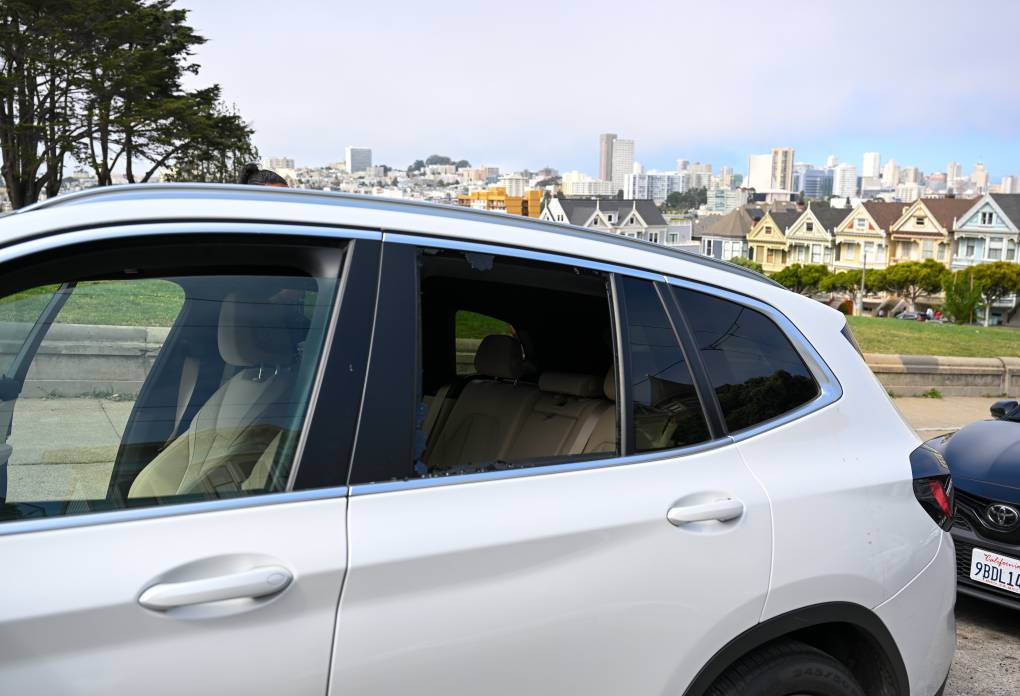
"caption": "A car with a broken back-seat window is parked next to Alamo Square Park in San Francisco on Aug. 9, 2023.",
"description": null,
"title": "Car break-ins in San Francisco",
"credit": "Car break-ins have been at epidemic levels in San FranTayfun Coskun/Anadolu Agency via Getty Images",
"status": "inherit",
"altTag": "A white parked car with a rear broken window.",
"isLoading": false,
"fetchFailed": false
},
"news_11965622": {
"type": "attachments",
"id": "news_11965622",
"meta": {
"index": "attachments_1716263798",
"site": "news",
"id": "11965622",
"found": true
},
"parent": 11965502,
"imgSizes": {
"twentyfourteen-full-width": {
"file": "https://ww2.kqed.org/app/uploads/sites/10/2023/10/Durrant-Mugshot-976x576.jpg",
"width": 976,
"mimeType": "image/jpeg",
"height": 576
},
"thumbnail": {
"file": "https://ww2.kqed.org/app/uploads/sites/10/2023/10/Durrant-Mugshot-160x104.jpg",
"width": 160,
"mimeType": "image/jpeg",
"height": 104
},
"post-thumbnail": {
"file": "https://ww2.kqed.org/app/uploads/sites/10/2023/10/Durrant-Mugshot-672x372.jpg",
"width": 672,
"mimeType": "image/jpeg",
"height": 372
},
"kqedFullSize": {
"file": "https://ww2.kqed.org/app/uploads/sites/10/2023/10/Durrant-Mugshot.jpg",
"width": 976,
"height": 636
},
"medium": {
"file": "https://ww2.kqed.org/app/uploads/sites/10/2023/10/Durrant-Mugshot-800x521.jpg",
"width": 800,
"mimeType": "image/jpeg",
"height": 521
}
},
"publishDate": 1698261684,
"modified": 1698277151,
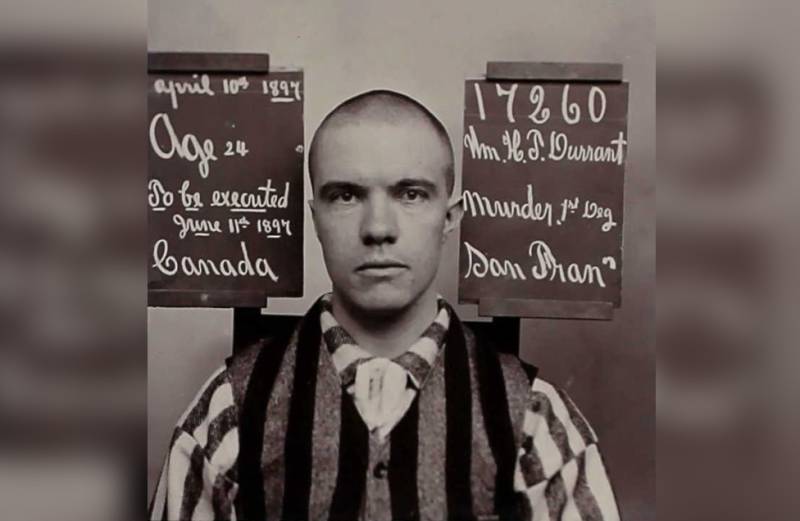
"caption": "A mugshot of Theo Durrant.",
"description": null,
"title": "Durrant Mugshot",
"credit": null,
"status": "inherit",
"altTag": null,
"isLoading": false,
"fetchFailed": false
},
"news_11965531": {
"type": "attachments",
"id": "news_11965531",
"meta": {
"index": "attachments_1716263798",
"site": "news",
"id": "11965531",
"found": true
},
"parent": 11965492,
"imgSizes": {
"twentyfourteen-full-width": {
"file": "https://ww2.kqed.org/app/uploads/sites/10/2023/10/GettyImages-1282775801-qut-1038x576.jpg",
"width": 1038,
"mimeType": "image/jpeg",
"height": 576
},
"thumbnail": {
"file": "https://ww2.kqed.org/app/uploads/sites/10/2023/10/GettyImages-1282775801-qut-160x107.jpg",
"width": 160,
"mimeType": "image/jpeg",
"height": 107
},
"post-thumbnail": {
"file": "https://ww2.kqed.org/app/uploads/sites/10/2023/10/GettyImages-1282775801-qut-672x372.jpg",
"width": 672,
"mimeType": "image/jpeg",
"height": 372
},
"kqedFullSize": {
"file": "https://ww2.kqed.org/app/uploads/sites/10/2023/10/GettyImages-1282775801-qut.jpg",
"width": 1920,
"height": 1280
},
"large": {
"file": "https://ww2.kqed.org/app/uploads/sites/10/2023/10/GettyImages-1282775801-qut-1020x680.jpg",
"width": 1020,
"mimeType": "image/jpeg",
"height": 680
},
"1536x1536": {
"file": "https://ww2.kqed.org/app/uploads/sites/10/2023/10/GettyImages-1282775801-qut-1536x1024.jpg",
"width": 1536,
"mimeType": "image/jpeg",
"height": 1024
},
"medium": {
"file": "https://ww2.kqed.org/app/uploads/sites/10/2023/10/GettyImages-1282775801-qut-800x533.jpg",
"width": 800,
"mimeType": "image/jpeg",
"height": 533
}
},
"publishDate": 1698252234,
"modified": 1698252614,
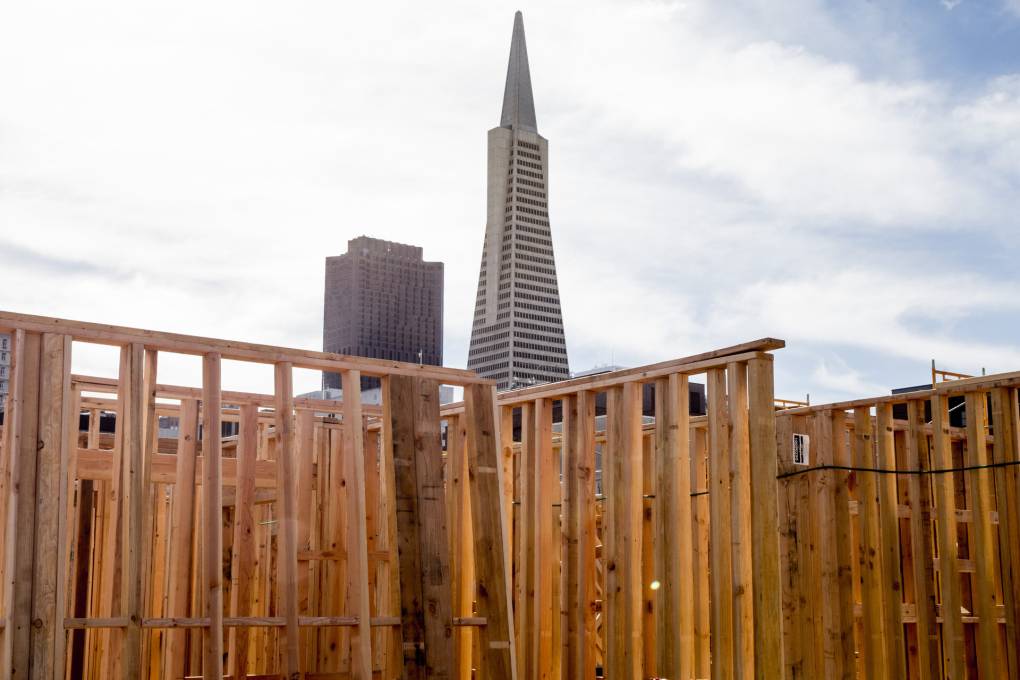
"caption": "The TransAmerica Pyramid peeks out behind wooden walls as workers construct two affordable housing developments in San Francisco in February, 2020. A new state report spells out 18 actions the city must take to streamline its approval process for new housing.",
"description": null,
"title": "Tall wooden walls under construction in the foreground with the towering pyramid of the TransAmerica Pyramid in the background",
"credit": "Jessica Christian/The San Francisco Chronicle via Getty Images",
"status": "inherit",
"altTag": null,
"isLoading": false,
"fetchFailed": false
},
"news_11961692": {
"type": "attachments",
"id": "news_11961692",
"meta": {
"index": "attachments_1716263798",
"site": "news",
"id": "11961692",
"found": true
},
"parent": 0,
"imgSizes": {
"twentyfourteen-full-width": {
"file": "https://ww2.kqed.org/app/uploads/sites/10/2023/09/230918-LighthouseUnion-010-BL-KQED-1038x576.jpg",
"width": 1038,
"mimeType": "image/jpeg",
"height": 576
},
"thumbnail": {
"file": "https://ww2.kqed.org/app/uploads/sites/10/2023/09/230918-LighthouseUnion-010-BL-KQED-160x107.jpg",
"width": 160,
"mimeType": "image/jpeg",
"height": 107
},
"post-thumbnail": {
"file": "https://ww2.kqed.org/app/uploads/sites/10/2023/09/230918-LighthouseUnion-010-BL-KQED-672x372.jpg",
"width": 672,
"mimeType": "image/jpeg",
"height": 372
},
"kqedFullSize": {
"file": "https://ww2.kqed.org/app/uploads/sites/10/2023/09/230918-LighthouseUnion-010-BL-KQED.jpg",
"width": 2000,
"height": 1333
},
"large": {
"file": "https://ww2.kqed.org/app/uploads/sites/10/2023/09/230918-LighthouseUnion-010-BL-KQED-1020x680.jpg",
"width": 1020,
"mimeType": "image/jpeg",
"height": 680
},
"1536x1536": {
"file": "https://ww2.kqed.org/app/uploads/sites/10/2023/09/230918-LighthouseUnion-010-BL-KQED-1536x1024.jpg",
"width": 1536,
"mimeType": "image/jpeg",
"height": 1024
},
"full-width": {
"file": "https://ww2.kqed.org/app/uploads/sites/10/2023/09/230918-LighthouseUnion-010-BL-KQED-1920x1280.jpg",
"width": 1920,
"mimeType": "image/jpeg",
"height": 1280
},
"medium": {
"file": "https://ww2.kqed.org/app/uploads/sites/10/2023/09/230918-LighthouseUnion-010-BL-KQED-800x533.jpg",
"width": 800,
"mimeType": "image/jpeg",
"height": 533
}
},
"publishDate": 1695074376,
"modified": 1698190256,
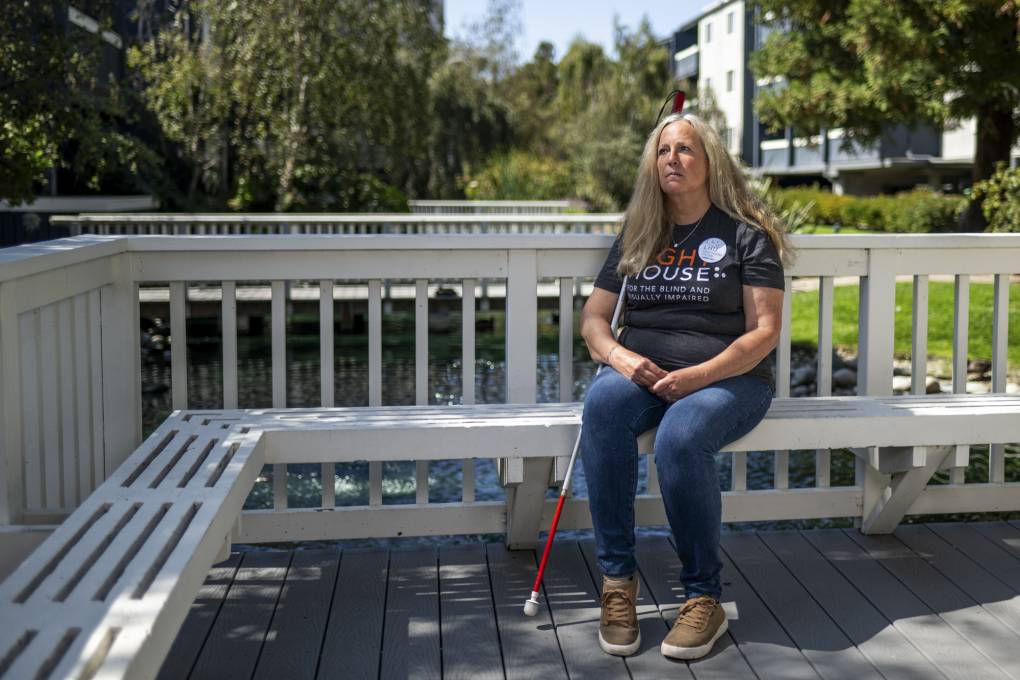
"caption": "Sheri Albers, Community Outreach Specialist with LightHouse for the Blind and Visually Impaired, sits outside her home in Alameda on Sept. 18, 2023.",
"description": null,
"title": "230918-LighthouseUnion-010-BL-KQED",
"credit": "Beth LaBerge/KQED",
"status": "inherit",
"altTag": "A person holding a white can sits on a bench outdoors.",
"isLoading": false,
"fetchFailed": false
},
"news_11965070": {
"type": "attachments",
"id": "news_11965070",
"meta": {
"index": "attachments_1716263798",
"site": "news",
"id": "11965070",
"found": true
},
"parent": 0,
"imgSizes": {
"twentyfourteen-full-width": {
"file": "https://ww2.kqed.org/app/uploads/sites/10/2023/10/231017-LakeMercedRVs-006-BL-KQED-1038x576.jpg",
"width": 1038,
"mimeType": "image/jpeg",
"height": 576
},
"thumbnail": {
"file": "https://ww2.kqed.org/app/uploads/sites/10/2023/10/231017-LakeMercedRVs-006-BL-KQED-160x107.jpg",
"width": 160,
"mimeType": "image/jpeg",
"height": 107
},
"post-thumbnail": {
"file": "https://ww2.kqed.org/app/uploads/sites/10/2023/10/231017-LakeMercedRVs-006-BL-KQED-672x372.jpg",
"width": 672,
"mimeType": "image/jpeg",
"height": 372
},
"kqedFullSize": {
"file": "https://ww2.kqed.org/app/uploads/sites/10/2023/10/231017-LakeMercedRVs-006-BL-KQED.jpg",
"width": 2000,
"height": 1333
},
"large": {
"file": "https://ww2.kqed.org/app/uploads/sites/10/2023/10/231017-LakeMercedRVs-006-BL-KQED-1020x680.jpg",
"width": 1020,
"mimeType": "image/jpeg",
"height": 680
},
"1536x1536": {
"file": "https://ww2.kqed.org/app/uploads/sites/10/2023/10/231017-LakeMercedRVs-006-BL-KQED-1536x1024.jpg",
"width": 1536,
"mimeType": "image/jpeg",
"height": 1024
},
"full-width": {
"file": "https://ww2.kqed.org/app/uploads/sites/10/2023/10/231017-LakeMercedRVs-006-BL-KQED-1920x1280.jpg",
"width": 1920,
"mimeType": "image/jpeg",
"height": 1280
},
"medium": {
"file": "https://ww2.kqed.org/app/uploads/sites/10/2023/10/231017-LakeMercedRVs-006-BL-KQED-800x533.jpg",
"width": 800,
"mimeType": "image/jpeg",
"height": 533
}
},
"publishDate": 1697758871,
"modified": 1698104035,
"caption": "Christian de Jesus Guevara Obando stands in the doorway of the RV where he resides on Winston Drive in San Francisco on Oct. 17, 2023. In December, the city plans to start imposing parking restrictions on this street where dozens of families park their RVs.",
"description": null,
"title": "231017-LakeMercedRVs-006-BL-KQED",
"credit": "Beth LaBerge/KQED",
"status": "inherit",
"altTag": "A person exits and RV parked on the side of a road.",
"isLoading": false,
"fetchFailed": false
},
"news_11963497": {
"type": "attachments",
"id": "news_11963497",
"meta": {
"index": "attachments_1716263798",
"site": "news",
"id": "11963497",
"found": true
},
"parent": 11963482,
"imgSizes": {
"twentyfourteen-full-width": {
"file": "https://ww2.kqed.org/app/uploads/sites/10/2023/10/GettyImages-1258550747-qut-1038x576.jpg",
"width": 1038,
"mimeType": "image/jpeg",
"height": 576
},
"thumbnail": {
"file": "https://ww2.kqed.org/app/uploads/sites/10/2023/10/GettyImages-1258550747-qut-160x107.jpg",
"width": 160,
"mimeType": "image/jpeg",
"height": 107
},
"post-thumbnail": {
"file": "https://ww2.kqed.org/app/uploads/sites/10/2023/10/GettyImages-1258550747-qut-672x372.jpg",
"width": 672,
"mimeType": "image/jpeg",
"height": 372
},
"kqedFullSize": {
"file": "https://ww2.kqed.org/app/uploads/sites/10/2023/10/GettyImages-1258550747-qut.jpg",
"width": 1920,
"height": 1280
},
"large": {
"file": "https://ww2.kqed.org/app/uploads/sites/10/2023/10/GettyImages-1258550747-qut-1020x680.jpg",
"width": 1020,
"mimeType": "image/jpeg",
"height": 680
},
"1536x1536": {
"file": "https://ww2.kqed.org/app/uploads/sites/10/2023/10/GettyImages-1258550747-qut-1536x1024.jpg",
"width": 1536,
"mimeType": "image/jpeg",
"height": 1024
},
"medium": {
"file": "https://ww2.kqed.org/app/uploads/sites/10/2023/10/GettyImages-1258550747-qut-800x533.jpg",
"width": 800,
"mimeType": "image/jpeg",
"height": 533
}
},
"publishDate": 1696464540,
"modified": 1696466201,
"caption": "A tent encampment is seen near City Hall in San Francisco on June 6, 2023.",
"description": null,
"title": "Homelessness in San Francisco",
"credit": "Tayfun Coskun/Anadolu Agency via Getty Images",
"status": "inherit",
"altTag": "A street scene, with cars, people, and tents on the sidewalk.",
"isLoading": false,
"fetchFailed": false
},
"news_11963433": {
"type": "attachments",
"id": "news_11963433",
"meta": {
"index": "attachments_1716263798",
"site": "news",
"id": "11963433",
"found": true
},
"parent": 0,
"imgSizes": {
"twentyfourteen-full-width": {
"file": "https://ww2.kqed.org/app/uploads/sites/10/2023/10/231004-FeinsteinLieinState-018-KQED-1038x576.jpg",
"width": 1038,
"mimeType": "image/jpeg",
"height": 576
},
"thumbnail": {
"file": "https://ww2.kqed.org/app/uploads/sites/10/2023/10/231004-FeinsteinLieinState-018-KQED-160x107.jpg",
"width": 160,
"mimeType": "image/jpeg",
"height": 107
},
"post-thumbnail": {
"file": "https://ww2.kqed.org/app/uploads/sites/10/2023/10/231004-FeinsteinLieinState-018-KQED-672x372.jpg",
"width": 672,
"mimeType": "image/jpeg",
"height": 372
},
"kqedFullSize": {
"file": "https://ww2.kqed.org/app/uploads/sites/10/2023/10/231004-FeinsteinLieinState-018-KQED.jpg",
"width": 2000,
"height": 1333
},
"large": {
"file": "https://ww2.kqed.org/app/uploads/sites/10/2023/10/231004-FeinsteinLieinState-018-KQED-1020x680.jpg",
"width": 1020,
"mimeType": "image/jpeg",
"height": 680
},
"1536x1536": {
"file": "https://ww2.kqed.org/app/uploads/sites/10/2023/10/231004-FeinsteinLieinState-018-KQED-1536x1024.jpg",
"width": 1536,
"mimeType": "image/jpeg",
"height": 1024
},
"full-width": {
"file": "https://ww2.kqed.org/app/uploads/sites/10/2023/10/231004-FeinsteinLieinState-018-KQED-1920x1280.jpg",
"width": 1920,
"mimeType": "image/jpeg",
"height": 1280
},
"medium": {
"file": "https://ww2.kqed.org/app/uploads/sites/10/2023/10/231004-FeinsteinLieinState-018-KQED-800x533.jpg",
"width": 800,
"mimeType": "image/jpeg",
"height": 533
}
},
"publishDate": 1696453532,
"modified": 1696458837,
"caption": "(From left) Paul Pelosi, House Speaker Emerita Nancy Pelosi, Katherine Anne Feinstein, Nancy Carinne Prowda, Christine Pelosi, Eileen Mariano, and Rick Mariano pay respects for Senator Dianne Feinstein as she lies in state for public viewing at City Hall in San Francisco on Oct. 4, 2023.",
"description": null,
"title": "231004-FeinsteinLieinState-018-KQED",
"credit": "Beth LaBerge/KQED ",
"status": "inherit",
"altTag": "A small group of people surrounds a casket draped in an American flag inside an ornate building.",
"isLoading": false,
"fetchFailed": false
}
},
"audioPlayerReducer": {
"postId": "stream_live",
"isPaused": true,
"isPlaying": false,
"pfsActive": false,
"pledgeModalIsOpen": true,
"playerDrawerIsOpen": false,
"liveAudioPlayStartedAt": 0,
"liveAudioPlayContext": ""
},
"authorsReducer": {
"byline_news_11967458": {
"type": "authors",
"id": "byline_news_11967458",
"meta": {
"override": true
},
"slug": "byline_news_11967458",
"name": "Deepa Shivaram",
"isLoading": false
},
"scottshafer": {
"type": "authors",
"id": "255",
"meta": {
"index": "authors_1716337520",
"id": "255",
"found": true
},
"name": "Scott Shafer",
"firstName": "Scott",
"lastName": "Shafer",
"slug": "scottshafer",
"email": "sshafer@kqed.org",
"display_author_email": false,
"staff_mastheads": [
"news"
],
"title": "KQED Contributor",
"bio": "Scott Shafer is a senior editor with the KQED Politics and Government desk. He is co-host of Political Breakdown, the award-winning radio show and podcast with a personal take on the world of politics. Scott came to KQED in 1998 to host the statewide\u003cem> California Report\u003c/em>. Prior to that he had extended stints in politics and government\u003cem>.\u003c/em> He uses that inside experience at KQED in his, reporting, hosting and analysis for the politics desk. Scott collaborated \u003cem>Political Breakdown a\u003c/em>nd on \u003cem>The Political Mind of Jerry Brown, \u003c/em>an eight-part series about the life and extraordinary political career of the former governor. For fun, he plays water polo with the San Francisco Tsunami.",
"avatar": "https://secure.gravatar.com/avatar/a62ebae45b79d7aed1a39a0e3bf68104?s=600&d=blank&r=g",
"twitter": "scottshafer",
"bluesky": null,
"facebook": null,
"instagram": null,
"linkedin": null,
"sites": [
{
"site": "news",
"roles": [
"editor"
]
},
{
"site": "stateofhealth",
"roles": [
"author"
]
},
{
"site": "science",
"roles": [
"author"
]
},
{
"site": "forum",
"roles": [
"subscriber"
]
},
{
"site": "liveblog",
"roles": [
"author"
]
}
],
"headData": {
"title": "Scott Shafer | KQED",
"description": "KQED Contributor",
"ogImgSrc": "https://secure.gravatar.com/avatar/a62ebae45b79d7aed1a39a0e3bf68104?s=600&d=blank&r=g",
"twImgSrc": "https://secure.gravatar.com/avatar/a62ebae45b79d7aed1a39a0e3bf68104?s=600&d=blank&r=g"
},
"isLoading": false,
"link": "/author/scottshafer"
},
"mlagos": {
"type": "authors",
"id": "3239",
"meta": {
"index": "authors_1716337520",
"id": "3239",
"found": true
},
"name": "Marisa Lagos",
"firstName": "Marisa",
"lastName": "Lagos",
"slug": "mlagos",
"email": "mlagos@kqed.org",
"display_author_email": false,
"staff_mastheads": [
"news"
],
"title": "KQED Contributor",
"bio": "Marisa Lagos is a correspondent for KQED’s California Politics and Government Desk and co-hosts the award-winning show and podcast, Political Breakdown. At KQED, Lagos also conducts reporting, analysis and investigations into state, local and national politics for radio, TV, online and onstage. In 2022, she and co-host, Scott Shafer, moderated the only gubernatorial debate in California. In 2020, the \u003ci>Washington Post\u003c/i> named her one of the top political journalists in California; she was nominated for a Peabody and won several other awards for her work investigating the 2017 California wildfires. She has worked at the \u003ci>San Francisco Chronicle\u003c/i>, \u003ci>San Francisco Examiner\u003c/i> and \u003ci>Los Angeles Times\u003c/i>. A UC Santa Barbara graduate, she lives in San Francisco with her two sons and husband.",
"avatar": "https://secure.gravatar.com/avatar/a261a0d3696fc066871ef96b85b5e7d2?s=600&d=blank&r=g",
"twitter": "@mlagos",
"facebook": null,
"instagram": null,
"linkedin": null,
"sites": [
{
"site": "arts",
"roles": [
"author"
]
},
{
"site": "news",
"roles": [
"editor"
]
},
{
"site": "science",
"roles": [
"editor"
]
},
{
"site": "forum",
"roles": [
"author"
]
},
{
"site": "liveblog",
"roles": [
"author"
]
}
],
"headData": {
"title": "Marisa Lagos | KQED",
"description": "KQED Contributor",
"ogImgSrc": "https://secure.gravatar.com/avatar/a261a0d3696fc066871ef96b85b5e7d2?s=600&d=blank&r=g",
"twImgSrc": "https://secure.gravatar.com/avatar/a261a0d3696fc066871ef96b85b5e7d2?s=600&d=blank&r=g"
},
"isLoading": false,
"link": "/author/mlagos"
},
"carlysevern": {
"type": "authors",
"id": "3243",
"meta": {
"index": "authors_1716337520",
"id": "3243",
"found": true
},
"name": "Carly Severn",
"firstName": "Carly",
"lastName": "Severn",
"slug": "carlysevern",
"email": "csevern@kqed.org",
"display_author_email": false,
"staff_mastheads": [
"news"
],
"title": "Senior Editor, Audience News ",
"bio": "Carly is KQED's Senior Editor of Audience News on the Digital News team, and has reported for the California Report Magazine, Bay Curious and KQED Arts. She's formerly the host of \u003ca href=\"http://ww2.kqed.org/pop/category/the-cooler/\" rel=\"noopener noreferrer\">The Cooler\u003c/a> podcast.",
"avatar": "https://secure.gravatar.com/avatar/54037bf5c128fe678f0ef26cec97a93f2e7f220a22d7285703328f12c42c1b1d?s=600&d=blank&r=g",
"twitter": "teacupinthebay",
"bluesky": null,
"facebook": null,
"instagram": null,
"linkedin": null,
"sites": [
{
"site": "",
"roles": [
"editor"
]
},
{
"site": "arts",
"roles": [
"editor"
]
},
{
"site": "news",
"roles": [
"administrator"
]
},
{
"site": "pop",
"roles": [
"editor"
]
},
{
"site": "futureofyou",
"roles": [
"editor"
]
},
{
"site": "about",
"roles": [
"administrator"
]
},
{
"site": "mindshift",
"roles": [
"editor"
]
},
{
"site": "bayareabites",
"roles": [
"editor"
]
},
{
"site": "stateofhealth",
"roles": [
"editor"
]
},
{
"site": "science",
"roles": [
"editor"
]
},
{
"site": "food",
"roles": [
"contributor"
]
},
{
"site": "forum",
"roles": [
"editor"
]
},
{
"site": "perspectives",
"roles": [
"administrator"
]
},
{
"site": "liveblog",
"roles": [
"editor"
]
}
],
"headData": {
"title": "Carly Severn | KQED",
"description": "Senior Editor, Audience News ",
"ogImgSrc": "https://secure.gravatar.com/avatar/54037bf5c128fe678f0ef26cec97a93f2e7f220a22d7285703328f12c42c1b1d?s=600&d=blank&r=g",
"twImgSrc": "https://secure.gravatar.com/avatar/54037bf5c128fe678f0ef26cec97a93f2e7f220a22d7285703328f12c42c1b1d?s=600&d=blank&r=g"
},
"isLoading": false,
"link": "/author/carlysevern"
},
"hmcdede": {
"type": "authors",
"id": "11635",
"meta": {
"index": "authors_1716337520",
"id": "11635",
"found": true
},
"name": "Holly McDede",
"firstName": "Holly",
"lastName": "McDede",
"slug": "hmcdede",
"email": "hmcdede@KQED.org",
"display_author_email": false,
"staff_mastheads": [],
"title": "KQED Contributor",
"bio": null,
"avatar": "https://secure.gravatar.com/avatar/999d9bf31bb3a2f0511932d99526cb3e?s=600&d=blank&r=g",
"twitter": null,
"facebook": null,
"instagram": null,
"linkedin": null,
"sites": [
{
"site": "arts",
"roles": [
"editor"
]
},
{
"site": "news",
"roles": [
"edit_others_posts",
"editor"
]
},
{
"site": "science",
"roles": [
"editor"
]
},
{
"site": "forum",
"roles": [
"editor"
]
},
{
"site": "perspectives",
"roles": [
"administrator"
]
}
],
"headData": {
"title": "Holly McDede | KQED",
"description": "KQED Contributor",
"ogImgSrc": "https://secure.gravatar.com/avatar/999d9bf31bb3a2f0511932d99526cb3e?s=600&d=blank&r=g",
"twImgSrc": "https://secure.gravatar.com/avatar/999d9bf31bb3a2f0511932d99526cb3e?s=600&d=blank&r=g"
},
"isLoading": false,
"link": "/author/hmcdede"
},
"blaberge": {
"type": "authors",
"id": "11667",
"meta": {
"index": "authors_1716337520",
"id": "11667",
"found": true
},
"name": "Beth LaBerge",
"firstName": "Beth",
"lastName": "LaBerge",
"slug": "blaberge",
"email": "blaberge@KQED.org",
"display_author_email": true,
"staff_mastheads": [
"news"
],
"title": "Photographer, News",
"bio": "Beth LaBerge is a visual journalist for \u003ca href=\"https://www.kqed.org/news\">KQED News\u003c/a>.",
"avatar": "https://secure.gravatar.com/avatar/ce49ecd7a1306685637b45a1f6f5dedfc4ae9481966eb596fea5160466dd6319?s=600&d=blank&r=g",
"twitter": null,
"bluesky": null,
"facebook": null,
"instagram": "https://www.instagram.com/bethlaberge/",
"linkedin": null,
"sites": [
{
"site": "arts",
"roles": [
"editor",
"manage_categories"
]
},
{
"site": "news",
"roles": [
"editor",
"edit_plugins",
"manage_categories"
]
},
{
"site": "science",
"roles": [
"editor",
"contributor",
"author",
"manage_categories"
]
},
{
"site": "perspectives",
"roles": [
"editor"
]
},
{
"site": "liveblog",
"roles": [
"editor"
]
}
],
"headData": {
"title": "Beth LaBerge | KQED",
"description": "Photographer, News",
"ogImgSrc": "https://secure.gravatar.com/avatar/ce49ecd7a1306685637b45a1f6f5dedfc4ae9481966eb596fea5160466dd6319?s=600&d=blank&r=g",
"twImgSrc": "https://secure.gravatar.com/avatar/ce49ecd7a1306685637b45a1f6f5dedfc4ae9481966eb596fea5160466dd6319?s=600&d=blank&r=g"
},
"isLoading": false,
"link": "/author/blaberge"
},
"adahlstromeckman": {
"type": "authors",
"id": "11785",
"meta": {
"index": "authors_1716337520",
"id": "11785",
"found": true
},
"name": "Azul Dahlstrom-Eckman",
"firstName": "Azul",
"lastName": "Dahlstrom-Eckman",
"slug": "adahlstromeckman",
"email": "adahlstrom-eckman@kqed.org",
"display_author_email": true,
"staff_mastheads": [],
"title": "Reporter",
"bio": "Azul is a reporter for KQED focusing on transportation and features. He joined KQED in 2021 as an alumna of KALW's Audio Academy radio journalism training program.",
"avatar": "https://secure.gravatar.com/avatar/9cb750298435add7815a777f55bf1f46845c1386bb8452555c60a7b820b5aba3?s=600&d=blank&r=g",
"twitter": "@zuliemann",
"bluesky": "@azul415.bsky.social",
"facebook": null,
"instagram": null,
"linkedin": null,
"sites": [
{
"site": "arts",
"roles": [
"editor"
]
},
{
"site": "news",
"roles": [
"editor"
]
},
{
"site": "science",
"roles": [
"editor"
]
},
{
"site": "liveblog",
"roles": [
"author"
]
}
],
"headData": {
"title": "Azul Dahlstrom-Eckman | KQED",
"description": "Reporter",
"ogImgSrc": "https://secure.gravatar.com/avatar/9cb750298435add7815a777f55bf1f46845c1386bb8452555c60a7b820b5aba3?s=600&d=blank&r=g",
"twImgSrc": "https://secure.gravatar.com/avatar/9cb750298435add7815a777f55bf1f46845c1386bb8452555c60a7b820b5aba3?s=600&d=blank&r=g"
},
"isLoading": false,
"link": "/author/adahlstromeckman"
},
"sjohnson": {
"type": "authors",
"id": "11840",
"meta": {
"index": "authors_1716337520",
"id": "11840",
"found": true
},
"name": "Sydney Johnson",
"firstName": "Sydney",
"lastName": "Johnson",
"slug": "sjohnson",
"email": "sjohnson@kqed.org",
"display_author_email": false,
"staff_mastheads": [
"news"
],
"title": "KQED Reporter",
"bio": "Sydney Johnson is a general assignment reporter at KQED. She previously reported on public health and city government at the San Francisco Examiner, and before that, she covered statewide education policy for EdSource. Her reporting has won multiple local, state and national awards. Sydney is a graduate of the University of California, Berkeley and lives in San Francisco.",
"avatar": "https://secure.gravatar.com/avatar/97855f2719b72ad6190b7c535fe642c8?s=600&d=blank&r=g",
"twitter": "sydneyfjohnson",
"facebook": null,
"instagram": null,
"linkedin": null,
"sites": [
{
"site": "news",
"roles": [
"editor"
]
}
],
"headData": {
"title": "Sydney Johnson | KQED",
"description": "KQED Reporter",
"ogImgSrc": "https://secure.gravatar.com/avatar/97855f2719b72ad6190b7c535fe642c8?s=600&d=blank&r=g",
"twImgSrc": "https://secure.gravatar.com/avatar/97855f2719b72ad6190b7c535fe642c8?s=600&d=blank&r=g"
},
"isLoading": false,
"link": "/author/sjohnson"
}
},
"pagesReducer": {
"news_tag_san-francisco": {
"type": "terms",
"id": "news_38",
"meta": {
"index": "terms_1716263798",
"site": "news",
"id": "38",
"score": 6.7230244
},
"featImg": null,
"name": "San Francisco",
"description": null,
"taxonomy": "tag",
"headData": {
"twImgId": null,
"twTitle": null,
"ogTitle": null,
"ogImgId": null,
"twDescription": null,
"description": null,
"title": "San Francisco Archives | KQED News",
"ogDescription": null
},
"ttid": 58,
"slug": "san-francisco",
"isLoading": false,
"title": "San Francisco",
"pageMeta": {
"site": "news",
"WpPageTemplate": "page-topic-editorial",
"currentPage": 111
},
"blocks": [
{
"blockName": "kqed/post-list",
"attrs": {
"layout": "cardArticle2",
"query": "posts/news?tag=san-francisco",
"seeMore": false,
"paginated": true,
"page": 111
}
},
{
"blockName": "kqed/ad"
}
]
}
},
"pfsSessionReducer": {},
"postsReducer": {
"stream_live": {
"type": "live",
"id": "stream_live",
"audioUrl": "https://streams.kqed.org/kqedradio",
"title": "Live Stream",
"excerpt": "Live Stream information currently unavailable.",
"link": "/radio",
"featImg": "",
"label": {
"name": "KQED Live",
"link": "/"
}
},
"stream_kqedNewscast": {
"type": "posts",
"id": "stream_kqedNewscast",
"audioUrl": "https://www.kqed.org/.stream/anon/radio/RDnews/newscast.mp3?_=1",
"title": "KQED Newscast",
"featImg": "",
"label": {
"name": "88.5 FM",
"link": "/"
}
},
"news_11967458": {
"type": "posts",
"id": "news_11967458",
"meta": {
"index": "posts_1716263798",
"site": "news",
"id": "11967458",
"score": null,
"sort": [
1700091212000
]
},
"parent": 0,
"labelTerm": {},
"blocks": [],
"publishDate": 1700091212,
"format": "standard",
"title": "WATCH: Biden Hosts San Francisco Press Conference After Meeting With China's Xi",
"headTitle": "WATCH: Biden Hosts San Francisco Press Conference After Meeting With China’s Xi | KQED",
"content": "\u003cp>President Joe Biden is expected to announce agreements on military communication channels and counternarcotics at a solo press conference after \u003ca href=\"https://www.npr.org/2023/11/14/1212584833/biden-and-xi-are-meeting-for-the-first-time-in-a-year-here-are-5-things-to-watch\">speaking with Chinese President Xi Jinping for the first time in a year\u003c/a>.\u003c/p>\n\u003cp>The leaders met at the Filoli Estate in Woodside on Wednesday, just ahead of the Asia Pacific Economic Cooperation (APEC) summit in San Francisco. Their talks come as tensions between the world’s two largest economies have been on the rise, and as the White House has been trying to take a strong-on-China approach.\u003c/p>\n\u003cp>The last time Biden and Xi spoke face-to-face was at the G20 summit in Indonesia in November 2022.\u003c/p>\n\u003cp>\u003cem>Watch Biden’s news conference: \u003c/em>\u003c/p>\n\u003cp>https://www.youtube.com/watch?v=yVGJ472w9lY\u003c/p>\n\u003cp>[ad fullwidth]\u003c/p>\n\u003ch2>Biden’s idea of a successful meeting is restoring communication\u003c/h2>\n\u003cp>Biden said Tuesday he wants communication with Xi to go back to a more normal level — especially between the nations’ militaries.\u003c/p>\n\u003cp>In August 2022, Beijing declared it was \u003ca href=\"https://www.npr.org/2022/08/05/1115878668/china-taiwan-pelosi-climate-military\">cutting off dialogue\u003c/a> with the U.S. on major issues such as climate and military relations after then-Speaker of the House Nancy Pelosi’s visit to Taiwan.\u003c/p>\n\u003cp>“To get back on a normal course of corresponding: being able to pick up the phone and talk to one another when there’s a crisis, being able to make sure our militaries still have contact with one another,” Biden said when a reporter asked what would make his meeting with Xi a success.\u003c/p>\n\u003cp>“We’re not trying to decouple from China, but what we’re trying to do is change the relationship for the better,” Biden added.\u003c/p>\n\u003cp>At the start of the meeting, Biden told Xi, “There is no substitute to face-to-face discussions. I’ve always found our discussions straightforward and frank, and I’ve always appreciated them.”\u003c/p>\n\u003cp>Despite the lack of communication between Biden and Xi themselves, U.S. administration officials and their Chinese counterparts met multiple times in recent months.\u003c/p>\n\u003cp>“We have to ensure that competition does not veer into conflict,” Biden told Xi.\u003c/p>\n\u003ch2>Fentanyl is also expected to be a topic of conversation\u003c/h2>\n\u003cp>In addition to reestablishing communications between the U.S. and China’s military, the White House has said efforts to combat the illicit trade of fentanyl would also be a topic of Biden and Xi’s conversation.\u003c/p>\n\u003cp>And conflicts in the Middle East and between Ukraine and Russia will also come up, he said, including Iran’s involvement in the war between Israel and Hamas.\u003c/p>\n\u003cdiv class=\"fullattribution\">Copyright 2023 NPR. To see more, visit \u003ca href=\"https://www.npr.org\">NPR.org\u003c/a>.\u003cimg decoding=\"async\" src=\"https://www.google-analytics.com/__utm.gif?utmac=UA-5828686-4&utmdt=Biden+to+host+a+solo+press+conference+tonight+after+meeting+with+China%27s+Xi&utme=8(APIKey)9(MDAxOTAwOTE4MDEyMTkxMDAzNjczZDljZA004)\">\u003c/div>\n\u003cp>\u003c/p>\n",
"stats": {
"hasVideo": true,
"hasChartOrMap": false,
"hasAudio": false,
"hasPolis": false,
"wordCount": 446,
"hasGoogleForm": false,
"hasGallery": false,
"hasHearkenModule": false,
"iframeSrcs": [],
"paragraphCount": 15
},
"modified": 1700099057,
"excerpt": "President Joe Biden will give a press conference in San Francisco following his meeting with Chinese President Xi Jinping in Woodside on Wednesday, ahead of the APEC conference.",
"headData": {
"twImgId": "",
"twTitle": "",
"ogTitle": "",
"ogImgId": "",
"twDescription": "",
"description": "President Joe Biden will give a press conference in San Francisco following his meeting with Chinese President Xi Jinping in Woodside on Wednesday, ahead of the APEC conference.",
"title": "WATCH: Biden Hosts San Francisco Press Conference After Meeting With China's Xi | KQED",
"ogDescription": "",
"schema": {
"@context": "https://schema.org",
"@type": "NewsArticle",
"headline": "WATCH: Biden Hosts San Francisco Press Conference After Meeting With China's Xi",
"datePublished": "2023-11-15T15:33:32-08:00",
"dateModified": "2023-11-15T17:44:17-08:00",
"image": "https://cdn.kqed.org/wp-content/uploads/2020/02/KQED-OG-Image@1x.png",
"isAccessibleForFree": "True",
"publisher": {
"@type": "NewsMediaOrganization",
"@id": "https://www.kqed.org/#organization",
"name": "KQED",
"logo": "https://cdn.kqed.org/wp-content/uploads/2020/02/KQED-OG-Image@1x.png",
"url": "https://www.kqed.org",
"sameAs": [
"https://www.facebook.com/KQED",
"https://twitter.com/KQED",
"https://www.instagram.com/kqed/",
"https://www.tiktok.com/@kqedofficial",
"https://www.linkedin.com/company/kqed",
"https://www.youtube.com/channel/UCeC0IOo7i1P_61zVUWbJ4nw"
]
}
}
},
"guestAuthors": [],
"slug": "biden-to-host-san-francisco-press-conference-after-meeting-with-chinas-xi",
"status": "publish",
"nprApiLink": "http://api.npr.org/query?id=1212994576&apiKey=MDAxOTAwOTE4MDEyMTkxMDAzNjczZDljZA004",
"nprStoryDate": "Wed, 15 Nov 2023 17:45:32 -0500",
"excludeFromSiteSearch": "Include",
"nprLastModifiedDate": "Wed, 15 Nov 2023 17:45:32 -0500",
"nprHtmlLink": "https://www.npr.org/2023/11/15/1212994576/biden-china-xi-san-francisco?ft=nprml&f=1212994576",
"nprImageAgency": "AP",
"source": "NPR",
"nprStoryId": "1212994576",
"sourceUrl": "https://www.npr.org/?refresh=true",
"nprByline": "Deepa Shivaram",
"nprImageCredit": "Evan Vucci",
"showOnAuthorArchivePages": "No",
"articleAge": "0",
"nprRetrievedStory": "1",
"nprPubDate": "Wed, 15 Nov 2023 17:45:00 -0500",
"path": "/news/11967458/biden-to-host-san-francisco-press-conference-after-meeting-with-chinas-xi",
"audioTrackLength": null,
"parsedContent": [
{
"type": "contentString",
"content": "\u003cdiv class=\"post-body\">\u003cp>\u003cp>President Joe Biden is expected to announce agreements on military communication channels and counternarcotics at a solo press conference after \u003ca href=\"https://www.npr.org/2023/11/14/1212584833/biden-and-xi-are-meeting-for-the-first-time-in-a-year-here-are-5-things-to-watch\">speaking with Chinese President Xi Jinping for the first time in a year\u003c/a>.\u003c/p>\n\u003cp>The leaders met at the Filoli Estate in Woodside on Wednesday, just ahead of the Asia Pacific Economic Cooperation (APEC) summit in San Francisco. Their talks come as tensions between the world’s two largest economies have been on the rise, and as the White House has been trying to take a strong-on-China approach.\u003c/p>\n\u003cp>The last time Biden and Xi spoke face-to-face was at the G20 summit in Indonesia in November 2022.\u003c/p>\n\u003cp>\u003cem>Watch Biden’s news conference: \u003c/em>\u003c/p>\u003c/p>\u003cp>\u003cspan class='utils-parseShortcode-shortcodes-__youtubeShortcode__embedYoutube'>\n \u003cspan class='utils-parseShortcode-shortcodes-__youtubeShortcode__embedYoutubeInside'>\n \u003ciframe\n loading='lazy'\n class='utils-parseShortcode-shortcodes-__youtubeShortcode__youtubePlayer'\n type='text/html'\n src='//www.youtube.com/embed/yVGJ472w9lY'\n title='//www.youtube.com/embed/yVGJ472w9lY'\n allowfullscreen='true'\n style='border:0;'>\u003c/iframe>\n \u003c/span>\n \u003c/span>\u003c/p>\u003cp>\u003cp>\u003c/p>\u003c/div>",
"attributes": {
"named": {},
"numeric": []
}
},
{
"type": "component",
"content": "",
"name": "ad",
"attributes": {
"named": {
"label": "fullwidth"
},
"numeric": [
"fullwidth"
]
}
},
{
"type": "contentString",
"content": "\u003cdiv class=\"post-body\">\u003cp>\u003c/p>\n\u003ch2>Biden’s idea of a successful meeting is restoring communication\u003c/h2>\n\u003cp>Biden said Tuesday he wants communication with Xi to go back to a more normal level — especially between the nations’ militaries.\u003c/p>\n\u003cp>In August 2022, Beijing declared it was \u003ca href=\"https://www.npr.org/2022/08/05/1115878668/china-taiwan-pelosi-climate-military\">cutting off dialogue\u003c/a> with the U.S. on major issues such as climate and military relations after then-Speaker of the House Nancy Pelosi’s visit to Taiwan.\u003c/p>\n\u003cp>“To get back on a normal course of corresponding: being able to pick up the phone and talk to one another when there’s a crisis, being able to make sure our militaries still have contact with one another,” Biden said when a reporter asked what would make his meeting with Xi a success.\u003c/p>\n\u003cp>“We’re not trying to decouple from China, but what we’re trying to do is change the relationship for the better,” Biden added.\u003c/p>\n\u003cp>At the start of the meeting, Biden told Xi, “There is no substitute to face-to-face discussions. I’ve always found our discussions straightforward and frank, and I’ve always appreciated them.”\u003c/p>\n\u003cp>Despite the lack of communication between Biden and Xi themselves, U.S. administration officials and their Chinese counterparts met multiple times in recent months.\u003c/p>\n\u003cp>“We have to ensure that competition does not veer into conflict,” Biden told Xi.\u003c/p>\n\u003ch2>Fentanyl is also expected to be a topic of conversation\u003c/h2>\n\u003cp>In addition to reestablishing communications between the U.S. and China’s military, the White House has said efforts to combat the illicit trade of fentanyl would also be a topic of Biden and Xi’s conversation.\u003c/p>\n\u003cp>And conflicts in the Middle East and between Ukraine and Russia will also come up, he said, including Iran’s involvement in the war between Israel and Hamas.\u003c/p>\n\u003cdiv class=\"fullattribution\">Copyright 2023 NPR. To see more, visit \u003ca href=\"https://www.npr.org\">NPR.org\u003c/a>.\u003cimg decoding=\"async\" src=\"https://www.google-analytics.com/__utm.gif?utmac=UA-5828686-4&utmdt=Biden+to+host+a+solo+press+conference+tonight+after+meeting+with+China%27s+Xi&utme=8(APIKey)9(MDAxOTAwOTE4MDEyMTkxMDAzNjczZDljZA004)\">\u003c/div>\n\u003cp>\u003c/p>\n\u003c/div>\u003c/p>",
"attributes": {
"named": {},
"numeric": []
}
}
],
"link": "/news/11967458/biden-to-host-san-francisco-press-conference-after-meeting-with-chinas-xi",
"authors": [
"byline_news_11967458"
],
"categories": [
"news_8",
"news_13"
],
"tags": [
"news_1867",
"news_717",
"news_17968",
"news_38",
"news_17782",
"news_33416"
],
"featImg": "news_11967460",
"label": "source_news_11967458"
},
"news_11966960": {
"type": "posts",
"id": "news_11966960",
"meta": {
"index": "posts_1716263798",
"site": "news",
"id": "11966960",
"score": null,
"sort": [
1699630241000
]
},
"guestAuthors": [],
"slug": "san-francisco-is-clearing-homeless-encampments-ahead-of-apec",
"title": "San Francisco Is Clearing Homeless Encampments Ahead of APEC",
"publishDate": 1699630241,
"format": "standard",
"headTitle": "San Francisco Is Clearing Homeless Encampments Ahead of APEC | KQED",
"labelTerm": {
"site": "news"
},
"content": "\u003cp>San Francisco is suspending access to one of its only walk-in homeless shelters during the upcoming Asia-Pacific Economic Cooperation conference to prioritize beds for unhoused people living near the vicinity of the event, a source told KQED.\u003c/p>\n\u003cp>The move sheds light on some of the city’s opaque plans for how it is preparing to keep streets clear and counteract doom-loop narratives about crime and homelessness in the city ahead of the major event when President Biden and more than a dozen other heads of state, CEOs and journalists from around the globe will descend on San Francisco.\u003c/p>\n\u003cp>During the event, the Santa Maria y Marta shelter, located at 1050 S. Van Ness Ave., will reserve its 56 beds for people who typically camp in the APEC high-security zones, according to Jennifer Friedenbach, executive director for the Coalition on Homelessness.\u003c/p>\n\u003cp>[ad fullwidth]\u003c/p>\n\u003cp>Officials at HSH did respond to requests for comment about its plans for the shelter. However, the city has been open about the fact that it is working aggressively to manicure and prepare for the event.\u003c/p>\n\u003cp>“When our community hosts events, like APEC, we want to put our best foot forward,” said Emily Cohen, deputy director of communications and legislative affairs for the Department of Homelessness and Supportive Housing, in an email to KQED Monday. “Dedicated outreach interventions will be focused on the conference vicinity and offering safe places for people experiencing homelessness will be a priority.”\u003c/p>\n\u003cp>[pullquote align=\"right\" size=\"medium\" citation=\"Emily Cohen, deputy director of communications and legislative affairs, Department of Homelessness and Supportive Housing\"]‘When our community hosts events, like APEC, we want to put our best foot forward. Dedicated outreach interventions will be focused on the conference vicinity and offering safe places for people experiencing homelessness will be a priority.’[/pullquote]While the city is not opening up any \u003cem>new \u003c/em>shelter specifically for APEC, shelters that operate in the winter such as the Interfaith Winter Shelter will be opening by Nov. 10, just before the conference starts on Nov. 11. The city also has plans to add about 300 beds between November and December to its existing shelters, which were also pre-planned for the winter months.\u003c/p>\n\u003cp>Rainstorms are forecasted for the week of the event, and it’s possible the city could also activate its \u003ca href=\"https://www.kqed.org/news/11937103/warming-shelters-flood-bomb-cyclone-storm-bay-area\">warming centers at places like the Public Library\u003c/a>.\u003c/p>\n\u003cp>Advocates like Friedenbach say the city could do more with the millions of dollars it has raised for the event to think through longer-term solutions to homelessness.\u003c/p>\n\u003cp>“It’s going to be a difficult situation, and unhoused people will be negatively affected by the conference either way,” she told KQED. “We think it would be better for them to expand capacity and open hotel rooms.”\u003c/p>\n\u003cp>Plans for dealing with homelessness during APEC started months ago, according to Christin Evans, a local business owner and member of the city’s Homeless Oversight Commission.\u003c/p>\n\u003cp>“It was pretty clear from the beginning that the (HSH) Department was overseeing early outreach efforts to try to understand who was in the vicinity and to also try to make reachable offers of shelter to those individuals,” Evans told KQED.\u003c/p>\n\u003cp>Multiple media outlets have reported that local and federal security will not allow any unhoused residents within the event’s designated “secure zone,” which will be operated by the U.S. Secret Service.\u003c/p>\n\u003cp>[aside postID=news_11965942 hero='https://ww2.kqed.org/app/uploads/sites/10/2023/10/AP23291773384155-1020x680.jpg']KQED reached out to multiple city agencies to confirm whether unhoused individuals in the area will be forced to move, however, city officials did not respond to requests to clarify.\u003c/p>\n\u003cp>What is clear, based on HSH communications, is that the city is working to prioritize shelter placements for unhoused people near the conference venues located at the Moscone Center and around Nob Hill. But it must do so delicately, as the city is currently facing a lawsuit over how it responds to tents on sidewalks and treats homeless people during encampment clearings.\u003c/p>\n\u003cp>In September 2022, the Coalition on Homelessness sued San Francisco for violating its own rules for removing homeless encampments. A federal judge later banned San Francisco from clearing homeless encampments unless they can offer people living in them alternative shelter. (Under the injunction, the city can still ask people to temporarily move for cleaning and accessibility purposes.)\u003c/p>\n\u003cp>But the city doesn’t have enough housing or temporary shelter to offer everyone living on its streets. More than 7,000 are estimated to be homeless in San Francisco, and more than half of those people don’t have access to any form of shelter, according to city data.\u003c/p>\n\u003cp>[pullquote align=\"right\" size=\"medium\" citation=\"Jennifer Friedenbach, executive director, Coalition on Homelessness\"]‘It’s going to be a difficult situation and unhoused people will be negatively affected by the conference either way. We think it would be better for them to expand capacity and open hotel rooms.’[/pullquote]Meanwhile, there were \u003ca href=\"https://hsh.sfgov.org/services/how-to-get-services/accessing-temporary-shelter/adult-temporary-shelter/shelter-reservation-waitlist/\">468 people on the city’s online waitlist for shelter\u003c/a> on Wednesday, less than a week from the event’s launch. The city has about 3,000 shelter beds in its system, which is currently at \u003ca href=\"https://hsh.sfgov.org/services/the-homelessness-response-system/shelter/\">91% capacity\u003c/a>.\u003c/p>\n\u003cp>“One of the issues, in this case, is the lack of transparency from the city in terms of what its plans are and how it handles encampment resolution, which can lead to a lot of issues with enforcement of the ordinances they are supposed to be following,” said John Do, an attorney with the ACLU, which is representing plaintiffs in the homelessness lawsuit against San Francisco.\u003c/p>\n\u003cp>People like Taj and Matt, an unhoused couple living in the South of Market neighborhood, appear to be caught in the city’s impossible juggle.\u003c/p>\n\u003cp>About a week ago, the two slept on Merlin Street under the 80 freeway overpass in San Francisco when a cadre of city workers woke them up and told them to move.\u003c/p>\n\u003cp>A Public Works employee told them they needed to clear the area for a big event coming up where President Joe Biden and other heads of state from nearly 20 countries would be coming to town, according to Matt.\u003c/p>\n\u003cp>They didn’t have any other place to go. So now, Taj says, the couple stays “anywhere we don’t get harassed or our stuff stolen.”\u003c/p>\n\u003cp>On Wednesday morning, they were in SoMA and asked to shoo again.\u003c/p>\n\u003cp>“They didn’t offer anything,” said Taj on Wednesday from a SoMa bus stop. “It’s bad enough we are in this position. You know how bad we want to be inside?”\u003c/p>\n\u003cp>\u003cem>KQED reporter Vanessa Rancaño contributed to this story. \u003c/em>\u003c/p>\n\u003cp>[ad floatright]\u003c/p>\n",
"blocks": [],
"excerpt": "San Francisco scrambles to open shelter beds for unhoused residents and clear sidewalks ahead of next week's APEC conference.",
"status": "publish",
"parent": 0,
"modified": 1725923732,
"stats": {
"hasAudio": false,
"hasVideo": false,
"hasChartOrMap": false,
"iframeSrcs": [],
"hasGoogleForm": false,
"hasGallery": false,
"hasHearkenModule": false,
"hasPolis": false,
"paragraphCount": 27,
"wordCount": 1152
},
"headData": {
"title": "San Francisco Is Clearing Homeless Encampments Ahead of APEC | KQED",
"description": "San Francisco scrambles to open shelter beds for unhoused residents and clear sidewalks ahead of next week's APEC conference.",
"ogTitle": "",
"ogDescription": "",
"ogImgId": "",
"twTitle": "",
"twDescription": "",
"twImgId": "",
"schema": {
"@context": "https://schema.org",
"@type": "NewsArticle",
"headline": "San Francisco Is Clearing Homeless Encampments Ahead of APEC",
"datePublished": "2023-11-10T07:30:41-08:00",
"dateModified": "2024-09-09T16:15:32-07:00",
"image": "https://cdn.kqed.org/wp-content/uploads/2020/02/KQED-OG-Image@1x.png",
"isAccessibleForFree": "True",
"publisher": {
"@type": "NewsMediaOrganization",
"@id": "https://www.kqed.org/#organization",
"name": "KQED",
"logo": "https://cdn.kqed.org/wp-content/uploads/2020/02/KQED-OG-Image@1x.png",
"url": "https://www.kqed.org",
"sameAs": [
"https://www.facebook.com/KQED",
"https://twitter.com/KQED",
"https://www.instagram.com/kqed/",
"https://www.tiktok.com/@kqedofficial",
"https://www.linkedin.com/company/kqed",
"https://www.youtube.com/channel/UCeC0IOo7i1P_61zVUWbJ4nw"
]
}
}
},
"sticky": false,
"excludeFromSiteSearch": "Include",
"articleAge": "0",
"path": "/news/11966960/san-francisco-is-clearing-homeless-encampments-ahead-of-apec",
"audioTrackLength": null,
"parsedContent": [
{
"type": "contentString",
"content": "\u003cdiv class=\"post-body\">\u003cp>\u003cp>San Francisco is suspending access to one of its only walk-in homeless shelters during the upcoming Asia-Pacific Economic Cooperation conference to prioritize beds for unhoused people living near the vicinity of the event, a source told KQED.\u003c/p>\n\u003cp>The move sheds light on some of the city’s opaque plans for how it is preparing to keep streets clear and counteract doom-loop narratives about crime and homelessness in the city ahead of the major event when President Biden and more than a dozen other heads of state, CEOs and journalists from around the globe will descend on San Francisco.\u003c/p>\n\u003cp>During the event, the Santa Maria y Marta shelter, located at 1050 S. Van Ness Ave., will reserve its 56 beds for people who typically camp in the APEC high-security zones, according to Jennifer Friedenbach, executive director for the Coalition on Homelessness.\u003c/p>\n\u003cp>\u003c/p>\u003c/div>",
"attributes": {
"named": {},
"numeric": []
}
},
{
"type": "component",
"content": "",
"name": "ad",
"attributes": {
"named": {
"label": "fullwidth"
},
"numeric": [
"fullwidth"
]
}
},
{
"type": "contentString",
"content": "\u003cdiv class=\"post-body\">\u003cp>\u003c/p>\n\u003cp>Officials at HSH did respond to requests for comment about its plans for the shelter. However, the city has been open about the fact that it is working aggressively to manicure and prepare for the event.\u003c/p>\n\u003cp>“When our community hosts events, like APEC, we want to put our best foot forward,” said Emily Cohen, deputy director of communications and legislative affairs for the Department of Homelessness and Supportive Housing, in an email to KQED Monday. “Dedicated outreach interventions will be focused on the conference vicinity and offering safe places for people experiencing homelessness will be a priority.”\u003c/p>\n\u003cp>\u003c/p>\u003c/div>",
"attributes": {
"named": {},
"numeric": []
}
},
{
"type": "component",
"content": "‘When our community hosts events, like APEC, we want to put our best foot forward. Dedicated outreach interventions will be focused on the conference vicinity and offering safe places for people experiencing homelessness will be a priority.’",
"name": "pullquote",
"attributes": {
"named": {
"align": "right",
"size": "medium",
"citation": "Emily Cohen, deputy director of communications and legislative affairs, Department of Homelessness and Supportive Housing",
"label": ""
},
"numeric": []
}
},
{
"type": "contentString",
"content": "\u003cdiv class=\"post-body\">\u003cp>While the city is not opening up any \u003cem>new \u003c/em>shelter specifically for APEC, shelters that operate in the winter such as the Interfaith Winter Shelter will be opening by Nov. 10, just before the conference starts on Nov. 11. The city also has plans to add about 300 beds between November and December to its existing shelters, which were also pre-planned for the winter months.\u003c/p>\n\u003cp>Rainstorms are forecasted for the week of the event, and it’s possible the city could also activate its \u003ca href=\"https://www.kqed.org/news/11937103/warming-shelters-flood-bomb-cyclone-storm-bay-area\">warming centers at places like the Public Library\u003c/a>.\u003c/p>\n\u003cp>Advocates like Friedenbach say the city could do more with the millions of dollars it has raised for the event to think through longer-term solutions to homelessness.\u003c/p>\n\u003cp>“It’s going to be a difficult situation, and unhoused people will be negatively affected by the conference either way,” she told KQED. “We think it would be better for them to expand capacity and open hotel rooms.”\u003c/p>\n\u003cp>Plans for dealing with homelessness during APEC started months ago, according to Christin Evans, a local business owner and member of the city’s Homeless Oversight Commission.\u003c/p>\n\u003cp>“It was pretty clear from the beginning that the (HSH) Department was overseeing early outreach efforts to try to understand who was in the vicinity and to also try to make reachable offers of shelter to those individuals,” Evans told KQED.\u003c/p>\n\u003cp>Multiple media outlets have reported that local and federal security will not allow any unhoused residents within the event’s designated “secure zone,” which will be operated by the U.S. Secret Service.\u003c/p>\n\u003cp>\u003c/p>\u003c/div>",
"attributes": {
"named": {},
"numeric": []
}
},
{
"type": "component",
"content": "",
"name": "aside",
"attributes": {
"named": {
"postid": "news_11965942",
"hero": "https://ww2.kqed.org/app/uploads/sites/10/2023/10/AP23291773384155-1020x680.jpg",
"label": ""
},
"numeric": []
}
},
{
"type": "contentString",
"content": "\u003cdiv class=\"post-body\">\u003cp>KQED reached out to multiple city agencies to confirm whether unhoused individuals in the area will be forced to move, however, city officials did not respond to requests to clarify.\u003c/p>\n\u003cp>What is clear, based on HSH communications, is that the city is working to prioritize shelter placements for unhoused people near the conference venues located at the Moscone Center and around Nob Hill. But it must do so delicately, as the city is currently facing a lawsuit over how it responds to tents on sidewalks and treats homeless people during encampment clearings.\u003c/p>\n\u003cp>In September 2022, the Coalition on Homelessness sued San Francisco for violating its own rules for removing homeless encampments. A federal judge later banned San Francisco from clearing homeless encampments unless they can offer people living in them alternative shelter. (Under the injunction, the city can still ask people to temporarily move for cleaning and accessibility purposes.)\u003c/p>\n\u003cp>But the city doesn’t have enough housing or temporary shelter to offer everyone living on its streets. More than 7,000 are estimated to be homeless in San Francisco, and more than half of those people don’t have access to any form of shelter, according to city data.\u003c/p>\n\u003cp>\u003c/p>\u003c/div>",
"attributes": {
"named": {},
"numeric": []
}
},
{
"type": "component",
"content": "‘It’s going to be a difficult situation and unhoused people will be negatively affected by the conference either way. We think it would be better for them to expand capacity and open hotel rooms.’",
"name": "pullquote",
"attributes": {
"named": {
"align": "right",
"size": "medium",
"citation": "Jennifer Friedenbach, executive director, Coalition on Homelessness",
"label": ""
},
"numeric": []
}
},
{
"type": "contentString",
"content": "\u003cdiv class=\"post-body\">\u003cp>Meanwhile, there were \u003ca href=\"https://hsh.sfgov.org/services/how-to-get-services/accessing-temporary-shelter/adult-temporary-shelter/shelter-reservation-waitlist/\">468 people on the city’s online waitlist for shelter\u003c/a> on Wednesday, less than a week from the event’s launch. The city has about 3,000 shelter beds in its system, which is currently at \u003ca href=\"https://hsh.sfgov.org/services/the-homelessness-response-system/shelter/\">91% capacity\u003c/a>.\u003c/p>\n\u003cp>“One of the issues, in this case, is the lack of transparency from the city in terms of what its plans are and how it handles encampment resolution, which can lead to a lot of issues with enforcement of the ordinances they are supposed to be following,” said John Do, an attorney with the ACLU, which is representing plaintiffs in the homelessness lawsuit against San Francisco.\u003c/p>\n\u003cp>People like Taj and Matt, an unhoused couple living in the South of Market neighborhood, appear to be caught in the city’s impossible juggle.\u003c/p>\n\u003cp>About a week ago, the two slept on Merlin Street under the 80 freeway overpass in San Francisco when a cadre of city workers woke them up and told them to move.\u003c/p>\n\u003cp>A Public Works employee told them they needed to clear the area for a big event coming up where President Joe Biden and other heads of state from nearly 20 countries would be coming to town, according to Matt.\u003c/p>\n\u003cp>They didn’t have any other place to go. So now, Taj says, the couple stays “anywhere we don’t get harassed or our stuff stolen.”\u003c/p>\n\u003cp>On Wednesday morning, they were in SoMA and asked to shoo again.\u003c/p>\n\u003cp>“They didn’t offer anything,” said Taj on Wednesday from a SoMa bus stop. “It’s bad enough we are in this position. You know how bad we want to be inside?”\u003c/p>\n\u003cp>\u003cem>KQED reporter Vanessa Rancaño contributed to this story. \u003c/em>\u003c/p>\n\u003cp>\u003c/p>\u003c/div>",
"attributes": {
"named": {},
"numeric": []
}
},
{
"type": "component",
"content": "",
"name": "ad",
"attributes": {
"named": {
"label": "floatright"
},
"numeric": [
"floatright"
]
}
},
{
"type": "contentString",
"content": "\u003cdiv class=\"post-body\">\u003cp>\u003c/p>\n\u003c/div>\u003c/p>",
"attributes": {
"named": {},
"numeric": []
}
}
],
"link": "/news/11966960/san-francisco-is-clearing-homeless-encampments-ahead-of-apec",
"authors": [
"11840"
],
"categories": [
"news_6266",
"news_8"
],
"tags": [
"news_1867",
"news_4020",
"news_38"
],
"featImg": "news_11958703",
"label": "news"
},
"news_11966517": {
"type": "posts",
"id": "news_11966517",
"meta": {
"index": "posts_1716263798",
"site": "news",
"id": "11966517",
"score": null,
"sort": [
1699473647000
]
},
"guestAuthors": [],
"slug": "sf-taxi-drivers-are-still-waiting-for-loan-relief-for-their-city-purchased-medallions",
"title": "SF Taxi Drivers Are Still Waiting for Loan Relief for Their City-Purchased Medallions",
"publishDate": 1699473647,
"format": "standard",
"headTitle": "SF Taxi Drivers Are Still Waiting for Loan Relief for Their City-Purchased Medallions | KQED",
"labelTerm": {
"site": "news"
},
"content": "\u003cp>When Uber and Lyft elbowed their way into the cab business back in the mid-2000s, taxi drivers fought back and demanded debt relief from the cities that sold them cab permits, known as medallions, for hundreds of thousands of dollars.\u003c/p>\n\u003cp>The new “ride-sharing” apps, which weren’t required to buy medallions, drove down business for taxi drivers — and those drivers wanted and needed restitution from the city.\u003c/p>\n\u003cp>[pullquote size=\"medium\" align=\"right\" citation=\"Ali Asghar, taxi driver\"]‘Since these apps came, and now that driverless apps are here, who’s going to help us?’[/pullquote]Today, taxi drivers — many of whom are immigrants and people of color — \u003ca href=\"https://www.kqed.org/news/11798851/s-f-taxi-drivers-say-the-medallion-crisis-is-killing-them-literally\">are still awaiting relief\u003c/a> to pay off loans for their taxi medallions that the city sold to hundreds of drivers starting in 2010.\u003c/p>\n\u003cp>At the same time, another threat to San Francisco’s cab business looms: \u003ca href=\"https://www.kqed.org/news/11957833/are-you-ready-for-more-driverless-taxis-cpuc-votes-on-whether-to-let-cruise-waymo-expand-in-sf\">robotaxis\u003c/a>.\u003c/p>\n\u003cp>Six days a week, Ali Asghar wakes up and commutes from Richmond to the San Francisco International Airport. Each time, he’ll clock in through an app, placing him in a queue of taxi drivers waiting their turn to pick up a passenger from SFO.\u003c/p>\n\u003cfigure id=\"attachment_11966654\" class=\"wp-caption aligncenter\" style=\"max-width: 1920px\">\u003ca href=\"https://ww2.kqed.org/app/uploads/sites/10/2023/11/230930-TaxiDriver-02-BL.jpg\">\u003cimg loading=\"lazy\" decoding=\"async\" class=\"wp-image-11966654 size-full\" src=\"https://ww2.kqed.org/app/uploads/sites/10/2023/11/230930-TaxiDriver-02-BL.jpg\" alt=\"A man stands in front of a vehicle with the hood open while holding a long, thin piece of metal to test the level of oil.\" width=\"1920\" height=\"1280\" srcset=\"https://cdn.kqed.org/wp-content/uploads/sites/10/2023/11/230930-TaxiDriver-02-BL.jpg 1920w, https://cdn.kqed.org/wp-content/uploads/sites/10/2023/11/230930-TaxiDriver-02-BL-800x533.jpg 800w, https://cdn.kqed.org/wp-content/uploads/sites/10/2023/11/230930-TaxiDriver-02-BL-1020x680.jpg 1020w, https://cdn.kqed.org/wp-content/uploads/sites/10/2023/11/230930-TaxiDriver-02-BL-160x107.jpg 160w, https://cdn.kqed.org/wp-content/uploads/sites/10/2023/11/230930-TaxiDriver-02-BL-1536x1024.jpg 1536w\" sizes=\"(max-width: 1920px) 100vw, 1920px\">\u003c/a>\u003cfigcaption class=\"wp-caption-text\">Ali Asghar checks his oil outside his home in Richmond on Sept. 30, 2023. \u003ccite>(Beth LaBerge/KQED)\u003c/cite>\u003c/figcaption>\u003c/figure>\n\u003cfigure id=\"attachment_11966658\" class=\"wp-caption aligncenter\" style=\"max-width: 1920px\">\u003ca href=\"https://ww2.kqed.org/app/uploads/sites/10/2023/11/230921-TaxiDriver-Diptych-01.jpg\">\u003cimg loading=\"lazy\" decoding=\"async\" class=\"wp-image-11966658 size-full\" src=\"https://ww2.kqed.org/app/uploads/sites/10/2023/11/230921-TaxiDriver-Diptych-01.jpg\" alt=\"Left: A man holds a phone that displays the number '133' while sitting in the driver's seat of a vehicle. Right: A man waves at a taxi while walking through a parking lot.\" width=\"1920\" height=\"636\" srcset=\"https://cdn.kqed.org/wp-content/uploads/sites/10/2023/11/230921-TaxiDriver-Diptych-01.jpg 1920w, https://cdn.kqed.org/wp-content/uploads/sites/10/2023/11/230921-TaxiDriver-Diptych-01-800x265.jpg 800w, https://cdn.kqed.org/wp-content/uploads/sites/10/2023/11/230921-TaxiDriver-Diptych-01-1020x338.jpg 1020w, https://cdn.kqed.org/wp-content/uploads/sites/10/2023/11/230921-TaxiDriver-Diptych-01-160x53.jpg 160w, https://cdn.kqed.org/wp-content/uploads/sites/10/2023/11/230921-TaxiDriver-Diptych-01-1536x509.jpg 1536w\" sizes=\"(max-width: 1920px) 100vw, 1920px\">\u003c/a>\u003cfigcaption class=\"wp-caption-text\">Left: Asghar checks his number in line, which is currently at 133, at the taxi staging lot outside San Francisco International Airport on Sept. 21, 2023. He often waits several hours at this lot for his turn in line to pick up a passenger at the airport. Right: Asghar waves to a friend in their vehicle while walking around the taxi staging lot. \u003ccite>(Beth LaBerge/KQED)\u003c/cite>\u003c/figcaption>\u003c/figure>\n\u003cp>On a recent weekday morning, he logged in at 7 a.m. and already there were 106 drivers ahead of him, meaning he’d likely have to wait two or three hours before he could pull around and pick up an airport passenger.\u003c/p>\n\u003cp>[ad fullwidth]\u003c/p>\n\u003cp>While waiting, Ali and the other SFO taxi drivers often hang out in a nearby parking lot, passing hours with card games, snacks and cigarettes. But they’d all prefer to be on the road earning money.\u003c/p>\n\u003cp>“We’re very lucky to make three trips in a day now,” Asghar said one morning from the taxi lot at SFO.\u003c/p>\n\u003cfigure id=\"attachment_11966659\" class=\"wp-caption aligncenter\" style=\"max-width: 1920px\">\u003ca href=\"https://ww2.kqed.org/app/uploads/sites/10/2023/11/230921-TaxiDriver-08-BL.jpg\">\u003cimg loading=\"lazy\" decoding=\"async\" class=\"wp-image-11966659 size-full\" src=\"https://ww2.kqed.org/app/uploads/sites/10/2023/11/230921-TaxiDriver-08-BL.jpg\" alt=\"A man talks to another person in a parking lot as the sun sets.\" width=\"1920\" height=\"1280\" srcset=\"https://cdn.kqed.org/wp-content/uploads/sites/10/2023/11/230921-TaxiDriver-08-BL.jpg 1920w, https://cdn.kqed.org/wp-content/uploads/sites/10/2023/11/230921-TaxiDriver-08-BL-800x533.jpg 800w, https://cdn.kqed.org/wp-content/uploads/sites/10/2023/11/230921-TaxiDriver-08-BL-1020x680.jpg 1020w, https://cdn.kqed.org/wp-content/uploads/sites/10/2023/11/230921-TaxiDriver-08-BL-160x107.jpg 160w, https://cdn.kqed.org/wp-content/uploads/sites/10/2023/11/230921-TaxiDriver-08-BL-1536x1024.jpg 1536w\" sizes=\"(max-width: 1920px) 100vw, 1920px\">\u003c/a>\u003cfigcaption class=\"wp-caption-text\">Asghar talks to a fellow driver at the taxi staging lot. \u003ccite>(Beth LaBerge/KQED)\u003c/cite>\u003c/figcaption>\u003c/figure>\n\u003cp>In 2010, former San Francisco mayor Gavin Newsom brought the medallion model to San Francisco, which had been used in places like New York City and Chicago. The idea would be to have the city sell the medallions to cab drivers, streamlining the city’s free but long waitlist-based process to get a cab permit while also boosting the city’s budget. San Francisco Credit Union stepped in as the lender to help drivers purchase the medallions.\u003c/p>\n\u003cp>[aside postID=\"news_11957833,news_11798851,news_11965752\" label=\"Related Stories\"]At the time, around 700 taxi drivers bought the medallions at $250,000 a piece, bringing in millions of dollars for the city. At first, the investment paid off for many drivers, who could make back the money and even lease out their medallion to other cab drivers to retire.\u003c/p>\n\u003cp>“It used to be that you work hard, you help serve the city, and then you’re rewarded. And back then, we were making money because there were no other apps around us,” said Asghar, originally from Pakistan. “The city said if it did not work out, [they’d] we’ll buy back the medallion.”\u003c/p>\n\u003cfigure id=\"attachment_11966660\" class=\"wp-caption aligncenter\" style=\"max-width: 1920px\">\u003ca href=\"https://ww2.kqed.org/app/uploads/sites/10/2023/11/230922-TaxiDriver-05-BL.jpg\">\u003cimg loading=\"lazy\" decoding=\"async\" class=\"wp-image-11966660 size-full\" src=\"https://ww2.kqed.org/app/uploads/sites/10/2023/11/230922-TaxiDriver-05-BL.jpg\" alt=\"A yellow taxi sits in the foreground with red, yellow, and blue taxis sit in lanes in the background in an underground space.\" width=\"1920\" height=\"1280\" srcset=\"https://cdn.kqed.org/wp-content/uploads/sites/10/2023/11/230922-TaxiDriver-05-BL.jpg 1920w, https://cdn.kqed.org/wp-content/uploads/sites/10/2023/11/230922-TaxiDriver-05-BL-800x533.jpg 800w, https://cdn.kqed.org/wp-content/uploads/sites/10/2023/11/230922-TaxiDriver-05-BL-1020x680.jpg 1020w, https://cdn.kqed.org/wp-content/uploads/sites/10/2023/11/230922-TaxiDriver-05-BL-160x107.jpg 160w, https://cdn.kqed.org/wp-content/uploads/sites/10/2023/11/230922-TaxiDriver-05-BL-1536x1024.jpg 1536w\" sizes=\"(max-width: 1920px) 100vw, 1920px\">\u003c/a>\u003cfigcaption class=\"wp-caption-text\">Taxi drivers fill a second taxi lot at San Francisco International Airport on Sept. 22, 2023. After waiting at the lot outside of the airport, drivers enter a second waiting area before being dispatched to the terminals to pick up passengers. \u003ccite>(Beth LaBerge/KQED)\u003c/cite>\u003c/figcaption>\u003c/figure>\n\u003cp>Before ride-hailing apps Uber and Lyft began offering cheaper ride options without being required by the city to purchase a medallion to operate, Asghar said he could get dozens of cab rides in a day.\u003c/p>\n\u003cp>Then, in 2018, the San Francisco Federal Credit Union \u003ca href=\"https://www.kqed.org/news/11659420/credit-union-is-suing-san-francisco-over-taxi-medallion-meltdown\">sued the city\u003c/a>, alleging that it broke its contract by failing to maintain a viable market for medallions.\u003c/p>\n\u003cp>Meanwhile, many Bay Area taxi drivers have defaulted on their medallion mortgages, and those who have not, struggle to stay afloat.\u003c/p>\n\u003cfigure id=\"attachment_11966661\" class=\"wp-caption aligncenter\" style=\"max-width: 1920px\">\u003ca href=\"https://ww2.kqed.org/app/uploads/sites/10/2023/11/012_SanFrancisco_TaxiDriverProtest_12072021-qut.jpg\">\u003cimg loading=\"lazy\" decoding=\"async\" class=\"wp-image-11966661 size-full\" src=\"https://ww2.kqed.org/app/uploads/sites/10/2023/11/012_SanFrancisco_TaxiDriverProtest_12072021-qut.jpg\" alt=\"A view from a taxi window of six protesters holding signs.\" width=\"1920\" height=\"1280\" srcset=\"https://cdn.kqed.org/wp-content/uploads/sites/10/2023/11/012_SanFrancisco_TaxiDriverProtest_12072021-qut.jpg 1920w, https://cdn.kqed.org/wp-content/uploads/sites/10/2023/11/012_SanFrancisco_TaxiDriverProtest_12072021-qut-800x533.jpg 800w, https://cdn.kqed.org/wp-content/uploads/sites/10/2023/11/012_SanFrancisco_TaxiDriverProtest_12072021-qut-1020x680.jpg 1020w, https://cdn.kqed.org/wp-content/uploads/sites/10/2023/11/012_SanFrancisco_TaxiDriverProtest_12072021-qut-160x107.jpg 160w, https://cdn.kqed.org/wp-content/uploads/sites/10/2023/11/012_SanFrancisco_TaxiDriverProtest_12072021-qut-1536x1024.jpg 1536w\" sizes=\"(max-width: 1920px) 100vw, 1920px\">\u003c/a>\u003cfigcaption class=\"wp-caption-text\">Taxi driver Ali Asghar (left) and his son, Ihsan, protest with other drivers outside City Hall in San Francisco on Dec. 7, 2021, to demand loan forgiveness on taxi medallions. \u003ccite>(Beth LaBerge/KQED)\u003c/cite>\u003c/figcaption>\u003c/figure>\n\u003cp>“Slowly, we lost our business. I didn’t know what to do. I have five kids, me and my wife,” Asghar said. “Since these apps came, and now that driverless apps are here, who’s going to help us?”\u003c/p>\n\u003cp>The city transit agency and the SF Credit Union are still in negotiations over loan forgiveness programs to this day.\u003c/p>\n\u003cp>“SFMTA is still considering all of its options in the course of the ongoing mediation with SFFCU and is not considering an approach outside of the mediation context at this time,” said Stephen Chun, a spokesperson for SFMTA, in an email.\u003c/p>\n\u003cp>When asked why San Francisco hasn’t been able to follow other cities in lowering medallion debt, Chun wrote that there are “differences in the medallion market and lending environment between SF and NY that make it difficult to develop a similar program.”\u003c/p>\n\u003cp>Asghar can’t simply switch over to Lyft or Uber or another competitor. He’s saddled with a $1,777 monthly loan payment to pay off the medallion, along with a $900 monthly fee to pay for the FlyWheel logo on his cab.\u003c/p>\n\u003cp>He estimates paying off the medallion will now take about 12 years if the rates of ridership don’t drop even further, as opposed to not having any mortgage for the permit before, and that’s only if he sticks with his 14-hours/day, six-days/week work schedule.\u003c/p>\n\u003cfigure id=\"attachment_11966662\" class=\"wp-caption aligncenter\" style=\"max-width: 1920px\">\u003ca href=\"https://ww2.kqed.org/app/uploads/sites/10/2023/11/230925-TaxiDriver-026-BL-qut.jpg\">\u003cimg loading=\"lazy\" decoding=\"async\" class=\"wp-image-11966662 size-full\" src=\"https://ww2.kqed.org/app/uploads/sites/10/2023/11/230925-TaxiDriver-026-BL-qut.jpg\" alt=\"A man stands on a red prayer mat, hands held to his head, sandals on the pavement nearby. A red vehicle is parked to the left inside a fenced area in front of an airline building.\" width=\"1920\" height=\"1280\" srcset=\"https://cdn.kqed.org/wp-content/uploads/sites/10/2023/11/230925-TaxiDriver-026-BL-qut.jpg 1920w, https://cdn.kqed.org/wp-content/uploads/sites/10/2023/11/230925-TaxiDriver-026-BL-qut-800x533.jpg 800w, https://cdn.kqed.org/wp-content/uploads/sites/10/2023/11/230925-TaxiDriver-026-BL-qut-1020x680.jpg 1020w, https://cdn.kqed.org/wp-content/uploads/sites/10/2023/11/230925-TaxiDriver-026-BL-qut-160x107.jpg 160w, https://cdn.kqed.org/wp-content/uploads/sites/10/2023/11/230925-TaxiDriver-026-BL-qut-1536x1024.jpg 1536w\" sizes=\"(max-width: 1920px) 100vw, 1920px\">\u003c/a>\u003cfigcaption class=\"wp-caption-text\">Asghar takes a moment to pray at the taxi staging lot on Sept. 25, 2023. \u003ccite>(Beth LaBerge/KQED)\u003c/cite>\u003c/figcaption>\u003c/figure>\n\u003cp>As drivers continue to work to pay off their debt, the value of these once-coveted medallions has plummeted.\u003c/p>\n\u003cp>There were 848 medallions renewed for the 2023-24 fiscal year, compared with 1,329 in 2019-20, according to data from San Francisco Municipal Transportation Authority.\u003c/p>\n\u003cp>But no new medallion has been purchased in San Francisco since 2016.\u003c/p>\n\u003cp>Since 2019, the number of actual taxi drivers in San Francisco has dropped about 25%.\u003c/p>\n\u003cp>Any dreams Asghar had of passing down the medallion to his son have been ditched. Asghar, who has driven taxis in the Bay Area for 20 years, said he no longer sees a future for any of his five children in the industry.\u003c/p>\n\u003cfigure id=\"attachment_11966663\" class=\"wp-caption aligncenter\" style=\"max-width: 1723px\">\u003ca href=\"https://ww2.kqed.org/app/uploads/sites/10/2023/11/230930-TaxiDriver-13-BL.jpg\">\u003cimg loading=\"lazy\" decoding=\"async\" class=\"wp-image-11966663 size-full\" src=\"https://ww2.kqed.org/app/uploads/sites/10/2023/11/230930-TaxiDriver-13-BL.jpg\" alt=\"A teenager holds a young girl in the background while a man talks, out of focus, to someone outside of the frame.\" width=\"1723\" height=\"1148\" srcset=\"https://cdn.kqed.org/wp-content/uploads/sites/10/2023/11/230930-TaxiDriver-13-BL.jpg 1723w, https://cdn.kqed.org/wp-content/uploads/sites/10/2023/11/230930-TaxiDriver-13-BL-800x533.jpg 800w, https://cdn.kqed.org/wp-content/uploads/sites/10/2023/11/230930-TaxiDriver-13-BL-1020x680.jpg 1020w, https://cdn.kqed.org/wp-content/uploads/sites/10/2023/11/230930-TaxiDriver-13-BL-160x107.jpg 160w, https://cdn.kqed.org/wp-content/uploads/sites/10/2023/11/230930-TaxiDriver-13-BL-1536x1023.jpg 1536w\" sizes=\"(max-width: 1723px) 100vw, 1723px\">\u003c/a>\u003cfigcaption class=\"wp-caption-text\">Ali Asghar talks with a friend while his son Ihsan, 18, holds his youngest daughter Alishba, 7, outside their home in Richmond on Sept. 30, 2023. \u003ccite>(Beth LaBerge/KQED)\u003c/cite>\u003c/figcaption>\u003c/figure>\n\u003cfigure id=\"attachment_11966664\" class=\"wp-caption aligncenter\" style=\"max-width: 1920px\">\u003ca href=\"https://ww2.kqed.org/app/uploads/sites/10/2023/11/230930-TaxiDriver-Diptych-02.jpg\">\u003cimg loading=\"lazy\" decoding=\"async\" class=\"wp-image-11966664 size-full\" src=\"https://ww2.kqed.org/app/uploads/sites/10/2023/11/230930-TaxiDriver-Diptych-02.jpg\" alt=\"Left: A man holds a young girl wearing a hijab on a suburban street. Right: A man washes the front of a vehicle while a young girl sprays water from a hose to remove the soap suds.\" width=\"1920\" height=\"636\" srcset=\"https://cdn.kqed.org/wp-content/uploads/sites/10/2023/11/230930-TaxiDriver-Diptych-02.jpg 1920w, https://cdn.kqed.org/wp-content/uploads/sites/10/2023/11/230930-TaxiDriver-Diptych-02-800x265.jpg 800w, https://cdn.kqed.org/wp-content/uploads/sites/10/2023/11/230930-TaxiDriver-Diptych-02-1020x338.jpg 1020w, https://cdn.kqed.org/wp-content/uploads/sites/10/2023/11/230930-TaxiDriver-Diptych-02-160x53.jpg 160w, https://cdn.kqed.org/wp-content/uploads/sites/10/2023/11/230930-TaxiDriver-Diptych-02-1536x509.jpg 1536w\" sizes=\"(max-width: 1920px) 100vw, 1920px\">\u003c/a>\u003cfigcaption class=\"wp-caption-text\">Left: Asghar holds his youngest daughter, Alishba, outside his home. Right: Asghar washes his daughter’s car, a former taxi of his, with his youngest daughter, Alishba. \u003ccite>(Beth LaBerge/KQED)\u003c/cite>\u003c/figcaption>\u003c/figure>\n\u003cp>Ihsan, Asghar’s 18-year-old son, works as an Amazon delivery driver at night when he’s not taking college classes. He’s working towards becoming a neurosonographer. But he also shares dreams with his father to spend more time together as a family.\u003c/p>\n\u003cp>“Nobody should have to work that much just to provide for your family. My dad used to take me on rides when I was younger, but I see how it is now. The medallion is over your head, so you can’t enjoy all these things,” said Ihsan. “If they just got some relief, we could spend more time together and make plans as a family.”\u003c/p>\n\u003cfigure id=\"attachment_11966665\" class=\"wp-caption aligncenter\" style=\"max-width: 1920px\">\u003ca href=\"https://ww2.kqed.org/app/uploads/sites/10/2023/11/230921-TaxiDriver-09-BL.jpg\">\u003cimg loading=\"lazy\" decoding=\"async\" class=\"wp-image-11966665 size-full\" src=\"https://ww2.kqed.org/app/uploads/sites/10/2023/11/230921-TaxiDriver-09-BL.jpg\" alt=\"A man sits in the backseat of a vehicle with a beam of sunset light highlighting a portion of his face.\" width=\"1920\" height=\"1280\" srcset=\"https://cdn.kqed.org/wp-content/uploads/sites/10/2023/11/230921-TaxiDriver-09-BL.jpg 1920w, https://cdn.kqed.org/wp-content/uploads/sites/10/2023/11/230921-TaxiDriver-09-BL-800x533.jpg 800w, https://cdn.kqed.org/wp-content/uploads/sites/10/2023/11/230921-TaxiDriver-09-BL-1020x680.jpg 1020w, https://cdn.kqed.org/wp-content/uploads/sites/10/2023/11/230921-TaxiDriver-09-BL-160x107.jpg 160w, https://cdn.kqed.org/wp-content/uploads/sites/10/2023/11/230921-TaxiDriver-09-BL-1536x1024.jpg 1536w\" sizes=\"(max-width: 1920px) 100vw, 1920px\">\u003c/a>\u003cfigcaption class=\"wp-caption-text\">Asghar rests in his taxi as the sun goes down at the taxi staging lot. \u003ccite>(Beth LaBerge/KQED)\u003c/cite>\u003c/figcaption>\u003c/figure>\n\u003cp>Today, San Francisco is the world’s testing ground for driverless taxis, which have already seen \u003ca href=\"https://www.kqed.org/news/11965752/cruise-suspends-driverless-robotaxi-service-nationwide\">their share of ups and downs\u003c/a>.\u003c/p>\n\u003cp>Asghar was actually working, he said, when he witnessed a high-profile driverless vehicle accident recently in San Francisco, where a pedestrian was hit by a regular car and thrown in front of a Cruise robotaxi, which then dragged the victim several feet forward in the street.\u003c/p>\n\u003cp>It was the type of scenario that members of the San Francisco Taxi Workers Alliance were calling attention to during a protest this summer outside the headquarters of the California Public Utilities Commission. In June, CPUC voted to allow Cruise and Waymo to add as many driverless taxis in the city as they want.\u003c/p>\n\u003cfigure id=\"attachment_11966666\" class=\"wp-caption aligncenter\" style=\"max-width: 1920px\">\u003ca href=\"https://ww2.kqed.org/app/uploads/sites/10/2023/11/230921-TaxiDriver-10-BL.jpg\">\u003cimg loading=\"lazy\" decoding=\"async\" class=\"wp-image-11966666 size-full\" src=\"https://ww2.kqed.org/app/uploads/sites/10/2023/11/230921-TaxiDriver-10-BL.jpg\" alt=\"A white driverless vehicle drives on a city street.\" width=\"1920\" height=\"1280\" srcset=\"https://cdn.kqed.org/wp-content/uploads/sites/10/2023/11/230921-TaxiDriver-10-BL.jpg 1920w, https://cdn.kqed.org/wp-content/uploads/sites/10/2023/11/230921-TaxiDriver-10-BL-800x533.jpg 800w, https://cdn.kqed.org/wp-content/uploads/sites/10/2023/11/230921-TaxiDriver-10-BL-1020x680.jpg 1020w, https://cdn.kqed.org/wp-content/uploads/sites/10/2023/11/230921-TaxiDriver-10-BL-160x107.jpg 160w, https://cdn.kqed.org/wp-content/uploads/sites/10/2023/11/230921-TaxiDriver-10-BL-1536x1024.jpg 1536w\" sizes=\"(max-width: 1920px) 100vw, 1920px\">\u003c/a>\u003cfigcaption class=\"wp-caption-text\">A Waymo vehicle drives through Downtown San Francisco on Nov. 2, 2023. \u003ccite>(Beth LaBerge/KQED)\u003c/cite>\u003c/figcaption>\u003c/figure>\n\u003cp>Since the accident, the California DMV and CPUC have called on Cruise to suspend its robotaxi service, and the company has temporarily pulled all of its vehicles off the road nationwide.\u003c/p>\n\u003cp>But other autonomous vehicle companies, like Waymo and Zoox, have kept their fleets running in San Francisco.\u003c/p>\n\u003cp>San Francisco has not yet agreed to permit robotaxi company Waymo to operate out of San Francisco International Airport, where Ali typically works. But conversations about airport access are underway between the company and city officials, and Waymo has already started doing pickups and dropoffs from the airport in Phoenix, Arizona.\u003c/p>\n\u003cp>[ad floatright]\u003c/p>\n\u003cp>“We need our city to figure this out,” Asghar said. “We need some relief and a fair income to feed our families. Everyone knows what’s going on, we are crying and begging.”\u003c/p>\n\n",
"blocks": [],
"excerpt": "San Francisco taxi drivers hang in limbo as mediation between the city and its credit union continues.",
"status": "publish",
"parent": 0,
"modified": 1718389115,
"stats": {
"hasAudio": false,
"hasVideo": false,
"hasChartOrMap": false,
"iframeSrcs": [],
"hasGoogleForm": false,
"hasGallery": false,
"hasHearkenModule": false,
"hasPolis": false,
"paragraphCount": 36,
"wordCount": 1629
},
"headData": {
"title": "SF Taxi Drivers Are Still Waiting for Loan Relief for Their City-Purchased Medallions | KQED",
"description": "San Francisco taxi drivers hang in limbo as mediation between the city and its credit union continues.",
"ogTitle": "",
"ogDescription": "",
"ogImgId": "",
"twTitle": "",
"twDescription": "",
"twImgId": "",
"schema": {
"@context": "https://schema.org",
"@type": "NewsArticle",
"headline": "SF Taxi Drivers Are Still Waiting for Loan Relief for Their City-Purchased Medallions",
"datePublished": "2023-11-08T12:00:47-08:00",
"dateModified": "2024-06-14T11:18:35-07:00",
"image": "https://cdn.kqed.org/wp-content/uploads/2020/02/KQED-OG-Image@1x.png",
"isAccessibleForFree": "True",
"publisher": {
"@type": "NewsMediaOrganization",
"@id": "https://www.kqed.org/#organization",
"name": "KQED",
"logo": "https://cdn.kqed.org/wp-content/uploads/2020/02/KQED-OG-Image@1x.png",
"url": "https://www.kqed.org",
"sameAs": [
"https://www.facebook.com/KQED",
"https://twitter.com/KQED",
"https://www.instagram.com/kqed/",
"https://www.tiktok.com/@kqedofficial",
"https://www.linkedin.com/company/kqed",
"https://www.youtube.com/channel/UCeC0IOo7i1P_61zVUWbJ4nw"
]
}
}
},
"sticky": false,
"excludeFromSiteSearch": "Include",
"articleAge": "0",
"path": "/news/11966517/sf-taxi-drivers-are-still-waiting-for-loan-relief-for-their-city-purchased-medallions",
"audioTrackLength": null,
"parsedContent": [
{
"type": "contentString",
"content": "\u003cdiv class=\"post-body\">\u003cp>\u003cp>When Uber and Lyft elbowed their way into the cab business back in the mid-2000s, taxi drivers fought back and demanded debt relief from the cities that sold them cab permits, known as medallions, for hundreds of thousands of dollars.\u003c/p>\n\u003cp>The new “ride-sharing” apps, which weren’t required to buy medallions, drove down business for taxi drivers — and those drivers wanted and needed restitution from the city.\u003c/p>\n\u003cp>\u003c/p>\u003c/div>",
"attributes": {
"named": {},
"numeric": []
}
},
{
"type": "component",
"content": "‘Since these apps came, and now that driverless apps are here, who’s going to help us?’",
"name": "pullquote",
"attributes": {
"named": {
"size": "medium",
"align": "right",
"citation": "Ali Asghar, taxi driver",
"label": ""
},
"numeric": []
}
},
{
"type": "contentString",
"content": "\u003cdiv class=\"post-body\">\u003cp>Today, taxi drivers — many of whom are immigrants and people of color — \u003ca href=\"https://www.kqed.org/news/11798851/s-f-taxi-drivers-say-the-medallion-crisis-is-killing-them-literally\">are still awaiting relief\u003c/a> to pay off loans for their taxi medallions that the city sold to hundreds of drivers starting in 2010.\u003c/p>\n\u003cp>At the same time, another threat to San Francisco’s cab business looms: \u003ca href=\"https://www.kqed.org/news/11957833/are-you-ready-for-more-driverless-taxis-cpuc-votes-on-whether-to-let-cruise-waymo-expand-in-sf\">robotaxis\u003c/a>.\u003c/p>\n\u003cp>Six days a week, Ali Asghar wakes up and commutes from Richmond to the San Francisco International Airport. Each time, he’ll clock in through an app, placing him in a queue of taxi drivers waiting their turn to pick up a passenger from SFO.\u003c/p>\n\u003cfigure id=\"attachment_11966654\" class=\"wp-caption aligncenter\" style=\"max-width: 1920px\">\u003ca href=\"https://ww2.kqed.org/app/uploads/sites/10/2023/11/230930-TaxiDriver-02-BL.jpg\">\u003cimg loading=\"lazy\" decoding=\"async\" class=\"wp-image-11966654 size-full\" src=\"https://ww2.kqed.org/app/uploads/sites/10/2023/11/230930-TaxiDriver-02-BL.jpg\" alt=\"A man stands in front of a vehicle with the hood open while holding a long, thin piece of metal to test the level of oil.\" width=\"1920\" height=\"1280\" srcset=\"https://cdn.kqed.org/wp-content/uploads/sites/10/2023/11/230930-TaxiDriver-02-BL.jpg 1920w, https://cdn.kqed.org/wp-content/uploads/sites/10/2023/11/230930-TaxiDriver-02-BL-800x533.jpg 800w, https://cdn.kqed.org/wp-content/uploads/sites/10/2023/11/230930-TaxiDriver-02-BL-1020x680.jpg 1020w, https://cdn.kqed.org/wp-content/uploads/sites/10/2023/11/230930-TaxiDriver-02-BL-160x107.jpg 160w, https://cdn.kqed.org/wp-content/uploads/sites/10/2023/11/230930-TaxiDriver-02-BL-1536x1024.jpg 1536w\" sizes=\"(max-width: 1920px) 100vw, 1920px\">\u003c/a>\u003cfigcaption class=\"wp-caption-text\">Ali Asghar checks his oil outside his home in Richmond on Sept. 30, 2023. \u003ccite>(Beth LaBerge/KQED)\u003c/cite>\u003c/figcaption>\u003c/figure>\n\u003cfigure id=\"attachment_11966658\" class=\"wp-caption aligncenter\" style=\"max-width: 1920px\">\u003ca href=\"https://ww2.kqed.org/app/uploads/sites/10/2023/11/230921-TaxiDriver-Diptych-01.jpg\">\u003cimg loading=\"lazy\" decoding=\"async\" class=\"wp-image-11966658 size-full\" src=\"https://ww2.kqed.org/app/uploads/sites/10/2023/11/230921-TaxiDriver-Diptych-01.jpg\" alt=\"Left: A man holds a phone that displays the number '133' while sitting in the driver's seat of a vehicle. Right: A man waves at a taxi while walking through a parking lot.\" width=\"1920\" height=\"636\" srcset=\"https://cdn.kqed.org/wp-content/uploads/sites/10/2023/11/230921-TaxiDriver-Diptych-01.jpg 1920w, https://cdn.kqed.org/wp-content/uploads/sites/10/2023/11/230921-TaxiDriver-Diptych-01-800x265.jpg 800w, https://cdn.kqed.org/wp-content/uploads/sites/10/2023/11/230921-TaxiDriver-Diptych-01-1020x338.jpg 1020w, https://cdn.kqed.org/wp-content/uploads/sites/10/2023/11/230921-TaxiDriver-Diptych-01-160x53.jpg 160w, https://cdn.kqed.org/wp-content/uploads/sites/10/2023/11/230921-TaxiDriver-Diptych-01-1536x509.jpg 1536w\" sizes=\"(max-width: 1920px) 100vw, 1920px\">\u003c/a>\u003cfigcaption class=\"wp-caption-text\">Left: Asghar checks his number in line, which is currently at 133, at the taxi staging lot outside San Francisco International Airport on Sept. 21, 2023. He often waits several hours at this lot for his turn in line to pick up a passenger at the airport. Right: Asghar waves to a friend in their vehicle while walking around the taxi staging lot. \u003ccite>(Beth LaBerge/KQED)\u003c/cite>\u003c/figcaption>\u003c/figure>\n\u003cp>On a recent weekday morning, he logged in at 7 a.m. and already there were 106 drivers ahead of him, meaning he’d likely have to wait two or three hours before he could pull around and pick up an airport passenger.\u003c/p>\n\u003cp>\u003c/p>\u003c/div>",
"attributes": {
"named": {},
"numeric": []
}
},
{
"type": "component",
"content": "",
"name": "ad",
"attributes": {
"named": {
"label": "fullwidth"
},
"numeric": [
"fullwidth"
]
}
},
{
"type": "contentString",
"content": "\u003cdiv class=\"post-body\">\u003cp>\u003c/p>\n\u003cp>While waiting, Ali and the other SFO taxi drivers often hang out in a nearby parking lot, passing hours with card games, snacks and cigarettes. But they’d all prefer to be on the road earning money.\u003c/p>\n\u003cp>“We’re very lucky to make three trips in a day now,” Asghar said one morning from the taxi lot at SFO.\u003c/p>\n\u003cfigure id=\"attachment_11966659\" class=\"wp-caption aligncenter\" style=\"max-width: 1920px\">\u003ca href=\"https://ww2.kqed.org/app/uploads/sites/10/2023/11/230921-TaxiDriver-08-BL.jpg\">\u003cimg loading=\"lazy\" decoding=\"async\" class=\"wp-image-11966659 size-full\" src=\"https://ww2.kqed.org/app/uploads/sites/10/2023/11/230921-TaxiDriver-08-BL.jpg\" alt=\"A man talks to another person in a parking lot as the sun sets.\" width=\"1920\" height=\"1280\" srcset=\"https://cdn.kqed.org/wp-content/uploads/sites/10/2023/11/230921-TaxiDriver-08-BL.jpg 1920w, https://cdn.kqed.org/wp-content/uploads/sites/10/2023/11/230921-TaxiDriver-08-BL-800x533.jpg 800w, https://cdn.kqed.org/wp-content/uploads/sites/10/2023/11/230921-TaxiDriver-08-BL-1020x680.jpg 1020w, https://cdn.kqed.org/wp-content/uploads/sites/10/2023/11/230921-TaxiDriver-08-BL-160x107.jpg 160w, https://cdn.kqed.org/wp-content/uploads/sites/10/2023/11/230921-TaxiDriver-08-BL-1536x1024.jpg 1536w\" sizes=\"(max-width: 1920px) 100vw, 1920px\">\u003c/a>\u003cfigcaption class=\"wp-caption-text\">Asghar talks to a fellow driver at the taxi staging lot. \u003ccite>(Beth LaBerge/KQED)\u003c/cite>\u003c/figcaption>\u003c/figure>\n\u003cp>In 2010, former San Francisco mayor Gavin Newsom brought the medallion model to San Francisco, which had been used in places like New York City and Chicago. The idea would be to have the city sell the medallions to cab drivers, streamlining the city’s free but long waitlist-based process to get a cab permit while also boosting the city’s budget. San Francisco Credit Union stepped in as the lender to help drivers purchase the medallions.\u003c/p>\n\u003cp>\u003c/p>\u003c/div>",
"attributes": {
"named": {},
"numeric": []
}
},
{
"type": "component",
"content": "",
"name": "aside",
"attributes": {
"named": {
"postid": "news_11957833,news_11798851,news_11965752",
"label": "Related Stories "
},
"numeric": []
}
},
{
"type": "contentString",
"content": "\u003cdiv class=\"post-body\">\u003cp>At the time, around 700 taxi drivers bought the medallions at $250,000 a piece, bringing in millions of dollars for the city. At first, the investment paid off for many drivers, who could make back the money and even lease out their medallion to other cab drivers to retire.\u003c/p>\n\u003cp>“It used to be that you work hard, you help serve the city, and then you’re rewarded. And back then, we were making money because there were no other apps around us,” said Asghar, originally from Pakistan. “The city said if it did not work out, [they’d] we’ll buy back the medallion.”\u003c/p>\n\u003cfigure id=\"attachment_11966660\" class=\"wp-caption aligncenter\" style=\"max-width: 1920px\">\u003ca href=\"https://ww2.kqed.org/app/uploads/sites/10/2023/11/230922-TaxiDriver-05-BL.jpg\">\u003cimg loading=\"lazy\" decoding=\"async\" class=\"wp-image-11966660 size-full\" src=\"https://ww2.kqed.org/app/uploads/sites/10/2023/11/230922-TaxiDriver-05-BL.jpg\" alt=\"A yellow taxi sits in the foreground with red, yellow, and blue taxis sit in lanes in the background in an underground space.\" width=\"1920\" height=\"1280\" srcset=\"https://cdn.kqed.org/wp-content/uploads/sites/10/2023/11/230922-TaxiDriver-05-BL.jpg 1920w, https://cdn.kqed.org/wp-content/uploads/sites/10/2023/11/230922-TaxiDriver-05-BL-800x533.jpg 800w, https://cdn.kqed.org/wp-content/uploads/sites/10/2023/11/230922-TaxiDriver-05-BL-1020x680.jpg 1020w, https://cdn.kqed.org/wp-content/uploads/sites/10/2023/11/230922-TaxiDriver-05-BL-160x107.jpg 160w, https://cdn.kqed.org/wp-content/uploads/sites/10/2023/11/230922-TaxiDriver-05-BL-1536x1024.jpg 1536w\" sizes=\"(max-width: 1920px) 100vw, 1920px\">\u003c/a>\u003cfigcaption class=\"wp-caption-text\">Taxi drivers fill a second taxi lot at San Francisco International Airport on Sept. 22, 2023. After waiting at the lot outside of the airport, drivers enter a second waiting area before being dispatched to the terminals to pick up passengers. \u003ccite>(Beth LaBerge/KQED)\u003c/cite>\u003c/figcaption>\u003c/figure>\n\u003cp>Before ride-hailing apps Uber and Lyft began offering cheaper ride options without being required by the city to purchase a medallion to operate, Asghar said he could get dozens of cab rides in a day.\u003c/p>\n\u003cp>Then, in 2018, the San Francisco Federal Credit Union \u003ca href=\"https://www.kqed.org/news/11659420/credit-union-is-suing-san-francisco-over-taxi-medallion-meltdown\">sued the city\u003c/a>, alleging that it broke its contract by failing to maintain a viable market for medallions.\u003c/p>\n\u003cp>Meanwhile, many Bay Area taxi drivers have defaulted on their medallion mortgages, and those who have not, struggle to stay afloat.\u003c/p>\n\u003cfigure id=\"attachment_11966661\" class=\"wp-caption aligncenter\" style=\"max-width: 1920px\">\u003ca href=\"https://ww2.kqed.org/app/uploads/sites/10/2023/11/012_SanFrancisco_TaxiDriverProtest_12072021-qut.jpg\">\u003cimg loading=\"lazy\" decoding=\"async\" class=\"wp-image-11966661 size-full\" src=\"https://ww2.kqed.org/app/uploads/sites/10/2023/11/012_SanFrancisco_TaxiDriverProtest_12072021-qut.jpg\" alt=\"A view from a taxi window of six protesters holding signs.\" width=\"1920\" height=\"1280\" srcset=\"https://cdn.kqed.org/wp-content/uploads/sites/10/2023/11/012_SanFrancisco_TaxiDriverProtest_12072021-qut.jpg 1920w, https://cdn.kqed.org/wp-content/uploads/sites/10/2023/11/012_SanFrancisco_TaxiDriverProtest_12072021-qut-800x533.jpg 800w, https://cdn.kqed.org/wp-content/uploads/sites/10/2023/11/012_SanFrancisco_TaxiDriverProtest_12072021-qut-1020x680.jpg 1020w, https://cdn.kqed.org/wp-content/uploads/sites/10/2023/11/012_SanFrancisco_TaxiDriverProtest_12072021-qut-160x107.jpg 160w, https://cdn.kqed.org/wp-content/uploads/sites/10/2023/11/012_SanFrancisco_TaxiDriverProtest_12072021-qut-1536x1024.jpg 1536w\" sizes=\"(max-width: 1920px) 100vw, 1920px\">\u003c/a>\u003cfigcaption class=\"wp-caption-text\">Taxi driver Ali Asghar (left) and his son, Ihsan, protest with other drivers outside City Hall in San Francisco on Dec. 7, 2021, to demand loan forgiveness on taxi medallions. \u003ccite>(Beth LaBerge/KQED)\u003c/cite>\u003c/figcaption>\u003c/figure>\n\u003cp>“Slowly, we lost our business. I didn’t know what to do. I have five kids, me and my wife,” Asghar said. “Since these apps came, and now that driverless apps are here, who’s going to help us?”\u003c/p>\n\u003cp>The city transit agency and the SF Credit Union are still in negotiations over loan forgiveness programs to this day.\u003c/p>\n\u003cp>“SFMTA is still considering all of its options in the course of the ongoing mediation with SFFCU and is not considering an approach outside of the mediation context at this time,” said Stephen Chun, a spokesperson for SFMTA, in an email.\u003c/p>\n\u003cp>When asked why San Francisco hasn’t been able to follow other cities in lowering medallion debt, Chun wrote that there are “differences in the medallion market and lending environment between SF and NY that make it difficult to develop a similar program.”\u003c/p>\n\u003cp>Asghar can’t simply switch over to Lyft or Uber or another competitor. He’s saddled with a $1,777 monthly loan payment to pay off the medallion, along with a $900 monthly fee to pay for the FlyWheel logo on his cab.\u003c/p>\n\u003cp>He estimates paying off the medallion will now take about 12 years if the rates of ridership don’t drop even further, as opposed to not having any mortgage for the permit before, and that’s only if he sticks with his 14-hours/day, six-days/week work schedule.\u003c/p>\n\u003cfigure id=\"attachment_11966662\" class=\"wp-caption aligncenter\" style=\"max-width: 1920px\">\u003ca href=\"https://ww2.kqed.org/app/uploads/sites/10/2023/11/230925-TaxiDriver-026-BL-qut.jpg\">\u003cimg loading=\"lazy\" decoding=\"async\" class=\"wp-image-11966662 size-full\" src=\"https://ww2.kqed.org/app/uploads/sites/10/2023/11/230925-TaxiDriver-026-BL-qut.jpg\" alt=\"A man stands on a red prayer mat, hands held to his head, sandals on the pavement nearby. A red vehicle is parked to the left inside a fenced area in front of an airline building.\" width=\"1920\" height=\"1280\" srcset=\"https://cdn.kqed.org/wp-content/uploads/sites/10/2023/11/230925-TaxiDriver-026-BL-qut.jpg 1920w, https://cdn.kqed.org/wp-content/uploads/sites/10/2023/11/230925-TaxiDriver-026-BL-qut-800x533.jpg 800w, https://cdn.kqed.org/wp-content/uploads/sites/10/2023/11/230925-TaxiDriver-026-BL-qut-1020x680.jpg 1020w, https://cdn.kqed.org/wp-content/uploads/sites/10/2023/11/230925-TaxiDriver-026-BL-qut-160x107.jpg 160w, https://cdn.kqed.org/wp-content/uploads/sites/10/2023/11/230925-TaxiDriver-026-BL-qut-1536x1024.jpg 1536w\" sizes=\"(max-width: 1920px) 100vw, 1920px\">\u003c/a>\u003cfigcaption class=\"wp-caption-text\">Asghar takes a moment to pray at the taxi staging lot on Sept. 25, 2023. \u003ccite>(Beth LaBerge/KQED)\u003c/cite>\u003c/figcaption>\u003c/figure>\n\u003cp>As drivers continue to work to pay off their debt, the value of these once-coveted medallions has plummeted.\u003c/p>\n\u003cp>There were 848 medallions renewed for the 2023-24 fiscal year, compared with 1,329 in 2019-20, according to data from San Francisco Municipal Transportation Authority.\u003c/p>\n\u003cp>But no new medallion has been purchased in San Francisco since 2016.\u003c/p>\n\u003cp>Since 2019, the number of actual taxi drivers in San Francisco has dropped about 25%.\u003c/p>\n\u003cp>Any dreams Asghar had of passing down the medallion to his son have been ditched. Asghar, who has driven taxis in the Bay Area for 20 years, said he no longer sees a future for any of his five children in the industry.\u003c/p>\n\u003cfigure id=\"attachment_11966663\" class=\"wp-caption aligncenter\" style=\"max-width: 1723px\">\u003ca href=\"https://ww2.kqed.org/app/uploads/sites/10/2023/11/230930-TaxiDriver-13-BL.jpg\">\u003cimg loading=\"lazy\" decoding=\"async\" class=\"wp-image-11966663 size-full\" src=\"https://ww2.kqed.org/app/uploads/sites/10/2023/11/230930-TaxiDriver-13-BL.jpg\" alt=\"A teenager holds a young girl in the background while a man talks, out of focus, to someone outside of the frame.\" width=\"1723\" height=\"1148\" srcset=\"https://cdn.kqed.org/wp-content/uploads/sites/10/2023/11/230930-TaxiDriver-13-BL.jpg 1723w, https://cdn.kqed.org/wp-content/uploads/sites/10/2023/11/230930-TaxiDriver-13-BL-800x533.jpg 800w, https://cdn.kqed.org/wp-content/uploads/sites/10/2023/11/230930-TaxiDriver-13-BL-1020x680.jpg 1020w, https://cdn.kqed.org/wp-content/uploads/sites/10/2023/11/230930-TaxiDriver-13-BL-160x107.jpg 160w, https://cdn.kqed.org/wp-content/uploads/sites/10/2023/11/230930-TaxiDriver-13-BL-1536x1023.jpg 1536w\" sizes=\"(max-width: 1723px) 100vw, 1723px\">\u003c/a>\u003cfigcaption class=\"wp-caption-text\">Ali Asghar talks with a friend while his son Ihsan, 18, holds his youngest daughter Alishba, 7, outside their home in Richmond on Sept. 30, 2023. \u003ccite>(Beth LaBerge/KQED)\u003c/cite>\u003c/figcaption>\u003c/figure>\n\u003cfigure id=\"attachment_11966664\" class=\"wp-caption aligncenter\" style=\"max-width: 1920px\">\u003ca href=\"https://ww2.kqed.org/app/uploads/sites/10/2023/11/230930-TaxiDriver-Diptych-02.jpg\">\u003cimg loading=\"lazy\" decoding=\"async\" class=\"wp-image-11966664 size-full\" src=\"https://ww2.kqed.org/app/uploads/sites/10/2023/11/230930-TaxiDriver-Diptych-02.jpg\" alt=\"Left: A man holds a young girl wearing a hijab on a suburban street. Right: A man washes the front of a vehicle while a young girl sprays water from a hose to remove the soap suds.\" width=\"1920\" height=\"636\" srcset=\"https://cdn.kqed.org/wp-content/uploads/sites/10/2023/11/230930-TaxiDriver-Diptych-02.jpg 1920w, https://cdn.kqed.org/wp-content/uploads/sites/10/2023/11/230930-TaxiDriver-Diptych-02-800x265.jpg 800w, https://cdn.kqed.org/wp-content/uploads/sites/10/2023/11/230930-TaxiDriver-Diptych-02-1020x338.jpg 1020w, https://cdn.kqed.org/wp-content/uploads/sites/10/2023/11/230930-TaxiDriver-Diptych-02-160x53.jpg 160w, https://cdn.kqed.org/wp-content/uploads/sites/10/2023/11/230930-TaxiDriver-Diptych-02-1536x509.jpg 1536w\" sizes=\"(max-width: 1920px) 100vw, 1920px\">\u003c/a>\u003cfigcaption class=\"wp-caption-text\">Left: Asghar holds his youngest daughter, Alishba, outside his home. Right: Asghar washes his daughter’s car, a former taxi of his, with his youngest daughter, Alishba. \u003ccite>(Beth LaBerge/KQED)\u003c/cite>\u003c/figcaption>\u003c/figure>\n\u003cp>Ihsan, Asghar’s 18-year-old son, works as an Amazon delivery driver at night when he’s not taking college classes. He’s working towards becoming a neurosonographer. But he also shares dreams with his father to spend more time together as a family.\u003c/p>\n\u003cp>“Nobody should have to work that much just to provide for your family. My dad used to take me on rides when I was younger, but I see how it is now. The medallion is over your head, so you can’t enjoy all these things,” said Ihsan. “If they just got some relief, we could spend more time together and make plans as a family.”\u003c/p>\n\u003cfigure id=\"attachment_11966665\" class=\"wp-caption aligncenter\" style=\"max-width: 1920px\">\u003ca href=\"https://ww2.kqed.org/app/uploads/sites/10/2023/11/230921-TaxiDriver-09-BL.jpg\">\u003cimg loading=\"lazy\" decoding=\"async\" class=\"wp-image-11966665 size-full\" src=\"https://ww2.kqed.org/app/uploads/sites/10/2023/11/230921-TaxiDriver-09-BL.jpg\" alt=\"A man sits in the backseat of a vehicle with a beam of sunset light highlighting a portion of his face.\" width=\"1920\" height=\"1280\" srcset=\"https://cdn.kqed.org/wp-content/uploads/sites/10/2023/11/230921-TaxiDriver-09-BL.jpg 1920w, https://cdn.kqed.org/wp-content/uploads/sites/10/2023/11/230921-TaxiDriver-09-BL-800x533.jpg 800w, https://cdn.kqed.org/wp-content/uploads/sites/10/2023/11/230921-TaxiDriver-09-BL-1020x680.jpg 1020w, https://cdn.kqed.org/wp-content/uploads/sites/10/2023/11/230921-TaxiDriver-09-BL-160x107.jpg 160w, https://cdn.kqed.org/wp-content/uploads/sites/10/2023/11/230921-TaxiDriver-09-BL-1536x1024.jpg 1536w\" sizes=\"(max-width: 1920px) 100vw, 1920px\">\u003c/a>\u003cfigcaption class=\"wp-caption-text\">Asghar rests in his taxi as the sun goes down at the taxi staging lot. \u003ccite>(Beth LaBerge/KQED)\u003c/cite>\u003c/figcaption>\u003c/figure>\n\u003cp>Today, San Francisco is the world’s testing ground for driverless taxis, which have already seen \u003ca href=\"https://www.kqed.org/news/11965752/cruise-suspends-driverless-robotaxi-service-nationwide\">their share of ups and downs\u003c/a>.\u003c/p>\n\u003cp>Asghar was actually working, he said, when he witnessed a high-profile driverless vehicle accident recently in San Francisco, where a pedestrian was hit by a regular car and thrown in front of a Cruise robotaxi, which then dragged the victim several feet forward in the street.\u003c/p>\n\u003cp>It was the type of scenario that members of the San Francisco Taxi Workers Alliance were calling attention to during a protest this summer outside the headquarters of the California Public Utilities Commission. In June, CPUC voted to allow Cruise and Waymo to add as many driverless taxis in the city as they want.\u003c/p>\n\u003cfigure id=\"attachment_11966666\" class=\"wp-caption aligncenter\" style=\"max-width: 1920px\">\u003ca href=\"https://ww2.kqed.org/app/uploads/sites/10/2023/11/230921-TaxiDriver-10-BL.jpg\">\u003cimg loading=\"lazy\" decoding=\"async\" class=\"wp-image-11966666 size-full\" src=\"https://ww2.kqed.org/app/uploads/sites/10/2023/11/230921-TaxiDriver-10-BL.jpg\" alt=\"A white driverless vehicle drives on a city street.\" width=\"1920\" height=\"1280\" srcset=\"https://cdn.kqed.org/wp-content/uploads/sites/10/2023/11/230921-TaxiDriver-10-BL.jpg 1920w, https://cdn.kqed.org/wp-content/uploads/sites/10/2023/11/230921-TaxiDriver-10-BL-800x533.jpg 800w, https://cdn.kqed.org/wp-content/uploads/sites/10/2023/11/230921-TaxiDriver-10-BL-1020x680.jpg 1020w, https://cdn.kqed.org/wp-content/uploads/sites/10/2023/11/230921-TaxiDriver-10-BL-160x107.jpg 160w, https://cdn.kqed.org/wp-content/uploads/sites/10/2023/11/230921-TaxiDriver-10-BL-1536x1024.jpg 1536w\" sizes=\"(max-width: 1920px) 100vw, 1920px\">\u003c/a>\u003cfigcaption class=\"wp-caption-text\">A Waymo vehicle drives through Downtown San Francisco on Nov. 2, 2023. \u003ccite>(Beth LaBerge/KQED)\u003c/cite>\u003c/figcaption>\u003c/figure>\n\u003cp>Since the accident, the California DMV and CPUC have called on Cruise to suspend its robotaxi service, and the company has temporarily pulled all of its vehicles off the road nationwide.\u003c/p>\n\u003cp>But other autonomous vehicle companies, like Waymo and Zoox, have kept their fleets running in San Francisco.\u003c/p>\n\u003cp>San Francisco has not yet agreed to permit robotaxi company Waymo to operate out of San Francisco International Airport, where Ali typically works. But conversations about airport access are underway between the company and city officials, and Waymo has already started doing pickups and dropoffs from the airport in Phoenix, Arizona.\u003c/p>\n\u003cp>\u003c/p>\u003c/div>",
"attributes": {
"named": {},
"numeric": []
}
},
{
"type": "component",
"content": "",
"name": "ad",
"attributes": {
"named": {
"label": "floatright"
},
"numeric": [
"floatright"
]
}
},
{
"type": "contentString",
"content": "\u003cdiv class=\"post-body\">\u003cp>\u003c/p>\n\u003cp>“We need our city to figure this out,” Asghar said. “We need some relief and a fair income to feed our families. Everyone knows what’s going on, we are crying and begging.”\u003c/p>\n\n\u003c/div>\u003c/p>",
"attributes": {
"named": {},
"numeric": []
}
}
],
"link": "/news/11966517/sf-taxi-drivers-are-still-waiting-for-loan-relief-for-their-city-purchased-medallions",
"authors": [
"11840",
"11667"
],
"categories": [
"news_8"
],
"tags": [
"news_27626",
"news_2672",
"news_38",
"news_4940",
"news_22620",
"news_29950",
"news_2024"
],
"featImg": "news_11966653",
"label": "news"
},
"news_11966281": {
"type": "posts",
"id": "news_11966281",
"meta": {
"index": "posts_1716263798",
"site": "news",
"id": "11966281",
"score": null,
"sort": [
1699021839000
]
},
"guestAuthors": [],
"slug": "san-francisco-restaurants-bounce-back-but-downtown-retail-still-struggles",
"title": "San Francisco Restaurants Bounce Back, But Downtown Retail Still Struggles",
"publishDate": 1699021839,
"format": "standard",
"headTitle": "San Francisco Restaurants Bounce Back, But Downtown Retail Still Struggles | KQED",
"labelTerm": {
"site": "news"
},
"content": "\u003cp>San Francisco is not in a “\u003ca href=\"https://www.sfgate.com/local/article/san-francisco-doom-loop-imprecise-thinkpieces-18106896.php\">doom loop\u003c/a>.”\u003c/p>\n\u003cp>That’s what the city’s top economist said at a Government Audit and Oversight Committee meeting on Thursday. But businesses and neighborhoods are adjusting unevenly to the current state of the economy, presenting new challenges for the city’s tax revenue and public services that rely on it. [pullquote size=\"medium\" align=\"right\" citation=\"Ted Egan, San Francisco’s chief economist\"]‘I don’t think the doom loop exists now. It just isn’t growing very fast.’[/pullquote]San Francisco has earned a reputation for a slower economic recovery following the pandemic than many other metropolitan areas in the U.S. However, city officials presented a \u003ca href=\"https://www.kqed.org/news/11953787/saving-downtown-san-francisco\">more optimistic outlook\u003c/a> at the committee meeting.\u003c/p>\n\u003cp>“I don’t think the doom loop exists now,” Ted Egan, the city’s chief economist, said at the hearing, referring to a popularized idea around the city’s compounding economic and social problems. “It just isn’t growing very fast. That’s certainly a problem, but it’s not the problem that the doom loop people are pointing to. I certainly don’t think we are in one.”\u003c/p>\n\u003cp>[ad fullwidth]\u003c/p>\n\u003cp>Concerns about the state of San Francisco’s downtown have been high since the start of the pandemic when businesses shut down longer than in many other cities to prevent the spread of COVID-19. Sales taxes — which fund social services, affordable housing and many other critical city programs — plummeted in 2020 as a result.\u003c/p>\n\u003cp>Excluding downtown, total sales tax remitted from neighborhood businesses have \u003ca href=\"https://www.documentcloud.org/documents/24112924-con-presentation-110223\">largely bounced back to their pre-pandemic levels\u003c/a>, data from the city’s controller’s office shows.\u003c/p>\n\u003cp>That’s especially true for restaurants, which have surpassed their 2018 sales tax levels in areas beyond downtown, according to city data. [pullquote size=\"medium\" align=\"right\" citation=\"Supervisor Catherine Stefani\"]‘The city is rebounding in ways that we weren’t months ago.’[/pullquote]But even in the city’s financial core — hardest hit by pandemic-related economic woes — restaurants have bounced back to nearly 90% of those levels.\u003c/p>\n\u003cp>“The city is rebounding in ways that we weren’t months ago,” Supervisor Catherine Stefani said at the hearing, which Supervisor Joel Engardio requested.\u003c/p>\n\u003cp>Retail businesses, however, are seeing a different, more downward trend.\u003c/p>\n\u003cp>Across the city, sales tax from retail businesses remain below their pre-pandemic levels. The city is recouping less than 80% of its pre-pandemic sales tax revenue, and that’s closer to 90% for the rest of the city. [aside postID=news_11960940 hero='https://ww2.kqed.org/app/uploads/sites/10/2023/09/004_KQED_BerkeleyYMCAEricaDavis_11162022-KQED-1020x680.jpg']That’s largely due to changes in overall shopping behavior, including the prevalence of online purchases for non-immediate needs, which began before the pandemic and is the cause of many major retail closures across the country.\u003c/p>\n\u003cp>Another significant challenge downtown faces is that commercial real estate and office buildings dominate the market, but many companies have adopted more relaxed daily in-person work requirements, so overall foot traffic in the area has declined.\u003c/p>\n\u003cp>“The more the district is relying straight on offices, the slower the recovery has been,” Egan said. “This is very tied to remote work.”\u003c/p>\n\u003cp>The problem isn’t only that businesses have closed but also that new ones are not opening as fast as they have in the past.\u003c/p>\n\u003cfigure id=\"attachment_11966292\" class=\"wp-caption aligncenter\" style=\"max-width: 1920px\">\u003cimg loading=\"lazy\" decoding=\"async\" class=\"size-full wp-image-11966292\" src=\"https://ww2.kqed.org/app/uploads/sites/10/2023/11/20230915-SunsetNightMarket-44-JY-qut.jpg\" alt=\"A bustling night market with food and live performances sees crowds of patrons.\" width=\"1920\" height=\"1280\" srcset=\"https://cdn.kqed.org/wp-content/uploads/sites/10/2023/11/20230915-SunsetNightMarket-44-JY-qut.jpg 1920w, https://cdn.kqed.org/wp-content/uploads/sites/10/2023/11/20230915-SunsetNightMarket-44-JY-qut-800x533.jpg 800w, https://cdn.kqed.org/wp-content/uploads/sites/10/2023/11/20230915-SunsetNightMarket-44-JY-qut-1020x680.jpg 1020w, https://cdn.kqed.org/wp-content/uploads/sites/10/2023/11/20230915-SunsetNightMarket-44-JY-qut-160x107.jpg 160w, https://cdn.kqed.org/wp-content/uploads/sites/10/2023/11/20230915-SunsetNightMarket-44-JY-qut-1536x1024.jpg 1536w\" sizes=\"(max-width: 1920px) 100vw, 1920px\">\u003cfigcaption class=\"wp-caption-text\">Dozens of people wait in line at Wooly Pig at the Sunset Night market in San Francisco on Friday, Sept. 15, 2023. The market’s inaugural night drew thousands of attendees, who enjoyed shops, food, games and live performances. \u003ccite>(Juliana Yamada/KQED)\u003c/cite>\u003c/figcaption>\u003c/figure>\n\u003cp>There were 4,000 businesses downtown before the pandemic, for example. Now, there are about 3,200, according to Egan.\u003c/p>\n\u003cp>“We have had fairly weak levels of business formation,” Egan said. “That accounts for the majority of issues downtown.” [pullquote size=\"medium\" align=\"right\" citation=\"Supervisor Joel Engardio\"]‘With this shift to remote work, our downtown was overdue for a seismic imbalance. We need to continue to bring foot traffic and life to our streets.’[/pullquote]The city has been actively trying to bring people back downtown for other non-work-related reasons to make up for the gap, like lively night markets in the South of Market neighborhood.\u003c/p>\n\u003cp>“With this shift to remote work, our downtown was overdue for a seismic imbalance. We need to continue to bring foot traffic and life to our streets,” said Engardio, who recently shepherded the creation of a new Sunset Night Market this summer. “We need to continue reforms to facilitate the adaptation and reuse of underused commercial space.”\u003c/p>\n\u003cp>\u003c/p>\n",
"blocks": [],
"excerpt": "As San Francisco restaurants bounce back to nearly 90% of pre-pandemic sales tax levels, retail businesses see a different, more downward trend.",
"status": "publish",
"parent": 0,
"modified": 1721155736,
"stats": {
"hasAudio": false,
"hasVideo": false,
"hasChartOrMap": false,
"iframeSrcs": [],
"hasGoogleForm": false,
"hasGallery": false,
"hasHearkenModule": false,
"hasPolis": false,
"paragraphCount": 17,
"wordCount": 821
},
"headData": {
"title": "San Francisco Restaurants Bounce Back, But Downtown Retail Still Struggles | KQED",
"description": "As San Francisco restaurants bounce back to nearly 90% of pre-pandemic sales tax levels, retail businesses see a different, more downward trend.",
"ogTitle": "",
"ogDescription": "",
"ogImgId": "",
"twTitle": "",
"twDescription": "",
"twImgId": "",
"schema": {
"@context": "https://schema.org",
"@type": "NewsArticle",
"headline": "San Francisco Restaurants Bounce Back, But Downtown Retail Still Struggles",
"datePublished": "2023-11-03T07:30:39-07:00",
"dateModified": "2024-07-16T11:48:56-07:00",
"image": "https://cdn.kqed.org/wp-content/uploads/2020/02/KQED-OG-Image@1x.png",
"isAccessibleForFree": "True",
"publisher": {
"@type": "NewsMediaOrganization",
"@id": "https://www.kqed.org/#organization",
"name": "KQED",
"logo": "https://cdn.kqed.org/wp-content/uploads/2020/02/KQED-OG-Image@1x.png",
"url": "https://www.kqed.org",
"sameAs": [
"https://www.facebook.com/KQED",
"https://twitter.com/KQED",
"https://www.instagram.com/kqed/",
"https://www.tiktok.com/@kqedofficial",
"https://www.linkedin.com/company/kqed",
"https://www.youtube.com/channel/UCeC0IOo7i1P_61zVUWbJ4nw"
]
}
}
},
"sticky": false,
"excludeFromSiteSearch": "Include",
"articleAge": "0",
"path": "/news/11966281/san-francisco-restaurants-bounce-back-but-downtown-retail-still-struggles",
"audioTrackLength": null,
"parsedContent": [
{
"type": "contentString",
"content": "\u003cdiv class=\"post-body\">\u003cp>\u003cp>San Francisco is not in a “\u003ca href=\"https://www.sfgate.com/local/article/san-francisco-doom-loop-imprecise-thinkpieces-18106896.php\">doom loop\u003c/a>.”\u003c/p>\n\u003cp>That’s what the city’s top economist said at a Government Audit and Oversight Committee meeting on Thursday. But businesses and neighborhoods are adjusting unevenly to the current state of the economy, presenting new challenges for the city’s tax revenue and public services that rely on it. \u003c/p>\u003c/div>",
"attributes": {
"named": {},
"numeric": []
}
},
{
"type": "component",
"content": "‘I don’t think the doom loop exists now. It just isn’t growing very fast.’",
"name": "pullquote",
"attributes": {
"named": {
"size": "medium",
"align": "right",
"citation": "Ted Egan, San Francisco’s chief economist",
"label": ""
},
"numeric": []
}
},
{
"type": "contentString",
"content": "\u003cdiv class=\"post-body\">\u003cp>San Francisco has earned a reputation for a slower economic recovery following the pandemic than many other metropolitan areas in the U.S. However, city officials presented a \u003ca href=\"https://www.kqed.org/news/11953787/saving-downtown-san-francisco\">more optimistic outlook\u003c/a> at the committee meeting.\u003c/p>\n\u003cp>“I don’t think the doom loop exists now,” Ted Egan, the city’s chief economist, said at the hearing, referring to a popularized idea around the city’s compounding economic and social problems. “It just isn’t growing very fast. That’s certainly a problem, but it’s not the problem that the doom loop people are pointing to. I certainly don’t think we are in one.”\u003c/p>\n\u003cp>\u003c/p>\u003c/div>",
"attributes": {
"named": {},
"numeric": []
}
},
{
"type": "component",
"content": "",
"name": "ad",
"attributes": {
"named": {
"label": "fullwidth"
},
"numeric": [
"fullwidth"
]
}
},
{
"type": "contentString",
"content": "\u003cdiv class=\"post-body\">\u003cp>\u003c/p>\n\u003cp>Concerns about the state of San Francisco’s downtown have been high since the start of the pandemic when businesses shut down longer than in many other cities to prevent the spread of COVID-19. Sales taxes — which fund social services, affordable housing and many other critical city programs — plummeted in 2020 as a result.\u003c/p>\n\u003cp>Excluding downtown, total sales tax remitted from neighborhood businesses have \u003ca href=\"https://www.documentcloud.org/documents/24112924-con-presentation-110223\">largely bounced back to their pre-pandemic levels\u003c/a>, data from the city’s controller’s office shows.\u003c/p>\n\u003cp>That’s especially true for restaurants, which have surpassed their 2018 sales tax levels in areas beyond downtown, according to city data. \u003c/p>\u003c/div>",
"attributes": {
"named": {},
"numeric": []
}
},
{
"type": "component",
"content": "‘The city is rebounding in ways that we weren’t months ago.’",
"name": "pullquote",
"attributes": {
"named": {
"size": "medium",
"align": "right",
"citation": "Supervisor Catherine Stefani",
"label": ""
},
"numeric": []
}
},
{
"type": "contentString",
"content": "\u003cdiv class=\"post-body\">\u003cp>But even in the city’s financial core — hardest hit by pandemic-related economic woes — restaurants have bounced back to nearly 90% of those levels.\u003c/p>\n\u003cp>“The city is rebounding in ways that we weren’t months ago,” Supervisor Catherine Stefani said at the hearing, which Supervisor Joel Engardio requested.\u003c/p>\n\u003cp>Retail businesses, however, are seeing a different, more downward trend.\u003c/p>\n\u003cp>Across the city, sales tax from retail businesses remain below their pre-pandemic levels. The city is recouping less than 80% of its pre-pandemic sales tax revenue, and that’s closer to 90% for the rest of the city. \u003c/p>\u003c/div>",
"attributes": {
"named": {},
"numeric": []
}
},
{
"type": "component",
"content": "",
"name": "aside",
"attributes": {
"named": {
"postid": "news_11960940",
"hero": "https://ww2.kqed.org/app/uploads/sites/10/2023/09/004_KQED_BerkeleyYMCAEricaDavis_11162022-KQED-1020x680.jpg",
"label": ""
},
"numeric": []
}
},
{
"type": "contentString",
"content": "\u003cdiv class=\"post-body\">\u003cp>That’s largely due to changes in overall shopping behavior, including the prevalence of online purchases for non-immediate needs, which began before the pandemic and is the cause of many major retail closures across the country.\u003c/p>\n\u003cp>Another significant challenge downtown faces is that commercial real estate and office buildings dominate the market, but many companies have adopted more relaxed daily in-person work requirements, so overall foot traffic in the area has declined.\u003c/p>\n\u003cp>“The more the district is relying straight on offices, the slower the recovery has been,” Egan said. “This is very tied to remote work.”\u003c/p>\n\u003cp>The problem isn’t only that businesses have closed but also that new ones are not opening as fast as they have in the past.\u003c/p>\n\u003cfigure id=\"attachment_11966292\" class=\"wp-caption aligncenter\" style=\"max-width: 1920px\">\u003cimg loading=\"lazy\" decoding=\"async\" class=\"size-full wp-image-11966292\" src=\"https://ww2.kqed.org/app/uploads/sites/10/2023/11/20230915-SunsetNightMarket-44-JY-qut.jpg\" alt=\"A bustling night market with food and live performances sees crowds of patrons.\" width=\"1920\" height=\"1280\" srcset=\"https://cdn.kqed.org/wp-content/uploads/sites/10/2023/11/20230915-SunsetNightMarket-44-JY-qut.jpg 1920w, https://cdn.kqed.org/wp-content/uploads/sites/10/2023/11/20230915-SunsetNightMarket-44-JY-qut-800x533.jpg 800w, https://cdn.kqed.org/wp-content/uploads/sites/10/2023/11/20230915-SunsetNightMarket-44-JY-qut-1020x680.jpg 1020w, https://cdn.kqed.org/wp-content/uploads/sites/10/2023/11/20230915-SunsetNightMarket-44-JY-qut-160x107.jpg 160w, https://cdn.kqed.org/wp-content/uploads/sites/10/2023/11/20230915-SunsetNightMarket-44-JY-qut-1536x1024.jpg 1536w\" sizes=\"(max-width: 1920px) 100vw, 1920px\">\u003cfigcaption class=\"wp-caption-text\">Dozens of people wait in line at Wooly Pig at the Sunset Night market in San Francisco on Friday, Sept. 15, 2023. The market’s inaugural night drew thousands of attendees, who enjoyed shops, food, games and live performances. \u003ccite>(Juliana Yamada/KQED)\u003c/cite>\u003c/figcaption>\u003c/figure>\n\u003cp>There were 4,000 businesses downtown before the pandemic, for example. Now, there are about 3,200, according to Egan.\u003c/p>\n\u003cp>“We have had fairly weak levels of business formation,” Egan said. “That accounts for the majority of issues downtown.” \u003c/p>\u003c/div>",
"attributes": {
"named": {},
"numeric": []
}
},
{
"type": "component",
"content": "‘With this shift to remote work, our downtown was overdue for a seismic imbalance. We need to continue to bring foot traffic and life to our streets.’",
"name": "pullquote",
"attributes": {
"named": {
"size": "medium",
"align": "right",
"citation": "Supervisor Joel Engardio",
"label": ""
},
"numeric": []
}
},
{
"type": "contentString",
"content": "\u003cdiv class=\"post-body\">\u003cp>The city has been actively trying to bring people back downtown for other non-work-related reasons to make up for the gap, like lively night markets in the South of Market neighborhood.\u003c/p>\n\u003cp>“With this shift to remote work, our downtown was overdue for a seismic imbalance. We need to continue to bring foot traffic and life to our streets,” said Engardio, who recently shepherded the creation of a new Sunset Night Market this summer. “We need to continue reforms to facilitate the adaptation and reuse of underused commercial space.”\u003c/p>\n\u003cp>\u003c/p>\n\u003c/div>\u003c/p>",
"attributes": {
"named": {},
"numeric": []
}
}
],
"link": "/news/11966281/san-francisco-restaurants-bounce-back-but-downtown-retail-still-struggles",
"authors": [
"11840"
],
"categories": [
"news_8"
],
"tags": [
"news_32819",
"news_32848",
"news_18545",
"news_31578",
"news_22714",
"news_38",
"news_33206"
],
"featImg": "news_11966287",
"label": "news"
},
"news_11966024": {
"type": "posts",
"id": "news_11966024",
"meta": {
"index": "posts_1716263798",
"site": "news",
"id": "11966024",
"score": null,
"sort": [
1698859602000
]
},
"guestAuthors": [],
"slug": "bay-area-flower-farms-burst-with-marigolds-for-dia-de-los-muertos",
"title": "Bay Area Flower Farms Burst with Marigolds for Día de los Muertos",
"publishDate": 1698859602,
"format": "standard",
"headTitle": "Bay Area Flower Farms Burst with Marigolds for Día de los Muertos | KQED",
"labelTerm": {
"site": "news"
},
"content": "\u003cp>Like many California flower farmers, Lupe Rico has been in a frenzy over the last few days — cutting most of the 30,000 marigolds he grew on his Colma farm in time to sell for Día de los Muertos celebrations.\u003c/p>\n\u003cp>“This year, we grow a lot because we always come up short,” says Rico, a second-generation farmer. “We put some more this year, and we’re going to see what happens.” [pullquote size=\"medium\" align=\"right\" citation=\"Lupe Rico, second-generation farmer in Colma\"]‘You’re going to see orange everywhere.’[/pullquote]It’s impossible to imagine \u003ca href=\"https://www.kqed.org/news/tag/dia-de-los-muertos\">Día de los Muertos\u003c/a>, which begins Wednesday, without marigolds. These many-petaled flowers adorn the altars made for the holiday. The flowers’ bright orange color and sweet, earthy smell are believed to help lure the souls of the dead from their graves.\u003c/p>\n\u003cp>Rico sells his flowers at the San Francisco Flower Market, a wholesale market housed in a row of cavernous warehouses in the city’s SOMA neighborhood. The market has over 4,000 registered buyers.\u003c/p>\n\u003cp>In the days before the holiday, Rico says, the warehouse will fill up with marigolds.\u003c/p>\n\u003cp>“You’re going to see orange everywhere,” he added.\u003c/p>\n\u003cp>[ad fullwidth]\u003c/p>\n\u003cp>Many regional flower wholesalers say marigold sales have gone up in the past few years. One likely reason is the 2017 Disney film \u003cem>Coco\u003c/em> about Día de los Muertos.\u003c/p>\n\u003cp>“This is kind of funny, but I will say after \u003cem>Coco\u003c/em>, [there’s been an] increase of people interested in the traditional Mexican Day of the Dead. It’s been so popular,” says Raul Dueñas, the account manager for Rafa’s Wholesale Flowers, which also sells at the SF Flower Market.\u003c/p>\n\u003cp>Dueñas, also a floral designer, says a spate of restaurants, schools and hotels have been asking him to install marigold displays this year, and his business expects to sell 2,000 more bunches than they did last year.\u003c/p>\n\u003cfigure id=\"attachment_11965704\" class=\"wp-caption aligncenter\" style=\"max-width: 2000px\">\u003cimg loading=\"lazy\" decoding=\"async\" class=\"size-full wp-image-11965704\" src=\"https://ww2.kqed.org/app/uploads/sites/10/2023/10/231026-DayoftheDeadMarigolds-04-BL-KQED.jpg\" alt=\"Bunches of marigolds in plastic wrapping.\" width=\"2000\" height=\"1333\" srcset=\"https://cdn.kqed.org/wp-content/uploads/sites/10/2023/10/231026-DayoftheDeadMarigolds-04-BL-KQED.jpg 2000w, https://cdn.kqed.org/wp-content/uploads/sites/10/2023/10/231026-DayoftheDeadMarigolds-04-BL-KQED-800x533.jpg 800w, https://cdn.kqed.org/wp-content/uploads/sites/10/2023/10/231026-DayoftheDeadMarigolds-04-BL-KQED-1020x680.jpg 1020w, https://cdn.kqed.org/wp-content/uploads/sites/10/2023/10/231026-DayoftheDeadMarigolds-04-BL-KQED-160x107.jpg 160w, https://cdn.kqed.org/wp-content/uploads/sites/10/2023/10/231026-DayoftheDeadMarigolds-04-BL-KQED-1536x1024.jpg 1536w, https://cdn.kqed.org/wp-content/uploads/sites/10/2023/10/231026-DayoftheDeadMarigolds-04-BL-KQED-1920x1280.jpg 1920w\" sizes=\"(max-width: 2000px) 100vw, 2000px\">\u003cfigcaption class=\"wp-caption-text\">Marigolds sit on display at Rafa’s Wholesale at the San Francisco Flower Market in San Francisco on Oct. 26, 2023. \u003ccite>(Beth LaBerge/KQED)\u003c/cite>\u003c/figcaption>\u003c/figure>\n\u003cp>Lisa Filice, the owner of Regional Farms, a flower wholesaler based in Gilroy, says she’s noticed a notable uptick in marigold sales, too.\u003c/p>\n\u003cp>“If Walmart has Día de los Muertos decorations, it must be big, right?” she says.\u003c/p>\n\u003cp>Among the Bay Area’s rapidly growing Indian population, marigolds are also often used in wedding garlands and for the holiday Diwali, which falls on Nov. 12 this year.\u003c/p>\n\u003cp>“Whether it’s driven by supply or driven by demand, it’s clear that we’re selling more and more marigolds,” says Alexander Peter Bottemanne, a flower industry consultant. [aside postID=news_11930492 hero='https://ww2.kqed.org/app/uploads/sites/10/2021/11/RS52357_037_SanFrancisco_DiadelosMuertos_11022021-qut-1020x680.jpg']According to Bottemanne, in recent years, Ecuador has emerged as a major exporter of marigolds and other flowers that used to be grown in California. He says higher land prices in California have caused many flower farmers to sell their land or switch to more profitable crops than flowers.\u003c/p>\n\u003cp>Despite the uptick, marigolds aren’t driving huge profits for most local florists, like Mauricio Vivas, owner of Tony Rossi and Sons Flower Shop in Oakland’s Fruitvale neighborhood.\u003c/p>\n\u003cp>“Our sales probably go up maybe about 10%,” he says. “It’s not that much of an increase in our sales just because of the price of the flower. It’s not a very expensive flower.”\u003c/p>\n\u003cp>One bunch of marigolds sells for about $10 to $15, as compared to a bunch of roses, which sells for more than twice that amount.\u003c/p>\n\u003cp>But Vivas contends it’s still worth having the festive orange flowers on hand. [pullquote size=\"medium\" align=\"right\" citation=\"Mauricio Vivas, owner, Tony Rossi and Sons Flower Shop in Oakland\"]‘It’s like if I would have been there when my actual ancestors were doing the same rituals that we are doing now. I feel like I was there too.’[/pullquote]“It brings people, and then they buy something else that we have at the store,” he says, pointing to papel picado, candles and other items typically used to decorate community altars and private ones in the neighborhood.\u003c/p>\n\u003cp>Vivas, who is from Michoacán, Mexico, also has a personal connection to marigolds. When he picks up a bunch of them, he says, the hairs on the back of his arm stand up.\u003c/p>\n\u003cp>“It’s like if I would have been there when my actual ancestors were doing the same rituals that we are doing now,” he says. “I feel like I was there too.”\u003c/p>\n\u003cp>Vivas added that he just loves marigolds.\u003c/p>\n\u003cfigure id=\"attachment_11965705\" class=\"wp-caption aligncenter\" style=\"max-width: 2000px\">\u003cimg loading=\"lazy\" decoding=\"async\" class=\"size-full wp-image-11965705\" src=\"https://ww2.kqed.org/app/uploads/sites/10/2023/10/231026-DayoftheDeadMarigolds-07-BL-KQED.jpg\" alt=\"A person reaches for something beween bouquets of marigolds in a large indoor setting.\" width=\"2000\" height=\"1333\" srcset=\"https://cdn.kqed.org/wp-content/uploads/sites/10/2023/10/231026-DayoftheDeadMarigolds-07-BL-KQED.jpg 2000w, https://cdn.kqed.org/wp-content/uploads/sites/10/2023/10/231026-DayoftheDeadMarigolds-07-BL-KQED-800x533.jpg 800w, https://cdn.kqed.org/wp-content/uploads/sites/10/2023/10/231026-DayoftheDeadMarigolds-07-BL-KQED-1020x680.jpg 1020w, https://cdn.kqed.org/wp-content/uploads/sites/10/2023/10/231026-DayoftheDeadMarigolds-07-BL-KQED-160x107.jpg 160w, https://cdn.kqed.org/wp-content/uploads/sites/10/2023/10/231026-DayoftheDeadMarigolds-07-BL-KQED-1536x1024.jpg 1536w, https://cdn.kqed.org/wp-content/uploads/sites/10/2023/10/231026-DayoftheDeadMarigolds-07-BL-KQED-1920x1280.jpg 1920w\" sizes=\"(max-width: 2000px) 100vw, 2000px\">\u003cfigcaption class=\"wp-caption-text\">Lupe Rico helps customers with marigolds at Lupe Farms at the San Francisco Flower Market in San Francisco on Oct. 26, 2023. \u003ccite>(Beth LaBerge/KQED)\u003c/cite>\u003c/figcaption>\u003c/figure>\n\u003cp>“If you see this flower from far away, it will just brighten up your eyes. It’ll just kind of make you happy,” he says. [pullquote size=\"medium\" align=\"right\" citation=\"Lupe Rico, second-generation farmer in Colma\"]‘So when I’m cutting flowers right now, I say, ‘Dad, I’m cutting the flower that you used to cut. I feel in peace.’[/pullquote]Lupe Rico, the farmer from Colma, says he’s made an altar to remember his father, who died this year and whom he worked alongside at their farm for over 40 years.\u003c/p>\n\u003cp>“So when I’m cutting flowers right now, I say, ‘Dad, I’m cutting the flower that you used to cut,’” he says, holding back tears. “I feel in peace.”\u003c/p>\n\u003cp>\u003c/p>\n",
"blocks": [],
"excerpt": "One California flower farmer said he recently cut most of the 30,000 marigolds he grew on his land in Colma just in time to sell for Día de los Muertos celebrations.",
"status": "publish",
"parent": 0,
"modified": 1721157911,
"stats": {
"hasAudio": false,
"hasVideo": false,
"hasChartOrMap": false,
"iframeSrcs": [],
"hasGoogleForm": false,
"hasGallery": false,
"hasHearkenModule": false,
"hasPolis": false,
"paragraphCount": 23,
"wordCount": 998
},
"headData": {
"title": "Bay Area Flower Farms Burst with Marigolds for Día de los Muertos | KQED",
"description": "One California flower farmer said he recently cut most of the 30,000 marigolds he grew on his land in Colma just in time to sell for Día de los Muertos celebrations.",
"ogTitle": "",
"ogDescription": "",
"ogImgId": "",
"twTitle": "",
"twDescription": "",
"twImgId": "",
"schema": {
"@context": "https://schema.org",
"@type": "NewsArticle",
"headline": "Bay Area Flower Farms Burst with Marigolds for Día de los Muertos",
"datePublished": "2023-11-01T10:26:42-07:00",
"dateModified": "2024-07-16T12:25:11-07:00",
"image": "https://cdn.kqed.org/wp-content/uploads/2020/02/KQED-OG-Image@1x.png",
"isAccessibleForFree": "True",
"publisher": {
"@type": "NewsMediaOrganization",
"@id": "https://www.kqed.org/#organization",
"name": "KQED",
"logo": "https://cdn.kqed.org/wp-content/uploads/2020/02/KQED-OG-Image@1x.png",
"url": "https://www.kqed.org",
"sameAs": [
"https://www.facebook.com/KQED",
"https://twitter.com/KQED",
"https://www.instagram.com/kqed/",
"https://www.tiktok.com/@kqedofficial",
"https://www.linkedin.com/company/kqed",
"https://www.youtube.com/channel/UCeC0IOo7i1P_61zVUWbJ4nw"
]
}
}
},
"audioUrl": "https://traffic.omny.fm/d/clips/0af137ef-751e-4b19-a055-aaef00d2d578/ffca7e9f-6831-41c5-bcaf-aaef00f5a073/ef7fa392-830e-43a5-b3bb-b0ad01013d48/audio.mp3",
"sticky": false,
"excludeFromSiteSearch": "Include",
"articleAge": "0",
"path": "/news/11966024/bay-area-flower-farms-burst-with-marigolds-for-dia-de-los-muertos",
"audioTrackLength": null,
"parsedContent": [
{
"type": "contentString",
"content": "\u003cdiv class=\"post-body\">\u003cp>\u003cp>Like many California flower farmers, Lupe Rico has been in a frenzy over the last few days — cutting most of the 30,000 marigolds he grew on his Colma farm in time to sell for Día de los Muertos celebrations.\u003c/p>\n\u003cp>“This year, we grow a lot because we always come up short,” says Rico, a second-generation farmer. “We put some more this year, and we’re going to see what happens.” \u003c/p>\u003c/div>",
"attributes": {
"named": {},
"numeric": []
}
},
{
"type": "component",
"content": "‘You’re going to see orange everywhere.’",
"name": "pullquote",
"attributes": {
"named": {
"size": "medium",
"align": "right",
"citation": "Lupe Rico, second-generation farmer in Colma",
"label": ""
},
"numeric": []
}
},
{
"type": "contentString",
"content": "\u003cdiv class=\"post-body\">\u003cp>It’s impossible to imagine \u003ca href=\"https://www.kqed.org/news/tag/dia-de-los-muertos\">Día de los Muertos\u003c/a>, which begins Wednesday, without marigolds. These many-petaled flowers adorn the altars made for the holiday. The flowers’ bright orange color and sweet, earthy smell are believed to help lure the souls of the dead from their graves.\u003c/p>\n\u003cp>Rico sells his flowers at the San Francisco Flower Market, a wholesale market housed in a row of cavernous warehouses in the city’s SOMA neighborhood. The market has over 4,000 registered buyers.\u003c/p>\n\u003cp>In the days before the holiday, Rico says, the warehouse will fill up with marigolds.\u003c/p>\n\u003cp>“You’re going to see orange everywhere,” he added.\u003c/p>\n\u003cp>\u003c/p>\u003c/div>",
"attributes": {
"named": {},
"numeric": []
}
},
{
"type": "component",
"content": "",
"name": "ad",
"attributes": {
"named": {
"label": "fullwidth"
},
"numeric": [
"fullwidth"
]
}
},
{
"type": "contentString",
"content": "\u003cdiv class=\"post-body\">\u003cp>\u003c/p>\n\u003cp>Many regional flower wholesalers say marigold sales have gone up in the past few years. One likely reason is the 2017 Disney film \u003cem>Coco\u003c/em> about Día de los Muertos.\u003c/p>\n\u003cp>“This is kind of funny, but I will say after \u003cem>Coco\u003c/em>, [there’s been an] increase of people interested in the traditional Mexican Day of the Dead. It’s been so popular,” says Raul Dueñas, the account manager for Rafa’s Wholesale Flowers, which also sells at the SF Flower Market.\u003c/p>\n\u003cp>Dueñas, also a floral designer, says a spate of restaurants, schools and hotels have been asking him to install marigold displays this year, and his business expects to sell 2,000 more bunches than they did last year.\u003c/p>\n\u003cfigure id=\"attachment_11965704\" class=\"wp-caption aligncenter\" style=\"max-width: 2000px\">\u003cimg loading=\"lazy\" decoding=\"async\" class=\"size-full wp-image-11965704\" src=\"https://ww2.kqed.org/app/uploads/sites/10/2023/10/231026-DayoftheDeadMarigolds-04-BL-KQED.jpg\" alt=\"Bunches of marigolds in plastic wrapping.\" width=\"2000\" height=\"1333\" srcset=\"https://cdn.kqed.org/wp-content/uploads/sites/10/2023/10/231026-DayoftheDeadMarigolds-04-BL-KQED.jpg 2000w, https://cdn.kqed.org/wp-content/uploads/sites/10/2023/10/231026-DayoftheDeadMarigolds-04-BL-KQED-800x533.jpg 800w, https://cdn.kqed.org/wp-content/uploads/sites/10/2023/10/231026-DayoftheDeadMarigolds-04-BL-KQED-1020x680.jpg 1020w, https://cdn.kqed.org/wp-content/uploads/sites/10/2023/10/231026-DayoftheDeadMarigolds-04-BL-KQED-160x107.jpg 160w, https://cdn.kqed.org/wp-content/uploads/sites/10/2023/10/231026-DayoftheDeadMarigolds-04-BL-KQED-1536x1024.jpg 1536w, https://cdn.kqed.org/wp-content/uploads/sites/10/2023/10/231026-DayoftheDeadMarigolds-04-BL-KQED-1920x1280.jpg 1920w\" sizes=\"(max-width: 2000px) 100vw, 2000px\">\u003cfigcaption class=\"wp-caption-text\">Marigolds sit on display at Rafa’s Wholesale at the San Francisco Flower Market in San Francisco on Oct. 26, 2023. \u003ccite>(Beth LaBerge/KQED)\u003c/cite>\u003c/figcaption>\u003c/figure>\n\u003cp>Lisa Filice, the owner of Regional Farms, a flower wholesaler based in Gilroy, says she’s noticed a notable uptick in marigold sales, too.\u003c/p>\n\u003cp>“If Walmart has Día de los Muertos decorations, it must be big, right?” she says.\u003c/p>\n\u003cp>Among the Bay Area’s rapidly growing Indian population, marigolds are also often used in wedding garlands and for the holiday Diwali, which falls on Nov. 12 this year.\u003c/p>\n\u003cp>“Whether it’s driven by supply or driven by demand, it’s clear that we’re selling more and more marigolds,” says Alexander Peter Bottemanne, a flower industry consultant. \u003c/p>\u003c/div>",
"attributes": {
"named": {},
"numeric": []
}
},
{
"type": "component",
"content": "",
"name": "aside",
"attributes": {
"named": {
"postid": "news_11930492",
"hero": "https://ww2.kqed.org/app/uploads/sites/10/2021/11/RS52357_037_SanFrancisco_DiadelosMuertos_11022021-qut-1020x680.jpg",
"label": ""
},
"numeric": []
}
},
{
"type": "contentString",
"content": "\u003cdiv class=\"post-body\">\u003cp>According to Bottemanne, in recent years, Ecuador has emerged as a major exporter of marigolds and other flowers that used to be grown in California. He says higher land prices in California have caused many flower farmers to sell their land or switch to more profitable crops than flowers.\u003c/p>\n\u003cp>Despite the uptick, marigolds aren’t driving huge profits for most local florists, like Mauricio Vivas, owner of Tony Rossi and Sons Flower Shop in Oakland’s Fruitvale neighborhood.\u003c/p>\n\u003cp>“Our sales probably go up maybe about 10%,” he says. “It’s not that much of an increase in our sales just because of the price of the flower. It’s not a very expensive flower.”\u003c/p>\n\u003cp>One bunch of marigolds sells for about $10 to $15, as compared to a bunch of roses, which sells for more than twice that amount.\u003c/p>\n\u003cp>But Vivas contends it’s still worth having the festive orange flowers on hand. \u003c/p>\u003c/div>",
"attributes": {
"named": {},
"numeric": []
}
},
{
"type": "component",
"content": "‘It’s like if I would have been there when my actual ancestors were doing the same rituals that we are doing now. I feel like I was there too.’",
"name": "pullquote",
"attributes": {
"named": {
"size": "medium",
"align": "right",
"citation": "Mauricio Vivas, owner, Tony Rossi and Sons Flower Shop in Oakland",
"label": ""
},
"numeric": []
}
},
{
"type": "contentString",
"content": "\u003cdiv class=\"post-body\">\u003cp>“It brings people, and then they buy something else that we have at the store,” he says, pointing to papel picado, candles and other items typically used to decorate community altars and private ones in the neighborhood.\u003c/p>\n\u003cp>Vivas, who is from Michoacán, Mexico, also has a personal connection to marigolds. When he picks up a bunch of them, he says, the hairs on the back of his arm stand up.\u003c/p>\n\u003cp>“It’s like if I would have been there when my actual ancestors were doing the same rituals that we are doing now,” he says. “I feel like I was there too.”\u003c/p>\n\u003cp>Vivas added that he just loves marigolds.\u003c/p>\n\u003cfigure id=\"attachment_11965705\" class=\"wp-caption aligncenter\" style=\"max-width: 2000px\">\u003cimg loading=\"lazy\" decoding=\"async\" class=\"size-full wp-image-11965705\" src=\"https://ww2.kqed.org/app/uploads/sites/10/2023/10/231026-DayoftheDeadMarigolds-07-BL-KQED.jpg\" alt=\"A person reaches for something beween bouquets of marigolds in a large indoor setting.\" width=\"2000\" height=\"1333\" srcset=\"https://cdn.kqed.org/wp-content/uploads/sites/10/2023/10/231026-DayoftheDeadMarigolds-07-BL-KQED.jpg 2000w, https://cdn.kqed.org/wp-content/uploads/sites/10/2023/10/231026-DayoftheDeadMarigolds-07-BL-KQED-800x533.jpg 800w, https://cdn.kqed.org/wp-content/uploads/sites/10/2023/10/231026-DayoftheDeadMarigolds-07-BL-KQED-1020x680.jpg 1020w, https://cdn.kqed.org/wp-content/uploads/sites/10/2023/10/231026-DayoftheDeadMarigolds-07-BL-KQED-160x107.jpg 160w, https://cdn.kqed.org/wp-content/uploads/sites/10/2023/10/231026-DayoftheDeadMarigolds-07-BL-KQED-1536x1024.jpg 1536w, https://cdn.kqed.org/wp-content/uploads/sites/10/2023/10/231026-DayoftheDeadMarigolds-07-BL-KQED-1920x1280.jpg 1920w\" sizes=\"(max-width: 2000px) 100vw, 2000px\">\u003cfigcaption class=\"wp-caption-text\">Lupe Rico helps customers with marigolds at Lupe Farms at the San Francisco Flower Market in San Francisco on Oct. 26, 2023. \u003ccite>(Beth LaBerge/KQED)\u003c/cite>\u003c/figcaption>\u003c/figure>\n\u003cp>“If you see this flower from far away, it will just brighten up your eyes. It’ll just kind of make you happy,” he says. \u003c/p>\u003c/div>",
"attributes": {
"named": {},
"numeric": []
}
},
{
"type": "component",
"content": "‘So when I’m cutting flowers right now, I say, ‘Dad, I’m cutting the flower that you used to cut. I feel in peace.’",
"name": "pullquote",
"attributes": {
"named": {
"size": "medium",
"align": "right",
"citation": "Lupe Rico, second-generation farmer in Colma",
"label": ""
},
"numeric": []
}
},
{
"type": "contentString",
"content": "\u003cdiv class=\"post-body\">\u003cp>Lupe Rico, the farmer from Colma, says he’s made an altar to remember his father, who died this year and whom he worked alongside at their farm for over 40 years.\u003c/p>\n\u003cp>“So when I’m cutting flowers right now, I say, ‘Dad, I’m cutting the flower that you used to cut,’” he says, holding back tears. “I feel in peace.”\u003c/p>\n\u003cp>\u003c/p>\n\u003c/div>\u003c/p>",
"attributes": {
"named": {},
"numeric": []
}
}
],
"link": "/news/11966024/bay-area-flower-farms-burst-with-marigolds-for-dia-de-los-muertos",
"authors": [
"11785"
],
"categories": [
"news_29992",
"news_8"
],
"tags": [
"news_4092",
"news_19133",
"news_18538",
"news_1620",
"news_3070",
"news_22973",
"news_20131",
"news_20132",
"news_20356",
"news_20013",
"news_27626",
"news_85",
"news_25066",
"news_20138",
"news_28736",
"news_38",
"news_20730"
],
"featImg": "news_11965706",
"label": "news"
},
"news_11965720": {
"type": "posts",
"id": "news_11965720",
"meta": {
"index": "posts_1716263798",
"site": "news",
"id": "11965720",
"score": null,
"sort": [
1698361549000
]
},
"guestAuthors": [],
"slug": "car-break-ins-could-become-easier-to-prosecute-under-new-california-bill",
"title": "Car Break-Ins Could Become Easier to Prosecute Under New California Bill",
"publishDate": 1698361549,
"format": "standard",
"headTitle": "Car Break-Ins Could Become Easier to Prosecute Under New California Bill | KQED",
"labelTerm": {
"site": "news"
},
"content": "\u003cp>A San Francisco lawmaker hopes to get a handle on the rash of \u003ca href=\"https://www.kqed.org/news/11959799/how-to-avoid-a-car-break-in-bay-area\">brazen car break-ins\u003c/a> throughout the city by changing state law to make it easier to prosecute suspects.\u003c/p>\n\u003cp>The new state bill introduced Thursday by state Sen. Scott Wiener would expand the legal definition of auto burglary to include the act of forcibly entering a vehicle with the intent to commit theft. That change would allow prosecutors to pursue burglary charges without the current hurdle of first having to prove that a car was locked.\u003c/p>\n\u003cp>“This is a commonsense measure to address an issue that has been plaguing San Francisco for a long time,” Wiener said Thursday during a press conference at San Francisco’s Palace of Fine Arts, one of the city’s iconic tourist destinations that have become a hotspot for car break-ins.\u003c/p>\n\u003cp>The new bill — Wiener’s third attempt at such legislation — comes amid mounting public frustration in San Francisco and other California cities over the frequency of break-ins and the dearth of prosecutions.\u003c/p>\n\u003cp>Car break-ins and smash-and-grab incidents have spiked since the start of the pandemic, giving San Francisco the dubious distinction of having one of the highest car break-in rates of any major American city. This year alone, there have already been more than 15,000 car break-ins here, San Francisco District Attorney Brooke Jenkins, who joined Wiener on Thursday, told reporters. The vast majority of those incidents, she noted, have not been prosecuted.\u003c/p>\n\u003cp>[ad fullwidth]\u003c/p>\n\u003cp>“My prosecutors could go into court today even having an eyewitness to an auto burglary, but without having an individual who owns or possesses the car say they locked the doors, could be required to dismiss the case,” Jenkins said.[aside label=\"related coverage\" tag=\"auto-burglaries\"]The city’s roughly 11,000 break-ins in the first half of this year resulted in just 86 felony auto burglary cases, about half of which actually ended in a conviction, Jenkins said. Many of those incidents happened in popular tourist destinations like the Marina District, Fisherman’s Wharf and near Civic Center.\u003c/p>\n\u003cp>In August, \u003ca href=\"https://www.sfchronicle.com/sf/article/car-break-ins-san-francisco-tourism-police-18328516.php\">an incident at the Palace of Fine Arts\u003c/a> epitomized the city’s struggle with the issue when thieves bashed in the window of a rental car that was parked just around the corner from where San Francisco law enforcement officials — including Jenkins and the police chief — were holding a press conference to announce new strategies to crack down on … car break-ins.\u003c/p>\n\u003cp>“Can you imagine being a tourist, going to a city and not only having your rental car broken into but having your passport stolen … then to return to the city you came from and tell everyone about this bad experience,” San Francisco Mayor London Breed said at the same press event.\u003c/p>\n\u003cp>Sharky Laguana, CEO of Bandago, a van rental company, who also joined Wiener on Thursday, has far more first-hand experience than most with the city’s car break-in woes.\u003c/p>\n\u003cp>He said every van in his company’s fleet, often used by touring bands and artists, has been broken into at least two times in the city.\u003c/p>\n\u003cp>Laguana said he even once chased down a person who broke into one of the vans right in front of him.\u003c/p>\n\u003cp>“As a car rental company, we see so many of our customers get broken into,” he said. “Customers have lost film gear, music gear. … It’s frustrating how difficult it’s been to find progress on this issue.”\u003c/p>\n\u003cp>Cassandra Costello, executive vice president of San Francisco Travel, which promotes tourism in the city, applauded the new legislation.\u003c/p>\n\u003cp>\u003c/p>\n\u003cp>“We need to send a message that auto burglaries are not tolerated in San Francisco,” she told reporters. “Having unnecessary red tape is hurting our ability to prosecute these crimes.”\u003c/p>\n\n",
"blocks": [],
"excerpt": "The bill, introduced by San Francisco state Sen. Scott Wiener, would broaden the legal definition of auto burglary, allowing prosecutors to pursue charges without first proving a vehicle was locked.",
"status": "publish",
"parent": 0,
"modified": 1721125450,
"stats": {
"hasAudio": false,
"hasVideo": false,
"hasChartOrMap": false,
"iframeSrcs": [],
"hasGoogleForm": false,
"hasGallery": false,
"hasHearkenModule": false,
"hasPolis": false,
"paragraphCount": 16,
"wordCount": 664
},
"headData": {
"title": "Car Break-Ins Could Become Easier to Prosecute Under New California Bill | KQED",
"description": "The bill, introduced by San Francisco state Sen. Scott Wiener, would broaden the legal definition of auto burglary, allowing prosecutors to pursue charges without first proving a vehicle was locked.",
"ogTitle": "",
"ogDescription": "",
"ogImgId": "",
"twTitle": "",
"twDescription": "",
"twImgId": "",
"schema": {
"@context": "https://schema.org",
"@type": "NewsArticle",
"headline": "Car Break-Ins Could Become Easier to Prosecute Under New California Bill",
"datePublished": "2023-10-26T16:05:49-07:00",
"dateModified": "2024-07-16T03:24:10-07:00",
"image": "https://cdn.kqed.org/wp-content/uploads/2020/02/KQED-OG-Image@1x.png",
"isAccessibleForFree": "True",
"publisher": {
"@type": "NewsMediaOrganization",
"@id": "https://www.kqed.org/#organization",
"name": "KQED",
"logo": "https://cdn.kqed.org/wp-content/uploads/2020/02/KQED-OG-Image@1x.png",
"url": "https://www.kqed.org",
"sameAs": [
"https://www.facebook.com/KQED",
"https://twitter.com/KQED",
"https://www.instagram.com/kqed/",
"https://www.tiktok.com/@kqedofficial",
"https://www.linkedin.com/company/kqed",
"https://www.youtube.com/channel/UCeC0IOo7i1P_61zVUWbJ4nw"
]
}
}
},
"sticky": false,
"excludeFromSiteSearch": "Include",
"articleAge": "0",
"path": "/news/11965720/car-break-ins-could-become-easier-to-prosecute-under-new-california-bill",
"audioTrackLength": null,
"parsedContent": [
{
"type": "contentString",
"content": "\u003cdiv class=\"post-body\">\u003cp>\u003cp>A San Francisco lawmaker hopes to get a handle on the rash of \u003ca href=\"https://www.kqed.org/news/11959799/how-to-avoid-a-car-break-in-bay-area\">brazen car break-ins\u003c/a> throughout the city by changing state law to make it easier to prosecute suspects.\u003c/p>\n\u003cp>The new state bill introduced Thursday by state Sen. Scott Wiener would expand the legal definition of auto burglary to include the act of forcibly entering a vehicle with the intent to commit theft. That change would allow prosecutors to pursue burglary charges without the current hurdle of first having to prove that a car was locked.\u003c/p>\n\u003cp>“This is a commonsense measure to address an issue that has been plaguing San Francisco for a long time,” Wiener said Thursday during a press conference at San Francisco’s Palace of Fine Arts, one of the city’s iconic tourist destinations that have become a hotspot for car break-ins.\u003c/p>\n\u003cp>The new bill — Wiener’s third attempt at such legislation — comes amid mounting public frustration in San Francisco and other California cities over the frequency of break-ins and the dearth of prosecutions.\u003c/p>\n\u003cp>Car break-ins and smash-and-grab incidents have spiked since the start of the pandemic, giving San Francisco the dubious distinction of having one of the highest car break-in rates of any major American city. This year alone, there have already been more than 15,000 car break-ins here, San Francisco District Attorney Brooke Jenkins, who joined Wiener on Thursday, told reporters. The vast majority of those incidents, she noted, have not been prosecuted.\u003c/p>\n\u003cp>\u003c/p>\u003c/div>",
"attributes": {
"named": {},
"numeric": []
}
},
{
"type": "component",
"content": "",
"name": "ad",
"attributes": {
"named": {
"label": "fullwidth"
},
"numeric": [
"fullwidth"
]
}
},
{
"type": "contentString",
"content": "\u003cdiv class=\"post-body\">\u003cp>\u003c/p>\n\u003cp>“My prosecutors could go into court today even having an eyewitness to an auto burglary, but without having an individual who owns or possesses the car say they locked the doors, could be required to dismiss the case,” Jenkins said.\u003c/p>\u003c/div>",
"attributes": {
"named": {},
"numeric": []
}
},
{
"type": "component",
"content": "",
"name": "aside",
"attributes": {
"named": {
"label": "related coverage ",
"tag": "auto-burglaries"
},
"numeric": []
}
},
{
"type": "contentString",
"content": "\u003cdiv class=\"post-body\">\u003cp>The city’s roughly 11,000 break-ins in the first half of this year resulted in just 86 felony auto burglary cases, about half of which actually ended in a conviction, Jenkins said. Many of those incidents happened in popular tourist destinations like the Marina District, Fisherman’s Wharf and near Civic Center.\u003c/p>\n\u003cp>In August, \u003ca href=\"https://www.sfchronicle.com/sf/article/car-break-ins-san-francisco-tourism-police-18328516.php\">an incident at the Palace of Fine Arts\u003c/a> epitomized the city’s struggle with the issue when thieves bashed in the window of a rental car that was parked just around the corner from where San Francisco law enforcement officials — including Jenkins and the police chief — were holding a press conference to announce new strategies to crack down on … car break-ins.\u003c/p>\n\u003cp>“Can you imagine being a tourist, going to a city and not only having your rental car broken into but having your passport stolen … then to return to the city you came from and tell everyone about this bad experience,” San Francisco Mayor London Breed said at the same press event.\u003c/p>\n\u003cp>Sharky Laguana, CEO of Bandago, a van rental company, who also joined Wiener on Thursday, has far more first-hand experience than most with the city’s car break-in woes.\u003c/p>\n\u003cp>He said every van in his company’s fleet, often used by touring bands and artists, has been broken into at least two times in the city.\u003c/p>\n\u003cp>Laguana said he even once chased down a person who broke into one of the vans right in front of him.\u003c/p>\n\u003cp>“As a car rental company, we see so many of our customers get broken into,” he said. “Customers have lost film gear, music gear. … It’s frustrating how difficult it’s been to find progress on this issue.”\u003c/p>\n\u003cp>Cassandra Costello, executive vice president of San Francisco Travel, which promotes tourism in the city, applauded the new legislation.\u003c/p>\n\u003cp>\u003c/p>\n\u003cp>“We need to send a message that auto burglaries are not tolerated in San Francisco,” she told reporters. “Having unnecessary red tape is hurting our ability to prosecute these crimes.”\u003c/p>\n\n\u003c/div>\u003c/p>",
"attributes": {
"named": {},
"numeric": []
}
}
],
"link": "/news/11965720/car-break-ins-could-become-easier-to-prosecute-under-new-california-bill",
"authors": [
"11840"
],
"categories": [
"news_8"
],
"tags": [
"news_30101",
"news_31298",
"news_17725",
"news_27626",
"news_6931",
"news_116",
"news_38"
],
"featImg": "news_11959529",
"label": "news"
},
"news_11965502": {
"type": "posts",
"id": "news_11965502",
"meta": {
"index": "posts_1716263798",
"site": "news",
"id": "11965502",
"score": null,
"sort": [
1698318027000
]
},
"parent": 0,
"labelTerm": {
"site": "news",
"term": 33523
},
"blocks": [],
"publishDate": 1698318027,
"format": "standard",
"title": "Murder in the Belfry: How the Story of Theodore Durrant Captivated Victorian San Francisco",
"headTitle": "Murder in the Belfry: How the Story of Theodore Durrant Captivated Victorian San Francisco | KQED",
"content": "\u003cp>\u003ca href=\"#episode-transcript\">\u003cem>Read a transcript of this episode.\u003c/em>\u003c/a>\u003c/p>\n\u003cp>\u003cspan style=\"font-weight: 400\">[dropcap]O[/dropcap]ne hundred twenty-eight years ago, San Francisco was haunted by a bizarre, brutal murder case. And in terms of macabre ingredients, this story truly had it all.\u003c/span>\u003c/p>\n\u003cp>\u003cspan style=\"font-weight: 400\">To make matters worse, this all happened inside one of the city’s revered churches. A mild-mannered \u003c/span>\u003ci>\u003cspan style=\"font-weight: 400\">“\u003c/span>\u003c/i>\u003cspan style=\"font-weight: 400\">gentleman\u003c/span>\u003ci>\u003cspan style=\"font-weight: 400\">”\u003c/span>\u003c/i>\u003cspan style=\"font-weight: 400\"> suspected of killing two young women who knew and trusted him. \u003c/span>\u003c/p>\n\u003cp>\u003cspan style=\"font-weight: 400\">His name was Theodore Durrant, but the press called him “The Demon of the Belfry.” \u003c/span>[baycuriousbug]\u003c/p>\n\u003cp>\u003cspan style=\"font-weight: 400\">Back in 1895, San Franciscans found themselves completely obsessed with this case. But if you ask someone living here now whether they know about “the Demon of the Belfry,” there’s a good chance they’ve never even heard of it.\u003c/span>\u003c/p>\n\u003cp>[ad fullwidth]\u003c/p>\n\u003cp>\u003cspan style=\"font-weight: 400\">What was it about these murders that possessed this city? And how did such an infamous case virtually disappear from the Bay Area’s memory? \u003c/span>\u003c/p>\n\u003ch2>\u003cb>The church on Bartlett Street\u003c/b>\u003c/h2>\n\u003cp>\u003cspan style=\"font-weight: 400\">If you try to find the \u003c/span>\u003ca href=\"https://digital.library.ucla.edu/catalog/ark:/21198/zz002hrvgg\">\u003cspan style=\"font-weight: 400\">Emmanuel Baptist Church\u003c/span>\u003c/a>\u003cspan style=\"font-weight: 400\"> these days, you’ll be out of luck as the building was torn down at the turn of the century. But head to the 24th and Mission BART station and walk just a few blocks northwest, and you’ll find yourself near the site that obsessed 1890s San Francisco.\u003c/span>\u003c/p>\n\u003cp>\u003cspan style=\"font-weight: 400\">Now, only an apartment building and Victorian houses are on this tree-lined stretch of Bartlett Street between 22nd and 23rd streets. But back then, this huge church would have dominated this street. And at the very top, reaching into the sky above the Mission District, was the church’s bell tower, or belfry — a dark, lonely room which, for several years in the 1890s, became the most dreaded space in San Francisco. \u003c/span>\u003c/p>\n\u003cp>\u003cspan style=\"font-weight: 400\">In 1895, the days of this place being a muddy, chaotic mining backwater were long gone, and San Francisco had become a bustling, modern city staring down a new century. \u003c/span>\u003c/p>\n\u003cp>\u003cspan style=\"font-weight: 400\">For almost 20 years, these streets had felt the hum of electricity and the rattle of cable cars alongside the endless thrum of the sheer number of people living within these 7 square miles — around 300,000 of them. The devastating earthquake and fire of 1906 was still more than a decade away.\u003c/span>\u003c/p>\n\u003cp>\u003cspan style=\"font-weight: 400\">At this time, \u003c/span>\u003ca href=\"https://www.parks.ca.gov/pages/1054/files/Mission_District_context_111607%20(2).pdf\">\u003cspan style=\"font-weight: 400\">the Mission District was called a streetcar suburb\u003c/span>\u003c/a>\u003cspan style=\"font-weight: 400\">: a place increasingly well-connected by mass transit to downtown and heavily inhabited by a working-class mix of immigrants, the majority at this time from Europe.\u003c/span>\u003c/p>\n\u003cp>\u003cspan style=\"font-weight: 400\">In the middle of it all, on Bartlett Street, was the Emmanuel Baptist Church — where a quiet, mild-mannered young medical student in his early 20s called Theo Durrant volunteered at the Sunday School.\u003c/span>\u003c/p>\n\u003cfigure id=\"attachment_11965545\" class=\"wp-caption aligncenter\" style=\"max-width: 800px\">\u003ca href=\"https://ww2.kqed.org/app/uploads/sites/10/2023/10/Emmanuel-Baptist.png\">\u003cimg decoding=\"async\" loading=\"lazy\" class=\"size-medium wp-image-11965545\" src=\"https://ww2.kqed.org/app/uploads/sites/10/2023/10/Emmanuel-Baptist-800x549.png\" alt=\"Black and white image of the front of a large stone church\" width=\"800\" height=\"549\" srcset=\"https://ww2.kqed.org/app/uploads/sites/10/2023/10/Emmanuel-Baptist-800x549.png 800w, https://ww2.kqed.org/app/uploads/sites/10/2023/10/Emmanuel-Baptist-160x110.png 160w, https://ww2.kqed.org/app/uploads/sites/10/2023/10/Emmanuel-Baptist.png 901w\" sizes=\"(max-width: 800px) 100vw, 800px\">\u003c/a>\u003cfigcaption class=\"wp-caption-text\">The front of the Emanuel Baptist Church in San Francisco, 1895. \u003ccite>(Courtesy of the California History Room, California State Library, Sacramento, California.)\u003c/cite>\u003c/figcaption>\u003c/figure>\n\u003ch2>\u003cb>‘In the shadow of the altar’\u003c/b>\u003c/h2>\n\u003cp>\u003cspan style=\"font-weight: 400\">One afternoon in early April 1895, a young Mission District schoolteacher named Blanche Lamont vanished. She was last seen with a friend of hers: Theo Durrant. When Lamont didn’t come home, Durrant was questioned, but police ultimately had no evidence of foul play.\u003c/span>\u003c/p>\n\u003cp>\u003cspan style=\"font-weight: 400\">Police were “utterly baffled,” \u003c/span>\u003ca href=\"https://cdnc.ucr.edu/?a=d&d=SFC18950410.2.198&srpos=4&e=------189-en--20--1-byDA-txt-txIN-%22blanche+lamont%22----1895---\">\u003cspan style=\"font-weight: 400\">wrote the \u003cem>San Francisco Call\u003c/em> newspaper\u003c/span>\u003c/a>\u003cspan style=\"font-weight: 400\">, at how “Blanche Lamont, a beautiful girl … has disappeared as mysteriously as if the earth had swallowed her.”\u003c/span>\u003c/p>\n\u003cp>\u003cspan style=\"font-weight: 400\">Nine days after Lamont disappeared, another young woman who attended the Emmanuel Baptist Church, Minnie Williams, didn’t come home either. Like Lamont, Williams was last seen with Theo Durrant — who’d been spotted walking her into the church.\u003c/span>\u003c/p>\n\u003cp>\u003cspan style=\"font-weight: 400\">The morning after Williams went missing, a volunteer setting up for the church’s Easter service the next day, opened one of the church closets and found Williams’ murdered body lying on the floor inside, covered in blood. She had been beaten, raped, stabbed and strangled, and rags had been stuffed down her throat.\u003c/span>\u003c/p>\n\u003cp>\u003cspan style=\"font-weight: 400\">When police searched the rest of the building, the last place they looked was the very top — in the belfry — and discovered the naked body of Lamont, who had died by strangulation. Her corpse had been laid out as if asleep and hidden up there for almost two weeks.\u003c/span>\u003c/p>\n\u003cp>\u003cspan style=\"font-weight: 400\">Instantly, the \u003cem>San Francisco Call\u003c/em> newspaper dubbed it “one of the most atrocious murders ever committed in San Francisco,” with the headline “Struck Down in the Shadow of the Altar.”\u003c/span>\u003c/p>\n\u003cp>\u003cspan style=\"font-weight: 400\">Theo Durrant was immediately the prime suspect. And from the moment he was arrested, San Francisco’s mania for the “Demon of the Belfry” caught fire.\u003c/span>\u003c/p>\n\u003cfigure id=\"attachment_11965565\" class=\"wp-caption aligncenter\" style=\"max-width: 800px\">\u003ca href=\"https://ww2.kqed.org/app/uploads/sites/10/2023/10/Blanche-and-Minnie.jpg\">\u003cimg decoding=\"async\" loading=\"lazy\" class=\"size-medium wp-image-11965565\" src=\"https://ww2.kqed.org/app/uploads/sites/10/2023/10/Blanche-and-Minnie-800x471.jpg\" alt=\"Side by side portraits of two young woman with dark curly hair, taken in the 1890s.\" width=\"800\" height=\"471\" srcset=\"https://ww2.kqed.org/app/uploads/sites/10/2023/10/Blanche-and-Minnie-800x471.jpg 800w, https://ww2.kqed.org/app/uploads/sites/10/2023/10/Blanche-and-Minnie-1020x601.jpg 1020w, https://ww2.kqed.org/app/uploads/sites/10/2023/10/Blanche-and-Minnie-160x94.jpg 160w, https://ww2.kqed.org/app/uploads/sites/10/2023/10/Blanche-and-Minnie-1536x905.jpg 1536w, https://ww2.kqed.org/app/uploads/sites/10/2023/10/Blanche-and-Minnie.jpg 1920w\" sizes=\"(max-width: 800px) 100vw, 800px\">\u003c/a>\u003cfigcaption class=\"wp-caption-text\">Portraits of Blanche Lamont (left) and Minnie Williams (right). \u003ccite>(Wikimedia Commons)\u003c/cite>\u003c/figcaption>\u003c/figure>\n\u003ch2>\u003cb>An instant sensation\u003c/b>\u003c/h2>\n\u003cp>\u003cspan style=\"font-weight: 400\">It’s hard to convey just how\u003c/span> \u003cspan style=\"font-weight: 400\">all-consuming this case was in 1895 — dominating the local news and spilling out into newspaper coverage that extended far beyond San Francisco. There was even a play about the case called \u003cem>Crime of a Century\u003c/em> that started running in San Francisco \u003c/span>\u003cspan style=\"font-weight: 400\">during \u003c/span>\u003cspan style=\"font-weight: 400\">the trial.\u003c/span>\u003c/p>\n\u003cp>\u003cspan style=\"font-weight: 400\">As for why this case sparked such immediate interest, “\u003c/span>\u003cspan style=\"font-weight: 400\">there was the undercurrent of that if this could happen in a church … it could happen anywhere,” said Virginia McConnell, author of \u003c/span>\u003ca href=\"https://books.google.com/books/about/Sympathy_for_the_Devil.html?id=dKra0SYhzc0C\">\u003cspan style=\"font-weight: 400\">\u003cem>Sympathy For the Devil: The Emmanuel Baptist Murders of Old San Francisco\u003c/em>.\u003c/span>\u003c/a> \u003cspan style=\"font-weight: 400\">Not just that, but, “It could happen in your home.”\u003c/span>\u003c/p>\n\u003cp>\u003cspan style=\"font-weight: 400\">This murder trial had all the elements to mesmerize a willing city. It had a cast of young characters: well-spoken medical student Durrant and the two young women (whose attractiveness was frequently noted by the press) that he stood accused of violently murdering with his bare hands.\u003c/span>\u003c/p>\n\u003cp>\u003cspan style=\"font-weight: 400\">The fact that this crime happened in such a church — and was perpetrated by a young man with all the outward appearances of a total gentleman — reinforced all those fears that people living in a big, growing metropolis can become susceptible to. Namely, a panic that their city was sinking into an unprecedented moral decay. \u003c/span>\u003c/p>\n\u003cp>\u003cspan style=\"font-weight: 400\">It was an anxiety all too eagerly stoked by the newspapers, both local and further afield, that framed these crimes as the ultimate sign of San Francisco’s irredeemable rot. \u003c/span>\u003c/p>\n\u003cp>\u003cspan style=\"font-weight: 400\">As Grass Valley’s \u003cem>Morning Union\u003c/em> newspaper wrote, the cases were \u003c/span>\u003ca href=\"https://cdnc.ucr.edu/?a=d&d=MU18950416.2.23&srpos=26&e=------189-en--20--21-byDA-txt-txIN-%22emmanuel+baptist+church%22----1895---\">\u003cspan style=\"font-weight: 400\">“Casting reproach upon the already too low standard of morals in that city\u003c/span>\u003c/a>\u003cspan style=\"font-weight: 400\"> and a cloud of shame on the good name of our beautiful State.”\u003c/span>\u003c/p>\n\u003cp>\u003cspan style=\"font-weight: 400\">There was also breathless speculation about the sexual elements of the case. Had Durrant been romantically involved with either of the two women? Was this “gentleman,” in fact, a depraved pervert who’d habitually harassed and exposed his way through the Mission District, as was rumored? Whispers about the latter were straight-up “misconceptions,” McConnell said, but that didn’t stop the press from running with them. \u003c/span>\u003c/p>\n\u003ch2>\u003cb>‘Spinal shivers’ in court\u003c/b>\u003c/h2>\n\u003cp>\u003cspan style=\"font-weight: 400\">As the evidence against him mounted up, Durrant’s only hope was winning over the jury on the stand, which he truly failed to do.\u003c/span>\u003c/p>\n\u003cp>\u003cspan style=\"font-weight: 400\">Durrant constantly contradicted his alibis and introduced new implausible theories about anyone else who could have murdered Lamont and Williams rather than himself. \u003c/span>\u003c/p>\n\u003cp>\u003cspan style=\"font-weight: 400\">“\u003c/span>\u003cspan style=\"font-weight: 400\">He did not do himself any favors by getting on the stand,” McConnell said, but his lawyers saw no other route to success. “They had no defense for him.”\u003c/span>\u003c/p>\n\u003cfigure id=\"attachment_11965546\" class=\"wp-caption aligncenter\" style=\"max-width: 800px\">\u003ca href=\"https://ww2.kqed.org/app/uploads/sites/10/2023/10/The_San_Francisco_Examiner_1895_07_23_page_3-scaled-e1698258698709.jpg\">\u003cimg decoding=\"async\" loading=\"lazy\" class=\"size-medium wp-image-11965546\" src=\"https://ww2.kqed.org/app/uploads/sites/10/2023/10/The_San_Francisco_Examiner_1895_07_23_page_3-scaled-e1698258698709-800x608.jpg\" alt=\"Illustration of a courtroom scene\" width=\"800\" height=\"608\" srcset=\"https://ww2.kqed.org/app/uploads/sites/10/2023/10/The_San_Francisco_Examiner_1895_07_23_page_3-scaled-e1698258698709-800x608.jpg 800w, https://ww2.kqed.org/app/uploads/sites/10/2023/10/The_San_Francisco_Examiner_1895_07_23_page_3-scaled-e1698258698709-1020x776.jpg 1020w, https://ww2.kqed.org/app/uploads/sites/10/2023/10/The_San_Francisco_Examiner_1895_07_23_page_3-scaled-e1698258698709-160x122.jpg 160w, https://ww2.kqed.org/app/uploads/sites/10/2023/10/The_San_Francisco_Examiner_1895_07_23_page_3-scaled-e1698258698709-1536x1168.jpg 1536w, https://ww2.kqed.org/app/uploads/sites/10/2023/10/The_San_Francisco_Examiner_1895_07_23_page_3-scaled-e1698258698709.jpg 1920w\" sizes=\"(max-width: 800px) 100vw, 800px\">\u003c/a>\u003cfigcaption class=\"wp-caption-text\">An illustration of the courtroom scene during Theo Durrant’s trial, published in the San Francisco Examiner. \u003ccite>(Newspapers.com)\u003c/cite>\u003c/figcaption>\u003c/figure>\n\u003cp>\u003cspan style=\"font-weight: 400\">Added to all this was a media fascination with Durrant’s family and the dynamics of their relationship. Rumors of an inappropriate closeness between Durrant, his mother Isabella and his sister Maud spread like wildfire. It was all stoked by Isabella’s proud, unabashed demeanor in court as she watched her son on the stand.\u003c/span>\u003c/p>\n\u003cp>\u003cspan style=\"font-weight: 400\">The courtroom was packed every day. The Bay Area didn’t just indulge their fascination with this case through the papers but also physically descended on the courtroom in person. Attending the trial became a sport for many, who craned their necks to see Durrant and his infamous family in the flesh, desperate to hear every gory detail. \u003c/span>\u003c/p>\n\u003cp>\u003cspan style=\"font-weight: 400\">“So vivid were the stories, so graphic the pictures, so awful the scenes depicted that men and women leaned forward with straining eyes and hard-drawn breath, catching at every word, hypnotized by the horror of it,” \u003c/span>\u003ca href=\"https://www.newspapers.com/newspage/457751594/\">\u003cspan style=\"font-weight: 400\">wrote the \u003cem>San Francisco Examiner\u003c/em>.\u003c/span>\u003c/a>\u003c/p>\n\u003cp>\u003cspan style=\"font-weight: 400\">The people had been lured into court by those same irresistible, addictive newspaper accounts they were reading every single day. \u003c/span>\u003cspan style=\"font-weight: 400\">The major San Francisco newspapers, including the \u003cem>Chronicle\u003c/em>, competed feverishly for who could attract the most readers with stories that were melodramatic, gossipy and wildly readable. \u003c/span>\u003c/p>\n\u003cp>\u003cspan style=\"font-weight: 400\">Just the \u003ci>Examiner’s\u003c/i>\u003c/span>\u003ca href=\"https://sfexaminer.newspapers.com/image/457751594/?terms=annie%20laurie%20durrant\">\u003cspan style=\"font-weight: 400\"> description of the crime scene details\u003c/span>\u003c/a>\u003cspan style=\"font-weight: 400\"> that were read aloud in the courtroom reads like an excerpt from a gothic horror novel. \u003c/span>\u003c/p>\n\u003cp>\u003cspan style=\"font-weight: 400\">“Men with a good turn at description had pictured the finding of the bodies of the murdered girls. They had spattered the blood upon the walls. They had dragged Lamont up the belfry’s croaking stairs. The shuddering wind whistled and moaned about that haunted steeple,” one excerpt reads.\u003c/span>\u003c/p>\n\u003cp>\u003cspan style=\"font-weight: 400\">As the trial progressed, the coverage became more lurid, outlandish, and highly unethical, with reporters assigning themselves the kind of investigative role during the trial that you might expect more from the lawyers themselves or the police.\u003c/span>\u003c/p>\n\u003cp>\u003cspan style=\"font-weight: 400\"> “They knew that the more sensational it was — the more information they could get — they could sell newspapers,” McConnell said.\u003c/span>\u003c/p>\n\u003cp>\u003cspan style=\"font-weight: 400\">Exaggeration often tipped over into the fabrication of whole events, McConnell said, as when one newspaper printed a dramatic story about Durrant going on the run and terrorizing the city, “running through people’s backyards in the Mission District.”\u003c/span>\u003c/p>\n\u003cp>\u003cspan style=\"font-weight: 400\">In this case, “That whole thing was fake,” McConnell said. “The newspaper had nothing else to print” that day. But nonetheless, the press was secure in the knowledge that their readers craved these kinds of stories. \u003c/span>[emailsignup newslettername=\"baycurious\" align=\"right\"]\u003c/p>\n\u003ch2>\u003cb>A growing taste for true crime\u003c/b>\u003c/h2>\n\u003cp>\u003cspan style=\"font-weight: 400\">1890s San Francisco was already familiar with the tropes and thrills of what we’d now term true crime. As horribly new as this double murder seemed back in 1895, there \u003c/span>\u003ci>\u003cspan style=\"font-weight: 400\">was \u003c/span>\u003c/i>\u003cspan style=\"font-weight: 400\">precedent for these kinds of famous killings. \u003c/span>\u003c/p>\n\u003cp>\u003cspan style=\"font-weight: 400\">Just seven years before Theo went up to the belfry, the serial killer called “Jack the Ripper” terrorized another foggy city, London, in a saga that may have unfolded thousands of miles away but became a worldwide sensation, thanks to the popular press. \u003c/span>\u003c/p>\n\u003cp>\u003cspan style=\"font-weight: 400\">The moment the story of Lamont and Williams’ murders broke, the \u003cem>San Francisco Examiner\u003c/em> wrote, “\u003c/span>\u003cspan style=\"font-weight: 400\">The analogy with the murderous career of Jack the Ripper in London will at once suggest itself,” asking, “Is the same bloody drama to be repeated in San Francisco?”\u003c/span>\u003cspan style=\"font-weight: 400\"> \u003c/span>\u003c/p>\n\u003cp>\u003cspan style=\"font-weight: 400\">The trial of Lizzie Borden, accused of murdering her father and stepmother with an ax in their Massachusetts home, had happened just three years before. Boston had even had its own Belfry Murderer 20 years earlier — dubbed “the Bat.” So, by 1895, readers were well and truly familiar with the true crime playbook.\u003c/span>\u003c/p>\n\u003cp>\u003cspan style=\"font-weight: 400\">As gruesome as the details were, for many people, reading about the case or getting a front-row seat in the courtroom was a distraction from the grind of daily life. Or as McConnell put it, “This is entertainment. Think about what the entertainment \u003c/span>\u003ci>\u003cspan style=\"font-weight: 400\">was \u003c/span>\u003c/i>\u003cspan style=\"font-weight: 400\">back then: zippo.” \u003c/span>\u003c/p>\n\u003cfigure id=\"attachment_11965626\" class=\"wp-caption aligncenter\" style=\"max-width: 535px\">\u003ca href=\"https://ww2.kqed.org/app/uploads/sites/10/2023/10/Durrant-526.jpg\">\u003cimg decoding=\"async\" loading=\"lazy\" class=\"size-full wp-image-11965626\" src=\"https://ww2.kqed.org/app/uploads/sites/10/2023/10/Durrant-526.jpg\" alt=\"Victorian portrait of a man with a mustache\" width=\"535\" height=\"670\" srcset=\"https://ww2.kqed.org/app/uploads/sites/10/2023/10/Durrant-526.jpg 535w, https://ww2.kqed.org/app/uploads/sites/10/2023/10/Durrant-526-160x200.jpg 160w\" sizes=\"(max-width: 535px) 100vw, 535px\">\u003c/a>\u003cfigcaption class=\"wp-caption-text\">Theo Durrant\u003c/figcaption>\u003c/figure>\n\u003ch2>\u003cb>Man or demon?\u003c/b>\u003c/h2>\n\u003cp>\u003cspan style=\"font-weight: 400\">One enduring claim about these murders is the idea that Durrant was a necrophiliac who killed and hid Lamont and Williams specifically to be able to sexually abuse their bodies after their death. \u003c/span>\u003c/p>\n\u003cp>\u003cspan style=\"font-weight: 400\">But, McConnell said, even though an examination found that Williams \u003c/span>\u003ci>\u003cspan style=\"font-weight: 400\">was \u003c/span>\u003c/i>\u003cspan style=\"font-weight: 400\">raped before her death, there is virtually no evidence that necrophilia ever occurred — just rumor and speculation. And for McConnell, the fact that these particular allegations \u003c/span>\u003ci>\u003cspan style=\"font-weight: 400\">are \u003c/span>\u003c/i>\u003cspan style=\"font-weight: 400\">still taken as absolute fact is a testament not just to perennial appetites for ghoulish detail but also to the difficulty so many onlookers in 1895 had with the notion that a man could kill just for the sake of killing — not for money, or to satisfy depraved sexual desires. \u003c/span>\u003c/p>\n\u003cp>\u003cspan style=\"font-weight: 400\">Surely, the line of thought went that such a man must have a monster hidden inside him. \u003c/span>\u003cspan style=\"font-weight: 400\">It’s no coincidence that in 1895, you’d have seen Durrant compared to Jekyll and Hyde in the press, both local and national — like in the \u003cem>Utica Saturday Globe\u003c/em>, which boasted that an upcoming issue would contain a full account of Durrant’s “remarkable crime and of his Jekyll and Hyde life, together with special photo-engravings illustrating to the horrible story of murder at which the whole world stood aghast.”\u003c/span>\u003c/p>\n\u003cp>\u003cspan style=\"font-weight: 400\">Robert Louis Stevenson had only written \u003c/span>\u003ci>\u003cspan style=\"font-weight: 400\">The Strange Case of Dr. Jekyll and Mr. Hyde\u003c/span>\u003c/i>\u003cspan style=\"font-weight: 400\"> in 1886\u003c/span>\u003ci>\u003cspan style=\"font-weight: 400\"> —\u003c/span>\u003c/i>\u003cspan style=\"font-weight: 400\"> not even a decade before the belfry murders took place. In that relatively short time, this gothic horror novella had already become a common reference point for a normal-looking exterior that concealed a fiendish, murdering alter-ego. \u003c/span>\u003c/p>\n\u003cp>\u003cspan style=\"font-weight: 400\">The papers endlessly reported how small and meek Durrant seemed in court, with his neat clothes and hair and slightly oddball manners — as if it was all a disguise he would dramatically rip off at any moment to reveal the real fiend underneath.\u003c/span>\u003c/p>\n\u003ch2>\u003cb>A tale of two victims\u003c/b>\u003c/h2>\n\u003cp>\u003cspan style=\"font-weight: 400\">If the idea of what a criminal does — and doesn’t — “look like” is still recognizable today, then the idea of a “perfect victim” is unfortunately just as relevant.\u003c/span>\u003c/p>\n\u003cp>\u003cspan style=\"font-weight: 400\">Even though Durrant was charged with the murders of both Lamont and Williams (and Williams’ killing was by far the more bloody, physically brutal one), the all-male prosecution team only chose to try him for the murder of Lamont. \u003c/span>\u003c/p>\n\u003cfigure id=\"attachment_11965544\" class=\"wp-caption aligncenter\" style=\"max-width: 640px\">\u003ca href=\"https://ww2.kqed.org/app/uploads/sites/10/2023/10/Blanche_Lamont_with_students.jpg\">\u003cimg decoding=\"async\" loading=\"lazy\" class=\"size-full wp-image-11965544\" src=\"https://ww2.kqed.org/app/uploads/sites/10/2023/10/Blanche_Lamont_with_students.jpg\" alt=\"Black and white image of a group of children sitting on the stairs that lead up to their wooden schoolhouse. Their teacher stands to the left of the staircase wearing a modest black dress and hat.\" width=\"640\" height=\"477\" srcset=\"https://ww2.kqed.org/app/uploads/sites/10/2023/10/Blanche_Lamont_with_students.jpg 640w, https://ww2.kqed.org/app/uploads/sites/10/2023/10/Blanche_Lamont_with_students-160x119.jpg 160w\" sizes=\"(max-width: 640px) 100vw, 640px\">\u003c/a>\u003cfigcaption class=\"wp-caption-text\">Blanche Lamont with a group of her students in Hecla, Montana, in October 1893. Lamont was then 20 years old. \u003ccite>(Library of Congress)\u003c/cite>\u003c/figcaption>\u003c/figure>\n\u003cp>\u003cspan style=\"font-weight: 400\">“There was thinking in terms of what is more appealing to an all-male jury,” noted McConnell. Lamont was seen as an upstanding, modest woman with a respectable profession as a teacher in training. By contrast, servant girl Williams was a child of divorce with a patchy employment record: a \u003c/span>\u003cspan style=\"font-weight: 400\">lower-class woman hustling solo in the Bay Area. \u003c/span>\u003c/p>\n\u003cp>\u003cspan style=\"font-weight: 400\">Williams “frequently did things that back then would have been looked at askance,” McConnell said. “She went out on her own. She was frequently out after dark because she had no one to escort her.”\u003c/span>\u003c/p>\n\u003cp>\u003cspan style=\"font-weight: 400\">It was this necessary self-sufficiency in life that made Williams ultimately less sympathetic in death — echoing broader male anxieties about the independence that women were increasingly acquiring in the shadow of a new century. \u003c/span>\u003cspan style=\"font-weight: 400\">Even the popularity of bicycles among women and how they encouraged them to wear large “bloomer” pants to ride them was a cause for concern around this time.\u003c/span>\u003c/p>\n\u003cp>\u003cspan style=\"font-weight: 400\">But this wasn’t even the only way that women’s behavior was itself tacitly on trial alongside Durrant himself. The women who packed out the courtroom became the subject of scathing commentary from the reporters who were there. \u003c/span>\u003c/p>\n\u003cp>\u003cspan style=\"font-weight: 400\">Several of the major newspaper reporters were themselves women. One of them conducted many jailhouse interviews with Durrant and extracted what amounted to a confession from him — albeit in the third person. Another, so-called “sob sister,” Annie Laurie, reserved her worst ire for the women in the crowd in her courtroom sketches — \u003c/span>\u003ca href=\"https://www.newspapers.com/newspage/457751621/\">\u003cspan style=\"font-weight: 400\">some of whom, she wrote, “simpered and giggled\u003c/span>\u003c/a>\u003cspan style=\"font-weight: 400\"> whenever they saw anyone looking at them.” \u003c/span>\u003c/p>\n\u003cp>\u003cspan style=\"font-weight: 400\">Laurie wrote that the women she saw in court “were all triumphant at getting in, they were all well dressed, and they all looked like women who had someone who ought to have made them stay home.” Lamont and Williams reflected those male anxieties about women leaving the domestic space. \u003c/span>\u003c/p>\n\u003cp>\u003cspan style=\"font-weight: 400\">“She criticized all the women, and yet she was trying to establish herself,” McConnell said.\u003c/span>\u003c/p>\n\u003cp>\u003cspan style=\"font-weight: 400\">Like several modern serial killers, Durrant also attracted female admirers who sent gifts to him in jail. One of these was so infamous she even got her name in the press: a married Oakland woman dubbed “The Sweet Pea Girl” because of the flowers she lavished upon the alleged murderer. \u003c/span>\u003c/p>\n\u003cp>\u003cspan style=\"font-weight: 400\">But with women of the time shut out from many aspects of public life, it’s not hard to imagine why inserting themselves into momentous events might have appealed — even if it’s hard to stomach now.\u003c/span>\u003c/p>\n\u003ch2>\u003cb>An end to the trial\u003c/b>\u003c/h2>\n\u003cp>\u003cspan style=\"font-weight: 400\">In the end, it took the jury 20 minutes to unanimously find Durrant guilty of Lamont’s murder. He was taken to San Quentin State Prison, even as his parents steadfastly campaigned for their son’s release. They even \u003ca href=\"https://www.cdcr.ca.gov/insidecdcr/2018/07/14/1897-film-of-convicted-killer-durrant-shapes-prison-policy/\">hired a filmmaker to \u003c/a>\u003c/span>\u003cspan style=\"font-weight: 400\">bring an early movie camera — a kinetoscope — into San Quentin\u003c/span>\u003cspan style=\"font-weight: 400\"> to film Durrant looking suitably sensitive in the prison’s flower garden. No known copies of the film have survived.\u003c/span>\u003c/p>\n\u003cp>\u003cspan style=\"font-weight: 400\">In January 1898, almost three years after he killed Lamont and Williams, Theo Durrant was executed by hanging at the age of 27. On the scaffold, he gave one last speech, calling himself, “An innocent boy who has \u003c/span>\u003ci>\u003cspan style=\"font-weight: 400\">not \u003c/span>\u003c/i>\u003cspan style=\"font-weight: 400\">stained his hands with crimes that have been put upon him by the press of San Francisco.”\u003c/span>\u003c/p>\n\u003cp>\u003cspan style=\"font-weight: 400\">But after all of the scandal, all of the column inches screaming about gore and sex, it’s the figures of Lamont and Williams that should linger with us — not their killer. In particular, it’s hard not to dwell on Williams, in particular. \u003c/span>\u003c/p>\n\u003cp>\u003cspan style=\"font-weight: 400\">Unlike Lamont, her death never even warranted a trial. “Minnie was somewhat disposable because she really had nothing going for her” in the eyes of the male prosecution team and jury, McConnell said. \u003c/span>\u003c/p>\n\u003cp>\u003cspan style=\"font-weight: 400\">While Lamont’s body was sent home to Montana for a family burial, Williams was buried in San Francisco — only to be dug up decades later when burials within the city limits were outlawed. \u003c/span>\u003ca href=\"https://www.kqed.org/news/10779164/why-are-so-many-dead-people-in-colma-and-so-few-in-san-francisco\">\u003cspan style=\"font-weight: 400\">Her body was shipped down to Colma with tens of thousands of others\u003c/span>\u003c/a>\u003cspan style=\"font-weight: 400\"> and dumped in a mass, anonymous grave. An “imperfect victim,” discarded just as much in death as she was in life.\u003c/span>\u003c/p>\n\u003ch2>\u003cb>A relic of the past\u003c/b>\u003c/h2>\n\u003cp>\u003cspan style=\"font-weight: 400\">Even though the Emmanuel Baptist Church swiftly resumed services, neighbors clamored for years that the building be demolished and the stain cleaned from Bartlett Street. In 1906, damage from the earthquake forced the issue. Finally, the church and its infamous belfry were torn down — and every trace of this place was wiped from the face of San Francisco.\u003c/span>\u003c/p>\n\u003cfigure id=\"attachment_11965630\" class=\"wp-caption aligncenter\" style=\"max-width: 800px\">\u003ca href=\"https://ww2.kqed.org/app/uploads/sites/10/2023/10/Bartlett-Street-where-EBC-stood-Carly-Severn-scaled-e1698263132127.jpg\">\u003cimg decoding=\"async\" loading=\"lazy\" class=\"size-medium wp-image-11965630\" src=\"https://ww2.kqed.org/app/uploads/sites/10/2023/10/Bartlett-Street-where-EBC-stood-Carly-Severn-scaled-e1698263132127-800x770.jpg\" alt=\"Image taken in the middle of a city street, a 3 story gray building is visible to the right side of the street. There are trees on the left and right sides of the image. \" width=\"800\" height=\"770\" srcset=\"https://ww2.kqed.org/app/uploads/sites/10/2023/10/Bartlett-Street-where-EBC-stood-Carly-Severn-scaled-e1698263132127-800x770.jpg 800w, https://ww2.kqed.org/app/uploads/sites/10/2023/10/Bartlett-Street-where-EBC-stood-Carly-Severn-scaled-e1698263132127-1020x982.jpg 1020w, https://ww2.kqed.org/app/uploads/sites/10/2023/10/Bartlett-Street-where-EBC-stood-Carly-Severn-scaled-e1698263132127-160x154.jpg 160w, https://ww2.kqed.org/app/uploads/sites/10/2023/10/Bartlett-Street-where-EBC-stood-Carly-Severn-scaled-e1698263132127-1536x1479.jpg 1536w, https://ww2.kqed.org/app/uploads/sites/10/2023/10/Bartlett-Street-where-EBC-stood-Carly-Severn-scaled-e1698263132127.jpg 1920w\" sizes=\"(max-width: 800px) 100vw, 800px\">\u003c/a>\u003cfigcaption class=\"wp-caption-text\">The spot on Bartlett Street where the Emanuel Baptist Church once stood. \u003ccite>(Carly Severn/KQED)\u003c/cite>\u003c/figcaption>\u003c/figure>\n\u003cp>\u003cspan style=\"font-weight: 400\">And in a way, Durrant has been too. Back then, San Francisco thought he could be their Jack the Ripper, the ultimate boogeyman stopped in his tracks before he truly could get started. Or \u003c/span>\u003ca href=\"https://cdnc.ucr.edu/?a=d&d=MU18950416.2.23&srpos=26&e=------189-en--20--21-byDA-txt-txIN-%22emmanuel+baptist+church%22----1895---\">\u003cspan style=\"font-weight: 400\">as the \u003cem>Morning Union\u003c/em> newspaper penned\u003c/span>\u003c/a>\u003cspan style=\"font-weight: 400\">, “in the criminal history of California, there possibly has never been a fouler double murder committed.”\u003c/span>\u003c/p>\n\u003cp>\u003cspan style=\"font-weight: 400\">Durrant \u003c/span>\u003ci>\u003cspan style=\"font-weight: 400\">was \u003c/span>\u003c/i>\u003cspan style=\"font-weight: 400\">the worst thing the Bay Area could imagine back then. But just think of a few infamous serial murder cases that have stalked California and the West Coast since ‘the Demon in the Belfry.’ We’ve had the Zodiac. Ted Bundy. The Manson Family. The Night Stalker. The Golden State Killer. McConnell said Durrant is “boring compared to them” — and this kind of murder event is “no longer an anomaly.” \u003c/span>\u003c/p>\n\u003cp>\u003cspan style=\"font-weight: 400\">While the belfry murders might sometimes be listed as part of San Francisco’s macabre history or occasionally do the rounds on true crime podcasts, Durrant does not occupy anywhere near the space in the public consciousness as those other killers. When he is mentioned, it’s often in conjunction with\u003c/span>\u003ca href=\"https://blog.nationalarchives.gov.uk/lgbtq-history-maud-allan-unnatural-practices-women/\">\u003cspan style=\"font-weight: 400\"> the wild and compelling adventures of his sister Maud,\u003c/span>\u003c/a>\u003cspan style=\"font-weight: 400\"> who moved to Europe shortly before the murders, changed her name to avoid any link to her murderer brother and became an avant-garde dancer who would be entangled in one of the most infamous libel trials of the early 20th century.\u003c/span>\u003c/p>\n\u003cp>\u003cspan style=\"font-weight: 400\">The Durrant case may be a slice of Old San Francisco that hasn’t quite kept our attention today. But even as many things have changed beyond recognition here when it comes to true crime — and how it makes us act, makes us feel? Some things never change.\u003c/span>\u003c/p>\n\u003cp>[baycuriousquestion]\u003c/p>\n\u003ch2 id=\"episode-transcript\">Episode Transcript\u003c/h2>\n\u003cp>\u003ci>This is a computer-generated transcript. While our team has reviewed it, there may be errors.\u003c/i>\u003c/p>\n\u003cp>\u003cb>Olivia Allen-Price:\u003c/b>\u003cspan style=\"font-weight: 400\"> 128 years ago, San Francisco was haunted by a bizarre, brutal murder case. A mild-mannered, upstanding \u003c/span>\u003ci>\u003cspan style=\"font-weight: 400\">“gentleman” was\u003c/span>\u003c/i>\u003cspan style=\"font-weight: 400\"> suspected of killing two young women who knew and trusted him. And to make matters worse, it happened inside one of the city’s revered churches. \u003c/span>\u003cspan style=\"font-weight: 400\">\u003cbr>\n\u003c/span>\u003c/p>\n\u003cp>\u003ci>\u003cspan style=\"font-weight: 400\">[Church bell ringing]\u003c/span>\u003c/i>\u003c/p>\n\u003cp>\u003cb>Olivia Allen-Price: \u003c/b>\u003cspan style=\"font-weight: 400\">The suspect came to be known as “The Demon of the Belfry.” And in 1895, San Franciscans found themselves completely obsessed with this case.\u003c/span>\u003c/p>\n\u003cp>\u003ci>\u003cspan style=\"font-weight: 400\">[Theme music]\u003c/span>\u003c/i>\u003c/p>\n\u003cp>\u003cb>Olivia Allen-Price:\u003c/b>\u003cspan style=\"font-weight: 400\"> If you ask someone living here now whether they know about “the Demon of the Belfry,” there’s a good chance they’ve never even heard of it. I was one of them.\u003c/span>\u003c/p>\n\u003cp>\u003cspan style=\"font-weight: 400\">This is Boo Curious. And we’ve made it to our final installment in the series. This week, we’re revisiting The Demon of the Belfry case to learn: What happened inside that church? What was it about these murders that possessed the city? And how did such an infamous case virtually disappear from the Bay Area’s memory? We’ll find out just ahead. I’m Olivia Allen-Price. Now, stay close. You don’t want to get lost. \u003c/span>\u003c/p>\n\u003cp>\u003cspan style=\"font-weight: 400\">[spooky laugh]\u003c/span>\u003c/p>\n\u003cp>\u003cspan style=\"font-weight: 400\">[church bell ringing]\u003c/span>\u003c/p>\n\u003cp>\u003cb>Olivia Allen-Price:\u003c/b>\u003cspan style=\"font-weight: 400\"> The Demon of the Belfry murders were the talk of the town in San Francisco around the turn of the century. Here to tell us the tale is KQED’s Carly Severn.\u003c/span>\u003c/p>\n\u003cp>\u003cspan style=\"font-weight: 400\">[music shift] \u003c/span>\u003c/p>\n\u003cp>\u003cspan style=\"font-weight: 400\">[sound of a busy cityscape, street cars]\u003c/span>\u003c/p>\n\u003cp>\u003cb>Carly Severn: \u003c/b>\u003cspan style=\"font-weight: 400\">By 1895, San Francisco’s earlier life as a muddy, chaotic mining backwater was all but gone. This place was now a bustling, modern city staring down a new century. For almost 20 years, these streets had felt the hum of electricity and the rattle of cable cars. Seven by 7 miles \u003c/span>\u003ci>\u003cspan style=\"font-weight: 400\">packed \u003c/span>\u003c/i>\u003cspan style=\"font-weight: 400\">with people — around 300,000 of them.\u003c/span>\u003c/p>\n\u003cp>\u003cspan style=\"font-weight: 400\">Back then, the Mission District was what was called a streetcar suburb, a place increasingly well-connected by mass transit to downtown and heavily inhabited by a working-class mix of immigrants, the majority at this time from Europe.\u003c/span>\u003c/p>\n\u003cp>\u003cspan style=\"font-weight: 400\">[sound of church bells] \u003c/span>\u003c/p>\n\u003cp>\u003cb>Carly Severn:\u003c/b>\u003cspan style=\"font-weight: 400\"> And in the middle of it all, on Bartlett Street, was the Emmanuel Baptist Church. A huge, imposing building. And on the very top, reaching into the sky above the Mission District, was the church’s bell tower — the \u003c/span>\u003ci>\u003cspan style=\"font-weight: 400\">belfry\u003c/span>\u003c/i>\u003cspan style=\"font-weight: 400\">. And for several years in the 1890s, that dark, lonely belfry\u003c/span> \u003cspan style=\"font-weight: 400\">became the most dreaded space in San Francisco. \u003c/span>\u003c/p>\n\u003cp>\u003cspan style=\"font-weight: 400\">[church bells fade] \u003c/span>\u003c/p>\n\u003cp>\u003cspan style=\"font-weight: 400\">Here’s a short version of the case: A quiet, mild-mannered young medical student in his early twenties called Theo Durrant volunteered at the Sunday School. One afternoon in early April 1895, a young Mission District schoolteacher called Blanche Lamont was last seen with a friend of hers … Theo Durrant. When Blanche didn’t come home, Theo was questioned, but the police had no evidence of foul play.\u003c/span>\u003c/p>\n\u003cp>\u003cspan style=\"font-weight: 400\">[typing on a typewriter]\u003c/span>\u003c/p>\n\u003cp>\u003cb>Voice reading a newspaper clipping: \u003c/b>\u003cspan style=\"font-weight: 400\">The police are utterly baffled. Blanche Lamont, a beautiful girl … has disappeared as mysteriously as if the earth had swallowed her.\u003c/span>\u003c/p>\n\u003cp>\u003cb>Carly Severn: \u003c/b>\u003cspan style=\"font-weight: 400\">Nine days after Blanche disappeared, another young woman who attended the Emmanuel Baptist church — Minnie Williams — didn’t come home either. Like Blanche, she was last seen with Theo Durrant … walking into the church.\u003c/span>\u003c/p>\n\u003cp>\u003cspan style=\"font-weight: 400\">[typing on a typewriter]\u003c/span>\u003c/p>\n\u003cp>\u003cb>Voice reading a newspaper clipping:\u003c/b>\u003cspan style=\"font-weight: 400\"> Blanche Lamont and Minnie Williams were members of the Emmanuel Baptist church and members of the Sunday school class. Both were 21-year-old brunettes, pretty and modest girls.\u003c/span>\u003c/p>\n\u003cp>\u003cspan style=\"font-weight: 400\">[music]\u003c/span>\u003c/p>\n\u003cp>\u003cb>Carly Severn: \u003c/b>\u003cspan style=\"font-weight: 400\">The morning after Minnie went missing, a volunteer opened one of the church closets … and found Minnie’s murdered body lying on the floor inside. And when police searched the rest of the building, the last place they looked was the very top: in the belfry. \u003c/span>\u003c/p>\n\u003cp>\u003cspan style=\"font-weight: 400\">[typing on a typewriter]\u003c/span>\u003c/p>\n\u003cp>\u003cb>Voice reading a newspaper clipping: \u003c/b>\u003cspan style=\"font-weight: 400\">They broke in the door. It was so dark they could not see, and one of them struck a match. As the light flared, they saw before them the dead body of the girl for whom they were searching. \u003c/span>\u003c/p>\n\u003cp>\u003cb>Carly Severn: \u003c/b>\u003cspan style=\"font-weight: 400\">The body of Blanche Lamont had been hidden up there for almost two weeks. Theo Durrant was immediately the prime suspect. And from the moment he was arrested, San Francisco’s mania for the “Demon of the Belfry” caught fire.\u003c/span>\u003c/p>\n\u003cp>\u003cb>Virginia McConnell\u003c/b>\u003cb>: \u003c/b>\u003cspan style=\"font-weight: 400\">There was the undercurrent of that, that this could happen in a church if it could happen in a church. It could happen anywhere. It could happen in your home.\u003c/span>\u003c/p>\n\u003cp>\u003cspan style=\"font-weight: 400\">[music ends]\u003c/span>\u003c/p>\n\u003cp>\u003cb>Carly Severn: \u003c/b>\u003cspan style=\"font-weight: 400\">Writer Virginia McConnell used to practice law in San Francisco in the 1970s. When she moved into teaching, she also began digging into criminal histories of the past … and wound up writing a whole book on the Theo Durrant case. This murder trial had all the elements to mesmerize a willing city. It had a cast of young characters: well-spoken medical student Theo and the two attractive young women he stood accused of violently murdering with his bare hands. And this horrific double murder had taken place in a sacred space – the Emmanuel Baptist Church – which had then become these women’s tomb. \u003c/span>\u003c/p>\n\u003cp>\u003cb>Virginia McConnell\u003c/b>\u003cb>: \u003c/b>\u003cspan style=\"font-weight: 400\">That was the horror of, you know, is not the same as if, you know, you did it down at the local bar, but you did it in a church. So where was God now? Supposedly protecting his people. What happened to these two girls? That they could not be protected? \u003c/span>\u003c/p>\n\u003cp>\u003cb>Carly Severn: \u003c/b>\u003cspan style=\"font-weight: 400\">Not only that, this reinforced all those fears that people living in a big, growing metropolis are susceptible to. That panic that their city was sinking into an unprecedented moral decay – an anxiety stoked by the newspapers that framed these crimes as the ultimate sign of San Francisco’s irredeemable rot. \u003c/span>\u003c/p>\n\u003cp>\u003cspan style=\"font-weight: 400\">[typing on a typewriter]\u003c/span>\u003c/p>\n\u003cp>\u003cb>Voice reading a newspaper clipping: \u003c/b>\u003cspan style=\"font-weight: 400\">Casting reproach upon the already too low standard of morals in that city and a cloud of shame on the good name of our beautiful State.\u003c/span>\u003c/p>\n\u003cp>\u003cspan style=\"font-weight: 400\">[music begins] \u003c/span>\u003c/p>\n\u003cp>\u003cb>Carly Severn: \u003c/b>\u003ci>\u003cspan style=\"font-weight: 400\">Then \u003c/span>\u003c/i>\u003cspan style=\"font-weight: 400\">there was the breathless speculation about sex — scandalous, intriguing, salacious. Had Theo been romantically involved with either of the two women? Was this “gentleman,” in fact, a depraved pervert who’d habitually harassed and exposed his way through the Mission District, as was rumored?\u003c/span>\u003c/p>\n\u003cp>\u003cb>Virginia McConnell\u003c/b>\u003cb>: \u003c/b>\u003cspan style=\"font-weight: 400\">They still have these misconceptions that Theo was luring women into the church and exposing himself. \u003c/span>\u003c/p>\n\u003cp>\u003cb>Carly Severn: \u003c/b>\u003cspan style=\"font-weight: 400\">And \u003c/span>\u003ci>\u003cspan style=\"font-weight: 400\">then \u003c/span>\u003c/i>\u003cspan style=\"font-weight: 400\">there was Theo’s family. Rumors of an \u003c/span>\u003ci>\u003cspan style=\"font-weight: 400\">inappropriate \u003c/span>\u003c/i>\u003cspan style=\"font-weight: 400\">closeness between Theo, his mother, and his sister spread like wildfire. It’s hard to convey just how\u003c/span>\u003ci>\u003cspan style=\"font-weight: 400\"> all-consuming\u003c/span>\u003c/i>\u003cspan style=\"font-weight: 400\"> this case was in 1895. It dominated the news, swallowing up all the oxygen, and was covered far beyond San Francisco, all across the country. \u003c/span>\u003c/p>\n\u003cp>\u003cspan style=\"font-weight: 400\">[music ends]\u003c/span>\u003c/p>\n\u003cp>\u003cb>Carly Severn: \u003c/b>\u003cspan style=\"font-weight: 400\">And as the evidence against him mounted up, Theo Durrant’s only hope was winning over the jury on the stand, which this oddly mannered young man truly failed to do. He constantly contradicted his own alibis and introduced new implausible theories about anyone else who could have murdered Blanche and Minnie rather than himself.\u003c/span>\u003c/p>\n\u003cp>\u003cb>Virginia McConnell\u003c/b>\u003cb>: \u003c/b>\u003cspan style=\"font-weight: 400\">He did not do himself any favors by getting on the stand, but they had no other …. They had no defense for him. They had no defense.\u003c/span>\u003c/p>\n\u003cp>[sounds of people talking in a courtroom]\u003c/p>\n\u003cp>\u003cb>Carly Severn: \u003c/b>\u003cspan style=\"font-weight: 400\">And that’s the thing: this courtroom was packed. Because the Bay Area didn’t \u003c/span>\u003ci>\u003cspan style=\"font-weight: 400\">just \u003c/span>\u003c/i>\u003cspan style=\"font-weight: 400\">indulge their fascination with this case through the papers. They also physically descended on the courtroom in person.\u003c/span>\u003c/p>\n\u003cp>\u003cspan style=\"font-weight: 400\">[typing on a typewriter]\u003c/span>\u003c/p>\n\u003cp>\u003cb>Voice reading a newspaper clipping: \u003c/b>\u003cspan style=\"font-weight: 400\">So vivid were the stories, so graphic the pictures, so awful the scenes depicted that men and women leaned forward with straining eyes and hard-drawn breath, catching at every word, hypnotized by the horror of it. \u003c/span>\u003c/p>\n\u003cp>\u003cb>Carly Severn: \u003c/b>\u003cspan style=\"font-weight: 400\">The major San Francisco newspapers, including the Chronicle, competed feverishly for who could attract the most readers with stories that were melodramatic, gossipy and \u003c/span>\u003ci>\u003cspan style=\"font-weight: 400\">crazy\u003c/span>\u003c/i>\u003cspan style=\"font-weight: 400\">-readable. And as the trial progressed, the coverage became more lurid, more outlandish, and \u003c/span>\u003ci>\u003cspan style=\"font-weight: 400\">highly \u003c/span>\u003c/i>\u003cspan style=\"font-weight: 400\">unethical. With reporters assigning themselves the kind of \u003c/span>\u003ci>\u003cspan style=\"font-weight: 400\">investigative \u003c/span>\u003c/i>\u003cspan style=\"font-weight: 400\">role \u003c/span>\u003ci>\u003cspan style=\"font-weight: 400\">during the trial itself \u003c/span>\u003c/i>\u003cspan style=\"font-weight: 400\">that you might more expect from the lawyers themselves or the police.\u003c/span>\u003c/p>\n\u003cp>\u003cb>Virginia McConnell\u003c/b>\u003cb>:\u003c/b>\u003cspan style=\"font-weight: 400\"> Because they knew that [the] more sensational it was, the more information they could get. They could sell newspapers. \u003c/span>\u003c/p>\n\u003cp>\u003cb>Carly Severn: \u003c/b>\u003cspan style=\"font-weight: 400\">One newspaper printed a dramatic story about Theo going on the run and terrorizing the city:\u003c/span>\u003c/p>\n\u003cp>\u003cb>Virginia McConnell\u003c/b>\u003cb>:\u003c/b>\u003cspan style=\"font-weight: 400\"> They were going to arrest him, and he had escaped, and he was running through people’s backyards in the Mission district.\u003c/span>\u003c/p>\n\u003cp>\u003cb>Carly Severn: \u003c/b>\u003cspan style=\"font-weight: 400\">It’s a great story! Except… it never happened.\u003c/span>\u003c/p>\n\u003cp>\u003cb>Virginia McConnell\u003c/b>\u003cb>:\u003c/b>\u003cspan style=\"font-weight: 400\"> That whole thing was fake. That was false. The newspaper had nothing else to print. \u003c/span>\u003c/p>\n\u003cp>\u003cb>Carly Severn: \u003c/b>\u003cspan style=\"font-weight: 400\">But the papers knew their readers \u003c/span>\u003ci>\u003cspan style=\"font-weight: 400\">wanted \u003c/span>\u003c/i>\u003cspan style=\"font-weight: 400\">this. Humans have \u003c/span>\u003ci>\u003cspan style=\"font-weight: 400\">always \u003c/span>\u003c/i>\u003cspan style=\"font-weight: 400\">wanted to gobble up true crime stories – whether in the daily paper back then or on our TV screens. Or increasingly, in our podcast feeds. \u003c/span>\u003ci>\u003cspan style=\"font-weight: 400\">Hello there. \u003c/span>\u003c/i>\u003cspan style=\"font-weight: 400\">And as horribly new as this double murder seemed back in 1895, there was precedent for these kinds of famous killings.\u003c/span>\u003c/p>\n\u003cp>\u003cb>Voice reading a newspaper clipping: \u003c/b>\u003cspan style=\"font-weight: 400\">The analogy with the murderous career of Jack the Ripper in London will at once suggest itself … Is the same bloody drama to be repeated in San Francisco?\u003c/span>\u003c/p>\n\u003cp>\u003cb>Carly Severn: \u003c/b>\u003cspan style=\"font-weight: 400\">Just seven years before Theo went up to the belfry, the serial killer called “Jack the Ripper” terrorized \u003c/span>\u003ci>\u003cspan style=\"font-weight: 400\">another \u003c/span>\u003c/i>\u003cspan style=\"font-weight: 400\">foggy city, London — in a saga that may have unfolded thousands of miles away but became a worldwide sensation thanks to the popular press. The trial of Lizzie Borden, accused of murdering her own father and stepmother with an ax in their Massachusetts home, had happened just \u003c/span>\u003ci>\u003cspan style=\"font-weight: 400\">three\u003c/span>\u003c/i>\u003cspan style=\"font-weight: 400\"> years before. \u003c/span>\u003ci>\u003cspan style=\"font-weight: 400\">Boston \u003c/span>\u003c/i>\u003cspan style=\"font-weight: 400\">had even had its own Belfry Murderer 20 years earlier — dubbed “the Bat.” So, by 1895, there \u003c/span>\u003ci>\u003cspan style=\"font-weight: 400\">was \u003c/span>\u003c/i>\u003cspan style=\"font-weight: 400\">a \u003c/span>\u003ci>\u003cspan style=\"font-weight: 400\">playbook \u003c/span>\u003c/i>\u003cspan style=\"font-weight: 400\">for this stuff. And as horrible as it was, for many people, this was a distraction from the grind of daily life:\u003c/span>\u003c/p>\n\u003cp>\u003cb>Virginia McConnell\u003c/b>\u003cb>:\u003c/b>\u003cspan style=\"font-weight: 400\"> This is entertainment. Think about what the entertainment was back then. Zippo. That’s what it was. \u003c/span>\u003c/p>\n\u003cp>\u003cb>Carly Severn: \u003c/b>\u003cspan style=\"font-weight: 400\">But many onlookers in 1895 clearly \u003c/span>\u003ci>\u003cspan style=\"font-weight: 400\">had difficulty \u003c/span>\u003c/i>\u003cspan style=\"font-weight: 400\">with the notion that a man could kill \u003c/span>\u003ci>\u003cspan style=\"font-weight: 400\">just \u003c/span>\u003c/i>\u003cspan style=\"font-weight: 400\">for the sake of killing — not for profit or to satisfy depraved desires. Which is maybe why the \u003c/span>\u003ci>\u003cspan style=\"font-weight: 400\">worst \u003c/span>\u003c/i>\u003cspan style=\"font-weight: 400\">legends about Theo Durrant were based around what he might have done to Blanche and Minnie’s bodies \u003c/span>\u003ci>\u003cspan style=\"font-weight: 400\">after \u003c/span>\u003c/i>\u003cspan style=\"font-weight: 400\">their death — gruesome speculation about his “true” motive that endures to this day. It’s no coincidence that you’d have seen Theo compared to “Jekyll and Hyde” in the press — a book that was published not \u003c/span>\u003ci>\u003cspan style=\"font-weight: 400\">that \u003c/span>\u003c/i>\u003cspan style=\"font-weight: 400\">long before the Belfry case but had already become a\u003c/span>\u003cspan style=\"font-weight: 400\">n understood reference for a normal-looking exterior that concealed a fiendish, murdering alter-ego. \u003c/span>\u003c/p>\n\u003cp>\u003cb>Virginia McConnell\u003c/b>\u003cb>:\u003c/b> \u003cspan style=\"font-weight: 400\">It’s a way, I think, of coming to terms with people who seem to be good can do bad things. \u003c/span>\u003c/p>\n\u003cp>\u003cb>Carly Severn: \u003c/b>\u003cspan style=\"font-weight: 400\">If the idea of what a criminal does — and doesn’t — “look like” is still recognizable today … then the idea of a “perfect victim” is unfortunately just as relevant. \u003c/span>\u003cspan style=\"font-weight: 400\">Even though Theo was charged with the murders of \u003c/span>\u003ci>\u003cspan style=\"font-weight: 400\">both \u003c/span>\u003c/i>\u003cspan style=\"font-weight: 400\">Blanche and Minnie and Minnie’s killing was by far the more bloody, physically brutal one, the all-male prosecution team chose to only try him for the murder of Blanche. \u003c/span>\u003c/p>\n\u003cp>\u003cb>Virginia McConnell\u003c/b>\u003cb>:\u003c/b>\u003cspan style=\"font-weight: 400\"> There was thinking in terms of what is more appealing to an all-male jury. \u003c/span>\u003c/p>\n\u003cp>\u003cb>Carly Severn: \u003c/b>\u003cspan style=\"font-weight: 400\">Blanche was seen as an upstanding woman with a respectable profession as a teacher in training. By contrast, servant girl Minnie was a child of divorce with a patchy employment record: a \u003c/span>\u003cspan style=\"font-weight: 400\">lower-class woman hustling solo in the Bay Area. \u003c/span>\u003c/p>\n\u003cp>\u003cb>Virginia McConnell\u003c/b>\u003cb>:\u003c/b>\u003cspan style=\"font-weight: 400\"> She was on her own. She frequently did things that back then would have been looked at askance. She went out on her own. She was frequently out, you know, after dark because she had no one to escort her. \u003c/span>\u003c/p>\n\u003cp>\u003cb>Carly Severn: \u003c/b>\u003cspan style=\"font-weight: 400\">And it was this necessary self-sufficiency in life that made Minnie ultimately less sympathetic in death — echoing wider male anxieties about the independence that women were increasingly acquiring in the shadow of a new century. \u003c/span>\u003cspan style=\"font-weight: 400\">But this wasn’t \u003c/span>\u003ci>\u003cspan style=\"font-weight: 400\">even \u003c/span>\u003c/i>\u003cspan style=\"font-weight: 400\">the only way that the behavior of women was itself tacitly on trial alongside Theo himself. The \u003c/span>\u003ci>\u003cspan style=\"font-weight: 400\">women \u003c/span>\u003c/i>\u003cspan style=\"font-weight: 400\">who packed out that courtroom became the subject of \u003c/span>\u003ci>\u003cspan style=\"font-weight: 400\">scathing \u003c/span>\u003c/i>\u003cspan style=\"font-weight: 400\">commentary from the reporters who were there — some of whom, for what it’s worth, were women themselves.\u003c/span>\u003c/p>\n\u003cp>\u003cspan style=\"font-weight: 400\">[typing on a typewriter]\u003c/span>\u003c/p>\n\u003cp>\u003cb>Voice reading a newspaper clipping: \u003c/b>\u003cspan style=\"font-weight: 400\">They were all well dressed, and they all looked like women who had someone who ought to have made them stay home.\u003c/span>\u003c/p>\n\u003cp>\u003cb>Carly Severn: \u003c/b>\u003cspan style=\"font-weight: 400\">Like several \u003c/span>\u003ci>\u003cspan style=\"font-weight: 400\">modern \u003c/span>\u003c/i>\u003cspan style=\"font-weight: 400\">serial killers, Theo also attracted admirers – groupies, even, who sent gifts to him in jail. One of these was so infamous she even got her own name in the press: a married Oakland woman dubbed “The Sweet Pea Girl” because of the flowers she lavished upon Theo. But with women of the time shut out from many aspects of public life, it’s not hard to imagine why inserting themselves into momentous events might have held an appeal — even if it’s hard to stomach now.\u003c/span>\u003c/p>\n\u003cp>\u003cspan style=\"font-weight: 400\">In the end, it took the jury just 20 minutes to unanimously find Theo Durrant guilty of Blanche’s murder. He was taken to San Quentin State Prison, even as his parents steadfastly campaigned for their son’s release. In January 1898 — almost three years after he killed Blanche Lamont and Minnie Williams — Theo Durrant was executed by hanging age 27. On the scaffold, he gave one last speech, calling himself: \u003c/span>\u003c/p>\n\u003cp>\u003cb>Voice reading Theo Durrant quote: \u003c/b>\u003cspan style=\"font-weight: 400\">An innocent boy who has \u003c/span>\u003ci>\u003cspan style=\"font-weight: 400\">not \u003c/span>\u003c/i>\u003cspan style=\"font-weight: 400\">stained his hands with crimes that have been put upon him by the press of San Francisco.\u003c/span>\u003c/p>\n\u003cp>\u003cspan style=\"font-weight: 400\">[music starts]\u003c/span>\u003c/p>\n\u003cp>\u003cb>Carly Severn: \u003c/b>\u003cspan style=\"font-weight: 400\">But after all of the scandal, all of the column inches screaming about gore and sex, it’s the figures of Blanche Lamont and Minnie Williams that should linger with us — not their killer. And it’s hard not to be left with thoughts of Minnie Williams in particular. Unlike Blanche, her death never even warranted a trial. \u003c/span>\u003c/p>\n\u003cp>\u003cb>Virginia McConnell\u003c/b>\u003cb>:\u003c/b>\u003cspan style=\"font-weight: 400\"> Minnie was somewhat disposable because she really had nothing going for her. You know, that’s what was in their in their eyes. \u003c/span>\u003c/p>\n\u003cp>\u003cb>Carly Severn: \u003c/b>\u003cspan style=\"font-weight: 400\">And while Blanche’s body was sent home to Montana for a family burial, Minnie was buried in San Francisco — only to be dug up several decades later when cemeteries started moving south to make way for a growing city. Her body was shipped down to Colma with tens of thousands of others and dumped in a mass, anonymous grave. An “imperfect victim,” discarded just as much in death as she was in life.\u003c/span>\u003c/p>\n\u003cp>\u003cspan style=\"font-weight: 400\">[music stops]\u003c/span>\u003c/p>\n\u003cp>\u003cb>Carly Severn: \u003c/b>\u003cspan style=\"font-weight: 400\">Even though the Emmanuel Baptist Church swiftly resumed services, neighbors clamored for years that the building be demolished and the stain cleaned from Bartlett Street. In 1906, damage from the earthquake forced the issue. Finally, the Church and its infamous belfry were torn down — and every trace of this place was wiped from the face of San Francisco. And in a way, Theo Durrant has been too. Back then, San Francisco thought Theo could be their Jack the Ripper, the ultimate boogeyman stopped in his tracks before he truly could get started. Or, as one newspaper put it:\u003c/span>\u003c/p>\n\u003cp>\u003cb>Voice reading a newspaper clipping: \u003c/b>\u003cspan style=\"font-weight: 400\">In the criminal history of California, there possibly has never been a fouler double murder committed than that just brought to light in San Francisco.\u003c/span>\u003c/p>\n\u003cp>\u003cb>Carly Severn: \u003c/b>\u003cspan style=\"font-weight: 400\">Theo \u003c/span>\u003ci>\u003cspan style=\"font-weight: 400\">was \u003c/span>\u003c/i>\u003cspan style=\"font-weight: 400\">the \u003c/span>\u003ci>\u003cspan style=\"font-weight: 400\">worst \u003c/span>\u003c/i>\u003cspan style=\"font-weight: 400\">thing the Bay Area could imagine back then. But just think of a few of the infamous serial murder cases that have stalked California and the West Coast since ‘The Demon in the Belfry.’ We’ve had the Zodiac. Ted Bundy. The Manson Family. The Night Stalker. The Golden State Killer. \u003c/span>\u003c/p>\n\u003cp>\u003cb>Virginia McConnell\u003c/b>\u003cb>:\u003c/b>\u003cspan style=\"font-weight: 400\"> He’s boring compared to them. So I think that is \u003c/span>\u003cspan style=\"font-weight: 400\">probably the biggest thing is that it’s no longer a, you know, an anomaly. \u003c/span>\u003c/p>\n\u003cp>\u003cb>Carly Severn: \u003c/b>\u003cspan style=\"font-weight: 400\">So this \u003c/span>\u003ci>\u003cspan style=\"font-weight: 400\">may \u003c/span>\u003c/i>\u003cspan style=\"font-weight: 400\">be a slice of Old San Francisco that hasn’t quite kept our attention today. But even as many things have changed beyond recognition when it comes to true crime — and the way it makes us \u003c/span>\u003ci>\u003cspan style=\"font-weight: 400\">act\u003c/span>\u003c/i>\u003cspan style=\"font-weight: 400\">, makes us \u003c/span>\u003ci>\u003cspan style=\"font-weight: 400\">feel\u003c/span>\u003c/i>\u003cspan style=\"font-weight: 400\">? Some things \u003c/span>\u003ci>\u003cspan style=\"font-weight: 400\">never \u003c/span>\u003c/i>\u003cspan style=\"font-weight: 400\">change here.\u003c/span>\u003c/p>\n\u003cp>\u003cb>Olivia Allen-Price: \u003c/b>\u003cspan style=\"font-weight: 400\">That was reporter Carly Severn. And with that, we blow out the candles on this Boo Curious series. Thank you for listening along. We learned that Sarah Winchester may have just been doing her best when she designed her spooky mansion. We saw how a legend, true or not, can bring a community like Hayward together. Then there was the Church of Satan — more performance art than anything truly sinister. And the Dunsmuir Estate — more of a fixer-upper than a house of horrors. As the saying goes, things are not always what they seem. \u003c/span>\u003c/p>\n\u003cp>[ad floatright]\u003c/p>\n\u003cp>\u003cspan style=\"font-weight: 400\">Bay Curious is made in San Francisco at member-supported KQED. The show is produced by Amanda Font, Christopher Beale, and me, Olivia Allen-Price. The vocal performers in this episode were Paul Lancour, Dan Brekke, Bianca Taylor, and Azul Dahlstrom-Eckman. Additional support for Bay Curious comes from Jen Chien, Katie Sprenger, Cesar Saldana, Maha Sanad, Holly Kernan, and the whole KQED Family. I hope you have a wonderful week and a safe and celebratory Halloween. \u003c/span>\u003c/p>\n\n",
"stats": {
"hasVideo": false,
"hasChartOrMap": false,
"hasAudio": false,
"hasPolis": false,
"wordCount": 6591,
"hasGoogleForm": false,
"hasGallery": false,
"hasHearkenModule": true,
"iframeSrcs": [],
"paragraphCount": 153
},
"modified": 1700531208,
"excerpt": "San Francisco in the 1890s was whipped into a frenzy by media coverage of a double murder committed by a man they compared to Jack the Ripper.",
"headData": {
"twImgId": "",
"twTitle": "",
"ogTitle": "",
"ogImgId": "",
"twDescription": "",
"description": "San Francisco in the 1890s was whipped into a frenzy by media coverage of a double murder committed by a man they compared to Jack the Ripper.",
"title": "Murder in the Belfry: How the Story of Theodore Durrant Captivated Victorian San Francisco | KQED",
"ogDescription": "",
"schema": {
"@context": "https://schema.org",
"@type": "NewsArticle",
"headline": "Murder in the Belfry: How the Story of Theodore Durrant Captivated Victorian San Francisco",
"datePublished": "2023-10-26T04:00:27-07:00",
"dateModified": "2023-11-20T17:46:48-08:00",
"image": "https://cdn.kqed.org/wp-content/uploads/2020/02/KQED-OG-Image@1x.png",
"isAccessibleForFree": "True",
"publisher": {
"@type": "NewsMediaOrganization",
"@id": "https://www.kqed.org/#organization",
"name": "KQED",
"logo": "https://cdn.kqed.org/wp-content/uploads/2020/02/KQED-OG-Image@1x.png",
"url": "https://www.kqed.org",
"sameAs": [
"https://www.facebook.com/KQED",
"https://twitter.com/KQED",
"https://www.instagram.com/kqed/",
"https://www.tiktok.com/@kqedofficial",
"https://www.linkedin.com/company/kqed",
"https://www.youtube.com/channel/UCeC0IOo7i1P_61zVUWbJ4nw"
]
}
}
},
"guestAuthors": [],
"slug": "murder-in-the-belfry-how-the-story-of-theodore-durrant-captivated-victorian-san-francisco",
"status": "publish",
"audioUrl": "https://www.podtrac.com/pts/redirect.mp3/pdst.fm/e/chrt.fm/track/G6C7C3/traffic.megaphone.fm/KQINC6577575013.mp3?updated=1698275855",
"excludeFromSiteSearch": "Include",
"articleAge": "0",
"path": "/news/11965502/murder-in-the-belfry-how-the-story-of-theodore-durrant-captivated-victorian-san-francisco",
"audioTrackLength": null,
"parsedContent": [
{
"type": "contentString",
"content": "\u003cdiv class=\"post-body\">\u003cp>\u003cp>\u003ca href=\"#episode-transcript\">\u003cem>Read a transcript of this episode.\u003c/em>\u003c/a>\u003c/p>\n\u003cp>\u003cspan style=\"font-weight: 400\">\u003c/p>\u003cp>\u003cspan class=\"utils-parseShortcode-shortcodes-__dropcapShortcode__dropcap\">O\u003c/span>\u003c/p>\u003cp>ne hundred twenty-eight years ago, San Francisco was haunted by a bizarre, brutal murder case. And in terms of macabre ingredients, this story truly had it all.\u003c/span>\u003c/p>\n\u003cp>\u003cspan style=\"font-weight: 400\">To make matters worse, this all happened inside one of the city’s revered churches. A mild-mannered \u003c/span>\u003ci>\u003cspan style=\"font-weight: 400\">“\u003c/span>\u003c/i>\u003cspan style=\"font-weight: 400\">gentleman\u003c/span>\u003ci>\u003cspan style=\"font-weight: 400\">”\u003c/span>\u003c/i>\u003cspan style=\"font-weight: 400\"> suspected of killing two young women who knew and trusted him. \u003c/span>\u003c/p>\n\u003cp>\u003cspan style=\"font-weight: 400\">His name was Theodore Durrant, but the press called him “The Demon of the Belfry.” \u003c/span>\u003c/p>\u003cp>\u003caside class=\"alignleft utils-parseShortcode-shortcodes-__bayCuriousPodcastShortcode__bayCurious\">\u003cimg src=https://cdn.kqed.org/wp-content/uploads/2023/02/bayCuriousLogo.png alt=\"Bay Curious Podcast\" loading=\"lazy\" />\n What do you wonder about the Bay Area, its culture or people that you want KQED to investigate?\n \u003ca href=\"/news/series/baycurious\">Ask Bay Curious.\u003c/a>\u003c/aside>\u003c/p>\u003cp>\u003c/p>\n\u003cp>\u003cspan style=\"font-weight: 400\">Back in 1895, San Franciscans found themselves completely obsessed with this case. But if you ask someone living here now whether they know about “the Demon of the Belfry,” there’s a good chance they’ve never even heard of it.\u003c/span>\u003c/p>\n\u003cp>\u003c/p>\u003c/div>",
"attributes": {
"named": {},
"numeric": []
}
},
{
"type": "component",
"content": "",
"name": "ad",
"attributes": {
"named": {
"label": "fullwidth"
},
"numeric": [
"fullwidth"
]
}
},
{
"type": "contentString",
"content": "\u003cdiv class=\"post-body\">\u003cp>\u003c/p>\n\u003cp>\u003cspan style=\"font-weight: 400\">What was it about these murders that possessed this city? And how did such an infamous case virtually disappear from the Bay Area’s memory? \u003c/span>\u003c/p>\n\u003ch2>\u003cb>The church on Bartlett Street\u003c/b>\u003c/h2>\n\u003cp>\u003cspan style=\"font-weight: 400\">If you try to find the \u003c/span>\u003ca href=\"https://digital.library.ucla.edu/catalog/ark:/21198/zz002hrvgg\">\u003cspan style=\"font-weight: 400\">Emmanuel Baptist Church\u003c/span>\u003c/a>\u003cspan style=\"font-weight: 400\"> these days, you’ll be out of luck as the building was torn down at the turn of the century. But head to the 24th and Mission BART station and walk just a few blocks northwest, and you’ll find yourself near the site that obsessed 1890s San Francisco.\u003c/span>\u003c/p>\n\u003cp>\u003cspan style=\"font-weight: 400\">Now, only an apartment building and Victorian houses are on this tree-lined stretch of Bartlett Street between 22nd and 23rd streets. But back then, this huge church would have dominated this street. And at the very top, reaching into the sky above the Mission District, was the church’s bell tower, or belfry — a dark, lonely room which, for several years in the 1890s, became the most dreaded space in San Francisco. \u003c/span>\u003c/p>\n\u003cp>\u003cspan style=\"font-weight: 400\">In 1895, the days of this place being a muddy, chaotic mining backwater were long gone, and San Francisco had become a bustling, modern city staring down a new century. \u003c/span>\u003c/p>\n\u003cp>\u003cspan style=\"font-weight: 400\">For almost 20 years, these streets had felt the hum of electricity and the rattle of cable cars alongside the endless thrum of the sheer number of people living within these 7 square miles — around 300,000 of them. The devastating earthquake and fire of 1906 was still more than a decade away.\u003c/span>\u003c/p>\n\u003cp>\u003cspan style=\"font-weight: 400\">At this time, \u003c/span>\u003ca href=\"https://www.parks.ca.gov/pages/1054/files/Mission_District_context_111607%20(2).pdf\">\u003cspan style=\"font-weight: 400\">the Mission District was called a streetcar suburb\u003c/span>\u003c/a>\u003cspan style=\"font-weight: 400\">: a place increasingly well-connected by mass transit to downtown and heavily inhabited by a working-class mix of immigrants, the majority at this time from Europe.\u003c/span>\u003c/p>\n\u003cp>\u003cspan style=\"font-weight: 400\">In the middle of it all, on Bartlett Street, was the Emmanuel Baptist Church — where a quiet, mild-mannered young medical student in his early 20s called Theo Durrant volunteered at the Sunday School.\u003c/span>\u003c/p>\n\u003cfigure id=\"attachment_11965545\" class=\"wp-caption aligncenter\" style=\"max-width: 800px\">\u003ca href=\"https://ww2.kqed.org/app/uploads/sites/10/2023/10/Emmanuel-Baptist.png\">\u003cimg decoding=\"async\" loading=\"lazy\" class=\"size-medium wp-image-11965545\" src=\"https://ww2.kqed.org/app/uploads/sites/10/2023/10/Emmanuel-Baptist-800x549.png\" alt=\"Black and white image of the front of a large stone church\" width=\"800\" height=\"549\" srcset=\"https://ww2.kqed.org/app/uploads/sites/10/2023/10/Emmanuel-Baptist-800x549.png 800w, https://ww2.kqed.org/app/uploads/sites/10/2023/10/Emmanuel-Baptist-160x110.png 160w, https://ww2.kqed.org/app/uploads/sites/10/2023/10/Emmanuel-Baptist.png 901w\" sizes=\"(max-width: 800px) 100vw, 800px\">\u003c/a>\u003cfigcaption class=\"wp-caption-text\">The front of the Emanuel Baptist Church in San Francisco, 1895. \u003ccite>(Courtesy of the California History Room, California State Library, Sacramento, California.)\u003c/cite>\u003c/figcaption>\u003c/figure>\n\u003ch2>\u003cb>‘In the shadow of the altar’\u003c/b>\u003c/h2>\n\u003cp>\u003cspan style=\"font-weight: 400\">One afternoon in early April 1895, a young Mission District schoolteacher named Blanche Lamont vanished. She was last seen with a friend of hers: Theo Durrant. When Lamont didn’t come home, Durrant was questioned, but police ultimately had no evidence of foul play.\u003c/span>\u003c/p>\n\u003cp>\u003cspan style=\"font-weight: 400\">Police were “utterly baffled,” \u003c/span>\u003ca href=\"https://cdnc.ucr.edu/?a=d&d=SFC18950410.2.198&srpos=4&e=------189-en--20--1-byDA-txt-txIN-%22blanche+lamont%22----1895---\">\u003cspan style=\"font-weight: 400\">wrote the \u003cem>San Francisco Call\u003c/em> newspaper\u003c/span>\u003c/a>\u003cspan style=\"font-weight: 400\">, at how “Blanche Lamont, a beautiful girl … has disappeared as mysteriously as if the earth had swallowed her.”\u003c/span>\u003c/p>\n\u003cp>\u003cspan style=\"font-weight: 400\">Nine days after Lamont disappeared, another young woman who attended the Emmanuel Baptist Church, Minnie Williams, didn’t come home either. Like Lamont, Williams was last seen with Theo Durrant — who’d been spotted walking her into the church.\u003c/span>\u003c/p>\n\u003cp>\u003cspan style=\"font-weight: 400\">The morning after Williams went missing, a volunteer setting up for the church’s Easter service the next day, opened one of the church closets and found Williams’ murdered body lying on the floor inside, covered in blood. She had been beaten, raped, stabbed and strangled, and rags had been stuffed down her throat.\u003c/span>\u003c/p>\n\u003cp>\u003cspan style=\"font-weight: 400\">When police searched the rest of the building, the last place they looked was the very top — in the belfry — and discovered the naked body of Lamont, who had died by strangulation. Her corpse had been laid out as if asleep and hidden up there for almost two weeks.\u003c/span>\u003c/p>\n\u003cp>\u003cspan style=\"font-weight: 400\">Instantly, the \u003cem>San Francisco Call\u003c/em> newspaper dubbed it “one of the most atrocious murders ever committed in San Francisco,” with the headline “Struck Down in the Shadow of the Altar.”\u003c/span>\u003c/p>\n\u003cp>\u003cspan style=\"font-weight: 400\">Theo Durrant was immediately the prime suspect. And from the moment he was arrested, San Francisco’s mania for the “Demon of the Belfry” caught fire.\u003c/span>\u003c/p>\n\u003cfigure id=\"attachment_11965565\" class=\"wp-caption aligncenter\" style=\"max-width: 800px\">\u003ca href=\"https://ww2.kqed.org/app/uploads/sites/10/2023/10/Blanche-and-Minnie.jpg\">\u003cimg decoding=\"async\" loading=\"lazy\" class=\"size-medium wp-image-11965565\" src=\"https://ww2.kqed.org/app/uploads/sites/10/2023/10/Blanche-and-Minnie-800x471.jpg\" alt=\"Side by side portraits of two young woman with dark curly hair, taken in the 1890s.\" width=\"800\" height=\"471\" srcset=\"https://ww2.kqed.org/app/uploads/sites/10/2023/10/Blanche-and-Minnie-800x471.jpg 800w, https://ww2.kqed.org/app/uploads/sites/10/2023/10/Blanche-and-Minnie-1020x601.jpg 1020w, https://ww2.kqed.org/app/uploads/sites/10/2023/10/Blanche-and-Minnie-160x94.jpg 160w, https://ww2.kqed.org/app/uploads/sites/10/2023/10/Blanche-and-Minnie-1536x905.jpg 1536w, https://ww2.kqed.org/app/uploads/sites/10/2023/10/Blanche-and-Minnie.jpg 1920w\" sizes=\"(max-width: 800px) 100vw, 800px\">\u003c/a>\u003cfigcaption class=\"wp-caption-text\">Portraits of Blanche Lamont (left) and Minnie Williams (right). \u003ccite>(Wikimedia Commons)\u003c/cite>\u003c/figcaption>\u003c/figure>\n\u003ch2>\u003cb>An instant sensation\u003c/b>\u003c/h2>\n\u003cp>\u003cspan style=\"font-weight: 400\">It’s hard to convey just how\u003c/span> \u003cspan style=\"font-weight: 400\">all-consuming this case was in 1895 — dominating the local news and spilling out into newspaper coverage that extended far beyond San Francisco. There was even a play about the case called \u003cem>Crime of a Century\u003c/em> that started running in San Francisco \u003c/span>\u003cspan style=\"font-weight: 400\">during \u003c/span>\u003cspan style=\"font-weight: 400\">the trial.\u003c/span>\u003c/p>\n\u003cp>\u003cspan style=\"font-weight: 400\">As for why this case sparked such immediate interest, “\u003c/span>\u003cspan style=\"font-weight: 400\">there was the undercurrent of that if this could happen in a church … it could happen anywhere,” said Virginia McConnell, author of \u003c/span>\u003ca href=\"https://books.google.com/books/about/Sympathy_for_the_Devil.html?id=dKra0SYhzc0C\">\u003cspan style=\"font-weight: 400\">\u003cem>Sympathy For the Devil: The Emmanuel Baptist Murders of Old San Francisco\u003c/em>.\u003c/span>\u003c/a> \u003cspan style=\"font-weight: 400\">Not just that, but, “It could happen in your home.”\u003c/span>\u003c/p>\n\u003cp>\u003cspan style=\"font-weight: 400\">This murder trial had all the elements to mesmerize a willing city. It had a cast of young characters: well-spoken medical student Durrant and the two young women (whose attractiveness was frequently noted by the press) that he stood accused of violently murdering with his bare hands.\u003c/span>\u003c/p>\n\u003cp>\u003cspan style=\"font-weight: 400\">The fact that this crime happened in such a church — and was perpetrated by a young man with all the outward appearances of a total gentleman — reinforced all those fears that people living in a big, growing metropolis can become susceptible to. Namely, a panic that their city was sinking into an unprecedented moral decay. \u003c/span>\u003c/p>\n\u003cp>\u003cspan style=\"font-weight: 400\">It was an anxiety all too eagerly stoked by the newspapers, both local and further afield, that framed these crimes as the ultimate sign of San Francisco’s irredeemable rot. \u003c/span>\u003c/p>\n\u003cp>\u003cspan style=\"font-weight: 400\">As Grass Valley’s \u003cem>Morning Union\u003c/em> newspaper wrote, the cases were \u003c/span>\u003ca href=\"https://cdnc.ucr.edu/?a=d&d=MU18950416.2.23&srpos=26&e=------189-en--20--21-byDA-txt-txIN-%22emmanuel+baptist+church%22----1895---\">\u003cspan style=\"font-weight: 400\">“Casting reproach upon the already too low standard of morals in that city\u003c/span>\u003c/a>\u003cspan style=\"font-weight: 400\"> and a cloud of shame on the good name of our beautiful State.”\u003c/span>\u003c/p>\n\u003cp>\u003cspan style=\"font-weight: 400\">There was also breathless speculation about the sexual elements of the case. Had Durrant been romantically involved with either of the two women? Was this “gentleman,” in fact, a depraved pervert who’d habitually harassed and exposed his way through the Mission District, as was rumored? Whispers about the latter were straight-up “misconceptions,” McConnell said, but that didn’t stop the press from running with them. \u003c/span>\u003c/p>\n\u003ch2>\u003cb>‘Spinal shivers’ in court\u003c/b>\u003c/h2>\n\u003cp>\u003cspan style=\"font-weight: 400\">As the evidence against him mounted up, Durrant’s only hope was winning over the jury on the stand, which he truly failed to do.\u003c/span>\u003c/p>\n\u003cp>\u003cspan style=\"font-weight: 400\">Durrant constantly contradicted his alibis and introduced new implausible theories about anyone else who could have murdered Lamont and Williams rather than himself. \u003c/span>\u003c/p>\n\u003cp>\u003cspan style=\"font-weight: 400\">“\u003c/span>\u003cspan style=\"font-weight: 400\">He did not do himself any favors by getting on the stand,” McConnell said, but his lawyers saw no other route to success. “They had no defense for him.”\u003c/span>\u003c/p>\n\u003cfigure id=\"attachment_11965546\" class=\"wp-caption aligncenter\" style=\"max-width: 800px\">\u003ca href=\"https://ww2.kqed.org/app/uploads/sites/10/2023/10/The_San_Francisco_Examiner_1895_07_23_page_3-scaled-e1698258698709.jpg\">\u003cimg decoding=\"async\" loading=\"lazy\" class=\"size-medium wp-image-11965546\" src=\"https://ww2.kqed.org/app/uploads/sites/10/2023/10/The_San_Francisco_Examiner_1895_07_23_page_3-scaled-e1698258698709-800x608.jpg\" alt=\"Illustration of a courtroom scene\" width=\"800\" height=\"608\" srcset=\"https://ww2.kqed.org/app/uploads/sites/10/2023/10/The_San_Francisco_Examiner_1895_07_23_page_3-scaled-e1698258698709-800x608.jpg 800w, https://ww2.kqed.org/app/uploads/sites/10/2023/10/The_San_Francisco_Examiner_1895_07_23_page_3-scaled-e1698258698709-1020x776.jpg 1020w, https://ww2.kqed.org/app/uploads/sites/10/2023/10/The_San_Francisco_Examiner_1895_07_23_page_3-scaled-e1698258698709-160x122.jpg 160w, https://ww2.kqed.org/app/uploads/sites/10/2023/10/The_San_Francisco_Examiner_1895_07_23_page_3-scaled-e1698258698709-1536x1168.jpg 1536w, https://ww2.kqed.org/app/uploads/sites/10/2023/10/The_San_Francisco_Examiner_1895_07_23_page_3-scaled-e1698258698709.jpg 1920w\" sizes=\"(max-width: 800px) 100vw, 800px\">\u003c/a>\u003cfigcaption class=\"wp-caption-text\">An illustration of the courtroom scene during Theo Durrant’s trial, published in the San Francisco Examiner. \u003ccite>(Newspapers.com)\u003c/cite>\u003c/figcaption>\u003c/figure>\n\u003cp>\u003cspan style=\"font-weight: 400\">Added to all this was a media fascination with Durrant’s family and the dynamics of their relationship. Rumors of an inappropriate closeness between Durrant, his mother Isabella and his sister Maud spread like wildfire. It was all stoked by Isabella’s proud, unabashed demeanor in court as she watched her son on the stand.\u003c/span>\u003c/p>\n\u003cp>\u003cspan style=\"font-weight: 400\">The courtroom was packed every day. The Bay Area didn’t just indulge their fascination with this case through the papers but also physically descended on the courtroom in person. Attending the trial became a sport for many, who craned their necks to see Durrant and his infamous family in the flesh, desperate to hear every gory detail. \u003c/span>\u003c/p>\n\u003cp>\u003cspan style=\"font-weight: 400\">“So vivid were the stories, so graphic the pictures, so awful the scenes depicted that men and women leaned forward with straining eyes and hard-drawn breath, catching at every word, hypnotized by the horror of it,” \u003c/span>\u003ca href=\"https://www.newspapers.com/newspage/457751594/\">\u003cspan style=\"font-weight: 400\">wrote the \u003cem>San Francisco Examiner\u003c/em>.\u003c/span>\u003c/a>\u003c/p>\n\u003cp>\u003cspan style=\"font-weight: 400\">The people had been lured into court by those same irresistible, addictive newspaper accounts they were reading every single day. \u003c/span>\u003cspan style=\"font-weight: 400\">The major San Francisco newspapers, including the \u003cem>Chronicle\u003c/em>, competed feverishly for who could attract the most readers with stories that were melodramatic, gossipy and wildly readable. \u003c/span>\u003c/p>\n\u003cp>\u003cspan style=\"font-weight: 400\">Just the \u003ci>Examiner’s\u003c/i>\u003c/span>\u003ca href=\"https://sfexaminer.newspapers.com/image/457751594/?terms=annie%20laurie%20durrant\">\u003cspan style=\"font-weight: 400\"> description of the crime scene details\u003c/span>\u003c/a>\u003cspan style=\"font-weight: 400\"> that were read aloud in the courtroom reads like an excerpt from a gothic horror novel. \u003c/span>\u003c/p>\n\u003cp>\u003cspan style=\"font-weight: 400\">“Men with a good turn at description had pictured the finding of the bodies of the murdered girls. They had spattered the blood upon the walls. They had dragged Lamont up the belfry’s croaking stairs. The shuddering wind whistled and moaned about that haunted steeple,” one excerpt reads.\u003c/span>\u003c/p>\n\u003cp>\u003cspan style=\"font-weight: 400\">As the trial progressed, the coverage became more lurid, outlandish, and highly unethical, with reporters assigning themselves the kind of investigative role during the trial that you might expect more from the lawyers themselves or the police.\u003c/span>\u003c/p>\n\u003cp>\u003cspan style=\"font-weight: 400\"> “They knew that the more sensational it was — the more information they could get — they could sell newspapers,” McConnell said.\u003c/span>\u003c/p>\n\u003cp>\u003cspan style=\"font-weight: 400\">Exaggeration often tipped over into the fabrication of whole events, McConnell said, as when one newspaper printed a dramatic story about Durrant going on the run and terrorizing the city, “running through people’s backyards in the Mission District.”\u003c/span>\u003c/p>\n\u003cp>\u003cspan style=\"font-weight: 400\">In this case, “That whole thing was fake,” McConnell said. “The newspaper had nothing else to print” that day. But nonetheless, the press was secure in the knowledge that their readers craved these kinds of stories. \u003c/span>\u003c/p>\u003c/div>",
"attributes": {
"named": {},
"numeric": []
}
},
{
"type": "component",
"content": "",
"name": "emailsignup",
"attributes": {
"named": {
"newslettername": "baycurious",
"align": "right",
"label": ""
},
"numeric": []
}
},
{
"type": "contentString",
"content": "\u003cdiv class=\"post-body\">\u003cp>\u003c/p>\n\u003ch2>\u003cb>A growing taste for true crime\u003c/b>\u003c/h2>\n\u003cp>\u003cspan style=\"font-weight: 400\">1890s San Francisco was already familiar with the tropes and thrills of what we’d now term true crime. As horribly new as this double murder seemed back in 1895, there \u003c/span>\u003ci>\u003cspan style=\"font-weight: 400\">was \u003c/span>\u003c/i>\u003cspan style=\"font-weight: 400\">precedent for these kinds of famous killings. \u003c/span>\u003c/p>\n\u003cp>\u003cspan style=\"font-weight: 400\">Just seven years before Theo went up to the belfry, the serial killer called “Jack the Ripper” terrorized another foggy city, London, in a saga that may have unfolded thousands of miles away but became a worldwide sensation, thanks to the popular press. \u003c/span>\u003c/p>\n\u003cp>\u003cspan style=\"font-weight: 400\">The moment the story of Lamont and Williams’ murders broke, the \u003cem>San Francisco Examiner\u003c/em> wrote, “\u003c/span>\u003cspan style=\"font-weight: 400\">The analogy with the murderous career of Jack the Ripper in London will at once suggest itself,” asking, “Is the same bloody drama to be repeated in San Francisco?”\u003c/span>\u003cspan style=\"font-weight: 400\"> \u003c/span>\u003c/p>\n\u003cp>\u003cspan style=\"font-weight: 400\">The trial of Lizzie Borden, accused of murdering her father and stepmother with an ax in their Massachusetts home, had happened just three years before. Boston had even had its own Belfry Murderer 20 years earlier — dubbed “the Bat.” So, by 1895, readers were well and truly familiar with the true crime playbook.\u003c/span>\u003c/p>\n\u003cp>\u003cspan style=\"font-weight: 400\">As gruesome as the details were, for many people, reading about the case or getting a front-row seat in the courtroom was a distraction from the grind of daily life. Or as McConnell put it, “This is entertainment. Think about what the entertainment \u003c/span>\u003ci>\u003cspan style=\"font-weight: 400\">was \u003c/span>\u003c/i>\u003cspan style=\"font-weight: 400\">back then: zippo.” \u003c/span>\u003c/p>\n\u003cfigure id=\"attachment_11965626\" class=\"wp-caption aligncenter\" style=\"max-width: 535px\">\u003ca href=\"https://ww2.kqed.org/app/uploads/sites/10/2023/10/Durrant-526.jpg\">\u003cimg decoding=\"async\" loading=\"lazy\" class=\"size-full wp-image-11965626\" src=\"https://ww2.kqed.org/app/uploads/sites/10/2023/10/Durrant-526.jpg\" alt=\"Victorian portrait of a man with a mustache\" width=\"535\" height=\"670\" srcset=\"https://ww2.kqed.org/app/uploads/sites/10/2023/10/Durrant-526.jpg 535w, https://ww2.kqed.org/app/uploads/sites/10/2023/10/Durrant-526-160x200.jpg 160w\" sizes=\"(max-width: 535px) 100vw, 535px\">\u003c/a>\u003cfigcaption class=\"wp-caption-text\">Theo Durrant\u003c/figcaption>\u003c/figure>\n\u003ch2>\u003cb>Man or demon?\u003c/b>\u003c/h2>\n\u003cp>\u003cspan style=\"font-weight: 400\">One enduring claim about these murders is the idea that Durrant was a necrophiliac who killed and hid Lamont and Williams specifically to be able to sexually abuse their bodies after their death. \u003c/span>\u003c/p>\n\u003cp>\u003cspan style=\"font-weight: 400\">But, McConnell said, even though an examination found that Williams \u003c/span>\u003ci>\u003cspan style=\"font-weight: 400\">was \u003c/span>\u003c/i>\u003cspan style=\"font-weight: 400\">raped before her death, there is virtually no evidence that necrophilia ever occurred — just rumor and speculation. And for McConnell, the fact that these particular allegations \u003c/span>\u003ci>\u003cspan style=\"font-weight: 400\">are \u003c/span>\u003c/i>\u003cspan style=\"font-weight: 400\">still taken as absolute fact is a testament not just to perennial appetites for ghoulish detail but also to the difficulty so many onlookers in 1895 had with the notion that a man could kill just for the sake of killing — not for money, or to satisfy depraved sexual desires. \u003c/span>\u003c/p>\n\u003cp>\u003cspan style=\"font-weight: 400\">Surely, the line of thought went that such a man must have a monster hidden inside him. \u003c/span>\u003cspan style=\"font-weight: 400\">It’s no coincidence that in 1895, you’d have seen Durrant compared to Jekyll and Hyde in the press, both local and national — like in the \u003cem>Utica Saturday Globe\u003c/em>, which boasted that an upcoming issue would contain a full account of Durrant’s “remarkable crime and of his Jekyll and Hyde life, together with special photo-engravings illustrating to the horrible story of murder at which the whole world stood aghast.”\u003c/span>\u003c/p>\n\u003cp>\u003cspan style=\"font-weight: 400\">Robert Louis Stevenson had only written \u003c/span>\u003ci>\u003cspan style=\"font-weight: 400\">The Strange Case of Dr. Jekyll and Mr. Hyde\u003c/span>\u003c/i>\u003cspan style=\"font-weight: 400\"> in 1886\u003c/span>\u003ci>\u003cspan style=\"font-weight: 400\"> —\u003c/span>\u003c/i>\u003cspan style=\"font-weight: 400\"> not even a decade before the belfry murders took place. In that relatively short time, this gothic horror novella had already become a common reference point for a normal-looking exterior that concealed a fiendish, murdering alter-ego. \u003c/span>\u003c/p>\n\u003cp>\u003cspan style=\"font-weight: 400\">The papers endlessly reported how small and meek Durrant seemed in court, with his neat clothes and hair and slightly oddball manners — as if it was all a disguise he would dramatically rip off at any moment to reveal the real fiend underneath.\u003c/span>\u003c/p>\n\u003ch2>\u003cb>A tale of two victims\u003c/b>\u003c/h2>\n\u003cp>\u003cspan style=\"font-weight: 400\">If the idea of what a criminal does — and doesn’t — “look like” is still recognizable today, then the idea of a “perfect victim” is unfortunately just as relevant.\u003c/span>\u003c/p>\n\u003cp>\u003cspan style=\"font-weight: 400\">Even though Durrant was charged with the murders of both Lamont and Williams (and Williams’ killing was by far the more bloody, physically brutal one), the all-male prosecution team only chose to try him for the murder of Lamont. \u003c/span>\u003c/p>\n\u003cfigure id=\"attachment_11965544\" class=\"wp-caption aligncenter\" style=\"max-width: 640px\">\u003ca href=\"https://ww2.kqed.org/app/uploads/sites/10/2023/10/Blanche_Lamont_with_students.jpg\">\u003cimg decoding=\"async\" loading=\"lazy\" class=\"size-full wp-image-11965544\" src=\"https://ww2.kqed.org/app/uploads/sites/10/2023/10/Blanche_Lamont_with_students.jpg\" alt=\"Black and white image of a group of children sitting on the stairs that lead up to their wooden schoolhouse. Their teacher stands to the left of the staircase wearing a modest black dress and hat.\" width=\"640\" height=\"477\" srcset=\"https://ww2.kqed.org/app/uploads/sites/10/2023/10/Blanche_Lamont_with_students.jpg 640w, https://ww2.kqed.org/app/uploads/sites/10/2023/10/Blanche_Lamont_with_students-160x119.jpg 160w\" sizes=\"(max-width: 640px) 100vw, 640px\">\u003c/a>\u003cfigcaption class=\"wp-caption-text\">Blanche Lamont with a group of her students in Hecla, Montana, in October 1893. Lamont was then 20 years old. \u003ccite>(Library of Congress)\u003c/cite>\u003c/figcaption>\u003c/figure>\n\u003cp>\u003cspan style=\"font-weight: 400\">“There was thinking in terms of what is more appealing to an all-male jury,” noted McConnell. Lamont was seen as an upstanding, modest woman with a respectable profession as a teacher in training. By contrast, servant girl Williams was a child of divorce with a patchy employment record: a \u003c/span>\u003cspan style=\"font-weight: 400\">lower-class woman hustling solo in the Bay Area. \u003c/span>\u003c/p>\n\u003cp>\u003cspan style=\"font-weight: 400\">Williams “frequently did things that back then would have been looked at askance,” McConnell said. “She went out on her own. She was frequently out after dark because she had no one to escort her.”\u003c/span>\u003c/p>\n\u003cp>\u003cspan style=\"font-weight: 400\">It was this necessary self-sufficiency in life that made Williams ultimately less sympathetic in death — echoing broader male anxieties about the independence that women were increasingly acquiring in the shadow of a new century. \u003c/span>\u003cspan style=\"font-weight: 400\">Even the popularity of bicycles among women and how they encouraged them to wear large “bloomer” pants to ride them was a cause for concern around this time.\u003c/span>\u003c/p>\n\u003cp>\u003cspan style=\"font-weight: 400\">But this wasn’t even the only way that women’s behavior was itself tacitly on trial alongside Durrant himself. The women who packed out the courtroom became the subject of scathing commentary from the reporters who were there. \u003c/span>\u003c/p>\n\u003cp>\u003cspan style=\"font-weight: 400\">Several of the major newspaper reporters were themselves women. One of them conducted many jailhouse interviews with Durrant and extracted what amounted to a confession from him — albeit in the third person. Another, so-called “sob sister,” Annie Laurie, reserved her worst ire for the women in the crowd in her courtroom sketches — \u003c/span>\u003ca href=\"https://www.newspapers.com/newspage/457751621/\">\u003cspan style=\"font-weight: 400\">some of whom, she wrote, “simpered and giggled\u003c/span>\u003c/a>\u003cspan style=\"font-weight: 400\"> whenever they saw anyone looking at them.” \u003c/span>\u003c/p>\n\u003cp>\u003cspan style=\"font-weight: 400\">Laurie wrote that the women she saw in court “were all triumphant at getting in, they were all well dressed, and they all looked like women who had someone who ought to have made them stay home.” Lamont and Williams reflected those male anxieties about women leaving the domestic space. \u003c/span>\u003c/p>\n\u003cp>\u003cspan style=\"font-weight: 400\">“She criticized all the women, and yet she was trying to establish herself,” McConnell said.\u003c/span>\u003c/p>\n\u003cp>\u003cspan style=\"font-weight: 400\">Like several modern serial killers, Durrant also attracted female admirers who sent gifts to him in jail. One of these was so infamous she even got her name in the press: a married Oakland woman dubbed “The Sweet Pea Girl” because of the flowers she lavished upon the alleged murderer. \u003c/span>\u003c/p>\n\u003cp>\u003cspan style=\"font-weight: 400\">But with women of the time shut out from many aspects of public life, it’s not hard to imagine why inserting themselves into momentous events might have appealed — even if it’s hard to stomach now.\u003c/span>\u003c/p>\n\u003ch2>\u003cb>An end to the trial\u003c/b>\u003c/h2>\n\u003cp>\u003cspan style=\"font-weight: 400\">In the end, it took the jury 20 minutes to unanimously find Durrant guilty of Lamont’s murder. He was taken to San Quentin State Prison, even as his parents steadfastly campaigned for their son’s release. They even \u003ca href=\"https://www.cdcr.ca.gov/insidecdcr/2018/07/14/1897-film-of-convicted-killer-durrant-shapes-prison-policy/\">hired a filmmaker to \u003c/a>\u003c/span>\u003cspan style=\"font-weight: 400\">bring an early movie camera — a kinetoscope — into San Quentin\u003c/span>\u003cspan style=\"font-weight: 400\"> to film Durrant looking suitably sensitive in the prison’s flower garden. No known copies of the film have survived.\u003c/span>\u003c/p>\n\u003cp>\u003cspan style=\"font-weight: 400\">In January 1898, almost three years after he killed Lamont and Williams, Theo Durrant was executed by hanging at the age of 27. On the scaffold, he gave one last speech, calling himself, “An innocent boy who has \u003c/span>\u003ci>\u003cspan style=\"font-weight: 400\">not \u003c/span>\u003c/i>\u003cspan style=\"font-weight: 400\">stained his hands with crimes that have been put upon him by the press of San Francisco.”\u003c/span>\u003c/p>\n\u003cp>\u003cspan style=\"font-weight: 400\">But after all of the scandal, all of the column inches screaming about gore and sex, it’s the figures of Lamont and Williams that should linger with us — not their killer. In particular, it’s hard not to dwell on Williams, in particular. \u003c/span>\u003c/p>\n\u003cp>\u003cspan style=\"font-weight: 400\">Unlike Lamont, her death never even warranted a trial. “Minnie was somewhat disposable because she really had nothing going for her” in the eyes of the male prosecution team and jury, McConnell said. \u003c/span>\u003c/p>\n\u003cp>\u003cspan style=\"font-weight: 400\">While Lamont’s body was sent home to Montana for a family burial, Williams was buried in San Francisco — only to be dug up decades later when burials within the city limits were outlawed. \u003c/span>\u003ca href=\"https://www.kqed.org/news/10779164/why-are-so-many-dead-people-in-colma-and-so-few-in-san-francisco\">\u003cspan style=\"font-weight: 400\">Her body was shipped down to Colma with tens of thousands of others\u003c/span>\u003c/a>\u003cspan style=\"font-weight: 400\"> and dumped in a mass, anonymous grave. An “imperfect victim,” discarded just as much in death as she was in life.\u003c/span>\u003c/p>\n\u003ch2>\u003cb>A relic of the past\u003c/b>\u003c/h2>\n\u003cp>\u003cspan style=\"font-weight: 400\">Even though the Emmanuel Baptist Church swiftly resumed services, neighbors clamored for years that the building be demolished and the stain cleaned from Bartlett Street. In 1906, damage from the earthquake forced the issue. Finally, the church and its infamous belfry were torn down — and every trace of this place was wiped from the face of San Francisco.\u003c/span>\u003c/p>\n\u003cfigure id=\"attachment_11965630\" class=\"wp-caption aligncenter\" style=\"max-width: 800px\">\u003ca href=\"https://ww2.kqed.org/app/uploads/sites/10/2023/10/Bartlett-Street-where-EBC-stood-Carly-Severn-scaled-e1698263132127.jpg\">\u003cimg decoding=\"async\" loading=\"lazy\" class=\"size-medium wp-image-11965630\" src=\"https://ww2.kqed.org/app/uploads/sites/10/2023/10/Bartlett-Street-where-EBC-stood-Carly-Severn-scaled-e1698263132127-800x770.jpg\" alt=\"Image taken in the middle of a city street, a 3 story gray building is visible to the right side of the street. There are trees on the left and right sides of the image. \" width=\"800\" height=\"770\" srcset=\"https://ww2.kqed.org/app/uploads/sites/10/2023/10/Bartlett-Street-where-EBC-stood-Carly-Severn-scaled-e1698263132127-800x770.jpg 800w, https://ww2.kqed.org/app/uploads/sites/10/2023/10/Bartlett-Street-where-EBC-stood-Carly-Severn-scaled-e1698263132127-1020x982.jpg 1020w, https://ww2.kqed.org/app/uploads/sites/10/2023/10/Bartlett-Street-where-EBC-stood-Carly-Severn-scaled-e1698263132127-160x154.jpg 160w, https://ww2.kqed.org/app/uploads/sites/10/2023/10/Bartlett-Street-where-EBC-stood-Carly-Severn-scaled-e1698263132127-1536x1479.jpg 1536w, https://ww2.kqed.org/app/uploads/sites/10/2023/10/Bartlett-Street-where-EBC-stood-Carly-Severn-scaled-e1698263132127.jpg 1920w\" sizes=\"(max-width: 800px) 100vw, 800px\">\u003c/a>\u003cfigcaption class=\"wp-caption-text\">The spot on Bartlett Street where the Emanuel Baptist Church once stood. \u003ccite>(Carly Severn/KQED)\u003c/cite>\u003c/figcaption>\u003c/figure>\n\u003cp>\u003cspan style=\"font-weight: 400\">And in a way, Durrant has been too. Back then, San Francisco thought he could be their Jack the Ripper, the ultimate boogeyman stopped in his tracks before he truly could get started. Or \u003c/span>\u003ca href=\"https://cdnc.ucr.edu/?a=d&d=MU18950416.2.23&srpos=26&e=------189-en--20--21-byDA-txt-txIN-%22emmanuel+baptist+church%22----1895---\">\u003cspan style=\"font-weight: 400\">as the \u003cem>Morning Union\u003c/em> newspaper penned\u003c/span>\u003c/a>\u003cspan style=\"font-weight: 400\">, “in the criminal history of California, there possibly has never been a fouler double murder committed.”\u003c/span>\u003c/p>\n\u003cp>\u003cspan style=\"font-weight: 400\">Durrant \u003c/span>\u003ci>\u003cspan style=\"font-weight: 400\">was \u003c/span>\u003c/i>\u003cspan style=\"font-weight: 400\">the worst thing the Bay Area could imagine back then. But just think of a few infamous serial murder cases that have stalked California and the West Coast since ‘the Demon in the Belfry.’ We’ve had the Zodiac. Ted Bundy. The Manson Family. The Night Stalker. The Golden State Killer. McConnell said Durrant is “boring compared to them” — and this kind of murder event is “no longer an anomaly.” \u003c/span>\u003c/p>\n\u003cp>\u003cspan style=\"font-weight: 400\">While the belfry murders might sometimes be listed as part of San Francisco’s macabre history or occasionally do the rounds on true crime podcasts, Durrant does not occupy anywhere near the space in the public consciousness as those other killers. When he is mentioned, it’s often in conjunction with\u003c/span>\u003ca href=\"https://blog.nationalarchives.gov.uk/lgbtq-history-maud-allan-unnatural-practices-women/\">\u003cspan style=\"font-weight: 400\"> the wild and compelling adventures of his sister Maud,\u003c/span>\u003c/a>\u003cspan style=\"font-weight: 400\"> who moved to Europe shortly before the murders, changed her name to avoid any link to her murderer brother and became an avant-garde dancer who would be entangled in one of the most infamous libel trials of the early 20th century.\u003c/span>\u003c/p>\n\u003cp>\u003cspan style=\"font-weight: 400\">The Durrant case may be a slice of Old San Francisco that hasn’t quite kept our attention today. But even as many things have changed beyond recognition here when it comes to true crime — and how it makes us act, makes us feel? Some things never change.\u003c/span>\u003c/p>\n\u003cp>\u003c/p>\u003c/div>",
"attributes": {
"named": {},
"numeric": []
}
},
{
"type": "component",
"content": "",
"name": "baycuriousquestion",
"attributes": {
"named": {
"label": ""
},
"numeric": []
}
},
{
"type": "contentString",
"content": "\u003cdiv class=\"post-body\">\u003c/div>",
"attributes": {
"named": {},
"numeric": []
}
},
{
"type": "contentString",
"content": "\u003cdiv class=\"post-content post-body\">\u003ch2 id=\"episode-transcript\">Episode Transcript\u003c/h2>\n\u003cp>\u003ci>This is a computer-generated transcript. While our team has reviewed it, there may be errors.\u003c/i>\u003c/p>\n\u003cp>\u003cb>Olivia Allen-Price:\u003c/b>\u003cspan style=\"font-weight: 400\"> 128 years ago, San Francisco was haunted by a bizarre, brutal murder case. A mild-mannered, upstanding \u003c/span>\u003ci>\u003cspan style=\"font-weight: 400\">“gentleman” was\u003c/span>\u003c/i>\u003cspan style=\"font-weight: 400\"> suspected of killing two young women who knew and trusted him. And to make matters worse, it happened inside one of the city’s revered churches. \u003c/span>\u003cspan style=\"font-weight: 400\">\u003cbr>\n\u003c/span>\u003c/p>\n\u003cp>\u003ci>\u003cspan style=\"font-weight: 400\">[Church bell ringing]\u003c/span>\u003c/i>\u003c/p>\n\u003cp>\u003cb>Olivia Allen-Price: \u003c/b>\u003cspan style=\"font-weight: 400\">The suspect came to be known as “The Demon of the Belfry.” And in 1895, San Franciscans found themselves completely obsessed with this case.\u003c/span>\u003c/p>\n\u003cp>\u003ci>\u003cspan style=\"font-weight: 400\">[Theme music]\u003c/span>\u003c/i>\u003c/p>\n\u003cp>\u003cb>Olivia Allen-Price:\u003c/b>\u003cspan style=\"font-weight: 400\"> If you ask someone living here now whether they know about “the Demon of the Belfry,” there’s a good chance they’ve never even heard of it. I was one of them.\u003c/span>\u003c/p>\n\u003cp>\u003cspan style=\"font-weight: 400\">This is Boo Curious. And we’ve made it to our final installment in the series. This week, we’re revisiting The Demon of the Belfry case to learn: What happened inside that church? What was it about these murders that possessed the city? And how did such an infamous case virtually disappear from the Bay Area’s memory? We’ll find out just ahead. I’m Olivia Allen-Price. Now, stay close. You don’t want to get lost. \u003c/span>\u003c/p>\n\u003cp>\u003cspan style=\"font-weight: 400\">[spooky laugh]\u003c/span>\u003c/p>\n\u003cp>\u003cspan style=\"font-weight: 400\">[church bell ringing]\u003c/span>\u003c/p>\n\u003cp>\u003cb>Olivia Allen-Price:\u003c/b>\u003cspan style=\"font-weight: 400\"> The Demon of the Belfry murders were the talk of the town in San Francisco around the turn of the century. Here to tell us the tale is KQED’s Carly Severn.\u003c/span>\u003c/p>\n\u003cp>\u003cspan style=\"font-weight: 400\">[music shift] \u003c/span>\u003c/p>\n\u003cp>\u003cspan style=\"font-weight: 400\">[sound of a busy cityscape, street cars]\u003c/span>\u003c/p>\n\u003cp>\u003cb>Carly Severn: \u003c/b>\u003cspan style=\"font-weight: 400\">By 1895, San Francisco’s earlier life as a muddy, chaotic mining backwater was all but gone. This place was now a bustling, modern city staring down a new century. For almost 20 years, these streets had felt the hum of electricity and the rattle of cable cars. Seven by 7 miles \u003c/span>\u003ci>\u003cspan style=\"font-weight: 400\">packed \u003c/span>\u003c/i>\u003cspan style=\"font-weight: 400\">with people — around 300,000 of them.\u003c/span>\u003c/p>\n\u003cp>\u003cspan style=\"font-weight: 400\">Back then, the Mission District was what was called a streetcar suburb, a place increasingly well-connected by mass transit to downtown and heavily inhabited by a working-class mix of immigrants, the majority at this time from Europe.\u003c/span>\u003c/p>\n\u003cp>\u003cspan style=\"font-weight: 400\">[sound of church bells] \u003c/span>\u003c/p>\n\u003cp>\u003cb>Carly Severn:\u003c/b>\u003cspan style=\"font-weight: 400\"> And in the middle of it all, on Bartlett Street, was the Emmanuel Baptist Church. A huge, imposing building. And on the very top, reaching into the sky above the Mission District, was the church’s bell tower — the \u003c/span>\u003ci>\u003cspan style=\"font-weight: 400\">belfry\u003c/span>\u003c/i>\u003cspan style=\"font-weight: 400\">. And for several years in the 1890s, that dark, lonely belfry\u003c/span> \u003cspan style=\"font-weight: 400\">became the most dreaded space in San Francisco. \u003c/span>\u003c/p>\n\u003cp>\u003cspan style=\"font-weight: 400\">[church bells fade] \u003c/span>\u003c/p>\n\u003cp>\u003cspan style=\"font-weight: 400\">Here’s a short version of the case: A quiet, mild-mannered young medical student in his early twenties called Theo Durrant volunteered at the Sunday School. One afternoon in early April 1895, a young Mission District schoolteacher called Blanche Lamont was last seen with a friend of hers … Theo Durrant. When Blanche didn’t come home, Theo was questioned, but the police had no evidence of foul play.\u003c/span>\u003c/p>\n\u003cp>\u003cspan style=\"font-weight: 400\">[typing on a typewriter]\u003c/span>\u003c/p>\n\u003cp>\u003cb>Voice reading a newspaper clipping: \u003c/b>\u003cspan style=\"font-weight: 400\">The police are utterly baffled. Blanche Lamont, a beautiful girl … has disappeared as mysteriously as if the earth had swallowed her.\u003c/span>\u003c/p>\n\u003cp>\u003cb>Carly Severn: \u003c/b>\u003cspan style=\"font-weight: 400\">Nine days after Blanche disappeared, another young woman who attended the Emmanuel Baptist church — Minnie Williams — didn’t come home either. Like Blanche, she was last seen with Theo Durrant … walking into the church.\u003c/span>\u003c/p>\n\u003cp>\u003cspan style=\"font-weight: 400\">[typing on a typewriter]\u003c/span>\u003c/p>\n\u003cp>\u003cb>Voice reading a newspaper clipping:\u003c/b>\u003cspan style=\"font-weight: 400\"> Blanche Lamont and Minnie Williams were members of the Emmanuel Baptist church and members of the Sunday school class. Both were 21-year-old brunettes, pretty and modest girls.\u003c/span>\u003c/p>\n\u003cp>\u003cspan style=\"font-weight: 400\">[music]\u003c/span>\u003c/p>\n\u003cp>\u003cb>Carly Severn: \u003c/b>\u003cspan style=\"font-weight: 400\">The morning after Minnie went missing, a volunteer opened one of the church closets … and found Minnie’s murdered body lying on the floor inside. And when police searched the rest of the building, the last place they looked was the very top: in the belfry. \u003c/span>\u003c/p>\n\u003cp>\u003cspan style=\"font-weight: 400\">[typing on a typewriter]\u003c/span>\u003c/p>\n\u003cp>\u003cb>Voice reading a newspaper clipping: \u003c/b>\u003cspan style=\"font-weight: 400\">They broke in the door. It was so dark they could not see, and one of them struck a match. As the light flared, they saw before them the dead body of the girl for whom they were searching. \u003c/span>\u003c/p>\n\u003cp>\u003cb>Carly Severn: \u003c/b>\u003cspan style=\"font-weight: 400\">The body of Blanche Lamont had been hidden up there for almost two weeks. Theo Durrant was immediately the prime suspect. And from the moment he was arrested, San Francisco’s mania for the “Demon of the Belfry” caught fire.\u003c/span>\u003c/p>\n\u003cp>\u003cb>Virginia McConnell\u003c/b>\u003cb>: \u003c/b>\u003cspan style=\"font-weight: 400\">There was the undercurrent of that, that this could happen in a church if it could happen in a church. It could happen anywhere. It could happen in your home.\u003c/span>\u003c/p>\n\u003cp>\u003cspan style=\"font-weight: 400\">[music ends]\u003c/span>\u003c/p>\n\u003cp>\u003cb>Carly Severn: \u003c/b>\u003cspan style=\"font-weight: 400\">Writer Virginia McConnell used to practice law in San Francisco in the 1970s. When she moved into teaching, she also began digging into criminal histories of the past … and wound up writing a whole book on the Theo Durrant case. This murder trial had all the elements to mesmerize a willing city. It had a cast of young characters: well-spoken medical student Theo and the two attractive young women he stood accused of violently murdering with his bare hands. And this horrific double murder had taken place in a sacred space – the Emmanuel Baptist Church – which had then become these women’s tomb. \u003c/span>\u003c/p>\n\u003cp>\u003cb>Virginia McConnell\u003c/b>\u003cb>: \u003c/b>\u003cspan style=\"font-weight: 400\">That was the horror of, you know, is not the same as if, you know, you did it down at the local bar, but you did it in a church. So where was God now? Supposedly protecting his people. What happened to these two girls? That they could not be protected? \u003c/span>\u003c/p>\n\u003cp>\u003cb>Carly Severn: \u003c/b>\u003cspan style=\"font-weight: 400\">Not only that, this reinforced all those fears that people living in a big, growing metropolis are susceptible to. That panic that their city was sinking into an unprecedented moral decay – an anxiety stoked by the newspapers that framed these crimes as the ultimate sign of San Francisco’s irredeemable rot. \u003c/span>\u003c/p>\n\u003cp>\u003cspan style=\"font-weight: 400\">[typing on a typewriter]\u003c/span>\u003c/p>\n\u003cp>\u003cb>Voice reading a newspaper clipping: \u003c/b>\u003cspan style=\"font-weight: 400\">Casting reproach upon the already too low standard of morals in that city and a cloud of shame on the good name of our beautiful State.\u003c/span>\u003c/p>\n\u003cp>\u003cspan style=\"font-weight: 400\">[music begins] \u003c/span>\u003c/p>\n\u003cp>\u003cb>Carly Severn: \u003c/b>\u003ci>\u003cspan style=\"font-weight: 400\">Then \u003c/span>\u003c/i>\u003cspan style=\"font-weight: 400\">there was the breathless speculation about sex — scandalous, intriguing, salacious. Had Theo been romantically involved with either of the two women? Was this “gentleman,” in fact, a depraved pervert who’d habitually harassed and exposed his way through the Mission District, as was rumored?\u003c/span>\u003c/p>\n\u003cp>\u003cb>Virginia McConnell\u003c/b>\u003cb>: \u003c/b>\u003cspan style=\"font-weight: 400\">They still have these misconceptions that Theo was luring women into the church and exposing himself. \u003c/span>\u003c/p>\n\u003cp>\u003cb>Carly Severn: \u003c/b>\u003cspan style=\"font-weight: 400\">And \u003c/span>\u003ci>\u003cspan style=\"font-weight: 400\">then \u003c/span>\u003c/i>\u003cspan style=\"font-weight: 400\">there was Theo’s family. Rumors of an \u003c/span>\u003ci>\u003cspan style=\"font-weight: 400\">inappropriate \u003c/span>\u003c/i>\u003cspan style=\"font-weight: 400\">closeness between Theo, his mother, and his sister spread like wildfire. It’s hard to convey just how\u003c/span>\u003ci>\u003cspan style=\"font-weight: 400\"> all-consuming\u003c/span>\u003c/i>\u003cspan style=\"font-weight: 400\"> this case was in 1895. It dominated the news, swallowing up all the oxygen, and was covered far beyond San Francisco, all across the country. \u003c/span>\u003c/p>\n\u003cp>\u003cspan style=\"font-weight: 400\">[music ends]\u003c/span>\u003c/p>\n\u003cp>\u003cb>Carly Severn: \u003c/b>\u003cspan style=\"font-weight: 400\">And as the evidence against him mounted up, Theo Durrant’s only hope was winning over the jury on the stand, which this oddly mannered young man truly failed to do. He constantly contradicted his own alibis and introduced new implausible theories about anyone else who could have murdered Blanche and Minnie rather than himself.\u003c/span>\u003c/p>\n\u003cp>\u003cb>Virginia McConnell\u003c/b>\u003cb>: \u003c/b>\u003cspan style=\"font-weight: 400\">He did not do himself any favors by getting on the stand, but they had no other …. They had no defense for him. They had no defense.\u003c/span>\u003c/p>\n\u003cp>[sounds of people talking in a courtroom]\u003c/p>\n\u003cp>\u003cb>Carly Severn: \u003c/b>\u003cspan style=\"font-weight: 400\">And that’s the thing: this courtroom was packed. Because the Bay Area didn’t \u003c/span>\u003ci>\u003cspan style=\"font-weight: 400\">just \u003c/span>\u003c/i>\u003cspan style=\"font-weight: 400\">indulge their fascination with this case through the papers. They also physically descended on the courtroom in person.\u003c/span>\u003c/p>\n\u003cp>\u003cspan style=\"font-weight: 400\">[typing on a typewriter]\u003c/span>\u003c/p>\n\u003cp>\u003cb>Voice reading a newspaper clipping: \u003c/b>\u003cspan style=\"font-weight: 400\">So vivid were the stories, so graphic the pictures, so awful the scenes depicted that men and women leaned forward with straining eyes and hard-drawn breath, catching at every word, hypnotized by the horror of it. \u003c/span>\u003c/p>\n\u003cp>\u003cb>Carly Severn: \u003c/b>\u003cspan style=\"font-weight: 400\">The major San Francisco newspapers, including the Chronicle, competed feverishly for who could attract the most readers with stories that were melodramatic, gossipy and \u003c/span>\u003ci>\u003cspan style=\"font-weight: 400\">crazy\u003c/span>\u003c/i>\u003cspan style=\"font-weight: 400\">-readable. And as the trial progressed, the coverage became more lurid, more outlandish, and \u003c/span>\u003ci>\u003cspan style=\"font-weight: 400\">highly \u003c/span>\u003c/i>\u003cspan style=\"font-weight: 400\">unethical. With reporters assigning themselves the kind of \u003c/span>\u003ci>\u003cspan style=\"font-weight: 400\">investigative \u003c/span>\u003c/i>\u003cspan style=\"font-weight: 400\">role \u003c/span>\u003ci>\u003cspan style=\"font-weight: 400\">during the trial itself \u003c/span>\u003c/i>\u003cspan style=\"font-weight: 400\">that you might more expect from the lawyers themselves or the police.\u003c/span>\u003c/p>\n\u003cp>\u003cb>Virginia McConnell\u003c/b>\u003cb>:\u003c/b>\u003cspan style=\"font-weight: 400\"> Because they knew that [the] more sensational it was, the more information they could get. They could sell newspapers. \u003c/span>\u003c/p>\n\u003cp>\u003cb>Carly Severn: \u003c/b>\u003cspan style=\"font-weight: 400\">One newspaper printed a dramatic story about Theo going on the run and terrorizing the city:\u003c/span>\u003c/p>\n\u003cp>\u003cb>Virginia McConnell\u003c/b>\u003cb>:\u003c/b>\u003cspan style=\"font-weight: 400\"> They were going to arrest him, and he had escaped, and he was running through people’s backyards in the Mission district.\u003c/span>\u003c/p>\n\u003cp>\u003cb>Carly Severn: \u003c/b>\u003cspan style=\"font-weight: 400\">It’s a great story! Except… it never happened.\u003c/span>\u003c/p>\n\u003cp>\u003cb>Virginia McConnell\u003c/b>\u003cb>:\u003c/b>\u003cspan style=\"font-weight: 400\"> That whole thing was fake. That was false. The newspaper had nothing else to print. \u003c/span>\u003c/p>\n\u003cp>\u003cb>Carly Severn: \u003c/b>\u003cspan style=\"font-weight: 400\">But the papers knew their readers \u003c/span>\u003ci>\u003cspan style=\"font-weight: 400\">wanted \u003c/span>\u003c/i>\u003cspan style=\"font-weight: 400\">this. Humans have \u003c/span>\u003ci>\u003cspan style=\"font-weight: 400\">always \u003c/span>\u003c/i>\u003cspan style=\"font-weight: 400\">wanted to gobble up true crime stories – whether in the daily paper back then or on our TV screens. Or increasingly, in our podcast feeds. \u003c/span>\u003ci>\u003cspan style=\"font-weight: 400\">Hello there. \u003c/span>\u003c/i>\u003cspan style=\"font-weight: 400\">And as horribly new as this double murder seemed back in 1895, there was precedent for these kinds of famous killings.\u003c/span>\u003c/p>\n\u003cp>\u003cb>Voice reading a newspaper clipping: \u003c/b>\u003cspan style=\"font-weight: 400\">The analogy with the murderous career of Jack the Ripper in London will at once suggest itself … Is the same bloody drama to be repeated in San Francisco?\u003c/span>\u003c/p>\n\u003cp>\u003cb>Carly Severn: \u003c/b>\u003cspan style=\"font-weight: 400\">Just seven years before Theo went up to the belfry, the serial killer called “Jack the Ripper” terrorized \u003c/span>\u003ci>\u003cspan style=\"font-weight: 400\">another \u003c/span>\u003c/i>\u003cspan style=\"font-weight: 400\">foggy city, London — in a saga that may have unfolded thousands of miles away but became a worldwide sensation thanks to the popular press. The trial of Lizzie Borden, accused of murdering her own father and stepmother with an ax in their Massachusetts home, had happened just \u003c/span>\u003ci>\u003cspan style=\"font-weight: 400\">three\u003c/span>\u003c/i>\u003cspan style=\"font-weight: 400\"> years before. \u003c/span>\u003ci>\u003cspan style=\"font-weight: 400\">Boston \u003c/span>\u003c/i>\u003cspan style=\"font-weight: 400\">had even had its own Belfry Murderer 20 years earlier — dubbed “the Bat.” So, by 1895, there \u003c/span>\u003ci>\u003cspan style=\"font-weight: 400\">was \u003c/span>\u003c/i>\u003cspan style=\"font-weight: 400\">a \u003c/span>\u003ci>\u003cspan style=\"font-weight: 400\">playbook \u003c/span>\u003c/i>\u003cspan style=\"font-weight: 400\">for this stuff. And as horrible as it was, for many people, this was a distraction from the grind of daily life:\u003c/span>\u003c/p>\n\u003cp>\u003cb>Virginia McConnell\u003c/b>\u003cb>:\u003c/b>\u003cspan style=\"font-weight: 400\"> This is entertainment. Think about what the entertainment was back then. Zippo. That’s what it was. \u003c/span>\u003c/p>\n\u003cp>\u003cb>Carly Severn: \u003c/b>\u003cspan style=\"font-weight: 400\">But many onlookers in 1895 clearly \u003c/span>\u003ci>\u003cspan style=\"font-weight: 400\">had difficulty \u003c/span>\u003c/i>\u003cspan style=\"font-weight: 400\">with the notion that a man could kill \u003c/span>\u003ci>\u003cspan style=\"font-weight: 400\">just \u003c/span>\u003c/i>\u003cspan style=\"font-weight: 400\">for the sake of killing — not for profit or to satisfy depraved desires. Which is maybe why the \u003c/span>\u003ci>\u003cspan style=\"font-weight: 400\">worst \u003c/span>\u003c/i>\u003cspan style=\"font-weight: 400\">legends about Theo Durrant were based around what he might have done to Blanche and Minnie’s bodies \u003c/span>\u003ci>\u003cspan style=\"font-weight: 400\">after \u003c/span>\u003c/i>\u003cspan style=\"font-weight: 400\">their death — gruesome speculation about his “true” motive that endures to this day. It’s no coincidence that you’d have seen Theo compared to “Jekyll and Hyde” in the press — a book that was published not \u003c/span>\u003ci>\u003cspan style=\"font-weight: 400\">that \u003c/span>\u003c/i>\u003cspan style=\"font-weight: 400\">long before the Belfry case but had already become a\u003c/span>\u003cspan style=\"font-weight: 400\">n understood reference for a normal-looking exterior that concealed a fiendish, murdering alter-ego. \u003c/span>\u003c/p>\n\u003cp>\u003cb>Virginia McConnell\u003c/b>\u003cb>:\u003c/b> \u003cspan style=\"font-weight: 400\">It’s a way, I think, of coming to terms with people who seem to be good can do bad things. \u003c/span>\u003c/p>\n\u003cp>\u003cb>Carly Severn: \u003c/b>\u003cspan style=\"font-weight: 400\">If the idea of what a criminal does — and doesn’t — “look like” is still recognizable today … then the idea of a “perfect victim” is unfortunately just as relevant. \u003c/span>\u003cspan style=\"font-weight: 400\">Even though Theo was charged with the murders of \u003c/span>\u003ci>\u003cspan style=\"font-weight: 400\">both \u003c/span>\u003c/i>\u003cspan style=\"font-weight: 400\">Blanche and Minnie and Minnie’s killing was by far the more bloody, physically brutal one, the all-male prosecution team chose to only try him for the murder of Blanche. \u003c/span>\u003c/p>\n\u003cp>\u003cb>Virginia McConnell\u003c/b>\u003cb>:\u003c/b>\u003cspan style=\"font-weight: 400\"> There was thinking in terms of what is more appealing to an all-male jury. \u003c/span>\u003c/p>\n\u003cp>\u003cb>Carly Severn: \u003c/b>\u003cspan style=\"font-weight: 400\">Blanche was seen as an upstanding woman with a respectable profession as a teacher in training. By contrast, servant girl Minnie was a child of divorce with a patchy employment record: a \u003c/span>\u003cspan style=\"font-weight: 400\">lower-class woman hustling solo in the Bay Area. \u003c/span>\u003c/p>\n\u003cp>\u003cb>Virginia McConnell\u003c/b>\u003cb>:\u003c/b>\u003cspan style=\"font-weight: 400\"> She was on her own. She frequently did things that back then would have been looked at askance. She went out on her own. She was frequently out, you know, after dark because she had no one to escort her. \u003c/span>\u003c/p>\n\u003cp>\u003cb>Carly Severn: \u003c/b>\u003cspan style=\"font-weight: 400\">And it was this necessary self-sufficiency in life that made Minnie ultimately less sympathetic in death — echoing wider male anxieties about the independence that women were increasingly acquiring in the shadow of a new century. \u003c/span>\u003cspan style=\"font-weight: 400\">But this wasn’t \u003c/span>\u003ci>\u003cspan style=\"font-weight: 400\">even \u003c/span>\u003c/i>\u003cspan style=\"font-weight: 400\">the only way that the behavior of women was itself tacitly on trial alongside Theo himself. The \u003c/span>\u003ci>\u003cspan style=\"font-weight: 400\">women \u003c/span>\u003c/i>\u003cspan style=\"font-weight: 400\">who packed out that courtroom became the subject of \u003c/span>\u003ci>\u003cspan style=\"font-weight: 400\">scathing \u003c/span>\u003c/i>\u003cspan style=\"font-weight: 400\">commentary from the reporters who were there — some of whom, for what it’s worth, were women themselves.\u003c/span>\u003c/p>\n\u003cp>\u003cspan style=\"font-weight: 400\">[typing on a typewriter]\u003c/span>\u003c/p>\n\u003cp>\u003cb>Voice reading a newspaper clipping: \u003c/b>\u003cspan style=\"font-weight: 400\">They were all well dressed, and they all looked like women who had someone who ought to have made them stay home.\u003c/span>\u003c/p>\n\u003cp>\u003cb>Carly Severn: \u003c/b>\u003cspan style=\"font-weight: 400\">Like several \u003c/span>\u003ci>\u003cspan style=\"font-weight: 400\">modern \u003c/span>\u003c/i>\u003cspan style=\"font-weight: 400\">serial killers, Theo also attracted admirers – groupies, even, who sent gifts to him in jail. One of these was so infamous she even got her own name in the press: a married Oakland woman dubbed “The Sweet Pea Girl” because of the flowers she lavished upon Theo. But with women of the time shut out from many aspects of public life, it’s not hard to imagine why inserting themselves into momentous events might have held an appeal — even if it’s hard to stomach now.\u003c/span>\u003c/p>\n\u003cp>\u003cspan style=\"font-weight: 400\">In the end, it took the jury just 20 minutes to unanimously find Theo Durrant guilty of Blanche’s murder. He was taken to San Quentin State Prison, even as his parents steadfastly campaigned for their son’s release. In January 1898 — almost three years after he killed Blanche Lamont and Minnie Williams — Theo Durrant was executed by hanging age 27. On the scaffold, he gave one last speech, calling himself: \u003c/span>\u003c/p>\n\u003cp>\u003cb>Voice reading Theo Durrant quote: \u003c/b>\u003cspan style=\"font-weight: 400\">An innocent boy who has \u003c/span>\u003ci>\u003cspan style=\"font-weight: 400\">not \u003c/span>\u003c/i>\u003cspan style=\"font-weight: 400\">stained his hands with crimes that have been put upon him by the press of San Francisco.\u003c/span>\u003c/p>\n\u003cp>\u003cspan style=\"font-weight: 400\">[music starts]\u003c/span>\u003c/p>\n\u003cp>\u003cb>Carly Severn: \u003c/b>\u003cspan style=\"font-weight: 400\">But after all of the scandal, all of the column inches screaming about gore and sex, it’s the figures of Blanche Lamont and Minnie Williams that should linger with us — not their killer. And it’s hard not to be left with thoughts of Minnie Williams in particular. Unlike Blanche, her death never even warranted a trial. \u003c/span>\u003c/p>\n\u003cp>\u003cb>Virginia McConnell\u003c/b>\u003cb>:\u003c/b>\u003cspan style=\"font-weight: 400\"> Minnie was somewhat disposable because she really had nothing going for her. You know, that’s what was in their in their eyes. \u003c/span>\u003c/p>\n\u003cp>\u003cb>Carly Severn: \u003c/b>\u003cspan style=\"font-weight: 400\">And while Blanche’s body was sent home to Montana for a family burial, Minnie was buried in San Francisco — only to be dug up several decades later when cemeteries started moving south to make way for a growing city. Her body was shipped down to Colma with tens of thousands of others and dumped in a mass, anonymous grave. An “imperfect victim,” discarded just as much in death as she was in life.\u003c/span>\u003c/p>\n\u003cp>\u003cspan style=\"font-weight: 400\">[music stops]\u003c/span>\u003c/p>\n\u003cp>\u003cb>Carly Severn: \u003c/b>\u003cspan style=\"font-weight: 400\">Even though the Emmanuel Baptist Church swiftly resumed services, neighbors clamored for years that the building be demolished and the stain cleaned from Bartlett Street. In 1906, damage from the earthquake forced the issue. Finally, the Church and its infamous belfry were torn down — and every trace of this place was wiped from the face of San Francisco. And in a way, Theo Durrant has been too. Back then, San Francisco thought Theo could be their Jack the Ripper, the ultimate boogeyman stopped in his tracks before he truly could get started. Or, as one newspaper put it:\u003c/span>\u003c/p>\n\u003cp>\u003cb>Voice reading a newspaper clipping: \u003c/b>\u003cspan style=\"font-weight: 400\">In the criminal history of California, there possibly has never been a fouler double murder committed than that just brought to light in San Francisco.\u003c/span>\u003c/p>\n\u003cp>\u003cb>Carly Severn: \u003c/b>\u003cspan style=\"font-weight: 400\">Theo \u003c/span>\u003ci>\u003cspan style=\"font-weight: 400\">was \u003c/span>\u003c/i>\u003cspan style=\"font-weight: 400\">the \u003c/span>\u003ci>\u003cspan style=\"font-weight: 400\">worst \u003c/span>\u003c/i>\u003cspan style=\"font-weight: 400\">thing the Bay Area could imagine back then. But just think of a few of the infamous serial murder cases that have stalked California and the West Coast since ‘The Demon in the Belfry.’ We’ve had the Zodiac. Ted Bundy. The Manson Family. The Night Stalker. The Golden State Killer. \u003c/span>\u003c/p>\n\u003cp>\u003cb>Virginia McConnell\u003c/b>\u003cb>:\u003c/b>\u003cspan style=\"font-weight: 400\"> He’s boring compared to them. So I think that is \u003c/span>\u003cspan style=\"font-weight: 400\">probably the biggest thing is that it’s no longer a, you know, an anomaly. \u003c/span>\u003c/p>\n\u003cp>\u003cb>Carly Severn: \u003c/b>\u003cspan style=\"font-weight: 400\">So this \u003c/span>\u003ci>\u003cspan style=\"font-weight: 400\">may \u003c/span>\u003c/i>\u003cspan style=\"font-weight: 400\">be a slice of Old San Francisco that hasn’t quite kept our attention today. But even as many things have changed beyond recognition when it comes to true crime — and the way it makes us \u003c/span>\u003ci>\u003cspan style=\"font-weight: 400\">act\u003c/span>\u003c/i>\u003cspan style=\"font-weight: 400\">, makes us \u003c/span>\u003ci>\u003cspan style=\"font-weight: 400\">feel\u003c/span>\u003c/i>\u003cspan style=\"font-weight: 400\">? Some things \u003c/span>\u003ci>\u003cspan style=\"font-weight: 400\">never \u003c/span>\u003c/i>\u003cspan style=\"font-weight: 400\">change here.\u003c/span>\u003c/p>\n\u003cp>\u003cb>Olivia Allen-Price: \u003c/b>\u003cspan style=\"font-weight: 400\">That was reporter Carly Severn. And with that, we blow out the candles on this Boo Curious series. Thank you for listening along. We learned that Sarah Winchester may have just been doing her best when she designed her spooky mansion. We saw how a legend, true or not, can bring a community like Hayward together. Then there was the Church of Satan — more performance art than anything truly sinister. And the Dunsmuir Estate — more of a fixer-upper than a house of horrors. As the saying goes, things are not always what they seem. \u003c/span>\u003c/p>\n\u003cp>\u003c/p>\n\u003cp>\u003cspan style=\"font-weight: 400\">Bay Curious is made in San Francisco at member-supported KQED. The show is produced by Amanda Font, Christopher Beale, and me, Olivia Allen-Price. The vocal performers in this episode were Paul Lancour, Dan Brekke, Bianca Taylor, and Azul Dahlstrom-Eckman. Additional support for Bay Curious comes from Jen Chien, Katie Sprenger, Cesar Saldana, Maha Sanad, Holly Kernan, and the whole KQED Family. I hope you have a wonderful week and a safe and celebratory Halloween. \u003c/span>\u003c/p>\n\n\u003c/div>"
}
],
"link": "/news/11965502/murder-in-the-belfry-how-the-story-of-theodore-durrant-captivated-victorian-san-francisco",
"authors": [
"3243"
],
"programs": [
"news_33523"
],
"series": [
"news_17986"
],
"categories": [
"news_8",
"news_33520"
],
"tags": [
"news_18816",
"news_38",
"news_33395"
],
"featImg": "news_11965622",
"label": "news_33523"
},
"news_11965492": {
"type": "posts",
"id": "news_11965492",
"meta": {
"index": "posts_1716263798",
"site": "news",
"id": "11965492",
"score": null,
"sort": [
1698256825000
]
},
"parent": 0,
"labelTerm": {
"site": "news"
},
"blocks": [],
"publishDate": 1698256825,
"format": "standard",
"title": "San Francisco Takes Forever to Approve New Housing. California Officials Are Forcing Change",
"headTitle": "San Francisco Takes Forever to Approve New Housing. California Officials Are Forcing Change | KQED",
"content": "\u003cp>California housing authorities are demanding a host of changes to the way San Francisco approves new housing following a yearlong state review into the city’s notoriously difficult permitting process.\u003c/p>\n\u003cp>The California Department of Housing and Community Development \u003ca href=\"https://www.hcd.ca.gov/sites/default/files/docs/policy-and-research/plan-report/sf-housing-policy-and-practice-review.pdf\">report\u003c/a>, released Wednesday morning, concluded that delays are so baked into the city’s approval process that one person can stall or kill projects that should be allowed under state law.\u003c/p>\n\u003cp>The first-of-its-kind probe into San Francisco found that the city’s policies and politics stifle the construction of apartments or condos at nearly every step, driving developers to pursue business elsewhere. Under state law, HCD’s Housing Accountability Unit will now require the city to change a number of practices and rewrite city laws governing the housing permitting and appeals process.\u003c/p>\n\u003cp>[pullquote size=\"medium\" align=\"right\" citation=\"Gov. Gavin Newsom\"]‘California’s affordability crisis is one of our own making. The decisions we made limited the creation of housing we need. Nowhere is this fact more evident than in San Francisco.’[/pullquote]The changes will make it far easier to build homes in San Francisco, said Gustavo Velasquez, director of the Department of Housing and Community Development, and far more difficult for neighbors and politicians to delay or kill projects that should be allowed under state law and existing local zoning.\u003c/p>\n\u003cp>“People who were born and raised in San Francisco cannot afford to stay and raise their own families,“ he said. “And why is that? Primarily because the cost of housing is exorbitant in San Francisco and the cost of housing is exorbitant simply because there just isn’t enough of it.”\u003c/p>\n\u003cp>Gov. Gavin Newsom’s administration launched the review in August of 2021, noting that San Francisco has the longest timelines in the state for approving housing projects and among the highest housing and construction costs. The city also received the most complaints about potential violations of state housing laws of any California jurisdiction, nearly double the next city’s.\u003c/p>\n\u003cp>[ad fullwidth]\u003c/p>\n\u003cp>“California’s affordability crisis is one of our own making,” Newsom said in an email to KQED. “The decisions we made limited the creation of housing we need. Nowhere is this fact more evident than in San Francisco. This report is an important first step to address the decades of issues that have held back San Francisco’s ability to build more housing. City leaders have come to the table to work with us on addressing these issues and [to] implement solutions.”\u003c/p>\n\u003cp>The state’s report spells out 18 actions the city must take and a specific timeline for completing them. A series of laws passed in recent years gives state officials more power to force local jurisdictions to build.\u003c/p>\n\u003cp>“San Francisco takes more than 10 months longer than the next-slowest jurisdiction to give the green light to build a house. These entrenched problems have been going on for a long time,” Velasquez said. “We’re going to be watching closely what the city does next… Failure to meet [the 18 actions] in the specified timeframes will initiate a process [of enforcement that could lead to lawsuits].”\u003c/p>\n\u003cp>The scathing report finds that many of the city’s laws and policies are in conflict with state law and have created “major inequities across the city” — concentrating density and affordable housing in certain neighborhoods while allowing “affluent NIMBYs” to “weaponize” the process and prevent construction in their areas.\u003c/p>\n\u003cp>[pullquote size=\"medium\" align=\"right\" citation=\"Dori Ganetsos, lead project manager for the state Housing and Community Development Department's report\"]‘We just want a very clear, easy process where if you’re proposing to build what the city says you’re allowed to build, you get approval.’[/pullquote]Among the key problems identified in the 44-page report are the city’s practice of making all permitting discretionary — that is, subject to review by city officials — and allowing appeals after a project has already been approved, and its local laws that add more onerous requirements to state environmental law, and go far beyond what’s required.\u003c/p>\n\u003cp>Those requirements allow for appeals that, even if dropped, delay projects and add costs to both developers and city taxpayers, the report states.\u003c/p>\n\u003cp>In both cases, the state is giving San Francisco a deadline to change those practices: It must revise laws governing the permitting process by 2026 and eliminate additional environmental requirements within one to three years.\u003c/p>\n\u003cp>Dori Ganetsos, HCD’s lead project manager on the San Francisco review, said the changes required by the report should make building far simpler.\u003c/p>\n\u003cp>“We just want a very clear, easy process where if you’re proposing to build what the city says you’re allowed to build, you get approval,” she said.\u003c/p>\n\u003cp>The report was largely based on research conducted by Moira O’Neill, an associate research scientist at UC Berkeley’s Institute of Urban and Regional Development. She noted that, unlike other cities, a proposed project in San Francisco will undergo exhaustive reviews by planning officials even if it conforms to the city’s zoning and planning laws. In other cities, those types of projects are automatically approved.\u003c/p>\n\u003cp>“The law, as it is written and as applied to the developments that I’ve showcased in this report, creates opportunity for a single project opponent to step forward and disrupt the approval pathway … even if the proposed development conforms to the local law as it is written,” O’Neill said.\u003c/p>\n\u003cp>[aside label='More Housing Coverage' tag='housing']That opportunity for subjective review adds delays and risk for developers, O’Neill said. Her review found that the median time for approving multifamily housing in San Francisco was 34 months between 2018 and 2021 — up from 27 months just a few years before. That process can be dragged out further because San Francisco law allows additional time for appeals.\u003c/p>\n\u003cp>O’Neill said many of these local laws were written to encourage the proliferation of dense housing. But over the years, they have done the opposite.\u003c/p>\n\u003cp>“San Francisco actually has comparatively more land zoned for dense housing than a lot of the other jurisdictions in California I’ve studied,” she said. “So the local law is both written in a way to try to say we want to welcome people, we want to have multifamily housing, and yet it’s written in a way to make the process so onerous, so unpredictable, it effectively blocks the development of multifamily housing. And that has huge implications for how inclusive San Francisco truly can be.”\u003c/p>\n\u003cp>But changing discretionary policies works, the report states. It cites the implementation of a 2017 state law, \u003ca href=\"https://www.kqed.org/news/11617088/housing-bills-clear-toughest-hurdle-at-state-capitol\">Senate Bill 35\u003c/a>, which required local governments to streamline approval of some projects.\u003c/p>\n\u003cp>Before SB 35, San Francisco approved just five affordable housing projects over three years from 2014–2017. Since it took effect, 18 were approved between 2018 and 2021, 14 of them directly because of SB 35.\u003c/p>\n\u003cp>Velasquez said that these numbers, and the lessons gleaned from this report and its outcomes, will help the state speed up housing production in other cities around California.\u003c/p>\n\u003cp>“A ministerial approval process is essential, to take politics, subjectivity out of the equation, out of the decision-making process. San Francisco needs to do that,” he said. “These lessons that we’re learning .… other jurisdictions will just learn from and try to apply.”\u003c/p>\n\u003cp>The report notes that to meet its housing goals, set by state law, the city would need to build more than 10,000 housing units a year, more than half of them affordable, each year through 2031. The city’s goals call for more than 82,000 new units to be constructed by 2031.\u003c/p>\n\u003cp>“Yet they have permitted less than one home per day in 2023,” Velasquez said. “The comparison just is egregious of what they have to approve versus what they’re approving now.”\u003c/p>\n\u003cp>[ad floatright]\u003c/p>\n",
"stats": {
"hasVideo": false,
"hasChartOrMap": false,
"hasAudio": false,
"hasPolis": false,
"wordCount": 1391,
"hasGoogleForm": false,
"hasGallery": false,
"hasHearkenModule": false,
"iframeSrcs": [],
"paragraphCount": 28
},
"modified": 1698260614,
"excerpt": "A first-of-its-kind report concluded that delays are so baked into the city’s approval process that one person can stall or kill projects that should be allowed under state law.",
"headData": {
"twImgId": "",
"twTitle": "",
"ogTitle": "",
"ogImgId": "",
"twDescription": "",
"description": "A first-of-its-kind report concluded that delays are so baked into the city’s approval process that one person can stall or kill projects that should be allowed under state law.",
"title": "San Francisco Takes Forever to Approve New Housing. California Officials Are Forcing Change | KQED",
"ogDescription": "",
"schema": {
"@context": "https://schema.org",
"@type": "NewsArticle",
"headline": "San Francisco Takes Forever to Approve New Housing. California Officials Are Forcing Change",
"datePublished": "2023-10-25T11:00:25-07:00",
"dateModified": "2023-10-25T12:03:34-07:00",
"image": "https://cdn.kqed.org/wp-content/uploads/2020/02/KQED-OG-Image@1x.png",
"isAccessibleForFree": "True",
"publisher": {
"@type": "NewsMediaOrganization",
"@id": "https://www.kqed.org/#organization",
"name": "KQED",
"logo": "https://cdn.kqed.org/wp-content/uploads/2020/02/KQED-OG-Image@1x.png",
"url": "https://www.kqed.org",
"sameAs": [
"https://www.facebook.com/KQED",
"https://twitter.com/KQED",
"https://www.instagram.com/kqed/",
"https://www.tiktok.com/@kqedofficial",
"https://www.linkedin.com/company/kqed",
"https://www.youtube.com/channel/UCeC0IOo7i1P_61zVUWbJ4nw"
]
}
}
},
"guestAuthors": [],
"slug": "san-francisco-takes-forever-to-approve-new-housing-california-officials-are-forcing-change",
"status": "publish",
"excludeFromSiteSearch": "Include",
"articleAge": "0",
"path": "/news/11965492/san-francisco-takes-forever-to-approve-new-housing-california-officials-are-forcing-change",
"audioTrackLength": null,
"parsedContent": [
{
"type": "contentString",
"content": "\u003cdiv class=\"post-body\">\u003cp>\u003cp>California housing authorities are demanding a host of changes to the way San Francisco approves new housing following a yearlong state review into the city’s notoriously difficult permitting process.\u003c/p>\n\u003cp>The California Department of Housing and Community Development \u003ca href=\"https://www.hcd.ca.gov/sites/default/files/docs/policy-and-research/plan-report/sf-housing-policy-and-practice-review.pdf\">report\u003c/a>, released Wednesday morning, concluded that delays are so baked into the city’s approval process that one person can stall or kill projects that should be allowed under state law.\u003c/p>\n\u003cp>The first-of-its-kind probe into San Francisco found that the city’s policies and politics stifle the construction of apartments or condos at nearly every step, driving developers to pursue business elsewhere. Under state law, HCD’s Housing Accountability Unit will now require the city to change a number of practices and rewrite city laws governing the housing permitting and appeals process.\u003c/p>\n\u003cp>\u003c/p>\u003c/div>",
"attributes": {
"named": {},
"numeric": []
}
},
{
"type": "component",
"content": "‘California’s affordability crisis is one of our own making. The decisions we made limited the creation of housing we need. Nowhere is this fact more evident than in San Francisco.’",
"name": "pullquote",
"attributes": {
"named": {
"size": "medium",
"align": "right",
"citation": "Gov. Gavin Newsom",
"label": ""
},
"numeric": []
}
},
{
"type": "contentString",
"content": "\u003cdiv class=\"post-body\">\u003cp>The changes will make it far easier to build homes in San Francisco, said Gustavo Velasquez, director of the Department of Housing and Community Development, and far more difficult for neighbors and politicians to delay or kill projects that should be allowed under state law and existing local zoning.\u003c/p>\n\u003cp>“People who were born and raised in San Francisco cannot afford to stay and raise their own families,“ he said. “And why is that? Primarily because the cost of housing is exorbitant in San Francisco and the cost of housing is exorbitant simply because there just isn’t enough of it.”\u003c/p>\n\u003cp>Gov. Gavin Newsom’s administration launched the review in August of 2021, noting that San Francisco has the longest timelines in the state for approving housing projects and among the highest housing and construction costs. The city also received the most complaints about potential violations of state housing laws of any California jurisdiction, nearly double the next city’s.\u003c/p>\n\u003cp>\u003c/p>\u003c/div>",
"attributes": {
"named": {},
"numeric": []
}
},
{
"type": "component",
"content": "",
"name": "ad",
"attributes": {
"named": {
"label": "fullwidth"
},
"numeric": [
"fullwidth"
]
}
},
{
"type": "contentString",
"content": "\u003cdiv class=\"post-body\">\u003cp>\u003c/p>\n\u003cp>“California’s affordability crisis is one of our own making,” Newsom said in an email to KQED. “The decisions we made limited the creation of housing we need. Nowhere is this fact more evident than in San Francisco. This report is an important first step to address the decades of issues that have held back San Francisco’s ability to build more housing. City leaders have come to the table to work with us on addressing these issues and [to] implement solutions.”\u003c/p>\n\u003cp>The state’s report spells out 18 actions the city must take and a specific timeline for completing them. A series of laws passed in recent years gives state officials more power to force local jurisdictions to build.\u003c/p>\n\u003cp>“San Francisco takes more than 10 months longer than the next-slowest jurisdiction to give the green light to build a house. These entrenched problems have been going on for a long time,” Velasquez said. “We’re going to be watching closely what the city does next… Failure to meet [the 18 actions] in the specified timeframes will initiate a process [of enforcement that could lead to lawsuits].”\u003c/p>\n\u003cp>The scathing report finds that many of the city’s laws and policies are in conflict with state law and have created “major inequities across the city” — concentrating density and affordable housing in certain neighborhoods while allowing “affluent NIMBYs” to “weaponize” the process and prevent construction in their areas.\u003c/p>\n\u003cp>\u003c/p>\u003c/div>",
"attributes": {
"named": {},
"numeric": []
}
},
{
"type": "component",
"content": "‘We just want a very clear, easy process where if you’re proposing to build what the city says you’re allowed to build, you get approval.’",
"name": "pullquote",
"attributes": {
"named": {
"size": "medium",
"align": "right",
"citation": "Dori Ganetsos, lead project manager for the state Housing and Community Development Department's report",
"label": ""
},
"numeric": []
}
},
{
"type": "contentString",
"content": "\u003cdiv class=\"post-body\">\u003cp>Among the key problems identified in the 44-page report are the city’s practice of making all permitting discretionary — that is, subject to review by city officials — and allowing appeals after a project has already been approved, and its local laws that add more onerous requirements to state environmental law, and go far beyond what’s required.\u003c/p>\n\u003cp>Those requirements allow for appeals that, even if dropped, delay projects and add costs to both developers and city taxpayers, the report states.\u003c/p>\n\u003cp>In both cases, the state is giving San Francisco a deadline to change those practices: It must revise laws governing the permitting process by 2026 and eliminate additional environmental requirements within one to three years.\u003c/p>\n\u003cp>Dori Ganetsos, HCD’s lead project manager on the San Francisco review, said the changes required by the report should make building far simpler.\u003c/p>\n\u003cp>“We just want a very clear, easy process where if you’re proposing to build what the city says you’re allowed to build, you get approval,” she said.\u003c/p>\n\u003cp>The report was largely based on research conducted by Moira O’Neill, an associate research scientist at UC Berkeley’s Institute of Urban and Regional Development. She noted that, unlike other cities, a proposed project in San Francisco will undergo exhaustive reviews by planning officials even if it conforms to the city’s zoning and planning laws. In other cities, those types of projects are automatically approved.\u003c/p>\n\u003cp>“The law, as it is written and as applied to the developments that I’ve showcased in this report, creates opportunity for a single project opponent to step forward and disrupt the approval pathway … even if the proposed development conforms to the local law as it is written,” O’Neill said.\u003c/p>\n\u003cp>\u003c/p>\u003c/div>",
"attributes": {
"named": {},
"numeric": []
}
},
{
"type": "component",
"content": "",
"name": "aside",
"attributes": {
"named": {
"label": "More Housing Coverage ",
"tag": "housing"
},
"numeric": []
}
},
{
"type": "contentString",
"content": "\u003cdiv class=\"post-body\">\u003cp>That opportunity for subjective review adds delays and risk for developers, O’Neill said. Her review found that the median time for approving multifamily housing in San Francisco was 34 months between 2018 and 2021 — up from 27 months just a few years before. That process can be dragged out further because San Francisco law allows additional time for appeals.\u003c/p>\n\u003cp>O’Neill said many of these local laws were written to encourage the proliferation of dense housing. But over the years, they have done the opposite.\u003c/p>\n\u003cp>“San Francisco actually has comparatively more land zoned for dense housing than a lot of the other jurisdictions in California I’ve studied,” she said. “So the local law is both written in a way to try to say we want to welcome people, we want to have multifamily housing, and yet it’s written in a way to make the process so onerous, so unpredictable, it effectively blocks the development of multifamily housing. And that has huge implications for how inclusive San Francisco truly can be.”\u003c/p>\n\u003cp>But changing discretionary policies works, the report states. It cites the implementation of a 2017 state law, \u003ca href=\"https://www.kqed.org/news/11617088/housing-bills-clear-toughest-hurdle-at-state-capitol\">Senate Bill 35\u003c/a>, which required local governments to streamline approval of some projects.\u003c/p>\n\u003cp>Before SB 35, San Francisco approved just five affordable housing projects over three years from 2014–2017. Since it took effect, 18 were approved between 2018 and 2021, 14 of them directly because of SB 35.\u003c/p>\n\u003cp>Velasquez said that these numbers, and the lessons gleaned from this report and its outcomes, will help the state speed up housing production in other cities around California.\u003c/p>\n\u003cp>“A ministerial approval process is essential, to take politics, subjectivity out of the equation, out of the decision-making process. San Francisco needs to do that,” he said. “These lessons that we’re learning .… other jurisdictions will just learn from and try to apply.”\u003c/p>\n\u003cp>The report notes that to meet its housing goals, set by state law, the city would need to build more than 10,000 housing units a year, more than half of them affordable, each year through 2031. The city’s goals call for more than 82,000 new units to be constructed by 2031.\u003c/p>\n\u003cp>“Yet they have permitted less than one home per day in 2023,” Velasquez said. “The comparison just is egregious of what they have to approve versus what they’re approving now.”\u003c/p>\n\u003cp>\u003c/p>\u003c/div>",
"attributes": {
"named": {},
"numeric": []
}
},
{
"type": "component",
"content": "",
"name": "ad",
"attributes": {
"named": {
"label": "floatright"
},
"numeric": [
"floatright"
]
}
},
{
"type": "contentString",
"content": "\u003cdiv class=\"post-body\">\u003cp>\u003c/p>\n\u003c/div>\u003c/p>",
"attributes": {
"named": {},
"numeric": []
}
}
],
"link": "/news/11965492/san-francisco-takes-forever-to-approve-new-housing-california-officials-are-forcing-change",
"authors": [
"3239"
],
"categories": [
"news_6266",
"news_8"
],
"tags": [
"news_3921",
"news_4248",
"news_27626",
"news_1775",
"news_17968",
"news_38"
],
"featImg": "news_11965531",
"label": "news"
},
"news_11965152": {
"type": "posts",
"id": "news_11965152",
"meta": {
"index": "posts_1716263798",
"site": "news",
"id": "11965152",
"score": null,
"sort": [
1698231610000
]
},
"guestAuthors": [],
"slug": "its-about-time-workers-at-lighthouse-for-the-blind-and-visually-impaired-to-vote-on-unionizing",
"title": "'It's About Time': Workers at LightHouse for the Blind and Visually Impaired to Vote on Unionizing",
"publishDate": 1698231610,
"format": "standard",
"headTitle": "‘It’s About Time’: Workers at LightHouse for the Blind and Visually Impaired to Vote on Unionizing | KQED",
"labelTerm": {
"site": "news"
},
"content": "\u003cp>\u003cem>\u003ca href=\"#correction\">This story contains a correction.\u003c/a>\u003c/em>\u003c/p>\n\u003cp>Workers at LightHouse for the Blind and Visually Impaired are set to vote today, Oct. 25, on whether to form a union. \u003cspan style=\"font-weight: 400\">If successful, \u003c/span>\u003cspan style=\"font-weight: 400\">organizers say the nonprofit would be the first organization serving people who are blind or visually impaired to unionize in the Bay Area. [pullquote size=\"medium\" align=\"right\" citation=\"Sheri Albers, outreach specialist, LightHouse\"]‘It’s about time. The disability community has been squashed for so, so long.’[/pullquote]\u003c/span>LightHouse workers leading the union campaign hope joining the Office and Professional Employees International Union Local 29 will improve pay equity and boost job security.\u003c/p>\n\u003cp>“It’s about time. The disability community has been squashed for so, so long,” said Sheri Albers, an outreach specialist at LightHouse. “It takes a lot of strength and courage to stand up and speak out so we can be heard. This here is the vehicle to the nth degree.”\u003c/p>\n\u003cfigure id=\"attachment_11961690\" class=\"wp-caption aligncenter\" style=\"max-width: 2000px\">\u003cimg loading=\"lazy\" decoding=\"async\" class=\"wp-image-11961690 size-full\" src=\"https://ww2.kqed.org/app/uploads/sites/10/2023/09/230914-LighthouseUnion-013-BL-KQED.jpg\" alt='A modern-looking building with the words \"Lighthouse\" written over the doorway.' width=\"2000\" height=\"1333\" srcset=\"https://cdn.kqed.org/wp-content/uploads/sites/10/2023/09/230914-LighthouseUnion-013-BL-KQED.jpg 2000w, https://cdn.kqed.org/wp-content/uploads/sites/10/2023/09/230914-LighthouseUnion-013-BL-KQED-800x533.jpg 800w, https://cdn.kqed.org/wp-content/uploads/sites/10/2023/09/230914-LighthouseUnion-013-BL-KQED-1020x680.jpg 1020w, https://cdn.kqed.org/wp-content/uploads/sites/10/2023/09/230914-LighthouseUnion-013-BL-KQED-160x107.jpg 160w, https://cdn.kqed.org/wp-content/uploads/sites/10/2023/09/230914-LighthouseUnion-013-BL-KQED-1536x1024.jpg 1536w, https://cdn.kqed.org/wp-content/uploads/sites/10/2023/09/230914-LighthouseUnion-013-BL-KQED-1920x1280.jpg 1920w\" sizes=\"auto, (max-width: 2000px) 100vw, 2000px\">\u003cfigcaption class=\"wp-caption-text\">People pass by LightHouse for the Blind and Visually Impaired in San Francisco on Market Street on Sept. 14, 2023. \u003ccite>(Beth LaBerge/KQED)\u003c/cite>\u003c/figcaption>\u003c/figure>\n\u003cp>\u003cspan style=\"font-weight: 400\">LightHouse, which has a headquarters on Market Street in San Francisco, provides education, training, and other services for roughly 3,000 residents annually. Its roots can be traced to more than a century ago when a group of women established the Reading Room for the Blind in the basement of the San Francisco Public Library. LightHouse now has five locations across Northern California, and in 2015 it received a $125 million donation, one of the largest single gifts ever given to a blindness organization. \u003c/span>\u003c/p>\n\u003cp>\u003cspan style=\"font-weight: 400\">Many of the nonprofit’s staff are drawn in by the organization’s mission to promote independence, equality and self-reliance for people who are blind or have low vision. \u003c/span>\u003c/p>\n\u003cp>[pullquote align=\"right\" size=\"medium\" citation=\"Divina Carlson, braille instructor, LightHouse\"]‘Just value the experience that we bring to the agency, and the loyalty and dedication. We want equity for our workers in terms of salary, benefits, and all the good things that unions provide.’[/pullquote]\u003c/p>\n\u003cp>\u003cspan style=\"font-weight: 400\">Albers, who has retinitis pigmentosa and did not receive training around blindness until age 40, said she has invested “her entire being” into the agency she joined a few years back. She had been living in Ohio in 2019 when she heard the then-CEO of LightHouse speak at a national conference and was so enamored by “the positive blind philosophy” that she quit her job. She left her home, family, and friends, determined to work at LightHouse. Six months later, she was working at LightHouse. \u003c/span>\u003c/p>\n\u003cp>But Albers said the organization has changed dramatically since then, and she’s seen too many talented staff let go or leave for better positions elsewhere.\u003c/p>\n\u003cp>\u003cspan style=\"font-weight: 400\">“If I were let go today, I don’t know when and where and how easy it would be for me to get another job,” Albers said. “And I’ve worked hard to get where I am. To know that just at will, I could be let go? That scares me a lot because I’ve seen it happen.”\u003c/span>\u003c/p>\n\u003cp>[ad fullwidth]\u003c/p>\n\u003cp>\u003ca href=\"https://www.americanprogress.org/article/removing-obstacles-for-disabled-workers-would-strengthen-the-u-s-labor-market/\">\u003cspan style=\"font-weight: 400\">Layoffs can hit people with disabilities particularly hard.\u003c/span>\u003c/a>\u003cspan style=\"font-weight: 400\"> During the mass layoffs felt during the start of the pandemic, \u003c/span>\u003ca href=\"https://www.nytimes.com/2021/03/05/nyregion/workers-disabilities-unemployment-covid.html\">\u003cspan style=\"font-weight: 400\">people with disabilities represented a disproportionate share\u003c/span>\u003c/a>\u003cspan style=\"font-weight: 400\"> of people who lost their jobs. \u003c/span>\u003c/p>\n\u003cp>Those concerns about job stability and the organization’s future led LightHouse staff to seek voluntary recognition from management in September, writing in a letter to Chief Executive Director Sharon Giovinazzo that unionizing would allow staff a voice in shaping the organization’s policies.\u003c/p>\n\u003cp>[aside label=\"Related Stories\" postID=\"news_11964236,news_11961743,news_11963717\"]\u003cspan style=\"font-weight: 400\">“We believe that all LightHouse employees — from factory workers to executive leadership — should receive equal treatment,” the letter reads. “Today, we reflect upon the words of Helen Keller, who wrote, ‘Alone we can do so little; together we can do so much.’ Together, we are claiming our collective voice and exercising our legal right to unionize and create a LightHouse, United.” \u003c/span>\u003c/p>\n\u003cp>In a written statement, Giovinazzo, who became CEO of LightHouse last October, said she is committed to honoring the results of the union election.\u003c/p>\n\u003cp>“I have been actively engaged in measures to reinvigorate our workforce and chart a new trajectory that will secure a robust and sustainable future for LightHouse,” Giovinazzo said. “I can assure you that these measures have and will continue to reflect my commitment to social justice and workers’ rights.”\u003c/p>\n\u003cp>In addition to job security, workers also want to see more pay equity and compensation that rewards longevity within the organization.\u003c/p>\n\u003cp>\u003cspan style=\"font-weight: 400\">Divina Carlson, a braille teacher, has worked at LightHouse for the last three decades. \u003c/span>\u003c/p>\n\u003cp>“Just value the experience that we bring to the agency and the loyalty and dedication,” Carlson said. “We want equity for our workers in terms of salary, benefits, and all the good things that unions provide.”\u003c/p>\n\u003cfigure id=\"attachment_11965168\" class=\"wp-caption alignnone\" style=\"max-width: 1920px\">\u003cimg loading=\"lazy\" decoding=\"async\" class=\"size-full wp-image-11965168\" src=\"https://ww2.kqed.org/app/uploads/sites/10/2023/10/230914-LighthouseUnion-003-BL-qut.jpg\" alt=\"An Asian woman with short hair stands in front of a building wearing a LIGHTHOUSE shirt, looking to the side away from the camera.\" width=\"1920\" height=\"1280\" srcset=\"https://cdn.kqed.org/wp-content/uploads/sites/10/2023/10/230914-LighthouseUnion-003-BL-qut.jpg 1920w, https://cdn.kqed.org/wp-content/uploads/sites/10/2023/10/230914-LighthouseUnion-003-BL-qut-800x533.jpg 800w, https://cdn.kqed.org/wp-content/uploads/sites/10/2023/10/230914-LighthouseUnion-003-BL-qut-1020x680.jpg 1020w, https://cdn.kqed.org/wp-content/uploads/sites/10/2023/10/230914-LighthouseUnion-003-BL-qut-160x107.jpg 160w, https://cdn.kqed.org/wp-content/uploads/sites/10/2023/10/230914-LighthouseUnion-003-BL-qut-1536x1024.jpg 1536w\" sizes=\"auto, (max-width: 1920px) 100vw, 1920px\">\u003cfigcaption class=\"wp-caption-text\">Divina Carlson, a braille instructor, stands outside LightHouse for the Blind and Visually Impaired on Market Street in San Francisco on Sept. 14, 2023. Carlson and fellow employees are working to form a union at the organization. \u003ccite>(Beth LaBerge/KQED)\u003c/cite>\u003c/figcaption>\u003c/figure>\n\u003cp>\u003cspan style=\"font-weight: 400\">Several other mission-driven nonprofits in the Bay Area have unionized over the last two years, including Compass Family Services and the Glide Foundation in San Francisco. Workers at the Alameda County Community Food Bank also announced their move to unionize earlier this month. \u003c/span>\u003c/p>\n\u003cp>Frank Welte, a senior Accessible Media and Braille Specialist at LightHouse, said unionizing at an agency with so many blind employees and blind people in leadership positions sends a powerful message to other workplaces.\u003c/p>\n\u003cp>“It emphasizes and affirms the fundamental equality of people who are blind with people who are sighted in whatever level we are in,” Welte said. “I think that sets a wonderful example throughout the country that this is how things can be.”\u003c/p>\n\u003cp>\u003cem>\u003ca id=\"correction\">\u003c/a>October 25: An earlier version of this story included the incorrect date for the vote on unionizing. This story has been edited to correct the inaccuracy.\u003c/em>\u003c/p>\n\u003cp>\u003c/p>\n",
"blocks": [],
"excerpt": "If successful, LightHouse organizers say the nonprofit would be the first organization serving people who are blind or visually impaired to unionize in California.",
"status": "publish",
"parent": 0,
"modified": 1740699826,
"stats": {
"hasAudio": false,
"hasVideo": false,
"hasChartOrMap": false,
"iframeSrcs": [],
"hasGoogleForm": false,
"hasGallery": false,
"hasHearkenModule": false,
"hasPolis": false,
"paragraphCount": 23,
"wordCount": 1033
},
"headData": {
"title": "'It's About Time': Workers at LightHouse for the Blind and Visually Impaired to Vote on Unionizing | KQED",
"description": "If successful, LightHouse organizers say the nonprofit would be the first organization serving people who are blind or visually impaired to unionize in California.",
"ogTitle": "",
"ogDescription": "",
"ogImgId": "",
"twTitle": "",
"twDescription": "",
"twImgId": "",
"schema": {
"@context": "https://schema.org",
"@type": "NewsArticle",
"headline": "'It's About Time': Workers at LightHouse for the Blind and Visually Impaired to Vote on Unionizing",
"datePublished": "2023-10-25T04:00:10-07:00",
"dateModified": "2025-02-27T15:43:46-08:00",
"image": "https://cdn.kqed.org/wp-content/uploads/2020/02/KQED-OG-Image@1x.png",
"isAccessibleForFree": "True",
"publisher": {
"@type": "NewsMediaOrganization",
"@id": "https://www.kqed.org/#organization",
"name": "KQED",
"logo": "https://cdn.kqed.org/wp-content/uploads/2020/02/KQED-OG-Image@1x.png",
"url": "https://www.kqed.org",
"sameAs": [
"https://www.facebook.com/KQED",
"https://twitter.com/KQED",
"https://www.instagram.com/kqed/",
"https://www.tiktok.com/@kqedofficial",
"https://www.linkedin.com/company/kqed",
"https://www.youtube.com/channel/UCeC0IOo7i1P_61zVUWbJ4nw"
]
}
}
},
"sticky": false,
"excludeFromSiteSearch": "Include",
"articleAge": "0",
"path": "/news/11965152/its-about-time-workers-at-lighthouse-for-the-blind-and-visually-impaired-to-vote-on-unionizing",
"audioTrackLength": null,
"parsedContent": [
{
"type": "contentString",
"content": "\u003cdiv class=\"post-body\">\u003cp>\u003cp>\u003cem>\u003ca href=\"#correction\">This story contains a correction.\u003c/a>\u003c/em>\u003c/p>\n\u003cp>Workers at LightHouse for the Blind and Visually Impaired are set to vote today, Oct. 25, on whether to form a union. \u003cspan style=\"font-weight: 400\">If successful, \u003c/span>\u003cspan style=\"font-weight: 400\">organizers say the nonprofit would be the first organization serving people who are blind or visually impaired to unionize in the Bay Area. \u003c/p>\u003c/div>",
"attributes": {
"named": {},
"numeric": []
}
},
{
"type": "component",
"content": "‘It’s about time. The disability community has been squashed for so, so long.’",
"name": "pullquote",
"attributes": {
"named": {
"size": "medium",
"align": "right",
"citation": "Sheri Albers, outreach specialist, LightHouse",
"label": ""
},
"numeric": []
}
},
{
"type": "contentString",
"content": "\u003cdiv class=\"post-body\">\u003cp>\u003c/span>LightHouse workers leading the union campaign hope joining the Office and Professional Employees International Union Local 29 will improve pay equity and boost job security.\u003c/p>\n\u003cp>“It’s about time. The disability community has been squashed for so, so long,” said Sheri Albers, an outreach specialist at LightHouse. “It takes a lot of strength and courage to stand up and speak out so we can be heard. This here is the vehicle to the nth degree.”\u003c/p>\n\u003cfigure id=\"attachment_11961690\" class=\"wp-caption aligncenter\" style=\"max-width: 2000px\">\u003cimg loading=\"lazy\" decoding=\"async\" class=\"wp-image-11961690 size-full\" src=\"https://ww2.kqed.org/app/uploads/sites/10/2023/09/230914-LighthouseUnion-013-BL-KQED.jpg\" alt='A modern-looking building with the words \"Lighthouse\" written over the doorway.' width=\"2000\" height=\"1333\" srcset=\"https://cdn.kqed.org/wp-content/uploads/sites/10/2023/09/230914-LighthouseUnion-013-BL-KQED.jpg 2000w, https://cdn.kqed.org/wp-content/uploads/sites/10/2023/09/230914-LighthouseUnion-013-BL-KQED-800x533.jpg 800w, https://cdn.kqed.org/wp-content/uploads/sites/10/2023/09/230914-LighthouseUnion-013-BL-KQED-1020x680.jpg 1020w, https://cdn.kqed.org/wp-content/uploads/sites/10/2023/09/230914-LighthouseUnion-013-BL-KQED-160x107.jpg 160w, https://cdn.kqed.org/wp-content/uploads/sites/10/2023/09/230914-LighthouseUnion-013-BL-KQED-1536x1024.jpg 1536w, https://cdn.kqed.org/wp-content/uploads/sites/10/2023/09/230914-LighthouseUnion-013-BL-KQED-1920x1280.jpg 1920w\" sizes=\"auto, (max-width: 2000px) 100vw, 2000px\">\u003cfigcaption class=\"wp-caption-text\">People pass by LightHouse for the Blind and Visually Impaired in San Francisco on Market Street on Sept. 14, 2023. \u003ccite>(Beth LaBerge/KQED)\u003c/cite>\u003c/figcaption>\u003c/figure>\n\u003cp>\u003cspan style=\"font-weight: 400\">LightHouse, which has a headquarters on Market Street in San Francisco, provides education, training, and other services for roughly 3,000 residents annually. Its roots can be traced to more than a century ago when a group of women established the Reading Room for the Blind in the basement of the San Francisco Public Library. LightHouse now has five locations across Northern California, and in 2015 it received a $125 million donation, one of the largest single gifts ever given to a blindness organization. \u003c/span>\u003c/p>\n\u003cp>\u003cspan style=\"font-weight: 400\">Many of the nonprofit’s staff are drawn in by the organization’s mission to promote independence, equality and self-reliance for people who are blind or have low vision. \u003c/span>\u003c/p>\n\u003cp>\u003c/p>\u003c/div>",
"attributes": {
"named": {},
"numeric": []
}
},
{
"type": "component",
"content": "‘Just value the experience that we bring to the agency, and the loyalty and dedication. We want equity for our workers in terms of salary, benefits, and all the good things that unions provide.’",
"name": "pullquote",
"attributes": {
"named": {
"align": "right",
"size": "medium",
"citation": "Divina Carlson, braille instructor, LightHouse",
"label": ""
},
"numeric": []
}
},
{
"type": "contentString",
"content": "\u003cdiv class=\"post-body\">\u003cp>\u003c/p>\n\u003cp>\u003cspan style=\"font-weight: 400\">Albers, who has retinitis pigmentosa and did not receive training around blindness until age 40, said she has invested “her entire being” into the agency she joined a few years back. She had been living in Ohio in 2019 when she heard the then-CEO of LightHouse speak at a national conference and was so enamored by “the positive blind philosophy” that she quit her job. She left her home, family, and friends, determined to work at LightHouse. Six months later, she was working at LightHouse. \u003c/span>\u003c/p>\n\u003cp>But Albers said the organization has changed dramatically since then, and she’s seen too many talented staff let go or leave for better positions elsewhere.\u003c/p>\n\u003cp>\u003cspan style=\"font-weight: 400\">“If I were let go today, I don’t know when and where and how easy it would be for me to get another job,” Albers said. “And I’ve worked hard to get where I am. To know that just at will, I could be let go? That scares me a lot because I’ve seen it happen.”\u003c/span>\u003c/p>\n\u003cp>\u003c/p>\u003c/div>",
"attributes": {
"named": {},
"numeric": []
}
},
{
"type": "component",
"content": "",
"name": "ad",
"attributes": {
"named": {
"label": "fullwidth"
},
"numeric": [
"fullwidth"
]
}
},
{
"type": "contentString",
"content": "\u003cdiv class=\"post-body\">\u003cp>\u003c/p>\n\u003cp>\u003ca href=\"https://www.americanprogress.org/article/removing-obstacles-for-disabled-workers-would-strengthen-the-u-s-labor-market/\">\u003cspan style=\"font-weight: 400\">Layoffs can hit people with disabilities particularly hard.\u003c/span>\u003c/a>\u003cspan style=\"font-weight: 400\"> During the mass layoffs felt during the start of the pandemic, \u003c/span>\u003ca href=\"https://www.nytimes.com/2021/03/05/nyregion/workers-disabilities-unemployment-covid.html\">\u003cspan style=\"font-weight: 400\">people with disabilities represented a disproportionate share\u003c/span>\u003c/a>\u003cspan style=\"font-weight: 400\"> of people who lost their jobs. \u003c/span>\u003c/p>\n\u003cp>Those concerns about job stability and the organization’s future led LightHouse staff to seek voluntary recognition from management in September, writing in a letter to Chief Executive Director Sharon Giovinazzo that unionizing would allow staff a voice in shaping the organization’s policies.\u003c/p>\n\u003cp>\u003c/p>\u003c/div>",
"attributes": {
"named": {},
"numeric": []
}
},
{
"type": "component",
"content": "",
"name": "aside",
"attributes": {
"named": {
"label": "Related Stories ",
"postid": "news_11964236,news_11961743,news_11963717"
},
"numeric": []
}
},
{
"type": "contentString",
"content": "\u003cdiv class=\"post-body\">\u003cp>\u003cspan style=\"font-weight: 400\">“We believe that all LightHouse employees — from factory workers to executive leadership — should receive equal treatment,” the letter reads. “Today, we reflect upon the words of Helen Keller, who wrote, ‘Alone we can do so little; together we can do so much.’ Together, we are claiming our collective voice and exercising our legal right to unionize and create a LightHouse, United.” \u003c/span>\u003c/p>\n\u003cp>In a written statement, Giovinazzo, who became CEO of LightHouse last October, said she is committed to honoring the results of the union election.\u003c/p>\n\u003cp>“I have been actively engaged in measures to reinvigorate our workforce and chart a new trajectory that will secure a robust and sustainable future for LightHouse,” Giovinazzo said. “I can assure you that these measures have and will continue to reflect my commitment to social justice and workers’ rights.”\u003c/p>\n\u003cp>In addition to job security, workers also want to see more pay equity and compensation that rewards longevity within the organization.\u003c/p>\n\u003cp>\u003cspan style=\"font-weight: 400\">Divina Carlson, a braille teacher, has worked at LightHouse for the last three decades. \u003c/span>\u003c/p>\n\u003cp>“Just value the experience that we bring to the agency and the loyalty and dedication,” Carlson said. “We want equity for our workers in terms of salary, benefits, and all the good things that unions provide.”\u003c/p>\n\u003cfigure id=\"attachment_11965168\" class=\"wp-caption alignnone\" style=\"max-width: 1920px\">\u003cimg loading=\"lazy\" decoding=\"async\" class=\"size-full wp-image-11965168\" src=\"https://ww2.kqed.org/app/uploads/sites/10/2023/10/230914-LighthouseUnion-003-BL-qut.jpg\" alt=\"An Asian woman with short hair stands in front of a building wearing a LIGHTHOUSE shirt, looking to the side away from the camera.\" width=\"1920\" height=\"1280\" srcset=\"https://cdn.kqed.org/wp-content/uploads/sites/10/2023/10/230914-LighthouseUnion-003-BL-qut.jpg 1920w, https://cdn.kqed.org/wp-content/uploads/sites/10/2023/10/230914-LighthouseUnion-003-BL-qut-800x533.jpg 800w, https://cdn.kqed.org/wp-content/uploads/sites/10/2023/10/230914-LighthouseUnion-003-BL-qut-1020x680.jpg 1020w, https://cdn.kqed.org/wp-content/uploads/sites/10/2023/10/230914-LighthouseUnion-003-BL-qut-160x107.jpg 160w, https://cdn.kqed.org/wp-content/uploads/sites/10/2023/10/230914-LighthouseUnion-003-BL-qut-1536x1024.jpg 1536w\" sizes=\"auto, (max-width: 1920px) 100vw, 1920px\">\u003cfigcaption class=\"wp-caption-text\">Divina Carlson, a braille instructor, stands outside LightHouse for the Blind and Visually Impaired on Market Street in San Francisco on Sept. 14, 2023. Carlson and fellow employees are working to form a union at the organization. \u003ccite>(Beth LaBerge/KQED)\u003c/cite>\u003c/figcaption>\u003c/figure>\n\u003cp>\u003cspan style=\"font-weight: 400\">Several other mission-driven nonprofits in the Bay Area have unionized over the last two years, including Compass Family Services and the Glide Foundation in San Francisco. Workers at the Alameda County Community Food Bank also announced their move to unionize earlier this month. \u003c/span>\u003c/p>\n\u003cp>Frank Welte, a senior Accessible Media and Braille Specialist at LightHouse, said unionizing at an agency with so many blind employees and blind people in leadership positions sends a powerful message to other workplaces.\u003c/p>\n\u003cp>“It emphasizes and affirms the fundamental equality of people who are blind with people who are sighted in whatever level we are in,” Welte said. “I think that sets a wonderful example throughout the country that this is how things can be.”\u003c/p>\n\u003cp>\u003cem>\u003ca id=\"correction\">\u003c/a>October 25: An earlier version of this story included the incorrect date for the vote on unionizing. This story has been edited to correct the inaccuracy.\u003c/em>\u003c/p>\n\u003cp>\u003c/p>\n\u003c/div>\u003c/p>",
"attributes": {
"named": {},
"numeric": []
}
}
],
"link": "/news/11965152/its-about-time-workers-at-lighthouse-for-the-blind-and-visually-impaired-to-vote-on-unionizing",
"authors": [
"11635"
],
"categories": [
"news_8"
],
"tags": [
"news_21855",
"news_18826",
"news_27626",
"news_38",
"news_794"
],
"featImg": "news_11961692",
"label": "news"
},
"news_11965352": {
"type": "posts",
"id": "news_11965352",
"meta": {
"index": "posts_1716263798",
"site": "news",
"id": "11965352",
"score": null,
"sort": [
1698145312000
]
},
"guestAuthors": [],
"slug": "san-francisco-rv-community-fears-new-parking-rules-could-push-them-closer-to-homelessness",
"title": "San Francisco RV Community Fears New Parking Rules Could Push Them Closer to Homelessness",
"publishDate": 1698145312,
"format": "standard",
"headTitle": "San Francisco RV Community Fears New Parking Rules Could Push Them Closer to Homelessness | KQED",
"labelTerm": {
"site": "news"
},
"content": "\u003cp>\u003cem>Updated 11:05 a.m. Tuesday\u003c/em>\u003c/p>\n\u003cp>Kiko Suarez struggled to afford living in the Bay Area until he got a decent deal on an RV. Since making it his home in January, the carpenter has slowly found his footing again, working construction jobs in San Jose.\u003c/p>\n\u003cp>But, after months of parking his vehicle on Winston Drive behind Stonestown Mall in southwest San Francisco, Suarez could soon be forced out of the area and the community he’s helped build.\u003c/p>\n\u003cp>The city plans to impose new four-hour parking restrictions on the street where he and dozens of other families park their RVs starting Dec. 19.\u003c/p>\n\u003cp>“I’m not going to be able to deal with that, not with my schedule,” Suarez told KQED. “I don’t know where I will go or where I will park it.”\u003c/p>\n\u003cp>[ad fullwidth]\u003c/p>\n\u003cp>There are currently few parking restrictions on the strip of Winston Drive, where Suarez and the other families park, except for weekly street cleanings.\u003c/p>\n\u003cp>Starting Dec. 19, however, the San Francisco Municipal Transportation Agency will enforce four-hour parking between Lake Merced Boulevard and Buckingham Way from 8 a.m. to 6 p.m. Monday to Friday.\u003c/p>\n\u003cp>People who don’t move their cars will be issued a $92 ticket.\u003c/p>\n\u003cfigure id=\"attachment_11965071\" class=\"wp-caption aligncenter\" style=\"max-width: 2000px\">\u003cimg loading=\"lazy\" decoding=\"async\" class=\"size-full wp-image-11965071\" src=\"https://ww2.kqed.org/app/uploads/sites/10/2023/10/231017-LakeMercedRVs-009-BL-KQED.jpg\" alt=\"Hands leaf through a binder filled with tickets.\" width=\"2000\" height=\"1333\" srcset=\"https://cdn.kqed.org/wp-content/uploads/sites/10/2023/10/231017-LakeMercedRVs-009-BL-KQED.jpg 2000w, https://cdn.kqed.org/wp-content/uploads/sites/10/2023/10/231017-LakeMercedRVs-009-BL-KQED-800x533.jpg 800w, https://cdn.kqed.org/wp-content/uploads/sites/10/2023/10/231017-LakeMercedRVs-009-BL-KQED-1020x680.jpg 1020w, https://cdn.kqed.org/wp-content/uploads/sites/10/2023/10/231017-LakeMercedRVs-009-BL-KQED-160x107.jpg 160w, https://cdn.kqed.org/wp-content/uploads/sites/10/2023/10/231017-LakeMercedRVs-009-BL-KQED-1536x1024.jpg 1536w, https://cdn.kqed.org/wp-content/uploads/sites/10/2023/10/231017-LakeMercedRVs-009-BL-KQED-1920x1280.jpg 1920w\" sizes=\"(max-width: 2000px) 100vw, 2000px\">\u003cfigcaption class=\"wp-caption-text\">Resident Kiko Suarez displays all of the SFMTA parking tickets he’s received while living in his RV on Winston Drive. \u003ccite>(Beth LaBerge/KQED)\u003c/cite>\u003c/figcaption>\u003c/figure>\n\u003cp>Earlier this year, SFMTA proposed the daytime parking limits at the request of Supervisor Myrna Melgar, according to the transit agency, “to make Winston Drive safer for pedestrians and cyclists who currently navigate the sidewalks and bike lane to travel between Lowell High School, SF State, Lake Merced, and the Stonestown shopping center,” SFMTA spokesperson Erica Kato told KQED in an email.\u003c/p>\n\u003cp>The changes, approved at a \u003ca href=\"https://www.sfmta.com/calendar/board-directors-meeting-september-19-2023\">Sept. 19 SFMTA Board meeting\u003c/a>, are also intended to open up parking for nearby San Francisco State University staff, students and visitors and to make way for a \u003ca href=\"https://www.sfmta.com/projects/lake-merced-quick-build-project\">traffic improvement project\u003c/a>.\u003c/p>\n\u003cp>But several people living in the RVs say they will have nowhere to go and have been pushing the city to create a space where they could safely park, similar to the vehicle triage center that was set up in the Bayview during the pandemic.\u003c/p>\n\u003cp>[pullquote size=\"medium\" align=\"right\" citation=\"Jessica Coello, Winston Drive RV resident\"]‘We aren’t going to have a safe place to go, and we’ll get a lot of tickets. If we get a lot of tickets, they’ll tow the RVs, and we won’t have anywhere to live.’[/pullquote]The city is considering at least two contenders for a safe parking location for RVs. But there are no plans to open such a site before the parking restrictions go into effect.\u003c/p>\n\u003cp>“Despite assessing dozens of sites over the past two years, we have been unable to identify a suitable property for this service,” Emily Cohen, deputy director for communications and legislative affairs at the city’s Department of Homelessness and Supportive Housing, said in an email to KQED. “We are not giving up on the goal of opening a westside safe parking program.”\u003c/p>\n\u003cp>Supervisor Melgar declined to comment on this story.\u003c/p>\n\u003cp>In the meantime, HSH has been meeting with the RV residents to connect people with housing.\u003c/p>\n\u003cp>HSH said it is actively in contact with about 70 households living in vehicles on Winston. Of those, 20 are families with children that have been offered short-term and long-term housing vouchers, according to Cohen.\u003c/p>\n\u003cp>Around 20 people living in vehicles in that area have already moved into their new short- or long-term housing offer. Dozens more are enrolled in the city’s shelter system, waiting for referrals to go through.\u003c/p>\n\u003cp>“We are actively working with these households to move them into long-term housing,” Cohen said.\u003c/p>\n\u003cp>But there are still many people living in the area who don’t have any housing lined up or a place to move their RV come December.\u003c/p>\n\u003cp>[aside label='More Housing Coverage' tag='housing']Finding temporary shelter in the interim won’t be easy. As of Oct. 23, there were \u003ca href=\"https://hsh.sfgov.org/services/how-to-get-services/accessing-temporary-shelter/adult-temporary-shelter/shelter-reservation-waitlist/\">377 people on the waiting list for emergency shelter in San Francisco\u003c/a>.\u003c/p>\n\u003cp>With the clock now ticking, advocates for unhoused people say the city must find a solution quickly so no residents are ticketed, towed, or forced to abandon their vehicles and live on the street.\u003c/p>\n\u003cp>“The families on Winston Drive and Buckingham Way deserve dignity and safety, including a safe parking site and access to permanent housing,” Eleana Binder, policy manager for the homeless services nonprofit Glide, said in a written statement. “Implementing the parking restrictions without options will push them deeper into instability and homelessness.”\u003c/p>\n\u003cp>People like Suarez say it will be impossible to move their vehicle every four hours while at work, so they’ll have to find a new place to park to avoid the $92 parking tickets. For him, a single parking ticket is nearly half of this daily $220 paycheck.\u003c/p>\n\u003cp>SFMTA also noted it has payment plans for tickets, community service alternatives and \u003ca href=\"https://www.sfmta.com/discounts-people-experiencing-homelessness\">discounts for people experiencing homelessness\u003c/a>.\u003c/p>\n\u003cfigure id=\"attachment_11965072\" class=\"wp-caption aligncenter\" style=\"max-width: 2000px\">\u003cimg loading=\"lazy\" decoding=\"async\" class=\"size-full wp-image-11965072\" src=\"https://ww2.kqed.org/app/uploads/sites/10/2023/10/231017-LakeMercedRVs-015-BL-KQED.jpg\" alt=\"A person with long hair in a bun puts something under the wheel of an RV.\" width=\"2000\" height=\"1333\" srcset=\"https://cdn.kqed.org/wp-content/uploads/sites/10/2023/10/231017-LakeMercedRVs-015-BL-KQED.jpg 2000w, https://cdn.kqed.org/wp-content/uploads/sites/10/2023/10/231017-LakeMercedRVs-015-BL-KQED-800x533.jpg 800w, https://cdn.kqed.org/wp-content/uploads/sites/10/2023/10/231017-LakeMercedRVs-015-BL-KQED-1020x680.jpg 1020w, https://cdn.kqed.org/wp-content/uploads/sites/10/2023/10/231017-LakeMercedRVs-015-BL-KQED-160x107.jpg 160w, https://cdn.kqed.org/wp-content/uploads/sites/10/2023/10/231017-LakeMercedRVs-015-BL-KQED-1536x1024.jpg 1536w, https://cdn.kqed.org/wp-content/uploads/sites/10/2023/10/231017-LakeMercedRVs-015-BL-KQED-1920x1280.jpg 1920w\" sizes=\"(max-width: 2000px) 100vw, 2000px\">\u003cfigcaption class=\"wp-caption-text\">Jessica Coello puts a wedge under the front tire of her RV after moving it for street sweeping on Winston Drive in San Francisco on Oct. 17, 2023. \u003ccite>(Beth LaBerge/KQED)\u003c/cite>\u003c/figcaption>\u003c/figure>\n\u003cp>Others said they have no other option but to try to stay and move their vehicle when they can.\u003c/p>\n\u003cp>Jessica Coello has lived on Winston Drive for about a year with her two kids, ages 15 and 17, who go to high school in the city. Like many of her neighbors, she started living on Winston during the pandemic after she lost work. It was cheaper than paying rent and has allowed her to save up some money for her kids’ college education.\u003c/p>\n\u003cp>“We aren’t going to have a safe place to go, and we’ll get a lot of tickets,” she told KQED about her fears looking ahead. “If we get a lot of tickets, they’ll tow the RVs, and we won’t have anywhere to live.”\u003c/p>\n\u003cp>Coello, who works in childcare and housekeeping, has struggled to find regular work after the pandemic. But she wants to stay close to her children’s school so they can graduate on time. She feels lost without options.\u003c/p>\n\u003cp>“They don’t accept RVs anywhere. Either they are too close to the houses, and people there don’t want RVs near, or we are on the streets, and they can’t stay there,” she told KQED. “If you put restrictions, we’ll be homeless. It will be an even worse situation for us.”\u003c/p>\n\u003cfigure id=\"attachment_11965419\" class=\"wp-caption aligncenter\" style=\"max-width: 2000px\">\u003cimg loading=\"lazy\" decoding=\"async\" src=\"https://ww2.kqed.org/app/uploads/sites/10/2023/10/231024-LakeMercedRVPresser-003-BL-KQED.jpg\" alt=\"A group of people stand together holding signs in an outdoor setting.\" width=\"2000\" height=\"1333\" class=\"size-full wp-image-11965419\" srcset=\"https://cdn.kqed.org/wp-content/uploads/sites/10/2023/10/231024-LakeMercedRVPresser-003-BL-KQED.jpg 2000w, https://cdn.kqed.org/wp-content/uploads/sites/10/2023/10/231024-LakeMercedRVPresser-003-BL-KQED-800x533.jpg 800w, https://cdn.kqed.org/wp-content/uploads/sites/10/2023/10/231024-LakeMercedRVPresser-003-BL-KQED-1020x680.jpg 1020w, https://cdn.kqed.org/wp-content/uploads/sites/10/2023/10/231024-LakeMercedRVPresser-003-BL-KQED-160x107.jpg 160w, https://cdn.kqed.org/wp-content/uploads/sites/10/2023/10/231024-LakeMercedRVPresser-003-BL-KQED-1536x1024.jpg 1536w, https://cdn.kqed.org/wp-content/uploads/sites/10/2023/10/231024-LakeMercedRVPresser-003-BL-KQED-1920x1280.jpg 1920w\" sizes=\"(max-width: 2000px) 100vw, 2000px\">\u003cfigcaption class=\"wp-caption-text\">Residents chant during a rally calling on San Francisco to provide safe parking sites and housing for families living in RVs near San Francisco State University at risk of eviction on Winston Drive on Oct. 24, 2023. \u003ccite>(Beth LaBerge/KQED)\u003c/cite>\u003c/figcaption>\u003c/figure>\n\u003cp>Joshua Hernandez, 21, moved to an RV on Winston Drive with his girlfriend just three months ago, after it got too expensive to continue renting their apartment in Daly City. He’s working as a plumber and his girlfriend is taking classes at Skyline Community College. \u003c/p>\n\u003cp>“Even if we worked long days everyday, it wasn’t enough to pay our bills and still go to college. So we moved here. And it feels way better now, we can save for our future,” he told KQED outside a rally on Tuesday morning where families living in RVs were demanding the city find a safe parking site before the new rules kick in. \u003c/p>\n\u003cp>For many of the families parked next to him, Suarez said, the new parking limits will “pretty much force everyone out.”\u003c/p>\n\u003cp>But Suarez hopes he’s wrong.\u003c/p>\n\u003cp>[ad floatright]\u003c/p>\n\u003cp>“I know people are fed up with homelessness, but what else are we supposed to do?” Suarez said. “The government needs to listen and do what’s appropriate. That’s all I hope for.”\u003c/p>\n\n",
"blocks": [],
"excerpt": "New parking limits aim to clear a street of RVs near San Francisco State University and Lowell High School. But families living in vehicles there fear they have nowhere to go.",
"status": "publish",
"parent": 0,
"modified": 1721129984,
"stats": {
"hasAudio": false,
"hasVideo": false,
"hasChartOrMap": false,
"iframeSrcs": [],
"hasGoogleForm": false,
"hasGallery": false,
"hasHearkenModule": false,
"hasPolis": false,
"paragraphCount": 36,
"wordCount": 1380
},
"headData": {
"title": "San Francisco RV Community Fears New Parking Rules Could Push Them Closer to Homelessness | KQED",
"description": "New parking limits aim to clear a street of RVs near San Francisco State University and Lowell High School. But families living in vehicles there fear they have nowhere to go.",
"ogTitle": "",
"ogDescription": "",
"ogImgId": "",
"twTitle": "",
"twDescription": "",
"twImgId": "",
"schema": {
"@context": "https://schema.org",
"@type": "NewsArticle",
"headline": "San Francisco RV Community Fears New Parking Rules Could Push Them Closer to Homelessness",
"datePublished": "2023-10-24T04:01:52-07:00",
"dateModified": "2024-07-16T04:39:44-07:00",
"image": "https://cdn.kqed.org/wp-content/uploads/2020/02/KQED-OG-Image@1x.png",
"isAccessibleForFree": "True",
"publisher": {
"@type": "NewsMediaOrganization",
"@id": "https://www.kqed.org/#organization",
"name": "KQED",
"logo": "https://cdn.kqed.org/wp-content/uploads/2020/02/KQED-OG-Image@1x.png",
"url": "https://www.kqed.org",
"sameAs": [
"https://www.facebook.com/KQED",
"https://twitter.com/KQED",
"https://www.instagram.com/kqed/",
"https://www.tiktok.com/@kqedofficial",
"https://www.linkedin.com/company/kqed",
"https://www.youtube.com/channel/UCeC0IOo7i1P_61zVUWbJ4nw"
]
}
}
},
"sticky": false,
"excludeFromSiteSearch": "Include",
"articleAge": "0",
"path": "/news/11965352/san-francisco-rv-community-fears-new-parking-rules-could-push-them-closer-to-homelessness",
"audioTrackLength": null,
"parsedContent": [
{
"type": "contentString",
"content": "\u003cdiv class=\"post-body\">\u003cp>\u003cp>\u003cem>Updated 11:05 a.m. Tuesday\u003c/em>\u003c/p>\n\u003cp>Kiko Suarez struggled to afford living in the Bay Area until he got a decent deal on an RV. Since making it his home in January, the carpenter has slowly found his footing again, working construction jobs in San Jose.\u003c/p>\n\u003cp>But, after months of parking his vehicle on Winston Drive behind Stonestown Mall in southwest San Francisco, Suarez could soon be forced out of the area and the community he’s helped build.\u003c/p>\n\u003cp>The city plans to impose new four-hour parking restrictions on the street where he and dozens of other families park their RVs starting Dec. 19.\u003c/p>\n\u003cp>“I’m not going to be able to deal with that, not with my schedule,” Suarez told KQED. “I don’t know where I will go or where I will park it.”\u003c/p>\n\u003cp>\u003c/p>\u003c/div>",
"attributes": {
"named": {},
"numeric": []
}
},
{
"type": "component",
"content": "",
"name": "ad",
"attributes": {
"named": {
"label": "fullwidth"
},
"numeric": [
"fullwidth"
]
}
},
{
"type": "contentString",
"content": "\u003cdiv class=\"post-body\">\u003cp>\u003c/p>\n\u003cp>There are currently few parking restrictions on the strip of Winston Drive, where Suarez and the other families park, except for weekly street cleanings.\u003c/p>\n\u003cp>Starting Dec. 19, however, the San Francisco Municipal Transportation Agency will enforce four-hour parking between Lake Merced Boulevard and Buckingham Way from 8 a.m. to 6 p.m. Monday to Friday.\u003c/p>\n\u003cp>People who don’t move their cars will be issued a $92 ticket.\u003c/p>\n\u003cfigure id=\"attachment_11965071\" class=\"wp-caption aligncenter\" style=\"max-width: 2000px\">\u003cimg loading=\"lazy\" decoding=\"async\" class=\"size-full wp-image-11965071\" src=\"https://ww2.kqed.org/app/uploads/sites/10/2023/10/231017-LakeMercedRVs-009-BL-KQED.jpg\" alt=\"Hands leaf through a binder filled with tickets.\" width=\"2000\" height=\"1333\" srcset=\"https://cdn.kqed.org/wp-content/uploads/sites/10/2023/10/231017-LakeMercedRVs-009-BL-KQED.jpg 2000w, https://cdn.kqed.org/wp-content/uploads/sites/10/2023/10/231017-LakeMercedRVs-009-BL-KQED-800x533.jpg 800w, https://cdn.kqed.org/wp-content/uploads/sites/10/2023/10/231017-LakeMercedRVs-009-BL-KQED-1020x680.jpg 1020w, https://cdn.kqed.org/wp-content/uploads/sites/10/2023/10/231017-LakeMercedRVs-009-BL-KQED-160x107.jpg 160w, https://cdn.kqed.org/wp-content/uploads/sites/10/2023/10/231017-LakeMercedRVs-009-BL-KQED-1536x1024.jpg 1536w, https://cdn.kqed.org/wp-content/uploads/sites/10/2023/10/231017-LakeMercedRVs-009-BL-KQED-1920x1280.jpg 1920w\" sizes=\"(max-width: 2000px) 100vw, 2000px\">\u003cfigcaption class=\"wp-caption-text\">Resident Kiko Suarez displays all of the SFMTA parking tickets he’s received while living in his RV on Winston Drive. \u003ccite>(Beth LaBerge/KQED)\u003c/cite>\u003c/figcaption>\u003c/figure>\n\u003cp>Earlier this year, SFMTA proposed the daytime parking limits at the request of Supervisor Myrna Melgar, according to the transit agency, “to make Winston Drive safer for pedestrians and cyclists who currently navigate the sidewalks and bike lane to travel between Lowell High School, SF State, Lake Merced, and the Stonestown shopping center,” SFMTA spokesperson Erica Kato told KQED in an email.\u003c/p>\n\u003cp>The changes, approved at a \u003ca href=\"https://www.sfmta.com/calendar/board-directors-meeting-september-19-2023\">Sept. 19 SFMTA Board meeting\u003c/a>, are also intended to open up parking for nearby San Francisco State University staff, students and visitors and to make way for a \u003ca href=\"https://www.sfmta.com/projects/lake-merced-quick-build-project\">traffic improvement project\u003c/a>.\u003c/p>\n\u003cp>But several people living in the RVs say they will have nowhere to go and have been pushing the city to create a space where they could safely park, similar to the vehicle triage center that was set up in the Bayview during the pandemic.\u003c/p>\n\u003cp>\u003c/p>\u003c/div>",
"attributes": {
"named": {},
"numeric": []
}
},
{
"type": "component",
"content": "‘We aren’t going to have a safe place to go, and we’ll get a lot of tickets. If we get a lot of tickets, they’ll tow the RVs, and we won’t have anywhere to live.’",
"name": "pullquote",
"attributes": {
"named": {
"size": "medium",
"align": "right",
"citation": "Jessica Coello, Winston Drive RV resident",
"label": ""
},
"numeric": []
}
},
{
"type": "contentString",
"content": "\u003cdiv class=\"post-body\">\u003cp>The city is considering at least two contenders for a safe parking location for RVs. But there are no plans to open such a site before the parking restrictions go into effect.\u003c/p>\n\u003cp>“Despite assessing dozens of sites over the past two years, we have been unable to identify a suitable property for this service,” Emily Cohen, deputy director for communications and legislative affairs at the city’s Department of Homelessness and Supportive Housing, said in an email to KQED. “We are not giving up on the goal of opening a westside safe parking program.”\u003c/p>\n\u003cp>Supervisor Melgar declined to comment on this story.\u003c/p>\n\u003cp>In the meantime, HSH has been meeting with the RV residents to connect people with housing.\u003c/p>\n\u003cp>HSH said it is actively in contact with about 70 households living in vehicles on Winston. Of those, 20 are families with children that have been offered short-term and long-term housing vouchers, according to Cohen.\u003c/p>\n\u003cp>Around 20 people living in vehicles in that area have already moved into their new short- or long-term housing offer. Dozens more are enrolled in the city’s shelter system, waiting for referrals to go through.\u003c/p>\n\u003cp>“We are actively working with these households to move them into long-term housing,” Cohen said.\u003c/p>\n\u003cp>But there are still many people living in the area who don’t have any housing lined up or a place to move their RV come December.\u003c/p>\n\u003cp>\u003c/p>\u003c/div>",
"attributes": {
"named": {},
"numeric": []
}
},
{
"type": "component",
"content": "",
"name": "aside",
"attributes": {
"named": {
"label": "More Housing Coverage ",
"tag": "housing"
},
"numeric": []
}
},
{
"type": "contentString",
"content": "\u003cdiv class=\"post-body\">\u003cp>Finding temporary shelter in the interim won’t be easy. As of Oct. 23, there were \u003ca href=\"https://hsh.sfgov.org/services/how-to-get-services/accessing-temporary-shelter/adult-temporary-shelter/shelter-reservation-waitlist/\">377 people on the waiting list for emergency shelter in San Francisco\u003c/a>.\u003c/p>\n\u003cp>With the clock now ticking, advocates for unhoused people say the city must find a solution quickly so no residents are ticketed, towed, or forced to abandon their vehicles and live on the street.\u003c/p>\n\u003cp>“The families on Winston Drive and Buckingham Way deserve dignity and safety, including a safe parking site and access to permanent housing,” Eleana Binder, policy manager for the homeless services nonprofit Glide, said in a written statement. “Implementing the parking restrictions without options will push them deeper into instability and homelessness.”\u003c/p>\n\u003cp>People like Suarez say it will be impossible to move their vehicle every four hours while at work, so they’ll have to find a new place to park to avoid the $92 parking tickets. For him, a single parking ticket is nearly half of this daily $220 paycheck.\u003c/p>\n\u003cp>SFMTA also noted it has payment plans for tickets, community service alternatives and \u003ca href=\"https://www.sfmta.com/discounts-people-experiencing-homelessness\">discounts for people experiencing homelessness\u003c/a>.\u003c/p>\n\u003cfigure id=\"attachment_11965072\" class=\"wp-caption aligncenter\" style=\"max-width: 2000px\">\u003cimg loading=\"lazy\" decoding=\"async\" class=\"size-full wp-image-11965072\" src=\"https://ww2.kqed.org/app/uploads/sites/10/2023/10/231017-LakeMercedRVs-015-BL-KQED.jpg\" alt=\"A person with long hair in a bun puts something under the wheel of an RV.\" width=\"2000\" height=\"1333\" srcset=\"https://cdn.kqed.org/wp-content/uploads/sites/10/2023/10/231017-LakeMercedRVs-015-BL-KQED.jpg 2000w, https://cdn.kqed.org/wp-content/uploads/sites/10/2023/10/231017-LakeMercedRVs-015-BL-KQED-800x533.jpg 800w, https://cdn.kqed.org/wp-content/uploads/sites/10/2023/10/231017-LakeMercedRVs-015-BL-KQED-1020x680.jpg 1020w, https://cdn.kqed.org/wp-content/uploads/sites/10/2023/10/231017-LakeMercedRVs-015-BL-KQED-160x107.jpg 160w, https://cdn.kqed.org/wp-content/uploads/sites/10/2023/10/231017-LakeMercedRVs-015-BL-KQED-1536x1024.jpg 1536w, https://cdn.kqed.org/wp-content/uploads/sites/10/2023/10/231017-LakeMercedRVs-015-BL-KQED-1920x1280.jpg 1920w\" sizes=\"(max-width: 2000px) 100vw, 2000px\">\u003cfigcaption class=\"wp-caption-text\">Jessica Coello puts a wedge under the front tire of her RV after moving it for street sweeping on Winston Drive in San Francisco on Oct. 17, 2023. \u003ccite>(Beth LaBerge/KQED)\u003c/cite>\u003c/figcaption>\u003c/figure>\n\u003cp>Others said they have no other option but to try to stay and move their vehicle when they can.\u003c/p>\n\u003cp>Jessica Coello has lived on Winston Drive for about a year with her two kids, ages 15 and 17, who go to high school in the city. Like many of her neighbors, she started living on Winston during the pandemic after she lost work. It was cheaper than paying rent and has allowed her to save up some money for her kids’ college education.\u003c/p>\n\u003cp>“We aren’t going to have a safe place to go, and we’ll get a lot of tickets,” she told KQED about her fears looking ahead. “If we get a lot of tickets, they’ll tow the RVs, and we won’t have anywhere to live.”\u003c/p>\n\u003cp>Coello, who works in childcare and housekeeping, has struggled to find regular work after the pandemic. But she wants to stay close to her children’s school so they can graduate on time. She feels lost without options.\u003c/p>\n\u003cp>“They don’t accept RVs anywhere. Either they are too close to the houses, and people there don’t want RVs near, or we are on the streets, and they can’t stay there,” she told KQED. “If you put restrictions, we’ll be homeless. It will be an even worse situation for us.”\u003c/p>\n\u003cfigure id=\"attachment_11965419\" class=\"wp-caption aligncenter\" style=\"max-width: 2000px\">\u003cimg loading=\"lazy\" decoding=\"async\" src=\"https://ww2.kqed.org/app/uploads/sites/10/2023/10/231024-LakeMercedRVPresser-003-BL-KQED.jpg\" alt=\"A group of people stand together holding signs in an outdoor setting.\" width=\"2000\" height=\"1333\" class=\"size-full wp-image-11965419\" srcset=\"https://cdn.kqed.org/wp-content/uploads/sites/10/2023/10/231024-LakeMercedRVPresser-003-BL-KQED.jpg 2000w, https://cdn.kqed.org/wp-content/uploads/sites/10/2023/10/231024-LakeMercedRVPresser-003-BL-KQED-800x533.jpg 800w, https://cdn.kqed.org/wp-content/uploads/sites/10/2023/10/231024-LakeMercedRVPresser-003-BL-KQED-1020x680.jpg 1020w, https://cdn.kqed.org/wp-content/uploads/sites/10/2023/10/231024-LakeMercedRVPresser-003-BL-KQED-160x107.jpg 160w, https://cdn.kqed.org/wp-content/uploads/sites/10/2023/10/231024-LakeMercedRVPresser-003-BL-KQED-1536x1024.jpg 1536w, https://cdn.kqed.org/wp-content/uploads/sites/10/2023/10/231024-LakeMercedRVPresser-003-BL-KQED-1920x1280.jpg 1920w\" sizes=\"(max-width: 2000px) 100vw, 2000px\">\u003cfigcaption class=\"wp-caption-text\">Residents chant during a rally calling on San Francisco to provide safe parking sites and housing for families living in RVs near San Francisco State University at risk of eviction on Winston Drive on Oct. 24, 2023. \u003ccite>(Beth LaBerge/KQED)\u003c/cite>\u003c/figcaption>\u003c/figure>\n\u003cp>Joshua Hernandez, 21, moved to an RV on Winston Drive with his girlfriend just three months ago, after it got too expensive to continue renting their apartment in Daly City. He’s working as a plumber and his girlfriend is taking classes at Skyline Community College. \u003c/p>\n\u003cp>“Even if we worked long days everyday, it wasn’t enough to pay our bills and still go to college. So we moved here. And it feels way better now, we can save for our future,” he told KQED outside a rally on Tuesday morning where families living in RVs were demanding the city find a safe parking site before the new rules kick in. \u003c/p>\n\u003cp>For many of the families parked next to him, Suarez said, the new parking limits will “pretty much force everyone out.”\u003c/p>\n\u003cp>But Suarez hopes he’s wrong.\u003c/p>\n\u003cp>\u003c/p>\u003c/div>",
"attributes": {
"named": {},
"numeric": []
}
},
{
"type": "component",
"content": "",
"name": "ad",
"attributes": {
"named": {
"label": "floatright"
},
"numeric": [
"floatright"
]
}
},
{
"type": "contentString",
"content": "\u003cdiv class=\"post-body\">\u003cp>\u003c/p>\n\u003cp>“I know people are fed up with homelessness, but what else are we supposed to do?” Suarez said. “The government needs to listen and do what’s appropriate. That’s all I hope for.”\u003c/p>\n\n\u003c/div>\u003c/p>",
"attributes": {
"named": {},
"numeric": []
}
}
],
"link": "/news/11965352/san-francisco-rv-community-fears-new-parking-rules-could-push-them-closer-to-homelessness",
"authors": [
"11840"
],
"categories": [
"news_6266",
"news_8"
],
"tags": [
"news_3921",
"news_27626",
"news_4020",
"news_1775",
"news_17968",
"news_24635",
"news_38"
],
"featImg": "news_11965070",
"label": "news"
},
"news_11963482": {
"type": "posts",
"id": "news_11963482",
"meta": {
"index": "posts_1716263798",
"site": "news",
"id": "11963482",
"score": null,
"sort": [
1696503656000
]
},
"guestAuthors": [],
"slug": "housing-first-paperwork-later-san-francisco-looks-to-move-people-off-the-streets-more-quickly",
"title": "Housing First, Paperwork Later: San Francisco Looks to Move People Off the Streets More Quickly",
"publishDate": 1696503656,
"format": "standard",
"headTitle": "Housing First, Paperwork Later: San Francisco Looks to Move People Off the Streets More Quickly | KQED",
"labelTerm": {
"site": "news"
},
"content": "\u003cp>San Francisco’s homelessness department is hoping to move more people who are living on the street into the city’s hundreds of vacant city-subsidized housing units.\u003c/p>\n\u003cp>Officials on Wednesday announced a plan where people living on the street can move into available units before completing necessary paperwork proving their eligibility, which can often stall the housing placement process or deter people altogether.\u003c/p>\n\u003cp>“Somebody can move from living unsheltered on the streets and in two hours be home,” Emily Cohen, deputy director for communications and legislative affairs at the Dept. of Homelessness and Supportive Housing (HSH), told reporters at a press conference Wednesday. “The homeless outreach team is out on the street. They are identifying people who are already prioritized for housing but don’t have their documents together at all yet.”\u003c/p>\n\u003cp>[ad fullwidth]\u003c/p>\n\u003cp>In 2022, San Francisco had an estimated 7,754 people experiencing homelessness, a 3.5% decrease from the last point-in-time count in 2019, according to city data. More than 4,000 of those counted were unsheltered, meaning they didn’t have access to any temporary shelter.\u003c/p>\n\u003cp>[pullquote size=\"medium\" align=\"right\" citation=\"Shireen McSpadden, executive director, Dept. of Homelessness and Supportive Housing\"]‘This is a real opportunity for us to move people directly off the street and into housing.’[/pullquote]Meanwhile, reports have also shown that \u003ca href=\"https://www.propublica.org/article/in-san-francisco-hundreds-of-homes-for-the-homeless-sit-vacant\">hundreds of the city’s permanent supportive housing units may sit vacant on any given day\u003c/a>. Advocates for unhoused San Franciscans have criticized the stark contrast between the volume of vacant units and the city’s well-documented need for housing.\u003c/p>\n\u003cp>San Francisco’s vacancy rate for units that are eligible for the rapid housing program is currently at around 9.5%, or around 1,000 units, according to Chris Block, housing placement manager at HSH. Only about a third of those units are immediately available, he said.\u003c/p>\n\u003cp>“This is a real opportunity for us to move people directly off the street and into housing,” said Shireen McSpadden, executive director of HSH. “It really helps with our vacancy rate in permanent supportive housing.”\u003c/p>\n\u003cp>The city’s main housing pipeline will continue to function as-is. That program, \u003ca href=\"https://hsh.sfgov.org/services/the-homelessness-response-system/coordinated-entry/\">called Coordinated Entry\u003c/a>, is used to assess someone’s needs and prioritize their placement for limited subsidized housing slots.\u003c/p>\n\u003cp>This new effort comes after San Francisco and other cities in California opened up hotels for people experiencing homelessness during the pandemic and were able to rapidly house thousands of people by reducing some bureaucratic barriers before moving them in, Cohen said.\u003c/p>\n\u003cfigure id=\"attachment_11963502\" class=\"wp-caption aligncenter\" style=\"max-width: 1920px\">\u003cimg loading=\"lazy\" decoding=\"async\" class=\"size-full wp-image-11963502\" src=\"https://ww2.kqed.org/app/uploads/sites/10/2023/10/004_SanFrancisco_AbigailHotel_10222021-qut.jpg\" alt=\"\" width=\"1920\" height=\"1280\" srcset=\"https://cdn.kqed.org/wp-content/uploads/sites/10/2023/10/004_SanFrancisco_AbigailHotel_10222021-qut.jpg 1920w, https://cdn.kqed.org/wp-content/uploads/sites/10/2023/10/004_SanFrancisco_AbigailHotel_10222021-qut-800x533.jpg 800w, https://cdn.kqed.org/wp-content/uploads/sites/10/2023/10/004_SanFrancisco_AbigailHotel_10222021-qut-1020x680.jpg 1020w, https://cdn.kqed.org/wp-content/uploads/sites/10/2023/10/004_SanFrancisco_AbigailHotel_10222021-qut-160x107.jpg 160w, https://cdn.kqed.org/wp-content/uploads/sites/10/2023/10/004_SanFrancisco_AbigailHotel_10222021-qut-1536x1024.jpg 1536w\" sizes=\"auto, (max-width: 1920px) 100vw, 1920px\">\u003cfigcaption class=\"wp-caption-text\">Shireen McSpadden, director of the Dept. of Homelessness and Supportive Housing, sits in a newly renovated room at the Abigail Hotel in San Francisco on Oct. 22, 2021. \u003ccite>(Beth LaBerge/KQED)\u003c/cite>\u003c/figcaption>\u003c/figure>\n\u003cp>The city has already started using the so-called “presumptive eligibility” approach and housed seven people in September, Block said.\u003c/p>\n\u003cp>The approach focuses on people who are engaged with social services but may not have all their necessary documents to show they qualify for housing.\u003c/p>\n\u003cp>HSH is currently using the approach for vacant units funded directly by the city. Cohen said that her department has requested permission from federal officials to use the same process for some federally funded housing sites.\u003c/p>\n\u003cp>Although the city sheltered thousands of people through short-term pandemic relief programs, San Francisco still has a higher portion of its unhoused population living outdoors compared to cities such as San José, Long Beach, Denver, Boston and Washington, D.C., \u003ca href=\"https://sf.gov/sites/default/files/2023-07/2023%20Homelessness%20Benchmarking%20Report.pdf\">according to a 2023 report from the city’s controller (PDF)\u003c/a>.\u003c/p>\n\u003cp>In addition, more than 340 people were on \u003ca href=\"https://hsh.sfgov.org/services/how-to-get-services/accessing-temporary-shelter/adult-temporary-shelter/shelter-reservation-waitlist/\">the city’s waiting list for temporary shelter\u003c/a> as of Wednesday morning.\u003c/p>\n\u003cp>[aside label='More Housing Stories' tag='housing']Cohen said that the new approach would not be a “silver bullet” to the city’s homelessness crisis, but a way to make it easier and faster for people to move into available units.\u003c/p>\n\u003cp>The \u003ca href=\"https://hsh.sfgov.org/wp-content/uploads/2023/02/Home-by-the-Bay-Single_Page-Layout.pdf\">city’s strategic plan (PDF)\u003c/a> aims to cut unsheltered homelessness in half and total homelessness by 15% by June 2028. To get there, the city still needs at least 3,250 units of permanent supportive housing, 1,075 shelter beds, and services to prevent homelessness for more than 4,000 households, the plan reads.\u003c/p>\n\u003cp>Efforts to more quickly move people into housing come as \u003ca href=\"https://www.kqed.org/news/11960279/where-things-stand-in-san-franciscos-legal-battle-over-street-encampments\">San Francisco is fighting a lawsuit over how it responds to street homelessness\u003c/a>.\u003c/p>\n\u003cp>In September 2022, the Coalition on Homelessness sued the city for allegedly failing to adhere to its own policies around how to clear tent encampments on sidewalks, arguing that personal belongings were repeatedly thrown away and people were not first offered shelter. A judge has since banned San Francisco from sweeping homeless encampments unless it followed those policies. \u003ca href=\"https://www.kqed.org/news/11960279/where-things-stand-in-san-franciscos-legal-battle-over-street-encampments\">The city is now appealing the judge’s temporary order\u003c/a> while the broader lawsuit is under review.\u003c/p>\n\u003cp>“This was the natural next step,” to furthering some of the city’s housing goals, said Cohen. “We are going to presume you meet the needs in eligibility for this housing based on everything we know about you, and we’ll worry about the paperwork later.”\u003c/p>\n\u003cp>\u003c/p>\n",
"blocks": [],
"excerpt": "Nearly 1,000 units of subsidized housing are currently vacant in San Francisco as a homelessness crisis persists.",
"status": "publish",
"parent": 0,
"modified": 1740530295,
"stats": {
"hasAudio": false,
"hasVideo": false,
"hasChartOrMap": false,
"iframeSrcs": [],
"hasGoogleForm": false,
"hasGallery": false,
"hasHearkenModule": false,
"hasPolis": false,
"paragraphCount": 21,
"wordCount": 880
},
"headData": {
"title": "Housing First, Paperwork Later: San Francisco Looks to Move People Off the Streets More Quickly | KQED",
"description": "Nearly 1,000 units of subsidized housing are currently vacant in San Francisco as a homelessness crisis persists.",
"ogTitle": "",
"ogDescription": "",
"ogImgId": "",
"twTitle": "",
"twDescription": "",
"twImgId": "",
"schema": {
"@context": "https://schema.org",
"@type": "NewsArticle",
"headline": "Housing First, Paperwork Later: San Francisco Looks to Move People Off the Streets More Quickly",
"datePublished": "2023-10-05T04:00:56-07:00",
"dateModified": "2025-02-25T16:38:15-08:00",
"image": "https://cdn.kqed.org/wp-content/uploads/2020/02/KQED-OG-Image@1x.png",
"isAccessibleForFree": "True",
"publisher": {
"@type": "NewsMediaOrganization",
"@id": "https://www.kqed.org/#organization",
"name": "KQED",
"logo": "https://cdn.kqed.org/wp-content/uploads/2020/02/KQED-OG-Image@1x.png",
"url": "https://www.kqed.org",
"sameAs": [
"https://www.facebook.com/KQED",
"https://twitter.com/KQED",
"https://www.instagram.com/kqed/",
"https://www.tiktok.com/@kqedofficial",
"https://www.linkedin.com/company/kqed",
"https://www.youtube.com/channel/UCeC0IOo7i1P_61zVUWbJ4nw"
]
}
}
},
"sticky": false,
"excludeFromSiteSearch": "Include",
"articleAge": "0",
"path": "/news/11963482/housing-first-paperwork-later-san-francisco-looks-to-move-people-off-the-streets-more-quickly",
"audioTrackLength": null,
"parsedContent": [
{
"type": "contentString",
"content": "\u003cdiv class=\"post-body\">\u003cp>\u003cp>San Francisco’s homelessness department is hoping to move more people who are living on the street into the city’s hundreds of vacant city-subsidized housing units.\u003c/p>\n\u003cp>Officials on Wednesday announced a plan where people living on the street can move into available units before completing necessary paperwork proving their eligibility, which can often stall the housing placement process or deter people altogether.\u003c/p>\n\u003cp>“Somebody can move from living unsheltered on the streets and in two hours be home,” Emily Cohen, deputy director for communications and legislative affairs at the Dept. of Homelessness and Supportive Housing (HSH), told reporters at a press conference Wednesday. “The homeless outreach team is out on the street. They are identifying people who are already prioritized for housing but don’t have their documents together at all yet.”\u003c/p>\n\u003cp>\u003c/p>\u003c/div>",
"attributes": {
"named": {},
"numeric": []
}
},
{
"type": "component",
"content": "",
"name": "ad",
"attributes": {
"named": {
"label": "fullwidth"
},
"numeric": [
"fullwidth"
]
}
},
{
"type": "contentString",
"content": "\u003cdiv class=\"post-body\">\u003cp>\u003c/p>\n\u003cp>In 2022, San Francisco had an estimated 7,754 people experiencing homelessness, a 3.5% decrease from the last point-in-time count in 2019, according to city data. More than 4,000 of those counted were unsheltered, meaning they didn’t have access to any temporary shelter.\u003c/p>\n\u003cp>\u003c/p>\u003c/div>",
"attributes": {
"named": {},
"numeric": []
}
},
{
"type": "component",
"content": "‘This is a real opportunity for us to move people directly off the street and into housing.’",
"name": "pullquote",
"attributes": {
"named": {
"size": "medium",
"align": "right",
"citation": "Shireen McSpadden, executive director, Dept. of Homelessness and Supportive Housing",
"label": ""
},
"numeric": []
}
},
{
"type": "contentString",
"content": "\u003cdiv class=\"post-body\">\u003cp>Meanwhile, reports have also shown that \u003ca href=\"https://www.propublica.org/article/in-san-francisco-hundreds-of-homes-for-the-homeless-sit-vacant\">hundreds of the city’s permanent supportive housing units may sit vacant on any given day\u003c/a>. Advocates for unhoused San Franciscans have criticized the stark contrast between the volume of vacant units and the city’s well-documented need for housing.\u003c/p>\n\u003cp>San Francisco’s vacancy rate for units that are eligible for the rapid housing program is currently at around 9.5%, or around 1,000 units, according to Chris Block, housing placement manager at HSH. Only about a third of those units are immediately available, he said.\u003c/p>\n\u003cp>“This is a real opportunity for us to move people directly off the street and into housing,” said Shireen McSpadden, executive director of HSH. “It really helps with our vacancy rate in permanent supportive housing.”\u003c/p>\n\u003cp>The city’s main housing pipeline will continue to function as-is. That program, \u003ca href=\"https://hsh.sfgov.org/services/the-homelessness-response-system/coordinated-entry/\">called Coordinated Entry\u003c/a>, is used to assess someone’s needs and prioritize their placement for limited subsidized housing slots.\u003c/p>\n\u003cp>This new effort comes after San Francisco and other cities in California opened up hotels for people experiencing homelessness during the pandemic and were able to rapidly house thousands of people by reducing some bureaucratic barriers before moving them in, Cohen said.\u003c/p>\n\u003cfigure id=\"attachment_11963502\" class=\"wp-caption aligncenter\" style=\"max-width: 1920px\">\u003cimg loading=\"lazy\" decoding=\"async\" class=\"size-full wp-image-11963502\" src=\"https://ww2.kqed.org/app/uploads/sites/10/2023/10/004_SanFrancisco_AbigailHotel_10222021-qut.jpg\" alt=\"\" width=\"1920\" height=\"1280\" srcset=\"https://cdn.kqed.org/wp-content/uploads/sites/10/2023/10/004_SanFrancisco_AbigailHotel_10222021-qut.jpg 1920w, https://cdn.kqed.org/wp-content/uploads/sites/10/2023/10/004_SanFrancisco_AbigailHotel_10222021-qut-800x533.jpg 800w, https://cdn.kqed.org/wp-content/uploads/sites/10/2023/10/004_SanFrancisco_AbigailHotel_10222021-qut-1020x680.jpg 1020w, https://cdn.kqed.org/wp-content/uploads/sites/10/2023/10/004_SanFrancisco_AbigailHotel_10222021-qut-160x107.jpg 160w, https://cdn.kqed.org/wp-content/uploads/sites/10/2023/10/004_SanFrancisco_AbigailHotel_10222021-qut-1536x1024.jpg 1536w\" sizes=\"auto, (max-width: 1920px) 100vw, 1920px\">\u003cfigcaption class=\"wp-caption-text\">Shireen McSpadden, director of the Dept. of Homelessness and Supportive Housing, sits in a newly renovated room at the Abigail Hotel in San Francisco on Oct. 22, 2021. \u003ccite>(Beth LaBerge/KQED)\u003c/cite>\u003c/figcaption>\u003c/figure>\n\u003cp>The city has already started using the so-called “presumptive eligibility” approach and housed seven people in September, Block said.\u003c/p>\n\u003cp>The approach focuses on people who are engaged with social services but may not have all their necessary documents to show they qualify for housing.\u003c/p>\n\u003cp>HSH is currently using the approach for vacant units funded directly by the city. Cohen said that her department has requested permission from federal officials to use the same process for some federally funded housing sites.\u003c/p>\n\u003cp>Although the city sheltered thousands of people through short-term pandemic relief programs, San Francisco still has a higher portion of its unhoused population living outdoors compared to cities such as San José, Long Beach, Denver, Boston and Washington, D.C., \u003ca href=\"https://sf.gov/sites/default/files/2023-07/2023%20Homelessness%20Benchmarking%20Report.pdf\">according to a 2023 report from the city’s controller (PDF)\u003c/a>.\u003c/p>\n\u003cp>In addition, more than 340 people were on \u003ca href=\"https://hsh.sfgov.org/services/how-to-get-services/accessing-temporary-shelter/adult-temporary-shelter/shelter-reservation-waitlist/\">the city’s waiting list for temporary shelter\u003c/a> as of Wednesday morning.\u003c/p>\n\u003cp>\u003c/p>\u003c/div>",
"attributes": {
"named": {},
"numeric": []
}
},
{
"type": "component",
"content": "",
"name": "aside",
"attributes": {
"named": {
"label": "More Housing Stories ",
"tag": "housing"
},
"numeric": []
}
},
{
"type": "contentString",
"content": "\u003cdiv class=\"post-body\">\u003cp>Cohen said that the new approach would not be a “silver bullet” to the city’s homelessness crisis, but a way to make it easier and faster for people to move into available units.\u003c/p>\n\u003cp>The \u003ca href=\"https://hsh.sfgov.org/wp-content/uploads/2023/02/Home-by-the-Bay-Single_Page-Layout.pdf\">city’s strategic plan (PDF)\u003c/a> aims to cut unsheltered homelessness in half and total homelessness by 15% by June 2028. To get there, the city still needs at least 3,250 units of permanent supportive housing, 1,075 shelter beds, and services to prevent homelessness for more than 4,000 households, the plan reads.\u003c/p>\n\u003cp>Efforts to more quickly move people into housing come as \u003ca href=\"https://www.kqed.org/news/11960279/where-things-stand-in-san-franciscos-legal-battle-over-street-encampments\">San Francisco is fighting a lawsuit over how it responds to street homelessness\u003c/a>.\u003c/p>\n\u003cp>In September 2022, the Coalition on Homelessness sued the city for allegedly failing to adhere to its own policies around how to clear tent encampments on sidewalks, arguing that personal belongings were repeatedly thrown away and people were not first offered shelter. A judge has since banned San Francisco from sweeping homeless encampments unless it followed those policies. \u003ca href=\"https://www.kqed.org/news/11960279/where-things-stand-in-san-franciscos-legal-battle-over-street-encampments\">The city is now appealing the judge’s temporary order\u003c/a> while the broader lawsuit is under review.\u003c/p>\n\u003cp>“This was the natural next step,” to furthering some of the city’s housing goals, said Cohen. “We are going to presume you meet the needs in eligibility for this housing based on everything we know about you, and we’ll worry about the paperwork later.”\u003c/p>\n\u003cp>\u003c/p>\n\u003c/div>\u003c/p>",
"attributes": {
"named": {},
"numeric": []
}
}
],
"link": "/news/11963482/housing-first-paperwork-later-san-francisco-looks-to-move-people-off-the-streets-more-quickly",
"authors": [
"11840"
],
"categories": [
"news_6266",
"news_8",
"news_13"
],
"tags": [
"news_4020",
"news_1775",
"news_38",
"news_29607"
],
"featImg": "news_11963497",
"label": "news"
},
"news_11963451": {
"type": "posts",
"id": "news_11963451",
"meta": {
"index": "posts_1716263798",
"site": "news",
"id": "11963451",
"score": null,
"sort": [
1696459938000
]
},
"parent": 0,
"labelTerm": {
"site": "news"
},
"blocks": [],
"publishDate": 1696459938,
"format": "standard",
"title": "Hundreds Honor Dianne Feinstein as She Lies in State at SF City Hall",
"headTitle": "Hundreds Honor Dianne Feinstein as She Lies in State at SF City Hall | KQED",
"content": "\u003cp>San Franciscans paid their respects starting early Wednesday morning to honor the late U.S. Senator Dianne Feinstein, who \u003ca href=\"https://www.kqed.org/news/11946670/dianne-feinstein-californias-longest-serving-us-senator-dies-at-age-90\">died last week at age 90\u003c/a>.\u003c/p>\n\u003cp>Outside City Hall, a large American flag hung beside two city fire trucks.\u003c/p>\n\u003cp>Fire Chief Jeanine Nicholson noted that as mayor, Feinstein had a special relationship with the San Francisco Fire Department.\u003c/p>\n\u003cp>“She loved the fire department. She carried a helmet and a turnout coat wherever she went,” Nicholson said. “She said that she called for a third alarm one time at a fire she pulled up to, and I believe it.”\u003c/p>\n\u003cp>Nicholson wasn’t in the department at the time, but she said, as mayor, Feinstein was pivotal in recruiting more female firefighters.\u003c/p>\n\u003cp>“The first five women in the fire department that came in 1987 — they were nicknamed ‘Feinstein’s finest.’”\u003c/p>\n\u003cfigure id=\"attachment_11963468\" class=\"wp-caption aligncenter\" style=\"max-width: 2000px\">\u003cimg decoding=\"async\" loading=\"lazy\" src=\"https://ww2.kqed.org/app/uploads/sites/10/2023/10/20231004-Feinstein-Lying-in-State-051-JY-KQED.jpg\" alt=\"A long line of people snakes through an ornate building.\" width=\"2000\" height=\"1333\" class=\"size-full wp-image-11963468\" srcset=\"https://ww2.kqed.org/app/uploads/sites/10/2023/10/20231004-Feinstein-Lying-in-State-051-JY-KQED.jpg 2000w, https://ww2.kqed.org/app/uploads/sites/10/2023/10/20231004-Feinstein-Lying-in-State-051-JY-KQED-800x533.jpg 800w, https://ww2.kqed.org/app/uploads/sites/10/2023/10/20231004-Feinstein-Lying-in-State-051-JY-KQED-1020x680.jpg 1020w, https://ww2.kqed.org/app/uploads/sites/10/2023/10/20231004-Feinstein-Lying-in-State-051-JY-KQED-160x107.jpg 160w, https://ww2.kqed.org/app/uploads/sites/10/2023/10/20231004-Feinstein-Lying-in-State-051-JY-KQED-1536x1024.jpg 1536w, https://ww2.kqed.org/app/uploads/sites/10/2023/10/20231004-Feinstein-Lying-in-State-051-JY-KQED-1920x1280.jpg 1920w\" sizes=\"(max-width: 2000px) 100vw, 2000px\">\u003cfigcaption class=\"wp-caption-text\">Visitors stand in line to pay their respects to Sen. Dianne Feinstein as her body lies in state at City Hall in San Francisco on Wednesday. \u003ccite>(Juliana Yamada/KQED)\u003c/cite>\u003c/figcaption>\u003c/figure>\n\u003cp>A steady stream of mourners filed past a flag-draped coffin holding Feinstein’s body inside the City Hall rotunda, as a string quartet played on the grand staircase. Erica Moreno of Sacramento brought her three daughters along to honor Feinstein.\u003c/p>\n\u003cp>“I would like my daughters to know that she was a trailblazer and that when you have tenacity, big dreams and willingness, you can accomplish all,” Moreno said. “She was an excellent role model.”\u003c/p>\n\u003cp>[ad fullwidth]\u003c/p>\n\u003cp>Andrew Xia, 27, wasn’t born when Feinstein was mayor, but he appreciates her accomplishments in her long political career.\u003c/p>\n\u003cp>“I just remember that her long Senate career especially, and her contributions to San Francisco when she was mayor, in terms of gay rights, in terms of transit, a lot of it really impacts all of us, even in the present day,” Xia said. “Without her, I don’t think we’d have cable cars or the street cars today.”\u003c/p>\n\u003cfigure id=\"attachment_11963465\" class=\"wp-caption aligncenter\" style=\"max-width: 2000px\">\u003cimg decoding=\"async\" loading=\"lazy\" src=\"https://ww2.kqed.org/app/uploads/sites/10/2023/10/231004-FeinsteinLieinState-027-KQED.jpg\" alt=\"People write at a table in front of a picture of a person with their arms raised.\" width=\"2000\" height=\"1333\" class=\"size-full wp-image-11963465\" srcset=\"https://ww2.kqed.org/app/uploads/sites/10/2023/10/231004-FeinsteinLieinState-027-KQED.jpg 2000w, https://ww2.kqed.org/app/uploads/sites/10/2023/10/231004-FeinsteinLieinState-027-KQED-800x533.jpg 800w, https://ww2.kqed.org/app/uploads/sites/10/2023/10/231004-FeinsteinLieinState-027-KQED-1020x680.jpg 1020w, https://ww2.kqed.org/app/uploads/sites/10/2023/10/231004-FeinsteinLieinState-027-KQED-160x107.jpg 160w, https://ww2.kqed.org/app/uploads/sites/10/2023/10/231004-FeinsteinLieinState-027-KQED-1536x1024.jpg 1536w, https://ww2.kqed.org/app/uploads/sites/10/2023/10/231004-FeinsteinLieinState-027-KQED-1920x1280.jpg 1920w\" sizes=\"(max-width: 2000px) 100vw, 2000px\">\u003cfigcaption class=\"wp-caption-text\">Mourners write notes and leave flowers as Sen. Dianne Feinstein’s body lies in state at City Hall in San Francisco on Wednesday. \u003ccite>(Beth LaBerge/KQED)\u003c/cite>\u003c/figcaption>\u003c/figure>\n\u003cp>Some who turned out worked for Feinstein as staff members or, in the case of Dick Morten, a business leader during her tenure in City Hall.\u003c/p>\n\u003cp>“I was at the San Francisco Chamber of Commerce and the vice president for public affairs, and we worked together on a number of programs and other times we opposed each other. But she was always very gracious and a good friend during that time,” Morten said.\u003c/p>\n\u003cp>[aside label='Related Stories' tag='dianne-feinstein']A tragedy ushered Feinstein into the mayor’s office in 1978. As president of the Board of Supervisors, she announced the news that Mayor George Moscone and Supervisor Harvey Milk had been shot and killed. Feinstein, along with Barbara Boxer, would later go on to make history, as California’s first women elected to the Senate in 1992, in what was known as the Year of the Woman, following the controversial Senate confirmation hearing for Supreme Court nominee Clarence Thomas.\u003c/p>\n\u003cp>Despite her groundbreaking achievements over more than five decades in public office, Feinstein was sometimes criticized as being too conservative, or for staying in office too long.\u003c/p>\n\u003cp>None of that matters to Paula Farmer, who came to pay her respects.\u003c/p>\n\u003cp>“It’s just been an amazing run. And no matter the conflict that people have had with her last years, I think that the work that she did outweighed all of that,” Farmer said.\u003c/p>\n\u003cfigure id=\"attachment_11963464\" class=\"wp-caption aligncenter\" style=\"max-width: 2000px\">\u003cimg decoding=\"async\" loading=\"lazy\" src=\"https://ww2.kqed.org/app/uploads/sites/10/2023/10/231004-FeinsteinLieinState-015-KQED.jpg\" alt=\"A person with long hair cries in front of a casket draped in an American flag.\" width=\"2000\" height=\"1333\" class=\"size-full wp-image-11963464\" srcset=\"https://ww2.kqed.org/app/uploads/sites/10/2023/10/231004-FeinsteinLieinState-015-KQED.jpg 2000w, https://ww2.kqed.org/app/uploads/sites/10/2023/10/231004-FeinsteinLieinState-015-KQED-800x533.jpg 800w, https://ww2.kqed.org/app/uploads/sites/10/2023/10/231004-FeinsteinLieinState-015-KQED-1020x680.jpg 1020w, https://ww2.kqed.org/app/uploads/sites/10/2023/10/231004-FeinsteinLieinState-015-KQED-160x107.jpg 160w, https://ww2.kqed.org/app/uploads/sites/10/2023/10/231004-FeinsteinLieinState-015-KQED-1536x1024.jpg 1536w, https://ww2.kqed.org/app/uploads/sites/10/2023/10/231004-FeinsteinLieinState-015-KQED-1920x1280.jpg 1920w\" sizes=\"(max-width: 2000px) 100vw, 2000px\">\u003cfigcaption class=\"wp-caption-text\">House Speaker Emerita Nancy Pelosi holds her hands to her face as she pays respect to Sen. Dianne Feinstein as the late senator lies in state for public viewing at City Hall in San Francisco on Oct. 4, 2023. \u003ccite>(Beth LaBerge/KQED)\u003c/cite>\u003c/figcaption>\u003c/figure>\n\u003cp>Among the first to pay tribute to Feinstein was U.S. House Speaker Emerita Nancy Pelosi, who appeared visibly shaken by the loss of her friend.\u003c/p>\n\u003cp>“She was a person of greatness. She was a stateswoman. She was a national figure. But she was as personal as the poorest person in our city. She always cared,” Pelosi said after signing a book of condolences.\u003c/p>\n\u003cp>“As mayor of the city, she came in under the most gruesome circumstances, and yet she gave comfort and strength to the city at that difficult time,” Pelosi added. “She and I were not on the same place on the political spectrum. So we had our fun with it all. My family loved her. We were neighbors, we were friends.”\u003c/p>\n\u003cfigure id=\"attachment_11963467\" class=\"wp-caption aligncenter\" style=\"max-width: 2000px\">\u003cimg decoding=\"async\" loading=\"lazy\" src=\"https://ww2.kqed.org/app/uploads/sites/10/2023/10/20231004-Feinstein-Lying-in-State-006-JY-KQED.jpg\" alt='A large group of people salute a casket draped in an American flag as it enters a building with the words \"City Hall\" over the door.' width=\"2000\" height=\"1333\" class=\"size-full wp-image-11963467\" srcset=\"https://ww2.kqed.org/app/uploads/sites/10/2023/10/20231004-Feinstein-Lying-in-State-006-JY-KQED.jpg 2000w, https://ww2.kqed.org/app/uploads/sites/10/2023/10/20231004-Feinstein-Lying-in-State-006-JY-KQED-800x533.jpg 800w, https://ww2.kqed.org/app/uploads/sites/10/2023/10/20231004-Feinstein-Lying-in-State-006-JY-KQED-1020x680.jpg 1020w, https://ww2.kqed.org/app/uploads/sites/10/2023/10/20231004-Feinstein-Lying-in-State-006-JY-KQED-160x107.jpg 160w, https://ww2.kqed.org/app/uploads/sites/10/2023/10/20231004-Feinstein-Lying-in-State-006-JY-KQED-1536x1024.jpg 1536w, https://ww2.kqed.org/app/uploads/sites/10/2023/10/20231004-Feinstein-Lying-in-State-006-JY-KQED-1920x1280.jpg 1920w\" sizes=\"(max-width: 2000px) 100vw, 2000px\">\u003cfigcaption class=\"wp-caption-text\">The body of Sen. Dianne Feinstein is carried into City Hall to lie in state in San Francisco on Wednesday, Oct. 4, 2023. Feinstein was the longest-serving female senator and longest-serving senator from California before her passing. \u003ccite>(Juliana Yamada/KQED)\u003c/cite>\u003c/figcaption>\u003c/figure>\n\u003cp>Pelosi will be among those eulogizing Feinstein at a memorial that will be held at 1 p.m. on Thursday. Other speakers will include Vice President Kamala Harris, San Francisco Mayor London Breed, Senate Majority Leader Chuck Schumer and recorded remarks from President Joe Biden. \u003c/p>\n\u003cp>The memorial, which was originally planned to be open to the public, will now be open only to invited guests “due to increased security,” representatives from Feinstein’s office said in a statement Wednesday evening. The service will be livestreamed \u003ca href=\"https://www.youtube.com/watch?v=xmnUrjQzKvk\">here\u003c/a>.\u003c/p>\n\u003cp>\u003cem>This story has been updated.\u003c/em>\u003c/p>\n\u003cp>\u003c/p>\n",
"stats": {
"hasVideo": false,
"hasChartOrMap": false,
"hasAudio": false,
"hasPolis": false,
"wordCount": 922,
"hasGoogleForm": false,
"hasGallery": false,
"hasHearkenModule": false,
"iframeSrcs": [],
"paragraphCount": 24
},
"modified": 1696465084,
"excerpt": "A steady stream of mourners filed past a flag-draped coffin holding Feinstein's body inside the City Hall rotunda on Wednesday. The late senator's memorial service will take place Thursday.",
"headData": {
"twImgId": "",
"twTitle": "",
"ogTitle": "",
"ogImgId": "",
"twDescription": "",
"description": "A steady stream of mourners filed past a flag-draped coffin holding Feinstein's body inside the City Hall rotunda on Wednesday. The late senator's memorial service will take place Thursday.",
"title": "Hundreds Honor Dianne Feinstein as She Lies in State at SF City Hall | KQED",
"ogDescription": "",
"schema": {
"@context": "https://schema.org",
"@type": "NewsArticle",
"headline": "Hundreds Honor Dianne Feinstein as She Lies in State at SF City Hall",
"datePublished": "2023-10-04T15:52:18-07:00",
"dateModified": "2023-10-04T17:18:04-07:00",
"image": "https://cdn.kqed.org/wp-content/uploads/2020/02/KQED-OG-Image@1x.png",
"isAccessibleForFree": "True",
"publisher": {
"@type": "NewsMediaOrganization",
"@id": "https://www.kqed.org/#organization",
"name": "KQED",
"logo": "https://cdn.kqed.org/wp-content/uploads/2020/02/KQED-OG-Image@1x.png",
"url": "https://www.kqed.org",
"sameAs": [
"https://www.facebook.com/KQED",
"https://twitter.com/KQED",
"https://www.instagram.com/kqed/",
"https://www.tiktok.com/@kqedofficial",
"https://www.linkedin.com/company/kqed",
"https://www.youtube.com/channel/UCeC0IOo7i1P_61zVUWbJ4nw"
]
}
}
},
"guestAuthors": [],
"slug": "hundreds-honor-dianne-feinstein-as-she-lies-in-state-at-sf-city-hall",
"status": "publish",
"excludeFromSiteSearch": "Include",
"articleAge": "0",
"path": "/news/11963451/hundreds-honor-dianne-feinstein-as-she-lies-in-state-at-sf-city-hall",
"audioTrackLength": null,
"parsedContent": [
{
"type": "contentString",
"content": "\u003cdiv class=\"post-body\">\u003cp>\u003cp>San Franciscans paid their respects starting early Wednesday morning to honor the late U.S. Senator Dianne Feinstein, who \u003ca href=\"https://www.kqed.org/news/11946670/dianne-feinstein-californias-longest-serving-us-senator-dies-at-age-90\">died last week at age 90\u003c/a>.\u003c/p>\n\u003cp>Outside City Hall, a large American flag hung beside two city fire trucks.\u003c/p>\n\u003cp>Fire Chief Jeanine Nicholson noted that as mayor, Feinstein had a special relationship with the San Francisco Fire Department.\u003c/p>\n\u003cp>“She loved the fire department. She carried a helmet and a turnout coat wherever she went,” Nicholson said. “She said that she called for a third alarm one time at a fire she pulled up to, and I believe it.”\u003c/p>\n\u003cp>Nicholson wasn’t in the department at the time, but she said, as mayor, Feinstein was pivotal in recruiting more female firefighters.\u003c/p>\n\u003cp>“The first five women in the fire department that came in 1987 — they were nicknamed ‘Feinstein’s finest.’”\u003c/p>\n\u003cfigure id=\"attachment_11963468\" class=\"wp-caption aligncenter\" style=\"max-width: 2000px\">\u003cimg decoding=\"async\" loading=\"lazy\" src=\"https://ww2.kqed.org/app/uploads/sites/10/2023/10/20231004-Feinstein-Lying-in-State-051-JY-KQED.jpg\" alt=\"A long line of people snakes through an ornate building.\" width=\"2000\" height=\"1333\" class=\"size-full wp-image-11963468\" srcset=\"https://ww2.kqed.org/app/uploads/sites/10/2023/10/20231004-Feinstein-Lying-in-State-051-JY-KQED.jpg 2000w, https://ww2.kqed.org/app/uploads/sites/10/2023/10/20231004-Feinstein-Lying-in-State-051-JY-KQED-800x533.jpg 800w, https://ww2.kqed.org/app/uploads/sites/10/2023/10/20231004-Feinstein-Lying-in-State-051-JY-KQED-1020x680.jpg 1020w, https://ww2.kqed.org/app/uploads/sites/10/2023/10/20231004-Feinstein-Lying-in-State-051-JY-KQED-160x107.jpg 160w, https://ww2.kqed.org/app/uploads/sites/10/2023/10/20231004-Feinstein-Lying-in-State-051-JY-KQED-1536x1024.jpg 1536w, https://ww2.kqed.org/app/uploads/sites/10/2023/10/20231004-Feinstein-Lying-in-State-051-JY-KQED-1920x1280.jpg 1920w\" sizes=\"(max-width: 2000px) 100vw, 2000px\">\u003cfigcaption class=\"wp-caption-text\">Visitors stand in line to pay their respects to Sen. Dianne Feinstein as her body lies in state at City Hall in San Francisco on Wednesday. \u003ccite>(Juliana Yamada/KQED)\u003c/cite>\u003c/figcaption>\u003c/figure>\n\u003cp>A steady stream of mourners filed past a flag-draped coffin holding Feinstein’s body inside the City Hall rotunda, as a string quartet played on the grand staircase. Erica Moreno of Sacramento brought her three daughters along to honor Feinstein.\u003c/p>\n\u003cp>“I would like my daughters to know that she was a trailblazer and that when you have tenacity, big dreams and willingness, you can accomplish all,” Moreno said. “She was an excellent role model.”\u003c/p>\n\u003cp>\u003c/p>\u003c/div>",
"attributes": {
"named": {},
"numeric": []
}
},
{
"type": "component",
"content": "",
"name": "ad",
"attributes": {
"named": {
"label": "fullwidth"
},
"numeric": [
"fullwidth"
]
}
},
{
"type": "contentString",
"content": "\u003cdiv class=\"post-body\">\u003cp>\u003c/p>\n\u003cp>Andrew Xia, 27, wasn’t born when Feinstein was mayor, but he appreciates her accomplishments in her long political career.\u003c/p>\n\u003cp>“I just remember that her long Senate career especially, and her contributions to San Francisco when she was mayor, in terms of gay rights, in terms of transit, a lot of it really impacts all of us, even in the present day,” Xia said. “Without her, I don’t think we’d have cable cars or the street cars today.”\u003c/p>\n\u003cfigure id=\"attachment_11963465\" class=\"wp-caption aligncenter\" style=\"max-width: 2000px\">\u003cimg decoding=\"async\" loading=\"lazy\" src=\"https://ww2.kqed.org/app/uploads/sites/10/2023/10/231004-FeinsteinLieinState-027-KQED.jpg\" alt=\"People write at a table in front of a picture of a person with their arms raised.\" width=\"2000\" height=\"1333\" class=\"size-full wp-image-11963465\" srcset=\"https://ww2.kqed.org/app/uploads/sites/10/2023/10/231004-FeinsteinLieinState-027-KQED.jpg 2000w, https://ww2.kqed.org/app/uploads/sites/10/2023/10/231004-FeinsteinLieinState-027-KQED-800x533.jpg 800w, https://ww2.kqed.org/app/uploads/sites/10/2023/10/231004-FeinsteinLieinState-027-KQED-1020x680.jpg 1020w, https://ww2.kqed.org/app/uploads/sites/10/2023/10/231004-FeinsteinLieinState-027-KQED-160x107.jpg 160w, https://ww2.kqed.org/app/uploads/sites/10/2023/10/231004-FeinsteinLieinState-027-KQED-1536x1024.jpg 1536w, https://ww2.kqed.org/app/uploads/sites/10/2023/10/231004-FeinsteinLieinState-027-KQED-1920x1280.jpg 1920w\" sizes=\"(max-width: 2000px) 100vw, 2000px\">\u003cfigcaption class=\"wp-caption-text\">Mourners write notes and leave flowers as Sen. Dianne Feinstein’s body lies in state at City Hall in San Francisco on Wednesday. \u003ccite>(Beth LaBerge/KQED)\u003c/cite>\u003c/figcaption>\u003c/figure>\n\u003cp>Some who turned out worked for Feinstein as staff members or, in the case of Dick Morten, a business leader during her tenure in City Hall.\u003c/p>\n\u003cp>“I was at the San Francisco Chamber of Commerce and the vice president for public affairs, and we worked together on a number of programs and other times we opposed each other. But she was always very gracious and a good friend during that time,” Morten said.\u003c/p>\n\u003cp>\u003c/p>\u003c/div>",
"attributes": {
"named": {},
"numeric": []
}
},
{
"type": "component",
"content": "",
"name": "aside",
"attributes": {
"named": {
"label": "Related Stories ",
"tag": "dianne-feinstein"
},
"numeric": []
}
},
{
"type": "contentString",
"content": "\u003cdiv class=\"post-body\">\u003cp>A tragedy ushered Feinstein into the mayor’s office in 1978. As president of the Board of Supervisors, she announced the news that Mayor George Moscone and Supervisor Harvey Milk had been shot and killed. Feinstein, along with Barbara Boxer, would later go on to make history, as California’s first women elected to the Senate in 1992, in what was known as the Year of the Woman, following the controversial Senate confirmation hearing for Supreme Court nominee Clarence Thomas.\u003c/p>\n\u003cp>Despite her groundbreaking achievements over more than five decades in public office, Feinstein was sometimes criticized as being too conservative, or for staying in office too long.\u003c/p>\n\u003cp>None of that matters to Paula Farmer, who came to pay her respects.\u003c/p>\n\u003cp>“It’s just been an amazing run. And no matter the conflict that people have had with her last years, I think that the work that she did outweighed all of that,” Farmer said.\u003c/p>\n\u003cfigure id=\"attachment_11963464\" class=\"wp-caption aligncenter\" style=\"max-width: 2000px\">\u003cimg decoding=\"async\" loading=\"lazy\" src=\"https://ww2.kqed.org/app/uploads/sites/10/2023/10/231004-FeinsteinLieinState-015-KQED.jpg\" alt=\"A person with long hair cries in front of a casket draped in an American flag.\" width=\"2000\" height=\"1333\" class=\"size-full wp-image-11963464\" srcset=\"https://ww2.kqed.org/app/uploads/sites/10/2023/10/231004-FeinsteinLieinState-015-KQED.jpg 2000w, https://ww2.kqed.org/app/uploads/sites/10/2023/10/231004-FeinsteinLieinState-015-KQED-800x533.jpg 800w, https://ww2.kqed.org/app/uploads/sites/10/2023/10/231004-FeinsteinLieinState-015-KQED-1020x680.jpg 1020w, https://ww2.kqed.org/app/uploads/sites/10/2023/10/231004-FeinsteinLieinState-015-KQED-160x107.jpg 160w, https://ww2.kqed.org/app/uploads/sites/10/2023/10/231004-FeinsteinLieinState-015-KQED-1536x1024.jpg 1536w, https://ww2.kqed.org/app/uploads/sites/10/2023/10/231004-FeinsteinLieinState-015-KQED-1920x1280.jpg 1920w\" sizes=\"(max-width: 2000px) 100vw, 2000px\">\u003cfigcaption class=\"wp-caption-text\">House Speaker Emerita Nancy Pelosi holds her hands to her face as she pays respect to Sen. Dianne Feinstein as the late senator lies in state for public viewing at City Hall in San Francisco on Oct. 4, 2023. \u003ccite>(Beth LaBerge/KQED)\u003c/cite>\u003c/figcaption>\u003c/figure>\n\u003cp>Among the first to pay tribute to Feinstein was U.S. House Speaker Emerita Nancy Pelosi, who appeared visibly shaken by the loss of her friend.\u003c/p>\n\u003cp>“She was a person of greatness. She was a stateswoman. She was a national figure. But she was as personal as the poorest person in our city. She always cared,” Pelosi said after signing a book of condolences.\u003c/p>\n\u003cp>“As mayor of the city, she came in under the most gruesome circumstances, and yet she gave comfort and strength to the city at that difficult time,” Pelosi added. “She and I were not on the same place on the political spectrum. So we had our fun with it all. My family loved her. We were neighbors, we were friends.”\u003c/p>\n\u003cfigure id=\"attachment_11963467\" class=\"wp-caption aligncenter\" style=\"max-width: 2000px\">\u003cimg decoding=\"async\" loading=\"lazy\" src=\"https://ww2.kqed.org/app/uploads/sites/10/2023/10/20231004-Feinstein-Lying-in-State-006-JY-KQED.jpg\" alt='A large group of people salute a casket draped in an American flag as it enters a building with the words \"City Hall\" over the door.' width=\"2000\" height=\"1333\" class=\"size-full wp-image-11963467\" srcset=\"https://ww2.kqed.org/app/uploads/sites/10/2023/10/20231004-Feinstein-Lying-in-State-006-JY-KQED.jpg 2000w, https://ww2.kqed.org/app/uploads/sites/10/2023/10/20231004-Feinstein-Lying-in-State-006-JY-KQED-800x533.jpg 800w, https://ww2.kqed.org/app/uploads/sites/10/2023/10/20231004-Feinstein-Lying-in-State-006-JY-KQED-1020x680.jpg 1020w, https://ww2.kqed.org/app/uploads/sites/10/2023/10/20231004-Feinstein-Lying-in-State-006-JY-KQED-160x107.jpg 160w, https://ww2.kqed.org/app/uploads/sites/10/2023/10/20231004-Feinstein-Lying-in-State-006-JY-KQED-1536x1024.jpg 1536w, https://ww2.kqed.org/app/uploads/sites/10/2023/10/20231004-Feinstein-Lying-in-State-006-JY-KQED-1920x1280.jpg 1920w\" sizes=\"(max-width: 2000px) 100vw, 2000px\">\u003cfigcaption class=\"wp-caption-text\">The body of Sen. Dianne Feinstein is carried into City Hall to lie in state in San Francisco on Wednesday, Oct. 4, 2023. Feinstein was the longest-serving female senator and longest-serving senator from California before her passing. \u003ccite>(Juliana Yamada/KQED)\u003c/cite>\u003c/figcaption>\u003c/figure>\n\u003cp>Pelosi will be among those eulogizing Feinstein at a memorial that will be held at 1 p.m. on Thursday. Other speakers will include Vice President Kamala Harris, San Francisco Mayor London Breed, Senate Majority Leader Chuck Schumer and recorded remarks from President Joe Biden. \u003c/p>\n\u003cp>The memorial, which was originally planned to be open to the public, will now be open only to invited guests “due to increased security,” representatives from Feinstein’s office said in a statement Wednesday evening. The service will be livestreamed \u003ca href=\"https://www.youtube.com/watch?v=xmnUrjQzKvk\">here\u003c/a>.\u003c/p>\n\u003cp>\u003cem>This story has been updated.\u003c/em>\u003c/p>\n\u003cp>\u003c/p>\n\u003c/div>\u003c/p>",
"attributes": {
"named": {},
"numeric": []
}
}
],
"link": "/news/11963451/hundreds-honor-dianne-feinstein-as-she-lies-in-state-at-sf-city-hall",
"authors": [
"255"
],
"categories": [
"news_8",
"news_13"
],
"tags": [
"news_274",
"news_27626",
"news_17968",
"news_38"
],
"featImg": "news_11963433",
"label": "news"
}
},
"podcastsReducer": {
"isFetching": false,
"fetchFailed": false,
"hasFetched": false,
"podcasts": {}
},
"radioProgramsReducer": {
"isFetching": false,
"fetchFailed": false,
"hasFetched": false,
"radioPrograms": {}
},
"radioSearchSegmentsReducer": {},
"programsReducer": {
"all-things-considered": {
"id": "all-things-considered",
"title": "All Things Considered",
"info": "Every weekday, \u003cem>All Things Considered\u003c/em> hosts Robert Siegel, Audie Cornish, Ari Shapiro, and Kelly McEvers present the program's trademark mix of news, interviews, commentaries, reviews, and offbeat features. Michel Martin hosts on the weekends.",
"airtime": "MON-FRI 1pm-2pm, 4:30pm-6:30pm\u003cbr />SAT-SUN 5pm-6pm",
"imageSrc": "https://cdn.kqed.org/wp-content/uploads/2024/04/All-Things-Considered-Podcast-Tile-360x360-1.jpg",
"officialWebsiteLink": "https://www.npr.org/programs/all-things-considered/",
"meta": {
"site": "news",
"source": "npr"
},
"link": "/radio/program/all-things-considered"
},
"american-suburb-podcast": {
"id": "american-suburb-podcast",
"title": "American Suburb: The Podcast",
"tagline": "The flip side of gentrification, told through one town",
"info": "Gentrification is changing cities across America, forcing people from neighborhoods they have long called home. Call them the displaced. Now those priced out of the Bay Area are looking for a better life in an unlikely place. American Suburb follows this migration to one California town along the Delta, 45 miles from San Francisco. But is this once sleepy suburb ready for them?",
"imageSrc": "https://cdn.kqed.org/wp-content/uploads/2024/04/American-Suburb-Podcast-Tile-703x703-1.jpg",
"officialWebsiteLink": "/news/series/american-suburb-podcast",
"meta": {
"site": "news",
"source": "kqed",
"order": 19
},
"link": "/news/series/american-suburb-podcast/",
"subscribe": {
"npr": "https://rpb3r.app.goo.gl/RBrW",
"apple": "https://itunes.apple.com/WebObjects/MZStore.woa/wa/viewPodcast?mt=2&id=1287748328",
"tuneIn": "https://tunein.com/radio/American-Suburb-p1086805/",
"rss": "https://ww2.kqed.org/news/series/american-suburb-podcast/feed/podcast",
"google": "https://podcasts.google.com/feed/aHR0cHM6Ly9mZWVkcy5tZWdhcGhvbmUuZm0vS1FJTkMzMDExODgxNjA5"
}
},
"baycurious": {
"id": "baycurious",
"title": "Bay Curious",
"tagline": "Exploring the Bay Area, one question at a time",
"info": "KQED’s new podcast, Bay Curious, gets to the bottom of the mysteries — both profound and peculiar — that give the Bay Area its unique identity. And we’ll do it with your help! You ask the questions. You decide what Bay Curious investigates. And you join us on the journey to find the answers.",
"imageSrc": "https://cdn.kqed.org/wp-content/uploads/2024/04/Bay-Curious-Podcast-Tile-703x703-1.jpg",
"imageAlt": "KQED Bay Curious",
"officialWebsiteLink": "/news/series/baycurious",
"meta": {
"site": "news",
"source": "kqed",
"order": 3
},
"link": "/podcasts/baycurious",
"subscribe": {
"apple": "https://podcasts.apple.com/us/podcast/bay-curious/id1172473406",
"npr": "https://www.npr.org/podcasts/500557090/bay-curious",
"rss": "https://ww2.kqed.org/news/category/bay-curious-podcast/feed/podcast",
"amazon": "https://music.amazon.com/podcasts/9a90d476-aa04-455d-9a4c-0871ed6216d4/bay-curious",
"stitcher": "https://www.stitcher.com/podcast/kqed/bay-curious",
"spotify": "https://open.spotify.com/show/6O76IdmhixfijmhTZLIJ8k"
}
},
"bbc-world-service": {
"id": "bbc-world-service",
"title": "BBC World Service",
"info": "The day's top stories from BBC News compiled twice daily in the week, once at weekends.",
"airtime": "MON-FRI 9pm-10pm, TUE-FRI 1am-2am",
"imageSrc": "https://cdn.kqed.org/wp-content/uploads/2024/04/BBC-World-Service-Podcast-Tile-360x360-1.jpg",
"officialWebsiteLink": "https://www.bbc.co.uk/sounds/play/live:bbc_world_service",
"meta": {
"site": "news",
"source": "BBC World Service"
},
"link": "/radio/program/bbc-world-service",
"subscribe": {
"apple": "https://itunes.apple.com/us/podcast/global-news-podcast/id135067274?mt=2",
"tuneIn": "https://tunein.com/radio/BBC-World-Service-p455581/",
"rss": "https://podcasts.files.bbci.co.uk/p02nq0gn.rss"
}
},
"californiareport": {
"id": "californiareport",
"title": "The California Report",
"tagline": "California, day by day",
"info": "KQED’s statewide radio news program providing daily coverage of issues, trends and public policy decisions.",
"imageSrc": "https://cdn.kqed.org/wp-content/uploads/2024/04/The-California-Report-Podcast-Tile-703x703-1.jpg",
"imageAlt": "KQED The California Report",
"officialWebsiteLink": "/californiareport",
"meta": {
"site": "news",
"source": "kqed",
"order": 8
},
"link": "/californiareport",
"subscribe": {
"apple": "https://podcasts.apple.com/us/podcast/kqeds-the-california-report/id79681292",
"amazon": "https://music.amazon.com/podcasts/26099305-72af-4542-9dde-ac1807fe36d5/kqed-s-the-california-report",
"npr": "https://www.npr.org/podcasts/432285393/the-california-report",
"stitcher": "https://www.stitcher.com/podcast/kqedfm-kqeds-the-california-report-podcast-8838",
"rss": "https://ww2.kqed.org/news/tag/tcram/feed/podcast"
}
},
"californiareportmagazine": {
"id": "californiareportmagazine",
"title": "The California Report Magazine",
"tagline": "Your state, your stories",
"info": "Every week, The California Report Magazine takes you on a road trip for the ears: to visit the places and meet the people who make California unique. The in-depth storytelling podcast from the California Report.",
"airtime": "FRI 4:30pm-5pm, 6:30pm-7pm, 11pm-11:30pm",
"imageSrc": "https://cdn.kqed.org/wp-content/uploads/2024/04/The-California-Report-Magazine-Podcast-Tile-703x703-1.jpg",
"imageAlt": "KQED The California Report Magazine",
"officialWebsiteLink": "/californiareportmagazine",
"meta": {
"site": "news",
"source": "kqed",
"order": 10
},
"link": "/californiareportmagazine",
"subscribe": {
"apple": "https://podcasts.apple.com/us/podcast/the-california-report-magazine/id1314750545",
"google": "https://podcasts.google.com/feed/aHR0cHM6Ly9mZWVkcy5tZWdhcGhvbmUuZm0vS1FJTkM3NjkwNjk1OTAz",
"npr": "https://www.npr.org/podcasts/564733126/the-california-report-magazine",
"stitcher": "https://www.stitcher.com/podcast/kqed/the-california-report-magazine",
"rss": "https://ww2.kqed.org/news/tag/tcrmag/feed/podcast"
}
},
"city-arts": {
"id": "city-arts",
"title": "City Arts & Lectures",
"info": "A one-hour radio program to hear celebrated writers, artists and thinkers address contemporary ideas and values, often discussing the creative process. Please note: tapes or transcripts are not available",
"imageSrc": "https://ww2.kqed.org/radio/wp-content/uploads/sites/50/2018/05/cityartsandlecture-300x300.jpg",
"officialWebsiteLink": "https://www.cityarts.net/",
"airtime": "SUN 1pm-2pm, TUE 10pm, WED 1am",
"meta": {
"site": "news",
"source": "City Arts & Lectures"
},
"link": "https://www.cityarts.net",
"subscribe": {
"tuneIn": "https://tunein.com/radio/City-Arts-and-Lectures-p692/",
"rss": "https://www.cityarts.net/feed/"
}
},
"closealltabs": {
"id": "closealltabs",
"title": "Close All Tabs",
"tagline": "Your irreverent guide to the trends redefining our world",
"info": "Close All Tabs breaks down how digital culture shapes our world through thoughtful insights and irreverent humor.",
"imageSrc": "https://cdn.kqed.org/wp-content/uploads/2025/02/CAT_2_Tile-scaled.jpg",
"imageAlt": "KQED Close All Tabs",
"officialWebsiteLink": "/podcasts/closealltabs",
"meta": {
"site": "news",
"source": "kqed",
"order": 1
},
"link": "/podcasts/closealltabs",
"subscribe": {
"apple": "https://podcasts.apple.com/us/podcast/close-all-tabs/id214663465",
"rss": "https://feeds.megaphone.fm/KQINC6993880386",
"amazon": "https://music.amazon.com/podcasts/92d9d4ac-67a3-4eed-b10a-fb45d45b1ef2/close-all-tabs",
"spotify": "https://open.spotify.com/show/6LAJFHnGK1pYXYzv6SIol6?si=deb0cae19813417c"
}
},
"code-switch-life-kit": {
"id": "code-switch-life-kit",
"title": "Code Switch / Life Kit",
"info": "\u003cem>Code Switch\u003c/em>, which listeners will hear in the first part of the hour, has fearless and much-needed conversations about race. Hosted by journalists of color, the show tackles the subject of race head-on, exploring how it impacts every part of society — from politics and pop culture to history, sports and more.\u003cbr />\u003cbr />\u003cem>Life Kit\u003c/em>, which will be in the second part of the hour, guides you through spaces and feelings no one prepares you for — from finances to mental health, from workplace microaggressions to imposter syndrome, from relationships to parenting. The show features experts with real world experience and shares their knowledge. Because everyone needs a little help being human.\u003cbr />\u003cbr />\u003ca href=\"https://www.npr.org/podcasts/510312/codeswitch\">\u003cem>Code Switch\u003c/em> offical site and podcast\u003c/a>\u003cbr />\u003ca href=\"https://www.npr.org/lifekit\">\u003cem>Life Kit\u003c/em> offical site and podcast\u003c/a>\u003cbr />",
"airtime": "SUN 9pm-10pm",
"imageSrc": "https://cdn.kqed.org/wp-content/uploads/2024/04/Code-Switch-Life-Kit-Podcast-Tile-360x360-1.jpg",
"meta": {
"site": "radio",
"source": "npr"
},
"link": "/radio/program/code-switch-life-kit",
"subscribe": {
"apple": "https://podcasts.apple.com/podcast/1112190608?mt=2&at=11l79Y&ct=nprdirectory",
"google": "https://podcasts.google.com/feed/aHR0cHM6Ly93d3cubnByLm9yZy9yc3MvcG9kY2FzdC5waHA_aWQ9NTEwMzEy",
"spotify": "https://open.spotify.com/show/3bExJ9JQpkwNhoHvaIIuyV",
"rss": "https://feeds.npr.org/510312/podcast.xml"
}
},
"commonwealth-club": {
"id": "commonwealth-club",
"title": "Commonwealth Club of California Podcast",
"info": "The Commonwealth Club of California is the nation's oldest and largest public affairs forum. As a non-partisan forum, The Club brings to the public airwaves diverse viewpoints on important topics. The Club's weekly radio broadcast - the oldest in the U.S., dating back to 1924 - is carried across the nation on public radio stations and is now podcasting. Our website archive features audio of our recent programs, as well as selected speeches from our long and distinguished history. This podcast feed is usually updated twice a week and is always un-edited.",
"airtime": "THU 10pm, FRI 1am",
"imageSrc": "https://cdn.kqed.org/wp-content/uploads/2024/04/Commonwealth-Club-Podcast-Tile-360x360-1.jpg",
"officialWebsiteLink": "https://www.commonwealthclub.org/podcasts",
"meta": {
"site": "news",
"source": "Commonwealth Club of California"
},
"link": "/radio/program/commonwealth-club",
"subscribe": {
"apple": "https://itunes.apple.com/us/podcast/commonwealth-club-of-california-podcast/id976334034?mt=2",
"google": "https://podcasts.google.com/feed/aHR0cDovL3d3dy5jb21tb253ZWFsdGhjbHViLm9yZy9hdWRpby9wb2RjYXN0L3dlZWtseS54bWw",
"tuneIn": "https://tunein.com/radio/Commonwealth-Club-of-California-p1060/"
}
},
"forum": {
"id": "forum",
"title": "Forum",
"tagline": "The conversation starts here",
"info": "KQED’s live call-in program discussing local, state, national and international issues, as well as in-depth interviews.",
"airtime": "MON-FRI 9am-11am, 10pm-11pm",
"imageSrc": "https://cdn.kqed.org/wp-content/uploads/2024/04/Forum-Podcast-Tile-703x703-1.jpg",
"imageAlt": "KQED Forum with Mina Kim and Alexis Madrigal",
"officialWebsiteLink": "/forum",
"meta": {
"site": "news",
"source": "kqed",
"order": 9
},
"link": "/forum",
"subscribe": {
"apple": "https://podcasts.apple.com/us/podcast/kqeds-forum/id73329719",
"google": "https://podcasts.google.com/feed/aHR0cHM6Ly9mZWVkcy5tZWdhcGhvbmUuZm0vS1FJTkM5NTU3MzgxNjMz",
"npr": "https://www.npr.org/podcasts/432307980/forum",
"stitcher": "https://www.stitcher.com/podcast/kqedfm-kqeds-forum-podcast",
"rss": "https://feeds.megaphone.fm/KQINC9557381633"
}
},
"freakonomics-radio": {
"id": "freakonomics-radio",
"title": "Freakonomics Radio",
"info": "Freakonomics Radio is a one-hour award-winning podcast and public-radio project hosted by Stephen Dubner, with co-author Steve Levitt as a regular guest. It is produced in partnership with WNYC.",
"imageSrc": "https://ww2.kqed.org/news/wp-content/uploads/sites/10/2018/05/freakonomicsRadio.png",
"officialWebsiteLink": "http://freakonomics.com/",
"airtime": "SUN 1am-2am, SAT 3pm-4pm",
"meta": {
"site": "radio",
"source": "WNYC"
},
"link": "/radio/program/freakonomics-radio",
"subscribe": {
"npr": "https://rpb3r.app.goo.gl/4s8b",
"apple": "https://itunes.apple.com/us/podcast/freakonomics-radio/id354668519",
"tuneIn": "https://tunein.com/podcasts/WNYC-Podcasts/Freakonomics-Radio-p272293/",
"rss": "https://feeds.feedburner.com/freakonomicsradio"
}
},
"fresh-air": {
"id": "fresh-air",
"title": "Fresh Air",
"info": "Hosted by Terry Gross, \u003cem>Fresh Air from WHYY\u003c/em> is the Peabody Award-winning weekday magazine of contemporary arts and issues. One of public radio's most popular programs, Fresh Air features intimate conversations with today's biggest luminaries.",
"airtime": "MON-FRI 7pm-8pm",
"imageSrc": "https://cdn.kqed.org/wp-content/uploads/2024/04/Fresh-Air-Podcast-Tile-360x360-1.jpg",
"officialWebsiteLink": "https://www.npr.org/programs/fresh-air/",
"meta": {
"site": "radio",
"source": "npr"
},
"link": "/radio/program/fresh-air",
"subscribe": {
"npr": "https://rpb3r.app.goo.gl/4s8b",
"apple": "https://itunes.apple.com/WebObjects/MZStore.woa/wa/viewPodcast?s=143441&mt=2&id=214089682&at=11l79Y&ct=nprdirectory",
"tuneIn": "https://tunein.com/radio/Fresh-Air-p17/",
"rss": "https://feeds.npr.org/381444908/podcast.xml"
}
},
"here-and-now": {
"id": "here-and-now",
"title": "Here & Now",
"info": "A live production of NPR and WBUR Boston, in collaboration with stations across the country, Here & Now reflects the fluid world of news as it's happening in the middle of the day, with timely, in-depth news, interviews and conversation. Hosted by Robin Young, Jeremy Hobson and Tonya Mosley.",
"airtime": "MON-THU 11am-12pm",
"imageSrc": "https://cdn.kqed.org/wp-content/uploads/2024/04/Here-And-Now-Podcast-Tile-360x360-1.jpg",
"officialWebsiteLink": "http://www.wbur.org/hereandnow",
"meta": {
"site": "news",
"source": "npr"
},
"link": "/radio/program/here-and-now",
"subsdcribe": {
"apple": "https://itunes.apple.com/WebObjects/MZStore.woa/wa/viewPodcast?mt=2&id=426698661",
"tuneIn": "https://tunein.com/radio/Here--Now-p211/",
"rss": "https://feeds.npr.org/510051/podcast.xml"
}
},
"hidden-brain": {
"id": "hidden-brain",
"title": "Hidden Brain",
"info": "Shankar Vedantam uses science and storytelling to reveal the unconscious patterns that drive human behavior, shape our choices and direct our relationships.",
"imageSrc": "https://ww2.kqed.org/radio/wp-content/uploads/sites/50/2018/05/hiddenbrain.jpg",
"officialWebsiteLink": "https://www.npr.org/series/423302056/hidden-brain",
"airtime": "SUN 7pm-8pm",
"meta": {
"site": "news",
"source": "NPR"
},
"link": "/radio/program/hidden-brain",
"subscribe": {
"apple": "https://itunes.apple.com/us/podcast/hidden-brain/id1028908750?mt=2",
"tuneIn": "https://tunein.com/podcasts/Science-Podcasts/Hidden-Brain-p787503/",
"rss": "https://feeds.npr.org/510308/podcast.xml"
}
},
"how-i-built-this": {
"id": "how-i-built-this",
"title": "How I Built This with Guy Raz",
"info": "Guy Raz dives into the stories behind some of the world's best known companies. How I Built This weaves a narrative journey about innovators, entrepreneurs and idealists—and the movements they built.",
"imageSrc": "https://ww2.kqed.org/news/wp-content/uploads/sites/10/2018/05/howIBuiltThis.png",
"officialWebsiteLink": "https://www.npr.org/podcasts/510313/how-i-built-this",
"airtime": "SUN 7:30pm-8pm",
"meta": {
"site": "news",
"source": "npr"
},
"link": "/radio/program/how-i-built-this",
"subscribe": {
"npr": "https://rpb3r.app.goo.gl/3zxy",
"apple": "https://itunes.apple.com/us/podcast/how-i-built-this-with-guy-raz/id1150510297?mt=2",
"tuneIn": "https://tunein.com/podcasts/Arts--Culture-Podcasts/How-I-Built-This-p910896/",
"rss": "https://feeds.npr.org/510313/podcast.xml"
}
},
"hyphenacion": {
"id": "hyphenacion",
"title": "Hyphenación",
"tagline": "Where conversation and cultura meet",
"info": "What kind of no sabo word is Hyphenación? For us, it’s about living within a hyphenation. Like being a third-gen Mexican-American from the Texas border now living that Bay Area Chicano life. Like Xorje! Each week we bring together a couple of hyphenated Latinos to talk all about personal life choices: family, careers, relationships, belonging … everything is on the table. ",
"imageSrc": "https://cdn.kqed.org/wp-content/uploads/2025/03/Hyphenacion_FinalAssets_PodcastTile.png",
"imageAlt": "KQED Hyphenación",
"officialWebsiteLink": "/podcasts/hyphenacion",
"meta": {
"site": "news",
"source": "kqed",
"order": 15
},
"link": "/podcasts/hyphenacion",
"subscribe": {
"apple": "https://podcasts.apple.com/us/podcast/hyphenaci%C3%B3n/id1191591838",
"spotify": "https://open.spotify.com/show/2p3Fifq96nw9BPcmFdIq0o?si=39209f7b25774f38",
"youtube": "https://www.youtube.com/c/kqedarts",
"amazon": "https://music.amazon.com/podcasts/6c3dd23c-93fb-4aab-97ba-1725fa6315f1/hyphenaci%C3%B3n",
"rss": "https://feeds.megaphone.fm/KQINC2275451163"
}
},
"jerrybrown": {
"id": "jerrybrown",
"title": "The Political Mind of Jerry Brown",
"tagline": "Lessons from a lifetime in politics",
"info": "The Political Mind of Jerry Brown brings listeners the wisdom of the former Governor, Mayor, and presidential candidate. Scott Shafer interviewed Brown for more than 40 hours, covering the former governor's life and half-century in the political game – and Brown has some lessons he'd like to share. ",
"imageSrc": "https://cdn.kqed.org/wp-content/uploads/2024/04/The-Political-Mind-of-Jerry-Brown-Podcast-Tile-703x703-1.jpg",
"imageAlt": "KQED The Political Mind of Jerry Brown",
"officialWebsiteLink": "/podcasts/jerrybrown",
"meta": {
"site": "news",
"source": "kqed",
"order": 18
},
"link": "/podcasts/jerrybrown",
"subscribe": {
"npr": "https://www.npr.org/podcasts/790253322/the-political-mind-of-jerry-brown",
"apple": "https://itunes.apple.com/us/podcast/id1492194549",
"rss": "https://ww2.kqed.org/news/series/jerrybrown/feed/podcast/",
"tuneIn": "http://tun.in/pjGcK",
"stitcher": "https://www.stitcher.com/podcast/kqed/the-political-mind-of-jerry-brown",
"spotify": "https://open.spotify.com/show/54C1dmuyFyKMFttY6X2j6r?si=K8SgRCoISNK6ZbjpXrX5-w",
"amazon": "https://music.amazon.com/podcasts/44420f75-3b0e-4301-ab3b-16da6b09e543/the-political-mind-of-jerry-brown"
}
},
"latino-usa": {
"id": "latino-usa",
"title": "Latino USA",
"airtime": "MON 1am-2am, SUN 6pm-7pm",
"info": "Latino USA, the radio journal of news and culture, is the only national, English-language radio program produced from a Latino perspective.",
"imageSrc": "https://ww2.kqed.org/radio/wp-content/uploads/sites/50/2018/04/latinoUsa.jpg",
"officialWebsiteLink": "http://latinousa.org/",
"meta": {
"site": "news",
"source": "npr"
},
"link": "/radio/program/latino-usa",
"subscribe": {
"npr": "https://rpb3r.app.goo.gl/xtTd",
"apple": "https://itunes.apple.com/WebObjects/MZStore.woa/wa/viewPodcast?s=143441&mt=2&id=79681317&at=11l79Y&ct=nprdirectory",
"tuneIn": "https://tunein.com/radio/Latino-USA-p621/",
"rss": "https://feeds.npr.org/510016/podcast.xml"
}
},
"marketplace": {
"id": "marketplace",
"title": "Marketplace",
"info": "Our flagship program, helmed by Kai Ryssdal, examines what the day in money delivered, through stories, conversations, newsworthy numbers and more. Updated Monday through Friday at about 3:30 p.m. PT.",
"airtime": "MON-FRI 4pm-4:30pm, MON-WED 6:30pm-7pm",
"imageSrc": "https://cdn.kqed.org/wp-content/uploads/2024/04/Marketplace-Podcast-Tile-360x360-1.jpg",
"officialWebsiteLink": "https://www.marketplace.org/",
"meta": {
"site": "news",
"source": "American Public Media"
},
"link": "/radio/program/marketplace",
"subscribe": {
"apple": "https://itunes.apple.com/WebObjects/MZStore.woa/wa/viewPodcast?s=143441&mt=2&id=201853034&at=11l79Y&ct=nprdirectory",
"tuneIn": "https://tunein.com/radio/APM-Marketplace-p88/",
"rss": "https://feeds.publicradio.org/public_feeds/marketplace-pm/rss/rss"
}
},
"masters-of-scale": {
"id": "masters-of-scale",
"title": "Masters of Scale",
"info": "Masters of Scale is an original podcast in which LinkedIn co-founder and Greylock Partner Reid Hoffman sets out to describe and prove theories that explain how great entrepreneurs take their companies from zero to a gazillion in ingenious fashion.",
"airtime": "Every other Wednesday June 12 through October 16 at 8pm (repeats Thursdays at 2am)",
"imageSrc": "https://cdn.kqed.org/wp-content/uploads/2024/04/Masters-of-Scale-Podcast-Tile-360x360-1.jpg",
"officialWebsiteLink": "https://mastersofscale.com/",
"meta": {
"site": "radio",
"source": "WaitWhat"
},
"link": "/radio/program/masters-of-scale",
"subscribe": {
"apple": "http://mastersofscale.app.link/",
"rss": "https://rss.art19.com/masters-of-scale"
}
},
"mindshift": {
"id": "mindshift",
"title": "MindShift",
"tagline": "A podcast about the future of learning and how we raise our kids",
"info": "The MindShift podcast explores the innovations in education that are shaping how kids learn. Hosts Ki Sung and Katrina Schwartz introduce listeners to educators, researchers, parents and students who are developing effective ways to improve how kids learn. We cover topics like how fed-up administrators are developing surprising tactics to deal with classroom disruptions; how listening to podcasts are helping kids develop reading skills; the consequences of overparenting; and why interdisciplinary learning can engage students on all ends of the traditional achievement spectrum. This podcast is part of the MindShift education site, a division of KQED News. KQED is an NPR/PBS member station based in San Francisco. You can also visit the MindShift website for episodes and supplemental blog posts or tweet us \u003ca href=\"https://twitter.com/MindShiftKQED\">@MindShiftKQED\u003c/a> or visit us at \u003ca href=\"/mindshift\">MindShift.KQED.org\u003c/a>",
"imageSrc": "https://cdn.kqed.org/wp-content/uploads/2024/04/Mindshift-Podcast-Tile-703x703-1.jpg",
"imageAlt": "KQED MindShift: How We Will Learn",
"officialWebsiteLink": "/mindshift/",
"meta": {
"site": "news",
"source": "kqed",
"order": 12
},
"link": "/podcasts/mindshift",
"subscribe": {
"apple": "https://podcasts.apple.com/us/podcast/mindshift-podcast/id1078765985",
"google": "https://podcasts.google.com/feed/aHR0cHM6Ly9mZWVkcy5tZWdhcGhvbmUuZm0vS1FJTkM1NzY0NjAwNDI5",
"npr": "https://www.npr.org/podcasts/464615685/mind-shift-podcast",
"stitcher": "https://www.stitcher.com/podcast/kqed/stories-teachers-share",
"spotify": "https://open.spotify.com/show/0MxSpNYZKNprFLCl7eEtyx"
}
},
"morning-edition": {
"id": "morning-edition",
"title": "Morning Edition",
"info": "\u003cem>Morning Edition\u003c/em> takes listeners around the country and the world with multi-faceted stories and commentaries every weekday. Hosts Steve Inskeep, David Greene and Rachel Martin bring you the latest breaking news and features to prepare you for the day.",
"airtime": "MON-FRI 3am-9am",
"imageSrc": "https://cdn.kqed.org/wp-content/uploads/2024/04/Morning-Edition-Podcast-Tile-360x360-1.jpg",
"officialWebsiteLink": "https://www.npr.org/programs/morning-edition/",
"meta": {
"site": "news",
"source": "npr"
},
"link": "/radio/program/morning-edition"
},
"onourwatch": {
"id": "onourwatch",
"title": "On Our Watch",
"tagline": "Deeply-reported investigative journalism",
"info": "For decades, the process for how police police themselves has been inconsistent – if not opaque. In some states, like California, these proceedings were completely hidden. After a new police transparency law unsealed scores of internal affairs files, our reporters set out to examine these cases and the shadow world of police discipline. On Our Watch brings listeners into the rooms where officers are questioned and witnesses are interrogated to find out who this system is really protecting. Is it the officers, or the public they've sworn to serve?",
"imageSrc": "https://cdn.kqed.org/wp-content/uploads/2024/04/On-Our-Watch-Podcast-Tile-703x703-1.jpg",
"imageAlt": "On Our Watch from NPR and KQED",
"officialWebsiteLink": "/podcasts/onourwatch",
"meta": {
"site": "news",
"source": "kqed",
"order": 11
},
"link": "/podcasts/onourwatch",
"subscribe": {
"apple": "https://podcasts.apple.com/podcast/id1567098962",
"google": "https://podcasts.google.com/feed/aHR0cHM6Ly9mZWVkcy5ucHIub3JnLzUxMDM2MC9wb2RjYXN0LnhtbD9zYz1nb29nbGVwb2RjYXN0cw",
"npr": "https://rpb3r.app.goo.gl/onourwatch",
"spotify": "https://open.spotify.com/show/0OLWoyizopu6tY1XiuX70x",
"tuneIn": "https://tunein.com/radio/On-Our-Watch-p1436229/",
"stitcher": "https://www.stitcher.com/show/on-our-watch",
"rss": "https://feeds.npr.org/510360/podcast.xml"
}
},
"on-the-media": {
"id": "on-the-media",
"title": "On The Media",
"info": "Our weekly podcast explores how the media 'sausage' is made, casts an incisive eye on fluctuations in the marketplace of ideas, and examines threats to the freedom of information and expression in America and abroad. For one hour a week, the show tries to lift the veil from the process of \"making media,\" especially news media, because it's through that lens that we see the world and the world sees us",
"airtime": "SUN 2pm-3pm, MON 12am-1am",
"imageSrc": "https://ww2.kqed.org/radio/wp-content/uploads/sites/50/2018/04/onTheMedia.png",
"officialWebsiteLink": "https://www.wnycstudios.org/shows/otm",
"meta": {
"site": "news",
"source": "wnyc"
},
"link": "/radio/program/on-the-media",
"subscribe": {
"apple": "https://itunes.apple.com/us/podcast/on-the-media/id73330715?mt=2",
"tuneIn": "https://tunein.com/radio/On-the-Media-p69/",
"rss": "http://feeds.wnyc.org/onthemedia"
}
},
"pbs-newshour": {
"id": "pbs-newshour",
"title": "PBS NewsHour",
"info": "Analysis, background reports and updates from the PBS NewsHour putting today's news in context.",
"airtime": "MON-FRI 3pm-4pm",
"imageSrc": "https://cdn.kqed.org/wp-content/uploads/2024/04/PBS-News-Hour-Podcast-Tile-360x360-1.jpg",
"officialWebsiteLink": "https://www.pbs.org/newshour/",
"meta": {
"site": "news",
"source": "pbs"
},
"link": "/radio/program/pbs-newshour",
"subscribe": {
"apple": "https://itunes.apple.com/us/podcast/pbs-newshour-full-show/id394432287?mt=2",
"tuneIn": "https://tunein.com/radio/PBS-NewsHour---Full-Show-p425698/",
"rss": "https://www.pbs.org/newshour/feeds/rss/podcasts/show"
}
},
"perspectives": {
"id": "perspectives",
"title": "Perspectives",
"tagline": "KQED's series of daily listener commentaries since 1991",
"info": "KQED's series of daily listener commentaries since 1991.",
"imageSrc": "https://cdn.kqed.org/wp-content/uploads/2025/01/Perspectives_Tile_Final.jpg",
"imageAlt": "KQED Perspectives",
"officialWebsiteLink": "/perspectives/",
"meta": {
"site": "radio",
"source": "kqed",
"order": 14
},
"link": "/perspectives",
"subscribe": {
"apple": "https://podcasts.apple.com/us/podcast/id73801135",
"npr": "https://www.npr.org/podcasts/432309616/perspectives",
"rss": "https://ww2.kqed.org/perspectives/category/perspectives/feed/",
"google": "https://podcasts.google.com/feed/aHR0cHM6Ly93dzIua3FlZC5vcmcvcGVyc3BlY3RpdmVzL2NhdGVnb3J5L3BlcnNwZWN0aXZlcy9mZWVkLw"
}
},
"planet-money": {
"id": "planet-money",
"title": "Planet Money",
"info": "The economy explained. Imagine you could call up a friend and say, Meet me at the bar and tell me what's going on with the economy. Now imagine that's actually a fun evening.",
"airtime": "SUN 3pm-4pm",
"imageSrc": "https://ww2.kqed.org/radio/wp-content/uploads/sites/50/2018/04/planetmoney.jpg",
"officialWebsiteLink": "https://www.npr.org/sections/money/",
"meta": {
"site": "news",
"source": "npr"
},
"link": "/radio/program/planet-money",
"subscribe": {
"npr": "https://rpb3r.app.goo.gl/M4f5",
"apple": "https://itunes.apple.com/us/podcast/planet-money/id290783428?mt=2",
"tuneIn": "https://tunein.com/podcasts/Business--Economics-Podcasts/Planet-Money-p164680/",
"rss": "https://feeds.npr.org/510289/podcast.xml"
}
},
"politicalbreakdown": {
"id": "politicalbreakdown",
"title": "Political Breakdown",
"tagline": "Politics from a personal perspective",
"info": "Political Breakdown is a new series that explores the political intersection of California and the nation. Each week hosts Scott Shafer and Marisa Lagos are joined with a new special guest to unpack politics -- with personality — and offer an insider’s glimpse at how politics happens.",
"airtime": "THU 6:30pm-7pm",
"imageSrc": "https://cdn.kqed.org/wp-content/uploads/2024/04/Political-Breakdown-2024-Podcast-Tile-703x703-1.jpg",
"imageAlt": "KQED Political Breakdown",
"officialWebsiteLink": "/podcasts/politicalbreakdown",
"meta": {
"site": "radio",
"source": "kqed",
"order": 5
},
"link": "/podcasts/politicalbreakdown",
"subscribe": {
"apple": "https://podcasts.apple.com/us/podcast/political-breakdown/id1327641087",
"amazon": "https://music.amazon.com/podcasts/e0c2d153-ad36-4c8d-901d-f1da6a724824/political-breakdown",
"npr": "https://www.npr.org/podcasts/572155894/political-breakdown",
"stitcher": "https://www.stitcher.com/podcast/kqed/political-breakdown",
"spotify": "https://open.spotify.com/show/07RVyIjIdk2WDuVehvBMoN",
"rss": "https://ww2.kqed.org/news/tag/political-breakdown/feed/podcast"
}
},
"possible": {
"id": "possible",
"title": "Possible",
"info": "Possible is hosted by entrepreneur Reid Hoffman and writer Aria Finger. Together in Possible, Hoffman and Finger lead enlightening discussions about building a brighter collective future. The show features interviews with visionary guests like Trevor Noah, Sam Altman and Janette Sadik-Khan. Possible paints an optimistic portrait of the world we can create through science, policy, business, art and our shared humanity. It asks: What if everything goes right for once? How can we get there? Each episode also includes a short fiction story generated by advanced AI GPT-4, serving as a thought-provoking springboard to speculate how humanity could leverage technology for good.",
"airtime": "SUN 2pm",
"imageSrc": "https://cdn.kqed.org/wp-content/uploads/2024/04/Possible-Podcast-Tile-360x360-1.jpg",
"officialWebsiteLink": "https://www.possible.fm/",
"meta": {
"site": "news",
"source": "Possible"
},
"link": "/radio/program/possible",
"subscribe": {
"apple": "https://podcasts.apple.com/us/podcast/possible/id1677184070",
"spotify": "https://open.spotify.com/show/730YpdUSNlMyPQwNnyjp4k"
}
},
"pri-the-world": {
"id": "pri-the-world",
"title": "PRI's The World: Latest Edition",
"info": "Each weekday, host Marco Werman and his team of producers bring you the world's most interesting stories in an hour of radio that reminds us just how small our planet really is.",
"airtime": "MON-FRI 2pm-3pm",
"imageSrc": "https://cdn.kqed.org/wp-content/uploads/2024/04/The-World-Podcast-Tile-360x360-1.jpg",
"officialWebsiteLink": "https://www.pri.org/programs/the-world",
"meta": {
"site": "news",
"source": "PRI"
},
"link": "/radio/program/pri-the-world",
"subscribe": {
"apple": "https://itunes.apple.com/us/podcast/pris-the-world-latest-edition/id278196007?mt=2",
"tuneIn": "https://tunein.com/podcasts/News--Politics-Podcasts/PRIs-The-World-p24/",
"rss": "http://feeds.feedburner.com/pri/theworld"
}
},
"radiolab": {
"id": "radiolab",
"title": "Radiolab",
"info": "A two-time Peabody Award-winner, Radiolab is an investigation told through sounds and stories, and centered around one big idea. In the Radiolab world, information sounds like music and science and culture collide. Hosted by Jad Abumrad and Robert Krulwich, the show is designed for listeners who demand skepticism, but appreciate wonder. WNYC Studios is the producer of other leading podcasts including Freakonomics Radio, Death, Sex & Money, On the Media and many more.",
"airtime": "SUN 12am-1am, SAT 2pm-3pm",
"imageSrc": "https://ww2.kqed.org/radio/wp-content/uploads/sites/50/2018/04/radiolab1400.png",
"officialWebsiteLink": "https://www.wnycstudios.org/shows/radiolab/",
"meta": {
"site": "science",
"source": "WNYC"
},
"link": "/radio/program/radiolab",
"subscribe": {
"apple": "https://itunes.apple.com/us/podcast/radiolab/id152249110?mt=2",
"tuneIn": "https://tunein.com/radio/RadioLab-p68032/",
"rss": "https://feeds.wnyc.org/radiolab"
}
},
"reveal": {
"id": "reveal",
"title": "Reveal",
"info": "Created by The Center for Investigative Reporting and PRX, Reveal is public radios first one-hour weekly radio show and podcast dedicated to investigative reporting. Credible, fact based and without a partisan agenda, Reveal combines the power and artistry of driveway moment storytelling with data-rich reporting on critically important issues. The result is stories that inform and inspire, arming our listeners with information to right injustices, hold the powerful accountable and improve lives.Reveal is hosted by Al Letson and showcases the award-winning work of CIR and newsrooms large and small across the nation. In a radio and podcast market crowded with choices, Reveal focuses on important and often surprising stories that illuminate the world for our listeners.",
"airtime": "SAT 4pm-5pm",
"imageSrc": "https://ww2.kqed.org/radio/wp-content/uploads/sites/50/2018/04/reveal300px.png",
"officialWebsiteLink": "https://www.revealnews.org/episodes/",
"meta": {
"site": "news",
"source": "npr"
},
"link": "/radio/program/reveal",
"subscribe": {
"apple": "https://itunes.apple.com/us/podcast/reveal/id886009669",
"tuneIn": "https://tunein.com/radio/Reveal-p679597/",
"rss": "http://feeds.revealradio.org/revealpodcast"
}
},
"rightnowish": {
"id": "rightnowish",
"title": "Rightnowish",
"tagline": "Art is where you find it",
"info": "Rightnowish digs into life in the Bay Area right now… ish. Journalist Pendarvis Harshaw takes us to galleries painted on the sides of liquor stores in West Oakland. We'll dance in warehouses in the Bayview, make smoothies with kids in South Berkeley, and listen to classical music in a 1984 Cutlass Supreme in Richmond. Every week, Pen talks to movers and shakers about how the Bay Area shapes what they create, and how they shape the place we call home.",
"imageSrc": "https://cdn.kqed.org/wp-content/uploads/2024/04/Rightnowish-Podcast-Tile-500x500-1.jpg",
"imageAlt": "KQED Rightnowish with Pendarvis Harshaw",
"officialWebsiteLink": "/podcasts/rightnowish",
"meta": {
"site": "arts",
"source": "kqed",
"order": 16
},
"link": "/podcasts/rightnowish",
"subscribe": {
"npr": "https://www.npr.org/podcasts/721590300/rightnowish",
"rss": "https://ww2.kqed.org/arts/programs/rightnowish/feed/podcast",
"apple": "https://podcasts.apple.com/us/podcast/rightnowish/id1482187648",
"stitcher": "https://www.stitcher.com/podcast/kqed/rightnowish",
"google": "https://podcasts.google.com/feed/aHR0cHM6Ly9mZWVkcy5tZWdhcGhvbmUuZm0vS1FJTkMxMjU5MTY3NDc4",
"spotify": "https://open.spotify.com/show/7kEJuafTzTVan7B78ttz1I"
}
},
"science-friday": {
"id": "science-friday",
"title": "Science Friday",
"info": "Science Friday is a weekly science talk show, broadcast live over public radio stations nationwide. Each week, the show focuses on science topics that are in the news and tries to bring an educated, balanced discussion to bear on the scientific issues at hand. Panels of expert guests join host Ira Flatow, a veteran science journalist, to discuss science and to take questions from listeners during the call-in portion of the program.",
"airtime": "FRI 11am-1pm",
"imageSrc": "https://cdn.kqed.org/wp-content/uploads/2024/04/Science-Friday-Podcast-Tile-360x360-1.jpg",
"officialWebsiteLink": "https://www.wnycstudios.org/shows/science-friday",
"meta": {
"site": "news",
"source": "npr"
},
"link": "/radio/program/science-friday",
"subscribe": {
"apple": "https://itunes.apple.com/WebObjects/MZStore.woa/wa/viewPodcast?s=143441&mt=2&id=73329284&at=11l79Y&ct=nprdirectory",
"tuneIn": "https://tunein.com/radio/Science-Friday-p394/",
"rss": "http://feeds.wnyc.org/science-friday"
}
},
"snap-judgment": {
"id": "snap-judgment",
"title": "Snap Judgment",
"tagline": "Real stories with killer beats",
"info": "The Snap Judgment radio show and podcast mixes real stories with killer beats to produce cinematic, dramatic radio. Snap's musical brand of storytelling dares listeners to see the world through the eyes of another. This is storytelling... with a BEAT!! Snap first aired on public radio stations nationwide in July 2010. Today, Snap Judgment airs on over 450 public radio stations and is brought to the airwaves by KQED & PRX.",
"airtime": "SAT 1pm-2pm, 9pm-10pm",
"imageSrc": "https://cdn.kqed.org/wp-content/uploads/2024/05/Snap-Judgment-Podcast-Tile-703x703-1.jpg",
"imageAlt": "KQED Snap Judgment",
"officialWebsiteLink": "https://snapjudgment.org",
"meta": {
"site": "arts",
"source": "kqed",
"order": 4
},
"link": "https://snapjudgment.org",
"subscribe": {
"apple": "https://podcasts.apple.com/us/podcast/snap-judgment/id283657561",
"npr": "https://www.npr.org/podcasts/449018144/snap-judgment",
"stitcher": "https://www.pandora.com/podcast/snap-judgment/PC:241?source=stitcher-sunset",
"spotify": "https://open.spotify.com/show/3Cct7ZWmxHNAtLgBTqjC5v",
"rss": "https://snap.feed.snapjudgment.org/"
}
},
"soldout": {
"id": "soldout",
"title": "SOLD OUT: Rethinking Housing in America",
"tagline": "A new future for housing",
"info": "Sold Out: Rethinking Housing in America",
"imageSrc": "https://cdn.kqed.org/wp-content/uploads/2024/04/Sold-Out-Podcast-Tile-703x703-1.jpg",
"imageAlt": "KQED Sold Out: Rethinking Housing in America",
"officialWebsiteLink": "/podcasts/soldout",
"meta": {
"site": "news",
"source": "kqed",
"order": 13
},
"link": "/podcasts/soldout",
"subscribe": {
"npr": "https://www.npr.org/podcasts/911586047/s-o-l-d-o-u-t-a-new-future-for-housing",
"apple": "https://podcasts.apple.com/us/podcast/introducing-sold-out-rethinking-housing-in-america/id1531354937",
"rss": "https://feeds.megaphone.fm/soldout",
"spotify": "https://open.spotify.com/show/38dTBSk2ISFoPiyYNoKn1X",
"stitcher": "https://www.stitcher.com/podcast/kqed/sold-out-rethinking-housing-in-america",
"tunein": "https://tunein.com/radio/SOLD-OUT-Rethinking-Housing-in-America-p1365871/"
}
},
"spooked": {
"id": "spooked",
"title": "Spooked",
"tagline": "True-life supernatural stories",
"info": "",
"imageSrc": "https://cdn.kqed.org/wp-content/uploads/2024/10/Spooked-Podcast-Tile-703x703-1.jpg",
"imageAlt": "KQED Spooked",
"officialWebsiteLink": "https://spookedpodcast.org/",
"meta": {
"site": "news",
"source": "kqed",
"order": 7
},
"link": "https://spookedpodcast.org/",
"subscribe": {
"apple": "https://podcasts.apple.com/us/podcast/spooked/id1279361017",
"npr": "https://www.npr.org/podcasts/549547848/snap-judgment-presents-spooked",
"spotify": "https://open.spotify.com/show/76571Rfl3m7PLJQZKQIGCT",
"rss": "https://feeds.simplecast.com/TBotaapn"
}
},
"tech-nation": {
"id": "tech-nation",
"title": "Tech Nation Radio Podcast",
"info": "Tech Nation is a weekly public radio program, hosted by Dr. Moira Gunn. Founded in 1993, it has grown from a simple interview show to a multi-faceted production, featuring conversations with noted technology and science leaders, and a weekly science and technology-related commentary.",
"airtime": "FRI 10pm",
"imageSrc": "https://cdn.kqed.org/wp-content/uploads/2024/04/Tech-Nation-Radio-Podcast-Tile-360x360-1.jpg",
"officialWebsiteLink": "http://technation.podomatic.com/",
"meta": {
"site": "science",
"source": "Tech Nation Media"
},
"link": "/radio/program/tech-nation",
"subscribe": {
"rss": "https://technation.podomatic.com/rss2.xml"
}
},
"ted-radio-hour": {
"id": "ted-radio-hour",
"title": "TED Radio Hour",
"info": "The TED Radio Hour is a journey through fascinating ideas, astonishing inventions, fresh approaches to old problems, and new ways to think and create.",
"airtime": "SUN 3pm-4pm, SAT 10pm-11pm",
"imageSrc": "https://ww2.kqed.org/radio/wp-content/uploads/sites/50/2018/04/tedRadioHour.jpg",
"officialWebsiteLink": "https://www.npr.org/programs/ted-radio-hour/?showDate=2018-06-22",
"meta": {
"site": "news",
"source": "npr"
},
"link": "/radio/program/ted-radio-hour",
"subscribe": {
"npr": "https://rpb3r.app.goo.gl/8vsS",
"apple": "https://itunes.apple.com/WebObjects/MZStore.woa/wa/viewPodcast?s=143441&mt=2&id=523121474&at=11l79Y&ct=nprdirectory",
"tuneIn": "https://tunein.com/radio/TED-Radio-Hour-p418021/",
"rss": "https://feeds.npr.org/510298/podcast.xml"
}
},
"thebay": {
"id": "thebay",
"title": "The Bay",
"tagline": "Local news to keep you rooted",
"info": "Host Devin Katayama walks you through the biggest story of the day with reporters and newsmakers.",
"imageSrc": "https://cdn.kqed.org/wp-content/uploads/2024/04/The-Bay-Podcast-Tile-703x703-1.jpg",
"imageAlt": "KQED The Bay",
"officialWebsiteLink": "/podcasts/thebay",
"meta": {
"site": "radio",
"source": "kqed",
"order": 2
},
"link": "/podcasts/thebay",
"subscribe": {
"apple": "https://podcasts.apple.com/us/podcast/the-bay/id1350043452",
"amazon": "https://music.amazon.com/podcasts/d800ea4c-7a2c-42f2-b861-edaf78a5db0b/the-bay",
"npr": "https://www.npr.org/podcasts/586725995/the-bay",
"stitcher": "https://www.stitcher.com/podcast/kqed/the-bay",
"spotify": "https://open.spotify.com/show/4BIKBKIujizLHlIlBNaAqQ",
"rss": "https://feeds.megaphone.fm/KQINC8259786327"
}
},
"thelatest": {
"id": "thelatest",
"title": "The Latest",
"tagline": "Trusted local news in real time",
"info": "",
"imageSrc": "https://cdn.kqed.org/wp-content/uploads/2025/05/The-Latest-2025-Podcast-Tile-703x703-1.jpg",
"imageAlt": "KQED The Latest",
"officialWebsiteLink": "/thelatest",
"meta": {
"site": "news",
"source": "kqed",
"order": 6
},
"link": "/thelatest",
"subscribe": {
"apple": "https://podcasts.apple.com/us/podcast/the-latest-from-kqed/id1197721799",
"npr": "https://www.npr.org/podcasts/1257949365/the-latest-from-k-q-e-d",
"spotify": "https://open.spotify.com/show/5KIIXMgM9GTi5AepwOYvIZ?si=bd3053fec7244dba",
"rss": "https://feeds.megaphone.fm/KQINC9137121918"
}
},
"theleap": {
"id": "theleap",
"title": "The Leap",
"tagline": "What if you closed your eyes, and jumped?",
"info": "Stories about people making dramatic, risky changes, told by award-winning public radio reporter Judy Campbell.",
"imageSrc": "https://cdn.kqed.org/wp-content/uploads/2024/04/The-Leap-Podcast-Tile-703x703-1.jpg",
"imageAlt": "KQED The Leap",
"officialWebsiteLink": "/podcasts/theleap",
"meta": {
"site": "news",
"source": "kqed",
"order": 17
},
"link": "/podcasts/theleap",
"subscribe": {
"apple": "https://podcasts.apple.com/us/podcast/the-leap/id1046668171",
"npr": "https://www.npr.org/podcasts/447248267/the-leap",
"stitcher": "https://www.stitcher.com/podcast/kqed/the-leap",
"spotify": "https://open.spotify.com/show/3sSlVHHzU0ytLwuGs1SD1U",
"rss": "https://ww2.kqed.org/news/programs/the-leap/feed/podcast"
}
},
"the-moth-radio-hour": {
"id": "the-moth-radio-hour",
"title": "The Moth Radio Hour",
"info": "Since its launch in 1997, The Moth has presented thousands of true stories, told live and without notes, to standing-room-only crowds worldwide. Moth storytellers stand alone, under a spotlight, with only a microphone and a roomful of strangers. The storyteller and the audience embark on a high-wire act of shared experience which is both terrifying and exhilarating. Since 2008, The Moth podcast has featured many of our favorite stories told live on Moth stages around the country. For information on all of our programs and live events, visit themoth.org.",
"airtime": "SAT 8pm-9pm and SUN 11am-12pm",
"imageSrc": "https://ww2.kqed.org/radio/wp-content/uploads/sites/50/2018/04/theMoth.jpg",
"officialWebsiteLink": "https://themoth.org/",
"meta": {
"site": "arts",
"source": "prx"
},
"link": "/radio/program/the-moth-radio-hour",
"subscribe": {
"apple": "https://itunes.apple.com/us/podcast/the-moth-podcast/id275699983?mt=2",
"tuneIn": "https://tunein.com/radio/The-Moth-p273888/",
"rss": "http://feeds.themoth.org/themothpodcast"
}
},
"the-new-yorker-radio-hour": {
"id": "the-new-yorker-radio-hour",
"title": "The New Yorker Radio Hour",
"info": "The New Yorker Radio Hour is a weekly program presented by the magazine's editor, David Remnick, and produced by WNYC Studios and The New Yorker. Each episode features a diverse mix of interviews, profiles, storytelling, and an occasional burst of humor inspired by the magazine, and shaped by its writers, artists, and editors. This isn't a radio version of a magazine, but something all its own, reflecting the rich possibilities of audio storytelling and conversation. Theme music for the show was composed and performed by Merrill Garbus of tUnE-YArDs.",
"airtime": "SAT 10am-11am",
"imageSrc": "https://cdn.kqed.org/wp-content/uploads/2024/04/The-New-Yorker-Podcast-Tile-360x360-1.jpg",
"officialWebsiteLink": "https://www.wnycstudios.org/shows/tnyradiohour",
"meta": {
"site": "arts",
"source": "WNYC"
},
"link": "/radio/program/the-new-yorker-radio-hour",
"subscribe": {
"apple": "https://itunes.apple.com/us/podcast/id1050430296",
"tuneIn": "https://tunein.com/podcasts/WNYC-Podcasts/New-Yorker-Radio-Hour-p803804/",
"rss": "https://feeds.feedburner.com/newyorkerradiohour"
}
},
"the-sam-sanders-show": {
"id": "the-sam-sanders-show",
"title": "The Sam Sanders Show",
"info": "One of public radio's most dynamic voices, Sam Sanders helped launch The NPR Politics Podcast and hosted NPR's hit show It's Been A Minute. Now, the award-winning host returns with something brand new, The Sam Sanders Show. Every week, Sam Sanders and friends dig into the culture that shapes our lives: what's driving the biggest trends, how artists really think, and even the memes you can't stop scrolling past. Sam is beloved for his way of unpacking the world and bringing you up close to fresh currents and engaging conversations. The Sam Sanders Show is smart, funny and always a good time.",
"airtime": "FRI 12-1pm AND SAT 11am-12pm",
"imageSrc": "https://cdn.kqed.org/wp-content/uploads/2025/11/The-Sam-Sanders-Show-Podcast-Tile-400x400-1.jpg",
"officialWebsiteLink": "https://www.kcrw.com/shows/the-sam-sanders-show/latest",
"meta": {
"site": "arts",
"source": "KCRW"
},
"link": "https://www.kcrw.com/shows/the-sam-sanders-show/latest",
"subscribe": {
"rss": "https://feed.cdnstream1.com/zjb/feed/download/ac/28/59/ac28594c-e1d0-4231-8728-61865cdc80e8.xml"
}
},
"the-splendid-table": {
"id": "the-splendid-table",
"title": "The Splendid Table",
"info": "\u003cem>The Splendid Table\u003c/em> hosts our nation's conversations about cooking, sustainability and food culture.",
"imageSrc": "https://cdn.kqed.org/wp-content/uploads/2024/04/The-Splendid-Table-Podcast-Tile-360x360-1.jpg",
"officialWebsiteLink": "https://www.splendidtable.org/",
"airtime": "SUN 10-11 pm",
"meta": {
"site": "radio",
"source": "npr"
},
"link": "/radio/program/the-splendid-table"
},
"this-american-life": {
"id": "this-american-life",
"title": "This American Life",
"info": "This American Life is a weekly public radio show, heard by 2.2 million people on more than 500 stations. Another 2.5 million people download the weekly podcast. It is hosted by Ira Glass, produced in collaboration with Chicago Public Media, delivered to stations by PRX The Public Radio Exchange, and has won all of the major broadcasting awards.",
"airtime": "SAT 12pm-1pm, 7pm-8pm",
"imageSrc": "https://ww2.kqed.org/radio/wp-content/uploads/sites/50/2018/04/thisAmericanLife.png",
"officialWebsiteLink": "https://www.thisamericanlife.org/",
"meta": {
"site": "news",
"source": "wbez"
},
"link": "/radio/program/this-american-life",
"subscribe": {
"apple": "https://itunes.apple.com/WebObjects/MZStore.woa/wa/viewPodcast?s=143441&mt=2&id=201671138&at=11l79Y&ct=nprdirectory",
"rss": "https://www.thisamericanlife.org/podcast/rss.xml"
}
},
"tinydeskradio": {
"id": "tinydeskradio",
"title": "Tiny Desk Radio",
"info": "We're bringing the best of Tiny Desk to the airwaves, only on public radio.",
"airtime": "SUN 8pm and SAT 9pm",
"imageSrc": "https://cdn.kqed.org/wp-content/uploads/2025/04/300x300-For-Member-Station-Logo-Tiny-Desk-Radio-@2x.png",
"officialWebsiteLink": "https://www.npr.org/series/g-s1-52030/tiny-desk-radio",
"meta": {
"site": "news",
"source": "npr"
},
"link": "/radio/program/tinydeskradio",
"subscribe": {
"rss": "https://feeds.npr.org/g-s1-52030/rss.xml"
}
},
"wait-wait-dont-tell-me": {
"id": "wait-wait-dont-tell-me",
"title": "Wait Wait... Don't Tell Me!",
"info": "Peter Sagal and Bill Kurtis host the weekly NPR News quiz show alongside some of the best and brightest news and entertainment personalities.",
"airtime": "SUN 10am-11am, SAT 11am-12pm, SAT 6pm-7pm",
"imageSrc": "https://cdn.kqed.org/wp-content/uploads/2024/04/Wait-Wait-Podcast-Tile-300x300-1.jpg",
"officialWebsiteLink": "https://www.npr.org/programs/wait-wait-dont-tell-me/",
"meta": {
"site": "news",
"source": "npr"
},
"link": "/radio/program/wait-wait-dont-tell-me",
"subscribe": {
"npr": "https://rpb3r.app.goo.gl/Xogv",
"apple": "https://itunes.apple.com/WebObjects/MZStore.woa/wa/viewPodcast?s=143441&mt=2&id=121493804&at=11l79Y&ct=nprdirectory",
"tuneIn": "https://tunein.com/radio/Wait-Wait-Dont-Tell-Me-p46/",
"rss": "https://feeds.npr.org/344098539/podcast.xml"
}
},
"weekend-edition-saturday": {
"id": "weekend-edition-saturday",
"title": "Weekend Edition Saturday",
"info": "Weekend Edition Saturday wraps up the week's news and offers a mix of analysis and features on a wide range of topics, including arts, sports, entertainment, and human interest stories. The two-hour program is hosted by NPR's Peabody Award-winning Scott Simon.",
"airtime": "SAT 5am-10am",
"imageSrc": "https://cdn.kqed.org/wp-content/uploads/2024/04/Weekend-Edition-Podcast-Tile-360x360-1.jpg",
"officialWebsiteLink": "https://www.npr.org/programs/weekend-edition-saturday/",
"meta": {
"site": "news",
"source": "npr"
},
"link": "/radio/program/weekend-edition-saturday"
},
"weekend-edition-sunday": {
"id": "weekend-edition-sunday",
"title": "Weekend Edition Sunday",
"info": "Weekend Edition Sunday features interviews with newsmakers, artists, scientists, politicians, musicians, writers, theologians and historians. The program has covered news events from Nelson Mandela's 1990 release from a South African prison to the capture of Saddam Hussein.",
"airtime": "SUN 5am-10am",
"imageSrc": "https://cdn.kqed.org/wp-content/uploads/2024/04/Weekend-Edition-Podcast-Tile-360x360-1.jpg",
"officialWebsiteLink": "https://www.npr.org/programs/weekend-edition-sunday/",
"meta": {
"site": "news",
"source": "npr"
},
"link": "/radio/program/weekend-edition-sunday"
}
},
"racesReducer": {},
"racesGenElectionReducer": {},
"racesGenElection2026Reducer": {},
"radioSchedulesReducer": {},
"listsReducer": {
"posts/news?tag=san-francisco": {
"isFetching": false,
"latestQuery": {
"from": 1320,
"size": 12
},
"vitalsOnly": false,
"totalRequested": 12,
"isLoading": false,
"isLoadingMore": true,
"total": {
"value": 3222,
"relation": "eq"
},
"items": [
"news_11967458",
"news_11966960",
"news_11966517",
"news_11966281",
"news_11966024",
"news_11965720",
"news_11965502",
"news_11965492",
"news_11965152",
"news_11965352",
"news_11963482",
"news_11963451"
],
"complete": true
}
},
"recallGuideReducer": {
"intros": {},
"policy": {},
"candidates": {}
},
"savedArticleReducer": {
"articles": [],
"status": {}
},
"newslettersReducer": {
"isFetching": false,
"fetchFailed": false,
"hasFetched": false,
"newsletters": {},
"isSubscribing": false,
"isUnsubscribing": false,
"subscribedNewsletters": {}
},
"termsReducer": {
"about": {
"name": "About",
"type": "terms",
"id": "about",
"slug": "about",
"link": "/about",
"taxonomy": "site"
},
"arts": {
"name": "Arts & Culture",
"grouping": [
"arts",
"pop",
"trulyca"
],
"description": "KQED Arts provides daily in-depth coverage of the Bay Area's music, art, film, performing arts, literature and arts news, as well as cultural commentary and criticism.",
"type": "terms",
"id": "arts",
"slug": "arts",
"link": "/arts",
"taxonomy": "site"
},
"artschool": {
"name": "Art School",
"parent": "arts",
"type": "terms",
"id": "artschool",
"slug": "artschool",
"link": "/artschool",
"taxonomy": "site"
},
"bayareabites": {
"name": "KQED food",
"grouping": [
"food",
"bayareabites",
"checkplease"
],
"parent": "food",
"type": "terms",
"id": "bayareabites",
"slug": "bayareabites",
"link": "/food",
"taxonomy": "site"
},
"bayareahiphop": {
"name": "Bay Area Hiphop",
"type": "terms",
"id": "bayareahiphop",
"slug": "bayareahiphop",
"link": "/bayareahiphop",
"taxonomy": "site"
},
"campaign21": {
"name": "Campaign 21",
"type": "terms",
"id": "campaign21",
"slug": "campaign21",
"link": "/campaign21",
"taxonomy": "site"
},
"careers": {
"name": "Careers",
"type": "terms",
"id": "careers",
"slug": "careers",
"link": "/careers",
"taxonomy": "site"
},
"checkplease": {
"name": "KQED food",
"grouping": [
"food",
"bayareabites",
"checkplease"
],
"parent": "food",
"type": "terms",
"id": "checkplease",
"slug": "checkplease",
"link": "/food",
"taxonomy": "site"
},
"education": {
"name": "Education",
"grouping": [
"education"
],
"type": "terms",
"id": "education",
"slug": "education",
"link": "/education",
"taxonomy": "site"
},
"elections": {
"name": "Elections",
"type": "terms",
"id": "elections",
"slug": "elections",
"link": "/elections",
"taxonomy": "site"
},
"events": {
"name": "Events",
"type": "terms",
"id": "events",
"slug": "events",
"link": "/events",
"taxonomy": "site"
},
"event": {
"name": "Event",
"alias": "events",
"type": "terms",
"id": "event",
"slug": "event",
"link": "/event",
"taxonomy": "site"
},
"filmschoolshorts": {
"name": "Film School Shorts",
"type": "terms",
"id": "filmschoolshorts",
"slug": "filmschoolshorts",
"link": "/filmschoolshorts",
"taxonomy": "site"
},
"food": {
"name": "KQED food",
"grouping": [
"food",
"bayareabites",
"checkplease"
],
"type": "terms",
"id": "food",
"slug": "food",
"link": "/food",
"taxonomy": "site"
},
"forum": {
"name": "Forum",
"relatedContentQuery": "posts/forum?",
"parent": "news",
"type": "terms",
"id": "forum",
"slug": "forum",
"link": "/forum",
"taxonomy": "site"
},
"futureofyou": {
"name": "Future of You",
"grouping": [
"science",
"futureofyou"
],
"parent": "science",
"type": "terms",
"id": "futureofyou",
"slug": "futureofyou",
"link": "/futureofyou",
"taxonomy": "site"
},
"jpepinheart": {
"name": "KQED food",
"relatedContentQuery": "posts/food,bayareabites,checkplease",
"parent": "food",
"type": "terms",
"id": "jpepinheart",
"slug": "jpepinheart",
"link": "/food",
"taxonomy": "site"
},
"liveblog": {
"name": "Live Blog",
"type": "terms",
"id": "liveblog",
"slug": "liveblog",
"link": "/liveblog",
"taxonomy": "site"
},
"livetv": {
"name": "Live TV",
"parent": "tv",
"type": "terms",
"id": "livetv",
"slug": "livetv",
"link": "/livetv",
"taxonomy": "site"
},
"lowdown": {
"name": "The Lowdown",
"relatedContentQuery": "posts/lowdown?",
"parent": "news",
"type": "terms",
"id": "lowdown",
"slug": "lowdown",
"link": "/lowdown",
"taxonomy": "site"
},
"mindshift": {
"name": "Mindshift",
"parent": "news",
"description": "MindShift explores the future of education by highlighting the innovative – and sometimes counterintuitive – ways educators and parents are helping all children succeed.",
"type": "terms",
"id": "mindshift",
"slug": "mindshift",
"link": "/mindshift",
"taxonomy": "site"
},
"news": {
"name": "News",
"grouping": [
"news",
"forum"
],
"type": "terms",
"id": "news",
"slug": "news",
"link": "/news",
"taxonomy": "site"
},
"newsletters": {
"name": "newsletters",
"type": "terms",
"id": "newsletters",
"slug": "newsletters",
"link": "/newsletters",
"taxonomy": "site"
},
"perspectives": {
"name": "Perspectives",
"parent": "radio",
"type": "terms",
"id": "perspectives",
"slug": "perspectives",
"link": "/perspectives",
"taxonomy": "site"
},
"podcasts": {
"name": "Podcasts",
"type": "terms",
"id": "podcasts",
"slug": "podcasts",
"link": "/podcasts",
"taxonomy": "site"
},
"pop": {
"name": "Pop",
"parent": "arts",
"type": "terms",
"id": "pop",
"slug": "pop",
"link": "/pop",
"taxonomy": "site"
},
"pressroom": {
"name": "Pressroom",
"type": "terms",
"id": "pressroom",
"slug": "pressroom",
"link": "/pressroom",
"taxonomy": "site"
},
"quest": {
"name": "Quest",
"parent": "science",
"type": "terms",
"id": "quest",
"slug": "quest",
"link": "/quest",
"taxonomy": "site"
},
"radio": {
"name": "Radio",
"grouping": [
"forum",
"perspectives"
],
"description": "Listen to KQED Public Radio – home of Forum and The California Report – on 88.5 FM in San Francisco, 89.3 FM in Sacramento, 88.3 FM in Santa Rosa and 88.1 FM in Martinez.",
"type": "terms",
"id": "radio",
"slug": "radio",
"link": "/radio",
"taxonomy": "site"
},
"root": {
"name": "KQED",
"image": "https://ww2.kqed.org/app/uploads/2020/02/KQED-OG-Image@1x.png",
"imageWidth": 1200,
"imageHeight": 630,
"headData": {
"title": "KQED | News, Radio, Podcasts, TV | Public Media for Northern California",
"description": "KQED provides public radio, television, and independent reporting on issues that matter to the Bay Area. We’re the NPR and PBS member station for Northern California."
},
"type": "terms",
"id": "root",
"slug": "root",
"link": "/root",
"taxonomy": "site"
},
"science": {
"name": "Science",
"grouping": [
"science",
"futureofyou"
],
"description": "KQED Science brings you award-winning science and environment coverage from the Bay Area and beyond.",
"type": "terms",
"id": "science",
"slug": "science",
"link": "/science",
"taxonomy": "site"
},
"stateofhealth": {
"name": "State of Health",
"parent": "science",
"type": "terms",
"id": "stateofhealth",
"slug": "stateofhealth",
"link": "/stateofhealth",
"taxonomy": "site"
},
"support": {
"name": "Support",
"type": "terms",
"id": "support",
"slug": "support",
"link": "/support",
"taxonomy": "site"
},
"thedolist": {
"name": "The Do List",
"parent": "arts",
"type": "terms",
"id": "thedolist",
"slug": "thedolist",
"link": "/thedolist",
"taxonomy": "site"
},
"trulyca": {
"name": "Truly CA",
"grouping": [
"arts",
"pop",
"trulyca"
],
"parent": "arts",
"type": "terms",
"id": "trulyca",
"slug": "trulyca",
"link": "/trulyca",
"taxonomy": "site"
},
"tv": {
"name": "TV",
"type": "terms",
"id": "tv",
"slug": "tv",
"link": "/tv",
"taxonomy": "site"
},
"voterguide": {
"name": "Voter Guide",
"parent": "elections",
"alias": "elections",
"type": "terms",
"id": "voterguide",
"slug": "voterguide",
"link": "/voterguide",
"taxonomy": "site"
},
"guiaelectoral": {
"name": "Guia Electoral",
"parent": "elections",
"alias": "elections",
"type": "terms",
"id": "guiaelectoral",
"slug": "guiaelectoral",
"link": "/guiaelectoral",
"taxonomy": "site"
},
"news_tag_san-francisco": {
"isLoading": true
},
"news_38": {
"type": "terms",
"id": "news_38",
"meta": {
"index": "terms_1716263798",
"site": "news",
"id": "38",
"found": true
},
"relationships": {},
"featImg": null,
"name": "San Francisco",
"description": null,
"taxonomy": "tag",
"headData": {
"twImgId": null,
"twTitle": null,
"ogTitle": null,
"ogImgId": null,
"twDescription": null,
"description": null,
"title": "San Francisco Archives | KQED News",
"ogDescription": null
},
"ttid": 58,
"slug": "san-francisco",
"isLoading": false,
"link": "/news/tag/san-francisco"
},
"source_news_11967458": {
"type": "terms",
"id": "source_news_11967458",
"meta": {
"override": true
},
"name": "NPR",
"link": "https://www.npr.org/?refresh=true",
"isLoading": false
},
"news_8": {
"type": "terms",
"id": "news_8",
"meta": {
"index": "terms_1716263798",
"site": "news",
"id": "8",
"found": true
},
"relationships": {},
"featImg": null,
"name": "News",
"description": null,
"taxonomy": "category",
"headData": {
"twImgId": null,
"twTitle": null,
"ogTitle": null,
"ogImgId": null,
"twDescription": null,
"description": null,
"title": "News Archives | KQED News",
"ogDescription": null
},
"ttid": 8,
"slug": "news",
"isLoading": false,
"link": "/news/category/news"
},
"news_13": {
"type": "terms",
"id": "news_13",
"meta": {
"index": "terms_1716263798",
"site": "news",
"id": "13",
"found": true
},
"relationships": {},
"name": "Politics",
"slug": "politics",
"taxonomy": "category",
"description": null,
"featImg": null,
"headData": {
"title": "Politics | KQED News",
"description": null,
"ogTitle": null,
"ogDescription": null,
"ogImgId": null,
"twTitle": null,
"twDescription": null,
"twImgId": null
},
"ttid": 13,
"isLoading": false,
"link": "/news/category/politics"
},
"news_1867": {
"type": "terms",
"id": "news_1867",
"meta": {
"index": "terms_1716263798",
"site": "news",
"id": "1867",
"found": true
},
"relationships": {},
"featImg": null,
"name": "APEC",
"description": null,
"taxonomy": "tag",
"headData": {
"twImgId": null,
"twTitle": null,
"ogTitle": null,
"ogImgId": null,
"twDescription": null,
"description": null,
"title": "APEC Archives | KQED News",
"ogDescription": null
},
"ttid": 1882,
"slug": "apec",
"isLoading": false,
"link": "/news/tag/apec"
},
"news_717": {
"type": "terms",
"id": "news_717",
"meta": {
"index": "terms_1716263798",
"site": "news",
"id": "717",
"found": true
},
"relationships": {},
"featImg": null,
"name": "Joe Biden",
"description": null,
"taxonomy": "tag",
"headData": {
"twImgId": null,
"twTitle": null,
"ogTitle": null,
"ogImgId": null,
"twDescription": null,
"description": null,
"title": "Joe Biden Archives | KQED News",
"ogDescription": null
},
"ttid": 726,
"slug": "joe-biden",
"isLoading": false,
"link": "/news/tag/joe-biden"
},
"news_17968": {
"type": "terms",
"id": "news_17968",
"meta": {
"index": "terms_1716263798",
"site": "news",
"id": "17968",
"found": true
},
"relationships": {},
"name": "Politics",
"slug": "politics",
"taxonomy": "tag",
"description": null,
"featImg": null,
"headData": {
"title": "Politics | KQED News",
"description": null,
"ogTitle": null,
"ogDescription": null,
"ogImgId": null,
"twTitle": null,
"twDescription": null,
"twImgId": null
},
"ttid": 18002,
"isLoading": false,
"link": "/news/tag/politics"
},
"news_17782": {
"type": "terms",
"id": "news_17782",
"meta": {
"index": "terms_1716263798",
"site": "news",
"id": "17782",
"found": true
},
"relationships": {},
"featImg": null,
"name": "Woodside",
"description": null,
"taxonomy": "tag",
"headData": {
"twImgId": null,
"twTitle": null,
"ogTitle": null,
"ogImgId": null,
"twDescription": null,
"description": null,
"title": "Woodside Archives | KQED News",
"ogDescription": null
},
"ttid": 17816,
"slug": "woodside",
"isLoading": false,
"link": "/news/tag/woodside"
},
"news_33416": {
"type": "terms",
"id": "news_33416",
"meta": {
"index": "terms_1716263798",
"site": "news",
"id": "33416",
"found": true
},
"relationships": {},
"name": "Xi Jinping",
"slug": "xi-jinping",
"taxonomy": "tag",
"description": null,
"featImg": null,
"headData": {
"title": "Xi Jinping | KQED News",
"description": null,
"ogTitle": null,
"ogDescription": null,
"ogImgId": null,
"twTitle": null,
"twDescription": null,
"twImgId": null,
"metaRobotsNoIndex": "noindex"
},
"ttid": 33433,
"isLoading": false,
"link": "/news/tag/xi-jinping"
},
"news_6266": {
"type": "terms",
"id": "news_6266",
"meta": {
"index": "terms_1716263798",
"site": "news",
"id": "6266",
"found": true
},
"relationships": {},
"featImg": null,
"name": "Housing",
"description": null,
"taxonomy": "category",
"headData": {
"twImgId": null,
"twTitle": null,
"ogTitle": null,
"ogImgId": null,
"twDescription": null,
"description": null,
"title": "Housing Archives | KQED News",
"ogDescription": null
},
"ttid": 6290,
"slug": "housing",
"isLoading": false,
"link": "/news/category/housing"
},
"news_4020": {
"type": "terms",
"id": "news_4020",
"meta": {
"index": "terms_1716263798",
"site": "news",
"id": "4020",
"found": true
},
"relationships": {},
"name": "Homelessness",
"slug": "homelessness",
"taxonomy": "tag",
"description": null,
"featImg": null,
"headData": {
"title": "Homelessness | KQED News",
"description": null,
"ogTitle": null,
"ogDescription": null,
"ogImgId": null,
"twTitle": null,
"twDescription": null,
"twImgId": null,
"metaRobotsNoIndex": "index"
},
"ttid": 4039,
"isLoading": false,
"link": "/news/tag/homelessness"
},
"news_27626": {
"type": "terms",
"id": "news_27626",
"meta": {
"index": "terms_1716263798",
"site": "news",
"id": "27626",
"found": true
},
"relationships": {},
"featImg": null,
"name": "featured-news",
"description": null,
"taxonomy": "tag",
"headData": {
"twImgId": null,
"twTitle": null,
"ogTitle": null,
"ogImgId": null,
"twDescription": null,
"description": null,
"title": "featured-news Archives | KQED News",
"ogDescription": null
},
"ttid": 27643,
"slug": "featured-news",
"isLoading": false,
"link": "/news/tag/featured-news"
},
"news_2672": {
"type": "terms",
"id": "news_2672",
"meta": {
"index": "terms_1716263798",
"site": "news",
"id": "2672",
"found": true
},
"relationships": {},
"featImg": null,
"name": "Photography",
"description": "Witness the Bay Area through captivating images and compelling narratives. Explore the latest visually-driven storytelling by KQED and immerse yourself in the heart of our community.",
"taxonomy": "tag",
"headData": {
"twImgId": null,
"twTitle": null,
"ogTitle": null,
"ogImgId": null,
"twDescription": null,
"description": "Witness the Bay Area through captivating images and compelling narratives. Explore the latest visually-driven storytelling by KQED and immerse yourself in the heart of our community.",
"title": "Photography Archives | KQED News",
"ogDescription": null
},
"ttid": 2689,
"slug": "photography",
"isLoading": false,
"link": "/news/tag/photography"
},
"news_4940": {
"type": "terms",
"id": "news_4940",
"meta": {
"index": "terms_1716263798",
"site": "news",
"id": "4940",
"found": true
},
"relationships": {},
"featImg": null,
"name": "San Francisco taxis",
"description": null,
"taxonomy": "tag",
"headData": {
"twImgId": null,
"twTitle": null,
"ogTitle": null,
"ogImgId": null,
"twDescription": null,
"description": null,
"title": "San Francisco taxis Archives | KQED News",
"ogDescription": null
},
"ttid": 4959,
"slug": "san-francisco-taxis",
"isLoading": false,
"link": "/news/tag/san-francisco-taxis"
},
"news_22620": {
"type": "terms",
"id": "news_22620",
"meta": {
"index": "terms_1716263798",
"site": "news",
"id": "22620",
"found": true
},
"relationships": {},
"featImg": null,
"name": "Taxi",
"description": null,
"taxonomy": "tag",
"headData": {
"twImgId": null,
"twTitle": null,
"ogTitle": null,
"ogImgId": null,
"twDescription": null,
"description": null,
"title": "Taxi Archives | KQED News",
"ogDescription": null
},
"ttid": 22637,
"slug": "taxi",
"isLoading": false,
"link": "/news/tag/taxi"
},
"news_29950": {
"type": "terms",
"id": "news_29950",
"meta": {
"index": "terms_1716263798",
"site": "news",
"id": "29950",
"found": true
},
"relationships": {},
"name": "Taxi Medallion",
"slug": "taxi-medallion",
"taxonomy": "tag",
"description": null,
"featImg": null,
"headData": {
"title": "Taxi Medallion | KQED News",
"description": null,
"ogTitle": null,
"ogDescription": null,
"ogImgId": null,
"twTitle": null,
"twDescription": null,
"twImgId": null,
"metaRobotsNoIndex": "noindex"
},
"ttid": 29967,
"isLoading": false,
"link": "/news/tag/taxi-medallion"
},
"news_2024": {
"type": "terms",
"id": "news_2024",
"meta": {
"index": "terms_1716263798",
"site": "news",
"id": "2024",
"found": true
},
"relationships": {},
"featImg": null,
"name": "taxis",
"description": null,
"taxonomy": "tag",
"headData": {
"twImgId": null,
"twTitle": null,
"ogTitle": null,
"ogImgId": null,
"twDescription": null,
"description": null,
"title": "taxis Archives | KQED News",
"ogDescription": null
},
"ttid": 2039,
"slug": "taxis",
"isLoading": false,
"link": "/news/tag/taxis"
},
"news_32819": {
"type": "terms",
"id": "news_32819",
"meta": {
"index": "terms_1716263798",
"site": "news",
"id": "32819",
"found": true
},
"relationships": {},
"name": "Catherine Stefani",
"slug": "catherine-stefani",
"taxonomy": "tag",
"description": null,
"featImg": null,
"headData": {
"title": "Catherine Stefani | KQED News",
"description": null,
"ogTitle": null,
"ogDescription": null,
"ogImgId": null,
"twTitle": null,
"twDescription": null,
"twImgId": null,
"metaRobotsNoIndex": "noindex"
},
"ttid": 32836,
"isLoading": false,
"link": "/news/tag/catherine-stefani"
},
"news_32848": {
"type": "terms",
"id": "news_32848",
"meta": {
"index": "terms_1716263798",
"site": "news",
"id": "32848",
"found": true
},
"relationships": {},
"name": "doom loop",
"slug": "doom-loop",
"taxonomy": "tag",
"description": null,
"featImg": null,
"headData": {
"title": "doom loop | KQED News",
"description": null,
"ogTitle": null,
"ogDescription": null,
"ogImgId": null,
"twTitle": null,
"twDescription": null,
"twImgId": null,
"metaRobotsNoIndex": "noindex"
},
"ttid": 32865,
"isLoading": false,
"link": "/news/tag/doom-loop"
},
"news_18545": {
"type": "terms",
"id": "news_18545",
"meta": {
"index": "terms_1716263798",
"site": "news",
"id": "18545",
"found": true
},
"relationships": {},
"featImg": null,
"name": "Economy",
"description": null,
"taxonomy": "tag",
"headData": {
"twImgId": null,
"twTitle": null,
"ogTitle": null,
"ogImgId": null,
"twDescription": null,
"description": null,
"title": "Economy Archives | KQED News",
"ogDescription": null
},
"ttid": 1771,
"slug": "economy",
"isLoading": false,
"link": "/news/tag/economy"
},
"news_31578": {
"type": "terms",
"id": "news_31578",
"meta": {
"index": "terms_1716263798",
"site": "news",
"id": "31578",
"found": true
},
"relationships": {},
"featImg": null,
"name": "Joel Engardio",
"description": null,
"taxonomy": "tag",
"headData": {
"twImgId": null,
"twTitle": null,
"ogTitle": null,
"ogImgId": null,
"twDescription": null,
"description": null,
"title": "Joel Engardio Archives | KQED News",
"ogDescription": null
},
"ttid": 31595,
"slug": "joel-engardio",
"isLoading": false,
"link": "/news/tag/joel-engardio"
},
"news_22714": {
"type": "terms",
"id": "news_22714",
"meta": {
"index": "terms_1716263798",
"site": "news",
"id": "22714",
"found": true
},
"relationships": {},
"featImg": null,
"name": "restaurants",
"description": null,
"taxonomy": "tag",
"headData": {
"twImgId": null,
"twTitle": null,
"ogTitle": null,
"ogImgId": null,
"twDescription": null,
"description": null,
"title": "restaurants Archives | KQED News",
"ogDescription": null
},
"ttid": 22731,
"slug": "restaurants",
"isLoading": false,
"link": "/news/tag/restaurants"
},
"news_33206": {
"type": "terms",
"id": "news_33206",
"meta": {
"index": "terms_1716263798",
"site": "news",
"id": "33206",
"found": true
},
"relationships": {},
"featImg": null,
"name": "Sunset Night Market",
"description": null,
"taxonomy": "tag",
"headData": {
"twImgId": null,
"twTitle": null,
"ogTitle": null,
"ogImgId": null,
"twDescription": null,
"description": null,
"title": "Sunset Night Market Archives | KQED News",
"ogDescription": null
},
"ttid": 33223,
"slug": "sunset-night-market",
"isLoading": false,
"link": "/news/tag/sunset-night-market"
},
"news_29992": {
"type": "terms",
"id": "news_29992",
"meta": {
"index": "terms_1716263798",
"site": "news",
"id": "29992",
"found": true
},
"relationships": {},
"featImg": null,
"name": "Arts",
"description": null,
"taxonomy": "category",
"headData": {
"twImgId": null,
"twTitle": null,
"ogTitle": null,
"ogImgId": null,
"twDescription": null,
"description": null,
"title": "Arts Archives | KQED News",
"ogDescription": null
},
"ttid": 30009,
"slug": "arts",
"isLoading": false,
"link": "/news/category/arts"
},
"news_4092": {
"type": "terms",
"id": "news_4092",
"meta": {
"index": "terms_1716263798",
"site": "news",
"id": "4092",
"found": true
},
"relationships": {},
"featImg": null,
"name": "agriculture",
"description": null,
"taxonomy": "tag",
"headData": {
"twImgId": null,
"twTitle": null,
"ogTitle": null,
"ogImgId": null,
"twDescription": null,
"description": null,
"title": "agriculture Archives | KQED News",
"ogDescription": null
},
"ttid": 4111,
"slug": "agriculture-2",
"isLoading": false,
"link": "/news/tag/agriculture-2"
},
"news_19133": {
"type": "terms",
"id": "news_19133",
"meta": {
"index": "terms_1716263798",
"site": "news",
"id": "19133",
"found": true
},
"relationships": {},
"featImg": null,
"name": "Arts",
"description": null,
"taxonomy": "tag",
"headData": {
"twImgId": null,
"twTitle": null,
"ogTitle": null,
"ogImgId": null,
"twDescription": null,
"description": null,
"title": "Arts Archives | KQED News",
"ogDescription": null
},
"ttid": 19150,
"slug": "arts",
"isLoading": false,
"link": "/news/tag/arts"
},
"news_18538": {
"type": "terms",
"id": "news_18538",
"meta": {
"index": "terms_1716263798",
"site": "news",
"id": "18538",
"found": true
},
"relationships": {},
"featImg": null,
"name": "California",
"description": null,
"taxonomy": "tag",
"headData": {
"twImgId": null,
"twTitle": null,
"ogTitle": null,
"ogImgId": null,
"twDescription": null,
"description": null,
"title": "California Archives | KQED News",
"ogDescription": null
},
"ttid": 31,
"slug": "california",
"isLoading": false,
"link": "/news/tag/california"
},
"news_1620": {
"type": "terms",
"id": "news_1620",
"meta": {
"index": "terms_1716263798",
"site": "news",
"id": "1620",
"found": true
},
"relationships": {},
"featImg": null,
"name": "celebrations",
"description": null,
"taxonomy": "tag",
"headData": {
"twImgId": null,
"twTitle": null,
"ogTitle": null,
"ogImgId": null,
"twDescription": null,
"description": null,
"title": "celebrations Archives | KQED News",
"ogDescription": null
},
"ttid": 1632,
"slug": "celebrations",
"isLoading": false,
"link": "/news/tag/celebrations"
},
"news_3070": {
"type": "terms",
"id": "news_3070",
"meta": {
"index": "terms_1716263798",
"site": "news",
"id": "3070",
"found": true
},
"relationships": {},
"featImg": null,
"name": "Colma",
"description": null,
"taxonomy": "tag",
"headData": {
"twImgId": null,
"twTitle": null,
"ogTitle": null,
"ogImgId": null,
"twDescription": null,
"description": null,
"title": "Colma Archives | KQED News",
"ogDescription": null
},
"ttid": 3088,
"slug": "colma",
"isLoading": false,
"link": "/news/tag/colma"
},
"news_22973": {
"type": "terms",
"id": "news_22973",
"meta": {
"index": "terms_1716263798",
"site": "news",
"id": "22973",
"found": true
},
"relationships": {},
"featImg": null,
"name": "culture",
"description": null,
"taxonomy": "tag",
"headData": {
"twImgId": null,
"twTitle": null,
"ogTitle": null,
"ogImgId": null,
"twDescription": null,
"description": null,
"title": "culture Archives | KQED News",
"ogDescription": null
},
"ttid": 22990,
"slug": "culture",
"isLoading": false,
"link": "/news/tag/culture"
},
"news_20131": {
"type": "terms",
"id": "news_20131",
"meta": {
"index": "terms_1716263798",
"site": "news",
"id": "20131",
"found": true
},
"relationships": {},
"featImg": null,
"name": "Day of the Dead",
"description": null,
"taxonomy": "tag",
"headData": {
"twImgId": null,
"twTitle": null,
"ogTitle": null,
"ogImgId": null,
"twDescription": null,
"description": null,
"title": "Day of the Dead Archives | KQED News",
"ogDescription": null
},
"ttid": 20148,
"slug": "day-of-the-dead",
"isLoading": false,
"link": "/news/tag/day-of-the-dead"
},
"news_20132": {
"type": "terms",
"id": "news_20132",
"meta": {
"index": "terms_1716263798",
"site": "news",
"id": "20132",
"found": true
},
"relationships": {},
"featImg": null,
"name": "Dia de Los Muertos",
"description": null,
"taxonomy": "tag",
"headData": {
"twImgId": null,
"twTitle": null,
"ogTitle": null,
"ogImgId": null,
"twDescription": null,
"description": null,
"title": "Dia de Los Muertos Archives | KQED News",
"ogDescription": null
},
"ttid": 20149,
"slug": "dia-de-los-muertos",
"isLoading": false,
"link": "/news/tag/dia-de-los-muertos"
},
"news_20356": {
"type": "terms",
"id": "news_20356",
"meta": {
"index": "terms_1716263798",
"site": "news",
"id": "20356",
"found": true
},
"relationships": {},
"featImg": null,
"name": "Disney",
"description": null,
"taxonomy": "tag",
"headData": {
"twImgId": null,
"twTitle": null,
"ogTitle": null,
"ogImgId": null,
"twDescription": null,
"description": null,
"title": "Disney Archives | KQED News",
"ogDescription": null
},
"ttid": 20373,
"slug": "disney",
"isLoading": false,
"link": "/news/tag/disney"
},
"news_20013": {
"type": "terms",
"id": "news_20013",
"meta": {
"index": "terms_1716263798",
"site": "news",
"id": "20013",
"found": true
},
"relationships": {},
"featImg": null,
"name": "education",
"description": null,
"taxonomy": "tag",
"headData": {
"twImgId": null,
"twTitle": null,
"ogTitle": null,
"ogImgId": null,
"twDescription": null,
"description": null,
"title": "education Archives | KQED News",
"ogDescription": null
},
"ttid": 20030,
"slug": "education",
"isLoading": false,
"link": "/news/tag/education"
},
"news_85": {
"type": "terms",
"id": "news_85",
"meta": {
"index": "terms_1716263798",
"site": "news",
"id": "85",
"found": true
},
"relationships": {},
"featImg": null,
"name": "Fruitvale",
"description": null,
"taxonomy": "tag",
"headData": {
"twImgId": null,
"twTitle": null,
"ogTitle": null,
"ogImgId": null,
"twDescription": null,
"description": null,
"title": "Fruitvale Archives | KQED News",
"ogDescription": null
},
"ttid": 87,
"slug": "fruitvale",
"isLoading": false,
"link": "/news/tag/fruitvale"
},
"news_25066": {
"type": "terms",
"id": "news_25066",
"meta": {
"index": "terms_1716263798",
"site": "news",
"id": "25066",
"found": true
},
"relationships": {},
"featImg": null,
"name": "Gilroy",
"description": null,
"taxonomy": "tag",
"headData": {
"twImgId": null,
"twTitle": null,
"ogTitle": null,
"ogImgId": null,
"twDescription": null,
"description": null,
"title": "Gilroy Archives | KQED News",
"ogDescription": null
},
"ttid": 25083,
"slug": "gilroy",
"isLoading": false,
"link": "/news/tag/gilroy"
},
"news_20138": {
"type": "terms",
"id": "news_20138",
"meta": {
"index": "terms_1716263798",
"site": "news",
"id": "20138",
"found": true
},
"relationships": {},
"featImg": null,
"name": "holidays",
"description": null,
"taxonomy": "tag",
"headData": {
"twImgId": null,
"twTitle": null,
"ogTitle": null,
"ogImgId": null,
"twDescription": null,
"description": null,
"title": "holidays Archives | KQED News",
"ogDescription": null
},
"ttid": 20155,
"slug": "holidays",
"isLoading": false,
"link": "/news/tag/holidays"
},
"news_28736": {
"type": "terms",
"id": "news_28736",
"meta": {
"index": "terms_1716263798",
"site": "news",
"id": "28736",
"found": true
},
"relationships": {},
"name": "marigolds",
"slug": "marigolds",
"taxonomy": "tag",
"description": null,
"featImg": null,
"headData": {
"title": "marigolds | KQED News",
"description": null,
"ogTitle": null,
"ogDescription": null,
"ogImgId": null,
"twTitle": null,
"twDescription": null,
"twImgId": null,
"metaRobotsNoIndex": "noindex"
},
"ttid": 28753,
"isLoading": false,
"link": "/news/tag/marigolds"
},
"news_20730": {
"type": "terms",
"id": "news_20730",
"meta": {
"index": "terms_1716263798",
"site": "news",
"id": "20730",
"found": true
},
"relationships": {},
"featImg": null,
"name": "wildflowers",
"description": null,
"taxonomy": "tag",
"headData": {
"twImgId": null,
"twTitle": null,
"ogTitle": null,
"ogImgId": null,
"twDescription": null,
"description": null,
"title": "wildflowers Archives | KQED News",
"ogDescription": null
},
"ttid": 20747,
"slug": "wildflowers",
"isLoading": false,
"link": "/news/tag/wildflowers"
},
"news_30101": {
"type": "terms",
"id": "news_30101",
"meta": {
"index": "terms_1716263798",
"site": "news",
"id": "30101",
"found": true
},
"relationships": {},
"name": "auto burglaries",
"slug": "auto-burglaries",
"taxonomy": "tag",
"description": null,
"featImg": null,
"headData": {
"title": "auto burglaries | KQED News",
"description": null,
"ogTitle": null,
"ogDescription": null,
"ogImgId": null,
"twTitle": null,
"twDescription": null,
"twImgId": null,
"metaRobotsNoIndex": "noindex"
},
"ttid": 30118,
"isLoading": false,
"link": "/news/tag/auto-burglaries"
},
"news_31298": {
"type": "terms",
"id": "news_31298",
"meta": {
"index": "terms_1716263798",
"site": "news",
"id": "31298",
"found": true
},
"relationships": {},
"name": "Brooke Jenkins",
"slug": "brooke-jenkins",
"taxonomy": "tag",
"description": null,
"featImg": null,
"headData": {
"title": "Brooke Jenkins | KQED News",
"description": null,
"ogTitle": null,
"ogDescription": null,
"ogImgId": null,
"twTitle": null,
"twDescription": null,
"twImgId": null,
"metaRobotsNoIndex": "index"
},
"ttid": 31315,
"isLoading": false,
"link": "/news/tag/brooke-jenkins"
},
"news_17725": {
"type": "terms",
"id": "news_17725",
"meta": {
"index": "terms_1716263798",
"site": "news",
"id": "17725",
"found": true
},
"relationships": {},
"featImg": null,
"name": "criminal justice",
"description": null,
"taxonomy": "tag",
"headData": {
"twImgId": null,
"twTitle": null,
"ogTitle": null,
"ogImgId": null,
"twDescription": null,
"description": null,
"title": "criminal justice Archives | KQED News",
"ogDescription": null
},
"ttid": 17759,
"slug": "criminal-justice",
"isLoading": false,
"link": "/news/tag/criminal-justice"
},
"news_6931": {
"type": "terms",
"id": "news_6931",
"meta": {
"index": "terms_1716263798",
"site": "news",
"id": "6931",
"found": true
},
"relationships": {},
"featImg": null,
"name": "London Breed",
"description": null,
"taxonomy": "tag",
"headData": {
"twImgId": null,
"twTitle": null,
"ogTitle": null,
"ogImgId": null,
"twDescription": null,
"description": null,
"title": "London Breed Archives | KQED News",
"ogDescription": null
},
"ttid": 6955,
"slug": "london-breed",
"isLoading": false,
"link": "/news/tag/london-breed"
},
"news_116": {
"type": "terms",
"id": "news_116",
"meta": {
"index": "terms_1716263798",
"site": "news",
"id": "116",
"found": true
},
"relationships": {},
"featImg": null,
"name": "police",
"description": null,
"taxonomy": "tag",
"headData": {
"twImgId": null,
"twTitle": null,
"ogTitle": null,
"ogImgId": null,
"twDescription": null,
"description": null,
"title": "police Archives | KQED News",
"ogDescription": null
},
"ttid": 120,
"slug": "police",
"isLoading": false,
"link": "/news/tag/police"
},
"news_33523": {
"type": "terms",
"id": "news_33523",
"meta": {
"index": "terms_1716263798",
"site": "news",
"id": "33523",
"found": true
},
"relationships": {},
"featImg": null,
"name": "Bay Curious",
"description": null,
"taxonomy": "program",
"headData": {
"twImgId": null,
"twTitle": null,
"ogTitle": null,
"ogImgId": null,
"twDescription": null,
"description": null,
"title": "Bay Curious Archives | KQED News",
"ogDescription": null
},
"ttid": 33540,
"slug": "bay-curious",
"isLoading": false,
"link": "/news/program/bay-curious"
},
"news_17986": {
"type": "terms",
"id": "news_17986",
"meta": {
"index": "terms_1716263798",
"site": "news",
"id": "17986",
"found": true
},
"relationships": {},
"featImg": "https://ww2.kqed.org/app/uploads/sites/10/2016/11/BayCuriousLogoFinal01-e1493662037229.png",
"name": "Bay Curious",
"description": "\u003ch2>A podcast exploring the Bay Area one question at a time\u003c/h2>\r\n\r\n\u003caside>\r\n\u003cdiv style=\"width: 100%; padding-right: 20px;\">\r\n\r\nKQED’s \u003cstrong>Bay Curious\u003c/strong> gets to the bottom of the mysteries — both profound and peculiar — that give the Bay Area its unique identity. And we’ll do it with your help! You ask the questions. You decide what Bay Curious investigates. And you join us on the journey to find the answers.\r\n\u003cbr />\r\n\u003cspan class=\"alignleft\">\u003ca href=\"https://itunes.apple.com/us/podcast/id1172473406\">\u003cimg width=\"75px\" src=\"https://ww2.kqed.org/news/wp-content/uploads/sites/10/2016/11/DownloadOniTunes_100x100.png\">\u003c/a> \u003ca href=\"https://goo.gl/app/playmusic?ibi=com.google.PlayMusic&isi=691797987&ius=googleplaymusic&link=https://play.google.com/music/m/Ipi2mc5aqfen4nr2daayiziiyuy?t%3DBay_Curious\">\u003cimg width=\"75px\" src=\"https://ww2.kqed.org/news/wp-content/uploads/sites/10/2016/11/Google_Play_100x100.png\">\u003c/a>\u003c/span>\u003c/div>\r\n\u003c/aside> \r\n\u003ch2>What's your question?\u003c/h2>\r\n\u003cdiv id=\"huxq6\" class=\"curiosity-module\" data-pym-src=\"//modules.wearehearken.com/kqed/curiosity_modules/133\">\u003c/div>\r\n\u003cscript src=\"//assets.wearehearken.com/production/thirdparty/p.m.js\">\u003c/script>\r\n\u003ch2>Bay Curious monthly newsletter\u003c/h2>\r\nWe're launching it soon! \u003ca href=\"https://docs.google.com/forms/d/e/1FAIpQLSdEtzbyNbSQkRHCCAkKhoGiAl3Bd0zWxhk0ZseJ1KH_o_ZDjQ/viewform\" target=\"_blank\">Sign up\u003c/a> so you don't miss it when it drops.\r\n",
"taxonomy": "series",
"headData": {
"twImgId": null,
"twTitle": null,
"ogTitle": null,
"ogImgId": null,
"twDescription": null,
"description": "A podcast exploring the Bay Area one question at a time KQED’s Bay Curious gets to the bottom of the mysteries — both profound and peculiar — that give the Bay Area its unique identity. And we’ll do it with your help! You ask the questions. You decide what Bay Curious investigates. And you join us on the journey to find the answers. What's your question? Bay Curious monthly newsletter We're launching it soon! Sign up so you don't miss it when it drops.",
"title": "Bay Curious Archives | KQED News",
"ogDescription": null
},
"ttid": 18020,
"slug": "baycurious",
"isLoading": false,
"link": "/news/series/baycurious"
},
"news_33520": {
"type": "terms",
"id": "news_33520",
"meta": {
"index": "terms_1716263798",
"site": "news",
"id": "33520",
"found": true
},
"relationships": {},
"featImg": null,
"name": "Podcast",
"description": null,
"taxonomy": "category",
"headData": {
"twImgId": null,
"twTitle": null,
"ogTitle": null,
"ogImgId": null,
"twDescription": null,
"description": null,
"title": "Podcast Archives | KQED News",
"ogDescription": null
},
"ttid": 33537,
"slug": "podcast",
"isLoading": false,
"link": "/news/category/podcast"
},
"news_18816": {
"type": "terms",
"id": "news_18816",
"meta": {
"index": "terms_1716263798",
"site": "news",
"id": "18816",
"found": true
},
"relationships": {},
"featImg": null,
"name": "Halloween",
"description": null,
"taxonomy": "tag",
"headData": {
"twImgId": null,
"twTitle": null,
"ogTitle": null,
"ogImgId": null,
"twDescription": null,
"description": null,
"title": "Halloween Archives | KQED News",
"ogDescription": null
},
"ttid": 18833,
"slug": "halloween",
"isLoading": false,
"link": "/news/tag/halloween"
},
"news_3921": {
"type": "terms",
"id": "news_3921",
"meta": {
"index": "terms_1716263798",
"site": "news",
"id": "3921",
"found": true
},
"relationships": {},
"featImg": null,
"name": "affordable housing",
"description": null,
"taxonomy": "tag",
"headData": {
"twImgId": null,
"twTitle": null,
"ogTitle": null,
"ogImgId": null,
"twDescription": null,
"description": null,
"title": "affordable housing Archives | KQED News",
"ogDescription": null
},
"ttid": 3940,
"slug": "affordable-housing",
"isLoading": false,
"link": "/news/tag/affordable-housing"
},
"news_4248": {
"type": "terms",
"id": "news_4248",
"meta": {
"index": "terms_1716263798",
"site": "news",
"id": "4248",
"found": true
},
"relationships": {},
"featImg": null,
"name": "ceqa",
"description": null,
"taxonomy": "tag",
"headData": {
"twImgId": null,
"twTitle": null,
"ogTitle": null,
"ogImgId": null,
"twDescription": null,
"description": null,
"title": "ceqa Archives | KQED News",
"ogDescription": null
},
"ttid": 4267,
"slug": "ceqa",
"isLoading": false,
"link": "/news/tag/ceqa"
},
"news_1775": {
"type": "terms",
"id": "news_1775",
"meta": {
"index": "terms_1716263798",
"site": "news",
"id": "1775",
"found": true
},
"relationships": {},
"featImg": null,
"name": "housing",
"description": null,
"taxonomy": "tag",
"headData": {
"twImgId": null,
"twTitle": null,
"ogTitle": null,
"ogImgId": null,
"twDescription": null,
"description": null,
"title": "housing Archives | KQED News",
"ogDescription": null
},
"ttid": 1790,
"slug": "housing",
"isLoading": false,
"link": "/news/tag/housing"
},
"news_21855": {
"type": "terms",
"id": "news_21855",
"meta": {
"index": "terms_1716263798",
"site": "news",
"id": "21855",
"found": true
},
"relationships": {},
"featImg": null,
"name": "blind",
"description": null,
"taxonomy": "tag",
"headData": {
"twImgId": null,
"twTitle": null,
"ogTitle": null,
"ogImgId": null,
"twDescription": null,
"description": null,
"title": "blind Archives | KQED News",
"ogDescription": null
},
"ttid": 21872,
"slug": "blind",
"isLoading": false,
"link": "/news/tag/blind"
},
"news_18826": {
"type": "terms",
"id": "news_18826",
"meta": {
"index": "terms_1716263798",
"site": "news",
"id": "18826",
"found": true
},
"relationships": {},
"featImg": null,
"name": "blindness",
"description": null,
"taxonomy": "tag",
"headData": {
"twImgId": null,
"twTitle": null,
"ogTitle": null,
"ogImgId": null,
"twDescription": null,
"description": null,
"title": "blindness Archives | KQED News",
"ogDescription": null
},
"ttid": 18843,
"slug": "blindness",
"isLoading": false,
"link": "/news/tag/blindness"
},
"news_794": {
"type": "terms",
"id": "news_794",
"meta": {
"index": "terms_1716263798",
"site": "news",
"id": "794",
"found": true
},
"relationships": {},
"name": "Unions",
"slug": "unions",
"taxonomy": "tag",
"description": null,
"featImg": null,
"headData": {
"title": "Unions | KQED News",
"description": null,
"ogTitle": null,
"ogDescription": null,
"ogImgId": null,
"twTitle": null,
"twDescription": null,
"twImgId": null
},
"ttid": 804,
"isLoading": false,
"link": "/news/tag/unions"
},
"news_24635": {
"type": "terms",
"id": "news_24635",
"meta": {
"index": "terms_1716263798",
"site": "news",
"id": "24635",
"found": true
},
"relationships": {},
"featImg": null,
"name": "RVs",
"description": null,
"taxonomy": "tag",
"headData": {
"twImgId": null,
"twTitle": null,
"ogTitle": null,
"ogImgId": null,
"twDescription": null,
"description": null,
"title": "RVs Archives | KQED News",
"ogDescription": null
},
"ttid": 24652,
"slug": "rvs",
"isLoading": false,
"link": "/news/tag/rvs"
},
"news_29607": {
"type": "terms",
"id": "news_29607",
"meta": {
"index": "terms_1716263798",
"site": "news",
"id": "29607",
"found": true
},
"relationships": {},
"featImg": null,
"name": "unhoused",
"description": null,
"taxonomy": "tag",
"headData": {
"twImgId": null,
"twTitle": null,
"ogTitle": null,
"ogImgId": null,
"twDescription": null,
"description": null,
"title": "unhoused Archives | KQED News",
"ogDescription": null
},
"ttid": 29624,
"slug": "unhoused",
"isLoading": false,
"link": "/news/tag/unhoused"
},
"news_274": {
"type": "terms",
"id": "news_274",
"meta": {
"index": "terms_1716263798",
"site": "news",
"id": "274",
"found": true
},
"relationships": {},
"featImg": null,
"name": "Dianne Feinstein",
"description": null,
"taxonomy": "tag",
"headData": {
"twImgId": null,
"twTitle": null,
"ogTitle": null,
"ogImgId": null,
"twDescription": null,
"description": null,
"title": "Dianne Feinstein Archives | KQED News",
"ogDescription": null
},
"ttid": 282,
"slug": "dianne-feinstein",
"isLoading": false,
"link": "/news/tag/dianne-feinstein"
}
},
"userPermissionsReducer": {
"wpLoggedIn": false
},
"eventsReducer": {},
"fssReducer": {},
"tvDailyScheduleReducer": {},
"tvWeeklyScheduleReducer": {},
"tvPrimetimeScheduleReducer": {},
"tvMonthlyScheduleReducer": {},
"userAccountReducer": {
"user": {
"email": null,
"emailStatus": "EMAIL_UNVALIDATED",
"loggedStatus": "LOGGED_OUT",
"loggingChecked": false,
"articles": [],
"firstName": null,
"lastName": null,
"phoneNumber": null,
"fetchingMembership": false,
"membershipError": false,
"memberships": [
{
"id": null,
"startDate": null,
"firstName": null,
"lastName": null,
"familyNumber": null,
"memberNumber": null,
"memberSince": null,
"expirationDate": null,
"pfsEligible": false,
"isSustaining": false,
"membershipLevel": "Prospect",
"membershipStatus": "Non Member",
"lastGiftDate": null,
"renewalDate": null,
"lastDonationAmount": null
}
]
},
"authModal": {
"isOpen": false,
"view": "LANDING_VIEW"
},
"error": null
},
"youthMediaReducer": {},
"checkPleaseReducer": {
"filterData": {
"region": {
"key": "Restaurant Region",
"filters": [
"Any Region"
]
},
"cuisine": {
"key": "Restaurant Cuisine",
"filters": [
"Any Cuisine"
]
}
},
"restaurantDataById": {},
"restaurantIdsSorted": [],
"error": null
},
"userAgentReducer": {
"userAgent": "Mozilla/5.0 AppleWebKit/537.36 (KHTML, like Gecko; compatible; ClaudeBot/1.0; +claudebot@anthropic.com)",
"isBot": true
},
"requestOutcomesReducer": {
"notFound": []
}
}