window.__IS_SSR__=true
window.__INITIAL_STATE__={
"attachmentsReducer": {
"audio_0": {
"type": "attachments",
"id": "audio_0",
"imgSizes": {
"kqedFullSize": {
"file": "https://ww2.kqed.org/news/wp-content/themes/KQED-unified/img/audio_bgs/background0.jpg"
}
}
},
"audio_1": {
"type": "attachments",
"id": "audio_1",
"imgSizes": {
"kqedFullSize": {
"file": "https://ww2.kqed.org/news/wp-content/themes/KQED-unified/img/audio_bgs/background1.jpg"
}
}
},
"audio_2": {
"type": "attachments",
"id": "audio_2",
"imgSizes": {
"kqedFullSize": {
"file": "https://ww2.kqed.org/news/wp-content/themes/KQED-unified/img/audio_bgs/background2.jpg"
}
}
},
"audio_3": {
"type": "attachments",
"id": "audio_3",
"imgSizes": {
"kqedFullSize": {
"file": "https://ww2.kqed.org/news/wp-content/themes/KQED-unified/img/audio_bgs/background3.jpg"
}
}
},
"audio_4": {
"type": "attachments",
"id": "audio_4",
"imgSizes": {
"kqedFullSize": {
"file": "https://ww2.kqed.org/news/wp-content/themes/KQED-unified/img/audio_bgs/background4.jpg"
}
}
},
"placeholder": {
"type": "attachments",
"id": "placeholder",
"imgSizes": {
"thumbnail": {
"file": "https://cdn.kqed.org/wp-content/uploads/2024/12/KQED-Default-Image-816638274-2000x1333-1-160x107.jpg",
"width": 160,
"height": 107,
"mimeType": "image/jpeg"
},
"medium": {
"file": "https://cdn.kqed.org/wp-content/uploads/2024/12/KQED-Default-Image-816638274-2000x1333-1-800x533.jpg",
"width": 800,
"height": 533,
"mimeType": "image/jpeg"
},
"medium_large": {
"file": "https://cdn.kqed.org/wp-content/uploads/2024/12/KQED-Default-Image-816638274-2000x1333-1-768x512.jpg",
"width": 768,
"height": 512,
"mimeType": "image/jpeg"
},
"large": {
"file": "https://cdn.kqed.org/wp-content/uploads/2024/12/KQED-Default-Image-816638274-2000x1333-1-1020x680.jpg",
"width": 1020,
"height": 680,
"mimeType": "image/jpeg"
},
"1536x1536": {
"file": "https://cdn.kqed.org/wp-content/uploads/2024/12/KQED-Default-Image-816638274-2000x1333-1-1536x1024.jpg",
"width": 1536,
"height": 1024,
"mimeType": "image/jpeg"
},
"fd-lrg": {
"file": "https://cdn.kqed.org/wp-content/uploads/2024/12/KQED-Default-Image-816638274-2000x1333-1-1536x1024.jpg",
"width": 1536,
"height": 1024,
"mimeType": "image/jpeg"
},
"fd-med": {
"file": "https://cdn.kqed.org/wp-content/uploads/2024/12/KQED-Default-Image-816638274-2000x1333-1-1020x680.jpg",
"width": 1020,
"height": 680,
"mimeType": "image/jpeg"
},
"fd-sm": {
"file": "https://cdn.kqed.org/wp-content/uploads/2024/12/KQED-Default-Image-816638274-2000x1333-1-800x533.jpg",
"width": 800,
"height": 533,
"mimeType": "image/jpeg"
},
"post-thumbnail": {
"file": "https://cdn.kqed.org/wp-content/uploads/2024/12/KQED-Default-Image-816638274-2000x1333-1-672x372.jpg",
"width": 672,
"height": 372,
"mimeType": "image/jpeg"
},
"twentyfourteen-full-width": {
"file": "https://cdn.kqed.org/wp-content/uploads/2024/12/KQED-Default-Image-816638274-2000x1333-1-1038x576.jpg",
"width": 1038,
"height": 576,
"mimeType": "image/jpeg"
},
"xxsmall": {
"file": "https://cdn.kqed.org/wp-content/uploads/2024/12/KQED-Default-Image-816638274-2000x1333-1-160x107.jpg",
"width": 160,
"height": 107,
"mimeType": "image/jpeg"
},
"xsmall": {
"file": "https://cdn.kqed.org/wp-content/uploads/2024/12/KQED-Default-Image-816638274-2000x1333-1-672x372.jpg",
"width": 672,
"height": 372,
"mimeType": "image/jpeg"
},
"small": {
"file": "https://cdn.kqed.org/wp-content/uploads/2024/12/KQED-Default-Image-816638274-2000x1333-1-672x372.jpg",
"width": 672,
"height": 372,
"mimeType": "image/jpeg"
},
"xlarge": {
"file": "https://cdn.kqed.org/wp-content/uploads/2024/12/KQED-Default-Image-816638274-2000x1333-1-1020x680.jpg",
"width": 1020,
"height": 680,
"mimeType": "image/jpeg"
},
"full-width": {
"file": "https://cdn.kqed.org/wp-content/uploads/2024/12/KQED-Default-Image-816638274-2000x1333-1-1920x1280.jpg",
"width": 1920,
"height": 1280,
"mimeType": "image/jpeg"
},
"guest-author-32": {
"file": "https://cdn.kqed.org/wp-content/uploads/2025/01/KQED-Default-Image-816638274-1333x1333-1-160x160.jpg",
"width": 32,
"height": 32,
"mimeType": "image/jpeg"
},
"guest-author-50": {
"file": "https://cdn.kqed.org/wp-content/uploads/2025/01/KQED-Default-Image-816638274-1333x1333-1-160x160.jpg",
"width": 50,
"height": 50,
"mimeType": "image/jpeg"
},
"guest-author-64": {
"file": "https://cdn.kqed.org/wp-content/uploads/2025/01/KQED-Default-Image-816638274-1333x1333-1-160x160.jpg",
"width": 64,
"height": 64,
"mimeType": "image/jpeg"
},
"guest-author-96": {
"file": "https://cdn.kqed.org/wp-content/uploads/2025/01/KQED-Default-Image-816638274-1333x1333-1-160x160.jpg",
"width": 96,
"height": 96,
"mimeType": "image/jpeg"
},
"guest-author-128": {
"file": "https://cdn.kqed.org/wp-content/uploads/2025/01/KQED-Default-Image-816638274-1333x1333-1-160x160.jpg",
"width": 128,
"height": 128,
"mimeType": "image/jpeg"
},
"detail": {
"file": "https://cdn.kqed.org/wp-content/uploads/2025/01/KQED-Default-Image-816638274-1333x1333-1-160x160.jpg",
"width": 160,
"height": 160,
"mimeType": "image/jpeg"
},
"kqedFullSize": {
"file": "https://cdn.kqed.org/wp-content/uploads/2024/12/KQED-Default-Image-816638274-2000x1333-1.jpg",
"width": 2000,
"height": 1333
}
}
},
"news_11981875": {
"type": "attachments",
"id": "news_11981875",
"meta": {
"index": "attachments_1716263798",
"site": "news",
"id": "11981875",
"found": true
},
"parent": 0,
"imgSizes": {
"twentyfourteen-full-width": {
"file": "https://cdn.kqed.org/wp-content/uploads/sites/10/2024/04/240403-AARONPESKIN-012-BL-KQED-1038x576.jpg",
"width": 1038,
"mimeType": "image/jpeg",
"height": 576
},
"thumbnail": {
"file": "https://cdn.kqed.org/wp-content/uploads/sites/10/2024/04/240403-AARONPESKIN-012-BL-KQED-160x107.jpg",
"width": 160,
"mimeType": "image/jpeg",
"height": 107
},
"post-thumbnail": {
"file": "https://cdn.kqed.org/wp-content/uploads/sites/10/2024/04/240403-AARONPESKIN-012-BL-KQED-672x372.jpg",
"width": 672,
"mimeType": "image/jpeg",
"height": 372
},
"kqedFullSize": {
"file": "https://cdn.kqed.org/wp-content/uploads/sites/10/2024/04/240403-AARONPESKIN-012-BL-KQED.jpg",
"width": 2000,
"height": 1333
},
"large": {
"file": "https://cdn.kqed.org/wp-content/uploads/sites/10/2024/04/240403-AARONPESKIN-012-BL-KQED-1020x680.jpg",
"width": 1020,
"mimeType": "image/jpeg",
"height": 680
},
"1536x1536": {
"file": "https://cdn.kqed.org/wp-content/uploads/sites/10/2024/04/240403-AARONPESKIN-012-BL-KQED-1536x1024.jpg",
"width": 1536,
"mimeType": "image/jpeg",
"height": 1024
},
"full-width": {
"file": "https://cdn.kqed.org/wp-content/uploads/sites/10/2024/04/240403-AARONPESKIN-012-BL-KQED-1920x1280.jpg",
"width": 1920,
"mimeType": "image/jpeg",
"height": 1280
},
"medium": {
"file": "https://cdn.kqed.org/wp-content/uploads/sites/10/2024/04/240403-AARONPESKIN-012-BL-KQED-800x533.jpg",
"width": 800,
"mimeType": "image/jpeg",
"height": 533
}
},
"publishDate": 1712247450,
"modified": 1712264717,
"caption": "Aaron Peskin, president of the Board of Supervisors, in his office in San Francisco on April 3, 2024.",
"description": null,
"title": "240403-AARONPESKIN-012-BL-KQED",
"credit": "Beth LaBerge/KQED",
"status": "inherit",
"altTag": "an older man in a suit and glasses",
"isLoading": false,
"fetchFailed": false
},
"news_11981540": {
"type": "attachments",
"id": "news_11981540",
"meta": {
"index": "attachments_1716263798",
"site": "news",
"id": "11981540",
"found": true
},
"parent": 11981532,
"imgSizes": {
"twentyfourteen-full-width": {
"file": "https://cdn.kqed.org/wp-content/uploads/sites/10/2024/04/GettyImages-479982694-1038x576.jpg",
"width": 1038,
"mimeType": "image/jpeg",
"height": 576
},
"thumbnail": {
"file": "https://cdn.kqed.org/wp-content/uploads/sites/10/2024/04/GettyImages-479982694-160x106.jpg",
"width": 160,
"mimeType": "image/jpeg",
"height": 106
},
"post-thumbnail": {
"file": "https://cdn.kqed.org/wp-content/uploads/sites/10/2024/04/GettyImages-479982694-672x372.jpg",
"width": 672,
"mimeType": "image/jpeg",
"height": 372
},
"kqedFullSize": {
"file": "https://cdn.kqed.org/wp-content/uploads/sites/10/2024/04/GettyImages-479982694-scaled.jpg",
"width": 2560,
"height": 1703
},
"2048x2048": {
"file": "https://cdn.kqed.org/wp-content/uploads/sites/10/2024/04/GettyImages-479982694-2048x1363.jpg",
"width": 2048,
"mimeType": "image/jpeg",
"height": 1363
},
"large": {
"file": "https://cdn.kqed.org/wp-content/uploads/sites/10/2024/04/GettyImages-479982694-1020x679.jpg",
"width": 1020,
"mimeType": "image/jpeg",
"height": 679
},
"1536x1536": {
"file": "https://cdn.kqed.org/wp-content/uploads/sites/10/2024/04/GettyImages-479982694-1536x1022.jpg",
"width": 1536,
"mimeType": "image/jpeg",
"height": 1022
},
"full-width": {
"file": "https://cdn.kqed.org/wp-content/uploads/sites/10/2024/04/GettyImages-479982694-1920x1277.jpg",
"width": 1920,
"mimeType": "image/jpeg",
"height": 1277
},
"medium": {
"file": "https://cdn.kqed.org/wp-content/uploads/sites/10/2024/04/GettyImages-479982694-800x532.jpg",
"width": 800,
"mimeType": "image/jpeg",
"height": 532
}
},
"publishDate": 1712005527,
"modified": 1712005657,
"caption": "A fan dressed as Pikachu from the 'Pokémon' animated series attends preview night at Comic-Con International on July 8, 2015, in San Diego, California.",
"description": null,
"title": "Comic-Con International 2015 - General Atmosphere",
"credit": "Jerod Harris/Getty Images",
"status": "inherit",
"altTag": null,
"isLoading": false,
"fetchFailed": false
},
"news_11981196": {
"type": "attachments",
"id": "news_11981196",
"meta": {
"index": "attachments_1716263798",
"site": "news",
"id": "11981196",
"found": true
},
"parent": 11981195,
"imgSizes": {
"twentyfourteen-full-width": {
"file": "https://cdn.kqed.org/wp-content/uploads/sites/10/2024/03/007_KQED_CarFreeMarketSt_01222020_8382_qut-1038x576.jpg",
"width": 1038,
"mimeType": "image/jpeg",
"height": 576
},
"thumbnail": {
"file": "https://cdn.kqed.org/wp-content/uploads/sites/10/2024/03/007_KQED_CarFreeMarketSt_01222020_8382_qut-160x107.jpg",
"width": 160,
"mimeType": "image/jpeg",
"height": 107
},
"post-thumbnail": {
"file": "https://cdn.kqed.org/wp-content/uploads/sites/10/2024/03/007_KQED_CarFreeMarketSt_01222020_8382_qut-672x372.jpg",
"width": 672,
"mimeType": "image/jpeg",
"height": 372
},
"kqedFullSize": {
"file": "https://cdn.kqed.org/wp-content/uploads/sites/10/2024/03/007_KQED_CarFreeMarketSt_01222020_8382_qut.jpg",
"width": 1920,
"height": 1280
},
"large": {
"file": "https://cdn.kqed.org/wp-content/uploads/sites/10/2024/03/007_KQED_CarFreeMarketSt_01222020_8382_qut-1020x680.jpg",
"width": 1020,
"mimeType": "image/jpeg",
"height": 680
},
"1536x1536": {
"file": "https://cdn.kqed.org/wp-content/uploads/sites/10/2024/03/007_KQED_CarFreeMarketSt_01222020_8382_qut-1536x1024.jpg",
"width": 1536,
"mimeType": "image/jpeg",
"height": 1024
},
"medium": {
"file": "https://cdn.kqed.org/wp-content/uploads/sites/10/2024/03/007_KQED_CarFreeMarketSt_01222020_8382_qut-800x533.jpg",
"width": 800,
"mimeType": "image/jpeg",
"height": 533
}
},
"publishDate": 1711669027,
"modified": 1711671209,
"caption": "Cars drive down Market Street in San Francisco on Jan. 22, 2020.",
"description": null,
"title": "007_KQED_CarFreeMarketSt_01222020_8382_qut",
"credit": "Beth LaBerge/KQED",
"status": "inherit",
"altTag": null,
"isLoading": false,
"fetchFailed": false
},
"news_11980925": {
"type": "attachments",
"id": "news_11980925",
"meta": {
"index": "attachments_1716263798",
"site": "news",
"id": "11980925",
"found": true
},
"parent": 11980910,
"imgSizes": {
"twentyfourteen-full-width": {
"file": "https://cdn.kqed.org/wp-content/uploads/sites/10/2024/03/001_KQED_LondonBreedQA_05232023_qut-1-1038x576.jpg",
"width": 1038,
"mimeType": "image/jpeg",
"height": 576
},
"thumbnail": {
"file": "https://cdn.kqed.org/wp-content/uploads/sites/10/2024/03/001_KQED_LondonBreedQA_05232023_qut-1-160x107.jpg",
"width": 160,
"mimeType": "image/jpeg",
"height": 107
},
"post-thumbnail": {
"file": "https://cdn.kqed.org/wp-content/uploads/sites/10/2024/03/001_KQED_LondonBreedQA_05232023_qut-1-672x372.jpg",
"width": 672,
"mimeType": "image/jpeg",
"height": 372
},
"kqedFullSize": {
"file": "https://cdn.kqed.org/wp-content/uploads/sites/10/2024/03/001_KQED_LondonBreedQA_05232023_qut-1.jpg",
"width": 1920,
"height": 1280
},
"large": {
"file": "https://cdn.kqed.org/wp-content/uploads/sites/10/2024/03/001_KQED_LondonBreedQA_05232023_qut-1-1020x680.jpg",
"width": 1020,
"mimeType": "image/jpeg",
"height": 680
},
"1536x1536": {
"file": "https://cdn.kqed.org/wp-content/uploads/sites/10/2024/03/001_KQED_LondonBreedQA_05232023_qut-1-1536x1024.jpg",
"width": 1536,
"mimeType": "image/jpeg",
"height": 1024
},
"medium": {
"file": "https://cdn.kqed.org/wp-content/uploads/sites/10/2024/03/001_KQED_LondonBreedQA_05232023_qut-1-800x533.jpg",
"width": 800,
"mimeType": "image/jpeg",
"height": 533
}
},
"publishDate": 1711496287,
"modified": 1711496315,
"caption": "San Francisco Board of Supervisors President Aaron Peskin and San Francisco Mayor London Breed speak with a crowd gathered for a Q&A about the fentanyl drug crisis in San Francisco at UN Plaza on May 23, 2023.",
"description": null,
"title": "001_KQED_LondonBreedQA_05232023_qut (1)",
"credit": "Beth LaBerge/KQED",
"status": "inherit",
"altTag": null,
"isLoading": false,
"fetchFailed": false
},
"news_11980662": {
"type": "attachments",
"id": "news_11980662",
"meta": {
"index": "attachments_1716263798",
"site": "news",
"id": "11980662",
"found": true
},
"parent": 11980661,
"imgSizes": {
"twentyfourteen-full-width": {
"file": "https://cdn.kqed.org/wp-content/uploads/sites/10/2024/03/016_KQED_LondonBreedQA_05232023_qut-1038x576.jpg",
"width": 1038,
"mimeType": "image/jpeg",
"height": 576
},
"thumbnail": {
"file": "https://cdn.kqed.org/wp-content/uploads/sites/10/2024/03/016_KQED_LondonBreedQA_05232023_qut-160x107.jpg",
"width": 160,
"mimeType": "image/jpeg",
"height": 107
},
"post-thumbnail": {
"file": "https://cdn.kqed.org/wp-content/uploads/sites/10/2024/03/016_KQED_LondonBreedQA_05232023_qut-672x372.jpg",
"width": 672,
"mimeType": "image/jpeg",
"height": 372
},
"kqedFullSize": {
"file": "https://cdn.kqed.org/wp-content/uploads/sites/10/2024/03/016_KQED_LondonBreedQA_05232023_qut.jpg",
"width": 1920,
"height": 1280
},
"large": {
"file": "https://cdn.kqed.org/wp-content/uploads/sites/10/2024/03/016_KQED_LondonBreedQA_05232023_qut-1020x680.jpg",
"width": 1020,
"mimeType": "image/jpeg",
"height": 680
},
"1536x1536": {
"file": "https://cdn.kqed.org/wp-content/uploads/sites/10/2024/03/016_KQED_LondonBreedQA_05232023_qut-1536x1024.jpg",
"width": 1536,
"mimeType": "image/jpeg",
"height": 1024
},
"medium": {
"file": "https://cdn.kqed.org/wp-content/uploads/sites/10/2024/03/016_KQED_LondonBreedQA_05232023_qut-800x533.jpg",
"width": 800,
"mimeType": "image/jpeg",
"height": 533
}
},
"publishDate": 1711390809,
"modified": 1711390846,
"caption": "San Francisco Mayor London Breed and San Francisco Board of Supervisors President Aaron Peskin speak with a crowd gathered for a Q&A about the fentanyl drug crisis in San Francisco at UN Plaza on May 23, 2023.",
"description": null,
"title": "016_KQED_LondonBreedQA_05232023_qut",
"credit": "Beth LaBerge/KQED",
"status": "inherit",
"altTag": null,
"isLoading": false,
"fetchFailed": false
},
"news_11980333": {
"type": "attachments",
"id": "news_11980333",
"meta": {
"index": "attachments_1716263798",
"site": "news",
"id": "11980333",
"found": true
},
"parent": 0,
"imgSizes": {
"twentyfourteen-full-width": {
"file": "https://cdn.kqed.org/wp-content/uploads/sites/10/2024/03/240321-LINDSAY-McCollum-01-KQED-1038x576.jpg",
"width": 1038,
"mimeType": "image/jpeg",
"height": 576
},
"thumbnail": {
"file": "https://cdn.kqed.org/wp-content/uploads/sites/10/2024/03/240321-LINDSAY-McCollum-01-KQED-160x107.jpg",
"width": 160,
"mimeType": "image/jpeg",
"height": 107
},
"post-thumbnail": {
"file": "https://cdn.kqed.org/wp-content/uploads/sites/10/2024/03/240321-LINDSAY-McCollum-01-KQED-672x372.jpg",
"width": 672,
"mimeType": "image/jpeg",
"height": 372
},
"kqedFullSize": {
"file": "https://cdn.kqed.org/wp-content/uploads/sites/10/2024/03/240321-LINDSAY-McCollum-01-KQED.jpg",
"width": 2000,
"height": 1333
},
"large": {
"file": "https://cdn.kqed.org/wp-content/uploads/sites/10/2024/03/240321-LINDSAY-McCollum-01-KQED-1020x680.jpg",
"width": 1020,
"mimeType": "image/jpeg",
"height": 680
},
"1536x1536": {
"file": "https://cdn.kqed.org/wp-content/uploads/sites/10/2024/03/240321-LINDSAY-McCollum-01-KQED-1536x1024.jpg",
"width": 1536,
"mimeType": "image/jpeg",
"height": 1024
},
"full-width": {
"file": "https://cdn.kqed.org/wp-content/uploads/sites/10/2024/03/240321-LINDSAY-McCollum-01-KQED-1920x1280.jpg",
"width": 1920,
"mimeType": "image/jpeg",
"height": 1280
},
"medium": {
"file": "https://cdn.kqed.org/wp-content/uploads/sites/10/2024/03/240321-LINDSAY-McCollum-01-KQED-800x533.jpg",
"width": 800,
"mimeType": "image/jpeg",
"height": 533
}
},
"publishDate": 1711050579,
"modified": 1711050630,
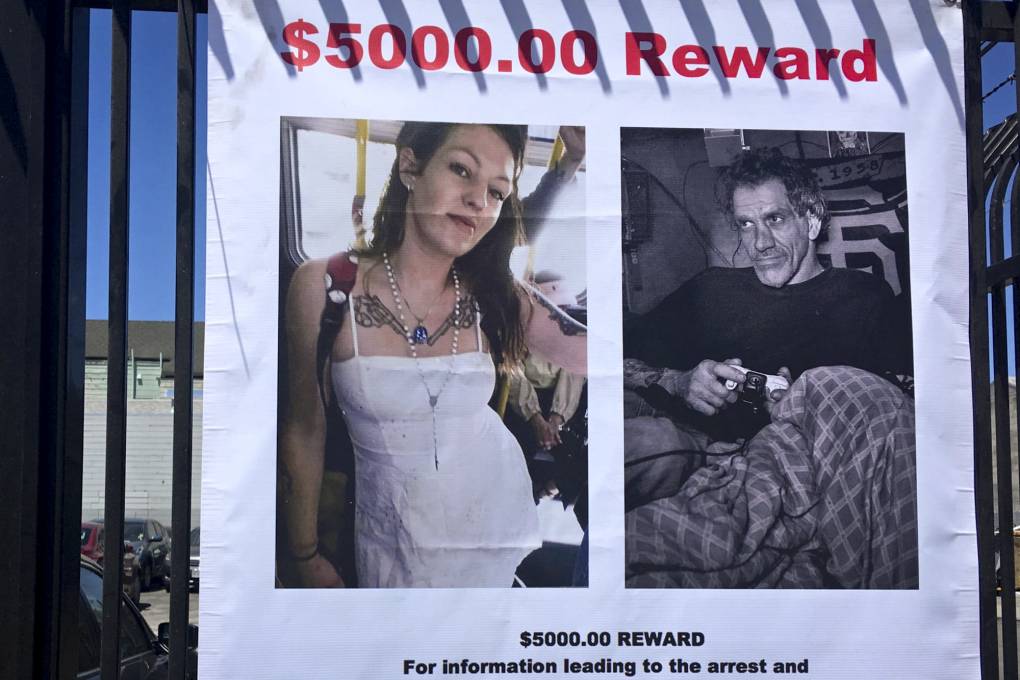
"caption": "A sign offering a reward for information about Lindsay McCollum's death is hung at the corner of 16th and Shotwell on July 25, 2018. ",
"description": null,
"title": "240321-LINDSAY McCollum-01-KQED",
"credit": "Peter Arcuni/KQED",
"status": "inherit",
"altTag": null,
"isLoading": false,
"fetchFailed": false
},
"news_11980184": {
"type": "attachments",
"id": "news_11980184",
"meta": {
"index": "attachments_1716263798",
"site": "news",
"id": "11980184",
"found": true
},
"parent": 0,
"imgSizes": {
"twentyfourteen-full-width": {
"file": "https://cdn.kqed.org/wp-content/uploads/sites/10/2024/03/240320-WILLIE-BROWNS-90TH-MD-12-KQED-1-1038x576.jpg",
"width": 1038,
"mimeType": "image/jpeg",
"height": 576
},
"thumbnail": {
"file": "https://cdn.kqed.org/wp-content/uploads/sites/10/2024/03/240320-WILLIE-BROWNS-90TH-MD-12-KQED-1-160x107.jpg",
"width": 160,
"mimeType": "image/jpeg",
"height": 107
},
"post-thumbnail": {
"file": "https://cdn.kqed.org/wp-content/uploads/sites/10/2024/03/240320-WILLIE-BROWNS-90TH-MD-12-KQED-1-672x372.jpg",
"width": 672,
"mimeType": "image/jpeg",
"height": 372
},
"kqedFullSize": {
"file": "https://cdn.kqed.org/wp-content/uploads/sites/10/2024/03/240320-WILLIE-BROWNS-90TH-MD-12-KQED-1.jpg",
"width": 2000,
"height": 1333
},
"large": {
"file": "https://cdn.kqed.org/wp-content/uploads/sites/10/2024/03/240320-WILLIE-BROWNS-90TH-MD-12-KQED-1-1020x680.jpg",
"width": 1020,
"mimeType": "image/jpeg",
"height": 680
},
"1536x1536": {
"file": "https://cdn.kqed.org/wp-content/uploads/sites/10/2024/03/240320-WILLIE-BROWNS-90TH-MD-12-KQED-1-1536x1024.jpg",
"width": 1536,
"mimeType": "image/jpeg",
"height": 1024
},
"full-width": {
"file": "https://cdn.kqed.org/wp-content/uploads/sites/10/2024/03/240320-WILLIE-BROWNS-90TH-MD-12-KQED-1-1920x1280.jpg",
"width": 1920,
"mimeType": "image/jpeg",
"height": 1280
},
"medium": {
"file": "https://cdn.kqed.org/wp-content/uploads/sites/10/2024/03/240320-WILLIE-BROWNS-90TH-MD-12-KQED-1-800x533.jpg",
"width": 800,
"mimeType": "image/jpeg",
"height": 533
}
},
"publishDate": 1710975716,
"modified": 1710976244,
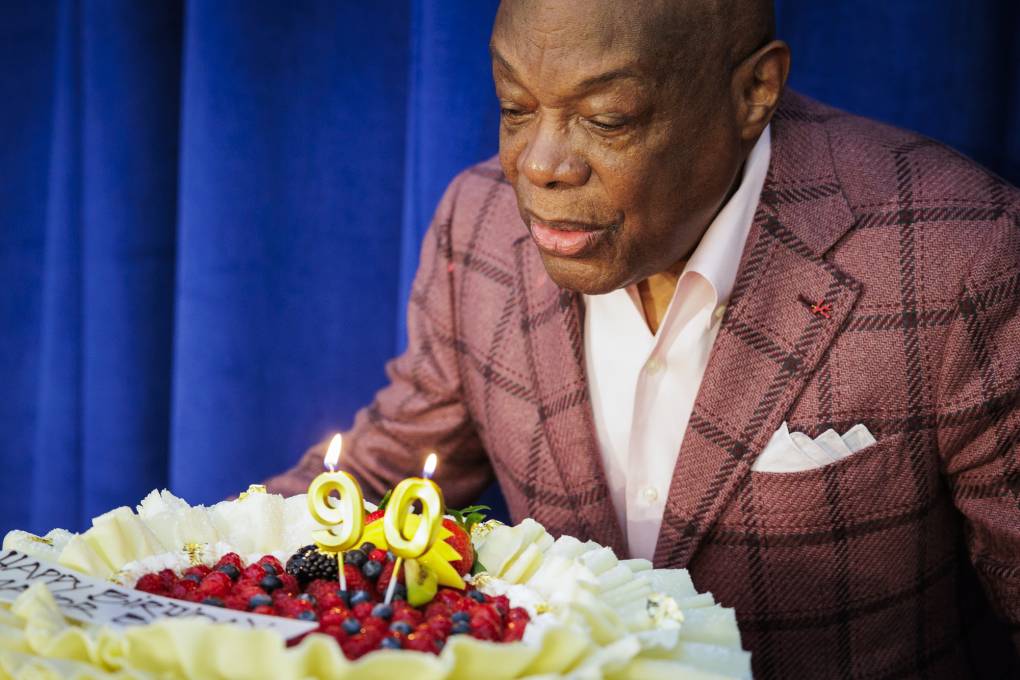
"caption": "Willie Brown blows out the candles on a birthday cake at a celebration of Brown's 90th birthday at City Hall in San Francisco on March 20, 2024.",
"description": null,
"title": "240320-WILLIE BROWN'S 90TH-MD-12-KQED-1",
"credit": "Martin do Nascimento/KQED",
"status": "inherit",
"altTag": "An older African American man in a suit and white shirt bends over to blow out candles on a birthday cake with the figure 90 on it.",
"isLoading": false,
"fetchFailed": false
},
"news_11980150": {
"type": "attachments",
"id": "news_11980150",
"meta": {
"index": "attachments_1716263798",
"site": "news",
"id": "11980150",
"found": true
},
"parent": 11980119,
"imgSizes": {
"twentyfourteen-full-width": {
"file": "https://cdn.kqed.org/wp-content/uploads/sites/10/2024/03/027_KQED_CayugaAveFlood_11282022_qut-1038x576.jpg",
"width": 1038,
"mimeType": "image/jpeg",
"height": 576
},
"thumbnail": {
"file": "https://cdn.kqed.org/wp-content/uploads/sites/10/2024/03/027_KQED_CayugaAveFlood_11282022_qut-160x107.jpg",
"width": 160,
"mimeType": "image/jpeg",
"height": 107
},
"post-thumbnail": {
"file": "https://cdn.kqed.org/wp-content/uploads/sites/10/2024/03/027_KQED_CayugaAveFlood_11282022_qut-672x372.jpg",
"width": 672,
"mimeType": "image/jpeg",
"height": 372
},
"kqedFullSize": {
"file": "https://cdn.kqed.org/wp-content/uploads/sites/10/2024/03/027_KQED_CayugaAveFlood_11282022_qut.jpg",
"width": 1920,
"height": 1280
},
"large": {
"file": "https://cdn.kqed.org/wp-content/uploads/sites/10/2024/03/027_KQED_CayugaAveFlood_11282022_qut-1020x680.jpg",
"width": 1020,
"mimeType": "image/jpeg",
"height": 680
},
"1536x1536": {
"file": "https://cdn.kqed.org/wp-content/uploads/sites/10/2024/03/027_KQED_CayugaAveFlood_11282022_qut-1536x1024.jpg",
"width": 1536,
"mimeType": "image/jpeg",
"height": 1024
},
"medium": {
"file": "https://cdn.kqed.org/wp-content/uploads/sites/10/2024/03/027_KQED_CayugaAveFlood_11282022_qut-800x533.jpg",
"width": 800,
"mimeType": "image/jpeg",
"height": 533
}
},
"publishDate": 1710970642,
"modified": 1710970675,
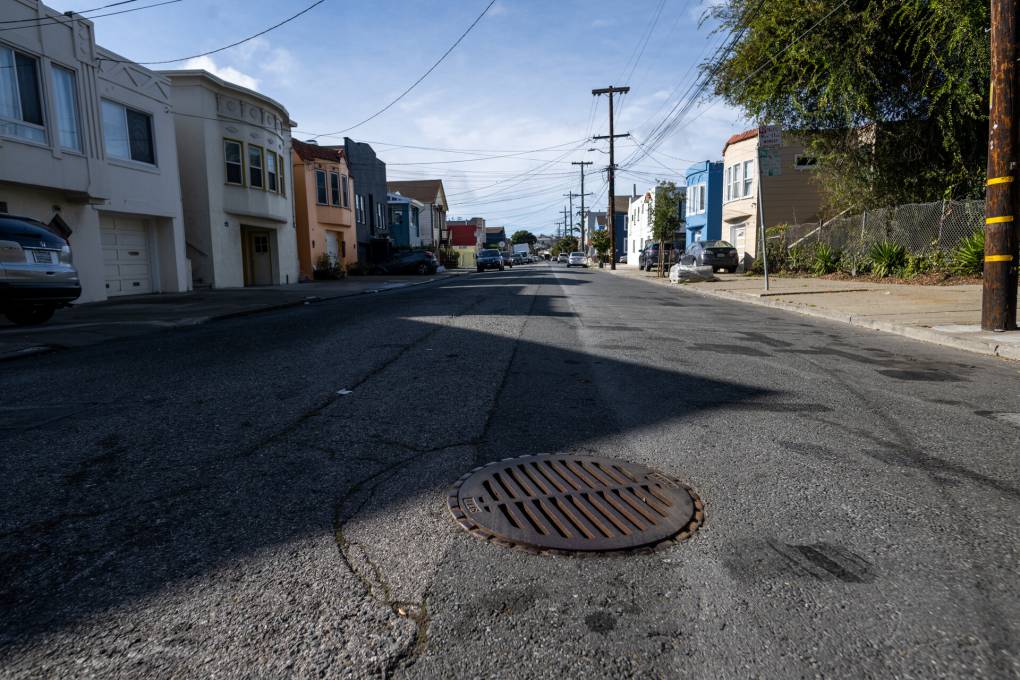
"caption": "A sewer vent cover located on Cayuga Avenue in San Francisco on Nov. 28, 2022.",
"description": null,
"title": "027_KQED_CayugaAveFlood_11282022_qut",
"credit": "Beth La Berge/KQED",
"status": "inherit",
"altTag": null,
"isLoading": false,
"fetchFailed": false
},
"news_11978509": {
"type": "attachments",
"id": "news_11978509",
"meta": {
"index": "attachments_1716263798",
"site": "news",
"id": "11978509",
"found": true
},
"parent": 0,
"imgSizes": {
"twentyfourteen-full-width": {
"file": "https://cdn.kqed.org/wp-content/uploads/sites/10/2024/03/240306-HOMELESS-TRAILERS-MD-04-KQED-1038x576.jpg",
"width": 1038,
"mimeType": "image/jpeg",
"height": 576
},
"thumbnail": {
"file": "https://cdn.kqed.org/wp-content/uploads/sites/10/2024/03/240306-HOMELESS-TRAILERS-MD-04-KQED-160x107.jpg",
"width": 160,
"mimeType": "image/jpeg",
"height": 107
},
"post-thumbnail": {
"file": "https://cdn.kqed.org/wp-content/uploads/sites/10/2024/03/240306-HOMELESS-TRAILERS-MD-04-KQED-672x372.jpg",
"width": 672,
"mimeType": "image/jpeg",
"height": 372
},
"kqedFullSize": {
"file": "https://cdn.kqed.org/wp-content/uploads/sites/10/2024/03/240306-HOMELESS-TRAILERS-MD-04-KQED.jpg",
"width": 2000,
"height": 1333
},
"large": {
"file": "https://cdn.kqed.org/wp-content/uploads/sites/10/2024/03/240306-HOMELESS-TRAILERS-MD-04-KQED-1020x680.jpg",
"width": 1020,
"mimeType": "image/jpeg",
"height": 680
},
"1536x1536": {
"file": "https://cdn.kqed.org/wp-content/uploads/sites/10/2024/03/240306-HOMELESS-TRAILERS-MD-04-KQED-1536x1024.jpg",
"width": 1536,
"mimeType": "image/jpeg",
"height": 1024
},
"full-width": {
"file": "https://cdn.kqed.org/wp-content/uploads/sites/10/2024/03/240306-HOMELESS-TRAILERS-MD-04-KQED-1920x1280.jpg",
"width": 1920,
"mimeType": "image/jpeg",
"height": 1280
},
"medium": {
"file": "https://cdn.kqed.org/wp-content/uploads/sites/10/2024/03/240306-HOMELESS-TRAILERS-MD-04-KQED-800x533.jpg",
"width": 800,
"mimeType": "image/jpeg",
"height": 533
}
},
"publishDate": 1709772935,
"modified": 1710879467,
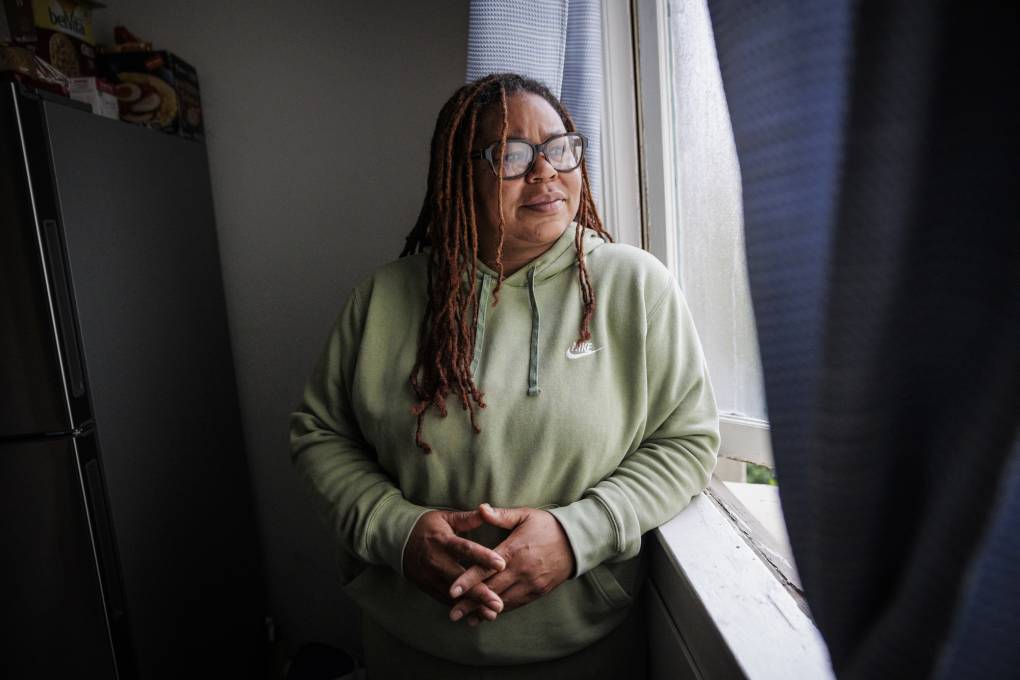
"caption": "Christina Zeigler in her apartment in San Francisco on March 6, 2024.",
"description": null,
"title": "Christina Zeigler in her apartment in San Francisco on Mar. 6, 2024.",
"credit": "Martin do Nascimento/KQED",
"status": "inherit",
"altTag": "A middle-aged African American woman with long braided hair and glasses looks out from a window.",
"isLoading": false,
"fetchFailed": false
},
"news_11979880": {
"type": "attachments",
"id": "news_11979880",
"meta": {
"index": "attachments_1716263798",
"site": "news",
"id": "11979880",
"found": true
},
"parent": 11979849,
"imgSizes": {
"twentyfourteen-full-width": {
"file": "https://cdn.kqed.org/wp-content/uploads/sites/10/2024/03/007_KQED_LondonBreedQA_05232023_qut-1038x576.jpg",
"width": 1038,
"mimeType": "image/jpeg",
"height": 576
},
"thumbnail": {
"file": "https://cdn.kqed.org/wp-content/uploads/sites/10/2024/03/007_KQED_LondonBreedQA_05232023_qut-160x107.jpg",
"width": 160,
"mimeType": "image/jpeg",
"height": 107
},
"post-thumbnail": {
"file": "https://cdn.kqed.org/wp-content/uploads/sites/10/2024/03/007_KQED_LondonBreedQA_05232023_qut-672x372.jpg",
"width": 672,
"mimeType": "image/jpeg",
"height": 372
},
"kqedFullSize": {
"file": "https://cdn.kqed.org/wp-content/uploads/sites/10/2024/03/007_KQED_LondonBreedQA_05232023_qut.jpg",
"width": 1920,
"height": 1280
},
"large": {
"file": "https://cdn.kqed.org/wp-content/uploads/sites/10/2024/03/007_KQED_LondonBreedQA_05232023_qut-1020x680.jpg",
"width": 1020,
"mimeType": "image/jpeg",
"height": 680
},
"1536x1536": {
"file": "https://cdn.kqed.org/wp-content/uploads/sites/10/2024/03/007_KQED_LondonBreedQA_05232023_qut-1536x1024.jpg",
"width": 1536,
"mimeType": "image/jpeg",
"height": 1024
},
"medium": {
"file": "https://cdn.kqed.org/wp-content/uploads/sites/10/2024/03/007_KQED_LondonBreedQA_05232023_qut-800x533.jpg",
"width": 800,
"mimeType": "image/jpeg",
"height": 533
}
},
"publishDate": 1710806010,
"modified": 1710806059,
"caption": "San Francisco Board of Supervisors President Aaron Peskin and San Francisco Mayor London Breed speak with a crowd gathered for a Q&A about the fentanyl drug crisis in San Francisco at UN Plaza on May 23, 2023.",
"description": null,
"title": "007_KQED_LondonBreedQA_05232023_qut",
"credit": "Beth LaBerge/KQED",
"status": "inherit",
"altTag": null,
"isLoading": false,
"fetchFailed": false
},
"news_11955456": {
"type": "attachments",
"id": "news_11955456",
"meta": {
"index": "attachments_1716263798",
"site": "news",
"id": "11955456",
"found": true
},
"title": "RS66889_230711-HarlanKelly-02-BL-KQED",
"publishDate": 1689182068,
"status": "inherit",
"parent": 12051947,
"modified": 1755040898,
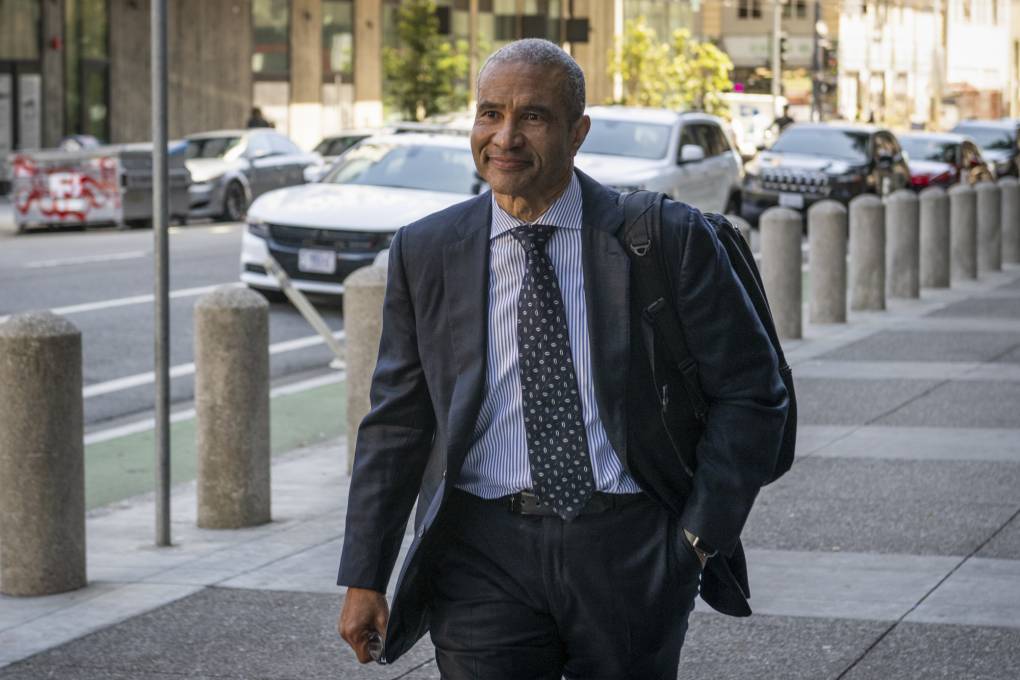
"caption": "Former San Francisco public utilities chief Harlan Kelly walks out of the Philip Burton Federal Building in San Francisco on July 11, 2023, during his corruption trial this week. A jury convicted Kelly.",
"credit": "Beth LaBerge/KQED",
"altTag": "A person in a suit and tie and carrying a backpack walks down a sidewalk.",
"description": null,
"imgSizes": {
"medium": {
"file": "https://cdn.kqed.org/wp-content/uploads/sites/10/2023/07/RS66889_230711-HarlanKelly-02-BL-KQED-800x533.jpg",
"width": 800,
"height": 533,
"mimeType": "image/jpeg"
},
"large": {
"file": "https://cdn.kqed.org/wp-content/uploads/sites/10/2023/07/RS66889_230711-HarlanKelly-02-BL-KQED-1020x680.jpg",
"width": 1020,
"height": 680,
"mimeType": "image/jpeg"
},
"thumbnail": {
"file": "https://cdn.kqed.org/wp-content/uploads/sites/10/2023/07/RS66889_230711-HarlanKelly-02-BL-KQED-160x107.jpg",
"width": 160,
"height": 107,
"mimeType": "image/jpeg"
},
"1536x1536": {
"file": "https://cdn.kqed.org/wp-content/uploads/sites/10/2023/07/RS66889_230711-HarlanKelly-02-BL-KQED-1536x1024.jpg",
"width": 1536,
"height": 1024,
"mimeType": "image/jpeg"
},
"post-thumbnail": {
"file": "https://cdn.kqed.org/wp-content/uploads/sites/10/2023/07/RS66889_230711-HarlanKelly-02-BL-KQED-672x372.jpg",
"width": 672,
"height": 372,
"mimeType": "image/jpeg"
},
"twentyfourteen-full-width": {
"file": "https://cdn.kqed.org/wp-content/uploads/sites/10/2023/07/RS66889_230711-HarlanKelly-02-BL-KQED-1038x576.jpg",
"width": 1038,
"height": 576,
"mimeType": "image/jpeg"
},
"full-width": {
"file": "https://cdn.kqed.org/wp-content/uploads/sites/10/2023/07/RS66889_230711-HarlanKelly-02-BL-KQED-1920x1280.jpg",
"width": 1920,
"height": 1280,
"mimeType": "image/jpeg"
},
"kqedFullSize": {
"file": "https://cdn.kqed.org/wp-content/uploads/sites/10/2023/07/RS66889_230711-HarlanKelly-02-BL-KQED.jpg",
"width": 2000,
"height": 1333
}
},
"isLoading": false,
"fetchFailed": false
},
"news_11979221": {
"type": "attachments",
"id": "news_11979221",
"meta": {
"index": "attachments_1716263798",
"site": "news",
"id": "11979221",
"found": true
},
"parent": 11979071,
"imgSizes": {
"twentyfourteen-full-width": {
"file": "https://cdn.kqed.org/wp-content/uploads/sites/10/2024/03/240309-EARLY-START-DEVELOPMENTAL-DELAYS-MD-02-KQED-1-1038x576.jpg",
"width": 1038,
"mimeType": "image/jpeg",
"height": 576
},
"thumbnail": {
"file": "https://cdn.kqed.org/wp-content/uploads/sites/10/2024/03/240309-EARLY-START-DEVELOPMENTAL-DELAYS-MD-02-KQED-1-160x107.jpg",
"width": 160,
"mimeType": "image/jpeg",
"height": 107
},
"post-thumbnail": {
"file": "https://cdn.kqed.org/wp-content/uploads/sites/10/2024/03/240309-EARLY-START-DEVELOPMENTAL-DELAYS-MD-02-KQED-1-672x372.jpg",
"width": 672,
"mimeType": "image/jpeg",
"height": 372
},
"kqedFullSize": {
"file": "https://cdn.kqed.org/wp-content/uploads/sites/10/2024/03/240309-EARLY-START-DEVELOPMENTAL-DELAYS-MD-02-KQED-1.jpg",
"width": 2000,
"height": 1333
},
"large": {
"file": "https://cdn.kqed.org/wp-content/uploads/sites/10/2024/03/240309-EARLY-START-DEVELOPMENTAL-DELAYS-MD-02-KQED-1-1020x680.jpg",
"width": 1020,
"mimeType": "image/jpeg",
"height": 680
},
"1536x1536": {
"file": "https://cdn.kqed.org/wp-content/uploads/sites/10/2024/03/240309-EARLY-START-DEVELOPMENTAL-DELAYS-MD-02-KQED-1-1536x1024.jpg",
"width": 1536,
"mimeType": "image/jpeg",
"height": 1024
},
"full-width": {
"file": "https://cdn.kqed.org/wp-content/uploads/sites/10/2024/03/240309-EARLY-START-DEVELOPMENTAL-DELAYS-MD-02-KQED-1-1920x1280.jpg",
"width": 1920,
"mimeType": "image/jpeg",
"height": 1280
},
"medium": {
"file": "https://cdn.kqed.org/wp-content/uploads/sites/10/2024/03/240309-EARLY-START-DEVELOPMENTAL-DELAYS-MD-02-KQED-1-800x533.jpg",
"width": 800,
"mimeType": "image/jpeg",
"height": 533
}
},
"publishDate": 1710350941,
"modified": 1710350958,
"caption": "Reyna Balladares and her 3-year-old foster child play on the roof of their building in San Francisco on Mar. 9, 2024.",
"description": null,
"title": "240309-EARLY START-DEVELOPMENTAL DELAYS-MD-02-KQED-1",
"credit": "Martin do Nascimento/KQED",
"status": "inherit",
"altTag": null,
"isLoading": false,
"fetchFailed": false
}
},
"audioPlayerReducer": {
"postId": "stream_live",
"isPaused": true,
"isPlaying": false,
"pfsActive": false,
"pledgeModalIsOpen": true,
"playerDrawerIsOpen": false,
"liveAudioPlayStartedAt": 0,
"liveAudioPlayContext": ""
},
"authorsReducer": {
"danbrekke": {
"type": "authors",
"id": "222",
"meta": {
"index": "authors_1716337520",
"id": "222",
"found": true
},
"name": "Dan Brekke",
"firstName": "Dan",
"lastName": "Brekke",
"slug": "danbrekke",
"email": "dbrekke@kqed.org",
"display_author_email": true,
"staff_mastheads": [
"news",
"science"
],
"title": "KQED Editor and Reporter",
"bio": "Dan Brekke is a reporter and editor for KQED News, responsible for coverage of topics ranging from California water issues to the Bay Area's transportation challenges. In a newsroom career that began in Chicago in 1972, Dan has worked for \u003cem>The San Francisco Examiner,\u003c/em> Wired and TechTV and has been published in The New York Times, The New York Times Magazine, Business 2.0, Salon and elsewhere.\r\n\r\nSince joining KQED in 2007, Dan has reported, edited and produced both radio and online features and breaking news pieces. He has shared as both editor and reporter in four Society of Professional Journalists Norcal Excellence in Journalism awards and one Edward R. Murrow regional award. He was chosen for a spring 2017 residency at the Mesa Refuge to advance his research on California salmon.\r\n\r\nEmail Dan at: \u003ca href=\"mailto:dbrekke@kqed.org\">dbrekke@kqed.org\u003c/a>\r\n\r\n\u003cstrong>Twitter:\u003c/strong> \u003ca href=\"https://twitter.com/danbrekke\" rel=\"noopener noreferrer\">twitter.com/danbrekke\u003c/a>\r\n\u003cstrong>Facebook:\u003c/strong> \u003ca href=\"https://www.facebook.com/danbrekke\" rel=\"noopener noreferrer\">www.facebook.com/danbrekke\u003c/a>\r\n\u003cstrong>LinkedIn:\u003c/strong> \u003ca href=\"https://www.linkedin.com/in/danbrekke\" rel=\"noopener noreferrer\">www.linkedin.com/in/danbrekke\u003c/a>",
"avatar": "https://secure.gravatar.com/avatar/c8126230345efca3f7aa89b1a402be45?s=600&d=mm&r=g",
"twitter": "danbrekke",
"facebook": null,
"instagram": "https://www.instagram.com/dan.brekke/",
"linkedin": "https://www.linkedin.com/in/danbrekke/",
"sites": [
{
"site": "news",
"roles": [
"administrator",
"create_posts"
]
},
{
"site": "stateofhealth",
"roles": [
"editor"
]
},
{
"site": "science",
"roles": [
"editor"
]
},
{
"site": "quest",
"roles": [
"contributor"
]
},
{
"site": "food",
"roles": [
"contributor"
]
},
{
"site": "forum",
"roles": [
"contributor"
]
},
{
"site": "liveblog",
"roles": [
"editor"
]
}
],
"headData": {
"title": "Dan Brekke | KQED",
"description": "KQED Editor and Reporter",
"ogImgSrc": "https://secure.gravatar.com/avatar/c8126230345efca3f7aa89b1a402be45?s=600&d=mm&r=g",
"twImgSrc": "https://secure.gravatar.com/avatar/c8126230345efca3f7aa89b1a402be45?s=600&d=mm&r=g"
},
"isLoading": false,
"link": "/author/danbrekke"
},
"scottshafer": {
"type": "authors",
"id": "255",
"meta": {
"index": "authors_1716337520",
"id": "255",
"found": true
},
"name": "Scott Shafer",
"firstName": "Scott",
"lastName": "Shafer",
"slug": "scottshafer",
"email": "sshafer@kqed.org",
"display_author_email": false,
"staff_mastheads": [
"news"
],
"title": "KQED Contributor",
"bio": "Scott Shafer is a senior editor with the KQED Politics and Government desk. He is co-host of Political Breakdown, the award-winning radio show and podcast with a personal take on the world of politics. Scott came to KQED in 1998 to host the statewide\u003cem> California Report\u003c/em>. Prior to that he had extended stints in politics and government\u003cem>.\u003c/em> He uses that inside experience at KQED in his, reporting, hosting and analysis for the politics desk. Scott collaborated \u003cem>Political Breakdown a\u003c/em>nd on \u003cem>The Political Mind of Jerry Brown, \u003c/em>an eight-part series about the life and extraordinary political career of the former governor. For fun, he plays water polo with the San Francisco Tsunami.",
"avatar": "https://secure.gravatar.com/avatar/a62ebae45b79d7aed1a39a0e3bf68104?s=600&d=blank&r=g",
"twitter": "scottshafer",
"bluesky": null,
"facebook": null,
"instagram": null,
"linkedin": null,
"sites": [
{
"site": "news",
"roles": [
"editor"
]
},
{
"site": "stateofhealth",
"roles": [
"author"
]
},
{
"site": "science",
"roles": [
"author"
]
},
{
"site": "forum",
"roles": [
"subscriber"
]
},
{
"site": "liveblog",
"roles": [
"author"
]
}
],
"headData": {
"title": "Scott Shafer | KQED",
"description": "KQED Contributor",
"ogImgSrc": "https://secure.gravatar.com/avatar/a62ebae45b79d7aed1a39a0e3bf68104?s=600&d=blank&r=g",
"twImgSrc": "https://secure.gravatar.com/avatar/a62ebae45b79d7aed1a39a0e3bf68104?s=600&d=blank&r=g"
},
"isLoading": false,
"link": "/author/scottshafer"
},
"jrodriguez": {
"type": "authors",
"id": "11690",
"meta": {
"index": "authors_1716337520",
"id": "11690",
"found": true
},
"name": "Joe Fitzgerald Rodriguez",
"firstName": "Joe",
"lastName": "Fitzgerald Rodriguez",
"slug": "jrodriguez",
"email": "jrodriguez@kqed.org",
"display_author_email": true,
"staff_mastheads": [
"news"
],
"title": "Reporter and Producer",
"bio": "Joe Fitzgerald Rodriguez is a reporter and digital producer for KQED covering politics. Joe most recently wrote for the \u003cem>San Francisco Examiner\u003c/em> as a political columnist covering The City. He was raised in San Francisco and has spent his reporting career in his beloved, foggy, city by the bay. Joe was 12-years-old when he conducted his first interview in journalism, grilling former San Francisco Mayor Willie Brown for the Marina Middle School newspaper, \u003cem>The Penguin Press, \u003c/em>and he continues to report on the San Francisco Bay Area to this day.",
"avatar": "https://secure.gravatar.com/avatar/2247beb0564c1e9c62228d5649d2edac?s=600&d=blank&r=g",
"twitter": "FitztheReporter",
"facebook": null,
"instagram": "https://www.instagram.com/fitzthereporter/",
"linkedin": null,
"sites": [
{
"site": "",
"roles": [
"editor"
]
},
{
"site": "arts",
"roles": [
"editor"
]
},
{
"site": "news",
"roles": [
"editor"
]
},
{
"site": "science",
"roles": [
"editor"
]
},
{
"site": "elections",
"roles": [
"editor"
]
},
{
"site": "liveblog",
"roles": [
"editor"
]
}
],
"headData": {
"title": "Joe Fitzgerald Rodriguez | KQED",
"description": "Reporter and Producer",
"ogImgSrc": "https://secure.gravatar.com/avatar/2247beb0564c1e9c62228d5649d2edac?s=600&d=blank&r=g",
"twImgSrc": "https://secure.gravatar.com/avatar/2247beb0564c1e9c62228d5649d2edac?s=600&d=blank&r=g"
},
"isLoading": false,
"link": "/author/jrodriguez"
},
"ccabreralomeli": {
"type": "authors",
"id": "11708",
"meta": {
"index": "authors_1716337520",
"id": "11708",
"found": true
},
"name": "Carlos Cabrera-Lomelí",
"firstName": "Carlos",
"lastName": "Cabrera-Lomelí",
"slug": "ccabreralomeli",
"email": "ccabreralomeli@KQED.org",
"display_author_email": true,
"staff_mastheads": [
"news"
],
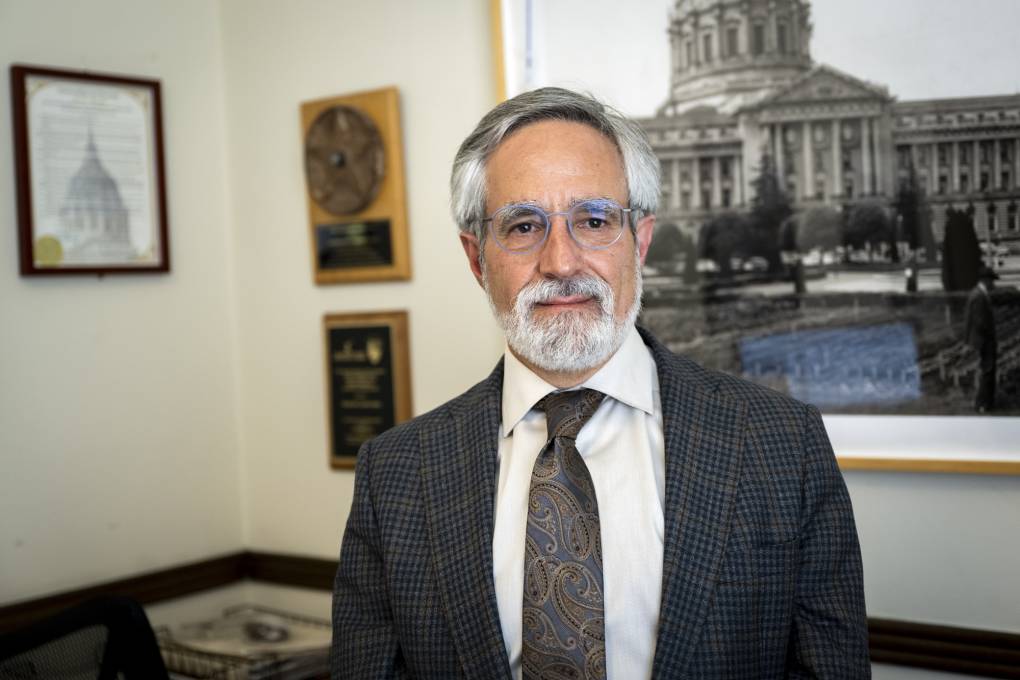
"title": "Community Reporter",
"bio": "Carlos Cabrera-Lomelí is a community reporter with KQED's digital engagement team. He also reports and co-produces for KQED's bilingual news hub KQED en Español. He grew up in San Francisco's Mission District and has previously worked with Univision, 48 Hills and REFORMA in Mexico City.",
"avatar": "https://secure.gravatar.com/avatar/c309be9665e484f887b818c89e273ecc673004f426f36b24d00a4d813a2e0518?s=600&d=blank&r=g",
"twitter": "@LomeliCabrera",
"bluesky": null,
"facebook": null,
"instagram": null,
"linkedin": null,
"sites": [
{
"site": "arts",
"roles": [
"editor"
]
},
{
"site": "news",
"roles": [
"editor"
]
},
{
"site": "about",
"roles": [
"editor"
]
},
{
"site": "science",
"roles": [
"editor"
]
},
{
"site": "perspectives",
"roles": [
"editor"
]
},
{
"site": "elections",
"roles": [
"editor"
]
},
{
"site": "liveblog",
"roles": [
"contributor"
]
}
],
"headData": {
"title": "Carlos Cabrera-Lomelí | KQED",
"description": "Community Reporter",
"ogImgSrc": "https://secure.gravatar.com/avatar/c309be9665e484f887b818c89e273ecc673004f426f36b24d00a4d813a2e0518?s=600&d=blank&r=g",
"twImgSrc": "https://secure.gravatar.com/avatar/c309be9665e484f887b818c89e273ecc673004f426f36b24d00a4d813a2e0518?s=600&d=blank&r=g"
},
"isLoading": false,
"link": "/author/ccabreralomeli"
},
"daisynguyen": {
"type": "authors",
"id": "11829",
"meta": {
"index": "authors_1716337520",
"id": "11829",
"found": true
},
"name": "Daisy Nguyen",
"firstName": "Daisy",
"lastName": "Nguyen",
"slug": "daisynguyen",
"email": "daisynguyen@kqed.org",
"display_author_email": true,
"staff_mastheads": [
"news"
],
"title": "KQED Contributor",
"bio": "I have covered early childhood education and child care for KQED since 2022. I focus on policies aimed at increasing access to early care and education and how they shape individual lives. I've been a journalist for more than two decades, with most of that time devoted to covering breaking news throughout California for The Associated Press. I grew up in San Francisco and studied at UC Davis and Columbia University's Graduate School of Journalism. I live in Oakland with my husband and two kids.",
"avatar": "https://secure.gravatar.com/avatar/2da2127c27f7143b53ebd419800fd55f?s=600&d=blank&r=g",
"twitter": null,
"facebook": null,
"instagram": null,
"linkedin": "https://www.linkedin.com/in/daisynguyen/",
"sites": [
{
"site": "news",
"roles": [
"author"
]
},
{
"site": "liveblog",
"roles": [
"author"
]
}
],
"headData": {
"title": "Daisy Nguyen | KQED",
"description": "KQED Contributor",
"ogImgSrc": "https://secure.gravatar.com/avatar/2da2127c27f7143b53ebd419800fd55f?s=600&d=blank&r=g",
"twImgSrc": "https://secure.gravatar.com/avatar/2da2127c27f7143b53ebd419800fd55f?s=600&d=blank&r=g"
},
"isLoading": false,
"link": "/author/daisynguyen"
},
"sjohnson": {
"type": "authors",
"id": "11840",
"meta": {
"index": "authors_1716337520",
"id": "11840",
"found": true
},
"name": "Sydney Johnson",
"firstName": "Sydney",
"lastName": "Johnson",
"slug": "sjohnson",
"email": "sjohnson@kqed.org",
"display_author_email": false,
"staff_mastheads": [
"news"
],
"title": "KQED Reporter",
"bio": "Sydney Johnson is a general assignment reporter at KQED. She previously reported on public health and city government at the San Francisco Examiner, and before that, she covered statewide education policy for EdSource. Her reporting has won multiple local, state and national awards. Sydney is a graduate of the University of California, Berkeley and lives in San Francisco.",
"avatar": "https://secure.gravatar.com/avatar/97855f2719b72ad6190b7c535fe642c8?s=600&d=blank&r=g",
"twitter": "sydneyfjohnson",
"facebook": null,
"instagram": null,
"linkedin": null,
"sites": [
{
"site": "news",
"roles": [
"editor"
]
}
],
"headData": {
"title": "Sydney Johnson | KQED",
"description": "KQED Reporter",
"ogImgSrc": "https://secure.gravatar.com/avatar/97855f2719b72ad6190b7c535fe642c8?s=600&d=blank&r=g",
"twImgSrc": "https://secure.gravatar.com/avatar/97855f2719b72ad6190b7c535fe642c8?s=600&d=blank&r=g"
},
"isLoading": false,
"link": "/author/sjohnson"
},
"opalma": {
"type": "authors",
"id": "11897",
"meta": {
"index": "authors_1716337520",
"id": "11897",
"found": true
},
"name": "Oscar Palma",
"firstName": "Oscar",
"lastName": "Palma",
"slug": "opalma",
"email": "opalma@kqed.org",
"display_author_email": false,
"staff_mastheads": [],
"title": "KQED Contributor",
"bio": "Oscar Palma is a newscast intern at KQED, a freelance reporter and former Spanish editor for Golden Gate Xpress. Oscar is interested in environmental and community journalism. Some of his personal interests are bicycles, film, and Latin American literature and punk, his work has previously appeared in El Tecolote, KQED and The Frisc.",
"avatar": "https://secure.gravatar.com/avatar/d488e9b9f94b80f7b78e2896064827ab?s=600&d=blank&r=g",
"twitter": null,
"facebook": null,
"instagram": null,
"linkedin": null,
"sites": [
{
"site": "news",
"roles": [
"author"
]
}
],
"headData": {
"title": "Oscar Palma | KQED",
"description": "KQED Contributor",
"ogImgSrc": "https://secure.gravatar.com/avatar/d488e9b9f94b80f7b78e2896064827ab?s=600&d=blank&r=g",
"twImgSrc": "https://secure.gravatar.com/avatar/d488e9b9f94b80f7b78e2896064827ab?s=600&d=blank&r=g"
},
"isLoading": false,
"link": "/author/opalma"
}
},
"pagesReducer": {
"news_tag_san-francisco": {
"type": "terms",
"id": "news_38",
"meta": {
"index": "terms_1716263798",
"site": "news",
"id": "38",
"score": 6.7230244
},
"featImg": null,
"name": "San Francisco",
"description": null,
"taxonomy": "tag",
"headData": {
"twImgId": null,
"twTitle": null,
"ogTitle": null,
"ogImgId": null,
"twDescription": null,
"description": null,
"title": "San Francisco Archives | KQED News",
"ogDescription": null
},
"ttid": 58,
"slug": "san-francisco",
"isLoading": false,
"title": "San Francisco",
"pageMeta": {
"site": "news",
"WpPageTemplate": "page-topic-editorial",
"currentPage": 107
},
"blocks": [
{
"blockName": "kqed/post-list",
"attrs": {
"layout": "cardArticle2",
"query": "posts/news?tag=san-francisco",
"seeMore": false,
"paginated": true,
"page": 107
}
},
{
"blockName": "kqed/ad"
}
]
}
},
"pfsSessionReducer": {},
"postsReducer": {
"stream_live": {
"type": "live",
"id": "stream_live",
"audioUrl": "https://streams.kqed.org/kqedradio",
"title": "Live Stream",
"excerpt": "Live Stream information currently unavailable.",
"link": "/radio",
"featImg": "",
"label": {
"name": "KQED Live",
"link": "/"
}
},
"stream_kqedNewscast": {
"type": "posts",
"id": "stream_kqedNewscast",
"audioUrl": "https://www.kqed.org/.stream/anon/radio/RDnews/newscast.mp3?_=1",
"title": "KQED Newscast",
"featImg": "",
"label": {
"name": "88.5 FM",
"link": "/"
}
},
"news_11981946": {
"type": "posts",
"id": "news_11981946",
"meta": {
"index": "posts_1716263798",
"site": "news",
"id": "11981946",
"score": null,
"sort": [
1712264419000
]
},
"guestAuthors": [],
"slug": "sf-supervisor-aaron-peskin-announces-mayoral-run",
"title": "SF Supervisor Aaron Peskin Announces Mayoral Run",
"publishDate": 1712264419,
"format": "standard",
"headTitle": "SF Supervisor Aaron Peskin Announces Mayoral Run | KQED",
"labelTerm": {
"site": "news"
},
"content": "\u003cp>San Francisco Board of Supervisors President Aaron Peskin is running for mayor. That means \u003ca href=\"https://www.kqed.org/news/11979849/peskins-rumored-mayor-run-has-same-strength-and-weakness-housing\">the city’s future approach to housing will be a major point of contention for all of the candidates\u003c/a>.\u003c/p>\n\u003cp>“Our highest elected leaders and most of the candidates in this race have been busy blaming — you name it — the Board of Supervisors, judges, nonprofits [and] the progressives rather than taking responsibility,” Peskin told KQED, during a Wednesday interview in his North Beach office. “This is a city that historically has been resilient.”\u003c/p>\n\u003cp>Peskin is scheduled to formally announce his campaign on Saturday at Portsmouth Square in the heart of Chinatown. The neighborhood lifted Peskin to victory in his last contested supervisor race in 2015. The support of the city’s Chinese community will also be crucial if he wants to become mayor.\u003c/p>\n\u003cp>Wing Hoo Leung, president of the Community Tenants Association, said Peskin is an ally of Chinese residents and low-income workers.\u003c/p>\n\u003cp>“Low-income seniors, we should support him. And I do hope that he can bring back the harmony in San Francisco,” Leung said in Cantonese and translated by an interpreter.\u003c/p>\n\u003cp>Mayor London Breed, Mark Farrell and Daniel Lurie, the other candidates in the race, have each presented themselves as tough on crime. Peskin, a progressive Democrat, may now swing the tone of the race away from the city’s rightward campaign proposals and rhetoric.\u003c/p>\n\u003cp>In early March, voters approved a Breed-backed ballot measure that would require screens of city welfare recipients for drug use. Just last week, Farrell, who previously served as interim mayor, announced an emergency declaration to tackle the fentanyl crisis. Lurie, a philanthropist, announced a similar declaration the day before Farrell. Lurie has been endorsed by former Mayor Frank Jordan, the chief of the San Francisco Police Department who rode a wave of anti-gay sentiment into office in 1992.\u003c/p>\n\u003cp>Peskin has long been an SFPD ally. He’s voted for budget increases, and frequently speaks at events honoring officers in Chinatown. He told KQED he plans to help the police’s hiring pipeline by building better bridges with schools and universities.\u003c/p>\n\u003cp>He also spoke to the need for the department to meet the reform mandates of the U.S. Department of Justice. He pushed back against the narrative that San Francisco is lawless, calling the narrative opportunistic.\u003c/p>\n\u003cp>“There is also the perception of crime that has been magnified by a set of billionaires, who spent literally tens of millions of dollars telling us that we are not safe,” Peskin said. “That does not in any way alleviate our primary responsibility to make sure that people are safe and to make sure that people feel safe. But I think it’s time to push back against that [narrative].”\u003c/p>\n\u003cp>Jim Ross, a campaign consultant who ran Gov. Gavin Newsom’s successful mayoral run in 2003, said the “race to the right” by Breed, Farrell and Lurie leaves an opening for Peskin.\u003c/p>\n\u003cp>“I think he has an opportunity to build a coalition that we haven’t really seen in San Francisco since [former Mayor Art] Agnos, which is a progressive neighborhood coalition,” Ross said.\u003c/p>\n\u003cp>Agnos, who was in office from 1988–1992, was the last progressive Democrat elected mayor. According to Ross, moderate Democrats have typically relied on a coalition of white renters and homeowners, parts of the city’s Chinese community and Republicans to get elected. The coalition Agnos built peeled off homeowners.\u003c/p>\n\u003cp>Peskin, who may benefit from his deep connections with Chinese tenant groups, said the government should provide assistance to people, including elderly, low-income tenants who need eviction controls. Peskin supports expanded rent control protections, low-income subsidies for seniors and families, and increased access to child care.\u003c/p>\n\u003cp>[ad fullwidth]\u003c/p>\n\u003cp>In his speech Saturday, Peskin will allude to his own struggles with alcoholism, which were revealed during the 2015 race against Supervisor Julie Christensen, who was appointed by the late Mayor Ed Lee. An advertisement accused Peskin of drunkenly calling city staffers to berate them.\u003c/p>\n\u003cp>Peskin said he’s been in recovery for three years.\u003c/p>\n\u003cp>“There is no doubt that alcohol made me less pleasant,” he said. “I still work long hours. I still talk to people late at night. But I have to say, I’m very grateful for the people who got me sobered up, who got me into recovery.”\u003c/p>\n\u003cfigure id=\"attachment_11981874\" class=\"wp-caption aligncenter\" style=\"max-width: 2000px\">\u003ca href=\"https://ww2.kqed.org/news/240403-aaronpeskin-005-bl-kqed/\">\u003cimg loading=\"lazy\" decoding=\"async\" class=\"size-full wp-image-11981874\" src=\"https://cdn.kqed.org/wp-content/uploads/sites/10/2024/04/240403-AARONPESKIN-005-BL-KQED.jpg\" alt=\"a row of campaign pins\" width=\"2000\" height=\"1333\" srcset=\"https://cdn.kqed.org/wp-content/uploads/sites/10/2024/04/240403-AARONPESKIN-005-BL-KQED.jpg 2000w, https://cdn.kqed.org/wp-content/uploads/sites/10/2024/04/240403-AARONPESKIN-005-BL-KQED-800x533.jpg 800w, https://cdn.kqed.org/wp-content/uploads/sites/10/2024/04/240403-AARONPESKIN-005-BL-KQED-1020x680.jpg 1020w, https://cdn.kqed.org/wp-content/uploads/sites/10/2024/04/240403-AARONPESKIN-005-BL-KQED-160x107.jpg 160w, https://cdn.kqed.org/wp-content/uploads/sites/10/2024/04/240403-AARONPESKIN-005-BL-KQED-1536x1024.jpg 1536w, https://cdn.kqed.org/wp-content/uploads/sites/10/2024/04/240403-AARONPESKIN-005-BL-KQED-1920x1280.jpg 1920w\" sizes=\"(max-width: 2000px) 100vw, 2000px\">\u003c/a>\u003cfigcaption class=\"wp-caption-text\">Pins from different campaigns over the years in Peskin’s office. \u003ccite>(Beth LaBerge/KQED)\u003c/cite>\u003c/figcaption>\u003c/figure>\n\u003cp>Some San Francisco residents and politicians, including Breed, have been critical of Peskin’s positions on housing. GrowSF, a political group funded by tech billionaires who aim to reshape San Francisco, wants the city to prioritize building market-rate developments without the restrictions it claims slows production.\u003c/p>\n\u003cp>State Sen. Scott Wiener, who has authored legislation to make it easier to build housing across the state, assailed what he called Peskin’s obstruction, ticking off neighborhoods — Nob Hill, Treasure Island, Stevenson Street — Peskin opposed developments in. He said Peskin has frequently used environmental laws and rezoning efforts to stall construction.\u003c/p>\n\u003cp>“Aaron Peskin as mayor would be unbelievably bad for San Francisco,” Wiener said. “He has spent his entire career making it harder and harder to build more housing.”\u003c/p>\n\u003cp>Last week, the Board of Supervisors \u003ca href=\"https://www.kqed.org/news/11980910/sf-supervisors-reject-breeds-veto-of-peskins-housing-density-law\">voted to overturn Breed’s veto of Peskin’s legislation limiting housing heights\u003c/a> in the Jackson Square Historic District and nearby neighborhoods.\u003c/p>\n\u003cp>Peskin defended his record, noting that he authored Proposition A, the $300 million housing bond voters approved in March. He also put forward housing bonds in 2015 and 2019. Originally from Berkeley, Peskin has been elected to represent North Beach, Chinatown and Fisherman’s Wharf in 2000, 2004, 2015, 2016 and 2020.\u003c/p>\n\u003cp>In a shelf by his desk, a framed photo depicts Peskin arm-in-arm with then-Supervisor Tom Ammiano, who blazed trails for gay politicians in the 1990s.\u003c/p>\n\u003cp>One of Peskin’s strongest assets is that people know him. On Wednesday, people popped out of Handcraft Gifts on Grant Avenue and Sandy’s Lucky Bamboo and Florist on Jackson Street to say hello and shake his hand as he walked by. Peskin’s challenge will be translating neighborhood enthusiasm to a citywide race.\u003c/p>\n\u003cp>[ad floatright]\u003c/p>\n",
"blocks": [],
"excerpt": "In a tight mayor race, candidates will look to create contrasts between progressive and moderate Democrats on housing, crime and the future of San Francisco.",
"status": "publish",
"parent": 0,
"modified": 1722977470,
"stats": {
"hasAudio": false,
"hasVideo": false,
"hasChartOrMap": false,
"iframeSrcs": [],
"hasGoogleForm": false,
"hasGallery": false,
"hasHearkenModule": false,
"hasPolis": false,
"paragraphCount": 26,
"wordCount": 1078
},
"headData": {
"title": "SF Supervisor Aaron Peskin Announces Mayoral Run | KQED",
"description": "In a tight mayor race, candidates will look to create contrasts between progressive and moderate Democrats on housing, crime and the future of San Francisco.",
"ogTitle": "",
"ogDescription": "",
"ogImgId": "",
"twTitle": "",
"twDescription": "",
"twImgId": "",
"schema": {
"@context": "https://schema.org",
"@type": "NewsArticle",
"headline": "SF Supervisor Aaron Peskin Announces Mayoral Run",
"datePublished": "2024-04-04T14:00:19-07:00",
"dateModified": "2024-08-06T13:51:10-07:00",
"image": "https://cdn.kqed.org/wp-content/uploads/2020/02/KQED-OG-Image@1x.png",
"isAccessibleForFree": "True",
"publisher": {
"@type": "NewsMediaOrganization",
"@id": "https://www.kqed.org/#organization",
"name": "KQED",
"logo": "https://cdn.kqed.org/wp-content/uploads/2020/02/KQED-OG-Image@1x.png",
"url": "https://www.kqed.org",
"sameAs": [
"https://www.facebook.com/KQED",
"https://twitter.com/KQED",
"https://www.instagram.com/kqed/",
"https://www.tiktok.com/@kqedofficial",
"https://www.linkedin.com/company/kqed",
"https://www.youtube.com/channel/UCeC0IOo7i1P_61zVUWbJ4nw"
]
}
}
},
"sticky": false,
"excludeFromSiteSearch": "Include",
"articleAge": "0",
"path": "/news/11981946/sf-supervisor-aaron-peskin-announces-mayoral-run",
"audioTrackLength": null,
"parsedContent": [
{
"type": "contentString",
"content": "\u003cdiv class=\"post-body\">\u003cp>\u003cp>San Francisco Board of Supervisors President Aaron Peskin is running for mayor. That means \u003ca href=\"https://www.kqed.org/news/11979849/peskins-rumored-mayor-run-has-same-strength-and-weakness-housing\">the city’s future approach to housing will be a major point of contention for all of the candidates\u003c/a>.\u003c/p>\n\u003cp>“Our highest elected leaders and most of the candidates in this race have been busy blaming — you name it — the Board of Supervisors, judges, nonprofits [and] the progressives rather than taking responsibility,” Peskin told KQED, during a Wednesday interview in his North Beach office. “This is a city that historically has been resilient.”\u003c/p>\n\u003cp>Peskin is scheduled to formally announce his campaign on Saturday at Portsmouth Square in the heart of Chinatown. The neighborhood lifted Peskin to victory in his last contested supervisor race in 2015. The support of the city’s Chinese community will also be crucial if he wants to become mayor.\u003c/p>\n\u003cp>Wing Hoo Leung, president of the Community Tenants Association, said Peskin is an ally of Chinese residents and low-income workers.\u003c/p>\n\u003cp>“Low-income seniors, we should support him. And I do hope that he can bring back the harmony in San Francisco,” Leung said in Cantonese and translated by an interpreter.\u003c/p>\n\u003cp>Mayor London Breed, Mark Farrell and Daniel Lurie, the other candidates in the race, have each presented themselves as tough on crime. Peskin, a progressive Democrat, may now swing the tone of the race away from the city’s rightward campaign proposals and rhetoric.\u003c/p>\n\u003cp>In early March, voters approved a Breed-backed ballot measure that would require screens of city welfare recipients for drug use. Just last week, Farrell, who previously served as interim mayor, announced an emergency declaration to tackle the fentanyl crisis. Lurie, a philanthropist, announced a similar declaration the day before Farrell. Lurie has been endorsed by former Mayor Frank Jordan, the chief of the San Francisco Police Department who rode a wave of anti-gay sentiment into office in 1992.\u003c/p>\n\u003cp>Peskin has long been an SFPD ally. He’s voted for budget increases, and frequently speaks at events honoring officers in Chinatown. He told KQED he plans to help the police’s hiring pipeline by building better bridges with schools and universities.\u003c/p>\n\u003cp>He also spoke to the need for the department to meet the reform mandates of the U.S. Department of Justice. He pushed back against the narrative that San Francisco is lawless, calling the narrative opportunistic.\u003c/p>\n\u003cp>“There is also the perception of crime that has been magnified by a set of billionaires, who spent literally tens of millions of dollars telling us that we are not safe,” Peskin said. “That does not in any way alleviate our primary responsibility to make sure that people are safe and to make sure that people feel safe. But I think it’s time to push back against that [narrative].”\u003c/p>\n\u003cp>Jim Ross, a campaign consultant who ran Gov. Gavin Newsom’s successful mayoral run in 2003, said the “race to the right” by Breed, Farrell and Lurie leaves an opening for Peskin.\u003c/p>\n\u003cp>“I think he has an opportunity to build a coalition that we haven’t really seen in San Francisco since [former Mayor Art] Agnos, which is a progressive neighborhood coalition,” Ross said.\u003c/p>\n\u003cp>Agnos, who was in office from 1988–1992, was the last progressive Democrat elected mayor. According to Ross, moderate Democrats have typically relied on a coalition of white renters and homeowners, parts of the city’s Chinese community and Republicans to get elected. The coalition Agnos built peeled off homeowners.\u003c/p>\n\u003cp>Peskin, who may benefit from his deep connections with Chinese tenant groups, said the government should provide assistance to people, including elderly, low-income tenants who need eviction controls. Peskin supports expanded rent control protections, low-income subsidies for seniors and families, and increased access to child care.\u003c/p>\n\u003cp>\u003c/p>\u003c/div>",
"attributes": {
"named": {},
"numeric": []
}
},
{
"type": "component",
"content": "",
"name": "ad",
"attributes": {
"named": {
"label": "fullwidth"
},
"numeric": [
"fullwidth"
]
}
},
{
"type": "contentString",
"content": "\u003cdiv class=\"post-body\">\u003cp>\u003c/p>\n\u003cp>In his speech Saturday, Peskin will allude to his own struggles with alcoholism, which were revealed during the 2015 race against Supervisor Julie Christensen, who was appointed by the late Mayor Ed Lee. An advertisement accused Peskin of drunkenly calling city staffers to berate them.\u003c/p>\n\u003cp>Peskin said he’s been in recovery for three years.\u003c/p>\n\u003cp>“There is no doubt that alcohol made me less pleasant,” he said. “I still work long hours. I still talk to people late at night. But I have to say, I’m very grateful for the people who got me sobered up, who got me into recovery.”\u003c/p>\n\u003cfigure id=\"attachment_11981874\" class=\"wp-caption aligncenter\" style=\"max-width: 2000px\">\u003ca href=\"https://ww2.kqed.org/news/240403-aaronpeskin-005-bl-kqed/\">\u003cimg loading=\"lazy\" decoding=\"async\" class=\"size-full wp-image-11981874\" src=\"https://cdn.kqed.org/wp-content/uploads/sites/10/2024/04/240403-AARONPESKIN-005-BL-KQED.jpg\" alt=\"a row of campaign pins\" width=\"2000\" height=\"1333\" srcset=\"https://cdn.kqed.org/wp-content/uploads/sites/10/2024/04/240403-AARONPESKIN-005-BL-KQED.jpg 2000w, https://cdn.kqed.org/wp-content/uploads/sites/10/2024/04/240403-AARONPESKIN-005-BL-KQED-800x533.jpg 800w, https://cdn.kqed.org/wp-content/uploads/sites/10/2024/04/240403-AARONPESKIN-005-BL-KQED-1020x680.jpg 1020w, https://cdn.kqed.org/wp-content/uploads/sites/10/2024/04/240403-AARONPESKIN-005-BL-KQED-160x107.jpg 160w, https://cdn.kqed.org/wp-content/uploads/sites/10/2024/04/240403-AARONPESKIN-005-BL-KQED-1536x1024.jpg 1536w, https://cdn.kqed.org/wp-content/uploads/sites/10/2024/04/240403-AARONPESKIN-005-BL-KQED-1920x1280.jpg 1920w\" sizes=\"(max-width: 2000px) 100vw, 2000px\">\u003c/a>\u003cfigcaption class=\"wp-caption-text\">Pins from different campaigns over the years in Peskin’s office. \u003ccite>(Beth LaBerge/KQED)\u003c/cite>\u003c/figcaption>\u003c/figure>\n\u003cp>Some San Francisco residents and politicians, including Breed, have been critical of Peskin’s positions on housing. GrowSF, a political group funded by tech billionaires who aim to reshape San Francisco, wants the city to prioritize building market-rate developments without the restrictions it claims slows production.\u003c/p>\n\u003cp>State Sen. Scott Wiener, who has authored legislation to make it easier to build housing across the state, assailed what he called Peskin’s obstruction, ticking off neighborhoods — Nob Hill, Treasure Island, Stevenson Street — Peskin opposed developments in. He said Peskin has frequently used environmental laws and rezoning efforts to stall construction.\u003c/p>\n\u003cp>“Aaron Peskin as mayor would be unbelievably bad for San Francisco,” Wiener said. “He has spent his entire career making it harder and harder to build more housing.”\u003c/p>\n\u003cp>Last week, the Board of Supervisors \u003ca href=\"https://www.kqed.org/news/11980910/sf-supervisors-reject-breeds-veto-of-peskins-housing-density-law\">voted to overturn Breed’s veto of Peskin’s legislation limiting housing heights\u003c/a> in the Jackson Square Historic District and nearby neighborhoods.\u003c/p>\n\u003cp>Peskin defended his record, noting that he authored Proposition A, the $300 million housing bond voters approved in March. He also put forward housing bonds in 2015 and 2019. Originally from Berkeley, Peskin has been elected to represent North Beach, Chinatown and Fisherman’s Wharf in 2000, 2004, 2015, 2016 and 2020.\u003c/p>\n\u003cp>In a shelf by his desk, a framed photo depicts Peskin arm-in-arm with then-Supervisor Tom Ammiano, who blazed trails for gay politicians in the 1990s.\u003c/p>\n\u003cp>One of Peskin’s strongest assets is that people know him. On Wednesday, people popped out of Handcraft Gifts on Grant Avenue and Sandy’s Lucky Bamboo and Florist on Jackson Street to say hello and shake his hand as he walked by. Peskin’s challenge will be translating neighborhood enthusiasm to a citywide race.\u003c/p>\n\u003cp>\u003c/p>\u003c/div>",
"attributes": {
"named": {},
"numeric": []
}
},
{
"type": "component",
"content": "",
"name": "ad",
"attributes": {
"named": {
"label": "floatright"
},
"numeric": [
"floatright"
]
}
},
{
"type": "contentString",
"content": "\u003cdiv class=\"post-body\">\u003cp>\u003c/p>\n\u003c/div>\u003c/p>",
"attributes": {
"named": {},
"numeric": []
}
}
],
"link": "/news/11981946/sf-supervisor-aaron-peskin-announces-mayoral-run",
"authors": [
"11690"
],
"categories": [
"news_8",
"news_13"
],
"tags": [
"news_195",
"news_6931",
"news_38",
"news_34371",
"news_30889"
],
"featImg": "news_11981875",
"label": "news"
},
"news_11981532": {
"type": "posts",
"id": "news_11981532",
"meta": {
"index": "posts_1716263798",
"site": "news",
"id": "11981532",
"score": null,
"sort": [
1712068254000
]
},
"parent": 0,
"labelTerm": {
"site": "news"
},
"blocks": [],
"publishDate": 1712068254,
"format": "standard",
"title": "San Francisco's Pokémon Spring Celebration Day Is in the Works",
"headTitle": "San Francisco’s Pokémon Spring Celebration Day Is in the Works | KQED",
"content": "\u003cp>Gather your trading cards and Poké Balls. Pokémon fans in San Francisco — and City Hall — are gearing up for a citywide celebration of the iconic Japanese media franchise.\u003c/p>\n\u003cp>Local leaders propose making April 13, 2024, this year’s “\u003ca href=\"https://www.eventbrite.com/e/san-francisco-pokemon-spring-celebration-tickets-874123465817\">Pokémon Spring Celebration Day\u003c/a>,” when residents will be encouraged to visit local libraries to check out books and play games with friends all about Pokémon.[pullquote size=\"medium\" align=\"right\" citation=\"Natalie Gee, a Pokémon super fan and legislative aid for Supervisor Shamann Walton\"]‘This is just a fun way to bring the community together that’s not about politics and is encouraging people to just have fun.’[/pullquote]“This is just a fun way to bring the community together that’s not about politics and is encouraging people to just have fun,” says Natalie Gee, a Pokémon super fan and legislative aid for Supervisor Shamann Walton, who helped draft a resolution for the special day. “I have organized Pokémon Go events on my own time since the game first came out, and it is a nice way to meet people in the neighborhood.”\u003c/p>\n\u003cp>San Francisco supervisors will vote Tuesday on the resolution to officially declare Pokémon Day for 2024, and plans for free festivities are already in the works. This year, fans can find battles, card trading, button making and other Pokémon-themed games at four public library locations on Pokémon Spring Celebration Day, including at the Main Library, Ocean View, Richmond and Park branches.\u003c/p>\n\u003cp>[ad fullwidth]\u003c/p>\n\u003cp>Organizers are also working with the creators behind the augmented reality mobile app Pokémon Go to try to create a special “PokéStop” at the Richmond Library, Gee says, where players can refuel on game items like eggs and Poké Balls that are used to catch Pokémon creatures in the game.\u003c/p>\n\u003cfigure id=\"attachment_11981566\" class=\"wp-caption alignleft\" style=\"max-width: 402px\">\u003cimg loading=\"lazy\" decoding=\"async\" class=\"size-full wp-image-11981566\" src=\"https://cdn.kqed.org/wp-content/uploads/sites/10/2024/04/image-4.png\" alt=\"\" width=\"402\" height=\"528\" srcset=\"https://cdn.kqed.org/wp-content/uploads/sites/10/2024/04/image-4.png 402w, https://cdn.kqed.org/wp-content/uploads/sites/10/2024/04/image-4-160x210.png 160w\" sizes=\"(max-width: 402px) 100vw, 402px\">\u003cfigcaption class=\"wp-caption-text\">San Francisco supervisors will vote Tuesday on the resolution to officially declare Pokémon Day for April 13, 2024, and plans for free festivities are already in the works. \u003ccite>(Courtesy of Natalie Gee)\u003c/cite>\u003c/figcaption>\u003c/figure>\n\u003cp>This is the fourth year the city’s libraries will celebrate Pokémon, but it is the first year the city has recognized it as an official citywide event.\u003c/p>\n\u003cp>“We know Pokémon is so popular. It creates healthy competitions and connects people, and for both kids and grown-ups, it’s a great imaginative world with all different kinds of creatures and diversity,” says Supervisor Connie Chan, the lead sponsor for the resolution. “During the pandemic, for a family like mine with a kid in 2nd grade at that time, finding ways to connect with friends was not easy, and Pokémon Go got us outdoors, and kids could talk about it online.”\u003c/p>\n\u003cp>Created by Satoshi Tajiri as a Nintendo game in 1996, Pokémon is a global phenomenon spanning video games, animated movies and television shows, trading cards, books and mobile games. Players or “trainers” search to catch all 1,025 Pokémon, also known as pocket monsters, such as popular characters like Pikachu, a yellow creature known for harnessing electricity.[pullquote size=\"medium\" align=\"right\" citation=\"Supervisor Ahsha Safaí\"]‘As a parent, I absolutely love events where I can kick back, let loose and rediscover my inner child while spending quality time with my children.’[/pullquote]Supervisors Dean Preston, Ahsha Safaí, Myrna Melgar and Shamann Walton are co-sponsoring the resolution.\u003c/p>\n\u003cp>“We’re often bombarded with news about all the not-so-great stuff going on in our city, but Pokémon Day offers some much-needed wholesome fun for the entire family,” Safaí says in an email. “As a parent, I absolutely love events where I can kick back, let loose and rediscover my inner child while spending quality time with my children.”\u003c/p>\n\u003cp>San Francisco is scheduled to host the \u003ca href=\"https://www.pokemon.com/us/play-pokemon/pokemon-events/pokemon-tournaments/pokemon-world-championships\">Pokémon World Championships\u003c/a> in 2026 at the Moscone Center.\u003c/p>\n\u003cp>The three-day competition brings together players from around the world to compete in various Pokémon card battles and video game contests for a prize pool totaling more than $2 million.\u003c/p>\n\u003cp>This year’s world championships will take place in Hawaii in August. Organizers of Pokémon Day say they are looking to organize a smaller competition in San Francisco during the same time to begin to drum up hype before the city hosts the premier event in two years.\u003c/p>\n\u003cp>Chan had a simple message to those interested: “Go catch ‘em all!”\u003c/p>\n\u003cp>\u003c/p>\n",
"stats": {
"hasVideo": false,
"hasChartOrMap": false,
"hasAudio": false,
"hasPolis": false,
"wordCount": 799,
"hasGoogleForm": false,
"hasGallery": false,
"hasHearkenModule": false,
"iframeSrcs": [],
"paragraphCount": 14
},
"modified": 1712017007,
"excerpt": "Fans of the global Pokémon franchise can expect San Francisco public libraries to offer free games, events and books for families on April 13.",
"headData": {
"twImgId": "",
"twTitle": "",
"ogTitle": "",
"ogImgId": "",
"twDescription": "",
"description": "Fans of the global Pokémon franchise can expect San Francisco public libraries to offer free games, events and books for families on April 13.",
"title": "San Francisco's Pokémon Spring Celebration Day Is in the Works | KQED",
"ogDescription": "",
"schema": {
"@context": "https://schema.org",
"@type": "NewsArticle",
"headline": "San Francisco's Pokémon Spring Celebration Day Is in the Works",
"datePublished": "2024-04-02T07:30:54-07:00",
"dateModified": "2024-04-01T17:16:47-07:00",
"image": "https://cdn.kqed.org/wp-content/uploads/2020/02/KQED-OG-Image@1x.png",
"isAccessibleForFree": "True",
"publisher": {
"@type": "NewsMediaOrganization",
"@id": "https://www.kqed.org/#organization",
"name": "KQED",
"logo": "https://cdn.kqed.org/wp-content/uploads/2020/02/KQED-OG-Image@1x.png",
"url": "https://www.kqed.org",
"sameAs": [
"https://www.facebook.com/KQED",
"https://twitter.com/KQED",
"https://www.instagram.com/kqed/",
"https://www.tiktok.com/@kqedofficial",
"https://www.linkedin.com/company/kqed",
"https://www.youtube.com/channel/UCeC0IOo7i1P_61zVUWbJ4nw"
]
}
}
},
"guestAuthors": [],
"slug": "san-franciscos-pokemon-spring-celebration-day-is-in-the-works",
"status": "publish",
"excludeFromSiteSearch": "Include",
"sticky": false,
"articleAge": "0",
"path": "/news/11981532/san-franciscos-pokemon-spring-celebration-day-is-in-the-works",
"audioTrackLength": null,
"parsedContent": [
{
"type": "contentString",
"content": "\u003cdiv class=\"post-body\">\u003cp>\u003cp>Gather your trading cards and Poké Balls. Pokémon fans in San Francisco — and City Hall — are gearing up for a citywide celebration of the iconic Japanese media franchise.\u003c/p>\n\u003cp>Local leaders propose making April 13, 2024, this year’s “\u003ca href=\"https://www.eventbrite.com/e/san-francisco-pokemon-spring-celebration-tickets-874123465817\">Pokémon Spring Celebration Day\u003c/a>,” when residents will be encouraged to visit local libraries to check out books and play games with friends all about Pokémon.\u003c/p>\u003c/div>",
"attributes": {
"named": {},
"numeric": []
}
},
{
"type": "component",
"content": "‘This is just a fun way to bring the community together that’s not about politics and is encouraging people to just have fun.’",
"name": "pullquote",
"attributes": {
"named": {
"size": "medium",
"align": "right",
"citation": "Natalie Gee, a Pokémon super fan and legislative aid for Supervisor Shamann Walton",
"label": ""
},
"numeric": []
}
},
{
"type": "contentString",
"content": "\u003cdiv class=\"post-body\">\u003cp>“This is just a fun way to bring the community together that’s not about politics and is encouraging people to just have fun,” says Natalie Gee, a Pokémon super fan and legislative aid for Supervisor Shamann Walton, who helped draft a resolution for the special day. “I have organized Pokémon Go events on my own time since the game first came out, and it is a nice way to meet people in the neighborhood.”\u003c/p>\n\u003cp>San Francisco supervisors will vote Tuesday on the resolution to officially declare Pokémon Day for 2024, and plans for free festivities are already in the works. This year, fans can find battles, card trading, button making and other Pokémon-themed games at four public library locations on Pokémon Spring Celebration Day, including at the Main Library, Ocean View, Richmond and Park branches.\u003c/p>\n\u003cp>\u003c/p>\u003c/div>",
"attributes": {
"named": {},
"numeric": []
}
},
{
"type": "component",
"content": "",
"name": "ad",
"attributes": {
"named": {
"label": "fullwidth"
},
"numeric": [
"fullwidth"
]
}
},
{
"type": "contentString",
"content": "\u003cdiv class=\"post-body\">\u003cp>\u003c/p>\n\u003cp>Organizers are also working with the creators behind the augmented reality mobile app Pokémon Go to try to create a special “PokéStop” at the Richmond Library, Gee says, where players can refuel on game items like eggs and Poké Balls that are used to catch Pokémon creatures in the game.\u003c/p>\n\u003cfigure id=\"attachment_11981566\" class=\"wp-caption alignleft\" style=\"max-width: 402px\">\u003cimg loading=\"lazy\" decoding=\"async\" class=\"size-full wp-image-11981566\" src=\"https://cdn.kqed.org/wp-content/uploads/sites/10/2024/04/image-4.png\" alt=\"\" width=\"402\" height=\"528\" srcset=\"https://cdn.kqed.org/wp-content/uploads/sites/10/2024/04/image-4.png 402w, https://cdn.kqed.org/wp-content/uploads/sites/10/2024/04/image-4-160x210.png 160w\" sizes=\"(max-width: 402px) 100vw, 402px\">\u003cfigcaption class=\"wp-caption-text\">San Francisco supervisors will vote Tuesday on the resolution to officially declare Pokémon Day for April 13, 2024, and plans for free festivities are already in the works. \u003ccite>(Courtesy of Natalie Gee)\u003c/cite>\u003c/figcaption>\u003c/figure>\n\u003cp>This is the fourth year the city’s libraries will celebrate Pokémon, but it is the first year the city has recognized it as an official citywide event.\u003c/p>\n\u003cp>“We know Pokémon is so popular. It creates healthy competitions and connects people, and for both kids and grown-ups, it’s a great imaginative world with all different kinds of creatures and diversity,” says Supervisor Connie Chan, the lead sponsor for the resolution. “During the pandemic, for a family like mine with a kid in 2nd grade at that time, finding ways to connect with friends was not easy, and Pokémon Go got us outdoors, and kids could talk about it online.”\u003c/p>\n\u003cp>Created by Satoshi Tajiri as a Nintendo game in 1996, Pokémon is a global phenomenon spanning video games, animated movies and television shows, trading cards, books and mobile games. Players or “trainers” search to catch all 1,025 Pokémon, also known as pocket monsters, such as popular characters like Pikachu, a yellow creature known for harnessing electricity.\u003c/p>\u003c/div>",
"attributes": {
"named": {},
"numeric": []
}
},
{
"type": "component",
"content": "‘As a parent, I absolutely love events where I can kick back, let loose and rediscover my inner child while spending quality time with my children.’",
"name": "pullquote",
"attributes": {
"named": {
"size": "medium",
"align": "right",
"citation": "Supervisor Ahsha Safaí",
"label": ""
},
"numeric": []
}
},
{
"type": "contentString",
"content": "\u003cdiv class=\"post-body\">\u003cp>Supervisors Dean Preston, Ahsha Safaí, Myrna Melgar and Shamann Walton are co-sponsoring the resolution.\u003c/p>\n\u003cp>“We’re often bombarded with news about all the not-so-great stuff going on in our city, but Pokémon Day offers some much-needed wholesome fun for the entire family,” Safaí says in an email. “As a parent, I absolutely love events where I can kick back, let loose and rediscover my inner child while spending quality time with my children.”\u003c/p>\n\u003cp>San Francisco is scheduled to host the \u003ca href=\"https://www.pokemon.com/us/play-pokemon/pokemon-events/pokemon-tournaments/pokemon-world-championships\">Pokémon World Championships\u003c/a> in 2026 at the Moscone Center.\u003c/p>\n\u003cp>The three-day competition brings together players from around the world to compete in various Pokémon card battles and video game contests for a prize pool totaling more than $2 million.\u003c/p>\n\u003cp>This year’s world championships will take place in Hawaii in August. Organizers of Pokémon Day say they are looking to organize a smaller competition in San Francisco during the same time to begin to drum up hype before the city hosts the premier event in two years.\u003c/p>\n\u003cp>Chan had a simple message to those interested: “Go catch ‘em all!”\u003c/p>\n\u003cp>\u003c/p>\n\u003c/div>\u003c/p>",
"attributes": {
"named": {},
"numeric": []
}
}
],
"link": "/news/11981532/san-franciscos-pokemon-spring-celebration-day-is-in-the-works",
"authors": [
"11840"
],
"categories": [
"news_8"
],
"tags": [
"news_1620",
"news_18179",
"news_17968",
"news_18536",
"news_38",
"news_23243"
],
"featImg": "news_11981540",
"label": "news"
},
"news_11981195": {
"type": "posts",
"id": "news_11981195",
"meta": {
"index": "posts_1716263798",
"site": "news",
"id": "11981195",
"score": null,
"sort": [
1711671312000
]
},
"guestAuthors": [],
"slug": "in-wake-of-deadly-west-portal-collision-breed-announces-initiatives-to-improve-traffic-safety",
"title": "SF Mayor Breed Advances Citywide Traffic Safety Improvements in Wake of Deadly West Portal Collision",
"publishDate": 1711671312,
"format": "standard",
"headTitle": "SF Mayor Breed Advances Citywide Traffic Safety Improvements in Wake of Deadly West Portal Collision | KQED",
"labelTerm": {
"site": "news"
},
"content": "\u003cp>Amid lasting grief and shock after a \u003ca href=\"https://www.sfchronicle.com/crime/article/san-francisco-west-portal-crash-investigation-19256389.php\">March 16 vehicle crash\u003c/a> in which a driver killed a mother, father and their two young children outside Muni’s West Portal station, San Francisco Mayor London Breed announced a series of initiatives meant to prevent a recurrence of such a tragedy and to spur progress in the city’s 10-year-old \u003ca href=\"https://www.visionzerosf.org/\">Vision Zero campaign\u003c/a> to end traffic fatalities.\u003c/p>\n\u003cp>The measures the mayor outlined Thursday at a midday conference outside City Hall include reducing the number of intersections where right turns are permitted on red lights, beefing up police enforcement of the most dangerous traffic infractions, and expediting the San Francisco Municipal Transportation Agency’s completion of urgent “Quick Build” safety projects.\u003c/p>\n\u003cp>Beyond those immediate actions and others, Breed also noted that the city’s street infrastructure is badly outdated and needs “a complete overhaul, period” to make it safe for all users.\u003c/p>\n\u003cp>[pullquote align=\"right\" size=\"medium\" citation=\"San Francisco Mayor London Breed\"]‘Our systems are long overdue for a physical modernization. And this is going to take a lot of time, a lot of resources, and a lot of understanding.’[/pullquote]The mayor addressed the March 16 accident at the very beginning of her remarks. The family of four was waiting at the West Portal station when a 78-year-old driver who was going the wrong way sped through a sidewalk bus stop, crashing directly into them. Police are still investigating the incident.\u003c/p>\n\u003cp>“Today is a moment for us to come together as a community in light of the tragedy that struck our city,” Breed said. “I don’t need to repeat the details of the moments to all of you — what happened, the pain, the terror, the hopelessness, the frustration.”\u003c/p>\n\u003cp>She thanked pedestrian and traffic safety advocates who responded by demanding the city treat the tragedy as an emergency requiring immediate action.\u003c/p>\n\u003cp>“This is a moment that we never want to live through again. Not just a family loss, but two lives of young people. Unimaginable,” Breed said.\u003c/p>\n\u003cp>The mayor also said she believes that the city needs to reimagine the role that streets play in the life of communities.\u003c/p>\n\u003cp>“These streets were built for another time, a smaller population and designed for a world we no longer want to live in, where cars are prioritized and the only option,” she said. “Our systems are long overdue for a physical modernization. And this is going to take a lot of time, a lot of resources, and a lot of understanding.”\u003c/p>\n\u003cp>The mayor also acknowledged that the city has done much to become safer despite the reality that dozens of people still die each year in traffic crashes.\u003c/p>\n\u003cp>[ad fullwidth]\u003c/p>\n\u003cp>Those accomplishments include instituting the SFMTA’s “Quick Build” program, which fast-tracks safety improvements in areas where there have been serious safety incidents. The city said it had completed 33 Quick Build projects since 2019 and added more than 50 miles of safety enhancements on high-injury corridors. The SFMTA has also reset most of the city’s traffic signals to give pedestrians more time to cross streets.\u003c/p>\n\u003cp>After Breed’s event on Thursday, SFMTA chief Jeffrey Tumlin said the city is facing two major challenges in working to reduce traffic deaths and serious injuries: funding and local politics.\u003c/p>\n\u003cp>“Over the last four years, we lost $40 million a year from our capital budget, and we lost $240 million a year from our operating budget,” Tumlin said. He said he was “amazed” that agency staffers have managed to continue installing safe street infrastructure despite the scarcity of funds. But he added that the city urgently needs help from the state and federal governments, as well as city voters, to be able to achieve its safety goals.\u003c/p>\n\u003cp>Tumlin also pointed to the difficulty of dealing with local resistance to street infrastructure changes.\u003c/p>\n\u003cp>[aside label=\"Related Stories\" postID=\"news_11956244,news_11929172,news_11958918\"]“In order to advance traffic safety, particularly for pedestrians, it means reordering the right of way, it means taking space away from someone else in order to advance safety,” Tumlin said. “And here in San Francisco, political trade-offs are challenging, and that is why we are so grateful to the mayor’s strong commitment for us to keep doing this work and to accelerate it, even when we run into people who complain about a loss of a few parking spaces or a loss of a lane of traffic to advance safety.\u003c/p>\n\u003cp>Many of the initiatives Breed mentioned Thursday are programs the city has already embarked on and also include projects previously launched under state law or are steps officials promised long ago.\u003c/p>\n\u003cp>For instance, the Board of Supervisors \u003ca href=\"https://www.sfchronicle.com/sf/article/sf-traffic-ban-right-turn-on-red-rules-18405065.php\">unanimously approved a resolution\u003c/a> last October asking the SFMTA to develop a plan for banning vehicles from making right turns on red lights at most city intersections.\u003c/p>\n\u003cp>San Francisco police vowed a decade ago to increase enforcement against speeding and other dangerous traffic offenses as part of the city’s Vision Zero campaign, though Police Department statistics show the overall number of citations officers have written has declined by more than 95% in the last 10 years.\u003c/p>\n\u003cp>Jodie Medeiros, executive director of Walk San Francisco, thanked Breed during the event for observing the 10-year anniversary of Vision Zero “when it’s not yet a success story.” She added that there are many hopeful signs of change in the city, including the permanent conversion of John F. Kennedy Drive in Golden Gate Park to a parkway for pedestrians and cyclists.\u003c/p>\n\u003cp>“We’re ready to work together to fight together like we did for JFK Promenade,” Medeiros said. “So we are also here asking Mayor Breed, we need your bold action during this very dark time.”\u003c/p>\n\u003cp>\u003c/p>\n",
"blocks": [],
"excerpt": "The initiatives — announced on the 10th anniversary of Vision Zero — include fewer intersections with right turns on red lights, beefed up police enforcement of the most dangerous infractions, and expedited completion of Muni projects.",
"status": "publish",
"parent": 0,
"modified": 1722986788,
"stats": {
"hasAudio": false,
"hasVideo": false,
"hasChartOrMap": false,
"iframeSrcs": [],
"hasGoogleForm": false,
"hasGallery": false,
"hasHearkenModule": false,
"hasPolis": false,
"paragraphCount": 22,
"wordCount": 1000
},
"headData": {
"title": "SF Mayor Breed Advances Citywide Traffic Safety Improvements in Wake of Deadly West Portal Collision | KQED",
"description": "The initiatives — announced on the 10th anniversary of Vision Zero — include fewer intersections with right turns on red lights, beefed up police enforcement of the most dangerous infractions, and expedited completion of Muni projects.",
"ogTitle": "",
"ogDescription": "",
"ogImgId": "",
"twTitle": "",
"twDescription": "",
"twImgId": "",
"schema": {
"@context": "https://schema.org",
"@type": "NewsArticle",
"headline": "SF Mayor Breed Advances Citywide Traffic Safety Improvements in Wake of Deadly West Portal Collision",
"datePublished": "2024-03-28T17:15:12-07:00",
"dateModified": "2024-08-06T16:26:28-07:00",
"image": "https://cdn.kqed.org/wp-content/uploads/2020/02/KQED-OG-Image@1x.png",
"isAccessibleForFree": "True",
"publisher": {
"@type": "NewsMediaOrganization",
"@id": "https://www.kqed.org/#organization",
"name": "KQED",
"logo": "https://cdn.kqed.org/wp-content/uploads/2020/02/KQED-OG-Image@1x.png",
"url": "https://www.kqed.org",
"sameAs": [
"https://www.facebook.com/KQED",
"https://twitter.com/KQED",
"https://www.instagram.com/kqed/",
"https://www.tiktok.com/@kqedofficial",
"https://www.linkedin.com/company/kqed",
"https://www.youtube.com/channel/UCeC0IOo7i1P_61zVUWbJ4nw"
]
}
}
},
"sticky": false,
"excludeFromSiteSearch": "Include",
"articleAge": "0",
"path": "/news/11981195/in-wake-of-deadly-west-portal-collision-breed-announces-initiatives-to-improve-traffic-safety",
"audioTrackLength": null,
"parsedContent": [
{
"type": "contentString",
"content": "\u003cdiv class=\"post-body\">\u003cp>\u003cp>Amid lasting grief and shock after a \u003ca href=\"https://www.sfchronicle.com/crime/article/san-francisco-west-portal-crash-investigation-19256389.php\">March 16 vehicle crash\u003c/a> in which a driver killed a mother, father and their two young children outside Muni’s West Portal station, San Francisco Mayor London Breed announced a series of initiatives meant to prevent a recurrence of such a tragedy and to spur progress in the city’s 10-year-old \u003ca href=\"https://www.visionzerosf.org/\">Vision Zero campaign\u003c/a> to end traffic fatalities.\u003c/p>\n\u003cp>The measures the mayor outlined Thursday at a midday conference outside City Hall include reducing the number of intersections where right turns are permitted on red lights, beefing up police enforcement of the most dangerous traffic infractions, and expediting the San Francisco Municipal Transportation Agency’s completion of urgent “Quick Build” safety projects.\u003c/p>\n\u003cp>Beyond those immediate actions and others, Breed also noted that the city’s street infrastructure is badly outdated and needs “a complete overhaul, period” to make it safe for all users.\u003c/p>\n\u003cp>\u003c/p>\u003c/div>",
"attributes": {
"named": {},
"numeric": []
}
},
{
"type": "component",
"content": "‘Our systems are long overdue for a physical modernization. And this is going to take a lot of time, a lot of resources, and a lot of understanding.’",
"name": "pullquote",
"attributes": {
"named": {
"align": "right",
"size": "medium",
"citation": "San Francisco Mayor London Breed",
"label": ""
},
"numeric": []
}
},
{
"type": "contentString",
"content": "\u003cdiv class=\"post-body\">\u003cp>The mayor addressed the March 16 accident at the very beginning of her remarks. The family of four was waiting at the West Portal station when a 78-year-old driver who was going the wrong way sped through a sidewalk bus stop, crashing directly into them. Police are still investigating the incident.\u003c/p>\n\u003cp>“Today is a moment for us to come together as a community in light of the tragedy that struck our city,” Breed said. “I don’t need to repeat the details of the moments to all of you — what happened, the pain, the terror, the hopelessness, the frustration.”\u003c/p>\n\u003cp>She thanked pedestrian and traffic safety advocates who responded by demanding the city treat the tragedy as an emergency requiring immediate action.\u003c/p>\n\u003cp>“This is a moment that we never want to live through again. Not just a family loss, but two lives of young people. Unimaginable,” Breed said.\u003c/p>\n\u003cp>The mayor also said she believes that the city needs to reimagine the role that streets play in the life of communities.\u003c/p>\n\u003cp>“These streets were built for another time, a smaller population and designed for a world we no longer want to live in, where cars are prioritized and the only option,” she said. “Our systems are long overdue for a physical modernization. And this is going to take a lot of time, a lot of resources, and a lot of understanding.”\u003c/p>\n\u003cp>The mayor also acknowledged that the city has done much to become safer despite the reality that dozens of people still die each year in traffic crashes.\u003c/p>\n\u003cp>\u003c/p>\u003c/div>",
"attributes": {
"named": {},
"numeric": []
}
},
{
"type": "component",
"content": "",
"name": "ad",
"attributes": {
"named": {
"label": "fullwidth"
},
"numeric": [
"fullwidth"
]
}
},
{
"type": "contentString",
"content": "\u003cdiv class=\"post-body\">\u003cp>\u003c/p>\n\u003cp>Those accomplishments include instituting the SFMTA’s “Quick Build” program, which fast-tracks safety improvements in areas where there have been serious safety incidents. The city said it had completed 33 Quick Build projects since 2019 and added more than 50 miles of safety enhancements on high-injury corridors. The SFMTA has also reset most of the city’s traffic signals to give pedestrians more time to cross streets.\u003c/p>\n\u003cp>After Breed’s event on Thursday, SFMTA chief Jeffrey Tumlin said the city is facing two major challenges in working to reduce traffic deaths and serious injuries: funding and local politics.\u003c/p>\n\u003cp>“Over the last four years, we lost $40 million a year from our capital budget, and we lost $240 million a year from our operating budget,” Tumlin said. He said he was “amazed” that agency staffers have managed to continue installing safe street infrastructure despite the scarcity of funds. But he added that the city urgently needs help from the state and federal governments, as well as city voters, to be able to achieve its safety goals.\u003c/p>\n\u003cp>Tumlin also pointed to the difficulty of dealing with local resistance to street infrastructure changes.\u003c/p>\n\u003cp>\u003c/p>\u003c/div>",
"attributes": {
"named": {},
"numeric": []
}
},
{
"type": "component",
"content": "",
"name": "aside",
"attributes": {
"named": {
"label": "Related Stories ",
"postid": "news_11956244,news_11929172,news_11958918"
},
"numeric": []
}
},
{
"type": "contentString",
"content": "\u003cdiv class=\"post-body\">\u003cp>“In order to advance traffic safety, particularly for pedestrians, it means reordering the right of way, it means taking space away from someone else in order to advance safety,” Tumlin said. “And here in San Francisco, political trade-offs are challenging, and that is why we are so grateful to the mayor’s strong commitment for us to keep doing this work and to accelerate it, even when we run into people who complain about a loss of a few parking spaces or a loss of a lane of traffic to advance safety.\u003c/p>\n\u003cp>Many of the initiatives Breed mentioned Thursday are programs the city has already embarked on and also include projects previously launched under state law or are steps officials promised long ago.\u003c/p>\n\u003cp>For instance, the Board of Supervisors \u003ca href=\"https://www.sfchronicle.com/sf/article/sf-traffic-ban-right-turn-on-red-rules-18405065.php\">unanimously approved a resolution\u003c/a> last October asking the SFMTA to develop a plan for banning vehicles from making right turns on red lights at most city intersections.\u003c/p>\n\u003cp>San Francisco police vowed a decade ago to increase enforcement against speeding and other dangerous traffic offenses as part of the city’s Vision Zero campaign, though Police Department statistics show the overall number of citations officers have written has declined by more than 95% in the last 10 years.\u003c/p>\n\u003cp>Jodie Medeiros, executive director of Walk San Francisco, thanked Breed during the event for observing the 10-year anniversary of Vision Zero “when it’s not yet a success story.” She added that there are many hopeful signs of change in the city, including the permanent conversion of John F. Kennedy Drive in Golden Gate Park to a parkway for pedestrians and cyclists.\u003c/p>\n\u003cp>“We’re ready to work together to fight together like we did for JFK Promenade,” Medeiros said. “So we are also here asking Mayor Breed, we need your bold action during this very dark time.”\u003c/p>\n\u003cp>\u003c/p>\n\u003c/div>\u003c/p>",
"attributes": {
"named": {},
"numeric": []
}
}
],
"link": "/news/11981195/in-wake-of-deadly-west-portal-collision-breed-announces-initiatives-to-improve-traffic-safety",
"authors": [
"222",
"11897"
],
"categories": [
"news_8"
],
"tags": [
"news_27626",
"news_6931",
"news_320",
"news_38",
"news_92",
"news_18120"
],
"featImg": "news_11981196",
"label": "news"
},
"news_11980910": {
"type": "posts",
"id": "news_11980910",
"meta": {
"index": "posts_1716263798",
"site": "news",
"id": "11980910",
"score": null,
"sort": [
1711496445000
]
},
"guestAuthors": [],
"slug": "sf-supervisors-reject-breeds-veto-of-peskins-housing-density-law",
"title": "SF Supervisors Reject Breed's Veto of Peskin’s Housing Density Law",
"publishDate": 1711496445,
"format": "standard",
"headTitle": "SF Supervisors Reject Breed’s Veto of Peskin’s Housing Density Law | KQED",
"labelTerm": {
"site": "news"
},
"content": "\u003cp>The San Francisco Board of Supervisors voted on Tuesday to overturn Mayor London Breed’s veto of legislation limiting housing heights.\u003c/p>\n\u003cp>Board of Supervisors President Aaron Peskin authored the legislation limiting how high buildings in the Jackson Square Historic District and nearby neighborhoods can be built.[pullquote size=\"medium\" align=\"right\" citation=\"San Francisco Board of Supervisors President Aaron Peskin\"]‘It is not the way government is supposed to work if we’re going to conduct ourselves maturely.’[/pullquote]Peskin told the board it was “particularly depressing, and in my mind, unprofessional” that Breed did not discuss amendments before vetoing the legislation. He said that kind of compromise is a normal political convention in San Francisco.\u003c/p>\n\u003cp>“It is not the way government is supposed to work if we’re going to conduct ourselves maturely,” said Peskin, who is considering a run for mayor.\u003c/p>\n\u003cp>Should he jump into the mayor’s race, Peskin will likely argue he is successfully defending neighborhood character from moderate Democrats who would offer sweetheart deals to housing developers.\u003c/p>\n\u003cp>[ad fullwidth]\u003c/p>\n\u003cp>\u003cstrong>Catch up fast: \u003c/strong>A city law authored by Peskin last year allowed for more housing to be built downtown, but it inadvertently loosened height limits in the Jackson Square Historic District and the Northeast Waterfront Historic District. Peskin’s legislation to restore height restrictions in waterfront neighborhoods passed on March 5.[pullquote size=\"medium\" align=\"right\" citation=\"Rafael Mandelman, San Francisco Supervisor, District 8\"]‘… I have not even agreed with Peskin on several of the land use and housing items that came before the board. But on this one, on the merits, he is correct.’[/pullquote]Breed vetoed it on March 14. In her veto letter to the supervisors, she cited San Francisco’s need to build taller and more dense developments to reach the state’s mandated goal of 82,000 new housing units by 2031.\u003c/p>\n\u003cp>A supermajority — eight out of 11 supervisors — voted to override her veto.\u003c/p>\n\u003cp>Supervisor Rafael Mandelman was among the lawmakers upholding Peskin’s legislation.\u003c/p>\n\u003cp>“I have not agreed with President Peskin on everything that has come before this board. I have not even agreed with Peskin on several of the land use and housing items that came before the board,” he said. “But on this one, on the merits, he is correct. The opposition to this is pure politics.”\u003c/p>\n\u003cp>\u003cstrong>The opposing view: \u003c/strong>Supervisors Matt Dorsey, Joel Engardio and Myrna Melgar voted against rejecting Breed’s veto.\u003c/p>\n\u003cp>Dorsey said the legislation would allow more neighborhoods to claim historic exemptions, making it more difficult for the city to meet its production goals.\u003c/p>\n\u003cp>“Taller buildings won’t hurt our city, but exclusionary zoning will,” he said.\u003c/p>\n\u003cp>In a statement, Breed said the veto is a setback to making housing more affordable.\u003c/p>\n\u003cp>“There are those who say they want to see change, and yet when the proposals come, they will say, ‘Not here, not this way,’” she said. “But we will never address our housing shortage without bold and sustained action — and real solutions.”[aside label='More on Politics and Government' tag='politics']\u003cstrong>What we are watching: \u003c/strong>Breed and Peskin are in clear opposition on how San Francisco should solve its ongoing housing crisis. Breed is aligned with state Sen. Scott Wiener, who favors unrestricted housing development across the city. Peskin favors the housing policies of San Francisco’s progressive Democrats, who prioritize existing tenants and neighborhood character when deciding where to build.\u003c/p>\n\u003cp>In a statement, Wiener called the vote a “black eye” for San Francisco amid its “debilitating housing crisis.”\u003c/p>\n\u003cp>“Today’s vote by the Board of Supervisors sends exactly the wrong message on housing. It’s deeply disappointing,” he said. “I’m grateful to Mayor Breed for vetoing the bad legislation — her leadership on housing has been extraordinary.”\u003c/p>\n\u003cp>In her State of the City speech earlier this month, breed promised to veto any “anti-housing” legislation. She can now tell voters on the campaign trail that she is keeping that promise, even if she was overruled.\u003c/p>\n\u003cp>\u003c/p>\n",
"blocks": [],
"excerpt": "The fate of the legislation was largely seen as a proxy battle between Mayor London Breed and Board of Supervisors President Aaron Peskin, who could be opponents in November’s mayoral election.",
"status": "publish",
"parent": 0,
"modified": 1725922099,
"stats": {
"hasAudio": false,
"hasVideo": false,
"hasChartOrMap": false,
"iframeSrcs": [],
"hasGoogleForm": false,
"hasGallery": false,
"hasHearkenModule": false,
"hasPolis": false,
"paragraphCount": 18,
"wordCount": 713
},
"headData": {
"title": "SF Supervisors Reject Breed's Veto of Peskin’s Housing Density Law | KQED",
"description": "The fate of the legislation was largely seen as a proxy battle between Mayor London Breed and Board of Supervisors President Aaron Peskin, who could be opponents in November’s mayoral election.",
"ogTitle": "",
"ogDescription": "",
"ogImgId": "",
"twTitle": "",
"twDescription": "",
"twImgId": "",
"schema": {
"@context": "https://schema.org",
"@type": "NewsArticle",
"headline": "SF Supervisors Reject Breed's Veto of Peskin’s Housing Density Law",
"datePublished": "2024-03-26T16:40:45-07:00",
"dateModified": "2024-09-09T15:48:19-07:00",
"image": "https://cdn.kqed.org/wp-content/uploads/2020/02/KQED-OG-Image@1x.png",
"isAccessibleForFree": "True",
"publisher": {
"@type": "NewsMediaOrganization",
"@id": "https://www.kqed.org/#organization",
"name": "KQED",
"logo": "https://cdn.kqed.org/wp-content/uploads/2020/02/KQED-OG-Image@1x.png",
"url": "https://www.kqed.org",
"sameAs": [
"https://www.facebook.com/KQED",
"https://twitter.com/KQED",
"https://www.instagram.com/kqed/",
"https://www.tiktok.com/@kqedofficial",
"https://www.linkedin.com/company/kqed",
"https://www.youtube.com/channel/UCeC0IOo7i1P_61zVUWbJ4nw"
]
}
}
},
"sticky": false,
"excludeFromSiteSearch": "Include",
"articleAge": "0",
"path": "/news/11980910/sf-supervisors-reject-breeds-veto-of-peskins-housing-density-law",
"audioTrackLength": null,
"parsedContent": [
{
"type": "contentString",
"content": "\u003cdiv class=\"post-body\">\u003cp>\u003cp>The San Francisco Board of Supervisors voted on Tuesday to overturn Mayor London Breed’s veto of legislation limiting housing heights.\u003c/p>\n\u003cp>Board of Supervisors President Aaron Peskin authored the legislation limiting how high buildings in the Jackson Square Historic District and nearby neighborhoods can be built.\u003c/p>\u003c/div>",
"attributes": {
"named": {},
"numeric": []
}
},
{
"type": "component",
"content": "‘It is not the way government is supposed to work if we’re going to conduct ourselves maturely.’",
"name": "pullquote",
"attributes": {
"named": {
"size": "medium",
"align": "right",
"citation": "San Francisco Board of Supervisors President Aaron Peskin",
"label": ""
},
"numeric": []
}
},
{
"type": "contentString",
"content": "\u003cdiv class=\"post-body\">\u003cp>Peskin told the board it was “particularly depressing, and in my mind, unprofessional” that Breed did not discuss amendments before vetoing the legislation. He said that kind of compromise is a normal political convention in San Francisco.\u003c/p>\n\u003cp>“It is not the way government is supposed to work if we’re going to conduct ourselves maturely,” said Peskin, who is considering a run for mayor.\u003c/p>\n\u003cp>Should he jump into the mayor’s race, Peskin will likely argue he is successfully defending neighborhood character from moderate Democrats who would offer sweetheart deals to housing developers.\u003c/p>\n\u003cp>\u003c/p>\u003c/div>",
"attributes": {
"named": {},
"numeric": []
}
},
{
"type": "component",
"content": "",
"name": "ad",
"attributes": {
"named": {
"label": "fullwidth"
},
"numeric": [
"fullwidth"
]
}
},
{
"type": "contentString",
"content": "\u003cdiv class=\"post-body\">\u003cp>\u003c/p>\n\u003cp>\u003cstrong>Catch up fast: \u003c/strong>A city law authored by Peskin last year allowed for more housing to be built downtown, but it inadvertently loosened height limits in the Jackson Square Historic District and the Northeast Waterfront Historic District. Peskin’s legislation to restore height restrictions in waterfront neighborhoods passed on March 5.\u003c/p>\u003c/div>",
"attributes": {
"named": {},
"numeric": []
}
},
{
"type": "component",
"content": "‘… I have not even agreed with Peskin on several of the land use and housing items that came before the board. But on this one, on the merits, he is correct.’",
"name": "pullquote",
"attributes": {
"named": {
"size": "medium",
"align": "right",
"citation": "Rafael Mandelman, San Francisco Supervisor, District 8",
"label": ""
},
"numeric": []
}
},
{
"type": "contentString",
"content": "\u003cdiv class=\"post-body\">\u003cp>Breed vetoed it on March 14. In her veto letter to the supervisors, she cited San Francisco’s need to build taller and more dense developments to reach the state’s mandated goal of 82,000 new housing units by 2031.\u003c/p>\n\u003cp>A supermajority — eight out of 11 supervisors — voted to override her veto.\u003c/p>\n\u003cp>Supervisor Rafael Mandelman was among the lawmakers upholding Peskin’s legislation.\u003c/p>\n\u003cp>“I have not agreed with President Peskin on everything that has come before this board. I have not even agreed with Peskin on several of the land use and housing items that came before the board,” he said. “But on this one, on the merits, he is correct. The opposition to this is pure politics.”\u003c/p>\n\u003cp>\u003cstrong>The opposing view: \u003c/strong>Supervisors Matt Dorsey, Joel Engardio and Myrna Melgar voted against rejecting Breed’s veto.\u003c/p>\n\u003cp>Dorsey said the legislation would allow more neighborhoods to claim historic exemptions, making it more difficult for the city to meet its production goals.\u003c/p>\n\u003cp>“Taller buildings won’t hurt our city, but exclusionary zoning will,” he said.\u003c/p>\n\u003cp>In a statement, Breed said the veto is a setback to making housing more affordable.\u003c/p>\n\u003cp>“There are those who say they want to see change, and yet when the proposals come, they will say, ‘Not here, not this way,’” she said. “But we will never address our housing shortage without bold and sustained action — and real solutions.”\u003c/p>\u003c/div>",
"attributes": {
"named": {},
"numeric": []
}
},
{
"type": "component",
"content": "",
"name": "aside",
"attributes": {
"named": {
"label": "More on Politics and Government ",
"tag": "politics"
},
"numeric": []
}
},
{
"type": "contentString",
"content": "\u003cdiv class=\"post-body\">\u003cp>\u003cstrong>What we are watching: \u003c/strong>Breed and Peskin are in clear opposition on how San Francisco should solve its ongoing housing crisis. Breed is aligned with state Sen. Scott Wiener, who favors unrestricted housing development across the city. Peskin favors the housing policies of San Francisco’s progressive Democrats, who prioritize existing tenants and neighborhood character when deciding where to build.\u003c/p>\n\u003cp>In a statement, Wiener called the vote a “black eye” for San Francisco amid its “debilitating housing crisis.”\u003c/p>\n\u003cp>“Today’s vote by the Board of Supervisors sends exactly the wrong message on housing. It’s deeply disappointing,” he said. “I’m grateful to Mayor Breed for vetoing the bad legislation — her leadership on housing has been extraordinary.”\u003c/p>\n\u003cp>In her State of the City speech earlier this month, breed promised to veto any “anti-housing” legislation. She can now tell voters on the campaign trail that she is keeping that promise, even if she was overruled.\u003c/p>\n\u003cp>\u003c/p>\n\u003c/div>\u003c/p>",
"attributes": {
"named": {},
"numeric": []
}
}
],
"link": "/news/11980910/sf-supervisors-reject-breeds-veto-of-peskins-housing-density-law",
"authors": [
"11690"
],
"categories": [
"news_6266",
"news_8"
],
"tags": [
"news_195",
"news_1775",
"news_6931",
"news_17968",
"news_38"
],
"featImg": "news_11980925",
"label": "news"
},
"news_11980661": {
"type": "posts",
"id": "news_11980661",
"meta": {
"index": "posts_1716263798",
"site": "news",
"id": "11980661",
"score": null,
"sort": [
1711393156000
]
},
"guestAuthors": [],
"slug": "sf-supervisors-vote-on-overturning-breed-veto-peskins-housing-density-law",
"title": "SF Supervisors to Vote on Overturning Breed Veto of Peskin’s Housing Density Law",
"publishDate": 1711393156,
"format": "standard",
"headTitle": "SF Supervisors to Vote on Overturning Breed Veto of Peskin’s Housing Density Law | KQED",
"labelTerm": {
"site": "news"
},
"content": "\u003cp>On Tuesday, the San Francisco Board of Supervisors will consider rejecting Mayor London Breed’s veto of legislation introduced by Aaron Peskin that restricts housing density on the city’s northeast waterfront. The legislation impacts the height of buildings in the Jackson Square Historic District and nearby neighborhoods.[pullquote size=\"medium\" align=\"right\" citation=\"San Francisco Board of Supervisors President Aaron Peskin\"]‘The override of the veto on Tuesday is really going to create precedent as to whether or not San Francisco is going to have sensible planning in the future.’[/pullquote]Breed and Peskin’s sparring on housing is an early salvo in a possible election matchup. Breed is running to retain her seat, and Peskin has said he’s considering joining the race. He would be the only politician from San Francisco’s progressive Democrat wing to run.\u003c/p>\n\u003cp>“The override of the veto on Tuesday is really going to create precedent as to whether or not San Francisco is going to have sensible planning in the future,” Peskin told KQED.\u003c/p>\n\u003cp>\u003cstrong>Catch up fast: \u003c/strong>The current law allows unrestricted construction in the Jackson Square Historic District and Northeast Waterfront Historic District. Peskin’s legislation passed on March 5. A supermajority — 8 out of 11 supervisors — is the threshold to override the veto. If every member of the Board of Supervisors who voted to approve the height limit also votes to overturn Breed’s veto, the legislation will survive.\u003c/p>\n\u003cp>Some Telegraph Hill residents fear recently proposed housing projects will change the character of their neighborhoods. Frances Schreiberg, a neighbor who lives on Vallejo Street, wrote in a February letter to the Board of Supervisors that the community would resemble Miami Beach with a wall of expensive high rises built along the Embarcadero if Peskin’s legislation did not pass.\u003c/p>\n\u003cp>[ad fullwidth]\u003c/p>\n\u003cp>\u003cstrong>The opposing view: \u003c/strong>Breed vetoed Peskin’s legislation on March 14. In a letter to the Board of Supervisors, she said taller and denser housing construction is needed for San Francisco to reach the state’s mandated goal of building 82,000 housing units by 2031.[pullquote size=\"medium\" align=\"right\" citation=\"San Francisco Mayor London Breed\"]‘Many areas of San Francisco, including eastern neighborhoods like the South of Market, Potrero Hill, and the Mission, have also already removed density limits to encourage new housing.’[/pullquote]“Many areas of San Francisco, including eastern neighborhoods like the South of Market, Potrero Hill, and the Mission, have also already removed density limits to encourage new housing,” Breed wrote in the letter.\u003cu> \u003c/u>\u003c/p>\n\u003cp>\u003cstrong>The context: \u003c/strong>The legislation and Breed’s veto clearly stake out \u003ca href=\"https://www.kqed.org/news/11979849/peskins-rumored-mayor-run-has-same-strength-and-weakness-housing\">the two lawmakers’ positions on the future of housing development in San Francisco\u003c/a>. Breed is for building housing in an unrestricted fashion across the city, and Peskin favors building in selective neighborhoods depending on the needs of existing tenants and homeowners.[aside postID=news_11979849 hero='https://cdn.kqed.org/wp-content/uploads/sites/10/2024/03/007_KQED_LondonBreedQA_05232023_qut-1020x680.jpg']Breed said she would veto any “anti-housing” legislation that crossed her desk in her State of the City speech earlier this month. Peskin argued Breed’s housing policies threaten San Francisco’s iconic nature.\u003c/p>\n\u003cp>“San Francisco is the envy of great cities around the world because it is a beautiful place, surrounded by water on three sides and has had a history of smart, careful planning,” he said. “All of that is now in jeopardy, as the mayor has pushed a series of laws to allow high-rise development along San Francisco’s waterfront, which is really a very special zone that needs to be treated with the utmost care.”\u003c/p>\n\u003cp>\u003cstrong>What we are watching: \u003c/strong>Win or lose, Breed and Peskin will be able to use this housing battle on mailers to San Francisco voters to argue their philosophy on new development.\u003c/p>\n\u003cp>\u003c/p>\n",
"blocks": [],
"excerpt": "Mayor London Breed’s veto of legislation introduced by Supervisor Aaron Peskin, which impacts the height of buildings in the Jackson Square Historic District and nearby neighborhoods, reveals a clash between the two over the future of housing development in San Francisco. ",
"status": "publish",
"parent": 0,
"modified": 1725922104,
"stats": {
"hasAudio": false,
"hasVideo": false,
"hasChartOrMap": false,
"iframeSrcs": [],
"hasGoogleForm": false,
"hasGallery": false,
"hasHearkenModule": false,
"hasPolis": false,
"paragraphCount": 10,
"wordCount": 664
},
"headData": {
"title": "SF Supervisors to Vote on Overturning Breed Veto of Peskin’s Housing Density Law | KQED",
"description": "Mayor London Breed’s veto of legislation introduced by Supervisor Aaron Peskin, which impacts the height of buildings in the Jackson Square Historic District and nearby neighborhoods, reveals a clash between the two over the future of housing development in San Francisco. ",
"ogTitle": "",
"ogDescription": "",
"ogImgId": "",
"twTitle": "",
"twDescription": "",
"twImgId": "",
"schema": {
"@context": "https://schema.org",
"@type": "NewsArticle",
"headline": "SF Supervisors to Vote on Overturning Breed Veto of Peskin’s Housing Density Law",
"datePublished": "2024-03-25T11:59:16-07:00",
"dateModified": "2024-09-09T15:48:24-07:00",
"image": "https://cdn.kqed.org/wp-content/uploads/2020/02/KQED-OG-Image@1x.png",
"isAccessibleForFree": "True",
"publisher": {
"@type": "NewsMediaOrganization",
"@id": "https://www.kqed.org/#organization",
"name": "KQED",
"logo": "https://cdn.kqed.org/wp-content/uploads/2020/02/KQED-OG-Image@1x.png",
"url": "https://www.kqed.org",
"sameAs": [
"https://www.facebook.com/KQED",
"https://twitter.com/KQED",
"https://www.instagram.com/kqed/",
"https://www.tiktok.com/@kqedofficial",
"https://www.linkedin.com/company/kqed",
"https://www.youtube.com/channel/UCeC0IOo7i1P_61zVUWbJ4nw"
]
}
}
},
"sticky": false,
"excludeFromSiteSearch": "Include",
"articleAge": "0",
"path": "/news/11980661/sf-supervisors-vote-on-overturning-breed-veto-peskins-housing-density-law",
"audioTrackLength": null,
"parsedContent": [
{
"type": "contentString",
"content": "\u003cdiv class=\"post-body\">\u003cp>\u003cp>On Tuesday, the San Francisco Board of Supervisors will consider rejecting Mayor London Breed’s veto of legislation introduced by Aaron Peskin that restricts housing density on the city’s northeast waterfront. The legislation impacts the height of buildings in the Jackson Square Historic District and nearby neighborhoods.\u003c/p>\u003c/div>",
"attributes": {
"named": {},
"numeric": []
}
},
{
"type": "component",
"content": "‘The override of the veto on Tuesday is really going to create precedent as to whether or not San Francisco is going to have sensible planning in the future.’",
"name": "pullquote",
"attributes": {
"named": {
"size": "medium",
"align": "right",
"citation": "San Francisco Board of Supervisors President Aaron Peskin",
"label": ""
},
"numeric": []
}
},
{
"type": "contentString",
"content": "\u003cdiv class=\"post-body\">\u003cp>Breed and Peskin’s sparring on housing is an early salvo in a possible election matchup. Breed is running to retain her seat, and Peskin has said he’s considering joining the race. He would be the only politician from San Francisco’s progressive Democrat wing to run.\u003c/p>\n\u003cp>“The override of the veto on Tuesday is really going to create precedent as to whether or not San Francisco is going to have sensible planning in the future,” Peskin told KQED.\u003c/p>\n\u003cp>\u003cstrong>Catch up fast: \u003c/strong>The current law allows unrestricted construction in the Jackson Square Historic District and Northeast Waterfront Historic District. Peskin’s legislation passed on March 5. A supermajority — 8 out of 11 supervisors — is the threshold to override the veto. If every member of the Board of Supervisors who voted to approve the height limit also votes to overturn Breed’s veto, the legislation will survive.\u003c/p>\n\u003cp>Some Telegraph Hill residents fear recently proposed housing projects will change the character of their neighborhoods. Frances Schreiberg, a neighbor who lives on Vallejo Street, wrote in a February letter to the Board of Supervisors that the community would resemble Miami Beach with a wall of expensive high rises built along the Embarcadero if Peskin’s legislation did not pass.\u003c/p>\n\u003cp>\u003c/p>\u003c/div>",
"attributes": {
"named": {},
"numeric": []
}
},
{
"type": "component",
"content": "",
"name": "ad",
"attributes": {
"named": {
"label": "fullwidth"
},
"numeric": [
"fullwidth"
]
}
},
{
"type": "contentString",
"content": "\u003cdiv class=\"post-body\">\u003cp>\u003c/p>\n\u003cp>\u003cstrong>The opposing view: \u003c/strong>Breed vetoed Peskin’s legislation on March 14. In a letter to the Board of Supervisors, she said taller and denser housing construction is needed for San Francisco to reach the state’s mandated goal of building 82,000 housing units by 2031.\u003c/p>\u003c/div>",
"attributes": {
"named": {},
"numeric": []
}
},
{
"type": "component",
"content": "‘Many areas of San Francisco, including eastern neighborhoods like the South of Market, Potrero Hill, and the Mission, have also already removed density limits to encourage new housing.’",
"name": "pullquote",
"attributes": {
"named": {
"size": "medium",
"align": "right",
"citation": "San Francisco Mayor London Breed",
"label": ""
},
"numeric": []
}
},
{
"type": "contentString",
"content": "\u003cdiv class=\"post-body\">\u003cp>“Many areas of San Francisco, including eastern neighborhoods like the South of Market, Potrero Hill, and the Mission, have also already removed density limits to encourage new housing,” Breed wrote in the letter.\u003cu> \u003c/u>\u003c/p>\n\u003cp>\u003cstrong>The context: \u003c/strong>The legislation and Breed’s veto clearly stake out \u003ca href=\"https://www.kqed.org/news/11979849/peskins-rumored-mayor-run-has-same-strength-and-weakness-housing\">the two lawmakers’ positions on the future of housing development in San Francisco\u003c/a>. Breed is for building housing in an unrestricted fashion across the city, and Peskin favors building in selective neighborhoods depending on the needs of existing tenants and homeowners.\u003c/p>\u003c/div>",
"attributes": {
"named": {},
"numeric": []
}
},
{
"type": "component",
"content": "",
"name": "aside",
"attributes": {
"named": {
"postid": "news_11979849",
"hero": "https://cdn.kqed.org/wp-content/uploads/sites/10/2024/03/007_KQED_LondonBreedQA_05232023_qut-1020x680.jpg",
"label": ""
},
"numeric": []
}
},
{
"type": "contentString",
"content": "\u003cdiv class=\"post-body\">\u003cp>Breed said she would veto any “anti-housing” legislation that crossed her desk in her State of the City speech earlier this month. Peskin argued Breed’s housing policies threaten San Francisco’s iconic nature.\u003c/p>\n\u003cp>“San Francisco is the envy of great cities around the world because it is a beautiful place, surrounded by water on three sides and has had a history of smart, careful planning,” he said. “All of that is now in jeopardy, as the mayor has pushed a series of laws to allow high-rise development along San Francisco’s waterfront, which is really a very special zone that needs to be treated with the utmost care.”\u003c/p>\n\u003cp>\u003cstrong>What we are watching: \u003c/strong>Win or lose, Breed and Peskin will be able to use this housing battle on mailers to San Francisco voters to argue their philosophy on new development.\u003c/p>\n\u003cp>\u003c/p>\n\u003c/div>\u003c/p>",
"attributes": {
"named": {},
"numeric": []
}
}
],
"link": "/news/11980661/sf-supervisors-vote-on-overturning-breed-veto-peskins-housing-density-law",
"authors": [
"11690"
],
"categories": [
"news_6266",
"news_8"
],
"tags": [
"news_195",
"news_27626",
"news_1775",
"news_6931",
"news_17968",
"news_38",
"news_33177"
],
"featImg": "news_11980662",
"label": "news"
},
"news_11980331": {
"type": "posts",
"id": "news_11980331",
"meta": {
"index": "posts_1716263798",
"site": "news",
"id": "11980331",
"score": null,
"sort": [
1711054846000
]
},
"parent": 0,
"labelTerm": {
"site": "news"
},
"blocks": [],
"publishDate": 1711054846,
"format": "standard",
"title": "SFPD Ups Reward to $200K for Leads on Unsolved 2016 Double Homicide",
"headTitle": "SFPD Ups Reward to $200K for Leads on Unsolved 2016 Double Homicide | KQED",
"content": "\u003cp>The San Francisco Police Department is offering $200,000 for information on a still-unsolved\u003ca href=\"https://www.kqed.org/news/11713590/remembering-lindsay-mccollum-two-years-after-her-still-unsolved-murder\"> double homicide\u003c/a> that happened in the city in 2016.\u003c/p>\n\u003cp>Lindsay Elaine McCollum, 27, and Eddie “Tennessee” Tate, 51, were shot and killed on the night of Dec. 16, 2016, on the northwest corner of 16th Street and South Van Ness Avenue in San Francisco’s Mission District. Both were unhoused and were sleeping inside a wooden box on the street when they were killed.\u003c/p>\n\u003cp>[pullquote align=\"right\" size=\"medium\" citation=\"Paulina Henderson, spokesperson, SFPD\"]‘The families want justice and oftentimes rewards motivate people to come forward with information that can lead to an arrest.’[/pullquote]Police are asking anyone with leads on the double homicide to contact SFPD’s homicide detail at 415-553-1145 or its tip line at 415-575-4444.\u003c/p>\n\u003cp>Those who provide information can choose to remain anonymous, according to Paulina Henderson, an SFPD spokesperson.\u003c/p>\n\u003cp>“It doesn’t matter if they were [living] on the street,” Evangelina Salazar, a long-time friend, \u003ca href=\"https://www.kqed.org/news/11713590/remembering-lindsay-mccollum-two-years-after-her-still-unsolved-murder\">told KQED in 2018\u003c/a>. “They just didn’t deserve to go that way. Somebody loves them. We love them.”\u003c/p>\n\u003cp>In October 2019, police offered a $25,000 reward for any information that might lead to the arrest and conviction of a suspect in the case. Subsequently, in September 2022, they raised it to $100,000. Now, more than seven years after the two murders, the department is doubling that reward.\u003c/p>\n\u003cfigure id=\"attachment_11980336\" class=\"wp-caption alignright\" style=\"max-width: 1494px\">\u003cimg loading=\"lazy\" decoding=\"async\" class=\"size-full wp-image-11980336\" src=\"https://cdn.kqed.org/wp-content/uploads/sites/10/2024/03/240321-LINDSAY-McCollum-02-KQED.png\" alt=\"\" width=\"1494\" height=\"1644\" srcset=\"https://cdn.kqed.org/wp-content/uploads/sites/10/2024/03/240321-LINDSAY-McCollum-02-KQED.png 1494w, https://cdn.kqed.org/wp-content/uploads/sites/10/2024/03/240321-LINDSAY-McCollum-02-KQED-800x880.png 800w, https://cdn.kqed.org/wp-content/uploads/sites/10/2024/03/240321-LINDSAY-McCollum-02-KQED-1020x1122.png 1020w, https://cdn.kqed.org/wp-content/uploads/sites/10/2024/03/240321-LINDSAY-McCollum-02-KQED-160x176.png 160w, https://cdn.kqed.org/wp-content/uploads/sites/10/2024/03/240321-LINDSAY-McCollum-02-KQED-1396x1536.png 1396w\" sizes=\"(max-width: 1494px) 100vw, 1494px\">\u003cfigcaption class=\"wp-caption-text\">A composite sketch is a Person of Interest in the killing of Lindsay Elaine McCollum and Eddie Wayne Tate. \u003ccite>(Courtesy SFPD)\u003c/cite>\u003c/figcaption>\u003c/figure>\n\u003cp>“Right now, the families are really motivated to find out what has happened and to have an arrest,” Henderson told KQED. “The families want justice, and oftentimes rewards motivate people to come forward with information that can lead to an arrest.”\u003c/p>\n\u003cp>McCollum’s mother, Carrie McCollum, had also initially offered an additional $5,000 reward for information about her daughter’s death. She did not respond to KQED’s request for comment on the case.\u003c/p>\n\u003cp>In 2021, a forensic artist produced a sketch of a person of interest in the investigation.\u003c/p>\n\u003cp>Lindsay Elaine McCollum grew up in the Central Valley town of Patterson. McCollum struggled with heroin use and mental illness and had participated in a San Francisco rehabilitation program called Walden House. \u003ca href=\"https://www.kqed.org/news/11713590/remembering-lindsay-mccollum-two-years-after-her-still-unsolved-murder\">Her mother previously told KQED\u003c/a> that her daughter loved animals, played piano and danced as a child.\u003c/p>\n\u003cp>[ad fullwidth]\u003c/p>\n\u003cp>\u003c/p>\n",
"stats": {
"hasVideo": false,
"hasChartOrMap": false,
"hasAudio": false,
"hasPolis": false,
"wordCount": 423,
"hasGoogleForm": false,
"hasGallery": false,
"hasHearkenModule": false,
"iframeSrcs": [],
"paragraphCount": 12
},
"modified": 1711060977,
"excerpt": "The SFPD is offering $200,000 for information in 2 unsolved murders that took place in San Francisco in 2016. ",
"headData": {
"twImgId": "",
"twTitle": "",
"ogTitle": "",
"ogImgId": "",
"twDescription": "",
"description": "The SFPD is offering $200,000 for information in 2 unsolved murders that took place in San Francisco in 2016. ",
"title": "SFPD Ups Reward to $200K for Leads on Unsolved 2016 Double Homicide | KQED",
"ogDescription": "",
"schema": {
"@context": "https://schema.org",
"@type": "NewsArticle",
"headline": "SFPD Ups Reward to $200K for Leads on Unsolved 2016 Double Homicide",
"datePublished": "2024-03-21T14:00:46-07:00",
"dateModified": "2024-03-21T15:42:57-07:00",
"image": "https://cdn.kqed.org/wp-content/uploads/2020/02/KQED-OG-Image@1x.png",
"isAccessibleForFree": "True",
"publisher": {
"@type": "NewsMediaOrganization",
"@id": "https://www.kqed.org/#organization",
"name": "KQED",
"logo": "https://cdn.kqed.org/wp-content/uploads/2020/02/KQED-OG-Image@1x.png",
"url": "https://www.kqed.org",
"sameAs": [
"https://www.facebook.com/KQED",
"https://twitter.com/KQED",
"https://www.instagram.com/kqed/",
"https://www.tiktok.com/@kqedofficial",
"https://www.linkedin.com/company/kqed",
"https://www.youtube.com/channel/UCeC0IOo7i1P_61zVUWbJ4nw"
]
}
}
},
"guestAuthors": [],
"slug": "sfpd-ups-reward-for-leads-on-unsolved-2016-double-homicide-to-200k",
"status": "publish",
"excludeFromSiteSearch": "Include",
"sticky": false,
"articleAge": "0",
"path": "/news/11980331/sfpd-ups-reward-for-leads-on-unsolved-2016-double-homicide-to-200k",
"audioTrackLength": null,
"parsedContent": [
{
"type": "contentString",
"content": "\u003cdiv class=\"post-body\">\u003cp>\u003cp>The San Francisco Police Department is offering $200,000 for information on a still-unsolved\u003ca href=\"https://www.kqed.org/news/11713590/remembering-lindsay-mccollum-two-years-after-her-still-unsolved-murder\"> double homicide\u003c/a> that happened in the city in 2016.\u003c/p>\n\u003cp>Lindsay Elaine McCollum, 27, and Eddie “Tennessee” Tate, 51, were shot and killed on the night of Dec. 16, 2016, on the northwest corner of 16th Street and South Van Ness Avenue in San Francisco’s Mission District. Both were unhoused and were sleeping inside a wooden box on the street when they were killed.\u003c/p>\n\u003cp>\u003c/p>\u003c/div>",
"attributes": {
"named": {},
"numeric": []
}
},
{
"type": "component",
"content": "‘The families want justice and oftentimes rewards motivate people to come forward with information that can lead to an arrest.’",
"name": "pullquote",
"attributes": {
"named": {
"align": "right",
"size": "medium",
"citation": "Paulina Henderson, spokesperson, SFPD",
"label": ""
},
"numeric": []
}
},
{
"type": "contentString",
"content": "\u003cdiv class=\"post-body\">\u003cp>Police are asking anyone with leads on the double homicide to contact SFPD’s homicide detail at 415-553-1145 or its tip line at 415-575-4444.\u003c/p>\n\u003cp>Those who provide information can choose to remain anonymous, according to Paulina Henderson, an SFPD spokesperson.\u003c/p>\n\u003cp>“It doesn’t matter if they were [living] on the street,” Evangelina Salazar, a long-time friend, \u003ca href=\"https://www.kqed.org/news/11713590/remembering-lindsay-mccollum-two-years-after-her-still-unsolved-murder\">told KQED in 2018\u003c/a>. “They just didn’t deserve to go that way. Somebody loves them. We love them.”\u003c/p>\n\u003cp>In October 2019, police offered a $25,000 reward for any information that might lead to the arrest and conviction of a suspect in the case. Subsequently, in September 2022, they raised it to $100,000. Now, more than seven years after the two murders, the department is doubling that reward.\u003c/p>\n\u003cfigure id=\"attachment_11980336\" class=\"wp-caption alignright\" style=\"max-width: 1494px\">\u003cimg loading=\"lazy\" decoding=\"async\" class=\"size-full wp-image-11980336\" src=\"https://cdn.kqed.org/wp-content/uploads/sites/10/2024/03/240321-LINDSAY-McCollum-02-KQED.png\" alt=\"\" width=\"1494\" height=\"1644\" srcset=\"https://cdn.kqed.org/wp-content/uploads/sites/10/2024/03/240321-LINDSAY-McCollum-02-KQED.png 1494w, https://cdn.kqed.org/wp-content/uploads/sites/10/2024/03/240321-LINDSAY-McCollum-02-KQED-800x880.png 800w, https://cdn.kqed.org/wp-content/uploads/sites/10/2024/03/240321-LINDSAY-McCollum-02-KQED-1020x1122.png 1020w, https://cdn.kqed.org/wp-content/uploads/sites/10/2024/03/240321-LINDSAY-McCollum-02-KQED-160x176.png 160w, https://cdn.kqed.org/wp-content/uploads/sites/10/2024/03/240321-LINDSAY-McCollum-02-KQED-1396x1536.png 1396w\" sizes=\"(max-width: 1494px) 100vw, 1494px\">\u003cfigcaption class=\"wp-caption-text\">A composite sketch is a Person of Interest in the killing of Lindsay Elaine McCollum and Eddie Wayne Tate. \u003ccite>(Courtesy SFPD)\u003c/cite>\u003c/figcaption>\u003c/figure>\n\u003cp>“Right now, the families are really motivated to find out what has happened and to have an arrest,” Henderson told KQED. “The families want justice, and oftentimes rewards motivate people to come forward with information that can lead to an arrest.”\u003c/p>\n\u003cp>McCollum’s mother, Carrie McCollum, had also initially offered an additional $5,000 reward for information about her daughter’s death. She did not respond to KQED’s request for comment on the case.\u003c/p>\n\u003cp>In 2021, a forensic artist produced a sketch of a person of interest in the investigation.\u003c/p>\n\u003cp>Lindsay Elaine McCollum grew up in the Central Valley town of Patterson. McCollum struggled with heroin use and mental illness and had participated in a San Francisco rehabilitation program called Walden House. \u003ca href=\"https://www.kqed.org/news/11713590/remembering-lindsay-mccollum-two-years-after-her-still-unsolved-murder\">Her mother previously told KQED\u003c/a> that her daughter loved animals, played piano and danced as a child.\u003c/p>\n\u003cp>\u003c/p>\u003c/div>",
"attributes": {
"named": {},
"numeric": []
}
},
{
"type": "component",
"content": "",
"name": "ad",
"attributes": {
"named": {
"label": "fullwidth"
},
"numeric": [
"fullwidth"
]
}
},
{
"type": "contentString",
"content": "\u003cdiv class=\"post-body\">\u003cp>\u003c/p>\n\u003cp>\u003c/p>\n\u003c/div>\u003c/p>",
"attributes": {
"named": {},
"numeric": []
}
}
],
"link": "/news/11980331/sfpd-ups-reward-for-leads-on-unsolved-2016-double-homicide-to-200k",
"authors": [
"11840"
],
"categories": [
"news_6188",
"news_8"
],
"tags": [
"news_17626",
"news_1393",
"news_38",
"news_20331"
],
"featImg": "news_11980333",
"label": "news"
},
"news_11980202": {
"type": "posts",
"id": "news_11980202",
"meta": {
"index": "posts_1716263798",
"site": "news",
"id": "11980202",
"score": null,
"sort": [
1711018822000
]
},
"guestAuthors": [],
"slug": "willie-brown-celebrates-90th-birthday-with-california-political-powerhouses",
"title": "Willie Brown Celebrates 90th Birthday With California Political Powerhouses",
"publishDate": 1711018822,
"format": "standard",
"headTitle": "Willie Brown Celebrates 90th Birthday With California Political Powerhouses | KQED",
"labelTerm": {
"site": "news"
},
"content": "\u003cp>A veritable “Who’s Who” of state and local politics turned out at City Hall Wednesday afternoon to celebrate the 90th birthday of Willie L. Brown Jr., who, as speaker of the Assembly and later as mayor, mastered the art of raw power politics in California like few others.\u003c/p>\n\u003cp>The event was held in the North Light Court in the Beaux-Arts style building, whose $300 million restoration Brown oversaw as mayor, down to the grand (some would say ostentatious) gold leaf finish on its majestic dome.\u003c/p>\n\u003cp>On his way into the event, as he was mobbed by well-wishers, I asked Brown how it felt to be 90. “Like a hundred.”\u003c/p>\n\u003cfigure id=\"attachment_11980205\" class=\"wp-caption alignnone\" style=\"max-width: 2000px\">\u003cimg loading=\"lazy\" decoding=\"async\" class=\"size-full wp-image-11980205\" src=\"https://cdn.kqed.org/wp-content/uploads/sites/10/2024/03/240320-WILLIE-BROWNS-90TH-MD-05-KQED.jpg\" alt=\"\" width=\"2000\" height=\"1333\" srcset=\"https://cdn.kqed.org/wp-content/uploads/sites/10/2024/03/240320-WILLIE-BROWNS-90TH-MD-05-KQED.jpg 2000w, https://cdn.kqed.org/wp-content/uploads/sites/10/2024/03/240320-WILLIE-BROWNS-90TH-MD-05-KQED-800x533.jpg 800w, https://cdn.kqed.org/wp-content/uploads/sites/10/2024/03/240320-WILLIE-BROWNS-90TH-MD-05-KQED-1020x680.jpg 1020w, https://cdn.kqed.org/wp-content/uploads/sites/10/2024/03/240320-WILLIE-BROWNS-90TH-MD-05-KQED-160x107.jpg 160w, https://cdn.kqed.org/wp-content/uploads/sites/10/2024/03/240320-WILLIE-BROWNS-90TH-MD-05-KQED-1536x1024.jpg 1536w, https://cdn.kqed.org/wp-content/uploads/sites/10/2024/03/240320-WILLIE-BROWNS-90TH-MD-05-KQED-1920x1280.jpg 1920w\" sizes=\"(max-width: 2000px) 100vw, 2000px\">\u003cfigcaption class=\"wp-caption-text\">Willie Brown greets and has his photo taken with guests at a celebration of his 90th birthday at City Hall in San Francisco on March 20, 2024. \u003ccite>(Martin do Nascimento/KQED)\u003c/cite>\u003c/figcaption>\u003c/figure>\n\u003cp>The party drew many past and current elected officials, including San Francisco Mayor London Breed and her counterpart Karen Bass from Los Angeles, who was one of the many to follow Brown as speaker of the state Assembly.\u003c/p>\n\u003cp>[pullquote align=\"right\" size=\"medium\" citation=\"Karen Bass, mayor, Los Angeles\"]‘Everybody here has a Willie Brown story. … And I’m one of those people.’[/pullquote]“Everybody here has a Willie Brown story, and there’s a couple of hundred people,” Bass said. “And the stories are specific about how he influenced their life and helped determine their future. And I’m one of those people.”\u003c/p>\n\u003cp>One of Brown’s signature qualities was his ability to get along with people he disagreed with, regardless of political party. In 1988, a few disgruntled Democrats in his caucus tried to overthrow him as speaker. The coup attempt failed, but one of the so-called “Gang of 5,” then-Assemblymember Rusty Areias, recalled how he and Brown moved on.\u003c/p>\n\u003cfigure id=\"attachment_11980172\" class=\"wp-caption alignnone\" style=\"max-width: 2000px\">\u003cimg loading=\"lazy\" decoding=\"async\" class=\"size-full wp-image-11980172\" src=\"https://cdn.kqed.org/wp-content/uploads/sites/10/2024/03/240320-WILLIE-BROWNS-90TH-MD-10-KQED.jpg\" alt=\"\" width=\"2000\" height=\"1333\" srcset=\"https://cdn.kqed.org/wp-content/uploads/sites/10/2024/03/240320-WILLIE-BROWNS-90TH-MD-10-KQED.jpg 2000w, https://cdn.kqed.org/wp-content/uploads/sites/10/2024/03/240320-WILLIE-BROWNS-90TH-MD-10-KQED-800x533.jpg 800w, https://cdn.kqed.org/wp-content/uploads/sites/10/2024/03/240320-WILLIE-BROWNS-90TH-MD-10-KQED-1020x680.jpg 1020w, https://cdn.kqed.org/wp-content/uploads/sites/10/2024/03/240320-WILLIE-BROWNS-90TH-MD-10-KQED-160x107.jpg 160w, https://cdn.kqed.org/wp-content/uploads/sites/10/2024/03/240320-WILLIE-BROWNS-90TH-MD-10-KQED-1536x1024.jpg 1536w, https://cdn.kqed.org/wp-content/uploads/sites/10/2024/03/240320-WILLIE-BROWNS-90TH-MD-10-KQED-1920x1280.jpg 1920w\" sizes=\"(max-width: 2000px) 100vw, 2000px\">\u003cfigcaption class=\"wp-caption-text\">Los Angeles Mayor Karen Bass (center left) sits and laughs with Willie Brown at a celebration of Brown’s 90th birthday at City Hall in San Francisco on March 20, 2024. \u003ccite>(Martin do Nascimento/KQED)\u003c/cite>\u003c/figcaption>\u003c/figure>\n\u003cp>“He called me and said, ‘Hey, I know we have some differences right now, but this too will pass. And, we’ll be good again.’ And, you know, that’s exactly what happened.”\u003c/p>\n\u003cp>[pullquote align=\"right\" size=\"medium\" citation=\"Rusty Areias, former Assembly member\"]‘You know, I spent some time at Harvard and Chico State, but I really went to Brown University. He’s a great leader.’[/pullquote]Areias, who now runs a political consulting firm in Sacramento, said Brown taught him everything he knows about politics.\u003c/p>\n\u003cp>“You know, I spent some time at Harvard and Chico State, but I really went to Brown University. He’s a great leader. He’s a clear thinker, and he’s a good friend.”\u003c/p>\n\u003cp>Retired San Francisco judge John Dearman recalls meeting Brown in the 1960s when they were both lawyers and eventually formed a law practice together.\u003c/p>\n\u003cfigure id=\"attachment_11980214\" class=\"wp-caption alignnone\" style=\"max-width: 2000px\">\u003cimg loading=\"lazy\" decoding=\"async\" class=\"size-full wp-image-11980214\" src=\"https://cdn.kqed.org/wp-content/uploads/sites/10/2024/03/240320-WILLIE-BROWNS-90TH-MD-14-KQED.jpg\" alt=\"\" width=\"2000\" height=\"1333\" srcset=\"https://cdn.kqed.org/wp-content/uploads/sites/10/2024/03/240320-WILLIE-BROWNS-90TH-MD-14-KQED.jpg 2000w, https://cdn.kqed.org/wp-content/uploads/sites/10/2024/03/240320-WILLIE-BROWNS-90TH-MD-14-KQED-800x533.jpg 800w, https://cdn.kqed.org/wp-content/uploads/sites/10/2024/03/240320-WILLIE-BROWNS-90TH-MD-14-KQED-1020x680.jpg 1020w, https://cdn.kqed.org/wp-content/uploads/sites/10/2024/03/240320-WILLIE-BROWNS-90TH-MD-14-KQED-160x107.jpg 160w, https://cdn.kqed.org/wp-content/uploads/sites/10/2024/03/240320-WILLIE-BROWNS-90TH-MD-14-KQED-1536x1024.jpg 1536w, https://cdn.kqed.org/wp-content/uploads/sites/10/2024/03/240320-WILLIE-BROWNS-90TH-MD-14-KQED-1920x1280.jpg 1920w\" sizes=\"(max-width: 2000px) 100vw, 2000px\">\u003cfigcaption class=\"wp-caption-text\">Robin Brown (front center) and other guests watch and take photos as Willie Brown speaks at a celebration of his 90th birthday at City Hall in San Francisco on March 20, 2024.\u003c/figcaption>\u003c/figure>\n\u003cp>“He has this unique ability of meeting and being able to get along at first sight with anybody. He can start a conversation with anybody, and he is very glib,” Dearman said. What people often miss about Brown, he added, is that he really cares about people.\u003c/p>\n\u003cp>[pullquote align=\"right\" size=\"medium\" citation=\"John Dearman, retired San Francisco judge\"]‘He has this unique ability of meeting and being able to get along at first sight with anybody. He can start a conversation with anybody, and he is very glib.’[/pullquote]“He has a lot of heart. People get the wrong impression because he’s so sure of himself and they think that he’s arrogant. And maybe he is, but also, he has a lot of heart, and he really is interested in people,” said Dearman, who was appointed judge by then-Gov. Jerry Brown at Willie Brown’s urging.\u003c/p>\n\u003cp>Politicians were not the only ones who turned out to celebrate Brown. His family, including his long-estranged wife Blanche and their daughters, were there to celebrate him.\u003c/p>\n\u003cp>“My father is smart, funny, charismatic — a magician, he makes magical things happen,” said Brown’s oldest daughter Susan. “He’s also very strict. So when he needs something, we hop to it, and we take care of it immediately.”\u003c/p>\n\u003cp>Brown, known for his colorful fashion style, was decked out in a salmon-color jacket, pink shirt, and matching socks with white stars.\u003c/p>\n\u003cfigure id=\"attachment_11980173\" class=\"wp-caption alignnone\" style=\"max-width: 2000px\">\u003cimg loading=\"lazy\" decoding=\"async\" class=\"size-full wp-image-11980173\" src=\"https://cdn.kqed.org/wp-content/uploads/sites/10/2024/03/240320-WILLIE-BROWNS-90TH-MD-11-KQED.jpg\" alt=\"\" width=\"2000\" height=\"1333\" srcset=\"https://cdn.kqed.org/wp-content/uploads/sites/10/2024/03/240320-WILLIE-BROWNS-90TH-MD-11-KQED.jpg 2000w, https://cdn.kqed.org/wp-content/uploads/sites/10/2024/03/240320-WILLIE-BROWNS-90TH-MD-11-KQED-800x533.jpg 800w, https://cdn.kqed.org/wp-content/uploads/sites/10/2024/03/240320-WILLIE-BROWNS-90TH-MD-11-KQED-1020x680.jpg 1020w, https://cdn.kqed.org/wp-content/uploads/sites/10/2024/03/240320-WILLIE-BROWNS-90TH-MD-11-KQED-160x107.jpg 160w, https://cdn.kqed.org/wp-content/uploads/sites/10/2024/03/240320-WILLIE-BROWNS-90TH-MD-11-KQED-1536x1024.jpg 1536w, https://cdn.kqed.org/wp-content/uploads/sites/10/2024/03/240320-WILLIE-BROWNS-90TH-MD-11-KQED-1920x1280.jpg 1920w\" sizes=\"(max-width: 2000px) 100vw, 2000px\">\u003cfigcaption class=\"wp-caption-text\">Willie Brown wears pink star socks at a celebration of Willie Brown’s 90th birthday at City Hall in San Francisco on March 20, 2024. \u003ccite>(Martin do Nascimento/KQED)\u003c/cite>\u003c/figcaption>\u003c/figure>\n\u003cp>His former press secretary, P.J. Johnston, who helped organize the event, joked that Brown once chastised him and sent him home “for having the temerity to wear linen in January.”\u003c/p>\n\u003ch2>The ‘Ayatollah of the Assembly’\u003c/h2>\n\u003cp>Brown was born in segregated Mineola, Texas, on March 20, 1934, which he said had “almost nothing” going for it.\u003c/p>\n\u003cp>He came to San Francisco in 1951, staying with his Uncle Itsie Collins. Brown hoped to attend Stanford but had no way to pay for that high-priced education. Instead, he went to San Francisco State University where he met another young political prospect, John Burton, whose brother Phillip became a political powerhouse in local and national politics until his sudden death in 1983.\u003c/p>\n\u003cp>Brown graduated with a law degree from UC Hastings (now UC Law San Francisco) in 1958, a time when few Black attorneys were practicing law in San Francisco. He started out as a defense attorney with, \u003ca href=\"https://www.youtube.com/watch?v=02tcU0Uja_E\">as he told KQED in 2023\u003c/a>, clients that included pimps, prostitutes and others few attorneys sought out.\u003c/p>\n\u003cfigure id=\"attachment_11980171\" class=\"wp-caption alignnone\" style=\"max-width: 2000px\">\u003cimg loading=\"lazy\" decoding=\"async\" class=\"size-full wp-image-11980171\" src=\"https://cdn.kqed.org/wp-content/uploads/sites/10/2024/03/240320-WILLIE-BROWNS-90TH-MD-09-KQED.jpg\" alt=\"\" width=\"2000\" height=\"1333\" srcset=\"https://cdn.kqed.org/wp-content/uploads/sites/10/2024/03/240320-WILLIE-BROWNS-90TH-MD-09-KQED.jpg 2000w, https://cdn.kqed.org/wp-content/uploads/sites/10/2024/03/240320-WILLIE-BROWNS-90TH-MD-09-KQED-800x533.jpg 800w, https://cdn.kqed.org/wp-content/uploads/sites/10/2024/03/240320-WILLIE-BROWNS-90TH-MD-09-KQED-1020x680.jpg 1020w, https://cdn.kqed.org/wp-content/uploads/sites/10/2024/03/240320-WILLIE-BROWNS-90TH-MD-09-KQED-160x107.jpg 160w, https://cdn.kqed.org/wp-content/uploads/sites/10/2024/03/240320-WILLIE-BROWNS-90TH-MD-09-KQED-1536x1024.jpg 1536w, https://cdn.kqed.org/wp-content/uploads/sites/10/2024/03/240320-WILLIE-BROWNS-90TH-MD-09-KQED-1920x1280.jpg 1920w\" sizes=\"(max-width: 2000px) 100vw, 2000px\">\u003cfigcaption class=\"wp-caption-text\">San Francisco Mayor London Breed speaks at a celebration of Willie Brown’s 90th birthday at City Hall in San Francisco on March 20, 2024. \u003ccite>(Martin do Nascimento/KQED)\u003c/cite>\u003c/figcaption>\u003c/figure>\n\u003cp>Brown ran for the state Assembly in 1962, losing narrowly to the Democratic incumbent in the primary. But two years later, he prevailed, heading to Sacramento at the age of 30, where he made friendships with powerful lawmakers, lobbyists and others who would eventually help propel him to the first Black speaker in California, a job he held for a record 14 years. Ruling with something of an iron fist, no detail was too small to oversee. He proclaimed himself “the Ayatollah of the Assembly.”\u003c/p>\n\u003cp>In Sacramento, Brown championed civil rights, including a successful effort to decriminalize homosexuality in California in 1975.\u003c/p>\n\u003cp>First as speaker and later as mayor, Brown was often associated with people investigated by the FBI for political corruption. Several people in Brown’s political orbit went to prison in San Francisco, but Brown was never indicted. He was too careful for that, once joking that “the e in e-mail stands for ‘evidence.’”\u003c/p>\n\u003cfigure id=\"attachment_11980175\" class=\"wp-caption alignnone\" style=\"max-width: 2000px\">\u003cimg loading=\"lazy\" decoding=\"async\" class=\"size-full wp-image-11980175\" src=\"https://cdn.kqed.org/wp-content/uploads/sites/10/2024/03/240320-WILLIE-BROWNS-90TH-MD-13-KQED.jpg\" alt=\"\" width=\"2000\" height=\"1333\" srcset=\"https://cdn.kqed.org/wp-content/uploads/sites/10/2024/03/240320-WILLIE-BROWNS-90TH-MD-13-KQED.jpg 2000w, https://cdn.kqed.org/wp-content/uploads/sites/10/2024/03/240320-WILLIE-BROWNS-90TH-MD-13-KQED-800x533.jpg 800w, https://cdn.kqed.org/wp-content/uploads/sites/10/2024/03/240320-WILLIE-BROWNS-90TH-MD-13-KQED-1020x680.jpg 1020w, https://cdn.kqed.org/wp-content/uploads/sites/10/2024/03/240320-WILLIE-BROWNS-90TH-MD-13-KQED-160x107.jpg 160w, https://cdn.kqed.org/wp-content/uploads/sites/10/2024/03/240320-WILLIE-BROWNS-90TH-MD-13-KQED-1536x1024.jpg 1536w, https://cdn.kqed.org/wp-content/uploads/sites/10/2024/03/240320-WILLIE-BROWNS-90TH-MD-13-KQED-1920x1280.jpg 1920w\" sizes=\"(max-width: 2000px) 100vw, 2000px\">\u003cfigcaption class=\"wp-caption-text\">Willie Brown speaks at a celebration of his 90th birthday at City Hall in San Francisco on March 20, 2024. \u003ccite>(Martin do Nascimento/KQED)\u003c/cite>\u003c/figcaption>\u003c/figure>\n\u003cp>Earlier just this week, one of Brown’s political protégés, Harlan Kelly, was sentenced to four years in federal prison after being convicted of charges related to bribery as part of a sweeping investigation into corruption in San Francisco’s government. Brown was among those writing to the judge seeking leniency in Kelly’s sentence.\u003c/p>\n\u003cp>In Sacramento, Brown became the face of a campaign to enact term limits, which voters passed in 1990. Some ads for Proposition 140 included the phrase “join me in giving Willie Brown the ‘boot.’”\u003c/p>\n\u003cp>Brown often jokes that if voters hadn’t approved term limits, he’d still be speaker. However, he acknowledges that he “never, ever would have known the great joy of being the mayor.”\u003c/p>\n\u003cfigure id=\"attachment_11980169\" class=\"wp-caption alignnone\" style=\"max-width: 2000px\">\u003cimg loading=\"lazy\" decoding=\"async\" class=\"size-full wp-image-11980169\" src=\"https://cdn.kqed.org/wp-content/uploads/sites/10/2024/03/240320-WILLIE-BROWNS-90TH-MD-06-KQED.jpg\" alt=\"\" width=\"2000\" height=\"1333\" srcset=\"https://cdn.kqed.org/wp-content/uploads/sites/10/2024/03/240320-WILLIE-BROWNS-90TH-MD-06-KQED.jpg 2000w, https://cdn.kqed.org/wp-content/uploads/sites/10/2024/03/240320-WILLIE-BROWNS-90TH-MD-06-KQED-800x533.jpg 800w, https://cdn.kqed.org/wp-content/uploads/sites/10/2024/03/240320-WILLIE-BROWNS-90TH-MD-06-KQED-1020x680.jpg 1020w, https://cdn.kqed.org/wp-content/uploads/sites/10/2024/03/240320-WILLIE-BROWNS-90TH-MD-06-KQED-160x107.jpg 160w, https://cdn.kqed.org/wp-content/uploads/sites/10/2024/03/240320-WILLIE-BROWNS-90TH-MD-06-KQED-1536x1024.jpg 1536w, https://cdn.kqed.org/wp-content/uploads/sites/10/2024/03/240320-WILLIE-BROWNS-90TH-MD-06-KQED-1920x1280.jpg 1920w\" sizes=\"(max-width: 2000px) 100vw, 2000px\">\u003cfigcaption class=\"wp-caption-text\">Willie Brown and San Francisco District Attorney Brooke Jenkins pose for a photo at a celebration of Brown’s 90th birthday at City Hall in San Francisco on March 20, 2024. \u003ccite>(Martin do Nascimento/KQED)\u003c/cite>\u003c/figcaption>\u003c/figure>\n\u003cp>In retrospect, Brown told KQED he got much more tangible things done in City Hall than at the state Capitol.\u003c/p>\n\u003cp>“A legislative body does not execute. A legislative body opines. In the capacity of the CEO of a city, as is the case with every mayorship, that’s where you really get the chance to demonstrate if you can do things,” Brown said.\u003c/p>\n\u003cp>[ad fullwidth]\u003c/p>\n\u003cp>In fact, asked as he was leaving the mayor’s office in 2004 what he would be remembered for, Brown said “bricks and mortar.”\u003c/p>\n\u003cp>“Many persons who hold the job of mayor are, in fact, known for what they built. Period. And I have a lot of those,” he told KQED.\u003c/p>\n\u003cp>[pullquote align=\"right\" size=\"medium\" citation=\"Willie Brown\"]‘Many persons who hold the job of mayor are, in fact, known for what they built. Period. And I have a lot of those.’[/pullquote]As San Francisco mayor, Brown oversaw the construction of a new ballpark for the San Francisco Giants, Mission Bay with its anchor tenant of UCSF, and the restoration of the Ferry Building on the Embarcadero.\u003c/p>\n\u003cp>It might be said that Brown’s most enduring legacy will be the people he helped elevate into public office, including the late Sen. Dianne Feinstein, Gov. Gavin Newsom and Vice-President Kamala Harris, who Brown once dated when she was a deputy district attorney in Alameda County. As speaker, Brown appointed Harris to a state appeals board for people who were denied unemployment benefits.\u003c/p>\n\u003cp>The night Brown was elected mayor in 1995, it was Harris who handed him a baseball cap emblazoned with the name he was often called in his new job: “Da Mayor.”\u003c/p>\n\u003cfigure id=\"attachment_11980203\" class=\"wp-caption alignnone\" style=\"max-width: 2000px\">\u003cimg loading=\"lazy\" decoding=\"async\" class=\"size-full wp-image-11980203\" src=\"https://cdn.kqed.org/wp-content/uploads/sites/10/2024/03/240320-WILLIE-BROWNS-90TH-MD-03-KQED.jpg\" alt=\"\" width=\"2000\" height=\"1333\" srcset=\"https://cdn.kqed.org/wp-content/uploads/sites/10/2024/03/240320-WILLIE-BROWNS-90TH-MD-03-KQED.jpg 2000w, https://cdn.kqed.org/wp-content/uploads/sites/10/2024/03/240320-WILLIE-BROWNS-90TH-MD-03-KQED-800x533.jpg 800w, https://cdn.kqed.org/wp-content/uploads/sites/10/2024/03/240320-WILLIE-BROWNS-90TH-MD-03-KQED-1020x680.jpg 1020w, https://cdn.kqed.org/wp-content/uploads/sites/10/2024/03/240320-WILLIE-BROWNS-90TH-MD-03-KQED-160x107.jpg 160w, https://cdn.kqed.org/wp-content/uploads/sites/10/2024/03/240320-WILLIE-BROWNS-90TH-MD-03-KQED-1536x1024.jpg 1536w, https://cdn.kqed.org/wp-content/uploads/sites/10/2024/03/240320-WILLIE-BROWNS-90TH-MD-03-KQED-1920x1280.jpg 1920w\" sizes=\"(max-width: 2000px) 100vw, 2000px\">\u003cfigcaption class=\"wp-caption-text\">Susan Horsefall wears a hat from Willie Brown’s 1995 campaign for Mayor of San Francisco at a celebration at City Hall in San Francisco on March 20, 2024. \u003ccite>(Martin do Nascimento/KQED)\u003c/cite>\u003c/figcaption>\u003c/figure>\n\u003cp>Vice President Harris was not there and did not send a recorded greeting, nor did Gavin Newsom, who Brown also helped launch into politics.\u003c/p>\n\u003cp>But Mayor Breed gave her predecessor and mentor something she joked he already had: a key to the city.\u003c/p>\n\u003cp>“Because any time you show up anywhere, the doors are always open,” Breed said. “You will always be our forever mayor.”\u003c/p>\n\u003cp>As for what Brown was thinking about on this momentous day, he joked, “I’m looking forward to 91. Ninety is behind me already.”\u003c/p>\n\u003cp>[ad floatright]\u003c/p>\n",
"blocks": [],
"excerpt": "California political giant and former San Francisco mayor Willie Brown celebrated a milestone birthday this week. At 90 years old, his influence is still reflected in city and state politics today.",
"status": "publish",
"parent": 0,
"modified": 1721135193,
"stats": {
"hasAudio": false,
"hasVideo": false,
"hasChartOrMap": false,
"iframeSrcs": [],
"hasGoogleForm": false,
"hasGallery": false,
"hasHearkenModule": false,
"hasPolis": false,
"paragraphCount": 38,
"wordCount": 1833
},
"headData": {
"title": "Willie Brown Celebrates 90th Birthday With California Political Powerhouses | KQED",
"description": "California political giant and former San Francisco mayor Willie Brown celebrated a milestone birthday this week. At 90 years old, his influence is still reflected in city and state politics today.",
"ogTitle": "",
"ogDescription": "",
"ogImgId": "",
"twTitle": "",
"twDescription": "",
"twImgId": "",
"schema": {
"@context": "https://schema.org",
"@type": "NewsArticle",
"headline": "Willie Brown Celebrates 90th Birthday With California Political Powerhouses",
"datePublished": "2024-03-21T04:00:22-07:00",
"dateModified": "2024-07-16T06:06:33-07:00",
"image": "https://cdn.kqed.org/wp-content/uploads/2020/02/KQED-OG-Image@1x.png",
"isAccessibleForFree": "True",
"publisher": {
"@type": "NewsMediaOrganization",
"@id": "https://www.kqed.org/#organization",
"name": "KQED",
"logo": "https://cdn.kqed.org/wp-content/uploads/2020/02/KQED-OG-Image@1x.png",
"url": "https://www.kqed.org",
"sameAs": [
"https://www.facebook.com/KQED",
"https://twitter.com/KQED",
"https://www.instagram.com/kqed/",
"https://www.tiktok.com/@kqedofficial",
"https://www.linkedin.com/company/kqed",
"https://www.youtube.com/channel/UCeC0IOo7i1P_61zVUWbJ4nw"
]
}
}
},
"sticky": false,
"nprStoryId": "kqed-11980202",
"excludeFromSiteSearch": "Include",
"articleAge": "0",
"path": "/news/11980202/willie-brown-celebrates-90th-birthday-with-california-political-powerhouses",
"audioTrackLength": null,
"parsedContent": [
{
"type": "contentString",
"content": "\u003cdiv class=\"post-body\">\u003cp>\u003cp>A veritable “Who’s Who” of state and local politics turned out at City Hall Wednesday afternoon to celebrate the 90th birthday of Willie L. Brown Jr., who, as speaker of the Assembly and later as mayor, mastered the art of raw power politics in California like few others.\u003c/p>\n\u003cp>The event was held in the North Light Court in the Beaux-Arts style building, whose $300 million restoration Brown oversaw as mayor, down to the grand (some would say ostentatious) gold leaf finish on its majestic dome.\u003c/p>\n\u003cp>On his way into the event, as he was mobbed by well-wishers, I asked Brown how it felt to be 90. “Like a hundred.”\u003c/p>\n\u003cfigure id=\"attachment_11980205\" class=\"wp-caption alignnone\" style=\"max-width: 2000px\">\u003cimg loading=\"lazy\" decoding=\"async\" class=\"size-full wp-image-11980205\" src=\"https://cdn.kqed.org/wp-content/uploads/sites/10/2024/03/240320-WILLIE-BROWNS-90TH-MD-05-KQED.jpg\" alt=\"\" width=\"2000\" height=\"1333\" srcset=\"https://cdn.kqed.org/wp-content/uploads/sites/10/2024/03/240320-WILLIE-BROWNS-90TH-MD-05-KQED.jpg 2000w, https://cdn.kqed.org/wp-content/uploads/sites/10/2024/03/240320-WILLIE-BROWNS-90TH-MD-05-KQED-800x533.jpg 800w, https://cdn.kqed.org/wp-content/uploads/sites/10/2024/03/240320-WILLIE-BROWNS-90TH-MD-05-KQED-1020x680.jpg 1020w, https://cdn.kqed.org/wp-content/uploads/sites/10/2024/03/240320-WILLIE-BROWNS-90TH-MD-05-KQED-160x107.jpg 160w, https://cdn.kqed.org/wp-content/uploads/sites/10/2024/03/240320-WILLIE-BROWNS-90TH-MD-05-KQED-1536x1024.jpg 1536w, https://cdn.kqed.org/wp-content/uploads/sites/10/2024/03/240320-WILLIE-BROWNS-90TH-MD-05-KQED-1920x1280.jpg 1920w\" sizes=\"(max-width: 2000px) 100vw, 2000px\">\u003cfigcaption class=\"wp-caption-text\">Willie Brown greets and has his photo taken with guests at a celebration of his 90th birthday at City Hall in San Francisco on March 20, 2024. \u003ccite>(Martin do Nascimento/KQED)\u003c/cite>\u003c/figcaption>\u003c/figure>\n\u003cp>The party drew many past and current elected officials, including San Francisco Mayor London Breed and her counterpart Karen Bass from Los Angeles, who was one of the many to follow Brown as speaker of the state Assembly.\u003c/p>\n\u003cp>\u003c/p>\u003c/div>",
"attributes": {
"named": {},
"numeric": []
}
},
{
"type": "component",
"content": "‘Everybody here has a Willie Brown story. … And I’m one of those people.’",
"name": "pullquote",
"attributes": {
"named": {
"align": "right",
"size": "medium",
"citation": "Karen Bass, mayor, Los Angeles",
"label": ""
},
"numeric": []
}
},
{
"type": "contentString",
"content": "\u003cdiv class=\"post-body\">\u003cp>“Everybody here has a Willie Brown story, and there’s a couple of hundred people,” Bass said. “And the stories are specific about how he influenced their life and helped determine their future. And I’m one of those people.”\u003c/p>\n\u003cp>One of Brown’s signature qualities was his ability to get along with people he disagreed with, regardless of political party. In 1988, a few disgruntled Democrats in his caucus tried to overthrow him as speaker. The coup attempt failed, but one of the so-called “Gang of 5,” then-Assemblymember Rusty Areias, recalled how he and Brown moved on.\u003c/p>\n\u003cfigure id=\"attachment_11980172\" class=\"wp-caption alignnone\" style=\"max-width: 2000px\">\u003cimg loading=\"lazy\" decoding=\"async\" class=\"size-full wp-image-11980172\" src=\"https://cdn.kqed.org/wp-content/uploads/sites/10/2024/03/240320-WILLIE-BROWNS-90TH-MD-10-KQED.jpg\" alt=\"\" width=\"2000\" height=\"1333\" srcset=\"https://cdn.kqed.org/wp-content/uploads/sites/10/2024/03/240320-WILLIE-BROWNS-90TH-MD-10-KQED.jpg 2000w, https://cdn.kqed.org/wp-content/uploads/sites/10/2024/03/240320-WILLIE-BROWNS-90TH-MD-10-KQED-800x533.jpg 800w, https://cdn.kqed.org/wp-content/uploads/sites/10/2024/03/240320-WILLIE-BROWNS-90TH-MD-10-KQED-1020x680.jpg 1020w, https://cdn.kqed.org/wp-content/uploads/sites/10/2024/03/240320-WILLIE-BROWNS-90TH-MD-10-KQED-160x107.jpg 160w, https://cdn.kqed.org/wp-content/uploads/sites/10/2024/03/240320-WILLIE-BROWNS-90TH-MD-10-KQED-1536x1024.jpg 1536w, https://cdn.kqed.org/wp-content/uploads/sites/10/2024/03/240320-WILLIE-BROWNS-90TH-MD-10-KQED-1920x1280.jpg 1920w\" sizes=\"(max-width: 2000px) 100vw, 2000px\">\u003cfigcaption class=\"wp-caption-text\">Los Angeles Mayor Karen Bass (center left) sits and laughs with Willie Brown at a celebration of Brown’s 90th birthday at City Hall in San Francisco on March 20, 2024. \u003ccite>(Martin do Nascimento/KQED)\u003c/cite>\u003c/figcaption>\u003c/figure>\n\u003cp>“He called me and said, ‘Hey, I know we have some differences right now, but this too will pass. And, we’ll be good again.’ And, you know, that’s exactly what happened.”\u003c/p>\n\u003cp>\u003c/p>\u003c/div>",
"attributes": {
"named": {},
"numeric": []
}
},
{
"type": "component",
"content": "‘You know, I spent some time at Harvard and Chico State, but I really went to Brown University. He’s a great leader.’",
"name": "pullquote",
"attributes": {
"named": {
"align": "right",
"size": "medium",
"citation": "Rusty Areias, former Assembly member",
"label": ""
},
"numeric": []
}
},
{
"type": "contentString",
"content": "\u003cdiv class=\"post-body\">\u003cp>Areias, who now runs a political consulting firm in Sacramento, said Brown taught him everything he knows about politics.\u003c/p>\n\u003cp>“You know, I spent some time at Harvard and Chico State, but I really went to Brown University. He’s a great leader. He’s a clear thinker, and he’s a good friend.”\u003c/p>\n\u003cp>Retired San Francisco judge John Dearman recalls meeting Brown in the 1960s when they were both lawyers and eventually formed a law practice together.\u003c/p>\n\u003cfigure id=\"attachment_11980214\" class=\"wp-caption alignnone\" style=\"max-width: 2000px\">\u003cimg loading=\"lazy\" decoding=\"async\" class=\"size-full wp-image-11980214\" src=\"https://cdn.kqed.org/wp-content/uploads/sites/10/2024/03/240320-WILLIE-BROWNS-90TH-MD-14-KQED.jpg\" alt=\"\" width=\"2000\" height=\"1333\" srcset=\"https://cdn.kqed.org/wp-content/uploads/sites/10/2024/03/240320-WILLIE-BROWNS-90TH-MD-14-KQED.jpg 2000w, https://cdn.kqed.org/wp-content/uploads/sites/10/2024/03/240320-WILLIE-BROWNS-90TH-MD-14-KQED-800x533.jpg 800w, https://cdn.kqed.org/wp-content/uploads/sites/10/2024/03/240320-WILLIE-BROWNS-90TH-MD-14-KQED-1020x680.jpg 1020w, https://cdn.kqed.org/wp-content/uploads/sites/10/2024/03/240320-WILLIE-BROWNS-90TH-MD-14-KQED-160x107.jpg 160w, https://cdn.kqed.org/wp-content/uploads/sites/10/2024/03/240320-WILLIE-BROWNS-90TH-MD-14-KQED-1536x1024.jpg 1536w, https://cdn.kqed.org/wp-content/uploads/sites/10/2024/03/240320-WILLIE-BROWNS-90TH-MD-14-KQED-1920x1280.jpg 1920w\" sizes=\"(max-width: 2000px) 100vw, 2000px\">\u003cfigcaption class=\"wp-caption-text\">Robin Brown (front center) and other guests watch and take photos as Willie Brown speaks at a celebration of his 90th birthday at City Hall in San Francisco on March 20, 2024.\u003c/figcaption>\u003c/figure>\n\u003cp>“He has this unique ability of meeting and being able to get along at first sight with anybody. He can start a conversation with anybody, and he is very glib,” Dearman said. What people often miss about Brown, he added, is that he really cares about people.\u003c/p>\n\u003cp>\u003c/p>\u003c/div>",
"attributes": {
"named": {},
"numeric": []
}
},
{
"type": "component",
"content": "‘He has this unique ability of meeting and being able to get along at first sight with anybody. He can start a conversation with anybody, and he is very glib.’",
"name": "pullquote",
"attributes": {
"named": {
"align": "right",
"size": "medium",
"citation": "John Dearman, retired San Francisco judge",
"label": ""
},
"numeric": []
}
},
{
"type": "contentString",
"content": "\u003cdiv class=\"post-body\">\u003cp>“He has a lot of heart. People get the wrong impression because he’s so sure of himself and they think that he’s arrogant. And maybe he is, but also, he has a lot of heart, and he really is interested in people,” said Dearman, who was appointed judge by then-Gov. Jerry Brown at Willie Brown’s urging.\u003c/p>\n\u003cp>Politicians were not the only ones who turned out to celebrate Brown. His family, including his long-estranged wife Blanche and their daughters, were there to celebrate him.\u003c/p>\n\u003cp>“My father is smart, funny, charismatic — a magician, he makes magical things happen,” said Brown’s oldest daughter Susan. “He’s also very strict. So when he needs something, we hop to it, and we take care of it immediately.”\u003c/p>\n\u003cp>Brown, known for his colorful fashion style, was decked out in a salmon-color jacket, pink shirt, and matching socks with white stars.\u003c/p>\n\u003cfigure id=\"attachment_11980173\" class=\"wp-caption alignnone\" style=\"max-width: 2000px\">\u003cimg loading=\"lazy\" decoding=\"async\" class=\"size-full wp-image-11980173\" src=\"https://cdn.kqed.org/wp-content/uploads/sites/10/2024/03/240320-WILLIE-BROWNS-90TH-MD-11-KQED.jpg\" alt=\"\" width=\"2000\" height=\"1333\" srcset=\"https://cdn.kqed.org/wp-content/uploads/sites/10/2024/03/240320-WILLIE-BROWNS-90TH-MD-11-KQED.jpg 2000w, https://cdn.kqed.org/wp-content/uploads/sites/10/2024/03/240320-WILLIE-BROWNS-90TH-MD-11-KQED-800x533.jpg 800w, https://cdn.kqed.org/wp-content/uploads/sites/10/2024/03/240320-WILLIE-BROWNS-90TH-MD-11-KQED-1020x680.jpg 1020w, https://cdn.kqed.org/wp-content/uploads/sites/10/2024/03/240320-WILLIE-BROWNS-90TH-MD-11-KQED-160x107.jpg 160w, https://cdn.kqed.org/wp-content/uploads/sites/10/2024/03/240320-WILLIE-BROWNS-90TH-MD-11-KQED-1536x1024.jpg 1536w, https://cdn.kqed.org/wp-content/uploads/sites/10/2024/03/240320-WILLIE-BROWNS-90TH-MD-11-KQED-1920x1280.jpg 1920w\" sizes=\"(max-width: 2000px) 100vw, 2000px\">\u003cfigcaption class=\"wp-caption-text\">Willie Brown wears pink star socks at a celebration of Willie Brown’s 90th birthday at City Hall in San Francisco on March 20, 2024. \u003ccite>(Martin do Nascimento/KQED)\u003c/cite>\u003c/figcaption>\u003c/figure>\n\u003cp>His former press secretary, P.J. Johnston, who helped organize the event, joked that Brown once chastised him and sent him home “for having the temerity to wear linen in January.”\u003c/p>\n\u003ch2>The ‘Ayatollah of the Assembly’\u003c/h2>\n\u003cp>Brown was born in segregated Mineola, Texas, on March 20, 1934, which he said had “almost nothing” going for it.\u003c/p>\n\u003cp>He came to San Francisco in 1951, staying with his Uncle Itsie Collins. Brown hoped to attend Stanford but had no way to pay for that high-priced education. Instead, he went to San Francisco State University where he met another young political prospect, John Burton, whose brother Phillip became a political powerhouse in local and national politics until his sudden death in 1983.\u003c/p>\n\u003cp>Brown graduated with a law degree from UC Hastings (now UC Law San Francisco) in 1958, a time when few Black attorneys were practicing law in San Francisco. He started out as a defense attorney with, \u003ca href=\"https://www.youtube.com/watch?v=02tcU0Uja_E\">as he told KQED in 2023\u003c/a>, clients that included pimps, prostitutes and others few attorneys sought out.\u003c/p>\n\u003cfigure id=\"attachment_11980171\" class=\"wp-caption alignnone\" style=\"max-width: 2000px\">\u003cimg loading=\"lazy\" decoding=\"async\" class=\"size-full wp-image-11980171\" src=\"https://cdn.kqed.org/wp-content/uploads/sites/10/2024/03/240320-WILLIE-BROWNS-90TH-MD-09-KQED.jpg\" alt=\"\" width=\"2000\" height=\"1333\" srcset=\"https://cdn.kqed.org/wp-content/uploads/sites/10/2024/03/240320-WILLIE-BROWNS-90TH-MD-09-KQED.jpg 2000w, https://cdn.kqed.org/wp-content/uploads/sites/10/2024/03/240320-WILLIE-BROWNS-90TH-MD-09-KQED-800x533.jpg 800w, https://cdn.kqed.org/wp-content/uploads/sites/10/2024/03/240320-WILLIE-BROWNS-90TH-MD-09-KQED-1020x680.jpg 1020w, https://cdn.kqed.org/wp-content/uploads/sites/10/2024/03/240320-WILLIE-BROWNS-90TH-MD-09-KQED-160x107.jpg 160w, https://cdn.kqed.org/wp-content/uploads/sites/10/2024/03/240320-WILLIE-BROWNS-90TH-MD-09-KQED-1536x1024.jpg 1536w, https://cdn.kqed.org/wp-content/uploads/sites/10/2024/03/240320-WILLIE-BROWNS-90TH-MD-09-KQED-1920x1280.jpg 1920w\" sizes=\"(max-width: 2000px) 100vw, 2000px\">\u003cfigcaption class=\"wp-caption-text\">San Francisco Mayor London Breed speaks at a celebration of Willie Brown’s 90th birthday at City Hall in San Francisco on March 20, 2024. \u003ccite>(Martin do Nascimento/KQED)\u003c/cite>\u003c/figcaption>\u003c/figure>\n\u003cp>Brown ran for the state Assembly in 1962, losing narrowly to the Democratic incumbent in the primary. But two years later, he prevailed, heading to Sacramento at the age of 30, where he made friendships with powerful lawmakers, lobbyists and others who would eventually help propel him to the first Black speaker in California, a job he held for a record 14 years. Ruling with something of an iron fist, no detail was too small to oversee. He proclaimed himself “the Ayatollah of the Assembly.”\u003c/p>\n\u003cp>In Sacramento, Brown championed civil rights, including a successful effort to decriminalize homosexuality in California in 1975.\u003c/p>\n\u003cp>First as speaker and later as mayor, Brown was often associated with people investigated by the FBI for political corruption. Several people in Brown’s political orbit went to prison in San Francisco, but Brown was never indicted. He was too careful for that, once joking that “the e in e-mail stands for ‘evidence.’”\u003c/p>\n\u003cfigure id=\"attachment_11980175\" class=\"wp-caption alignnone\" style=\"max-width: 2000px\">\u003cimg loading=\"lazy\" decoding=\"async\" class=\"size-full wp-image-11980175\" src=\"https://cdn.kqed.org/wp-content/uploads/sites/10/2024/03/240320-WILLIE-BROWNS-90TH-MD-13-KQED.jpg\" alt=\"\" width=\"2000\" height=\"1333\" srcset=\"https://cdn.kqed.org/wp-content/uploads/sites/10/2024/03/240320-WILLIE-BROWNS-90TH-MD-13-KQED.jpg 2000w, https://cdn.kqed.org/wp-content/uploads/sites/10/2024/03/240320-WILLIE-BROWNS-90TH-MD-13-KQED-800x533.jpg 800w, https://cdn.kqed.org/wp-content/uploads/sites/10/2024/03/240320-WILLIE-BROWNS-90TH-MD-13-KQED-1020x680.jpg 1020w, https://cdn.kqed.org/wp-content/uploads/sites/10/2024/03/240320-WILLIE-BROWNS-90TH-MD-13-KQED-160x107.jpg 160w, https://cdn.kqed.org/wp-content/uploads/sites/10/2024/03/240320-WILLIE-BROWNS-90TH-MD-13-KQED-1536x1024.jpg 1536w, https://cdn.kqed.org/wp-content/uploads/sites/10/2024/03/240320-WILLIE-BROWNS-90TH-MD-13-KQED-1920x1280.jpg 1920w\" sizes=\"(max-width: 2000px) 100vw, 2000px\">\u003cfigcaption class=\"wp-caption-text\">Willie Brown speaks at a celebration of his 90th birthday at City Hall in San Francisco on March 20, 2024. \u003ccite>(Martin do Nascimento/KQED)\u003c/cite>\u003c/figcaption>\u003c/figure>\n\u003cp>Earlier just this week, one of Brown’s political protégés, Harlan Kelly, was sentenced to four years in federal prison after being convicted of charges related to bribery as part of a sweeping investigation into corruption in San Francisco’s government. Brown was among those writing to the judge seeking leniency in Kelly’s sentence.\u003c/p>\n\u003cp>In Sacramento, Brown became the face of a campaign to enact term limits, which voters passed in 1990. Some ads for Proposition 140 included the phrase “join me in giving Willie Brown the ‘boot.’”\u003c/p>\n\u003cp>Brown often jokes that if voters hadn’t approved term limits, he’d still be speaker. However, he acknowledges that he “never, ever would have known the great joy of being the mayor.”\u003c/p>\n\u003cfigure id=\"attachment_11980169\" class=\"wp-caption alignnone\" style=\"max-width: 2000px\">\u003cimg loading=\"lazy\" decoding=\"async\" class=\"size-full wp-image-11980169\" src=\"https://cdn.kqed.org/wp-content/uploads/sites/10/2024/03/240320-WILLIE-BROWNS-90TH-MD-06-KQED.jpg\" alt=\"\" width=\"2000\" height=\"1333\" srcset=\"https://cdn.kqed.org/wp-content/uploads/sites/10/2024/03/240320-WILLIE-BROWNS-90TH-MD-06-KQED.jpg 2000w, https://cdn.kqed.org/wp-content/uploads/sites/10/2024/03/240320-WILLIE-BROWNS-90TH-MD-06-KQED-800x533.jpg 800w, https://cdn.kqed.org/wp-content/uploads/sites/10/2024/03/240320-WILLIE-BROWNS-90TH-MD-06-KQED-1020x680.jpg 1020w, https://cdn.kqed.org/wp-content/uploads/sites/10/2024/03/240320-WILLIE-BROWNS-90TH-MD-06-KQED-160x107.jpg 160w, https://cdn.kqed.org/wp-content/uploads/sites/10/2024/03/240320-WILLIE-BROWNS-90TH-MD-06-KQED-1536x1024.jpg 1536w, https://cdn.kqed.org/wp-content/uploads/sites/10/2024/03/240320-WILLIE-BROWNS-90TH-MD-06-KQED-1920x1280.jpg 1920w\" sizes=\"(max-width: 2000px) 100vw, 2000px\">\u003cfigcaption class=\"wp-caption-text\">Willie Brown and San Francisco District Attorney Brooke Jenkins pose for a photo at a celebration of Brown’s 90th birthday at City Hall in San Francisco on March 20, 2024. \u003ccite>(Martin do Nascimento/KQED)\u003c/cite>\u003c/figcaption>\u003c/figure>\n\u003cp>In retrospect, Brown told KQED he got much more tangible things done in City Hall than at the state Capitol.\u003c/p>\n\u003cp>“A legislative body does not execute. A legislative body opines. In the capacity of the CEO of a city, as is the case with every mayorship, that’s where you really get the chance to demonstrate if you can do things,” Brown said.\u003c/p>\n\u003cp>\u003c/p>\u003c/div>",
"attributes": {
"named": {},
"numeric": []
}
},
{
"type": "component",
"content": "",
"name": "ad",
"attributes": {
"named": {
"label": "fullwidth"
},
"numeric": [
"fullwidth"
]
}
},
{
"type": "contentString",
"content": "\u003cdiv class=\"post-body\">\u003cp>\u003c/p>\n\u003cp>In fact, asked as he was leaving the mayor’s office in 2004 what he would be remembered for, Brown said “bricks and mortar.”\u003c/p>\n\u003cp>“Many persons who hold the job of mayor are, in fact, known for what they built. Period. And I have a lot of those,” he told KQED.\u003c/p>\n\u003cp>\u003c/p>\u003c/div>",
"attributes": {
"named": {},
"numeric": []
}
},
{
"type": "component",
"content": "‘Many persons who hold the job of mayor are, in fact, known for what they built. Period. And I have a lot of those.’",
"name": "pullquote",
"attributes": {
"named": {
"align": "right",
"size": "medium",
"citation": "Willie Brown",
"label": ""
},
"numeric": []
}
},
{
"type": "contentString",
"content": "\u003cdiv class=\"post-body\">\u003cp>As San Francisco mayor, Brown oversaw the construction of a new ballpark for the San Francisco Giants, Mission Bay with its anchor tenant of UCSF, and the restoration of the Ferry Building on the Embarcadero.\u003c/p>\n\u003cp>It might be said that Brown’s most enduring legacy will be the people he helped elevate into public office, including the late Sen. Dianne Feinstein, Gov. Gavin Newsom and Vice-President Kamala Harris, who Brown once dated when she was a deputy district attorney in Alameda County. As speaker, Brown appointed Harris to a state appeals board for people who were denied unemployment benefits.\u003c/p>\n\u003cp>The night Brown was elected mayor in 1995, it was Harris who handed him a baseball cap emblazoned with the name he was often called in his new job: “Da Mayor.”\u003c/p>\n\u003cfigure id=\"attachment_11980203\" class=\"wp-caption alignnone\" style=\"max-width: 2000px\">\u003cimg loading=\"lazy\" decoding=\"async\" class=\"size-full wp-image-11980203\" src=\"https://cdn.kqed.org/wp-content/uploads/sites/10/2024/03/240320-WILLIE-BROWNS-90TH-MD-03-KQED.jpg\" alt=\"\" width=\"2000\" height=\"1333\" srcset=\"https://cdn.kqed.org/wp-content/uploads/sites/10/2024/03/240320-WILLIE-BROWNS-90TH-MD-03-KQED.jpg 2000w, https://cdn.kqed.org/wp-content/uploads/sites/10/2024/03/240320-WILLIE-BROWNS-90TH-MD-03-KQED-800x533.jpg 800w, https://cdn.kqed.org/wp-content/uploads/sites/10/2024/03/240320-WILLIE-BROWNS-90TH-MD-03-KQED-1020x680.jpg 1020w, https://cdn.kqed.org/wp-content/uploads/sites/10/2024/03/240320-WILLIE-BROWNS-90TH-MD-03-KQED-160x107.jpg 160w, https://cdn.kqed.org/wp-content/uploads/sites/10/2024/03/240320-WILLIE-BROWNS-90TH-MD-03-KQED-1536x1024.jpg 1536w, https://cdn.kqed.org/wp-content/uploads/sites/10/2024/03/240320-WILLIE-BROWNS-90TH-MD-03-KQED-1920x1280.jpg 1920w\" sizes=\"(max-width: 2000px) 100vw, 2000px\">\u003cfigcaption class=\"wp-caption-text\">Susan Horsefall wears a hat from Willie Brown’s 1995 campaign for Mayor of San Francisco at a celebration at City Hall in San Francisco on March 20, 2024. \u003ccite>(Martin do Nascimento/KQED)\u003c/cite>\u003c/figcaption>\u003c/figure>\n\u003cp>Vice President Harris was not there and did not send a recorded greeting, nor did Gavin Newsom, who Brown also helped launch into politics.\u003c/p>\n\u003cp>But Mayor Breed gave her predecessor and mentor something she joked he already had: a key to the city.\u003c/p>\n\u003cp>“Because any time you show up anywhere, the doors are always open,” Breed said. “You will always be our forever mayor.”\u003c/p>\n\u003cp>As for what Brown was thinking about on this momentous day, he joked, “I’m looking forward to 91. Ninety is behind me already.”\u003c/p>\n\u003cp>\u003c/p>\u003c/div>",
"attributes": {
"named": {},
"numeric": []
}
},
{
"type": "component",
"content": "",
"name": "ad",
"attributes": {
"named": {
"label": "floatright"
},
"numeric": [
"floatright"
]
}
},
{
"type": "contentString",
"content": "\u003cdiv class=\"post-body\">\u003cp>\u003c/p>\n\u003c/div>\u003c/p>",
"attributes": {
"named": {},
"numeric": []
}
}
],
"link": "/news/11980202/willie-brown-celebrates-90th-birthday-with-california-political-powerhouses",
"authors": [
"255"
],
"categories": [
"news_8",
"news_13"
],
"tags": [
"news_32006",
"news_27626",
"news_2672",
"news_17968",
"news_38",
"news_125"
],
"featImg": "news_11980184",
"label": "news"
},
"news_11980119": {
"type": "posts",
"id": "news_11980119",
"meta": {
"index": "posts_1716263798",
"site": "news",
"id": "11980119",
"score": null,
"sort": [
1710970567000
]
},
"guestAuthors": [],
"slug": "san-francisco-gets-new-glimpse-into-illicit-drug-use-with-wastewater-testing",
"title": "San Francisco Gets New Glimpse Into Illicit Drug Use With Wastewater Testing",
"publishDate": 1710970567,
"format": "standard",
"headTitle": "San Francisco Gets New Glimpse Into Illicit Drug Use With Wastewater Testing | KQED",
"labelTerm": {
"site": "news"
},
"content": "\u003cp>A new program to test wastewater for substances like fentanyl, methamphetamine and cocaine is giving San Francisco’s health officials a new window into the city’s pressing overdose crisis.\u003c/p>\n\u003cp>The effort comes as San Francisco recently experienced the \u003ca href=\"https://www.kqed.org/news/11972898/2023-was-san-franciscos-deadliest-year-for-drug-overdoses-new-data-confirms\">worst year for overdose deaths\u003c/a> on record in 2023, when 806 people died of accidental overdose.\u003c/p>\n\u003cp>[pullquote align=\"right\" size=\"medium\" citation=\"Jeffrey Hom, director of population behavioral health, San Francisco Department of Public Health\"]‘For the first time, we have data that can shed light on the amounts of drugs that are being used in the city here. This is something that we haven’t had before.’[/pullquote]“For the first time, we have data that can shed light on the amounts of drugs that are being used in the city here,” said Jeffrey Hom, director of population behavioral health for the San Francisco Department of Public Health. “This is something that we haven’t had before. So much of the data that we look at within the health department is based on individuals who are receiving a certain service or who have experienced a certain outcome, like a nonfatal overdose.”\u003c/p>\n\u003cp>San Francisco health officials started tracking drug use and supply trends in November 2023 to monitor the presence of different drugs and to also check for changes in the illicit drug supply.\u003c/p>\n\u003cp>Wastewater samples are collected every two weeks from two different locations, one on the city’s west side and another on the east side. Currently, the city is checking for fentanyl, cocaine and methamphetamine, as well as all three substances in their metabolized form. The samples are then sent to a lab where they are analyzed, and the results are shared back with the city.\u003c/p>\n\u003cp>[ad fullwidth]\u003c/p>\n\u003cp>Early results from the first four months of testing show there were often higher concentrations of drugs, including fentanyl, cocaine and methamphetamine on the east side of the city compared with the west. That largely tracks with geographic data from the Office of the Chief Medical Examiner, which releases monthly reports on overdoses in the city.\u003c/p>\n\u003cp>Fentanyl, a potent opioid about 50 times stronger than heroin, has contributed to the majority of recent overdose deaths in San Francisco.\u003c/p>\n\u003cp>However, the wastewater data showed much higher concentrations of stimulants across the city. For example, there were 1552 milligrams of methamphetamine per 1000 people per day found in samples collected on the east side of the city on March 7, 2024, compared to 34 milligrams of fentanyl.\u003c/p>\n\u003cp>[aside label=\"Related Stories\" postID=\"news_11969903,news_11975973,news_11979144\"]That doesn’t necessarily mean there are more people using stimulants, however. The body metabolizes each substance differently, making it hard to compare the prevalence of individual substances. Instead, Hom said, the city is using the findings to monitor changes in the drug supply and use trends over time.\u003c/p>\n\u003cp>“We’re not able to directly compare those and make an assumption that many more people or that much more stimulants are being used because of the way these drugs are metabolized in the body. So trying to make the comparison between drugs is difficult,” Hom said.\u003c/p>\n\u003cp>Public health officials say they hope to use the data to advise the public on overdose risk and drug supply trends.\u003c/p>\n\u003cp>The effort is part of a study funded by the National Institute on Drug Abuse, which ends in August, that San Francisco and other local municipalities are participating in. But the city’s health officials say they hope to expand and continue the program after the study wraps up.\u003c/p>\n\u003cp>[pullquote align=\"right\" size=\"medium\" citation=\"Jeffrey Hom, director of population behavioral health, San Francisco Department of Public Health\"]‘Much of the potential for this kind of surveillance revolves around the opportunity to identify new drugs or something that’s just starting to make its way into the drug supply here.’[/pullquote]San Francisco previously used wastewater testing during the COVID-19 pandemic to track the rise and fall of the virus on a population level. However, the city is not alone in its endeavor to use the technology for the overdose crisis as well. \u003ca href=\"https://www.kqed.org/science/1982720/marin-health-officials-track-illicit-drug-use-by-testing-wastewater\">Marin County\u003c/a> started using the approach in July 2023. Public health officials there issued a health advisory about an increase in fentanyl overdoses that aligned with the wastewater testing, which showed higher rates and amounts of fentanyl in the same period.\u003c/p>\n\u003cp>“Much of the potential for this kind of surveillance revolves around the opportunity to identify new drugs or something that’s just starting to make its way into the drug supply here,” Hom said. “I am hopeful as we look to the next iteration of this that we not only increase the frequency of testing, but increase the number of drugs and especially novel drugs so our response can be timely and focused.”\u003c/p>\n\u003cp>\u003c/p>\n",
"blocks": [],
"excerpt": "The city joins Marin County in testing for fentanyl, methamphetamine and cocaine in wastewater to understand drug supply better and use trends.",
"status": "publish",
"parent": 0,
"modified": 1721130850,
"stats": {
"hasAudio": false,
"hasVideo": false,
"hasChartOrMap": false,
"iframeSrcs": [],
"hasGoogleForm": false,
"hasGallery": false,
"hasHearkenModule": false,
"hasPolis": false,
"paragraphCount": 16,
"wordCount": 822
},
"headData": {
"title": "San Francisco Gets New Glimpse Into Illicit Drug Use With Wastewater Testing | KQED",
"description": "The city joins Marin County in testing for fentanyl, methamphetamine and cocaine in wastewater to understand drug supply better and use trends.",
"ogTitle": "",
"ogDescription": "",
"ogImgId": "",
"twTitle": "",
"twDescription": "",
"twImgId": "",
"schema": {
"@context": "https://schema.org",
"@type": "NewsArticle",
"headline": "San Francisco Gets New Glimpse Into Illicit Drug Use With Wastewater Testing",
"datePublished": "2024-03-20T14:36:07-07:00",
"dateModified": "2024-07-16T04:54:10-07:00",
"image": "https://cdn.kqed.org/wp-content/uploads/2020/02/KQED-OG-Image@1x.png",
"isAccessibleForFree": "True",
"publisher": {
"@type": "NewsMediaOrganization",
"@id": "https://www.kqed.org/#organization",
"name": "KQED",
"logo": "https://cdn.kqed.org/wp-content/uploads/2020/02/KQED-OG-Image@1x.png",
"url": "https://www.kqed.org",
"sameAs": [
"https://www.facebook.com/KQED",
"https://twitter.com/KQED",
"https://www.instagram.com/kqed/",
"https://www.tiktok.com/@kqedofficial",
"https://www.linkedin.com/company/kqed",
"https://www.youtube.com/channel/UCeC0IOo7i1P_61zVUWbJ4nw"
]
}
}
},
"sticky": false,
"excludeFromSiteSearch": "Include",
"articleAge": "0",
"path": "/news/11980119/san-francisco-gets-new-glimpse-into-illicit-drug-use-with-wastewater-testing",
"audioTrackLength": null,
"parsedContent": [
{
"type": "contentString",
"content": "\u003cdiv class=\"post-body\">\u003cp>\u003cp>A new program to test wastewater for substances like fentanyl, methamphetamine and cocaine is giving San Francisco’s health officials a new window into the city’s pressing overdose crisis.\u003c/p>\n\u003cp>The effort comes as San Francisco recently experienced the \u003ca href=\"https://www.kqed.org/news/11972898/2023-was-san-franciscos-deadliest-year-for-drug-overdoses-new-data-confirms\">worst year for overdose deaths\u003c/a> on record in 2023, when 806 people died of accidental overdose.\u003c/p>\n\u003cp>\u003c/p>\u003c/div>",
"attributes": {
"named": {},
"numeric": []
}
},
{
"type": "component",
"content": "‘For the first time, we have data that can shed light on the amounts of drugs that are being used in the city here. This is something that we haven’t had before.’",
"name": "pullquote",
"attributes": {
"named": {
"align": "right",
"size": "medium",
"citation": "Jeffrey Hom, director of population behavioral health, San Francisco Department of Public Health",
"label": ""
},
"numeric": []
}
},
{
"type": "contentString",
"content": "\u003cdiv class=\"post-body\">\u003cp>“For the first time, we have data that can shed light on the amounts of drugs that are being used in the city here,” said Jeffrey Hom, director of population behavioral health for the San Francisco Department of Public Health. “This is something that we haven’t had before. So much of the data that we look at within the health department is based on individuals who are receiving a certain service or who have experienced a certain outcome, like a nonfatal overdose.”\u003c/p>\n\u003cp>San Francisco health officials started tracking drug use and supply trends in November 2023 to monitor the presence of different drugs and to also check for changes in the illicit drug supply.\u003c/p>\n\u003cp>Wastewater samples are collected every two weeks from two different locations, one on the city’s west side and another on the east side. Currently, the city is checking for fentanyl, cocaine and methamphetamine, as well as all three substances in their metabolized form. The samples are then sent to a lab where they are analyzed, and the results are shared back with the city.\u003c/p>\n\u003cp>\u003c/p>\u003c/div>",
"attributes": {
"named": {},
"numeric": []
}
},
{
"type": "component",
"content": "",
"name": "ad",
"attributes": {
"named": {
"label": "fullwidth"
},
"numeric": [
"fullwidth"
]
}
},
{
"type": "contentString",
"content": "\u003cdiv class=\"post-body\">\u003cp>\u003c/p>\n\u003cp>Early results from the first four months of testing show there were often higher concentrations of drugs, including fentanyl, cocaine and methamphetamine on the east side of the city compared with the west. That largely tracks with geographic data from the Office of the Chief Medical Examiner, which releases monthly reports on overdoses in the city.\u003c/p>\n\u003cp>Fentanyl, a potent opioid about 50 times stronger than heroin, has contributed to the majority of recent overdose deaths in San Francisco.\u003c/p>\n\u003cp>However, the wastewater data showed much higher concentrations of stimulants across the city. For example, there were 1552 milligrams of methamphetamine per 1000 people per day found in samples collected on the east side of the city on March 7, 2024, compared to 34 milligrams of fentanyl.\u003c/p>\n\u003cp>\u003c/p>\u003c/div>",
"attributes": {
"named": {},
"numeric": []
}
},
{
"type": "component",
"content": "",
"name": "aside",
"attributes": {
"named": {
"label": "Related Stories ",
"postid": "news_11969903,news_11975973,news_11979144"
},
"numeric": []
}
},
{
"type": "contentString",
"content": "\u003cdiv class=\"post-body\">\u003cp>That doesn’t necessarily mean there are more people using stimulants, however. The body metabolizes each substance differently, making it hard to compare the prevalence of individual substances. Instead, Hom said, the city is using the findings to monitor changes in the drug supply and use trends over time.\u003c/p>\n\u003cp>“We’re not able to directly compare those and make an assumption that many more people or that much more stimulants are being used because of the way these drugs are metabolized in the body. So trying to make the comparison between drugs is difficult,” Hom said.\u003c/p>\n\u003cp>Public health officials say they hope to use the data to advise the public on overdose risk and drug supply trends.\u003c/p>\n\u003cp>The effort is part of a study funded by the National Institute on Drug Abuse, which ends in August, that San Francisco and other local municipalities are participating in. But the city’s health officials say they hope to expand and continue the program after the study wraps up.\u003c/p>\n\u003cp>\u003c/p>\u003c/div>",
"attributes": {
"named": {},
"numeric": []
}
},
{
"type": "component",
"content": "‘Much of the potential for this kind of surveillance revolves around the opportunity to identify new drugs or something that’s just starting to make its way into the drug supply here.’",
"name": "pullquote",
"attributes": {
"named": {
"align": "right",
"size": "medium",
"citation": "Jeffrey Hom, director of population behavioral health, San Francisco Department of Public Health",
"label": ""
},
"numeric": []
}
},
{
"type": "contentString",
"content": "\u003cdiv class=\"post-body\">\u003cp>San Francisco previously used wastewater testing during the COVID-19 pandemic to track the rise and fall of the virus on a population level. However, the city is not alone in its endeavor to use the technology for the overdose crisis as well. \u003ca href=\"https://www.kqed.org/science/1982720/marin-health-officials-track-illicit-drug-use-by-testing-wastewater\">Marin County\u003c/a> started using the approach in July 2023. Public health officials there issued a health advisory about an increase in fentanyl overdoses that aligned with the wastewater testing, which showed higher rates and amounts of fentanyl in the same period.\u003c/p>\n\u003cp>“Much of the potential for this kind of surveillance revolves around the opportunity to identify new drugs or something that’s just starting to make its way into the drug supply here,” Hom said. “I am hopeful as we look to the next iteration of this that we not only increase the frequency of testing, but increase the number of drugs and especially novel drugs so our response can be timely and focused.”\u003c/p>\n\u003cp>\u003c/p>\n\u003c/div>\u003c/p>",
"attributes": {
"named": {},
"numeric": []
}
}
],
"link": "/news/11980119/san-francisco-gets-new-glimpse-into-illicit-drug-use-with-wastewater-testing",
"authors": [
"11840"
],
"categories": [
"news_457",
"news_8",
"news_356"
],
"tags": [
"news_31834",
"news_2587",
"news_27626",
"news_23051",
"news_18543",
"news_24982",
"news_22661",
"news_38",
"news_3187",
"news_20287"
],
"featImg": "news_11980150",
"label": "news"
},
"news_11979919": {
"type": "posts",
"id": "news_11979919",
"meta": {
"index": "posts_1716263798",
"site": "news",
"id": "11979919",
"score": null,
"sort": [
1710871796000
]
},
"parent": 0,
"labelTerm": {
"site": "news"
},
"blocks": [],
"publishDate": 1710871796,
"format": "standard",
"title": "San Francisco May Offload Its Pandemic Emergency Housing Trailers to Oakland",
"headTitle": "San Francisco May Offload Its Pandemic Emergency Housing Trailers to Oakland | KQED",
"content": "\u003cp>After winding down a trailer site at Pier 94 used for emergency housing during the pandemic, San Francisco is now looking to offload a portion of its RVs to Oakland.\u003c/p>\n\u003cp>On Tuesday, the Oakland City Council will consider accepting up to \u003ca href=\"https://oakland.legistar.com/LegislationDetail.aspx?ID=6565671&GUID=4B00A68B-8528-428A-AC7C-94BFD14FFD92\">60 of the 120 trailers\u003c/a>, which could be donated to nonprofits that provide shelter to people experiencing homelessness.\u003c/p>\n\u003cp>The potential handoff comes nearly four years after Gov. Gavin Newsom sent nearly 1,300 trailers across the state to help California counties house people experiencing homelessness during the COVID-19 pandemic.\u003c/p>\n\u003cp>That program \u003ca href=\"https://www.kqed.org/news/11947567/what-happened-to-the-1300-rvs-gov-newsom-sent-to-address-homelessness-back-in-2020\">saw mixed outcomes across the state\u003c/a> — with some cities embracing the solution and others letting the trailers gather dust. But in San Francisco, the trailer site at Pier 94 ultimately became the city’s longest-running COVID-response emergency housing program.\u003c/p>\n\u003cfigure id=\"attachment_11979690\" class=\"wp-caption alignnone\" style=\"max-width: 2000px\">\u003cimg loading=\"lazy\" decoding=\"async\" class=\"size-full wp-image-11979690\" src=\"https://cdn.kqed.org/wp-content/uploads/sites/10/2024/03/240315-PIER-94-RV-SITE-MD-03-KQED-2.jpg\" alt=\"A line of trailers sits inside a park with wire fencing in the foreground.\" width=\"2000\" height=\"1333\" srcset=\"https://cdn.kqed.org/wp-content/uploads/sites/10/2024/03/240315-PIER-94-RV-SITE-MD-03-KQED-2.jpg 2000w, https://cdn.kqed.org/wp-content/uploads/sites/10/2024/03/240315-PIER-94-RV-SITE-MD-03-KQED-2-800x533.jpg 800w, https://cdn.kqed.org/wp-content/uploads/sites/10/2024/03/240315-PIER-94-RV-SITE-MD-03-KQED-2-1020x680.jpg 1020w, https://cdn.kqed.org/wp-content/uploads/sites/10/2024/03/240315-PIER-94-RV-SITE-MD-03-KQED-2-160x107.jpg 160w, https://cdn.kqed.org/wp-content/uploads/sites/10/2024/03/240315-PIER-94-RV-SITE-MD-03-KQED-2-1536x1024.jpg 1536w, https://cdn.kqed.org/wp-content/uploads/sites/10/2024/03/240315-PIER-94-RV-SITE-MD-03-KQED-2-1920x1280.jpg 1920w\" sizes=\"(max-width: 2000px) 100vw, 2000px\">\u003cfigcaption class=\"wp-caption-text\">The Pier 94 RV site in San Francisco on March 15, 2024. \u003ccite>(Martin do Nascimento/KQED)\u003c/cite>\u003c/figcaption>\u003c/figure>\n\u003cp>Located at an industrial site in the city’s Bayview-Hunters Point neighborhood, the trailers were always intended to be a temporary measure. Advocates for people experiencing homelessness pushed to keep it open so residents could find housing placements before exiting. Altogether, the program ran from April 2020 until January 2024.\u003c/p>\n\u003cp>Deborah Bouck, a spokesperson for the Department of Homelessness and Supportive Housing (HSH), said city leaders had hoped to keep the program running at another location but, after months of searching, couldn’t find a suitable replacement site.\u003c/p>\n\u003cp>[pullquote align=\"right\" size=\"medium\" citation=\"Thomas Taylor, supervisor, Felton Institute\"]‘This program was great for the community and helped a lot of people get off the streets. It showed them that there are people actually there for them.’[/pullquote]The Port of San Francisco owns Pier 94 and has plans to eventually use the site for offshore wind production. In the near future, it will be available for lease, according to Eric Young, director of communications for the Port of San Francisco.\u003c/p>\n\u003cp>Now that all RV residents have moved out, the city must figure out what to do with the trailers Oakland doesn’t claim.\u003c/p>\n\u003cp>“This program was great for the community and helped a lot of people get off the streets,” said Thomas Taylor, who left his job as a banker early in the pandemic to become a supervisor at the Felton Institute, which oversaw the trailer program. “It showed them that there are people actually there for them.”\u003c/p>\n\u003ch2>Life at Pier 94\u003c/h2>\n\u003cp>San Francisco-born Christina Zeigler said the space gave her a chance to figuratively — and quite literally — get back on her feet. In 2018, her landlord sold the duplex in the city of Richmond, where she had lived for eight years. After losing the home she loved, Zeigler struggled to find a new spot she could afford.\u003c/p>\n\u003cp>She crashed with friends and family, but then another setback further entrenched her struggle to find housing. In October 2021, she tore her meniscus while working as a janitor in San Francisco’s Federal Building.\u003c/p>\n\u003cfigure id=\"attachment_11978510\" class=\"wp-caption alignnone\" style=\"max-width: 2000px\">\u003cimg loading=\"lazy\" decoding=\"async\" class=\"size-full wp-image-11978510\" src=\"https://cdn.kqed.org/wp-content/uploads/sites/10/2024/03/240306-HOMELESS-TRAILERS-MD-07-KQED.jpg\" alt=\"An African American woman is seen from the neck down holding a photo with four African Americans.\" width=\"2000\" height=\"1333\" srcset=\"https://cdn.kqed.org/wp-content/uploads/sites/10/2024/03/240306-HOMELESS-TRAILERS-MD-07-KQED.jpg 2000w, https://cdn.kqed.org/wp-content/uploads/sites/10/2024/03/240306-HOMELESS-TRAILERS-MD-07-KQED-800x533.jpg 800w, https://cdn.kqed.org/wp-content/uploads/sites/10/2024/03/240306-HOMELESS-TRAILERS-MD-07-KQED-1020x680.jpg 1020w, https://cdn.kqed.org/wp-content/uploads/sites/10/2024/03/240306-HOMELESS-TRAILERS-MD-07-KQED-160x107.jpg 160w, https://cdn.kqed.org/wp-content/uploads/sites/10/2024/03/240306-HOMELESS-TRAILERS-MD-07-KQED-1536x1024.jpg 1536w, https://cdn.kqed.org/wp-content/uploads/sites/10/2024/03/240306-HOMELESS-TRAILERS-MD-07-KQED-1920x1280.jpg 1920w\" sizes=\"(max-width: 2000px) 100vw, 2000px\">\u003cfigcaption class=\"wp-caption-text\">Christina Zeigler holds a photo of herself (top right) and her Felton Institute caseworker (top center) in her apartment in San Francisco on March 6, 2024. \u003ccite>(Martin do Nascimento/KQED)\u003c/cite>\u003c/figcaption>\u003c/figure>\n\u003cp>“That was just devastating to me, that was really tough,” Zeigler said.\u003c/p>\n\u003cp>She moved into a trailer at Pier 94 in December 2022 and said she used her time there to rest, collect herself and move forward.\u003c/p>\n\u003cp>“I needed to be somewhere to focus on my healing and nursing my injury,” she told KQED.\u003c/p>\n\u003cp>There, Zeigler had access to three meals a day, got help with financial planning and put in applications for permanent housing. Residents could also participate in communal activities, like talent shows and holiday parties. Zeigler regularly spent time in the program’s women’s group.\u003c/p>\n\u003cp>“I met some really great people there,” Zeigler said. “I interacted with the program so much that sometimes even other clients thought I was staff.”\u003c/p>\n\u003cp>[pullquote align=\"right\" size=\"medium\" citation=\"Christina Zeigler\"]‘I was putting in (applications) for housing left and right once I was there. This place came available, and I loved it. As soon as I signed my lease, I was packing up that little bitty trailer, and I took off running.’[/pullquote]Zeigler was one of 301 people who lived in the trailers throughout the life of the program. After stopping new intakes in April 2023, the last remaining resident moved out and into permanent housing in January 2024. Zeigler moved out in June 2023 and now lives in an apartment in the Tenderloin. She keeps the place meticulously organized — with shoes lined up at the entrance and pieces of art and 49ers memorabilia intentionally placed throughout the space.\u003c/p>\n\u003cp>“I was putting in (applications) for housing left and right once I was there,” Zeigler said. “This place came available, and I loved it. As soon as I signed my lease, I was packing up that little bitty trailer, and I took off running.”\u003c/p>\n\u003cp>The majority of the Pier 94 residents identify as Black or African American, including Zeigler, and the program prioritized spaces for people living within the Bayview-Hunters Point neighborhood. Most were between 45 and 64 years of age.\u003c/p>\n\u003cp>Nearly three-quarters — or 72% — of the 114 residents who were living at the site by the time it started winding down moved on to permanent housing, according to the Department of Homelessness and Supportive Housing. Of those, about half moved into San Francisco’s permanent supportive housing, and the other half received subsidies for private-market rentals.\u003c/p>\n\u003cfigure id=\"attachment_11979689\" class=\"wp-caption alignnone\" style=\"max-width: 2000px\">\u003cimg loading=\"lazy\" decoding=\"async\" class=\"size-full wp-image-11979689\" src=\"https://cdn.kqed.org/wp-content/uploads/sites/10/2024/03/240315-PIER-94-RV-SITE-MD-01-KQED-2.jpg\" alt=\"A row of trailers seen from the ground.\" width=\"2000\" height=\"1333\" srcset=\"https://cdn.kqed.org/wp-content/uploads/sites/10/2024/03/240315-PIER-94-RV-SITE-MD-01-KQED-2.jpg 2000w, https://cdn.kqed.org/wp-content/uploads/sites/10/2024/03/240315-PIER-94-RV-SITE-MD-01-KQED-2-800x533.jpg 800w, https://cdn.kqed.org/wp-content/uploads/sites/10/2024/03/240315-PIER-94-RV-SITE-MD-01-KQED-2-1020x680.jpg 1020w, https://cdn.kqed.org/wp-content/uploads/sites/10/2024/03/240315-PIER-94-RV-SITE-MD-01-KQED-2-160x107.jpg 160w, https://cdn.kqed.org/wp-content/uploads/sites/10/2024/03/240315-PIER-94-RV-SITE-MD-01-KQED-2-1536x1024.jpg 1536w, https://cdn.kqed.org/wp-content/uploads/sites/10/2024/03/240315-PIER-94-RV-SITE-MD-01-KQED-2-1920x1280.jpg 1920w\" sizes=\"(max-width: 2000px) 100vw, 2000px\">\u003cfigcaption class=\"wp-caption-text\">The Pier 94 RV site in San Francisco on March 15, 2024. \u003ccite>(Martin do Nascimento/KQED)\u003c/cite>\u003c/figcaption>\u003c/figure>\n\u003cp>Taylor said the remaining 28% moved on for various reasons. Some moved back in with family, others moved into homeless shelters, and the rest are completely unknown.\u003c/p>\n\u003ch2>An imperfect solution or missed opportunity?\u003c/h2>\n\u003cp>The city spent $6.4 million annually to run the shelter site at Pier 94. Of that, the bulk — $6.1 million — went to the Felton Institute and on-site services. About $300,000 was dedicated to trailer maintenance, according to HSH.\u003c/p>\n\u003cp>[aside label=\"Related Stories\" postID=\"news_11970299,news_11965352,news_11947567\"]But concerns over the 3-acre site’s location — \u003ca href=\"https://www.sfchronicle.com/sf/article/s-f-cement-plant-pier-94-18411201.php\">adjacent to a toxic debris-crushing site\u003c/a> — led even supporters to agree the site was not ideal for the long term.\u003c/p>\n\u003cp>“The site was always intended to be a temporary emergency COVID intervention measure,” Bouck said.\u003c/p>\n\u003cp>Along with issues at the site itself, Bouck said that the trailers were expensive to maintain.\u003c/p>\n\u003cp>“There are more cost-effective and space-efficient ways to build low-barrier non-congregate shelter programs — such as tiny cabins,” Bouck said.\u003c/p>\n\u003cp>Other cities had less success with the trailers. San José, for example, returned them after only a few months, citing costly repairs and a lack of necessary water and electricity hookups.\u003c/p>\n\u003cp>“We used the trailers for a couple months, but we found the expense and operational challenges of maintaining such a large fleet of trailers were not a good fit for our city,” Jeff Scott, a spokesperson for San José’s housing department, previously told KQED. “We transitioned our residents into other accommodations and returned the trailers to the state.”\u003c/p>\n\u003cfigure id=\"attachment_11978507\" class=\"wp-caption alignnone\" style=\"max-width: 2000px\">\u003cimg loading=\"lazy\" decoding=\"async\" class=\"size-full wp-image-11978507\" src=\"https://cdn.kqed.org/wp-content/uploads/sites/10/2024/03/240301-HOMELESS-TRAILERS-MD-03-KQED.jpg\" alt=\"An African American man with a gray blazer and white shirt and a blue beanie stands in front of a house looking away from camera.\" width=\"2000\" height=\"1333\" srcset=\"https://cdn.kqed.org/wp-content/uploads/sites/10/2024/03/240301-HOMELESS-TRAILERS-MD-03-KQED.jpg 2000w, https://cdn.kqed.org/wp-content/uploads/sites/10/2024/03/240301-HOMELESS-TRAILERS-MD-03-KQED-800x533.jpg 800w, https://cdn.kqed.org/wp-content/uploads/sites/10/2024/03/240301-HOMELESS-TRAILERS-MD-03-KQED-1020x680.jpg 1020w, https://cdn.kqed.org/wp-content/uploads/sites/10/2024/03/240301-HOMELESS-TRAILERS-MD-03-KQED-160x107.jpg 160w, https://cdn.kqed.org/wp-content/uploads/sites/10/2024/03/240301-HOMELESS-TRAILERS-MD-03-KQED-1536x1024.jpg 1536w, https://cdn.kqed.org/wp-content/uploads/sites/10/2024/03/240301-HOMELESS-TRAILERS-MD-03-KQED-1920x1280.jpg 1920w\" sizes=\"(max-width: 2000px) 100vw, 2000px\">\u003cfigcaption class=\"wp-caption-text\">Thomas Taylor at a Felton Institute office in San Francisco on March 1, 2024. \u003ccite>(Martin do Nascimento/KQED)\u003c/cite>\u003c/figcaption>\u003c/figure>\n\u003cp>However, the RVs provided a significant opportunity for San Francisco, which faces a dramatic shortage of housing and shelter beds for people who need them. The city estimated in 2022 that more than 7,000 people are experiencing homelessness, but it has just over 3,000 shelter beds. On March 14, there were 107 people on the city’s online shelter reservation waitlist.\u003c/p>\n\u003cp>Losing the 120 trailers at Pier 94 will further that crunch. Taylor hopes that the program can eventually come back.\u003c/p>\n\u003cp>“You see a difference in clients when you are actively there for them, having conversations and supporting their well-being,” he said. “We’ll hopefully rebuild this program.”\u003c/p>\n\u003cp>[ad fullwidth]\u003c/p>\n\u003cp>[ad floatright]\u003c/p>\n",
"stats": {
"hasVideo": false,
"hasChartOrMap": false,
"hasAudio": false,
"hasPolis": false,
"wordCount": 1381,
"hasGoogleForm": false,
"hasGallery": false,
"hasHearkenModule": false,
"iframeSrcs": [],
"paragraphCount": 33
},
"modified": 1710882228,
"excerpt": "Without a site to reuse its state-provided trailers, which were set up at Pier 94 during the pandemic, San Francisco may donate a portion to Oakland and other cities around the Bay Area.",
"headData": {
"twImgId": "",
"twTitle": "",
"ogTitle": "",
"ogImgId": "",
"twDescription": "",
"description": "Without a site to reuse its state-provided trailers, which were set up at Pier 94 during the pandemic, San Francisco may donate a portion to Oakland and other cities around the Bay Area.",
"title": "San Francisco May Offload Its Pandemic Emergency Housing Trailers to Oakland | KQED",
"ogDescription": "",
"schema": {
"@context": "https://schema.org",
"@type": "NewsArticle",
"headline": "San Francisco May Offload Its Pandemic Emergency Housing Trailers to Oakland",
"datePublished": "2024-03-19T11:09:56-07:00",
"dateModified": "2024-03-19T14:03:48-07:00",
"image": "https://cdn.kqed.org/wp-content/uploads/2020/02/KQED-OG-Image@1x.png",
"isAccessibleForFree": "True",
"publisher": {
"@type": "NewsMediaOrganization",
"@id": "https://www.kqed.org/#organization",
"name": "KQED",
"logo": "https://cdn.kqed.org/wp-content/uploads/2020/02/KQED-OG-Image@1x.png",
"url": "https://www.kqed.org",
"sameAs": [
"https://www.facebook.com/KQED",
"https://twitter.com/KQED",
"https://www.instagram.com/kqed/",
"https://www.tiktok.com/@kqedofficial",
"https://www.linkedin.com/company/kqed",
"https://www.youtube.com/channel/UCeC0IOo7i1P_61zVUWbJ4nw"
]
}
}
},
"guestAuthors": [],
"slug": "san-francisco-may-offload-trailers-to-oakland-used-for-pandemic-emergency-housing",
"status": "publish",
"audioUrl": "https://traffic.omny.fm/d/clips/0af137ef-751e-4b19-a055-aaef00d2d578/ffca7e9f-6831-4[…]/170bcf73-a866-465f-a8b1-b1380107b8ac/audio.mp3?download=true",
"excludeFromSiteSearch": "Include",
"sticky": false,
"articleAge": "0",
"path": "/news/11979919/san-francisco-may-offload-trailers-to-oakland-used-for-pandemic-emergency-housing",
"audioTrackLength": null,
"parsedContent": [
{
"type": "contentString",
"content": "\u003cdiv class=\"post-body\">\u003cp>\u003cp>After winding down a trailer site at Pier 94 used for emergency housing during the pandemic, San Francisco is now looking to offload a portion of its RVs to Oakland.\u003c/p>\n\u003cp>On Tuesday, the Oakland City Council will consider accepting up to \u003ca href=\"https://oakland.legistar.com/LegislationDetail.aspx?ID=6565671&GUID=4B00A68B-8528-428A-AC7C-94BFD14FFD92\">60 of the 120 trailers\u003c/a>, which could be donated to nonprofits that provide shelter to people experiencing homelessness.\u003c/p>\n\u003cp>The potential handoff comes nearly four years after Gov. Gavin Newsom sent nearly 1,300 trailers across the state to help California counties house people experiencing homelessness during the COVID-19 pandemic.\u003c/p>\n\u003cp>That program \u003ca href=\"https://www.kqed.org/news/11947567/what-happened-to-the-1300-rvs-gov-newsom-sent-to-address-homelessness-back-in-2020\">saw mixed outcomes across the state\u003c/a> — with some cities embracing the solution and others letting the trailers gather dust. But in San Francisco, the trailer site at Pier 94 ultimately became the city’s longest-running COVID-response emergency housing program.\u003c/p>\n\u003cfigure id=\"attachment_11979690\" class=\"wp-caption alignnone\" style=\"max-width: 2000px\">\u003cimg loading=\"lazy\" decoding=\"async\" class=\"size-full wp-image-11979690\" src=\"https://cdn.kqed.org/wp-content/uploads/sites/10/2024/03/240315-PIER-94-RV-SITE-MD-03-KQED-2.jpg\" alt=\"A line of trailers sits inside a park with wire fencing in the foreground.\" width=\"2000\" height=\"1333\" srcset=\"https://cdn.kqed.org/wp-content/uploads/sites/10/2024/03/240315-PIER-94-RV-SITE-MD-03-KQED-2.jpg 2000w, https://cdn.kqed.org/wp-content/uploads/sites/10/2024/03/240315-PIER-94-RV-SITE-MD-03-KQED-2-800x533.jpg 800w, https://cdn.kqed.org/wp-content/uploads/sites/10/2024/03/240315-PIER-94-RV-SITE-MD-03-KQED-2-1020x680.jpg 1020w, https://cdn.kqed.org/wp-content/uploads/sites/10/2024/03/240315-PIER-94-RV-SITE-MD-03-KQED-2-160x107.jpg 160w, https://cdn.kqed.org/wp-content/uploads/sites/10/2024/03/240315-PIER-94-RV-SITE-MD-03-KQED-2-1536x1024.jpg 1536w, https://cdn.kqed.org/wp-content/uploads/sites/10/2024/03/240315-PIER-94-RV-SITE-MD-03-KQED-2-1920x1280.jpg 1920w\" sizes=\"(max-width: 2000px) 100vw, 2000px\">\u003cfigcaption class=\"wp-caption-text\">The Pier 94 RV site in San Francisco on March 15, 2024. \u003ccite>(Martin do Nascimento/KQED)\u003c/cite>\u003c/figcaption>\u003c/figure>\n\u003cp>Located at an industrial site in the city’s Bayview-Hunters Point neighborhood, the trailers were always intended to be a temporary measure. Advocates for people experiencing homelessness pushed to keep it open so residents could find housing placements before exiting. Altogether, the program ran from April 2020 until January 2024.\u003c/p>\n\u003cp>Deborah Bouck, a spokesperson for the Department of Homelessness and Supportive Housing (HSH), said city leaders had hoped to keep the program running at another location but, after months of searching, couldn’t find a suitable replacement site.\u003c/p>\n\u003cp>\u003c/p>\u003c/div>",
"attributes": {
"named": {},
"numeric": []
}
},
{
"type": "component",
"content": "‘This program was great for the community and helped a lot of people get off the streets. It showed them that there are people actually there for them.’",
"name": "pullquote",
"attributes": {
"named": {
"align": "right",
"size": "medium",
"citation": "Thomas Taylor, supervisor, Felton Institute",
"label": ""
},
"numeric": []
}
},
{
"type": "contentString",
"content": "\u003cdiv class=\"post-body\">\u003cp>The Port of San Francisco owns Pier 94 and has plans to eventually use the site for offshore wind production. In the near future, it will be available for lease, according to Eric Young, director of communications for the Port of San Francisco.\u003c/p>\n\u003cp>Now that all RV residents have moved out, the city must figure out what to do with the trailers Oakland doesn’t claim.\u003c/p>\n\u003cp>“This program was great for the community and helped a lot of people get off the streets,” said Thomas Taylor, who left his job as a banker early in the pandemic to become a supervisor at the Felton Institute, which oversaw the trailer program. “It showed them that there are people actually there for them.”\u003c/p>\n\u003ch2>Life at Pier 94\u003c/h2>\n\u003cp>San Francisco-born Christina Zeigler said the space gave her a chance to figuratively — and quite literally — get back on her feet. In 2018, her landlord sold the duplex in the city of Richmond, where she had lived for eight years. After losing the home she loved, Zeigler struggled to find a new spot she could afford.\u003c/p>\n\u003cp>She crashed with friends and family, but then another setback further entrenched her struggle to find housing. In October 2021, she tore her meniscus while working as a janitor in San Francisco’s Federal Building.\u003c/p>\n\u003cfigure id=\"attachment_11978510\" class=\"wp-caption alignnone\" style=\"max-width: 2000px\">\u003cimg loading=\"lazy\" decoding=\"async\" class=\"size-full wp-image-11978510\" src=\"https://cdn.kqed.org/wp-content/uploads/sites/10/2024/03/240306-HOMELESS-TRAILERS-MD-07-KQED.jpg\" alt=\"An African American woman is seen from the neck down holding a photo with four African Americans.\" width=\"2000\" height=\"1333\" srcset=\"https://cdn.kqed.org/wp-content/uploads/sites/10/2024/03/240306-HOMELESS-TRAILERS-MD-07-KQED.jpg 2000w, https://cdn.kqed.org/wp-content/uploads/sites/10/2024/03/240306-HOMELESS-TRAILERS-MD-07-KQED-800x533.jpg 800w, https://cdn.kqed.org/wp-content/uploads/sites/10/2024/03/240306-HOMELESS-TRAILERS-MD-07-KQED-1020x680.jpg 1020w, https://cdn.kqed.org/wp-content/uploads/sites/10/2024/03/240306-HOMELESS-TRAILERS-MD-07-KQED-160x107.jpg 160w, https://cdn.kqed.org/wp-content/uploads/sites/10/2024/03/240306-HOMELESS-TRAILERS-MD-07-KQED-1536x1024.jpg 1536w, https://cdn.kqed.org/wp-content/uploads/sites/10/2024/03/240306-HOMELESS-TRAILERS-MD-07-KQED-1920x1280.jpg 1920w\" sizes=\"(max-width: 2000px) 100vw, 2000px\">\u003cfigcaption class=\"wp-caption-text\">Christina Zeigler holds a photo of herself (top right) and her Felton Institute caseworker (top center) in her apartment in San Francisco on March 6, 2024. \u003ccite>(Martin do Nascimento/KQED)\u003c/cite>\u003c/figcaption>\u003c/figure>\n\u003cp>“That was just devastating to me, that was really tough,” Zeigler said.\u003c/p>\n\u003cp>She moved into a trailer at Pier 94 in December 2022 and said she used her time there to rest, collect herself and move forward.\u003c/p>\n\u003cp>“I needed to be somewhere to focus on my healing and nursing my injury,” she told KQED.\u003c/p>\n\u003cp>There, Zeigler had access to three meals a day, got help with financial planning and put in applications for permanent housing. Residents could also participate in communal activities, like talent shows and holiday parties. Zeigler regularly spent time in the program’s women’s group.\u003c/p>\n\u003cp>“I met some really great people there,” Zeigler said. “I interacted with the program so much that sometimes even other clients thought I was staff.”\u003c/p>\n\u003cp>\u003c/p>\u003c/div>",
"attributes": {
"named": {},
"numeric": []
}
},
{
"type": "component",
"content": "‘I was putting in (applications) for housing left and right once I was there. This place came available, and I loved it. As soon as I signed my lease, I was packing up that little bitty trailer, and I took off running.’",
"name": "pullquote",
"attributes": {
"named": {
"align": "right",
"size": "medium",
"citation": "Christina Zeigler",
"label": ""
},
"numeric": []
}
},
{
"type": "contentString",
"content": "\u003cdiv class=\"post-body\">\u003cp>Zeigler was one of 301 people who lived in the trailers throughout the life of the program. After stopping new intakes in April 2023, the last remaining resident moved out and into permanent housing in January 2024. Zeigler moved out in June 2023 and now lives in an apartment in the Tenderloin. She keeps the place meticulously organized — with shoes lined up at the entrance and pieces of art and 49ers memorabilia intentionally placed throughout the space.\u003c/p>\n\u003cp>“I was putting in (applications) for housing left and right once I was there,” Zeigler said. “This place came available, and I loved it. As soon as I signed my lease, I was packing up that little bitty trailer, and I took off running.”\u003c/p>\n\u003cp>The majority of the Pier 94 residents identify as Black or African American, including Zeigler, and the program prioritized spaces for people living within the Bayview-Hunters Point neighborhood. Most were between 45 and 64 years of age.\u003c/p>\n\u003cp>Nearly three-quarters — or 72% — of the 114 residents who were living at the site by the time it started winding down moved on to permanent housing, according to the Department of Homelessness and Supportive Housing. Of those, about half moved into San Francisco’s permanent supportive housing, and the other half received subsidies for private-market rentals.\u003c/p>\n\u003cfigure id=\"attachment_11979689\" class=\"wp-caption alignnone\" style=\"max-width: 2000px\">\u003cimg loading=\"lazy\" decoding=\"async\" class=\"size-full wp-image-11979689\" src=\"https://cdn.kqed.org/wp-content/uploads/sites/10/2024/03/240315-PIER-94-RV-SITE-MD-01-KQED-2.jpg\" alt=\"A row of trailers seen from the ground.\" width=\"2000\" height=\"1333\" srcset=\"https://cdn.kqed.org/wp-content/uploads/sites/10/2024/03/240315-PIER-94-RV-SITE-MD-01-KQED-2.jpg 2000w, https://cdn.kqed.org/wp-content/uploads/sites/10/2024/03/240315-PIER-94-RV-SITE-MD-01-KQED-2-800x533.jpg 800w, https://cdn.kqed.org/wp-content/uploads/sites/10/2024/03/240315-PIER-94-RV-SITE-MD-01-KQED-2-1020x680.jpg 1020w, https://cdn.kqed.org/wp-content/uploads/sites/10/2024/03/240315-PIER-94-RV-SITE-MD-01-KQED-2-160x107.jpg 160w, https://cdn.kqed.org/wp-content/uploads/sites/10/2024/03/240315-PIER-94-RV-SITE-MD-01-KQED-2-1536x1024.jpg 1536w, https://cdn.kqed.org/wp-content/uploads/sites/10/2024/03/240315-PIER-94-RV-SITE-MD-01-KQED-2-1920x1280.jpg 1920w\" sizes=\"(max-width: 2000px) 100vw, 2000px\">\u003cfigcaption class=\"wp-caption-text\">The Pier 94 RV site in San Francisco on March 15, 2024. \u003ccite>(Martin do Nascimento/KQED)\u003c/cite>\u003c/figcaption>\u003c/figure>\n\u003cp>Taylor said the remaining 28% moved on for various reasons. Some moved back in with family, others moved into homeless shelters, and the rest are completely unknown.\u003c/p>\n\u003ch2>An imperfect solution or missed opportunity?\u003c/h2>\n\u003cp>The city spent $6.4 million annually to run the shelter site at Pier 94. Of that, the bulk — $6.1 million — went to the Felton Institute and on-site services. About $300,000 was dedicated to trailer maintenance, according to HSH.\u003c/p>\n\u003cp>\u003c/p>\u003c/div>",
"attributes": {
"named": {},
"numeric": []
}
},
{
"type": "component",
"content": "",
"name": "aside",
"attributes": {
"named": {
"label": "Related Stories ",
"postid": "news_11970299,news_11965352,news_11947567"
},
"numeric": []
}
},
{
"type": "contentString",
"content": "\u003cdiv class=\"post-body\">\u003cp>But concerns over the 3-acre site’s location — \u003ca href=\"https://www.sfchronicle.com/sf/article/s-f-cement-plant-pier-94-18411201.php\">adjacent to a toxic debris-crushing site\u003c/a> — led even supporters to agree the site was not ideal for the long term.\u003c/p>\n\u003cp>“The site was always intended to be a temporary emergency COVID intervention measure,” Bouck said.\u003c/p>\n\u003cp>Along with issues at the site itself, Bouck said that the trailers were expensive to maintain.\u003c/p>\n\u003cp>“There are more cost-effective and space-efficient ways to build low-barrier non-congregate shelter programs — such as tiny cabins,” Bouck said.\u003c/p>\n\u003cp>Other cities had less success with the trailers. San José, for example, returned them after only a few months, citing costly repairs and a lack of necessary water and electricity hookups.\u003c/p>\n\u003cp>“We used the trailers for a couple months, but we found the expense and operational challenges of maintaining such a large fleet of trailers were not a good fit for our city,” Jeff Scott, a spokesperson for San José’s housing department, previously told KQED. “We transitioned our residents into other accommodations and returned the trailers to the state.”\u003c/p>\n\u003cfigure id=\"attachment_11978507\" class=\"wp-caption alignnone\" style=\"max-width: 2000px\">\u003cimg loading=\"lazy\" decoding=\"async\" class=\"size-full wp-image-11978507\" src=\"https://cdn.kqed.org/wp-content/uploads/sites/10/2024/03/240301-HOMELESS-TRAILERS-MD-03-KQED.jpg\" alt=\"An African American man with a gray blazer and white shirt and a blue beanie stands in front of a house looking away from camera.\" width=\"2000\" height=\"1333\" srcset=\"https://cdn.kqed.org/wp-content/uploads/sites/10/2024/03/240301-HOMELESS-TRAILERS-MD-03-KQED.jpg 2000w, https://cdn.kqed.org/wp-content/uploads/sites/10/2024/03/240301-HOMELESS-TRAILERS-MD-03-KQED-800x533.jpg 800w, https://cdn.kqed.org/wp-content/uploads/sites/10/2024/03/240301-HOMELESS-TRAILERS-MD-03-KQED-1020x680.jpg 1020w, https://cdn.kqed.org/wp-content/uploads/sites/10/2024/03/240301-HOMELESS-TRAILERS-MD-03-KQED-160x107.jpg 160w, https://cdn.kqed.org/wp-content/uploads/sites/10/2024/03/240301-HOMELESS-TRAILERS-MD-03-KQED-1536x1024.jpg 1536w, https://cdn.kqed.org/wp-content/uploads/sites/10/2024/03/240301-HOMELESS-TRAILERS-MD-03-KQED-1920x1280.jpg 1920w\" sizes=\"(max-width: 2000px) 100vw, 2000px\">\u003cfigcaption class=\"wp-caption-text\">Thomas Taylor at a Felton Institute office in San Francisco on March 1, 2024. \u003ccite>(Martin do Nascimento/KQED)\u003c/cite>\u003c/figcaption>\u003c/figure>\n\u003cp>However, the RVs provided a significant opportunity for San Francisco, which faces a dramatic shortage of housing and shelter beds for people who need them. The city estimated in 2022 that more than 7,000 people are experiencing homelessness, but it has just over 3,000 shelter beds. On March 14, there were 107 people on the city’s online shelter reservation waitlist.\u003c/p>\n\u003cp>Losing the 120 trailers at Pier 94 will further that crunch. Taylor hopes that the program can eventually come back.\u003c/p>\n\u003cp>“You see a difference in clients when you are actively there for them, having conversations and supporting their well-being,” he said. “We’ll hopefully rebuild this program.”\u003c/p>\n\u003cp>\u003c/p>\u003c/div>",
"attributes": {
"named": {},
"numeric": []
}
},
{
"type": "component",
"content": "",
"name": "ad",
"attributes": {
"named": {
"label": "fullwidth"
},
"numeric": [
"fullwidth"
]
}
},
{
"type": "contentString",
"content": "\u003cdiv class=\"post-body\">\u003cp>\u003c/p>\n\u003cp>\u003c/p>\u003c/div>",
"attributes": {
"named": {},
"numeric": []
}
},
{
"type": "component",
"content": "",
"name": "ad",
"attributes": {
"named": {
"label": "floatright"
},
"numeric": [
"floatright"
]
}
},
{
"type": "contentString",
"content": "\u003cdiv class=\"post-body\">\u003cp>\u003c/p>\n\u003c/div>\u003c/p>",
"attributes": {
"named": {},
"numeric": []
}
}
],
"link": "/news/11979919/san-francisco-may-offload-trailers-to-oakland-used-for-pandemic-emergency-housing",
"authors": [
"11840"
],
"categories": [
"news_6266",
"news_8"
],
"tags": [
"news_27626",
"news_4020",
"news_18",
"news_24635",
"news_38",
"news_32671"
],
"featImg": "news_11978509",
"label": "news"
},
"news_11979849": {
"type": "posts",
"id": "news_11979849",
"meta": {
"index": "posts_1716263798",
"site": "news",
"id": "11979849",
"score": null,
"sort": [
1710856855000
]
},
"parent": 0,
"labelTerm": {
"site": "news"
},
"blocks": [],
"publishDate": 1710856855,
"format": "standard",
"title": "Aaron Peskin's Rumored Run for SF Mayor Has Same Strength and Weakness: Housing",
"headTitle": "Aaron Peskin’s Rumored Run for SF Mayor Has Same Strength and Weakness: Housing | KQED",
"content": "\u003cp>As Board of Supervisors President Aaron Peskin mulls a run for mayor, how people view his opposition to market-rate housing would be both a strength and a vulnerability should he jump in the race.\u003c/p>\n\u003cp>That’s particularly true in San Francisco’s west side, a neighborhood replete with single-family homes where people have rallied against state laws that would allow more multi-story housing to be built. Peskin is sometimes viewed as a champion of saving neighborhood character from what residents consider to be outsize new construction. [pullquote size=\"medium\" align=\"right\" citation=\"George Wooding, neighborhood activist who lives west of Twin Peaks\"]‘That’s going to be one of the turning points of the mayor’s race on the west side. Anybody with a brain running for mayor is going to start attacking the density programs.”[/pullquote] George Wooding, a neighborhood activist who lives just west of Twin Peaks, said neighbors are angry about Mayor London Breed’s “Housing for All Plan,” which would incentivize building taller, denser housing. He said they worry there isn’t enough parking or infrastructure to support the plan.\u003c/p>\n\u003cp>“That’s going to be one of the turning points of the mayor’s race on the west side,” Wooding said. “Anybody with a brain running for mayor is going to start attacking the density programs.”\u003c/p>\n\u003cp>San Francisco’s next mayor will steer the city’s future approach to housing.\u003c/p>\n\u003cp>Peskin is on one side of a divide in development philosophy between moderate and progressive Democrats in San Francisco. The moderates want the city to build, build, build to bring housing costs down. Progressives want the city to focus on building affordable housing while fiercely defending tenant protections.\u003c/p>\n\u003cp>“Government has a role to play. And a progressive mayor, I think, can do so much more to protect and enhance our existing residents and our existing small businesses,” Peskin said.\u003c/p>\n\u003cp>[ad fullwidth]\u003c/p>\n\u003cp>He has not declared that he will run for mayor, but he has spoken openly about considering it. Breed is facing a re-election challenge mostly from more conservative Democrats, including former Supervisor Mark Farrell and philanthropist and nonprofit CEO Daniel Lurie. Another candidate, Supervisor Ahsha Safai, has generally been considered a moderate.\u003c/p>\n\u003cp>Peskin, whose housing views are more mixed than his supporters or opponents assert, would be running to the left of the aforementioned candidates. But because of his voting record, groups supporting unrestricted construction of market-rate housing are already lining up to stop him from winning the election. [aside label='More on London Breed' tag='london-breed']Breed is a frequent ally of those groups, and courted them in her State of the City speech last week when she promised to veto any “anti-housing” legislation that crosses her desk.\u003c/p>\n\u003cp>She followed through on that pledge Thursday, vetoing legislation brought by Peskin to limit dense housing construction in the Jackson Square Historic District, east of Columbus Street. Supervisors can reject the veto with a supermajority of eight votes.\u003c/p>\n\u003cp>“This ordinance passes off anti-housing policy in the guise of historic protections,” Breed wrote in her veto letter to the board. “Existing rules already protect against impacts to historic resources.”\u003c/p>\n\u003cp>Peskin countered, in a statement, “Instead of outsourcing housing decisions to developers so they can maximize profit, as the Mayor is doing, we need to build housing our working families can afford while improving the neighborhoods they live in. We don’t have to destroy San Francisco to save it.”\u003c/p>\n\u003cp>Peskin was first elected to represent North Beach, Chinatown, Fisherman’s Wharf and other nearby neighborhoods in 2000. In recent years, he’s sponsored a flurry of resolutions opposing state legislation that would lead to building market-rate housing more freely in San Francisco:\u003c/p>\n\u003cul>\n\u003cli>2018: Senate Bill 827 would have incentivized housing construction near transit lines\u003c/li>\n\u003cli>2019: State Assembly Bill 68 would streamline housing approvals near transit\u003c/li>\n\u003cli>2020: Senate Bill 1085 would strip away some local control against awarding incentives for building denser housing\u003c/li>\n\u003c/ul>\n\u003cp>Peskin’s pushback against state regulation doesn’t paint the full picture of Peskin’s housing record. In 2008, as president of the Board of Supervisors, \u003ca href=\"https://www.sfgate.com/bayarea/article/supes-ok-plan-for-thousands-of-new-homes-3260117.php\">Peskin played a central role in approving the Eastern Neighborhoods Plan\u003c/a>, legislation aimed at allowing the construction of 10,000 new housing units in the Mission, South of Market and Central Waterfront.\u003c/p>\n\u003cp>It’s arguably one of San Francisco’s most transformative rezoning efforts.\u003c/p>\n\u003cp>Last year, he co-authored Proposition A with Breed, which was approved by voters in the March primary. \u003ca href=\"https://www.kqed.org/news/11976959/proposition-a-why-sf-is-asking-voters-for-a-300-million-affordable-housing-bond\">That measure will deliver a $300 million bond\u003c/a> toward the construction of affordable housing. It was written in concert with companion legislation Peskin introduced \u003ca href=\"https://www.cbsnews.com/sanfrancisco/news/sf-breed-signs-housing-stimulus-fee-reform-plan-housing-crisis/\">that would defer development impact fees and winnow inclusionary housing requirements on new construction\u003c/a>. The deferral is estimated to spur the creation of roughly 8,000 housing units, a boon for San Francisco’s state-mandated goal to build 82,000 housing units by 2031. [pullquote size=\"medium\" align=\"right\" citation=\"Sachin Agarwal, co-founder, GrowSF\"]‘I believe that Aaron Peskin is going to announce that he’s running. And I think our priority as GrowSF is going to be anybody by Peskin.’[/pullquote]At an election party for moderate-aligned Democrats at Anina bar two weeks ago, GrowSF co-founder Sachin Agarwal said Peskin would be bad for San Francisco.\u003c/p>\n\u003cp>“I believe that Aaron Peskin is going to announce that he’s running. And I think our priority as GrowSF is going to be anybody by Peskin,” Agarwal said. “He is a huge NIMBY and has blocked an incredible amount of housing during the 20 years that he’s been in some form of San Francisco politics.”\u003c/p>\n\u003cp>GrowSF is one of a coalition of tech billionaire-funded groups that have raised millions of dollars to recall school board members and former District Attorney Chesa Boudin, while also promoting Democrats aligned with their conservative values on public safety. Outsized funding from these groups has tipped the scales in recent elections and now an avalanche of cash threatens to bury Peskin. [aside postID=news_11976026 hero='https://cdn.kqed.org/wp-content/uploads/sites/10/2024/02/240214-NONCITIZENVOTING-12-BL-KQED-1020x680.jpg']GrowSF isn’t the only roadblock to the housing strategies of the progressive camp. Annie Fryman, director of special projects at urbanist think tank SPUR, said any candidate opposing dense housing construction in San Francisco may clash with state regulators, \u003ca href=\"https://generalplan.sfplanning.org/I1_Housing.htm\">who have mandated the city to build those 82,000 housing units by 2031\u003c/a>.\u003c/p>\n\u003cp>“That leader will also eventually be accountable to disqualifying us from hundreds of millions of dollars of state affordable housing funding,” Fryman said. “That is a consequence of messing with the housing element.”\u003c/p>\n\u003cp>Corey Smith, executive director of the Housing Action Coalition, a pro-density group that has endorsed Breed, said there are pockets of voters he called old-guard “anti-housing voices” all over the city, particularly in North Beach, the Haight Ashbury and the west side of San Francisco. According to Smith, those constituents hold a Not In My Backyard ethos and oppose housing at every turn. [pullquote size=\"medium\" align=\"right\" citation=\"Corey Smith, executive director, Housing Action Coalition, a pro-density group that endorsed Breed\"]‘I think when you actually think of NIMBYism as it is, I don’t think it’s a big portion of the electorate. I do think there’s a lane for President Peskin in this race.’[/pullquote]“I think when you actually think of NIMBYism as it is, I don’t think it’s a big portion of the electorate,” Smith said. But as part of a coalition, “I do think there’s a lane for President Peskin in this race.”\u003c/p>\n\u003cp>Eileen Boken, a west side advocate who frequently attends City Hall meetings, said her neighbors were “blindsided” by state Sen. Scott Wiener’s proposal to wrest housing approval control of Ocean Beach away from the California Coastal Commission.\u003c/p>\n\u003cp>Wiener said it would unlock more housing construction along the waterfront. The Board of Supervisors approved Peskin’s\u003ca href=\"https://www.kqed.org/science/1991442/battle-over-san-franciscos-coastal-development-sparks-statewide-concerns\"> resolution that opposed Wiener’s coastal plan\u003c/a> in February. The resolution reflected the concerns of people like Boken who worry tall apartment buildings will block views for some while allowing urban skylines to encroach on the beach experience.\u003c/p>\n\u003cp>“Is Ocean Beach going to become Miami Beach?” she said.\u003c/p>\n\u003cp>[ad floatright]\u003c/p>\n",
"stats": {
"hasVideo": false,
"hasChartOrMap": false,
"hasAudio": false,
"hasPolis": false,
"wordCount": 1461,
"hasGoogleForm": false,
"hasGallery": false,
"hasHearkenModule": false,
"iframeSrcs": [],
"paragraphCount": 24
},
"modified": 1710872413,
"excerpt": "As Board of Supervisors President Aaron Peskin mulls a run for mayor, how people view his opposition to market-rate housing would be both a strength and a vulnerability should he jump in the race against Mayor London Breed.",
"headData": {
"twImgId": "",
"twTitle": "",
"ogTitle": "",
"ogImgId": "",
"twDescription": "",
"description": "As Board of Supervisors President Aaron Peskin mulls a run for mayor, how people view his opposition to market-rate housing would be both a strength and a vulnerability should he jump in the race against Mayor London Breed.",
"title": "Aaron Peskin's Rumored Run for SF Mayor Has Same Strength and Weakness: Housing | KQED",
"ogDescription": "",
"schema": {
"@context": "https://schema.org",
"@type": "NewsArticle",
"headline": "Aaron Peskin's Rumored Run for SF Mayor Has Same Strength and Weakness: Housing",
"datePublished": "2024-03-19T07:00:55-07:00",
"dateModified": "2024-03-19T11:20:13-07:00",
"image": "https://cdn.kqed.org/wp-content/uploads/2020/02/KQED-OG-Image@1x.png",
"isAccessibleForFree": "True",
"publisher": {
"@type": "NewsMediaOrganization",
"@id": "https://www.kqed.org/#organization",
"name": "KQED",
"logo": "https://cdn.kqed.org/wp-content/uploads/2020/02/KQED-OG-Image@1x.png",
"url": "https://www.kqed.org",
"sameAs": [
"https://www.facebook.com/KQED",
"https://twitter.com/KQED",
"https://www.instagram.com/kqed/",
"https://www.tiktok.com/@kqedofficial",
"https://www.linkedin.com/company/kqed",
"https://www.youtube.com/channel/UCeC0IOo7i1P_61zVUWbJ4nw"
]
}
}
},
"guestAuthors": [],
"slug": "peskins-rumored-mayor-run-has-same-strength-and-weakness-housing",
"status": "publish",
"excludeFromSiteSearch": "Include",
"sticky": false,
"articleAge": "0",
"path": "/news/11979849/peskins-rumored-mayor-run-has-same-strength-and-weakness-housing",
"audioTrackLength": null,
"parsedContent": [
{
"type": "contentString",
"content": "\u003cdiv class=\"post-body\">\u003cp>\u003cp>As Board of Supervisors President Aaron Peskin mulls a run for mayor, how people view his opposition to market-rate housing would be both a strength and a vulnerability should he jump in the race.\u003c/p>\n\u003cp>That’s particularly true in San Francisco’s west side, a neighborhood replete with single-family homes where people have rallied against state laws that would allow more multi-story housing to be built. Peskin is sometimes viewed as a champion of saving neighborhood character from what residents consider to be outsize new construction. \u003c/p>\u003c/div>",
"attributes": {
"named": {},
"numeric": []
}
},
{
"type": "component",
"content": "‘That’s going to be one of the turning points of the mayor’s race on the west side. Anybody with a brain running for mayor is going to start attacking the density programs.”",
"name": "pullquote",
"attributes": {
"named": {
"size": "medium",
"align": "right",
"citation": "George Wooding, neighborhood activist who lives west of Twin Peaks",
"label": ""
},
"numeric": []
}
},
{
"type": "contentString",
"content": "\u003cdiv class=\"post-body\">\u003cp> George Wooding, a neighborhood activist who lives just west of Twin Peaks, said neighbors are angry about Mayor London Breed’s “Housing for All Plan,” which would incentivize building taller, denser housing. He said they worry there isn’t enough parking or infrastructure to support the plan.\u003c/p>\n\u003cp>“That’s going to be one of the turning points of the mayor’s race on the west side,” Wooding said. “Anybody with a brain running for mayor is going to start attacking the density programs.”\u003c/p>\n\u003cp>San Francisco’s next mayor will steer the city’s future approach to housing.\u003c/p>\n\u003cp>Peskin is on one side of a divide in development philosophy between moderate and progressive Democrats in San Francisco. The moderates want the city to build, build, build to bring housing costs down. Progressives want the city to focus on building affordable housing while fiercely defending tenant protections.\u003c/p>\n\u003cp>“Government has a role to play. And a progressive mayor, I think, can do so much more to protect and enhance our existing residents and our existing small businesses,” Peskin said.\u003c/p>\n\u003cp>\u003c/p>\u003c/div>",
"attributes": {
"named": {},
"numeric": []
}
},
{
"type": "component",
"content": "",
"name": "ad",
"attributes": {
"named": {
"label": "fullwidth"
},
"numeric": [
"fullwidth"
]
}
},
{
"type": "contentString",
"content": "\u003cdiv class=\"post-body\">\u003cp>\u003c/p>\n\u003cp>He has not declared that he will run for mayor, but he has spoken openly about considering it. Breed is facing a re-election challenge mostly from more conservative Democrats, including former Supervisor Mark Farrell and philanthropist and nonprofit CEO Daniel Lurie. Another candidate, Supervisor Ahsha Safai, has generally been considered a moderate.\u003c/p>\n\u003cp>Peskin, whose housing views are more mixed than his supporters or opponents assert, would be running to the left of the aforementioned candidates. But because of his voting record, groups supporting unrestricted construction of market-rate housing are already lining up to stop him from winning the election. \u003c/p>\u003c/div>",
"attributes": {
"named": {},
"numeric": []
}
},
{
"type": "component",
"content": "",
"name": "aside",
"attributes": {
"named": {
"label": "More on London Breed ",
"tag": "london-breed"
},
"numeric": []
}
},
{
"type": "contentString",
"content": "\u003cdiv class=\"post-body\">\u003cp>Breed is a frequent ally of those groups, and courted them in her State of the City speech last week when she promised to veto any “anti-housing” legislation that crosses her desk.\u003c/p>\n\u003cp>She followed through on that pledge Thursday, vetoing legislation brought by Peskin to limit dense housing construction in the Jackson Square Historic District, east of Columbus Street. Supervisors can reject the veto with a supermajority of eight votes.\u003c/p>\n\u003cp>“This ordinance passes off anti-housing policy in the guise of historic protections,” Breed wrote in her veto letter to the board. “Existing rules already protect against impacts to historic resources.”\u003c/p>\n\u003cp>Peskin countered, in a statement, “Instead of outsourcing housing decisions to developers so they can maximize profit, as the Mayor is doing, we need to build housing our working families can afford while improving the neighborhoods they live in. We don’t have to destroy San Francisco to save it.”\u003c/p>\n\u003cp>Peskin was first elected to represent North Beach, Chinatown, Fisherman’s Wharf and other nearby neighborhoods in 2000. In recent years, he’s sponsored a flurry of resolutions opposing state legislation that would lead to building market-rate housing more freely in San Francisco:\u003c/p>\n\u003cul>\n\u003cli>2018: Senate Bill 827 would have incentivized housing construction near transit lines\u003c/li>\n\u003cli>2019: State Assembly Bill 68 would streamline housing approvals near transit\u003c/li>\n\u003cli>2020: Senate Bill 1085 would strip away some local control against awarding incentives for building denser housing\u003c/li>\n\u003c/ul>\n\u003cp>Peskin’s pushback against state regulation doesn’t paint the full picture of Peskin’s housing record. In 2008, as president of the Board of Supervisors, \u003ca href=\"https://www.sfgate.com/bayarea/article/supes-ok-plan-for-thousands-of-new-homes-3260117.php\">Peskin played a central role in approving the Eastern Neighborhoods Plan\u003c/a>, legislation aimed at allowing the construction of 10,000 new housing units in the Mission, South of Market and Central Waterfront.\u003c/p>\n\u003cp>It’s arguably one of San Francisco’s most transformative rezoning efforts.\u003c/p>\n\u003cp>Last year, he co-authored Proposition A with Breed, which was approved by voters in the March primary. \u003ca href=\"https://www.kqed.org/news/11976959/proposition-a-why-sf-is-asking-voters-for-a-300-million-affordable-housing-bond\">That measure will deliver a $300 million bond\u003c/a> toward the construction of affordable housing. It was written in concert with companion legislation Peskin introduced \u003ca href=\"https://www.cbsnews.com/sanfrancisco/news/sf-breed-signs-housing-stimulus-fee-reform-plan-housing-crisis/\">that would defer development impact fees and winnow inclusionary housing requirements on new construction\u003c/a>. The deferral is estimated to spur the creation of roughly 8,000 housing units, a boon for San Francisco’s state-mandated goal to build 82,000 housing units by 2031. \u003c/p>\u003c/div>",
"attributes": {
"named": {},
"numeric": []
}
},
{
"type": "component",
"content": "‘I believe that Aaron Peskin is going to announce that he’s running. And I think our priority as GrowSF is going to be anybody by Peskin.’",
"name": "pullquote",
"attributes": {
"named": {
"size": "medium",
"align": "right",
"citation": "Sachin Agarwal, co-founder, GrowSF",
"label": ""
},
"numeric": []
}
},
{
"type": "contentString",
"content": "\u003cdiv class=\"post-body\">\u003cp>At an election party for moderate-aligned Democrats at Anina bar two weeks ago, GrowSF co-founder Sachin Agarwal said Peskin would be bad for San Francisco.\u003c/p>\n\u003cp>“I believe that Aaron Peskin is going to announce that he’s running. And I think our priority as GrowSF is going to be anybody by Peskin,” Agarwal said. “He is a huge NIMBY and has blocked an incredible amount of housing during the 20 years that he’s been in some form of San Francisco politics.”\u003c/p>\n\u003cp>GrowSF is one of a coalition of tech billionaire-funded groups that have raised millions of dollars to recall school board members and former District Attorney Chesa Boudin, while also promoting Democrats aligned with their conservative values on public safety. Outsized funding from these groups has tipped the scales in recent elections and now an avalanche of cash threatens to bury Peskin. \u003c/p>\u003c/div>",
"attributes": {
"named": {},
"numeric": []
}
},
{
"type": "component",
"content": "",
"name": "aside",
"attributes": {
"named": {
"postid": "news_11976026",
"hero": "https://cdn.kqed.org/wp-content/uploads/sites/10/2024/02/240214-NONCITIZENVOTING-12-BL-KQED-1020x680.jpg",
"label": ""
},
"numeric": []
}
},
{
"type": "contentString",
"content": "\u003cdiv class=\"post-body\">\u003cp>GrowSF isn’t the only roadblock to the housing strategies of the progressive camp. Annie Fryman, director of special projects at urbanist think tank SPUR, said any candidate opposing dense housing construction in San Francisco may clash with state regulators, \u003ca href=\"https://generalplan.sfplanning.org/I1_Housing.htm\">who have mandated the city to build those 82,000 housing units by 2031\u003c/a>.\u003c/p>\n\u003cp>“That leader will also eventually be accountable to disqualifying us from hundreds of millions of dollars of state affordable housing funding,” Fryman said. “That is a consequence of messing with the housing element.”\u003c/p>\n\u003cp>Corey Smith, executive director of the Housing Action Coalition, a pro-density group that has endorsed Breed, said there are pockets of voters he called old-guard “anti-housing voices” all over the city, particularly in North Beach, the Haight Ashbury and the west side of San Francisco. According to Smith, those constituents hold a Not In My Backyard ethos and oppose housing at every turn. \u003c/p>\u003c/div>",
"attributes": {
"named": {},
"numeric": []
}
},
{
"type": "component",
"content": "‘I think when you actually think of NIMBYism as it is, I don’t think it’s a big portion of the electorate. I do think there’s a lane for President Peskin in this race.’",
"name": "pullquote",
"attributes": {
"named": {
"size": "medium",
"align": "right",
"citation": "Corey Smith, executive director, Housing Action Coalition, a pro-density group that endorsed Breed",
"label": ""
},
"numeric": []
}
},
{
"type": "contentString",
"content": "\u003cdiv class=\"post-body\">\u003cp>“I think when you actually think of NIMBYism as it is, I don’t think it’s a big portion of the electorate,” Smith said. But as part of a coalition, “I do think there’s a lane for President Peskin in this race.”\u003c/p>\n\u003cp>Eileen Boken, a west side advocate who frequently attends City Hall meetings, said her neighbors were “blindsided” by state Sen. Scott Wiener’s proposal to wrest housing approval control of Ocean Beach away from the California Coastal Commission.\u003c/p>\n\u003cp>Wiener said it would unlock more housing construction along the waterfront. The Board of Supervisors approved Peskin’s\u003ca href=\"https://www.kqed.org/science/1991442/battle-over-san-franciscos-coastal-development-sparks-statewide-concerns\"> resolution that opposed Wiener’s coastal plan\u003c/a> in February. The resolution reflected the concerns of people like Boken who worry tall apartment buildings will block views for some while allowing urban skylines to encroach on the beach experience.\u003c/p>\n\u003cp>“Is Ocean Beach going to become Miami Beach?” she said.\u003c/p>\n\u003cp>\u003c/p>\u003c/div>",
"attributes": {
"named": {},
"numeric": []
}
},
{
"type": "component",
"content": "",
"name": "ad",
"attributes": {
"named": {
"label": "floatright"
},
"numeric": [
"floatright"
]
}
},
{
"type": "contentString",
"content": "\u003cdiv class=\"post-body\">\u003cp>\u003c/p>\n\u003c/div>\u003c/p>",
"attributes": {
"named": {},
"numeric": []
}
}
],
"link": "/news/11979849/peskins-rumored-mayor-run-has-same-strength-and-weakness-housing",
"authors": [
"11690"
],
"categories": [
"news_8",
"news_13"
],
"tags": [
"news_195",
"news_6931",
"news_17968",
"news_18536",
"news_38"
],
"featImg": "news_11979880",
"label": "news"
},
"news_11955753": {
"type": "posts",
"id": "news_11955753",
"meta": {
"index": "posts_1716263798",
"site": "news",
"id": "11955753",
"score": null,
"sort": [
1710802837000
]
},
"parent": 0,
"labelTerm": {
"site": "news"
},
"blocks": [],
"publishDate": 1710802837,
"format": "standard",
"title": "Former SFPUC Chief Harlan Kelly Sentenced to 4-Year Prison Term Following Fraud Conviction — Here Are 5 Takeaways",
"headTitle": "Former SFPUC Chief Harlan Kelly Sentenced to 4-Year Prison Term Following Fraud Conviction — Here Are 5 Takeaways | KQED",
"content": "\u003cp>\u003cstrong>Update, Monday, March 18, 2024:\u003cbr>\n\u003c/strong>Harlan Kelly, the former chief of the San Francisco Public Utilities Commission, was sentenced to four years in prison on Monday, March 18, and ordered to pay a $10,000 fine after being found guilty last year of various federal fraud and conspiracy crimes.\u003c/p>\n\u003cp>Kelly “betrayed the public trust and made a mockery of his oath to serve the community in his high public office,” U.S. District Judge Richard Seeborg said in court Monday.\u003c/p>\n\u003cp>Although federal prosecutors sought a 6 1/2 year prison sentence, Seeborg said Kelly had done enough for the community — as evidenced by the many letters of support sent on his behalf — to warrant a more lenient punishment.\u003c/p>\n\u003cp>His sentencing is the latest development in the \u003ca class=\"\" href=\"https://www.kqed.org/news/11859677/san-franciscos-unfolding-web-of-corruption-a-cartoon-interactive\" target=\"_blank\" rel=\"noopener\" data-link=\"native\">FBI’s expansive, six-year investigation\u003c/a> into city government corruption that has now ensnared more than a dozen individuals and two corporations.\u003c/p>\n\u003cp>Kelly is expected to begin serving his four-year prison term on June 19, and is ordered to serve three years of supervised release after that, according to the U.S. Attorney’s Office.\u003c/p>\n\u003cp>\u003cb>Original story, July 14, 2023\u003cbr>\n\u003c/b>Yet another San Francisco city leader has been found guilty on charges related to bribery.\u003c/p>\n\u003cp>After less than two days of deliberation, a San Francisco jury Friday convicted the former head of a powerful agency on six of eight charges stemming from a federal investigation into corruption in the city’s government.\u003c/p>\n\u003cp>Harlan Kelly, the former general manager of the San Francisco Public Utilities Commission, was charged with wire fraud in 2020, charges that were later expanded to include bank fraud in late 2021.\u003c/p>\n\u003cp>Kelly was accused of taking bribes for years from a construction contractor, Walter Wong, who sought to win a contract to update city streetlights. The \u003ca href=\"https://www.justice.gov/usao-ndca/pr/federal-charges-against-former-san-francisco-puc-general-manager-expanded-include-bank\">separate bank fraud charges\u003c/a> allege Kelly conspired with real estate investor Victor Makras to make false statements to Quicken Loans to obtain a $1.3 million loan.\u003c/p>\n\u003cp>Chief U.S. District Judge Richard Seeborg has yet to sentence Kelly, but the former SFPUC chief faces a possible 20 to 30 years on each count against him. Wong \u003ca href=\"https://www.kqed.org/news/11873494/sf-corruption-saga-continues-permit-expediter-walter-wong-to-repay-1-7-million\">pleaded guilty\u003c/a> for his role in multiple alleged bribery schemes in 2021. Makras \u003ca href=\"https://www.justice.gov/usao-ndca/pr/jury-convicts-san-francisco-broker-and-investor-victor-makras-fraud-real-estate-loan#:~:text=The%20federal%20jury%20today%20convicted,in%20violation%20of%2018%20U.S.C.\">was convicted late last year\u003c/a>.\u003c/p>\n\u003cp>The wide-ranging corruption scandal started in 2020 with a federal indictment of former San Francisco Public Works director Mohammed Nuru, who accepted bribes like a John Deere tractor, a $37,000 Rolex watch, and construction work on his Colusa County ranch.\u003c/p>\n\u003cp>But the corruption scandal didn’t stop at Nuru.\u003c/p>\n\u003cp>[ad fullwidth]\u003c/p>\n\u003cp>A slew of city officials and contractors have been ensnared in the corruption probe, including \u003ca href=\"https://www.justice.gov/usao-ndca/pr/former-director-san-francisco-mayor-s-office-neighborhood-services-and-san-francisco-s\">Mayor’s Office Fix-It team head Sandra Zuniga\u003c/a> and former Department of Building Inspection director \u003ca href=\"https://www.sfchronicle.com/bayarea/philmatier/article/SF-s-building-chief-Tom-Hui-pulls-the-plug-on-15148650.php\">Tom Hui\u003c/a>. Former senior building inspector Bernie Curran also was convicted in a related corruption case, and was sentenced Friday to a year and one day in federal prison.\u003c/p>\n\u003cp>Kelly’s wife, Naomi Kelly, did not face indictment, but stepped down from her role as city administrator after evidence against her husband implicated her, as well.\u003c/p>\n\u003cp>While most of the city leaders who found themselves under the FBI’s microscope pleaded guilty, Kelly fought his charges in court.\u003c/p>\n\u003cp>During the three-week trial, a jury heard testimony and closing arguments from the U.S. Attorney’s Office and Kelly’s defense attorneys.\u003c/p>\n\u003cp>Here are five key takeaways from the trial.\u003c/p>\n\u003ch2>Wong didn’t just admit to bribing Kelly once. He spent years trying to influence him\u003c/h2>\n\u003cp>The owner of several construction companies, \u003ca href=\"https://www.sfgate.com/news/article/PROFILE-Walter-Wong-Powerhouse-pushes-2882045.php\">Wong was a politically-connected San Francisco insider\u003c/a> with ties to past mayoral admirations going as far back as Mayor Art Agnos. He used his largesse to help host banquets in Chinatown and bolster annual Lunar New Year parade celebrations. He also featured prominently in the case against Nuru.\u003c/p>\n\u003cp>Prosecutors argued Wong’s attempts to influence Kelly started as early as 2013.\u003cbr>\nWong allegedly gifted home repair work to Kelly at a heavy discount, from installing iron hand-rails in his home to fixing water damage, and even installing wine-cellar shelving.\u003c/p>\n\u003cp>“I owe you big time!!!” Kelly wrote to Wong after the 2013 installation of the wine cellar.\u003c/p>\n\u003cp>He also spent lavishly on Kelly’s family during a 2016 China vacation, including a trip to a zoo, sightseeing tours, a meal between Wong and Kelly that topped $600, and freebie stays in five-star hotels.\u003c/p>\n\u003cp>And Kelly did pay Wong back, prosecutors argued, on two key projects he had control over: putting up holiday lights in San Francisco’s downtown, and a contract to convert existing city streetlights to use LED bulbs.\u003c/p>\n\u003cp>[aside label='Related Stories' tag='san-francisco-corruption']Kelly pushed his staffers to expedite the purchase of holiday lights from one of Wong’s companies, a claim prosecutors punctuated in court. Emails sent at the behest of Kelly egged on employees to hurry on the purchase. Kelly also allegedly handed Wong insider-information to help edge-out other contractors bidding to win the city streetlight contract.\u003c/p>\n\u003cp>In closing arguments to jurors on July 12, prosecutor Kristina Green, from the U.S. Attorney’s Office, said text messages tell the tale.\u003c/p>\n\u003cp>“How do you know Harlan Kelly was receiving gifts intended to influence city business? Because Harlan Kelly shows that link himself,” Green said.\u003c/p>\n\u003cp>Prosecutors then showed jurors a 2014 text message from Kelly to Wong, “My loan was approved. We need to get together to chat how to reimburse you and rfp (request for proposal). I should get the money in three weeks.” Essentially, in one message, prosecutors argued, Kelly both told Wong he would use a loan to pay him back for the discounted housework, while also saying he would share information about an RFP. That’s a request for proposal, essentially the guidelines the city would use for bidders.\u003c/p>\n\u003cp>Importantly, that information is supposed to be confidential, so all companies bidding on a contract have an even playing field.\u003c/p>\n\u003cp>Wong’s son, Washington Wong, who worked with him on those contracts, said on the witness stand, “we used that information to, I guess, tweak our next proposal [to the city].”\u003c/p>\n\u003ch2>Kelly’s defense attorney sought to sow doubt about Wong’s statements\u003c/h2>\n\u003cp>Wong’s testimony was undoubtedly the biggest pillar of the U.S. attorneys’ arguments, which is likely why the defense had a laser focus on challenging his credibility.\u003c/p>\n\u003cp>Kelly’s defense attorneys, Jonathan Baum and Brian Getz, cast the China trip and discounted home repair in a far rosier and more innocuous light, saying that Kelly and Wong enjoyed years of friendship that naturally resulted in exchanged gifts, dinners, and favorable treatment. At the same time, they described Wong as a shark on the hunt for new bribery marks.\u003c/p>\n\u003cp>“Was Harlan naive? He should’ve been more careful. He should’ve suspected what Walter was doing, but didn’t,” Baum told the jury.\u003c/p>\n\u003cp>To punctuate his point, Baum flashed the dictionary definition of “naive” in large-font text on screens in court.\u003c/p>\n\u003cp>[aside postID=news_11873494 hero='https://ww2.kqed.org/app/uploads/sites/10/2021/05/HuiAndWong-1020x678.jpg']Kelly’s lawyers also argued that Wong’s actual bribes to city officials – like Nuru – came in the form of thousands of dollars of cash stuffed into envelopes. If he were truly bribing Kelly, why not do that, instead of offering construction work on his home?\u003c/p>\n\u003cp>That home construction work was also shoddy, and even over-charged, an expert witness brought by the defense said on the witness stand. While Wong tried to fix a water leak, photos showed water stains streaking Kelly’s Inner Sunset-home.\u003c/p>\n\u003cp>“If this was a complex elaborate bribery scheme, would [Walter Wong] have done that?” Baum said.\u003c/p>\n\u003cp>Perhaps most pointedly, however, the defense made sure to remind the jury that Wong stands to see his own bribery-related sentence reduced for cooperating as a witness, an idea they argued influences everything he said.\u003c/p>\n\u003cp>Judge Seeborg instructed jurors to treat Wong’s testimony with “greater caution” than that of the other witnesses for that same reason.\u003c/p>\n\u003ch2>Despite alleged bribes, Kelly’s influence didn’t always help Wong. But that doesn’t mean a crime wasn’t committed\u003c/h2>\n\u003cp>Prosecutors showed reams of evidence highlighting how Kelly inappropriately aided Wong in navigating an LED streetlight contract with the city. Kelly even went so far as to stuff confidential documents into a manila folder, later handing them to Wong out on the street, they said.\u003c/p>\n\u003cp>But that didn’t mean Wong had any luck winning his bid.\u003c/p>\n\u003cp>When ranking companies who had thrown their hat in the ring for the city contract, Wong’s company ranked 47th out of 51 total bidders.\u003c/p>\n\u003cp>“Can we say that was dead last?” Baum, the defense attorney, said. “The most important thing to think about is, what happened? [Prosecutors would] argue this information was very valuable. But what were the results?”\u003c/p>\n\u003cp>Even on the witness stand, Wong’s son, Washington Wong, admitted their attempts to game the system were fruitless.\u003c/p>\n\u003cp>“In the grand scheme of things, no, it didn’t seem to help,” Washington Wong said.\u003c/p>\n\u003cp>But in his instructions to the jury, Judge Seeborg reminded them that Kelly need only have agreed to commit an act to have acted corruptly. And Green, one of the prosecutors, underscored that to the jury.\u003c/p>\n\u003cp>“Walter Wong didn’t win the LED lights contract. Under the law, that doesn’t matter,” she said. What matters is if jurors decide they corrupted the process.\u003c/p>\n\u003ch2>Kelly allegedly flouted the rules, but emails and text messages showed he knew the law\u003c/h2>\n\u003cp>Kelly hoped to keep much of his communications with Wong and other co-conspirators outside of the spotlight.\u003c/p>\n\u003cp>He wrote in a 2018 email “I’m not the only one who sees my email at work – I have some staff with access because I get a lot of emails and can’t be reading, and responding, to every one. Also emails sent to me are public record.”\u003c/p>\n\u003cp>Subsequently, many of his emailed communications with Wong are from Kelly’s personal Yahoo email. It’s a problem known to happen in the city writ large – \u003ca href=\"https://www.kqed.org/news/11935973/i-am-somebody-who-enjoys-arguing-anonymoose-who-exposed-sf-city-hall-secrets-hangs-up-antlers\">citizen journalist “Anonymoose” found plenty of city officials trying to hide their communications\u003c/a> by skirting the city’s open records law.\u003c/p>\n\u003cp>[aside postID=news_11935973 hero='https://ww2.kqed.org/app/uploads/sites/10/2022/12/GettyImages-1302058535-1020x680.jpg']Kelly also, at one point, emailed a city ethics rulebook to his San Francisco Public Utilities Commission staff. That rulebook contained explanations of city regulations that bar gifts from contractors with bids before the commission, much like Wong did.\u003c/p>\n\u003cp>Prosecutors asked Mary Tienken, a project manager at the SFPUC, to take the witness stand in June. She wrote many of the bidding documents that – unbeknownst to her – Kelly eventually passed to Wong.\u003c/p>\n\u003cp>When asked about her duty under the law, Tienken said, “I was obligated not to provide any advantage to any bidders.”\u003c/p>\n\u003ch2>The city is as connected as can be\u003c/h2>\n\u003cp>Testimony and documents submitted for evidence during the trial revealed guest-star appearances from various city politicos.\u003c/p>\n\u003cp>The 2016 trip to China where Wong allegedly bribed Kelly included a visit to an ailing Rose Pak, a well-known Chinatown community leader, who was hospitalized, and later died after returning to San Francisco.\u003c/p>\n\u003cp>“Rose Pak was a friend of the family. I met her and she became a friend,” Maria Little, Kelly’s mother-in-law, said.\u003c/p>\n\u003cp>Kelly and Makras also dined with \u003ca href=\"https://www.kqed.org/news/11899657/mohammed-nuru-to-plead-guilty-in-city-hall-corruption-probe\">Mohammed Nuru, the former Public Works director who pleaded guilty to bribery charges in 2021\u003c/a>. And Wong and Kelly planned a dinner with the late Mayor Ed Lee by writing their text messages in code, referring to Lee \u003ca href=\"https://www.sfchronicle.com/bayarea/philmatier/article/Former-S-F-Mayor-Ed-Lee-code-name-35-15777827.php\">only as “35”\u003c/a> — his initials on a phone keypad.\u003c/p>\n\u003cp>While it’s not a surprise that these folks \u003ca href=\"https://sfist.com/2021/10/20/real-estate-magnate-victor-makras-the-latest-to-indicted-by-feds-in-sf-public-corruption-probe/\">would rub shoulders with other city leaders\u003c/a>, the extent to which others have been mentioned in FBI documents, and the court record, has fueled \u003ca href=\"https://missionlocal.org/2021/11/web-of-corruption-explore-the-cronyism-lies-and-federal-crimes-at-the-heart-of-san-franciscos-government/\">speculation\u003c/a> as to who in city government, if anyone, was also under federal investigation.\u003c/p>\n\u003cp>The conviction is a milestone in San Francisco political history.\u003c/p>\n\u003cp>With no other major indictments pending, Kelly’s conviction may snip the final thread in the tapestry of the San Francisco corruption scandal that has ensnared so many, giving a glimpse into a system of influence many have heard whispers of, but few had seen before in such full view.\u003c/p>\n\u003cp>[ad floatright]\u003c/p>\n",
"stats": {
"hasVideo": false,
"hasChartOrMap": false,
"hasAudio": false,
"hasPolis": false,
"wordCount": 2161,
"hasGoogleForm": false,
"hasGallery": false,
"hasHearkenModule": false,
"iframeSrcs": [],
"paragraphCount": 60
},
"modified": 1710883164,
"excerpt": "Kelly is the latest San Francisco official to land in prison after being found guilty of charges related to bribery, as part of an expansive, six-year federal investigation into city government corruption. ",
"headData": {
"twImgId": "",
"twTitle": "",
"ogTitle": "",
"ogImgId": "",
"twDescription": "",
"description": "Kelly is the latest San Francisco official to land in prison after being found guilty of charges related to bribery, as part of an expansive, six-year federal investigation into city government corruption. ",
"title": "Former SFPUC Chief Harlan Kelly Sentenced to 4-Year Prison Term Following Fraud Conviction — Here Are 5 Takeaways | KQED",
"ogDescription": "",
"schema": {
"@context": "https://schema.org",
"@type": "NewsArticle",
"headline": "Former SFPUC Chief Harlan Kelly Sentenced to 4-Year Prison Term Following Fraud Conviction — Here Are 5 Takeaways",
"datePublished": "2024-03-18T16:00:37-07:00",
"dateModified": "2024-03-19T14:19:24-07:00",
"image": "https://cdn.kqed.org/wp-content/uploads/2020/02/KQED-OG-Image@1x.png",
"isAccessibleForFree": "True",
"publisher": {
"@type": "NewsMediaOrganization",
"@id": "https://www.kqed.org/#organization",
"name": "KQED",
"logo": "https://cdn.kqed.org/wp-content/uploads/2020/02/KQED-OG-Image@1x.png",
"url": "https://www.kqed.org",
"sameAs": [
"https://www.facebook.com/KQED",
"https://twitter.com/KQED",
"https://www.instagram.com/kqed/",
"https://www.tiktok.com/@kqedofficial",
"https://www.linkedin.com/company/kqed",
"https://www.youtube.com/channel/UCeC0IOo7i1P_61zVUWbJ4nw"
]
}
}
},
"guestAuthors": [],
"slug": "jury-convicts-top-sf-official-in-corruption-trial-here-are-5-takeaways",
"status": "publish",
"excludeFromSiteSearch": "Include",
"sticky": false,
"articleAge": "0",
"path": "/news/11955753/jury-convicts-top-sf-official-in-corruption-trial-here-are-5-takeaways",
"audioTrackLength": null,
"parsedContent": [
{
"type": "contentString",
"content": "\u003cdiv class=\"post-body\">\u003cp>\u003cp>\u003cstrong>Update, Monday, March 18, 2024:\u003cbr>\n\u003c/strong>Harlan Kelly, the former chief of the San Francisco Public Utilities Commission, was sentenced to four years in prison on Monday, March 18, and ordered to pay a $10,000 fine after being found guilty last year of various federal fraud and conspiracy crimes.\u003c/p>\n\u003cp>Kelly “betrayed the public trust and made a mockery of his oath to serve the community in his high public office,” U.S. District Judge Richard Seeborg said in court Monday.\u003c/p>\n\u003cp>Although federal prosecutors sought a 6 1/2 year prison sentence, Seeborg said Kelly had done enough for the community — as evidenced by the many letters of support sent on his behalf — to warrant a more lenient punishment.\u003c/p>\n\u003cp>His sentencing is the latest development in the \u003ca class=\"\" href=\"https://www.kqed.org/news/11859677/san-franciscos-unfolding-web-of-corruption-a-cartoon-interactive\" target=\"_blank\" rel=\"noopener\" data-link=\"native\">FBI’s expansive, six-year investigation\u003c/a> into city government corruption that has now ensnared more than a dozen individuals and two corporations.\u003c/p>\n\u003cp>Kelly is expected to begin serving his four-year prison term on June 19, and is ordered to serve three years of supervised release after that, according to the U.S. Attorney’s Office.\u003c/p>\n\u003cp>\u003cb>Original story, July 14, 2023\u003cbr>\n\u003c/b>Yet another San Francisco city leader has been found guilty on charges related to bribery.\u003c/p>\n\u003cp>After less than two days of deliberation, a San Francisco jury Friday convicted the former head of a powerful agency on six of eight charges stemming from a federal investigation into corruption in the city’s government.\u003c/p>\n\u003cp>Harlan Kelly, the former general manager of the San Francisco Public Utilities Commission, was charged with wire fraud in 2020, charges that were later expanded to include bank fraud in late 2021.\u003c/p>\n\u003cp>Kelly was accused of taking bribes for years from a construction contractor, Walter Wong, who sought to win a contract to update city streetlights. The \u003ca href=\"https://www.justice.gov/usao-ndca/pr/federal-charges-against-former-san-francisco-puc-general-manager-expanded-include-bank\">separate bank fraud charges\u003c/a> allege Kelly conspired with real estate investor Victor Makras to make false statements to Quicken Loans to obtain a $1.3 million loan.\u003c/p>\n\u003cp>Chief U.S. District Judge Richard Seeborg has yet to sentence Kelly, but the former SFPUC chief faces a possible 20 to 30 years on each count against him. Wong \u003ca href=\"https://www.kqed.org/news/11873494/sf-corruption-saga-continues-permit-expediter-walter-wong-to-repay-1-7-million\">pleaded guilty\u003c/a> for his role in multiple alleged bribery schemes in 2021. Makras \u003ca href=\"https://www.justice.gov/usao-ndca/pr/jury-convicts-san-francisco-broker-and-investor-victor-makras-fraud-real-estate-loan#:~:text=The%20federal%20jury%20today%20convicted,in%20violation%20of%2018%20U.S.C.\">was convicted late last year\u003c/a>.\u003c/p>\n\u003cp>The wide-ranging corruption scandal started in 2020 with a federal indictment of former San Francisco Public Works director Mohammed Nuru, who accepted bribes like a John Deere tractor, a $37,000 Rolex watch, and construction work on his Colusa County ranch.\u003c/p>\n\u003cp>But the corruption scandal didn’t stop at Nuru.\u003c/p>\n\u003cp>\u003c/p>\u003c/div>",
"attributes": {
"named": {},
"numeric": []
}
},
{
"type": "component",
"content": "",
"name": "ad",
"attributes": {
"named": {
"label": "fullwidth"
},
"numeric": [
"fullwidth"
]
}
},
{
"type": "contentString",
"content": "\u003cdiv class=\"post-body\">\u003cp>\u003c/p>\n\u003cp>A slew of city officials and contractors have been ensnared in the corruption probe, including \u003ca href=\"https://www.justice.gov/usao-ndca/pr/former-director-san-francisco-mayor-s-office-neighborhood-services-and-san-francisco-s\">Mayor’s Office Fix-It team head Sandra Zuniga\u003c/a> and former Department of Building Inspection director \u003ca href=\"https://www.sfchronicle.com/bayarea/philmatier/article/SF-s-building-chief-Tom-Hui-pulls-the-plug-on-15148650.php\">Tom Hui\u003c/a>. Former senior building inspector Bernie Curran also was convicted in a related corruption case, and was sentenced Friday to a year and one day in federal prison.\u003c/p>\n\u003cp>Kelly’s wife, Naomi Kelly, did not face indictment, but stepped down from her role as city administrator after evidence against her husband implicated her, as well.\u003c/p>\n\u003cp>While most of the city leaders who found themselves under the FBI’s microscope pleaded guilty, Kelly fought his charges in court.\u003c/p>\n\u003cp>During the three-week trial, a jury heard testimony and closing arguments from the U.S. Attorney’s Office and Kelly’s defense attorneys.\u003c/p>\n\u003cp>Here are five key takeaways from the trial.\u003c/p>\n\u003ch2>Wong didn’t just admit to bribing Kelly once. He spent years trying to influence him\u003c/h2>\n\u003cp>The owner of several construction companies, \u003ca href=\"https://www.sfgate.com/news/article/PROFILE-Walter-Wong-Powerhouse-pushes-2882045.php\">Wong was a politically-connected San Francisco insider\u003c/a> with ties to past mayoral admirations going as far back as Mayor Art Agnos. He used his largesse to help host banquets in Chinatown and bolster annual Lunar New Year parade celebrations. He also featured prominently in the case against Nuru.\u003c/p>\n\u003cp>Prosecutors argued Wong’s attempts to influence Kelly started as early as 2013.\u003cbr>\nWong allegedly gifted home repair work to Kelly at a heavy discount, from installing iron hand-rails in his home to fixing water damage, and even installing wine-cellar shelving.\u003c/p>\n\u003cp>“I owe you big time!!!” Kelly wrote to Wong after the 2013 installation of the wine cellar.\u003c/p>\n\u003cp>He also spent lavishly on Kelly’s family during a 2016 China vacation, including a trip to a zoo, sightseeing tours, a meal between Wong and Kelly that topped $600, and freebie stays in five-star hotels.\u003c/p>\n\u003cp>And Kelly did pay Wong back, prosecutors argued, on two key projects he had control over: putting up holiday lights in San Francisco’s downtown, and a contract to convert existing city streetlights to use LED bulbs.\u003c/p>\n\u003cp>\u003c/p>\u003c/div>",
"attributes": {
"named": {},
"numeric": []
}
},
{
"type": "component",
"content": "",
"name": "aside",
"attributes": {
"named": {
"label": "Related Stories ",
"tag": "san-francisco-corruption"
},
"numeric": []
}
},
{
"type": "contentString",
"content": "\u003cdiv class=\"post-body\">\u003cp>Kelly pushed his staffers to expedite the purchase of holiday lights from one of Wong’s companies, a claim prosecutors punctuated in court. Emails sent at the behest of Kelly egged on employees to hurry on the purchase. Kelly also allegedly handed Wong insider-information to help edge-out other contractors bidding to win the city streetlight contract.\u003c/p>\n\u003cp>In closing arguments to jurors on July 12, prosecutor Kristina Green, from the U.S. Attorney’s Office, said text messages tell the tale.\u003c/p>\n\u003cp>“How do you know Harlan Kelly was receiving gifts intended to influence city business? Because Harlan Kelly shows that link himself,” Green said.\u003c/p>\n\u003cp>Prosecutors then showed jurors a 2014 text message from Kelly to Wong, “My loan was approved. We need to get together to chat how to reimburse you and rfp (request for proposal). I should get the money in three weeks.” Essentially, in one message, prosecutors argued, Kelly both told Wong he would use a loan to pay him back for the discounted housework, while also saying he would share information about an RFP. That’s a request for proposal, essentially the guidelines the city would use for bidders.\u003c/p>\n\u003cp>Importantly, that information is supposed to be confidential, so all companies bidding on a contract have an even playing field.\u003c/p>\n\u003cp>Wong’s son, Washington Wong, who worked with him on those contracts, said on the witness stand, “we used that information to, I guess, tweak our next proposal [to the city].”\u003c/p>\n\u003ch2>Kelly’s defense attorney sought to sow doubt about Wong’s statements\u003c/h2>\n\u003cp>Wong’s testimony was undoubtedly the biggest pillar of the U.S. attorneys’ arguments, which is likely why the defense had a laser focus on challenging his credibility.\u003c/p>\n\u003cp>Kelly’s defense attorneys, Jonathan Baum and Brian Getz, cast the China trip and discounted home repair in a far rosier and more innocuous light, saying that Kelly and Wong enjoyed years of friendship that naturally resulted in exchanged gifts, dinners, and favorable treatment. At the same time, they described Wong as a shark on the hunt for new bribery marks.\u003c/p>\n\u003cp>“Was Harlan naive? He should’ve been more careful. He should’ve suspected what Walter was doing, but didn’t,” Baum told the jury.\u003c/p>\n\u003cp>To punctuate his point, Baum flashed the dictionary definition of “naive” in large-font text on screens in court.\u003c/p>\n\u003cp>\u003c/p>\u003c/div>",
"attributes": {
"named": {},
"numeric": []
}
},
{
"type": "component",
"content": "",
"name": "aside",
"attributes": {
"named": {
"postid": "news_11873494",
"hero": "https://ww2.kqed.org/app/uploads/sites/10/2021/05/HuiAndWong-1020x678.jpg",
"label": ""
},
"numeric": []
}
},
{
"type": "contentString",
"content": "\u003cdiv class=\"post-body\">\u003cp>Kelly’s lawyers also argued that Wong’s actual bribes to city officials – like Nuru – came in the form of thousands of dollars of cash stuffed into envelopes. If he were truly bribing Kelly, why not do that, instead of offering construction work on his home?\u003c/p>\n\u003cp>That home construction work was also shoddy, and even over-charged, an expert witness brought by the defense said on the witness stand. While Wong tried to fix a water leak, photos showed water stains streaking Kelly’s Inner Sunset-home.\u003c/p>\n\u003cp>“If this was a complex elaborate bribery scheme, would [Walter Wong] have done that?” Baum said.\u003c/p>\n\u003cp>Perhaps most pointedly, however, the defense made sure to remind the jury that Wong stands to see his own bribery-related sentence reduced for cooperating as a witness, an idea they argued influences everything he said.\u003c/p>\n\u003cp>Judge Seeborg instructed jurors to treat Wong’s testimony with “greater caution” than that of the other witnesses for that same reason.\u003c/p>\n\u003ch2>Despite alleged bribes, Kelly’s influence didn’t always help Wong. But that doesn’t mean a crime wasn’t committed\u003c/h2>\n\u003cp>Prosecutors showed reams of evidence highlighting how Kelly inappropriately aided Wong in navigating an LED streetlight contract with the city. Kelly even went so far as to stuff confidential documents into a manila folder, later handing them to Wong out on the street, they said.\u003c/p>\n\u003cp>But that didn’t mean Wong had any luck winning his bid.\u003c/p>\n\u003cp>When ranking companies who had thrown their hat in the ring for the city contract, Wong’s company ranked 47th out of 51 total bidders.\u003c/p>\n\u003cp>“Can we say that was dead last?” Baum, the defense attorney, said. “The most important thing to think about is, what happened? [Prosecutors would] argue this information was very valuable. But what were the results?”\u003c/p>\n\u003cp>Even on the witness stand, Wong’s son, Washington Wong, admitted their attempts to game the system were fruitless.\u003c/p>\n\u003cp>“In the grand scheme of things, no, it didn’t seem to help,” Washington Wong said.\u003c/p>\n\u003cp>But in his instructions to the jury, Judge Seeborg reminded them that Kelly need only have agreed to commit an act to have acted corruptly. And Green, one of the prosecutors, underscored that to the jury.\u003c/p>\n\u003cp>“Walter Wong didn’t win the LED lights contract. Under the law, that doesn’t matter,” she said. What matters is if jurors decide they corrupted the process.\u003c/p>\n\u003ch2>Kelly allegedly flouted the rules, but emails and text messages showed he knew the law\u003c/h2>\n\u003cp>Kelly hoped to keep much of his communications with Wong and other co-conspirators outside of the spotlight.\u003c/p>\n\u003cp>He wrote in a 2018 email “I’m not the only one who sees my email at work – I have some staff with access because I get a lot of emails and can’t be reading, and responding, to every one. Also emails sent to me are public record.”\u003c/p>\n\u003cp>Subsequently, many of his emailed communications with Wong are from Kelly’s personal Yahoo email. It’s a problem known to happen in the city writ large – \u003ca href=\"https://www.kqed.org/news/11935973/i-am-somebody-who-enjoys-arguing-anonymoose-who-exposed-sf-city-hall-secrets-hangs-up-antlers\">citizen journalist “Anonymoose” found plenty of city officials trying to hide their communications\u003c/a> by skirting the city’s open records law.\u003c/p>\n\u003cp>\u003c/p>\u003c/div>",
"attributes": {
"named": {},
"numeric": []
}
},
{
"type": "component",
"content": "",
"name": "aside",
"attributes": {
"named": {
"postid": "news_11935973",
"hero": "https://ww2.kqed.org/app/uploads/sites/10/2022/12/GettyImages-1302058535-1020x680.jpg",
"label": ""
},
"numeric": []
}
},
{
"type": "contentString",
"content": "\u003cdiv class=\"post-body\">\u003cp>Kelly also, at one point, emailed a city ethics rulebook to his San Francisco Public Utilities Commission staff. That rulebook contained explanations of city regulations that bar gifts from contractors with bids before the commission, much like Wong did.\u003c/p>\n\u003cp>Prosecutors asked Mary Tienken, a project manager at the SFPUC, to take the witness stand in June. She wrote many of the bidding documents that – unbeknownst to her – Kelly eventually passed to Wong.\u003c/p>\n\u003cp>When asked about her duty under the law, Tienken said, “I was obligated not to provide any advantage to any bidders.”\u003c/p>\n\u003ch2>The city is as connected as can be\u003c/h2>\n\u003cp>Testimony and documents submitted for evidence during the trial revealed guest-star appearances from various city politicos.\u003c/p>\n\u003cp>The 2016 trip to China where Wong allegedly bribed Kelly included a visit to an ailing Rose Pak, a well-known Chinatown community leader, who was hospitalized, and later died after returning to San Francisco.\u003c/p>\n\u003cp>“Rose Pak was a friend of the family. I met her and she became a friend,” Maria Little, Kelly’s mother-in-law, said.\u003c/p>\n\u003cp>Kelly and Makras also dined with \u003ca href=\"https://www.kqed.org/news/11899657/mohammed-nuru-to-plead-guilty-in-city-hall-corruption-probe\">Mohammed Nuru, the former Public Works director who pleaded guilty to bribery charges in 2021\u003c/a>. And Wong and Kelly planned a dinner with the late Mayor Ed Lee by writing their text messages in code, referring to Lee \u003ca href=\"https://www.sfchronicle.com/bayarea/philmatier/article/Former-S-F-Mayor-Ed-Lee-code-name-35-15777827.php\">only as “35”\u003c/a> — his initials on a phone keypad.\u003c/p>\n\u003cp>While it’s not a surprise that these folks \u003ca href=\"https://sfist.com/2021/10/20/real-estate-magnate-victor-makras-the-latest-to-indicted-by-feds-in-sf-public-corruption-probe/\">would rub shoulders with other city leaders\u003c/a>, the extent to which others have been mentioned in FBI documents, and the court record, has fueled \u003ca href=\"https://missionlocal.org/2021/11/web-of-corruption-explore-the-cronyism-lies-and-federal-crimes-at-the-heart-of-san-franciscos-government/\">speculation\u003c/a> as to who in city government, if anyone, was also under federal investigation.\u003c/p>\n\u003cp>The conviction is a milestone in San Francisco political history.\u003c/p>\n\u003cp>With no other major indictments pending, Kelly’s conviction may snip the final thread in the tapestry of the San Francisco corruption scandal that has ensnared so many, giving a glimpse into a system of influence many have heard whispers of, but few had seen before in such full view.\u003c/p>\n\u003cp>\u003c/p>\u003c/div>",
"attributes": {
"named": {},
"numeric": []
}
},
{
"type": "component",
"content": "",
"name": "ad",
"attributes": {
"named": {
"label": "floatright"
},
"numeric": [
"floatright"
]
}
},
{
"type": "contentString",
"content": "\u003cdiv class=\"post-body\">\u003cp>\u003c/p>\n\u003c/div>\u003c/p>",
"attributes": {
"named": {},
"numeric": []
}
}
],
"link": "/news/11955753/jury-convicts-top-sf-official-in-corruption-trial-here-are-5-takeaways",
"authors": [
"11690"
],
"categories": [
"news_6188",
"news_8",
"news_13"
],
"tags": [
"news_19522",
"news_17725",
"news_27626",
"news_29220",
"news_27404",
"news_17968",
"news_38",
"news_28545"
],
"featImg": "news_11955456",
"label": "news"
},
"news_11979071": {
"type": "posts",
"id": "news_11979071",
"meta": {
"index": "posts_1716263798",
"site": "news",
"id": "11979071",
"score": null,
"sort": [
1710340244000
]
},
"guestAuthors": [],
"slug": "californias-low-income-families-face-barriers-to-in-home-therapy-for-infants-with-developmental-delays",
"title": "Why These California Families Aren't Receiving Vital Early Development Services",
"publishDate": 1710340244,
"format": "standard",
"headTitle": "Why These California Families Aren’t Receiving Vital Early Development Services | KQED",
"labelTerm": {
"site": "news"
},
"content": "\u003cp>When the world shut down during the pandemic, Reyna Balladares decided to open her apartment in San Francisco’s Tenderloin neighborhood to a foster child.\u003c/p>\n\u003cp>A single mother of two grown daughters, Balladares heard from a social-worker friend about the challenges of finding a home for foster children and wanted to help.\u003c/p>\n\u003cp>Balladares took care of a baby boy for six months, and then in 2021, she got paired up with a newborn girl. As months went by, Balladares noticed she was slow to begin walking and talking.[pullquote size=\"medium\" align=\"right\" citation=\"Reyna Balladares, foster parent and San Francisco resident\"]‘They’re afraid to come to this community.’[/pullquote]A pediatrician recommended that the girl get physical, speech, occupational and feeding therapy to support her development. Balladares was referred to \u003ca href=\"https://www.dds.ca.gov/services/early-start/\">Early Start\u003c/a>, California’s early intervention program for infants and toddlers with developmental delays, which approved the treatments.\u003c/p>\n\u003cp>However, getting connected to certain therapists took months.\u003c/p>\n\u003cp>When Balladares asked a program coordinator about the long wait, she learned few therapists were willing to make house calls to her neighborhood, which has been at the center of the city’s homelessness and \u003ca href=\"https://www.kqed.org/news/11972898/2023-was-san-franciscos-deadliest-year-for-drug-overdoses-new-data-confirms\">drug crisis\u003c/a>.\u003c/p>\n\u003cp>“They’re afraid to come to this community,” she said.\u003c/p>\n\u003cp>And that kept the girl from getting the services she was entitled to receive.\u003c/p>\n\u003cp>[ad fullwidth]\u003c/p>\n\u003cp>California established Early Start in 1986 in response to a federal law guaranteeing early intervention services for children under 3, regardless of their families’ income levels. A network of nonprofit regional centers is responsible for determining a child’s eligibility for developmental support and arranging those services.\u003c/p>\n\u003cp>Getting services early on is crucial, \u003ca href=\"https://www.cdc.gov/ncbddd/actearly/whyActEarly.html\">experts say,\u003c/a> because babies’ brains are more adaptable during the first three years of life, and the intervention can head off the need for special education services later on.\u003c/p>\n\u003cp>The law also requires that children receive the services in their home, daycare or other “natural environments” as much as possible because young children learn best \u003ca href=\"https://www.pacer.org/ec/early-intervention/natural-environments.asp\">when they’re in familiar surroundings\u003c/a>.\u003c/p>\n\u003cfigure id=\"attachment_11977975\" class=\"wp-caption alignnone\" style=\"max-width: 2000px\">\u003cimg loading=\"lazy\" decoding=\"async\" class=\"wp-image-11977975 size-full\" src=\"https://cdn.kqed.org/wp-content/uploads/sites/10/2024/03/240301-EARLY-START-DEVELOPMENTAL-DELAYS-KSM-08-KQED.jpg\" alt=\"A collection of kids' toys sits on a beige and blue table beside a white wall.\" width=\"2000\" height=\"1333\" srcset=\"https://cdn.kqed.org/wp-content/uploads/sites/10/2024/03/240301-EARLY-START-DEVELOPMENTAL-DELAYS-KSM-08-KQED.jpg 2000w, https://cdn.kqed.org/wp-content/uploads/sites/10/2024/03/240301-EARLY-START-DEVELOPMENTAL-DELAYS-KSM-08-KQED-800x533.jpg 800w, https://cdn.kqed.org/wp-content/uploads/sites/10/2024/03/240301-EARLY-START-DEVELOPMENTAL-DELAYS-KSM-08-KQED-1020x680.jpg 1020w, https://cdn.kqed.org/wp-content/uploads/sites/10/2024/03/240301-EARLY-START-DEVELOPMENTAL-DELAYS-KSM-08-KQED-160x107.jpg 160w, https://cdn.kqed.org/wp-content/uploads/sites/10/2024/03/240301-EARLY-START-DEVELOPMENTAL-DELAYS-KSM-08-KQED-1536x1024.jpg 1536w, https://cdn.kqed.org/wp-content/uploads/sites/10/2024/03/240301-EARLY-START-DEVELOPMENTAL-DELAYS-KSM-08-KQED-1920x1280.jpg 1920w\" sizes=\"(max-width: 2000px) 100vw, 2000px\">\u003cfigcaption class=\"wp-caption-text\">A small table and chair with children’s toys in Reyna Balladares’ home in San Francisco on Feb. 26, 2024. \u003ccite>(Kathryn Styer-Martínez/KQED)\u003c/cite>\u003c/figcaption>\u003c/figure>\n\u003cp>Advocates tell KQED they see a growing divide between who gets quality services and who doesn’t.\u003c/p>\n\u003cp>“There’s vast inequities,” said Jennifer Albon, a pediatrician who treats children with high health care needs at UCSF Medical Center at Mount Zion.\u003c/p>\n\u003cp>She said several patients who live in the Tenderloin and other low-income districts like the Bayview did not receive at-home therapies because the Golden Gate Regional Center, which coordinates early intervention services in San Francisco, San Mateo and Marin counties, couldn’t find providers willing to see children there.[pullquote size=\"medium\" align=\"right\" citation=\"Jennifer Albon, pediatrician, UCSF Medical Center at Mount Zion\"]‘Families who are well-resourced and live in nicer areas, those are the only families who are getting that care in their natural environment, even though [they don’t have] the most need.’[/pullquote]“The regional center has flat-out told them and told us that there’s no providers who will go to your neighborhood,” she said. “Families who are well-resourced and live in nicer areas, those are the only families who are getting that care in their natural environment, even though [they don’t have] the most need.”\u003c/p>\n\u003cp>Child care centers in the Tenderloin are also impacted.\u003c/p>\n\u003cp>Heidi Lamar, director of Compass Children’s Center, said when she noticed a therapist had stopped showing up to work with a child, she reached out to a case manager at Golden Gate Regional Center or GGRC.\u003c/p>\n\u003cp>The case manager replied in an email message to Lamar: “The provider is not coming anymore because she was shoved onto the sidewalk by someone on the street while walking to Compass. She had previously been yelled at, cursed at, and followed by a man on a bicycle while walking to Compass on another occasion.”\u003c/p>\n\u003cp>The case manager acknowledged increased difficulty finding providers willing to go to the Tenderloin.[aside postID=news_11958841 hero='https://ww2.kqed.org/app/uploads/sites/10/2023/08/230822-HOME-HEALTHCARE-WORKER-LM-KQED-1020x680.jpg']“We can’t compel therapists to provide services in situations where they don’t feel safe,” the case manager wrote. “We just keep our fingers crossed that the providers don’t drop the families entirely.”\u003c/p>\n\u003cp>The Tenderloin has long been plagued by drug dealing, homelessness and mental illness — conditions that residents and business owners say \u003ca href=\"https://www.sfchronicle.com/sf/article/tenderloin-little-saigon-homeless-18601130.php\">have worsened since the pandemic\u003c/a>, despite city efforts to increase safety in the area.\u003c/p>\n\u003cp>It’s also a refuge for thousands of lower-income and immigrant families who come seeking affordable housing and social support from organizations like Compass. Another child care center — Wu Yee Children’s Services — hires a “street usher” to escort kids to playgrounds in the neighborhood.\u003c/p>\n\u003cp>“I’m sure you’ve seen in the news our neighborhood is struggling. There were two daytime shootings outside our school building in the last few months,” Lamar said. “But this is where we work every day; this is where our children and our families live. We have to serve them. We have to find a way.”\u003c/p>\n\u003cp>Frustrated by the delay in services, Lamar hired a speech and language pathologist to work on-site with children who have difficulty communicating.\u003c/p>\n\u003cp>Another parent, Ashley Chac, said she waited nine months to get a GGRC coordinator to respond to her request for occupational and physical therapy for her 1 1/2-year-old daughter.[pullquote size=\"medium\" align=\"right\" citation=\"Heidi Lamar, director, Compass Children’s Center\"]‘ … This is where we work every day, this is where our children and our families live. We have to serve them. We have to find a way.’[/pullquote]Chac said she’s upset about missing early intervention during a stage when it can make the greatest impact on her daughter’s development.\u003c/p>\n\u003cp>“Time is of the essence for her,” Chac said. “I’m mad that we fell through the cracks.”\u003c/p>\n\u003cp>Eric Zigman, executive director of the GGRC, said he’s keenly aware of providers’ reluctance to serve certain neighborhoods and calls it a distressing situation. He said his hands are tied as long as the state pays providers less than the market rate for their services.\u003c/p>\n\u003cp>“Until those rates are changed, we can’t control every action of every provider,” Zigman said.\u003c/p>\n\u003cp>Inadequate funding and a shortage of providers have limited regional centers’ ability to improve access and delivery of Early Start services, according to \u003ca href=\"https://calbudgetcenter.org/resources/california-can-better-support-infants-toddlers-with-disabilities-or-developmental-delays/\">a 2022 analysis of the program by the California Budget & Policy Center\u003c/a>.\u003c/p>\n\u003cp>Early Start’s problems have raised enough of a concern that the federal Office of Special Education Programs deemed California “\u003ca href=\"https://sites.ed.gov/idea/idea-files/2023-spp-apr-and-state-determination-letters-part-c-california/\">needs assistance\u003c/a>” to improve outcomes for children who receive early intervention services.\u003c/p>\n\u003ch2>Pushing back against Zoom therapy\u003c/h2>\n\u003cp>Advocates say that a growing reliance on telehealth is also leading to substandard care.\u003c/p>\n\u003cp>California allowed remote delivery of early intervention services at the beginning of the pandemic to ensure children continued to receive care. But as the threat of COVID-19 subsided, advocates said the practice continued.\u003c/p>\n\u003cp>Intervening early and in the child’s home should be the “gold standard,” said Amy Westling, executive director of the Association of Regional Center Agencies. However, the regional centers have a hard time finding providers and paying them a competitive rate, she said.\u003c/p>\n\u003cp>“If the service can’t be provided in the natural environment or we can’t identify a provider to do so, we don’t want to say then, ‘We’re not going to offer some alternative,’” Westling said.\u003c/p>\n\u003cp>Left without choices, Balladares tried virtual therapy, but she couldn’t get her foster daughter to focus or respond to the therapist. She said children need to form relationships in person in order to learn.\u003c/p>\n\u003cp>“Nothing replaces a person-to-person relationship, especially for a child,” she said.[pullquote size=\"medium\" align=\"right\" citation=\"Amy Westling, executive director, Association of Regional Center Agencies\"]‘If the service can’t be provided in the natural environment or we can’t identify a provider to do so, we don’t want to say then, ‘We’re not going to offer some alternative.”[/pullquote]In the end, Balladares had to cut back her work hours to take the girl to multiple appointments at different clinics each week.\u003c/p>\n\u003cp>“Running with [her] from one place to another, sometimes trying to make two different appointments in one day … then rushing home to prepare our meals,” she said. “She was exhausted, and so was I.”\u003c/p>\n\u003cp>After two years of therapies, Balladares said, the toddler hasn’t made as much progress as she hoped. After turning 3 last month, she is no longer eligible to receive services under Early Start and will require more therapies through the San Francisco Unified School District.\u003c/p>\n\u003cp>Critics say some therapists or their agencies are exploiting a loophole in the law that allows telehealth services if the child’s parents or guardians agree to the arrangement.\u003c/p>\n\u003cp>“How people took advantage of that was they said to the parent, ‘We can see your child next week virtually, but if we see them in person, it will take several months,’” said Elaine Westlake, a physical therapist who has been demanding a clearer policy on the use of telehealth for Early Start services. “So, of course, the parent says, ‘Well, I guess virtual.’”\u003c/p>\n\u003cp>Westlake said she saw a growing problem when parents in the Tenderloin wondered why she was the only therapist making home visits while others offered their services remotely. She thinks providers are leaning on telehealth because it saves on travel time. What’s more, Medi-Cal pays the same amount whether services are delivered remotely or in person.[aside postID=news_11961256 hero='https://ww2.kqed.org/app/uploads/sites/10/2023/09/023_KQED_LaBombaPreschool_04202023-1020x680.jpg']“It’s plain economics because you can see one child after the other [via telehealth],” Westlake said.\u003c/p>\n\u003cp>Westlake said she is not compensated for the time she spends driving to a child’s home or daycare for each physical therapy appointment. She’s seen the positive impact of that effort. Two recent patients were born prematurely and spent months in neonatal intensive-care units.\u003c/p>\n\u003cp>“When they came home from the hospital, the parents were afraid to even move them,” Westlake said. Now, she said, both children are walking, running and climbing.\u003c/p>\n\u003cp>“That never would have happened if I had not seen them in person,” Westlake said.\u003c/p>\n\u003cp>New York’s health department recently \u003ca href=\"https://www.health.ny.gov/community/infants_children/early_intervention/docs/eip_telehealth_guidance_document.pdf\">issued guidance on using telehealth\u003c/a> after the state’s comptroller \u003ca href=\"https://www.health.ny.gov/community/infants_children/early_intervention/docs/eip_telehealth_guidance_document.pdf\">issued an audit\u003c/a> that found many eligible children didn’t receive early intervention services or faced delays. The guidance lays out scenarios where telehealth is allowed and requires that early intervention providers document how they delivered the services.\u003c/p>\n\u003cp>Lawmakers there are also considering a 5% increase in payments for in-person services and an extra 4% for serving hard-to-reach or underserved areas.\u003c/p>\n\u003cp>In Northern California, a pilot project funded by the American Rescue Plan aimed at boosting in-person therapies showed promising results, according to Lori Banales, executive director of Alta California Regional Center, which serves Sacramento and nine surrounding counties.\u003c/p>\n\u003cfigure id=\"attachment_11978893\" class=\"wp-caption aligncenter\" style=\"max-width: 2000px\">\u003cimg loading=\"lazy\" decoding=\"async\" class=\"wp-image-11978893 size-full\" src=\"https://cdn.kqed.org/wp-content/uploads/sites/10/2024/03/240309-EARLY-START-DEVELOPMENTAL-DELAYS-MD-01-KQED.jpg\" alt=\"\" width=\"2000\" height=\"1333\" srcset=\"https://cdn.kqed.org/wp-content/uploads/sites/10/2024/03/240309-EARLY-START-DEVELOPMENTAL-DELAYS-MD-01-KQED.jpg 2000w, https://cdn.kqed.org/wp-content/uploads/sites/10/2024/03/240309-EARLY-START-DEVELOPMENTAL-DELAYS-MD-01-KQED-800x533.jpg 800w, https://cdn.kqed.org/wp-content/uploads/sites/10/2024/03/240309-EARLY-START-DEVELOPMENTAL-DELAYS-MD-01-KQED-1020x680.jpg 1020w, https://cdn.kqed.org/wp-content/uploads/sites/10/2024/03/240309-EARLY-START-DEVELOPMENTAL-DELAYS-MD-01-KQED-160x107.jpg 160w, https://cdn.kqed.org/wp-content/uploads/sites/10/2024/03/240309-EARLY-START-DEVELOPMENTAL-DELAYS-MD-01-KQED-1536x1024.jpg 1536w, https://cdn.kqed.org/wp-content/uploads/sites/10/2024/03/240309-EARLY-START-DEVELOPMENTAL-DELAYS-MD-01-KQED-1920x1280.jpg 1920w\" sizes=\"(max-width: 2000px) 100vw, 2000px\">\u003cfigcaption class=\"wp-caption-text\">Reyna Balladares and her 3-year-old foster child in San Francisco on March 9, 2024. \u003ccite>(Martin do Nascimento/KQED)\u003c/cite>\u003c/figcaption>\u003c/figure>\n\u003cp>The project offered $200 incentives for therapies done in underserved areas, in languages other than English or during hours that would accommodate parents’ work schedules, Banales said. Furthermore, $10,000 internship grants also helped early intervention providers to hire more bilingual therapists.\u003c/p>\n\u003cp>“We know that this works. Money does talk,” she said.\u003c/p>\n\u003cp>While California has been gradually raising reimbursement rates for providers, Gov. Gavin Newsom wants to delay fully funding the increases to save $1 billion in the next budget year as he moves to close a $38 billion shortfall. That would hinder ongoing efforts to grow the workforce and could lead to longer waits for services, according to\u003ca href=\"https://lao.ca.gov/reports/2024/4837/DDS-Budget-021324.pdf\"> a report by the state Legislative Analyst’s Office\u003c/a>.[pullquote size=\"medium\" align=\"right\" citation=\"Lori Banales, executive director, Alta California Regional Center\"]‘The very rapid growth puts a lot of pressure on a system where there’s just not enough clinicians. So I think there’s a lot of work to be done to close some of those gaps at this point.’[/pullquote]Some recent policy changes included hiring more regional center coordinators to lower caseloads and expanding eligibility for Early Start services, which is expected to add 10% more children into a program currently serving 56,000 infants and toddlers.\u003c/p>\n\u003cp>Westling said that’s a lot of change all at once.\u003c/p>\n\u003cp>“The very rapid growth puts a lot of pressure on a system where there’s just not enough clinicians,” she said. “So, I think there’s a lot of work to be done to close some of those gaps at this point.”\u003c/p>\n\u003cp>Until reform takes hold, Westlake urges her fellow therapists to uphold their code of ethics and care for kids in their natural environments — just as they did before telehealth came along.\u003c/p>\n\u003cp>“We did it before, and we can certainly do it again,” she said.\u003c/p>\n\u003cp>[ad floatright]\u003c/p>\n",
"blocks": [],
"excerpt": "In California, infants and toddlers with developmental delays qualify for in-home therapy through the Early Start program. Yet families in low-income neighborhoods, like the Tenderloin and the Bayview, face barriers as therapists refuse to provide services there, forcing parents to choose between inconvenient travel or remote therapy.",
"status": "publish",
"parent": 0,
"modified": 1726004406,
"stats": {
"hasAudio": false,
"hasVideo": false,
"hasChartOrMap": false,
"iframeSrcs": [],
"hasGoogleForm": false,
"hasGallery": false,
"hasHearkenModule": false,
"hasPolis": false,
"paragraphCount": 53,
"wordCount": 2338
},
"headData": {
"title": "Why These California Families Aren't Receiving Vital Early Development Services | KQED",
"description": "In California, infants and toddlers with developmental delays qualify for in-home therapy through the Early Start program. Yet families in low-income neighborhoods, like the Tenderloin and the Bayview, face barriers as therapists refuse to provide services there, forcing parents to choose between inconvenient travel or remote therapy.",
"ogTitle": "",
"ogDescription": "",
"ogImgId": "",
"twTitle": "",
"twDescription": "",
"twImgId": "",
"schema": {
"@context": "https://schema.org",
"@type": "NewsArticle",
"headline": "Why These California Families Aren't Receiving Vital Early Development Services",
"datePublished": "2024-03-13T07:30:44-07:00",
"dateModified": "2024-09-10T14:40:06-07:00",
"image": "https://cdn.kqed.org/wp-content/uploads/2020/02/KQED-OG-Image@1x.png",
"isAccessibleForFree": "True",
"publisher": {
"@type": "NewsMediaOrganization",
"@id": "https://www.kqed.org/#organization",
"name": "KQED",
"logo": "https://cdn.kqed.org/wp-content/uploads/2020/02/KQED-OG-Image@1x.png",
"url": "https://www.kqed.org",
"sameAs": [
"https://www.facebook.com/KQED",
"https://twitter.com/KQED",
"https://www.instagram.com/kqed/",
"https://www.tiktok.com/@kqedofficial",
"https://www.linkedin.com/company/kqed",
"https://www.youtube.com/channel/UCeC0IOo7i1P_61zVUWbJ4nw"
]
}
}
},
"audioUrl": "https://traffic.omny.fm/d/clips/0af137ef-751e-4b19-a055-aaef00d2d578/ffca7e9f-6831-41c5-bcaf-aaef00f5a073/dee39b07-f050-453f-b015-b1320104f703/audio.mp3?download=true",
"sticky": false,
"excludeFromSiteSearch": "Include",
"articleAge": "0",
"path": "/news/11979071/californias-low-income-families-face-barriers-to-in-home-therapy-for-infants-with-developmental-delays",
"audioTrackLength": null,
"parsedContent": [
{
"type": "contentString",
"content": "\u003cdiv class=\"post-body\">\u003cp>\u003cp>When the world shut down during the pandemic, Reyna Balladares decided to open her apartment in San Francisco’s Tenderloin neighborhood to a foster child.\u003c/p>\n\u003cp>A single mother of two grown daughters, Balladares heard from a social-worker friend about the challenges of finding a home for foster children and wanted to help.\u003c/p>\n\u003cp>Balladares took care of a baby boy for six months, and then in 2021, she got paired up with a newborn girl. As months went by, Balladares noticed she was slow to begin walking and talking.\u003c/p>\u003c/div>",
"attributes": {
"named": {},
"numeric": []
}
},
{
"type": "component",
"content": "‘They’re afraid to come to this community.’",
"name": "pullquote",
"attributes": {
"named": {
"size": "medium",
"align": "right",
"citation": "Reyna Balladares, foster parent and San Francisco resident",
"label": ""
},
"numeric": []
}
},
{
"type": "contentString",
"content": "\u003cdiv class=\"post-body\">\u003cp>A pediatrician recommended that the girl get physical, speech, occupational and feeding therapy to support her development. Balladares was referred to \u003ca href=\"https://www.dds.ca.gov/services/early-start/\">Early Start\u003c/a>, California’s early intervention program for infants and toddlers with developmental delays, which approved the treatments.\u003c/p>\n\u003cp>However, getting connected to certain therapists took months.\u003c/p>\n\u003cp>When Balladares asked a program coordinator about the long wait, she learned few therapists were willing to make house calls to her neighborhood, which has been at the center of the city’s homelessness and \u003ca href=\"https://www.kqed.org/news/11972898/2023-was-san-franciscos-deadliest-year-for-drug-overdoses-new-data-confirms\">drug crisis\u003c/a>.\u003c/p>\n\u003cp>“They’re afraid to come to this community,” she said.\u003c/p>\n\u003cp>And that kept the girl from getting the services she was entitled to receive.\u003c/p>\n\u003cp>\u003c/p>\u003c/div>",
"attributes": {
"named": {},
"numeric": []
}
},
{
"type": "component",
"content": "",
"name": "ad",
"attributes": {
"named": {
"label": "fullwidth"
},
"numeric": [
"fullwidth"
]
}
},
{
"type": "contentString",
"content": "\u003cdiv class=\"post-body\">\u003cp>\u003c/p>\n\u003cp>California established Early Start in 1986 in response to a federal law guaranteeing early intervention services for children under 3, regardless of their families’ income levels. A network of nonprofit regional centers is responsible for determining a child’s eligibility for developmental support and arranging those services.\u003c/p>\n\u003cp>Getting services early on is crucial, \u003ca href=\"https://www.cdc.gov/ncbddd/actearly/whyActEarly.html\">experts say,\u003c/a> because babies’ brains are more adaptable during the first three years of life, and the intervention can head off the need for special education services later on.\u003c/p>\n\u003cp>The law also requires that children receive the services in their home, daycare or other “natural environments” as much as possible because young children learn best \u003ca href=\"https://www.pacer.org/ec/early-intervention/natural-environments.asp\">when they’re in familiar surroundings\u003c/a>.\u003c/p>\n\u003cfigure id=\"attachment_11977975\" class=\"wp-caption alignnone\" style=\"max-width: 2000px\">\u003cimg loading=\"lazy\" decoding=\"async\" class=\"wp-image-11977975 size-full\" src=\"https://cdn.kqed.org/wp-content/uploads/sites/10/2024/03/240301-EARLY-START-DEVELOPMENTAL-DELAYS-KSM-08-KQED.jpg\" alt=\"A collection of kids' toys sits on a beige and blue table beside a white wall.\" width=\"2000\" height=\"1333\" srcset=\"https://cdn.kqed.org/wp-content/uploads/sites/10/2024/03/240301-EARLY-START-DEVELOPMENTAL-DELAYS-KSM-08-KQED.jpg 2000w, https://cdn.kqed.org/wp-content/uploads/sites/10/2024/03/240301-EARLY-START-DEVELOPMENTAL-DELAYS-KSM-08-KQED-800x533.jpg 800w, https://cdn.kqed.org/wp-content/uploads/sites/10/2024/03/240301-EARLY-START-DEVELOPMENTAL-DELAYS-KSM-08-KQED-1020x680.jpg 1020w, https://cdn.kqed.org/wp-content/uploads/sites/10/2024/03/240301-EARLY-START-DEVELOPMENTAL-DELAYS-KSM-08-KQED-160x107.jpg 160w, https://cdn.kqed.org/wp-content/uploads/sites/10/2024/03/240301-EARLY-START-DEVELOPMENTAL-DELAYS-KSM-08-KQED-1536x1024.jpg 1536w, https://cdn.kqed.org/wp-content/uploads/sites/10/2024/03/240301-EARLY-START-DEVELOPMENTAL-DELAYS-KSM-08-KQED-1920x1280.jpg 1920w\" sizes=\"(max-width: 2000px) 100vw, 2000px\">\u003cfigcaption class=\"wp-caption-text\">A small table and chair with children’s toys in Reyna Balladares’ home in San Francisco on Feb. 26, 2024. \u003ccite>(Kathryn Styer-Martínez/KQED)\u003c/cite>\u003c/figcaption>\u003c/figure>\n\u003cp>Advocates tell KQED they see a growing divide between who gets quality services and who doesn’t.\u003c/p>\n\u003cp>“There’s vast inequities,” said Jennifer Albon, a pediatrician who treats children with high health care needs at UCSF Medical Center at Mount Zion.\u003c/p>\n\u003cp>She said several patients who live in the Tenderloin and other low-income districts like the Bayview did not receive at-home therapies because the Golden Gate Regional Center, which coordinates early intervention services in San Francisco, San Mateo and Marin counties, couldn’t find providers willing to see children there.\u003c/p>\u003c/div>",
"attributes": {
"named": {},
"numeric": []
}
},
{
"type": "component",
"content": "‘Families who are well-resourced and live in nicer areas, those are the only families who are getting that care in their natural environment, even though [they don’t have] the most need.’",
"name": "pullquote",
"attributes": {
"named": {
"size": "medium",
"align": "right",
"citation": "Jennifer Albon, pediatrician, UCSF Medical Center at Mount Zion",
"label": ""
},
"numeric": []
}
},
{
"type": "contentString",
"content": "\u003cdiv class=\"post-body\">\u003cp>“The regional center has flat-out told them and told us that there’s no providers who will go to your neighborhood,” she said. “Families who are well-resourced and live in nicer areas, those are the only families who are getting that care in their natural environment, even though [they don’t have] the most need.”\u003c/p>\n\u003cp>Child care centers in the Tenderloin are also impacted.\u003c/p>\n\u003cp>Heidi Lamar, director of Compass Children’s Center, said when she noticed a therapist had stopped showing up to work with a child, she reached out to a case manager at Golden Gate Regional Center or GGRC.\u003c/p>\n\u003cp>The case manager replied in an email message to Lamar: “The provider is not coming anymore because she was shoved onto the sidewalk by someone on the street while walking to Compass. She had previously been yelled at, cursed at, and followed by a man on a bicycle while walking to Compass on another occasion.”\u003c/p>\n\u003cp>The case manager acknowledged increased difficulty finding providers willing to go to the Tenderloin.\u003c/p>\u003c/div>",
"attributes": {
"named": {},
"numeric": []
}
},
{
"type": "component",
"content": "",
"name": "aside",
"attributes": {
"named": {
"postid": "news_11958841",
"hero": "https://ww2.kqed.org/app/uploads/sites/10/2023/08/230822-HOME-HEALTHCARE-WORKER-LM-KQED-1020x680.jpg",
"label": ""
},
"numeric": []
}
},
{
"type": "contentString",
"content": "\u003cdiv class=\"post-body\">\u003cp>“We can’t compel therapists to provide services in situations where they don’t feel safe,” the case manager wrote. “We just keep our fingers crossed that the providers don’t drop the families entirely.”\u003c/p>\n\u003cp>The Tenderloin has long been plagued by drug dealing, homelessness and mental illness — conditions that residents and business owners say \u003ca href=\"https://www.sfchronicle.com/sf/article/tenderloin-little-saigon-homeless-18601130.php\">have worsened since the pandemic\u003c/a>, despite city efforts to increase safety in the area.\u003c/p>\n\u003cp>It’s also a refuge for thousands of lower-income and immigrant families who come seeking affordable housing and social support from organizations like Compass. Another child care center — Wu Yee Children’s Services — hires a “street usher” to escort kids to playgrounds in the neighborhood.\u003c/p>\n\u003cp>“I’m sure you’ve seen in the news our neighborhood is struggling. There were two daytime shootings outside our school building in the last few months,” Lamar said. “But this is where we work every day; this is where our children and our families live. We have to serve them. We have to find a way.”\u003c/p>\n\u003cp>Frustrated by the delay in services, Lamar hired a speech and language pathologist to work on-site with children who have difficulty communicating.\u003c/p>\n\u003cp>Another parent, Ashley Chac, said she waited nine months to get a GGRC coordinator to respond to her request for occupational and physical therapy for her 1 1/2-year-old daughter.\u003c/p>\u003c/div>",
"attributes": {
"named": {},
"numeric": []
}
},
{
"type": "component",
"content": "‘ … This is where we work every day, this is where our children and our families live. We have to serve them. We have to find a way.’",
"name": "pullquote",
"attributes": {
"named": {
"size": "medium",
"align": "right",
"citation": "Heidi Lamar, director, Compass Children’s Center",
"label": ""
},
"numeric": []
}
},
{
"type": "contentString",
"content": "\u003cdiv class=\"post-body\">\u003cp>Chac said she’s upset about missing early intervention during a stage when it can make the greatest impact on her daughter’s development.\u003c/p>\n\u003cp>“Time is of the essence for her,” Chac said. “I’m mad that we fell through the cracks.”\u003c/p>\n\u003cp>Eric Zigman, executive director of the GGRC, said he’s keenly aware of providers’ reluctance to serve certain neighborhoods and calls it a distressing situation. He said his hands are tied as long as the state pays providers less than the market rate for their services.\u003c/p>\n\u003cp>“Until those rates are changed, we can’t control every action of every provider,” Zigman said.\u003c/p>\n\u003cp>Inadequate funding and a shortage of providers have limited regional centers’ ability to improve access and delivery of Early Start services, according to \u003ca href=\"https://calbudgetcenter.org/resources/california-can-better-support-infants-toddlers-with-disabilities-or-developmental-delays/\">a 2022 analysis of the program by the California Budget & Policy Center\u003c/a>.\u003c/p>\n\u003cp>Early Start’s problems have raised enough of a concern that the federal Office of Special Education Programs deemed California “\u003ca href=\"https://sites.ed.gov/idea/idea-files/2023-spp-apr-and-state-determination-letters-part-c-california/\">needs assistance\u003c/a>” to improve outcomes for children who receive early intervention services.\u003c/p>\n\u003ch2>Pushing back against Zoom therapy\u003c/h2>\n\u003cp>Advocates say that a growing reliance on telehealth is also leading to substandard care.\u003c/p>\n\u003cp>California allowed remote delivery of early intervention services at the beginning of the pandemic to ensure children continued to receive care. But as the threat of COVID-19 subsided, advocates said the practice continued.\u003c/p>\n\u003cp>Intervening early and in the child’s home should be the “gold standard,” said Amy Westling, executive director of the Association of Regional Center Agencies. However, the regional centers have a hard time finding providers and paying them a competitive rate, she said.\u003c/p>\n\u003cp>“If the service can’t be provided in the natural environment or we can’t identify a provider to do so, we don’t want to say then, ‘We’re not going to offer some alternative,’” Westling said.\u003c/p>\n\u003cp>Left without choices, Balladares tried virtual therapy, but she couldn’t get her foster daughter to focus or respond to the therapist. She said children need to form relationships in person in order to learn.\u003c/p>\n\u003cp>“Nothing replaces a person-to-person relationship, especially for a child,” she said.\u003c/p>\u003c/div>",
"attributes": {
"named": {},
"numeric": []
}
},
{
"type": "component",
"content": "‘If the service can’t be provided in the natural environment or we can’t identify a provider to do so, we don’t want to say then, ‘We’re not going to offer some alternative.”",
"name": "pullquote",
"attributes": {
"named": {
"size": "medium",
"align": "right",
"citation": "Amy Westling, executive director, Association of Regional Center Agencies",
"label": ""
},
"numeric": []
}
},
{
"type": "contentString",
"content": "\u003cdiv class=\"post-body\">\u003cp>In the end, Balladares had to cut back her work hours to take the girl to multiple appointments at different clinics each week.\u003c/p>\n\u003cp>“Running with [her] from one place to another, sometimes trying to make two different appointments in one day … then rushing home to prepare our meals,” she said. “She was exhausted, and so was I.”\u003c/p>\n\u003cp>After two years of therapies, Balladares said, the toddler hasn’t made as much progress as she hoped. After turning 3 last month, she is no longer eligible to receive services under Early Start and will require more therapies through the San Francisco Unified School District.\u003c/p>\n\u003cp>Critics say some therapists or their agencies are exploiting a loophole in the law that allows telehealth services if the child’s parents or guardians agree to the arrangement.\u003c/p>\n\u003cp>“How people took advantage of that was they said to the parent, ‘We can see your child next week virtually, but if we see them in person, it will take several months,’” said Elaine Westlake, a physical therapist who has been demanding a clearer policy on the use of telehealth for Early Start services. “So, of course, the parent says, ‘Well, I guess virtual.’”\u003c/p>\n\u003cp>Westlake said she saw a growing problem when parents in the Tenderloin wondered why she was the only therapist making home visits while others offered their services remotely. She thinks providers are leaning on telehealth because it saves on travel time. What’s more, Medi-Cal pays the same amount whether services are delivered remotely or in person.\u003c/p>\u003c/div>",
"attributes": {
"named": {},
"numeric": []
}
},
{
"type": "component",
"content": "",
"name": "aside",
"attributes": {
"named": {
"postid": "news_11961256",
"hero": "https://ww2.kqed.org/app/uploads/sites/10/2023/09/023_KQED_LaBombaPreschool_04202023-1020x680.jpg",
"label": ""
},
"numeric": []
}
},
{
"type": "contentString",
"content": "\u003cdiv class=\"post-body\">\u003cp>“It’s plain economics because you can see one child after the other [via telehealth],” Westlake said.\u003c/p>\n\u003cp>Westlake said she is not compensated for the time she spends driving to a child’s home or daycare for each physical therapy appointment. She’s seen the positive impact of that effort. Two recent patients were born prematurely and spent months in neonatal intensive-care units.\u003c/p>\n\u003cp>“When they came home from the hospital, the parents were afraid to even move them,” Westlake said. Now, she said, both children are walking, running and climbing.\u003c/p>\n\u003cp>“That never would have happened if I had not seen them in person,” Westlake said.\u003c/p>\n\u003cp>New York’s health department recently \u003ca href=\"https://www.health.ny.gov/community/infants_children/early_intervention/docs/eip_telehealth_guidance_document.pdf\">issued guidance on using telehealth\u003c/a> after the state’s comptroller \u003ca href=\"https://www.health.ny.gov/community/infants_children/early_intervention/docs/eip_telehealth_guidance_document.pdf\">issued an audit\u003c/a> that found many eligible children didn’t receive early intervention services or faced delays. The guidance lays out scenarios where telehealth is allowed and requires that early intervention providers document how they delivered the services.\u003c/p>\n\u003cp>Lawmakers there are also considering a 5% increase in payments for in-person services and an extra 4% for serving hard-to-reach or underserved areas.\u003c/p>\n\u003cp>In Northern California, a pilot project funded by the American Rescue Plan aimed at boosting in-person therapies showed promising results, according to Lori Banales, executive director of Alta California Regional Center, which serves Sacramento and nine surrounding counties.\u003c/p>\n\u003cfigure id=\"attachment_11978893\" class=\"wp-caption aligncenter\" style=\"max-width: 2000px\">\u003cimg loading=\"lazy\" decoding=\"async\" class=\"wp-image-11978893 size-full\" src=\"https://cdn.kqed.org/wp-content/uploads/sites/10/2024/03/240309-EARLY-START-DEVELOPMENTAL-DELAYS-MD-01-KQED.jpg\" alt=\"\" width=\"2000\" height=\"1333\" srcset=\"https://cdn.kqed.org/wp-content/uploads/sites/10/2024/03/240309-EARLY-START-DEVELOPMENTAL-DELAYS-MD-01-KQED.jpg 2000w, https://cdn.kqed.org/wp-content/uploads/sites/10/2024/03/240309-EARLY-START-DEVELOPMENTAL-DELAYS-MD-01-KQED-800x533.jpg 800w, https://cdn.kqed.org/wp-content/uploads/sites/10/2024/03/240309-EARLY-START-DEVELOPMENTAL-DELAYS-MD-01-KQED-1020x680.jpg 1020w, https://cdn.kqed.org/wp-content/uploads/sites/10/2024/03/240309-EARLY-START-DEVELOPMENTAL-DELAYS-MD-01-KQED-160x107.jpg 160w, https://cdn.kqed.org/wp-content/uploads/sites/10/2024/03/240309-EARLY-START-DEVELOPMENTAL-DELAYS-MD-01-KQED-1536x1024.jpg 1536w, https://cdn.kqed.org/wp-content/uploads/sites/10/2024/03/240309-EARLY-START-DEVELOPMENTAL-DELAYS-MD-01-KQED-1920x1280.jpg 1920w\" sizes=\"(max-width: 2000px) 100vw, 2000px\">\u003cfigcaption class=\"wp-caption-text\">Reyna Balladares and her 3-year-old foster child in San Francisco on March 9, 2024. \u003ccite>(Martin do Nascimento/KQED)\u003c/cite>\u003c/figcaption>\u003c/figure>\n\u003cp>The project offered $200 incentives for therapies done in underserved areas, in languages other than English or during hours that would accommodate parents’ work schedules, Banales said. Furthermore, $10,000 internship grants also helped early intervention providers to hire more bilingual therapists.\u003c/p>\n\u003cp>“We know that this works. Money does talk,” she said.\u003c/p>\n\u003cp>While California has been gradually raising reimbursement rates for providers, Gov. Gavin Newsom wants to delay fully funding the increases to save $1 billion in the next budget year as he moves to close a $38 billion shortfall. That would hinder ongoing efforts to grow the workforce and could lead to longer waits for services, according to\u003ca href=\"https://lao.ca.gov/reports/2024/4837/DDS-Budget-021324.pdf\"> a report by the state Legislative Analyst’s Office\u003c/a>.\u003c/p>\u003c/div>",
"attributes": {
"named": {},
"numeric": []
}
},
{
"type": "component",
"content": "‘The very rapid growth puts a lot of pressure on a system where there’s just not enough clinicians. So I think there’s a lot of work to be done to close some of those gaps at this point.’",
"name": "pullquote",
"attributes": {
"named": {
"size": "medium",
"align": "right",
"citation": "Lori Banales, executive director, Alta California Regional Center",
"label": ""
},
"numeric": []
}
},
{
"type": "contentString",
"content": "\u003cdiv class=\"post-body\">\u003cp>Some recent policy changes included hiring more regional center coordinators to lower caseloads and expanding eligibility for Early Start services, which is expected to add 10% more children into a program currently serving 56,000 infants and toddlers.\u003c/p>\n\u003cp>Westling said that’s a lot of change all at once.\u003c/p>\n\u003cp>“The very rapid growth puts a lot of pressure on a system where there’s just not enough clinicians,” she said. “So, I think there’s a lot of work to be done to close some of those gaps at this point.”\u003c/p>\n\u003cp>Until reform takes hold, Westlake urges her fellow therapists to uphold their code of ethics and care for kids in their natural environments — just as they did before telehealth came along.\u003c/p>\n\u003cp>“We did it before, and we can certainly do it again,” she said.\u003c/p>\n\u003cp>\u003c/p>\u003c/div>",
"attributes": {
"named": {},
"numeric": []
}
},
{
"type": "component",
"content": "",
"name": "ad",
"attributes": {
"named": {
"label": "floatright"
},
"numeric": [
"floatright"
]
}
},
{
"type": "contentString",
"content": "\u003cdiv class=\"post-body\">\u003cp>\u003c/p>\n\u003c/div>\u003c/p>",
"attributes": {
"named": {},
"numeric": []
}
}
],
"link": "/news/11979071/californias-low-income-families-face-barriers-to-in-home-therapy-for-infants-with-developmental-delays",
"authors": [
"11829",
"11708"
],
"categories": [
"news_457",
"news_8"
],
"tags": [
"news_5706",
"news_18538",
"news_2043",
"news_29886",
"news_32102",
"news_32928",
"news_20013",
"news_27626",
"news_33718",
"news_18543",
"news_27660",
"news_38",
"news_3181"
],
"featImg": "news_11979221",
"label": "news"
}
},
"podcastsReducer": {
"isFetching": false,
"fetchFailed": false,
"hasFetched": false,
"podcasts": {}
},
"radioProgramsReducer": {
"isFetching": false,
"fetchFailed": false,
"hasFetched": false,
"radioPrograms": {}
},
"radioSearchSegmentsReducer": {},
"programsReducer": {
"all-things-considered": {
"id": "all-things-considered",
"title": "All Things Considered",
"info": "Every weekday, \u003cem>All Things Considered\u003c/em> hosts Robert Siegel, Audie Cornish, Ari Shapiro, and Kelly McEvers present the program's trademark mix of news, interviews, commentaries, reviews, and offbeat features. Michel Martin hosts on the weekends.",
"airtime": "MON-FRI 1pm-2pm, 4:30pm-6:30pm\u003cbr />SAT-SUN 5pm-6pm",
"imageSrc": "https://cdn.kqed.org/wp-content/uploads/2024/04/All-Things-Considered-Podcast-Tile-360x360-1.jpg",
"officialWebsiteLink": "https://www.npr.org/programs/all-things-considered/",
"meta": {
"site": "news",
"source": "npr"
},
"link": "/radio/program/all-things-considered"
},
"american-suburb-podcast": {
"id": "american-suburb-podcast",
"title": "American Suburb: The Podcast",
"tagline": "The flip side of gentrification, told through one town",
"info": "Gentrification is changing cities across America, forcing people from neighborhoods they have long called home. Call them the displaced. Now those priced out of the Bay Area are looking for a better life in an unlikely place. American Suburb follows this migration to one California town along the Delta, 45 miles from San Francisco. But is this once sleepy suburb ready for them?",
"imageSrc": "https://cdn.kqed.org/wp-content/uploads/2024/04/American-Suburb-Podcast-Tile-703x703-1.jpg",
"officialWebsiteLink": "/news/series/american-suburb-podcast",
"meta": {
"site": "news",
"source": "kqed",
"order": 19
},
"link": "/news/series/american-suburb-podcast/",
"subscribe": {
"npr": "https://rpb3r.app.goo.gl/RBrW",
"apple": "https://itunes.apple.com/WebObjects/MZStore.woa/wa/viewPodcast?mt=2&id=1287748328",
"tuneIn": "https://tunein.com/radio/American-Suburb-p1086805/",
"rss": "https://ww2.kqed.org/news/series/american-suburb-podcast/feed/podcast",
"google": "https://podcasts.google.com/feed/aHR0cHM6Ly9mZWVkcy5tZWdhcGhvbmUuZm0vS1FJTkMzMDExODgxNjA5"
}
},
"baycurious": {
"id": "baycurious",
"title": "Bay Curious",
"tagline": "Exploring the Bay Area, one question at a time",
"info": "KQED’s new podcast, Bay Curious, gets to the bottom of the mysteries — both profound and peculiar — that give the Bay Area its unique identity. And we’ll do it with your help! You ask the questions. You decide what Bay Curious investigates. And you join us on the journey to find the answers.",
"imageSrc": "https://cdn.kqed.org/wp-content/uploads/2024/04/Bay-Curious-Podcast-Tile-703x703-1.jpg",
"imageAlt": "KQED Bay Curious",
"officialWebsiteLink": "/news/series/baycurious",
"meta": {
"site": "news",
"source": "kqed",
"order": 3
},
"link": "/podcasts/baycurious",
"subscribe": {
"apple": "https://podcasts.apple.com/us/podcast/bay-curious/id1172473406",
"npr": "https://www.npr.org/podcasts/500557090/bay-curious",
"rss": "https://ww2.kqed.org/news/category/bay-curious-podcast/feed/podcast",
"amazon": "https://music.amazon.com/podcasts/9a90d476-aa04-455d-9a4c-0871ed6216d4/bay-curious",
"stitcher": "https://www.stitcher.com/podcast/kqed/bay-curious",
"spotify": "https://open.spotify.com/show/6O76IdmhixfijmhTZLIJ8k"
}
},
"bbc-world-service": {
"id": "bbc-world-service",
"title": "BBC World Service",
"info": "The day's top stories from BBC News compiled twice daily in the week, once at weekends.",
"airtime": "MON-FRI 9pm-10pm, TUE-FRI 1am-2am",
"imageSrc": "https://cdn.kqed.org/wp-content/uploads/2024/04/BBC-World-Service-Podcast-Tile-360x360-1.jpg",
"officialWebsiteLink": "https://www.bbc.co.uk/sounds/play/live:bbc_world_service",
"meta": {
"site": "news",
"source": "BBC World Service"
},
"link": "/radio/program/bbc-world-service",
"subscribe": {
"apple": "https://itunes.apple.com/us/podcast/global-news-podcast/id135067274?mt=2",
"tuneIn": "https://tunein.com/radio/BBC-World-Service-p455581/",
"rss": "https://podcasts.files.bbci.co.uk/p02nq0gn.rss"
}
},
"californiareport": {
"id": "californiareport",
"title": "The California Report",
"tagline": "California, day by day",
"info": "KQED’s statewide radio news program providing daily coverage of issues, trends and public policy decisions.",
"imageSrc": "https://cdn.kqed.org/wp-content/uploads/2024/04/The-California-Report-Podcast-Tile-703x703-1.jpg",
"imageAlt": "KQED The California Report",
"officialWebsiteLink": "/californiareport",
"meta": {
"site": "news",
"source": "kqed",
"order": 8
},
"link": "/californiareport",
"subscribe": {
"apple": "https://podcasts.apple.com/us/podcast/kqeds-the-california-report/id79681292",
"amazon": "https://music.amazon.com/podcasts/26099305-72af-4542-9dde-ac1807fe36d5/kqed-s-the-california-report",
"npr": "https://www.npr.org/podcasts/432285393/the-california-report",
"stitcher": "https://www.stitcher.com/podcast/kqedfm-kqeds-the-california-report-podcast-8838",
"rss": "https://ww2.kqed.org/news/tag/tcram/feed/podcast"
}
},
"californiareportmagazine": {
"id": "californiareportmagazine",
"title": "The California Report Magazine",
"tagline": "Your state, your stories",
"info": "Every week, The California Report Magazine takes you on a road trip for the ears: to visit the places and meet the people who make California unique. The in-depth storytelling podcast from the California Report.",
"airtime": "FRI 4:30pm-5pm, 6:30pm-7pm, 11pm-11:30pm",
"imageSrc": "https://cdn.kqed.org/wp-content/uploads/2024/04/The-California-Report-Magazine-Podcast-Tile-703x703-1.jpg",
"imageAlt": "KQED The California Report Magazine",
"officialWebsiteLink": "/californiareportmagazine",
"meta": {
"site": "news",
"source": "kqed",
"order": 10
},
"link": "/californiareportmagazine",
"subscribe": {
"apple": "https://podcasts.apple.com/us/podcast/the-california-report-magazine/id1314750545",
"google": "https://podcasts.google.com/feed/aHR0cHM6Ly9mZWVkcy5tZWdhcGhvbmUuZm0vS1FJTkM3NjkwNjk1OTAz",
"npr": "https://www.npr.org/podcasts/564733126/the-california-report-magazine",
"stitcher": "https://www.stitcher.com/podcast/kqed/the-california-report-magazine",
"rss": "https://ww2.kqed.org/news/tag/tcrmag/feed/podcast"
}
},
"city-arts": {
"id": "city-arts",
"title": "City Arts & Lectures",
"info": "A one-hour radio program to hear celebrated writers, artists and thinkers address contemporary ideas and values, often discussing the creative process. Please note: tapes or transcripts are not available",
"imageSrc": "https://ww2.kqed.org/radio/wp-content/uploads/sites/50/2018/05/cityartsandlecture-300x300.jpg",
"officialWebsiteLink": "https://www.cityarts.net/",
"airtime": "SUN 1pm-2pm, TUE 10pm, WED 1am",
"meta": {
"site": "news",
"source": "City Arts & Lectures"
},
"link": "https://www.cityarts.net",
"subscribe": {
"tuneIn": "https://tunein.com/radio/City-Arts-and-Lectures-p692/",
"rss": "https://www.cityarts.net/feed/"
}
},
"closealltabs": {
"id": "closealltabs",
"title": "Close All Tabs",
"tagline": "Your irreverent guide to the trends redefining our world",
"info": "Close All Tabs breaks down how digital culture shapes our world through thoughtful insights and irreverent humor.",
"imageSrc": "https://cdn.kqed.org/wp-content/uploads/2025/02/CAT_2_Tile-scaled.jpg",
"imageAlt": "KQED Close All Tabs",
"officialWebsiteLink": "/podcasts/closealltabs",
"meta": {
"site": "news",
"source": "kqed",
"order": 1
},
"link": "/podcasts/closealltabs",
"subscribe": {
"apple": "https://podcasts.apple.com/us/podcast/close-all-tabs/id214663465",
"rss": "https://feeds.megaphone.fm/KQINC6993880386",
"amazon": "https://music.amazon.com/podcasts/92d9d4ac-67a3-4eed-b10a-fb45d45b1ef2/close-all-tabs",
"spotify": "https://open.spotify.com/show/6LAJFHnGK1pYXYzv6SIol6?si=deb0cae19813417c"
}
},
"code-switch-life-kit": {
"id": "code-switch-life-kit",
"title": "Code Switch / Life Kit",
"info": "\u003cem>Code Switch\u003c/em>, which listeners will hear in the first part of the hour, has fearless and much-needed conversations about race. Hosted by journalists of color, the show tackles the subject of race head-on, exploring how it impacts every part of society — from politics and pop culture to history, sports and more.\u003cbr />\u003cbr />\u003cem>Life Kit\u003c/em>, which will be in the second part of the hour, guides you through spaces and feelings no one prepares you for — from finances to mental health, from workplace microaggressions to imposter syndrome, from relationships to parenting. The show features experts with real world experience and shares their knowledge. Because everyone needs a little help being human.\u003cbr />\u003cbr />\u003ca href=\"https://www.npr.org/podcasts/510312/codeswitch\">\u003cem>Code Switch\u003c/em> offical site and podcast\u003c/a>\u003cbr />\u003ca href=\"https://www.npr.org/lifekit\">\u003cem>Life Kit\u003c/em> offical site and podcast\u003c/a>\u003cbr />",
"airtime": "SUN 9pm-10pm",
"imageSrc": "https://cdn.kqed.org/wp-content/uploads/2024/04/Code-Switch-Life-Kit-Podcast-Tile-360x360-1.jpg",
"meta": {
"site": "radio",
"source": "npr"
},
"link": "/radio/program/code-switch-life-kit",
"subscribe": {
"apple": "https://podcasts.apple.com/podcast/1112190608?mt=2&at=11l79Y&ct=nprdirectory",
"google": "https://podcasts.google.com/feed/aHR0cHM6Ly93d3cubnByLm9yZy9yc3MvcG9kY2FzdC5waHA_aWQ9NTEwMzEy",
"spotify": "https://open.spotify.com/show/3bExJ9JQpkwNhoHvaIIuyV",
"rss": "https://feeds.npr.org/510312/podcast.xml"
}
},
"commonwealth-club": {
"id": "commonwealth-club",
"title": "Commonwealth Club of California Podcast",
"info": "The Commonwealth Club of California is the nation's oldest and largest public affairs forum. As a non-partisan forum, The Club brings to the public airwaves diverse viewpoints on important topics. The Club's weekly radio broadcast - the oldest in the U.S., dating back to 1924 - is carried across the nation on public radio stations and is now podcasting. Our website archive features audio of our recent programs, as well as selected speeches from our long and distinguished history. This podcast feed is usually updated twice a week and is always un-edited.",
"airtime": "THU 10pm, FRI 1am",
"imageSrc": "https://cdn.kqed.org/wp-content/uploads/2024/04/Commonwealth-Club-Podcast-Tile-360x360-1.jpg",
"officialWebsiteLink": "https://www.commonwealthclub.org/podcasts",
"meta": {
"site": "news",
"source": "Commonwealth Club of California"
},
"link": "/radio/program/commonwealth-club",
"subscribe": {
"apple": "https://itunes.apple.com/us/podcast/commonwealth-club-of-california-podcast/id976334034?mt=2",
"google": "https://podcasts.google.com/feed/aHR0cDovL3d3dy5jb21tb253ZWFsdGhjbHViLm9yZy9hdWRpby9wb2RjYXN0L3dlZWtseS54bWw",
"tuneIn": "https://tunein.com/radio/Commonwealth-Club-of-California-p1060/"
}
},
"forum": {
"id": "forum",
"title": "Forum",
"tagline": "The conversation starts here",
"info": "KQED’s live call-in program discussing local, state, national and international issues, as well as in-depth interviews.",
"airtime": "MON-FRI 9am-11am, 10pm-11pm",
"imageSrc": "https://cdn.kqed.org/wp-content/uploads/2024/04/Forum-Podcast-Tile-703x703-1.jpg",
"imageAlt": "KQED Forum with Mina Kim and Alexis Madrigal",
"officialWebsiteLink": "/forum",
"meta": {
"site": "news",
"source": "kqed",
"order": 9
},
"link": "/forum",
"subscribe": {
"apple": "https://podcasts.apple.com/us/podcast/kqeds-forum/id73329719",
"google": "https://podcasts.google.com/feed/aHR0cHM6Ly9mZWVkcy5tZWdhcGhvbmUuZm0vS1FJTkM5NTU3MzgxNjMz",
"npr": "https://www.npr.org/podcasts/432307980/forum",
"stitcher": "https://www.stitcher.com/podcast/kqedfm-kqeds-forum-podcast",
"rss": "https://feeds.megaphone.fm/KQINC9557381633"
}
},
"freakonomics-radio": {
"id": "freakonomics-radio",
"title": "Freakonomics Radio",
"info": "Freakonomics Radio is a one-hour award-winning podcast and public-radio project hosted by Stephen Dubner, with co-author Steve Levitt as a regular guest. It is produced in partnership with WNYC.",
"imageSrc": "https://ww2.kqed.org/news/wp-content/uploads/sites/10/2018/05/freakonomicsRadio.png",
"officialWebsiteLink": "http://freakonomics.com/",
"airtime": "SUN 1am-2am, SAT 3pm-4pm",
"meta": {
"site": "radio",
"source": "WNYC"
},
"link": "/radio/program/freakonomics-radio",
"subscribe": {
"npr": "https://rpb3r.app.goo.gl/4s8b",
"apple": "https://itunes.apple.com/us/podcast/freakonomics-radio/id354668519",
"tuneIn": "https://tunein.com/podcasts/WNYC-Podcasts/Freakonomics-Radio-p272293/",
"rss": "https://feeds.feedburner.com/freakonomicsradio"
}
},
"fresh-air": {
"id": "fresh-air",
"title": "Fresh Air",
"info": "Hosted by Terry Gross, \u003cem>Fresh Air from WHYY\u003c/em> is the Peabody Award-winning weekday magazine of contemporary arts and issues. One of public radio's most popular programs, Fresh Air features intimate conversations with today's biggest luminaries.",
"airtime": "MON-FRI 7pm-8pm",
"imageSrc": "https://cdn.kqed.org/wp-content/uploads/2024/04/Fresh-Air-Podcast-Tile-360x360-1.jpg",
"officialWebsiteLink": "https://www.npr.org/programs/fresh-air/",
"meta": {
"site": "radio",
"source": "npr"
},
"link": "/radio/program/fresh-air",
"subscribe": {
"npr": "https://rpb3r.app.goo.gl/4s8b",
"apple": "https://itunes.apple.com/WebObjects/MZStore.woa/wa/viewPodcast?s=143441&mt=2&id=214089682&at=11l79Y&ct=nprdirectory",
"tuneIn": "https://tunein.com/radio/Fresh-Air-p17/",
"rss": "https://feeds.npr.org/381444908/podcast.xml"
}
},
"here-and-now": {
"id": "here-and-now",
"title": "Here & Now",
"info": "A live production of NPR and WBUR Boston, in collaboration with stations across the country, Here & Now reflects the fluid world of news as it's happening in the middle of the day, with timely, in-depth news, interviews and conversation. Hosted by Robin Young, Jeremy Hobson and Tonya Mosley.",
"airtime": "MON-THU 11am-12pm",
"imageSrc": "https://cdn.kqed.org/wp-content/uploads/2024/04/Here-And-Now-Podcast-Tile-360x360-1.jpg",
"officialWebsiteLink": "http://www.wbur.org/hereandnow",
"meta": {
"site": "news",
"source": "npr"
},
"link": "/radio/program/here-and-now",
"subsdcribe": {
"apple": "https://itunes.apple.com/WebObjects/MZStore.woa/wa/viewPodcast?mt=2&id=426698661",
"tuneIn": "https://tunein.com/radio/Here--Now-p211/",
"rss": "https://feeds.npr.org/510051/podcast.xml"
}
},
"hidden-brain": {
"id": "hidden-brain",
"title": "Hidden Brain",
"info": "Shankar Vedantam uses science and storytelling to reveal the unconscious patterns that drive human behavior, shape our choices and direct our relationships.",
"imageSrc": "https://ww2.kqed.org/radio/wp-content/uploads/sites/50/2018/05/hiddenbrain.jpg",
"officialWebsiteLink": "https://www.npr.org/series/423302056/hidden-brain",
"airtime": "SUN 7pm-8pm",
"meta": {
"site": "news",
"source": "NPR"
},
"link": "/radio/program/hidden-brain",
"subscribe": {
"apple": "https://itunes.apple.com/us/podcast/hidden-brain/id1028908750?mt=2",
"tuneIn": "https://tunein.com/podcasts/Science-Podcasts/Hidden-Brain-p787503/",
"rss": "https://feeds.npr.org/510308/podcast.xml"
}
},
"how-i-built-this": {
"id": "how-i-built-this",
"title": "How I Built This with Guy Raz",
"info": "Guy Raz dives into the stories behind some of the world's best known companies. How I Built This weaves a narrative journey about innovators, entrepreneurs and idealists—and the movements they built.",
"imageSrc": "https://ww2.kqed.org/news/wp-content/uploads/sites/10/2018/05/howIBuiltThis.png",
"officialWebsiteLink": "https://www.npr.org/podcasts/510313/how-i-built-this",
"airtime": "SUN 7:30pm-8pm",
"meta": {
"site": "news",
"source": "npr"
},
"link": "/radio/program/how-i-built-this",
"subscribe": {
"npr": "https://rpb3r.app.goo.gl/3zxy",
"apple": "https://itunes.apple.com/us/podcast/how-i-built-this-with-guy-raz/id1150510297?mt=2",
"tuneIn": "https://tunein.com/podcasts/Arts--Culture-Podcasts/How-I-Built-This-p910896/",
"rss": "https://feeds.npr.org/510313/podcast.xml"
}
},
"hyphenacion": {
"id": "hyphenacion",
"title": "Hyphenación",
"tagline": "Where conversation and cultura meet",
"info": "What kind of no sabo word is Hyphenación? For us, it’s about living within a hyphenation. Like being a third-gen Mexican-American from the Texas border now living that Bay Area Chicano life. Like Xorje! Each week we bring together a couple of hyphenated Latinos to talk all about personal life choices: family, careers, relationships, belonging … everything is on the table. ",
"imageSrc": "https://cdn.kqed.org/wp-content/uploads/2025/03/Hyphenacion_FinalAssets_PodcastTile.png",
"imageAlt": "KQED Hyphenación",
"officialWebsiteLink": "/podcasts/hyphenacion",
"meta": {
"site": "news",
"source": "kqed",
"order": 15
},
"link": "/podcasts/hyphenacion",
"subscribe": {
"apple": "https://podcasts.apple.com/us/podcast/hyphenaci%C3%B3n/id1191591838",
"spotify": "https://open.spotify.com/show/2p3Fifq96nw9BPcmFdIq0o?si=39209f7b25774f38",
"youtube": "https://www.youtube.com/c/kqedarts",
"amazon": "https://music.amazon.com/podcasts/6c3dd23c-93fb-4aab-97ba-1725fa6315f1/hyphenaci%C3%B3n",
"rss": "https://feeds.megaphone.fm/KQINC2275451163"
}
},
"jerrybrown": {
"id": "jerrybrown",
"title": "The Political Mind of Jerry Brown",
"tagline": "Lessons from a lifetime in politics",
"info": "The Political Mind of Jerry Brown brings listeners the wisdom of the former Governor, Mayor, and presidential candidate. Scott Shafer interviewed Brown for more than 40 hours, covering the former governor's life and half-century in the political game – and Brown has some lessons he'd like to share. ",
"imageSrc": "https://cdn.kqed.org/wp-content/uploads/2024/04/The-Political-Mind-of-Jerry-Brown-Podcast-Tile-703x703-1.jpg",
"imageAlt": "KQED The Political Mind of Jerry Brown",
"officialWebsiteLink": "/podcasts/jerrybrown",
"meta": {
"site": "news",
"source": "kqed",
"order": 18
},
"link": "/podcasts/jerrybrown",
"subscribe": {
"npr": "https://www.npr.org/podcasts/790253322/the-political-mind-of-jerry-brown",
"apple": "https://itunes.apple.com/us/podcast/id1492194549",
"rss": "https://ww2.kqed.org/news/series/jerrybrown/feed/podcast/",
"tuneIn": "http://tun.in/pjGcK",
"stitcher": "https://www.stitcher.com/podcast/kqed/the-political-mind-of-jerry-brown",
"spotify": "https://open.spotify.com/show/54C1dmuyFyKMFttY6X2j6r?si=K8SgRCoISNK6ZbjpXrX5-w",
"amazon": "https://music.amazon.com/podcasts/44420f75-3b0e-4301-ab3b-16da6b09e543/the-political-mind-of-jerry-brown"
}
},
"latino-usa": {
"id": "latino-usa",
"title": "Latino USA",
"airtime": "MON 1am-2am, SUN 6pm-7pm",
"info": "Latino USA, the radio journal of news and culture, is the only national, English-language radio program produced from a Latino perspective.",
"imageSrc": "https://ww2.kqed.org/radio/wp-content/uploads/sites/50/2018/04/latinoUsa.jpg",
"officialWebsiteLink": "http://latinousa.org/",
"meta": {
"site": "news",
"source": "npr"
},
"link": "/radio/program/latino-usa",
"subscribe": {
"npr": "https://rpb3r.app.goo.gl/xtTd",
"apple": "https://itunes.apple.com/WebObjects/MZStore.woa/wa/viewPodcast?s=143441&mt=2&id=79681317&at=11l79Y&ct=nprdirectory",
"tuneIn": "https://tunein.com/radio/Latino-USA-p621/",
"rss": "https://feeds.npr.org/510016/podcast.xml"
}
},
"marketplace": {
"id": "marketplace",
"title": "Marketplace",
"info": "Our flagship program, helmed by Kai Ryssdal, examines what the day in money delivered, through stories, conversations, newsworthy numbers and more. Updated Monday through Friday at about 3:30 p.m. PT.",
"airtime": "MON-FRI 4pm-4:30pm, MON-WED 6:30pm-7pm",
"imageSrc": "https://cdn.kqed.org/wp-content/uploads/2024/04/Marketplace-Podcast-Tile-360x360-1.jpg",
"officialWebsiteLink": "https://www.marketplace.org/",
"meta": {
"site": "news",
"source": "American Public Media"
},
"link": "/radio/program/marketplace",
"subscribe": {
"apple": "https://itunes.apple.com/WebObjects/MZStore.woa/wa/viewPodcast?s=143441&mt=2&id=201853034&at=11l79Y&ct=nprdirectory",
"tuneIn": "https://tunein.com/radio/APM-Marketplace-p88/",
"rss": "https://feeds.publicradio.org/public_feeds/marketplace-pm/rss/rss"
}
},
"masters-of-scale": {
"id": "masters-of-scale",
"title": "Masters of Scale",
"info": "Masters of Scale is an original podcast in which LinkedIn co-founder and Greylock Partner Reid Hoffman sets out to describe and prove theories that explain how great entrepreneurs take their companies from zero to a gazillion in ingenious fashion.",
"airtime": "Every other Wednesday June 12 through October 16 at 8pm (repeats Thursdays at 2am)",
"imageSrc": "https://cdn.kqed.org/wp-content/uploads/2024/04/Masters-of-Scale-Podcast-Tile-360x360-1.jpg",
"officialWebsiteLink": "https://mastersofscale.com/",
"meta": {
"site": "radio",
"source": "WaitWhat"
},
"link": "/radio/program/masters-of-scale",
"subscribe": {
"apple": "http://mastersofscale.app.link/",
"rss": "https://rss.art19.com/masters-of-scale"
}
},
"mindshift": {
"id": "mindshift",
"title": "MindShift",
"tagline": "A podcast about the future of learning and how we raise our kids",
"info": "The MindShift podcast explores the innovations in education that are shaping how kids learn. Hosts Ki Sung and Katrina Schwartz introduce listeners to educators, researchers, parents and students who are developing effective ways to improve how kids learn. We cover topics like how fed-up administrators are developing surprising tactics to deal with classroom disruptions; how listening to podcasts are helping kids develop reading skills; the consequences of overparenting; and why interdisciplinary learning can engage students on all ends of the traditional achievement spectrum. This podcast is part of the MindShift education site, a division of KQED News. KQED is an NPR/PBS member station based in San Francisco. You can also visit the MindShift website for episodes and supplemental blog posts or tweet us \u003ca href=\"https://twitter.com/MindShiftKQED\">@MindShiftKQED\u003c/a> or visit us at \u003ca href=\"/mindshift\">MindShift.KQED.org\u003c/a>",
"imageSrc": "https://cdn.kqed.org/wp-content/uploads/2024/04/Mindshift-Podcast-Tile-703x703-1.jpg",
"imageAlt": "KQED MindShift: How We Will Learn",
"officialWebsiteLink": "/mindshift/",
"meta": {
"site": "news",
"source": "kqed",
"order": 12
},
"link": "/podcasts/mindshift",
"subscribe": {
"apple": "https://podcasts.apple.com/us/podcast/mindshift-podcast/id1078765985",
"google": "https://podcasts.google.com/feed/aHR0cHM6Ly9mZWVkcy5tZWdhcGhvbmUuZm0vS1FJTkM1NzY0NjAwNDI5",
"npr": "https://www.npr.org/podcasts/464615685/mind-shift-podcast",
"stitcher": "https://www.stitcher.com/podcast/kqed/stories-teachers-share",
"spotify": "https://open.spotify.com/show/0MxSpNYZKNprFLCl7eEtyx"
}
},
"morning-edition": {
"id": "morning-edition",
"title": "Morning Edition",
"info": "\u003cem>Morning Edition\u003c/em> takes listeners around the country and the world with multi-faceted stories and commentaries every weekday. Hosts Steve Inskeep, David Greene and Rachel Martin bring you the latest breaking news and features to prepare you for the day.",
"airtime": "MON-FRI 3am-9am",
"imageSrc": "https://cdn.kqed.org/wp-content/uploads/2024/04/Morning-Edition-Podcast-Tile-360x360-1.jpg",
"officialWebsiteLink": "https://www.npr.org/programs/morning-edition/",
"meta": {
"site": "news",
"source": "npr"
},
"link": "/radio/program/morning-edition"
},
"onourwatch": {
"id": "onourwatch",
"title": "On Our Watch",
"tagline": "Deeply-reported investigative journalism",
"info": "For decades, the process for how police police themselves has been inconsistent – if not opaque. In some states, like California, these proceedings were completely hidden. After a new police transparency law unsealed scores of internal affairs files, our reporters set out to examine these cases and the shadow world of police discipline. On Our Watch brings listeners into the rooms where officers are questioned and witnesses are interrogated to find out who this system is really protecting. Is it the officers, or the public they've sworn to serve?",
"imageSrc": "https://cdn.kqed.org/wp-content/uploads/2024/04/On-Our-Watch-Podcast-Tile-703x703-1.jpg",
"imageAlt": "On Our Watch from NPR and KQED",
"officialWebsiteLink": "/podcasts/onourwatch",
"meta": {
"site": "news",
"source": "kqed",
"order": 11
},
"link": "/podcasts/onourwatch",
"subscribe": {
"apple": "https://podcasts.apple.com/podcast/id1567098962",
"google": "https://podcasts.google.com/feed/aHR0cHM6Ly9mZWVkcy5ucHIub3JnLzUxMDM2MC9wb2RjYXN0LnhtbD9zYz1nb29nbGVwb2RjYXN0cw",
"npr": "https://rpb3r.app.goo.gl/onourwatch",
"spotify": "https://open.spotify.com/show/0OLWoyizopu6tY1XiuX70x",
"tuneIn": "https://tunein.com/radio/On-Our-Watch-p1436229/",
"stitcher": "https://www.stitcher.com/show/on-our-watch",
"rss": "https://feeds.npr.org/510360/podcast.xml"
}
},
"on-the-media": {
"id": "on-the-media",
"title": "On The Media",
"info": "Our weekly podcast explores how the media 'sausage' is made, casts an incisive eye on fluctuations in the marketplace of ideas, and examines threats to the freedom of information and expression in America and abroad. For one hour a week, the show tries to lift the veil from the process of \"making media,\" especially news media, because it's through that lens that we see the world and the world sees us",
"airtime": "SUN 2pm-3pm, MON 12am-1am",
"imageSrc": "https://ww2.kqed.org/radio/wp-content/uploads/sites/50/2018/04/onTheMedia.png",
"officialWebsiteLink": "https://www.wnycstudios.org/shows/otm",
"meta": {
"site": "news",
"source": "wnyc"
},
"link": "/radio/program/on-the-media",
"subscribe": {
"apple": "https://itunes.apple.com/us/podcast/on-the-media/id73330715?mt=2",
"tuneIn": "https://tunein.com/radio/On-the-Media-p69/",
"rss": "http://feeds.wnyc.org/onthemedia"
}
},
"pbs-newshour": {
"id": "pbs-newshour",
"title": "PBS NewsHour",
"info": "Analysis, background reports and updates from the PBS NewsHour putting today's news in context.",
"airtime": "MON-FRI 3pm-4pm",
"imageSrc": "https://cdn.kqed.org/wp-content/uploads/2024/04/PBS-News-Hour-Podcast-Tile-360x360-1.jpg",
"officialWebsiteLink": "https://www.pbs.org/newshour/",
"meta": {
"site": "news",
"source": "pbs"
},
"link": "/radio/program/pbs-newshour",
"subscribe": {
"apple": "https://itunes.apple.com/us/podcast/pbs-newshour-full-show/id394432287?mt=2",
"tuneIn": "https://tunein.com/radio/PBS-NewsHour---Full-Show-p425698/",
"rss": "https://www.pbs.org/newshour/feeds/rss/podcasts/show"
}
},
"perspectives": {
"id": "perspectives",
"title": "Perspectives",
"tagline": "KQED's series of daily listener commentaries since 1991",
"info": "KQED's series of daily listener commentaries since 1991.",
"imageSrc": "https://cdn.kqed.org/wp-content/uploads/2025/01/Perspectives_Tile_Final.jpg",
"imageAlt": "KQED Perspectives",
"officialWebsiteLink": "/perspectives/",
"meta": {
"site": "radio",
"source": "kqed",
"order": 14
},
"link": "/perspectives",
"subscribe": {
"apple": "https://podcasts.apple.com/us/podcast/id73801135",
"npr": "https://www.npr.org/podcasts/432309616/perspectives",
"rss": "https://ww2.kqed.org/perspectives/category/perspectives/feed/",
"google": "https://podcasts.google.com/feed/aHR0cHM6Ly93dzIua3FlZC5vcmcvcGVyc3BlY3RpdmVzL2NhdGVnb3J5L3BlcnNwZWN0aXZlcy9mZWVkLw"
}
},
"planet-money": {
"id": "planet-money",
"title": "Planet Money",
"info": "The economy explained. Imagine you could call up a friend and say, Meet me at the bar and tell me what's going on with the economy. Now imagine that's actually a fun evening.",
"airtime": "SUN 3pm-4pm",
"imageSrc": "https://ww2.kqed.org/radio/wp-content/uploads/sites/50/2018/04/planetmoney.jpg",
"officialWebsiteLink": "https://www.npr.org/sections/money/",
"meta": {
"site": "news",
"source": "npr"
},
"link": "/radio/program/planet-money",
"subscribe": {
"npr": "https://rpb3r.app.goo.gl/M4f5",
"apple": "https://itunes.apple.com/us/podcast/planet-money/id290783428?mt=2",
"tuneIn": "https://tunein.com/podcasts/Business--Economics-Podcasts/Planet-Money-p164680/",
"rss": "https://feeds.npr.org/510289/podcast.xml"
}
},
"politicalbreakdown": {
"id": "politicalbreakdown",
"title": "Political Breakdown",
"tagline": "Politics from a personal perspective",
"info": "Political Breakdown is a new series that explores the political intersection of California and the nation. Each week hosts Scott Shafer and Marisa Lagos are joined with a new special guest to unpack politics -- with personality — and offer an insider’s glimpse at how politics happens.",
"airtime": "THU 6:30pm-7pm",
"imageSrc": "https://cdn.kqed.org/wp-content/uploads/2024/04/Political-Breakdown-2024-Podcast-Tile-703x703-1.jpg",
"imageAlt": "KQED Political Breakdown",
"officialWebsiteLink": "/podcasts/politicalbreakdown",
"meta": {
"site": "radio",
"source": "kqed",
"order": 5
},
"link": "/podcasts/politicalbreakdown",
"subscribe": {
"apple": "https://podcasts.apple.com/us/podcast/political-breakdown/id1327641087",
"amazon": "https://music.amazon.com/podcasts/e0c2d153-ad36-4c8d-901d-f1da6a724824/political-breakdown",
"npr": "https://www.npr.org/podcasts/572155894/political-breakdown",
"stitcher": "https://www.stitcher.com/podcast/kqed/political-breakdown",
"spotify": "https://open.spotify.com/show/07RVyIjIdk2WDuVehvBMoN",
"rss": "https://ww2.kqed.org/news/tag/political-breakdown/feed/podcast"
}
},
"possible": {
"id": "possible",
"title": "Possible",
"info": "Possible is hosted by entrepreneur Reid Hoffman and writer Aria Finger. Together in Possible, Hoffman and Finger lead enlightening discussions about building a brighter collective future. The show features interviews with visionary guests like Trevor Noah, Sam Altman and Janette Sadik-Khan. Possible paints an optimistic portrait of the world we can create through science, policy, business, art and our shared humanity. It asks: What if everything goes right for once? How can we get there? Each episode also includes a short fiction story generated by advanced AI GPT-4, serving as a thought-provoking springboard to speculate how humanity could leverage technology for good.",
"airtime": "SUN 2pm",
"imageSrc": "https://cdn.kqed.org/wp-content/uploads/2024/04/Possible-Podcast-Tile-360x360-1.jpg",
"officialWebsiteLink": "https://www.possible.fm/",
"meta": {
"site": "news",
"source": "Possible"
},
"link": "/radio/program/possible",
"subscribe": {
"apple": "https://podcasts.apple.com/us/podcast/possible/id1677184070",
"spotify": "https://open.spotify.com/show/730YpdUSNlMyPQwNnyjp4k"
}
},
"pri-the-world": {
"id": "pri-the-world",
"title": "PRI's The World: Latest Edition",
"info": "Each weekday, host Marco Werman and his team of producers bring you the world's most interesting stories in an hour of radio that reminds us just how small our planet really is.",
"airtime": "MON-FRI 2pm-3pm",
"imageSrc": "https://cdn.kqed.org/wp-content/uploads/2024/04/The-World-Podcast-Tile-360x360-1.jpg",
"officialWebsiteLink": "https://www.pri.org/programs/the-world",
"meta": {
"site": "news",
"source": "PRI"
},
"link": "/radio/program/pri-the-world",
"subscribe": {
"apple": "https://itunes.apple.com/us/podcast/pris-the-world-latest-edition/id278196007?mt=2",
"tuneIn": "https://tunein.com/podcasts/News--Politics-Podcasts/PRIs-The-World-p24/",
"rss": "http://feeds.feedburner.com/pri/theworld"
}
},
"radiolab": {
"id": "radiolab",
"title": "Radiolab",
"info": "A two-time Peabody Award-winner, Radiolab is an investigation told through sounds and stories, and centered around one big idea. In the Radiolab world, information sounds like music and science and culture collide. Hosted by Jad Abumrad and Robert Krulwich, the show is designed for listeners who demand skepticism, but appreciate wonder. WNYC Studios is the producer of other leading podcasts including Freakonomics Radio, Death, Sex & Money, On the Media and many more.",
"airtime": "SUN 12am-1am, SAT 2pm-3pm",
"imageSrc": "https://ww2.kqed.org/radio/wp-content/uploads/sites/50/2018/04/radiolab1400.png",
"officialWebsiteLink": "https://www.wnycstudios.org/shows/radiolab/",
"meta": {
"site": "science",
"source": "WNYC"
},
"link": "/radio/program/radiolab",
"subscribe": {
"apple": "https://itunes.apple.com/us/podcast/radiolab/id152249110?mt=2",
"tuneIn": "https://tunein.com/radio/RadioLab-p68032/",
"rss": "https://feeds.wnyc.org/radiolab"
}
},
"reveal": {
"id": "reveal",
"title": "Reveal",
"info": "Created by The Center for Investigative Reporting and PRX, Reveal is public radios first one-hour weekly radio show and podcast dedicated to investigative reporting. Credible, fact based and without a partisan agenda, Reveal combines the power and artistry of driveway moment storytelling with data-rich reporting on critically important issues. The result is stories that inform and inspire, arming our listeners with information to right injustices, hold the powerful accountable and improve lives.Reveal is hosted by Al Letson and showcases the award-winning work of CIR and newsrooms large and small across the nation. In a radio and podcast market crowded with choices, Reveal focuses on important and often surprising stories that illuminate the world for our listeners.",
"airtime": "SAT 4pm-5pm",
"imageSrc": "https://ww2.kqed.org/radio/wp-content/uploads/sites/50/2018/04/reveal300px.png",
"officialWebsiteLink": "https://www.revealnews.org/episodes/",
"meta": {
"site": "news",
"source": "npr"
},
"link": "/radio/program/reveal",
"subscribe": {
"apple": "https://itunes.apple.com/us/podcast/reveal/id886009669",
"tuneIn": "https://tunein.com/radio/Reveal-p679597/",
"rss": "http://feeds.revealradio.org/revealpodcast"
}
},
"rightnowish": {
"id": "rightnowish",
"title": "Rightnowish",
"tagline": "Art is where you find it",
"info": "Rightnowish digs into life in the Bay Area right now… ish. Journalist Pendarvis Harshaw takes us to galleries painted on the sides of liquor stores in West Oakland. We'll dance in warehouses in the Bayview, make smoothies with kids in South Berkeley, and listen to classical music in a 1984 Cutlass Supreme in Richmond. Every week, Pen talks to movers and shakers about how the Bay Area shapes what they create, and how they shape the place we call home.",
"imageSrc": "https://cdn.kqed.org/wp-content/uploads/2024/04/Rightnowish-Podcast-Tile-500x500-1.jpg",
"imageAlt": "KQED Rightnowish with Pendarvis Harshaw",
"officialWebsiteLink": "/podcasts/rightnowish",
"meta": {
"site": "arts",
"source": "kqed",
"order": 16
},
"link": "/podcasts/rightnowish",
"subscribe": {
"npr": "https://www.npr.org/podcasts/721590300/rightnowish",
"rss": "https://ww2.kqed.org/arts/programs/rightnowish/feed/podcast",
"apple": "https://podcasts.apple.com/us/podcast/rightnowish/id1482187648",
"stitcher": "https://www.stitcher.com/podcast/kqed/rightnowish",
"google": "https://podcasts.google.com/feed/aHR0cHM6Ly9mZWVkcy5tZWdhcGhvbmUuZm0vS1FJTkMxMjU5MTY3NDc4",
"spotify": "https://open.spotify.com/show/7kEJuafTzTVan7B78ttz1I"
}
},
"science-friday": {
"id": "science-friday",
"title": "Science Friday",
"info": "Science Friday is a weekly science talk show, broadcast live over public radio stations nationwide. Each week, the show focuses on science topics that are in the news and tries to bring an educated, balanced discussion to bear on the scientific issues at hand. Panels of expert guests join host Ira Flatow, a veteran science journalist, to discuss science and to take questions from listeners during the call-in portion of the program.",
"airtime": "FRI 11am-1pm",
"imageSrc": "https://cdn.kqed.org/wp-content/uploads/2024/04/Science-Friday-Podcast-Tile-360x360-1.jpg",
"officialWebsiteLink": "https://www.wnycstudios.org/shows/science-friday",
"meta": {
"site": "news",
"source": "npr"
},
"link": "/radio/program/science-friday",
"subscribe": {
"apple": "https://itunes.apple.com/WebObjects/MZStore.woa/wa/viewPodcast?s=143441&mt=2&id=73329284&at=11l79Y&ct=nprdirectory",
"tuneIn": "https://tunein.com/radio/Science-Friday-p394/",
"rss": "http://feeds.wnyc.org/science-friday"
}
},
"snap-judgment": {
"id": "snap-judgment",
"title": "Snap Judgment",
"tagline": "Real stories with killer beats",
"info": "The Snap Judgment radio show and podcast mixes real stories with killer beats to produce cinematic, dramatic radio. Snap's musical brand of storytelling dares listeners to see the world through the eyes of another. This is storytelling... with a BEAT!! Snap first aired on public radio stations nationwide in July 2010. Today, Snap Judgment airs on over 450 public radio stations and is brought to the airwaves by KQED & PRX.",
"airtime": "SAT 1pm-2pm, 9pm-10pm",
"imageSrc": "https://cdn.kqed.org/wp-content/uploads/2024/05/Snap-Judgment-Podcast-Tile-703x703-1.jpg",
"imageAlt": "KQED Snap Judgment",
"officialWebsiteLink": "https://snapjudgment.org",
"meta": {
"site": "arts",
"source": "kqed",
"order": 4
},
"link": "https://snapjudgment.org",
"subscribe": {
"apple": "https://podcasts.apple.com/us/podcast/snap-judgment/id283657561",
"npr": "https://www.npr.org/podcasts/449018144/snap-judgment",
"stitcher": "https://www.pandora.com/podcast/snap-judgment/PC:241?source=stitcher-sunset",
"spotify": "https://open.spotify.com/show/3Cct7ZWmxHNAtLgBTqjC5v",
"rss": "https://snap.feed.snapjudgment.org/"
}
},
"soldout": {
"id": "soldout",
"title": "SOLD OUT: Rethinking Housing in America",
"tagline": "A new future for housing",
"info": "Sold Out: Rethinking Housing in America",
"imageSrc": "https://cdn.kqed.org/wp-content/uploads/2024/04/Sold-Out-Podcast-Tile-703x703-1.jpg",
"imageAlt": "KQED Sold Out: Rethinking Housing in America",
"officialWebsiteLink": "/podcasts/soldout",
"meta": {
"site": "news",
"source": "kqed",
"order": 13
},
"link": "/podcasts/soldout",
"subscribe": {
"npr": "https://www.npr.org/podcasts/911586047/s-o-l-d-o-u-t-a-new-future-for-housing",
"apple": "https://podcasts.apple.com/us/podcast/introducing-sold-out-rethinking-housing-in-america/id1531354937",
"rss": "https://feeds.megaphone.fm/soldout",
"spotify": "https://open.spotify.com/show/38dTBSk2ISFoPiyYNoKn1X",
"stitcher": "https://www.stitcher.com/podcast/kqed/sold-out-rethinking-housing-in-america",
"tunein": "https://tunein.com/radio/SOLD-OUT-Rethinking-Housing-in-America-p1365871/"
}
},
"spooked": {
"id": "spooked",
"title": "Spooked",
"tagline": "True-life supernatural stories",
"info": "",
"imageSrc": "https://cdn.kqed.org/wp-content/uploads/2024/10/Spooked-Podcast-Tile-703x703-1.jpg",
"imageAlt": "KQED Spooked",
"officialWebsiteLink": "https://spookedpodcast.org/",
"meta": {
"site": "news",
"source": "kqed",
"order": 7
},
"link": "https://spookedpodcast.org/",
"subscribe": {
"apple": "https://podcasts.apple.com/us/podcast/spooked/id1279361017",
"npr": "https://www.npr.org/podcasts/549547848/snap-judgment-presents-spooked",
"spotify": "https://open.spotify.com/show/76571Rfl3m7PLJQZKQIGCT",
"rss": "https://feeds.simplecast.com/TBotaapn"
}
},
"tech-nation": {
"id": "tech-nation",
"title": "Tech Nation Radio Podcast",
"info": "Tech Nation is a weekly public radio program, hosted by Dr. Moira Gunn. Founded in 1993, it has grown from a simple interview show to a multi-faceted production, featuring conversations with noted technology and science leaders, and a weekly science and technology-related commentary.",
"airtime": "FRI 10pm",
"imageSrc": "https://cdn.kqed.org/wp-content/uploads/2024/04/Tech-Nation-Radio-Podcast-Tile-360x360-1.jpg",
"officialWebsiteLink": "http://technation.podomatic.com/",
"meta": {
"site": "science",
"source": "Tech Nation Media"
},
"link": "/radio/program/tech-nation",
"subscribe": {
"rss": "https://technation.podomatic.com/rss2.xml"
}
},
"ted-radio-hour": {
"id": "ted-radio-hour",
"title": "TED Radio Hour",
"info": "The TED Radio Hour is a journey through fascinating ideas, astonishing inventions, fresh approaches to old problems, and new ways to think and create.",
"airtime": "SUN 3pm-4pm, SAT 10pm-11pm",
"imageSrc": "https://ww2.kqed.org/radio/wp-content/uploads/sites/50/2018/04/tedRadioHour.jpg",
"officialWebsiteLink": "https://www.npr.org/programs/ted-radio-hour/?showDate=2018-06-22",
"meta": {
"site": "news",
"source": "npr"
},
"link": "/radio/program/ted-radio-hour",
"subscribe": {
"npr": "https://rpb3r.app.goo.gl/8vsS",
"apple": "https://itunes.apple.com/WebObjects/MZStore.woa/wa/viewPodcast?s=143441&mt=2&id=523121474&at=11l79Y&ct=nprdirectory",
"tuneIn": "https://tunein.com/radio/TED-Radio-Hour-p418021/",
"rss": "https://feeds.npr.org/510298/podcast.xml"
}
},
"thebay": {
"id": "thebay",
"title": "The Bay",
"tagline": "Local news to keep you rooted",
"info": "Host Devin Katayama walks you through the biggest story of the day with reporters and newsmakers.",
"imageSrc": "https://cdn.kqed.org/wp-content/uploads/2024/04/The-Bay-Podcast-Tile-703x703-1.jpg",
"imageAlt": "KQED The Bay",
"officialWebsiteLink": "/podcasts/thebay",
"meta": {
"site": "radio",
"source": "kqed",
"order": 2
},
"link": "/podcasts/thebay",
"subscribe": {
"apple": "https://podcasts.apple.com/us/podcast/the-bay/id1350043452",
"amazon": "https://music.amazon.com/podcasts/d800ea4c-7a2c-42f2-b861-edaf78a5db0b/the-bay",
"npr": "https://www.npr.org/podcasts/586725995/the-bay",
"stitcher": "https://www.stitcher.com/podcast/kqed/the-bay",
"spotify": "https://open.spotify.com/show/4BIKBKIujizLHlIlBNaAqQ",
"rss": "https://feeds.megaphone.fm/KQINC8259786327"
}
},
"thelatest": {
"id": "thelatest",
"title": "The Latest",
"tagline": "Trusted local news in real time",
"info": "",
"imageSrc": "https://cdn.kqed.org/wp-content/uploads/2025/05/The-Latest-2025-Podcast-Tile-703x703-1.jpg",
"imageAlt": "KQED The Latest",
"officialWebsiteLink": "/thelatest",
"meta": {
"site": "news",
"source": "kqed",
"order": 6
},
"link": "/thelatest",
"subscribe": {
"apple": "https://podcasts.apple.com/us/podcast/the-latest-from-kqed/id1197721799",
"npr": "https://www.npr.org/podcasts/1257949365/the-latest-from-k-q-e-d",
"spotify": "https://open.spotify.com/show/5KIIXMgM9GTi5AepwOYvIZ?si=bd3053fec7244dba",
"rss": "https://feeds.megaphone.fm/KQINC9137121918"
}
},
"theleap": {
"id": "theleap",
"title": "The Leap",
"tagline": "What if you closed your eyes, and jumped?",
"info": "Stories about people making dramatic, risky changes, told by award-winning public radio reporter Judy Campbell.",
"imageSrc": "https://cdn.kqed.org/wp-content/uploads/2024/04/The-Leap-Podcast-Tile-703x703-1.jpg",
"imageAlt": "KQED The Leap",
"officialWebsiteLink": "/podcasts/theleap",
"meta": {
"site": "news",
"source": "kqed",
"order": 17
},
"link": "/podcasts/theleap",
"subscribe": {
"apple": "https://podcasts.apple.com/us/podcast/the-leap/id1046668171",
"npr": "https://www.npr.org/podcasts/447248267/the-leap",
"stitcher": "https://www.stitcher.com/podcast/kqed/the-leap",
"spotify": "https://open.spotify.com/show/3sSlVHHzU0ytLwuGs1SD1U",
"rss": "https://ww2.kqed.org/news/programs/the-leap/feed/podcast"
}
},
"the-moth-radio-hour": {
"id": "the-moth-radio-hour",
"title": "The Moth Radio Hour",
"info": "Since its launch in 1997, The Moth has presented thousands of true stories, told live and without notes, to standing-room-only crowds worldwide. Moth storytellers stand alone, under a spotlight, with only a microphone and a roomful of strangers. The storyteller and the audience embark on a high-wire act of shared experience which is both terrifying and exhilarating. Since 2008, The Moth podcast has featured many of our favorite stories told live on Moth stages around the country. For information on all of our programs and live events, visit themoth.org.",
"airtime": "SAT 8pm-9pm and SUN 11am-12pm",
"imageSrc": "https://ww2.kqed.org/radio/wp-content/uploads/sites/50/2018/04/theMoth.jpg",
"officialWebsiteLink": "https://themoth.org/",
"meta": {
"site": "arts",
"source": "prx"
},
"link": "/radio/program/the-moth-radio-hour",
"subscribe": {
"apple": "https://itunes.apple.com/us/podcast/the-moth-podcast/id275699983?mt=2",
"tuneIn": "https://tunein.com/radio/The-Moth-p273888/",
"rss": "http://feeds.themoth.org/themothpodcast"
}
},
"the-new-yorker-radio-hour": {
"id": "the-new-yorker-radio-hour",
"title": "The New Yorker Radio Hour",
"info": "The New Yorker Radio Hour is a weekly program presented by the magazine's editor, David Remnick, and produced by WNYC Studios and The New Yorker. Each episode features a diverse mix of interviews, profiles, storytelling, and an occasional burst of humor inspired by the magazine, and shaped by its writers, artists, and editors. This isn't a radio version of a magazine, but something all its own, reflecting the rich possibilities of audio storytelling and conversation. Theme music for the show was composed and performed by Merrill Garbus of tUnE-YArDs.",
"airtime": "SAT 10am-11am",
"imageSrc": "https://cdn.kqed.org/wp-content/uploads/2024/04/The-New-Yorker-Podcast-Tile-360x360-1.jpg",
"officialWebsiteLink": "https://www.wnycstudios.org/shows/tnyradiohour",
"meta": {
"site": "arts",
"source": "WNYC"
},
"link": "/radio/program/the-new-yorker-radio-hour",
"subscribe": {
"apple": "https://itunes.apple.com/us/podcast/id1050430296",
"tuneIn": "https://tunein.com/podcasts/WNYC-Podcasts/New-Yorker-Radio-Hour-p803804/",
"rss": "https://feeds.feedburner.com/newyorkerradiohour"
}
},
"the-sam-sanders-show": {
"id": "the-sam-sanders-show",
"title": "The Sam Sanders Show",
"info": "One of public radio's most dynamic voices, Sam Sanders helped launch The NPR Politics Podcast and hosted NPR's hit show It's Been A Minute. Now, the award-winning host returns with something brand new, The Sam Sanders Show. Every week, Sam Sanders and friends dig into the culture that shapes our lives: what's driving the biggest trends, how artists really think, and even the memes you can't stop scrolling past. Sam is beloved for his way of unpacking the world and bringing you up close to fresh currents and engaging conversations. The Sam Sanders Show is smart, funny and always a good time.",
"airtime": "FRI 12-1pm AND SAT 11am-12pm",
"imageSrc": "https://cdn.kqed.org/wp-content/uploads/2025/11/The-Sam-Sanders-Show-Podcast-Tile-400x400-1.jpg",
"officialWebsiteLink": "https://www.kcrw.com/shows/the-sam-sanders-show/latest",
"meta": {
"site": "arts",
"source": "KCRW"
},
"link": "https://www.kcrw.com/shows/the-sam-sanders-show/latest",
"subscribe": {
"rss": "https://feed.cdnstream1.com/zjb/feed/download/ac/28/59/ac28594c-e1d0-4231-8728-61865cdc80e8.xml"
}
},
"the-splendid-table": {
"id": "the-splendid-table",
"title": "The Splendid Table",
"info": "\u003cem>The Splendid Table\u003c/em> hosts our nation's conversations about cooking, sustainability and food culture.",
"imageSrc": "https://cdn.kqed.org/wp-content/uploads/2024/04/The-Splendid-Table-Podcast-Tile-360x360-1.jpg",
"officialWebsiteLink": "https://www.splendidtable.org/",
"airtime": "SUN 10-11 pm",
"meta": {
"site": "radio",
"source": "npr"
},
"link": "/radio/program/the-splendid-table"
},
"this-american-life": {
"id": "this-american-life",
"title": "This American Life",
"info": "This American Life is a weekly public radio show, heard by 2.2 million people on more than 500 stations. Another 2.5 million people download the weekly podcast. It is hosted by Ira Glass, produced in collaboration with Chicago Public Media, delivered to stations by PRX The Public Radio Exchange, and has won all of the major broadcasting awards.",
"airtime": "SAT 12pm-1pm, 7pm-8pm",
"imageSrc": "https://ww2.kqed.org/radio/wp-content/uploads/sites/50/2018/04/thisAmericanLife.png",
"officialWebsiteLink": "https://www.thisamericanlife.org/",
"meta": {
"site": "news",
"source": "wbez"
},
"link": "/radio/program/this-american-life",
"subscribe": {
"apple": "https://itunes.apple.com/WebObjects/MZStore.woa/wa/viewPodcast?s=143441&mt=2&id=201671138&at=11l79Y&ct=nprdirectory",
"rss": "https://www.thisamericanlife.org/podcast/rss.xml"
}
},
"tinydeskradio": {
"id": "tinydeskradio",
"title": "Tiny Desk Radio",
"info": "We're bringing the best of Tiny Desk to the airwaves, only on public radio.",
"airtime": "SUN 8pm and SAT 9pm",
"imageSrc": "https://cdn.kqed.org/wp-content/uploads/2025/04/300x300-For-Member-Station-Logo-Tiny-Desk-Radio-@2x.png",
"officialWebsiteLink": "https://www.npr.org/series/g-s1-52030/tiny-desk-radio",
"meta": {
"site": "news",
"source": "npr"
},
"link": "/radio/program/tinydeskradio",
"subscribe": {
"rss": "https://feeds.npr.org/g-s1-52030/rss.xml"
}
},
"wait-wait-dont-tell-me": {
"id": "wait-wait-dont-tell-me",
"title": "Wait Wait... Don't Tell Me!",
"info": "Peter Sagal and Bill Kurtis host the weekly NPR News quiz show alongside some of the best and brightest news and entertainment personalities.",
"airtime": "SUN 10am-11am, SAT 11am-12pm, SAT 6pm-7pm",
"imageSrc": "https://cdn.kqed.org/wp-content/uploads/2024/04/Wait-Wait-Podcast-Tile-300x300-1.jpg",
"officialWebsiteLink": "https://www.npr.org/programs/wait-wait-dont-tell-me/",
"meta": {
"site": "news",
"source": "npr"
},
"link": "/radio/program/wait-wait-dont-tell-me",
"subscribe": {
"npr": "https://rpb3r.app.goo.gl/Xogv",
"apple": "https://itunes.apple.com/WebObjects/MZStore.woa/wa/viewPodcast?s=143441&mt=2&id=121493804&at=11l79Y&ct=nprdirectory",
"tuneIn": "https://tunein.com/radio/Wait-Wait-Dont-Tell-Me-p46/",
"rss": "https://feeds.npr.org/344098539/podcast.xml"
}
},
"weekend-edition-saturday": {
"id": "weekend-edition-saturday",
"title": "Weekend Edition Saturday",
"info": "Weekend Edition Saturday wraps up the week's news and offers a mix of analysis and features on a wide range of topics, including arts, sports, entertainment, and human interest stories. The two-hour program is hosted by NPR's Peabody Award-winning Scott Simon.",
"airtime": "SAT 5am-10am",
"imageSrc": "https://cdn.kqed.org/wp-content/uploads/2024/04/Weekend-Edition-Podcast-Tile-360x360-1.jpg",
"officialWebsiteLink": "https://www.npr.org/programs/weekend-edition-saturday/",
"meta": {
"site": "news",
"source": "npr"
},
"link": "/radio/program/weekend-edition-saturday"
},
"weekend-edition-sunday": {
"id": "weekend-edition-sunday",
"title": "Weekend Edition Sunday",
"info": "Weekend Edition Sunday features interviews with newsmakers, artists, scientists, politicians, musicians, writers, theologians and historians. The program has covered news events from Nelson Mandela's 1990 release from a South African prison to the capture of Saddam Hussein.",
"airtime": "SUN 5am-10am",
"imageSrc": "https://cdn.kqed.org/wp-content/uploads/2024/04/Weekend-Edition-Podcast-Tile-360x360-1.jpg",
"officialWebsiteLink": "https://www.npr.org/programs/weekend-edition-sunday/",
"meta": {
"site": "news",
"source": "npr"
},
"link": "/radio/program/weekend-edition-sunday"
}
},
"racesReducer": {},
"racesGenElectionReducer": {},
"racesGenElection2026Reducer": {},
"radioSchedulesReducer": {},
"listsReducer": {
"posts/news?tag=san-francisco": {
"isFetching": false,
"latestQuery": {
"from": 1272,
"size": 12
},
"vitalsOnly": false,
"totalRequested": 12,
"isLoading": false,
"isLoadingMore": true,
"total": {
"value": 3222,
"relation": "eq"
},
"items": [
"news_11981946",
"news_11981532",
"news_11981195",
"news_11980910",
"news_11980661",
"news_11980331",
"news_11980202",
"news_11980119",
"news_11979919",
"news_11979849",
"news_11955753",
"news_11979071"
],
"complete": true
}
},
"recallGuideReducer": {
"intros": {},
"policy": {},
"candidates": {}
},
"savedArticleReducer": {
"articles": [],
"status": {}
},
"newslettersReducer": {
"isFetching": false,
"fetchFailed": false,
"hasFetched": false,
"newsletters": {},
"isSubscribing": false,
"isUnsubscribing": false,
"subscribedNewsletters": {}
},
"termsReducer": {
"about": {
"name": "About",
"type": "terms",
"id": "about",
"slug": "about",
"link": "/about",
"taxonomy": "site"
},
"arts": {
"name": "Arts & Culture",
"grouping": [
"arts",
"pop",
"trulyca"
],
"description": "KQED Arts provides daily in-depth coverage of the Bay Area's music, art, film, performing arts, literature and arts news, as well as cultural commentary and criticism.",
"type": "terms",
"id": "arts",
"slug": "arts",
"link": "/arts",
"taxonomy": "site"
},
"artschool": {
"name": "Art School",
"parent": "arts",
"type": "terms",
"id": "artschool",
"slug": "artschool",
"link": "/artschool",
"taxonomy": "site"
},
"bayareabites": {
"name": "KQED food",
"grouping": [
"food",
"bayareabites",
"checkplease"
],
"parent": "food",
"type": "terms",
"id": "bayareabites",
"slug": "bayareabites",
"link": "/food",
"taxonomy": "site"
},
"bayareahiphop": {
"name": "Bay Area Hiphop",
"type": "terms",
"id": "bayareahiphop",
"slug": "bayareahiphop",
"link": "/bayareahiphop",
"taxonomy": "site"
},
"campaign21": {
"name": "Campaign 21",
"type": "terms",
"id": "campaign21",
"slug": "campaign21",
"link": "/campaign21",
"taxonomy": "site"
},
"careers": {
"name": "Careers",
"type": "terms",
"id": "careers",
"slug": "careers",
"link": "/careers",
"taxonomy": "site"
},
"checkplease": {
"name": "KQED food",
"grouping": [
"food",
"bayareabites",
"checkplease"
],
"parent": "food",
"type": "terms",
"id": "checkplease",
"slug": "checkplease",
"link": "/food",
"taxonomy": "site"
},
"education": {
"name": "Education",
"grouping": [
"education"
],
"type": "terms",
"id": "education",
"slug": "education",
"link": "/education",
"taxonomy": "site"
},
"elections": {
"name": "Elections",
"type": "terms",
"id": "elections",
"slug": "elections",
"link": "/elections",
"taxonomy": "site"
},
"events": {
"name": "Events",
"type": "terms",
"id": "events",
"slug": "events",
"link": "/events",
"taxonomy": "site"
},
"event": {
"name": "Event",
"alias": "events",
"type": "terms",
"id": "event",
"slug": "event",
"link": "/event",
"taxonomy": "site"
},
"filmschoolshorts": {
"name": "Film School Shorts",
"type": "terms",
"id": "filmschoolshorts",
"slug": "filmschoolshorts",
"link": "/filmschoolshorts",
"taxonomy": "site"
},
"food": {
"name": "KQED food",
"grouping": [
"food",
"bayareabites",
"checkplease"
],
"type": "terms",
"id": "food",
"slug": "food",
"link": "/food",
"taxonomy": "site"
},
"forum": {
"name": "Forum",
"relatedContentQuery": "posts/forum?",
"parent": "news",
"type": "terms",
"id": "forum",
"slug": "forum",
"link": "/forum",
"taxonomy": "site"
},
"futureofyou": {
"name": "Future of You",
"grouping": [
"science",
"futureofyou"
],
"parent": "science",
"type": "terms",
"id": "futureofyou",
"slug": "futureofyou",
"link": "/futureofyou",
"taxonomy": "site"
},
"jpepinheart": {
"name": "KQED food",
"relatedContentQuery": "posts/food,bayareabites,checkplease",
"parent": "food",
"type": "terms",
"id": "jpepinheart",
"slug": "jpepinheart",
"link": "/food",
"taxonomy": "site"
},
"liveblog": {
"name": "Live Blog",
"type": "terms",
"id": "liveblog",
"slug": "liveblog",
"link": "/liveblog",
"taxonomy": "site"
},
"livetv": {
"name": "Live TV",
"parent": "tv",
"type": "terms",
"id": "livetv",
"slug": "livetv",
"link": "/livetv",
"taxonomy": "site"
},
"lowdown": {
"name": "The Lowdown",
"relatedContentQuery": "posts/lowdown?",
"parent": "news",
"type": "terms",
"id": "lowdown",
"slug": "lowdown",
"link": "/lowdown",
"taxonomy": "site"
},
"mindshift": {
"name": "Mindshift",
"parent": "news",
"description": "MindShift explores the future of education by highlighting the innovative – and sometimes counterintuitive – ways educators and parents are helping all children succeed.",
"type": "terms",
"id": "mindshift",
"slug": "mindshift",
"link": "/mindshift",
"taxonomy": "site"
},
"news": {
"name": "News",
"grouping": [
"news",
"forum"
],
"type": "terms",
"id": "news",
"slug": "news",
"link": "/news",
"taxonomy": "site"
},
"newsletters": {
"name": "newsletters",
"type": "terms",
"id": "newsletters",
"slug": "newsletters",
"link": "/newsletters",
"taxonomy": "site"
},
"perspectives": {
"name": "Perspectives",
"parent": "radio",
"type": "terms",
"id": "perspectives",
"slug": "perspectives",
"link": "/perspectives",
"taxonomy": "site"
},
"podcasts": {
"name": "Podcasts",
"type": "terms",
"id": "podcasts",
"slug": "podcasts",
"link": "/podcasts",
"taxonomy": "site"
},
"pop": {
"name": "Pop",
"parent": "arts",
"type": "terms",
"id": "pop",
"slug": "pop",
"link": "/pop",
"taxonomy": "site"
},
"pressroom": {
"name": "Pressroom",
"type": "terms",
"id": "pressroom",
"slug": "pressroom",
"link": "/pressroom",
"taxonomy": "site"
},
"quest": {
"name": "Quest",
"parent": "science",
"type": "terms",
"id": "quest",
"slug": "quest",
"link": "/quest",
"taxonomy": "site"
},
"radio": {
"name": "Radio",
"grouping": [
"forum",
"perspectives"
],
"description": "Listen to KQED Public Radio – home of Forum and The California Report – on 88.5 FM in San Francisco, 89.3 FM in Sacramento, 88.3 FM in Santa Rosa and 88.1 FM in Martinez.",
"type": "terms",
"id": "radio",
"slug": "radio",
"link": "/radio",
"taxonomy": "site"
},
"root": {
"name": "KQED",
"image": "https://ww2.kqed.org/app/uploads/2020/02/KQED-OG-Image@1x.png",
"imageWidth": 1200,
"imageHeight": 630,
"headData": {
"title": "KQED | News, Radio, Podcasts, TV | Public Media for Northern California",
"description": "KQED provides public radio, television, and independent reporting on issues that matter to the Bay Area. We’re the NPR and PBS member station for Northern California."
},
"type": "terms",
"id": "root",
"slug": "root",
"link": "/root",
"taxonomy": "site"
},
"science": {
"name": "Science",
"grouping": [
"science",
"futureofyou"
],
"description": "KQED Science brings you award-winning science and environment coverage from the Bay Area and beyond.",
"type": "terms",
"id": "science",
"slug": "science",
"link": "/science",
"taxonomy": "site"
},
"stateofhealth": {
"name": "State of Health",
"parent": "science",
"type": "terms",
"id": "stateofhealth",
"slug": "stateofhealth",
"link": "/stateofhealth",
"taxonomy": "site"
},
"support": {
"name": "Support",
"type": "terms",
"id": "support",
"slug": "support",
"link": "/support",
"taxonomy": "site"
},
"thedolist": {
"name": "The Do List",
"parent": "arts",
"type": "terms",
"id": "thedolist",
"slug": "thedolist",
"link": "/thedolist",
"taxonomy": "site"
},
"trulyca": {
"name": "Truly CA",
"grouping": [
"arts",
"pop",
"trulyca"
],
"parent": "arts",
"type": "terms",
"id": "trulyca",
"slug": "trulyca",
"link": "/trulyca",
"taxonomy": "site"
},
"tv": {
"name": "TV",
"type": "terms",
"id": "tv",
"slug": "tv",
"link": "/tv",
"taxonomy": "site"
},
"voterguide": {
"name": "Voter Guide",
"parent": "elections",
"alias": "elections",
"type": "terms",
"id": "voterguide",
"slug": "voterguide",
"link": "/voterguide",
"taxonomy": "site"
},
"guiaelectoral": {
"name": "Guia Electoral",
"parent": "elections",
"alias": "elections",
"type": "terms",
"id": "guiaelectoral",
"slug": "guiaelectoral",
"link": "/guiaelectoral",
"taxonomy": "site"
},
"news_tag_san-francisco": {
"isLoading": true
},
"news_38": {
"type": "terms",
"id": "news_38",
"meta": {
"index": "terms_1716263798",
"site": "news",
"id": "38",
"found": true
},
"relationships": {},
"featImg": null,
"name": "San Francisco",
"description": null,
"taxonomy": "tag",
"headData": {
"twImgId": null,
"twTitle": null,
"ogTitle": null,
"ogImgId": null,
"twDescription": null,
"description": null,
"title": "San Francisco Archives | KQED News",
"ogDescription": null
},
"ttid": 58,
"slug": "san-francisco",
"isLoading": false,
"link": "/news/tag/san-francisco"
},
"news_8": {
"type": "terms",
"id": "news_8",
"meta": {
"index": "terms_1716263798",
"site": "news",
"id": "8",
"found": true
},
"relationships": {},
"featImg": null,
"name": "News",
"description": null,
"taxonomy": "category",
"headData": {
"twImgId": null,
"twTitle": null,
"ogTitle": null,
"ogImgId": null,
"twDescription": null,
"description": null,
"title": "News Archives | KQED News",
"ogDescription": null
},
"ttid": 8,
"slug": "news",
"isLoading": false,
"link": "/news/category/news"
},
"news_13": {
"type": "terms",
"id": "news_13",
"meta": {
"index": "terms_1716263798",
"site": "news",
"id": "13",
"found": true
},
"relationships": {},
"name": "Politics",
"slug": "politics",
"taxonomy": "category",
"description": null,
"featImg": null,
"headData": {
"title": "Politics | KQED News",
"description": null,
"ogTitle": null,
"ogDescription": null,
"ogImgId": null,
"twTitle": null,
"twDescription": null,
"twImgId": null
},
"ttid": 13,
"isLoading": false,
"link": "/news/category/politics"
},
"news_195": {
"type": "terms",
"id": "news_195",
"meta": {
"index": "terms_1716263798",
"site": "news",
"id": "195",
"found": true
},
"relationships": {},
"featImg": null,
"name": "Aaron Peskin",
"description": null,
"taxonomy": "tag",
"headData": {
"twImgId": null,
"twTitle": null,
"ogTitle": null,
"ogImgId": null,
"twDescription": null,
"description": null,
"title": "Aaron Peskin Archives | KQED News",
"ogDescription": null
},
"ttid": 203,
"slug": "aaron-peskin",
"isLoading": false,
"link": "/news/tag/aaron-peskin"
},
"news_6931": {
"type": "terms",
"id": "news_6931",
"meta": {
"index": "terms_1716263798",
"site": "news",
"id": "6931",
"found": true
},
"relationships": {},
"featImg": null,
"name": "London Breed",
"description": null,
"taxonomy": "tag",
"headData": {
"twImgId": null,
"twTitle": null,
"ogTitle": null,
"ogImgId": null,
"twDescription": null,
"description": null,
"title": "London Breed Archives | KQED News",
"ogDescription": null
},
"ttid": 6955,
"slug": "london-breed",
"isLoading": false,
"link": "/news/tag/london-breed"
},
"news_34371": {
"type": "terms",
"id": "news_34371",
"meta": {
"index": "terms_1716263798",
"site": "news",
"id": "34371",
"found": true
},
"relationships": {},
"name": "San Francisco Mayor Election",
"slug": "san-francisco-mayor-election",
"taxonomy": "tag",
"description": null,
"featImg": null,
"headData": {
"title": "San Francisco Mayor Election Archives | KQED News",
"description": null,
"ogTitle": null,
"ogDescription": null,
"ogImgId": null,
"twTitle": null,
"twDescription": null,
"twImgId": null
},
"ttid": 34388,
"isLoading": false,
"link": "/news/tag/san-francisco-mayor-election"
},
"news_30889": {
"type": "terms",
"id": "news_30889",
"meta": {
"index": "terms_1716263798",
"site": "news",
"id": "30889",
"found": true
},
"relationships": {},
"featImg": null,
"name": "SF Board of Supervisors",
"description": null,
"taxonomy": "tag",
"headData": {
"twImgId": null,
"twTitle": null,
"ogTitle": null,
"ogImgId": null,
"twDescription": null,
"description": null,
"title": "SF Board of Supervisors Archives | KQED News",
"ogDescription": null
},
"ttid": 30906,
"slug": "sf-board-of-supervisors",
"isLoading": false,
"link": "/news/tag/sf-board-of-supervisors"
},
"news_1620": {
"type": "terms",
"id": "news_1620",
"meta": {
"index": "terms_1716263798",
"site": "news",
"id": "1620",
"found": true
},
"relationships": {},
"featImg": null,
"name": "celebrations",
"description": null,
"taxonomy": "tag",
"headData": {
"twImgId": null,
"twTitle": null,
"ogTitle": null,
"ogImgId": null,
"twDescription": null,
"description": null,
"title": "celebrations Archives | KQED News",
"ogDescription": null
},
"ttid": 1632,
"slug": "celebrations",
"isLoading": false,
"link": "/news/tag/celebrations"
},
"news_18179": {
"type": "terms",
"id": "news_18179",
"meta": {
"index": "terms_1716263798",
"site": "news",
"id": "18179",
"found": true
},
"relationships": {},
"featImg": null,
"name": "libraries",
"description": null,
"taxonomy": "tag",
"headData": {
"twImgId": null,
"twTitle": null,
"ogTitle": null,
"ogImgId": null,
"twDescription": null,
"description": null,
"title": "libraries Archives | KQED News",
"ogDescription": null
},
"ttid": 18213,
"slug": "libraries",
"isLoading": false,
"link": "/news/tag/libraries"
},
"news_17968": {
"type": "terms",
"id": "news_17968",
"meta": {
"index": "terms_1716263798",
"site": "news",
"id": "17968",
"found": true
},
"relationships": {},
"name": "Politics",
"slug": "politics",
"taxonomy": "tag",
"description": null,
"featImg": null,
"headData": {
"title": "Politics | KQED News",
"description": null,
"ogTitle": null,
"ogDescription": null,
"ogImgId": null,
"twTitle": null,
"twDescription": null,
"twImgId": null
},
"ttid": 18002,
"isLoading": false,
"link": "/news/tag/politics"
},
"news_23243": {
"type": "terms",
"id": "news_23243",
"meta": {
"index": "terms_1716263798",
"site": "news",
"id": "23243",
"found": true
},
"relationships": {},
"featImg": null,
"name": "San Francisco Public Library",
"description": null,
"taxonomy": "tag",
"headData": {
"twImgId": null,
"twTitle": null,
"ogTitle": null,
"ogImgId": null,
"twDescription": null,
"description": null,
"title": "San Francisco Public Library Archives | KQED News",
"ogDescription": null
},
"ttid": 23260,
"slug": "san-francisco-public-library",
"isLoading": false,
"link": "/news/tag/san-francisco-public-library"
},
"news_33729": {
"type": "terms",
"id": "news_33729",
"meta": {
"index": "terms_1716263798",
"site": "news",
"id": "33729",
"found": true
},
"relationships": {},
"featImg": null,
"name": "San Francisco",
"description": null,
"taxonomy": "interest",
"headData": {
"twImgId": null,
"twTitle": null,
"ogTitle": null,
"ogImgId": null,
"twDescription": null,
"description": null,
"title": "San Francisco Archives | KQED News",
"ogDescription": null
},
"ttid": 33746,
"slug": "san-francisco",
"isLoading": false,
"link": "/news/interest/san-francisco"
},
"news_27626": {
"type": "terms",
"id": "news_27626",
"meta": {
"index": "terms_1716263798",
"site": "news",
"id": "27626",
"found": true
},
"relationships": {},
"featImg": null,
"name": "featured-news",
"description": null,
"taxonomy": "tag",
"headData": {
"twImgId": null,
"twTitle": null,
"ogTitle": null,
"ogImgId": null,
"twDescription": null,
"description": null,
"title": "featured-news Archives | KQED News",
"ogDescription": null
},
"ttid": 27643,
"slug": "featured-news",
"isLoading": false,
"link": "/news/tag/featured-news"
},
"news_320": {
"type": "terms",
"id": "news_320",
"meta": {
"index": "terms_1716263798",
"site": "news",
"id": "320",
"found": true
},
"relationships": {},
"featImg": null,
"name": "Muni",
"description": null,
"taxonomy": "tag",
"headData": {
"twImgId": null,
"twTitle": null,
"ogTitle": null,
"ogImgId": null,
"twDescription": null,
"description": null,
"title": "Muni Archives | KQED News",
"ogDescription": null
},
"ttid": 328,
"slug": "muni",
"isLoading": false,
"link": "/news/tag/muni"
},
"news_92": {
"type": "terms",
"id": "news_92",
"meta": {
"index": "terms_1716263798",
"site": "news",
"id": "92",
"found": true
},
"relationships": {},
"featImg": null,
"name": "traffic",
"description": null,
"taxonomy": "tag",
"headData": {
"twImgId": null,
"twTitle": null,
"ogTitle": null,
"ogImgId": null,
"twDescription": null,
"description": null,
"title": "traffic Archives | KQED News",
"ogDescription": null
},
"ttid": 95,
"slug": "traffic",
"isLoading": false,
"link": "/news/tag/traffic"
},
"news_18120": {
"type": "terms",
"id": "news_18120",
"meta": {
"index": "terms_1716263798",
"site": "news",
"id": "18120",
"found": true
},
"relationships": {},
"featImg": null,
"name": "Vision Zero",
"description": null,
"taxonomy": "tag",
"headData": {
"twImgId": null,
"twTitle": null,
"ogTitle": null,
"ogImgId": null,
"twDescription": null,
"description": null,
"title": "Vision Zero Archives | KQED News",
"ogDescription": null
},
"ttid": 18154,
"slug": "vision-zero",
"isLoading": false,
"link": "/news/tag/vision-zero"
},
"news_33733": {
"type": "terms",
"id": "news_33733",
"meta": {
"index": "terms_1716263798",
"site": "news",
"id": "33733",
"found": true
},
"relationships": {},
"featImg": null,
"name": "News",
"description": null,
"taxonomy": "interest",
"headData": {
"twImgId": null,
"twTitle": null,
"ogTitle": null,
"ogImgId": null,
"twDescription": null,
"description": null,
"title": "News Archives | KQED News",
"ogDescription": null
},
"ttid": 33750,
"slug": "news",
"isLoading": false,
"link": "/news/interest/news"
},
"news_6266": {
"type": "terms",
"id": "news_6266",
"meta": {
"index": "terms_1716263798",
"site": "news",
"id": "6266",
"found": true
},
"relationships": {},
"featImg": null,
"name": "Housing",
"description": null,
"taxonomy": "category",
"headData": {
"twImgId": null,
"twTitle": null,
"ogTitle": null,
"ogImgId": null,
"twDescription": null,
"description": null,
"title": "Housing Archives | KQED News",
"ogDescription": null
},
"ttid": 6290,
"slug": "housing",
"isLoading": false,
"link": "/news/category/housing"
},
"news_1775": {
"type": "terms",
"id": "news_1775",
"meta": {
"index": "terms_1716263798",
"site": "news",
"id": "1775",
"found": true
},
"relationships": {},
"featImg": null,
"name": "housing",
"description": null,
"taxonomy": "tag",
"headData": {
"twImgId": null,
"twTitle": null,
"ogTitle": null,
"ogImgId": null,
"twDescription": null,
"description": null,
"title": "housing Archives | KQED News",
"ogDescription": null
},
"ttid": 1790,
"slug": "housing",
"isLoading": false,
"link": "/news/tag/housing"
},
"news_33177": {
"type": "terms",
"id": "news_33177",
"meta": {
"index": "terms_1716263798",
"site": "news",
"id": "33177",
"found": true
},
"relationships": {},
"name": "San Francisco waterfront",
"slug": "san-francisco-waterfront",
"taxonomy": "tag",
"description": null,
"featImg": null,
"headData": {
"title": "San Francisco waterfront | KQED News",
"description": null,
"ogTitle": null,
"ogDescription": null,
"ogImgId": null,
"twTitle": null,
"twDescription": null,
"twImgId": null,
"metaRobotsNoIndex": "noindex"
},
"ttid": 33194,
"isLoading": false,
"link": "/news/tag/san-francisco-waterfront"
},
"news_33739": {
"type": "terms",
"id": "news_33739",
"meta": {
"index": "terms_1716263798",
"site": "news",
"id": "33739",
"found": true
},
"relationships": {},
"featImg": null,
"name": "Housing",
"description": null,
"taxonomy": "interest",
"headData": {
"twImgId": null,
"twTitle": null,
"ogTitle": null,
"ogImgId": null,
"twDescription": null,
"description": null,
"title": "Housing Archives | KQED News",
"ogDescription": null
},
"ttid": 33756,
"slug": "housing",
"isLoading": false,
"link": "/news/interest/housing"
},
"news_33734": {
"type": "terms",
"id": "news_33734",
"meta": {
"index": "terms_1716263798",
"site": "news",
"id": "33734",
"found": true
},
"relationships": {},
"featImg": null,
"name": "Local Politics",
"description": null,
"taxonomy": "interest",
"headData": {
"twImgId": null,
"twTitle": null,
"ogTitle": null,
"ogImgId": null,
"twDescription": null,
"description": null,
"title": "Local Politics Archives | KQED News",
"ogDescription": null
},
"ttid": 33751,
"slug": "local-politics",
"isLoading": false,
"link": "/news/interest/local-politics"
},
"news_6188": {
"type": "terms",
"id": "news_6188",
"meta": {
"index": "terms_1716263798",
"site": "news",
"id": "6188",
"found": true
},
"relationships": {},
"featImg": null,
"name": "Law and Justice",
"description": null,
"taxonomy": "category",
"headData": {
"twImgId": null,
"twTitle": null,
"ogTitle": null,
"ogImgId": null,
"twDescription": null,
"description": null,
"title": "Law and Justice Archives | KQED News",
"ogDescription": null
},
"ttid": 6212,
"slug": "law-and-justice",
"isLoading": false,
"link": "/news/category/law-and-justice"
},
"news_17626": {
"type": "terms",
"id": "news_17626",
"meta": {
"index": "terms_1716263798",
"site": "news",
"id": "17626",
"found": true
},
"relationships": {},
"featImg": null,
"name": "crime",
"description": null,
"taxonomy": "tag",
"headData": {
"twImgId": null,
"twTitle": null,
"ogTitle": null,
"ogImgId": null,
"twDescription": null,
"description": null,
"title": "crime Archives | KQED News",
"ogDescription": null
},
"ttid": 17660,
"slug": "crime",
"isLoading": false,
"link": "/news/tag/crime"
},
"news_1393": {
"type": "terms",
"id": "news_1393",
"meta": {
"index": "terms_1716263798",
"site": "news",
"id": "1393",
"found": true
},
"relationships": {},
"featImg": null,
"name": "homicide",
"description": null,
"taxonomy": "tag",
"headData": {
"twImgId": null,
"twTitle": null,
"ogTitle": null,
"ogImgId": null,
"twDescription": null,
"description": null,
"title": "homicide Archives | KQED News",
"ogDescription": null
},
"ttid": 1405,
"slug": "homicide",
"isLoading": false,
"link": "/news/tag/homicide"
},
"news_20331": {
"type": "terms",
"id": "news_20331",
"meta": {
"index": "terms_1716263798",
"site": "news",
"id": "20331",
"found": true
},
"relationships": {},
"featImg": null,
"name": "SFPD",
"description": null,
"taxonomy": "tag",
"headData": {
"twImgId": null,
"twTitle": null,
"ogTitle": null,
"ogImgId": null,
"twDescription": null,
"description": null,
"title": "SFPD Archives | KQED News",
"ogDescription": null
},
"ttid": 20348,
"slug": "sfpd",
"isLoading": false,
"link": "/news/tag/sfpd"
},
"news_33745": {
"type": "terms",
"id": "news_33745",
"meta": {
"index": "terms_1716263798",
"site": "news",
"id": "33745",
"found": true
},
"relationships": {},
"featImg": null,
"name": "Criminal Justice",
"description": null,
"taxonomy": "interest",
"headData": {
"twImgId": null,
"twTitle": null,
"ogTitle": null,
"ogImgId": null,
"twDescription": null,
"description": null,
"title": "Criminal Justice Archives | KQED News",
"ogDescription": null
},
"ttid": 33762,
"slug": "criminal-justice",
"isLoading": false,
"link": "/news/interest/criminal-justice"
},
"news_32006": {
"type": "terms",
"id": "news_32006",
"meta": {
"index": "terms_1716263798",
"site": "news",
"id": "32006",
"found": true
},
"relationships": {},
"featImg": null,
"name": "City Hall",
"description": null,
"taxonomy": "tag",
"headData": {
"twImgId": null,
"twTitle": null,
"ogTitle": null,
"ogImgId": null,
"twDescription": null,
"description": null,
"title": "City Hall Archives | KQED News",
"ogDescription": null
},
"ttid": 32023,
"slug": "city-hall",
"isLoading": false,
"link": "/news/tag/city-hall"
},
"news_2672": {
"type": "terms",
"id": "news_2672",
"meta": {
"index": "terms_1716263798",
"site": "news",
"id": "2672",
"found": true
},
"relationships": {},
"featImg": null,
"name": "Photography",
"description": "Witness the Bay Area through captivating images and compelling narratives. Explore the latest visually-driven storytelling by KQED and immerse yourself in the heart of our community.",
"taxonomy": "tag",
"headData": {
"twImgId": null,
"twTitle": null,
"ogTitle": null,
"ogImgId": null,
"twDescription": null,
"description": "Witness the Bay Area through captivating images and compelling narratives. Explore the latest visually-driven storytelling by KQED and immerse yourself in the heart of our community.",
"title": "Photography Archives | KQED News",
"ogDescription": null
},
"ttid": 2689,
"slug": "photography",
"isLoading": false,
"link": "/news/tag/photography"
},
"news_125": {
"type": "terms",
"id": "news_125",
"meta": {
"index": "terms_1716263798",
"site": "news",
"id": "125",
"found": true
},
"relationships": {},
"featImg": null,
"name": "Willie Brown",
"description": null,
"taxonomy": "tag",
"headData": {
"twImgId": null,
"twTitle": null,
"ogTitle": null,
"ogImgId": null,
"twDescription": null,
"description": null,
"title": "Willie Brown Archives | KQED News",
"ogDescription": null
},
"ttid": 129,
"slug": "willie-brown",
"isLoading": false,
"link": "/news/tag/willie-brown"
},
"news_457": {
"type": "terms",
"id": "news_457",
"meta": {
"index": "terms_1716263798",
"site": "news",
"id": "457",
"found": true
},
"relationships": {},
"featImg": null,
"name": "Health",
"description": null,
"taxonomy": "category",
"headData": {
"twImgId": null,
"twTitle": null,
"ogTitle": null,
"ogImgId": null,
"twDescription": null,
"description": null,
"title": "Health Archives | KQED News",
"ogDescription": null
},
"ttid": 16998,
"slug": "health",
"isLoading": false,
"link": "/news/category/health"
},
"news_356": {
"type": "terms",
"id": "news_356",
"meta": {
"index": "terms_1716263798",
"site": "news",
"id": "356",
"found": true
},
"relationships": {},
"featImg": null,
"name": "Science",
"description": null,
"taxonomy": "category",
"headData": {
"twImgId": null,
"twTitle": null,
"ogTitle": null,
"ogImgId": null,
"twDescription": null,
"description": null,
"title": "Science Archives | KQED News",
"ogDescription": null
},
"ttid": 364,
"slug": "science",
"isLoading": false,
"link": "/news/category/science"
},
"news_31834": {
"type": "terms",
"id": "news_31834",
"meta": {
"index": "terms_1716263798",
"site": "news",
"id": "31834",
"found": true
},
"relationships": {},
"name": "cocaine",
"slug": "cocaine",
"taxonomy": "tag",
"description": null,
"featImg": null,
"headData": {
"title": "cocaine | KQED News",
"description": null,
"ogTitle": null,
"ogDescription": null,
"ogImgId": null,
"twTitle": null,
"twDescription": null,
"twImgId": null,
"metaRobotsNoIndex": "noindex"
},
"ttid": 31851,
"isLoading": false,
"link": "/news/tag/cocaine"
},
"news_2587": {
"type": "terms",
"id": "news_2587",
"meta": {
"index": "terms_1716263798",
"site": "news",
"id": "2587",
"found": true
},
"relationships": {},
"featImg": null,
"name": "drugs",
"description": null,
"taxonomy": "tag",
"headData": {
"twImgId": null,
"twTitle": null,
"ogTitle": null,
"ogImgId": null,
"twDescription": null,
"description": null,
"title": "drugs Archives | KQED News",
"ogDescription": null
},
"ttid": 2603,
"slug": "drugs",
"isLoading": false,
"link": "/news/tag/drugs"
},
"news_23051": {
"type": "terms",
"id": "news_23051",
"meta": {
"index": "terms_1716263798",
"site": "news",
"id": "23051",
"found": true
},
"relationships": {},
"featImg": null,
"name": "fentanyl",
"description": null,
"taxonomy": "tag",
"headData": {
"twImgId": null,
"twTitle": null,
"ogTitle": null,
"ogImgId": null,
"twDescription": null,
"description": null,
"title": "fentanyl Archives | KQED News",
"ogDescription": null
},
"ttid": 23068,
"slug": "fentanyl",
"isLoading": false,
"link": "/news/tag/fentanyl"
},
"news_18543": {
"type": "terms",
"id": "news_18543",
"meta": {
"index": "terms_1716263798",
"site": "news",
"id": "18543",
"found": true
},
"relationships": {},
"featImg": null,
"name": "Health",
"description": null,
"taxonomy": "tag",
"headData": {
"twImgId": null,
"twTitle": null,
"ogTitle": null,
"ogImgId": null,
"twDescription": null,
"description": null,
"title": "Health Archives | KQED News",
"ogDescription": null
},
"ttid": 466,
"slug": "health",
"isLoading": false,
"link": "/news/tag/health"
},
"news_24982": {
"type": "terms",
"id": "news_24982",
"meta": {
"index": "terms_1716263798",
"site": "news",
"id": "24982",
"found": true
},
"relationships": {},
"featImg": null,
"name": "methamphetamine",
"description": null,
"taxonomy": "tag",
"headData": {
"twImgId": null,
"twTitle": null,
"ogTitle": null,
"ogImgId": null,
"twDescription": null,
"description": null,
"title": "methamphetamine Archives | KQED News",
"ogDescription": null
},
"ttid": 24999,
"slug": "methamphetamine",
"isLoading": false,
"link": "/news/tag/methamphetamine"
},
"news_22661": {
"type": "terms",
"id": "news_22661",
"meta": {
"index": "terms_1716263798",
"site": "news",
"id": "22661",
"found": true
},
"relationships": {},
"featImg": null,
"name": "overdose",
"description": null,
"taxonomy": "tag",
"headData": {
"twImgId": null,
"twTitle": null,
"ogTitle": null,
"ogImgId": null,
"twDescription": null,
"description": null,
"title": "overdose Archives | KQED News",
"ogDescription": null
},
"ttid": 22678,
"slug": "overdose",
"isLoading": false,
"link": "/news/tag/overdose"
},
"news_3187": {
"type": "terms",
"id": "news_3187",
"meta": {
"index": "terms_1716263798",
"site": "news",
"id": "3187",
"found": true
},
"relationships": {},
"featImg": null,
"name": "science",
"description": null,
"taxonomy": "tag",
"headData": {
"twImgId": null,
"twTitle": null,
"ogTitle": null,
"ogImgId": null,
"twDescription": null,
"description": null,
"title": "science Archives | KQED News",
"ogDescription": null
},
"ttid": 3205,
"slug": "science-2",
"isLoading": false,
"link": "/news/tag/science-2"
},
"news_20287": {
"type": "terms",
"id": "news_20287",
"meta": {
"index": "terms_1716263798",
"site": "news",
"id": "20287",
"found": true
},
"relationships": {},
"featImg": null,
"name": "wastewater",
"description": null,
"taxonomy": "tag",
"headData": {
"twImgId": null,
"twTitle": null,
"ogTitle": null,
"ogImgId": null,
"twDescription": null,
"description": null,
"title": "wastewater Archives | KQED News",
"ogDescription": null
},
"ttid": 20304,
"slug": "wastewater",
"isLoading": false,
"link": "/news/tag/wastewater"
},
"news_33747": {
"type": "terms",
"id": "news_33747",
"meta": {
"index": "terms_1716263798",
"site": "news",
"id": "33747",
"found": true
},
"relationships": {},
"featImg": null,
"name": "Health",
"description": null,
"taxonomy": "interest",
"headData": {
"twImgId": null,
"twTitle": null,
"ogTitle": null,
"ogImgId": null,
"twDescription": null,
"description": null,
"title": "Health Archives | KQED News",
"ogDescription": null
},
"ttid": 33764,
"slug": "health",
"isLoading": false,
"link": "/news/interest/health"
},
"news_33743": {
"type": "terms",
"id": "news_33743",
"meta": {
"index": "terms_1716263798",
"site": "news",
"id": "33743",
"found": true
},
"relationships": {},
"featImg": null,
"name": "North Bay",
"description": null,
"taxonomy": "interest",
"headData": {
"twImgId": null,
"twTitle": null,
"ogTitle": null,
"ogImgId": null,
"twDescription": null,
"description": null,
"title": "North Bay Archives | KQED News",
"ogDescription": null
},
"ttid": 33760,
"slug": "north-bay",
"isLoading": false,
"link": "/news/interest/north-bay"
},
"news_33737": {
"type": "terms",
"id": "news_33737",
"meta": {
"index": "terms_1716263798",
"site": "news",
"id": "33737",
"found": true
},
"relationships": {},
"featImg": null,
"name": "Science",
"description": null,
"taxonomy": "interest",
"headData": {
"twImgId": null,
"twTitle": null,
"ogTitle": null,
"ogImgId": null,
"twDescription": null,
"description": null,
"title": "Science Archives | KQED News",
"ogDescription": null
},
"ttid": 33754,
"slug": "science",
"isLoading": false,
"link": "/news/interest/science"
},
"news_4020": {
"type": "terms",
"id": "news_4020",
"meta": {
"index": "terms_1716263798",
"site": "news",
"id": "4020",
"found": true
},
"relationships": {},
"name": "Homelessness",
"slug": "homelessness",
"taxonomy": "tag",
"description": null,
"featImg": null,
"headData": {
"title": "Homelessness | KQED News",
"description": null,
"ogTitle": null,
"ogDescription": null,
"ogImgId": null,
"twTitle": null,
"twDescription": null,
"twImgId": null,
"metaRobotsNoIndex": "index"
},
"ttid": 4039,
"isLoading": false,
"link": "/news/tag/homelessness"
},
"news_24635": {
"type": "terms",
"id": "news_24635",
"meta": {
"index": "terms_1716263798",
"site": "news",
"id": "24635",
"found": true
},
"relationships": {},
"featImg": null,
"name": "RVs",
"description": null,
"taxonomy": "tag",
"headData": {
"twImgId": null,
"twTitle": null,
"ogTitle": null,
"ogImgId": null,
"twDescription": null,
"description": null,
"title": "RVs Archives | KQED News",
"ogDescription": null
},
"ttid": 24652,
"slug": "rvs",
"isLoading": false,
"link": "/news/tag/rvs"
},
"news_32671": {
"type": "terms",
"id": "news_32671",
"meta": {
"index": "terms_1716263798",
"site": "news",
"id": "32671",
"found": true
},
"relationships": {},
"name": "trailers",
"slug": "trailers",
"taxonomy": "tag",
"description": null,
"featImg": null,
"headData": {
"title": "trailers | KQED News",
"description": null,
"ogTitle": null,
"ogDescription": null,
"ogImgId": null,
"twTitle": null,
"twDescription": null,
"twImgId": null,
"metaRobotsNoIndex": "noindex"
},
"ttid": 32688,
"isLoading": false,
"link": "/news/tag/trailers"
},
"news_33741": {
"type": "terms",
"id": "news_33741",
"meta": {
"index": "terms_1716263798",
"site": "news",
"id": "33741",
"found": true
},
"relationships": {},
"featImg": null,
"name": "East Bay",
"description": null,
"taxonomy": "interest",
"headData": {
"twImgId": null,
"twTitle": null,
"ogTitle": null,
"ogImgId": null,
"twDescription": null,
"description": null,
"title": "East Bay Archives | KQED News",
"ogDescription": null
},
"ttid": 33758,
"slug": "east-bay",
"isLoading": false,
"link": "/news/interest/east-bay"
},
"news_33730": {
"type": "terms",
"id": "news_33730",
"meta": {
"index": "terms_1716263798",
"site": "news",
"id": "33730",
"found": true
},
"relationships": {},
"featImg": null,
"name": "Oakland",
"description": null,
"taxonomy": "interest",
"headData": {
"twImgId": null,
"twTitle": null,
"ogTitle": null,
"ogImgId": null,
"twDescription": null,
"description": null,
"title": "Oakland Archives | KQED News",
"ogDescription": null
},
"ttid": 33747,
"slug": "oakland",
"isLoading": false,
"link": "/news/interest/oakland"
},
"news_19522": {
"type": "terms",
"id": "news_19522",
"meta": {
"index": "terms_1716263798",
"site": "news",
"id": "19522",
"found": true
},
"relationships": {},
"featImg": null,
"name": "corruption",
"description": null,
"taxonomy": "tag",
"headData": {
"twImgId": null,
"twTitle": null,
"ogTitle": null,
"ogImgId": null,
"twDescription": null,
"description": null,
"title": "corruption Archives | KQED News",
"ogDescription": null
},
"ttid": 19539,
"slug": "corruption",
"isLoading": false,
"link": "/news/tag/corruption"
},
"news_17725": {
"type": "terms",
"id": "news_17725",
"meta": {
"index": "terms_1716263798",
"site": "news",
"id": "17725",
"found": true
},
"relationships": {},
"featImg": null,
"name": "criminal justice",
"description": null,
"taxonomy": "tag",
"headData": {
"twImgId": null,
"twTitle": null,
"ogTitle": null,
"ogImgId": null,
"twDescription": null,
"description": null,
"title": "criminal justice Archives | KQED News",
"ogDescription": null
},
"ttid": 17759,
"slug": "criminal-justice",
"isLoading": false,
"link": "/news/tag/criminal-justice"
},
"news_29220": {
"type": "terms",
"id": "news_29220",
"meta": {
"index": "terms_1716263798",
"site": "news",
"id": "29220",
"found": true
},
"relationships": {},
"featImg": null,
"name": "harlan kelly",
"description": null,
"taxonomy": "tag",
"headData": {
"twImgId": null,
"twTitle": null,
"ogTitle": null,
"ogImgId": null,
"twDescription": null,
"description": null,
"title": "harlan kelly Archives | KQED News",
"ogDescription": null
},
"ttid": 29237,
"slug": "harlan-kelly",
"isLoading": false,
"link": "/news/tag/harlan-kelly"
},
"news_27404": {
"type": "terms",
"id": "news_27404",
"meta": {
"index": "terms_1716263798",
"site": "news",
"id": "27404",
"found": true
},
"relationships": {},
"featImg": null,
"name": "mohammed nuru",
"description": null,
"taxonomy": "tag",
"headData": {
"twImgId": null,
"twTitle": null,
"ogTitle": null,
"ogImgId": null,
"twDescription": null,
"description": null,
"title": "mohammed nuru Archives | KQED News",
"ogDescription": null
},
"ttid": 27421,
"slug": "mohammed-nuru",
"isLoading": false,
"link": "/news/tag/mohammed-nuru"
},
"news_28545": {
"type": "terms",
"id": "news_28545",
"meta": {
"index": "terms_1716263798",
"site": "news",
"id": "28545",
"found": true
},
"relationships": {},
"featImg": null,
"name": "San Francisco corruption",
"description": null,
"taxonomy": "tag",
"headData": {
"twImgId": null,
"twTitle": null,
"ogTitle": null,
"ogImgId": null,
"twDescription": null,
"description": null,
"title": "San Francisco corruption Archives | KQED News",
"ogDescription": null
},
"ttid": 28562,
"slug": "san-francisco-corruption",
"isLoading": false,
"link": "/news/tag/san-francisco-corruption"
},
"news_5706": {
"type": "terms",
"id": "news_5706",
"meta": {
"index": "terms_1716263798",
"site": "news",
"id": "5706",
"found": true
},
"relationships": {},
"featImg": null,
"name": "Bayview",
"description": null,
"taxonomy": "tag",
"headData": {
"twImgId": null,
"twTitle": null,
"ogTitle": null,
"ogImgId": null,
"twDescription": null,
"description": null,
"title": "Bayview Archives | KQED News",
"ogDescription": null
},
"ttid": 5730,
"slug": "bayview",
"isLoading": false,
"link": "/news/tag/bayview"
},
"news_18538": {
"type": "terms",
"id": "news_18538",
"meta": {
"index": "terms_1716263798",
"site": "news",
"id": "18538",
"found": true
},
"relationships": {},
"featImg": null,
"name": "California",
"description": null,
"taxonomy": "tag",
"headData": {
"twImgId": null,
"twTitle": null,
"ogTitle": null,
"ogImgId": null,
"twDescription": null,
"description": null,
"title": "California Archives | KQED News",
"ogDescription": null
},
"ttid": 31,
"slug": "california",
"isLoading": false,
"link": "/news/tag/california"
},
"news_2043": {
"type": "terms",
"id": "news_2043",
"meta": {
"index": "terms_1716263798",
"site": "news",
"id": "2043",
"found": true
},
"relationships": {},
"featImg": null,
"name": "children",
"description": null,
"taxonomy": "tag",
"headData": {
"twImgId": null,
"twTitle": null,
"ogTitle": null,
"ogImgId": null,
"twDescription": null,
"description": null,
"title": "children Archives | KQED News",
"ogDescription": null
},
"ttid": 2058,
"slug": "children",
"isLoading": false,
"link": "/news/tag/children"
},
"news_29886": {
"type": "terms",
"id": "news_29886",
"meta": {
"index": "terms_1716263798",
"site": "news",
"id": "29886",
"found": true
},
"relationships": {},
"featImg": null,
"name": "children's health",
"description": null,
"taxonomy": "tag",
"headData": {
"twImgId": null,
"twTitle": null,
"ogTitle": null,
"ogImgId": null,
"twDescription": null,
"description": null,
"title": "children's health Archives | KQED News",
"ogDescription": null
},
"ttid": 29903,
"slug": "childrens-health",
"isLoading": false,
"link": "/news/tag/childrens-health"
},
"news_32102": {
"type": "terms",
"id": "news_32102",
"meta": {
"index": "terms_1716263798",
"site": "news",
"id": "32102",
"found": true
},
"relationships": {},
"featImg": null,
"name": "early childhood education and care",
"description": null,
"taxonomy": "tag",
"headData": {
"twImgId": null,
"twTitle": null,
"ogTitle": null,
"ogImgId": null,
"twDescription": null,
"description": null,
"title": "early childhood education and care Archives | KQED News",
"ogDescription": null
},
"ttid": 32119,
"slug": "early-childhood-education-and-care",
"isLoading": false,
"link": "/news/tag/early-childhood-education-and-care"
},
"news_32928": {
"type": "terms",
"id": "news_32928",
"meta": {
"index": "terms_1716263798",
"site": "news",
"id": "32928",
"found": true
},
"relationships": {},
"featImg": null,
"name": "early childhood services",
"description": null,
"taxonomy": "tag",
"headData": {
"twImgId": null,
"twTitle": null,
"ogTitle": null,
"ogImgId": null,
"twDescription": null,
"description": null,
"title": "early childhood services Archives | KQED News",
"ogDescription": null
},
"ttid": 32945,
"slug": "early-childhood-services",
"isLoading": false,
"link": "/news/tag/early-childhood-services"
},
"news_20013": {
"type": "terms",
"id": "news_20013",
"meta": {
"index": "terms_1716263798",
"site": "news",
"id": "20013",
"found": true
},
"relationships": {},
"featImg": null,
"name": "education",
"description": null,
"taxonomy": "tag",
"headData": {
"twImgId": null,
"twTitle": null,
"ogTitle": null,
"ogImgId": null,
"twDescription": null,
"description": null,
"title": "education Archives | KQED News",
"ogDescription": null
},
"ttid": 20030,
"slug": "education",
"isLoading": false,
"link": "/news/tag/education"
},
"news_33718": {
"type": "terms",
"id": "news_33718",
"meta": {
"index": "terms_1716263798",
"site": "news",
"id": "33718",
"found": true
},
"relationships": {},
"name": "foster youth",
"slug": "foster-youth",
"taxonomy": "tag",
"description": null,
"featImg": null,
"headData": {
"title": "foster youth | KQED News",
"description": null,
"ogTitle": null,
"ogDescription": null,
"ogImgId": null,
"twTitle": null,
"twDescription": null,
"twImgId": null,
"metaRobotsNoIndex": "noindex"
},
"ttid": 33735,
"isLoading": false,
"link": "/news/tag/foster-youth"
},
"news_27660": {
"type": "terms",
"id": "news_27660",
"meta": {
"index": "terms_1716263798",
"site": "news",
"id": "27660",
"found": true
},
"relationships": {},
"featImg": null,
"name": "pandemic",
"description": null,
"taxonomy": "tag",
"headData": {
"twImgId": null,
"twTitle": null,
"ogTitle": null,
"ogImgId": null,
"twDescription": null,
"description": null,
"title": "pandemic Archives | KQED News",
"ogDescription": null
},
"ttid": 27677,
"slug": "pandemic",
"isLoading": false,
"link": "/news/tag/pandemic"
},
"news_3181": {
"type": "terms",
"id": "news_3181",
"meta": {
"index": "terms_1716263798",
"site": "news",
"id": "3181",
"found": true
},
"relationships": {},
"featImg": null,
"name": "Tenderloin",
"description": null,
"taxonomy": "tag",
"headData": {
"twImgId": null,
"twTitle": null,
"ogTitle": null,
"ogImgId": null,
"twDescription": null,
"description": null,
"title": "Tenderloin Archives | KQED News",
"ogDescription": null
},
"ttid": 3199,
"slug": "tenderloin",
"isLoading": false,
"link": "/news/tag/tenderloin"
}
},
"userPermissionsReducer": {
"wpLoggedIn": false
},
"eventsReducer": {},
"fssReducer": {},
"tvDailyScheduleReducer": {},
"tvWeeklyScheduleReducer": {},
"tvPrimetimeScheduleReducer": {},
"tvMonthlyScheduleReducer": {},
"userAccountReducer": {
"user": {
"email": null,
"emailStatus": "EMAIL_UNVALIDATED",
"loggedStatus": "LOGGED_OUT",
"loggingChecked": false,
"articles": [],
"firstName": null,
"lastName": null,
"phoneNumber": null,
"fetchingMembership": false,
"membershipError": false,
"memberships": [
{
"id": null,
"startDate": null,
"firstName": null,
"lastName": null,
"familyNumber": null,
"memberNumber": null,
"memberSince": null,
"expirationDate": null,
"pfsEligible": false,
"isSustaining": false,
"membershipLevel": "Prospect",
"membershipStatus": "Non Member",
"lastGiftDate": null,
"renewalDate": null,
"lastDonationAmount": null
}
]
},
"authModal": {
"isOpen": false,
"view": "LANDING_VIEW"
},
"error": null
},
"youthMediaReducer": {},
"checkPleaseReducer": {
"filterData": {
"region": {
"key": "Restaurant Region",
"filters": [
"Any Region"
]
},
"cuisine": {
"key": "Restaurant Cuisine",
"filters": [
"Any Cuisine"
]
}
},
"restaurantDataById": {},
"restaurantIdsSorted": [],
"error": null
},
"userAgentReducer": {
"userAgent": "Mozilla/5.0 AppleWebKit/537.36 (KHTML, like Gecko; compatible; ClaudeBot/1.0; +claudebot@anthropic.com)",
"isBot": true
},
"requestOutcomesReducer": {
"notFound": []
}
}