window.__IS_SSR__=true
window.__INITIAL_STATE__={
"attachmentsReducer": {
"audio_0": {
"type": "attachments",
"id": "audio_0",
"imgSizes": {
"kqedFullSize": {
"file": "https://ww2.kqed.org/news/wp-content/themes/KQED-unified/img/audio_bgs/background0.jpg"
}
}
},
"audio_1": {
"type": "attachments",
"id": "audio_1",
"imgSizes": {
"kqedFullSize": {
"file": "https://ww2.kqed.org/news/wp-content/themes/KQED-unified/img/audio_bgs/background1.jpg"
}
}
},
"audio_2": {
"type": "attachments",
"id": "audio_2",
"imgSizes": {
"kqedFullSize": {
"file": "https://ww2.kqed.org/news/wp-content/themes/KQED-unified/img/audio_bgs/background2.jpg"
}
}
},
"audio_3": {
"type": "attachments",
"id": "audio_3",
"imgSizes": {
"kqedFullSize": {
"file": "https://ww2.kqed.org/news/wp-content/themes/KQED-unified/img/audio_bgs/background3.jpg"
}
}
},
"audio_4": {
"type": "attachments",
"id": "audio_4",
"imgSizes": {
"kqedFullSize": {
"file": "https://ww2.kqed.org/news/wp-content/themes/KQED-unified/img/audio_bgs/background4.jpg"
}
}
},
"placeholder": {
"type": "attachments",
"id": "placeholder",
"imgSizes": {
"thumbnail": {
"file": "https://cdn.kqed.org/wp-content/uploads/2024/12/KQED-Default-Image-816638274-2000x1333-1-160x107.jpg",
"width": 160,
"height": 107,
"mimeType": "image/jpeg"
},
"medium": {
"file": "https://cdn.kqed.org/wp-content/uploads/2024/12/KQED-Default-Image-816638274-2000x1333-1-800x533.jpg",
"width": 800,
"height": 533,
"mimeType": "image/jpeg"
},
"medium_large": {
"file": "https://cdn.kqed.org/wp-content/uploads/2024/12/KQED-Default-Image-816638274-2000x1333-1-768x512.jpg",
"width": 768,
"height": 512,
"mimeType": "image/jpeg"
},
"large": {
"file": "https://cdn.kqed.org/wp-content/uploads/2024/12/KQED-Default-Image-816638274-2000x1333-1-1020x680.jpg",
"width": 1020,
"height": 680,
"mimeType": "image/jpeg"
},
"1536x1536": {
"file": "https://cdn.kqed.org/wp-content/uploads/2024/12/KQED-Default-Image-816638274-2000x1333-1-1536x1024.jpg",
"width": 1536,
"height": 1024,
"mimeType": "image/jpeg"
},
"fd-lrg": {
"file": "https://cdn.kqed.org/wp-content/uploads/2024/12/KQED-Default-Image-816638274-2000x1333-1-1536x1024.jpg",
"width": 1536,
"height": 1024,
"mimeType": "image/jpeg"
},
"fd-med": {
"file": "https://cdn.kqed.org/wp-content/uploads/2024/12/KQED-Default-Image-816638274-2000x1333-1-1020x680.jpg",
"width": 1020,
"height": 680,
"mimeType": "image/jpeg"
},
"fd-sm": {
"file": "https://cdn.kqed.org/wp-content/uploads/2024/12/KQED-Default-Image-816638274-2000x1333-1-800x533.jpg",
"width": 800,
"height": 533,
"mimeType": "image/jpeg"
},
"post-thumbnail": {
"file": "https://cdn.kqed.org/wp-content/uploads/2024/12/KQED-Default-Image-816638274-2000x1333-1-672x372.jpg",
"width": 672,
"height": 372,
"mimeType": "image/jpeg"
},
"twentyfourteen-full-width": {
"file": "https://cdn.kqed.org/wp-content/uploads/2024/12/KQED-Default-Image-816638274-2000x1333-1-1038x576.jpg",
"width": 1038,
"height": 576,
"mimeType": "image/jpeg"
},
"xxsmall": {
"file": "https://cdn.kqed.org/wp-content/uploads/2024/12/KQED-Default-Image-816638274-2000x1333-1-160x107.jpg",
"width": 160,
"height": 107,
"mimeType": "image/jpeg"
},
"xsmall": {
"file": "https://cdn.kqed.org/wp-content/uploads/2024/12/KQED-Default-Image-816638274-2000x1333-1-672x372.jpg",
"width": 672,
"height": 372,
"mimeType": "image/jpeg"
},
"small": {
"file": "https://cdn.kqed.org/wp-content/uploads/2024/12/KQED-Default-Image-816638274-2000x1333-1-672x372.jpg",
"width": 672,
"height": 372,
"mimeType": "image/jpeg"
},
"xlarge": {
"file": "https://cdn.kqed.org/wp-content/uploads/2024/12/KQED-Default-Image-816638274-2000x1333-1-1020x680.jpg",
"width": 1020,
"height": 680,
"mimeType": "image/jpeg"
},
"full-width": {
"file": "https://cdn.kqed.org/wp-content/uploads/2024/12/KQED-Default-Image-816638274-2000x1333-1-1920x1280.jpg",
"width": 1920,
"height": 1280,
"mimeType": "image/jpeg"
},
"guest-author-32": {
"file": "https://cdn.kqed.org/wp-content/uploads/2025/01/KQED-Default-Image-816638274-1333x1333-1-160x160.jpg",
"width": 32,
"height": 32,
"mimeType": "image/jpeg"
},
"guest-author-50": {
"file": "https://cdn.kqed.org/wp-content/uploads/2025/01/KQED-Default-Image-816638274-1333x1333-1-160x160.jpg",
"width": 50,
"height": 50,
"mimeType": "image/jpeg"
},
"guest-author-64": {
"file": "https://cdn.kqed.org/wp-content/uploads/2025/01/KQED-Default-Image-816638274-1333x1333-1-160x160.jpg",
"width": 64,
"height": 64,
"mimeType": "image/jpeg"
},
"guest-author-96": {
"file": "https://cdn.kqed.org/wp-content/uploads/2025/01/KQED-Default-Image-816638274-1333x1333-1-160x160.jpg",
"width": 96,
"height": 96,
"mimeType": "image/jpeg"
},
"guest-author-128": {
"file": "https://cdn.kqed.org/wp-content/uploads/2025/01/KQED-Default-Image-816638274-1333x1333-1-160x160.jpg",
"width": 128,
"height": 128,
"mimeType": "image/jpeg"
},
"detail": {
"file": "https://cdn.kqed.org/wp-content/uploads/2025/01/KQED-Default-Image-816638274-1333x1333-1-160x160.jpg",
"width": 160,
"height": 160,
"mimeType": "image/jpeg"
},
"kqedFullSize": {
"file": "https://cdn.kqed.org/wp-content/uploads/2024/12/KQED-Default-Image-816638274-2000x1333-1.jpg",
"width": 2000,
"height": 1333
}
}
},
"news_11984228": {
"type": "attachments",
"id": "news_11984228",
"meta": {
"index": "attachments_1716263798",
"site": "news",
"id": "11984228",
"found": true
},
"parent": 11984189,
"imgSizes": {
"twentyfourteen-full-width": {
"file": "https://cdn.kqed.org/wp-content/uploads/sites/10/2024/04/133A1642-1038x576.jpg",
"width": 1038,
"mimeType": "image/jpeg",
"height": 576
},
"thumbnail": {
"file": "https://cdn.kqed.org/wp-content/uploads/sites/10/2024/04/133A1642-160x107.jpg",
"width": 160,
"mimeType": "image/jpeg",
"height": 107
},
"post-thumbnail": {
"file": "https://cdn.kqed.org/wp-content/uploads/sites/10/2024/04/133A1642-672x372.jpg",
"width": 672,
"mimeType": "image/jpeg",
"height": 372
},
"kqedFullSize": {
"file": "https://cdn.kqed.org/wp-content/uploads/sites/10/2024/04/133A1642-scaled.jpg",
"width": 2560,
"height": 1707
},
"2048x2048": {
"file": "https://cdn.kqed.org/wp-content/uploads/sites/10/2024/04/133A1642-2048x1365.jpg",
"width": 2048,
"mimeType": "image/jpeg",
"height": 1365
},
"large": {
"file": "https://cdn.kqed.org/wp-content/uploads/sites/10/2024/04/133A1642-1020x680.jpg",
"width": 1020,
"mimeType": "image/jpeg",
"height": 680
},
"1536x1536": {
"file": "https://cdn.kqed.org/wp-content/uploads/sites/10/2024/04/133A1642-1536x1024.jpg",
"width": 1536,
"mimeType": "image/jpeg",
"height": 1024
},
"full-width": {
"file": "https://cdn.kqed.org/wp-content/uploads/sites/10/2024/04/133A1642-1920x1280.jpg",
"width": 1920,
"mimeType": "image/jpeg",
"height": 1280
},
"medium": {
"file": "https://cdn.kqed.org/wp-content/uploads/sites/10/2024/04/133A1642-800x533.jpg",
"width": 800,
"mimeType": "image/jpeg",
"height": 533
}
},
"publishDate": 1714166395,
"modified": 1714166778,
"caption": "An emergency dispatcher monitors the Computer Aided Dispatch System in San Francisco.",
"description": null,
"title": "133A1642",
"credit": "Courtesy of Department of Emergency Management",
"status": "inherit",
"altTag": null,
"isLoading": false,
"fetchFailed": false
},
"news_11983678": {
"type": "attachments",
"id": "news_11983678",
"meta": {
"index": "attachments_1716263798",
"site": "news",
"id": "11983678",
"found": true
},
"parent": 11983671,
"imgSizes": {
"twentyfourteen-full-width": {
"file": "https://cdn.kqed.org/wp-content/uploads/sites/10/2024/04/DCCC01-1038x576.jpg",
"width": 1038,
"mimeType": "image/jpeg",
"height": 576
},
"thumbnail": {
"file": "https://cdn.kqed.org/wp-content/uploads/sites/10/2024/04/DCCC01-160x107.jpg",
"width": 160,
"mimeType": "image/jpeg",
"height": 107
},
"post-thumbnail": {
"file": "https://cdn.kqed.org/wp-content/uploads/sites/10/2024/04/DCCC01-672x372.jpg",
"width": 672,
"mimeType": "image/jpeg",
"height": 372
},
"kqedFullSize": {
"file": "https://cdn.kqed.org/wp-content/uploads/sites/10/2024/04/DCCC01.jpg",
"width": 1920,
"height": 1280
},
"large": {
"file": "https://cdn.kqed.org/wp-content/uploads/sites/10/2024/04/DCCC01-1020x680.jpg",
"width": 1020,
"mimeType": "image/jpeg",
"height": 680
},
"1536x1536": {
"file": "https://cdn.kqed.org/wp-content/uploads/sites/10/2024/04/DCCC01-1536x1024.jpg",
"width": 1536,
"mimeType": "image/jpeg",
"height": 1024
},
"medium": {
"file": "https://cdn.kqed.org/wp-content/uploads/sites/10/2024/04/DCCC01-800x533.jpg",
"width": 800,
"mimeType": "image/jpeg",
"height": 533
}
},
"publishDate": 1713812025,
"modified": 1713816139,
"caption": "State Sen. Scott Wiener swears in the new DCCC members at the April meeting of the Democratic County Central Committee.",
"description": null,
"title": "DCCC01",
"credit": "Joe Fitzgerald Rodriguez/KQED",
"status": "inherit",
"altTag": null,
"isLoading": false,
"fetchFailed": false
},
"news_11982969": {
"type": "attachments",
"id": "news_11982969",
"meta": {
"index": "attachments_1716263798",
"site": "news",
"id": "11982969",
"found": true
},
"parent": 11982940,
"imgSizes": {
"twentyfourteen-full-width": {
"file": "https://cdn.kqed.org/wp-content/uploads/sites/10/2024/04/DSC_0201-1038x576.jpg",
"width": 1038,
"mimeType": "image/jpeg",
"height": 576
},
"thumbnail": {
"file": "https://cdn.kqed.org/wp-content/uploads/sites/10/2024/04/DSC_0201-160x107.jpg",
"width": 160,
"mimeType": "image/jpeg",
"height": 107
},
"post-thumbnail": {
"file": "https://cdn.kqed.org/wp-content/uploads/sites/10/2024/04/DSC_0201-672x372.jpg",
"width": 672,
"mimeType": "image/jpeg",
"height": 372
},
"kqedFullSize": {
"file": "https://cdn.kqed.org/wp-content/uploads/sites/10/2024/04/DSC_0201.jpg",
"width": 1620,
"height": 1080
},
"large": {
"file": "https://cdn.kqed.org/wp-content/uploads/sites/10/2024/04/DSC_0201-1020x680.jpg",
"width": 1020,
"mimeType": "image/jpeg",
"height": 680
},
"1536x1536": {
"file": "https://cdn.kqed.org/wp-content/uploads/sites/10/2024/04/DSC_0201-1536x1024.jpg",
"width": 1536,
"mimeType": "image/jpeg",
"height": 1024
},
"medium": {
"file": "https://cdn.kqed.org/wp-content/uploads/sites/10/2024/04/DSC_0201-800x533.jpg",
"width": 800,
"mimeType": "image/jpeg",
"height": 533
}
},
"publishDate": 1713197211,
"modified": 1713197315,
"caption": "Protesters stand on the roadway of southbound I-880 in West Oakland Monday morning. ",
"description": null,
"title": "DSC_0201",
"credit": "Beth LaBerge/KQED",
"status": "inherit",
"altTag": null,
"isLoading": false,
"fetchFailed": false
},
"news_11983008": {
"type": "attachments",
"id": "news_11983008",
"meta": {
"index": "attachments_1716263798",
"site": "news",
"id": "11983008",
"found": true
},
"parent": 0,
"imgSizes": {
"twentyfourteen-full-width": {
"file": "https://cdn.kqed.org/wp-content/uploads/sites/10/2024/04/240413-POKEMON-LIBRARY-AC-05-KQED-1038x576.jpg",
"width": 1038,
"mimeType": "image/jpeg",
"height": 576
},
"thumbnail": {
"file": "https://cdn.kqed.org/wp-content/uploads/sites/10/2024/04/240413-POKEMON-LIBRARY-AC-05-KQED-160x107.jpg",
"width": 160,
"mimeType": "image/jpeg",
"height": 107
},
"post-thumbnail": {
"file": "https://cdn.kqed.org/wp-content/uploads/sites/10/2024/04/240413-POKEMON-LIBRARY-AC-05-KQED-672x372.jpg",
"width": 672,
"mimeType": "image/jpeg",
"height": 372
},
"kqedFullSize": {
"file": "https://cdn.kqed.org/wp-content/uploads/sites/10/2024/04/240413-POKEMON-LIBRARY-AC-05-KQED.jpg",
"width": 2000,
"height": 1333
},
"large": {
"file": "https://cdn.kqed.org/wp-content/uploads/sites/10/2024/04/240413-POKEMON-LIBRARY-AC-05-KQED-1020x680.jpg",
"width": 1020,
"mimeType": "image/jpeg",
"height": 680
},
"1536x1536": {
"file": "https://cdn.kqed.org/wp-content/uploads/sites/10/2024/04/240413-POKEMON-LIBRARY-AC-05-KQED-1536x1024.jpg",
"width": 1536,
"mimeType": "image/jpeg",
"height": 1024
},
"full-width": {
"file": "https://cdn.kqed.org/wp-content/uploads/sites/10/2024/04/240413-POKEMON-LIBRARY-AC-05-KQED-1920x1280.jpg",
"width": 1920,
"mimeType": "image/jpeg",
"height": 1280
},
"medium": {
"file": "https://cdn.kqed.org/wp-content/uploads/sites/10/2024/04/240413-POKEMON-LIBRARY-AC-05-KQED-800x533.jpg",
"width": 800,
"mimeType": "image/jpeg",
"height": 533
}
},
"publishDate": 1713208242,
"modified": 1713466425,
"caption": "Ethan, 7, (right) looks through a pile of free cards Richmond Library workers set out for Pokémon fans in San Francisco on April 13, 2024.",
"description": null,
"title": "240413-POKEMON LIBRARY-AC-05-KQED",
"credit": "Aryk Copley/KQED",
"status": "inherit",
"altTag": null,
"isLoading": false,
"fetchFailed": false
},
"news_11983111": {
"type": "attachments",
"id": "news_11983111",
"meta": {
"index": "attachments_1716263798",
"site": "news",
"id": "11983111",
"found": true
},
"parent": 0,
"imgSizes": {
"twentyfourteen-full-width": {
"file": "https://cdn.kqed.org/wp-content/uploads/sites/10/2024/04/240415-OAKLAND-ROOTS-KQED-1038x576.jpg",
"width": 1038,
"mimeType": "image/jpeg",
"height": 576
},
"thumbnail": {
"file": "https://cdn.kqed.org/wp-content/uploads/sites/10/2024/04/240415-OAKLAND-ROOTS-KQED-160x107.jpg",
"width": 160,
"mimeType": "image/jpeg",
"height": 107
},
"post-thumbnail": {
"file": "https://cdn.kqed.org/wp-content/uploads/sites/10/2024/04/240415-OAKLAND-ROOTS-KQED-672x372.jpg",
"width": 672,
"mimeType": "image/jpeg",
"height": 372
},
"kqedFullSize": {
"file": "https://cdn.kqed.org/wp-content/uploads/sites/10/2024/04/240415-OAKLAND-ROOTS-KQED.jpg",
"width": 2000,
"height": 1333
},
"large": {
"file": "https://cdn.kqed.org/wp-content/uploads/sites/10/2024/04/240415-OAKLAND-ROOTS-KQED-1020x680.jpg",
"width": 1020,
"mimeType": "image/jpeg",
"height": 680
},
"1536x1536": {
"file": "https://cdn.kqed.org/wp-content/uploads/sites/10/2024/04/240415-OAKLAND-ROOTS-KQED-1536x1024.jpg",
"width": 1536,
"mimeType": "image/jpeg",
"height": 1024
},
"full-width": {
"file": "https://cdn.kqed.org/wp-content/uploads/sites/10/2024/04/240415-OAKLAND-ROOTS-KQED-1920x1280.jpg",
"width": 1920,
"mimeType": "image/jpeg",
"height": 1280
},
"medium": {
"file": "https://cdn.kqed.org/wp-content/uploads/sites/10/2024/04/240415-OAKLAND-ROOTS-KQED-800x533.jpg",
"width": 800,
"mimeType": "image/jpeg",
"height": 533
}
},
"publishDate": 1713289800,
"modified": 1713295573,
"caption": "Despite playing in different leagues, San Francisco's El Farolito soccer team (in yellow and blue kits) will face off against the Oakland Roots on Tuesday, April 16, 2024, thanks to U.S. Open Cup rules. The Roots beat El Farolito at last year's Open Cup second-round match on April 4, 2023, pictured above, and El Farolito head coach Santiago López says his players are looking forward to a rematch.",
"description": null,
"title": "240415-OAKLAND ROOTS-KQED",
"credit": "Courtesy of Oakland Roots SC",
"status": "inherit",
"altTag": "Three men wearing soccer equipment and kits play on a field with a goalie in the background.",
"isLoading": false,
"fetchFailed": false
},
"news_11982741": {
"type": "attachments",
"id": "news_11982741",
"meta": {
"index": "attachments_1716263798",
"site": "news",
"id": "11982741",
"found": true
},
"parent": 0,
"imgSizes": {
"twentyfourteen-full-width": {
"file": "https://cdn.kqed.org/wp-content/uploads/sites/10/2024/04/240411-BREEDCHINA-037-BL-KQED-1038x576.jpg",
"width": 1038,
"mimeType": "image/jpeg",
"height": 576
},
"thumbnail": {
"file": "https://cdn.kqed.org/wp-content/uploads/sites/10/2024/04/240411-BREEDCHINA-037-BL-KQED-160x107.jpg",
"width": 160,
"mimeType": "image/jpeg",
"height": 107
},
"post-thumbnail": {
"file": "https://cdn.kqed.org/wp-content/uploads/sites/10/2024/04/240411-BREEDCHINA-037-BL-KQED-672x372.jpg",
"width": 672,
"mimeType": "image/jpeg",
"height": 372
},
"kqedFullSize": {
"file": "https://cdn.kqed.org/wp-content/uploads/sites/10/2024/04/240411-BREEDCHINA-037-BL-KQED.jpg",
"width": 2000,
"height": 1333
},
"large": {
"file": "https://cdn.kqed.org/wp-content/uploads/sites/10/2024/04/240411-BREEDCHINA-037-BL-KQED-1020x680.jpg",
"width": 1020,
"mimeType": "image/jpeg",
"height": 680
},
"1536x1536": {
"file": "https://cdn.kqed.org/wp-content/uploads/sites/10/2024/04/240411-BREEDCHINA-037-BL-KQED-1536x1024.jpg",
"width": 1536,
"mimeType": "image/jpeg",
"height": 1024
},
"full-width": {
"file": "https://cdn.kqed.org/wp-content/uploads/sites/10/2024/04/240411-BREEDCHINA-037-BL-KQED-1920x1280.jpg",
"width": 1920,
"mimeType": "image/jpeg",
"height": 1280
},
"medium": {
"file": "https://cdn.kqed.org/wp-content/uploads/sites/10/2024/04/240411-BREEDCHINA-037-BL-KQED-800x533.jpg",
"width": 800,
"mimeType": "image/jpeg",
"height": 533
}
},
"publishDate": 1712878595,
"modified": 1712944615,
"caption": "Mayor London Breed walks along Irving Street in the Inner Sunset on April 11, 2024, to meet voters during her reelection campaign in San Francisco.",
"description": null,
"title": "240411-BREEDCHINA-037-BL-KQED",
"credit": "Beth LaBerge/KQED",
"status": "inherit",
"altTag": null,
"isLoading": false,
"fetchFailed": false
},
"news_11981750": {
"type": "attachments",
"id": "news_11981750",
"meta": {
"index": "attachments_1716263798",
"site": "news",
"id": "11981750",
"found": true
},
"parent": 0,
"imgSizes": {
"twentyfourteen-full-width": {
"file": "https://cdn.kqed.org/wp-content/uploads/sites/10/2024/04/240401-PERUANA-SPACES-KSM-2-KQED-1038x576.jpg",
"width": 1038,
"mimeType": "image/jpeg",
"height": 576
},
"thumbnail": {
"file": "https://cdn.kqed.org/wp-content/uploads/sites/10/2024/04/240401-PERUANA-SPACES-KSM-2-KQED-160x107.jpg",
"width": 160,
"mimeType": "image/jpeg",
"height": 107
},
"post-thumbnail": {
"file": "https://cdn.kqed.org/wp-content/uploads/sites/10/2024/04/240401-PERUANA-SPACES-KSM-2-KQED-672x372.jpg",
"width": 672,
"mimeType": "image/jpeg",
"height": 372
},
"kqedFullSize": {
"file": "https://cdn.kqed.org/wp-content/uploads/sites/10/2024/04/240401-PERUANA-SPACES-KSM-2-KQED.jpg",
"width": 2000,
"height": 1333
},
"large": {
"file": "https://cdn.kqed.org/wp-content/uploads/sites/10/2024/04/240401-PERUANA-SPACES-KSM-2-KQED-1020x680.jpg",
"width": 1020,
"mimeType": "image/jpeg",
"height": 680
},
"1536x1536": {
"file": "https://cdn.kqed.org/wp-content/uploads/sites/10/2024/04/240401-PERUANA-SPACES-KSM-2-KQED-1536x1024.jpg",
"width": 1536,
"mimeType": "image/jpeg",
"height": 1024
},
"full-width": {
"file": "https://cdn.kqed.org/wp-content/uploads/sites/10/2024/04/240401-PERUANA-SPACES-KSM-2-KQED-1920x1280.jpg",
"width": 1920,
"mimeType": "image/jpeg",
"height": 1280
},
"medium": {
"file": "https://cdn.kqed.org/wp-content/uploads/sites/10/2024/04/240401-PERUANA-SPACES-KSM-2-KQED-800x533.jpg",
"width": 800,
"mimeType": "image/jpeg",
"height": 533
}
},
"publishDate": 1712166081,
"modified": 1712787142,
"caption": "Monica Mendoza (center) leads a marinera dance class in San Francisco on April 1, 2024.",
"description": null,
"title": "240401-PERUANA-SPACES-KSM-2-KQED",
"credit": "Kathryn Styer Martínez/KQED",
"status": "inherit",
"altTag": "Several women of all ages practice dance moves in a mirror at a dance studio.",
"isLoading": false,
"fetchFailed": false
},
"news_11982577": {
"type": "attachments",
"id": "news_11982577",
"meta": {
"index": "attachments_1716263798",
"site": "news",
"id": "11982577",
"found": true
},
"parent": 0,
"imgSizes": {
"twentyfourteen-full-width": {
"file": "https://cdn.kqed.org/wp-content/uploads/sites/10/2024/04/240320-WILLIE-BROWNS-90TH-MD-08_qut-1038x576.jpg",
"width": 1038,
"mimeType": "image/jpeg",
"height": 576
},
"thumbnail": {
"file": "https://cdn.kqed.org/wp-content/uploads/sites/10/2024/04/240320-WILLIE-BROWNS-90TH-MD-08_qut-160x107.jpg",
"width": 160,
"mimeType": "image/jpeg",
"height": 107
},
"post-thumbnail": {
"file": "https://cdn.kqed.org/wp-content/uploads/sites/10/2024/04/240320-WILLIE-BROWNS-90TH-MD-08_qut-672x372.jpg",
"width": 672,
"mimeType": "image/jpeg",
"height": 372
},
"kqedFullSize": {
"file": "https://cdn.kqed.org/wp-content/uploads/sites/10/2024/04/240320-WILLIE-BROWNS-90TH-MD-08_qut.jpg",
"width": 1920,
"height": 1280
},
"large": {
"file": "https://cdn.kqed.org/wp-content/uploads/sites/10/2024/04/240320-WILLIE-BROWNS-90TH-MD-08_qut-1020x680.jpg",
"width": 1020,
"mimeType": "image/jpeg",
"height": 680
},
"1536x1536": {
"file": "https://cdn.kqed.org/wp-content/uploads/sites/10/2024/04/240320-WILLIE-BROWNS-90TH-MD-08_qut-1536x1024.jpg",
"width": 1536,
"mimeType": "image/jpeg",
"height": 1024
},
"medium": {
"file": "https://cdn.kqed.org/wp-content/uploads/sites/10/2024/04/240320-WILLIE-BROWNS-90TH-MD-08_qut-800x533.jpg",
"width": 800,
"mimeType": "image/jpeg",
"height": 533
}
},
"publishDate": 1712778925,
"modified": 1712779090,
"caption": "San Francisco Mayor London Breed speaks at City Hall in San Francisco on March 20, 2024.",
"description": null,
"title": "240320-WILLIE BROWN'S 90TH-MD-08_qut",
"credit": "Martin do Nascimento/KQED",
"status": "inherit",
"altTag": null,
"isLoading": false,
"fetchFailed": false
},
"news_11982332": {
"type": "attachments",
"id": "news_11982332",
"meta": {
"index": "attachments_1716263798",
"site": "news",
"id": "11982332",
"found": true
},
"parent": 11982329,
"imgSizes": {
"twentyfourteen-full-width": {
"file": "https://cdn.kqed.org/wp-content/uploads/sites/10/2024/04/240405-District5BOSRedistricting-003-BL_qut-1038x576.jpg",
"width": 1038,
"mimeType": "image/jpeg",
"height": 576
},
"thumbnail": {
"file": "https://cdn.kqed.org/wp-content/uploads/sites/10/2024/04/240405-District5BOSRedistricting-003-BL_qut-160x107.jpg",
"width": 160,
"mimeType": "image/jpeg",
"height": 107
},
"post-thumbnail": {
"file": "https://cdn.kqed.org/wp-content/uploads/sites/10/2024/04/240405-District5BOSRedistricting-003-BL_qut-672x372.jpg",
"width": 672,
"mimeType": "image/jpeg",
"height": 372
},
"kqedFullSize": {
"file": "https://cdn.kqed.org/wp-content/uploads/sites/10/2024/04/240405-District5BOSRedistricting-003-BL_qut.jpg",
"width": 1920,
"height": 1280
},
"large": {
"file": "https://cdn.kqed.org/wp-content/uploads/sites/10/2024/04/240405-District5BOSRedistricting-003-BL_qut-1020x680.jpg",
"width": 1020,
"mimeType": "image/jpeg",
"height": 680
},
"1536x1536": {
"file": "https://cdn.kqed.org/wp-content/uploads/sites/10/2024/04/240405-District5BOSRedistricting-003-BL_qut-1536x1024.jpg",
"width": 1536,
"mimeType": "image/jpeg",
"height": 1024
},
"medium": {
"file": "https://cdn.kqed.org/wp-content/uploads/sites/10/2024/04/240405-District5BOSRedistricting-003-BL_qut-800x533.jpg",
"width": 800,
"mimeType": "image/jpeg",
"height": 533
}
},
"publishDate": 1712682989,
"modified": 1712701605,
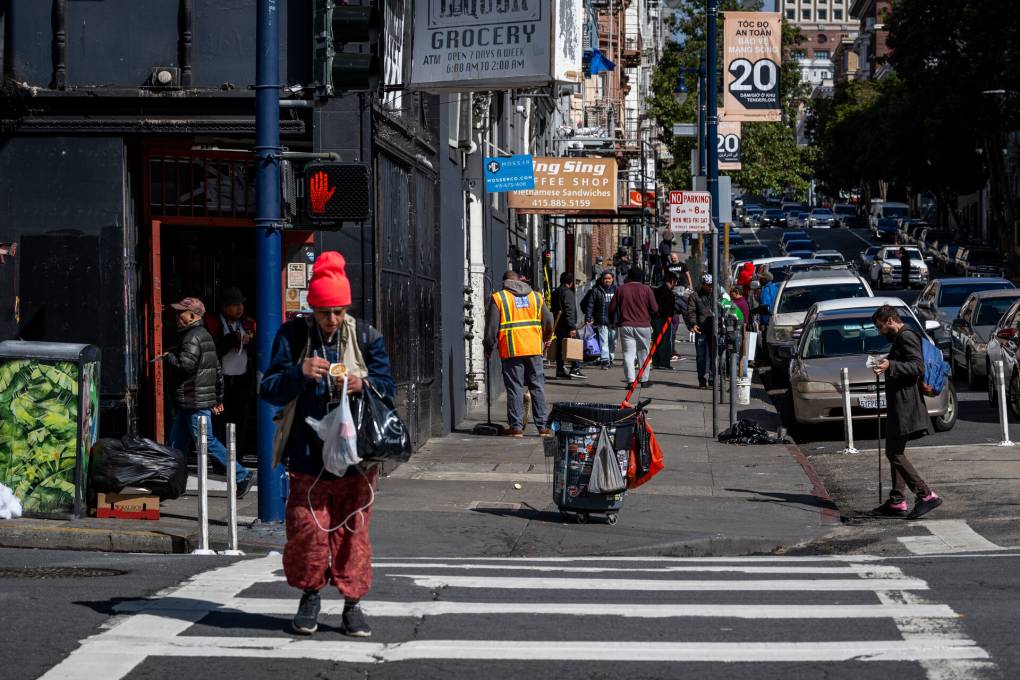
"caption": "People walk through the Tenderloin neighborhood, now a part of District 5 in San Francisco, on April 5, 2024.",
"description": null,
"title": "240405-District5BOSRedistricting-003-BL_qut",
"credit": "Beth LaBerge/KQED",
"status": "inherit",
"altTag": "People walk up and down a street wearing various clothing styles.",
"isLoading": false,
"fetchFailed": false
},
"news_11982521": {
"type": "attachments",
"id": "news_11982521",
"meta": {
"index": "attachments_1716263798",
"site": "news",
"id": "11982521",
"found": true
},
"parent": 0,
"imgSizes": {
"twentyfourteen-full-width": {
"file": "https://cdn.kqed.org/wp-content/uploads/sites/10/2024/04/240409-SF-LIBRARY-RALLY-MD-02-KQED-4-1038x576.jpg",
"width": 1038,
"mimeType": "image/jpeg",
"height": 576
},
"thumbnail": {
"file": "https://cdn.kqed.org/wp-content/uploads/sites/10/2024/04/240409-SF-LIBRARY-RALLY-MD-02-KQED-4-160x107.jpg",
"width": 160,
"mimeType": "image/jpeg",
"height": 107
},
"post-thumbnail": {
"file": "https://cdn.kqed.org/wp-content/uploads/sites/10/2024/04/240409-SF-LIBRARY-RALLY-MD-02-KQED-4-672x372.jpg",
"width": 672,
"mimeType": "image/jpeg",
"height": 372
},
"kqedFullSize": {
"file": "https://cdn.kqed.org/wp-content/uploads/sites/10/2024/04/240409-SF-LIBRARY-RALLY-MD-02-KQED-4.jpg",
"width": 2000,
"height": 1333
},
"large": {
"file": "https://cdn.kqed.org/wp-content/uploads/sites/10/2024/04/240409-SF-LIBRARY-RALLY-MD-02-KQED-4-1020x680.jpg",
"width": 1020,
"mimeType": "image/jpeg",
"height": 680
},
"1536x1536": {
"file": "https://cdn.kqed.org/wp-content/uploads/sites/10/2024/04/240409-SF-LIBRARY-RALLY-MD-02-KQED-4-1536x1024.jpg",
"width": 1536,
"mimeType": "image/jpeg",
"height": 1024
},
"full-width": {
"file": "https://cdn.kqed.org/wp-content/uploads/sites/10/2024/04/240409-SF-LIBRARY-RALLY-MD-02-KQED-4-1920x1280.jpg",
"width": 1920,
"mimeType": "image/jpeg",
"height": 1280
},
"medium": {
"file": "https://cdn.kqed.org/wp-content/uploads/sites/10/2024/04/240409-SF-LIBRARY-RALLY-MD-02-KQED-4-800x533.jpg",
"width": 800,
"mimeType": "image/jpeg",
"height": 533
}
},
"publishDate": 1712756315,
"modified": 1712756410,
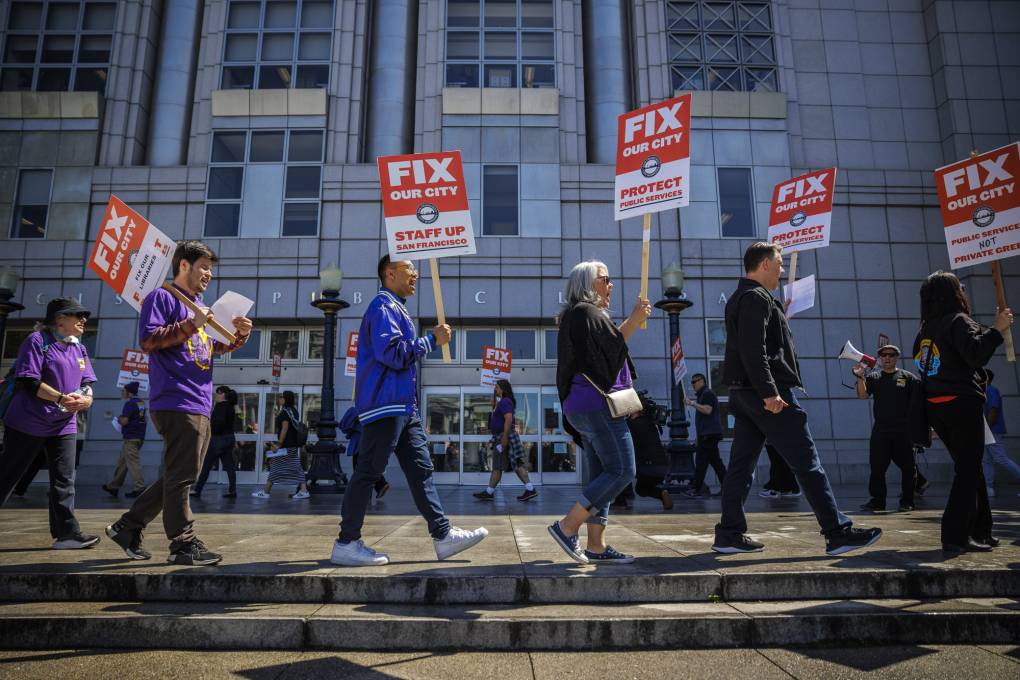
"caption": "Library workers rally in front of San Francisco's Main Library calling for greater safety measures at the city's public libraries on Apr. 9, 2024.",
"description": null,
"title": "240409-SF LIBRARY RALLY-MD-02-KQED-4",
"credit": "Martin do Nascimento/KQED",
"status": "inherit",
"altTag": null,
"isLoading": false,
"fetchFailed": false
},
"news_11982310": {
"type": "attachments",
"id": "news_11982310",
"meta": {
"index": "attachments_1716263798",
"site": "news",
"id": "11982310",
"found": true
},
"parent": 0,
"imgSizes": {
"twentyfourteen-full-width": {
"file": "https://cdn.kqed.org/wp-content/uploads/sites/10/2024/04/240408-UCLAWSF-014-BL-KQED-1038x576.jpg",
"width": 1038,
"mimeType": "image/jpeg",
"height": 576
},
"thumbnail": {
"file": "https://cdn.kqed.org/wp-content/uploads/sites/10/2024/04/240408-UCLAWSF-014-BL-KQED-160x107.jpg",
"width": 160,
"mimeType": "image/jpeg",
"height": 107
},
"post-thumbnail": {
"file": "https://cdn.kqed.org/wp-content/uploads/sites/10/2024/04/240408-UCLAWSF-014-BL-KQED-672x372.jpg",
"width": 672,
"mimeType": "image/jpeg",
"height": 372
},
"kqedFullSize": {
"file": "https://cdn.kqed.org/wp-content/uploads/sites/10/2024/04/240408-UCLAWSF-014-BL-KQED.jpg",
"width": 2000,
"height": 1333
},
"large": {
"file": "https://cdn.kqed.org/wp-content/uploads/sites/10/2024/04/240408-UCLAWSF-014-BL-KQED-1020x680.jpg",
"width": 1020,
"mimeType": "image/jpeg",
"height": 680
},
"1536x1536": {
"file": "https://cdn.kqed.org/wp-content/uploads/sites/10/2024/04/240408-UCLAWSF-014-BL-KQED-1536x1024.jpg",
"width": 1536,
"mimeType": "image/jpeg",
"height": 1024
},
"full-width": {
"file": "https://cdn.kqed.org/wp-content/uploads/sites/10/2024/04/240408-UCLAWSF-014-BL-KQED-1920x1280.jpg",
"width": 1920,
"mimeType": "image/jpeg",
"height": 1280
},
"medium": {
"file": "https://cdn.kqed.org/wp-content/uploads/sites/10/2024/04/240408-UCLAWSF-014-BL-KQED-800x533.jpg",
"width": 800,
"mimeType": "image/jpeg",
"height": 533
}
},
"publishDate": 1712621442,
"modified": 1712688347,
"caption": "Students walk into UC Law San Francisco, formerly known as UC Hastings, on April 8, 2024.",
"description": null,
"title": "240408-UCLAWSF-014-BL-KQED",
"credit": "Beth LaBerge/KQED",
"status": "inherit",
"altTag": null,
"isLoading": false,
"fetchFailed": false
},
"news_11982284": {
"type": "attachments",
"id": "news_11982284",
"meta": {
"index": "attachments_1716263798",
"site": "news",
"id": "11982284",
"found": true
},
"parent": 11982237,
"imgSizes": {
"twentyfourteen-full-width": {
"file": "https://cdn.kqed.org/wp-content/uploads/sites/10/2024/04/012_Oakland_LakeviewVillageTinyHomes_11032021_qut-1038x576.jpg",
"width": 1038,
"mimeType": "image/jpeg",
"height": 576
},
"thumbnail": {
"file": "https://cdn.kqed.org/wp-content/uploads/sites/10/2024/04/012_Oakland_LakeviewVillageTinyHomes_11032021_qut-160x107.jpg",
"width": 160,
"mimeType": "image/jpeg",
"height": 107
},
"post-thumbnail": {
"file": "https://cdn.kqed.org/wp-content/uploads/sites/10/2024/04/012_Oakland_LakeviewVillageTinyHomes_11032021_qut-672x372.jpg",
"width": 672,
"mimeType": "image/jpeg",
"height": 372
},
"kqedFullSize": {
"file": "https://cdn.kqed.org/wp-content/uploads/sites/10/2024/04/012_Oakland_LakeviewVillageTinyHomes_11032021_qut.jpg",
"width": 1920,
"height": 1280
},
"large": {
"file": "https://cdn.kqed.org/wp-content/uploads/sites/10/2024/04/012_Oakland_LakeviewVillageTinyHomes_11032021_qut-1020x680.jpg",
"width": 1020,
"mimeType": "image/jpeg",
"height": 680
},
"1536x1536": {
"file": "https://cdn.kqed.org/wp-content/uploads/sites/10/2024/04/012_Oakland_LakeviewVillageTinyHomes_11032021_qut-1536x1024.jpg",
"width": 1536,
"mimeType": "image/jpeg",
"height": 1024
},
"medium": {
"file": "https://cdn.kqed.org/wp-content/uploads/sites/10/2024/04/012_Oakland_LakeviewVillageTinyHomes_11032021_qut-800x533.jpg",
"width": 800,
"mimeType": "image/jpeg",
"height": 533
}
},
"publishDate": 1712616483,
"modified": 1712616720,
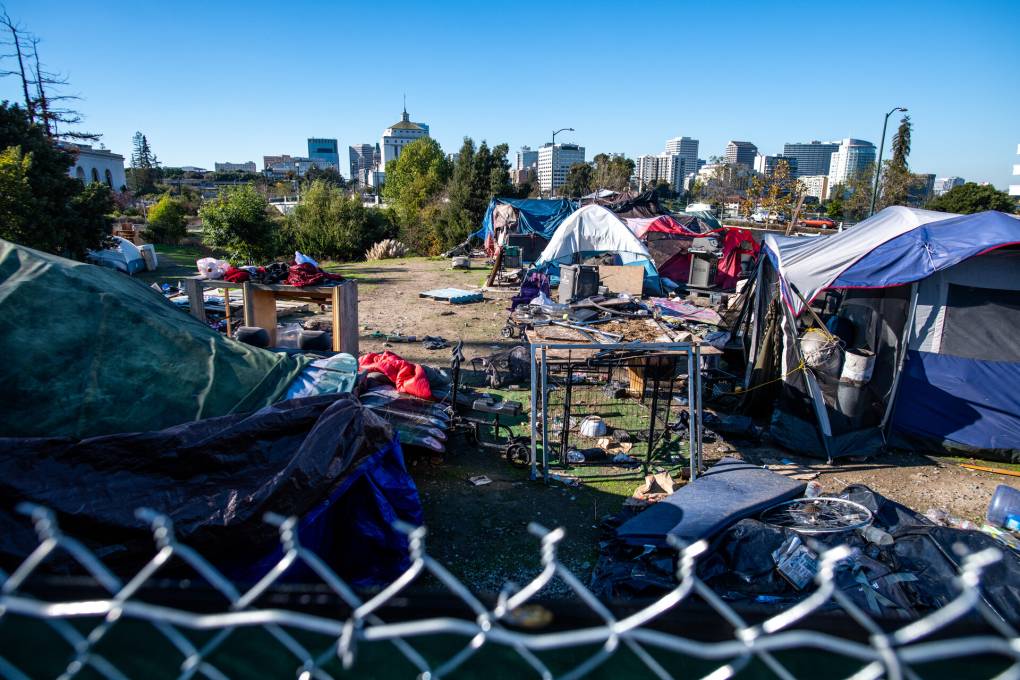
"caption": "A tent encampment borders the side of Lakeview Village, a community that can house 71 people, in Oakland near Lake Merritt on Nov. 3, 2021.",
"description": null,
"title": "012_Oakland_LakeviewVillageTinyHomes_11032021_qut",
"credit": "Beth LaBerge/KQED",
"status": "inherit",
"altTag": null,
"isLoading": false,
"fetchFailed": false
}
},
"audioPlayerReducer": {
"postId": "stream_live",
"isPaused": true,
"isPlaying": false,
"pfsActive": false,
"pledgeModalIsOpen": true,
"playerDrawerIsOpen": false,
"liveAudioPlayStartedAt": 0,
"liveAudioPlayContext": ""
},
"authorsReducer": {
"scottshafer": {
"type": "authors",
"id": "255",
"meta": {
"index": "authors_1716337520",
"id": "255",
"found": true
},
"name": "Scott Shafer",
"firstName": "Scott",
"lastName": "Shafer",
"slug": "scottshafer",
"email": "sshafer@kqed.org",
"display_author_email": false,
"staff_mastheads": [
"news"
],
"title": "KQED Contributor",
"bio": "Scott Shafer is a senior editor with the KQED Politics and Government desk. He is co-host of Political Breakdown, the award-winning radio show and podcast with a personal take on the world of politics. Scott came to KQED in 1998 to host the statewide\u003cem> California Report\u003c/em>. Prior to that he had extended stints in politics and government\u003cem>.\u003c/em> He uses that inside experience at KQED in his, reporting, hosting and analysis for the politics desk. Scott collaborated \u003cem>Political Breakdown a\u003c/em>nd on \u003cem>The Political Mind of Jerry Brown, \u003c/em>an eight-part series about the life and extraordinary political career of the former governor. For fun, he plays water polo with the San Francisco Tsunami.",
"avatar": "https://secure.gravatar.com/avatar/a62ebae45b79d7aed1a39a0e3bf68104?s=600&d=blank&r=g",
"twitter": "scottshafer",
"bluesky": null,
"facebook": null,
"instagram": null,
"linkedin": null,
"sites": [
{
"site": "news",
"roles": [
"editor"
]
},
{
"site": "stateofhealth",
"roles": [
"author"
]
},
{
"site": "science",
"roles": [
"author"
]
},
{
"site": "forum",
"roles": [
"subscriber"
]
},
{
"site": "liveblog",
"roles": [
"author"
]
}
],
"headData": {
"title": "Scott Shafer | KQED",
"description": "KQED Contributor",
"ogImgSrc": "https://secure.gravatar.com/avatar/a62ebae45b79d7aed1a39a0e3bf68104?s=600&d=blank&r=g",
"twImgSrc": "https://secure.gravatar.com/avatar/a62ebae45b79d7aed1a39a0e3bf68104?s=600&d=blank&r=g"
},
"isLoading": false,
"link": "/author/scottshafer"
},
"matthewgreen": {
"type": "authors",
"id": "1263",
"meta": {
"index": "authors_1716337520",
"id": "1263",
"found": true
},
"name": "Matthew Green",
"firstName": "Matthew",
"lastName": "Green",
"slug": "matthewgreen",
"email": "mgreen@kqed.org",
"display_author_email": false,
"staff_mastheads": [],
"title": "KQED Editor/Reporter",
"bio": "Matthew Green is a digital media producer for KQED News. He previously produced \u003ca href=\"http://www.kqed.org/lowdown\">The Lowdown\u003c/a>, KQED’s multimedia news education blog. Matthew's written for numerous Bay Area publications, including the Oakland Tribune and San Francisco Chronicle. He also taught journalism classes at Fremont High School in East Oakland.\r\n\r\nEmail: mgreen@kqed.org; Twitter: @MGreenKQED",
"avatar": "https://secure.gravatar.com/avatar/3bf498d1267ca02c8494f33d8cfc575e?s=600&d=blank&r=g",
"twitter": "MGreenKQED",
"facebook": null,
"instagram": null,
"linkedin": null,
"sites": [
{
"site": "news",
"roles": []
},
{
"site": "lowdown",
"roles": []
},
{
"site": "science",
"roles": []
},
{
"site": "education",
"roles": []
},
{
"site": "quest",
"roles": []
},
{
"site": "liveblog",
"roles": []
}
],
"headData": {
"title": "Matthew Green | KQED",
"description": "KQED Editor/Reporter",
"ogImgSrc": "https://secure.gravatar.com/avatar/3bf498d1267ca02c8494f33d8cfc575e?s=600&d=blank&r=g",
"twImgSrc": "https://secure.gravatar.com/avatar/3bf498d1267ca02c8494f33d8cfc575e?s=600&d=blank&r=g"
},
"isLoading": false,
"link": "/author/matthewgreen"
},
"vrancano": {
"type": "authors",
"id": "11276",
"meta": {
"index": "authors_1716337520",
"id": "11276",
"found": true
},
"name": "Vanessa Rancaño",
"firstName": "Vanessa",
"lastName": "Rancaño",
"slug": "vrancano",
"email": "vrancano@kqed.org",
"display_author_email": false,
"staff_mastheads": [
"news"
],
"title": "Reporter",
"bio": "Vanessa Rancaño is a features reporter for KQED. She’s also covered homelessness and education for the station and reported from the Central Valley. Her work has aired across public radio, from flagship national news shows to longform narrative podcasts. Before taking up a mic, she worked as a freelance print journalist. She’s been recognized with a number of national and regional awards. Vanessa grew up in California's Central Valley. She's a former NPR Kroc Fellow, and a graduate of the UC Berkeley Graduate School of Journalism.",
"avatar": "https://secure.gravatar.com/avatar/b3a383dfb0e7ee1c17568f2cf067904ab654d6e3de9743fc661f3c788ade1bed?s=600&d=blank&r=g",
"twitter": "vanessarancano",
"bluesky": null,
"facebook": null,
"instagram": null,
"linkedin": null,
"sites": [
{
"site": "arts",
"roles": [
"editor"
]
},
{
"site": "news",
"roles": [
"editor"
]
},
{
"site": "liveblog",
"roles": [
"contributor"
]
}
],
"headData": {
"title": "Vanessa Rancaño | KQED",
"description": "Reporter",
"ogImgSrc": "https://secure.gravatar.com/avatar/b3a383dfb0e7ee1c17568f2cf067904ab654d6e3de9743fc661f3c788ade1bed?s=600&d=blank&r=g",
"twImgSrc": "https://secure.gravatar.com/avatar/b3a383dfb0e7ee1c17568f2cf067904ab654d6e3de9743fc661f3c788ade1bed?s=600&d=blank&r=g"
},
"isLoading": false,
"link": "/author/vrancano"
},
"jrodriguez": {
"type": "authors",
"id": "11690",
"meta": {
"index": "authors_1716337520",
"id": "11690",
"found": true
},
"name": "Joe Fitzgerald Rodriguez",
"firstName": "Joe",
"lastName": "Fitzgerald Rodriguez",
"slug": "jrodriguez",
"email": "jrodriguez@kqed.org",
"display_author_email": true,
"staff_mastheads": [
"news"
],
"title": "Reporter and Producer",
"bio": "Joe Fitzgerald Rodriguez is a reporter and digital producer for KQED covering politics. Joe most recently wrote for the \u003cem>San Francisco Examiner\u003c/em> as a political columnist covering The City. He was raised in San Francisco and has spent his reporting career in his beloved, foggy, city by the bay. Joe was 12-years-old when he conducted his first interview in journalism, grilling former San Francisco Mayor Willie Brown for the Marina Middle School newspaper, \u003cem>The Penguin Press, \u003c/em>and he continues to report on the San Francisco Bay Area to this day.",
"avatar": "https://secure.gravatar.com/avatar/2247beb0564c1e9c62228d5649d2edac?s=600&d=blank&r=g",
"twitter": "FitztheReporter",
"facebook": null,
"instagram": "https://www.instagram.com/fitzthereporter/",
"linkedin": null,
"sites": [
{
"site": "",
"roles": [
"editor"
]
},
{
"site": "arts",
"roles": [
"editor"
]
},
{
"site": "news",
"roles": [
"editor"
]
},
{
"site": "science",
"roles": [
"editor"
]
},
{
"site": "elections",
"roles": [
"editor"
]
},
{
"site": "liveblog",
"roles": [
"editor"
]
}
],
"headData": {
"title": "Joe Fitzgerald Rodriguez | KQED",
"description": "Reporter and Producer",
"ogImgSrc": "https://secure.gravatar.com/avatar/2247beb0564c1e9c62228d5649d2edac?s=600&d=blank&r=g",
"twImgSrc": "https://secure.gravatar.com/avatar/2247beb0564c1e9c62228d5649d2edac?s=600&d=blank&r=g"
},
"isLoading": false,
"link": "/author/jrodriguez"
},
"ccabreralomeli": {
"type": "authors",
"id": "11708",
"meta": {
"index": "authors_1716337520",
"id": "11708",
"found": true
},
"name": "Carlos Cabrera-Lomelí",
"firstName": "Carlos",
"lastName": "Cabrera-Lomelí",
"slug": "ccabreralomeli",
"email": "ccabreralomeli@KQED.org",
"display_author_email": true,
"staff_mastheads": [
"news"
],
"title": "Community Reporter",
"bio": "Carlos Cabrera-Lomelí is a community reporter with KQED's digital engagement team. He also reports and co-produces for KQED's bilingual news hub KQED en Español. He grew up in San Francisco's Mission District and has previously worked with Univision, 48 Hills and REFORMA in Mexico City.",
"avatar": "https://secure.gravatar.com/avatar/c309be9665e484f887b818c89e273ecc673004f426f36b24d00a4d813a2e0518?s=600&d=blank&r=g",
"twitter": "@LomeliCabrera",
"bluesky": null,
"facebook": null,
"instagram": null,
"linkedin": null,
"sites": [
{
"site": "arts",
"roles": [
"editor"
]
},
{
"site": "news",
"roles": [
"editor"
]
},
{
"site": "about",
"roles": [
"editor"
]
},
{
"site": "science",
"roles": [
"editor"
]
},
{
"site": "perspectives",
"roles": [
"editor"
]
},
{
"site": "elections",
"roles": [
"editor"
]
},
{
"site": "liveblog",
"roles": [
"contributor"
]
}
],
"headData": {
"title": "Carlos Cabrera-Lomelí | KQED",
"description": "Community Reporter",
"ogImgSrc": "https://secure.gravatar.com/avatar/c309be9665e484f887b818c89e273ecc673004f426f36b24d00a4d813a2e0518?s=600&d=blank&r=g",
"twImgSrc": "https://secure.gravatar.com/avatar/c309be9665e484f887b818c89e273ecc673004f426f36b24d00a4d813a2e0518?s=600&d=blank&r=g"
},
"isLoading": false,
"link": "/author/ccabreralomeli"
},
"jlara": {
"type": "authors",
"id": "11761",
"meta": {
"index": "authors_1716337520",
"id": "11761",
"found": true
},
"name": "Juan Carlos Lara",
"firstName": "Juan Carlos",
"lastName": "Lara",
"slug": "jlara",
"email": "jlara@kqed.org",
"display_author_email": false,
"staff_mastheads": [],
"title": "KQED Contributor",
"bio": null,
"avatar": "https://secure.gravatar.com/avatar/19e2052b9b05657c5ff2af2121846e9c?s=600&d=blank&r=g",
"twitter": null,
"facebook": null,
"instagram": null,
"linkedin": null,
"sites": [
{
"site": "arts",
"roles": [
"editor"
]
},
{
"site": "news",
"roles": [
"editor"
]
},
{
"site": "forum",
"roles": [
"editor"
]
},
{
"site": "liveblog",
"roles": [
"contributor"
]
}
],
"headData": {
"title": "Juan Carlos Lara | KQED",
"description": "KQED Contributor",
"ogImgSrc": "https://secure.gravatar.com/avatar/19e2052b9b05657c5ff2af2121846e9c?s=600&d=blank&r=g",
"twImgSrc": "https://secure.gravatar.com/avatar/19e2052b9b05657c5ff2af2121846e9c?s=600&d=blank&r=g"
},
"isLoading": false,
"link": "/author/jlara"
},
"sjohnson": {
"type": "authors",
"id": "11840",
"meta": {
"index": "authors_1716337520",
"id": "11840",
"found": true
},
"name": "Sydney Johnson",
"firstName": "Sydney",
"lastName": "Johnson",
"slug": "sjohnson",
"email": "sjohnson@kqed.org",
"display_author_email": false,
"staff_mastheads": [
"news"
],
"title": "KQED Reporter",
"bio": "Sydney Johnson is a general assignment reporter at KQED. She previously reported on public health and city government at the San Francisco Examiner, and before that, she covered statewide education policy for EdSource. Her reporting has won multiple local, state and national awards. Sydney is a graduate of the University of California, Berkeley and lives in San Francisco.",
"avatar": "https://secure.gravatar.com/avatar/97855f2719b72ad6190b7c535fe642c8?s=600&d=blank&r=g",
"twitter": "sydneyfjohnson",
"facebook": null,
"instagram": null,
"linkedin": null,
"sites": [
{
"site": "news",
"roles": [
"editor"
]
}
],
"headData": {
"title": "Sydney Johnson | KQED",
"description": "KQED Reporter",
"ogImgSrc": "https://secure.gravatar.com/avatar/97855f2719b72ad6190b7c535fe642c8?s=600&d=blank&r=g",
"twImgSrc": "https://secure.gravatar.com/avatar/97855f2719b72ad6190b7c535fe642c8?s=600&d=blank&r=g"
},
"isLoading": false,
"link": "/author/sjohnson"
},
"nkhan": {
"type": "authors",
"id": "11867",
"meta": {
"index": "authors_1716337520",
"id": "11867",
"found": true
},
"name": "Nisa Khan",
"firstName": "Nisa",
"lastName": "Khan",
"slug": "nkhan",
"email": "nkhan@kqed.org",
"display_author_email": false,
"staff_mastheads": [],
"title": "KQED Contributor",
"bio": "Nisa Khan is a reporter for KQED's Audience News Desk. She was formerly a data reporter at Michigan Radio. She earned a Bachelor of Science in Information from the University of Michigan and a Master of Arts in Communication from Stanford University.",
"avatar": "https://secure.gravatar.com/avatar/8720459eef081ff64582b3506b124d58523e80e120704a0cbd9892533c914991?s=600&d=blank&r=g",
"twitter": "mnisakhan",
"bluesky": null,
"facebook": null,
"instagram": null,
"linkedin": null,
"sites": [
{
"site": "arts",
"roles": [
"editor"
]
},
{
"site": "news",
"roles": [
"editor"
]
},
{
"site": "science",
"roles": [
"editor",
"author"
]
},
{
"site": "forum",
"roles": [
"editor"
]
},
{
"site": "liveblog",
"roles": [
"contributor"
]
}
],
"headData": {
"title": "Nisa Khan | KQED",
"description": "KQED Contributor",
"ogImgSrc": "https://secure.gravatar.com/avatar/8720459eef081ff64582b3506b124d58523e80e120704a0cbd9892533c914991?s=600&d=blank&r=g",
"twImgSrc": "https://secure.gravatar.com/avatar/8720459eef081ff64582b3506b124d58523e80e120704a0cbd9892533c914991?s=600&d=blank&r=g"
},
"isLoading": false,
"link": "/author/nkhan"
},
"naltenberg": {
"type": "authors",
"id": "11896",
"meta": {
"index": "authors_1716337520",
"id": "11896",
"found": true
},
"name": "Nik Altenberg",
"firstName": "Nik",
"lastName": "Altenberg",
"slug": "naltenberg",
"email": "naltenberg@kqed.org",
"display_author_email": false,
"staff_mastheads": [],
"title": "KQED Contributor",
"bio": "Nik Altenberg is an on-call reporter for KQED and a copy editor and fact checker for Santa Cruz Local. Nik’s reporting interests include policing, public health, environment, immigration, housing and the places where these issues intersect.",
"avatar": "https://secure.gravatar.com/avatar/e391b3a18ce4a53a7ca3f3065c74418b?s=600&d=blank&r=g",
"twitter": null,
"facebook": null,
"instagram": "https://www.instagram.com/nikaltenberg/",
"linkedin": null,
"sites": [
{
"site": "news",
"roles": []
}
],
"headData": {
"title": "Nik Altenberg | KQED",
"description": "KQED Contributor",
"ogImgSrc": "https://secure.gravatar.com/avatar/e391b3a18ce4a53a7ca3f3065c74418b?s=600&d=blank&r=g",
"twImgSrc": "https://secure.gravatar.com/avatar/e391b3a18ce4a53a7ca3f3065c74418b?s=600&d=blank&r=g"
},
"isLoading": false,
"link": "/author/naltenberg"
},
"kdebenedetti": {
"type": "authors",
"id": "11913",
"meta": {
"index": "authors_1716337520",
"id": "11913",
"found": true
},
"name": "Katie DeBenedetti",
"firstName": "Katie",
"lastName": "DeBenedetti",
"slug": "kdebenedetti",
"email": "kdebenedetti@kqed.org",
"display_author_email": false,
"staff_mastheads": [
"news",
"science"
],
"title": "KQED Contributor",
"bio": "Katie DeBenedetti is a digital reporter covering daily news for the Express Desk. Prior to joining KQED as a culture reporting intern in January 2024, she covered education and city government for the Napa Valley Register.",
"avatar": "https://secure.gravatar.com/avatar/6e31073cb8f7e4214ab03f42771d0f45?s=600&d=blank&r=g",
"twitter": null,
"facebook": null,
"instagram": null,
"linkedin": null,
"sites": [
{
"site": "news",
"roles": [
"author"
]
},
{
"site": "science",
"roles": [
"author"
]
},
{
"site": "liveblog",
"roles": [
"author"
]
}
],
"headData": {
"title": "Katie DeBenedetti | KQED",
"description": "KQED Contributor",
"ogImgSrc": "https://secure.gravatar.com/avatar/6e31073cb8f7e4214ab03f42771d0f45?s=600&d=blank&r=g",
"twImgSrc": "https://secure.gravatar.com/avatar/6e31073cb8f7e4214ab03f42771d0f45?s=600&d=blank&r=g"
},
"isLoading": false,
"link": "/author/kdebenedetti"
}
},
"pagesReducer": {
"news_tag_san-francisco": {
"type": "terms",
"id": "news_38",
"meta": {
"index": "terms_1716263798",
"site": "news",
"id": "38",
"score": 6.7230244
},
"featImg": null,
"name": "San Francisco",
"description": null,
"taxonomy": "tag",
"headData": {
"twImgId": null,
"twTitle": null,
"ogTitle": null,
"ogImgId": null,
"twDescription": null,
"description": null,
"title": "San Francisco Archives | KQED News",
"ogDescription": null
},
"ttid": 58,
"slug": "san-francisco",
"isLoading": false,
"title": "San Francisco",
"pageMeta": {
"site": "news",
"WpPageTemplate": "page-topic-editorial",
"currentPage": 106
},
"blocks": [
{
"blockName": "kqed/post-list",
"attrs": {
"layout": "cardArticle2",
"query": "posts/news?tag=san-francisco",
"seeMore": false,
"paginated": true,
"page": 106
}
},
{
"blockName": "kqed/ad"
}
]
}
},
"pfsSessionReducer": {},
"postsReducer": {
"stream_live": {
"type": "live",
"id": "stream_live",
"audioUrl": "https://streams.kqed.org/kqedradio",
"title": "Live Stream",
"excerpt": "Live Stream information currently unavailable.",
"link": "/radio",
"featImg": "",
"label": {
"name": "KQED Live",
"link": "/"
}
},
"stream_kqedNewscast": {
"type": "posts",
"id": "stream_kqedNewscast",
"audioUrl": "https://www.kqed.org/.stream/anon/radio/RDnews/newscast.mp3?_=1",
"title": "KQED Newscast",
"featImg": "",
"label": {
"name": "88.5 FM",
"link": "/"
}
},
"news_11984189": {
"type": "posts",
"id": "news_11984189",
"meta": {
"index": "posts_1716263798",
"site": "news",
"id": "11984189",
"score": null,
"sort": [
1714168839000
]
},
"guestAuthors": [],
"slug": "sf-emergency-dispatchers-struggle-to-respond-amid-outdated-systems-severe-understaffing",
"title": "SF Emergency Dispatchers Struggle to Respond Amid Outdated Systems, Severe Understaffing",
"publishDate": 1714168839,
"format": "standard",
"headTitle": "SF Emergency Dispatchers Struggle to Respond Amid Outdated Systems, Severe Understaffing | KQED",
"labelTerm": {
"site": "news"
},
"content": "\u003cp>San Francisco emergency dispatchers — already dangerously understaffed and overworked — say that sporadic outages in their aging computer system are making their jobs even harder.\u003c/p>\n\u003cp>Under normal circumstances, dispatchers answering 911 calls type the information they get into the Computer Aided Dispatch System. That information goes to the dispatch center’s radio operators and emergency responders via the computers inside city police cars, fire trucks and ambulances.\u003c/p>\n\u003cp>But sometimes, like in the early hours of Thursday morning, the CAD system goes down, usually for hours at a time. When that happens, call-takers switch to handwritten notes, which other workers then run over to dispatchers on the radios, relaying the call information to first responders. All communications are then done over radio.\u003c/p>\n\u003cp>“A three- to five-minute call might end up being a five- to eight-minute call,” said Burt Wilson, president of the dispatchers union chapter. “So if you’re the next person, waiting for a dispatcher, calling 911, it could delay response to the calls.”\u003c/p>\n\u003cp>[ad fullwidth]\u003c/p>\n\u003cp>Some workers also have to be removed from their current assignments to run those notes back and forth. This could fall on supervisors or trainees, but in some cases, a dispatcher has to be removed from phone duty to run the notes, meaning calls get answered even slower.\u003c/p>\n\u003cp>“So it could work,” Wilson said. “But like I said, it’s just a little bit more tedious for us and a lot more work.”\u003c/p>\n\u003cp>Wilson said he believes there have been three outages in the past week, all lasting more than three hours, though he didn’t personally witness all of them. And this isn’t a new problem. \u003ca href=\"https://abc7news.com/san-francisco-emergency-dispatch-system-office-of-management-outage/1134441/\">News stories\u003c/a> about CAD problems go back to \u003ca href=\"https://abc7news.com/archive/8129222/\">at least 2011.\u003c/a>\u003c/p>\n\u003ch2>A system that is ‘end of life’\u003c/h2>\n\u003cp>The Department of Emergency Management said the current system is functional but acknowledged it is “end of life” and said a replacement is coming.\u003c/p>\n\u003cp>“We know outdated infrastructure has limitations, and interruptions are unpredictable, which is why investing in new technology and infrastructure is critical and important,” DEM said in a statement.\u003c/p>\n\u003cp>The department aims to get the new system fully up and running by late 2026, according to a \u003ca href=\"https://sfgov.legistar.com/View.ashx?M=F&ID=12667002&GUID=59D1ABDD-93AA-4EA8-BA22-891D5F7290D8\">February memo (PDF)\u003c/a>.\u003c/p>\n\u003cp>In 2019, a DEM official told city supervisors the projected completion date was late 2023. It was unclear why the project was delayed three years, though the pandemic likely played a part.\u003c/p>\n\u003cfigure id=\"attachment_11984230\" class=\"wp-caption alignnone\" style=\"max-width: 2560px\">\u003cimg loading=\"lazy\" decoding=\"async\" class=\"size-full wp-image-11984230\" src=\"https://cdn.kqed.org/wp-content/uploads/sites/10/2024/04/IMG_3701-scaled.jpg\" alt=\"\" width=\"2560\" height=\"1920\" srcset=\"https://cdn.kqed.org/wp-content/uploads/sites/10/2024/04/IMG_3701-scaled.jpg 2560w, https://cdn.kqed.org/wp-content/uploads/sites/10/2024/04/IMG_3701-800x600.jpg 800w, https://cdn.kqed.org/wp-content/uploads/sites/10/2024/04/IMG_3701-1020x765.jpg 1020w, https://cdn.kqed.org/wp-content/uploads/sites/10/2024/04/IMG_3701-160x120.jpg 160w, https://cdn.kqed.org/wp-content/uploads/sites/10/2024/04/IMG_3701-1536x1152.jpg 1536w, https://cdn.kqed.org/wp-content/uploads/sites/10/2024/04/IMG_3701-2048x1536.jpg 2048w, https://cdn.kqed.org/wp-content/uploads/sites/10/2024/04/IMG_3701-1920x1440.jpg 1920w\" sizes=\"(max-width: 2560px) 100vw, 2560px\">\u003cfigcaption class=\"wp-caption-text\">DEM Executive Director Mary Ellen Carroll speaks at a press conference for the reopening of the newly renovated dispatch center with San Francisco Mayor London Breed to her left on Wednesday, April 24, 2024. \u003ccite>(Juan Carlos Lara/KQED)\u003c/cite>\u003c/figcaption>\u003c/figure>\n\u003cp>The department has not answered questions about the frequency of outages or the process and timeline for replacing the existing system.\u003c/p>\n\u003cp>Motorola’s new system will cost $22.2 million, with another $22.6 million over 11 years to cover annual maintenance, according to a report from the \u003ca href=\"https://sfgov.legistar.com/View.ashx?M=F&ID=12743296&GUID=3545170E-B577-45EC-BAF6-A70F12FFAC8C\">Budget and Legislative Analyst’s Office (PDF). \u003c/a>\u003c/p>\n\u003cp>San Francisco first bought its current CAD system from Tiburon Inc. in 1999. Starting in 2012, the city contracted with the same company for upgrades and maintenance, with that contract being extended twice. It’s now set to expire in late 2027.\u003c/p>\n\u003cp>According to a 2019 report from the \u003ca href=\"https://sfgov.legistar.com/View.ashx?M=F&ID=7813829&GUID=131A840B-1748-4DA5-91D6-529E1E9F2668\">Budget and Legislative Analyst’s Office (PDF)\u003c/a>, DEM chose to contract Tiburon Inc. because upgrading the system would be cheaper than replacing it.\u003c/p>\n\u003ch2>Not meeting standards\u003c/h2>\n\u003cp>Even without unpredictable outages, city response times are not what they should be. San Francisco strives to answer 95% of incoming 911 calls within 15 seconds, but in \u003ca href=\"https://sfgov.org/scorecards/public-safety/911-call-volume-and-response\">February, dispatchers only managed that in 73% of calls. \u003c/a>\u003c/p>\n\u003cp>“We’ve been very open about not meeting those standards for the last probably year or so, but that is all about our staffing,” said Mary Ellen Carroll, executive director of DEM. The city has not met that standard since June of 2020.\u003c/p>\n\u003cp>Carroll spoke in front of the city’s dispatch center on Wednesday to celebrate its newly completed renovation, just one day before the most recent CAD outage. She said the city is working to increase staffing. A soon-to-start academy class, with 14 trainees, is the biggest the department has seen since the start of the pandemic.\u003c/p>\n\u003cfigure id=\"attachment_11984231\" class=\"wp-caption alignnone\" style=\"max-width: 2560px\">\u003cimg loading=\"lazy\" decoding=\"async\" class=\"size-full wp-image-11984231\" src=\"https://cdn.kqed.org/wp-content/uploads/sites/10/2024/04/133A1608-scaled.jpg\" alt=\"\" width=\"2560\" height=\"1707\" srcset=\"https://cdn.kqed.org/wp-content/uploads/sites/10/2024/04/133A1608-scaled.jpg 2560w, https://cdn.kqed.org/wp-content/uploads/sites/10/2024/04/133A1608-800x533.jpg 800w, https://cdn.kqed.org/wp-content/uploads/sites/10/2024/04/133A1608-1020x680.jpg 1020w, https://cdn.kqed.org/wp-content/uploads/sites/10/2024/04/133A1608-160x107.jpg 160w, https://cdn.kqed.org/wp-content/uploads/sites/10/2024/04/133A1608-1536x1024.jpg 1536w, https://cdn.kqed.org/wp-content/uploads/sites/10/2024/04/133A1608-2048x1365.jpg 2048w, https://cdn.kqed.org/wp-content/uploads/sites/10/2024/04/133A1608-1920x1280.jpg 1920w\" sizes=\"(max-width: 2560px) 100vw, 2560px\">\u003cfigcaption class=\"wp-caption-text\">A view of the emergency dispatch center in San Francisco. \u003ccite>(Courtesy of Department of Emergency Management)\u003c/cite>\u003c/figcaption>\u003c/figure>\n\u003cp>The city said its goal is 160 to 165 fully trained dispatchers; currently, there are about 124. However, new trainees will need about two years to be fully ready for the job, and some of the current workers may retire or switch jobs in that time.\u003c/p>\n\u003cp>And while the department works to get fully staffed, dispatchers are working long days, in many cases involving mandatory overtime, to fill the gaps.\u003c/p>\n\u003cp>Valerie Tucker, who has been a dispatcher for eight years, said she works an average of 14- to 16-hour days, four days a week, and often comes in on days off to help cover for coworkers.\u003c/p>\n\u003cp>“It’s difficult. It’s not sustainable on any kind of long-term basis. And quite honestly, I think we are getting to the end of our rope on it,” Tucker said. “I basically wake up, come to work. I eat three meals a day here, brush my teeth and hygiene myself here occasionally, go home, get in bed, turn around and come back and do it all over again. That’s what my day looks like. That’s what I’ve been doing for pretty much the last two years here.”\u003c/p>\n\u003ch2>Adjusting to outages\u003c/h2>\n\u003cp>Dispatchers also aren’t the only city workers who feel hampered by CAD outages. Police access the CAD system from their cruisers and rely on that information as they respond to calls.\u003c/p>\n\u003cp>Tracy McCray, president of the San Francisco Police Officers Association, said an outage could present a safety issue for officers who can’t receive information in a timely manner. In some cases, police have even called off pursuits if the system is down.\u003c/p>\n\u003cp>“It’s not only tracking the calls for service … but our ability to access other databases like the DOJ database when we run people,” McCray said. “Well, if CAD goes down, we can’t do that. We can’t run people because there’s no access. So we don’t know who we may be dealing with on the street.”\u003c/p>\n\u003cp>[aside label=\"Related Stories\" postID=\"news_11977185,news_11473803,news_10780569\"]An outage would also prevent officers from running a license plate to determine whether a car is stolen, McCray said.\u003c/p>\n\u003cp>McCray said that she thinks the outages have become more frequent since last year but did not provide concrete figures.\u003c/p>\n\u003cp>The department said in a statement, “Our dispatchers are trained and equipped to respond to 911 calls in the event of outages and service interruptions, which have not impacted the public’s ability to call 911 or our ability to dispatch emergency services.”\u003c/p>\n\u003cp>Wilson, the dispatch union leader, agreed that they are very used to adjusting to outages due to their frequency.\u003c/p>\n\u003cp>The fire department also has to adjust when outages happen, including having one person monitoring the radio at all times. But SFFD Rescue Capt. Justin Schorr said he doesn’t feel they impact their response times.\u003c/p>\n\u003cp>“It’s going back to how we used to do things before the computers came along and reminding ourselves that we can pass this information from A to B,” Schorr said. “It is so much more accurate to be able to do it on the computers now, but we still need to be able to know how to do it when the computers aren’t there.”\u003c/p>\n\u003cp>[ad floatright]\u003c/p>\n",
"blocks": [],
"excerpt": "The Department of Emergency Management acknowledged that the current dispatch system is 'end of life.' A new system was expected to be in place by 2023, but it has been delayed for three years to late 2026.",
"status": "publish",
"parent": 0,
"modified": 1726004392,
"stats": {
"hasAudio": false,
"hasVideo": false,
"hasChartOrMap": false,
"iframeSrcs": [],
"hasGoogleForm": false,
"hasGallery": false,
"hasHearkenModule": false,
"hasPolis": false,
"paragraphCount": 33,
"wordCount": 1334
},
"headData": {
"title": "SF Emergency Dispatchers Struggle to Respond Amid Outdated Systems, Severe Understaffing | KQED",
"description": "The Department of Emergency Management acknowledged that the current dispatch system is 'end of life.' A new system was expected to be in place by 2023, but it has been delayed for three years to late 2026.",
"ogTitle": "",
"ogDescription": "",
"ogImgId": "",
"twTitle": "",
"twDescription": "",
"twImgId": "",
"schema": {
"@context": "https://schema.org",
"@type": "NewsArticle",
"headline": "SF Emergency Dispatchers Struggle to Respond Amid Outdated Systems, Severe Understaffing",
"datePublished": "2024-04-26T15:00:39-07:00",
"dateModified": "2024-09-10T14:39:52-07:00",
"image": "https://cdn.kqed.org/wp-content/uploads/2020/02/KQED-OG-Image@1x.png",
"isAccessibleForFree": "True",
"publisher": {
"@type": "NewsMediaOrganization",
"@id": "https://www.kqed.org/#organization",
"name": "KQED",
"logo": "https://cdn.kqed.org/wp-content/uploads/2020/02/KQED-OG-Image@1x.png",
"url": "https://www.kqed.org",
"sameAs": [
"https://www.facebook.com/KQED",
"https://twitter.com/KQED",
"https://www.instagram.com/kqed/",
"https://www.tiktok.com/@kqedofficial",
"https://www.linkedin.com/company/kqed",
"https://www.youtube.com/channel/UCeC0IOo7i1P_61zVUWbJ4nw"
]
}
}
},
"sticky": false,
"excludeFromSiteSearch": "Include",
"articleAge": "0",
"path": "/news/11984189/sf-emergency-dispatchers-struggle-to-respond-amid-outdated-systems-severe-understaffing",
"audioTrackLength": null,
"parsedContent": [
{
"type": "contentString",
"content": "\u003cdiv class=\"post-body\">\u003cp>\u003cp>San Francisco emergency dispatchers — already dangerously understaffed and overworked — say that sporadic outages in their aging computer system are making their jobs even harder.\u003c/p>\n\u003cp>Under normal circumstances, dispatchers answering 911 calls type the information they get into the Computer Aided Dispatch System. That information goes to the dispatch center’s radio operators and emergency responders via the computers inside city police cars, fire trucks and ambulances.\u003c/p>\n\u003cp>But sometimes, like in the early hours of Thursday morning, the CAD system goes down, usually for hours at a time. When that happens, call-takers switch to handwritten notes, which other workers then run over to dispatchers on the radios, relaying the call information to first responders. All communications are then done over radio.\u003c/p>\n\u003cp>“A three- to five-minute call might end up being a five- to eight-minute call,” said Burt Wilson, president of the dispatchers union chapter. “So if you’re the next person, waiting for a dispatcher, calling 911, it could delay response to the calls.”\u003c/p>\n\u003cp>\u003c/p>\u003c/div>",
"attributes": {
"named": {},
"numeric": []
}
},
{
"type": "component",
"content": "",
"name": "ad",
"attributes": {
"named": {
"label": "fullwidth"
},
"numeric": [
"fullwidth"
]
}
},
{
"type": "contentString",
"content": "\u003cdiv class=\"post-body\">\u003cp>\u003c/p>\n\u003cp>Some workers also have to be removed from their current assignments to run those notes back and forth. This could fall on supervisors or trainees, but in some cases, a dispatcher has to be removed from phone duty to run the notes, meaning calls get answered even slower.\u003c/p>\n\u003cp>“So it could work,” Wilson said. “But like I said, it’s just a little bit more tedious for us and a lot more work.”\u003c/p>\n\u003cp>Wilson said he believes there have been three outages in the past week, all lasting more than three hours, though he didn’t personally witness all of them. And this isn’t a new problem. \u003ca href=\"https://abc7news.com/san-francisco-emergency-dispatch-system-office-of-management-outage/1134441/\">News stories\u003c/a> about CAD problems go back to \u003ca href=\"https://abc7news.com/archive/8129222/\">at least 2011.\u003c/a>\u003c/p>\n\u003ch2>A system that is ‘end of life’\u003c/h2>\n\u003cp>The Department of Emergency Management said the current system is functional but acknowledged it is “end of life” and said a replacement is coming.\u003c/p>\n\u003cp>“We know outdated infrastructure has limitations, and interruptions are unpredictable, which is why investing in new technology and infrastructure is critical and important,” DEM said in a statement.\u003c/p>\n\u003cp>The department aims to get the new system fully up and running by late 2026, according to a \u003ca href=\"https://sfgov.legistar.com/View.ashx?M=F&ID=12667002&GUID=59D1ABDD-93AA-4EA8-BA22-891D5F7290D8\">February memo (PDF)\u003c/a>.\u003c/p>\n\u003cp>In 2019, a DEM official told city supervisors the projected completion date was late 2023. It was unclear why the project was delayed three years, though the pandemic likely played a part.\u003c/p>\n\u003cfigure id=\"attachment_11984230\" class=\"wp-caption alignnone\" style=\"max-width: 2560px\">\u003cimg loading=\"lazy\" decoding=\"async\" class=\"size-full wp-image-11984230\" src=\"https://cdn.kqed.org/wp-content/uploads/sites/10/2024/04/IMG_3701-scaled.jpg\" alt=\"\" width=\"2560\" height=\"1920\" srcset=\"https://cdn.kqed.org/wp-content/uploads/sites/10/2024/04/IMG_3701-scaled.jpg 2560w, https://cdn.kqed.org/wp-content/uploads/sites/10/2024/04/IMG_3701-800x600.jpg 800w, https://cdn.kqed.org/wp-content/uploads/sites/10/2024/04/IMG_3701-1020x765.jpg 1020w, https://cdn.kqed.org/wp-content/uploads/sites/10/2024/04/IMG_3701-160x120.jpg 160w, https://cdn.kqed.org/wp-content/uploads/sites/10/2024/04/IMG_3701-1536x1152.jpg 1536w, https://cdn.kqed.org/wp-content/uploads/sites/10/2024/04/IMG_3701-2048x1536.jpg 2048w, https://cdn.kqed.org/wp-content/uploads/sites/10/2024/04/IMG_3701-1920x1440.jpg 1920w\" sizes=\"(max-width: 2560px) 100vw, 2560px\">\u003cfigcaption class=\"wp-caption-text\">DEM Executive Director Mary Ellen Carroll speaks at a press conference for the reopening of the newly renovated dispatch center with San Francisco Mayor London Breed to her left on Wednesday, April 24, 2024. \u003ccite>(Juan Carlos Lara/KQED)\u003c/cite>\u003c/figcaption>\u003c/figure>\n\u003cp>The department has not answered questions about the frequency of outages or the process and timeline for replacing the existing system.\u003c/p>\n\u003cp>Motorola’s new system will cost $22.2 million, with another $22.6 million over 11 years to cover annual maintenance, according to a report from the \u003ca href=\"https://sfgov.legistar.com/View.ashx?M=F&ID=12743296&GUID=3545170E-B577-45EC-BAF6-A70F12FFAC8C\">Budget and Legislative Analyst’s Office (PDF). \u003c/a>\u003c/p>\n\u003cp>San Francisco first bought its current CAD system from Tiburon Inc. in 1999. Starting in 2012, the city contracted with the same company for upgrades and maintenance, with that contract being extended twice. It’s now set to expire in late 2027.\u003c/p>\n\u003cp>According to a 2019 report from the \u003ca href=\"https://sfgov.legistar.com/View.ashx?M=F&ID=7813829&GUID=131A840B-1748-4DA5-91D6-529E1E9F2668\">Budget and Legislative Analyst’s Office (PDF)\u003c/a>, DEM chose to contract Tiburon Inc. because upgrading the system would be cheaper than replacing it.\u003c/p>\n\u003ch2>Not meeting standards\u003c/h2>\n\u003cp>Even without unpredictable outages, city response times are not what they should be. San Francisco strives to answer 95% of incoming 911 calls within 15 seconds, but in \u003ca href=\"https://sfgov.org/scorecards/public-safety/911-call-volume-and-response\">February, dispatchers only managed that in 73% of calls. \u003c/a>\u003c/p>\n\u003cp>“We’ve been very open about not meeting those standards for the last probably year or so, but that is all about our staffing,” said Mary Ellen Carroll, executive director of DEM. The city has not met that standard since June of 2020.\u003c/p>\n\u003cp>Carroll spoke in front of the city’s dispatch center on Wednesday to celebrate its newly completed renovation, just one day before the most recent CAD outage. She said the city is working to increase staffing. A soon-to-start academy class, with 14 trainees, is the biggest the department has seen since the start of the pandemic.\u003c/p>\n\u003cfigure id=\"attachment_11984231\" class=\"wp-caption alignnone\" style=\"max-width: 2560px\">\u003cimg loading=\"lazy\" decoding=\"async\" class=\"size-full wp-image-11984231\" src=\"https://cdn.kqed.org/wp-content/uploads/sites/10/2024/04/133A1608-scaled.jpg\" alt=\"\" width=\"2560\" height=\"1707\" srcset=\"https://cdn.kqed.org/wp-content/uploads/sites/10/2024/04/133A1608-scaled.jpg 2560w, https://cdn.kqed.org/wp-content/uploads/sites/10/2024/04/133A1608-800x533.jpg 800w, https://cdn.kqed.org/wp-content/uploads/sites/10/2024/04/133A1608-1020x680.jpg 1020w, https://cdn.kqed.org/wp-content/uploads/sites/10/2024/04/133A1608-160x107.jpg 160w, https://cdn.kqed.org/wp-content/uploads/sites/10/2024/04/133A1608-1536x1024.jpg 1536w, https://cdn.kqed.org/wp-content/uploads/sites/10/2024/04/133A1608-2048x1365.jpg 2048w, https://cdn.kqed.org/wp-content/uploads/sites/10/2024/04/133A1608-1920x1280.jpg 1920w\" sizes=\"(max-width: 2560px) 100vw, 2560px\">\u003cfigcaption class=\"wp-caption-text\">A view of the emergency dispatch center in San Francisco. \u003ccite>(Courtesy of Department of Emergency Management)\u003c/cite>\u003c/figcaption>\u003c/figure>\n\u003cp>The city said its goal is 160 to 165 fully trained dispatchers; currently, there are about 124. However, new trainees will need about two years to be fully ready for the job, and some of the current workers may retire or switch jobs in that time.\u003c/p>\n\u003cp>And while the department works to get fully staffed, dispatchers are working long days, in many cases involving mandatory overtime, to fill the gaps.\u003c/p>\n\u003cp>Valerie Tucker, who has been a dispatcher for eight years, said she works an average of 14- to 16-hour days, four days a week, and often comes in on days off to help cover for coworkers.\u003c/p>\n\u003cp>“It’s difficult. It’s not sustainable on any kind of long-term basis. And quite honestly, I think we are getting to the end of our rope on it,” Tucker said. “I basically wake up, come to work. I eat three meals a day here, brush my teeth and hygiene myself here occasionally, go home, get in bed, turn around and come back and do it all over again. That’s what my day looks like. That’s what I’ve been doing for pretty much the last two years here.”\u003c/p>\n\u003ch2>Adjusting to outages\u003c/h2>\n\u003cp>Dispatchers also aren’t the only city workers who feel hampered by CAD outages. Police access the CAD system from their cruisers and rely on that information as they respond to calls.\u003c/p>\n\u003cp>Tracy McCray, president of the San Francisco Police Officers Association, said an outage could present a safety issue for officers who can’t receive information in a timely manner. In some cases, police have even called off pursuits if the system is down.\u003c/p>\n\u003cp>“It’s not only tracking the calls for service … but our ability to access other databases like the DOJ database when we run people,” McCray said. “Well, if CAD goes down, we can’t do that. We can’t run people because there’s no access. So we don’t know who we may be dealing with on the street.”\u003c/p>\n\u003cp>\u003c/p>\u003c/div>",
"attributes": {
"named": {},
"numeric": []
}
},
{
"type": "component",
"content": "",
"name": "aside",
"attributes": {
"named": {
"label": "Related Stories ",
"postid": "news_11977185,news_11473803,news_10780569"
},
"numeric": []
}
},
{
"type": "contentString",
"content": "\u003cdiv class=\"post-body\">\u003cp>An outage would also prevent officers from running a license plate to determine whether a car is stolen, McCray said.\u003c/p>\n\u003cp>McCray said that she thinks the outages have become more frequent since last year but did not provide concrete figures.\u003c/p>\n\u003cp>The department said in a statement, “Our dispatchers are trained and equipped to respond to 911 calls in the event of outages and service interruptions, which have not impacted the public’s ability to call 911 or our ability to dispatch emergency services.”\u003c/p>\n\u003cp>Wilson, the dispatch union leader, agreed that they are very used to adjusting to outages due to their frequency.\u003c/p>\n\u003cp>The fire department also has to adjust when outages happen, including having one person monitoring the radio at all times. But SFFD Rescue Capt. Justin Schorr said he doesn’t feel they impact their response times.\u003c/p>\n\u003cp>“It’s going back to how we used to do things before the computers came along and reminding ourselves that we can pass this information from A to B,” Schorr said. “It is so much more accurate to be able to do it on the computers now, but we still need to be able to know how to do it when the computers aren’t there.”\u003c/p>\n\u003cp>\u003c/p>\u003c/div>",
"attributes": {
"named": {},
"numeric": []
}
},
{
"type": "component",
"content": "",
"name": "ad",
"attributes": {
"named": {
"label": "floatright"
},
"numeric": [
"floatright"
]
}
},
{
"type": "contentString",
"content": "\u003cdiv class=\"post-body\">\u003cp>\u003c/p>\n\u003c/div>\u003c/p>",
"attributes": {
"named": {},
"numeric": []
}
}
],
"link": "/news/11984189/sf-emergency-dispatchers-struggle-to-respond-amid-outdated-systems-severe-understaffing",
"authors": [
"11761"
],
"categories": [
"news_457",
"news_8"
],
"tags": [
"news_33988",
"news_27626",
"news_212",
"news_18543",
"news_116",
"news_38"
],
"featImg": "news_11984228",
"label": "news"
},
"news_11983671": {
"type": "posts",
"id": "news_11983671",
"meta": {
"index": "posts_1716263798",
"site": "news",
"id": "11983671",
"score": null,
"sort": [
1713816005000
]
},
"guestAuthors": [],
"slug": "sf-democratic-partys-support-of-unlimited-housing-could-pressure-mayoral-candidates",
"title": "SF Democratic Party’s Support of Unlimited Housing Could Pressure Mayoral Candidates",
"publishDate": 1713816005,
"format": "standard",
"headTitle": "SF Democratic Party’s Support of Unlimited Housing Could Pressure Mayoral Candidates | KQED",
"labelTerm": {
"site": "news"
},
"content": "\u003cp>The San Francisco Democratic Party put itself on record backing the building of unrestricted market-rate housing after a Friday night vote.\u003c/p>\n\u003cp>The new policy may push candidates running for mayor and the Board of Supervisors to modify their positions on housing if they want the backing of the Democratic County Central Committee or DCCC.\u003c/p>\n\u003cp>In most elections, the DCCC sends mailers to voters with its official stamp of approval for candidates, which can sway a segment of voters. The candidates appearing on party mailers this November will likely have pro-market rate housing views.\u003c/p>\n\u003cp>Mike Chen, a member of the DCCC and co-author of its housing policy, told KQED he hopes candidates heed the party’s new direction.\u003c/p>\n\u003cp>“There are many candidates who are still movable, who have issue priorities that are not necessarily housing,” Chen said. “This is a chance for candidates to take feedback from the party.”\u003c/p>\n\u003cp>[ad fullwidth]\u003c/p>\n\u003cp>\u003cstrong>Catch up fast: \u003c/strong>Most of the two dozen moderate Democrats who ran for the DCCC won in the March primary, flipping the board from its previous progressive majority.\u003c/p>\n\u003cp>The new housing policy embraces the platform of San Francisco YIMBY, an advocacy group that said building market-rate developments as quickly as possible will help bring down rental prices. Progressive Democrats said market-rate construction is akin to luxury housing that most people can’t afford.\u003c/p>\n\u003cp>Mayor London Breed is a vocal supporter of YIMBY policies. The DCCC’s new approach to housing may benefit her when she seeks the party’s endorsement.\u003c/p>\n\u003cfigure id=\"attachment_11983682\" class=\"wp-caption aligncenter\" style=\"max-width: 800px\">\u003cimg loading=\"lazy\" decoding=\"async\" class=\"size-medium wp-image-11983682\" src=\"https://cdn.kqed.org/wp-content/uploads/sites/10/2024/04/1000019369-800x602.jpg\" alt=\"\" width=\"800\" height=\"602\" srcset=\"https://cdn.kqed.org/wp-content/uploads/sites/10/2024/04/1000019369-800x602.jpg 800w, https://cdn.kqed.org/wp-content/uploads/sites/10/2024/04/1000019369-1020x768.jpg 1020w, https://cdn.kqed.org/wp-content/uploads/sites/10/2024/04/1000019369-160x120.jpg 160w, https://cdn.kqed.org/wp-content/uploads/sites/10/2024/04/1000019369-1536x1157.jpg 1536w, https://cdn.kqed.org/wp-content/uploads/sites/10/2024/04/1000019369-2048x1542.jpg 2048w, https://cdn.kqed.org/wp-content/uploads/sites/10/2024/04/1000019369-1920x1446.jpg 1920w\" sizes=\"(max-width: 800px) 100vw, 800px\">\u003cfigcaption class=\"wp-caption-text\">Democrats on the Democratic County Central Committee at their first meeting since the March primary on April 19. From left to right, Michael Lai, Cedric Akbar, Mike Chen, Lily Ho, Trevor Chandler, Matt Dorsey, Nancy Tung and Marjan Philhour. \u003ccite>(Joe Fitzgerald Rodriguez/KQED)\u003c/cite>\u003c/figcaption>\u003c/figure>\n\u003cp>\u003cstrong>Who loses out: \u003c/strong>Some DCCC members may now think twice before backing the mayoral candidacy of Mark Farrell, a former mayor and supervisor. Farrell rankled pro-housing Democrats last month when he said he doesn’t believe San Francisco “needs to upzone every neighborhood” in an \u003ca href=\"https://missionlocal.org/2024/03/mark-farrells-common-sense/?utm_campaign=SF+Standard+Power+Play&utm_content=p-text&utm_medium=email&utm_source=SF+Standard\">interview with Joe Eskenazi\u003c/a>, Mission Local’s managing editor and columnist, on stage at Manny’s. Upzoning is the process cities use to grant taller housing to be built in an area.\u003c/p>\n\u003cp>Other mayoral candidates, like Board of Supervisors President Aaron Peskin, who talks about protecting the character of neighborhoods from the construction of tall housing, and Supervisor Ahsha Safai, are unlikely to gain the party’s backing. Safaí lacks the allies on the board to gain an endorsement. It’s unclear if Daniel Lurie, a mayoral candidate and philanthropist, has enough DCCC allies for an endorsement.\u003c/p>\n\u003cp>\u003cstrong>The opposing view: \u003c/strong>A few progressives remain on the party board, including Peter Gallotta, who successfully got the moderate Democrats to write clauses supporting renters into the new housing policy. “I think it’s important that we reiterate and underscore that our party is also pro-tenant,” Gallotta said. “I do think we need to make sure we’re calling out our support for the protection of rent control in San Francisco, that we support preservation of our existing rent-controlled housing stock.”\u003c/p>\n\u003cp>\u003cstrong>What we’re watching: \u003c/strong>The meeting was the party’s first since moderates flipped the board. The moderates flexed their newfound power by pushing for several new policies. Besides the housing platform, board members voted to approve a resolution backing more police officers for public safety and new bylaws that limit the amount of public comment they’ll listen to in a meeting.\u003c/p>\n\u003cp>The public safety and housing policies have no actual teeth in changing San Francisco’s operations.[aside postID=news_11983000 hero='https://cdn.kqed.org/wp-content/uploads/sites/10/2024/04/GettyImages-623874284_qut-1020x705.jpg']The moderate Democrats also voted in Nancy Tung as the new party chair. Tung is a career prosecutor in the San Francisco District Attorney’s office who ran for DA in 2019 but lost to Chesa Boudin.\u003c/p>\n\u003cp>The party also passed a resolution backing the labor community. The policy statement angered Kim Tavaglione, the executive director of the San Francisco Labor Council, a powerful group that unites labor unions across the city.\u003c/p>\n\u003cp>Tavaglione said the policy lacks basic elements in the state Democratic Party platform, like endorsing specific training language for the building trades, a living wage recommendation and anti-charter school statements that public school teachers back.\u003c/p>\n\u003cp>“If they don’t appreciate labor’s voice, we don’t have to play with them,” Tavaglione said. “We’re happy to walk away.”\u003c/p>\n\u003cp>Tavaglione said she would recommend labor unions withhold resources from the DCCC, which would help progressive Democrats in the November election.\u003c/p>\n\u003cp>\u003c/p>\n",
"blocks": [],
"excerpt": "The move could prompt mayoral and Board of Supervisors candidates to adjust their housing policies to align with the Democratic County Central Committee's stance for endorsement.",
"status": "publish",
"parent": 0,
"modified": 1722895955,
"stats": {
"hasAudio": false,
"hasVideo": false,
"hasChartOrMap": false,
"iframeSrcs": [],
"hasGoogleForm": false,
"hasGallery": false,
"hasHearkenModule": false,
"hasPolis": false,
"paragraphCount": 19,
"wordCount": 810
},
"headData": {
"title": "SF Democratic Party’s Support of Unlimited Housing Could Pressure Mayoral Candidates | KQED",
"description": "The move could prompt mayoral and Board of Supervisors candidates to adjust their housing policies to align with the Democratic County Central Committee's stance for endorsement.",
"ogTitle": "",
"ogDescription": "",
"ogImgId": "",
"twTitle": "",
"twDescription": "",
"twImgId": "",
"schema": {
"@context": "https://schema.org",
"@type": "NewsArticle",
"headline": "SF Democratic Party’s Support of Unlimited Housing Could Pressure Mayoral Candidates",
"datePublished": "2024-04-22T13:00:05-07:00",
"dateModified": "2024-08-05T15:12:35-07:00",
"image": "https://cdn.kqed.org/wp-content/uploads/2020/02/KQED-OG-Image@1x.png",
"isAccessibleForFree": "True",
"publisher": {
"@type": "NewsMediaOrganization",
"@id": "https://www.kqed.org/#organization",
"name": "KQED",
"logo": "https://cdn.kqed.org/wp-content/uploads/2020/02/KQED-OG-Image@1x.png",
"url": "https://www.kqed.org",
"sameAs": [
"https://www.facebook.com/KQED",
"https://twitter.com/KQED",
"https://www.instagram.com/kqed/",
"https://www.tiktok.com/@kqedofficial",
"https://www.linkedin.com/company/kqed",
"https://www.youtube.com/channel/UCeC0IOo7i1P_61zVUWbJ4nw"
]
}
}
},
"sticky": false,
"excludeFromSiteSearch": "Include",
"articleAge": "0",
"path": "/news/11983671/sf-democratic-partys-support-of-unlimited-housing-could-pressure-mayoral-candidates",
"audioTrackLength": null,
"parsedContent": [
{
"type": "contentString",
"content": "\u003cdiv class=\"post-body\">\u003cp>\u003cp>The San Francisco Democratic Party put itself on record backing the building of unrestricted market-rate housing after a Friday night vote.\u003c/p>\n\u003cp>The new policy may push candidates running for mayor and the Board of Supervisors to modify their positions on housing if they want the backing of the Democratic County Central Committee or DCCC.\u003c/p>\n\u003cp>In most elections, the DCCC sends mailers to voters with its official stamp of approval for candidates, which can sway a segment of voters. The candidates appearing on party mailers this November will likely have pro-market rate housing views.\u003c/p>\n\u003cp>Mike Chen, a member of the DCCC and co-author of its housing policy, told KQED he hopes candidates heed the party’s new direction.\u003c/p>\n\u003cp>“There are many candidates who are still movable, who have issue priorities that are not necessarily housing,” Chen said. “This is a chance for candidates to take feedback from the party.”\u003c/p>\n\u003cp>\u003c/p>\u003c/div>",
"attributes": {
"named": {},
"numeric": []
}
},
{
"type": "component",
"content": "",
"name": "ad",
"attributes": {
"named": {
"label": "fullwidth"
},
"numeric": [
"fullwidth"
]
}
},
{
"type": "contentString",
"content": "\u003cdiv class=\"post-body\">\u003cp>\u003c/p>\n\u003cp>\u003cstrong>Catch up fast: \u003c/strong>Most of the two dozen moderate Democrats who ran for the DCCC won in the March primary, flipping the board from its previous progressive majority.\u003c/p>\n\u003cp>The new housing policy embraces the platform of San Francisco YIMBY, an advocacy group that said building market-rate developments as quickly as possible will help bring down rental prices. Progressive Democrats said market-rate construction is akin to luxury housing that most people can’t afford.\u003c/p>\n\u003cp>Mayor London Breed is a vocal supporter of YIMBY policies. The DCCC’s new approach to housing may benefit her when she seeks the party’s endorsement.\u003c/p>\n\u003cfigure id=\"attachment_11983682\" class=\"wp-caption aligncenter\" style=\"max-width: 800px\">\u003cimg loading=\"lazy\" decoding=\"async\" class=\"size-medium wp-image-11983682\" src=\"https://cdn.kqed.org/wp-content/uploads/sites/10/2024/04/1000019369-800x602.jpg\" alt=\"\" width=\"800\" height=\"602\" srcset=\"https://cdn.kqed.org/wp-content/uploads/sites/10/2024/04/1000019369-800x602.jpg 800w, https://cdn.kqed.org/wp-content/uploads/sites/10/2024/04/1000019369-1020x768.jpg 1020w, https://cdn.kqed.org/wp-content/uploads/sites/10/2024/04/1000019369-160x120.jpg 160w, https://cdn.kqed.org/wp-content/uploads/sites/10/2024/04/1000019369-1536x1157.jpg 1536w, https://cdn.kqed.org/wp-content/uploads/sites/10/2024/04/1000019369-2048x1542.jpg 2048w, https://cdn.kqed.org/wp-content/uploads/sites/10/2024/04/1000019369-1920x1446.jpg 1920w\" sizes=\"(max-width: 800px) 100vw, 800px\">\u003cfigcaption class=\"wp-caption-text\">Democrats on the Democratic County Central Committee at their first meeting since the March primary on April 19. From left to right, Michael Lai, Cedric Akbar, Mike Chen, Lily Ho, Trevor Chandler, Matt Dorsey, Nancy Tung and Marjan Philhour. \u003ccite>(Joe Fitzgerald Rodriguez/KQED)\u003c/cite>\u003c/figcaption>\u003c/figure>\n\u003cp>\u003cstrong>Who loses out: \u003c/strong>Some DCCC members may now think twice before backing the mayoral candidacy of Mark Farrell, a former mayor and supervisor. Farrell rankled pro-housing Democrats last month when he said he doesn’t believe San Francisco “needs to upzone every neighborhood” in an \u003ca href=\"https://missionlocal.org/2024/03/mark-farrells-common-sense/?utm_campaign=SF+Standard+Power+Play&utm_content=p-text&utm_medium=email&utm_source=SF+Standard\">interview with Joe Eskenazi\u003c/a>, Mission Local’s managing editor and columnist, on stage at Manny’s. Upzoning is the process cities use to grant taller housing to be built in an area.\u003c/p>\n\u003cp>Other mayoral candidates, like Board of Supervisors President Aaron Peskin, who talks about protecting the character of neighborhoods from the construction of tall housing, and Supervisor Ahsha Safai, are unlikely to gain the party’s backing. Safaí lacks the allies on the board to gain an endorsement. It’s unclear if Daniel Lurie, a mayoral candidate and philanthropist, has enough DCCC allies for an endorsement.\u003c/p>\n\u003cp>\u003cstrong>The opposing view: \u003c/strong>A few progressives remain on the party board, including Peter Gallotta, who successfully got the moderate Democrats to write clauses supporting renters into the new housing policy. “I think it’s important that we reiterate and underscore that our party is also pro-tenant,” Gallotta said. “I do think we need to make sure we’re calling out our support for the protection of rent control in San Francisco, that we support preservation of our existing rent-controlled housing stock.”\u003c/p>\n\u003cp>\u003cstrong>What we’re watching: \u003c/strong>The meeting was the party’s first since moderates flipped the board. The moderates flexed their newfound power by pushing for several new policies. Besides the housing platform, board members voted to approve a resolution backing more police officers for public safety and new bylaws that limit the amount of public comment they’ll listen to in a meeting.\u003c/p>\n\u003cp>The public safety and housing policies have no actual teeth in changing San Francisco’s operations.\u003c/p>\u003c/div>",
"attributes": {
"named": {},
"numeric": []
}
},
{
"type": "component",
"content": "",
"name": "aside",
"attributes": {
"named": {
"postid": "news_11983000",
"hero": "https://cdn.kqed.org/wp-content/uploads/sites/10/2024/04/GettyImages-623874284_qut-1020x705.jpg",
"label": ""
},
"numeric": []
}
},
{
"type": "contentString",
"content": "\u003cdiv class=\"post-body\">\u003cp>The moderate Democrats also voted in Nancy Tung as the new party chair. Tung is a career prosecutor in the San Francisco District Attorney’s office who ran for DA in 2019 but lost to Chesa Boudin.\u003c/p>\n\u003cp>The party also passed a resolution backing the labor community. The policy statement angered Kim Tavaglione, the executive director of the San Francisco Labor Council, a powerful group that unites labor unions across the city.\u003c/p>\n\u003cp>Tavaglione said the policy lacks basic elements in the state Democratic Party platform, like endorsing specific training language for the building trades, a living wage recommendation and anti-charter school statements that public school teachers back.\u003c/p>\n\u003cp>“If they don’t appreciate labor’s voice, we don’t have to play with them,” Tavaglione said. “We’re happy to walk away.”\u003c/p>\n\u003cp>Tavaglione said she would recommend labor unions withhold resources from the DCCC, which would help progressive Democrats in the November election.\u003c/p>\n\u003cp>\u003c/p>\n\u003c/div>\u003c/p>",
"attributes": {
"named": {},
"numeric": []
}
}
],
"link": "/news/11983671/sf-democratic-partys-support-of-unlimited-housing-could-pressure-mayoral-candidates",
"authors": [
"11690"
],
"categories": [
"news_6266",
"news_8",
"news_13"
],
"tags": [
"news_195",
"news_18538",
"news_20251",
"news_176",
"news_1775",
"news_6931",
"news_22439",
"news_17968",
"news_38",
"news_34371"
],
"featImg": "news_11983678",
"label": "news"
},
"news_11983413": {
"type": "posts",
"id": "news_11983413",
"meta": {
"index": "posts_1716263798",
"site": "news",
"id": "11983413",
"score": null,
"sort": [
1713486749000
]
},
"parent": 0,
"labelTerm": {
"site": "news"
},
"blocks": [],
"publishDate": 1713486749,
"format": "standard",
"title": "Could Protesters Who Shut Down Golden Gate Bridge Be Charged With False Imprisonment?",
"headTitle": "Could Protesters Who Shut Down Golden Gate Bridge Be Charged With False Imprisonment? | KQED",
"content": "\u003cp>\u003cem>Updated 6:30 p.m. Thursday\u003c/em>\u003c/p>\n\u003cp>An announcement from San Francisco District Attorney Brooke Jenkins that she is considering the possibility of charging a group of pro-Palestinian protesters with a felony for \u003ca href=\"https://www.kqed.org/news/11982940/protesters-shut-down-880-freeway-in-oakland-as-part-of-economic-blockade-for-gaza\">blocking the Golden Gate Bridge on Monday\u003c/a> has been met with concern by legal experts and civil rights advocates.\u003c/p>\n\u003cp>They have also pushed back against \u003ca href=\"https://twitter.com/BrookeJenkinsSF/status/1780616603954204930\">Jenkins’ suggestion\u003c/a> that people who were stuck in traffic during the protest may be eligible for restitution as possible victims “detained against their will” or “\u003ca href=\"https://x.com/brookejenkinssf/status/1780369591367340514?s=46&t=7BBzFwo6eYLzJIVfAlumEQ\">falsely imprisoned”\u003c/a> — and should reach out to California Highway Patrol.\u003c/p>\n\u003cp>These people, Jenkins wrote on X on Wednesday, “may be entitled to restitution + have other victim rights guaranteed under \u003ca href=\"https://www.cdcr.ca.gov/victim-services/marsys-law/\">Marsy’s law.\u003c/a>”\u003c/p>\n\u003cp>https://twitter.com/BrookeJenkinsSF/status/1780616603954204930\u003c/p>\n\u003cp>ACLU Northern California’s legal director Shilpi Agarwal called the idea — that anyone disrupted by a protest can seek financial payment from protesters — a “red flag.”\u003c/p>\n\u003cp>“Lawful protests are, by design, meant to be visible and inconvenient,” Agarwal said. “Lawful protests often create roadblocks or shut down streets or create traffic … The idea that people who suffer that inconvenience are victims and should get money from the protesters is a very dangerous notion.”\u003c/p>\n\u003ch2>\u003cstrong>What happened after the Golden Gate Bridge protests?\u003c/strong>\u003c/h2>\n\u003cp>San Francisco and Alameda County prosecutors are still waiting to review evidence from CHP before announcing any charges against the protesters, who were part of an international “economic blockade” to oppose \u003ca href=\"https://www.kqed.org/news/tag/gaza/\">the United States’ financial support for Israel\u003c/a>.\u003c/p>\n\u003cp>[aside postID=news_11821950 hero='https://ww2.kqed.org/app/uploads/sites/10/2023/04/RS64575_022_KQED_AntiochPoliceRacistTextProtest_04182023-qut-1020x680.jpg']Israel’s monthslong siege of Gaza, in response to Hamas’ attack on Oct. 7 that killed some 1,200 Israelis according to Israel’s government, has caused \u003ca href=\"https://apnews.com/article/israel-hamas-gaza-war-statistics-95a6407fac94e9d589be234708cd5005\">widespread devastation:\u003c/a> 33,000 Palestinians — more than 13,000 of them children — have since been killed, according to Gaza health authorities.\u003c/p>\n\u003cp>Israel’s attacks have also displaced 70% of Gaza’s population, and the United Nations is warning that \u003ca href=\"https://apnews.com/article/israel-palestinians-un-humanitarian-famine-gaza-malnutrition-cf622f843fe531fb6dbd5657a39d6b49\">a famine is approaching\u003c/a>. Since the siege began more than six months ago, thousands in the Bay Area have joined \u003ca href=\"https://www.kqed.org/news/tag/gaza/\">rallies and protests demanding a cease-fire in Gaza\u003c/a>. (Read more about \u003ca href=\"https://www.npr.org/series/1205445976/middle-east-crisis\">the decades-long conflict from NPR’s “Middle East crisis — explained”\u003c/a> series.)\u003c/p>\n\u003cp>On Monday, the 12 protesters arrested in a separate protest on two different sections of Interstate 880 in Oakland were quickly released. However, most of the 26 arrested on the Golden Gate Bridge were booked and held in jail for more than 24 hours on suspicion of felony conspiracy.\u003c/p>\n\u003cp>The felony arrest charge gives Jenkins the opportunity to consider charging the Golden Gate Bridge protesters with a felony. Misdemeanors or infractions are more common charges for protesters, Agarwal said.\u003c/p>\n\u003cp>“While we must protect avenues for free speech, the exercise of free speech cannot compromise public safety,” Jenkins wrote in \u003ca href=\"https://twitter.com/BrookeJenkinsSF/status/1780369591367340514/photo/1\">a statement posted to X. \u003c/a>“I truly believe that there can be free expression while maintaining the safety of our communities.”\u003c/p>\n\u003cp>CHP spokesperson Andrew Barclay argued the protesters posed a serious threat to public safety.\u003c/p>\n\u003cp>“Everybody has a right to protest,” Barclay said. “People have a right to express their opinions. No one has the right to go on to a freeway and shut it down.”\u003c/p>\n\u003cp>In order for the charges to come to fruition, Barclay said CHP needs to speak to individuals “trapped on the bridge as this was happening” and needs “to actually show that there are specific individuals who were in this situation because of the actions of the protesters. And we need to do that in order to be able to meet those standards that will articulate that crime was committed.”\u003c/p>\n\u003cp>[ad fullwidth]\u003c/p>\n\u003cp>During an unrelated press conference on climate change on Tuesday, \u003ca href=\"https://www.politico.com/newsletters/california-playbook-pm/2024/04/16/dems-narrow-the-swing-district-gap-00152679\">Gov. Gavin Newsom also criticized Monday’s protests\u003c/a>: “I don’t think that’s helpful, and I don’t think that’s responsible.”\u003c/p>\n\u003cp>The governor said that he believed “there are better ways of protesting” and that “people need to be held to account for their actions.”\u003c/p>\n\u003ch2>\u003cstrong>What do legal voices and advocates say?\u003c/strong>\u003c/h2>\n\u003cp>The Center for Protest Law and Litigation — which is representing the freeway protesters — has blasted CHP and framed the possible allegations as trumped-up arrest charges meant to silence peaceful protest.\u003c/p>\n\u003cp>“It’s kind of a way of inflicting a preemptive punishment before charges have even been filed,” said Rachel Lederman, the group’s senior council. “We haven’t seen this in recent years in San Francisco or in the Bay Area.”\u003c/p>\n\u003cp>[aside label=\"Related Stories\" postID=\"news_11976328,news_11982940\"]Agarwal of the ACLU is concerned about the language Jenkins employed in the call out, which included \u003ca href=\"https://x.com/brookejenkinssf/status/1780369591367340514?s=46&t=7BBzFwo6eYLzJIVfAlumEQ\">“falsely imprisoned” and “restitution.” \u003c/a>\u003c/p>\n\u003cp>“The only kind of interpretation that I can glean from that is [that] she really wants to dissuade people from exercising their right to protest by sort of heaping on these protesters all kinds of unusual consequences, some of which are financial,” Agarwal said.\u003c/p>\n\u003cp>“Our concern is that’s really going to have a chilling effect on speech because lawful protesting is inconvenient,” she said. “It is how you draw attention to an issue.”\u003c/p>\n\u003cp>Lederman added that she thought “it’s a bit far-fetched to charge people with false imprisonment for blocking traffic” — although she said in her experience, restitution is common in criminal cases. She noted that \u003ca href=\"https://www.kqed.org/news/11967536/protesters-calling-for-gaza-ceasefire-block-bay-bridges-westbound-lanes\">78 pro-Palestinian protesters arrested after they blocked the Bay Bridge\u003c/a> are paying “a very small amount of restitution to one person who had a specific medical bill that they attributed to the traffic blockage.”\u003c/p>\n\u003cp>Jenkins previously filed charges against those \u003ca href=\"https://www.kqed.org/news/11967536/protesters-calling-for-gaza-ceasefire-block-bay-bridges-westbound-lanes\">Bay Bridge protesters\u003c/a>. However, a judge last month ordered them to pay the restitution and do community service instead of going to trial — a move Jenkins said she had to accept but did not support.\u003c/p>\n\u003cp>Agarwal said while she could not speak to the details of Monday’s actions, the government can place “reasonable limits on protest” in what is called \u003ca href=\"https://firstamendment.mtsu.edu/article/time-place-and-manner-restrictions/\">a “time, place, and manner restriction\u003c/a>,” by dictating certain parameters to try to ensure safety.\u003c/p>\n\u003cp>But “even in a situation where the protester does everything that they’re supposed to do, protests are inconvenient. They absolutely create traffic jams. They absolutely can create streets to shut down,” Agarwal said.\u003c/p>\n\u003cp>“That is a balance that we have struck in this country where we say we have a First Amendment right to voice our opinion on things, and we are willing to suffer some of the inconvenience that can come from that.”\u003c/p>\n\u003cp>\u003cem>KQED’s Sydney Johnson and David Marks contributed to this story.\u003c/em>\u003c/p>\n\u003cp>[ad floatright]\u003c/p>\n",
"stats": {
"hasVideo": false,
"hasChartOrMap": false,
"hasAudio": false,
"hasPolis": false,
"wordCount": 1177,
"hasGoogleForm": false,
"hasGallery": false,
"hasHearkenModule": false,
"iframeSrcs": [],
"paragraphCount": 30
},
"modified": 1713544337,
"excerpt": "Advocates have expressed concern at San Francisco District Attorney Brooke Jenkins' announcement on possible charges for Monday's pro-Palestinian protesters.",
"headData": {
"twImgId": "",
"twTitle": "",
"ogTitle": "",
"ogImgId": "",
"twDescription": "",
"description": "Advocates have expressed concern at San Francisco District Attorney Brooke Jenkins' announcement on possible charges for Monday's pro-Palestinian protesters.",
"title": "Could Protesters Who Shut Down Golden Gate Bridge Be Charged With False Imprisonment? | KQED",
"ogDescription": "",
"schema": {
"@context": "https://schema.org",
"@type": "NewsArticle",
"headline": "Could Protesters Who Shut Down Golden Gate Bridge Be Charged With False Imprisonment?",
"datePublished": "2024-04-18T17:32:29-07:00",
"dateModified": "2024-04-19T09:32:17-07:00",
"image": "https://cdn.kqed.org/wp-content/uploads/2020/02/KQED-OG-Image@1x.png",
"isAccessibleForFree": "True",
"publisher": {
"@type": "NewsMediaOrganization",
"@id": "https://www.kqed.org/#organization",
"name": "KQED",
"logo": "https://cdn.kqed.org/wp-content/uploads/2020/02/KQED-OG-Image@1x.png",
"url": "https://www.kqed.org",
"sameAs": [
"https://www.facebook.com/KQED",
"https://twitter.com/KQED",
"https://www.instagram.com/kqed/",
"https://www.tiktok.com/@kqedofficial",
"https://www.linkedin.com/company/kqed",
"https://www.youtube.com/channel/UCeC0IOo7i1P_61zVUWbJ4nw"
]
}
}
},
"guestAuthors": [],
"slug": "could-protesters-who-shut-down-golden-gate-bridge-be-charged-with-false-imprisonment",
"status": "publish",
"excludeFromSiteSearch": "Include",
"sticky": false,
"articleAge": "0",
"path": "/news/11983413/could-protesters-who-shut-down-golden-gate-bridge-be-charged-with-false-imprisonment",
"audioTrackLength": null,
"parsedContent": [
{
"type": "contentString",
"content": "\u003cdiv class=\"post-body\">\u003cp>\u003cp>\u003cem>Updated 6:30 p.m. Thursday\u003c/em>\u003c/p>\n\u003cp>An announcement from San Francisco District Attorney Brooke Jenkins that she is considering the possibility of charging a group of pro-Palestinian protesters with a felony for \u003ca href=\"https://www.kqed.org/news/11982940/protesters-shut-down-880-freeway-in-oakland-as-part-of-economic-blockade-for-gaza\">blocking the Golden Gate Bridge on Monday\u003c/a> has been met with concern by legal experts and civil rights advocates.\u003c/p>\n\u003cp>They have also pushed back against \u003ca href=\"https://twitter.com/BrookeJenkinsSF/status/1780616603954204930\">Jenkins’ suggestion\u003c/a> that people who were stuck in traffic during the protest may be eligible for restitution as possible victims “detained against their will” or “\u003ca href=\"https://x.com/brookejenkinssf/status/1780369591367340514?s=46&t=7BBzFwo6eYLzJIVfAlumEQ\">falsely imprisoned”\u003c/a> — and should reach out to California Highway Patrol.\u003c/p>\n\u003cp>These people, Jenkins wrote on X on Wednesday, “may be entitled to restitution + have other victim rights guaranteed under \u003ca href=\"https://www.cdcr.ca.gov/victim-services/marsys-law/\">Marsy’s law.\u003c/a>”\u003c/p>\u003c/p>\u003c/div>",
"attributes": {
"named": {},
"numeric": []
}
},
{
"type": "component",
"content": "",
"name": "singleTwitterStatus",
"attributes": {
"named": {
"id": "1780616603954204930"
},
"numeric": []
}
},
{
"type": "contentString",
"content": "\u003cdiv class=\"post-body\">\u003cp>\n\u003cp>ACLU Northern California’s legal director Shilpi Agarwal called the idea — that anyone disrupted by a protest can seek financial payment from protesters — a “red flag.”\u003c/p>\n\u003cp>“Lawful protests are, by design, meant to be visible and inconvenient,” Agarwal said. “Lawful protests often create roadblocks or shut down streets or create traffic … The idea that people who suffer that inconvenience are victims and should get money from the protesters is a very dangerous notion.”\u003c/p>\n\u003ch2>\u003cstrong>What happened after the Golden Gate Bridge protests?\u003c/strong>\u003c/h2>\n\u003cp>San Francisco and Alameda County prosecutors are still waiting to review evidence from CHP before announcing any charges against the protesters, who were part of an international “economic blockade” to oppose \u003ca href=\"https://www.kqed.org/news/tag/gaza/\">the United States’ financial support for Israel\u003c/a>.\u003c/p>\n\u003cp>\u003c/p>\u003c/div>",
"attributes": {
"named": {},
"numeric": []
}
},
{
"type": "component",
"content": "",
"name": "aside",
"attributes": {
"named": {
"postid": "news_11821950",
"hero": "https://ww2.kqed.org/app/uploads/sites/10/2023/04/RS64575_022_KQED_AntiochPoliceRacistTextProtest_04182023-qut-1020x680.jpg",
"label": ""
},
"numeric": []
}
},
{
"type": "contentString",
"content": "\u003cdiv class=\"post-body\">\u003cp>Israel’s monthslong siege of Gaza, in response to Hamas’ attack on Oct. 7 that killed some 1,200 Israelis according to Israel’s government, has caused \u003ca href=\"https://apnews.com/article/israel-hamas-gaza-war-statistics-95a6407fac94e9d589be234708cd5005\">widespread devastation:\u003c/a> 33,000 Palestinians — more than 13,000 of them children — have since been killed, according to Gaza health authorities.\u003c/p>\n\u003cp>Israel’s attacks have also displaced 70% of Gaza’s population, and the United Nations is warning that \u003ca href=\"https://apnews.com/article/israel-palestinians-un-humanitarian-famine-gaza-malnutrition-cf622f843fe531fb6dbd5657a39d6b49\">a famine is approaching\u003c/a>. Since the siege began more than six months ago, thousands in the Bay Area have joined \u003ca href=\"https://www.kqed.org/news/tag/gaza/\">rallies and protests demanding a cease-fire in Gaza\u003c/a>. (Read more about \u003ca href=\"https://www.npr.org/series/1205445976/middle-east-crisis\">the decades-long conflict from NPR’s “Middle East crisis — explained”\u003c/a> series.)\u003c/p>\n\u003cp>On Monday, the 12 protesters arrested in a separate protest on two different sections of Interstate 880 in Oakland were quickly released. However, most of the 26 arrested on the Golden Gate Bridge were booked and held in jail for more than 24 hours on suspicion of felony conspiracy.\u003c/p>\n\u003cp>The felony arrest charge gives Jenkins the opportunity to consider charging the Golden Gate Bridge protesters with a felony. Misdemeanors or infractions are more common charges for protesters, Agarwal said.\u003c/p>\n\u003cp>“While we must protect avenues for free speech, the exercise of free speech cannot compromise public safety,” Jenkins wrote in \u003ca href=\"https://twitter.com/BrookeJenkinsSF/status/1780369591367340514/photo/1\">a statement posted to X. \u003c/a>“I truly believe that there can be free expression while maintaining the safety of our communities.”\u003c/p>\n\u003cp>CHP spokesperson Andrew Barclay argued the protesters posed a serious threat to public safety.\u003c/p>\n\u003cp>“Everybody has a right to protest,” Barclay said. “People have a right to express their opinions. No one has the right to go on to a freeway and shut it down.”\u003c/p>\n\u003cp>In order for the charges to come to fruition, Barclay said CHP needs to speak to individuals “trapped on the bridge as this was happening” and needs “to actually show that there are specific individuals who were in this situation because of the actions of the protesters. And we need to do that in order to be able to meet those standards that will articulate that crime was committed.”\u003c/p>\n\u003cp>\u003c/p>\u003c/div>",
"attributes": {
"named": {},
"numeric": []
}
},
{
"type": "component",
"content": "",
"name": "ad",
"attributes": {
"named": {
"label": "fullwidth"
},
"numeric": [
"fullwidth"
]
}
},
{
"type": "contentString",
"content": "\u003cdiv class=\"post-body\">\u003cp>\u003c/p>\n\u003cp>During an unrelated press conference on climate change on Tuesday, \u003ca href=\"https://www.politico.com/newsletters/california-playbook-pm/2024/04/16/dems-narrow-the-swing-district-gap-00152679\">Gov. Gavin Newsom also criticized Monday’s protests\u003c/a>: “I don’t think that’s helpful, and I don’t think that’s responsible.”\u003c/p>\n\u003cp>The governor said that he believed “there are better ways of protesting” and that “people need to be held to account for their actions.”\u003c/p>\n\u003ch2>\u003cstrong>What do legal voices and advocates say?\u003c/strong>\u003c/h2>\n\u003cp>The Center for Protest Law and Litigation — which is representing the freeway protesters — has blasted CHP and framed the possible allegations as trumped-up arrest charges meant to silence peaceful protest.\u003c/p>\n\u003cp>“It’s kind of a way of inflicting a preemptive punishment before charges have even been filed,” said Rachel Lederman, the group’s senior council. “We haven’t seen this in recent years in San Francisco or in the Bay Area.”\u003c/p>\n\u003cp>\u003c/p>\u003c/div>",
"attributes": {
"named": {},
"numeric": []
}
},
{
"type": "component",
"content": "",
"name": "aside",
"attributes": {
"named": {
"label": "Related Stories ",
"postid": "news_11976328,news_11982940"
},
"numeric": []
}
},
{
"type": "contentString",
"content": "\u003cdiv class=\"post-body\">\u003cp>Agarwal of the ACLU is concerned about the language Jenkins employed in the call out, which included \u003ca href=\"https://x.com/brookejenkinssf/status/1780369591367340514?s=46&t=7BBzFwo6eYLzJIVfAlumEQ\">“falsely imprisoned” and “restitution.” \u003c/a>\u003c/p>\n\u003cp>“The only kind of interpretation that I can glean from that is [that] she really wants to dissuade people from exercising their right to protest by sort of heaping on these protesters all kinds of unusual consequences, some of which are financial,” Agarwal said.\u003c/p>\n\u003cp>“Our concern is that’s really going to have a chilling effect on speech because lawful protesting is inconvenient,” she said. “It is how you draw attention to an issue.”\u003c/p>\n\u003cp>Lederman added that she thought “it’s a bit far-fetched to charge people with false imprisonment for blocking traffic” — although she said in her experience, restitution is common in criminal cases. She noted that \u003ca href=\"https://www.kqed.org/news/11967536/protesters-calling-for-gaza-ceasefire-block-bay-bridges-westbound-lanes\">78 pro-Palestinian protesters arrested after they blocked the Bay Bridge\u003c/a> are paying “a very small amount of restitution to one person who had a specific medical bill that they attributed to the traffic blockage.”\u003c/p>\n\u003cp>Jenkins previously filed charges against those \u003ca href=\"https://www.kqed.org/news/11967536/protesters-calling-for-gaza-ceasefire-block-bay-bridges-westbound-lanes\">Bay Bridge protesters\u003c/a>. However, a judge last month ordered them to pay the restitution and do community service instead of going to trial — a move Jenkins said she had to accept but did not support.\u003c/p>\n\u003cp>Agarwal said while she could not speak to the details of Monday’s actions, the government can place “reasonable limits on protest” in what is called \u003ca href=\"https://firstamendment.mtsu.edu/article/time-place-and-manner-restrictions/\">a “time, place, and manner restriction\u003c/a>,” by dictating certain parameters to try to ensure safety.\u003c/p>\n\u003cp>But “even in a situation where the protester does everything that they’re supposed to do, protests are inconvenient. They absolutely create traffic jams. They absolutely can create streets to shut down,” Agarwal said.\u003c/p>\n\u003cp>“That is a balance that we have struck in this country where we say we have a First Amendment right to voice our opinion on things, and we are willing to suffer some of the inconvenience that can come from that.”\u003c/p>\n\u003cp>\u003cem>KQED’s Sydney Johnson and David Marks contributed to this story.\u003c/em>\u003c/p>\n\u003cp>\u003c/p>\u003c/div>",
"attributes": {
"named": {},
"numeric": []
}
},
{
"type": "component",
"content": "",
"name": "ad",
"attributes": {
"named": {
"label": "floatright"
},
"numeric": [
"floatright"
]
}
},
{
"type": "contentString",
"content": "\u003cdiv class=\"post-body\">\u003cp>\u003c/p>\n\u003c/div>\u003c/p>",
"attributes": {
"named": {},
"numeric": []
}
}
],
"link": "/news/11983413/could-protesters-who-shut-down-golden-gate-bridge-be-charged-with-false-imprisonment",
"authors": [
"11867",
"1263"
],
"categories": [
"news_8"
],
"tags": [
"news_32707",
"news_31298",
"news_33900",
"news_27626",
"news_33647",
"news_38"
],
"featImg": "news_11982969",
"label": "news"
},
"news_11983330": {
"type": "posts",
"id": "news_11983330",
"meta": {
"index": "posts_1716263798",
"site": "news",
"id": "11983330",
"score": null,
"sort": [
1713474010000
]
},
"guestAuthors": [],
"slug": "remember-pokemon-go-these-bay-area-fans-never-quit",
"title": "Remember Pokémon Go? These Bay Area Fans Never Quit",
"publishDate": 1713474010,
"format": "standard",
"headTitle": "Remember Pokémon Go? These Bay Area Fans Never Quit | KQED",
"labelTerm": {
"site": "news"
},
"content": "\u003cp>The summer of 2016 might feel like a lifetime away — notably hallmarked by a polarizing election year. But that was also when \u003ca href=\"https://www.kqed.org/pop/29621/why-everyone-you-know-is-suddenly-obsessed-with-pokemon-go\">Pokémon Go\u003c/a> was first released in the United States, instantly \u003ca href=\"https://www.kqed.org/pop/29621/why-everyone-you-know-is-suddenly-obsessed-with-pokemon-go\">taking over our phones and sidewalks\u003c/a> as players ventured out into the real world to compete and catch virtual “pocket monsters.”\u003c/p>\n\u003cp>Like most viral crazes, stories of the augmented reality game’s rapid mainstream fandom — and \u003ca href=\"https://www.kqed.org/futureofyou/207392/the-number-of-accident-reports-related-to-pokemon-go-is-getting-scary\">their mishaps while playing\u003c/a> — \u003ca href=\"https://www.kqed.org/pop/89816/a-year-later-pokemon-go-has-leveled-out-and-left-fans-wanting-more\">fizzled out\u003c/a>.\u003c/p>\n\u003cp>However, a good amount of love for the iconic Japanese franchise has lived on in the Bay Area. Many local fans, like Ashley Tan never quit playing since the game was released — even though she was just around 9 years old at the time.\u003c/p>\n\u003cfigure id=\"attachment_11983005\" class=\"wp-caption aligncenter\" style=\"max-width: 800px\">\u003cimg loading=\"lazy\" decoding=\"async\" class=\"size-medium wp-image-11983005\" src=\"https://cdn.kqed.org/wp-content/uploads/sites/10/2024/04/240413-POKEMON-LIBRARY-AC-02-KQED-800x533.jpg\" alt=\"\" width=\"800\" height=\"533\" srcset=\"https://cdn.kqed.org/wp-content/uploads/sites/10/2024/04/240413-POKEMON-LIBRARY-AC-02-KQED-800x533.jpg 800w, https://cdn.kqed.org/wp-content/uploads/sites/10/2024/04/240413-POKEMON-LIBRARY-AC-02-KQED-1020x680.jpg 1020w, https://cdn.kqed.org/wp-content/uploads/sites/10/2024/04/240413-POKEMON-LIBRARY-AC-02-KQED-160x107.jpg 160w, https://cdn.kqed.org/wp-content/uploads/sites/10/2024/04/240413-POKEMON-LIBRARY-AC-02-KQED-1536x1024.jpg 1536w, https://cdn.kqed.org/wp-content/uploads/sites/10/2024/04/240413-POKEMON-LIBRARY-AC-02-KQED-1920x1280.jpg 1920w, https://cdn.kqed.org/wp-content/uploads/sites/10/2024/04/240413-POKEMON-LIBRARY-AC-02-KQED.jpg 2000w\" sizes=\"(max-width: 800px) 100vw, 800px\">\u003cfigcaption class=\"wp-caption-text\">Children participating in Pokémon Celebration Day at the Richmond Library pick out stickers in San Francisco on April 13, 2024. \u003ccite>(Aryk Copley/KQED)\u003c/cite>\u003c/figcaption>\u003c/figure>\n\u003cp>“I continue playing now because of the community I’ve made around it,” says Tan, 17, who lives in Dublin. “We catch Pokémon, we do raids, and there are community days where people come out and catch Pokémons.” (Raids are opportunities in the game for players to work together to battle a boss Pokémon, and players that succeed in a raid can win special items and catch unique Pokémon.)\u003c/p>\n\u003cp>“You’ll see a lot of people still playing this,” Tan says — an observation that was borne out last weekend as Tan joined hundreds of Bay Area Pokémon fans who ventured out to San Francisco’s public libraries to celebrate the city’s first official \u003ca href=\"https://www.kqed.org/news/11981532/san-franciscos-pokemon-spring-celebration-day-is-in-the-works\">Pokémon Celebration Day\u003c/a>.\u003c/p>\n\u003cp>[ad fullwidth]\u003c/p>\n\u003ch2>A world of Pokémon\u003c/h2>\n\u003cp>Created by Satoshi Tajiri in 1996 as a game for the Nintendo Game Boy, Pokémon quickly became a global phenomenon spanning video games, animated movies and television shows, trading cards, books and mobile games.\u003c/p>\n\u003cp>Across these platforms, the aim of the game remains the same: Players or “trainers” search to catch all 1,025 pocket monsters or Pokémon, such as popular characters like Pikachu — a yellow creature known for harnessing electricity — or Squirtle, a turtle-like water creature.\u003c/p>\n\u003cfigure id=\"attachment_11983011\" class=\"wp-caption aligncenter\" style=\"max-width: 800px\">\u003cimg loading=\"lazy\" decoding=\"async\" class=\"wp-image-11983011 size-medium\" src=\"https://cdn.kqed.org/wp-content/uploads/sites/10/2024/04/240413-POKEMON-LIBRARY-AC-08-KQED-800x533.jpg\" alt=\"\" width=\"800\" height=\"533\" srcset=\"https://cdn.kqed.org/wp-content/uploads/sites/10/2024/04/240413-POKEMON-LIBRARY-AC-08-KQED-800x533.jpg 800w, https://cdn.kqed.org/wp-content/uploads/sites/10/2024/04/240413-POKEMON-LIBRARY-AC-08-KQED-1020x680.jpg 1020w, https://cdn.kqed.org/wp-content/uploads/sites/10/2024/04/240413-POKEMON-LIBRARY-AC-08-KQED-160x107.jpg 160w, https://cdn.kqed.org/wp-content/uploads/sites/10/2024/04/240413-POKEMON-LIBRARY-AC-08-KQED-1536x1024.jpg 1536w, https://cdn.kqed.org/wp-content/uploads/sites/10/2024/04/240413-POKEMON-LIBRARY-AC-08-KQED-1920x1280.jpg 1920w, https://cdn.kqed.org/wp-content/uploads/sites/10/2024/04/240413-POKEMON-LIBRARY-AC-08-KQED.jpg 2000w\" sizes=\"(max-width: 800px) 100vw, 800px\">\u003cfigcaption class=\"wp-caption-text\">Pokémon fans show off their new cards outside the Richmond Library during a Pokémon Celebration Day event in San Francisco on April 13, 2024. \u003ccite>(Aryk Copley/KQED)\u003c/cite>\u003c/figcaption>\u003c/figure>\n\u003cp>In 2016, the franchise expanded further with the launch of the mobile-based Pokémon Go in July. Launching four months before the November election of President Donald Trump, the game has become a symbol of a different time for some.\u003c/p>\n\u003cp>Receiving \u003ca href=\"https://www.usatoday.com/story/tech/gaming/2016/07/13/report-pokemon-go-downloads-top-15-million/87022202/\">a reported 15 million downloads in the U.S.\u003c/a> in its first week alone, Pokémon Go created headlines around the sheer numbers of people who went outside to play it — and some of the \u003ca href=\"https://www.kqed.org/stateofhealth/237828/distracted-drivers-playing-pokemon-go-create-new-public-safety-threat-california-researchers-say\">dangerous situations that inattentive players contributed to\u003c/a>. The game went so viral that politicians and 2016 presidential candidates Donald Trump and Hillary Clinton tried to use \u003ca href=\"https://time.com/4407067/donald-trump-hillary-clinton-pokemon-go/\">Pokémon Go\u003c/a> as a vehicle to reach voters.\u003c/p>\n\u003cp>But the number\u003ca href=\"https://www.kqed.org/pop/89816/a-year-later-pokemon-go-has-leveled-out-and-left-fans-wanting-more\"> of active Pokémon Go users sharply dropped\u003c/a> in the following years. \u003ca href=\"https://arstechnica.com/gaming/2020/07/how-covid-19-transformed-pokemon-go-into-pokemon-stay-at-home/\">The COVID-19 pandemic also placed logistical constraints \u003c/a>on players’ ability to play the game outside their homes — however, some players told KQED that Pokémon Go helped them socialize and get outdoors during school closures and other shelter-in-place measures.\u003c/p>\n\u003cp>In the intervening years, the game has developed new visuals and maps to keep fans playing. And play they do.\u003c/p>\n\u003cfigure id=\"attachment_11983010\" class=\"wp-caption aligncenter\" style=\"max-width: 800px\">\u003cimg loading=\"lazy\" decoding=\"async\" class=\"size-medium wp-image-11983010\" src=\"https://cdn.kqed.org/wp-content/uploads/sites/10/2024/04/240413-POKEMON-LIBRARY-AC-07-KQED-800x533.jpg\" alt=\"\" width=\"800\" height=\"533\" srcset=\"https://cdn.kqed.org/wp-content/uploads/sites/10/2024/04/240413-POKEMON-LIBRARY-AC-07-KQED-800x533.jpg 800w, https://cdn.kqed.org/wp-content/uploads/sites/10/2024/04/240413-POKEMON-LIBRARY-AC-07-KQED-1020x680.jpg 1020w, https://cdn.kqed.org/wp-content/uploads/sites/10/2024/04/240413-POKEMON-LIBRARY-AC-07-KQED-160x107.jpg 160w, https://cdn.kqed.org/wp-content/uploads/sites/10/2024/04/240413-POKEMON-LIBRARY-AC-07-KQED-1536x1024.jpg 1536w, https://cdn.kqed.org/wp-content/uploads/sites/10/2024/04/240413-POKEMON-LIBRARY-AC-07-KQED-1920x1280.jpg 1920w, https://cdn.kqed.org/wp-content/uploads/sites/10/2024/04/240413-POKEMON-LIBRARY-AC-07-KQED.jpg 2000w\" sizes=\"(max-width: 800px) 100vw, 800px\">\u003cfigcaption class=\"wp-caption-text\">Mitchel Ng (right) plays the mobile game, Pokémon Go, with other children at the Richmond Library during their Pokémon Celebration Day event in San Francisco on April 13, 2024. \u003ccite>(Aryk Copley/KQED)\u003c/cite>\u003c/figcaption>\u003c/figure>\n\u003cp>At a handful of San Francisco Public Library branch locations that day, fans marking \u003ca href=\"https://www.kqed.org/news/11981532/san-franciscos-pokemon-spring-celebration-day-is-in-the-works\">Pokémon Celebration Day\u003c/a> could come together to trade cards, pick up free Pokémon books and stickers — and make personalized buttons of their favorite characters.\u003c/p>\n\u003cp>The event started back in 2022, but this year was the first time city leaders recognized it through a resolution marking the day of celebration.[aside label='Related Coverage' tag='libraries']For children’s librarian Andrew Ho, who helped organize the library event on Saturday, Pokémon Go continues to be a source of joy and nostalgia over the decades — and even a healthy dose of escapism.\u003c/p>\n\u003cp>“I was a child when the very first Pokémon came out,” Ho says. “I was playing, collecting cards, doing all that, and it was perfect nostalgia for Sunday morning cartoons. Then it just kinda stuck.”\u003c/p>\n\u003cp>As for Pokémon Go, Ho has been playing the mobile game since it was released and says he’s never stopped in the eight years since.\u003c/p>\n\u003cp>“It might be a problem,” Ho says. “Every generation has its own different experience with Pokémon. I think that’s why this game is so popular: You can play it with your kids or your grandkids.”\u003c/p>\n\u003ch2>‘It’s just fun!’\u003c/h2>\n\u003cp>Organizers of the library event — including city Supervisor Connie Chan and Natalie Gee, the chief of staff for Supervisor Shamann Walton — also worked with the game’s creators to set up a special “PokéStop” at the Richmond Library, where players can refuel on game items like eggs and Poké Balls, which are used to catch Pokémon creatures in the game.\u003c/p>\n\u003cp>Michelle Mai was there with her two young boys, who were stocking up on their favorite items and making friends at the library along the way.\u003c/p>\n\u003cfigure id=\"attachment_11983009\" class=\"wp-caption aligncenter\" style=\"max-width: 800px\">\u003cimg loading=\"lazy\" decoding=\"async\" class=\"wp-image-11983009 size-medium\" src=\"https://cdn.kqed.org/wp-content/uploads/sites/10/2024/04/240413-POKEMON-LIBRARY-AC-06-KQED-800x533.jpg\" alt=\"\" width=\"800\" height=\"533\" srcset=\"https://cdn.kqed.org/wp-content/uploads/sites/10/2024/04/240413-POKEMON-LIBRARY-AC-06-KQED-800x533.jpg 800w, https://cdn.kqed.org/wp-content/uploads/sites/10/2024/04/240413-POKEMON-LIBRARY-AC-06-KQED-1020x680.jpg 1020w, https://cdn.kqed.org/wp-content/uploads/sites/10/2024/04/240413-POKEMON-LIBRARY-AC-06-KQED-160x107.jpg 160w, https://cdn.kqed.org/wp-content/uploads/sites/10/2024/04/240413-POKEMON-LIBRARY-AC-06-KQED-1536x1024.jpg 1536w, https://cdn.kqed.org/wp-content/uploads/sites/10/2024/04/240413-POKEMON-LIBRARY-AC-06-KQED-1920x1280.jpg 1920w, https://cdn.kqed.org/wp-content/uploads/sites/10/2024/04/240413-POKEMON-LIBRARY-AC-06-KQED.jpg 2000w\" sizes=\"(max-width: 800px) 100vw, 800px\">\u003cfigcaption class=\"wp-caption-text\">Michalis Ng (left), Michelle Mai (center) and Mitchel Ng gather at the Richmond Library for a Pokémon Celebration Day event in San Francisco on April 13, 2024. \u003ccite>(Aryk Copley/KQED)\u003c/cite>\u003c/figcaption>\u003c/figure>\n\u003cp>Pokémon Go, Mai says, is “very international — so you can take it with you to different places and stations to catch different types of Pokémon. They really like going to the beach and catching a water-type Pokémon, or we go first, and they can catch a grass-type,” she says of her children’s engagement with the game as a family activity. “We talk a lot about it, and it is always a happy conversation.”\u003c/p>\n\u003cp>Mai’s son, Mitchel Ng, nodded in agreement while playing the game next to her. Like many in attendance on Pokémon Celebration Day, Pokémon has played a role in a good portion of his life so far.\u003c/p>\n\u003cp>“I’ve been playing this for over two years,” says the 8-year-old, pointing to his favorite character, Mewtwo. “It’s just fun!”\u003c/p>\n\u003cp>[ad floatright]\u003c/p>\n",
"blocks": [],
"excerpt": "Fans of the mobile game that went viral back in 2016 say it keeps them moving, social and connected to their favorite characters. ",
"status": "publish",
"parent": 0,
"modified": 1721102178,
"stats": {
"hasAudio": false,
"hasVideo": false,
"hasChartOrMap": false,
"iframeSrcs": [],
"hasGoogleForm": false,
"hasGallery": false,
"hasHearkenModule": false,
"hasPolis": false,
"paragraphCount": 23,
"wordCount": 1173
},
"headData": {
"title": "Remember Pokémon Go? These Bay Area Fans Never Quit | KQED",
"description": "Fans of the mobile game that went viral back in 2016 say it keeps them moving, social and connected to their favorite characters. ",
"ogTitle": "",
"ogDescription": "",
"ogImgId": "",
"twTitle": "",
"twDescription": "",
"twImgId": "",
"schema": {
"@context": "https://schema.org",
"@type": "NewsArticle",
"headline": "Remember Pokémon Go? These Bay Area Fans Never Quit",
"datePublished": "2024-04-18T14:00:10-07:00",
"dateModified": "2024-07-15T20:56:18-07:00",
"image": "https://cdn.kqed.org/wp-content/uploads/2020/02/KQED-OG-Image@1x.png",
"isAccessibleForFree": "True",
"publisher": {
"@type": "NewsMediaOrganization",
"@id": "https://www.kqed.org/#organization",
"name": "KQED",
"logo": "https://cdn.kqed.org/wp-content/uploads/2020/02/KQED-OG-Image@1x.png",
"url": "https://www.kqed.org",
"sameAs": [
"https://www.facebook.com/KQED",
"https://twitter.com/KQED",
"https://www.instagram.com/kqed/",
"https://www.tiktok.com/@kqedofficial",
"https://www.linkedin.com/company/kqed",
"https://www.youtube.com/channel/UCeC0IOo7i1P_61zVUWbJ4nw"
]
}
}
},
"sticky": false,
"excludeFromSiteSearch": "Include",
"articleAge": "0",
"path": "/news/11983330/remember-pokemon-go-these-bay-area-fans-never-quit",
"audioTrackLength": null,
"parsedContent": [
{
"type": "contentString",
"content": "\u003cdiv class=\"post-body\">\u003cp>\u003cp>The summer of 2016 might feel like a lifetime away — notably hallmarked by a polarizing election year. But that was also when \u003ca href=\"https://www.kqed.org/pop/29621/why-everyone-you-know-is-suddenly-obsessed-with-pokemon-go\">Pokémon Go\u003c/a> was first released in the United States, instantly \u003ca href=\"https://www.kqed.org/pop/29621/why-everyone-you-know-is-suddenly-obsessed-with-pokemon-go\">taking over our phones and sidewalks\u003c/a> as players ventured out into the real world to compete and catch virtual “pocket monsters.”\u003c/p>\n\u003cp>Like most viral crazes, stories of the augmented reality game’s rapid mainstream fandom — and \u003ca href=\"https://www.kqed.org/futureofyou/207392/the-number-of-accident-reports-related-to-pokemon-go-is-getting-scary\">their mishaps while playing\u003c/a> — \u003ca href=\"https://www.kqed.org/pop/89816/a-year-later-pokemon-go-has-leveled-out-and-left-fans-wanting-more\">fizzled out\u003c/a>.\u003c/p>\n\u003cp>However, a good amount of love for the iconic Japanese franchise has lived on in the Bay Area. Many local fans, like Ashley Tan never quit playing since the game was released — even though she was just around 9 years old at the time.\u003c/p>\n\u003cfigure id=\"attachment_11983005\" class=\"wp-caption aligncenter\" style=\"max-width: 800px\">\u003cimg loading=\"lazy\" decoding=\"async\" class=\"size-medium wp-image-11983005\" src=\"https://cdn.kqed.org/wp-content/uploads/sites/10/2024/04/240413-POKEMON-LIBRARY-AC-02-KQED-800x533.jpg\" alt=\"\" width=\"800\" height=\"533\" srcset=\"https://cdn.kqed.org/wp-content/uploads/sites/10/2024/04/240413-POKEMON-LIBRARY-AC-02-KQED-800x533.jpg 800w, https://cdn.kqed.org/wp-content/uploads/sites/10/2024/04/240413-POKEMON-LIBRARY-AC-02-KQED-1020x680.jpg 1020w, https://cdn.kqed.org/wp-content/uploads/sites/10/2024/04/240413-POKEMON-LIBRARY-AC-02-KQED-160x107.jpg 160w, https://cdn.kqed.org/wp-content/uploads/sites/10/2024/04/240413-POKEMON-LIBRARY-AC-02-KQED-1536x1024.jpg 1536w, https://cdn.kqed.org/wp-content/uploads/sites/10/2024/04/240413-POKEMON-LIBRARY-AC-02-KQED-1920x1280.jpg 1920w, https://cdn.kqed.org/wp-content/uploads/sites/10/2024/04/240413-POKEMON-LIBRARY-AC-02-KQED.jpg 2000w\" sizes=\"(max-width: 800px) 100vw, 800px\">\u003cfigcaption class=\"wp-caption-text\">Children participating in Pokémon Celebration Day at the Richmond Library pick out stickers in San Francisco on April 13, 2024. \u003ccite>(Aryk Copley/KQED)\u003c/cite>\u003c/figcaption>\u003c/figure>\n\u003cp>“I continue playing now because of the community I’ve made around it,” says Tan, 17, who lives in Dublin. “We catch Pokémon, we do raids, and there are community days where people come out and catch Pokémons.” (Raids are opportunities in the game for players to work together to battle a boss Pokémon, and players that succeed in a raid can win special items and catch unique Pokémon.)\u003c/p>\n\u003cp>“You’ll see a lot of people still playing this,” Tan says — an observation that was borne out last weekend as Tan joined hundreds of Bay Area Pokémon fans who ventured out to San Francisco’s public libraries to celebrate the city’s first official \u003ca href=\"https://www.kqed.org/news/11981532/san-franciscos-pokemon-spring-celebration-day-is-in-the-works\">Pokémon Celebration Day\u003c/a>.\u003c/p>\n\u003cp>\u003c/p>\u003c/div>",
"attributes": {
"named": {},
"numeric": []
}
},
{
"type": "component",
"content": "",
"name": "ad",
"attributes": {
"named": {
"label": "fullwidth"
},
"numeric": [
"fullwidth"
]
}
},
{
"type": "contentString",
"content": "\u003cdiv class=\"post-body\">\u003cp>\u003c/p>\n\u003ch2>A world of Pokémon\u003c/h2>\n\u003cp>Created by Satoshi Tajiri in 1996 as a game for the Nintendo Game Boy, Pokémon quickly became a global phenomenon spanning video games, animated movies and television shows, trading cards, books and mobile games.\u003c/p>\n\u003cp>Across these platforms, the aim of the game remains the same: Players or “trainers” search to catch all 1,025 pocket monsters or Pokémon, such as popular characters like Pikachu — a yellow creature known for harnessing electricity — or Squirtle, a turtle-like water creature.\u003c/p>\n\u003cfigure id=\"attachment_11983011\" class=\"wp-caption aligncenter\" style=\"max-width: 800px\">\u003cimg loading=\"lazy\" decoding=\"async\" class=\"wp-image-11983011 size-medium\" src=\"https://cdn.kqed.org/wp-content/uploads/sites/10/2024/04/240413-POKEMON-LIBRARY-AC-08-KQED-800x533.jpg\" alt=\"\" width=\"800\" height=\"533\" srcset=\"https://cdn.kqed.org/wp-content/uploads/sites/10/2024/04/240413-POKEMON-LIBRARY-AC-08-KQED-800x533.jpg 800w, https://cdn.kqed.org/wp-content/uploads/sites/10/2024/04/240413-POKEMON-LIBRARY-AC-08-KQED-1020x680.jpg 1020w, https://cdn.kqed.org/wp-content/uploads/sites/10/2024/04/240413-POKEMON-LIBRARY-AC-08-KQED-160x107.jpg 160w, https://cdn.kqed.org/wp-content/uploads/sites/10/2024/04/240413-POKEMON-LIBRARY-AC-08-KQED-1536x1024.jpg 1536w, https://cdn.kqed.org/wp-content/uploads/sites/10/2024/04/240413-POKEMON-LIBRARY-AC-08-KQED-1920x1280.jpg 1920w, https://cdn.kqed.org/wp-content/uploads/sites/10/2024/04/240413-POKEMON-LIBRARY-AC-08-KQED.jpg 2000w\" sizes=\"(max-width: 800px) 100vw, 800px\">\u003cfigcaption class=\"wp-caption-text\">Pokémon fans show off their new cards outside the Richmond Library during a Pokémon Celebration Day event in San Francisco on April 13, 2024. \u003ccite>(Aryk Copley/KQED)\u003c/cite>\u003c/figcaption>\u003c/figure>\n\u003cp>In 2016, the franchise expanded further with the launch of the mobile-based Pokémon Go in July. Launching four months before the November election of President Donald Trump, the game has become a symbol of a different time for some.\u003c/p>\n\u003cp>Receiving \u003ca href=\"https://www.usatoday.com/story/tech/gaming/2016/07/13/report-pokemon-go-downloads-top-15-million/87022202/\">a reported 15 million downloads in the U.S.\u003c/a> in its first week alone, Pokémon Go created headlines around the sheer numbers of people who went outside to play it — and some of the \u003ca href=\"https://www.kqed.org/stateofhealth/237828/distracted-drivers-playing-pokemon-go-create-new-public-safety-threat-california-researchers-say\">dangerous situations that inattentive players contributed to\u003c/a>. The game went so viral that politicians and 2016 presidential candidates Donald Trump and Hillary Clinton tried to use \u003ca href=\"https://time.com/4407067/donald-trump-hillary-clinton-pokemon-go/\">Pokémon Go\u003c/a> as a vehicle to reach voters.\u003c/p>\n\u003cp>But the number\u003ca href=\"https://www.kqed.org/pop/89816/a-year-later-pokemon-go-has-leveled-out-and-left-fans-wanting-more\"> of active Pokémon Go users sharply dropped\u003c/a> in the following years. \u003ca href=\"https://arstechnica.com/gaming/2020/07/how-covid-19-transformed-pokemon-go-into-pokemon-stay-at-home/\">The COVID-19 pandemic also placed logistical constraints \u003c/a>on players’ ability to play the game outside their homes — however, some players told KQED that Pokémon Go helped them socialize and get outdoors during school closures and other shelter-in-place measures.\u003c/p>\n\u003cp>In the intervening years, the game has developed new visuals and maps to keep fans playing. And play they do.\u003c/p>\n\u003cfigure id=\"attachment_11983010\" class=\"wp-caption aligncenter\" style=\"max-width: 800px\">\u003cimg loading=\"lazy\" decoding=\"async\" class=\"size-medium wp-image-11983010\" src=\"https://cdn.kqed.org/wp-content/uploads/sites/10/2024/04/240413-POKEMON-LIBRARY-AC-07-KQED-800x533.jpg\" alt=\"\" width=\"800\" height=\"533\" srcset=\"https://cdn.kqed.org/wp-content/uploads/sites/10/2024/04/240413-POKEMON-LIBRARY-AC-07-KQED-800x533.jpg 800w, https://cdn.kqed.org/wp-content/uploads/sites/10/2024/04/240413-POKEMON-LIBRARY-AC-07-KQED-1020x680.jpg 1020w, https://cdn.kqed.org/wp-content/uploads/sites/10/2024/04/240413-POKEMON-LIBRARY-AC-07-KQED-160x107.jpg 160w, https://cdn.kqed.org/wp-content/uploads/sites/10/2024/04/240413-POKEMON-LIBRARY-AC-07-KQED-1536x1024.jpg 1536w, https://cdn.kqed.org/wp-content/uploads/sites/10/2024/04/240413-POKEMON-LIBRARY-AC-07-KQED-1920x1280.jpg 1920w, https://cdn.kqed.org/wp-content/uploads/sites/10/2024/04/240413-POKEMON-LIBRARY-AC-07-KQED.jpg 2000w\" sizes=\"(max-width: 800px) 100vw, 800px\">\u003cfigcaption class=\"wp-caption-text\">Mitchel Ng (right) plays the mobile game, Pokémon Go, with other children at the Richmond Library during their Pokémon Celebration Day event in San Francisco on April 13, 2024. \u003ccite>(Aryk Copley/KQED)\u003c/cite>\u003c/figcaption>\u003c/figure>\n\u003cp>At a handful of San Francisco Public Library branch locations that day, fans marking \u003ca href=\"https://www.kqed.org/news/11981532/san-franciscos-pokemon-spring-celebration-day-is-in-the-works\">Pokémon Celebration Day\u003c/a> could come together to trade cards, pick up free Pokémon books and stickers — and make personalized buttons of their favorite characters.\u003c/p>\n\u003cp>The event started back in 2022, but this year was the first time city leaders recognized it through a resolution marking the day of celebration.\u003c/p>\u003c/div>",
"attributes": {
"named": {},
"numeric": []
}
},
{
"type": "component",
"content": "",
"name": "aside",
"attributes": {
"named": {
"label": "Related Coverage ",
"tag": "libraries"
},
"numeric": []
}
},
{
"type": "contentString",
"content": "\u003cdiv class=\"post-body\">\u003cp>For children’s librarian Andrew Ho, who helped organize the library event on Saturday, Pokémon Go continues to be a source of joy and nostalgia over the decades — and even a healthy dose of escapism.\u003c/p>\n\u003cp>“I was a child when the very first Pokémon came out,” Ho says. “I was playing, collecting cards, doing all that, and it was perfect nostalgia for Sunday morning cartoons. Then it just kinda stuck.”\u003c/p>\n\u003cp>As for Pokémon Go, Ho has been playing the mobile game since it was released and says he’s never stopped in the eight years since.\u003c/p>\n\u003cp>“It might be a problem,” Ho says. “Every generation has its own different experience with Pokémon. I think that’s why this game is so popular: You can play it with your kids or your grandkids.”\u003c/p>\n\u003ch2>‘It’s just fun!’\u003c/h2>\n\u003cp>Organizers of the library event — including city Supervisor Connie Chan and Natalie Gee, the chief of staff for Supervisor Shamann Walton — also worked with the game’s creators to set up a special “PokéStop” at the Richmond Library, where players can refuel on game items like eggs and Poké Balls, which are used to catch Pokémon creatures in the game.\u003c/p>\n\u003cp>Michelle Mai was there with her two young boys, who were stocking up on their favorite items and making friends at the library along the way.\u003c/p>\n\u003cfigure id=\"attachment_11983009\" class=\"wp-caption aligncenter\" style=\"max-width: 800px\">\u003cimg loading=\"lazy\" decoding=\"async\" class=\"wp-image-11983009 size-medium\" src=\"https://cdn.kqed.org/wp-content/uploads/sites/10/2024/04/240413-POKEMON-LIBRARY-AC-06-KQED-800x533.jpg\" alt=\"\" width=\"800\" height=\"533\" srcset=\"https://cdn.kqed.org/wp-content/uploads/sites/10/2024/04/240413-POKEMON-LIBRARY-AC-06-KQED-800x533.jpg 800w, https://cdn.kqed.org/wp-content/uploads/sites/10/2024/04/240413-POKEMON-LIBRARY-AC-06-KQED-1020x680.jpg 1020w, https://cdn.kqed.org/wp-content/uploads/sites/10/2024/04/240413-POKEMON-LIBRARY-AC-06-KQED-160x107.jpg 160w, https://cdn.kqed.org/wp-content/uploads/sites/10/2024/04/240413-POKEMON-LIBRARY-AC-06-KQED-1536x1024.jpg 1536w, https://cdn.kqed.org/wp-content/uploads/sites/10/2024/04/240413-POKEMON-LIBRARY-AC-06-KQED-1920x1280.jpg 1920w, https://cdn.kqed.org/wp-content/uploads/sites/10/2024/04/240413-POKEMON-LIBRARY-AC-06-KQED.jpg 2000w\" sizes=\"(max-width: 800px) 100vw, 800px\">\u003cfigcaption class=\"wp-caption-text\">Michalis Ng (left), Michelle Mai (center) and Mitchel Ng gather at the Richmond Library for a Pokémon Celebration Day event in San Francisco on April 13, 2024. \u003ccite>(Aryk Copley/KQED)\u003c/cite>\u003c/figcaption>\u003c/figure>\n\u003cp>Pokémon Go, Mai says, is “very international — so you can take it with you to different places and stations to catch different types of Pokémon. They really like going to the beach and catching a water-type Pokémon, or we go first, and they can catch a grass-type,” she says of her children’s engagement with the game as a family activity. “We talk a lot about it, and it is always a happy conversation.”\u003c/p>\n\u003cp>Mai’s son, Mitchel Ng, nodded in agreement while playing the game next to her. Like many in attendance on Pokémon Celebration Day, Pokémon has played a role in a good portion of his life so far.\u003c/p>\n\u003cp>“I’ve been playing this for over two years,” says the 8-year-old, pointing to his favorite character, Mewtwo. “It’s just fun!”\u003c/p>\n\u003cp>\u003c/p>\u003c/div>",
"attributes": {
"named": {},
"numeric": []
}
},
{
"type": "component",
"content": "",
"name": "ad",
"attributes": {
"named": {
"label": "floatright"
},
"numeric": [
"floatright"
]
}
},
{
"type": "contentString",
"content": "\u003cdiv class=\"post-body\">\u003cp>\u003c/p>\n\u003c/div>\u003c/p>",
"attributes": {
"named": {},
"numeric": []
}
}
],
"link": "/news/11983330/remember-pokemon-go-these-bay-area-fans-never-quit",
"authors": [
"11840"
],
"categories": [
"news_223",
"news_8"
],
"tags": [
"news_19133",
"news_32707",
"news_1620",
"news_22960",
"news_27626",
"news_18179",
"news_38",
"news_23243"
],
"featImg": "news_11983008",
"label": "news"
},
"news_11983120": {
"type": "posts",
"id": "news_11983120",
"meta": {
"index": "posts_1716263798",
"site": "news",
"id": "11983120",
"score": null,
"sort": [
1713301252000
]
},
"guestAuthors": [],
"slug": "a-new-bay-area-clasico-sfs-el-farolito-and-oakland-roots-set-to-battle-in-hayward",
"title": "A New Bay Area Clásico? SF's El Farolito and Oakland Roots Set to Battle in Hayward",
"publishDate": 1713301252,
"format": "standard",
"headTitle": "A New Bay Area Clásico? SF’s El Farolito and Oakland Roots Set to Battle in Hayward | KQED",
"labelTerm": {
"site": "news"
},
"content": "\u003cp>Two Bay Area teams — one hailing from San Francisco and the other representing Oakland — face off on Tuesday.\u003c/p>\n\u003cp>Both teams boast storied histories and steadfast fans. But this isn’t the Giants and A’s we’re talking about, but rather \u003ca href=\"https://www.ussoccer.com/us-open-cup/watch?matchId=cd399be4-9cc2-4806-aeb9-dd2ae5b927e7\">San Francisco’s El Farolito soccer team vs. Oakland Roots Soccer Club\u003c/a>.\u003c/p>\n\u003cp>This crucial match, kicking off at Cal State East Bay’s Pioneer Stadium in Hayward at 7:30 p.m. on Tuesday, marks the third round of the \u003ca href=\"https://www.ussoccer.com/us-open-cup/\">U.S. Open Cup\u003c/a> — the oldest soccer competition in the country that brings teams together that usually play in different leagues.\u003c/p>\n\u003cp>\u003cem>Stream the game \u003ca href=\"https://www.ussoccer.com/us-open-cup/watch?matchId=cd399be4-9cc2-4806-aeb9-dd2ae5b927e7\">live here.\u003c/a>\u003c/em>\u003c/p>\n\u003cp>Keep reading for everything you need to know about this uniquely Bay Area face-off.\u003c/p>\n\u003ch2>The taquería that started a soccer team\u003c/h2>\n\u003cp>If the San Francisco team name sounds familiar to you, that’s because, yes, it’s named after the longstanding local taquería chain El Farolito, with 12 locations all over the Bay Area.\u003c/p>\n\u003cp>[ad fullwidth]\u003c/p>\n\u003cp>[pullquote size=\"medium\" align=\"right\" citation=\"Santiago López, head coach and general manager, El Farolito soccer team\"]‘The group is very motivated for this opportunity.’[/pullquote]The taquería chain’s founder Salvador López, who passed away in 2021, started the team in 1985, and whose players sport a bright yellow and blue soccer kit in the same color palette you’ll see in any of the El Farolito taquerías. Since its inception in 1985, the team — which has now risen to play in the semi-professional National Premier Soccer League (NPSL) — has charted a very successful path for itself, winning multiple regional and national championships.\u003c/p>\n\u003cp>El Farolito players balance all the responsibilities of being on the team with other full-time jobs. Some, like goalkeeper Julian Escobar, grew up in the Bay Area and came up playing for other local teams. But many in the team were recruited from professional teams across Latin America — striker Dembor Benson, for example, was a professional player in Honduras before joining El Farolito, \u003ca href=\"https://thecup.us/2024/04/15/2024-us-open-cup-round-2-dembor-benson-of-el-farolito-voted-thecup-us-player-of-the-round/\">where he has stood out in this year’s Open Cup, scoring the winning goal in the last two matches\u003c/a>.\u003c/p>\n\u003cp>And there’s a special energy this year among the team, says head coach and general manager Santiago López, who is Salvador’s son.\u003c/p>\n\u003cp>[aside postID=\"news_11961286,news_11952128,news_11915080\" label=\"Related Stories\"]The team started training in early January, much earlier than in previous years – something that combined with extra preseason games “really helped us out to get the team together and get into the competition mentality and the weekly routine,” López says. “If it wasn’t for the early start, we wouldn’t be in this type of rhythm.”\u003c/p>\n\u003ch2>‘Win it all or lose it all in one game’\u003c/h2>\n\u003cp>The El Farolito team has started the season without missing a single beat. The team is \u003ca href=\"https://www.npsl.com/schedule-2024/\">currently leading the standings for their conference in the National Premier Soccer League (NPSL\u003c/a>) with three wins and one draw. All of this is happening as they \u003ci>also \u003c/i>play in the Open Cup, where teams from all over the country compete in a knockout format.\u003c/p>\n\u003cp>It was El Farolito’s first win in this year’s competition — against Timbers 2, the reserve squad for the Portland Timbers of the Major League Soccer — \u003ca href=\"https://missionlocal.org/2024/03/burritooooooooooal-el-farolito-team-beats-major-league-soccer-affiliate/\">that brought renewed attention to the team and its unique standing in San Francisco’s Mission District\u003c/a>.\u003c/p>\n\u003cp>“We’ve done a lot more interviews and seen more photographers coming out,” López says of the heightened attention on his team. But his players nonetheless “still have a lot of ground to cover,” he says. “The group is very motivated for this opportunity.”\u003c/p>\n\u003cp>Motivation will be critical in Tuesday’s game against the Oakland Roots — the same team that knocked out El Farolito 3-1 in last year’s Open Cup.\u003c/p>\n\u003cp>The Roots, along with 15 other USL Championship clubs, \u003ca href=\"https://www.uslchampionship.com/news_article/show/1306095\">are joining the Open Cup in the third round due to competition rules\u003c/a>. The East Bay team is coming in hot after a 3-2 win against El Paso Locomotive in the USL Championship season, putting them back in the clear for playoffs. With two goals in that match, forward Johnny Rodriguez became the team’s all-time league scorer.\u003c/p>\n\u003cp>The knockout format of the Open Cup will make Tuesday’s game especially exciting, says Tommy Hodul, vice president of public relations for the Roots.\u003c/p>\n\u003cp>“You can win it all or lose it all in one game,” Hodul says, adding that “you have to prepare just as well as you do for a USL Championship game — no matter who the opponent is.”\u003c/p>\n\u003cp>Despite playing in different leagues, the Roots and El Farolito usually play each other during the preseason, and Hodul says his team is “well aware of what [El Farolito] brings, and the talent that they have on the roster.”\u003c/p>\n\u003cp>Playing against El Farolito, he says, is “a really good test for our guys getting ready for the USL Championship season.”\u003c/p>\n\u003ch2>Soccer is here to stay in the Bay\u003c/h2>\n\u003cp>For longtime soccer fans all over the Bay Area, Tuesday’s game is another example of how much soccer has grown in strength locally. In a time \u003ca href=\"https://www.kqed.org/news/11981876/oakland-as-relocate-to-sacramento-river-cats-home-stadium-for-3-seasons\">when other sports are seeing teams leave the Bay\u003c/a>, soccer’s role in the region’s identity has only grown.\u003c/p>\n\u003cp>Last month, the Bay FC kicked off their season — a first for the team and \u003ca href=\"https://www.kqed.org/news/11980330/a-new-pro-womens-soccer-team-kicks-off-in-the-bay\">for Northern California, its first National Women’s Soccer League team\u003c/a>. A year before that, Oakland Soul — part of the Roots organization — \u003ca href=\"https://www.kqed.org/news/11915080/oakland-roots-soccer-club-to-start-new-amateur-womens-team\">joined the USL W League\u003c/a>. And even the most casual of soccer fans had to admire the latest kit released by USL League Two’s San Francisco City FC, \u003ca href=\"https://twitter.com/SFCityFC/status/1772658868058730637/\">which features bright orange California poppies, Sutro Tower, the Golden Gate Bridge and the parrots that flock on Telegraph Hill\u003c/a>.\u003c/p>\n\u003cp>If El Farolito goes on to win the Open Cup, it would be a replay almost three decades in the making. The team already tasted championship glory in this competition back in 1993, when it went by the name of CD Mexico.\u003c/p>\n\u003cp>[ad floatright]\u003c/p>\n\u003cp>“We’re very focused on what we need to do,” coach López says.\u003c/p>\n\n",
"blocks": [],
"excerpt": "After two wins, El Farolito faces off against the Oakland Roots on Tuesday in the third round of the U.S. Open Cup. Get the details on when and where to watch or stream the game.",
"status": "publish",
"parent": 0,
"modified": 1721126950,
"stats": {
"hasAudio": false,
"hasVideo": false,
"hasChartOrMap": false,
"iframeSrcs": [],
"hasGoogleForm": false,
"hasGallery": false,
"hasHearkenModule": false,
"hasPolis": false,
"paragraphCount": 25,
"wordCount": 1105
},
"headData": {
"title": "A New Bay Area Clásico? SF's El Farolito and Oakland Roots Set to Battle in Hayward | KQED",
"description": "After two wins, El Farolito faces off against the Oakland Roots on Tuesday in the third round of the U.S. Open Cup. Get the details on when and where to watch or stream the game.",
"ogTitle": "",
"ogDescription": "",
"ogImgId": "",
"twTitle": "",
"twDescription": "",
"twImgId": "",
"schema": {
"@context": "https://schema.org",
"@type": "NewsArticle",
"headline": "A New Bay Area Clásico? SF's El Farolito and Oakland Roots Set to Battle in Hayward",
"datePublished": "2024-04-16T14:00:52-07:00",
"dateModified": "2024-07-16T03:49:10-07:00",
"image": "https://cdn.kqed.org/wp-content/uploads/2020/02/KQED-OG-Image@1x.png",
"isAccessibleForFree": "True",
"publisher": {
"@type": "NewsMediaOrganization",
"@id": "https://www.kqed.org/#organization",
"name": "KQED",
"logo": "https://cdn.kqed.org/wp-content/uploads/2020/02/KQED-OG-Image@1x.png",
"url": "https://www.kqed.org",
"sameAs": [
"https://www.facebook.com/KQED",
"https://twitter.com/KQED",
"https://www.instagram.com/kqed/",
"https://www.tiktok.com/@kqedofficial",
"https://www.linkedin.com/company/kqed",
"https://www.youtube.com/channel/UCeC0IOo7i1P_61zVUWbJ4nw"
]
}
}
},
"sticky": false,
"excludeFromSiteSearch": "Include",
"articleAge": "0",
"path": "/news/11983120/a-new-bay-area-clasico-sfs-el-farolito-and-oakland-roots-set-to-battle-in-hayward",
"audioTrackLength": null,
"parsedContent": [
{
"type": "contentString",
"content": "\u003cdiv class=\"post-body\">\u003cp>\u003cp>Two Bay Area teams — one hailing from San Francisco and the other representing Oakland — face off on Tuesday.\u003c/p>\n\u003cp>Both teams boast storied histories and steadfast fans. But this isn’t the Giants and A’s we’re talking about, but rather \u003ca href=\"https://www.ussoccer.com/us-open-cup/watch?matchId=cd399be4-9cc2-4806-aeb9-dd2ae5b927e7\">San Francisco’s El Farolito soccer team vs. Oakland Roots Soccer Club\u003c/a>.\u003c/p>\n\u003cp>This crucial match, kicking off at Cal State East Bay’s Pioneer Stadium in Hayward at 7:30 p.m. on Tuesday, marks the third round of the \u003ca href=\"https://www.ussoccer.com/us-open-cup/\">U.S. Open Cup\u003c/a> — the oldest soccer competition in the country that brings teams together that usually play in different leagues.\u003c/p>\n\u003cp>\u003cem>Stream the game \u003ca href=\"https://www.ussoccer.com/us-open-cup/watch?matchId=cd399be4-9cc2-4806-aeb9-dd2ae5b927e7\">live here.\u003c/a>\u003c/em>\u003c/p>\n\u003cp>Keep reading for everything you need to know about this uniquely Bay Area face-off.\u003c/p>\n\u003ch2>The taquería that started a soccer team\u003c/h2>\n\u003cp>If the San Francisco team name sounds familiar to you, that’s because, yes, it’s named after the longstanding local taquería chain El Farolito, with 12 locations all over the Bay Area.\u003c/p>\n\u003cp>\u003c/p>\u003c/div>",
"attributes": {
"named": {},
"numeric": []
}
},
{
"type": "component",
"content": "",
"name": "ad",
"attributes": {
"named": {
"label": "fullwidth"
},
"numeric": [
"fullwidth"
]
}
},
{
"type": "contentString",
"content": "\u003cdiv class=\"post-body\">\u003cp>\u003c/p>\n\u003cp>\u003c/p>\u003c/div>",
"attributes": {
"named": {},
"numeric": []
}
},
{
"type": "component",
"content": "‘The group is very motivated for this opportunity.’",
"name": "pullquote",
"attributes": {
"named": {
"size": "medium",
"align": "right",
"citation": "Santiago López, head coach and general manager, El Farolito soccer team",
"label": ""
},
"numeric": []
}
},
{
"type": "contentString",
"content": "\u003cdiv class=\"post-body\">\u003cp>The taquería chain’s founder Salvador López, who passed away in 2021, started the team in 1985, and whose players sport a bright yellow and blue soccer kit in the same color palette you’ll see in any of the El Farolito taquerías. Since its inception in 1985, the team — which has now risen to play in the semi-professional National Premier Soccer League (NPSL) — has charted a very successful path for itself, winning multiple regional and national championships.\u003c/p>\n\u003cp>El Farolito players balance all the responsibilities of being on the team with other full-time jobs. Some, like goalkeeper Julian Escobar, grew up in the Bay Area and came up playing for other local teams. But many in the team were recruited from professional teams across Latin America — striker Dembor Benson, for example, was a professional player in Honduras before joining El Farolito, \u003ca href=\"https://thecup.us/2024/04/15/2024-us-open-cup-round-2-dembor-benson-of-el-farolito-voted-thecup-us-player-of-the-round/\">where he has stood out in this year’s Open Cup, scoring the winning goal in the last two matches\u003c/a>.\u003c/p>\n\u003cp>And there’s a special energy this year among the team, says head coach and general manager Santiago López, who is Salvador’s son.\u003c/p>\n\u003cp>\u003c/p>\u003c/div>",
"attributes": {
"named": {},
"numeric": []
}
},
{
"type": "component",
"content": "",
"name": "aside",
"attributes": {
"named": {
"postid": "news_11961286,news_11952128,news_11915080",
"label": "Related Stories "
},
"numeric": []
}
},
{
"type": "contentString",
"content": "\u003cdiv class=\"post-body\">\u003cp>The team started training in early January, much earlier than in previous years – something that combined with extra preseason games “really helped us out to get the team together and get into the competition mentality and the weekly routine,” López says. “If it wasn’t for the early start, we wouldn’t be in this type of rhythm.”\u003c/p>\n\u003ch2>‘Win it all or lose it all in one game’\u003c/h2>\n\u003cp>The El Farolito team has started the season without missing a single beat. The team is \u003ca href=\"https://www.npsl.com/schedule-2024/\">currently leading the standings for their conference in the National Premier Soccer League (NPSL\u003c/a>) with three wins and one draw. All of this is happening as they \u003ci>also \u003c/i>play in the Open Cup, where teams from all over the country compete in a knockout format.\u003c/p>\n\u003cp>It was El Farolito’s first win in this year’s competition — against Timbers 2, the reserve squad for the Portland Timbers of the Major League Soccer — \u003ca href=\"https://missionlocal.org/2024/03/burritooooooooooal-el-farolito-team-beats-major-league-soccer-affiliate/\">that brought renewed attention to the team and its unique standing in San Francisco’s Mission District\u003c/a>.\u003c/p>\n\u003cp>“We’ve done a lot more interviews and seen more photographers coming out,” López says of the heightened attention on his team. But his players nonetheless “still have a lot of ground to cover,” he says. “The group is very motivated for this opportunity.”\u003c/p>\n\u003cp>Motivation will be critical in Tuesday’s game against the Oakland Roots — the same team that knocked out El Farolito 3-1 in last year’s Open Cup.\u003c/p>\n\u003cp>The Roots, along with 15 other USL Championship clubs, \u003ca href=\"https://www.uslchampionship.com/news_article/show/1306095\">are joining the Open Cup in the third round due to competition rules\u003c/a>. The East Bay team is coming in hot after a 3-2 win against El Paso Locomotive in the USL Championship season, putting them back in the clear for playoffs. With two goals in that match, forward Johnny Rodriguez became the team’s all-time league scorer.\u003c/p>\n\u003cp>The knockout format of the Open Cup will make Tuesday’s game especially exciting, says Tommy Hodul, vice president of public relations for the Roots.\u003c/p>\n\u003cp>“You can win it all or lose it all in one game,” Hodul says, adding that “you have to prepare just as well as you do for a USL Championship game — no matter who the opponent is.”\u003c/p>\n\u003cp>Despite playing in different leagues, the Roots and El Farolito usually play each other during the preseason, and Hodul says his team is “well aware of what [El Farolito] brings, and the talent that they have on the roster.”\u003c/p>\n\u003cp>Playing against El Farolito, he says, is “a really good test for our guys getting ready for the USL Championship season.”\u003c/p>\n\u003ch2>Soccer is here to stay in the Bay\u003c/h2>\n\u003cp>For longtime soccer fans all over the Bay Area, Tuesday’s game is another example of how much soccer has grown in strength locally. In a time \u003ca href=\"https://www.kqed.org/news/11981876/oakland-as-relocate-to-sacramento-river-cats-home-stadium-for-3-seasons\">when other sports are seeing teams leave the Bay\u003c/a>, soccer’s role in the region’s identity has only grown.\u003c/p>\n\u003cp>Last month, the Bay FC kicked off their season — a first for the team and \u003ca href=\"https://www.kqed.org/news/11980330/a-new-pro-womens-soccer-team-kicks-off-in-the-bay\">for Northern California, its first National Women’s Soccer League team\u003c/a>. A year before that, Oakland Soul — part of the Roots organization — \u003ca href=\"https://www.kqed.org/news/11915080/oakland-roots-soccer-club-to-start-new-amateur-womens-team\">joined the USL W League\u003c/a>. And even the most casual of soccer fans had to admire the latest kit released by USL League Two’s San Francisco City FC, \u003ca href=\"https://twitter.com/SFCityFC/status/1772658868058730637/\">which features bright orange California poppies, Sutro Tower, the Golden Gate Bridge and the parrots that flock on Telegraph Hill\u003c/a>.\u003c/p>\n\u003cp>If El Farolito goes on to win the Open Cup, it would be a replay almost three decades in the making. The team already tasted championship glory in this competition back in 1993, when it went by the name of CD Mexico.\u003c/p>\n\u003cp>\u003c/p>\u003c/div>",
"attributes": {
"named": {},
"numeric": []
}
},
{
"type": "component",
"content": "",
"name": "ad",
"attributes": {
"named": {
"label": "floatright"
},
"numeric": [
"floatright"
]
}
},
{
"type": "contentString",
"content": "\u003cdiv class=\"post-body\">\u003cp>\u003c/p>\n\u003cp>“We’re very focused on what we need to do,” coach López says.\u003c/p>\n\n\u003c/div>\u003c/p>",
"attributes": {
"named": {},
"numeric": []
}
}
],
"link": "/news/11983120/a-new-bay-area-clasico-sfs-el-farolito-and-oakland-roots-set-to-battle-in-hayward",
"authors": [
"11708"
],
"categories": [
"news_8",
"news_10"
],
"tags": [
"news_32793",
"news_20013",
"news_27626",
"news_38",
"news_1489",
"news_34078",
"news_28623"
],
"featImg": "news_11983111",
"label": "news"
},
"news_11982778": {
"type": "posts",
"id": "news_11982778",
"meta": {
"index": "posts_1716263798",
"site": "news",
"id": "11982778",
"score": null,
"sort": [
1712948405000
]
},
"parent": 0,
"labelTerm": {
"site": "news"
},
"blocks": [],
"publishDate": 1712948405,
"format": "standard",
"title": "SF Mayor Breed Talks Crime, Tourism and Pandas Ahead of China Trip",
"headTitle": "SF Mayor Breed Talks Crime, Tourism and Pandas Ahead of China Trip | KQED",
"content": "\u003cp>San Francisco Mayor \u003ca href=\"https://www.kqed.org/news/11978610/breed-unveils-san-franciscos-downtown-revival-plan-in-annual-city-address\">London Breed\u003c/a> spent part of Thursday afternoon doing a time-honored routine of political candidates: the merchant walk.\u003c/p>\n\u003cp>Breed used a sprinkling of Mandarin and Cantonese phrases to greet people. She walked down Irving Street in the Sunset neighborhood, popping into cafes, grocery stores and restaurants asking, whoever would listen to put a “Breed for Mayor” sign in their window.[aside postID=news_11982563 hero='https://cdn.kqed.org/wp-content/uploads/sites/10/2024/04/240320-WILLIE-BROWNS-90TH-MD-08_qut-1020x680.jpg']Many did.\u003c/p>\n\u003cp>Dogged by low approval ratings from voters weary from crime, homelessness and fentanyl dealing, the mayor is facing several serious candidates in what appears to be an uphill race to win a second four-year term.\u003c/p>\n\u003cp>Saturday, the mayor and a delegation of business and community leaders leave for a weeklong visit to China, where she hopes to drum up more tourism, investment, and, hopefully, score two or more panda bears for the San Francisco Zoo.\u003c/p>\n\u003cp>KQED’s Scott Shafer sat down with Mayor Breed at a falafel shop on Irving Street on Thursday. Their conversation has been edited for length and clarity.\u003c/p>\n\u003cp>[ad fullwidth]\u003c/p>\n\u003cp>\u003cstrong>Scott Shafer:\u003c/strong> You’re going to China at a time with lots of tension between the U.S. and China. How does that figure into this trip in terms of how you’re going to approach things?\u003c/p>\n\u003cp>\u003cstrong>Mayor London Breed: \u003c/strong>I’m approaching it from a desire to continue to build upon the relationship that has always existed between China and San Francisco. In fact, the first Chinatown in the 1800s was established right here in San Francisco. The first [Chinese] consulate in San Francisco in the U.S., the first Sister City relationship right here between Shanghai and San Francisco. It’s a relationship that runs deep.\u003c/p>\n\u003cp>We want to talk about opportunities to focus on tourism and flights with a number of airlines, business growth and development, as well as, of course, the pandas. President Xi called it “panda diplomacy.”\u003c/p>\n\u003cfigure id=\"attachment_11982739\" class=\"wp-caption aligncenter\" style=\"max-width: 2000px\">\u003cimg loading=\"lazy\" decoding=\"async\" class=\"size-full wp-image-11982739\" src=\"https://cdn.kqed.org/wp-content/uploads/sites/10/2024/04/240411-BREEDCHINA-010-BL-KQED.jpg\" alt=\"\" width=\"2000\" height=\"1333\" srcset=\"https://cdn.kqed.org/wp-content/uploads/sites/10/2024/04/240411-BREEDCHINA-010-BL-KQED.jpg 2000w, https://cdn.kqed.org/wp-content/uploads/sites/10/2024/04/240411-BREEDCHINA-010-BL-KQED-800x533.jpg 800w, https://cdn.kqed.org/wp-content/uploads/sites/10/2024/04/240411-BREEDCHINA-010-BL-KQED-1020x680.jpg 1020w, https://cdn.kqed.org/wp-content/uploads/sites/10/2024/04/240411-BREEDCHINA-010-BL-KQED-160x107.jpg 160w, https://cdn.kqed.org/wp-content/uploads/sites/10/2024/04/240411-BREEDCHINA-010-BL-KQED-1536x1024.jpg 1536w, https://cdn.kqed.org/wp-content/uploads/sites/10/2024/04/240411-BREEDCHINA-010-BL-KQED-1920x1280.jpg 1920w\" sizes=\"(max-width: 2000px) 100vw, 2000px\">\u003cfigcaption class=\"wp-caption-text\">Mayor London Breed takes a selfie with John Murphy during a walk along Irving Street in the Inner Sunset to meet voters during her reelection campaign in San Francisco on April 11, 2024. \u003ccite>(Beth LaBerge/KQED)\u003c/cite>\u003c/figcaption>\u003c/figure>\n\u003cp>\u003cstrong>San Francisco’s had a hard time in the media nationally. Smash-and-grab videos and all that. Do you feel you have to overcome those perceptions?\u003c/strong>\u003c/p>\n\u003cp>We definitely are going to need to talk about the facts related to safety and what San Francisco has experienced, and what is actually the reality. At the height of some of the issues we had with anti-Asian hate, so many people have been surprised to know that there were 60 crimes, and half of those 60 were committed by one person. And right now, that person is facing the consequences. We’ve seen anti-Asian hate crimes reduced by over 80% here in our city. (KQED has not independently verified those statistics.)\u003c/p>\n\u003cp>\u003cstrong>You and the mayors of San José and San Diego are supporting a ballot measure to reform Proposition 47 (passed by voters in 2014, it reduced many non-violent crimes like drug possession from felonies to misdemeanors). But Gov. Newsom and most Democratic lawmakers in Sacramento don’t want anything on the ballot. Newsom thinks the Legislature can address it. Why are you going further on this than they are?\u003c/strong>[aside postID=news_11982070 hero='https://ww2.kqed.org/app/uploads/sites/10/2023/09/GettyImages-1236922203-1020x680.jpg']Well, it would be great if we had the support to do something in the Legislature to help address this. And I know that there are some retail theft changes and some other things that folks are talking about. But I also appreciate and respect the plans to make some adjustments to Prop. 47.\u003c/p>\n\u003cp>There has to be some consequences to behavior that yields harm to others. What we’re trying to do is a course correction. We’re not trying to stop, you know, the important criminal justice reforms. We move forward, but it’s important to make sure that we have the tools to hold, especially repeat offenders, accountable.\u003c/p>\n\u003cp>\u003cstrong>We’ve seen former Mayor Frank Jordan endorse Daniel Lurie for mayor. Art Agnos has endorsed \u003ca href=\"https://www.kqed.org/news/11982144/chinatown-rally-launches-aaron-peskin-mayoral-run\">Aaron Peskin\u003c/a>. What about Willie Brown and Newsom — I’m sure you’d like to get both of their endorsements. Where are they?\u003c/strong>\u003c/p>\n\u003cp>We will be rolling out some significant endorsements very soon.\u003c/p>\n\u003cfigure id=\"attachment_11982740\" class=\"wp-caption aligncenter\" style=\"max-width: 2000px\">\u003cimg loading=\"lazy\" decoding=\"async\" class=\"size-full wp-image-11982740\" src=\"https://cdn.kqed.org/wp-content/uploads/sites/10/2024/04/240411-BREEDCHINA-014-BL-KQED.jpg\" alt=\"\" width=\"2000\" height=\"1333\" srcset=\"https://cdn.kqed.org/wp-content/uploads/sites/10/2024/04/240411-BREEDCHINA-014-BL-KQED.jpg 2000w, https://cdn.kqed.org/wp-content/uploads/sites/10/2024/04/240411-BREEDCHINA-014-BL-KQED-800x533.jpg 800w, https://cdn.kqed.org/wp-content/uploads/sites/10/2024/04/240411-BREEDCHINA-014-BL-KQED-1020x680.jpg 1020w, https://cdn.kqed.org/wp-content/uploads/sites/10/2024/04/240411-BREEDCHINA-014-BL-KQED-160x107.jpg 160w, https://cdn.kqed.org/wp-content/uploads/sites/10/2024/04/240411-BREEDCHINA-014-BL-KQED-1536x1024.jpg 1536w, https://cdn.kqed.org/wp-content/uploads/sites/10/2024/04/240411-BREEDCHINA-014-BL-KQED-1920x1280.jpg 1920w\" sizes=\"(max-width: 2000px) 100vw, 2000px\">\u003cfigcaption class=\"wp-caption-text\">Mayor London Breed talks with Josie Azcona in Sheng Kee bakery during a walk in the Inner Sunset on April 11, 2024. \u003ccite>(Beth LaBerge/KQED)\u003c/cite>\u003c/figcaption>\u003c/figure>\n\u003cp>\u003cstrong>And that might include the governor and another former mayor?\u003c/strong>\u003c/p>\n\u003cp>It might (smiles).\u003c/p>\n\u003cp>\u003cstrong>In the past, at least one trip to China was very controversial in terms of who funded it. Some people went to prison because of free trips and perks related to the trip. What do you think about that?\u003c/strong>\u003c/p>\n\u003cp>I’ve gone on trips in the past [and] the reporting requirements I have always honored. This trip is being paid for through the resources we raised privately from APEC (San Francisco hosted the group’s international summit last year, attended by President Joe Biden and Chinese President Xi Jinping). Everyone is paying their own way. And so, our goal is to make sure that everything is above board. Everything will be appropriately reported. So I’m not concerned about that.\u003c/p>\n\u003cp>\u003cstrong>How many pandas are you going for?\u003c/strong>\u003c/p>\n\u003cp>Oh, I’ll take as many as I can get. But for now, two. So that they’re not lonely.\u003c/p>\n\u003cp>\u003c/p>\n",
"stats": {
"hasVideo": false,
"hasChartOrMap": false,
"hasAudio": false,
"hasPolis": false,
"wordCount": 950,
"hasGoogleForm": false,
"hasGallery": false,
"hasHearkenModule": false,
"iframeSrcs": [],
"paragraphCount": 22
},
"modified": 1712945661,
"excerpt": "Mayor London Breed prepares for a weeklong visit to China, where she hopes to drum up more tourism, investment and hopefully, score two pandas for the San Francisco Zoo.",
"headData": {
"twImgId": "",
"twTitle": "",
"ogTitle": "",
"ogImgId": "",
"twDescription": "",
"description": "Mayor London Breed prepares for a weeklong visit to China, where she hopes to drum up more tourism, investment and hopefully, score two pandas for the San Francisco Zoo.",
"title": "SF Mayor Breed Talks Crime, Tourism and Pandas Ahead of China Trip | KQED",
"ogDescription": "",
"schema": {
"@context": "https://schema.org",
"@type": "NewsArticle",
"headline": "SF Mayor Breed Talks Crime, Tourism and Pandas Ahead of China Trip",
"datePublished": "2024-04-12T12:00:05-07:00",
"dateModified": "2024-04-12T11:14:21-07:00",
"image": "https://cdn.kqed.org/wp-content/uploads/2020/02/KQED-OG-Image@1x.png",
"isAccessibleForFree": "True",
"publisher": {
"@type": "NewsMediaOrganization",
"@id": "https://www.kqed.org/#organization",
"name": "KQED",
"logo": "https://cdn.kqed.org/wp-content/uploads/2020/02/KQED-OG-Image@1x.png",
"url": "https://www.kqed.org",
"sameAs": [
"https://www.facebook.com/KQED",
"https://twitter.com/KQED",
"https://www.instagram.com/kqed/",
"https://www.tiktok.com/@kqedofficial",
"https://www.linkedin.com/company/kqed",
"https://www.youtube.com/channel/UCeC0IOo7i1P_61zVUWbJ4nw"
]
}
}
},
"guestAuthors": [],
"slug": "sf-mayor-breed-talks-crime-tourism-and-pandas-ahead-of-china-trip",
"status": "publish",
"audioUrl": "https://traffic.omny.fm/d/clips/0af137ef-751e-4b19-a055-aaef00d2d578/ffca7e9f-6831-41c5-bcaf-aaef00f5a073/7c852ab4-4d0e-477c-8152-b15001062be8/audio.mp3",
"excludeFromSiteSearch": "Include",
"sticky": false,
"articleAge": "0",
"path": "/news/11982778/sf-mayor-breed-talks-crime-tourism-and-pandas-ahead-of-china-trip",
"audioTrackLength": null,
"parsedContent": [
{
"type": "contentString",
"content": "\u003cdiv class=\"post-body\">\u003cp>\u003cp>San Francisco Mayor \u003ca href=\"https://www.kqed.org/news/11978610/breed-unveils-san-franciscos-downtown-revival-plan-in-annual-city-address\">London Breed\u003c/a> spent part of Thursday afternoon doing a time-honored routine of political candidates: the merchant walk.\u003c/p>\n\u003cp>Breed used a sprinkling of Mandarin and Cantonese phrases to greet people. She walked down Irving Street in the Sunset neighborhood, popping into cafes, grocery stores and restaurants asking, whoever would listen to put a “Breed for Mayor” sign in their window.\u003c/p>\u003c/div>",
"attributes": {
"named": {},
"numeric": []
}
},
{
"type": "component",
"content": "",
"name": "aside",
"attributes": {
"named": {
"postid": "news_11982563",
"hero": "https://cdn.kqed.org/wp-content/uploads/sites/10/2024/04/240320-WILLIE-BROWNS-90TH-MD-08_qut-1020x680.jpg",
"label": ""
},
"numeric": []
}
},
{
"type": "contentString",
"content": "\u003cdiv class=\"post-body\">\u003cp>Many did.\u003c/p>\n\u003cp>Dogged by low approval ratings from voters weary from crime, homelessness and fentanyl dealing, the mayor is facing several serious candidates in what appears to be an uphill race to win a second four-year term.\u003c/p>\n\u003cp>Saturday, the mayor and a delegation of business and community leaders leave for a weeklong visit to China, where she hopes to drum up more tourism, investment, and, hopefully, score two or more panda bears for the San Francisco Zoo.\u003c/p>\n\u003cp>KQED’s Scott Shafer sat down with Mayor Breed at a falafel shop on Irving Street on Thursday. Their conversation has been edited for length and clarity.\u003c/p>\n\u003cp>\u003c/p>\u003c/div>",
"attributes": {
"named": {},
"numeric": []
}
},
{
"type": "component",
"content": "",
"name": "ad",
"attributes": {
"named": {
"label": "fullwidth"
},
"numeric": [
"fullwidth"
]
}
},
{
"type": "contentString",
"content": "\u003cdiv class=\"post-body\">\u003cp>\u003c/p>\n\u003cp>\u003cstrong>Scott Shafer:\u003c/strong> You’re going to China at a time with lots of tension between the U.S. and China. How does that figure into this trip in terms of how you’re going to approach things?\u003c/p>\n\u003cp>\u003cstrong>Mayor London Breed: \u003c/strong>I’m approaching it from a desire to continue to build upon the relationship that has always existed between China and San Francisco. In fact, the first Chinatown in the 1800s was established right here in San Francisco. The first [Chinese] consulate in San Francisco in the U.S., the first Sister City relationship right here between Shanghai and San Francisco. It’s a relationship that runs deep.\u003c/p>\n\u003cp>We want to talk about opportunities to focus on tourism and flights with a number of airlines, business growth and development, as well as, of course, the pandas. President Xi called it “panda diplomacy.”\u003c/p>\n\u003cfigure id=\"attachment_11982739\" class=\"wp-caption aligncenter\" style=\"max-width: 2000px\">\u003cimg loading=\"lazy\" decoding=\"async\" class=\"size-full wp-image-11982739\" src=\"https://cdn.kqed.org/wp-content/uploads/sites/10/2024/04/240411-BREEDCHINA-010-BL-KQED.jpg\" alt=\"\" width=\"2000\" height=\"1333\" srcset=\"https://cdn.kqed.org/wp-content/uploads/sites/10/2024/04/240411-BREEDCHINA-010-BL-KQED.jpg 2000w, https://cdn.kqed.org/wp-content/uploads/sites/10/2024/04/240411-BREEDCHINA-010-BL-KQED-800x533.jpg 800w, https://cdn.kqed.org/wp-content/uploads/sites/10/2024/04/240411-BREEDCHINA-010-BL-KQED-1020x680.jpg 1020w, https://cdn.kqed.org/wp-content/uploads/sites/10/2024/04/240411-BREEDCHINA-010-BL-KQED-160x107.jpg 160w, https://cdn.kqed.org/wp-content/uploads/sites/10/2024/04/240411-BREEDCHINA-010-BL-KQED-1536x1024.jpg 1536w, https://cdn.kqed.org/wp-content/uploads/sites/10/2024/04/240411-BREEDCHINA-010-BL-KQED-1920x1280.jpg 1920w\" sizes=\"(max-width: 2000px) 100vw, 2000px\">\u003cfigcaption class=\"wp-caption-text\">Mayor London Breed takes a selfie with John Murphy during a walk along Irving Street in the Inner Sunset to meet voters during her reelection campaign in San Francisco on April 11, 2024. \u003ccite>(Beth LaBerge/KQED)\u003c/cite>\u003c/figcaption>\u003c/figure>\n\u003cp>\u003cstrong>San Francisco’s had a hard time in the media nationally. Smash-and-grab videos and all that. Do you feel you have to overcome those perceptions?\u003c/strong>\u003c/p>\n\u003cp>We definitely are going to need to talk about the facts related to safety and what San Francisco has experienced, and what is actually the reality. At the height of some of the issues we had with anti-Asian hate, so many people have been surprised to know that there were 60 crimes, and half of those 60 were committed by one person. And right now, that person is facing the consequences. We’ve seen anti-Asian hate crimes reduced by over 80% here in our city. (KQED has not independently verified those statistics.)\u003c/p>\n\u003cp>\u003cstrong>You and the mayors of San José and San Diego are supporting a ballot measure to reform Proposition 47 (passed by voters in 2014, it reduced many non-violent crimes like drug possession from felonies to misdemeanors). But Gov. Newsom and most Democratic lawmakers in Sacramento don’t want anything on the ballot. Newsom thinks the Legislature can address it. Why are you going further on this than they are?\u003c/strong>\u003c/p>\u003c/div>",
"attributes": {
"named": {},
"numeric": []
}
},
{
"type": "component",
"content": "",
"name": "aside",
"attributes": {
"named": {
"postid": "news_11982070",
"hero": "https://ww2.kqed.org/app/uploads/sites/10/2023/09/GettyImages-1236922203-1020x680.jpg",
"label": ""
},
"numeric": []
}
},
{
"type": "contentString",
"content": "\u003cdiv class=\"post-body\">\u003cp>Well, it would be great if we had the support to do something in the Legislature to help address this. And I know that there are some retail theft changes and some other things that folks are talking about. But I also appreciate and respect the plans to make some adjustments to Prop. 47.\u003c/p>\n\u003cp>There has to be some consequences to behavior that yields harm to others. What we’re trying to do is a course correction. We’re not trying to stop, you know, the important criminal justice reforms. We move forward, but it’s important to make sure that we have the tools to hold, especially repeat offenders, accountable.\u003c/p>\n\u003cp>\u003cstrong>We’ve seen former Mayor Frank Jordan endorse Daniel Lurie for mayor. Art Agnos has endorsed \u003ca href=\"https://www.kqed.org/news/11982144/chinatown-rally-launches-aaron-peskin-mayoral-run\">Aaron Peskin\u003c/a>. What about Willie Brown and Newsom — I’m sure you’d like to get both of their endorsements. Where are they?\u003c/strong>\u003c/p>\n\u003cp>We will be rolling out some significant endorsements very soon.\u003c/p>\n\u003cfigure id=\"attachment_11982740\" class=\"wp-caption aligncenter\" style=\"max-width: 2000px\">\u003cimg loading=\"lazy\" decoding=\"async\" class=\"size-full wp-image-11982740\" src=\"https://cdn.kqed.org/wp-content/uploads/sites/10/2024/04/240411-BREEDCHINA-014-BL-KQED.jpg\" alt=\"\" width=\"2000\" height=\"1333\" srcset=\"https://cdn.kqed.org/wp-content/uploads/sites/10/2024/04/240411-BREEDCHINA-014-BL-KQED.jpg 2000w, https://cdn.kqed.org/wp-content/uploads/sites/10/2024/04/240411-BREEDCHINA-014-BL-KQED-800x533.jpg 800w, https://cdn.kqed.org/wp-content/uploads/sites/10/2024/04/240411-BREEDCHINA-014-BL-KQED-1020x680.jpg 1020w, https://cdn.kqed.org/wp-content/uploads/sites/10/2024/04/240411-BREEDCHINA-014-BL-KQED-160x107.jpg 160w, https://cdn.kqed.org/wp-content/uploads/sites/10/2024/04/240411-BREEDCHINA-014-BL-KQED-1536x1024.jpg 1536w, https://cdn.kqed.org/wp-content/uploads/sites/10/2024/04/240411-BREEDCHINA-014-BL-KQED-1920x1280.jpg 1920w\" sizes=\"(max-width: 2000px) 100vw, 2000px\">\u003cfigcaption class=\"wp-caption-text\">Mayor London Breed talks with Josie Azcona in Sheng Kee bakery during a walk in the Inner Sunset on April 11, 2024. \u003ccite>(Beth LaBerge/KQED)\u003c/cite>\u003c/figcaption>\u003c/figure>\n\u003cp>\u003cstrong>And that might include the governor and another former mayor?\u003c/strong>\u003c/p>\n\u003cp>It might (smiles).\u003c/p>\n\u003cp>\u003cstrong>In the past, at least one trip to China was very controversial in terms of who funded it. Some people went to prison because of free trips and perks related to the trip. What do you think about that?\u003c/strong>\u003c/p>\n\u003cp>I’ve gone on trips in the past [and] the reporting requirements I have always honored. This trip is being paid for through the resources we raised privately from APEC (San Francisco hosted the group’s international summit last year, attended by President Joe Biden and Chinese President Xi Jinping). Everyone is paying their own way. And so, our goal is to make sure that everything is above board. Everything will be appropriately reported. So I’m not concerned about that.\u003c/p>\n\u003cp>\u003cstrong>How many pandas are you going for?\u003c/strong>\u003c/p>\n\u003cp>Oh, I’ll take as many as I can get. But for now, two. So that they’re not lonely.\u003c/p>\n\u003cp>\u003c/p>\n\u003c/div>\u003c/p>",
"attributes": {
"named": {},
"numeric": []
}
}
],
"link": "/news/11982778/sf-mayor-breed-talks-crime-tourism-and-pandas-ahead-of-china-trip",
"authors": [
"255"
],
"categories": [
"news_8"
],
"tags": [
"news_27626",
"news_6931",
"news_17968",
"news_18536",
"news_38"
],
"featImg": "news_11982741",
"label": "news"
},
"news_11982591": {
"type": "posts",
"id": "news_11982591",
"meta": {
"index": "posts_1716263798",
"site": "news",
"id": "11982591",
"score": null,
"sort": [
1712833232000
]
},
"guestAuthors": [],
"slug": "to-speak-of-peru-is-to-speak-of-latin-america-meet-the-dance-and-music-teachers-bringing-peruvian-culture-to-the-bay",
"title": "Meet the Dance and Music Teachers Bringing Peruvian Culture to the Bay",
"publishDate": 1712833232,
"format": "standard",
"headTitle": "Meet the Dance and Music Teachers Bringing Peruvian Culture to the Bay | KQED",
"labelTerm": {
"site": "news"
},
"content": "\u003cp>When Juan de Dios Soto first arrived in California in 1990, he dreamed of a place where he could share the dance and sounds of his beloved birth country: Peru.\u003c/p>\n\u003cp>Soto settled in San Francisco, where he saw how different Latin American cultures coexisted in the city’s Mission District. He saw Honduran Garifuna \u003ca href=\"https://www.honduras.com/aprende/cultura/etnias/la-punta-danza-garifuna-de-honduras/\">punta\u003c/a> performed alongside Mexican \u003ca href=\"https://www.npr.org/2011/10/29/141723031/a-musical-style-that-unites-mexican-americans\">son jarocho\u003c/a> in the city’s annual Carnaval celebration. He heard salsa, banda and samba all regularly played on the same block.\u003c/p>\n\u003cp>[pullquote size=\"medium\" align=\"right\" citation=\" Diana Angulo, dance instructor\"]‘We want to represent the incredible diversity of Peru through what we teach and show the music of the jungle, the coast and the Sierra.’[/pullquote]He and his sister Lydia — a teacher of Afro-Peruvian dance — quickly got involved in festivals and community celebrations with the hope of growing the presence of Peruvian music and dance in the Bay. And both of them knew that, eventually, they wanted to bring about a permanent home for Peruvian culture here in San Francisco.\u003c/p>\n\u003cp>“To speak of Peru is to speak of Latin America,” Soto said. “There are so many cultures in one place: There is such a strong Indigenous culture. There is such a strong African culture— and a strong Asian culture, as well.”\u003c/p>\n\u003cp>[aside postID=\"news_11729926\" label=\"Related Stories\"]As a city, San Francisco has \u003ca href=\"https://www.inei.gob.pe/media/MenuRecursivo/publicaciones_digitales/Est/Lib1549/libro.pdf\">one of the biggest Peruvian diasporas in the world, and \u003c/a>there are many more Peruvian communities throughout the rest of the Bay Area, including in cities like San Jose and Redwood City. More and more Peruvians are migrating to California cities, \u003ca href=\"https://www.gob.pe/institucion/inei/informes-publicaciones/3315838-peru-estadisticas-de-la-emigracion-internacional-de-peruanos-e-inmigracion-de-extranjeros-1990-2021\">according to official data from the Peruvian government\u003c/a> – and as more folks settle down, many are also seeking opportunities to teach (and learn) traditions and arts from all across Peru.\u003c/p>\n\u003cp>[ad fullwidth]\u003c/p>\n\u003cp>After more than three decades since arriving in San Francisco, the Soto siblings opened \u003ca href=\"https://www.facebook.com/perutpcc\">Tradición Peruana Cultural Center\u003c/a>, located in the Mission District. “The Peruvian community in the Bay Area has grown a lot in the past ten years, which makes having this place even more important,” he said. “But this place is open to all, both to Peruvians and non-Peruvians alike.”\u003c/p>\n\u003cfigure id=\"attachment_11981754\" class=\"wp-caption aligncenter\" style=\"max-width: 2000px\">\u003ca href=\"https://cdn.kqed.org/wp-content/uploads/sites/10/2024/04/240401-PERUANA-SPACES-KSM-18-KQED.jpg\">\u003cimg loading=\"lazy\" decoding=\"async\" class=\"size-full wp-image-11981754\" src=\"https://cdn.kqed.org/wp-content/uploads/sites/10/2024/04/240401-PERUANA-SPACES-KSM-18-KQED.jpg\" alt=\"A woman on the left, and two men sit on blocks in an art studio and clap their hands.\" width=\"2000\" height=\"1333\" srcset=\"https://cdn.kqed.org/wp-content/uploads/sites/10/2024/04/240401-PERUANA-SPACES-KSM-18-KQED.jpg 2000w, https://cdn.kqed.org/wp-content/uploads/sites/10/2024/04/240401-PERUANA-SPACES-KSM-18-KQED-800x533.jpg 800w, https://cdn.kqed.org/wp-content/uploads/sites/10/2024/04/240401-PERUANA-SPACES-KSM-18-KQED-1020x680.jpg 1020w, https://cdn.kqed.org/wp-content/uploads/sites/10/2024/04/240401-PERUANA-SPACES-KSM-18-KQED-160x107.jpg 160w, https://cdn.kqed.org/wp-content/uploads/sites/10/2024/04/240401-PERUANA-SPACES-KSM-18-KQED-1536x1024.jpg 1536w, https://cdn.kqed.org/wp-content/uploads/sites/10/2024/04/240401-PERUANA-SPACES-KSM-18-KQED-1920x1280.jpg 1920w\" sizes=\"(max-width: 2000px) 100vw, 2000px\">\u003c/a>\u003cfigcaption class=\"wp-caption-text\">Juan de Dios Soto (center) leads Lucy Babayan (left) and Hopeton Hess (right) in a cajon class at the Tradición Peruana Cultural Center in San Francisco on April 1, 2024. \u003ccite>(Kathryn Styer Martínez/KQED)\u003c/cite>\u003c/figcaption>\u003c/figure>\n\u003cp>The center, which has several exhibition spaces, a dance studio and a computer lab, also serves as a practice space for Tradición Peruana’s contingent in \u003ca href=\"https://www.sf.gov/carnaval-san-francisco\">this year’s Carnaval parade\u003c/a> — a true symbol of the Peruvian community’s role in \u003ca href=\"https://www.youtube.com/watch?v=Hg6yS0iMHWk\">the Bay Area’s biggest Latino cultural celebration\u003c/a>.\u003c/p>\n\u003cp>And right now, there are more classes and workshops on Peruvian dance and music offered in the Bay Area than ever before. We’ve brought together the voices of those working to expand the reach of Peruvian music and dance throughout the Bay Area, along with just some of the ways to learn yourself through classes and workshops.\u003c/p>\n\u003ch2>In San Francisco, following the beats of the cajón\u003c/h2>\n\u003cp>“The cajón is the flagship instrument within the Afro-Peruvian musical tradition,” Soto said, holding up a simple wooden box the size of a microwave with a hole on the side. When he sits on it and begins to play a rhythm that quickly grows in complexity, the sound of the cajón carries throughout the multiple rooms of Tradición Peruana. When he deftly switches up the beat, it’s difficult not to want to dance along.\u003c/p>\n\u003cp>“The cajón may be simple, but it’s a very versatile instrument,” said Soto, who’s been playing it almost his whole life. “For us, to play the cajón is a lifestyle — a philosophy.”\u003c/p>\n\u003cp>The history of the cajón \u003ca href=\"https://peru.info/en-us/talent/news/6/25/peruvian-cajon--the-history-and-importance-of-one-of-the-most-surprising-instruments-in-the-world\">also reflects the larger history of the African diaspora in Peru\u003c/a>. During the colonial era, the Spanish brought tens of thousands of enslaved Africans to Peru by force. In Lima, leather-bound drums were banned as part of a larger effort to repress African culture and traditions. In the 16th century, folks resisted these prohibitions by looking for alternatives and started using empty wooden boxes — of which there were plenty in the busy ports surrounding Lima — as percussion instruments. Over the following centuries, what that wooden box evolved into is now an indispensable part of several musical traditions of Peru, like the marinera, tondero and festejo.\u003c/p>\n\u003cfigure id=\"attachment_11981756\" class=\"wp-caption aligncenter\" style=\"max-width: 2000px\">\u003ca href=\"https://cdn.kqed.org/wp-content/uploads/sites/10/2024/04/240401-PERUANA-SPACES-KSM-25-KQED.jpg\">\u003cimg loading=\"lazy\" decoding=\"async\" class=\"size-full wp-image-11981756\" src=\"https://cdn.kqed.org/wp-content/uploads/sites/10/2024/04/240401-PERUANA-SPACES-KSM-25-KQED.jpg\" alt=\"A man wearing glasses and a white t-shirt stands outside.\" width=\"2000\" height=\"1333\" srcset=\"https://cdn.kqed.org/wp-content/uploads/sites/10/2024/04/240401-PERUANA-SPACES-KSM-25-KQED.jpg 2000w, https://cdn.kqed.org/wp-content/uploads/sites/10/2024/04/240401-PERUANA-SPACES-KSM-25-KQED-800x533.jpg 800w, https://cdn.kqed.org/wp-content/uploads/sites/10/2024/04/240401-PERUANA-SPACES-KSM-25-KQED-1020x680.jpg 1020w, https://cdn.kqed.org/wp-content/uploads/sites/10/2024/04/240401-PERUANA-SPACES-KSM-25-KQED-160x107.jpg 160w, https://cdn.kqed.org/wp-content/uploads/sites/10/2024/04/240401-PERUANA-SPACES-KSM-25-KQED-1536x1024.jpg 1536w, https://cdn.kqed.org/wp-content/uploads/sites/10/2024/04/240401-PERUANA-SPACES-KSM-25-KQED-1920x1280.jpg 1920w\" sizes=\"(max-width: 2000px) 100vw, 2000px\">\u003c/a>\u003cfigcaption class=\"wp-caption-text\">Juan de Dios Soto teaches the cajon class at the Tradición Peruana Cultural Center in San Francisco on April 1, 2024. \u003ccite>(Kathryn Styer Martínez/KQED)\u003c/cite>\u003c/figcaption>\u003c/figure>\n\u003cp>Soto teaches cajón at both Tradición Peruana and the nearby Mission Cultural Center for Latino Arts. On a Monday afternoon at Tradición Peruana, he joins his students in a circle, each of them with their own cajón — and as they practice in the main exhibition space of the center, which opens up to 22nd Street, the warm afternoon light streams into the center and the rhythm of the cajón flows into the street.\u003c/p>\n\u003ch2>Cajón classes with Juan de Dios Soto:\u003c/h2>\n\u003cul>\n\u003cli style=\"font-weight: 400\">Mondays and Tuesdays from 6 p.m. to 7 p.m. at Tradición Peruana Cultural Center, 2815 23rd St., San Francisco. The center does have cajones available for students to use.\u003c/li>\n\u003cli style=\"font-weight: 400\">Wednesdays from 6 p.m. to 7 p.m. at Mission Cultural Center for Latino Arts, 2868 Mission St., San Francisco.\u003c/li>\n\u003c/ul>\n\u003ch2>In SF and San Mateo, ‘a dance of love’\u003c/h2>\n\u003cp>In the dance studio across the hall from Tradición Peruana’s cajón lesson, Mónica Mendoza prepares to lead a class of her own. In her hands, she carries several white handkerchiefs — essential for marinera norteña, one of the national dances of Peru.\u003c/p>\n\u003cp>Mendoza has taught marinera — a dance she first saw as a little girl in the northern coastal town of Chimbote — for years. A storied marinera dancer in her own right, she’s participated in multiple international competitions and recently became the Queen of this year’s Carnaval San Francisco — \u003ca href=\"https://www.kqed.org/event/3963/\">a historic competition recently held at KQED’s headquarters\u003c/a>.\u003c/p>\n\u003cfigure id=\"attachment_11981753\" class=\"wp-caption aligncenter\" style=\"max-width: 2000px\">\u003ca href=\"https://cdn.kqed.org/wp-content/uploads/sites/10/2024/04/240401-PERUANA-SPACES-KSM-12-KQED.jpg\">\u003cimg loading=\"lazy\" decoding=\"async\" class=\"size-full wp-image-11981753\" src=\"https://cdn.kqed.org/wp-content/uploads/sites/10/2024/04/240401-PERUANA-SPACES-KSM-12-KQED.jpg\" alt=\"A woman wearing all black clothing adjusts a white skirt of a young girl in a dance studio. \" width=\"2000\" height=\"1333\" srcset=\"https://cdn.kqed.org/wp-content/uploads/sites/10/2024/04/240401-PERUANA-SPACES-KSM-12-KQED.jpg 2000w, https://cdn.kqed.org/wp-content/uploads/sites/10/2024/04/240401-PERUANA-SPACES-KSM-12-KQED-800x533.jpg 800w, https://cdn.kqed.org/wp-content/uploads/sites/10/2024/04/240401-PERUANA-SPACES-KSM-12-KQED-1020x680.jpg 1020w, https://cdn.kqed.org/wp-content/uploads/sites/10/2024/04/240401-PERUANA-SPACES-KSM-12-KQED-160x107.jpg 160w, https://cdn.kqed.org/wp-content/uploads/sites/10/2024/04/240401-PERUANA-SPACES-KSM-12-KQED-1536x1024.jpg 1536w, https://cdn.kqed.org/wp-content/uploads/sites/10/2024/04/240401-PERUANA-SPACES-KSM-12-KQED-1920x1280.jpg 1920w\" sizes=\"(max-width: 2000px) 100vw, 2000px\">\u003c/a>\u003cfigcaption class=\"wp-caption-text\">Monica Mendoza (left) secures a falda on her daughter, Gabrielle Poth (right), during marinera class in San Francisco on April 1, 2024. \u003ccite>(Kathryn Styer Martínez/KQED)\u003c/cite>\u003c/figcaption>\u003c/figure>\n\u003cp>“The marinera is a dance of love. It could be a love between a couple, or two friends or kids,” Mendoza said. “The idea is to show that on the dance floor, to express that message.”\u003c/p>\n\u003cp>Like the cajón, the marinera has been shaped by Peru’s African diaspora. But the dance also has very strong Indigenous and European influence. And in a reflection of the immense racial and cultural diversity of the country, each region of Peru has its own variation: marinera limeña, arequipeña, andina and norteña, which is what Mendoza teaches. “Each person can also add their own individual style to show where they come from, which region they represent,” she said. “And here in the United States, we’re adding our own twists.”\u003c/p>\n\u003cfigure id=\"attachment_11981752\" class=\"wp-caption aligncenter\" style=\"max-width: 2000px\">\u003ca href=\"https://cdn.kqed.org/wp-content/uploads/sites/10/2024/04/240401-PERUANA-SPACES-KSM-9-KQED.jpg\">\u003cimg loading=\"lazy\" decoding=\"async\" class=\"size-full wp-image-11981752\" src=\"https://cdn.kqed.org/wp-content/uploads/sites/10/2024/04/240401-PERUANA-SPACES-KSM-9-KQED.jpg\" alt=\"A woman wearing a red polka dot skirt and purple top practices in a dance studio with a young girl in the background.\" width=\"2000\" height=\"1333\" srcset=\"https://cdn.kqed.org/wp-content/uploads/sites/10/2024/04/240401-PERUANA-SPACES-KSM-9-KQED.jpg 2000w, https://cdn.kqed.org/wp-content/uploads/sites/10/2024/04/240401-PERUANA-SPACES-KSM-9-KQED-800x533.jpg 800w, https://cdn.kqed.org/wp-content/uploads/sites/10/2024/04/240401-PERUANA-SPACES-KSM-9-KQED-1020x680.jpg 1020w, https://cdn.kqed.org/wp-content/uploads/sites/10/2024/04/240401-PERUANA-SPACES-KSM-9-KQED-160x107.jpg 160w, https://cdn.kqed.org/wp-content/uploads/sites/10/2024/04/240401-PERUANA-SPACES-KSM-9-KQED-1536x1024.jpg 1536w, https://cdn.kqed.org/wp-content/uploads/sites/10/2024/04/240401-PERUANA-SPACES-KSM-9-KQED-1920x1280.jpg 1920w\" sizes=\"(max-width: 2000px) 100vw, 2000px\">\u003c/a>\u003cfigcaption class=\"wp-caption-text\">Solange Bonilla, 48, attends marinera dance class in San Francisco on April 1, 2024. Bonilla learned marinera when she was growing up in northern Peru. She said dancing now keeps her connected to her culture. \u003ccite>(Kathryn Styer Martínez/KQED)\u003c/cite>\u003c/figcaption>\u003c/figure>\n\u003cp>“I’m in love with this dance,” said Mendoza, who makes a round trip from San José every time she teaches at Tradición Peruana. And when she’s not there, she’s teaching at her own dance academy in San Mateo: \u003ca href=\"https://www.facebook.com/PeruExpressionss/\">Peru Expressions\u003c/a>.\u003c/p>\n\u003cp>“I want people — both Peruvians and non-Peruvians — to learn about what this dance represents and the joy it brings,” she said.\u003c/p>\n\u003ch2>Marinera norteña classes with Monica Mendoza:\u003c/h2>\n\u003cul>\n\u003cli style=\"font-weight: 400\">Mondays from 7 p.m. to 8 p.m. at Tradición Peruana Cultural Center, 2815 23rd St., San Francisco\u003c/li>\n\u003cli style=\"font-weight: 400\">Multiple weekly classes at Peru Expressions, 1880 S. Grant St., San Mateo. Contact Mendoza \u003ca href=\"https://www.facebook.com/PeruExpressionss/\">via Facebook to register for a class\u003c/a>.\u003c/li>\n\u003c/ul>\n\u003ch2>In the East Bay, ‘the music of the jungle, the coast and the Sierra’\u003c/h2>\n\u003cp>Across the Bay in El Cerrito, there’s yet another effort to make Peruvian culture more accessible. For the past few years, dance teacher Diana Angulo has been bringing dancers and musicians to this small city in Contra Costa County to offer workshops to the community — out of her home.\u003cbr>\n“There’s not many Peruvians over here,” Angulo said — “but what we offer is very valuable to those who \u003ci>are \u003c/i>here.”\u003c/p>\n\u003cp>What began as informal meet-ups among friends and neighbors has evolved into the dance school Con Fuerza Perú Academia de Danzas, which offers lessons on marinera norteña and marinera limeña, along with \u003ca href=\"https://www.peru.travel/en/masperu/get-to-know-the-most-traditional-and-colorful-dances-of-peru\">tondero\u003c/a> and \u003ca href=\"https://peru.info/en-us/talent/news/6/24/a-rhythm-with-a-lot-of-history-and-pride--festejo--how-did-this-peruvian-dance-originate-\">festejo\u003c/a> dances.\u003c/p>\n\u003cp>“We want to represent the incredible diversity of Peru through what we teach,” she said, “and show the music of the jungle, the coast and the Sierra.”\u003c/p>\n\u003cfigure id=\"attachment_11981751\" class=\"wp-caption aligncenter\" style=\"max-width: 2000px\">\u003ca href=\"https://cdn.kqed.org/wp-content/uploads/sites/10/2024/04/240401-PERUANA-SPACES-KSM-7-KQED.jpg\">\u003cimg loading=\"lazy\" decoding=\"async\" class=\"size-full wp-image-11981751\" src=\"https://cdn.kqed.org/wp-content/uploads/sites/10/2024/04/240401-PERUANA-SPACES-KSM-7-KQED.jpg\" alt=\"Two young women wearing flowing skirts dance in front of two other women in a dance studio.\" width=\"2000\" height=\"1333\" srcset=\"https://cdn.kqed.org/wp-content/uploads/sites/10/2024/04/240401-PERUANA-SPACES-KSM-7-KQED.jpg 2000w, https://cdn.kqed.org/wp-content/uploads/sites/10/2024/04/240401-PERUANA-SPACES-KSM-7-KQED-800x533.jpg 800w, https://cdn.kqed.org/wp-content/uploads/sites/10/2024/04/240401-PERUANA-SPACES-KSM-7-KQED-1020x680.jpg 1020w, https://cdn.kqed.org/wp-content/uploads/sites/10/2024/04/240401-PERUANA-SPACES-KSM-7-KQED-160x107.jpg 160w, https://cdn.kqed.org/wp-content/uploads/sites/10/2024/04/240401-PERUANA-SPACES-KSM-7-KQED-1536x1024.jpg 1536w, https://cdn.kqed.org/wp-content/uploads/sites/10/2024/04/240401-PERUANA-SPACES-KSM-7-KQED-1920x1280.jpg 1920w\" sizes=\"(max-width: 2000px) 100vw, 2000px\">\u003c/a>\u003cfigcaption class=\"wp-caption-text\">Gabrielle Poth (center) and Susana Mejia (right) practice in their faldas at Monica Mendoza’s (left) marinera dance class in San Francisco on April 1, 2024. \u003ccite>(Kathryn Styer Martínez/KQED)\u003c/cite>\u003c/figcaption>\u003c/figure>\n\u003cp>Raised by a musical family in Lima, Angulo migrated to the United States in the 1990s. When she dances marinera norteña, she said it brings so many memories of Peru — but it also gives her an opportunity to claim her new home, the Bay Area. She’s represented San Francisco in multiple international dance competitions and is currently one of two queens for the San Francisco chapter of Club Libertad, which is a marinera norteña club with affiliates all over the world.\u003c/p>\n\u003cp>When she isn’t dancing competitively — or working her separate full-time job — Angulo dedicates whatever is left of her free time to growing the academy. Accessing this kind of cultural knowledge through dance, she said, should be open to students from all backgrounds — not just Peruvian families.\u003c/p>\n\u003cp>“No matter if they come from El Salvador, Mexico or Colombia, the idea is to deepen the ties of our community,” she said. “We want to continue growing that seed of affection, respect and pride for our cultures.”\u003c/p>\n\u003cp>\u003cb>\u003ci>Class schedules and offerings for Con Fuerza Perú vary by week. You can contact \u003ca href=\"https://www.facebook.com/profile.php?id=100063657831891&mibextid=LQQJ4d\">Angulo\u003c/a> through the Con Fuerza Perú website.\u003c/i>\u003c/b>\u003c/p>\n\u003ch2>Other lessons and opportunities\u003c/h2>\n\u003cp>At Tradición Peruana, Lydia Soto teaches Afro-Peruvian dance on Tuesdays from 6:30 p.m. to 7:30 p.m. The center also offers percussion, guitar, boxing, capoeira and yoga classes. \u003ca href=\"https://www.facebook.com/perutpcc\">You can find the complete listing here.\u003c/a>\u003c/p>\n\u003cp>[ad floatright]\u003c/p>\n\u003cp>In Berkeley, La Peña Cultural Center offers lessons for several traditional Peruvian dances, including, Marinera Limeña, Festejo Peruano, along with several workshops on Afro-Peruvian Percussion & Dance Ensemble. The schedule varies each week.\u003ca href=\"https://lapena.org/events/category/class-workshop/\"> Find the complete listing here\u003c/a>.\u003c/p>\n\n",
"blocks": [],
"excerpt": "Around the Bay Area, Peruvian dancers and musicians offer Peru’s diaspora a chance to connect with the country’s artistry.",
"status": "publish",
"parent": 0,
"modified": 1721154734,
"stats": {
"hasAudio": false,
"hasVideo": false,
"hasChartOrMap": false,
"iframeSrcs": [],
"hasGoogleForm": false,
"hasGallery": false,
"hasHearkenModule": false,
"hasPolis": false,
"paragraphCount": 29,
"wordCount": 1927
},
"headData": {
"title": "Meet the Dance and Music Teachers Bringing Peruvian Culture to the Bay | KQED",
"description": "Around the Bay Area, Peruvian dancers and musicians offer Peru’s diaspora a chance to connect with the country’s artistry.",
"ogTitle": "",
"ogDescription": "",
"ogImgId": "",
"twTitle": "",
"twDescription": "",
"twImgId": "",
"schema": {
"@context": "https://schema.org",
"@type": "NewsArticle",
"headline": "Meet the Dance and Music Teachers Bringing Peruvian Culture to the Bay",
"datePublished": "2024-04-11T04:00:32-07:00",
"dateModified": "2024-07-16T11:32:14-07:00",
"image": "https://cdn.kqed.org/wp-content/uploads/2020/02/KQED-OG-Image@1x.png",
"isAccessibleForFree": "True",
"publisher": {
"@type": "NewsMediaOrganization",
"@id": "https://www.kqed.org/#organization",
"name": "KQED",
"logo": "https://cdn.kqed.org/wp-content/uploads/2020/02/KQED-OG-Image@1x.png",
"url": "https://www.kqed.org",
"sameAs": [
"https://www.facebook.com/KQED",
"https://twitter.com/KQED",
"https://www.instagram.com/kqed/",
"https://www.tiktok.com/@kqedofficial",
"https://www.linkedin.com/company/kqed",
"https://www.youtube.com/channel/UCeC0IOo7i1P_61zVUWbJ4nw"
]
}
}
},
"sticky": false,
"excludeFromSiteSearch": "Include",
"articleAge": "0",
"path": "/news/11982591/to-speak-of-peru-is-to-speak-of-latin-america-meet-the-dance-and-music-teachers-bringing-peruvian-culture-to-the-bay",
"audioTrackLength": null,
"parsedContent": [
{
"type": "contentString",
"content": "\u003cdiv class=\"post-body\">\u003cp>\u003cp>When Juan de Dios Soto first arrived in California in 1990, he dreamed of a place where he could share the dance and sounds of his beloved birth country: Peru.\u003c/p>\n\u003cp>Soto settled in San Francisco, where he saw how different Latin American cultures coexisted in the city’s Mission District. He saw Honduran Garifuna \u003ca href=\"https://www.honduras.com/aprende/cultura/etnias/la-punta-danza-garifuna-de-honduras/\">punta\u003c/a> performed alongside Mexican \u003ca href=\"https://www.npr.org/2011/10/29/141723031/a-musical-style-that-unites-mexican-americans\">son jarocho\u003c/a> in the city’s annual Carnaval celebration. He heard salsa, banda and samba all regularly played on the same block.\u003c/p>\n\u003cp>\u003c/p>\u003c/div>",
"attributes": {
"named": {},
"numeric": []
}
},
{
"type": "component",
"content": "‘We want to represent the incredible diversity of Peru through what we teach and show the music of the jungle, the coast and the Sierra.’",
"name": "pullquote",
"attributes": {
"named": {
"size": "medium",
"align": "right",
"citation": " Diana Angulo, dance instructor",
"label": ""
},
"numeric": []
}
},
{
"type": "contentString",
"content": "\u003cdiv class=\"post-body\">\u003cp>He and his sister Lydia — a teacher of Afro-Peruvian dance — quickly got involved in festivals and community celebrations with the hope of growing the presence of Peruvian music and dance in the Bay. And both of them knew that, eventually, they wanted to bring about a permanent home for Peruvian culture here in San Francisco.\u003c/p>\n\u003cp>“To speak of Peru is to speak of Latin America,” Soto said. “There are so many cultures in one place: There is such a strong Indigenous culture. There is such a strong African culture— and a strong Asian culture, as well.”\u003c/p>\n\u003cp>\u003c/p>\u003c/div>",
"attributes": {
"named": {},
"numeric": []
}
},
{
"type": "component",
"content": "",
"name": "aside",
"attributes": {
"named": {
"postid": "news_11729926",
"label": "Related Stories "
},
"numeric": []
}
},
{
"type": "contentString",
"content": "\u003cdiv class=\"post-body\">\u003cp>As a city, San Francisco has \u003ca href=\"https://www.inei.gob.pe/media/MenuRecursivo/publicaciones_digitales/Est/Lib1549/libro.pdf\">one of the biggest Peruvian diasporas in the world, and \u003c/a>there are many more Peruvian communities throughout the rest of the Bay Area, including in cities like San Jose and Redwood City. More and more Peruvians are migrating to California cities, \u003ca href=\"https://www.gob.pe/institucion/inei/informes-publicaciones/3315838-peru-estadisticas-de-la-emigracion-internacional-de-peruanos-e-inmigracion-de-extranjeros-1990-2021\">according to official data from the Peruvian government\u003c/a> – and as more folks settle down, many are also seeking opportunities to teach (and learn) traditions and arts from all across Peru.\u003c/p>\n\u003cp>\u003c/p>\u003c/div>",
"attributes": {
"named": {},
"numeric": []
}
},
{
"type": "component",
"content": "",
"name": "ad",
"attributes": {
"named": {
"label": "fullwidth"
},
"numeric": [
"fullwidth"
]
}
},
{
"type": "contentString",
"content": "\u003cdiv class=\"post-body\">\u003cp>\u003c/p>\n\u003cp>After more than three decades since arriving in San Francisco, the Soto siblings opened \u003ca href=\"https://www.facebook.com/perutpcc\">Tradición Peruana Cultural Center\u003c/a>, located in the Mission District. “The Peruvian community in the Bay Area has grown a lot in the past ten years, which makes having this place even more important,” he said. “But this place is open to all, both to Peruvians and non-Peruvians alike.”\u003c/p>\n\u003cfigure id=\"attachment_11981754\" class=\"wp-caption aligncenter\" style=\"max-width: 2000px\">\u003ca href=\"https://cdn.kqed.org/wp-content/uploads/sites/10/2024/04/240401-PERUANA-SPACES-KSM-18-KQED.jpg\">\u003cimg loading=\"lazy\" decoding=\"async\" class=\"size-full wp-image-11981754\" src=\"https://cdn.kqed.org/wp-content/uploads/sites/10/2024/04/240401-PERUANA-SPACES-KSM-18-KQED.jpg\" alt=\"A woman on the left, and two men sit on blocks in an art studio and clap their hands.\" width=\"2000\" height=\"1333\" srcset=\"https://cdn.kqed.org/wp-content/uploads/sites/10/2024/04/240401-PERUANA-SPACES-KSM-18-KQED.jpg 2000w, https://cdn.kqed.org/wp-content/uploads/sites/10/2024/04/240401-PERUANA-SPACES-KSM-18-KQED-800x533.jpg 800w, https://cdn.kqed.org/wp-content/uploads/sites/10/2024/04/240401-PERUANA-SPACES-KSM-18-KQED-1020x680.jpg 1020w, https://cdn.kqed.org/wp-content/uploads/sites/10/2024/04/240401-PERUANA-SPACES-KSM-18-KQED-160x107.jpg 160w, https://cdn.kqed.org/wp-content/uploads/sites/10/2024/04/240401-PERUANA-SPACES-KSM-18-KQED-1536x1024.jpg 1536w, https://cdn.kqed.org/wp-content/uploads/sites/10/2024/04/240401-PERUANA-SPACES-KSM-18-KQED-1920x1280.jpg 1920w\" sizes=\"(max-width: 2000px) 100vw, 2000px\">\u003c/a>\u003cfigcaption class=\"wp-caption-text\">Juan de Dios Soto (center) leads Lucy Babayan (left) and Hopeton Hess (right) in a cajon class at the Tradición Peruana Cultural Center in San Francisco on April 1, 2024. \u003ccite>(Kathryn Styer Martínez/KQED)\u003c/cite>\u003c/figcaption>\u003c/figure>\n\u003cp>The center, which has several exhibition spaces, a dance studio and a computer lab, also serves as a practice space for Tradición Peruana’s contingent in \u003ca href=\"https://www.sf.gov/carnaval-san-francisco\">this year’s Carnaval parade\u003c/a> — a true symbol of the Peruvian community’s role in \u003ca href=\"https://www.youtube.com/watch?v=Hg6yS0iMHWk\">the Bay Area’s biggest Latino cultural celebration\u003c/a>.\u003c/p>\n\u003cp>And right now, there are more classes and workshops on Peruvian dance and music offered in the Bay Area than ever before. We’ve brought together the voices of those working to expand the reach of Peruvian music and dance throughout the Bay Area, along with just some of the ways to learn yourself through classes and workshops.\u003c/p>\n\u003ch2>In San Francisco, following the beats of the cajón\u003c/h2>\n\u003cp>“The cajón is the flagship instrument within the Afro-Peruvian musical tradition,” Soto said, holding up a simple wooden box the size of a microwave with a hole on the side. When he sits on it and begins to play a rhythm that quickly grows in complexity, the sound of the cajón carries throughout the multiple rooms of Tradición Peruana. When he deftly switches up the beat, it’s difficult not to want to dance along.\u003c/p>\n\u003cp>“The cajón may be simple, but it’s a very versatile instrument,” said Soto, who’s been playing it almost his whole life. “For us, to play the cajón is a lifestyle — a philosophy.”\u003c/p>\n\u003cp>The history of the cajón \u003ca href=\"https://peru.info/en-us/talent/news/6/25/peruvian-cajon--the-history-and-importance-of-one-of-the-most-surprising-instruments-in-the-world\">also reflects the larger history of the African diaspora in Peru\u003c/a>. During the colonial era, the Spanish brought tens of thousands of enslaved Africans to Peru by force. In Lima, leather-bound drums were banned as part of a larger effort to repress African culture and traditions. In the 16th century, folks resisted these prohibitions by looking for alternatives and started using empty wooden boxes — of which there were plenty in the busy ports surrounding Lima — as percussion instruments. Over the following centuries, what that wooden box evolved into is now an indispensable part of several musical traditions of Peru, like the marinera, tondero and festejo.\u003c/p>\n\u003cfigure id=\"attachment_11981756\" class=\"wp-caption aligncenter\" style=\"max-width: 2000px\">\u003ca href=\"https://cdn.kqed.org/wp-content/uploads/sites/10/2024/04/240401-PERUANA-SPACES-KSM-25-KQED.jpg\">\u003cimg loading=\"lazy\" decoding=\"async\" class=\"size-full wp-image-11981756\" src=\"https://cdn.kqed.org/wp-content/uploads/sites/10/2024/04/240401-PERUANA-SPACES-KSM-25-KQED.jpg\" alt=\"A man wearing glasses and a white t-shirt stands outside.\" width=\"2000\" height=\"1333\" srcset=\"https://cdn.kqed.org/wp-content/uploads/sites/10/2024/04/240401-PERUANA-SPACES-KSM-25-KQED.jpg 2000w, https://cdn.kqed.org/wp-content/uploads/sites/10/2024/04/240401-PERUANA-SPACES-KSM-25-KQED-800x533.jpg 800w, https://cdn.kqed.org/wp-content/uploads/sites/10/2024/04/240401-PERUANA-SPACES-KSM-25-KQED-1020x680.jpg 1020w, https://cdn.kqed.org/wp-content/uploads/sites/10/2024/04/240401-PERUANA-SPACES-KSM-25-KQED-160x107.jpg 160w, https://cdn.kqed.org/wp-content/uploads/sites/10/2024/04/240401-PERUANA-SPACES-KSM-25-KQED-1536x1024.jpg 1536w, https://cdn.kqed.org/wp-content/uploads/sites/10/2024/04/240401-PERUANA-SPACES-KSM-25-KQED-1920x1280.jpg 1920w\" sizes=\"(max-width: 2000px) 100vw, 2000px\">\u003c/a>\u003cfigcaption class=\"wp-caption-text\">Juan de Dios Soto teaches the cajon class at the Tradición Peruana Cultural Center in San Francisco on April 1, 2024. \u003ccite>(Kathryn Styer Martínez/KQED)\u003c/cite>\u003c/figcaption>\u003c/figure>\n\u003cp>Soto teaches cajón at both Tradición Peruana and the nearby Mission Cultural Center for Latino Arts. On a Monday afternoon at Tradición Peruana, he joins his students in a circle, each of them with their own cajón — and as they practice in the main exhibition space of the center, which opens up to 22nd Street, the warm afternoon light streams into the center and the rhythm of the cajón flows into the street.\u003c/p>\n\u003ch2>Cajón classes with Juan de Dios Soto:\u003c/h2>\n\u003cul>\n\u003cli style=\"font-weight: 400\">Mondays and Tuesdays from 6 p.m. to 7 p.m. at Tradición Peruana Cultural Center, 2815 23rd St., San Francisco. The center does have cajones available for students to use.\u003c/li>\n\u003cli style=\"font-weight: 400\">Wednesdays from 6 p.m. to 7 p.m. at Mission Cultural Center for Latino Arts, 2868 Mission St., San Francisco.\u003c/li>\n\u003c/ul>\n\u003ch2>In SF and San Mateo, ‘a dance of love’\u003c/h2>\n\u003cp>In the dance studio across the hall from Tradición Peruana’s cajón lesson, Mónica Mendoza prepares to lead a class of her own. In her hands, she carries several white handkerchiefs — essential for marinera norteña, one of the national dances of Peru.\u003c/p>\n\u003cp>Mendoza has taught marinera — a dance she first saw as a little girl in the northern coastal town of Chimbote — for years. A storied marinera dancer in her own right, she’s participated in multiple international competitions and recently became the Queen of this year’s Carnaval San Francisco — \u003ca href=\"https://www.kqed.org/event/3963/\">a historic competition recently held at KQED’s headquarters\u003c/a>.\u003c/p>\n\u003cfigure id=\"attachment_11981753\" class=\"wp-caption aligncenter\" style=\"max-width: 2000px\">\u003ca href=\"https://cdn.kqed.org/wp-content/uploads/sites/10/2024/04/240401-PERUANA-SPACES-KSM-12-KQED.jpg\">\u003cimg loading=\"lazy\" decoding=\"async\" class=\"size-full wp-image-11981753\" src=\"https://cdn.kqed.org/wp-content/uploads/sites/10/2024/04/240401-PERUANA-SPACES-KSM-12-KQED.jpg\" alt=\"A woman wearing all black clothing adjusts a white skirt of a young girl in a dance studio. \" width=\"2000\" height=\"1333\" srcset=\"https://cdn.kqed.org/wp-content/uploads/sites/10/2024/04/240401-PERUANA-SPACES-KSM-12-KQED.jpg 2000w, https://cdn.kqed.org/wp-content/uploads/sites/10/2024/04/240401-PERUANA-SPACES-KSM-12-KQED-800x533.jpg 800w, https://cdn.kqed.org/wp-content/uploads/sites/10/2024/04/240401-PERUANA-SPACES-KSM-12-KQED-1020x680.jpg 1020w, https://cdn.kqed.org/wp-content/uploads/sites/10/2024/04/240401-PERUANA-SPACES-KSM-12-KQED-160x107.jpg 160w, https://cdn.kqed.org/wp-content/uploads/sites/10/2024/04/240401-PERUANA-SPACES-KSM-12-KQED-1536x1024.jpg 1536w, https://cdn.kqed.org/wp-content/uploads/sites/10/2024/04/240401-PERUANA-SPACES-KSM-12-KQED-1920x1280.jpg 1920w\" sizes=\"(max-width: 2000px) 100vw, 2000px\">\u003c/a>\u003cfigcaption class=\"wp-caption-text\">Monica Mendoza (left) secures a falda on her daughter, Gabrielle Poth (right), during marinera class in San Francisco on April 1, 2024. \u003ccite>(Kathryn Styer Martínez/KQED)\u003c/cite>\u003c/figcaption>\u003c/figure>\n\u003cp>“The marinera is a dance of love. It could be a love between a couple, or two friends or kids,” Mendoza said. “The idea is to show that on the dance floor, to express that message.”\u003c/p>\n\u003cp>Like the cajón, the marinera has been shaped by Peru’s African diaspora. But the dance also has very strong Indigenous and European influence. And in a reflection of the immense racial and cultural diversity of the country, each region of Peru has its own variation: marinera limeña, arequipeña, andina and norteña, which is what Mendoza teaches. “Each person can also add their own individual style to show where they come from, which region they represent,” she said. “And here in the United States, we’re adding our own twists.”\u003c/p>\n\u003cfigure id=\"attachment_11981752\" class=\"wp-caption aligncenter\" style=\"max-width: 2000px\">\u003ca href=\"https://cdn.kqed.org/wp-content/uploads/sites/10/2024/04/240401-PERUANA-SPACES-KSM-9-KQED.jpg\">\u003cimg loading=\"lazy\" decoding=\"async\" class=\"size-full wp-image-11981752\" src=\"https://cdn.kqed.org/wp-content/uploads/sites/10/2024/04/240401-PERUANA-SPACES-KSM-9-KQED.jpg\" alt=\"A woman wearing a red polka dot skirt and purple top practices in a dance studio with a young girl in the background.\" width=\"2000\" height=\"1333\" srcset=\"https://cdn.kqed.org/wp-content/uploads/sites/10/2024/04/240401-PERUANA-SPACES-KSM-9-KQED.jpg 2000w, https://cdn.kqed.org/wp-content/uploads/sites/10/2024/04/240401-PERUANA-SPACES-KSM-9-KQED-800x533.jpg 800w, https://cdn.kqed.org/wp-content/uploads/sites/10/2024/04/240401-PERUANA-SPACES-KSM-9-KQED-1020x680.jpg 1020w, https://cdn.kqed.org/wp-content/uploads/sites/10/2024/04/240401-PERUANA-SPACES-KSM-9-KQED-160x107.jpg 160w, https://cdn.kqed.org/wp-content/uploads/sites/10/2024/04/240401-PERUANA-SPACES-KSM-9-KQED-1536x1024.jpg 1536w, https://cdn.kqed.org/wp-content/uploads/sites/10/2024/04/240401-PERUANA-SPACES-KSM-9-KQED-1920x1280.jpg 1920w\" sizes=\"(max-width: 2000px) 100vw, 2000px\">\u003c/a>\u003cfigcaption class=\"wp-caption-text\">Solange Bonilla, 48, attends marinera dance class in San Francisco on April 1, 2024. Bonilla learned marinera when she was growing up in northern Peru. She said dancing now keeps her connected to her culture. \u003ccite>(Kathryn Styer Martínez/KQED)\u003c/cite>\u003c/figcaption>\u003c/figure>\n\u003cp>“I’m in love with this dance,” said Mendoza, who makes a round trip from San José every time she teaches at Tradición Peruana. And when she’s not there, she’s teaching at her own dance academy in San Mateo: \u003ca href=\"https://www.facebook.com/PeruExpressionss/\">Peru Expressions\u003c/a>.\u003c/p>\n\u003cp>“I want people — both Peruvians and non-Peruvians — to learn about what this dance represents and the joy it brings,” she said.\u003c/p>\n\u003ch2>Marinera norteña classes with Monica Mendoza:\u003c/h2>\n\u003cul>\n\u003cli style=\"font-weight: 400\">Mondays from 7 p.m. to 8 p.m. at Tradición Peruana Cultural Center, 2815 23rd St., San Francisco\u003c/li>\n\u003cli style=\"font-weight: 400\">Multiple weekly classes at Peru Expressions, 1880 S. Grant St., San Mateo. Contact Mendoza \u003ca href=\"https://www.facebook.com/PeruExpressionss/\">via Facebook to register for a class\u003c/a>.\u003c/li>\n\u003c/ul>\n\u003ch2>In the East Bay, ‘the music of the jungle, the coast and the Sierra’\u003c/h2>\n\u003cp>Across the Bay in El Cerrito, there’s yet another effort to make Peruvian culture more accessible. For the past few years, dance teacher Diana Angulo has been bringing dancers and musicians to this small city in Contra Costa County to offer workshops to the community — out of her home.\u003cbr>\n“There’s not many Peruvians over here,” Angulo said — “but what we offer is very valuable to those who \u003ci>are \u003c/i>here.”\u003c/p>\n\u003cp>What began as informal meet-ups among friends and neighbors has evolved into the dance school Con Fuerza Perú Academia de Danzas, which offers lessons on marinera norteña and marinera limeña, along with \u003ca href=\"https://www.peru.travel/en/masperu/get-to-know-the-most-traditional-and-colorful-dances-of-peru\">tondero\u003c/a> and \u003ca href=\"https://peru.info/en-us/talent/news/6/24/a-rhythm-with-a-lot-of-history-and-pride--festejo--how-did-this-peruvian-dance-originate-\">festejo\u003c/a> dances.\u003c/p>\n\u003cp>“We want to represent the incredible diversity of Peru through what we teach,” she said, “and show the music of the jungle, the coast and the Sierra.”\u003c/p>\n\u003cfigure id=\"attachment_11981751\" class=\"wp-caption aligncenter\" style=\"max-width: 2000px\">\u003ca href=\"https://cdn.kqed.org/wp-content/uploads/sites/10/2024/04/240401-PERUANA-SPACES-KSM-7-KQED.jpg\">\u003cimg loading=\"lazy\" decoding=\"async\" class=\"size-full wp-image-11981751\" src=\"https://cdn.kqed.org/wp-content/uploads/sites/10/2024/04/240401-PERUANA-SPACES-KSM-7-KQED.jpg\" alt=\"Two young women wearing flowing skirts dance in front of two other women in a dance studio.\" width=\"2000\" height=\"1333\" srcset=\"https://cdn.kqed.org/wp-content/uploads/sites/10/2024/04/240401-PERUANA-SPACES-KSM-7-KQED.jpg 2000w, https://cdn.kqed.org/wp-content/uploads/sites/10/2024/04/240401-PERUANA-SPACES-KSM-7-KQED-800x533.jpg 800w, https://cdn.kqed.org/wp-content/uploads/sites/10/2024/04/240401-PERUANA-SPACES-KSM-7-KQED-1020x680.jpg 1020w, https://cdn.kqed.org/wp-content/uploads/sites/10/2024/04/240401-PERUANA-SPACES-KSM-7-KQED-160x107.jpg 160w, https://cdn.kqed.org/wp-content/uploads/sites/10/2024/04/240401-PERUANA-SPACES-KSM-7-KQED-1536x1024.jpg 1536w, https://cdn.kqed.org/wp-content/uploads/sites/10/2024/04/240401-PERUANA-SPACES-KSM-7-KQED-1920x1280.jpg 1920w\" sizes=\"(max-width: 2000px) 100vw, 2000px\">\u003c/a>\u003cfigcaption class=\"wp-caption-text\">Gabrielle Poth (center) and Susana Mejia (right) practice in their faldas at Monica Mendoza’s (left) marinera dance class in San Francisco on April 1, 2024. \u003ccite>(Kathryn Styer Martínez/KQED)\u003c/cite>\u003c/figcaption>\u003c/figure>\n\u003cp>Raised by a musical family in Lima, Angulo migrated to the United States in the 1990s. When she dances marinera norteña, she said it brings so many memories of Peru — but it also gives her an opportunity to claim her new home, the Bay Area. She’s represented San Francisco in multiple international dance competitions and is currently one of two queens for the San Francisco chapter of Club Libertad, which is a marinera norteña club with affiliates all over the world.\u003c/p>\n\u003cp>When she isn’t dancing competitively — or working her separate full-time job — Angulo dedicates whatever is left of her free time to growing the academy. Accessing this kind of cultural knowledge through dance, she said, should be open to students from all backgrounds — not just Peruvian families.\u003c/p>\n\u003cp>“No matter if they come from El Salvador, Mexico or Colombia, the idea is to deepen the ties of our community,” she said. “We want to continue growing that seed of affection, respect and pride for our cultures.”\u003c/p>\n\u003cp>\u003cb>\u003ci>Class schedules and offerings for Con Fuerza Perú vary by week. You can contact \u003ca href=\"https://www.facebook.com/profile.php?id=100063657831891&mibextid=LQQJ4d\">Angulo\u003c/a> through the Con Fuerza Perú website.\u003c/i>\u003c/b>\u003c/p>\n\u003ch2>Other lessons and opportunities\u003c/h2>\n\u003cp>At Tradición Peruana, Lydia Soto teaches Afro-Peruvian dance on Tuesdays from 6:30 p.m. to 7:30 p.m. The center also offers percussion, guitar, boxing, capoeira and yoga classes. \u003ca href=\"https://www.facebook.com/perutpcc\">You can find the complete listing here.\u003c/a>\u003c/p>\n\u003cp>\u003c/p>\u003c/div>",
"attributes": {
"named": {},
"numeric": []
}
},
{
"type": "component",
"content": "",
"name": "ad",
"attributes": {
"named": {
"label": "floatright"
},
"numeric": [
"floatright"
]
}
},
{
"type": "contentString",
"content": "\u003cdiv class=\"post-body\">\u003cp>\u003c/p>\n\u003cp>In Berkeley, La Peña Cultural Center offers lessons for several traditional Peruvian dances, including, Marinera Limeña, Festejo Peruano, along with several workshops on Afro-Peruvian Percussion & Dance Ensemble. The schedule varies each week.\u003ca href=\"https://lapena.org/events/category/class-workshop/\"> Find the complete listing here\u003c/a>.\u003c/p>\n\n\u003c/div>\u003c/p>",
"attributes": {
"named": {},
"numeric": []
}
}
],
"link": "/news/11982591/to-speak-of-peru-is-to-speak-of-latin-america-meet-the-dance-and-music-teachers-bringing-peruvian-culture-to-the-bay",
"authors": [
"11708"
],
"categories": [
"news_223",
"news_8"
],
"tags": [
"news_32707",
"news_22973",
"news_33972",
"news_27626",
"news_38"
],
"featImg": "news_11981750",
"label": "news"
},
"news_11982563": {
"type": "posts",
"id": "news_11982563",
"meta": {
"index": "posts_1716263798",
"site": "news",
"id": "11982563",
"score": null,
"sort": [
1712792742000
]
},
"parent": 0,
"labelTerm": {
"site": "news"
},
"blocks": [],
"publishDate": 1712792742,
"format": "standard",
"title": "SF Mayor to Visit China in Hopes of Bringing Back More Tourists — and Pandas",
"headTitle": "SF Mayor to Visit China in Hopes of Bringing Back More Tourists — and Pandas | KQED",
"content": "\u003cp>San Francisco Mayor London Breed is planning to visit five cities in China next week to promote tourism and encourage greater economic investment in the city. Local business and community leaders will join the trip, announced at a press conference on Wednesday morning.\u003c/p>\n\u003cp>“Our goal is to enter into major agreements and make San Francisco significant to China and to let them know that we are open to the business relationships that could be developed as a result,” Breed said. “We are building on the momentum from APEC [Asia-Pacific Economic Forum].”[pullquote size=\"medium\" align=\"right\" citation=\"San Francisco Mayor London Breed\"]‘When President Xi was here, he talked about the importance of panda diplomacy. So it’s going to be a significant economic impact, but also, it’ll be an incredible bridge builder between China and the U.S.’[/pullquote]In November, Breed briefly met with Chinese President Xi Jinping while he was in the country for APEC, where he extended the invitation for her to visit China.\u003c/p>\n\u003cp>Among the various economic motives of the trip, a subject at “the top of everyone’s list, including my own, is pandas,” Breed said. The San Francisco Zoo has already begun preparing for the potential visitors. However, the deal is not set, and Breed did not give an estimated timeline for when the charismatic herbivores might arrive. The impact of the pandas’ presence would be significant, Breed said.\u003c/p>\n\u003cp>“The highlight of our zoo would be the pandas,” Breed said. “When President Xi was here, he talked about the importance of panda diplomacy. So it’s going to be a significant economic impact, but also, it’ll be an incredible bridge builder between China and the U.S.”\u003c/p>\n\u003cp>[ad fullwidth]\u003c/p>\n\u003cp>The trip also marks 45 years that San Francisco and Shanghai have been Sister Cities, nearly the same time the U.S. and China have maintained formal diplomatic ties. Breed said she plans to meet with Shanghai Mayor Gong Zheng on the trip and members of the Shanghai Sister City Committee are expected to join.[aside postID=news_11978610 hero='https://cdn.kqed.org/wp-content/uploads/sites/10/2024/03/AP24067754253294-1020x680.jpg']Breed also plans to meet with universities to discuss student exchange programs and “ways for those institutions to establish in San Francisco,” she said.\u003c/p>\n\u003cp>At the press conference, Breed highlighted the economic opportunity that increased tourism from China represents and said she plans to meet with three airlines during the trip.\u003c/p>\n\u003cp>“We are back with international flights to pre-pandemic levels,” she said. “But we know that more can be done, and we see this as an extraordinary opportunity for San Francisco’s future.”\u003c/p>\n\u003cp>\u003c/p>\n",
"stats": {
"hasVideo": false,
"hasChartOrMap": false,
"hasAudio": false,
"hasPolis": false,
"wordCount": 471,
"hasGoogleForm": false,
"hasGallery": false,
"hasHearkenModule": false,
"iframeSrcs": [],
"paragraphCount": 9
},
"modified": 1712792742,
"excerpt": "San Francisco Mayor London Breed plans to visit five cities in China next week to foster economic investment and diplomatic ties.",
"headData": {
"twImgId": "",
"twTitle": "",
"ogTitle": "",
"ogImgId": "",
"twDescription": "",
"description": "San Francisco Mayor London Breed plans to visit five cities in China next week to foster economic investment and diplomatic ties.",
"title": "SF Mayor to Visit China in Hopes of Bringing Back More Tourists — and Pandas | KQED",
"ogDescription": "",
"schema": {
"@context": "https://schema.org",
"@type": "NewsArticle",
"headline": "SF Mayor to Visit China in Hopes of Bringing Back More Tourists — and Pandas",
"datePublished": "2024-04-10T16:45:42-07:00",
"dateModified": "2024-04-10T16:45:42-07:00",
"image": "https://cdn.kqed.org/wp-content/uploads/2020/02/KQED-OG-Image@1x.png",
"isAccessibleForFree": "True",
"publisher": {
"@type": "NewsMediaOrganization",
"@id": "https://www.kqed.org/#organization",
"name": "KQED",
"logo": "https://cdn.kqed.org/wp-content/uploads/2020/02/KQED-OG-Image@1x.png",
"url": "https://www.kqed.org",
"sameAs": [
"https://www.facebook.com/KQED",
"https://twitter.com/KQED",
"https://www.instagram.com/kqed/",
"https://www.tiktok.com/@kqedofficial",
"https://www.linkedin.com/company/kqed",
"https://www.youtube.com/channel/UCeC0IOo7i1P_61zVUWbJ4nw"
]
}
}
},
"guestAuthors": [],
"slug": "sf-mayor-to-visit-china-in-hopes-of-bringing-back-more-tourists-and-pandas",
"status": "publish",
"excludeFromSiteSearch": "Include",
"sticky": false,
"articleAge": "0",
"path": "/news/11982563/sf-mayor-to-visit-china-in-hopes-of-bringing-back-more-tourists-and-pandas",
"audioTrackLength": null,
"parsedContent": [
{
"type": "contentString",
"content": "\u003cdiv class=\"post-body\">\u003cp>\u003cp>San Francisco Mayor London Breed is planning to visit five cities in China next week to promote tourism and encourage greater economic investment in the city. Local business and community leaders will join the trip, announced at a press conference on Wednesday morning.\u003c/p>\n\u003cp>“Our goal is to enter into major agreements and make San Francisco significant to China and to let them know that we are open to the business relationships that could be developed as a result,” Breed said. “We are building on the momentum from APEC [Asia-Pacific Economic Forum].”\u003c/p>\u003c/div>",
"attributes": {
"named": {},
"numeric": []
}
},
{
"type": "component",
"content": "‘When President Xi was here, he talked about the importance of panda diplomacy. So it’s going to be a significant economic impact, but also, it’ll be an incredible bridge builder between China and the U.S.’",
"name": "pullquote",
"attributes": {
"named": {
"size": "medium",
"align": "right",
"citation": "San Francisco Mayor London Breed",
"label": ""
},
"numeric": []
}
},
{
"type": "contentString",
"content": "\u003cdiv class=\"post-body\">\u003cp>In November, Breed briefly met with Chinese President Xi Jinping while he was in the country for APEC, where he extended the invitation for her to visit China.\u003c/p>\n\u003cp>Among the various economic motives of the trip, a subject at “the top of everyone’s list, including my own, is pandas,” Breed said. The San Francisco Zoo has already begun preparing for the potential visitors. However, the deal is not set, and Breed did not give an estimated timeline for when the charismatic herbivores might arrive. The impact of the pandas’ presence would be significant, Breed said.\u003c/p>\n\u003cp>“The highlight of our zoo would be the pandas,” Breed said. “When President Xi was here, he talked about the importance of panda diplomacy. So it’s going to be a significant economic impact, but also, it’ll be an incredible bridge builder between China and the U.S.”\u003c/p>\n\u003cp>\u003c/p>\u003c/div>",
"attributes": {
"named": {},
"numeric": []
}
},
{
"type": "component",
"content": "",
"name": "ad",
"attributes": {
"named": {
"label": "fullwidth"
},
"numeric": [
"fullwidth"
]
}
},
{
"type": "contentString",
"content": "\u003cdiv class=\"post-body\">\u003cp>\u003c/p>\n\u003cp>The trip also marks 45 years that San Francisco and Shanghai have been Sister Cities, nearly the same time the U.S. and China have maintained formal diplomatic ties. Breed said she plans to meet with Shanghai Mayor Gong Zheng on the trip and members of the Shanghai Sister City Committee are expected to join.\u003c/p>\u003c/div>",
"attributes": {
"named": {},
"numeric": []
}
},
{
"type": "component",
"content": "",
"name": "aside",
"attributes": {
"named": {
"postid": "news_11978610",
"hero": "https://cdn.kqed.org/wp-content/uploads/sites/10/2024/03/AP24067754253294-1020x680.jpg",
"label": ""
},
"numeric": []
}
},
{
"type": "contentString",
"content": "\u003cdiv class=\"post-body\">\u003cp>Breed also plans to meet with universities to discuss student exchange programs and “ways for those institutions to establish in San Francisco,” she said.\u003c/p>\n\u003cp>At the press conference, Breed highlighted the economic opportunity that increased tourism from China represents and said she plans to meet with three airlines during the trip.\u003c/p>\n\u003cp>“We are back with international flights to pre-pandemic levels,” she said. “But we know that more can be done, and we see this as an extraordinary opportunity for San Francisco’s future.”\u003c/p>\n\u003cp>\u003c/p>\n\u003c/div>\u003c/p>",
"attributes": {
"named": {},
"numeric": []
}
}
],
"link": "/news/11982563/sf-mayor-to-visit-china-in-hopes-of-bringing-back-more-tourists-and-pandas",
"authors": [
"11896"
],
"categories": [
"news_8"
],
"tags": [
"news_18378",
"news_6931",
"news_17968",
"news_18536",
"news_38",
"news_566"
],
"featImg": "news_11982577",
"label": "news"
},
"news_11982329": {
"type": "posts",
"id": "news_11982329",
"meta": {
"index": "posts_1716263798",
"site": "news",
"id": "11982329",
"score": null,
"sort": [
1712746831000
]
},
"guestAuthors": [],
"slug": "tenderloins-troubles-take-center-stage-in-city-elections",
"title": "Tenderloin’s Troubles Take Center Stage in City Elections",
"publishDate": 1712746831,
"format": "standard",
"headTitle": "Tenderloin’s Troubles Take Center Stage in City Elections | KQED",
"labelTerm": {
"site": "news"
},
"content": "\u003cp>Nikysha Parker-Dalton walks to work through the Tenderloin.\u003c/p>\n\u003cp>The blocks between her apartment and the Glide Foundation, where she’s a community advocate, are strewn with crushed cardboard boxes, shopping bags and piles of feces.\u003c/p>\n\u003cp>One morning last week, a KQED reporter and photographer walked the route Parker-Dalton takes. A cluster of tents, tarps and bicycles in front of the Cutting Ball Theater obstructed most of the sidewalk on Taylor Street, and on Turk Street, a woman sat on the curb wrapped in a plastic trash bag. Two blocks past Glide, a man was splayed out on Ellis Street with his arms above his head and his feet dangling over the curb.\u003c/p>\n\u003cp>[pullquote size=\"medium\" align=\"right\" citation=\"Freddy Martin, congregational life and community engagement manager, Glide Memorial Church\"]‘We need to be dealing with the trauma and issues people have that perpetuate the conditions they struggle with.’[/pullquote]“You live with the lack of cleanliness of the streets — the drug paraphernalia and usage openly, the tents that make it so you can’t even walk,” Parker-Dalton told KQED.\u003c/p>\n\u003cp>The Tenderloin’s troubles are at the center of this year’s city elections. The poor street conditions, exacerbated by San Francisco’s yearslong battle to support unhoused residents while simultaneously curtailing drug dealing and drug overdoses, have led the neighborhood’s small businesses to struggle. Some residents and tourists feel unsafe on the neighborhood’s streets. Others who work and live in the area, like Parker-Dalton, just want the city to provide solutions for those stuck between opioid addiction and homelessness.\u003c/p>\n\u003cfigure id=\"attachment_11982333\" class=\"wp-caption aligncenter\" style=\"max-width: 1920px\">\u003ca href=\"https://cdn.kqed.org/wp-content/uploads/sites/10/2024/04/240405-District5BOSRedistricting-006-BL_qut.jpg\">\u003cimg loading=\"lazy\" decoding=\"async\" class=\"size-full wp-image-11982333\" src=\"https://cdn.kqed.org/wp-content/uploads/sites/10/2024/04/240405-District5BOSRedistricting-006-BL_qut.jpg\" alt=\"Two men sitting on the sidewalk while another man on the left wearing a neon yellow and orange jacket stands near parked cars on the street.\" width=\"1920\" height=\"1280\" srcset=\"https://cdn.kqed.org/wp-content/uploads/sites/10/2024/04/240405-District5BOSRedistricting-006-BL_qut.jpg 1920w, https://cdn.kqed.org/wp-content/uploads/sites/10/2024/04/240405-District5BOSRedistricting-006-BL_qut-800x533.jpg 800w, https://cdn.kqed.org/wp-content/uploads/sites/10/2024/04/240405-District5BOSRedistricting-006-BL_qut-1020x680.jpg 1020w, https://cdn.kqed.org/wp-content/uploads/sites/10/2024/04/240405-District5BOSRedistricting-006-BL_qut-160x107.jpg 160w, https://cdn.kqed.org/wp-content/uploads/sites/10/2024/04/240405-District5BOSRedistricting-006-BL_qut-1536x1024.jpg 1536w\" sizes=\"(max-width: 1920px) 100vw, 1920px\">\u003c/a>\u003cfigcaption class=\"wp-caption-text\">People sit on the sidewalk in the Tenderloin on April 5, 2024. \u003ccite>(Beth LaBerge/KQED)\u003c/cite>\u003c/figcaption>\u003c/figure>\n\u003cp>Two weeks ago, two mayoral candidates announced emergency declarations around fentanyl. Daniel Lurie’s plan would give people on the street a choice: enter treatment or face arrest. A day after Lurie, Mark Farrell released a similar plan. If elected, Farrell would request more California Army National Guard soldiers in the Tenderloin and South of Market. The plans are comparable to Mayor London Breed’s 2021 Tenderloin state of emergency, which led to the creation of the Tenderloin Center, a place for drug users to connect with harm reduction services.\u003c/p>\n\u003cp>[ad fullwidth]\u003c/p>\n\u003cp>The city’s drug epidemic worsened despite Breed’s declaration.[aside postID=\"news_11979508,news_11972898,news_11975156\" label=\"Related Stories\"]\u003c/p>\n\u003cp>San Francisco recorded 806 drug overdose deaths in 2023, the \u003ca href=\"https://www.kqed.org/news/11972898/2023-was-san-franciscos-deadliest-year-for-drug-overdoses-new-data-confirms\">deadliest year on record\u003c/a>. About 80% of the deaths were fentanyl-related. During 2022’s redistricting, the Tenderloin was added to District 5, which now includes Japantown, Western Addition and Haight Ashbury. The overdose data and discontent over street conditions make Dean Preston, the district representative on the San Francisco Board of Supervisors, vulnerable in his November reelection bid.\u003c/p>\n\u003cp>Preston, the board’s only Democratic Socialist who said he is focused on tenants rights and alternatives to policing, has two opponents. Bilal Mahmood, a tech entrepreneur, said he wants to digitize City Hall to reduce red tape. Autumn Looijen, who co-launched San Francisco’s school board recall in 2022, told KQED she will concentrate on thwarting the fentanyl crisis.\u003c/p>\n\u003cp>While Preston and his challengers squabble over ideological differences, residents and business owners interviewed for this story said they want elected officials to take a new approach to cleaning up the Tenderloin’s streets.\u003c/p>\n\u003cp>Freddy Martin, a congregational life and community engagement manager at Glide, has lived in the Tenderloin for more than 20 years. He said getting people into housing should be a priority, but making sure they have access to wraparound mental health and addiction resources is key to keeping them off of the streets.\u003c/p>\n\u003cp>“We need to be dealing with the trauma and issues people have that perpetuate the conditions they struggle with,” Martin said. “Not having their mental health issues addressed or access to healthcare is part of the problem.”\u003c/p>\n\u003cfigure id=\"attachment_11982331\" class=\"wp-caption aligncenter\" style=\"max-width: 1920px\">\u003ca href=\"https://cdn.kqed.org/wp-content/uploads/sites/10/2024/04/240405-District5BOSRedistricting-001-BL_qut.jpg\">\u003cimg loading=\"lazy\" decoding=\"async\" class=\"size-full wp-image-11982331\" src=\"https://cdn.kqed.org/wp-content/uploads/sites/10/2024/04/240405-District5BOSRedistricting-001-BL_qut.jpg\" alt=\"A tourist bus, a person on a bike and a vehicle drive down a street with murals painted on the sides of buildings.\" width=\"1920\" height=\"1280\" srcset=\"https://cdn.kqed.org/wp-content/uploads/sites/10/2024/04/240405-District5BOSRedistricting-001-BL_qut.jpg 1920w, https://cdn.kqed.org/wp-content/uploads/sites/10/2024/04/240405-District5BOSRedistricting-001-BL_qut-800x533.jpg 800w, https://cdn.kqed.org/wp-content/uploads/sites/10/2024/04/240405-District5BOSRedistricting-001-BL_qut-1020x680.jpg 1020w, https://cdn.kqed.org/wp-content/uploads/sites/10/2024/04/240405-District5BOSRedistricting-001-BL_qut-160x107.jpg 160w, https://cdn.kqed.org/wp-content/uploads/sites/10/2024/04/240405-District5BOSRedistricting-001-BL_qut-1536x1024.jpg 1536w\" sizes=\"(max-width: 1920px) 100vw, 1920px\">\u003c/a>\u003cfigcaption class=\"wp-caption-text\">A tourist bus passes through the Tenderloin on April 5, 2024. \u003ccite>(Beth LaBerge/KQED)\u003c/cite>\u003c/figcaption>\u003c/figure>\n\u003cp>According to Martin, elected officials should be asking Tenderloin community members what housing and drug rehabilitation services they need if they want to see a positive, permanent change.\u003c/p>\n\u003cp>“These issues can’t be solved in the chambers in City Hall or in a meeting once a week,” he said. “You have to go to where people are at and meet them at that level.”\u003c/p>\n\u003cp>Filling vacant supportive housing units is a solution, Martin believes. According to the Department of Homelessness and Supportive Housing, \u003ca href=\"https://hsh.sfgov.org/about/research-and-reports/hrs-data/vacancies-in-permanent-supportive-housing/\">there are more than 600 vacancies\u003c/a>. This is down from just over 1,000 in September when Preston \u003ca href=\"https://sfgov.legistar.com/View.ashx?M=F&ID=12321199&GUID=F2C16A39-FA19-4503-9090-3F024FECA13B\">passed a resolution\u003c/a> urging HSH to reduce the number of vacant units by 50% in 90 days. As of this month, about \u003ca href=\"https://hsh.sfgov.org/about/research-and-reports/hrs-data/vacancies-in-permanent-supportive-housing/\">36% of the vacancies have been filled\u003c/a>.\u003c/p>\n\u003cp>“We have the homes; we have a lot of the resources. We just need to be more aggressive and bold,” said Preston, who has opposed Breed’s drug and homelessness policies.\u003c/p>\n\u003cp>Mahmood, who worked as a policy analyst in the Obama Administration, believes it’s too difficult for people to acquire supportive housing.\u003c/p>\n\u003cp>“One of the reasons people are in the streets is because it’s easier to sleep in a tent than it is to apply to get a bed,” he told KQED.\u003c/p>\n\u003cp>Mahmood, who rents in the Tenderloin, said he would advocate for a technology-based strategy to track homeless people, identify their health status and get them into housing. He has argued that the city’s existing tracking system is ineffective and outdated. At 10:30 a.m. today, he is planning to unveil his plan to end open-air drug markets at the corner of Market and Seventh streets.\u003c/p>\n\u003cp>Parker-Dalton, 39, said that the city needs to designate spaces for those who choose not to be housed.\u003c/p>\n\u003cp>“You have people that don’t want to be inside,” the decadelong Tenderloin resident said. “They don’t want to be confined. They have been on the streets for as long as they can remember.\u003c/p>\n\u003cp>“I’m not necessarily saying put them in housing, but I believe safe camping sites could be a solution.”\u003c/p>\n\u003cp>Martin said harm reduction strategies are necessary to address the fentanyl crisis. He would like to see the Tenderloin Center, which closed in December 2022, return. The site was part of Breed’s plan to reduce overdose deaths and increase access to addiction services. According to city data, \u003ca href=\"https://www.sf.gov/data/reducing-fatal-and-non-fatal-overdoses-tenderloin#overdose-reversals-by-emergency-medical-services\">333 overdoses were reversed\u003c/a> at the Tenderloin Center. Critics of the site, including Farrell, said it became a \u003ca href=\"https://www.kqed.org/news/11934281/heartbroken-visitors-staff-of-shuttered-tenderloin-center-left-reeling-amid-sfs-ongoing-overdose-crisis\">safe consumption area\u003c/a>.\u003c/p>\n\u003cfigure id=\"attachment_11982336\" class=\"wp-caption aligncenter\" style=\"max-width: 1920px\">\u003ca href=\"https://cdn.kqed.org/wp-content/uploads/sites/10/2024/04/240405-District5BOSRedistricting-014-BL_qut.jpg\">\u003cimg loading=\"lazy\" decoding=\"async\" class=\"size-full wp-image-11982336\" src=\"https://cdn.kqed.org/wp-content/uploads/sites/10/2024/04/240405-District5BOSRedistricting-014-BL_qut.jpg\" alt=\"A bicyclist rides in the street by parked cars and stores.\" width=\"1920\" height=\"1280\" srcset=\"https://cdn.kqed.org/wp-content/uploads/sites/10/2024/04/240405-District5BOSRedistricting-014-BL_qut.jpg 1920w, https://cdn.kqed.org/wp-content/uploads/sites/10/2024/04/240405-District5BOSRedistricting-014-BL_qut-800x533.jpg 800w, https://cdn.kqed.org/wp-content/uploads/sites/10/2024/04/240405-District5BOSRedistricting-014-BL_qut-1020x680.jpg 1020w, https://cdn.kqed.org/wp-content/uploads/sites/10/2024/04/240405-District5BOSRedistricting-014-BL_qut-160x107.jpg 160w, https://cdn.kqed.org/wp-content/uploads/sites/10/2024/04/240405-District5BOSRedistricting-014-BL_qut-1536x1024.jpg 1536w\" sizes=\"(max-width: 1920px) 100vw, 1920px\">\u003c/a>\u003cfigcaption class=\"wp-caption-text\">A bicyclist rides by the Tilted Brim in the Tenderloin on April 5, 2024. \u003ccite>(Beth LaBerge/KQED)\u003c/cite>\u003c/figcaption>\u003c/figure>\n\u003cp>Justin Bautista owns Tilted Brim, a clothing store on Larkin Street. He said when he moved into the space in 2016, it was a thriving commercial corridor. Now, there are empty storefronts on his block. Bautista said groups like the Tenderloin Community Benefit District’s Clean Team remove debris and respond to 311 calls, but their efforts aren’t enough.\u003c/p>\n\u003cp>“I’m in Little Saigon, and we have some of the best restaurants in the city,” Bautista said. “People would come from all over the city to eat at these restaurants. People still do, but it’s in a much fewer number.\u003c/p>\n\u003cp>“When you come to the Tenderloin, the optics are very bad. It’s heartbreaking, and it’s hard to live with.”\u003c/p>\n\u003cp>One solution Looijen has suggested is designating areas around businesses where unhoused people cannot congregate. She thinks this will encourage residents and tourists to visit the neighborhood.\u003c/p>\n\u003cfigure id=\"attachment_11982334\" class=\"wp-caption aligncenter\" style=\"max-width: 1920px\">\u003ca href=\"https://cdn.kqed.org/wp-content/uploads/sites/10/2024/04/240404-District5BOSRedistricting-001-BL_qut.jpg\">\u003cimg loading=\"lazy\" decoding=\"async\" class=\"size-full wp-image-11982334\" src=\"https://cdn.kqed.org/wp-content/uploads/sites/10/2024/04/240404-District5BOSRedistricting-001-BL_qut.jpg\" alt=\"A U-Haul van parked in front of a home.\" width=\"1920\" height=\"1280\" srcset=\"https://cdn.kqed.org/wp-content/uploads/sites/10/2024/04/240404-District5BOSRedistricting-001-BL_qut.jpg 1920w, https://cdn.kqed.org/wp-content/uploads/sites/10/2024/04/240404-District5BOSRedistricting-001-BL_qut-800x533.jpg 800w, https://cdn.kqed.org/wp-content/uploads/sites/10/2024/04/240404-District5BOSRedistricting-001-BL_qut-1020x680.jpg 1020w, https://cdn.kqed.org/wp-content/uploads/sites/10/2024/04/240404-District5BOSRedistricting-001-BL_qut-160x107.jpg 160w, https://cdn.kqed.org/wp-content/uploads/sites/10/2024/04/240404-District5BOSRedistricting-001-BL_qut-1536x1024.jpg 1536w\" sizes=\"(max-width: 1920px) 100vw, 1920px\">\u003c/a>\u003cfigcaption class=\"wp-caption-text\">A moving van is parked outside of a home on Haight Street on April 4, 2024. \u003ccite>(Beth LaBerge/KQED)\u003c/cite>\u003c/figcaption>\u003c/figure>\n\u003cp>“We should have a zone where people can go to the amazing restaurants in Little Saigon without being afraid that they’re going to get hurt on the way there,” she told KQED. “It doesn’t solve the problem of crime existing, but I do think it makes it so that people can get to the services in their neighborhood.”\u003c/p>\n\u003cp>Parker-Dalton isn’t sure clearing encampments and restricting where people can gather will do much to rehabilitate the neighborhood. She pointed to the skate park that opened in U.N. Plaza in November. Many people who used to hang around the plaza moved down to Seventh Street, she said.\u003c/p>\n\u003cp>[ad floatright]\u003c/p>\n\u003cp>“People migrate to other streets,” she said. “When you have a heavy police presence on one block, people move to another.”\u003c/p>\n\n",
"blocks": [],
"excerpt": "Drug overdoses and discontent over street conditions make Dean Preston, the district representative on the San Francisco Board of Supervisors, vulnerable in his November reelection bid. ",
"status": "publish",
"parent": 0,
"modified": 1721132808,
"stats": {
"hasAudio": false,
"hasVideo": false,
"hasChartOrMap": false,
"iframeSrcs": [],
"hasGoogleForm": false,
"hasGallery": false,
"hasHearkenModule": false,
"hasPolis": false,
"paragraphCount": 32,
"wordCount": 1470
},
"headData": {
"title": "Tenderloin’s Troubles Take Center Stage in City Elections | KQED",
"description": "Drug overdoses and discontent over street conditions make Dean Preston, the district representative on the San Francisco Board of Supervisors, vulnerable in his November reelection bid. ",
"ogTitle": "",
"ogDescription": "",
"ogImgId": "",
"twTitle": "",
"twDescription": "",
"twImgId": "",
"schema": {
"@context": "https://schema.org",
"@type": "NewsArticle",
"headline": "Tenderloin’s Troubles Take Center Stage in City Elections",
"datePublished": "2024-04-10T04:00:31-07:00",
"dateModified": "2024-07-16T05:26:48-07:00",
"image": "https://cdn.kqed.org/wp-content/uploads/2020/02/KQED-OG-Image@1x.png",
"isAccessibleForFree": "True",
"publisher": {
"@type": "NewsMediaOrganization",
"@id": "https://www.kqed.org/#organization",
"name": "KQED",
"logo": "https://cdn.kqed.org/wp-content/uploads/2020/02/KQED-OG-Image@1x.png",
"url": "https://www.kqed.org",
"sameAs": [
"https://www.facebook.com/KQED",
"https://twitter.com/KQED",
"https://www.instagram.com/kqed/",
"https://www.tiktok.com/@kqedofficial",
"https://www.linkedin.com/company/kqed",
"https://www.youtube.com/channel/UCeC0IOo7i1P_61zVUWbJ4nw"
]
}
}
},
"sticky": false,
"excludeFromSiteSearch": "Include",
"showOnAuthorArchivePages": "No",
"articleAge": "0",
"path": "/news/11982329/tenderloins-troubles-take-center-stage-in-city-elections",
"audioTrackLength": null,
"parsedContent": [
{
"type": "contentString",
"content": "\u003cdiv class=\"post-body\">\u003cp>\u003cp>Nikysha Parker-Dalton walks to work through the Tenderloin.\u003c/p>\n\u003cp>The blocks between her apartment and the Glide Foundation, where she’s a community advocate, are strewn with crushed cardboard boxes, shopping bags and piles of feces.\u003c/p>\n\u003cp>One morning last week, a KQED reporter and photographer walked the route Parker-Dalton takes. A cluster of tents, tarps and bicycles in front of the Cutting Ball Theater obstructed most of the sidewalk on Taylor Street, and on Turk Street, a woman sat on the curb wrapped in a plastic trash bag. Two blocks past Glide, a man was splayed out on Ellis Street with his arms above his head and his feet dangling over the curb.\u003c/p>\n\u003cp>\u003c/p>\u003c/div>",
"attributes": {
"named": {},
"numeric": []
}
},
{
"type": "component",
"content": "‘We need to be dealing with the trauma and issues people have that perpetuate the conditions they struggle with.’",
"name": "pullquote",
"attributes": {
"named": {
"size": "medium",
"align": "right",
"citation": "Freddy Martin, congregational life and community engagement manager, Glide Memorial Church",
"label": ""
},
"numeric": []
}
},
{
"type": "contentString",
"content": "\u003cdiv class=\"post-body\">\u003cp>“You live with the lack of cleanliness of the streets — the drug paraphernalia and usage openly, the tents that make it so you can’t even walk,” Parker-Dalton told KQED.\u003c/p>\n\u003cp>The Tenderloin’s troubles are at the center of this year’s city elections. The poor street conditions, exacerbated by San Francisco’s yearslong battle to support unhoused residents while simultaneously curtailing drug dealing and drug overdoses, have led the neighborhood’s small businesses to struggle. Some residents and tourists feel unsafe on the neighborhood’s streets. Others who work and live in the area, like Parker-Dalton, just want the city to provide solutions for those stuck between opioid addiction and homelessness.\u003c/p>\n\u003cfigure id=\"attachment_11982333\" class=\"wp-caption aligncenter\" style=\"max-width: 1920px\">\u003ca href=\"https://cdn.kqed.org/wp-content/uploads/sites/10/2024/04/240405-District5BOSRedistricting-006-BL_qut.jpg\">\u003cimg loading=\"lazy\" decoding=\"async\" class=\"size-full wp-image-11982333\" src=\"https://cdn.kqed.org/wp-content/uploads/sites/10/2024/04/240405-District5BOSRedistricting-006-BL_qut.jpg\" alt=\"Two men sitting on the sidewalk while another man on the left wearing a neon yellow and orange jacket stands near parked cars on the street.\" width=\"1920\" height=\"1280\" srcset=\"https://cdn.kqed.org/wp-content/uploads/sites/10/2024/04/240405-District5BOSRedistricting-006-BL_qut.jpg 1920w, https://cdn.kqed.org/wp-content/uploads/sites/10/2024/04/240405-District5BOSRedistricting-006-BL_qut-800x533.jpg 800w, https://cdn.kqed.org/wp-content/uploads/sites/10/2024/04/240405-District5BOSRedistricting-006-BL_qut-1020x680.jpg 1020w, https://cdn.kqed.org/wp-content/uploads/sites/10/2024/04/240405-District5BOSRedistricting-006-BL_qut-160x107.jpg 160w, https://cdn.kqed.org/wp-content/uploads/sites/10/2024/04/240405-District5BOSRedistricting-006-BL_qut-1536x1024.jpg 1536w\" sizes=\"(max-width: 1920px) 100vw, 1920px\">\u003c/a>\u003cfigcaption class=\"wp-caption-text\">People sit on the sidewalk in the Tenderloin on April 5, 2024. \u003ccite>(Beth LaBerge/KQED)\u003c/cite>\u003c/figcaption>\u003c/figure>\n\u003cp>Two weeks ago, two mayoral candidates announced emergency declarations around fentanyl. Daniel Lurie’s plan would give people on the street a choice: enter treatment or face arrest. A day after Lurie, Mark Farrell released a similar plan. If elected, Farrell would request more California Army National Guard soldiers in the Tenderloin and South of Market. The plans are comparable to Mayor London Breed’s 2021 Tenderloin state of emergency, which led to the creation of the Tenderloin Center, a place for drug users to connect with harm reduction services.\u003c/p>\n\u003cp>\u003c/p>\u003c/div>",
"attributes": {
"named": {},
"numeric": []
}
},
{
"type": "component",
"content": "",
"name": "ad",
"attributes": {
"named": {
"label": "fullwidth"
},
"numeric": [
"fullwidth"
]
}
},
{
"type": "contentString",
"content": "\u003cdiv class=\"post-body\">\u003cp>\u003c/p>\n\u003cp>The city’s drug epidemic worsened despite Breed’s declaration.\u003c/p>\u003c/div>",
"attributes": {
"named": {},
"numeric": []
}
},
{
"type": "component",
"content": "",
"name": "aside",
"attributes": {
"named": {
"postid": "news_11979508,news_11972898,news_11975156",
"label": "Related Stories "
},
"numeric": []
}
},
{
"type": "contentString",
"content": "\u003cdiv class=\"post-body\">\u003cp>\u003c/p>\n\u003cp>San Francisco recorded 806 drug overdose deaths in 2023, the \u003ca href=\"https://www.kqed.org/news/11972898/2023-was-san-franciscos-deadliest-year-for-drug-overdoses-new-data-confirms\">deadliest year on record\u003c/a>. About 80% of the deaths were fentanyl-related. During 2022’s redistricting, the Tenderloin was added to District 5, which now includes Japantown, Western Addition and Haight Ashbury. The overdose data and discontent over street conditions make Dean Preston, the district representative on the San Francisco Board of Supervisors, vulnerable in his November reelection bid.\u003c/p>\n\u003cp>Preston, the board’s only Democratic Socialist who said he is focused on tenants rights and alternatives to policing, has two opponents. Bilal Mahmood, a tech entrepreneur, said he wants to digitize City Hall to reduce red tape. Autumn Looijen, who co-launched San Francisco’s school board recall in 2022, told KQED she will concentrate on thwarting the fentanyl crisis.\u003c/p>\n\u003cp>While Preston and his challengers squabble over ideological differences, residents and business owners interviewed for this story said they want elected officials to take a new approach to cleaning up the Tenderloin’s streets.\u003c/p>\n\u003cp>Freddy Martin, a congregational life and community engagement manager at Glide, has lived in the Tenderloin for more than 20 years. He said getting people into housing should be a priority, but making sure they have access to wraparound mental health and addiction resources is key to keeping them off of the streets.\u003c/p>\n\u003cp>“We need to be dealing with the trauma and issues people have that perpetuate the conditions they struggle with,” Martin said. “Not having their mental health issues addressed or access to healthcare is part of the problem.”\u003c/p>\n\u003cfigure id=\"attachment_11982331\" class=\"wp-caption aligncenter\" style=\"max-width: 1920px\">\u003ca href=\"https://cdn.kqed.org/wp-content/uploads/sites/10/2024/04/240405-District5BOSRedistricting-001-BL_qut.jpg\">\u003cimg loading=\"lazy\" decoding=\"async\" class=\"size-full wp-image-11982331\" src=\"https://cdn.kqed.org/wp-content/uploads/sites/10/2024/04/240405-District5BOSRedistricting-001-BL_qut.jpg\" alt=\"A tourist bus, a person on a bike and a vehicle drive down a street with murals painted on the sides of buildings.\" width=\"1920\" height=\"1280\" srcset=\"https://cdn.kqed.org/wp-content/uploads/sites/10/2024/04/240405-District5BOSRedistricting-001-BL_qut.jpg 1920w, https://cdn.kqed.org/wp-content/uploads/sites/10/2024/04/240405-District5BOSRedistricting-001-BL_qut-800x533.jpg 800w, https://cdn.kqed.org/wp-content/uploads/sites/10/2024/04/240405-District5BOSRedistricting-001-BL_qut-1020x680.jpg 1020w, https://cdn.kqed.org/wp-content/uploads/sites/10/2024/04/240405-District5BOSRedistricting-001-BL_qut-160x107.jpg 160w, https://cdn.kqed.org/wp-content/uploads/sites/10/2024/04/240405-District5BOSRedistricting-001-BL_qut-1536x1024.jpg 1536w\" sizes=\"(max-width: 1920px) 100vw, 1920px\">\u003c/a>\u003cfigcaption class=\"wp-caption-text\">A tourist bus passes through the Tenderloin on April 5, 2024. \u003ccite>(Beth LaBerge/KQED)\u003c/cite>\u003c/figcaption>\u003c/figure>\n\u003cp>According to Martin, elected officials should be asking Tenderloin community members what housing and drug rehabilitation services they need if they want to see a positive, permanent change.\u003c/p>\n\u003cp>“These issues can’t be solved in the chambers in City Hall or in a meeting once a week,” he said. “You have to go to where people are at and meet them at that level.”\u003c/p>\n\u003cp>Filling vacant supportive housing units is a solution, Martin believes. According to the Department of Homelessness and Supportive Housing, \u003ca href=\"https://hsh.sfgov.org/about/research-and-reports/hrs-data/vacancies-in-permanent-supportive-housing/\">there are more than 600 vacancies\u003c/a>. This is down from just over 1,000 in September when Preston \u003ca href=\"https://sfgov.legistar.com/View.ashx?M=F&ID=12321199&GUID=F2C16A39-FA19-4503-9090-3F024FECA13B\">passed a resolution\u003c/a> urging HSH to reduce the number of vacant units by 50% in 90 days. As of this month, about \u003ca href=\"https://hsh.sfgov.org/about/research-and-reports/hrs-data/vacancies-in-permanent-supportive-housing/\">36% of the vacancies have been filled\u003c/a>.\u003c/p>\n\u003cp>“We have the homes; we have a lot of the resources. We just need to be more aggressive and bold,” said Preston, who has opposed Breed’s drug and homelessness policies.\u003c/p>\n\u003cp>Mahmood, who worked as a policy analyst in the Obama Administration, believes it’s too difficult for people to acquire supportive housing.\u003c/p>\n\u003cp>“One of the reasons people are in the streets is because it’s easier to sleep in a tent than it is to apply to get a bed,” he told KQED.\u003c/p>\n\u003cp>Mahmood, who rents in the Tenderloin, said he would advocate for a technology-based strategy to track homeless people, identify their health status and get them into housing. He has argued that the city’s existing tracking system is ineffective and outdated. At 10:30 a.m. today, he is planning to unveil his plan to end open-air drug markets at the corner of Market and Seventh streets.\u003c/p>\n\u003cp>Parker-Dalton, 39, said that the city needs to designate spaces for those who choose not to be housed.\u003c/p>\n\u003cp>“You have people that don’t want to be inside,” the decadelong Tenderloin resident said. “They don’t want to be confined. They have been on the streets for as long as they can remember.\u003c/p>\n\u003cp>“I’m not necessarily saying put them in housing, but I believe safe camping sites could be a solution.”\u003c/p>\n\u003cp>Martin said harm reduction strategies are necessary to address the fentanyl crisis. He would like to see the Tenderloin Center, which closed in December 2022, return. The site was part of Breed’s plan to reduce overdose deaths and increase access to addiction services. According to city data, \u003ca href=\"https://www.sf.gov/data/reducing-fatal-and-non-fatal-overdoses-tenderloin#overdose-reversals-by-emergency-medical-services\">333 overdoses were reversed\u003c/a> at the Tenderloin Center. Critics of the site, including Farrell, said it became a \u003ca href=\"https://www.kqed.org/news/11934281/heartbroken-visitors-staff-of-shuttered-tenderloin-center-left-reeling-amid-sfs-ongoing-overdose-crisis\">safe consumption area\u003c/a>.\u003c/p>\n\u003cfigure id=\"attachment_11982336\" class=\"wp-caption aligncenter\" style=\"max-width: 1920px\">\u003ca href=\"https://cdn.kqed.org/wp-content/uploads/sites/10/2024/04/240405-District5BOSRedistricting-014-BL_qut.jpg\">\u003cimg loading=\"lazy\" decoding=\"async\" class=\"size-full wp-image-11982336\" src=\"https://cdn.kqed.org/wp-content/uploads/sites/10/2024/04/240405-District5BOSRedistricting-014-BL_qut.jpg\" alt=\"A bicyclist rides in the street by parked cars and stores.\" width=\"1920\" height=\"1280\" srcset=\"https://cdn.kqed.org/wp-content/uploads/sites/10/2024/04/240405-District5BOSRedistricting-014-BL_qut.jpg 1920w, https://cdn.kqed.org/wp-content/uploads/sites/10/2024/04/240405-District5BOSRedistricting-014-BL_qut-800x533.jpg 800w, https://cdn.kqed.org/wp-content/uploads/sites/10/2024/04/240405-District5BOSRedistricting-014-BL_qut-1020x680.jpg 1020w, https://cdn.kqed.org/wp-content/uploads/sites/10/2024/04/240405-District5BOSRedistricting-014-BL_qut-160x107.jpg 160w, https://cdn.kqed.org/wp-content/uploads/sites/10/2024/04/240405-District5BOSRedistricting-014-BL_qut-1536x1024.jpg 1536w\" sizes=\"(max-width: 1920px) 100vw, 1920px\">\u003c/a>\u003cfigcaption class=\"wp-caption-text\">A bicyclist rides by the Tilted Brim in the Tenderloin on April 5, 2024. \u003ccite>(Beth LaBerge/KQED)\u003c/cite>\u003c/figcaption>\u003c/figure>\n\u003cp>Justin Bautista owns Tilted Brim, a clothing store on Larkin Street. He said when he moved into the space in 2016, it was a thriving commercial corridor. Now, there are empty storefronts on his block. Bautista said groups like the Tenderloin Community Benefit District’s Clean Team remove debris and respond to 311 calls, but their efforts aren’t enough.\u003c/p>\n\u003cp>“I’m in Little Saigon, and we have some of the best restaurants in the city,” Bautista said. “People would come from all over the city to eat at these restaurants. People still do, but it’s in a much fewer number.\u003c/p>\n\u003cp>“When you come to the Tenderloin, the optics are very bad. It’s heartbreaking, and it’s hard to live with.”\u003c/p>\n\u003cp>One solution Looijen has suggested is designating areas around businesses where unhoused people cannot congregate. She thinks this will encourage residents and tourists to visit the neighborhood.\u003c/p>\n\u003cfigure id=\"attachment_11982334\" class=\"wp-caption aligncenter\" style=\"max-width: 1920px\">\u003ca href=\"https://cdn.kqed.org/wp-content/uploads/sites/10/2024/04/240404-District5BOSRedistricting-001-BL_qut.jpg\">\u003cimg loading=\"lazy\" decoding=\"async\" class=\"size-full wp-image-11982334\" src=\"https://cdn.kqed.org/wp-content/uploads/sites/10/2024/04/240404-District5BOSRedistricting-001-BL_qut.jpg\" alt=\"A U-Haul van parked in front of a home.\" width=\"1920\" height=\"1280\" srcset=\"https://cdn.kqed.org/wp-content/uploads/sites/10/2024/04/240404-District5BOSRedistricting-001-BL_qut.jpg 1920w, https://cdn.kqed.org/wp-content/uploads/sites/10/2024/04/240404-District5BOSRedistricting-001-BL_qut-800x533.jpg 800w, https://cdn.kqed.org/wp-content/uploads/sites/10/2024/04/240404-District5BOSRedistricting-001-BL_qut-1020x680.jpg 1020w, https://cdn.kqed.org/wp-content/uploads/sites/10/2024/04/240404-District5BOSRedistricting-001-BL_qut-160x107.jpg 160w, https://cdn.kqed.org/wp-content/uploads/sites/10/2024/04/240404-District5BOSRedistricting-001-BL_qut-1536x1024.jpg 1536w\" sizes=\"(max-width: 1920px) 100vw, 1920px\">\u003c/a>\u003cfigcaption class=\"wp-caption-text\">A moving van is parked outside of a home on Haight Street on April 4, 2024. \u003ccite>(Beth LaBerge/KQED)\u003c/cite>\u003c/figcaption>\u003c/figure>\n\u003cp>“We should have a zone where people can go to the amazing restaurants in Little Saigon without being afraid that they’re going to get hurt on the way there,” she told KQED. “It doesn’t solve the problem of crime existing, but I do think it makes it so that people can get to the services in their neighborhood.”\u003c/p>\n\u003cp>Parker-Dalton isn’t sure clearing encampments and restricting where people can gather will do much to rehabilitate the neighborhood. She pointed to the skate park that opened in U.N. Plaza in November. Many people who used to hang around the plaza moved down to Seventh Street, she said.\u003c/p>\n\u003cp>\u003c/p>\u003c/div>",
"attributes": {
"named": {},
"numeric": []
}
},
{
"type": "component",
"content": "",
"name": "ad",
"attributes": {
"named": {
"label": "floatright"
},
"numeric": [
"floatright"
]
}
},
{
"type": "contentString",
"content": "\u003cdiv class=\"post-body\">\u003cp>\u003c/p>\n\u003cp>“People migrate to other streets,” she said. “When you have a heavy police presence on one block, people move to another.”\u003c/p>\n\n\u003c/div>\u003c/p>",
"attributes": {
"named": {},
"numeric": []
}
}
],
"link": "/news/11982329/tenderloins-troubles-take-center-stage-in-city-elections",
"authors": [
"11913"
],
"categories": [
"news_8"
],
"tags": [
"news_27045",
"news_26003",
"news_4020",
"news_17968",
"news_38",
"news_30889",
"news_3181"
],
"featImg": "news_11982332",
"label": "news"
},
"news_11982445": {
"type": "posts",
"id": "news_11982445",
"meta": {
"index": "posts_1716263798",
"site": "news",
"id": "11982445",
"score": null,
"sort": [
1712705497000
]
},
"guestAuthors": [],
"slug": "not-what-i-signed-up-for-sf-librarians-demand-more-security-guards",
"title": "'Not What I Signed Up For': SF Librarians Demand More Security Guards",
"publishDate": 1712705497,
"format": "standard",
"headTitle": "‘Not What I Signed Up For’: SF Librarians Demand More Security Guards | KQED",
"labelTerm": {
"site": "news"
},
"content": "\u003cp>About 100 librarians and their supporters rallied outside San Francisco’s Main Library on Tuesday to demand the city hire security guards for every branch. Workers decried a lack of security at most of the city’s branches and said they are often forced to de-escalate volatile situations and step into the role of providing security themselves.\u003c/p>\n\u003cp>“I am a librarian, I am a branch manager — I am not a policewoman, I am not a security guard,” said Nicole Germain, manager of the Portola Branch Library and president of the Library Guild of SEIU 1021, the union which represents San Francisco library workers.\u003c/p>\n\u003cp>As public spaces, libraries — and the people who work in them — often directly face the city’s most difficult social challenges, like homelessness and substance use disorder.\u003c/p>\n\u003cp>Currently, eight of the city’s 28 public libraries have at least one security guard.\u003c/p>\n\u003cp>Germain said on one occasion, she had to intervene when a half-naked and “mentally unstable” man began wielding a sharp metal object and yelling at people. She chose to physically put herself between the man and a group of preschoolers.\u003c/p>\n\u003cp>[ad fullwidth]\u003c/p>\n\u003cp>“This is not what I signed up for when I became a librarian,” Germain said. “However, as a branch manager and children’s librarian, that is the position I find myself in.”\u003c/p>\n\u003cp>Union negotiators have asked for more security for the city’s libraries for years. In 2019, the city agreed to hire three more security guards, including at the Portola branch.\u003c/p>\n\u003cp>Germain said it makes a difference and works as a preventative measure. “People are more apt to behave,” she said.\u003c/p>\n\u003cfigure id=\"attachment_11982522\" class=\"wp-caption alignnone\" style=\"max-width: 2000px\">\u003cimg loading=\"lazy\" decoding=\"async\" class=\"wp-image-11982522 size-full\" src=\"https://cdn.kqed.org/wp-content/uploads/sites/10/2024/04/240409-SF-LIBRARY-RALLY-MD-14-KQED-4.jpg\" alt=\"\" width=\"2000\" height=\"1333\" srcset=\"https://cdn.kqed.org/wp-content/uploads/sites/10/2024/04/240409-SF-LIBRARY-RALLY-MD-14-KQED-4.jpg 2000w, https://cdn.kqed.org/wp-content/uploads/sites/10/2024/04/240409-SF-LIBRARY-RALLY-MD-14-KQED-4-800x533.jpg 800w, https://cdn.kqed.org/wp-content/uploads/sites/10/2024/04/240409-SF-LIBRARY-RALLY-MD-14-KQED-4-1020x680.jpg 1020w, https://cdn.kqed.org/wp-content/uploads/sites/10/2024/04/240409-SF-LIBRARY-RALLY-MD-14-KQED-4-160x107.jpg 160w, https://cdn.kqed.org/wp-content/uploads/sites/10/2024/04/240409-SF-LIBRARY-RALLY-MD-14-KQED-4-1536x1024.jpg 1536w, https://cdn.kqed.org/wp-content/uploads/sites/10/2024/04/240409-SF-LIBRARY-RALLY-MD-14-KQED-4-1920x1280.jpg 1920w\" sizes=\"(max-width: 2000px) 100vw, 2000px\">\u003cfigcaption class=\"wp-caption-text\">Nicole Germain speaks at Tuesday’s rally in front of San Francisco’s Main Library. \u003ccite>(Martin do Nascimento/KQED)\u003c/cite>\u003c/figcaption>\u003c/figure>\n\u003cp>San Francisco Supervisor Connie Chan joined Tuesday’s rally to support library workers’ demands.\u003c/p>\n\u003cp>“If San Francisco can advocate for our corporations, for our pharmacies, for our downtown stores to be staffed up with guards and police and deputy sheriffs — why can’t we guard our libraries?” Chan said.\u003c/p>\n\u003cp>Chan is also chair of the city’s Budget and Finance Committee. She said San Francisco’s youth commissioners recently came to a committee meeting to talk about their priorities for the city.\u003c/p>\n\u003cp>“They talk about what they want to see in the budget, as they are our future, and where they want the city to invest our money,” Chan said. “And the one place they mentioned is the library.”\u003c/p>\n\u003cfigure id=\"attachment_11982523\" class=\"wp-caption alignnone\" style=\"max-width: 2000px\">\u003cimg loading=\"lazy\" decoding=\"async\" class=\"wp-image-11982523 size-full\" src=\"https://cdn.kqed.org/wp-content/uploads/sites/10/2024/04/240409-SF-LIBRARY-RALLY-MD-19-KQED-4.jpg\" alt=\"\" width=\"2000\" height=\"1333\" srcset=\"https://cdn.kqed.org/wp-content/uploads/sites/10/2024/04/240409-SF-LIBRARY-RALLY-MD-19-KQED-4.jpg 2000w, https://cdn.kqed.org/wp-content/uploads/sites/10/2024/04/240409-SF-LIBRARY-RALLY-MD-19-KQED-4-800x533.jpg 800w, https://cdn.kqed.org/wp-content/uploads/sites/10/2024/04/240409-SF-LIBRARY-RALLY-MD-19-KQED-4-1020x680.jpg 1020w, https://cdn.kqed.org/wp-content/uploads/sites/10/2024/04/240409-SF-LIBRARY-RALLY-MD-19-KQED-4-160x107.jpg 160w, https://cdn.kqed.org/wp-content/uploads/sites/10/2024/04/240409-SF-LIBRARY-RALLY-MD-19-KQED-4-1536x1024.jpg 1536w, https://cdn.kqed.org/wp-content/uploads/sites/10/2024/04/240409-SF-LIBRARY-RALLY-MD-19-KQED-4-1920x1280.jpg 1920w\" sizes=\"(max-width: 2000px) 100vw, 2000px\">\u003cfigcaption class=\"wp-caption-text\">District 1 Supervisor Connie Chan speaks at Tuesday’s rally in front of San Francisco’s Main Library on Larkin Street. \u003ccite>(Martin do Nascimento/KQED)\u003c/cite>\u003c/figcaption>\u003c/figure>\n\u003cp>Jessica Choy, who works part-time at the Park Branch Library in the city’s Haight-Ashbury neighborhood, said she’s also fighting for full-time employment.\u003c/p>\n\u003cp>“Our public libraries rely on a huge number of part-time workers like me. Even when we get raises, it’s not enough to get by in one of the most expensive cities in the world,” Choy said. “We’re only guaranteed 20 hours a week. So we’re hustling to get extra hours every day, some of us waking up at midnight checking our apps, trying to pick up a shift.”\u003c/p>\n\u003cp>The rally comes as San Francisco’s contracts across 10 unions, representing more than 25,000 city workers, are set to expire June 30. And for the first time in decades, negotiations over those contracts are happening against a backdrop of potential strikes. In July, the California Public Employment Relations Board \u003ca href=\"https://missionlocal.org/2023/07/strike-san-francisco-perb/\">struck down a 50-year-old city rule prohibiting city workers from striking\u003c/a>.\u003c/p>\n\u003cp>\u003c/p>\n\u003cp>Tuesday’s rally is the latest in a series of union actions, with \u003ca href=\"https://www.kqed.org/news/11980278/sf-social-welfare-workers-protest-proposition-f-saying-it-will-worsen-agencys-staffing-crisis\">workers across city departments\u003c/a> seeking to draw attention to what they say is a pervasive understaffing crisis. At these actions, the unions have also been collecting signatures from city employees pledging to join a strike if one is called.\u003c/p>\n\n",
"blocks": [],
"excerpt": "At a rally on Tuesday outside San Francisco's Main Library, workers said they are often forced to de-escalate volatile situations and step into the role of providing security themselves.\r\n\r\n",
"status": "publish",
"parent": 0,
"modified": 1725923705,
"stats": {
"hasAudio": false,
"hasVideo": false,
"hasChartOrMap": false,
"iframeSrcs": [],
"hasGoogleForm": false,
"hasGallery": false,
"hasHearkenModule": false,
"hasPolis": false,
"paragraphCount": 18,
"wordCount": 695
},
"headData": {
"title": "'Not What I Signed Up For': SF Librarians Demand More Security Guards | KQED",
"description": "At a rally on Tuesday outside San Francisco's Main Library, workers said they are often forced to de-escalate volatile situations and step into the role of providing security themselves.\r\n\r\n",
"ogTitle": "",
"ogDescription": "",
"ogImgId": "",
"twTitle": "",
"twDescription": "",
"twImgId": "",
"schema": {
"@context": "https://schema.org",
"@type": "NewsArticle",
"headline": "'Not What I Signed Up For': SF Librarians Demand More Security Guards",
"datePublished": "2024-04-09T16:31:37-07:00",
"dateModified": "2024-09-09T16:15:05-07:00",
"image": "https://cdn.kqed.org/wp-content/uploads/2020/02/KQED-OG-Image@1x.png",
"isAccessibleForFree": "True",
"publisher": {
"@type": "NewsMediaOrganization",
"@id": "https://www.kqed.org/#organization",
"name": "KQED",
"logo": "https://cdn.kqed.org/wp-content/uploads/2020/02/KQED-OG-Image@1x.png",
"url": "https://www.kqed.org",
"sameAs": [
"https://www.facebook.com/KQED",
"https://twitter.com/KQED",
"https://www.instagram.com/kqed/",
"https://www.tiktok.com/@kqedofficial",
"https://www.linkedin.com/company/kqed",
"https://www.youtube.com/channel/UCeC0IOo7i1P_61zVUWbJ4nw"
]
}
}
},
"sticky": false,
"excludeFromSiteSearch": "Include",
"articleAge": "0",
"path": "/news/11982445/not-what-i-signed-up-for-sf-librarians-demand-more-security-guards",
"audioTrackLength": null,
"parsedContent": [
{
"type": "contentString",
"content": "\u003cdiv class=\"post-body\">\u003cp>\u003cp>About 100 librarians and their supporters rallied outside San Francisco’s Main Library on Tuesday to demand the city hire security guards for every branch. Workers decried a lack of security at most of the city’s branches and said they are often forced to de-escalate volatile situations and step into the role of providing security themselves.\u003c/p>\n\u003cp>“I am a librarian, I am a branch manager — I am not a policewoman, I am not a security guard,” said Nicole Germain, manager of the Portola Branch Library and president of the Library Guild of SEIU 1021, the union which represents San Francisco library workers.\u003c/p>\n\u003cp>As public spaces, libraries — and the people who work in them — often directly face the city’s most difficult social challenges, like homelessness and substance use disorder.\u003c/p>\n\u003cp>Currently, eight of the city’s 28 public libraries have at least one security guard.\u003c/p>\n\u003cp>Germain said on one occasion, she had to intervene when a half-naked and “mentally unstable” man began wielding a sharp metal object and yelling at people. She chose to physically put herself between the man and a group of preschoolers.\u003c/p>\n\u003cp>\u003c/p>\u003c/div>",
"attributes": {
"named": {},
"numeric": []
}
},
{
"type": "component",
"content": "",
"name": "ad",
"attributes": {
"named": {
"label": "fullwidth"
},
"numeric": [
"fullwidth"
]
}
},
{
"type": "contentString",
"content": "\u003cdiv class=\"post-body\">\u003cp>\u003c/p>\n\u003cp>“This is not what I signed up for when I became a librarian,” Germain said. “However, as a branch manager and children’s librarian, that is the position I find myself in.”\u003c/p>\n\u003cp>Union negotiators have asked for more security for the city’s libraries for years. In 2019, the city agreed to hire three more security guards, including at the Portola branch.\u003c/p>\n\u003cp>Germain said it makes a difference and works as a preventative measure. “People are more apt to behave,” she said.\u003c/p>\n\u003cfigure id=\"attachment_11982522\" class=\"wp-caption alignnone\" style=\"max-width: 2000px\">\u003cimg loading=\"lazy\" decoding=\"async\" class=\"wp-image-11982522 size-full\" src=\"https://cdn.kqed.org/wp-content/uploads/sites/10/2024/04/240409-SF-LIBRARY-RALLY-MD-14-KQED-4.jpg\" alt=\"\" width=\"2000\" height=\"1333\" srcset=\"https://cdn.kqed.org/wp-content/uploads/sites/10/2024/04/240409-SF-LIBRARY-RALLY-MD-14-KQED-4.jpg 2000w, https://cdn.kqed.org/wp-content/uploads/sites/10/2024/04/240409-SF-LIBRARY-RALLY-MD-14-KQED-4-800x533.jpg 800w, https://cdn.kqed.org/wp-content/uploads/sites/10/2024/04/240409-SF-LIBRARY-RALLY-MD-14-KQED-4-1020x680.jpg 1020w, https://cdn.kqed.org/wp-content/uploads/sites/10/2024/04/240409-SF-LIBRARY-RALLY-MD-14-KQED-4-160x107.jpg 160w, https://cdn.kqed.org/wp-content/uploads/sites/10/2024/04/240409-SF-LIBRARY-RALLY-MD-14-KQED-4-1536x1024.jpg 1536w, https://cdn.kqed.org/wp-content/uploads/sites/10/2024/04/240409-SF-LIBRARY-RALLY-MD-14-KQED-4-1920x1280.jpg 1920w\" sizes=\"(max-width: 2000px) 100vw, 2000px\">\u003cfigcaption class=\"wp-caption-text\">Nicole Germain speaks at Tuesday’s rally in front of San Francisco’s Main Library. \u003ccite>(Martin do Nascimento/KQED)\u003c/cite>\u003c/figcaption>\u003c/figure>\n\u003cp>San Francisco Supervisor Connie Chan joined Tuesday’s rally to support library workers’ demands.\u003c/p>\n\u003cp>“If San Francisco can advocate for our corporations, for our pharmacies, for our downtown stores to be staffed up with guards and police and deputy sheriffs — why can’t we guard our libraries?” Chan said.\u003c/p>\n\u003cp>Chan is also chair of the city’s Budget and Finance Committee. She said San Francisco’s youth commissioners recently came to a committee meeting to talk about their priorities for the city.\u003c/p>\n\u003cp>“They talk about what they want to see in the budget, as they are our future, and where they want the city to invest our money,” Chan said. “And the one place they mentioned is the library.”\u003c/p>\n\u003cfigure id=\"attachment_11982523\" class=\"wp-caption alignnone\" style=\"max-width: 2000px\">\u003cimg loading=\"lazy\" decoding=\"async\" class=\"wp-image-11982523 size-full\" src=\"https://cdn.kqed.org/wp-content/uploads/sites/10/2024/04/240409-SF-LIBRARY-RALLY-MD-19-KQED-4.jpg\" alt=\"\" width=\"2000\" height=\"1333\" srcset=\"https://cdn.kqed.org/wp-content/uploads/sites/10/2024/04/240409-SF-LIBRARY-RALLY-MD-19-KQED-4.jpg 2000w, https://cdn.kqed.org/wp-content/uploads/sites/10/2024/04/240409-SF-LIBRARY-RALLY-MD-19-KQED-4-800x533.jpg 800w, https://cdn.kqed.org/wp-content/uploads/sites/10/2024/04/240409-SF-LIBRARY-RALLY-MD-19-KQED-4-1020x680.jpg 1020w, https://cdn.kqed.org/wp-content/uploads/sites/10/2024/04/240409-SF-LIBRARY-RALLY-MD-19-KQED-4-160x107.jpg 160w, https://cdn.kqed.org/wp-content/uploads/sites/10/2024/04/240409-SF-LIBRARY-RALLY-MD-19-KQED-4-1536x1024.jpg 1536w, https://cdn.kqed.org/wp-content/uploads/sites/10/2024/04/240409-SF-LIBRARY-RALLY-MD-19-KQED-4-1920x1280.jpg 1920w\" sizes=\"(max-width: 2000px) 100vw, 2000px\">\u003cfigcaption class=\"wp-caption-text\">District 1 Supervisor Connie Chan speaks at Tuesday’s rally in front of San Francisco’s Main Library on Larkin Street. \u003ccite>(Martin do Nascimento/KQED)\u003c/cite>\u003c/figcaption>\u003c/figure>\n\u003cp>Jessica Choy, who works part-time at the Park Branch Library in the city’s Haight-Ashbury neighborhood, said she’s also fighting for full-time employment.\u003c/p>\n\u003cp>“Our public libraries rely on a huge number of part-time workers like me. Even when we get raises, it’s not enough to get by in one of the most expensive cities in the world,” Choy said. “We’re only guaranteed 20 hours a week. So we’re hustling to get extra hours every day, some of us waking up at midnight checking our apps, trying to pick up a shift.”\u003c/p>\n\u003cp>The rally comes as San Francisco’s contracts across 10 unions, representing more than 25,000 city workers, are set to expire June 30. And for the first time in decades, negotiations over those contracts are happening against a backdrop of potential strikes. In July, the California Public Employment Relations Board \u003ca href=\"https://missionlocal.org/2023/07/strike-san-francisco-perb/\">struck down a 50-year-old city rule prohibiting city workers from striking\u003c/a>.\u003c/p>\n\u003cp>\u003c/p>\n\u003cp>Tuesday’s rally is the latest in a series of union actions, with \u003ca href=\"https://www.kqed.org/news/11980278/sf-social-welfare-workers-protest-proposition-f-saying-it-will-worsen-agencys-staffing-crisis\">workers across city departments\u003c/a> seeking to draw attention to what they say is a pervasive understaffing crisis. At these actions, the unions have also been collecting signatures from city employees pledging to join a strike if one is called.\u003c/p>\n\n\u003c/div>\u003c/p>",
"attributes": {
"named": {},
"numeric": []
}
}
],
"link": "/news/11982445/not-what-i-signed-up-for-sf-librarians-demand-more-security-guards",
"authors": [
"11896"
],
"categories": [
"news_6266",
"news_6188",
"news_28250",
"news_8"
],
"tags": [
"news_18543",
"news_4020",
"news_18179",
"news_38",
"news_23243"
],
"featImg": "news_11982521",
"label": "news"
},
"news_11982354": {
"type": "posts",
"id": "news_11982354",
"meta": {
"index": "posts_1716263798",
"site": "news",
"id": "11982354",
"score": null,
"sort": [
1712689226000
]
},
"parent": 0,
"labelTerm": {
"site": "news"
},
"blocks": [],
"publishDate": 1712689226,
"format": "standard",
"title": "Student Workers File to Unionize at UC Law San Francisco",
"headTitle": "Student Workers File to Unionize at UC Law San Francisco | KQED",
"content": "\u003cp>A group of approximately 200 graduate student workers at UC Law San Francisco on Tuesday filed to form a union, according to organizers.\u003c/p>\n\u003cp>The new collective bargaining unit, called \u003ca href=\"https://uaw2865.org/uclsf/\">United Legal Educators\u003c/a>, comes as undergraduate and graduate workers have won collective bargaining rights across the state and country in recent years.\u003c/p>\n\u003cp>“It’s been hard for an isolated law school to come together for student workers and get a unified voice. But, luckily, there’s been a lot of effort in this unionization space,” said Stephen Cosenza, a legal research and writing teaching assistant at UC Law San Francisco. “We saw what was happening at other UCs and felt that momentum on our own campus and ran with it.”\u003c/p>\n\u003cp>[ad fullwidth]\u003c/p>\n\u003cp>Organizers with United Legal Educators submitted paperwork with the California Public Employment Relations Board on Tuesday asking the state agency to officially recognize the union, which will represent library workers, admissions workers, teaching assistants, researchers and other student employees at the law school formerly called UC Hastings. Next, state and school officials must verify and recognize the union.\u003c/p>\n\u003cp>Graduate students organizing for better bargaining power at the law school said the two big issues they hope a union will help them address are resolving pay discrepancies and better responding to \u003ca href=\"https://www.kqed.org/news/11949802/uc-law-sf-students-say-complaints-of-racism-and-discrimination-on-campus-were-dismissed\">reports of discrimination\u003c/a>.\u003c/p>\n\u003cp>[aside postID=news_11949802]Organizers like Cosenza cite higher pay at UC Berkeley’s graduate law school, where graduate student workers are represented by UAW 4811.\u003c/p>\n\u003cp>“I’m getting paid like $4 an hour. And we provide such an essential function,” Cosenza said. “We’re just trying to get something that is more equitable, you know, ideally at least on par with minimum wage.”\u003c/p>\n\u003cp>UC Law SF student workers are seeking to be recognized as a new bargaining unit with United Auto Workers, which currently represents more than 36,000 teaching assistants, as well as graduate student instructors, researchers and readers across the University of California system.\u003c/p>\n\u003cp>They will join tens of thousands of student workers across the country. In 2023 alone, 30 new student-worker collective bargaining units formed across the country, more than any year in the last decade, according to a \u003ca href=\"https://slu.cuny.edu/wp-content/uploads/2023/08/Union-Density-2023.pdf\">2023 study\u003c/a> from the CUNY School of Labor and Urban Studies.\u003c/p>\n\u003cp>“It’s thrilling to see over 70% of student workers come together to raise the standards at UC Law SF,” said Mike Miller, director of UAW Region 6, in a press statement. “As these workers join 15,000 other UAW academic workers in the Bay Area and thousands more across the country, they are more than ready to negotiate a strong first contract.”\u003c/p>\n\u003cp>The largest strike in the history of U.S. higher education took place in 2022, when around \u003ca href=\"https://www.insidehighered.com/news/2022/11/15/48000-u-california-student-workers-researchers-strike\">48,000 student workers, researchers, postdoctoral scholars and more walked out of the University of California’s 10 campuses\u003c/a>.\u003c/p>\n\u003cp>“We’re excited to be joining a movement of academic workers forming unions across the country,” said Mikaela Gareeb, a legal research and writing teaching assistant at UC Law SF. “Many of us like our jobs because they give us an opportunity to help our peers build their skills; however, we deserve to be fairly compensated for the work that we put in.”\u003c/p>\n\u003cp>In a statement emailed to KQED, a spokesperson for UC Law SF said the institution supports student workers’ rights to unionize under the law.\u003c/p>\n\u003cp>“UC Law SF supports employees’ rights to decide whether or not they think union representation would be beneficial for them,” said John Kepley Chief Communications Officer for UC Law SF. “We have nothing further to add at this time and will engage with the process set forth by [the Higher Education Employer-Employee Relations Act].”\u003c/p>\n\u003cp>\u003cem>This story has been updated.\u003c/em>\u003c/p>\n\u003cp>\u003c/p>\n",
"stats": {
"hasVideo": false,
"hasChartOrMap": false,
"hasAudio": false,
"hasPolis": false,
"wordCount": 644,
"hasGoogleForm": false,
"hasGallery": false,
"hasHearkenModule": false,
"iframeSrcs": [],
"paragraphCount": 17
},
"modified": 1712698963,
"excerpt": "The move comes as undergraduate and graduate workers have won collective bargaining rights across the country in recent years.",
"headData": {
"twImgId": "",
"twTitle": "",
"ogTitle": "",
"ogImgId": "",
"twDescription": "",
"description": "The move comes as undergraduate and graduate workers have won collective bargaining rights across the country in recent years.",
"title": "Student Workers File to Unionize at UC Law San Francisco | KQED",
"ogDescription": "",
"schema": {
"@context": "https://schema.org",
"@type": "NewsArticle",
"headline": "Student Workers File to Unionize at UC Law San Francisco",
"datePublished": "2024-04-09T12:00:26-07:00",
"dateModified": "2024-04-09T14:42:43-07:00",
"image": "https://cdn.kqed.org/wp-content/uploads/2020/02/KQED-OG-Image@1x.png",
"isAccessibleForFree": "True",
"publisher": {
"@type": "NewsMediaOrganization",
"@id": "https://www.kqed.org/#organization",
"name": "KQED",
"logo": "https://cdn.kqed.org/wp-content/uploads/2020/02/KQED-OG-Image@1x.png",
"url": "https://www.kqed.org",
"sameAs": [
"https://www.facebook.com/KQED",
"https://twitter.com/KQED",
"https://www.instagram.com/kqed/",
"https://www.tiktok.com/@kqedofficial",
"https://www.linkedin.com/company/kqed",
"https://www.youtube.com/channel/UCeC0IOo7i1P_61zVUWbJ4nw"
]
}
}
},
"guestAuthors": [],
"slug": "student-workers-file-to-unionize-at-uc-law-san-francisco",
"status": "publish",
"excludeFromSiteSearch": "Include",
"sticky": false,
"articleAge": "0",
"path": "/news/11982354/student-workers-file-to-unionize-at-uc-law-san-francisco",
"audioTrackLength": null,
"parsedContent": [
{
"type": "contentString",
"content": "\u003cdiv class=\"post-body\">\u003cp>\u003cp>A group of approximately 200 graduate student workers at UC Law San Francisco on Tuesday filed to form a union, according to organizers.\u003c/p>\n\u003cp>The new collective bargaining unit, called \u003ca href=\"https://uaw2865.org/uclsf/\">United Legal Educators\u003c/a>, comes as undergraduate and graduate workers have won collective bargaining rights across the state and country in recent years.\u003c/p>\n\u003cp>“It’s been hard for an isolated law school to come together for student workers and get a unified voice. But, luckily, there’s been a lot of effort in this unionization space,” said Stephen Cosenza, a legal research and writing teaching assistant at UC Law San Francisco. “We saw what was happening at other UCs and felt that momentum on our own campus and ran with it.”\u003c/p>\n\u003cp>\u003c/p>\u003c/div>",
"attributes": {
"named": {},
"numeric": []
}
},
{
"type": "component",
"content": "",
"name": "ad",
"attributes": {
"named": {
"label": "fullwidth"
},
"numeric": [
"fullwidth"
]
}
},
{
"type": "contentString",
"content": "\u003cdiv class=\"post-body\">\u003cp>\u003c/p>\n\u003cp>Organizers with United Legal Educators submitted paperwork with the California Public Employment Relations Board on Tuesday asking the state agency to officially recognize the union, which will represent library workers, admissions workers, teaching assistants, researchers and other student employees at the law school formerly called UC Hastings. Next, state and school officials must verify and recognize the union.\u003c/p>\n\u003cp>Graduate students organizing for better bargaining power at the law school said the two big issues they hope a union will help them address are resolving pay discrepancies and better responding to \u003ca href=\"https://www.kqed.org/news/11949802/uc-law-sf-students-say-complaints-of-racism-and-discrimination-on-campus-were-dismissed\">reports of discrimination\u003c/a>.\u003c/p>\n\u003cp>\u003c/p>\u003c/div>",
"attributes": {
"named": {},
"numeric": []
}
},
{
"type": "component",
"content": "",
"name": "aside",
"attributes": {
"named": {
"postid": "news_11949802",
"label": ""
},
"numeric": []
}
},
{
"type": "contentString",
"content": "\u003cdiv class=\"post-body\">\u003cp>Organizers like Cosenza cite higher pay at UC Berkeley’s graduate law school, where graduate student workers are represented by UAW 4811.\u003c/p>\n\u003cp>“I’m getting paid like $4 an hour. And we provide such an essential function,” Cosenza said. “We’re just trying to get something that is more equitable, you know, ideally at least on par with minimum wage.”\u003c/p>\n\u003cp>UC Law SF student workers are seeking to be recognized as a new bargaining unit with United Auto Workers, which currently represents more than 36,000 teaching assistants, as well as graduate student instructors, researchers and readers across the University of California system.\u003c/p>\n\u003cp>They will join tens of thousands of student workers across the country. In 2023 alone, 30 new student-worker collective bargaining units formed across the country, more than any year in the last decade, according to a \u003ca href=\"https://slu.cuny.edu/wp-content/uploads/2023/08/Union-Density-2023.pdf\">2023 study\u003c/a> from the CUNY School of Labor and Urban Studies.\u003c/p>\n\u003cp>“It’s thrilling to see over 70% of student workers come together to raise the standards at UC Law SF,” said Mike Miller, director of UAW Region 6, in a press statement. “As these workers join 15,000 other UAW academic workers in the Bay Area and thousands more across the country, they are more than ready to negotiate a strong first contract.”\u003c/p>\n\u003cp>The largest strike in the history of U.S. higher education took place in 2022, when around \u003ca href=\"https://www.insidehighered.com/news/2022/11/15/48000-u-california-student-workers-researchers-strike\">48,000 student workers, researchers, postdoctoral scholars and more walked out of the University of California’s 10 campuses\u003c/a>.\u003c/p>\n\u003cp>“We’re excited to be joining a movement of academic workers forming unions across the country,” said Mikaela Gareeb, a legal research and writing teaching assistant at UC Law SF. “Many of us like our jobs because they give us an opportunity to help our peers build their skills; however, we deserve to be fairly compensated for the work that we put in.”\u003c/p>\n\u003cp>In a statement emailed to KQED, a spokesperson for UC Law SF said the institution supports student workers’ rights to unionize under the law.\u003c/p>\n\u003cp>“UC Law SF supports employees’ rights to decide whether or not they think union representation would be beneficial for them,” said John Kepley Chief Communications Officer for UC Law SF. “We have nothing further to add at this time and will engage with the process set forth by [the Higher Education Employer-Employee Relations Act].”\u003c/p>\n\u003cp>\u003cem>This story has been updated.\u003c/em>\u003c/p>\n\u003cp>\u003c/p>\n\u003c/div>\u003c/p>",
"attributes": {
"named": {},
"numeric": []
}
}
],
"link": "/news/11982354/student-workers-file-to-unionize-at-uc-law-san-francisco",
"authors": [
"11840"
],
"categories": [
"news_18540",
"news_8"
],
"tags": [
"news_20013",
"news_19904",
"news_38",
"news_32743",
"news_794"
],
"featImg": "news_11982310",
"label": "news"
},
"news_11982237": {
"type": "posts",
"id": "news_11982237",
"meta": {
"index": "posts_1716263798",
"site": "news",
"id": "11982237",
"score": null,
"sort": [
1712686009000
]
},
"guestAuthors": [],
"slug": "california-audit-questions-state-homelessness-spending-san-jose",
"title": "California's $20 Billion Effort to Combat Homelessness Fails to Curb Rising Unhoused Population",
"publishDate": 1712686009,
"format": "standard",
"headTitle": "California’s $20 Billion Effort to Combat Homelessness Fails to Curb Rising Unhoused Population | KQED",
"labelTerm": {
"site": "news"
},
"content": "\u003cp>California is not doing enough to track and evaluate efforts to address homelessness — despite billions of dollars spent to address the crisis, a state auditor found in a report released Tuesday.\u003c/p>\n\u003cp>The audit looked at spending in fiscal years 2020 through 2023 across California, as well as within the cities of San José and San Diego. It found a revolving door of homelessness, with most people who access services placed in interim housing. Of those, just 13% ended up with a permanent place to live, while 44% returned to homelessness.\u003c/p>\n\u003cp>State Sen. Dave Cortese (D-San José) \u003ca href=\"https://sd15.senate.ca.gov/news/senator-cortese-and-supervisor-chavez-initiate-audit-request-state-funding-san-joses-homeless\">requested the audit \u003c/a>in November 2022 after touring a sprawling San José encampment that has since been cleared. The audit request was approved in March 2023.[pullquote size=\"medium\" align=\"right\" citation=\"California Sen. Dave Cortese, D-San José, who requested the audit\"]‘There are not clear plans in place even at the local level to establish goals that would eradicate homelessness.’[/pullquote]On Tuesday, he said the audit revealed a “data desert” and added that there clearly wasn’t enough capacity — either planned or built — to ensure that people living on the streets could get permanent housing.\u003c/p>\n\u003cp>“There are not clear plans in place even at the local level to establish goals that would eradicate homelessness … on a bed-by-bed, project-by-project level,” Cortese said. “Basically, you have a system where cities are putting money out … but not based on a concrete plan.”\u003c/p>\n\u003cp>The report comes as homelessness in the state reached new heights. California now accounts for a third of the country’s unhoused population and half of its unsheltered homeless citizens. \u003ca href=\"https://docs.google.com/viewer?url=https%3A%2F%2Fwww.huduser.gov%2Fportal%2Fsites%2Fdefault%2Ffiles%2Fpdf%2F2023-AHAR-Part-1.pdf\">Over 181,000 Californians were unhoused (DOC)\u003c/a> in 2023, a nearly 20% uptick since 2019.\u003c/p>\n\u003cp>[ad fullwidth]\u003c/p>\n\u003cp>That’s despite an unprecedented nearly \u003ca href=\"https://lao.ca.gov/handouts/socservices/2023/2023-24-Budget-Housing-Homelessness-Proposed-Budget-Changes-032923.pdf\">$24 billion in state spending on homelessness over the same period (PDF)\u003c/a>, in addition to local and federal investments, according to the audit.\u003c/p>\n\u003cp>“California is facing a concerning paradox: despite an exorbitant amount of dollars spent, the state’s homeless population is not slowing down,” Sen. Roger Niello (R-Fair Oaks), vice chair of the Senate Budget Committee, said in a statement. “These audit results are a wake-up call for a shift toward solutions that prioritize self-sufficiency and cost-effectiveness.”\u003c/p>\n\u003cp>\u003c!-- iframe plugin v.4.3 wordpress.org/plugins/iframe/ -->\u003cbr>\n\u003ciframe loading=\"lazy\" title=\"California's Homeless Population, In Thousands\" aria-label=\"Column Chart\" id=\"datawrapper-chart-gPa5h\" src=\"https://datawrapper.dwcdn.net/gPa5h/3/\" scrolling=\"no\" frameborder=\"0\" style=\"width: 0; min-width: 100% !important; border: none;\" height=\"487\" data-external=\"1\" width=\"100%\" class=\"iframe-class\">\u003c/iframe>\u003c/p>\n\u003cp>At the state level, the auditor’s office focused on the California Interagency Council on Homelessness (Cal ICH) and reviewed five state-funded homelessness programs to assess cost-effectiveness. The review found the state lacks information in three of the five programs about how much they cost and whether or not they’re working — and doesn’t even have a consistent system for collecting this information for individual programs.\u003c/p>\n\u003cp>The auditor’s office found the Department of Housing and Community Development’s Homekey program and the California Department of Social Services’ CalWORKs Housing Support Program is cost‑effective but couldn’t determine whether the other three programs it studied — the State Rental Assistance Program, the Encampment Resolution Funding Program, and the Homeless Housing, Assistance and Prevention Grant Program — were because the state hasn’t collected enough data on outcomes.[aside postID=news_11981737 hero='https://cdn.kqed.org/wp-content/uploads/sites/10/2024/04/vallejo-nav-center-rendering-2-1020x680.jpg']“In the absence of this information, the State cannot determine whether these programs represent the best use of its funds,” the report states.\u003c/p>\n\u003cp>At the local level, neither city studied could account for all of its homelessness-related funding and spending despite receiving hundreds of millions of dollars, according to the report. The auditor blames a failure to establish a system for tracking and reporting spending.\u003c/p>\n\u003cp>“The absence of such a mechanism limits the transparency and accountability of the cities’ uses of funding to address homelessness,” State Auditor Grant Parks wrote in a letter to the governor and legislators.\u003c/p>\n\u003cp>The cities weren’t tracking how effective their contracts with service providers were or holding them to clear performance measures, the audit found.\u003c/p>\n\u003cp>And, despite clear evidence that placing people in permanent housing leads to better outcomes, both cities have invested heavily in developing temporary shelters and still lack the capacity to house their homeless residents at those sites. While both cities are developing permanent housing, neither “has a clear, long‑term plan to ensure that they have the housing necessary,” according to the report.\u003c/p>\n\u003cp>Susannah Parsons, director of policy and legislation for All Home, a Bay Area-based nonprofit, said that without ongoing funding to build housing at scale for people exiting homelessness, cities will continue to fall short. She was heartened, she said, by a proposed $10-$20 billion regional affordable housing bond for the Bay Area that \u003ca href=\"https://bayareahousingforall.org/frequently-asked-questions/\">could appear on the November ballot\u003c/a>.\u003c/p>\n\u003cp>“Without the ability to really fund more permanent housing solutions, folks will be stuck waiting outside for that permanent housing solution, or they will be moving inside to interim solutions, but without anywhere to go,” she said.\u003c/p>\n\u003ch2>Some other report findings included:\u003c/h2>\n\u003cul>\n\u003cli>The state agency in charge of coordinating and tracking the effectiveness of its programs — the California Interagency Council on Homelessness (Cal ICH) — has not tracked or reported on the state’s funding for homelessness programs since 2023, when it issued a report covering fiscal years 2018 through 2021. Currently, it has no plans to perform a similar assessment in the future, according to the report.\u003c/li>\n\u003cli>Cal ICH’s actions are not aligned with goals mandated by the Legislature. The report notes that without this alignment, the agency “lacks assurance that the actions it takes will effectively enable it to reach those goals.”\u003c/li>\n\u003cli>Cal ICH has no consistent method for gathering information on homelessness programs’ costs and outcomes. “As a result,” the report noted, “the state lacks information that would allow it to make data‑driven policy decisions and identify gaps in services.”\u003c/li>\n\u003cli>Cal ICH doesn’t know whether the data it gathers is accurate, nor has it used that data to evaluate whether programs to address homelessness are working.\u003c/li>\n\u003cli>The report found that 86% of people placed in housing statewide moved into interim housing rather than permanent housing.\u003c/li>\n\u003cli>When people left interim housing, only 13% moved into permanent housing. By contrast, 44% of the people who left interim housing returned to homelessness.\u003c/li>\n\u003cli>When people were placed in permanent housing, they returned to homelessness 4% of the time.\u003c/li>\n\u003c/ul>\n\u003cp>As street homelessness becomes increasingly visible, public skepticism of the state’s response has grown.\u003c/p>\n\u003cp>A demonstration of that skepticism came during the March election, when \u003ca href=\"https://www.kqed.org/news/11980236/california-voters-pass-proposition-1-requiring-counties-to-fund-programs-tackling-homelessness\">voters approved Gov. Gavin Newsom’s latest effort to tackle the homelessness crisis by the thinnest margins\u003c/a>.\u003c/p>\n\u003cp>Newsom raised more than $13 million promoting Proposition 1, which will compel county behavioral health departments to spend some of their funding on housing and drug treatment programs.[aside postID=news_11981595 hero='https://cdn.kqed.org/wp-content/uploads/sites/10/2019/08/RS37791__DSC0888-qut-1020x681.jpg']Californians continue to name homelessness as one of their \u003ca href=\"https://www.ppic.org/publication/ppic-statewide-survey-californians-and-their-government-february-2024/\">top concerns in polls\u003c/a>, and officials are increasingly responding to the pressure with calls for greater accountability over spending. Newsom has paired new funding with demands for greater oversight, while a federal judge in Los Angeles is \u003ca href=\"https://www.latimes.com/california/story/2024-03-08/federal-judge-seeks-audit-of-mayors-signature-program-inside-safe\">seeking an audit\u003c/a> of homelessness programs in the city, and auditors in \u003ca href=\"https://www.kqed.org/news/11981767/audit-finds-sf-homeless-housing-provider-misspent-taxpayer-money\">San Francisco\u003c/a> and \u003ca href=\"https://www.pressdemocrat.com/article/news/report-finds-homeless-service-provider-dema-unable-to-account-for-about-40/\">Sonoma County\u003c/a> recently investigated homeless services providers.\u003c/p>\n\u003cp>A \u003ca href=\"https://apnews.com/domestic-news-domestic-news-general-news-dac338003e3f78986bc9369430cddd0b\">scathing 2021 audit\u003c/a> found California’s management of homelessness was disjointed and lacked a centralized way to track spending or determine where efforts are duplicative. The report recommended California follow the example of other states in assigning oversight to a single entity tasked with developing a statewide strategic plan.\u003c/p>\n\u003cp>In San José, where more than 6,000 people are unhoused, Mayor Matt Mahan and his predecessor Sam Liccardo have pushed for the city to invest in interim housing as a way to quickly move unhoused residents off the streets.\u003c/p>\n\u003cp>\u003c!-- iframe plugin v.4.3 wordpress.org/plugins/iframe/ -->\u003cbr>\n\u003ciframe loading=\"lazy\" title=\"Sheltered and Unsheltered Homelessness in San Jose\" aria-label=\"Stacked Bars\" id=\"datawrapper-chart-Dw8zM\" src=\"https://datawrapper.dwcdn.net/Dw8zM/1/\" scrolling=\"no\" frameborder=\"0\" style=\"width: 0; min-width: 100% !important; border: none;\" height=\"385\" data-external=\"1\" width=\"100%\" class=\"iframe-class\">\u003c/iframe>\u003c/p>\n\u003cp>Homelessness increased in San José between 2015 to 2022, from just over 4,000 to 6,650. The population dipped slightly in 2023 to 6,340 — an accomplishment Mahan attributes to the city’s investment in interim housing.\u003c/p>\n\u003cp>In his budget proposal last month, \u003ca href=\"https://www.kqed.org/news/11979482/san-jose-mayor-matt-mahan-calls-for-urgent-action-on-homelessness-in-city-budget-plan\">Mahan proposed an increase in funding for temporary housing\u003c/a> and shelter, a shift that could result in fewer investments in building affordable housing.\u003c/p>\n\u003cp>A \u003ca href=\"https://www.kqed.org/news/11952913/san-jose-council-approves-modest-shift-toward-temporary-homeless-housing\">similar effort from the mayor was met with some resistance \u003c/a>from the council last year, but Mahan argued that a new mandate from regional water officials to clear encampments from the city’s river beds added urgency to his focus on short-term housing.\u003c/p>\n\u003cp>[aside tag=\"housing,homeless\" label=\"More Housing Stories\"]“More than anything, it seems like the audit calls for us to do more,” said Ray Bramson, chief operating officer for Destination Home, a research and advocacy organization that helps implement Santa Clara County’s plan to end homelessness. “That costs money, and at a time where we’re seeing the funds that we’re getting be reduced or cut.”\u003c/p>\n\u003cp>While local taxes and bonds have raised money in recent years, Bramson pointed out that federal housing and homelessness funding has been stagnant.\u003c/p>\n\u003cp>“This has been decades and decades of disinvestment in our poorest residents at both the state and the federal levels,” he said, reiterating a common refrain calling for ongoing — as opposed to one-time — state funding. “While there’s been more investments recently, we really need some permanent, reliable sources if we’re going to implement these big system changes.”\u003c/p>\n\u003cp>The audit report recommended the Legislature amend state law to require Cal ICH, by March 2025, to mandate reporting by state agencies on the costs and outcomes of its programs related to homelessness. To do that, Cal ICH has to establish guidelines for the agency to follow when it collects that information.\u003c/p>\n\u003cp>[pullquote size=\"medium\" align=\"right\" citation=\"Ray Bramson, chief operating officer, Destination Home\"]‘While there’s been more investments recently, we really need some permanent, reliable sources if we’re going to implement these big system changes.’[/pullquote]The audit also recommends Cal ICH determine how much it would cost to collect and publish this information annually and request the necessary funding. By September 2025, the agency should begin publishing this data on costs and outcomes annually and create a scorecard showing how well each program is doing.\u003c/p>\n\u003cp>The state is facing an estimated $73 billion budget, according to the Legislative Analysts’ Office. But despite this shortfall, Cortese said now was not the time to hold back on funding for homelessness programs.\u003c/p>\n\u003cp>“That said, it’s really really important that this [data] system that the state stood up last year starts delivering to us immediately the state’s analysis of the effectiveness of those dollars,” he said.\u003c/p>\n\u003cp>In response, Cal ICH Executive Officer Meghan Marshall said the agency “generally agrees” with the auditor’s recommendations and “will take appropriate measures to implement where possible.”\u003c/p>\n\u003cp>\u003cem>KQED correspondent \u003ca href=\"https://www.kqed.org/author/gmarzorati\">Guy Marzorati\u003c/a> contributed to this report. \u003c/em>\u003c/p>\n\u003cp>[ad floatright]\u003c/p>\n",
"blocks": [],
"excerpt": "Despite allocating about $20 billion to address homelessness in California since 2019, the state experienced a 19% increase in unhoused residents, surpassing 181,000 individuals in 2023. A state auditor reviewed both statewide and San José-specific spending.",
"status": "publish",
"parent": 0,
"modified": 1721152793,
"stats": {
"hasAudio": false,
"hasVideo": false,
"hasChartOrMap": true,
"iframeSrcs": [
"https://datawrapper.dwcdn.net/gPa5h/3/",
"https://datawrapper.dwcdn.net/Dw8zM/1/"
],
"hasGoogleForm": false,
"hasGallery": false,
"hasHearkenModule": false,
"hasPolis": false,
"paragraphCount": 36,
"wordCount": 1908
},
"headData": {
"title": "California's $20 Billion Effort to Combat Homelessness Fails to Curb Rising Unhoused Population | KQED",
"description": "Despite allocating about $20 billion to address homelessness in California since 2019, the state experienced a 19% increase in unhoused residents, surpassing 181,000 individuals in 2023. A state auditor reviewed both statewide and San José-specific spending.",
"ogTitle": "",
"ogDescription": "",
"ogImgId": "",
"twTitle": "",
"twDescription": "",
"twImgId": "",
"schema": {
"@context": "https://schema.org",
"@type": "NewsArticle",
"headline": "California's $20 Billion Effort to Combat Homelessness Fails to Curb Rising Unhoused Population",
"datePublished": "2024-04-09T11:06:49-07:00",
"dateModified": "2024-07-16T10:59:53-07:00",
"image": "https://cdn.kqed.org/wp-content/uploads/2020/02/KQED-OG-Image@1x.png",
"isAccessibleForFree": "True",
"publisher": {
"@type": "NewsMediaOrganization",
"@id": "https://www.kqed.org/#organization",
"name": "KQED",
"logo": "https://cdn.kqed.org/wp-content/uploads/2020/02/KQED-OG-Image@1x.png",
"url": "https://www.kqed.org",
"sameAs": [
"https://www.facebook.com/KQED",
"https://twitter.com/KQED",
"https://www.instagram.com/kqed/",
"https://www.tiktok.com/@kqedofficial",
"https://www.linkedin.com/company/kqed",
"https://www.youtube.com/channel/UCeC0IOo7i1P_61zVUWbJ4nw"
]
}
}
},
"sticky": false,
"excludeFromSiteSearch": "Include",
"articleAge": "0",
"path": "/news/11982237/california-audit-questions-state-homelessness-spending-san-jose",
"audioTrackLength": null,
"parsedContent": [
{
"type": "contentString",
"content": "\u003cdiv class=\"post-body\">\u003cp>\u003cp>California is not doing enough to track and evaluate efforts to address homelessness — despite billions of dollars spent to address the crisis, a state auditor found in a report released Tuesday.\u003c/p>\n\u003cp>The audit looked at spending in fiscal years 2020 through 2023 across California, as well as within the cities of San José and San Diego. It found a revolving door of homelessness, with most people who access services placed in interim housing. Of those, just 13% ended up with a permanent place to live, while 44% returned to homelessness.\u003c/p>\n\u003cp>State Sen. Dave Cortese (D-San José) \u003ca href=\"https://sd15.senate.ca.gov/news/senator-cortese-and-supervisor-chavez-initiate-audit-request-state-funding-san-joses-homeless\">requested the audit \u003c/a>in November 2022 after touring a sprawling San José encampment that has since been cleared. The audit request was approved in March 2023.\u003c/p>\u003c/div>",
"attributes": {
"named": {},
"numeric": []
}
},
{
"type": "component",
"content": "‘There are not clear plans in place even at the local level to establish goals that would eradicate homelessness.’",
"name": "pullquote",
"attributes": {
"named": {
"size": "medium",
"align": "right",
"citation": "California Sen. Dave Cortese, D-San José, who requested the audit",
"label": ""
},
"numeric": []
}
},
{
"type": "contentString",
"content": "\u003cdiv class=\"post-body\">\u003cp>On Tuesday, he said the audit revealed a “data desert” and added that there clearly wasn’t enough capacity — either planned or built — to ensure that people living on the streets could get permanent housing.\u003c/p>\n\u003cp>“There are not clear plans in place even at the local level to establish goals that would eradicate homelessness … on a bed-by-bed, project-by-project level,” Cortese said. “Basically, you have a system where cities are putting money out … but not based on a concrete plan.”\u003c/p>\n\u003cp>The report comes as homelessness in the state reached new heights. California now accounts for a third of the country’s unhoused population and half of its unsheltered homeless citizens. \u003ca href=\"https://docs.google.com/viewer?url=https%3A%2F%2Fwww.huduser.gov%2Fportal%2Fsites%2Fdefault%2Ffiles%2Fpdf%2F2023-AHAR-Part-1.pdf\">Over 181,000 Californians were unhoused (DOC)\u003c/a> in 2023, a nearly 20% uptick since 2019.\u003c/p>\n\u003cp>\u003c/p>\u003c/div>",
"attributes": {
"named": {},
"numeric": []
}
},
{
"type": "component",
"content": "",
"name": "ad",
"attributes": {
"named": {
"label": "fullwidth"
},
"numeric": [
"fullwidth"
]
}
},
{
"type": "contentString",
"content": "\u003cdiv class=\"post-body\">\u003cp>\u003c/p>\n\u003cp>That’s despite an unprecedented nearly \u003ca href=\"https://lao.ca.gov/handouts/socservices/2023/2023-24-Budget-Housing-Homelessness-Proposed-Budget-Changes-032923.pdf\">$24 billion in state spending on homelessness over the same period (PDF)\u003c/a>, in addition to local and federal investments, according to the audit.\u003c/p>\n\u003cp>“California is facing a concerning paradox: despite an exorbitant amount of dollars spent, the state’s homeless population is not slowing down,” Sen. Roger Niello (R-Fair Oaks), vice chair of the Senate Budget Committee, said in a statement. “These audit results are a wake-up call for a shift toward solutions that prioritize self-sufficiency and cost-effectiveness.”\u003c/p>\n\u003cp>\u003c!-- iframe plugin v.4.3 wordpress.org/plugins/iframe/ -->\u003cbr>\n\u003ciframe loading=\"lazy\" title=\"California's Homeless Population, In Thousands\" aria-label=\"Column Chart\" id=\"datawrapper-chart-gPa5h\" src=\"https://datawrapper.dwcdn.net/gPa5h/3/\" scrolling=\"no\" frameborder=\"0\" style=\"width: 0; min-width: 100% !important; border: none;\" height=\"487\" data-external=\"1\" width=\"100%\" class=\"iframe-class\">\u003c/iframe>\u003c/p>\n\u003cp>At the state level, the auditor’s office focused on the California Interagency Council on Homelessness (Cal ICH) and reviewed five state-funded homelessness programs to assess cost-effectiveness. The review found the state lacks information in three of the five programs about how much they cost and whether or not they’re working — and doesn’t even have a consistent system for collecting this information for individual programs.\u003c/p>\n\u003cp>The auditor’s office found the Department of Housing and Community Development’s Homekey program and the California Department of Social Services’ CalWORKs Housing Support Program is cost‑effective but couldn’t determine whether the other three programs it studied — the State Rental Assistance Program, the Encampment Resolution Funding Program, and the Homeless Housing, Assistance and Prevention Grant Program — were because the state hasn’t collected enough data on outcomes.\u003c/p>\u003c/div>",
"attributes": {
"named": {},
"numeric": []
}
},
{
"type": "component",
"content": "",
"name": "aside",
"attributes": {
"named": {
"postid": "news_11981737",
"hero": "https://cdn.kqed.org/wp-content/uploads/sites/10/2024/04/vallejo-nav-center-rendering-2-1020x680.jpg",
"label": ""
},
"numeric": []
}
},
{
"type": "contentString",
"content": "\u003cdiv class=\"post-body\">\u003cp>“In the absence of this information, the State cannot determine whether these programs represent the best use of its funds,” the report states.\u003c/p>\n\u003cp>At the local level, neither city studied could account for all of its homelessness-related funding and spending despite receiving hundreds of millions of dollars, according to the report. The auditor blames a failure to establish a system for tracking and reporting spending.\u003c/p>\n\u003cp>“The absence of such a mechanism limits the transparency and accountability of the cities’ uses of funding to address homelessness,” State Auditor Grant Parks wrote in a letter to the governor and legislators.\u003c/p>\n\u003cp>The cities weren’t tracking how effective their contracts with service providers were or holding them to clear performance measures, the audit found.\u003c/p>\n\u003cp>And, despite clear evidence that placing people in permanent housing leads to better outcomes, both cities have invested heavily in developing temporary shelters and still lack the capacity to house their homeless residents at those sites. While both cities are developing permanent housing, neither “has a clear, long‑term plan to ensure that they have the housing necessary,” according to the report.\u003c/p>\n\u003cp>Susannah Parsons, director of policy and legislation for All Home, a Bay Area-based nonprofit, said that without ongoing funding to build housing at scale for people exiting homelessness, cities will continue to fall short. She was heartened, she said, by a proposed $10-$20 billion regional affordable housing bond for the Bay Area that \u003ca href=\"https://bayareahousingforall.org/frequently-asked-questions/\">could appear on the November ballot\u003c/a>.\u003c/p>\n\u003cp>“Without the ability to really fund more permanent housing solutions, folks will be stuck waiting outside for that permanent housing solution, or they will be moving inside to interim solutions, but without anywhere to go,” she said.\u003c/p>\n\u003ch2>Some other report findings included:\u003c/h2>\n\u003cul>\n\u003cli>The state agency in charge of coordinating and tracking the effectiveness of its programs — the California Interagency Council on Homelessness (Cal ICH) — has not tracked or reported on the state’s funding for homelessness programs since 2023, when it issued a report covering fiscal years 2018 through 2021. Currently, it has no plans to perform a similar assessment in the future, according to the report.\u003c/li>\n\u003cli>Cal ICH’s actions are not aligned with goals mandated by the Legislature. The report notes that without this alignment, the agency “lacks assurance that the actions it takes will effectively enable it to reach those goals.”\u003c/li>\n\u003cli>Cal ICH has no consistent method for gathering information on homelessness programs’ costs and outcomes. “As a result,” the report noted, “the state lacks information that would allow it to make data‑driven policy decisions and identify gaps in services.”\u003c/li>\n\u003cli>Cal ICH doesn’t know whether the data it gathers is accurate, nor has it used that data to evaluate whether programs to address homelessness are working.\u003c/li>\n\u003cli>The report found that 86% of people placed in housing statewide moved into interim housing rather than permanent housing.\u003c/li>\n\u003cli>When people left interim housing, only 13% moved into permanent housing. By contrast, 44% of the people who left interim housing returned to homelessness.\u003c/li>\n\u003cli>When people were placed in permanent housing, they returned to homelessness 4% of the time.\u003c/li>\n\u003c/ul>\n\u003cp>As street homelessness becomes increasingly visible, public skepticism of the state’s response has grown.\u003c/p>\n\u003cp>A demonstration of that skepticism came during the March election, when \u003ca href=\"https://www.kqed.org/news/11980236/california-voters-pass-proposition-1-requiring-counties-to-fund-programs-tackling-homelessness\">voters approved Gov. Gavin Newsom’s latest effort to tackle the homelessness crisis by the thinnest margins\u003c/a>.\u003c/p>\n\u003cp>Newsom raised more than $13 million promoting Proposition 1, which will compel county behavioral health departments to spend some of their funding on housing and drug treatment programs.\u003c/p>\u003c/div>",
"attributes": {
"named": {},
"numeric": []
}
},
{
"type": "component",
"content": "",
"name": "aside",
"attributes": {
"named": {
"postid": "news_11981595",
"hero": "https://cdn.kqed.org/wp-content/uploads/sites/10/2019/08/RS37791__DSC0888-qut-1020x681.jpg",
"label": ""
},
"numeric": []
}
},
{
"type": "contentString",
"content": "\u003cdiv class=\"post-body\">\u003cp>Californians continue to name homelessness as one of their \u003ca href=\"https://www.ppic.org/publication/ppic-statewide-survey-californians-and-their-government-february-2024/\">top concerns in polls\u003c/a>, and officials are increasingly responding to the pressure with calls for greater accountability over spending. Newsom has paired new funding with demands for greater oversight, while a federal judge in Los Angeles is \u003ca href=\"https://www.latimes.com/california/story/2024-03-08/federal-judge-seeks-audit-of-mayors-signature-program-inside-safe\">seeking an audit\u003c/a> of homelessness programs in the city, and auditors in \u003ca href=\"https://www.kqed.org/news/11981767/audit-finds-sf-homeless-housing-provider-misspent-taxpayer-money\">San Francisco\u003c/a> and \u003ca href=\"https://www.pressdemocrat.com/article/news/report-finds-homeless-service-provider-dema-unable-to-account-for-about-40/\">Sonoma County\u003c/a> recently investigated homeless services providers.\u003c/p>\n\u003cp>A \u003ca href=\"https://apnews.com/domestic-news-domestic-news-general-news-dac338003e3f78986bc9369430cddd0b\">scathing 2021 audit\u003c/a> found California’s management of homelessness was disjointed and lacked a centralized way to track spending or determine where efforts are duplicative. The report recommended California follow the example of other states in assigning oversight to a single entity tasked with developing a statewide strategic plan.\u003c/p>\n\u003cp>In San José, where more than 6,000 people are unhoused, Mayor Matt Mahan and his predecessor Sam Liccardo have pushed for the city to invest in interim housing as a way to quickly move unhoused residents off the streets.\u003c/p>\n\u003cp>\u003c!-- iframe plugin v.4.3 wordpress.org/plugins/iframe/ -->\u003cbr>\n\u003ciframe loading=\"lazy\" title=\"Sheltered and Unsheltered Homelessness in San Jose\" aria-label=\"Stacked Bars\" id=\"datawrapper-chart-Dw8zM\" src=\"https://datawrapper.dwcdn.net/Dw8zM/1/\" scrolling=\"no\" frameborder=\"0\" style=\"width: 0; min-width: 100% !important; border: none;\" height=\"385\" data-external=\"1\" width=\"100%\" class=\"iframe-class\">\u003c/iframe>\u003c/p>\n\u003cp>Homelessness increased in San José between 2015 to 2022, from just over 4,000 to 6,650. The population dipped slightly in 2023 to 6,340 — an accomplishment Mahan attributes to the city’s investment in interim housing.\u003c/p>\n\u003cp>In his budget proposal last month, \u003ca href=\"https://www.kqed.org/news/11979482/san-jose-mayor-matt-mahan-calls-for-urgent-action-on-homelessness-in-city-budget-plan\">Mahan proposed an increase in funding for temporary housing\u003c/a> and shelter, a shift that could result in fewer investments in building affordable housing.\u003c/p>\n\u003cp>A \u003ca href=\"https://www.kqed.org/news/11952913/san-jose-council-approves-modest-shift-toward-temporary-homeless-housing\">similar effort from the mayor was met with some resistance \u003c/a>from the council last year, but Mahan argued that a new mandate from regional water officials to clear encampments from the city’s river beds added urgency to his focus on short-term housing.\u003c/p>\n\u003cp>\u003c/p>\u003c/div>",
"attributes": {
"named": {},
"numeric": []
}
},
{
"type": "component",
"content": "",
"name": "aside",
"attributes": {
"named": {
"tag": "housing,homeless",
"label": "More Housing Stories "
},
"numeric": []
}
},
{
"type": "contentString",
"content": "\u003cdiv class=\"post-body\">\u003cp>“More than anything, it seems like the audit calls for us to do more,” said Ray Bramson, chief operating officer for Destination Home, a research and advocacy organization that helps implement Santa Clara County’s plan to end homelessness. “That costs money, and at a time where we’re seeing the funds that we’re getting be reduced or cut.”\u003c/p>\n\u003cp>While local taxes and bonds have raised money in recent years, Bramson pointed out that federal housing and homelessness funding has been stagnant.\u003c/p>\n\u003cp>“This has been decades and decades of disinvestment in our poorest residents at both the state and the federal levels,” he said, reiterating a common refrain calling for ongoing — as opposed to one-time — state funding. “While there’s been more investments recently, we really need some permanent, reliable sources if we’re going to implement these big system changes.”\u003c/p>\n\u003cp>The audit report recommended the Legislature amend state law to require Cal ICH, by March 2025, to mandate reporting by state agencies on the costs and outcomes of its programs related to homelessness. To do that, Cal ICH has to establish guidelines for the agency to follow when it collects that information.\u003c/p>\n\u003cp>\u003c/p>\u003c/div>",
"attributes": {
"named": {},
"numeric": []
}
},
{
"type": "component",
"content": "‘While there’s been more investments recently, we really need some permanent, reliable sources if we’re going to implement these big system changes.’",
"name": "pullquote",
"attributes": {
"named": {
"size": "medium",
"align": "right",
"citation": "Ray Bramson, chief operating officer, Destination Home",
"label": ""
},
"numeric": []
}
},
{
"type": "contentString",
"content": "\u003cdiv class=\"post-body\">\u003cp>The audit also recommends Cal ICH determine how much it would cost to collect and publish this information annually and request the necessary funding. By September 2025, the agency should begin publishing this data on costs and outcomes annually and create a scorecard showing how well each program is doing.\u003c/p>\n\u003cp>The state is facing an estimated $73 billion budget, according to the Legislative Analysts’ Office. But despite this shortfall, Cortese said now was not the time to hold back on funding for homelessness programs.\u003c/p>\n\u003cp>“That said, it’s really really important that this [data] system that the state stood up last year starts delivering to us immediately the state’s analysis of the effectiveness of those dollars,” he said.\u003c/p>\n\u003cp>In response, Cal ICH Executive Officer Meghan Marshall said the agency “generally agrees” with the auditor’s recommendations and “will take appropriate measures to implement where possible.”\u003c/p>\n\u003cp>\u003cem>KQED correspondent \u003ca href=\"https://www.kqed.org/author/gmarzorati\">Guy Marzorati\u003c/a> contributed to this report. \u003c/em>\u003c/p>\n\u003cp>\u003c/p>\u003c/div>",
"attributes": {
"named": {},
"numeric": []
}
},
{
"type": "component",
"content": "",
"name": "ad",
"attributes": {
"named": {
"label": "floatright"
},
"numeric": [
"floatright"
]
}
},
{
"type": "contentString",
"content": "\u003cdiv class=\"post-body\">\u003cp>\u003c/p>\n\u003c/div>\u003c/p>",
"attributes": {
"named": {},
"numeric": []
}
}
],
"link": "/news/11982237/california-audit-questions-state-homelessness-spending-san-jose",
"authors": [
"11276"
],
"categories": [
"news_6266",
"news_8"
],
"tags": [
"news_18538",
"news_27626",
"news_4020",
"news_1775",
"news_38",
"news_18541",
"news_4981"
],
"featImg": "news_11982284",
"label": "news"
}
},
"podcastsReducer": {
"isFetching": false,
"fetchFailed": false,
"hasFetched": false,
"podcasts": {}
},
"radioProgramsReducer": {
"isFetching": false,
"fetchFailed": false,
"hasFetched": false,
"radioPrograms": {}
},
"radioSearchSegmentsReducer": {},
"programsReducer": {
"all-things-considered": {
"id": "all-things-considered",
"title": "All Things Considered",
"info": "Every weekday, \u003cem>All Things Considered\u003c/em> hosts Robert Siegel, Audie Cornish, Ari Shapiro, and Kelly McEvers present the program's trademark mix of news, interviews, commentaries, reviews, and offbeat features. Michel Martin hosts on the weekends.",
"airtime": "MON-FRI 1pm-2pm, 4:30pm-6:30pm\u003cbr />SAT-SUN 5pm-6pm",
"imageSrc": "https://cdn.kqed.org/wp-content/uploads/2024/04/All-Things-Considered-Podcast-Tile-360x360-1.jpg",
"officialWebsiteLink": "https://www.npr.org/programs/all-things-considered/",
"meta": {
"site": "news",
"source": "npr"
},
"link": "/radio/program/all-things-considered"
},
"american-suburb-podcast": {
"id": "american-suburb-podcast",
"title": "American Suburb: The Podcast",
"tagline": "The flip side of gentrification, told through one town",
"info": "Gentrification is changing cities across America, forcing people from neighborhoods they have long called home. Call them the displaced. Now those priced out of the Bay Area are looking for a better life in an unlikely place. American Suburb follows this migration to one California town along the Delta, 45 miles from San Francisco. But is this once sleepy suburb ready for them?",
"imageSrc": "https://cdn.kqed.org/wp-content/uploads/2024/04/American-Suburb-Podcast-Tile-703x703-1.jpg",
"officialWebsiteLink": "/news/series/american-suburb-podcast",
"meta": {
"site": "news",
"source": "kqed",
"order": 19
},
"link": "/news/series/american-suburb-podcast/",
"subscribe": {
"npr": "https://rpb3r.app.goo.gl/RBrW",
"apple": "https://itunes.apple.com/WebObjects/MZStore.woa/wa/viewPodcast?mt=2&id=1287748328",
"tuneIn": "https://tunein.com/radio/American-Suburb-p1086805/",
"rss": "https://ww2.kqed.org/news/series/american-suburb-podcast/feed/podcast",
"google": "https://podcasts.google.com/feed/aHR0cHM6Ly9mZWVkcy5tZWdhcGhvbmUuZm0vS1FJTkMzMDExODgxNjA5"
}
},
"baycurious": {
"id": "baycurious",
"title": "Bay Curious",
"tagline": "Exploring the Bay Area, one question at a time",
"info": "KQED’s new podcast, Bay Curious, gets to the bottom of the mysteries — both profound and peculiar — that give the Bay Area its unique identity. And we’ll do it with your help! You ask the questions. You decide what Bay Curious investigates. And you join us on the journey to find the answers.",
"imageSrc": "https://cdn.kqed.org/wp-content/uploads/2024/04/Bay-Curious-Podcast-Tile-703x703-1.jpg",
"imageAlt": "KQED Bay Curious",
"officialWebsiteLink": "/news/series/baycurious",
"meta": {
"site": "news",
"source": "kqed",
"order": 3
},
"link": "/podcasts/baycurious",
"subscribe": {
"apple": "https://podcasts.apple.com/us/podcast/bay-curious/id1172473406",
"npr": "https://www.npr.org/podcasts/500557090/bay-curious",
"rss": "https://ww2.kqed.org/news/category/bay-curious-podcast/feed/podcast",
"amazon": "https://music.amazon.com/podcasts/9a90d476-aa04-455d-9a4c-0871ed6216d4/bay-curious",
"stitcher": "https://www.stitcher.com/podcast/kqed/bay-curious",
"spotify": "https://open.spotify.com/show/6O76IdmhixfijmhTZLIJ8k"
}
},
"bbc-world-service": {
"id": "bbc-world-service",
"title": "BBC World Service",
"info": "The day's top stories from BBC News compiled twice daily in the week, once at weekends.",
"airtime": "MON-FRI 9pm-10pm, TUE-FRI 1am-2am",
"imageSrc": "https://cdn.kqed.org/wp-content/uploads/2024/04/BBC-World-Service-Podcast-Tile-360x360-1.jpg",
"officialWebsiteLink": "https://www.bbc.co.uk/sounds/play/live:bbc_world_service",
"meta": {
"site": "news",
"source": "BBC World Service"
},
"link": "/radio/program/bbc-world-service",
"subscribe": {
"apple": "https://itunes.apple.com/us/podcast/global-news-podcast/id135067274?mt=2",
"tuneIn": "https://tunein.com/radio/BBC-World-Service-p455581/",
"rss": "https://podcasts.files.bbci.co.uk/p02nq0gn.rss"
}
},
"californiareport": {
"id": "californiareport",
"title": "The California Report",
"tagline": "California, day by day",
"info": "KQED’s statewide radio news program providing daily coverage of issues, trends and public policy decisions.",
"imageSrc": "https://cdn.kqed.org/wp-content/uploads/2024/04/The-California-Report-Podcast-Tile-703x703-1.jpg",
"imageAlt": "KQED The California Report",
"officialWebsiteLink": "/californiareport",
"meta": {
"site": "news",
"source": "kqed",
"order": 8
},
"link": "/californiareport",
"subscribe": {
"apple": "https://podcasts.apple.com/us/podcast/kqeds-the-california-report/id79681292",
"amazon": "https://music.amazon.com/podcasts/26099305-72af-4542-9dde-ac1807fe36d5/kqed-s-the-california-report",
"npr": "https://www.npr.org/podcasts/432285393/the-california-report",
"stitcher": "https://www.stitcher.com/podcast/kqedfm-kqeds-the-california-report-podcast-8838",
"rss": "https://ww2.kqed.org/news/tag/tcram/feed/podcast"
}
},
"californiareportmagazine": {
"id": "californiareportmagazine",
"title": "The California Report Magazine",
"tagline": "Your state, your stories",
"info": "Every week, The California Report Magazine takes you on a road trip for the ears: to visit the places and meet the people who make California unique. The in-depth storytelling podcast from the California Report.",
"airtime": "FRI 4:30pm-5pm, 6:30pm-7pm, 11pm-11:30pm",
"imageSrc": "https://cdn.kqed.org/wp-content/uploads/2024/04/The-California-Report-Magazine-Podcast-Tile-703x703-1.jpg",
"imageAlt": "KQED The California Report Magazine",
"officialWebsiteLink": "/californiareportmagazine",
"meta": {
"site": "news",
"source": "kqed",
"order": 10
},
"link": "/californiareportmagazine",
"subscribe": {
"apple": "https://podcasts.apple.com/us/podcast/the-california-report-magazine/id1314750545",
"google": "https://podcasts.google.com/feed/aHR0cHM6Ly9mZWVkcy5tZWdhcGhvbmUuZm0vS1FJTkM3NjkwNjk1OTAz",
"npr": "https://www.npr.org/podcasts/564733126/the-california-report-magazine",
"stitcher": "https://www.stitcher.com/podcast/kqed/the-california-report-magazine",
"rss": "https://ww2.kqed.org/news/tag/tcrmag/feed/podcast"
}
},
"city-arts": {
"id": "city-arts",
"title": "City Arts & Lectures",
"info": "A one-hour radio program to hear celebrated writers, artists and thinkers address contemporary ideas and values, often discussing the creative process. Please note: tapes or transcripts are not available",
"imageSrc": "https://ww2.kqed.org/radio/wp-content/uploads/sites/50/2018/05/cityartsandlecture-300x300.jpg",
"officialWebsiteLink": "https://www.cityarts.net/",
"airtime": "SUN 1pm-2pm, TUE 10pm, WED 1am",
"meta": {
"site": "news",
"source": "City Arts & Lectures"
},
"link": "https://www.cityarts.net",
"subscribe": {
"tuneIn": "https://tunein.com/radio/City-Arts-and-Lectures-p692/",
"rss": "https://www.cityarts.net/feed/"
}
},
"closealltabs": {
"id": "closealltabs",
"title": "Close All Tabs",
"tagline": "Your irreverent guide to the trends redefining our world",
"info": "Close All Tabs breaks down how digital culture shapes our world through thoughtful insights and irreverent humor.",
"imageSrc": "https://cdn.kqed.org/wp-content/uploads/2025/02/CAT_2_Tile-scaled.jpg",
"imageAlt": "KQED Close All Tabs",
"officialWebsiteLink": "/podcasts/closealltabs",
"meta": {
"site": "news",
"source": "kqed",
"order": 1
},
"link": "/podcasts/closealltabs",
"subscribe": {
"apple": "https://podcasts.apple.com/us/podcast/close-all-tabs/id214663465",
"rss": "https://feeds.megaphone.fm/KQINC6993880386",
"amazon": "https://music.amazon.com/podcasts/92d9d4ac-67a3-4eed-b10a-fb45d45b1ef2/close-all-tabs",
"spotify": "https://open.spotify.com/show/6LAJFHnGK1pYXYzv6SIol6?si=deb0cae19813417c"
}
},
"code-switch-life-kit": {
"id": "code-switch-life-kit",
"title": "Code Switch / Life Kit",
"info": "\u003cem>Code Switch\u003c/em>, which listeners will hear in the first part of the hour, has fearless and much-needed conversations about race. Hosted by journalists of color, the show tackles the subject of race head-on, exploring how it impacts every part of society — from politics and pop culture to history, sports and more.\u003cbr />\u003cbr />\u003cem>Life Kit\u003c/em>, which will be in the second part of the hour, guides you through spaces and feelings no one prepares you for — from finances to mental health, from workplace microaggressions to imposter syndrome, from relationships to parenting. The show features experts with real world experience and shares their knowledge. Because everyone needs a little help being human.\u003cbr />\u003cbr />\u003ca href=\"https://www.npr.org/podcasts/510312/codeswitch\">\u003cem>Code Switch\u003c/em> offical site and podcast\u003c/a>\u003cbr />\u003ca href=\"https://www.npr.org/lifekit\">\u003cem>Life Kit\u003c/em> offical site and podcast\u003c/a>\u003cbr />",
"airtime": "SUN 9pm-10pm",
"imageSrc": "https://cdn.kqed.org/wp-content/uploads/2024/04/Code-Switch-Life-Kit-Podcast-Tile-360x360-1.jpg",
"meta": {
"site": "radio",
"source": "npr"
},
"link": "/radio/program/code-switch-life-kit",
"subscribe": {
"apple": "https://podcasts.apple.com/podcast/1112190608?mt=2&at=11l79Y&ct=nprdirectory",
"google": "https://podcasts.google.com/feed/aHR0cHM6Ly93d3cubnByLm9yZy9yc3MvcG9kY2FzdC5waHA_aWQ9NTEwMzEy",
"spotify": "https://open.spotify.com/show/3bExJ9JQpkwNhoHvaIIuyV",
"rss": "https://feeds.npr.org/510312/podcast.xml"
}
},
"commonwealth-club": {
"id": "commonwealth-club",
"title": "Commonwealth Club of California Podcast",
"info": "The Commonwealth Club of California is the nation's oldest and largest public affairs forum. As a non-partisan forum, The Club brings to the public airwaves diverse viewpoints on important topics. The Club's weekly radio broadcast - the oldest in the U.S., dating back to 1924 - is carried across the nation on public radio stations and is now podcasting. Our website archive features audio of our recent programs, as well as selected speeches from our long and distinguished history. This podcast feed is usually updated twice a week and is always un-edited.",
"airtime": "THU 10pm, FRI 1am",
"imageSrc": "https://cdn.kqed.org/wp-content/uploads/2024/04/Commonwealth-Club-Podcast-Tile-360x360-1.jpg",
"officialWebsiteLink": "https://www.commonwealthclub.org/podcasts",
"meta": {
"site": "news",
"source": "Commonwealth Club of California"
},
"link": "/radio/program/commonwealth-club",
"subscribe": {
"apple": "https://itunes.apple.com/us/podcast/commonwealth-club-of-california-podcast/id976334034?mt=2",
"google": "https://podcasts.google.com/feed/aHR0cDovL3d3dy5jb21tb253ZWFsdGhjbHViLm9yZy9hdWRpby9wb2RjYXN0L3dlZWtseS54bWw",
"tuneIn": "https://tunein.com/radio/Commonwealth-Club-of-California-p1060/"
}
},
"forum": {
"id": "forum",
"title": "Forum",
"tagline": "The conversation starts here",
"info": "KQED’s live call-in program discussing local, state, national and international issues, as well as in-depth interviews.",
"airtime": "MON-FRI 9am-11am, 10pm-11pm",
"imageSrc": "https://cdn.kqed.org/wp-content/uploads/2024/04/Forum-Podcast-Tile-703x703-1.jpg",
"imageAlt": "KQED Forum with Mina Kim and Alexis Madrigal",
"officialWebsiteLink": "/forum",
"meta": {
"site": "news",
"source": "kqed",
"order": 9
},
"link": "/forum",
"subscribe": {
"apple": "https://podcasts.apple.com/us/podcast/kqeds-forum/id73329719",
"google": "https://podcasts.google.com/feed/aHR0cHM6Ly9mZWVkcy5tZWdhcGhvbmUuZm0vS1FJTkM5NTU3MzgxNjMz",
"npr": "https://www.npr.org/podcasts/432307980/forum",
"stitcher": "https://www.stitcher.com/podcast/kqedfm-kqeds-forum-podcast",
"rss": "https://feeds.megaphone.fm/KQINC9557381633"
}
},
"freakonomics-radio": {
"id": "freakonomics-radio",
"title": "Freakonomics Radio",
"info": "Freakonomics Radio is a one-hour award-winning podcast and public-radio project hosted by Stephen Dubner, with co-author Steve Levitt as a regular guest. It is produced in partnership with WNYC.",
"imageSrc": "https://ww2.kqed.org/news/wp-content/uploads/sites/10/2018/05/freakonomicsRadio.png",
"officialWebsiteLink": "http://freakonomics.com/",
"airtime": "SUN 1am-2am, SAT 3pm-4pm",
"meta": {
"site": "radio",
"source": "WNYC"
},
"link": "/radio/program/freakonomics-radio",
"subscribe": {
"npr": "https://rpb3r.app.goo.gl/4s8b",
"apple": "https://itunes.apple.com/us/podcast/freakonomics-radio/id354668519",
"tuneIn": "https://tunein.com/podcasts/WNYC-Podcasts/Freakonomics-Radio-p272293/",
"rss": "https://feeds.feedburner.com/freakonomicsradio"
}
},
"fresh-air": {
"id": "fresh-air",
"title": "Fresh Air",
"info": "Hosted by Terry Gross, \u003cem>Fresh Air from WHYY\u003c/em> is the Peabody Award-winning weekday magazine of contemporary arts and issues. One of public radio's most popular programs, Fresh Air features intimate conversations with today's biggest luminaries.",
"airtime": "MON-FRI 7pm-8pm",
"imageSrc": "https://cdn.kqed.org/wp-content/uploads/2024/04/Fresh-Air-Podcast-Tile-360x360-1.jpg",
"officialWebsiteLink": "https://www.npr.org/programs/fresh-air/",
"meta": {
"site": "radio",
"source": "npr"
},
"link": "/radio/program/fresh-air",
"subscribe": {
"npr": "https://rpb3r.app.goo.gl/4s8b",
"apple": "https://itunes.apple.com/WebObjects/MZStore.woa/wa/viewPodcast?s=143441&mt=2&id=214089682&at=11l79Y&ct=nprdirectory",
"tuneIn": "https://tunein.com/radio/Fresh-Air-p17/",
"rss": "https://feeds.npr.org/381444908/podcast.xml"
}
},
"here-and-now": {
"id": "here-and-now",
"title": "Here & Now",
"info": "A live production of NPR and WBUR Boston, in collaboration with stations across the country, Here & Now reflects the fluid world of news as it's happening in the middle of the day, with timely, in-depth news, interviews and conversation. Hosted by Robin Young, Jeremy Hobson and Tonya Mosley.",
"airtime": "MON-THU 11am-12pm",
"imageSrc": "https://cdn.kqed.org/wp-content/uploads/2024/04/Here-And-Now-Podcast-Tile-360x360-1.jpg",
"officialWebsiteLink": "http://www.wbur.org/hereandnow",
"meta": {
"site": "news",
"source": "npr"
},
"link": "/radio/program/here-and-now",
"subsdcribe": {
"apple": "https://itunes.apple.com/WebObjects/MZStore.woa/wa/viewPodcast?mt=2&id=426698661",
"tuneIn": "https://tunein.com/radio/Here--Now-p211/",
"rss": "https://feeds.npr.org/510051/podcast.xml"
}
},
"hidden-brain": {
"id": "hidden-brain",
"title": "Hidden Brain",
"info": "Shankar Vedantam uses science and storytelling to reveal the unconscious patterns that drive human behavior, shape our choices and direct our relationships.",
"imageSrc": "https://ww2.kqed.org/radio/wp-content/uploads/sites/50/2018/05/hiddenbrain.jpg",
"officialWebsiteLink": "https://www.npr.org/series/423302056/hidden-brain",
"airtime": "SUN 7pm-8pm",
"meta": {
"site": "news",
"source": "NPR"
},
"link": "/radio/program/hidden-brain",
"subscribe": {
"apple": "https://itunes.apple.com/us/podcast/hidden-brain/id1028908750?mt=2",
"tuneIn": "https://tunein.com/podcasts/Science-Podcasts/Hidden-Brain-p787503/",
"rss": "https://feeds.npr.org/510308/podcast.xml"
}
},
"how-i-built-this": {
"id": "how-i-built-this",
"title": "How I Built This with Guy Raz",
"info": "Guy Raz dives into the stories behind some of the world's best known companies. How I Built This weaves a narrative journey about innovators, entrepreneurs and idealists—and the movements they built.",
"imageSrc": "https://ww2.kqed.org/news/wp-content/uploads/sites/10/2018/05/howIBuiltThis.png",
"officialWebsiteLink": "https://www.npr.org/podcasts/510313/how-i-built-this",
"airtime": "SUN 7:30pm-8pm",
"meta": {
"site": "news",
"source": "npr"
},
"link": "/radio/program/how-i-built-this",
"subscribe": {
"npr": "https://rpb3r.app.goo.gl/3zxy",
"apple": "https://itunes.apple.com/us/podcast/how-i-built-this-with-guy-raz/id1150510297?mt=2",
"tuneIn": "https://tunein.com/podcasts/Arts--Culture-Podcasts/How-I-Built-This-p910896/",
"rss": "https://feeds.npr.org/510313/podcast.xml"
}
},
"hyphenacion": {
"id": "hyphenacion",
"title": "Hyphenación",
"tagline": "Where conversation and cultura meet",
"info": "What kind of no sabo word is Hyphenación? For us, it’s about living within a hyphenation. Like being a third-gen Mexican-American from the Texas border now living that Bay Area Chicano life. Like Xorje! Each week we bring together a couple of hyphenated Latinos to talk all about personal life choices: family, careers, relationships, belonging … everything is on the table. ",
"imageSrc": "https://cdn.kqed.org/wp-content/uploads/2025/03/Hyphenacion_FinalAssets_PodcastTile.png",
"imageAlt": "KQED Hyphenación",
"officialWebsiteLink": "/podcasts/hyphenacion",
"meta": {
"site": "news",
"source": "kqed",
"order": 15
},
"link": "/podcasts/hyphenacion",
"subscribe": {
"apple": "https://podcasts.apple.com/us/podcast/hyphenaci%C3%B3n/id1191591838",
"spotify": "https://open.spotify.com/show/2p3Fifq96nw9BPcmFdIq0o?si=39209f7b25774f38",
"youtube": "https://www.youtube.com/c/kqedarts",
"amazon": "https://music.amazon.com/podcasts/6c3dd23c-93fb-4aab-97ba-1725fa6315f1/hyphenaci%C3%B3n",
"rss": "https://feeds.megaphone.fm/KQINC2275451163"
}
},
"jerrybrown": {
"id": "jerrybrown",
"title": "The Political Mind of Jerry Brown",
"tagline": "Lessons from a lifetime in politics",
"info": "The Political Mind of Jerry Brown brings listeners the wisdom of the former Governor, Mayor, and presidential candidate. Scott Shafer interviewed Brown for more than 40 hours, covering the former governor's life and half-century in the political game – and Brown has some lessons he'd like to share. ",
"imageSrc": "https://cdn.kqed.org/wp-content/uploads/2024/04/The-Political-Mind-of-Jerry-Brown-Podcast-Tile-703x703-1.jpg",
"imageAlt": "KQED The Political Mind of Jerry Brown",
"officialWebsiteLink": "/podcasts/jerrybrown",
"meta": {
"site": "news",
"source": "kqed",
"order": 18
},
"link": "/podcasts/jerrybrown",
"subscribe": {
"npr": "https://www.npr.org/podcasts/790253322/the-political-mind-of-jerry-brown",
"apple": "https://itunes.apple.com/us/podcast/id1492194549",
"rss": "https://ww2.kqed.org/news/series/jerrybrown/feed/podcast/",
"tuneIn": "http://tun.in/pjGcK",
"stitcher": "https://www.stitcher.com/podcast/kqed/the-political-mind-of-jerry-brown",
"spotify": "https://open.spotify.com/show/54C1dmuyFyKMFttY6X2j6r?si=K8SgRCoISNK6ZbjpXrX5-w",
"amazon": "https://music.amazon.com/podcasts/44420f75-3b0e-4301-ab3b-16da6b09e543/the-political-mind-of-jerry-brown"
}
},
"latino-usa": {
"id": "latino-usa",
"title": "Latino USA",
"airtime": "MON 1am-2am, SUN 6pm-7pm",
"info": "Latino USA, the radio journal of news and culture, is the only national, English-language radio program produced from a Latino perspective.",
"imageSrc": "https://ww2.kqed.org/radio/wp-content/uploads/sites/50/2018/04/latinoUsa.jpg",
"officialWebsiteLink": "http://latinousa.org/",
"meta": {
"site": "news",
"source": "npr"
},
"link": "/radio/program/latino-usa",
"subscribe": {
"npr": "https://rpb3r.app.goo.gl/xtTd",
"apple": "https://itunes.apple.com/WebObjects/MZStore.woa/wa/viewPodcast?s=143441&mt=2&id=79681317&at=11l79Y&ct=nprdirectory",
"tuneIn": "https://tunein.com/radio/Latino-USA-p621/",
"rss": "https://feeds.npr.org/510016/podcast.xml"
}
},
"marketplace": {
"id": "marketplace",
"title": "Marketplace",
"info": "Our flagship program, helmed by Kai Ryssdal, examines what the day in money delivered, through stories, conversations, newsworthy numbers and more. Updated Monday through Friday at about 3:30 p.m. PT.",
"airtime": "MON-FRI 4pm-4:30pm, MON-WED 6:30pm-7pm",
"imageSrc": "https://cdn.kqed.org/wp-content/uploads/2024/04/Marketplace-Podcast-Tile-360x360-1.jpg",
"officialWebsiteLink": "https://www.marketplace.org/",
"meta": {
"site": "news",
"source": "American Public Media"
},
"link": "/radio/program/marketplace",
"subscribe": {
"apple": "https://itunes.apple.com/WebObjects/MZStore.woa/wa/viewPodcast?s=143441&mt=2&id=201853034&at=11l79Y&ct=nprdirectory",
"tuneIn": "https://tunein.com/radio/APM-Marketplace-p88/",
"rss": "https://feeds.publicradio.org/public_feeds/marketplace-pm/rss/rss"
}
},
"masters-of-scale": {
"id": "masters-of-scale",
"title": "Masters of Scale",
"info": "Masters of Scale is an original podcast in which LinkedIn co-founder and Greylock Partner Reid Hoffman sets out to describe and prove theories that explain how great entrepreneurs take their companies from zero to a gazillion in ingenious fashion.",
"airtime": "Every other Wednesday June 12 through October 16 at 8pm (repeats Thursdays at 2am)",
"imageSrc": "https://cdn.kqed.org/wp-content/uploads/2024/04/Masters-of-Scale-Podcast-Tile-360x360-1.jpg",
"officialWebsiteLink": "https://mastersofscale.com/",
"meta": {
"site": "radio",
"source": "WaitWhat"
},
"link": "/radio/program/masters-of-scale",
"subscribe": {
"apple": "http://mastersofscale.app.link/",
"rss": "https://rss.art19.com/masters-of-scale"
}
},
"mindshift": {
"id": "mindshift",
"title": "MindShift",
"tagline": "A podcast about the future of learning and how we raise our kids",
"info": "The MindShift podcast explores the innovations in education that are shaping how kids learn. Hosts Ki Sung and Katrina Schwartz introduce listeners to educators, researchers, parents and students who are developing effective ways to improve how kids learn. We cover topics like how fed-up administrators are developing surprising tactics to deal with classroom disruptions; how listening to podcasts are helping kids develop reading skills; the consequences of overparenting; and why interdisciplinary learning can engage students on all ends of the traditional achievement spectrum. This podcast is part of the MindShift education site, a division of KQED News. KQED is an NPR/PBS member station based in San Francisco. You can also visit the MindShift website for episodes and supplemental blog posts or tweet us \u003ca href=\"https://twitter.com/MindShiftKQED\">@MindShiftKQED\u003c/a> or visit us at \u003ca href=\"/mindshift\">MindShift.KQED.org\u003c/a>",
"imageSrc": "https://cdn.kqed.org/wp-content/uploads/2024/04/Mindshift-Podcast-Tile-703x703-1.jpg",
"imageAlt": "KQED MindShift: How We Will Learn",
"officialWebsiteLink": "/mindshift/",
"meta": {
"site": "news",
"source": "kqed",
"order": 12
},
"link": "/podcasts/mindshift",
"subscribe": {
"apple": "https://podcasts.apple.com/us/podcast/mindshift-podcast/id1078765985",
"google": "https://podcasts.google.com/feed/aHR0cHM6Ly9mZWVkcy5tZWdhcGhvbmUuZm0vS1FJTkM1NzY0NjAwNDI5",
"npr": "https://www.npr.org/podcasts/464615685/mind-shift-podcast",
"stitcher": "https://www.stitcher.com/podcast/kqed/stories-teachers-share",
"spotify": "https://open.spotify.com/show/0MxSpNYZKNprFLCl7eEtyx"
}
},
"morning-edition": {
"id": "morning-edition",
"title": "Morning Edition",
"info": "\u003cem>Morning Edition\u003c/em> takes listeners around the country and the world with multi-faceted stories and commentaries every weekday. Hosts Steve Inskeep, David Greene and Rachel Martin bring you the latest breaking news and features to prepare you for the day.",
"airtime": "MON-FRI 3am-9am",
"imageSrc": "https://cdn.kqed.org/wp-content/uploads/2024/04/Morning-Edition-Podcast-Tile-360x360-1.jpg",
"officialWebsiteLink": "https://www.npr.org/programs/morning-edition/",
"meta": {
"site": "news",
"source": "npr"
},
"link": "/radio/program/morning-edition"
},
"onourwatch": {
"id": "onourwatch",
"title": "On Our Watch",
"tagline": "Deeply-reported investigative journalism",
"info": "For decades, the process for how police police themselves has been inconsistent – if not opaque. In some states, like California, these proceedings were completely hidden. After a new police transparency law unsealed scores of internal affairs files, our reporters set out to examine these cases and the shadow world of police discipline. On Our Watch brings listeners into the rooms where officers are questioned and witnesses are interrogated to find out who this system is really protecting. Is it the officers, or the public they've sworn to serve?",
"imageSrc": "https://cdn.kqed.org/wp-content/uploads/2024/04/On-Our-Watch-Podcast-Tile-703x703-1.jpg",
"imageAlt": "On Our Watch from NPR and KQED",
"officialWebsiteLink": "/podcasts/onourwatch",
"meta": {
"site": "news",
"source": "kqed",
"order": 11
},
"link": "/podcasts/onourwatch",
"subscribe": {
"apple": "https://podcasts.apple.com/podcast/id1567098962",
"google": "https://podcasts.google.com/feed/aHR0cHM6Ly9mZWVkcy5ucHIub3JnLzUxMDM2MC9wb2RjYXN0LnhtbD9zYz1nb29nbGVwb2RjYXN0cw",
"npr": "https://rpb3r.app.goo.gl/onourwatch",
"spotify": "https://open.spotify.com/show/0OLWoyizopu6tY1XiuX70x",
"tuneIn": "https://tunein.com/radio/On-Our-Watch-p1436229/",
"stitcher": "https://www.stitcher.com/show/on-our-watch",
"rss": "https://feeds.npr.org/510360/podcast.xml"
}
},
"on-the-media": {
"id": "on-the-media",
"title": "On The Media",
"info": "Our weekly podcast explores how the media 'sausage' is made, casts an incisive eye on fluctuations in the marketplace of ideas, and examines threats to the freedom of information and expression in America and abroad. For one hour a week, the show tries to lift the veil from the process of \"making media,\" especially news media, because it's through that lens that we see the world and the world sees us",
"airtime": "SUN 2pm-3pm, MON 12am-1am",
"imageSrc": "https://ww2.kqed.org/radio/wp-content/uploads/sites/50/2018/04/onTheMedia.png",
"officialWebsiteLink": "https://www.wnycstudios.org/shows/otm",
"meta": {
"site": "news",
"source": "wnyc"
},
"link": "/radio/program/on-the-media",
"subscribe": {
"apple": "https://itunes.apple.com/us/podcast/on-the-media/id73330715?mt=2",
"tuneIn": "https://tunein.com/radio/On-the-Media-p69/",
"rss": "http://feeds.wnyc.org/onthemedia"
}
},
"pbs-newshour": {
"id": "pbs-newshour",
"title": "PBS NewsHour",
"info": "Analysis, background reports and updates from the PBS NewsHour putting today's news in context.",
"airtime": "MON-FRI 3pm-4pm",
"imageSrc": "https://cdn.kqed.org/wp-content/uploads/2024/04/PBS-News-Hour-Podcast-Tile-360x360-1.jpg",
"officialWebsiteLink": "https://www.pbs.org/newshour/",
"meta": {
"site": "news",
"source": "pbs"
},
"link": "/radio/program/pbs-newshour",
"subscribe": {
"apple": "https://itunes.apple.com/us/podcast/pbs-newshour-full-show/id394432287?mt=2",
"tuneIn": "https://tunein.com/radio/PBS-NewsHour---Full-Show-p425698/",
"rss": "https://www.pbs.org/newshour/feeds/rss/podcasts/show"
}
},
"perspectives": {
"id": "perspectives",
"title": "Perspectives",
"tagline": "KQED's series of daily listener commentaries since 1991",
"info": "KQED's series of daily listener commentaries since 1991.",
"imageSrc": "https://cdn.kqed.org/wp-content/uploads/2025/01/Perspectives_Tile_Final.jpg",
"imageAlt": "KQED Perspectives",
"officialWebsiteLink": "/perspectives/",
"meta": {
"site": "radio",
"source": "kqed",
"order": 14
},
"link": "/perspectives",
"subscribe": {
"apple": "https://podcasts.apple.com/us/podcast/id73801135",
"npr": "https://www.npr.org/podcasts/432309616/perspectives",
"rss": "https://ww2.kqed.org/perspectives/category/perspectives/feed/",
"google": "https://podcasts.google.com/feed/aHR0cHM6Ly93dzIua3FlZC5vcmcvcGVyc3BlY3RpdmVzL2NhdGVnb3J5L3BlcnNwZWN0aXZlcy9mZWVkLw"
}
},
"planet-money": {
"id": "planet-money",
"title": "Planet Money",
"info": "The economy explained. Imagine you could call up a friend and say, Meet me at the bar and tell me what's going on with the economy. Now imagine that's actually a fun evening.",
"airtime": "SUN 3pm-4pm",
"imageSrc": "https://ww2.kqed.org/radio/wp-content/uploads/sites/50/2018/04/planetmoney.jpg",
"officialWebsiteLink": "https://www.npr.org/sections/money/",
"meta": {
"site": "news",
"source": "npr"
},
"link": "/radio/program/planet-money",
"subscribe": {
"npr": "https://rpb3r.app.goo.gl/M4f5",
"apple": "https://itunes.apple.com/us/podcast/planet-money/id290783428?mt=2",
"tuneIn": "https://tunein.com/podcasts/Business--Economics-Podcasts/Planet-Money-p164680/",
"rss": "https://feeds.npr.org/510289/podcast.xml"
}
},
"politicalbreakdown": {
"id": "politicalbreakdown",
"title": "Political Breakdown",
"tagline": "Politics from a personal perspective",
"info": "Political Breakdown is a new series that explores the political intersection of California and the nation. Each week hosts Scott Shafer and Marisa Lagos are joined with a new special guest to unpack politics -- with personality — and offer an insider’s glimpse at how politics happens.",
"airtime": "THU 6:30pm-7pm",
"imageSrc": "https://cdn.kqed.org/wp-content/uploads/2024/04/Political-Breakdown-2024-Podcast-Tile-703x703-1.jpg",
"imageAlt": "KQED Political Breakdown",
"officialWebsiteLink": "/podcasts/politicalbreakdown",
"meta": {
"site": "radio",
"source": "kqed",
"order": 5
},
"link": "/podcasts/politicalbreakdown",
"subscribe": {
"apple": "https://podcasts.apple.com/us/podcast/political-breakdown/id1327641087",
"amazon": "https://music.amazon.com/podcasts/e0c2d153-ad36-4c8d-901d-f1da6a724824/political-breakdown",
"npr": "https://www.npr.org/podcasts/572155894/political-breakdown",
"stitcher": "https://www.stitcher.com/podcast/kqed/political-breakdown",
"spotify": "https://open.spotify.com/show/07RVyIjIdk2WDuVehvBMoN",
"rss": "https://ww2.kqed.org/news/tag/political-breakdown/feed/podcast"
}
},
"possible": {
"id": "possible",
"title": "Possible",
"info": "Possible is hosted by entrepreneur Reid Hoffman and writer Aria Finger. Together in Possible, Hoffman and Finger lead enlightening discussions about building a brighter collective future. The show features interviews with visionary guests like Trevor Noah, Sam Altman and Janette Sadik-Khan. Possible paints an optimistic portrait of the world we can create through science, policy, business, art and our shared humanity. It asks: What if everything goes right for once? How can we get there? Each episode also includes a short fiction story generated by advanced AI GPT-4, serving as a thought-provoking springboard to speculate how humanity could leverage technology for good.",
"airtime": "SUN 2pm",
"imageSrc": "https://cdn.kqed.org/wp-content/uploads/2024/04/Possible-Podcast-Tile-360x360-1.jpg",
"officialWebsiteLink": "https://www.possible.fm/",
"meta": {
"site": "news",
"source": "Possible"
},
"link": "/radio/program/possible",
"subscribe": {
"apple": "https://podcasts.apple.com/us/podcast/possible/id1677184070",
"spotify": "https://open.spotify.com/show/730YpdUSNlMyPQwNnyjp4k"
}
},
"pri-the-world": {
"id": "pri-the-world",
"title": "PRI's The World: Latest Edition",
"info": "Each weekday, host Marco Werman and his team of producers bring you the world's most interesting stories in an hour of radio that reminds us just how small our planet really is.",
"airtime": "MON-FRI 2pm-3pm",
"imageSrc": "https://cdn.kqed.org/wp-content/uploads/2024/04/The-World-Podcast-Tile-360x360-1.jpg",
"officialWebsiteLink": "https://www.pri.org/programs/the-world",
"meta": {
"site": "news",
"source": "PRI"
},
"link": "/radio/program/pri-the-world",
"subscribe": {
"apple": "https://itunes.apple.com/us/podcast/pris-the-world-latest-edition/id278196007?mt=2",
"tuneIn": "https://tunein.com/podcasts/News--Politics-Podcasts/PRIs-The-World-p24/",
"rss": "http://feeds.feedburner.com/pri/theworld"
}
},
"radiolab": {
"id": "radiolab",
"title": "Radiolab",
"info": "A two-time Peabody Award-winner, Radiolab is an investigation told through sounds and stories, and centered around one big idea. In the Radiolab world, information sounds like music and science and culture collide. Hosted by Jad Abumrad and Robert Krulwich, the show is designed for listeners who demand skepticism, but appreciate wonder. WNYC Studios is the producer of other leading podcasts including Freakonomics Radio, Death, Sex & Money, On the Media and many more.",
"airtime": "SUN 12am-1am, SAT 2pm-3pm",
"imageSrc": "https://ww2.kqed.org/radio/wp-content/uploads/sites/50/2018/04/radiolab1400.png",
"officialWebsiteLink": "https://www.wnycstudios.org/shows/radiolab/",
"meta": {
"site": "science",
"source": "WNYC"
},
"link": "/radio/program/radiolab",
"subscribe": {
"apple": "https://itunes.apple.com/us/podcast/radiolab/id152249110?mt=2",
"tuneIn": "https://tunein.com/radio/RadioLab-p68032/",
"rss": "https://feeds.wnyc.org/radiolab"
}
},
"reveal": {
"id": "reveal",
"title": "Reveal",
"info": "Created by The Center for Investigative Reporting and PRX, Reveal is public radios first one-hour weekly radio show and podcast dedicated to investigative reporting. Credible, fact based and without a partisan agenda, Reveal combines the power and artistry of driveway moment storytelling with data-rich reporting on critically important issues. The result is stories that inform and inspire, arming our listeners with information to right injustices, hold the powerful accountable and improve lives.Reveal is hosted by Al Letson and showcases the award-winning work of CIR and newsrooms large and small across the nation. In a radio and podcast market crowded with choices, Reveal focuses on important and often surprising stories that illuminate the world for our listeners.",
"airtime": "SAT 4pm-5pm",
"imageSrc": "https://ww2.kqed.org/radio/wp-content/uploads/sites/50/2018/04/reveal300px.png",
"officialWebsiteLink": "https://www.revealnews.org/episodes/",
"meta": {
"site": "news",
"source": "npr"
},
"link": "/radio/program/reveal",
"subscribe": {
"apple": "https://itunes.apple.com/us/podcast/reveal/id886009669",
"tuneIn": "https://tunein.com/radio/Reveal-p679597/",
"rss": "http://feeds.revealradio.org/revealpodcast"
}
},
"rightnowish": {
"id": "rightnowish",
"title": "Rightnowish",
"tagline": "Art is where you find it",
"info": "Rightnowish digs into life in the Bay Area right now… ish. Journalist Pendarvis Harshaw takes us to galleries painted on the sides of liquor stores in West Oakland. We'll dance in warehouses in the Bayview, make smoothies with kids in South Berkeley, and listen to classical music in a 1984 Cutlass Supreme in Richmond. Every week, Pen talks to movers and shakers about how the Bay Area shapes what they create, and how they shape the place we call home.",
"imageSrc": "https://cdn.kqed.org/wp-content/uploads/2024/04/Rightnowish-Podcast-Tile-500x500-1.jpg",
"imageAlt": "KQED Rightnowish with Pendarvis Harshaw",
"officialWebsiteLink": "/podcasts/rightnowish",
"meta": {
"site": "arts",
"source": "kqed",
"order": 16
},
"link": "/podcasts/rightnowish",
"subscribe": {
"npr": "https://www.npr.org/podcasts/721590300/rightnowish",
"rss": "https://ww2.kqed.org/arts/programs/rightnowish/feed/podcast",
"apple": "https://podcasts.apple.com/us/podcast/rightnowish/id1482187648",
"stitcher": "https://www.stitcher.com/podcast/kqed/rightnowish",
"google": "https://podcasts.google.com/feed/aHR0cHM6Ly9mZWVkcy5tZWdhcGhvbmUuZm0vS1FJTkMxMjU5MTY3NDc4",
"spotify": "https://open.spotify.com/show/7kEJuafTzTVan7B78ttz1I"
}
},
"science-friday": {
"id": "science-friday",
"title": "Science Friday",
"info": "Science Friday is a weekly science talk show, broadcast live over public radio stations nationwide. Each week, the show focuses on science topics that are in the news and tries to bring an educated, balanced discussion to bear on the scientific issues at hand. Panels of expert guests join host Ira Flatow, a veteran science journalist, to discuss science and to take questions from listeners during the call-in portion of the program.",
"airtime": "FRI 11am-1pm",
"imageSrc": "https://cdn.kqed.org/wp-content/uploads/2024/04/Science-Friday-Podcast-Tile-360x360-1.jpg",
"officialWebsiteLink": "https://www.wnycstudios.org/shows/science-friday",
"meta": {
"site": "news",
"source": "npr"
},
"link": "/radio/program/science-friday",
"subscribe": {
"apple": "https://itunes.apple.com/WebObjects/MZStore.woa/wa/viewPodcast?s=143441&mt=2&id=73329284&at=11l79Y&ct=nprdirectory",
"tuneIn": "https://tunein.com/radio/Science-Friday-p394/",
"rss": "http://feeds.wnyc.org/science-friday"
}
},
"snap-judgment": {
"id": "snap-judgment",
"title": "Snap Judgment",
"tagline": "Real stories with killer beats",
"info": "The Snap Judgment radio show and podcast mixes real stories with killer beats to produce cinematic, dramatic radio. Snap's musical brand of storytelling dares listeners to see the world through the eyes of another. This is storytelling... with a BEAT!! Snap first aired on public radio stations nationwide in July 2010. Today, Snap Judgment airs on over 450 public radio stations and is brought to the airwaves by KQED & PRX.",
"airtime": "SAT 1pm-2pm, 9pm-10pm",
"imageSrc": "https://cdn.kqed.org/wp-content/uploads/2024/05/Snap-Judgment-Podcast-Tile-703x703-1.jpg",
"imageAlt": "KQED Snap Judgment",
"officialWebsiteLink": "https://snapjudgment.org",
"meta": {
"site": "arts",
"source": "kqed",
"order": 4
},
"link": "https://snapjudgment.org",
"subscribe": {
"apple": "https://podcasts.apple.com/us/podcast/snap-judgment/id283657561",
"npr": "https://www.npr.org/podcasts/449018144/snap-judgment",
"stitcher": "https://www.pandora.com/podcast/snap-judgment/PC:241?source=stitcher-sunset",
"spotify": "https://open.spotify.com/show/3Cct7ZWmxHNAtLgBTqjC5v",
"rss": "https://snap.feed.snapjudgment.org/"
}
},
"soldout": {
"id": "soldout",
"title": "SOLD OUT: Rethinking Housing in America",
"tagline": "A new future for housing",
"info": "Sold Out: Rethinking Housing in America",
"imageSrc": "https://cdn.kqed.org/wp-content/uploads/2024/04/Sold-Out-Podcast-Tile-703x703-1.jpg",
"imageAlt": "KQED Sold Out: Rethinking Housing in America",
"officialWebsiteLink": "/podcasts/soldout",
"meta": {
"site": "news",
"source": "kqed",
"order": 13
},
"link": "/podcasts/soldout",
"subscribe": {
"npr": "https://www.npr.org/podcasts/911586047/s-o-l-d-o-u-t-a-new-future-for-housing",
"apple": "https://podcasts.apple.com/us/podcast/introducing-sold-out-rethinking-housing-in-america/id1531354937",
"rss": "https://feeds.megaphone.fm/soldout",
"spotify": "https://open.spotify.com/show/38dTBSk2ISFoPiyYNoKn1X",
"stitcher": "https://www.stitcher.com/podcast/kqed/sold-out-rethinking-housing-in-america",
"tunein": "https://tunein.com/radio/SOLD-OUT-Rethinking-Housing-in-America-p1365871/"
}
},
"spooked": {
"id": "spooked",
"title": "Spooked",
"tagline": "True-life supernatural stories",
"info": "",
"imageSrc": "https://cdn.kqed.org/wp-content/uploads/2024/10/Spooked-Podcast-Tile-703x703-1.jpg",
"imageAlt": "KQED Spooked",
"officialWebsiteLink": "https://spookedpodcast.org/",
"meta": {
"site": "news",
"source": "kqed",
"order": 7
},
"link": "https://spookedpodcast.org/",
"subscribe": {
"apple": "https://podcasts.apple.com/us/podcast/spooked/id1279361017",
"npr": "https://www.npr.org/podcasts/549547848/snap-judgment-presents-spooked",
"spotify": "https://open.spotify.com/show/76571Rfl3m7PLJQZKQIGCT",
"rss": "https://feeds.simplecast.com/TBotaapn"
}
},
"tech-nation": {
"id": "tech-nation",
"title": "Tech Nation Radio Podcast",
"info": "Tech Nation is a weekly public radio program, hosted by Dr. Moira Gunn. Founded in 1993, it has grown from a simple interview show to a multi-faceted production, featuring conversations with noted technology and science leaders, and a weekly science and technology-related commentary.",
"airtime": "FRI 10pm",
"imageSrc": "https://cdn.kqed.org/wp-content/uploads/2024/04/Tech-Nation-Radio-Podcast-Tile-360x360-1.jpg",
"officialWebsiteLink": "http://technation.podomatic.com/",
"meta": {
"site": "science",
"source": "Tech Nation Media"
},
"link": "/radio/program/tech-nation",
"subscribe": {
"rss": "https://technation.podomatic.com/rss2.xml"
}
},
"ted-radio-hour": {
"id": "ted-radio-hour",
"title": "TED Radio Hour",
"info": "The TED Radio Hour is a journey through fascinating ideas, astonishing inventions, fresh approaches to old problems, and new ways to think and create.",
"airtime": "SUN 3pm-4pm, SAT 10pm-11pm",
"imageSrc": "https://ww2.kqed.org/radio/wp-content/uploads/sites/50/2018/04/tedRadioHour.jpg",
"officialWebsiteLink": "https://www.npr.org/programs/ted-radio-hour/?showDate=2018-06-22",
"meta": {
"site": "news",
"source": "npr"
},
"link": "/radio/program/ted-radio-hour",
"subscribe": {
"npr": "https://rpb3r.app.goo.gl/8vsS",
"apple": "https://itunes.apple.com/WebObjects/MZStore.woa/wa/viewPodcast?s=143441&mt=2&id=523121474&at=11l79Y&ct=nprdirectory",
"tuneIn": "https://tunein.com/radio/TED-Radio-Hour-p418021/",
"rss": "https://feeds.npr.org/510298/podcast.xml"
}
},
"thebay": {
"id": "thebay",
"title": "The Bay",
"tagline": "Local news to keep you rooted",
"info": "Host Devin Katayama walks you through the biggest story of the day with reporters and newsmakers.",
"imageSrc": "https://cdn.kqed.org/wp-content/uploads/2024/04/The-Bay-Podcast-Tile-703x703-1.jpg",
"imageAlt": "KQED The Bay",
"officialWebsiteLink": "/podcasts/thebay",
"meta": {
"site": "radio",
"source": "kqed",
"order": 2
},
"link": "/podcasts/thebay",
"subscribe": {
"apple": "https://podcasts.apple.com/us/podcast/the-bay/id1350043452",
"amazon": "https://music.amazon.com/podcasts/d800ea4c-7a2c-42f2-b861-edaf78a5db0b/the-bay",
"npr": "https://www.npr.org/podcasts/586725995/the-bay",
"stitcher": "https://www.stitcher.com/podcast/kqed/the-bay",
"spotify": "https://open.spotify.com/show/4BIKBKIujizLHlIlBNaAqQ",
"rss": "https://feeds.megaphone.fm/KQINC8259786327"
}
},
"thelatest": {
"id": "thelatest",
"title": "The Latest",
"tagline": "Trusted local news in real time",
"info": "",
"imageSrc": "https://cdn.kqed.org/wp-content/uploads/2025/05/The-Latest-2025-Podcast-Tile-703x703-1.jpg",
"imageAlt": "KQED The Latest",
"officialWebsiteLink": "/thelatest",
"meta": {
"site": "news",
"source": "kqed",
"order": 6
},
"link": "/thelatest",
"subscribe": {
"apple": "https://podcasts.apple.com/us/podcast/the-latest-from-kqed/id1197721799",
"npr": "https://www.npr.org/podcasts/1257949365/the-latest-from-k-q-e-d",
"spotify": "https://open.spotify.com/show/5KIIXMgM9GTi5AepwOYvIZ?si=bd3053fec7244dba",
"rss": "https://feeds.megaphone.fm/KQINC9137121918"
}
},
"theleap": {
"id": "theleap",
"title": "The Leap",
"tagline": "What if you closed your eyes, and jumped?",
"info": "Stories about people making dramatic, risky changes, told by award-winning public radio reporter Judy Campbell.",
"imageSrc": "https://cdn.kqed.org/wp-content/uploads/2024/04/The-Leap-Podcast-Tile-703x703-1.jpg",
"imageAlt": "KQED The Leap",
"officialWebsiteLink": "/podcasts/theleap",
"meta": {
"site": "news",
"source": "kqed",
"order": 17
},
"link": "/podcasts/theleap",
"subscribe": {
"apple": "https://podcasts.apple.com/us/podcast/the-leap/id1046668171",
"npr": "https://www.npr.org/podcasts/447248267/the-leap",
"stitcher": "https://www.stitcher.com/podcast/kqed/the-leap",
"spotify": "https://open.spotify.com/show/3sSlVHHzU0ytLwuGs1SD1U",
"rss": "https://ww2.kqed.org/news/programs/the-leap/feed/podcast"
}
},
"the-moth-radio-hour": {
"id": "the-moth-radio-hour",
"title": "The Moth Radio Hour",
"info": "Since its launch in 1997, The Moth has presented thousands of true stories, told live and without notes, to standing-room-only crowds worldwide. Moth storytellers stand alone, under a spotlight, with only a microphone and a roomful of strangers. The storyteller and the audience embark on a high-wire act of shared experience which is both terrifying and exhilarating. Since 2008, The Moth podcast has featured many of our favorite stories told live on Moth stages around the country. For information on all of our programs and live events, visit themoth.org.",
"airtime": "SAT 8pm-9pm and SUN 11am-12pm",
"imageSrc": "https://ww2.kqed.org/radio/wp-content/uploads/sites/50/2018/04/theMoth.jpg",
"officialWebsiteLink": "https://themoth.org/",
"meta": {
"site": "arts",
"source": "prx"
},
"link": "/radio/program/the-moth-radio-hour",
"subscribe": {
"apple": "https://itunes.apple.com/us/podcast/the-moth-podcast/id275699983?mt=2",
"tuneIn": "https://tunein.com/radio/The-Moth-p273888/",
"rss": "http://feeds.themoth.org/themothpodcast"
}
},
"the-new-yorker-radio-hour": {
"id": "the-new-yorker-radio-hour",
"title": "The New Yorker Radio Hour",
"info": "The New Yorker Radio Hour is a weekly program presented by the magazine's editor, David Remnick, and produced by WNYC Studios and The New Yorker. Each episode features a diverse mix of interviews, profiles, storytelling, and an occasional burst of humor inspired by the magazine, and shaped by its writers, artists, and editors. This isn't a radio version of a magazine, but something all its own, reflecting the rich possibilities of audio storytelling and conversation. Theme music for the show was composed and performed by Merrill Garbus of tUnE-YArDs.",
"airtime": "SAT 10am-11am",
"imageSrc": "https://cdn.kqed.org/wp-content/uploads/2024/04/The-New-Yorker-Podcast-Tile-360x360-1.jpg",
"officialWebsiteLink": "https://www.wnycstudios.org/shows/tnyradiohour",
"meta": {
"site": "arts",
"source": "WNYC"
},
"link": "/radio/program/the-new-yorker-radio-hour",
"subscribe": {
"apple": "https://itunes.apple.com/us/podcast/id1050430296",
"tuneIn": "https://tunein.com/podcasts/WNYC-Podcasts/New-Yorker-Radio-Hour-p803804/",
"rss": "https://feeds.feedburner.com/newyorkerradiohour"
}
},
"the-sam-sanders-show": {
"id": "the-sam-sanders-show",
"title": "The Sam Sanders Show",
"info": "One of public radio's most dynamic voices, Sam Sanders helped launch The NPR Politics Podcast and hosted NPR's hit show It's Been A Minute. Now, the award-winning host returns with something brand new, The Sam Sanders Show. Every week, Sam Sanders and friends dig into the culture that shapes our lives: what's driving the biggest trends, how artists really think, and even the memes you can't stop scrolling past. Sam is beloved for his way of unpacking the world and bringing you up close to fresh currents and engaging conversations. The Sam Sanders Show is smart, funny and always a good time.",
"airtime": "FRI 12-1pm AND SAT 11am-12pm",
"imageSrc": "https://cdn.kqed.org/wp-content/uploads/2025/11/The-Sam-Sanders-Show-Podcast-Tile-400x400-1.jpg",
"officialWebsiteLink": "https://www.kcrw.com/shows/the-sam-sanders-show/latest",
"meta": {
"site": "arts",
"source": "KCRW"
},
"link": "https://www.kcrw.com/shows/the-sam-sanders-show/latest",
"subscribe": {
"rss": "https://feed.cdnstream1.com/zjb/feed/download/ac/28/59/ac28594c-e1d0-4231-8728-61865cdc80e8.xml"
}
},
"the-splendid-table": {
"id": "the-splendid-table",
"title": "The Splendid Table",
"info": "\u003cem>The Splendid Table\u003c/em> hosts our nation's conversations about cooking, sustainability and food culture.",
"imageSrc": "https://cdn.kqed.org/wp-content/uploads/2024/04/The-Splendid-Table-Podcast-Tile-360x360-1.jpg",
"officialWebsiteLink": "https://www.splendidtable.org/",
"airtime": "SUN 10-11 pm",
"meta": {
"site": "radio",
"source": "npr"
},
"link": "/radio/program/the-splendid-table"
},
"this-american-life": {
"id": "this-american-life",
"title": "This American Life",
"info": "This American Life is a weekly public radio show, heard by 2.2 million people on more than 500 stations. Another 2.5 million people download the weekly podcast. It is hosted by Ira Glass, produced in collaboration with Chicago Public Media, delivered to stations by PRX The Public Radio Exchange, and has won all of the major broadcasting awards.",
"airtime": "SAT 12pm-1pm, 7pm-8pm",
"imageSrc": "https://ww2.kqed.org/radio/wp-content/uploads/sites/50/2018/04/thisAmericanLife.png",
"officialWebsiteLink": "https://www.thisamericanlife.org/",
"meta": {
"site": "news",
"source": "wbez"
},
"link": "/radio/program/this-american-life",
"subscribe": {
"apple": "https://itunes.apple.com/WebObjects/MZStore.woa/wa/viewPodcast?s=143441&mt=2&id=201671138&at=11l79Y&ct=nprdirectory",
"rss": "https://www.thisamericanlife.org/podcast/rss.xml"
}
},
"tinydeskradio": {
"id": "tinydeskradio",
"title": "Tiny Desk Radio",
"info": "We're bringing the best of Tiny Desk to the airwaves, only on public radio.",
"airtime": "SUN 8pm and SAT 9pm",
"imageSrc": "https://cdn.kqed.org/wp-content/uploads/2025/04/300x300-For-Member-Station-Logo-Tiny-Desk-Radio-@2x.png",
"officialWebsiteLink": "https://www.npr.org/series/g-s1-52030/tiny-desk-radio",
"meta": {
"site": "news",
"source": "npr"
},
"link": "/radio/program/tinydeskradio",
"subscribe": {
"rss": "https://feeds.npr.org/g-s1-52030/rss.xml"
}
},
"wait-wait-dont-tell-me": {
"id": "wait-wait-dont-tell-me",
"title": "Wait Wait... Don't Tell Me!",
"info": "Peter Sagal and Bill Kurtis host the weekly NPR News quiz show alongside some of the best and brightest news and entertainment personalities.",
"airtime": "SUN 10am-11am, SAT 11am-12pm, SAT 6pm-7pm",
"imageSrc": "https://cdn.kqed.org/wp-content/uploads/2024/04/Wait-Wait-Podcast-Tile-300x300-1.jpg",
"officialWebsiteLink": "https://www.npr.org/programs/wait-wait-dont-tell-me/",
"meta": {
"site": "news",
"source": "npr"
},
"link": "/radio/program/wait-wait-dont-tell-me",
"subscribe": {
"npr": "https://rpb3r.app.goo.gl/Xogv",
"apple": "https://itunes.apple.com/WebObjects/MZStore.woa/wa/viewPodcast?s=143441&mt=2&id=121493804&at=11l79Y&ct=nprdirectory",
"tuneIn": "https://tunein.com/radio/Wait-Wait-Dont-Tell-Me-p46/",
"rss": "https://feeds.npr.org/344098539/podcast.xml"
}
},
"weekend-edition-saturday": {
"id": "weekend-edition-saturday",
"title": "Weekend Edition Saturday",
"info": "Weekend Edition Saturday wraps up the week's news and offers a mix of analysis and features on a wide range of topics, including arts, sports, entertainment, and human interest stories. The two-hour program is hosted by NPR's Peabody Award-winning Scott Simon.",
"airtime": "SAT 5am-10am",
"imageSrc": "https://cdn.kqed.org/wp-content/uploads/2024/04/Weekend-Edition-Podcast-Tile-360x360-1.jpg",
"officialWebsiteLink": "https://www.npr.org/programs/weekend-edition-saturday/",
"meta": {
"site": "news",
"source": "npr"
},
"link": "/radio/program/weekend-edition-saturday"
},
"weekend-edition-sunday": {
"id": "weekend-edition-sunday",
"title": "Weekend Edition Sunday",
"info": "Weekend Edition Sunday features interviews with newsmakers, artists, scientists, politicians, musicians, writers, theologians and historians. The program has covered news events from Nelson Mandela's 1990 release from a South African prison to the capture of Saddam Hussein.",
"airtime": "SUN 5am-10am",
"imageSrc": "https://cdn.kqed.org/wp-content/uploads/2024/04/Weekend-Edition-Podcast-Tile-360x360-1.jpg",
"officialWebsiteLink": "https://www.npr.org/programs/weekend-edition-sunday/",
"meta": {
"site": "news",
"source": "npr"
},
"link": "/radio/program/weekend-edition-sunday"
}
},
"racesReducer": {},
"racesGenElectionReducer": {},
"racesGenElection2026Reducer": {},
"radioSchedulesReducer": {},
"listsReducer": {
"posts/news?tag=san-francisco": {
"isFetching": false,
"latestQuery": {
"from": 1260,
"size": 12
},
"vitalsOnly": false,
"totalRequested": 12,
"isLoading": false,
"isLoadingMore": true,
"total": {
"value": 3222,
"relation": "eq"
},
"items": [
"news_11984189",
"news_11983671",
"news_11983413",
"news_11983330",
"news_11983120",
"news_11982778",
"news_11982591",
"news_11982563",
"news_11982329",
"news_11982445",
"news_11982354",
"news_11982237"
],
"complete": true
}
},
"recallGuideReducer": {
"intros": {},
"policy": {},
"candidates": {}
},
"savedArticleReducer": {
"articles": [],
"status": {}
},
"newslettersReducer": {
"isFetching": false,
"fetchFailed": false,
"hasFetched": false,
"newsletters": {},
"isSubscribing": false,
"isUnsubscribing": false,
"subscribedNewsletters": {}
},
"termsReducer": {
"about": {
"name": "About",
"type": "terms",
"id": "about",
"slug": "about",
"link": "/about",
"taxonomy": "site"
},
"arts": {
"name": "Arts & Culture",
"grouping": [
"arts",
"pop",
"trulyca"
],
"description": "KQED Arts provides daily in-depth coverage of the Bay Area's music, art, film, performing arts, literature and arts news, as well as cultural commentary and criticism.",
"type": "terms",
"id": "arts",
"slug": "arts",
"link": "/arts",
"taxonomy": "site"
},
"artschool": {
"name": "Art School",
"parent": "arts",
"type": "terms",
"id": "artschool",
"slug": "artschool",
"link": "/artschool",
"taxonomy": "site"
},
"bayareabites": {
"name": "KQED food",
"grouping": [
"food",
"bayareabites",
"checkplease"
],
"parent": "food",
"type": "terms",
"id": "bayareabites",
"slug": "bayareabites",
"link": "/food",
"taxonomy": "site"
},
"bayareahiphop": {
"name": "Bay Area Hiphop",
"type": "terms",
"id": "bayareahiphop",
"slug": "bayareahiphop",
"link": "/bayareahiphop",
"taxonomy": "site"
},
"campaign21": {
"name": "Campaign 21",
"type": "terms",
"id": "campaign21",
"slug": "campaign21",
"link": "/campaign21",
"taxonomy": "site"
},
"careers": {
"name": "Careers",
"type": "terms",
"id": "careers",
"slug": "careers",
"link": "/careers",
"taxonomy": "site"
},
"checkplease": {
"name": "KQED food",
"grouping": [
"food",
"bayareabites",
"checkplease"
],
"parent": "food",
"type": "terms",
"id": "checkplease",
"slug": "checkplease",
"link": "/food",
"taxonomy": "site"
},
"education": {
"name": "Education",
"grouping": [
"education"
],
"type": "terms",
"id": "education",
"slug": "education",
"link": "/education",
"taxonomy": "site"
},
"elections": {
"name": "Elections",
"type": "terms",
"id": "elections",
"slug": "elections",
"link": "/elections",
"taxonomy": "site"
},
"events": {
"name": "Events",
"type": "terms",
"id": "events",
"slug": "events",
"link": "/events",
"taxonomy": "site"
},
"event": {
"name": "Event",
"alias": "events",
"type": "terms",
"id": "event",
"slug": "event",
"link": "/event",
"taxonomy": "site"
},
"filmschoolshorts": {
"name": "Film School Shorts",
"type": "terms",
"id": "filmschoolshorts",
"slug": "filmschoolshorts",
"link": "/filmschoolshorts",
"taxonomy": "site"
},
"food": {
"name": "KQED food",
"grouping": [
"food",
"bayareabites",
"checkplease"
],
"type": "terms",
"id": "food",
"slug": "food",
"link": "/food",
"taxonomy": "site"
},
"forum": {
"name": "Forum",
"relatedContentQuery": "posts/forum?",
"parent": "news",
"type": "terms",
"id": "forum",
"slug": "forum",
"link": "/forum",
"taxonomy": "site"
},
"futureofyou": {
"name": "Future of You",
"grouping": [
"science",
"futureofyou"
],
"parent": "science",
"type": "terms",
"id": "futureofyou",
"slug": "futureofyou",
"link": "/futureofyou",
"taxonomy": "site"
},
"jpepinheart": {
"name": "KQED food",
"relatedContentQuery": "posts/food,bayareabites,checkplease",
"parent": "food",
"type": "terms",
"id": "jpepinheart",
"slug": "jpepinheart",
"link": "/food",
"taxonomy": "site"
},
"liveblog": {
"name": "Live Blog",
"type": "terms",
"id": "liveblog",
"slug": "liveblog",
"link": "/liveblog",
"taxonomy": "site"
},
"livetv": {
"name": "Live TV",
"parent": "tv",
"type": "terms",
"id": "livetv",
"slug": "livetv",
"link": "/livetv",
"taxonomy": "site"
},
"lowdown": {
"name": "The Lowdown",
"relatedContentQuery": "posts/lowdown?",
"parent": "news",
"type": "terms",
"id": "lowdown",
"slug": "lowdown",
"link": "/lowdown",
"taxonomy": "site"
},
"mindshift": {
"name": "Mindshift",
"parent": "news",
"description": "MindShift explores the future of education by highlighting the innovative – and sometimes counterintuitive – ways educators and parents are helping all children succeed.",
"type": "terms",
"id": "mindshift",
"slug": "mindshift",
"link": "/mindshift",
"taxonomy": "site"
},
"news": {
"name": "News",
"grouping": [
"news",
"forum"
],
"type": "terms",
"id": "news",
"slug": "news",
"link": "/news",
"taxonomy": "site"
},
"newsletters": {
"name": "newsletters",
"type": "terms",
"id": "newsletters",
"slug": "newsletters",
"link": "/newsletters",
"taxonomy": "site"
},
"perspectives": {
"name": "Perspectives",
"parent": "radio",
"type": "terms",
"id": "perspectives",
"slug": "perspectives",
"link": "/perspectives",
"taxonomy": "site"
},
"podcasts": {
"name": "Podcasts",
"type": "terms",
"id": "podcasts",
"slug": "podcasts",
"link": "/podcasts",
"taxonomy": "site"
},
"pop": {
"name": "Pop",
"parent": "arts",
"type": "terms",
"id": "pop",
"slug": "pop",
"link": "/pop",
"taxonomy": "site"
},
"pressroom": {
"name": "Pressroom",
"type": "terms",
"id": "pressroom",
"slug": "pressroom",
"link": "/pressroom",
"taxonomy": "site"
},
"quest": {
"name": "Quest",
"parent": "science",
"type": "terms",
"id": "quest",
"slug": "quest",
"link": "/quest",
"taxonomy": "site"
},
"radio": {
"name": "Radio",
"grouping": [
"forum",
"perspectives"
],
"description": "Listen to KQED Public Radio – home of Forum and The California Report – on 88.5 FM in San Francisco, 89.3 FM in Sacramento, 88.3 FM in Santa Rosa and 88.1 FM in Martinez.",
"type": "terms",
"id": "radio",
"slug": "radio",
"link": "/radio",
"taxonomy": "site"
},
"root": {
"name": "KQED",
"image": "https://ww2.kqed.org/app/uploads/2020/02/KQED-OG-Image@1x.png",
"imageWidth": 1200,
"imageHeight": 630,
"headData": {
"title": "KQED | News, Radio, Podcasts, TV | Public Media for Northern California",
"description": "KQED provides public radio, television, and independent reporting on issues that matter to the Bay Area. We’re the NPR and PBS member station for Northern California."
},
"type": "terms",
"id": "root",
"slug": "root",
"link": "/root",
"taxonomy": "site"
},
"science": {
"name": "Science",
"grouping": [
"science",
"futureofyou"
],
"description": "KQED Science brings you award-winning science and environment coverage from the Bay Area and beyond.",
"type": "terms",
"id": "science",
"slug": "science",
"link": "/science",
"taxonomy": "site"
},
"stateofhealth": {
"name": "State of Health",
"parent": "science",
"type": "terms",
"id": "stateofhealth",
"slug": "stateofhealth",
"link": "/stateofhealth",
"taxonomy": "site"
},
"support": {
"name": "Support",
"type": "terms",
"id": "support",
"slug": "support",
"link": "/support",
"taxonomy": "site"
},
"thedolist": {
"name": "The Do List",
"parent": "arts",
"type": "terms",
"id": "thedolist",
"slug": "thedolist",
"link": "/thedolist",
"taxonomy": "site"
},
"trulyca": {
"name": "Truly CA",
"grouping": [
"arts",
"pop",
"trulyca"
],
"parent": "arts",
"type": "terms",
"id": "trulyca",
"slug": "trulyca",
"link": "/trulyca",
"taxonomy": "site"
},
"tv": {
"name": "TV",
"type": "terms",
"id": "tv",
"slug": "tv",
"link": "/tv",
"taxonomy": "site"
},
"voterguide": {
"name": "Voter Guide",
"parent": "elections",
"alias": "elections",
"type": "terms",
"id": "voterguide",
"slug": "voterguide",
"link": "/voterguide",
"taxonomy": "site"
},
"guiaelectoral": {
"name": "Guia Electoral",
"parent": "elections",
"alias": "elections",
"type": "terms",
"id": "guiaelectoral",
"slug": "guiaelectoral",
"link": "/guiaelectoral",
"taxonomy": "site"
},
"news_tag_san-francisco": {
"isLoading": true
},
"news_38": {
"type": "terms",
"id": "news_38",
"meta": {
"index": "terms_1716263798",
"site": "news",
"id": "38",
"found": true
},
"relationships": {},
"featImg": null,
"name": "San Francisco",
"description": null,
"taxonomy": "tag",
"headData": {
"twImgId": null,
"twTitle": null,
"ogTitle": null,
"ogImgId": null,
"twDescription": null,
"description": null,
"title": "San Francisco Archives | KQED News",
"ogDescription": null
},
"ttid": 58,
"slug": "san-francisco",
"isLoading": false,
"link": "/news/tag/san-francisco"
},
"news_457": {
"type": "terms",
"id": "news_457",
"meta": {
"index": "terms_1716263798",
"site": "news",
"id": "457",
"found": true
},
"relationships": {},
"featImg": null,
"name": "Health",
"description": null,
"taxonomy": "category",
"headData": {
"twImgId": null,
"twTitle": null,
"ogTitle": null,
"ogImgId": null,
"twDescription": null,
"description": null,
"title": "Health Archives | KQED News",
"ogDescription": null
},
"ttid": 16998,
"slug": "health",
"isLoading": false,
"link": "/news/category/health"
},
"news_8": {
"type": "terms",
"id": "news_8",
"meta": {
"index": "terms_1716263798",
"site": "news",
"id": "8",
"found": true
},
"relationships": {},
"featImg": null,
"name": "News",
"description": null,
"taxonomy": "category",
"headData": {
"twImgId": null,
"twTitle": null,
"ogTitle": null,
"ogImgId": null,
"twDescription": null,
"description": null,
"title": "News Archives | KQED News",
"ogDescription": null
},
"ttid": 8,
"slug": "news",
"isLoading": false,
"link": "/news/category/news"
},
"news_33988": {
"type": "terms",
"id": "news_33988",
"meta": {
"index": "terms_1716263798",
"site": "news",
"id": "33988",
"found": true
},
"relationships": {},
"featImg": null,
"name": "ambulance",
"description": null,
"taxonomy": "tag",
"headData": {
"twImgId": null,
"twTitle": null,
"ogTitle": null,
"ogImgId": null,
"twDescription": null,
"description": null,
"title": "ambulance Archives | KQED News",
"ogDescription": null
},
"ttid": 34005,
"slug": "ambulance",
"isLoading": false,
"link": "/news/tag/ambulance"
},
"news_27626": {
"type": "terms",
"id": "news_27626",
"meta": {
"index": "terms_1716263798",
"site": "news",
"id": "27626",
"found": true
},
"relationships": {},
"featImg": null,
"name": "featured-news",
"description": null,
"taxonomy": "tag",
"headData": {
"twImgId": null,
"twTitle": null,
"ogTitle": null,
"ogImgId": null,
"twDescription": null,
"description": null,
"title": "featured-news Archives | KQED News",
"ogDescription": null
},
"ttid": 27643,
"slug": "featured-news",
"isLoading": false,
"link": "/news/tag/featured-news"
},
"news_212": {
"type": "terms",
"id": "news_212",
"meta": {
"index": "terms_1716263798",
"site": "news",
"id": "212",
"found": true
},
"relationships": {},
"featImg": null,
"name": "Fire",
"description": null,
"taxonomy": "tag",
"headData": {
"twImgId": null,
"twTitle": null,
"ogTitle": null,
"ogImgId": null,
"twDescription": null,
"description": null,
"title": "Fire Archives | KQED News",
"ogDescription": null
},
"ttid": 220,
"slug": "fire",
"isLoading": false,
"link": "/news/tag/fire"
},
"news_18543": {
"type": "terms",
"id": "news_18543",
"meta": {
"index": "terms_1716263798",
"site": "news",
"id": "18543",
"found": true
},
"relationships": {},
"featImg": null,
"name": "Health",
"description": null,
"taxonomy": "tag",
"headData": {
"twImgId": null,
"twTitle": null,
"ogTitle": null,
"ogImgId": null,
"twDescription": null,
"description": null,
"title": "Health Archives | KQED News",
"ogDescription": null
},
"ttid": 466,
"slug": "health",
"isLoading": false,
"link": "/news/tag/health"
},
"news_116": {
"type": "terms",
"id": "news_116",
"meta": {
"index": "terms_1716263798",
"site": "news",
"id": "116",
"found": true
},
"relationships": {},
"featImg": null,
"name": "police",
"description": null,
"taxonomy": "tag",
"headData": {
"twImgId": null,
"twTitle": null,
"ogTitle": null,
"ogImgId": null,
"twDescription": null,
"description": null,
"title": "police Archives | KQED News",
"ogDescription": null
},
"ttid": 120,
"slug": "police",
"isLoading": false,
"link": "/news/tag/police"
},
"news_33745": {
"type": "terms",
"id": "news_33745",
"meta": {
"index": "terms_1716263798",
"site": "news",
"id": "33745",
"found": true
},
"relationships": {},
"featImg": null,
"name": "Criminal Justice",
"description": null,
"taxonomy": "interest",
"headData": {
"twImgId": null,
"twTitle": null,
"ogTitle": null,
"ogImgId": null,
"twDescription": null,
"description": null,
"title": "Criminal Justice Archives | KQED News",
"ogDescription": null
},
"ttid": 33762,
"slug": "criminal-justice",
"isLoading": false,
"link": "/news/interest/criminal-justice"
},
"news_33733": {
"type": "terms",
"id": "news_33733",
"meta": {
"index": "terms_1716263798",
"site": "news",
"id": "33733",
"found": true
},
"relationships": {},
"featImg": null,
"name": "News",
"description": null,
"taxonomy": "interest",
"headData": {
"twImgId": null,
"twTitle": null,
"ogTitle": null,
"ogImgId": null,
"twDescription": null,
"description": null,
"title": "News Archives | KQED News",
"ogDescription": null
},
"ttid": 33750,
"slug": "news",
"isLoading": false,
"link": "/news/interest/news"
},
"news_33729": {
"type": "terms",
"id": "news_33729",
"meta": {
"index": "terms_1716263798",
"site": "news",
"id": "33729",
"found": true
},
"relationships": {},
"featImg": null,
"name": "San Francisco",
"description": null,
"taxonomy": "interest",
"headData": {
"twImgId": null,
"twTitle": null,
"ogTitle": null,
"ogImgId": null,
"twDescription": null,
"description": null,
"title": "San Francisco Archives | KQED News",
"ogDescription": null
},
"ttid": 33746,
"slug": "san-francisco",
"isLoading": false,
"link": "/news/interest/san-francisco"
},
"news_33732": {
"type": "terms",
"id": "news_33732",
"meta": {
"index": "terms_1716263798",
"site": "news",
"id": "33732",
"found": true
},
"relationships": {},
"featImg": null,
"name": "Technology",
"description": null,
"taxonomy": "interest",
"headData": {
"twImgId": null,
"twTitle": null,
"ogTitle": null,
"ogImgId": null,
"twDescription": null,
"description": null,
"title": "Technology Archives | KQED News",
"ogDescription": null
},
"ttid": 33749,
"slug": "technology",
"isLoading": false,
"link": "/news/interest/technology"
},
"news_6266": {
"type": "terms",
"id": "news_6266",
"meta": {
"index": "terms_1716263798",
"site": "news",
"id": "6266",
"found": true
},
"relationships": {},
"featImg": null,
"name": "Housing",
"description": null,
"taxonomy": "category",
"headData": {
"twImgId": null,
"twTitle": null,
"ogTitle": null,
"ogImgId": null,
"twDescription": null,
"description": null,
"title": "Housing Archives | KQED News",
"ogDescription": null
},
"ttid": 6290,
"slug": "housing",
"isLoading": false,
"link": "/news/category/housing"
},
"news_13": {
"type": "terms",
"id": "news_13",
"meta": {
"index": "terms_1716263798",
"site": "news",
"id": "13",
"found": true
},
"relationships": {},
"name": "Politics",
"slug": "politics",
"taxonomy": "category",
"description": null,
"featImg": null,
"headData": {
"title": "Politics | KQED News",
"description": null,
"ogTitle": null,
"ogDescription": null,
"ogImgId": null,
"twTitle": null,
"twDescription": null,
"twImgId": null
},
"ttid": 13,
"isLoading": false,
"link": "/news/category/politics"
},
"news_195": {
"type": "terms",
"id": "news_195",
"meta": {
"index": "terms_1716263798",
"site": "news",
"id": "195",
"found": true
},
"relationships": {},
"featImg": null,
"name": "Aaron Peskin",
"description": null,
"taxonomy": "tag",
"headData": {
"twImgId": null,
"twTitle": null,
"ogTitle": null,
"ogImgId": null,
"twDescription": null,
"description": null,
"title": "Aaron Peskin Archives | KQED News",
"ogDescription": null
},
"ttid": 203,
"slug": "aaron-peskin",
"isLoading": false,
"link": "/news/tag/aaron-peskin"
},
"news_18538": {
"type": "terms",
"id": "news_18538",
"meta": {
"index": "terms_1716263798",
"site": "news",
"id": "18538",
"found": true
},
"relationships": {},
"featImg": null,
"name": "California",
"description": null,
"taxonomy": "tag",
"headData": {
"twImgId": null,
"twTitle": null,
"ogTitle": null,
"ogImgId": null,
"twDescription": null,
"description": null,
"title": "California Archives | KQED News",
"ogDescription": null
},
"ttid": 31,
"slug": "california",
"isLoading": false,
"link": "/news/tag/california"
},
"news_20251": {
"type": "terms",
"id": "news_20251",
"meta": {
"index": "terms_1716263798",
"site": "news",
"id": "20251",
"found": true
},
"relationships": {},
"featImg": null,
"name": "California Democrats",
"description": null,
"taxonomy": "tag",
"headData": {
"twImgId": null,
"twTitle": null,
"ogTitle": null,
"ogImgId": null,
"twDescription": null,
"description": null,
"title": "California Democrats Archives | KQED News",
"ogDescription": null
},
"ttid": 20268,
"slug": "california-democrats",
"isLoading": false,
"link": "/news/tag/california-democrats"
},
"news_176": {
"type": "terms",
"id": "news_176",
"meta": {
"index": "terms_1716263798",
"site": "news",
"id": "176",
"found": true
},
"relationships": {},
"featImg": null,
"name": "Democrats",
"description": null,
"taxonomy": "tag",
"headData": {
"twImgId": null,
"twTitle": null,
"ogTitle": null,
"ogImgId": null,
"twDescription": null,
"description": null,
"title": "Democrats Archives | KQED News",
"ogDescription": null
},
"ttid": 183,
"slug": "democrats",
"isLoading": false,
"link": "/news/tag/democrats"
},
"news_1775": {
"type": "terms",
"id": "news_1775",
"meta": {
"index": "terms_1716263798",
"site": "news",
"id": "1775",
"found": true
},
"relationships": {},
"featImg": null,
"name": "housing",
"description": null,
"taxonomy": "tag",
"headData": {
"twImgId": null,
"twTitle": null,
"ogTitle": null,
"ogImgId": null,
"twDescription": null,
"description": null,
"title": "housing Archives | KQED News",
"ogDescription": null
},
"ttid": 1790,
"slug": "housing",
"isLoading": false,
"link": "/news/tag/housing"
},
"news_6931": {
"type": "terms",
"id": "news_6931",
"meta": {
"index": "terms_1716263798",
"site": "news",
"id": "6931",
"found": true
},
"relationships": {},
"featImg": null,
"name": "London Breed",
"description": null,
"taxonomy": "tag",
"headData": {
"twImgId": null,
"twTitle": null,
"ogTitle": null,
"ogImgId": null,
"twDescription": null,
"description": null,
"title": "London Breed Archives | KQED News",
"ogDescription": null
},
"ttid": 6955,
"slug": "london-breed",
"isLoading": false,
"link": "/news/tag/london-breed"
},
"news_22439": {
"type": "terms",
"id": "news_22439",
"meta": {
"index": "terms_1716263798",
"site": "news",
"id": "22439",
"found": true
},
"relationships": {},
"featImg": null,
"name": "Mark Farrell",
"description": null,
"taxonomy": "tag",
"headData": {
"twImgId": null,
"twTitle": null,
"ogTitle": null,
"ogImgId": null,
"twDescription": null,
"description": null,
"title": "Mark Farrell Archives | KQED News",
"ogDescription": null
},
"ttid": 22456,
"slug": "mark-farrell",
"isLoading": false,
"link": "/news/tag/mark-farrell"
},
"news_17968": {
"type": "terms",
"id": "news_17968",
"meta": {
"index": "terms_1716263798",
"site": "news",
"id": "17968",
"found": true
},
"relationships": {},
"name": "Politics",
"slug": "politics",
"taxonomy": "tag",
"description": null,
"featImg": null,
"headData": {
"title": "Politics | KQED News",
"description": null,
"ogTitle": null,
"ogDescription": null,
"ogImgId": null,
"twTitle": null,
"twDescription": null,
"twImgId": null
},
"ttid": 18002,
"isLoading": false,
"link": "/news/tag/politics"
},
"news_34371": {
"type": "terms",
"id": "news_34371",
"meta": {
"index": "terms_1716263798",
"site": "news",
"id": "34371",
"found": true
},
"relationships": {},
"name": "San Francisco Mayor Election",
"slug": "san-francisco-mayor-election",
"taxonomy": "tag",
"description": null,
"featImg": null,
"headData": {
"title": "San Francisco Mayor Election Archives | KQED News",
"description": null,
"ogTitle": null,
"ogDescription": null,
"ogImgId": null,
"twTitle": null,
"twDescription": null,
"twImgId": null
},
"ttid": 34388,
"isLoading": false,
"link": "/news/tag/san-francisco-mayor-election"
},
"news_33734": {
"type": "terms",
"id": "news_33734",
"meta": {
"index": "terms_1716263798",
"site": "news",
"id": "33734",
"found": true
},
"relationships": {},
"featImg": null,
"name": "Local Politics",
"description": null,
"taxonomy": "interest",
"headData": {
"twImgId": null,
"twTitle": null,
"ogTitle": null,
"ogImgId": null,
"twDescription": null,
"description": null,
"title": "Local Politics Archives | KQED News",
"ogDescription": null
},
"ttid": 33751,
"slug": "local-politics",
"isLoading": false,
"link": "/news/interest/local-politics"
},
"news_32707": {
"type": "terms",
"id": "news_32707",
"meta": {
"index": "terms_1716263798",
"site": "news",
"id": "32707",
"found": true
},
"relationships": {},
"featImg": null,
"name": "audience-news",
"description": null,
"taxonomy": "tag",
"headData": {
"twImgId": null,
"twTitle": null,
"ogTitle": null,
"ogImgId": null,
"twDescription": null,
"description": null,
"title": "audience-news Archives | KQED News",
"ogDescription": null
},
"ttid": 32724,
"slug": "audience-news",
"isLoading": false,
"link": "/news/tag/audience-news"
},
"news_31298": {
"type": "terms",
"id": "news_31298",
"meta": {
"index": "terms_1716263798",
"site": "news",
"id": "31298",
"found": true
},
"relationships": {},
"name": "Brooke Jenkins",
"slug": "brooke-jenkins",
"taxonomy": "tag",
"description": null,
"featImg": null,
"headData": {
"title": "Brooke Jenkins | KQED News",
"description": null,
"ogTitle": null,
"ogDescription": null,
"ogImgId": null,
"twTitle": null,
"twDescription": null,
"twImgId": null,
"metaRobotsNoIndex": "index"
},
"ttid": 31315,
"isLoading": false,
"link": "/news/tag/brooke-jenkins"
},
"news_33647": {
"type": "terms",
"id": "news_33647",
"meta": {
"index": "terms_1716263798",
"site": "news",
"id": "33647",
"found": true
},
"relationships": {},
"featImg": null,
"name": "pro-palestinian protest",
"description": null,
"taxonomy": "tag",
"headData": {
"twImgId": null,
"twTitle": null,
"ogTitle": null,
"ogImgId": null,
"twDescription": null,
"description": null,
"title": "pro-palestinian protest Archives | KQED News",
"ogDescription": null
},
"ttid": 33664,
"slug": "pro-palestinian-protest",
"isLoading": false,
"link": "/news/tag/pro-palestinian-protest"
},
"news_223": {
"type": "terms",
"id": "news_223",
"meta": {
"index": "terms_1716263798",
"site": "news",
"id": "223",
"found": true
},
"relationships": {},
"featImg": null,
"name": "Arts and Culture",
"description": null,
"taxonomy": "category",
"headData": {
"twImgId": null,
"twTitle": null,
"ogTitle": null,
"ogImgId": null,
"twDescription": null,
"description": null,
"title": "Arts and Culture Archives | KQED News",
"ogDescription": null
},
"ttid": 231,
"slug": "arts-and-culture",
"isLoading": false,
"link": "/news/category/arts-and-culture"
},
"news_19133": {
"type": "terms",
"id": "news_19133",
"meta": {
"index": "terms_1716263798",
"site": "news",
"id": "19133",
"found": true
},
"relationships": {},
"featImg": null,
"name": "Arts",
"description": null,
"taxonomy": "tag",
"headData": {
"twImgId": null,
"twTitle": null,
"ogTitle": null,
"ogImgId": null,
"twDescription": null,
"description": null,
"title": "Arts Archives | KQED News",
"ogDescription": null
},
"ttid": 19150,
"slug": "arts",
"isLoading": false,
"link": "/news/tag/arts"
},
"news_1620": {
"type": "terms",
"id": "news_1620",
"meta": {
"index": "terms_1716263798",
"site": "news",
"id": "1620",
"found": true
},
"relationships": {},
"featImg": null,
"name": "celebrations",
"description": null,
"taxonomy": "tag",
"headData": {
"twImgId": null,
"twTitle": null,
"ogTitle": null,
"ogImgId": null,
"twDescription": null,
"description": null,
"title": "celebrations Archives | KQED News",
"ogDescription": null
},
"ttid": 1632,
"slug": "celebrations",
"isLoading": false,
"link": "/news/tag/celebrations"
},
"news_22960": {
"type": "terms",
"id": "news_22960",
"meta": {
"index": "terms_1716263798",
"site": "news",
"id": "22960",
"found": true
},
"relationships": {},
"featImg": null,
"name": "community",
"description": null,
"taxonomy": "tag",
"headData": {
"twImgId": null,
"twTitle": null,
"ogTitle": null,
"ogImgId": null,
"twDescription": null,
"description": null,
"title": "community Archives | KQED News",
"ogDescription": null
},
"ttid": 22977,
"slug": "community",
"isLoading": false,
"link": "/news/tag/community"
},
"news_18179": {
"type": "terms",
"id": "news_18179",
"meta": {
"index": "terms_1716263798",
"site": "news",
"id": "18179",
"found": true
},
"relationships": {},
"featImg": null,
"name": "libraries",
"description": null,
"taxonomy": "tag",
"headData": {
"twImgId": null,
"twTitle": null,
"ogTitle": null,
"ogImgId": null,
"twDescription": null,
"description": null,
"title": "libraries Archives | KQED News",
"ogDescription": null
},
"ttid": 18213,
"slug": "libraries",
"isLoading": false,
"link": "/news/tag/libraries"
},
"news_23243": {
"type": "terms",
"id": "news_23243",
"meta": {
"index": "terms_1716263798",
"site": "news",
"id": "23243",
"found": true
},
"relationships": {},
"featImg": null,
"name": "San Francisco Public Library",
"description": null,
"taxonomy": "tag",
"headData": {
"twImgId": null,
"twTitle": null,
"ogTitle": null,
"ogImgId": null,
"twDescription": null,
"description": null,
"title": "San Francisco Public Library Archives | KQED News",
"ogDescription": null
},
"ttid": 23260,
"slug": "san-francisco-public-library",
"isLoading": false,
"link": "/news/tag/san-francisco-public-library"
},
"news_10": {
"type": "terms",
"id": "news_10",
"meta": {
"index": "terms_1716263798",
"site": "news",
"id": "10",
"found": true
},
"relationships": {},
"featImg": null,
"name": "Sports",
"description": null,
"taxonomy": "category",
"headData": {
"twImgId": null,
"twTitle": null,
"ogTitle": null,
"ogImgId": null,
"twDescription": null,
"description": null,
"title": "Sports Archives | KQED News",
"ogDescription": null
},
"ttid": 10,
"slug": "sports",
"isLoading": false,
"link": "/news/category/sports"
},
"news_32793": {
"type": "terms",
"id": "news_32793",
"meta": {
"index": "terms_1716263798",
"site": "news",
"id": "32793",
"found": true
},
"relationships": {},
"featImg": null,
"name": "Bay Area soccer",
"description": null,
"taxonomy": "tag",
"headData": {
"twImgId": null,
"twTitle": null,
"ogTitle": null,
"ogImgId": null,
"twDescription": null,
"description": null,
"title": "Bay Area soccer Archives | KQED News",
"ogDescription": null
},
"ttid": 32810,
"slug": "bay-area-soccer",
"isLoading": false,
"link": "/news/tag/bay-area-soccer"
},
"news_20013": {
"type": "terms",
"id": "news_20013",
"meta": {
"index": "terms_1716263798",
"site": "news",
"id": "20013",
"found": true
},
"relationships": {},
"featImg": null,
"name": "education",
"description": null,
"taxonomy": "tag",
"headData": {
"twImgId": null,
"twTitle": null,
"ogTitle": null,
"ogImgId": null,
"twDescription": null,
"description": null,
"title": "education Archives | KQED News",
"ogDescription": null
},
"ttid": 20030,
"slug": "education",
"isLoading": false,
"link": "/news/tag/education"
},
"news_1489": {
"type": "terms",
"id": "news_1489",
"meta": {
"index": "terms_1716263798",
"site": "news",
"id": "1489",
"found": true
},
"relationships": {},
"featImg": null,
"name": "soccer",
"description": null,
"taxonomy": "tag",
"headData": {
"twImgId": null,
"twTitle": null,
"ogTitle": null,
"ogImgId": null,
"twDescription": null,
"description": null,
"title": "soccer Archives | KQED News",
"ogDescription": null
},
"ttid": 1501,
"slug": "soccer",
"isLoading": false,
"link": "/news/tag/soccer"
},
"news_34078": {
"type": "terms",
"id": "news_34078",
"meta": {
"index": "terms_1716263798",
"site": "news",
"id": "34078",
"found": true
},
"relationships": {},
"featImg": null,
"name": "sports",
"description": null,
"taxonomy": "tag",
"headData": {
"twImgId": null,
"twTitle": null,
"ogTitle": null,
"ogImgId": null,
"twDescription": null,
"description": null,
"title": "sports Archives | KQED News",
"ogDescription": null
},
"ttid": 34095,
"slug": "sports",
"isLoading": false,
"link": "/news/tag/sports"
},
"news_28623": {
"type": "terms",
"id": "news_28623",
"meta": {
"index": "terms_1716263798",
"site": "news",
"id": "28623",
"found": true
},
"relationships": {},
"featImg": null,
"name": "women's soccer",
"description": null,
"taxonomy": "tag",
"headData": {
"twImgId": null,
"twTitle": null,
"ogTitle": null,
"ogImgId": null,
"twDescription": null,
"description": null,
"title": "women's soccer Archives | KQED News",
"ogDescription": null
},
"ttid": 28640,
"slug": "womens-soccer",
"isLoading": false,
"link": "/news/tag/womens-soccer"
},
"news_33741": {
"type": "terms",
"id": "news_33741",
"meta": {
"index": "terms_1716263798",
"site": "news",
"id": "33741",
"found": true
},
"relationships": {},
"featImg": null,
"name": "East Bay",
"description": null,
"taxonomy": "interest",
"headData": {
"twImgId": null,
"twTitle": null,
"ogTitle": null,
"ogImgId": null,
"twDescription": null,
"description": null,
"title": "East Bay Archives | KQED News",
"ogDescription": null
},
"ttid": 33758,
"slug": "east-bay",
"isLoading": false,
"link": "/news/interest/east-bay"
},
"news_33749": {
"type": "terms",
"id": "news_33749",
"meta": {
"index": "terms_1716263798",
"site": "news",
"id": "33749",
"found": true
},
"relationships": {},
"featImg": null,
"name": "Entertainment",
"description": null,
"taxonomy": "interest",
"headData": {
"twImgId": null,
"twTitle": null,
"ogTitle": null,
"ogImgId": null,
"twDescription": null,
"description": null,
"title": "Entertainment Archives | KQED News",
"ogDescription": null
},
"ttid": 33766,
"slug": "entertainment",
"isLoading": false,
"link": "/news/interest/entertainment"
},
"news_33740": {
"type": "terms",
"id": "news_33740",
"meta": {
"index": "terms_1716263798",
"site": "news",
"id": "33740",
"found": true
},
"relationships": {},
"featImg": null,
"name": "Events",
"description": null,
"taxonomy": "interest",
"headData": {
"twImgId": null,
"twTitle": null,
"ogTitle": null,
"ogImgId": null,
"twDescription": null,
"description": null,
"title": "Events Archives | KQED News",
"ogDescription": null
},
"ttid": 33757,
"slug": "events",
"isLoading": false,
"link": "/news/interest/events"
},
"news_22973": {
"type": "terms",
"id": "news_22973",
"meta": {
"index": "terms_1716263798",
"site": "news",
"id": "22973",
"found": true
},
"relationships": {},
"featImg": null,
"name": "culture",
"description": null,
"taxonomy": "tag",
"headData": {
"twImgId": null,
"twTitle": null,
"ogTitle": null,
"ogImgId": null,
"twDescription": null,
"description": null,
"title": "culture Archives | KQED News",
"ogDescription": null
},
"ttid": 22990,
"slug": "culture",
"isLoading": false,
"link": "/news/tag/culture"
},
"news_33972": {
"type": "terms",
"id": "news_33972",
"meta": {
"index": "terms_1716263798",
"site": "news",
"id": "33972",
"found": true
},
"relationships": {},
"name": "dancing",
"slug": "dancing",
"taxonomy": "tag",
"description": null,
"featImg": null,
"headData": {
"title": "dancing | KQED News",
"description": null,
"ogTitle": null,
"ogDescription": null,
"ogImgId": null,
"twTitle": null,
"twDescription": null,
"twImgId": null,
"metaRobotsNoIndex": "noindex"
},
"ttid": 33989,
"isLoading": false,
"link": "/news/tag/dancing"
},
"news_33736": {
"type": "terms",
"id": "news_33736",
"meta": {
"index": "terms_1716263798",
"site": "news",
"id": "33736",
"found": true
},
"relationships": {},
"featImg": null,
"name": "Arts and Culture",
"description": null,
"taxonomy": "interest",
"headData": {
"twImgId": null,
"twTitle": null,
"ogTitle": null,
"ogImgId": null,
"twDescription": null,
"description": null,
"title": "Arts and Culture Archives | KQED News",
"ogDescription": null
},
"ttid": 33753,
"slug": "arts-and-culture",
"isLoading": false,
"link": "/news/interest/arts-and-culture"
},
"news_18378": {
"type": "terms",
"id": "news_18378",
"meta": {
"index": "terms_1716263798",
"site": "news",
"id": "18378",
"found": true
},
"relationships": {},
"featImg": null,
"name": "China",
"description": null,
"taxonomy": "tag",
"headData": {
"twImgId": null,
"twTitle": null,
"ogTitle": null,
"ogImgId": null,
"twDescription": null,
"description": null,
"title": "China Archives | KQED News",
"ogDescription": null
},
"ttid": 18412,
"slug": "china",
"isLoading": false,
"link": "/news/tag/china"
},
"news_566": {
"type": "terms",
"id": "news_566",
"meta": {
"index": "terms_1716263798",
"site": "news",
"id": "566",
"found": true
},
"relationships": {},
"featImg": null,
"name": "Tourism",
"description": null,
"taxonomy": "tag",
"headData": {
"twImgId": null,
"twTitle": null,
"ogTitle": null,
"ogImgId": null,
"twDescription": null,
"description": null,
"title": "Tourism Archives | KQED News",
"ogDescription": null
},
"ttid": 575,
"slug": "tourism",
"isLoading": false,
"link": "/news/tag/tourism"
},
"news_27045": {
"type": "terms",
"id": "news_27045",
"meta": {
"index": "terms_1716263798",
"site": "news",
"id": "27045",
"found": true
},
"relationships": {},
"featImg": null,
"name": "Dean Preston",
"description": null,
"taxonomy": "tag",
"headData": {
"twImgId": null,
"twTitle": null,
"ogTitle": null,
"ogImgId": null,
"twDescription": null,
"description": null,
"title": "Dean Preston Archives | KQED News",
"ogDescription": null
},
"ttid": 27062,
"slug": "dean-preston",
"isLoading": false,
"link": "/news/tag/dean-preston"
},
"news_26003": {
"type": "terms",
"id": "news_26003",
"meta": {
"index": "terms_1716263798",
"site": "news",
"id": "26003",
"found": true
},
"relationships": {},
"featImg": null,
"name": "drug overdose",
"description": null,
"taxonomy": "tag",
"headData": {
"twImgId": null,
"twTitle": null,
"ogTitle": null,
"ogImgId": null,
"twDescription": null,
"description": null,
"title": "drug overdose Archives | KQED News",
"ogDescription": null
},
"ttid": 26020,
"slug": "drug-overdose",
"isLoading": false,
"link": "/news/tag/drug-overdose"
},
"news_4020": {
"type": "terms",
"id": "news_4020",
"meta": {
"index": "terms_1716263798",
"site": "news",
"id": "4020",
"found": true
},
"relationships": {},
"name": "Homelessness",
"slug": "homelessness",
"taxonomy": "tag",
"description": null,
"featImg": null,
"headData": {
"title": "Homelessness | KQED News",
"description": null,
"ogTitle": null,
"ogDescription": null,
"ogImgId": null,
"twTitle": null,
"twDescription": null,
"twImgId": null,
"metaRobotsNoIndex": "index"
},
"ttid": 4039,
"isLoading": false,
"link": "/news/tag/homelessness"
},
"news_30889": {
"type": "terms",
"id": "news_30889",
"meta": {
"index": "terms_1716263798",
"site": "news",
"id": "30889",
"found": true
},
"relationships": {},
"featImg": null,
"name": "SF Board of Supervisors",
"description": null,
"taxonomy": "tag",
"headData": {
"twImgId": null,
"twTitle": null,
"ogTitle": null,
"ogImgId": null,
"twDescription": null,
"description": null,
"title": "SF Board of Supervisors Archives | KQED News",
"ogDescription": null
},
"ttid": 30906,
"slug": "sf-board-of-supervisors",
"isLoading": false,
"link": "/news/tag/sf-board-of-supervisors"
},
"news_3181": {
"type": "terms",
"id": "news_3181",
"meta": {
"index": "terms_1716263798",
"site": "news",
"id": "3181",
"found": true
},
"relationships": {},
"featImg": null,
"name": "Tenderloin",
"description": null,
"taxonomy": "tag",
"headData": {
"twImgId": null,
"twTitle": null,
"ogTitle": null,
"ogImgId": null,
"twDescription": null,
"description": null,
"title": "Tenderloin Archives | KQED News",
"ogDescription": null
},
"ttid": 3199,
"slug": "tenderloin",
"isLoading": false,
"link": "/news/tag/tenderloin"
},
"news_6188": {
"type": "terms",
"id": "news_6188",
"meta": {
"index": "terms_1716263798",
"site": "news",
"id": "6188",
"found": true
},
"relationships": {},
"featImg": null,
"name": "Law and Justice",
"description": null,
"taxonomy": "category",
"headData": {
"twImgId": null,
"twTitle": null,
"ogTitle": null,
"ogImgId": null,
"twDescription": null,
"description": null,
"title": "Law and Justice Archives | KQED News",
"ogDescription": null
},
"ttid": 6212,
"slug": "law-and-justice",
"isLoading": false,
"link": "/news/category/law-and-justice"
},
"news_28250": {
"type": "terms",
"id": "news_28250",
"meta": {
"index": "terms_1716263798",
"site": "news",
"id": "28250",
"found": true
},
"relationships": {},
"featImg": null,
"name": "Local",
"description": null,
"taxonomy": "category",
"headData": {
"twImgId": null,
"twTitle": null,
"ogTitle": null,
"ogImgId": null,
"twDescription": null,
"description": null,
"title": "Local Archives | KQED News",
"ogDescription": null
},
"ttid": 28267,
"slug": "local",
"isLoading": false,
"link": "/news/category/local"
},
"news_33746": {
"type": "terms",
"id": "news_33746",
"meta": {
"index": "terms_1716263798",
"site": "news",
"id": "33746",
"found": true
},
"relationships": {},
"featImg": null,
"name": "Education",
"description": null,
"taxonomy": "interest",
"headData": {
"twImgId": null,
"twTitle": null,
"ogTitle": null,
"ogImgId": null,
"twDescription": null,
"description": null,
"title": "Education Archives | KQED News",
"ogDescription": null
},
"ttid": 33763,
"slug": "education",
"isLoading": false,
"link": "/news/interest/education"
},
"news_18540": {
"type": "terms",
"id": "news_18540",
"meta": {
"index": "terms_1716263798",
"site": "news",
"id": "18540",
"found": true
},
"relationships": {},
"featImg": null,
"name": "Education",
"description": null,
"taxonomy": "category",
"headData": {
"twImgId": null,
"twTitle": null,
"ogTitle": null,
"ogImgId": null,
"twDescription": null,
"description": null,
"title": "Education Archives | KQED News",
"ogDescription": null
},
"ttid": 2595,
"slug": "education",
"isLoading": false,
"link": "/news/category/education"
},
"news_19904": {
"type": "terms",
"id": "news_19904",
"meta": {
"index": "terms_1716263798",
"site": "news",
"id": "19904",
"found": true
},
"relationships": {},
"name": "Labor",
"slug": "labor",
"taxonomy": "tag",
"description": null,
"featImg": null,
"headData": {
"title": "Labor | KQED News",
"description": null,
"ogTitle": null,
"ogDescription": null,
"ogImgId": null,
"twTitle": null,
"twDescription": null,
"twImgId": null
},
"ttid": 19921,
"isLoading": false,
"link": "/news/tag/labor"
},
"news_32743": {
"type": "terms",
"id": "news_32743",
"meta": {
"index": "terms_1716263798",
"site": "news",
"id": "32743",
"found": true
},
"relationships": {},
"featImg": null,
"name": "UC Law SF",
"description": null,
"taxonomy": "tag",
"headData": {
"twImgId": null,
"twTitle": null,
"ogTitle": null,
"ogImgId": null,
"twDescription": null,
"description": null,
"title": "UC Law SF Archives | KQED News",
"ogDescription": null
},
"ttid": 32760,
"slug": "uc-law-sf",
"isLoading": false,
"link": "/news/tag/uc-law-sf"
},
"news_794": {
"type": "terms",
"id": "news_794",
"meta": {
"index": "terms_1716263798",
"site": "news",
"id": "794",
"found": true
},
"relationships": {},
"name": "Unions",
"slug": "unions",
"taxonomy": "tag",
"description": null,
"featImg": null,
"headData": {
"title": "Unions | KQED News",
"description": null,
"ogTitle": null,
"ogDescription": null,
"ogImgId": null,
"twTitle": null,
"twDescription": null,
"twImgId": null
},
"ttid": 804,
"isLoading": false,
"link": "/news/tag/unions"
},
"news_18541": {
"type": "terms",
"id": "news_18541",
"meta": {
"index": "terms_1716263798",
"site": "news",
"id": "18541",
"found": true
},
"relationships": {},
"featImg": null,
"name": "San Jose",
"description": null,
"taxonomy": "tag",
"headData": {
"twImgId": null,
"twTitle": null,
"ogTitle": null,
"ogImgId": null,
"twDescription": null,
"description": null,
"title": "San Jose Archives | KQED News",
"ogDescription": null
},
"ttid": 91,
"slug": "san-jose",
"isLoading": false,
"link": "/news/tag/san-jose"
},
"news_4981": {
"type": "terms",
"id": "news_4981",
"meta": {
"index": "terms_1716263798",
"site": "news",
"id": "4981",
"found": true
},
"relationships": {},
"featImg": null,
"name": "Sonoma County",
"description": null,
"taxonomy": "tag",
"headData": {
"twImgId": null,
"twTitle": null,
"ogTitle": null,
"ogImgId": null,
"twDescription": null,
"description": null,
"title": "Sonoma County Archives | KQED News",
"ogDescription": null
},
"ttid": 5000,
"slug": "sonoma-county",
"isLoading": false,
"link": "/news/tag/sonoma-county"
},
"news_33739": {
"type": "terms",
"id": "news_33739",
"meta": {
"index": "terms_1716263798",
"site": "news",
"id": "33739",
"found": true
},
"relationships": {},
"featImg": null,
"name": "Housing",
"description": null,
"taxonomy": "interest",
"headData": {
"twImgId": null,
"twTitle": null,
"ogTitle": null,
"ogImgId": null,
"twDescription": null,
"description": null,
"title": "Housing Archives | KQED News",
"ogDescription": null
},
"ttid": 33756,
"slug": "housing",
"isLoading": false,
"link": "/news/interest/housing"
}
},
"userPermissionsReducer": {
"wpLoggedIn": false
},
"eventsReducer": {},
"fssReducer": {},
"tvDailyScheduleReducer": {},
"tvWeeklyScheduleReducer": {},
"tvPrimetimeScheduleReducer": {},
"tvMonthlyScheduleReducer": {},
"userAccountReducer": {
"user": {
"email": null,
"emailStatus": "EMAIL_UNVALIDATED",
"loggedStatus": "LOGGED_OUT",
"loggingChecked": false,
"articles": [],
"firstName": null,
"lastName": null,
"phoneNumber": null,
"fetchingMembership": false,
"membershipError": false,
"memberships": [
{
"id": null,
"startDate": null,
"firstName": null,
"lastName": null,
"familyNumber": null,
"memberNumber": null,
"memberSince": null,
"expirationDate": null,
"pfsEligible": false,
"isSustaining": false,
"membershipLevel": "Prospect",
"membershipStatus": "Non Member",
"lastGiftDate": null,
"renewalDate": null,
"lastDonationAmount": null
}
]
},
"authModal": {
"isOpen": false,
"view": "LANDING_VIEW"
},
"error": null
},
"youthMediaReducer": {},
"checkPleaseReducer": {
"filterData": {
"region": {
"key": "Restaurant Region",
"filters": [
"Any Region"
]
},
"cuisine": {
"key": "Restaurant Cuisine",
"filters": [
"Any Cuisine"
]
}
},
"restaurantDataById": {},
"restaurantIdsSorted": [],
"error": null
},
"userAgentReducer": {
"userAgent": "Mozilla/5.0 AppleWebKit/537.36 (KHTML, like Gecko; compatible; ClaudeBot/1.0; +claudebot@anthropic.com)",
"isBot": true
},
"requestOutcomesReducer": {
"notFound": []
}
}